2 Inch Heel Dance Shoes for Ballroom, Latin & Salsa
2 inch heel dance shoes are the height most dancers end up owning. It is high enough to shift your weight forward onto the ball of the foot the way Latin and ballroom technique asks for, and low enough that you can practise on it for two hours without paying for it the next day. If you are past your first term of lessons and not sure what to buy, this is the safe answer.
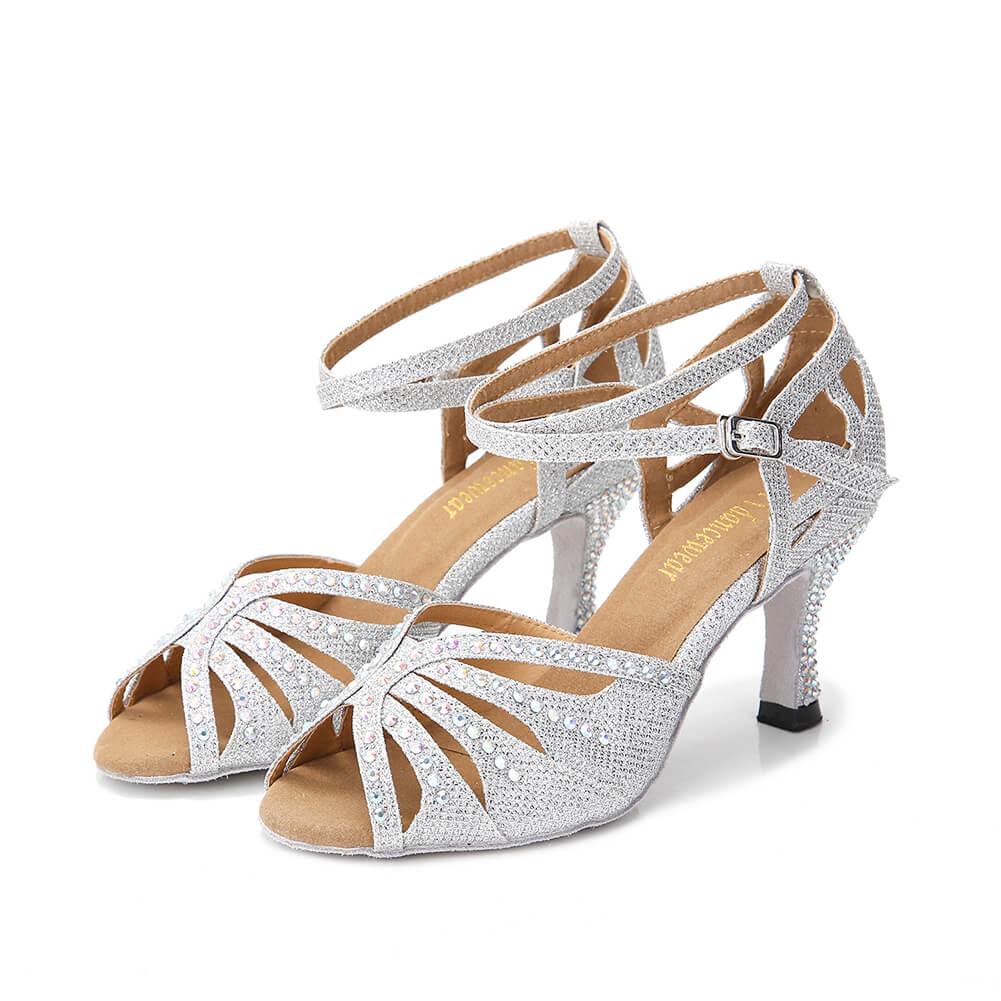
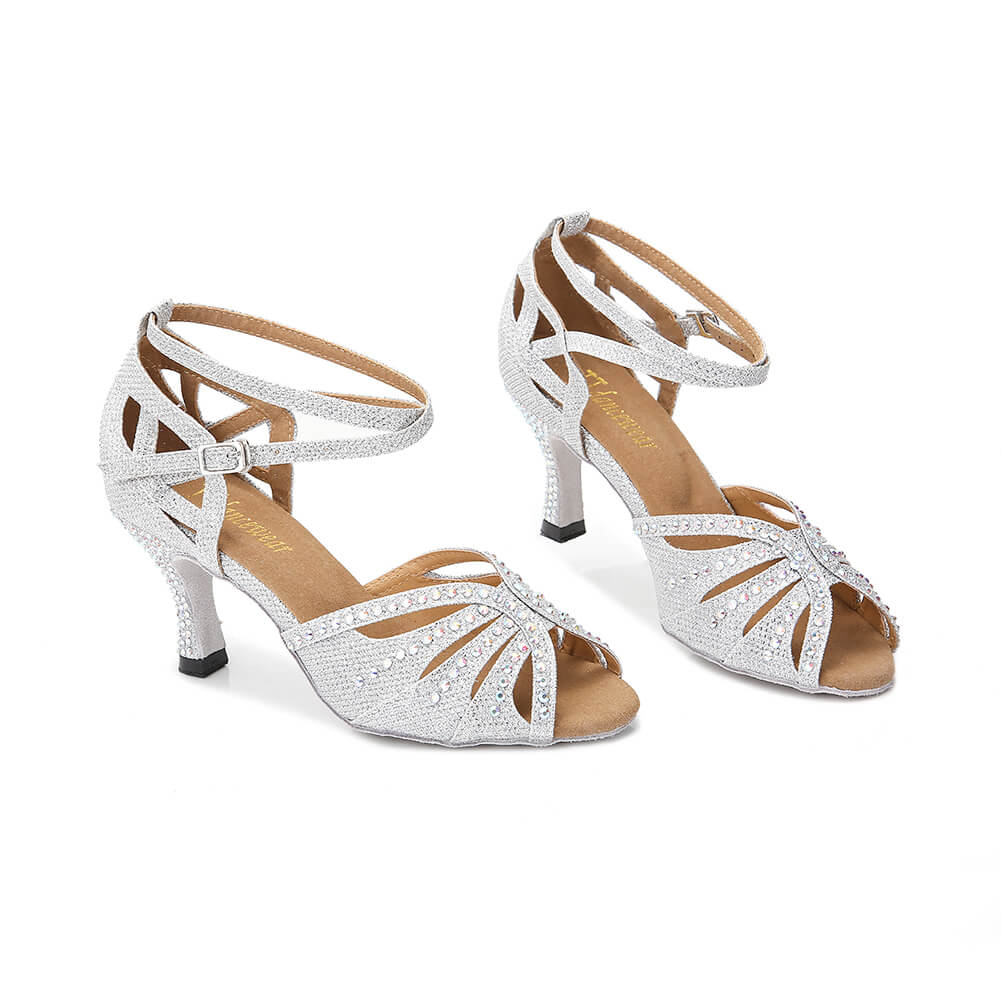
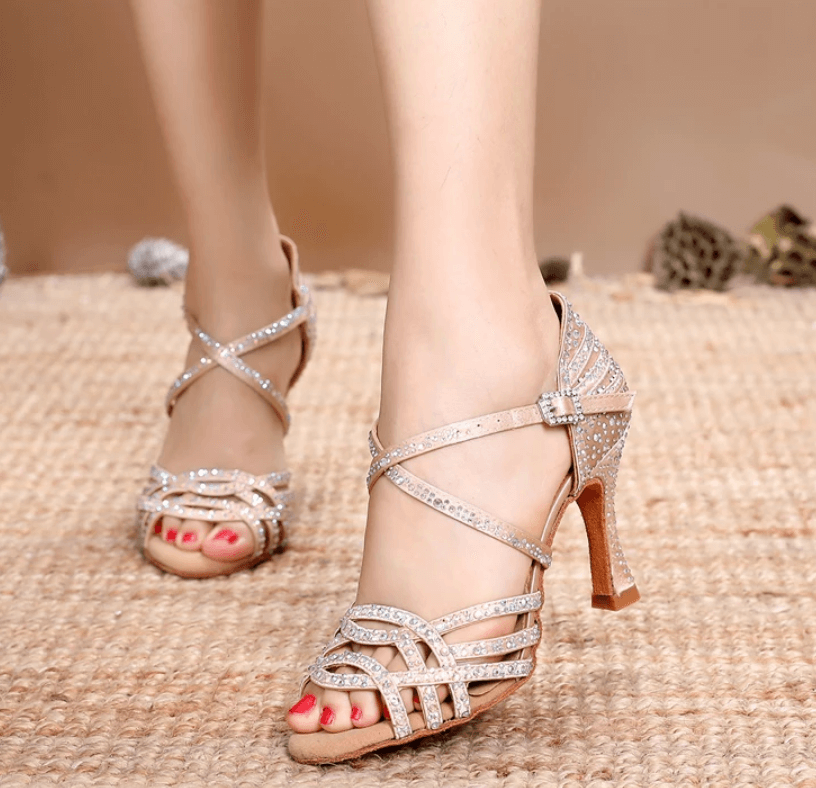
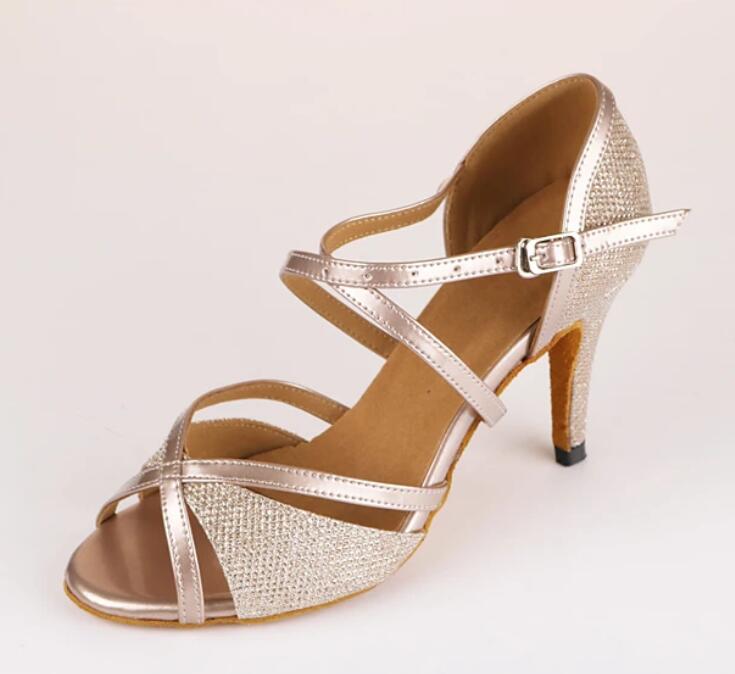
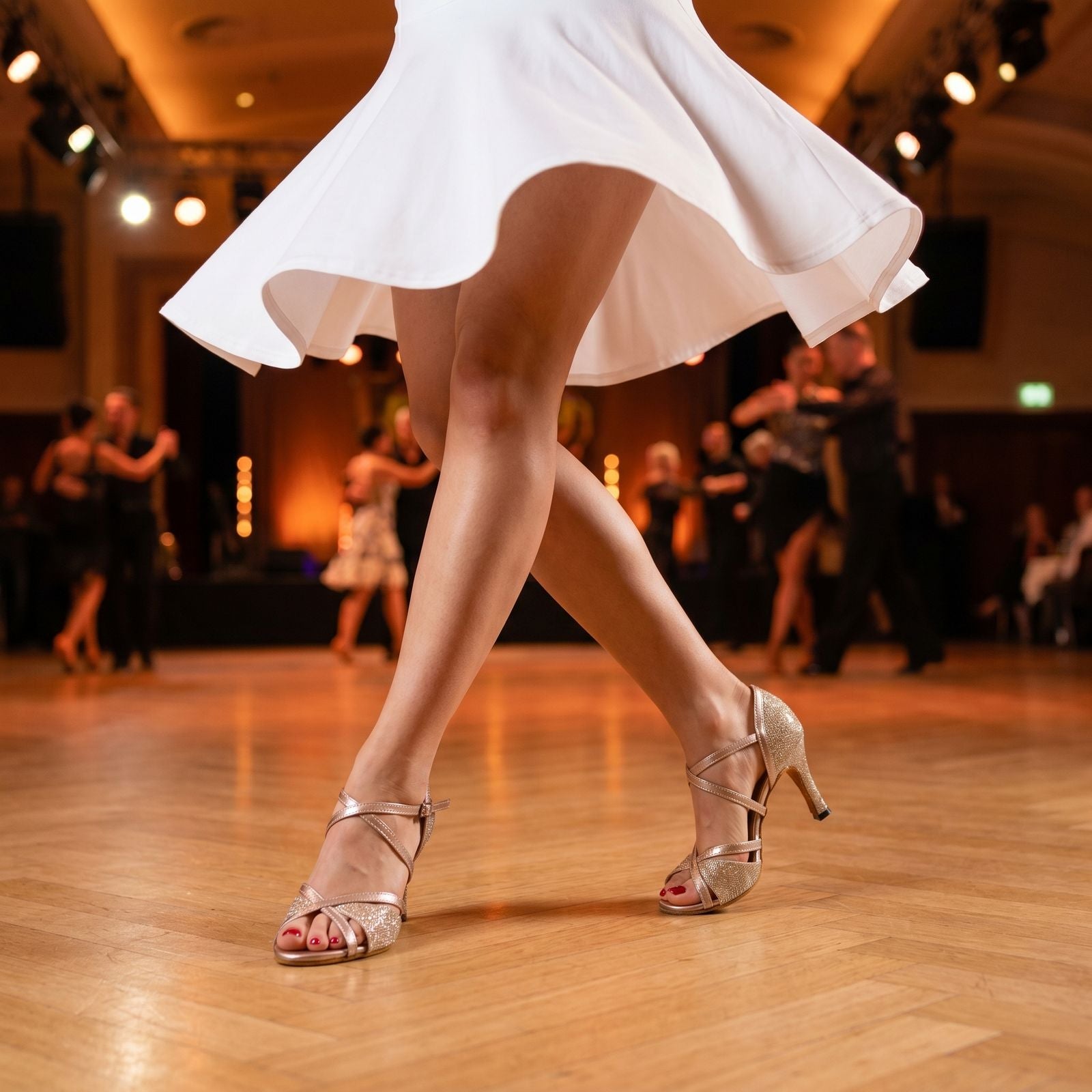
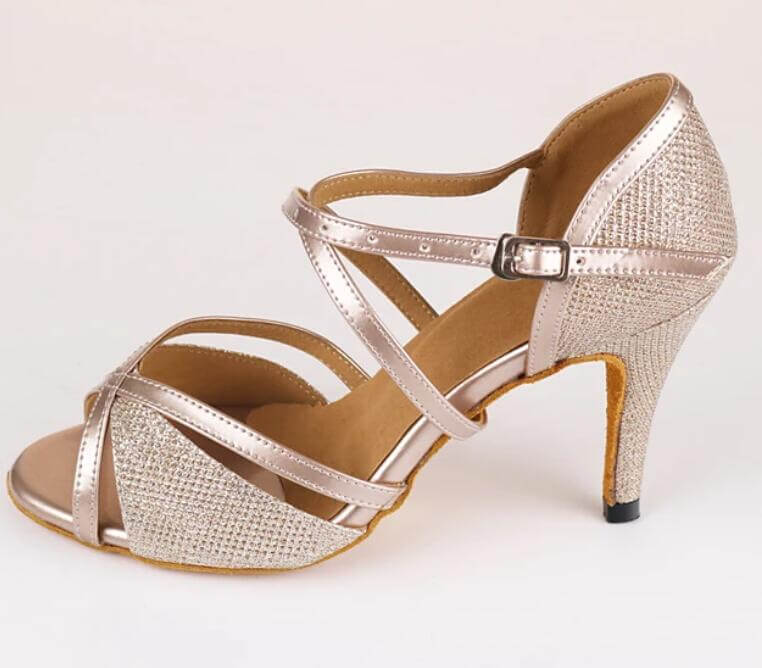
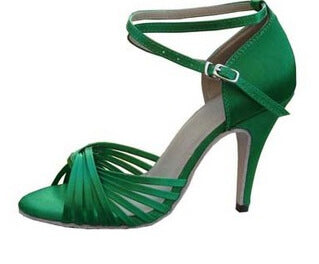
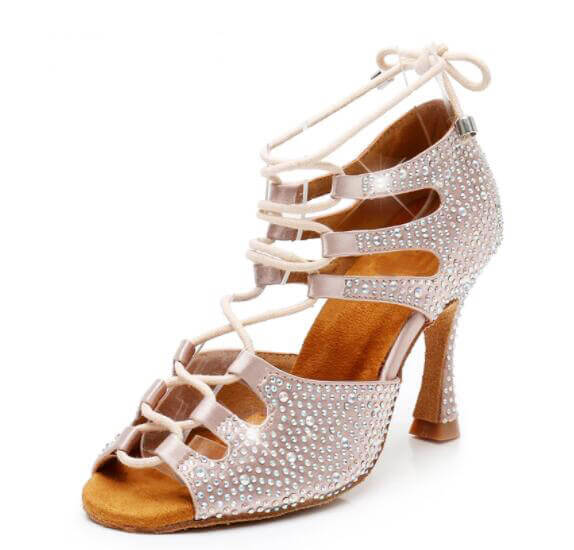
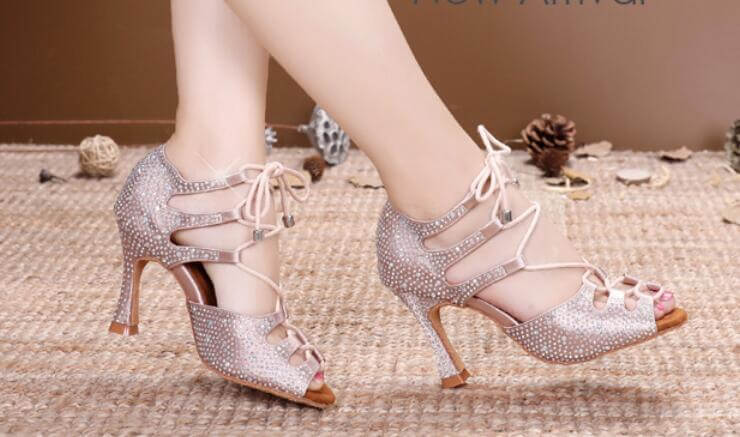
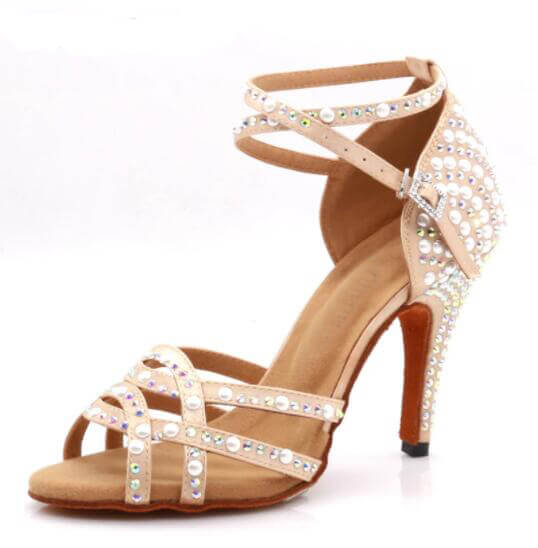
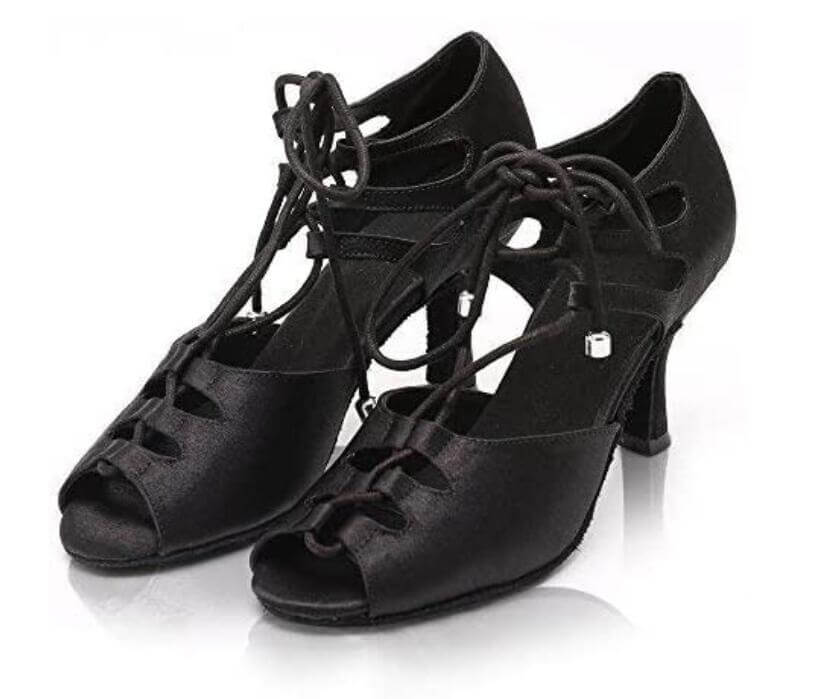
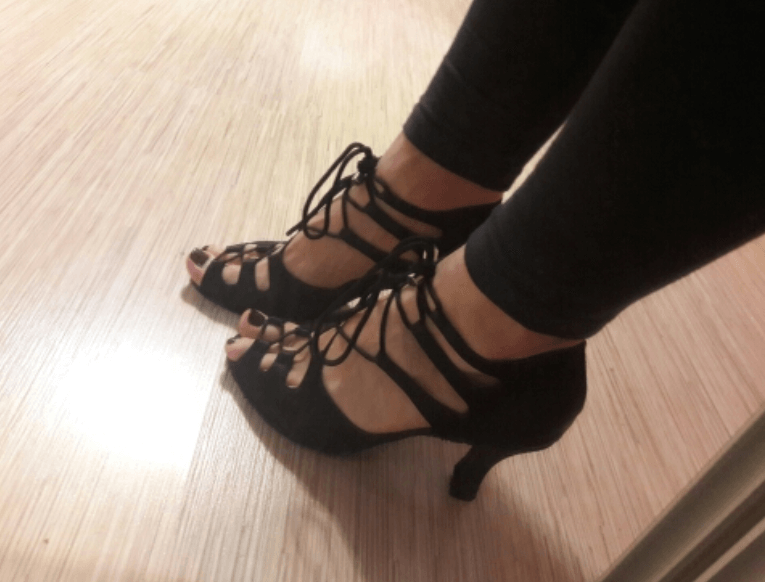
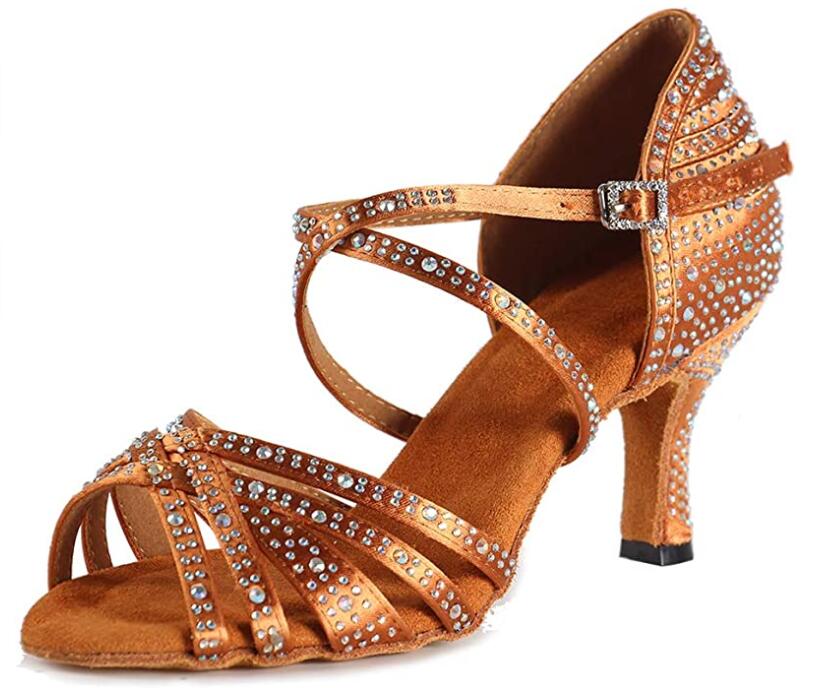
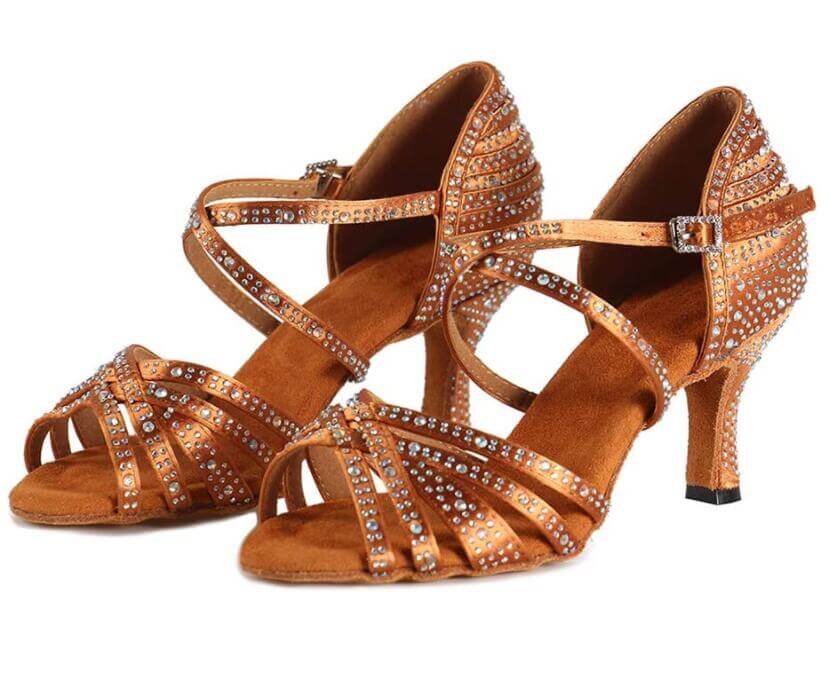
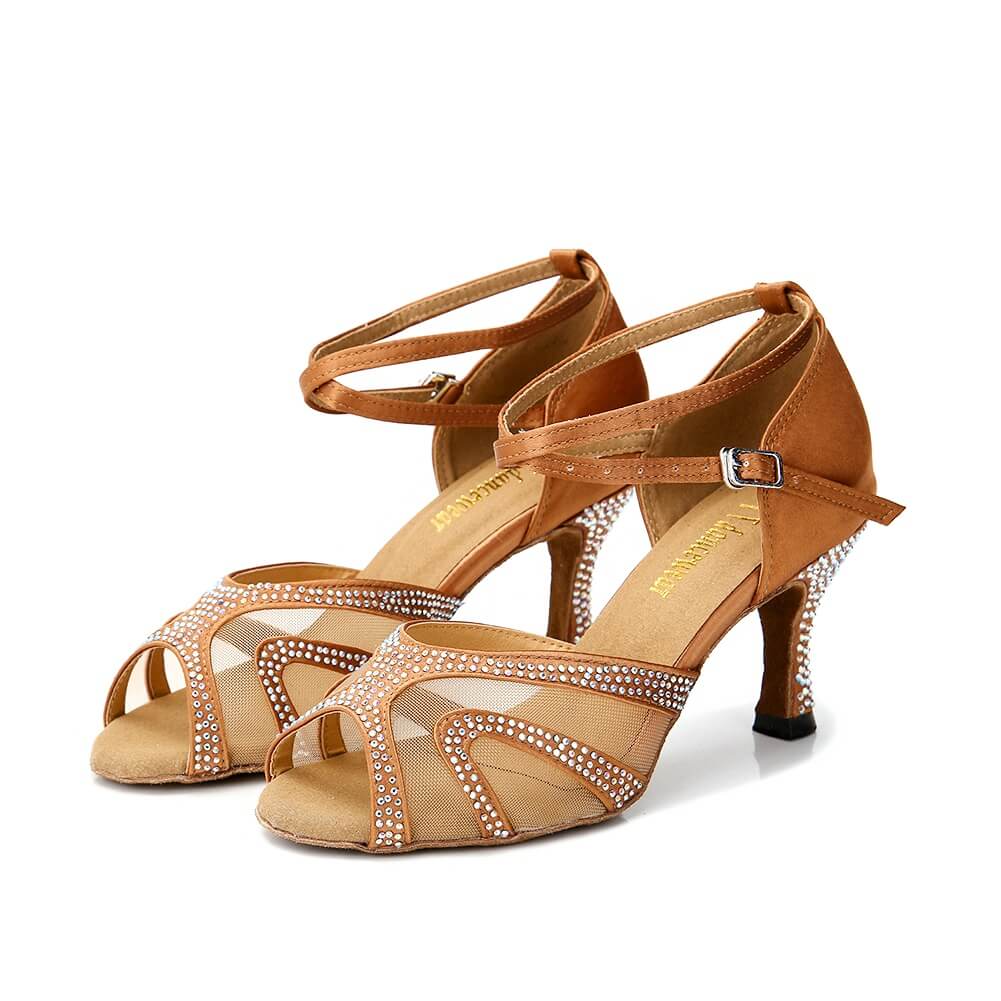
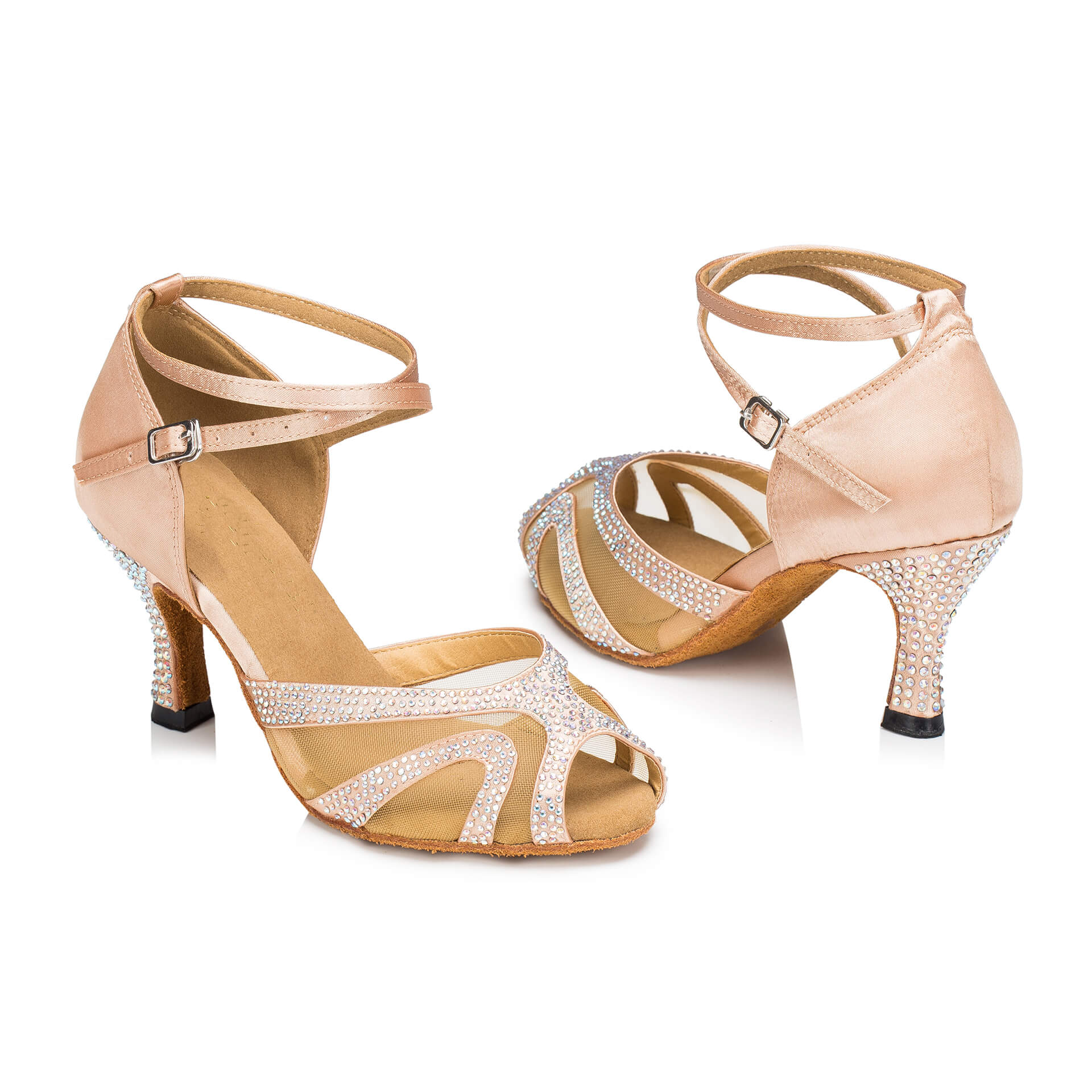
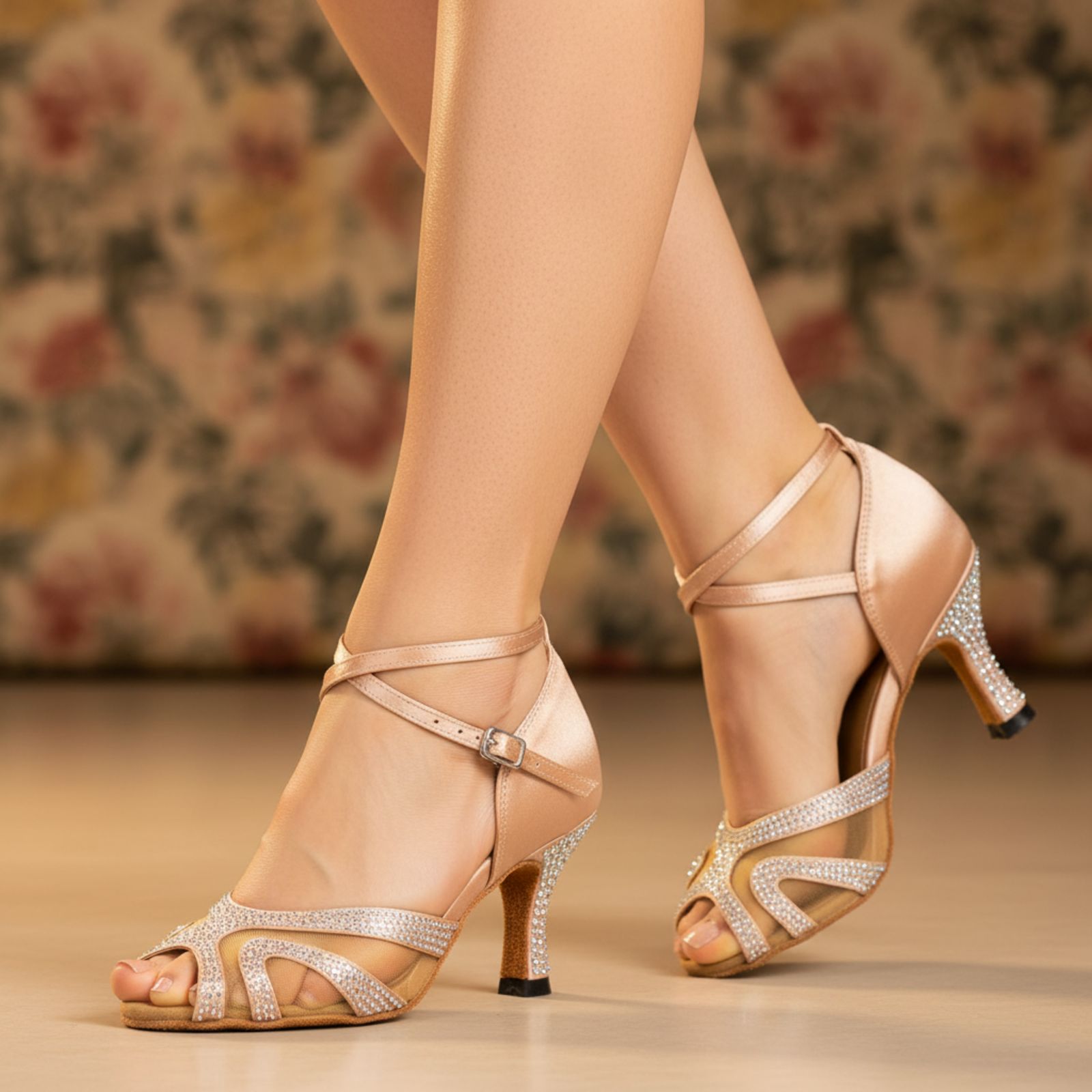
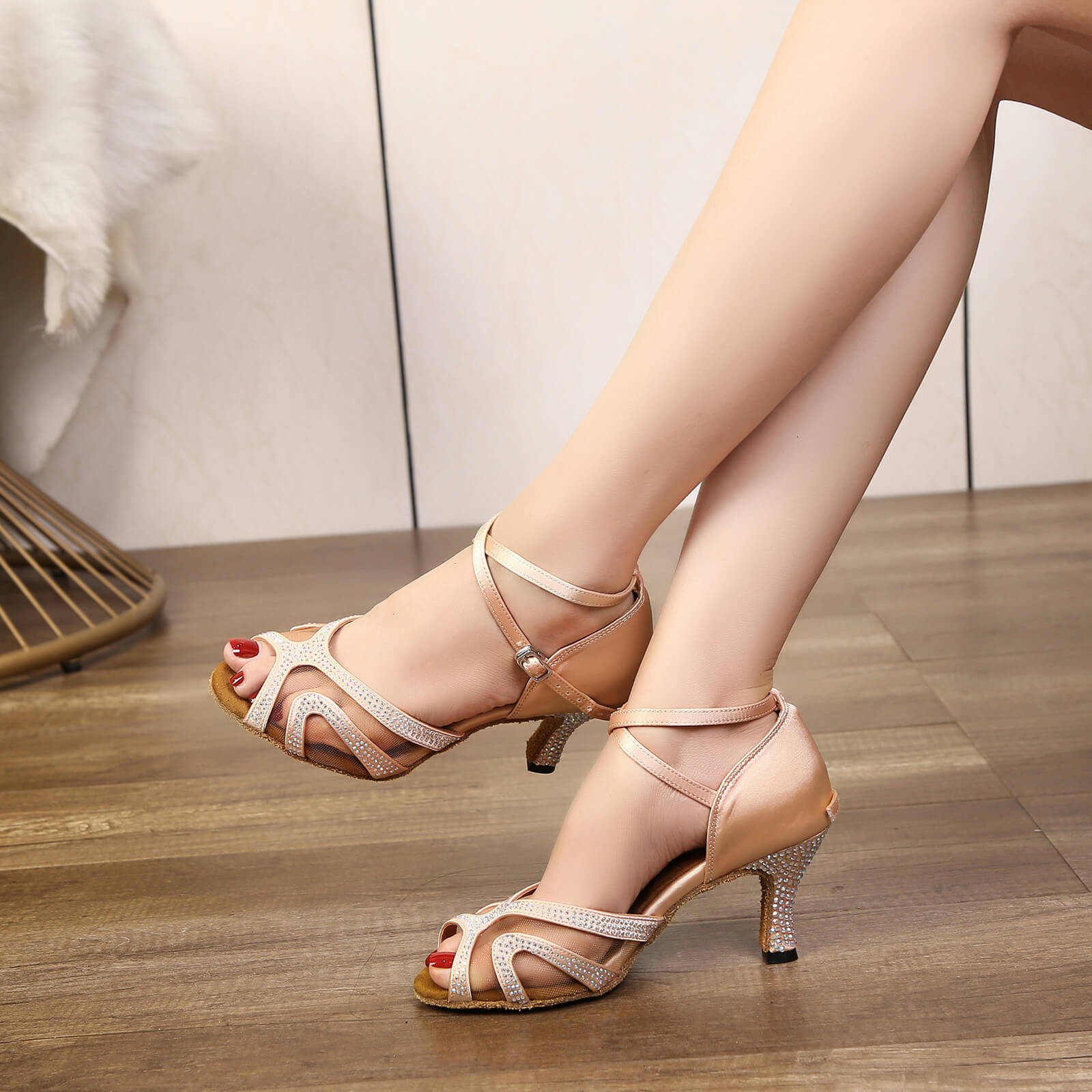
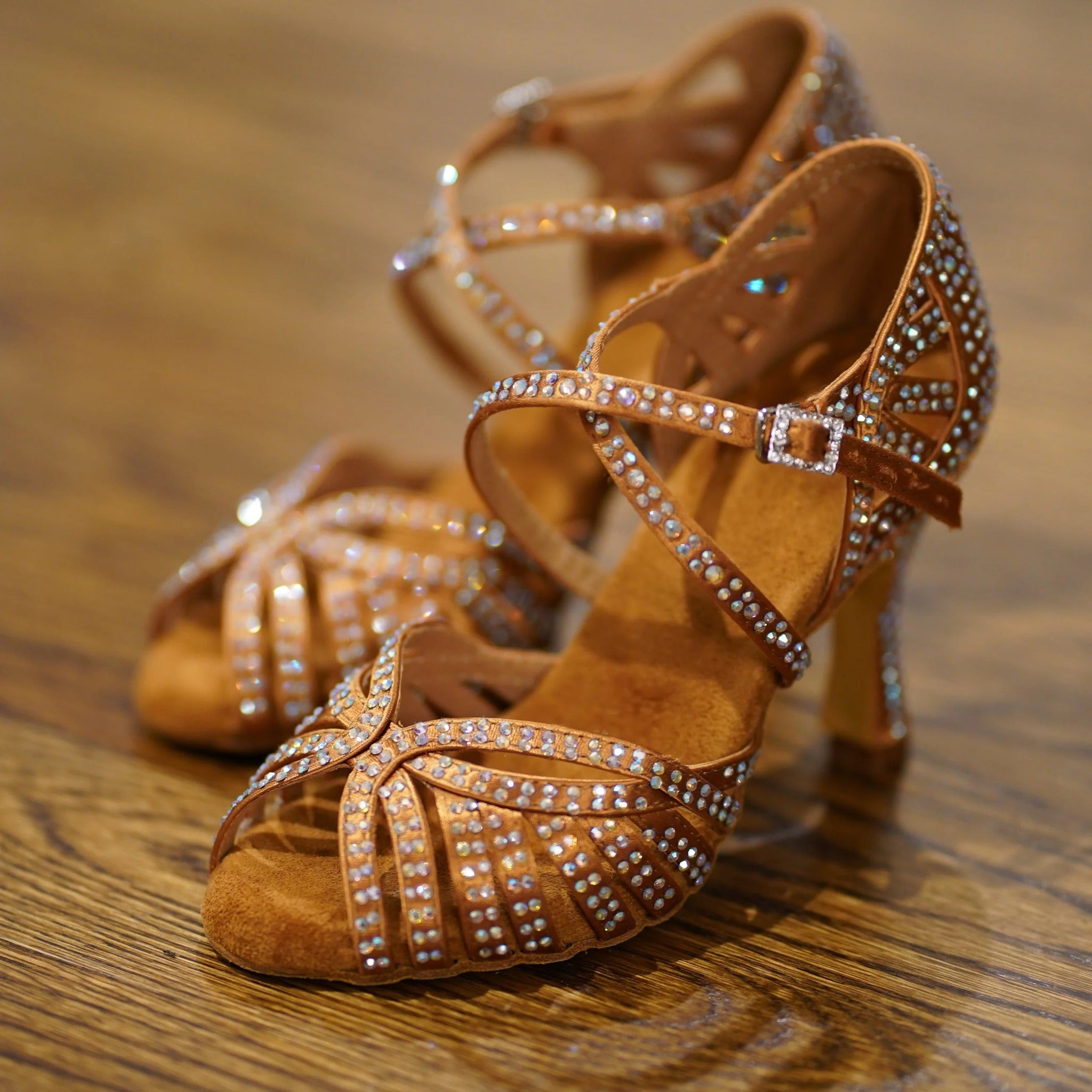
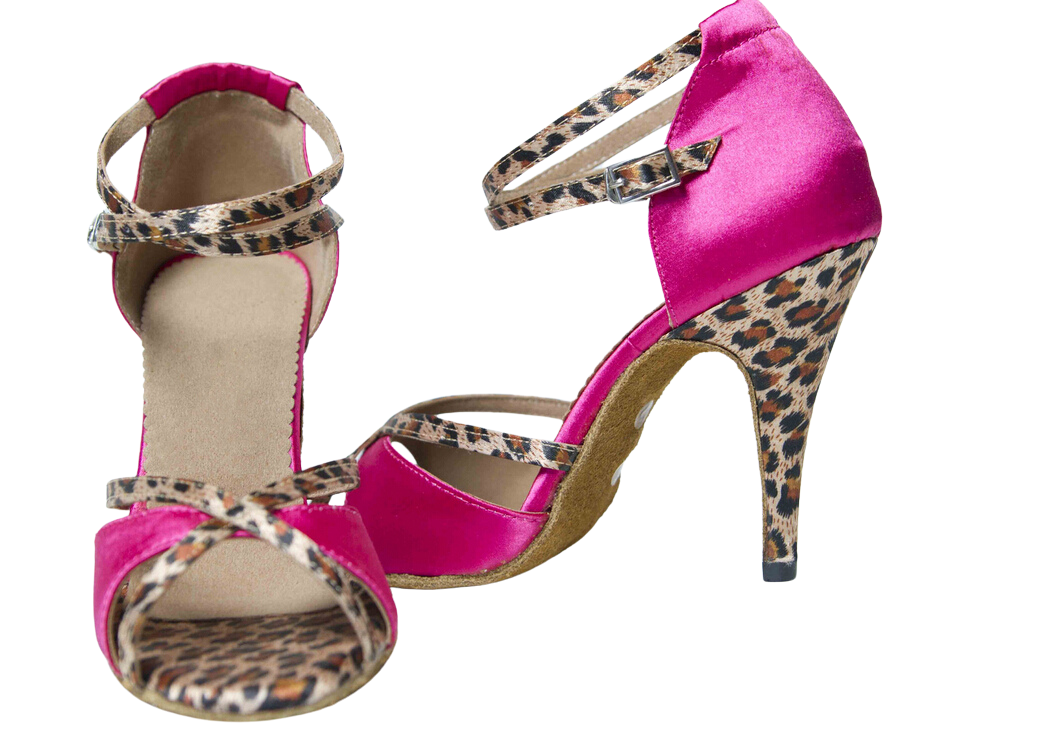
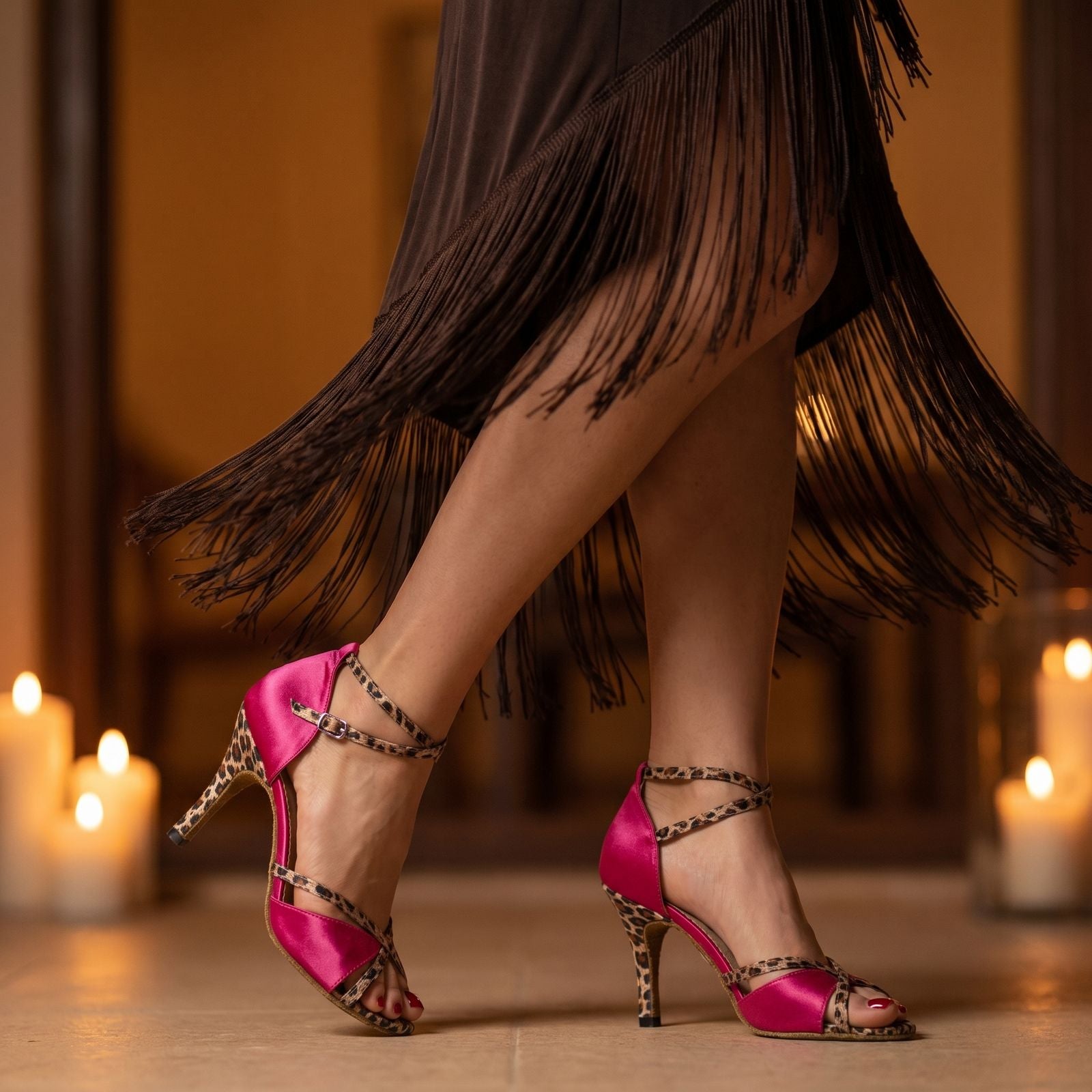
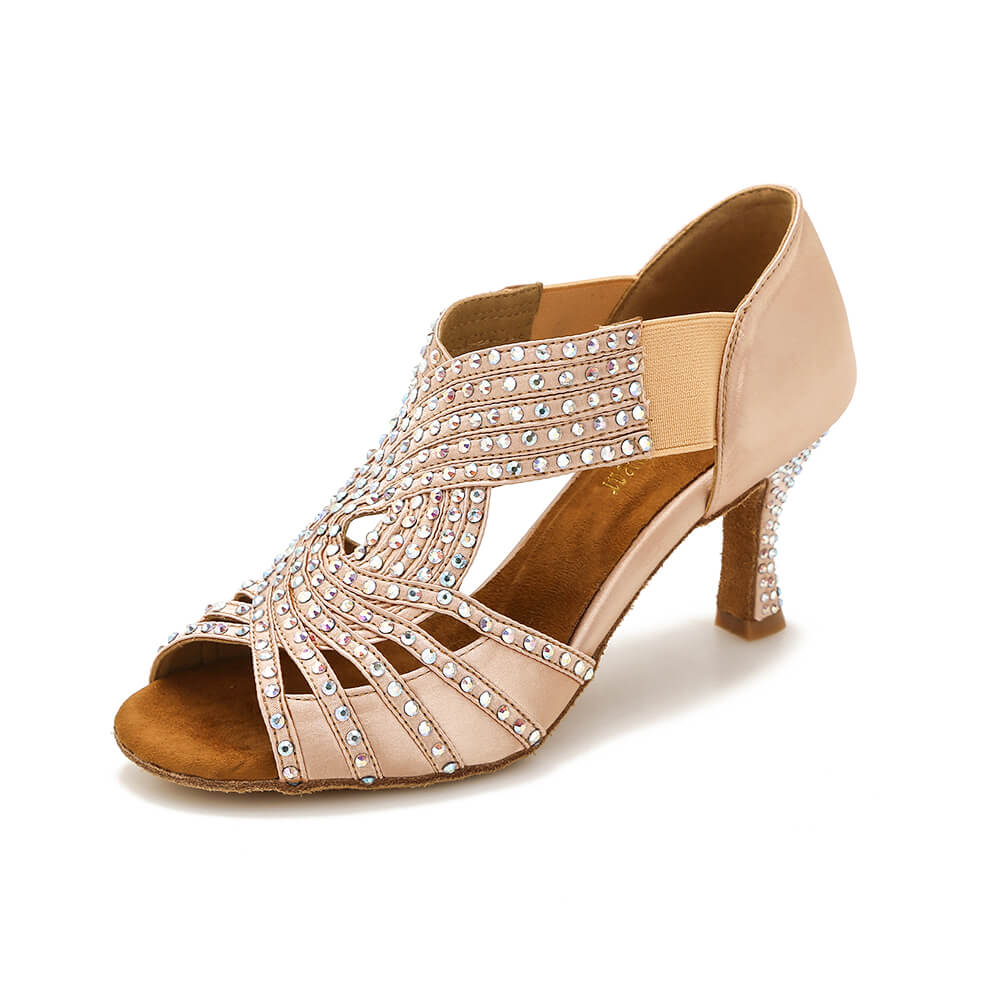
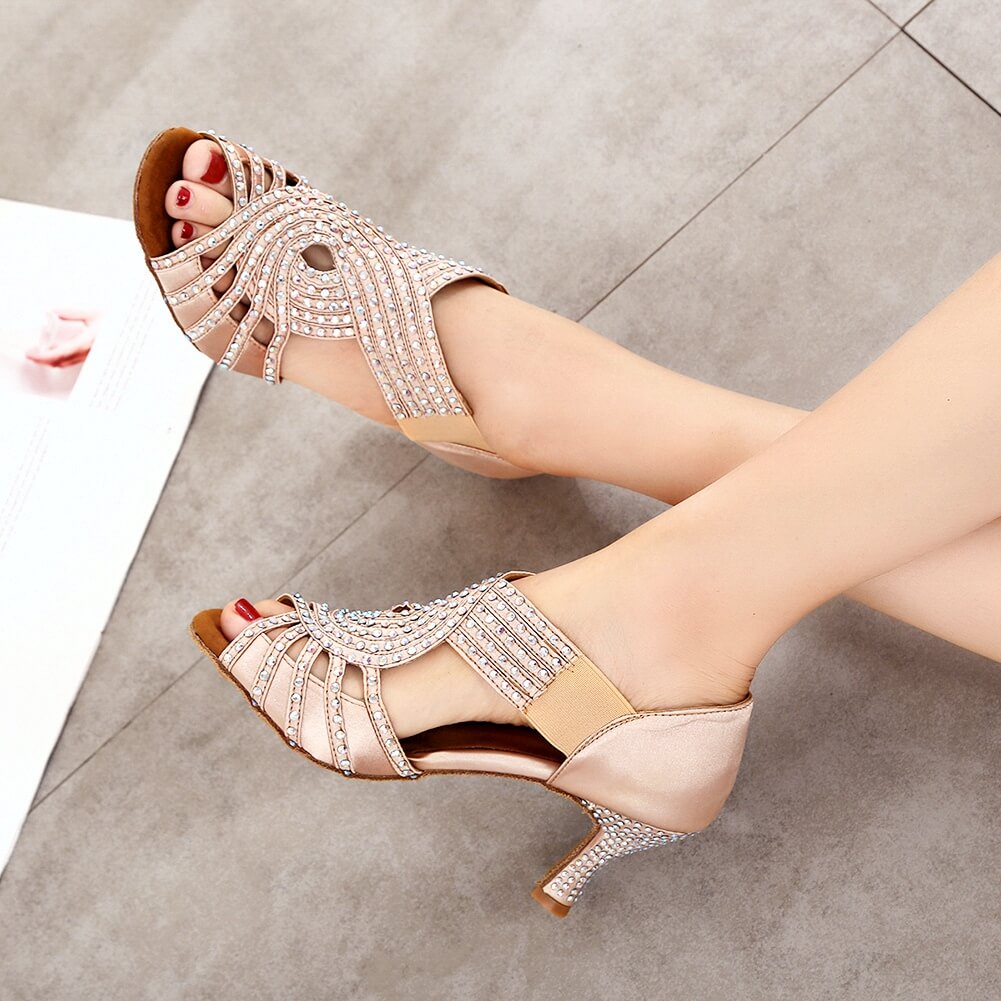
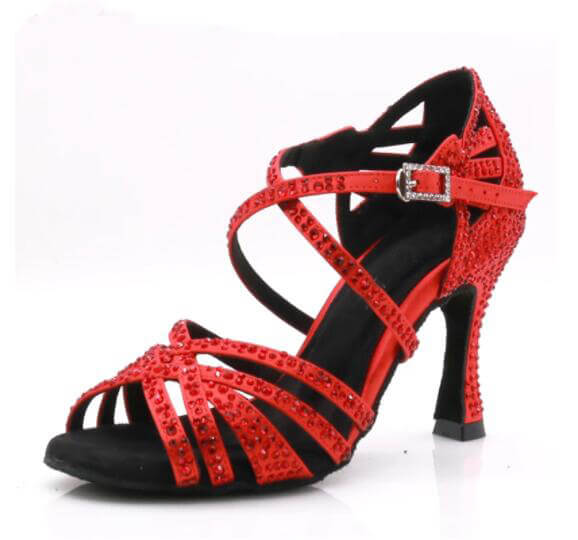
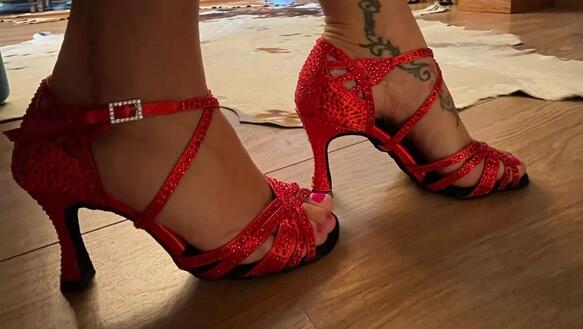
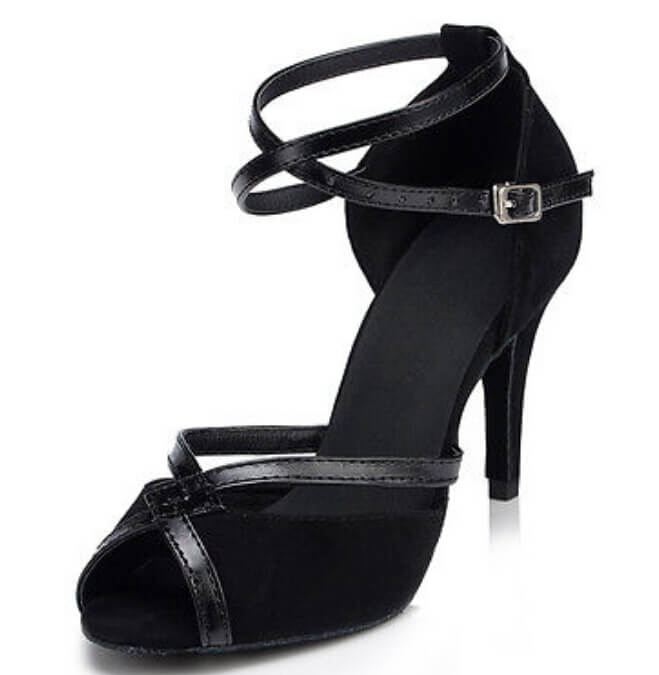
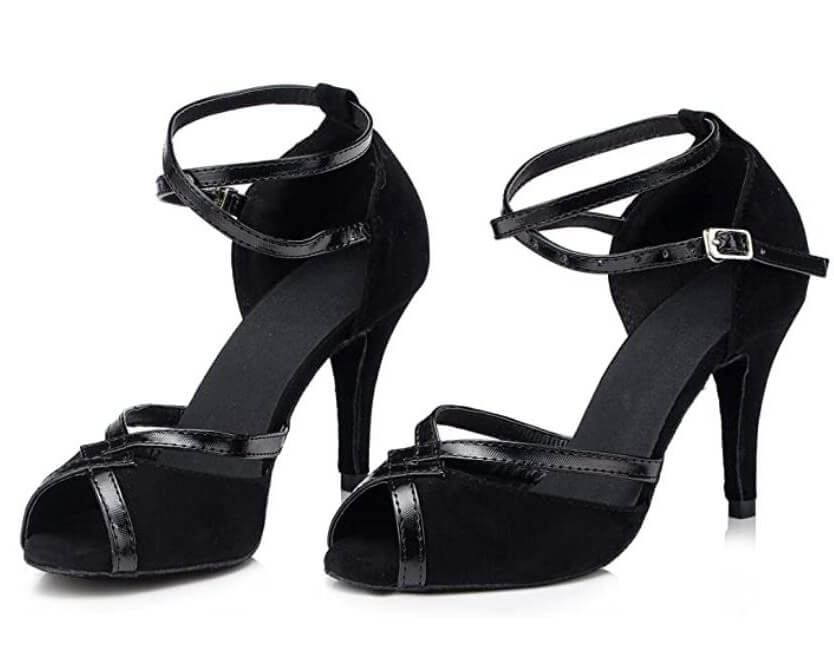
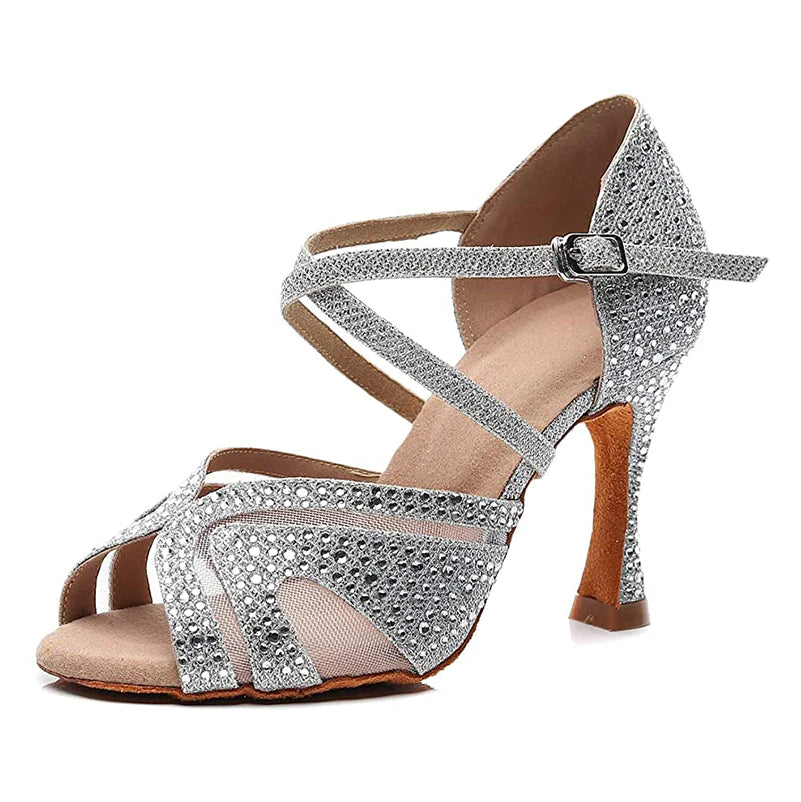
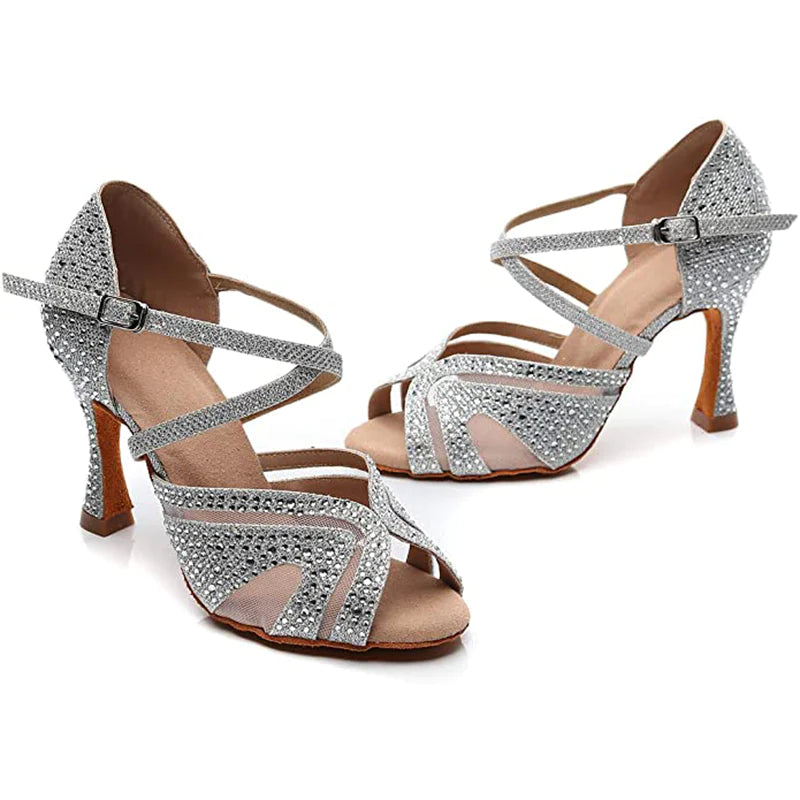
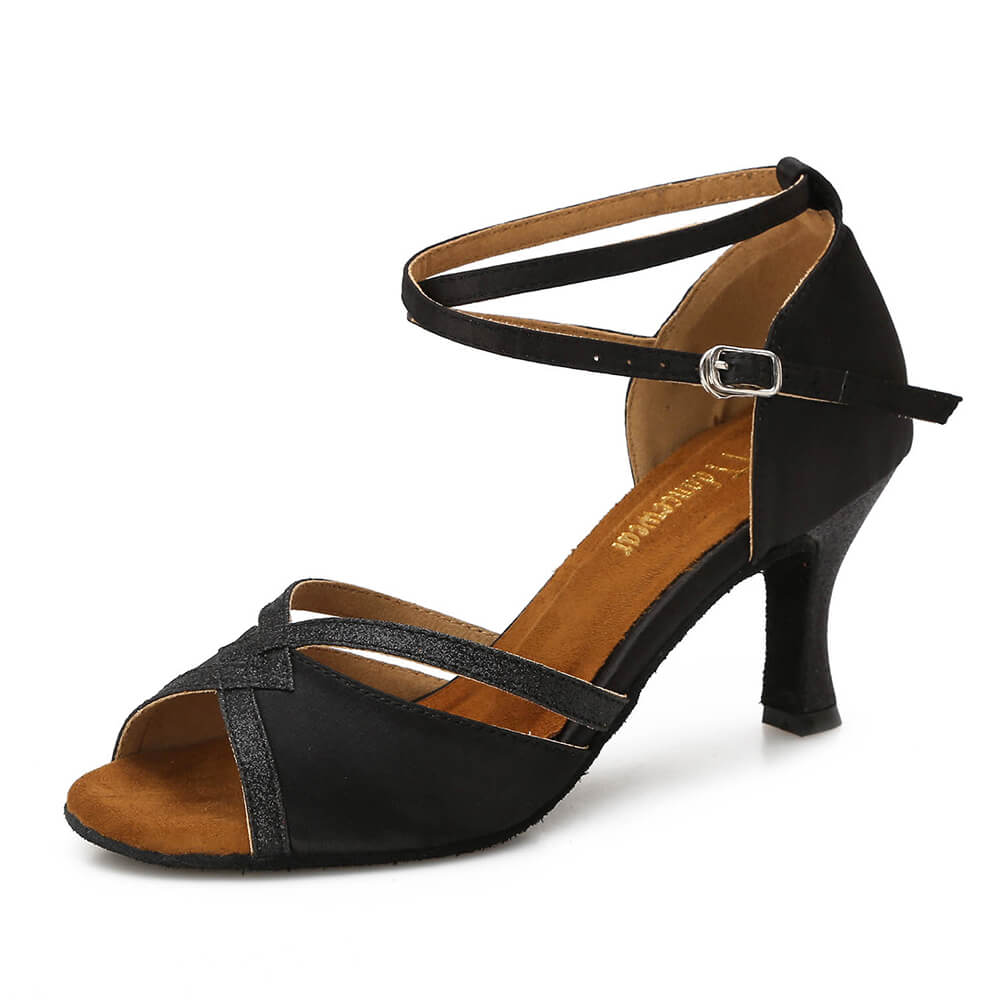
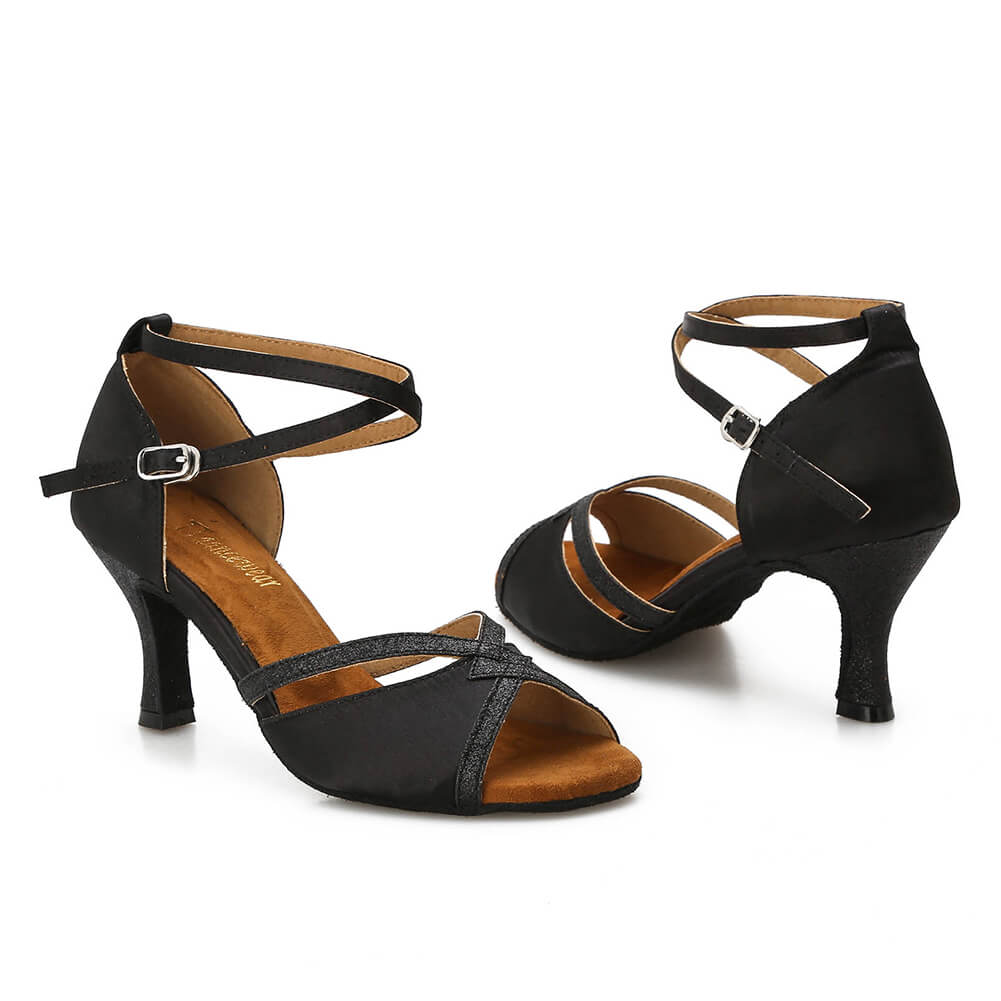
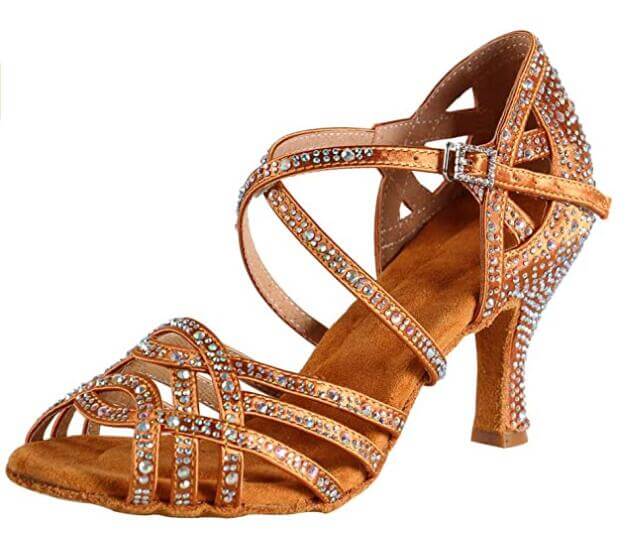
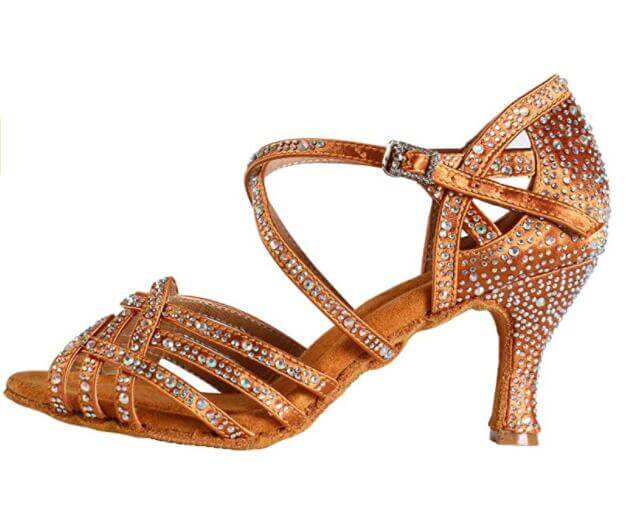
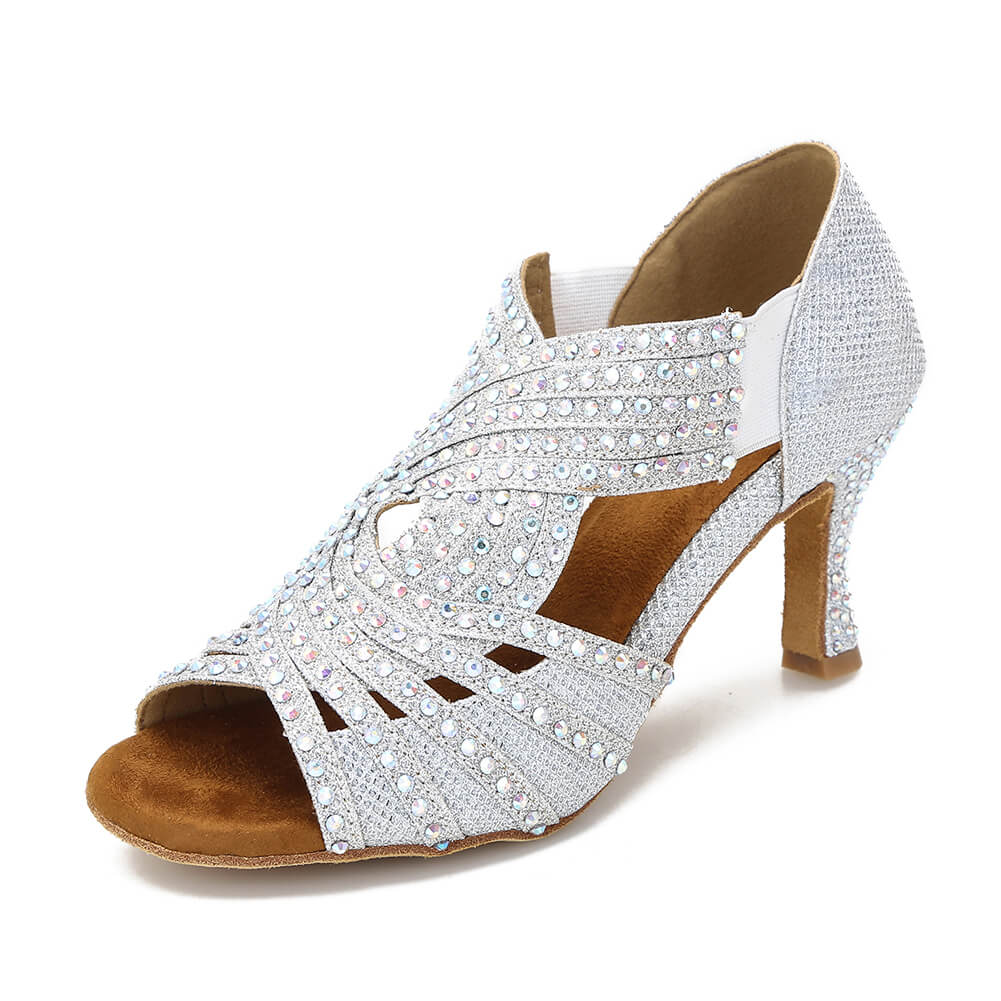
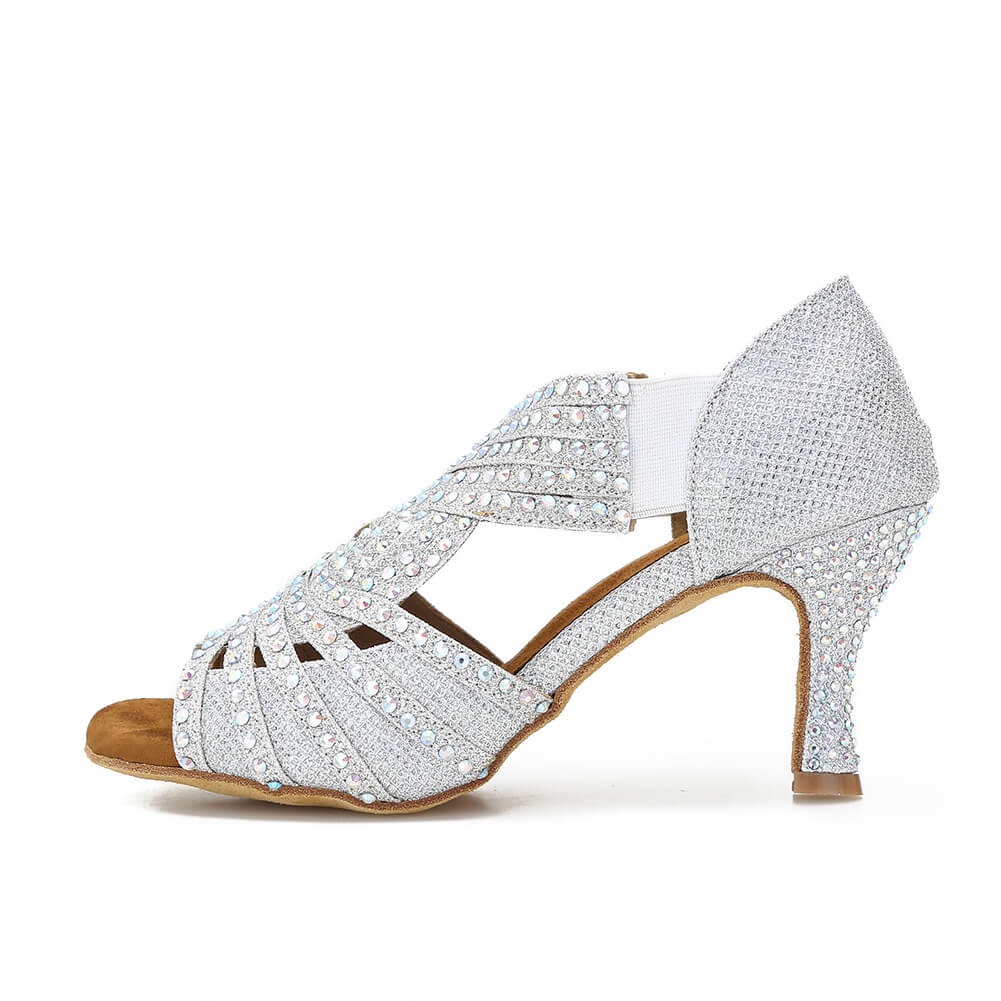
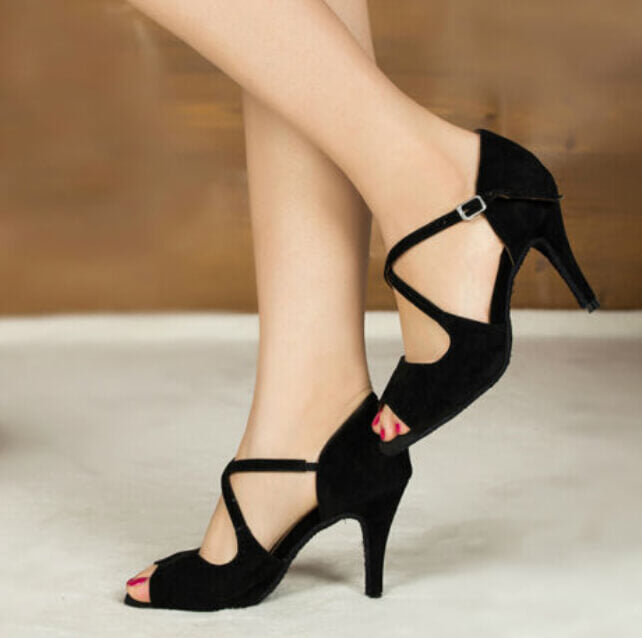
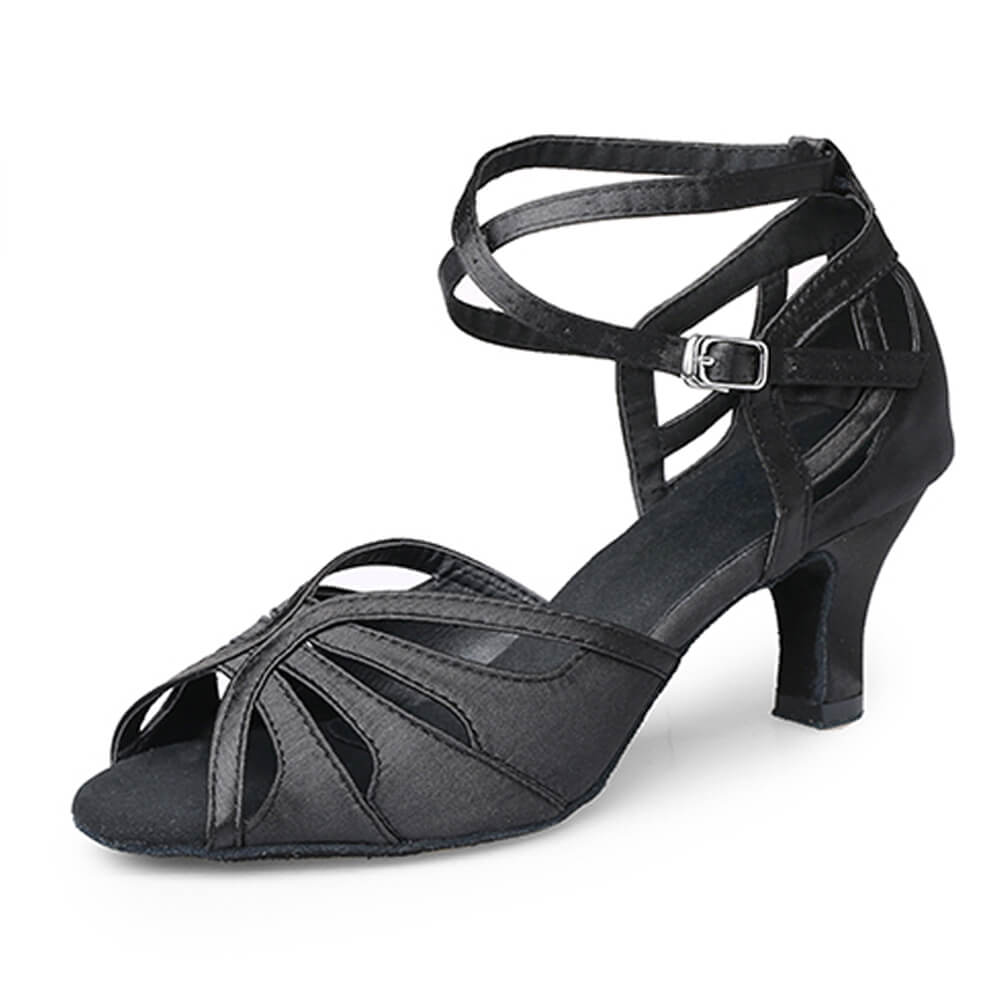
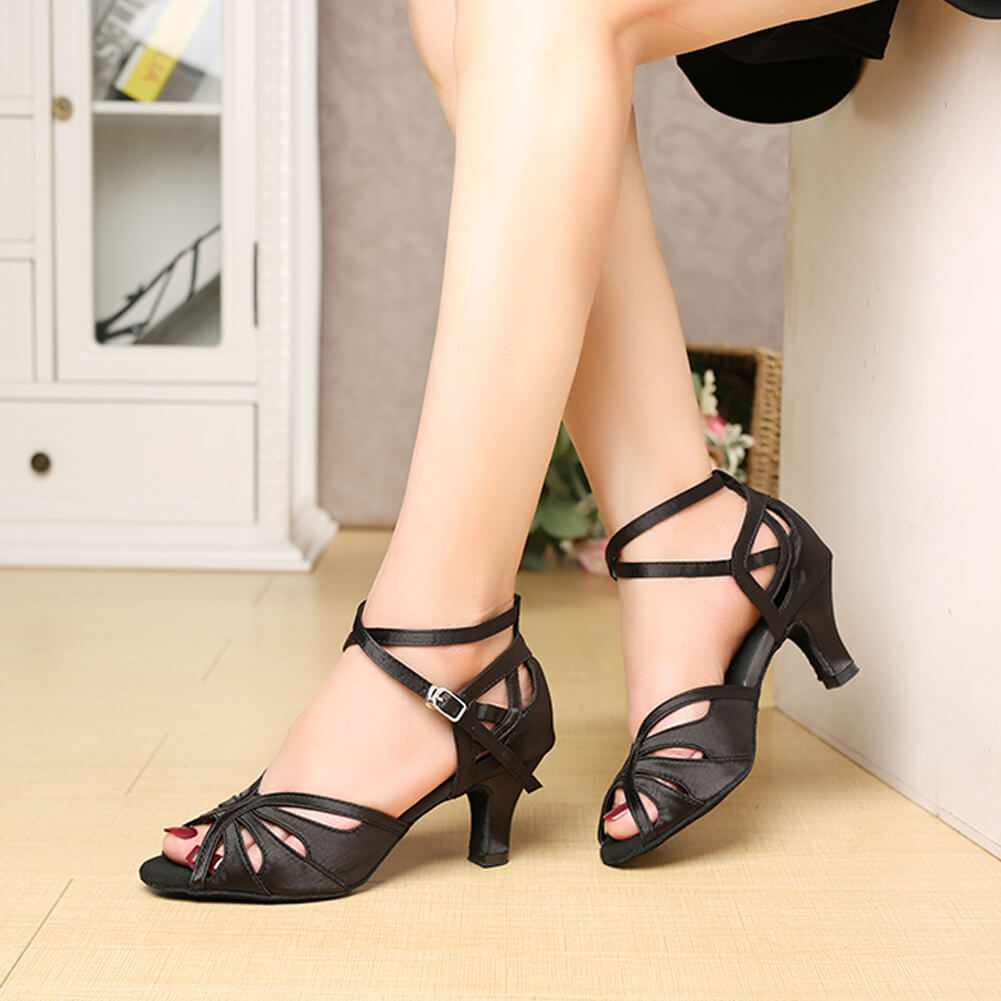
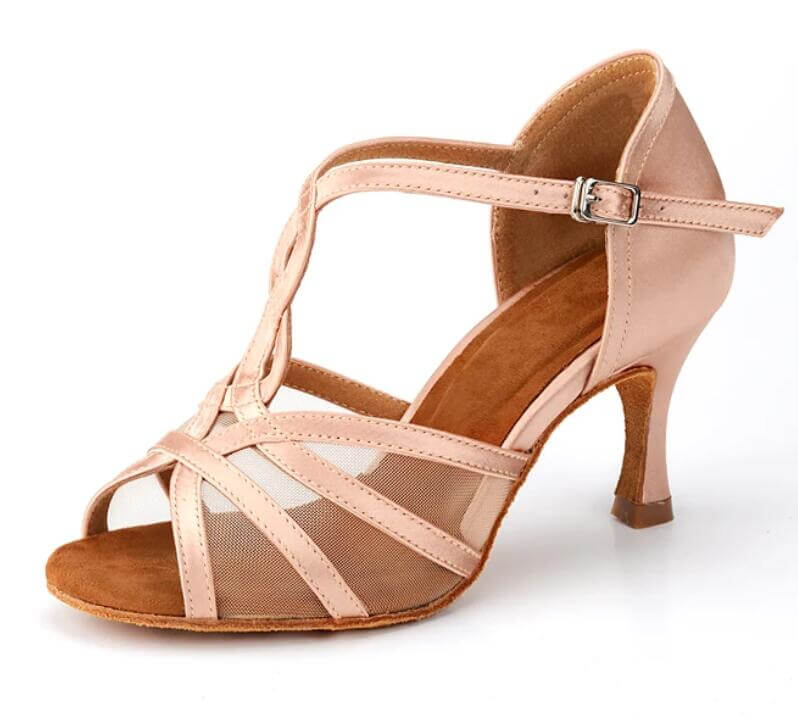
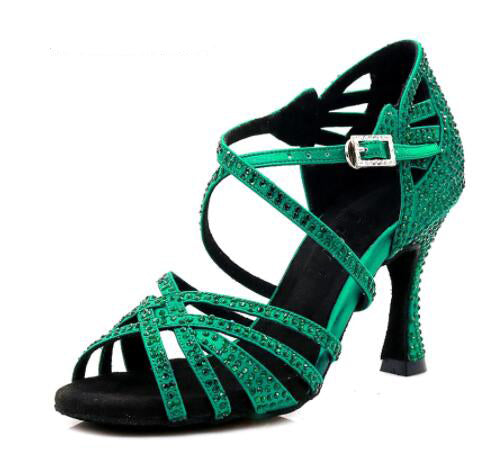
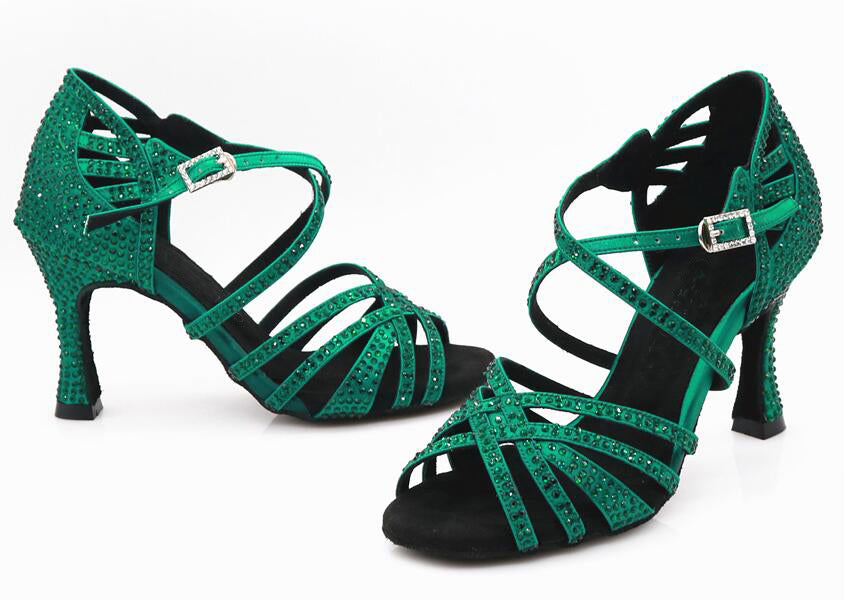
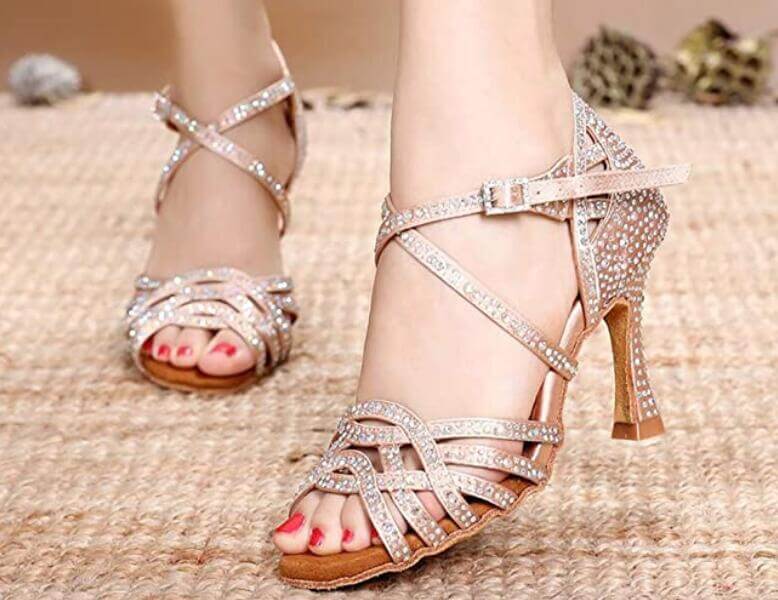
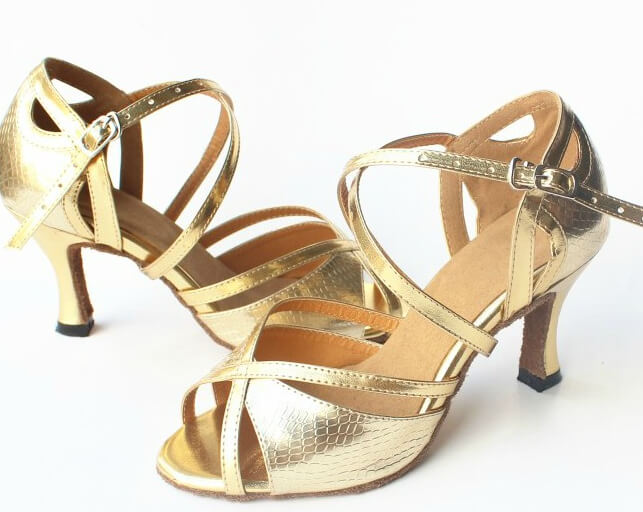
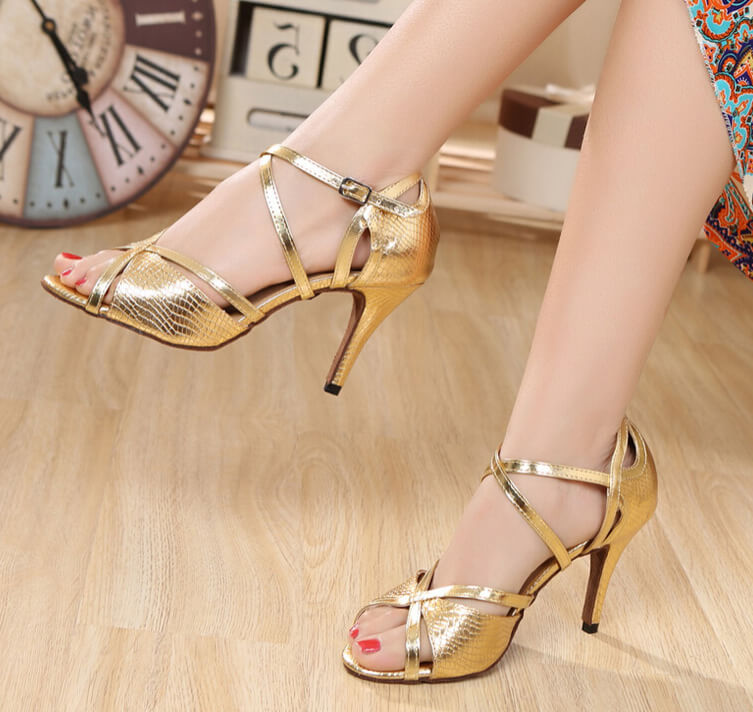
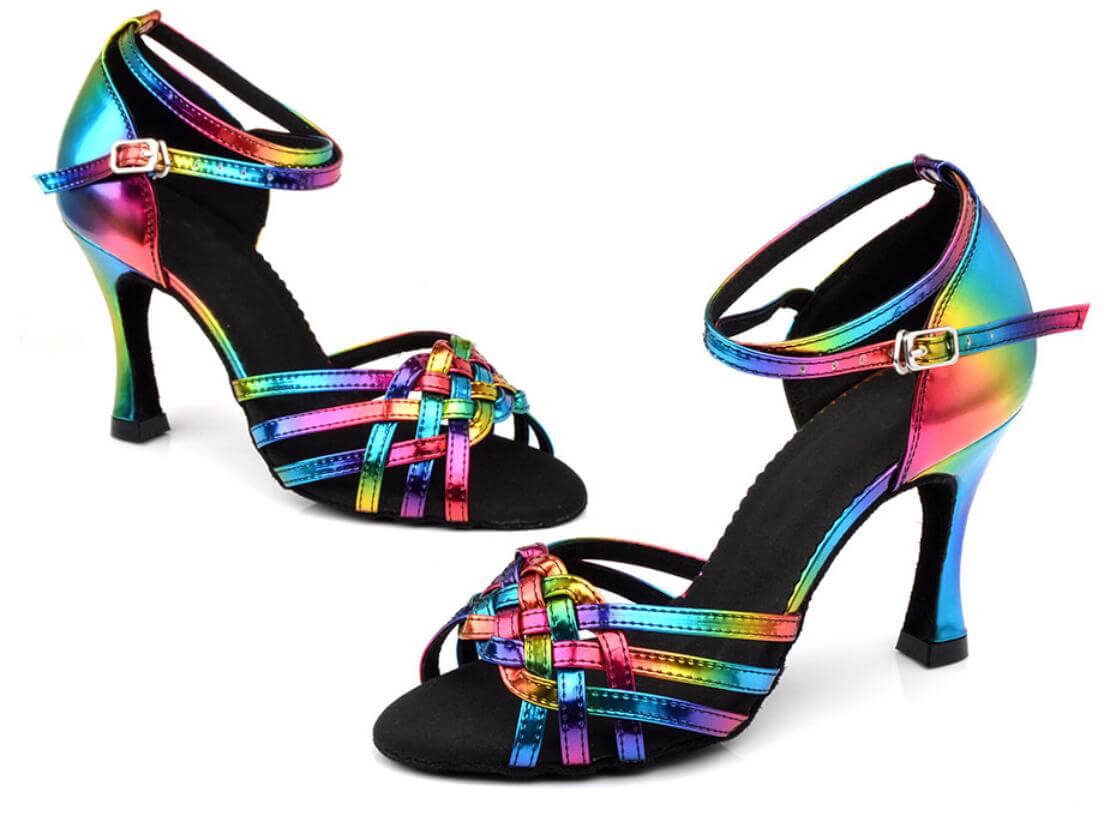
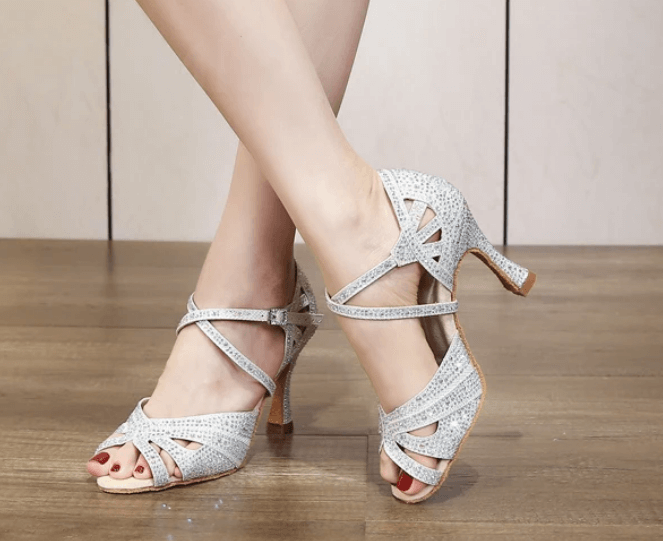
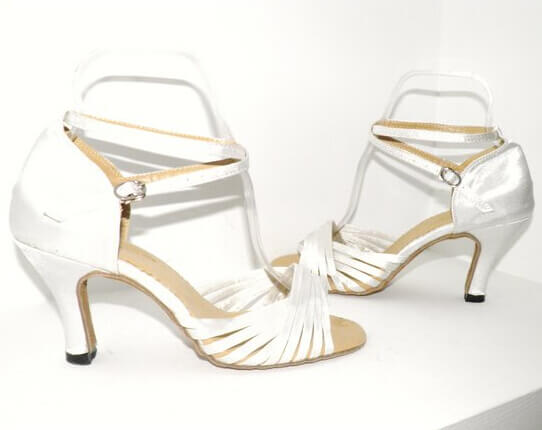
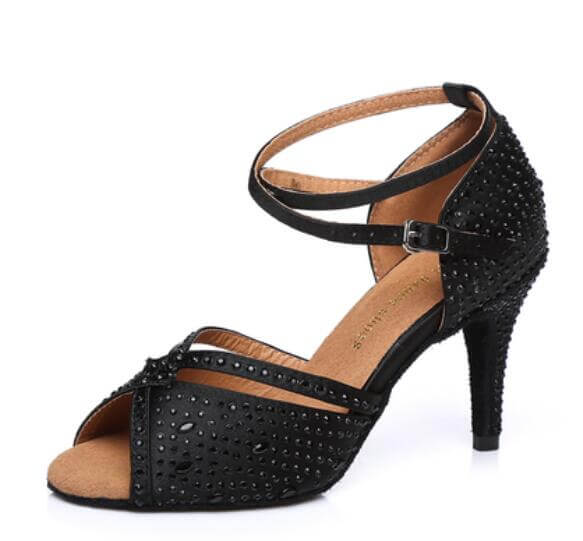
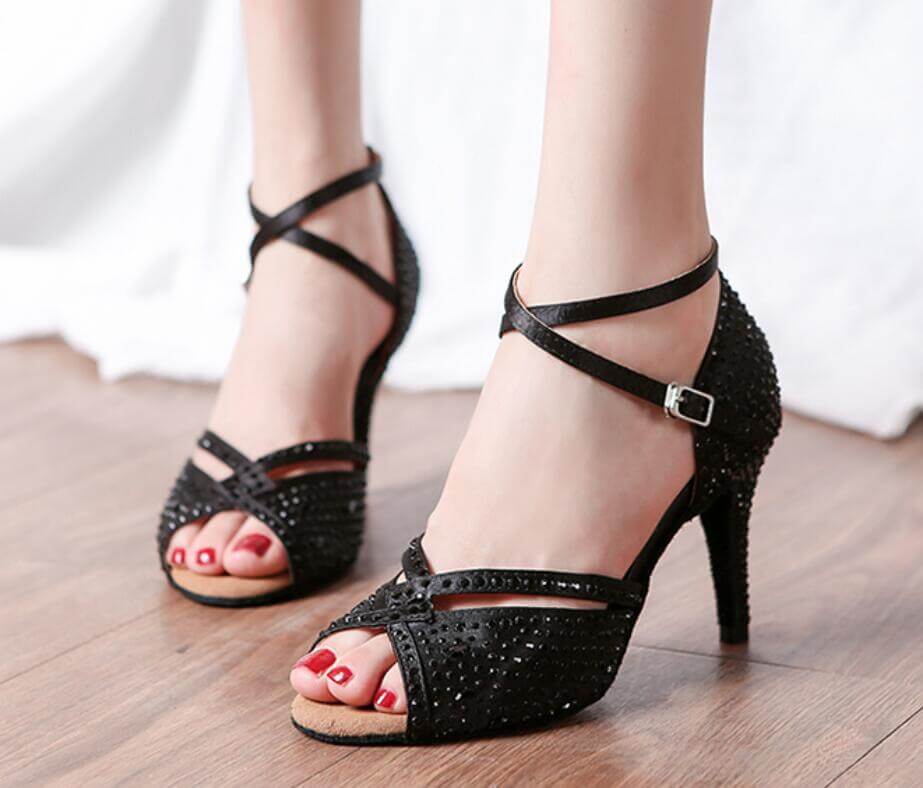
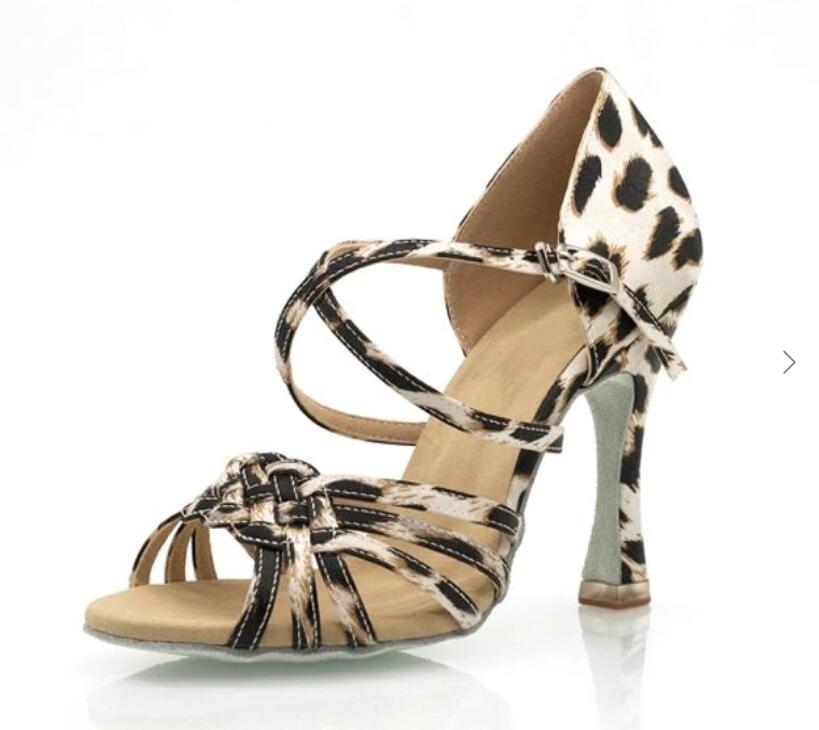
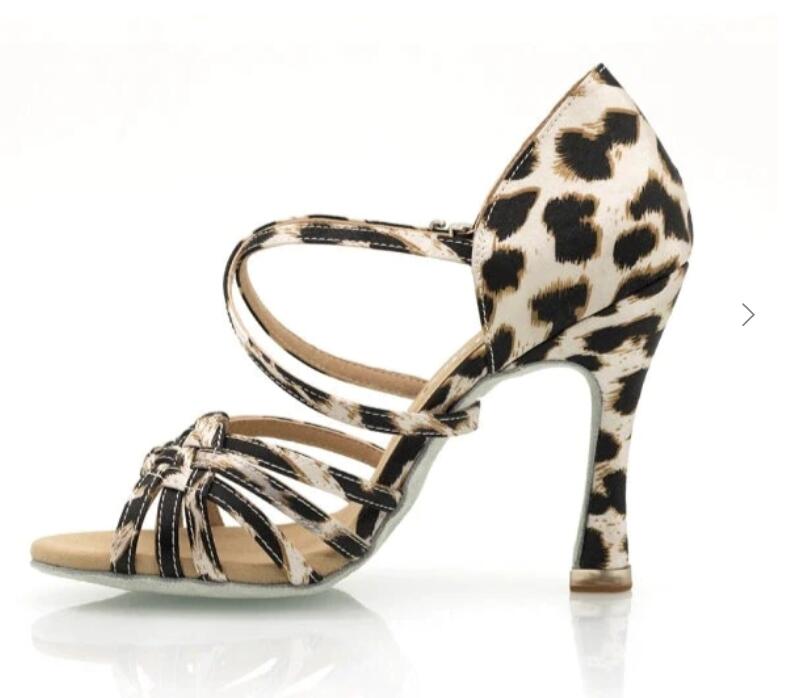
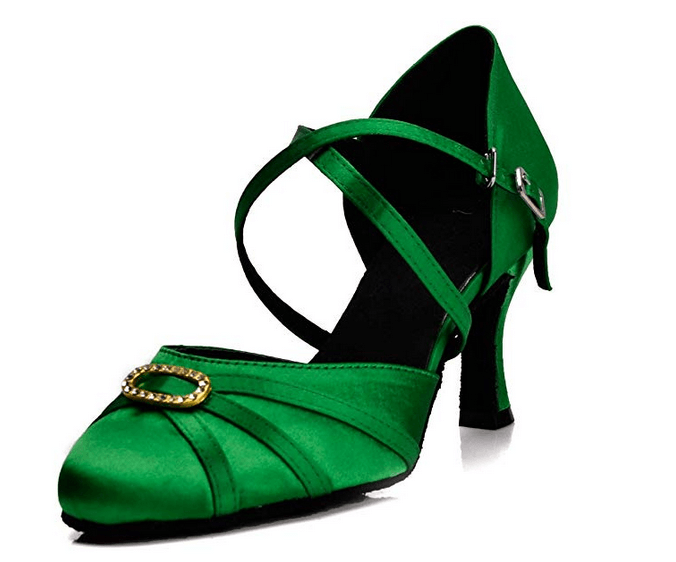
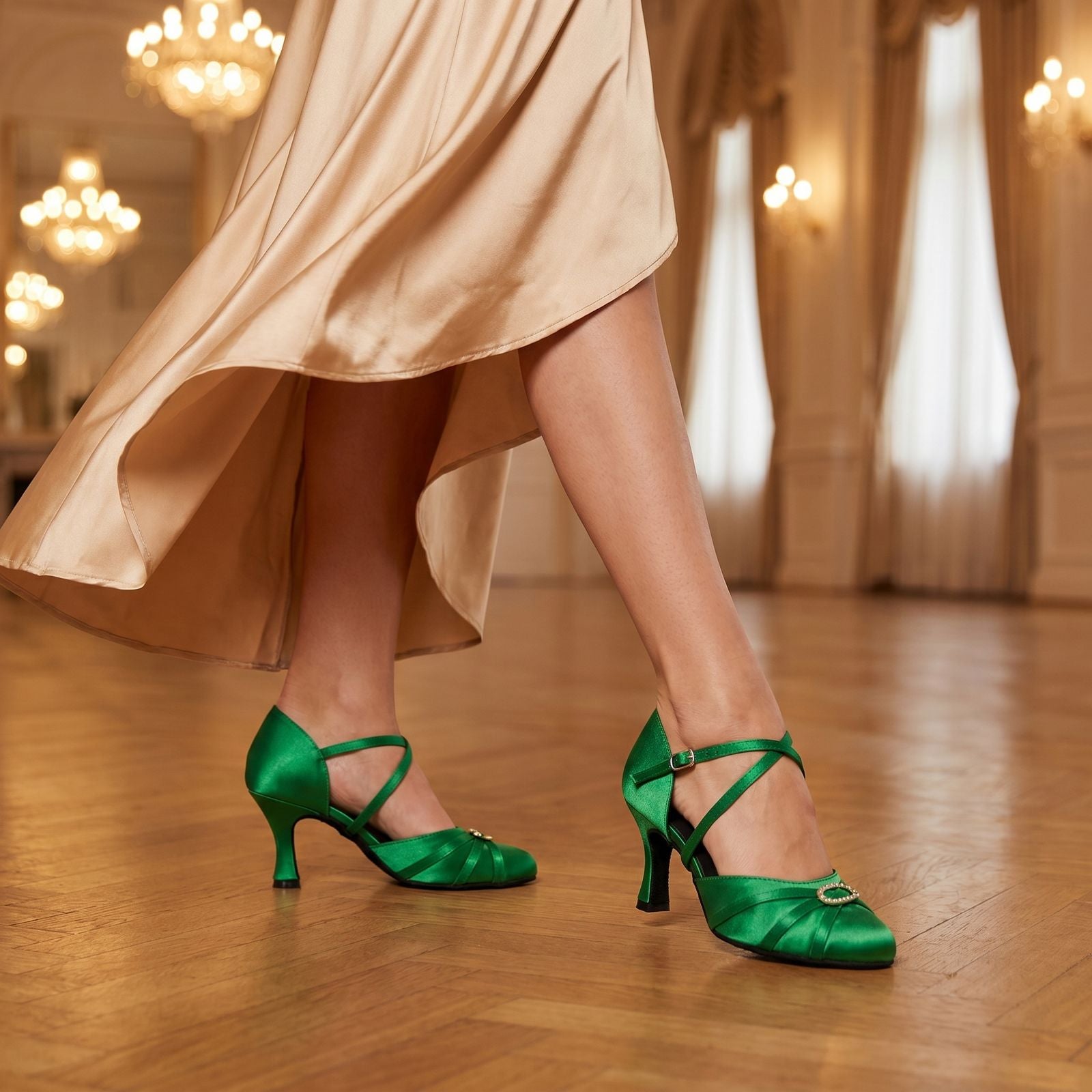
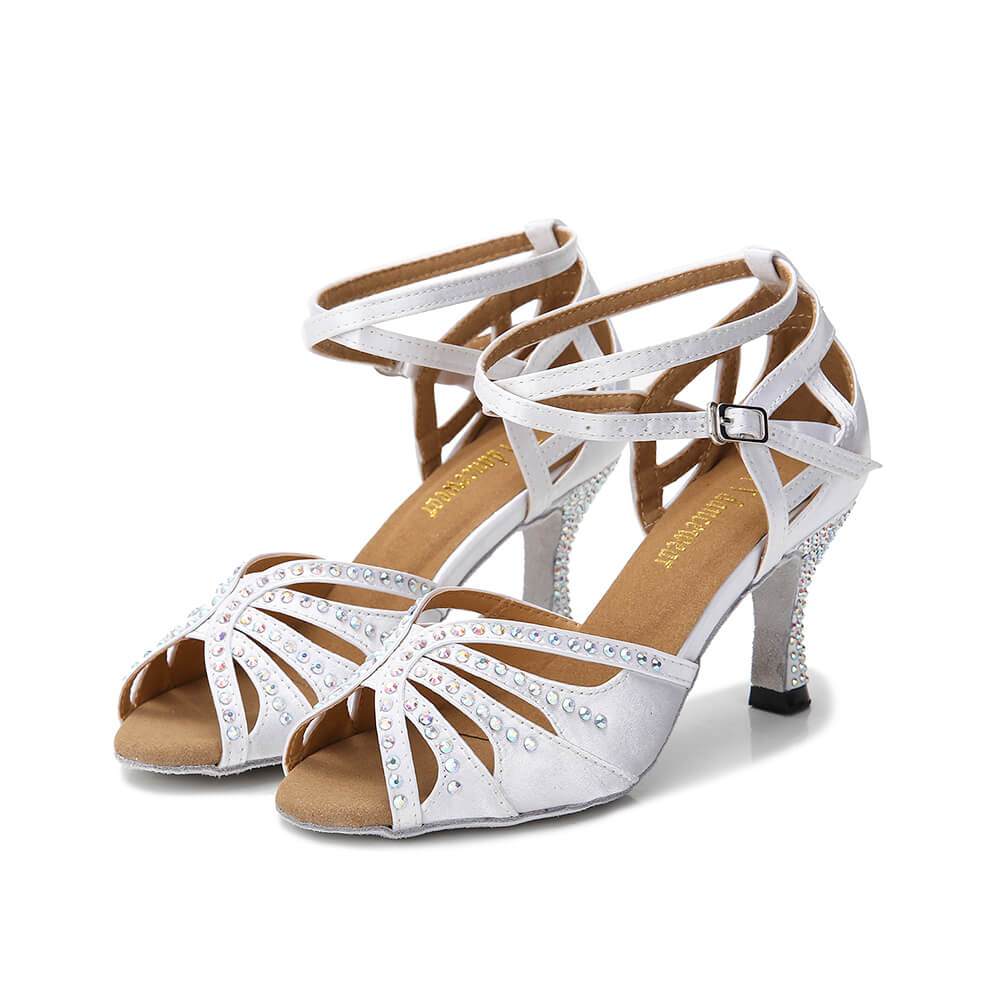
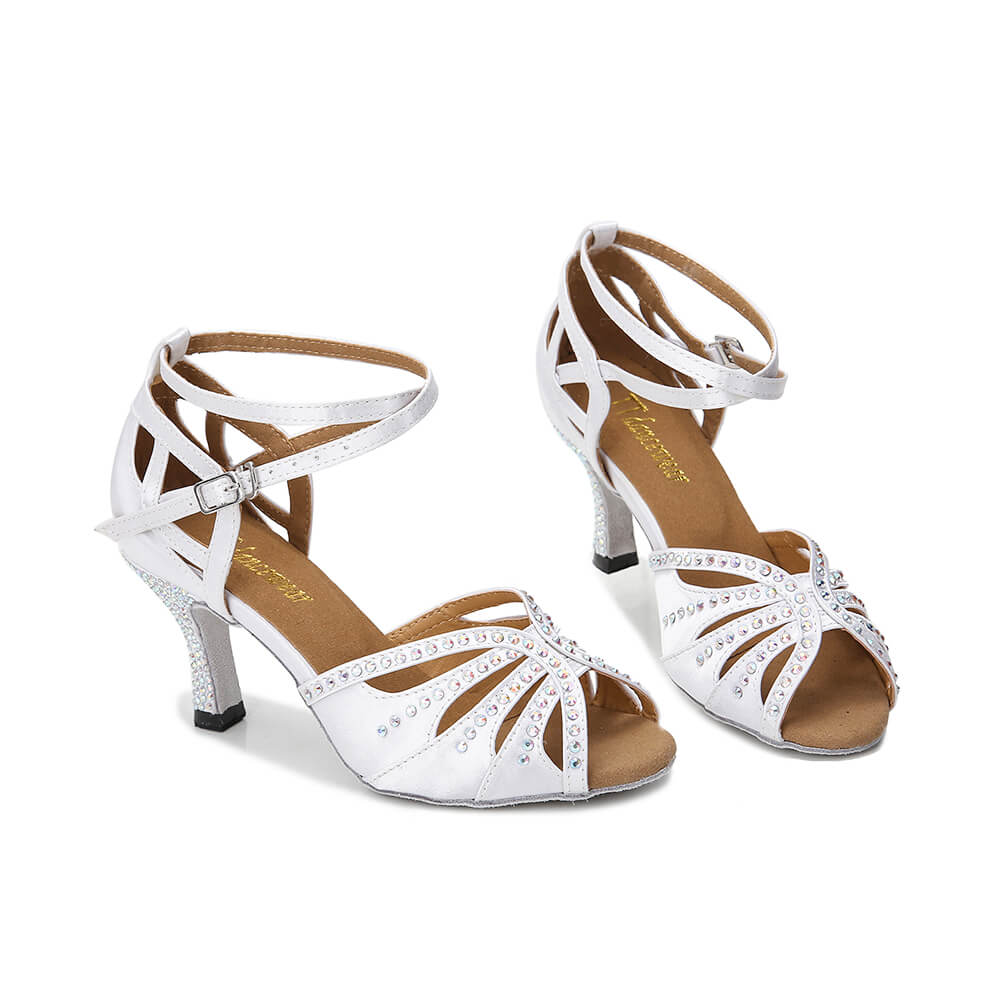
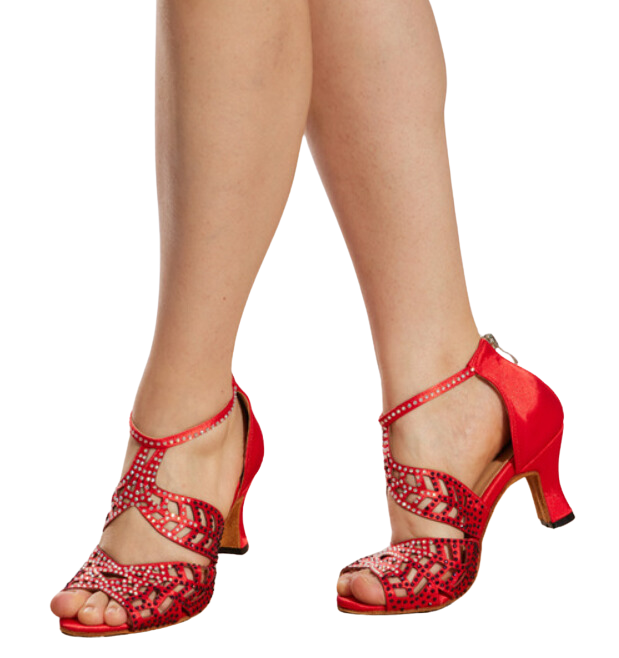
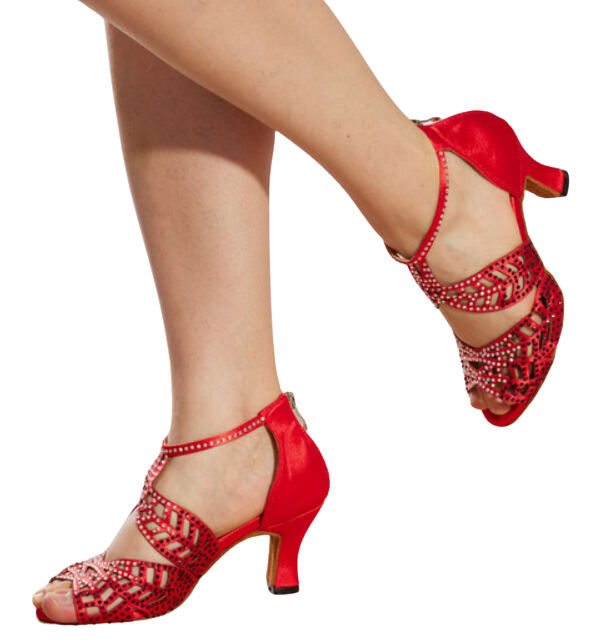
This is our largest heel-height collection: hundreds of styles across ballroom, Latin, salsa and bachata, in open and closed toe, satin, suede, leather and rhinestone-set uppers, on suede dance soles. Black, nude, tan, red, blue and more, in US 5 to US 11 (UK 2.5–8.5 / EU 35–43). Amazon's Choice with a money-back guarantee since 2012.






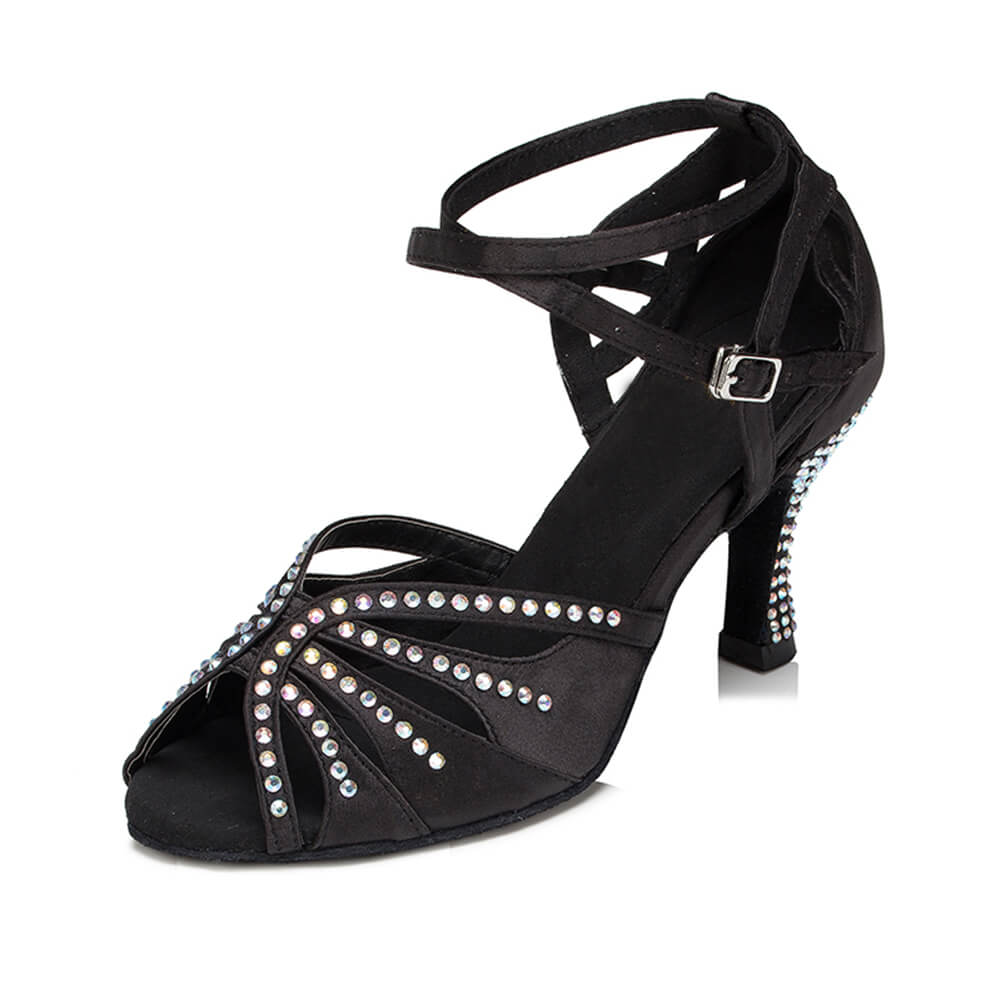
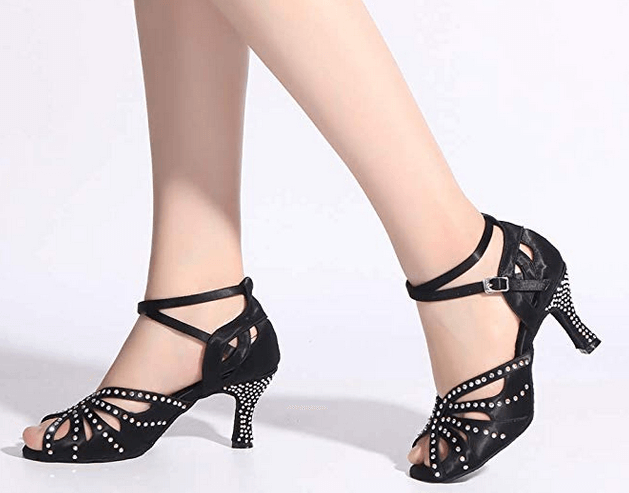
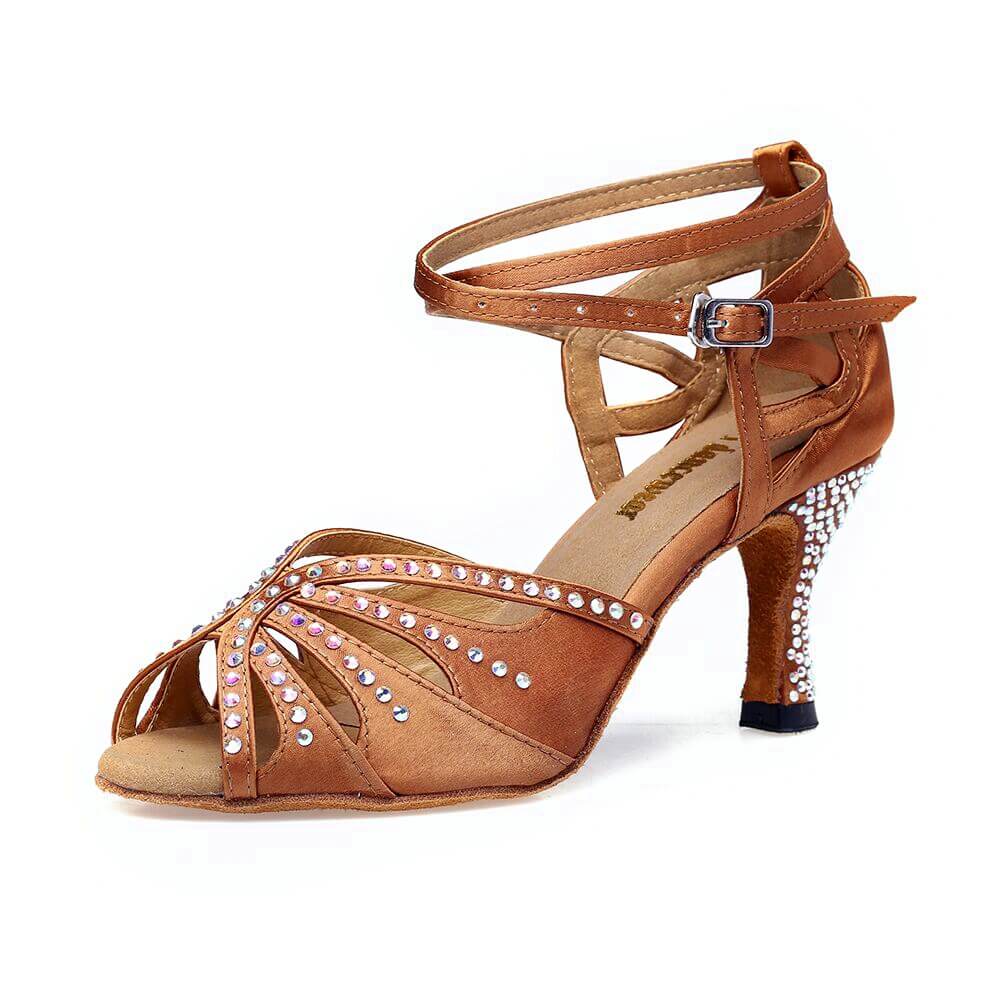
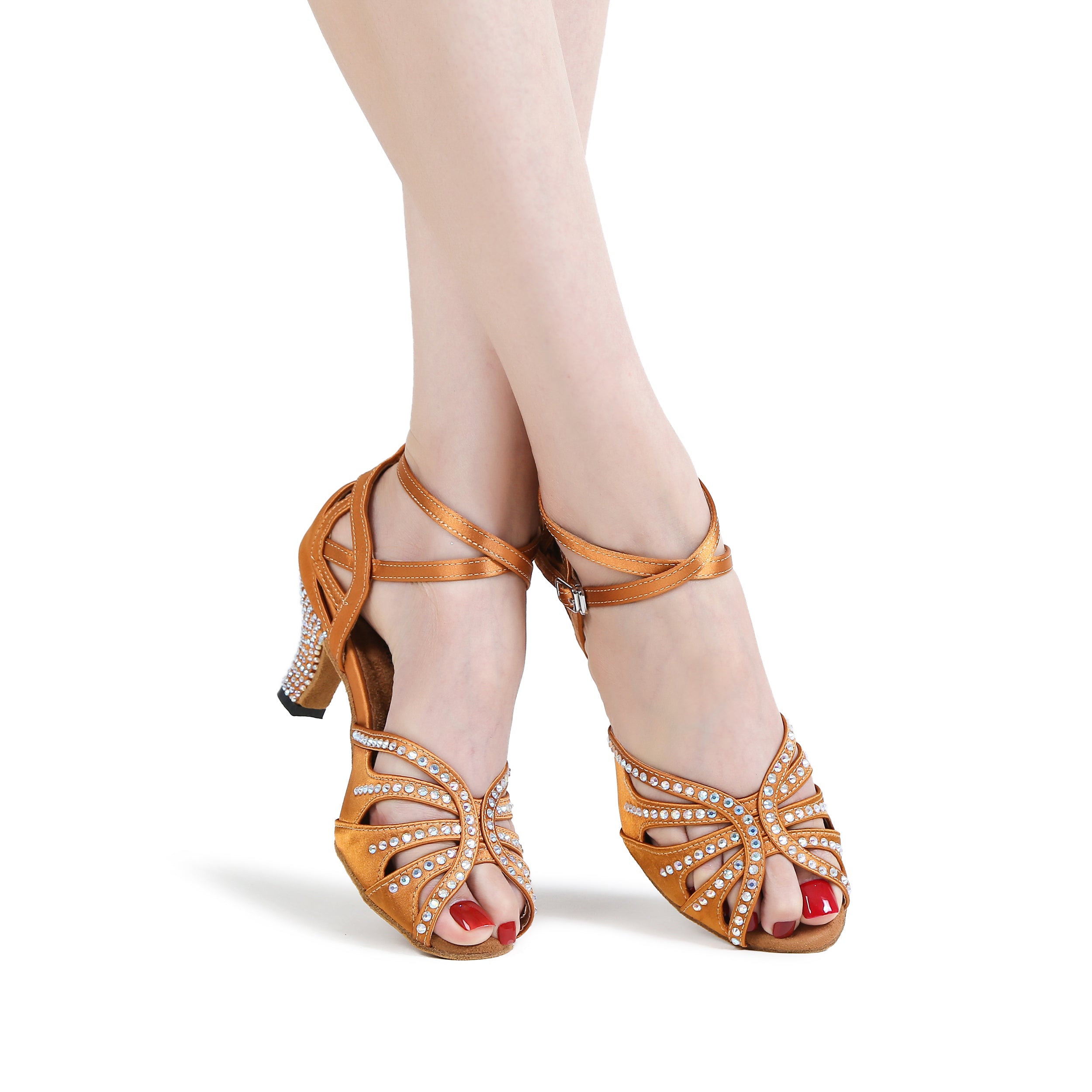

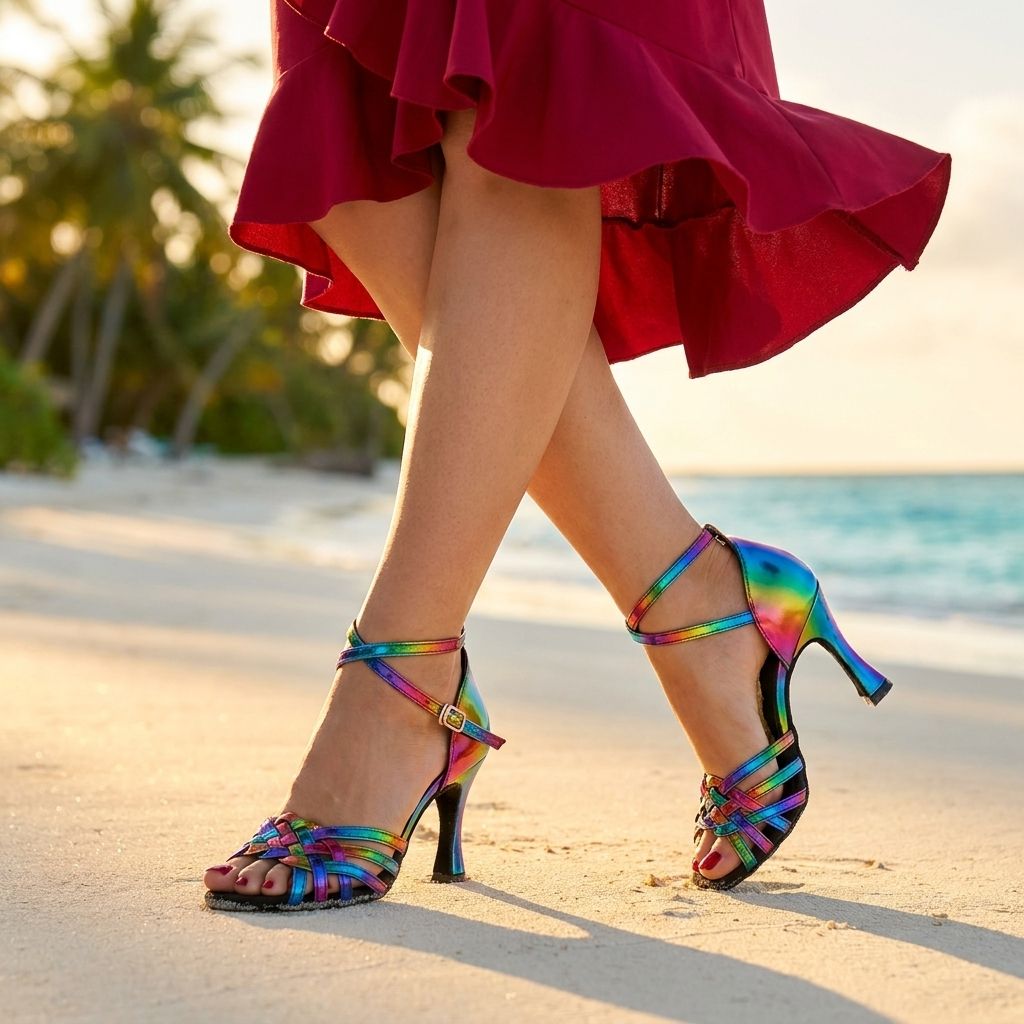
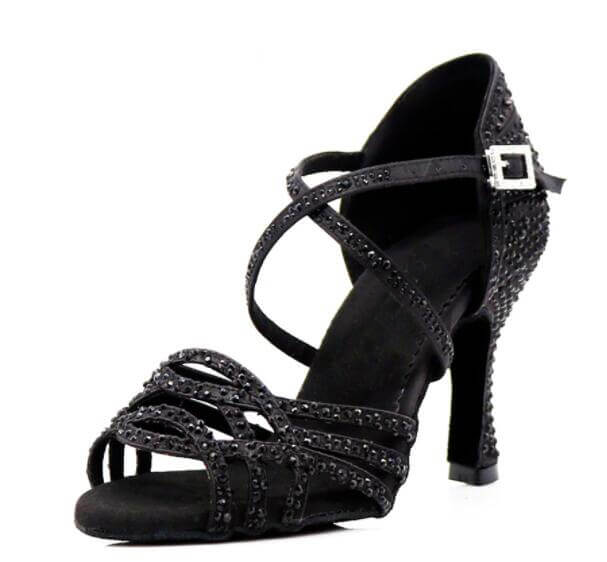
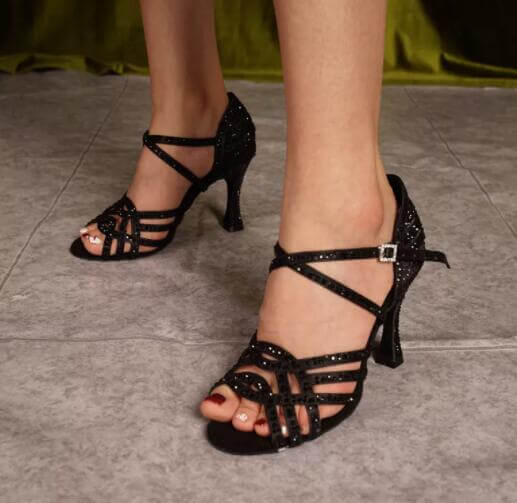
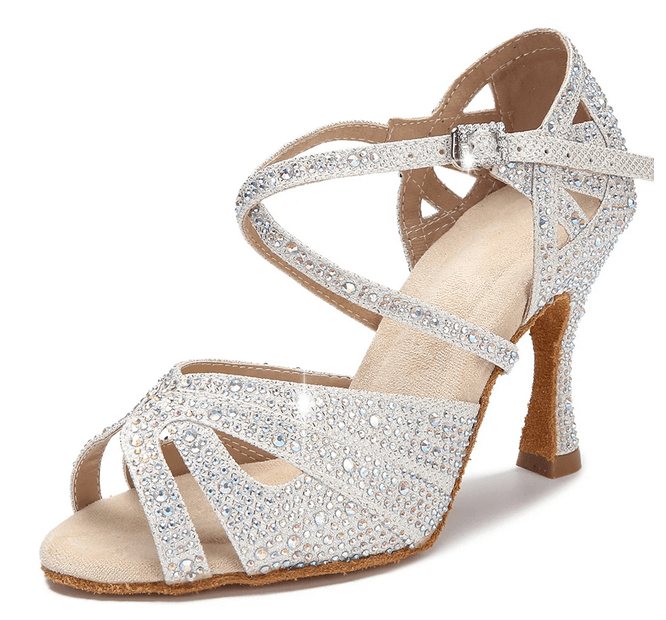
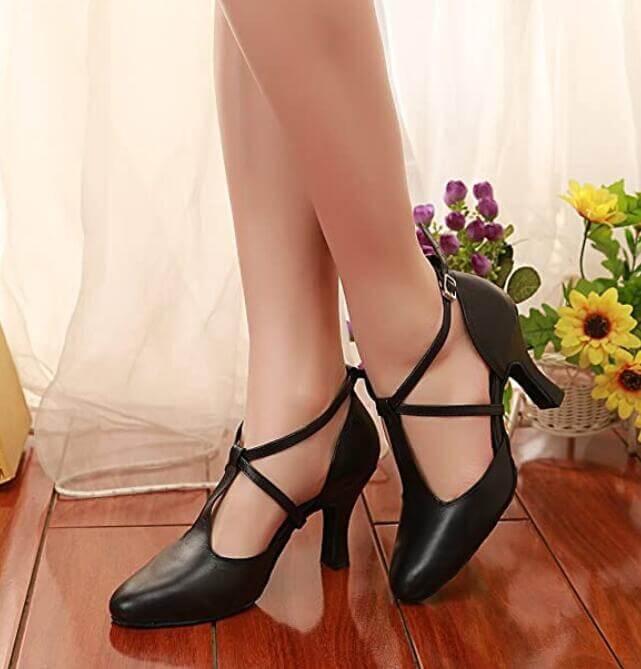
Why 2 Inches Is the Default Recommendation
Ask ten teachers what height a new dancer should buy and most will land within a quarter inch of 2. There is a mechanical reason. At around 2 inches your heel is lifted enough that standing naturally already puts you slightly forward — which is the posture Latin, salsa and rhythm technique are built on — but not so far forward that you have to brace your quads and lower back to stay there.
Below that, you have to consciously push forward to find the position. Above it, staying off it becomes the work. Two inches is where the shoe does the job for you.
Flared 2 Inch Heels and Why the Shape Helps
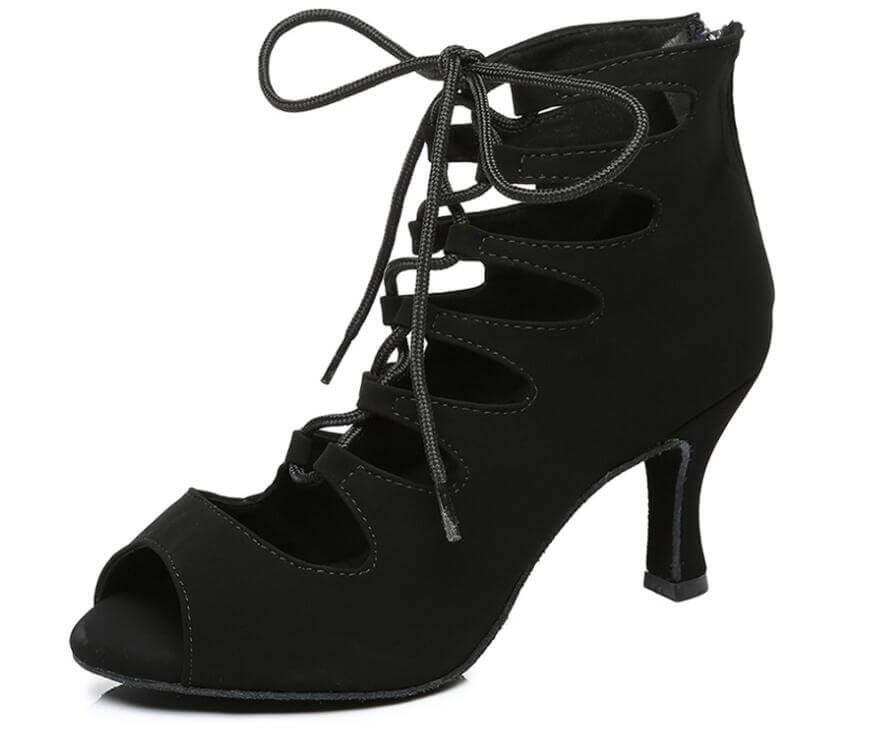
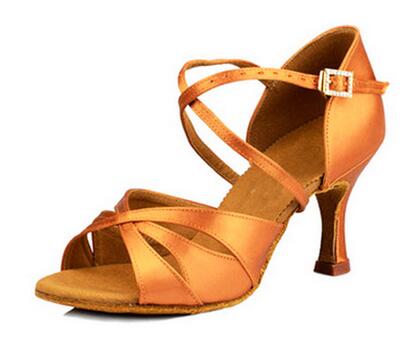
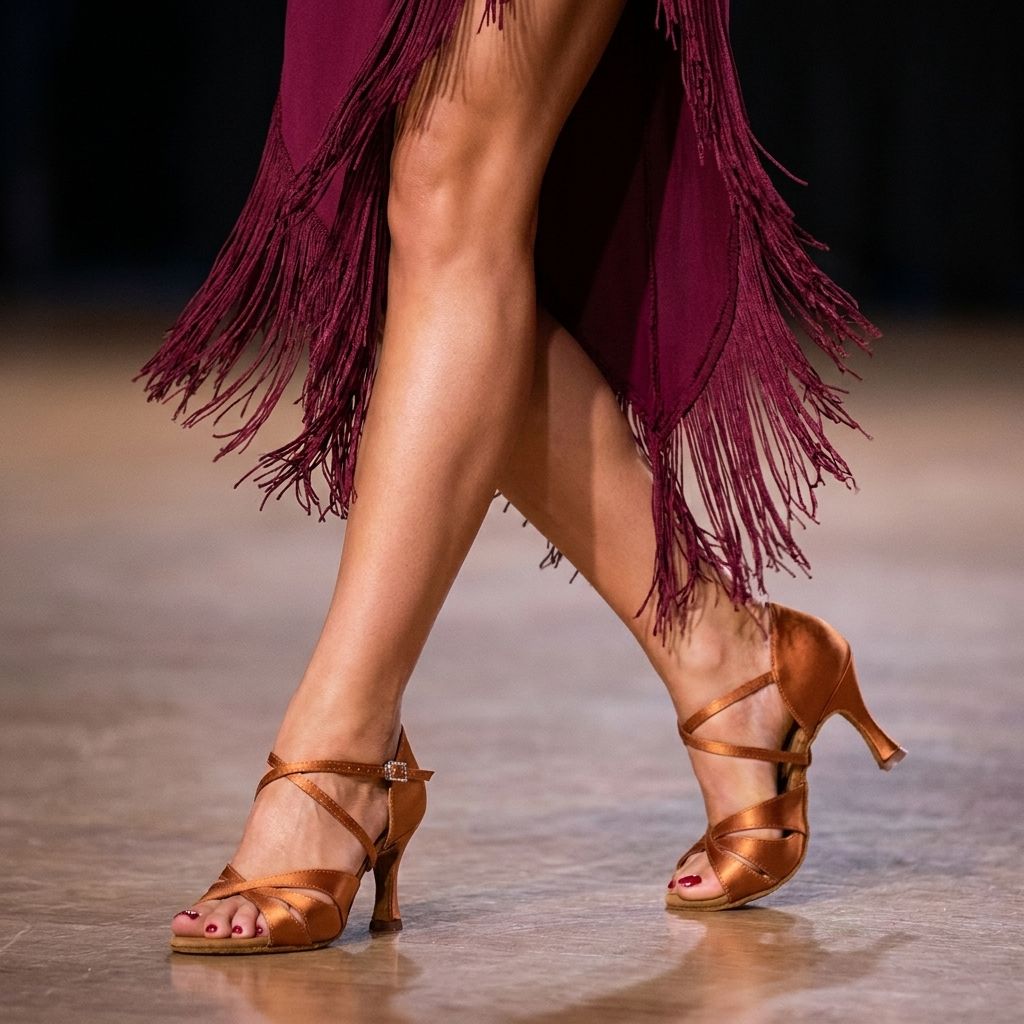
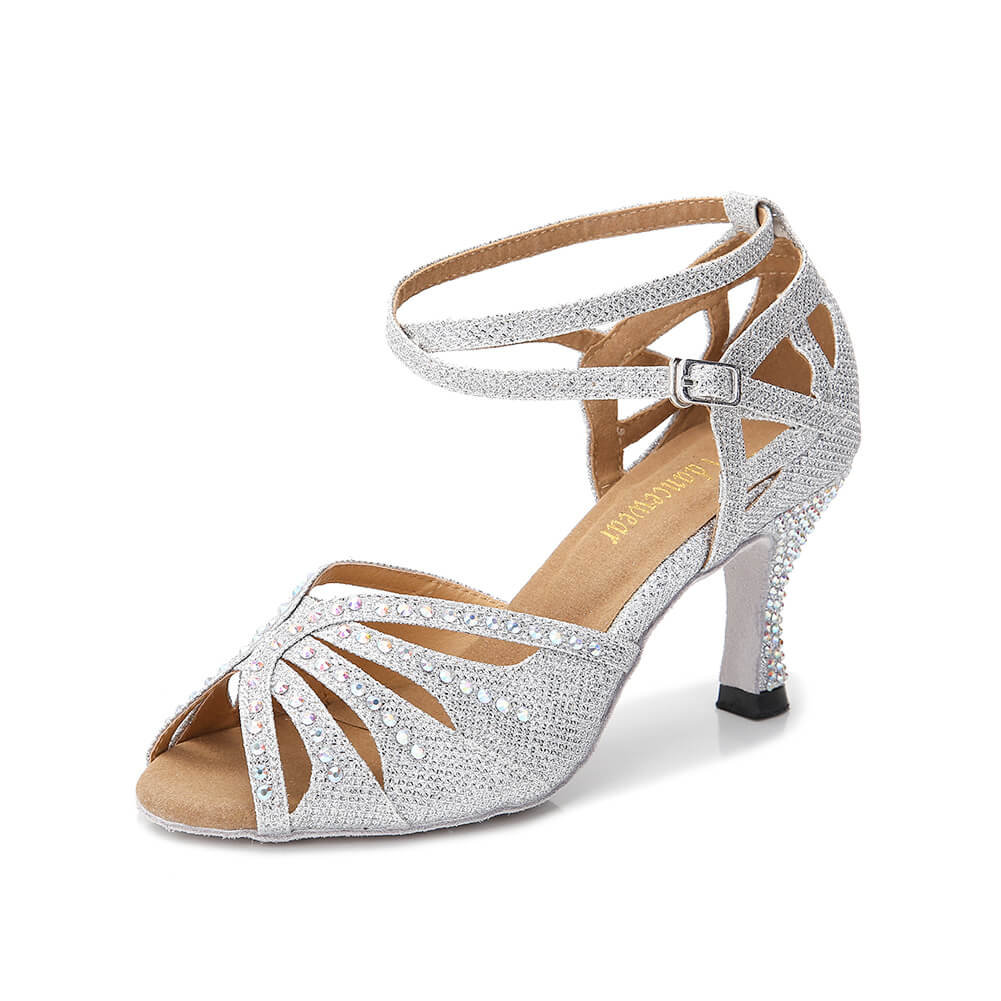
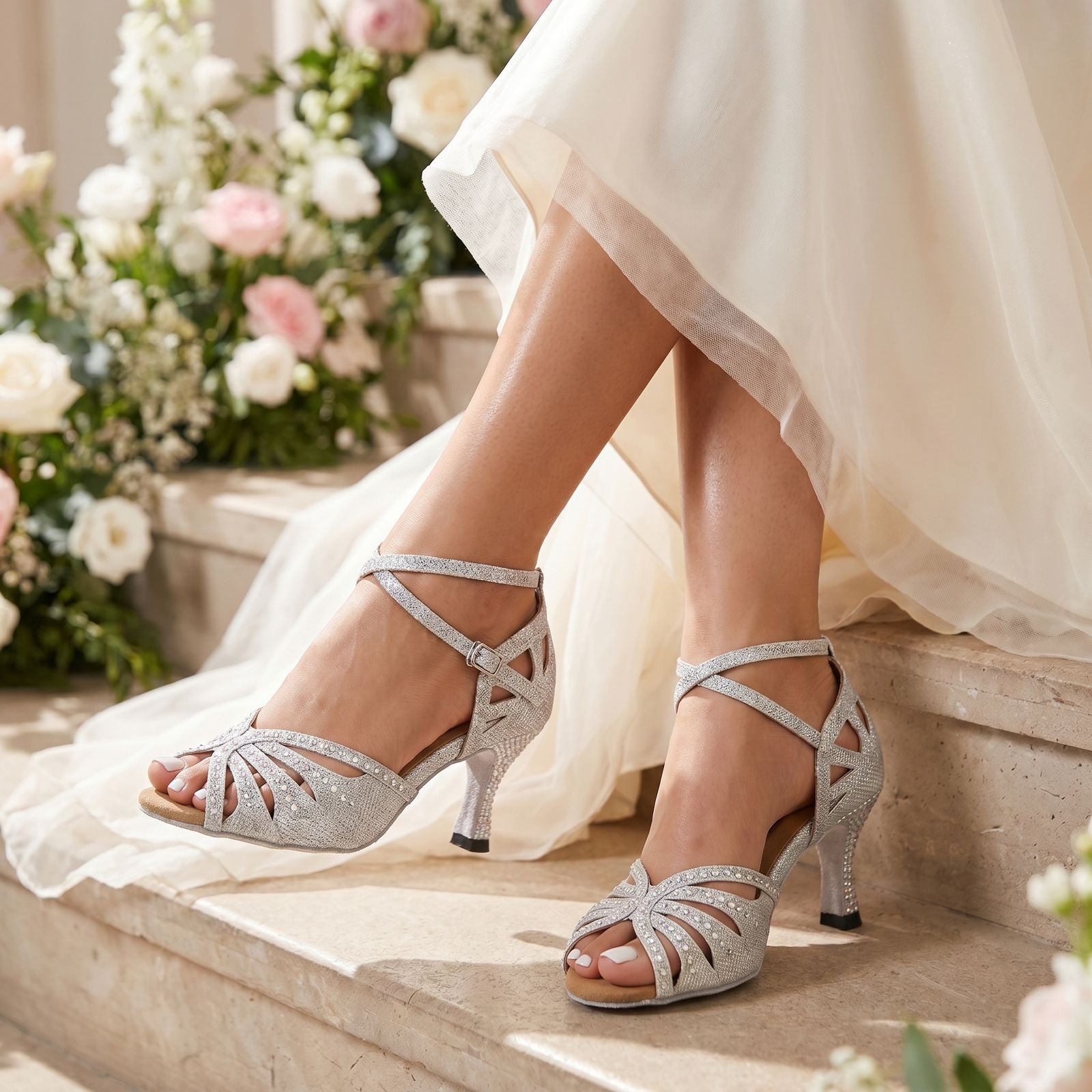
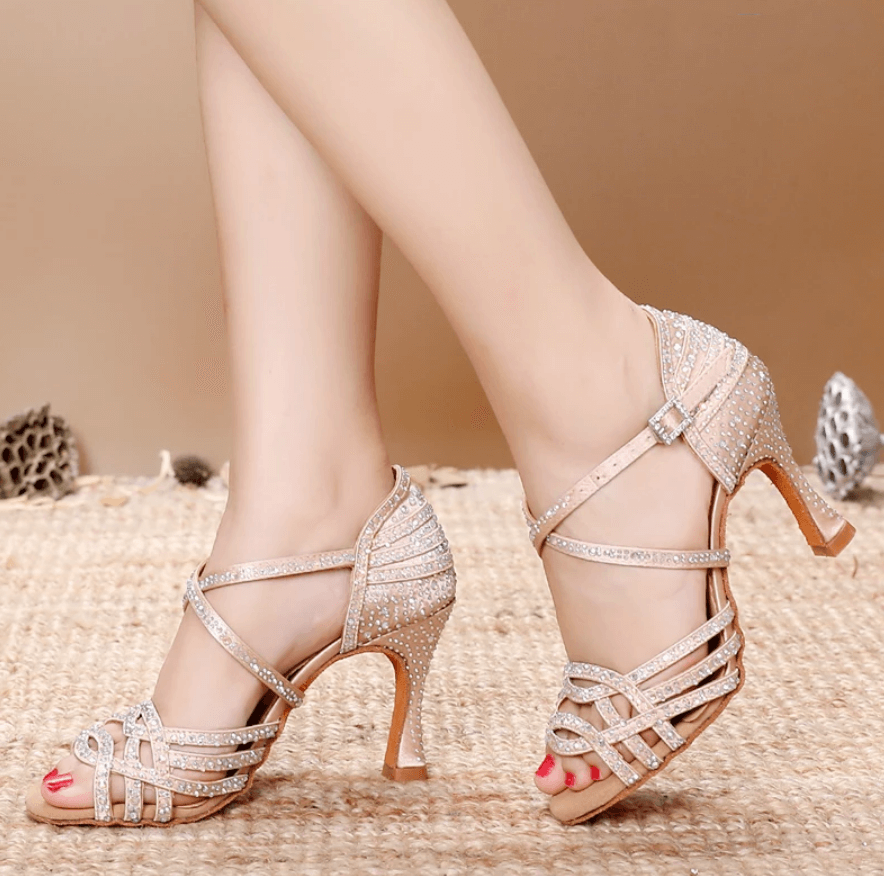
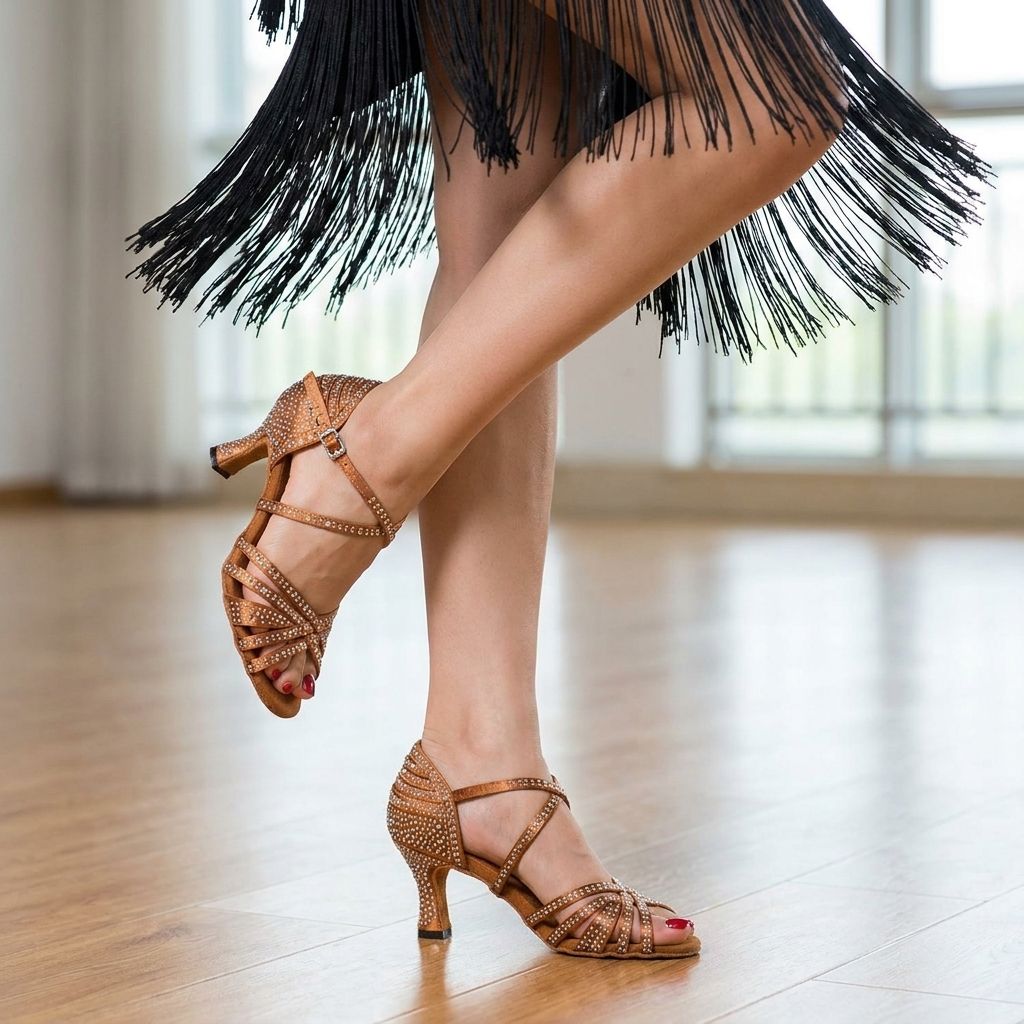
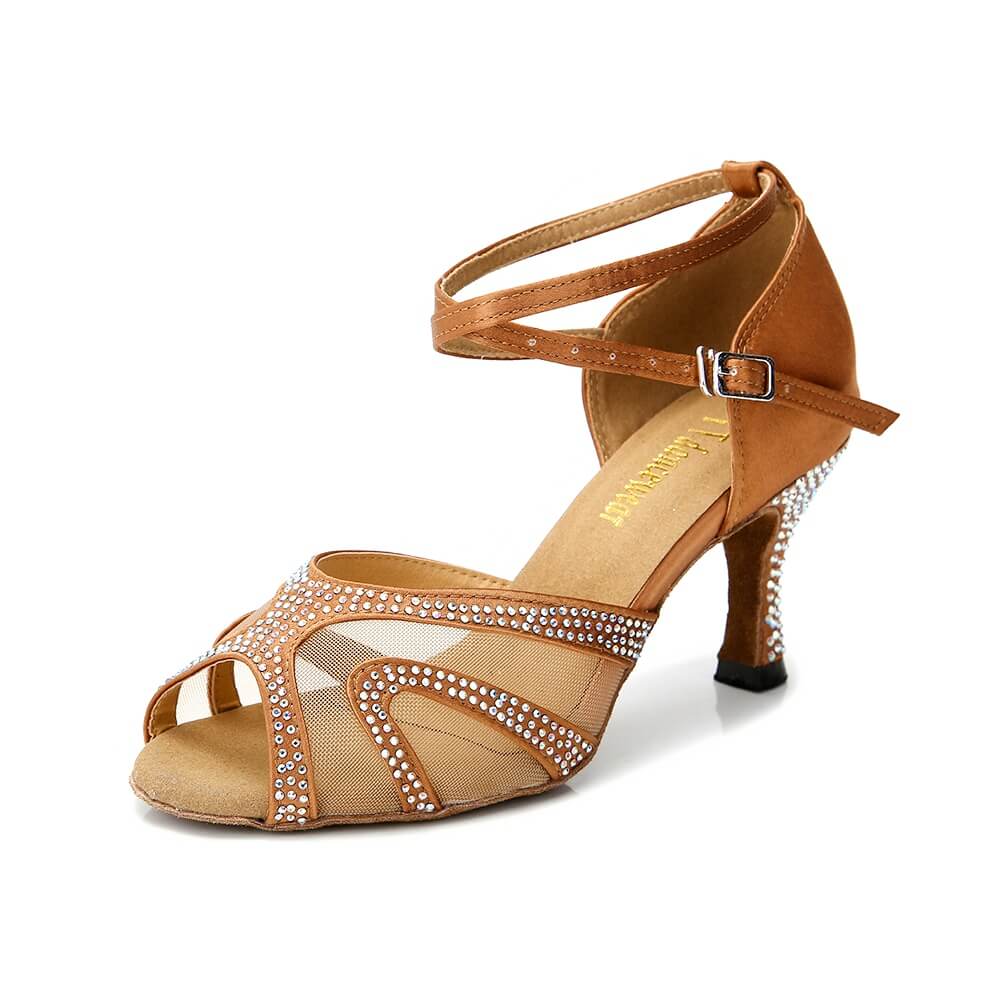
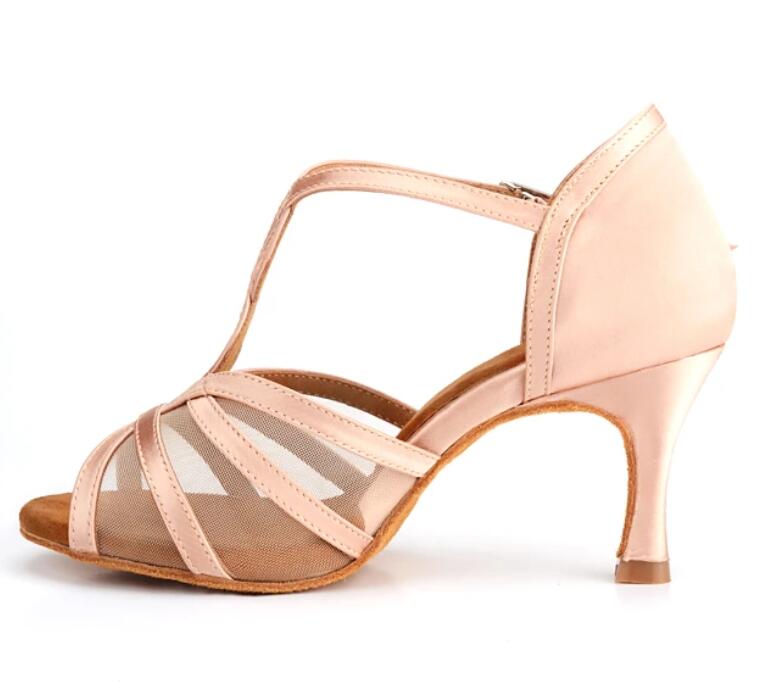
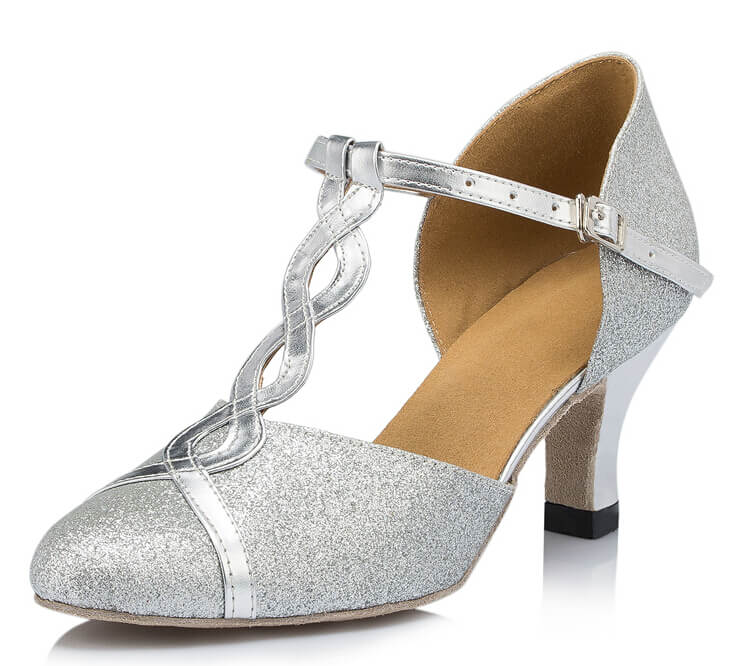
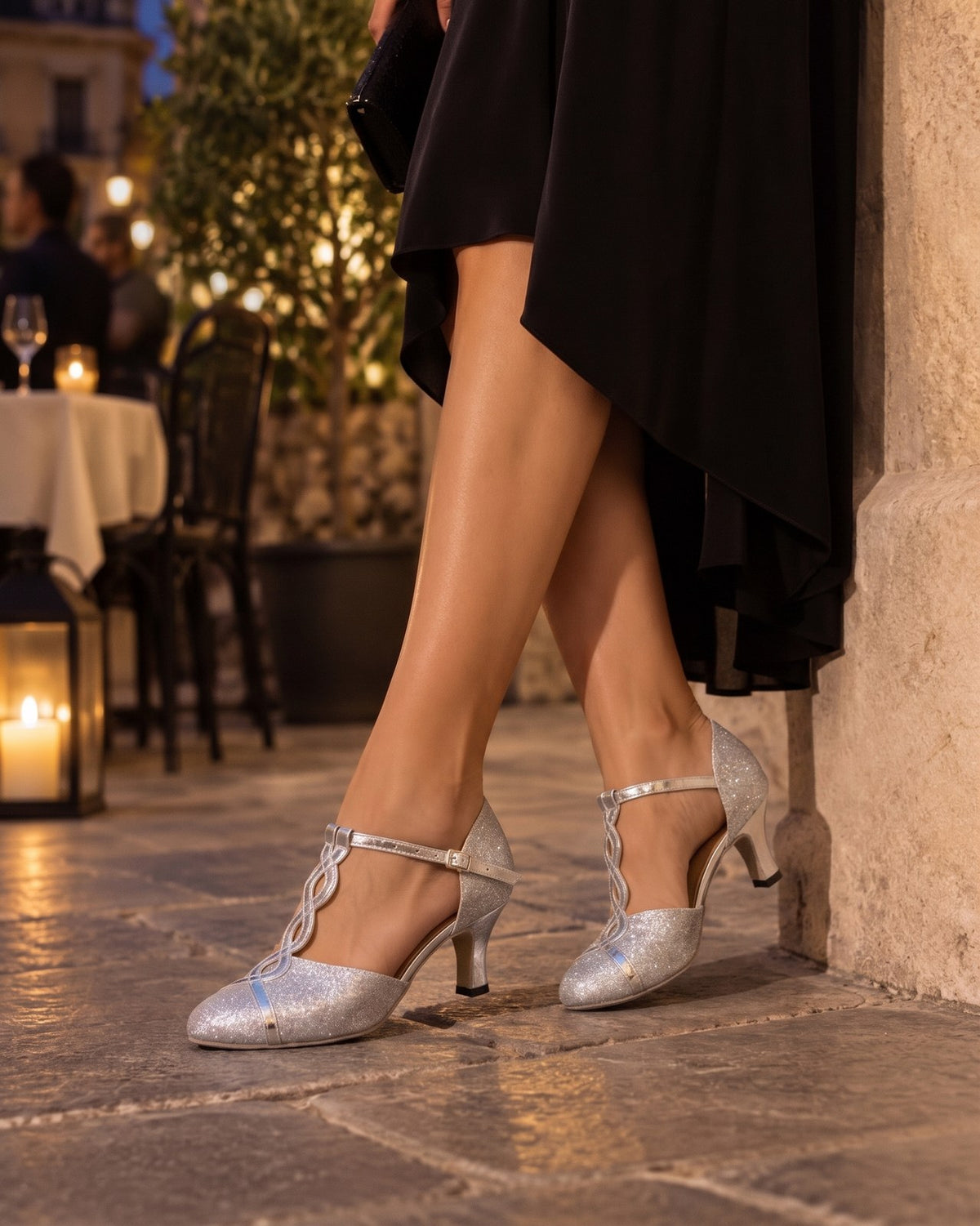
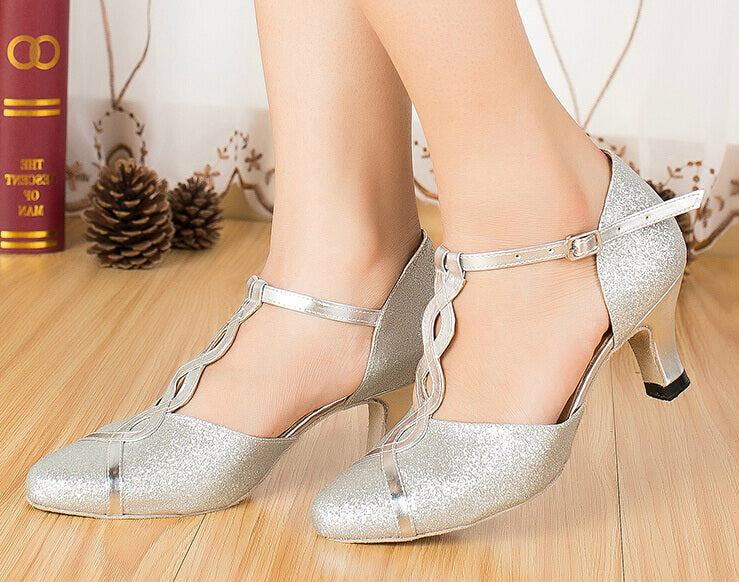
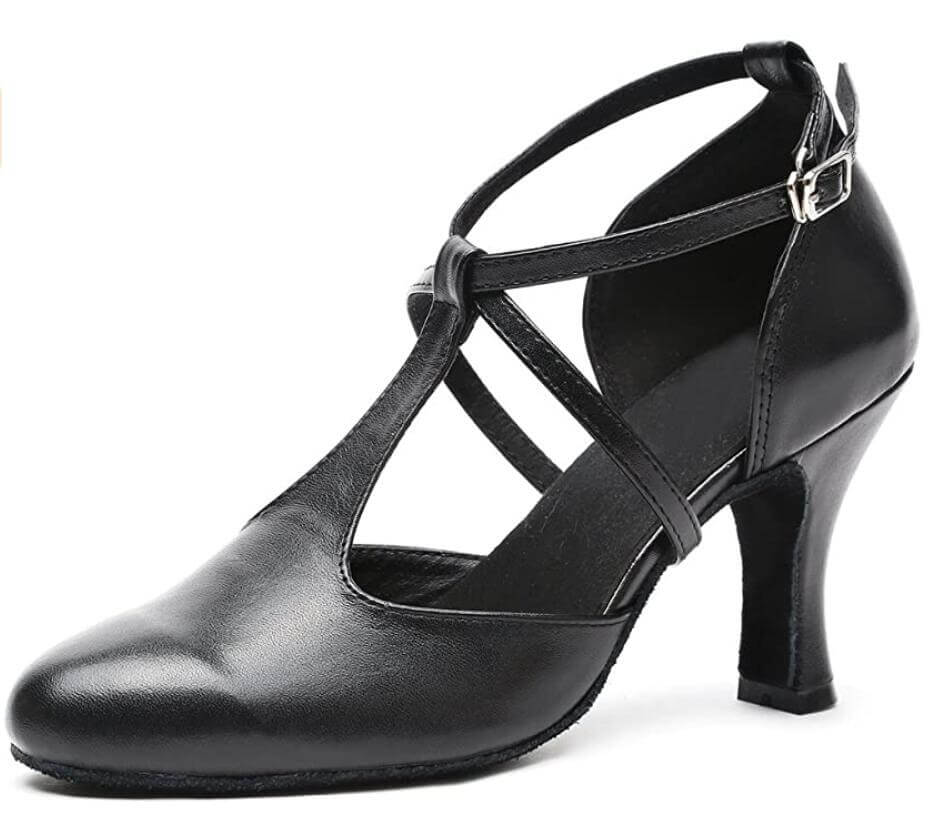
Most of our 2 inch shoes use a flared heel: narrow through the waist, widening again at the tip. You get the slim profile of a taller heel with a contact patch closer to a Cuban's, so the shoe looks like a dress shoe and behaves like a practice shoe. That combination is why this height covers so many situations — class, social, showcase rehearsal — without needing a second pair.
Matching the Shoe to Your Style
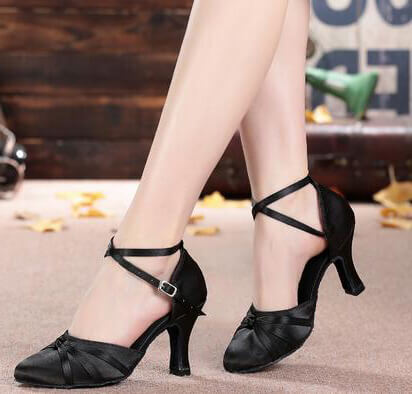
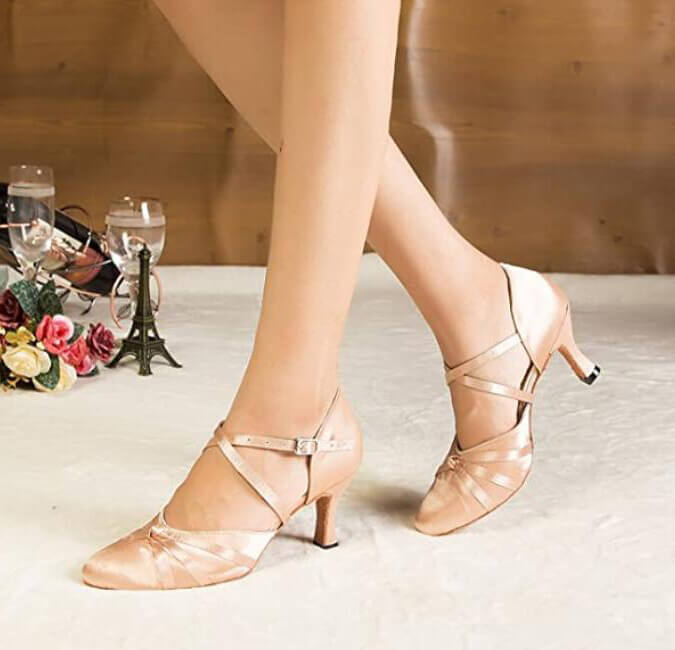
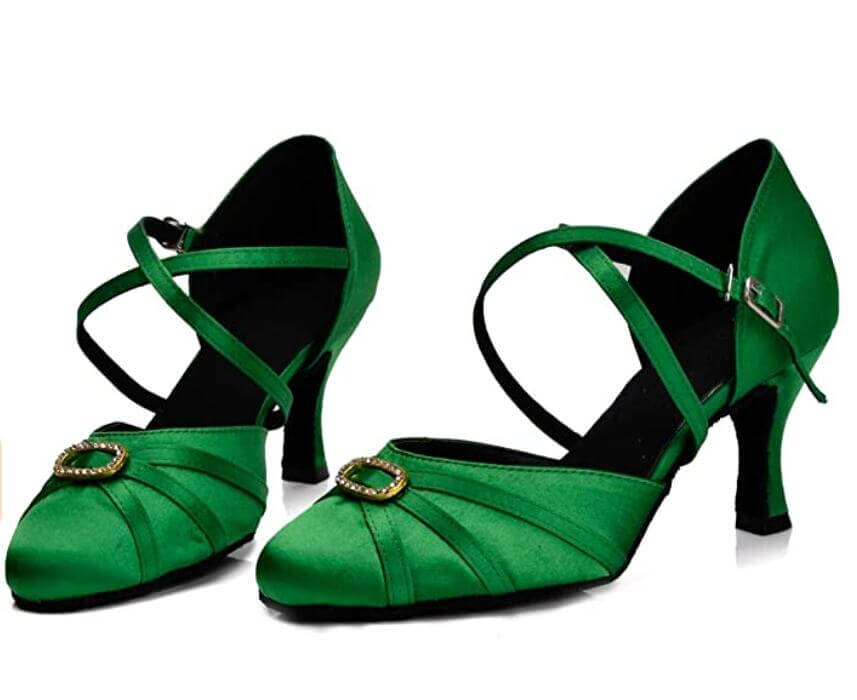
- Ballroom, smooth and standard: closed-toe court styles hold the foot for heel leads and long lines. See closed-toe ballroom dance shoes.
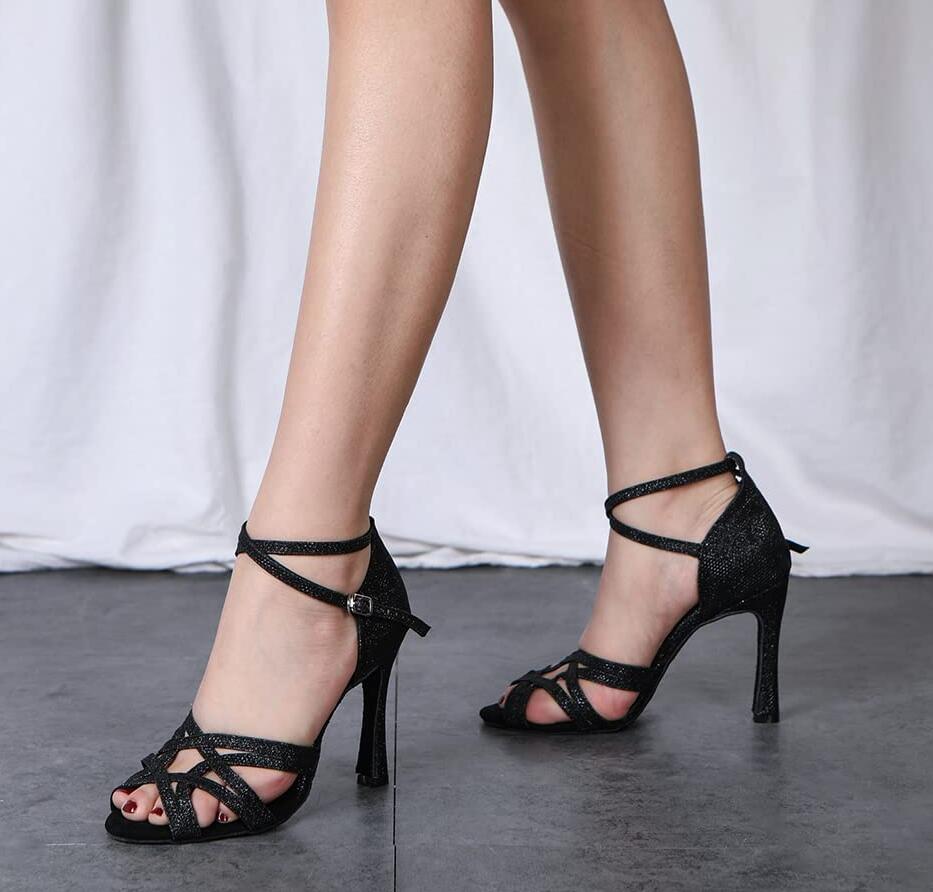
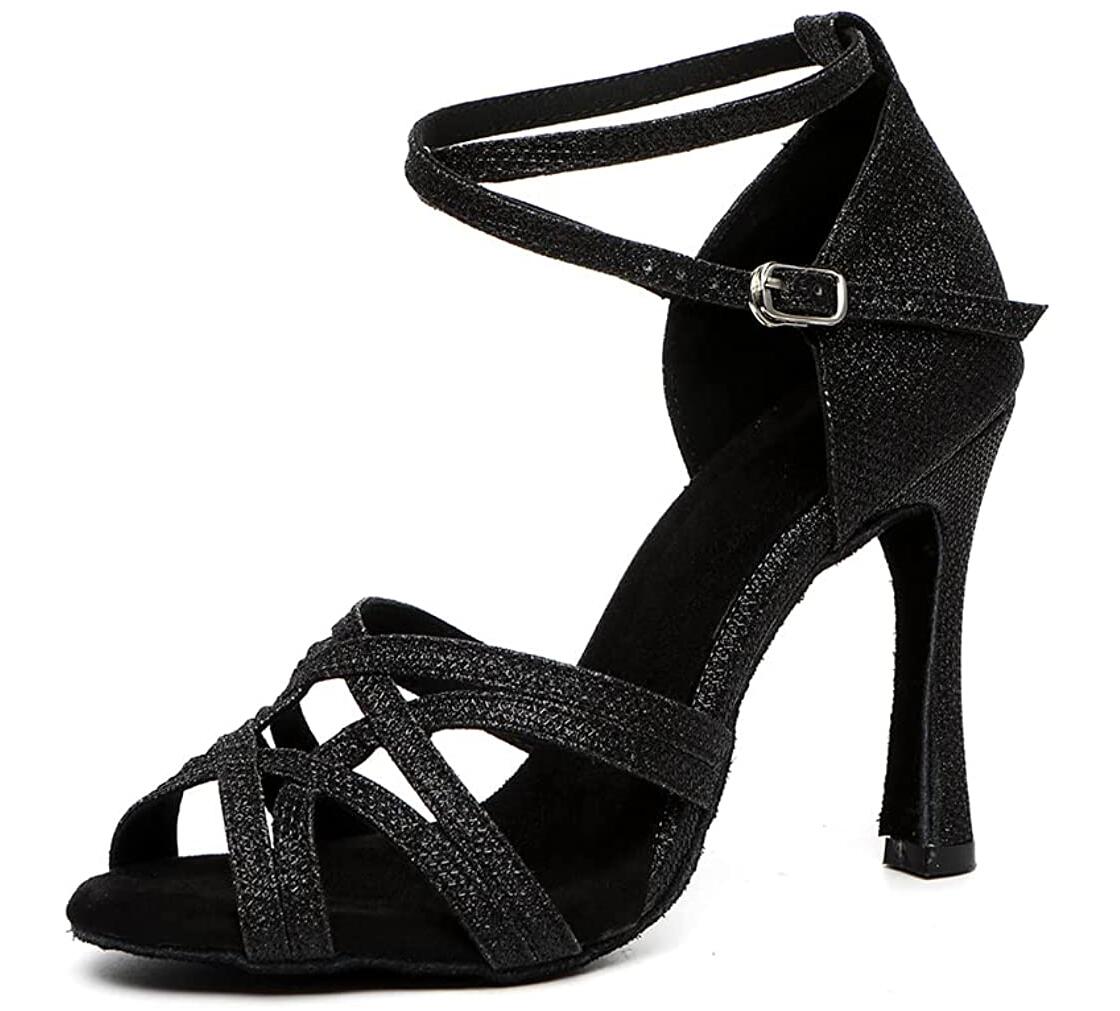
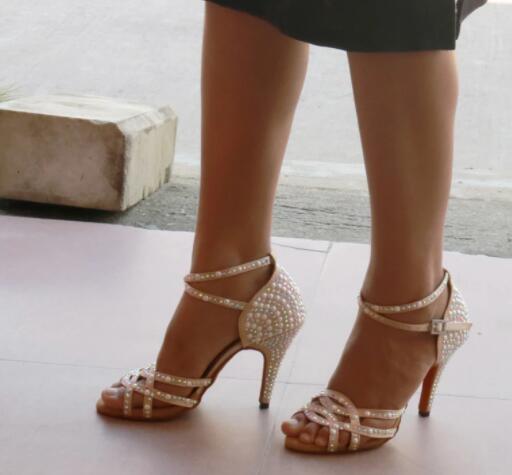
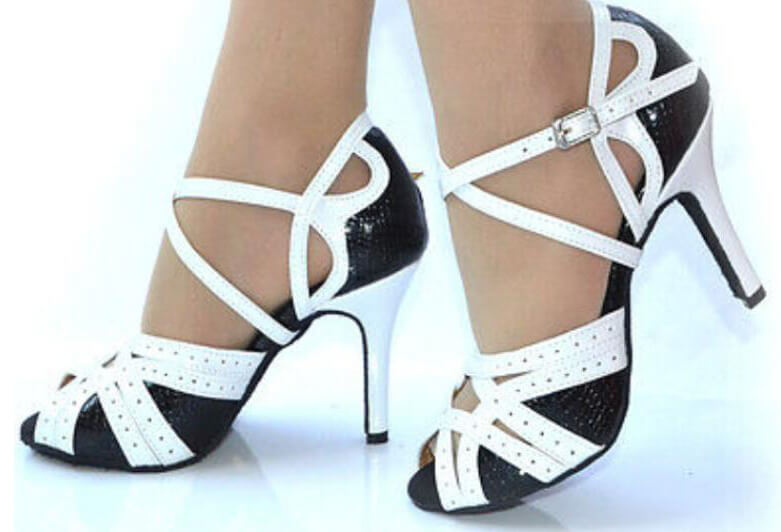
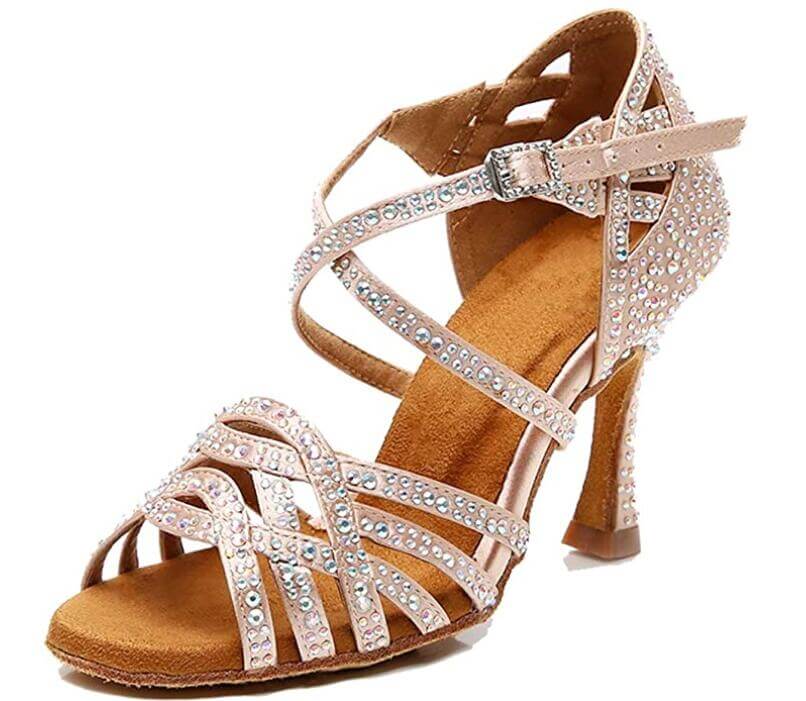
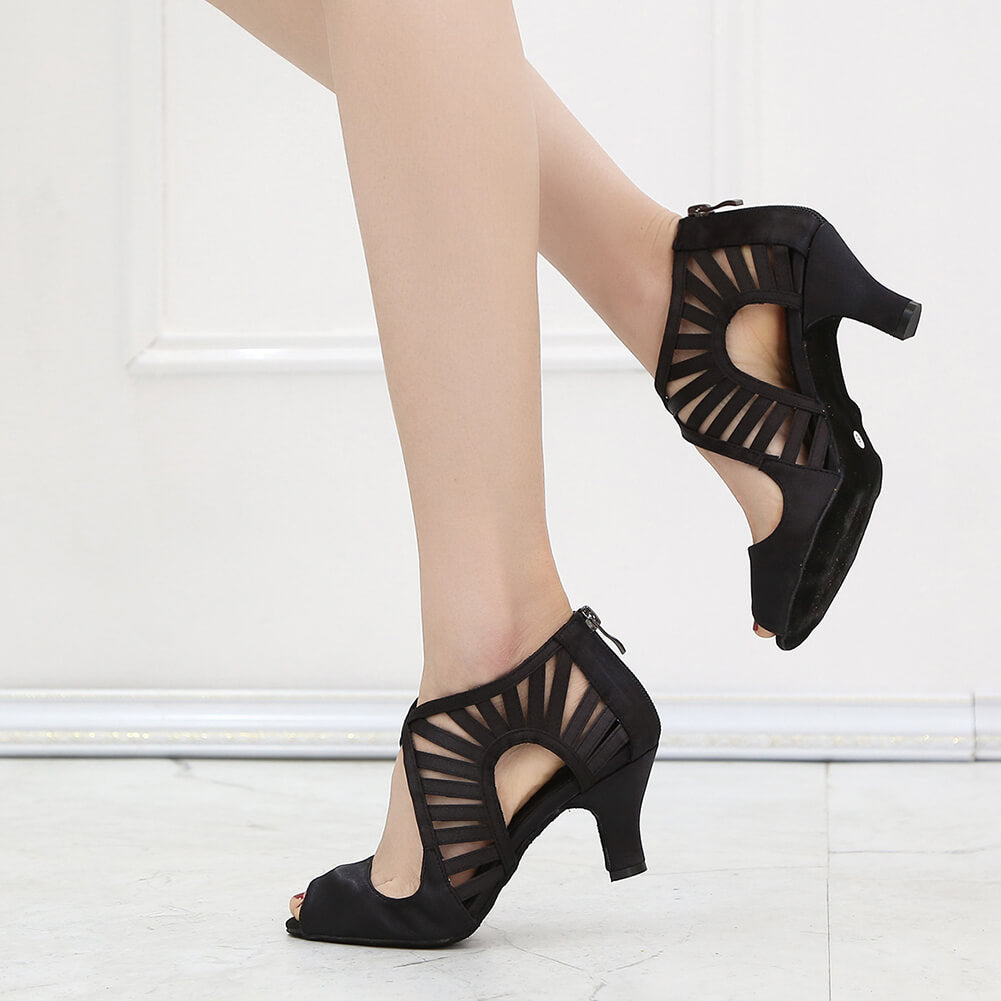
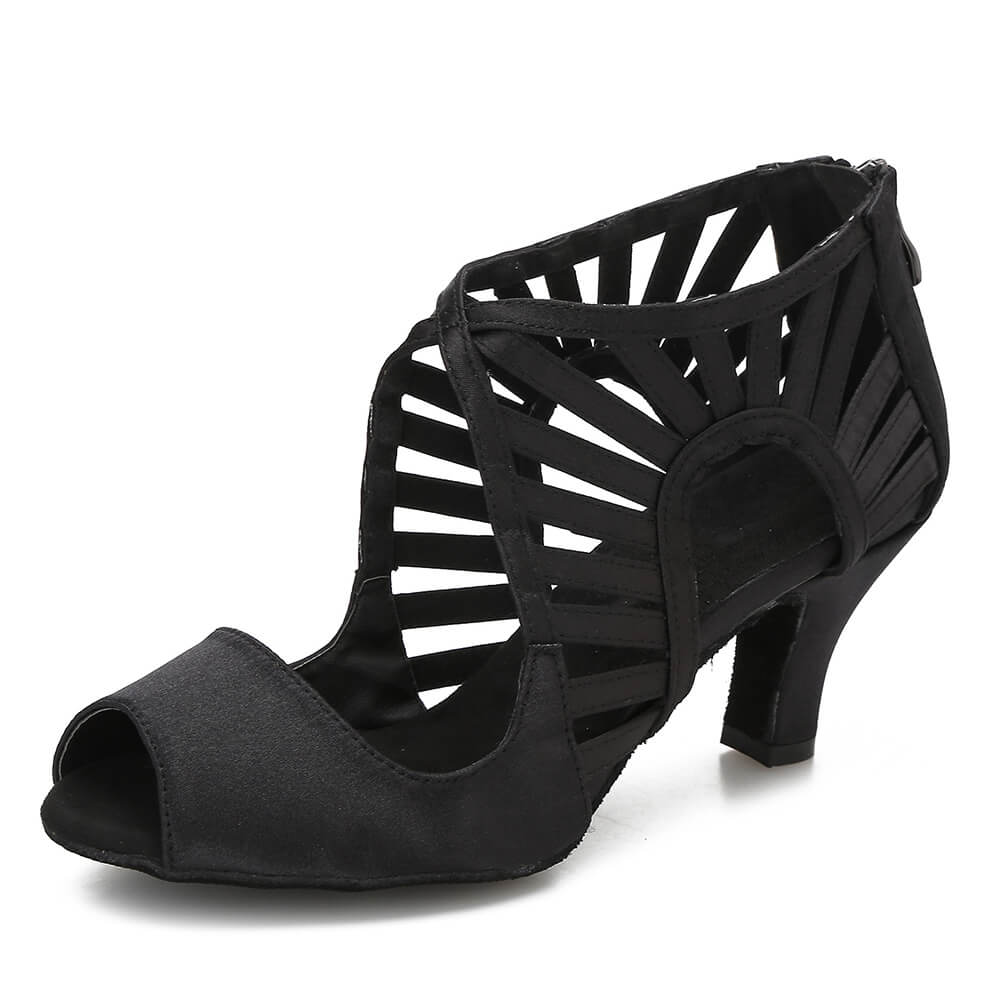
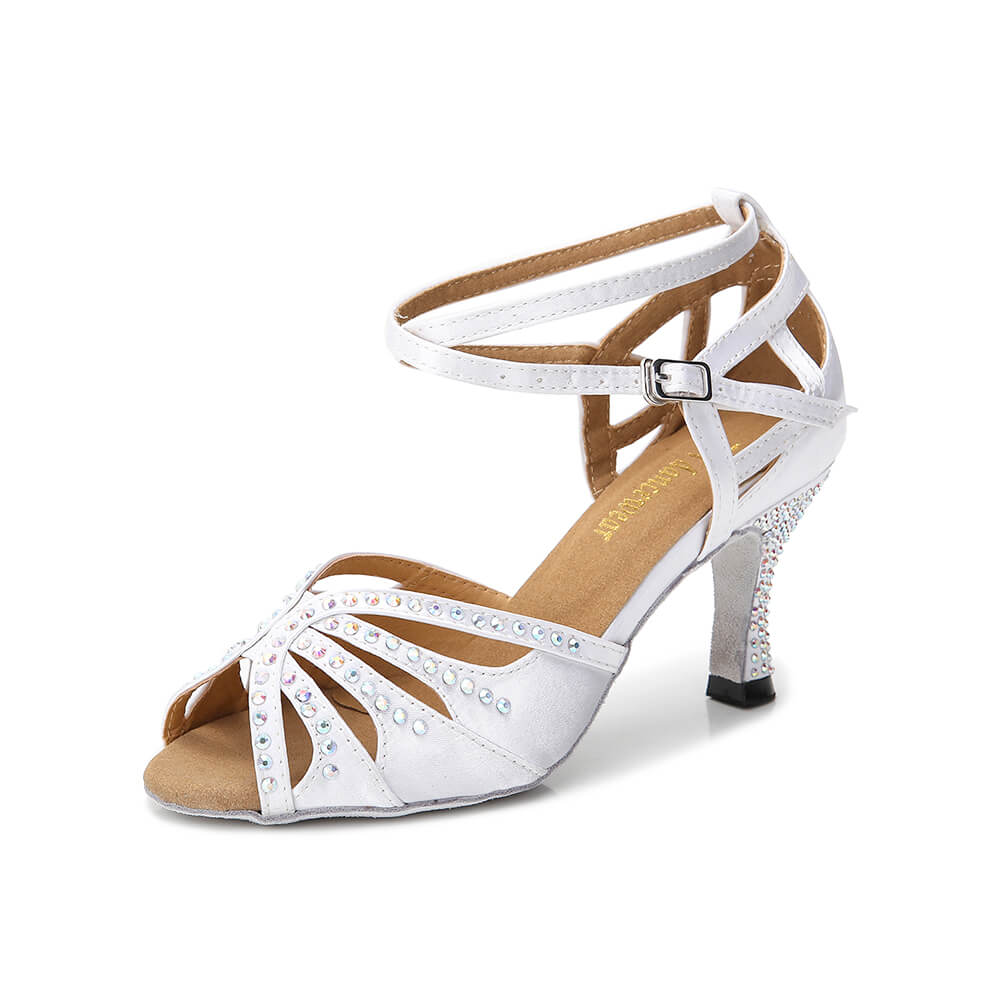
- Latin and salsa: open-toe sandals with an ankle strap let the toes spread and grip. See Latin & salsa dance shoes.
- Bachata: secure straps matter more than height when the body movement gets low. See bachata dance shoes.
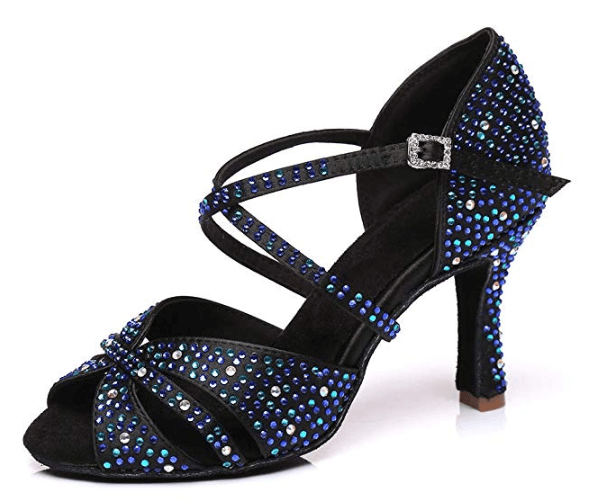
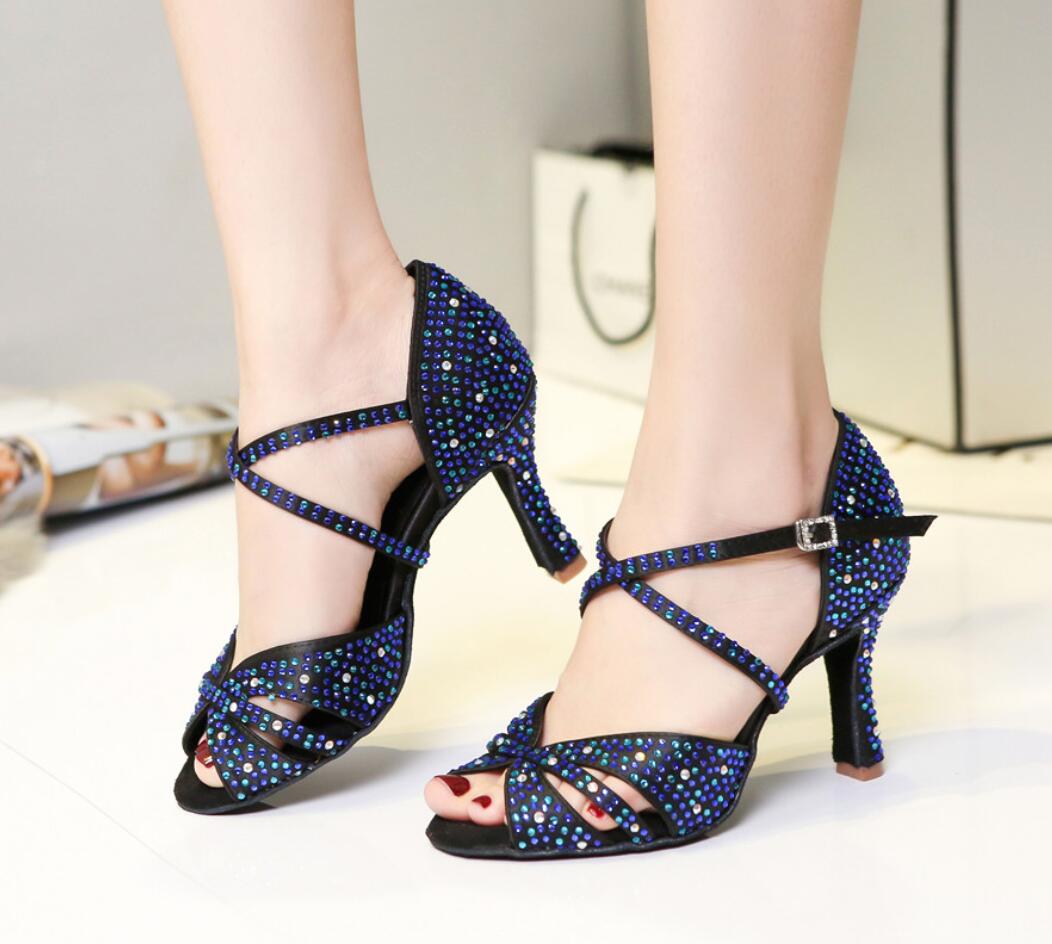
- Showcase and competition: rhinestone-set uppers read from the back of a room. See the crystal collection.
Open Toe or Closed Toe at 2 Inches
Closed toe is the traditional ballroom answer and the more forgiving one in winter or in a cold hall; it also hides the foot, which some dancers prefer for smooth. Open toe is standard for Latin because it lets the toes spread and articulate, and it is cooler over a long social. Neither is more “correct” — if you dance both, buy closed toe for ballroom class and open toe for Latin nights rather than compromising on one pair.
Choosing Between 2 Inch and Its Neighbours
Think of the range as three bands:
- 1–1.5 inch — learning, teaching, long rehearsals, tired feet. See 1.5 inch heel.
- 2–2.5 inch — everyday dancing, the pair you actually wear most. You are here; 2.5 inch is one small step up.
- 3 inch and above — performance line, stage presence, shorter wear time. See 3 inch heel.
You do not have to choose once. Every style shows a Heel Height menu on its product page, so if you find the shoe you love here you can order the same one taller when you are ready.
Care: Make a Practice Shoe Last
A practice shoe takes more floor hours than any other pair you own. Brush the suede sole across the grain when it starts to slide, never wear it outside, let it dry away from radiators, and rotate two pairs if you dance more than three nights a week. Heel tips are consumable — replace them when the metal starts to show rather than waiting for the click. Sole brushes, protectors and replacement tips are in accessories.
2 Inch Heel Dance Shoes: Frequently Asked Questions
Is a 2 inch heel good for beginners?
It is the most commonly recommended height once you are past your first few lessons. Complete beginners often start at 1 or 1.5 inches to build ankle stability, then move to 2 inches within a few months and stay there.
What is the difference between a 2 inch flared heel and a 2 inch Cuban heel?
Both are the same height. A Cuban heel is straight-sided and wide the whole way down; a flared heel narrows at the waist and widens again at the tip. The flared shape looks slimmer from the side while keeping a broad contact patch, so it feels close to a Cuban to dance on.
Can I wear 2 inch heel dance shoes for ballroom and Latin?
Yes — 2 inches works for both. The usual difference is the shoe, not the height: closed-toe court shoes for ballroom and standard, open-toe sandals with an ankle strap for Latin and salsa.
How do I know if 2 inches is too high for me?
Stand in the shoes and balance on one foot for ten seconds. If your toes grip, your knees lock or your lower back tightens to keep you upright, drop to 1.5 inches for a few months. Height is something you grow into; there is no advantage to rushing it.
Do these shoes come in wide fittings?
Our dance lasts are cut for a snug dance fit rather than a wide fit. If you have a broad foot, size up half a size and take up the extra with the ankle strap; check the size guidance on each product page, which lists US, UK and EU equivalents from US 5 to US 11.