Cuban Heel Dance Shoes for Women
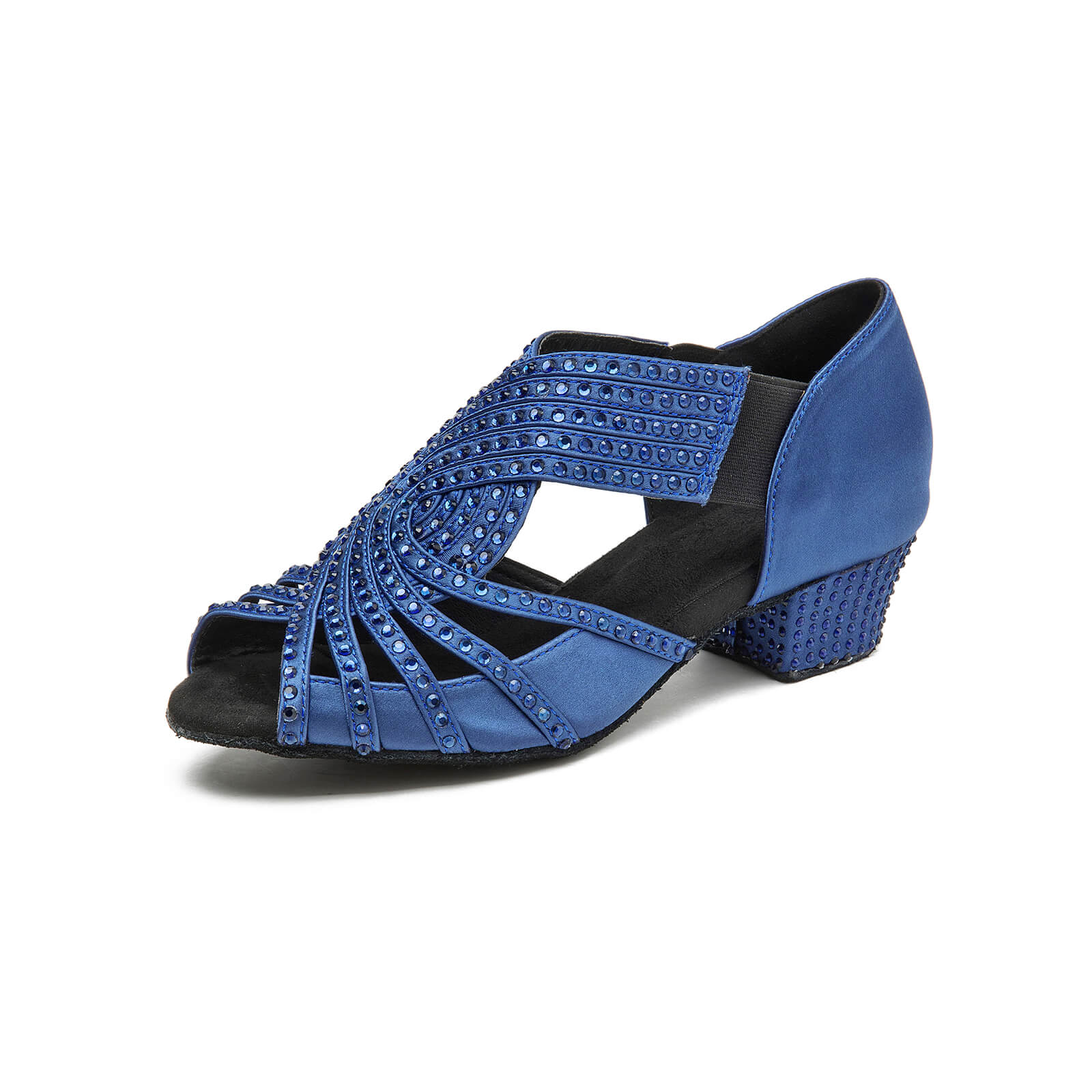
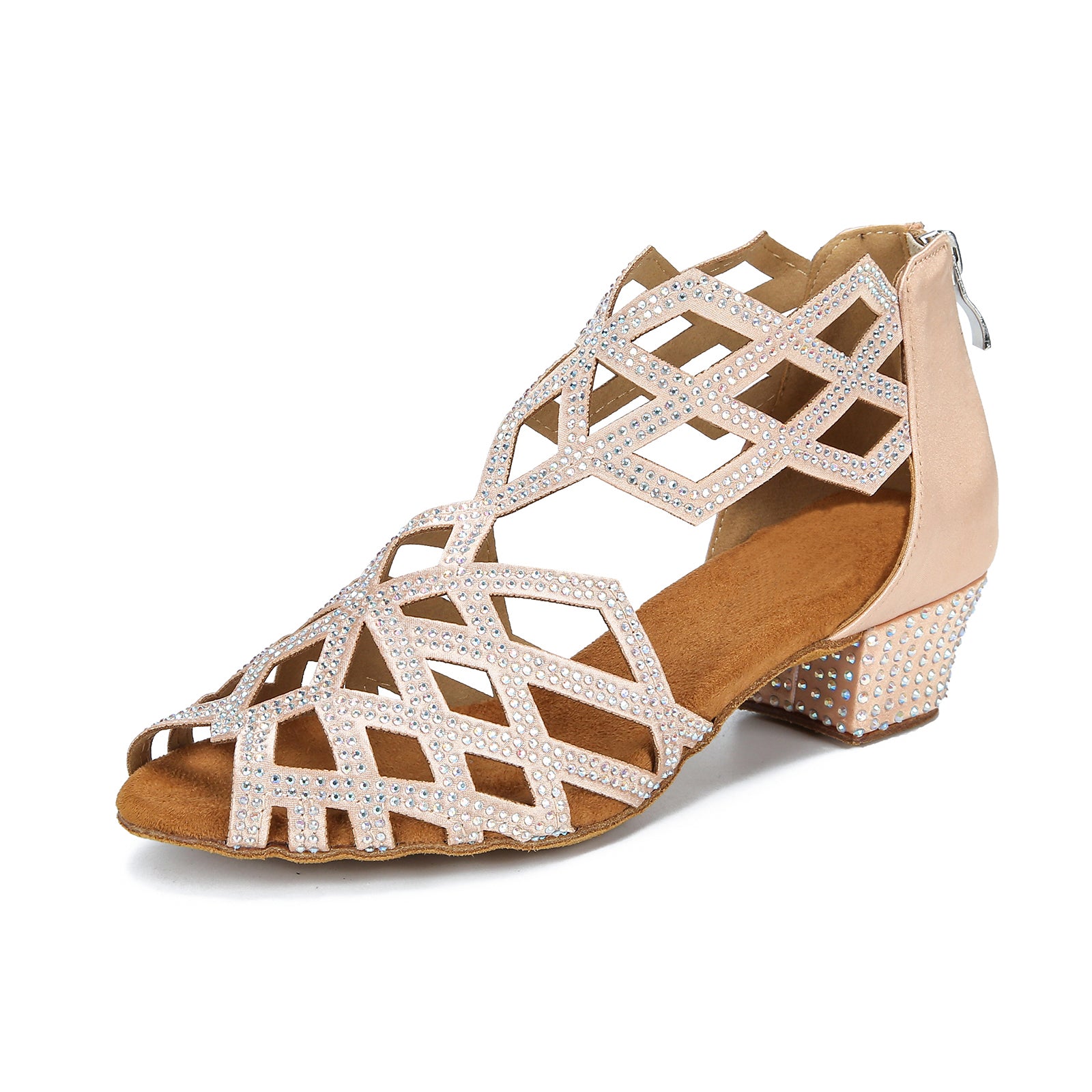
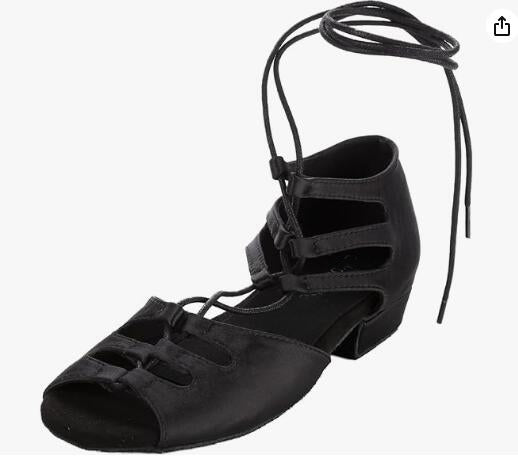
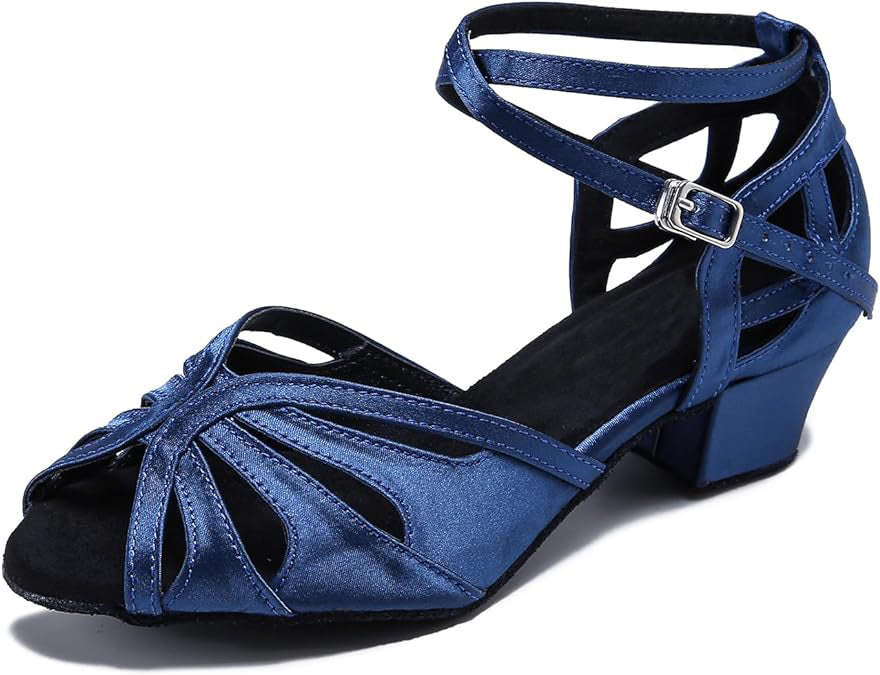
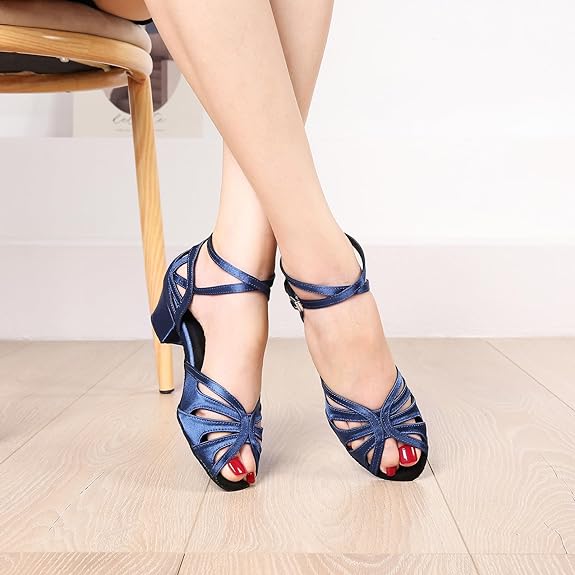
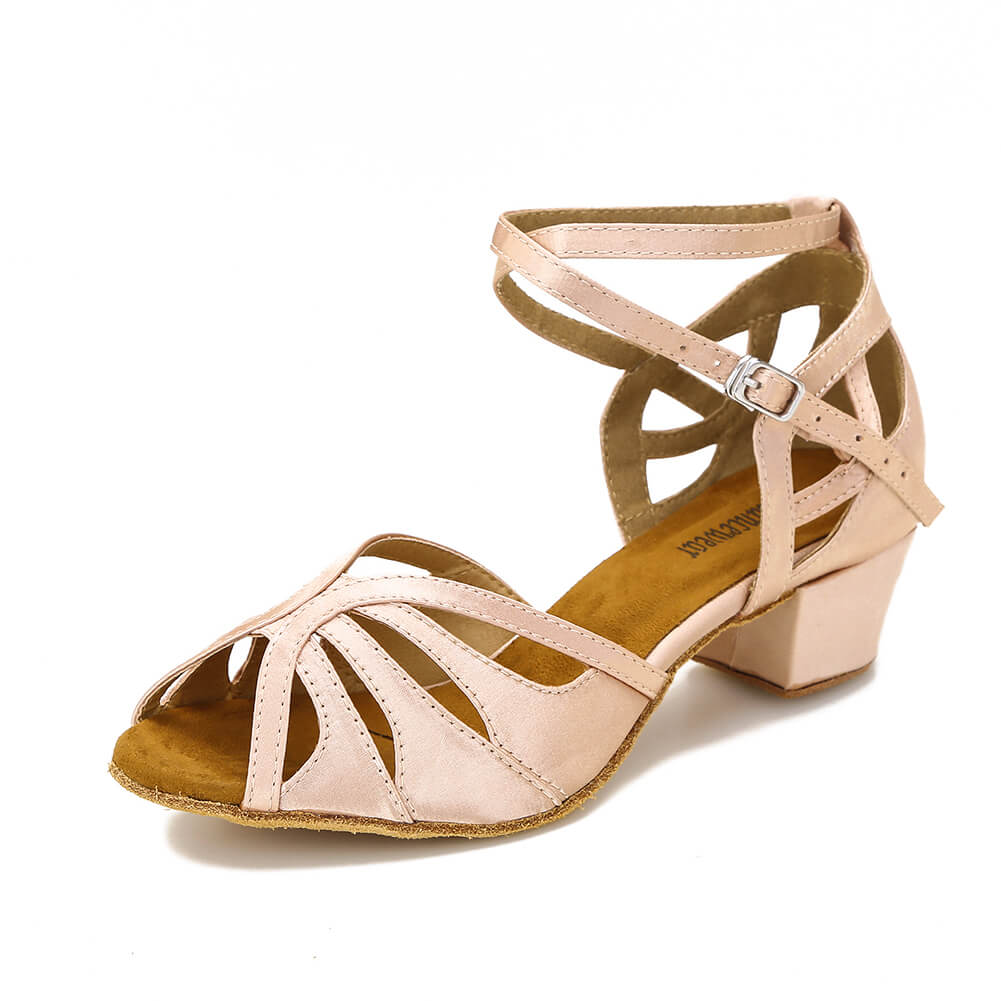
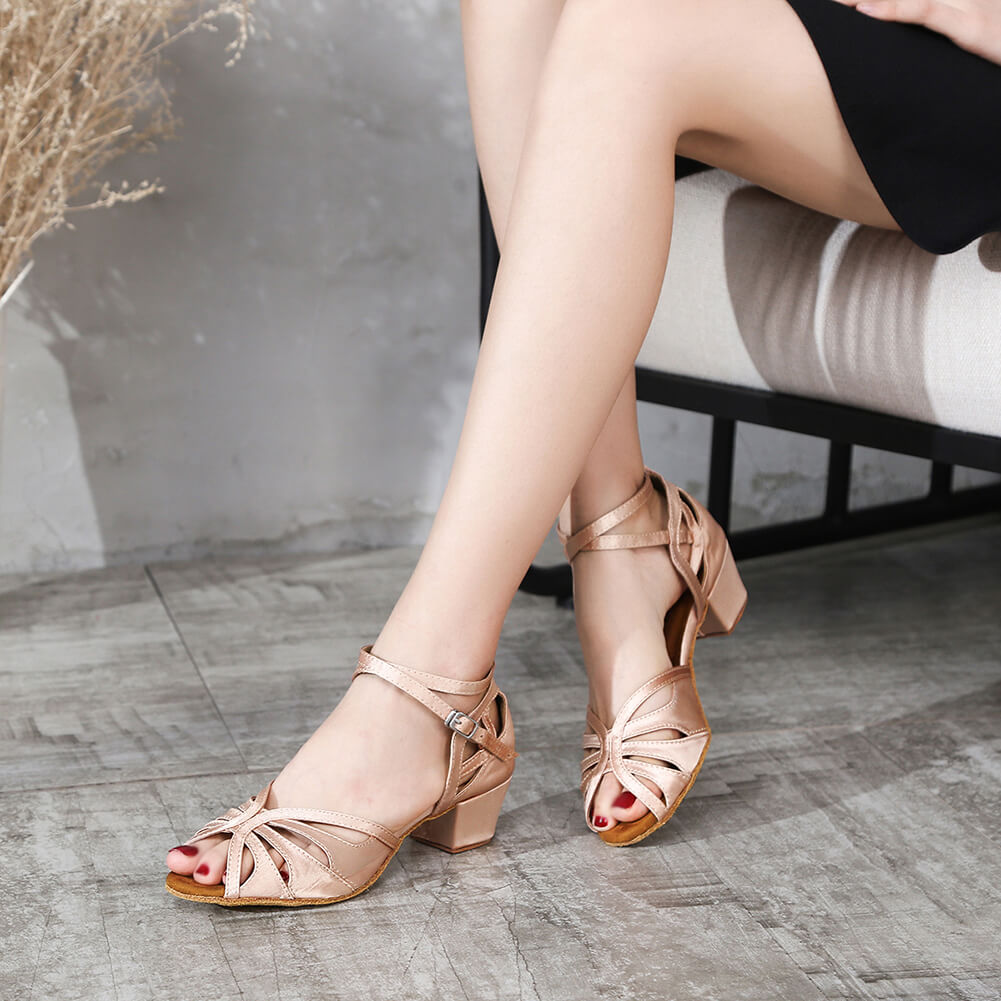
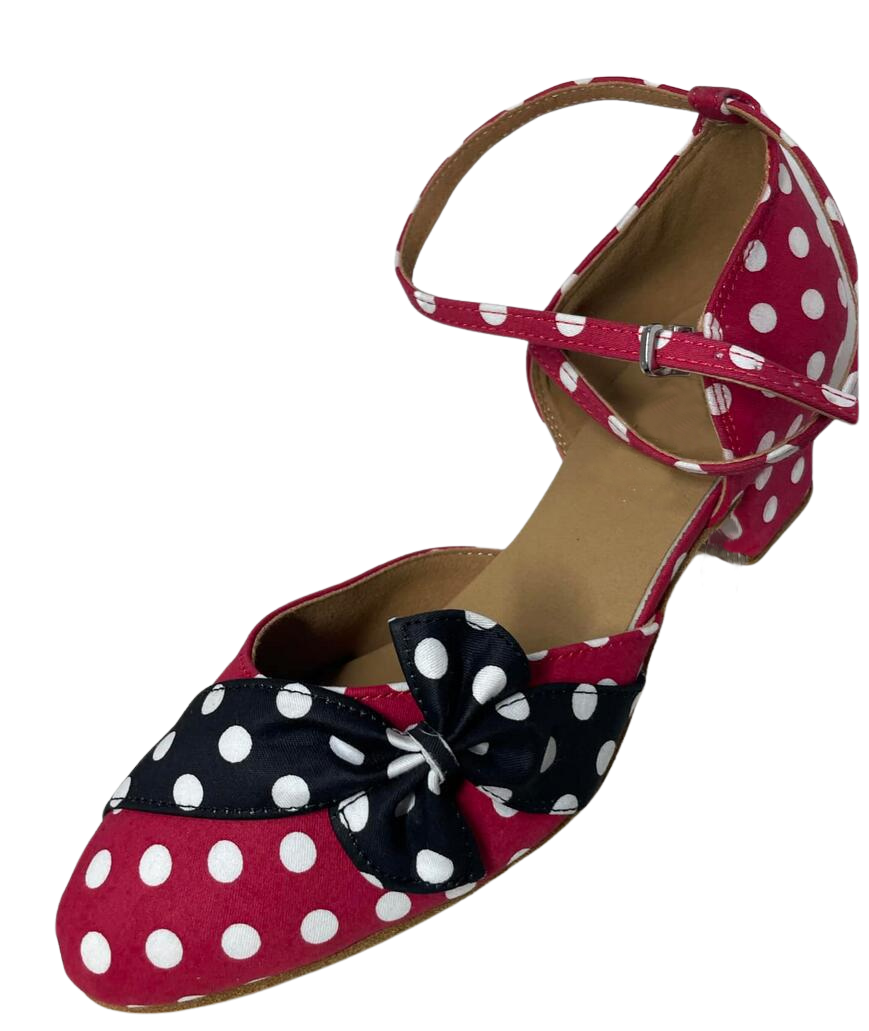
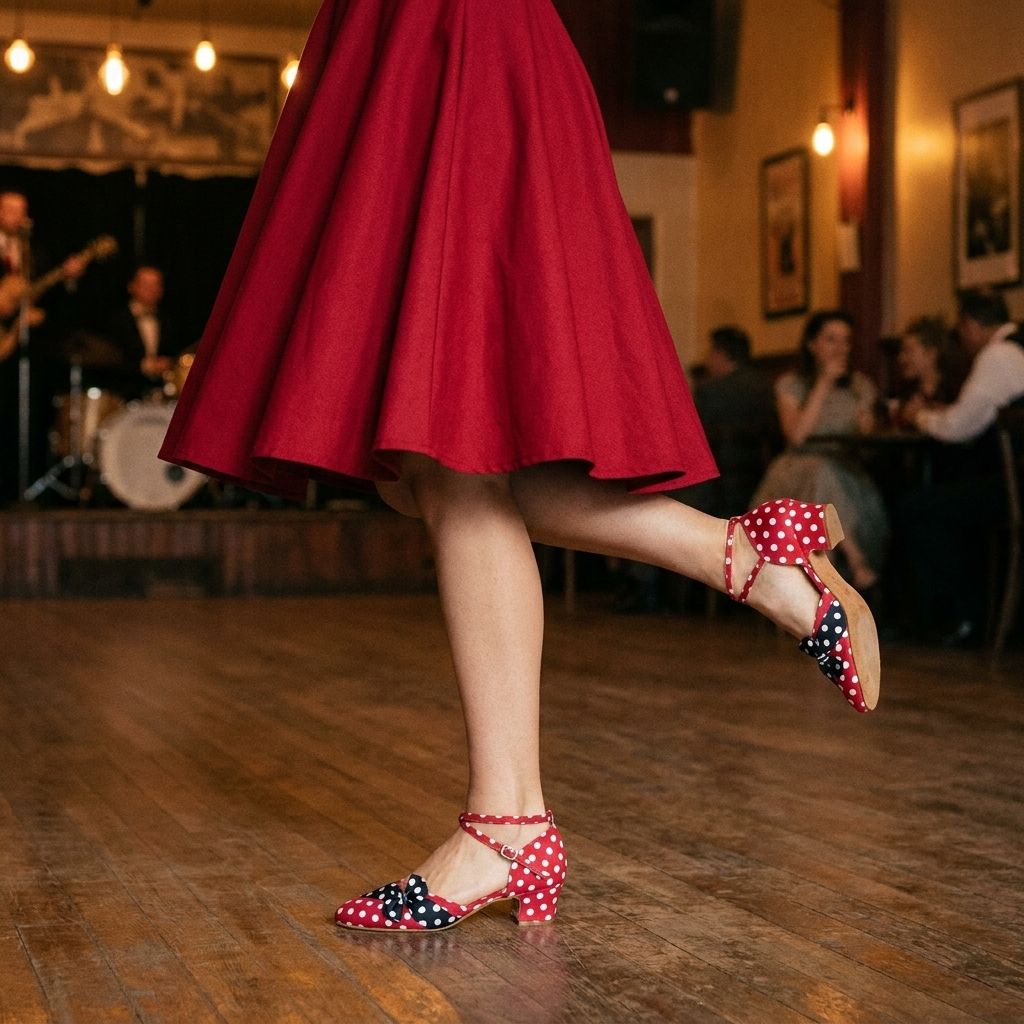
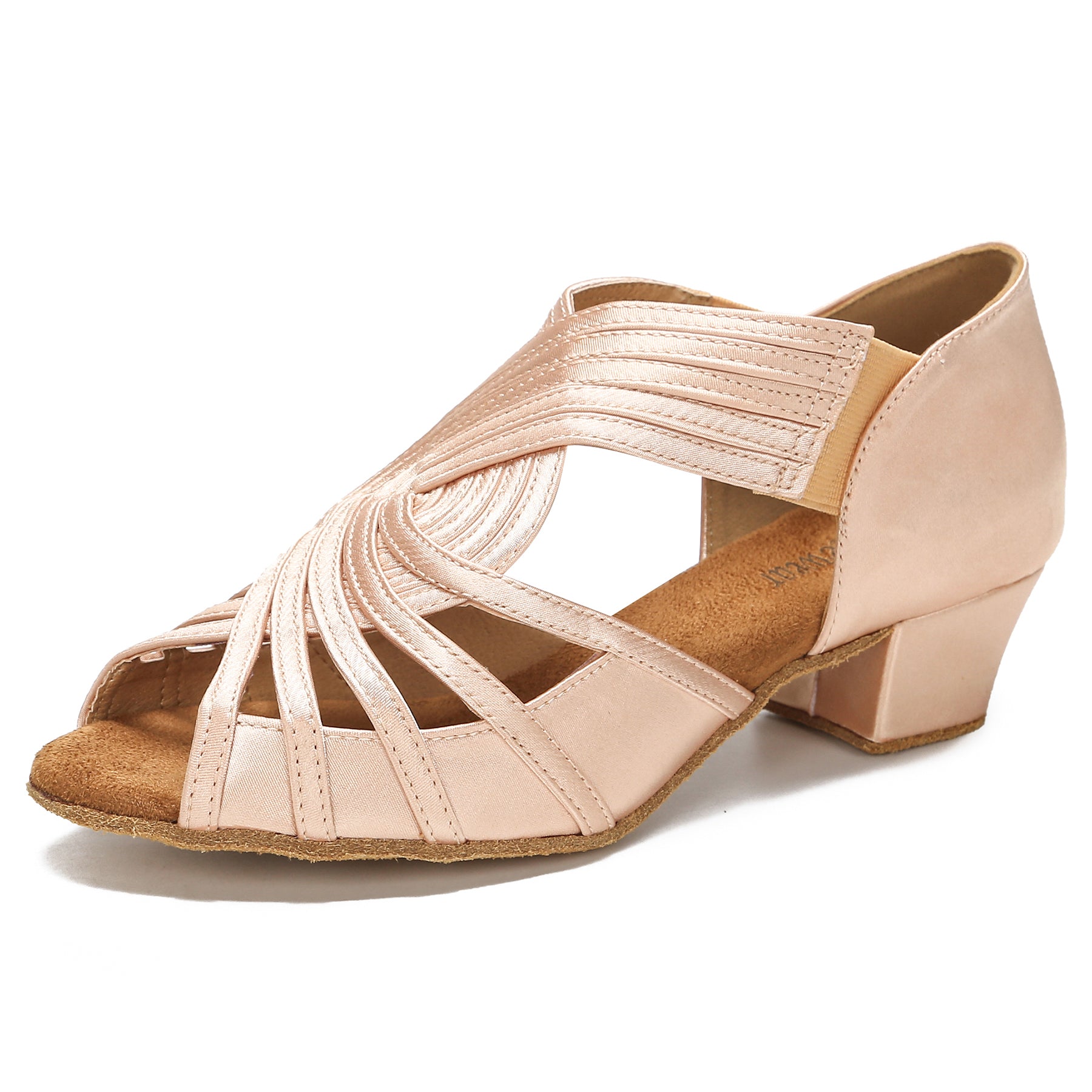
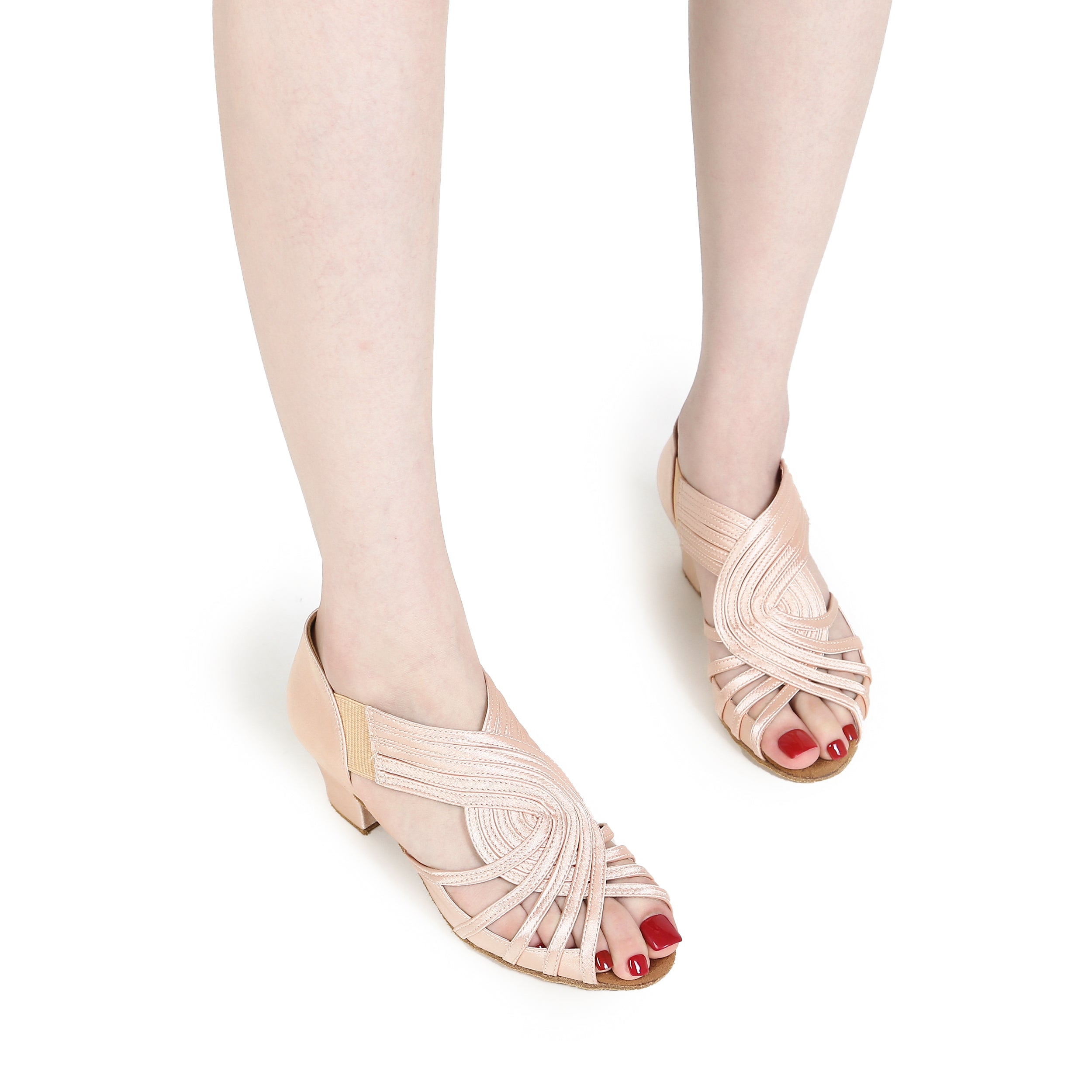
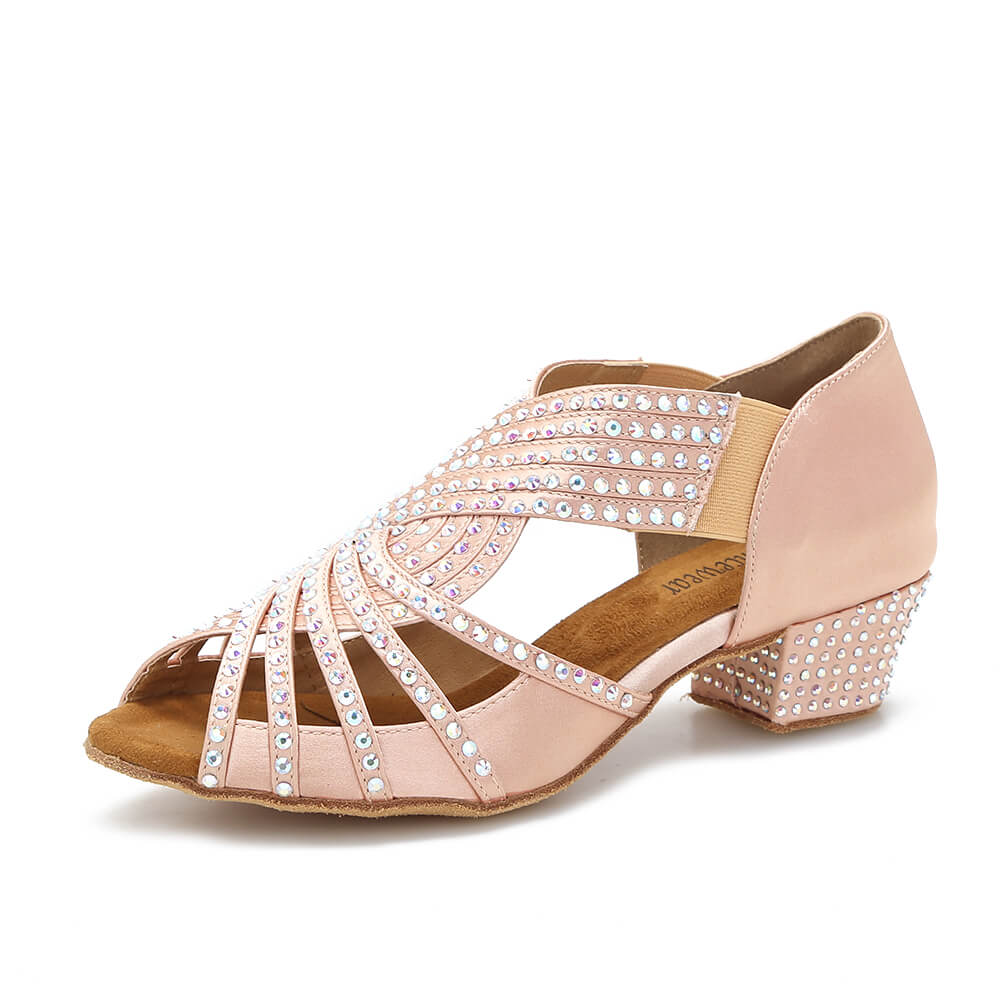
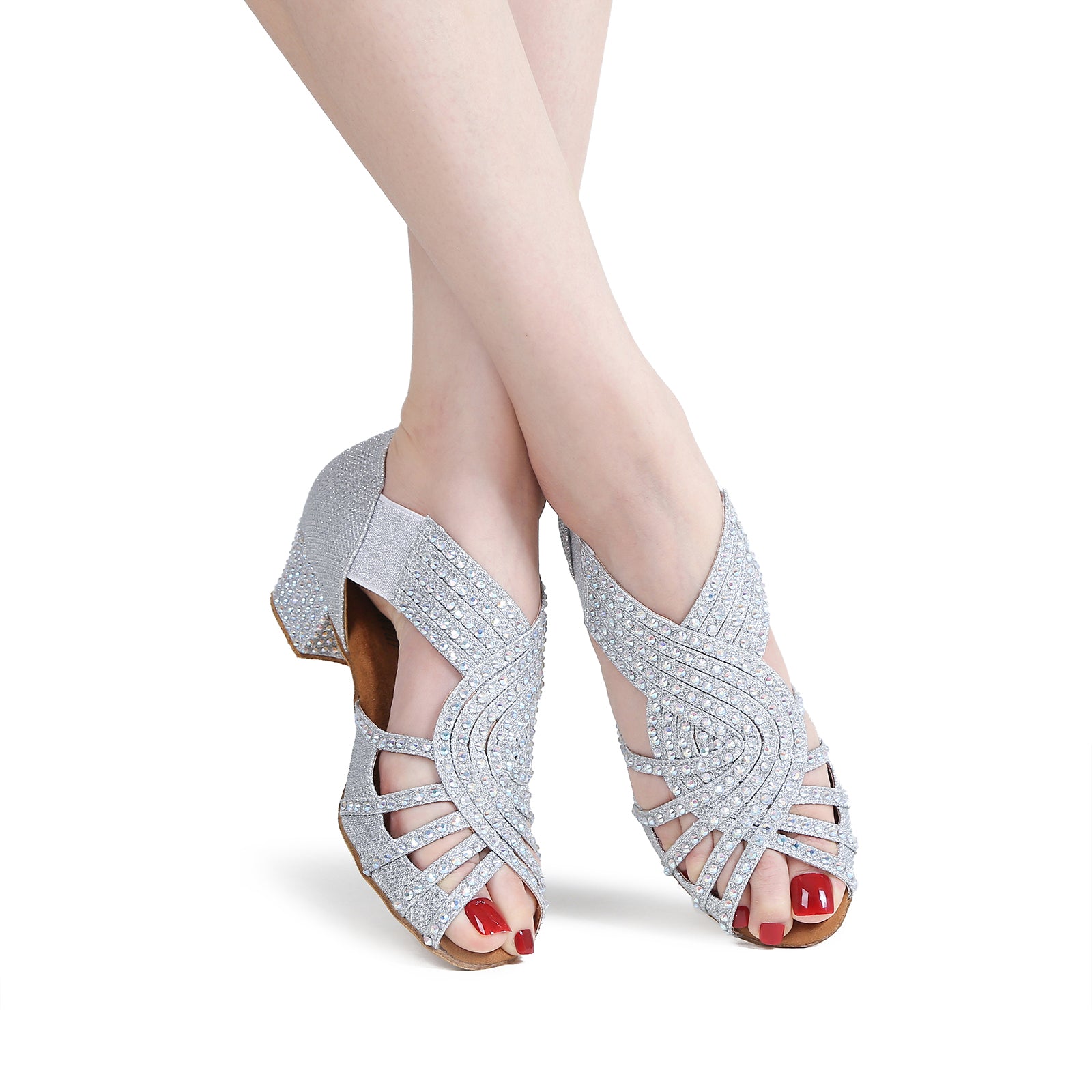
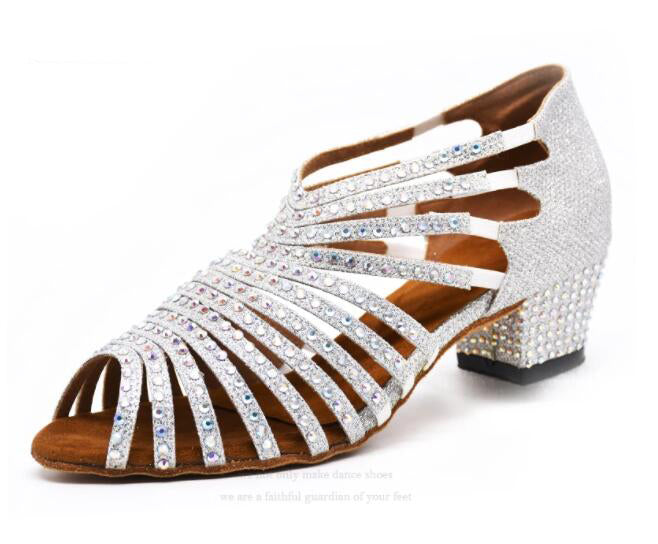
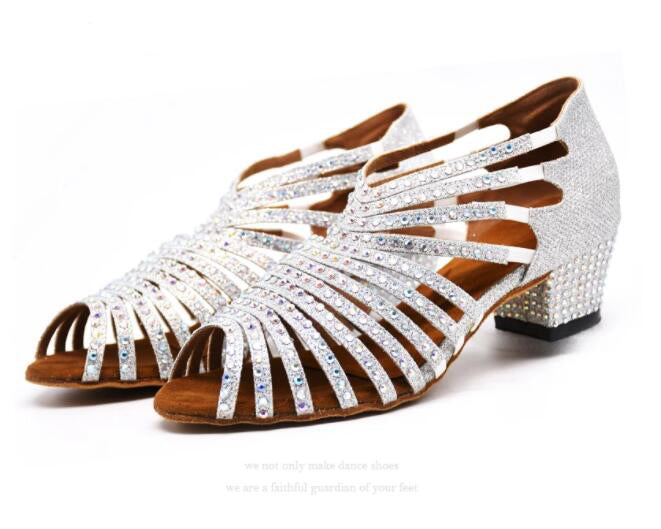
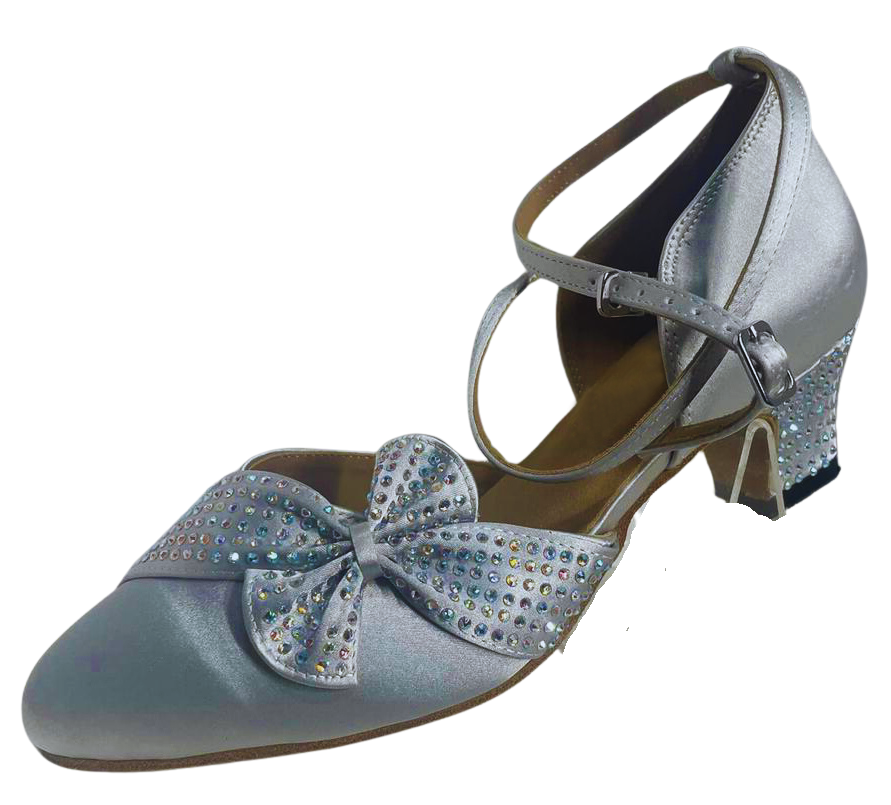
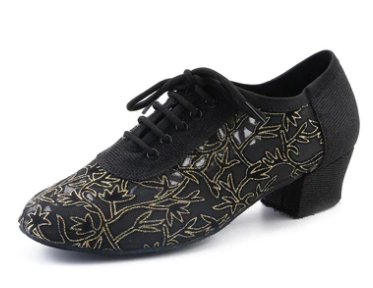
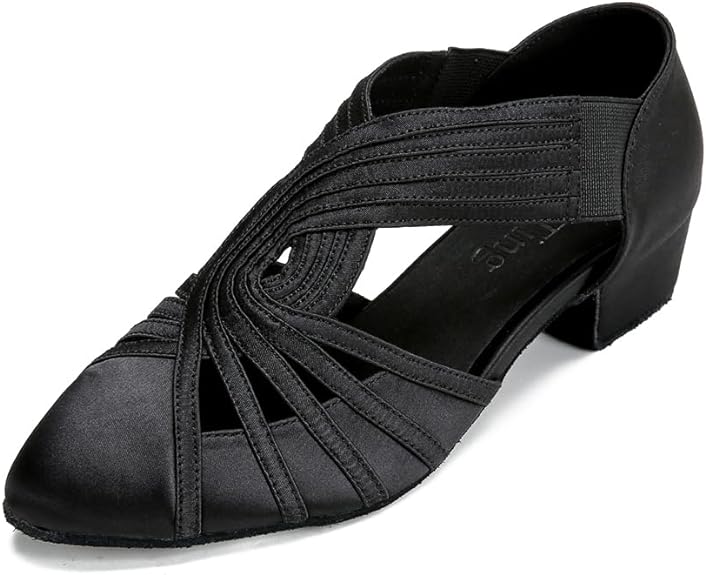
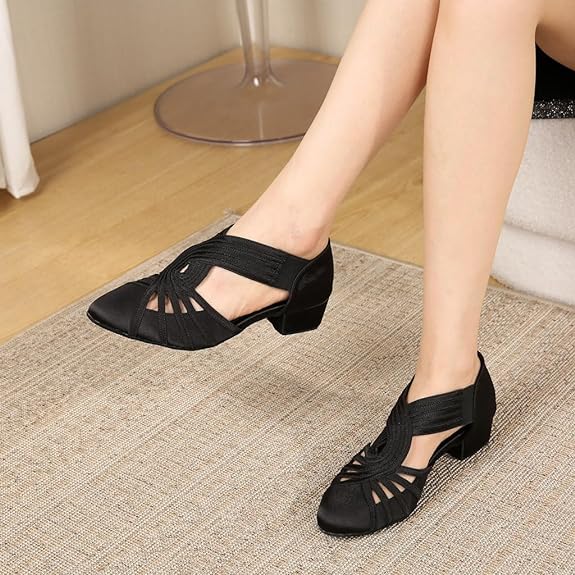
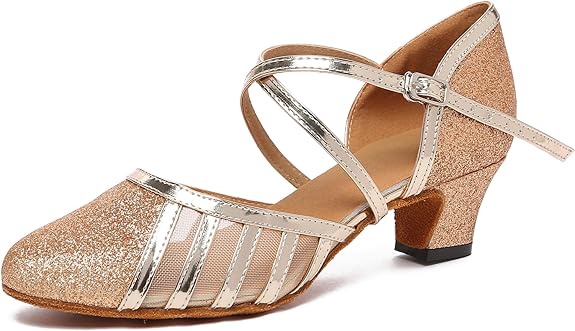
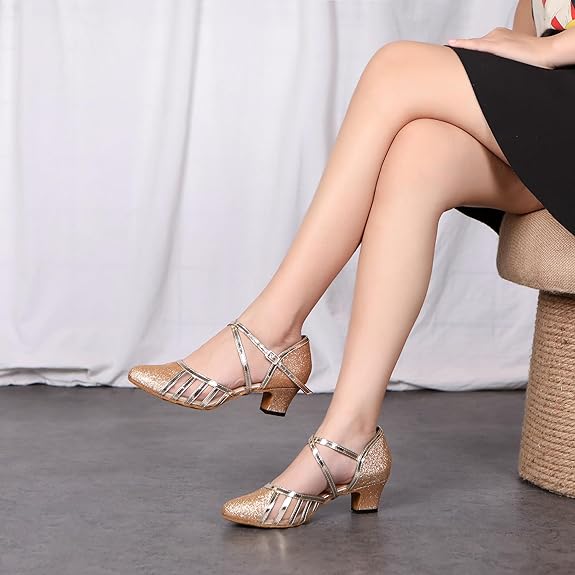
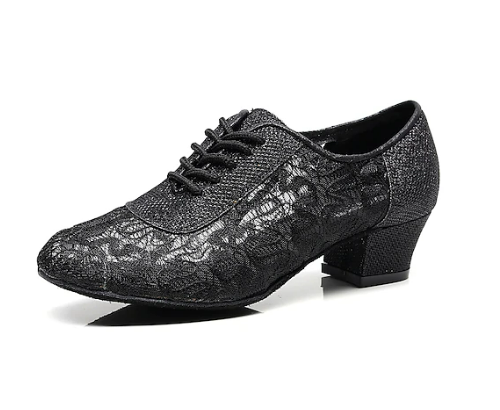
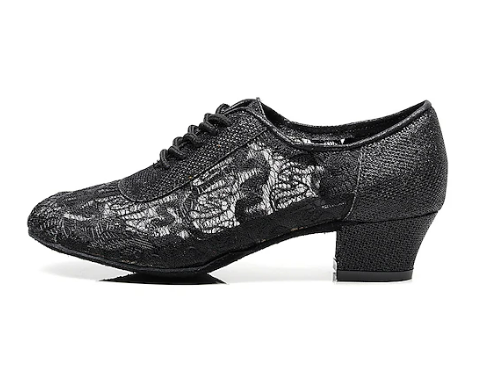
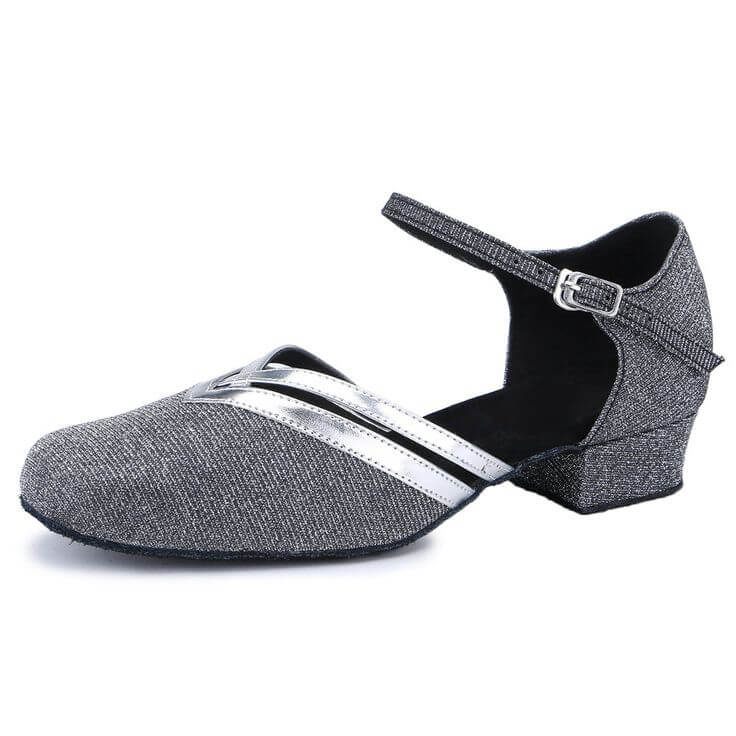
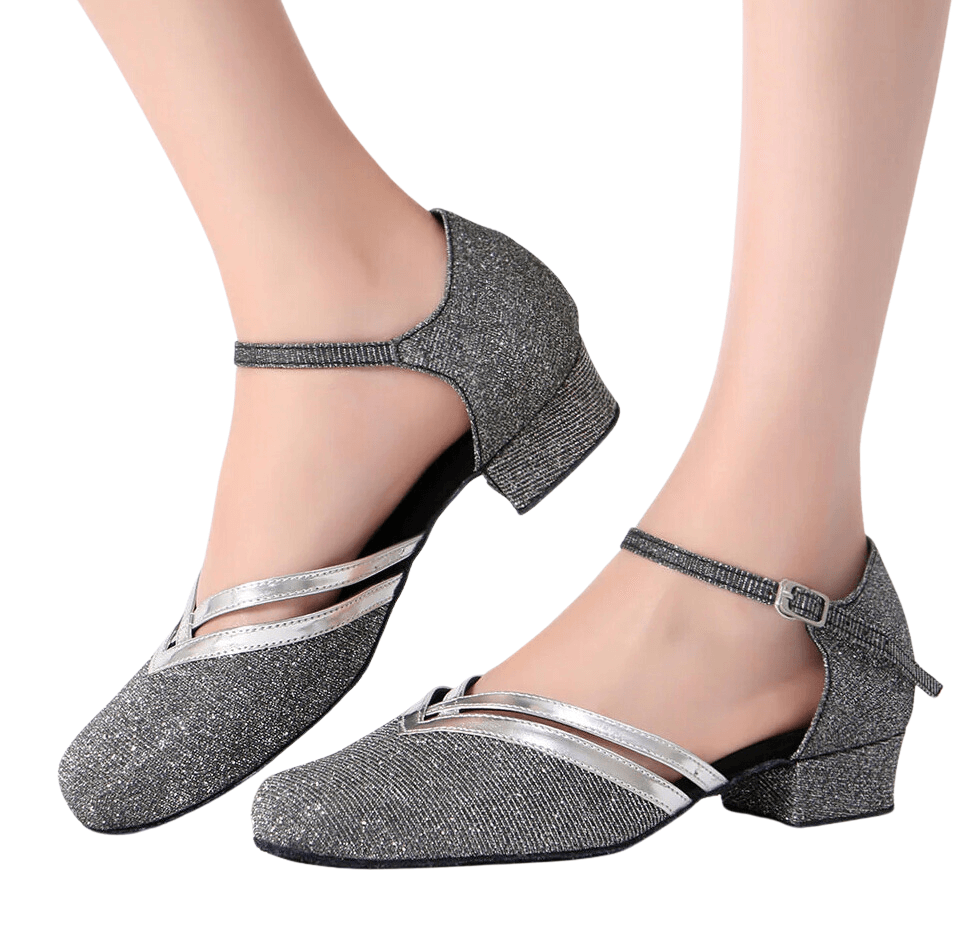
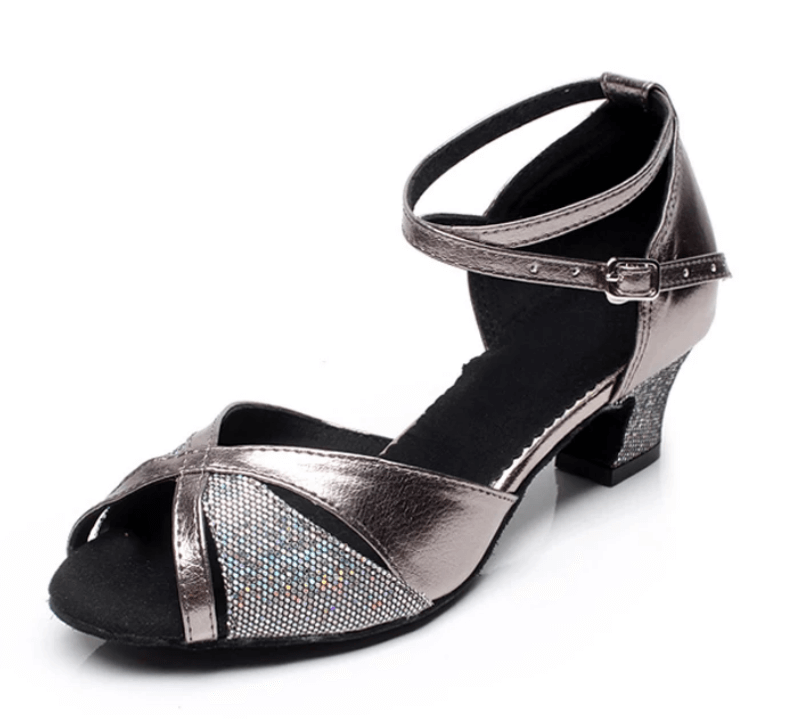
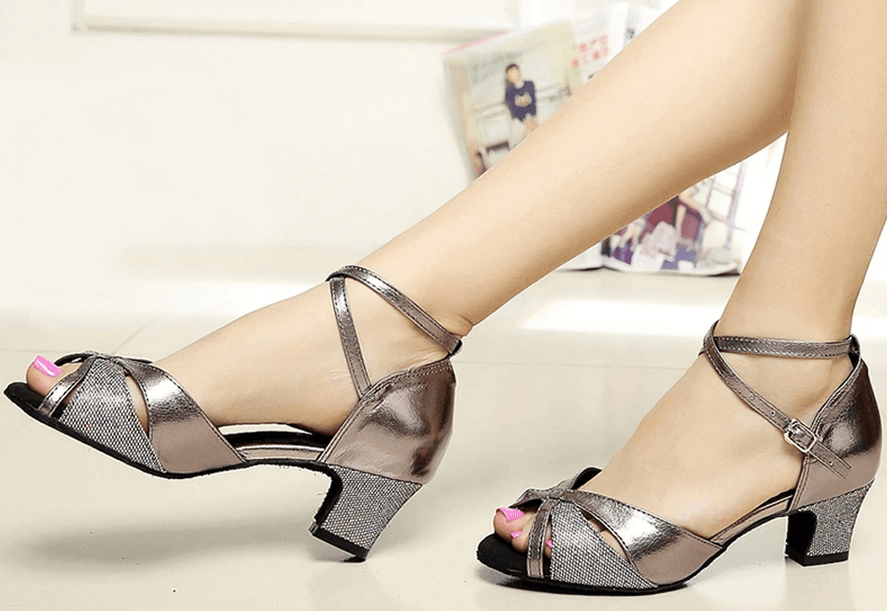
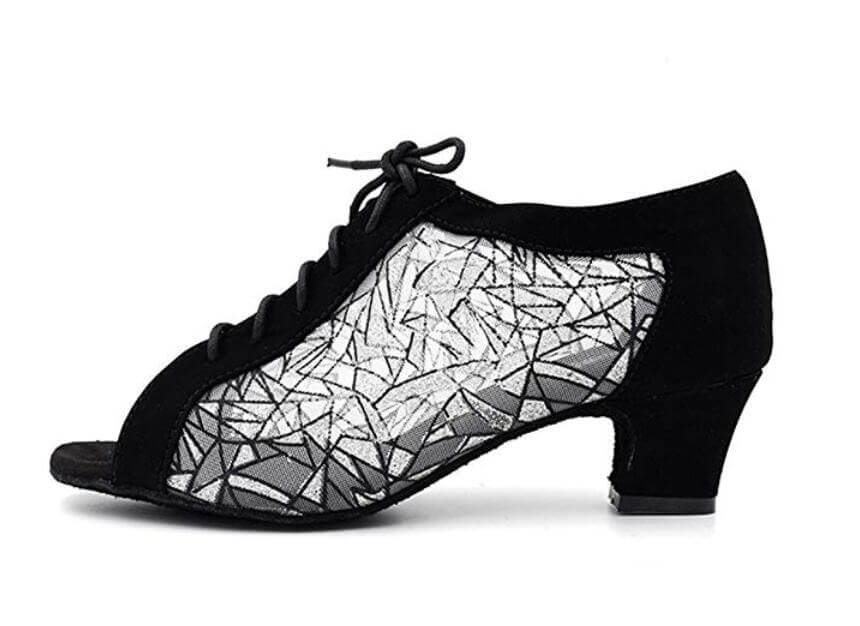
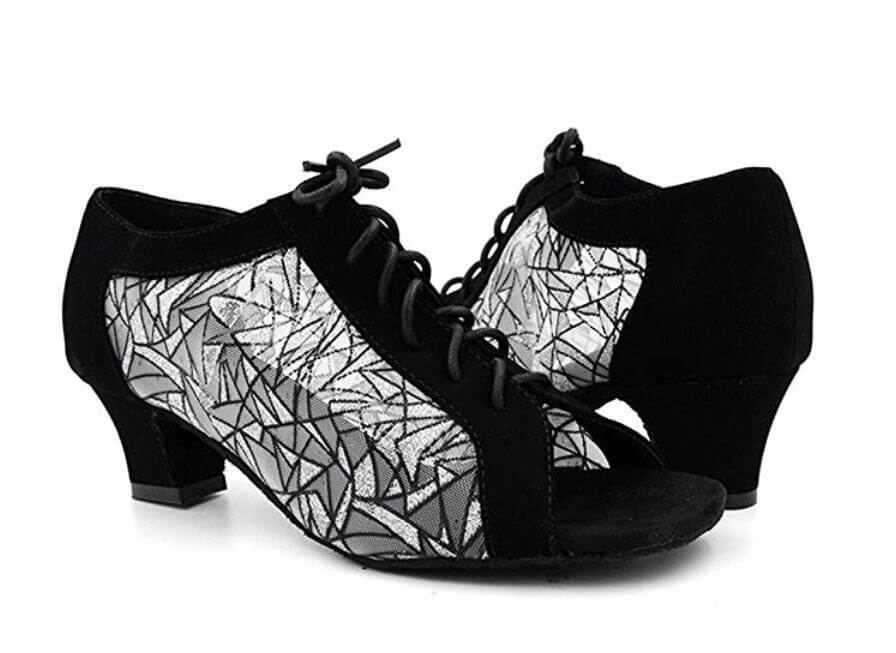
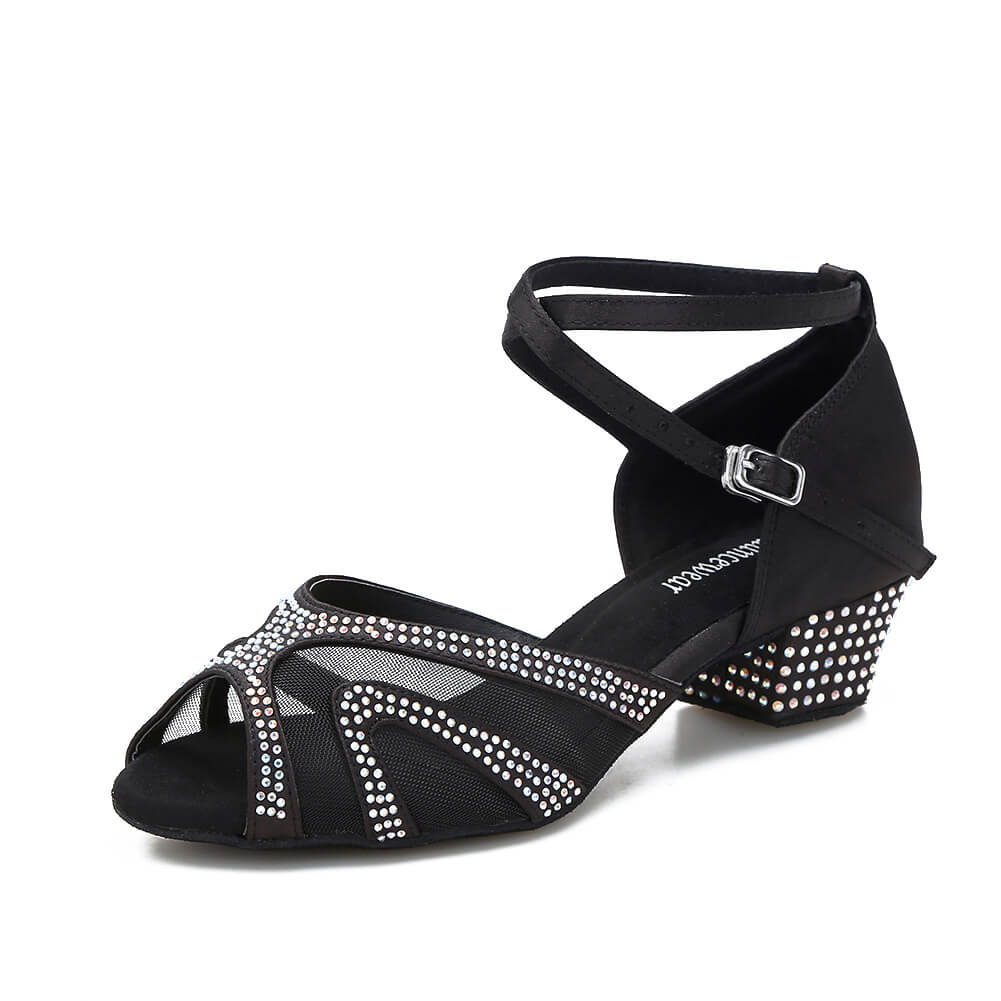
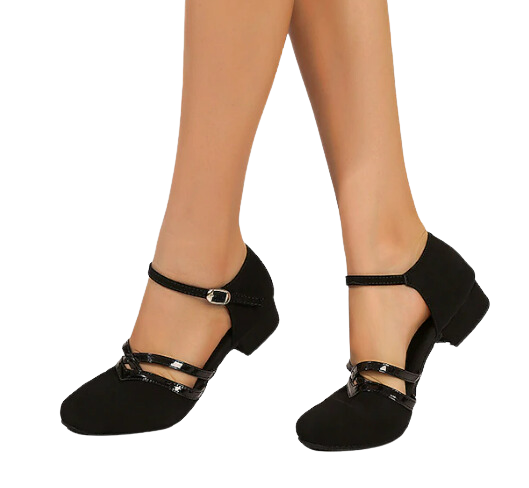
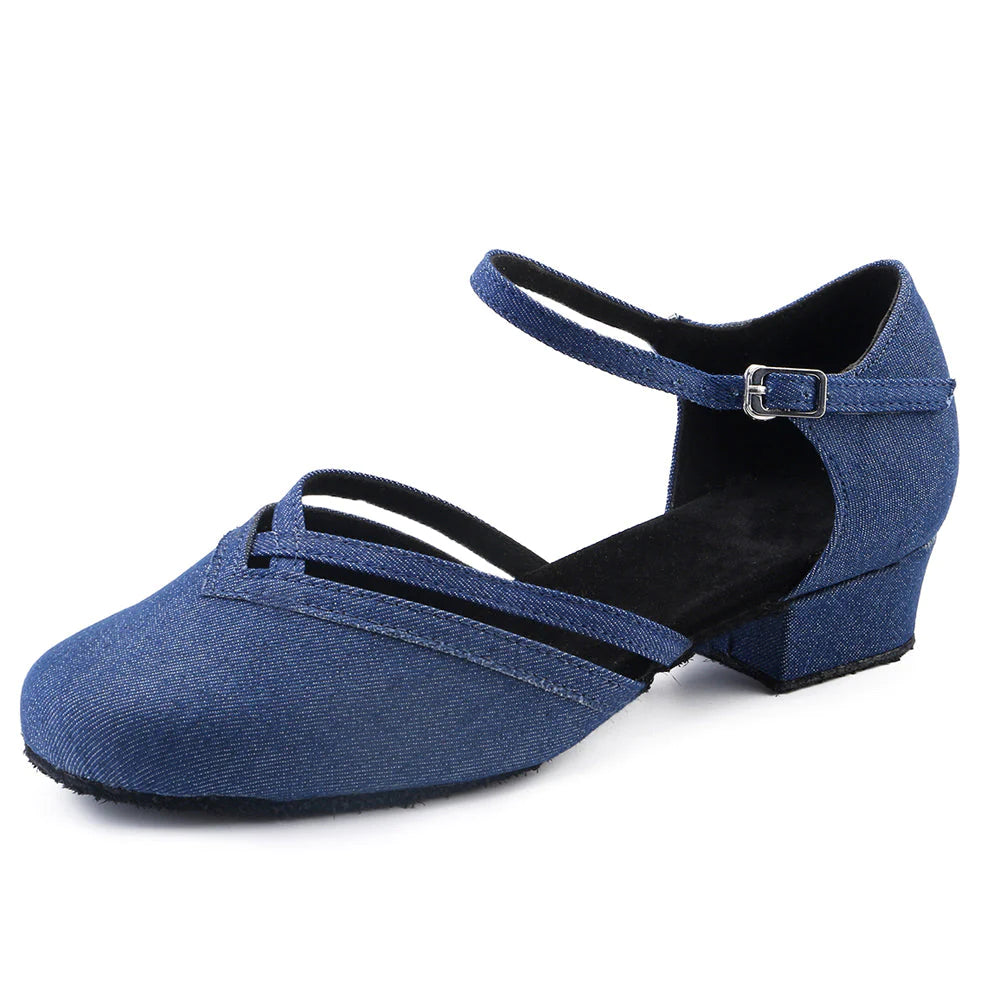
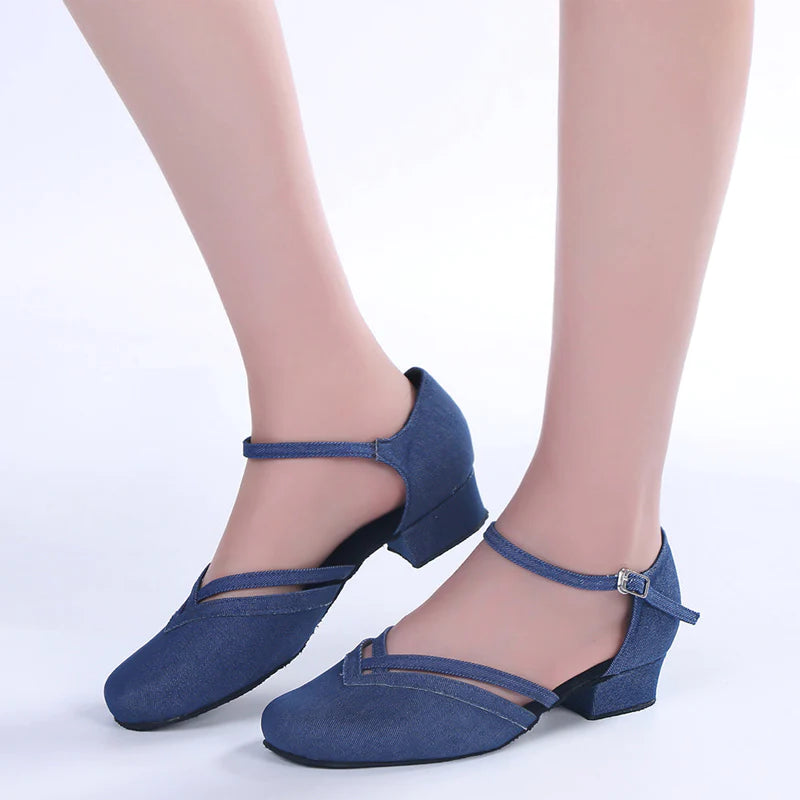
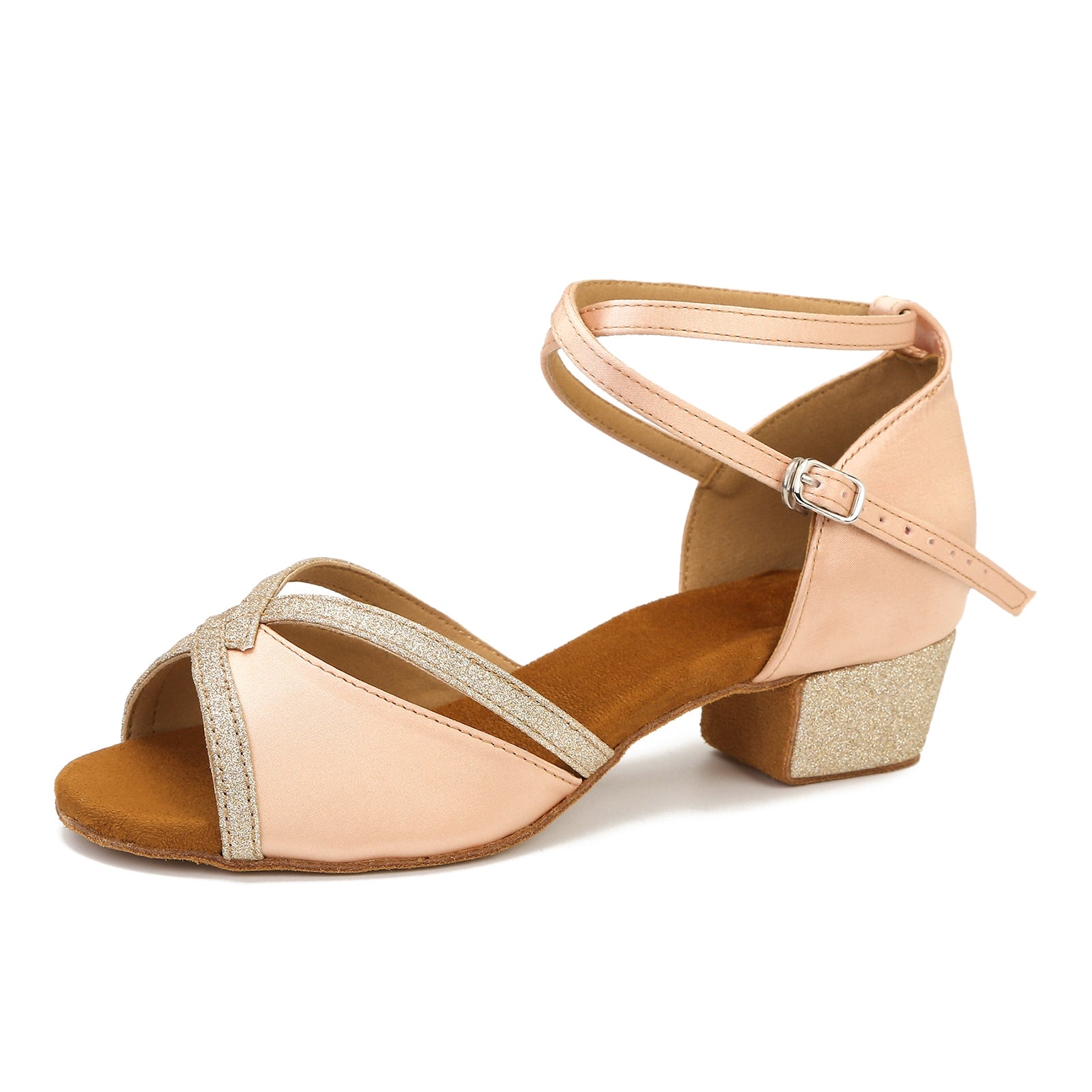
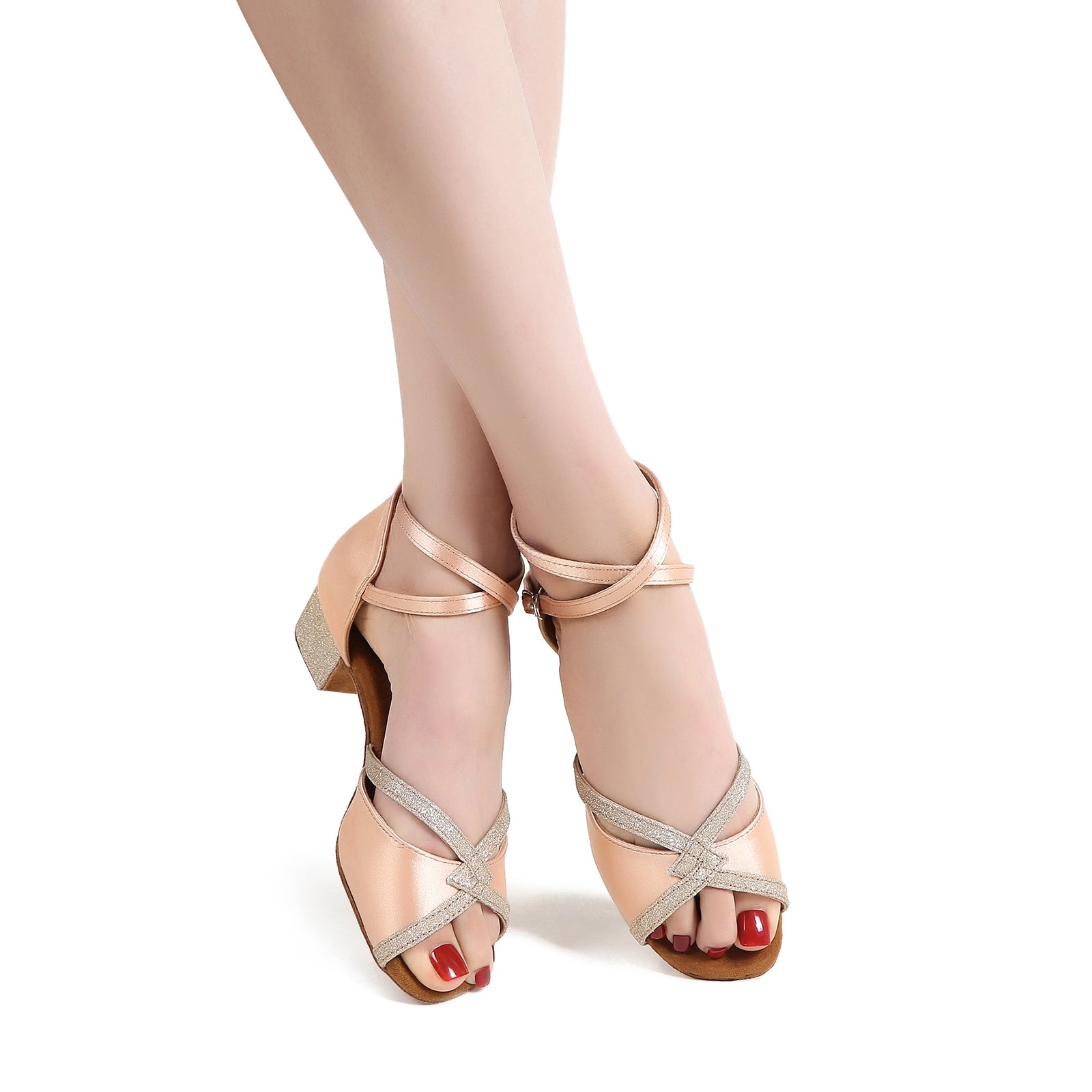
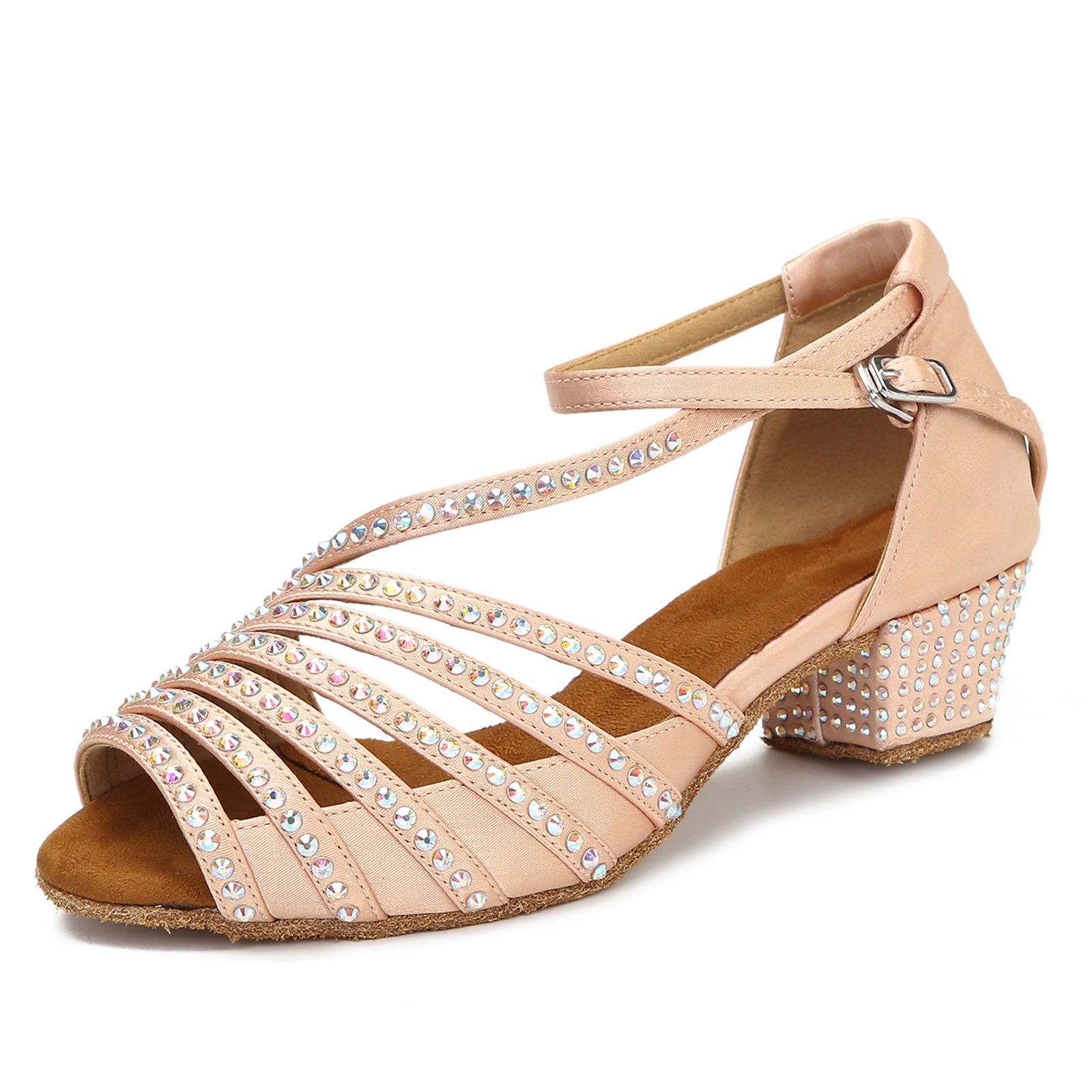
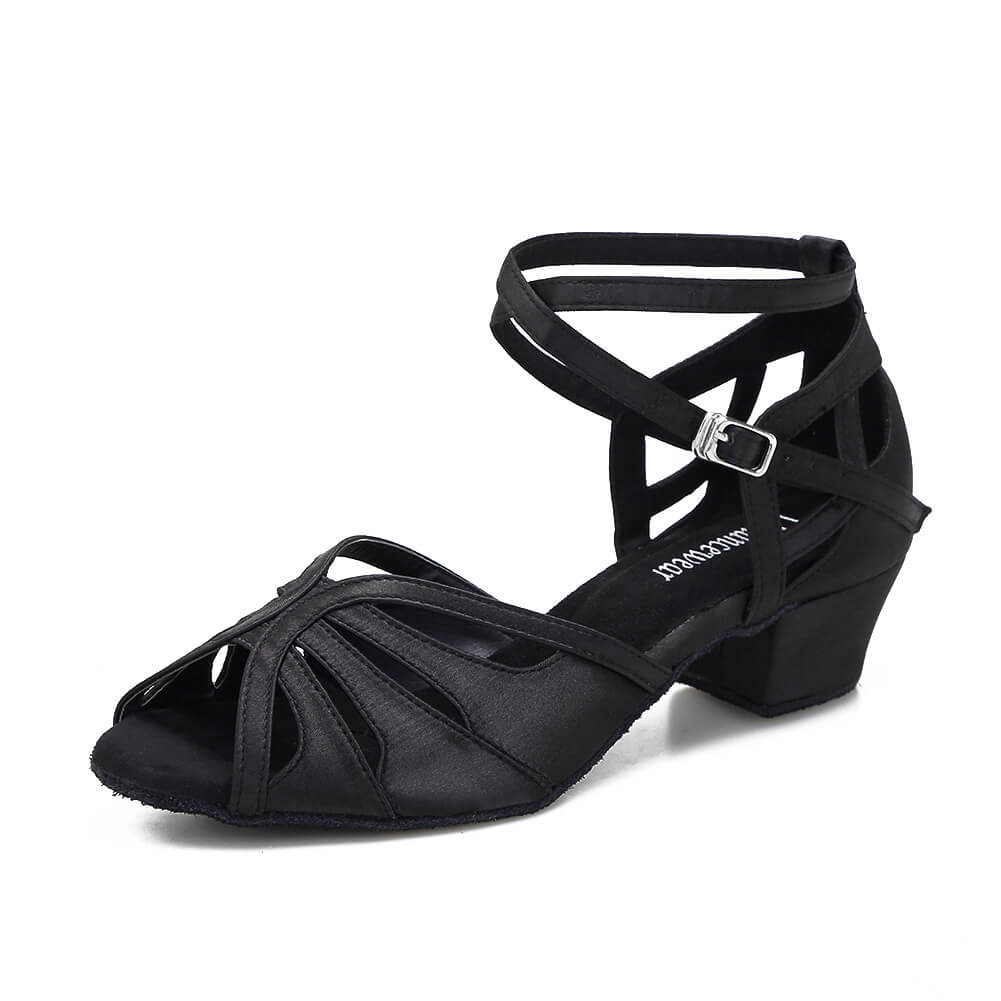
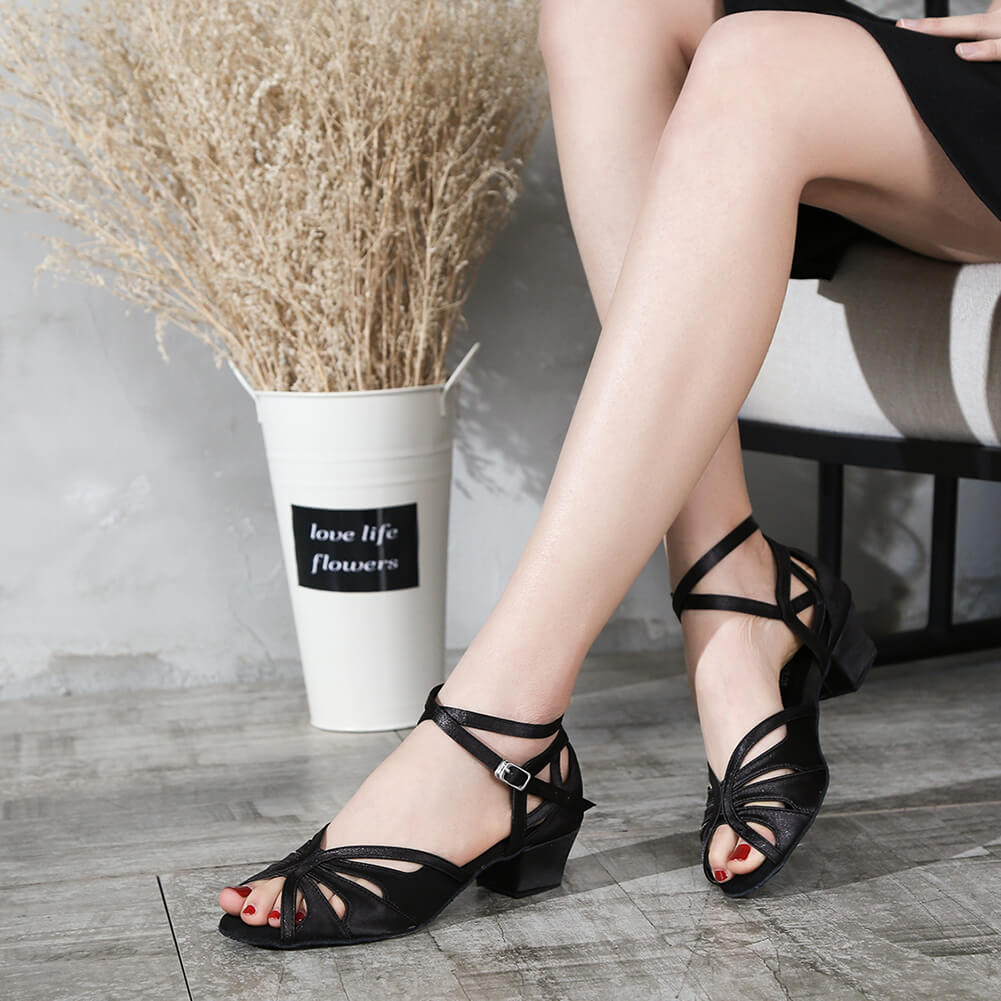
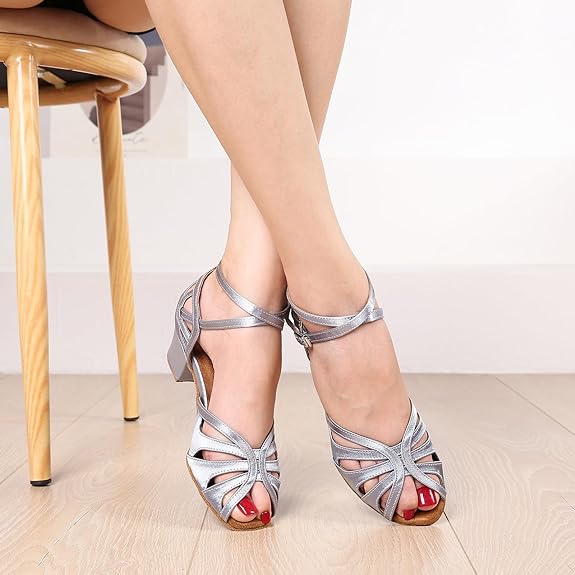
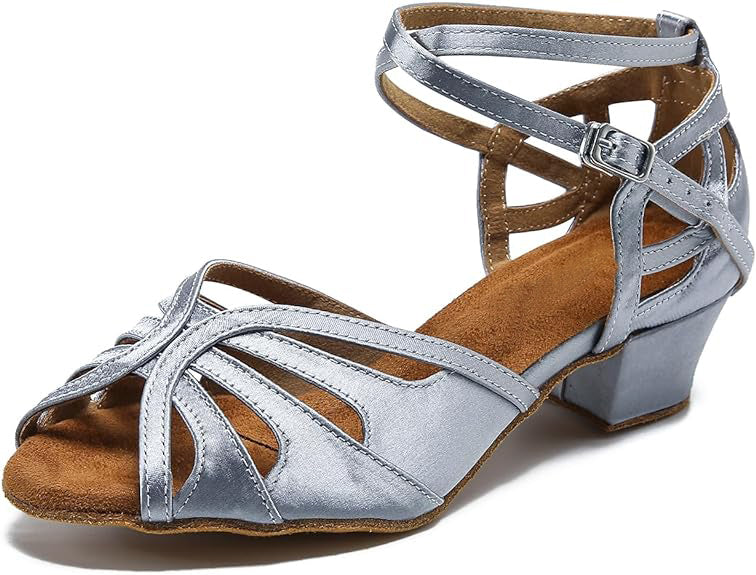
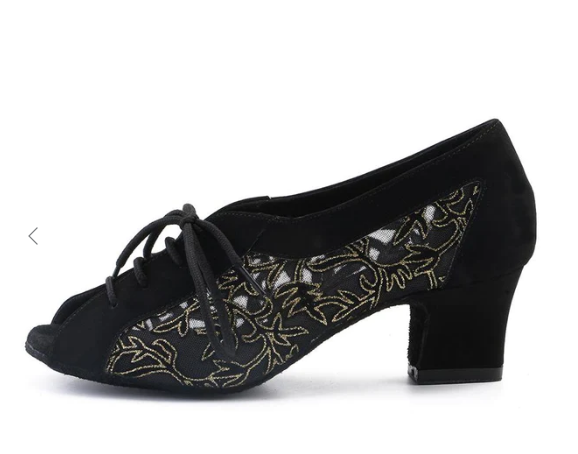
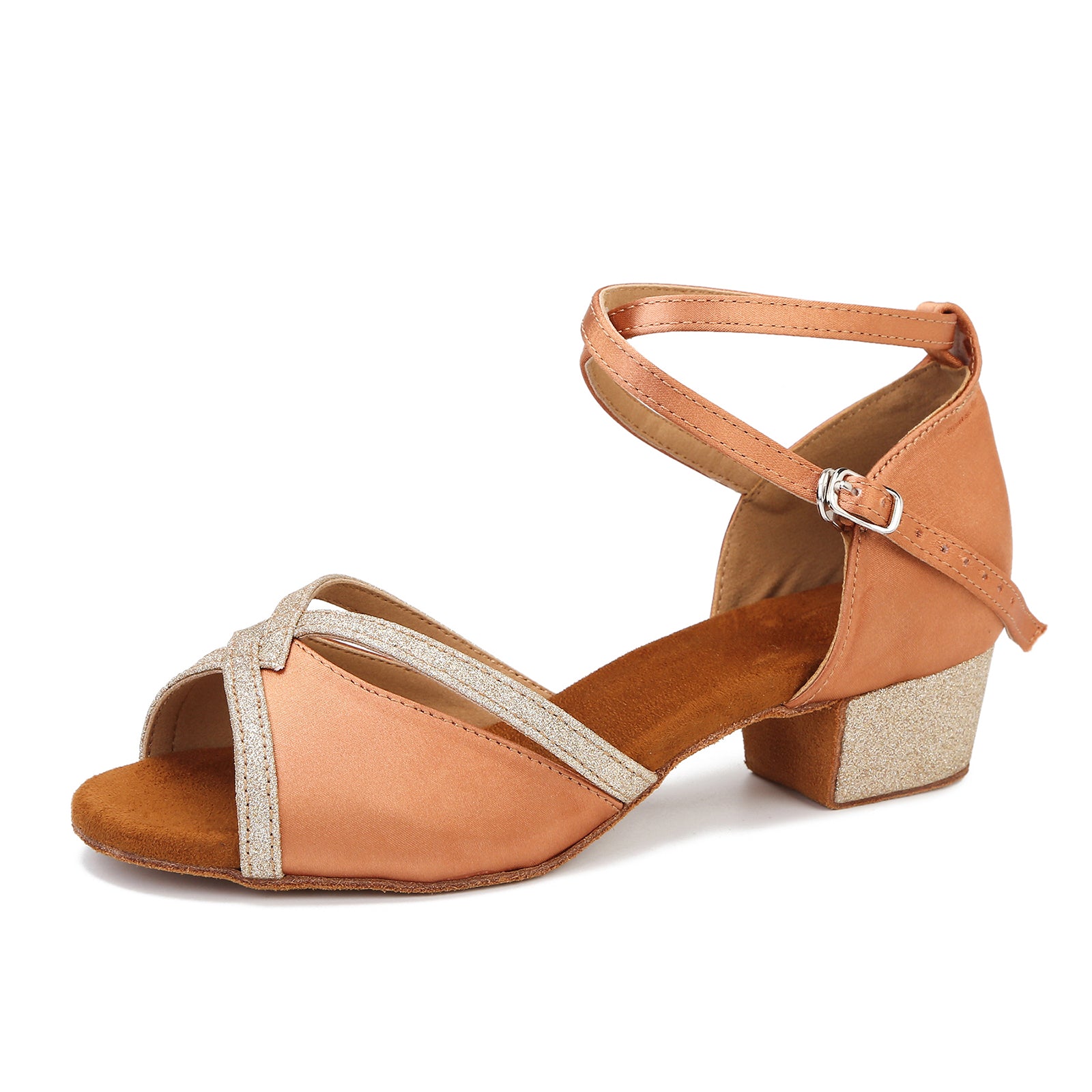
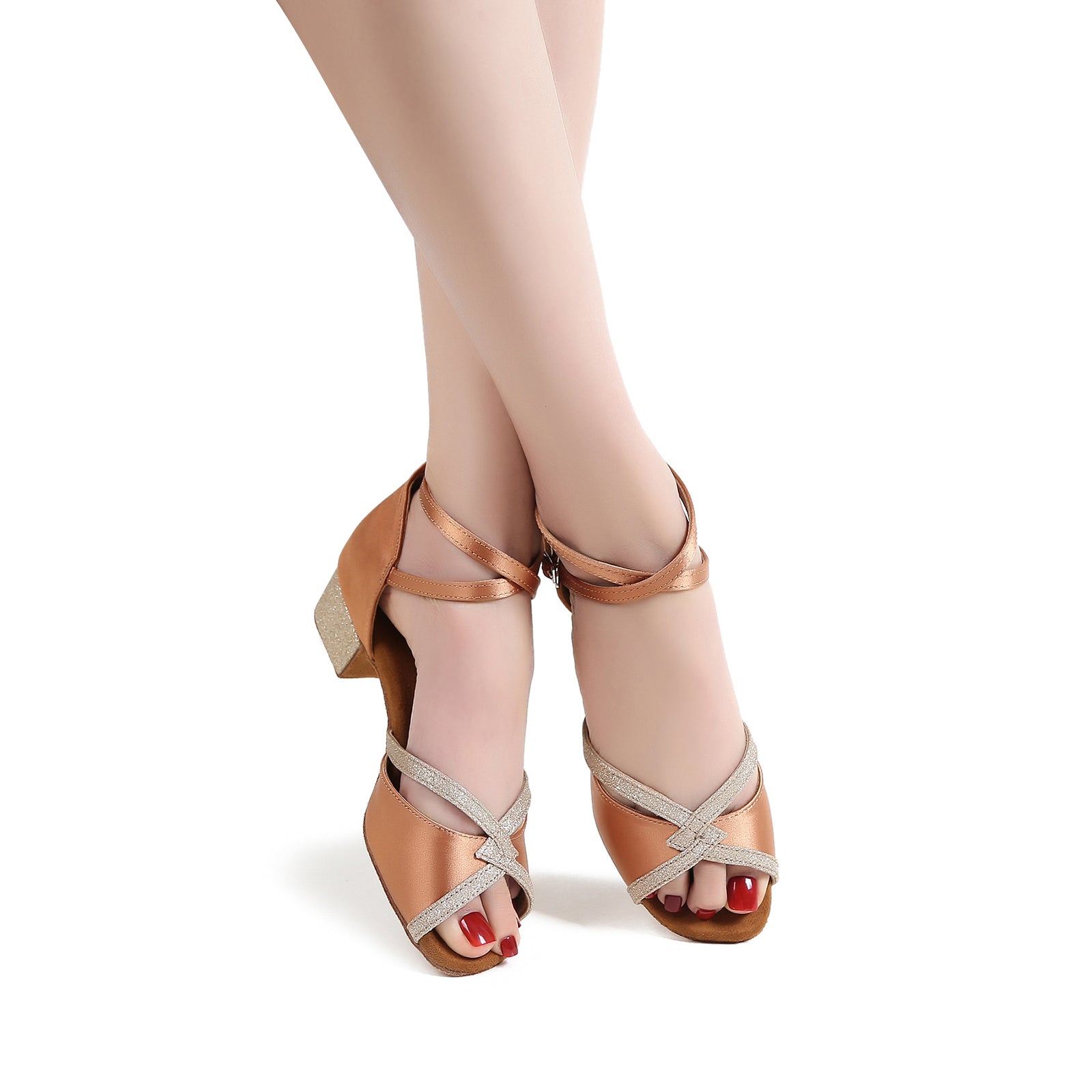
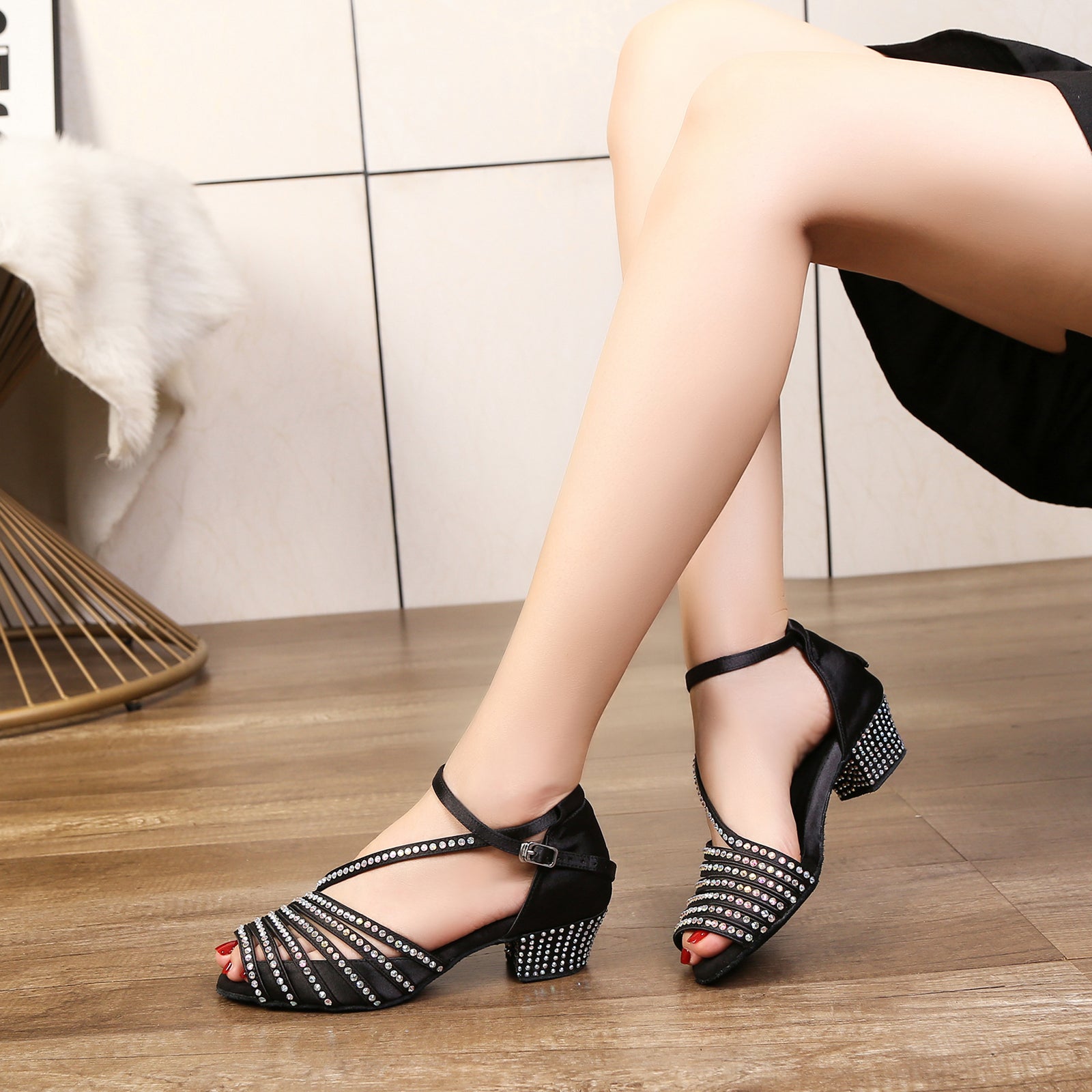
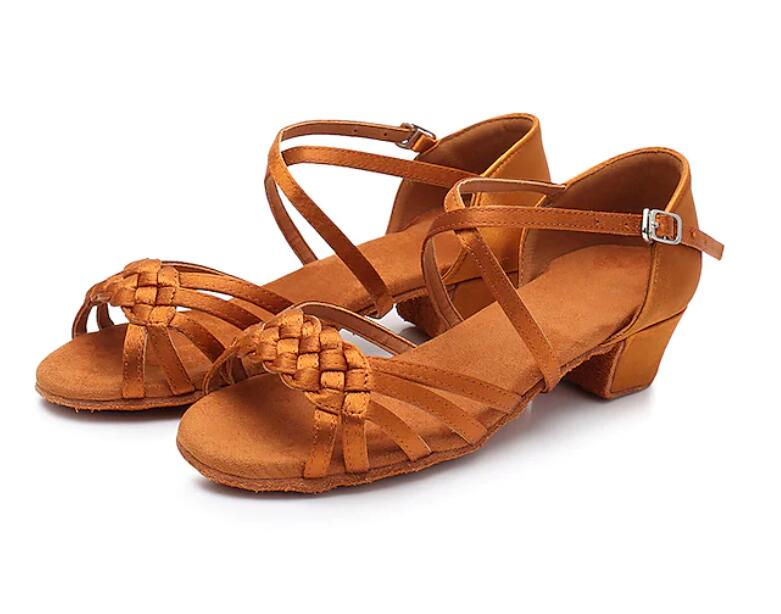
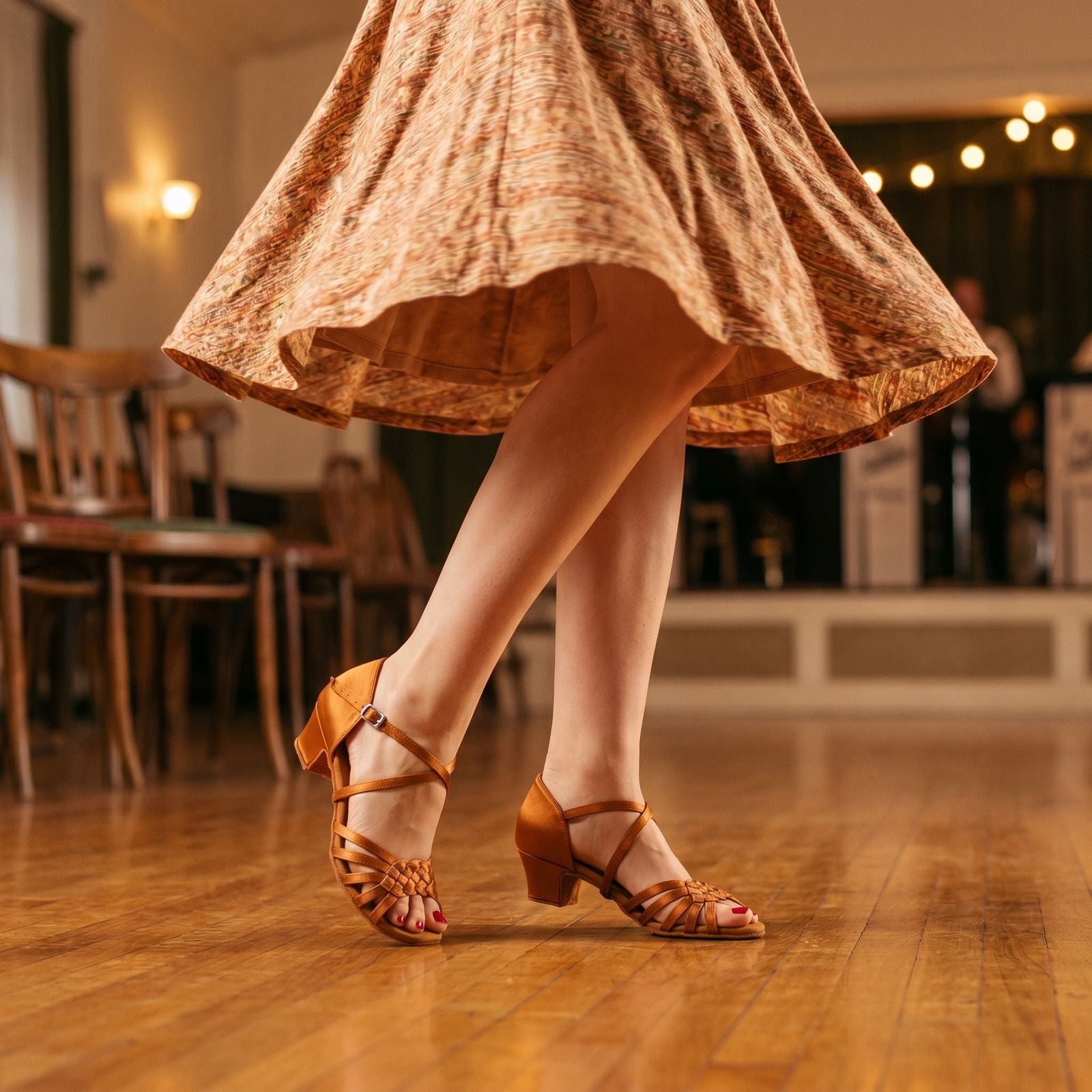
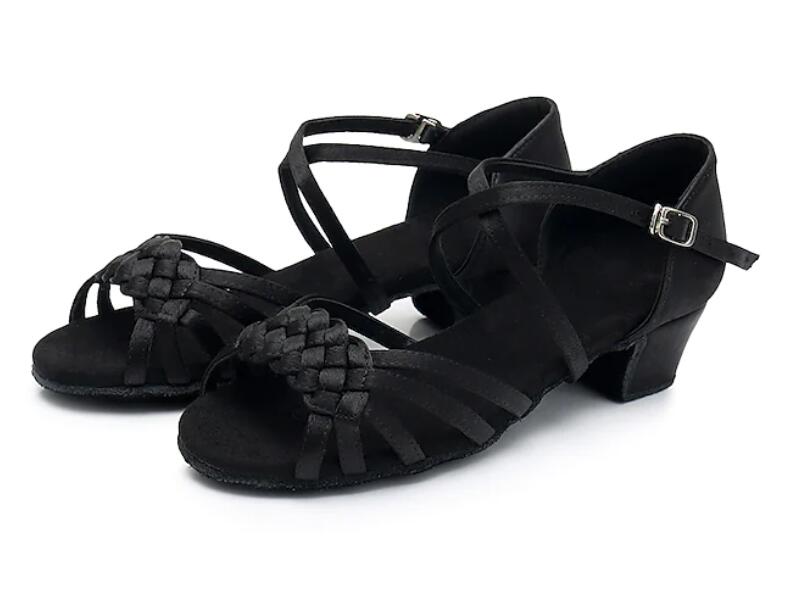
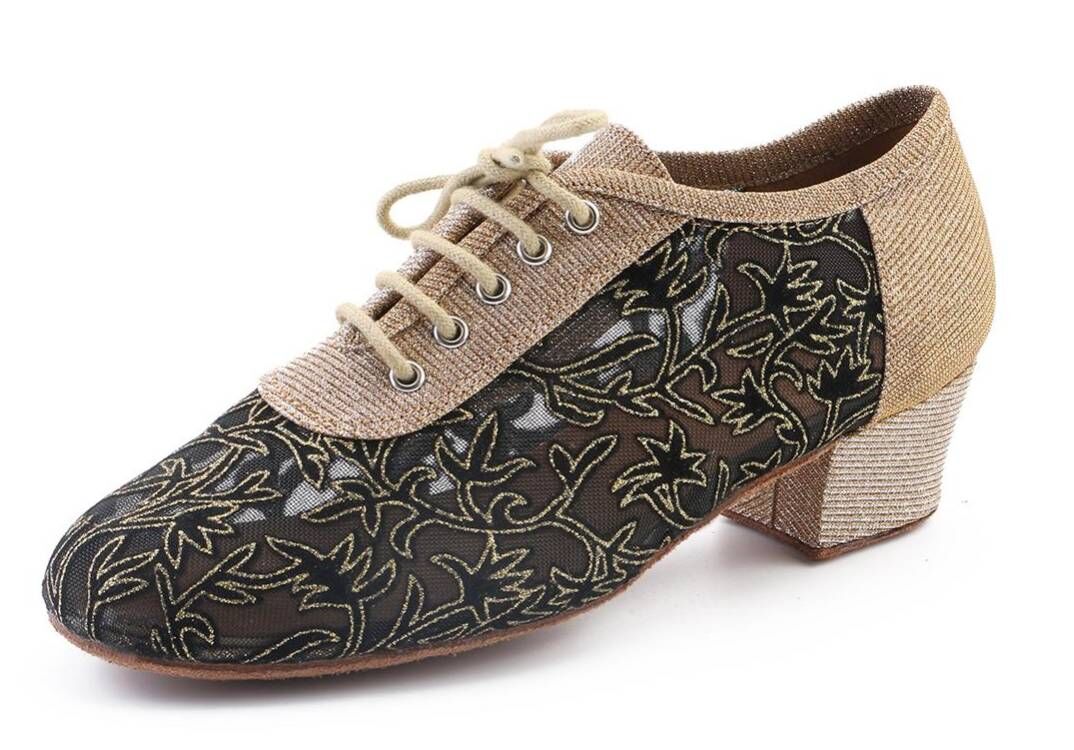
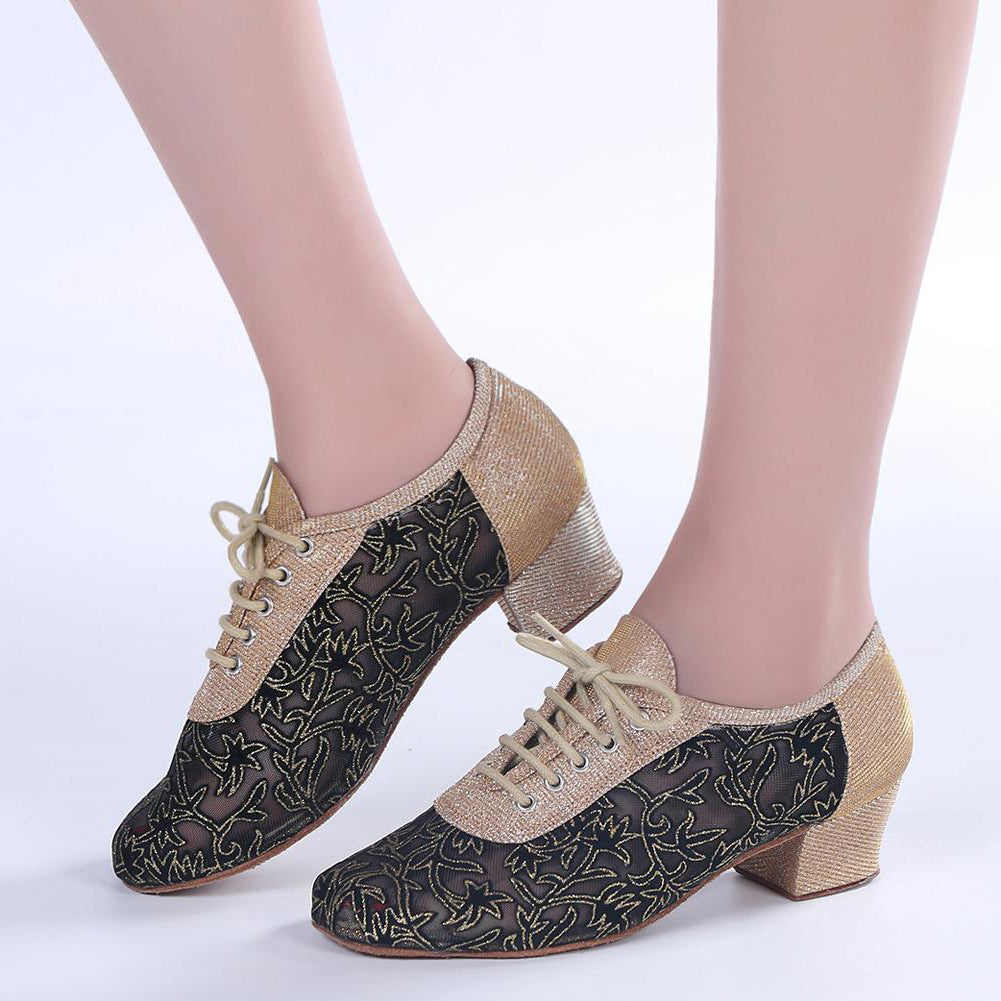
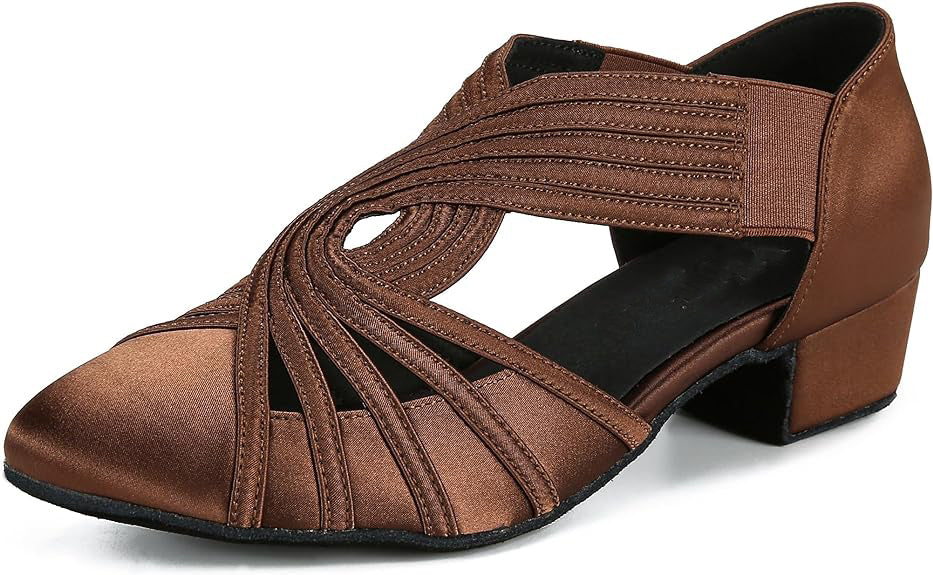
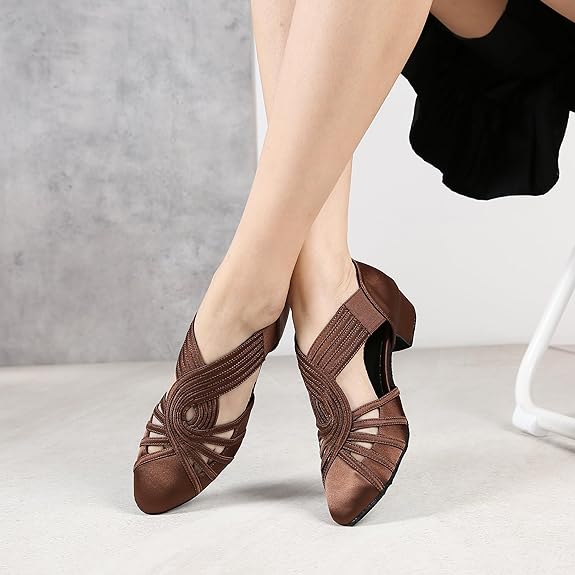
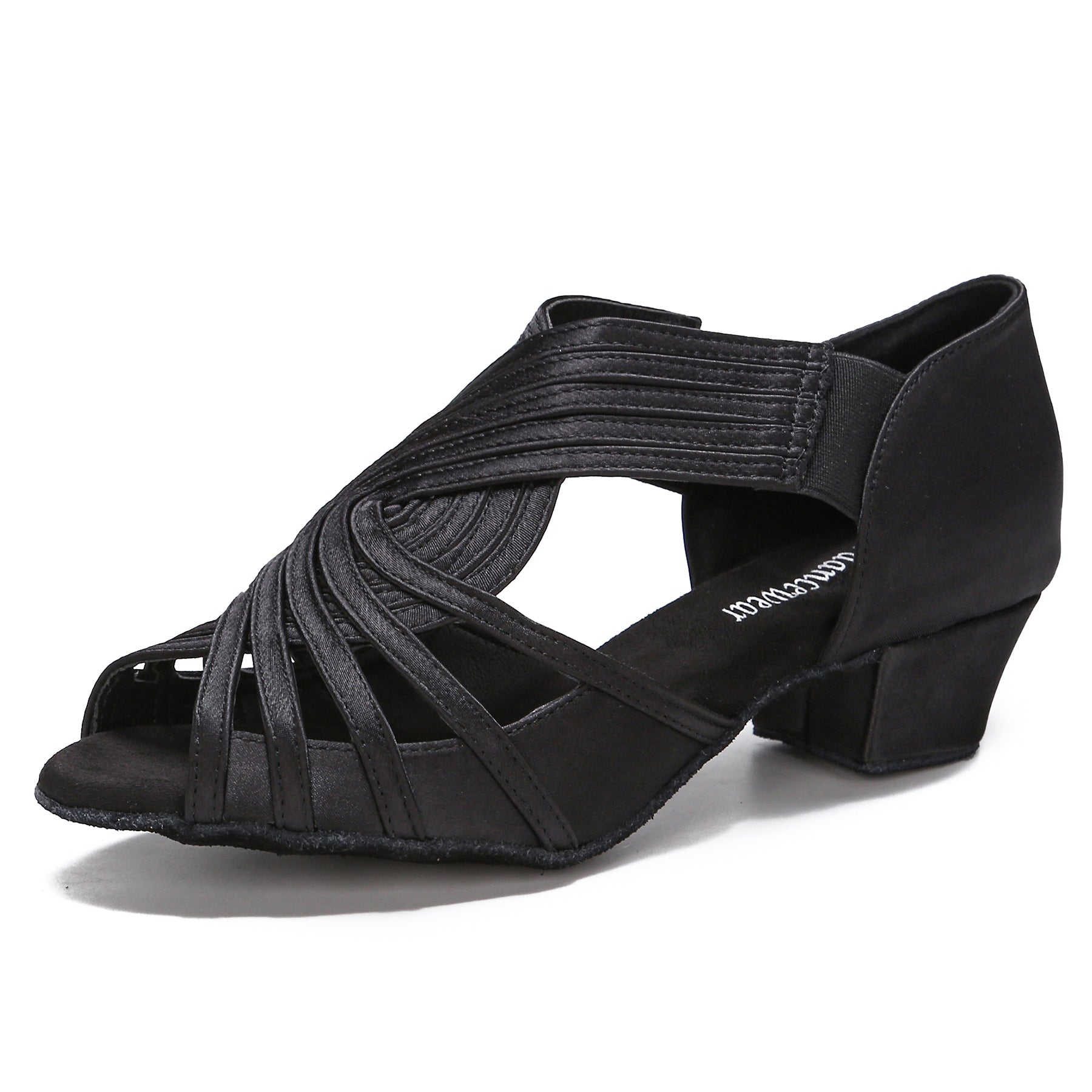
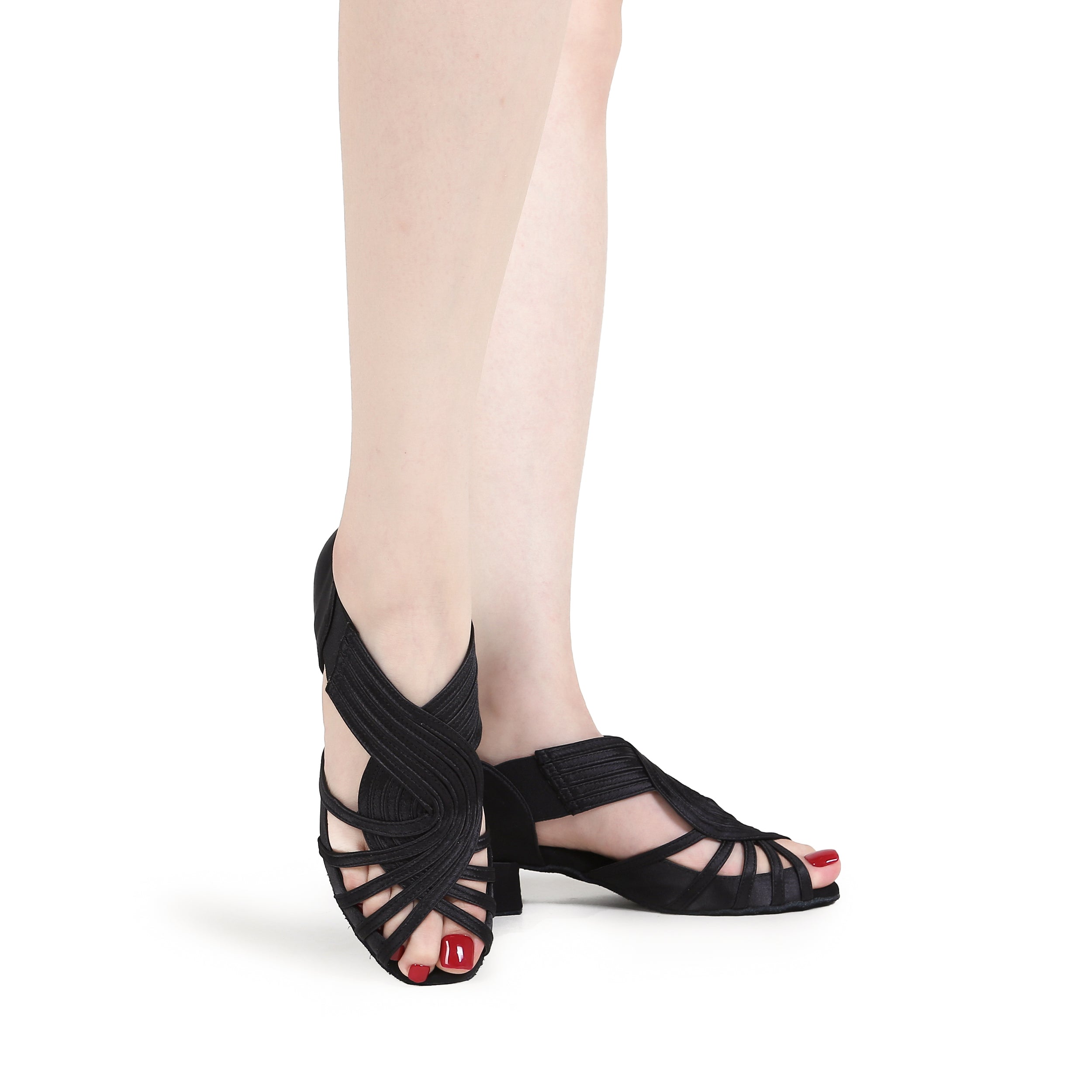
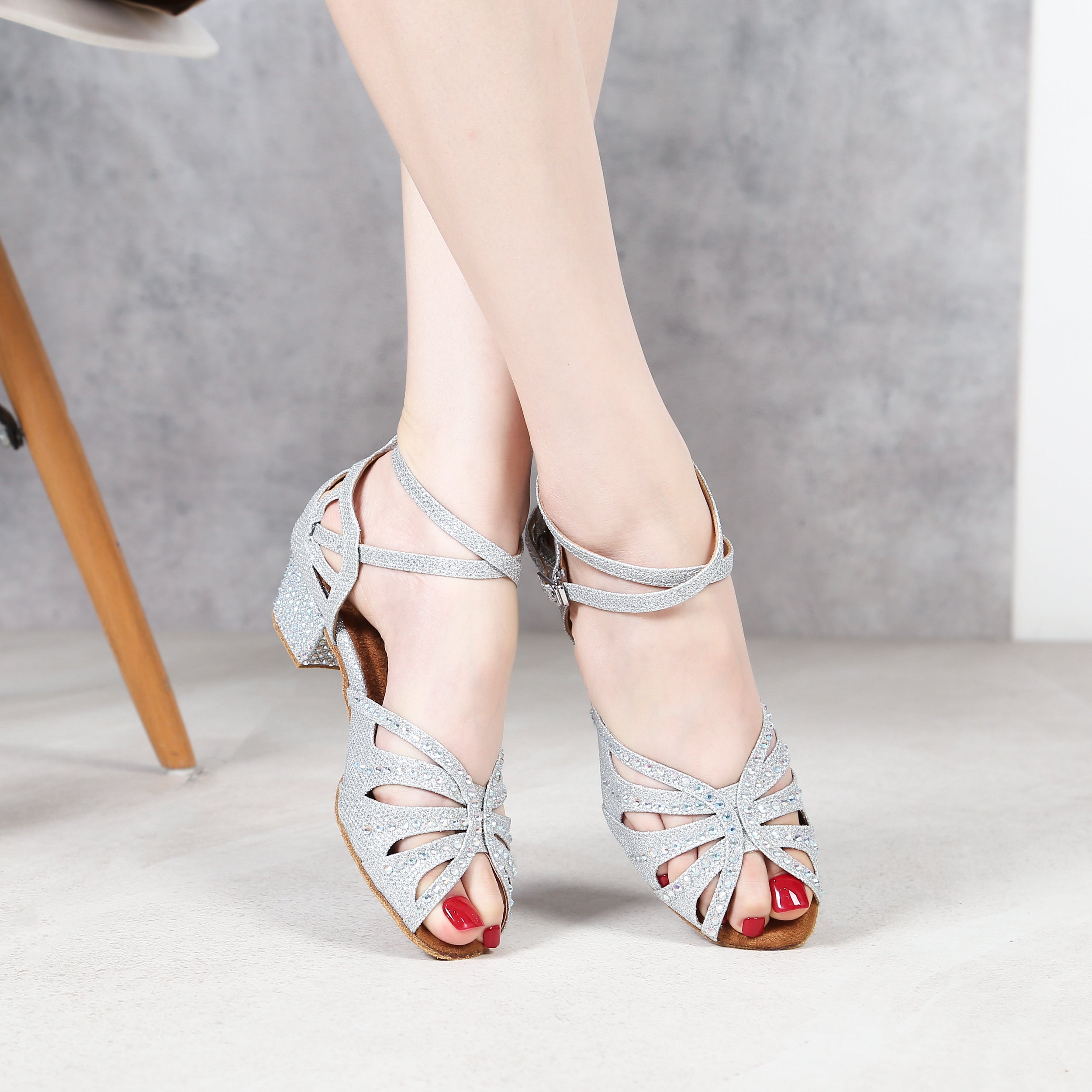
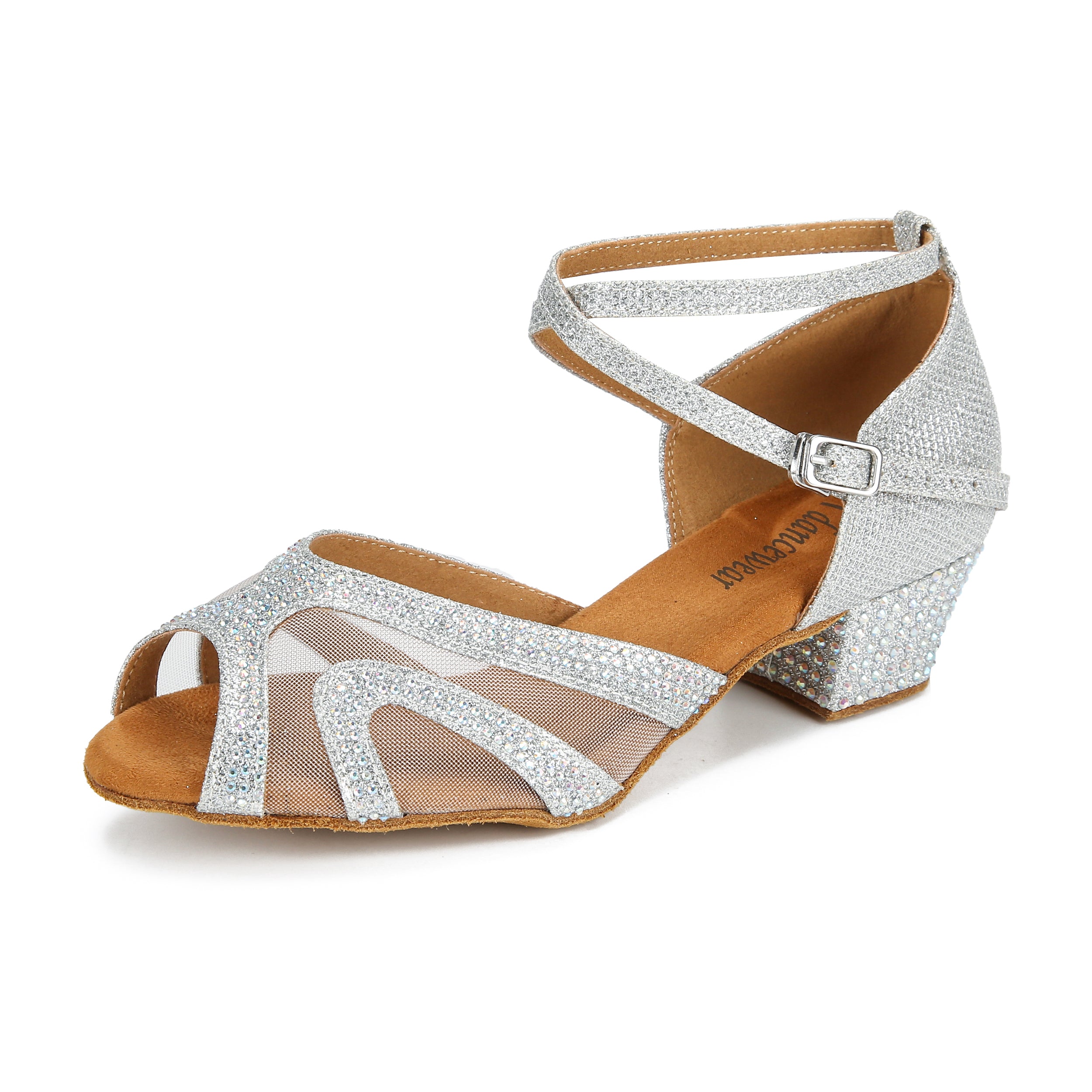
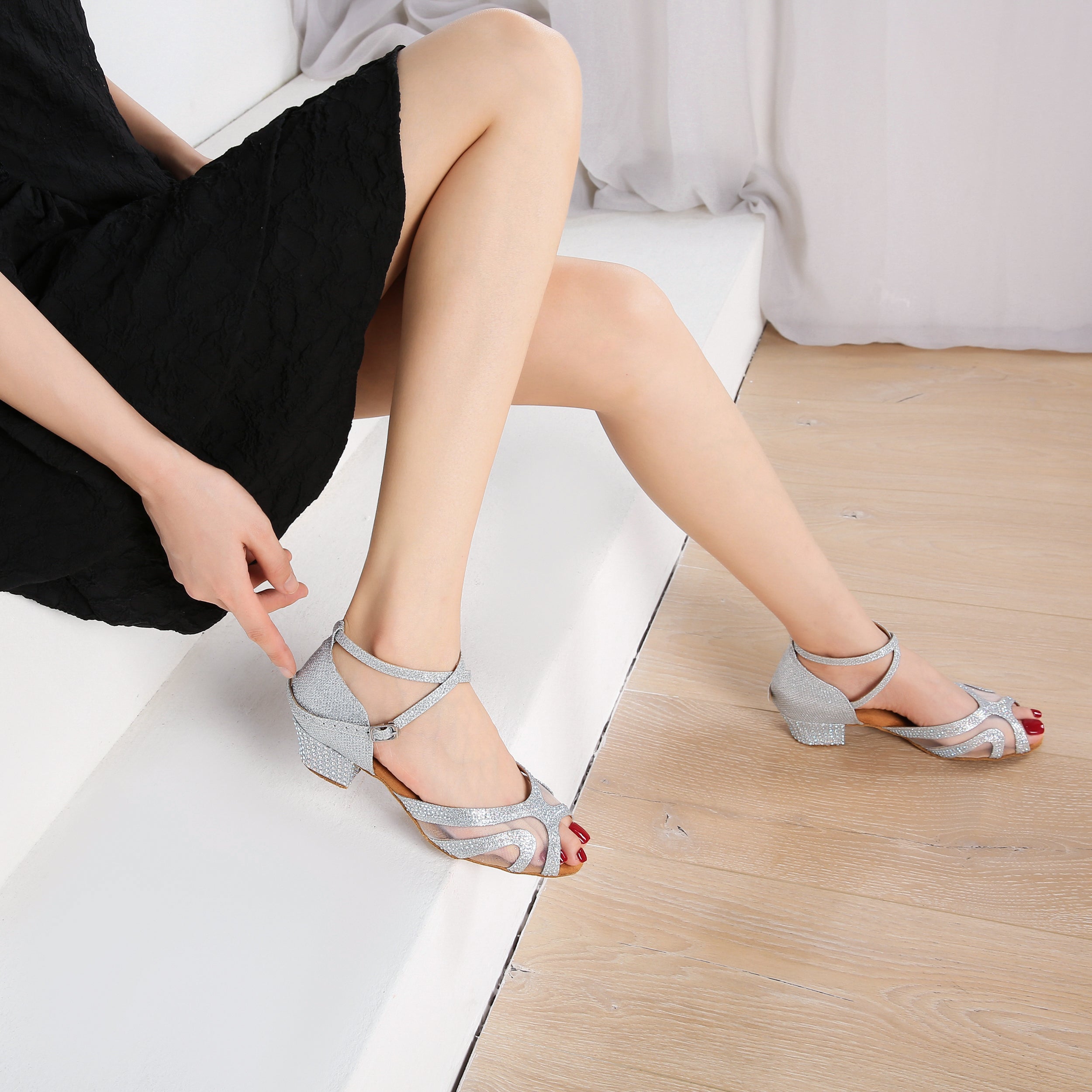
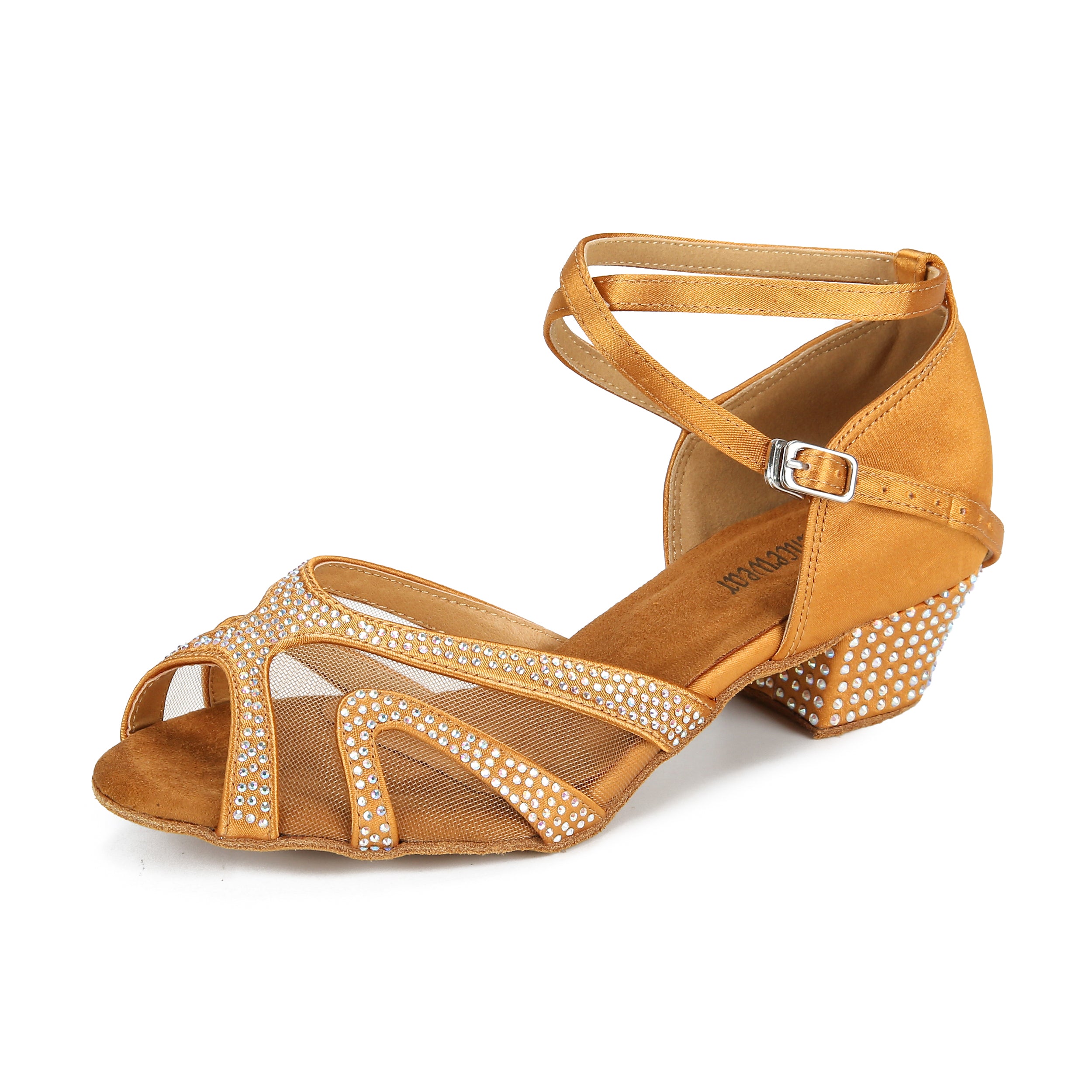
A Cuban heel is a heel shape, not a height. It is straight-sided, broad at the base, and set squarely under the heel bone — the opposite of a stiletto, which tapers to a point, and distinct from a flared heel, which narrows at the waist before kicking back out at the tip.
That geometry is why the shape has survived a century of dancing. A wide, straight heel puts a large, predictable contact patch on the floor, so weight changes and pivots happen where you expect them to. This collection gathers our Cuban-heel styles for Latin, salsa, ballroom and swing — open and closed toe, satin, suede and rhinestone-set uppers, US 5 to US 11 (UK 2.5–8.5 / EU 35–43). Amazon's Choice with a money-back guarantee since 2012.








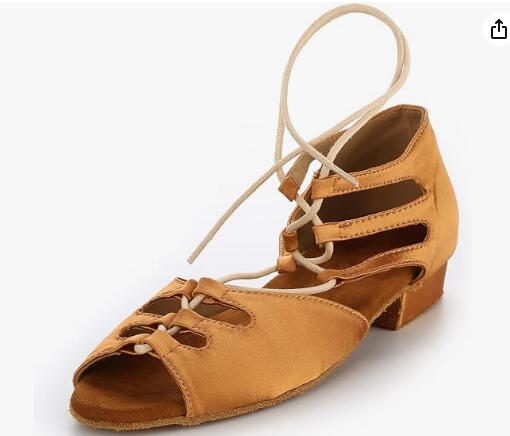
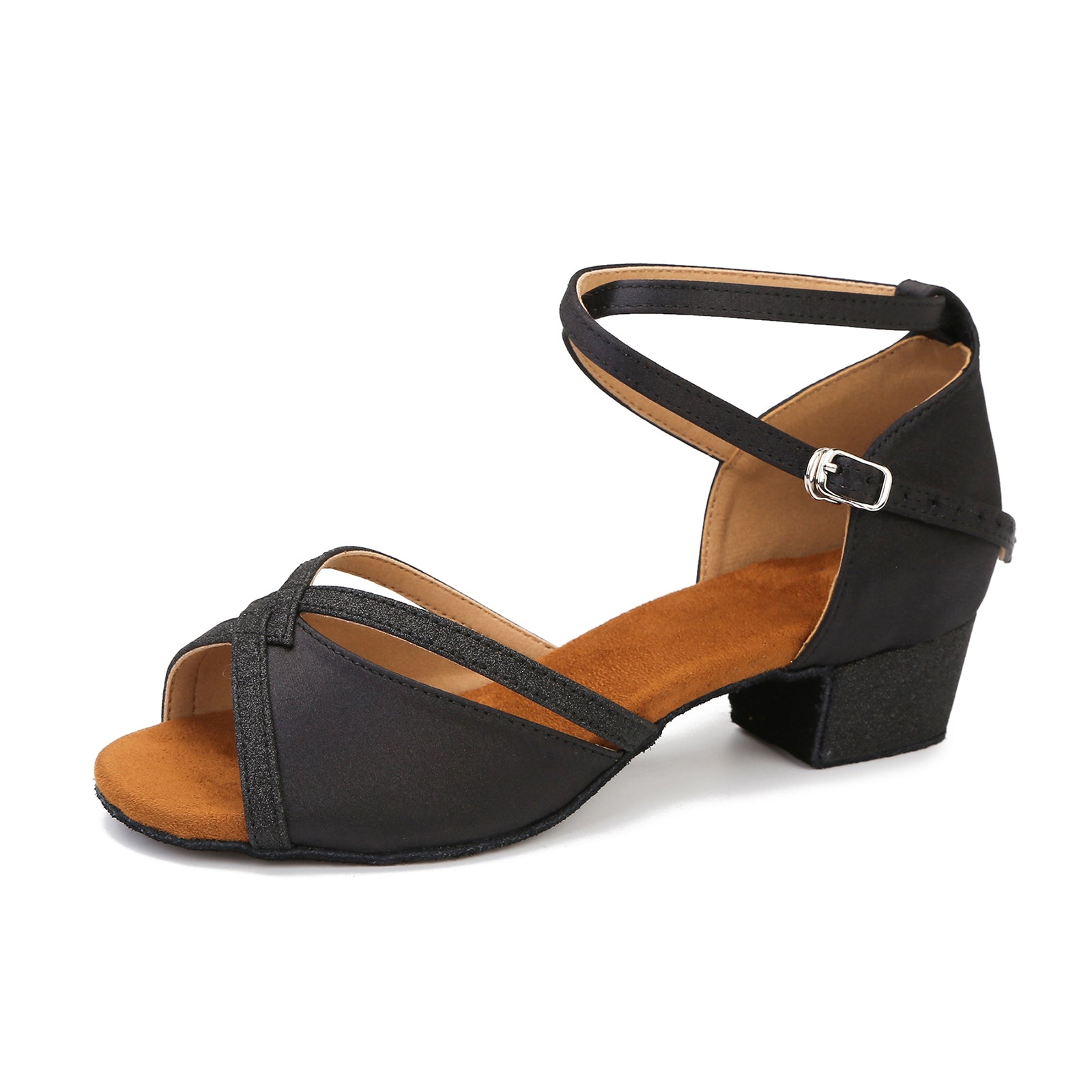
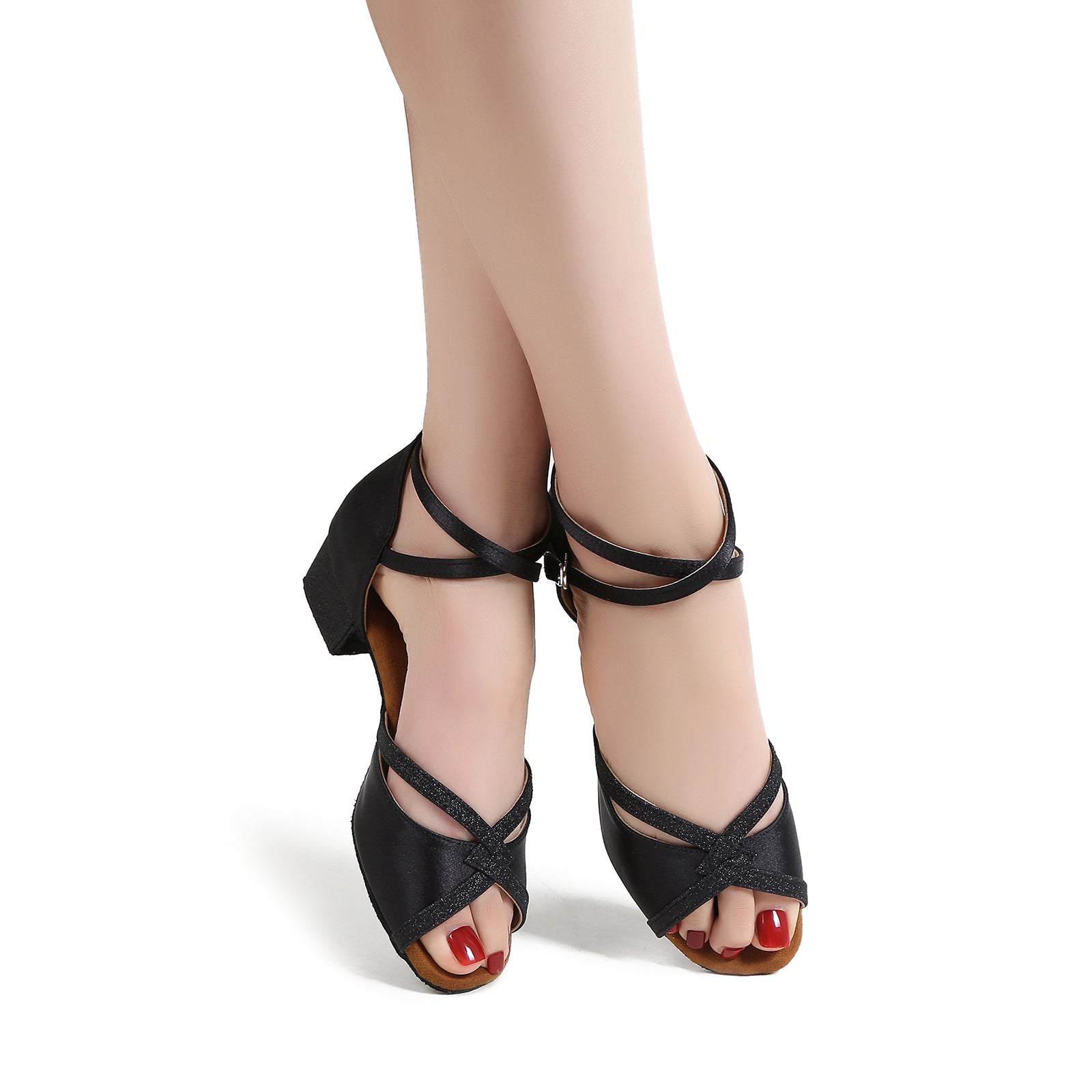
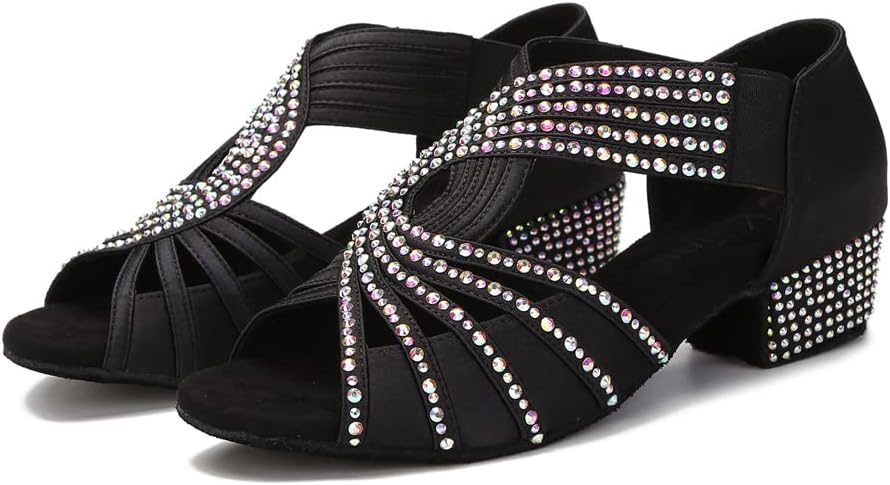
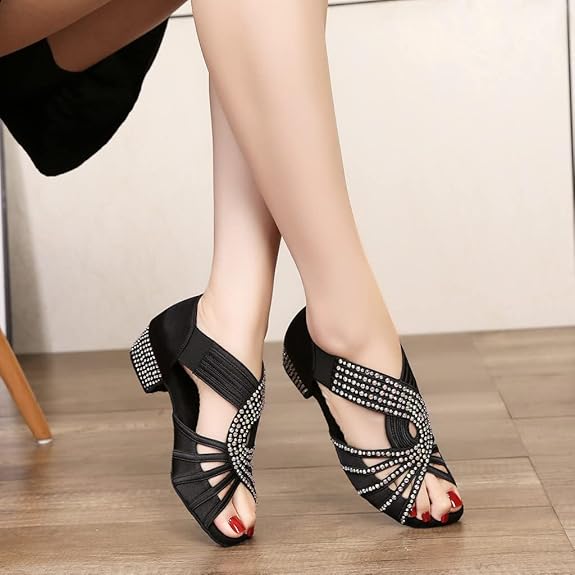
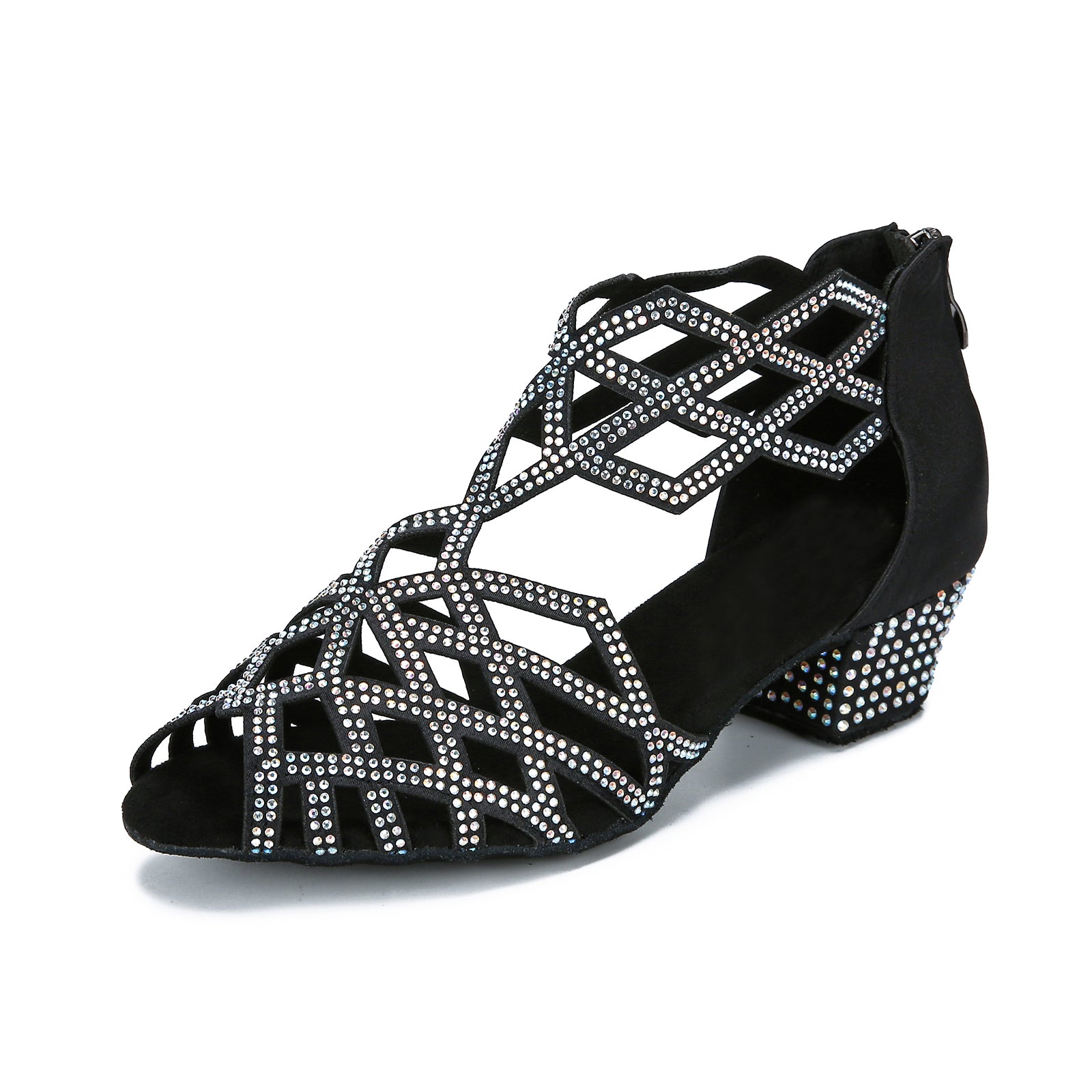
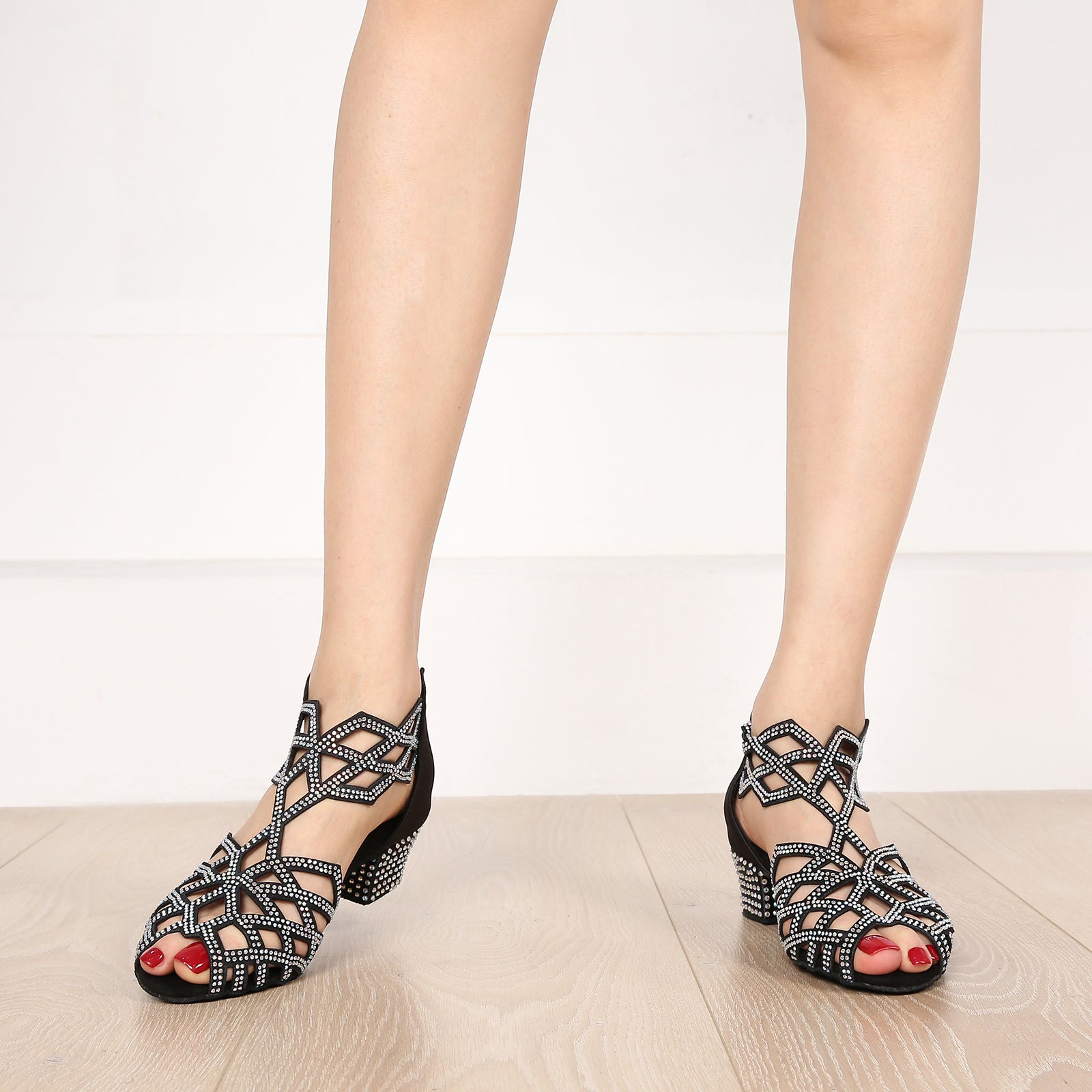
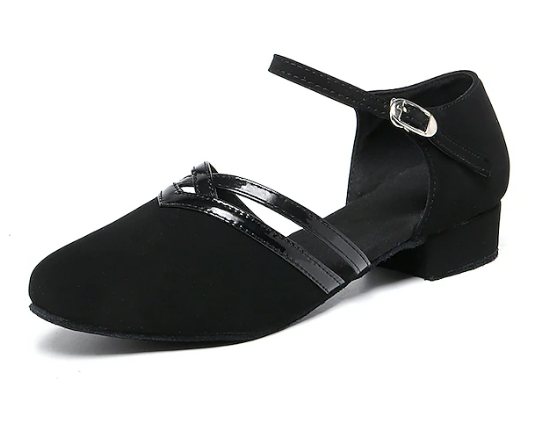
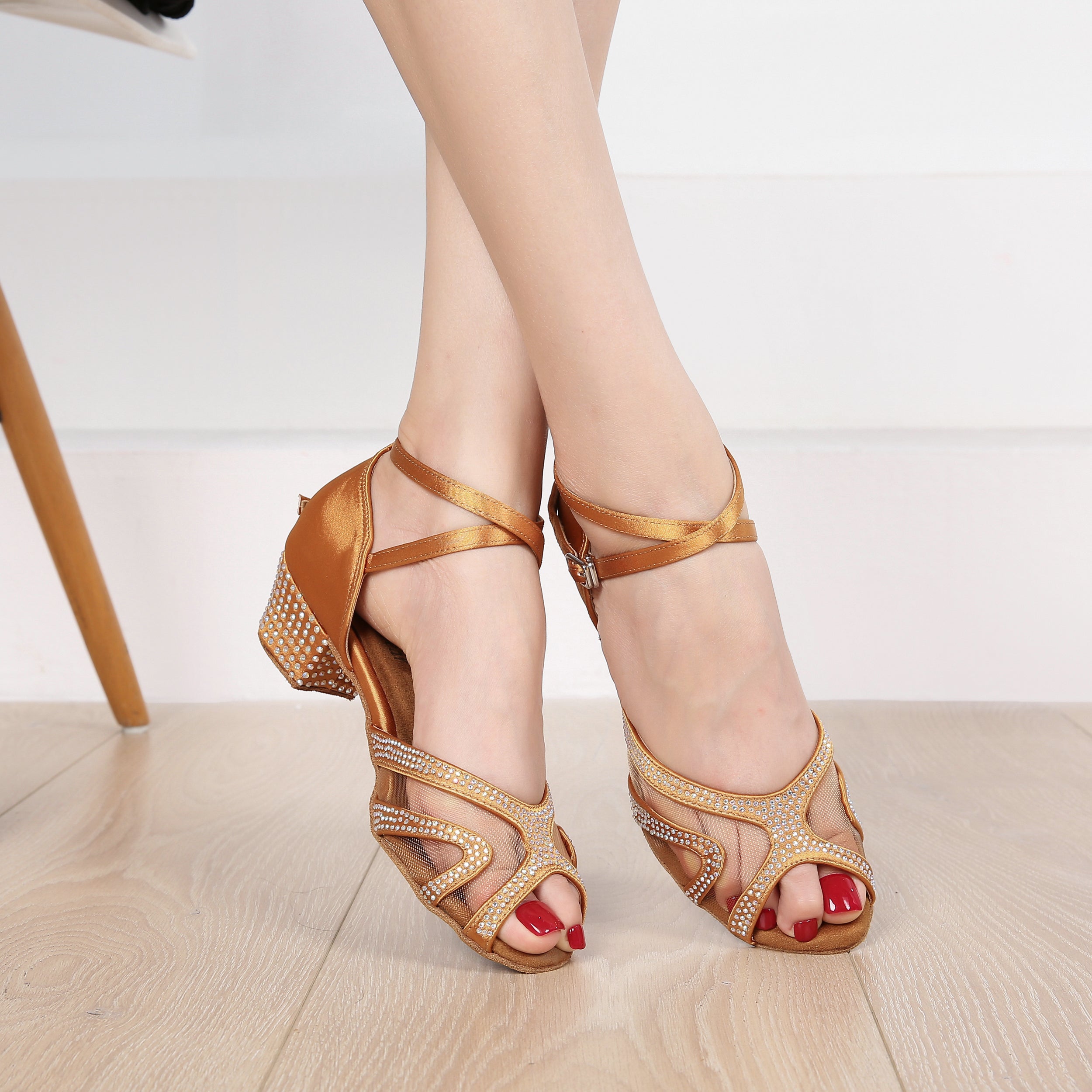
What Makes a Heel a Cuban Heel
Three things define the shape:
- Straight sides. The heel keeps roughly the same width from the shoe down to the floor rather than tapering.
- A broad base. The tip is wide enough to spread your weight instead of concentrating it, which is what makes the shape feel planted.
- Set under the heel bone. The heel sits directly beneath where your weight naturally lands, not behind it.
The name comes from the heel used on Cuban and Latin-American men's shoes, and it carried over into partner dance because the same geometry that suits walking suits dancing on a wooden floor.
Cuban vs Flared vs Stiletto
These three shapes cover almost every dance shoe made, and choosing between them matters more than choosing between two nearby heights:
- Cuban — straight and wide the whole way down. The most stable of the three, and the shape you want when you are on your feet for hours or still building balance.
- Flared — narrows at the waist, widens again at the tip. Looks slim from the side while keeping a broad contact patch. The standard for Latin and ballroom at 2 to 3.75 inches; see 3 inch dance heels.
- Stiletto — a narrow tip and the sharpest line. The most dramatic and the least forgiving; ours start at 3.5 inches and are built as dance boots so the shaft supports the ankle.
Which Dances Suit a Cuban Heel
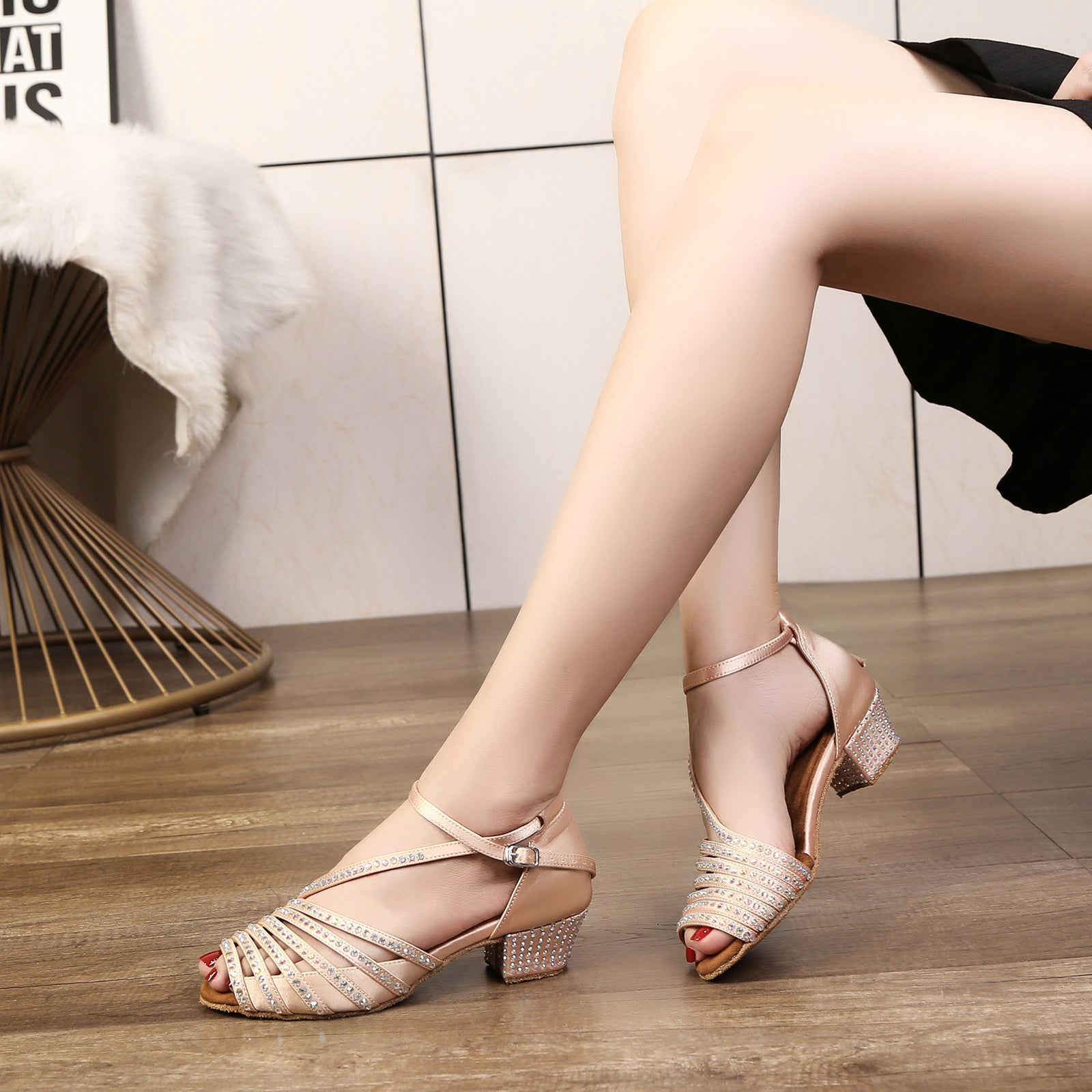
- Salsa and bachata. The largest group here. Fast footwork rewards quick weight changes, and a wide heel lets you change weight without resetting your balance. See salsa dance shoes.
- Latin practice and social nights. See Latin & salsa dance shoes.
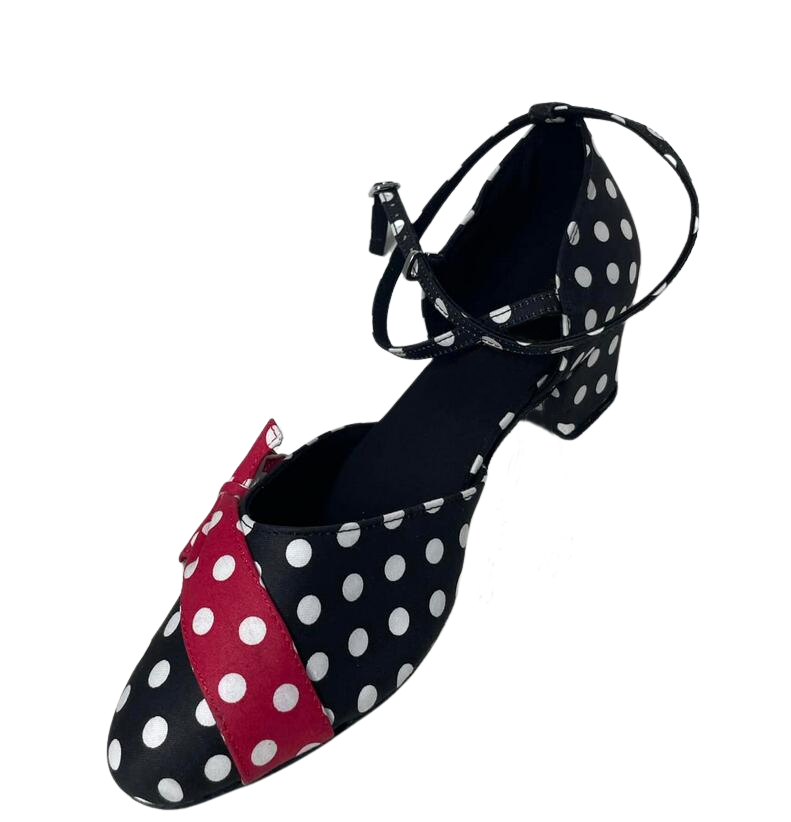
- Ballroom, smooth and standard. The straight heel supports heel leads cleanly. See closed-toe ballroom dance shoes.
- Swing and Lindy Hop. Bouncy styles want a heel that stays planted through weight transfers. See swing dance shoes.
- Samba. Several styles here carry the shape into carnival looks — see also samba platform dance shoes.
Cuban Heels Are Not Only Plain Practice Shoes
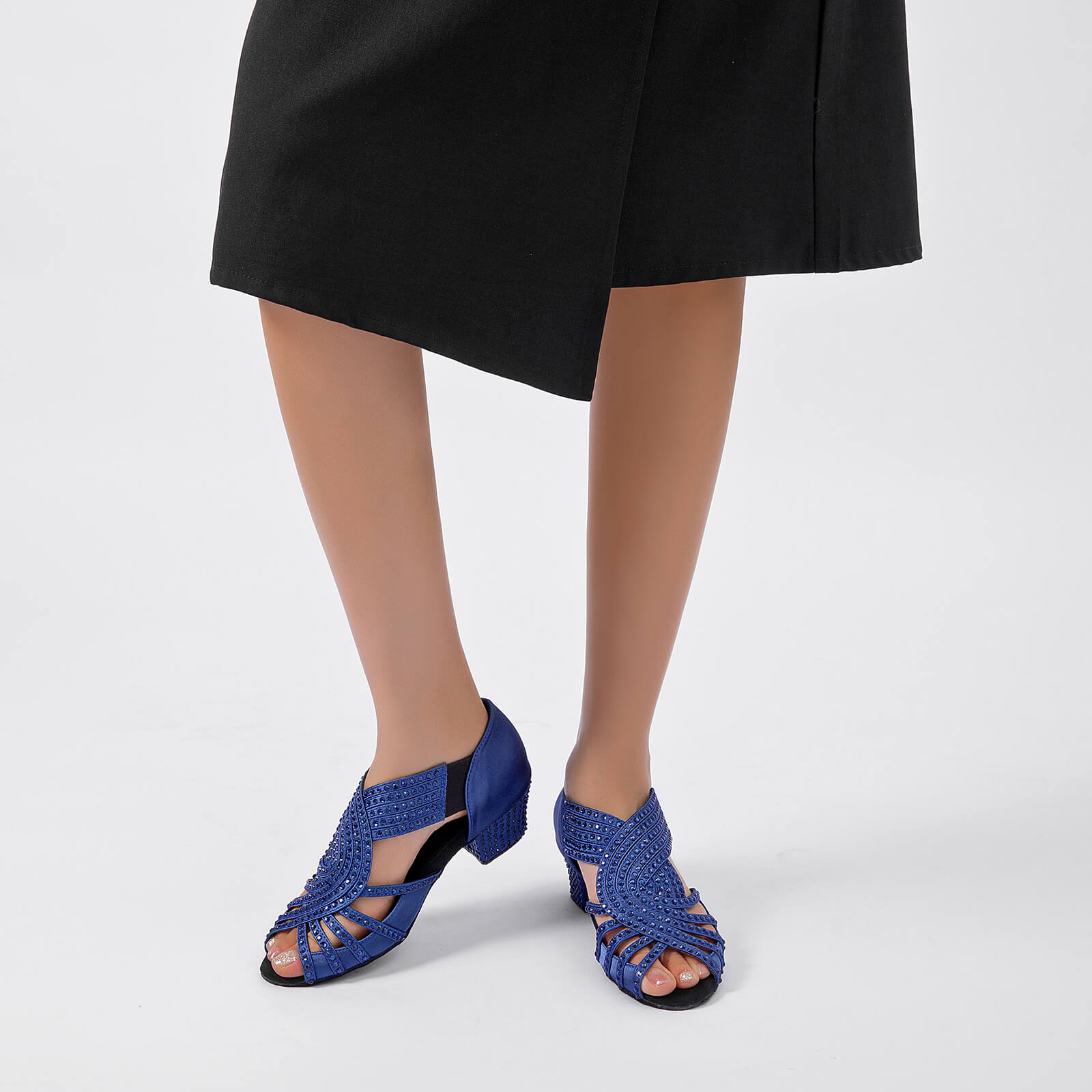
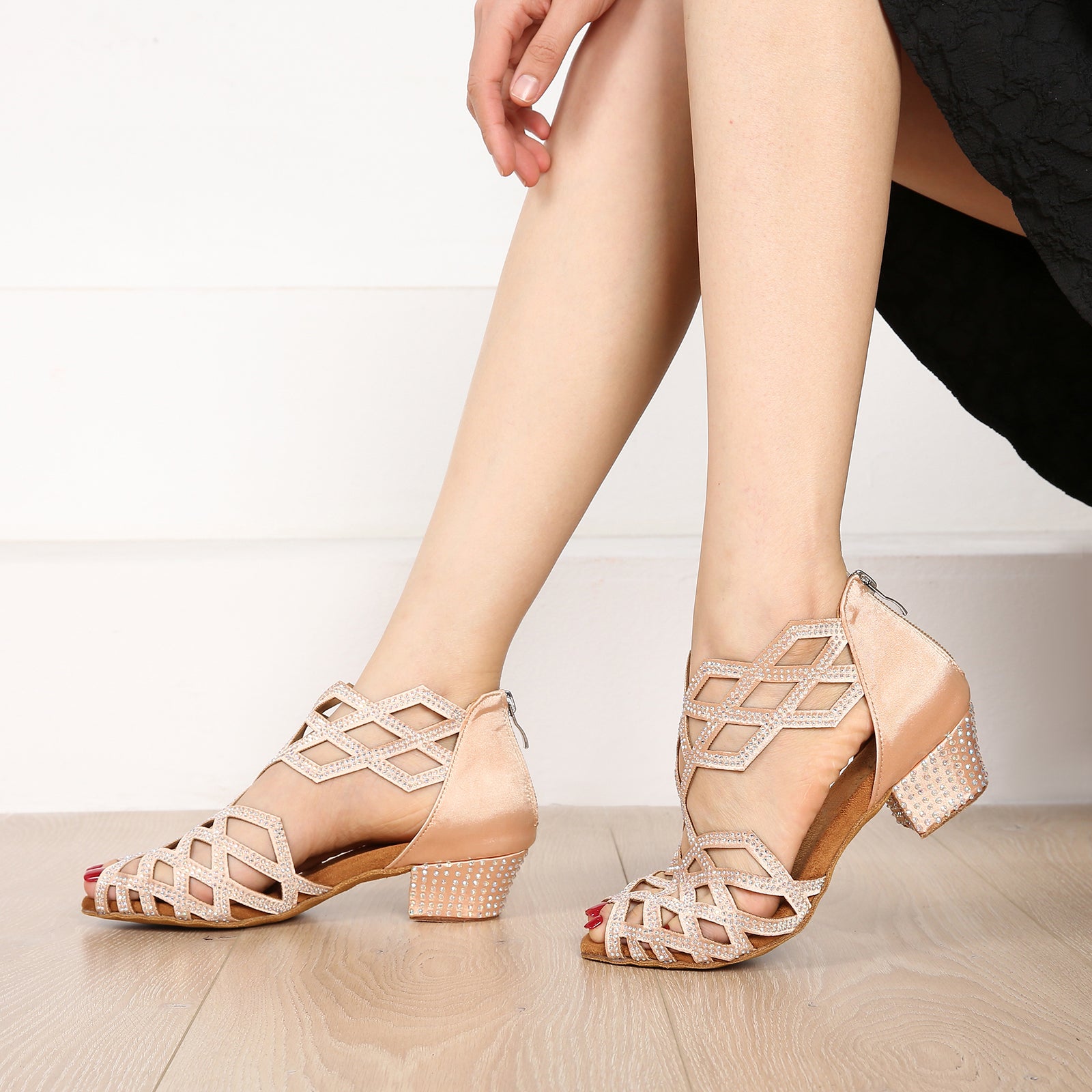
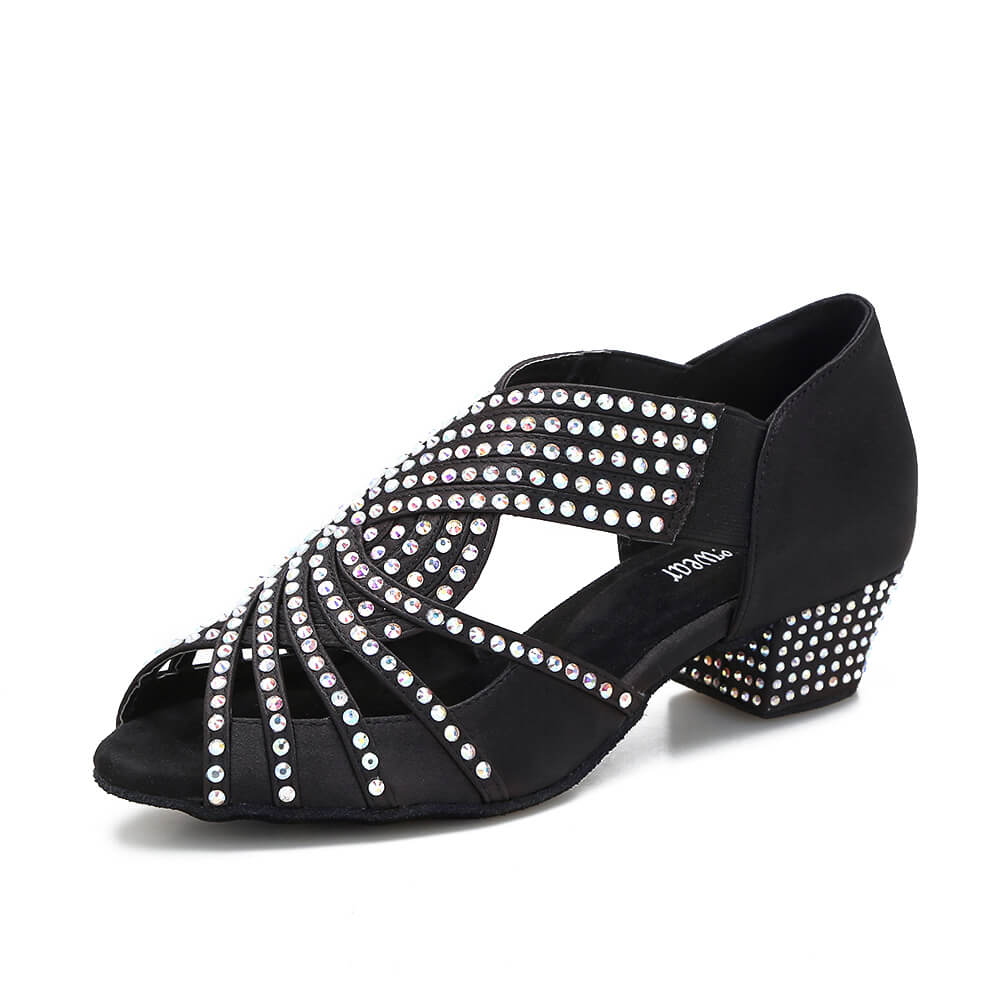
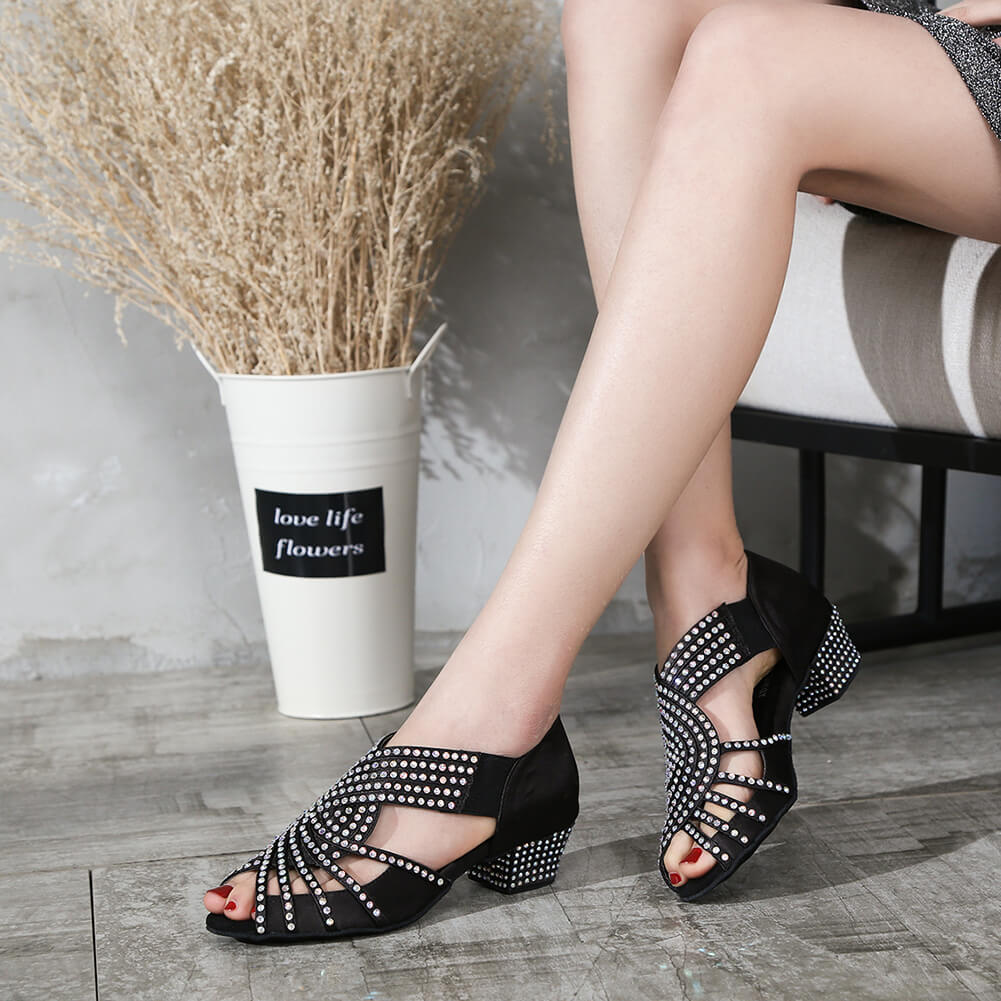
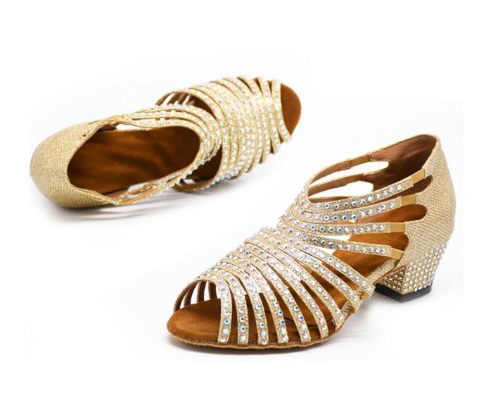
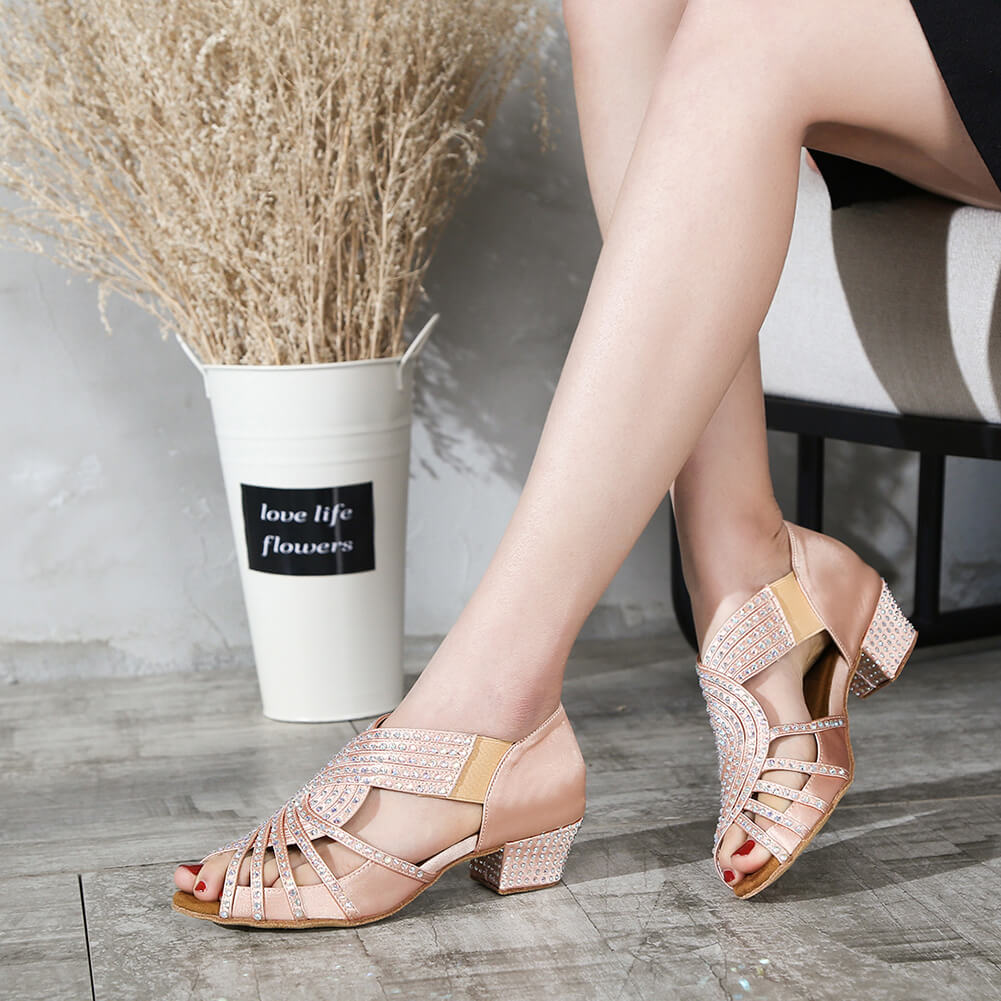
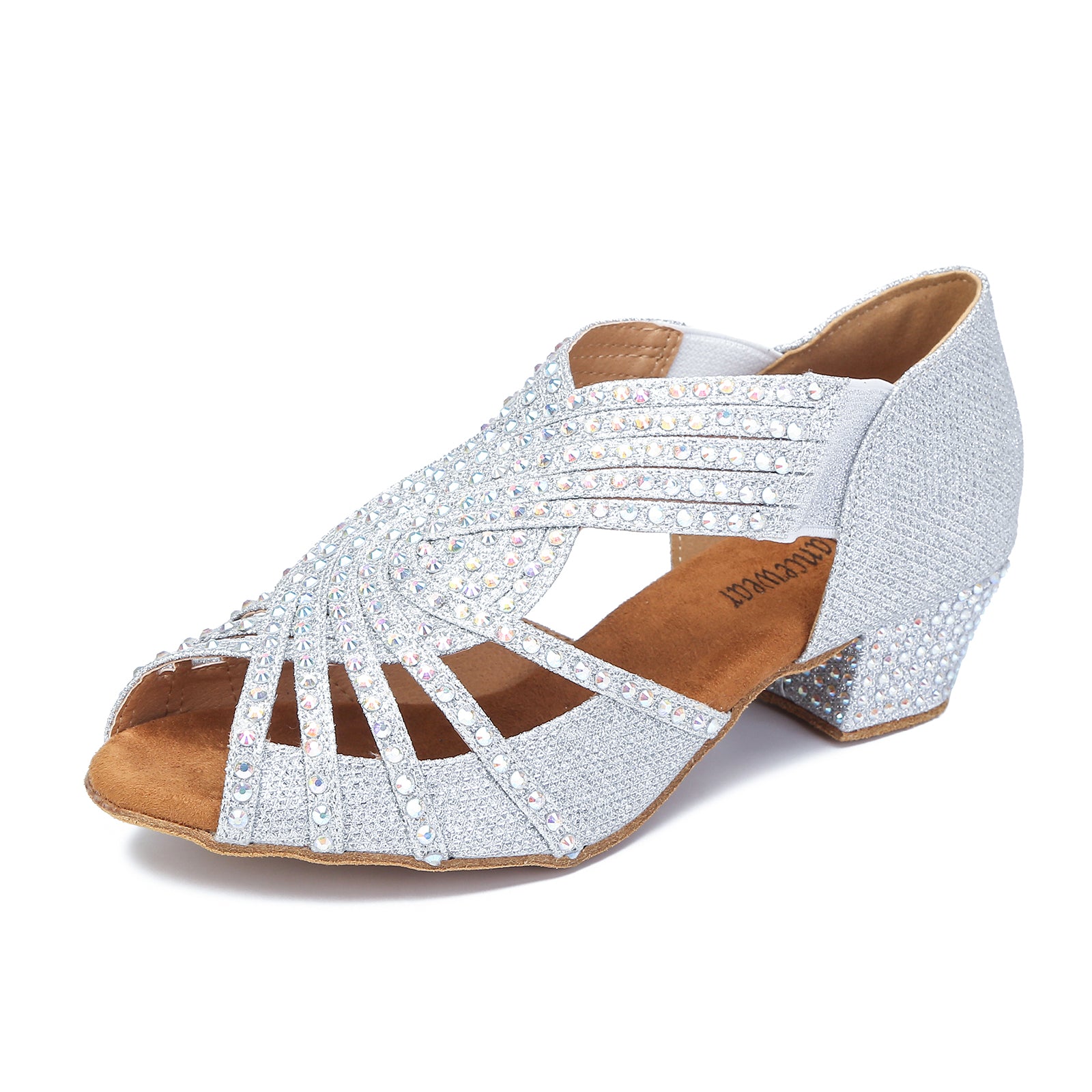
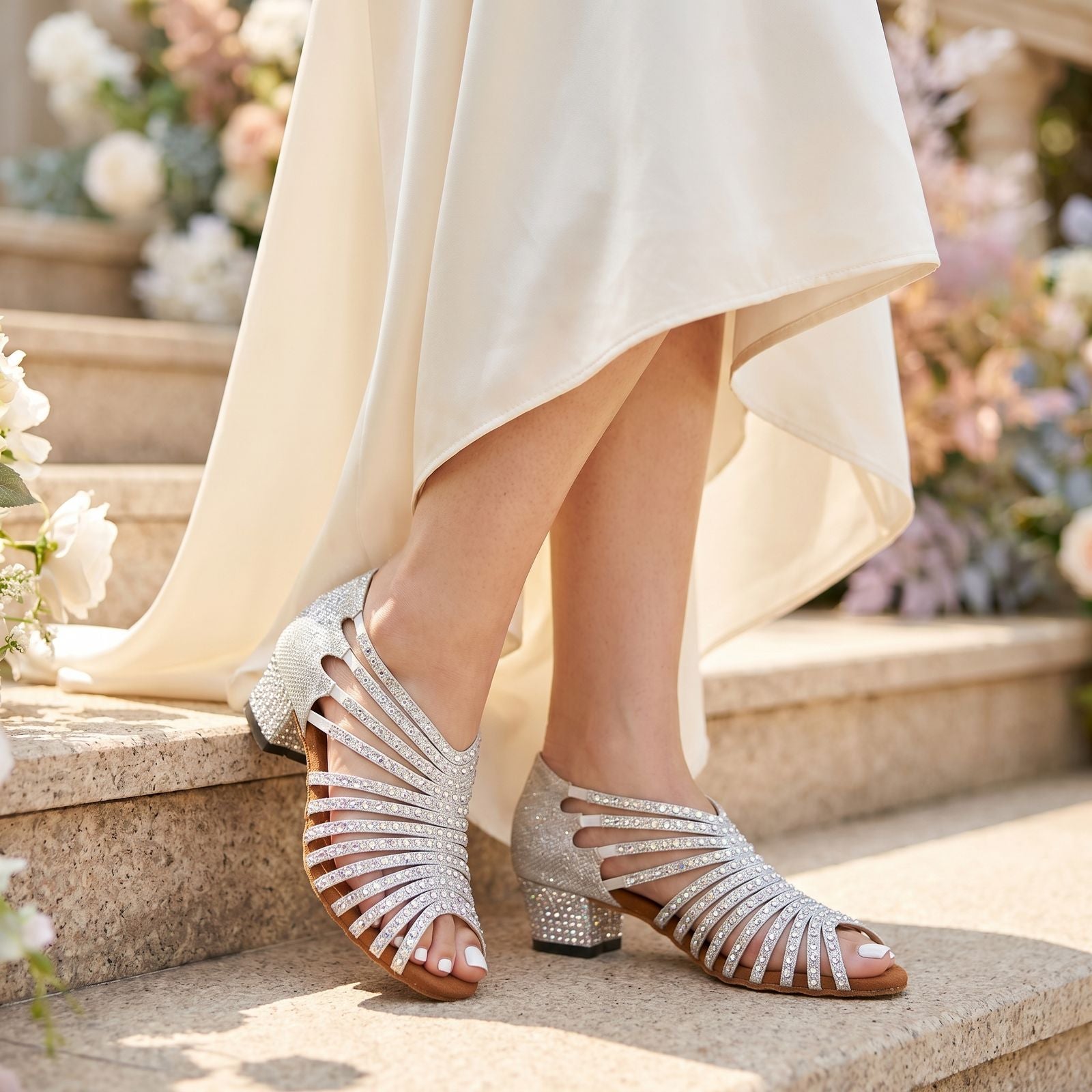
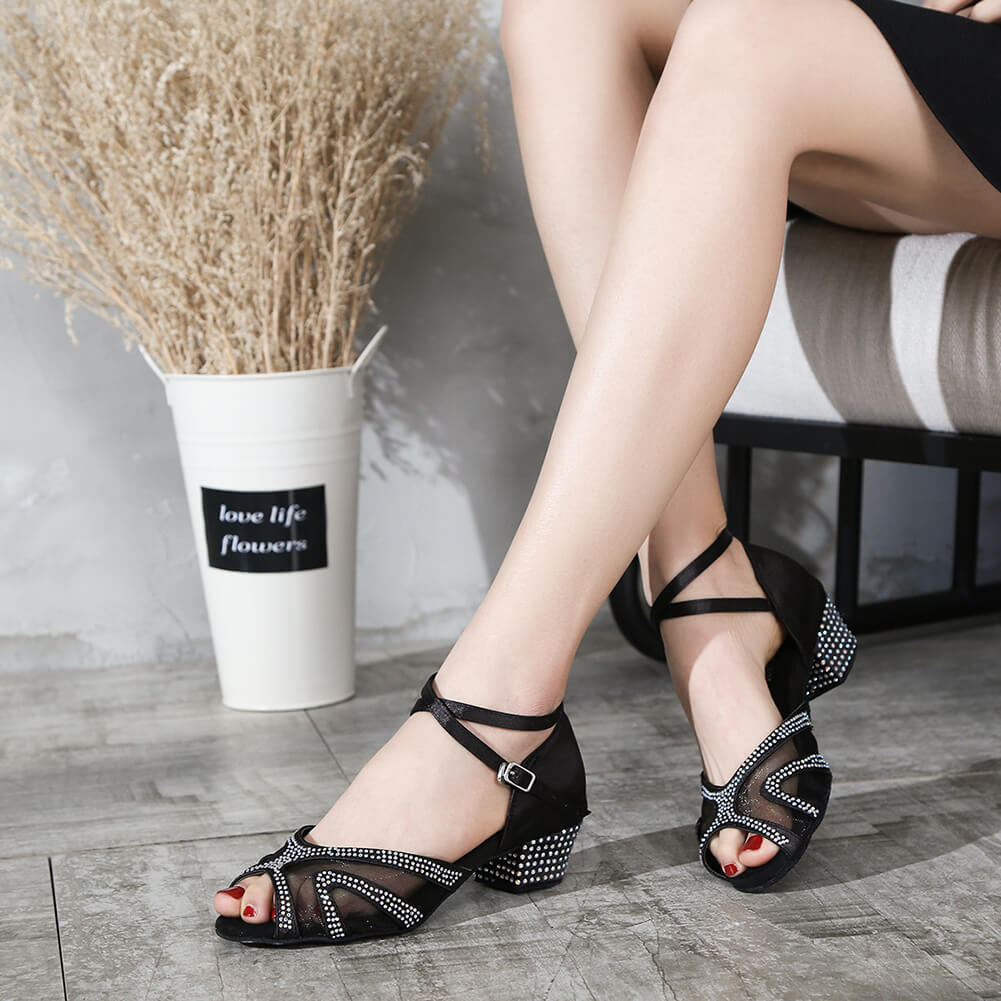
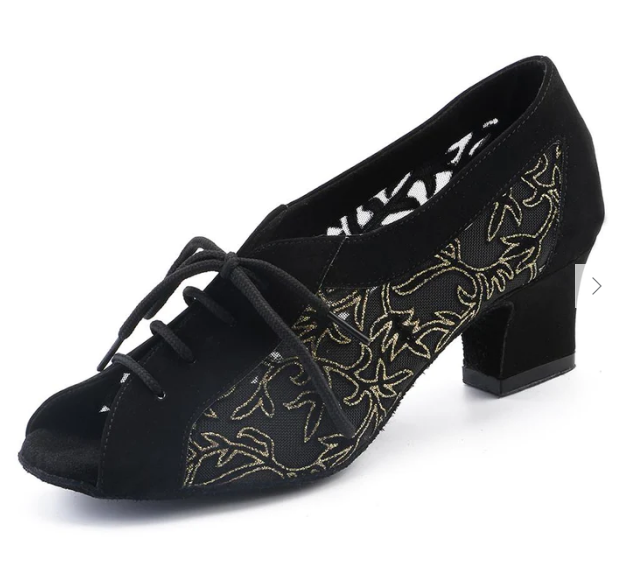
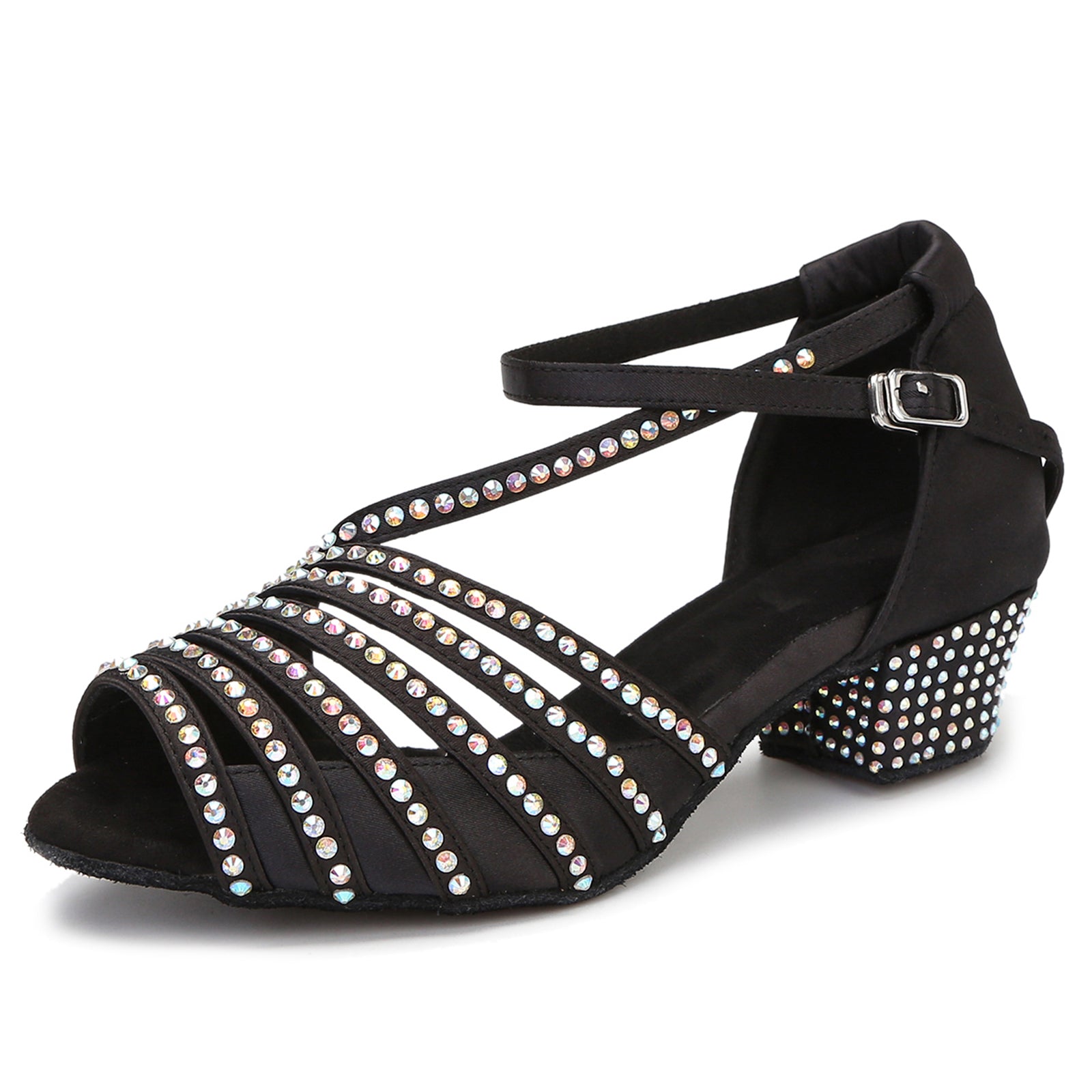
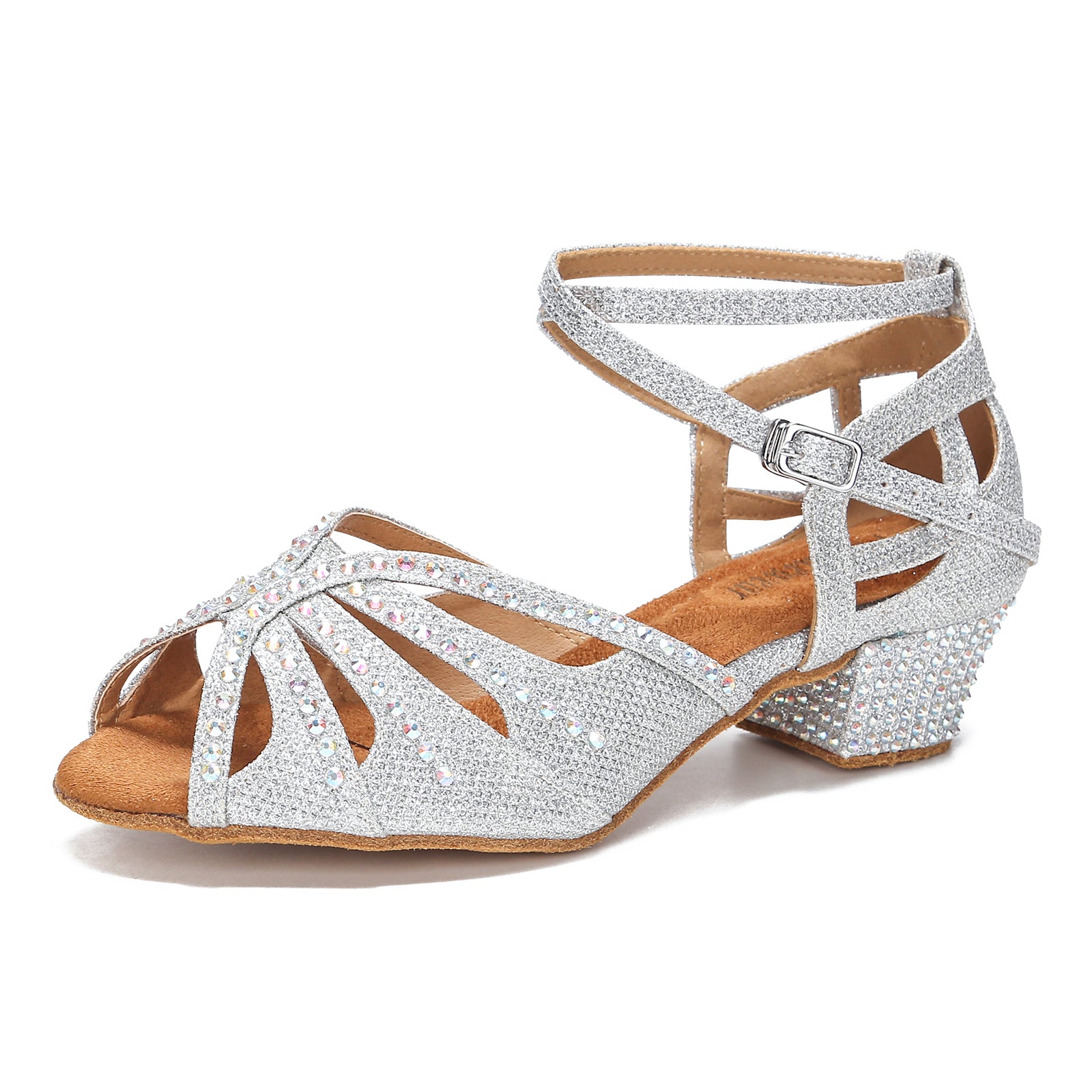
The shape has a reputation for being the sensible option, which undersells it. Around a third of this collection is set with rhinestones, and there are satin, suede and metallic uppers throughout — the same shape that gets you through a four-hour social also photographs well on a wedding floor. If you want the sparkle without changing the heel geometry, see the crystal collection and wedding dance shoes.
Looking After a Cuban Heel
A wide heel wears differently from a stiletto: instead of a sudden failure at the tip, it wears down gradually at one edge, usually the outside back corner, and quietly changes your balance point before you notice.
- Check the heel tip monthly if you dance weekly — replace it when the edge starts to round off, not when the metal shows.
- Brush the suede sole across the grain when it starts to feel slick.
- Never wear the shoe outdoors. Grit is what destroys a suede sole, and there is no undoing it.
- Let them dry away from radiators and keep them in a shoe bag rather than loose in a kit bag.
Tips, brushes and sole protectors are in accessories.
Fit and Sizing
Dance shoes are built to fit closer than street shoes — the foot should not move inside the shoe when you change weight. Sizes here run US 5 to US 11 with half sizes, and every listing shows the UK and EU equivalent so you are not guessing from one number. If you are between sizes with a broad foot, size up and take up the slack with the ankle strap rather than squeezing into the smaller size.
Looking for a particular height rather than a particular shape? See low heel dance shoes for the 1–1.5 inch range, or browse by 2 inch and 3 inch.
Cuban Heel Dance Shoes: Frequently Asked Questions
What is a Cuban heel?
A Cuban heel is a straight-sided heel with a wide, flat base set directly under the heel of the foot. It is a heel shape rather than a heel height — the defining features are the straight sides and the broad contact patch, which spread your weight instead of concentrating it on a point.
What is the difference between a Cuban heel and a flared heel?
A Cuban heel keeps roughly the same width all the way down. A flared heel narrows at the waist and widens again at the tip, so it looks slimmer from the side while still landing on a broad base. Cuban heels feel the most planted; flared heels give you height with much of the same control.
Is a Cuban heel the same as a Latin heel?
No. A Latin heel is generally taller and flared or slimmer through the waist, built to pitch the weight forward onto the ball of the foot for Latin technique. A Cuban heel is straighter and wider and keeps you more grounded, which is why it is favoured for practice, social dancing and swing.
What height are Cuban heel dance shoes?
Ours are mostly 1.5 inches, with some styles at 1 inch, and several that also offer taller options on the product page. The shape is what defines a Cuban heel, so it can exist at more than one height.
Are Cuban heel dance shoes good for salsa?
Very much so — salsa and bachata are the largest groups in this collection. Fast footwork and constant weight changes suit a wide, stable heel, which is why so many social dancers choose this shape over a taller, narrower one.
Can I get Cuban heel shoes with rhinestones or a closed toe?
Yes to both. Around a third of the collection is rhinestone-set, and closed-toe styles are available for ballroom, smooth and standard alongside the open-toe Latin and salsa sandals.