Latin Dance Dresses for Women
Latin dance dresses cut short and close for rumba, cha cha, samba, jive and salsa — fringe and tassel hems that fire on the beat, rhinestone halters, high slits and stretch mesh bodies that stay put through fast spins. Amazon's Choice with a money-back guarantee since 2012.
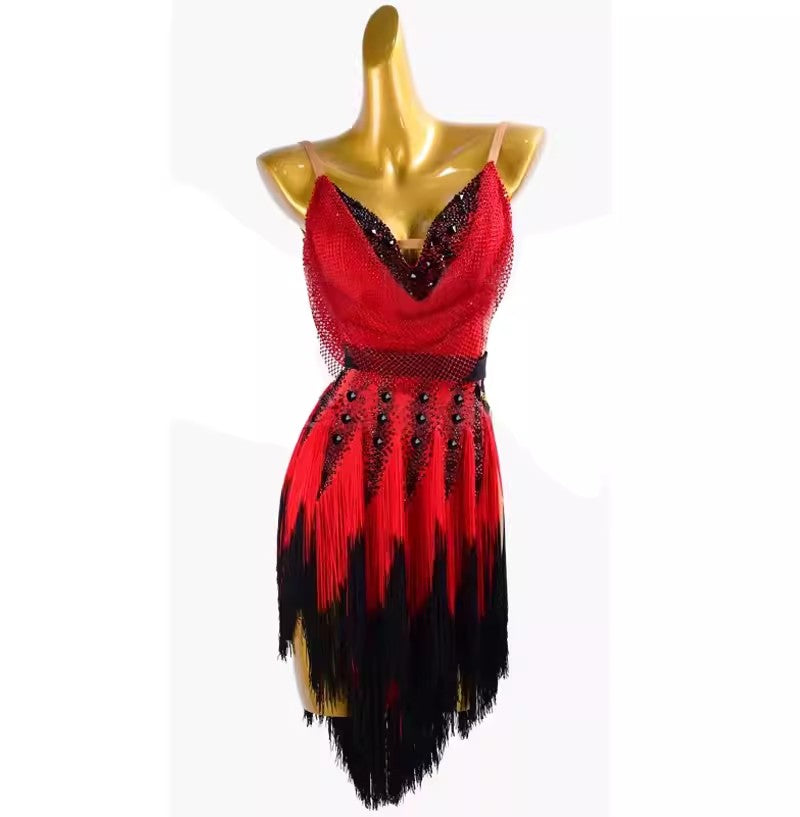
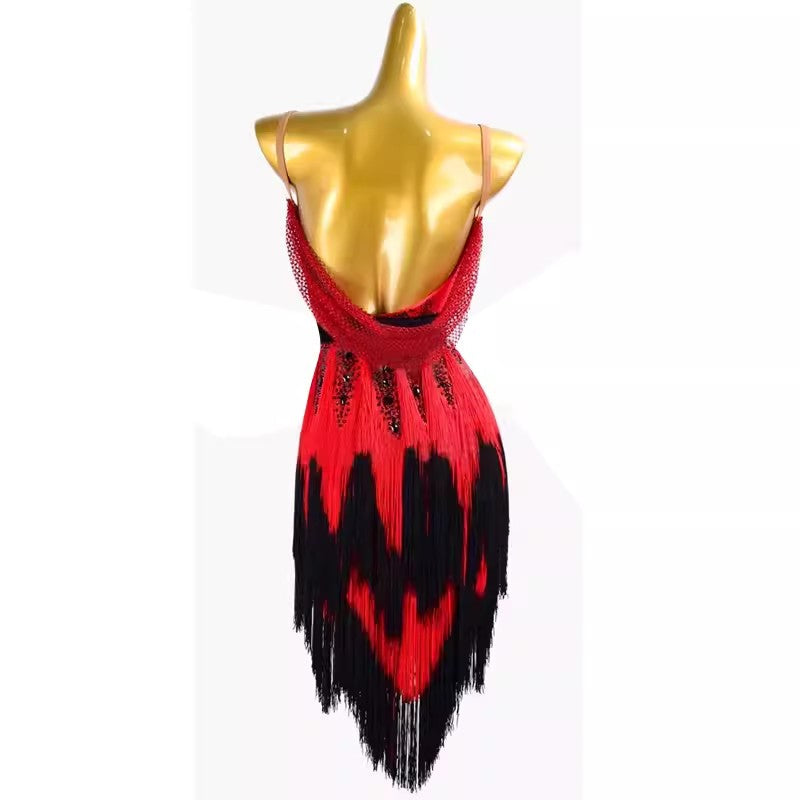
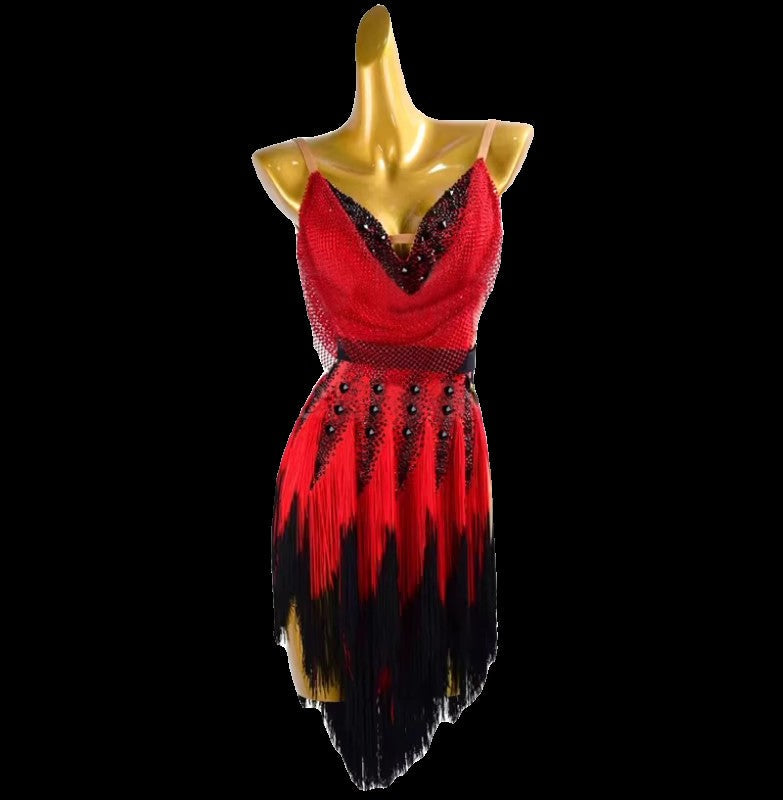
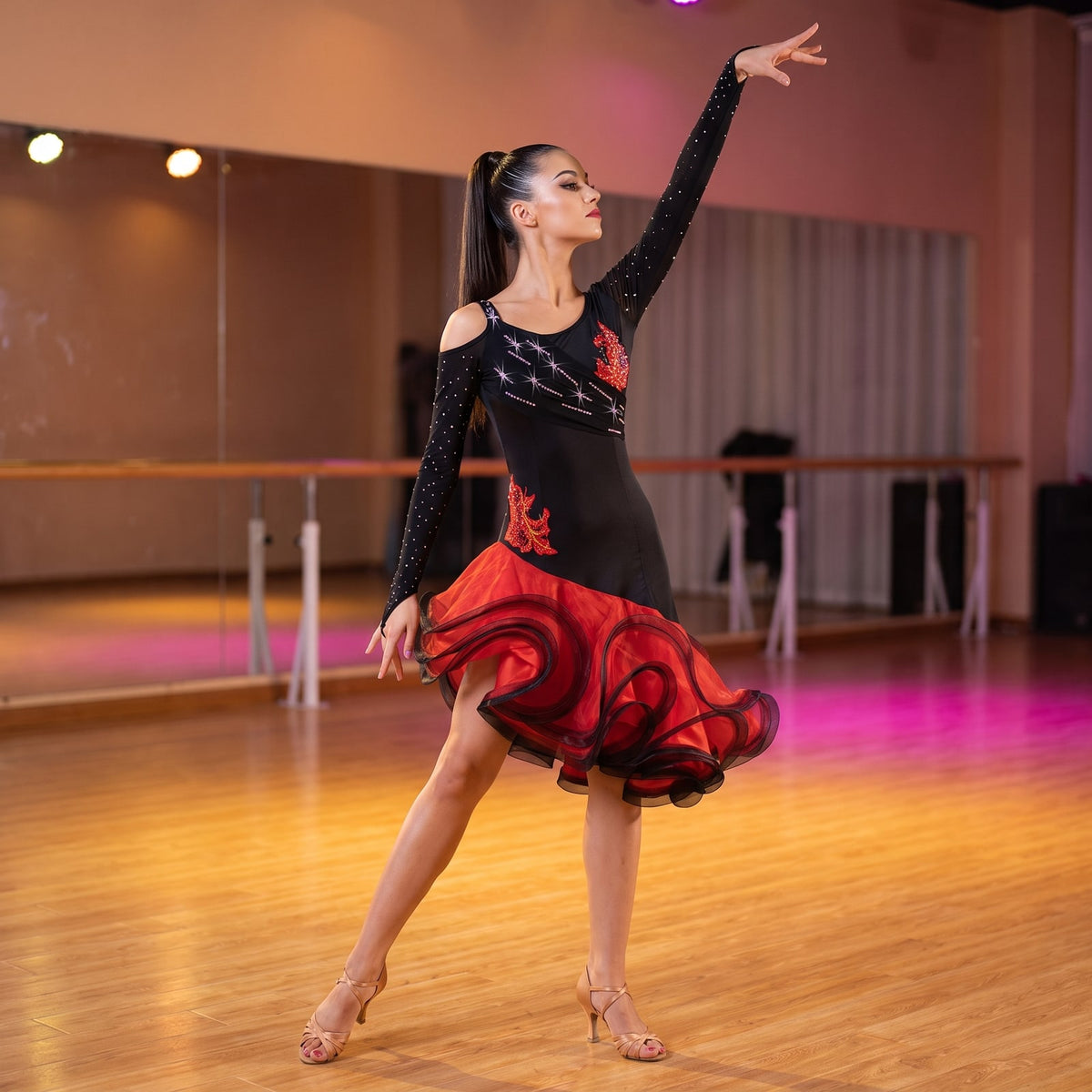
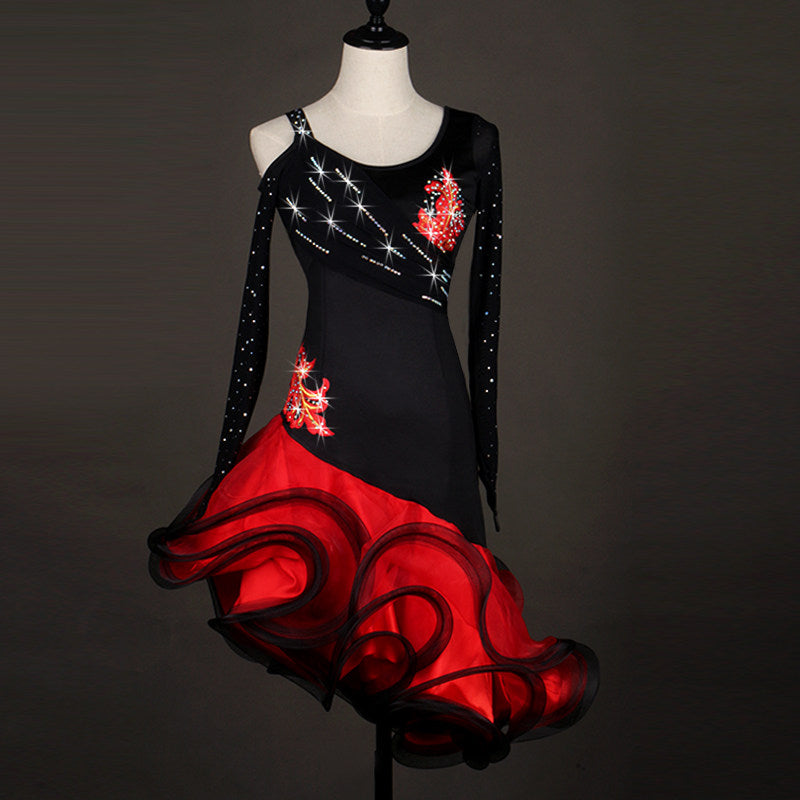
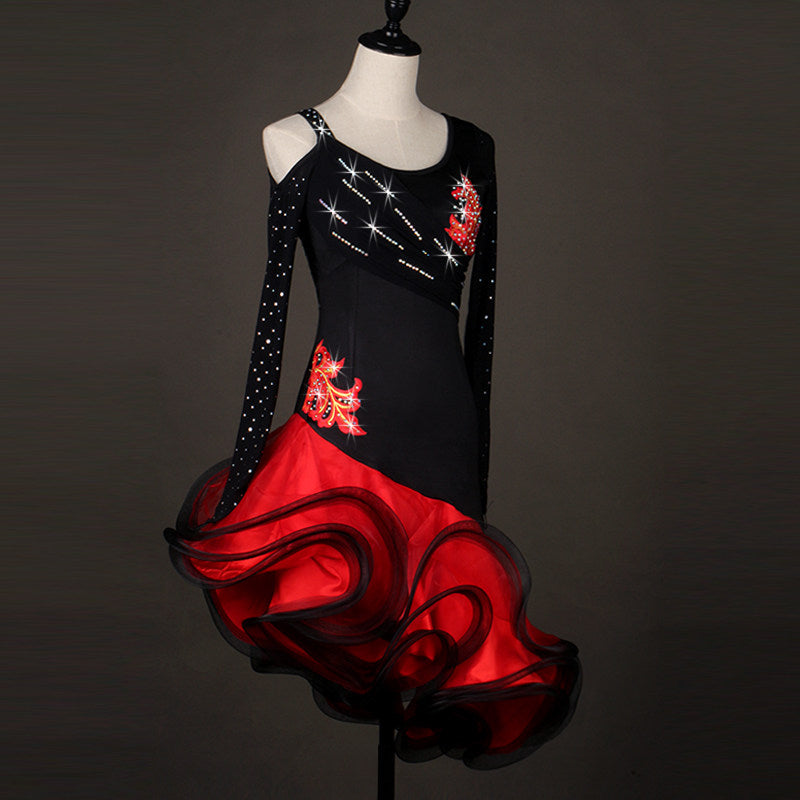
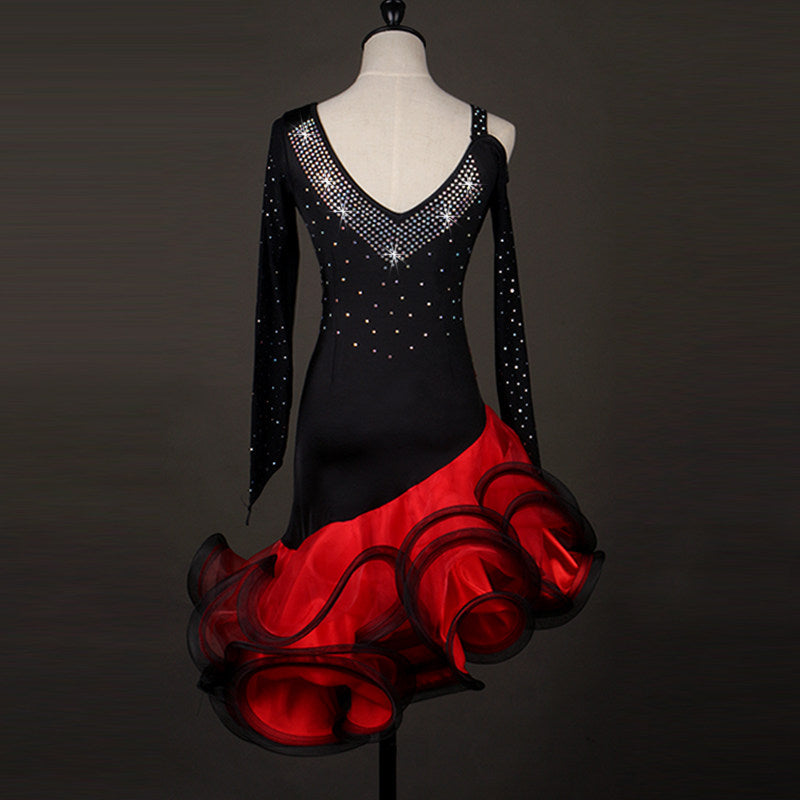
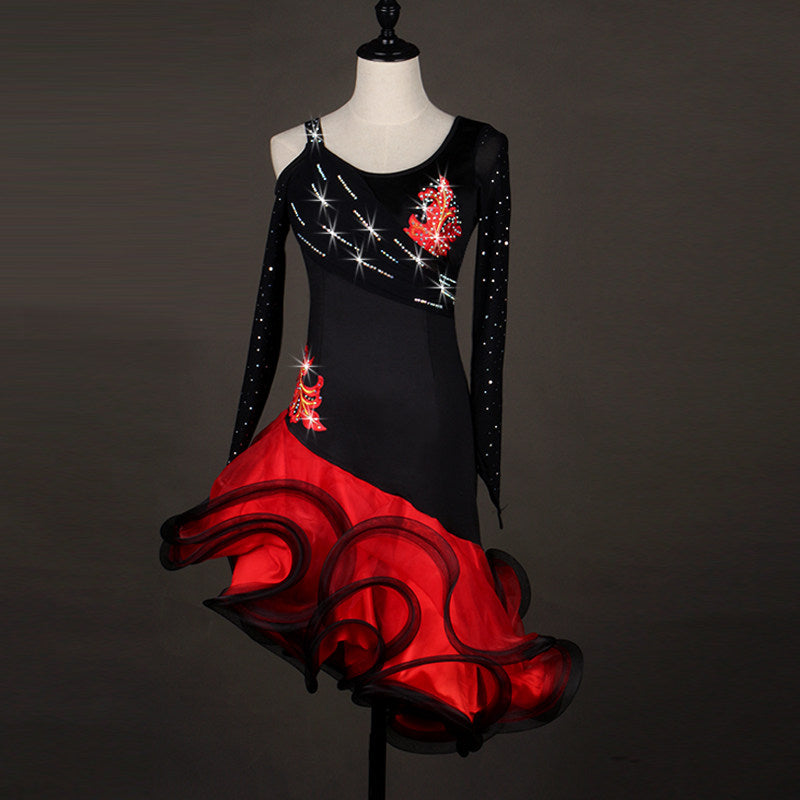
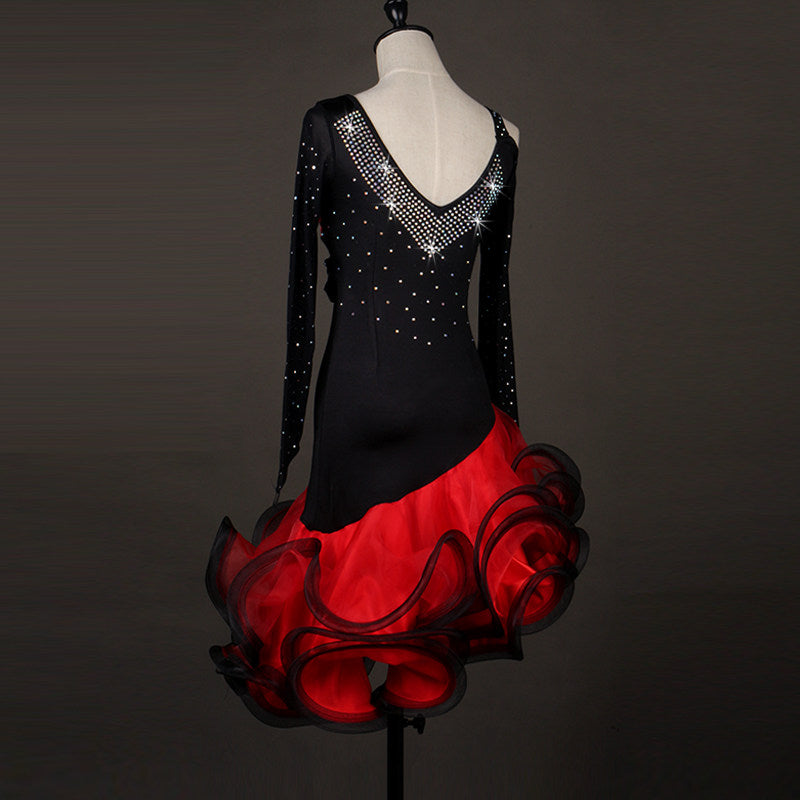
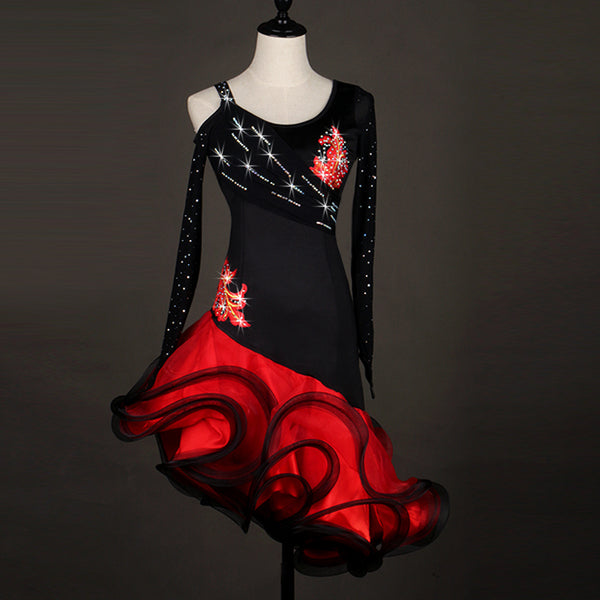


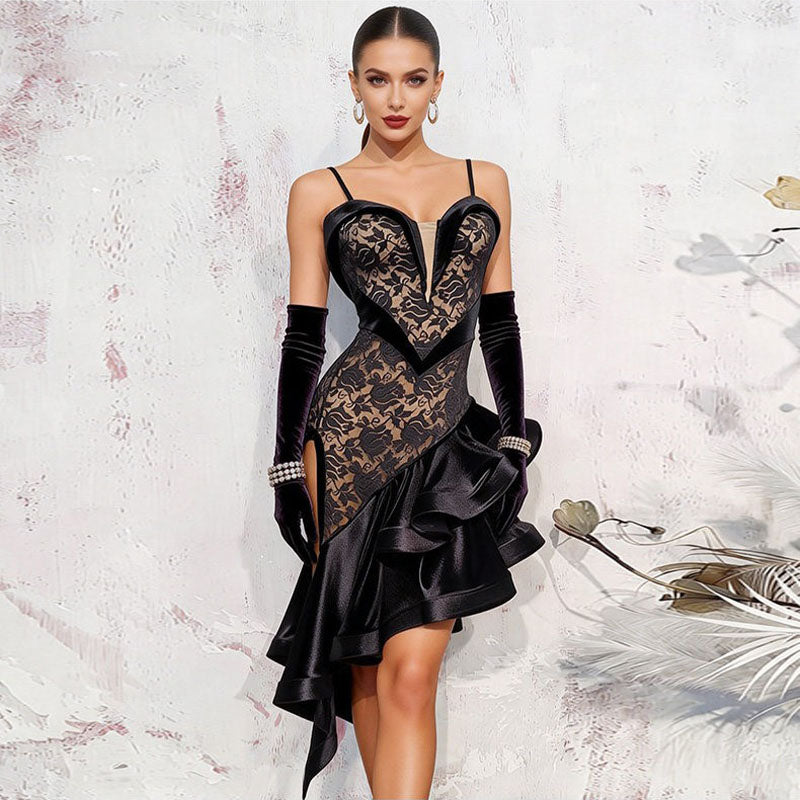

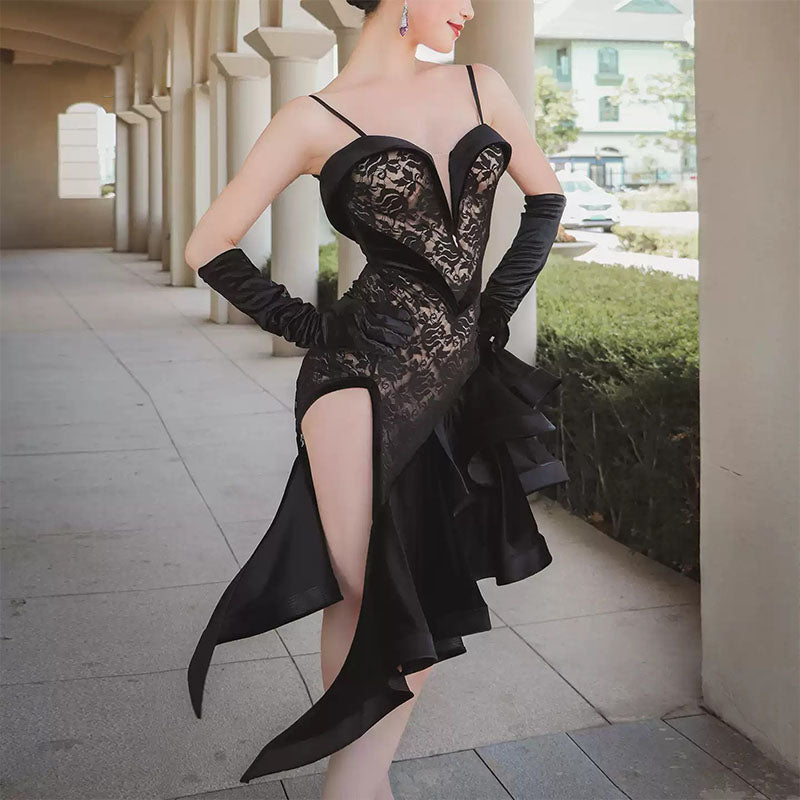
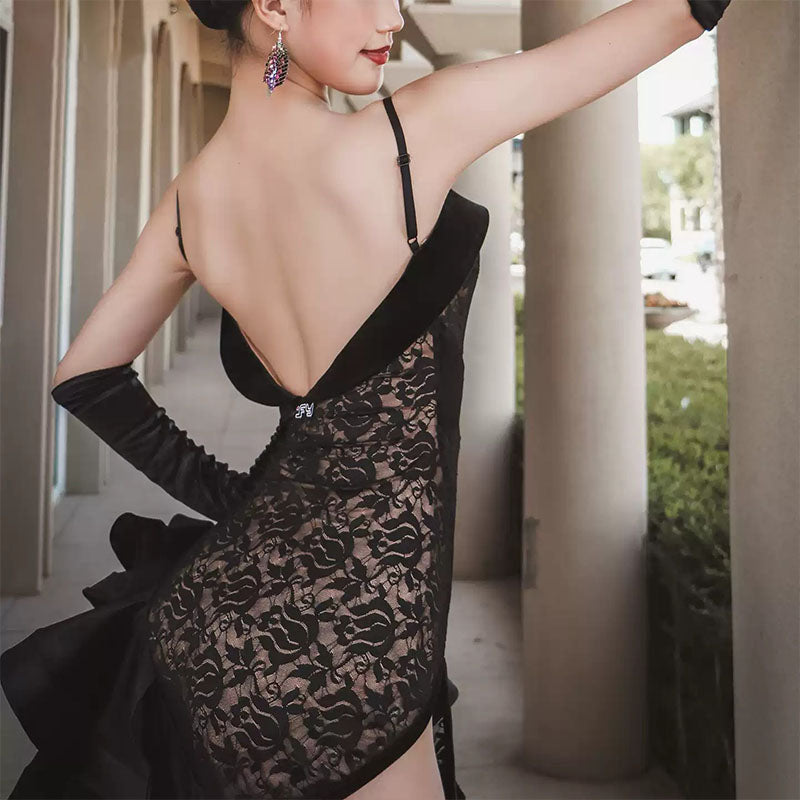

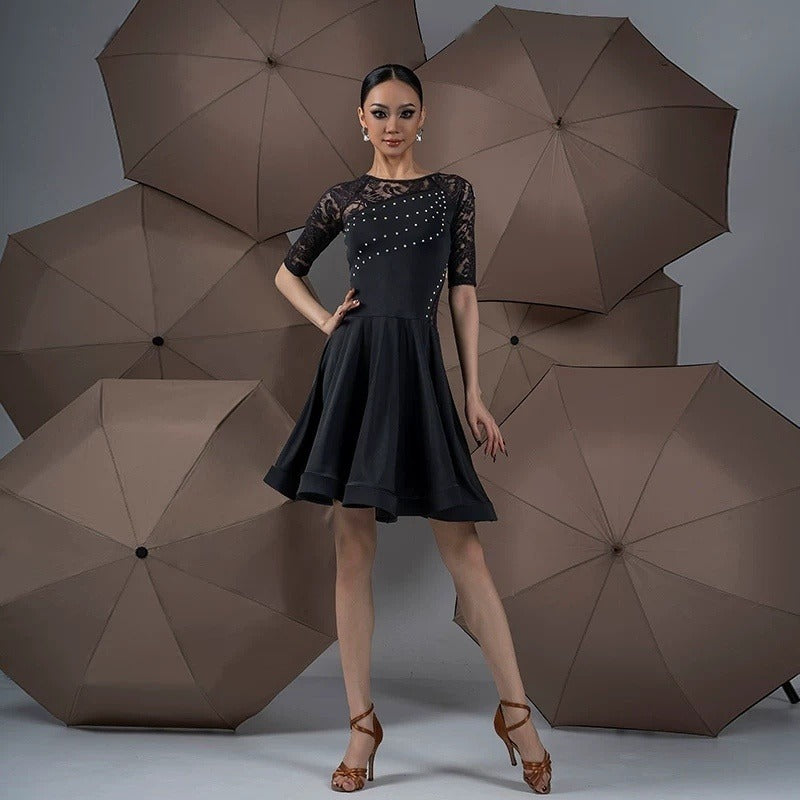
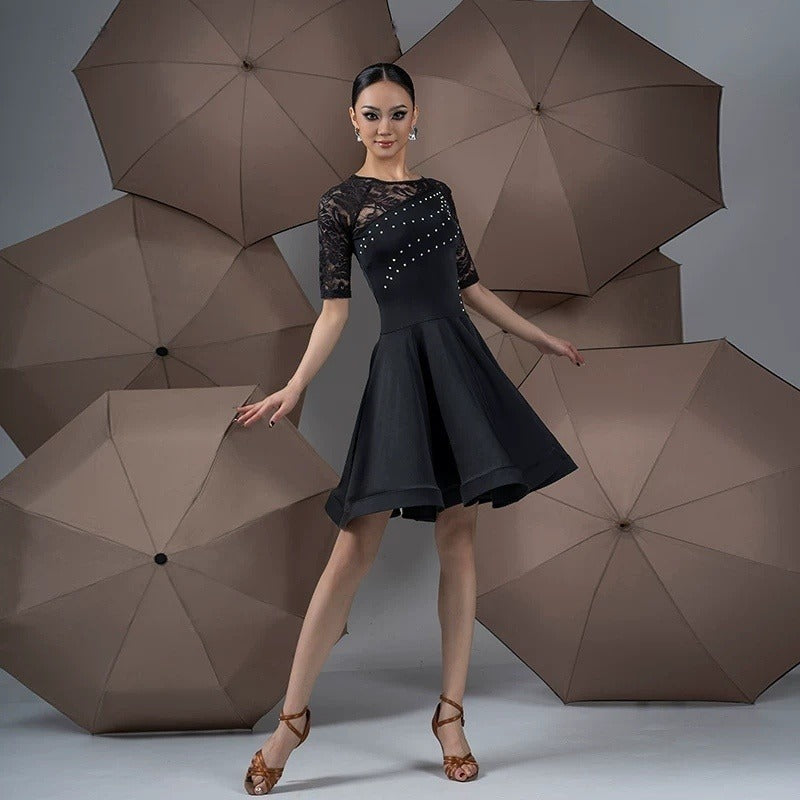
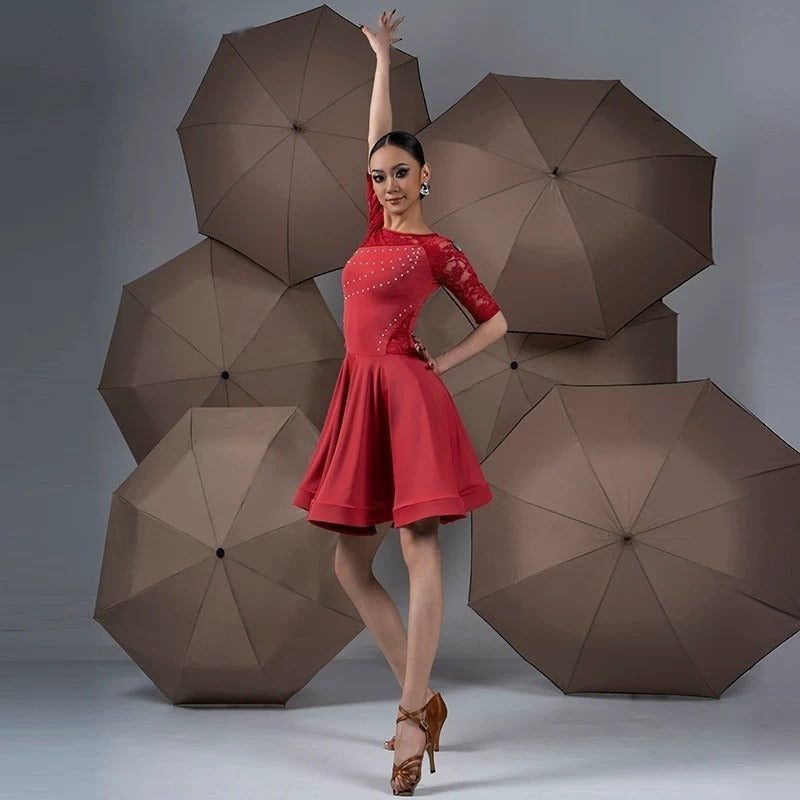
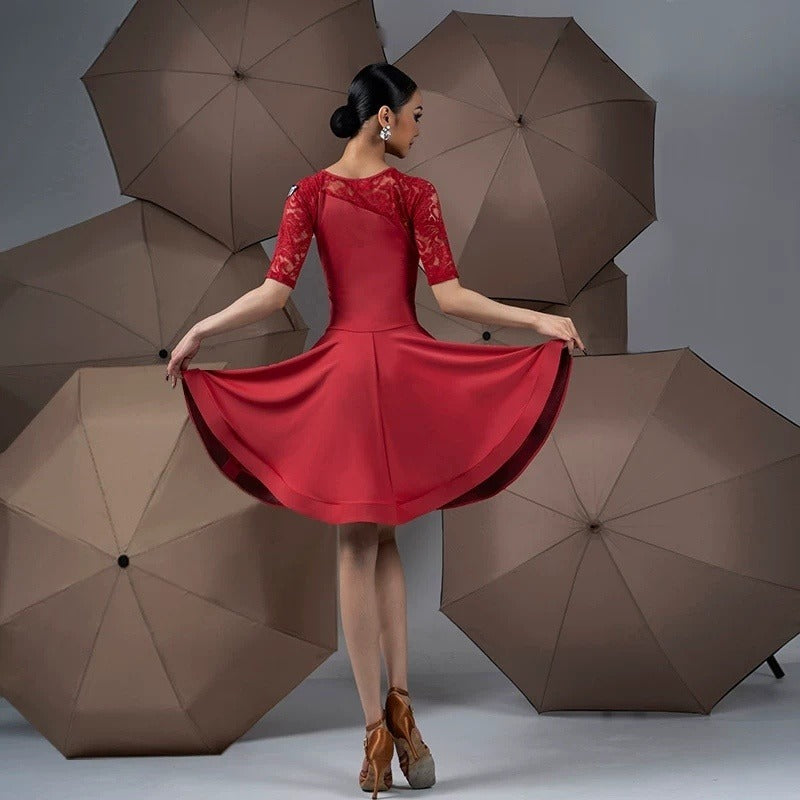
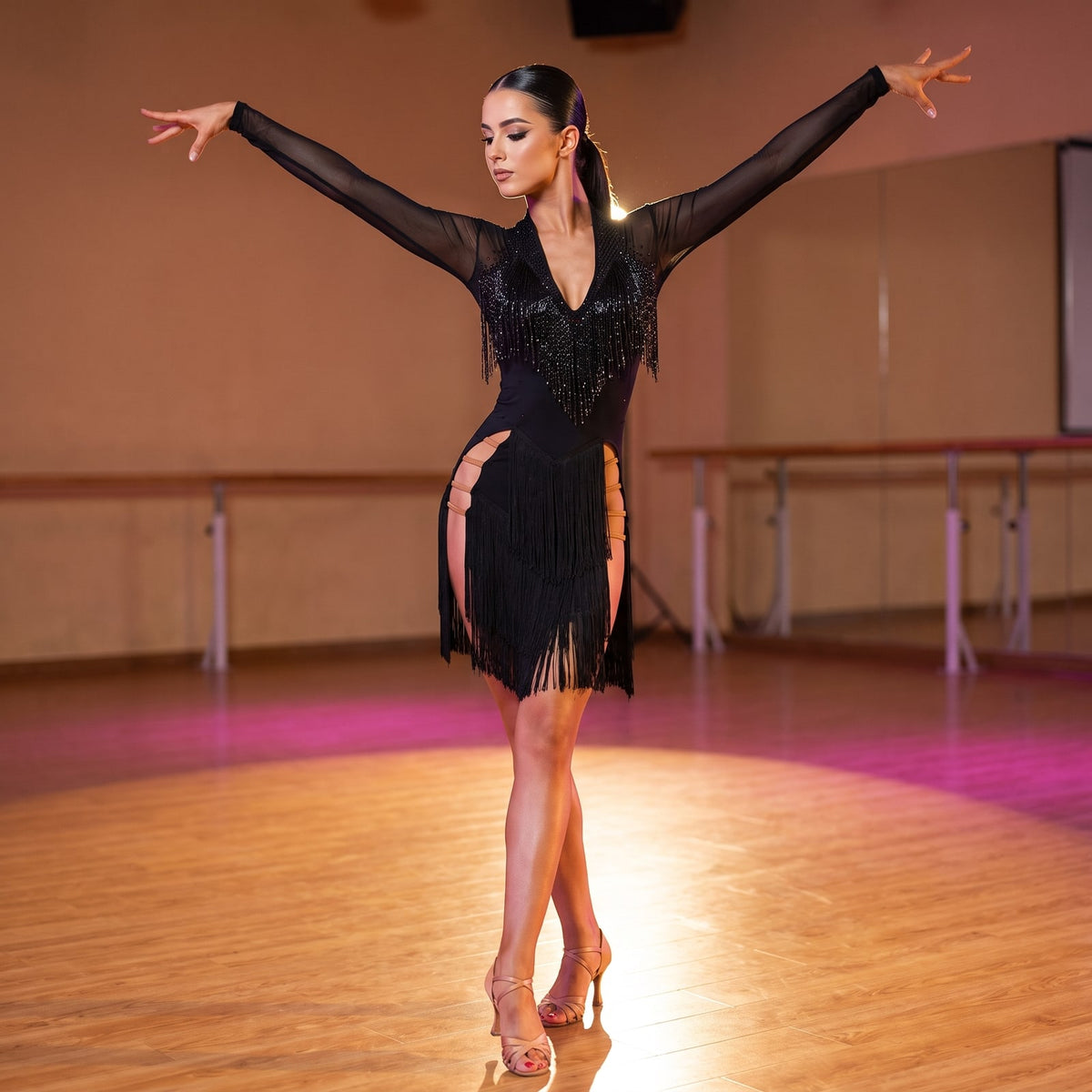
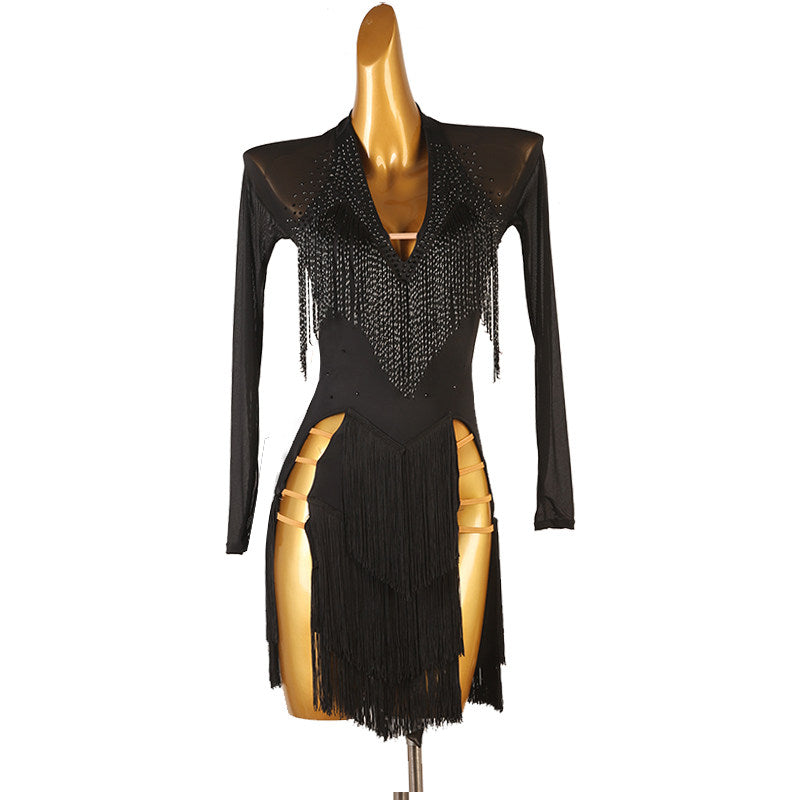
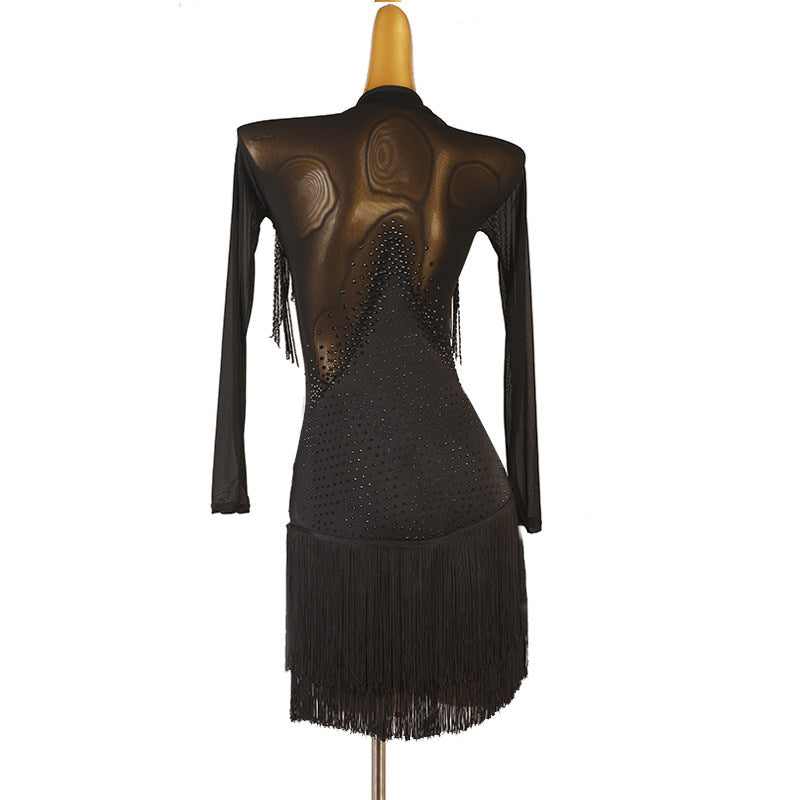
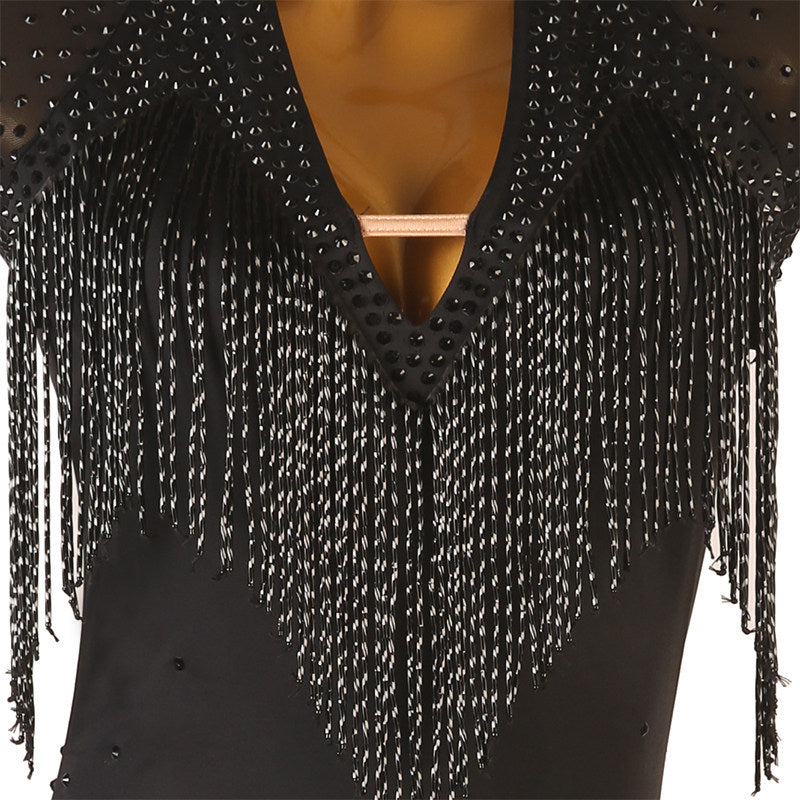
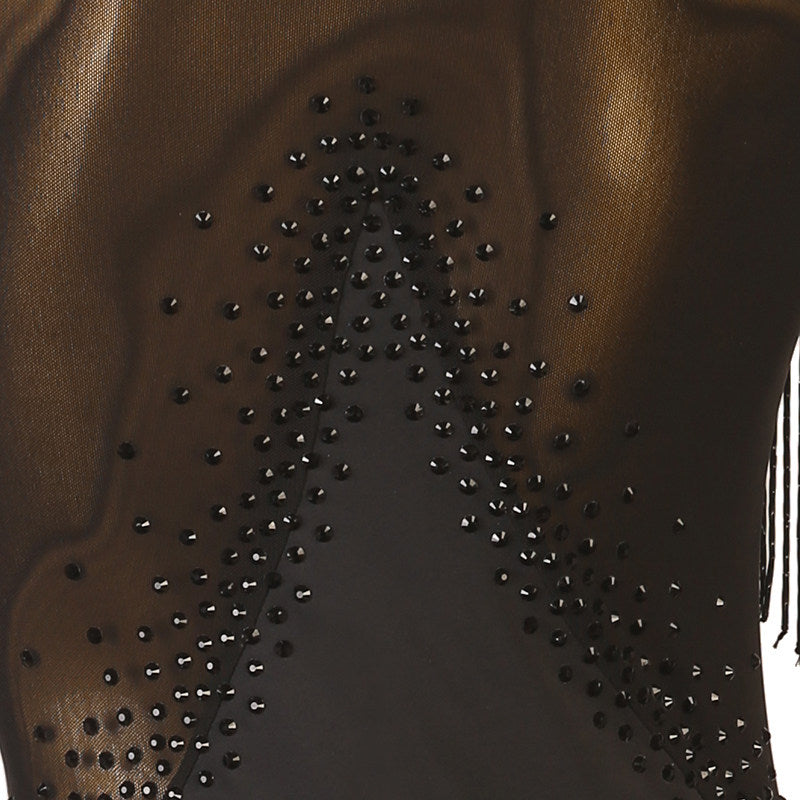
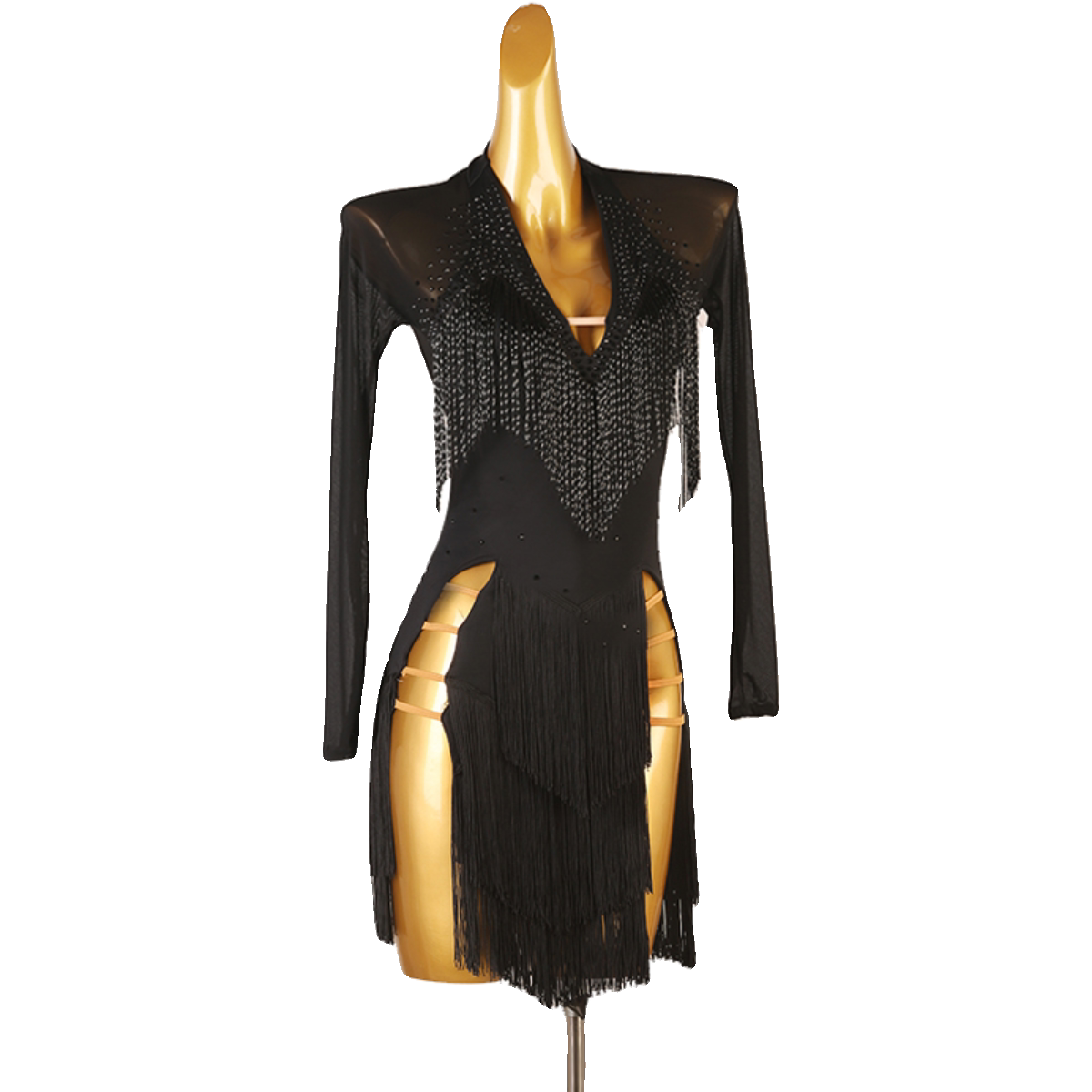
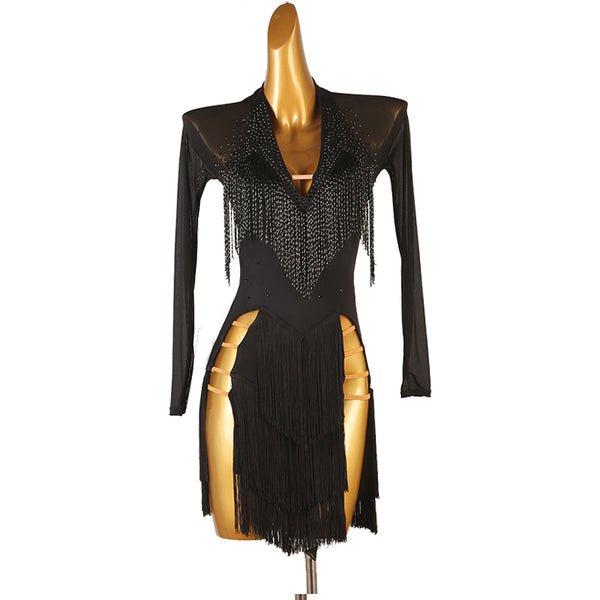
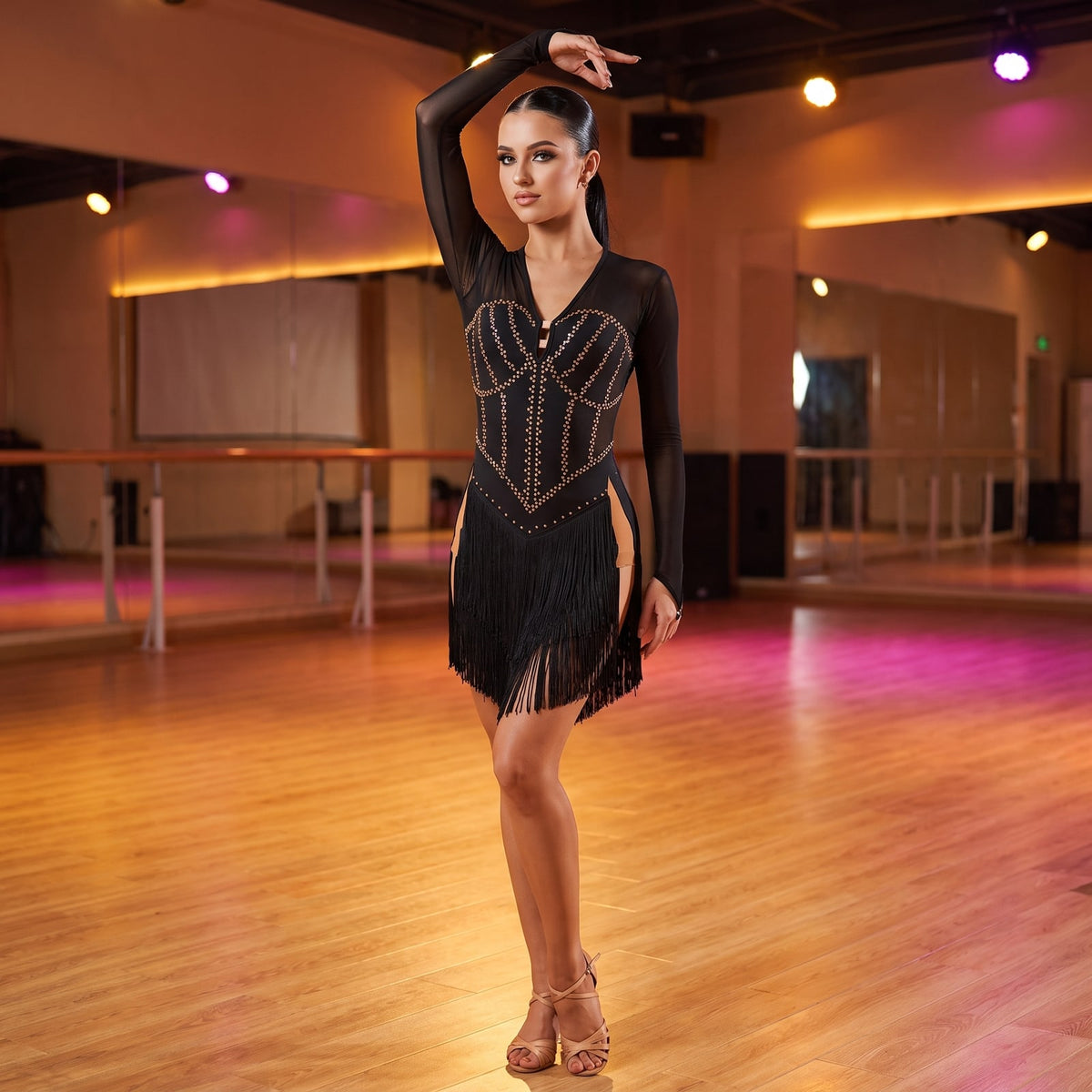
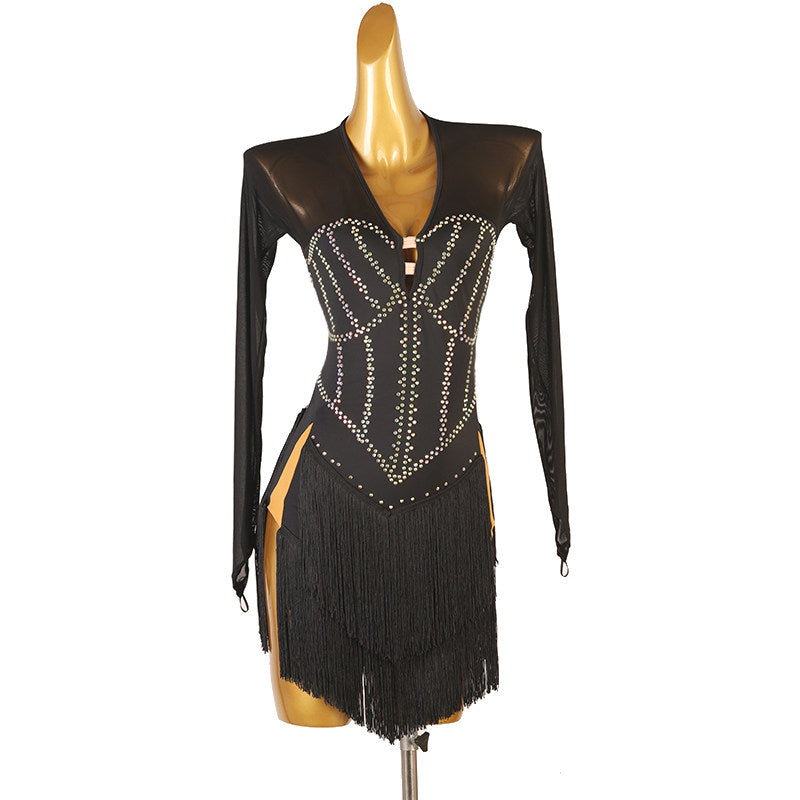
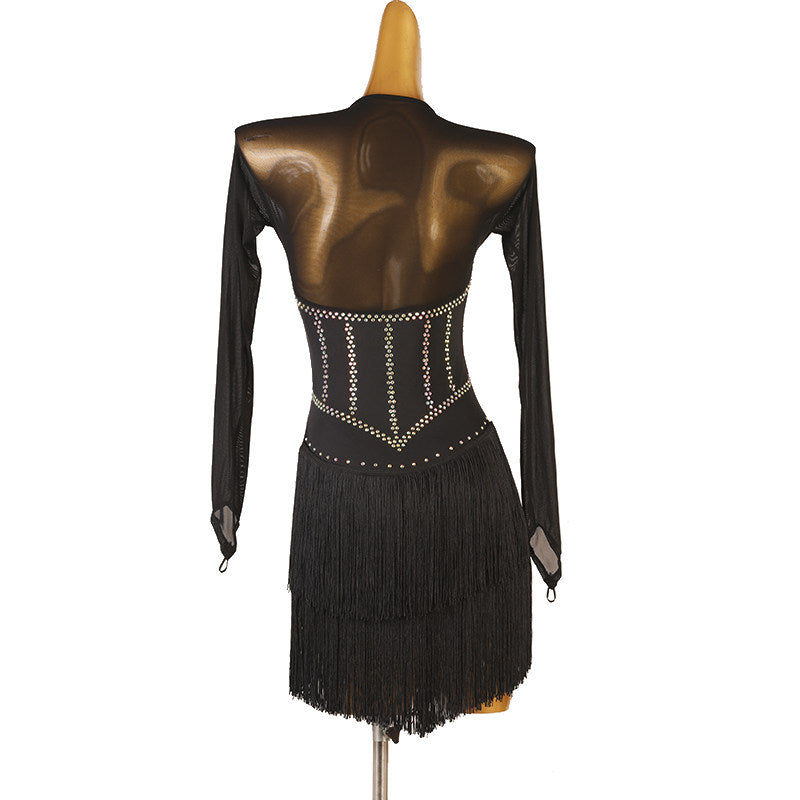
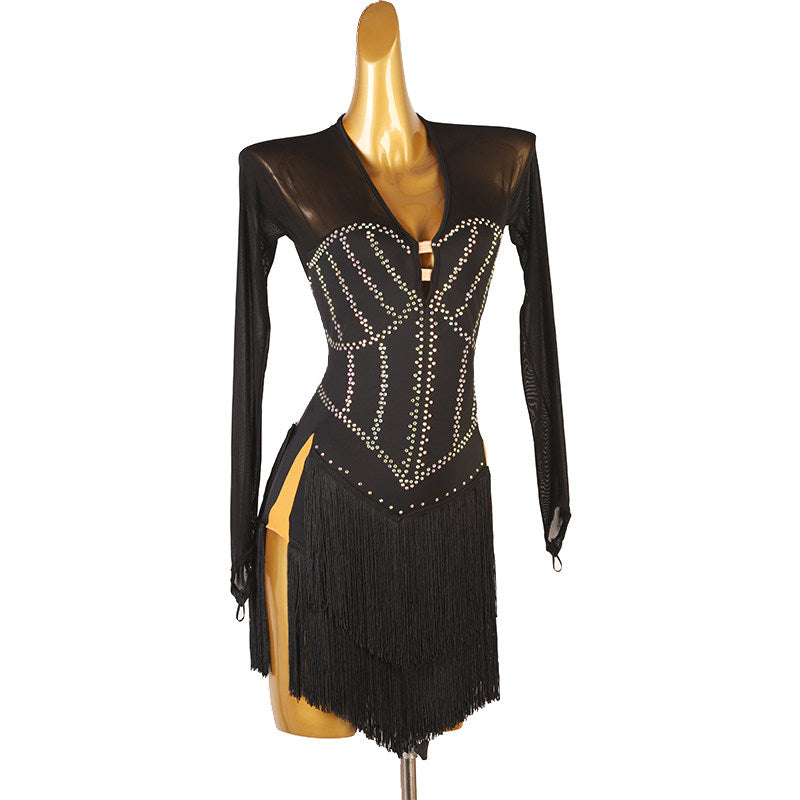
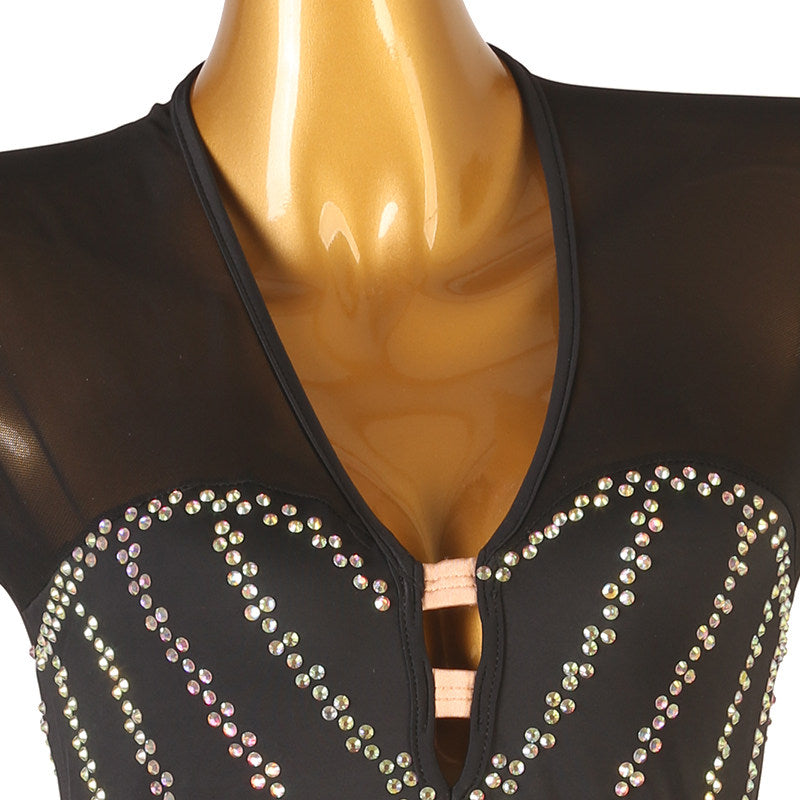
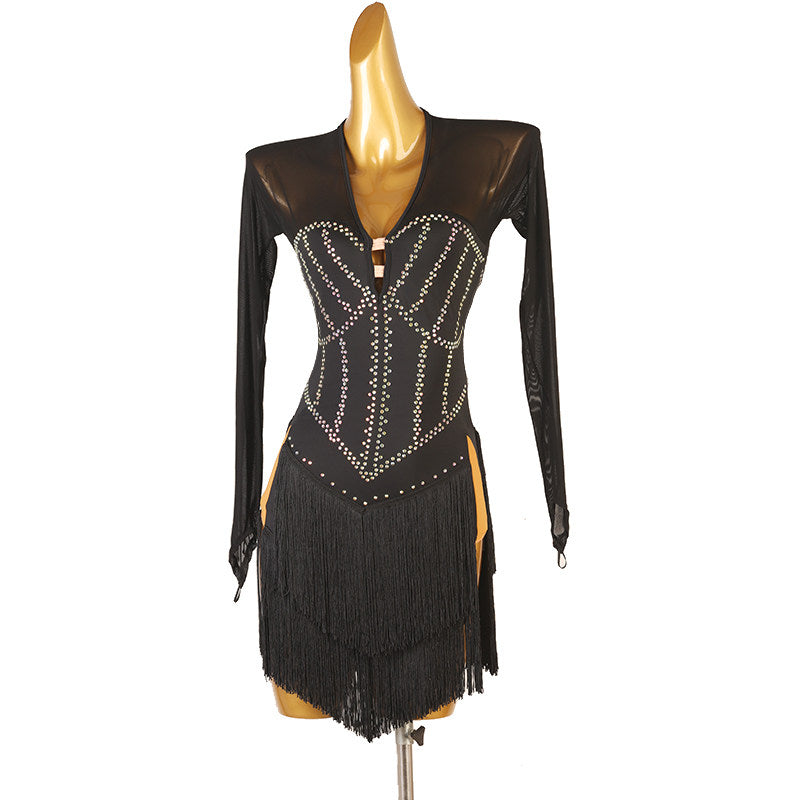
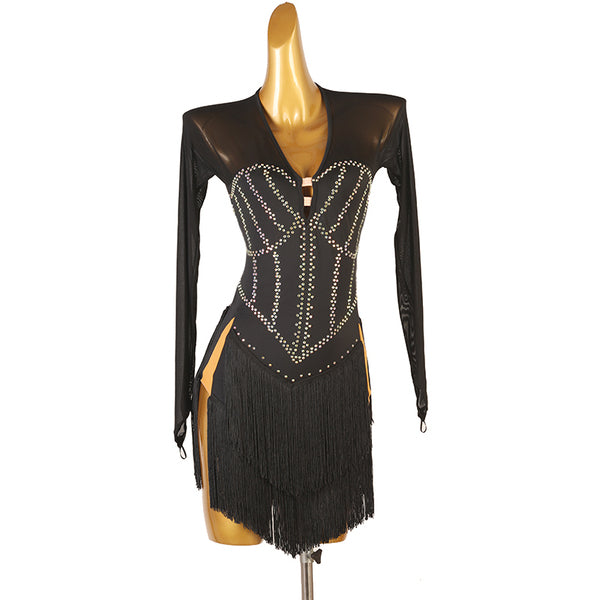
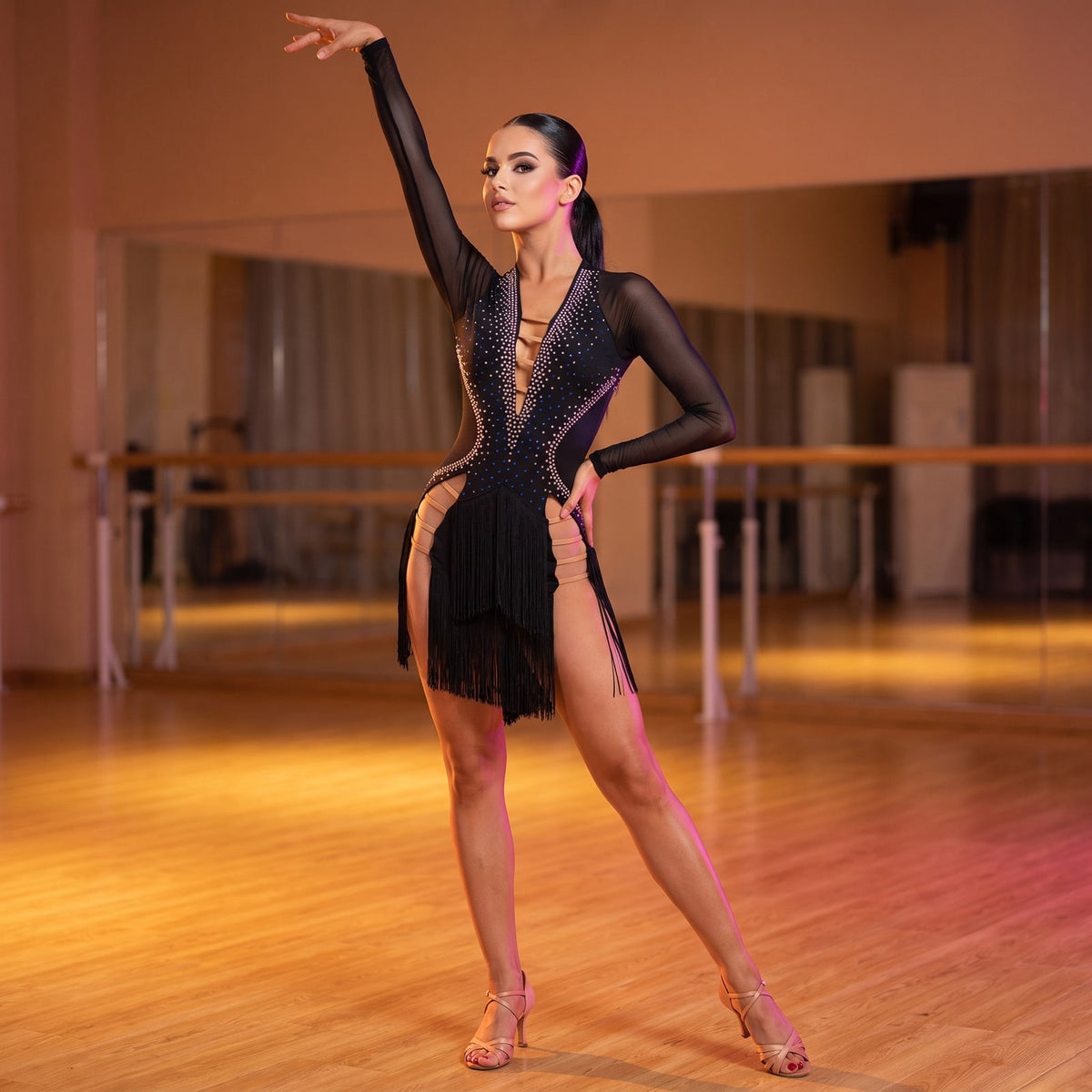
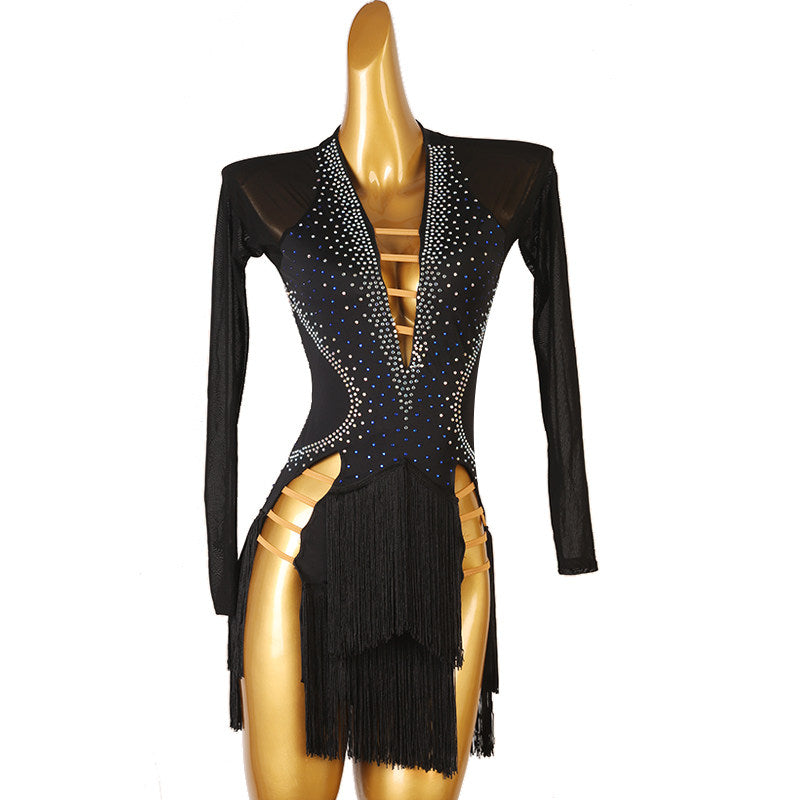
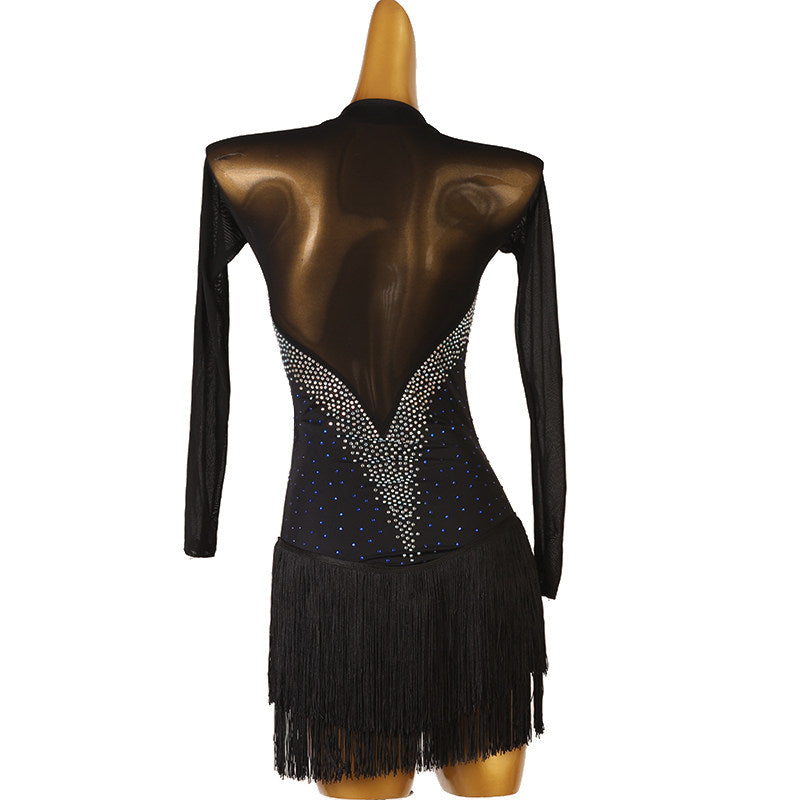
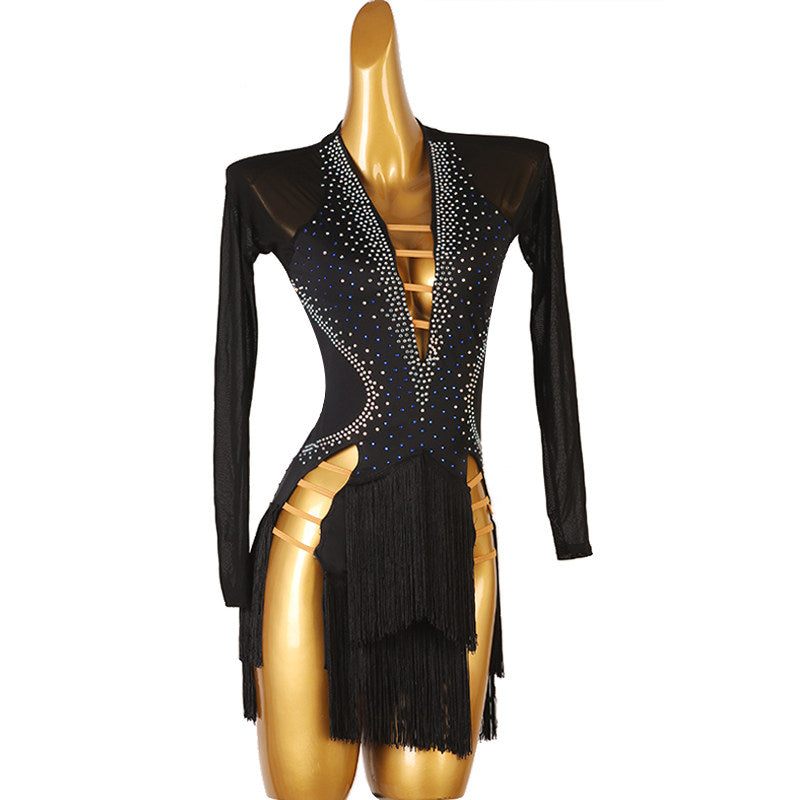
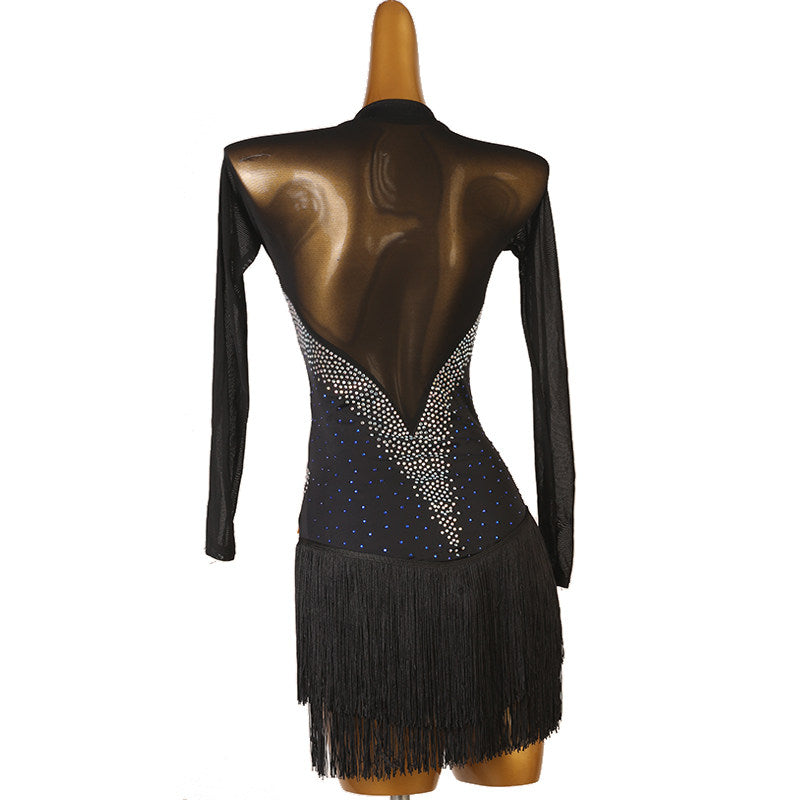
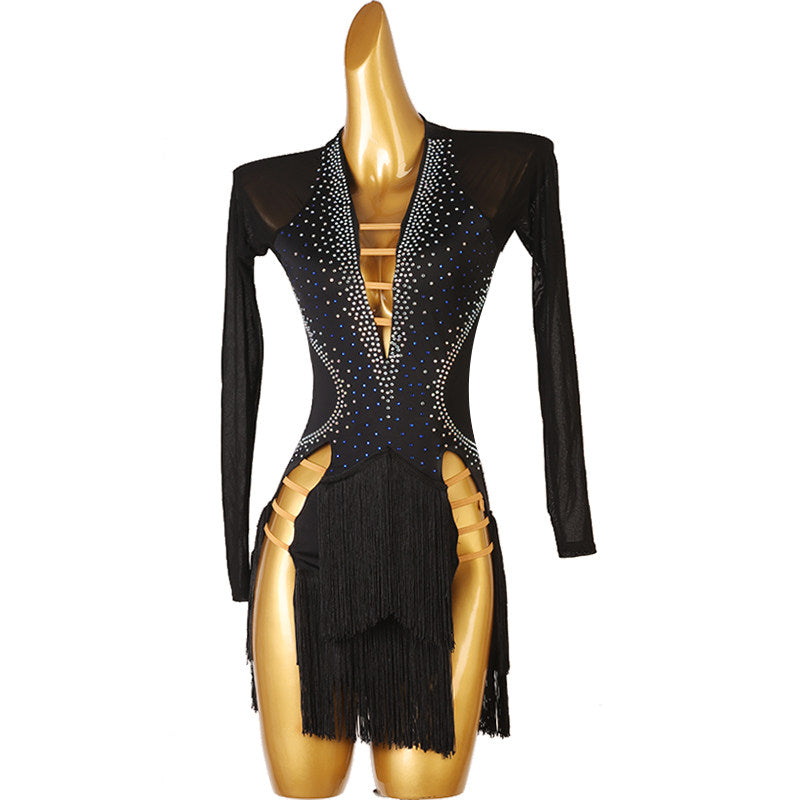
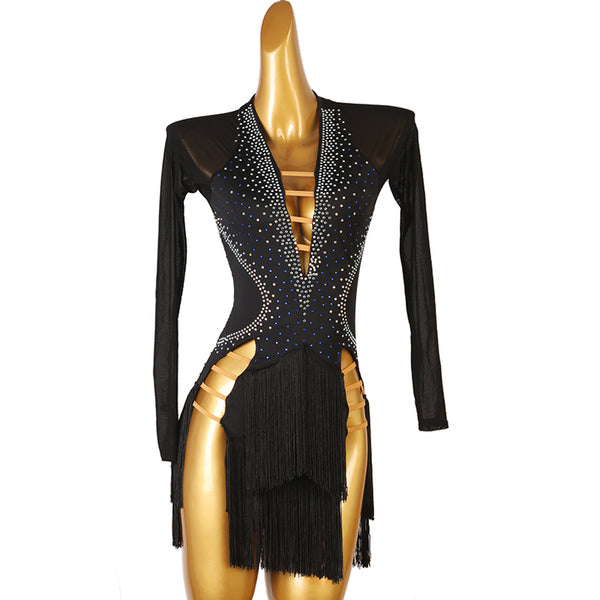
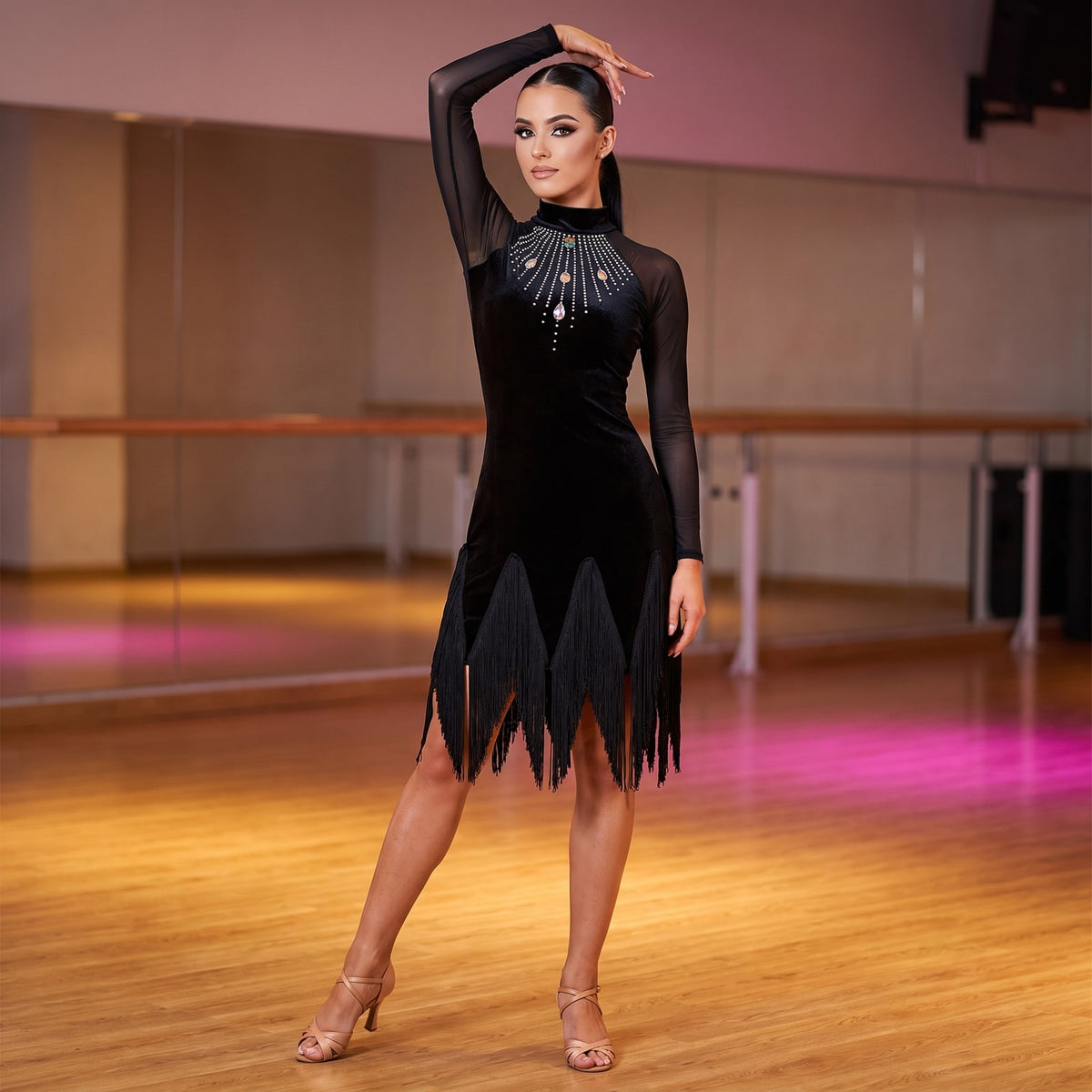
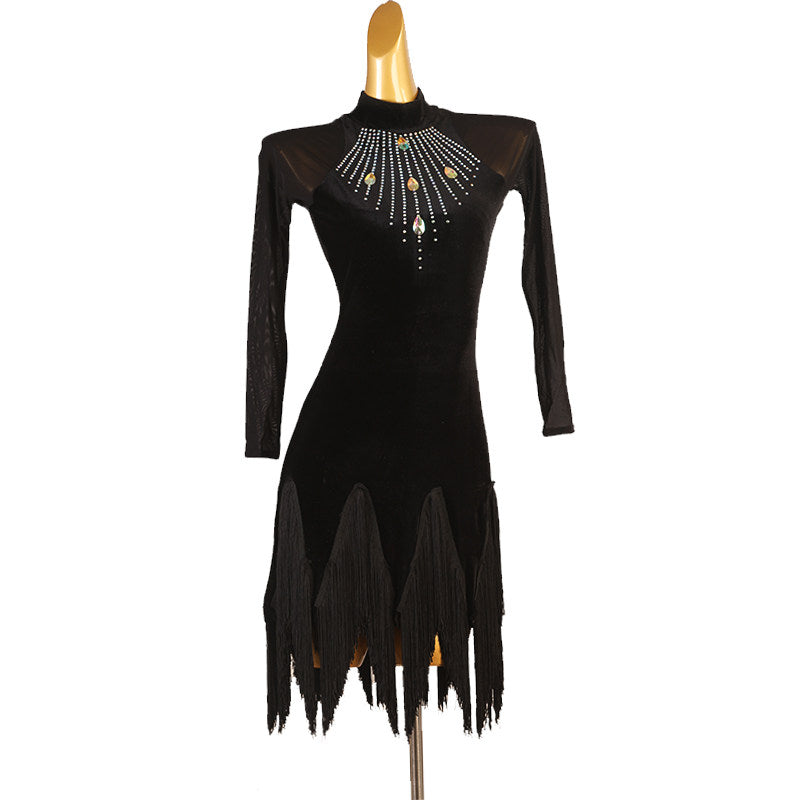
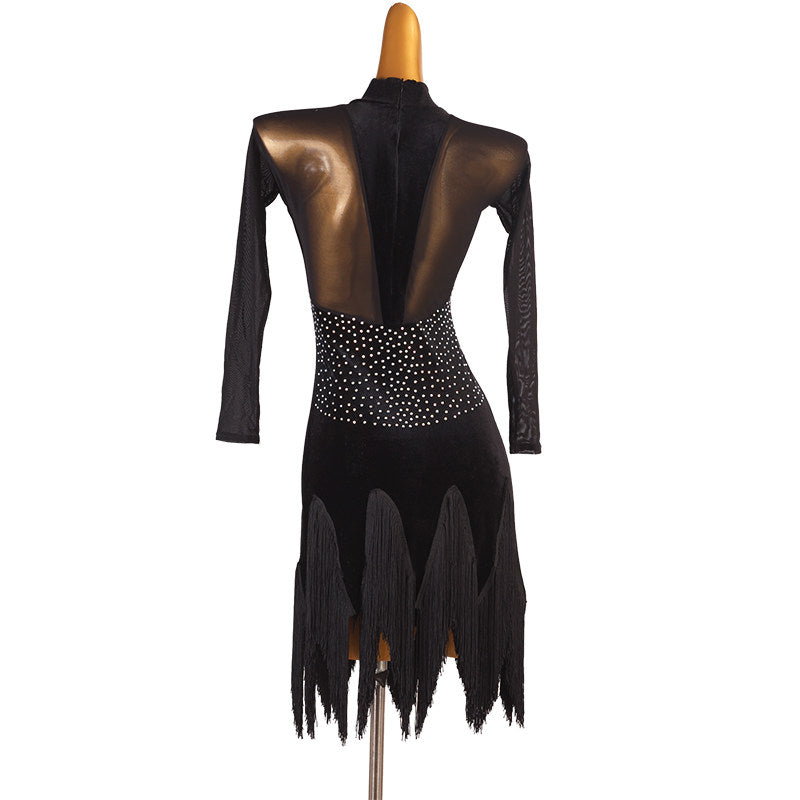
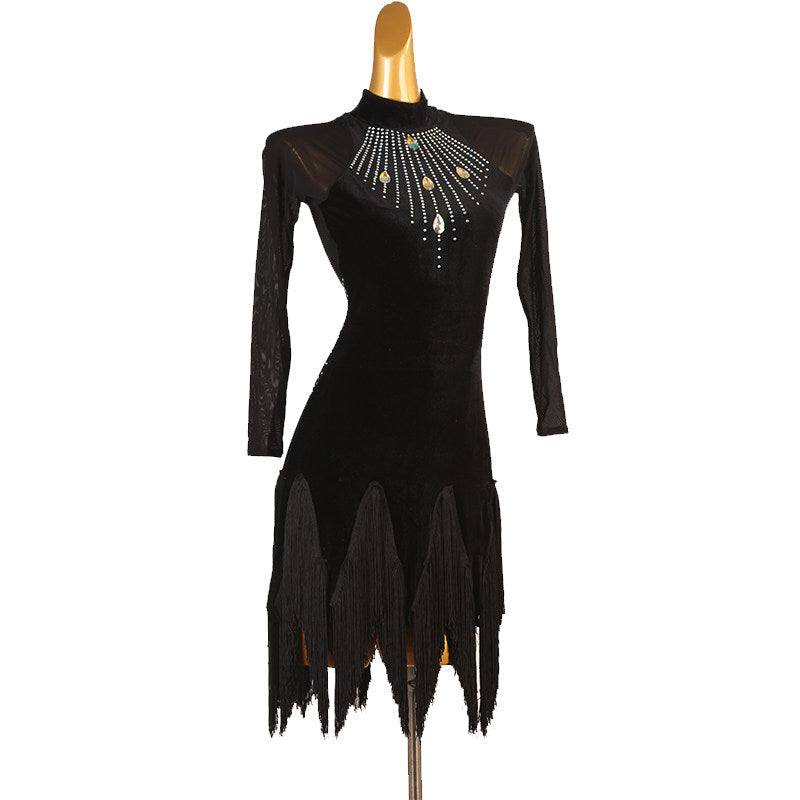
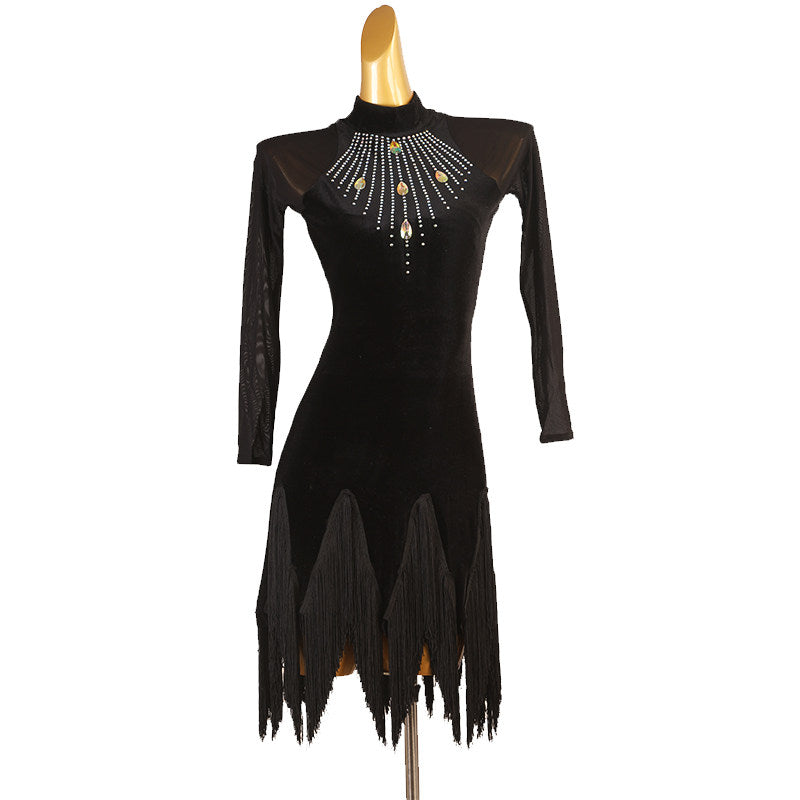
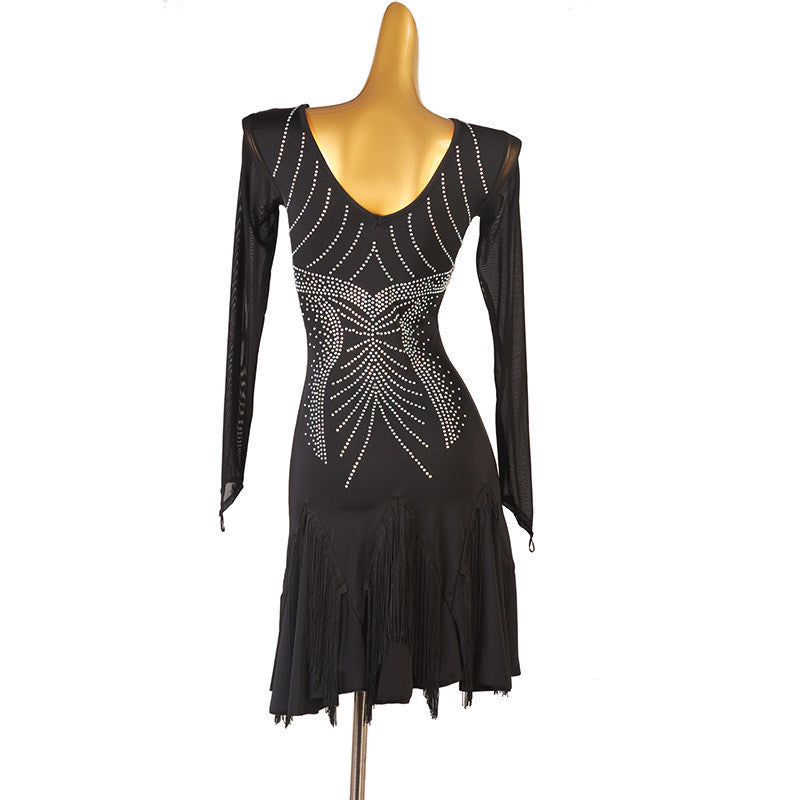
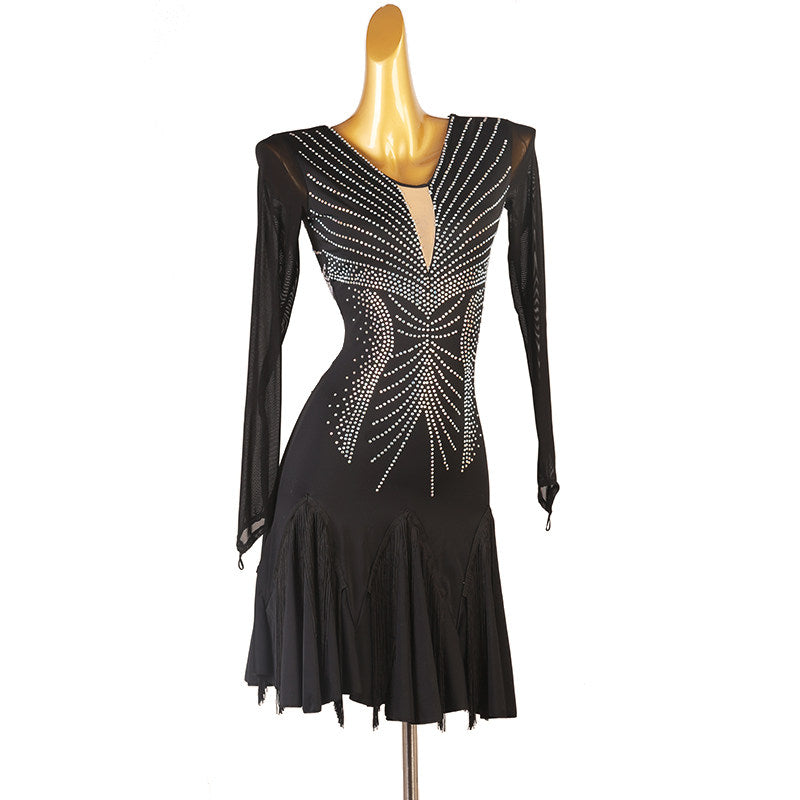
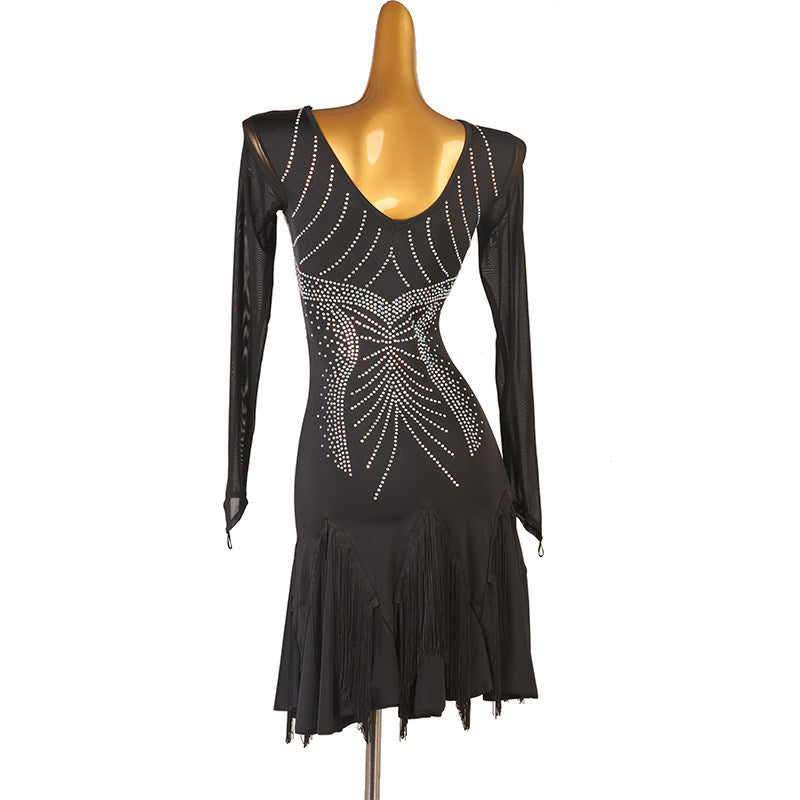
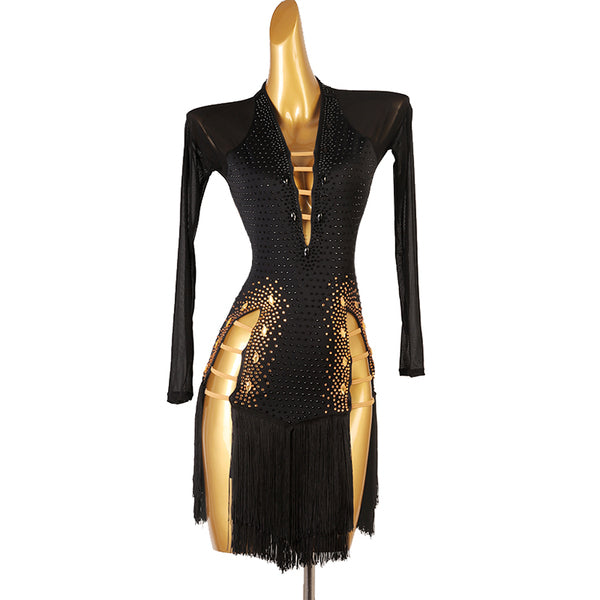
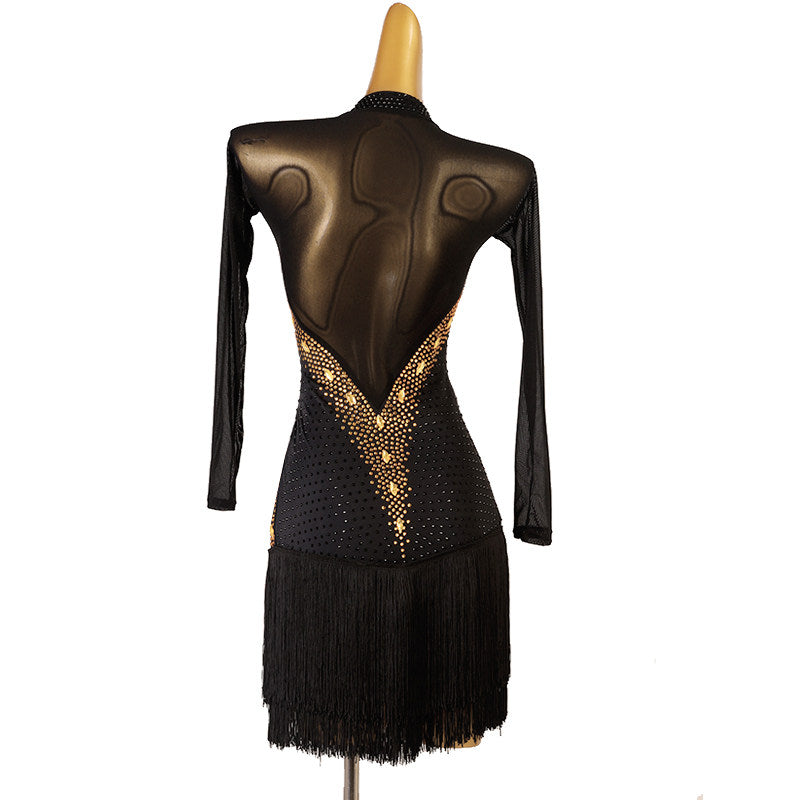
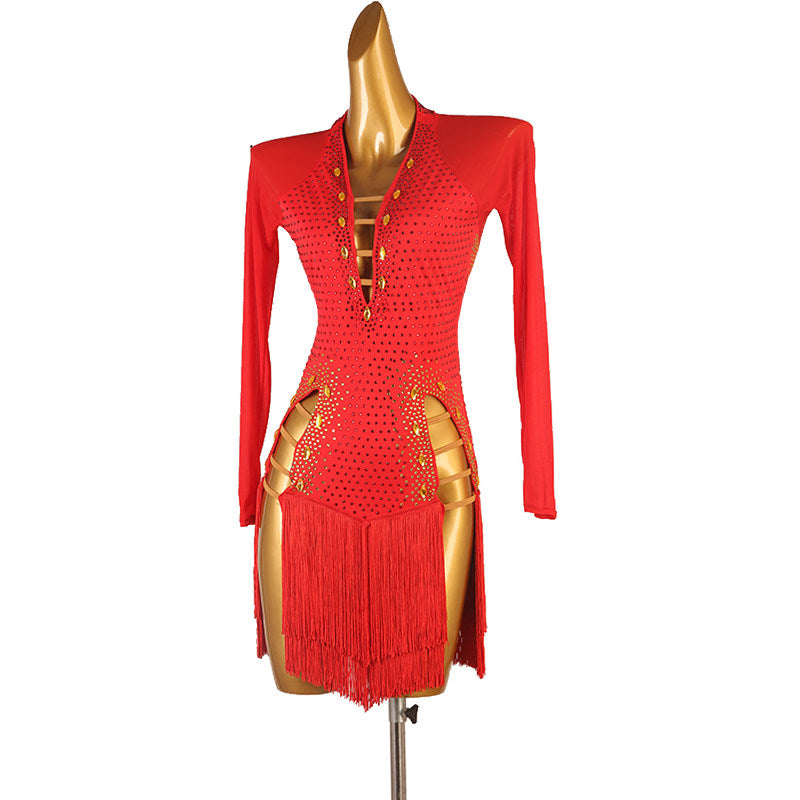
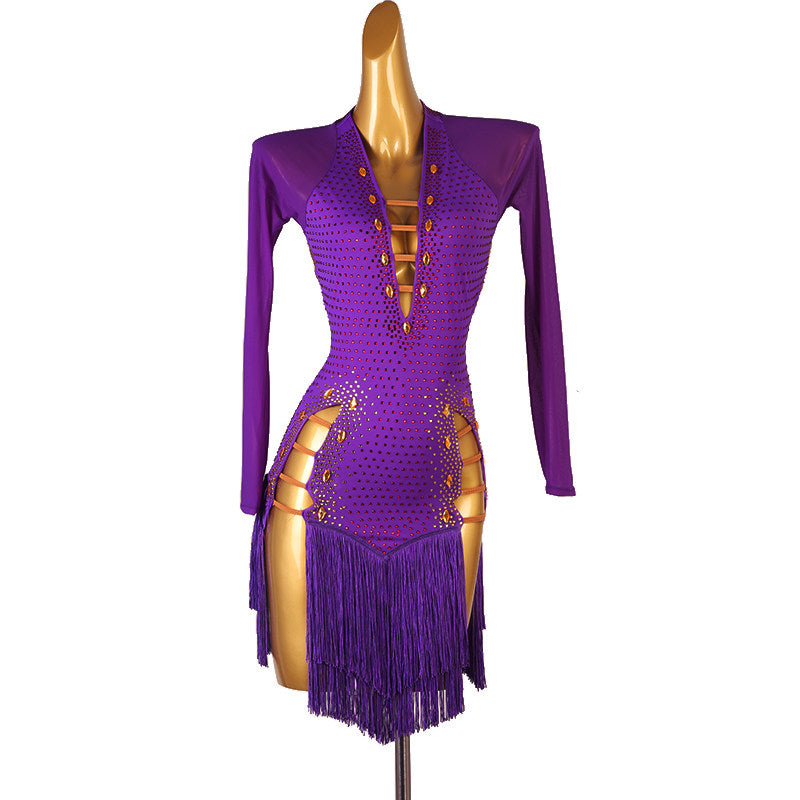
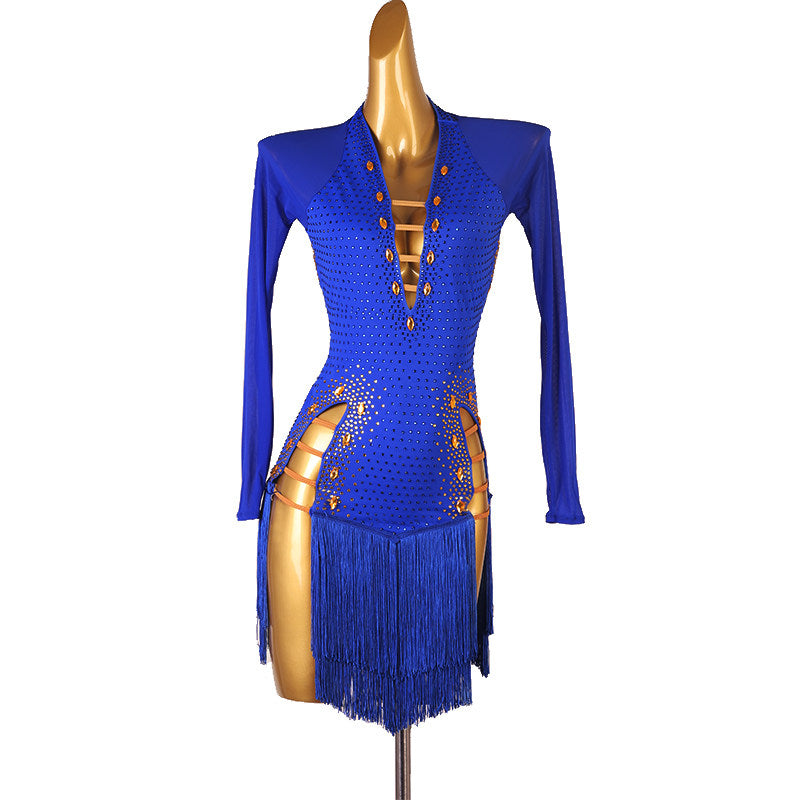
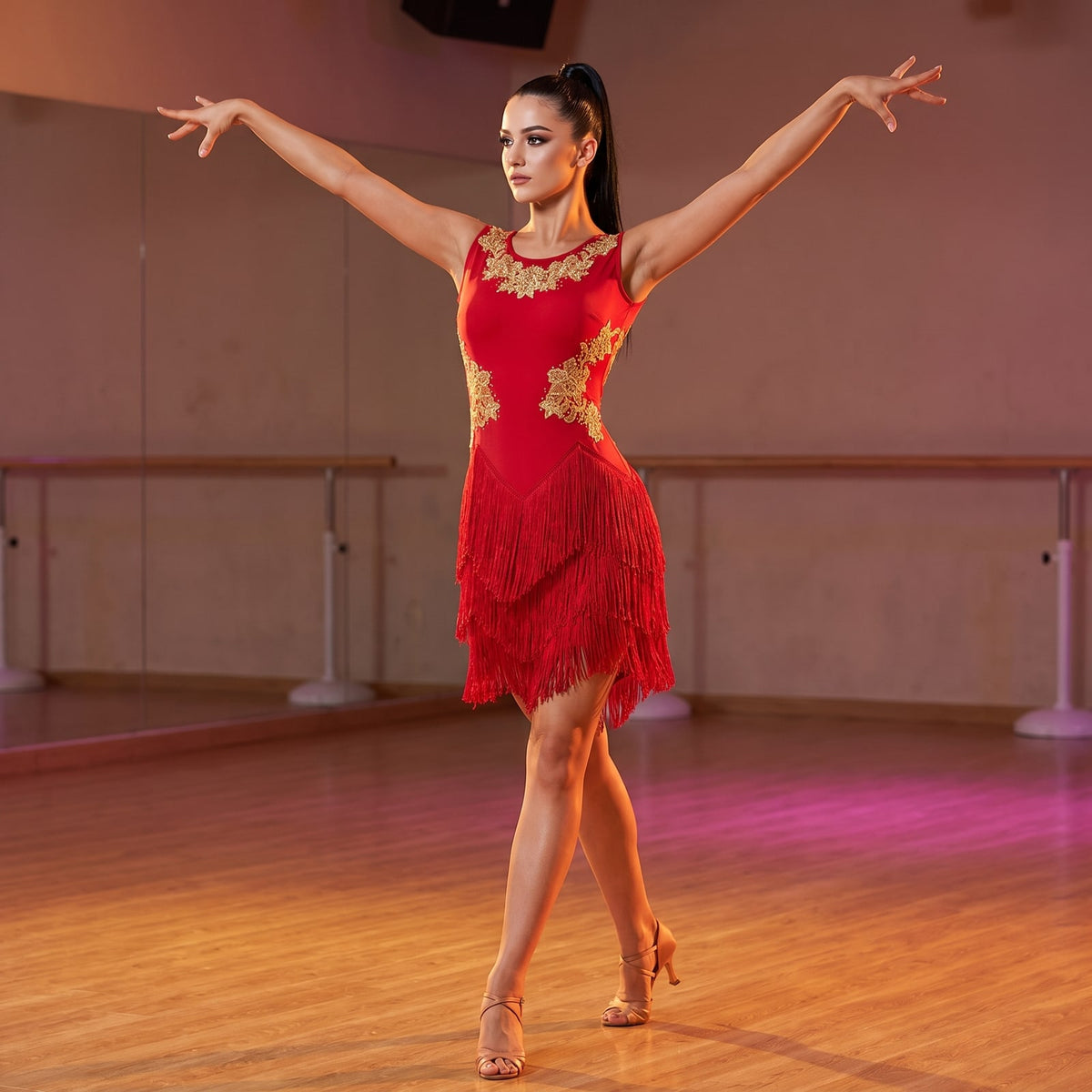
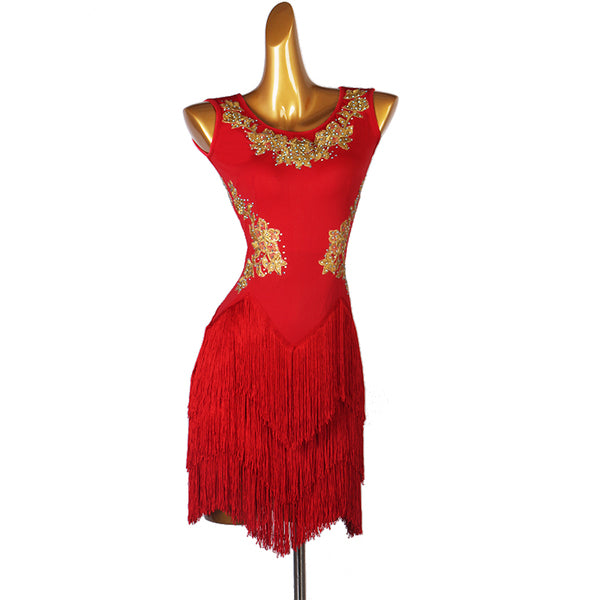
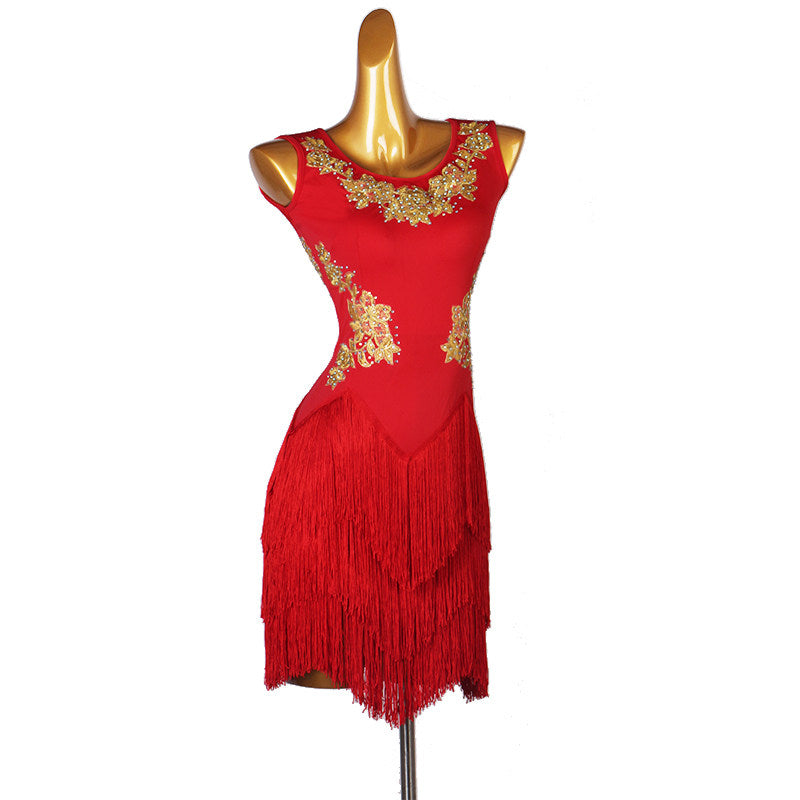
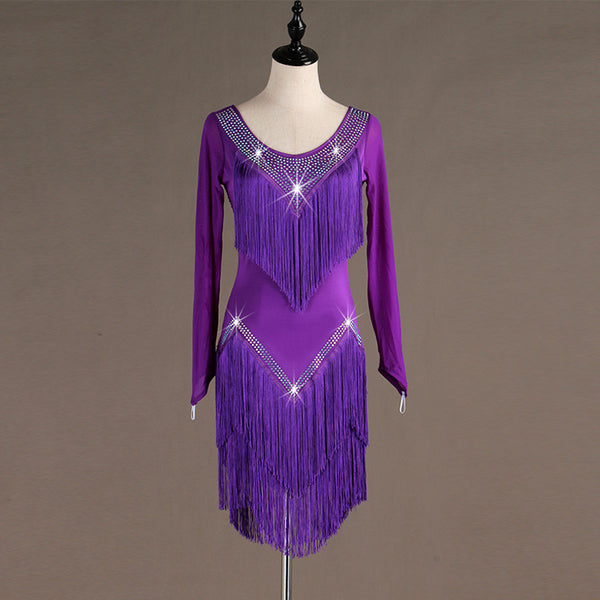
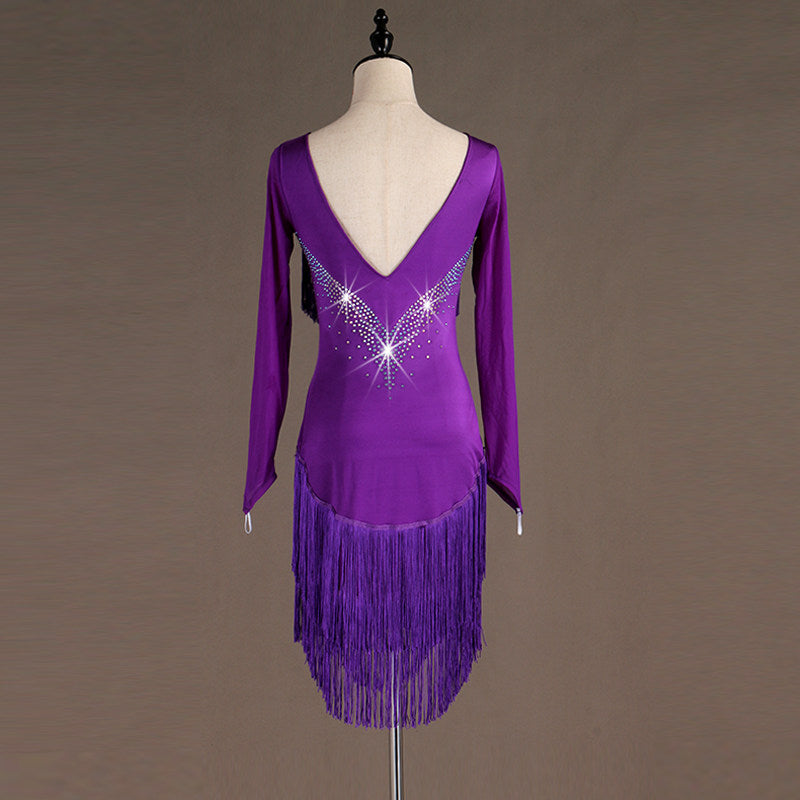
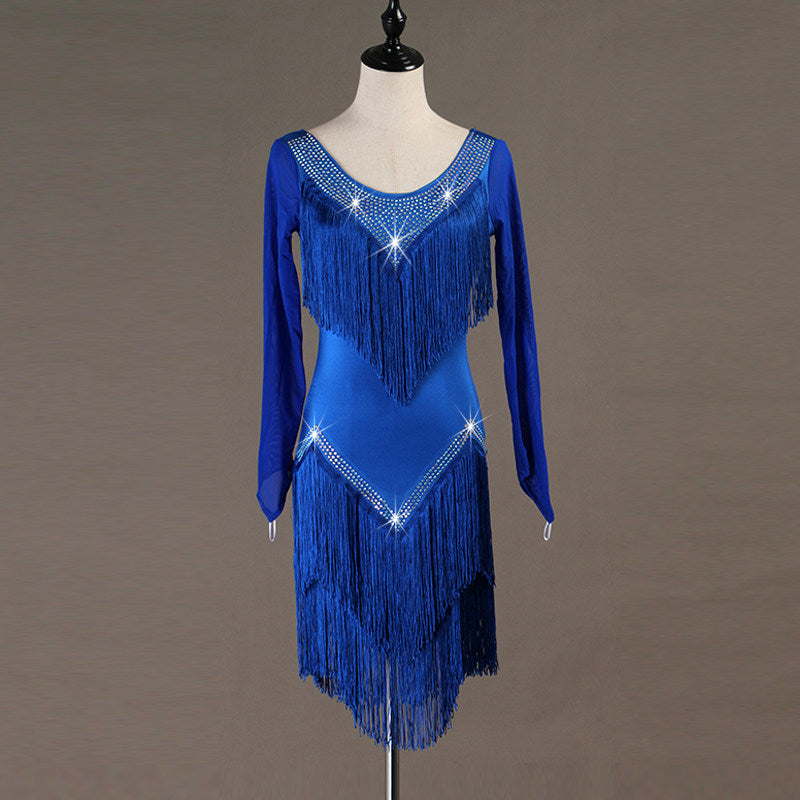
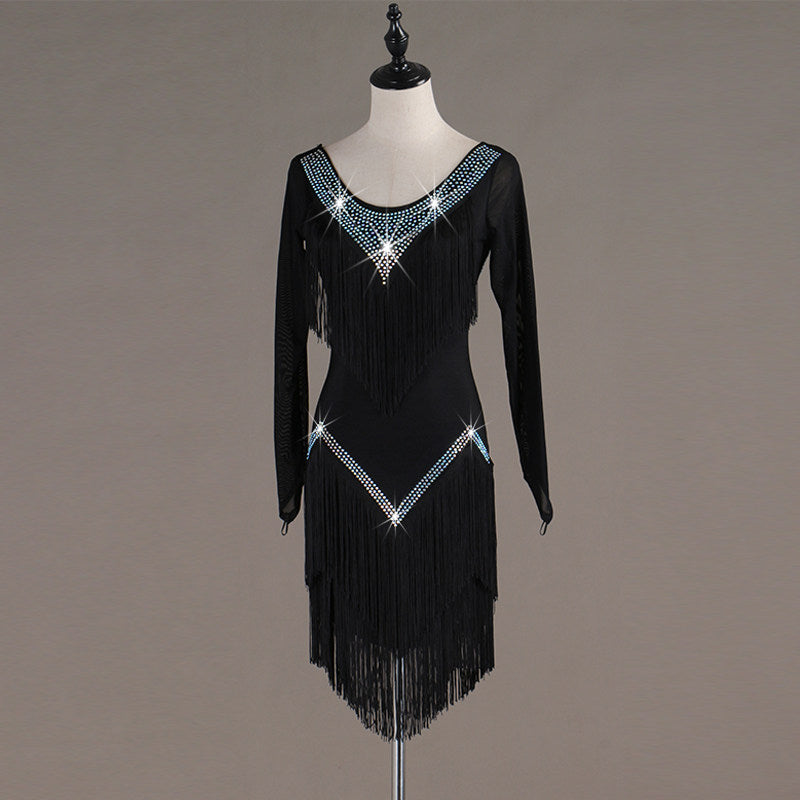
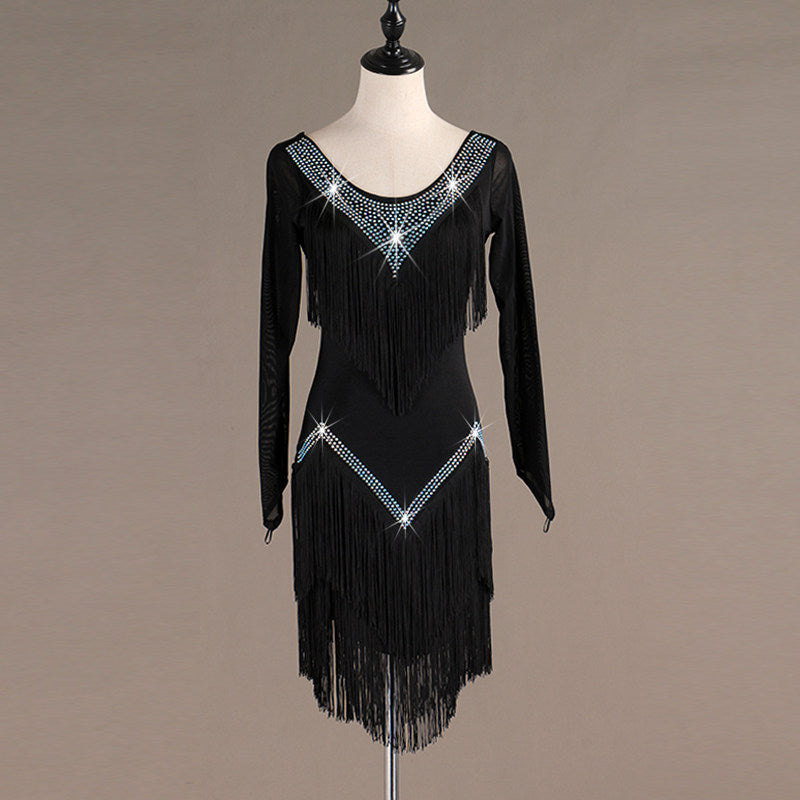
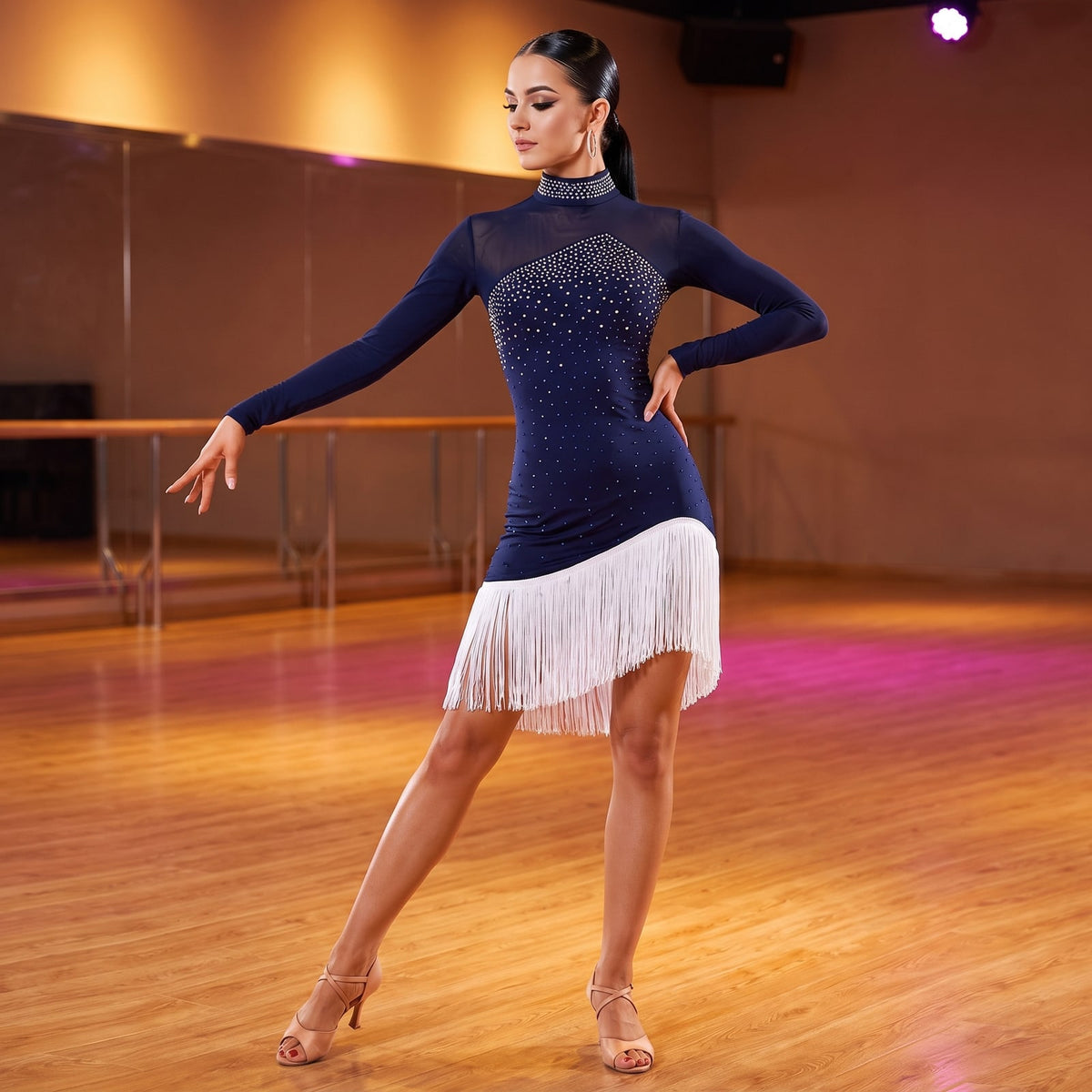
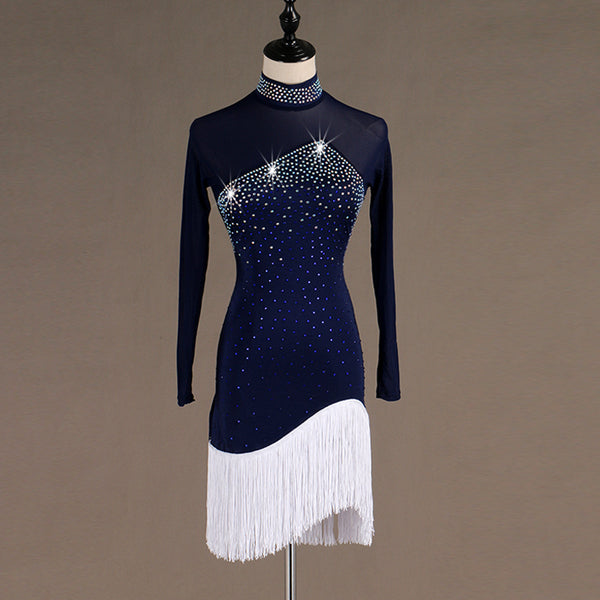
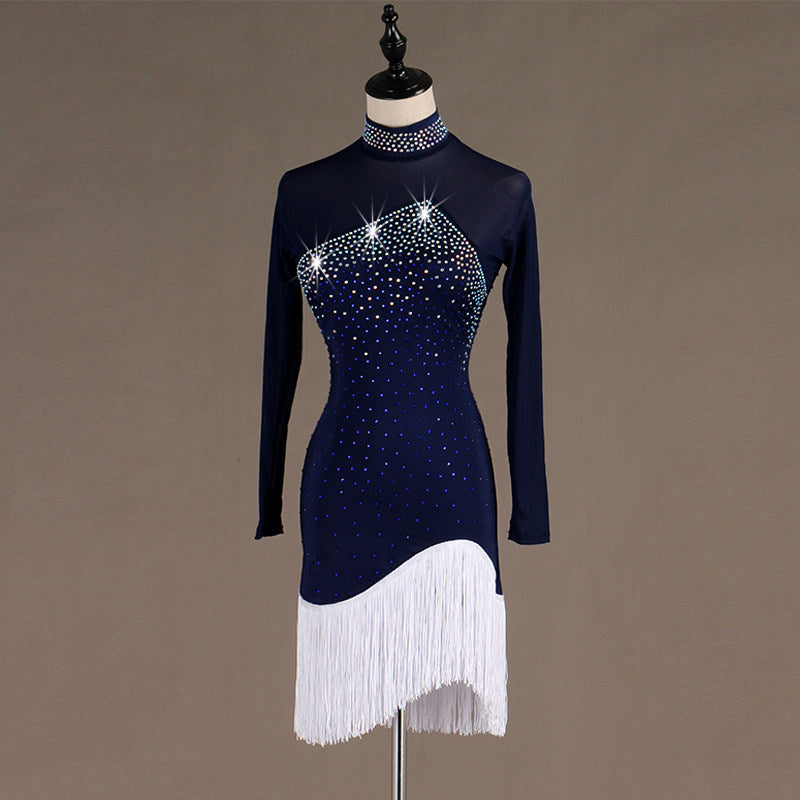
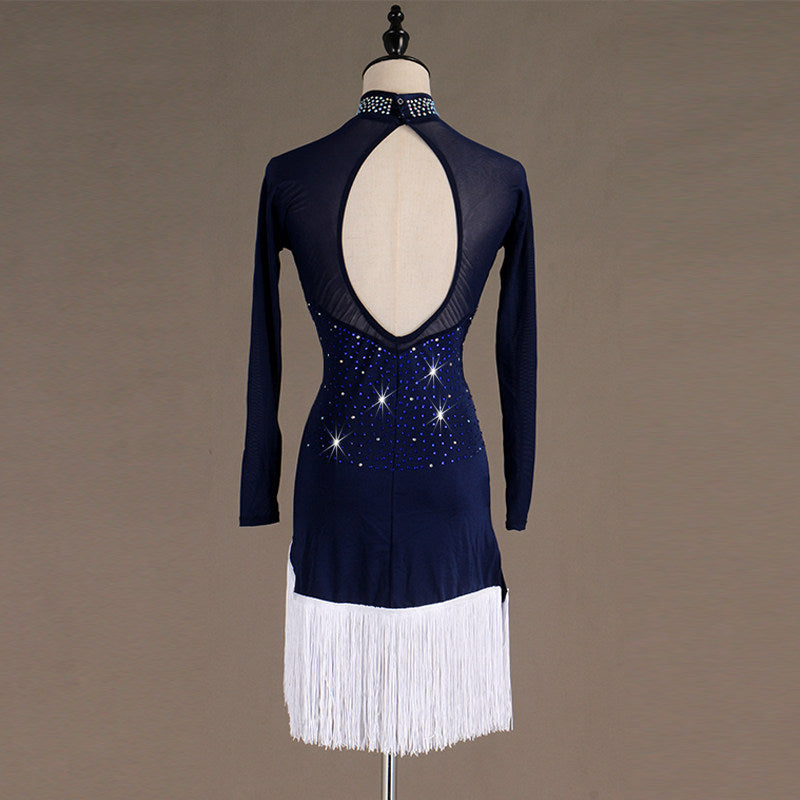
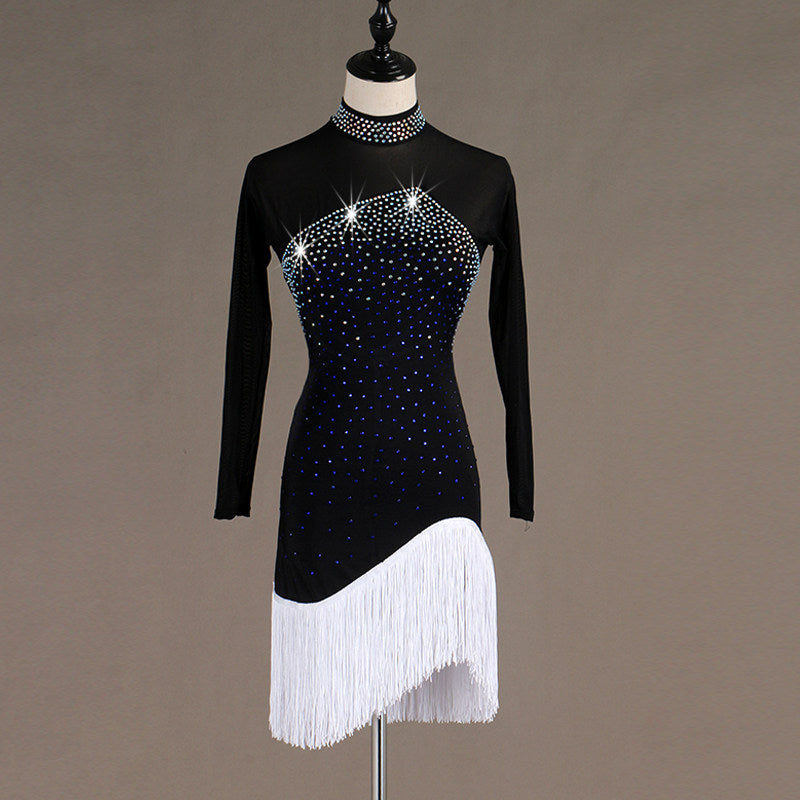
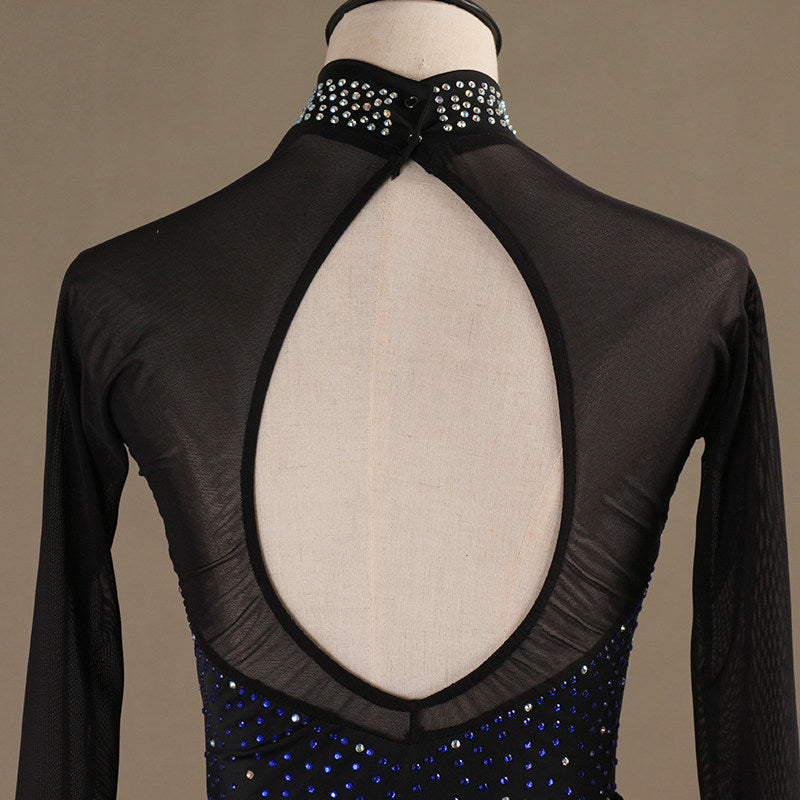
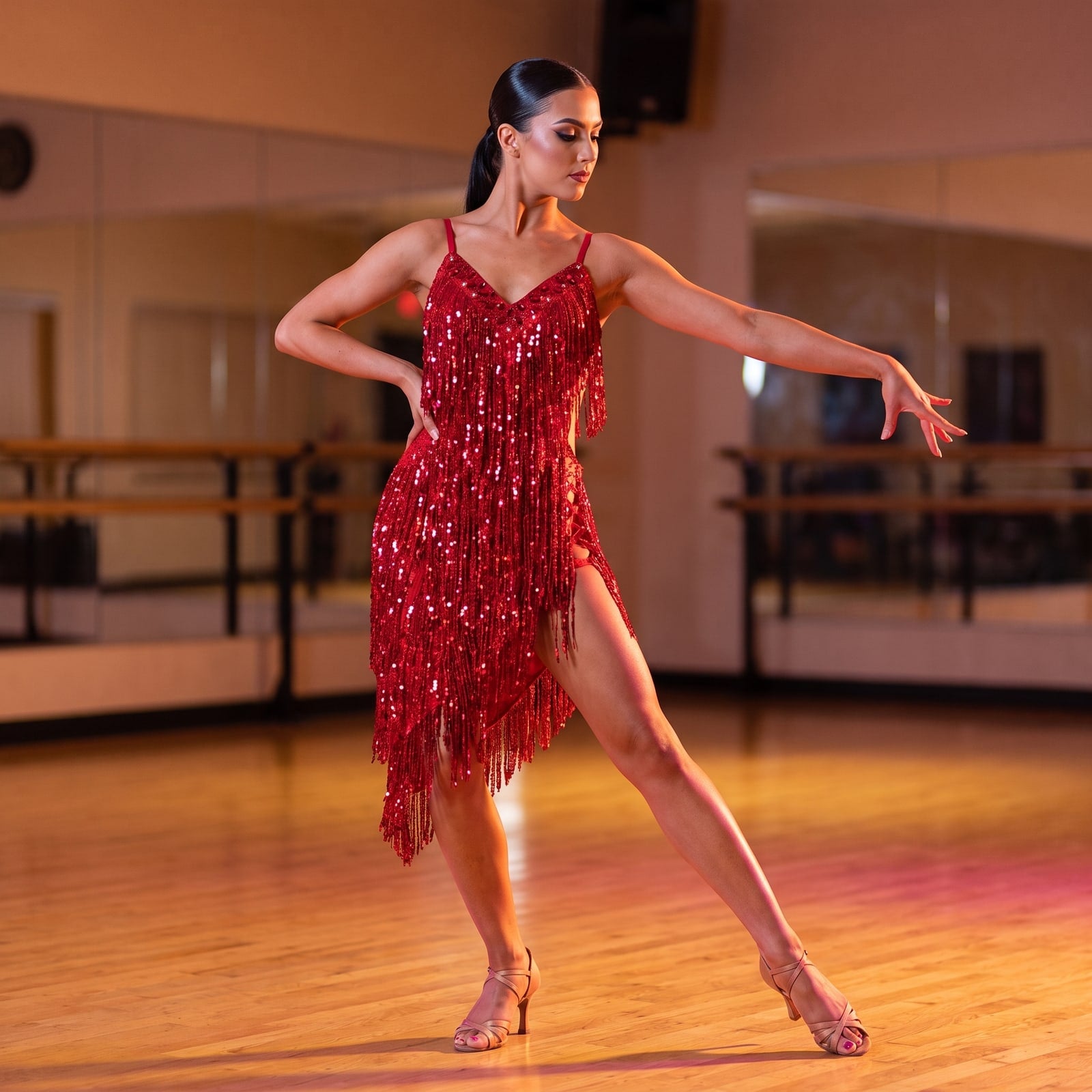
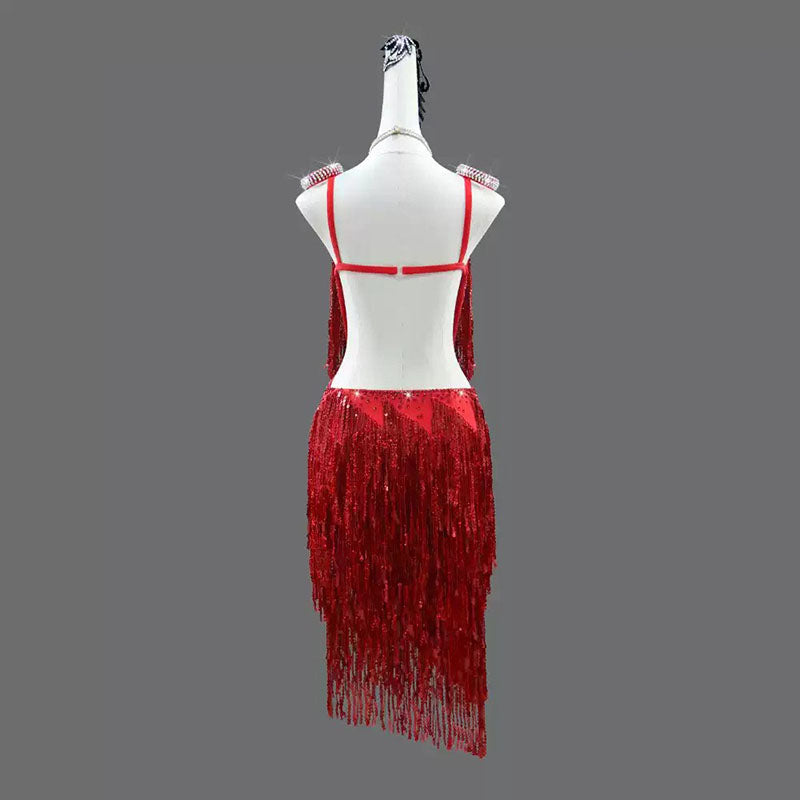
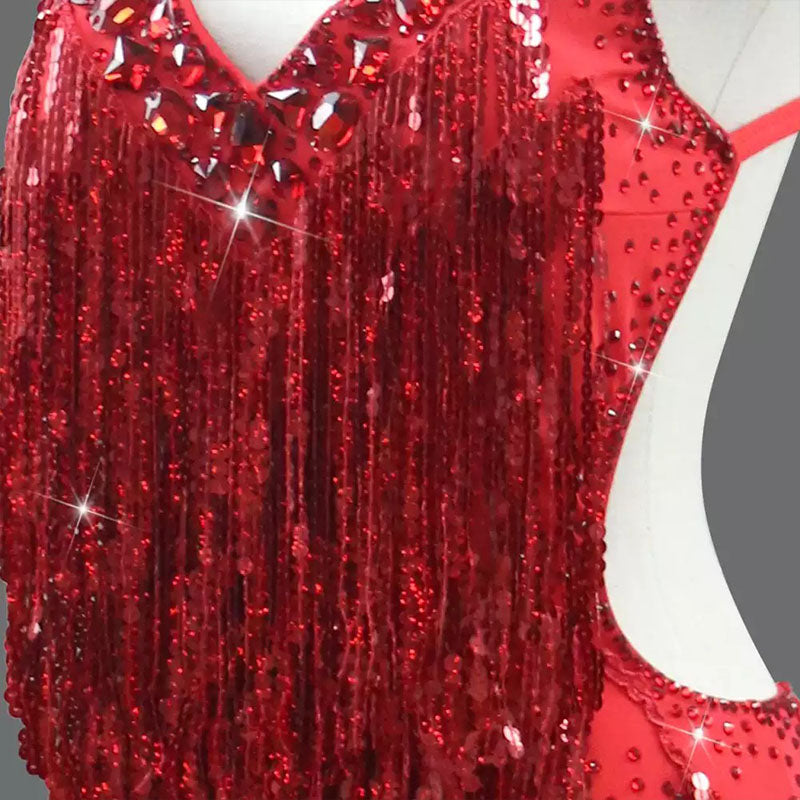

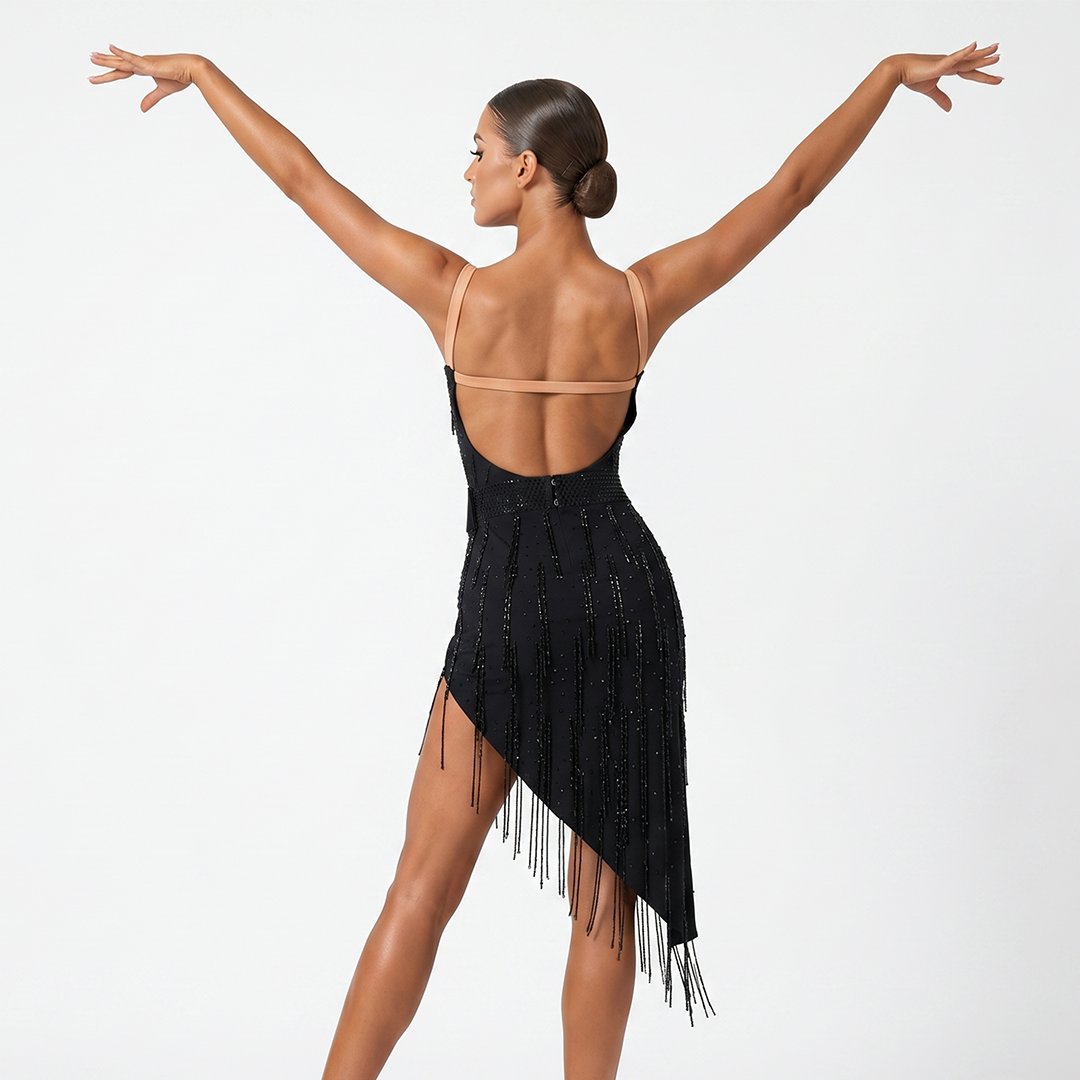
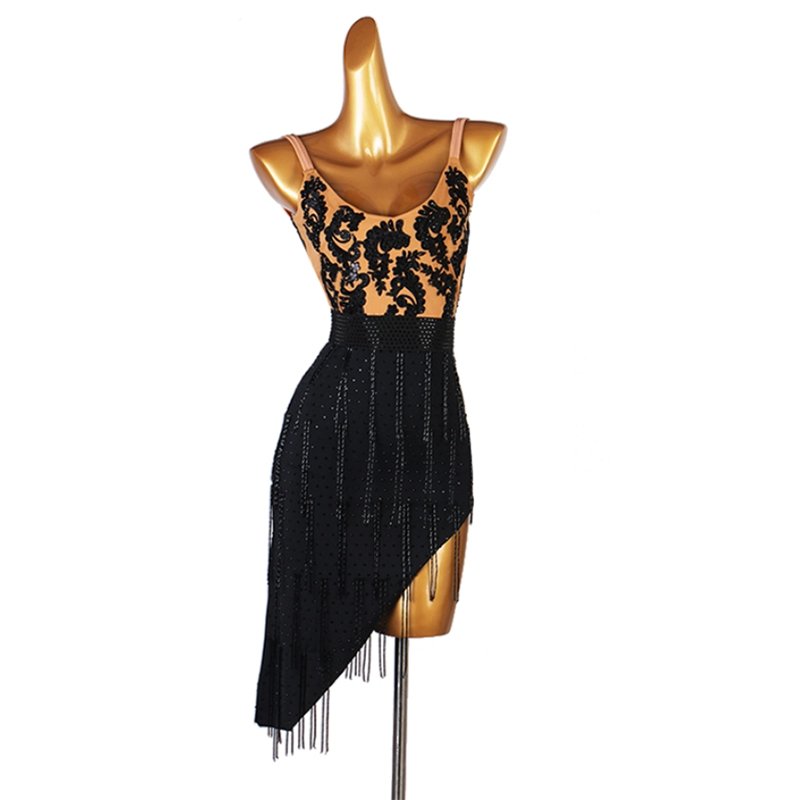


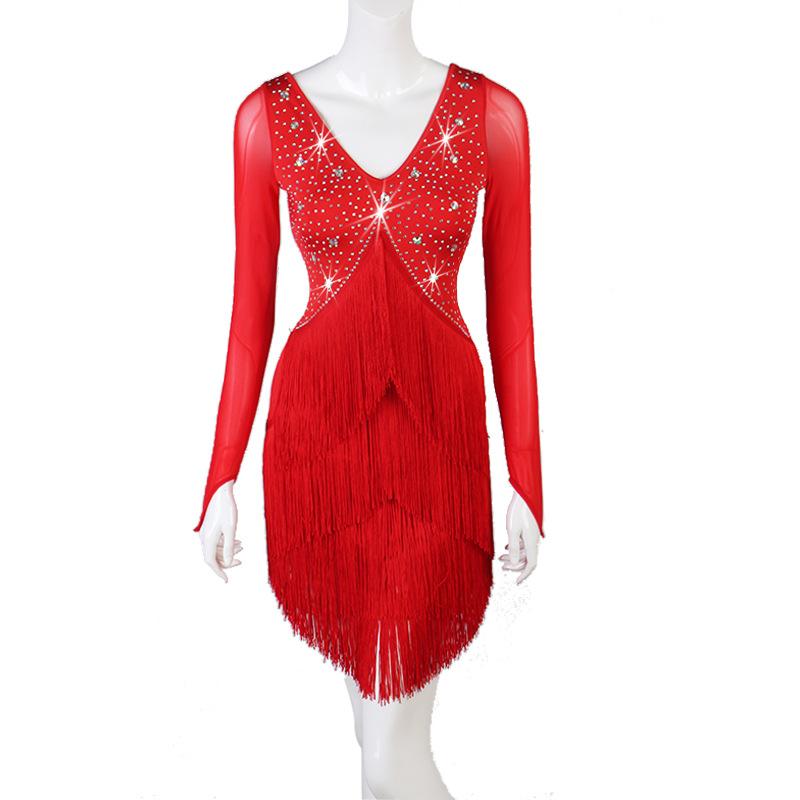
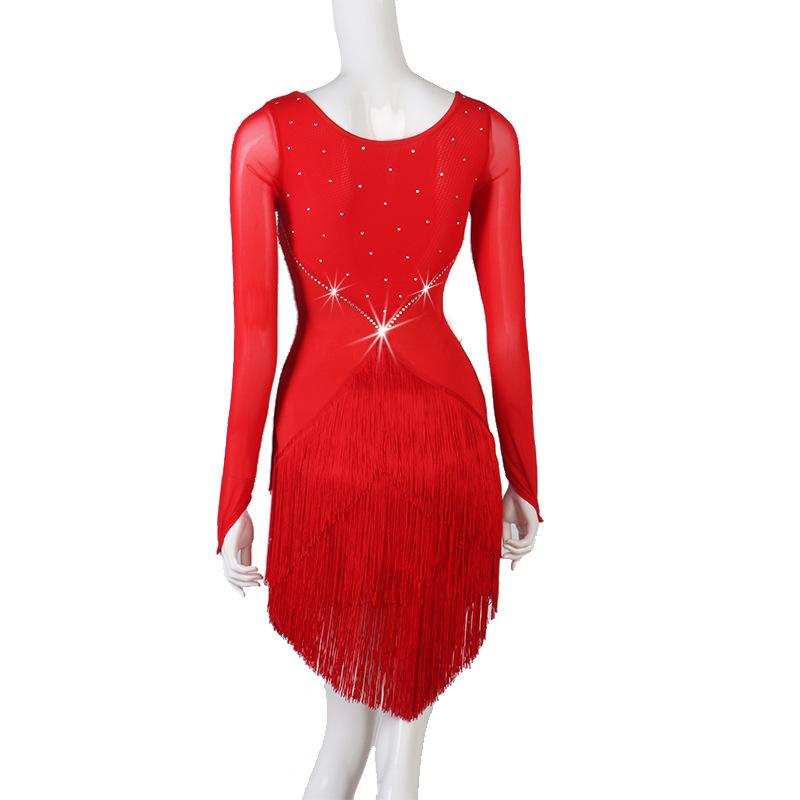
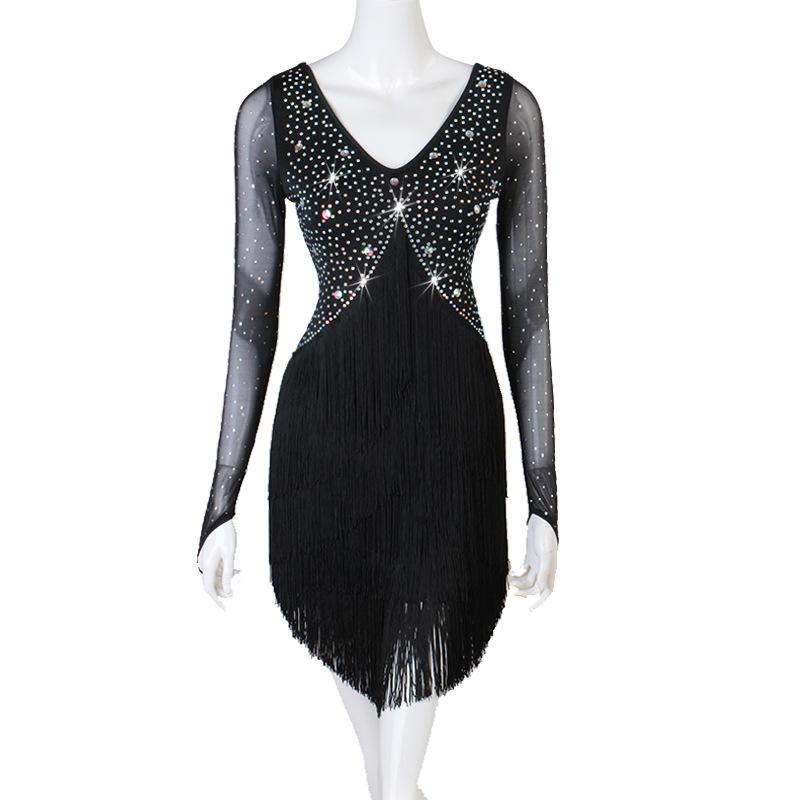
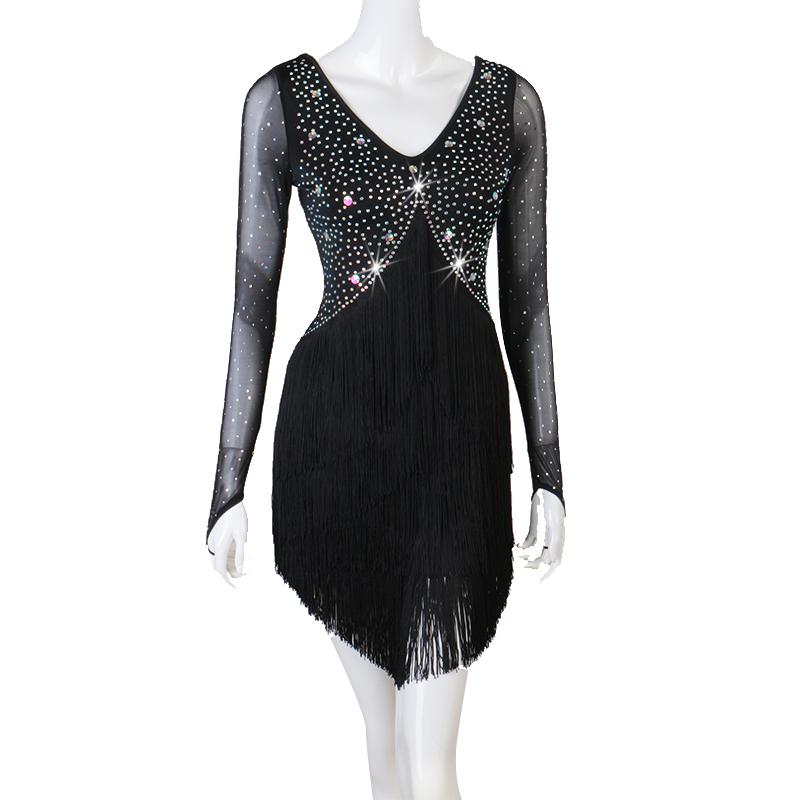

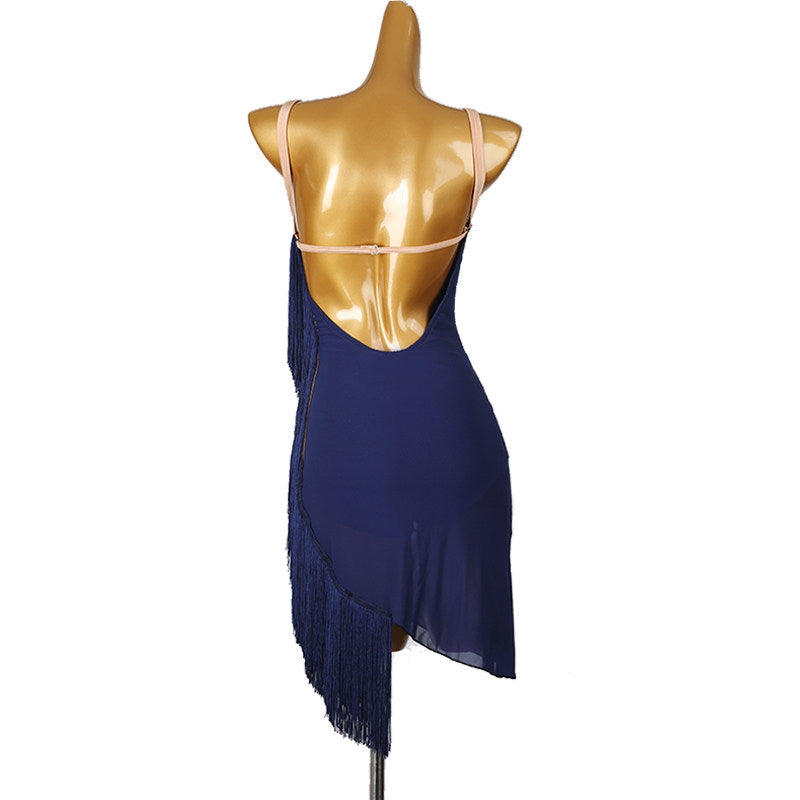
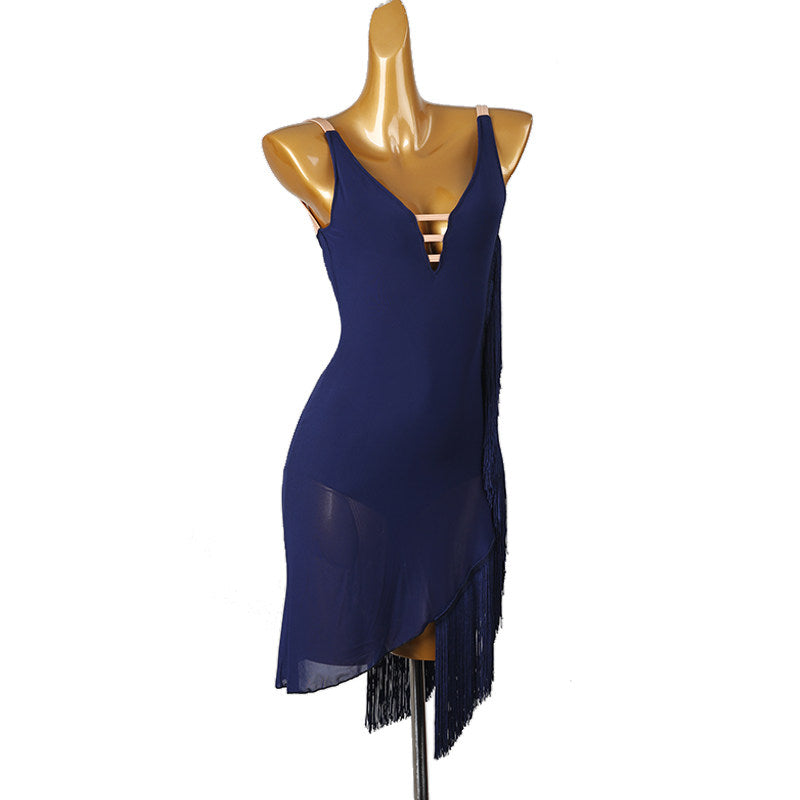
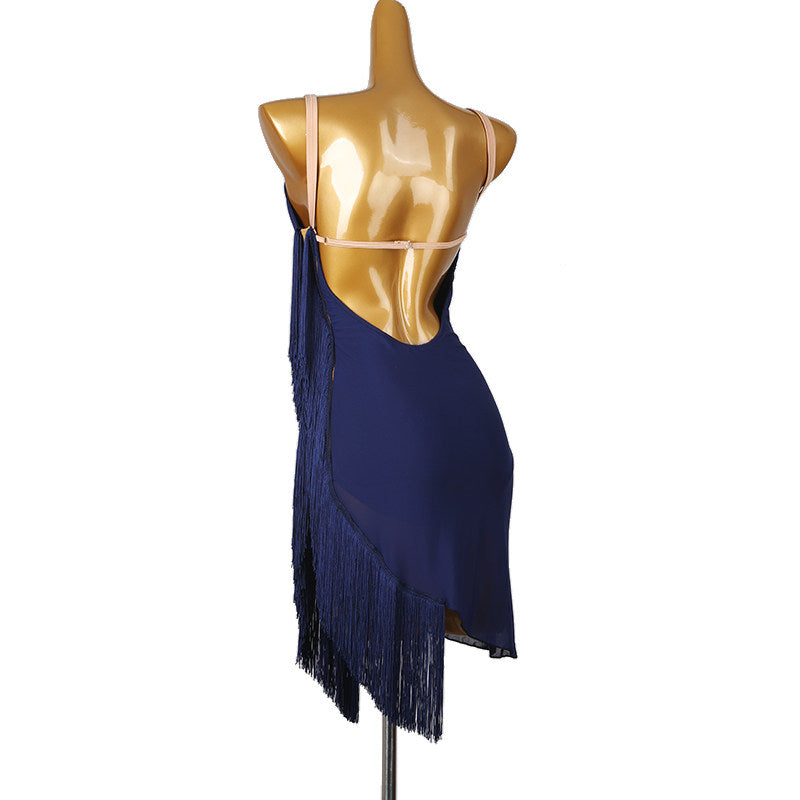

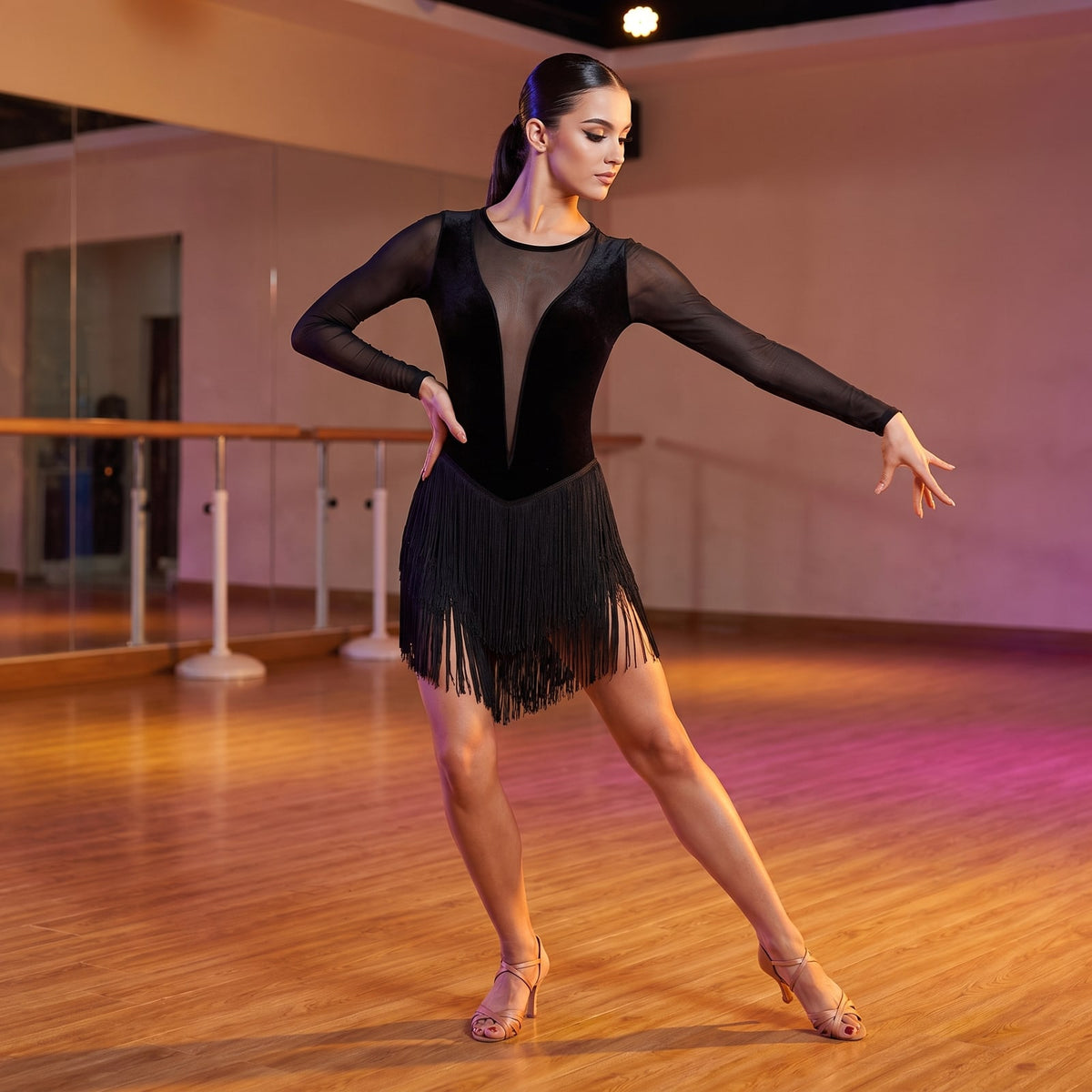
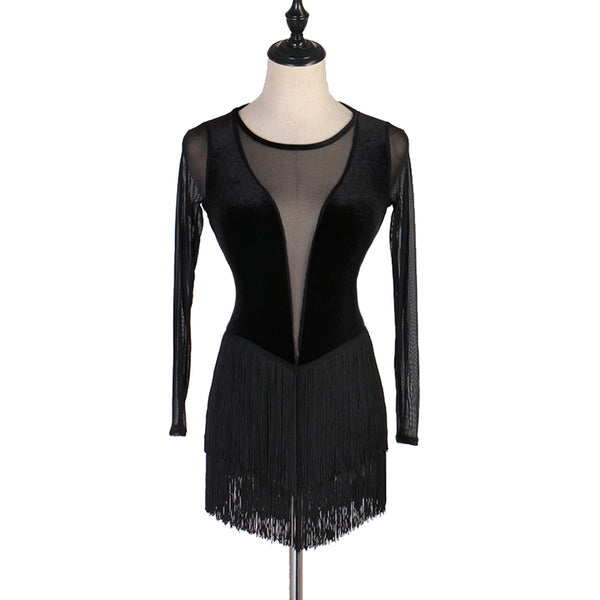
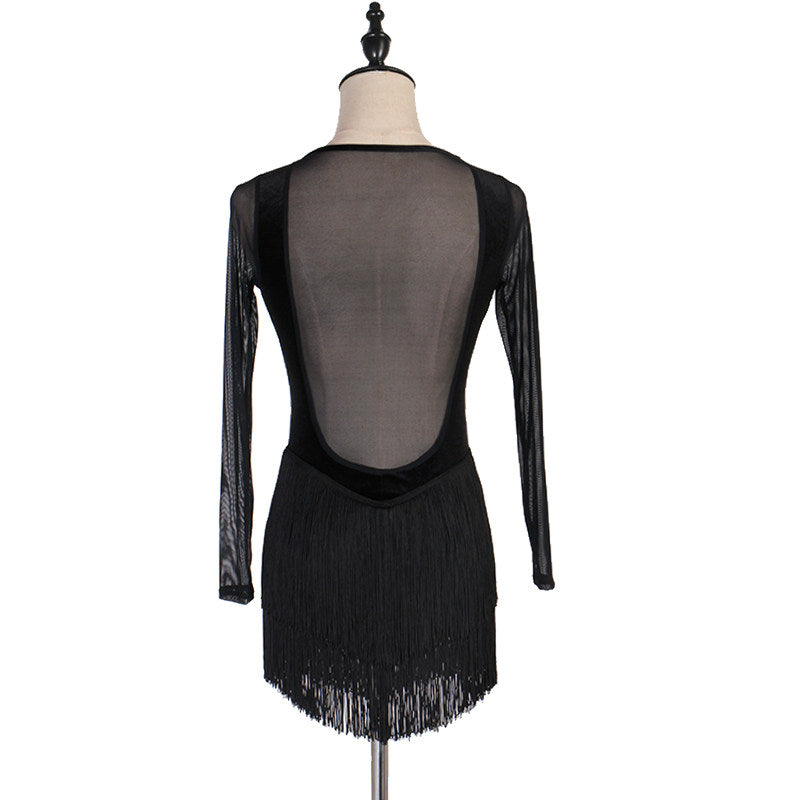
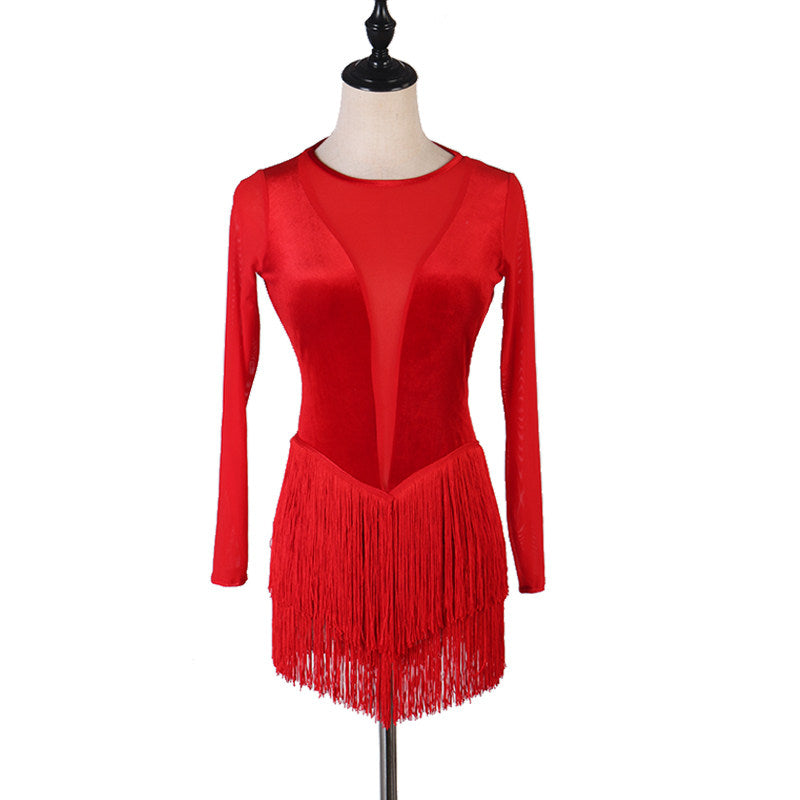
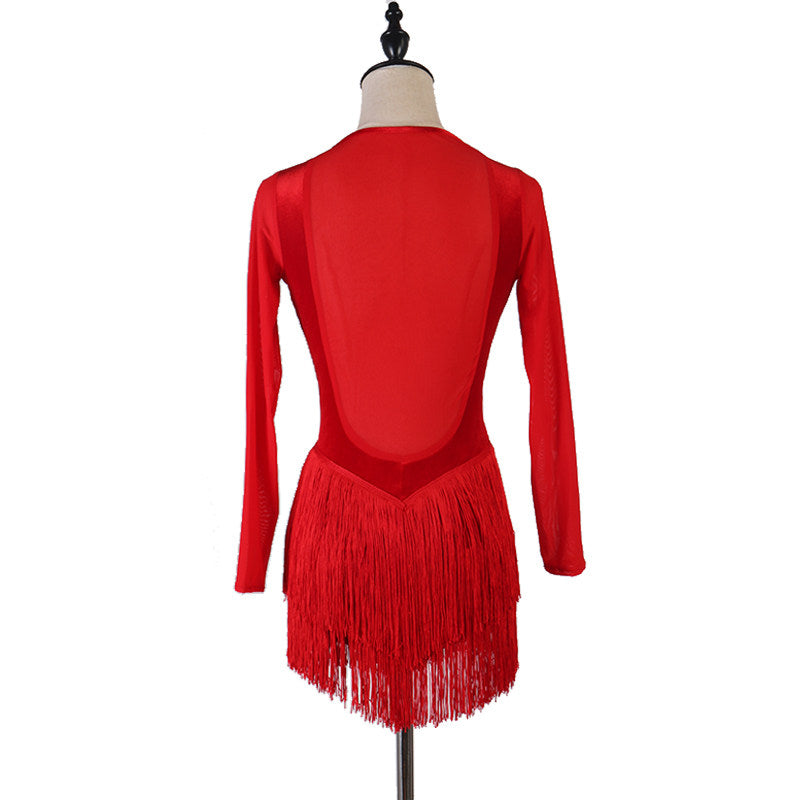


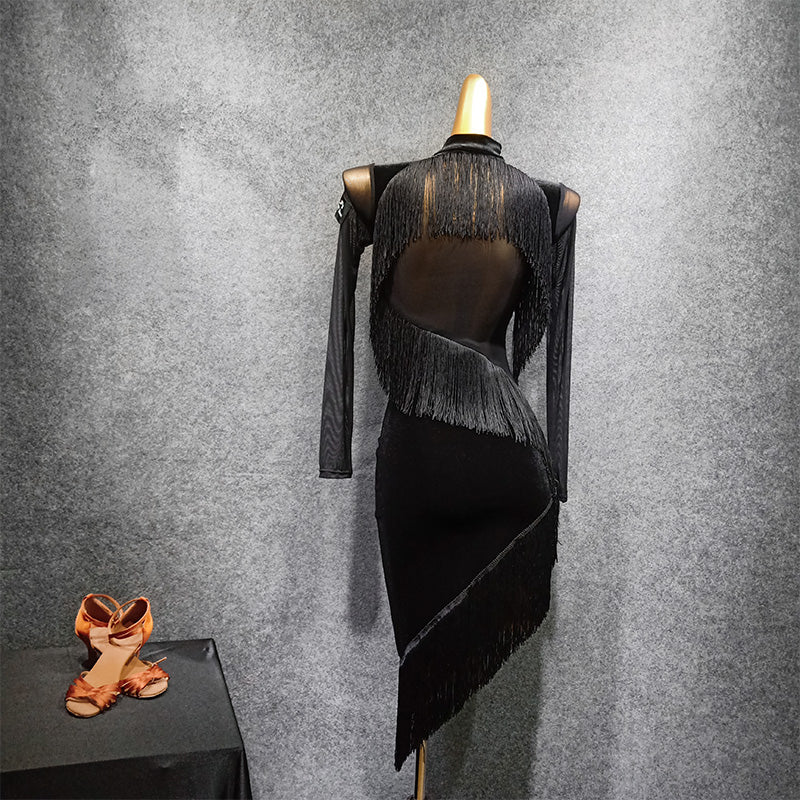
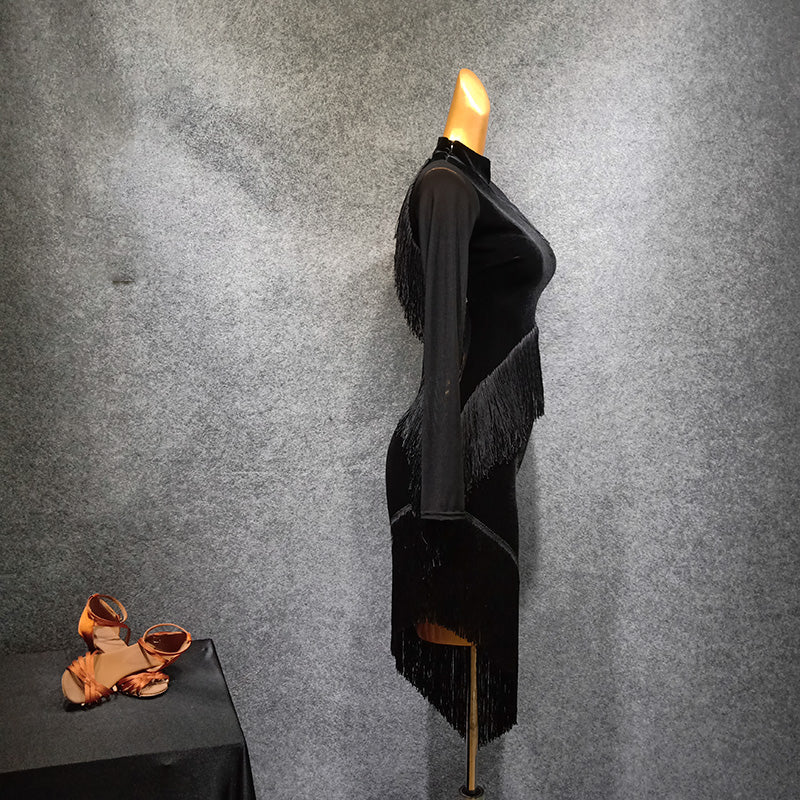
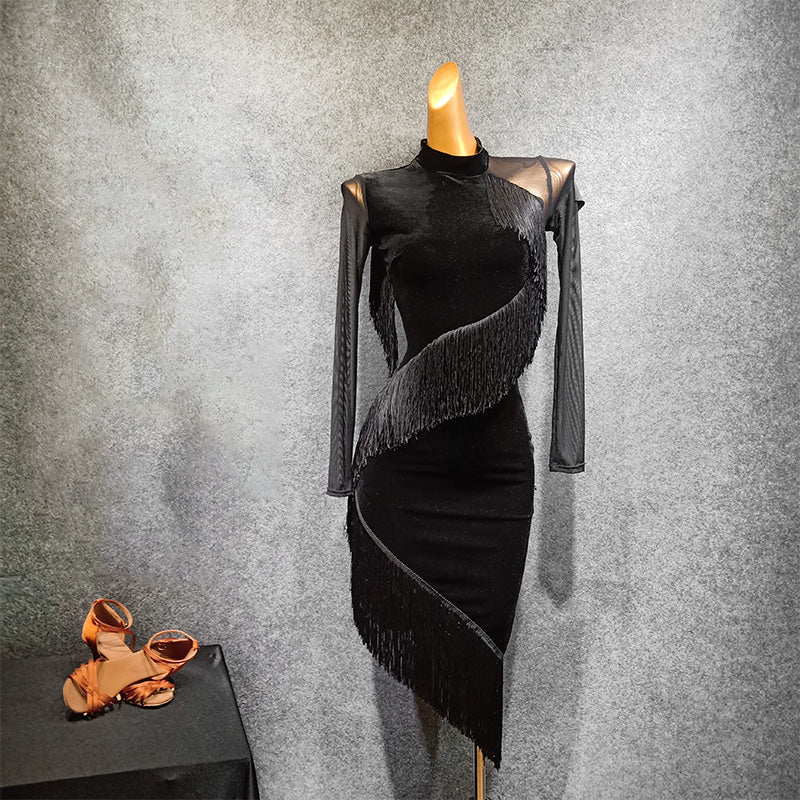
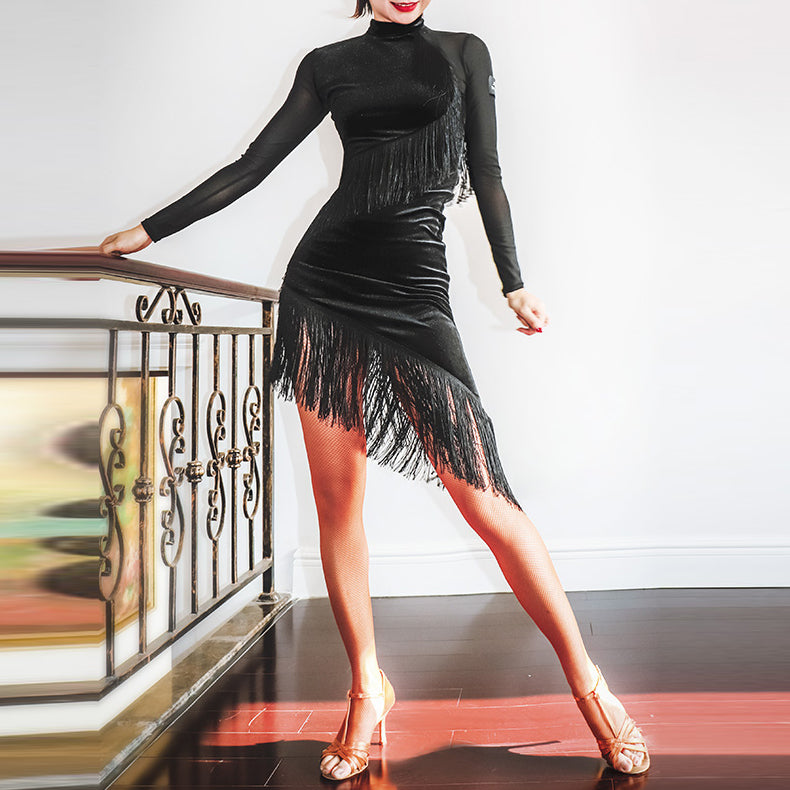
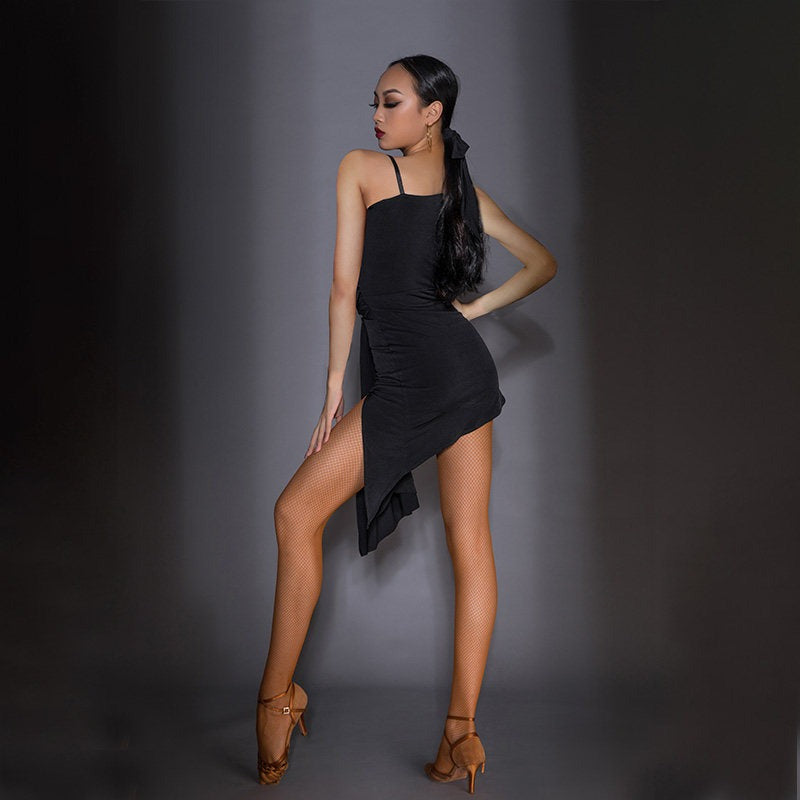
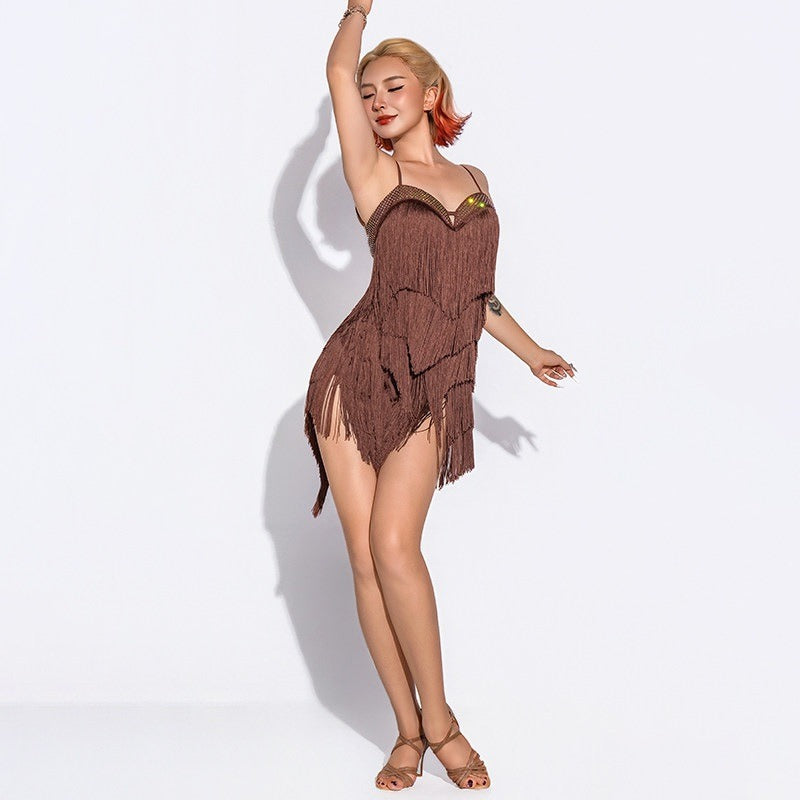
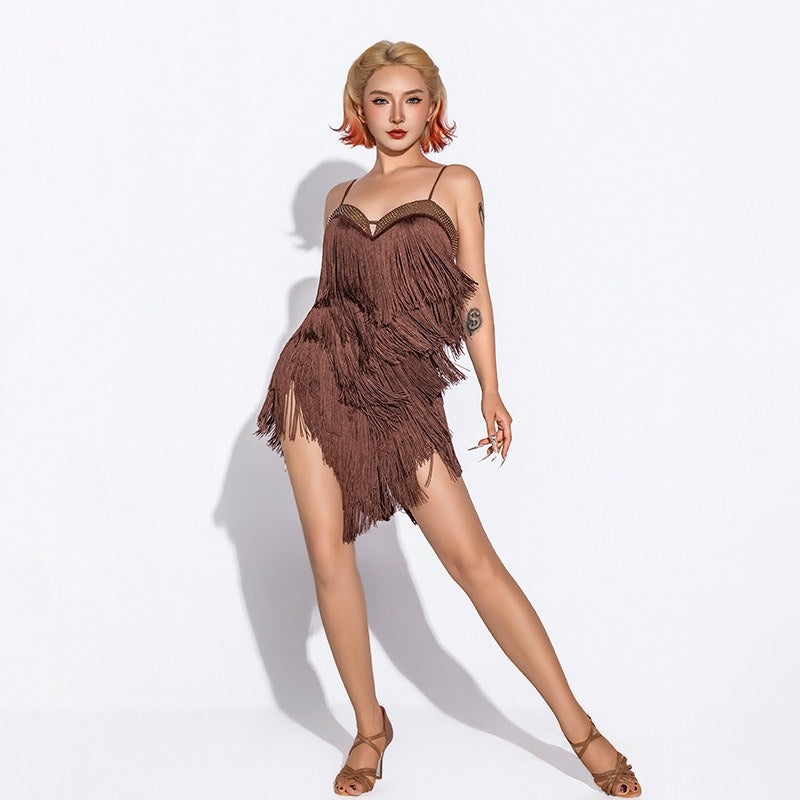
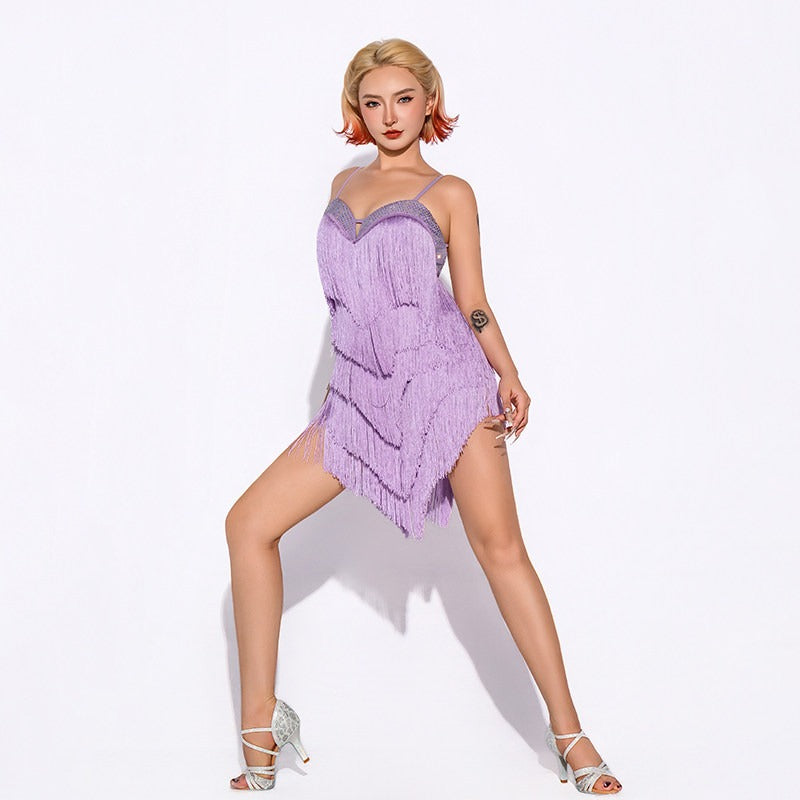
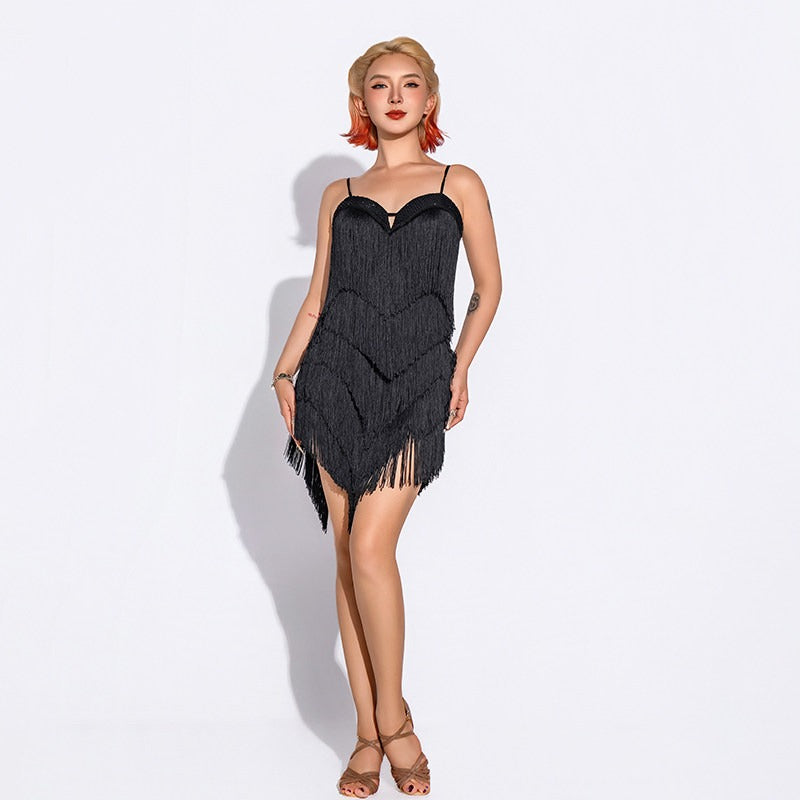
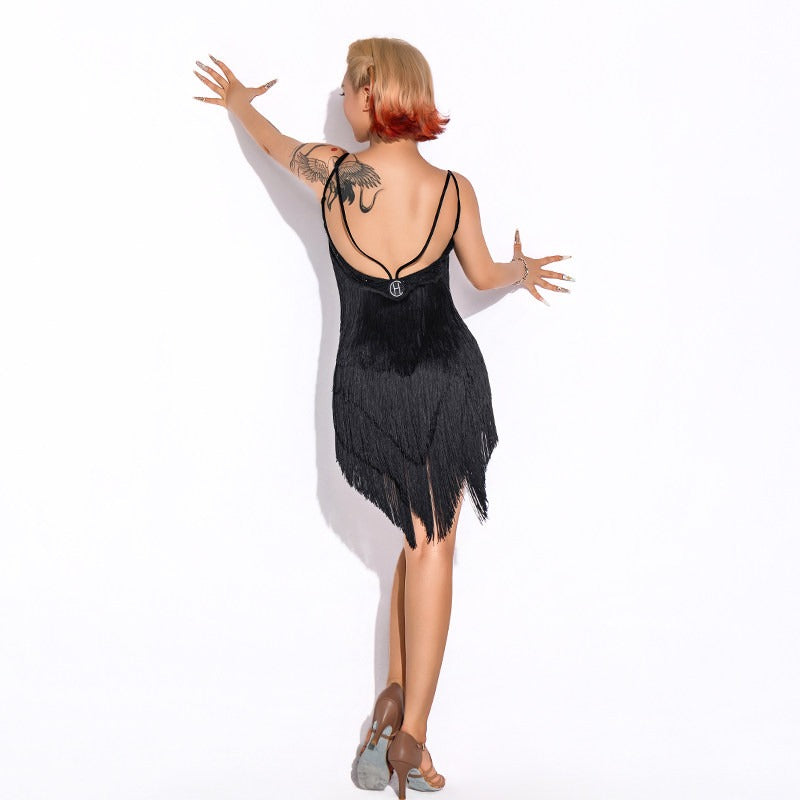
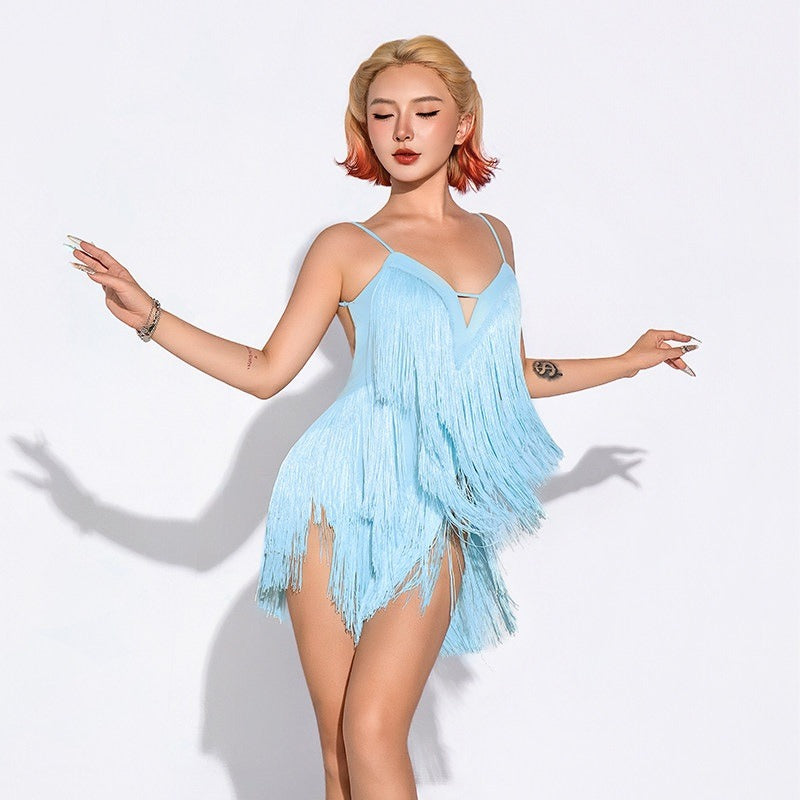
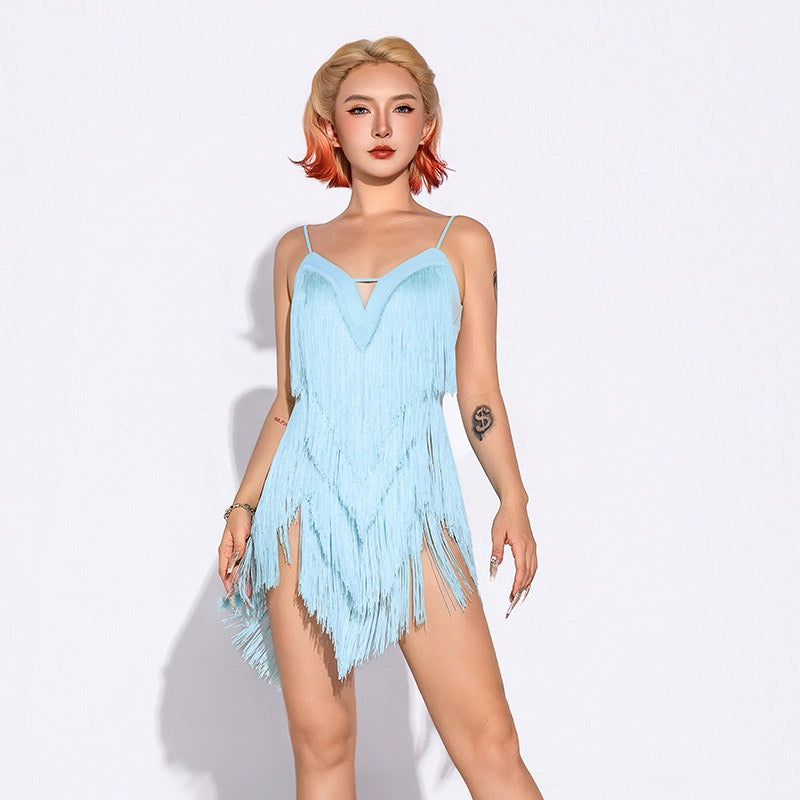
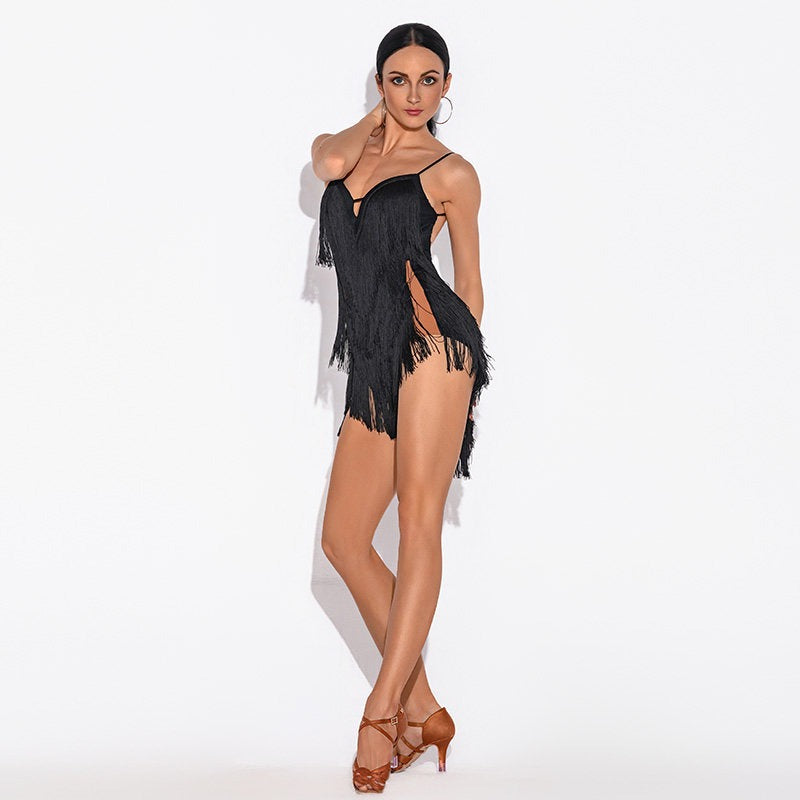
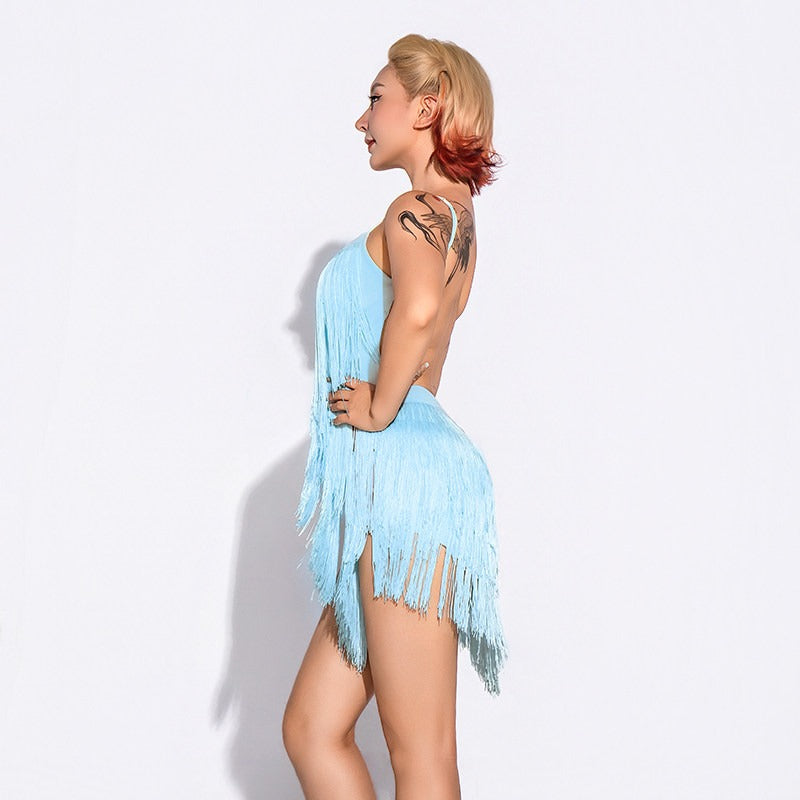
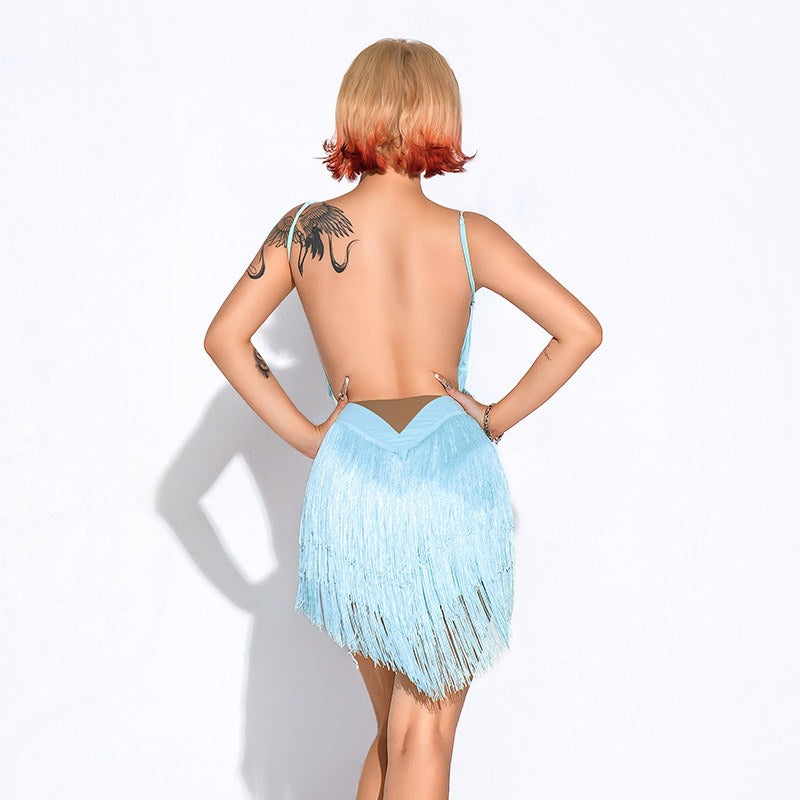
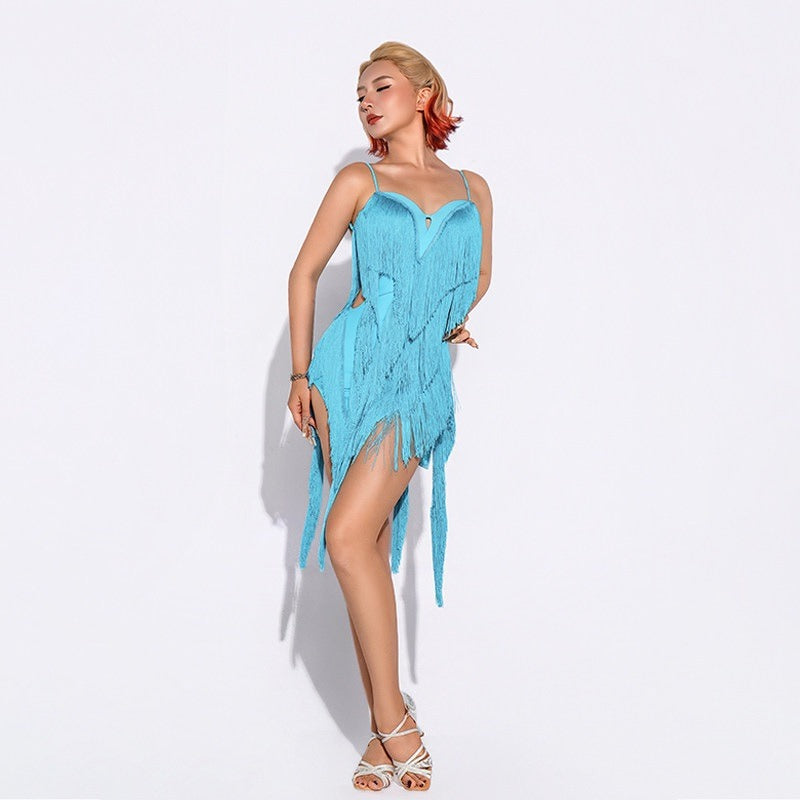


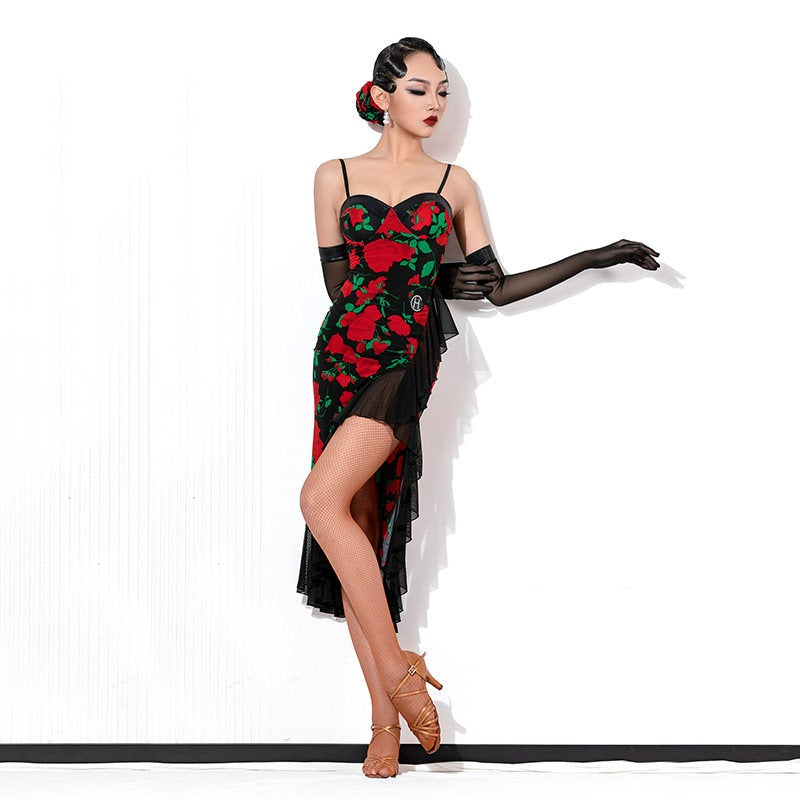
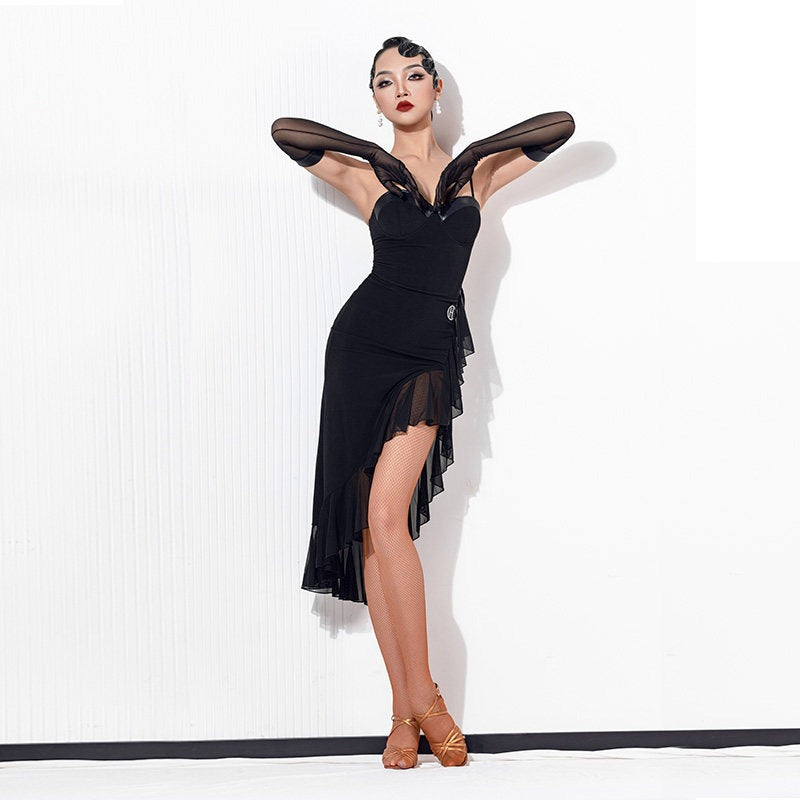
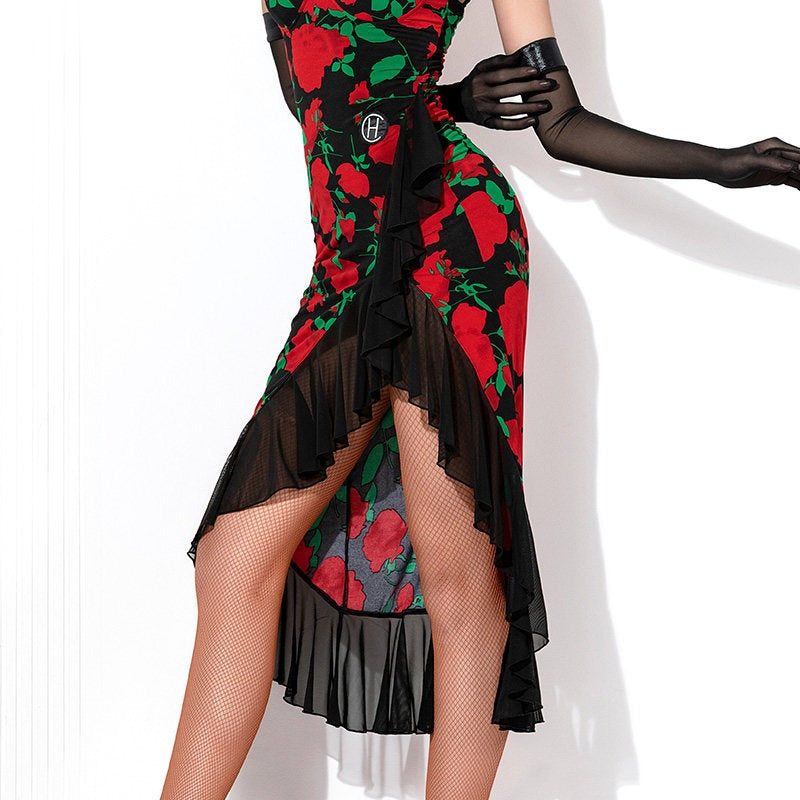
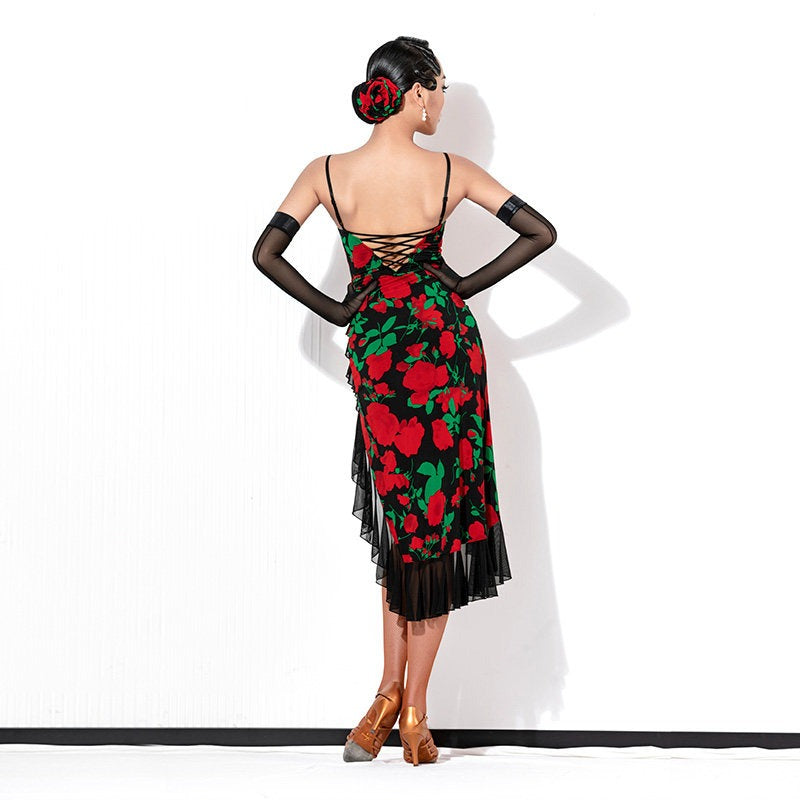
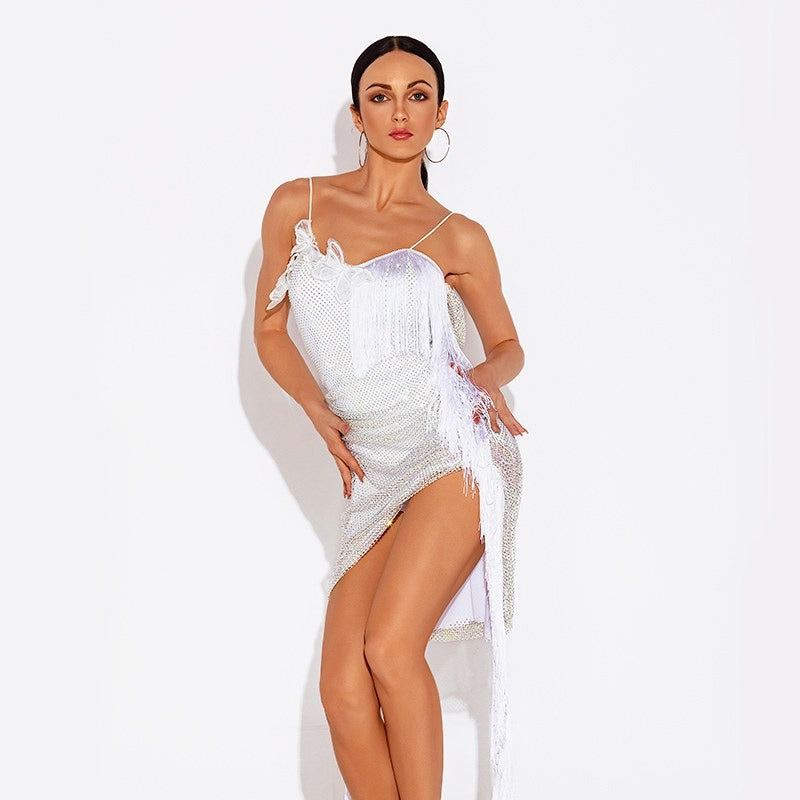
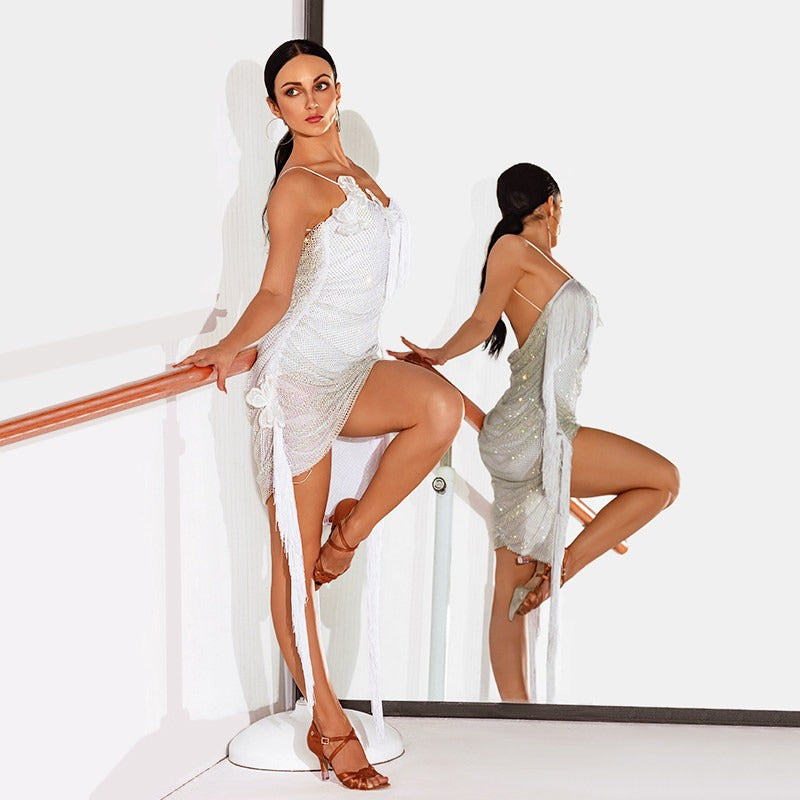
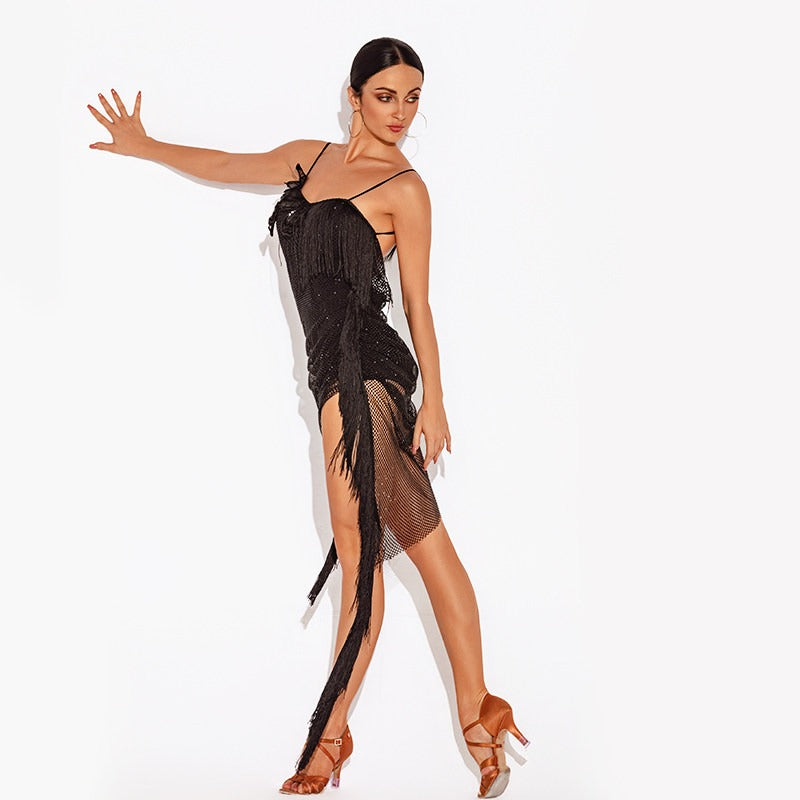
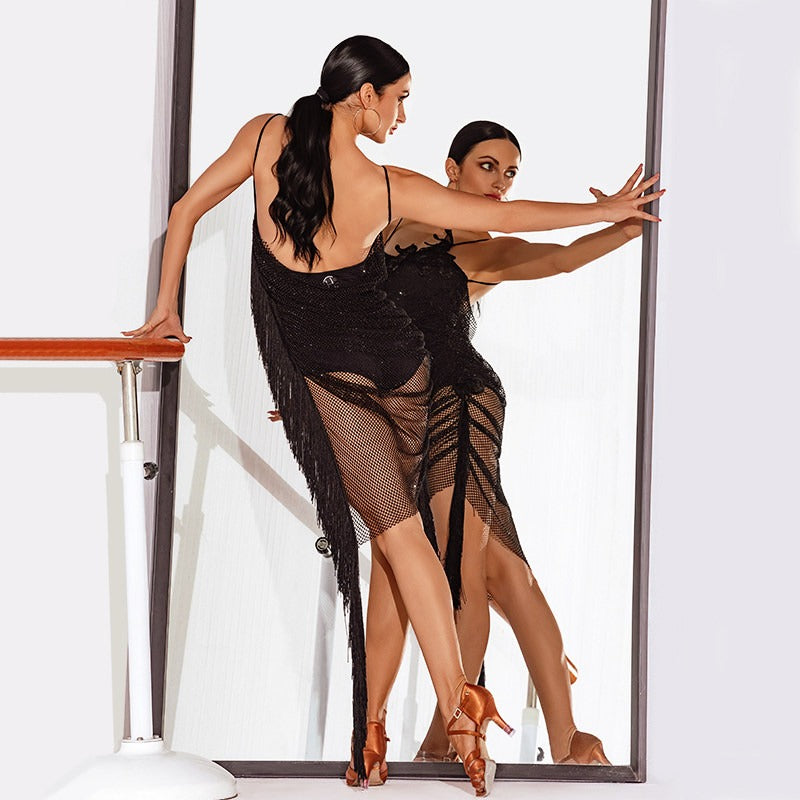
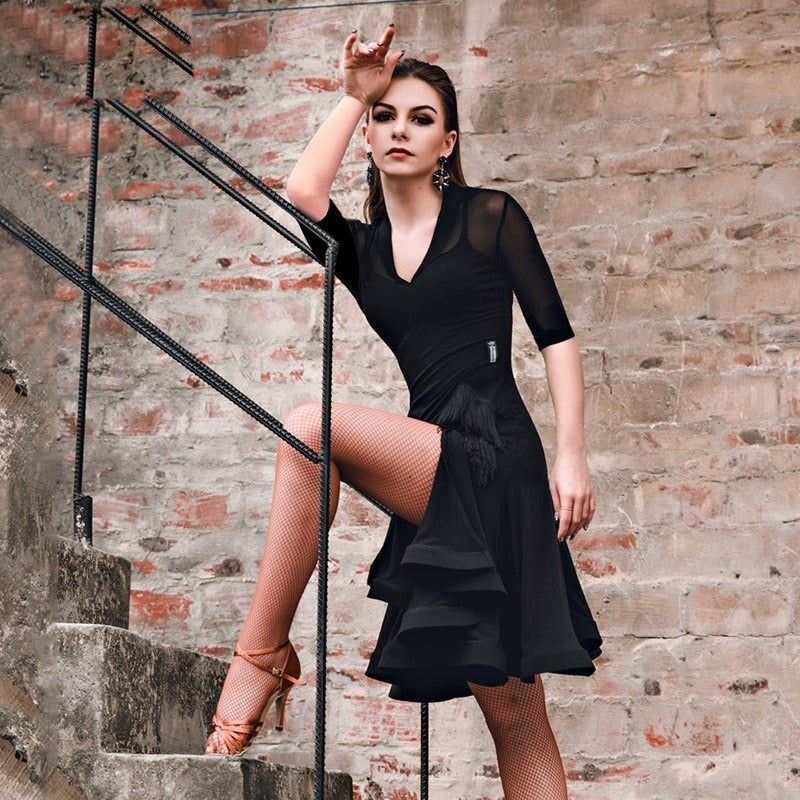
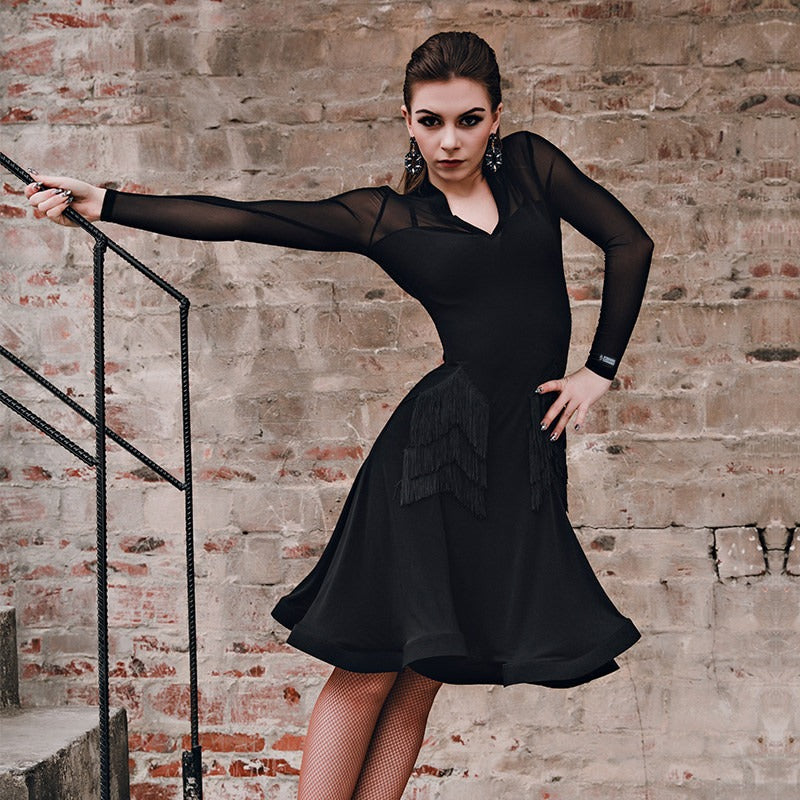
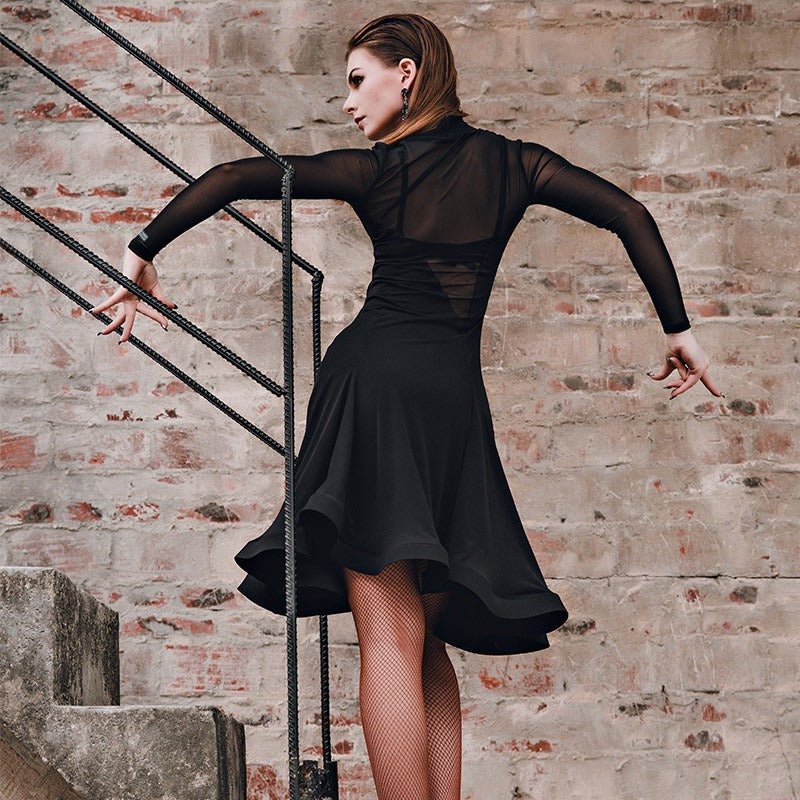
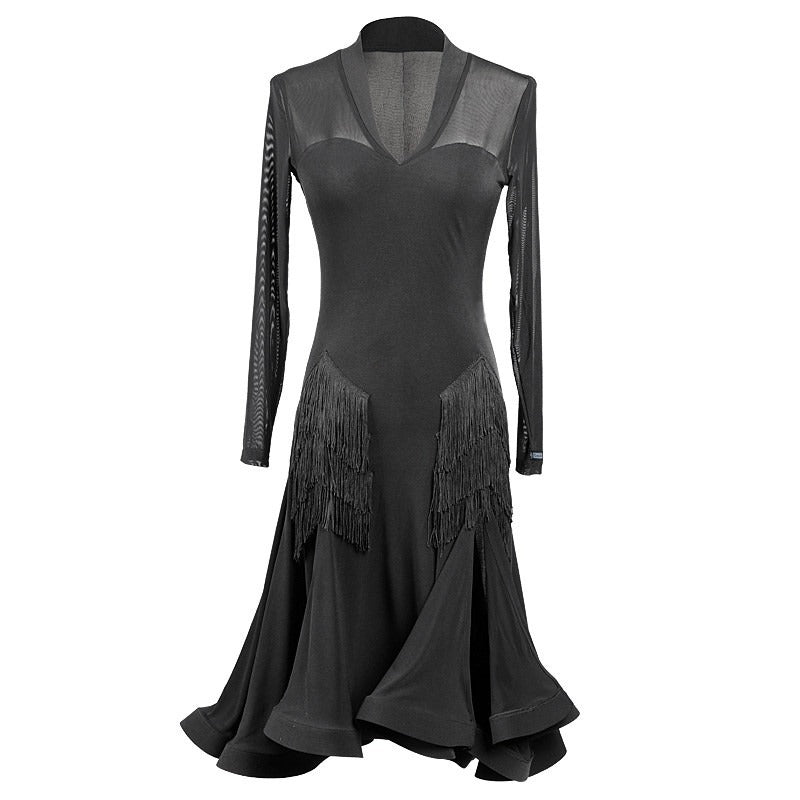
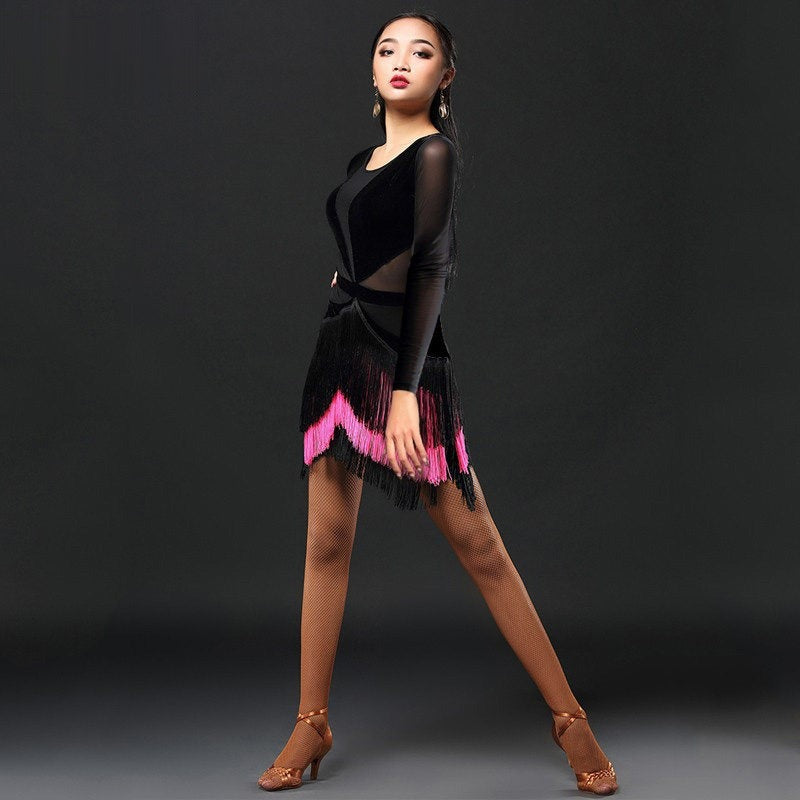
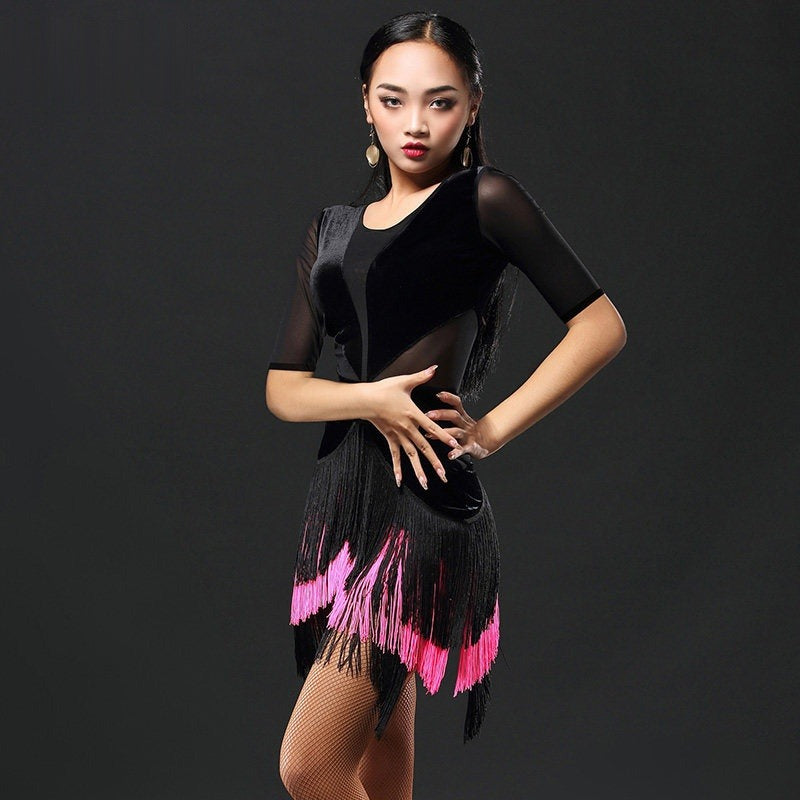
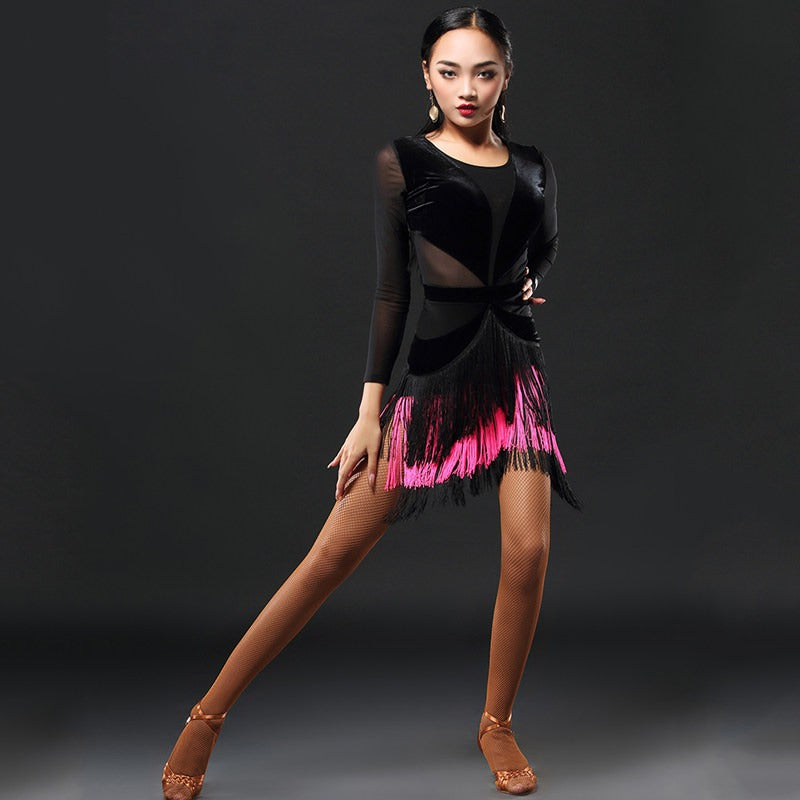
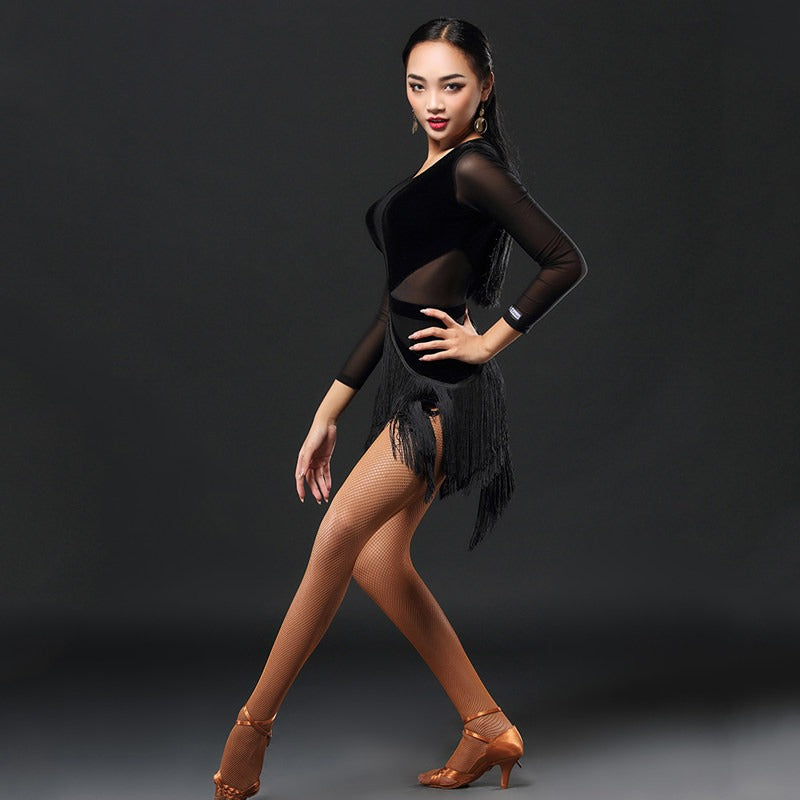
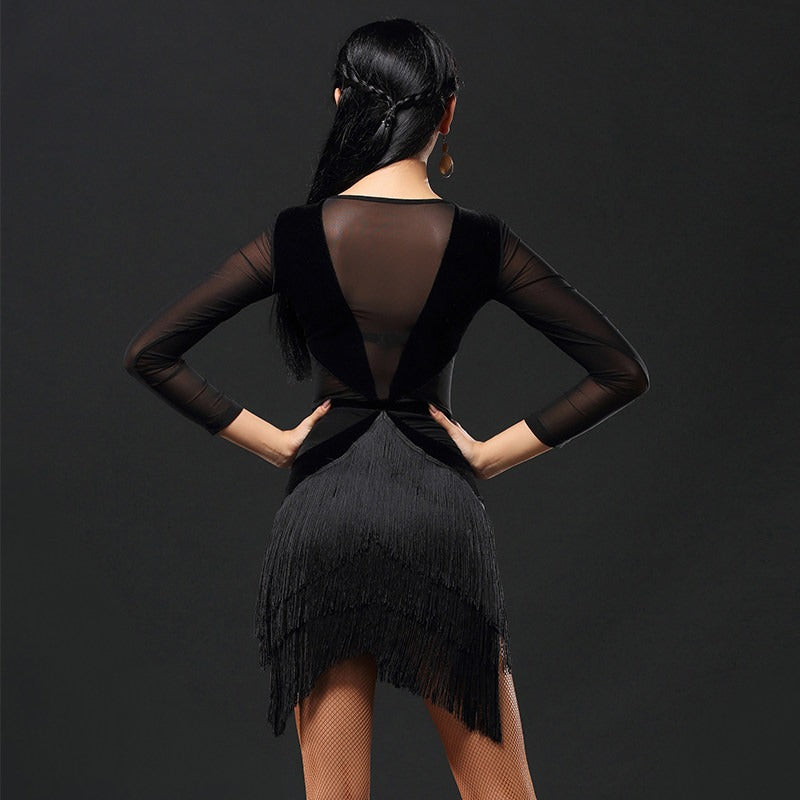
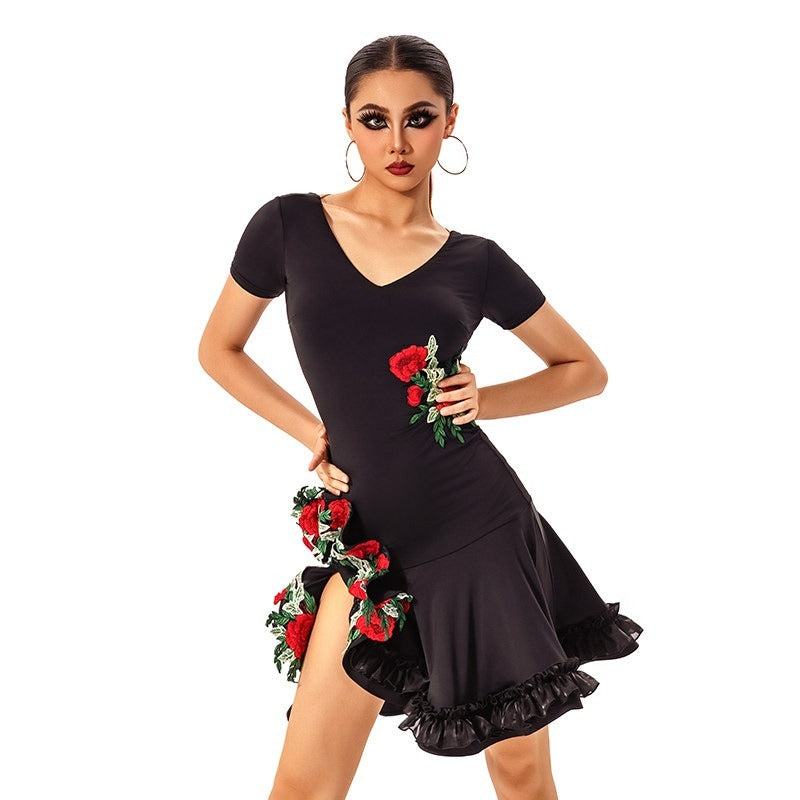
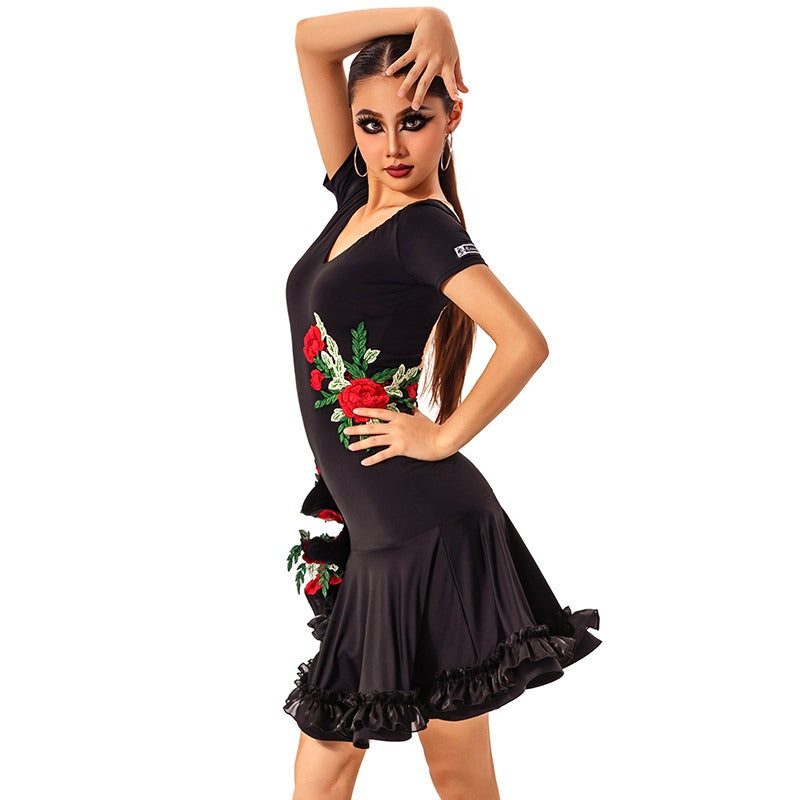
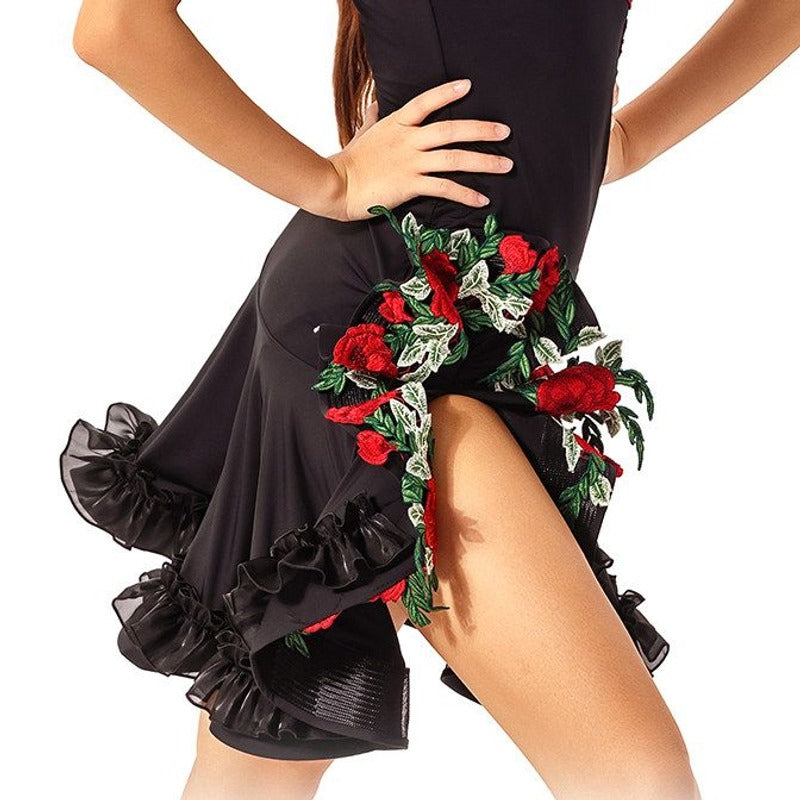
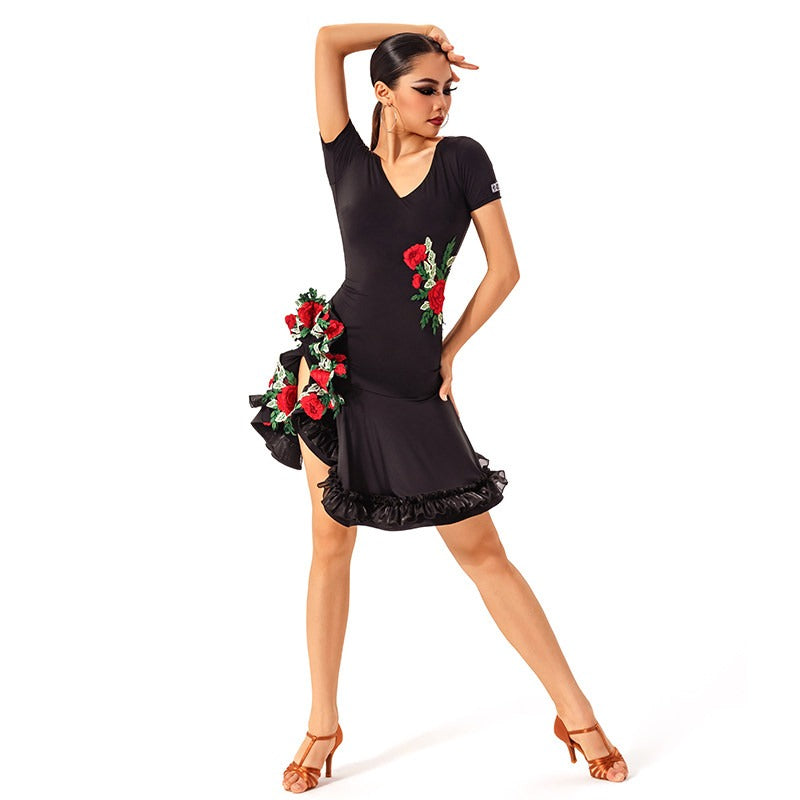
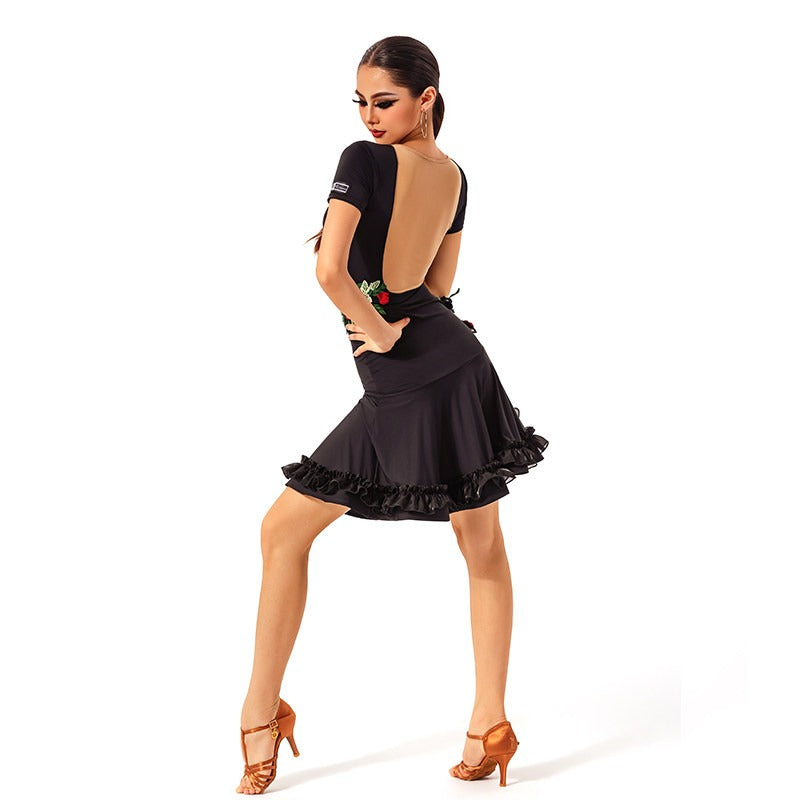
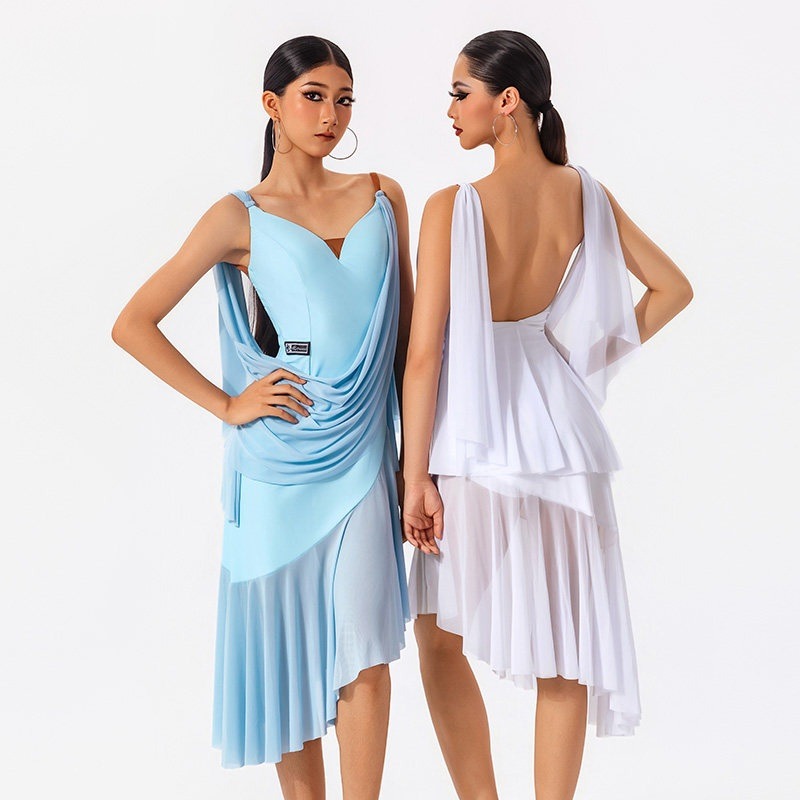
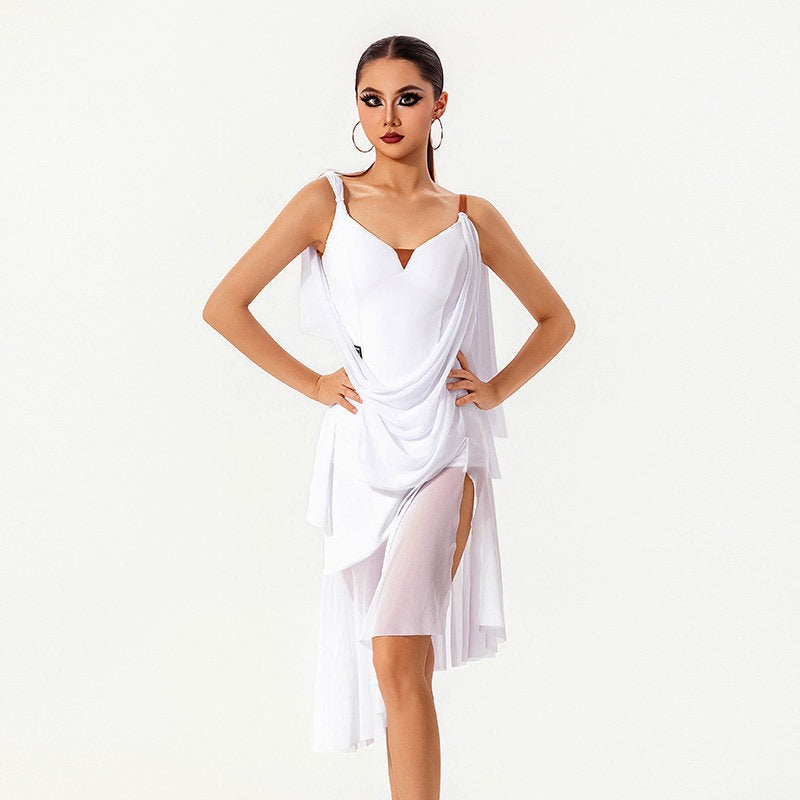
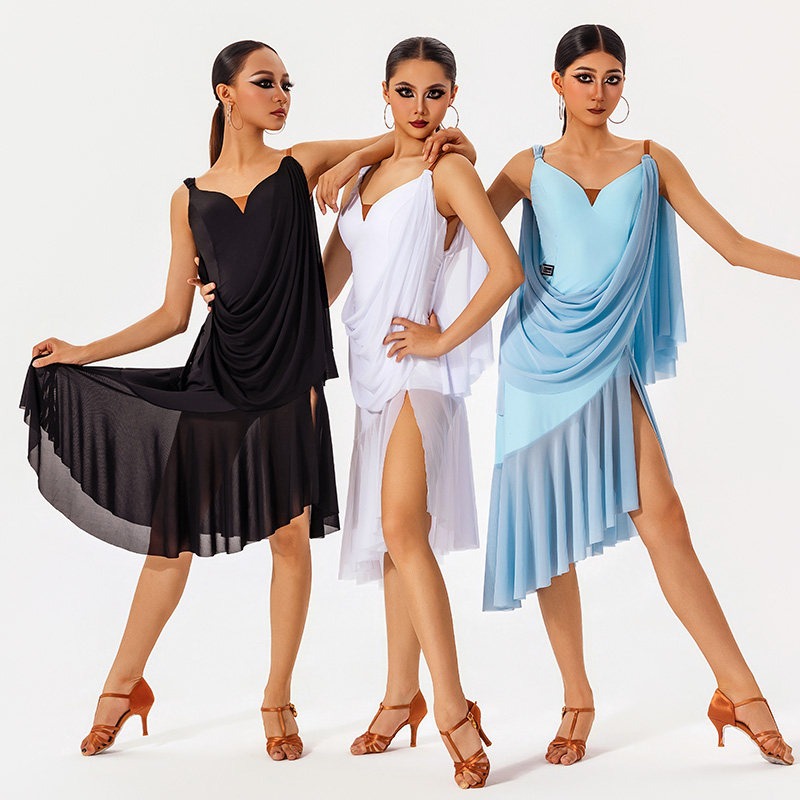
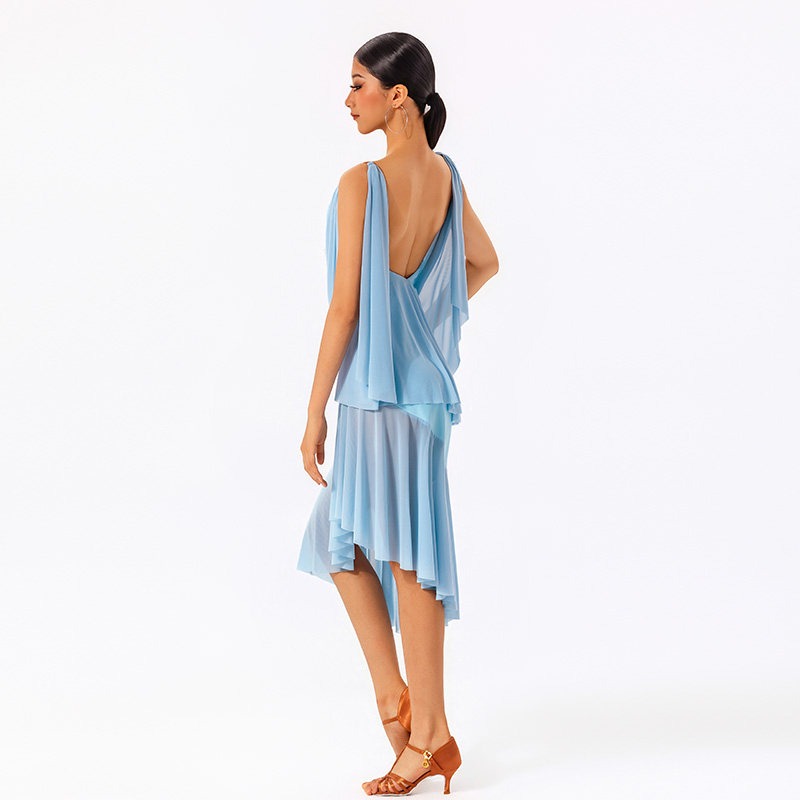
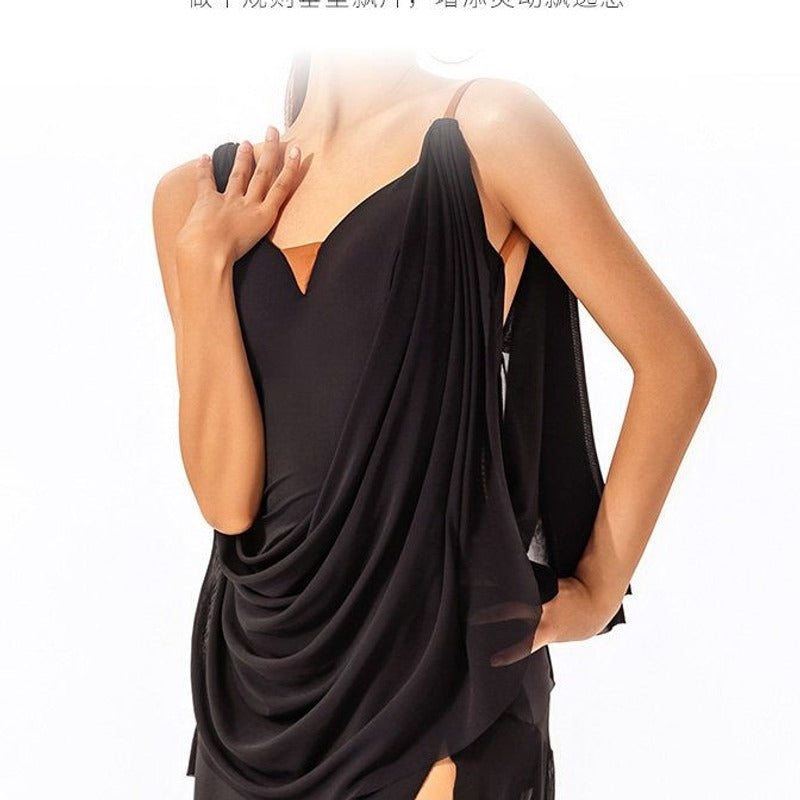
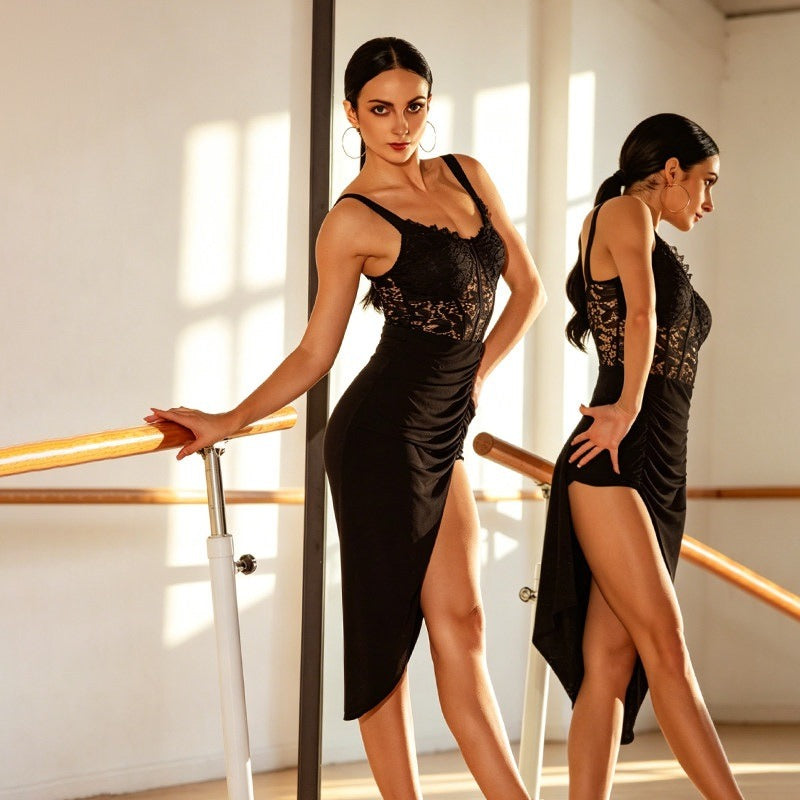
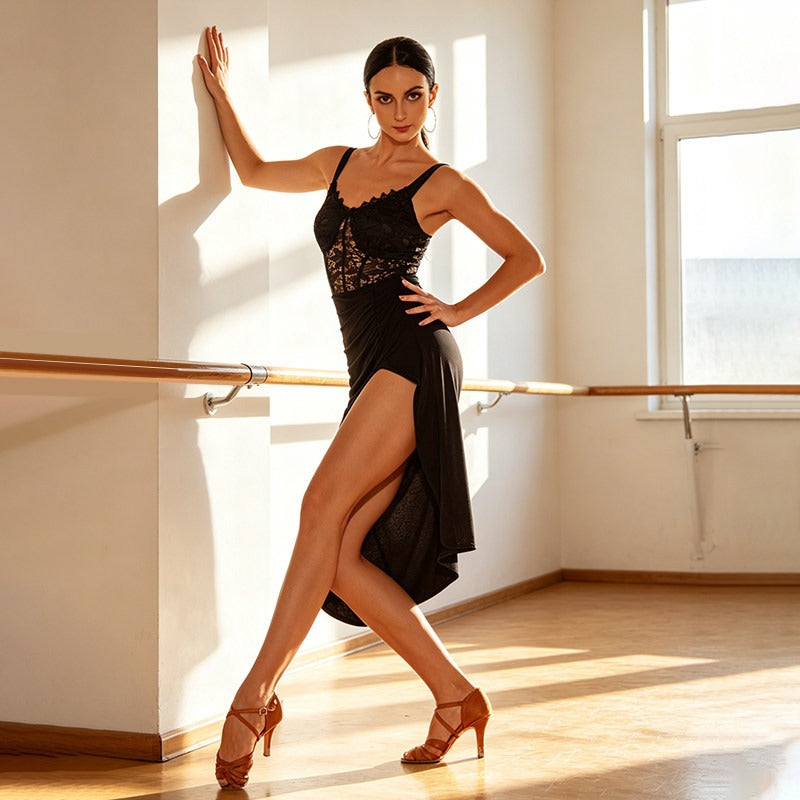
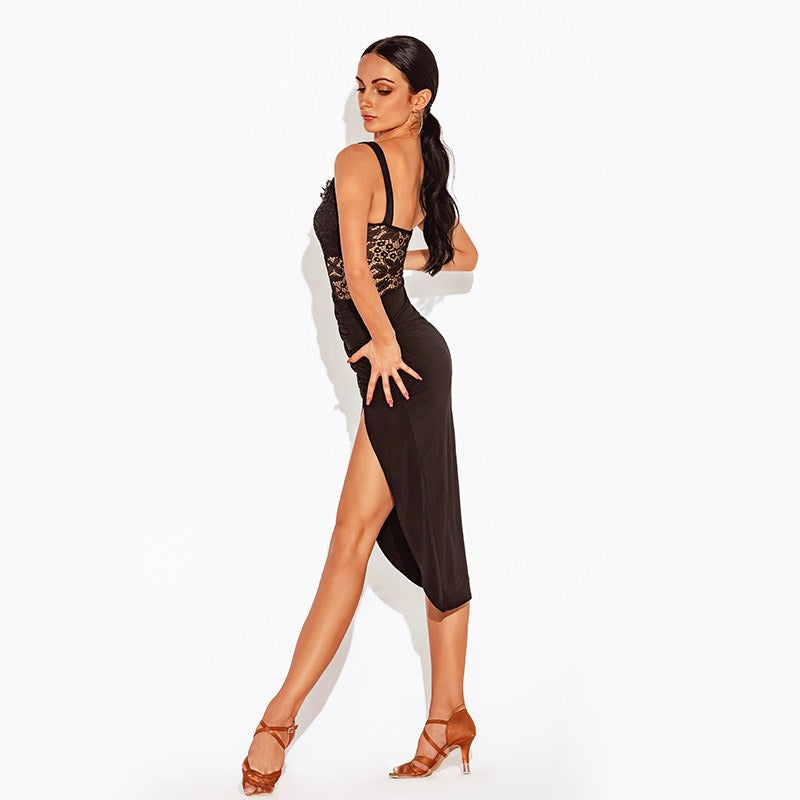
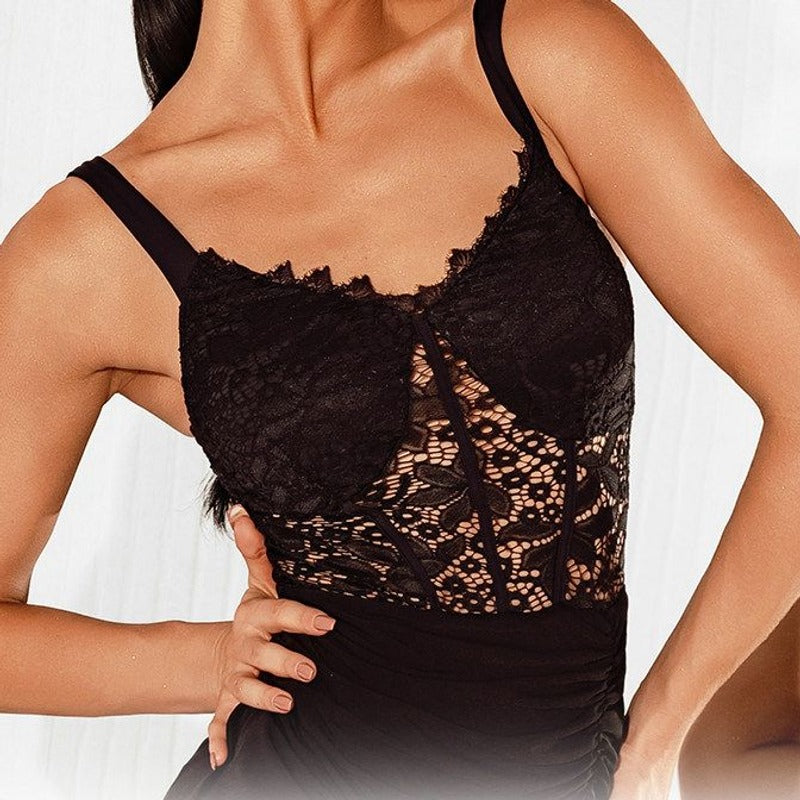

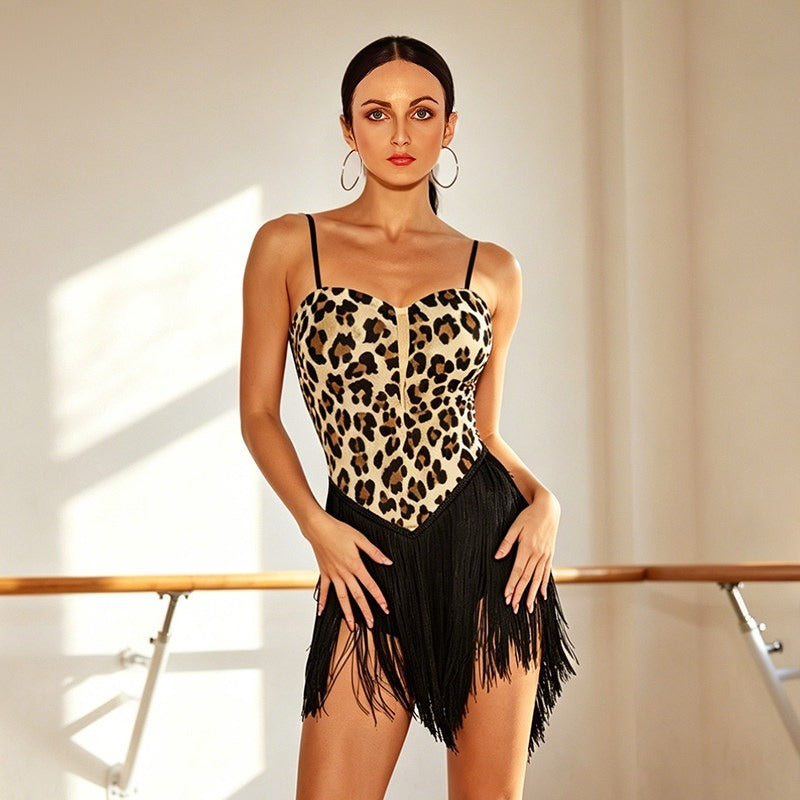
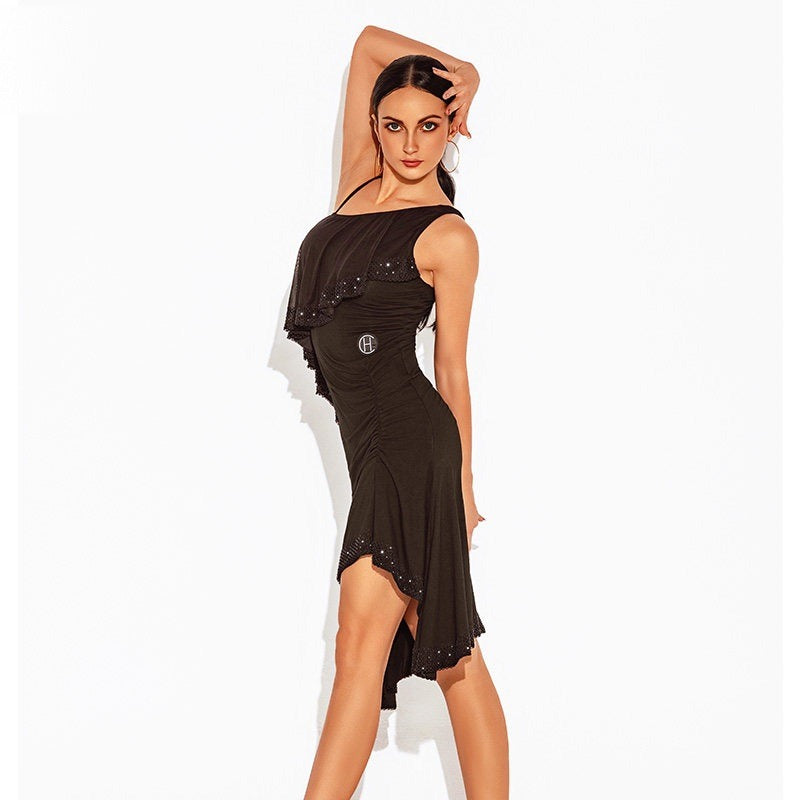
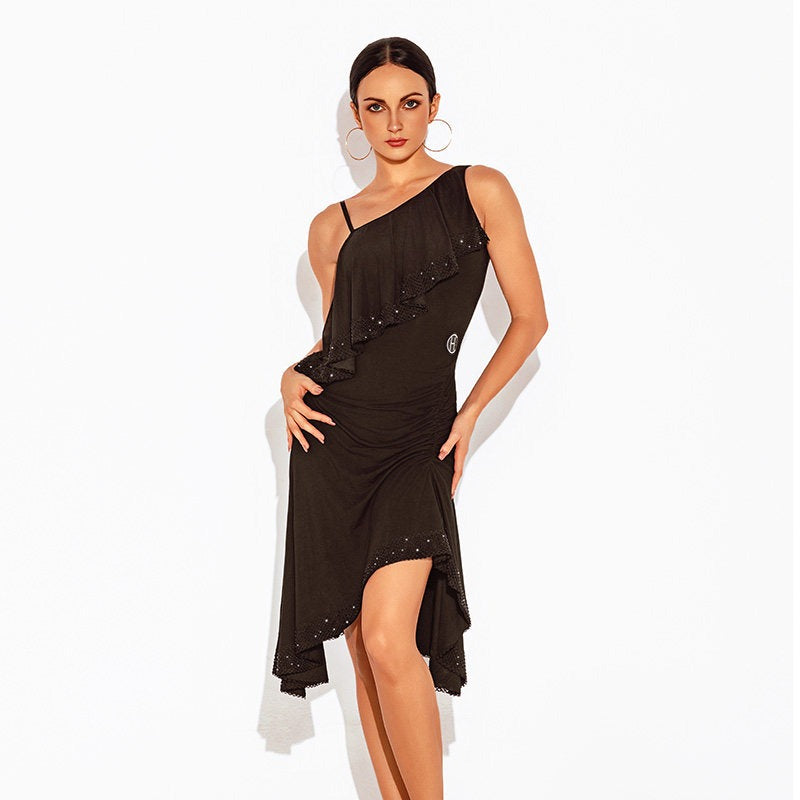
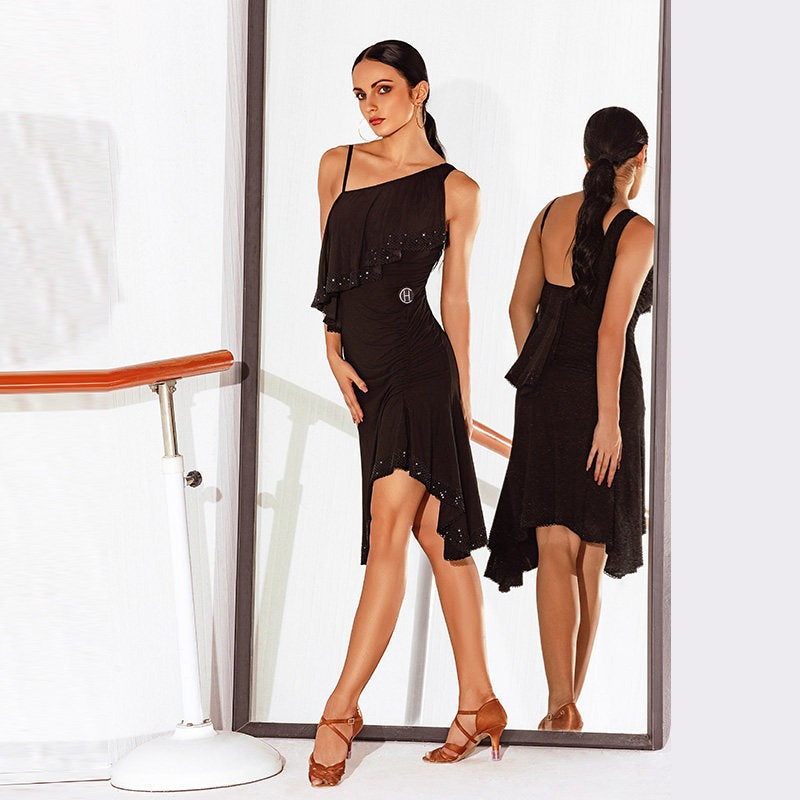
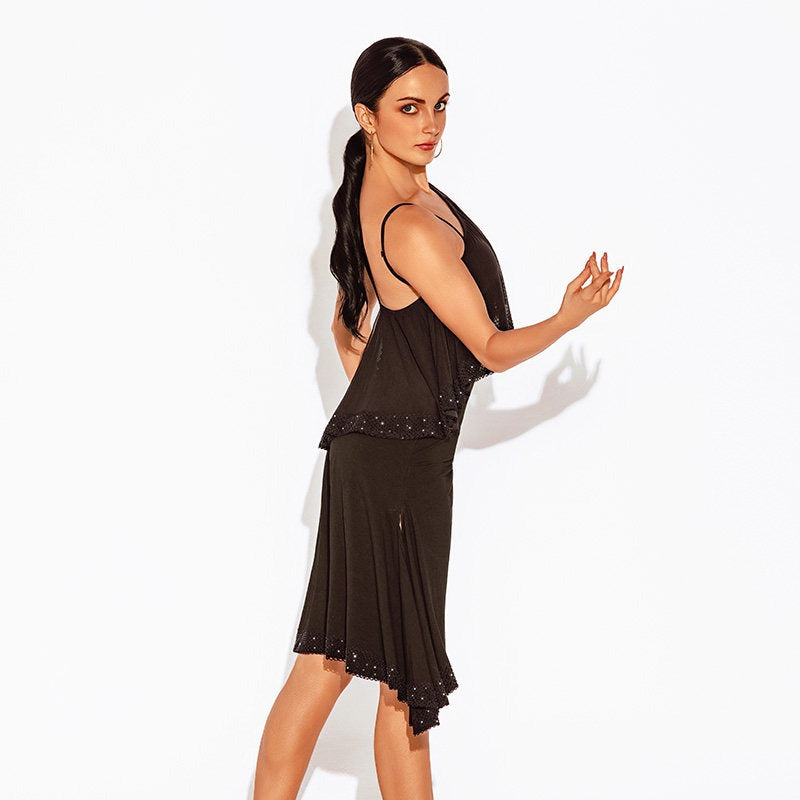
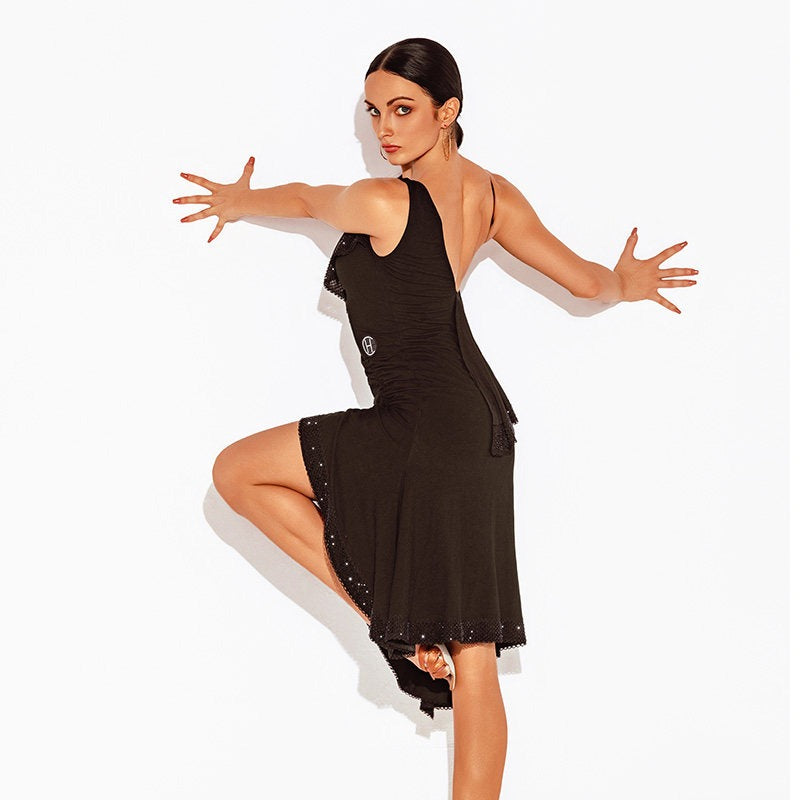
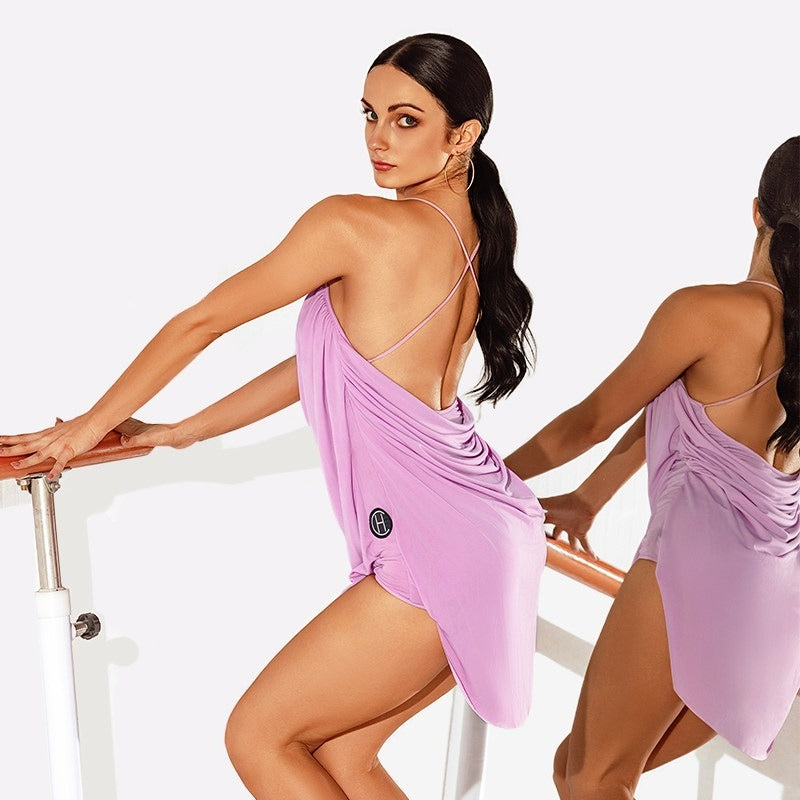
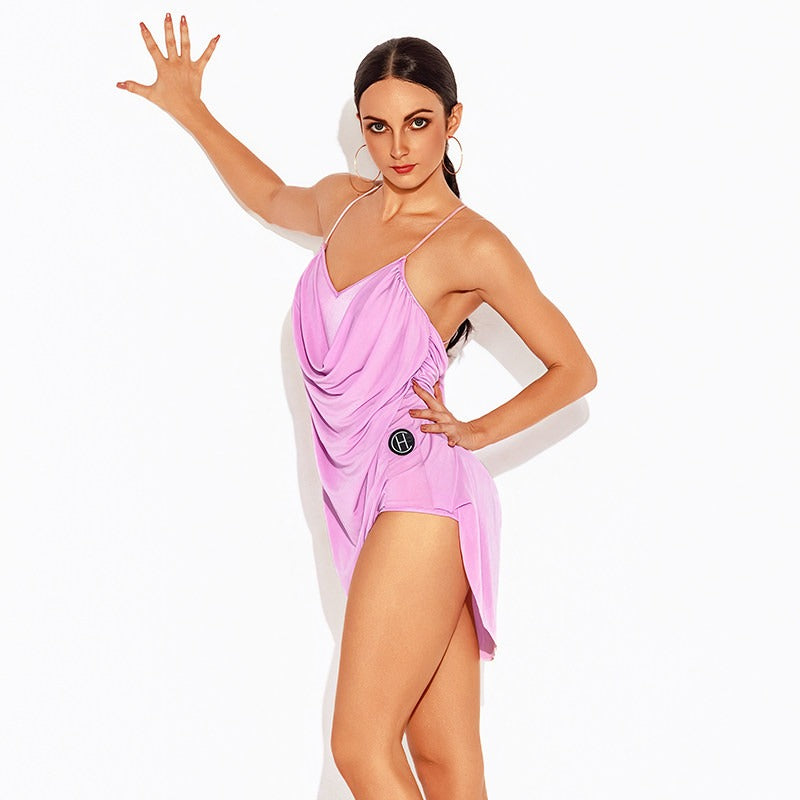
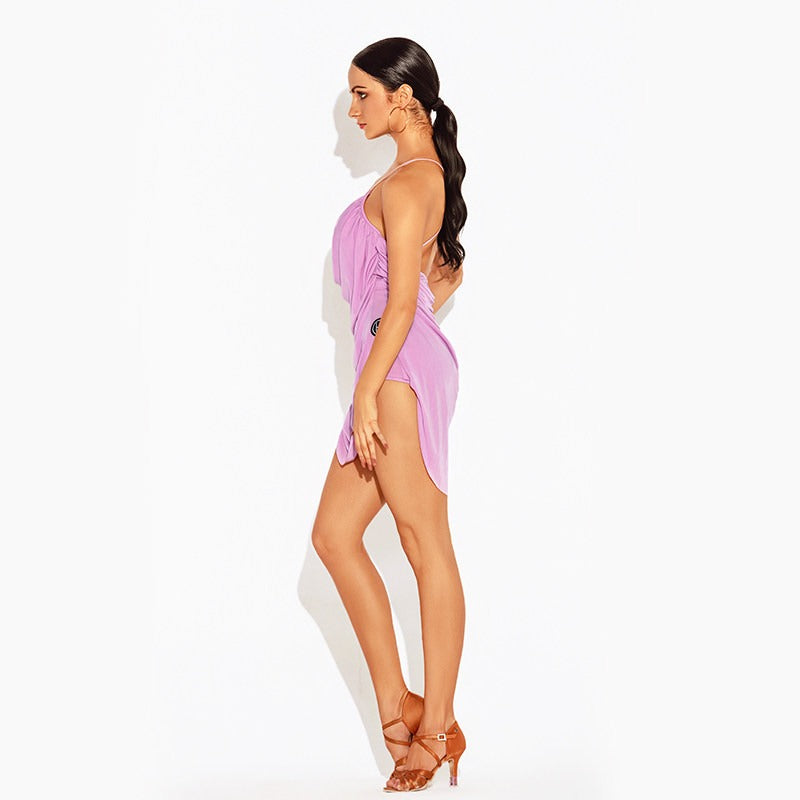
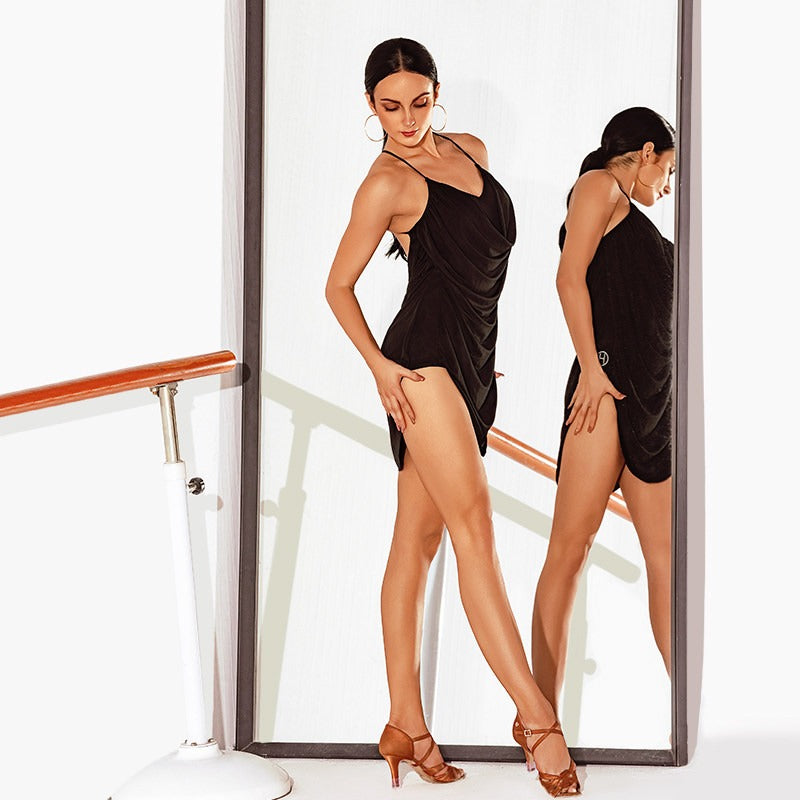
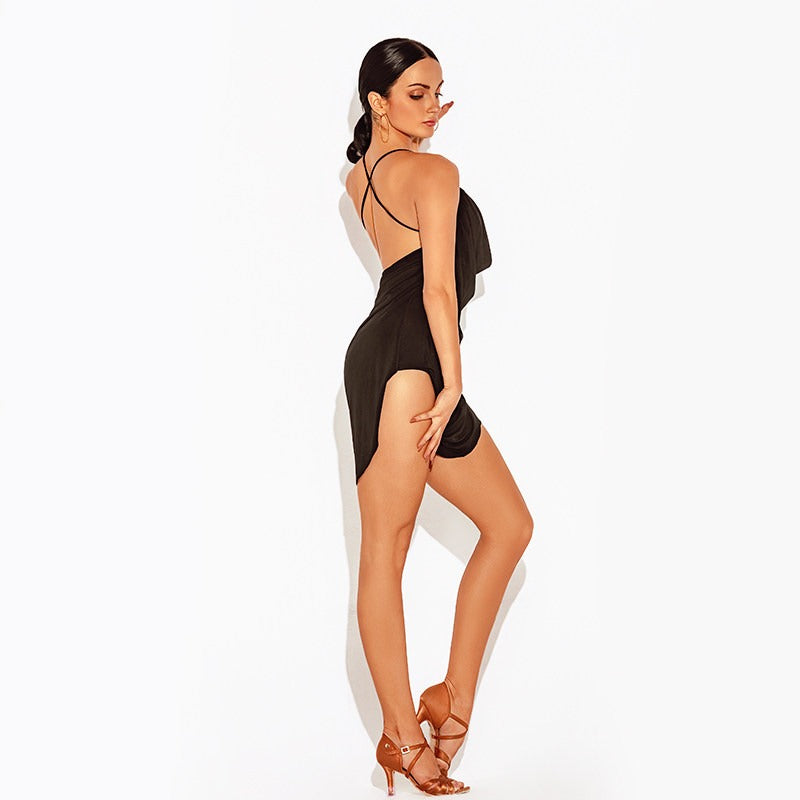
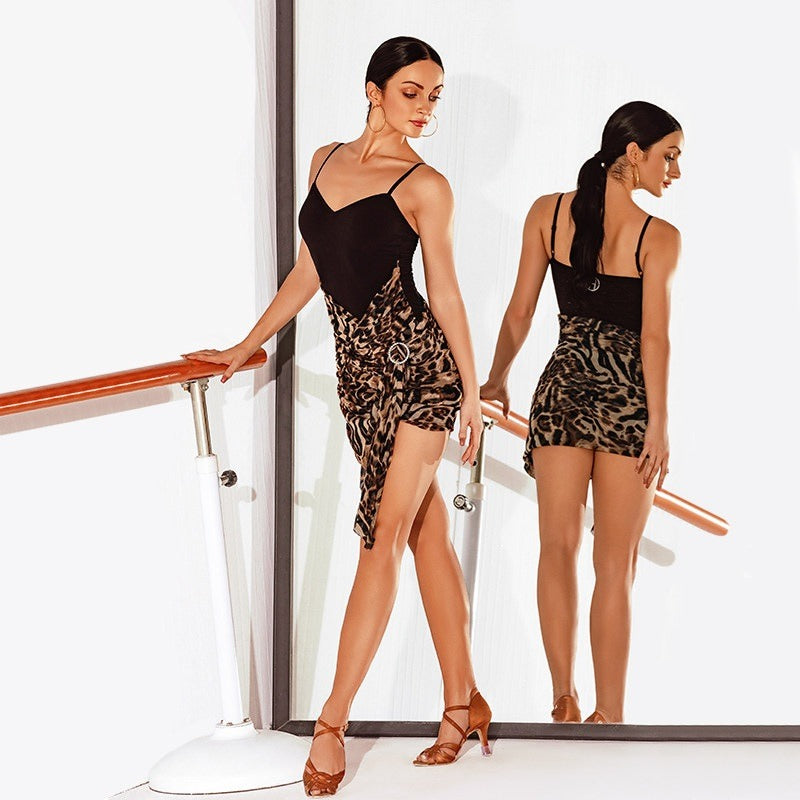
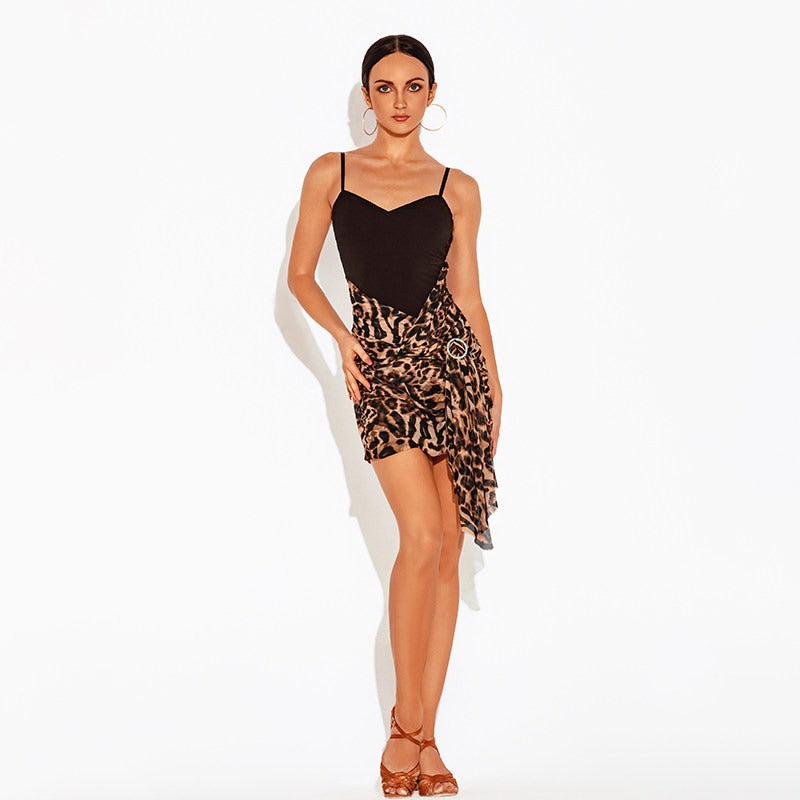
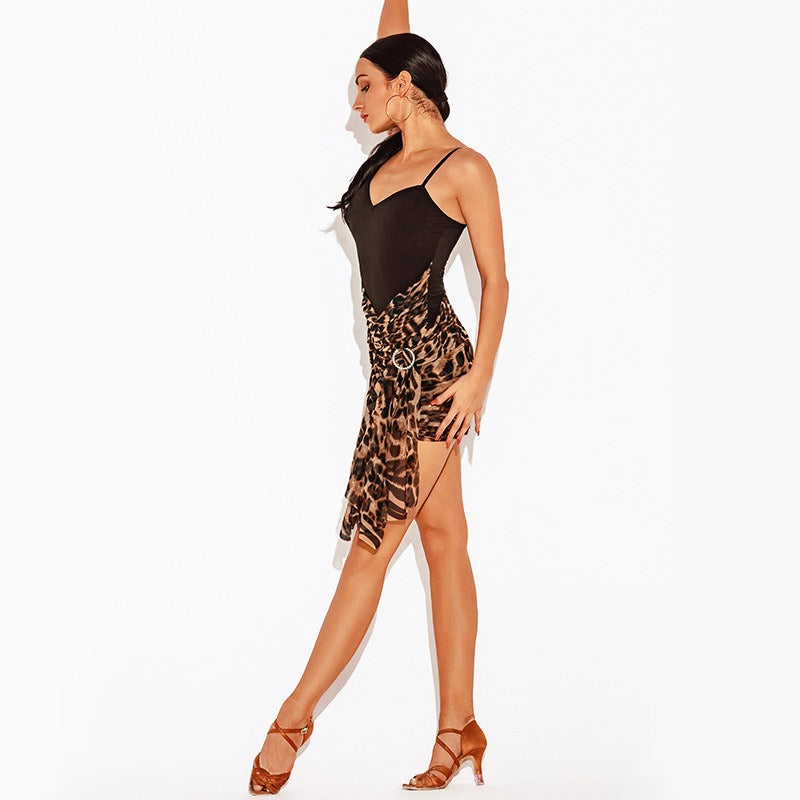
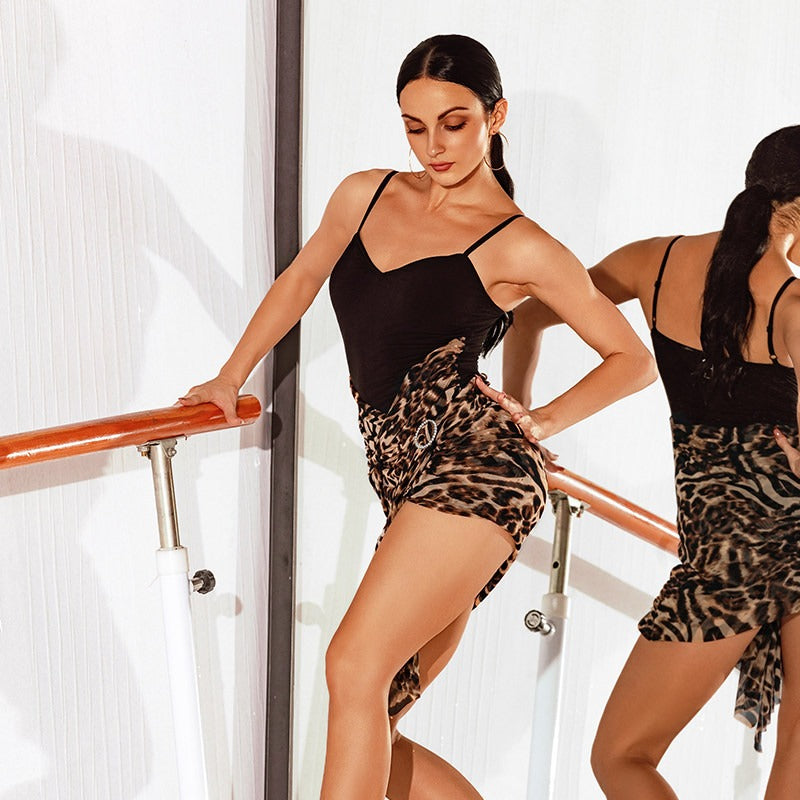
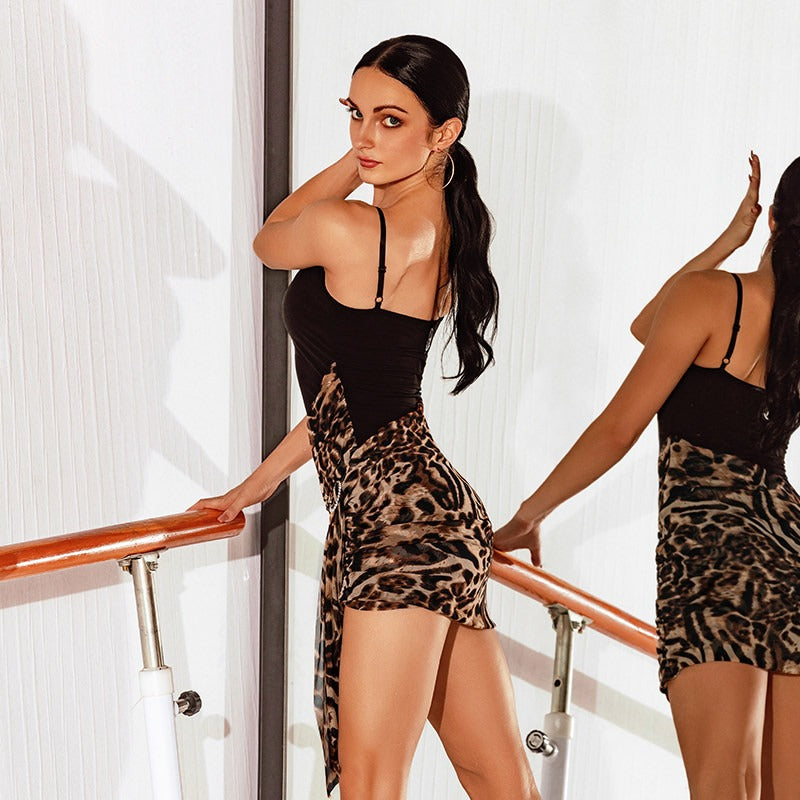
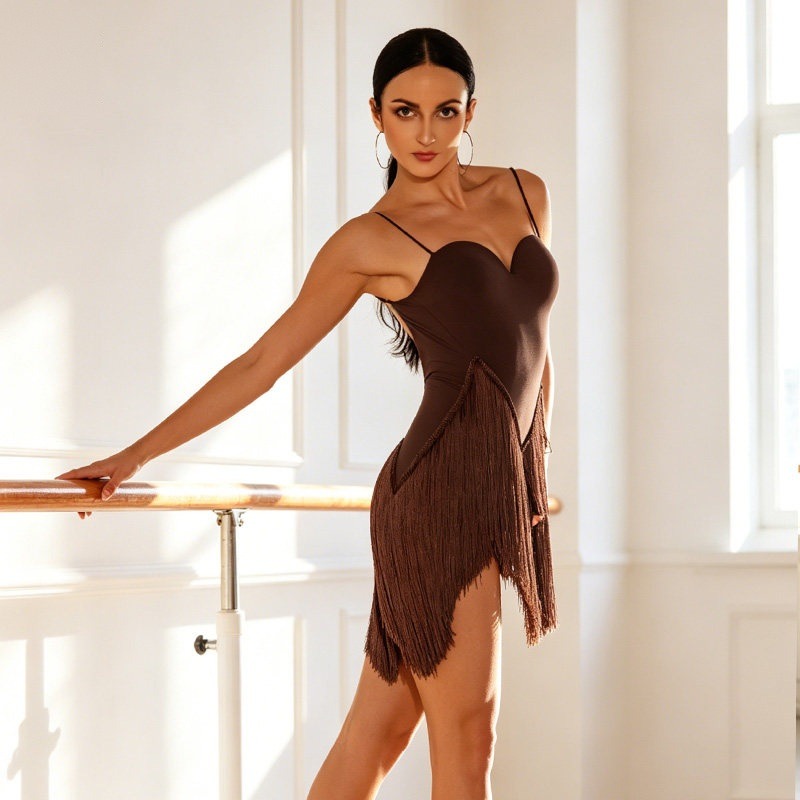
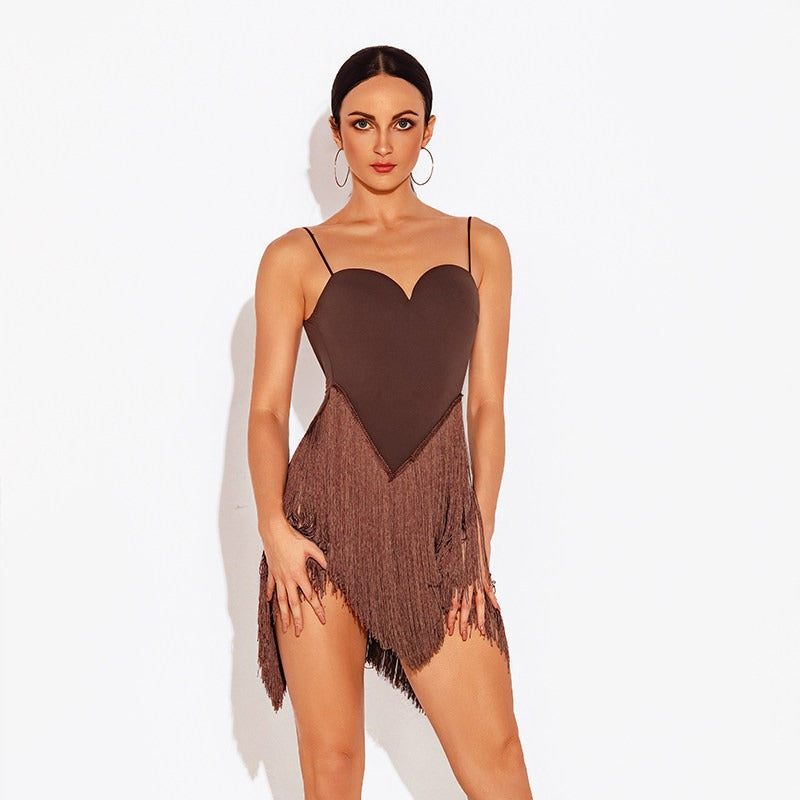
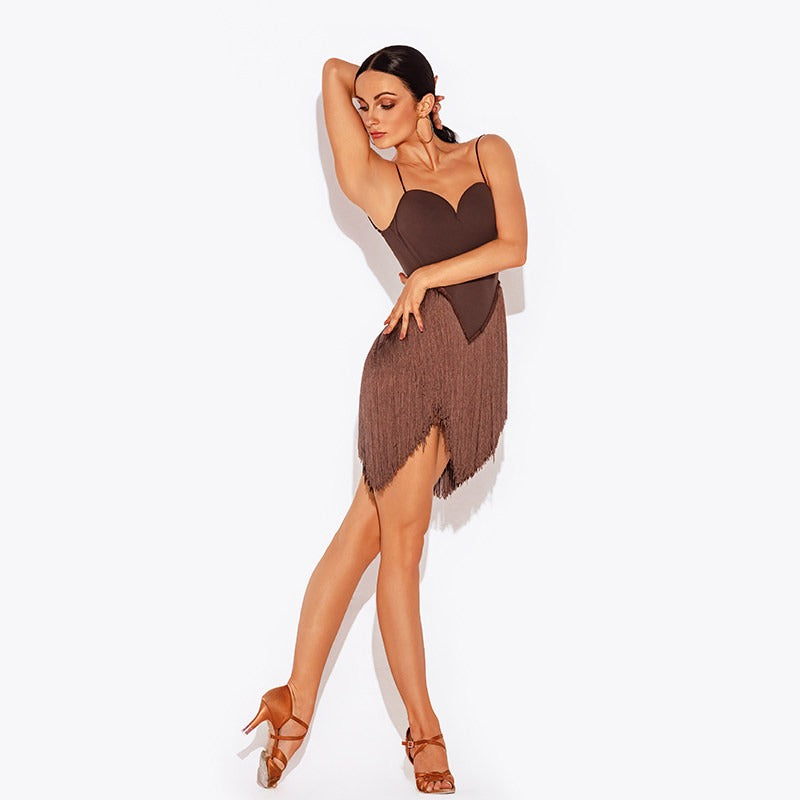

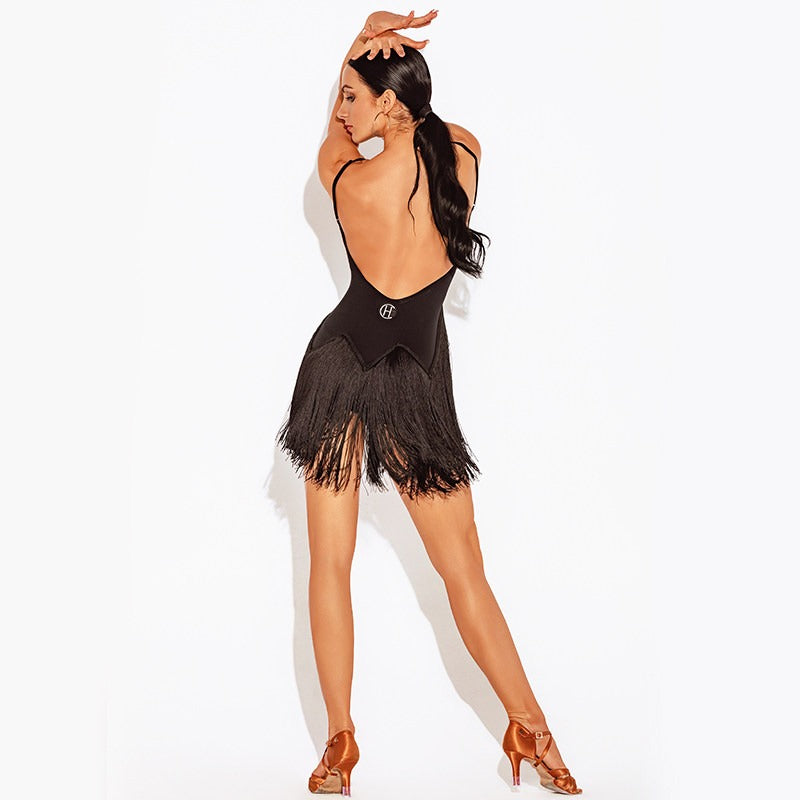
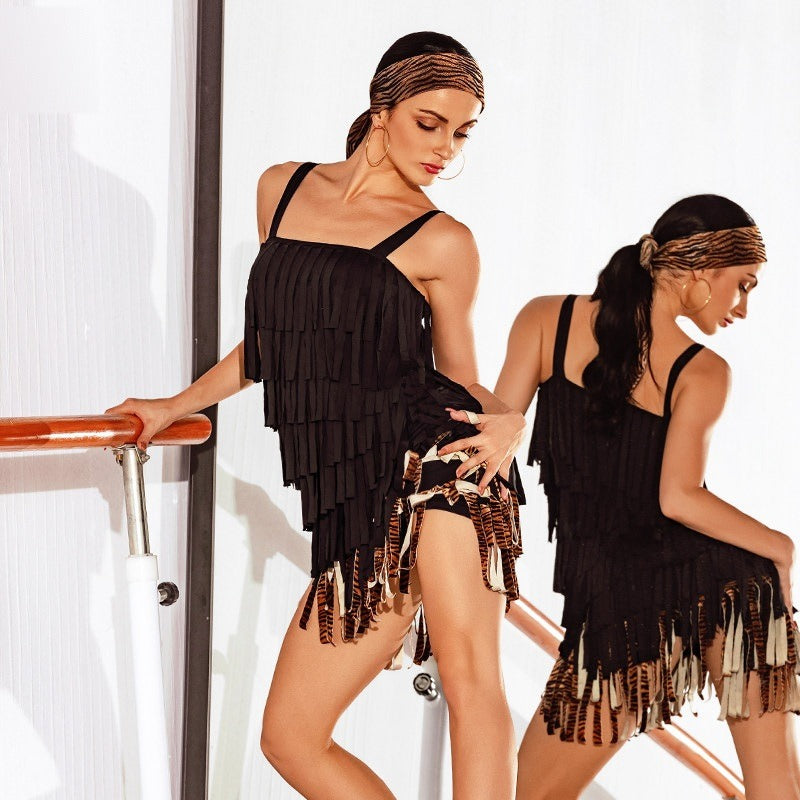
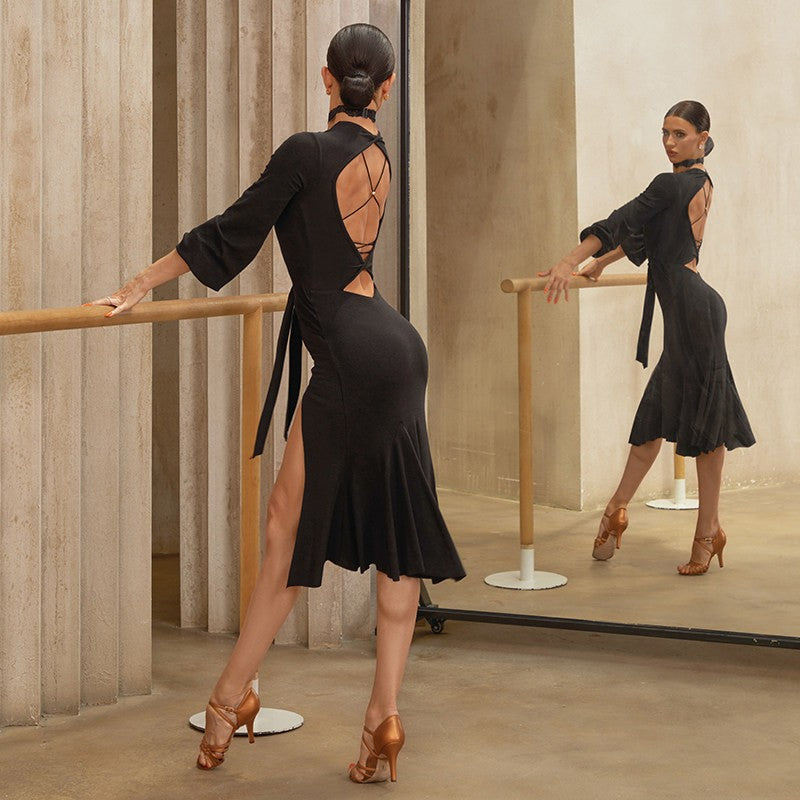
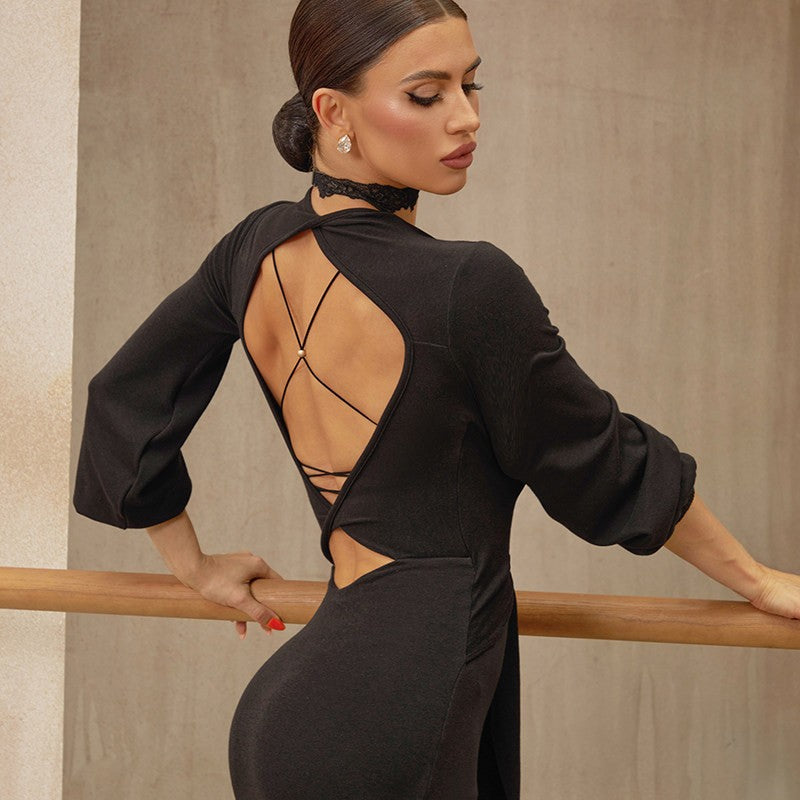
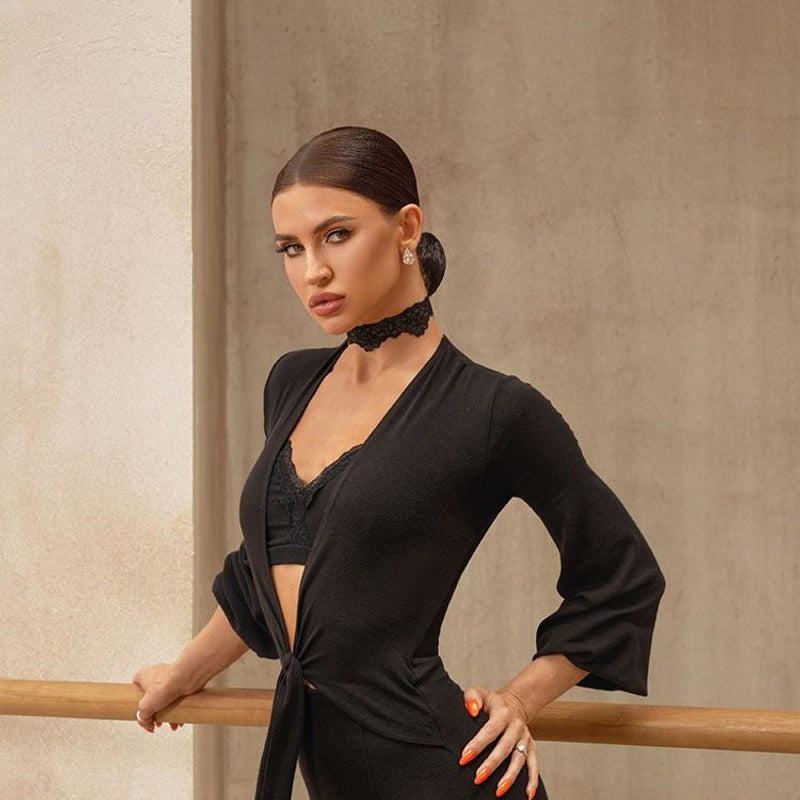
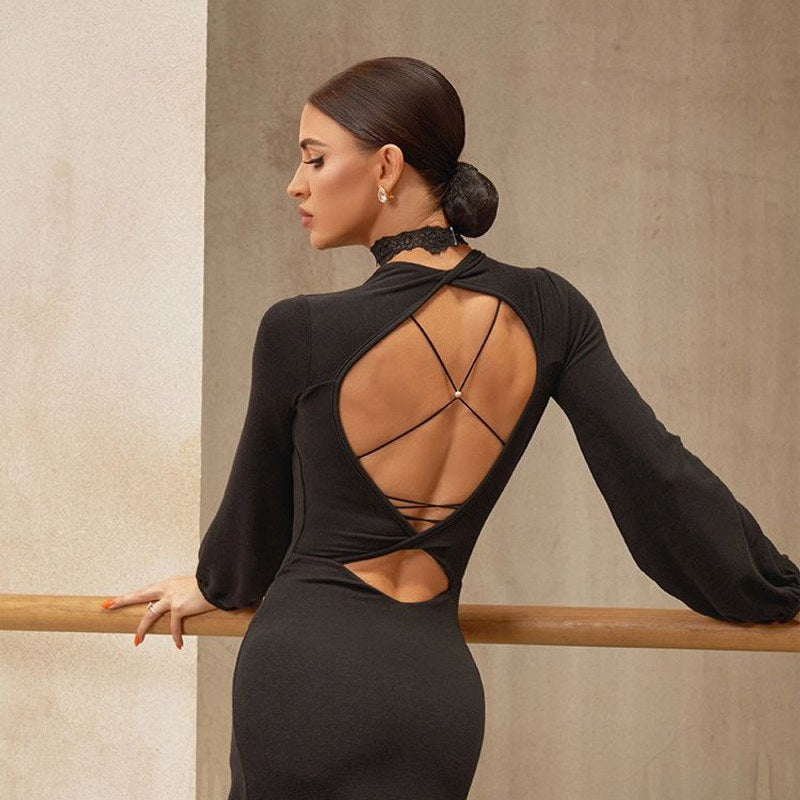
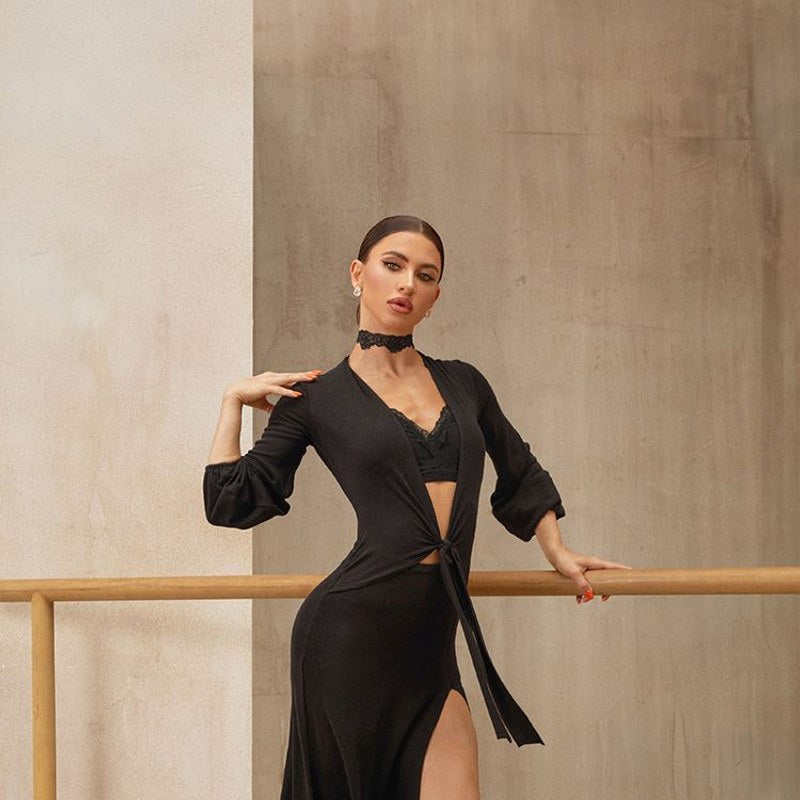
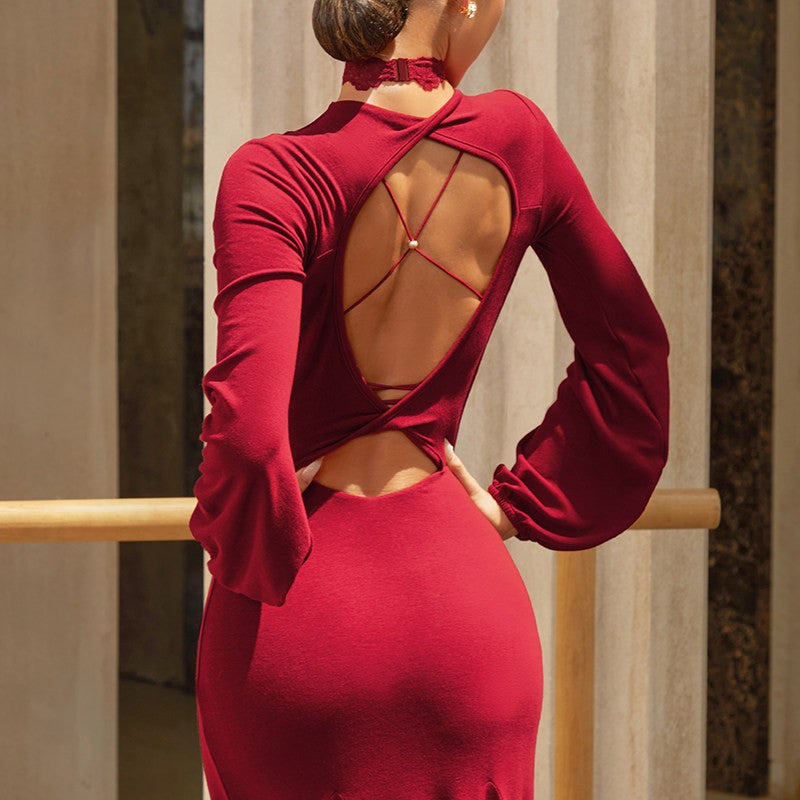
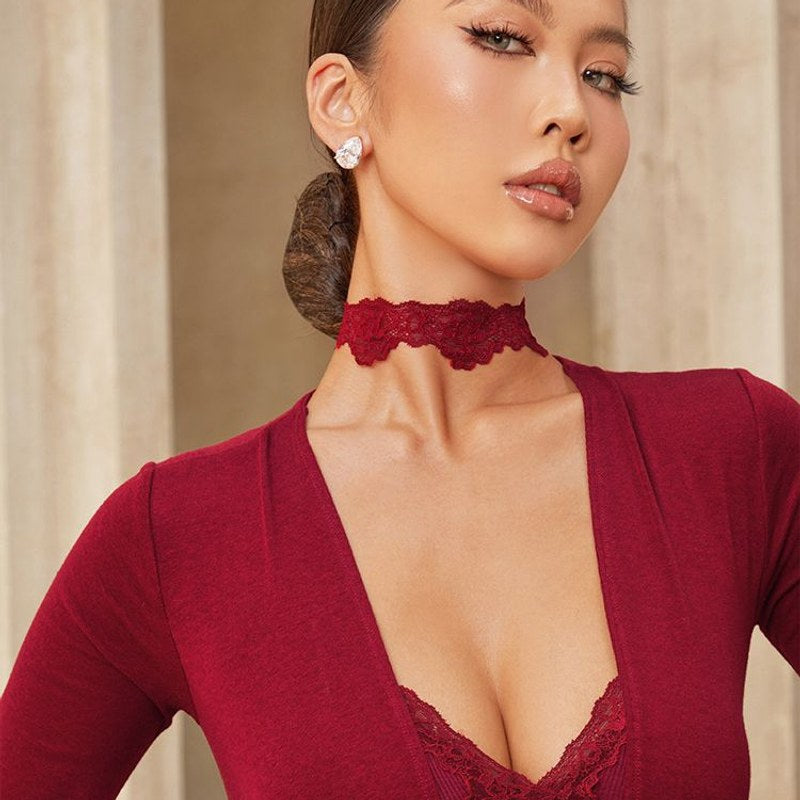
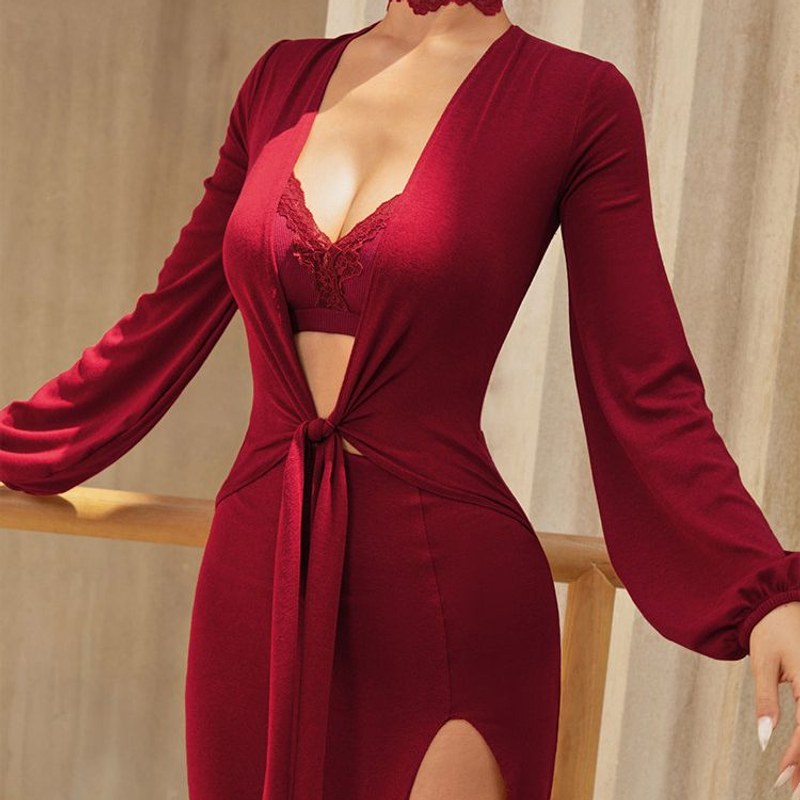
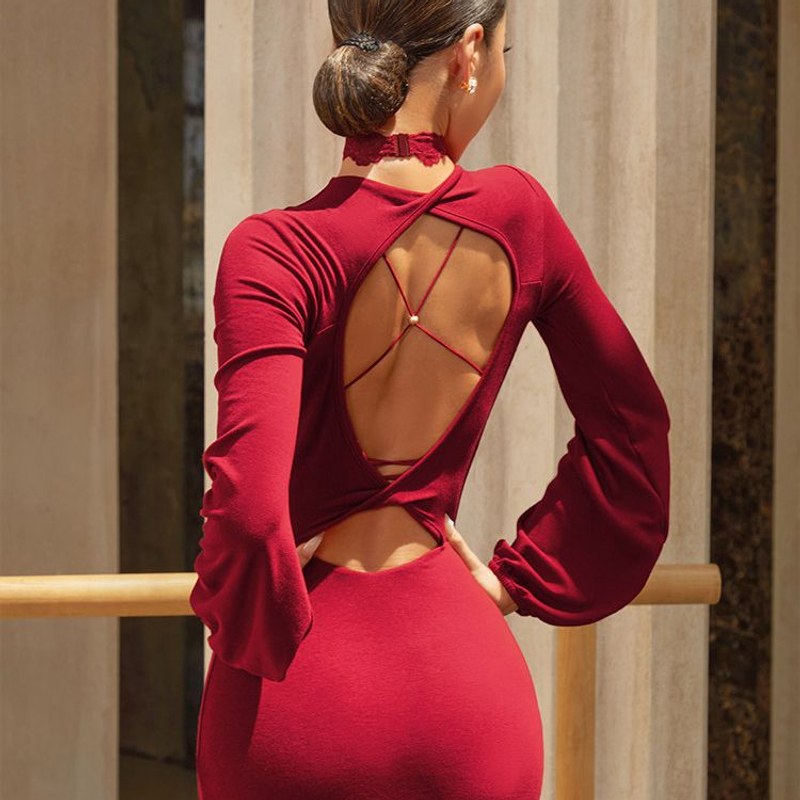
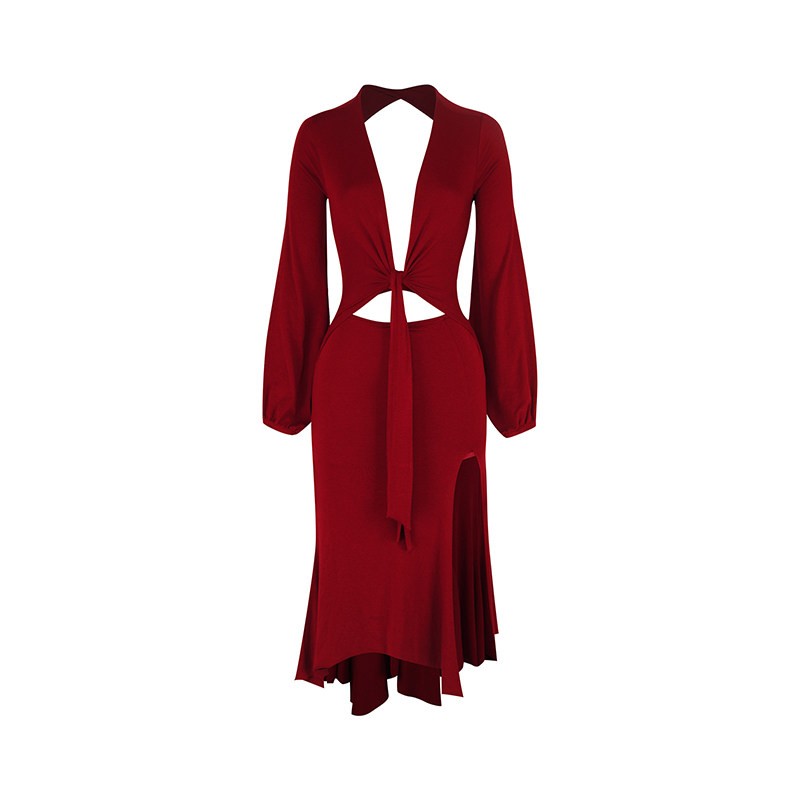
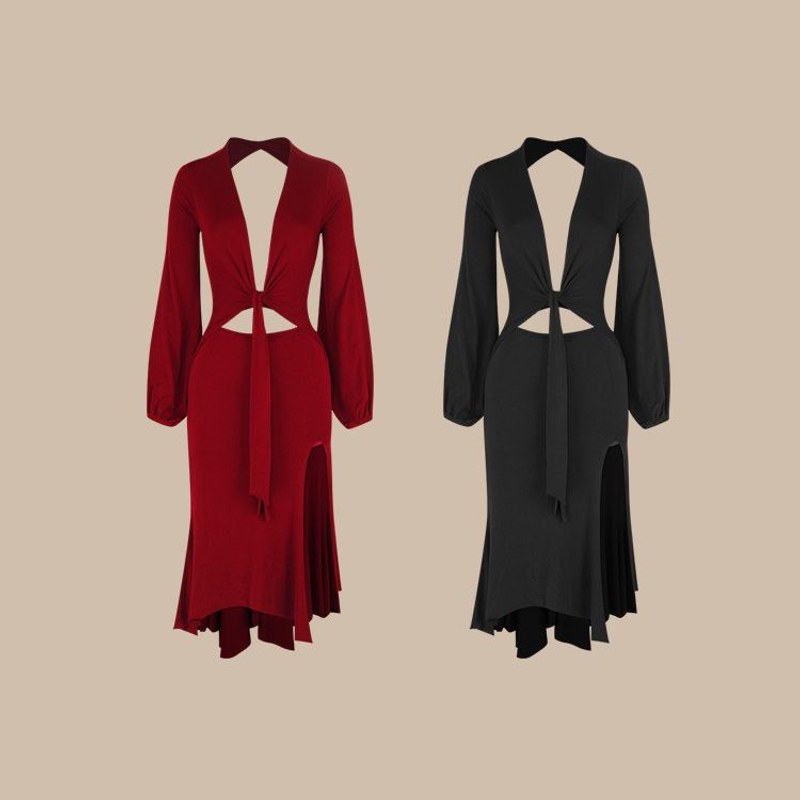
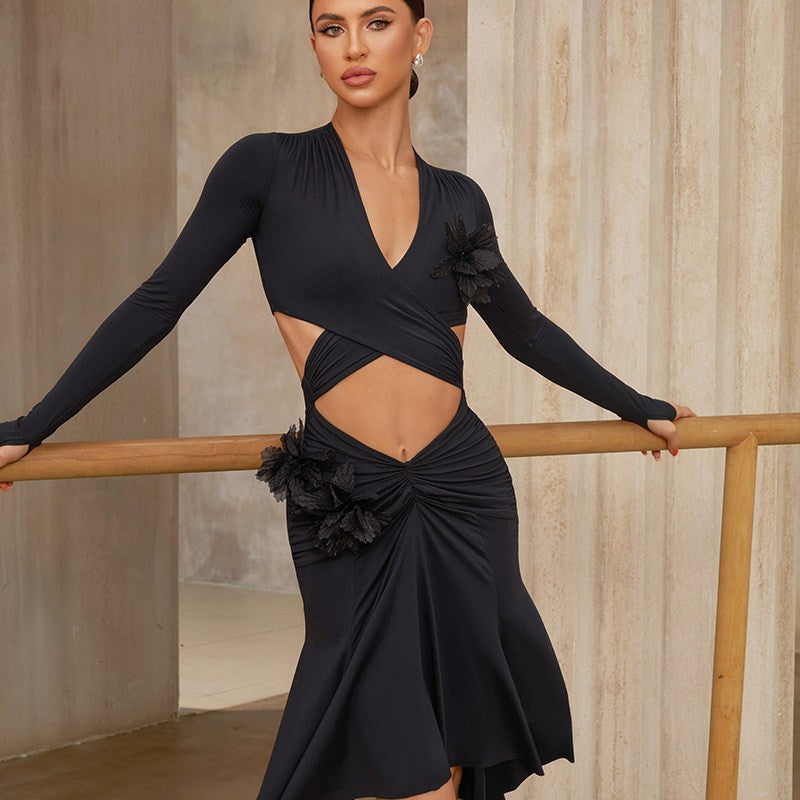
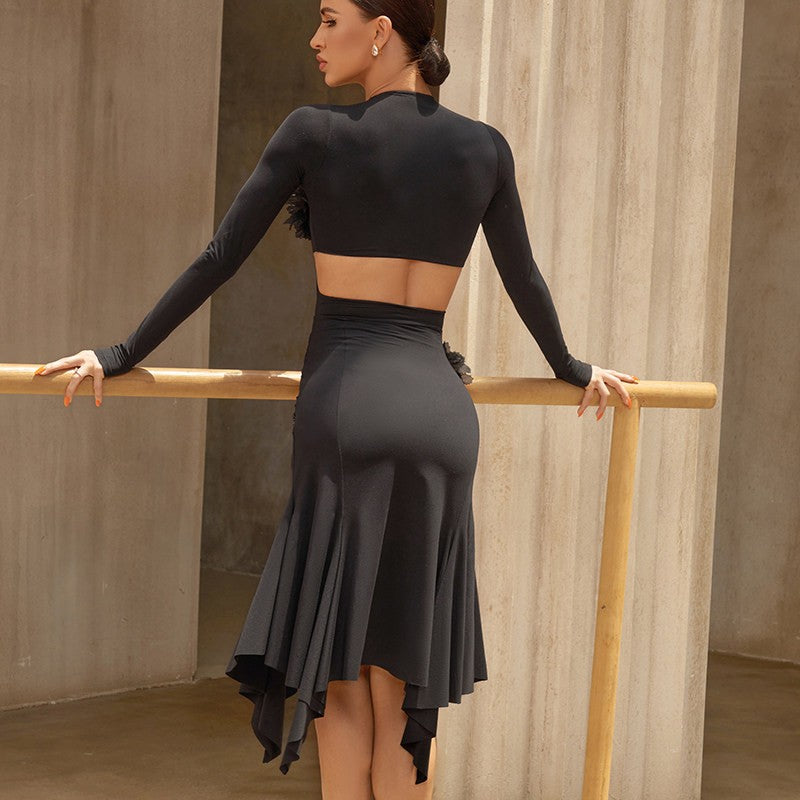
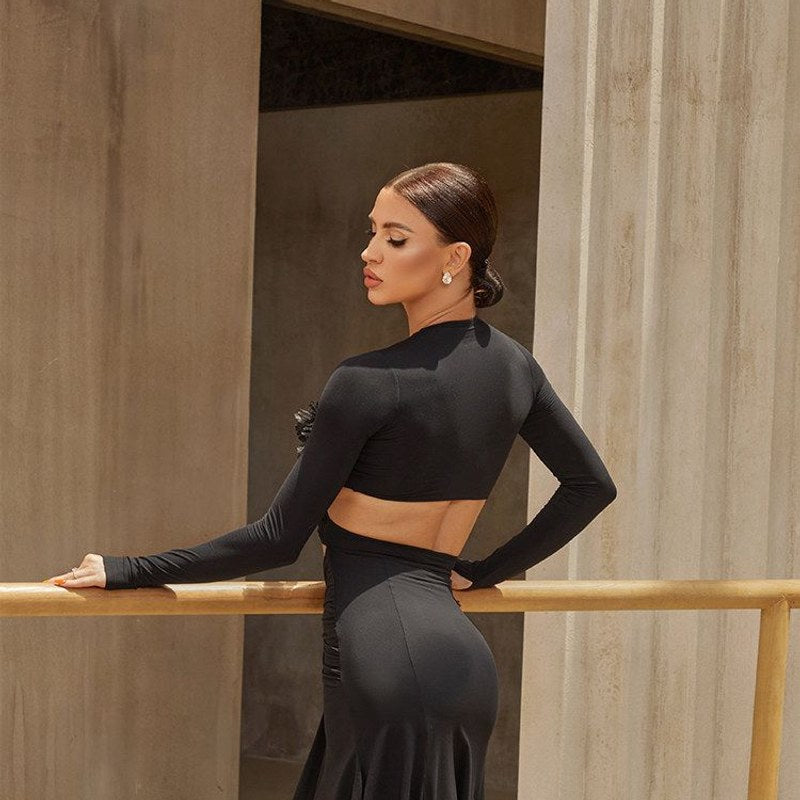
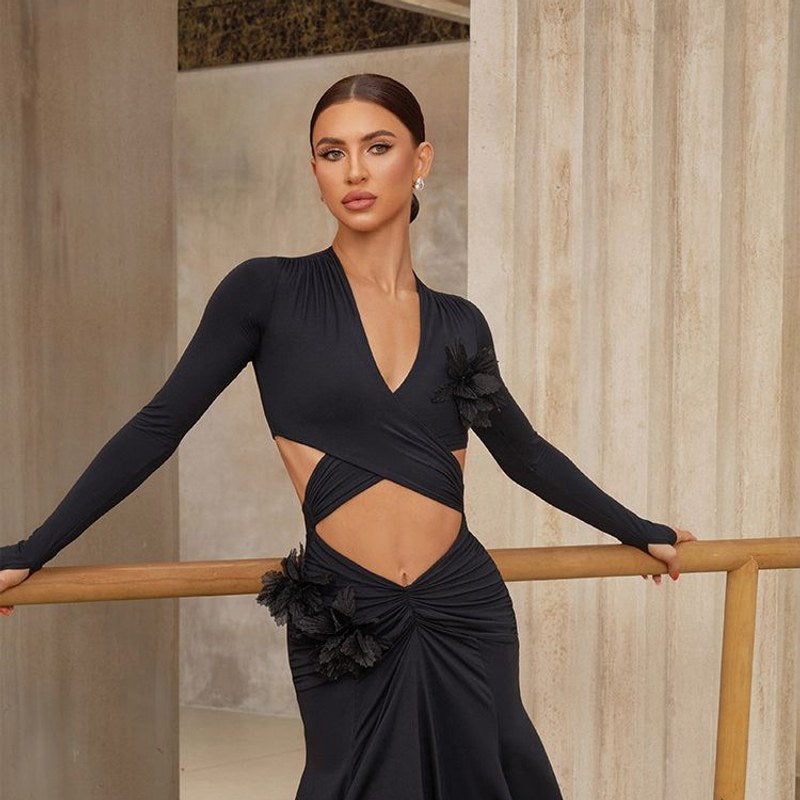
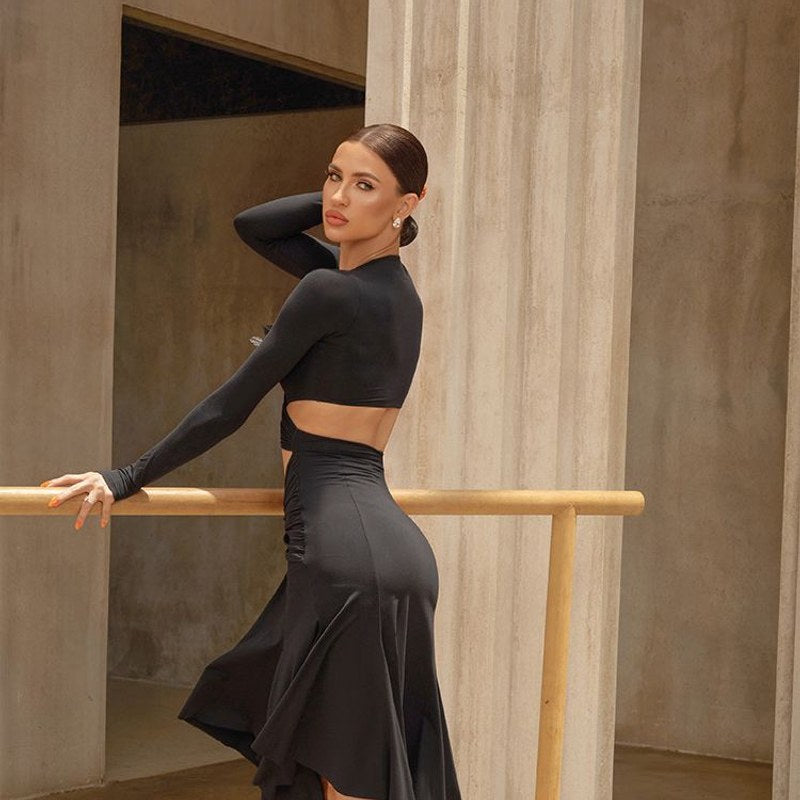
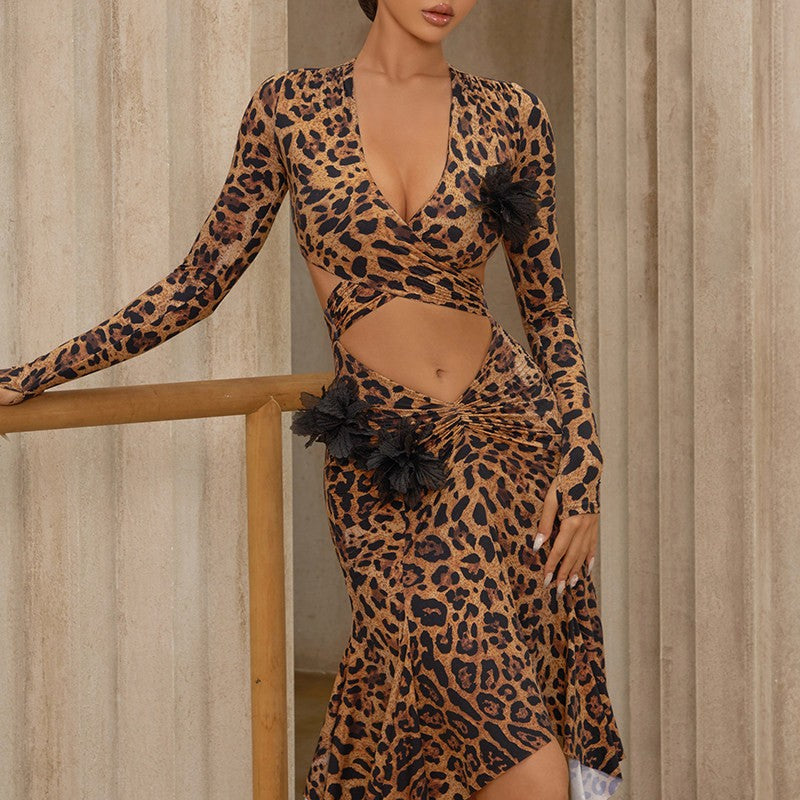
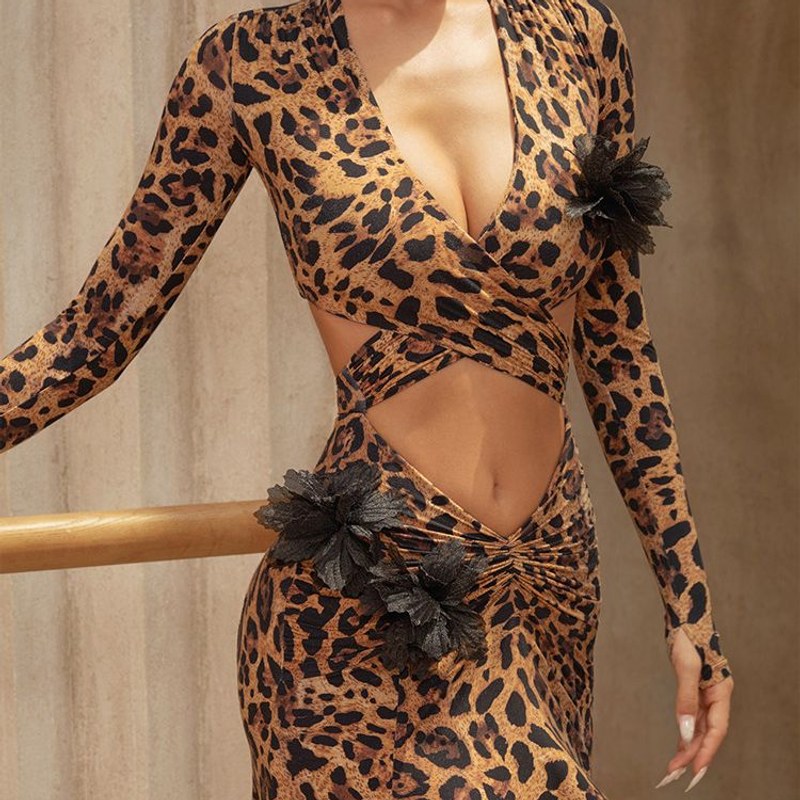
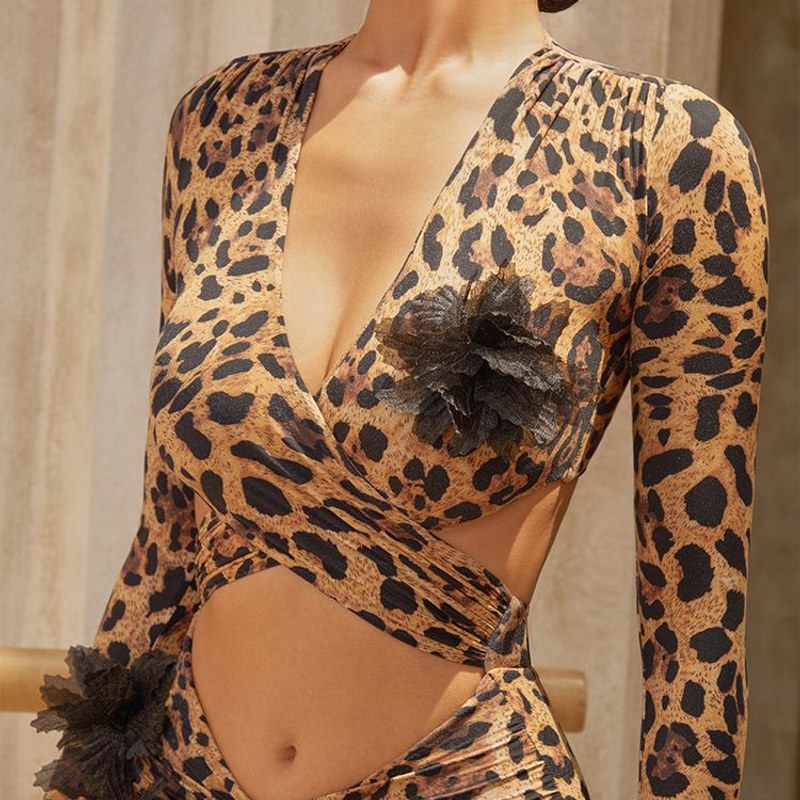
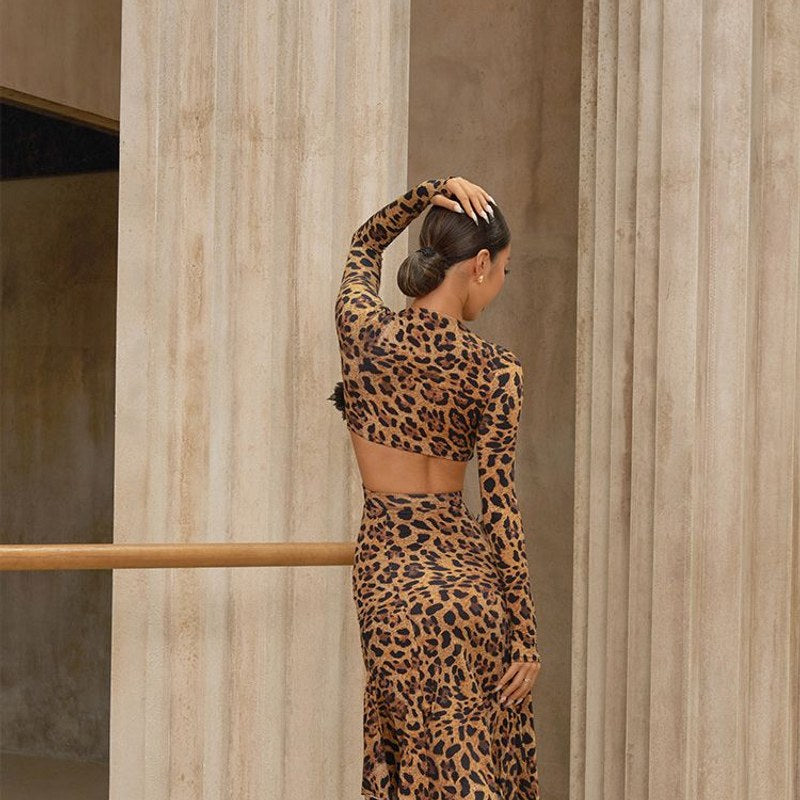
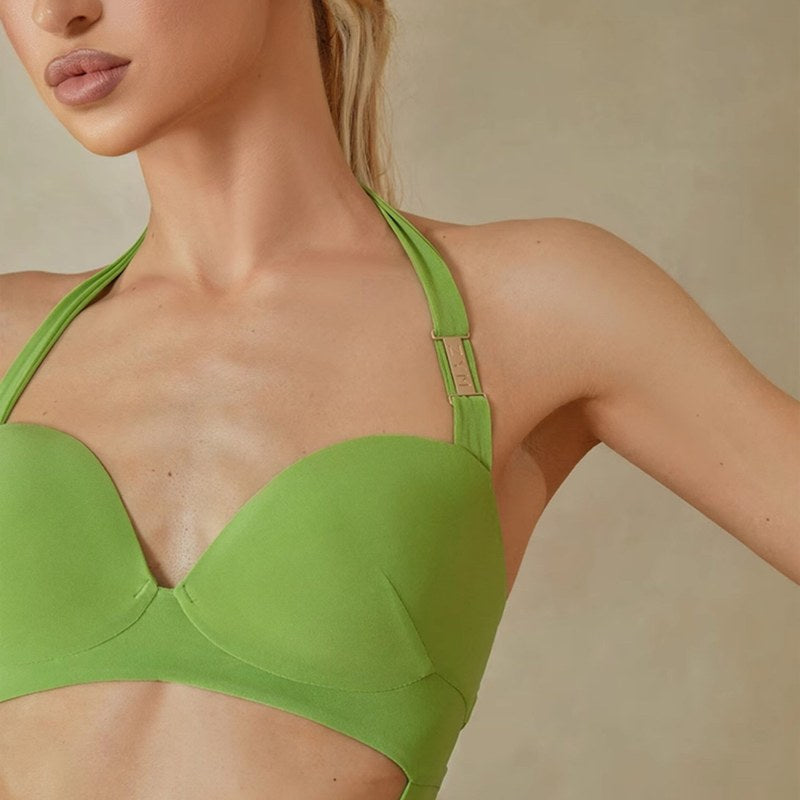
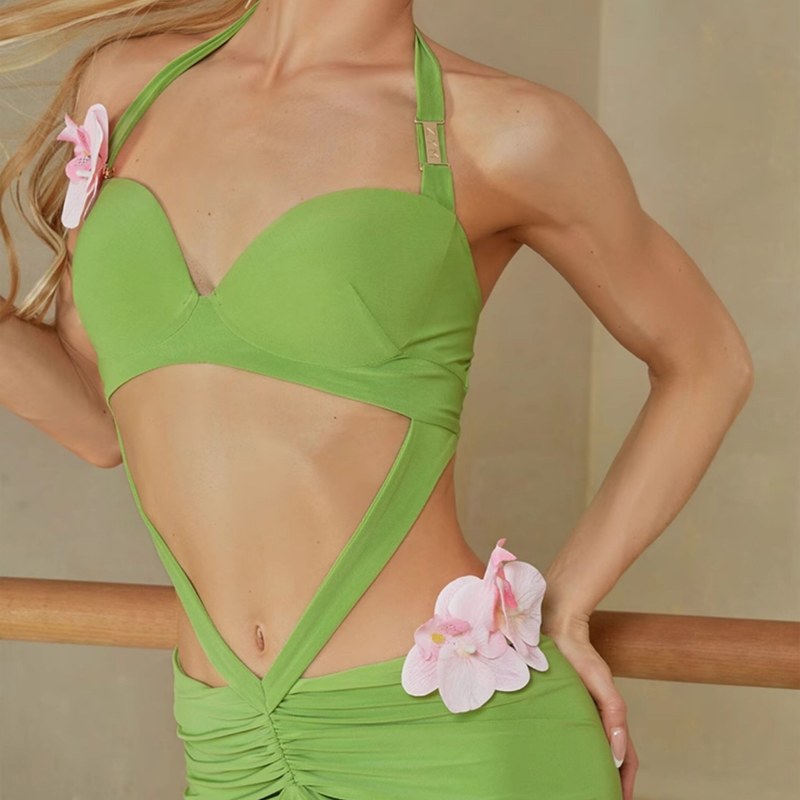
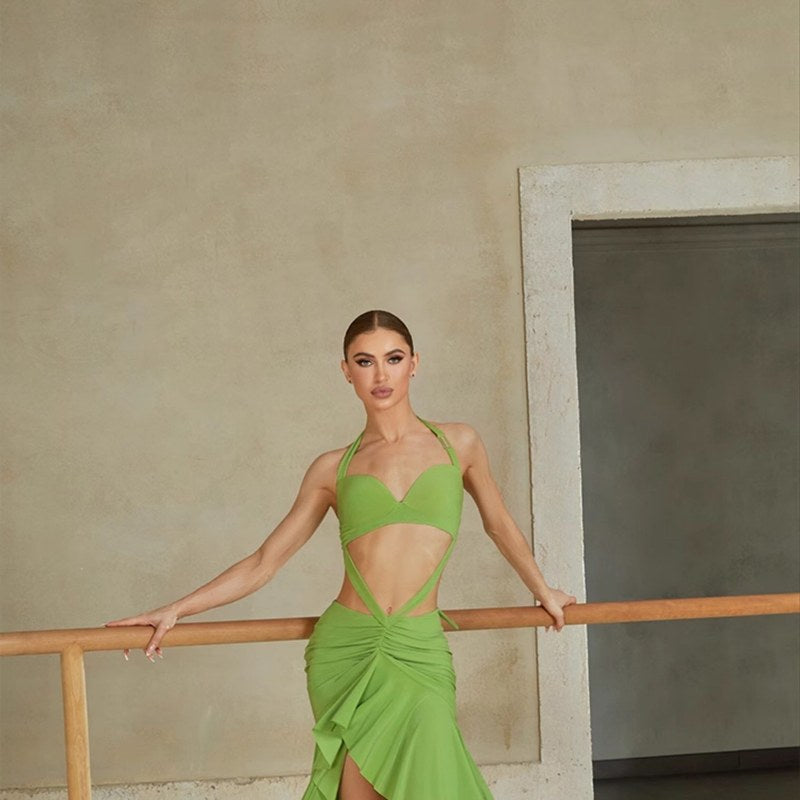
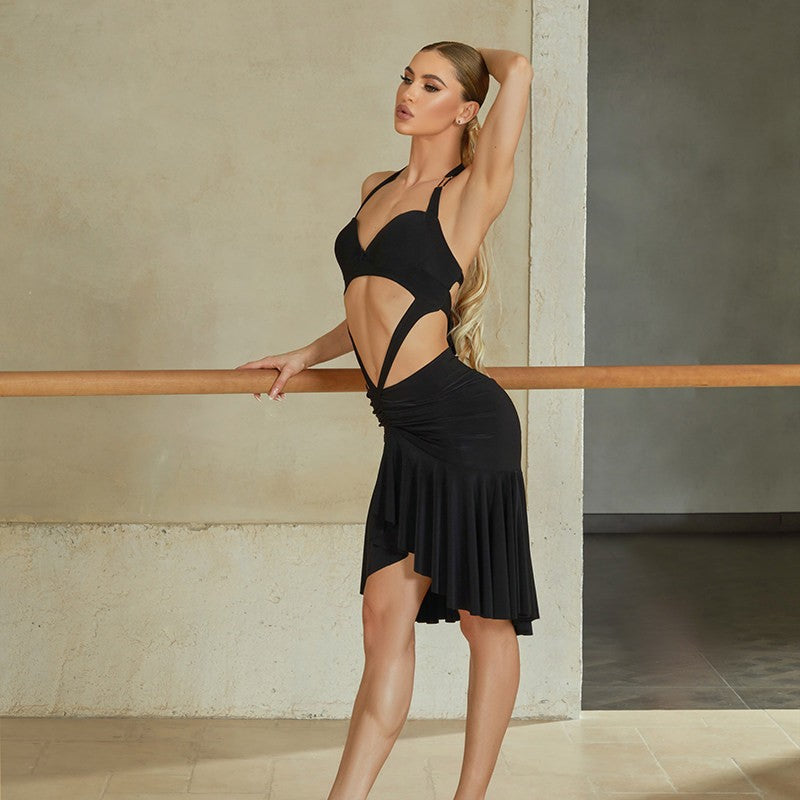
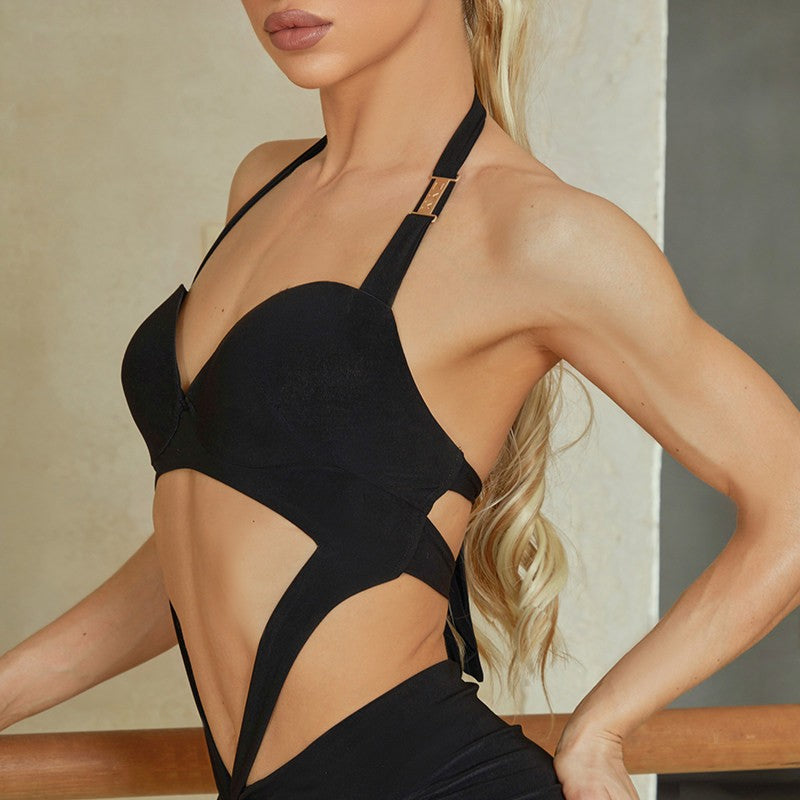
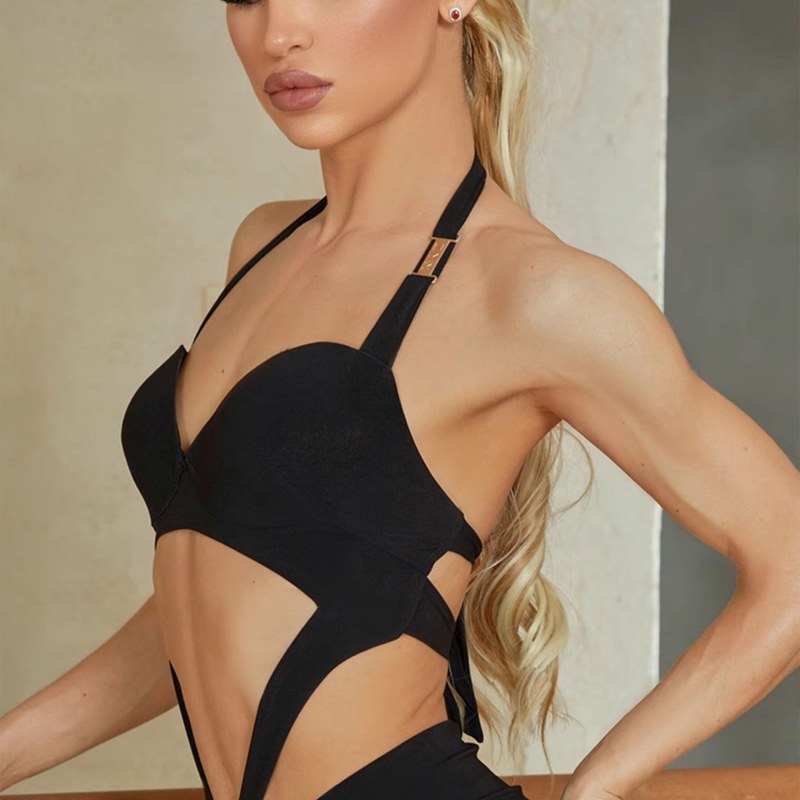
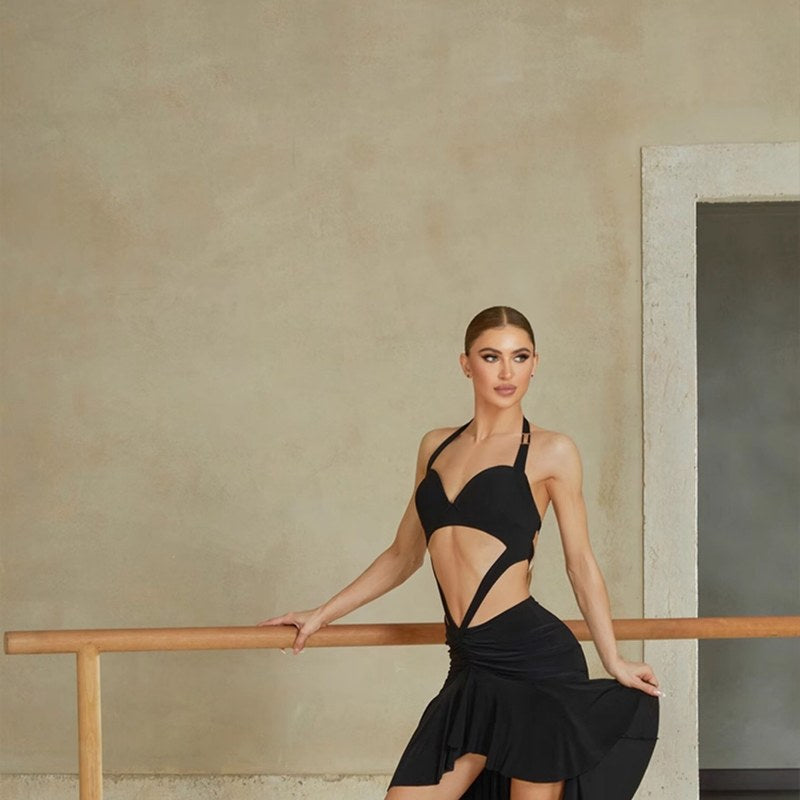
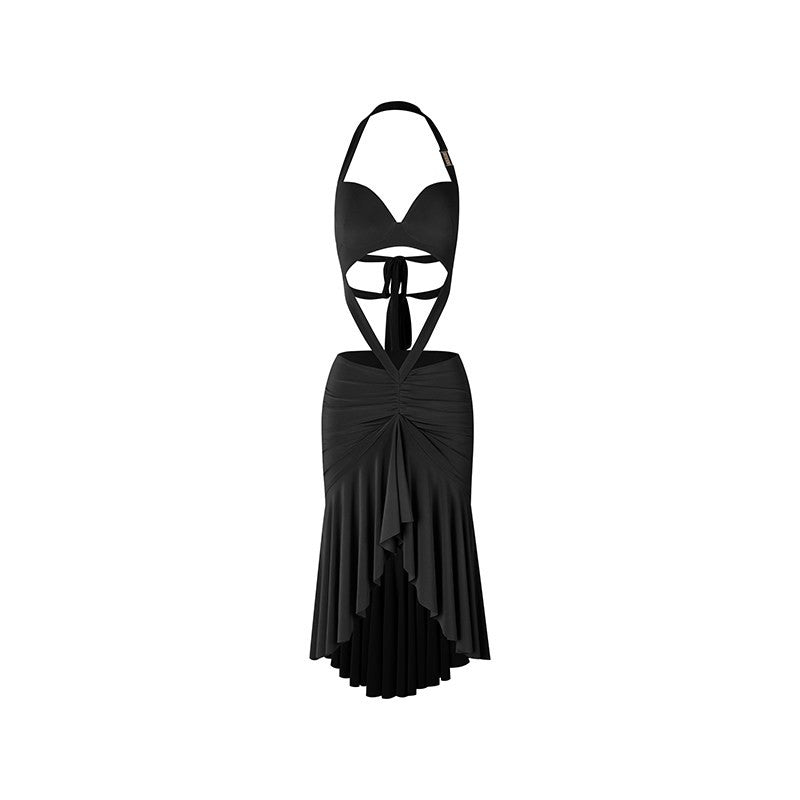
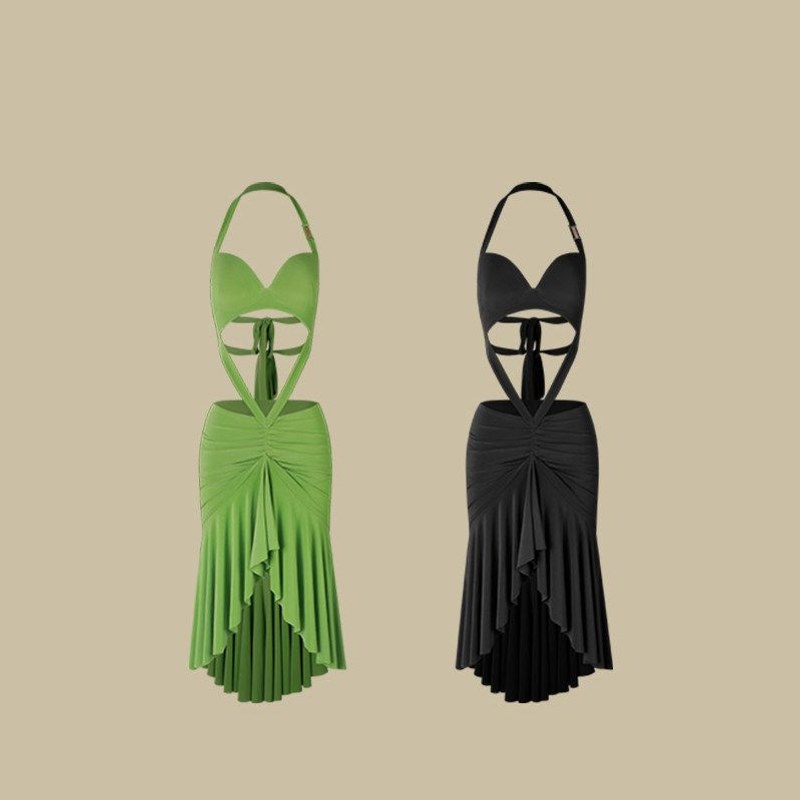
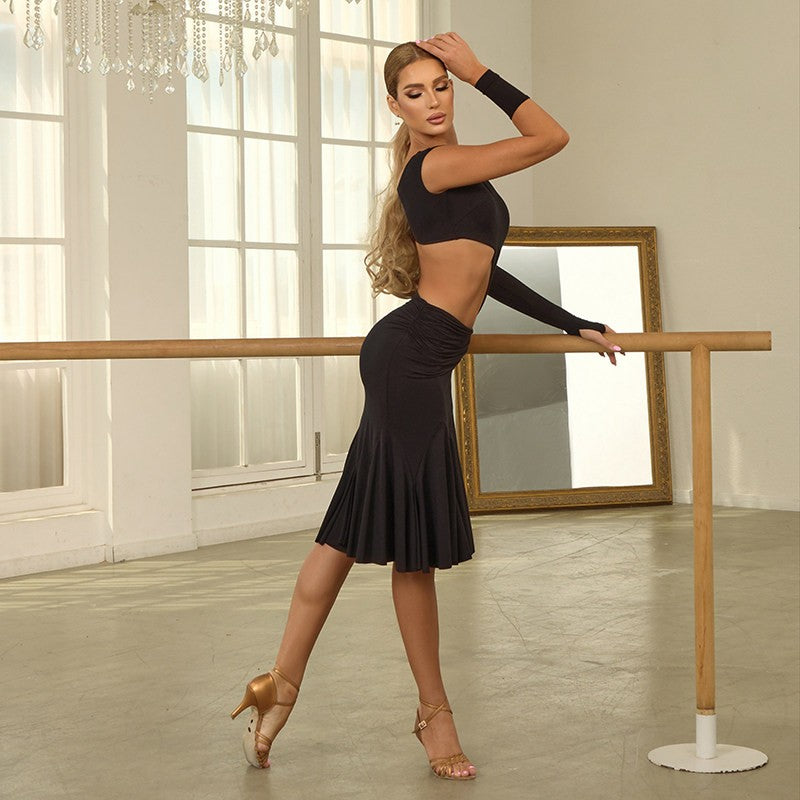
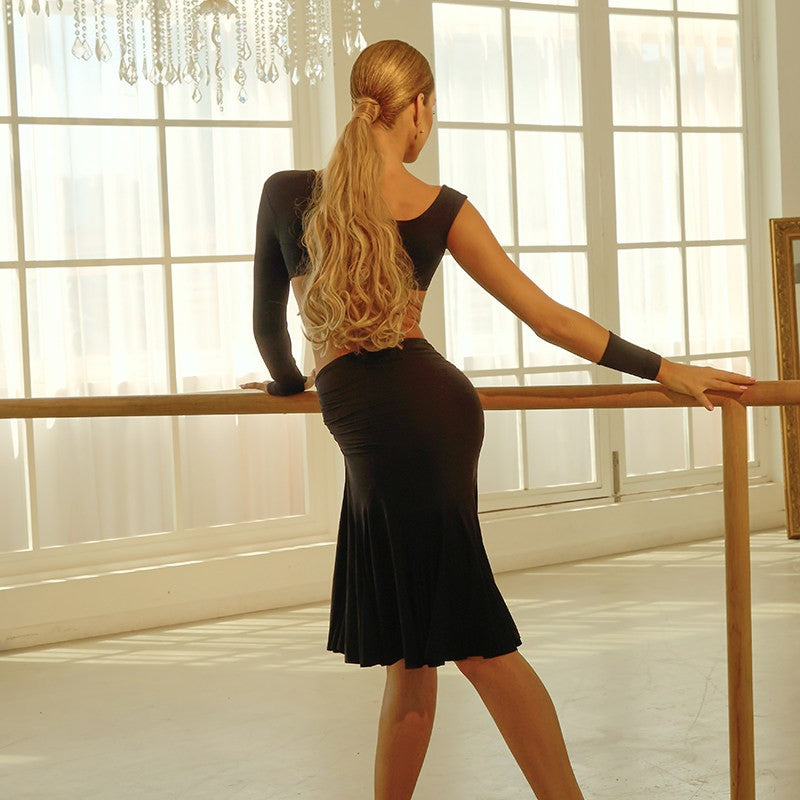
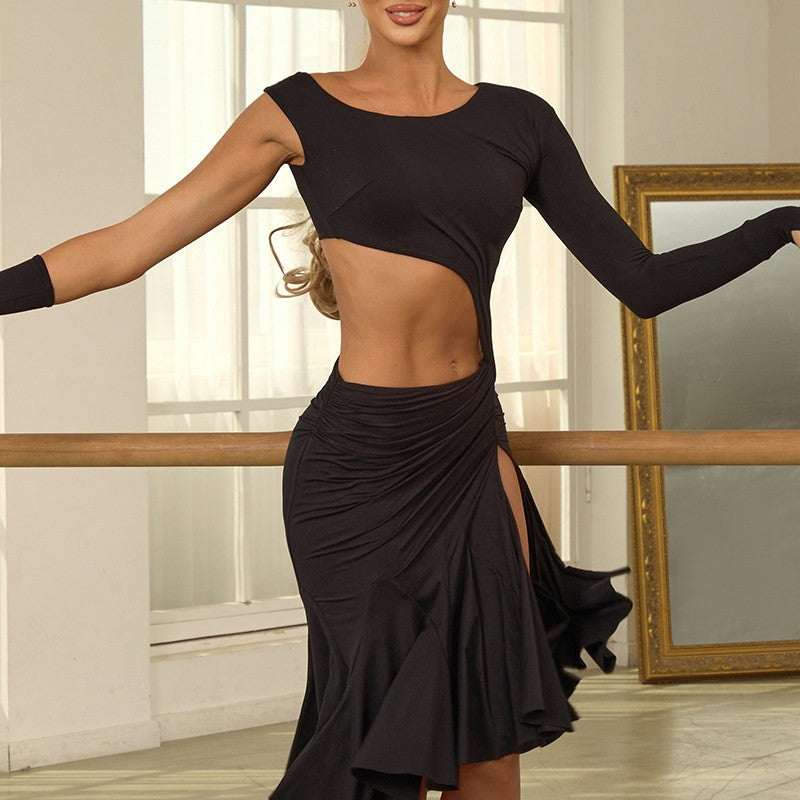
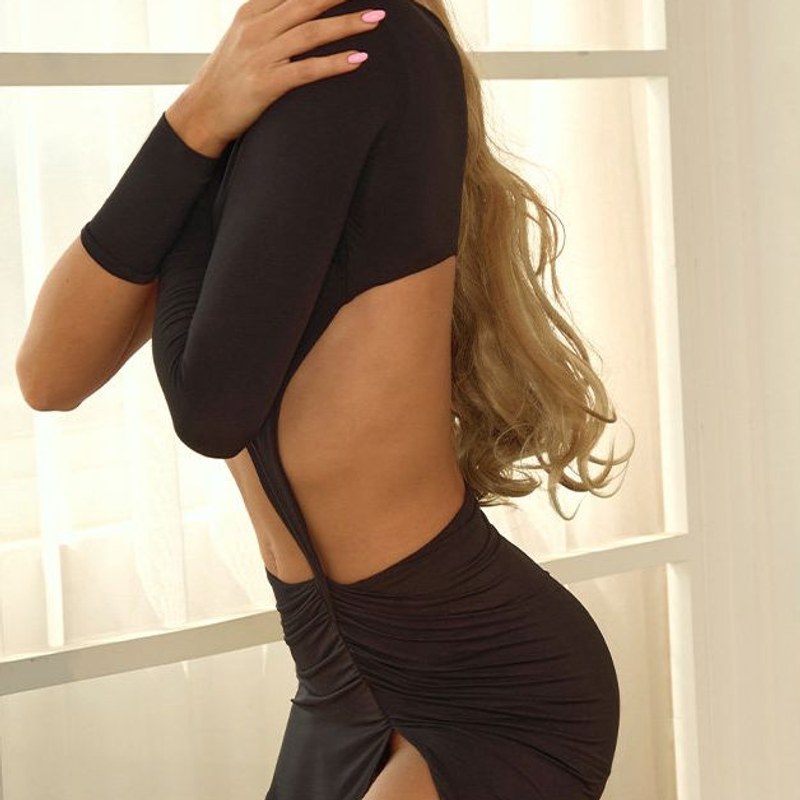
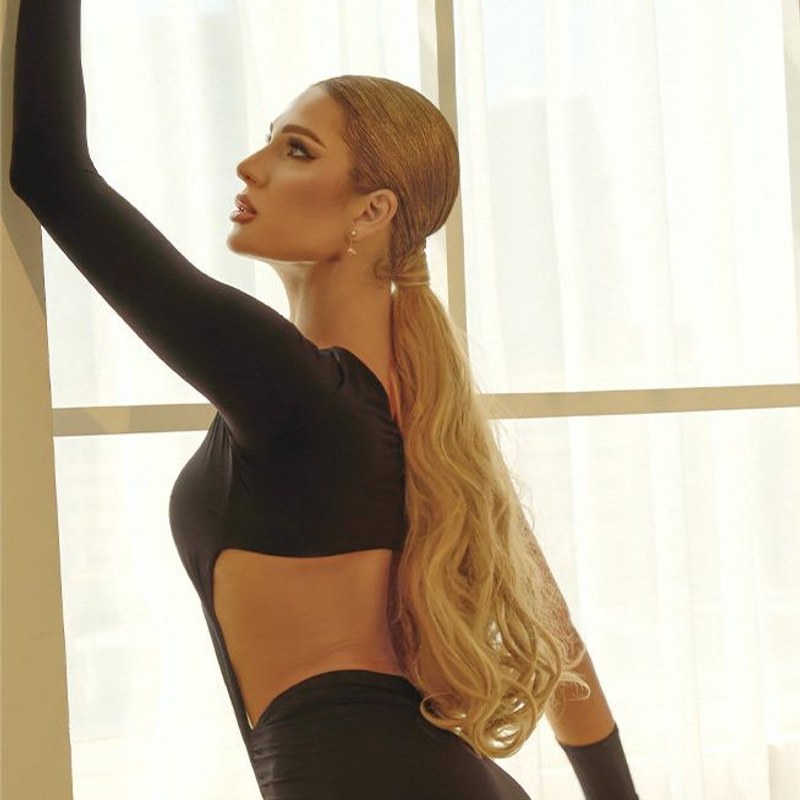
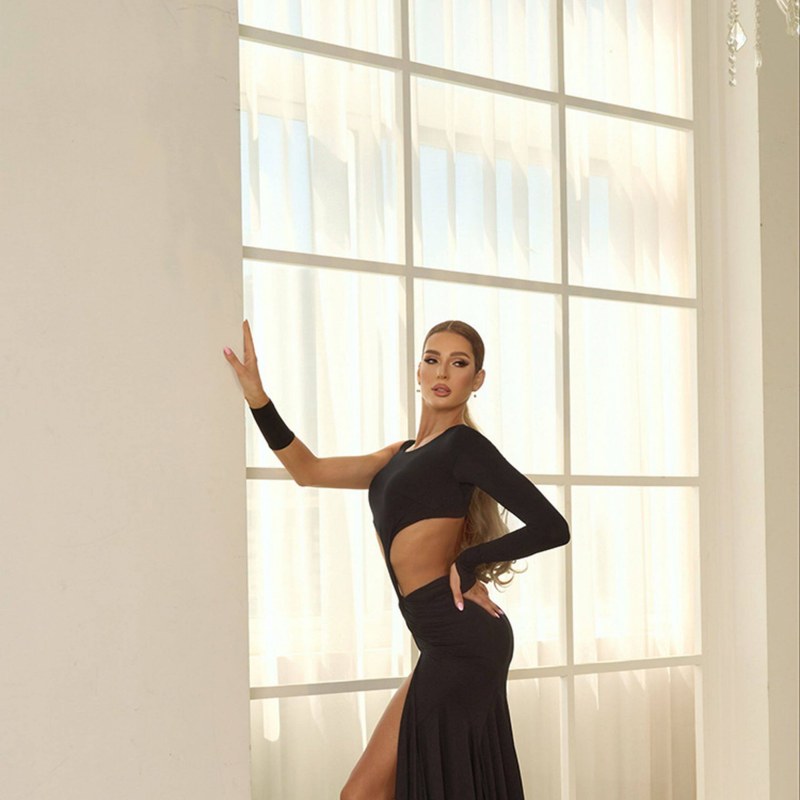
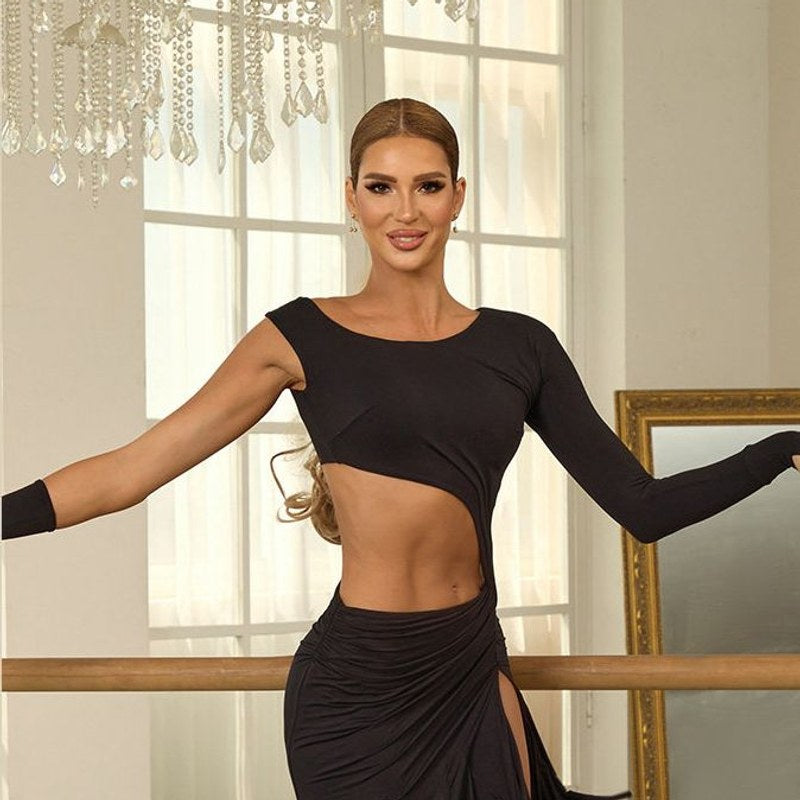
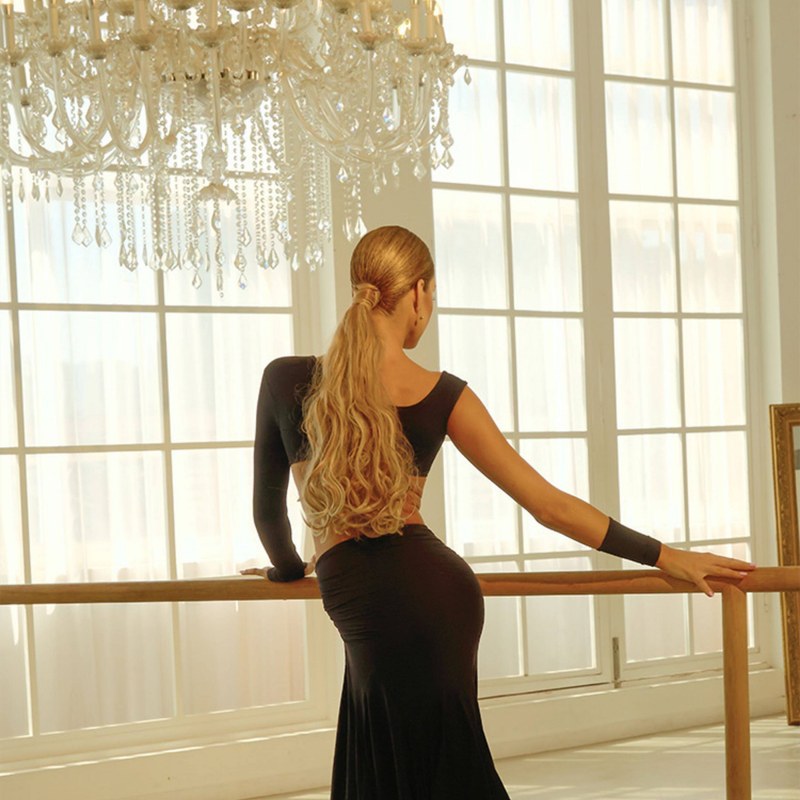
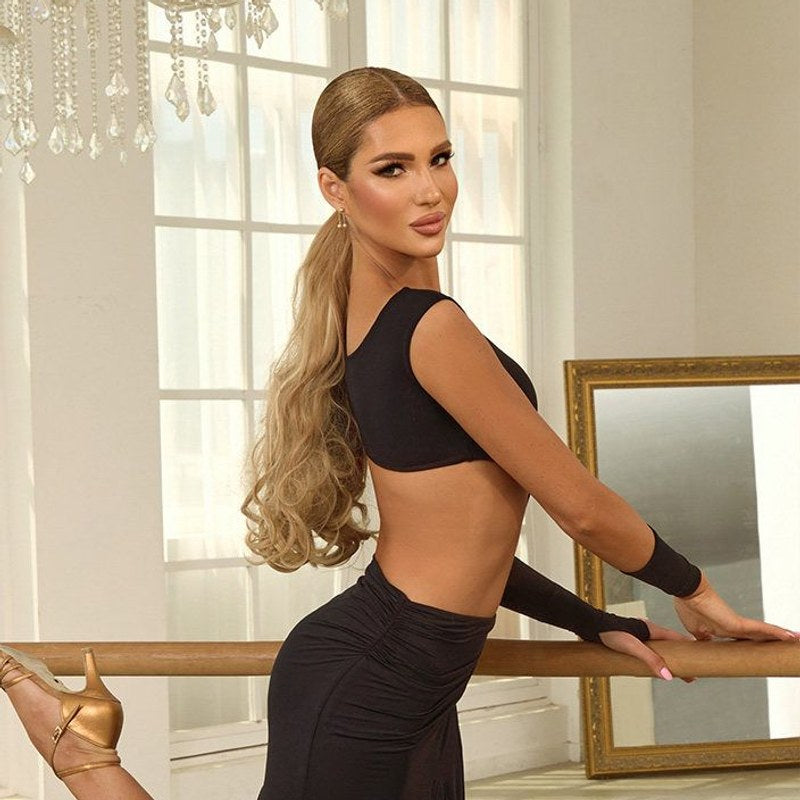
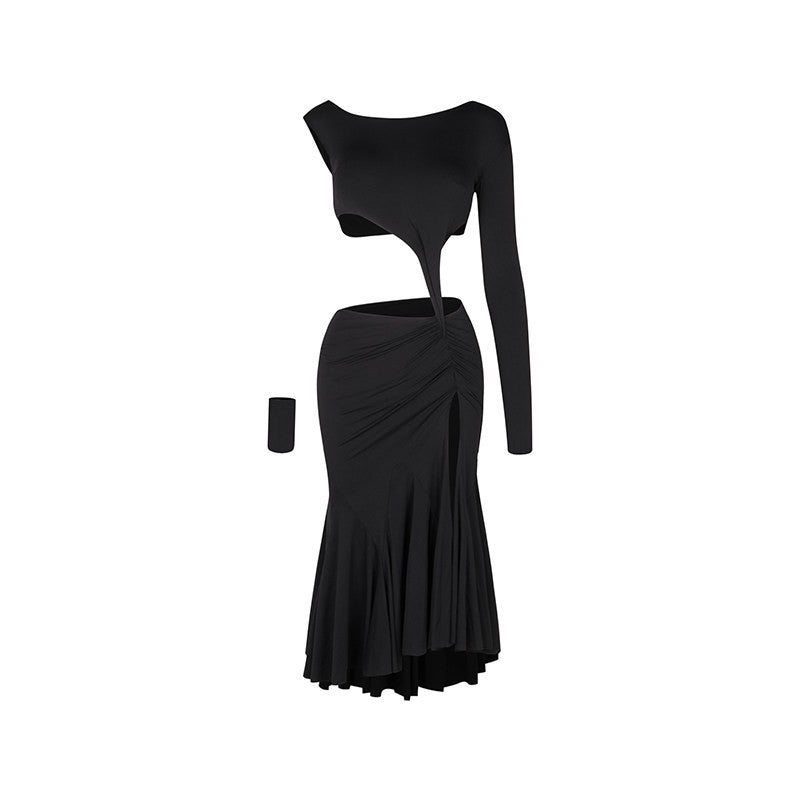
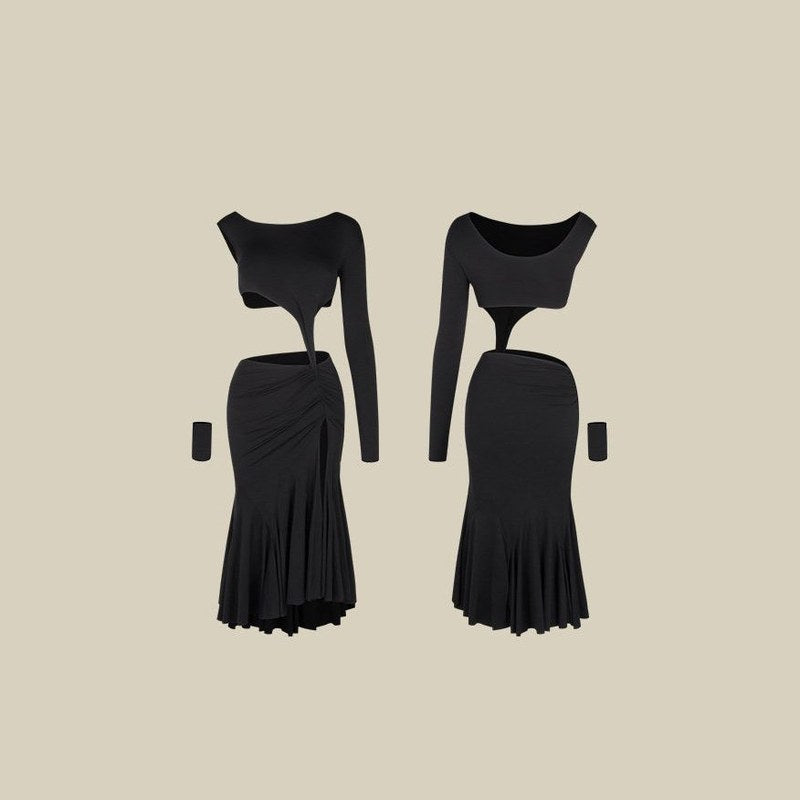
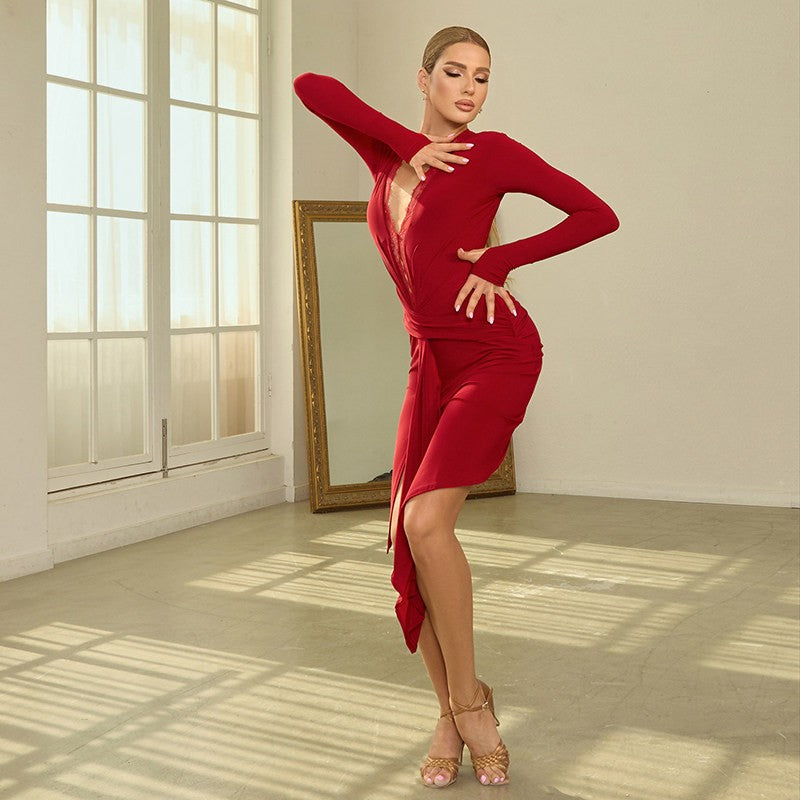
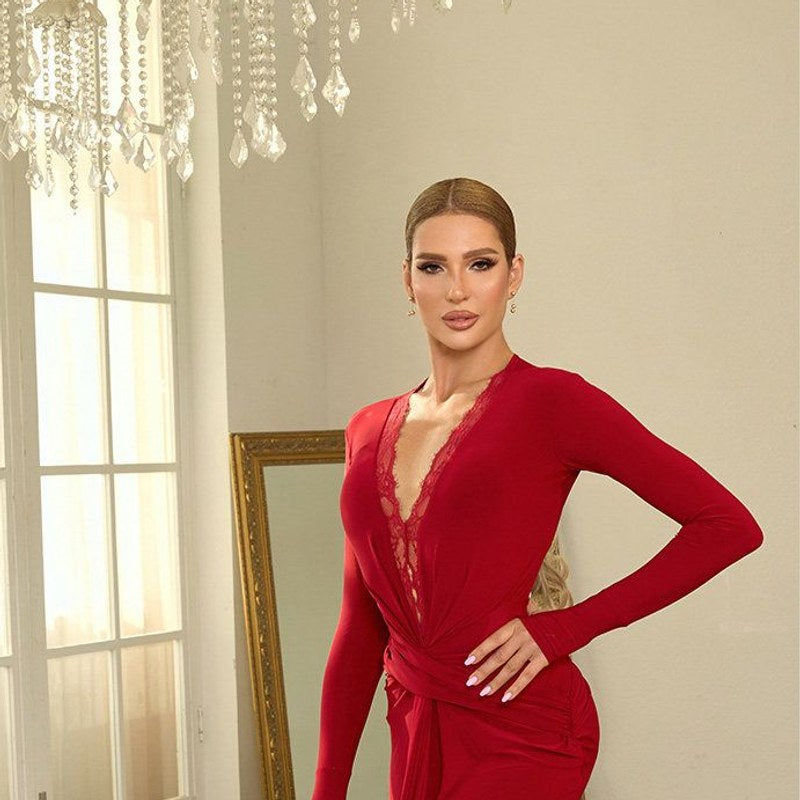
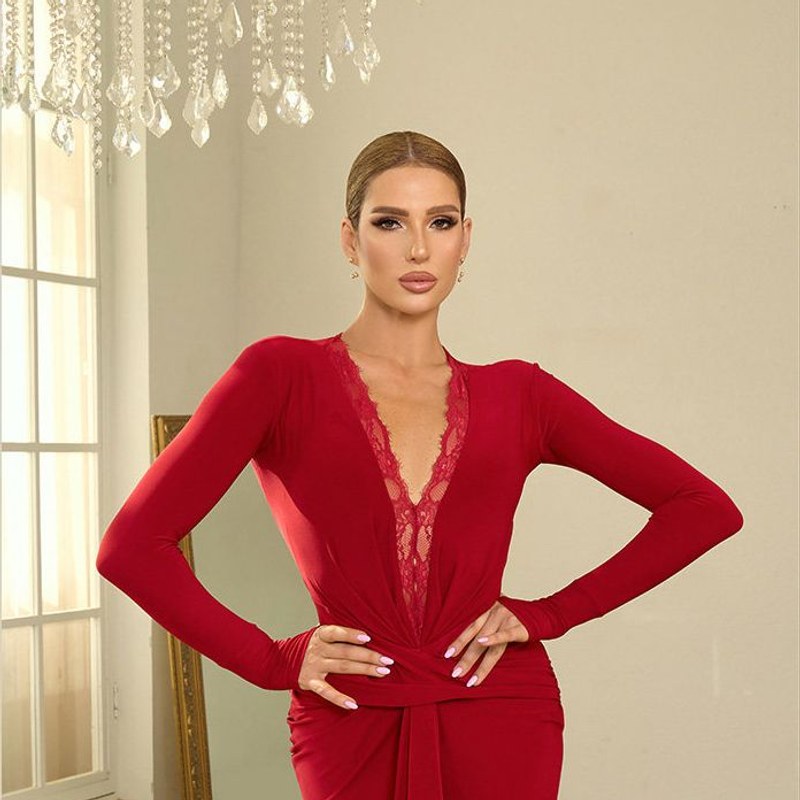

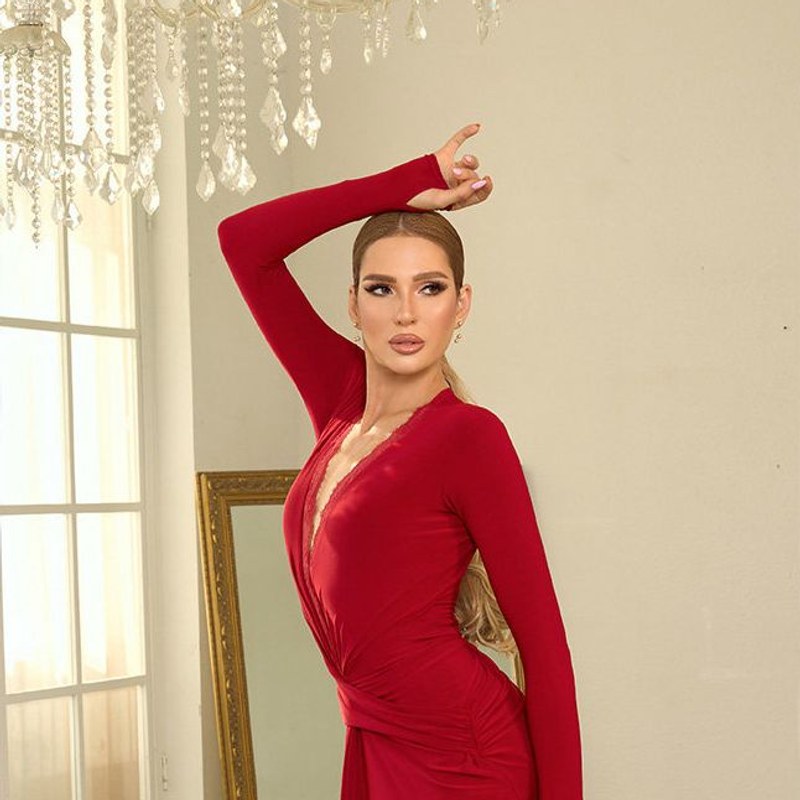
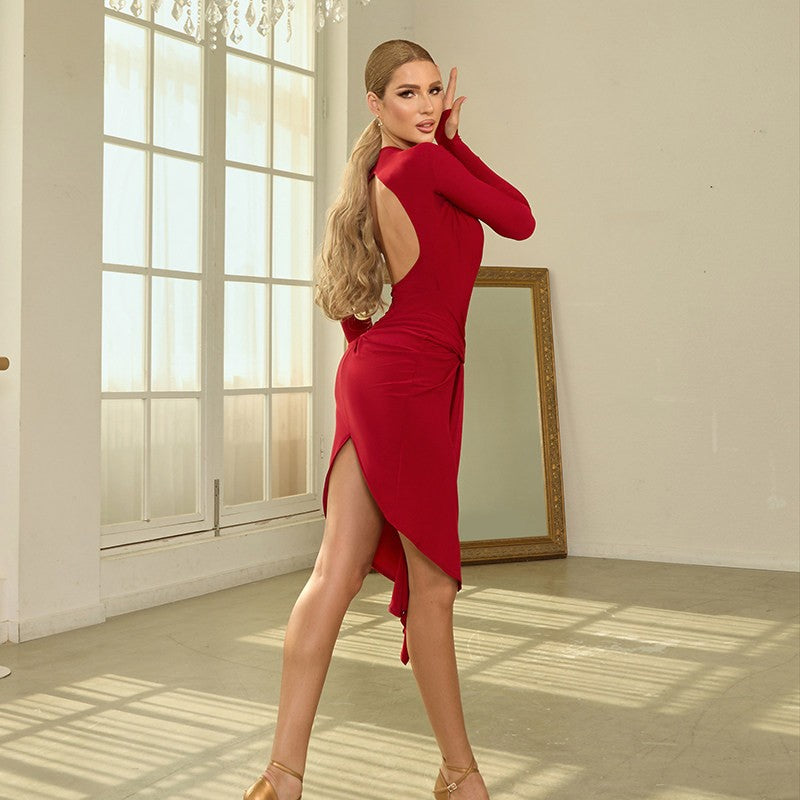
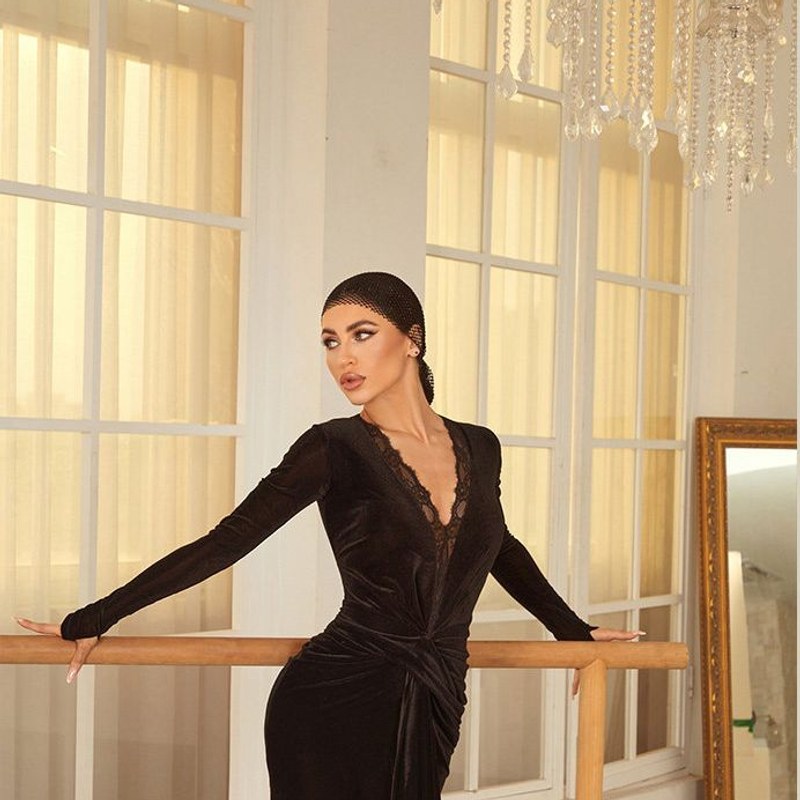
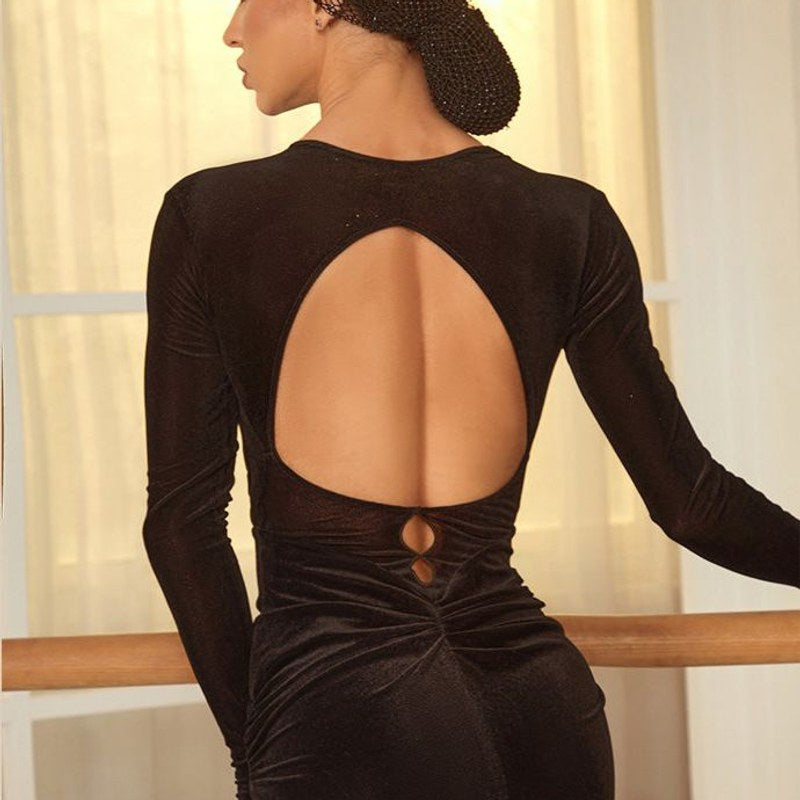
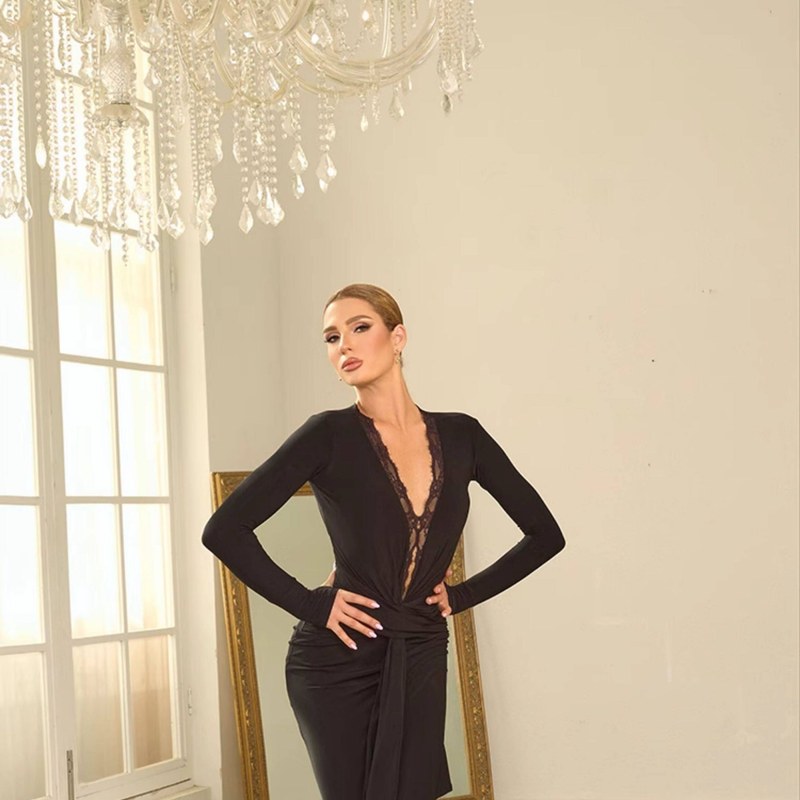
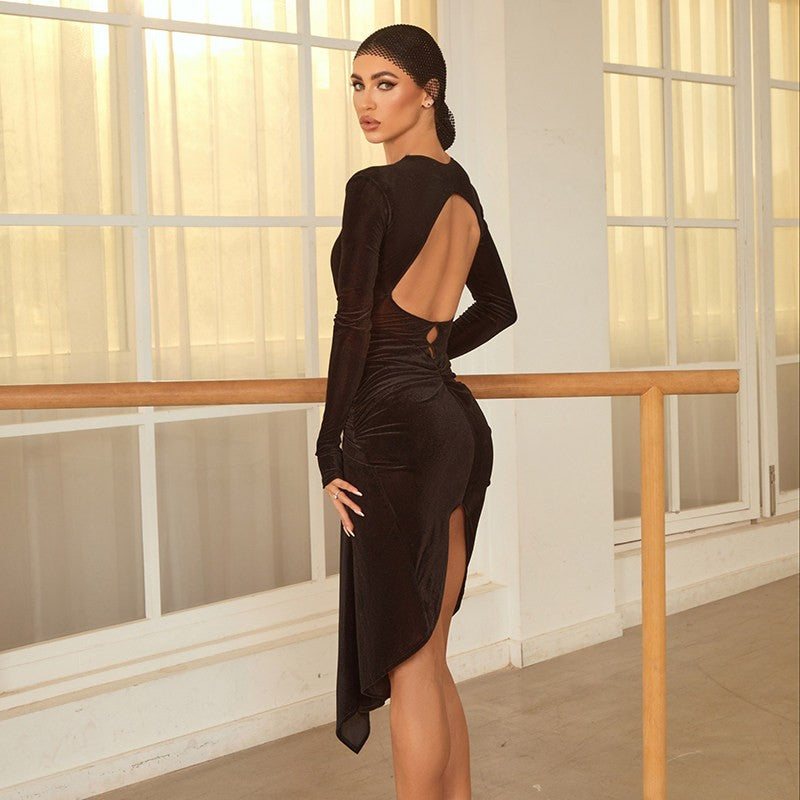
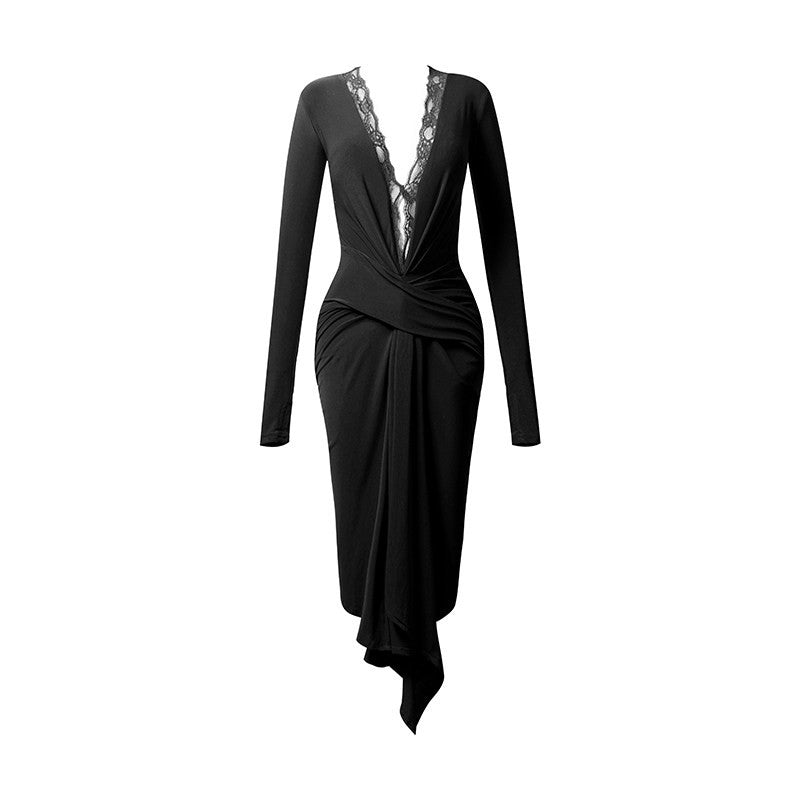
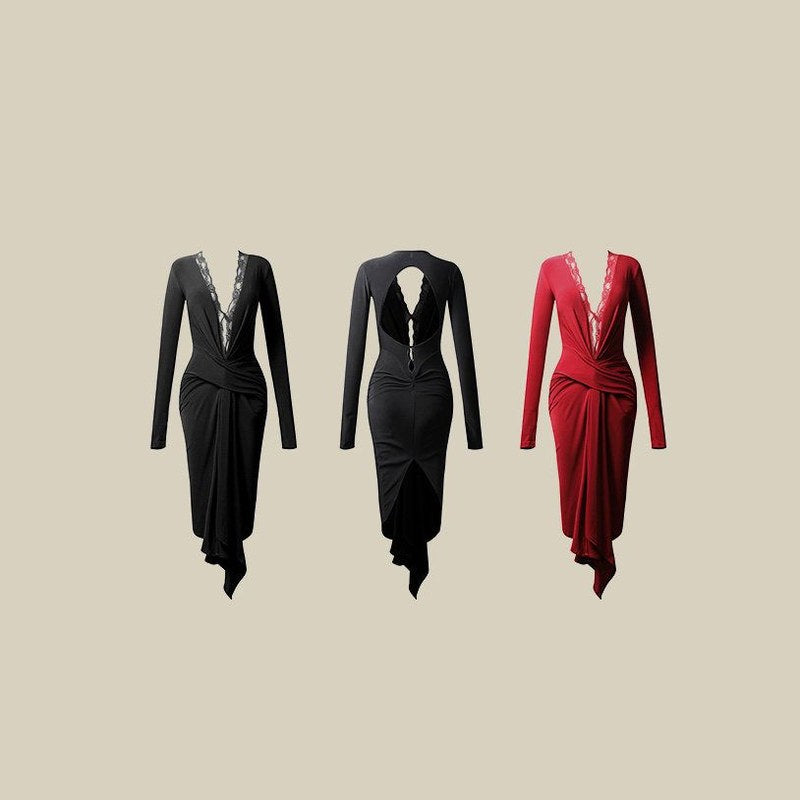
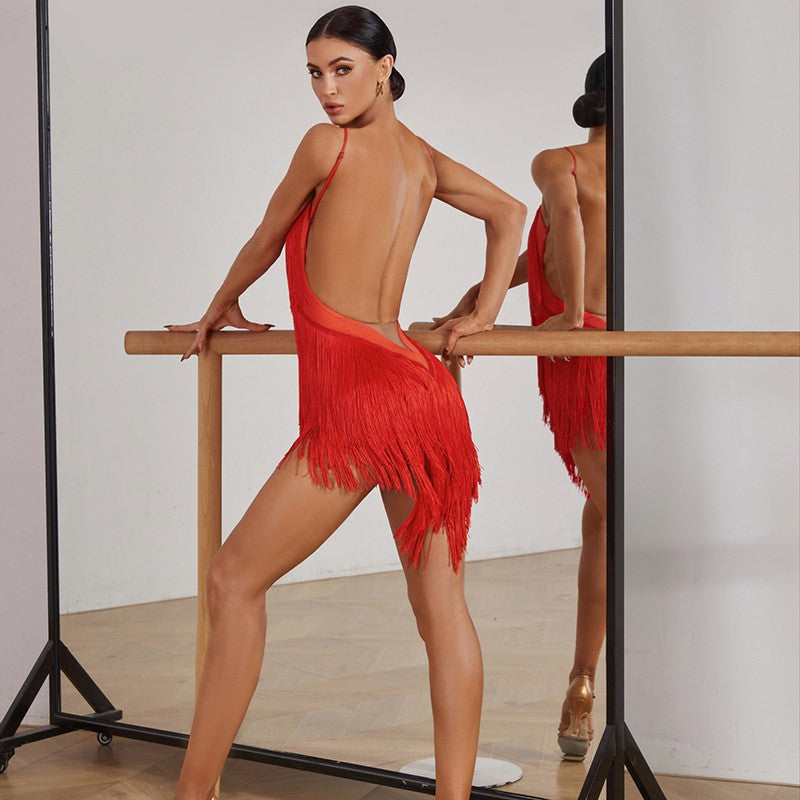
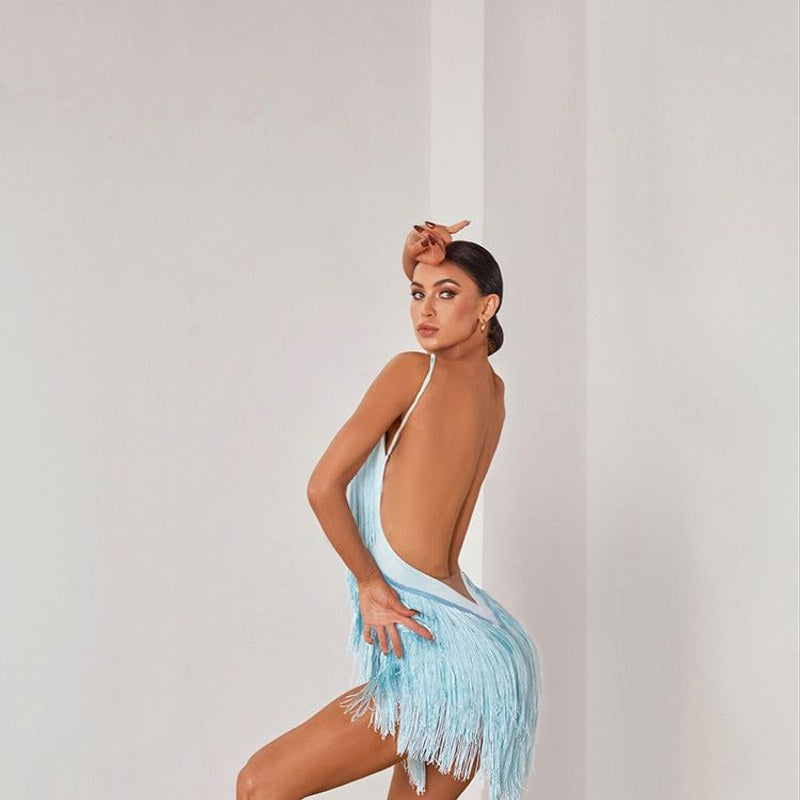
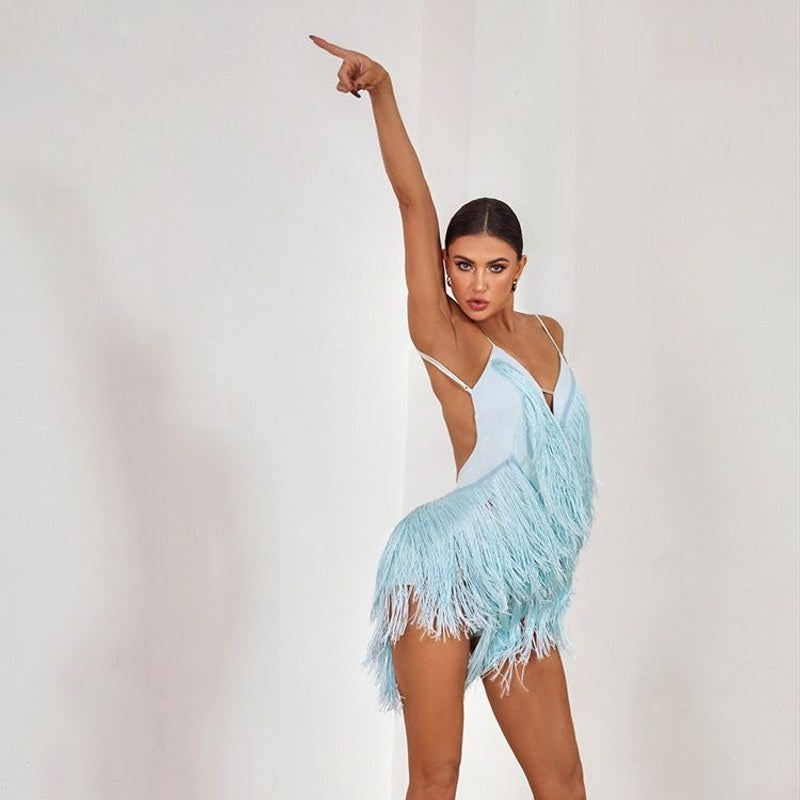
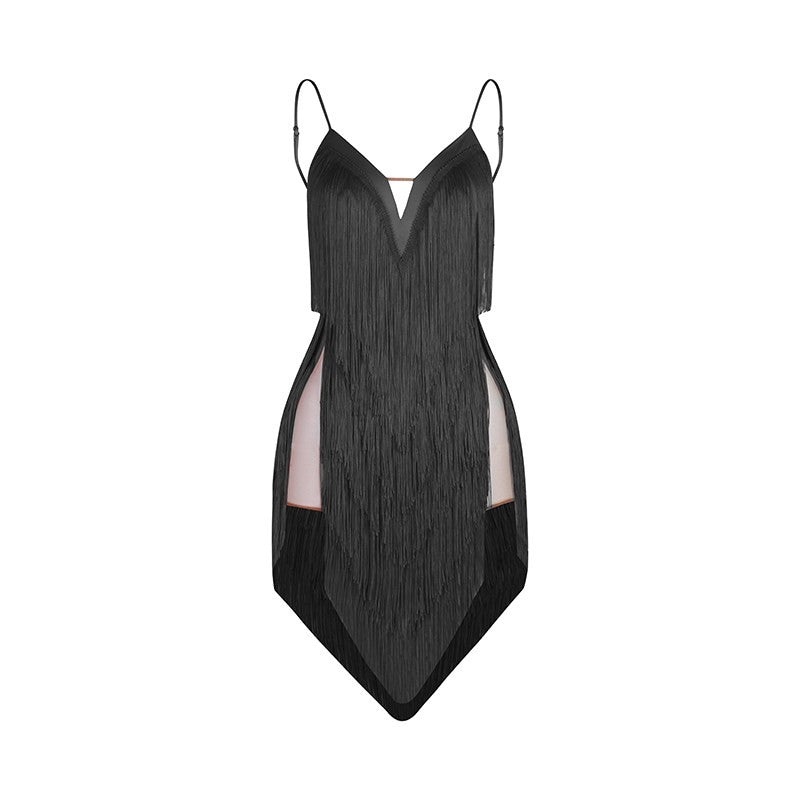
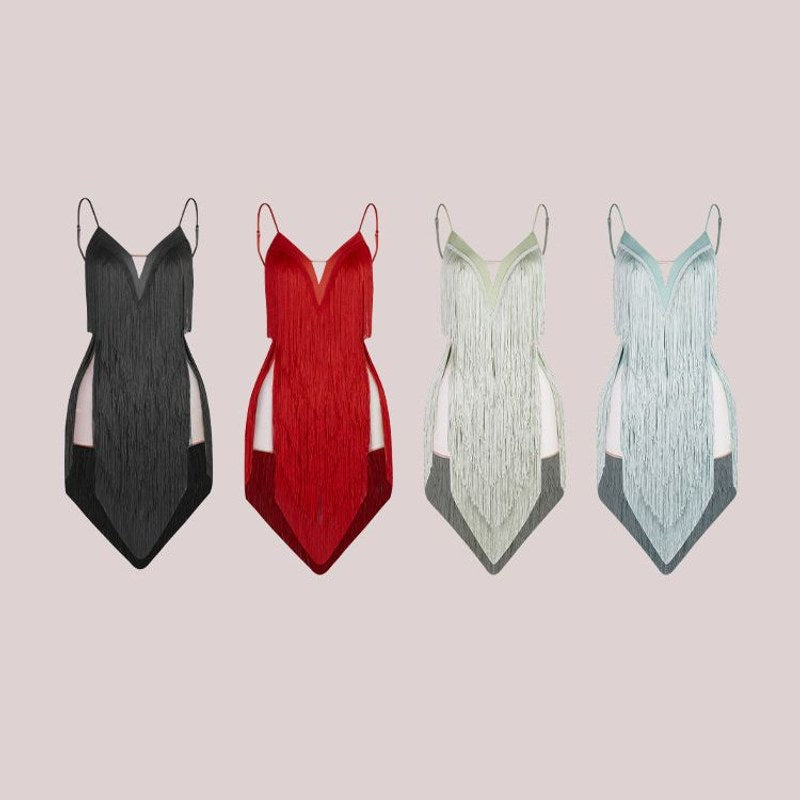
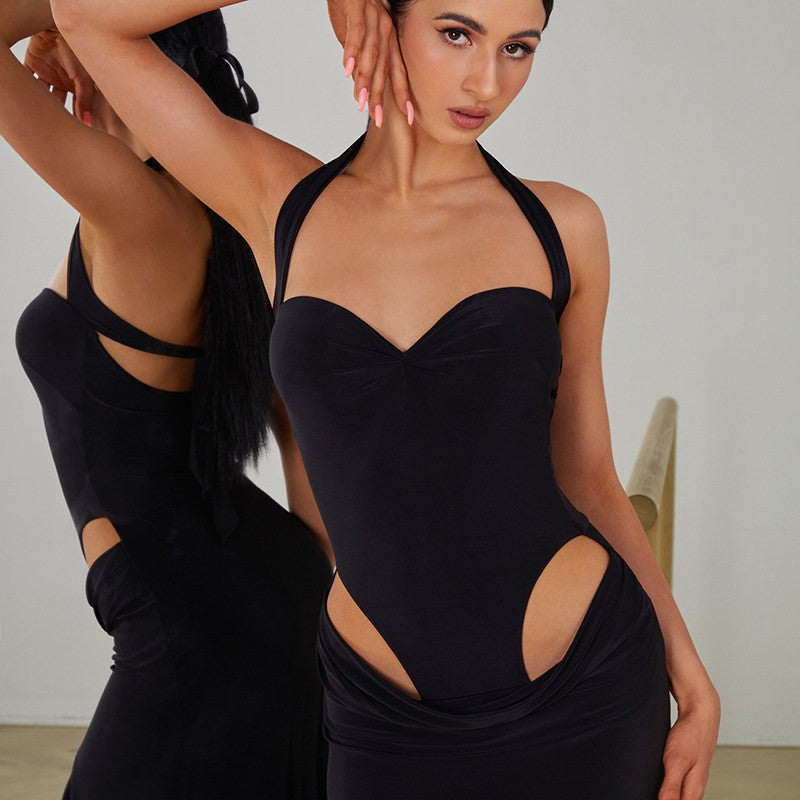
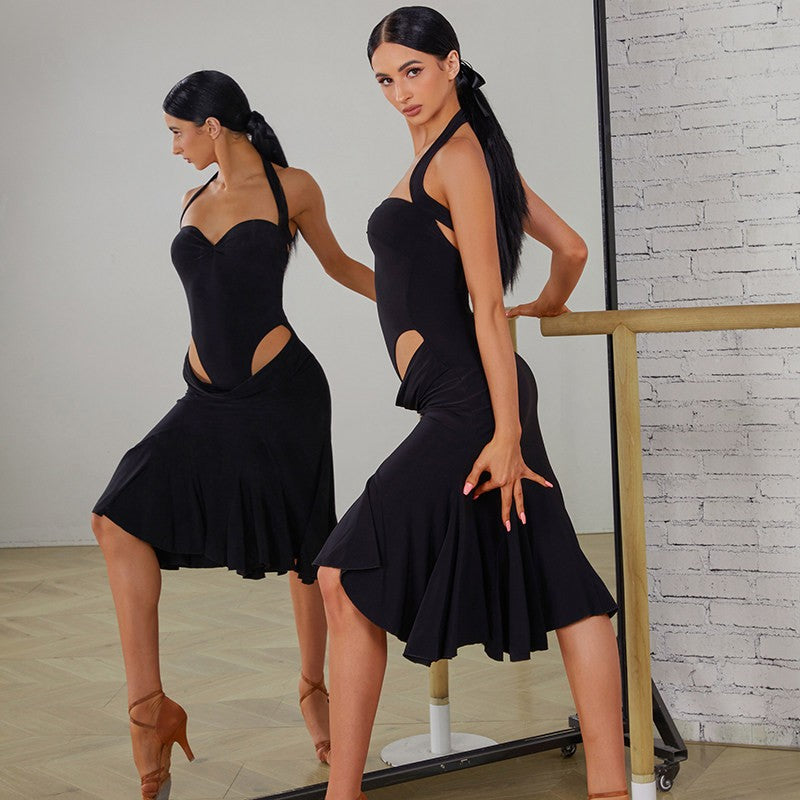
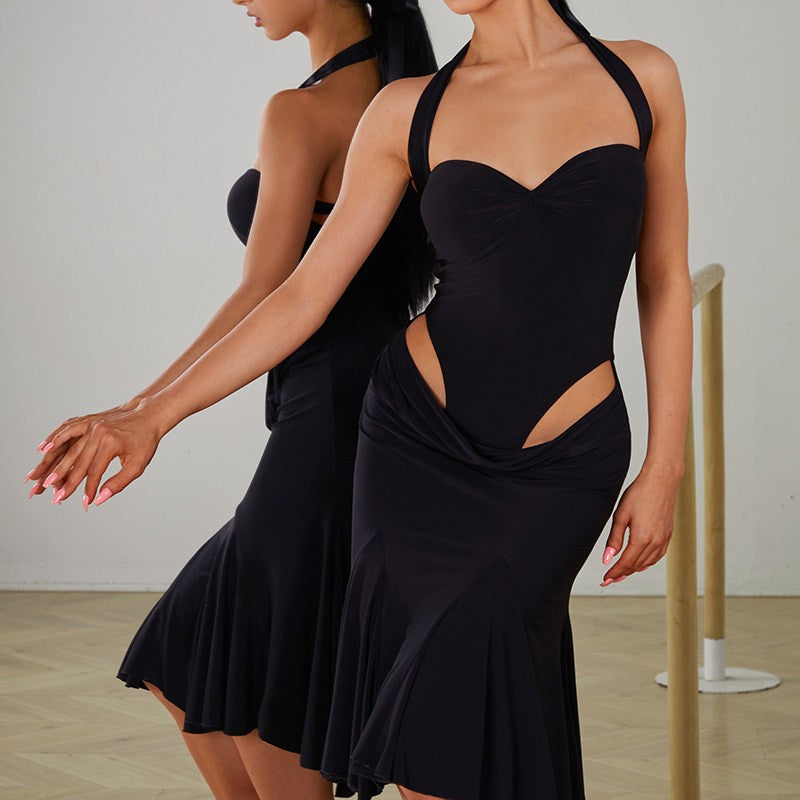
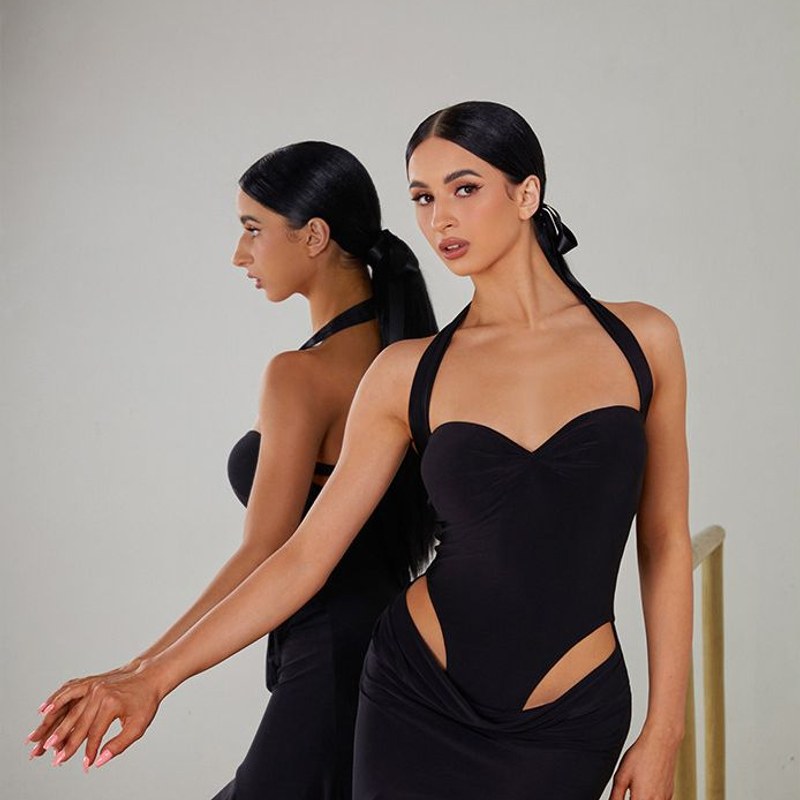
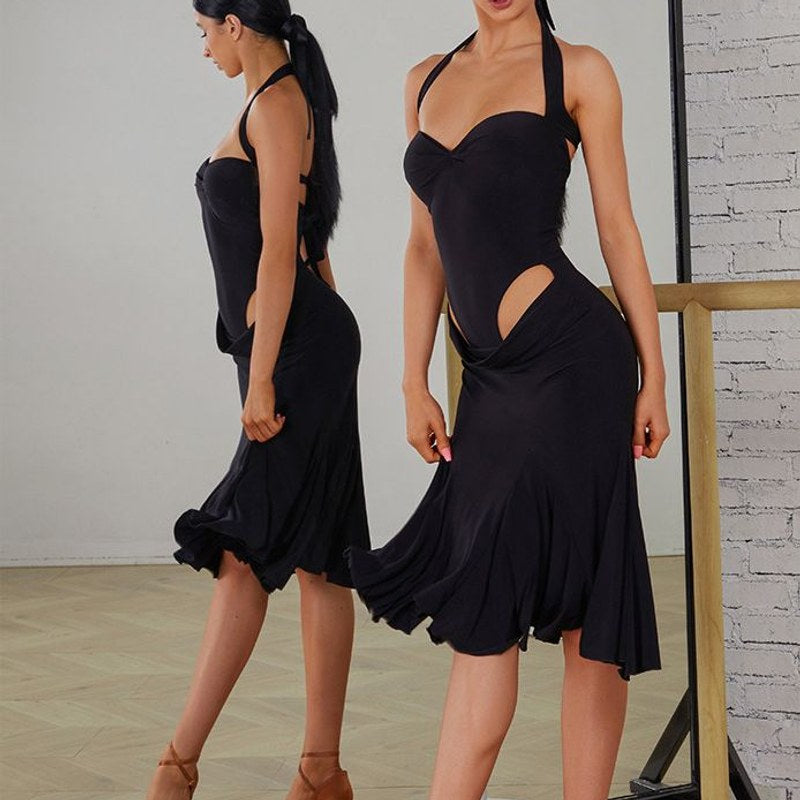
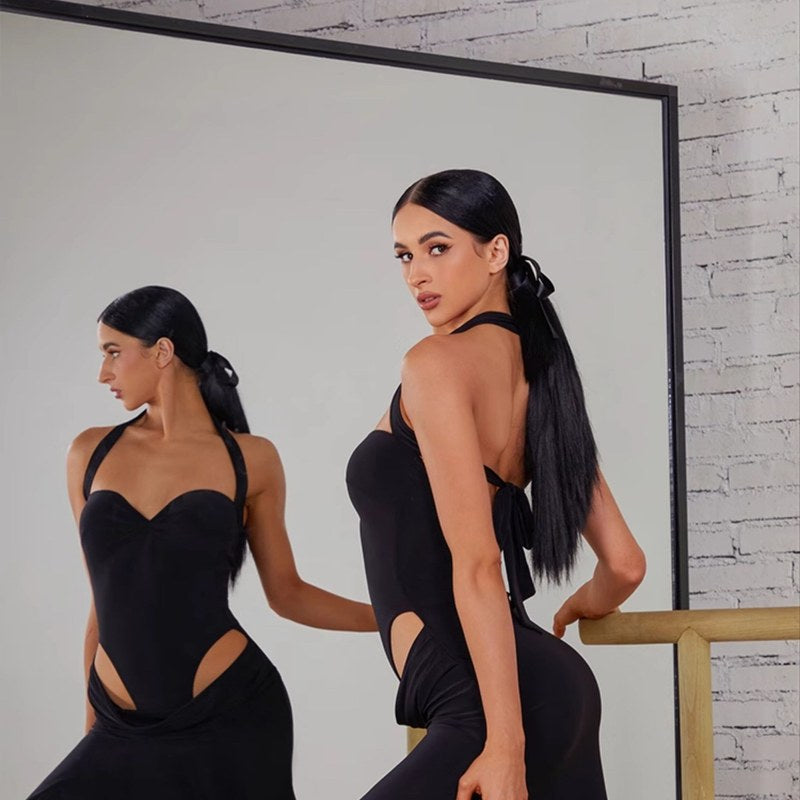
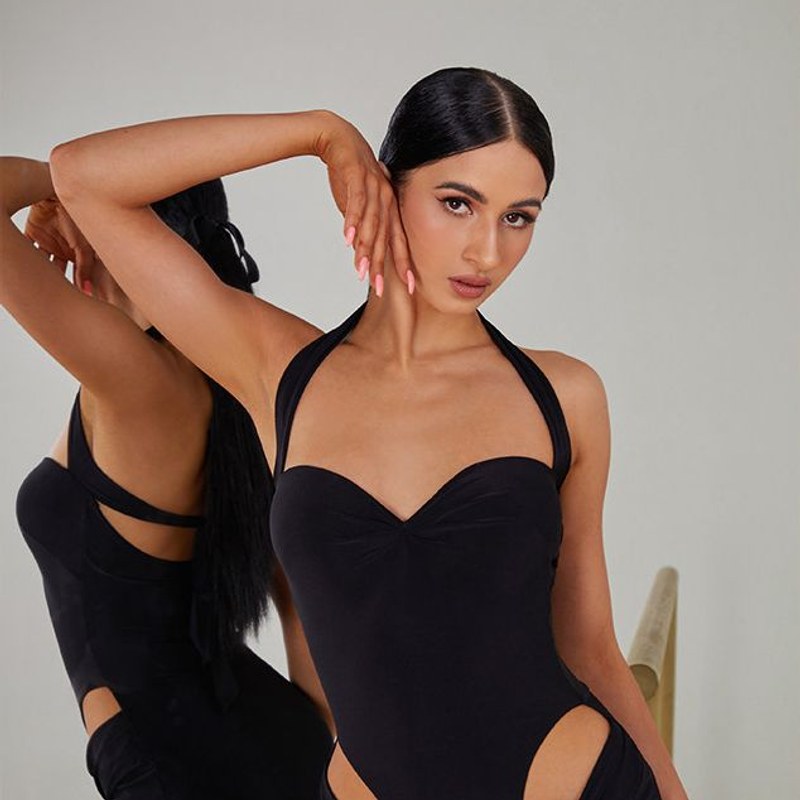
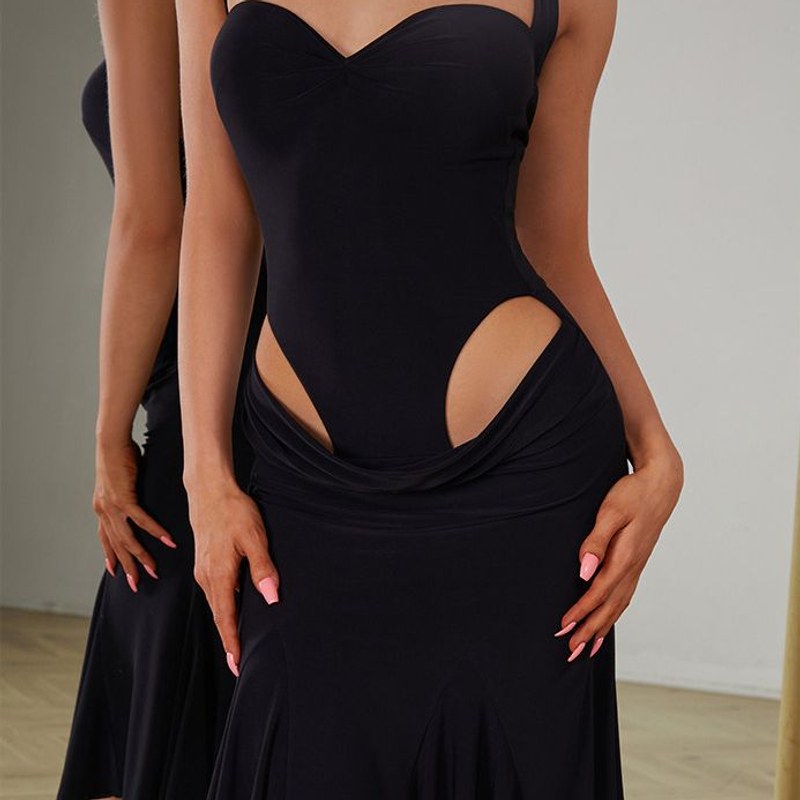
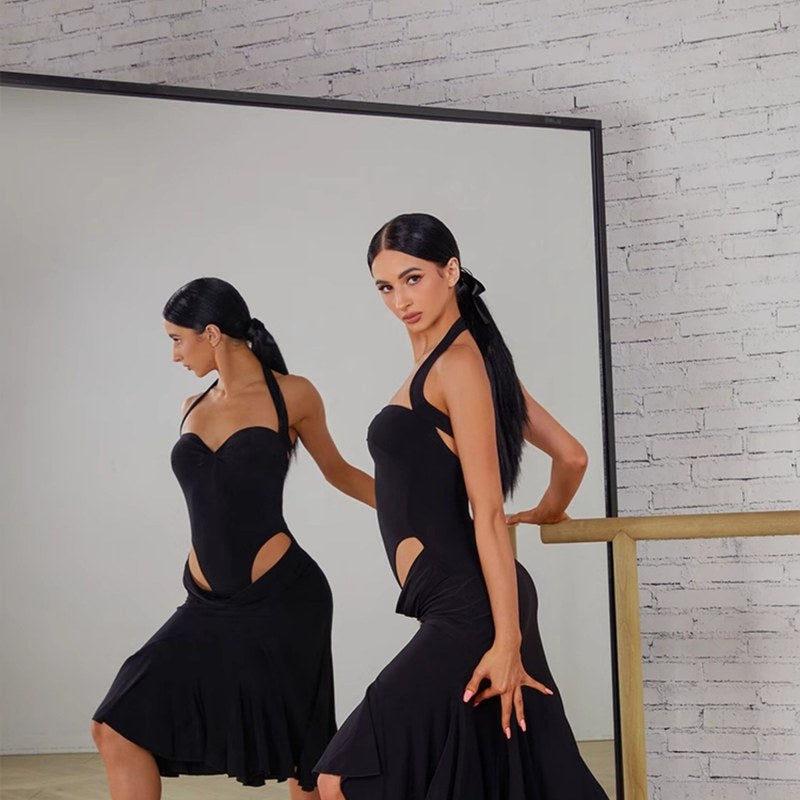
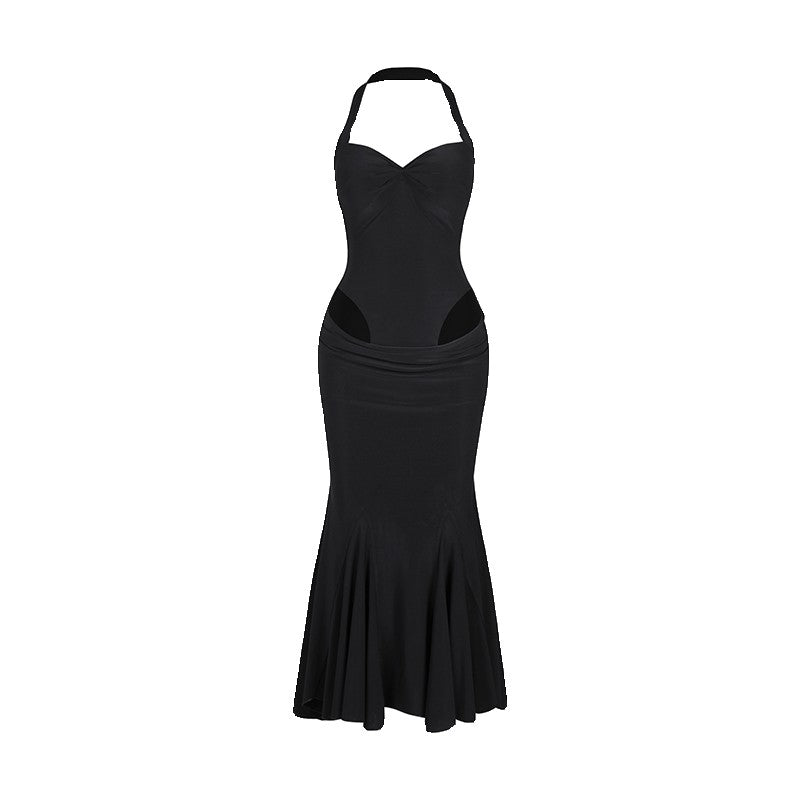
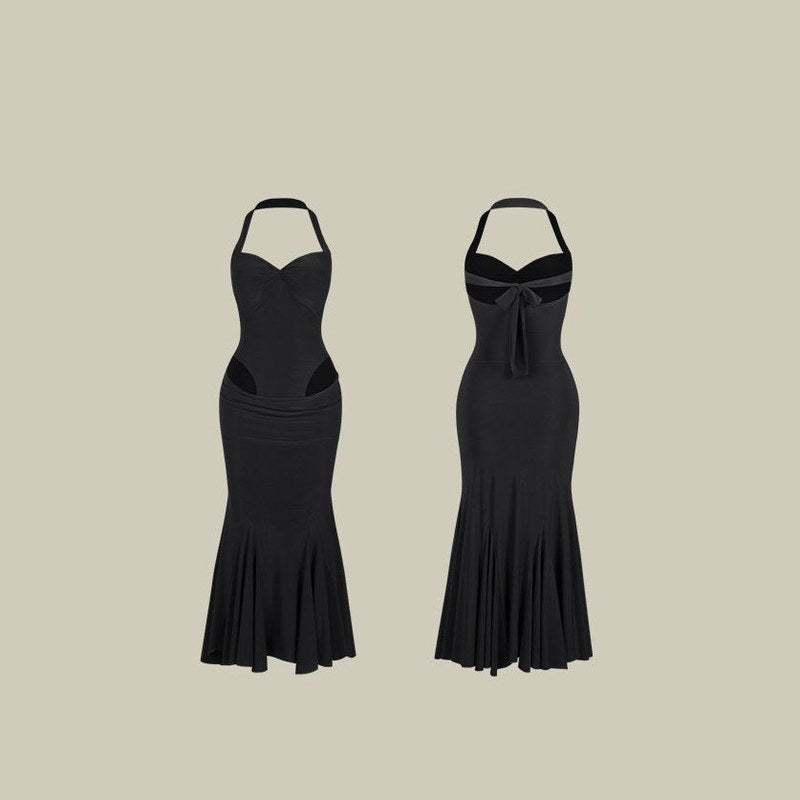
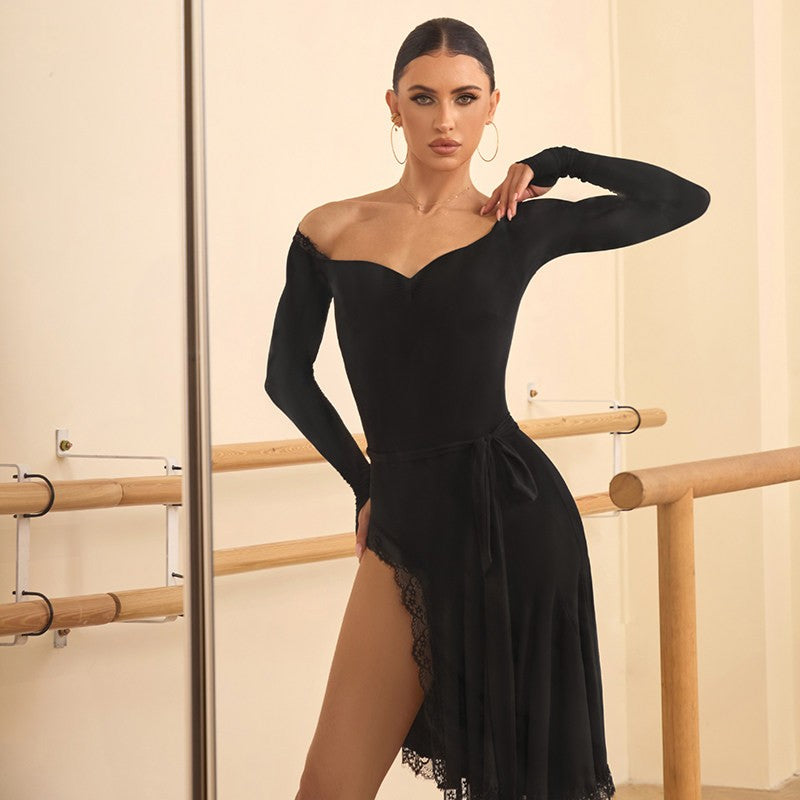
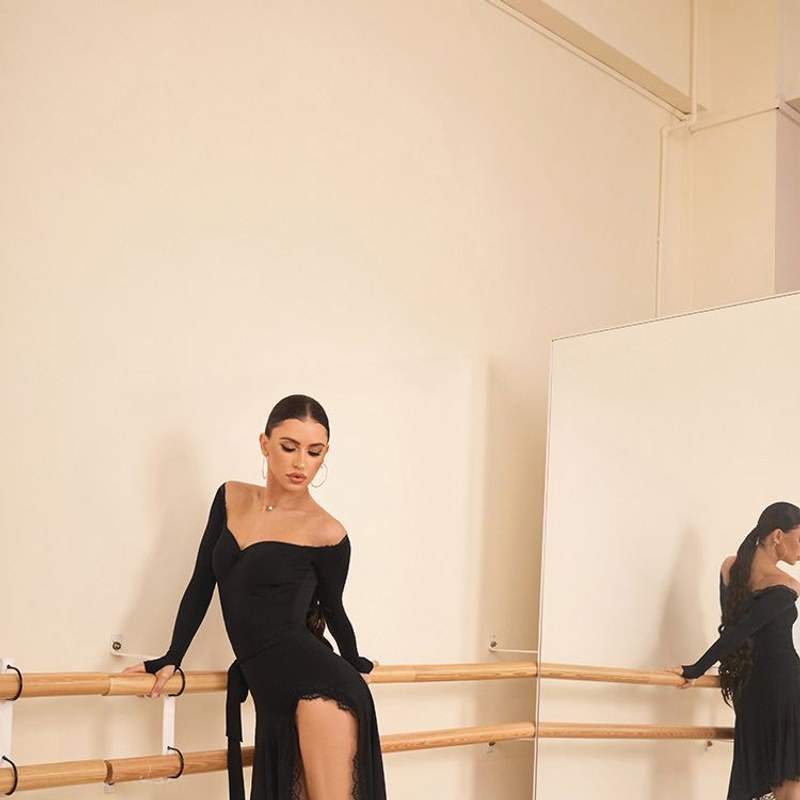
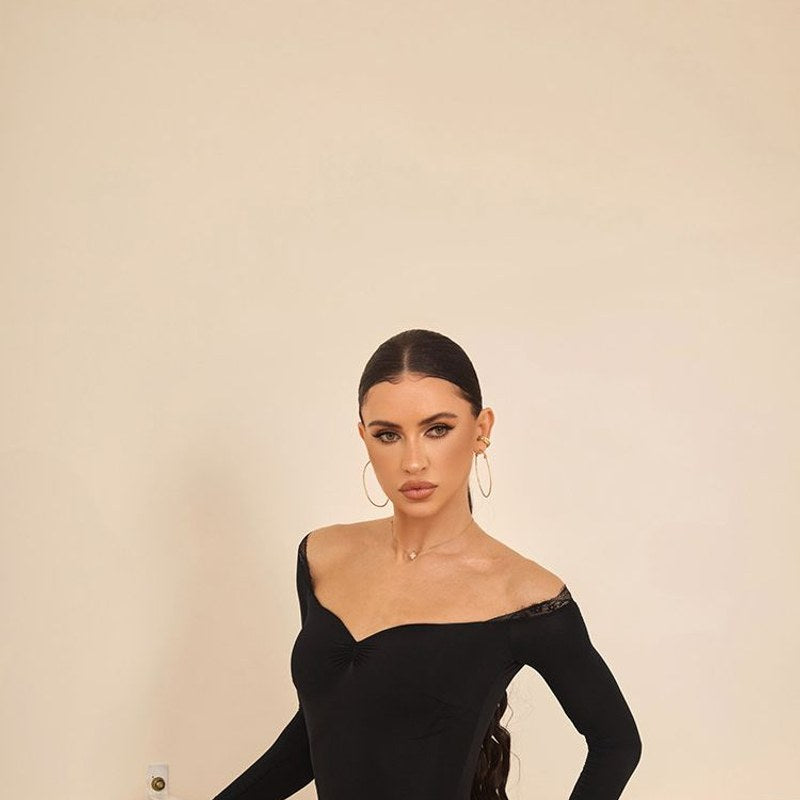
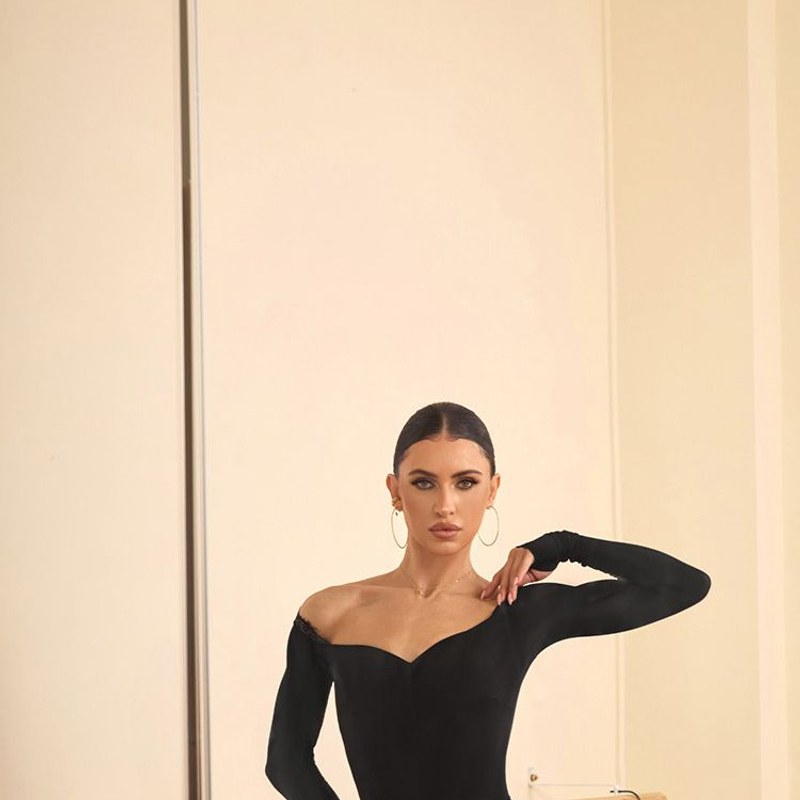
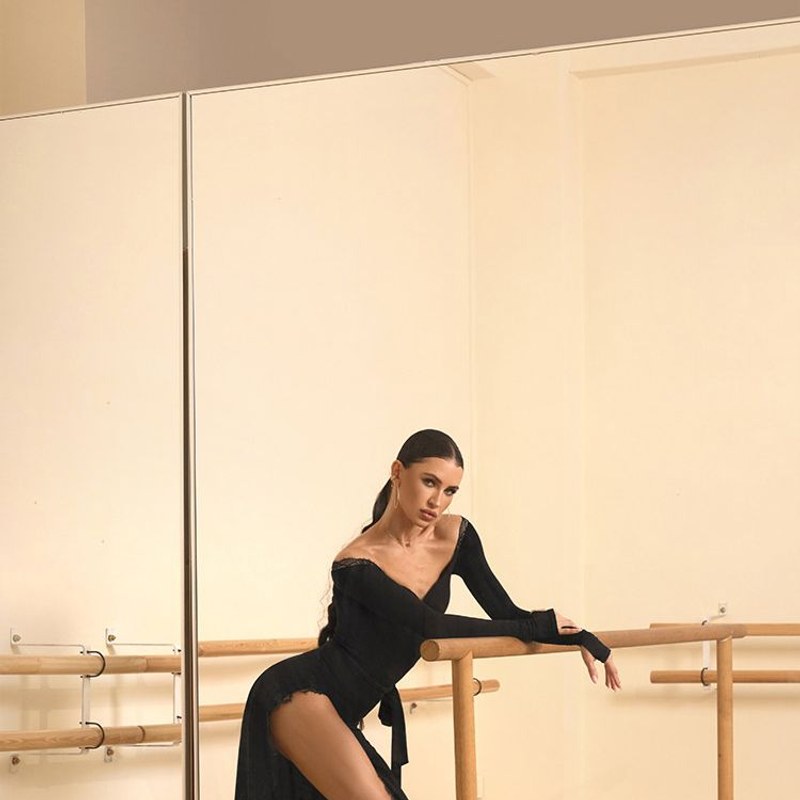
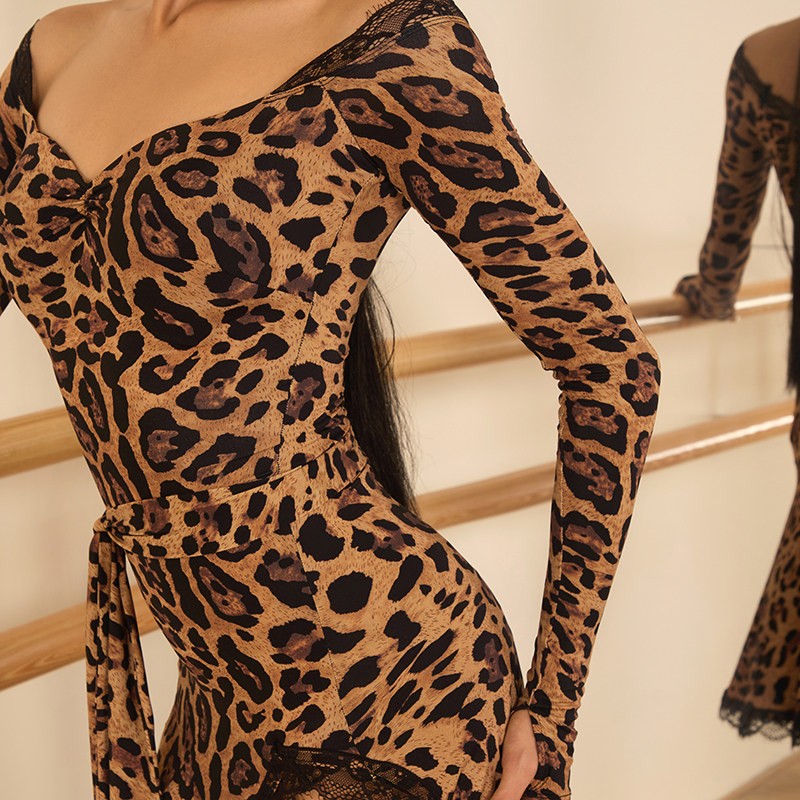
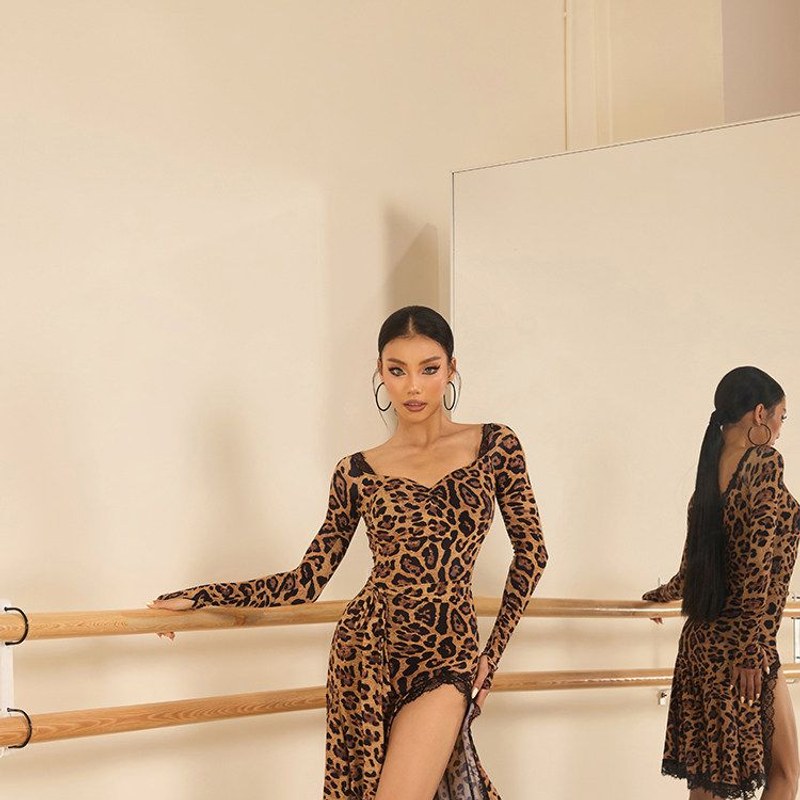
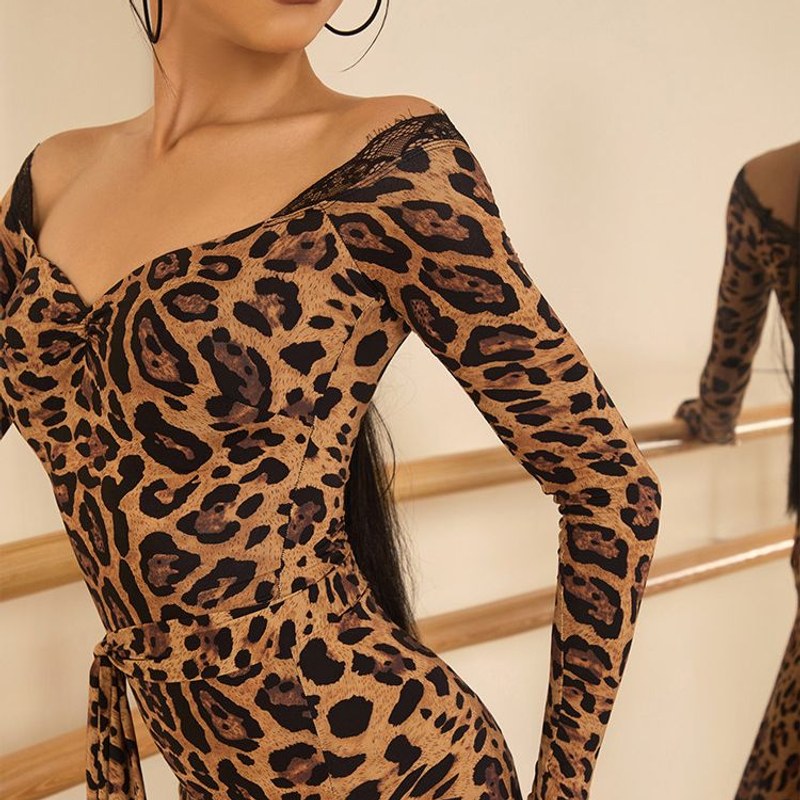
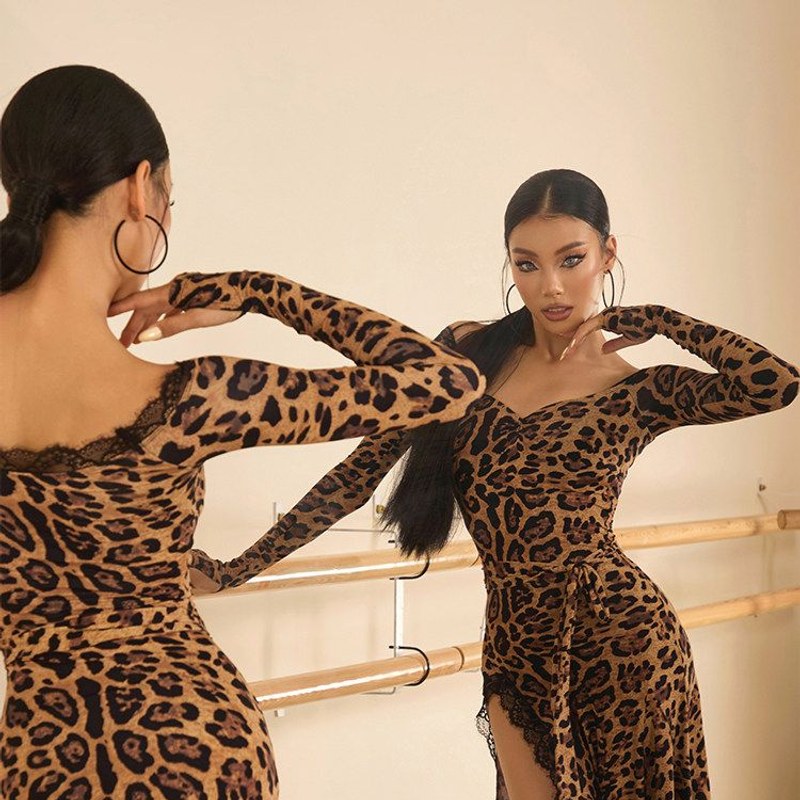
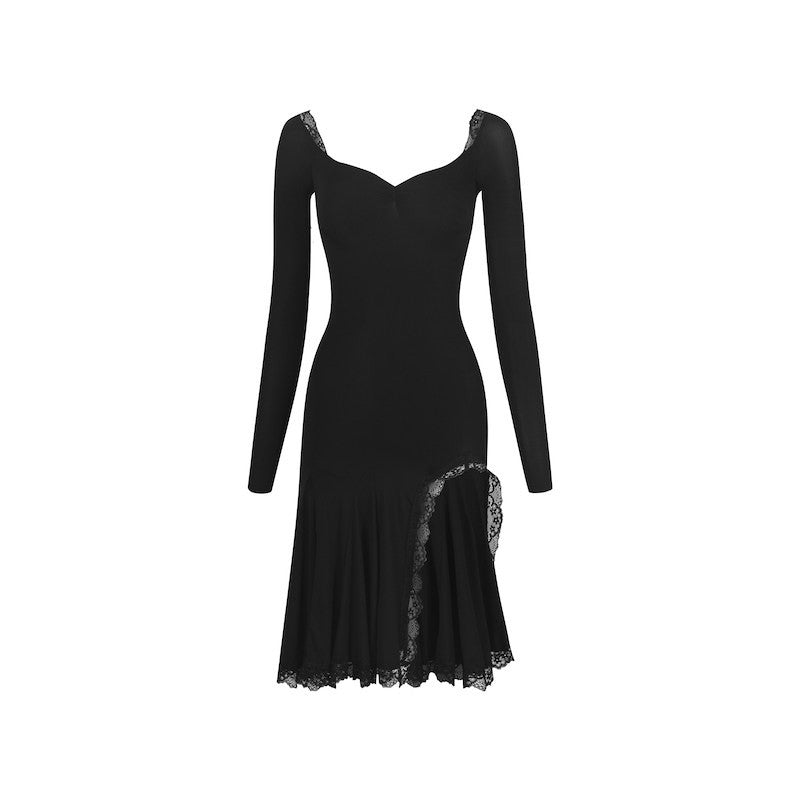
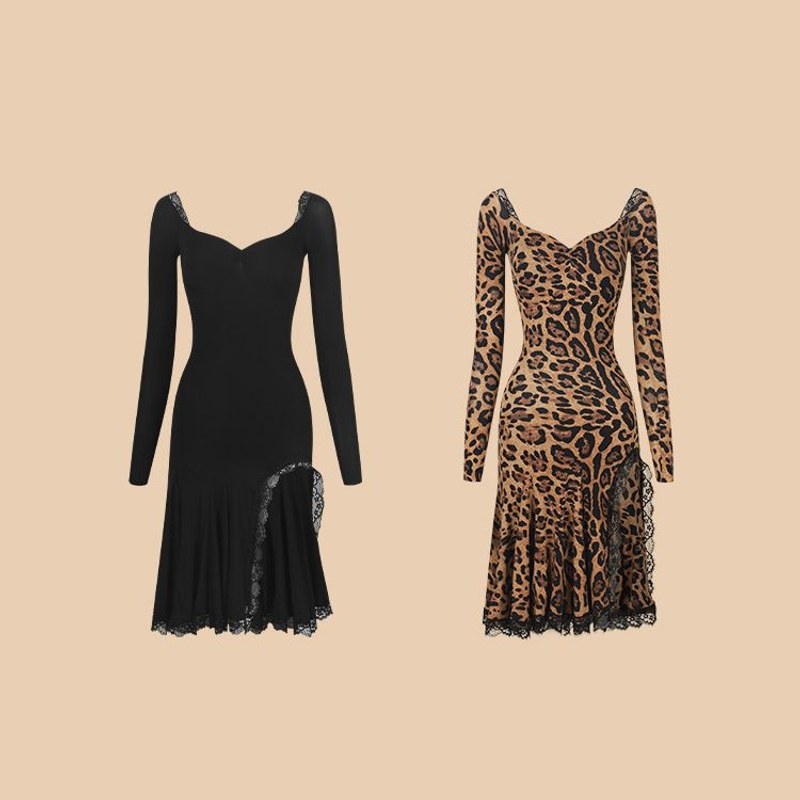
Built to React, Not to Drape
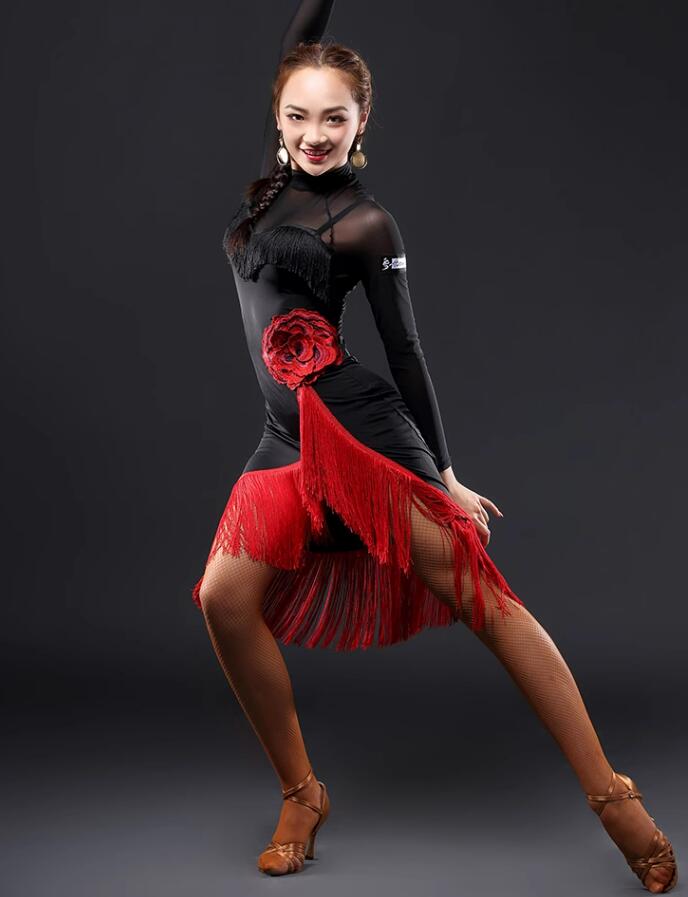
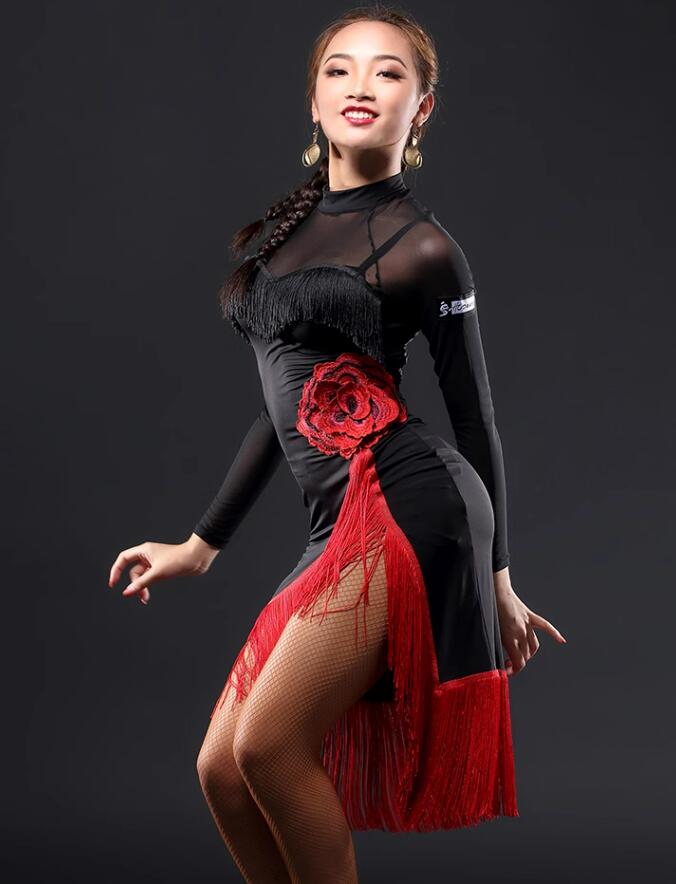
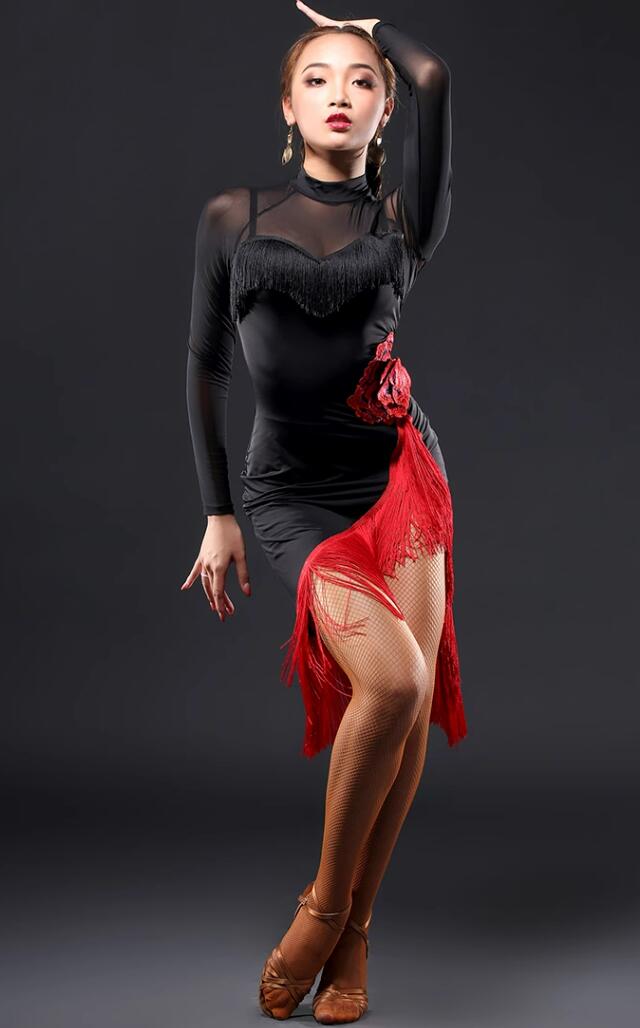
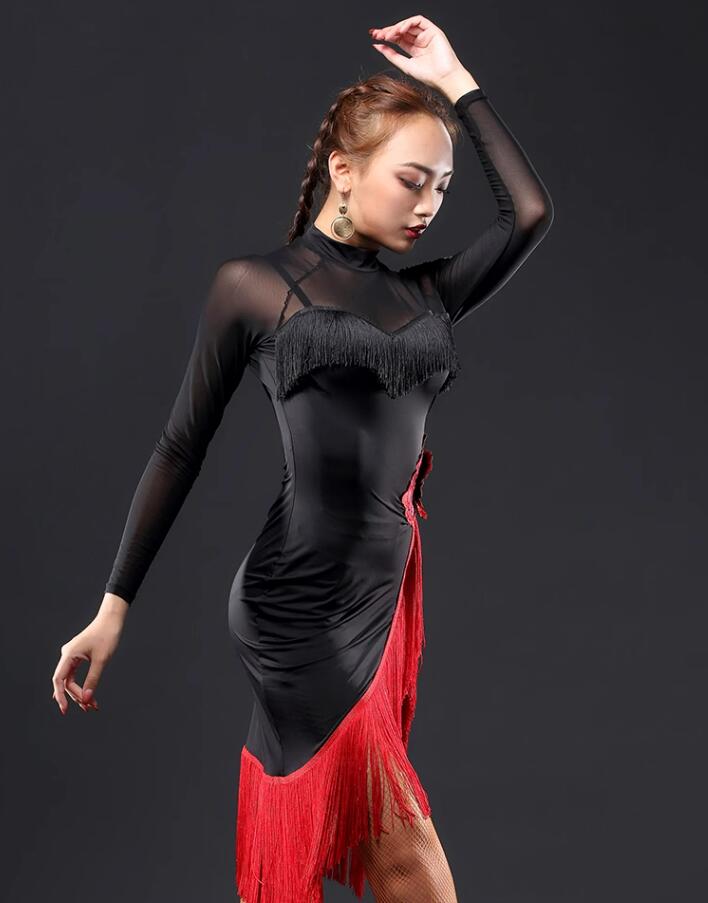
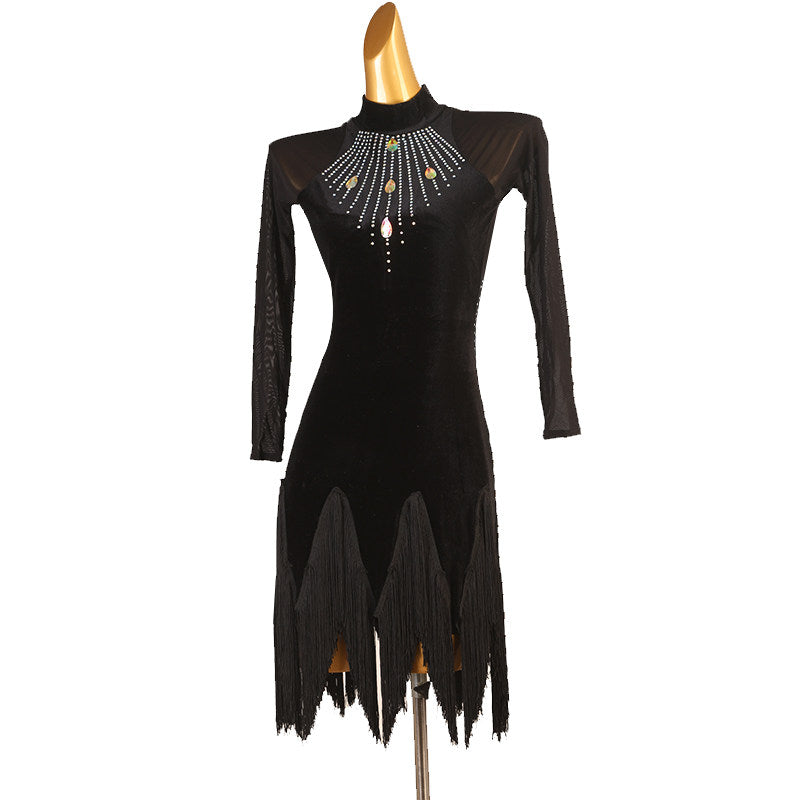
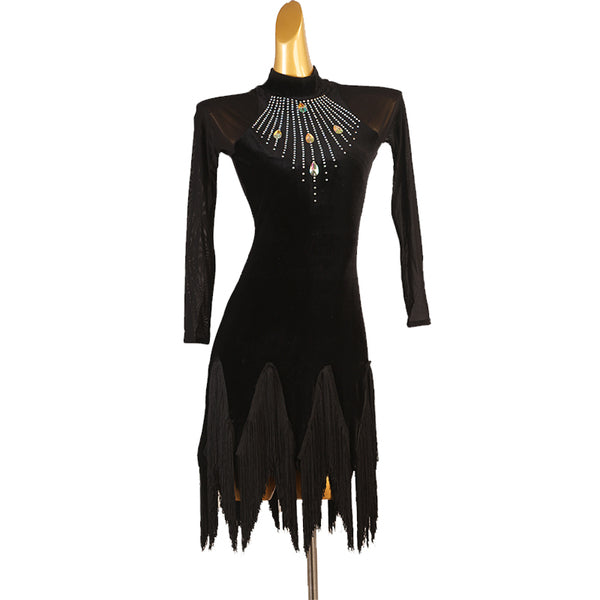
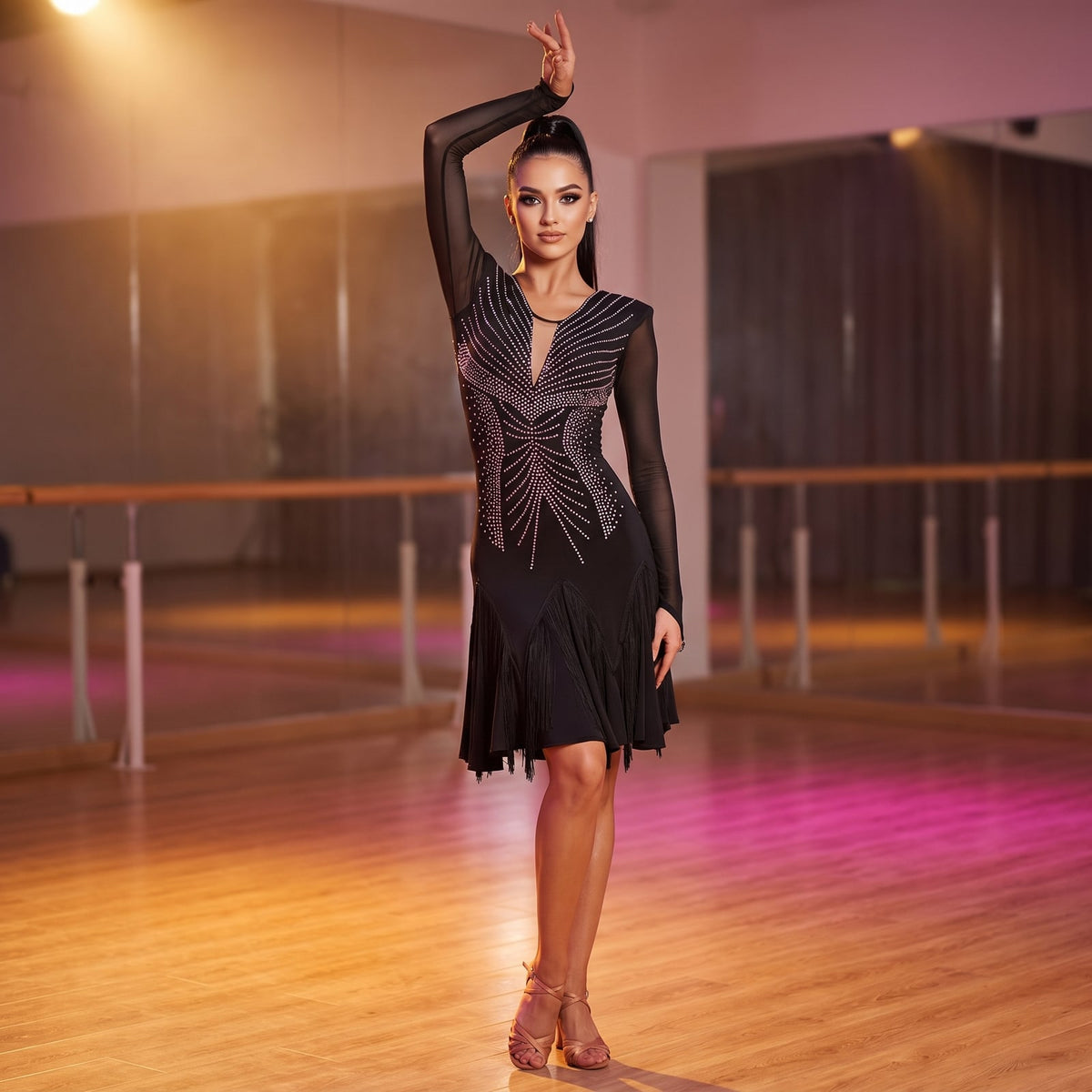
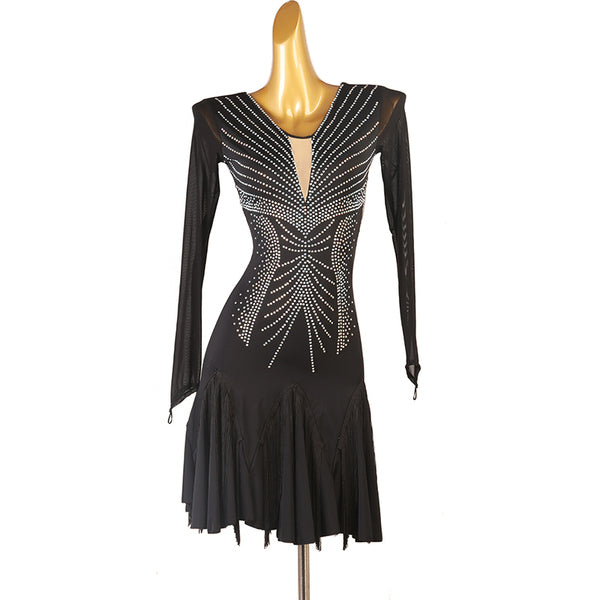
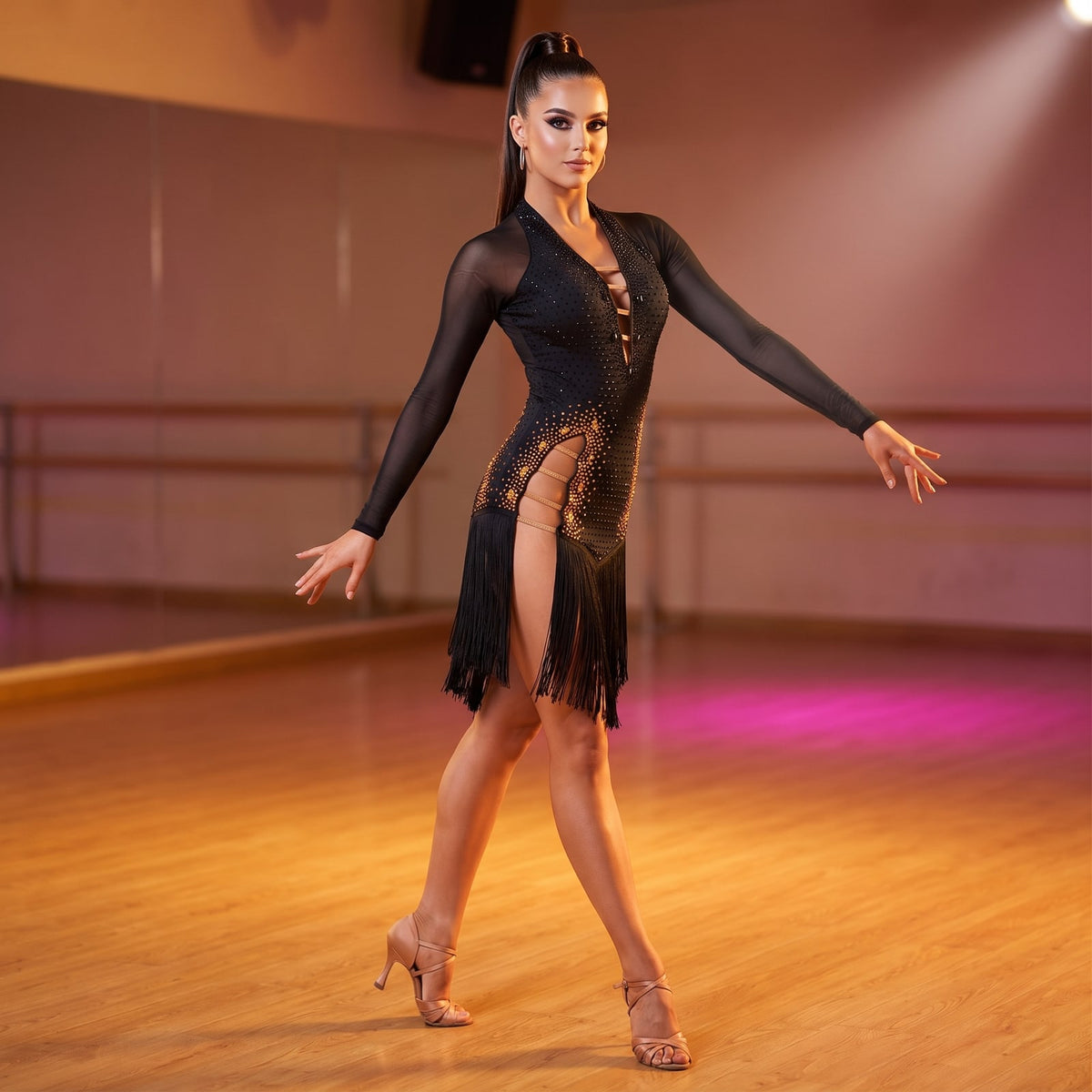
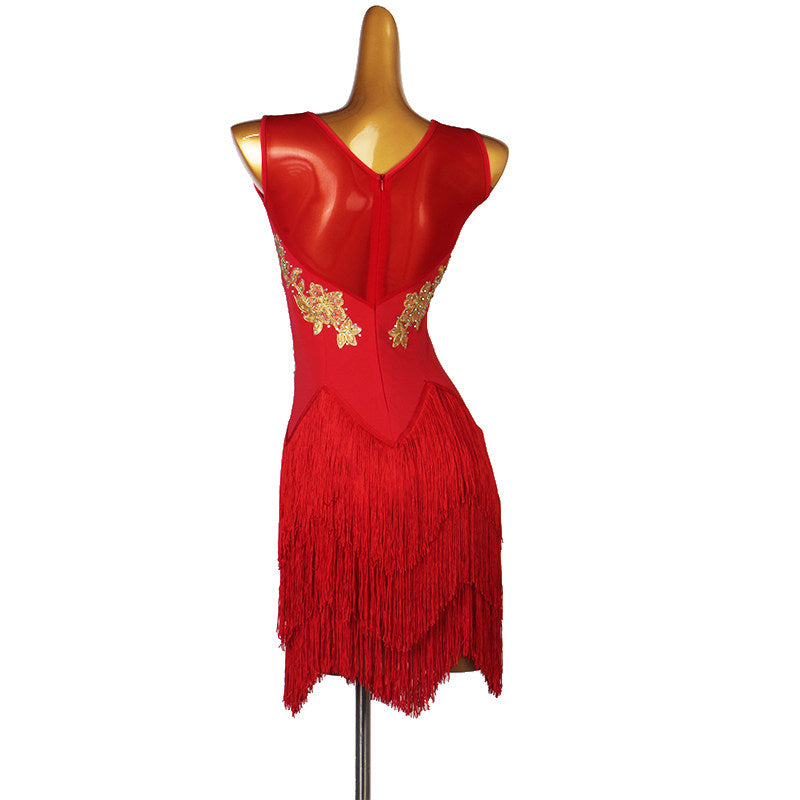
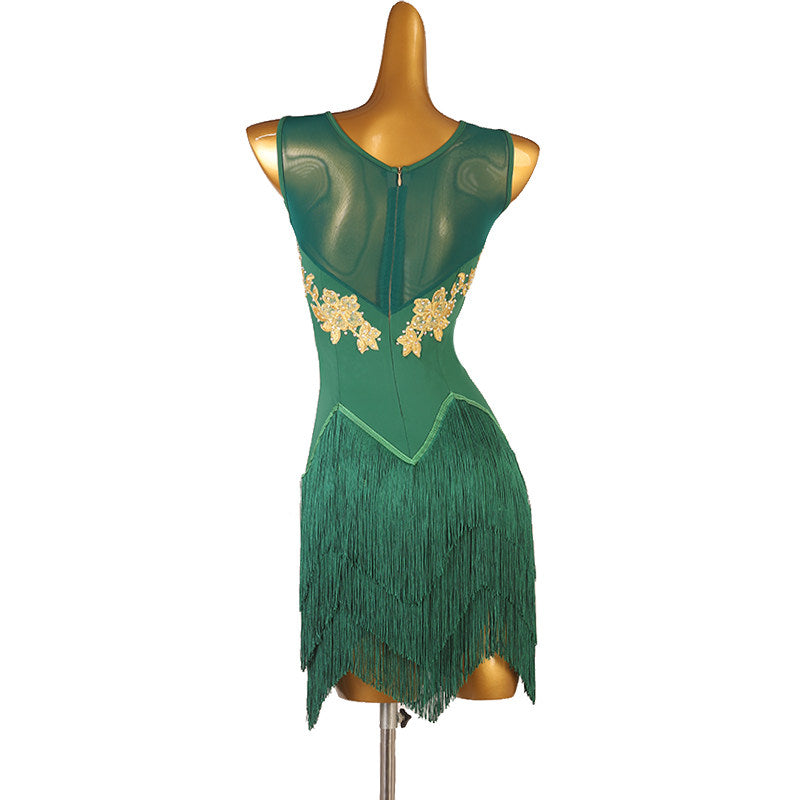
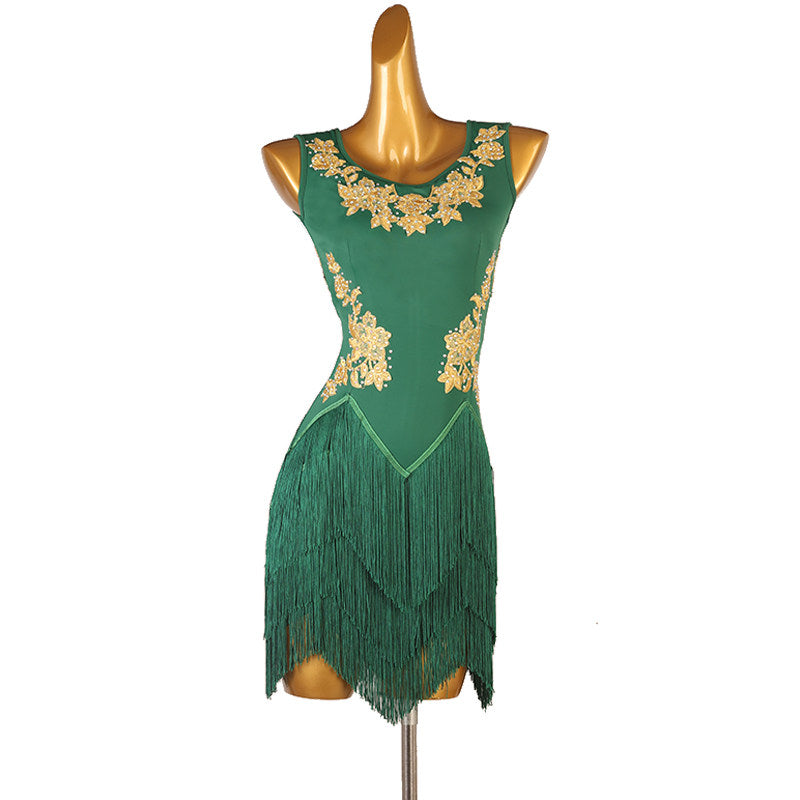
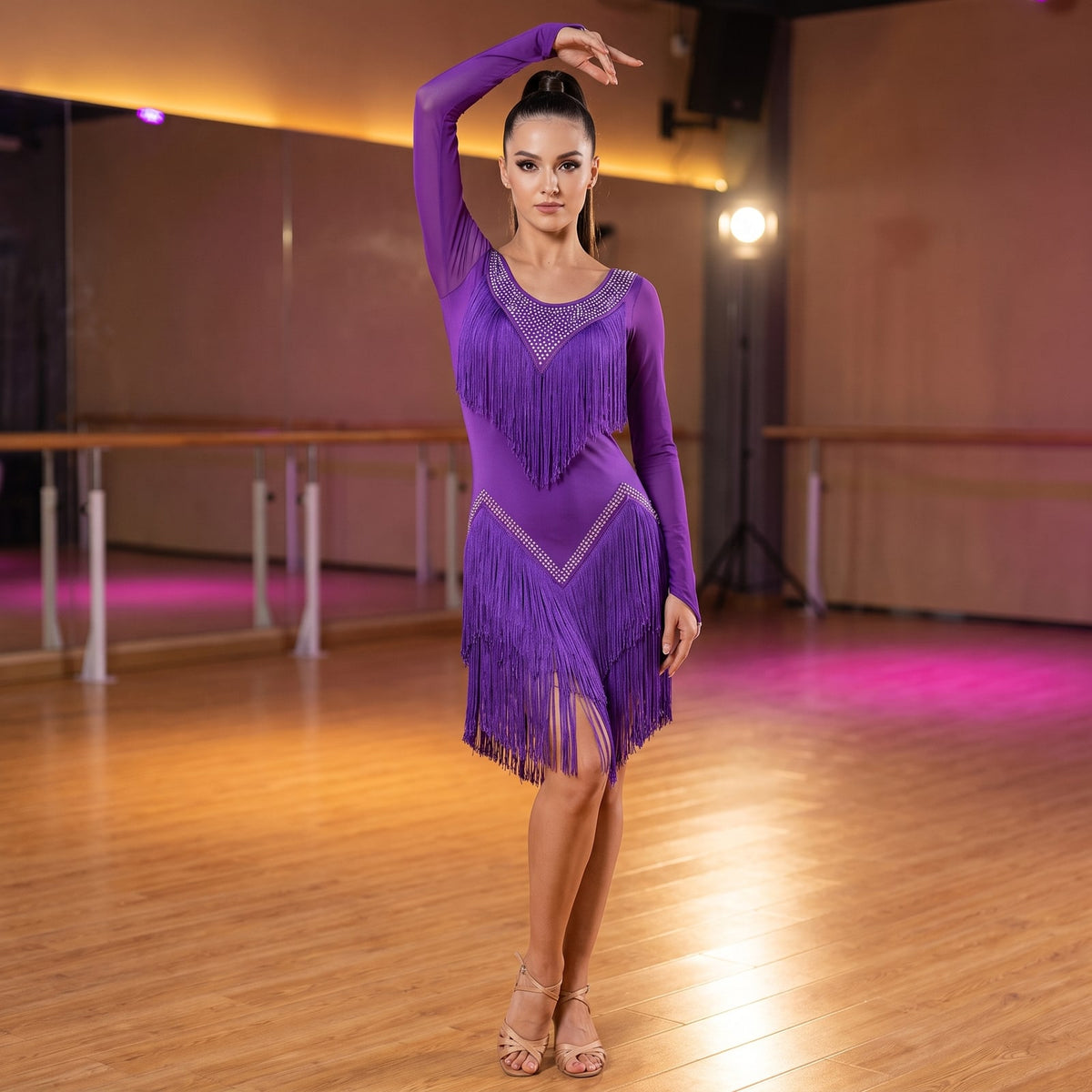
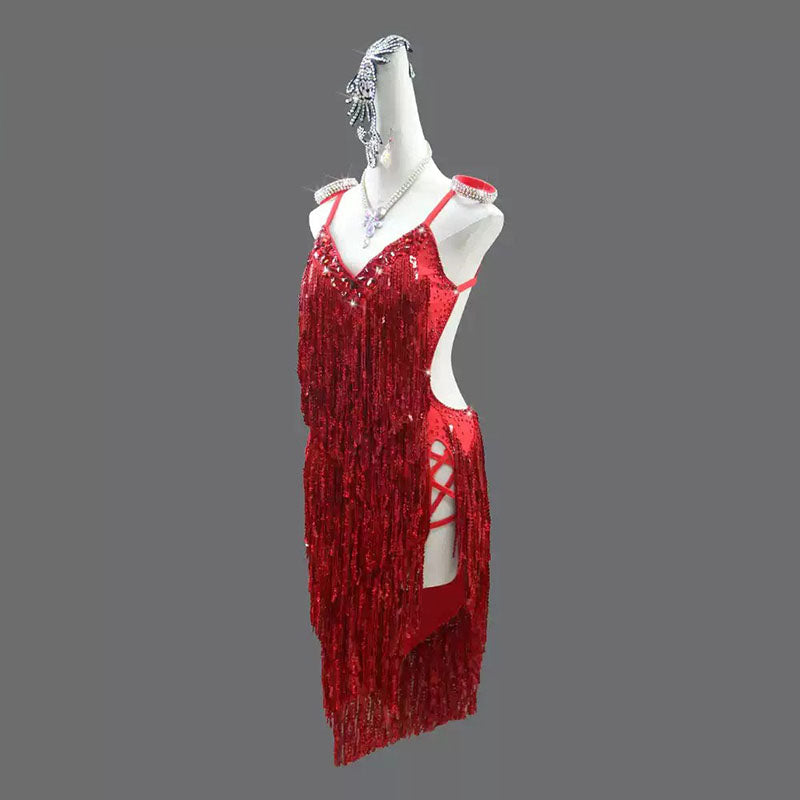
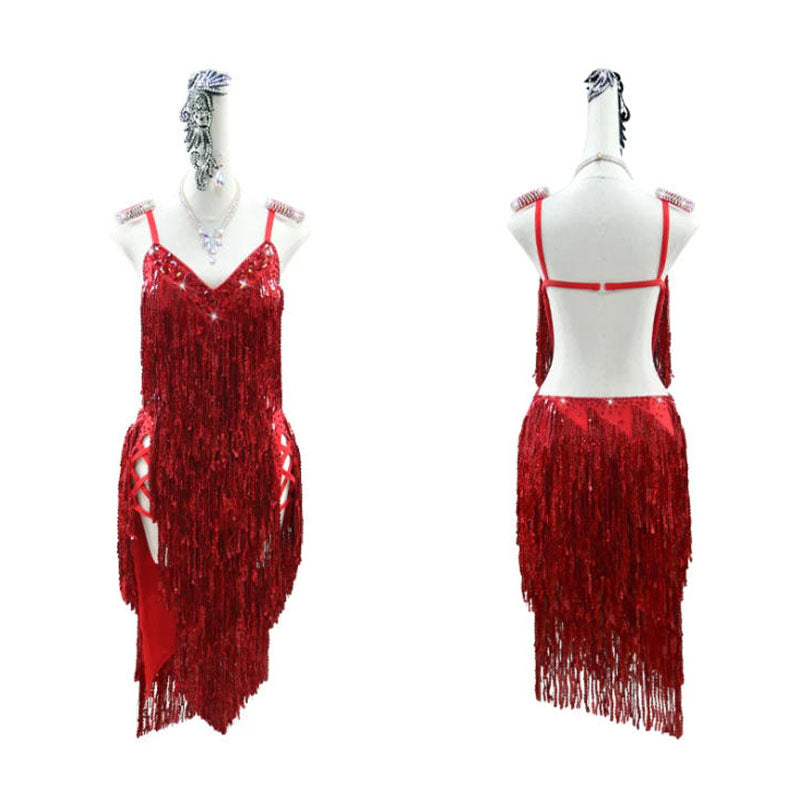
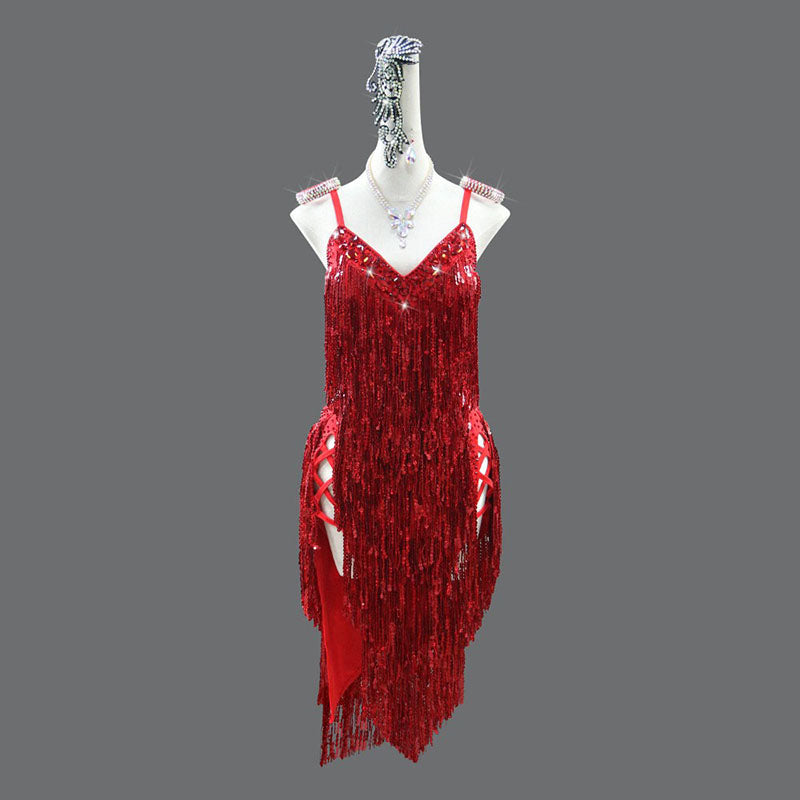
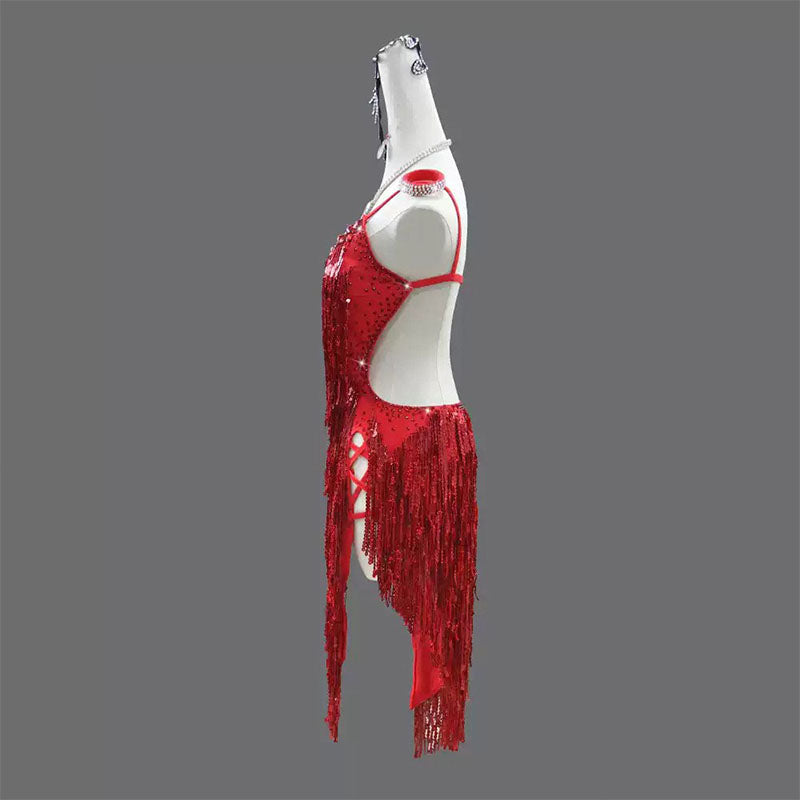
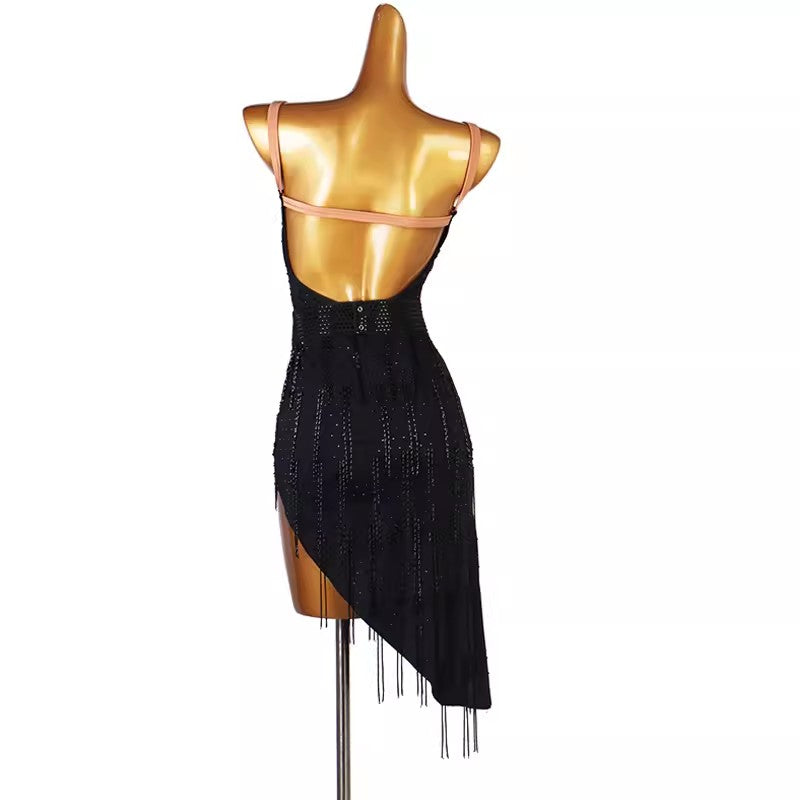
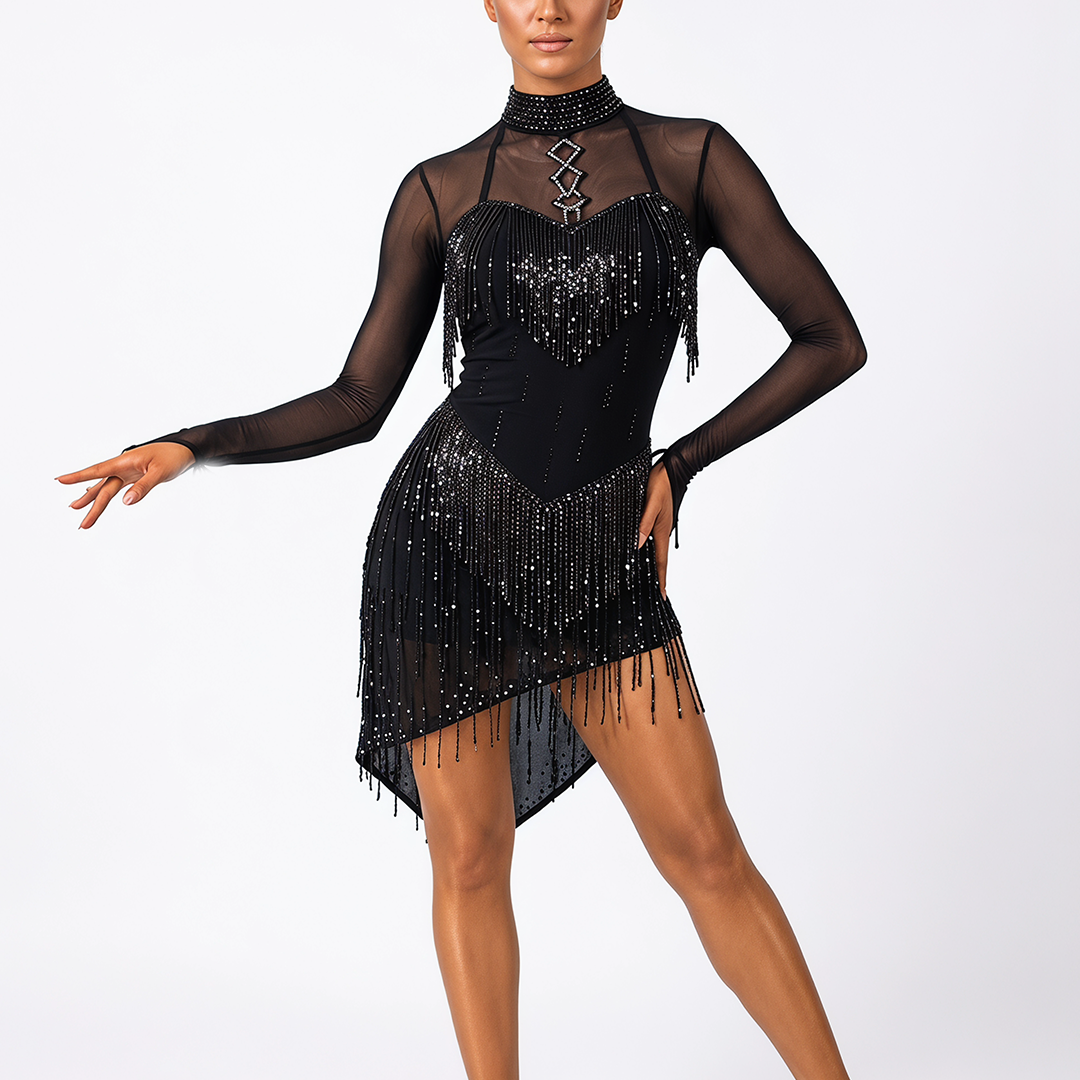
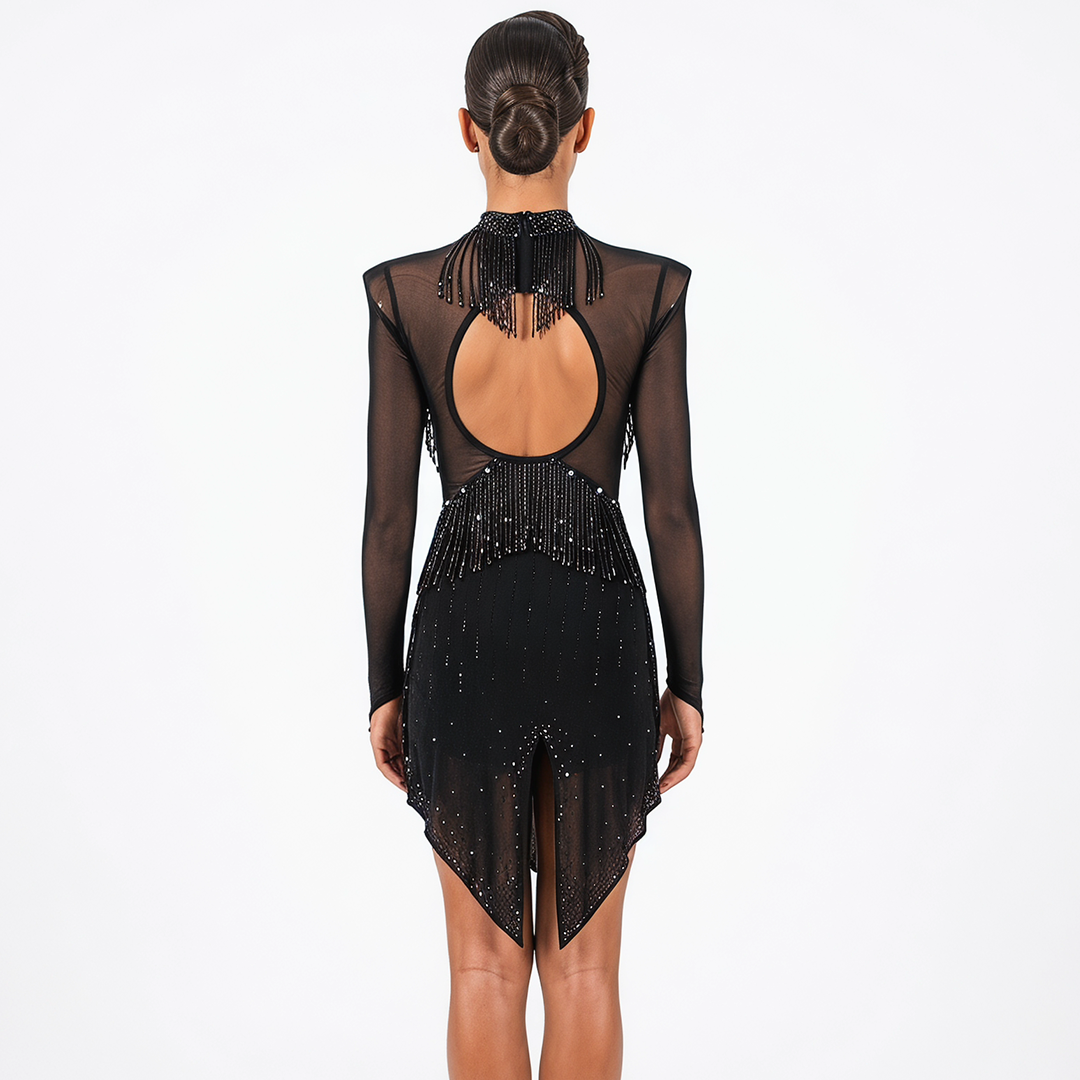
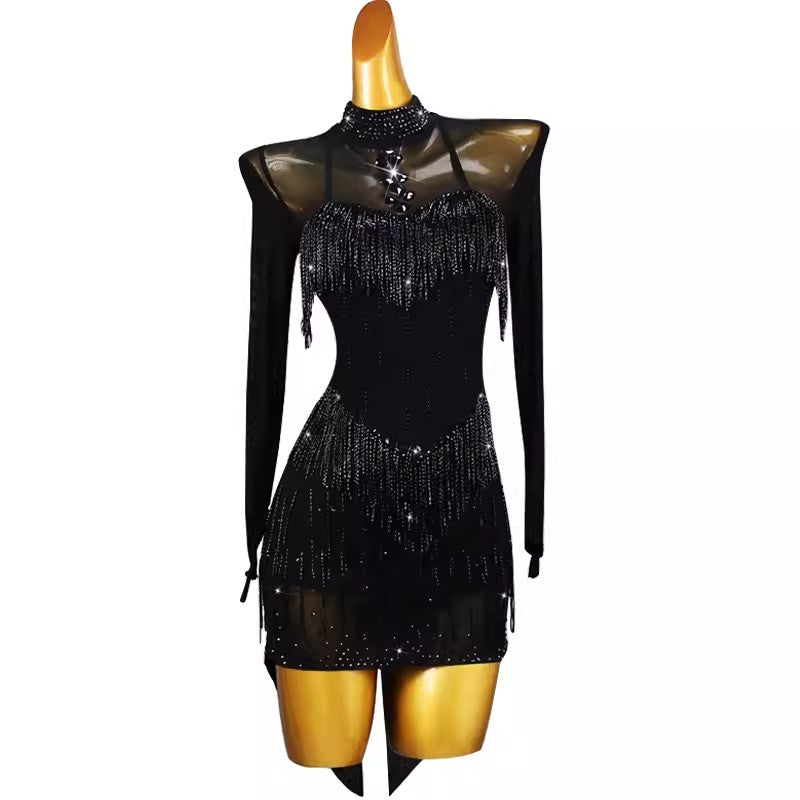
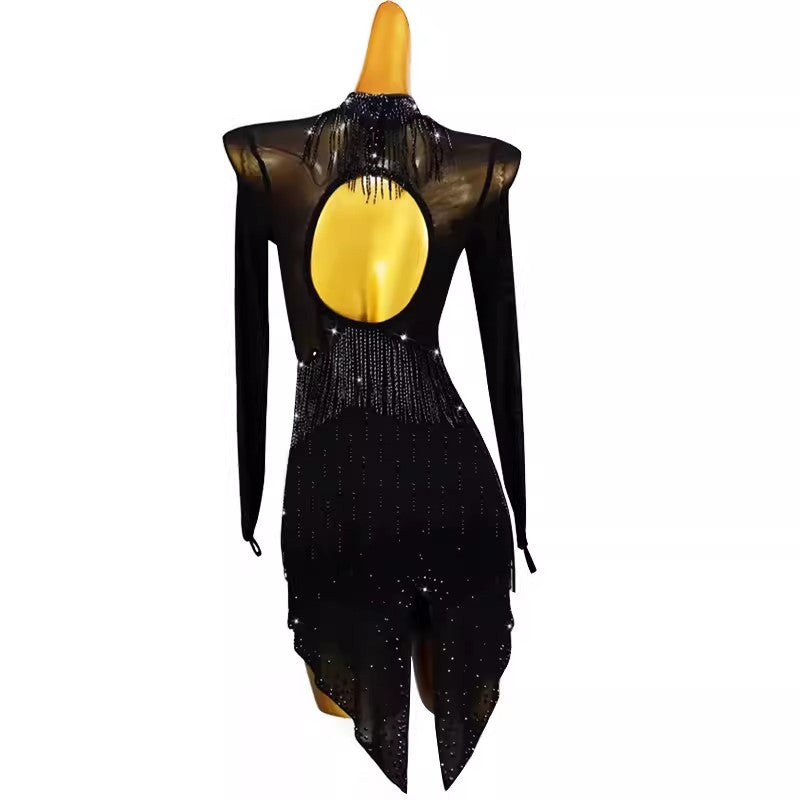
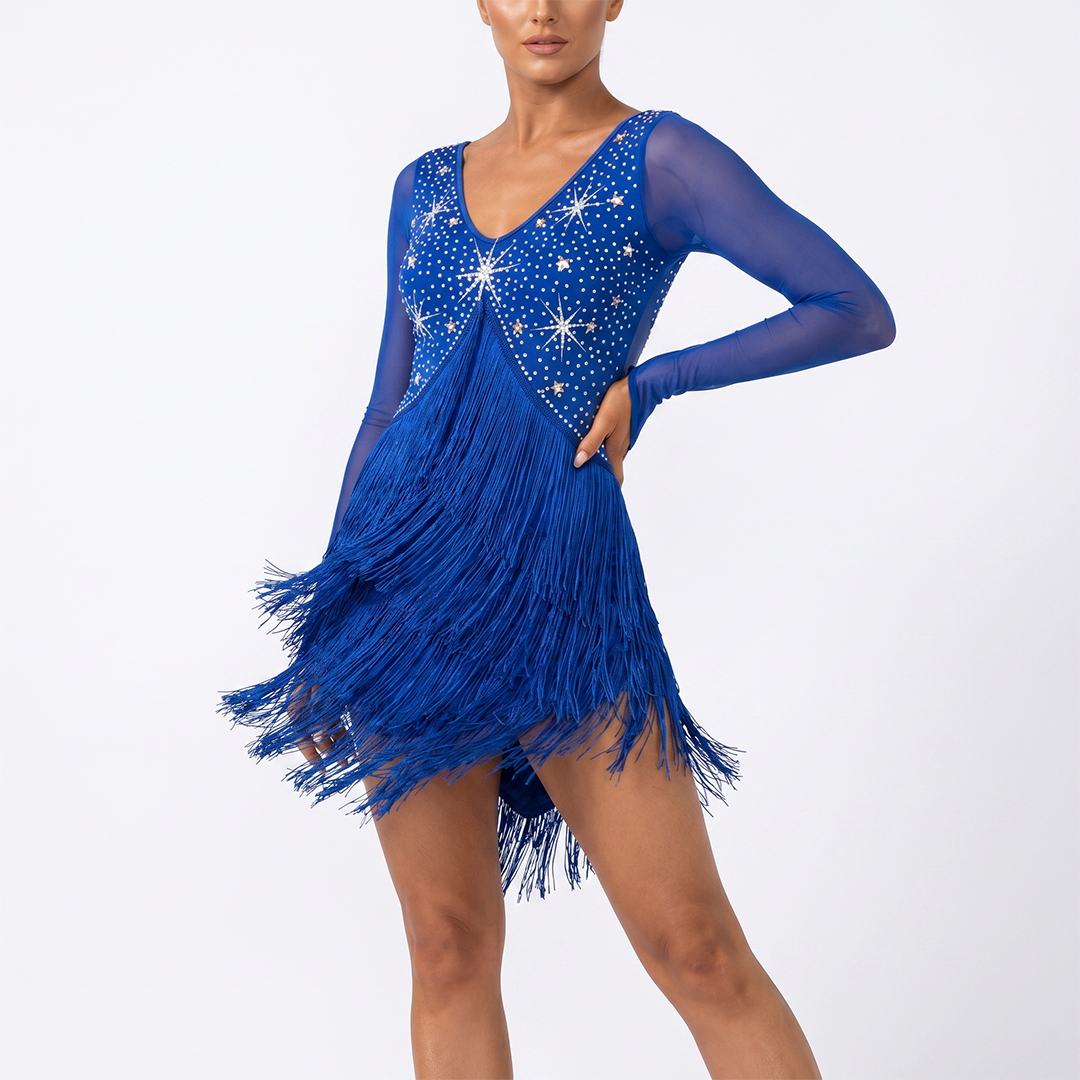
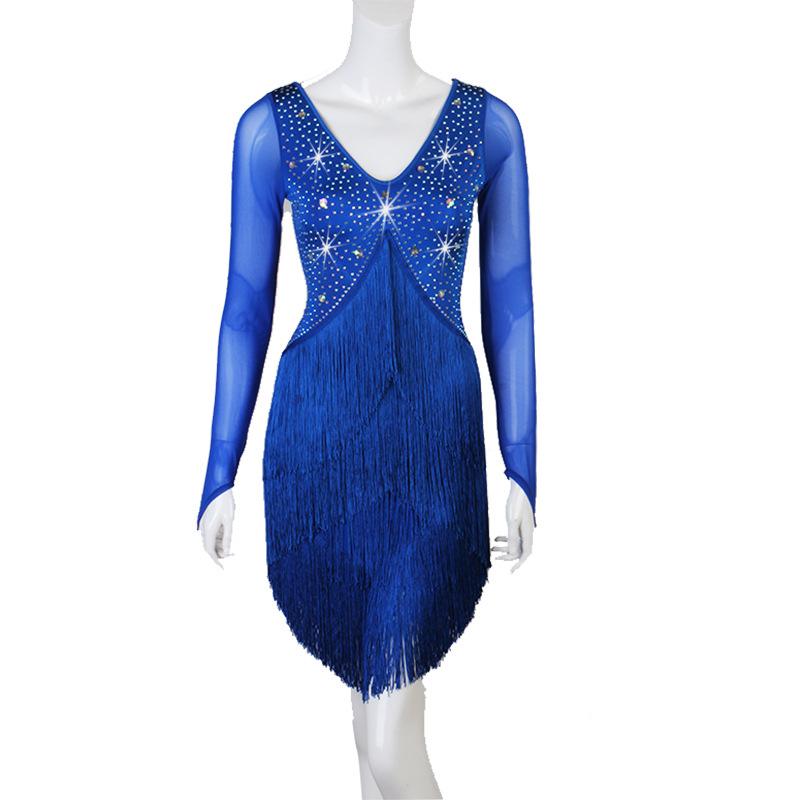
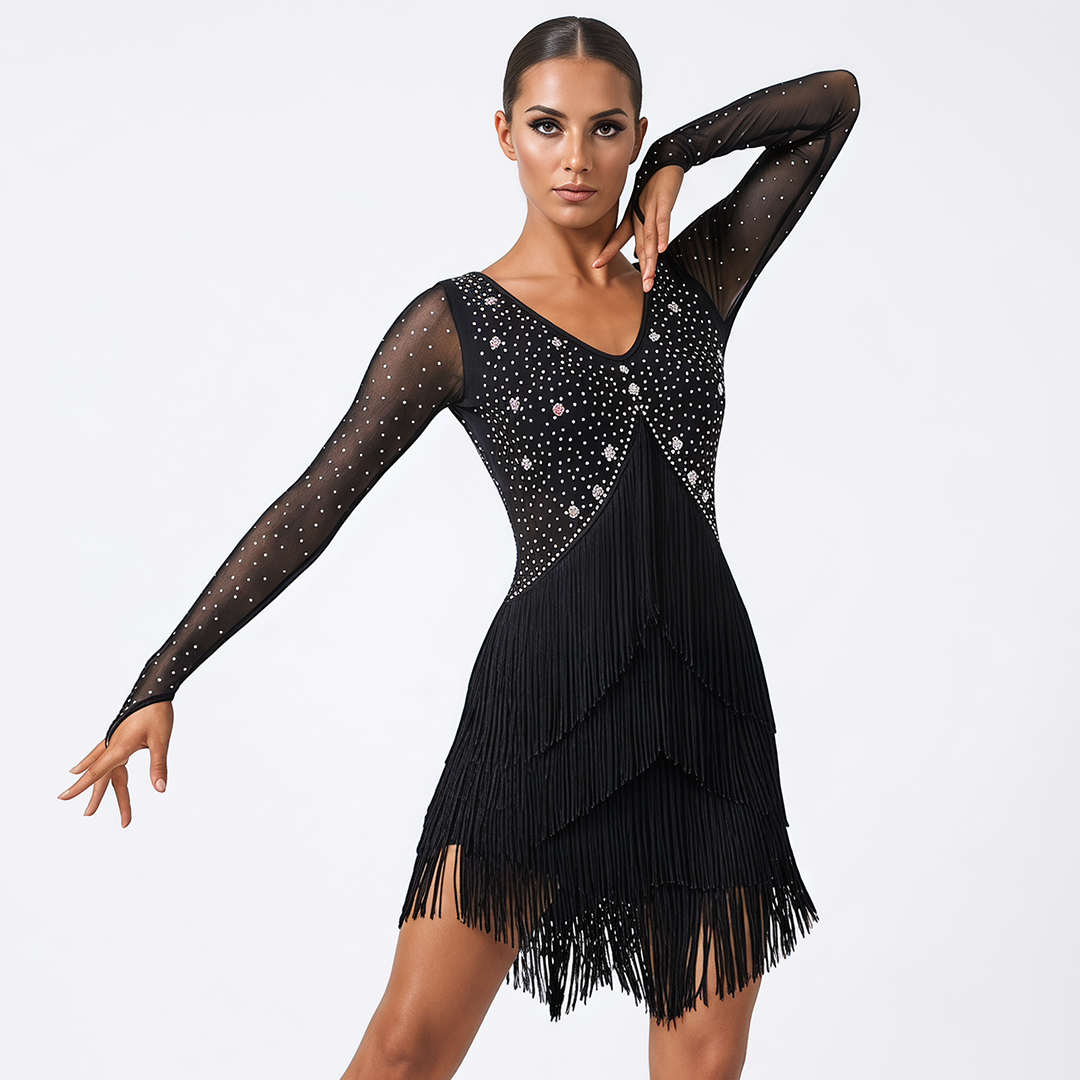
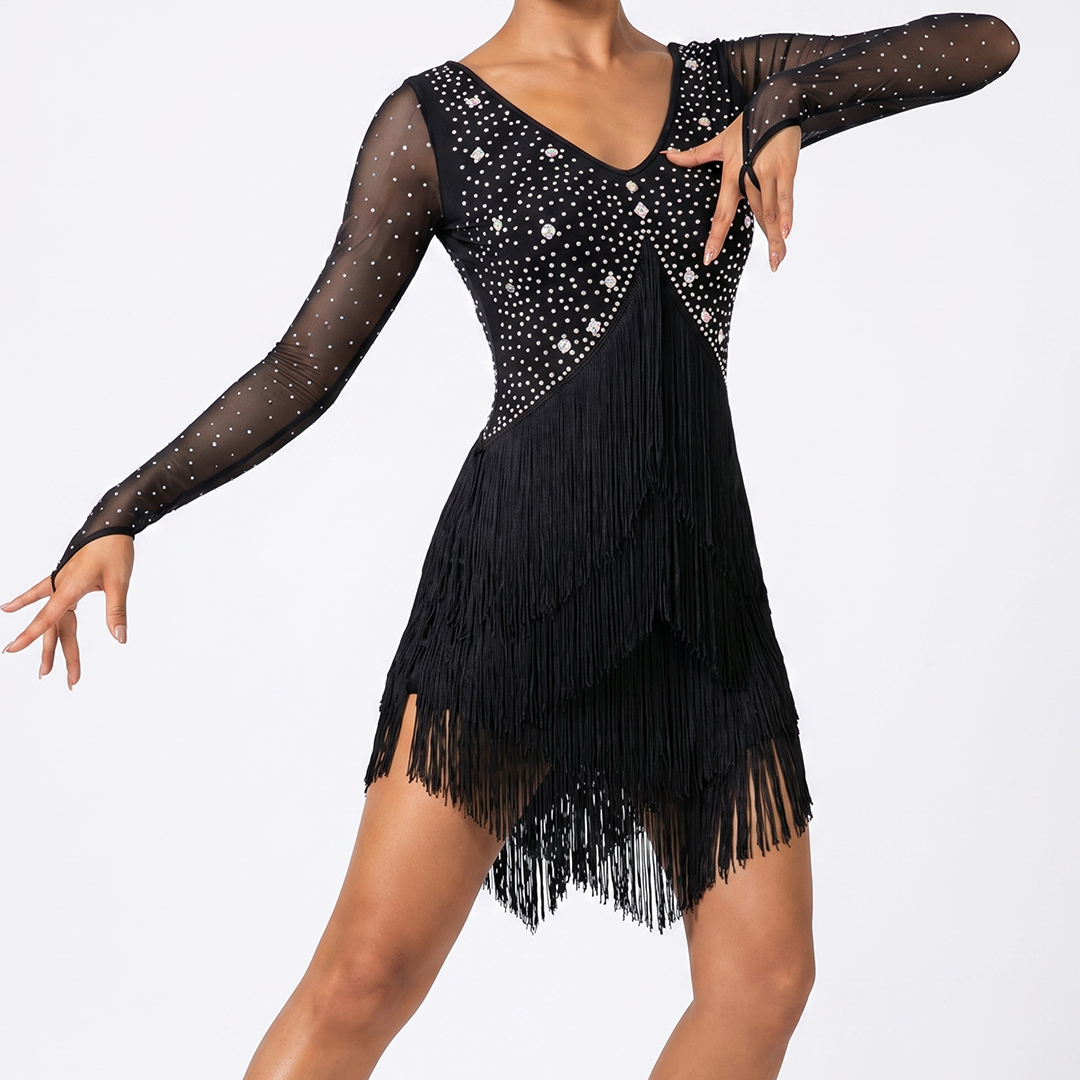
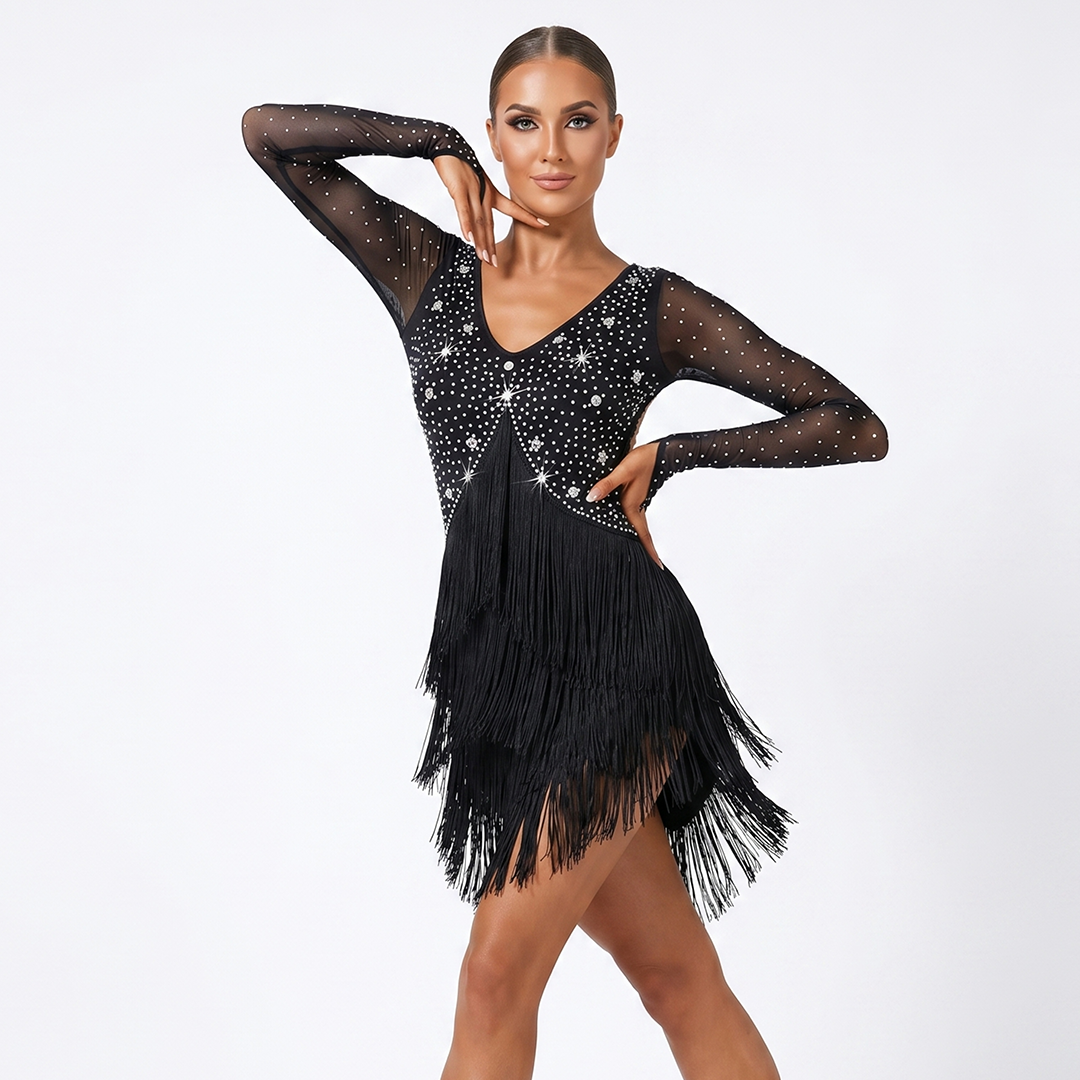
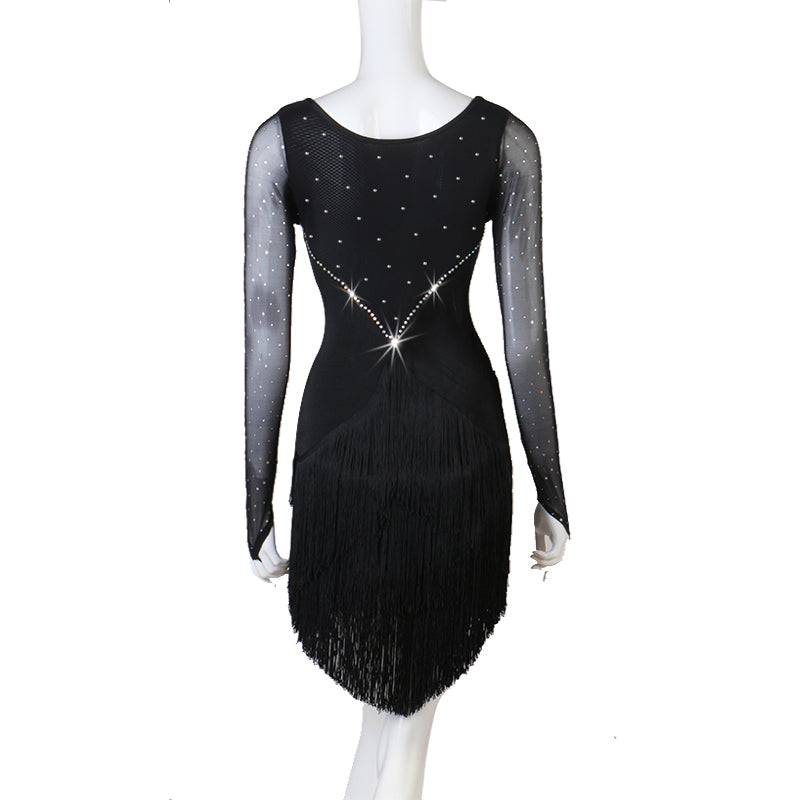
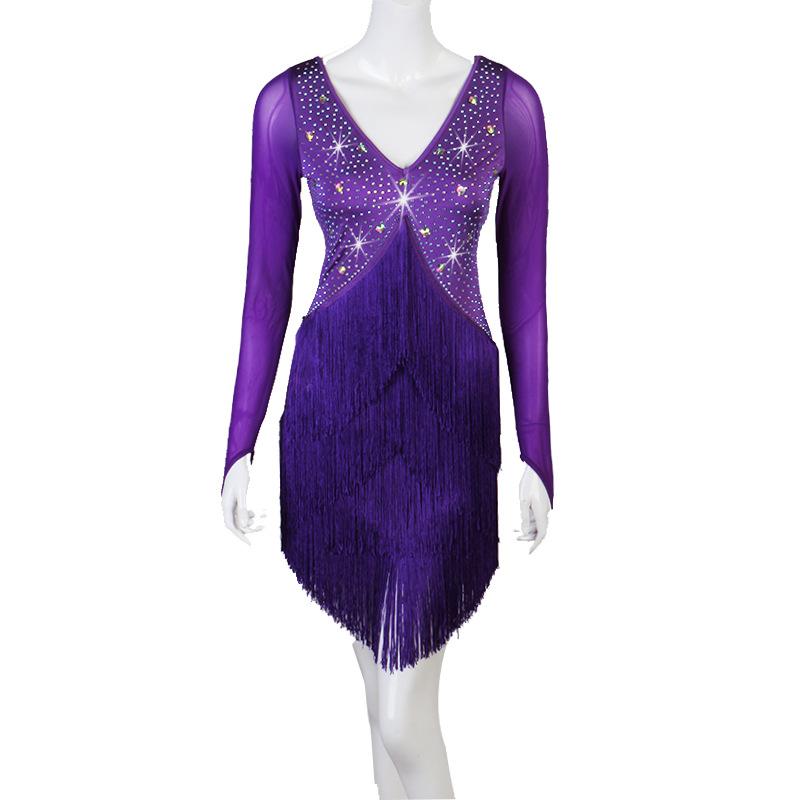
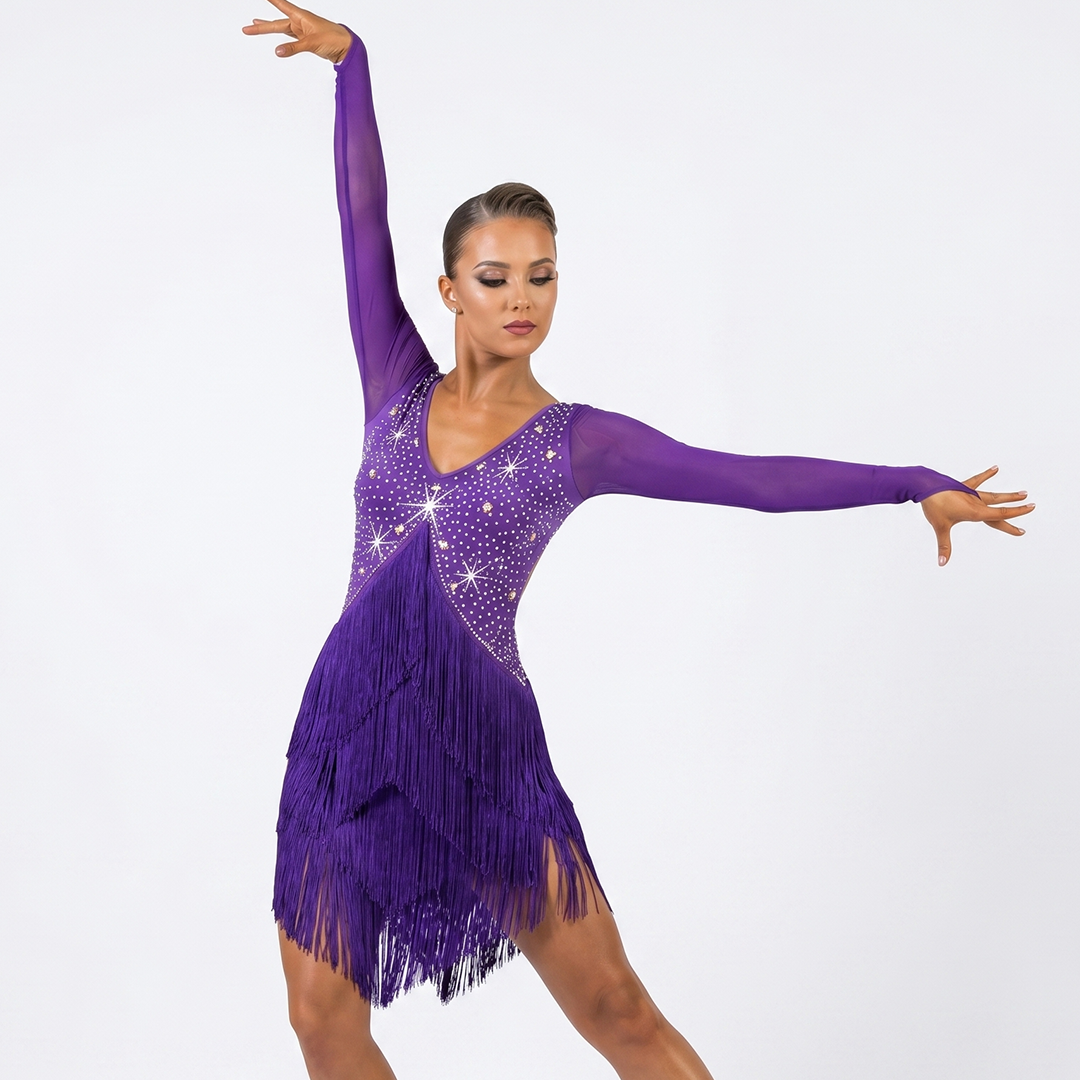
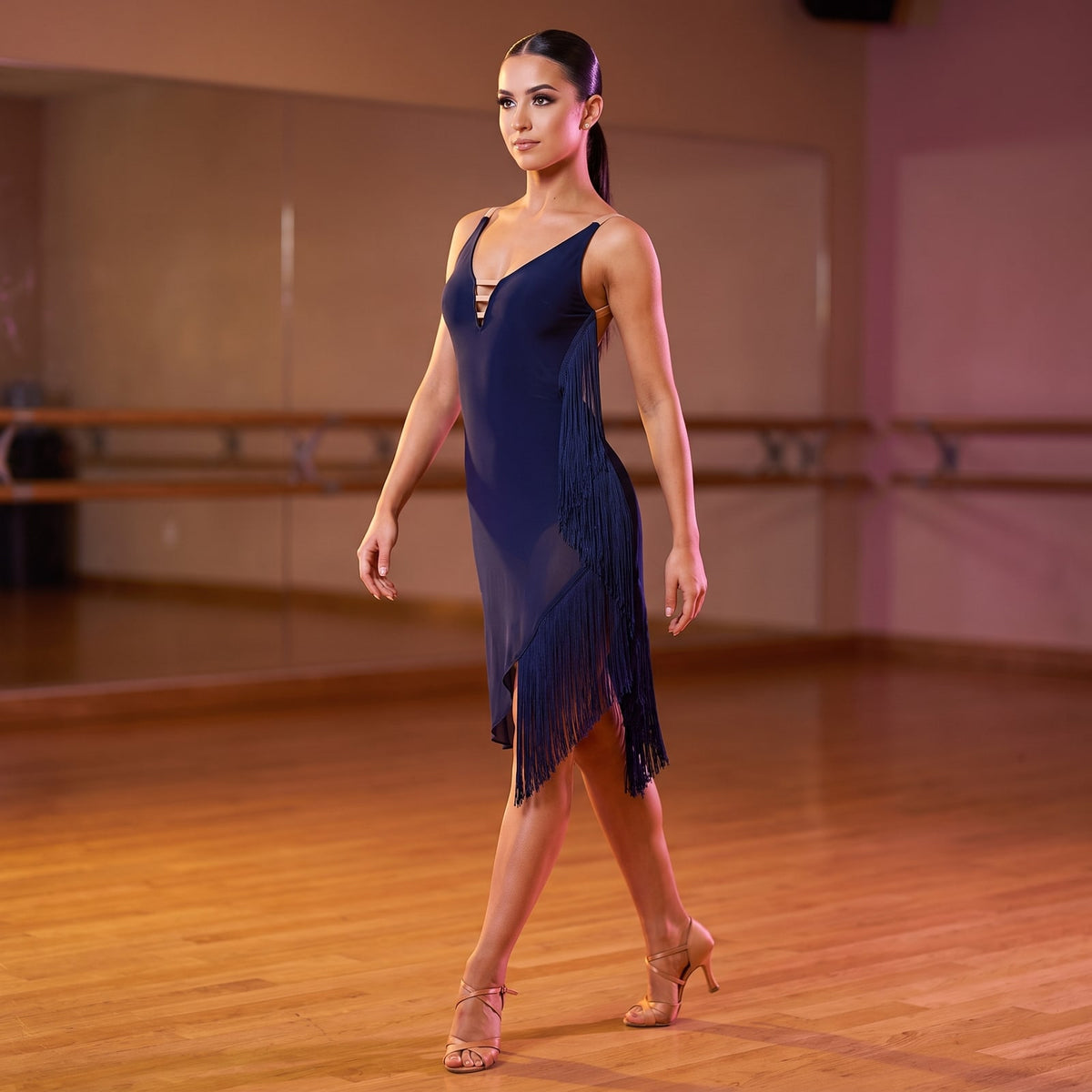
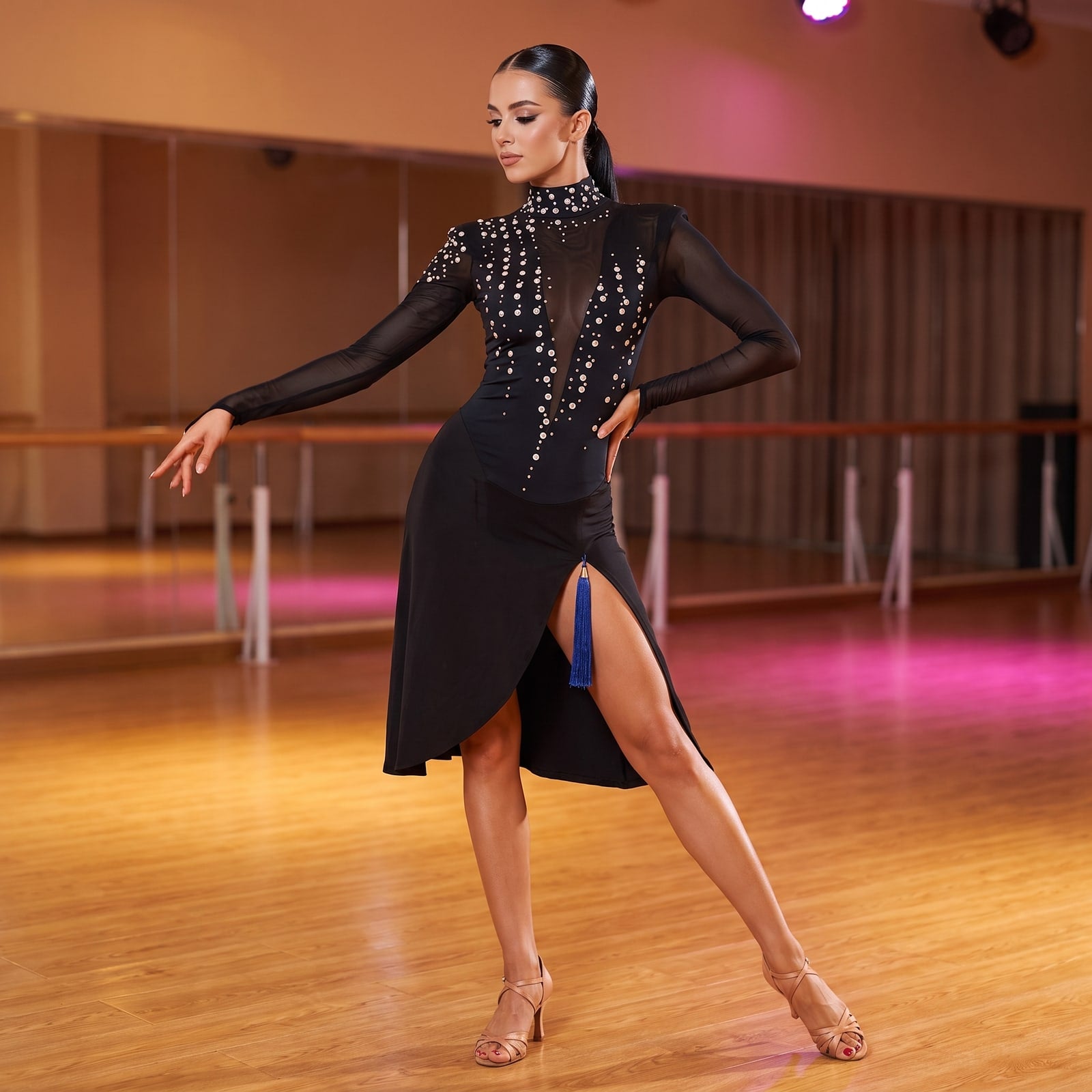
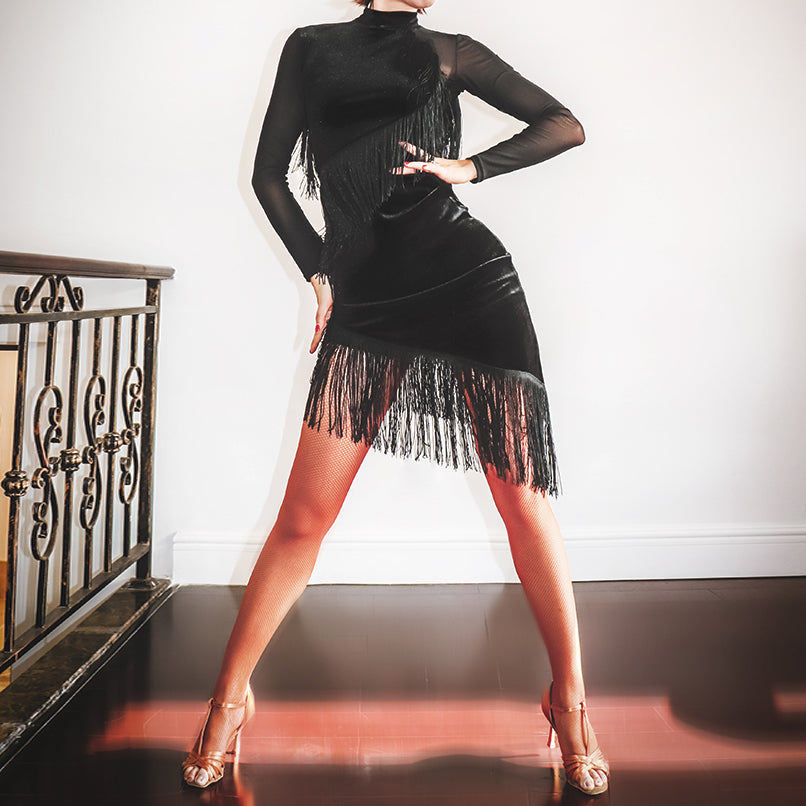
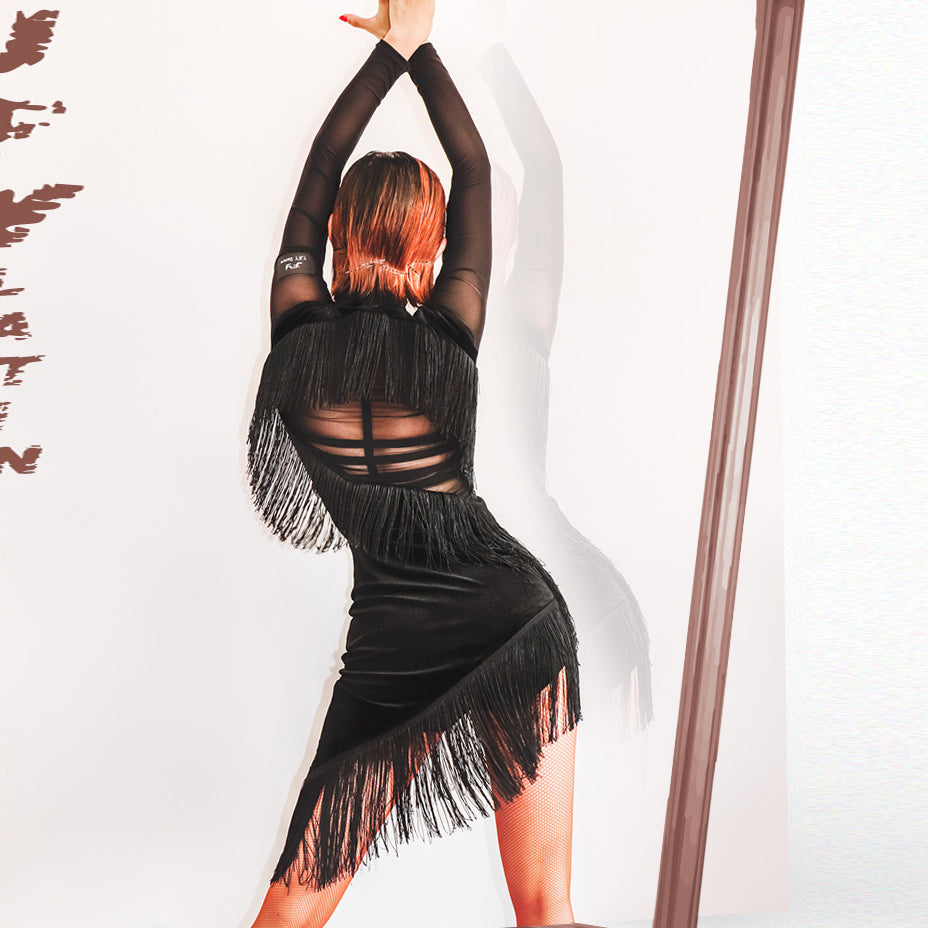
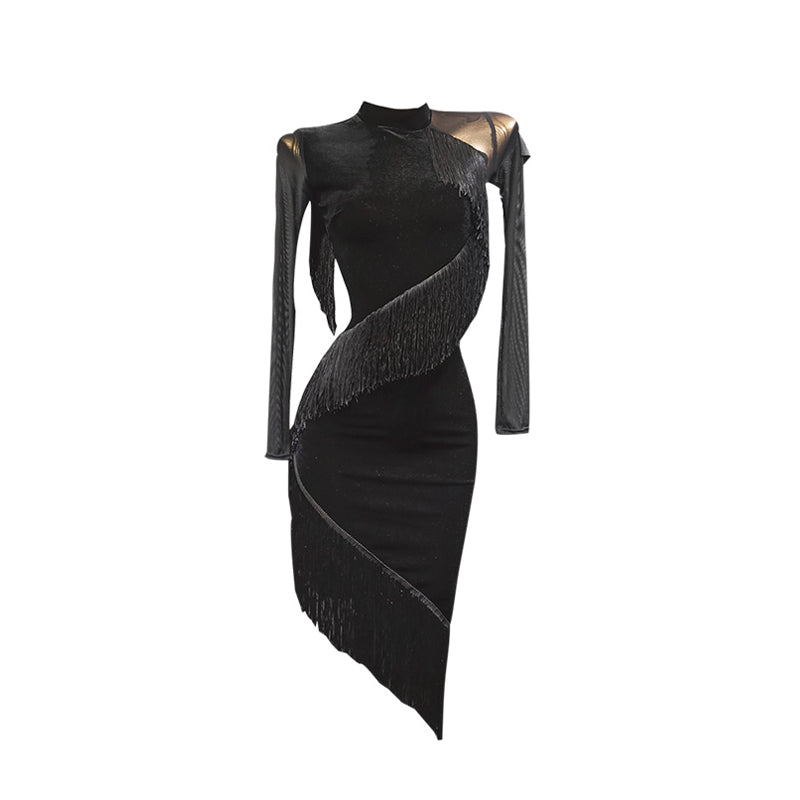
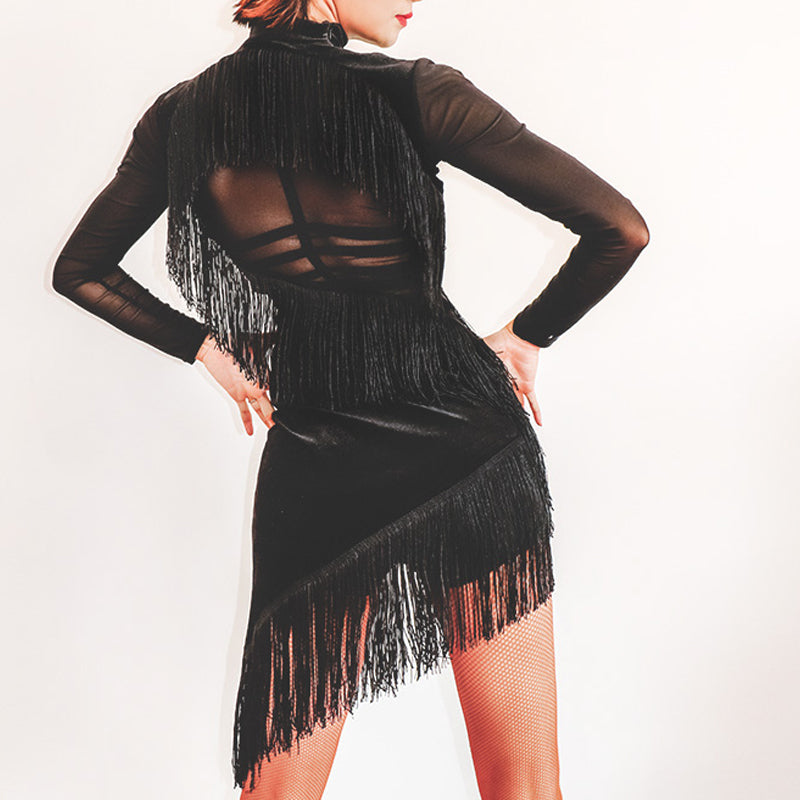
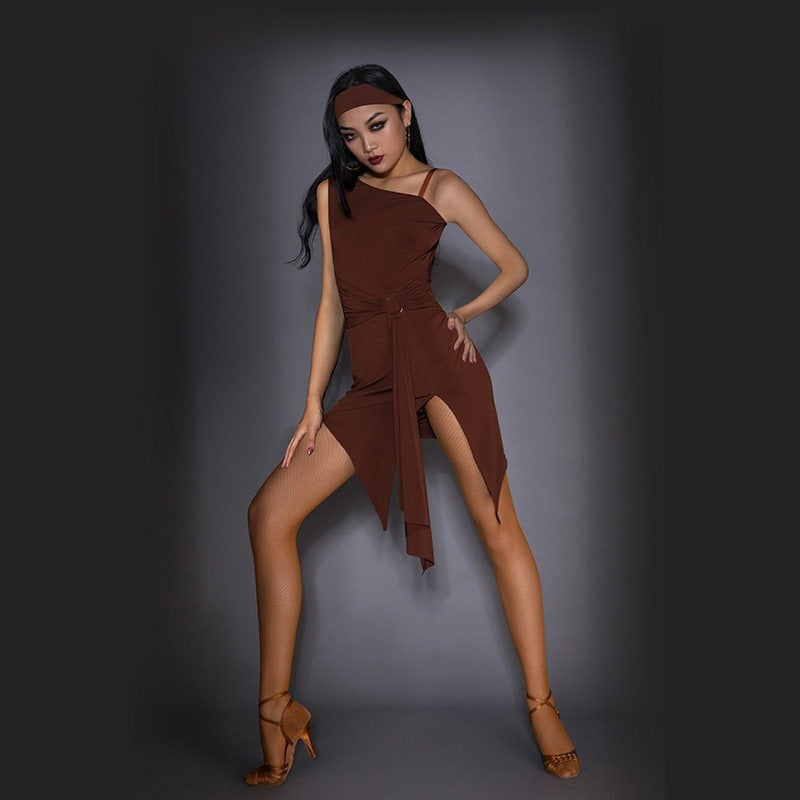
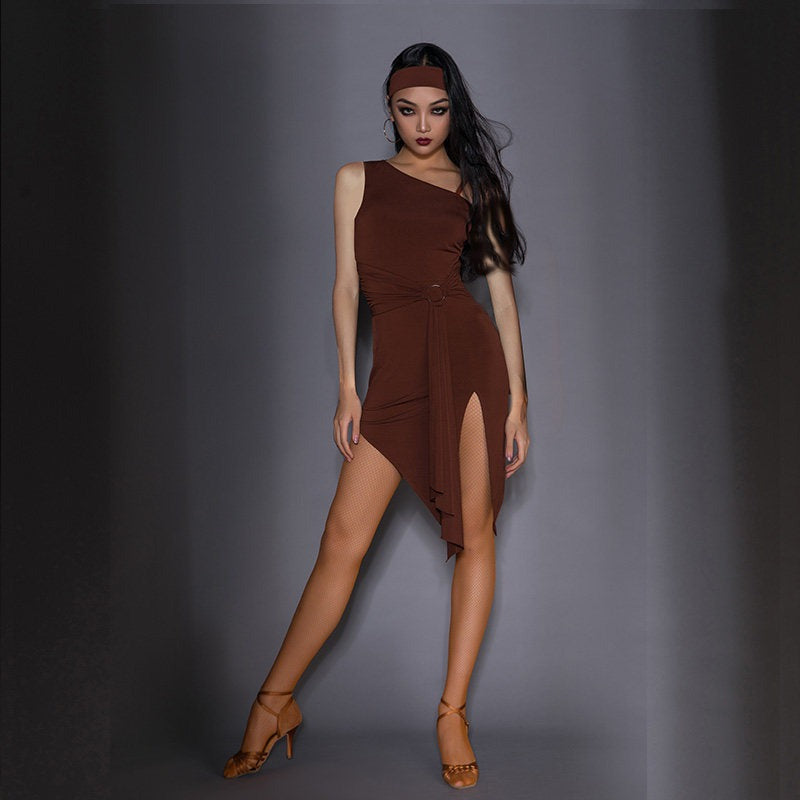
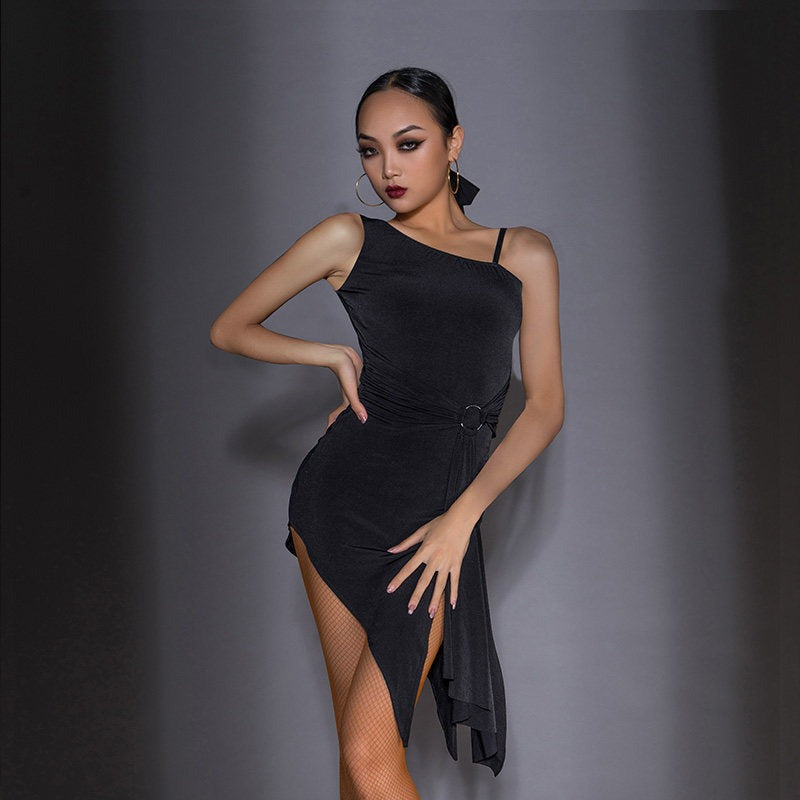
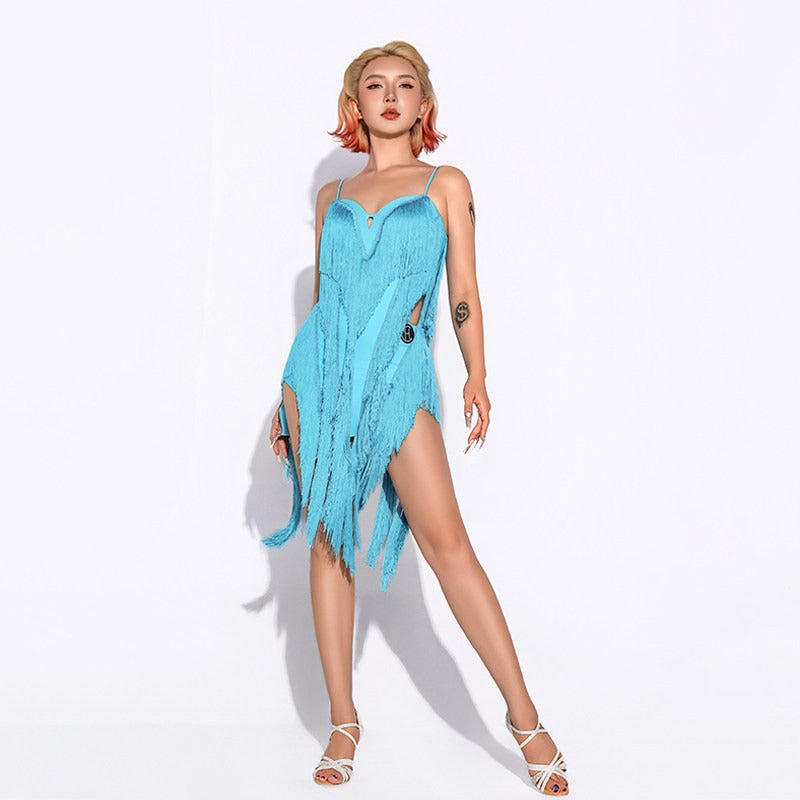
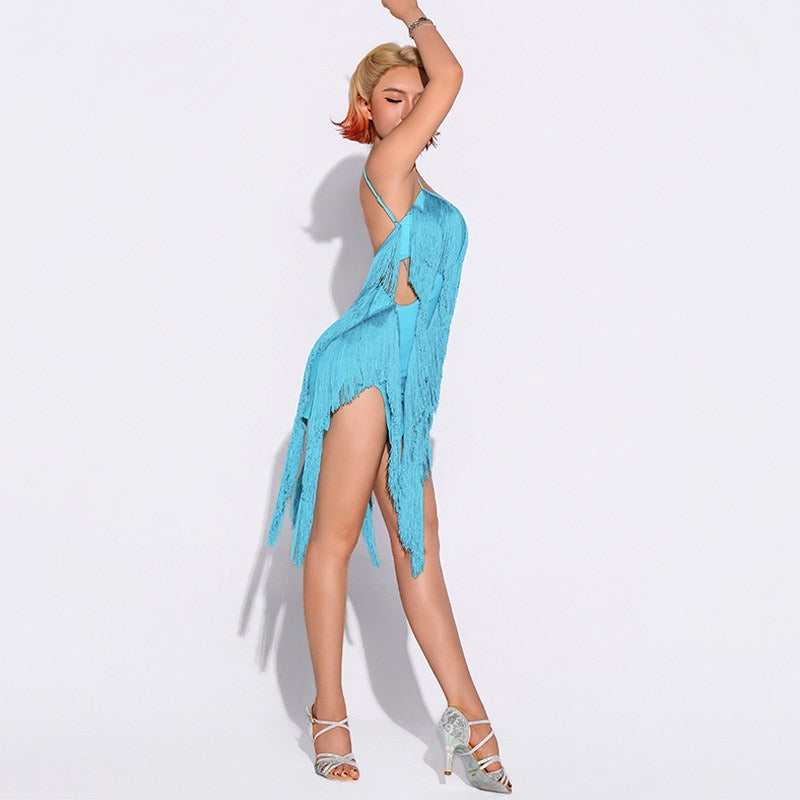
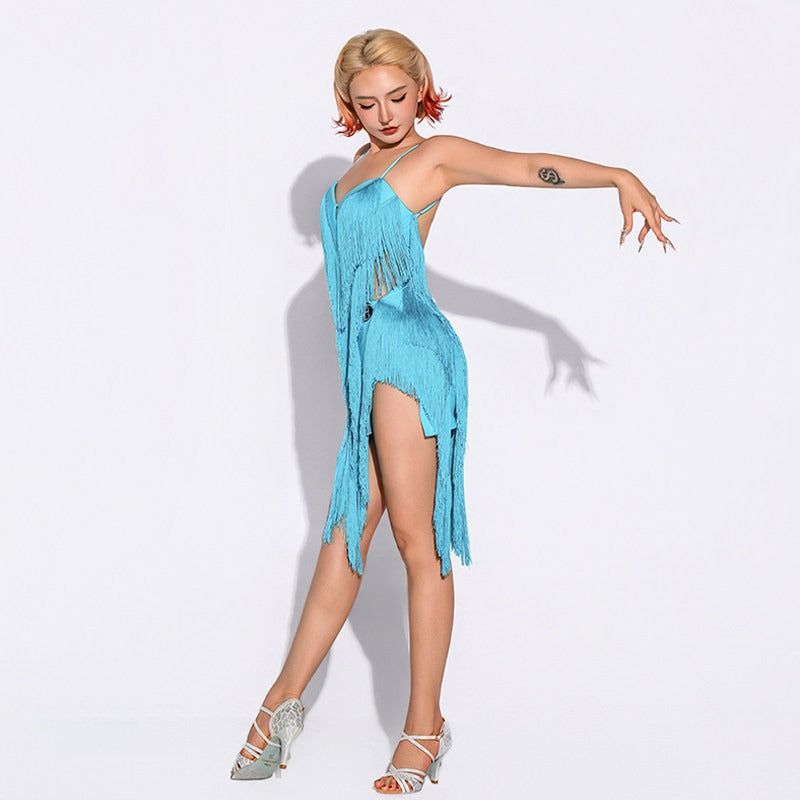
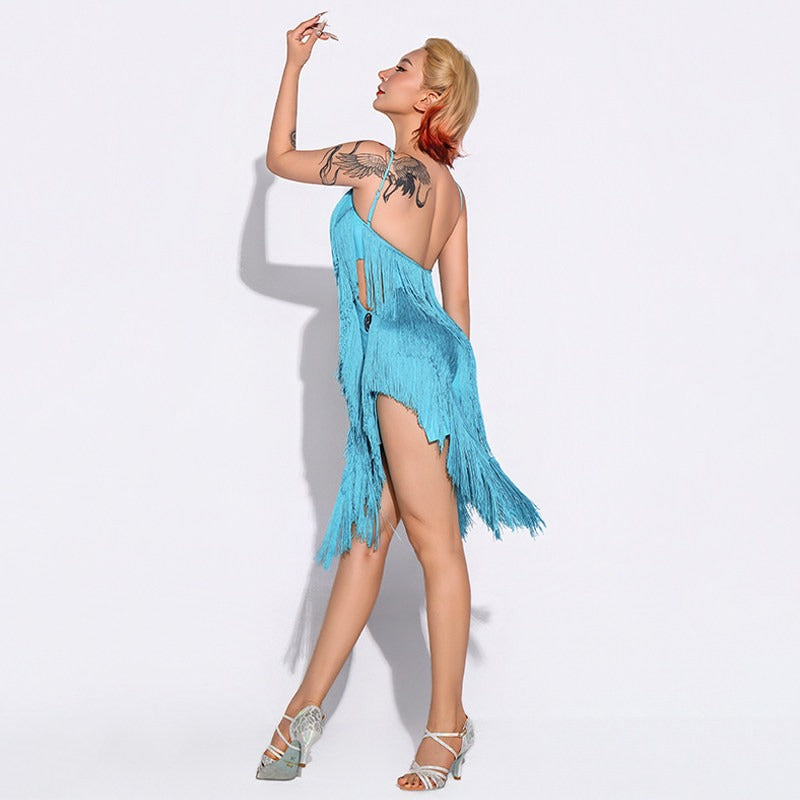
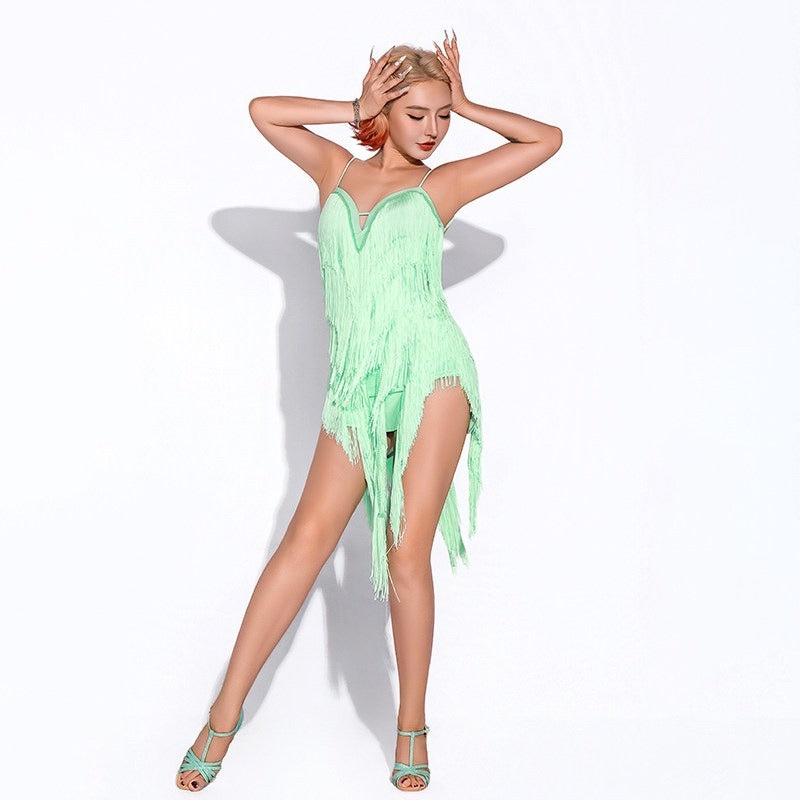
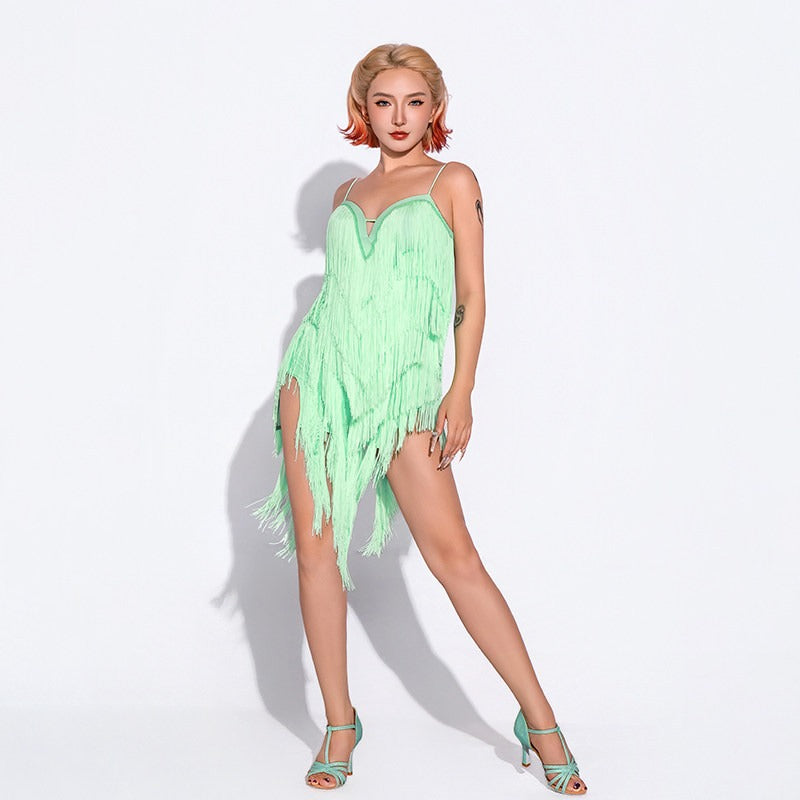
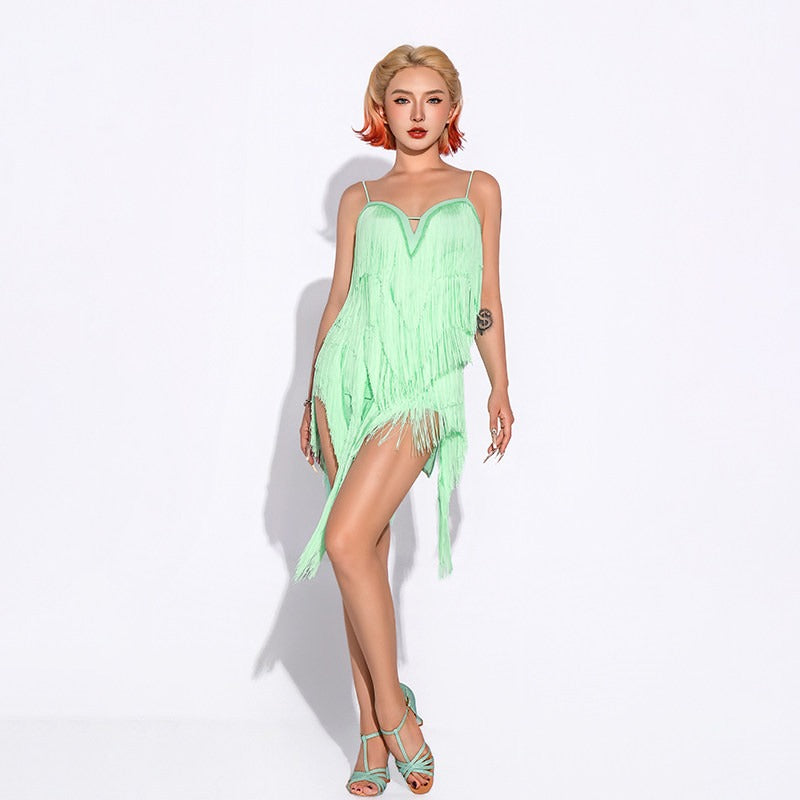
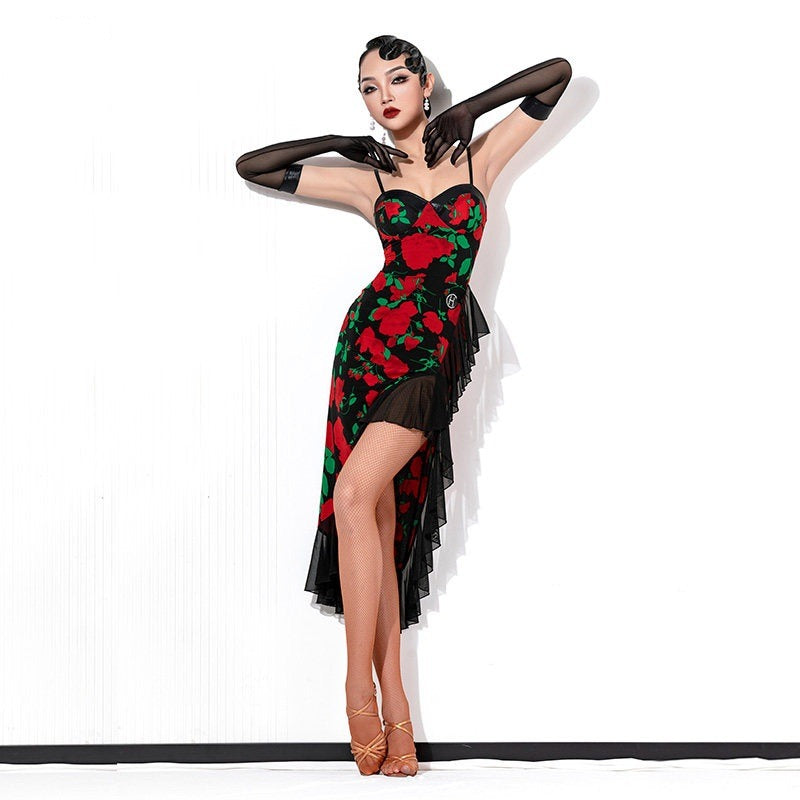
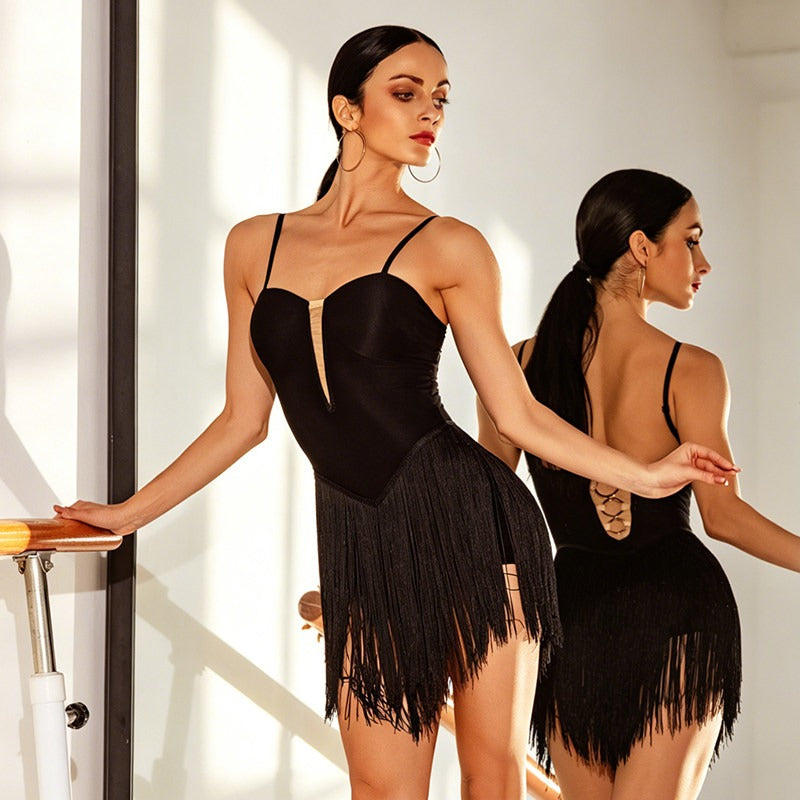
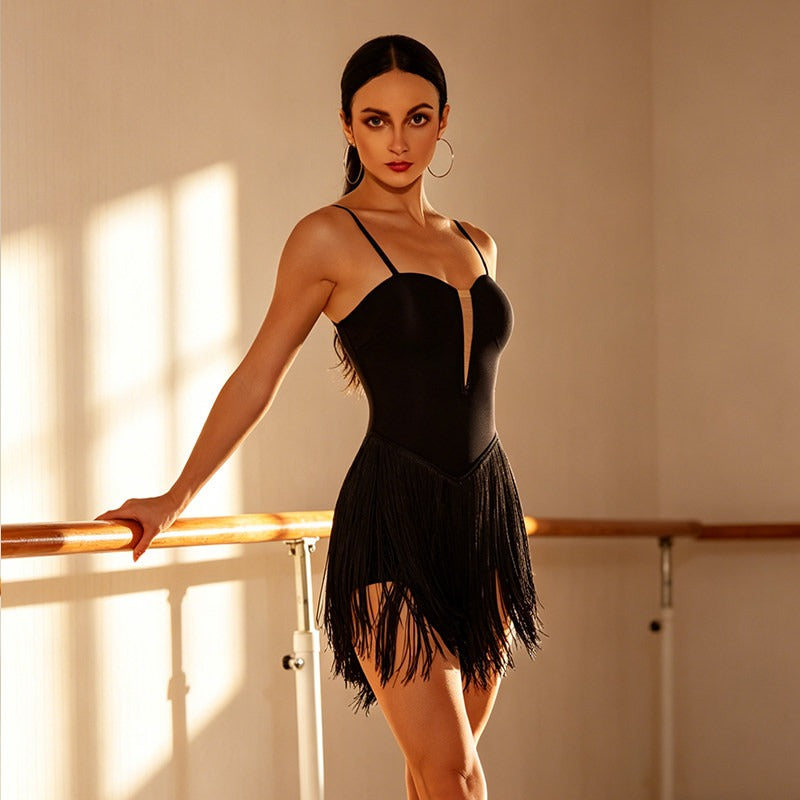
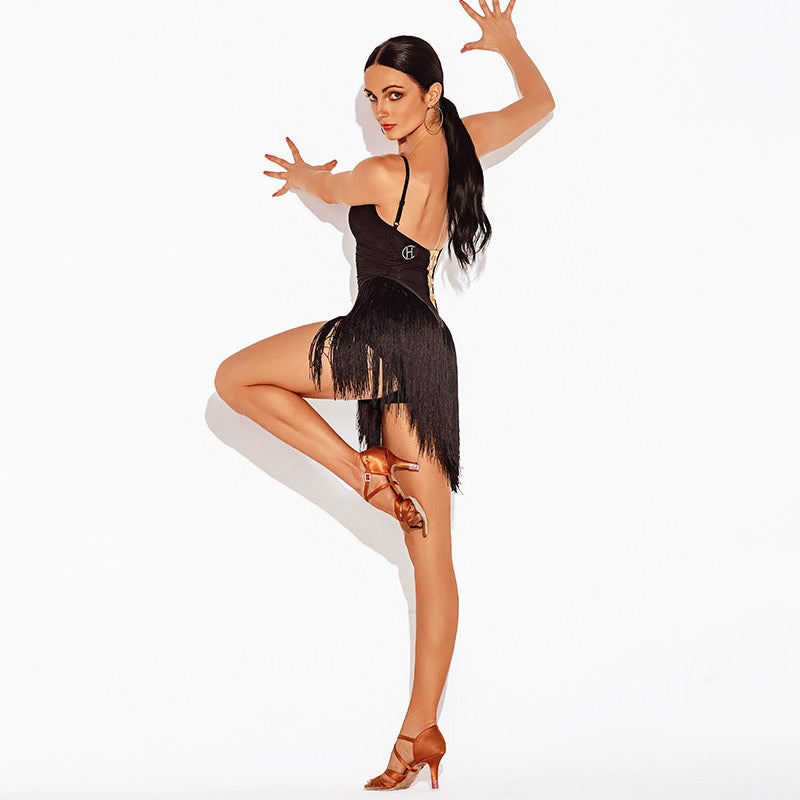
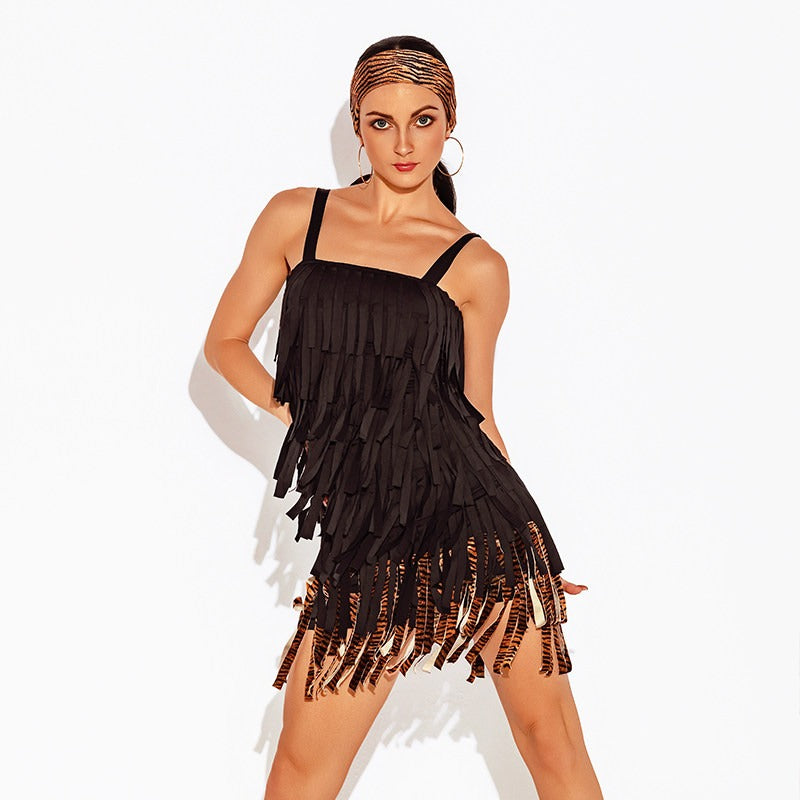
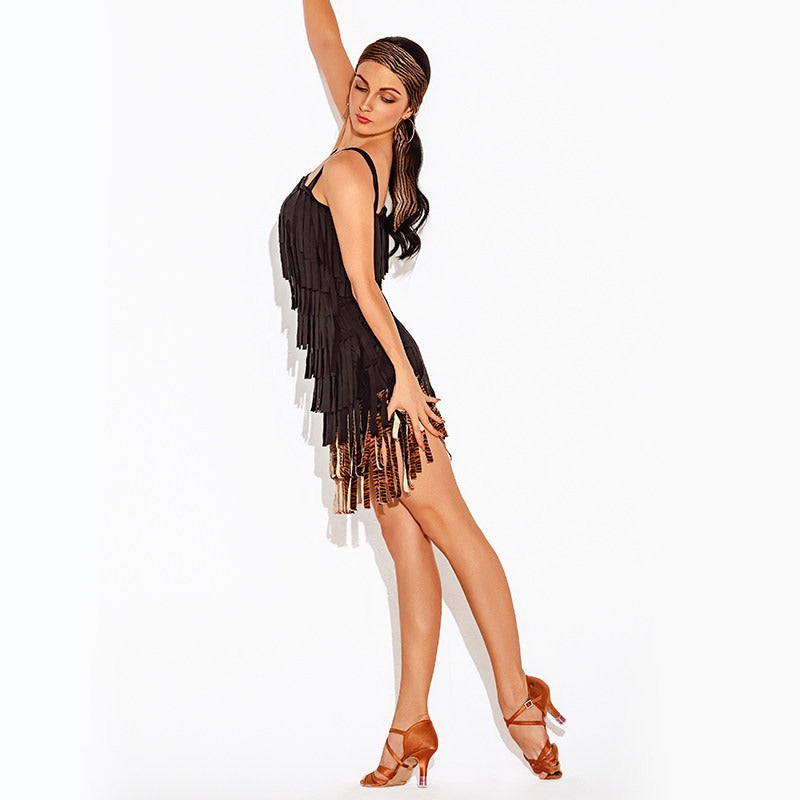
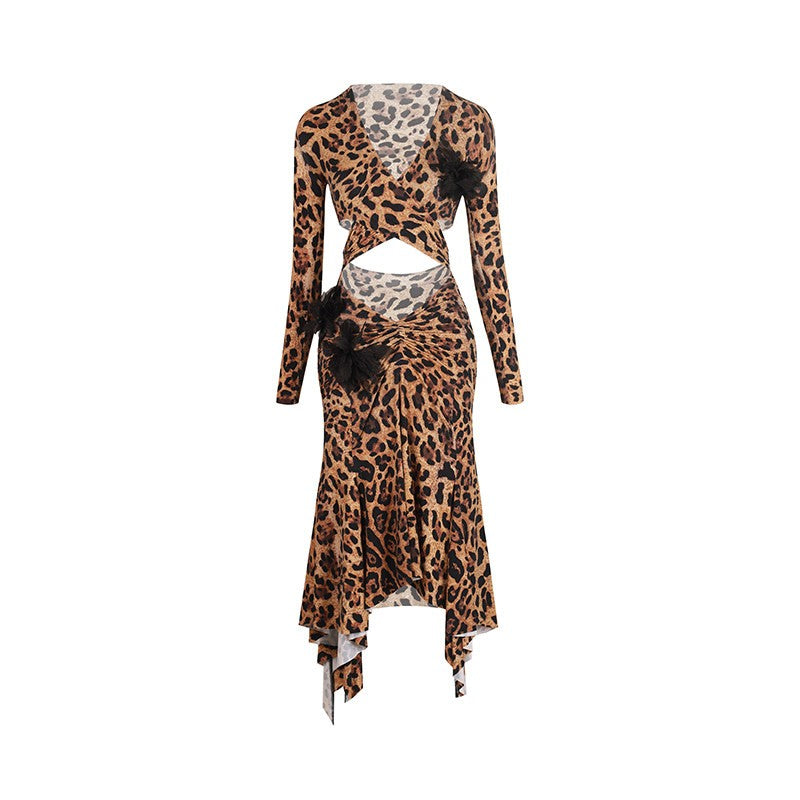
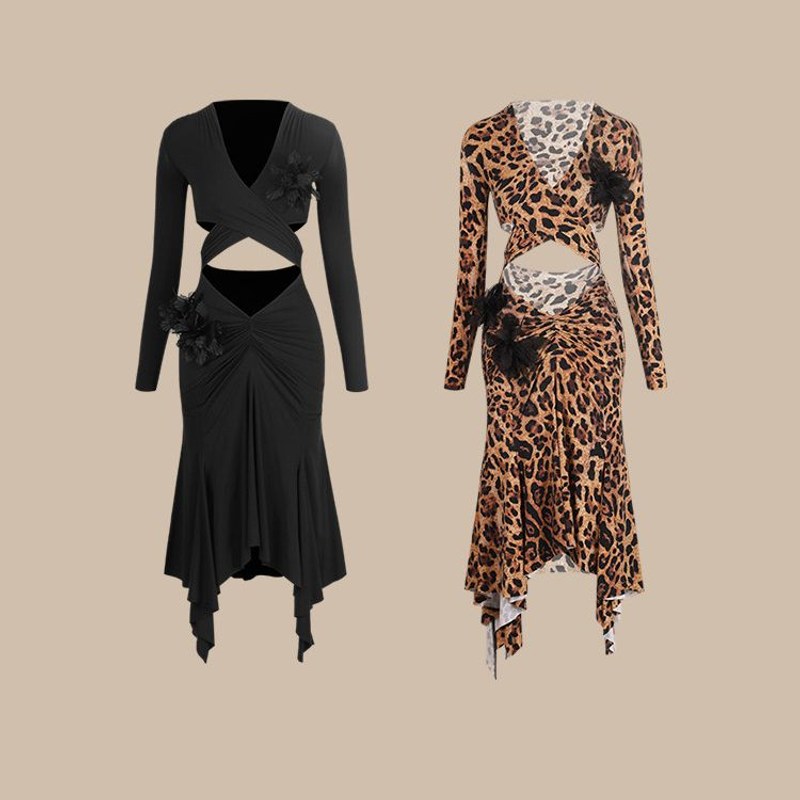
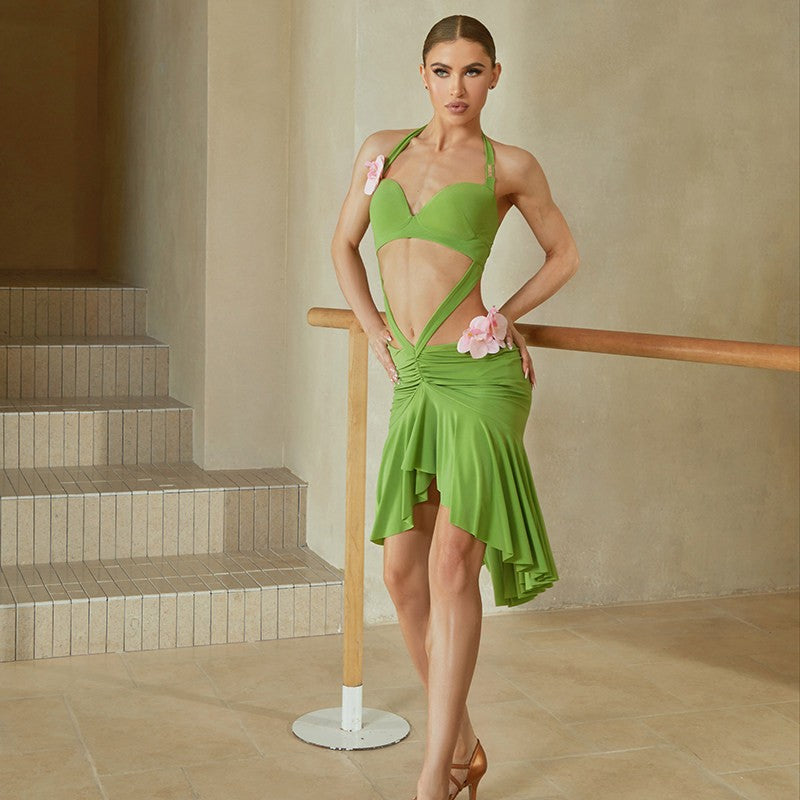
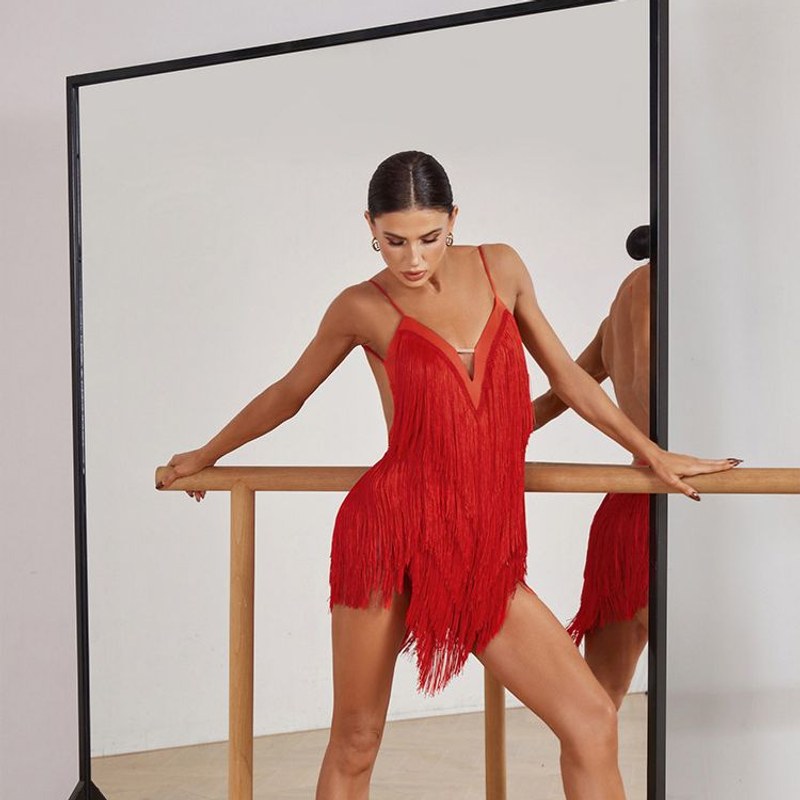
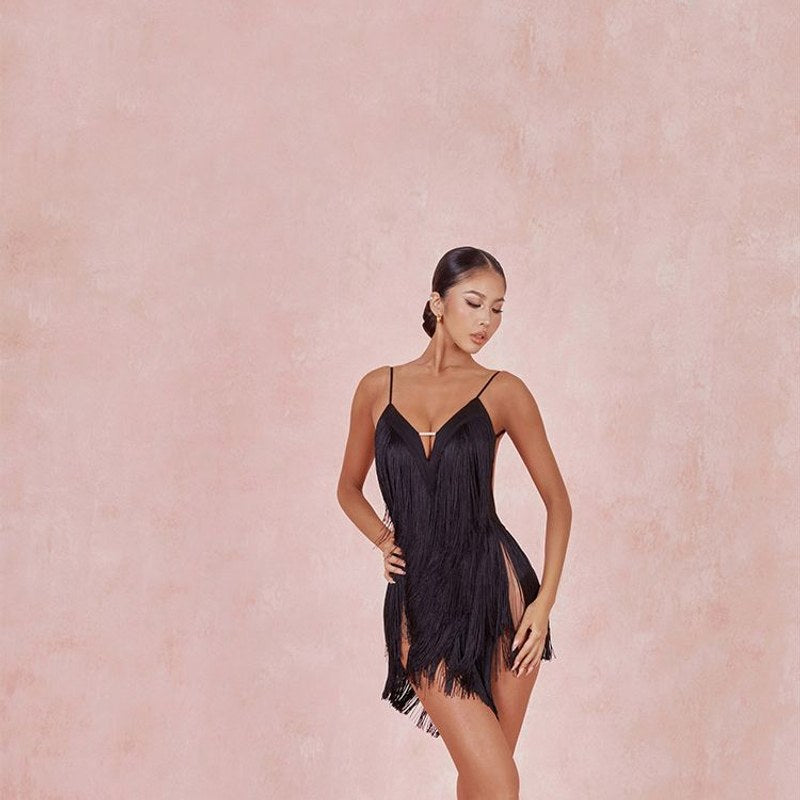
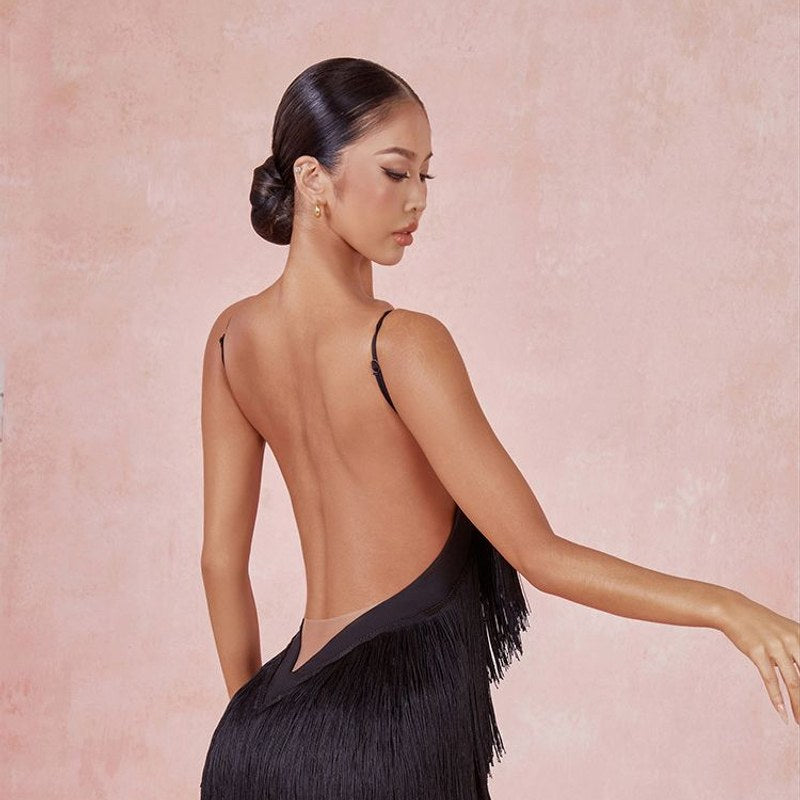
A Latin dance dress has the opposite job to a ballroom one. There is no closed hold to keep clean and no long line to protect — the whole point is that the audience can see hip action, and that the dress amplifies it. That is why almost everything here is short, close through the body and finished with something that moves independently: fringe, tassels, a split hem, a beaded chain. Stand still in one and it looks unremarkable. Put a Cuban motion through it and the hem does the talking.
Fringe, Tassel and Slit — What Each One Does
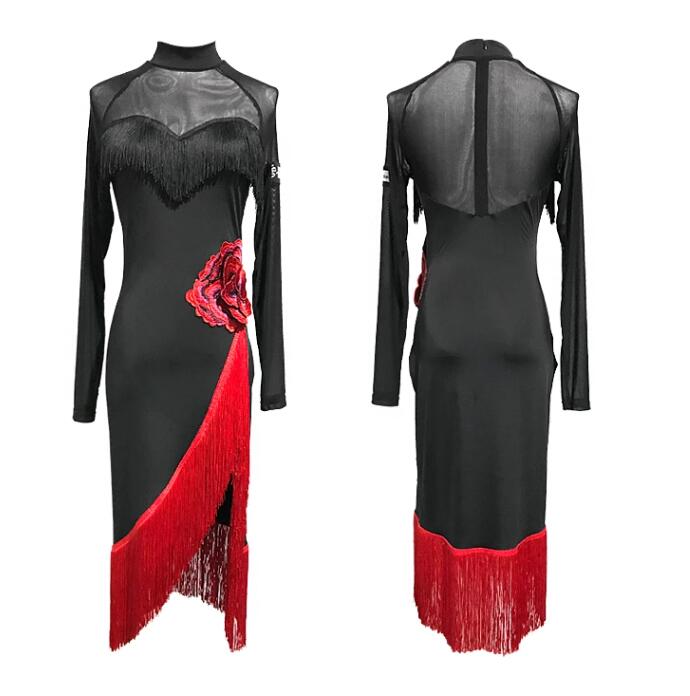
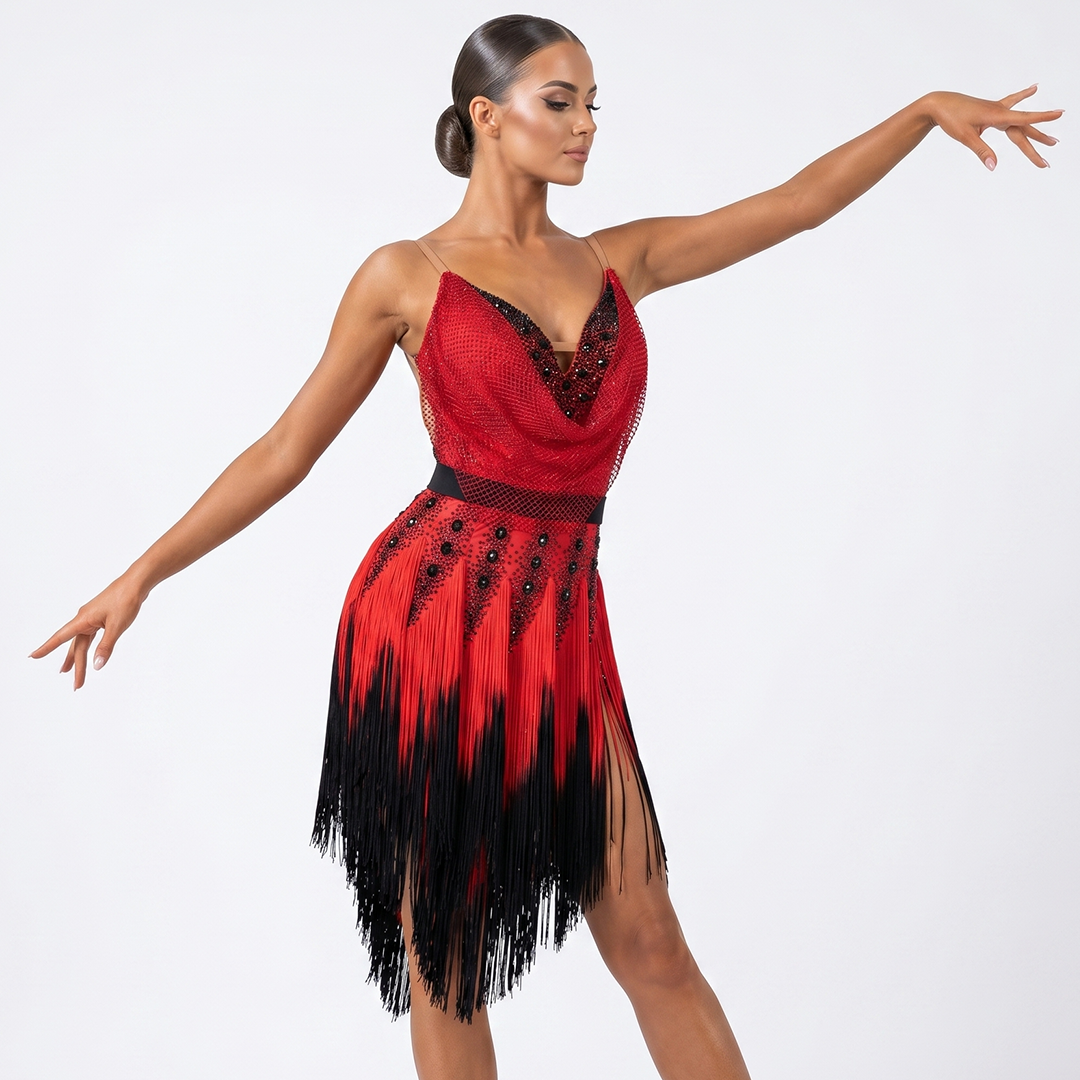
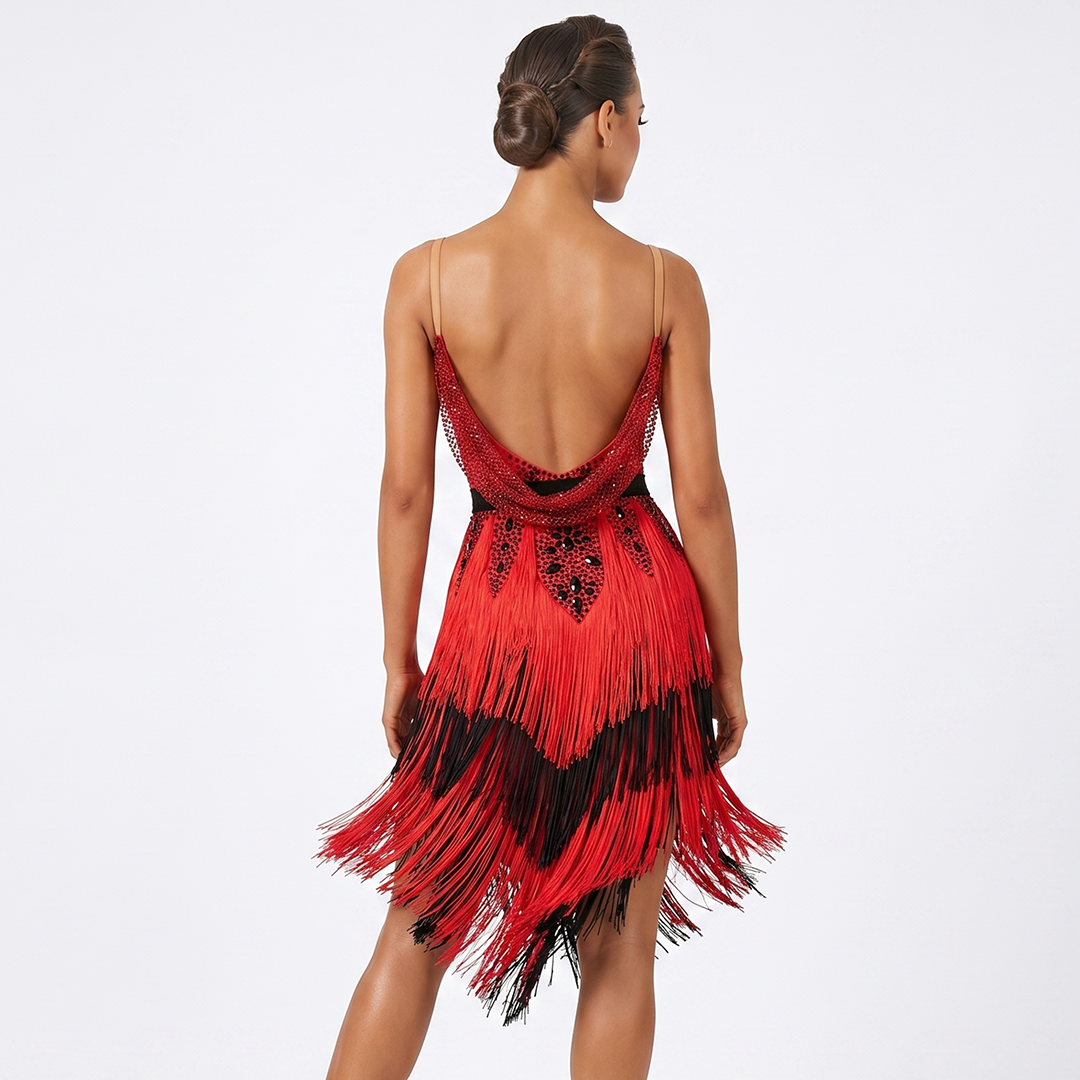
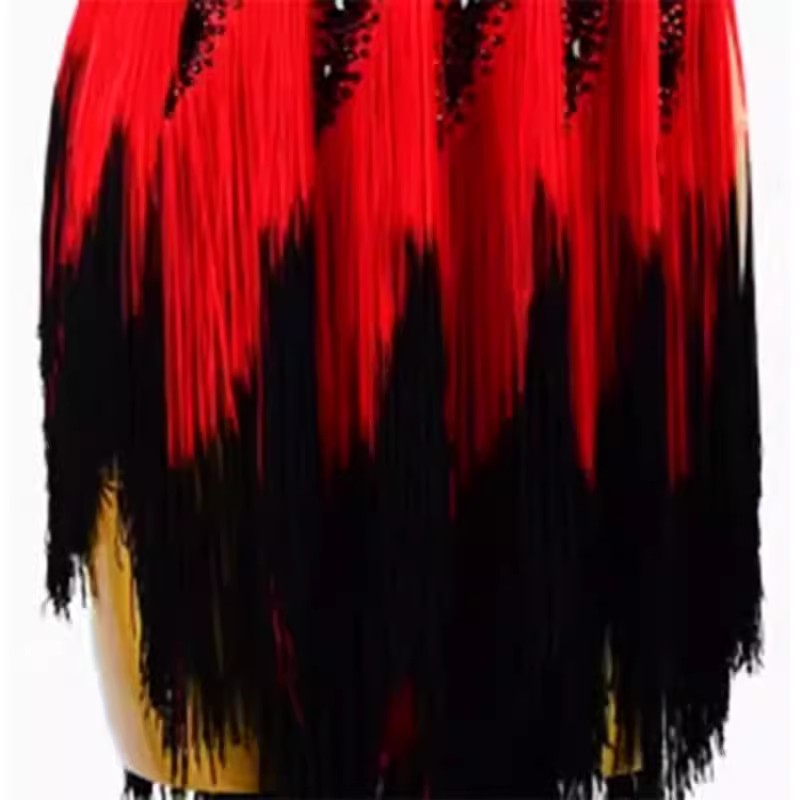
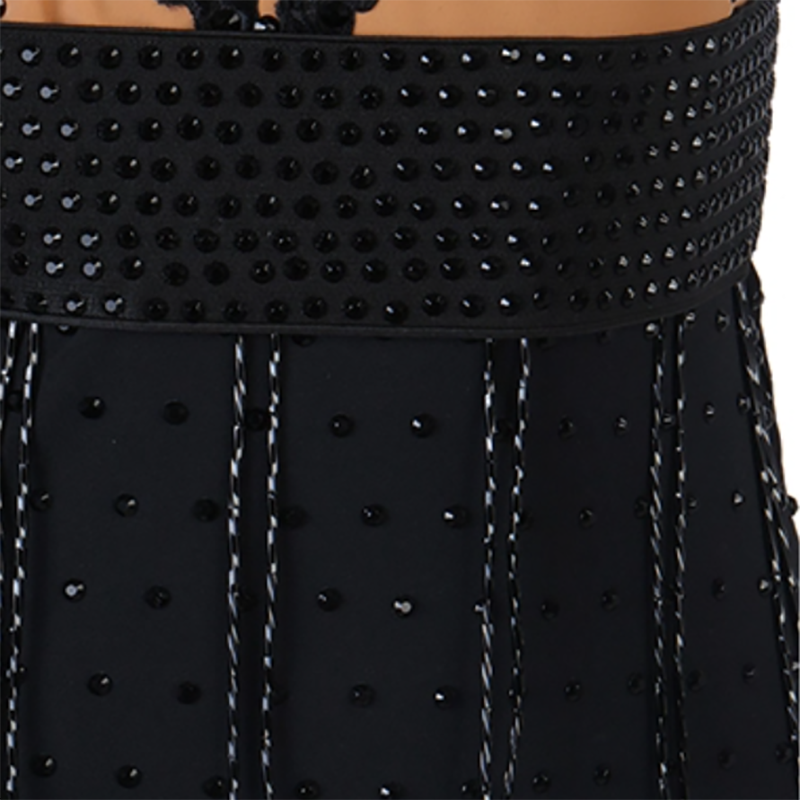
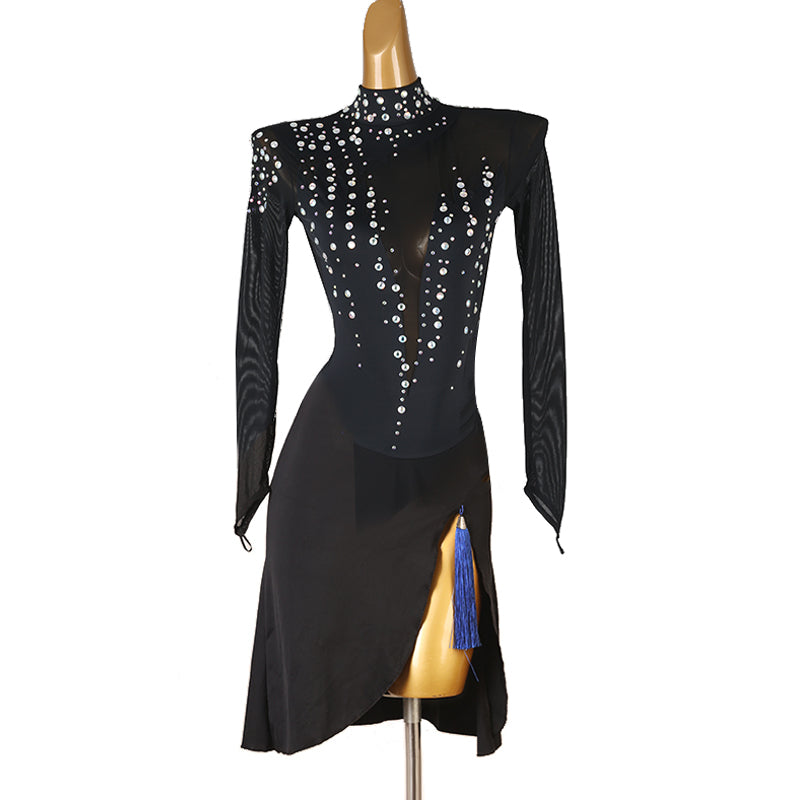
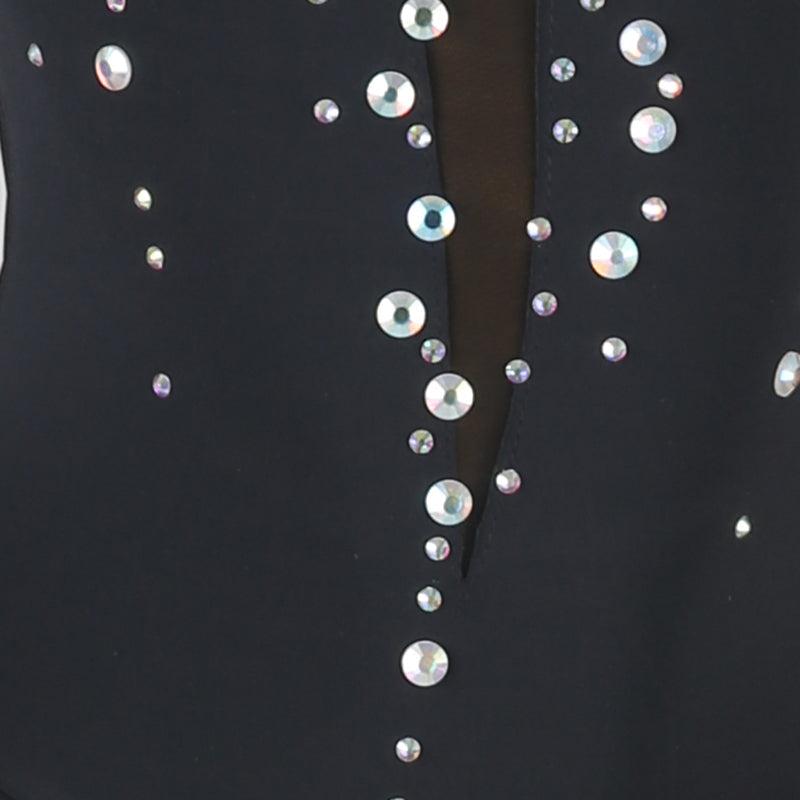
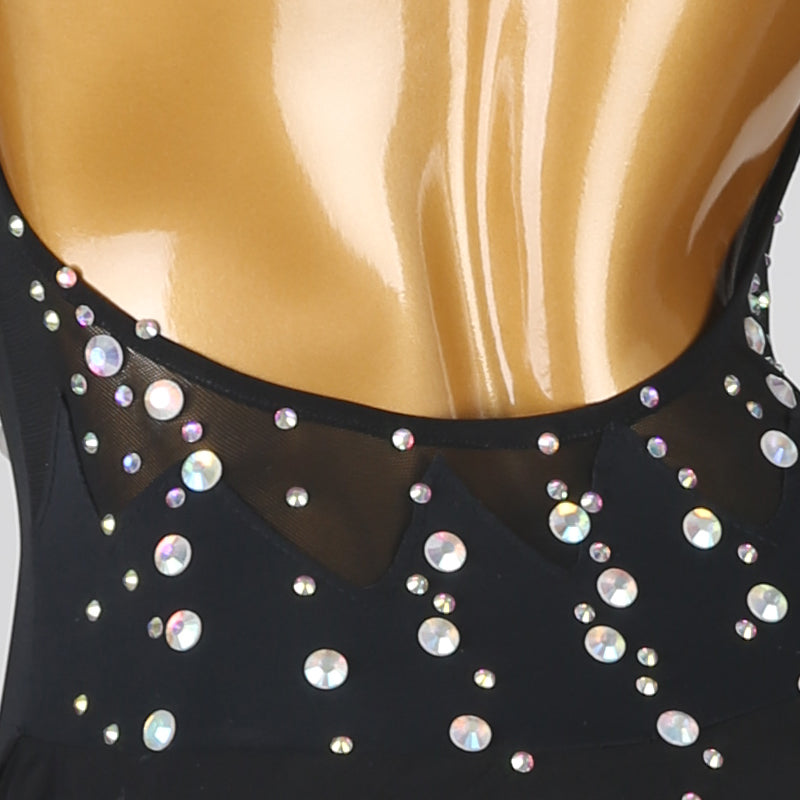
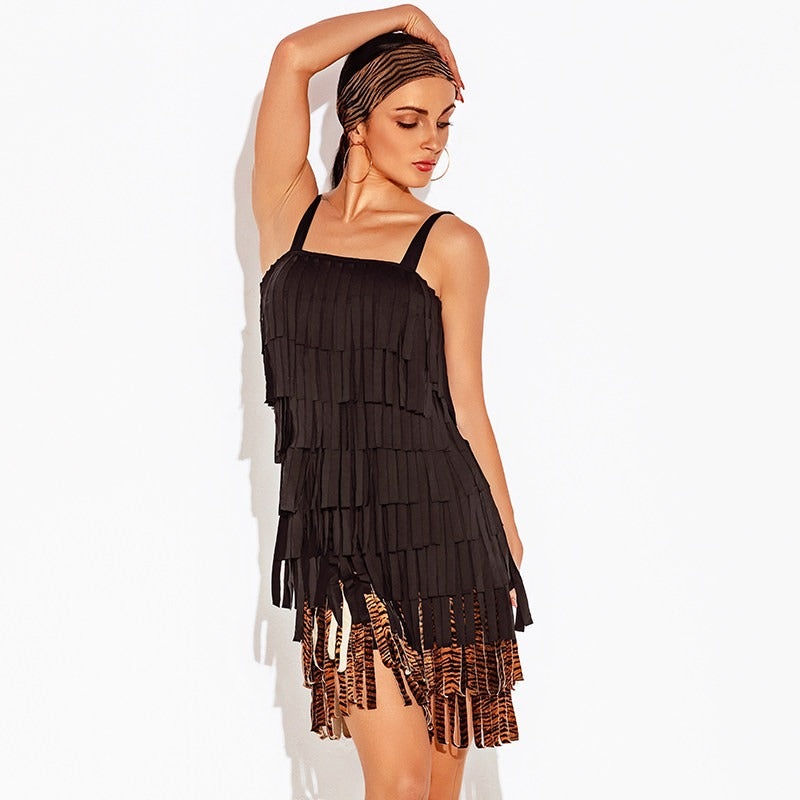
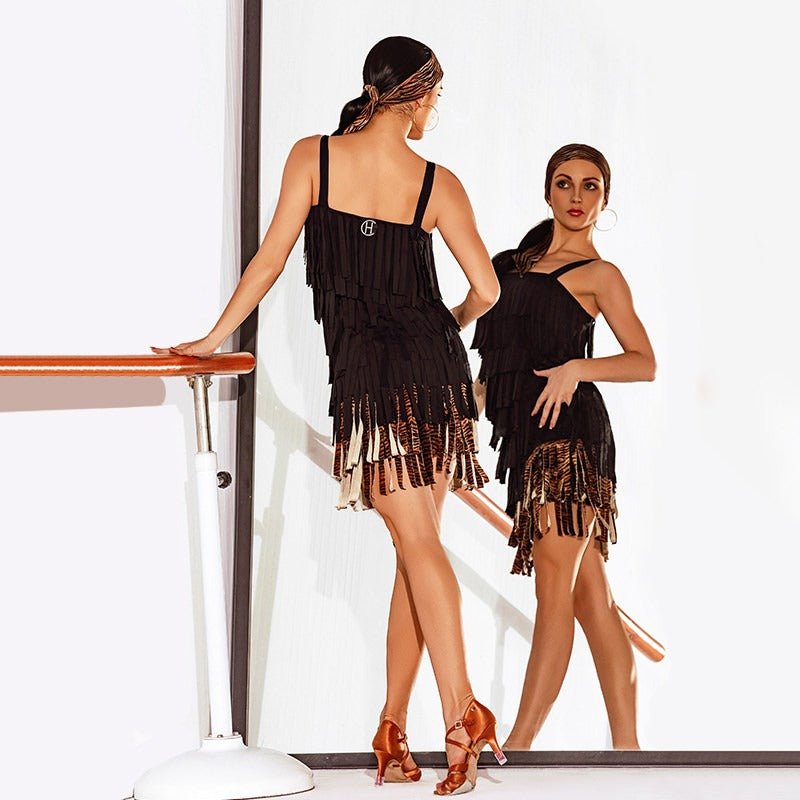
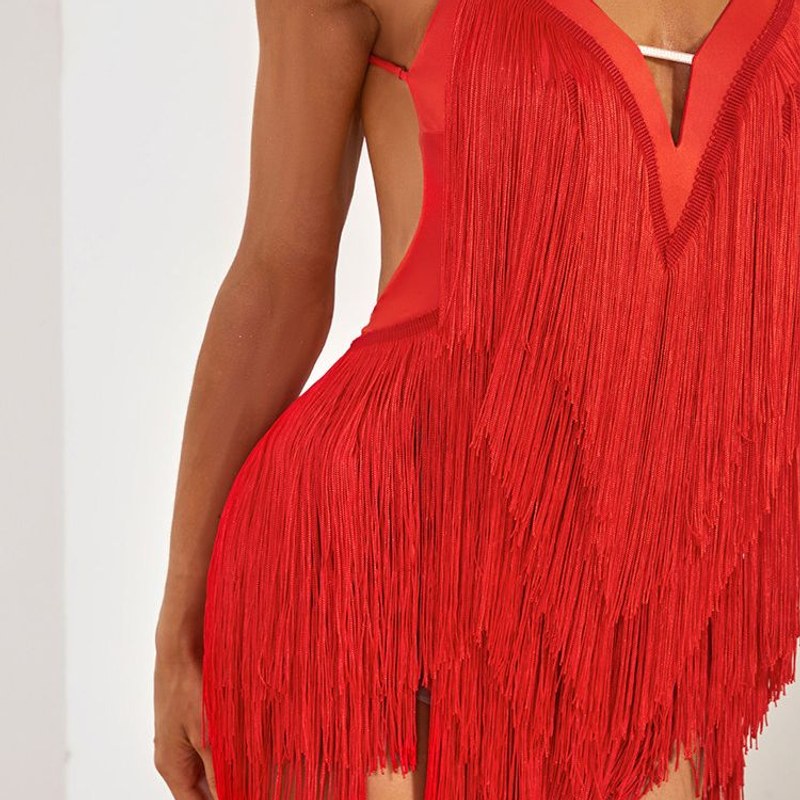
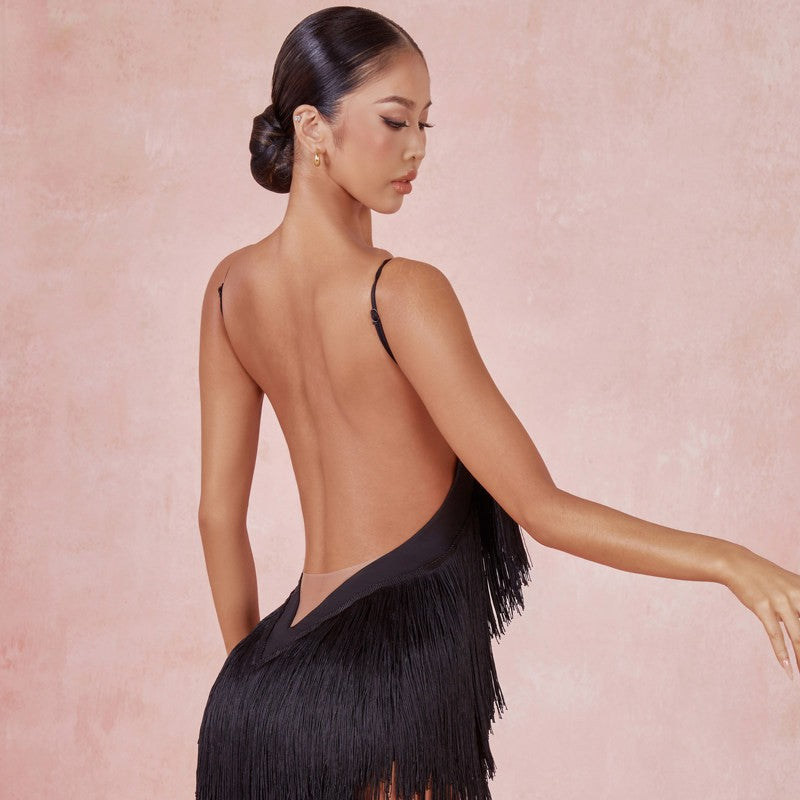
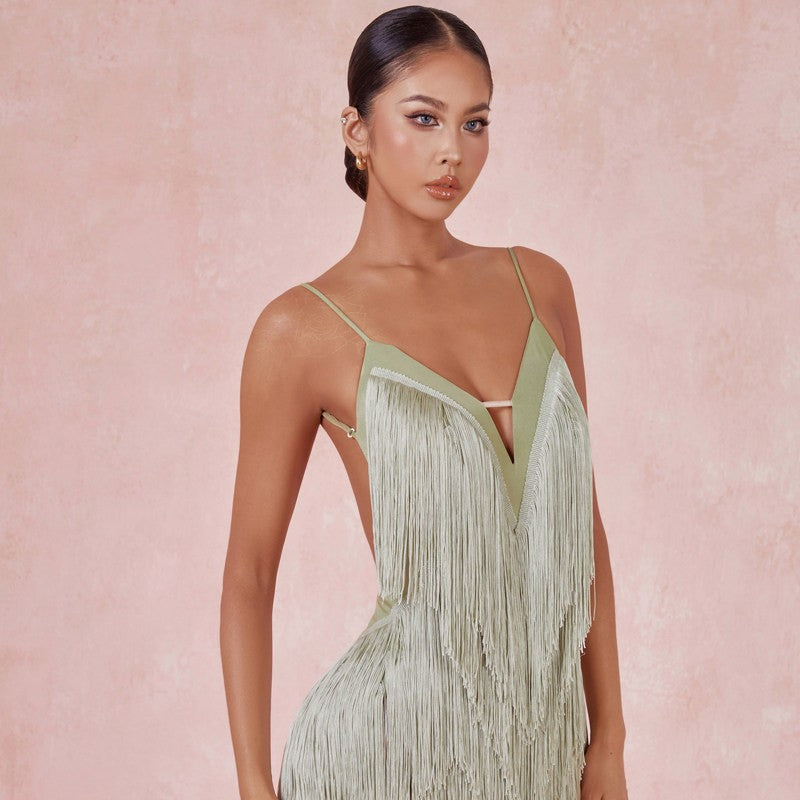
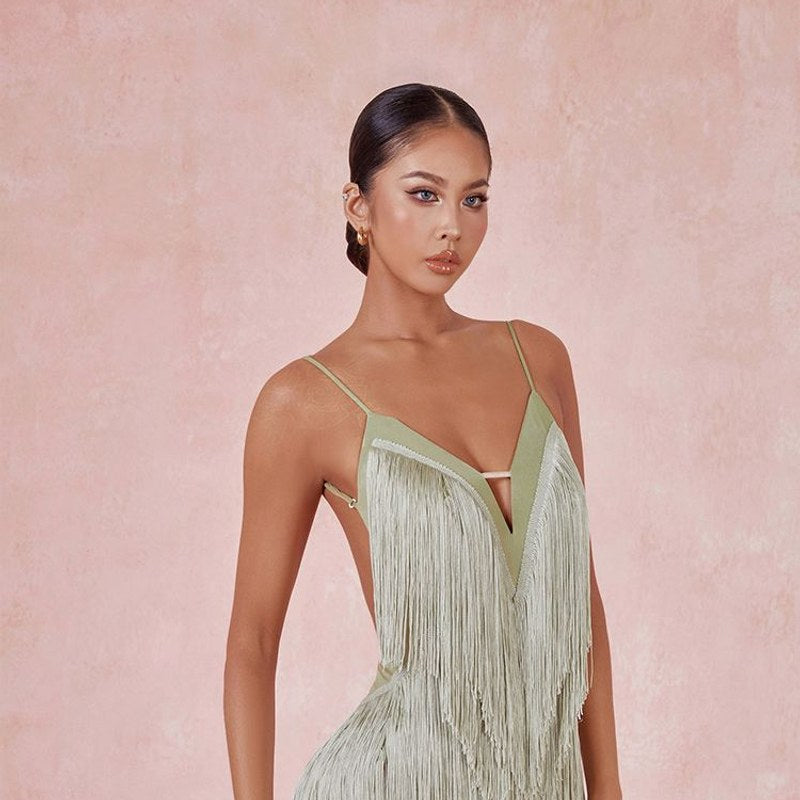
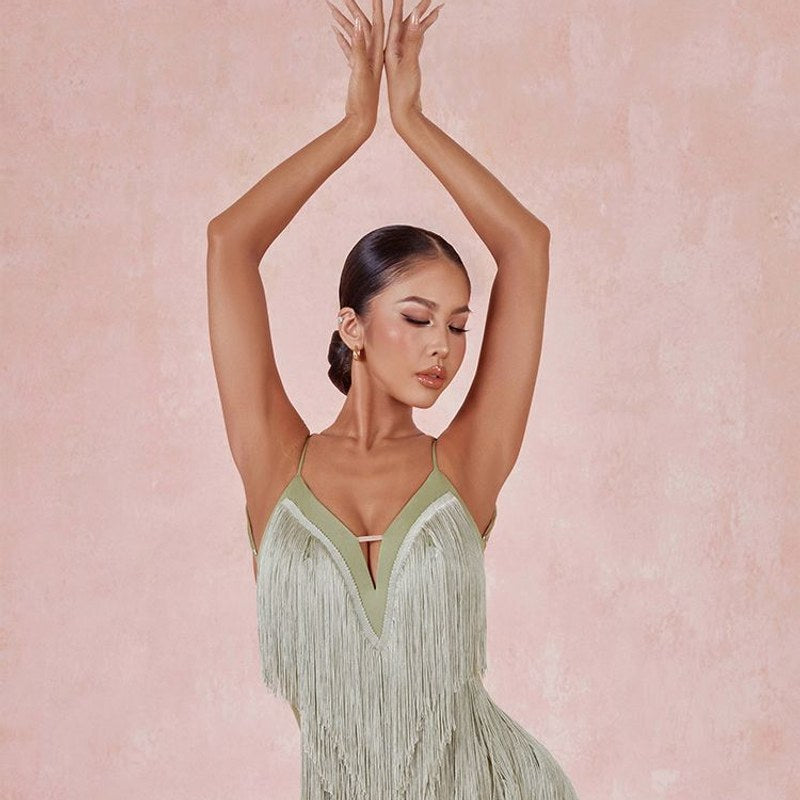
Fringe is the loudest option. Long strands carry a delay, so the hem is still travelling a beat after your hip has stopped, which reads as more movement than you actually made. Tiered and layered fringe multiplies the effect. Tassel hems sit heavier and swing rather than ripple — better for slower rumba figures where you want weight instead of shimmer. A high slit or handkerchief hem gives you clean leg lines without any added movement at all, which is the choice when the choreography is doing enough on its own. Many heavily stoned dresses combine two of the three.
Which Latin Floor Are You Dressing For?
Competitive Latin and social salsa share a wardrobe, but they are judged by different things. A dress worn for adjudicated rounds is read from thirty feet away, so it goes shorter and more heavily stoned; those are on this page too, and the Latin dance competition dresses page narrows to just them. Dancesport dresses covers both halves of the sport in one place. A social salsa dress has to survive four hours and forty partners, so it is bought for secure straps, coverage you do not have to think about, and fabric that recovers between songs. If that is the floor you are dressing for, the salsa dance dresses page covers it properly — what to wear to a class, a social night and a congress performance.
Fit, Fabric and Staying Put
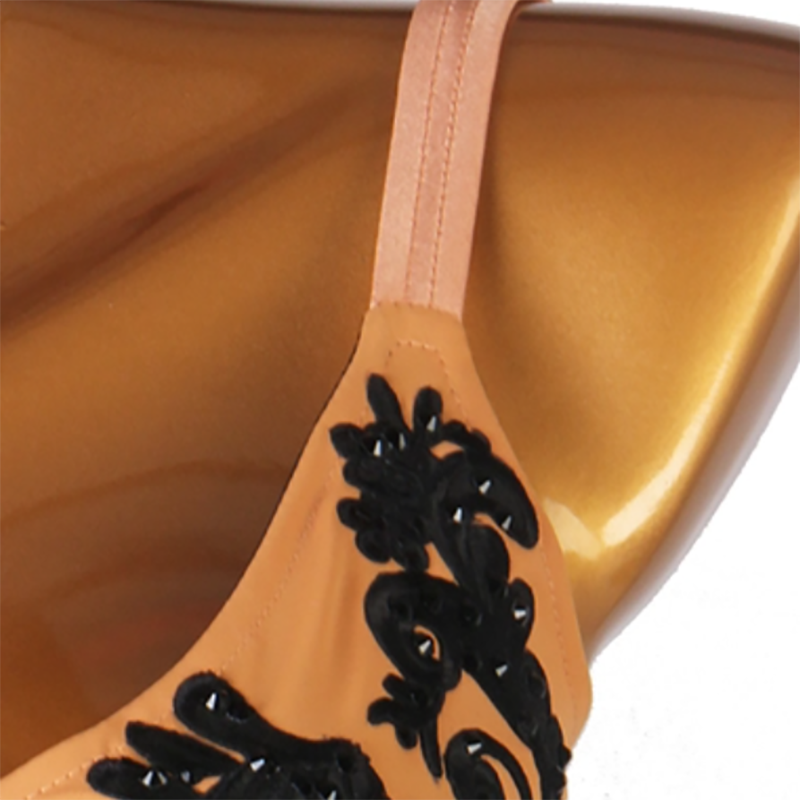
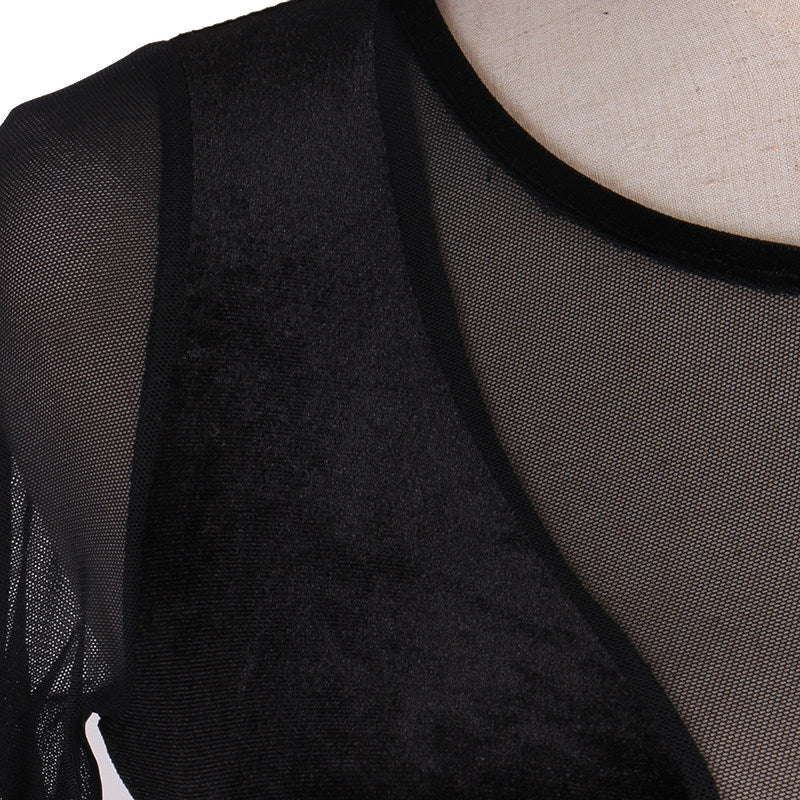
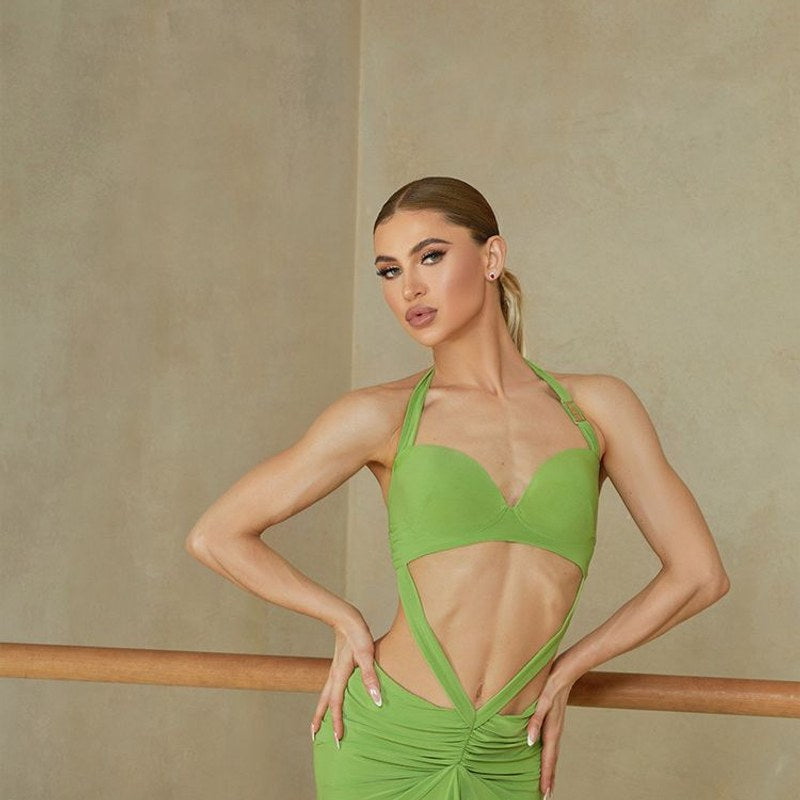
Latin fabrics lean toward milk silk, stretch mesh, velvet and wet-look knits — all high recovery, because a dress that stretches out over an evening will migrate. Fit close everywhere; a Latin dress that is even slightly loose will ride up during spins and you will spend the night pulling it down. Order to your measurements against the size chart on each product page rather than your street size. Halter and cross-strap styles carry more weight on the neck, so check the strap is adjustable if you dance long sessions.
Not for Standard or Smooth
Latin and ballroom are separate dance families and the dresses do not cross over. Standard and Smooth need length and float to complete the line under a closed hold; a Latin dress gives you neither. See ballroom dresses if that is the floor you are on.
Separates and Shoes
If you would rather mix pieces, a Latin dance skirt over a Latin dance bodysuit gets you more outfits from fewer purchases, and Latin dance tops extend it further. Latin is danced in open-toe heels with a flexible suede sole — browse Latin and salsa dance shoes or salsa dance shoes to finish the outfit.
Those pages cover the Latin half. If you want to compare cuts across both families at once, the full dance tops, dance pants and dance bodysuits ranges sit alongside them.
Latin Dance Dresses: Frequently Asked Questions
What is a Latin dance dress?
It is a short, close-fitting dance dress cut for rumba, cha cha, samba, jive and salsa. Unlike a ballroom dress, it is built to expose and amplify hip action rather than hold a long line, which is why fringe, tassel and split hems are so common.
What is the difference between a Latin dance dress and a salsa dance dress?
Construction is nearly identical — both are short and close-cut. The difference is what they are bought for. Dresses worn for adjudicated rounds are cut shorter and stoned more heavily because they are read at a distance. Salsa dresses are chosen for a long social night, so secure straps and fabrics that recover matter more than sparkle.
Does fringe or tassel move better?
Fringe ripples and carries a delay, so the hem is still moving a beat after your hip stops. Tassels are heavier and swing rather than shimmer, which suits slower rumba figures. Fringe reads as more movement; tassel reads as more weight.
How short should a Latin dance dress be?
Short enough that hip and thigh action is visible, which for most dancers means mid-thigh to just above the knee. For social salsa, err slightly longer and choose a secure neckline so you are not adjusting between songs.
What size Latin dance dress should I order?
Order to your measurements against the size chart on each product page. Latin dresses must fit close everywhere, because anything even slightly loose will ride up during spins. Every order is backed by a money-back guarantee if the fit is not right.
Can a Latin dance dress be worn for Standard or Smooth?
Not in competition. Standard and Smooth are judged on a long line moving through a closed hold, which needs a floor-length skirt with float, and a short Latin cut cannot give that. If you dance both styles, share bodysuits and tops but keep separate dresses and skirts.
Do you ship Latin dance dresses internationally?
Yes, Latin dance dresses ship worldwide. Every order carries our money-back guarantee, and a size that does not fit can be exchanged.