
Ballroom Practice Wear for Women
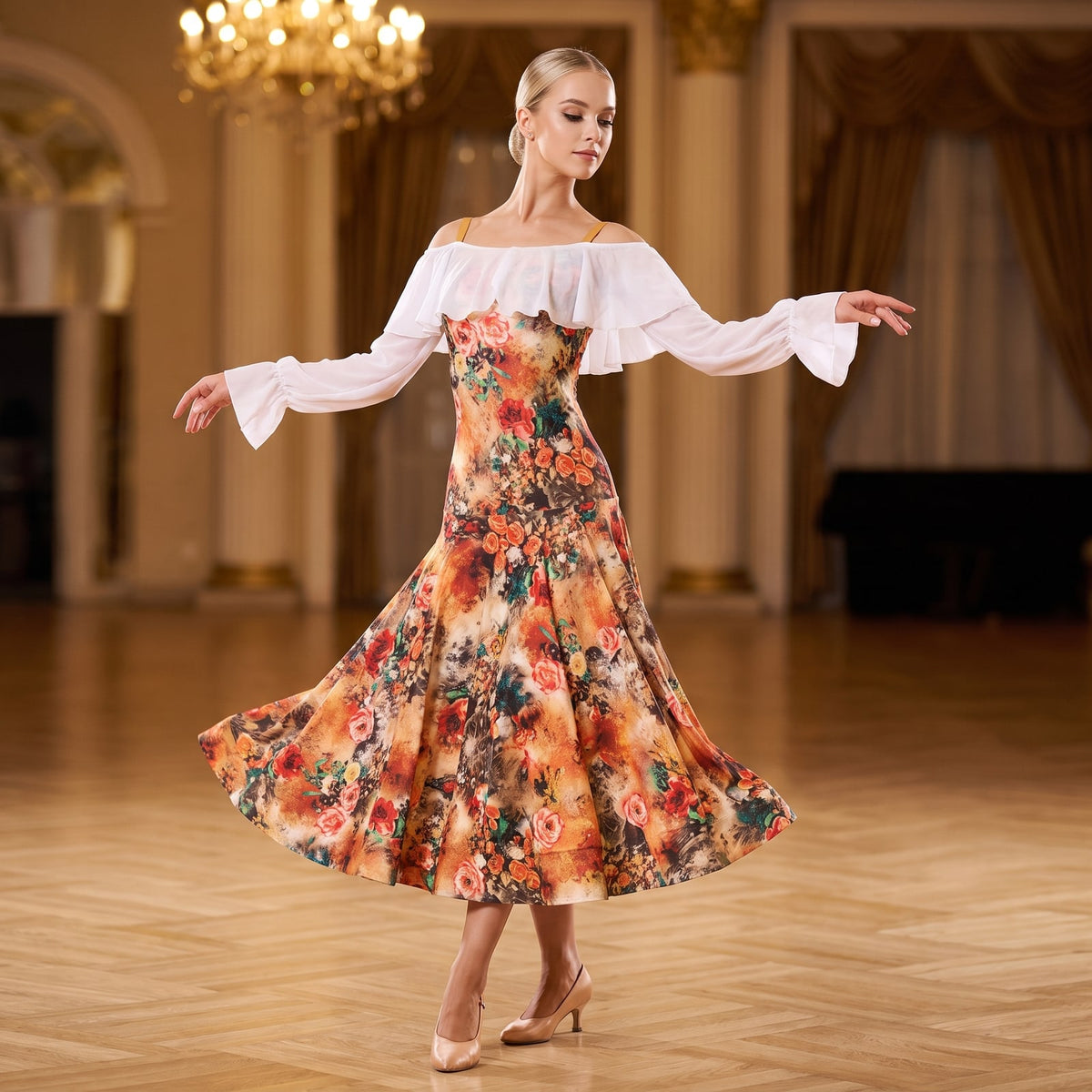
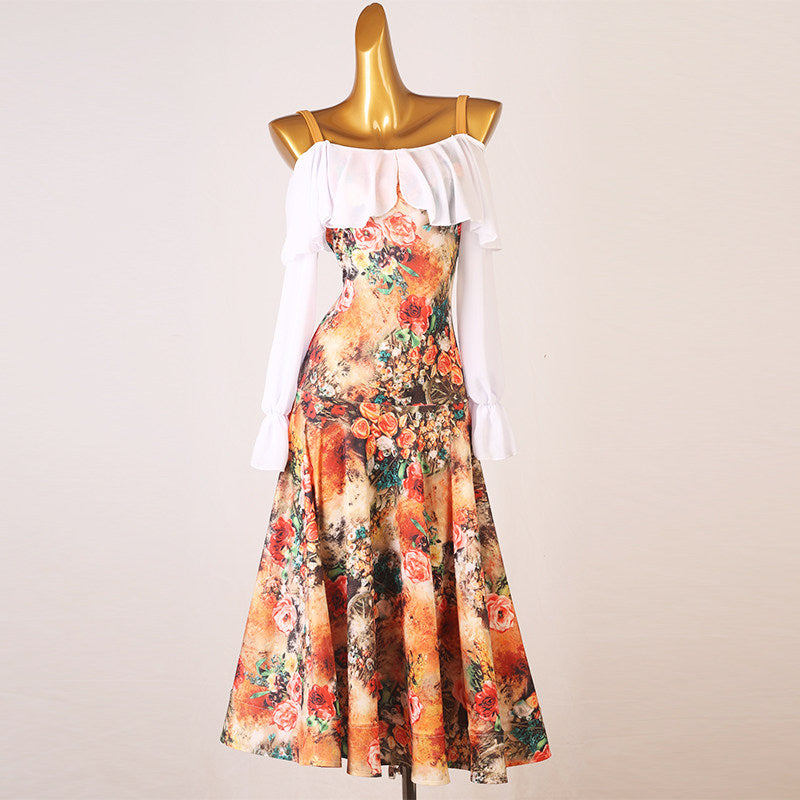
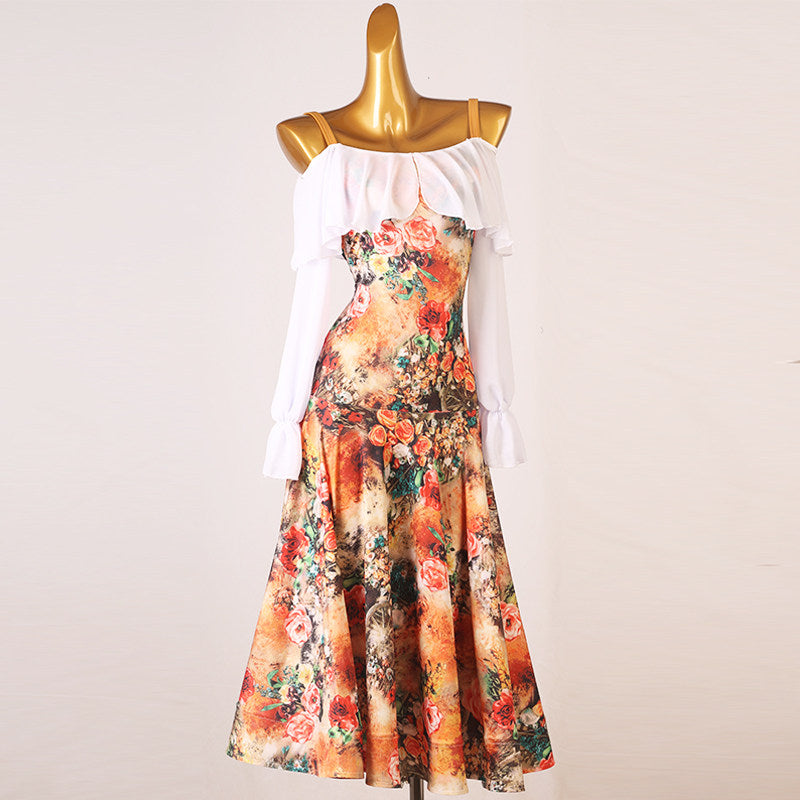
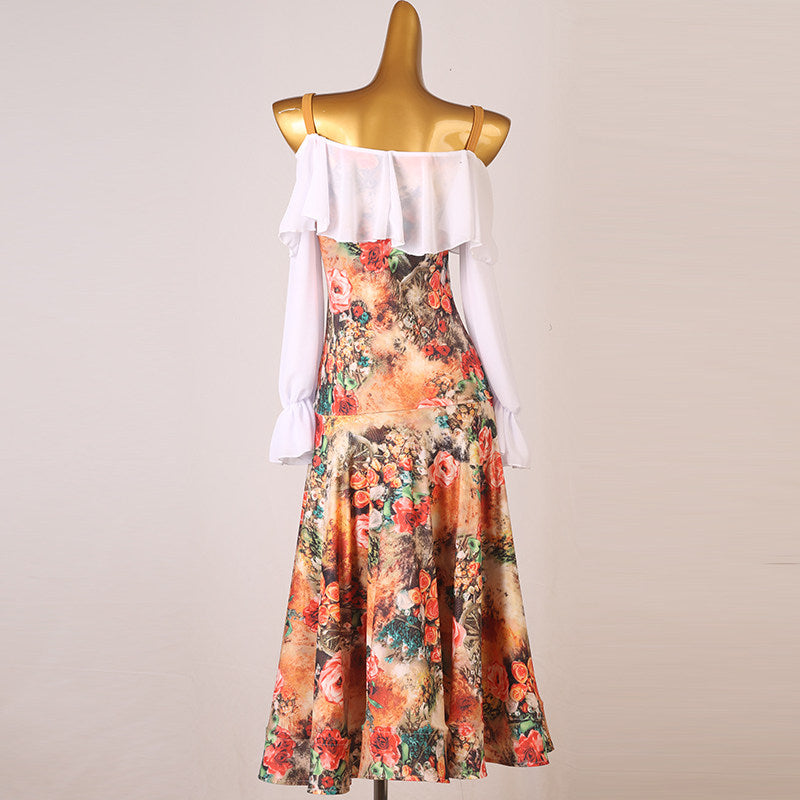
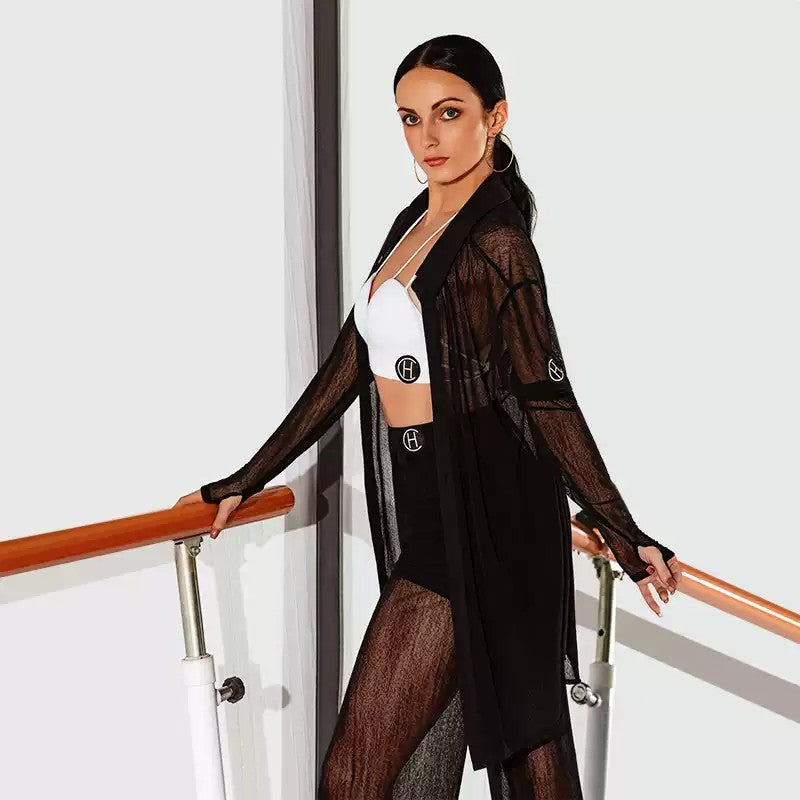
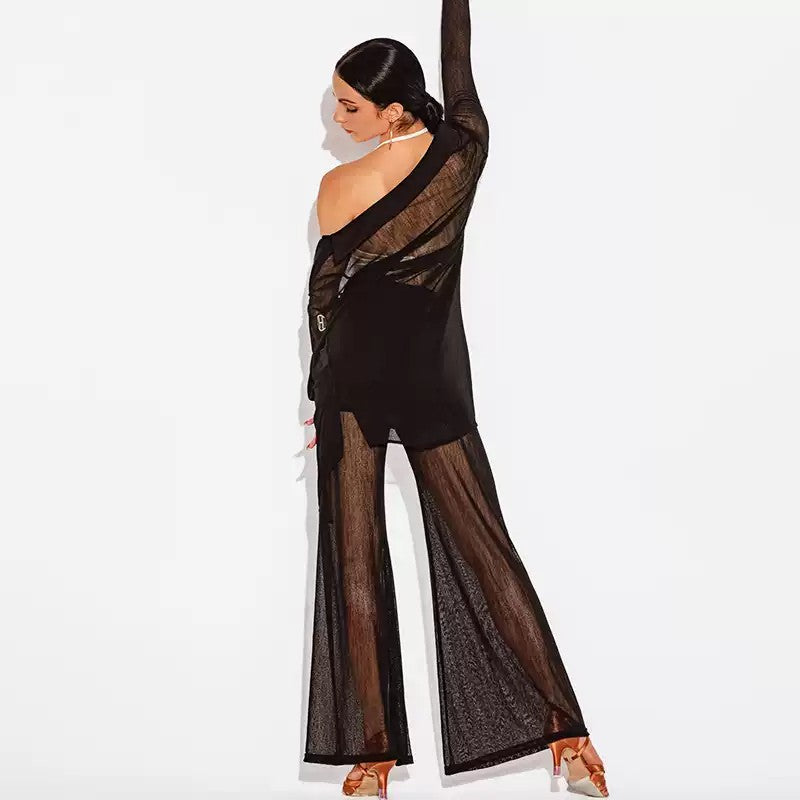
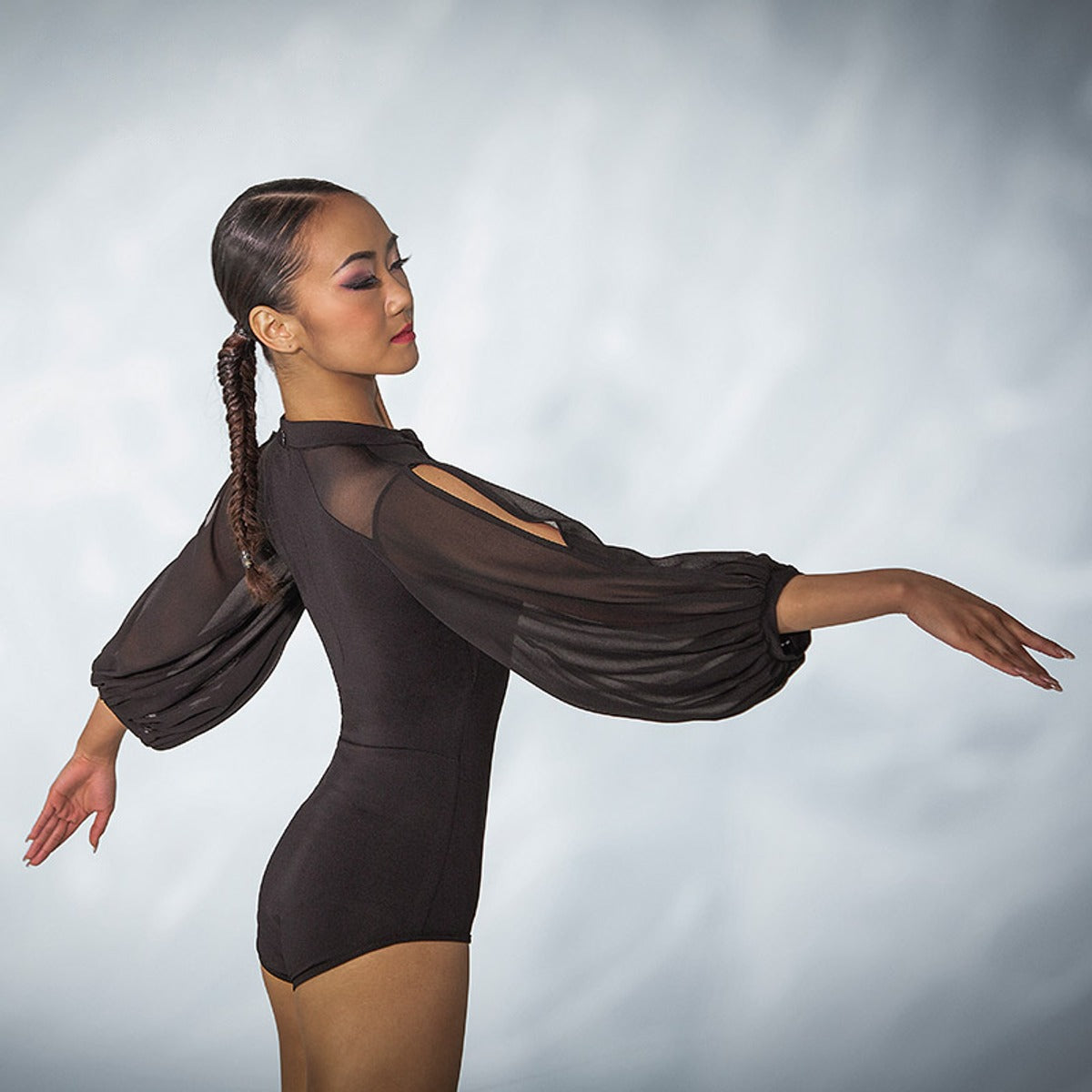
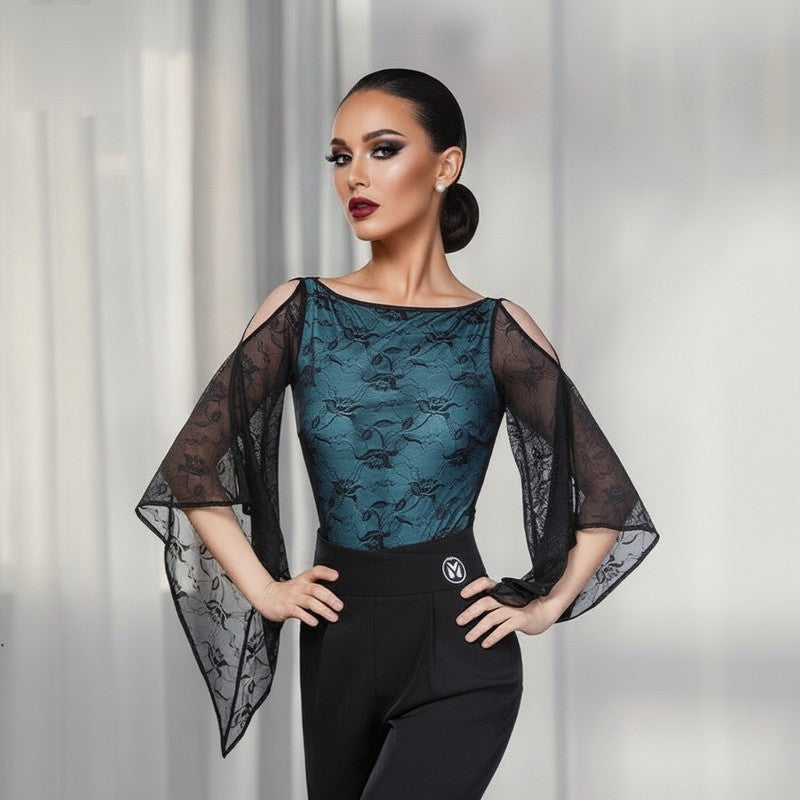
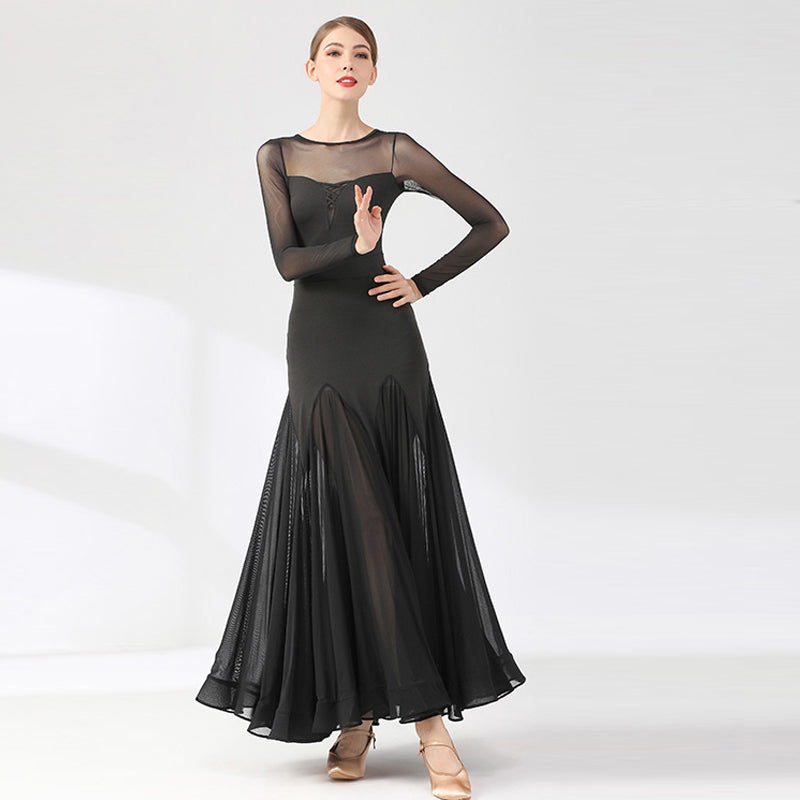
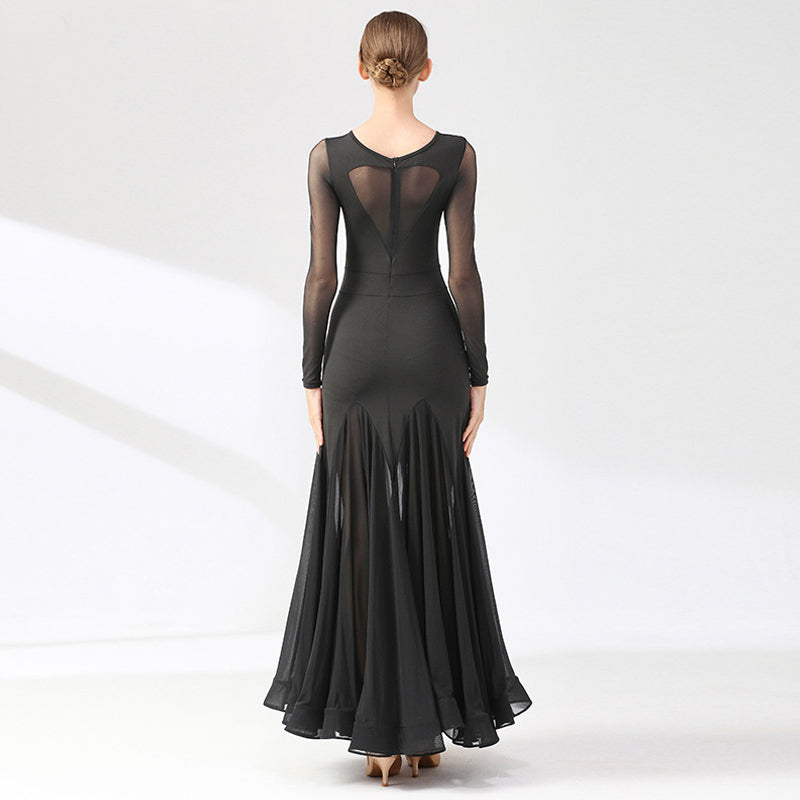
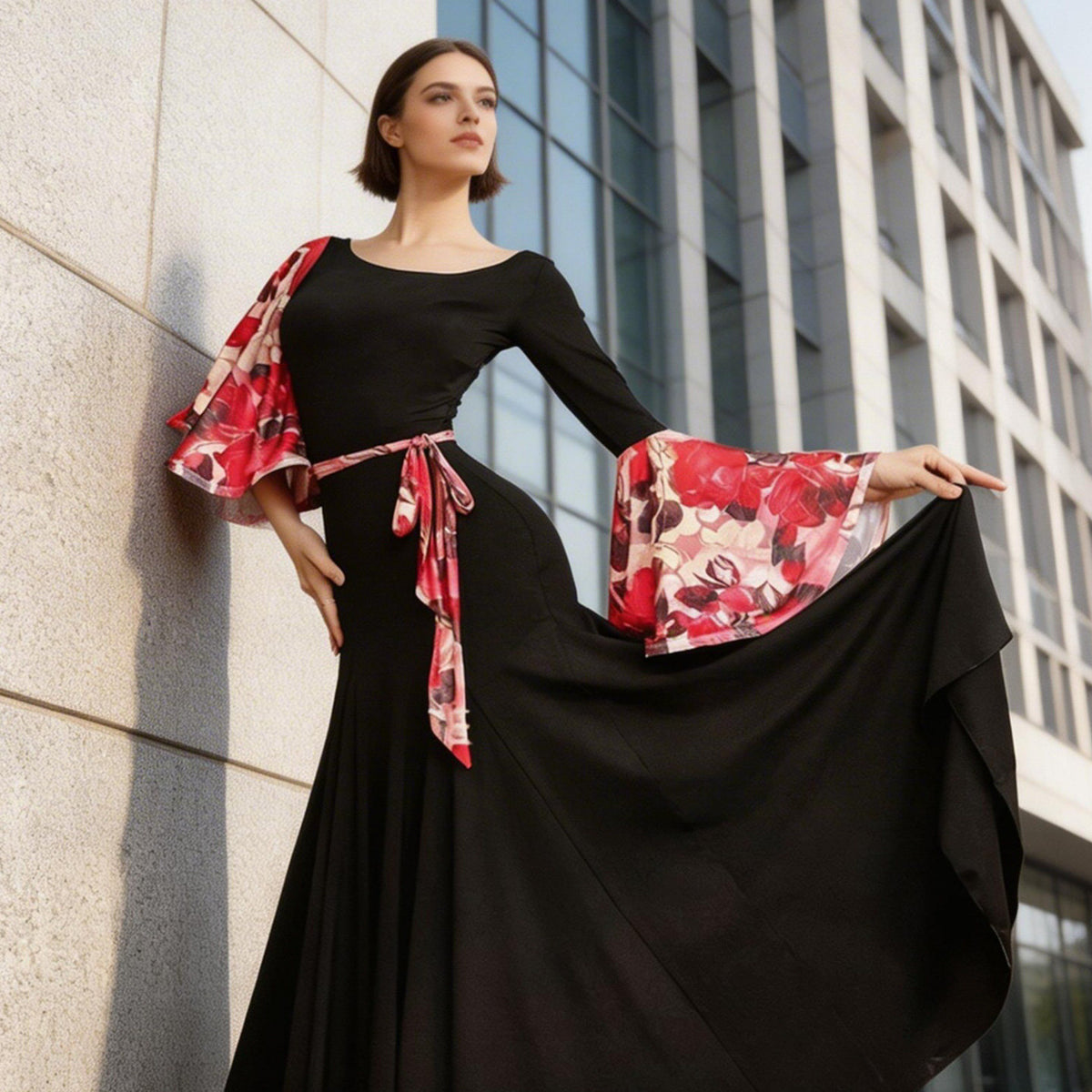
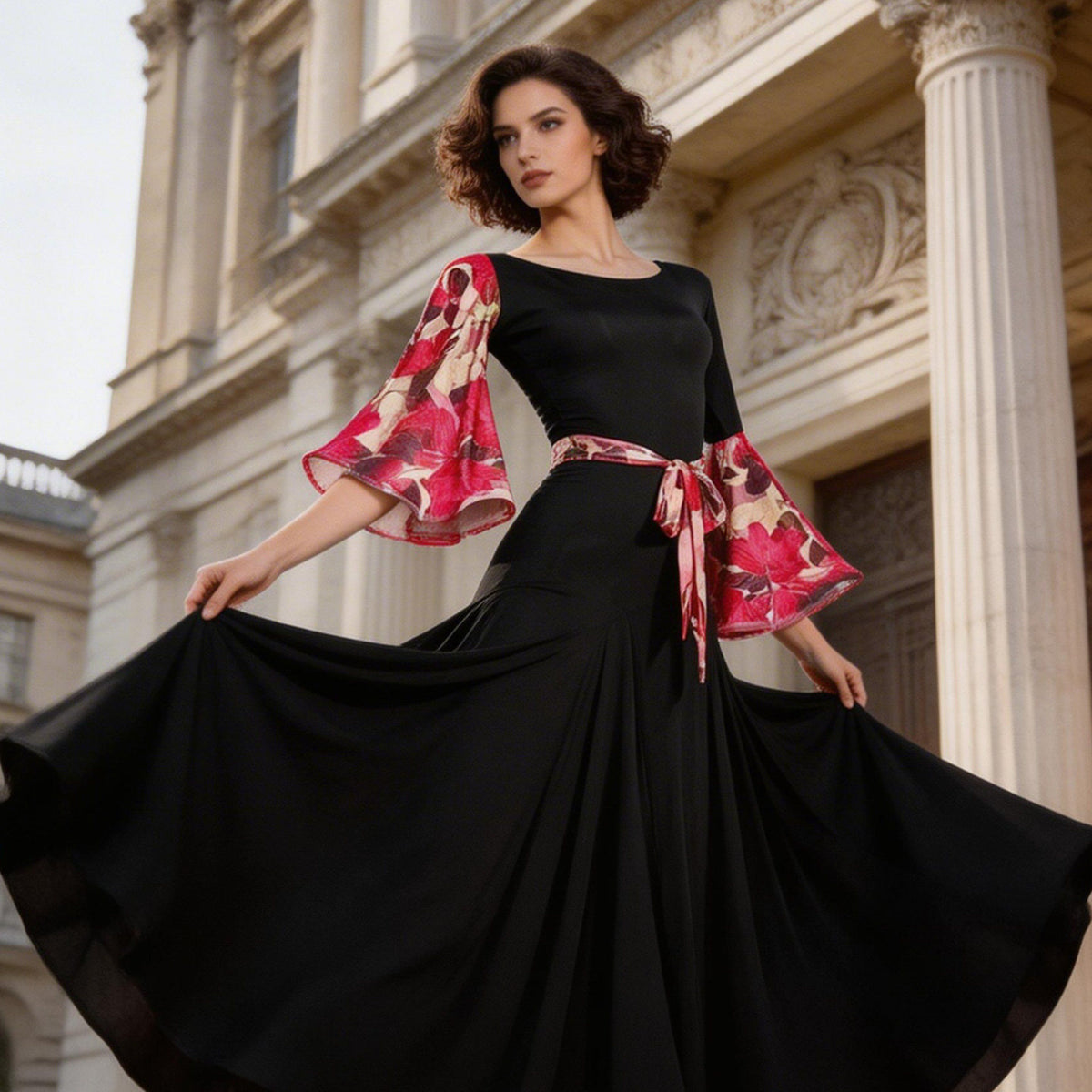
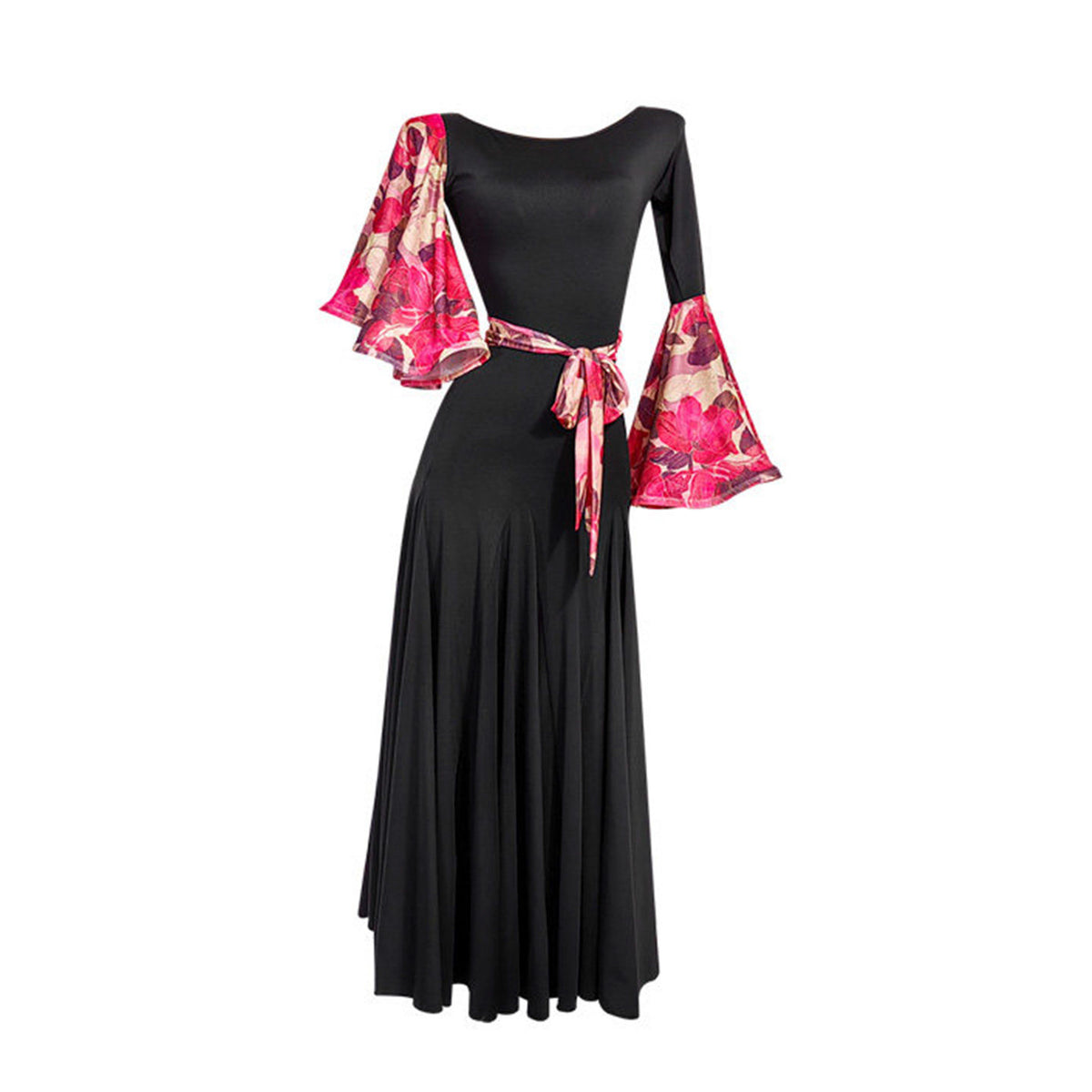
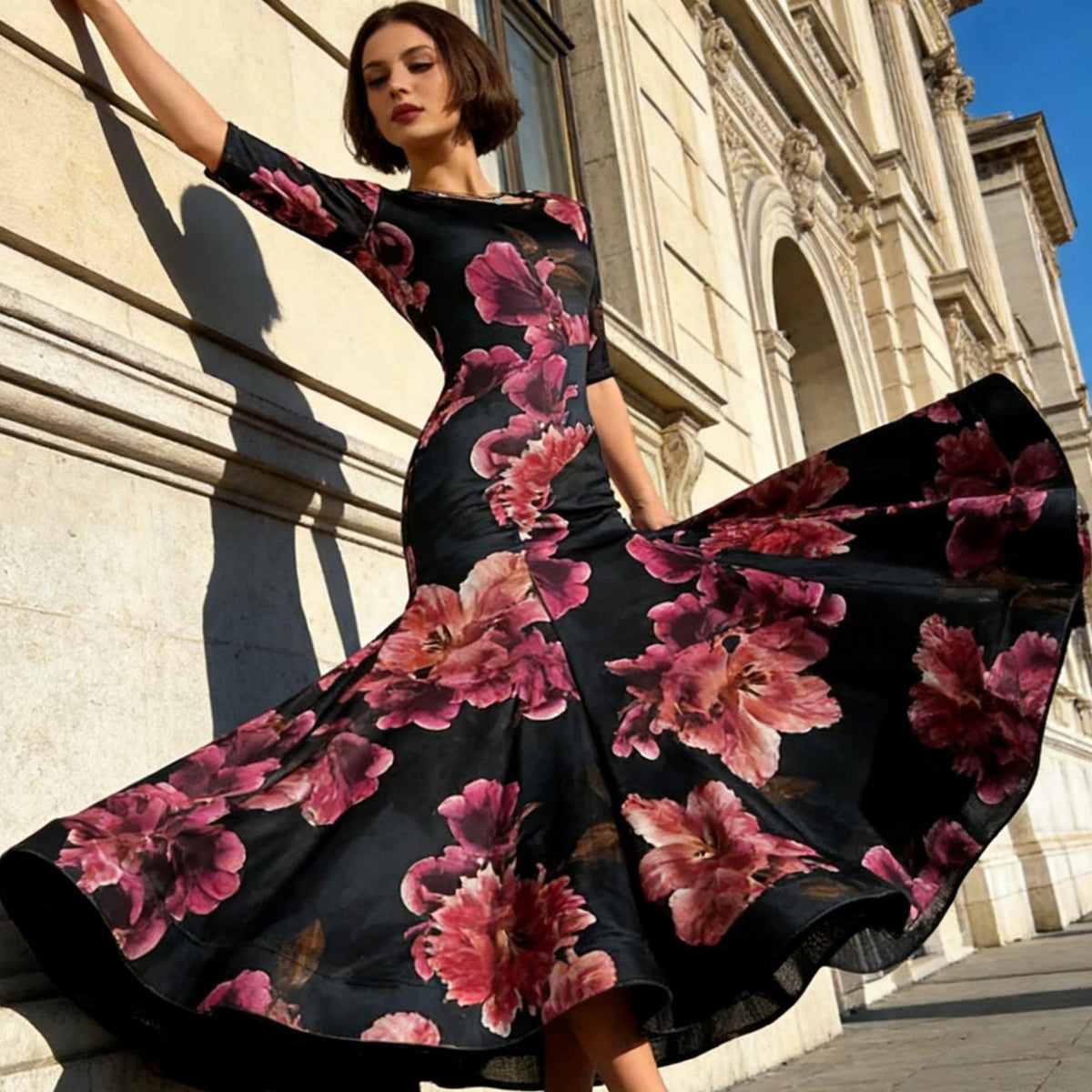
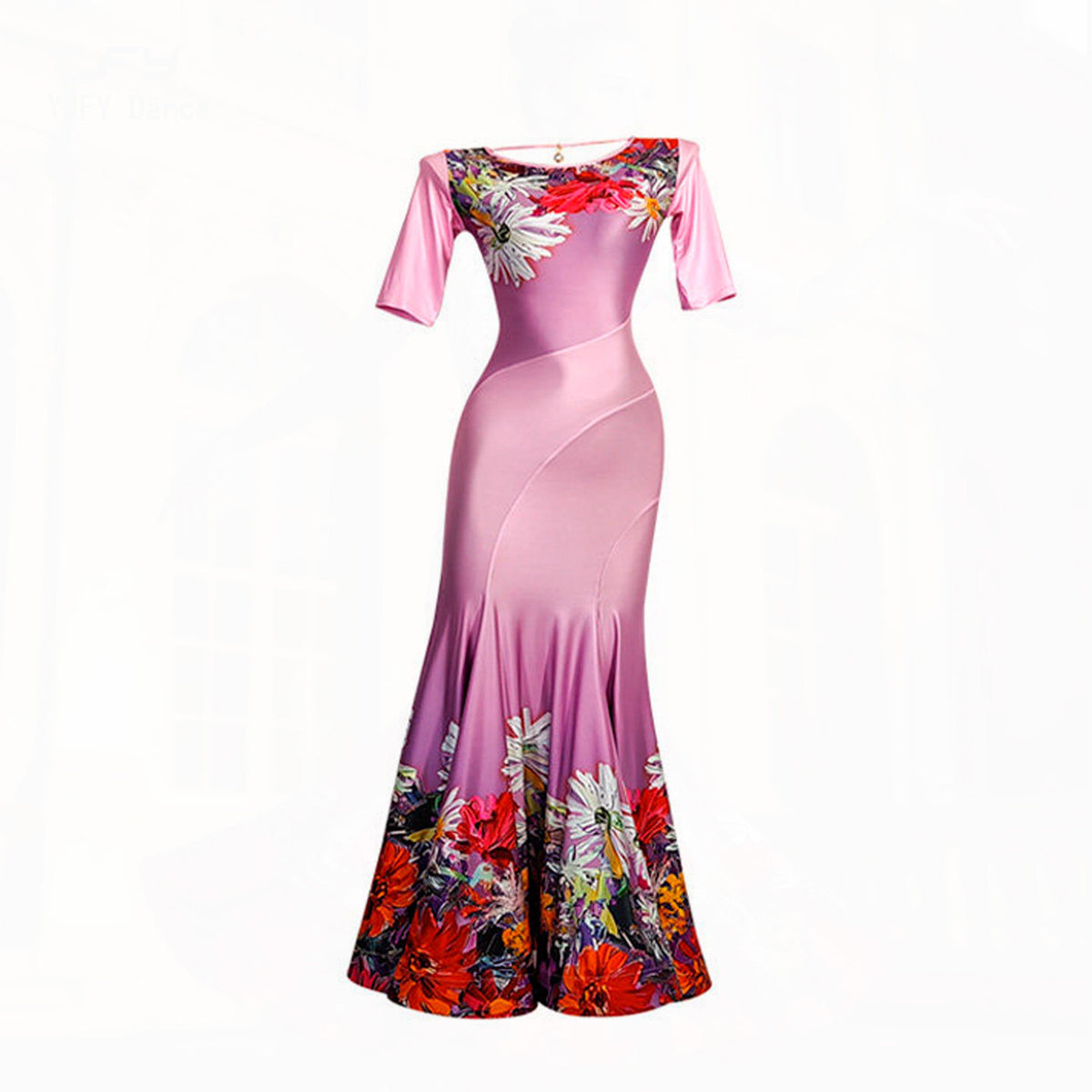
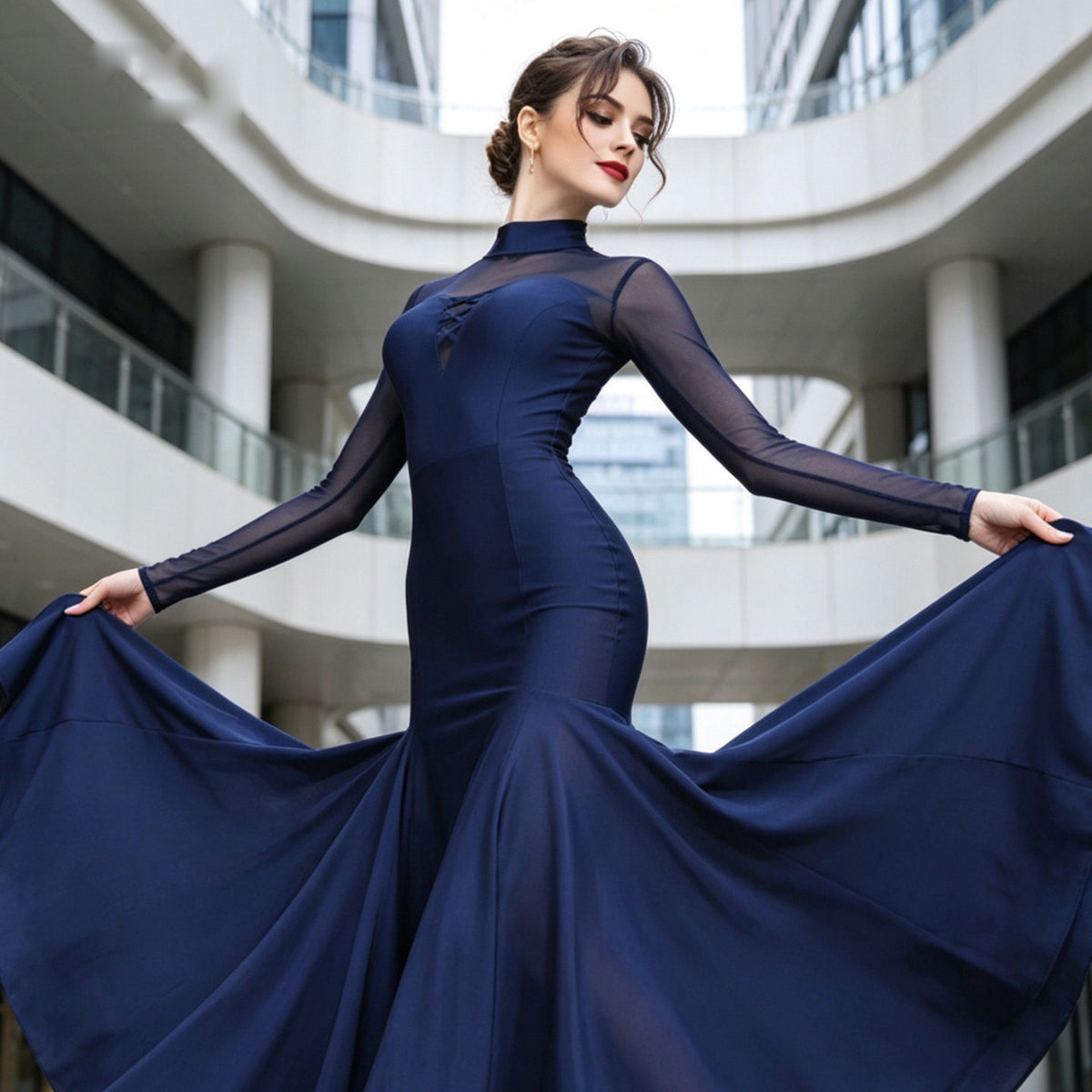
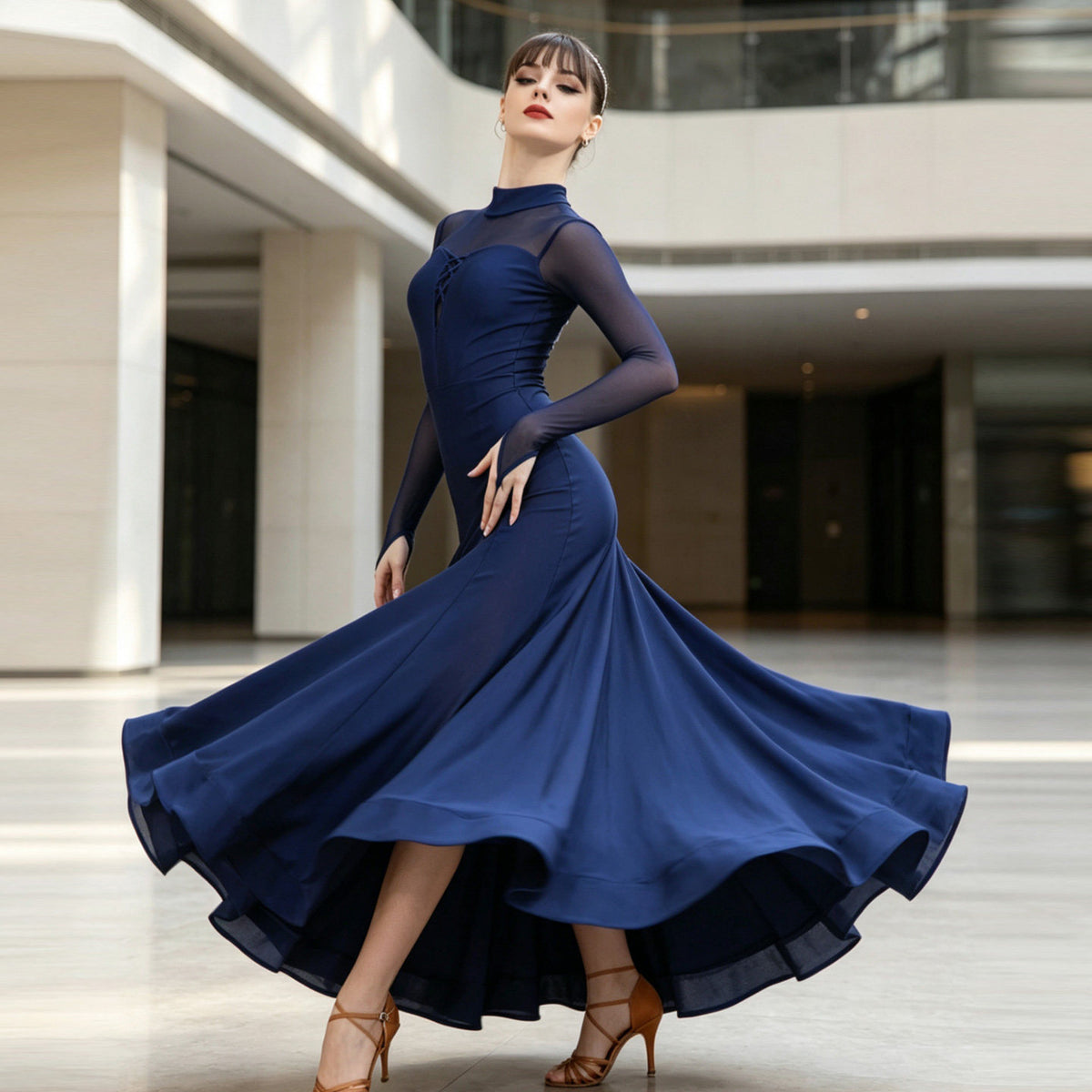
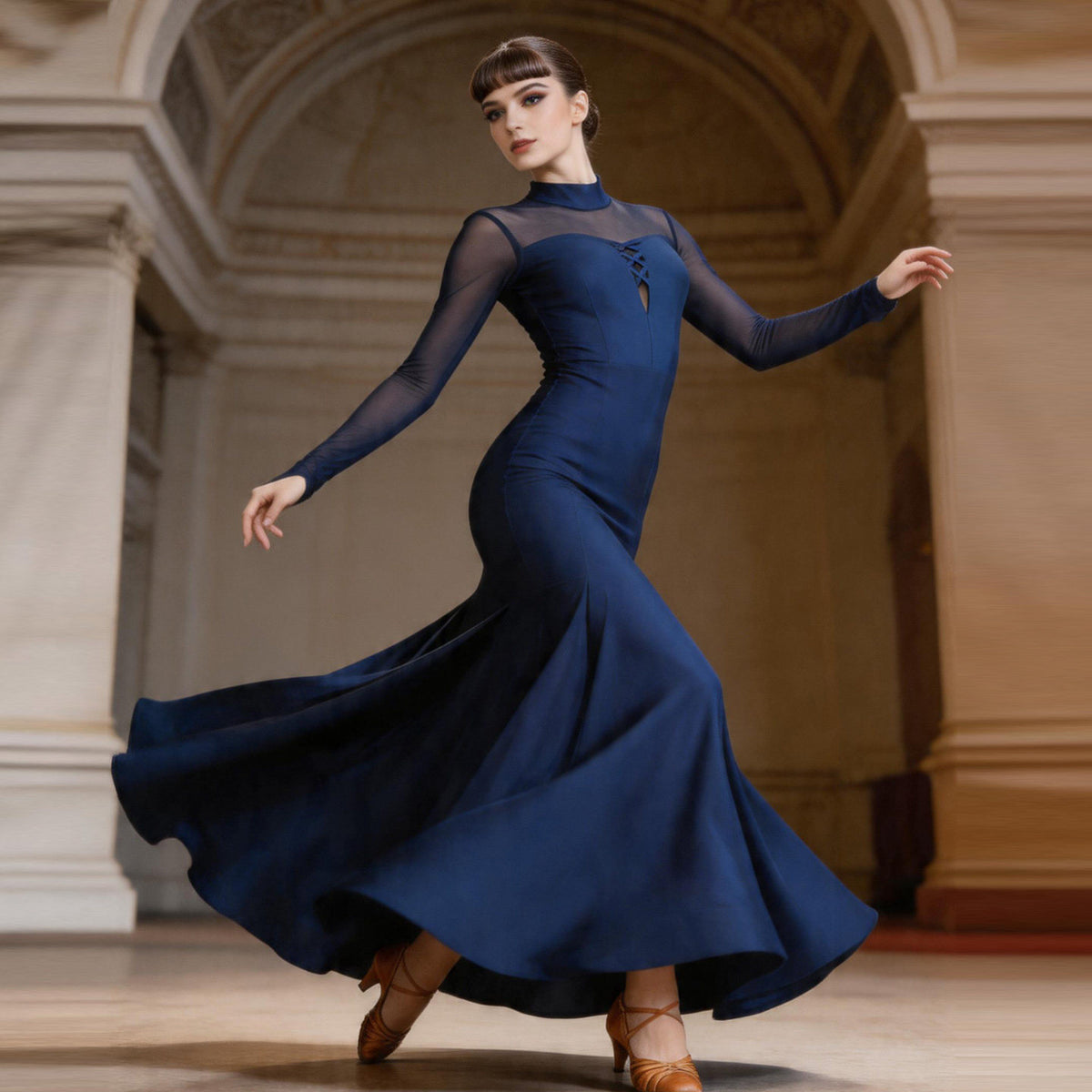
Ballroom practice wear for lessons, rehearsal and social dances: ballroom practice dresses with swing and fishtail hems, long ballroom practice skirts, fitted bodysuits and tops that layer over them. Everything is cut to show your line through waltz, foxtrot, quickstep and tango without the weight or price of a competition gown, in stretch fabrics you can wash after every class. Amazon's Choice with a money-back guarantee since 2012.


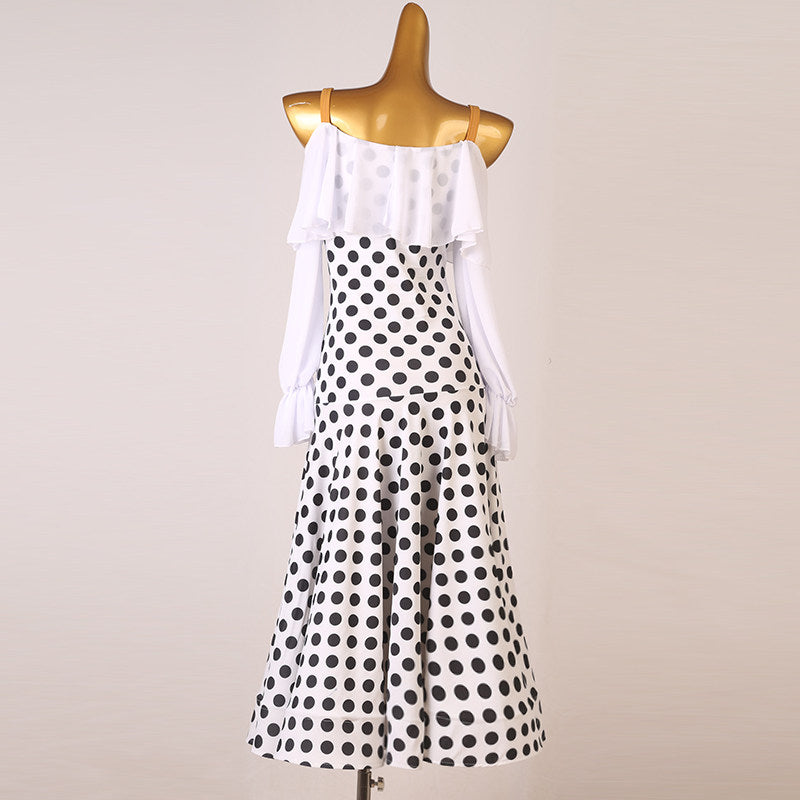
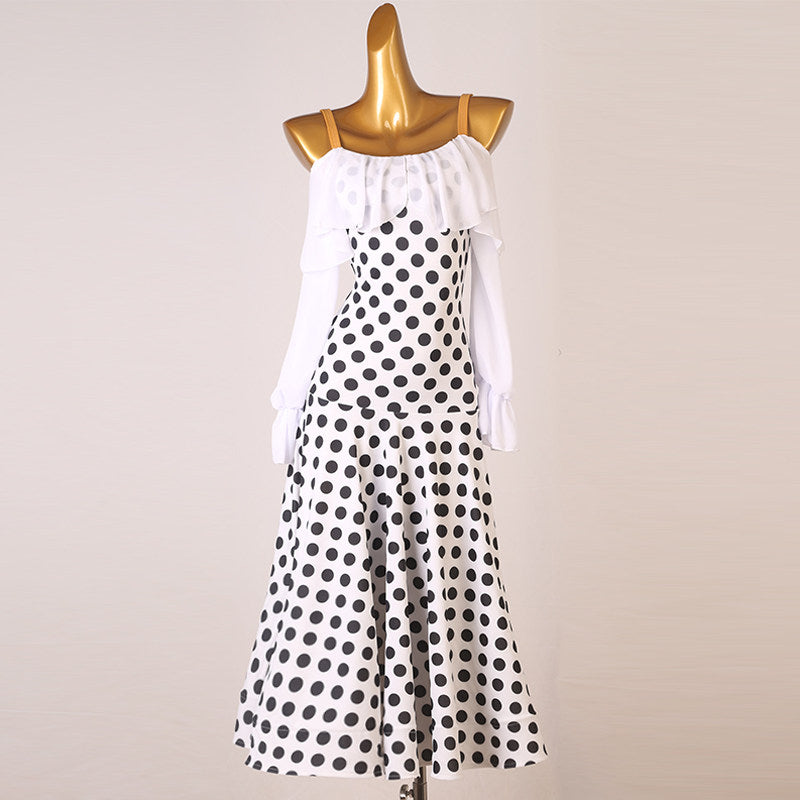
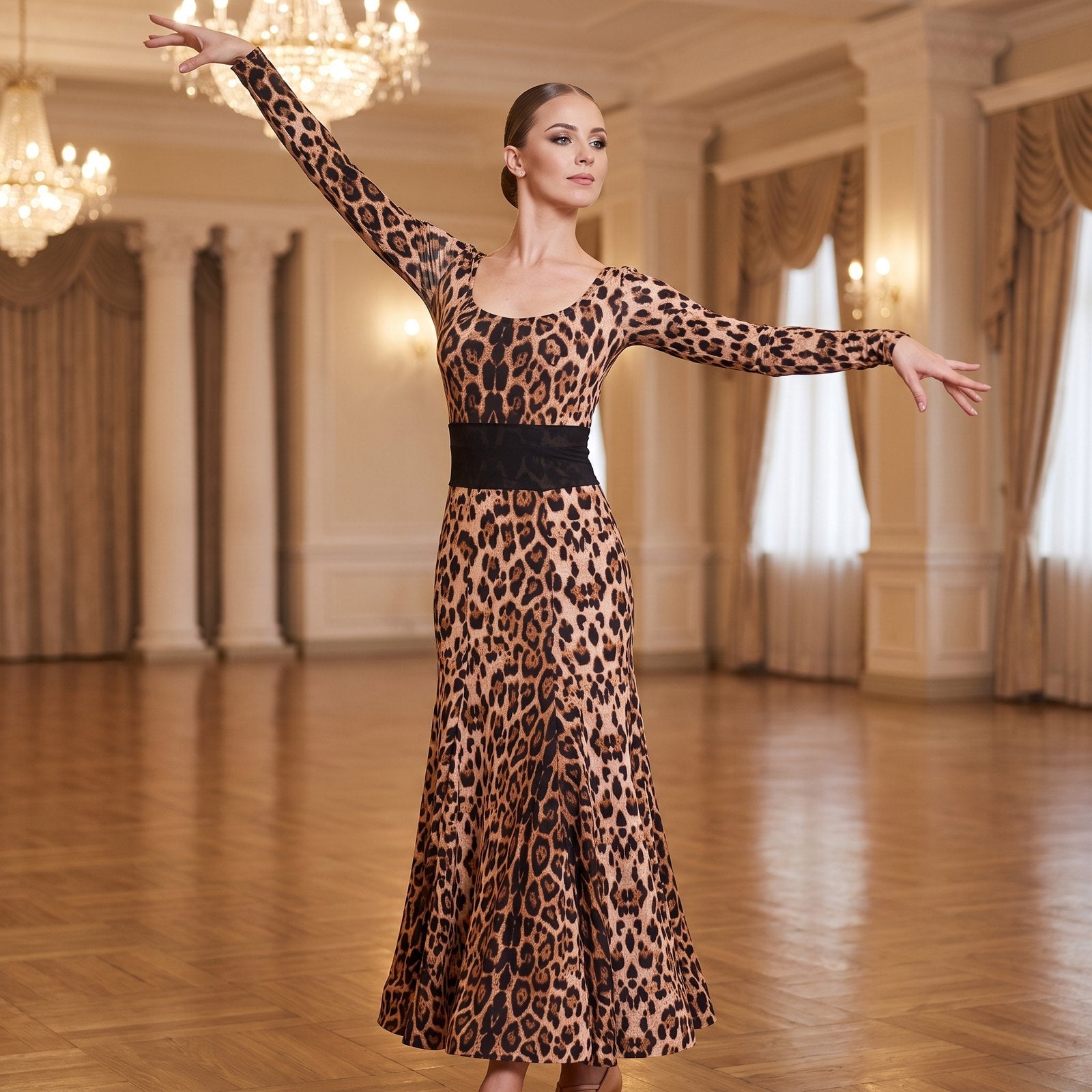
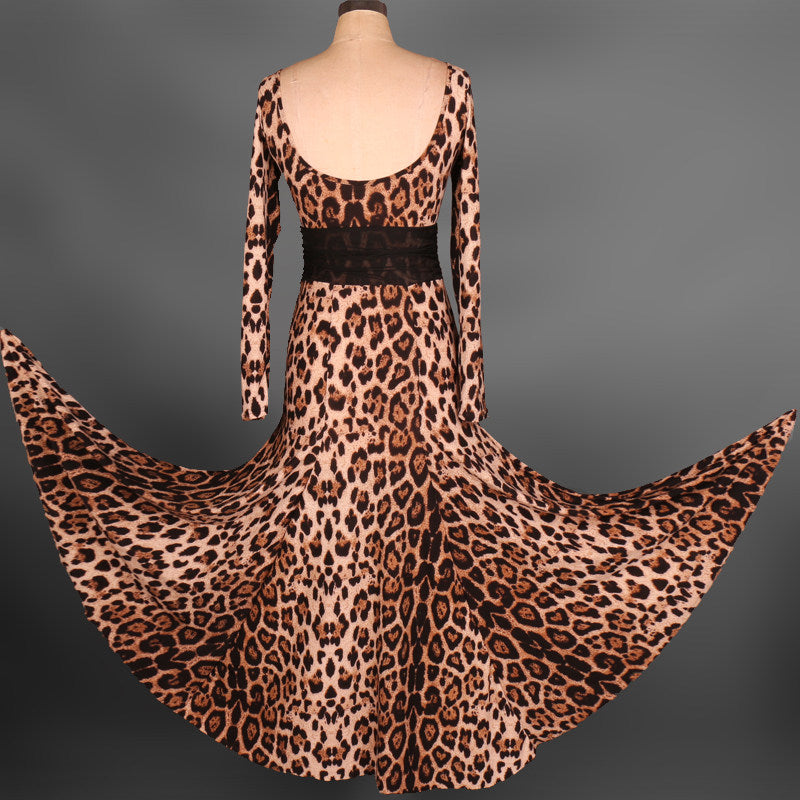
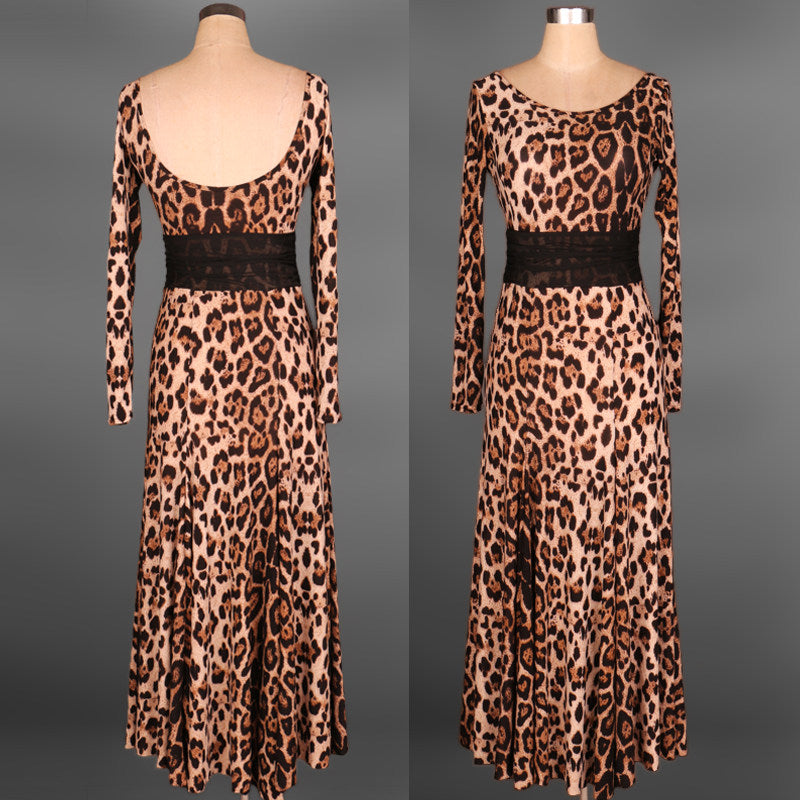
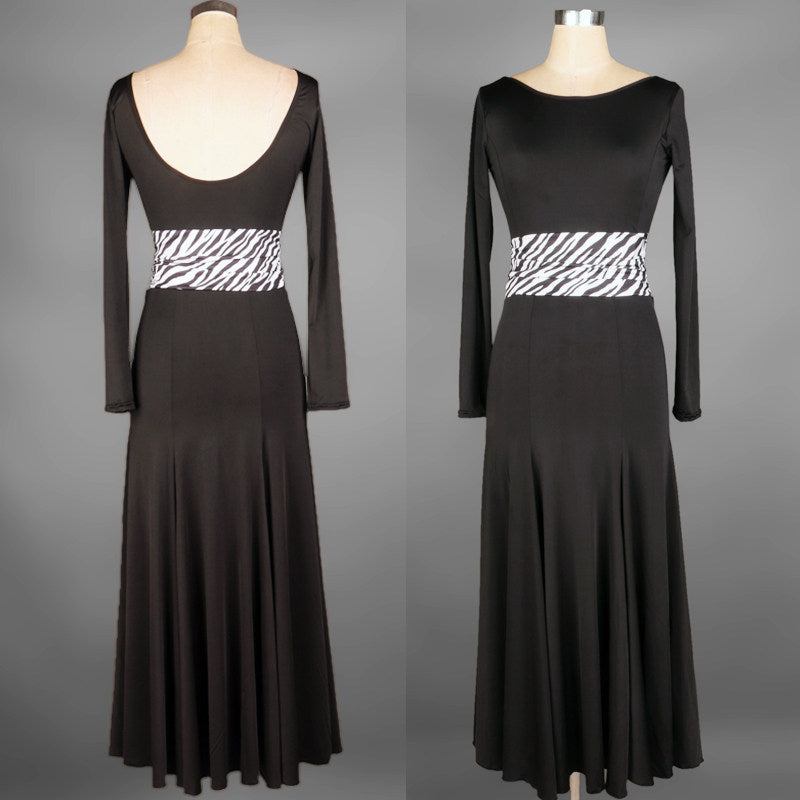
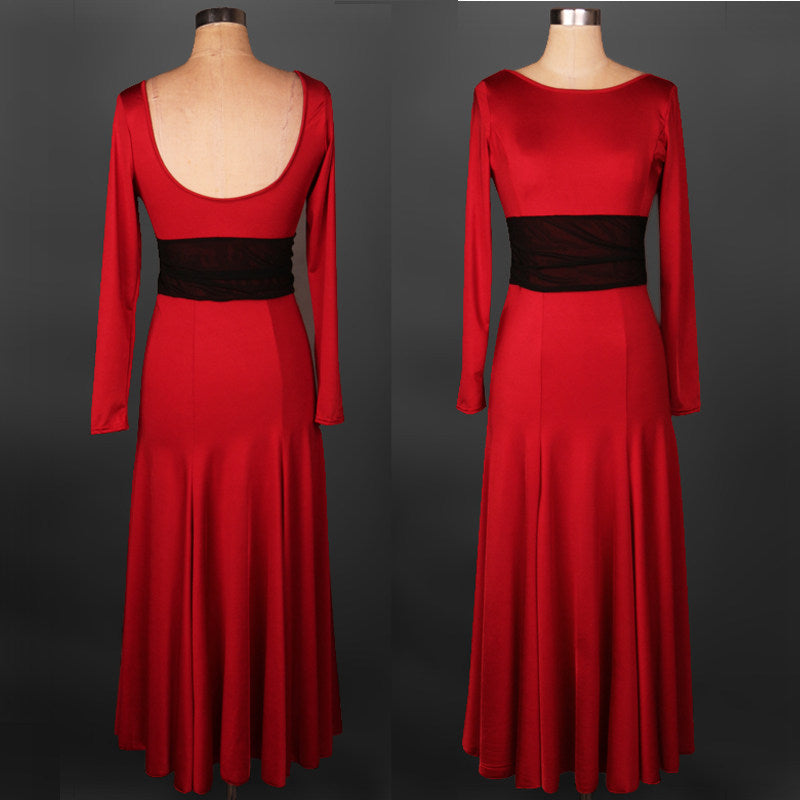
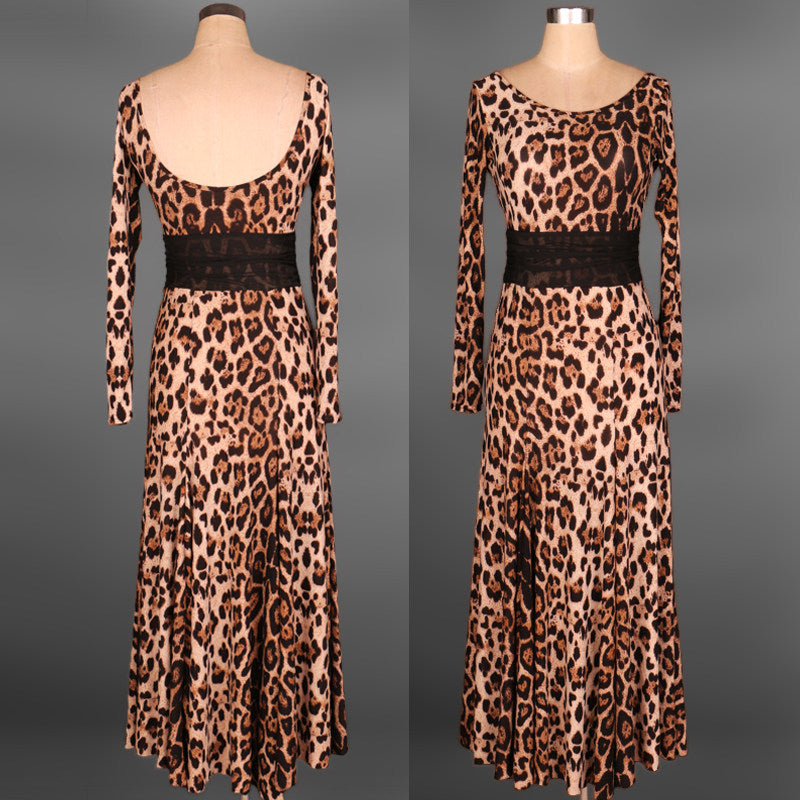





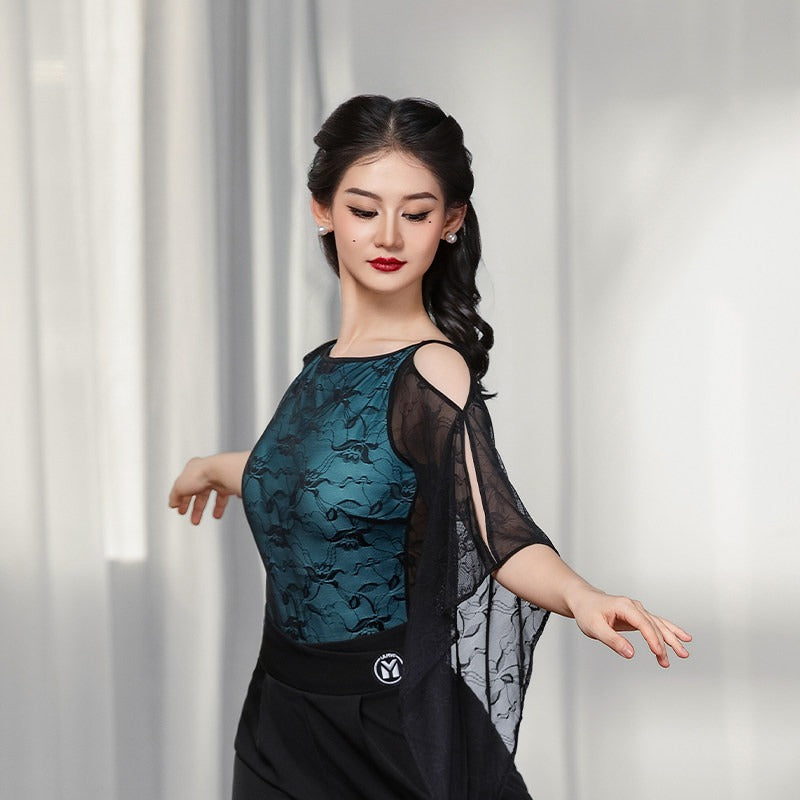
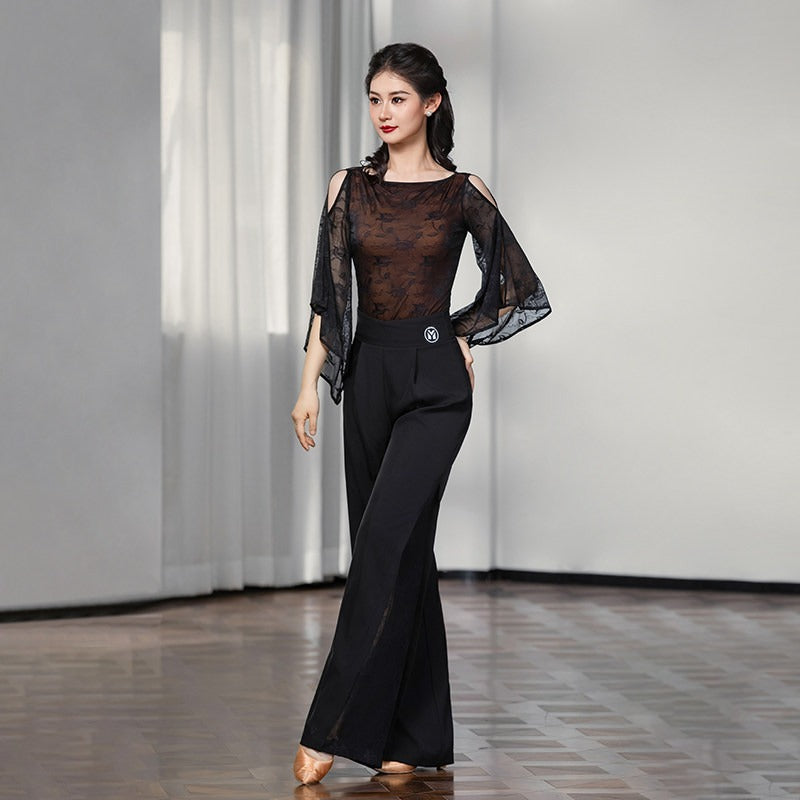
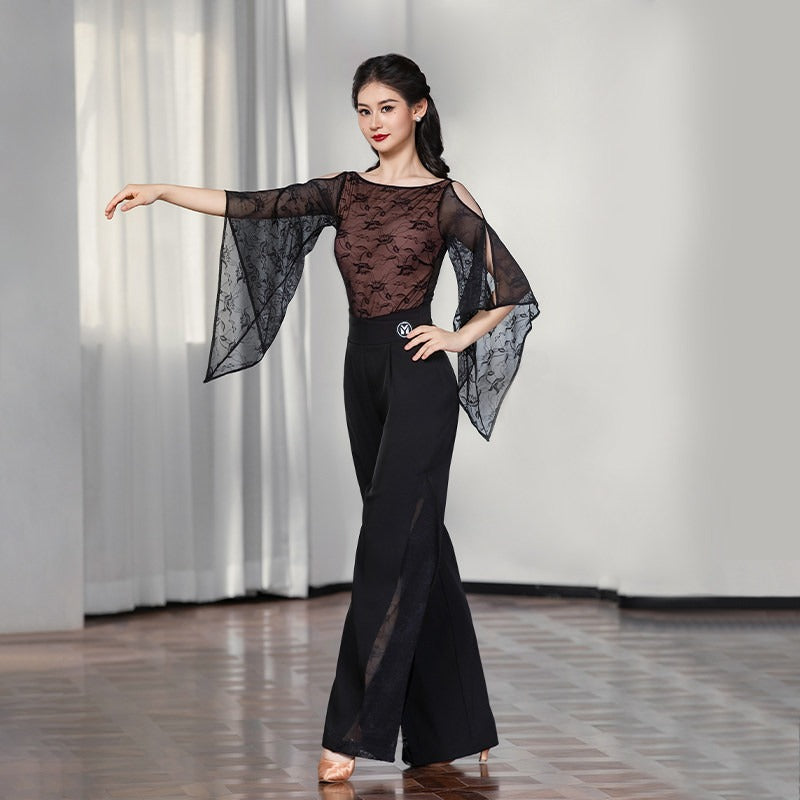
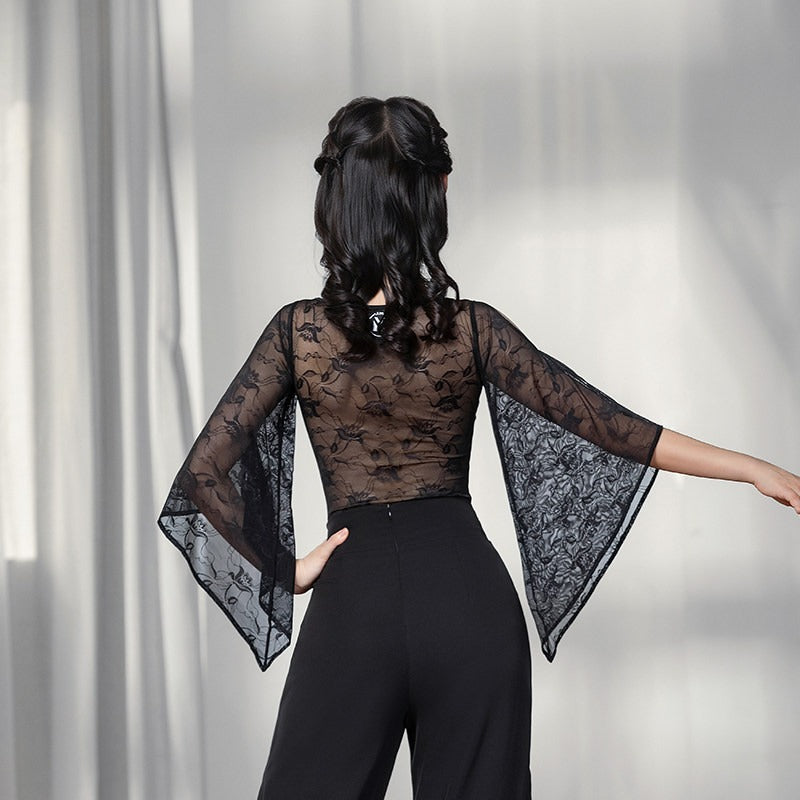
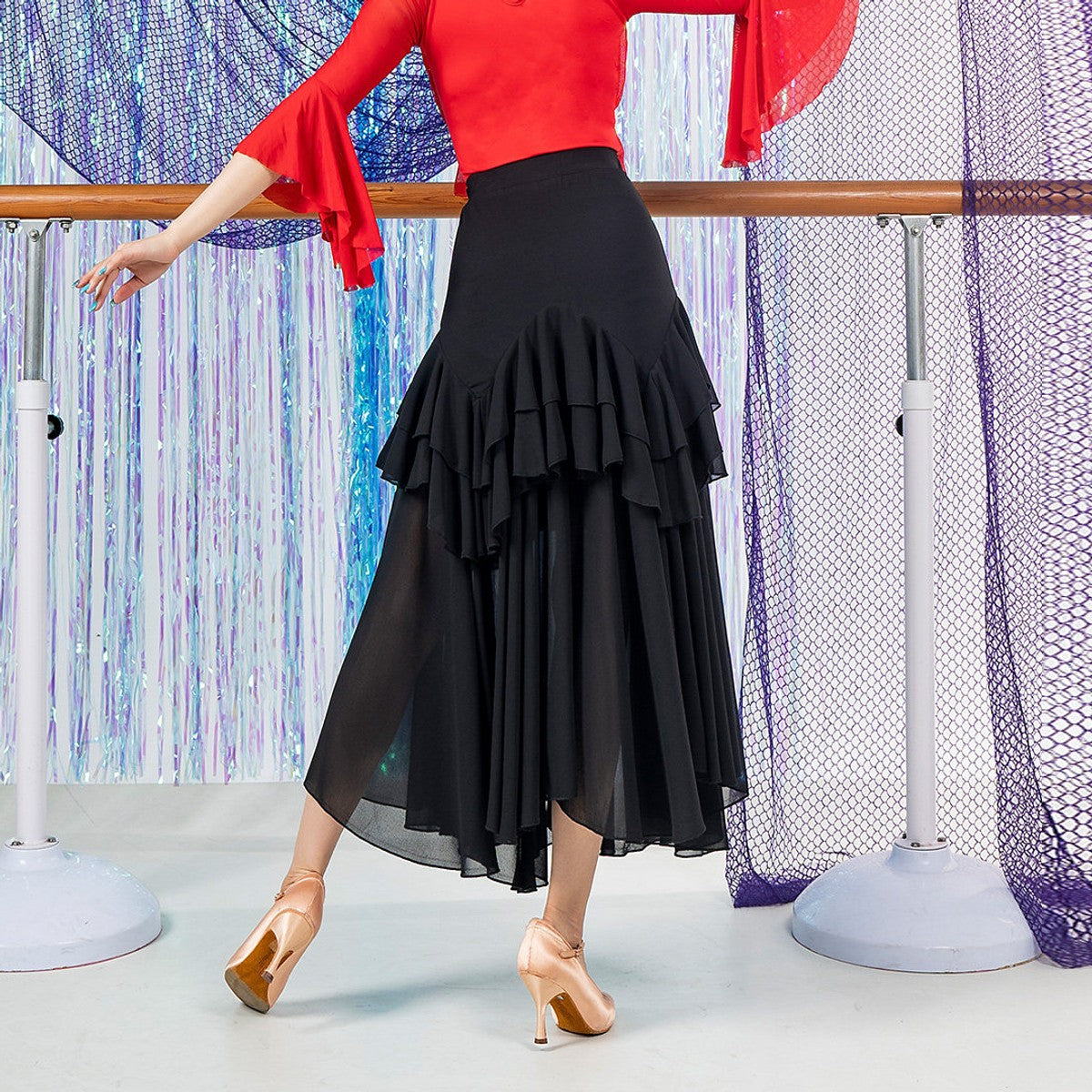
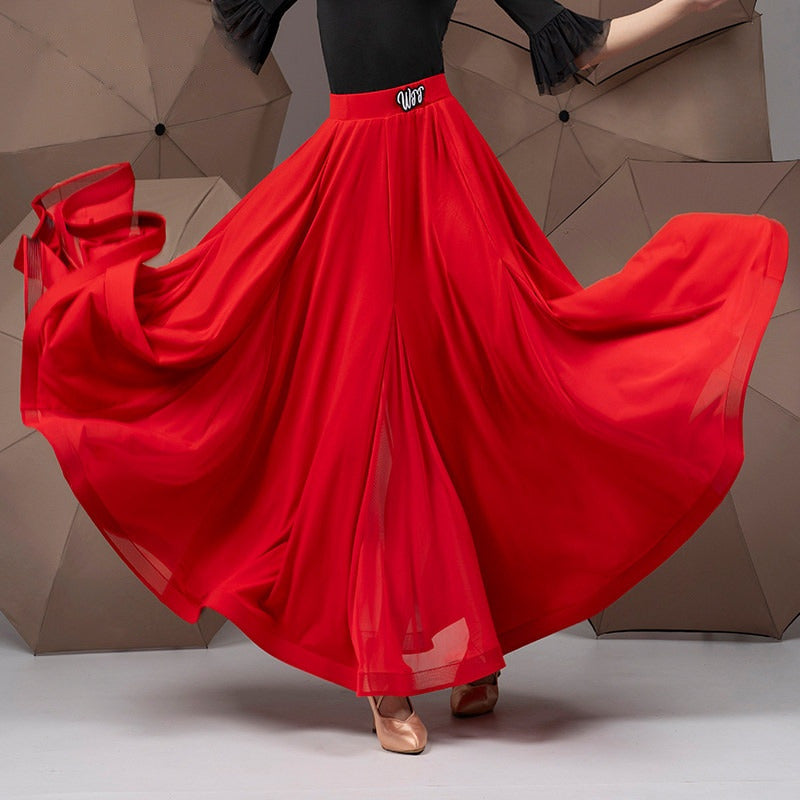
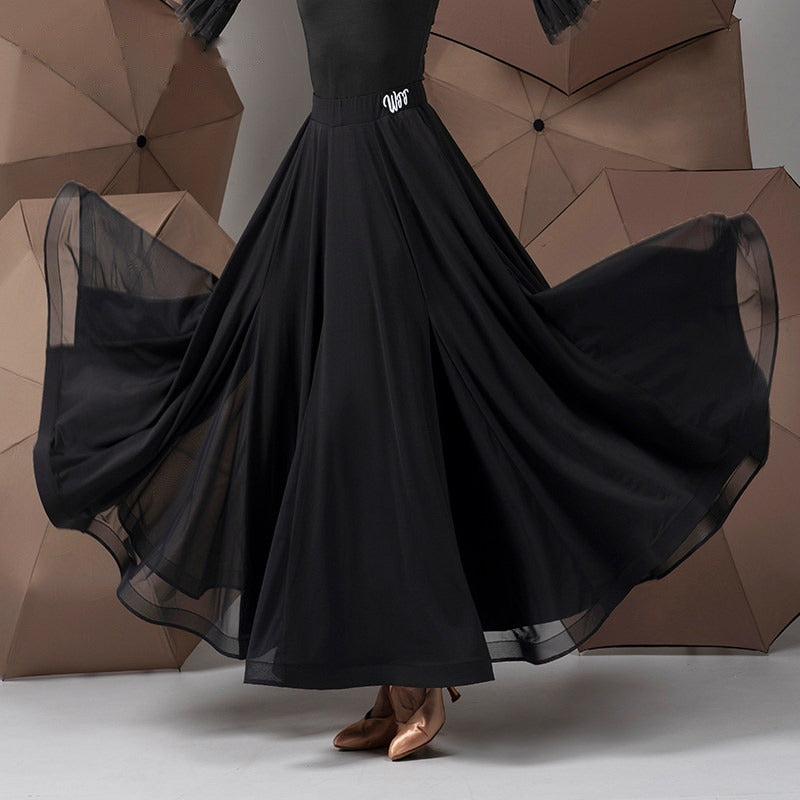
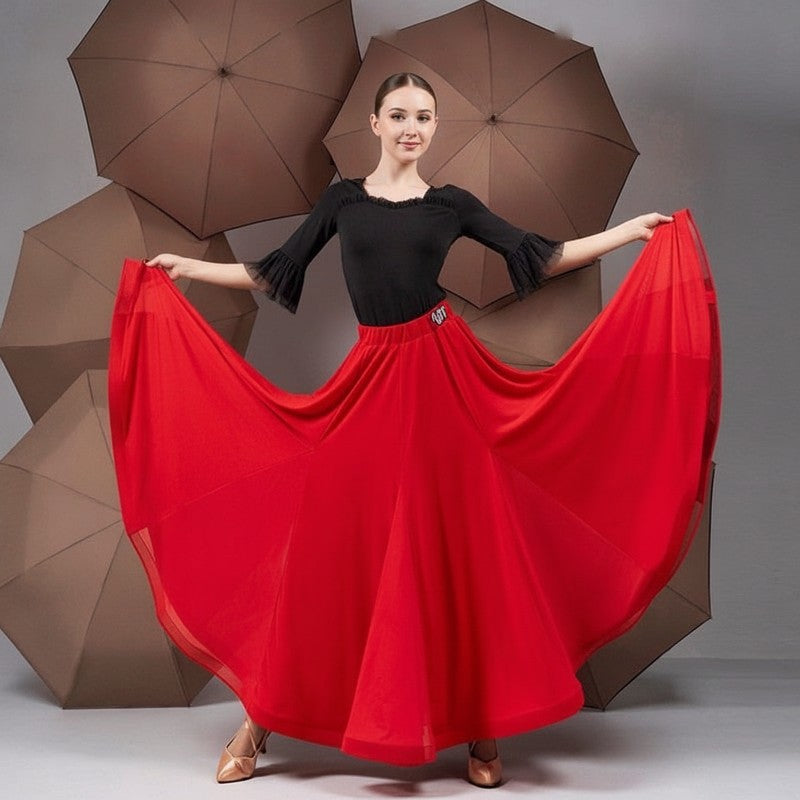
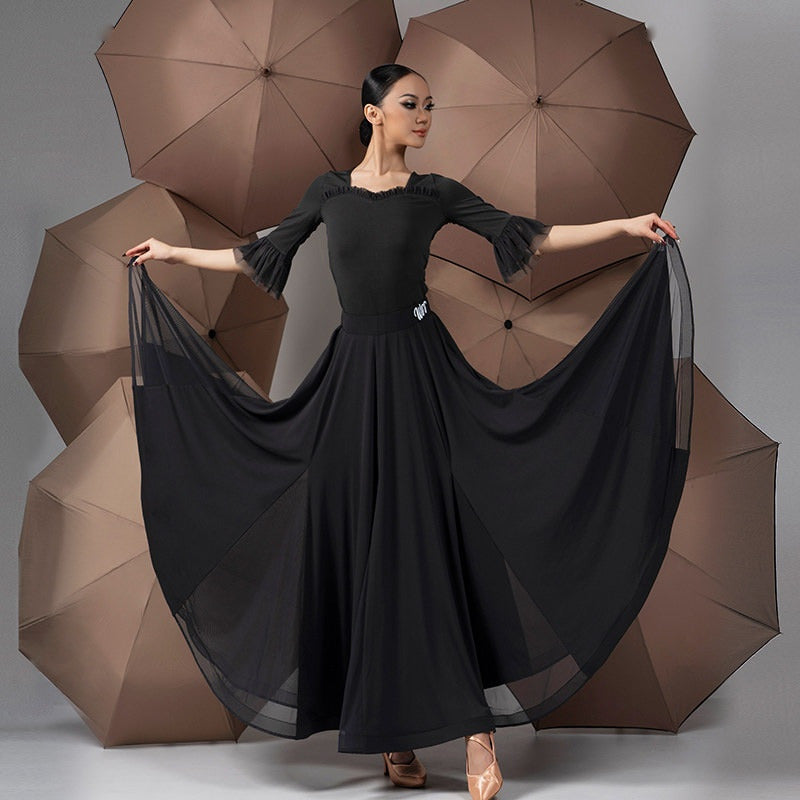
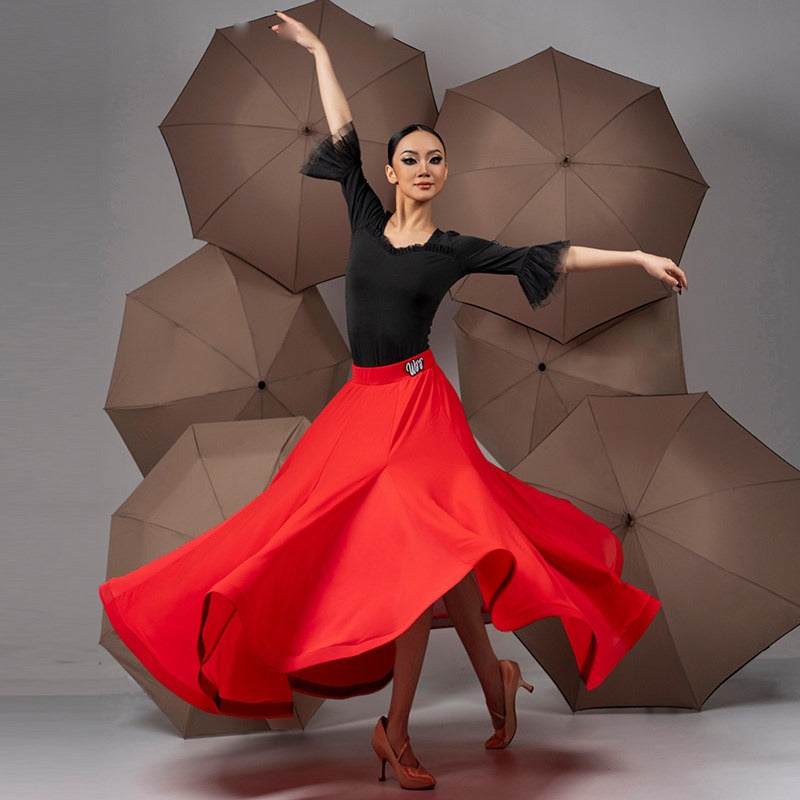
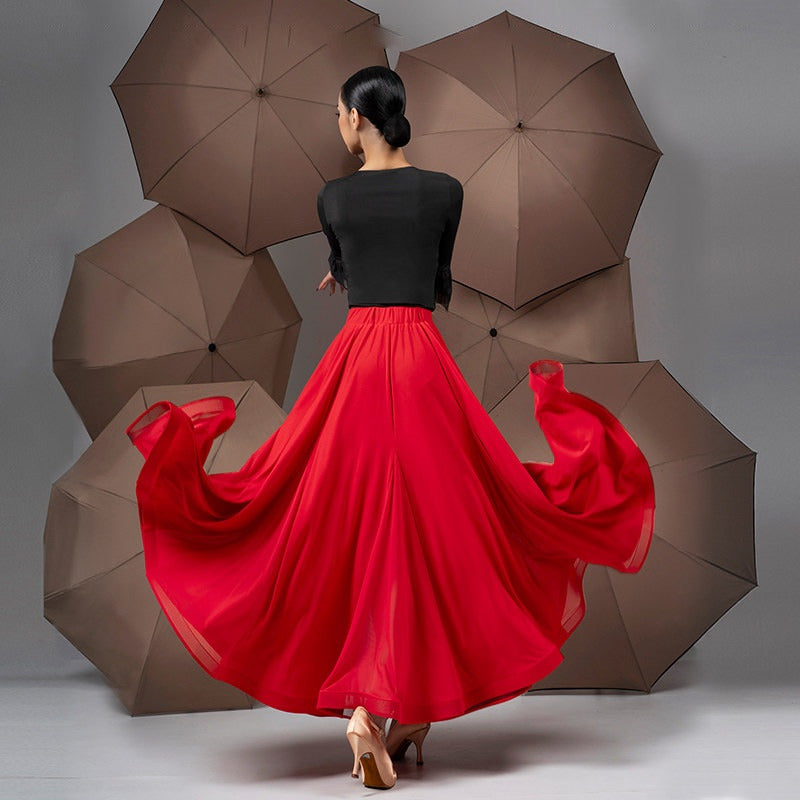
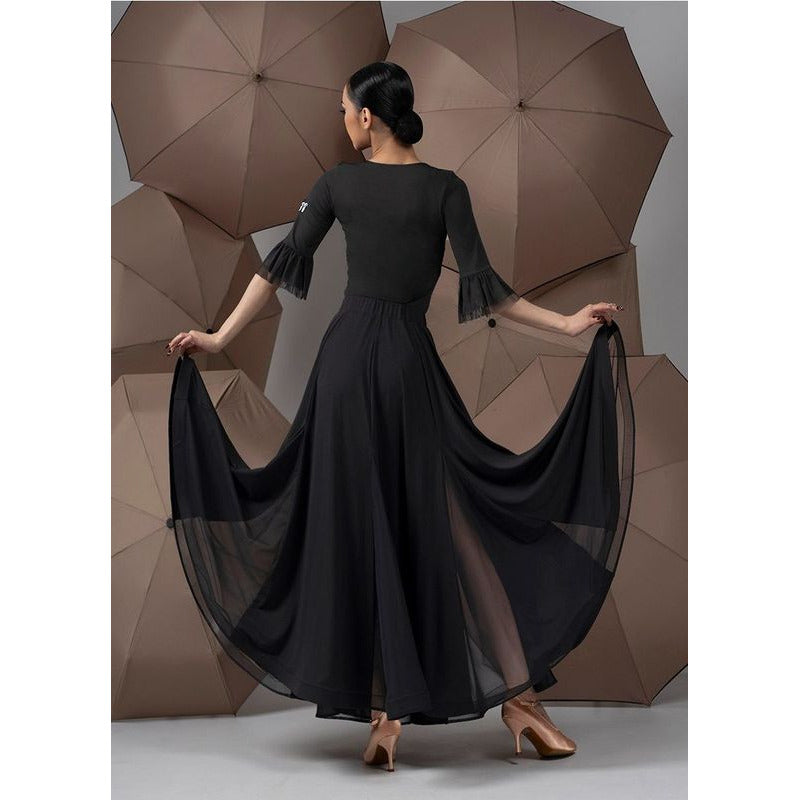
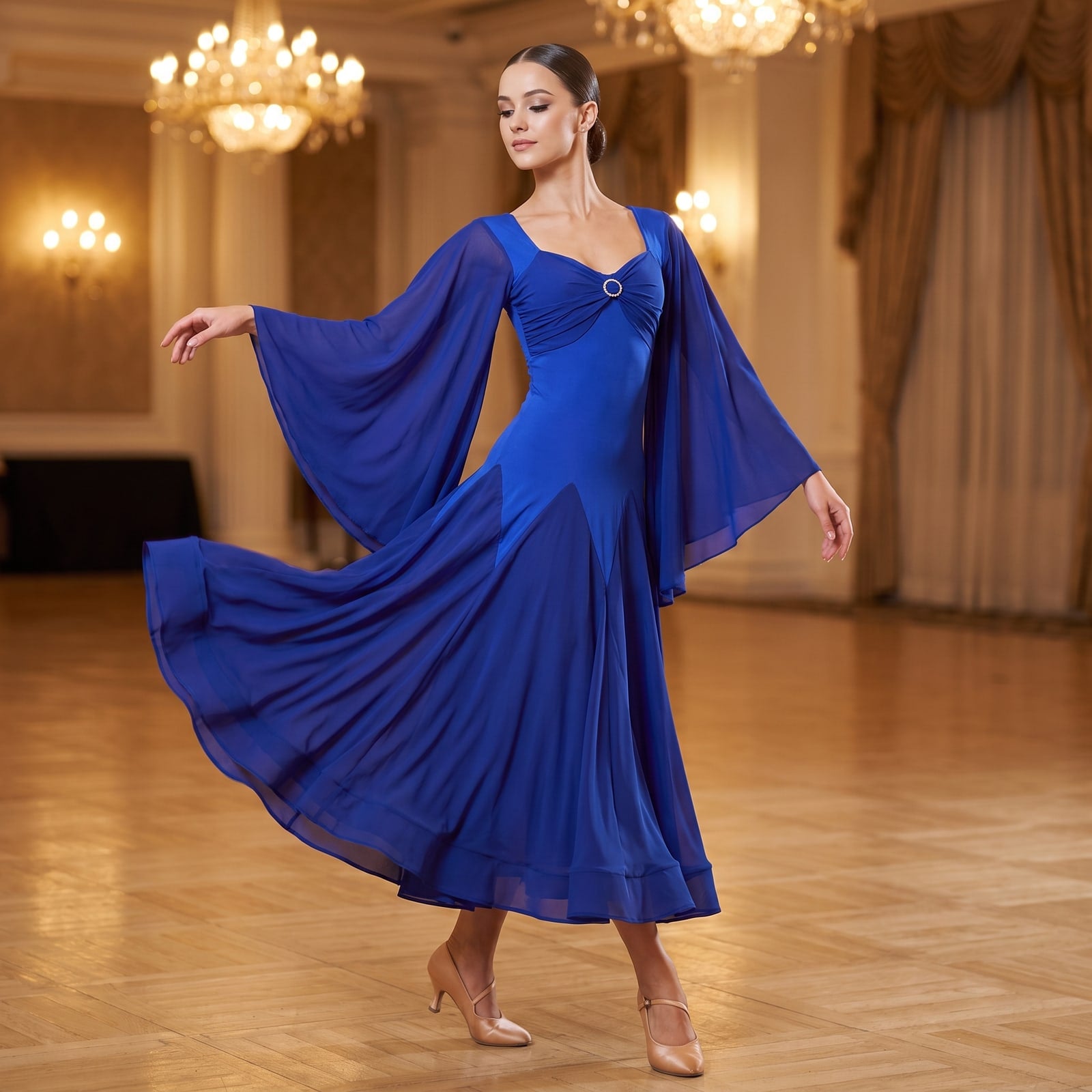
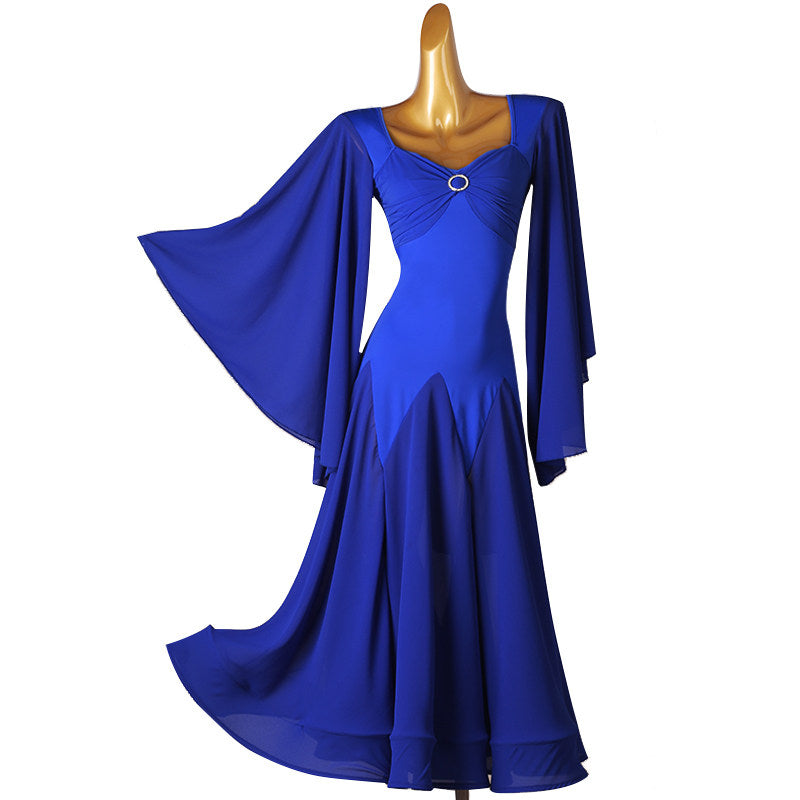
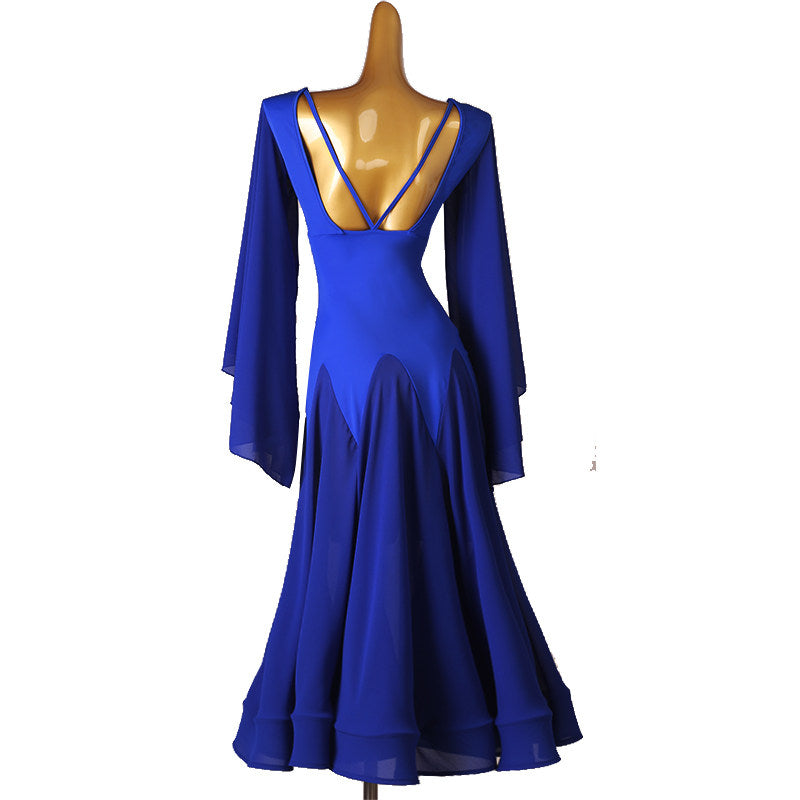
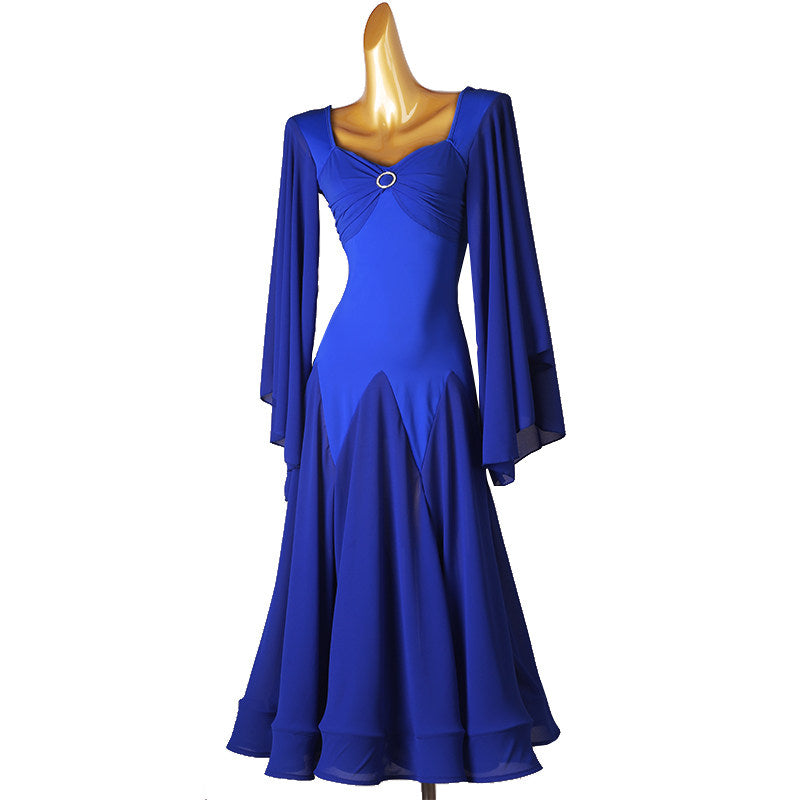
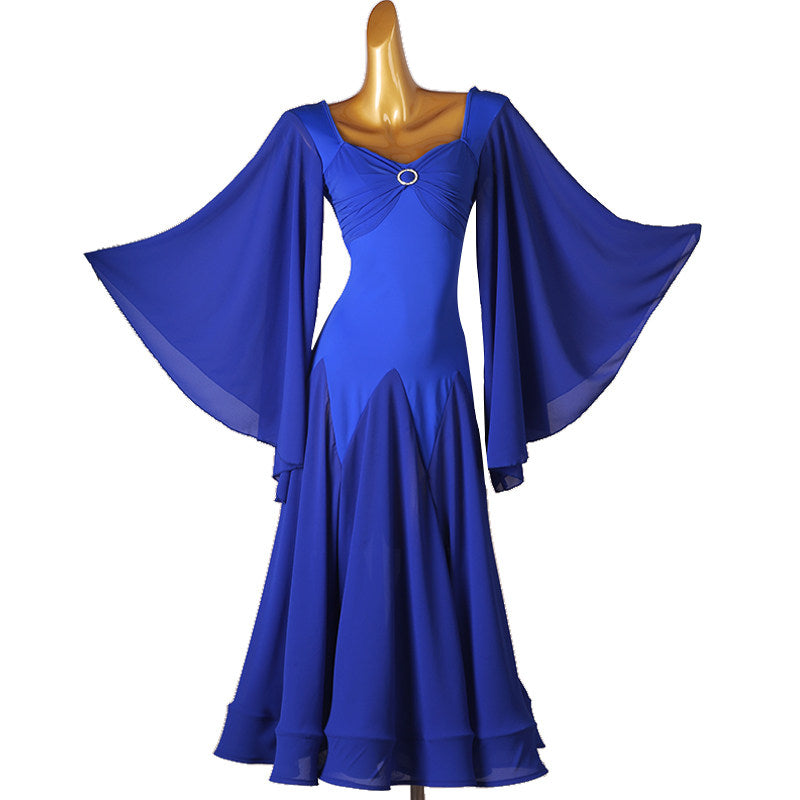
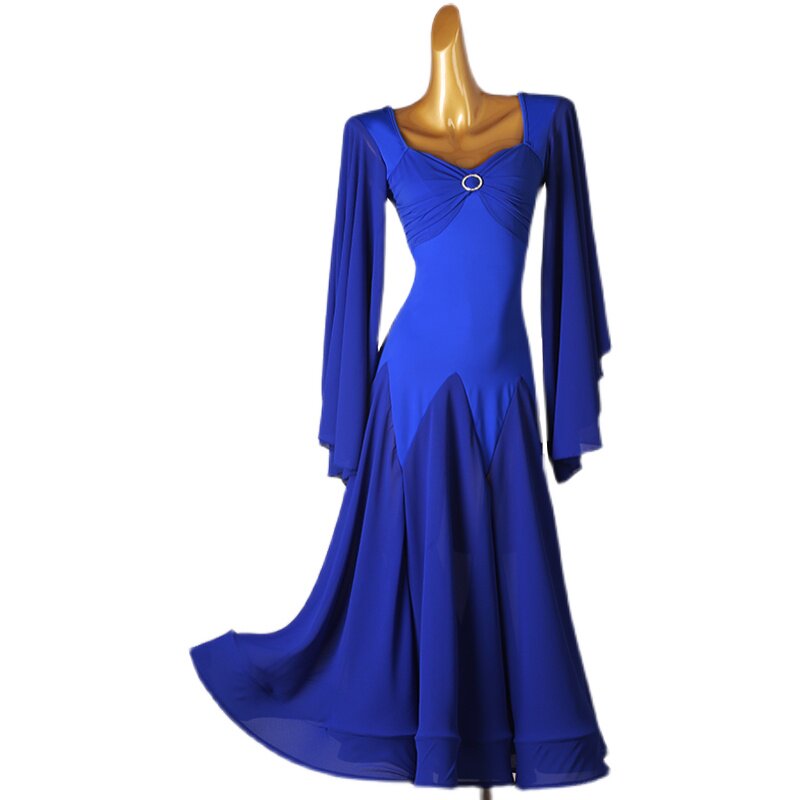
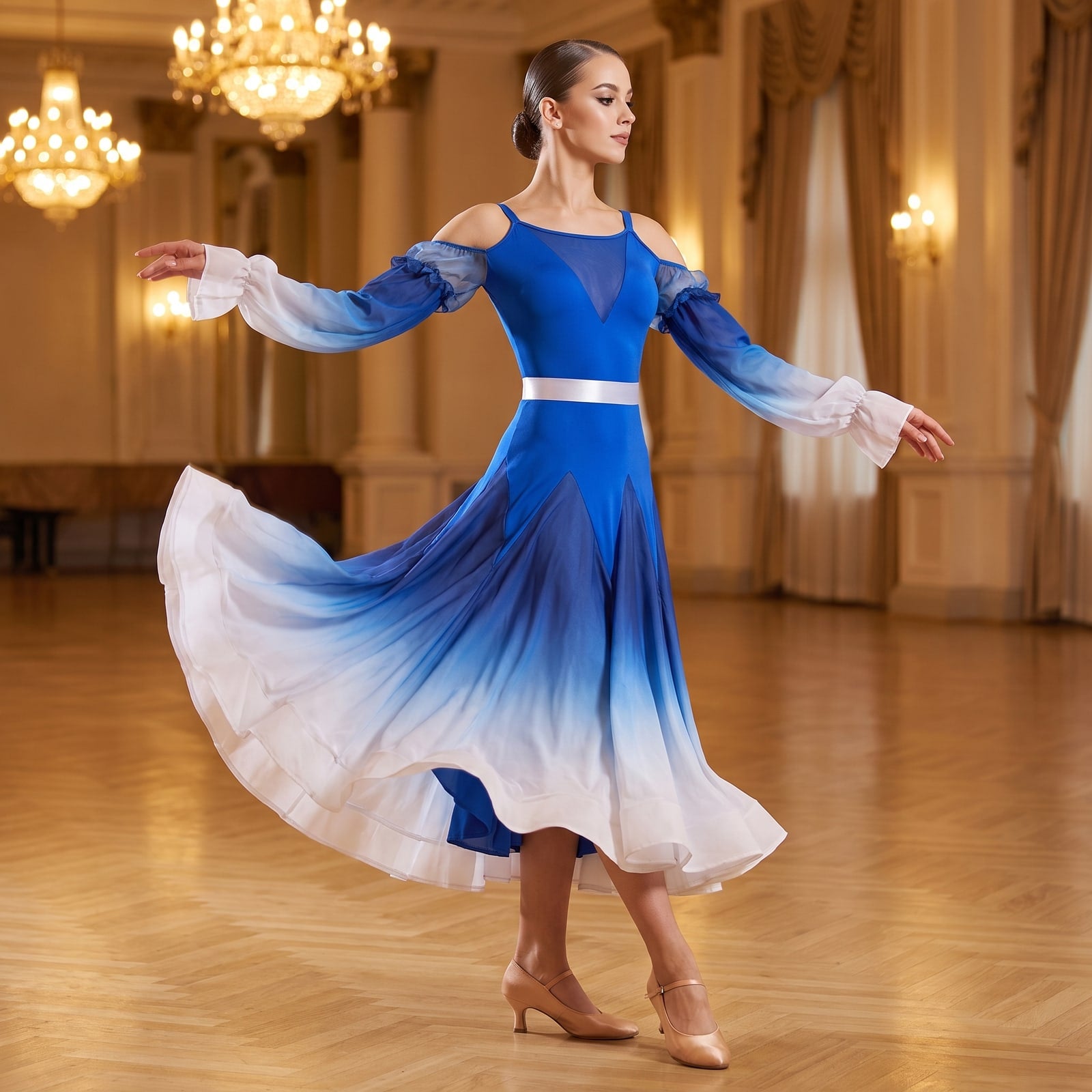
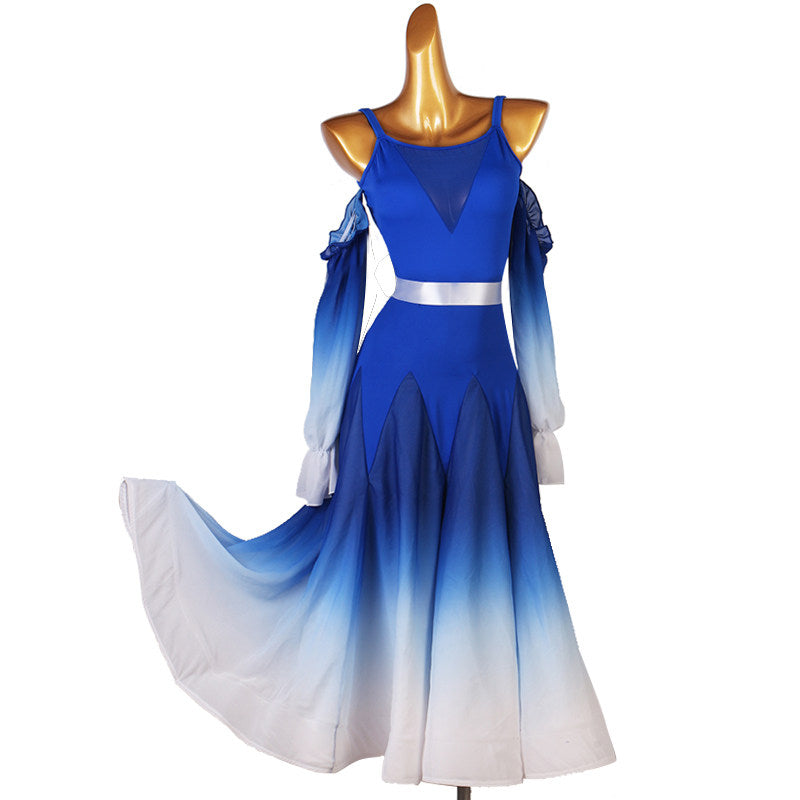
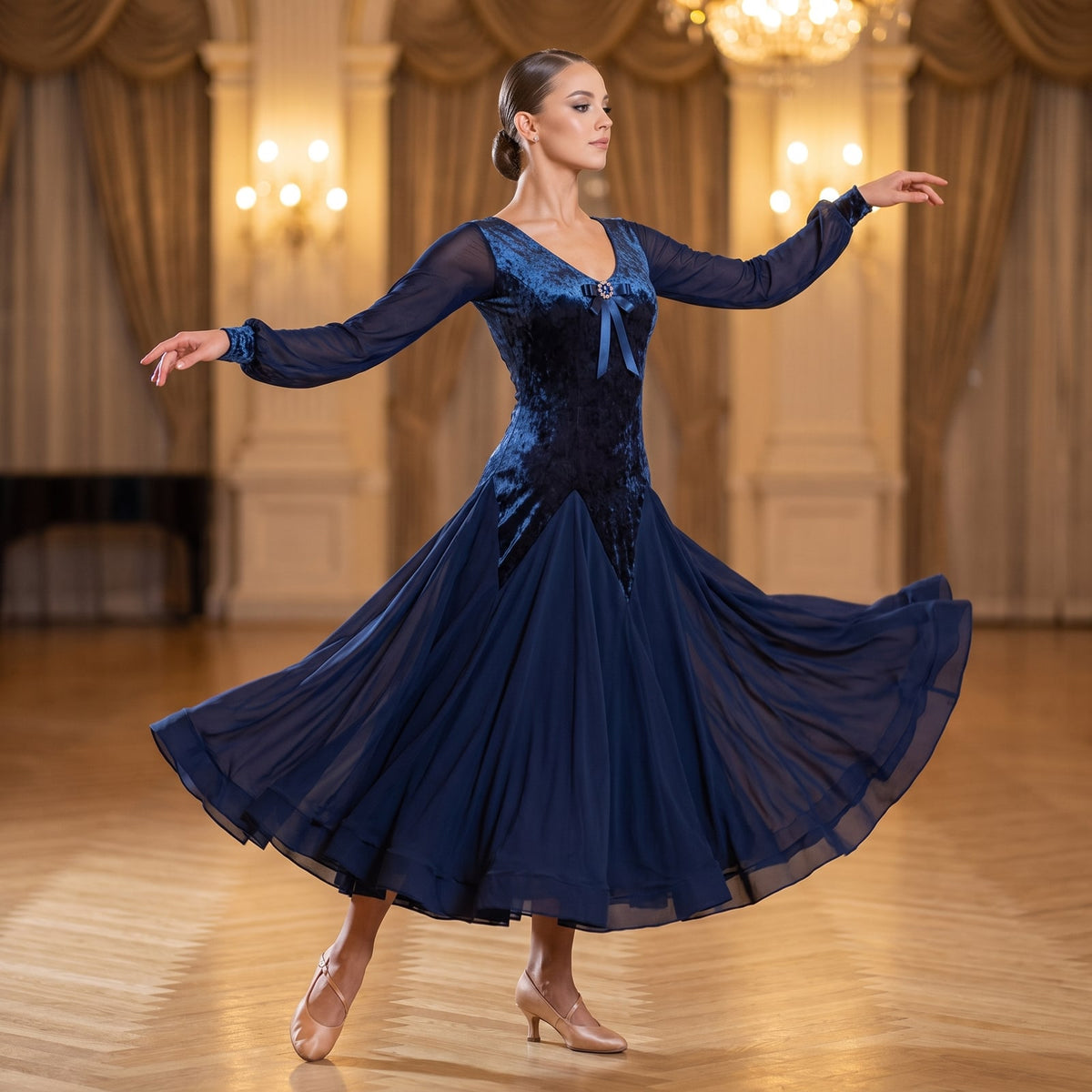
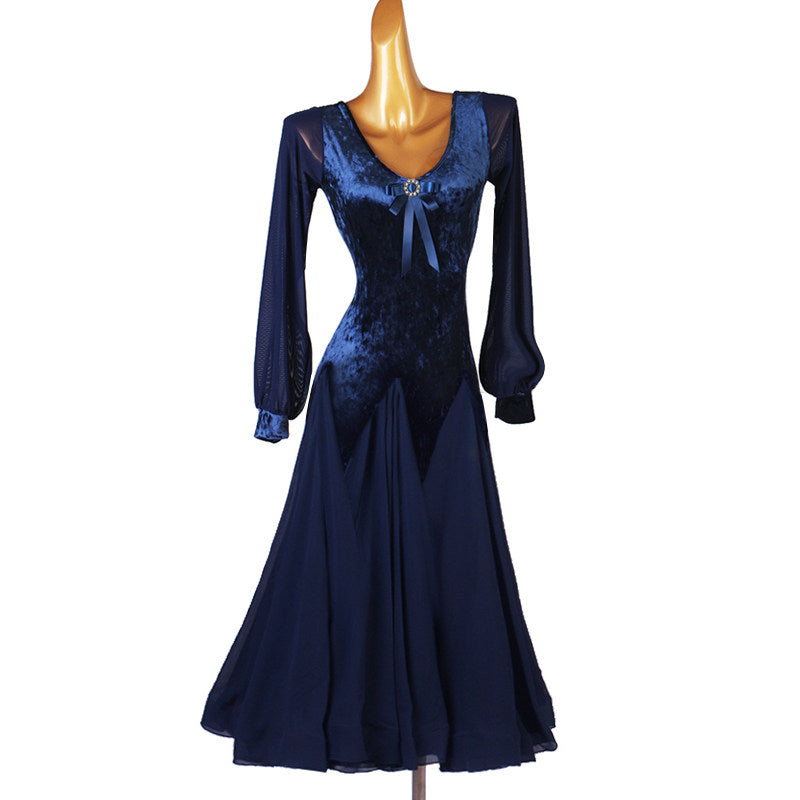
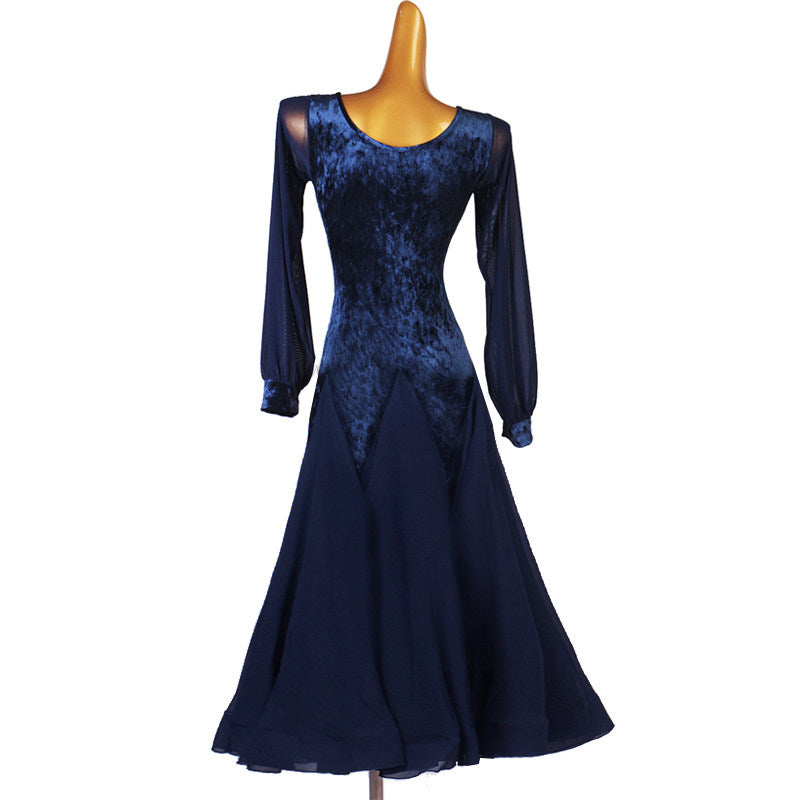
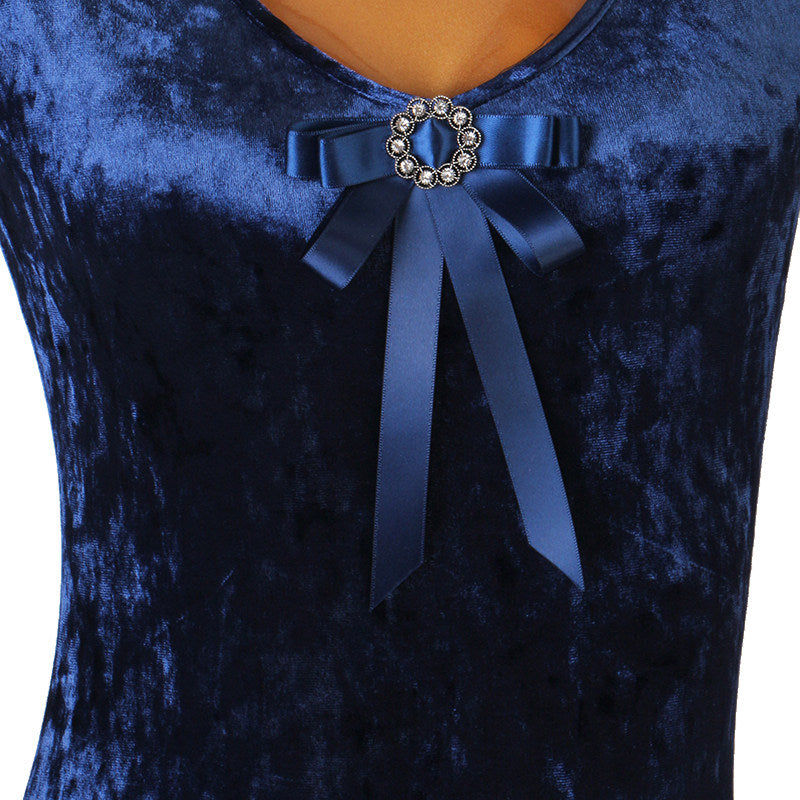
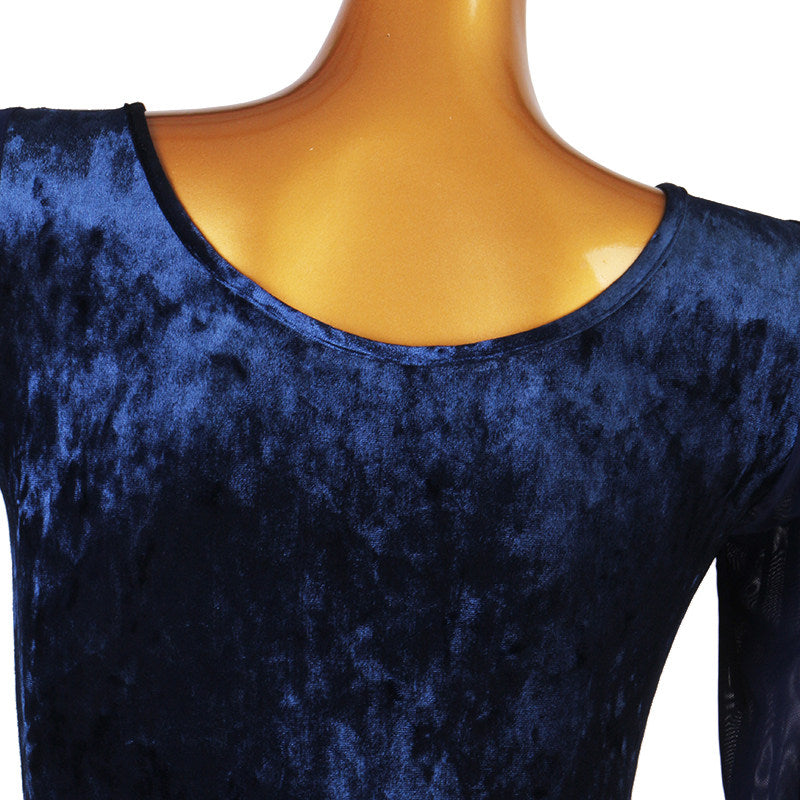
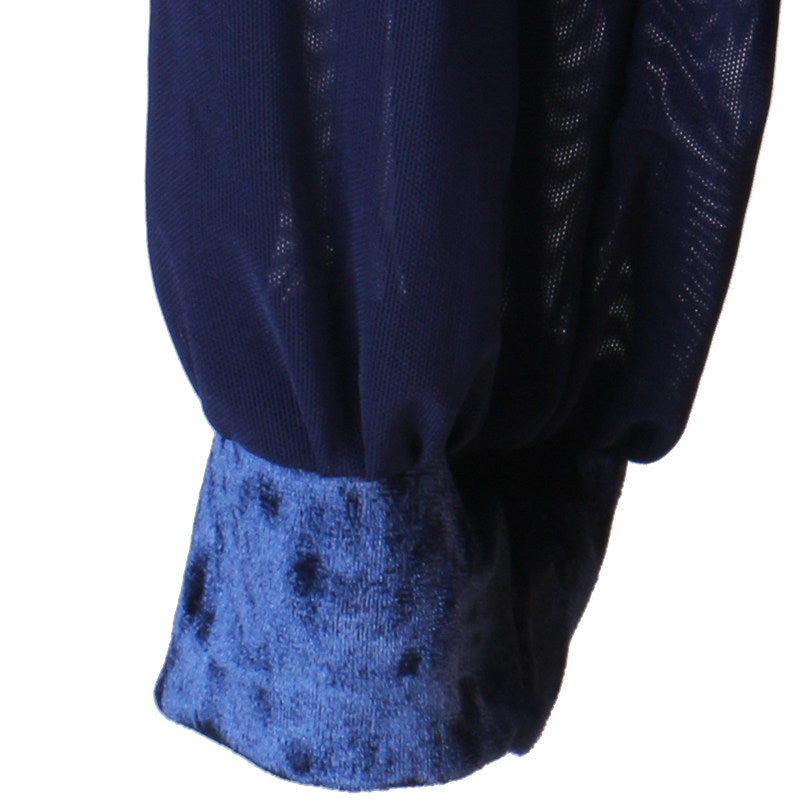
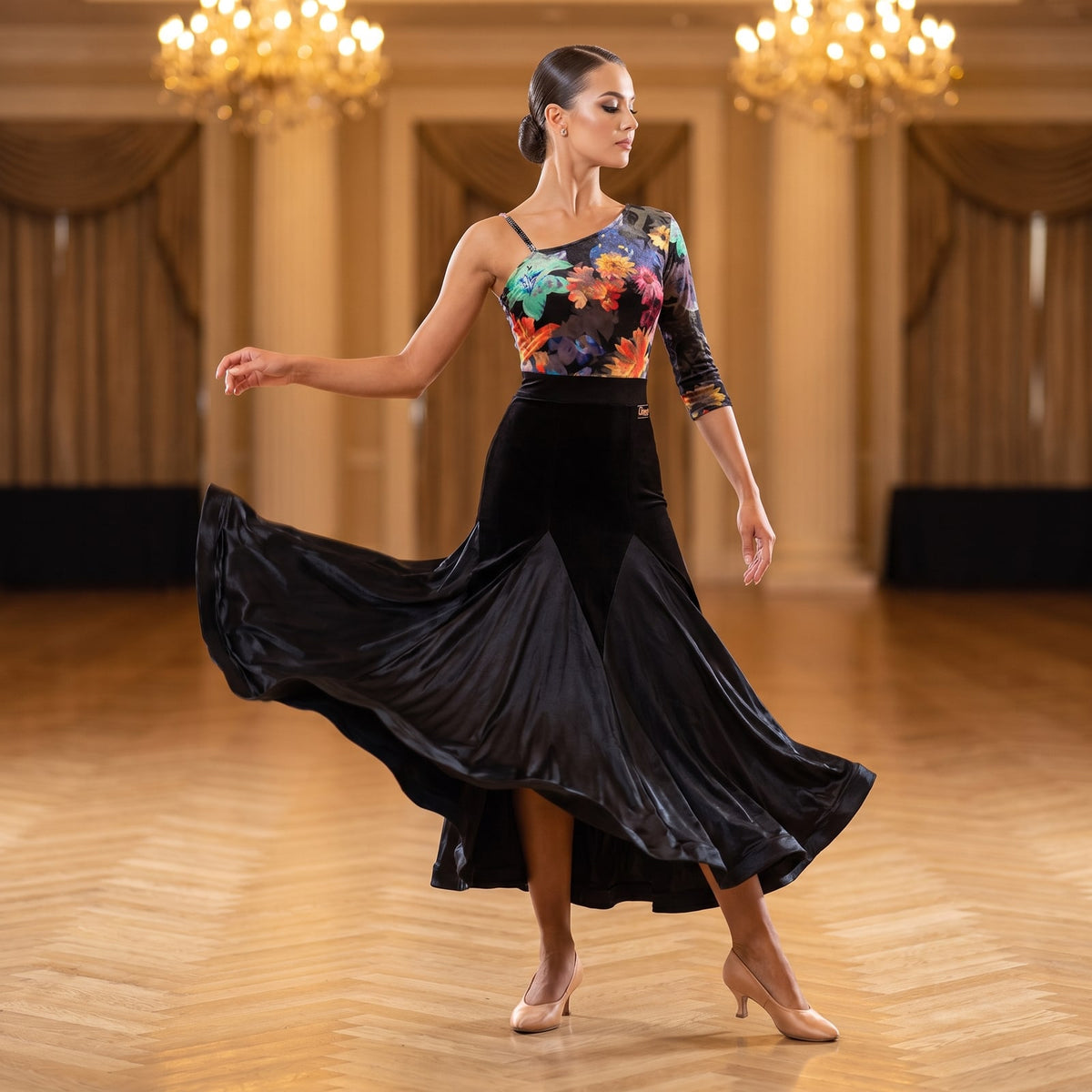
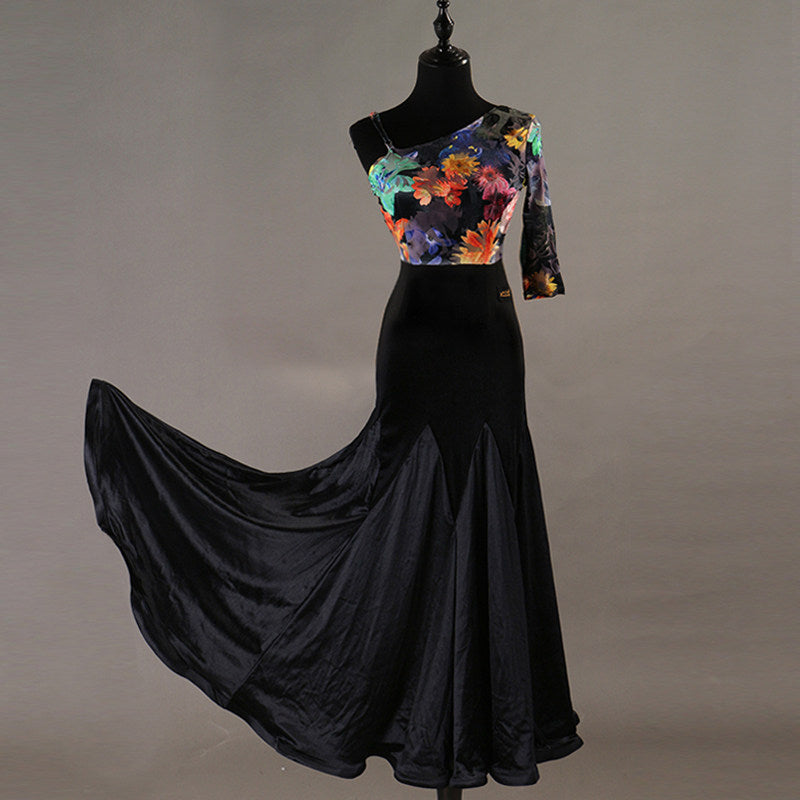
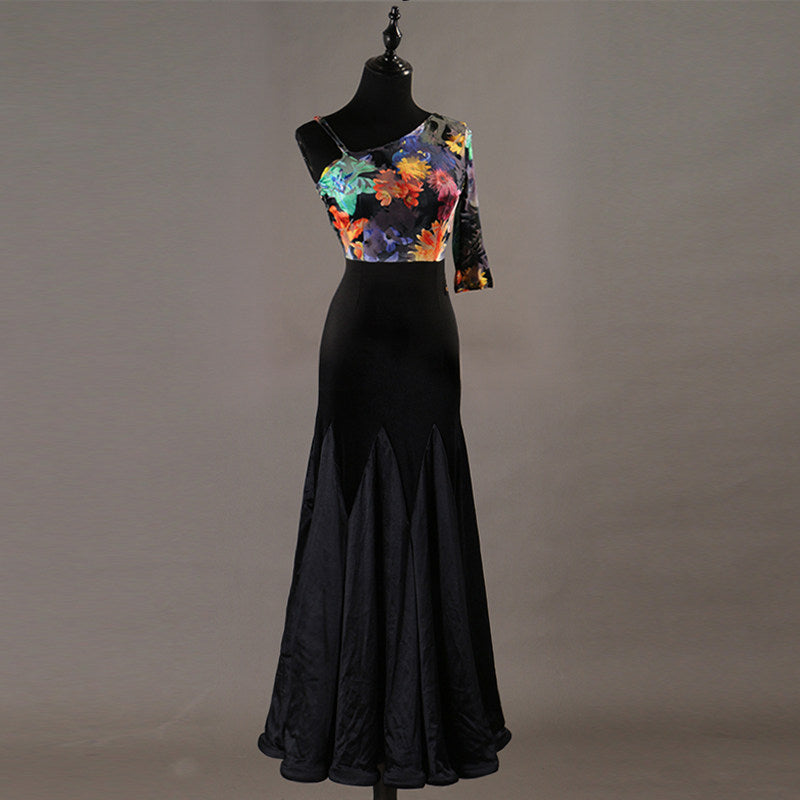
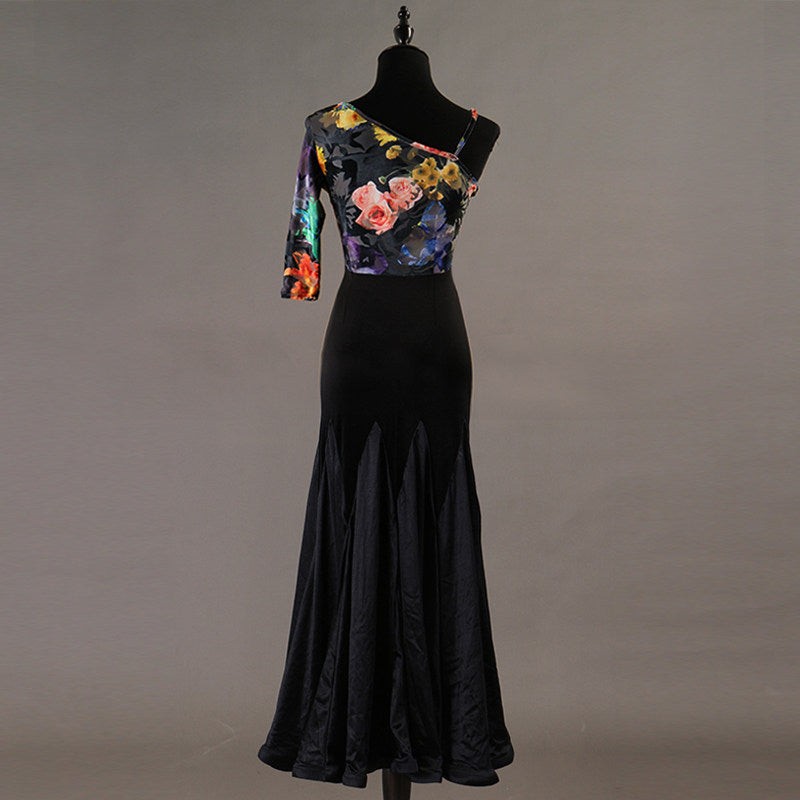
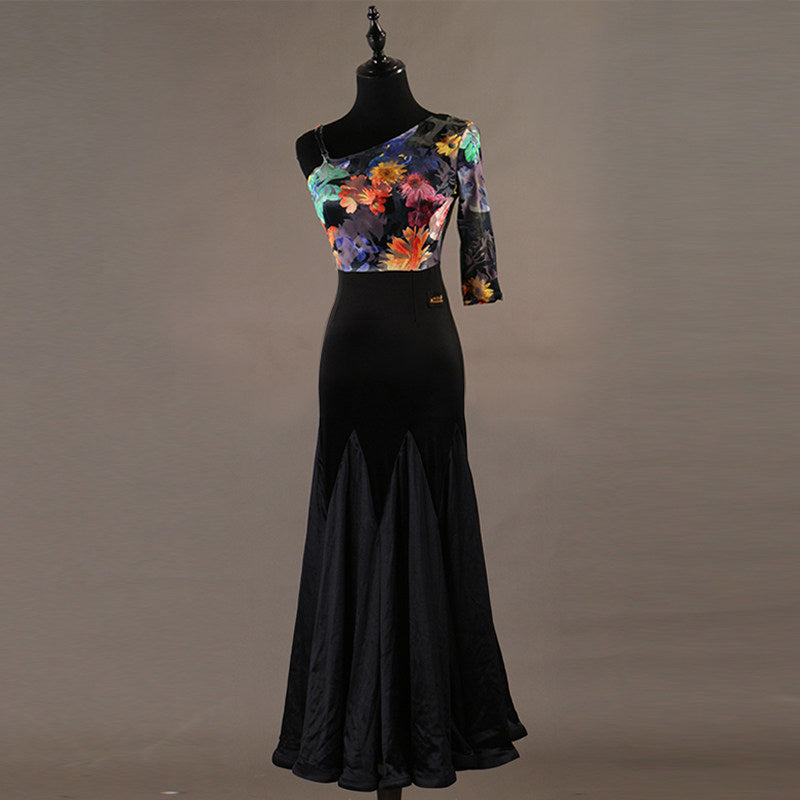
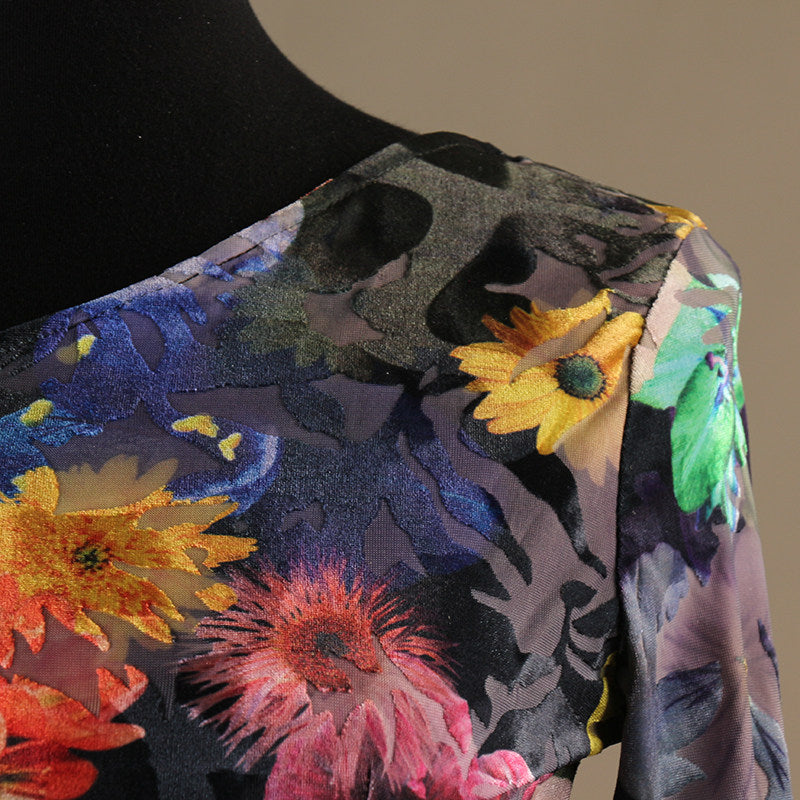
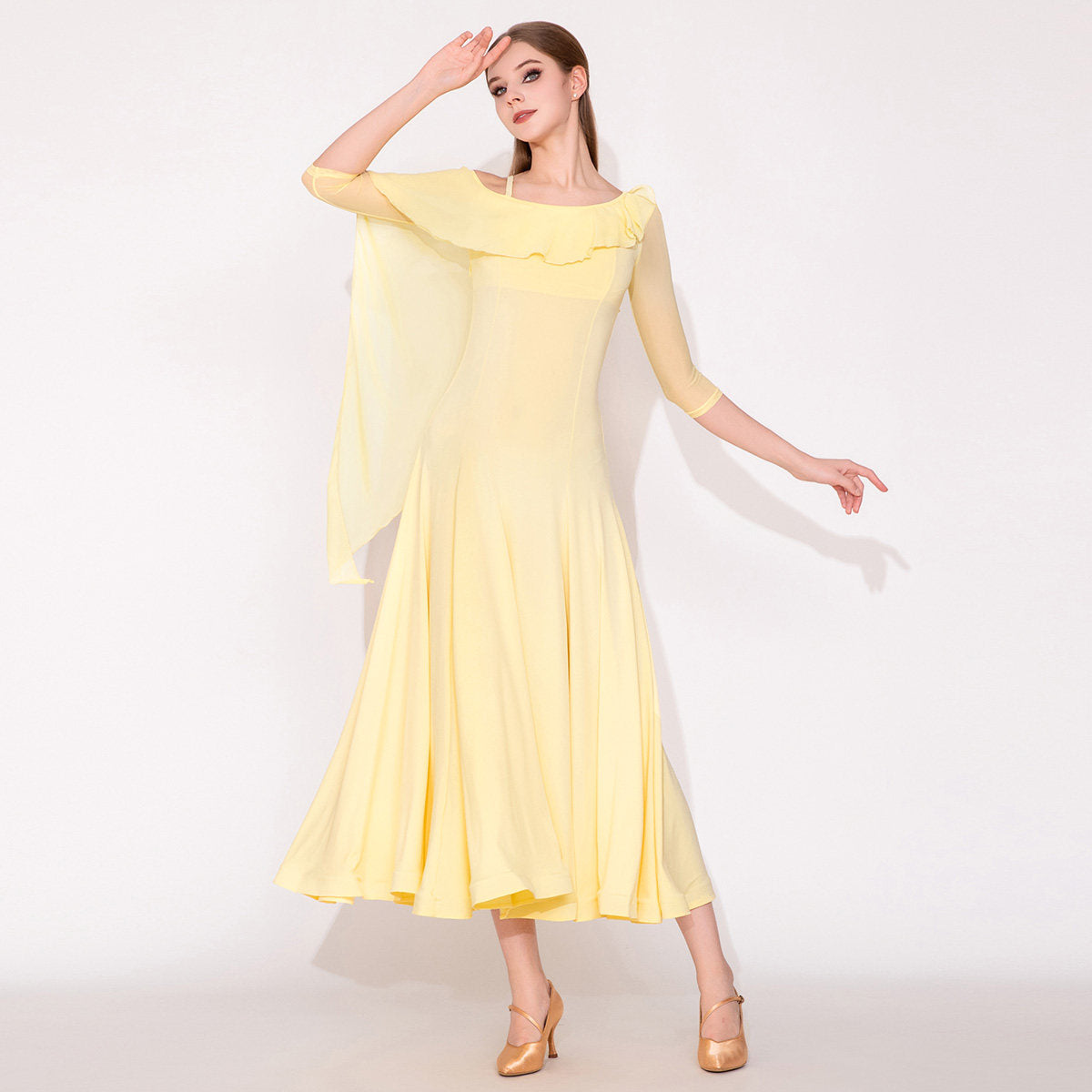
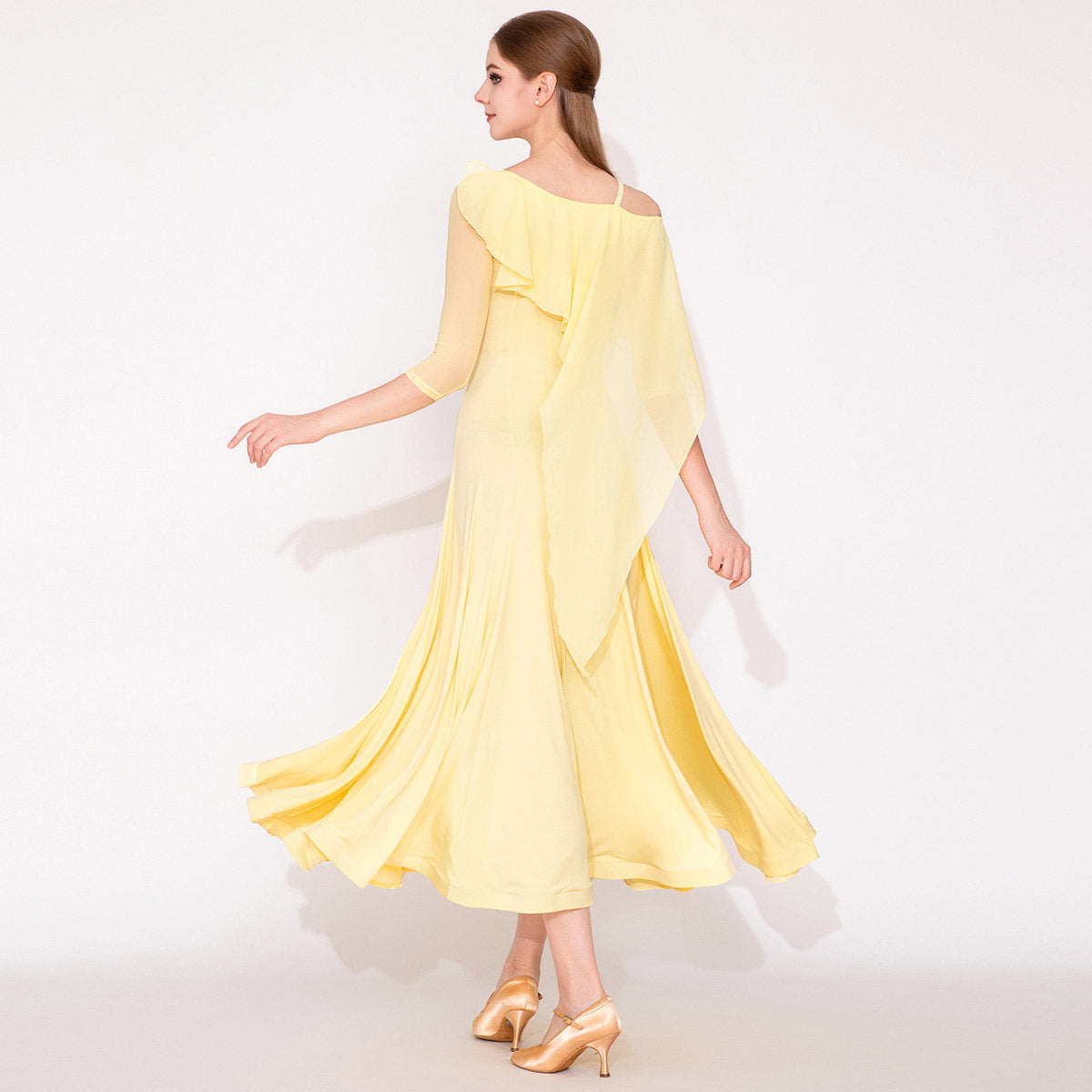
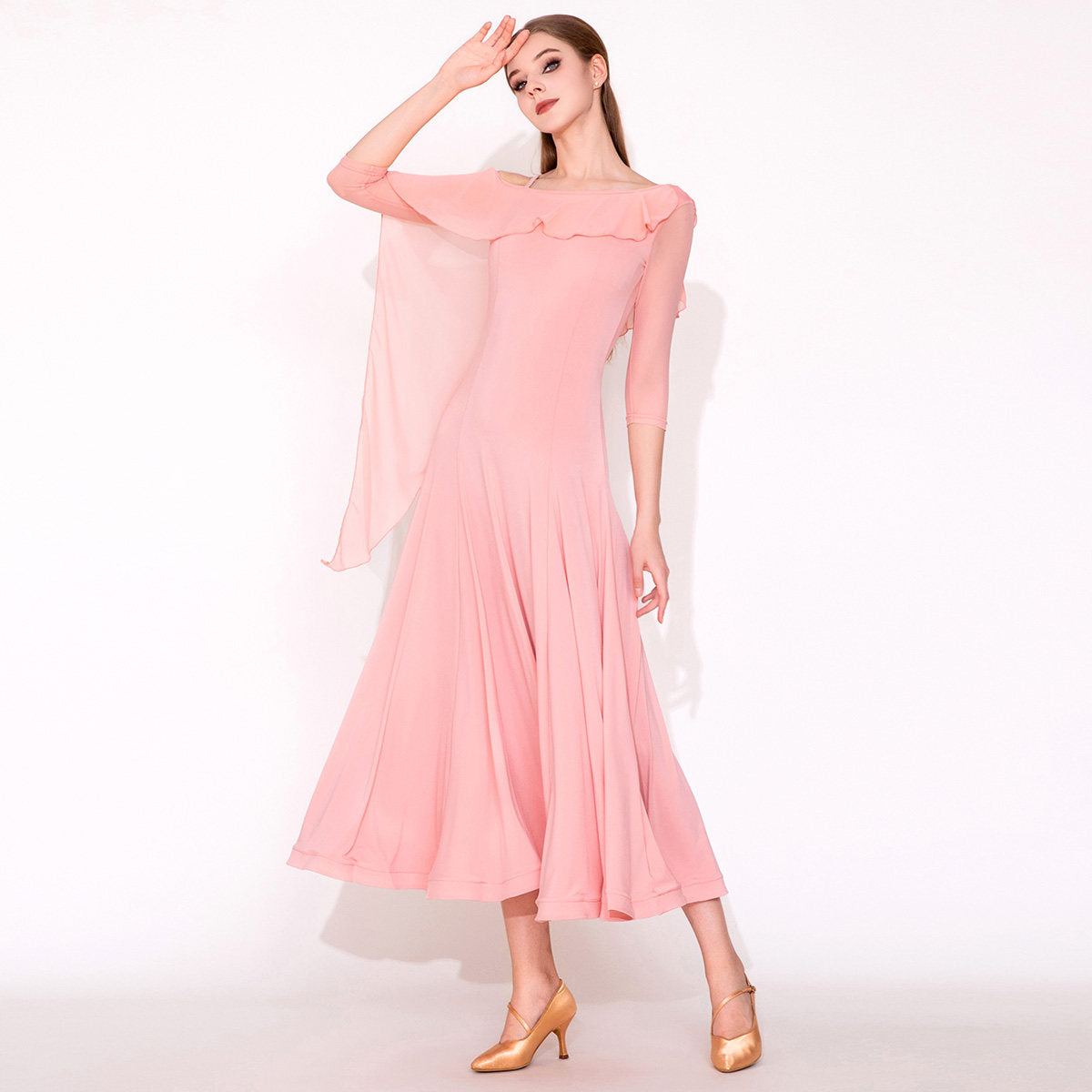
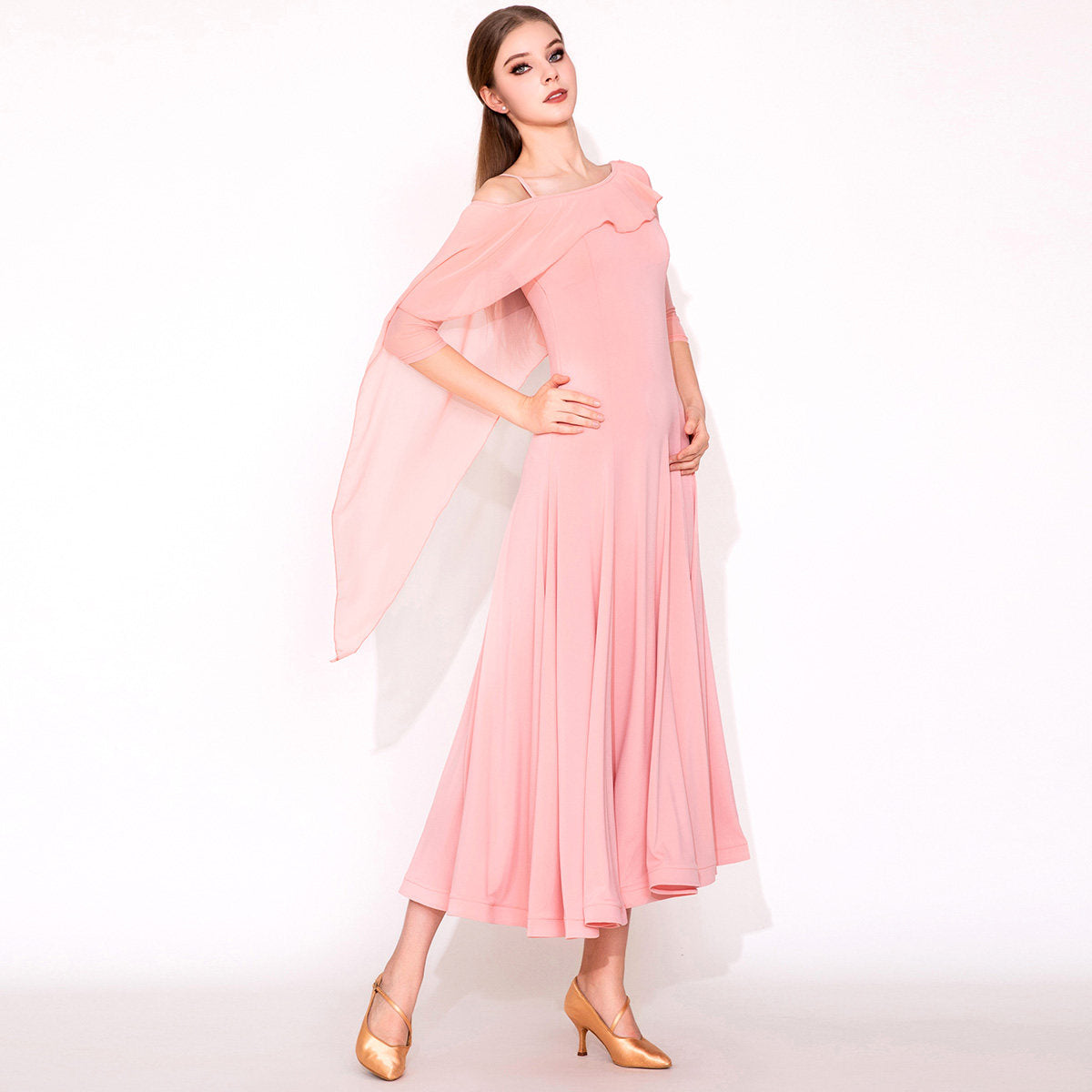
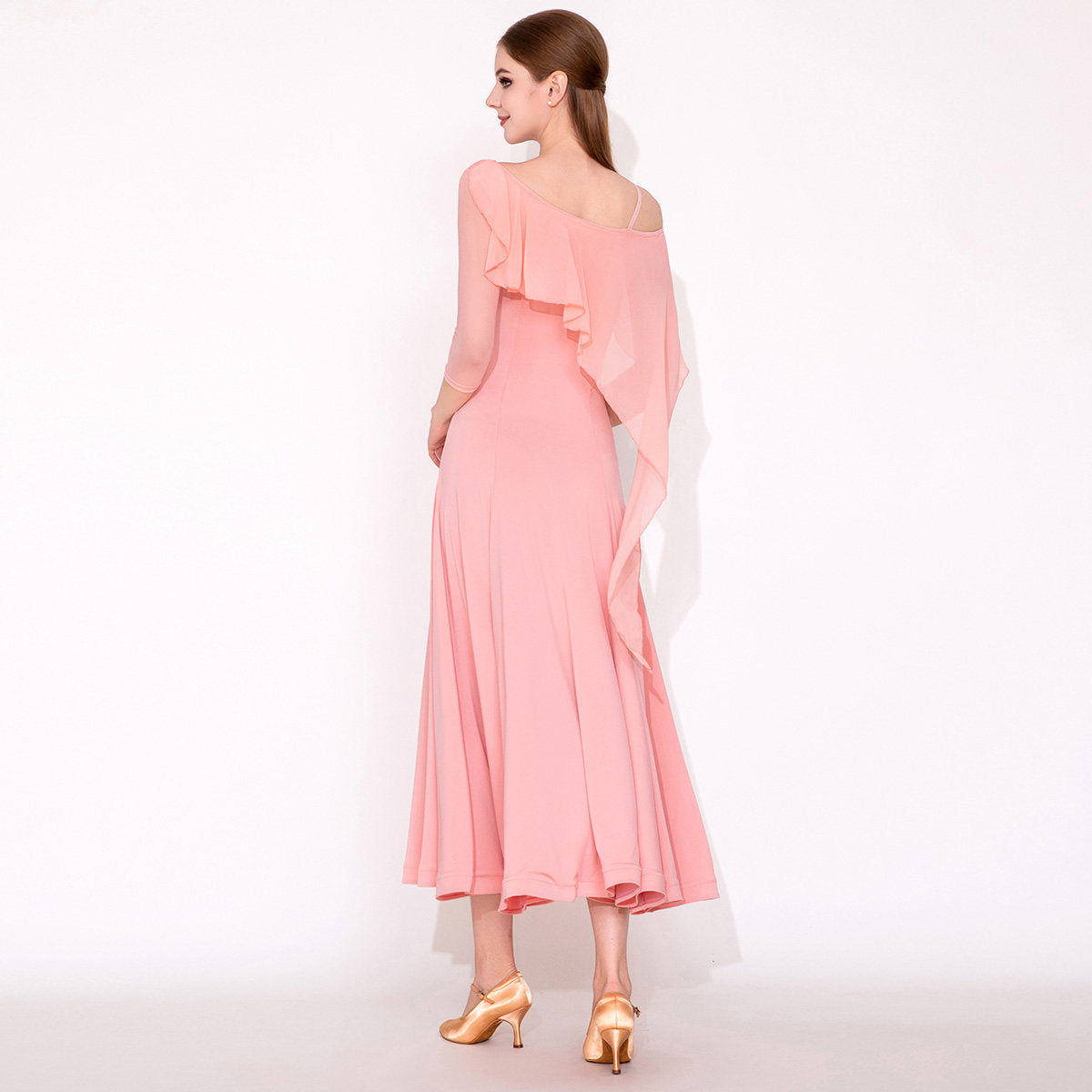
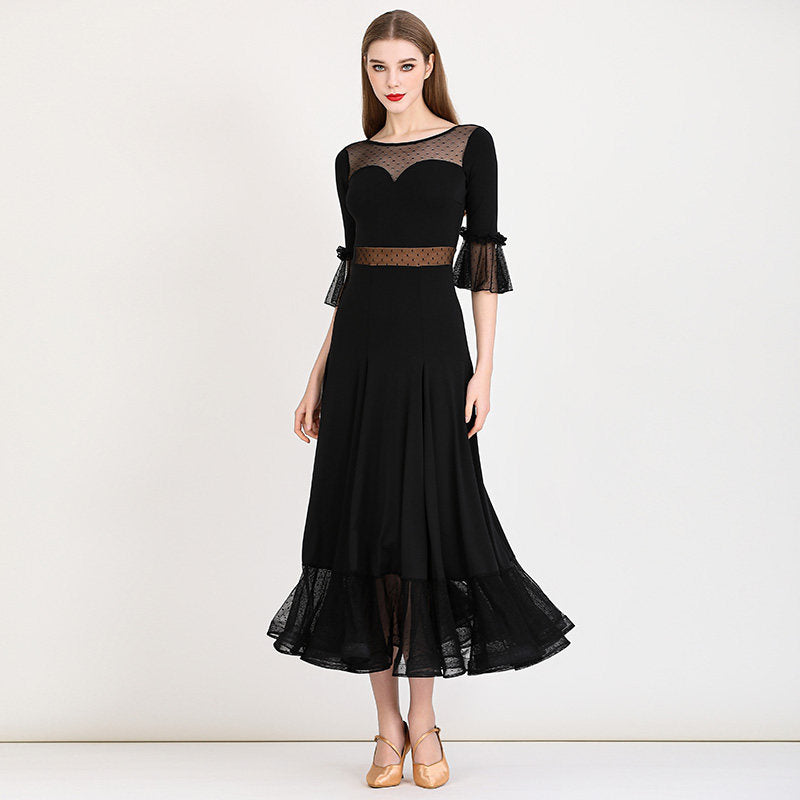
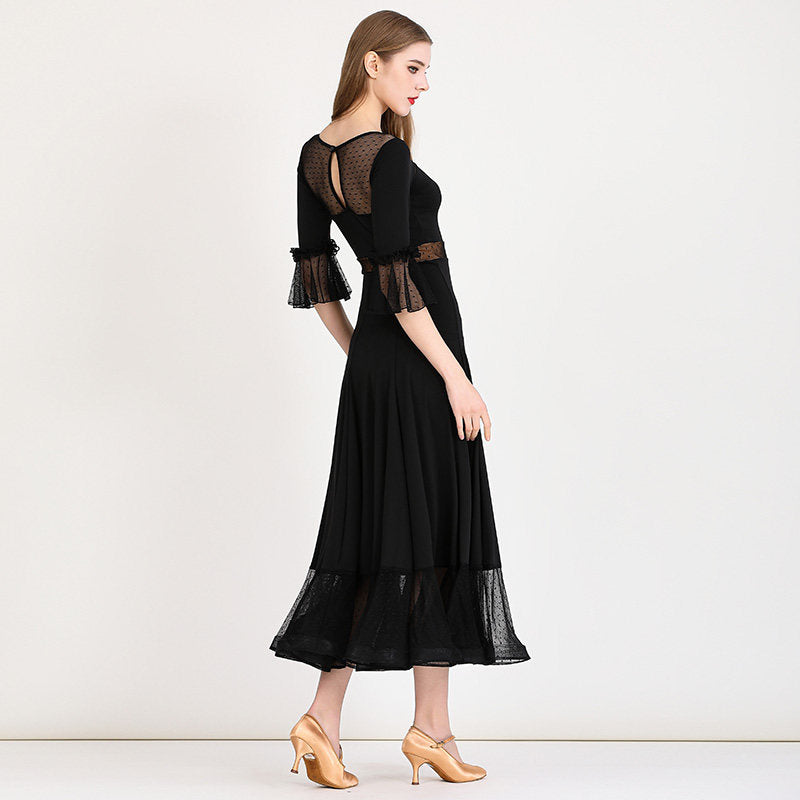
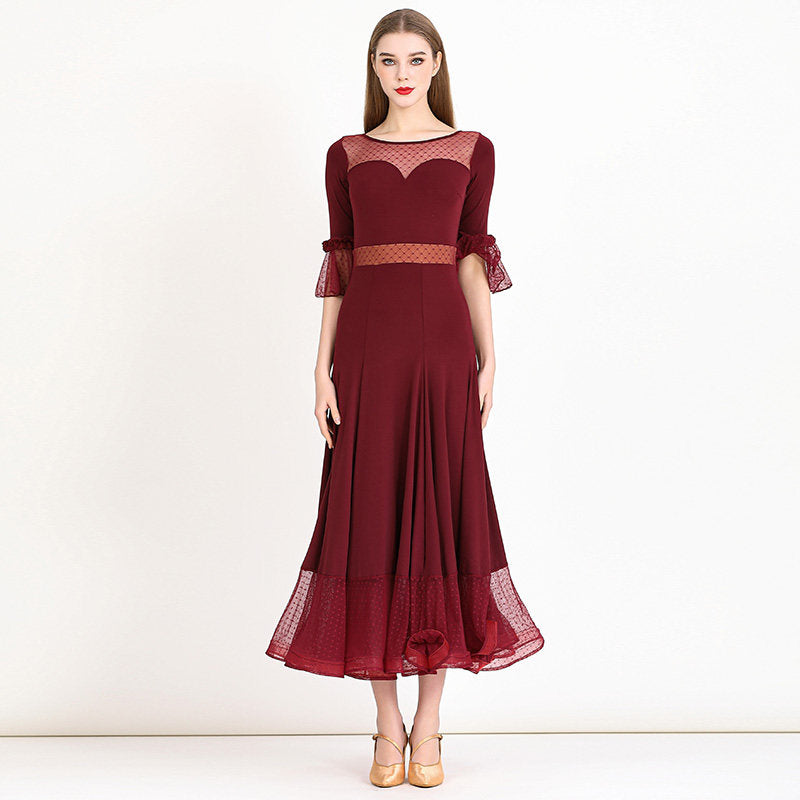
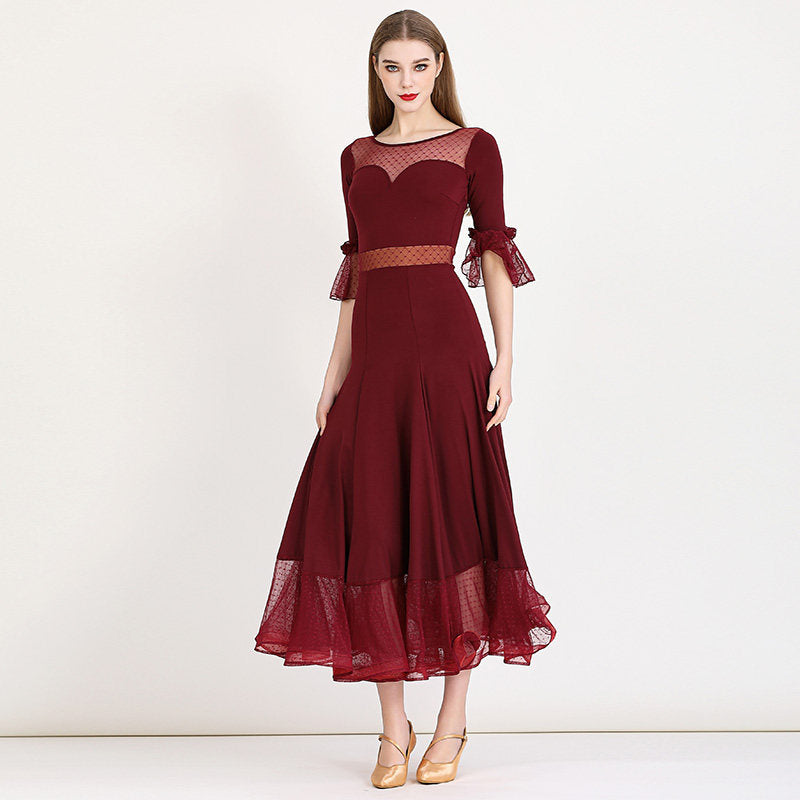
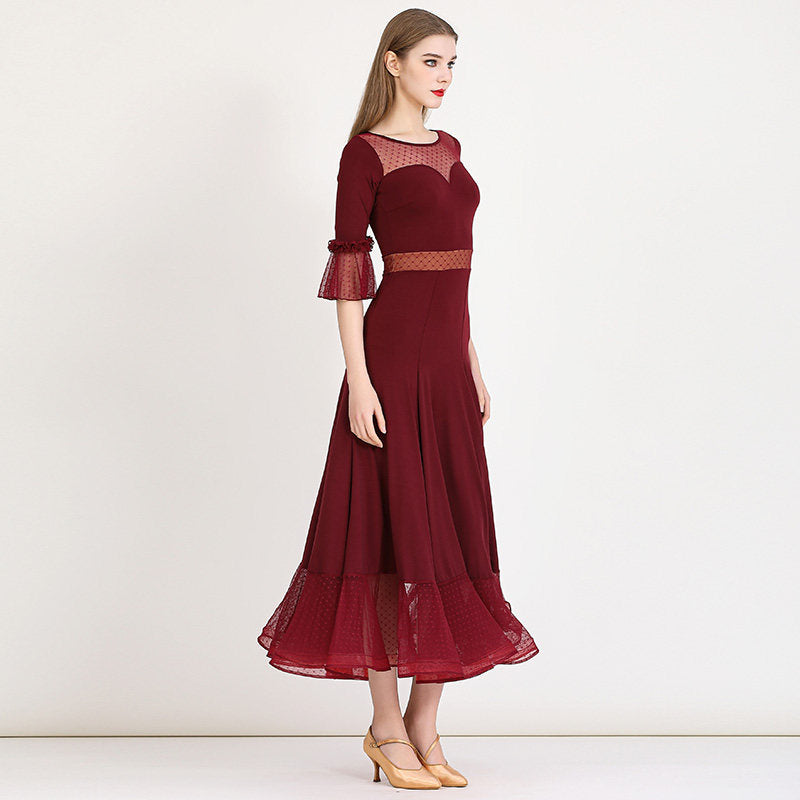
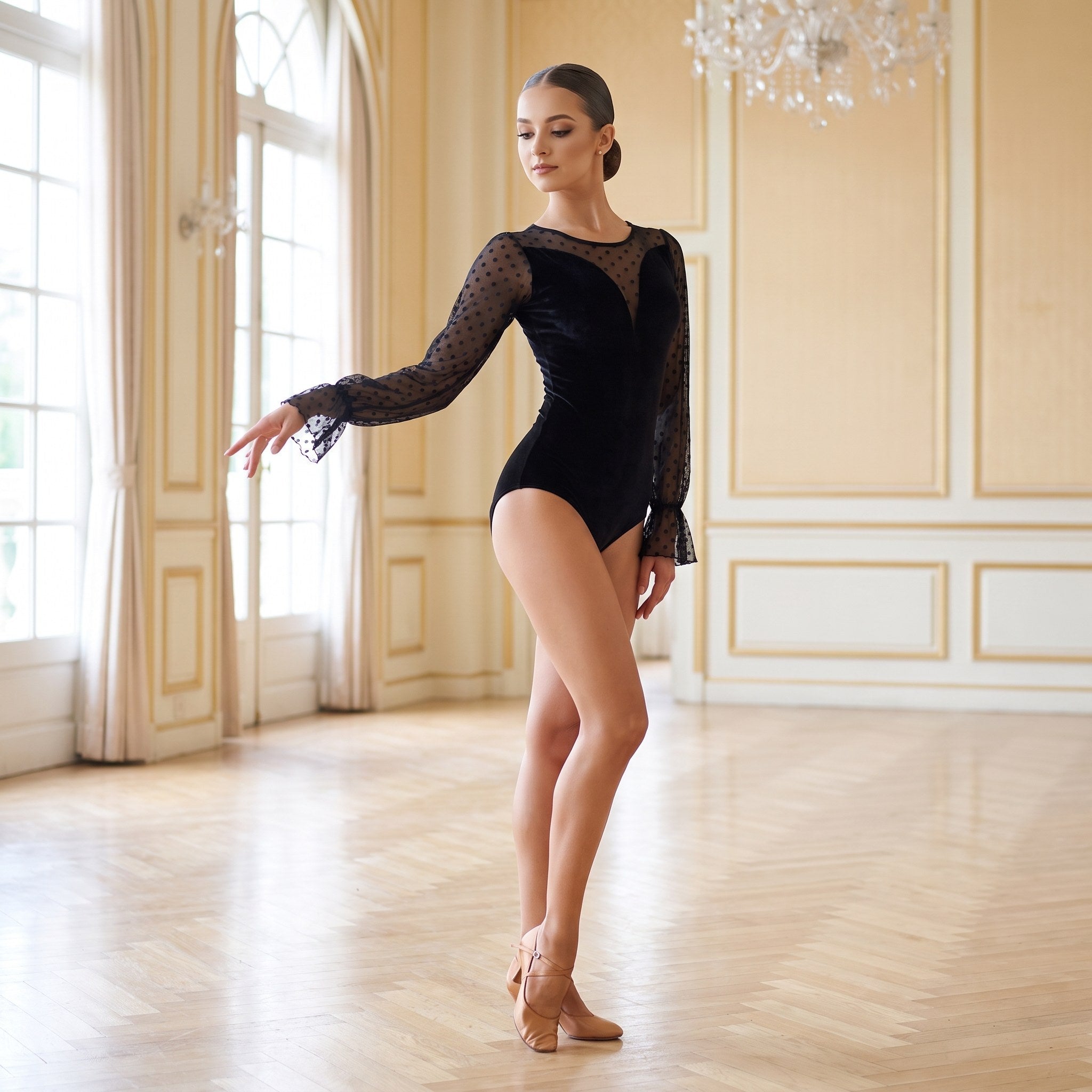
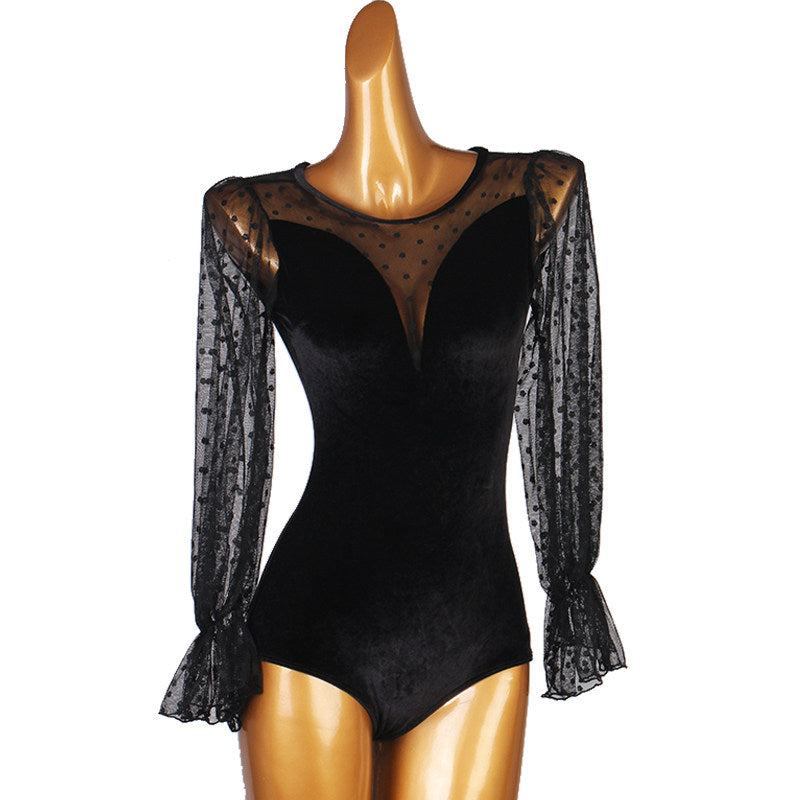

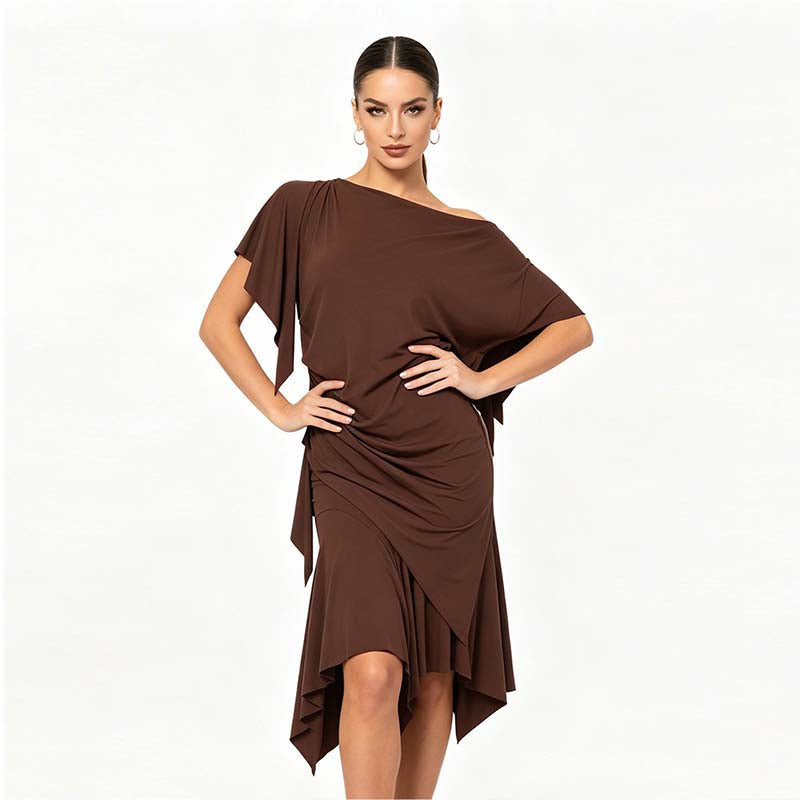
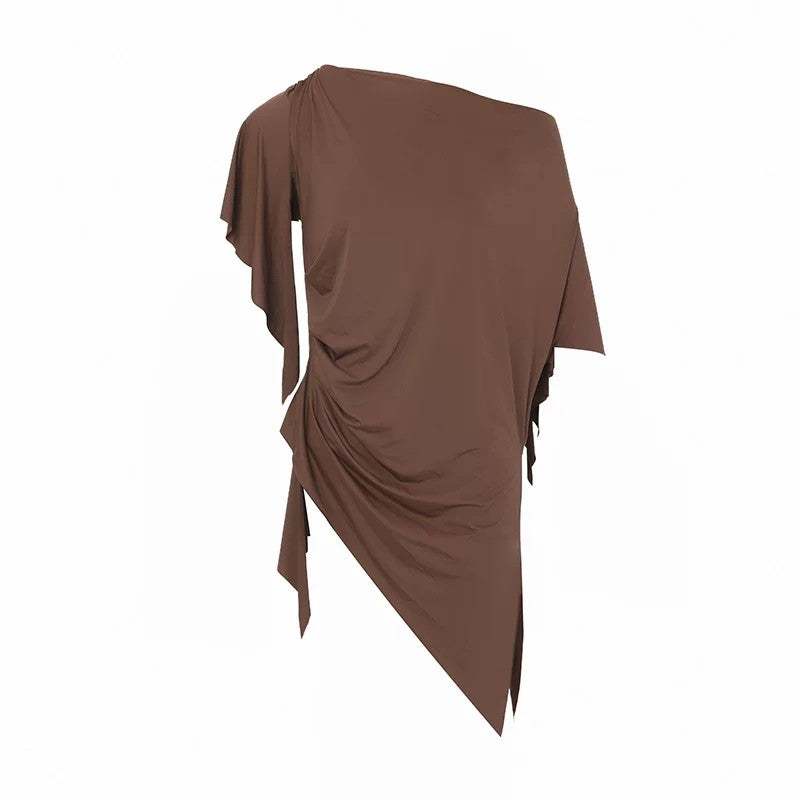
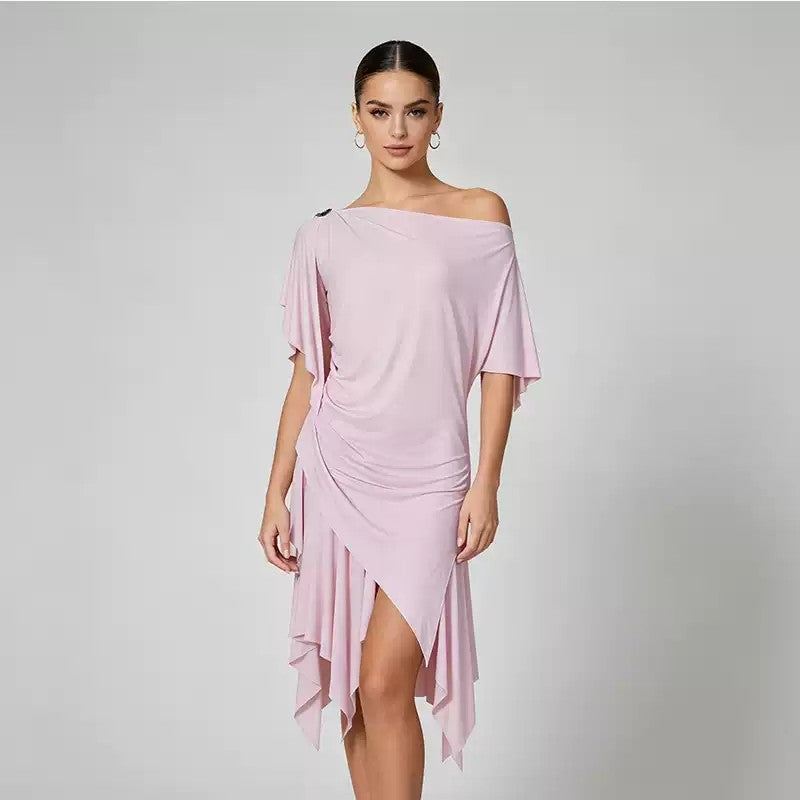
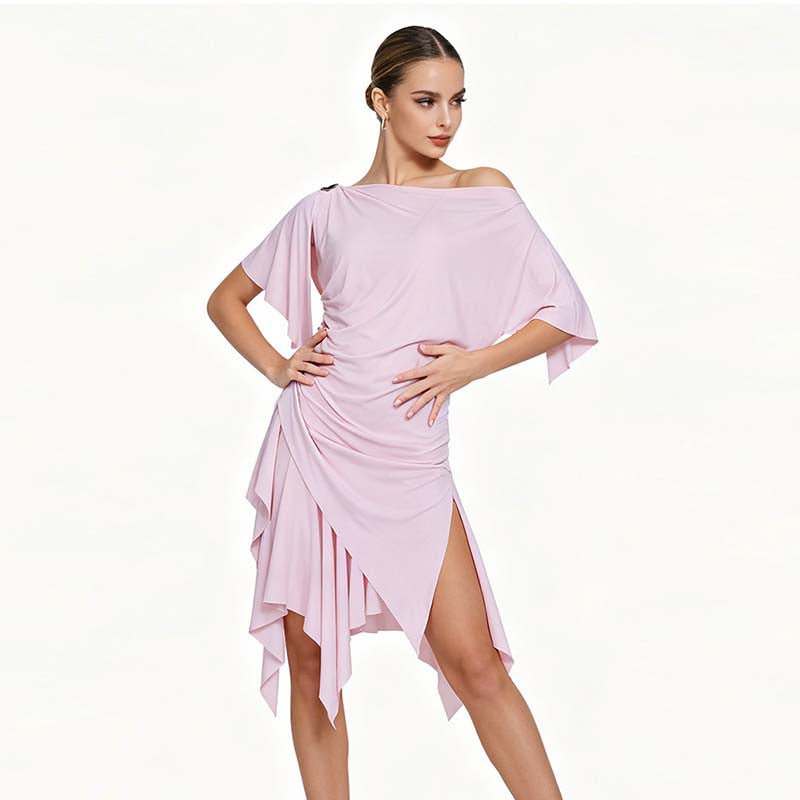
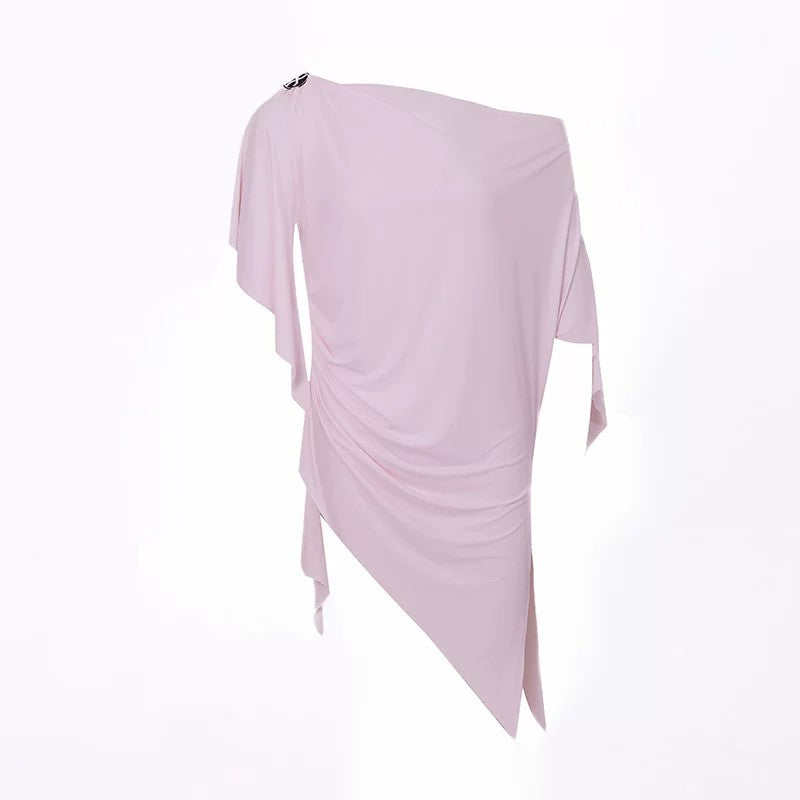
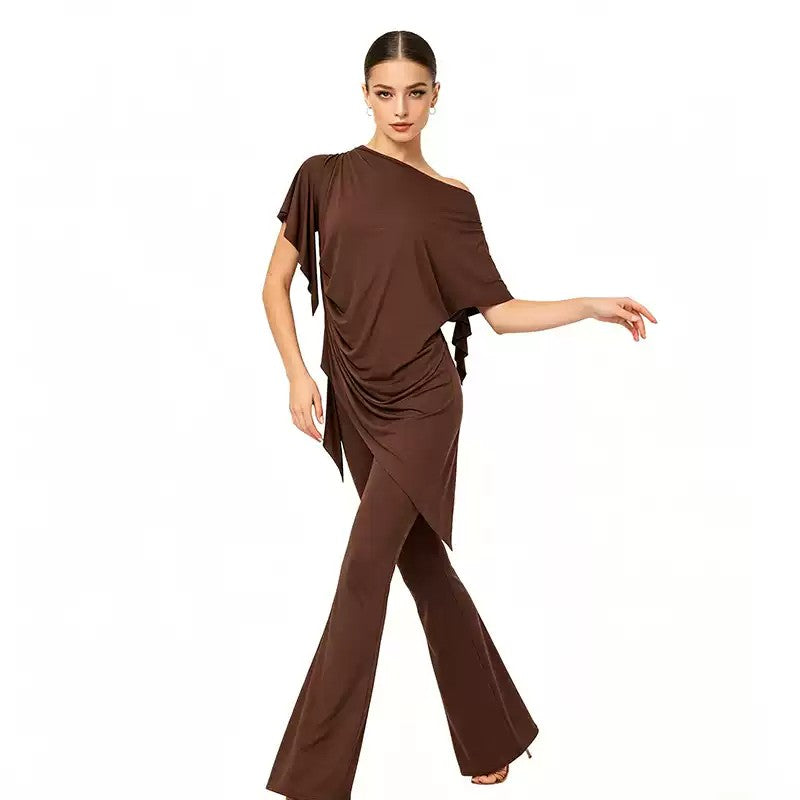
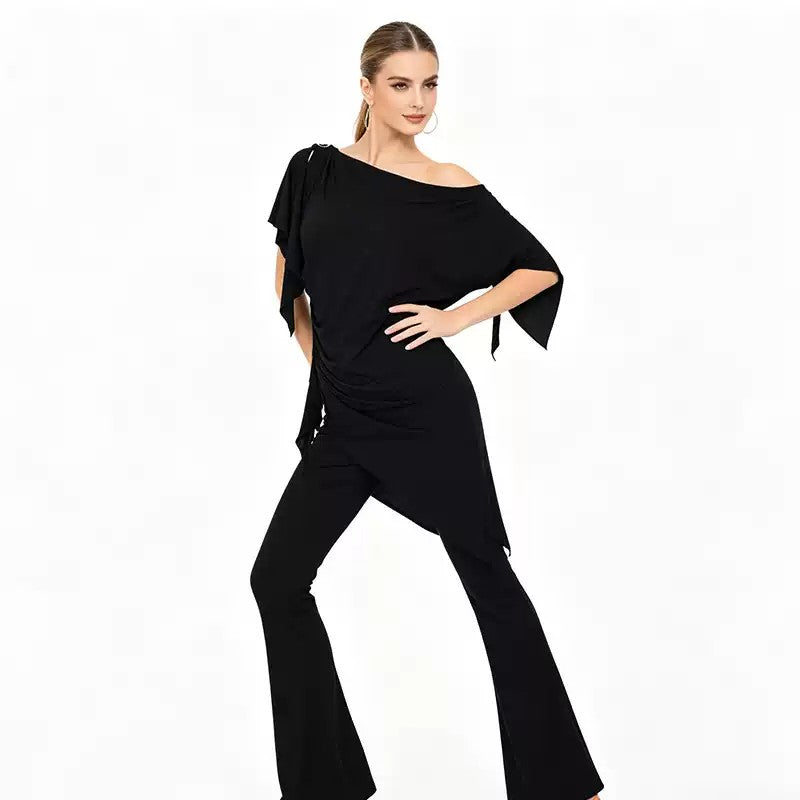
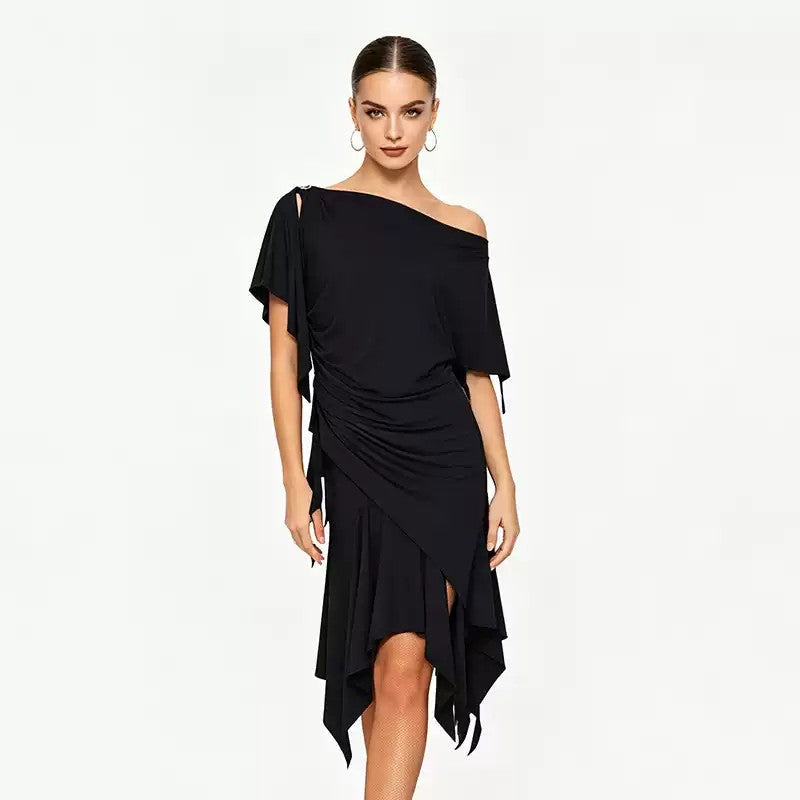
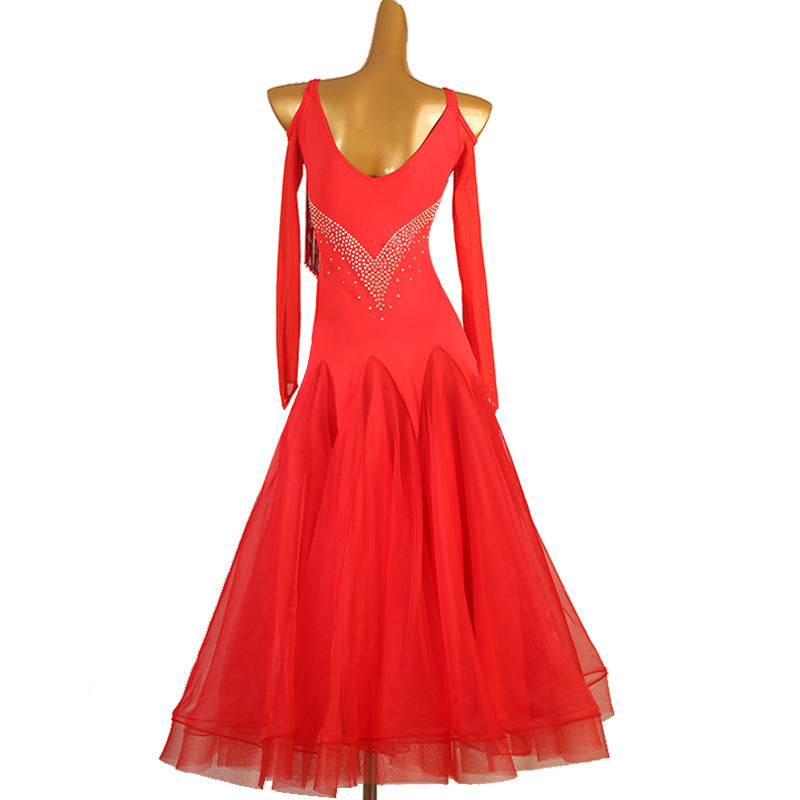
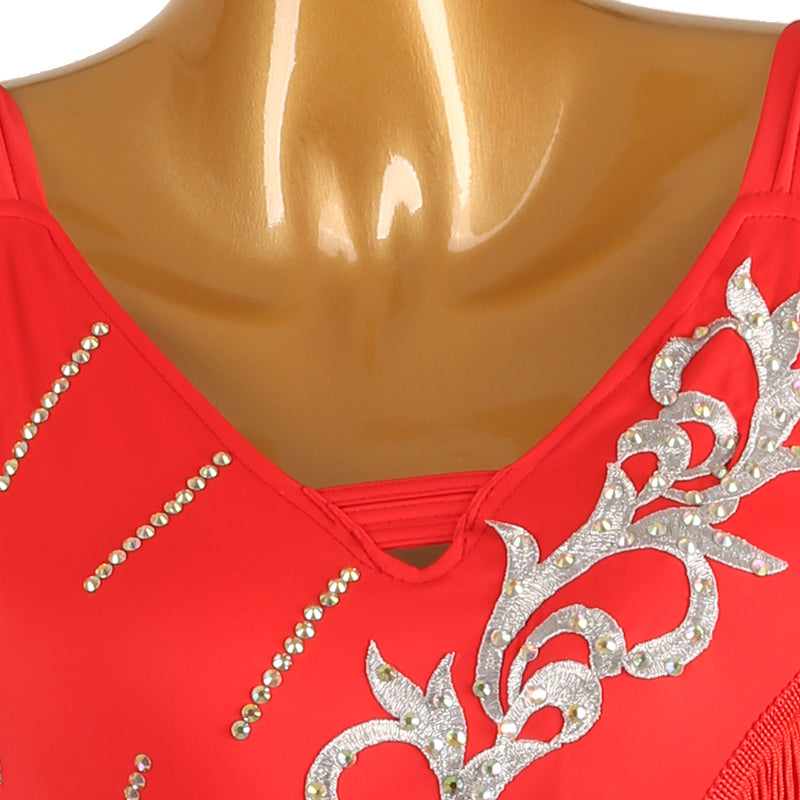
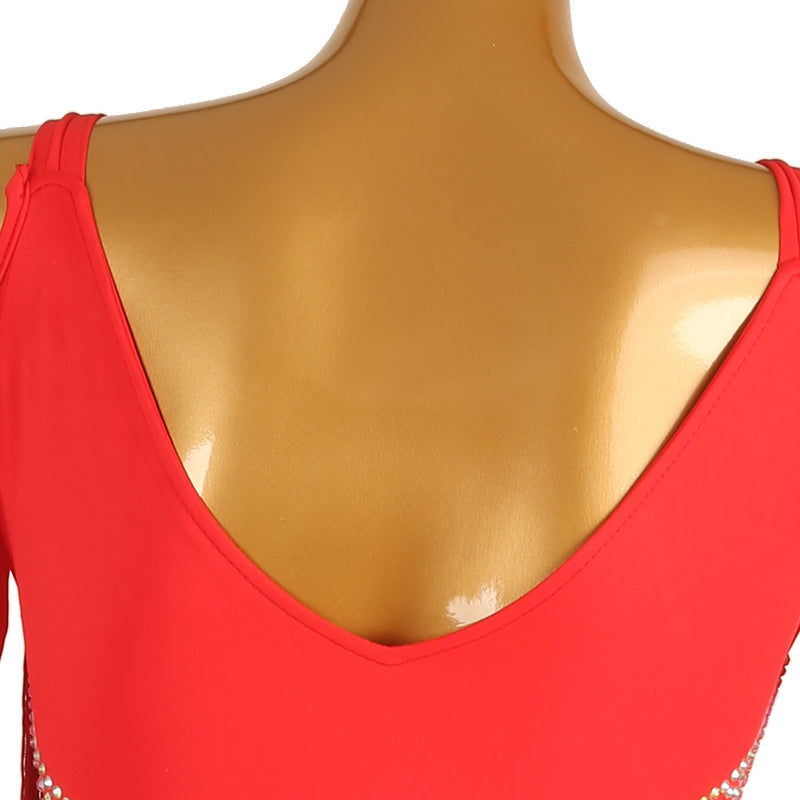
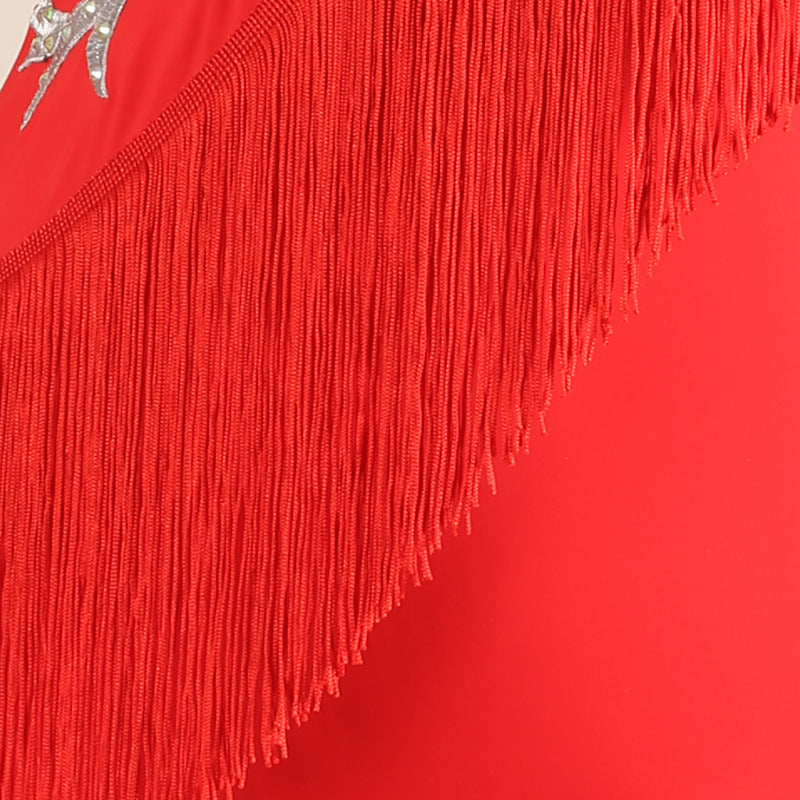



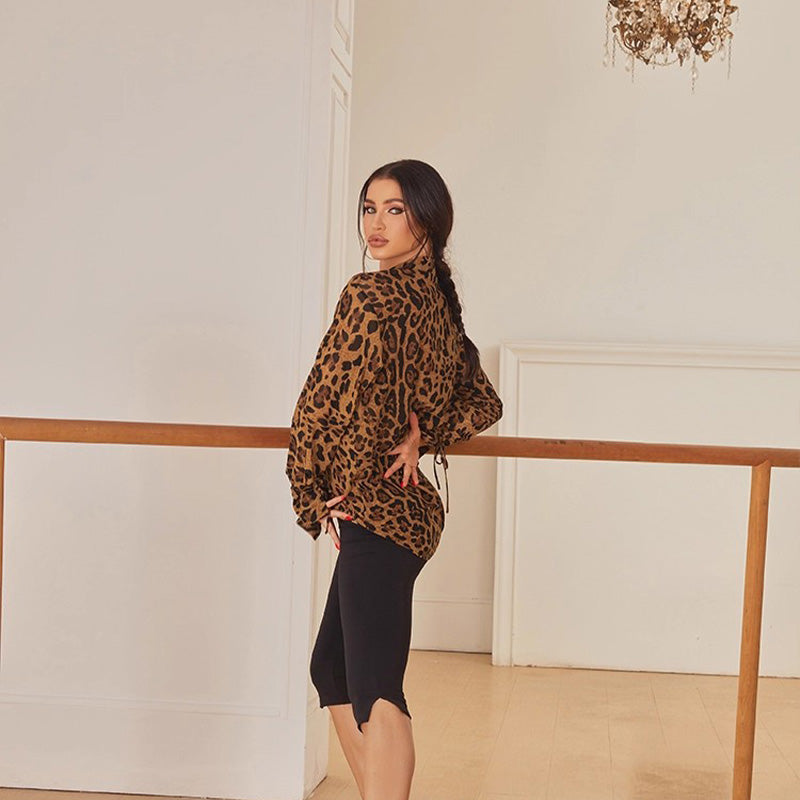

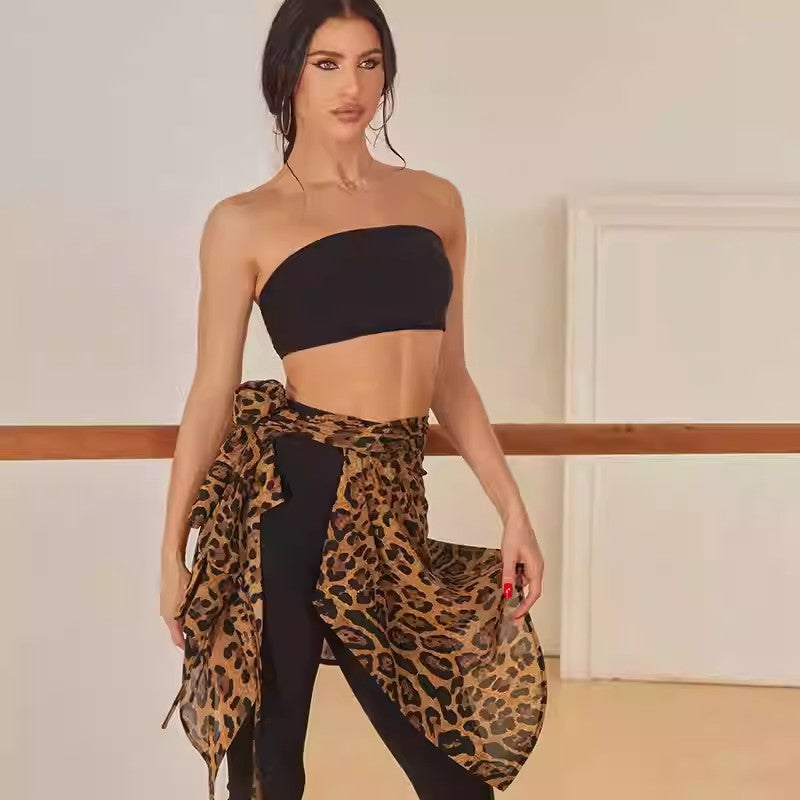

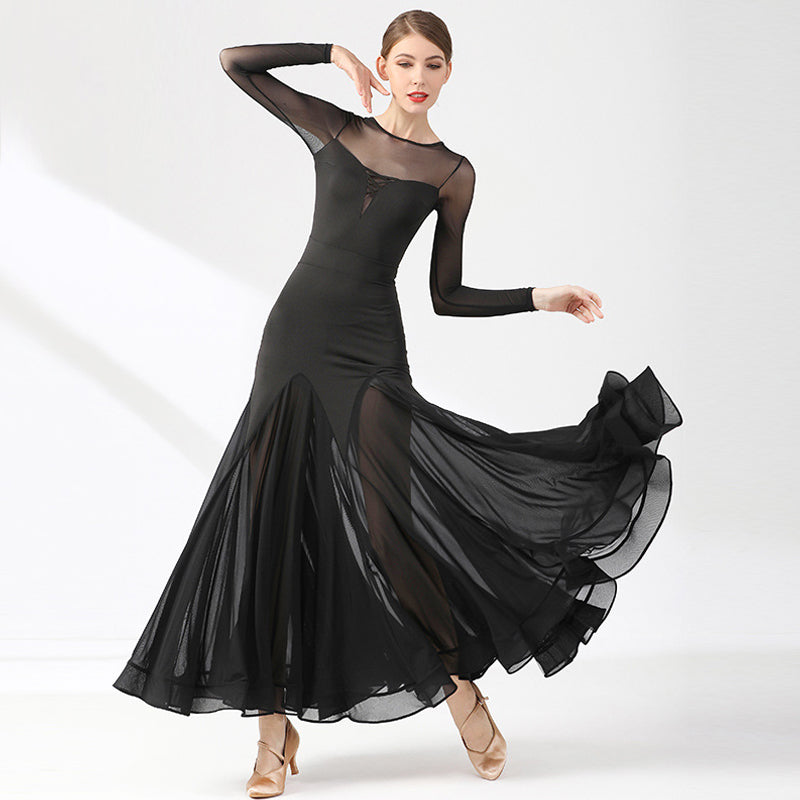
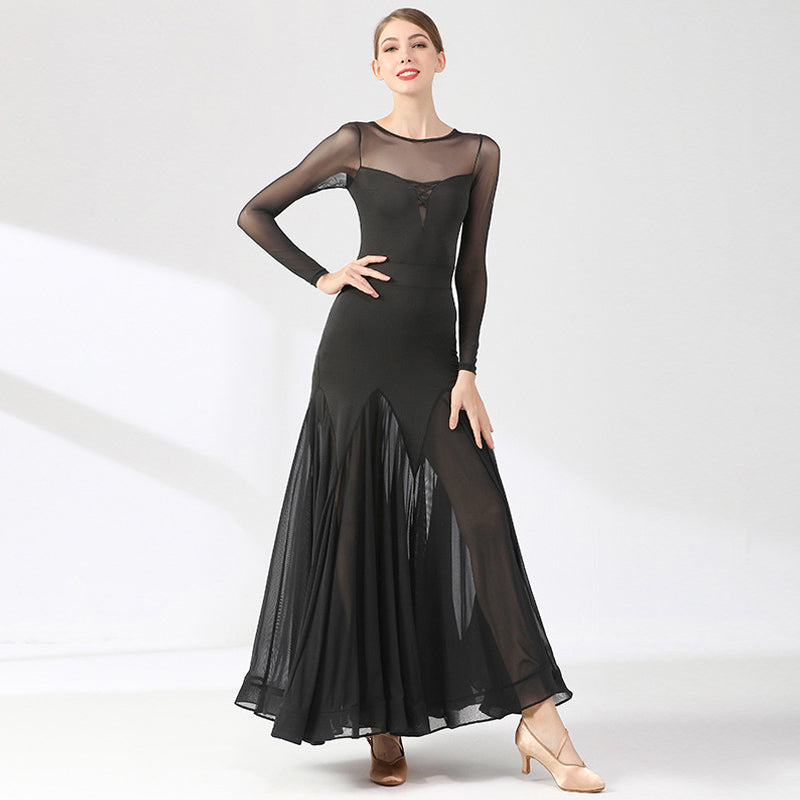
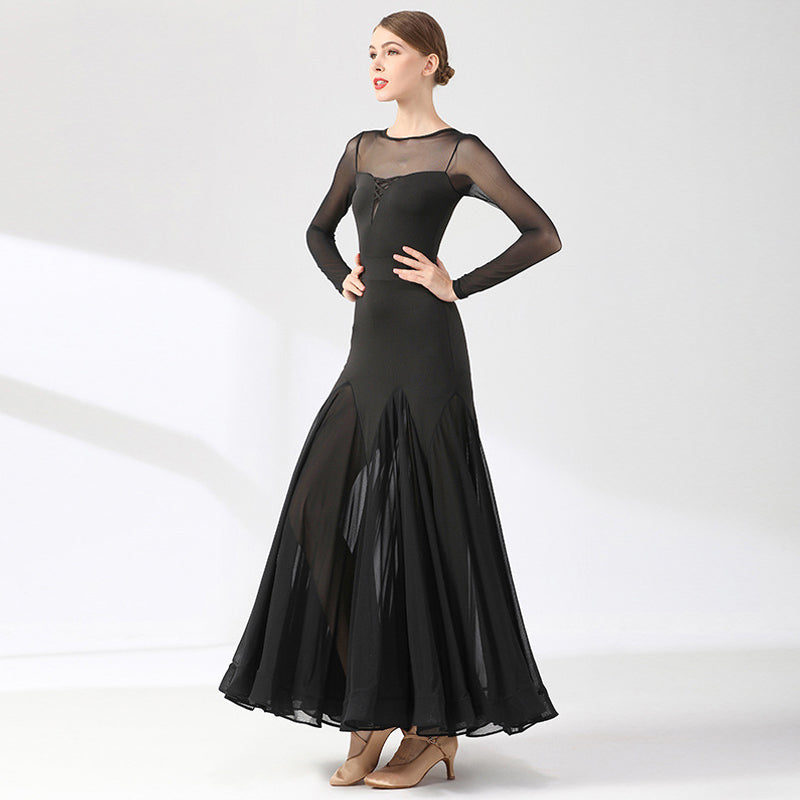
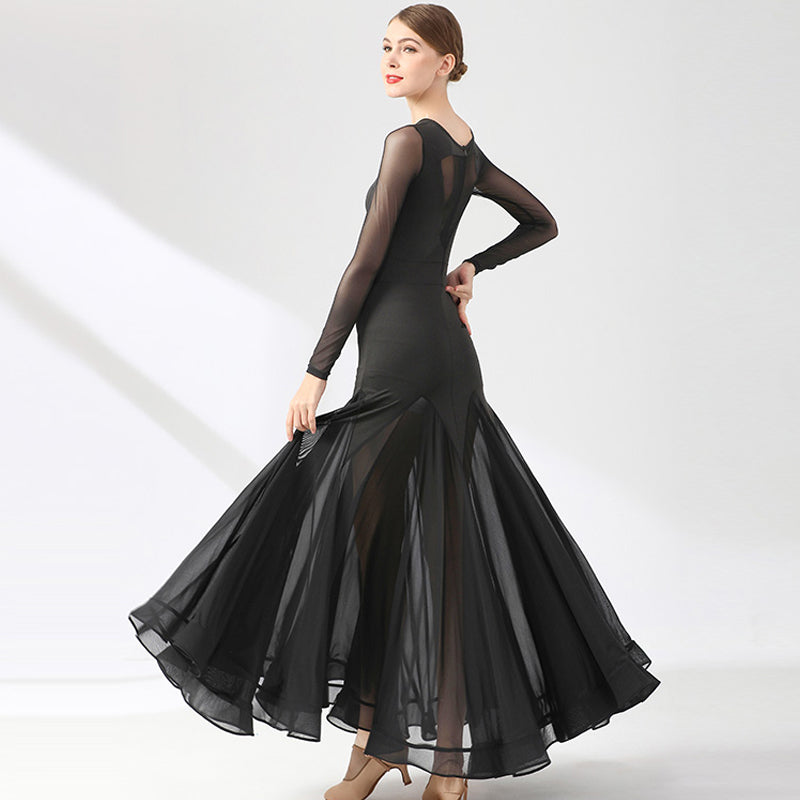
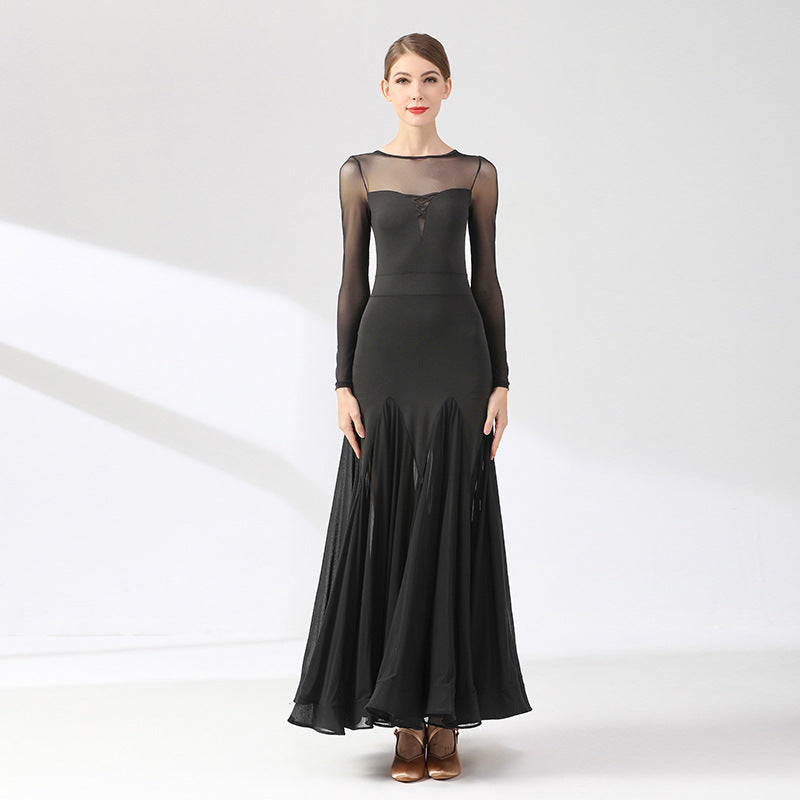
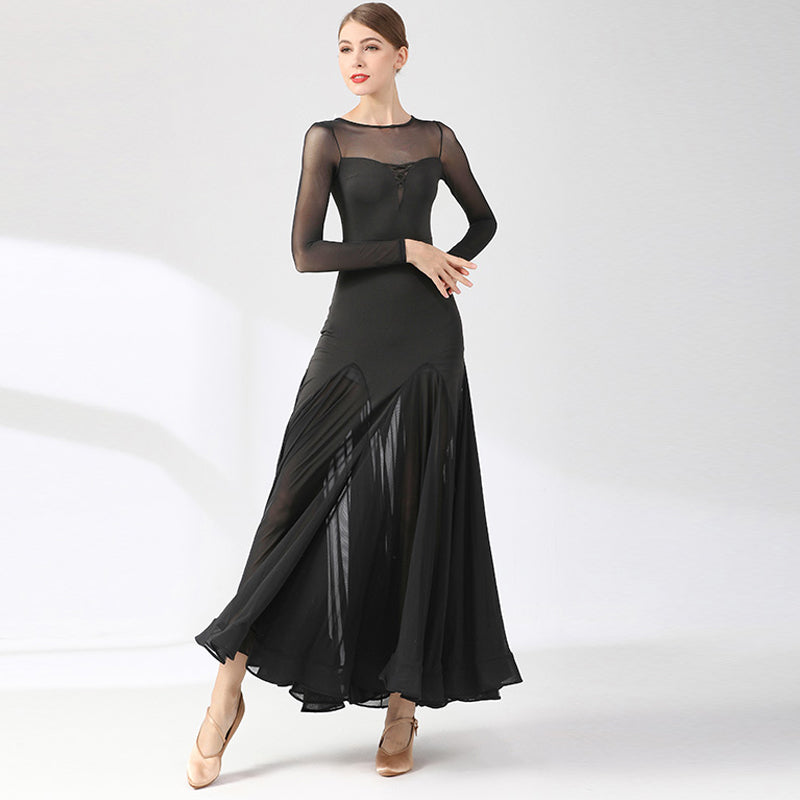


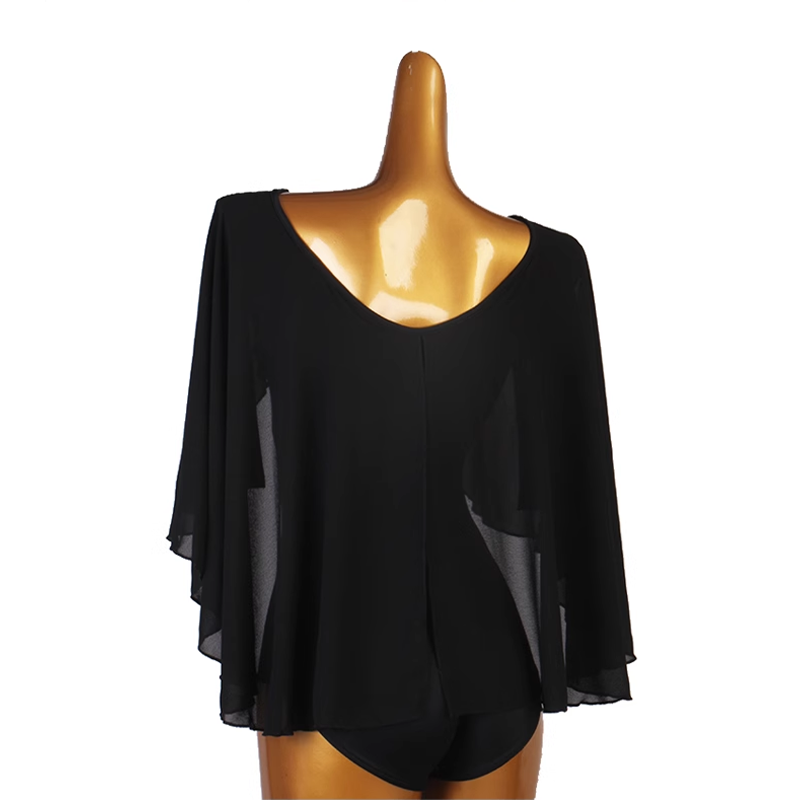
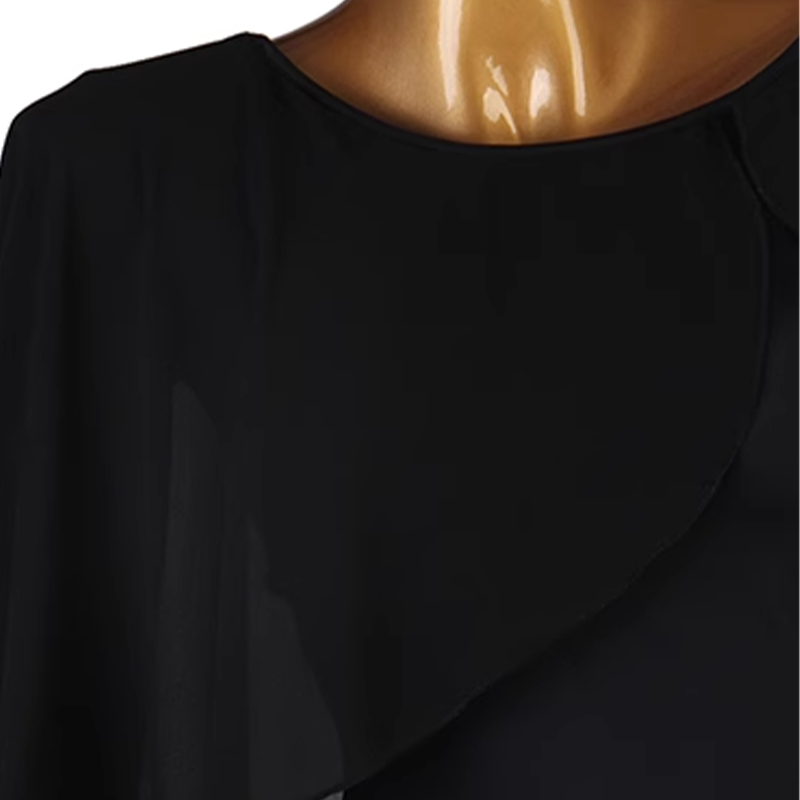
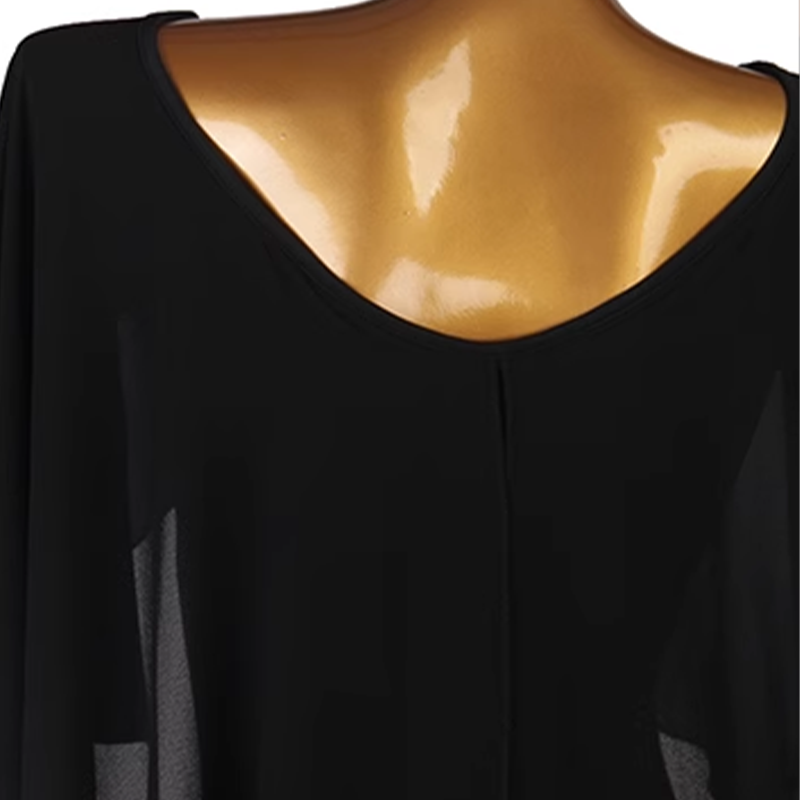
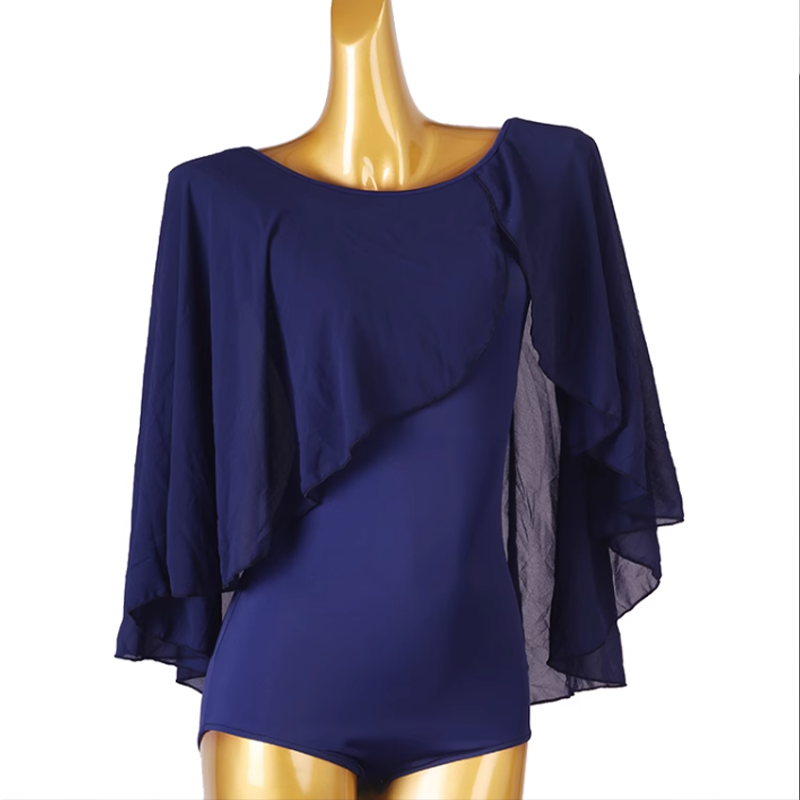
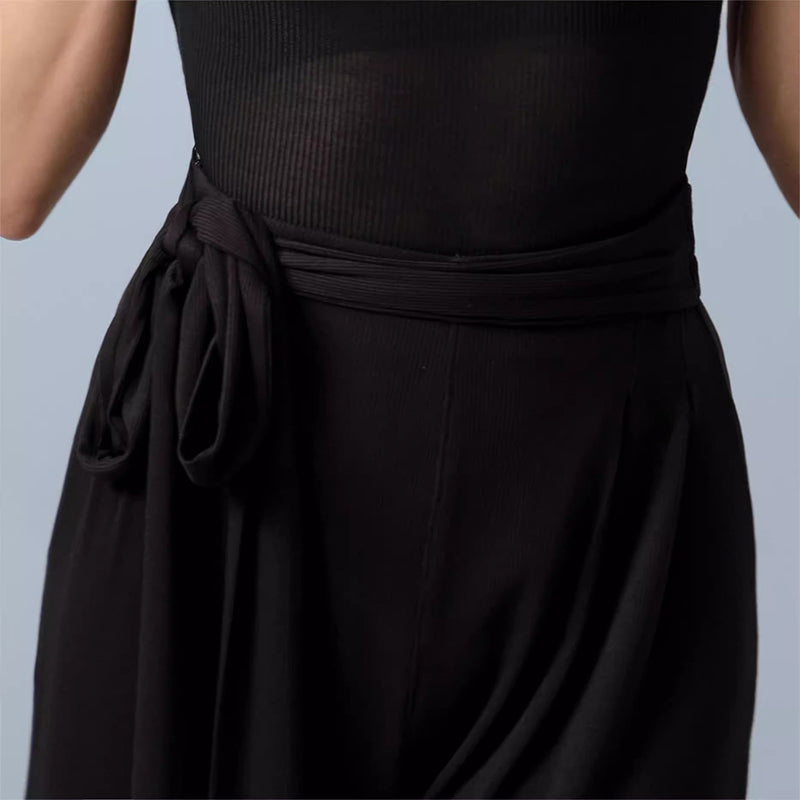
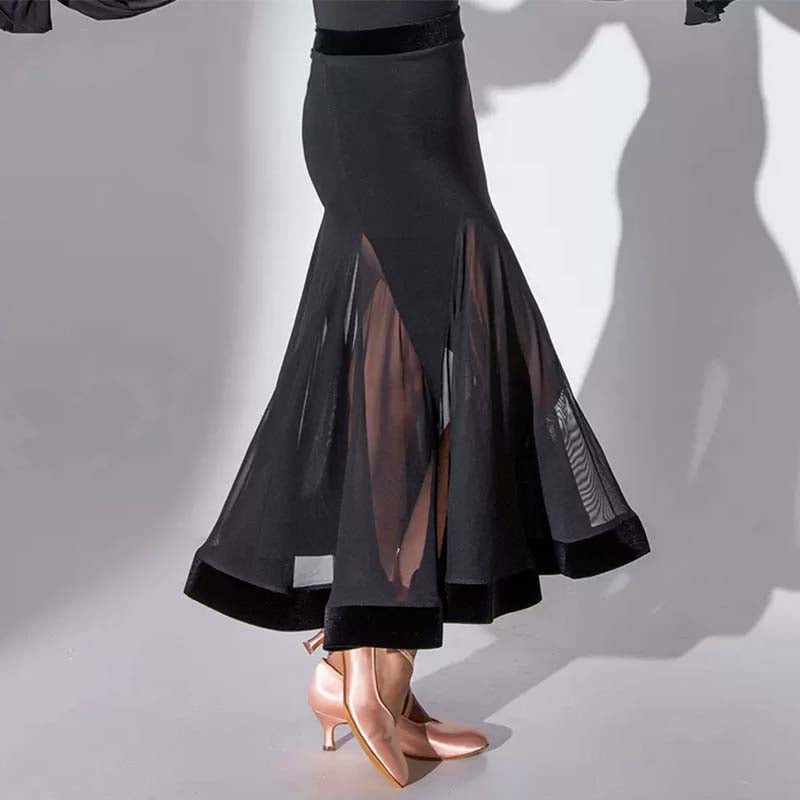
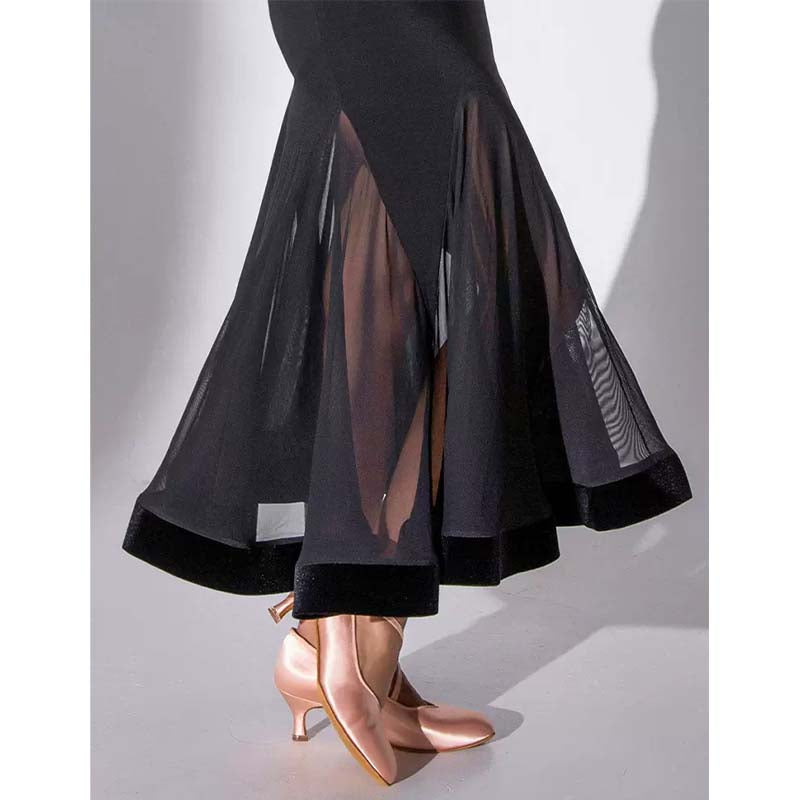
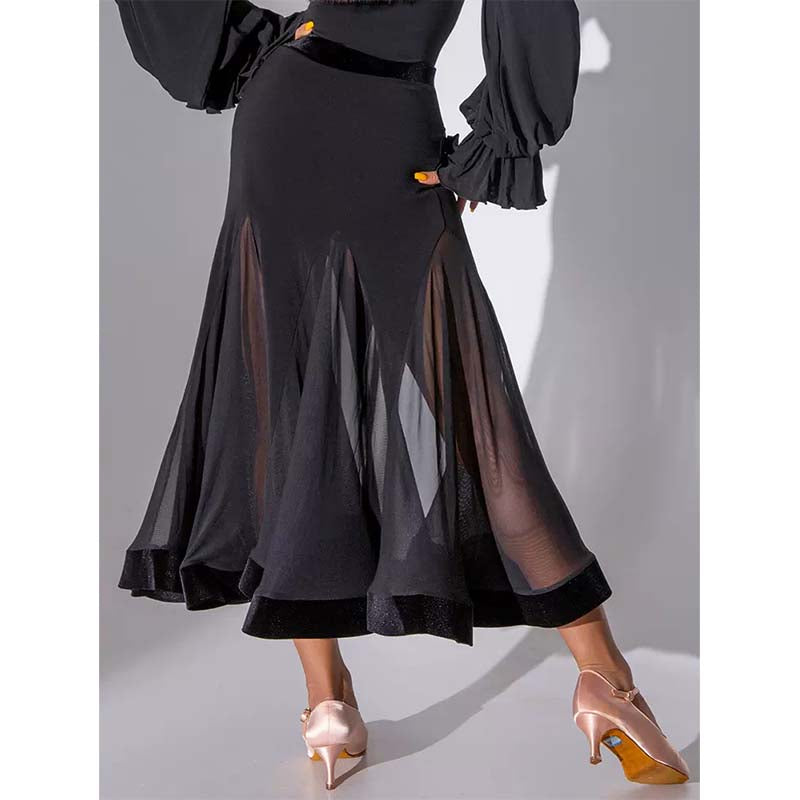
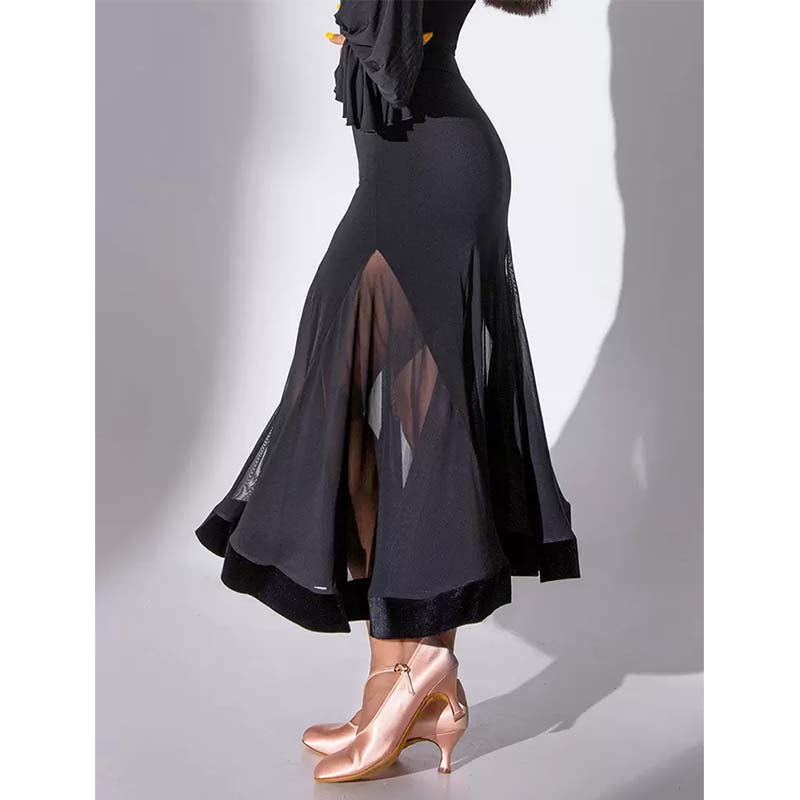
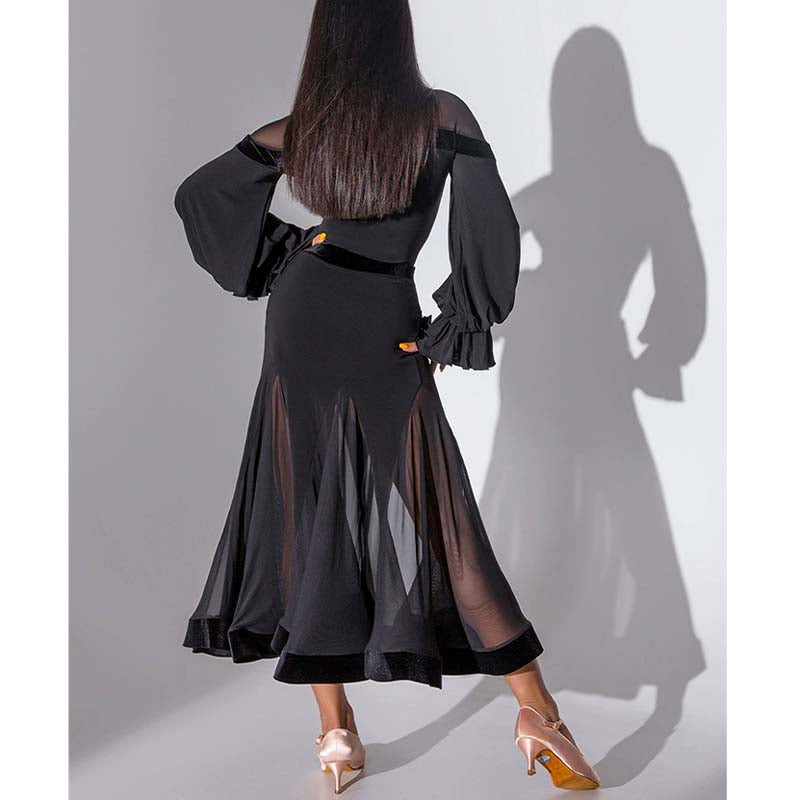


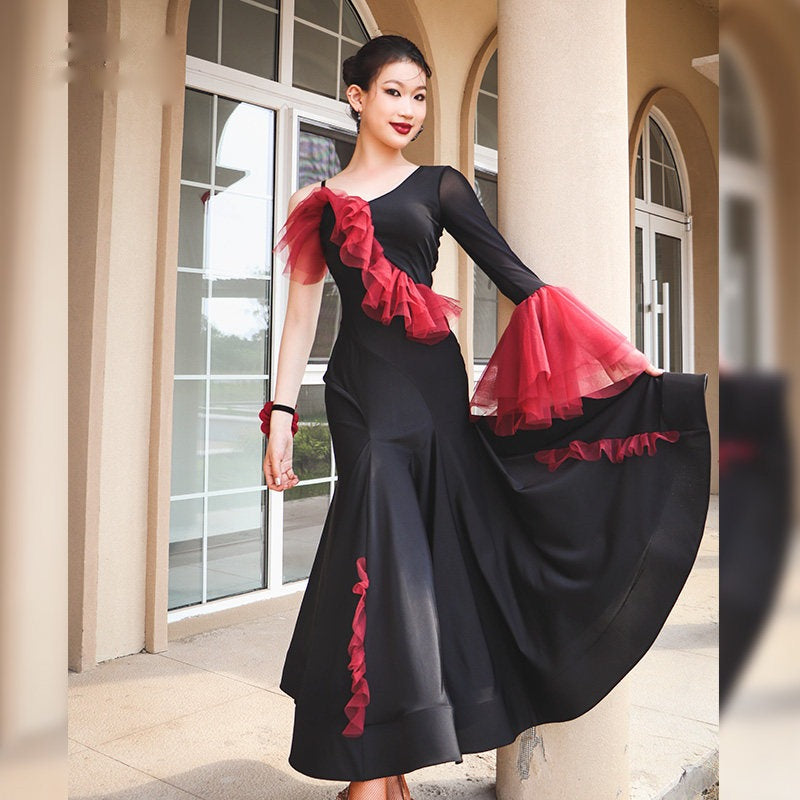
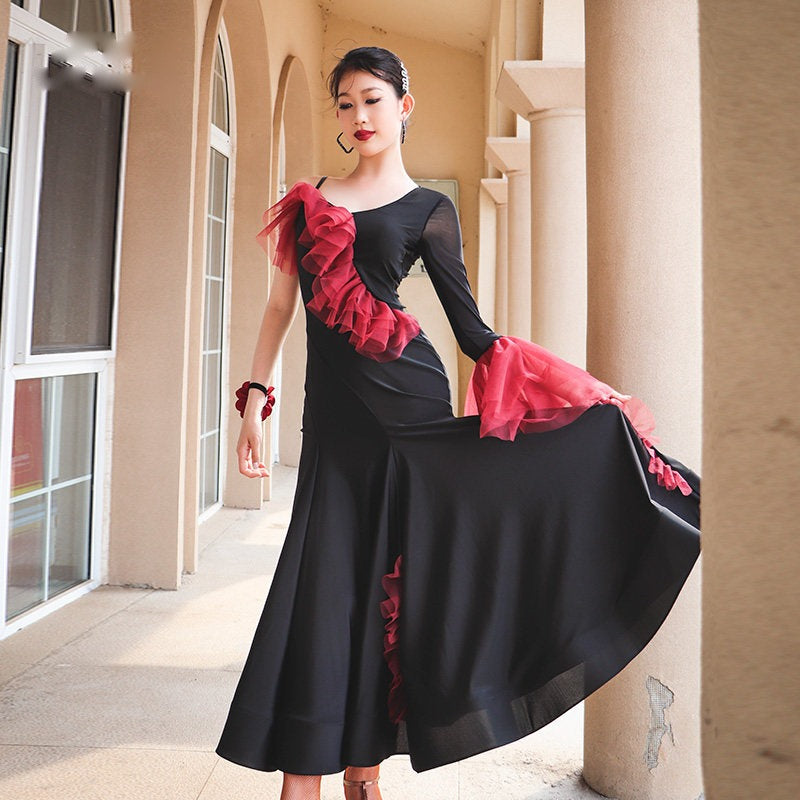
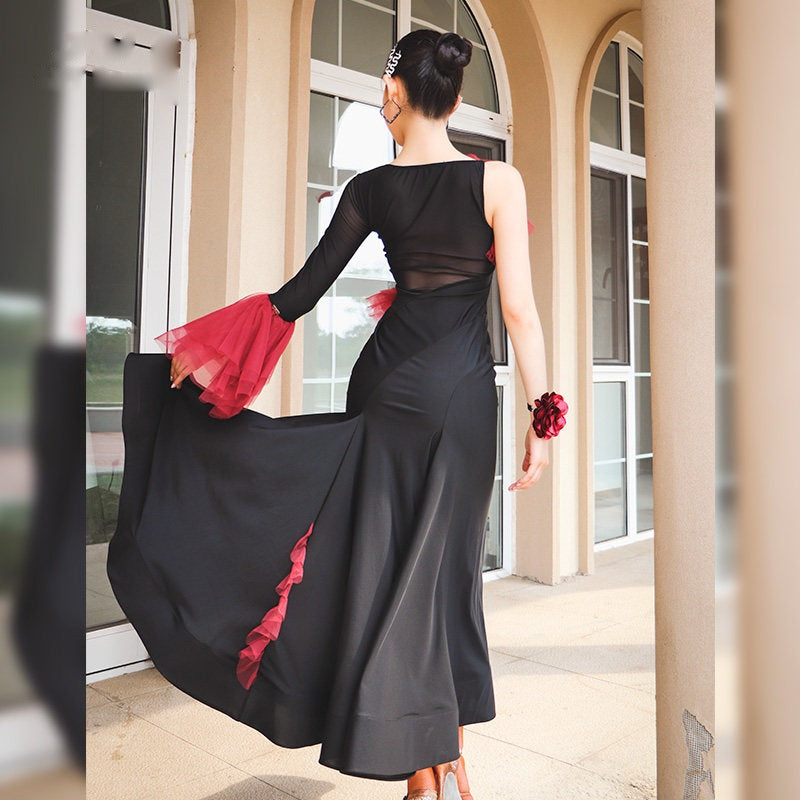
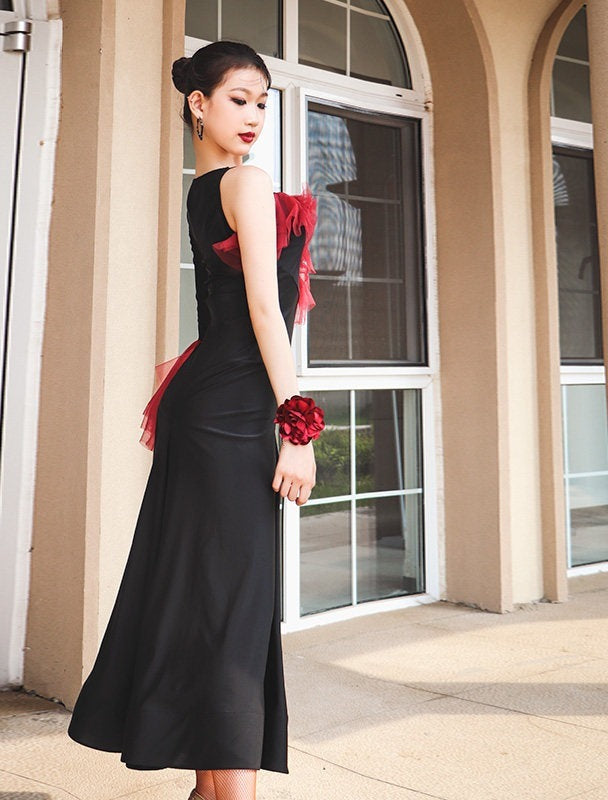
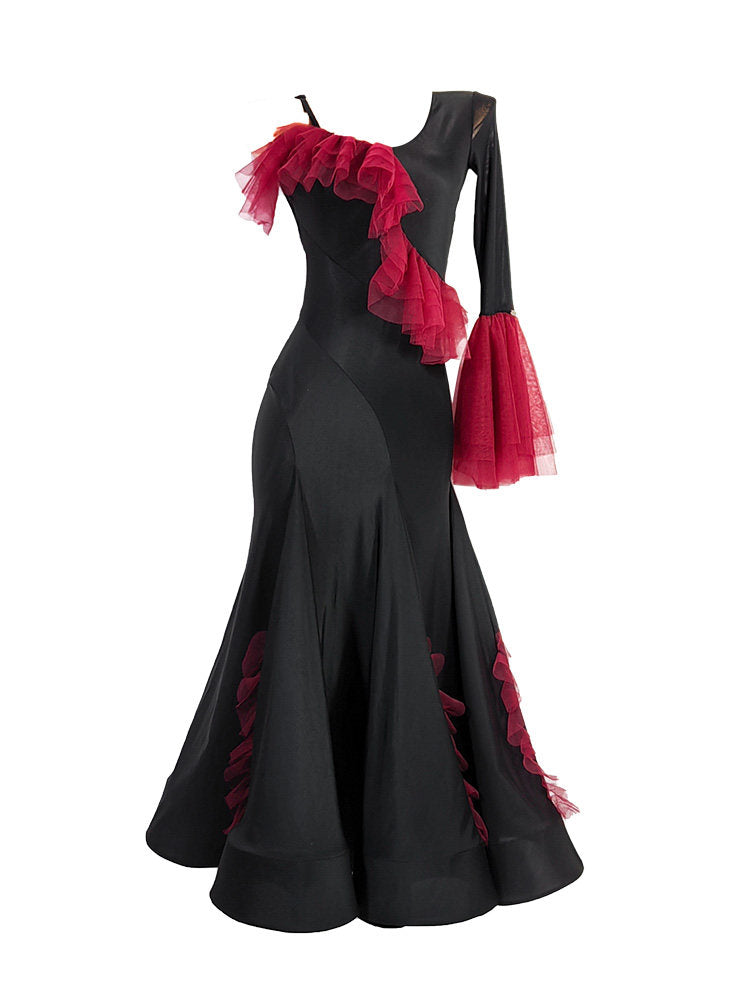
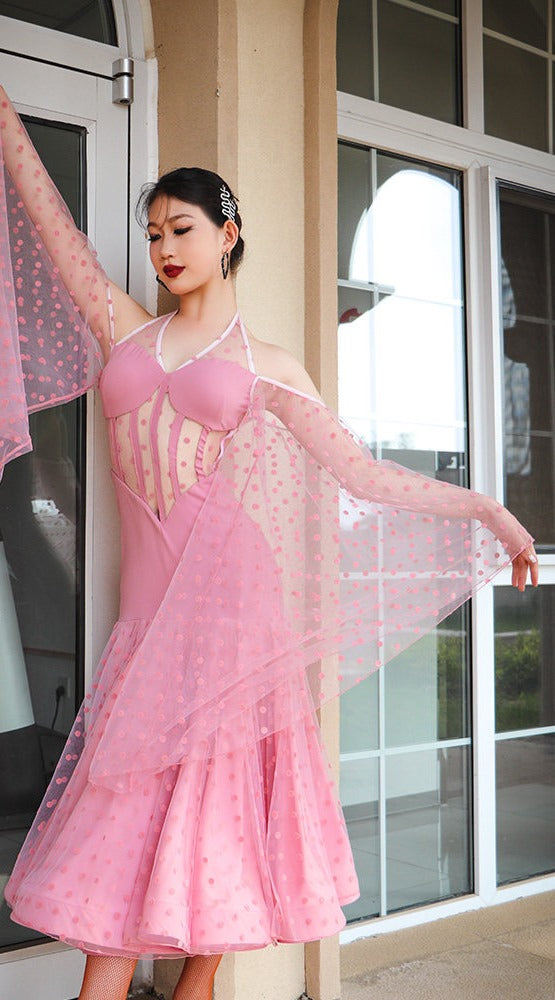
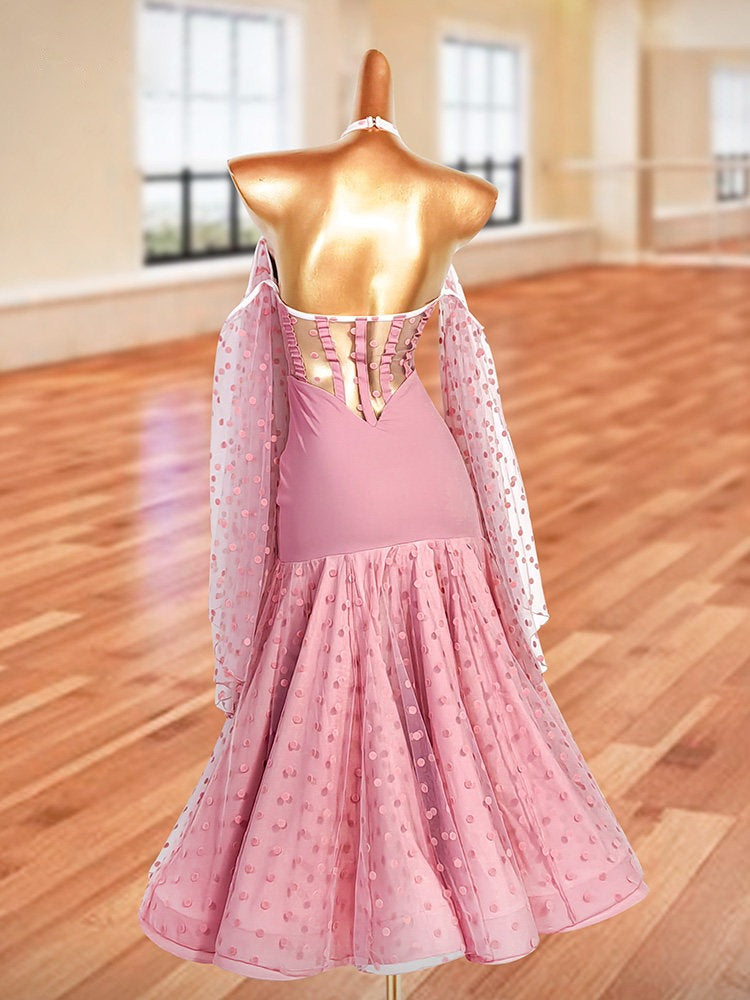
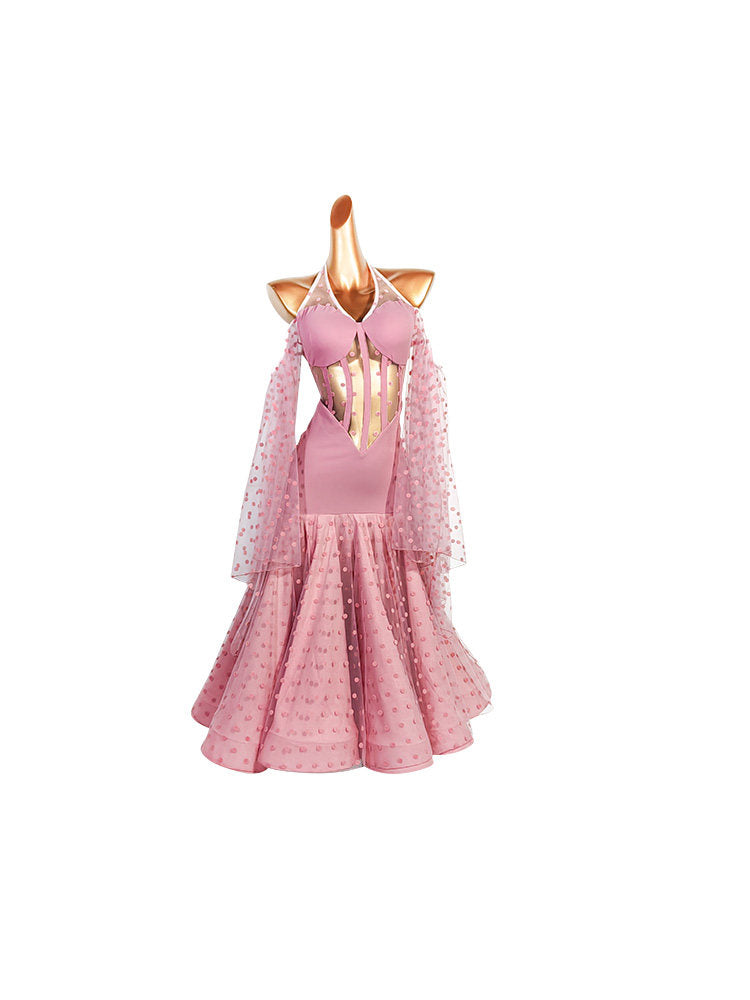
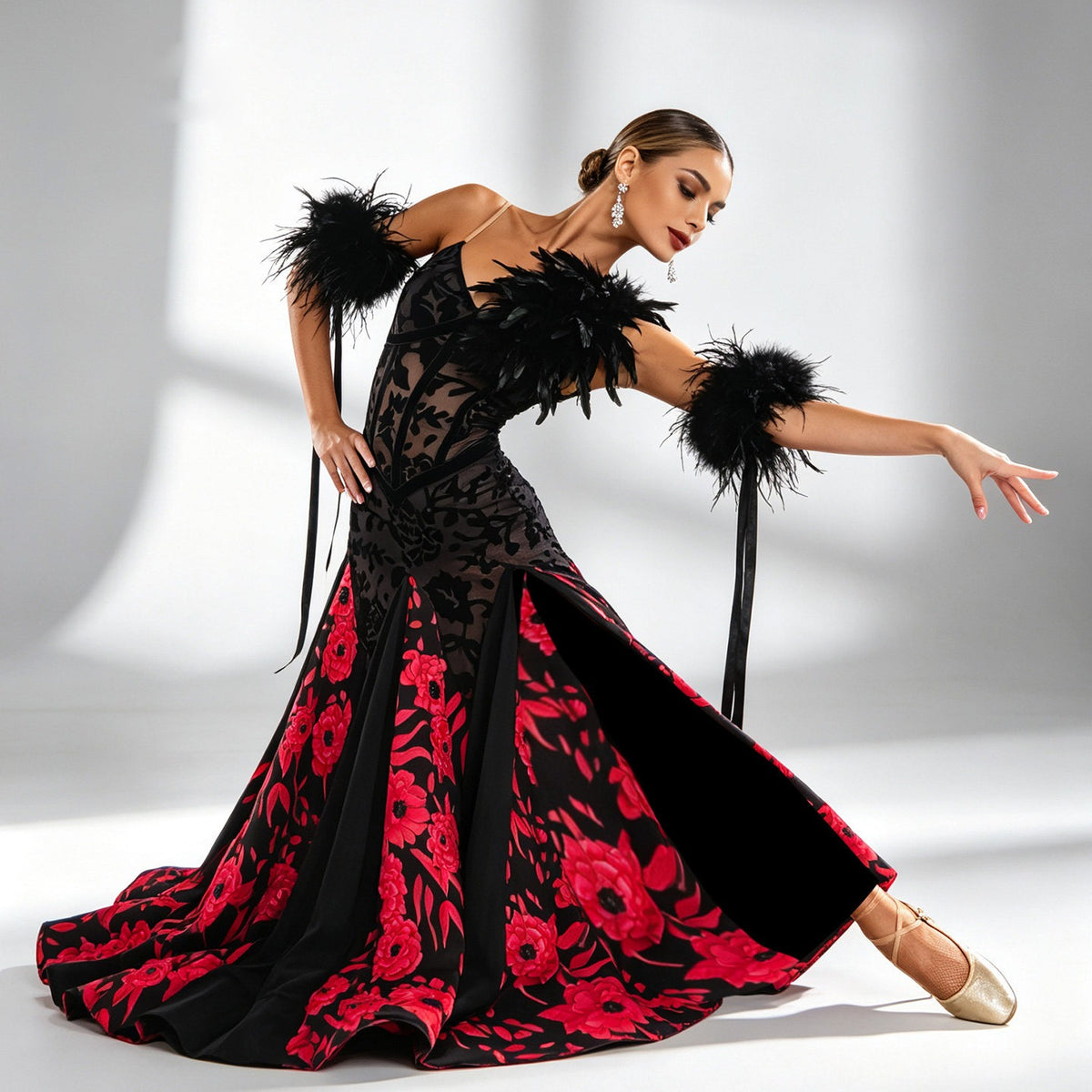
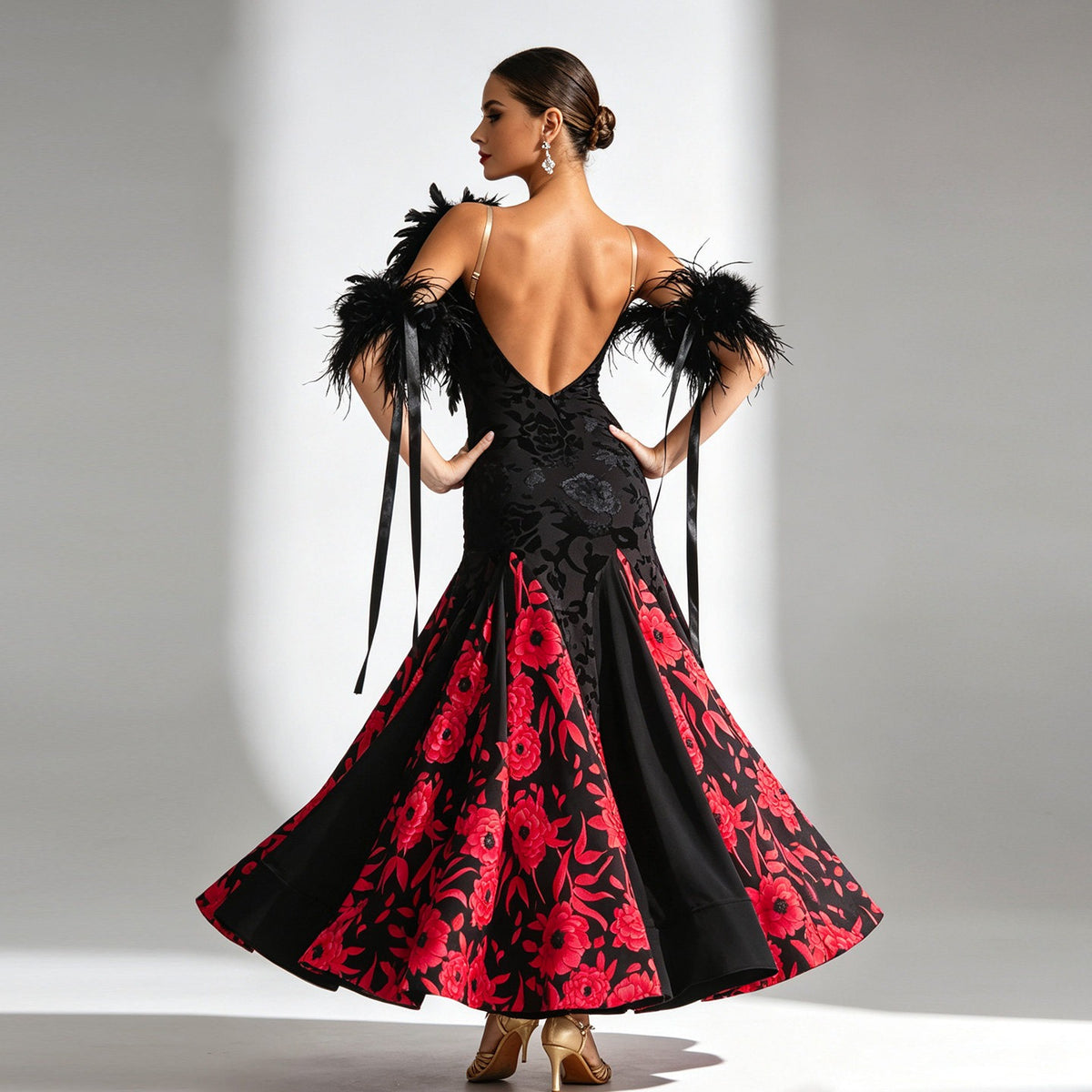
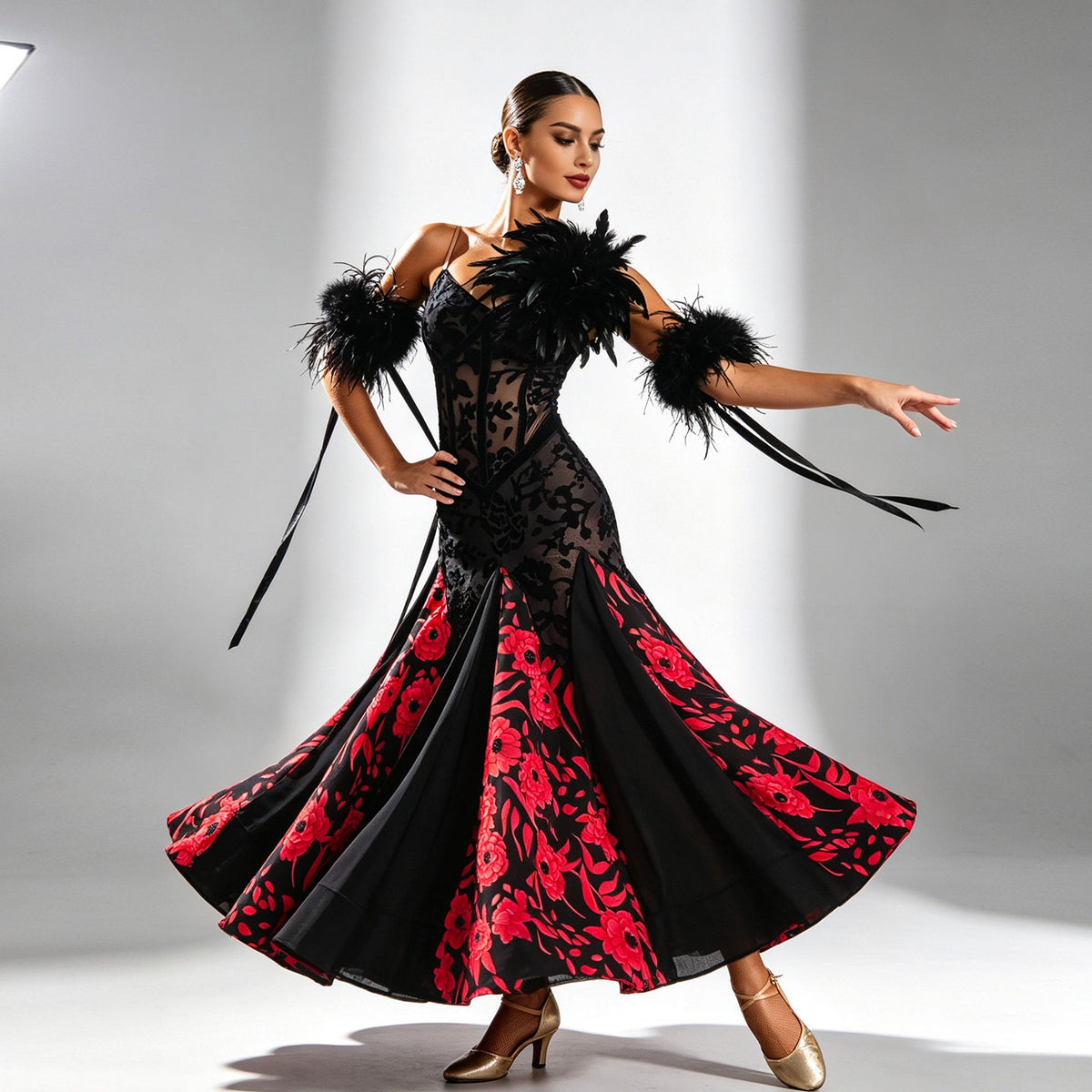
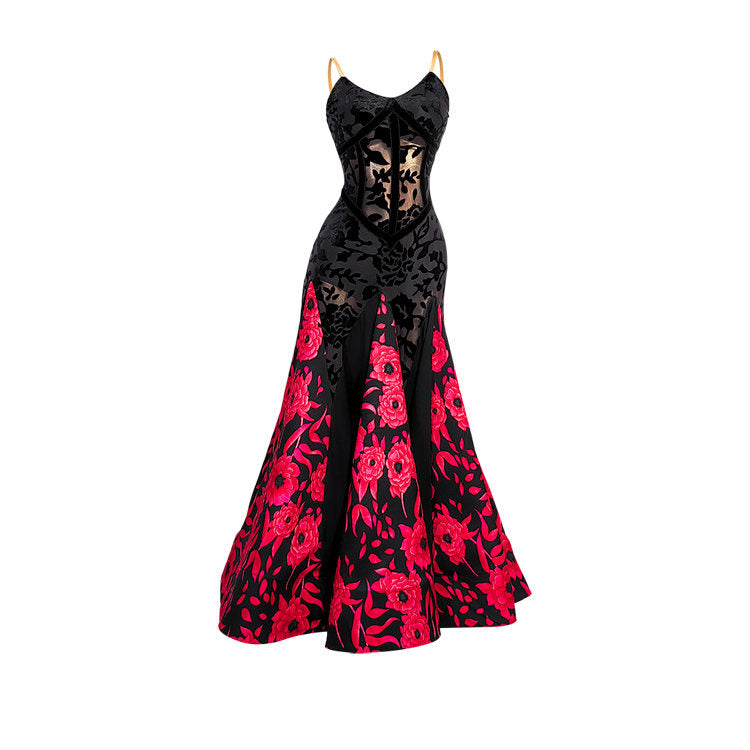


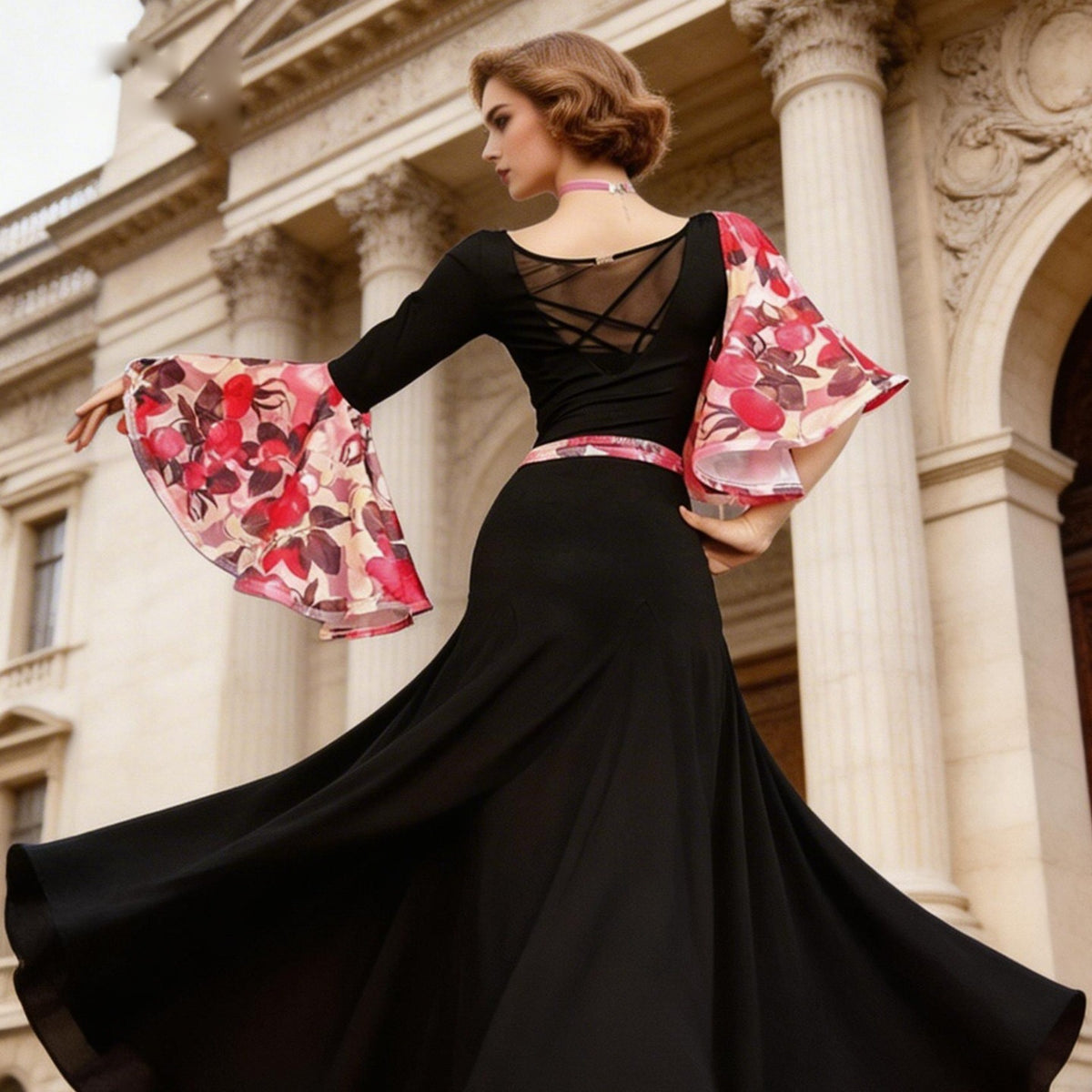
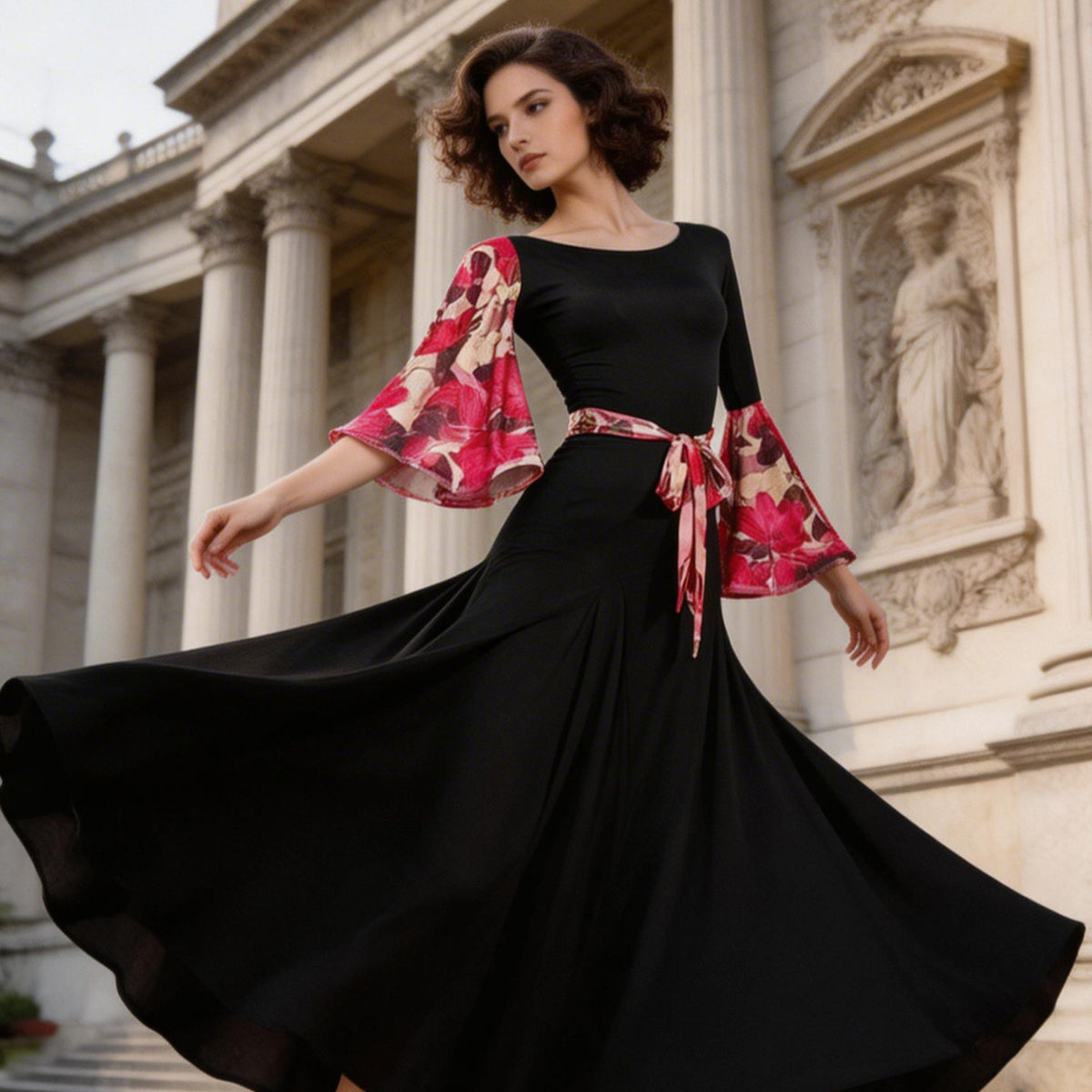


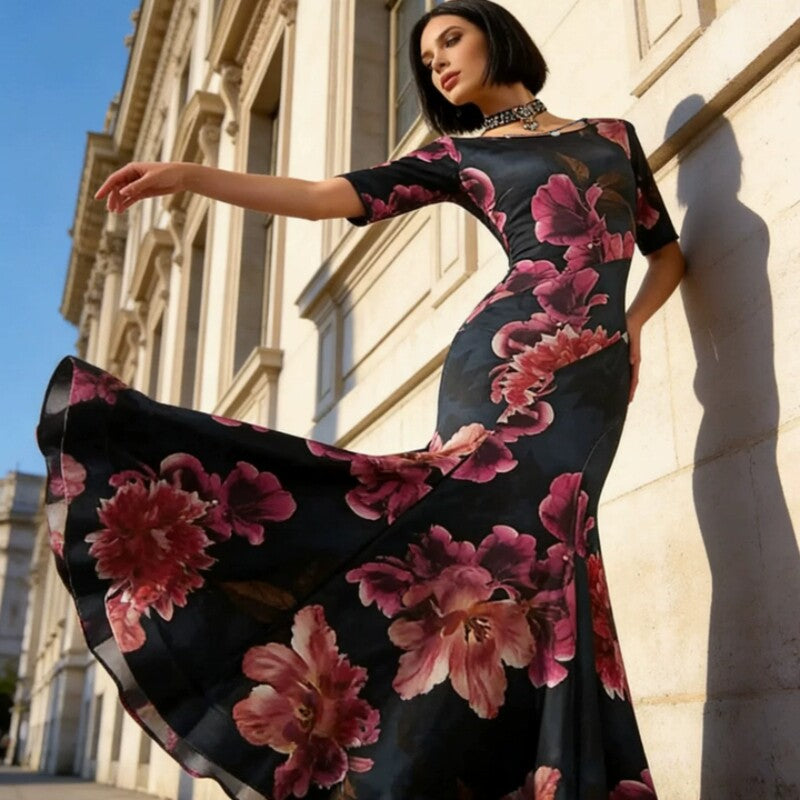
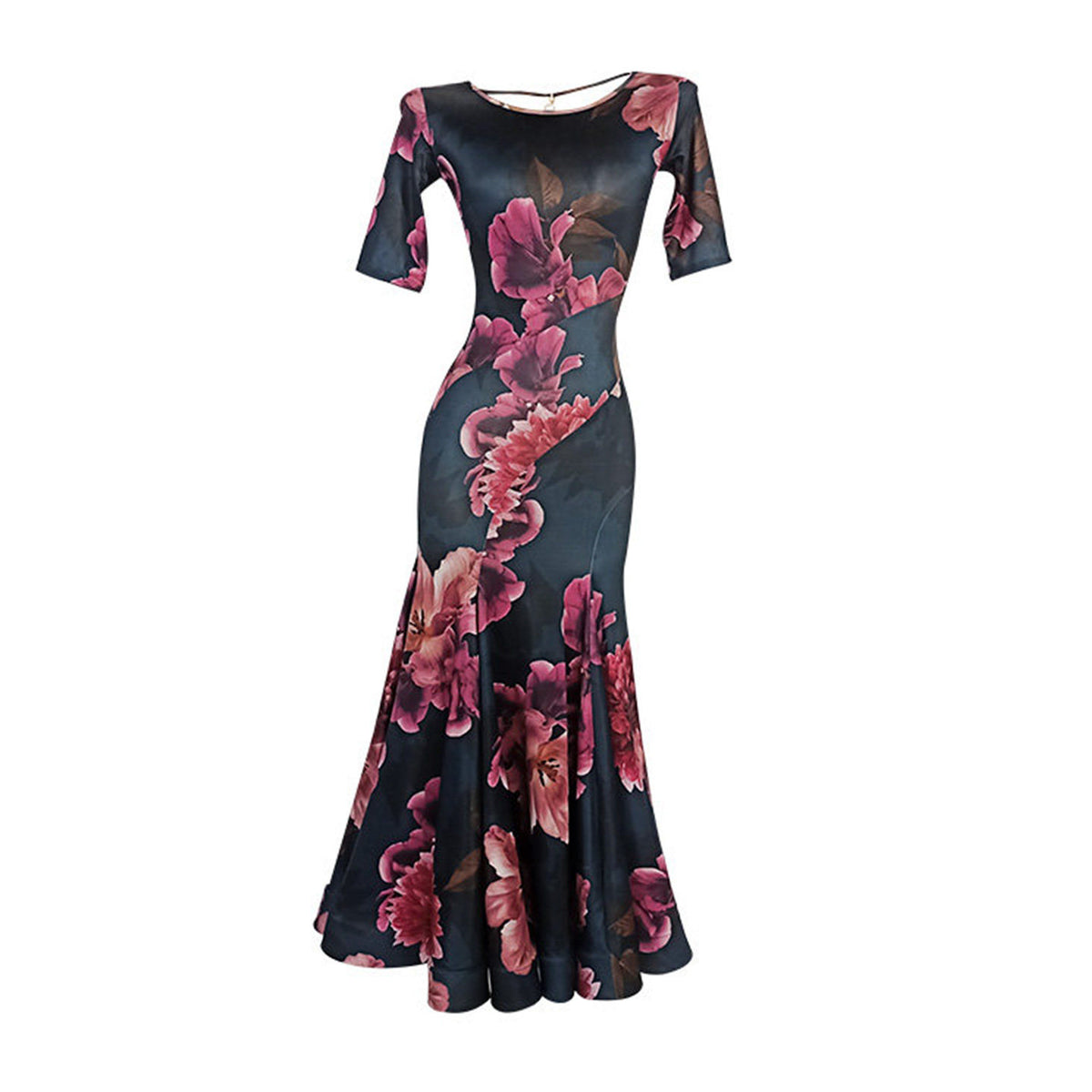
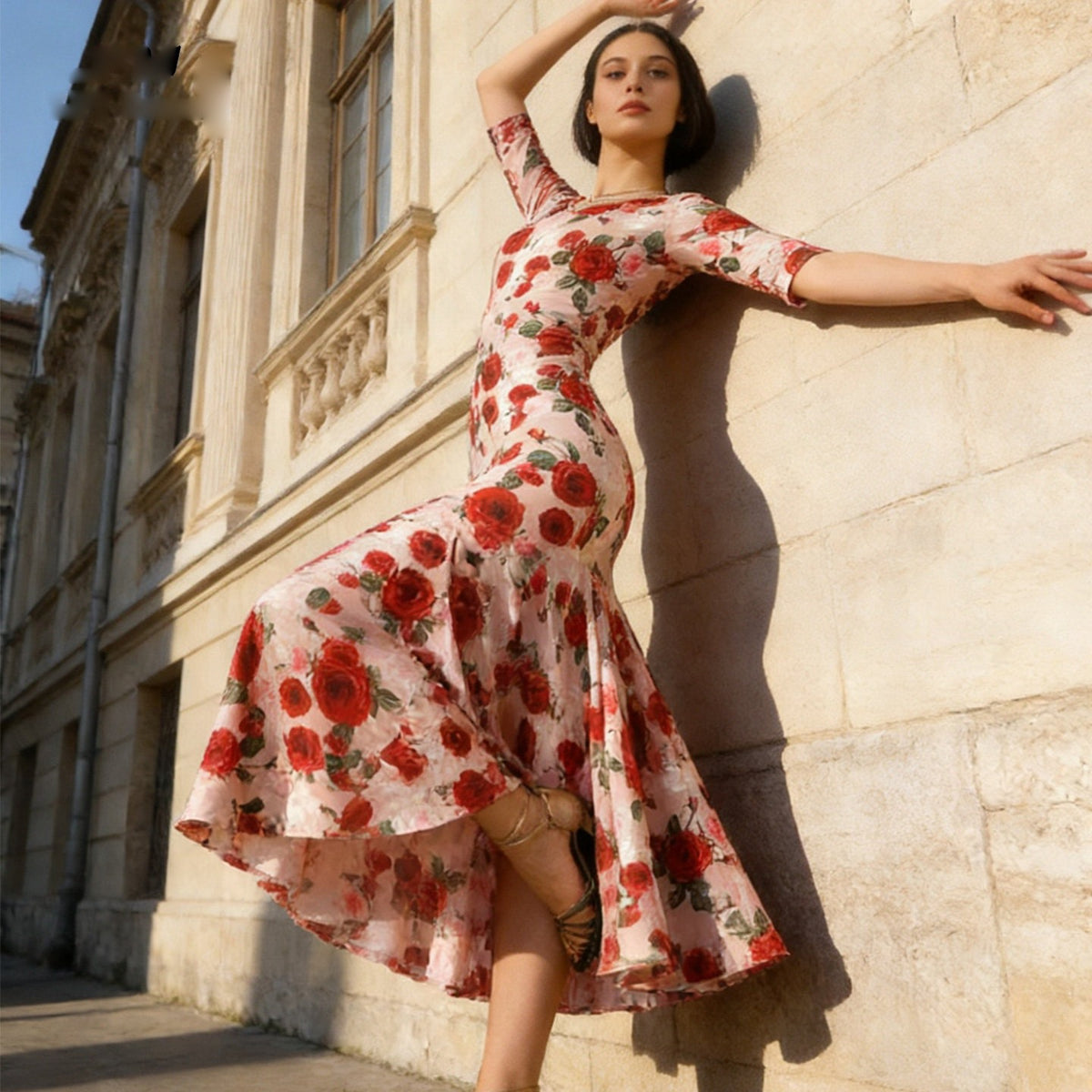
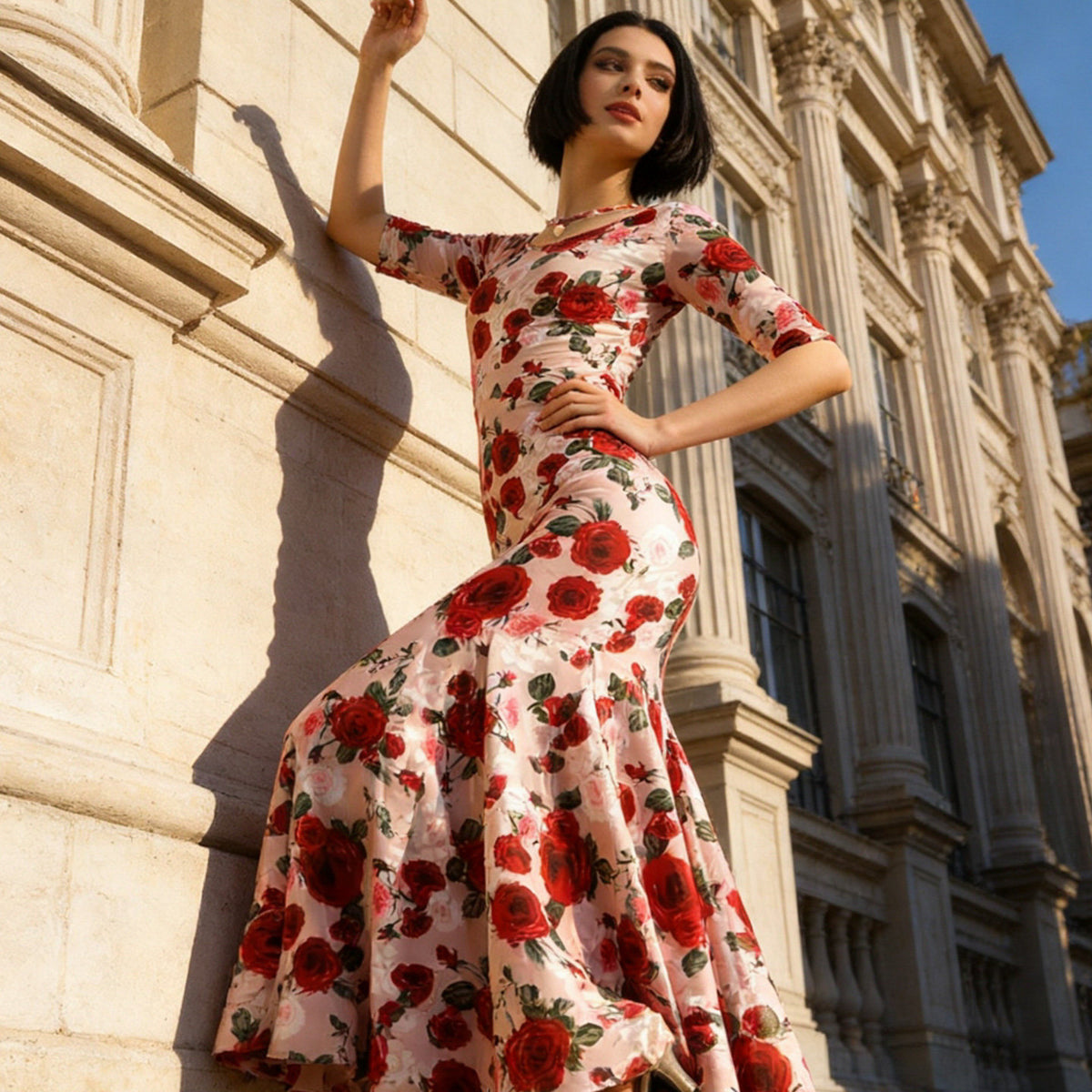
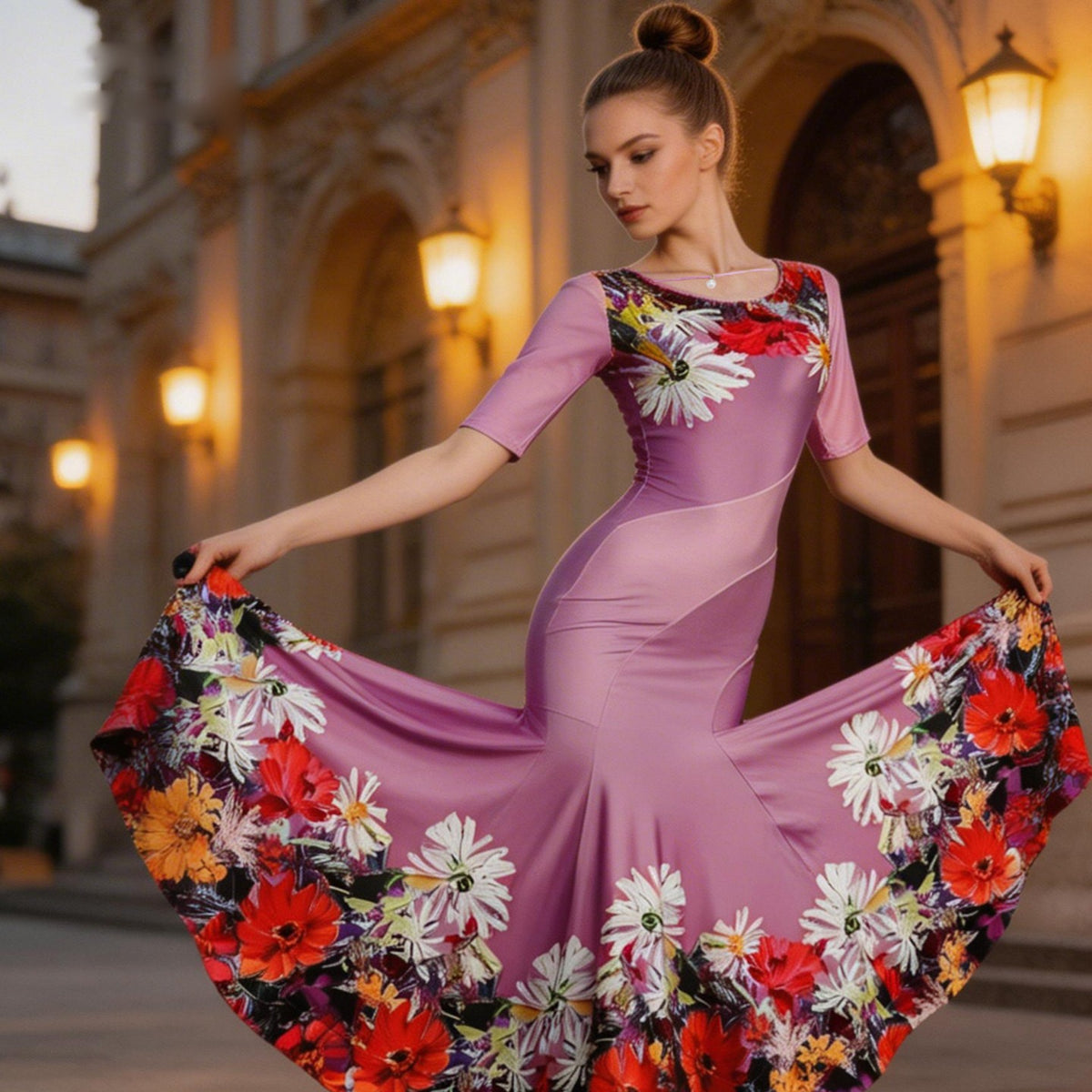
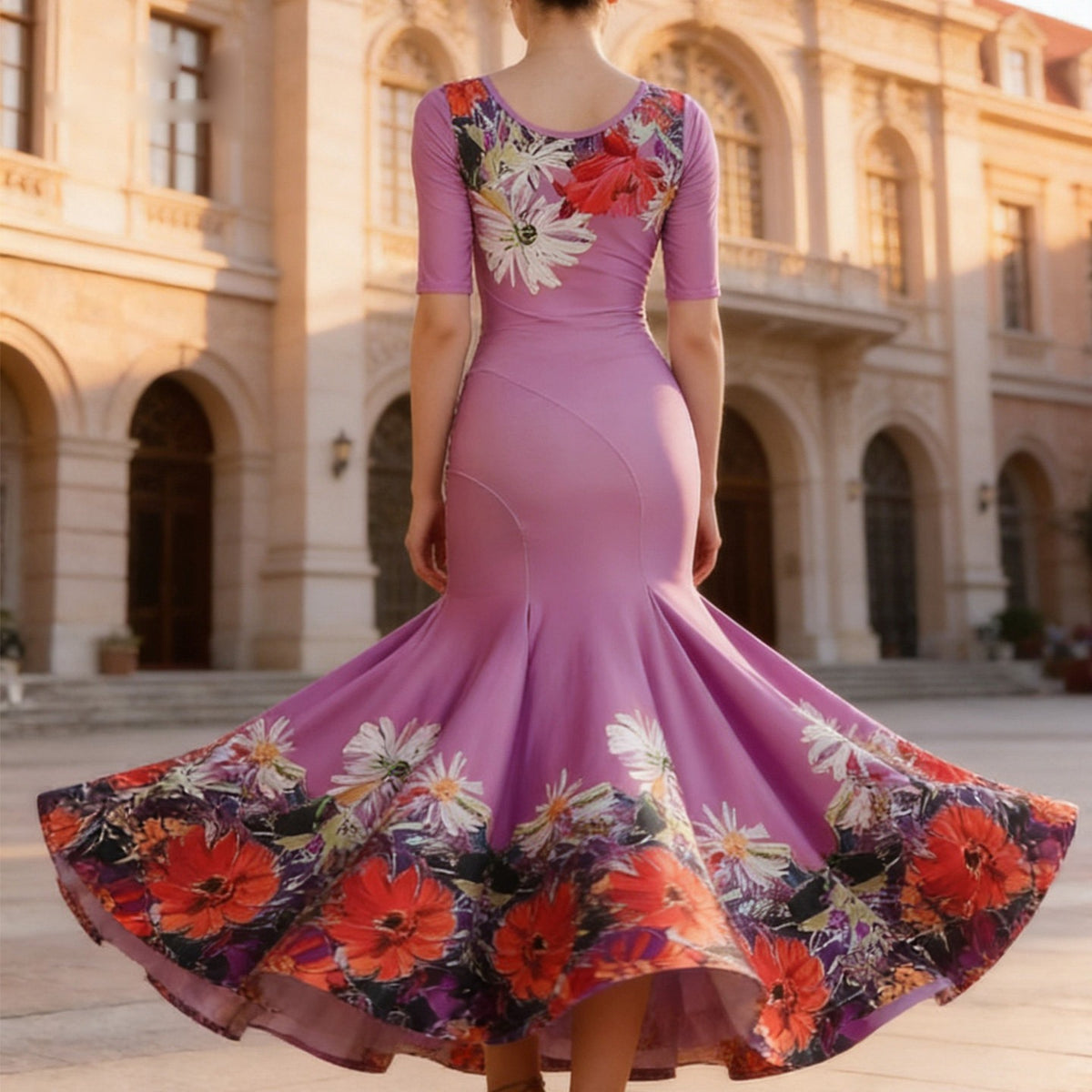
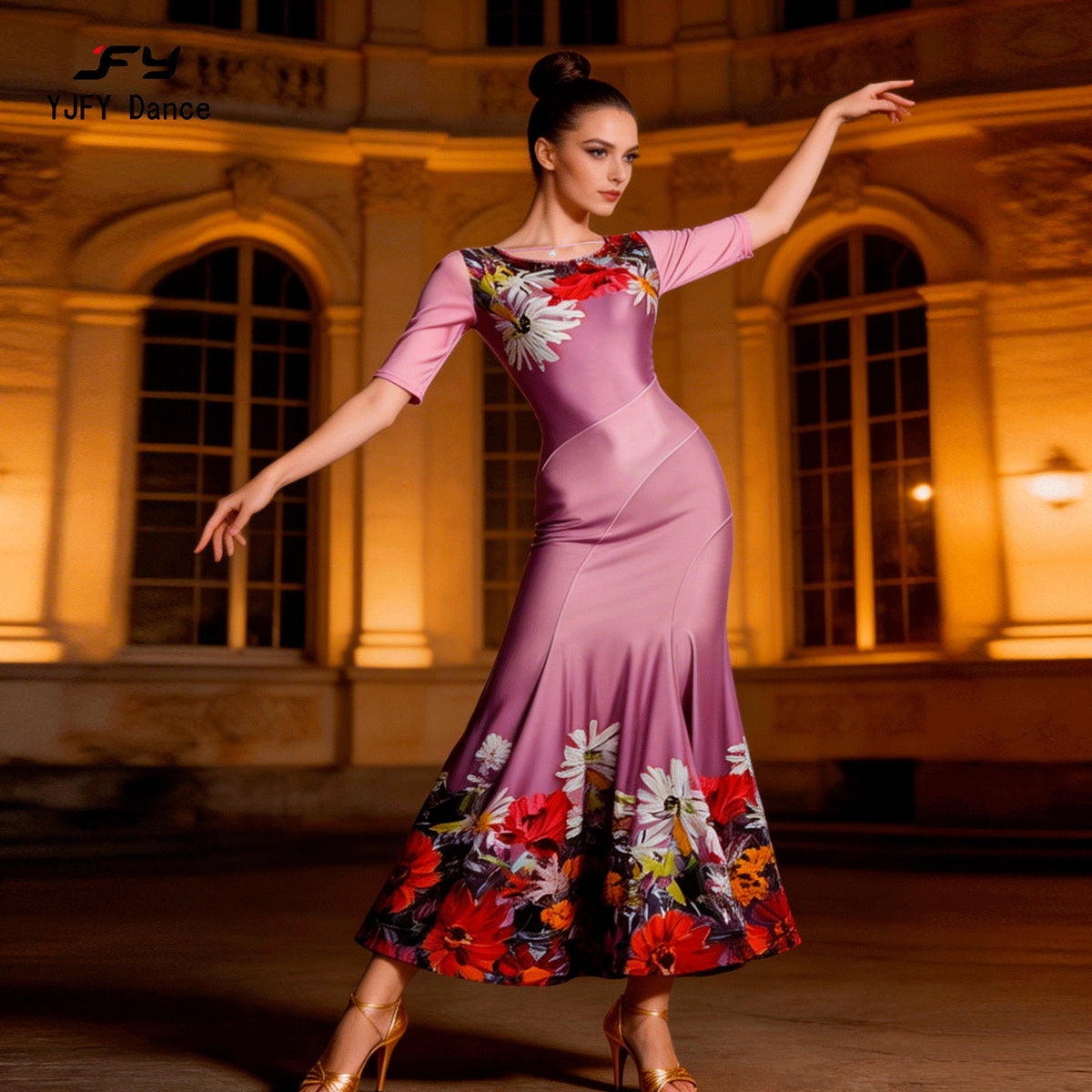
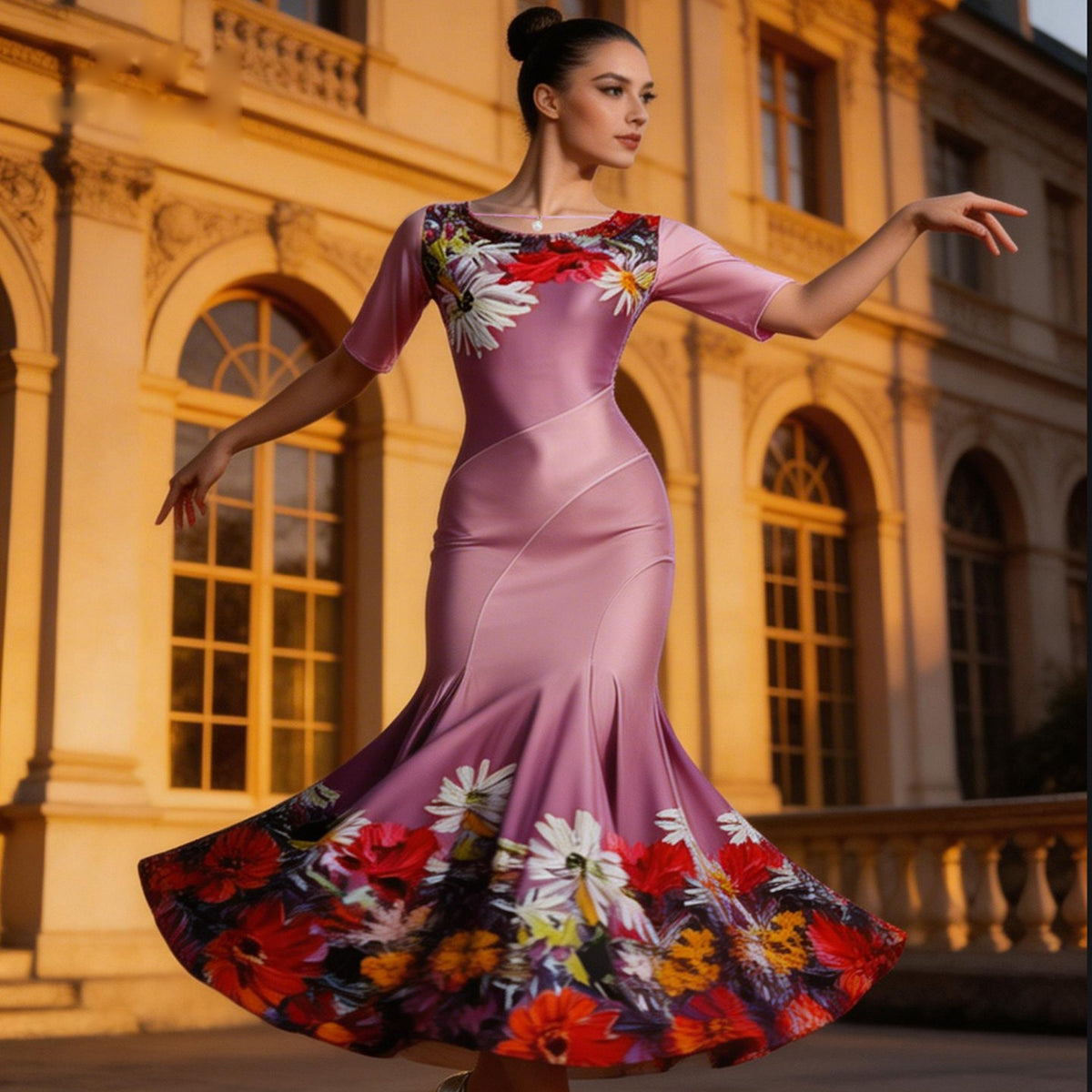




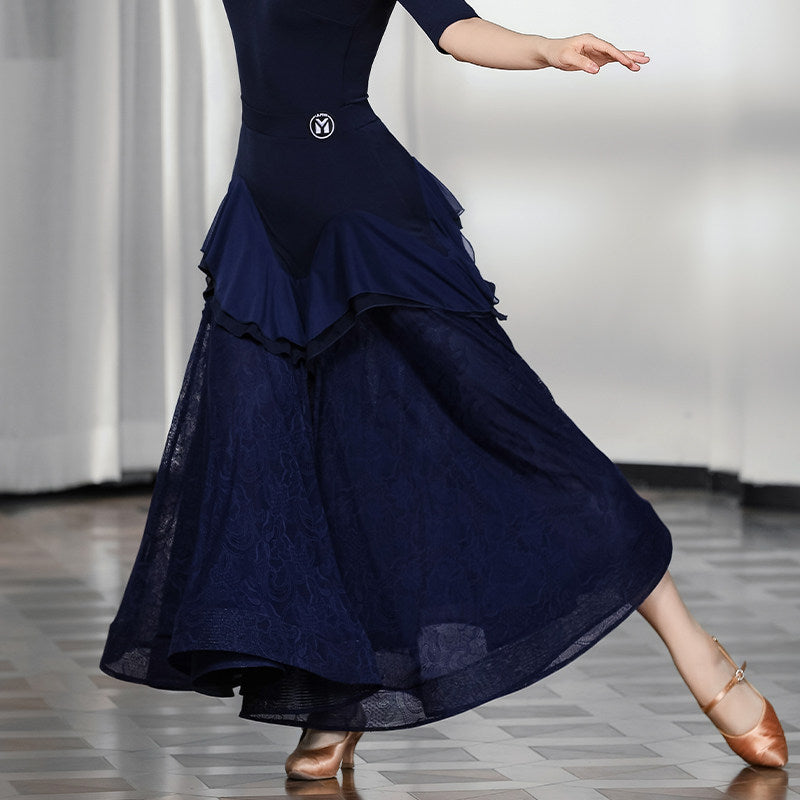
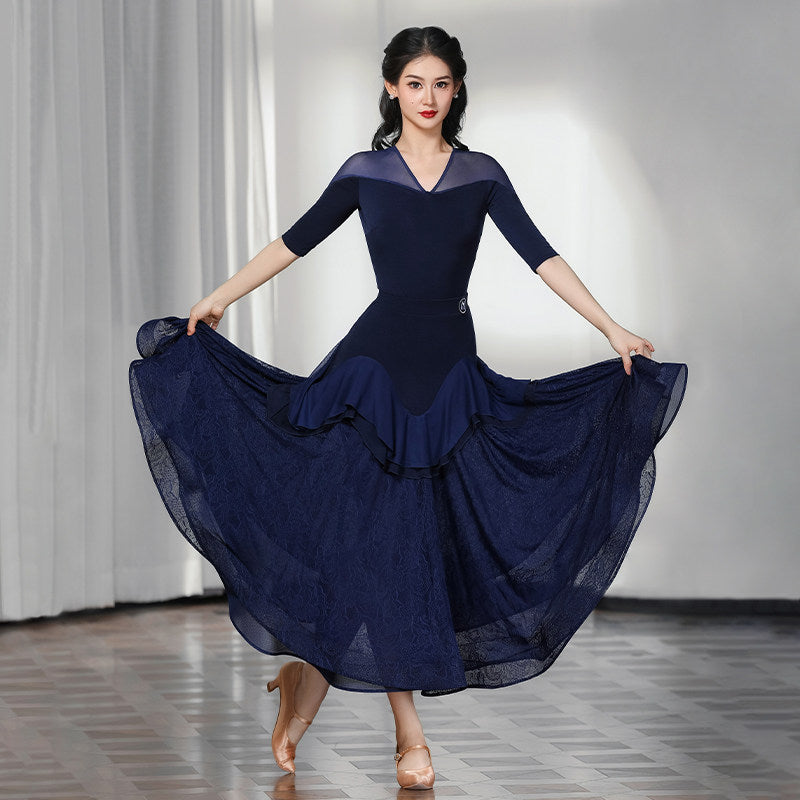
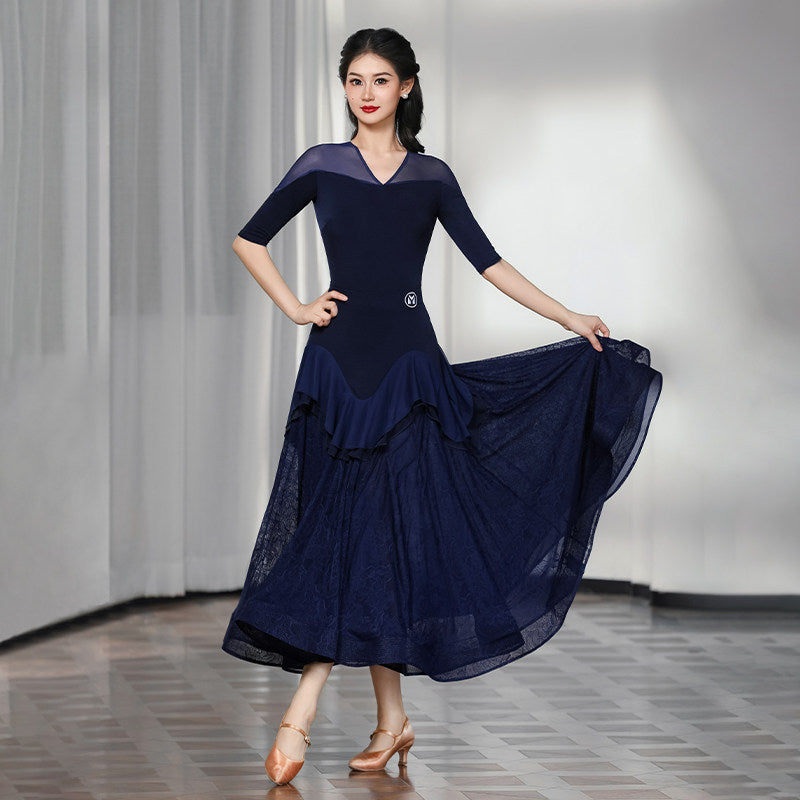
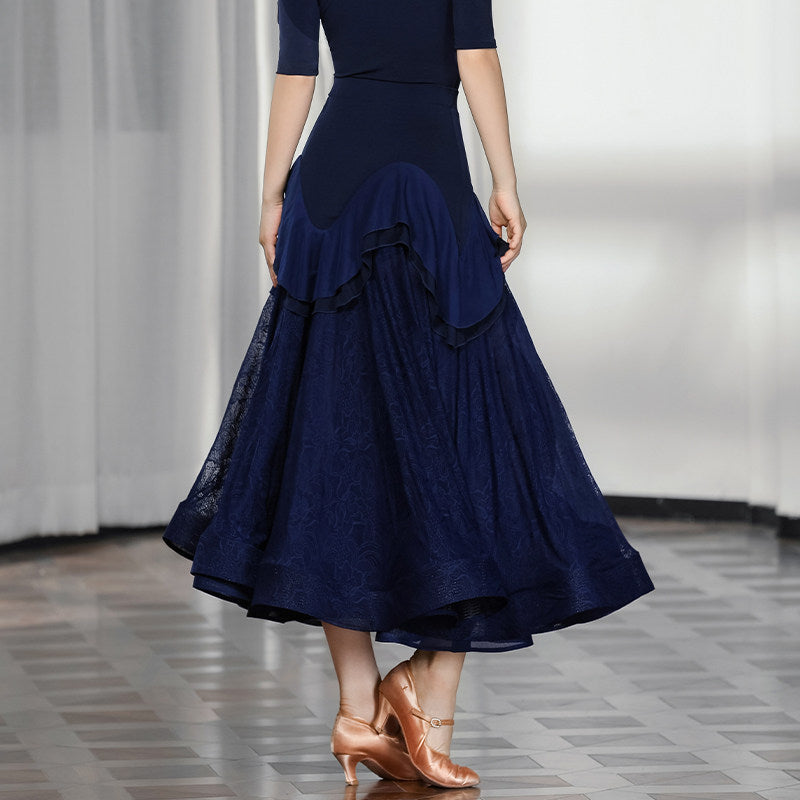


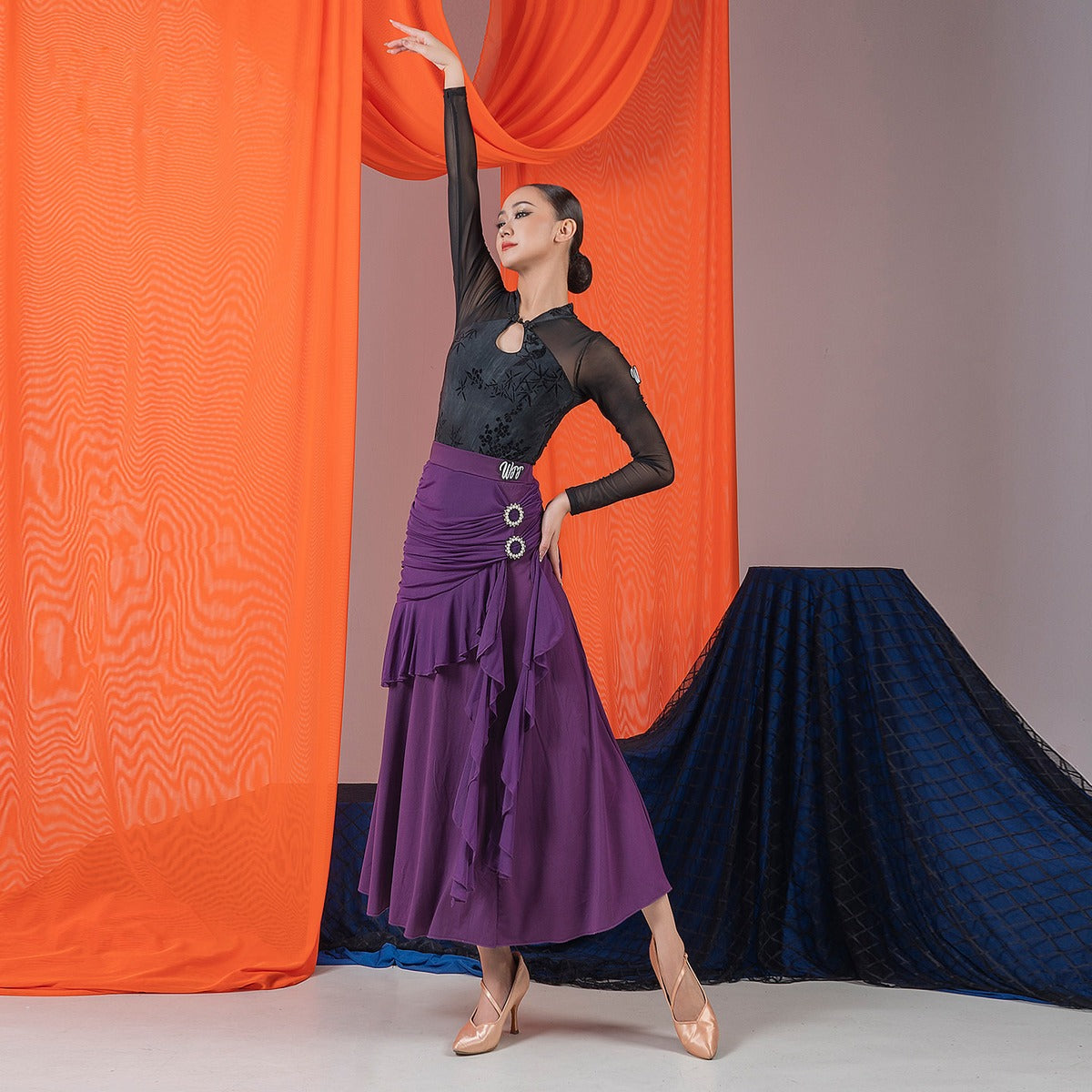
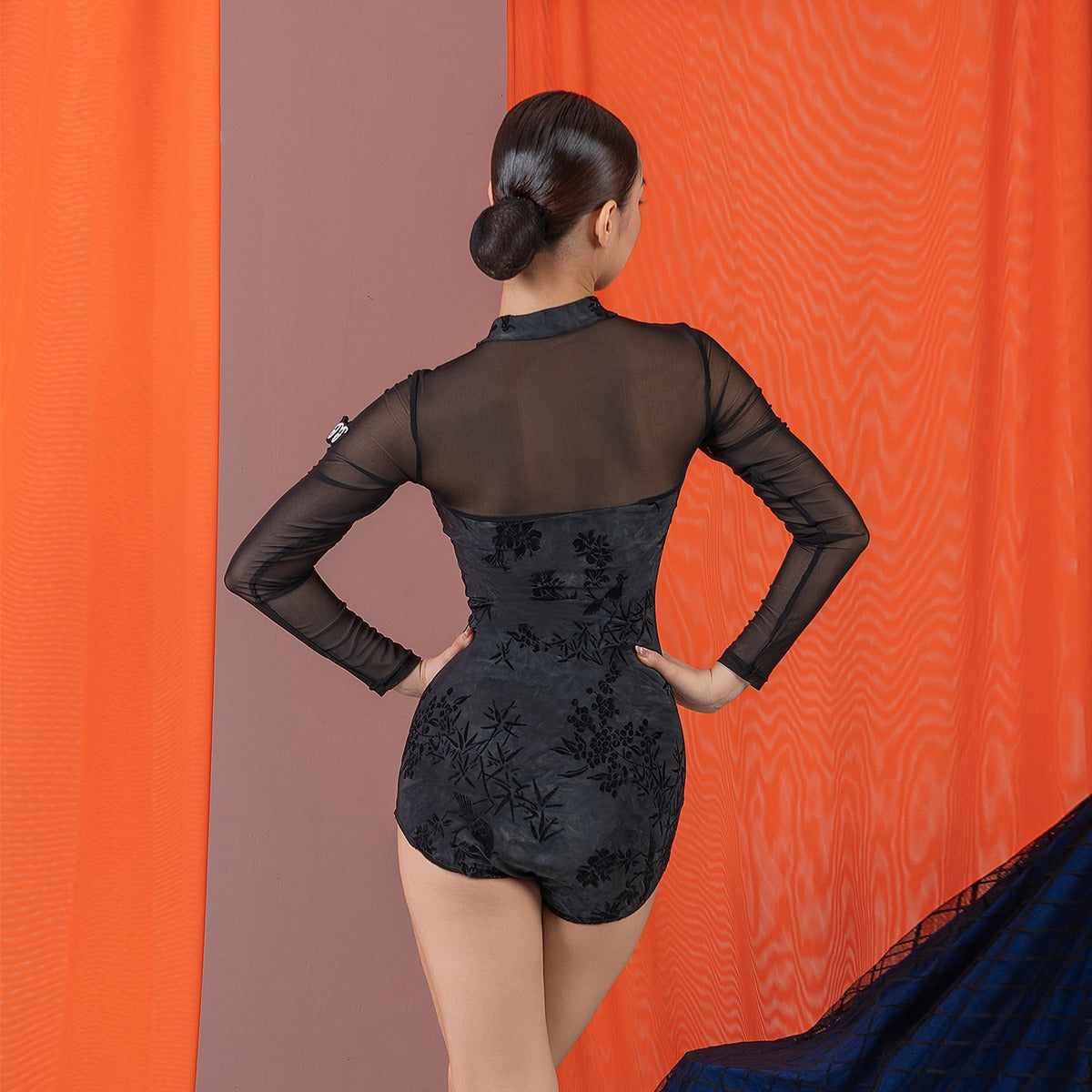


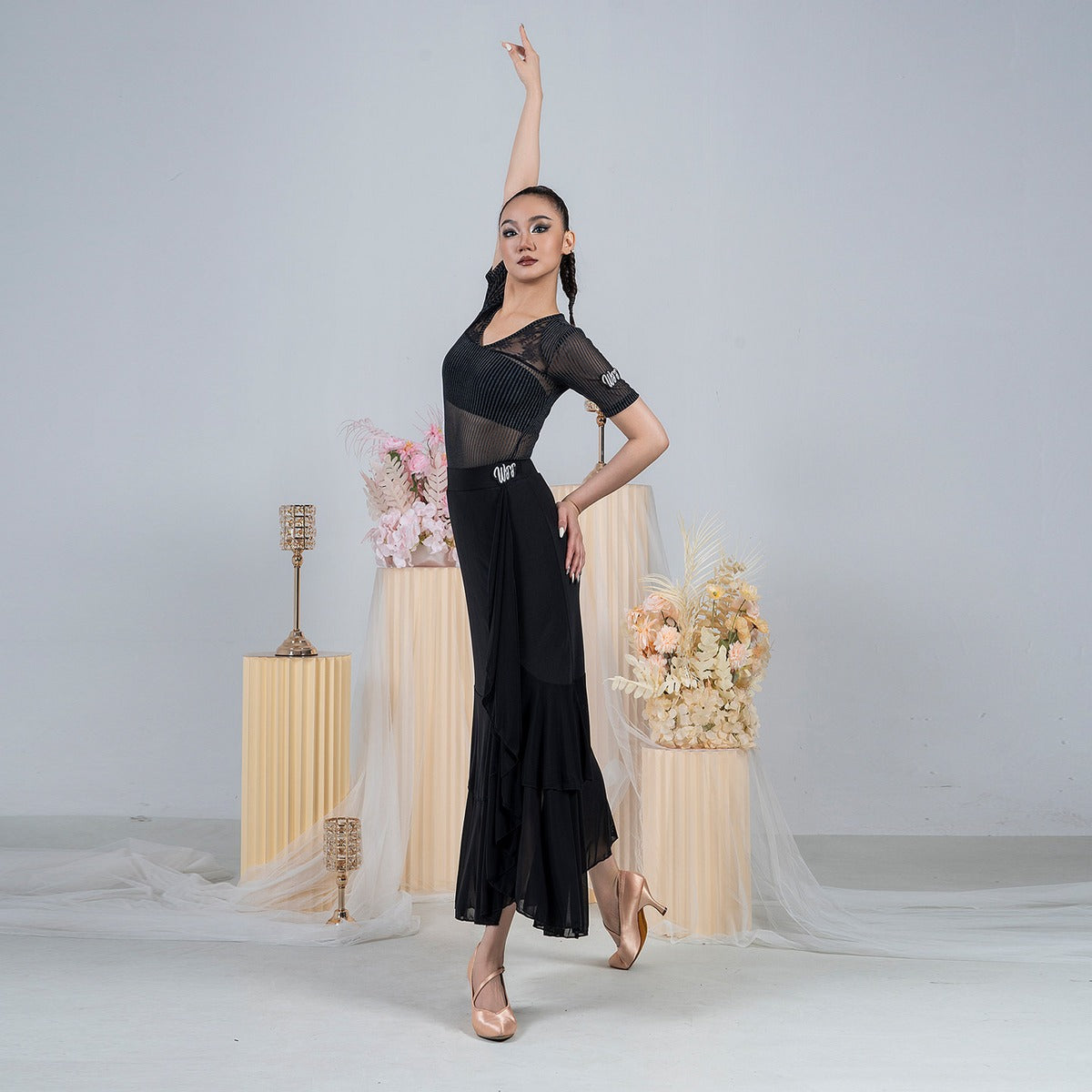
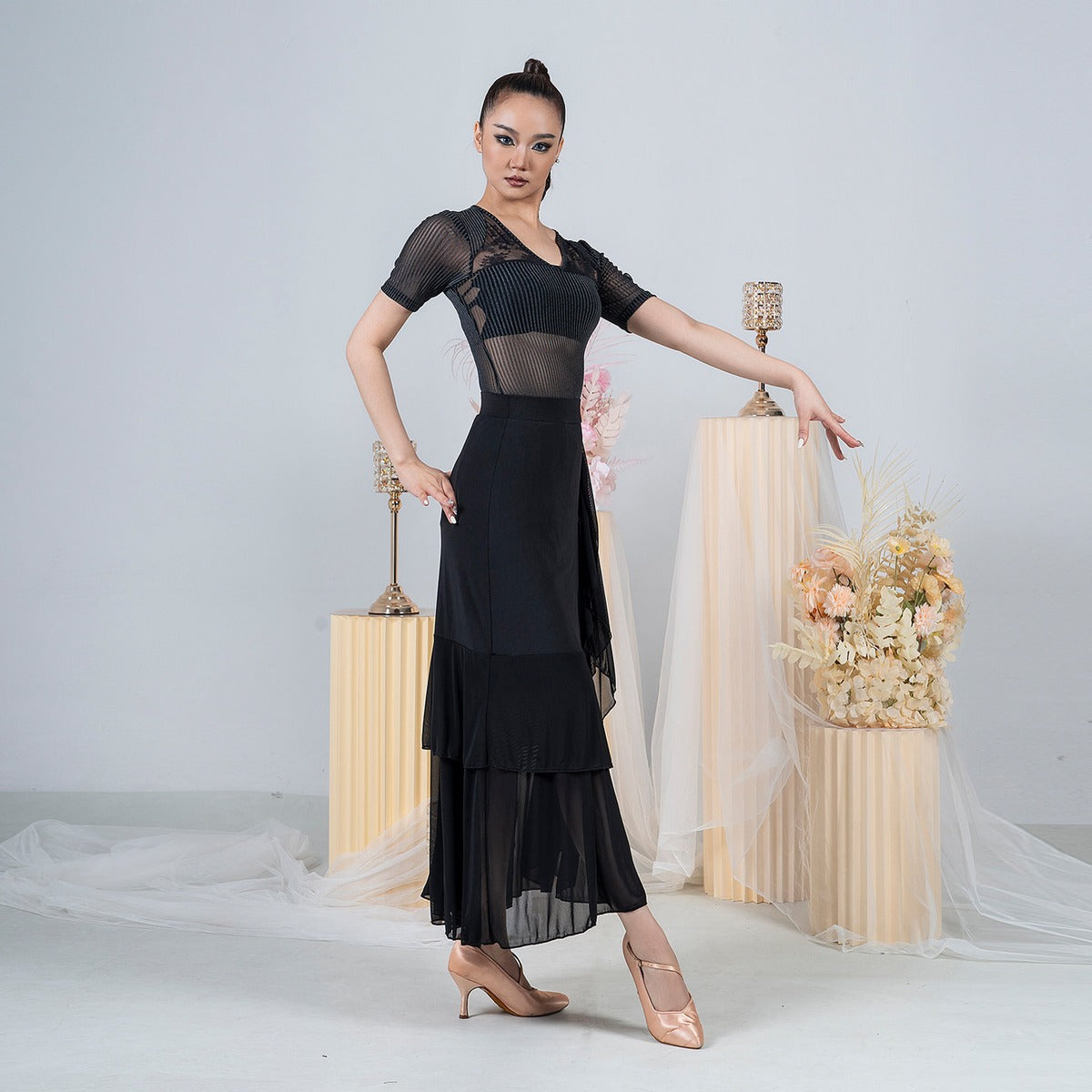
What Counts as Ballroom Practice Wear
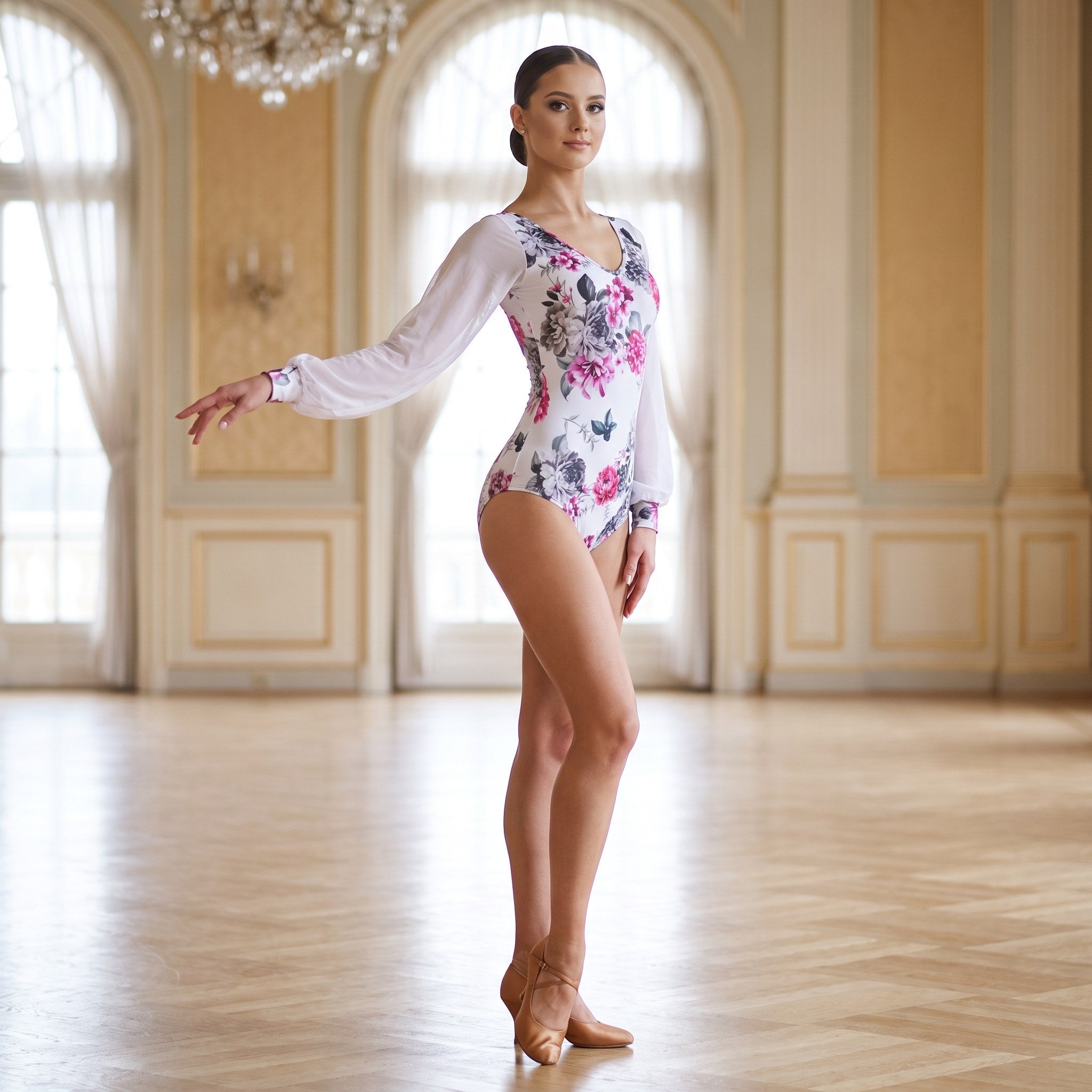
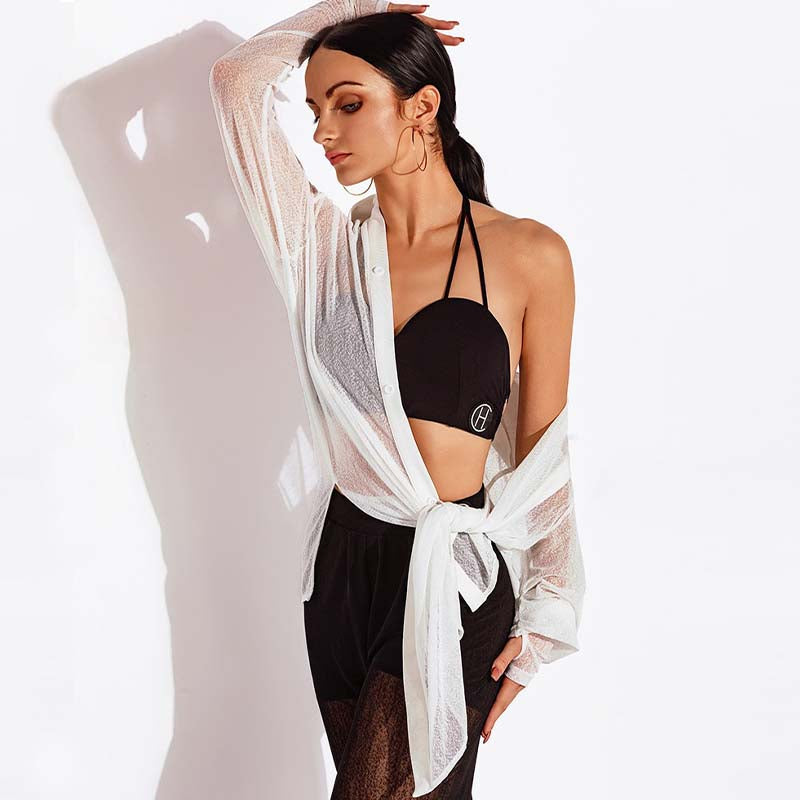
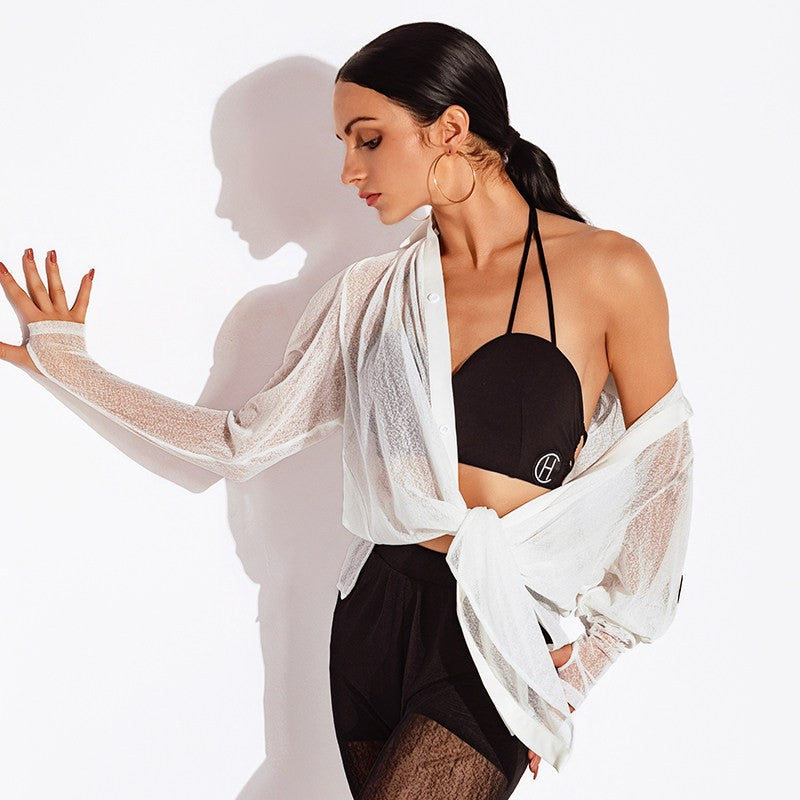
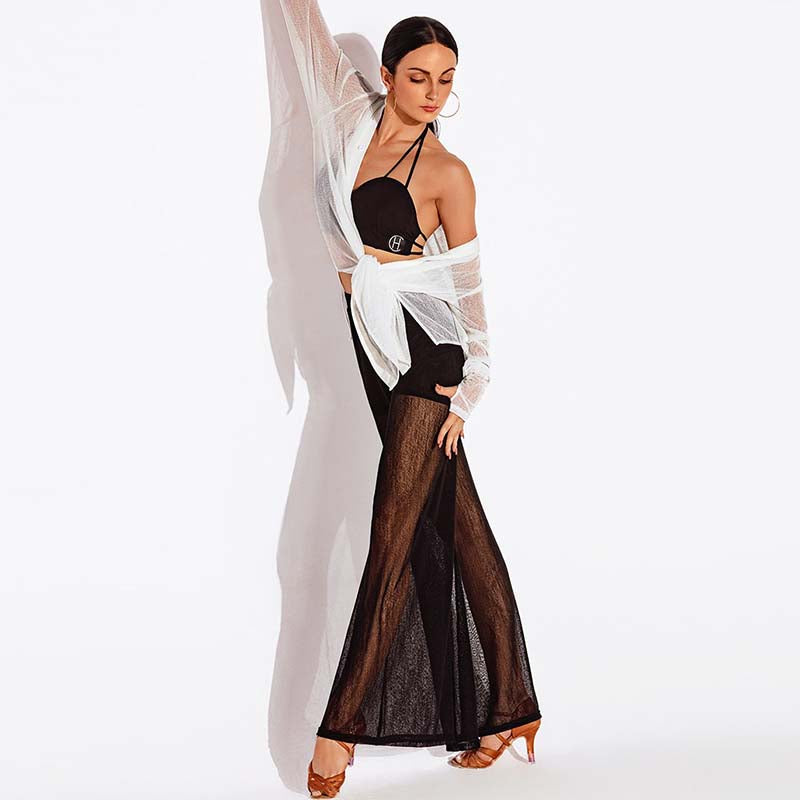
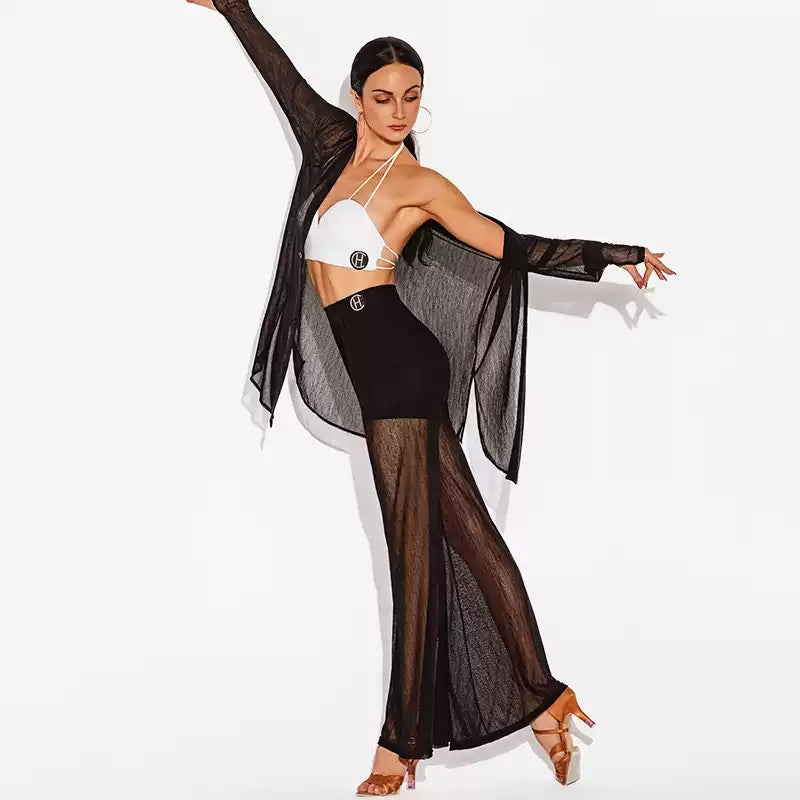
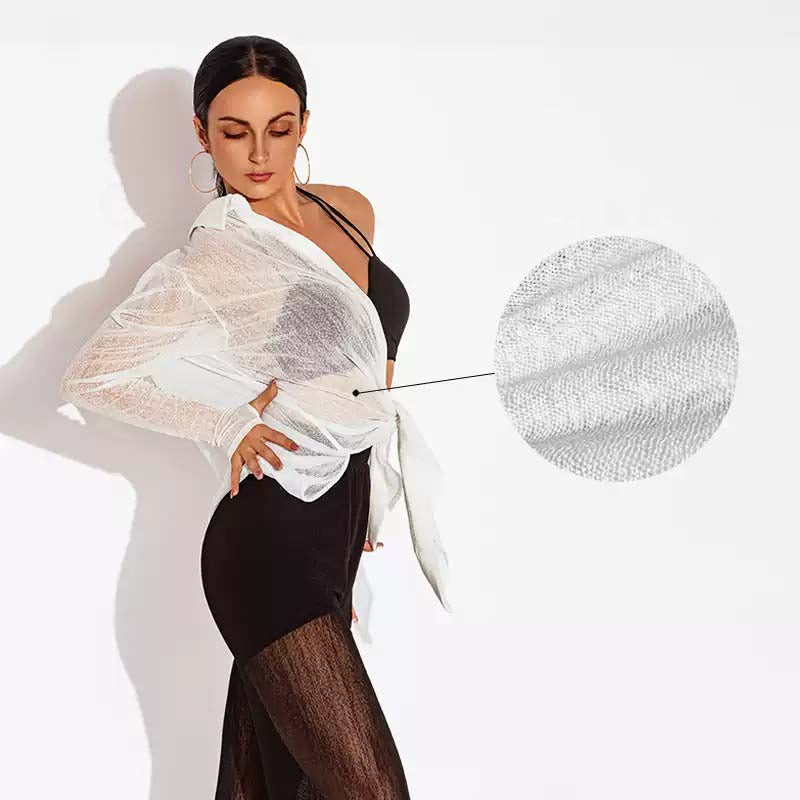
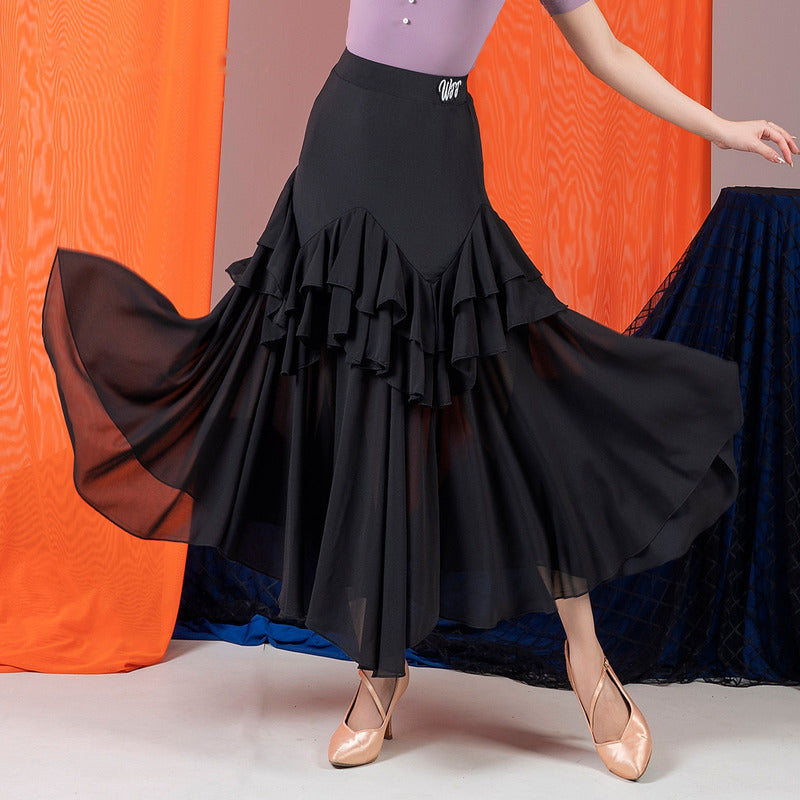
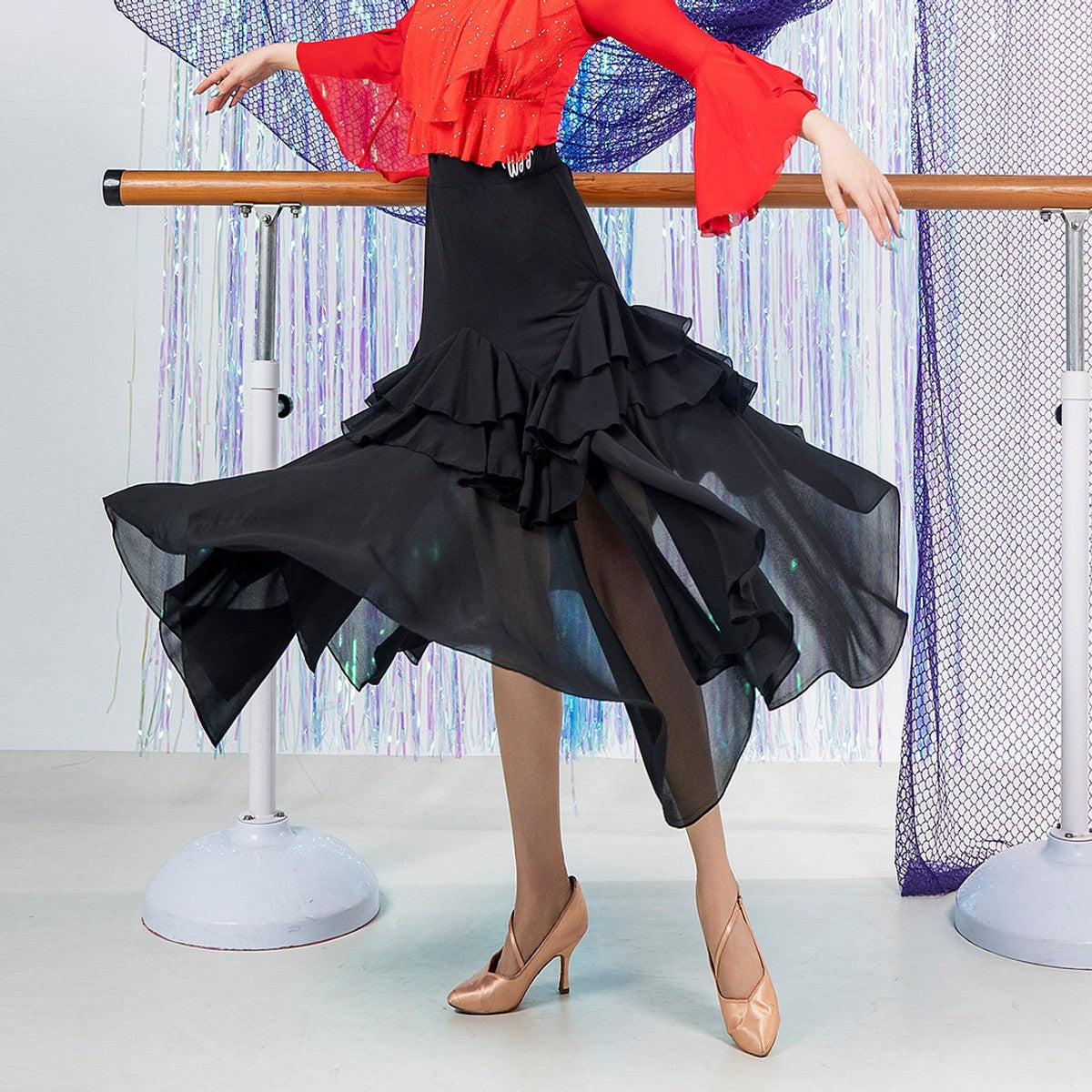
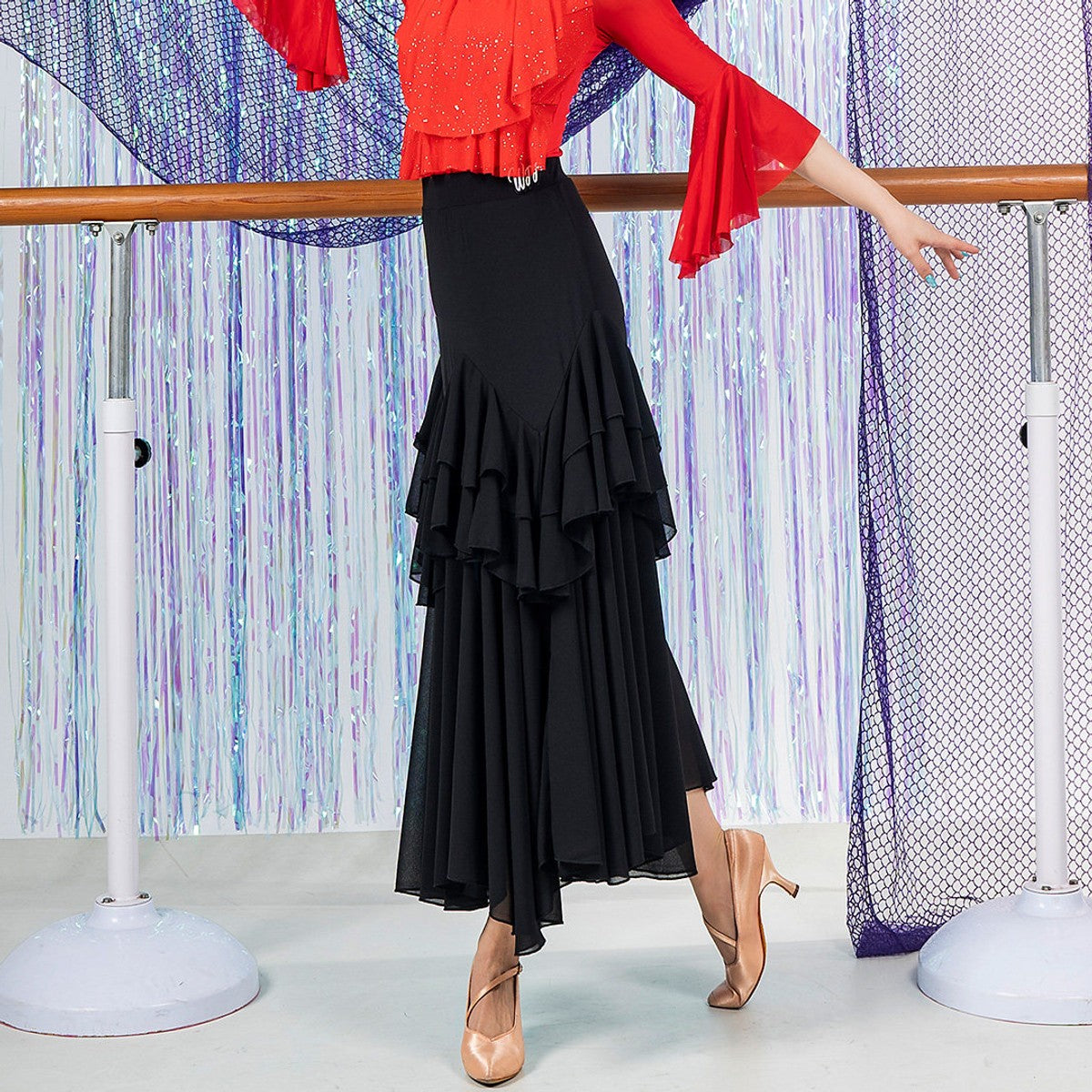
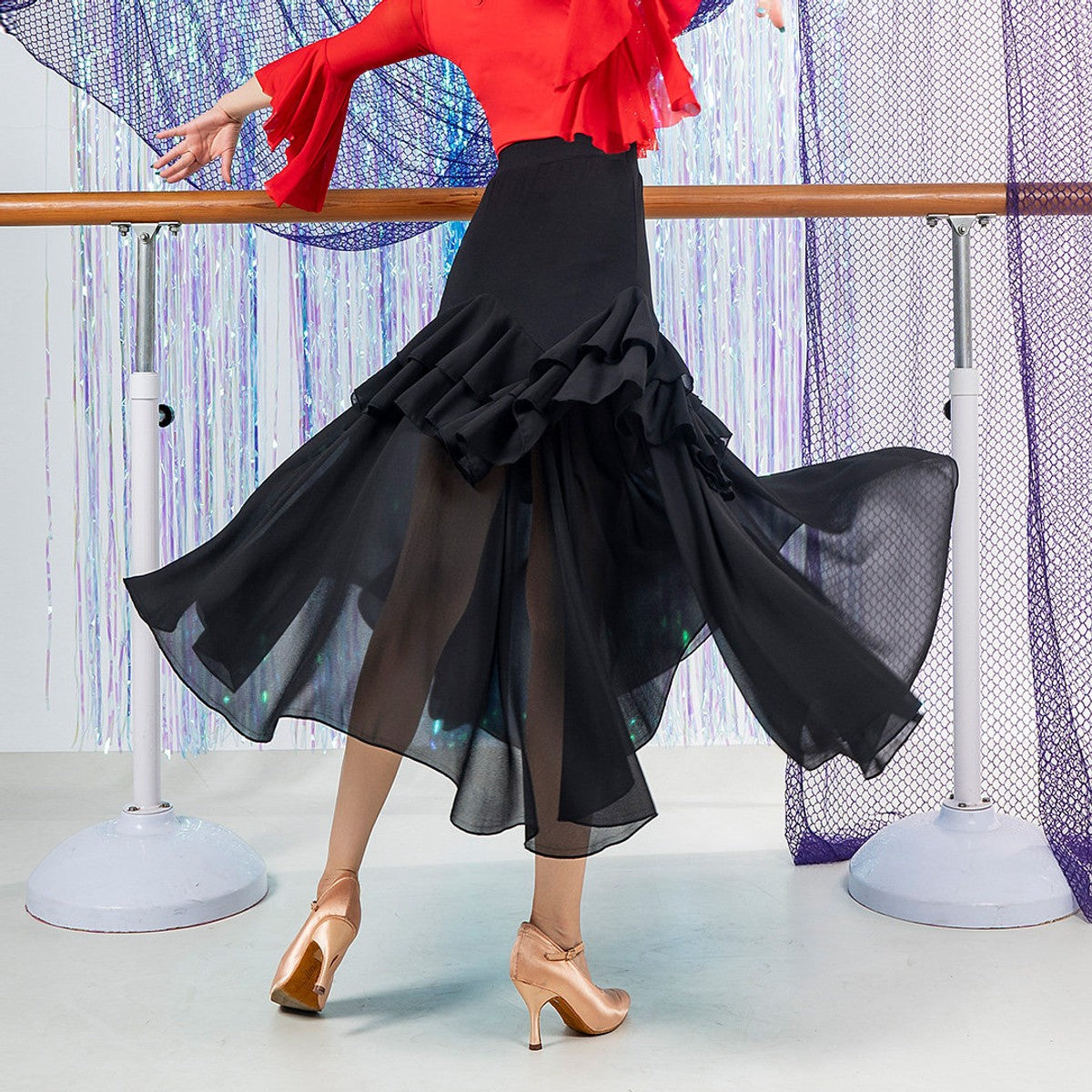
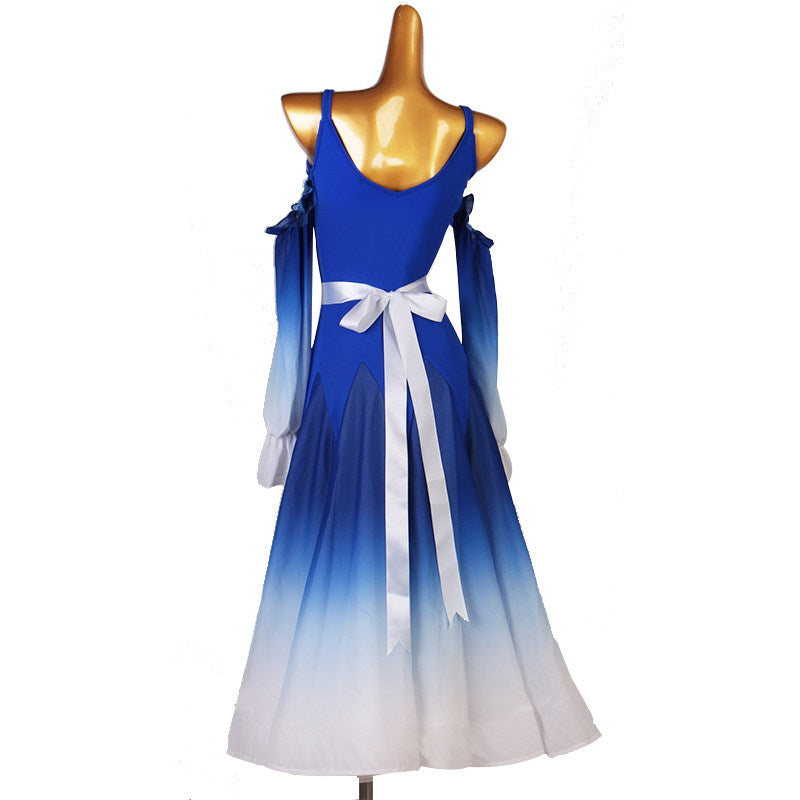
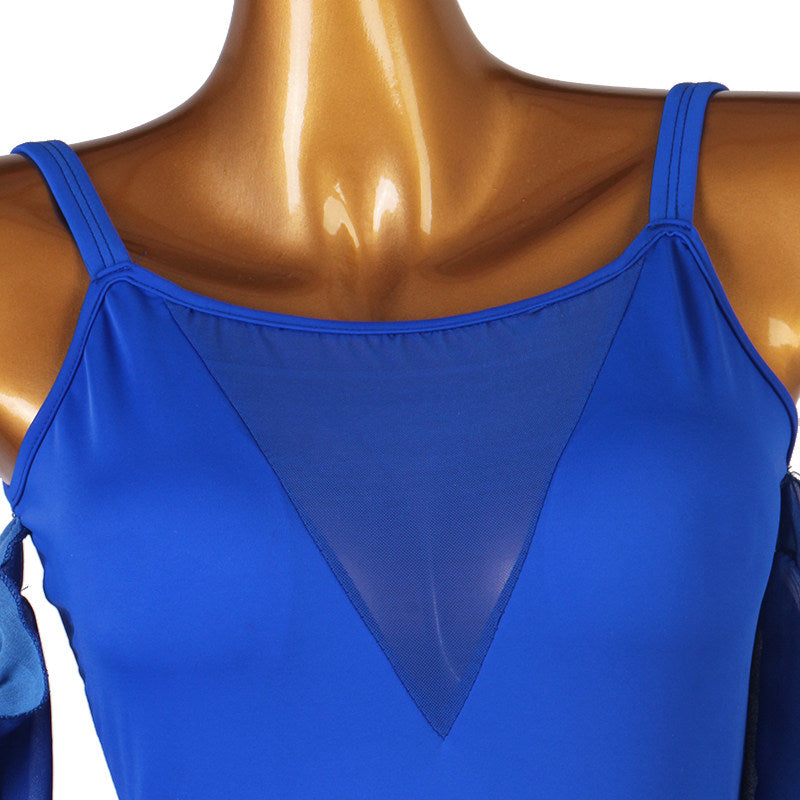
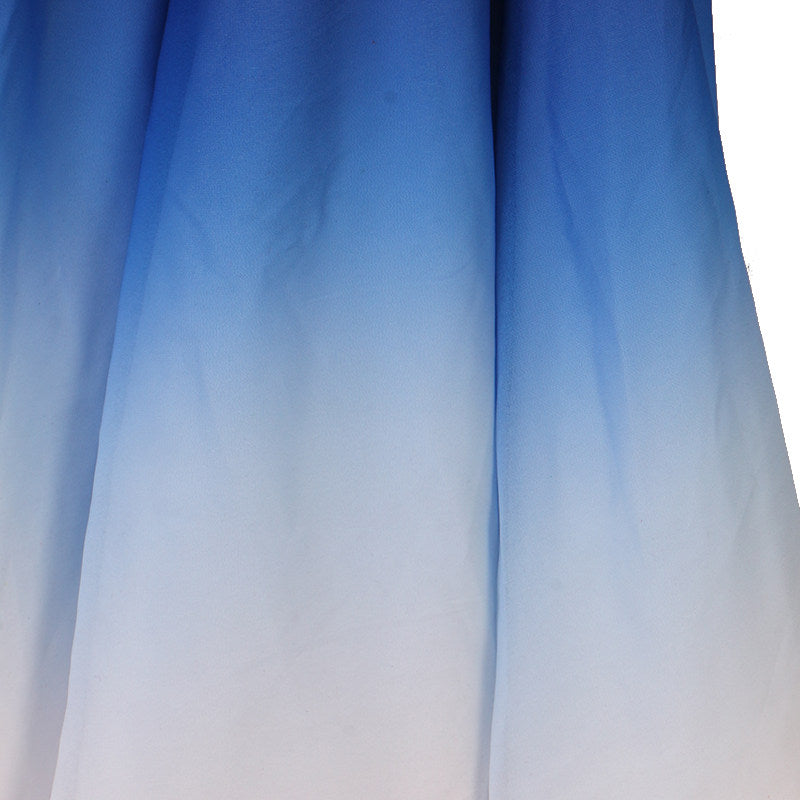
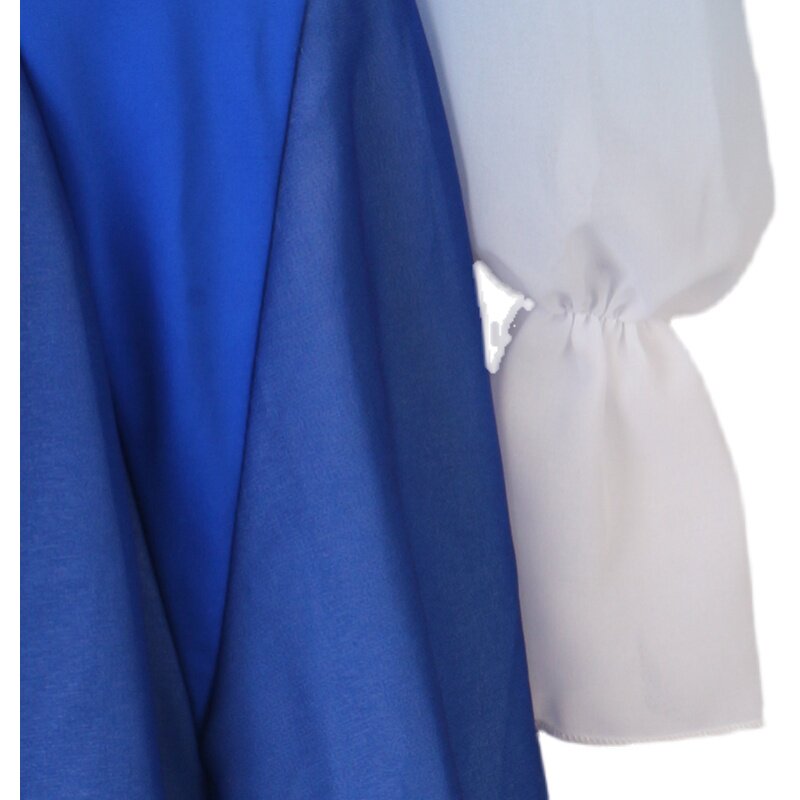
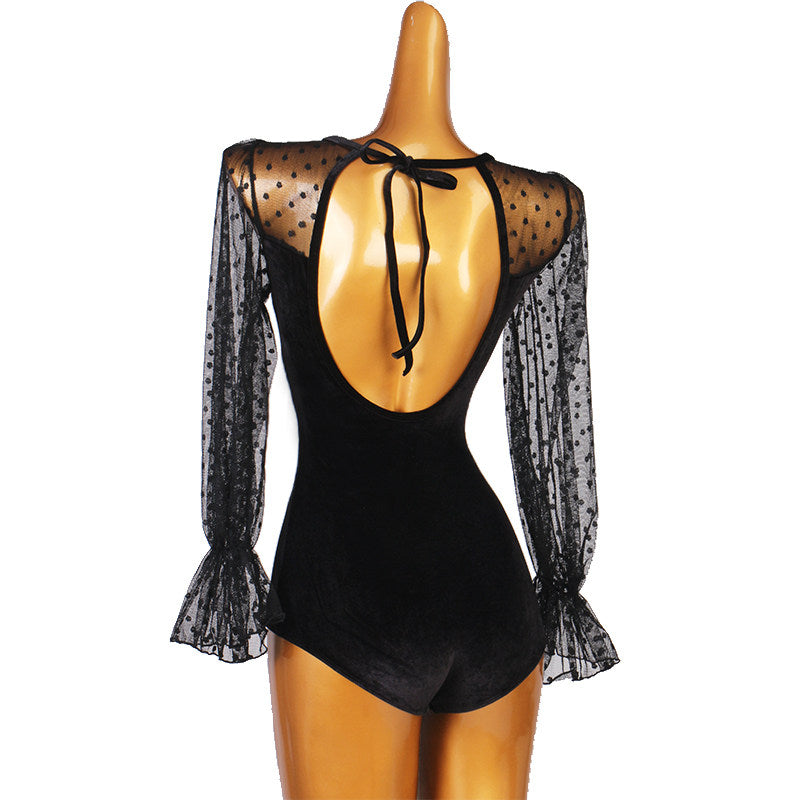
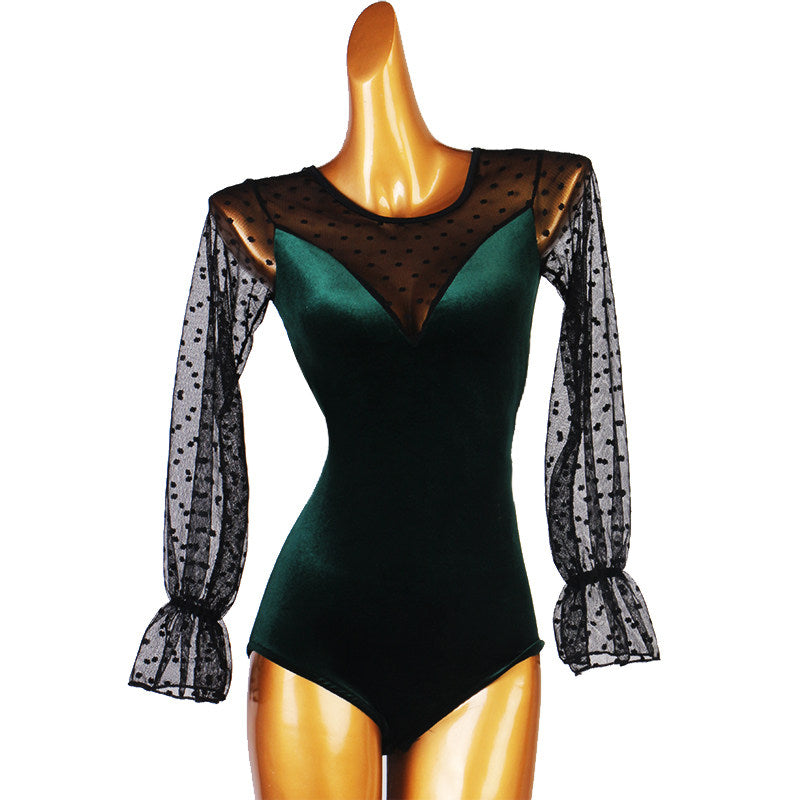
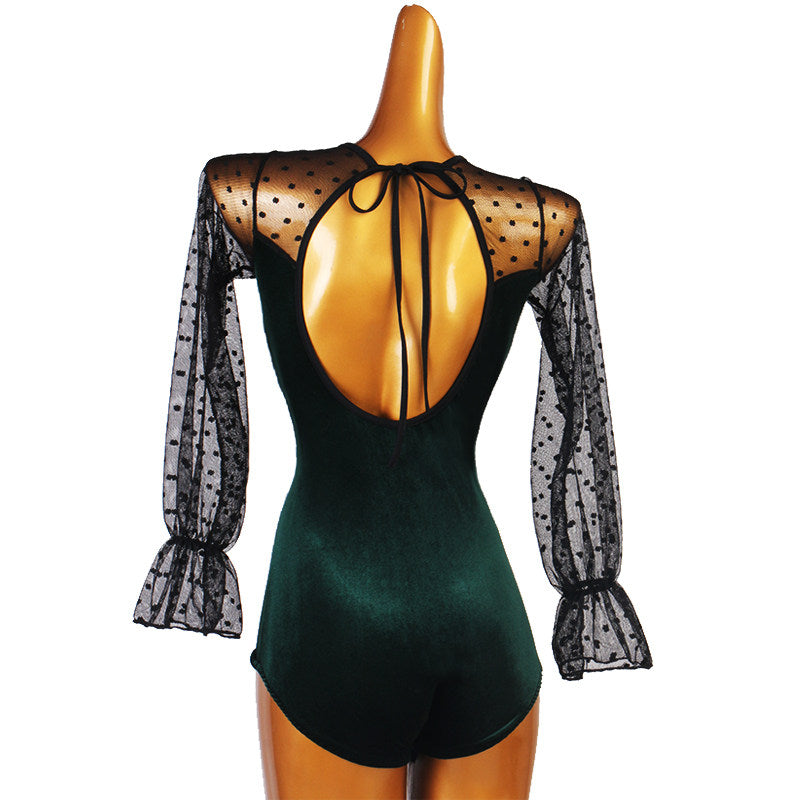
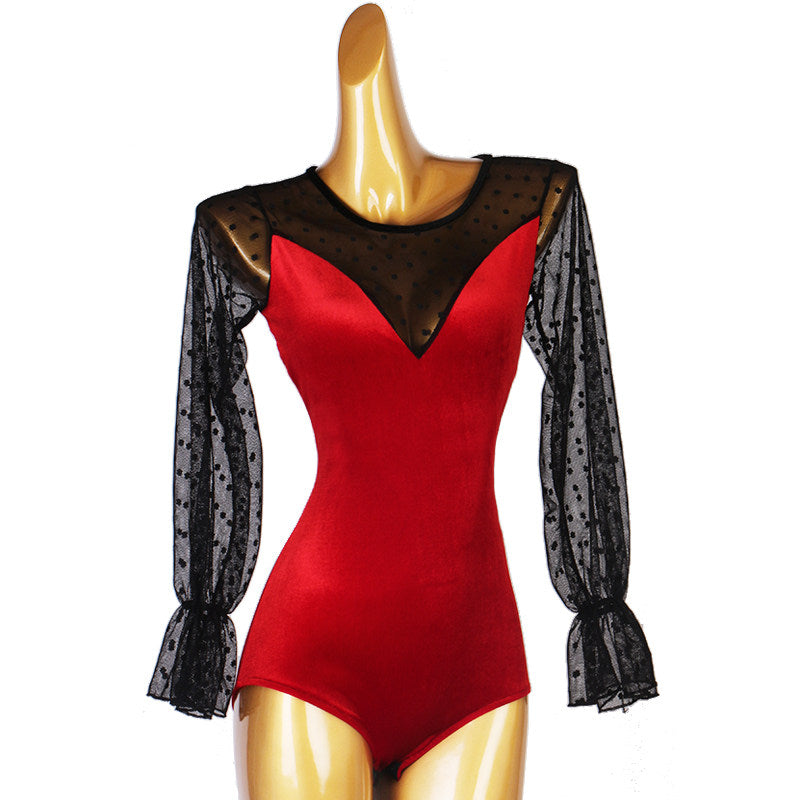
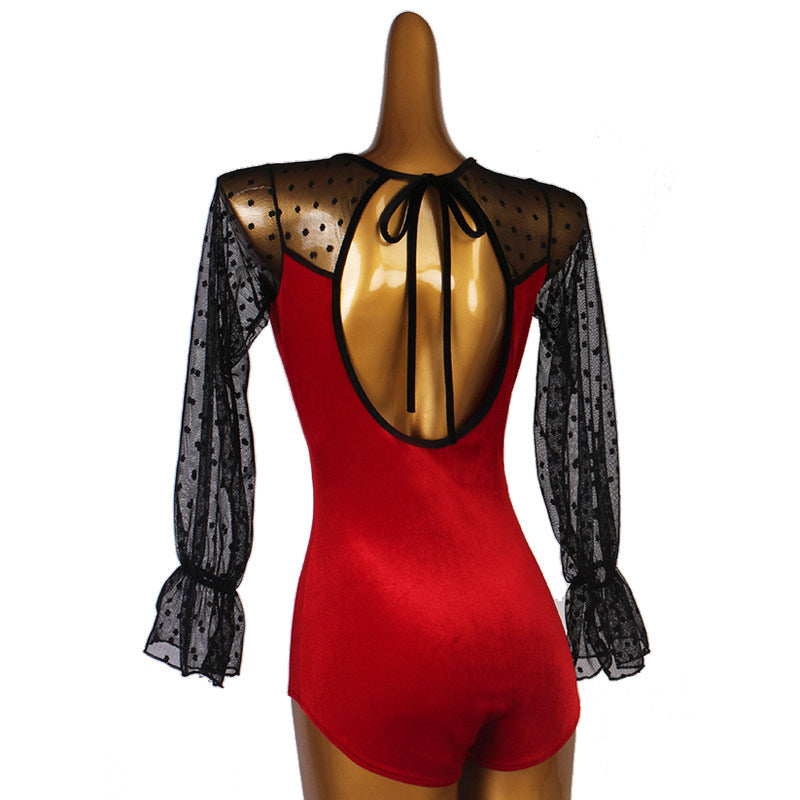
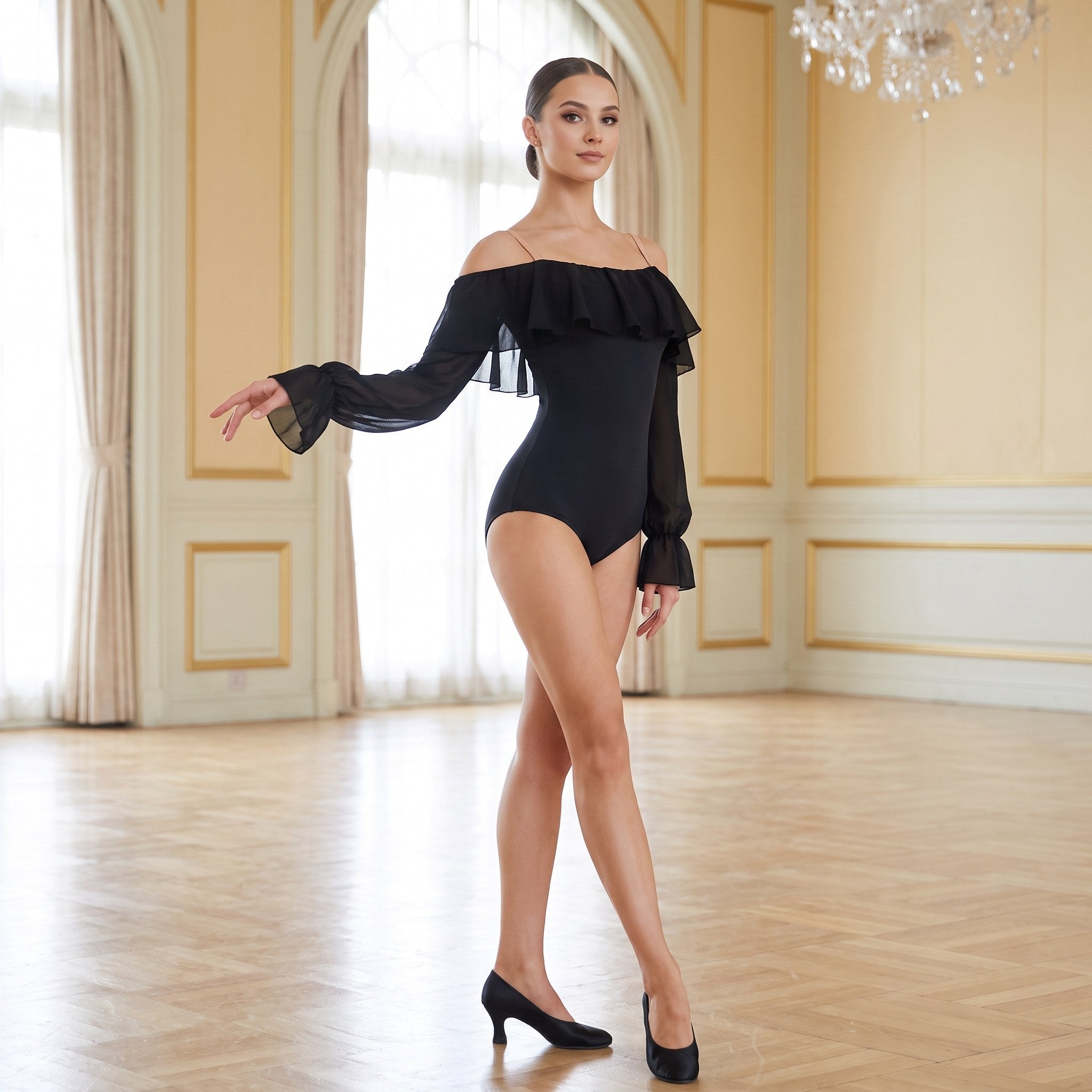
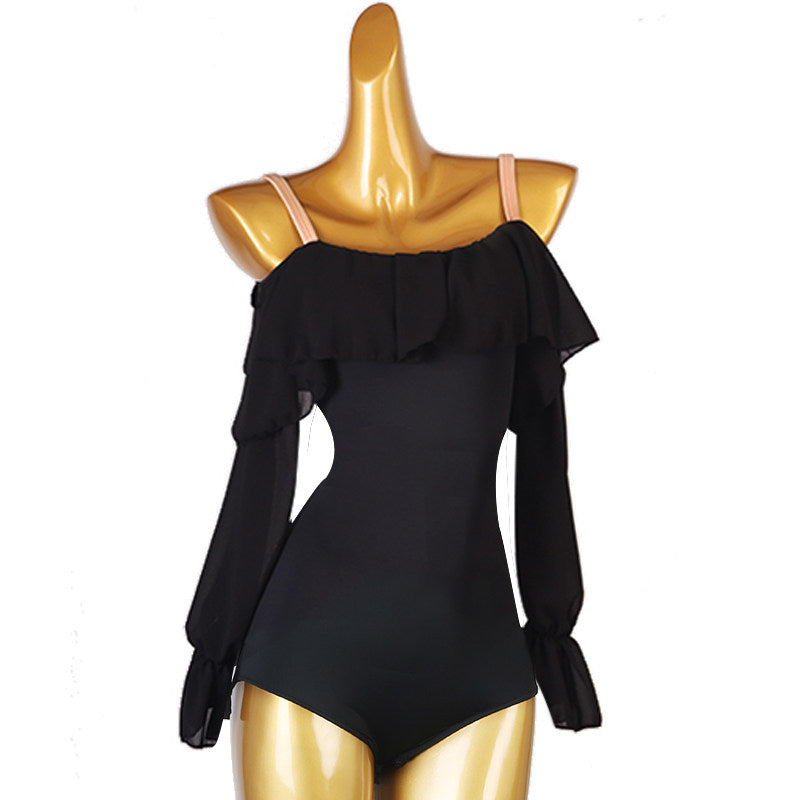
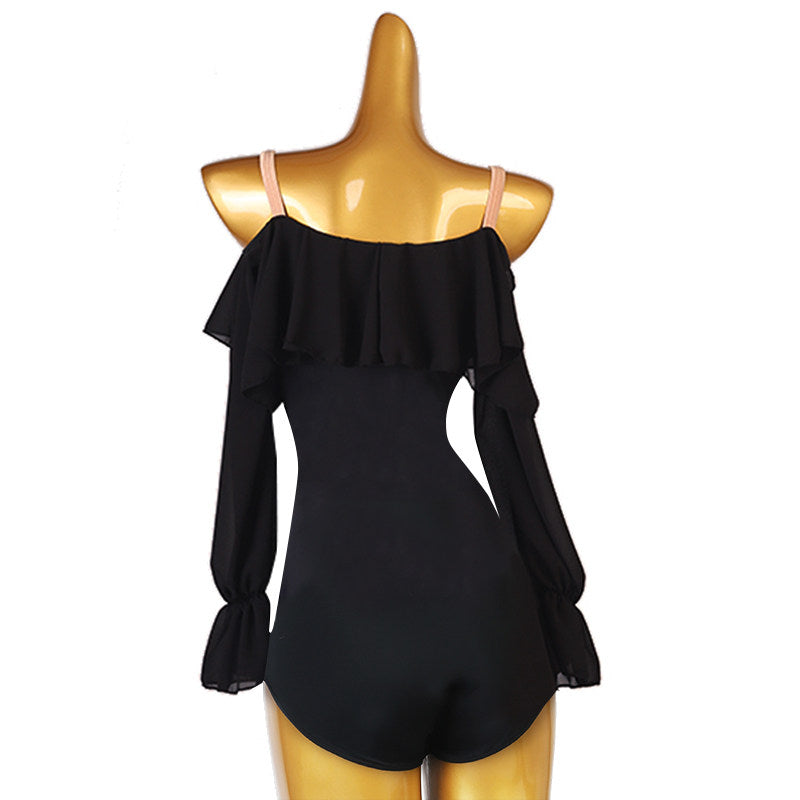
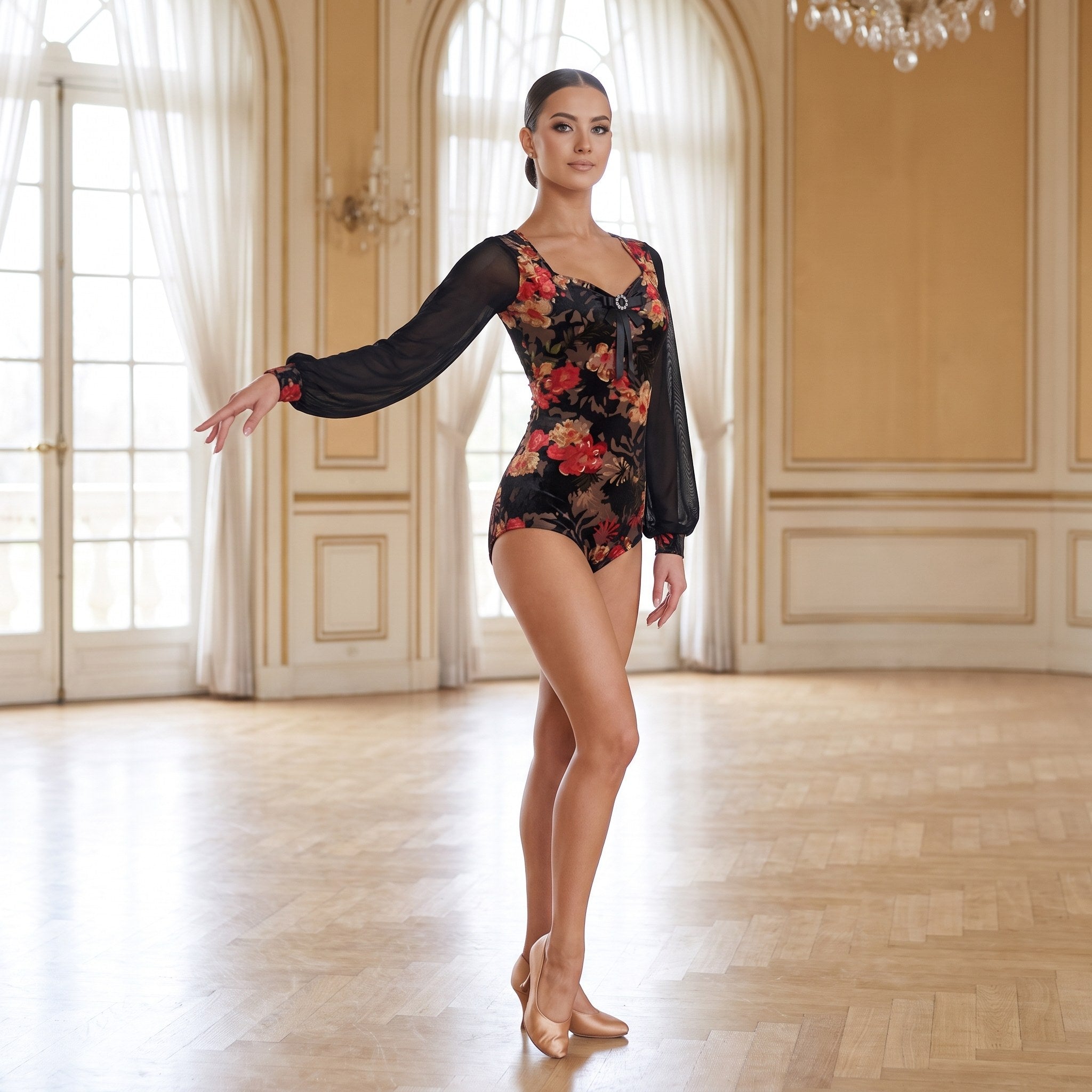
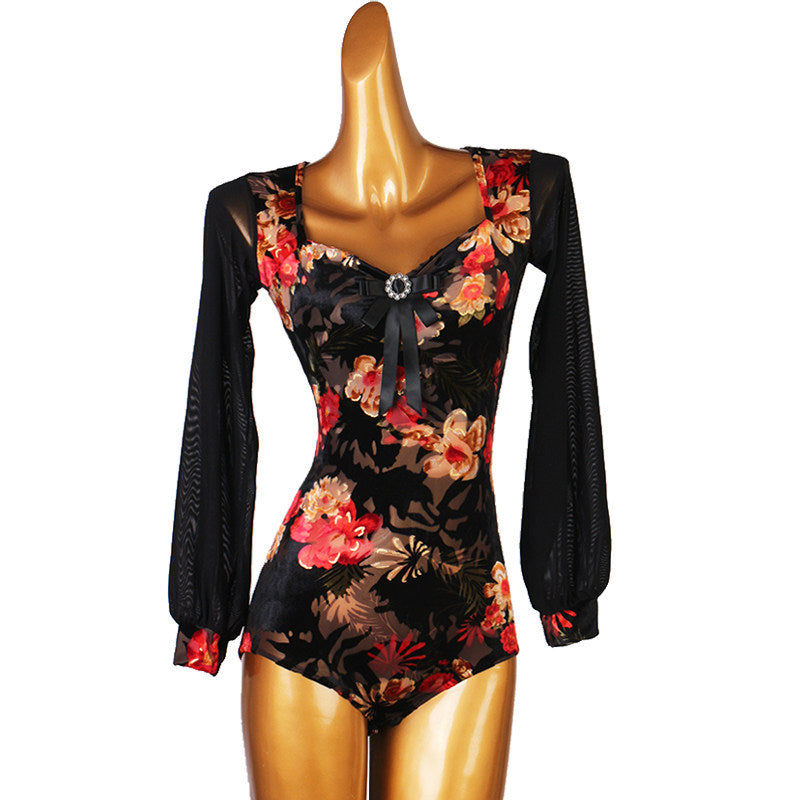
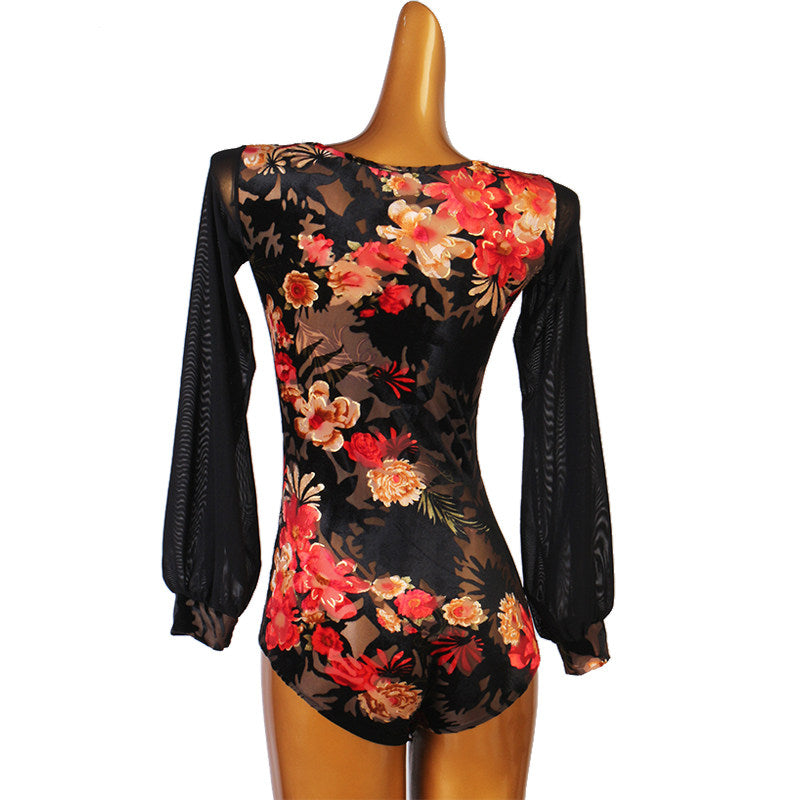
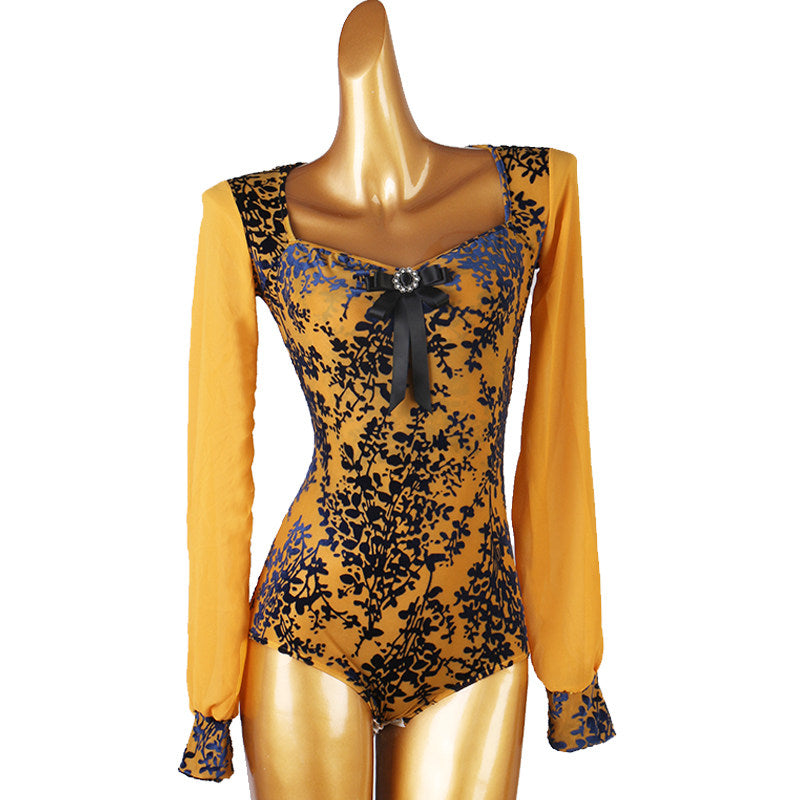
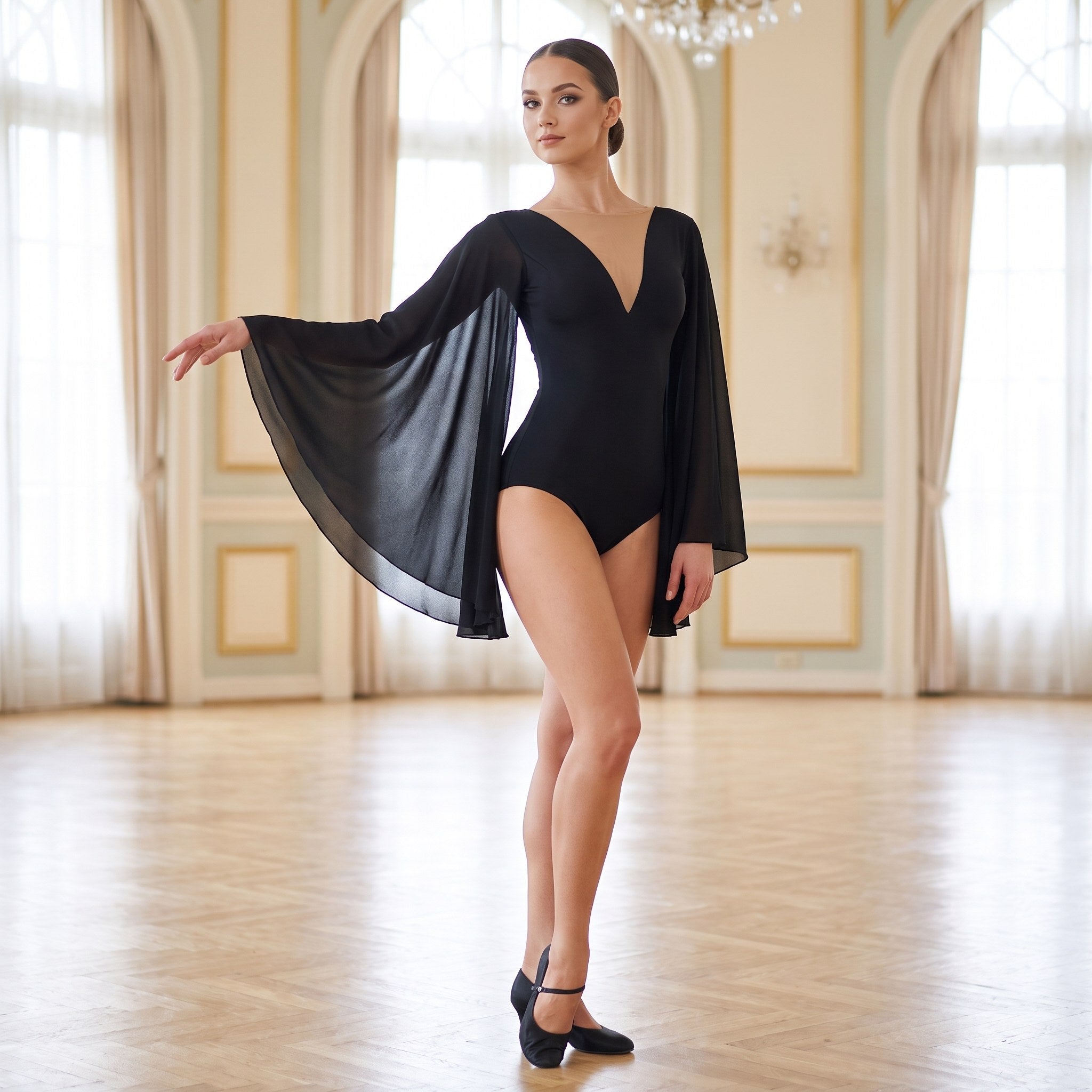
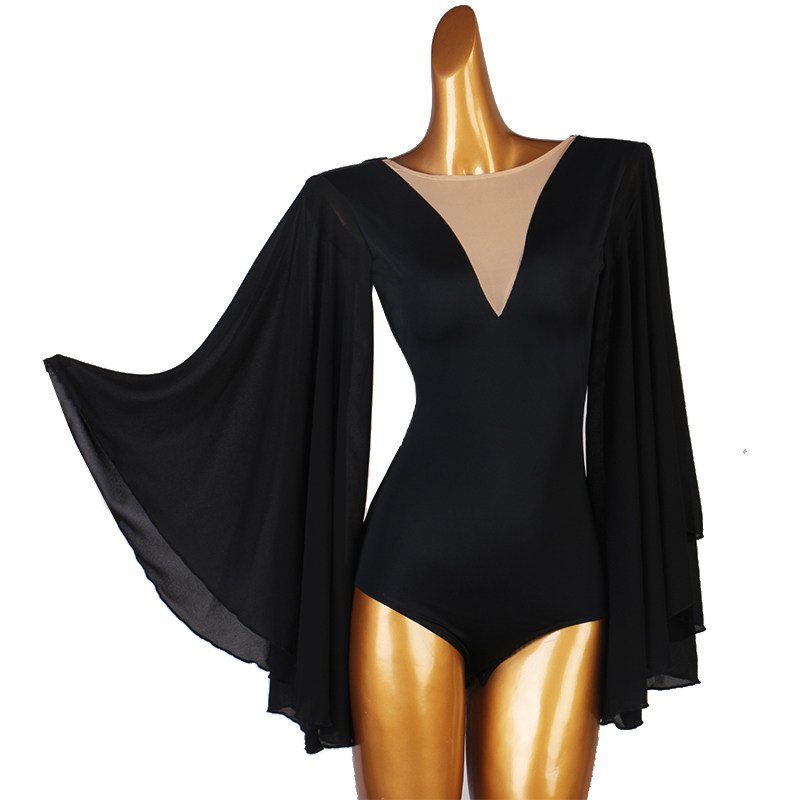
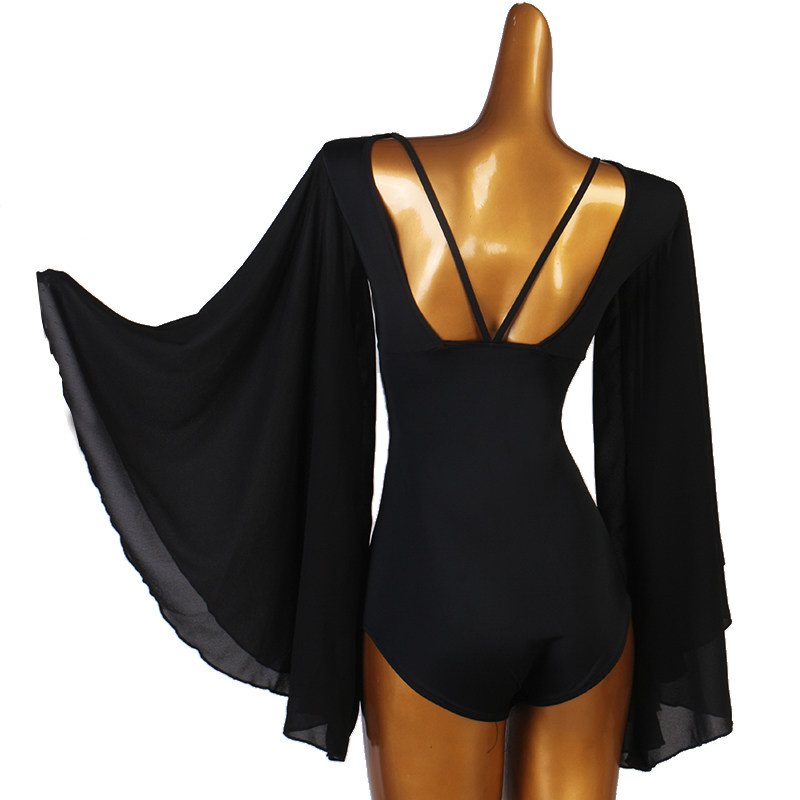
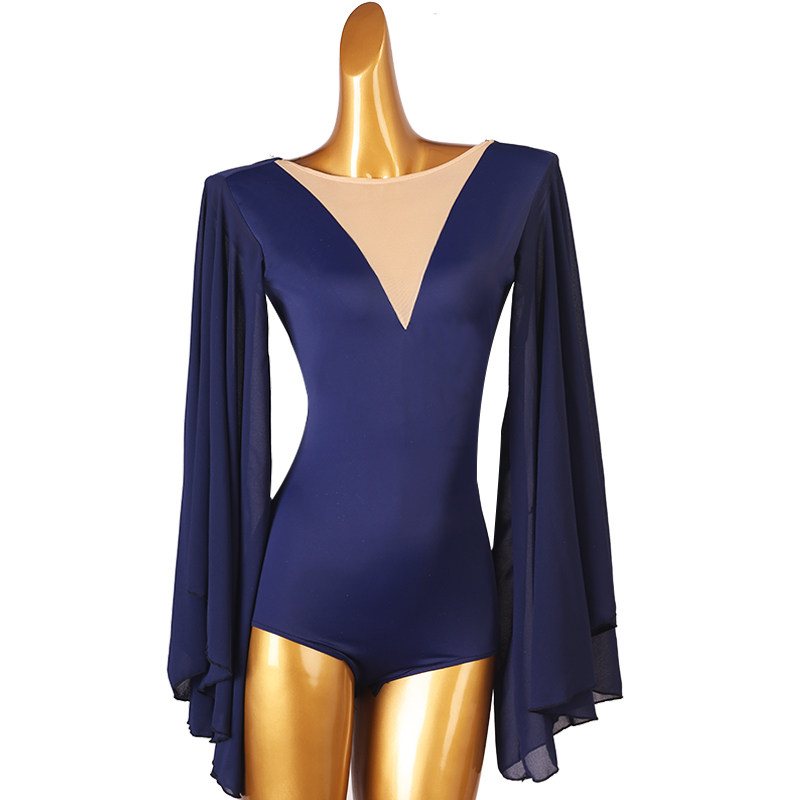
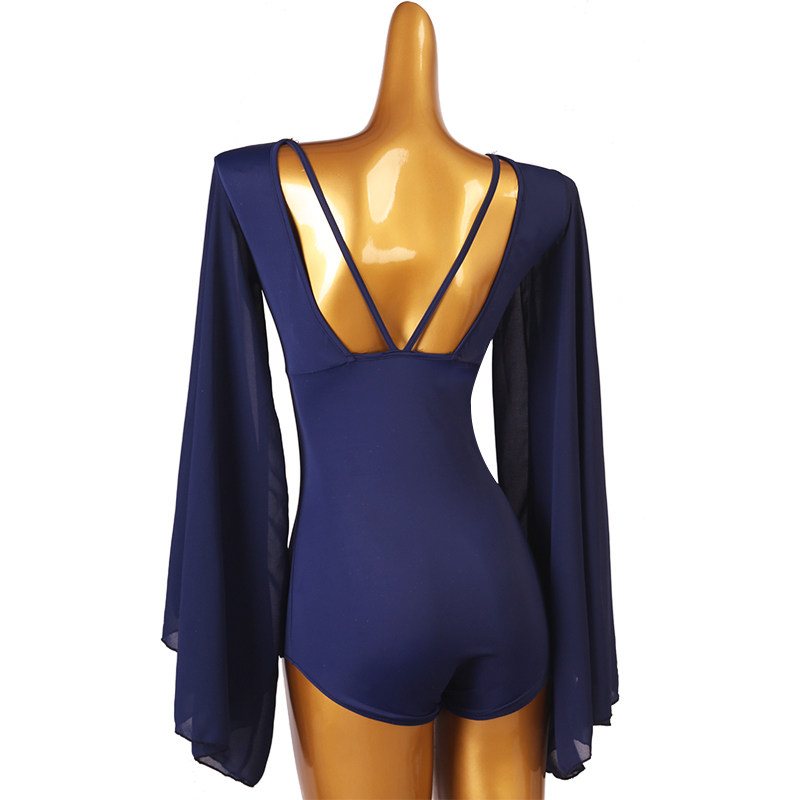
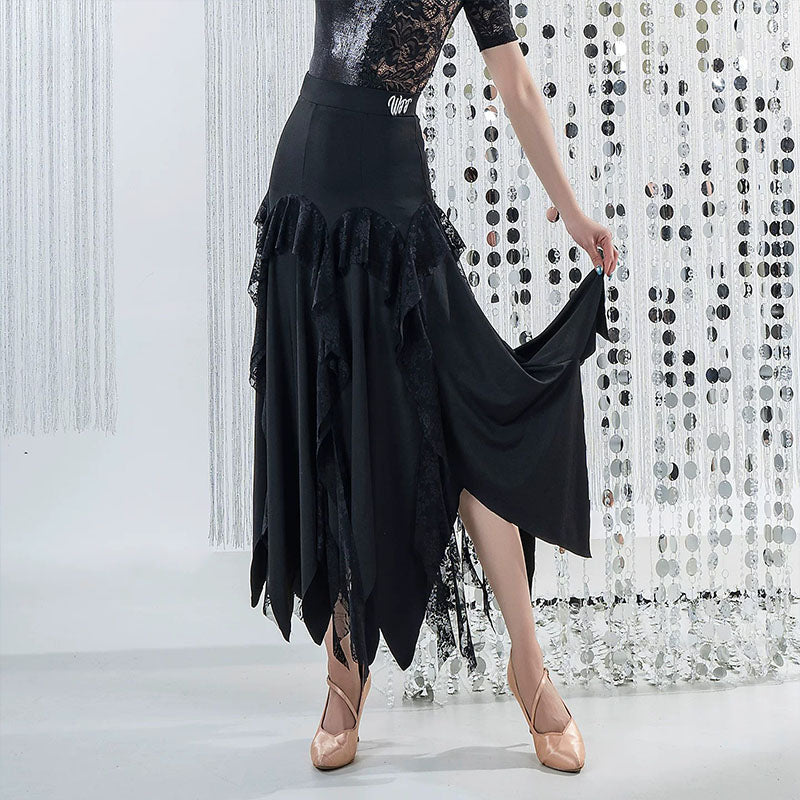
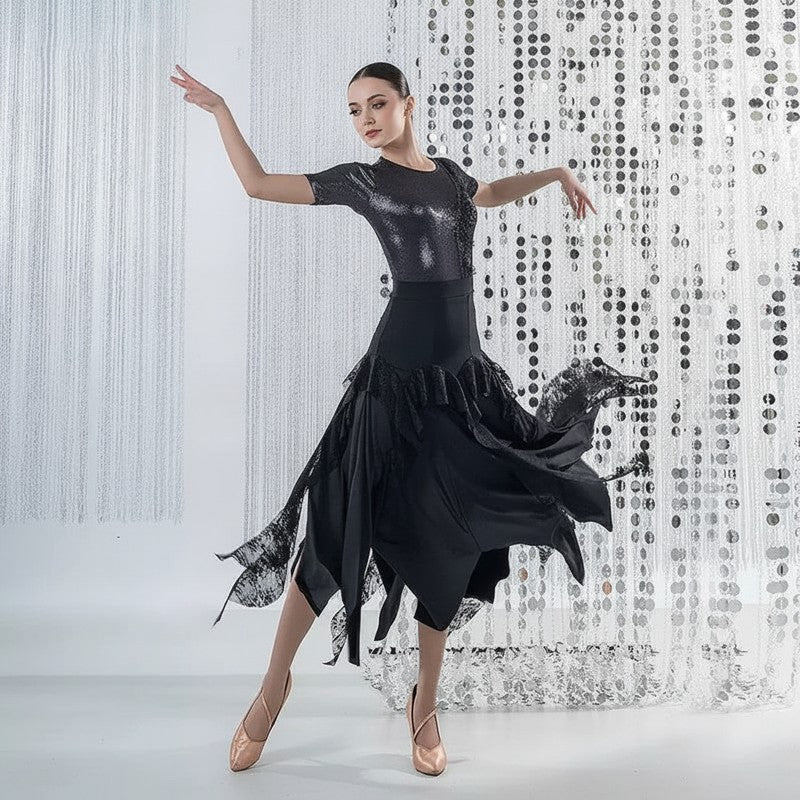
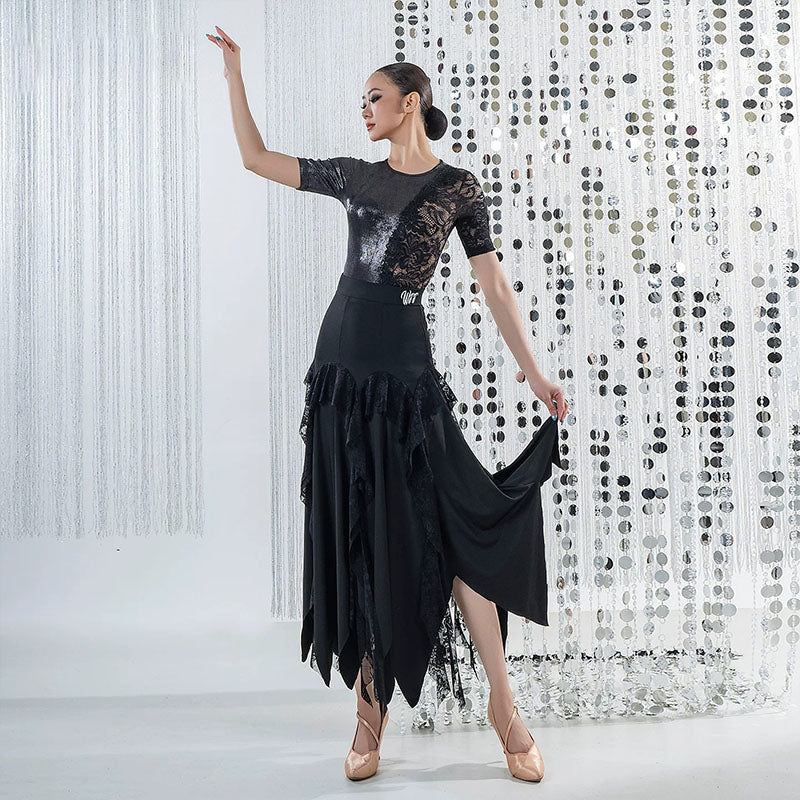
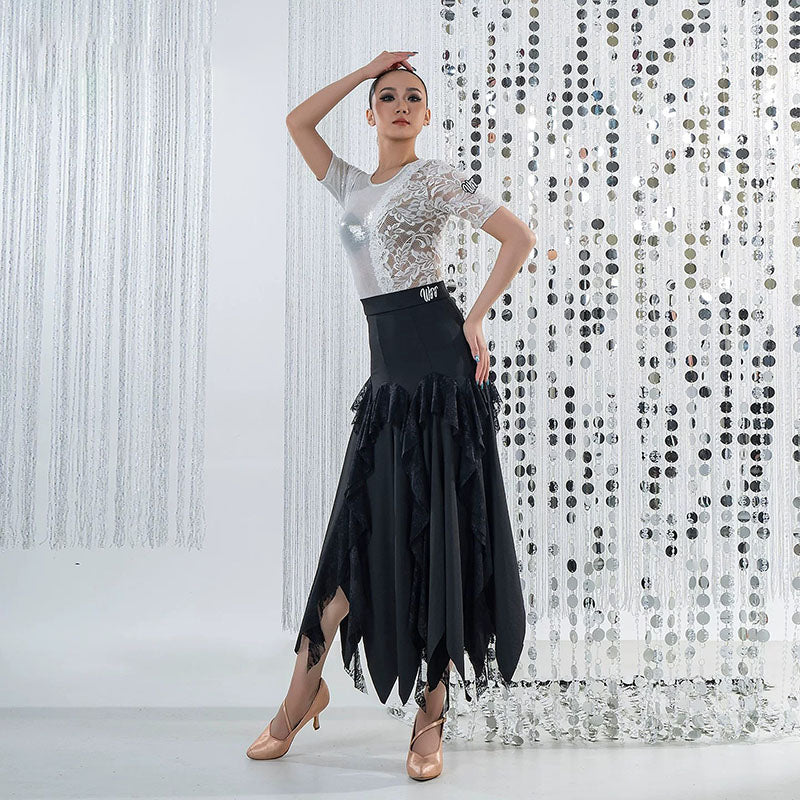
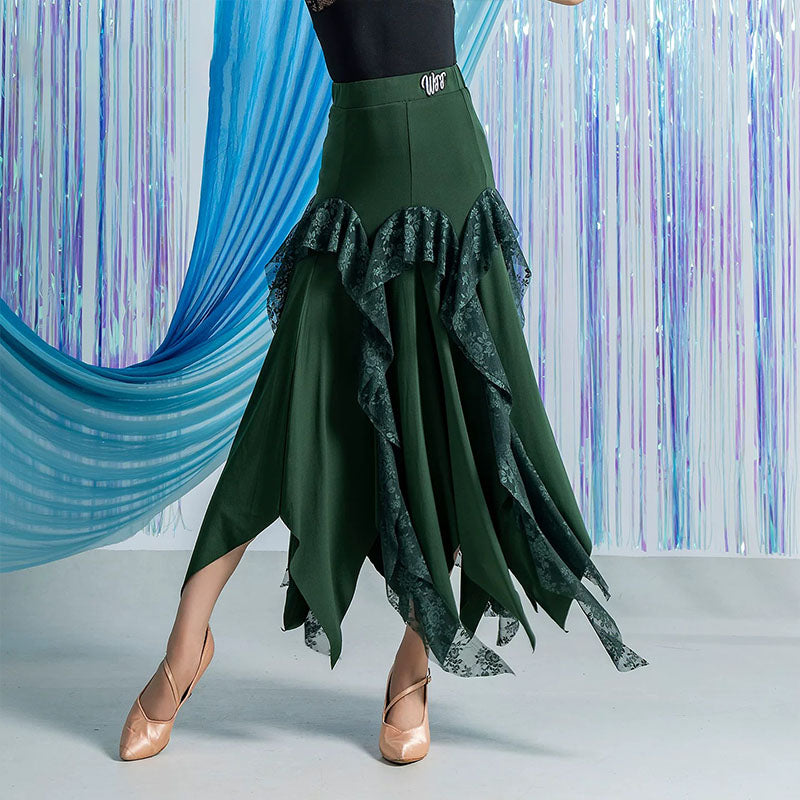
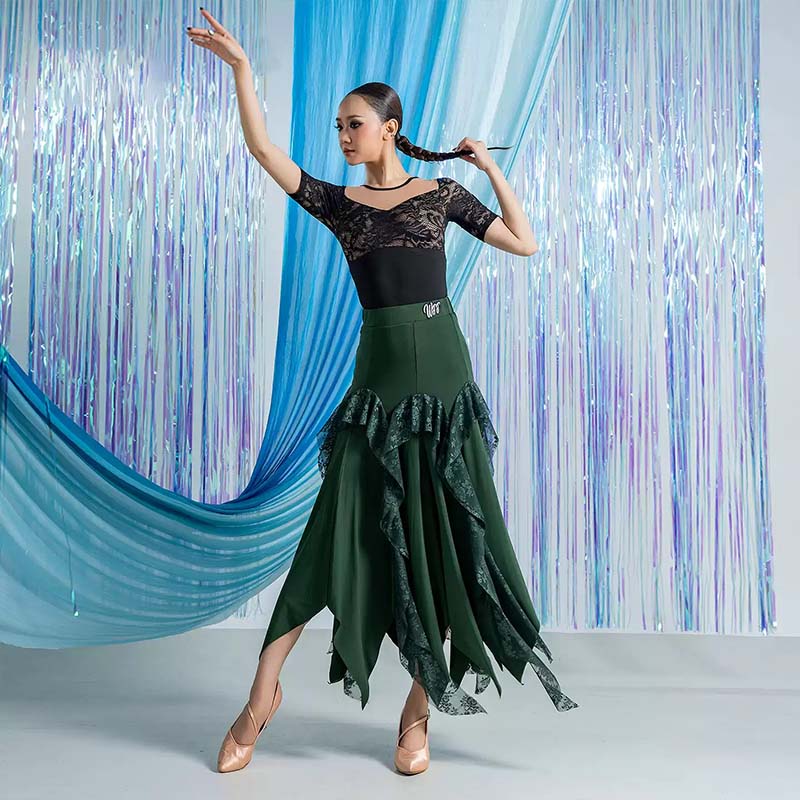
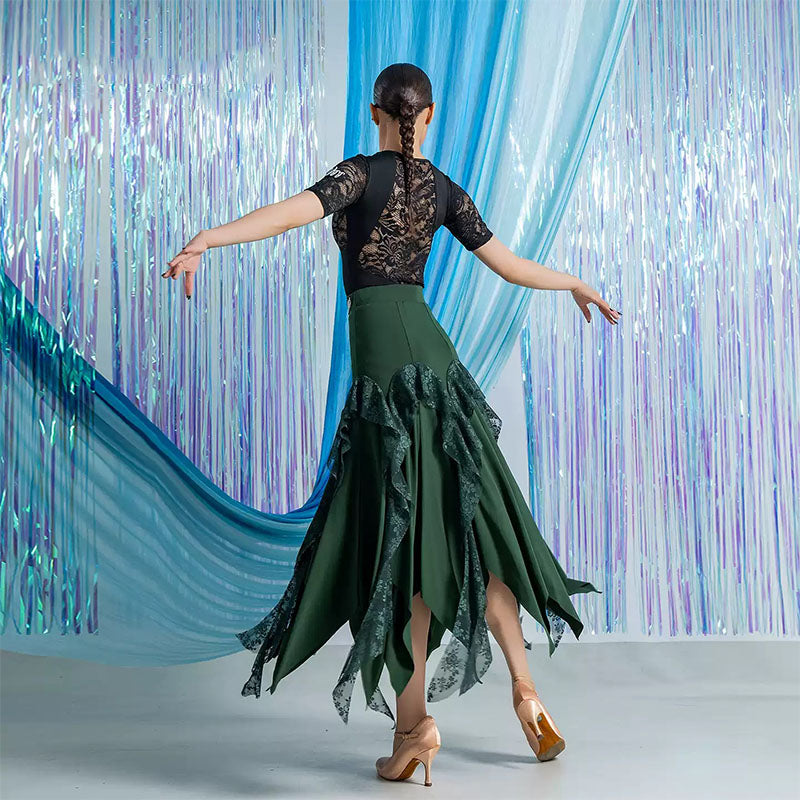
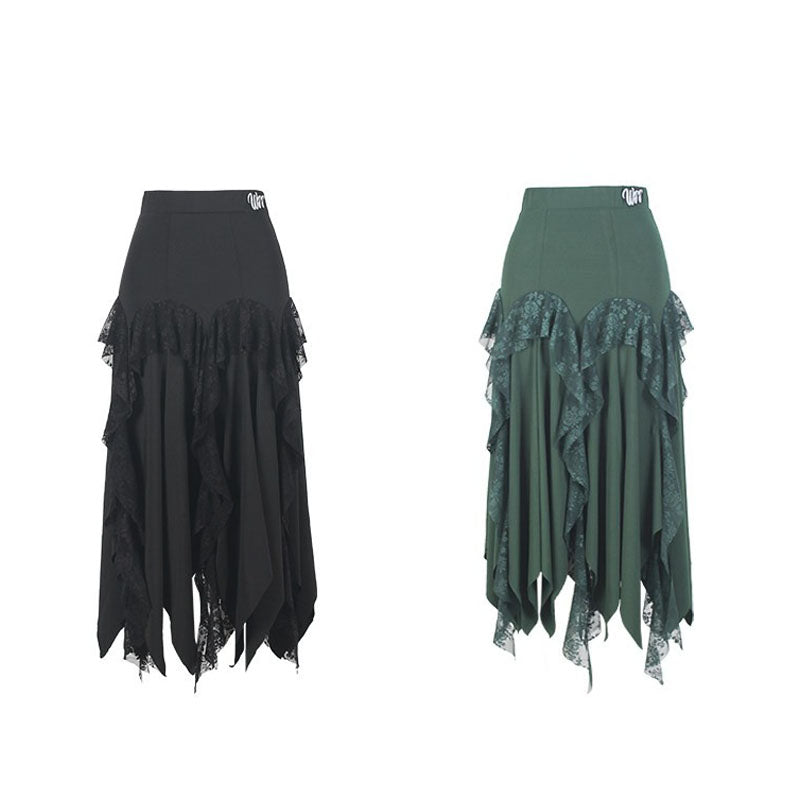
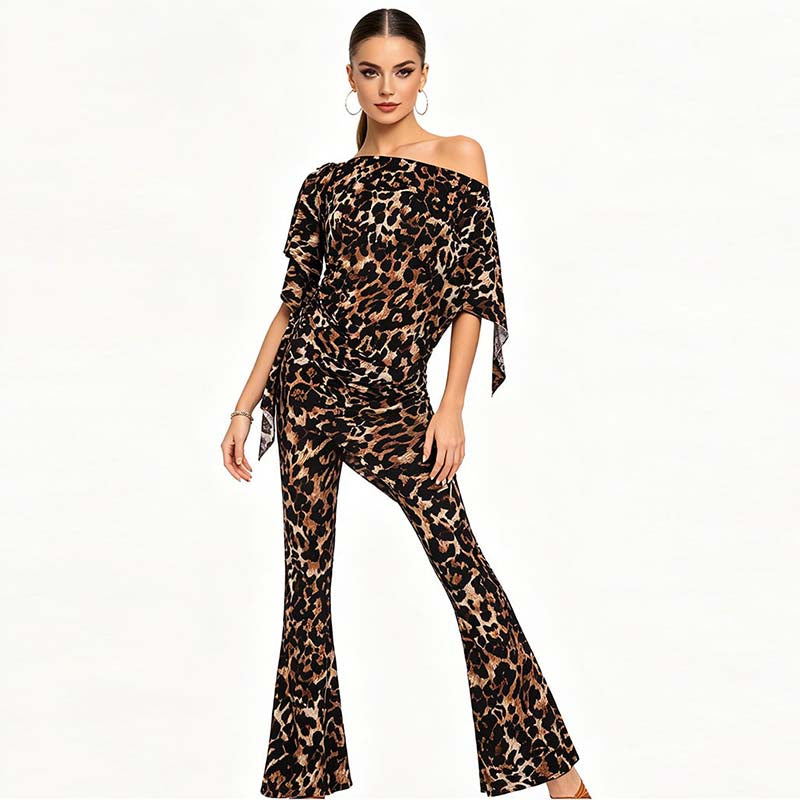
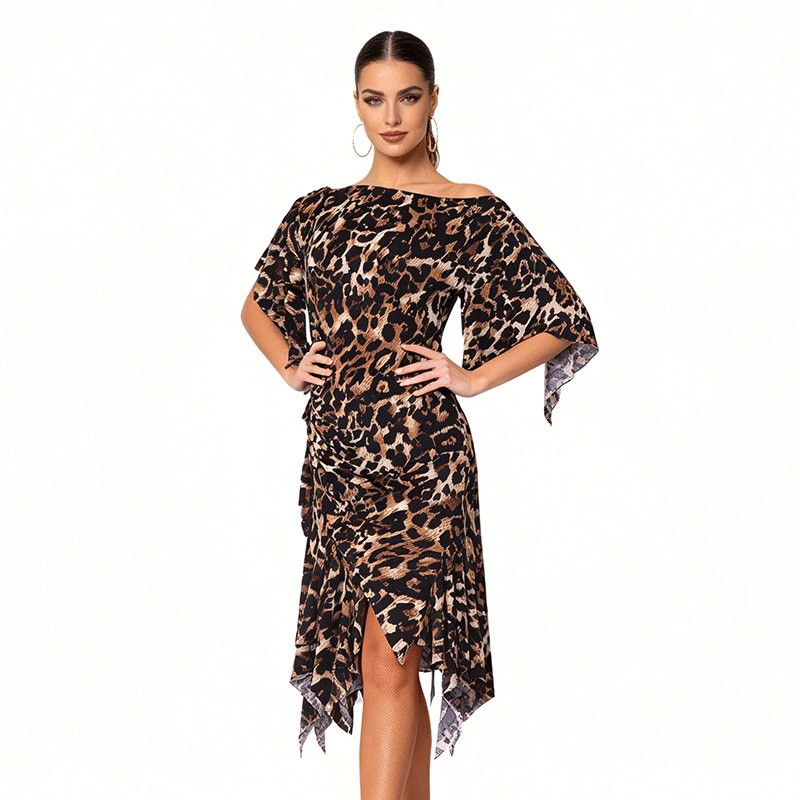
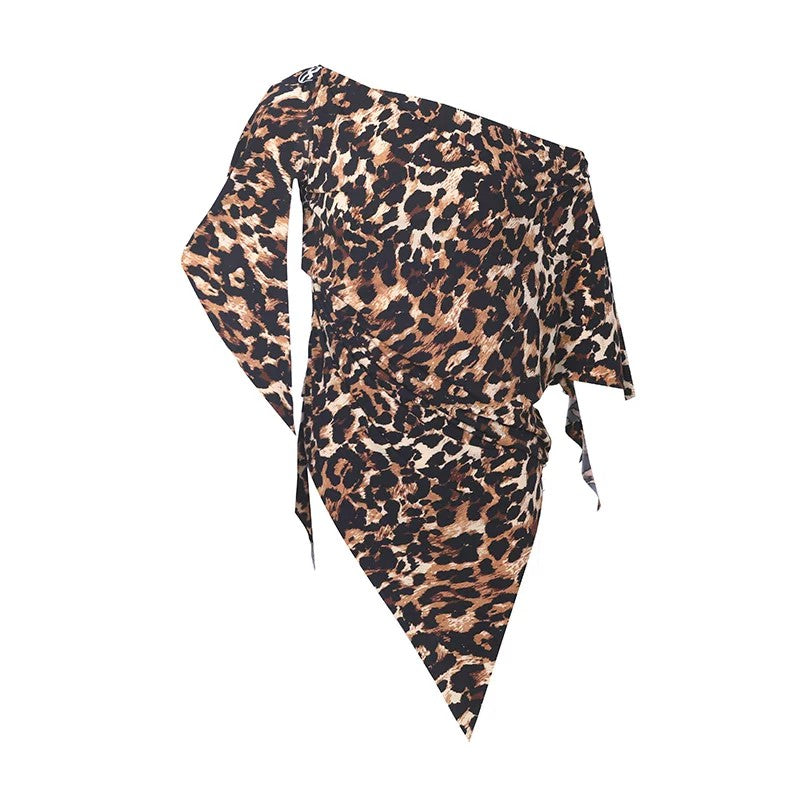
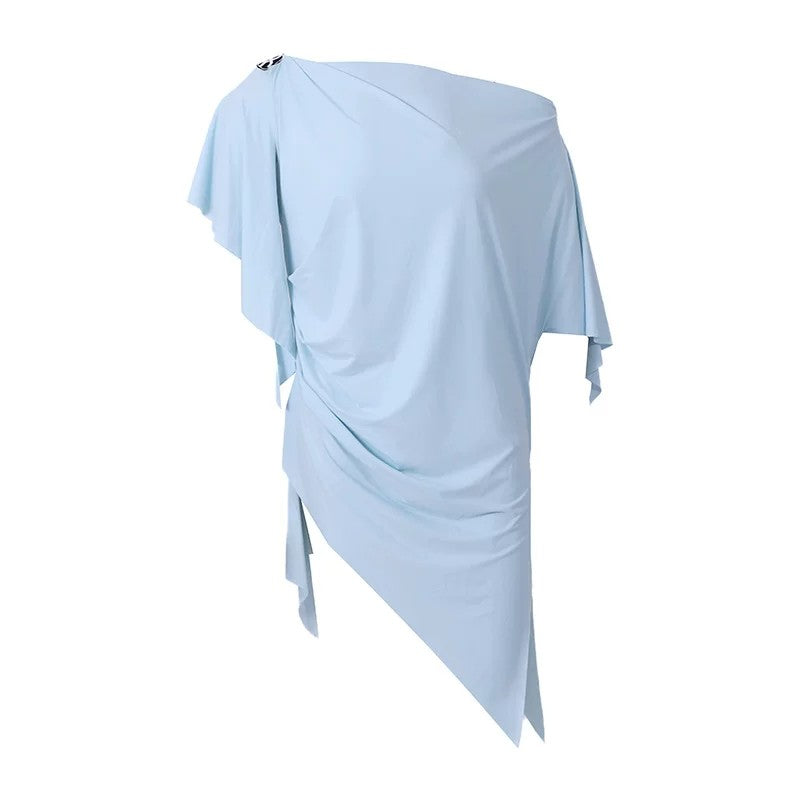
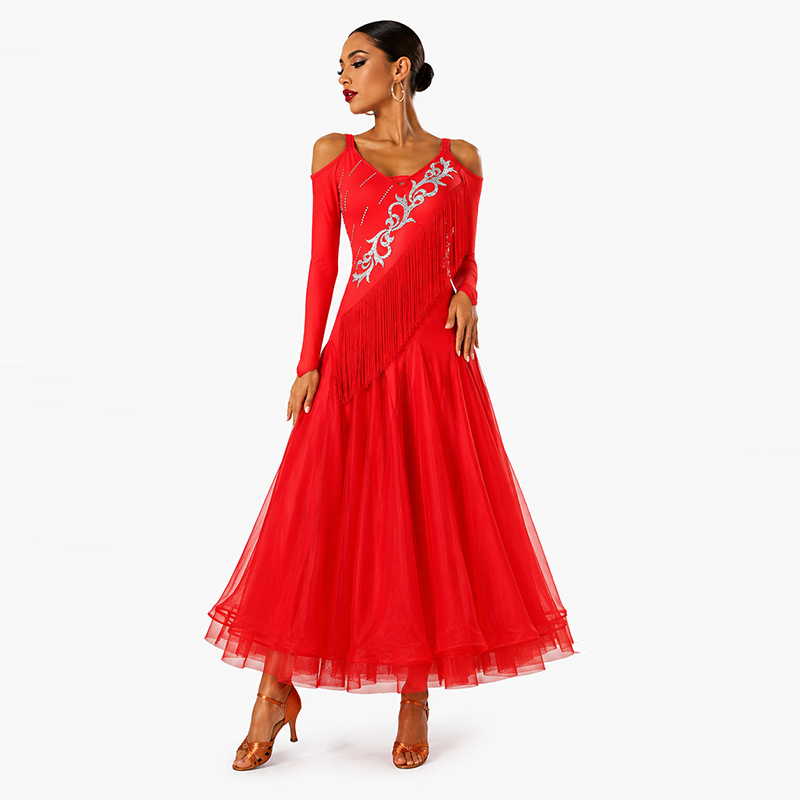
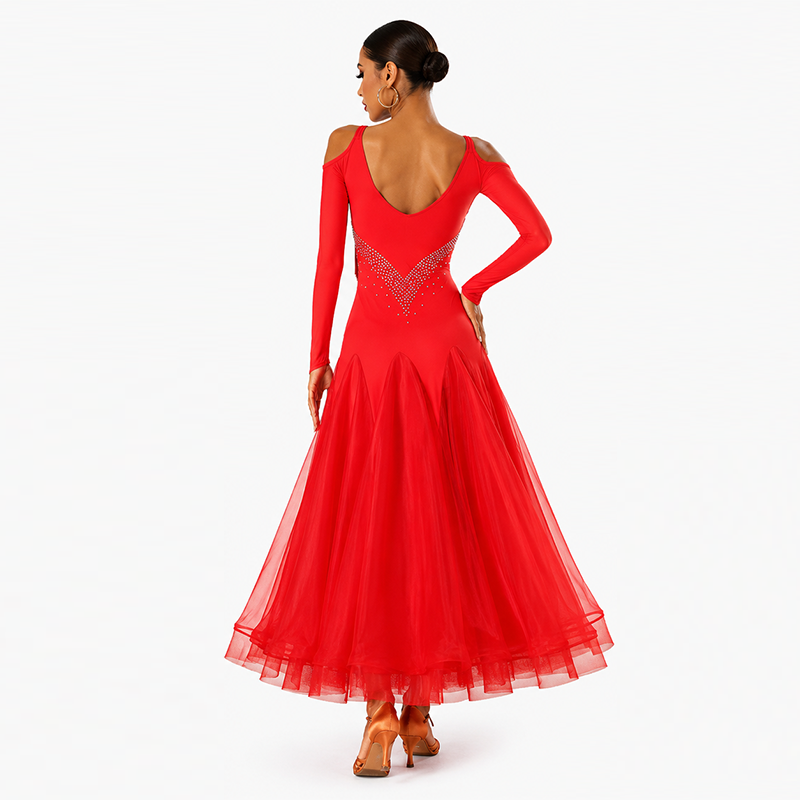
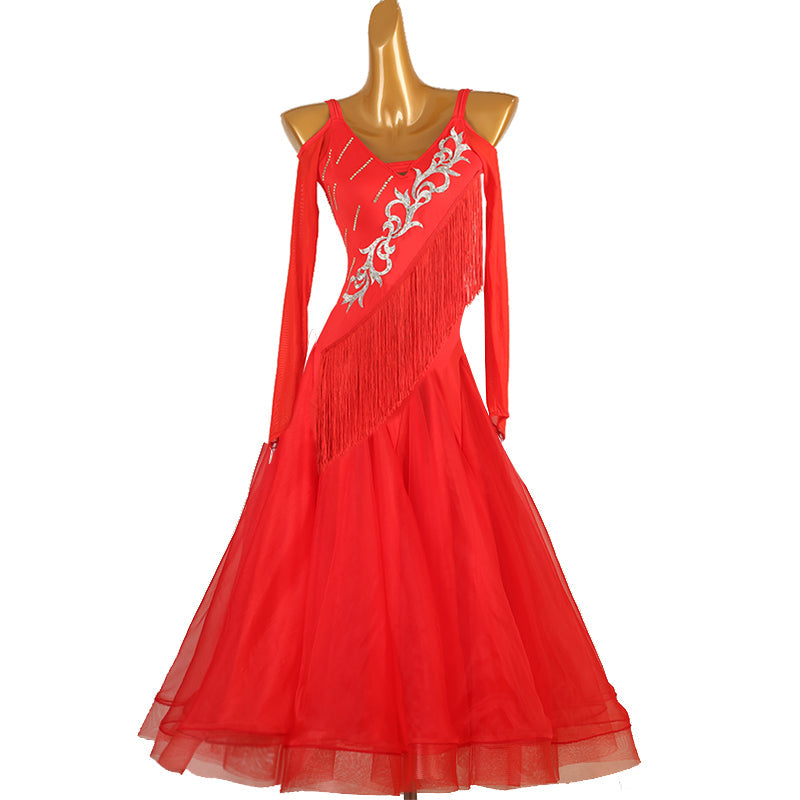
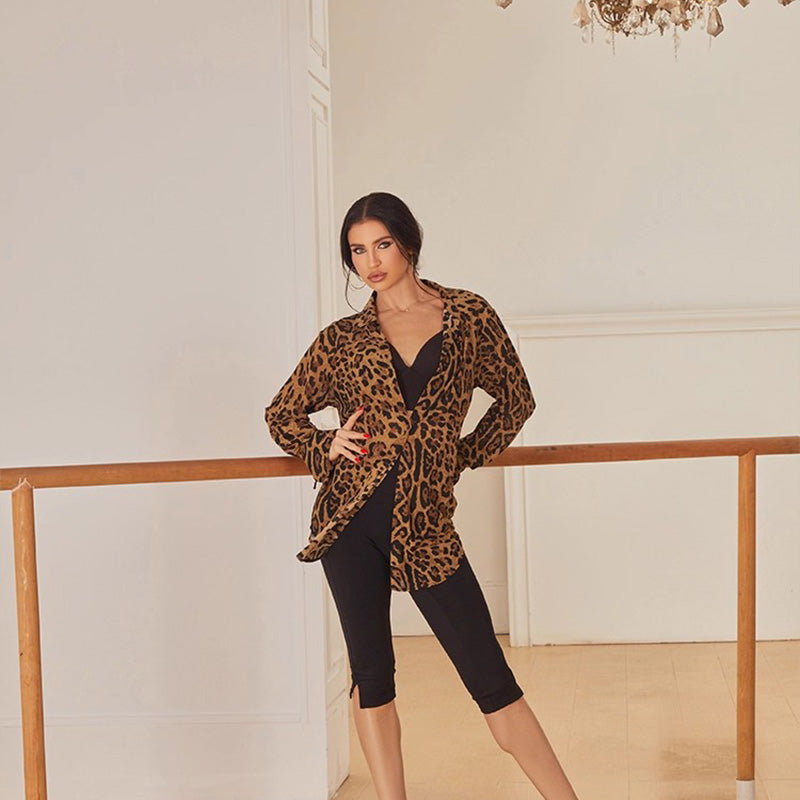
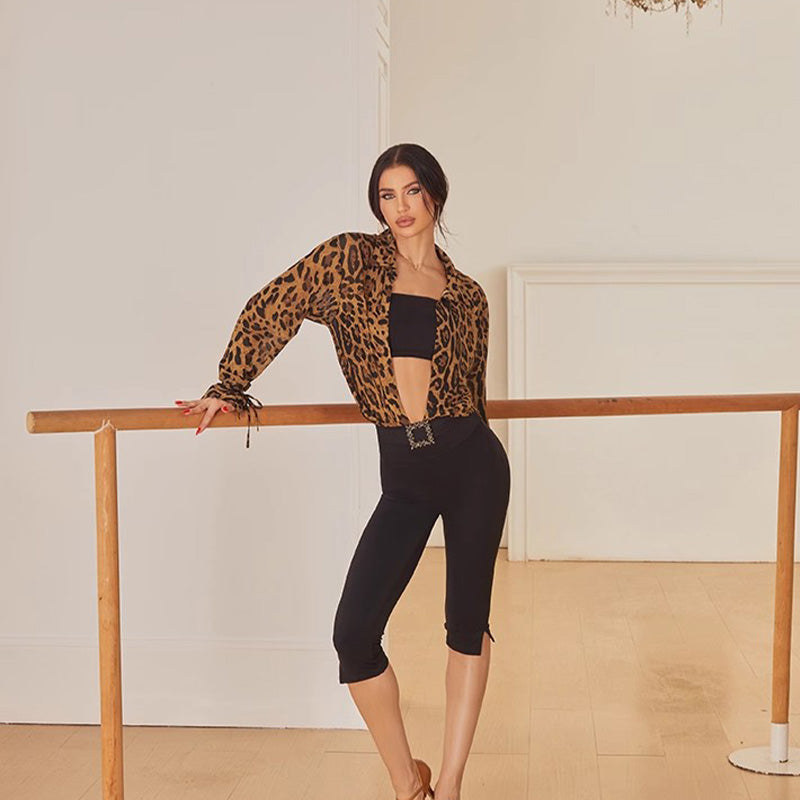
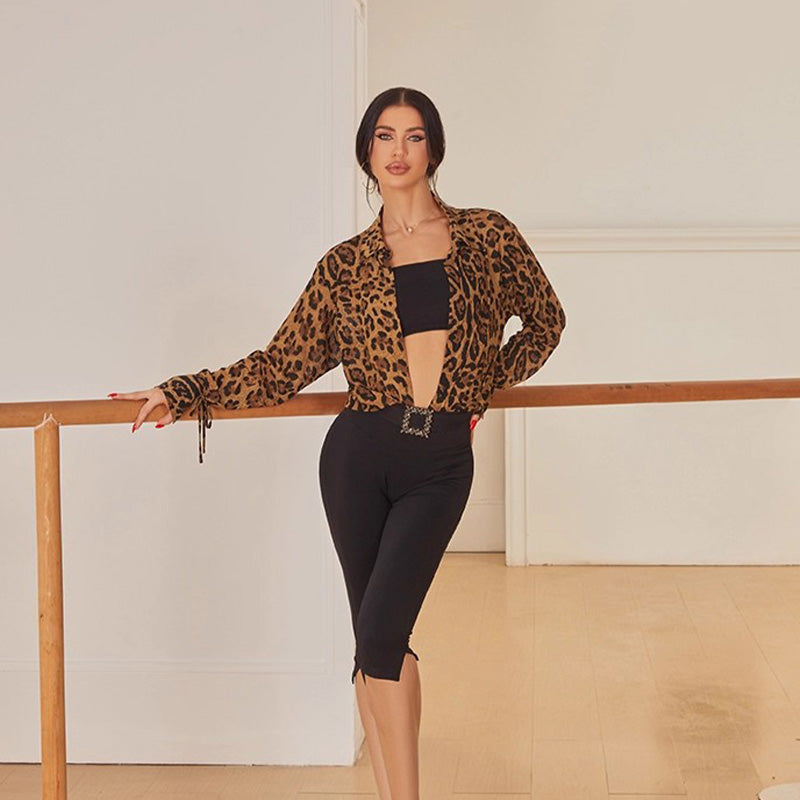
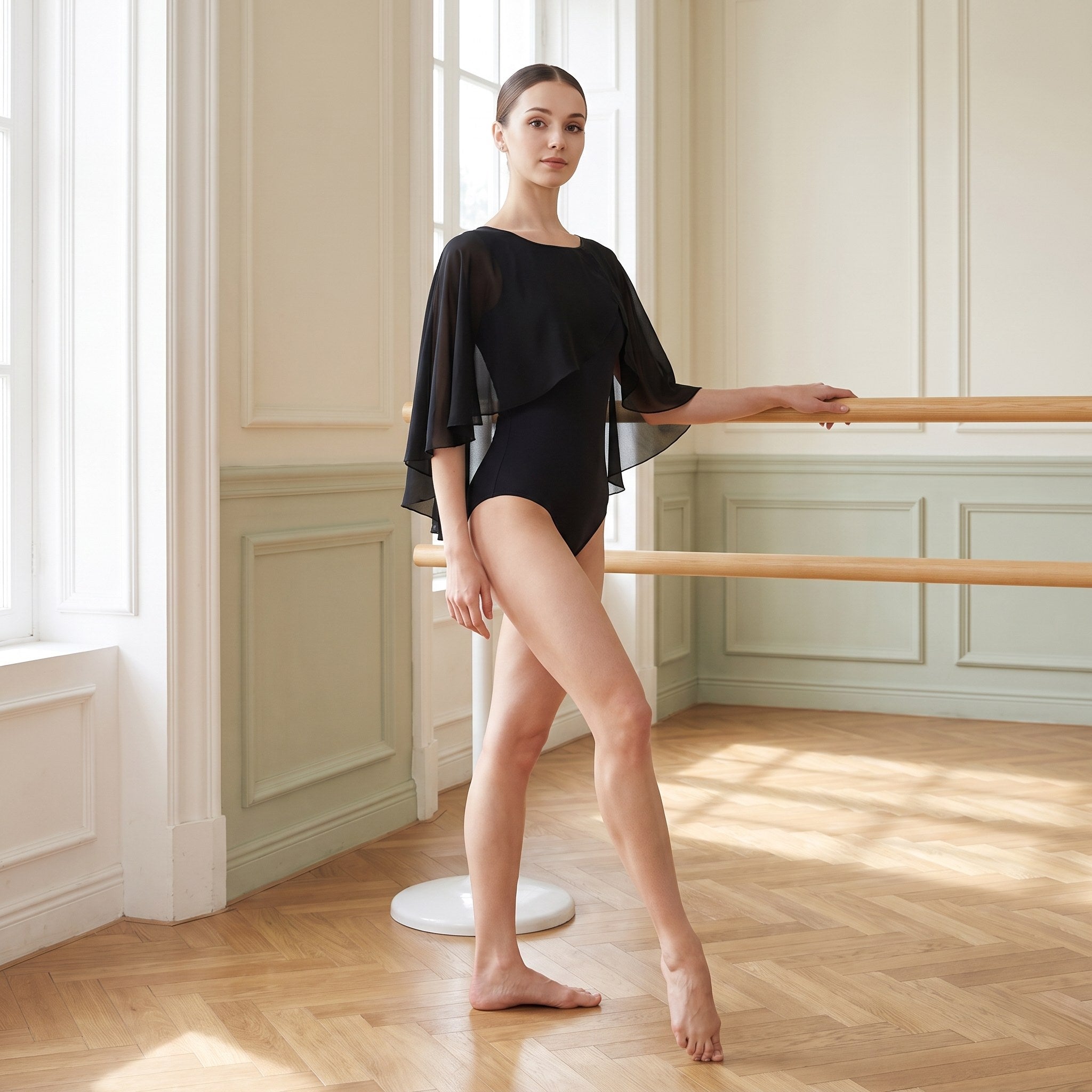
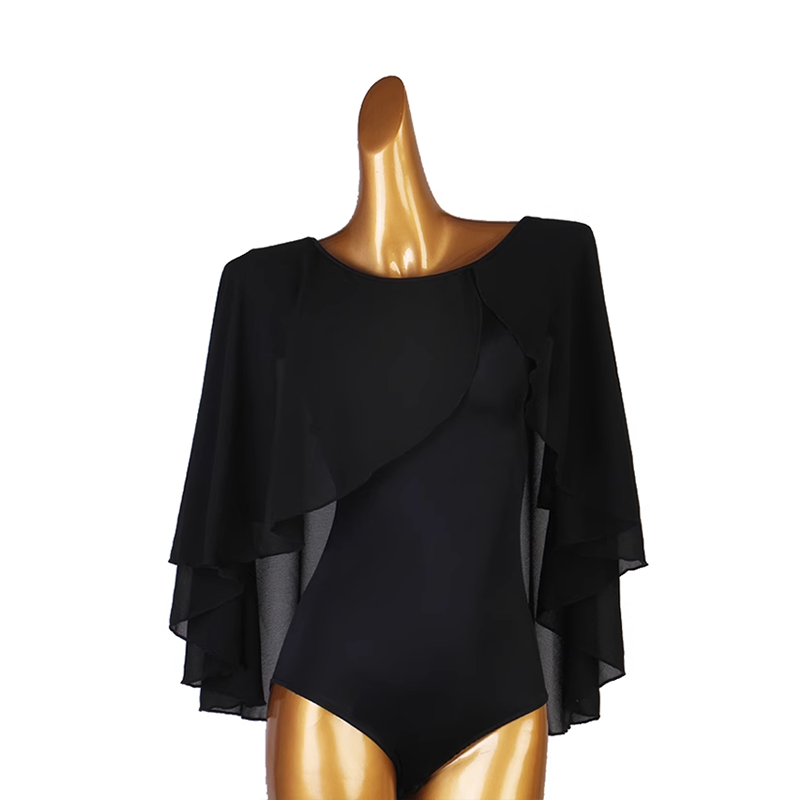
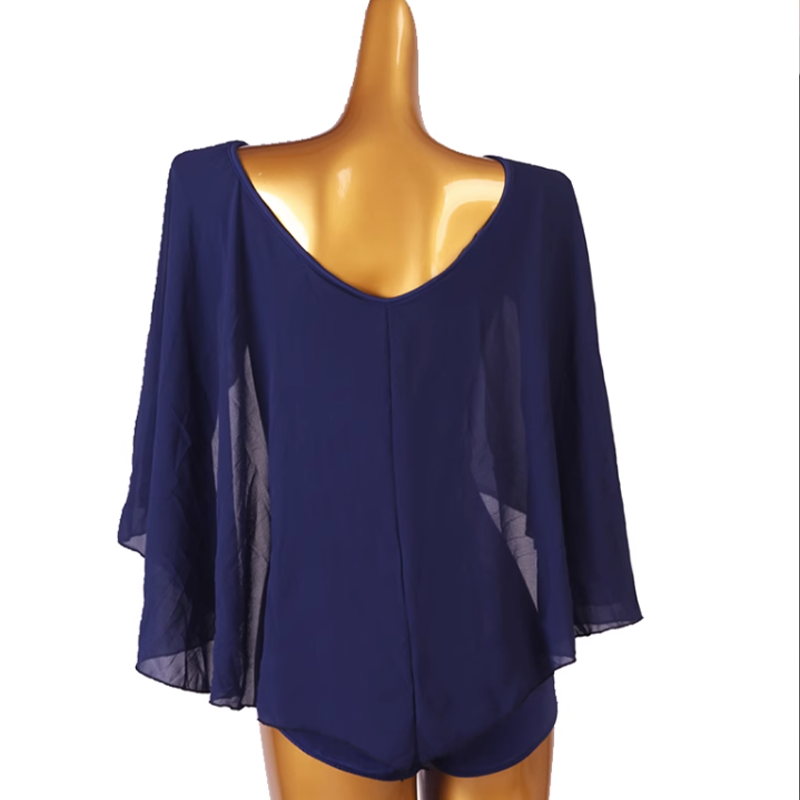
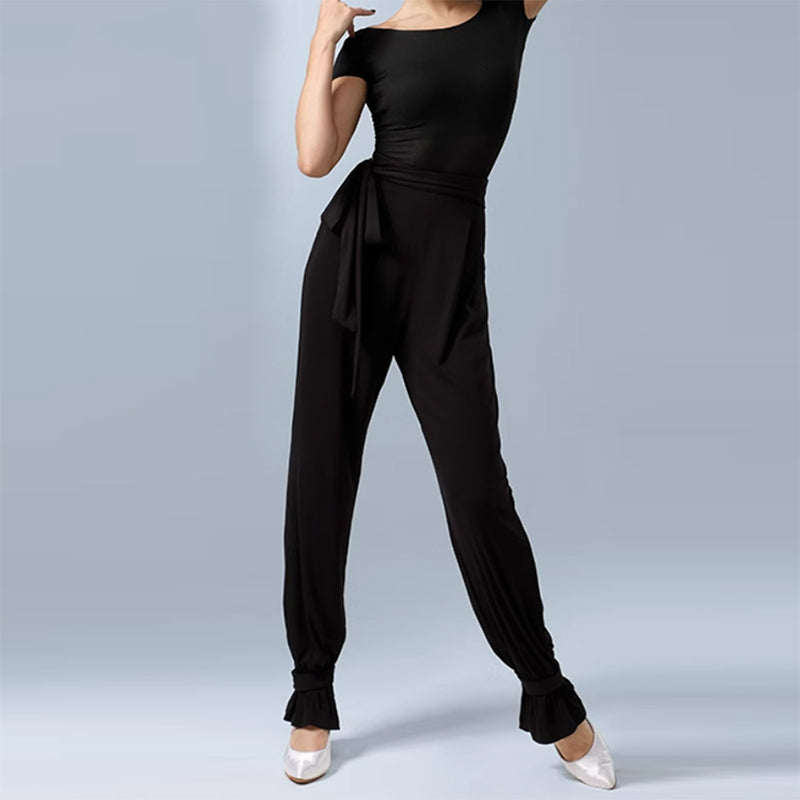
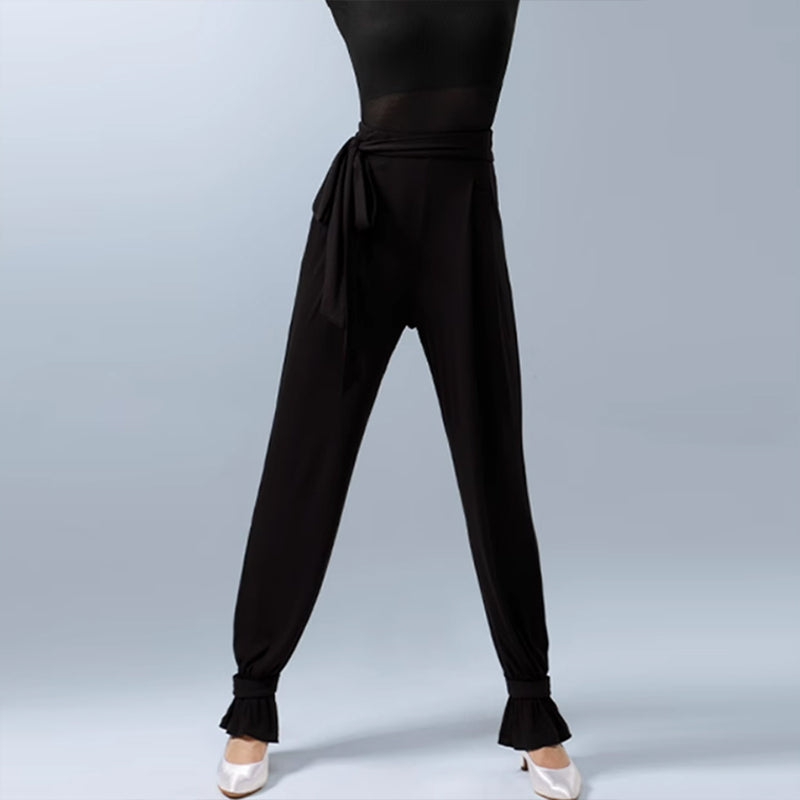
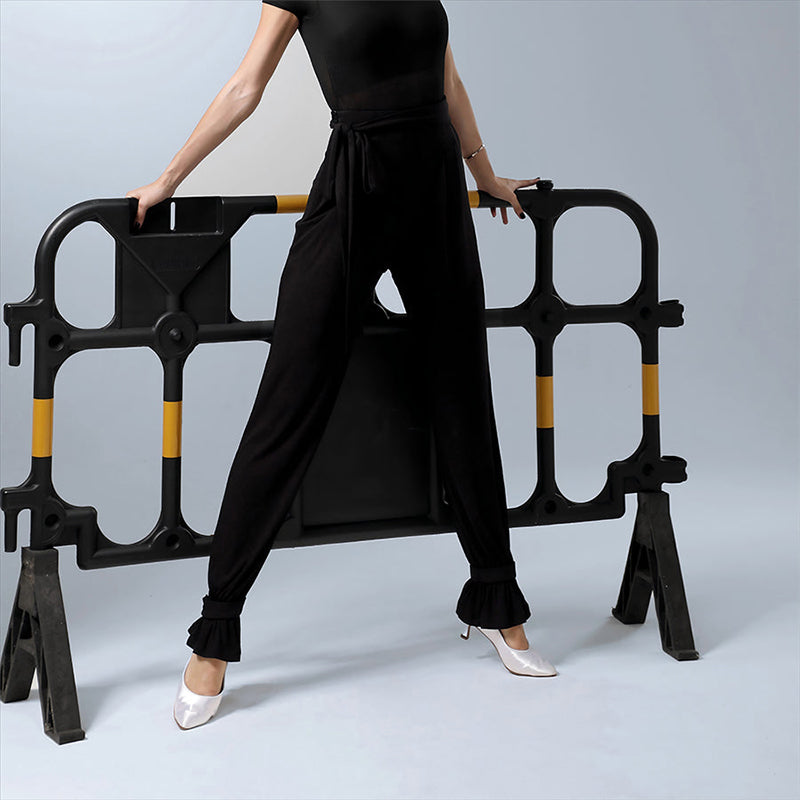
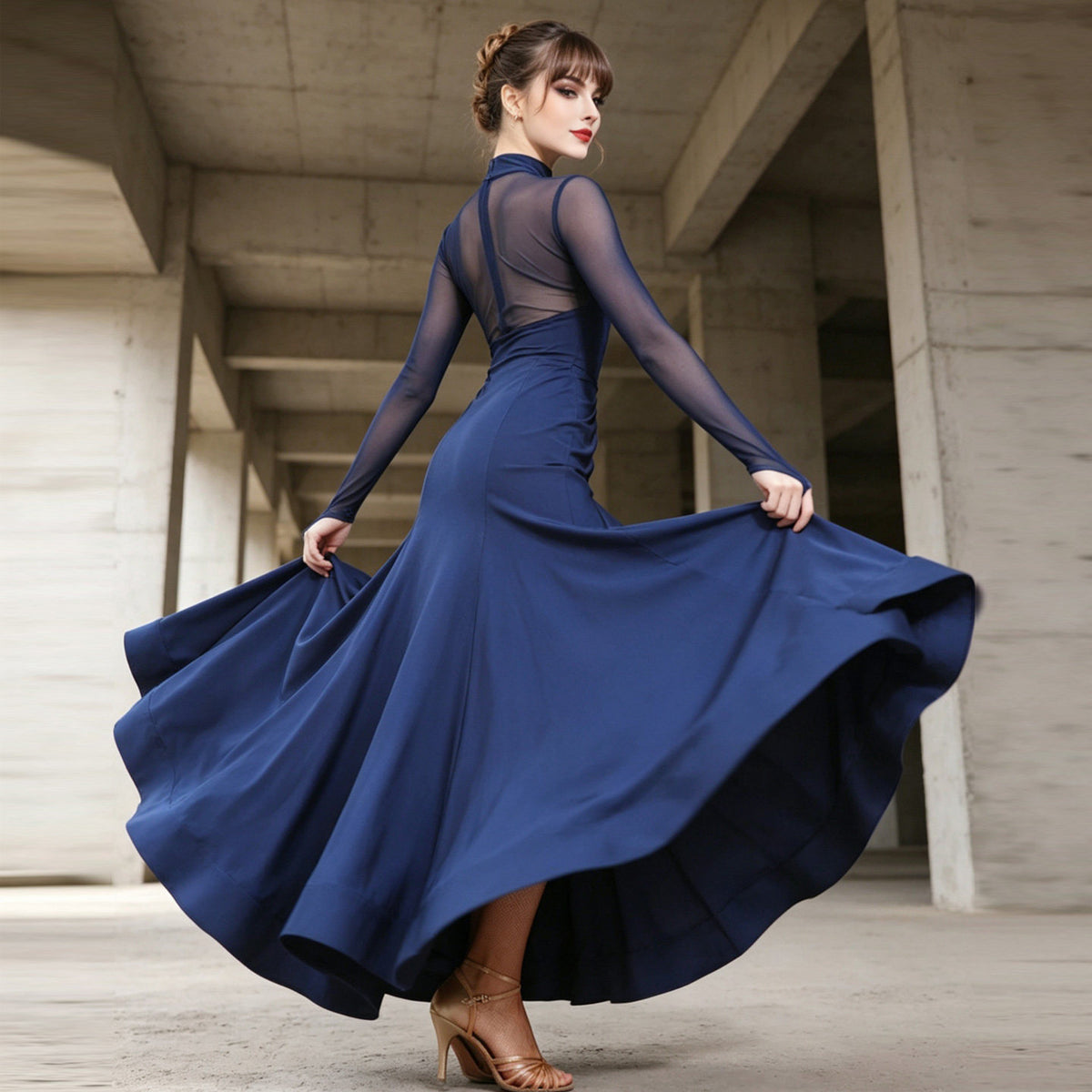
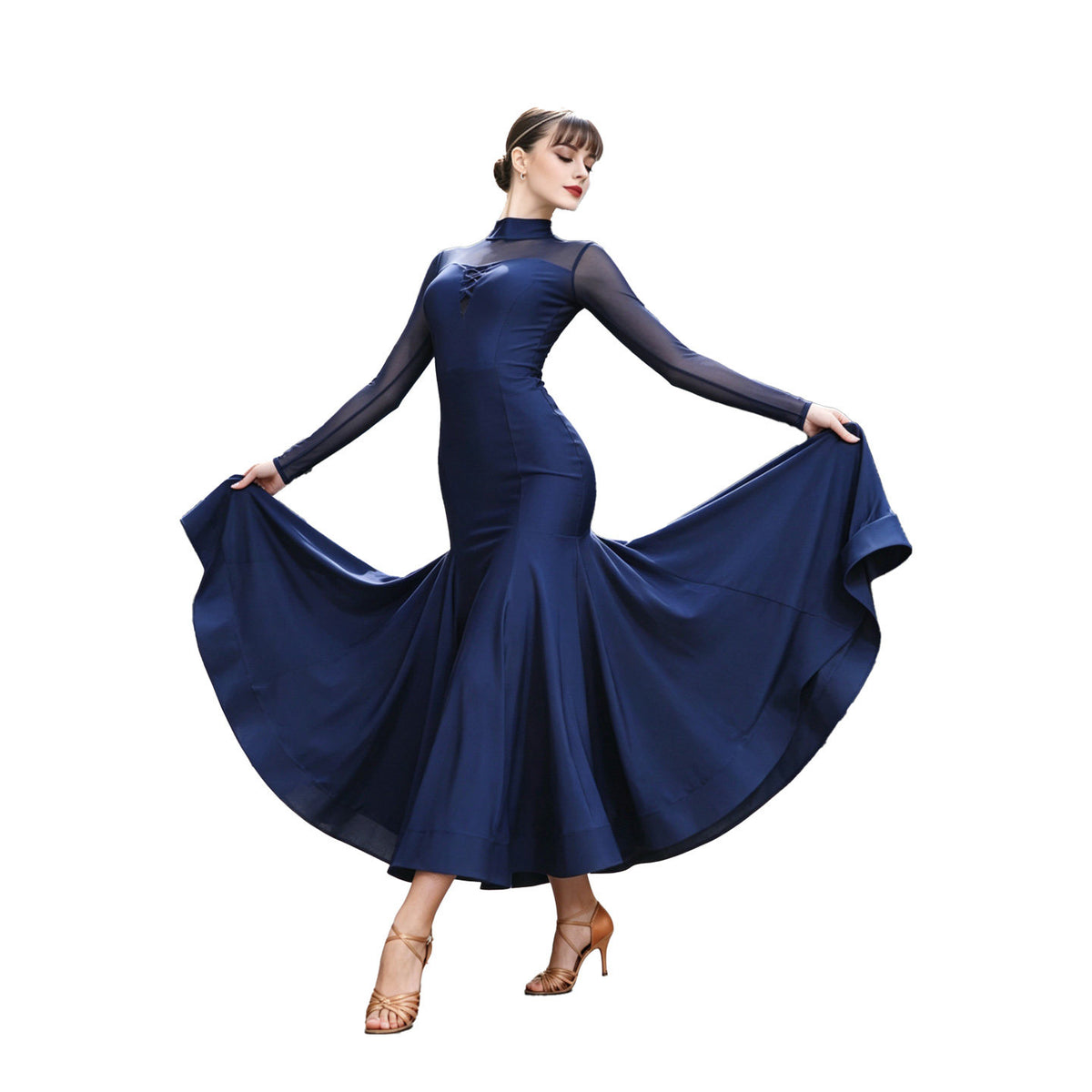
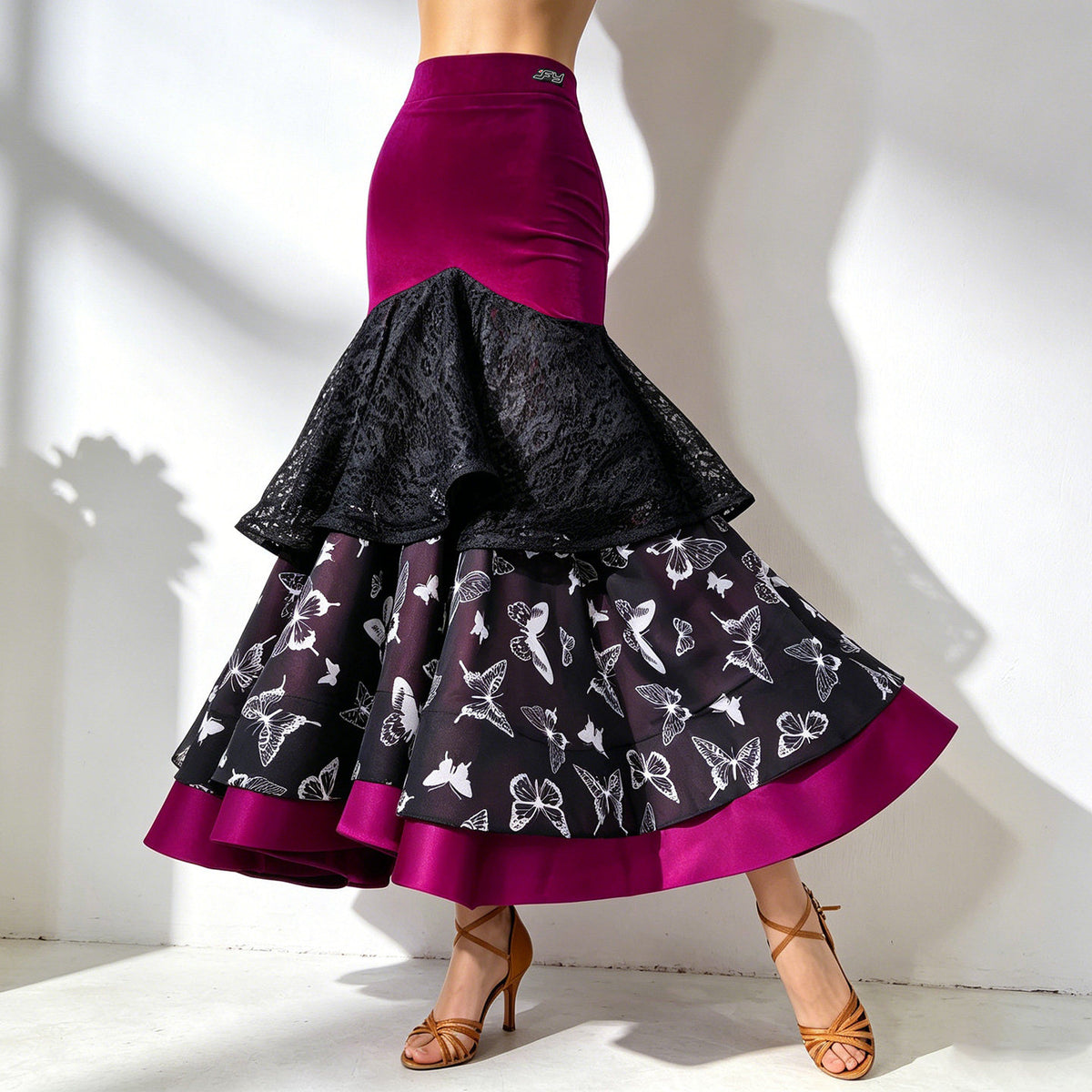
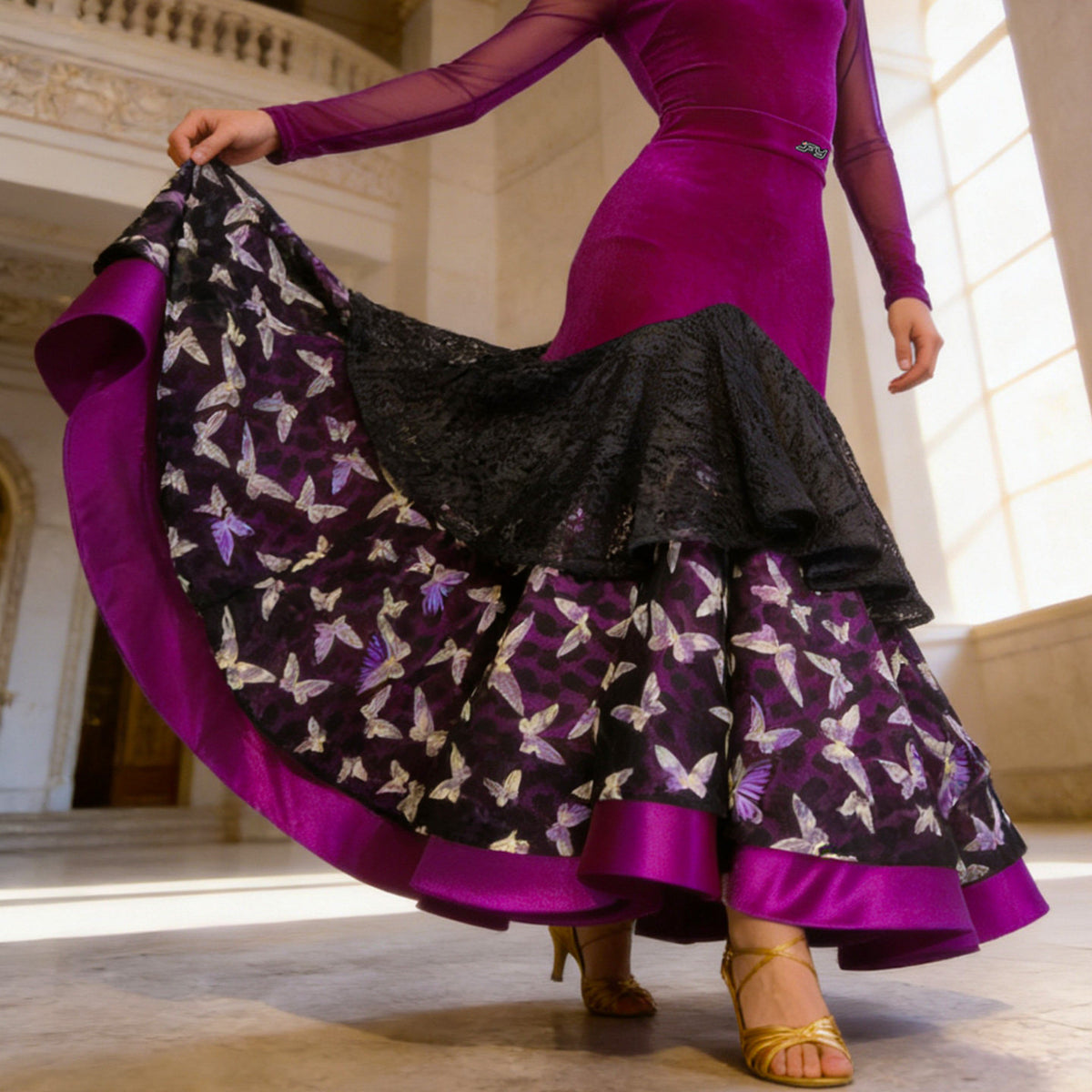
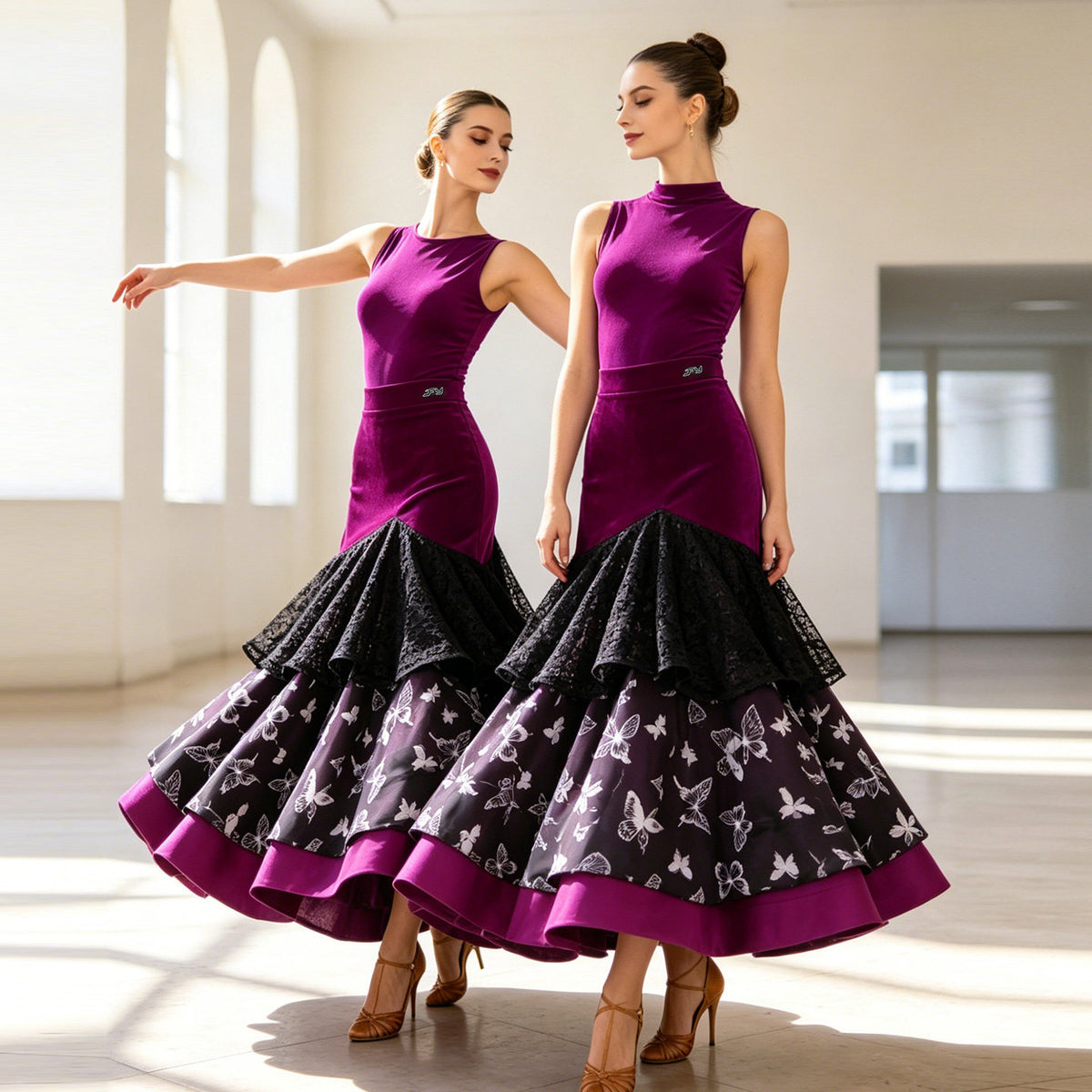
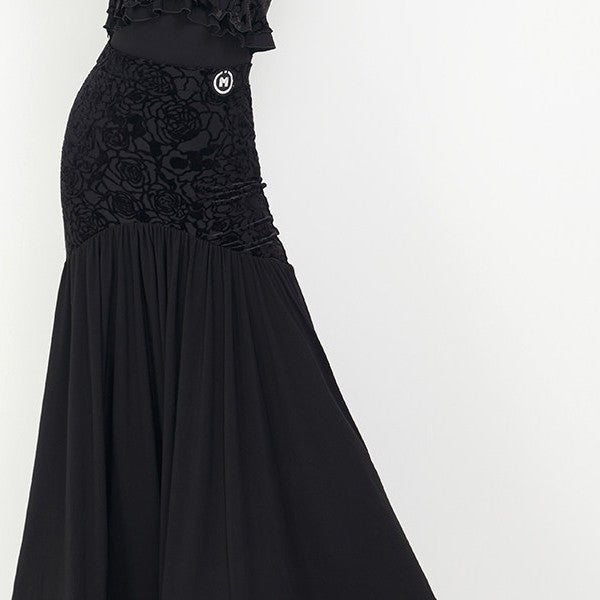
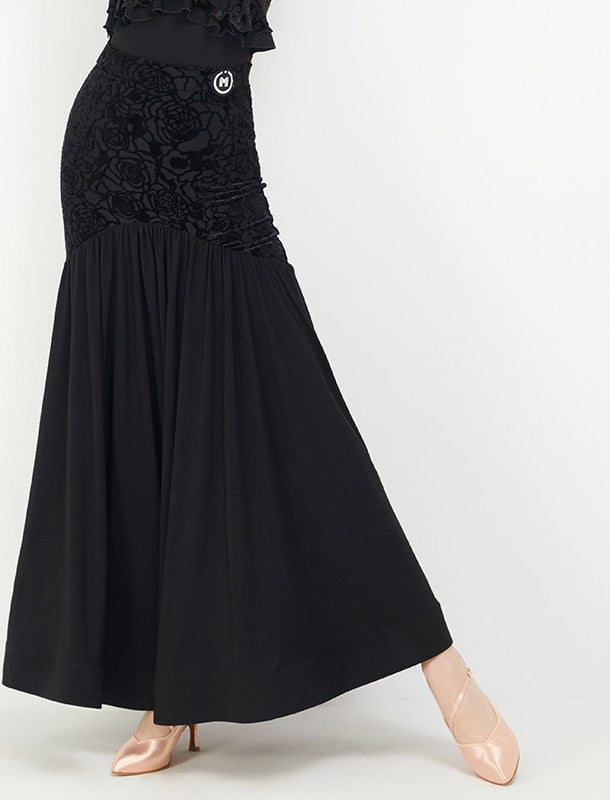
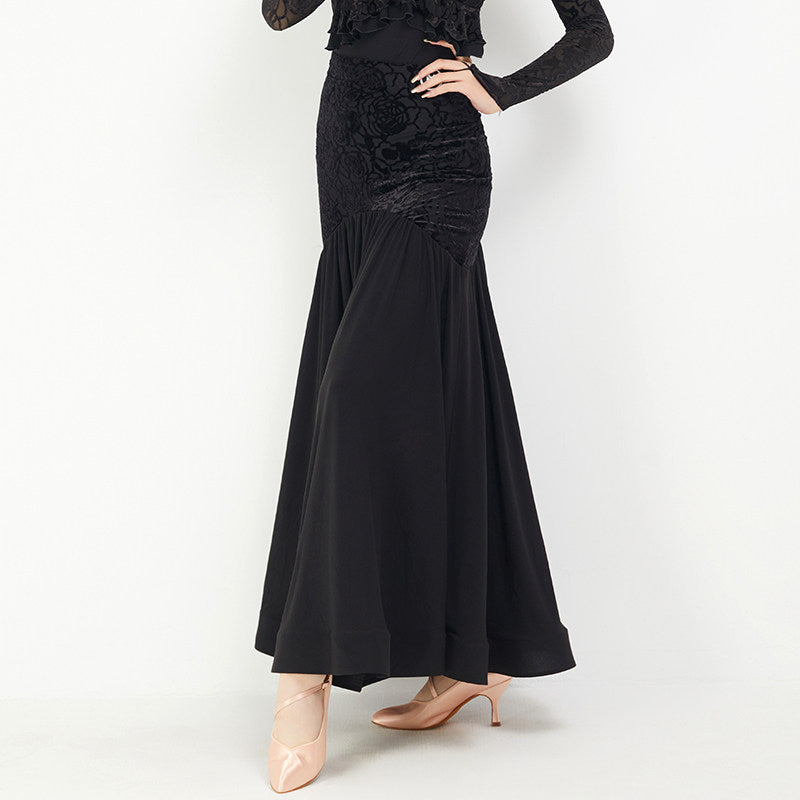
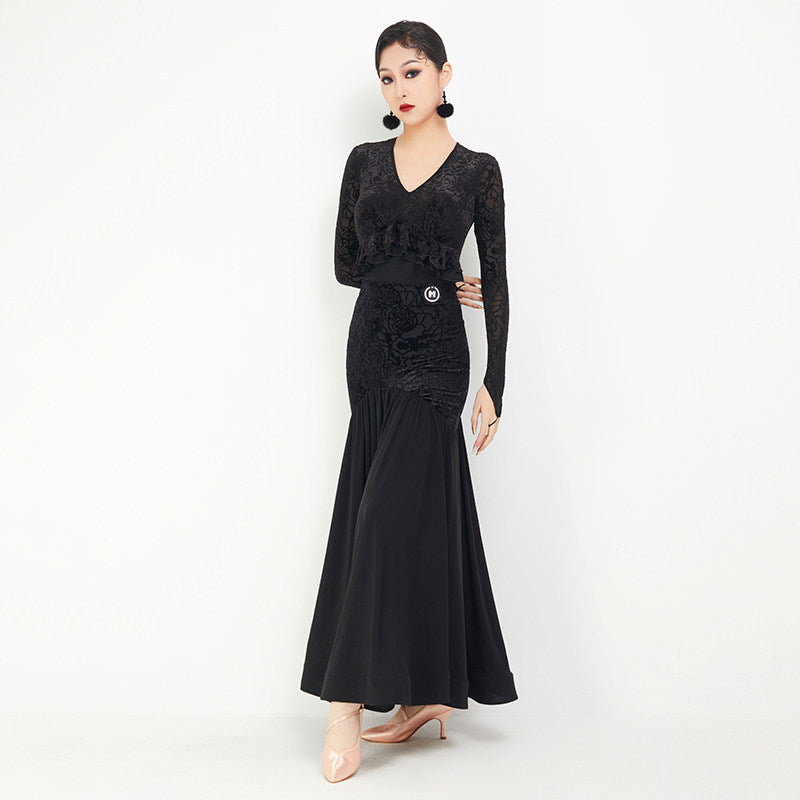
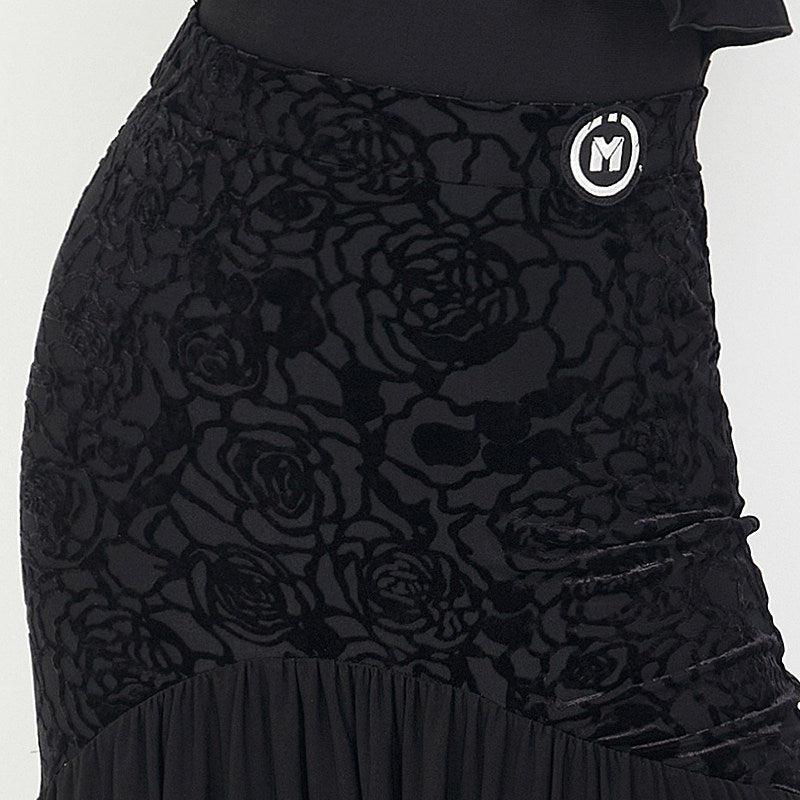
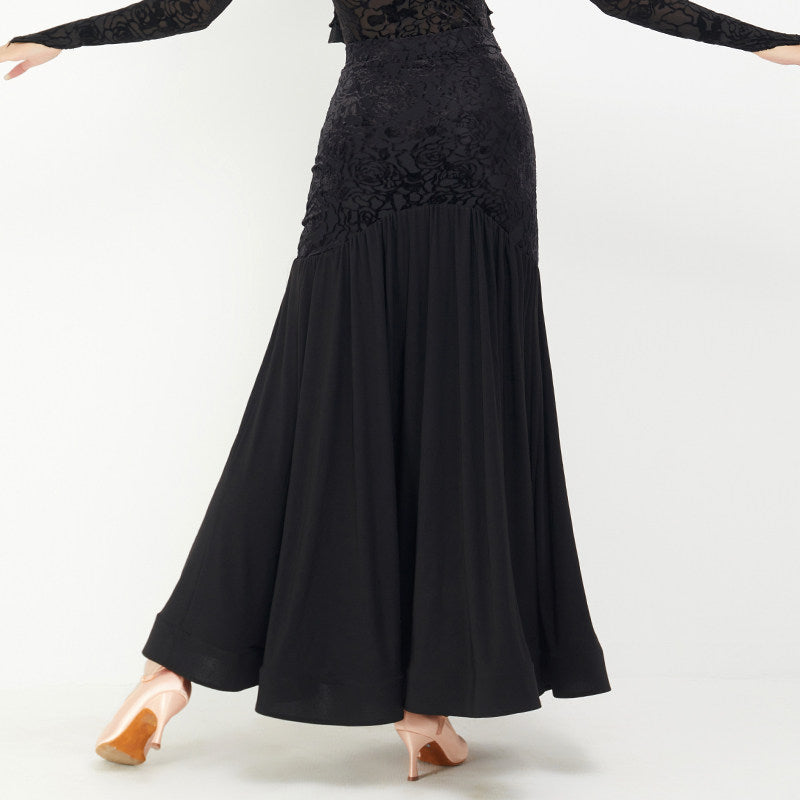
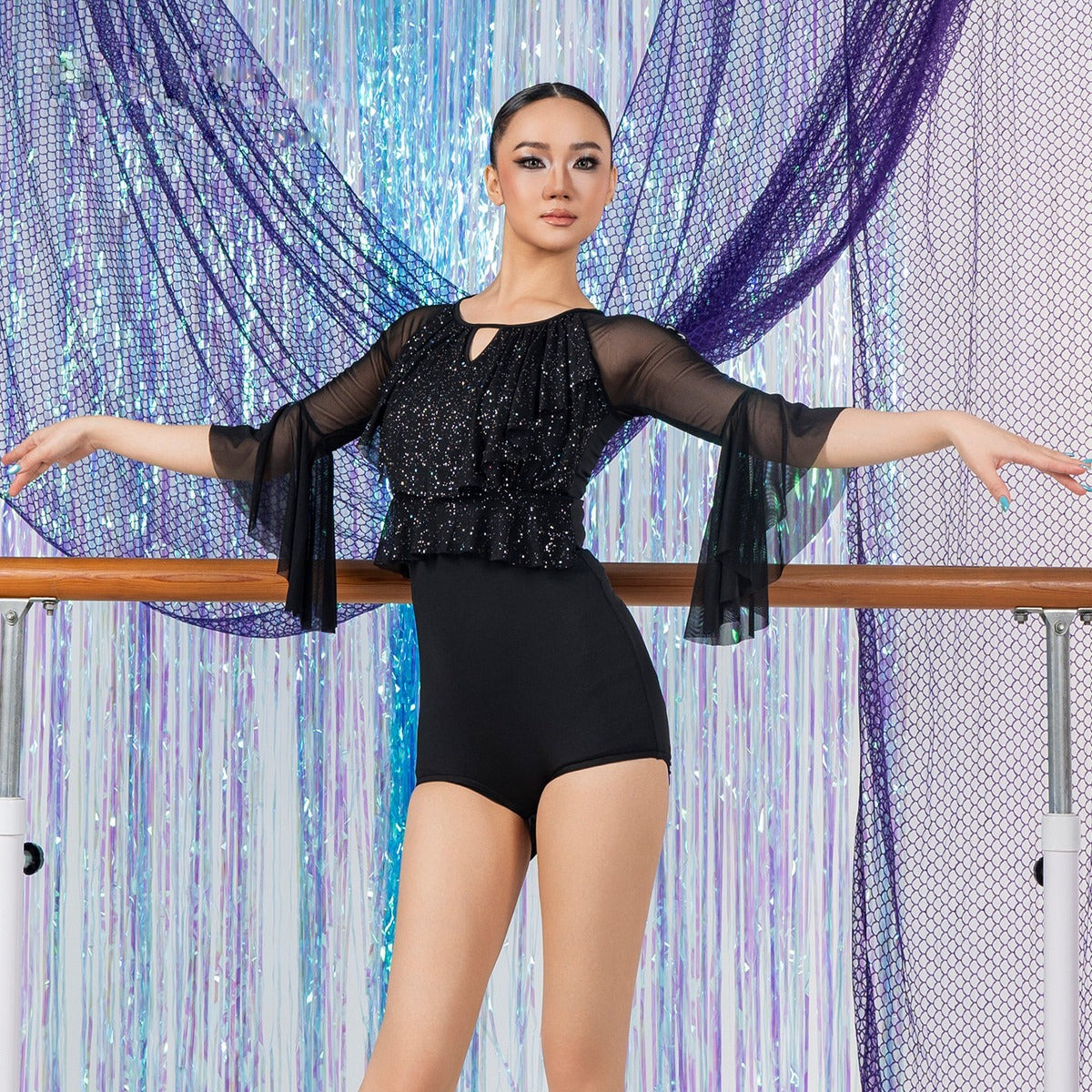
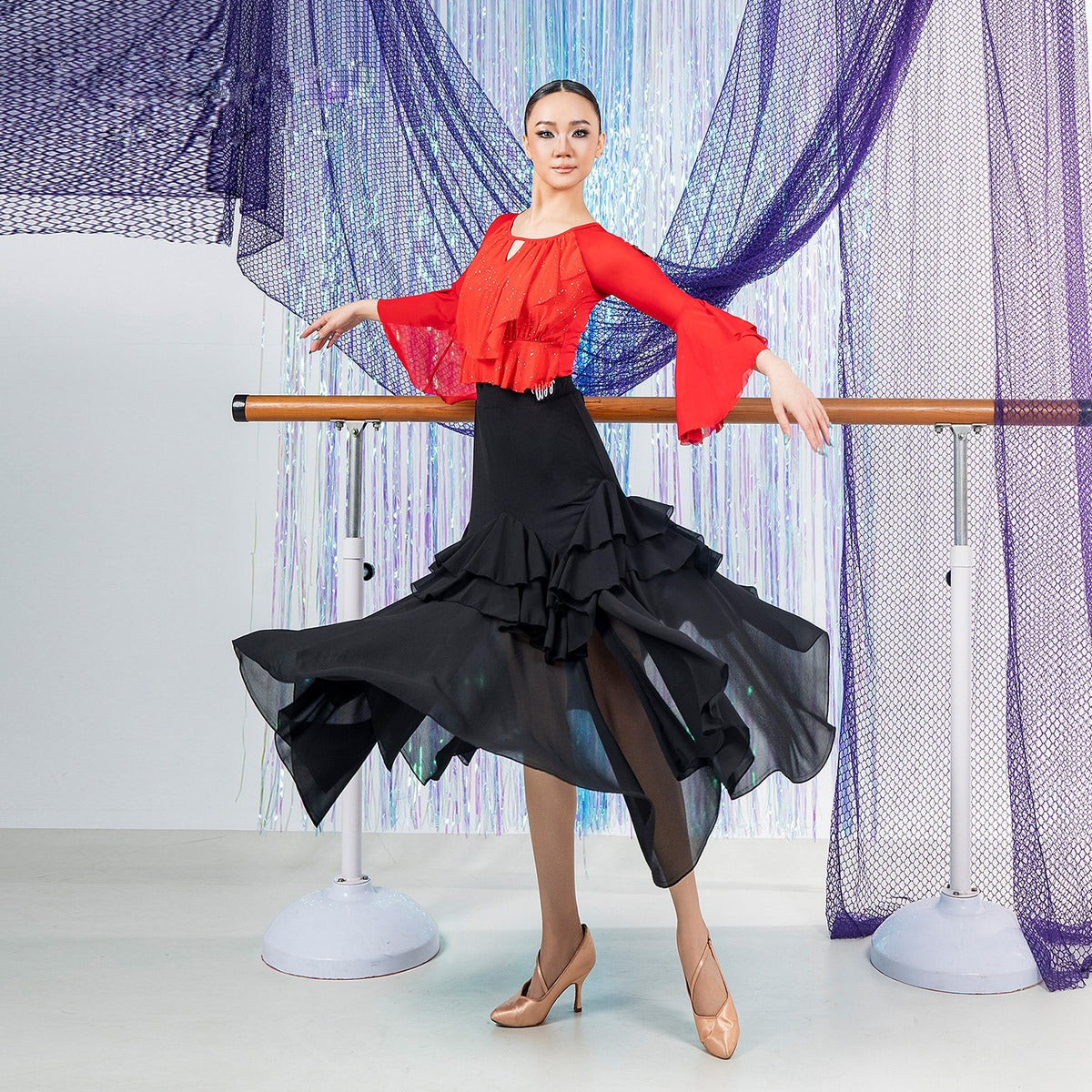
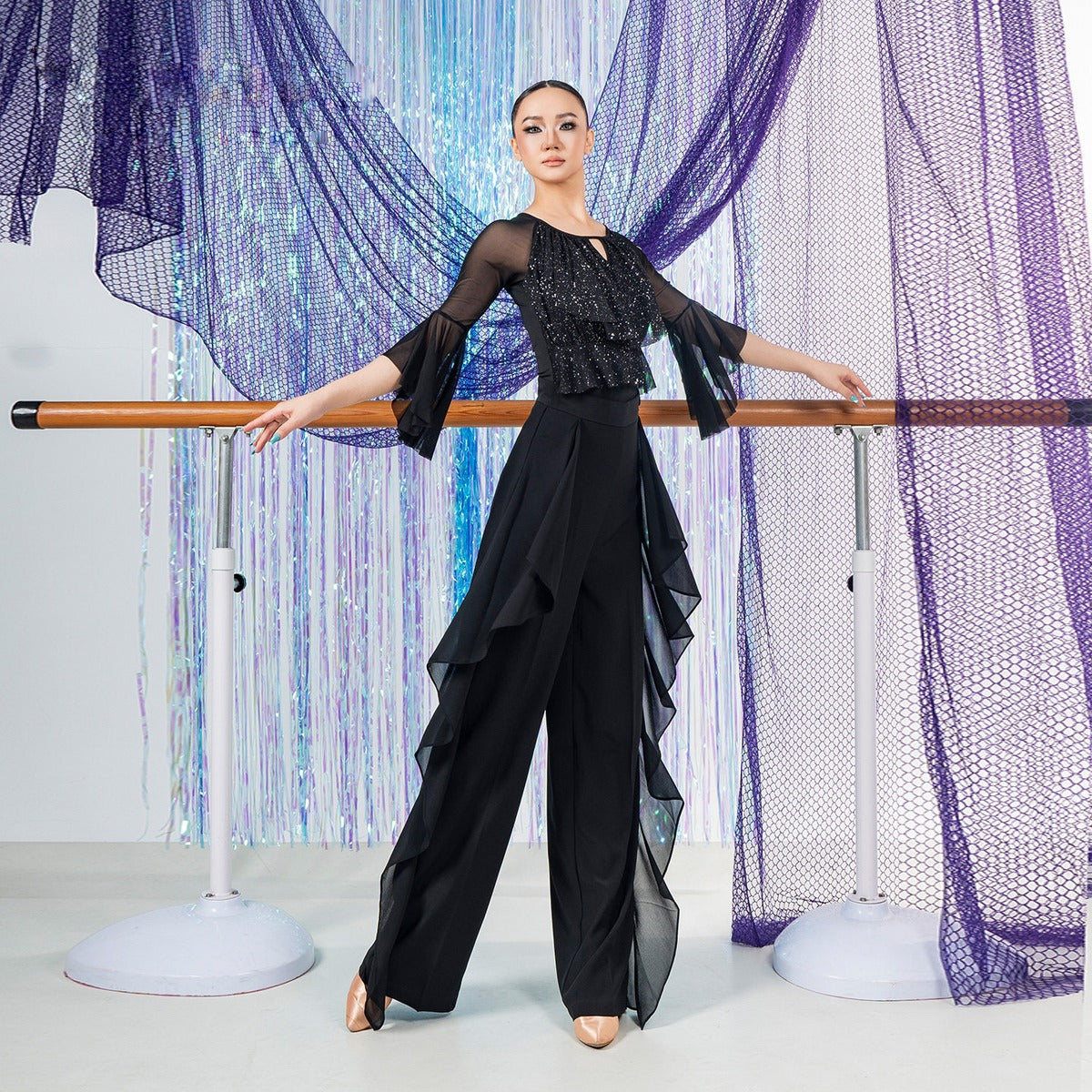
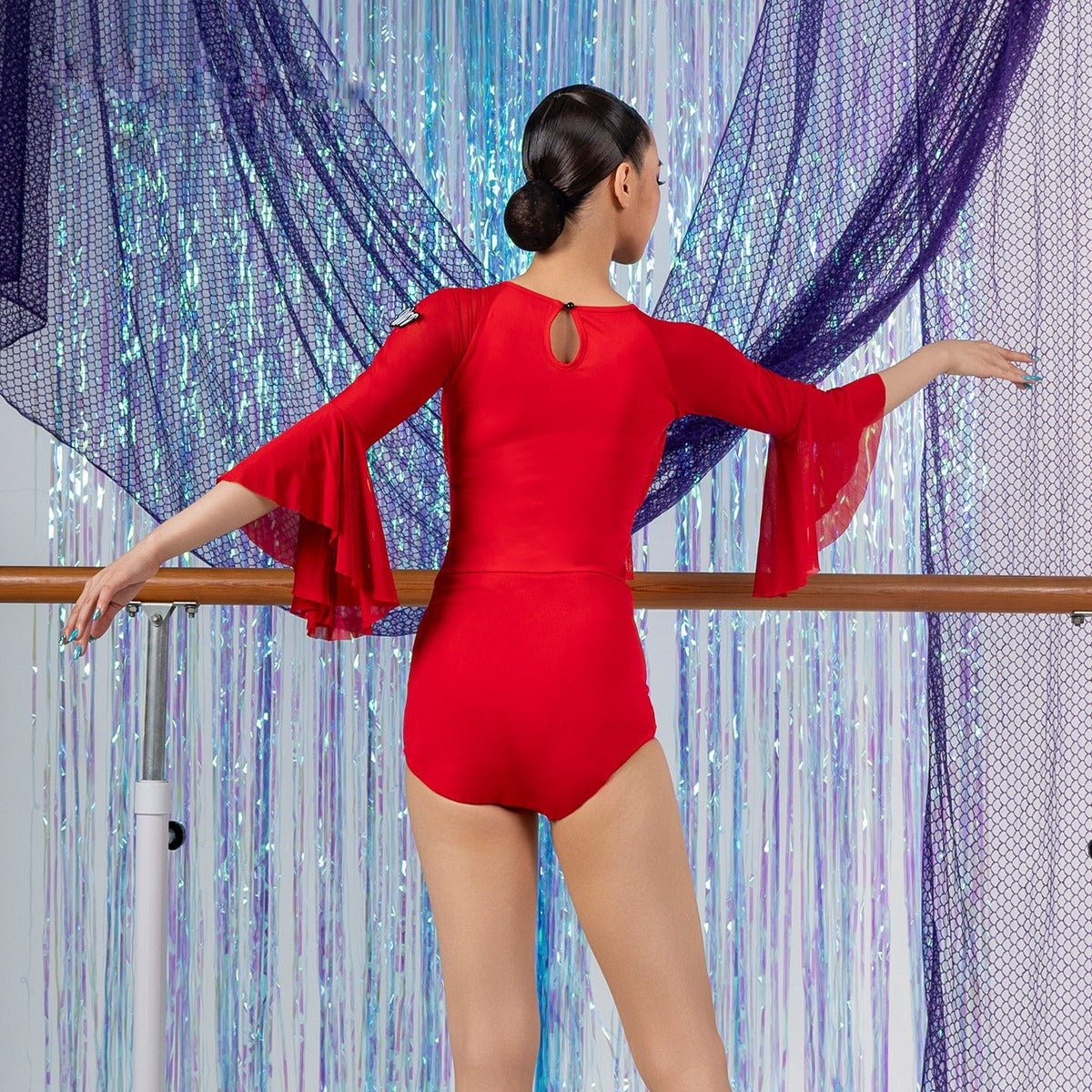
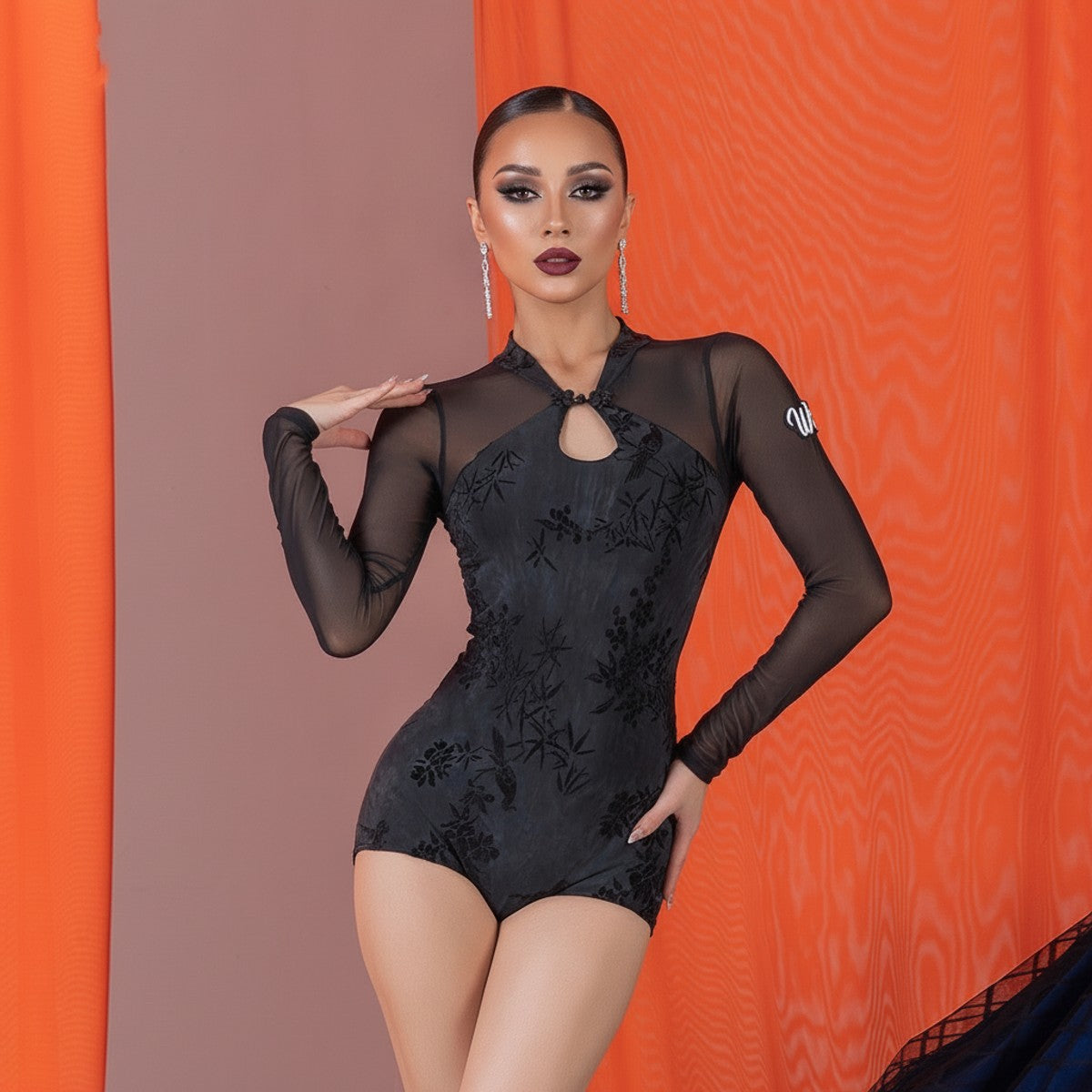
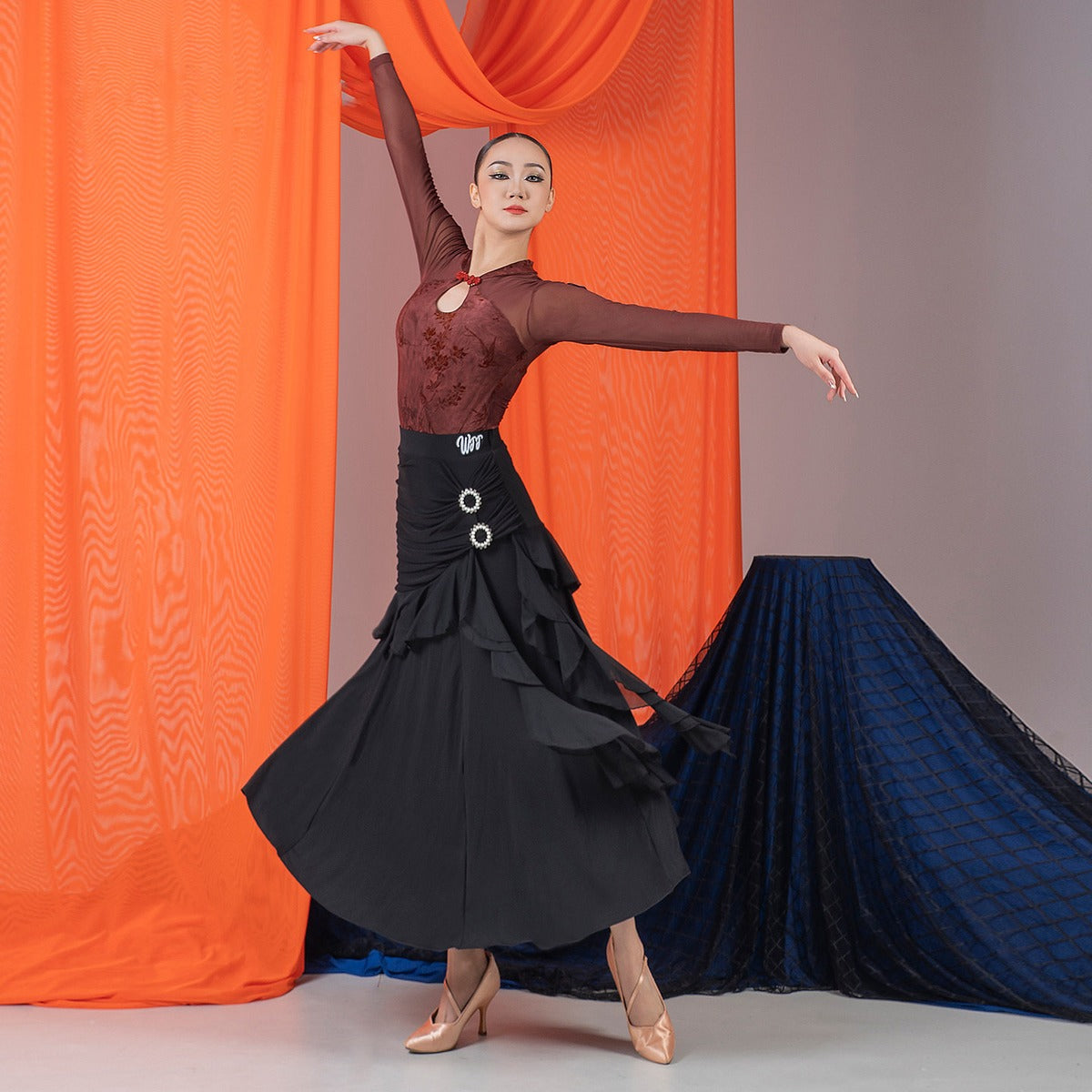
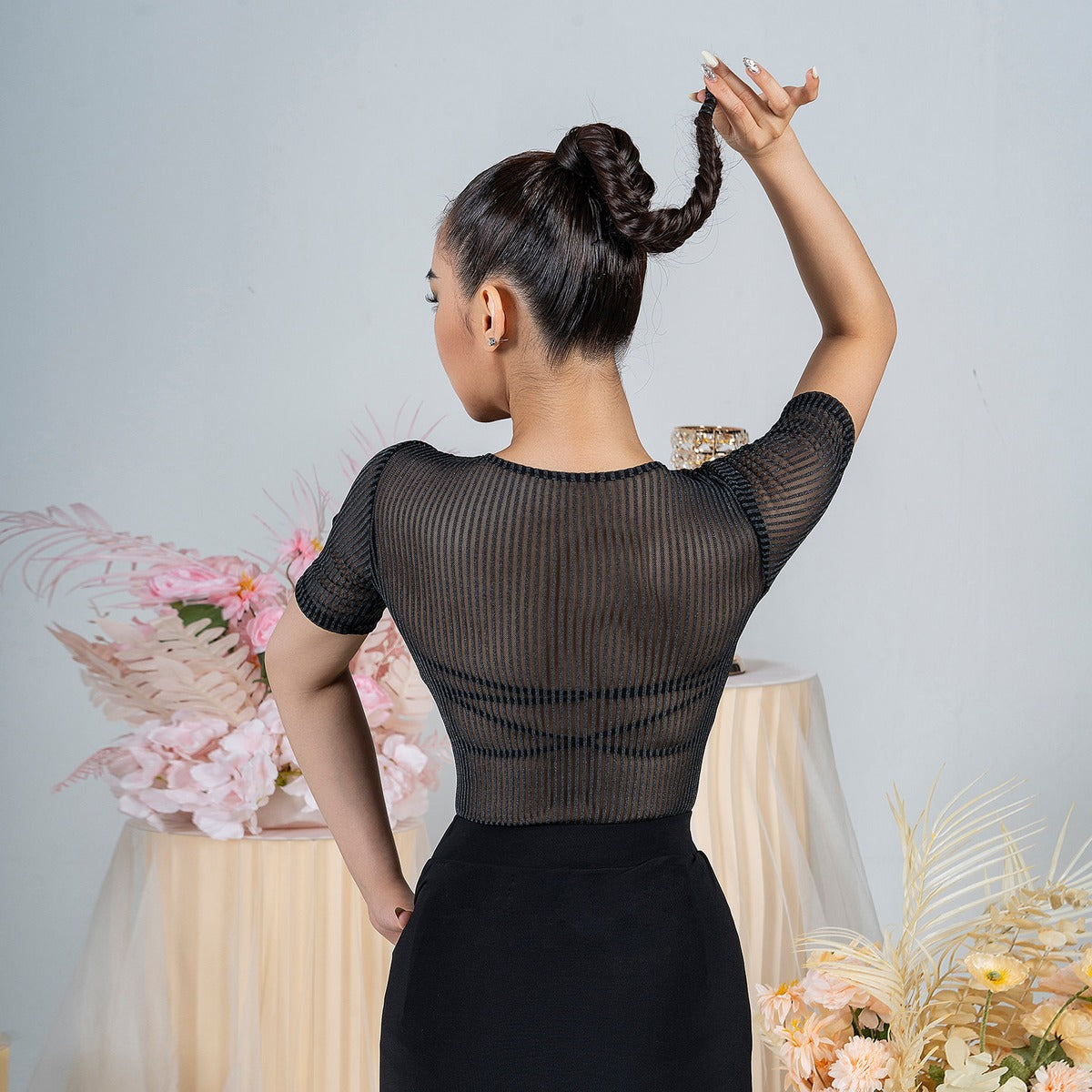
Ballroom practice wear is the clothing you dance in every week: a long ballroom practice skirt, a practice dress, a dance bodysuit and a light ballroom top for cold studios. It needs to show your teacher the same line a competition dress would, survive the washing machine, and stay comfortable through a two-hour lesson. That is why most pieces here are soft stretch fabrics without heavy stones, floats or boning.
Build a Practice Wardrobe
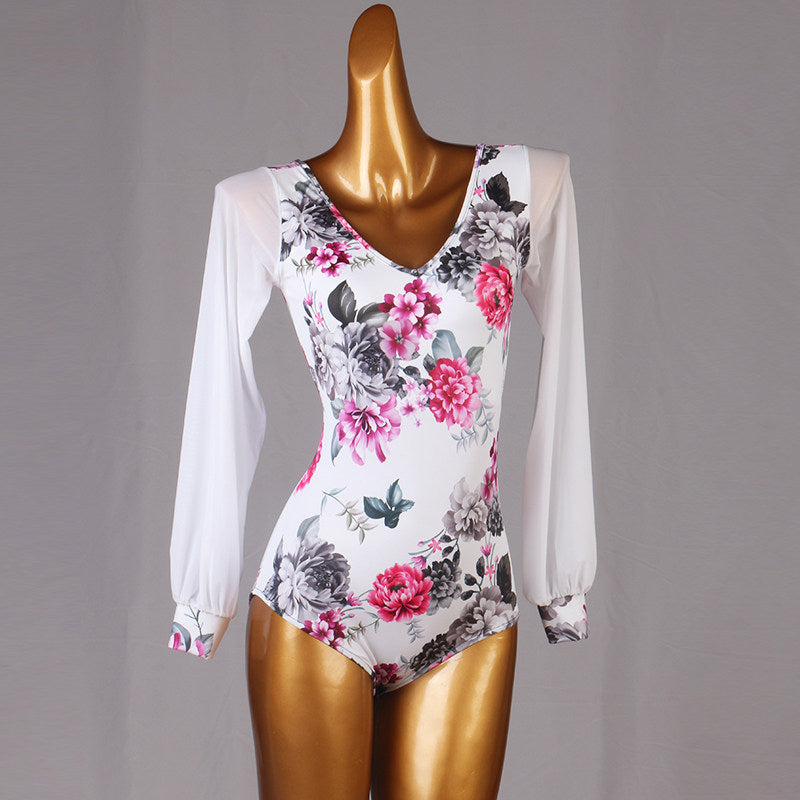
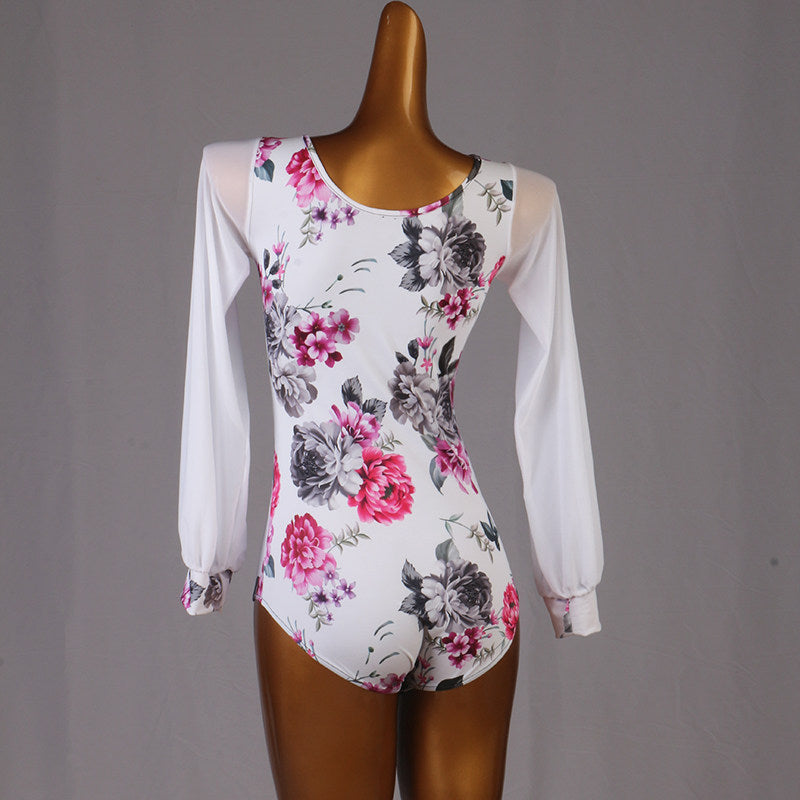
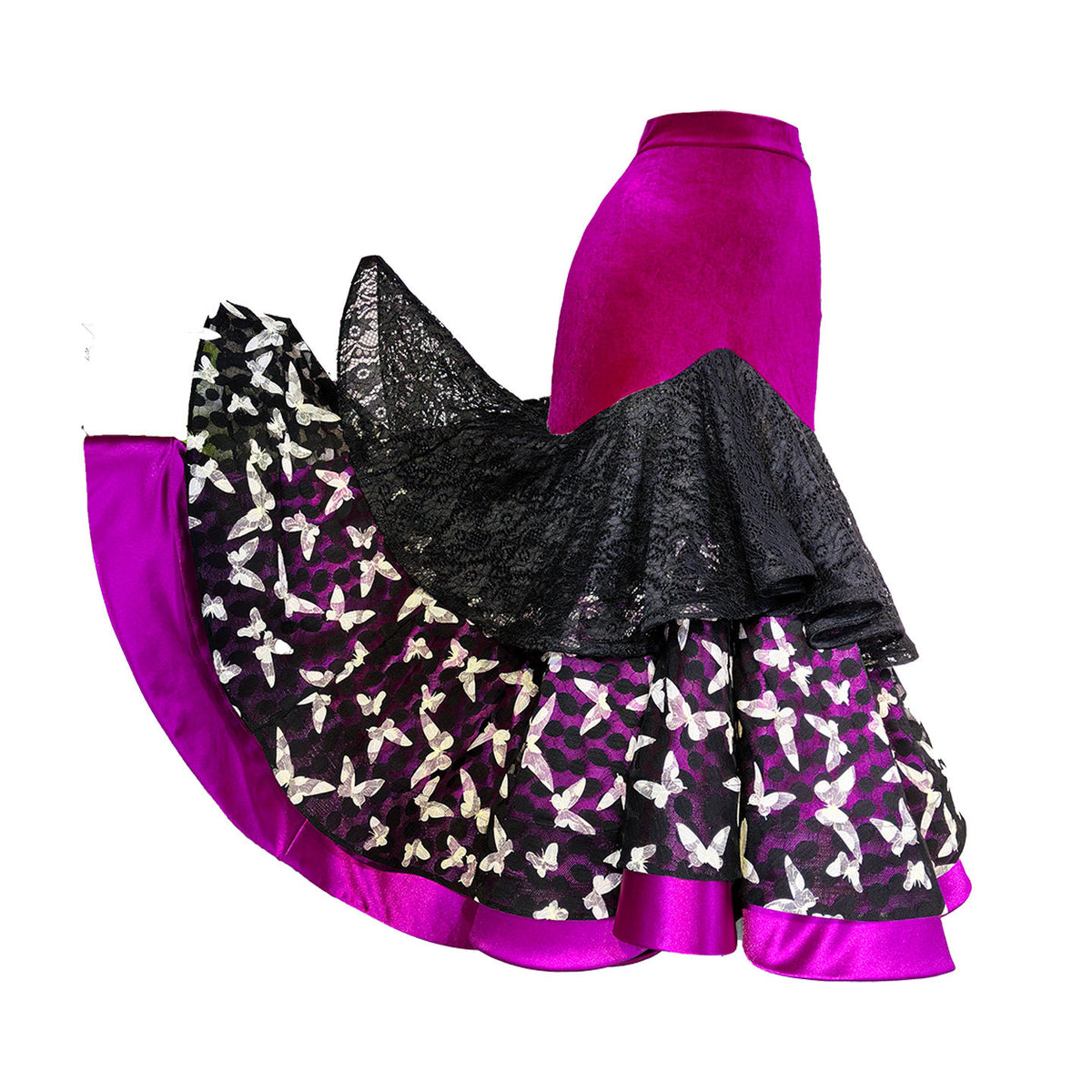
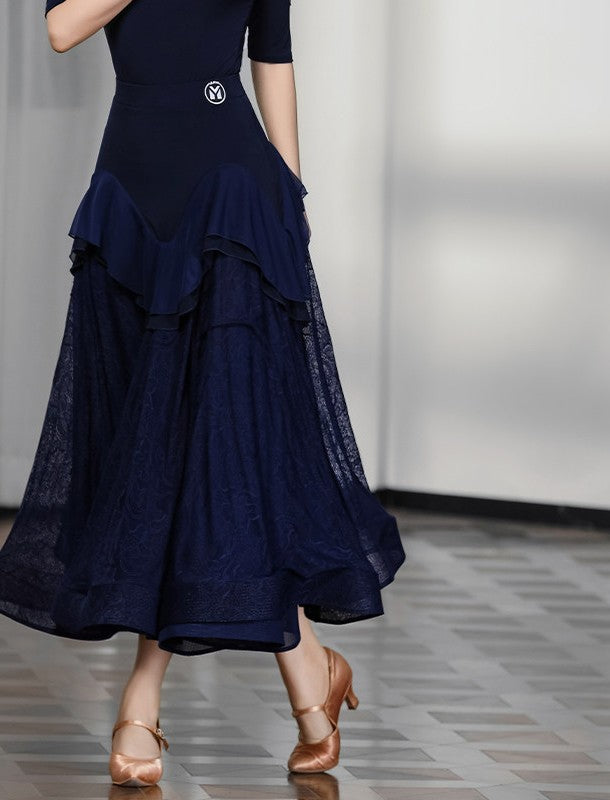
Start with one long skirt and one bodysuit. That pairing covers a term of lessons and never untucks mid-figure. Add a second skirt in a different cut (a godet skirt for float, a satin band hem for a cleaner finish) and a top with sleeves. When you know what length, back and float you like, a ballroom practice dress gives you a one-piece option that looks closer to competition. For the floor itself, see our ballroom competition dresses.
Shoes and Fit
Practise in the shoes you compete in so your skirt length is right: closed-toe ballroom dance shoes with a 2 to 2.5 inch heel and a suede sole. Our pieces run in US sizes; check the size chart on each product, and choose the larger size if you are between two.
Ballroom Practice Wear: Frequently Asked Questions
What should I wear to ballroom dance practice?
Most dancers wear a long ballroom practice skirt or a practice dress that reaches mid-calf or longer, with a fitted bodysuit or top. A skirt below the knee lets your teacher see rise and fall, sway and leg action, which leggings hide. Add closed-toe ballroom shoes with a suede sole.
What is the difference between a ballroom practice dress and a competition dress?
A practice dress is lighter, simpler and easy to wash, without heavy stones or floats, so you can wear it every week. A competition dress or ballroom gown adds rhinestones, feather or chiffon floats and a structured bodice for the floor. Many dancers practise in a dress with a similar skirt length to their competition gown.
Is a skirt or a dress better for ballroom practice?
Separates give you more outfits: two skirts and two tops or bodysuits make four combinations, and a bodysuit never untucks during turns. A dress is one decision with no waistline break and is closer to how you will look in competition. Many dancers keep both.
How long should a ballroom practice skirt be?
For Standard and Smooth, choose a long skirt that moves with you but clears your heel. Measure in the shoes you dance in, since a 2 to 2.5 inch heel changes the length you need.
Can I wear ballroom practice wear for Latin classes too?
A bodysuit and a top work for both. Skirts and dresses do not cross over well: ballroom pieces are long and made to float, while Latin pieces are short with fringe or slits to show the hip and leg action.