Women's Closed Toe Dance Shoes
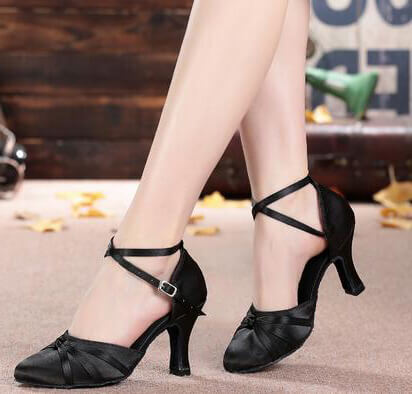
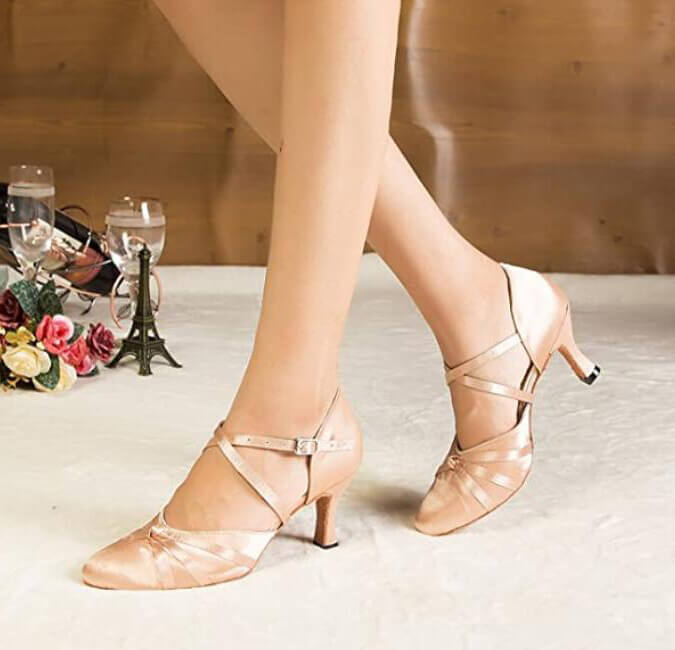
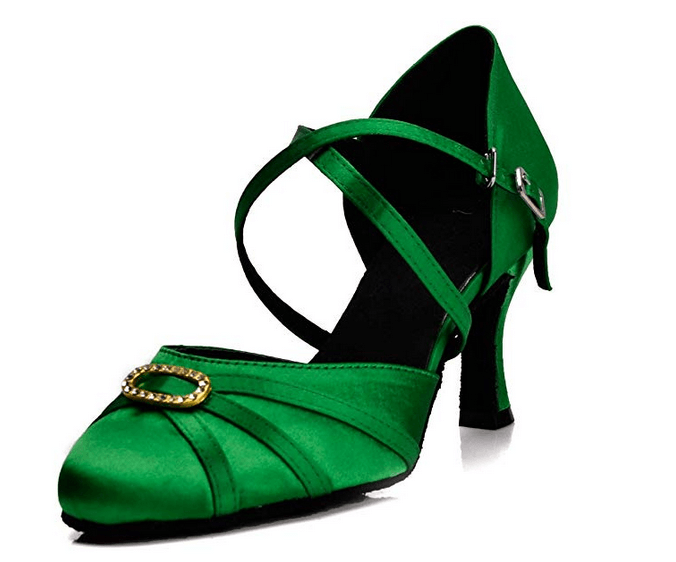
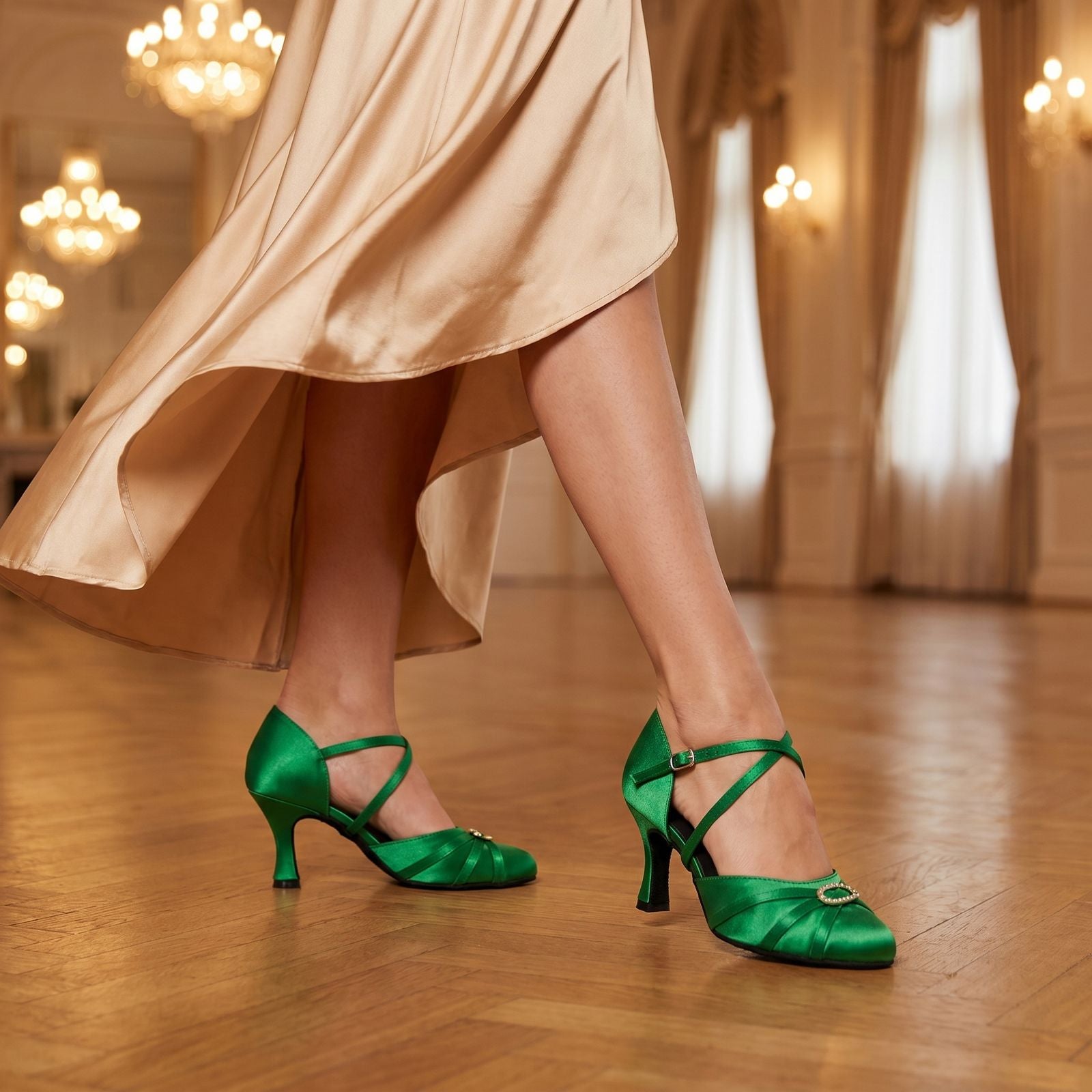
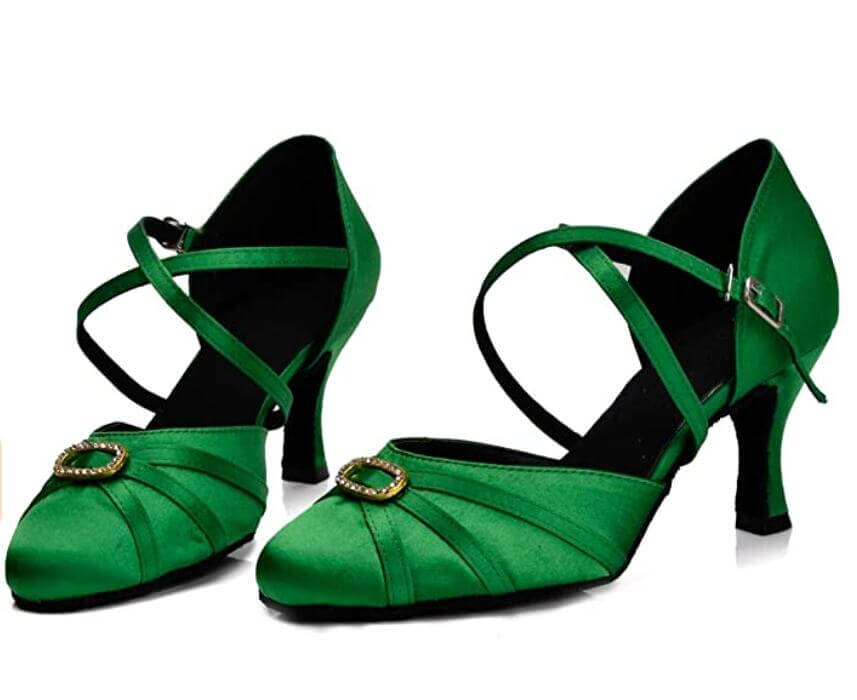
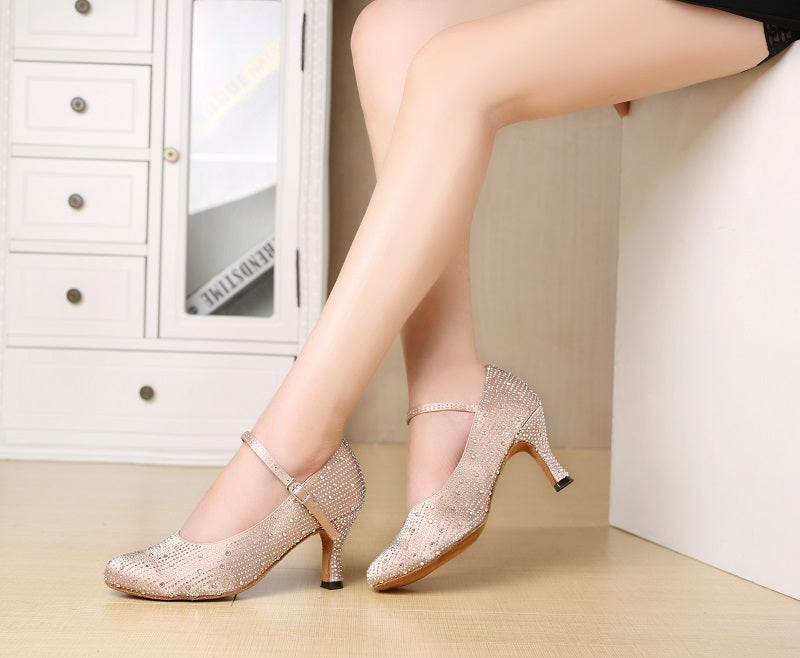
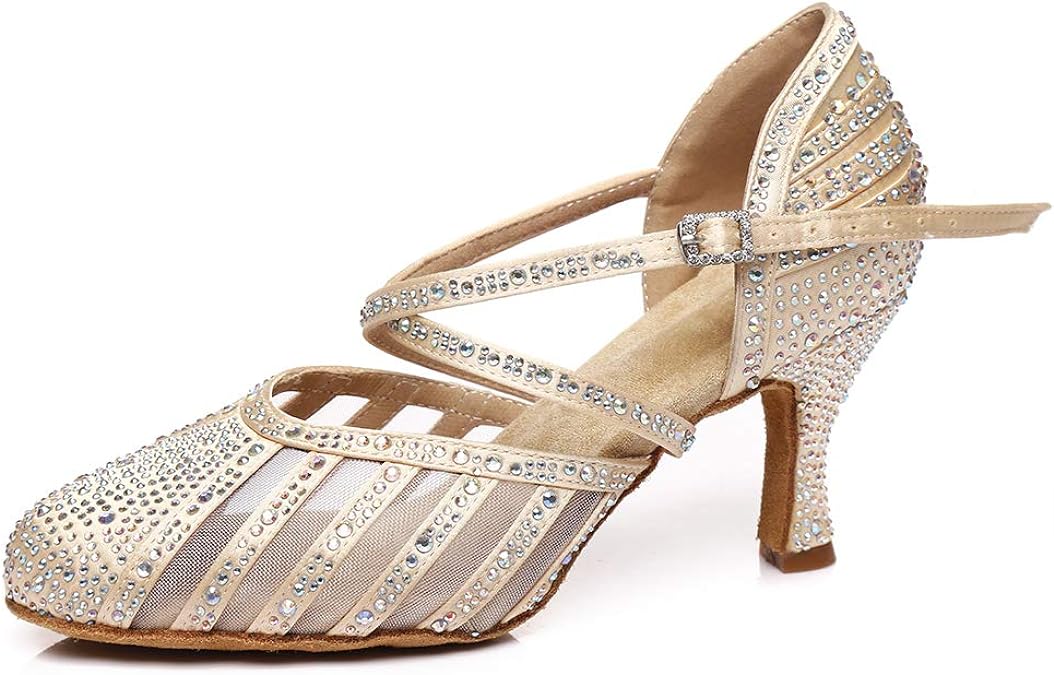
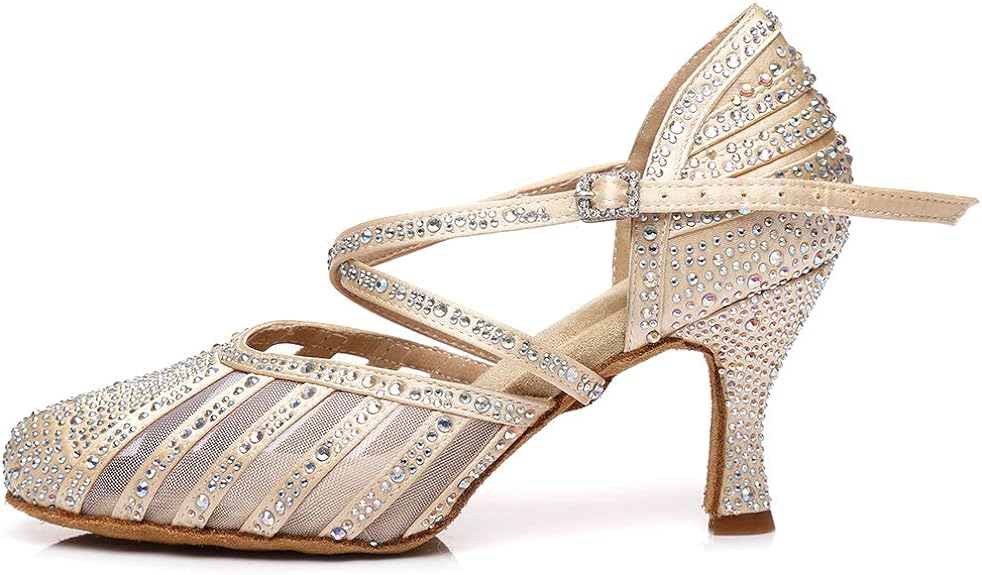
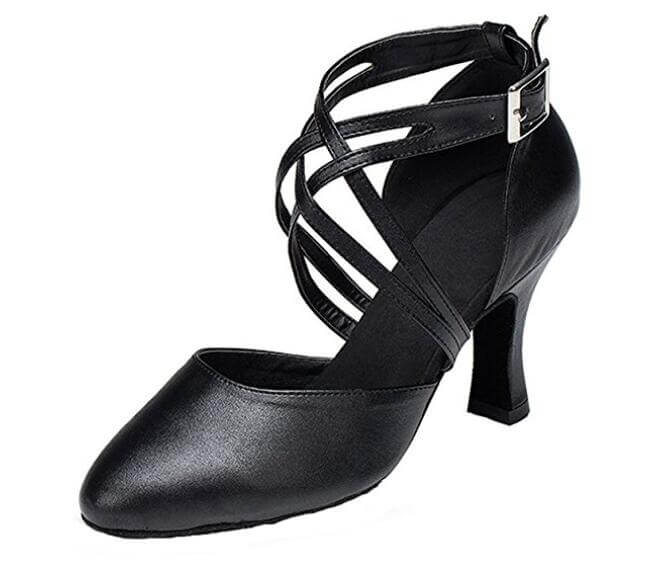
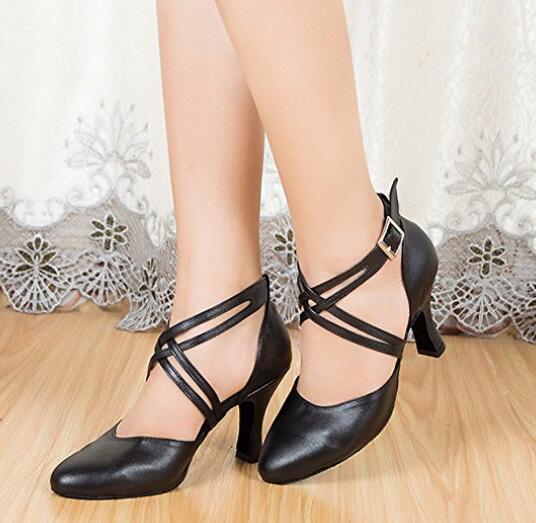
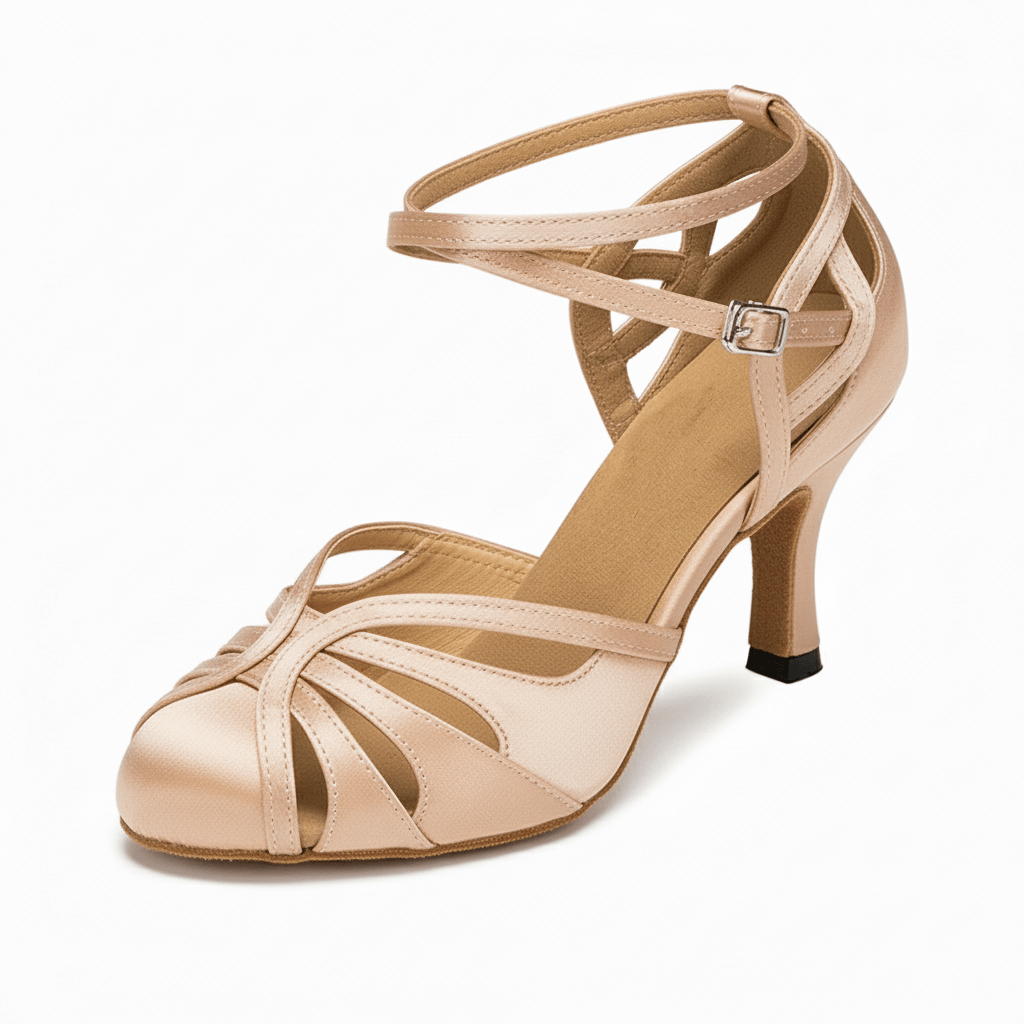
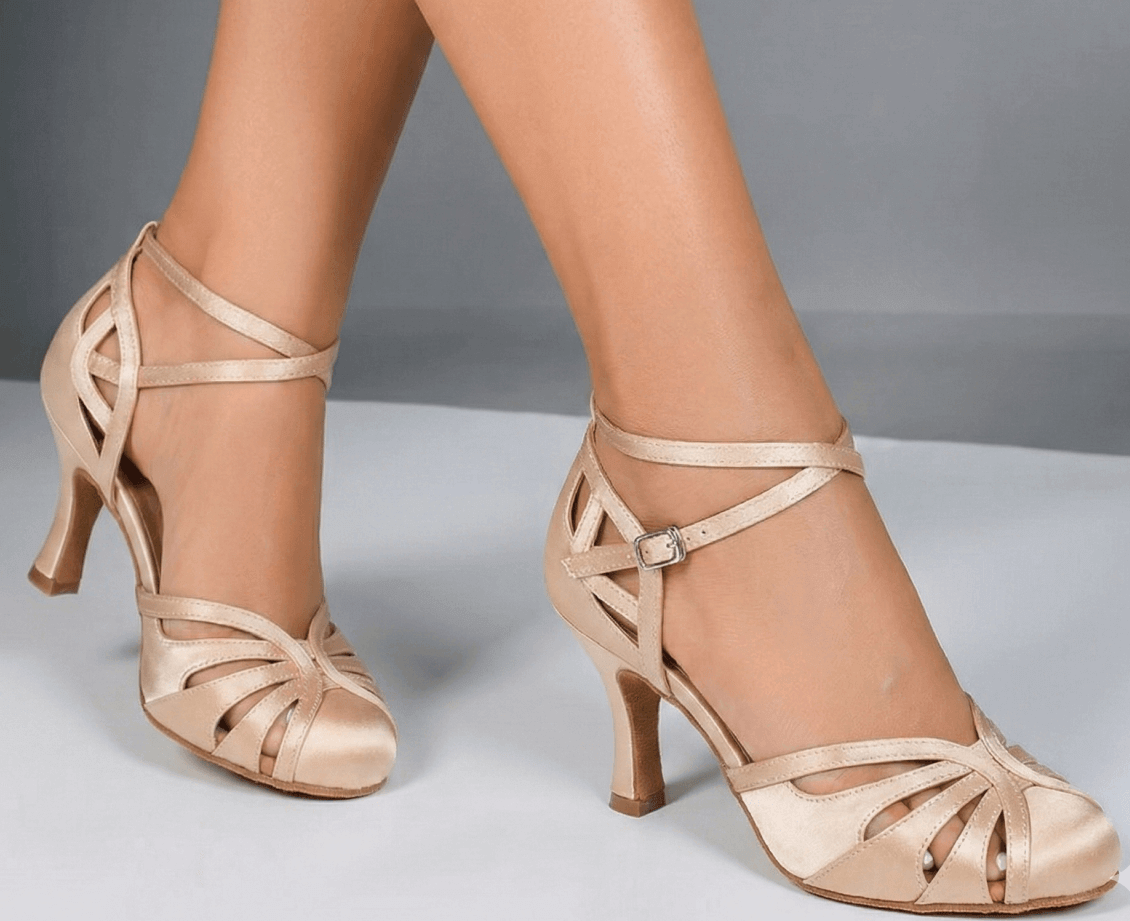
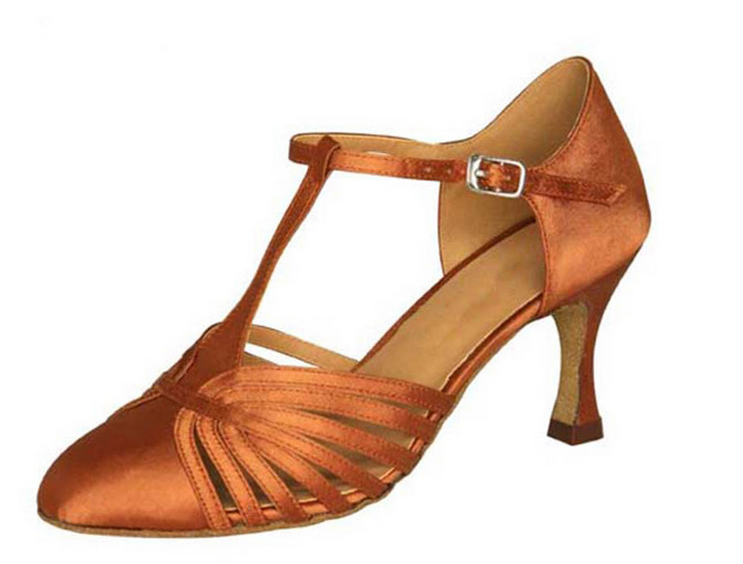
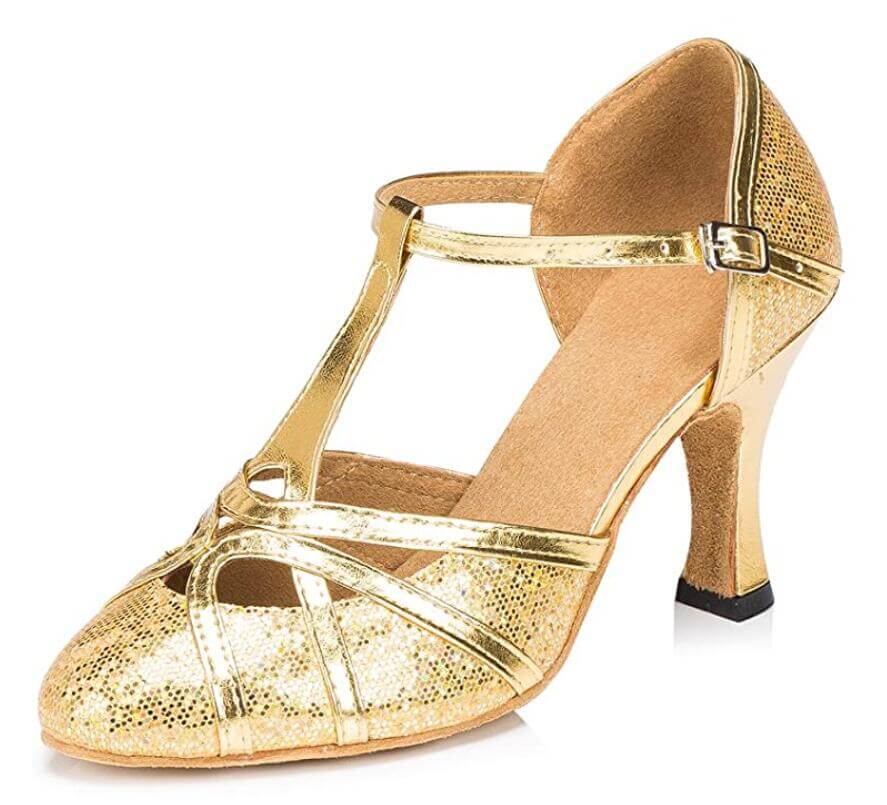
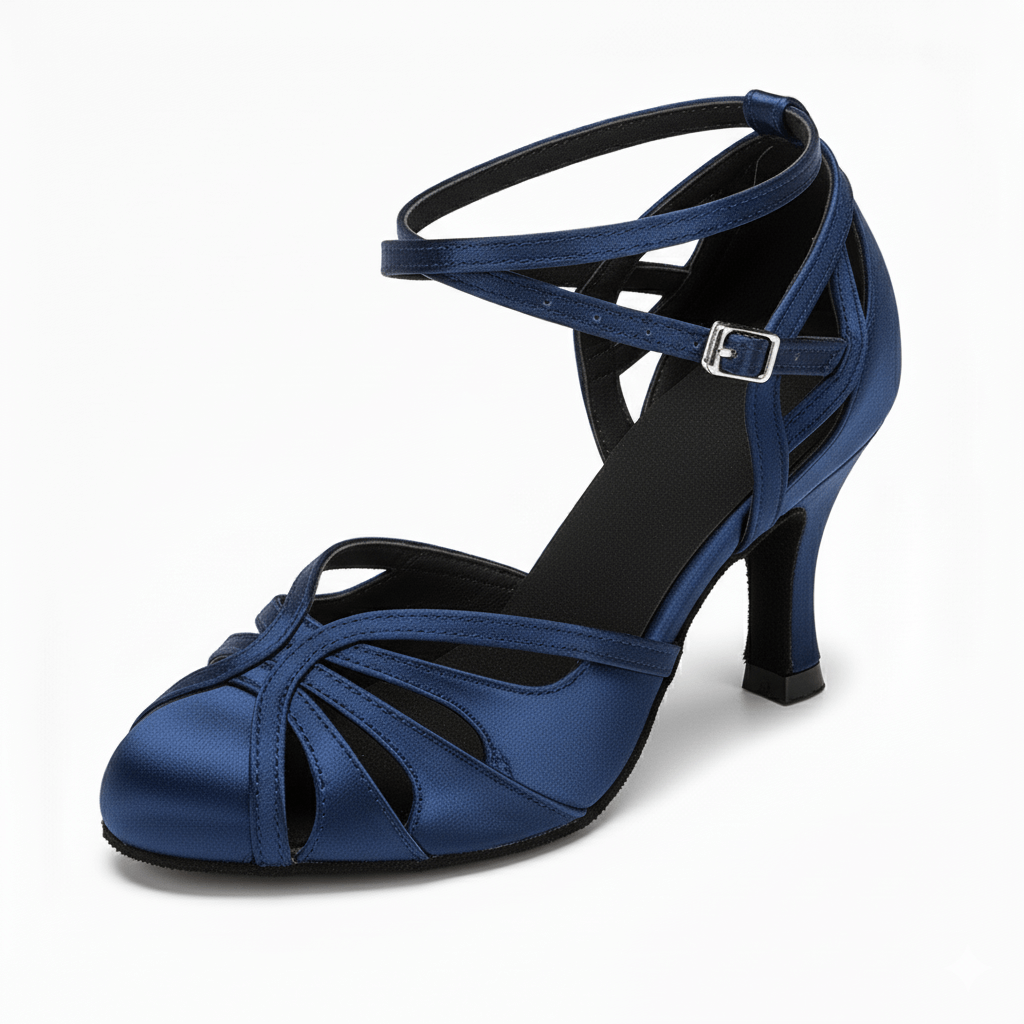
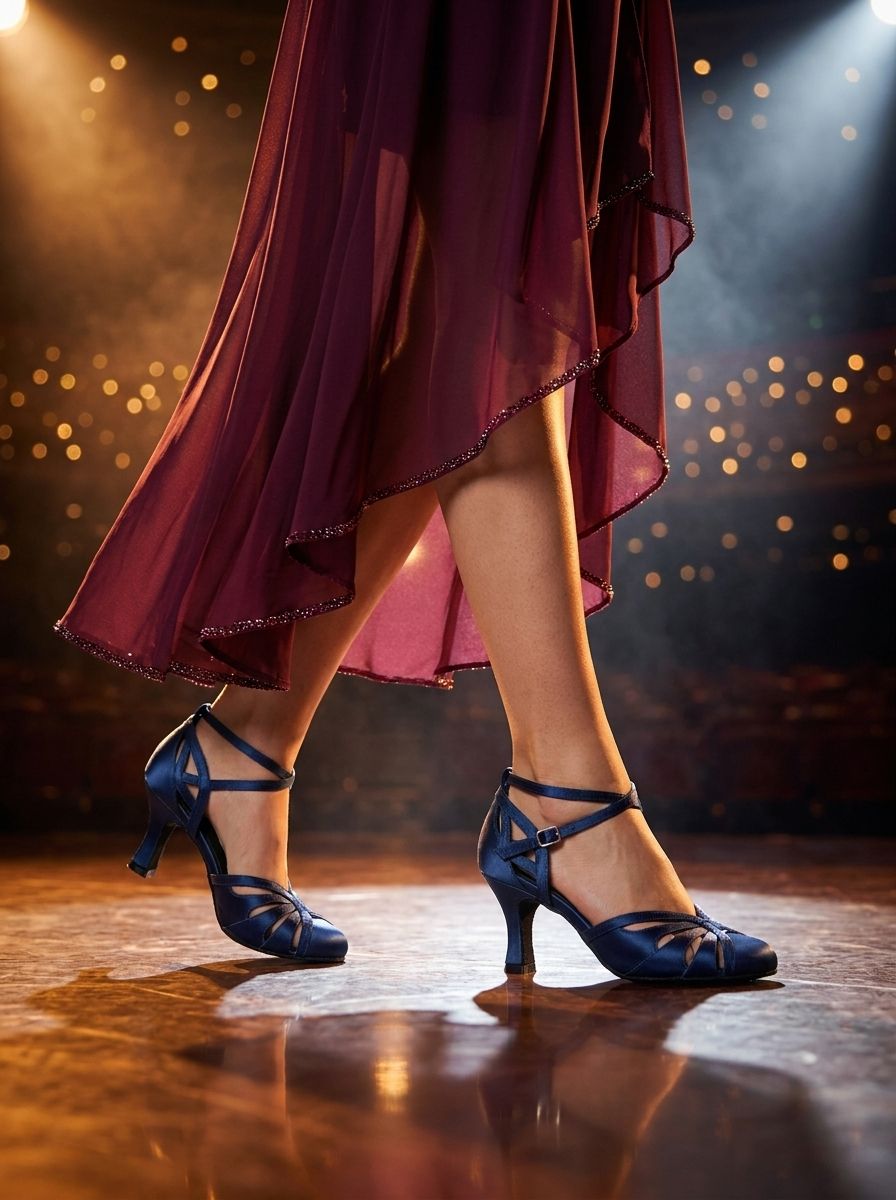
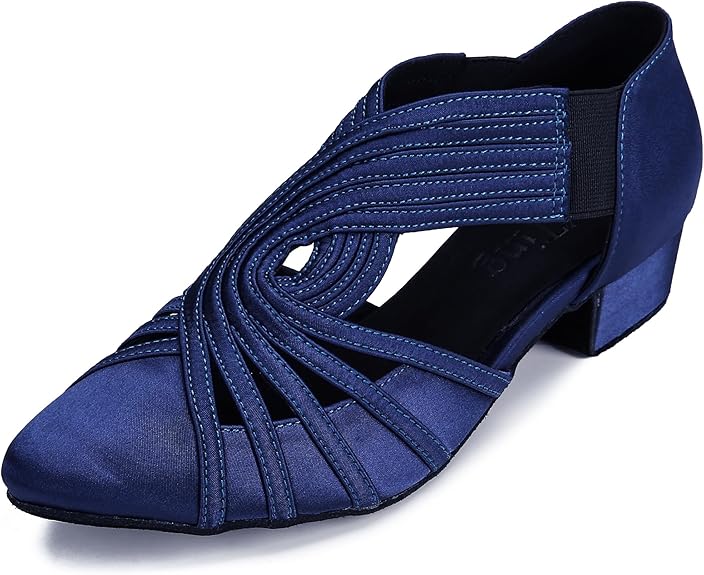
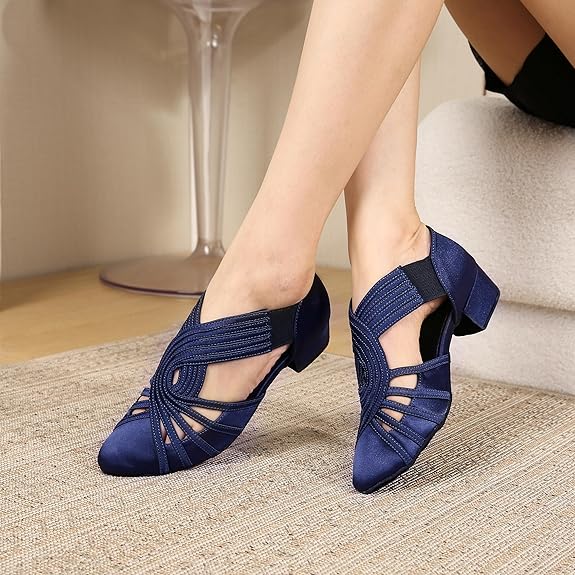
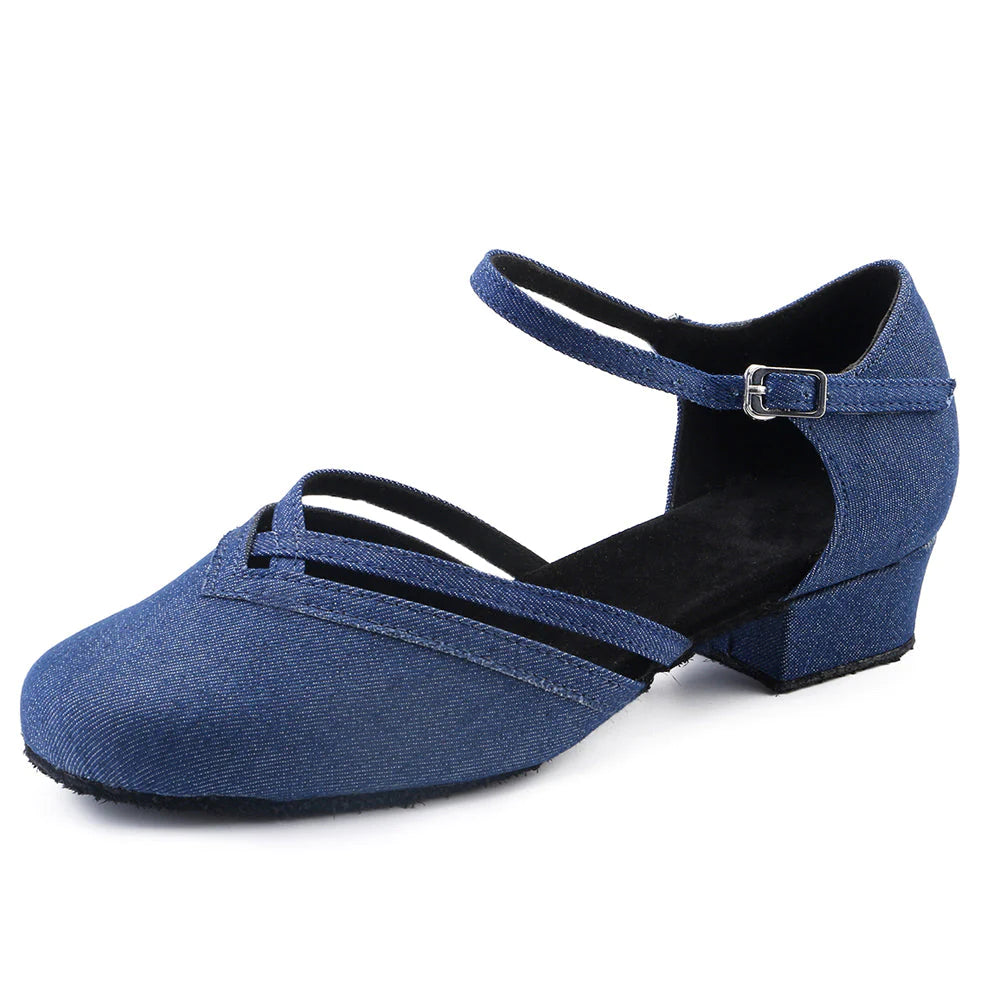
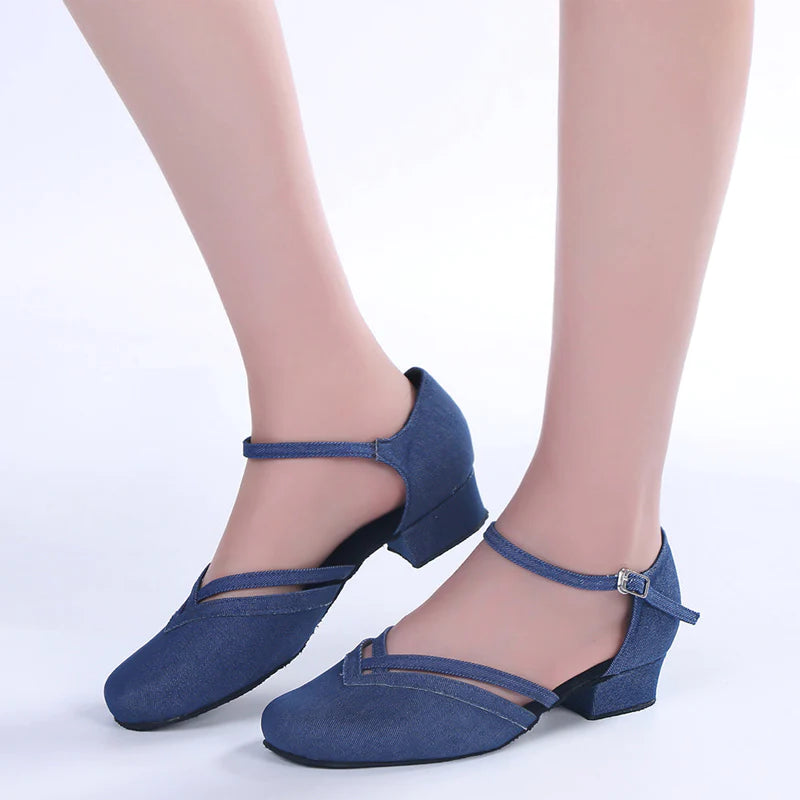
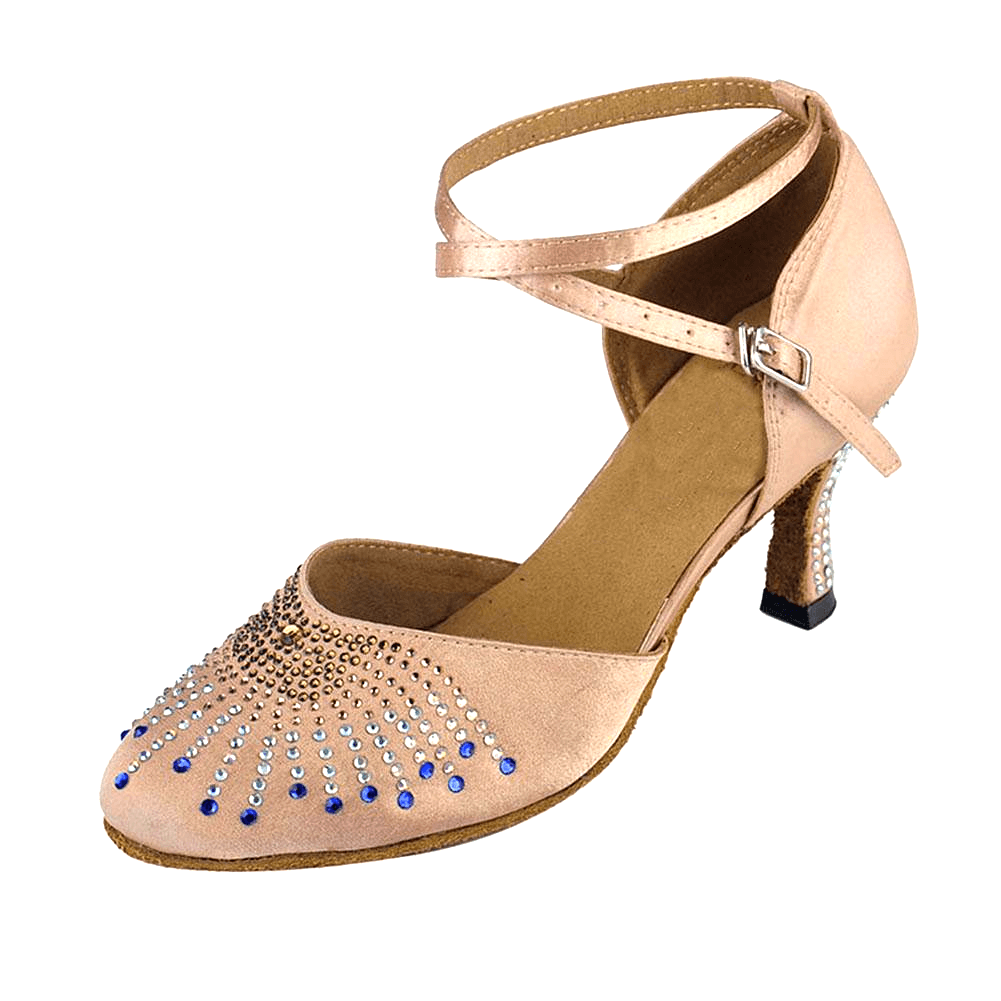
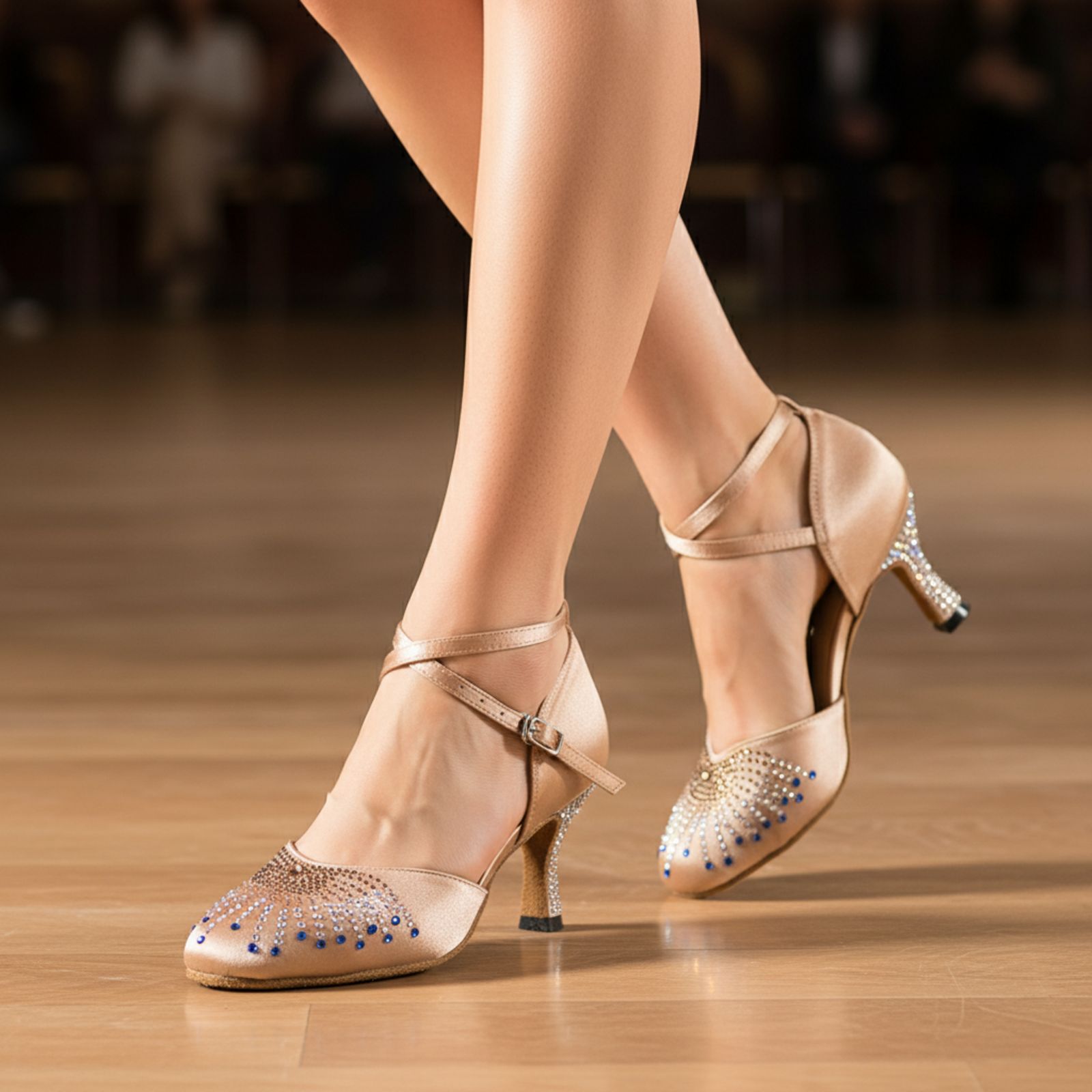
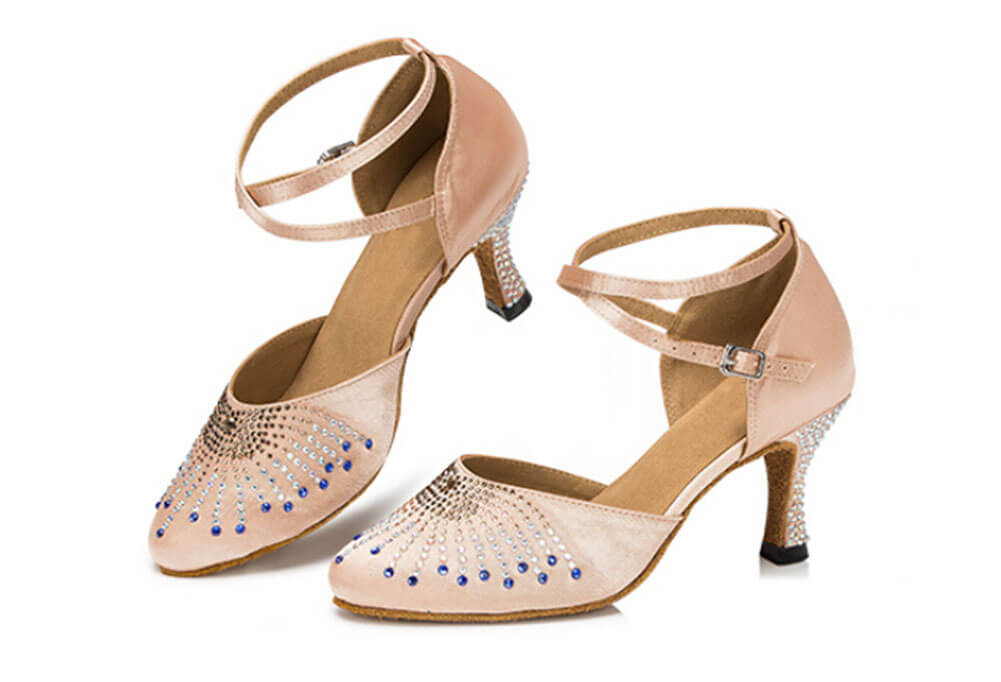
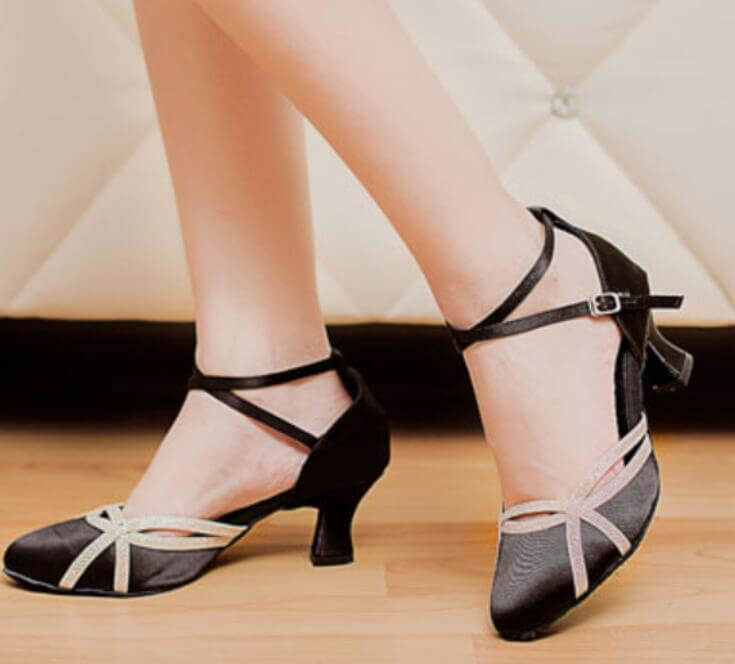
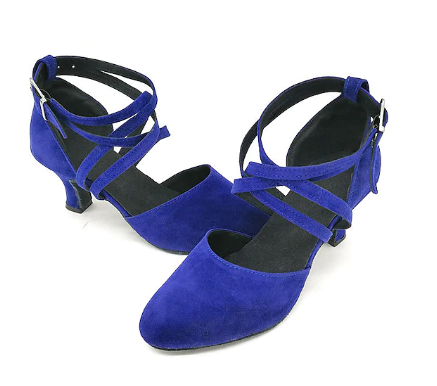
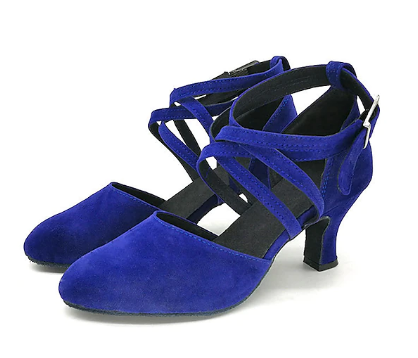
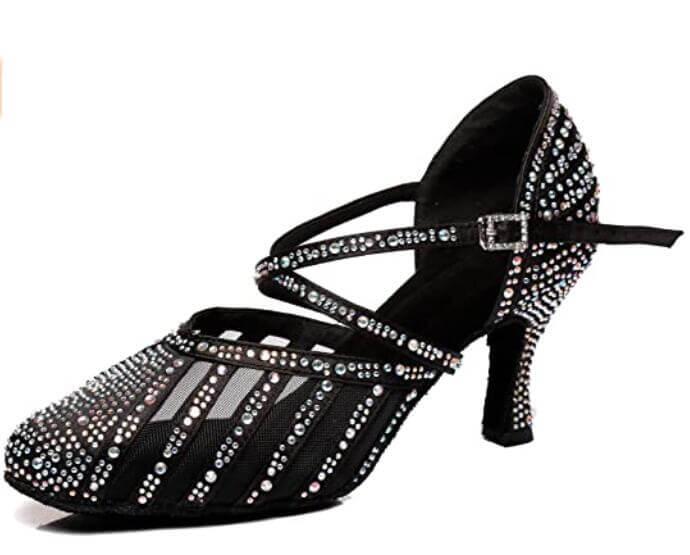
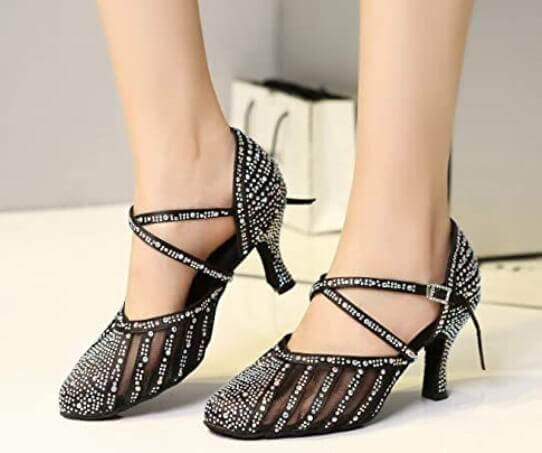
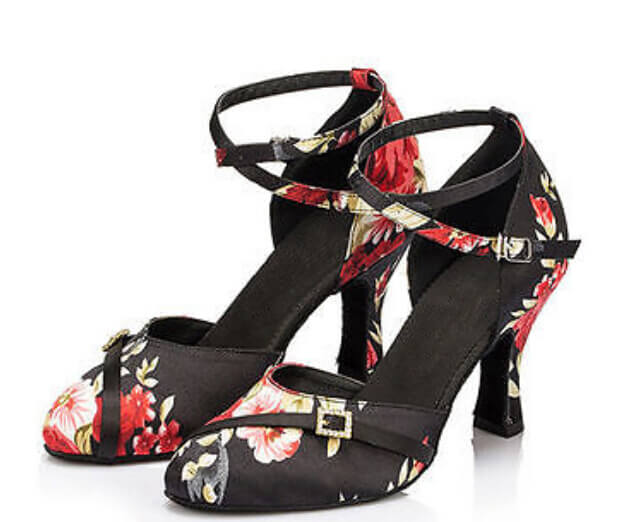
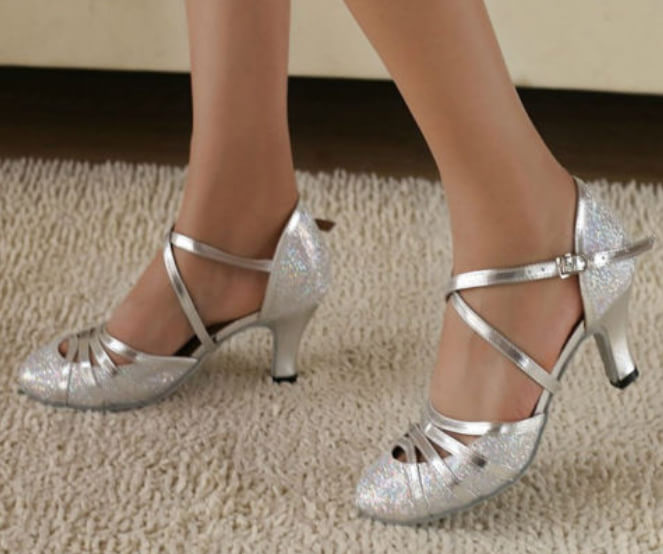
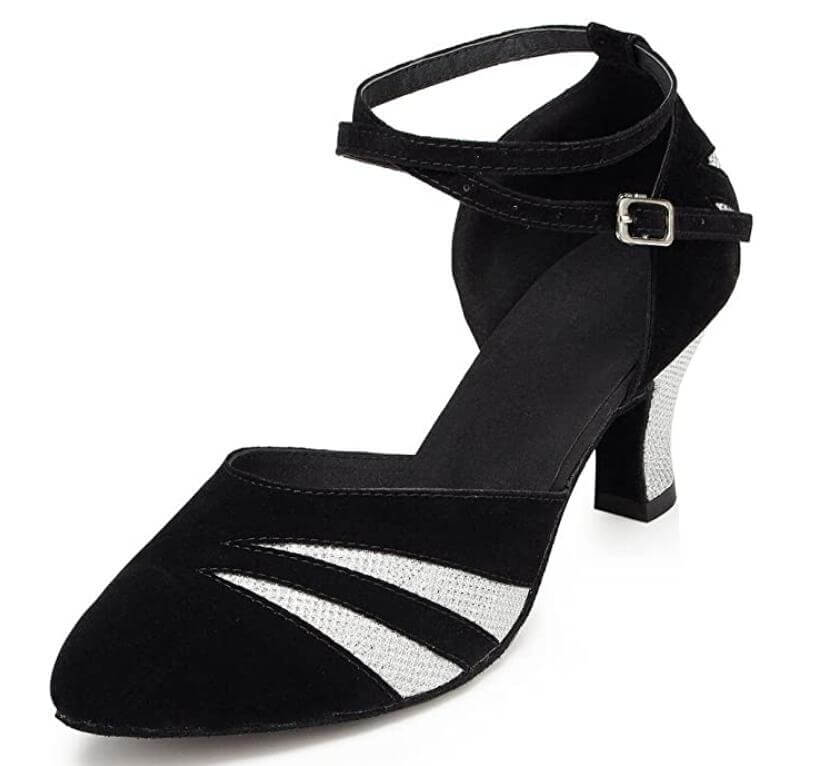
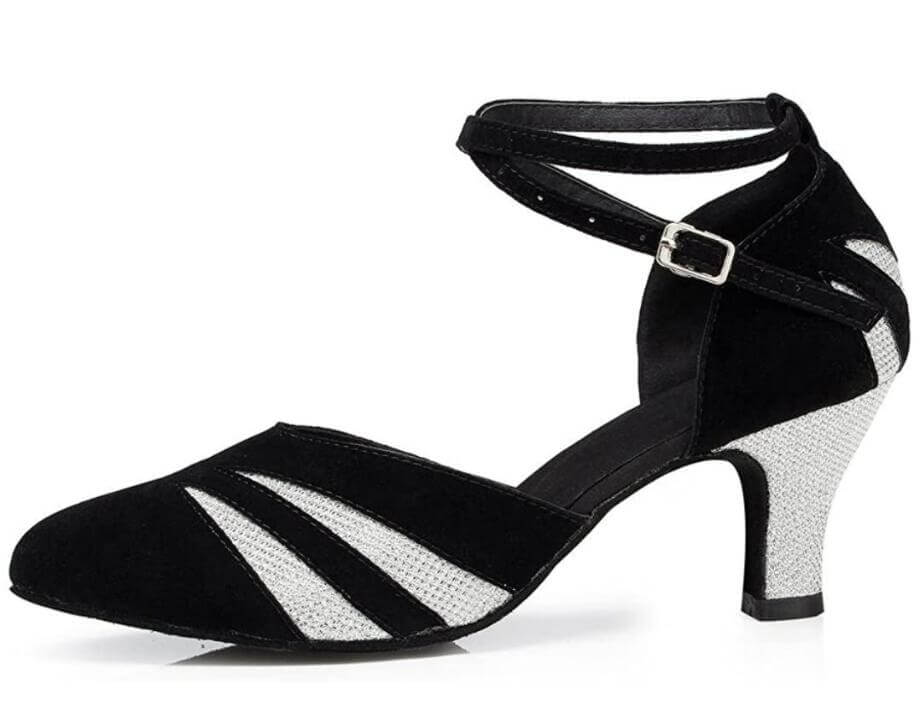
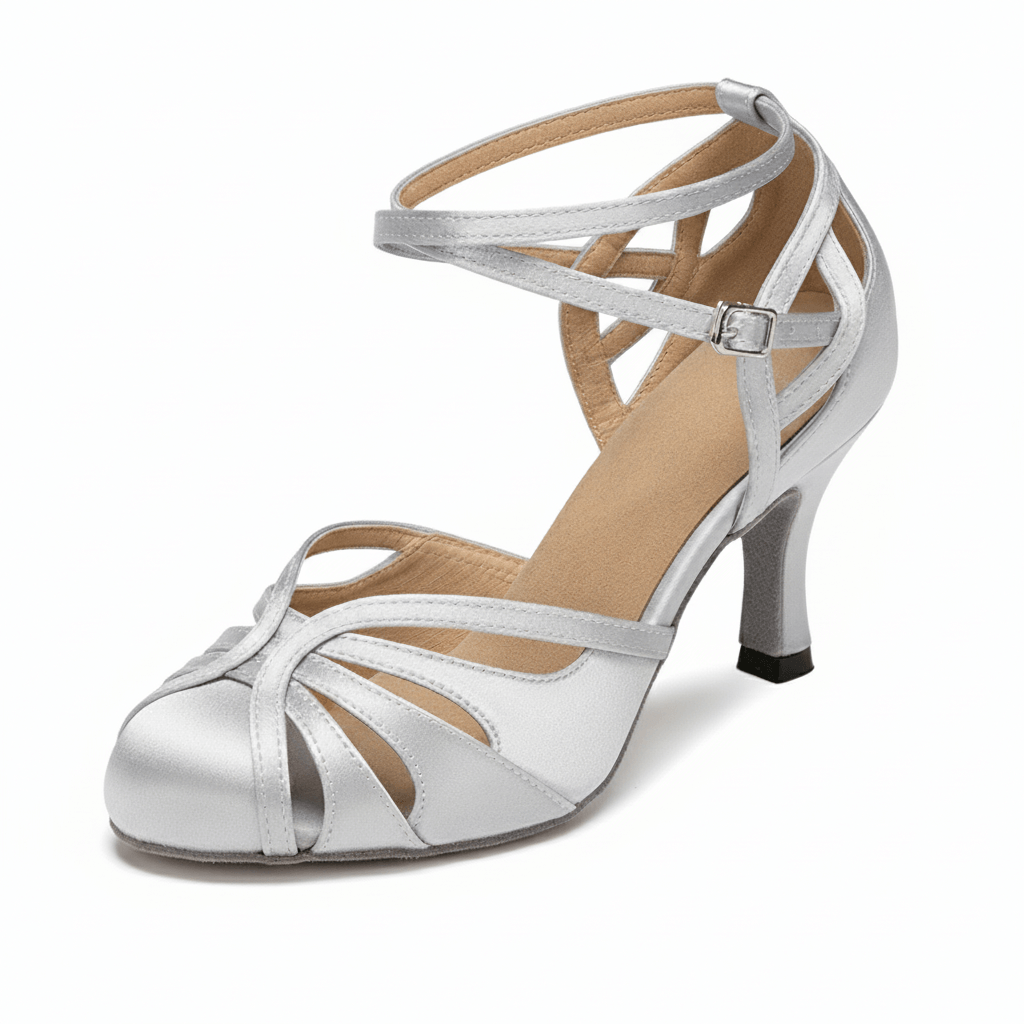
Closed toe dance shoes cover and hold the whole forefoot, so nothing shifts when you rise, pivot or step back. That makes them the safer pick for crowded social floors, cooler venues, sensitive toes and any dancer who wants to stop thinking about her feet. Satin, leather and glitter uppers, low heel through 4″, suede sole for the studio or street sole for everywhere else, US 5 to 11 with select wide width fits. Amazon's Choice with a money-back guarantee since 2012.



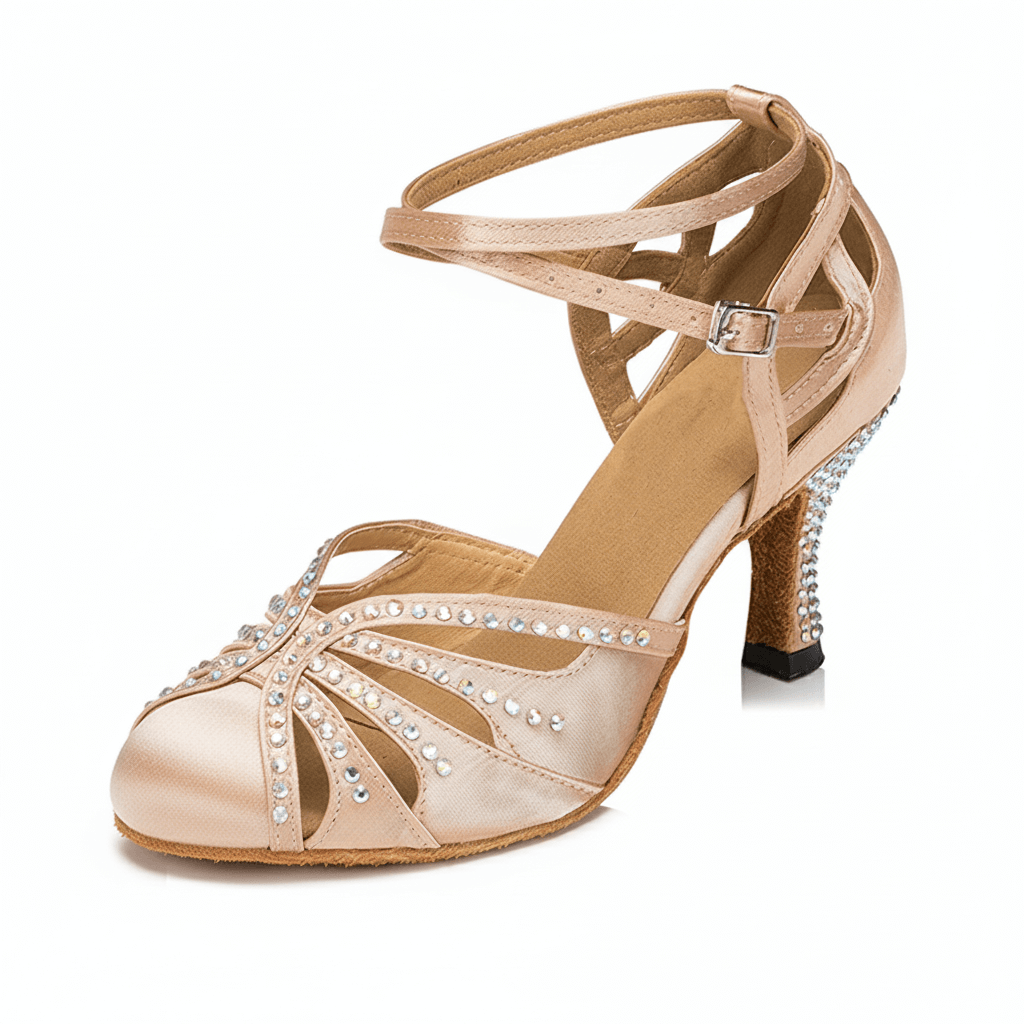
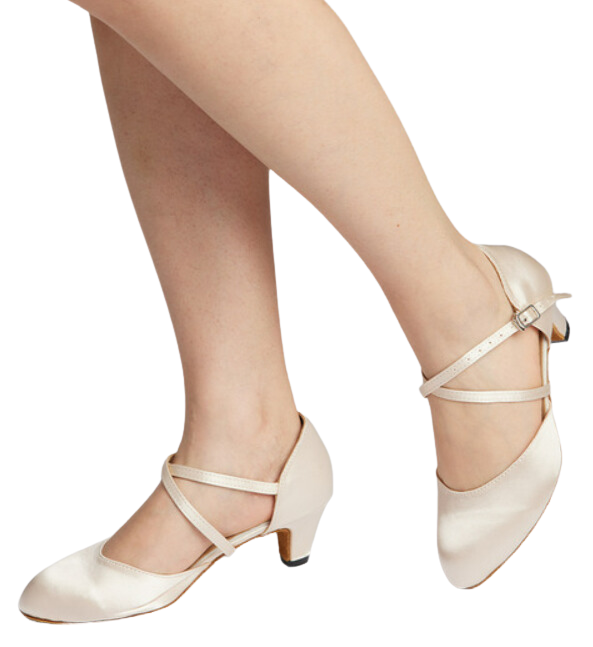
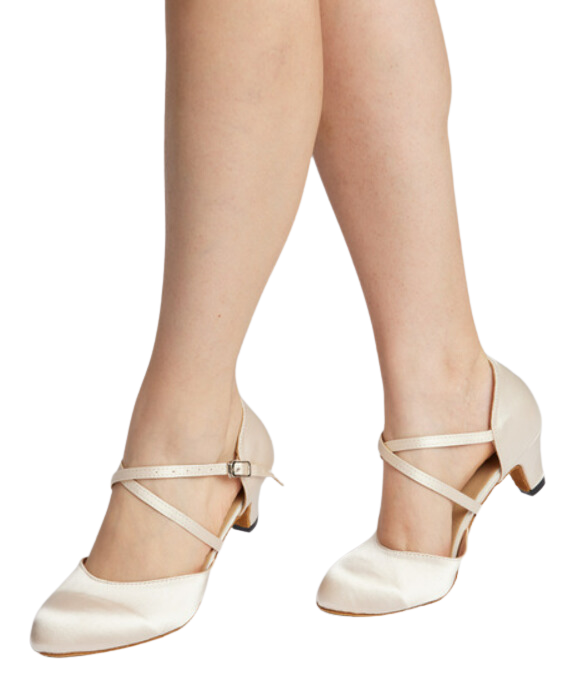
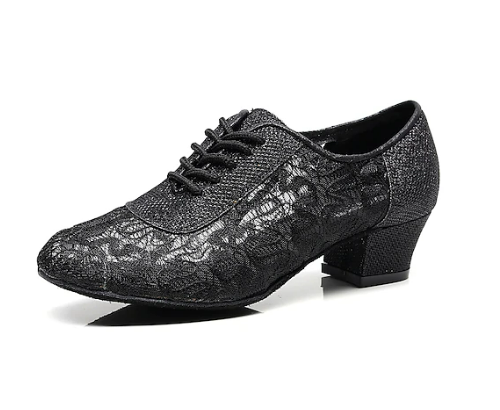
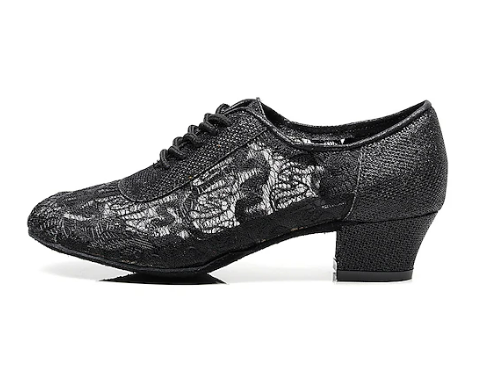
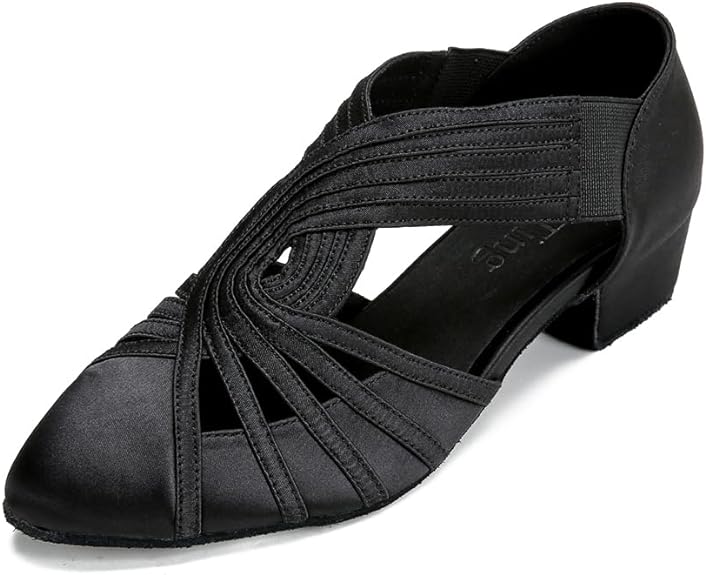
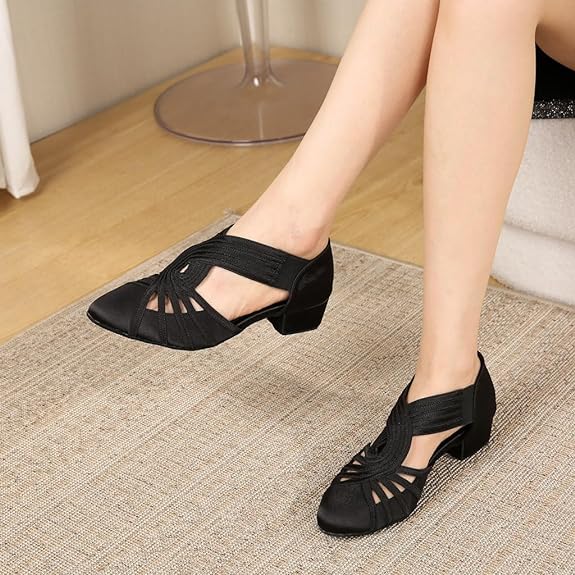

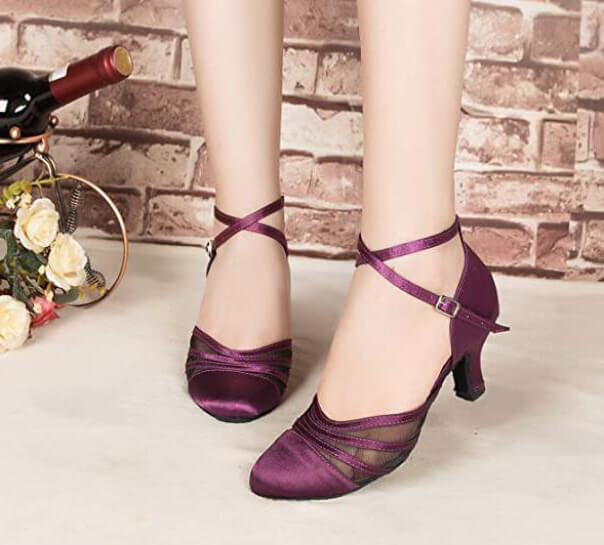
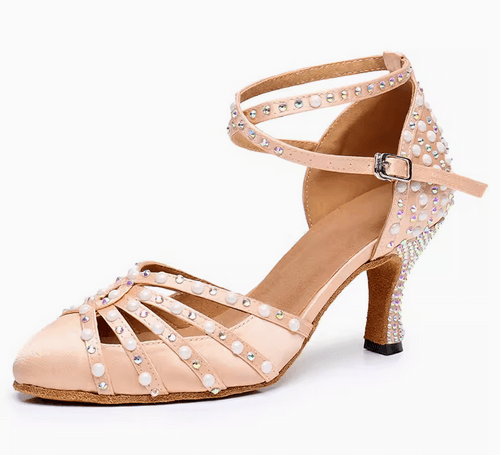
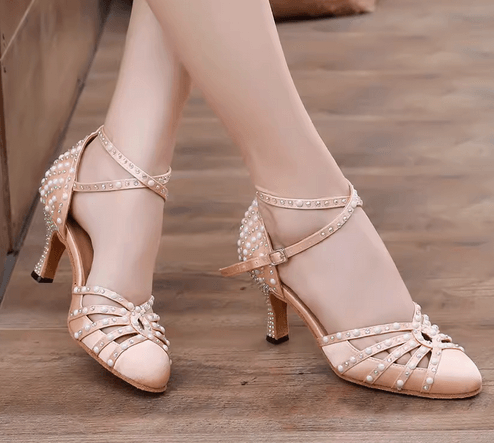
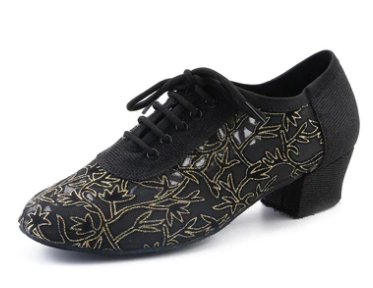
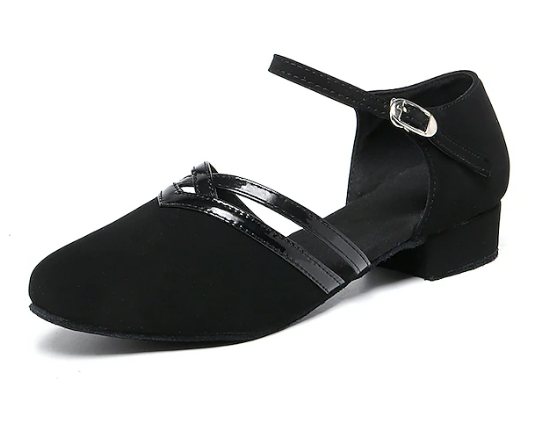
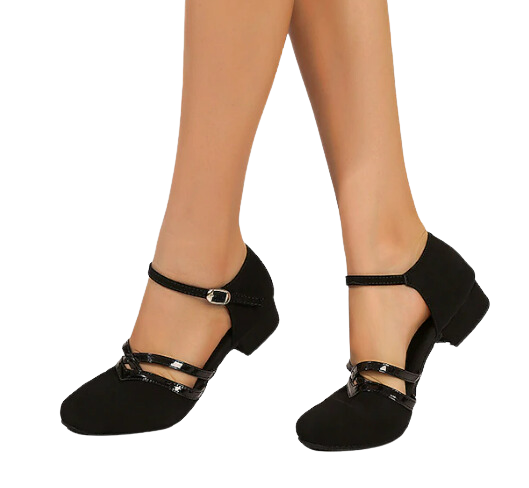
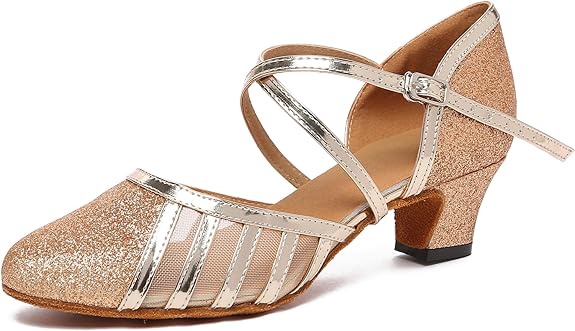
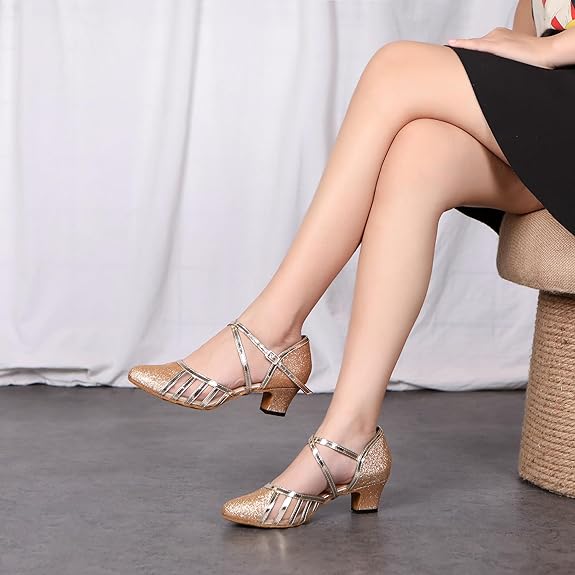
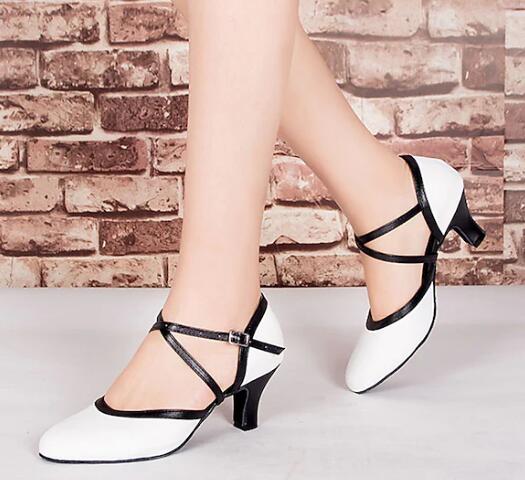
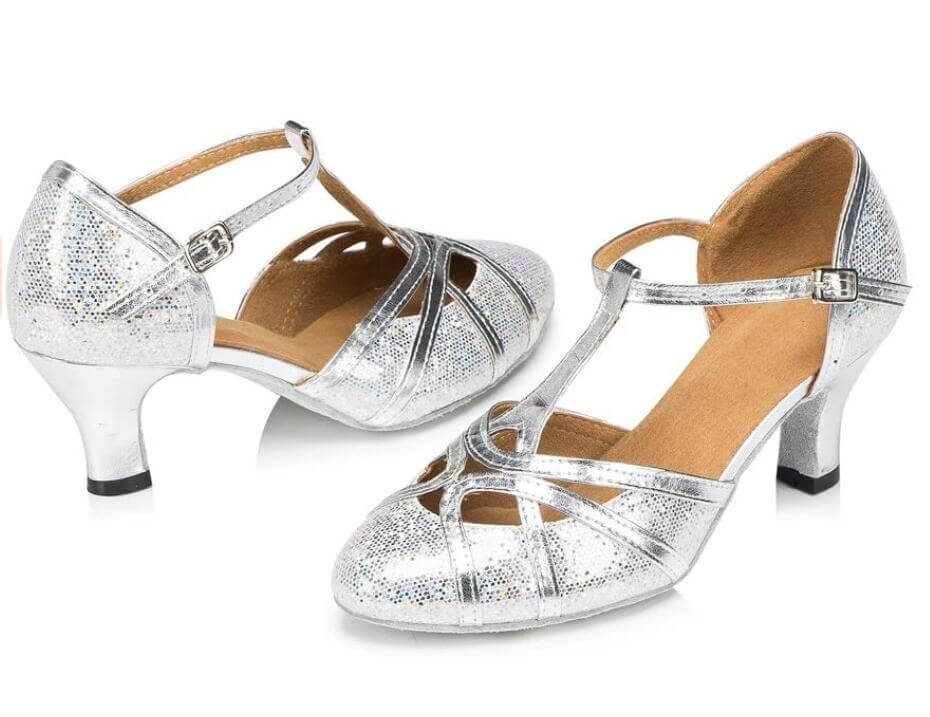
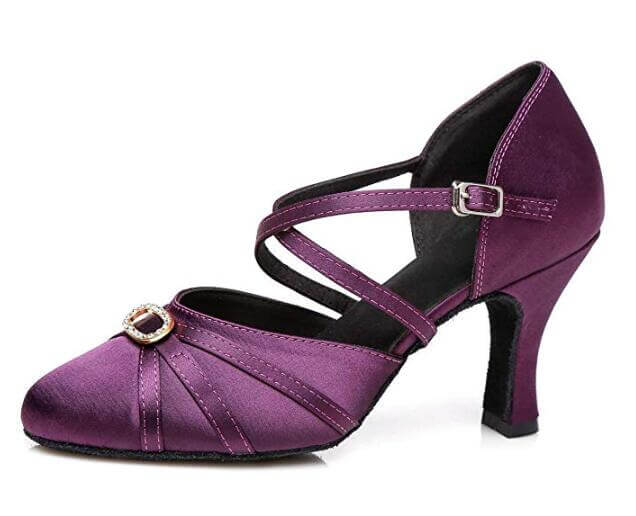
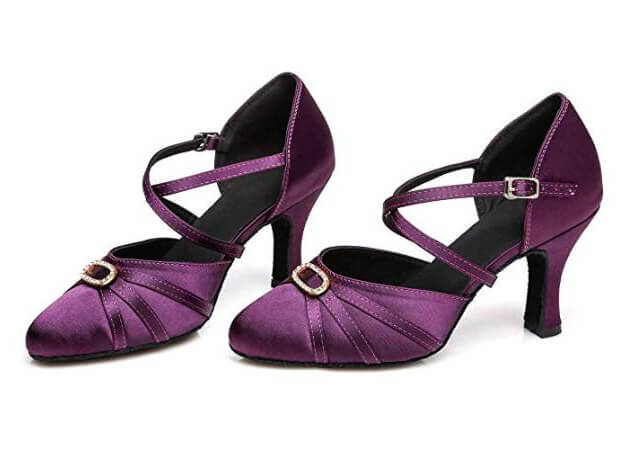
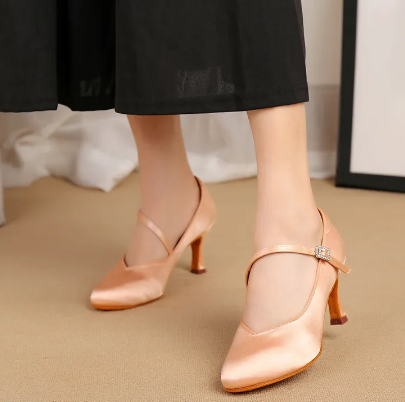
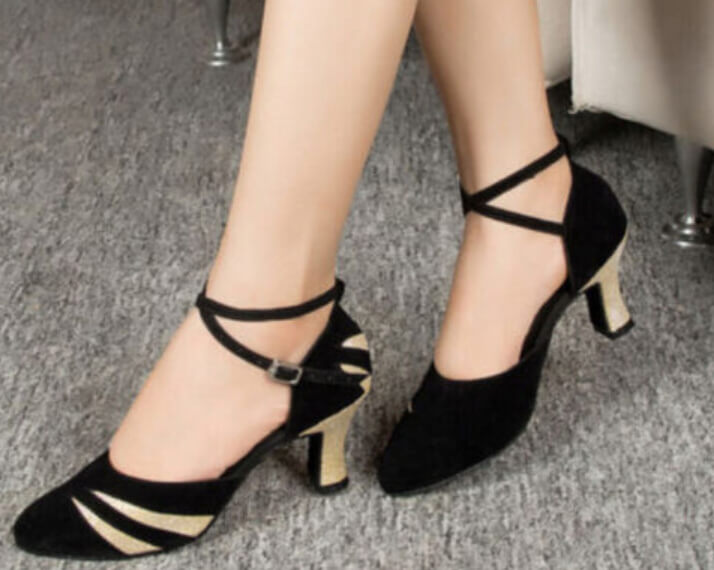
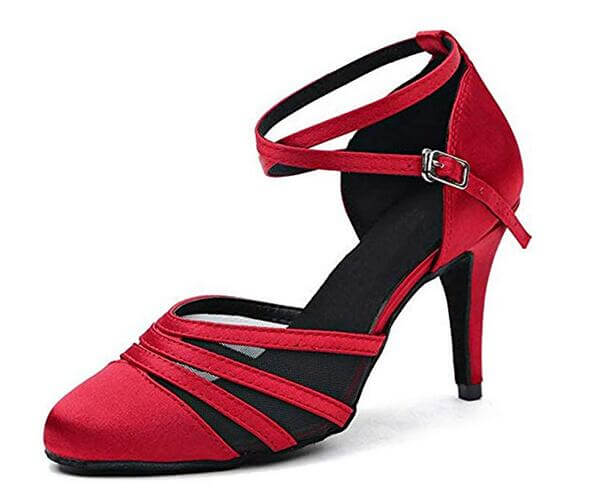
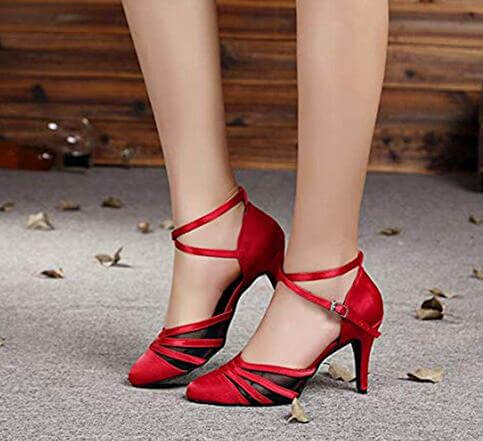
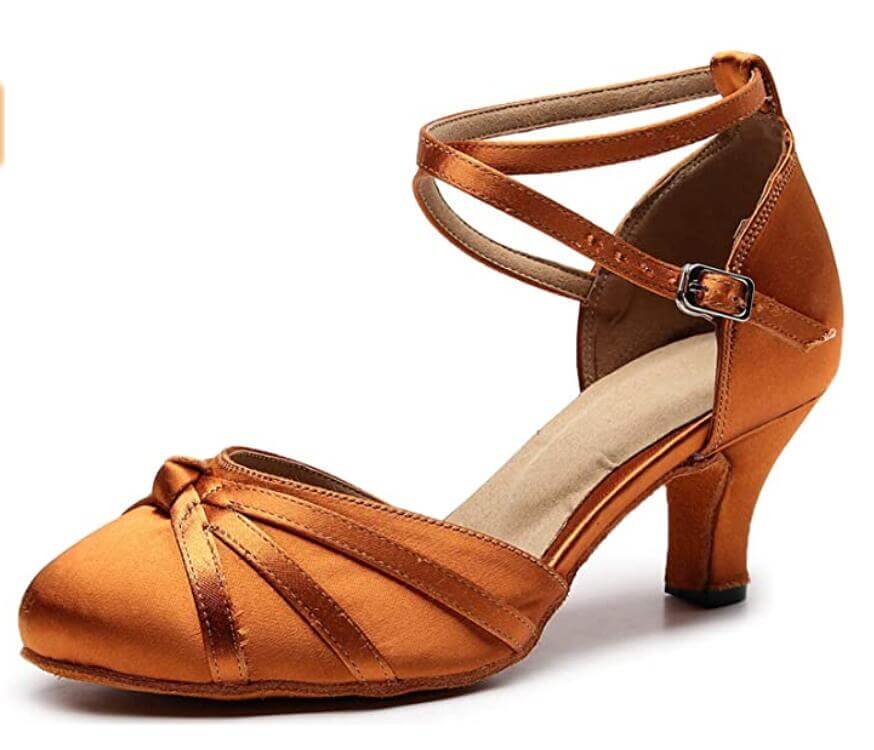
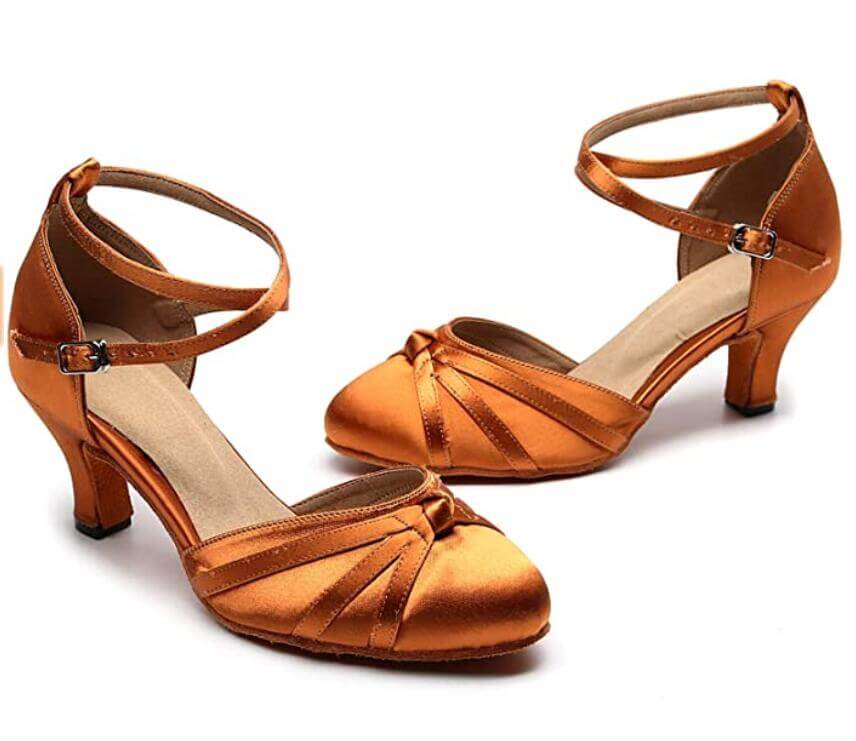
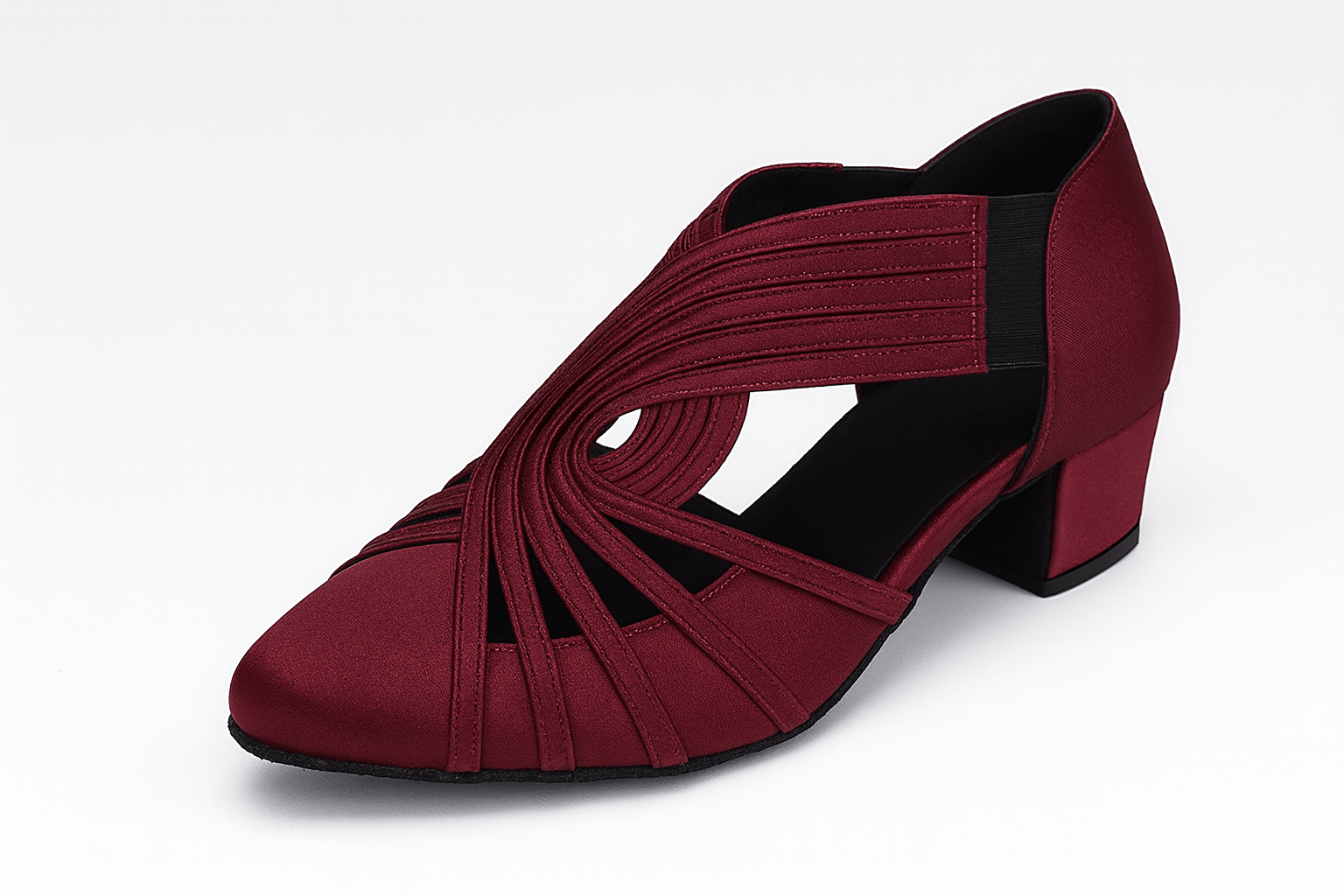
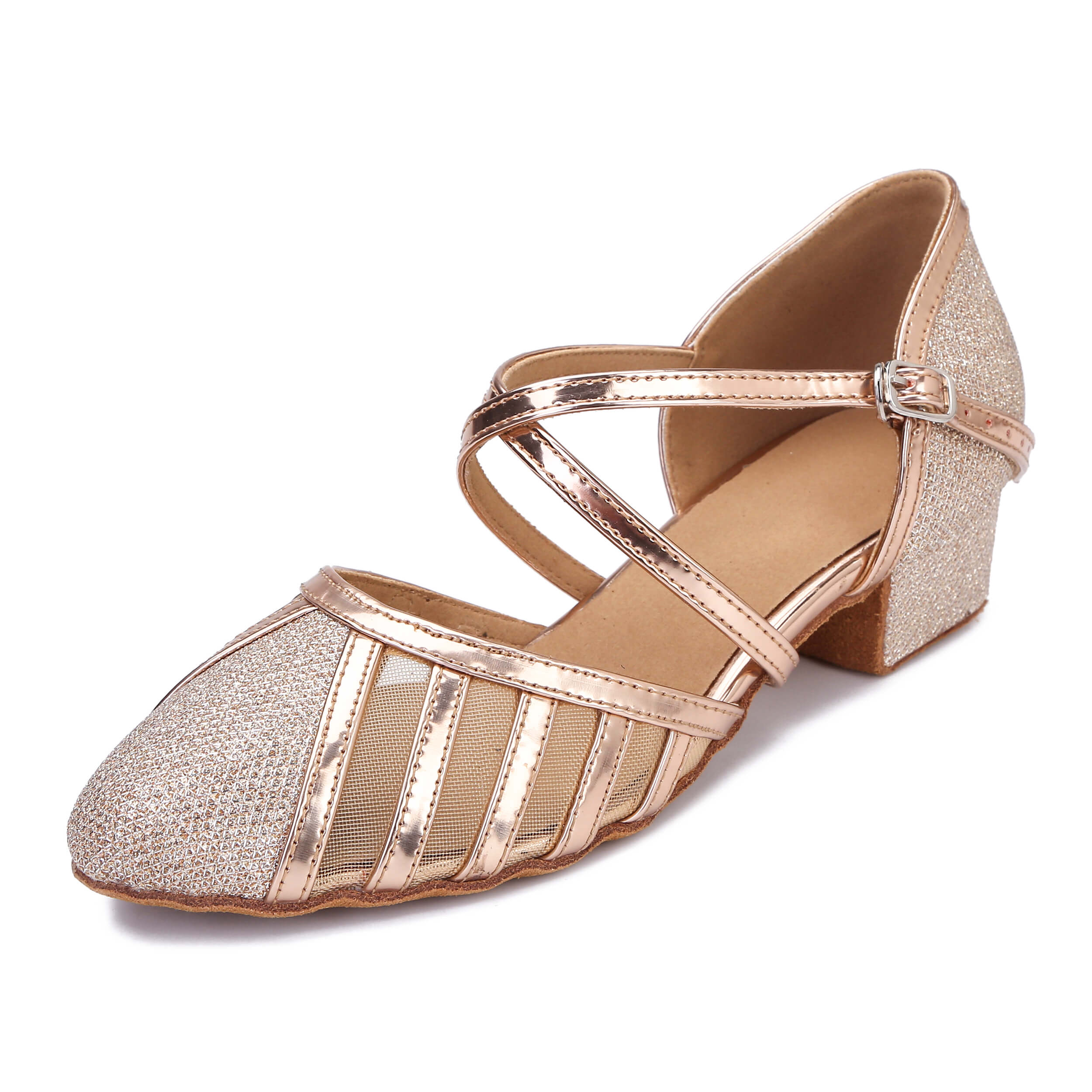
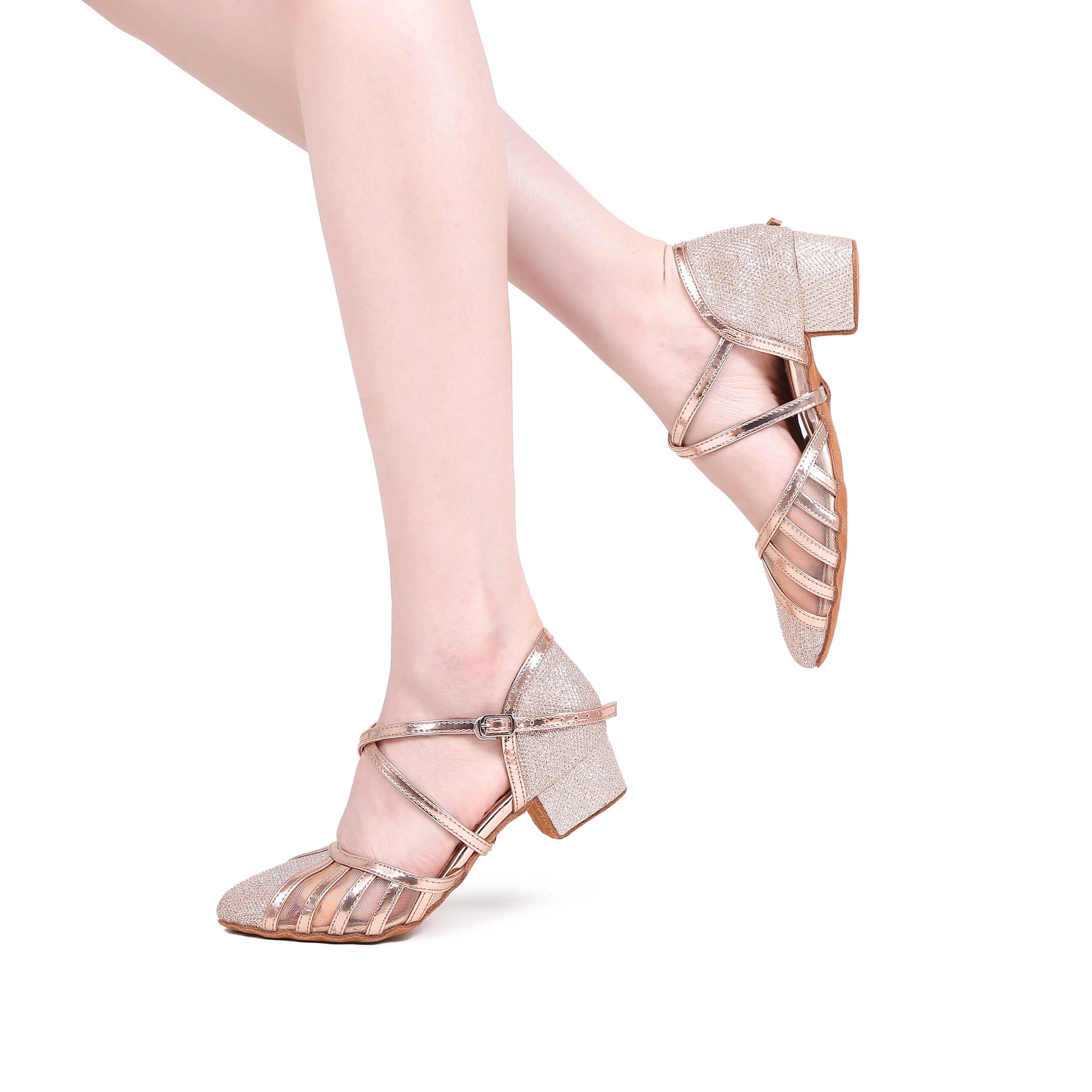
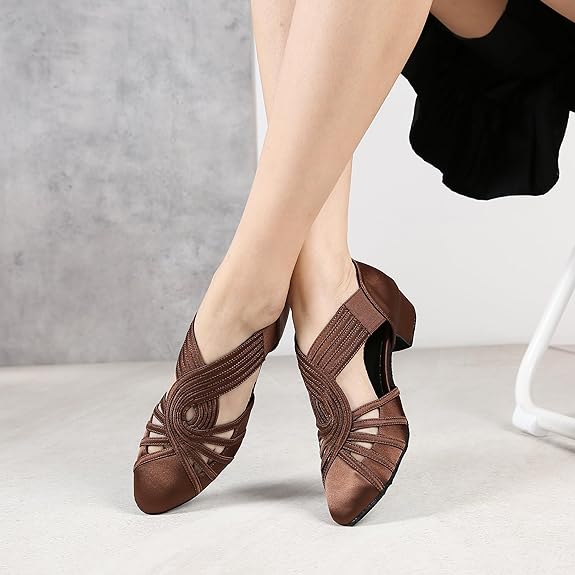
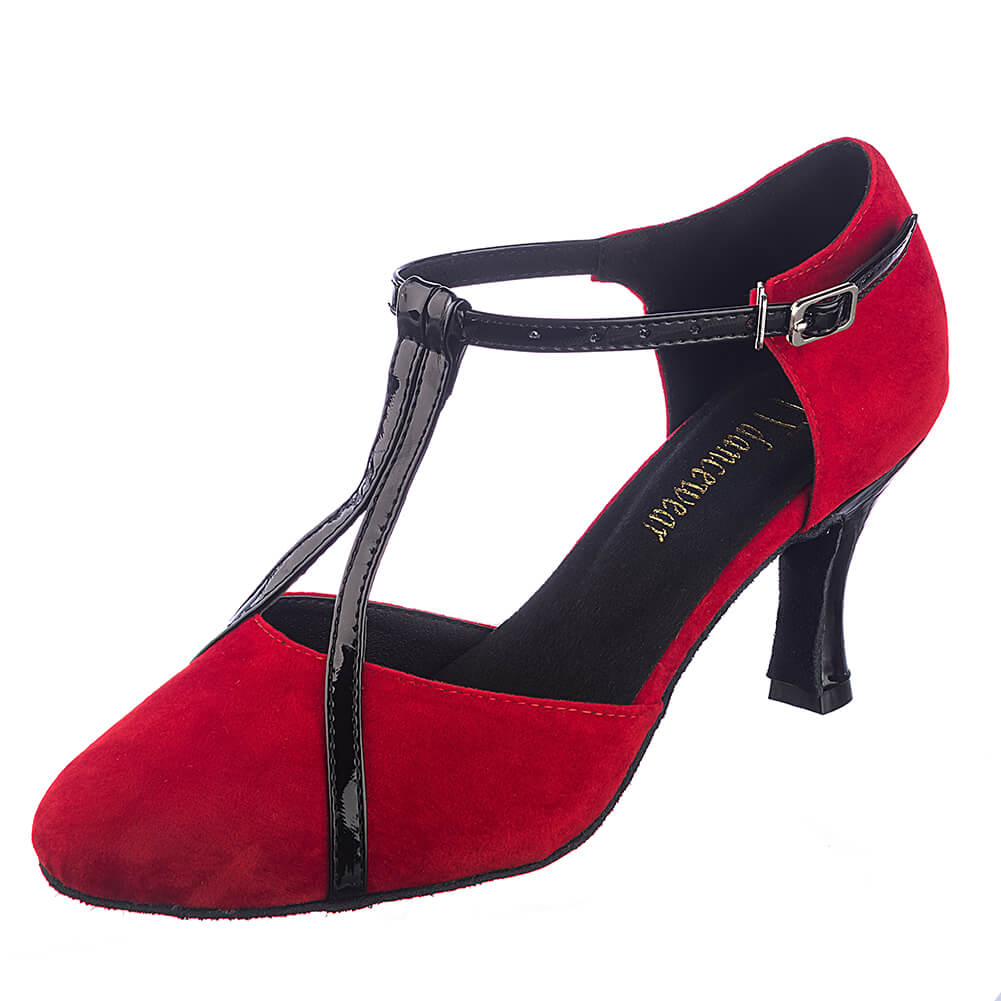
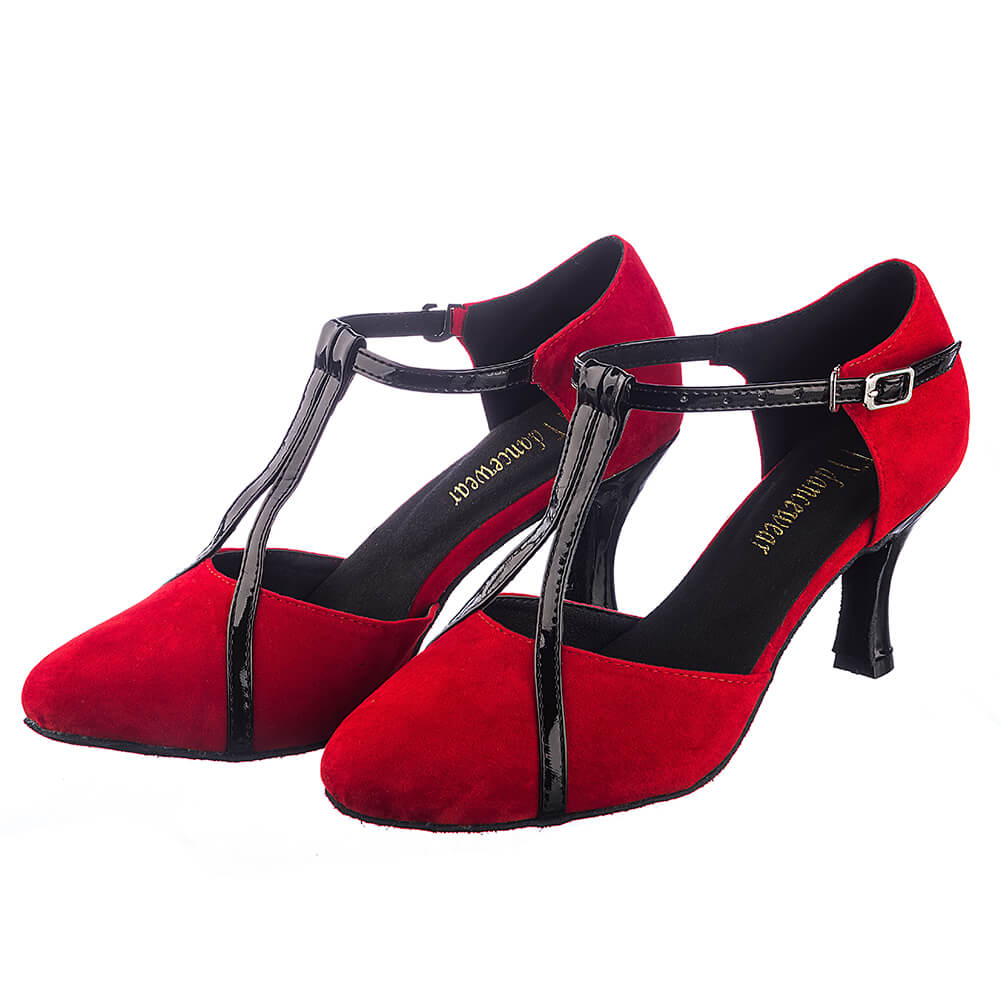
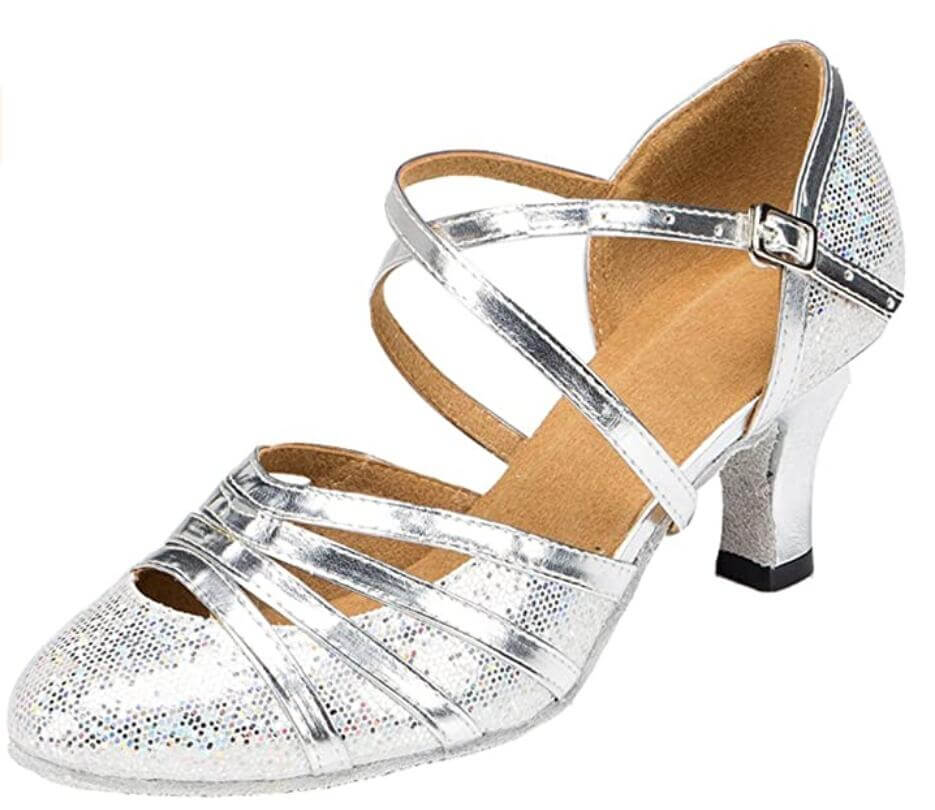
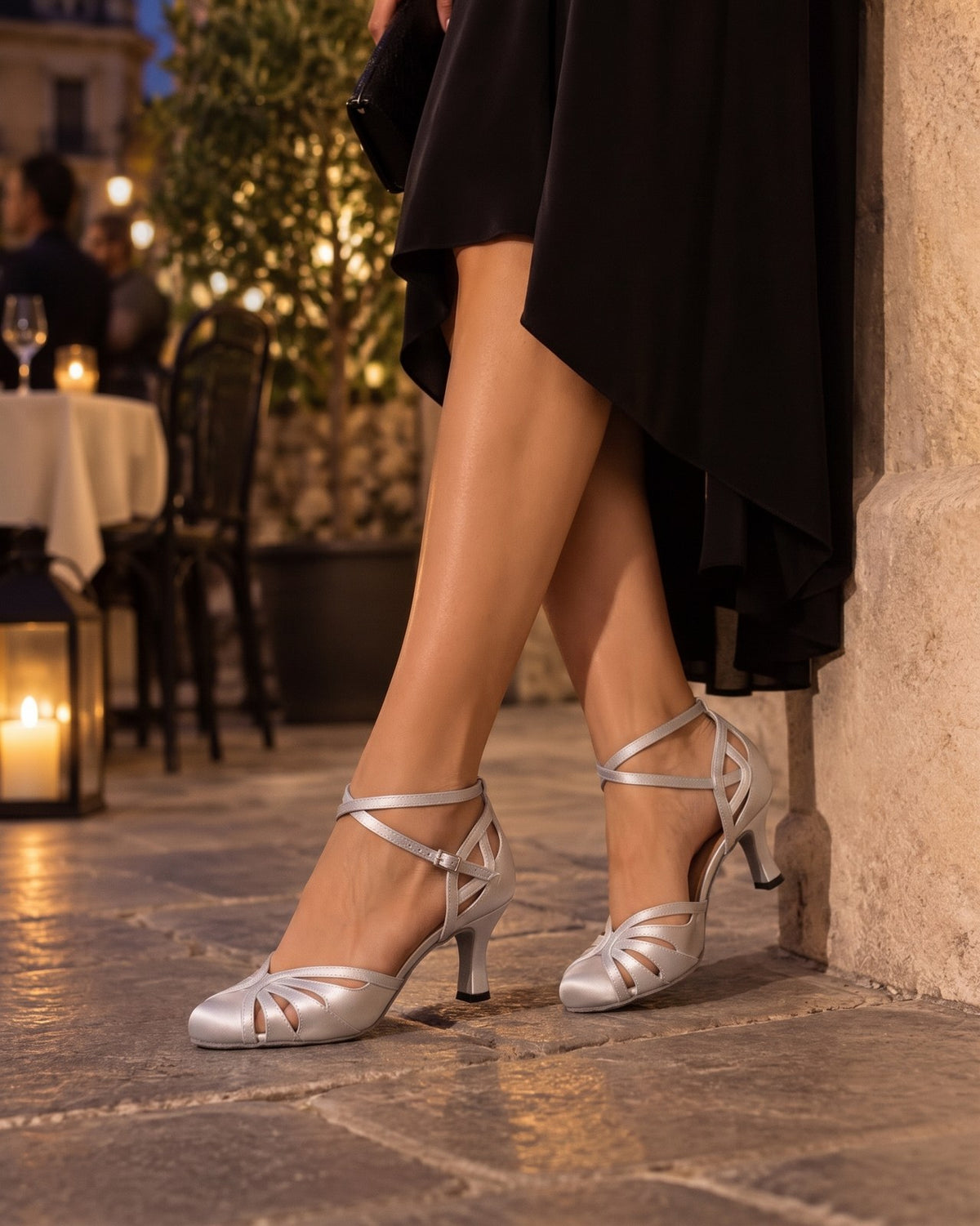
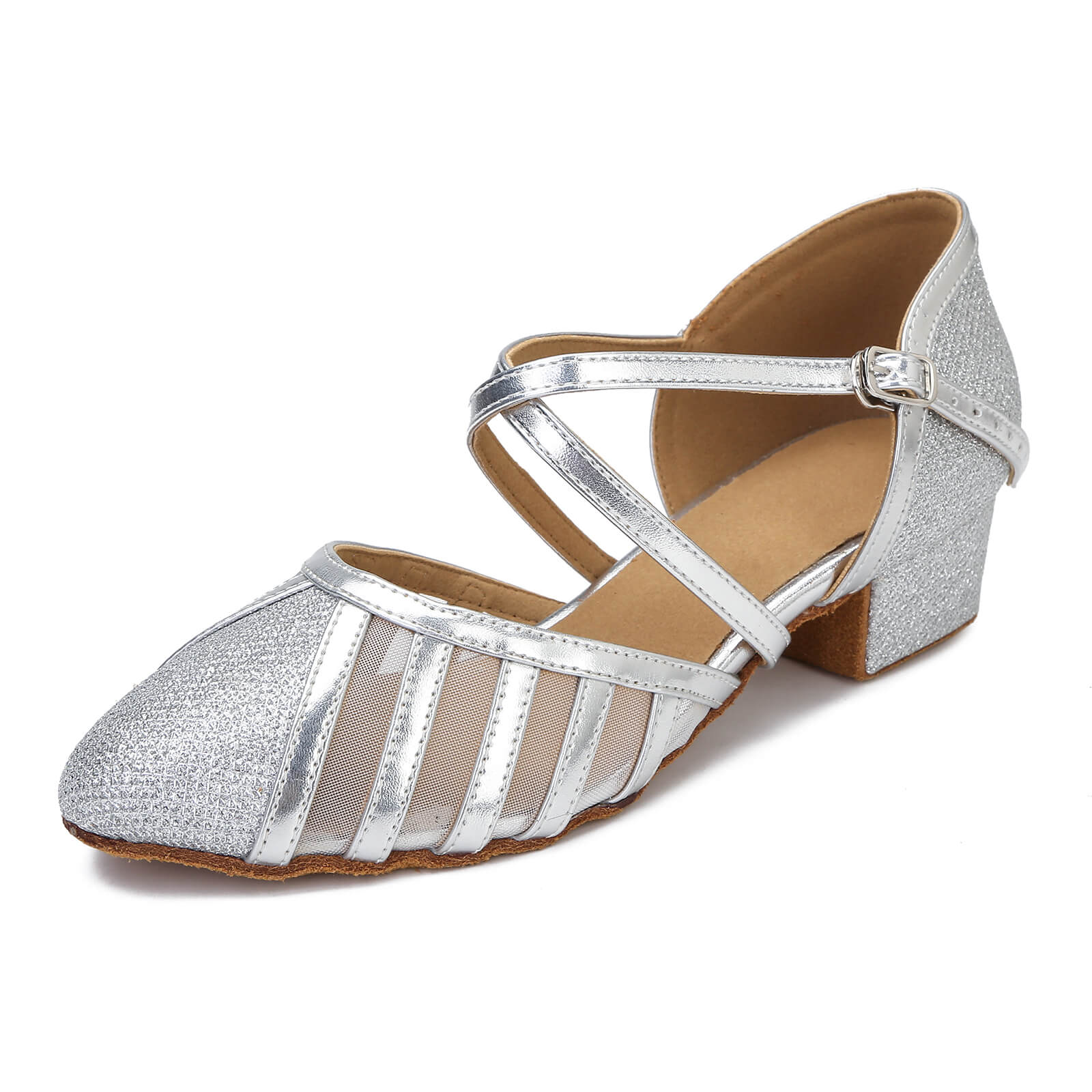
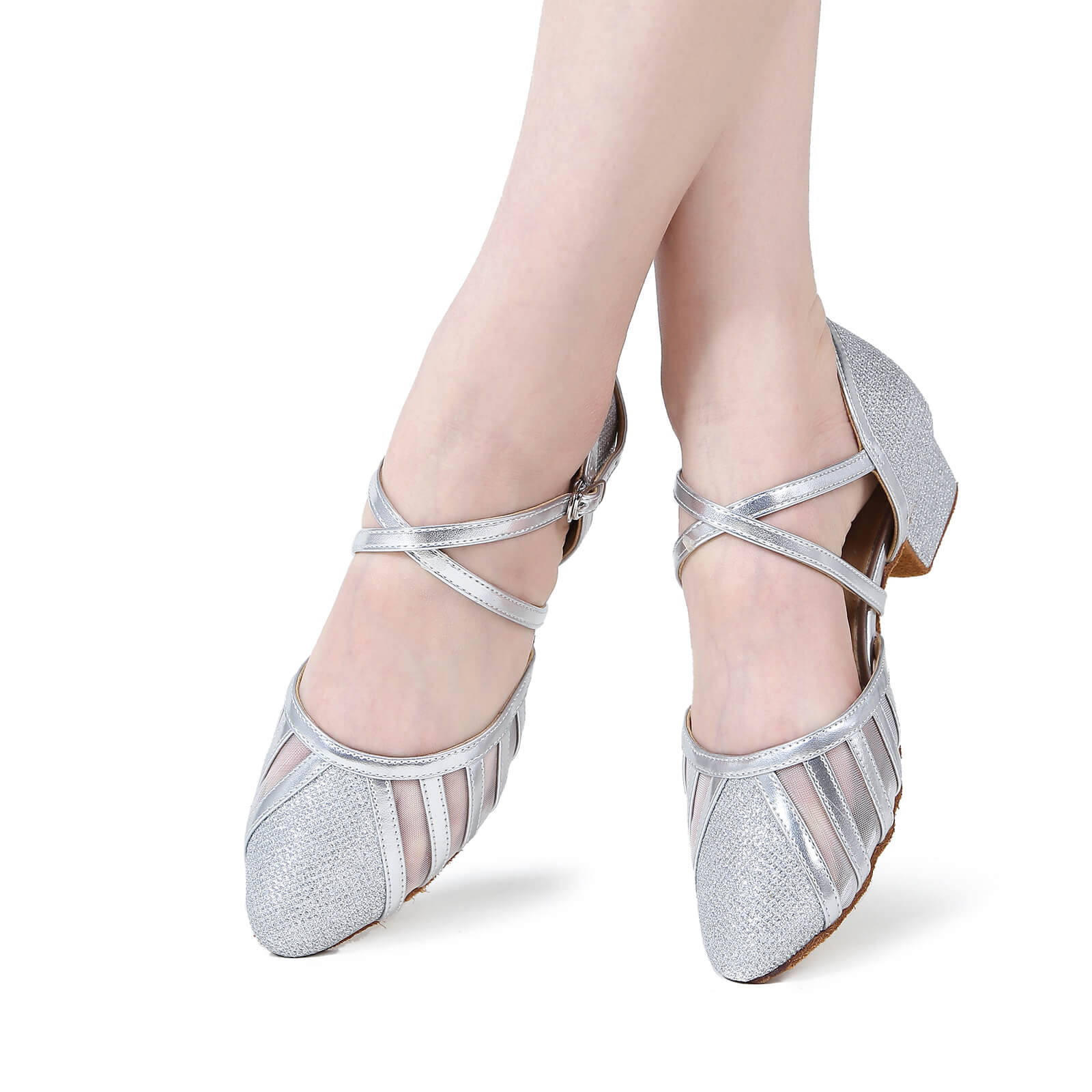
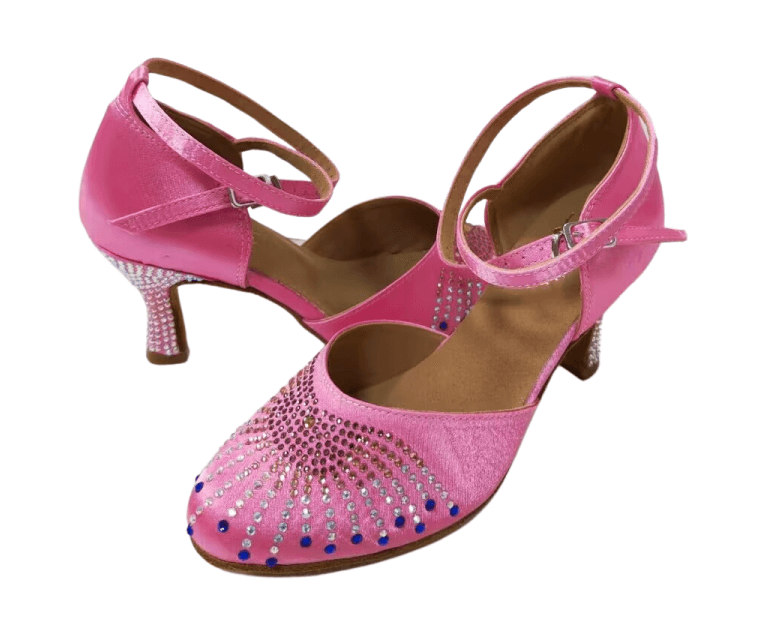
Why dancers choose closed toe dance shoes
A closed toe box does one job: it keeps the forefoot in one place. That single difference is why closed toe dance shoes suit crowded social floors where toes get stepped on, cool venues where an open sandal leaves the foot cold, dancers with bunions or sensitive toes who do not want a strap sitting across the joint, and anyone who wants a clean unbroken line from the ankle to the floor. You give up a little toe articulation compared with an open toe sandal. For most social and practice dancing, that is a trade worth making.
If you dance ballroom specifically — Waltz, Foxtrot, Tango, Quickstep — our ballroom and standard dance shoes page covers the technique side of that choice in more detail.
Closed toe or open toe: a quick decision guide
| If this is you… | Choose |
|---|---|
| Busy social floors, weekly classes, toes that have been trodden on before | Closed toe |
| Cold halls, winter socials, or you simply dislike bare toes on a dance floor | Closed toe |
| Bunions, a wide forefoot, or a strap that always lands on a sore spot | Closed toe with a wide width fit |
| Smooth and standard practice: Waltz, Foxtrot, Tango, Quickstep | Closed toe |
| Latin or salsa competition, where the foot must articulate through the toes | Open toe |
| Latin or salsa socials with a crowded floor | Either — closed toe is the safer pick |
| An outdoor or rough-floor event | Closed toe with a street sole |
Heel height: from low heel closed toe dance shoes to a 4″ line
1″–1.5″. Weight sits close to the floor, backward steps and turns feel steady, calves survive a long lesson. This is the first-pair height and the returning-dancer height, and there is no shame in staying here. See low heel dance shoes.
2″–2.5″. The all-rounder. Enough lift for a proper leg line, still controllable through a full evening. Most dancers settle here once their balance is reliable.
3″–4″. Performance heights. Take them only when your posture stays lifted for an entire routine without thinking about it.
Heel shape matters as much as height. A Cuban heel is broad at the base and carries weight across a wider footprint, which feels noticeably more secure on a soft or unfamiliar floor. A slim flared heel gives a sharper line and suits dancers with settled ankles. Every style on this page can be built from 1″ to 4″, so pick the shape first and the height second.
Suede sole or street sole dance shoes
Suede sole. The studio option. The nap grips a sprung wooden floor just enough to stop you and releases cleanly through a pivot. Brush it with a wire shoe brush every few practices. Never wear it outdoors — pavement flattens suede permanently and it does not come back.
Street sole. The go-anywhere option. Street and leather sole dance shoes handle hotel ballrooms, restaurants, wedding venues and community centres, and they survive the walk from the car park. They slide a little less than suede, which many dancers prefer while they are still learning turns.
Both soles are offered across the styles below. Choose for where you dance most often, not for the occasional exception.
Fit, sizing and wide width dance shoes
Dance shoes fit closer than street shoes by design, so the foot cannot travel inside the shoe. Toes reach the end of the toe box and lie flat; the heel cup stays locked when you rise onto the ball of the foot; the strap holds without biting into the ankle. Order your usual US size and size down a half if you fall between sizes.
Sizes run US 5 to 11 with select wide width fits. For wide feet, a rounded toe box plus a T-strap or double-strap upper spreads pressure across the whole foot instead of loading one narrow band — a far better answer than sizing up, which only introduces heel lift. Every product page carries a chart in US, UK, EU and centimetres, so measure once and order to the chart.
Uppers: satin, leather, glitter and T-strap
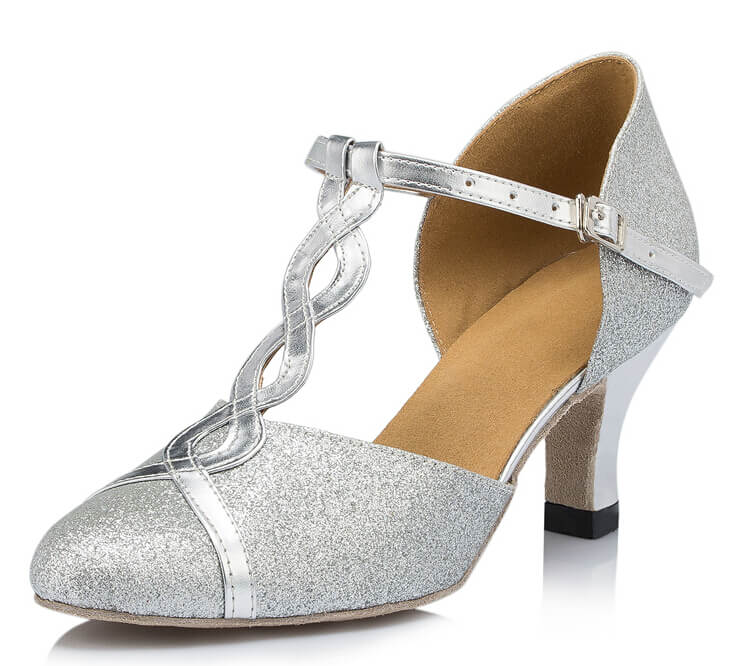
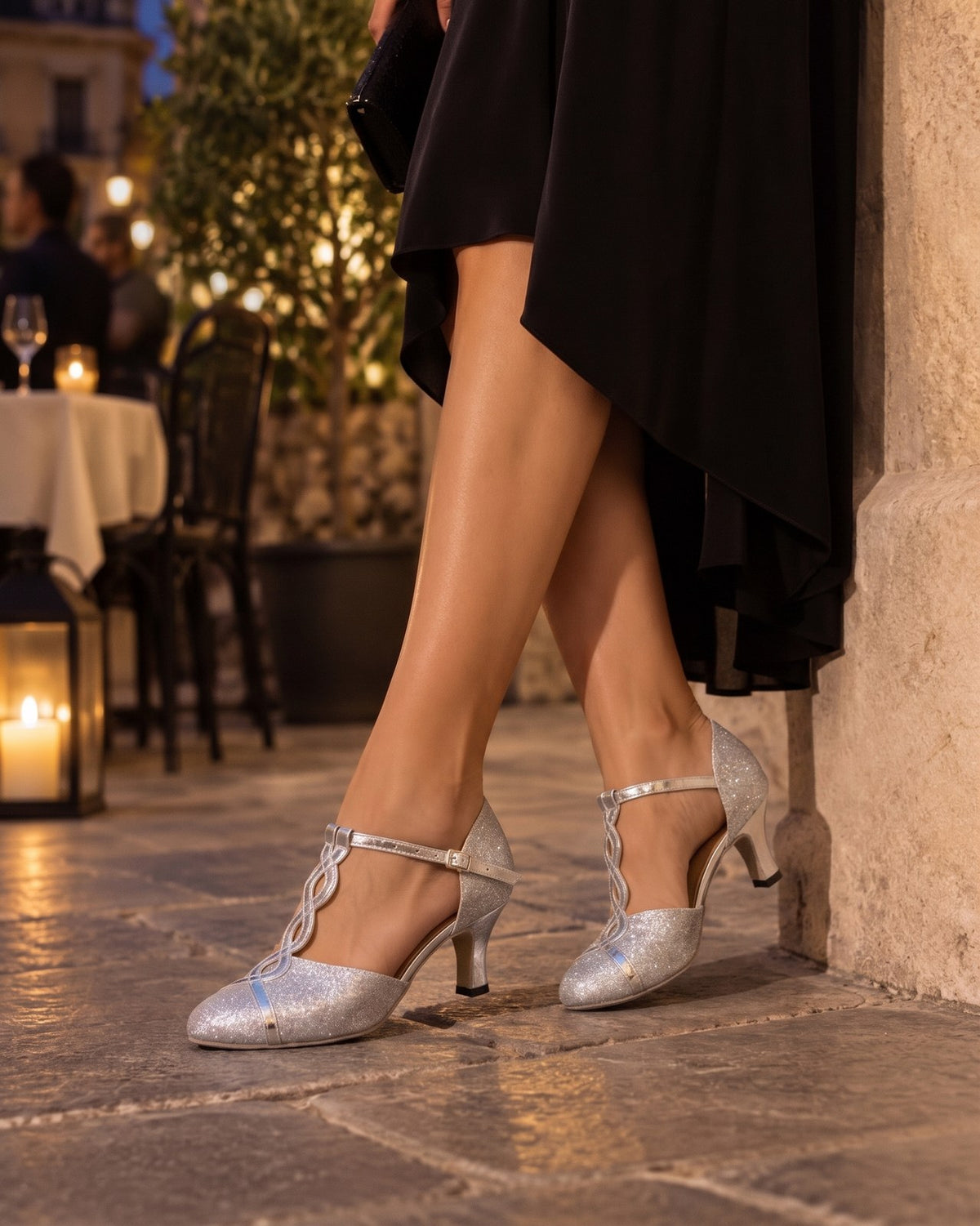
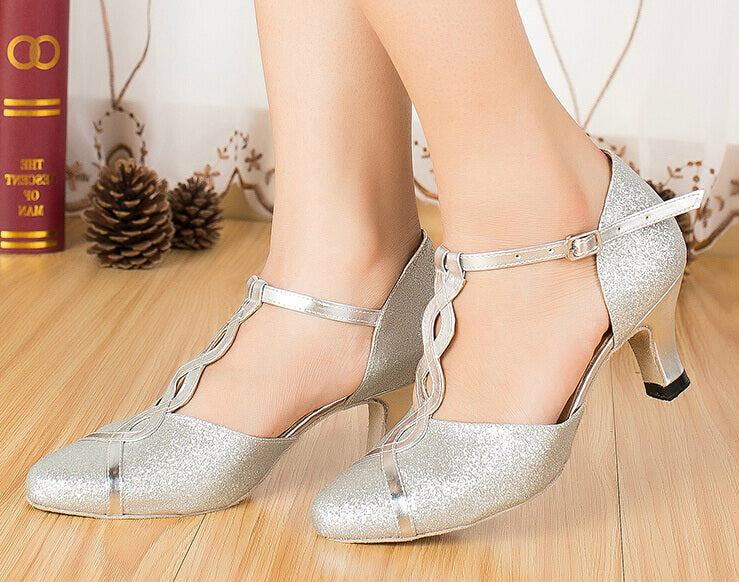
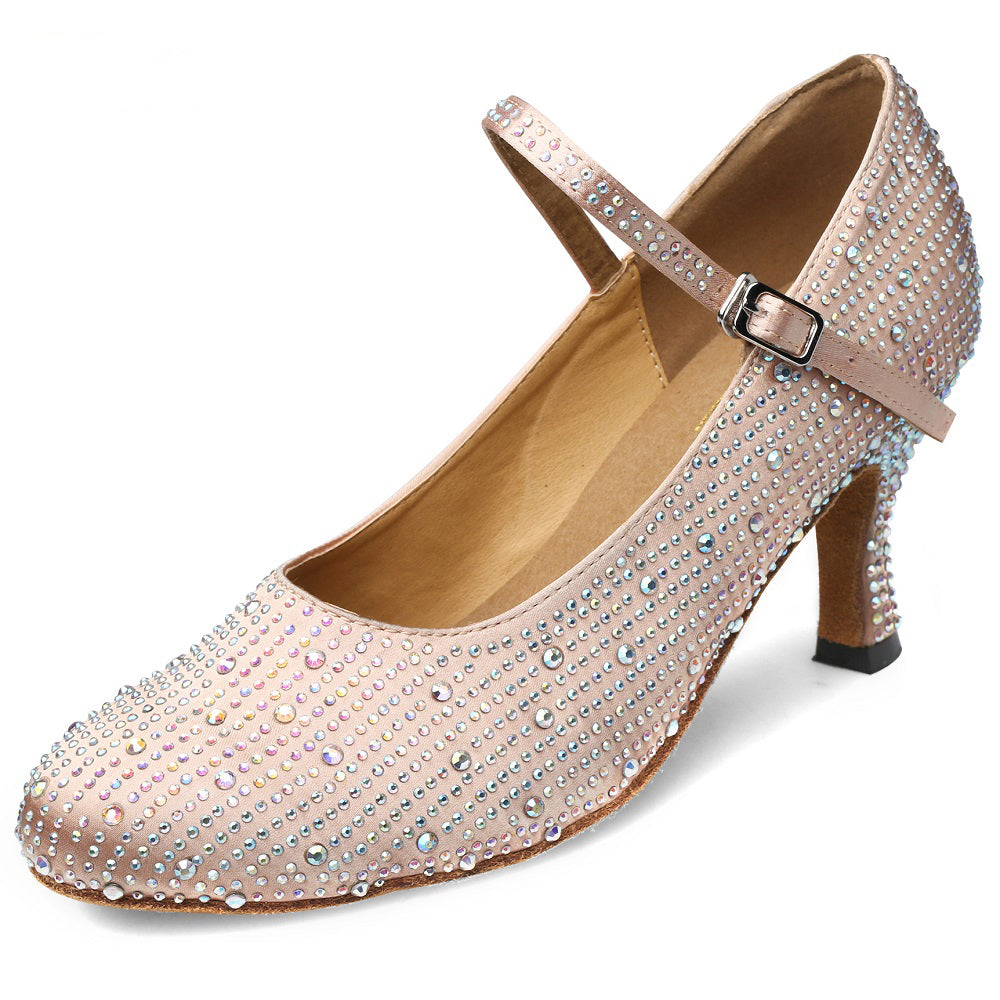
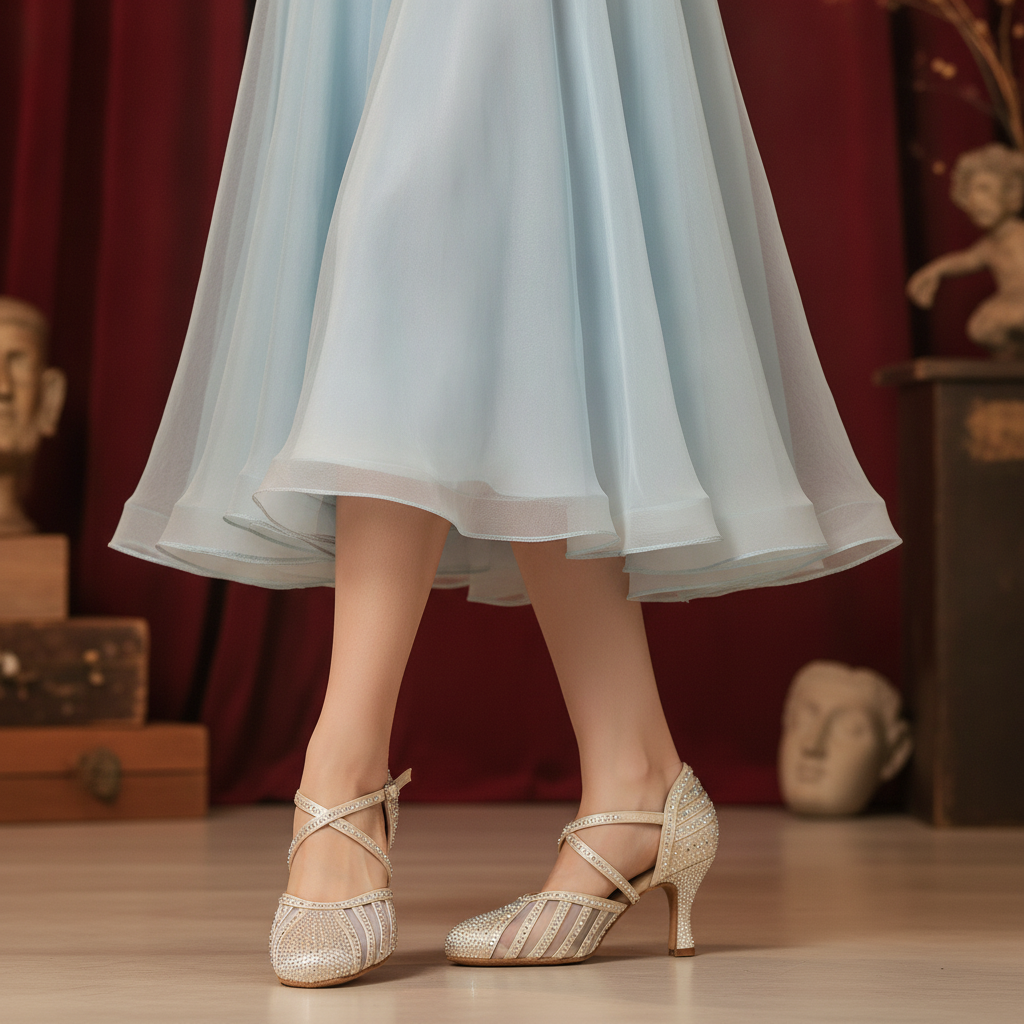
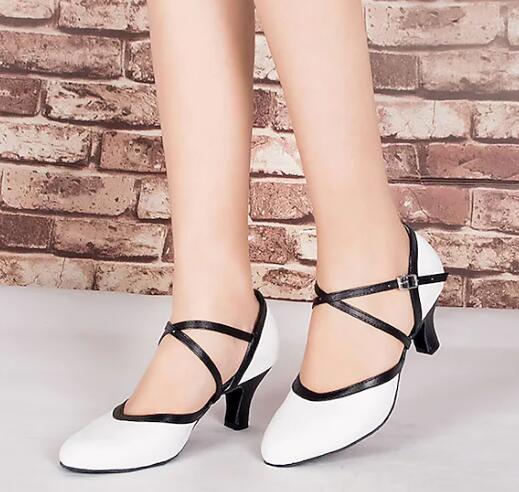
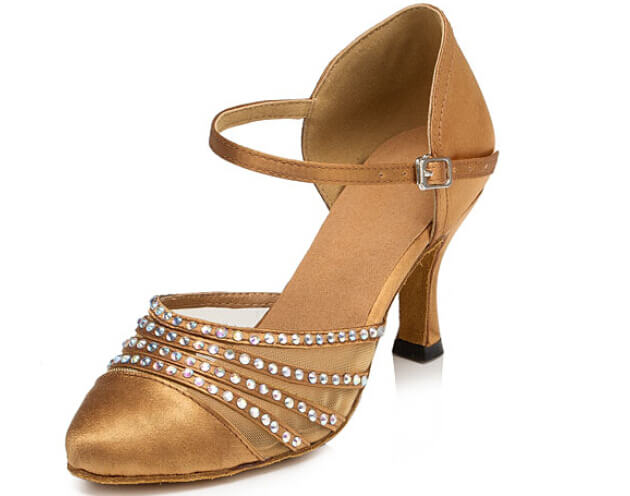
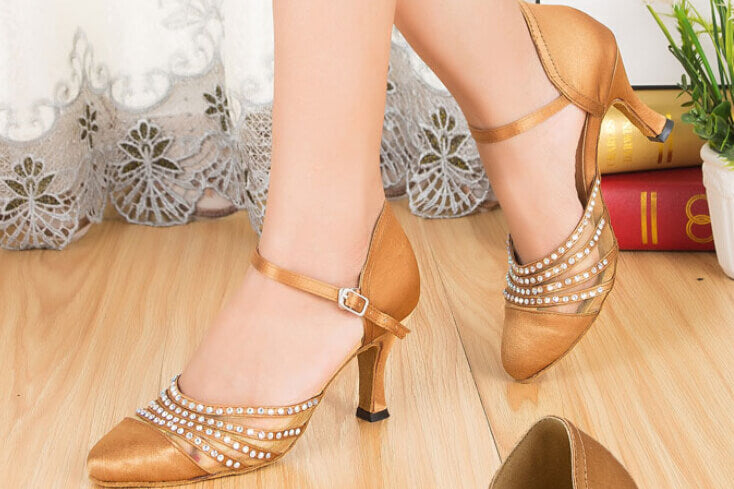
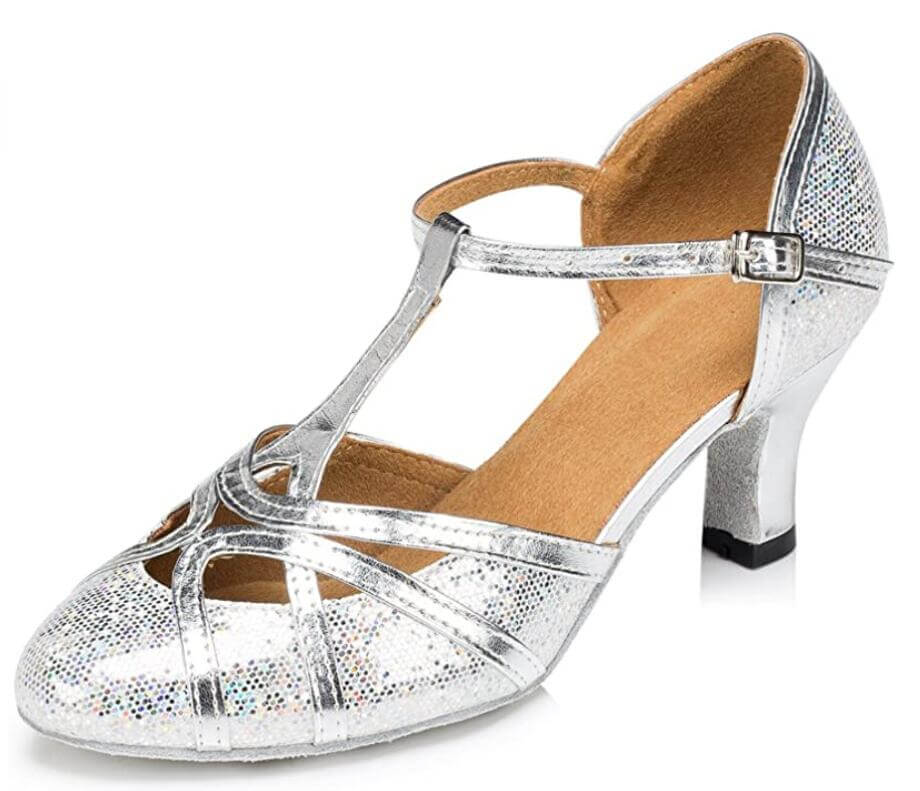
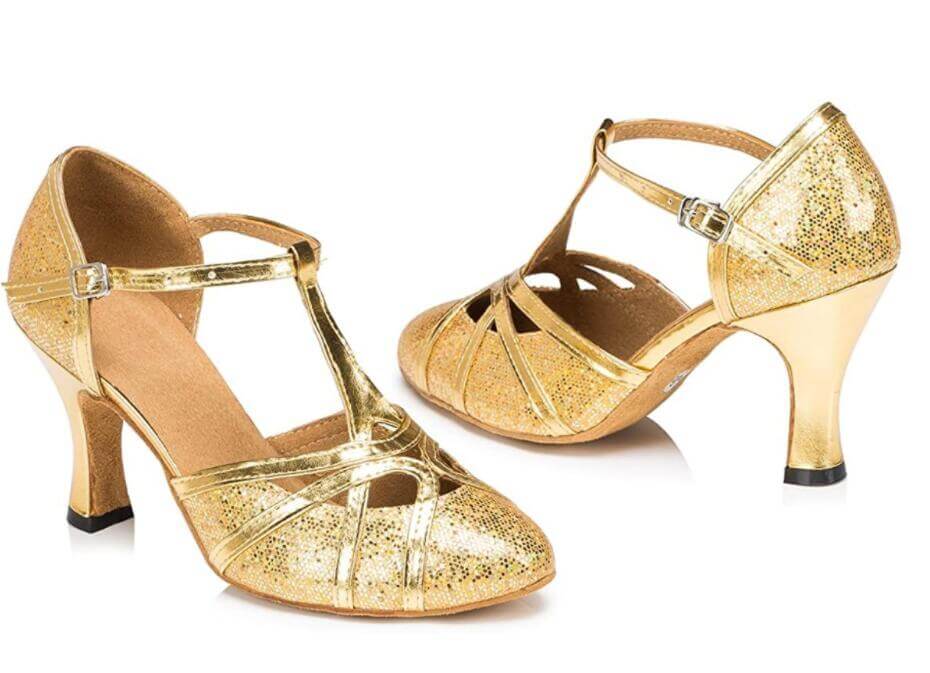
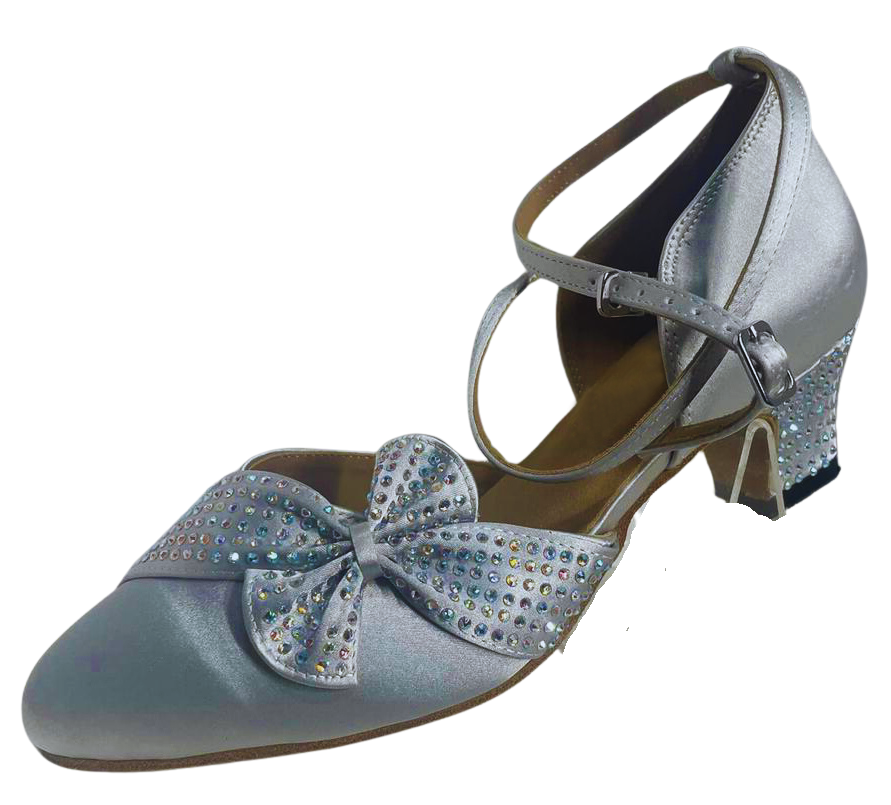
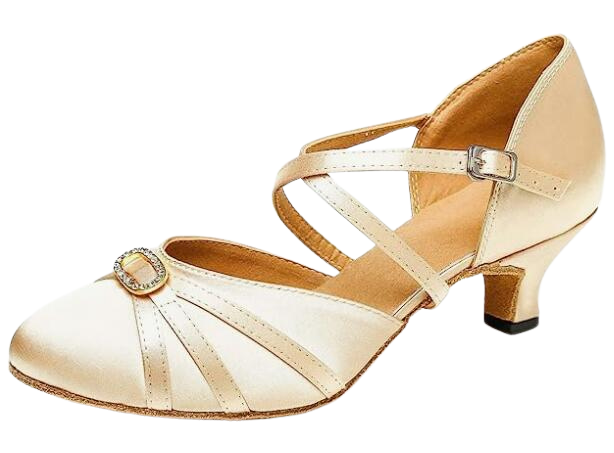
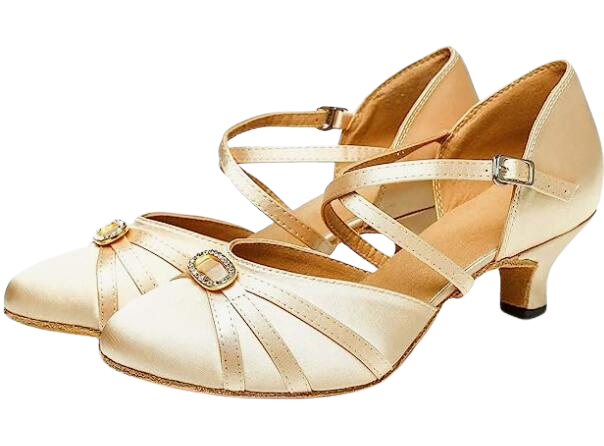
Satin is the dress finish — soft under stage light, easy to match to a costume, and it gives a little as it warms to the foot. Leather is the workhorse: it takes weekly practice, holds its shape and cleans up easily. Glitter and rhinestone uppers are for the nights you want the shoes noticed.
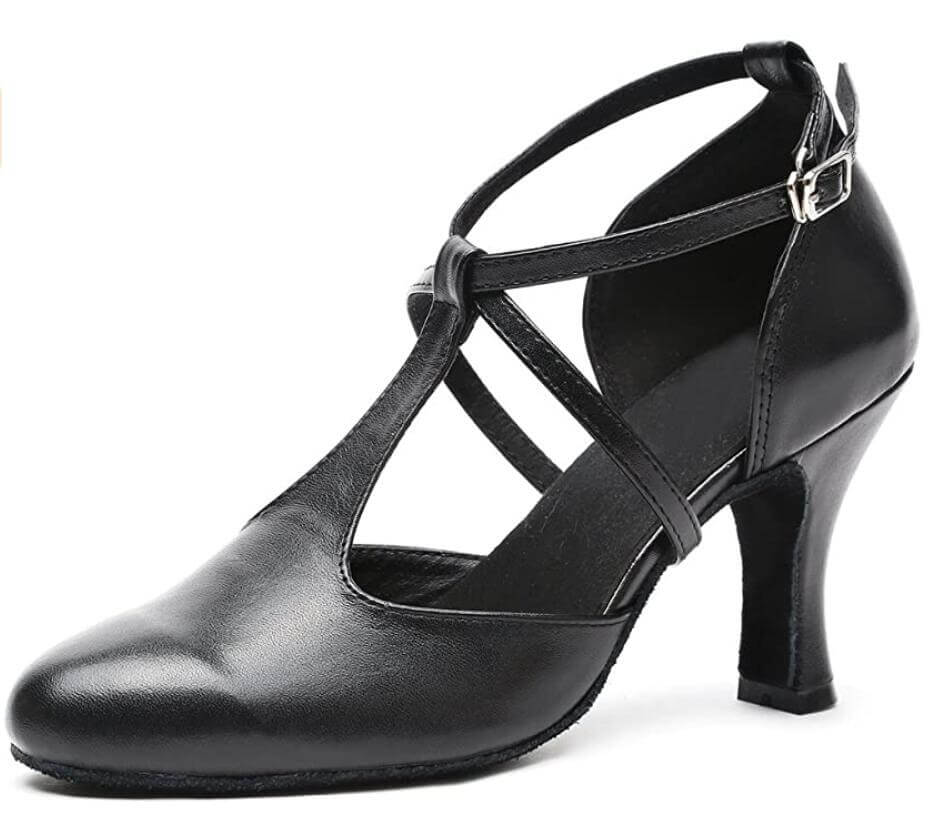
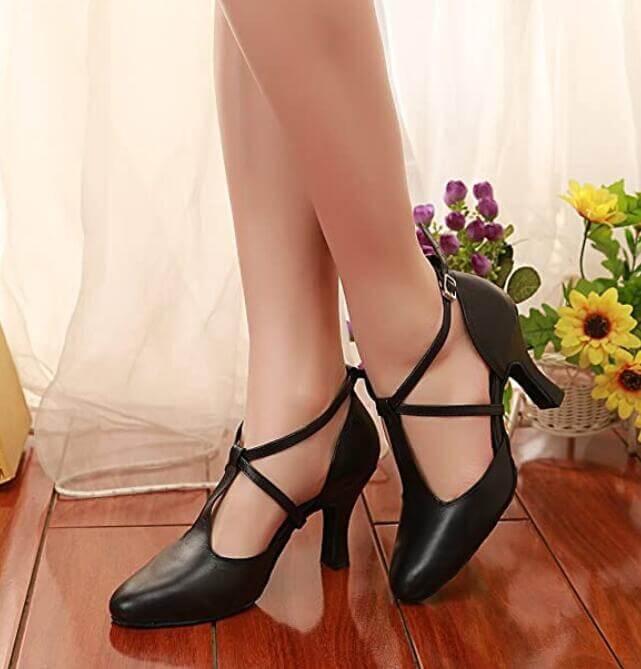
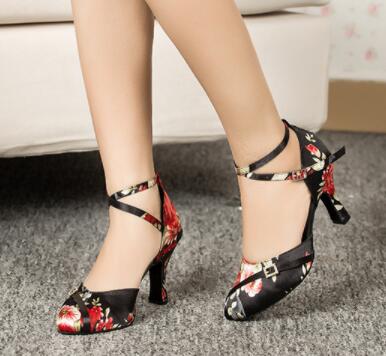
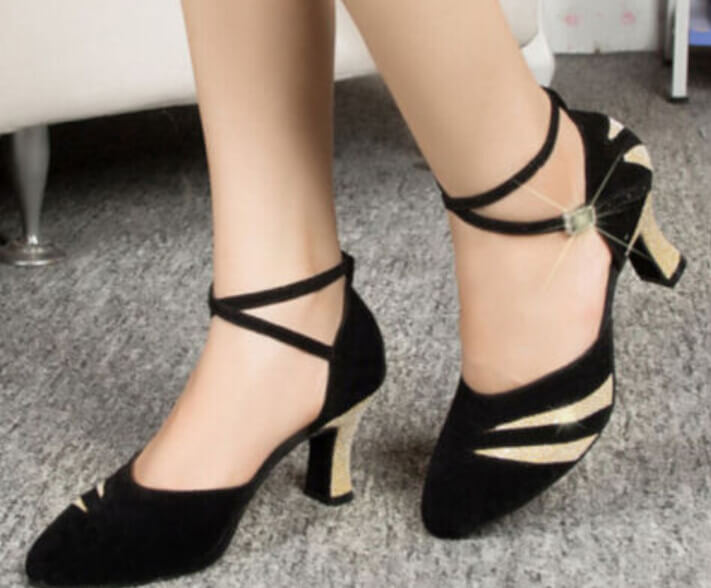
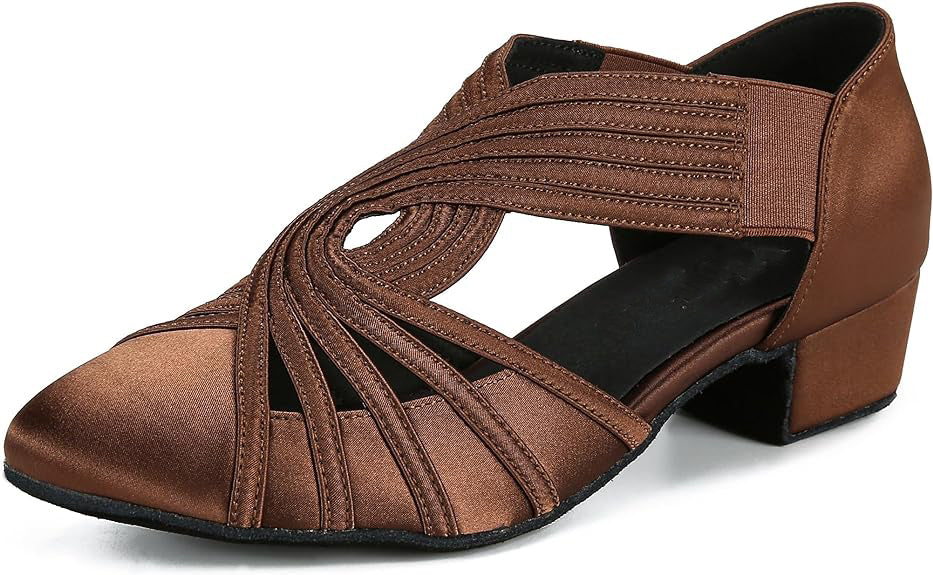
Shape is the other half of the decision. A T-strap spreads support across the instep and is the easiest style to fit on an awkward foot. A single ankle strap is cleaner-looking and quicker to put on. A closed court shape with no visible strap gives the most formal line, and works when your instep is naturally snug.
Practice, social and performance
Practice dance shoes. Low heel, leather or plain satin, street or suede sole, no decoration to knock loose. This pair takes the wear, so buy it for durability and buy it first.
Social and wedding. Mid heel, street sole, a neutral or bridal finish that works with what you are wearing.
Performance. Mid to high heel, suede sole, satin or rhinestone. Keep this pair off practice floors so it still looks new when it matters.
Looking after closed toe dance shoes
Keep studio shoes and street shoes apart. Store suede-soled pairs in a shoe bag, brush the sole regularly, and never put them away damp. Wipe satin uppers with a soft dry cloth after wear and let the shoes air out fully before they go back in the bag — satin marks permanently once it takes on moisture. If you dance more than twice a week, rotate two pairs: the footbed recovers between wears and both pairs last far longer.
Closed toe dance shoes: frequently asked questions
Are closed toe dance shoes better than open toe?
Neither is better — they answer different problems. A closed toe holds the whole forefoot, protects the toes on a crowded floor, keeps feet warmer in cool venues, and hides the foot for a cleaner line, which is why it is the traditional choice for the smooth and standard dances. An open toe sandal lets the foot flex and grip through the toes, which Latin and salsa dancers rely on. If you dance socially across several styles, a closed toe pair is the more forgiving single purchase.
Can I wear closed toe shoes for Latin and salsa?
Yes. Closed toe latin dance shoes are common at social nights, in beginner classes and anywhere the floor gets busy — the covered toe box means a stray heel does not land on your toes. You give up a little foot articulation compared with an open toe sandal, which matters more in competition than at a social. If you want the traditional open toe shape instead, browse our Latin and salsa dance shoes.
What heel height should I start with?
Start lower than you think you need. A 1″–1.5″ heel keeps your weight close to the floor and makes backward steps and turns much easier to control, which is why dance shoes low heel closed toe styles are the most common first pair. Move to 2″–2.5″ once your balance is settled, and keep 3″–4″ for performance. Every style here can be built from 1″ to 4″, so the height is your decision, not the factory's. See the full low heel dance shoes range if stability is your priority.
Suede sole or street sole — which do I need?
Suede sole dance shoes are for sprung wooden studio floors: the nap gives controlled rotation and a clean stop. Street sole and leather sole dance shoes are for hotel ballrooms, restaurants, wedding venues and community halls, and they survive the walk in from the car. Suede must stay indoors — one walk on pavement flattens the nap for good. Buy suede if you mostly train, buy street sole if one pair has to do everything.
Do dance shoes run small, and how should they fit?
They fit closer than street shoes on purpose, so the foot cannot slide inside the shoe. Toes should reach the end of the toe box and lie flat, the heel cup should stay locked when you rise, and the strap should hold without cutting in. Order your usual US size and size down a half if you fall between sizes — extra length causes heel lift, and heel lift causes blisters. Every product page carries a size chart with US, UK, EU and foot length in centimetres.
Do you have wide width dance shoes for wide feet?
Yes — select styles come in wide width fits from US 5 to 11. For a broad forefoot, bunions or a high instep, look for a rounded or wider toe box plus a T-strap or double-strap upper, which spreads pressure across the foot rather than loading one thin band. Going up a full size is the usual mistake: the extra length lets the heel slip, which creates the very rubbing you were trying to avoid.
Which closed toe styles are the most comfortable for a long night?
The most comfortable dance shoes are the ones matched to the floor and the hours, not the ones with the most padding. For a three-hour social pick a low or mid heel, a cushioned footbed under the ball of the foot, a strap that genuinely locks the heel, and a street sole if the venue is not a studio. Satin gives a little as it warms; patent and hard leather do not. Break a new pair in at home on carpet before the first night out.
What upper should I choose — satin, leather or glitter?
Satin is the traditional dress finish, takes dye well and photographs softly — the usual pick for weddings and showcases. Leather is the most durable and the most forgiving through weekly practice. Glitter and rhinestone-covered uppers are for performance and nights where you want the shoes seen. Closed toe t-strap dance shoes work across all three and are the easiest shape to fit.
Which colours work with the most outfits?
Skin-tone neutrals lengthen the leg and disappear under most hemlines — see nude and tan. Black is the safe all-purpose choice for practice and dark costumes. Ivory and white are the bridal standards, and silver or gold reads as dressy without fighting a patterned dress.
Where can I buy dance shoes if there is no store near me?
TTdancewear ships across the US, so a local dance shoe shop is not required. Measure your foot length, order to the chart on the product page rather than to habit, choose your heel height and sole, and check the fit on carpet at home before the shoes touch a floor. If the fit is wrong, the money-back guarantee covers you — we have been serving dancers online since 2012.
Keep browsing: ballroom & standard dance shoes, low heel dance shoes, Cuban heel dance shoes, open toe Latin & salsa shoes, dance boots, wedding dance shoes, crystal dance shoes and all women's dance shoes.