Filters
Sort by

How to Choose a Dance Bodysuit

A dance bodysuit is a one-piece leotard cut for movement: the top and the brief are joined, so nothing untucks mid-figure and the line of the torso stays unbroken from shoulder to hip. Everything in this range is made from a high-stretch polyester or nylon and spandex blend with built-in chest pads, so it can be worn straight over tights with a Latin skirt, a ballroom skirt or practice pants and be ready to dance.

Latin and Ballroom Dance Bodysuits

Latin and ballroom are two separate disciplines, and the bodysuits follow the difference.

Latin dance bodysuits

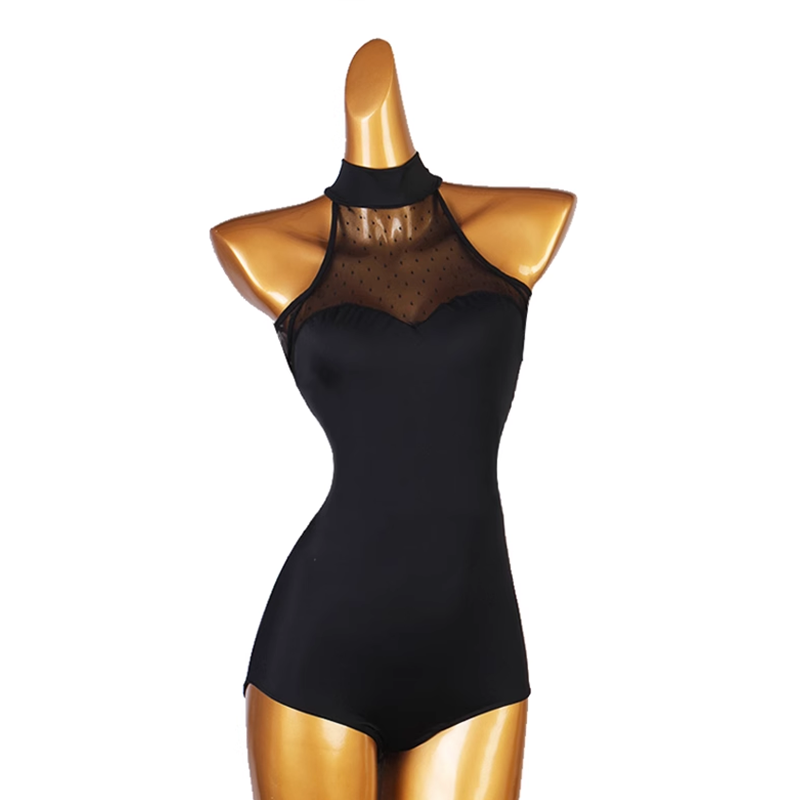
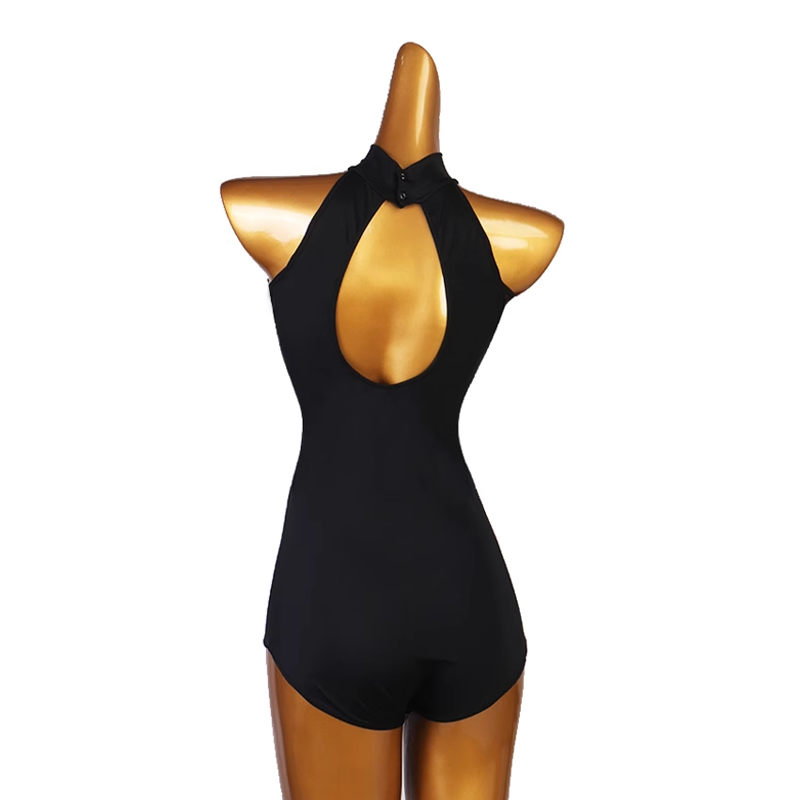
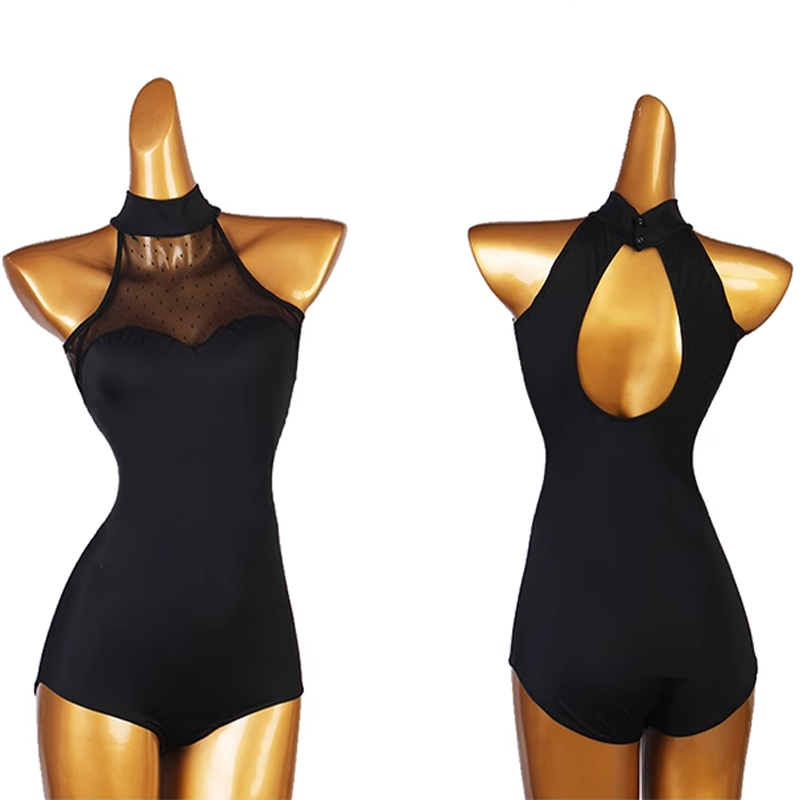
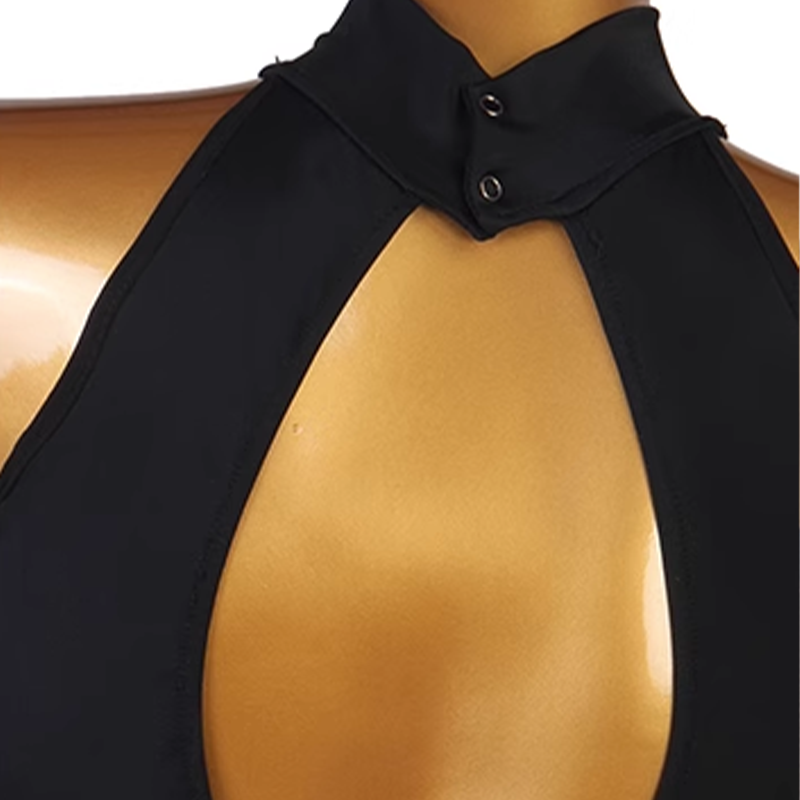
Cut close to the body and more open — halter and mock necks, deep V, keyhole and butterfly backs, sheer mesh yokes, tassel and sequin fringe that catches every hip action. Made for Rumba, Cha Cha, Samba and Jive practice, showcase and performance.

Ballroom dance bodysuits

Softer and more covered — sweetheart necklines, chiffon and tulle bell sleeves, off-shoulder ruffles and velvet bodices that hold a clean frame line through Waltz, Tango, Foxtrot, Quickstep and Viennese Waltz.

Sleeve, Neckline and Back Styles

  • Long sleeve dance bodysuits — full-length sheer mesh or velvet sleeves that cover the arm without hiding the line; the most forgiving choice for a first competition.
  • Bell, bishop and flare sleeves — chiffon and tulle that opens at the wrist and trails behind the arm styling, the classic ballroom look.
  • Puff and off-shoulder — ruffle Bardot and cold-shoulder cuts that frame the collarbone and widen the shoulder line.
  • Camisole and short sleeve — the plainest option and the one that layers best under a jacket for studio practice.
  • Backs — scoop, deep V, lace-up, draped and open backs; check the back before the front, because that is what the judges and the audience see for half of every routine.

Fabrics and Finishes

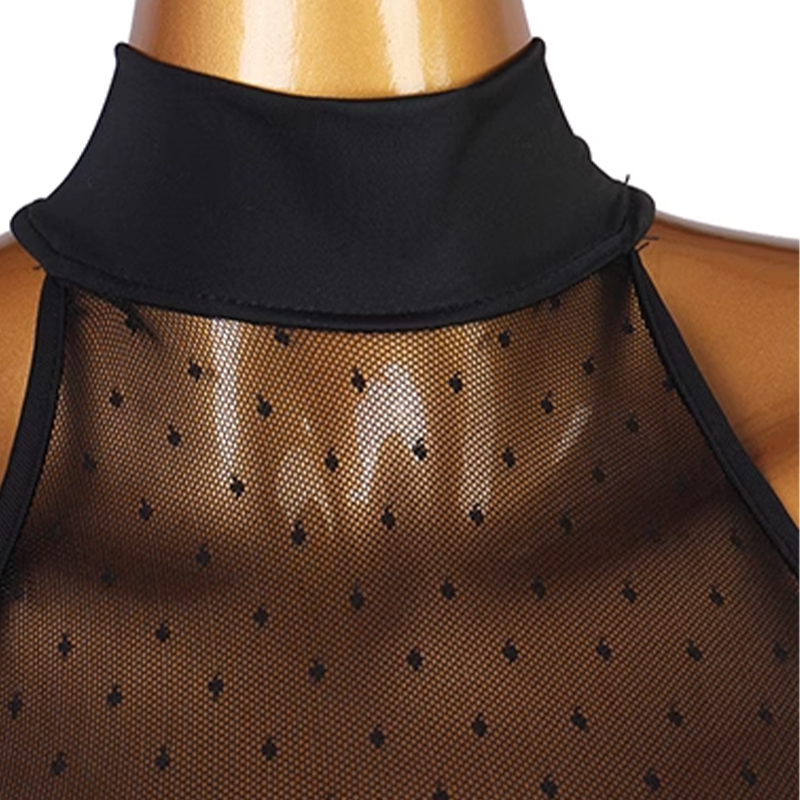
  • Stretch mesh — sheer yokes, illusion panels and sleeves that read as skin from the floor.
  • Velvet — stretch, crushed and floral burnout velvet, heavier and warmer, the standard for ballroom bodices.
  • Lace and chiffon — floral lace half sleeves and flowing chiffon cape sleeves for softer, romantic styling.
  • Sequin fringe and rhinestone — movement you can see from the back row; the reason a fringe bodysuit reads on stage where a plain one does not.
  • Prints — leopard, rose, floral and polka dot, for dancers who want a costume without adding stoning.

Colors

Black dance bodysuits are the studio workhorse: they hide sweat, go with every skirt in the wardrobe and photograph cleanly under stage light. Beyond black the range runs white, red, navy, blue, green, purple, lavender, yellow and mustard, plus leopard, floral and polka-dot prints for dancers who want the bodysuit itself to be the costume.

Sizing, Fit and Built-in Support

Sizes run S to XXL, and every product page carries a size chart in both inches and centimeters. All of these bodysuits have chest pads sewn in, so no separate bra is needed and there are no straps showing through a mesh yoke or an open back. The fabric is high stretch with brief-line leg openings; measure bust, waist and hip, and when you fall between sizes, size to your largest measurement — length through the torso is what pulls at the shoulders when a bodysuit is too small.

Practice Wear or Costume?

The same garment does both jobs. A plain mesh or camisole bodysuit worn with practice pants is what most dancers train in week after week; the same cut in velvet, sequin fringe or rhinestone becomes a bodysuit dance costume the moment it is paired with a competition skirt. Buying one bodysuit that crosses over is the most practical way to build a wardrobe that survives both the studio and the ballroom floor.

Care

Hand wash in cool water and lay flat or hang to dry, out of direct heat. Mesh, velvet, lace and sequin fringe all lose their finish in a hot machine wash, and heat is what kills the spandex that gives a bodysuit its recovery.

Dance Bodysuit FAQ

What is a dance bodysuit?

A dance bodysuit is a one-piece leotard where the top and the brief are joined, so the garment cannot ride up or untuck while you dance. It gives an unbroken line from shoulder to hip, which is what makes it the standard top layer for Latin and ballroom practice and performance.

Is a dance bodysuit the same as a dance leotard?

In dancewear the two words describe the same garment. Ballet studios usually say leotard, Latin and ballroom dancers usually say bodysuit. Every style in this collection is cut with brief-line leg openings and high-stretch fabric, so either name applies.

Do dance bodysuits have a built-in bra?

Every bodysuit here has built-in chest pads, so you do not need a separate bra and there are no straps to hide under a sheer mesh yoke or an open back. The pads sit inside the bodice and the shoulders are lightly structured to hold their shape while you move.

Which dance bodysuit should I choose for Latin, and which for ballroom?

Latin bodysuits are more open and closer to the body: halter necks, deep V and keyhole backs, mesh yokes, tassel or sequin fringe that reads on Rumba, Cha Cha, Samba and Jive. Ballroom bodysuits are softer and more covered: sweetheart necklines, chiffon or tulle bell sleeves, off-shoulder ruffles and velvet bodices that keep a clean frame line for Waltz, Tango, Foxtrot, Quickstep and Viennese Waltz.

What size dance bodysuit should I order?

Sizes run from S to XXL. Measure your bust, waist and hip and compare them with the size chart on each product page, which lists both inches and centimeters. The fabric is high stretch, so if you are between sizes on one measurement, size to the largest of the three — a bodysuit that is slightly generous through the torso still sits clean, one that is short in the body will pull at the shoulders.

Can a dance bodysuit be worn as a competition costume?

Yes. A bodysuit is the base of most Latin and ballroom costumes: pair it with a fringed Latin skirt for showcase and competition, or with a long standard skirt for ballroom. The sequin fringe, rhinestone and velvet styles are cut for stage, while plain mesh and camisole styles double as everyday practice wear.

How do I wash a dance bodysuit?

Hand wash in cool water and lay flat or hang to dry, away from direct heat. Stretch mesh, velvet, lace and sequin fringe all lose their finish in a hot machine wash, and heat is what breaks down the spandex that gives the bodysuit its recovery.

Complete the Look

Amazon's Choice with a money-back guarantee since 2012.