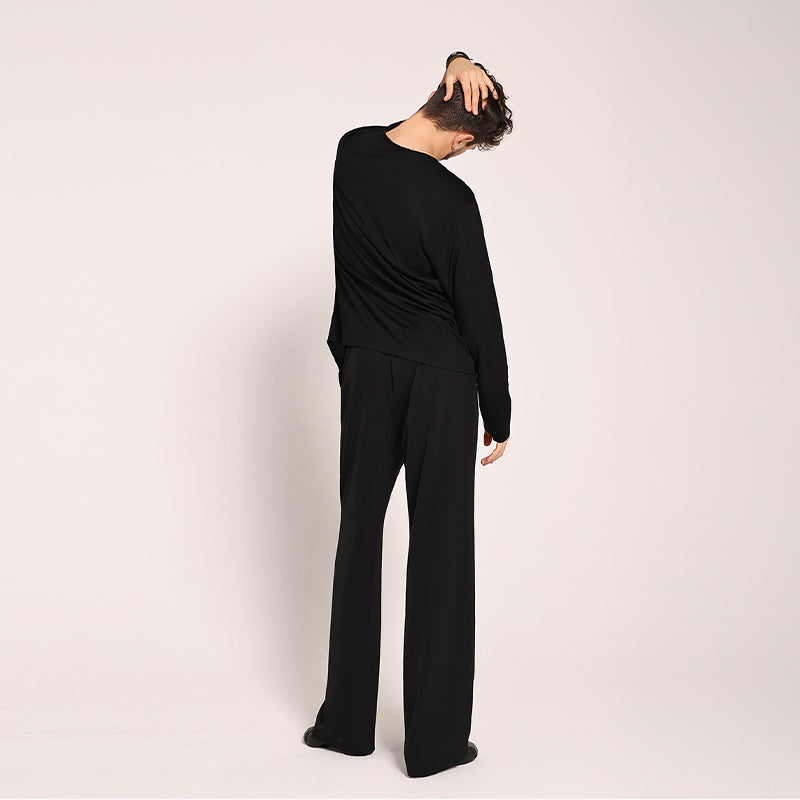
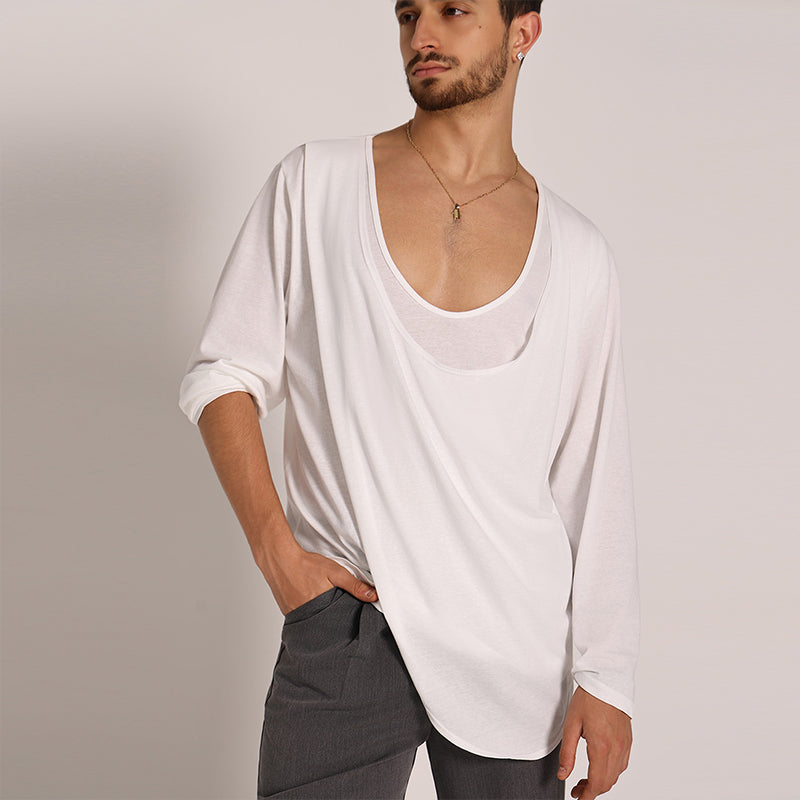
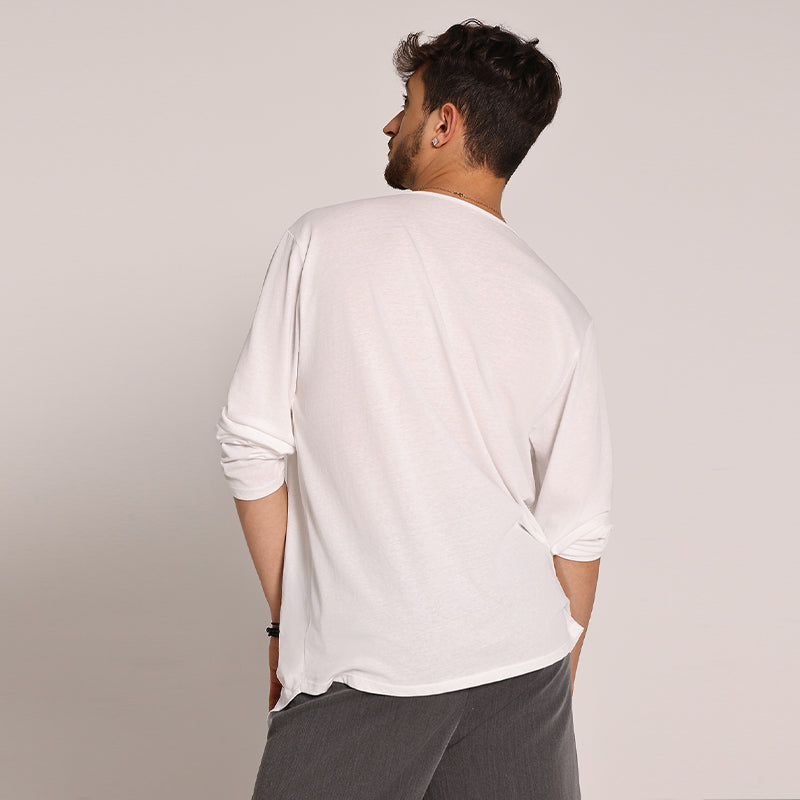
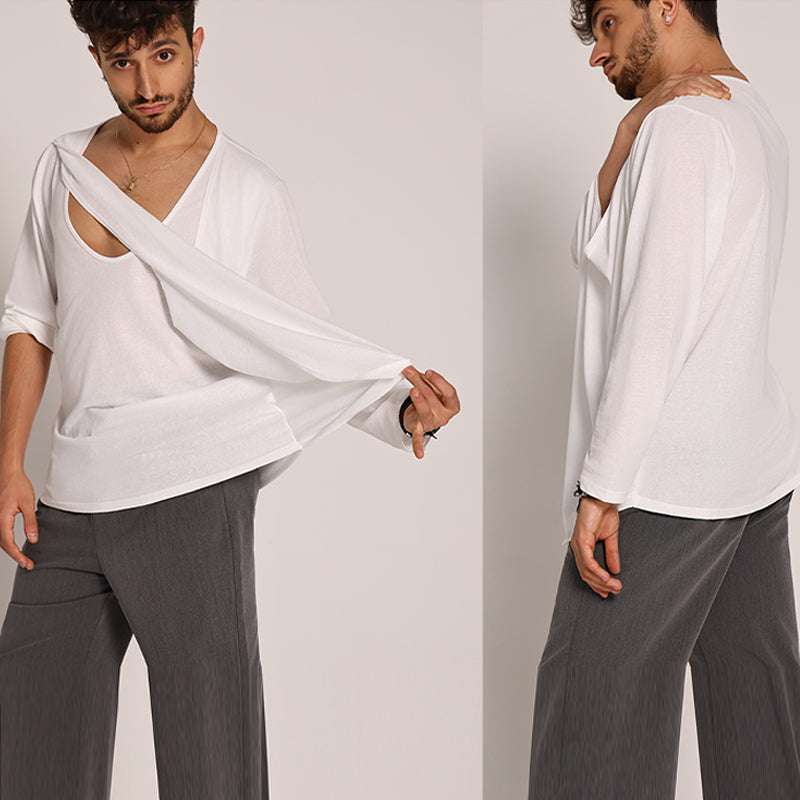
What Men Wear to Dance, from Class to Showcase
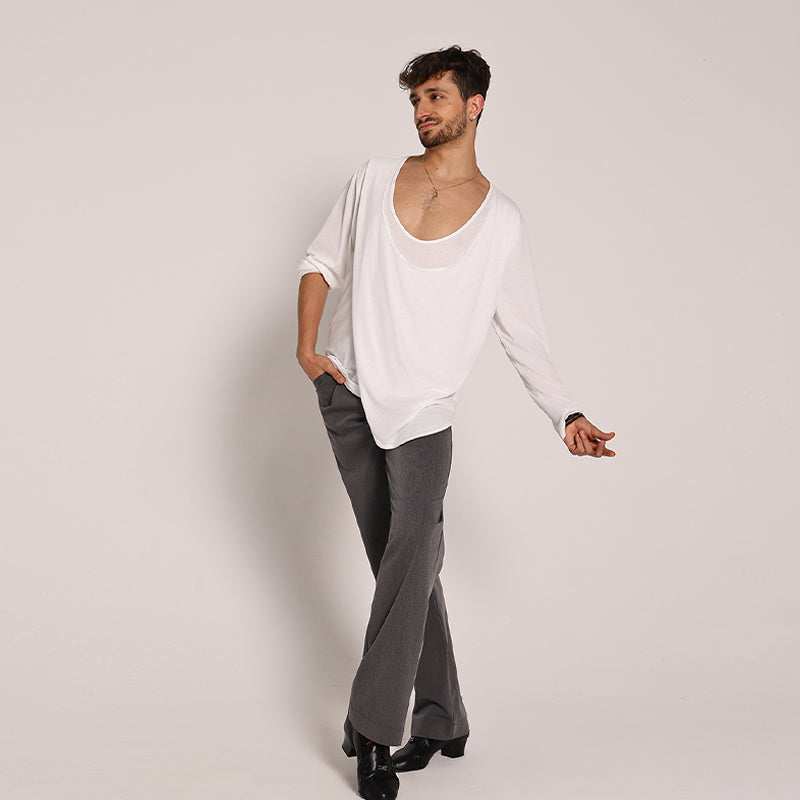
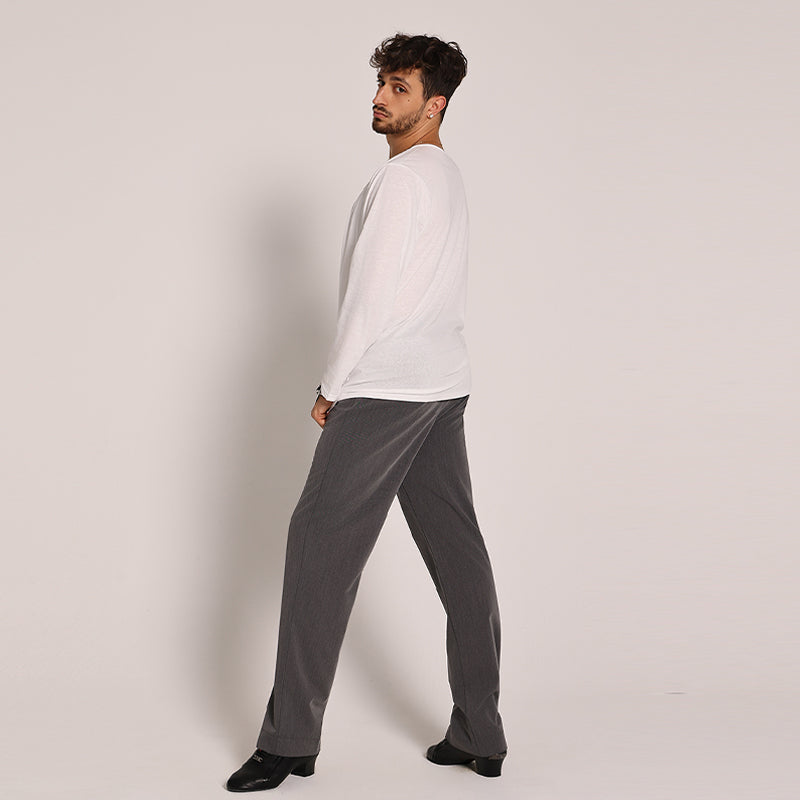
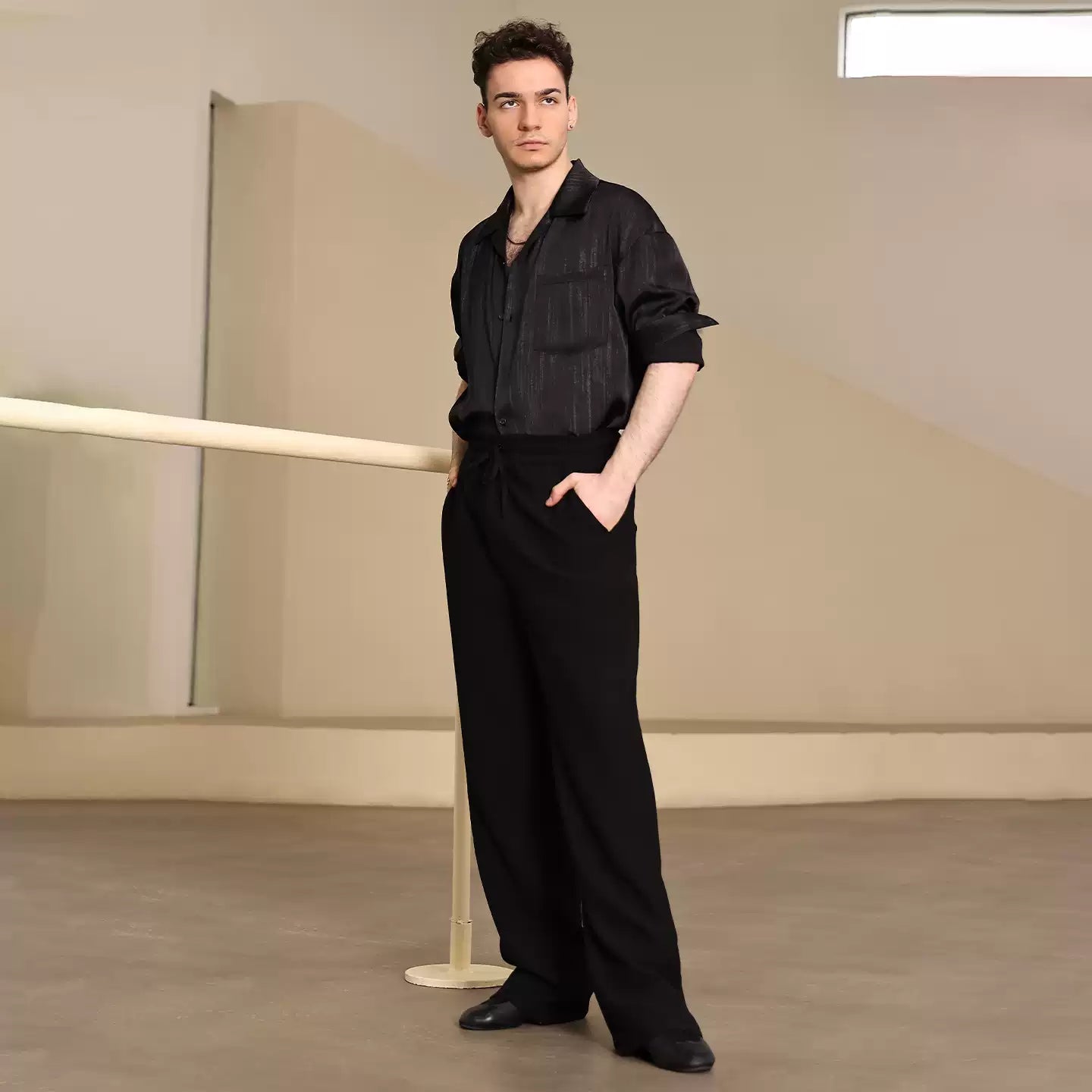
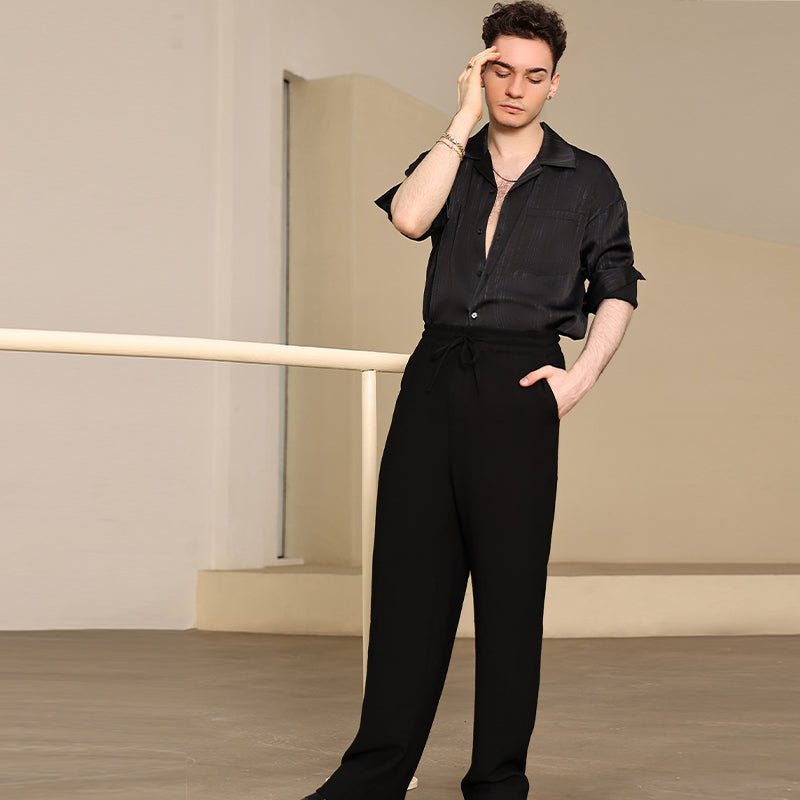
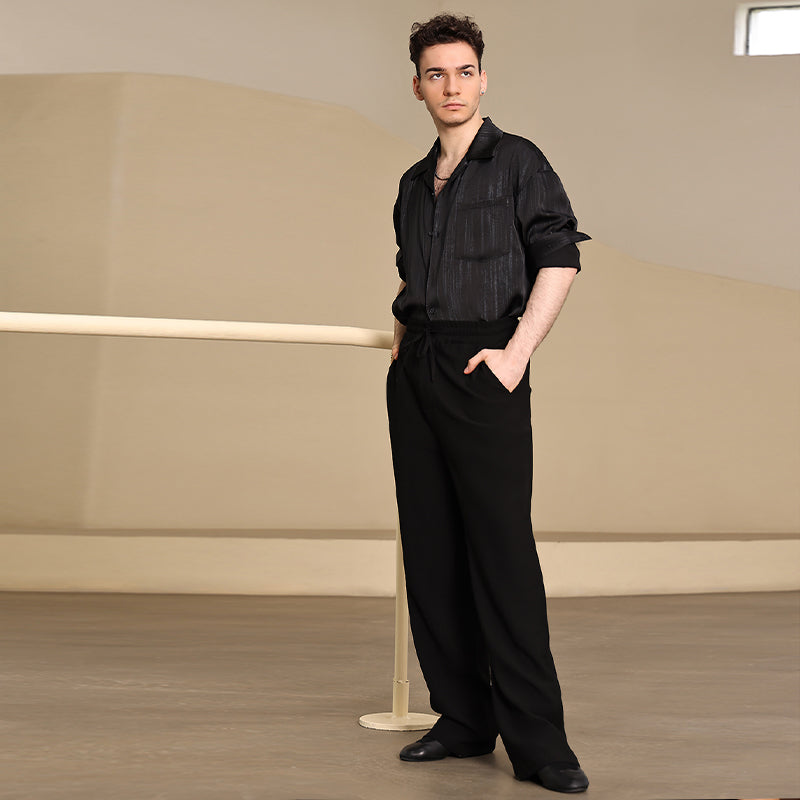
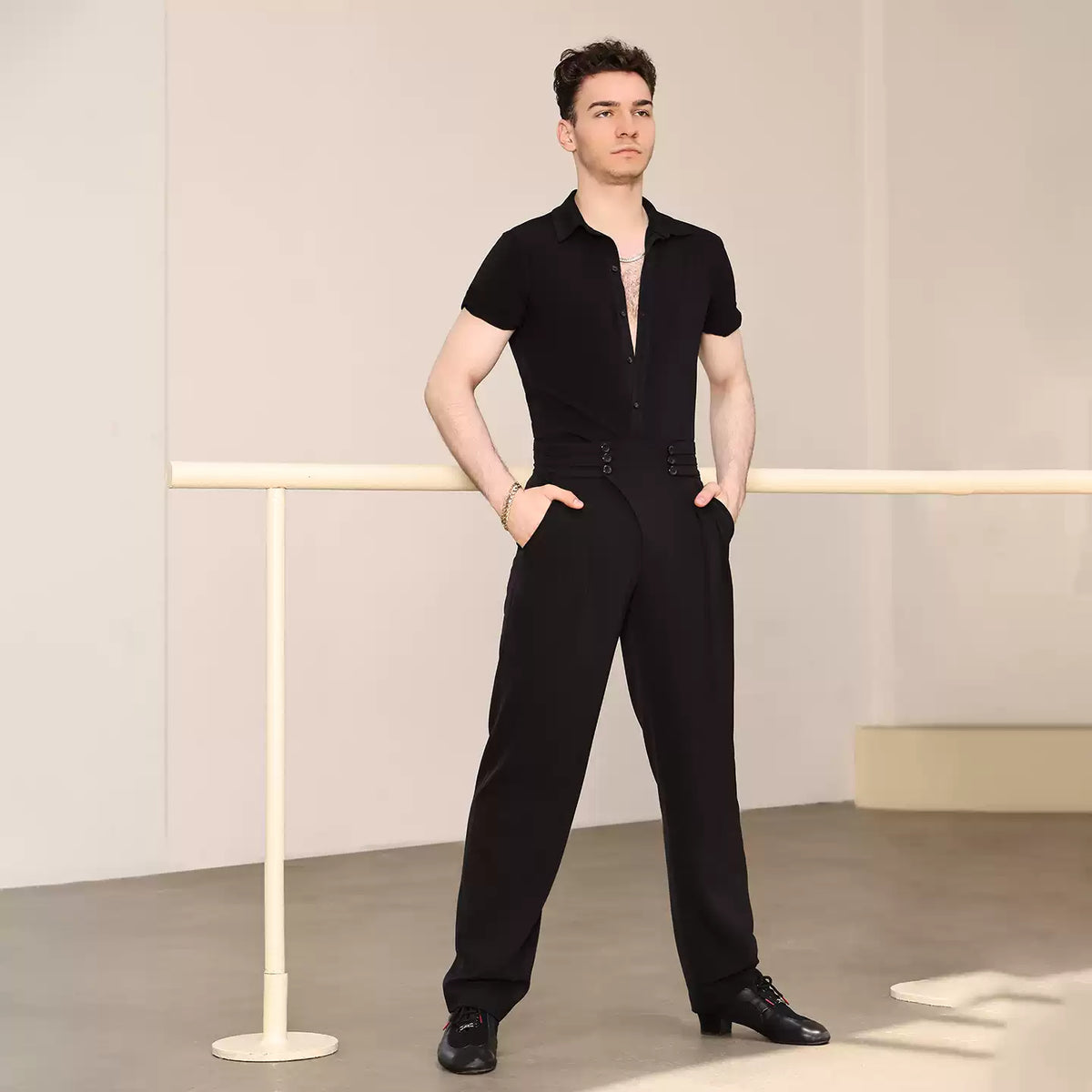
Most men turn up to their first lessons in gym shorts or jeans, and both get in the way quickly. Shorts show nothing of the leg line a teacher needs to see, and denim is too stiff for a proper knee bend or a long stride. The fix is simple and it is the same across styles: a pair of dance trousers and a shirt that stays tucked.
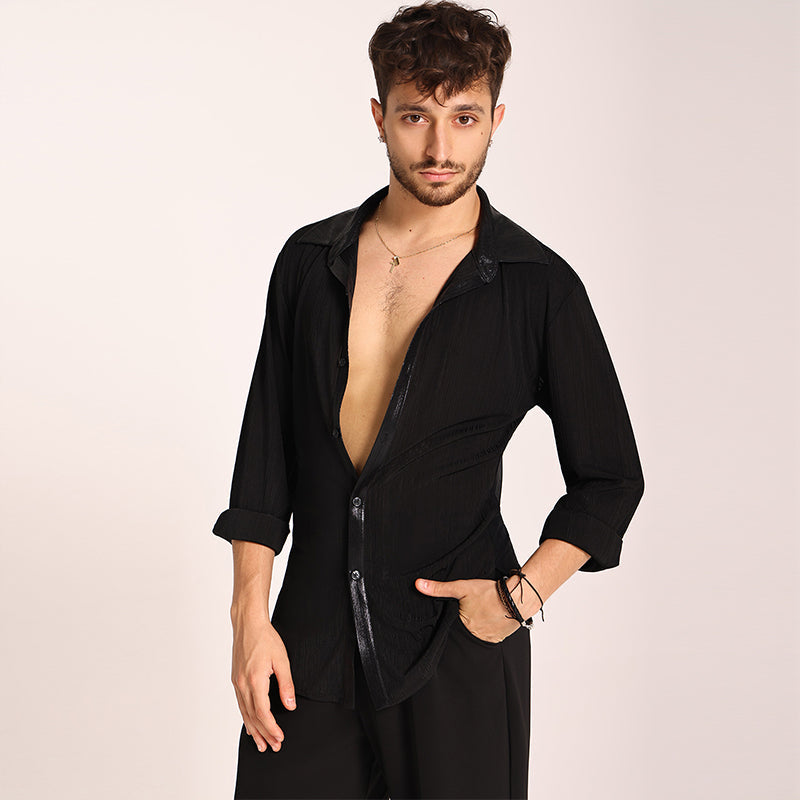
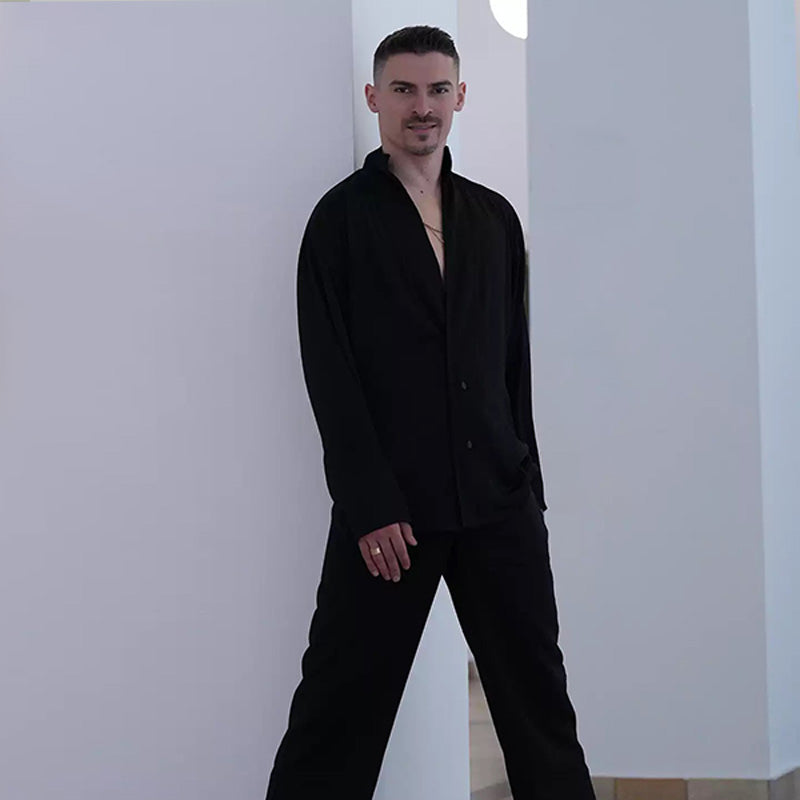
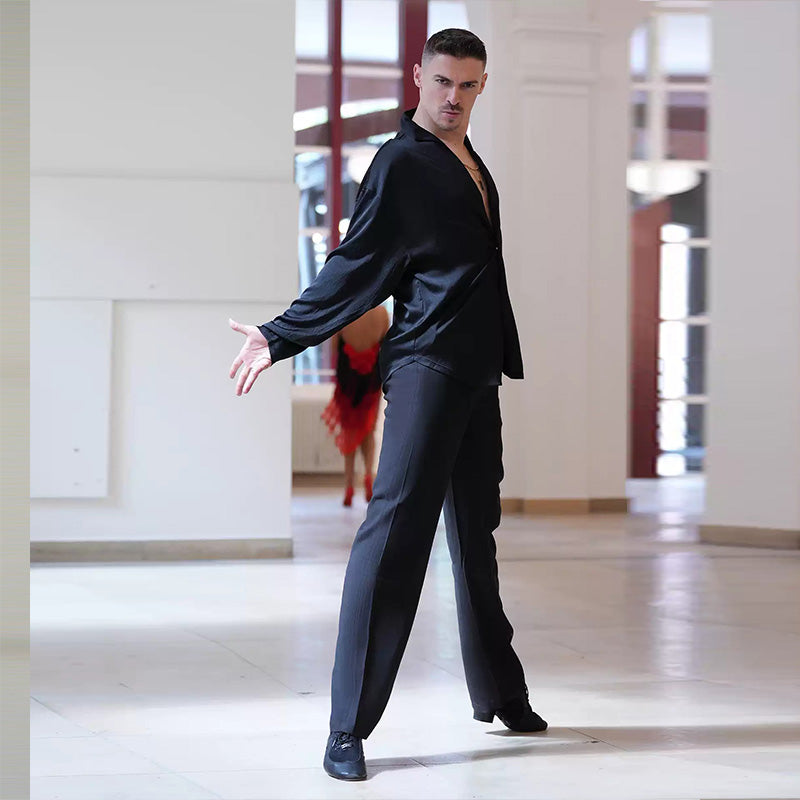
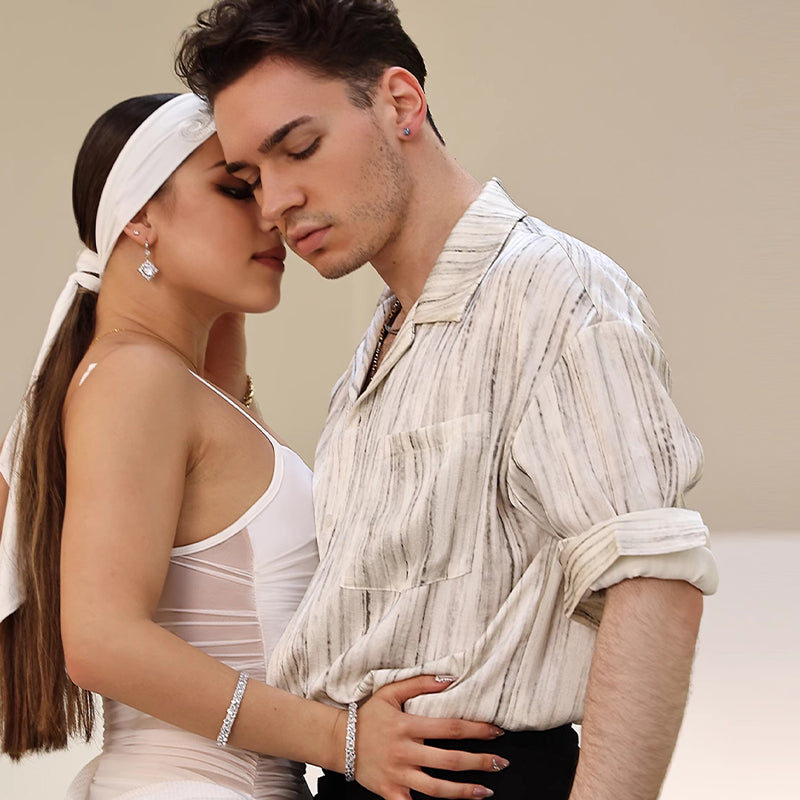
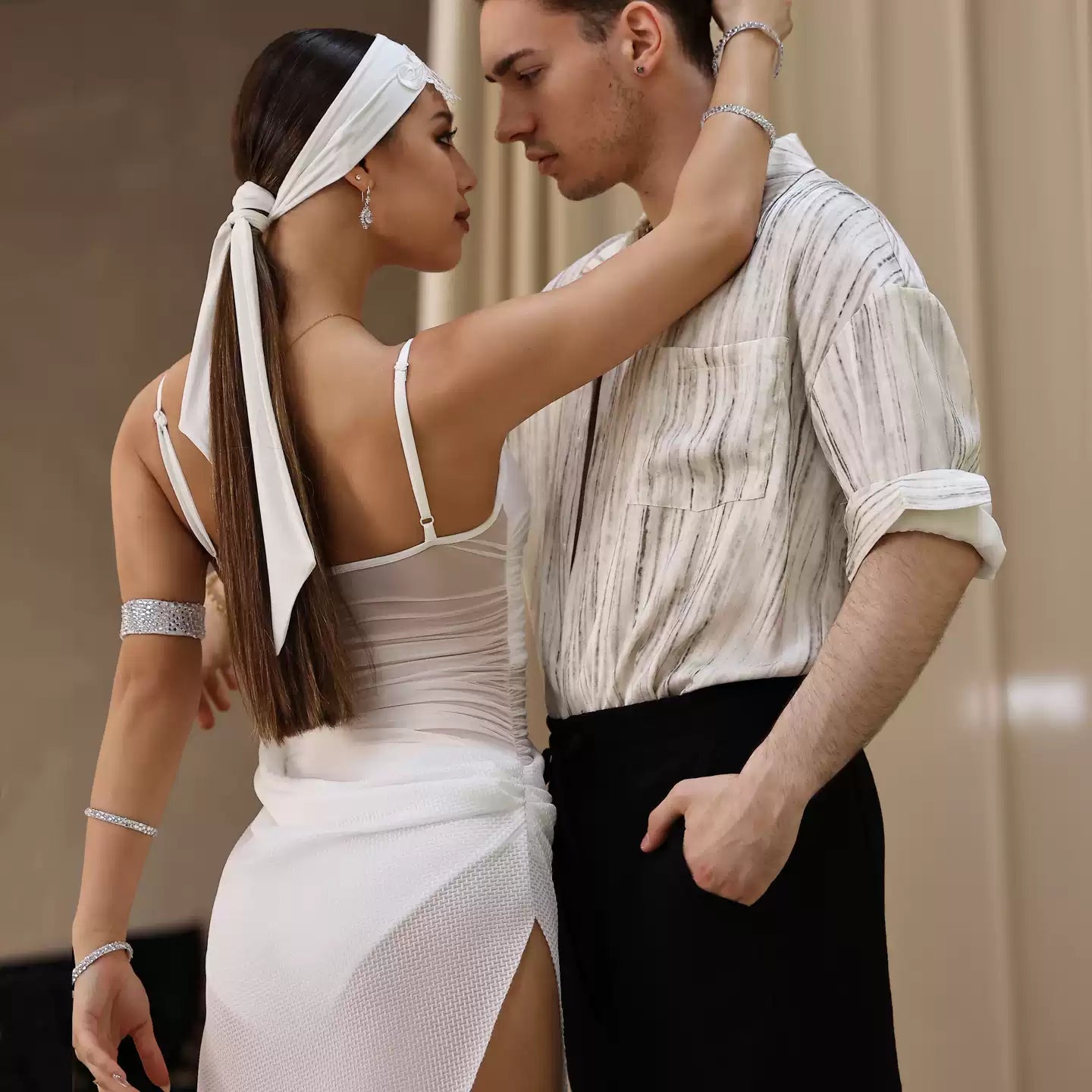
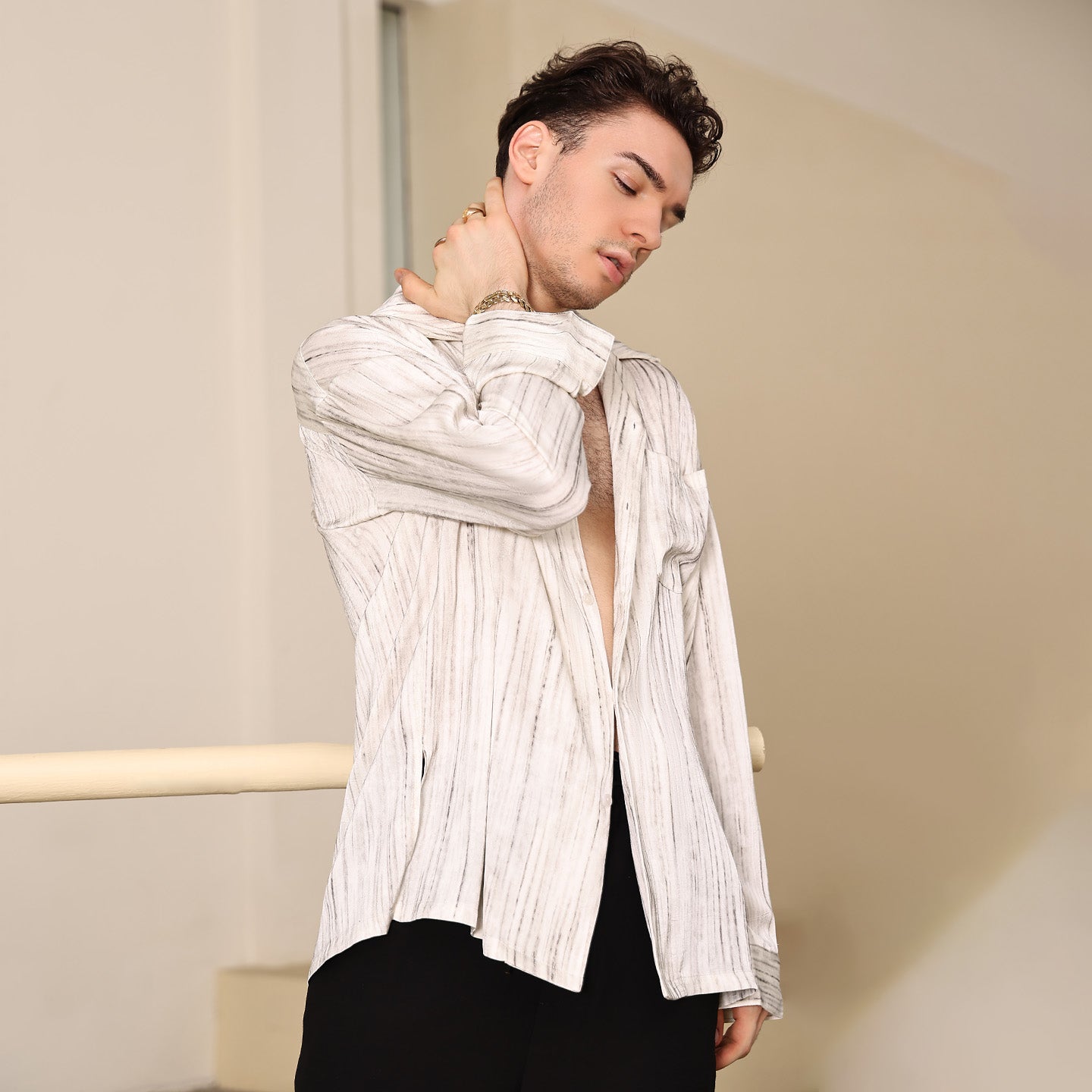
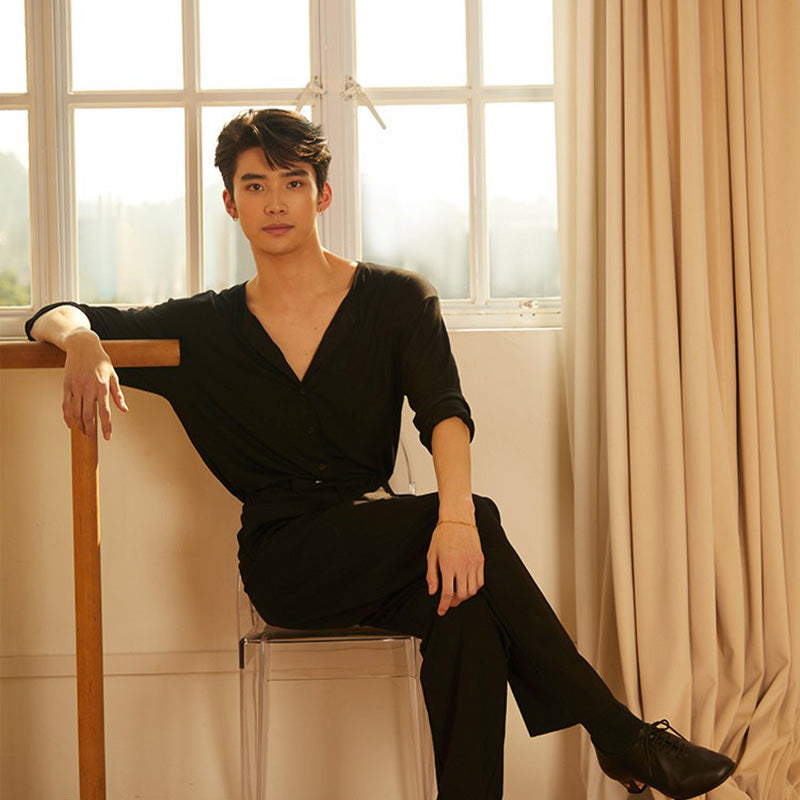
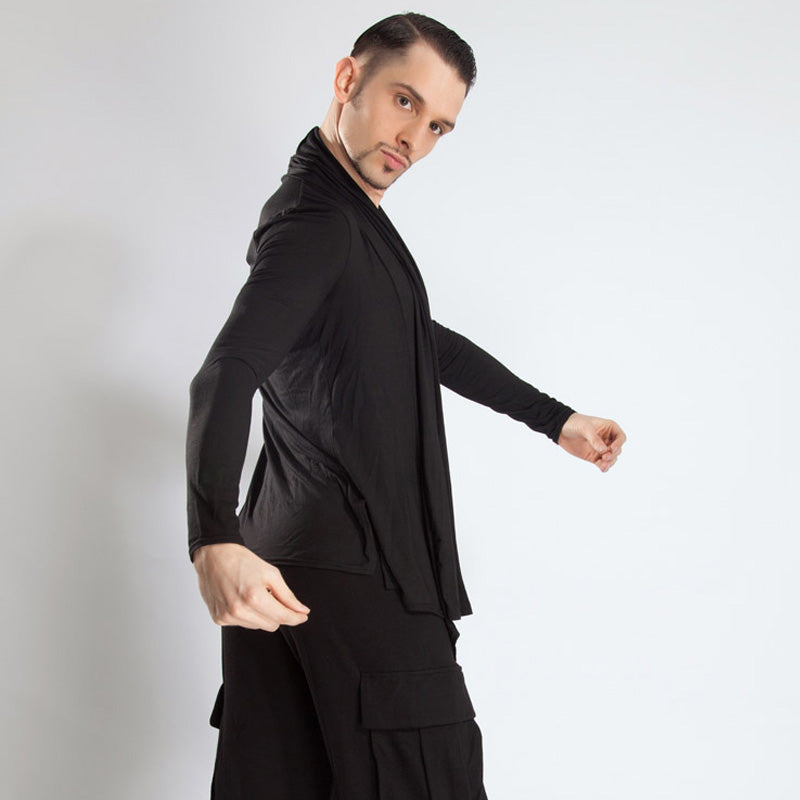
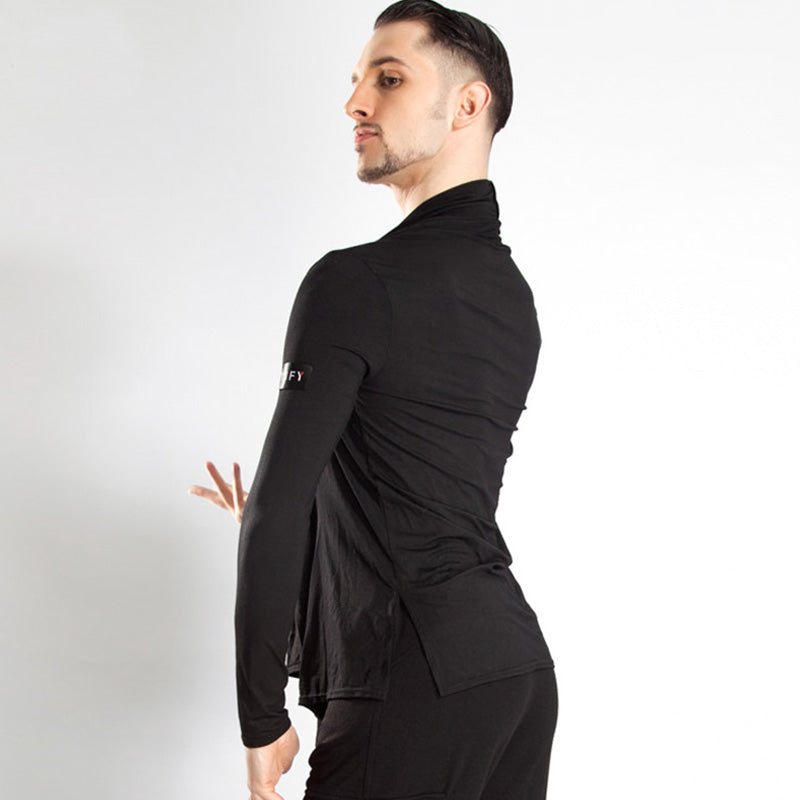
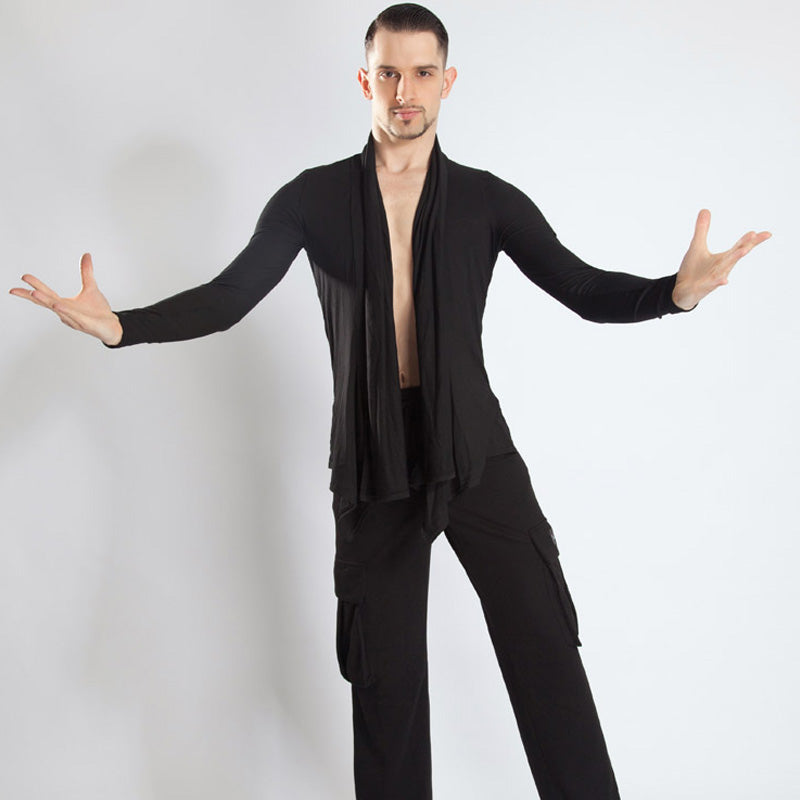
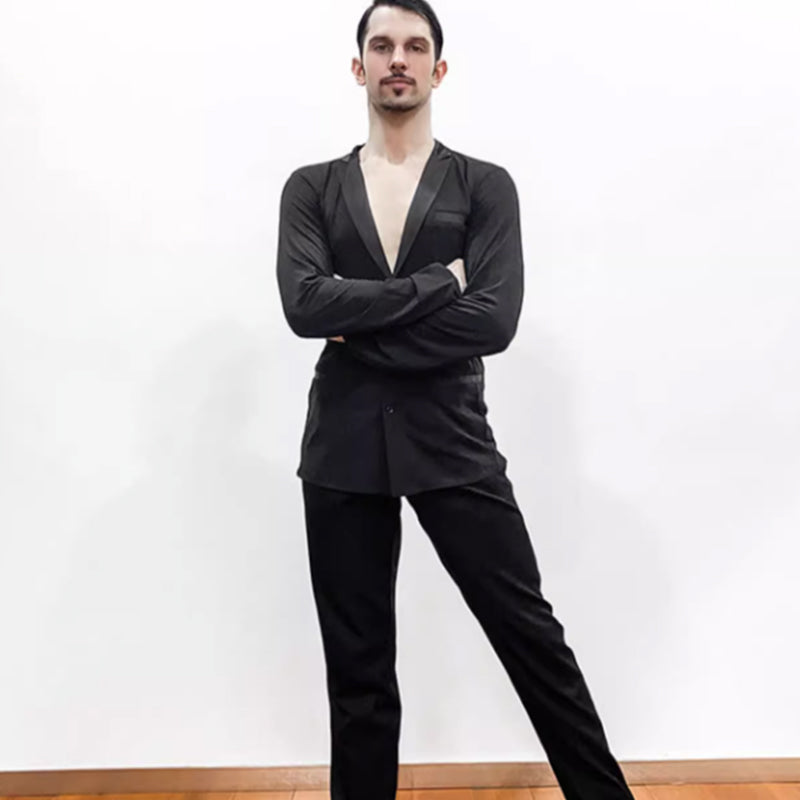
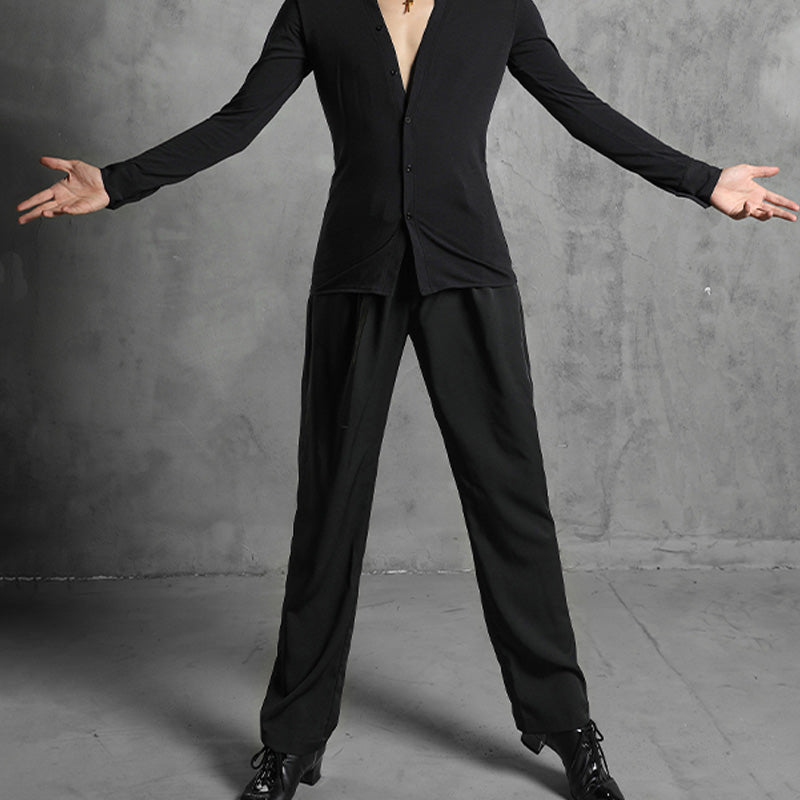
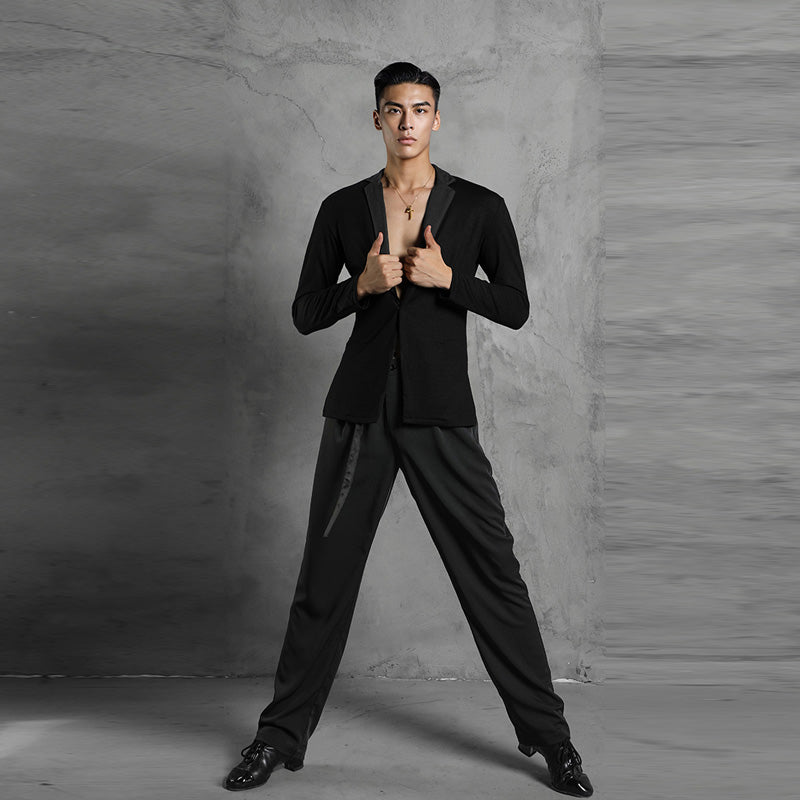
That pairing covers group classes, private lessons, practice parties and social nights. For showcases and Latin competition, the same two pieces move up a level — a sheer or velvet shirt, a sharper trouser — rather than turning into a different outfit. Standard competition tailsuits are a specialist garment of their own; this collection is built for everything around them: the practice floor, the social floor and the Latin floor.
Latin Dance Shirts vs Ballroom Dance Shirts
The two families solve different problems, and you can usually tell them apart at a glance.
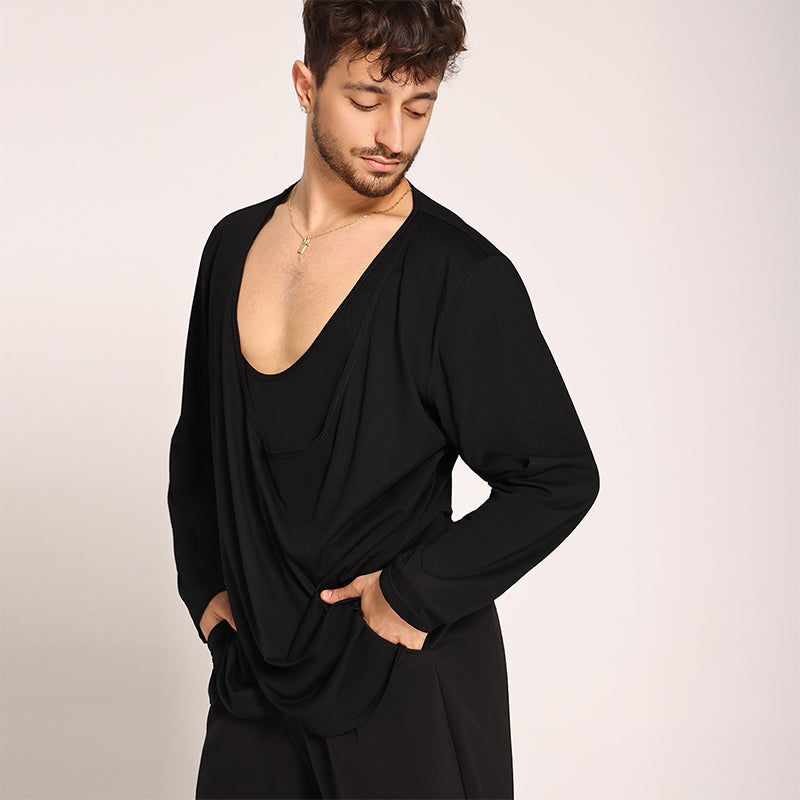
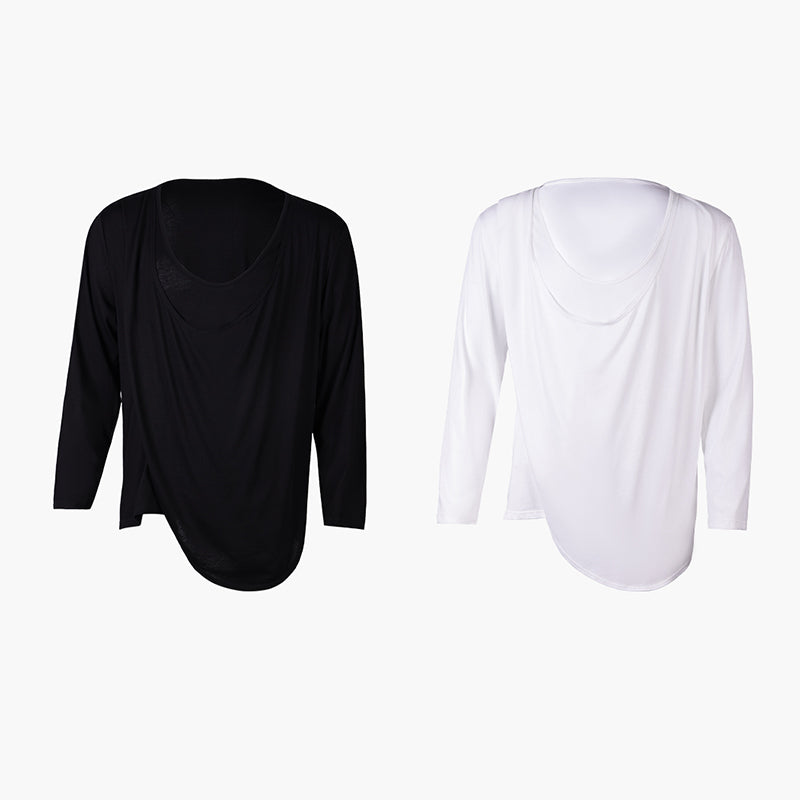
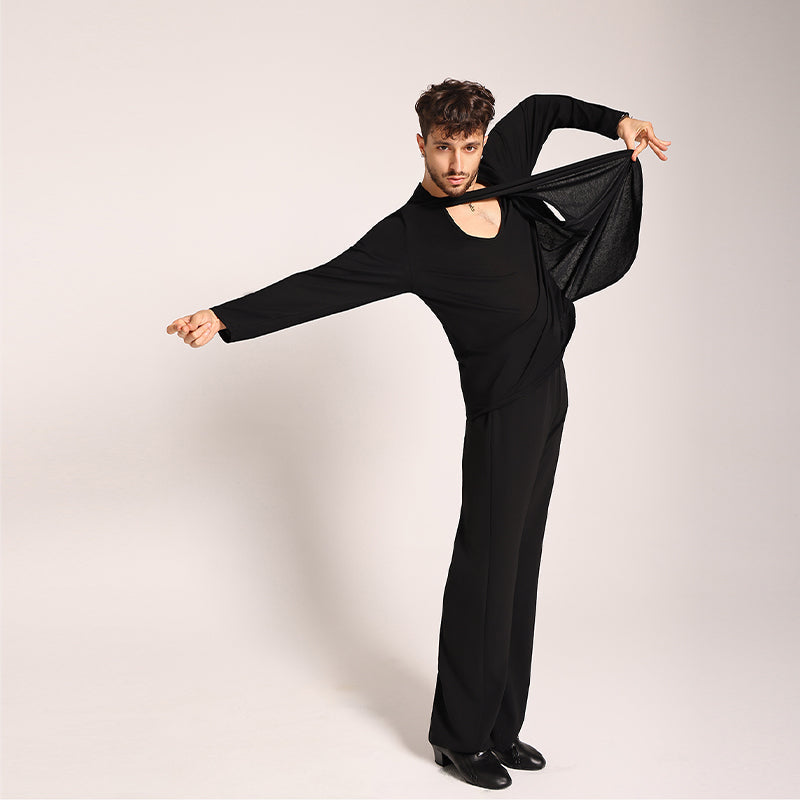
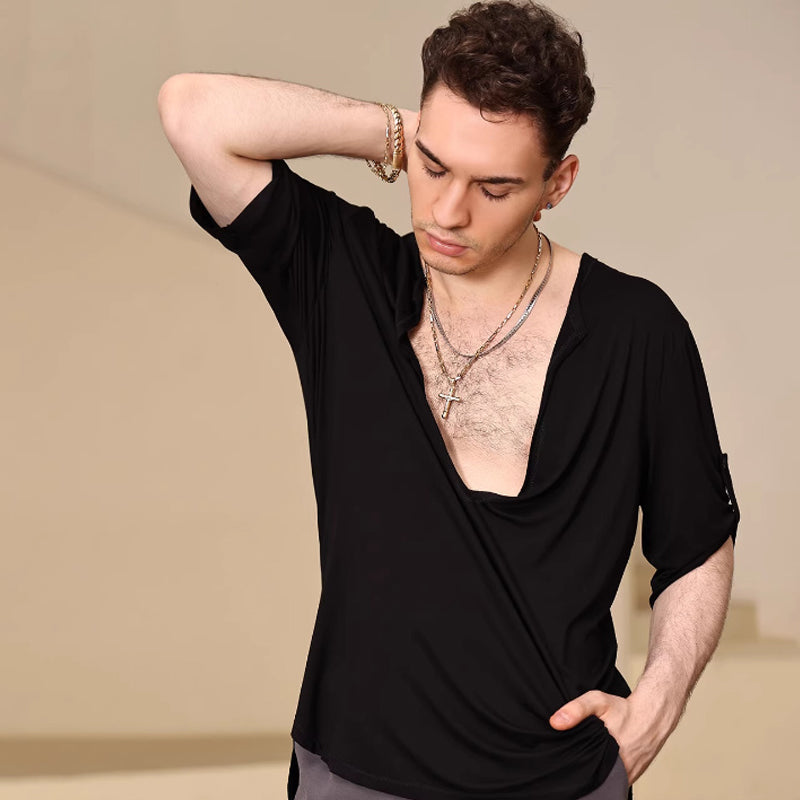
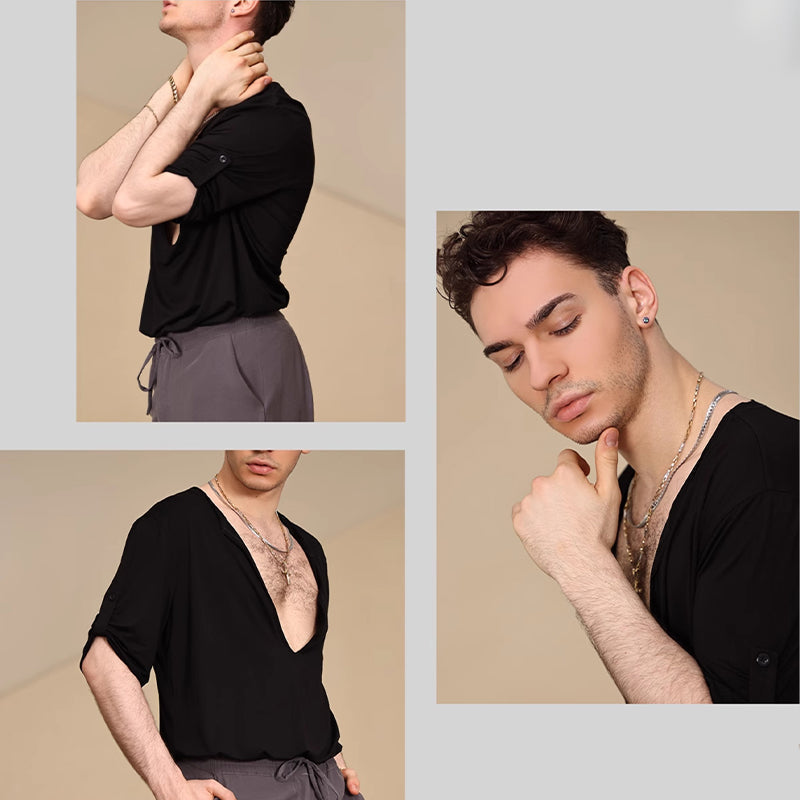
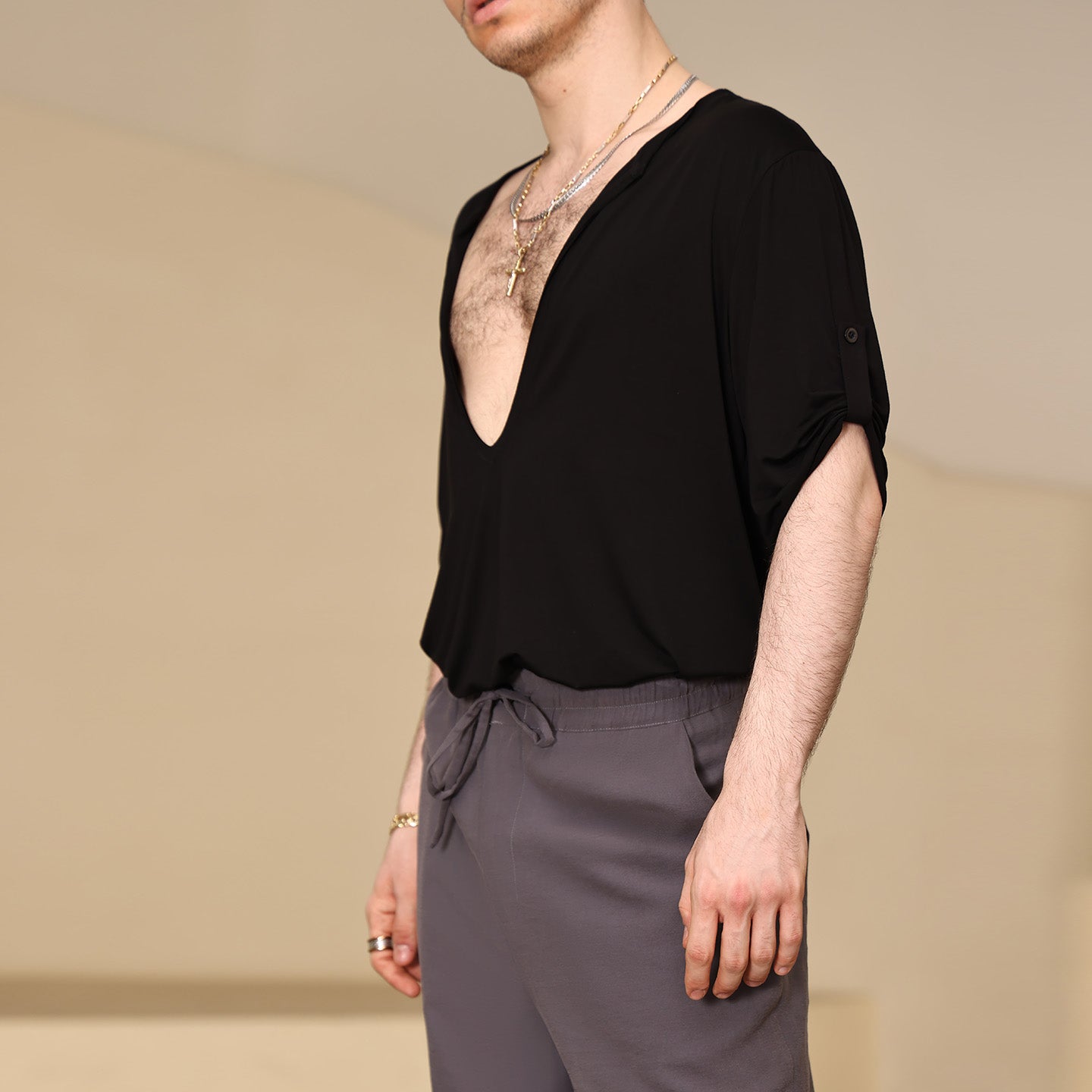
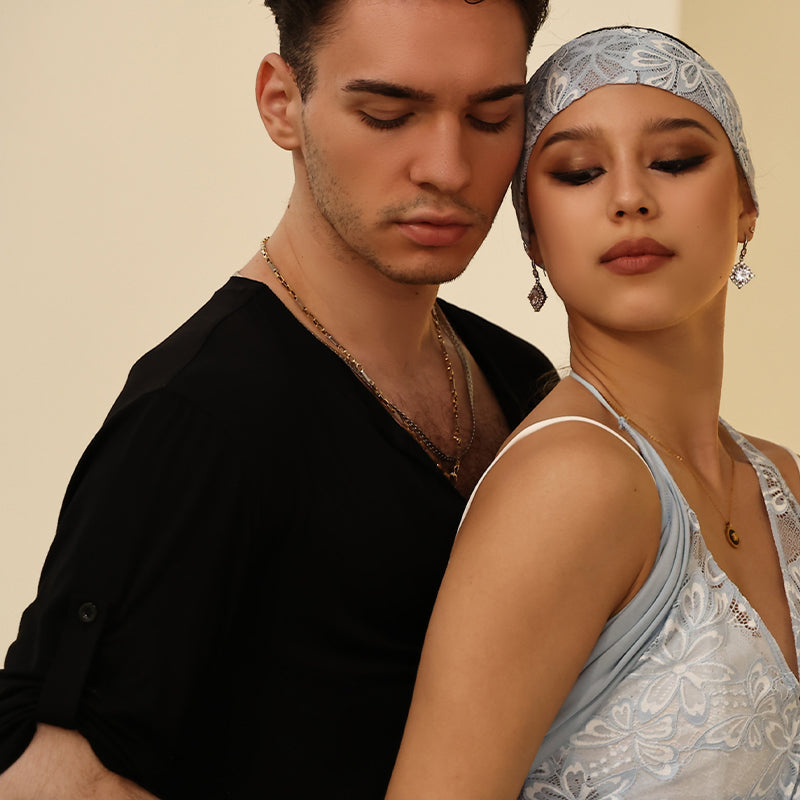
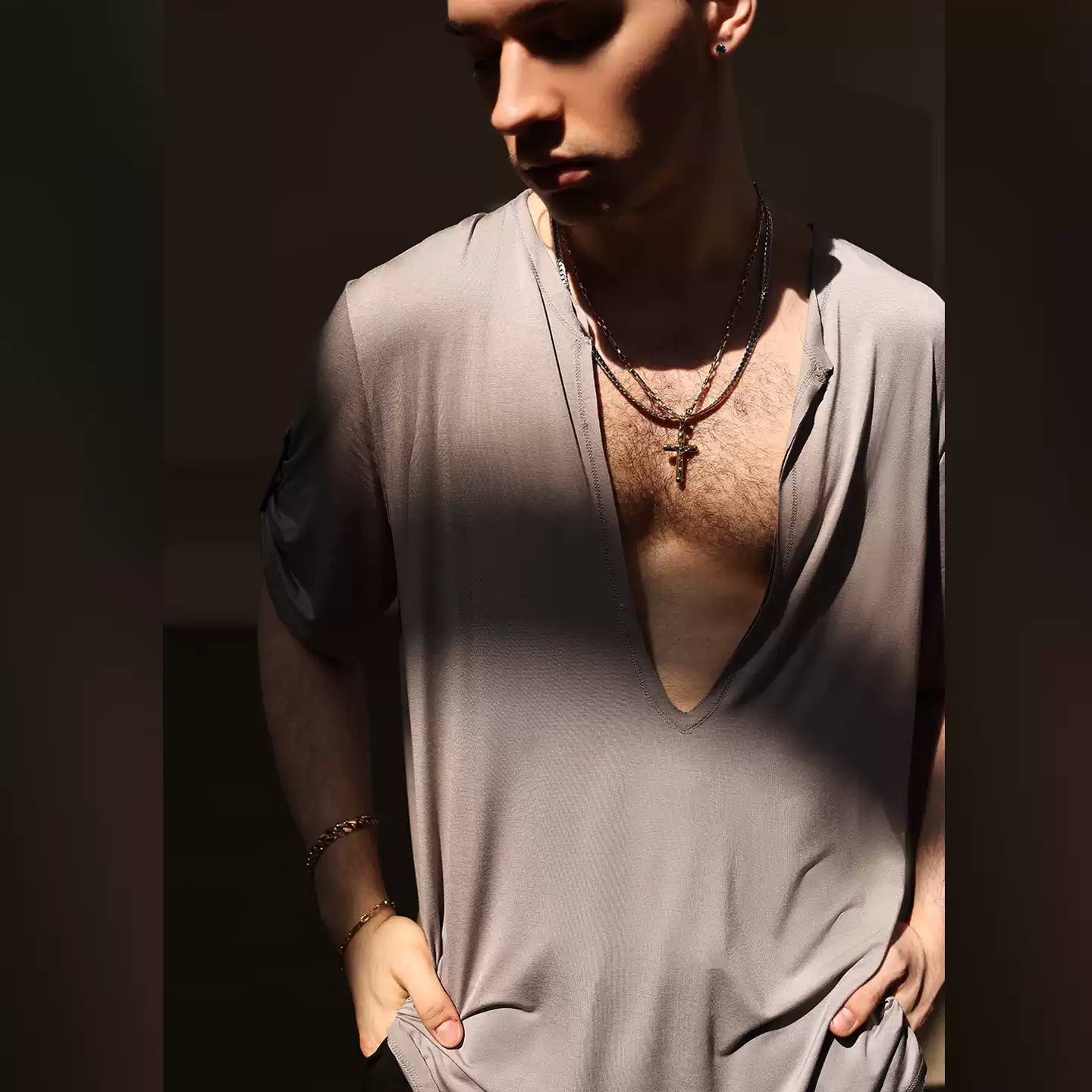
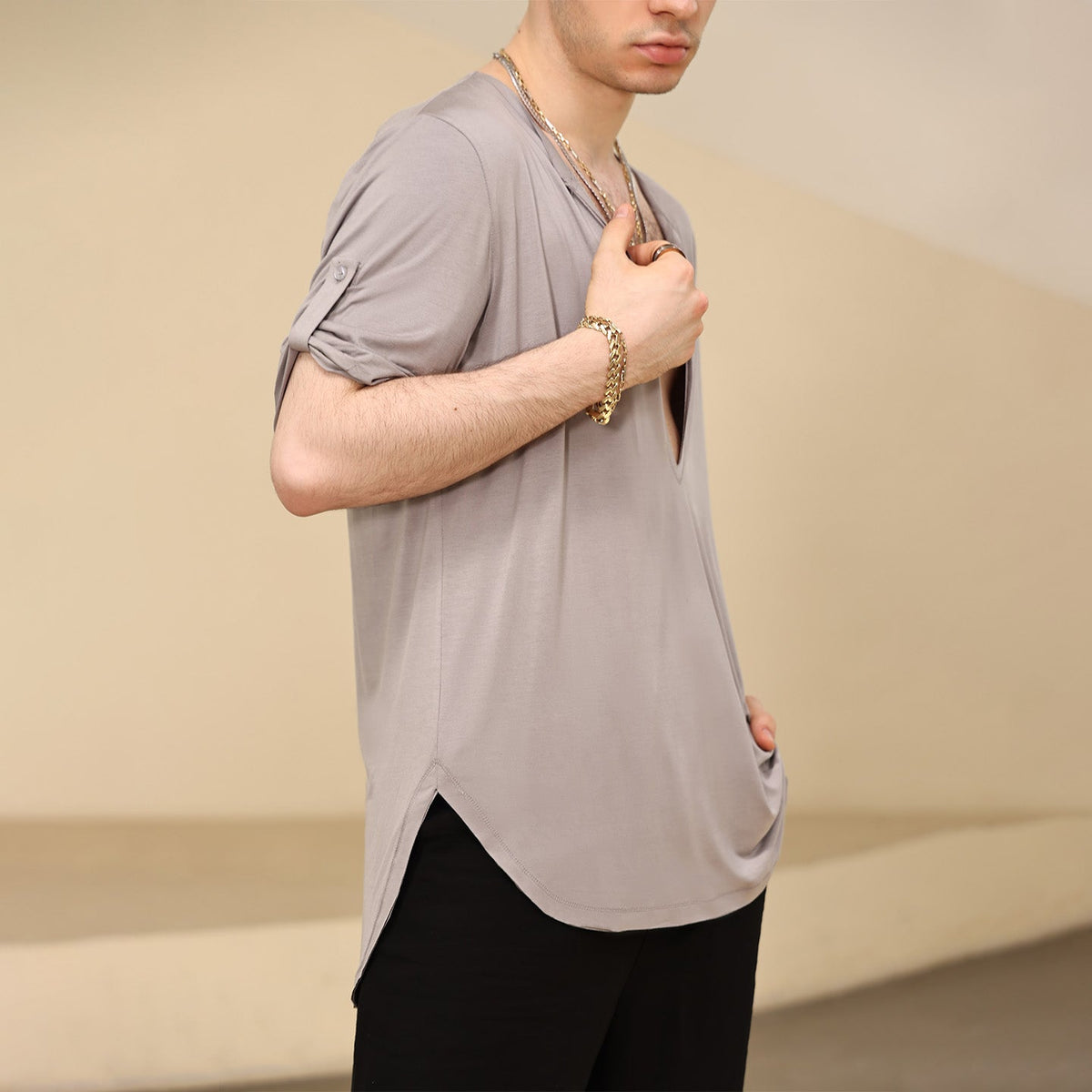
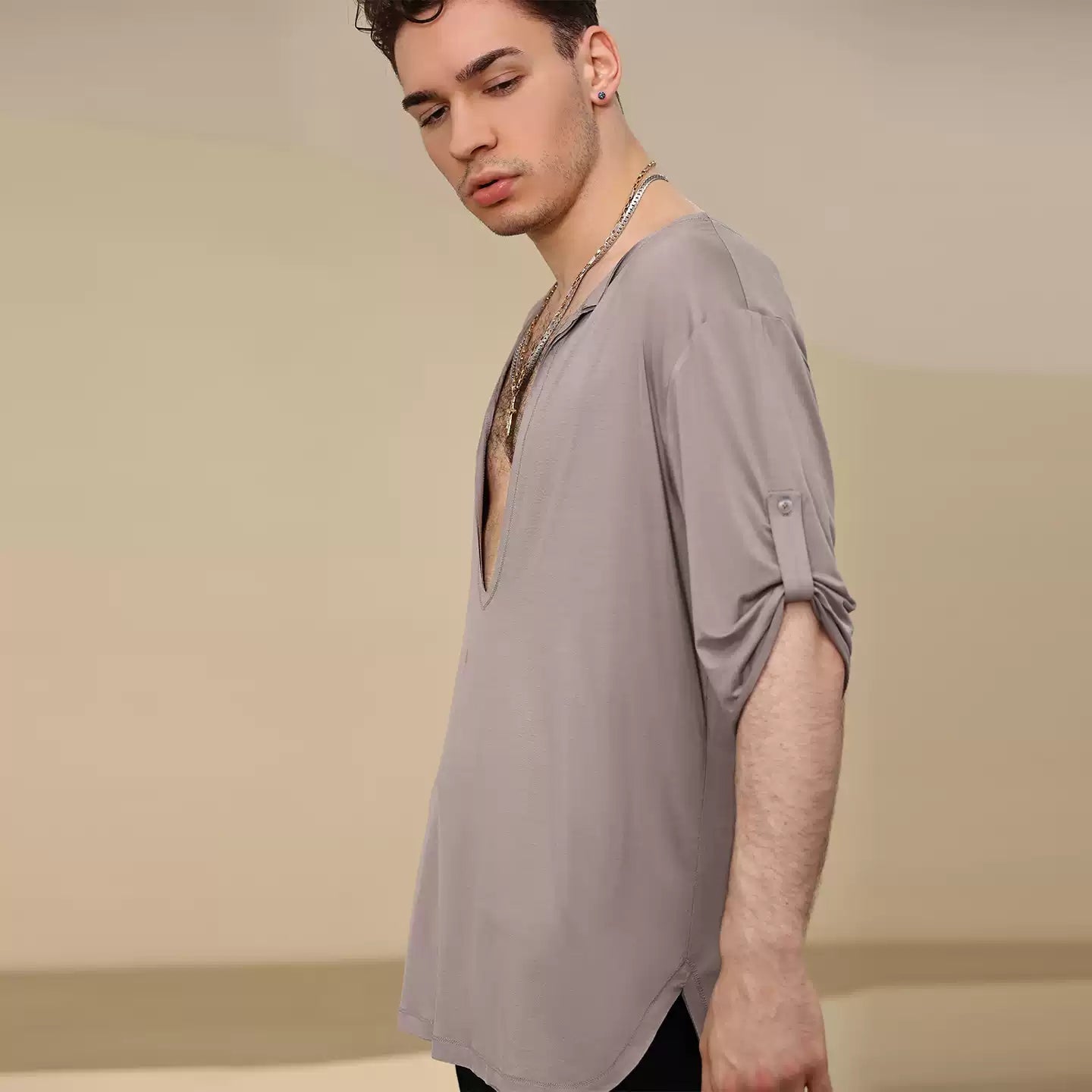
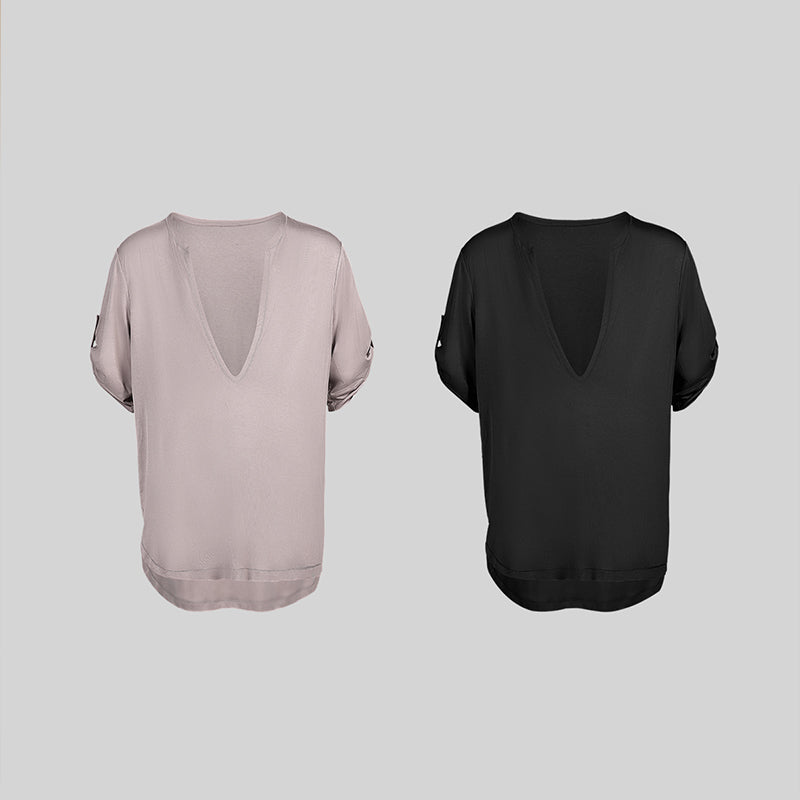
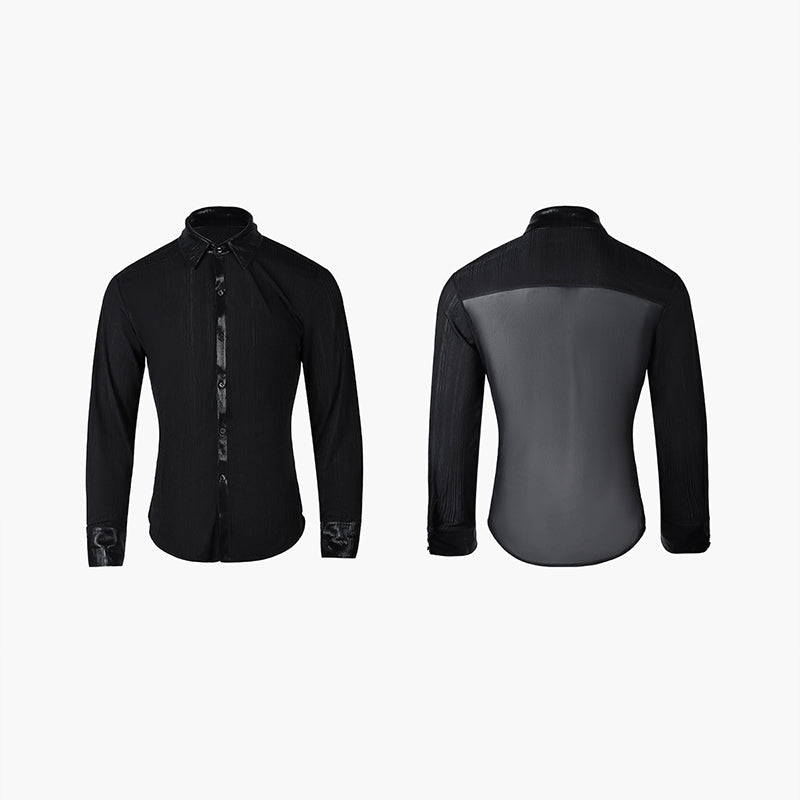
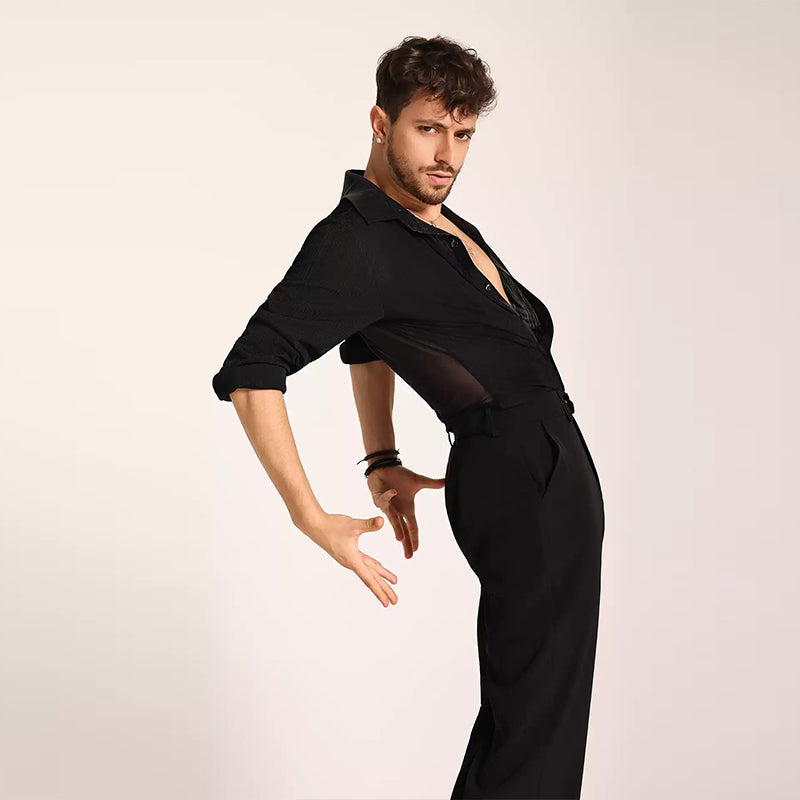
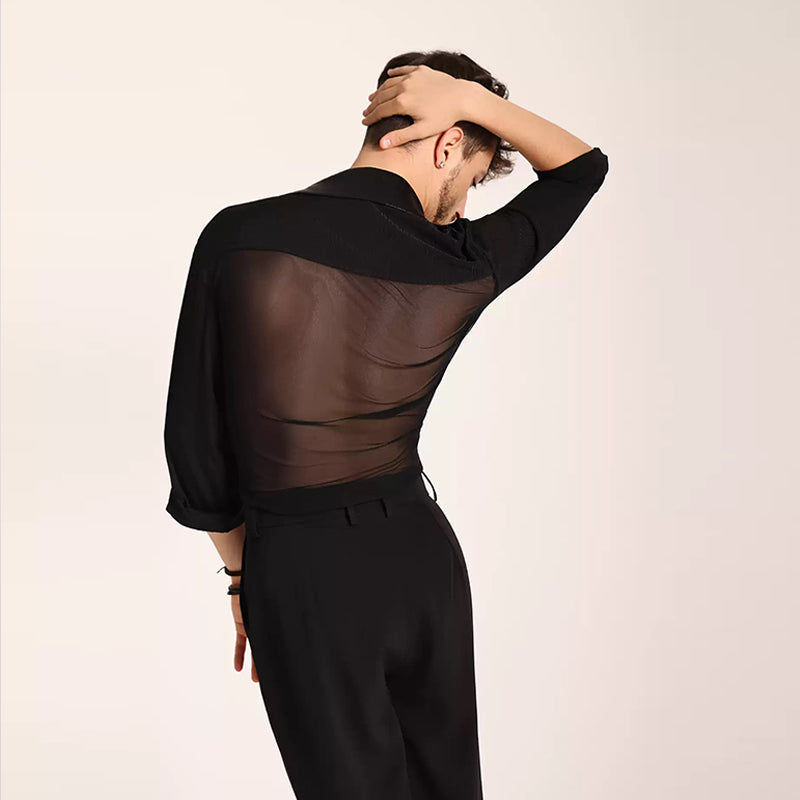
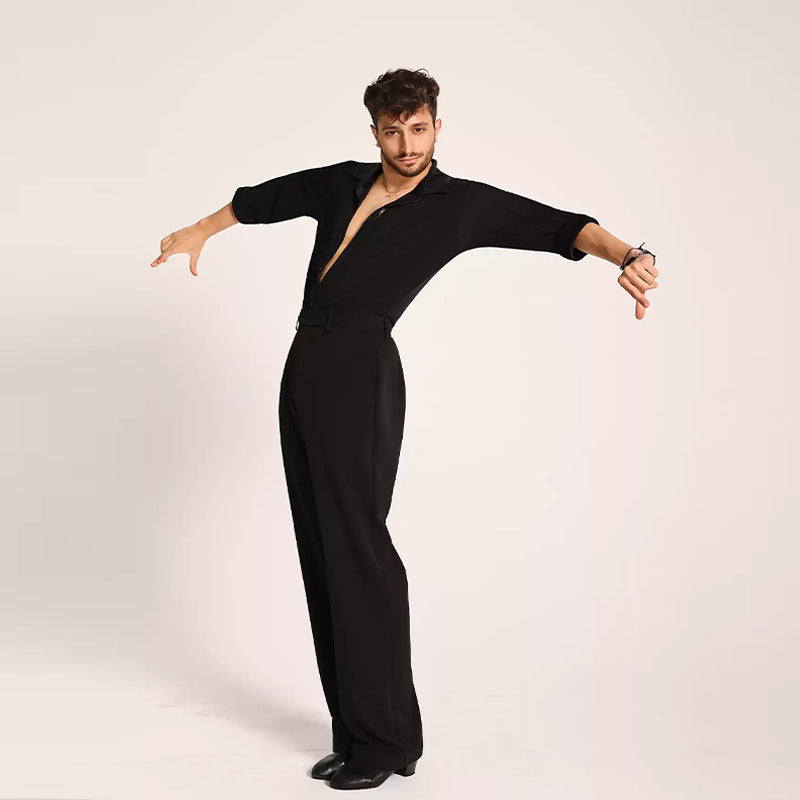
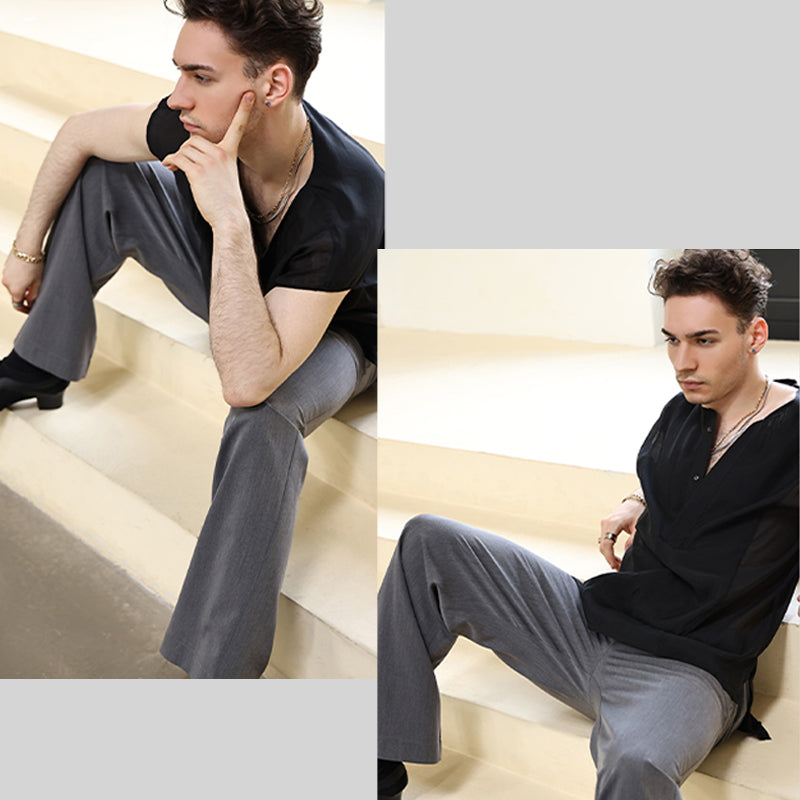
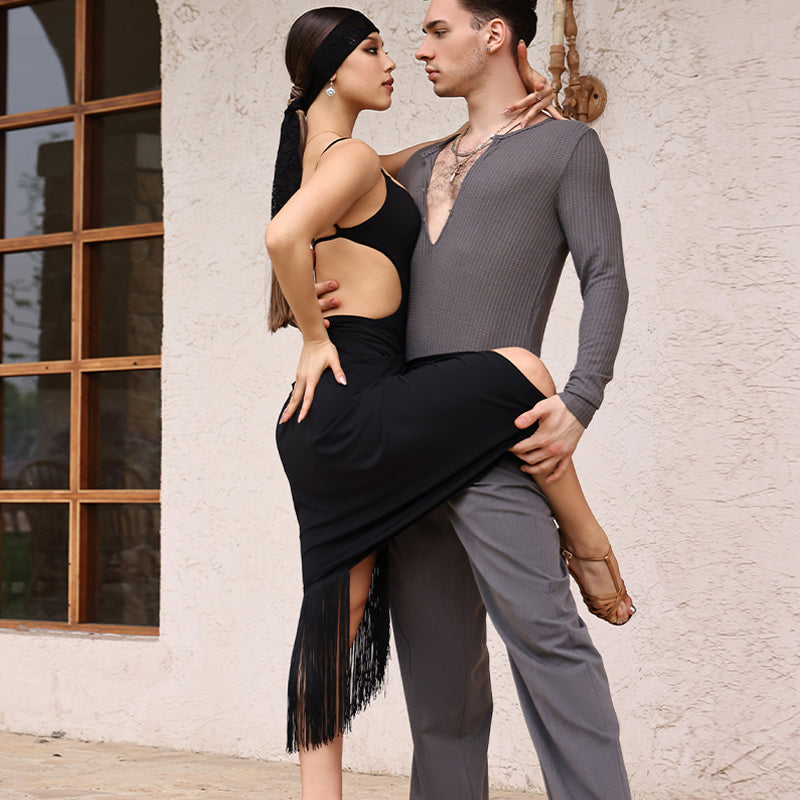
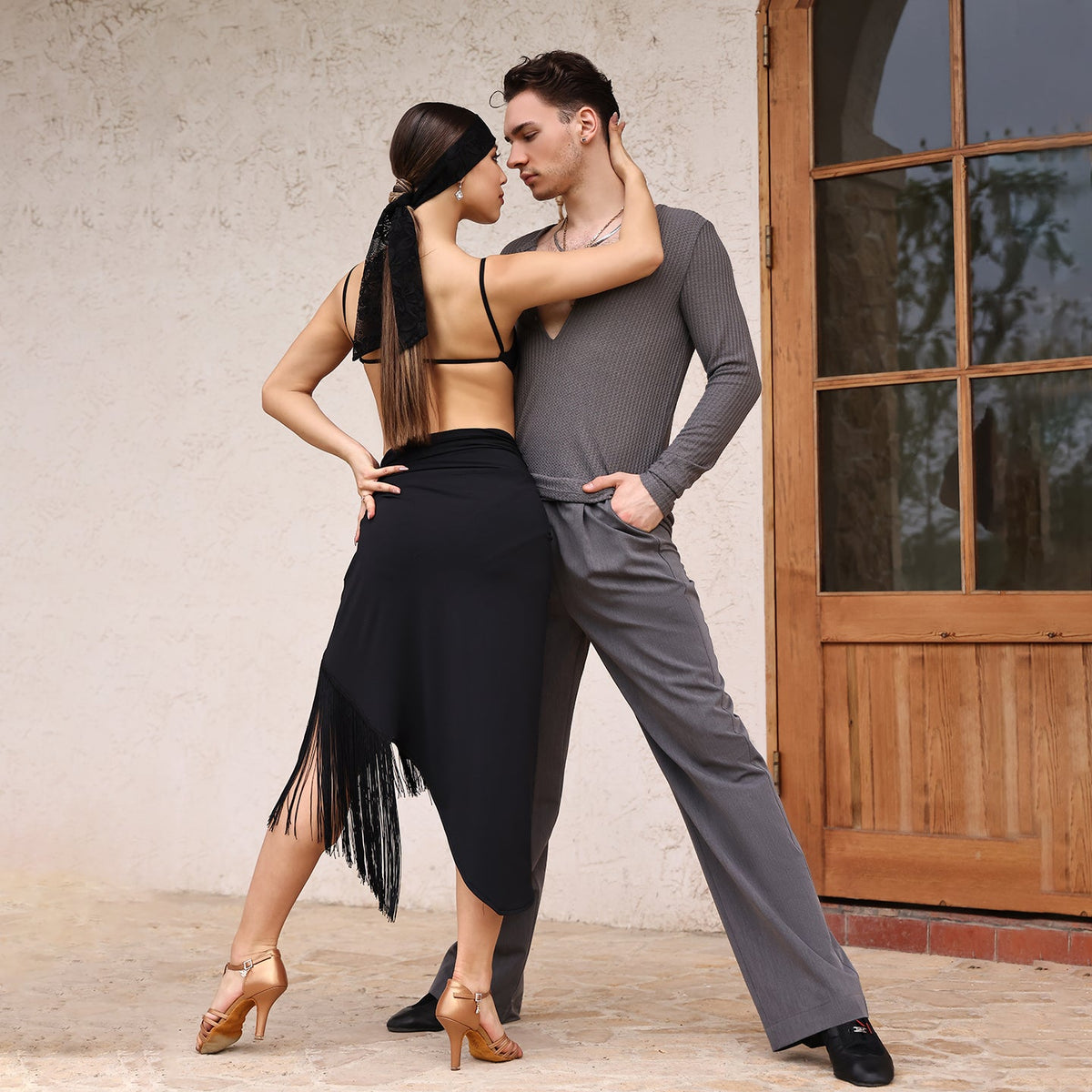
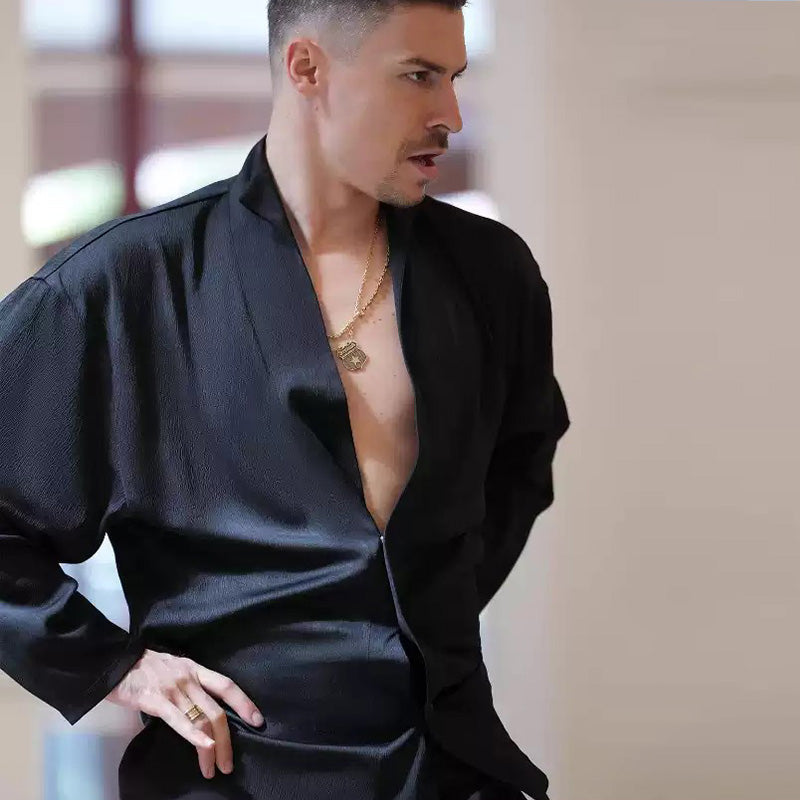
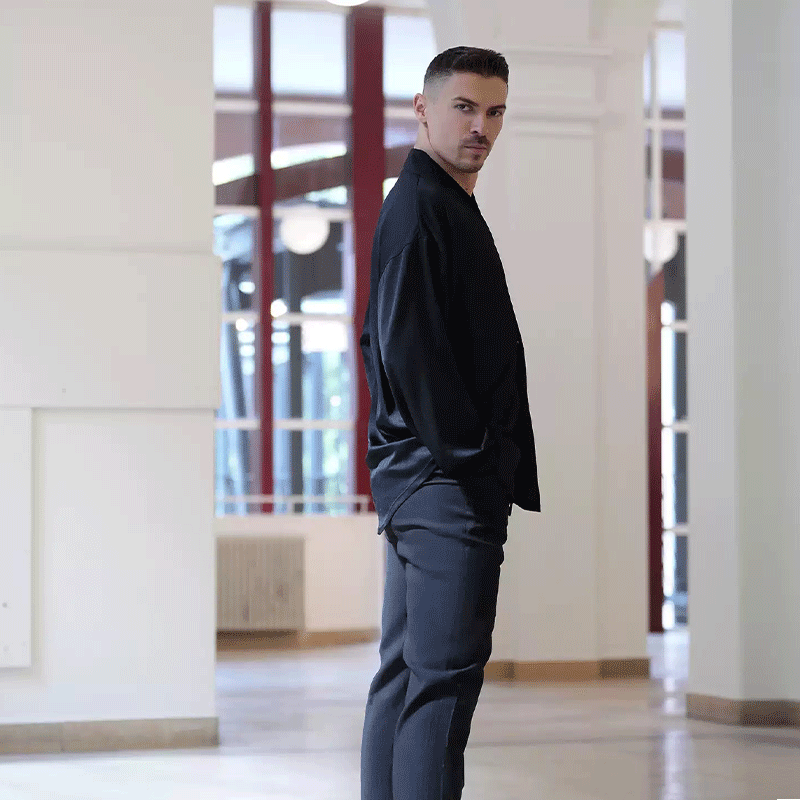
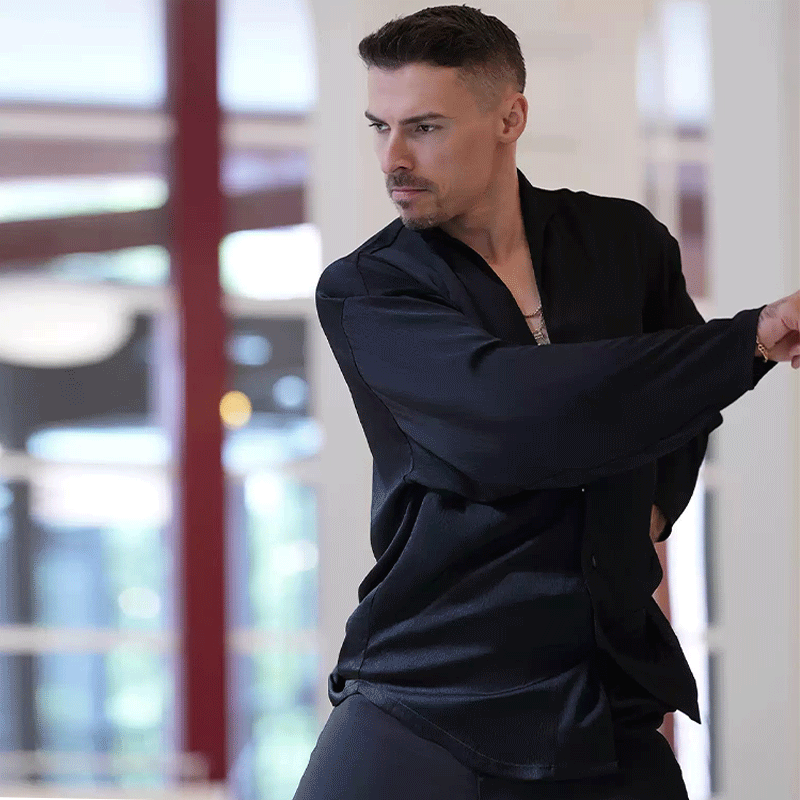
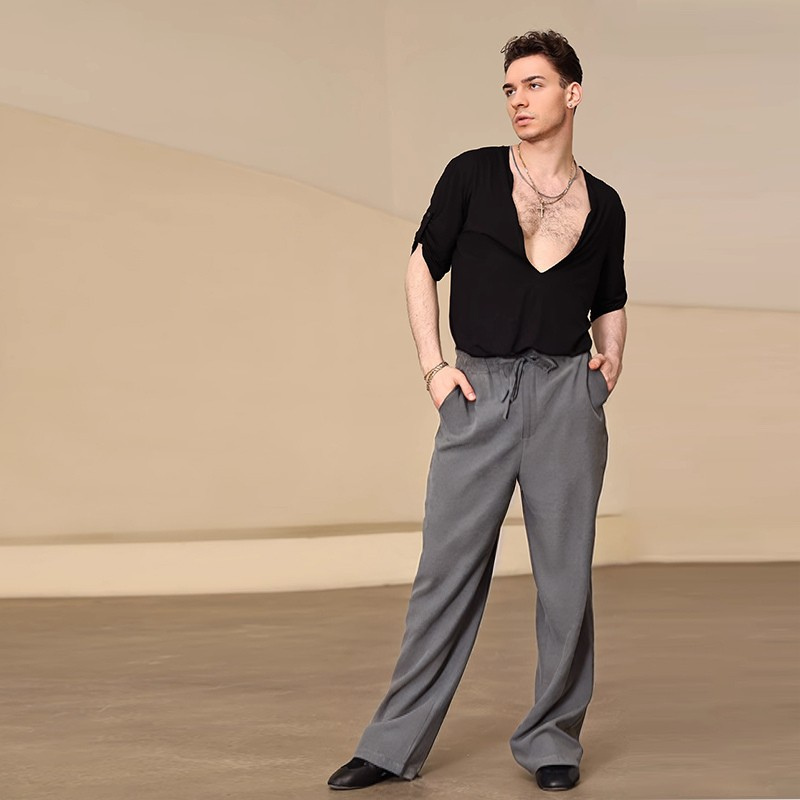
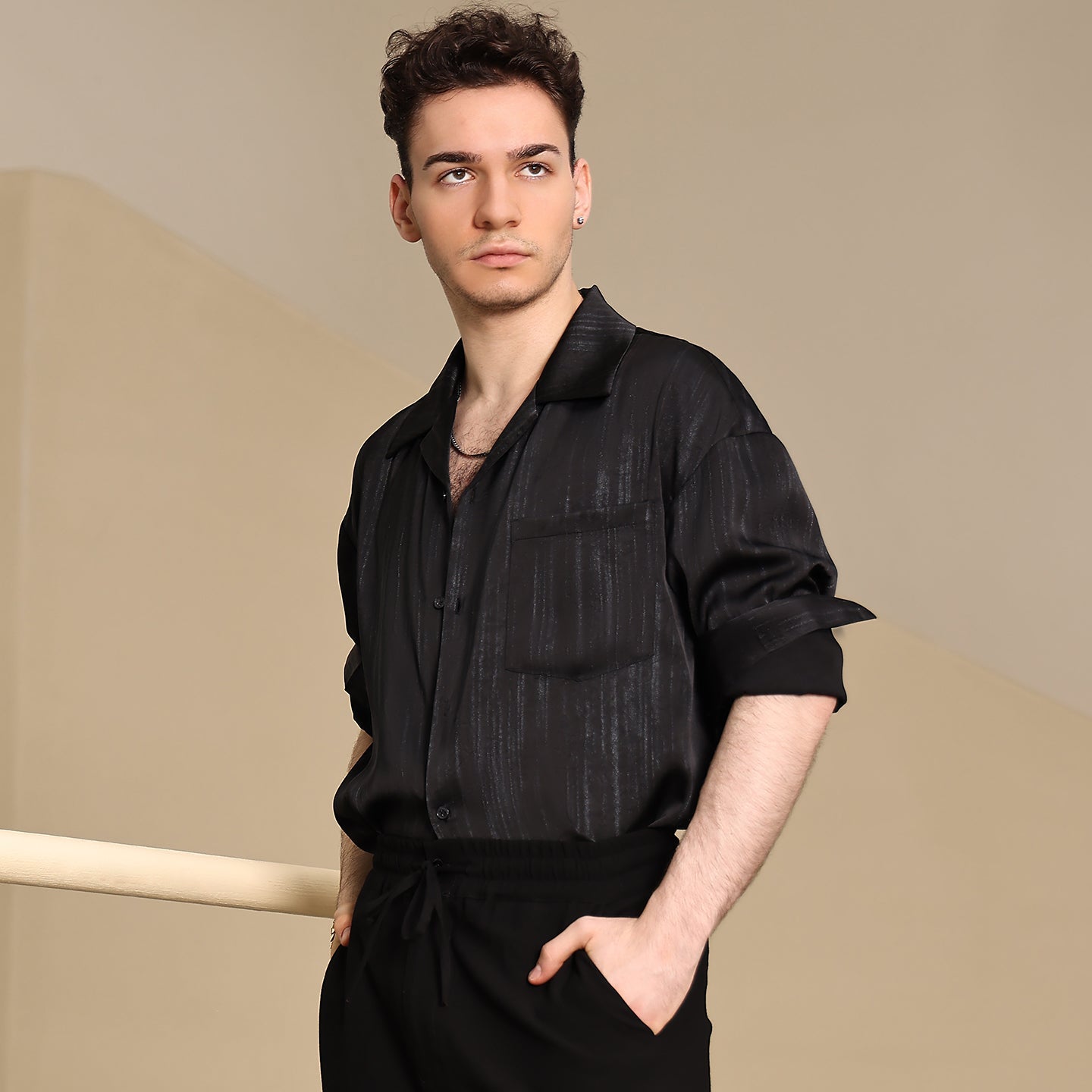
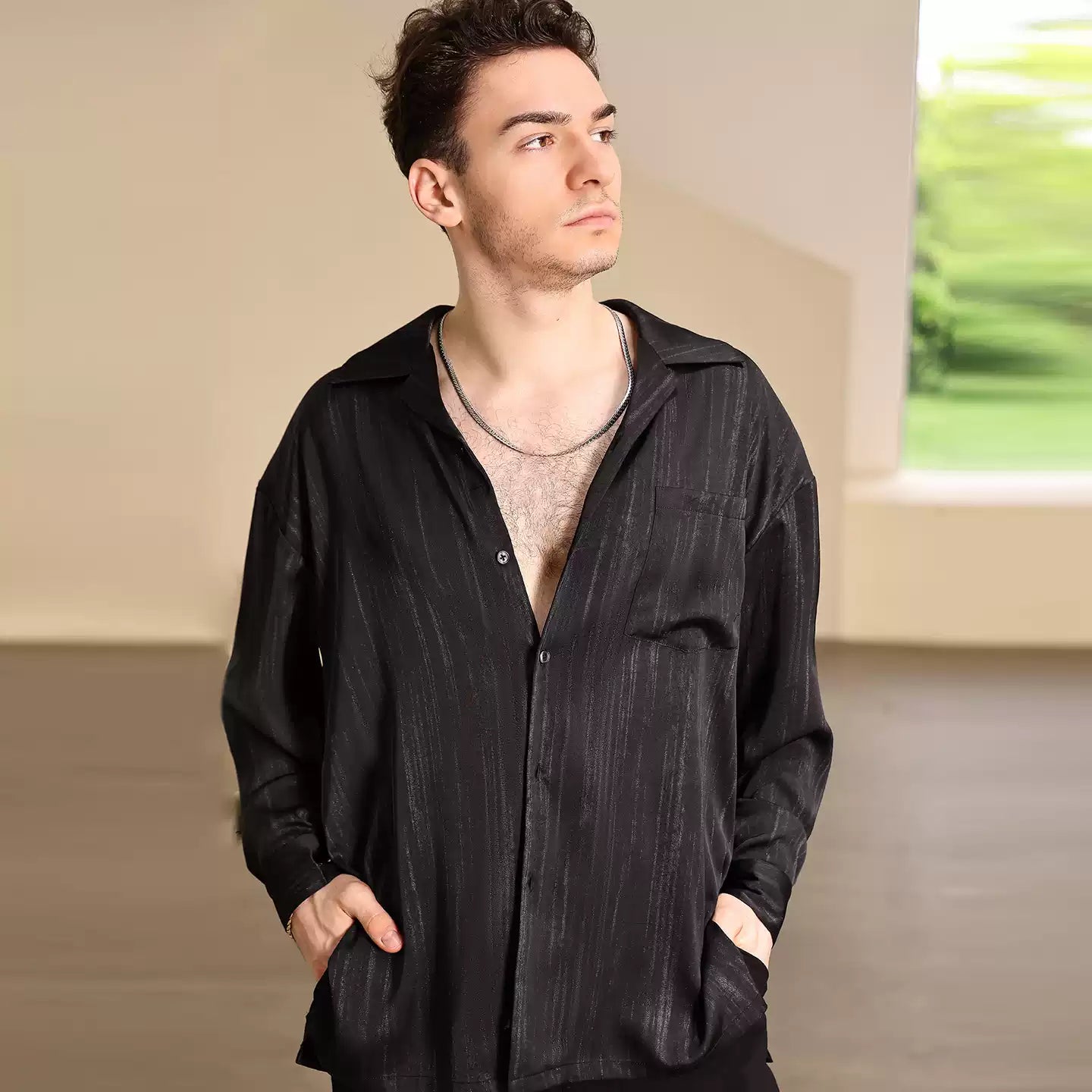
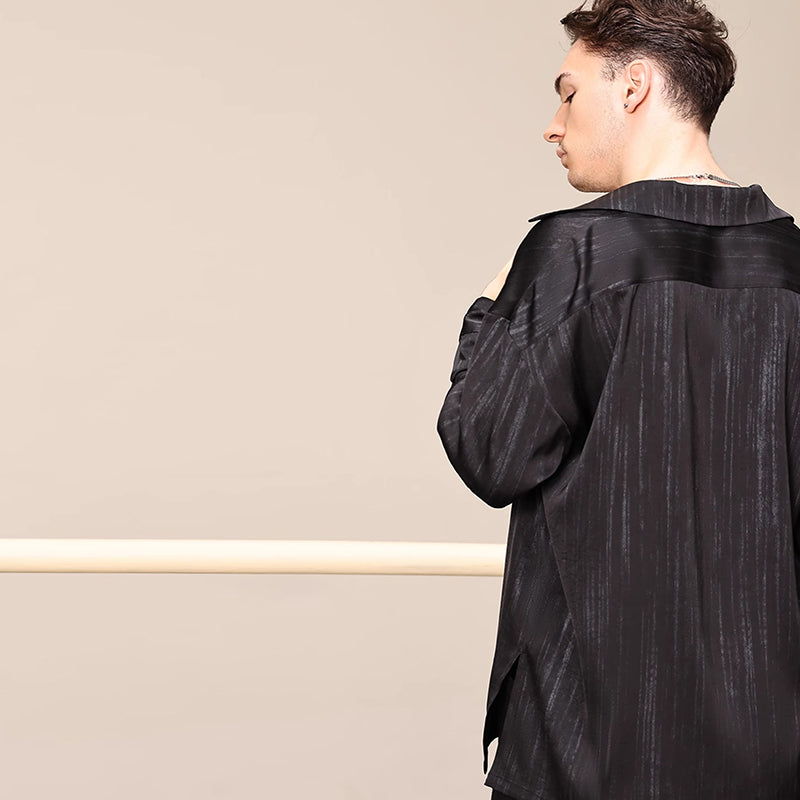
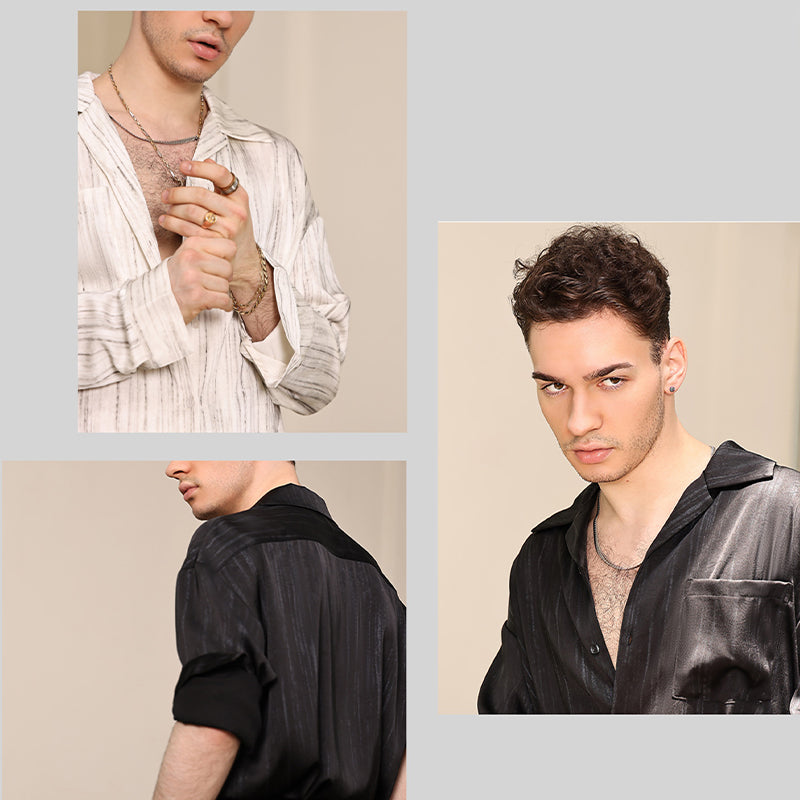
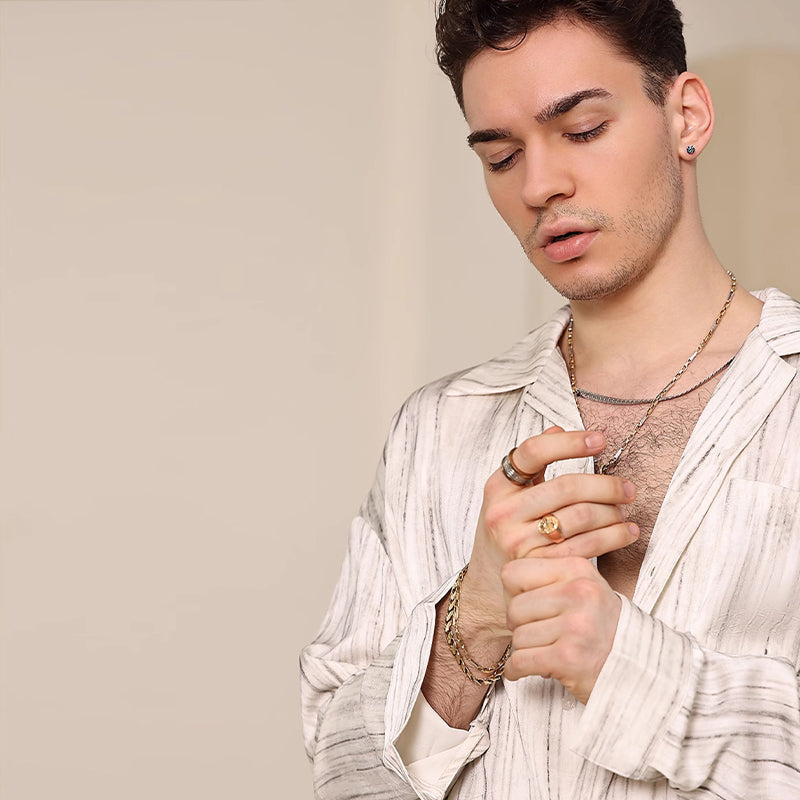
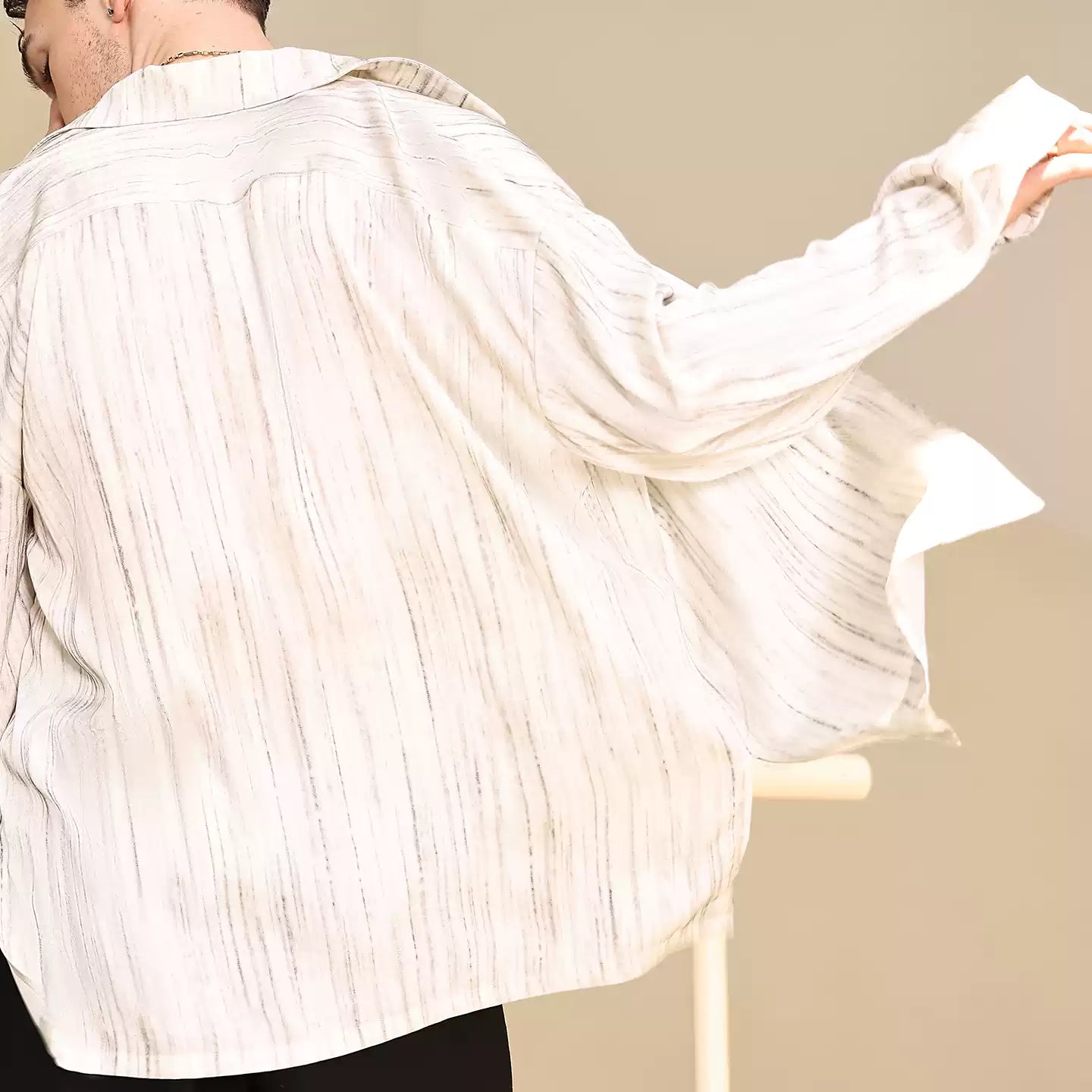
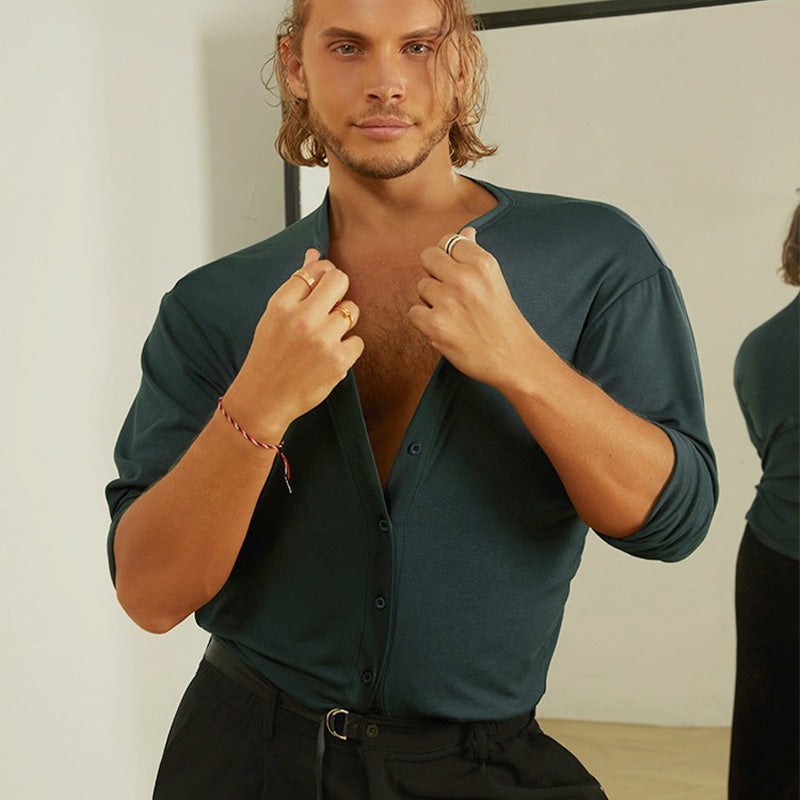
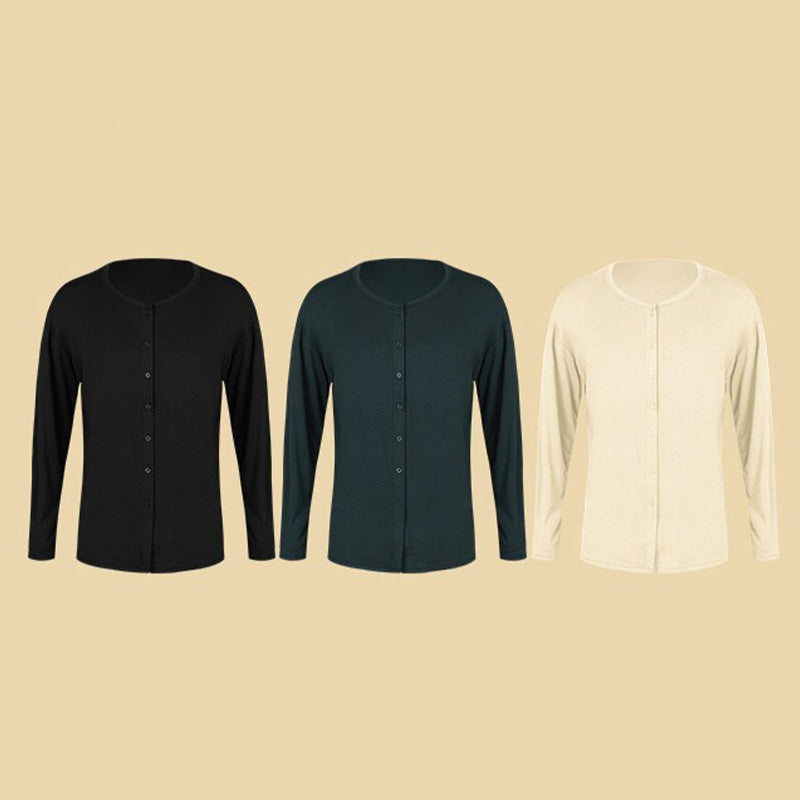
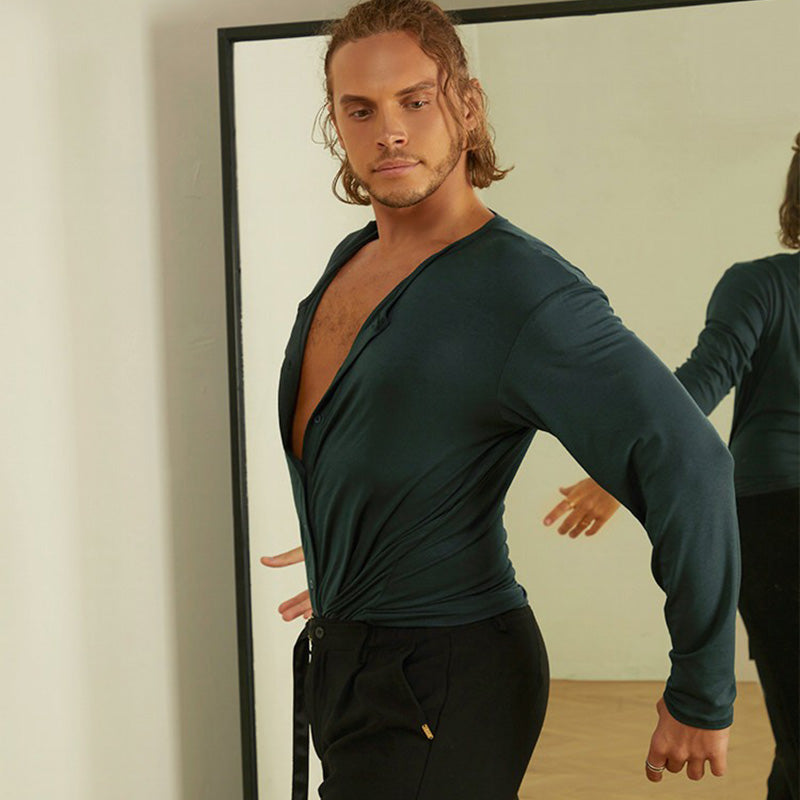
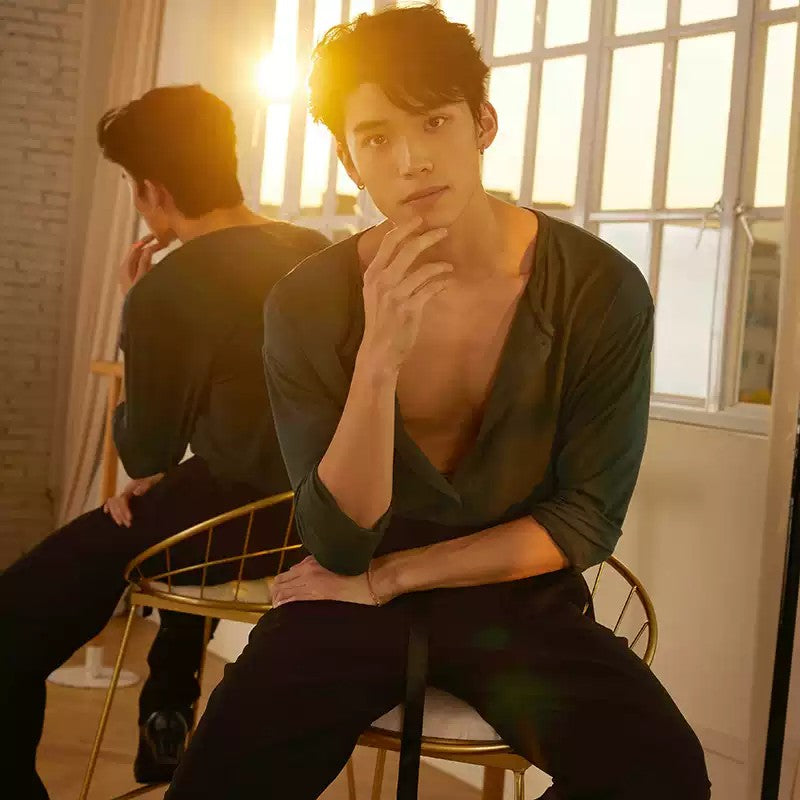
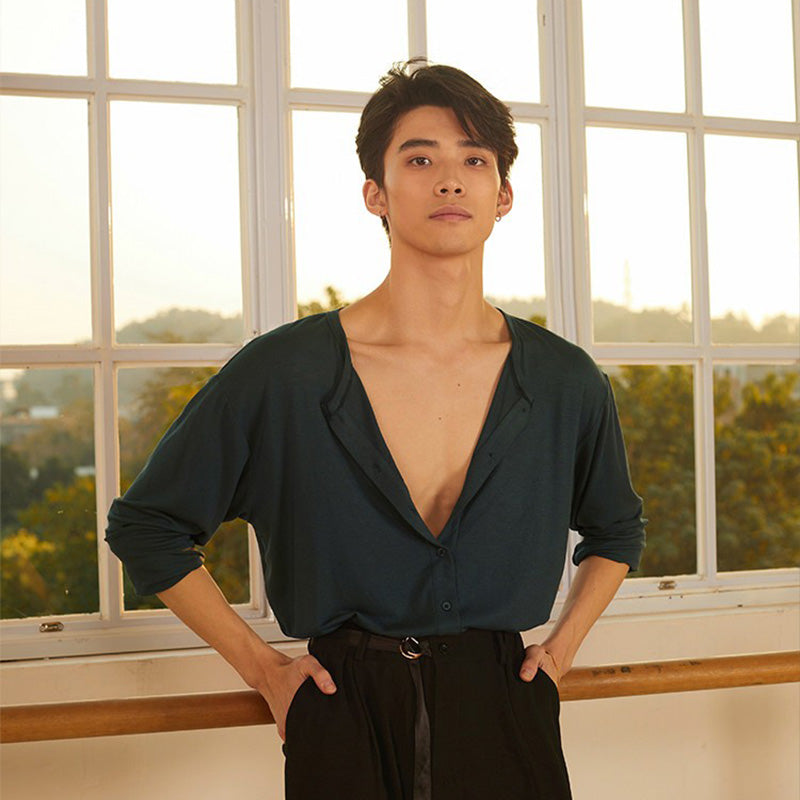
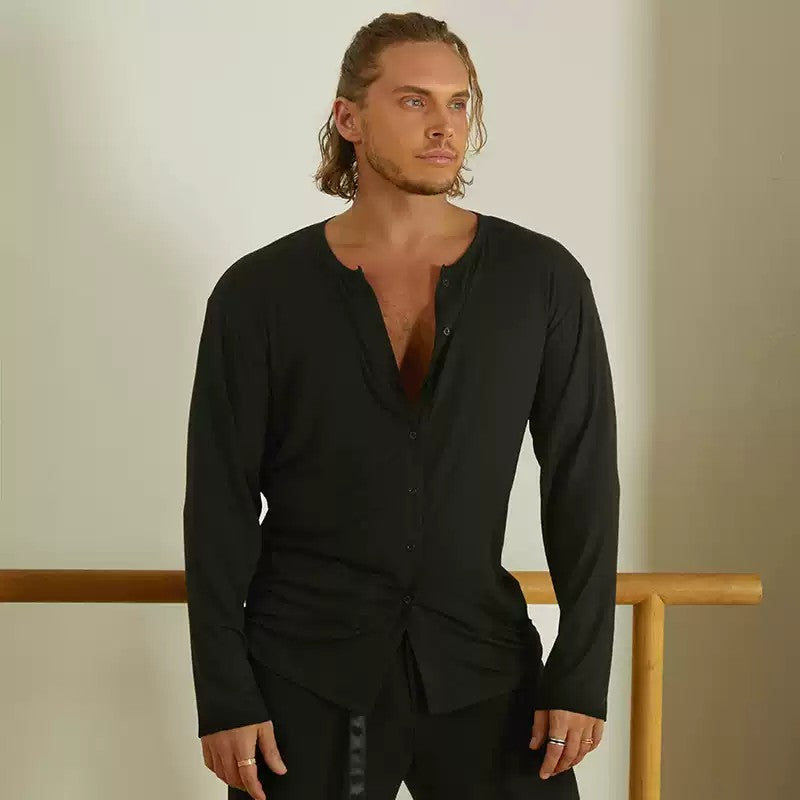
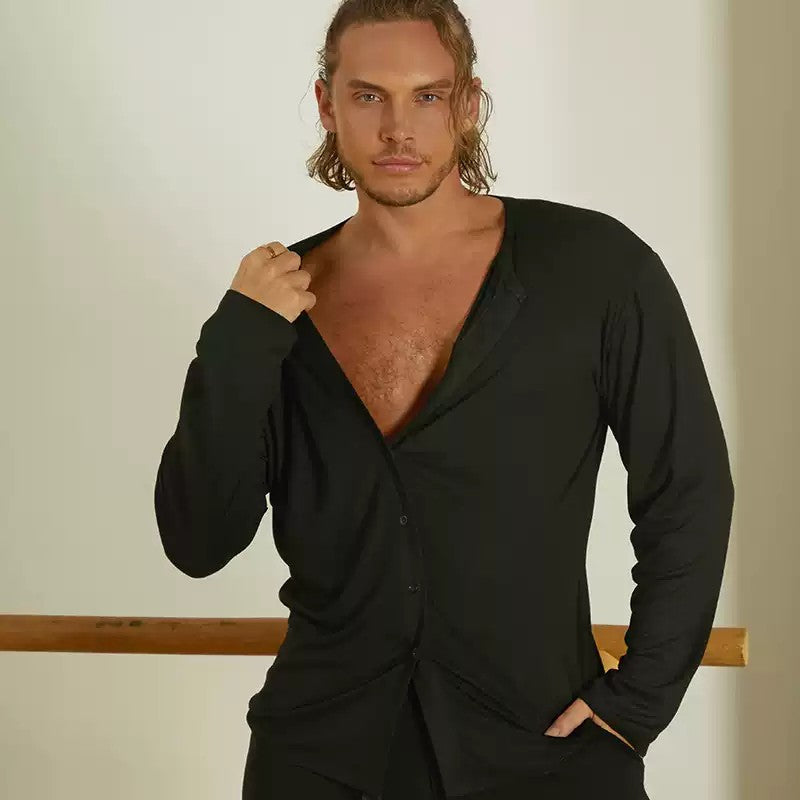
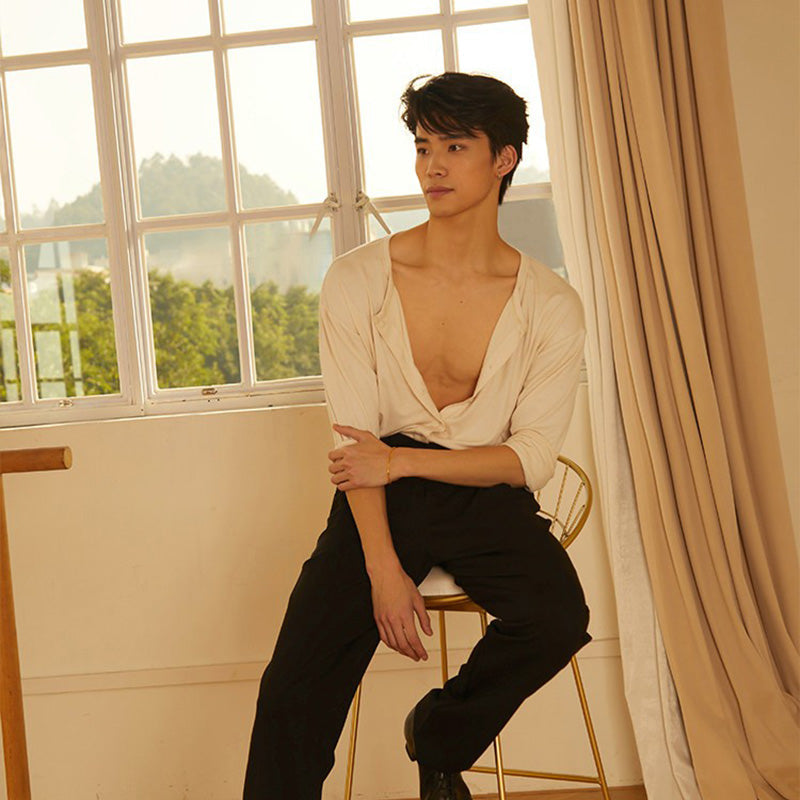
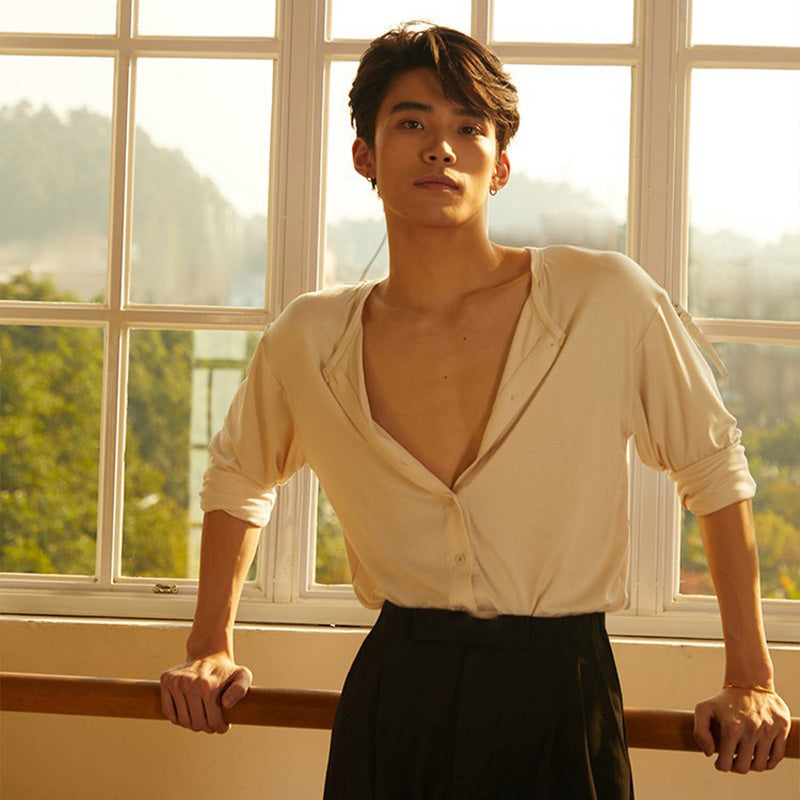
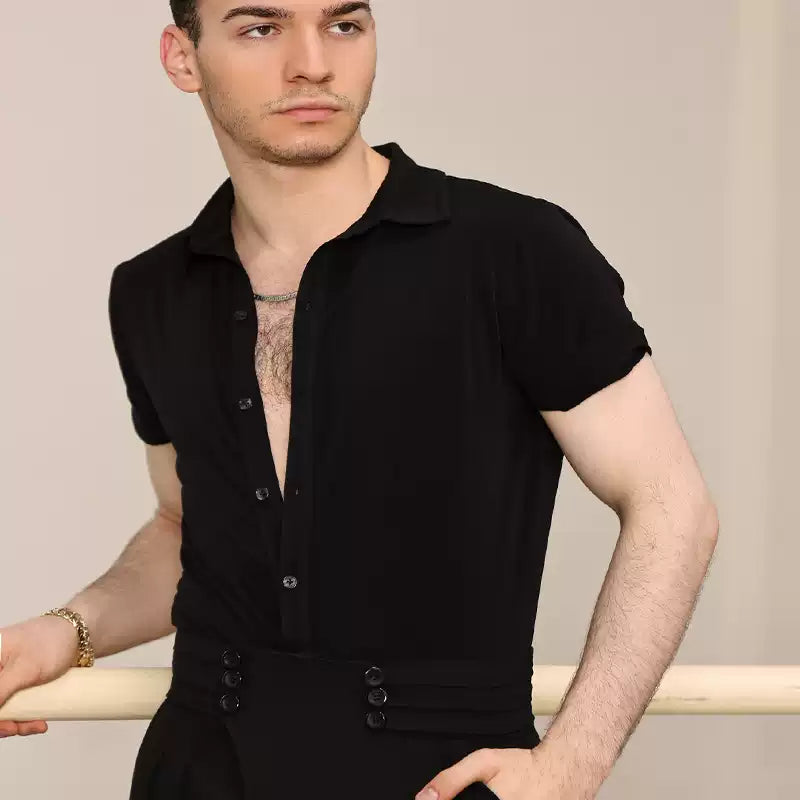
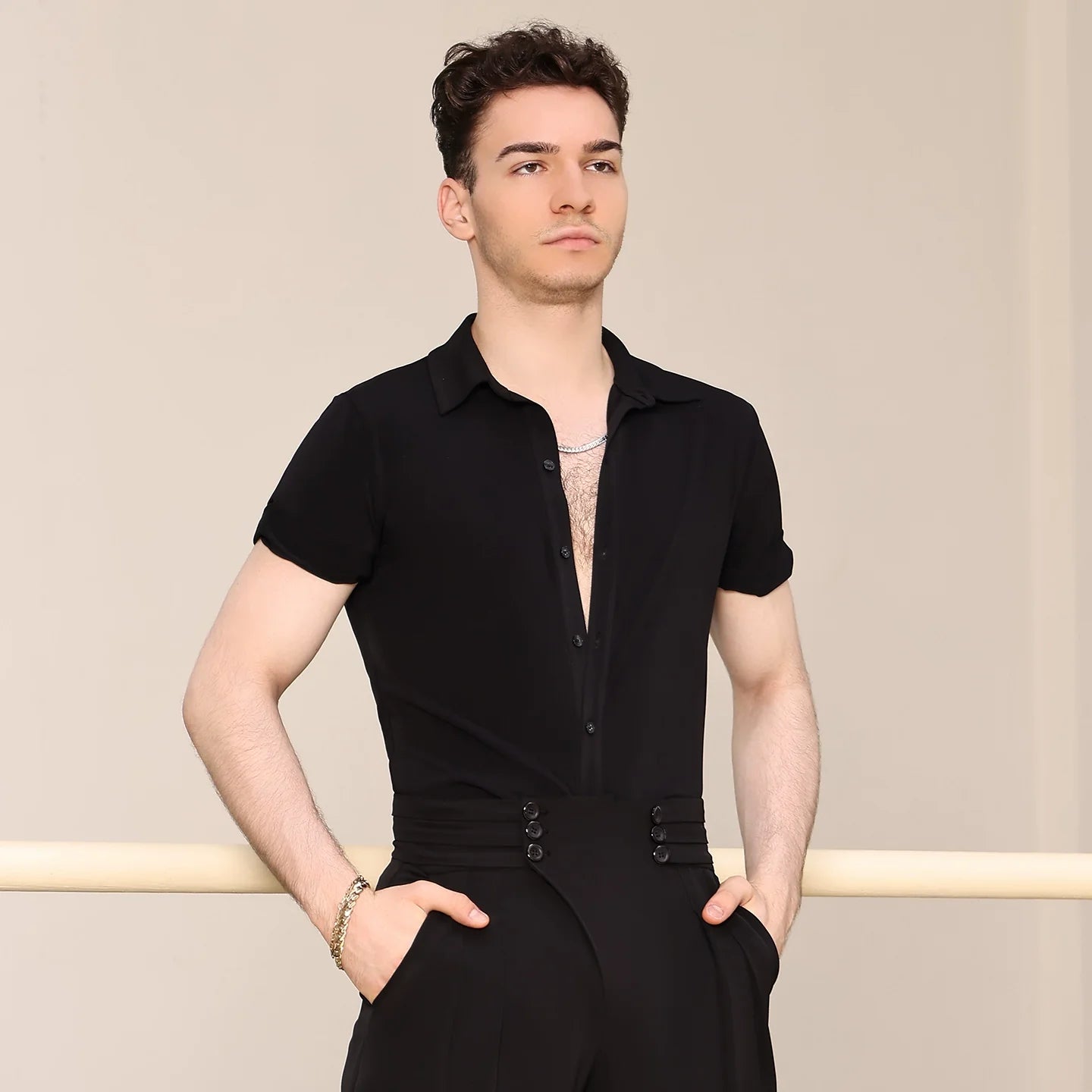
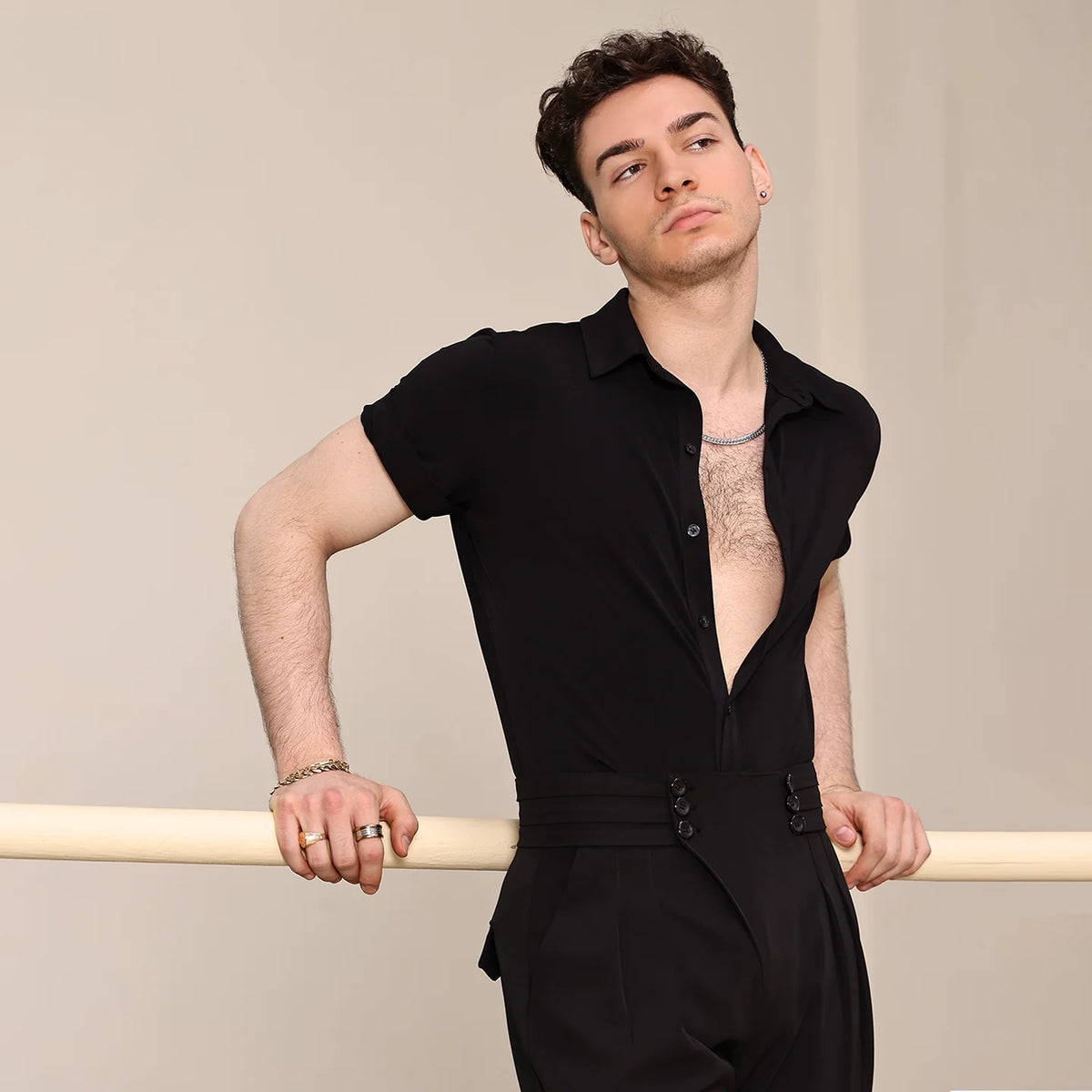
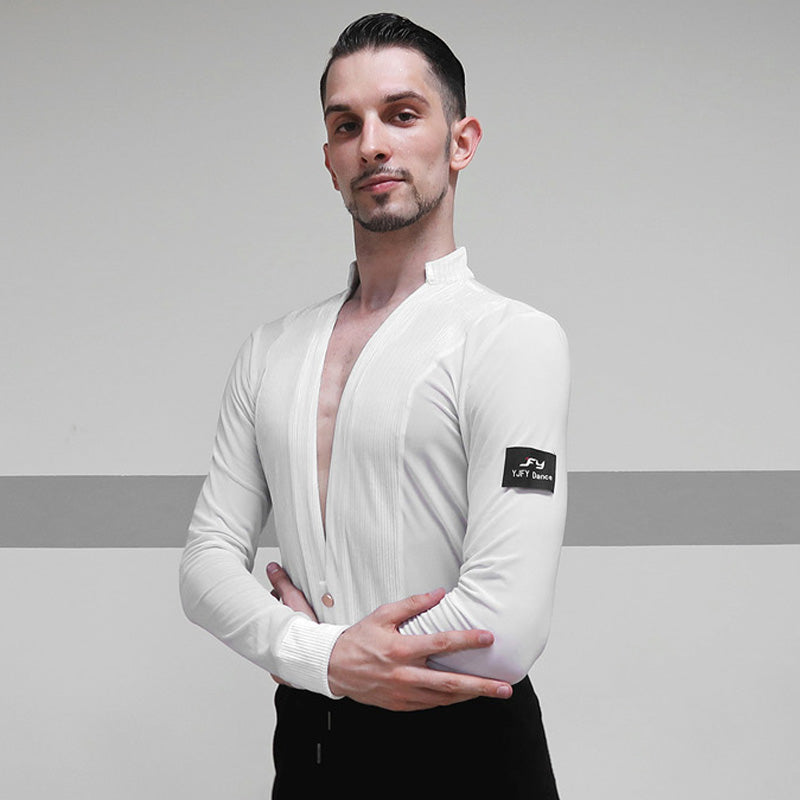
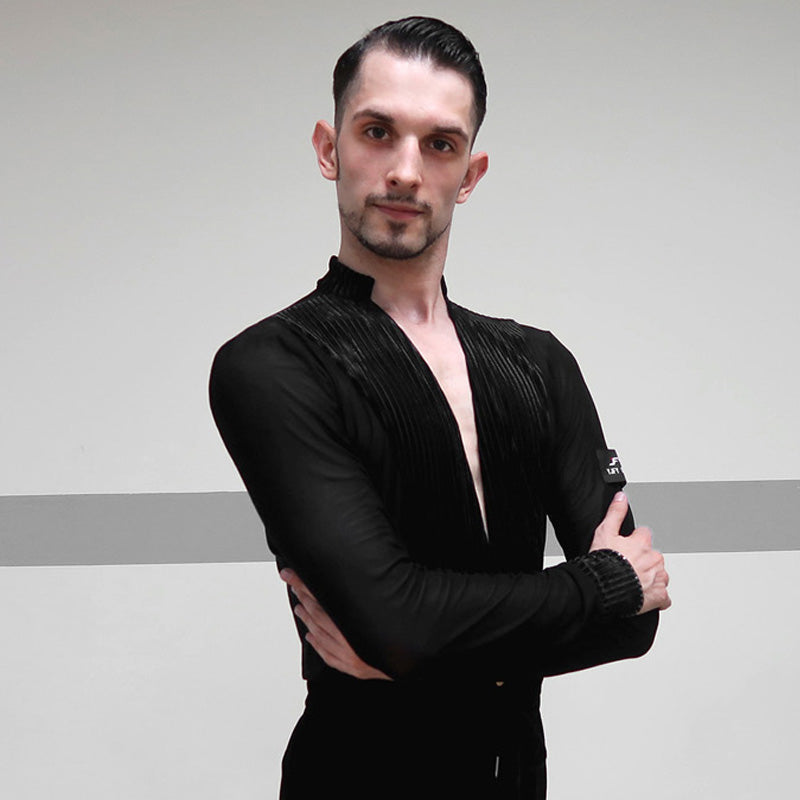
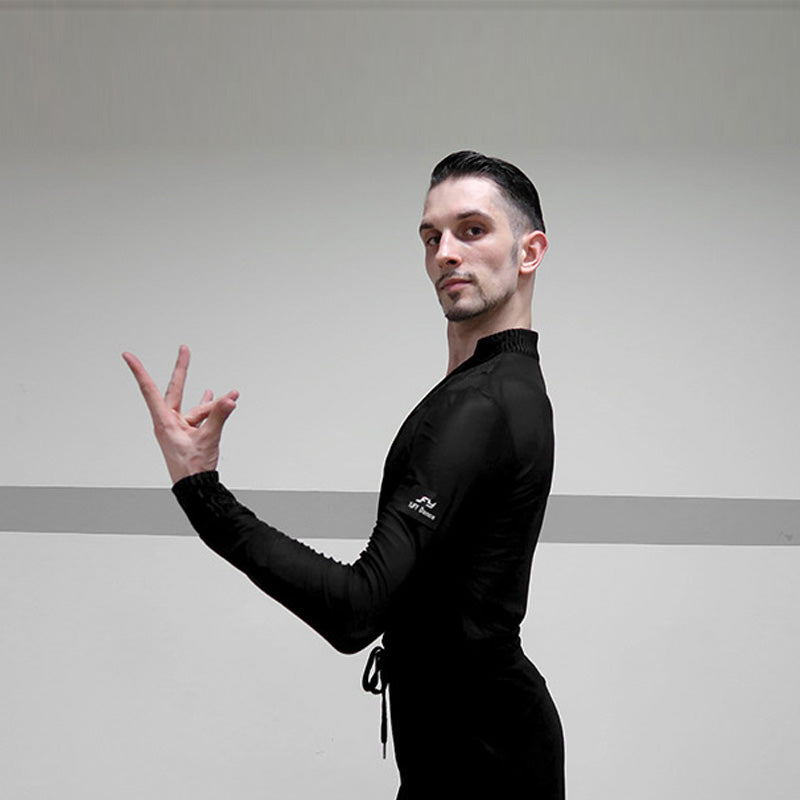
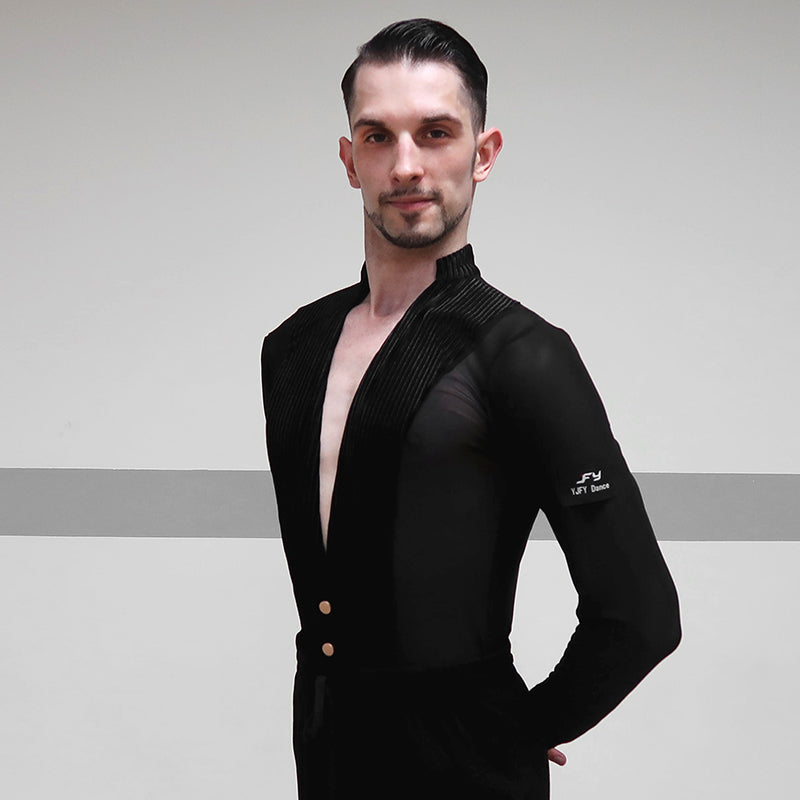
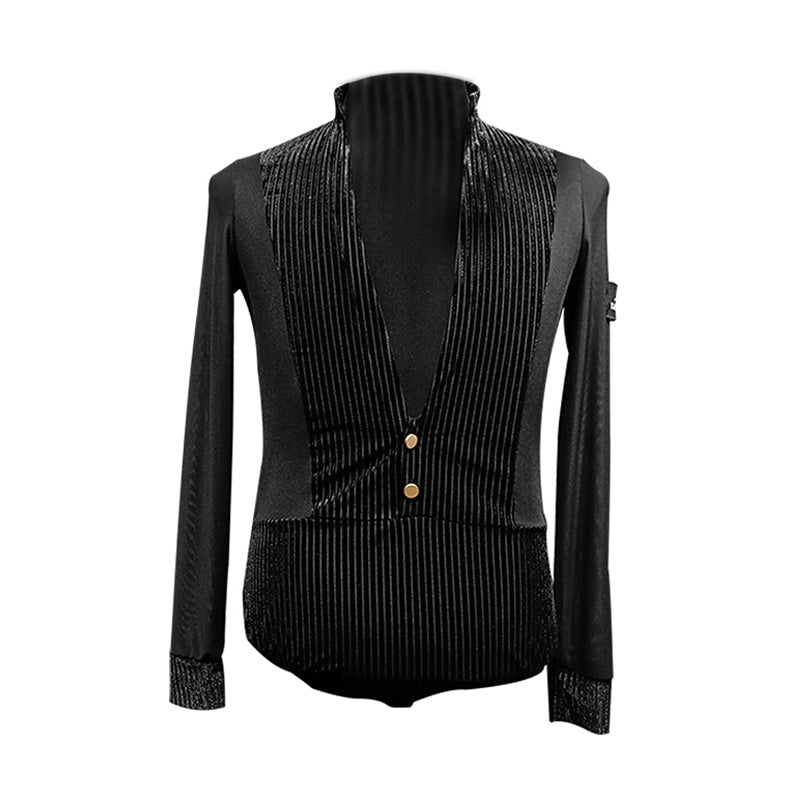
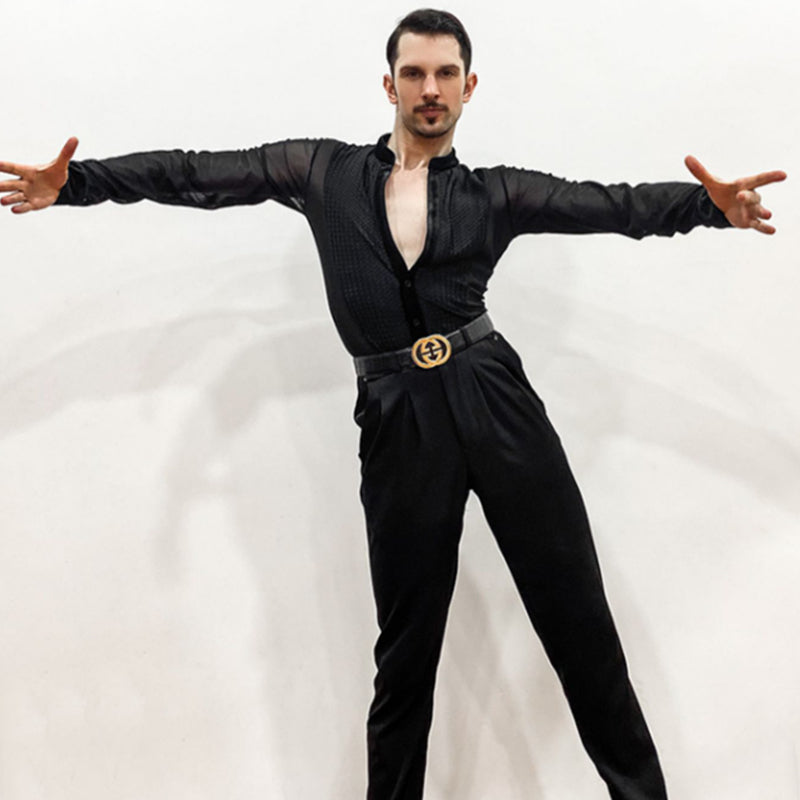
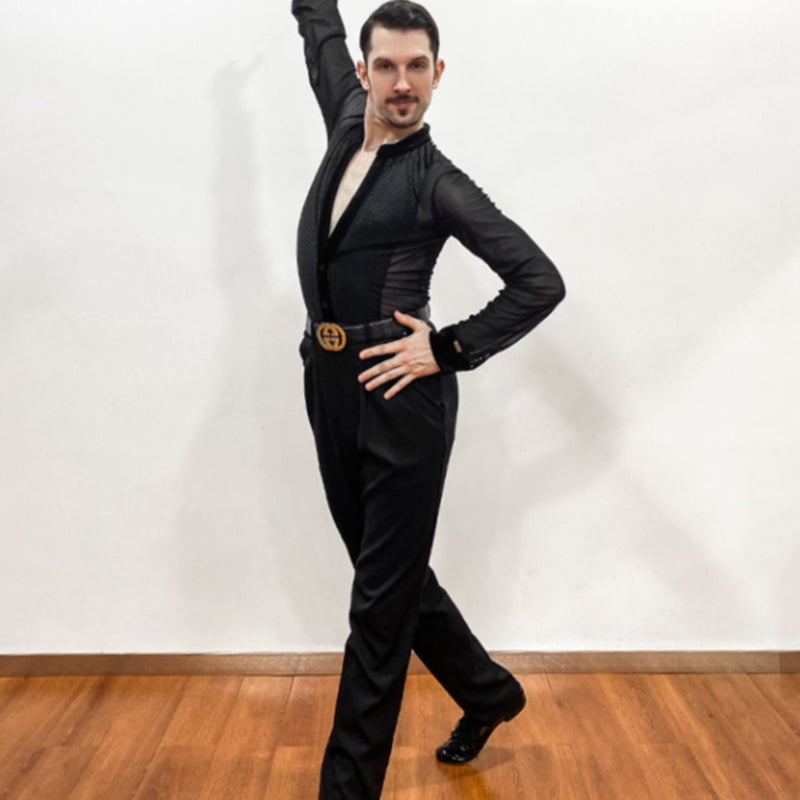
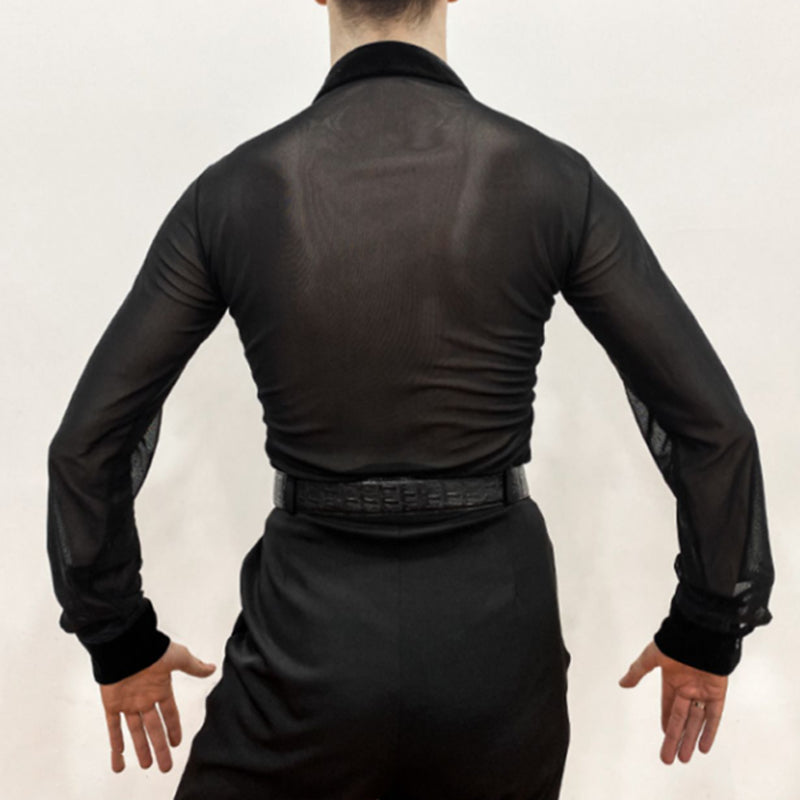
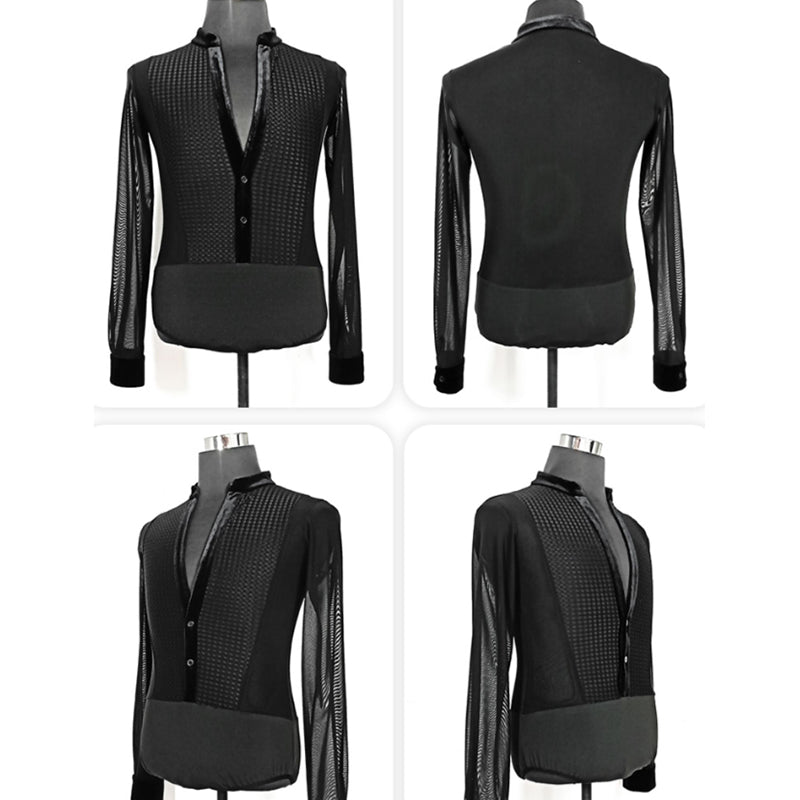
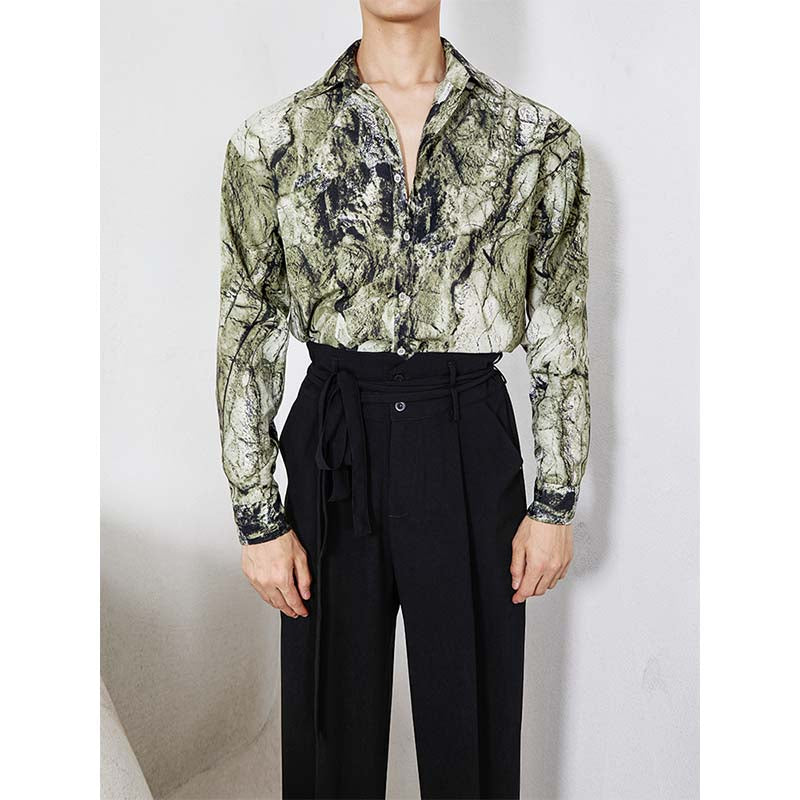
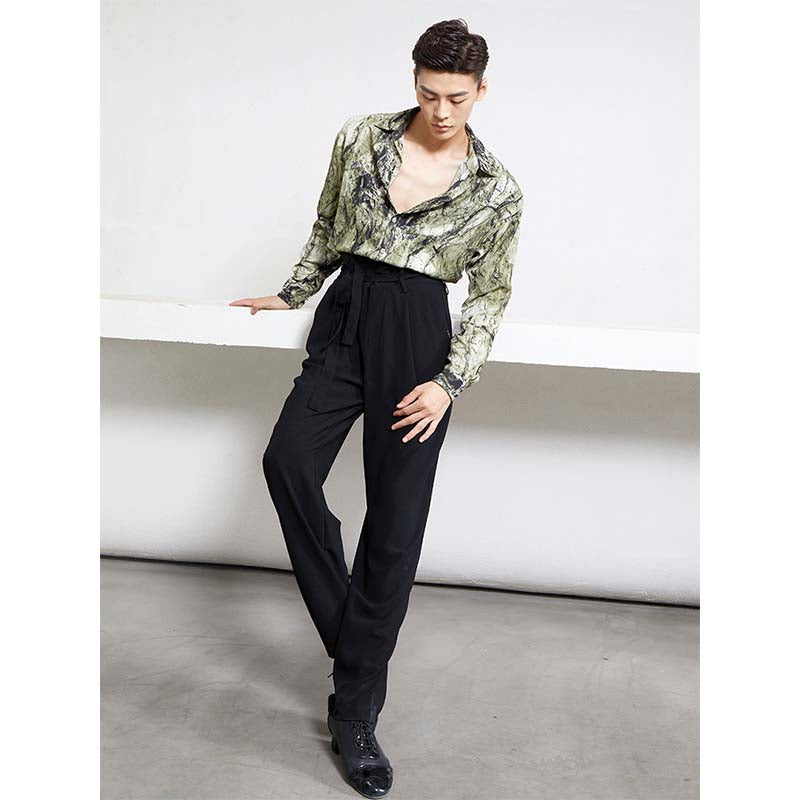
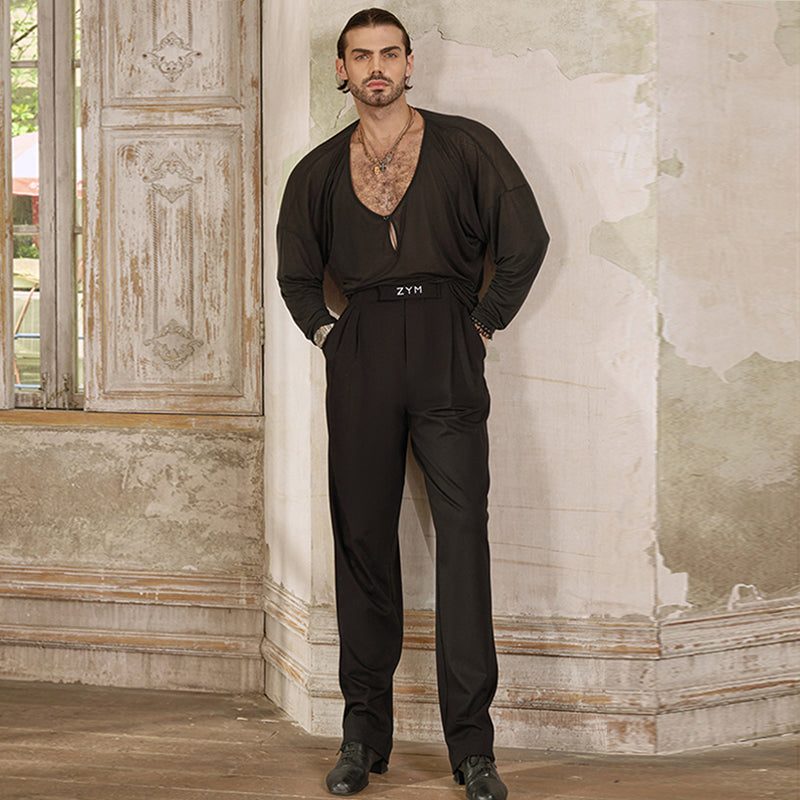
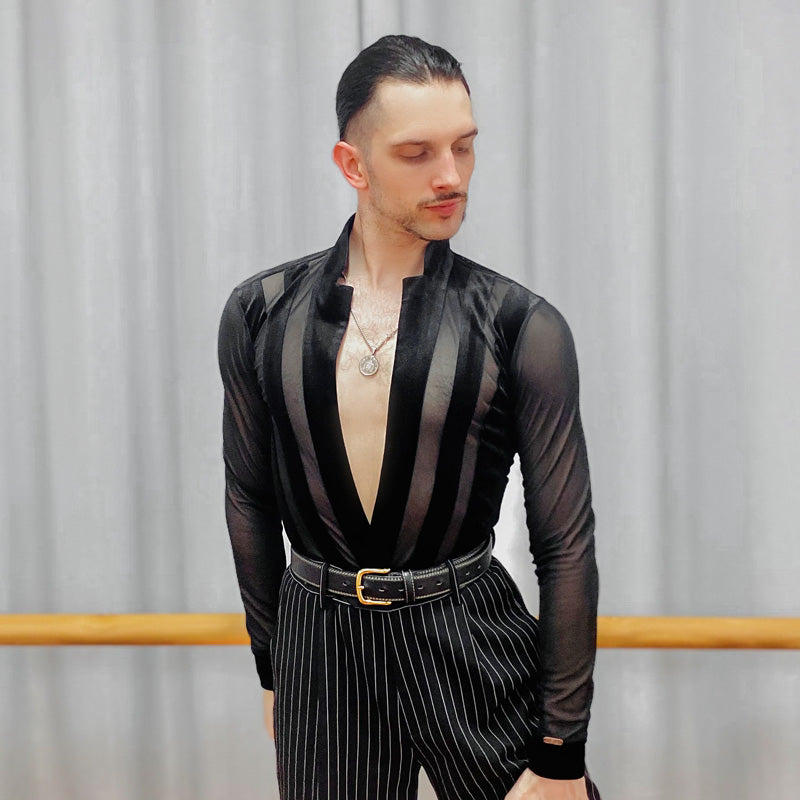
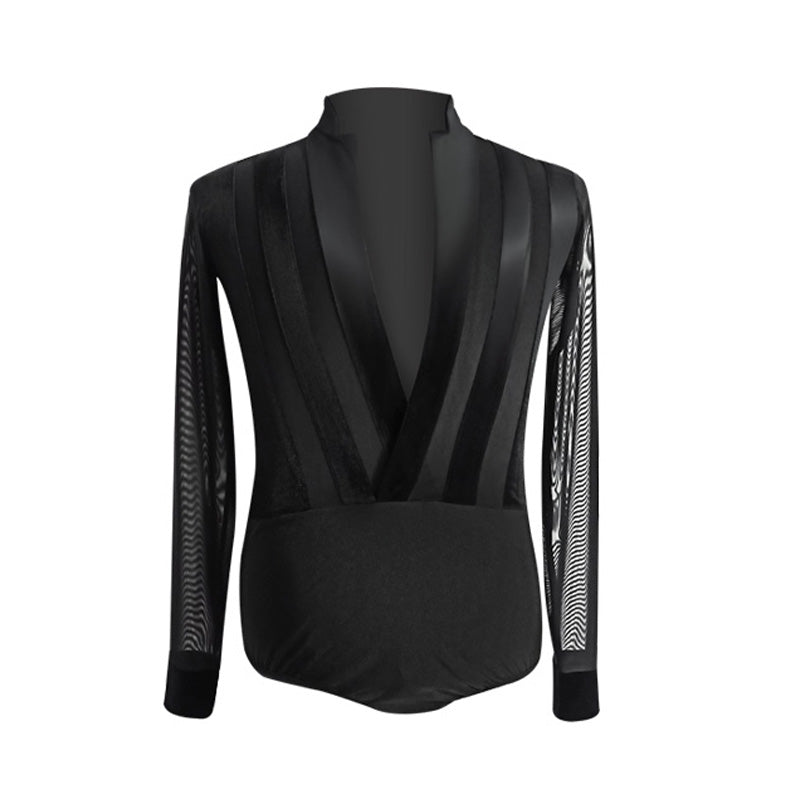
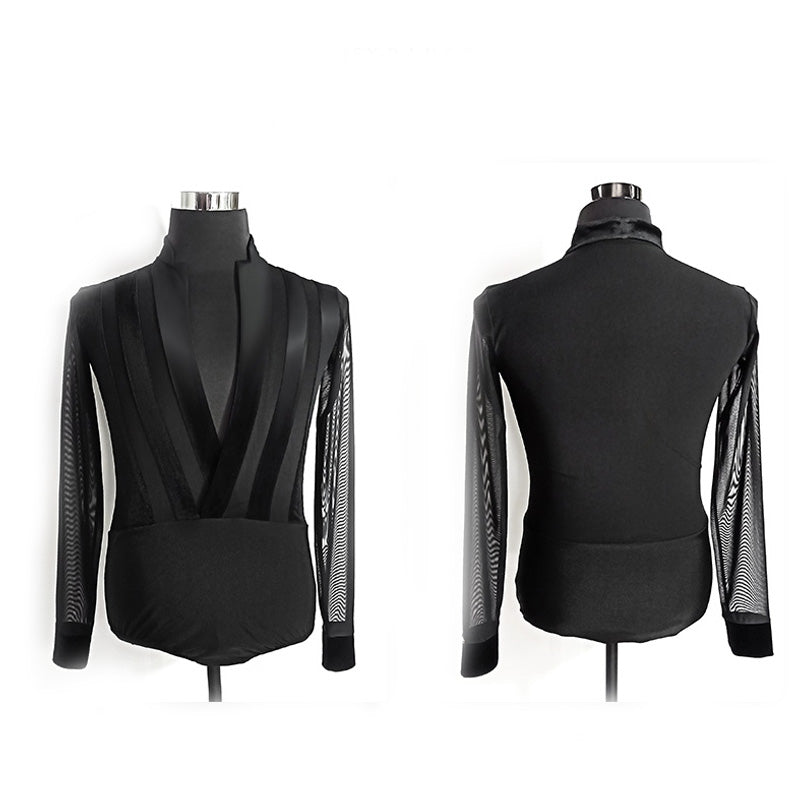
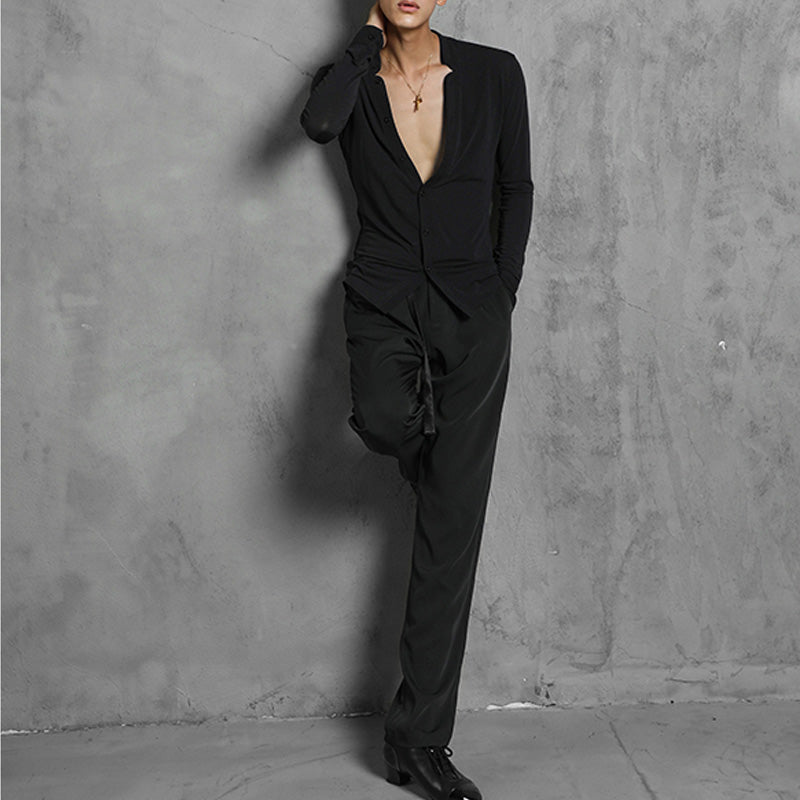
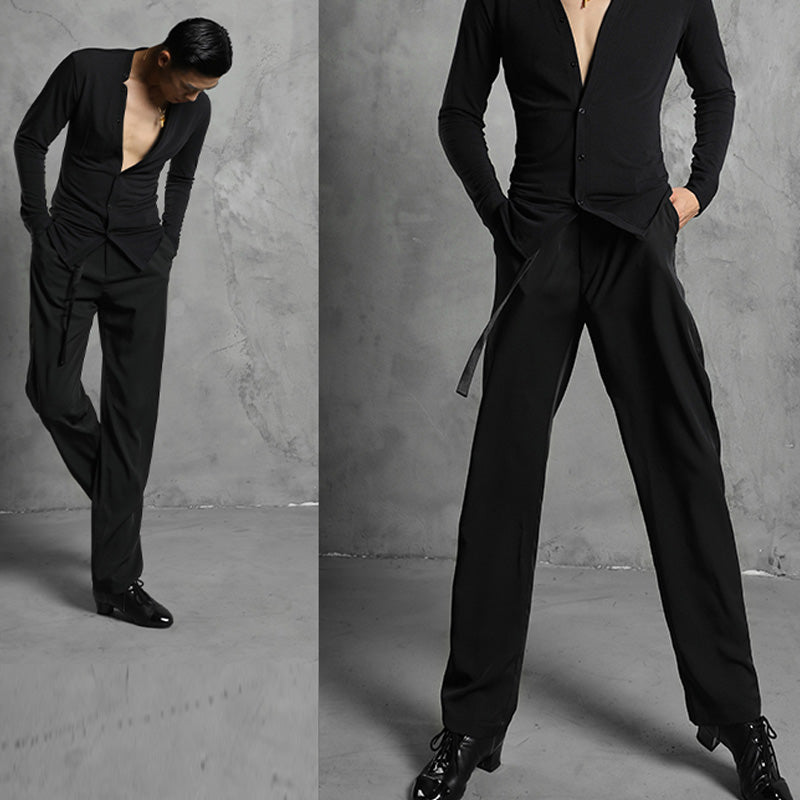
Men's Latin shirts are about showing the body's action. Deep V necklines, stand collars left open, draped cowl necks, sheer mesh panels and soft milk silk all let the chest and ribcage be seen as they rotate. Many are cut close to the torso so a turn or a hip action reads clearly from across the room. Short sleeves or pushed-up long sleeves keep the arms free for the fast arm styling of cha cha and samba.
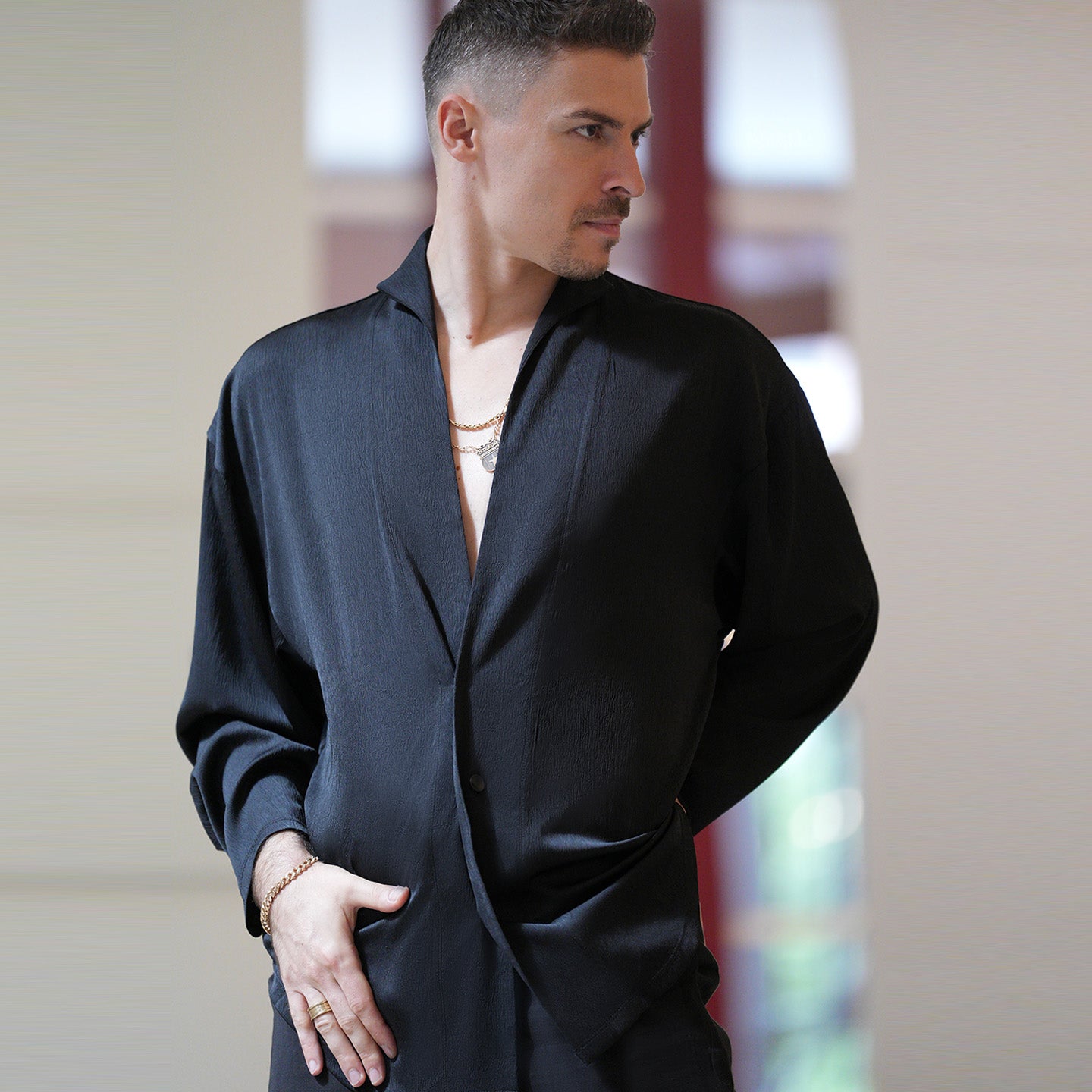
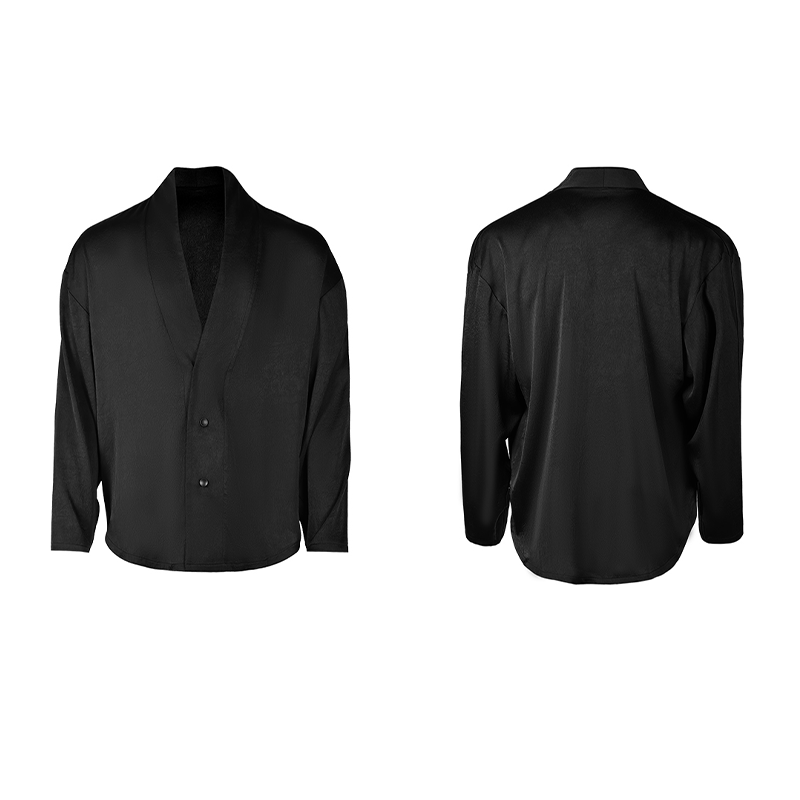
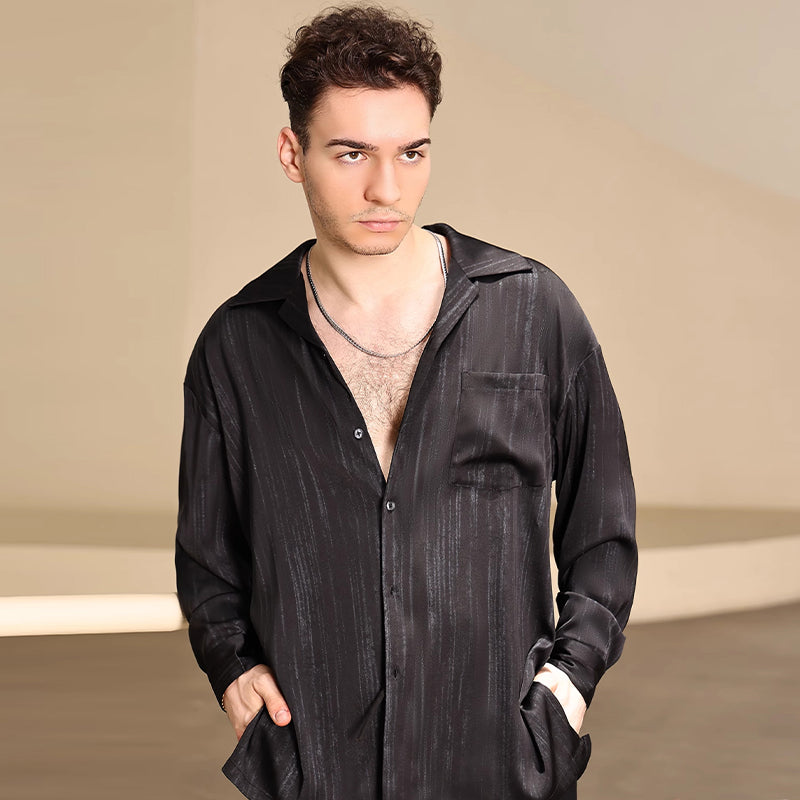
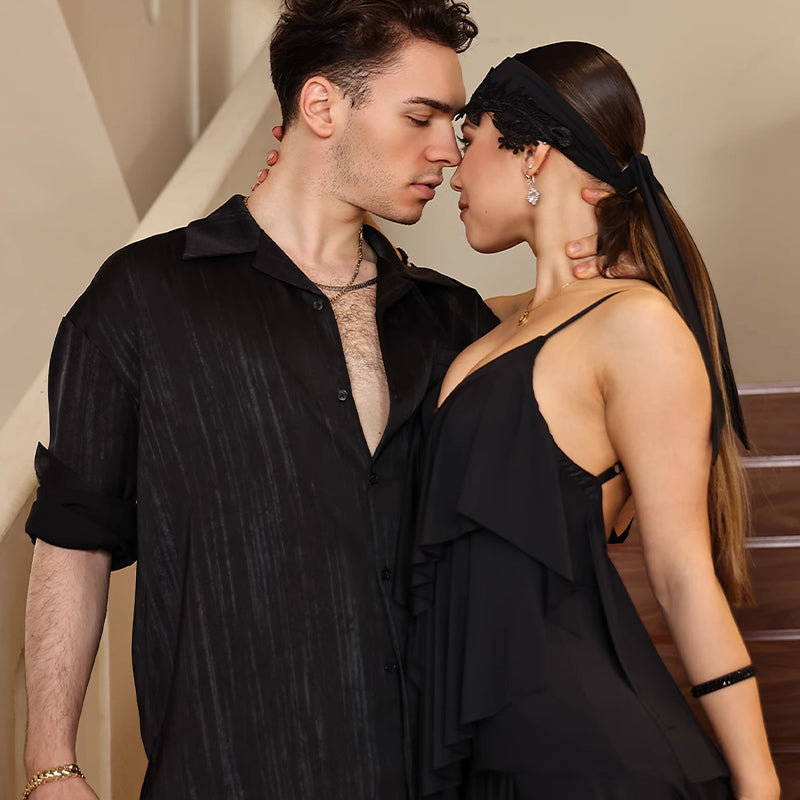
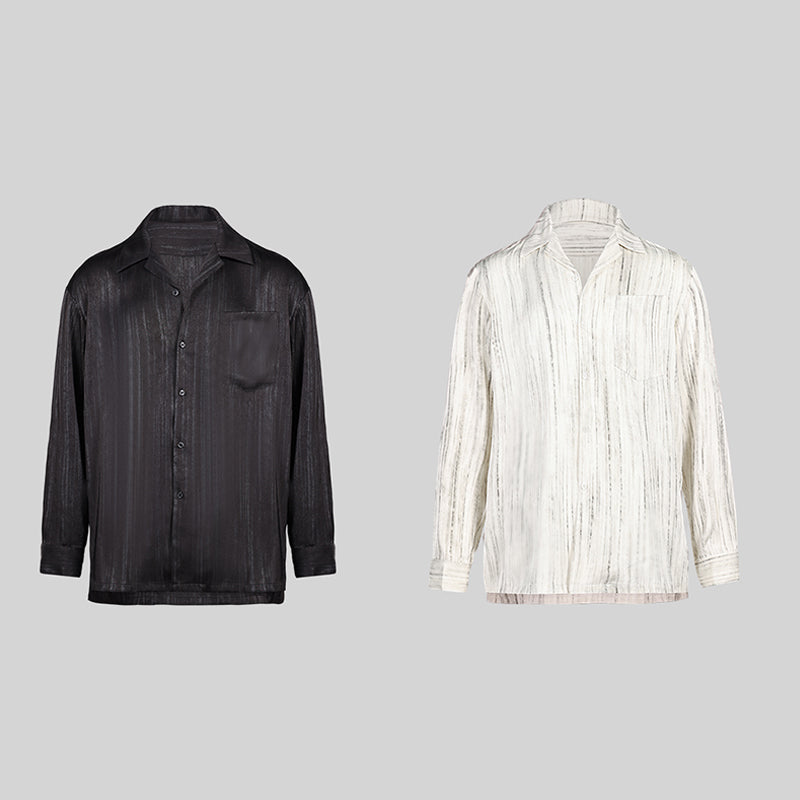
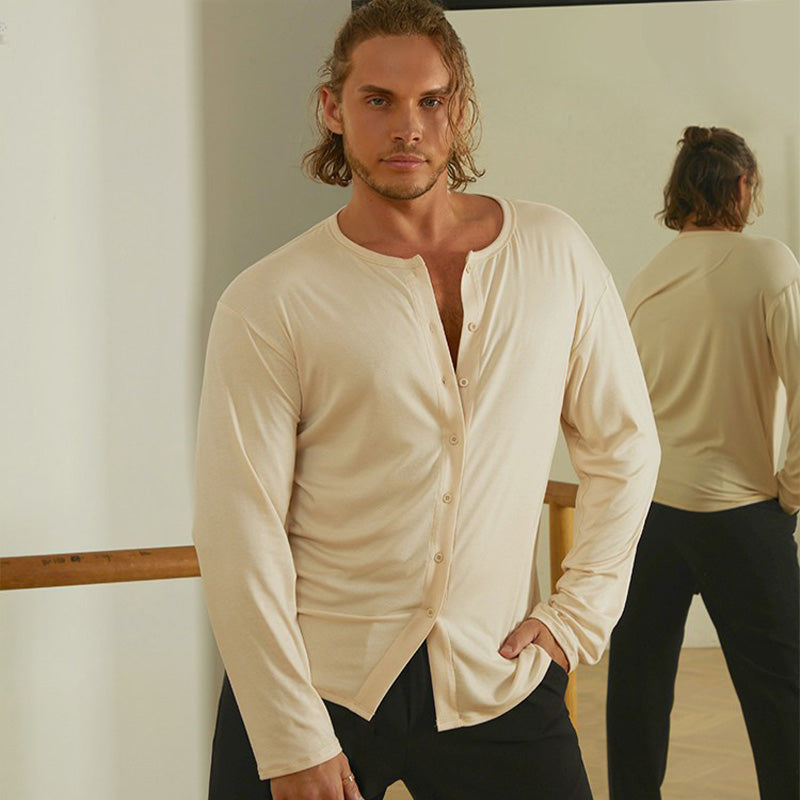
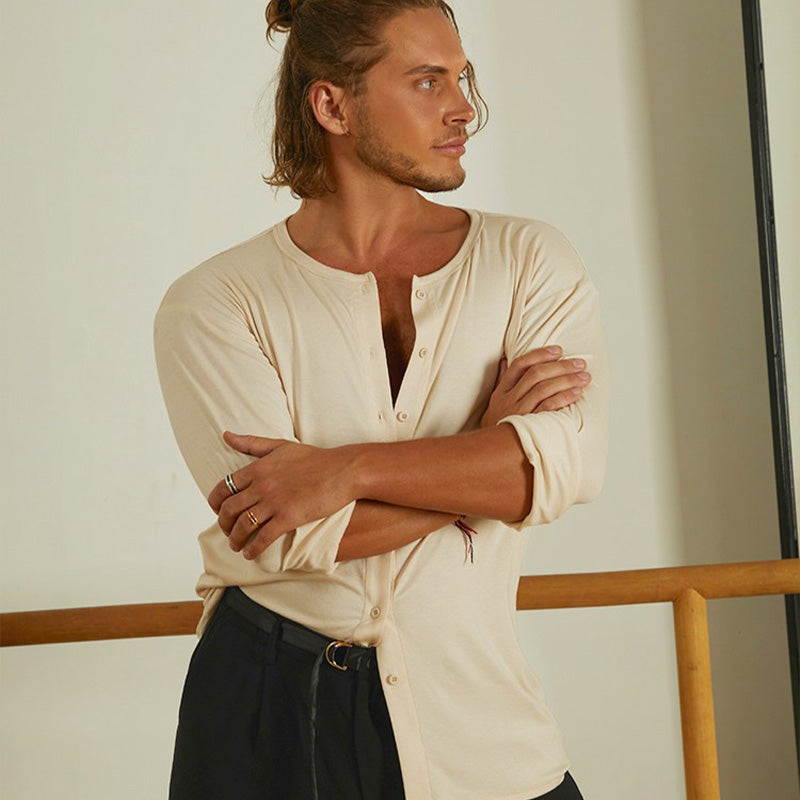
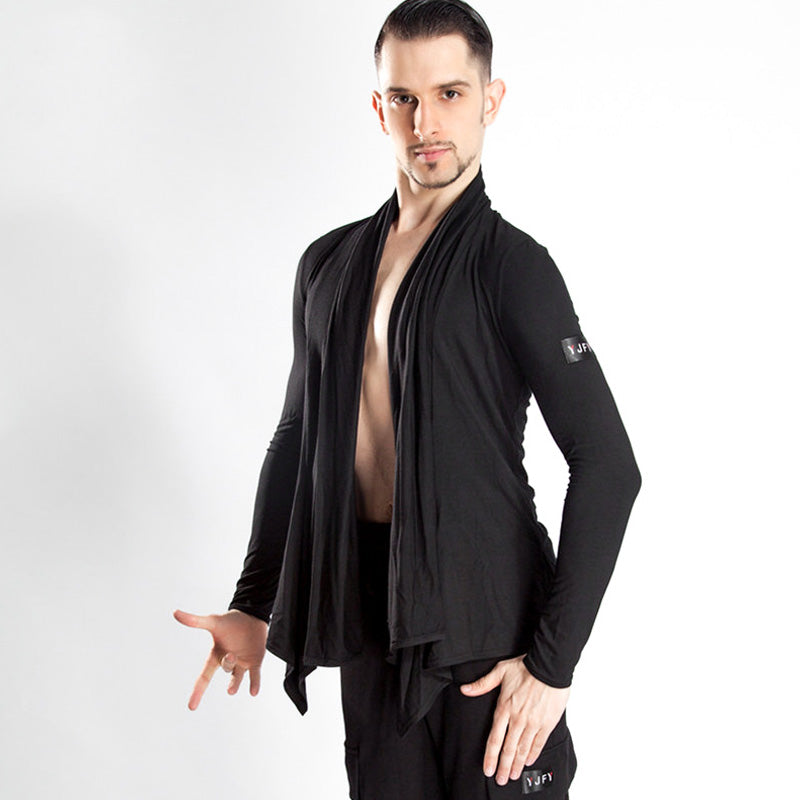
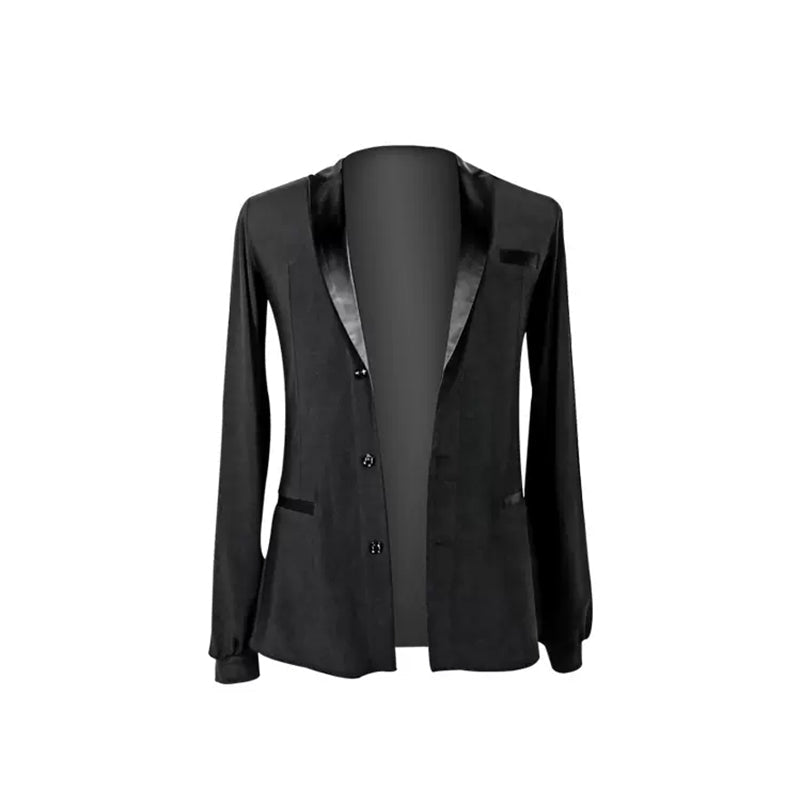
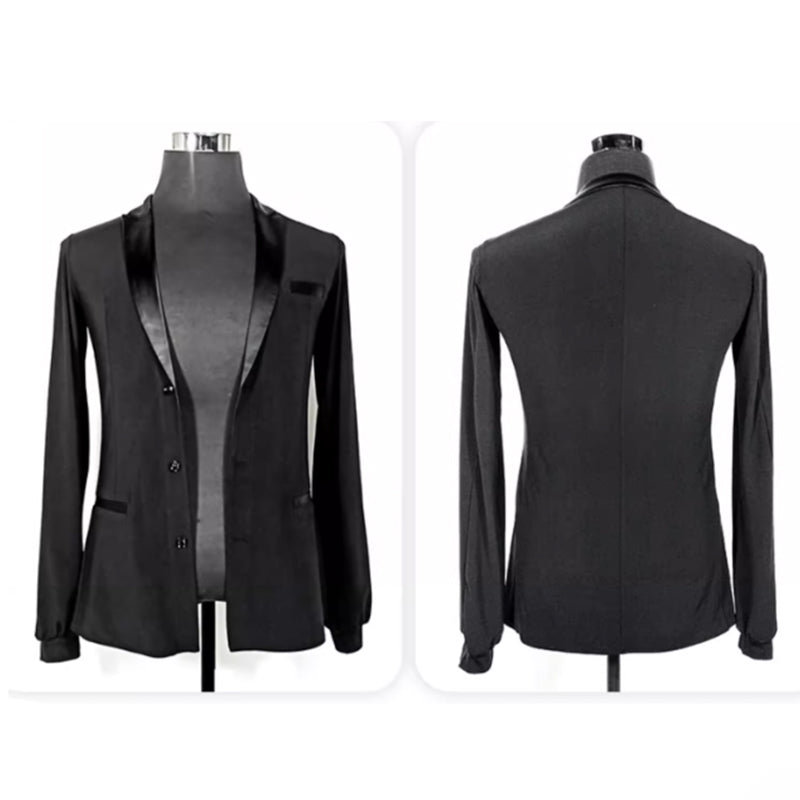
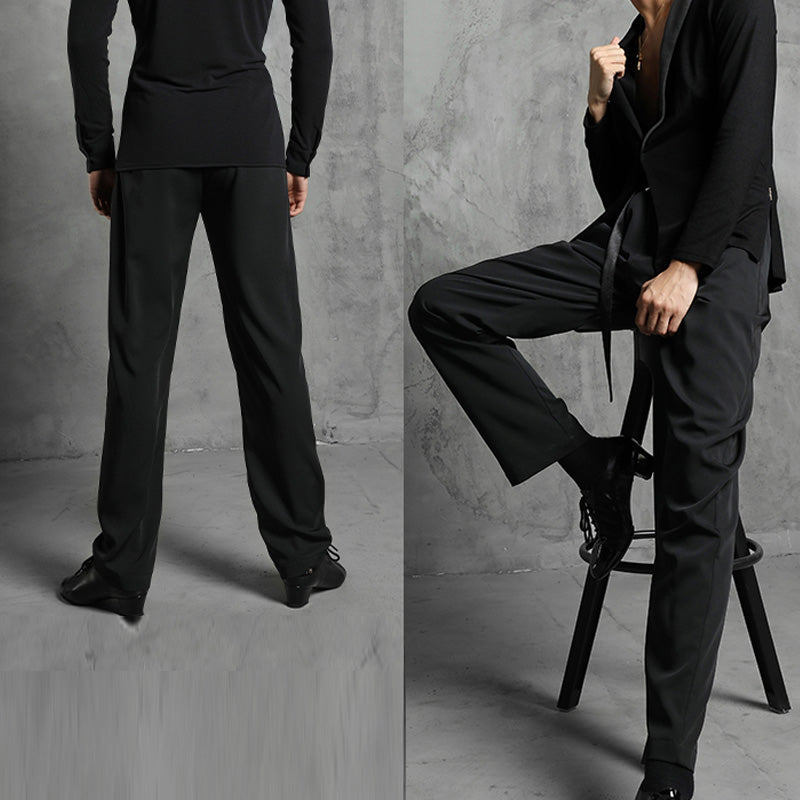
Men's ballroom shirts are about a clean, still frame. Satin shawl collars, camp collars and button fronts sit flat under the partner's hand, and the fabric is chosen to look smooth when the arms are raised and held. The aim is a shoulder line that stays level through a whole waltz, not a torso that catches the eye. A satin shawl-lapel jacket over the top turns the same outfit into something for a showcase or a dinner dance.
Bodysuit Shirts: Why They Stay Tucked
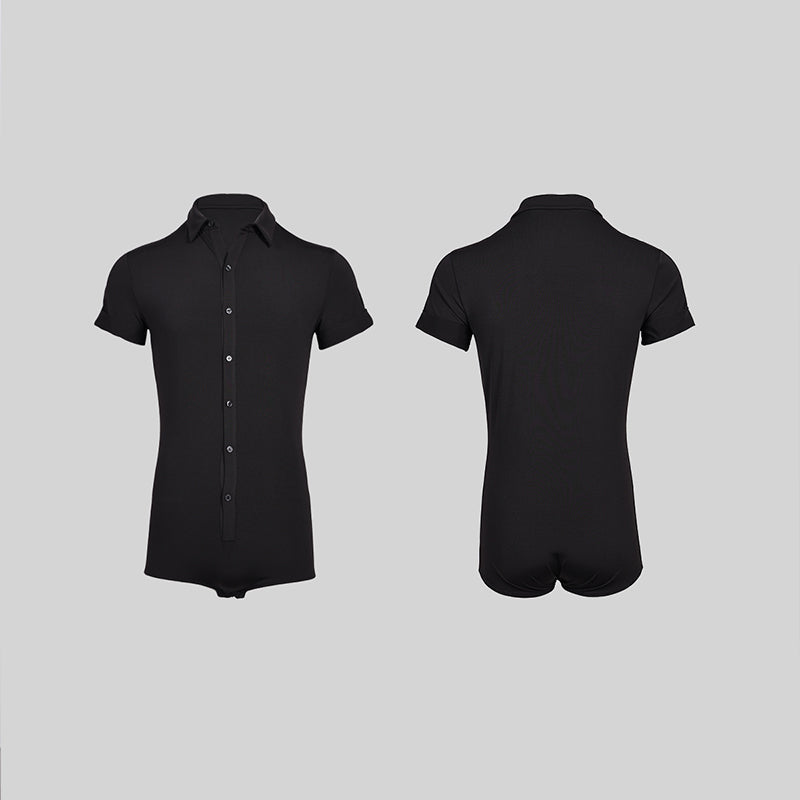
A regular shirt starts to come untucked the first time you lift your arms into hold, and after a spin or two it is bunched at one side. For a dancer that is more than untidy: it breaks the waistline your partner and your teacher are watching, and you end up fixing it between every figure.
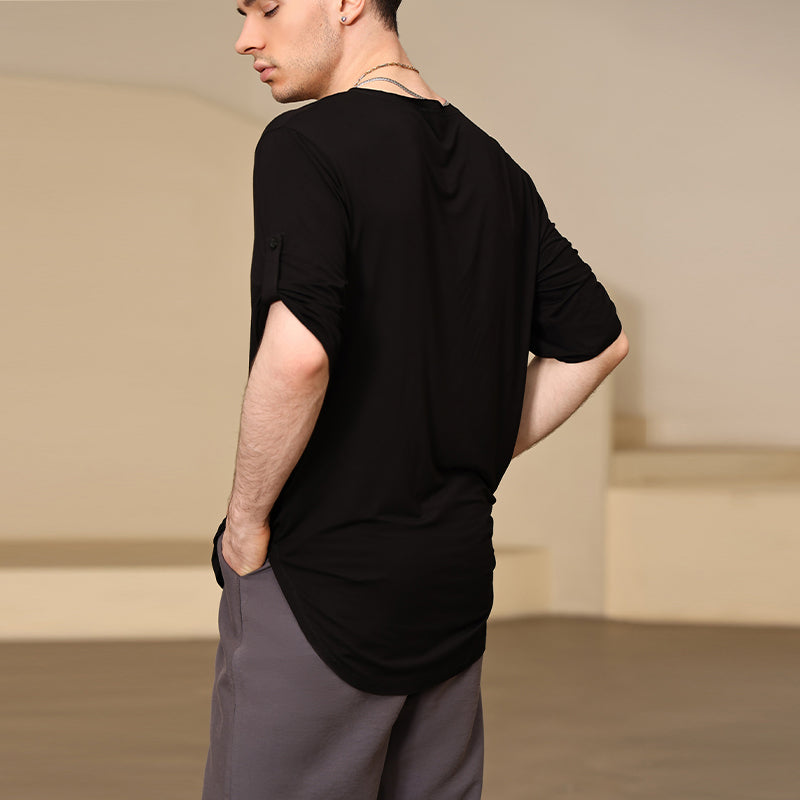
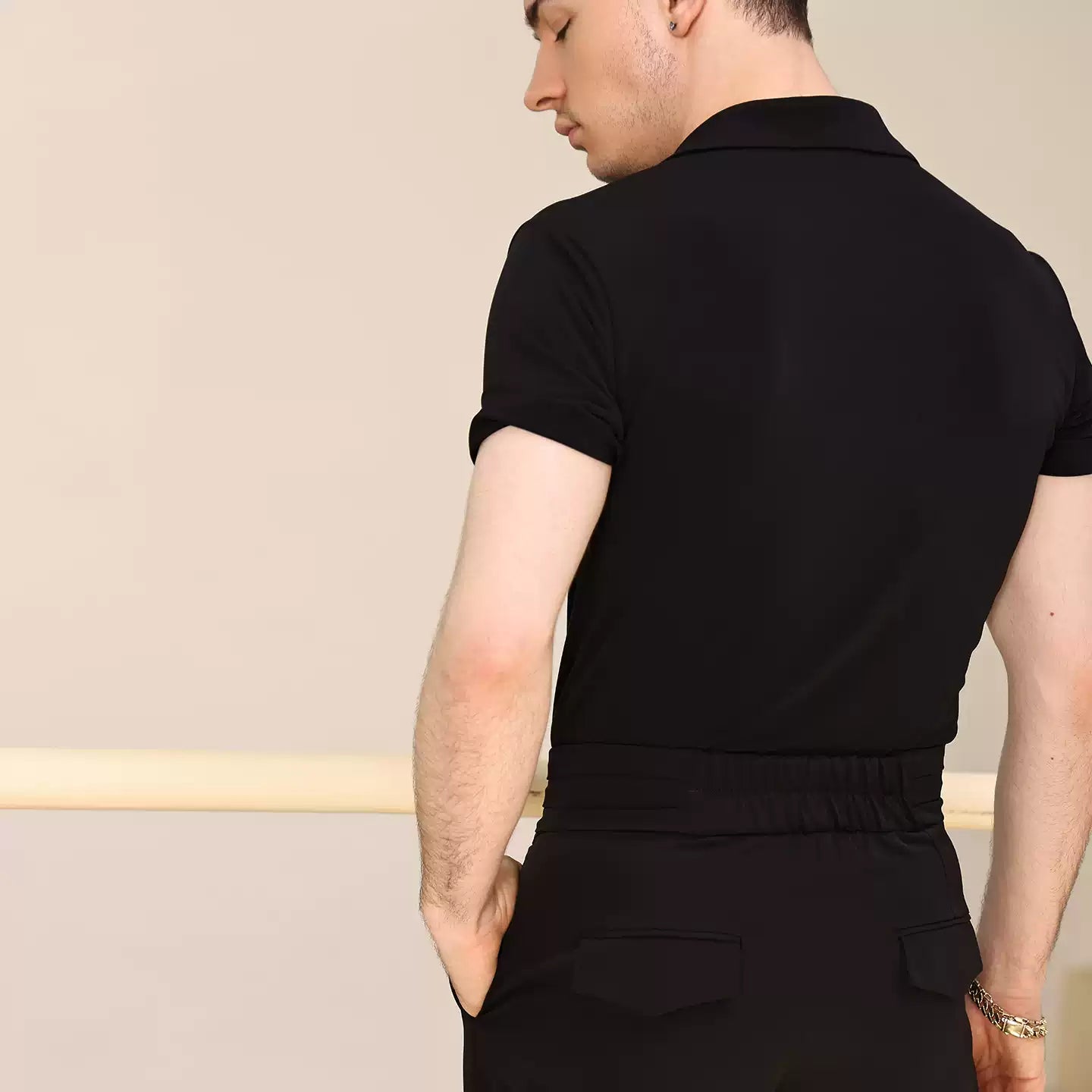
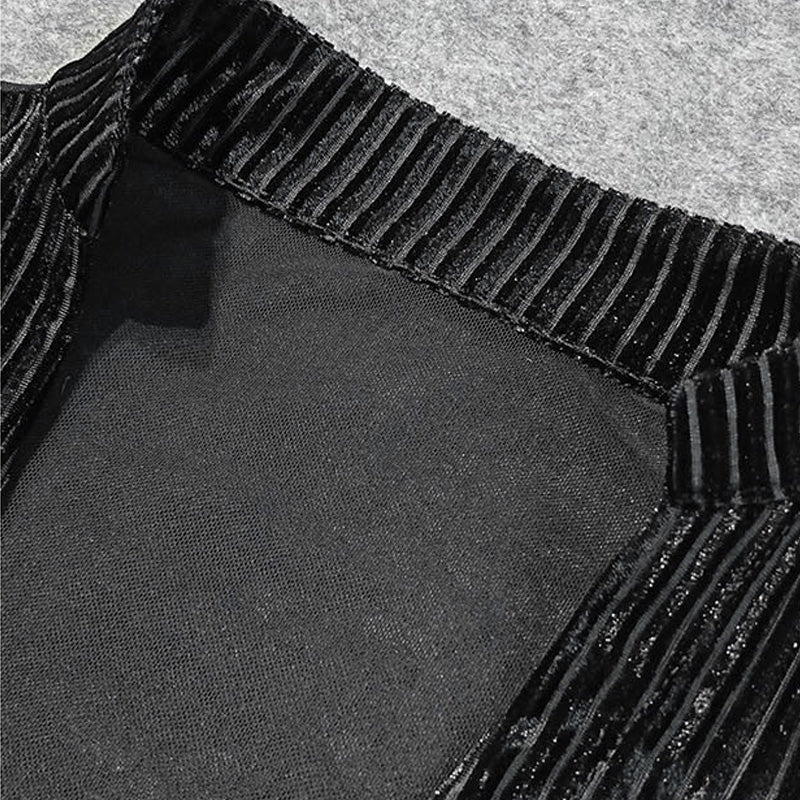
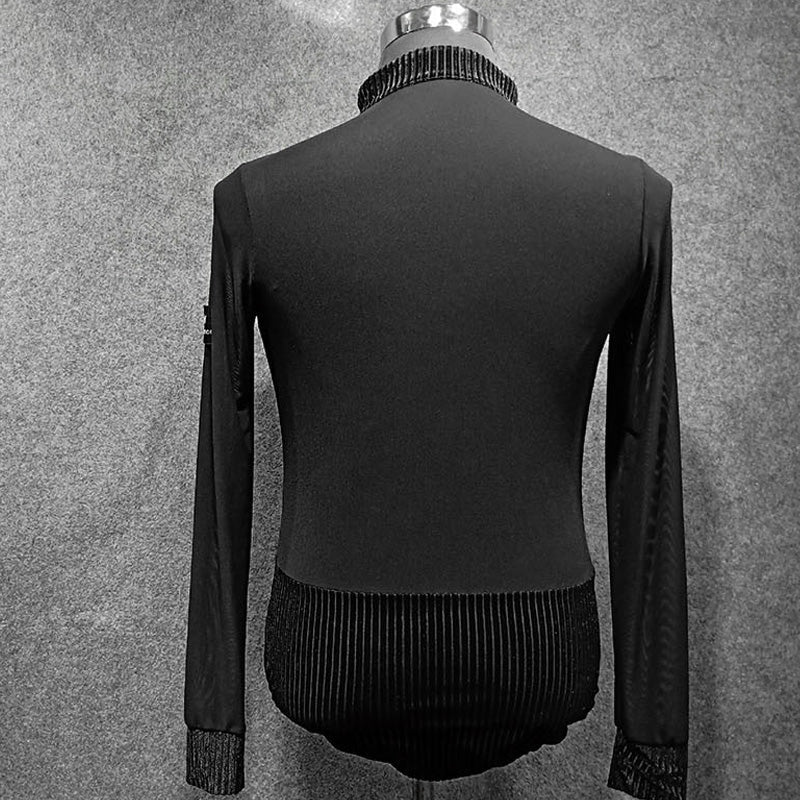
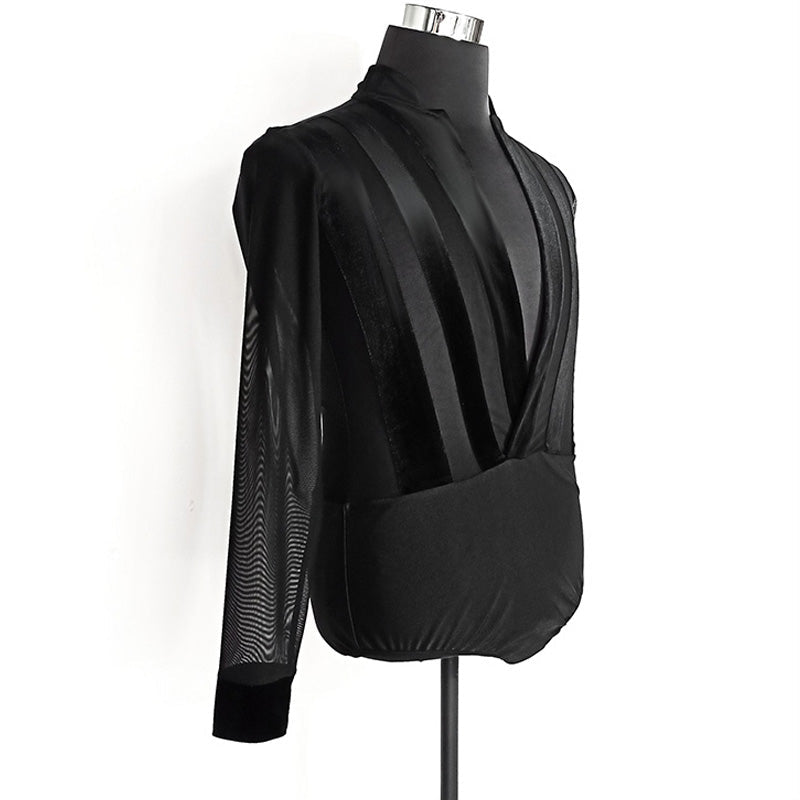
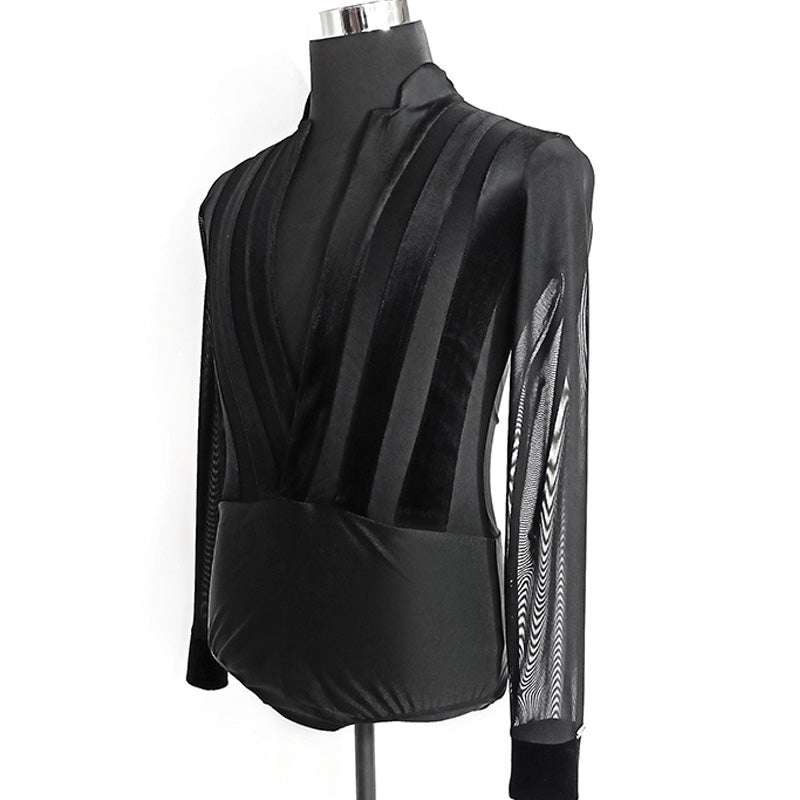
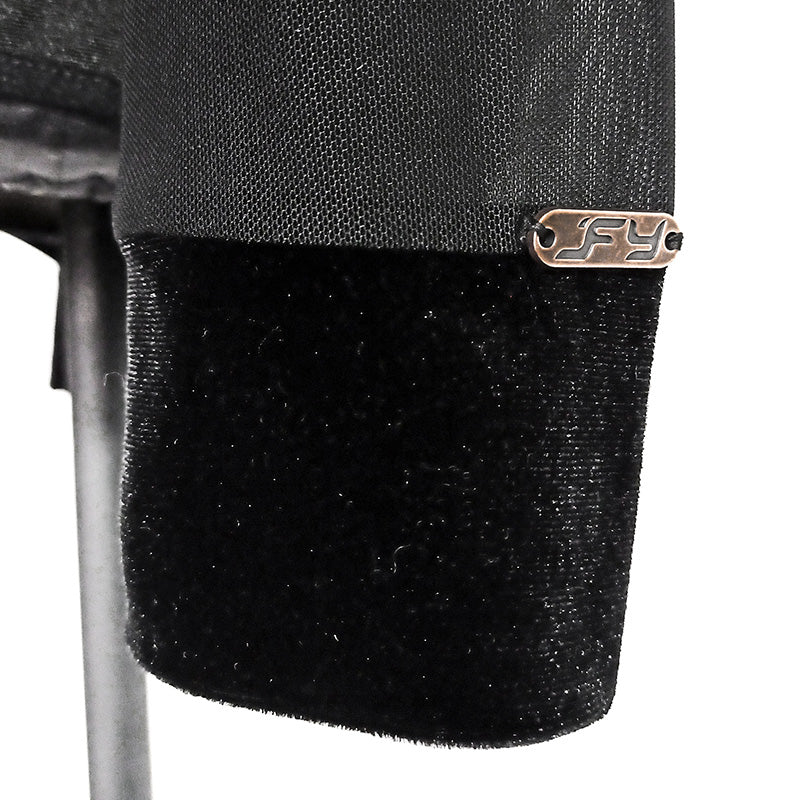
Bodysuit shirts close underneath like a leotard, so the shirt is anchored to the body and cannot ride up however high the arms go. In our men's range this is most common on Latin shirts — the stand-collar mesh and velvet mesh-sleeve styles are both built this way — because Latin figures lift and twist the torso more than anything in ballroom. If you have given up on keeping a shirt tucked, this is the answer.
Men's Dance Pants: Rise, Leg and Waistband
Male dance trousers differ from everyday trousers in three places, and each one changes how the leg looks.
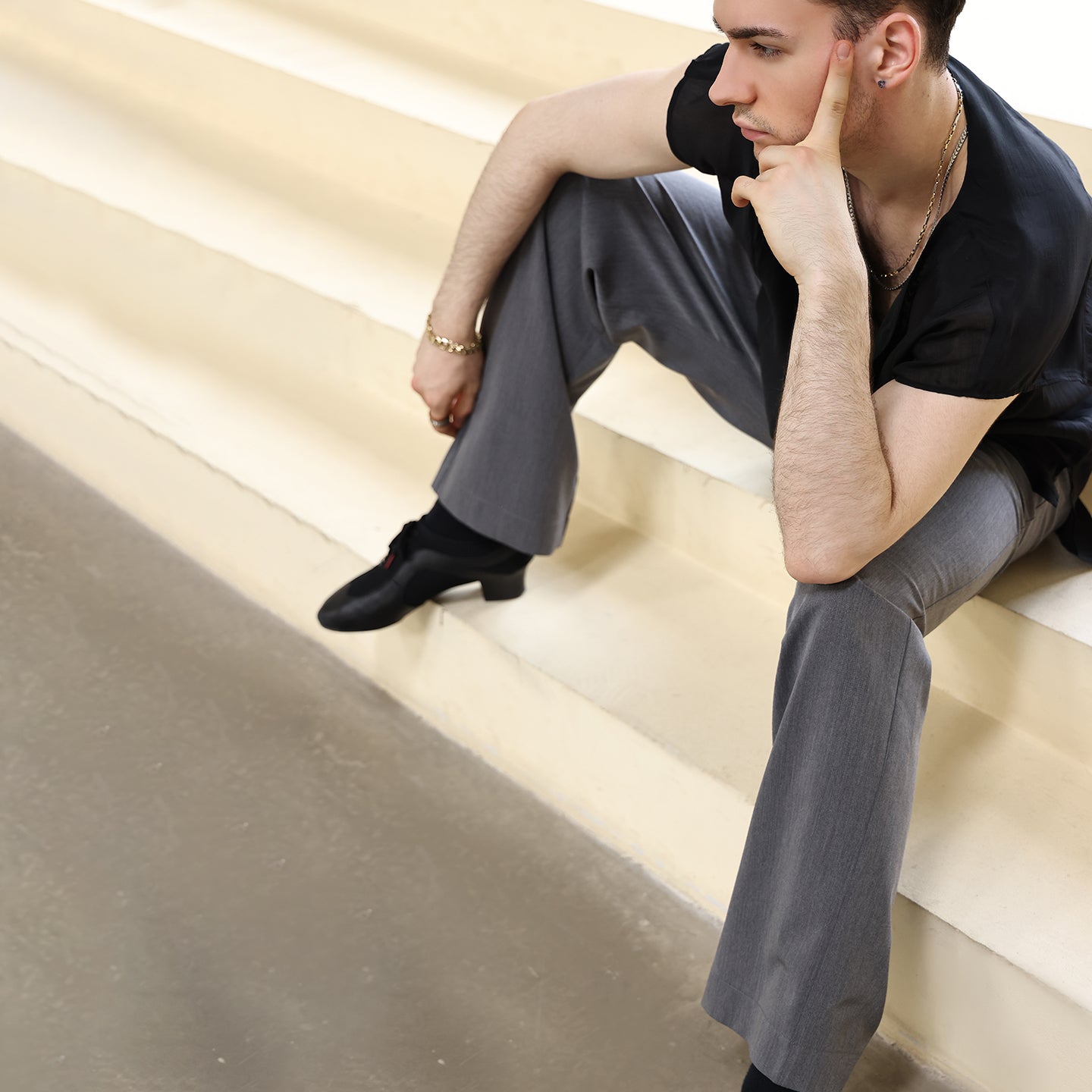
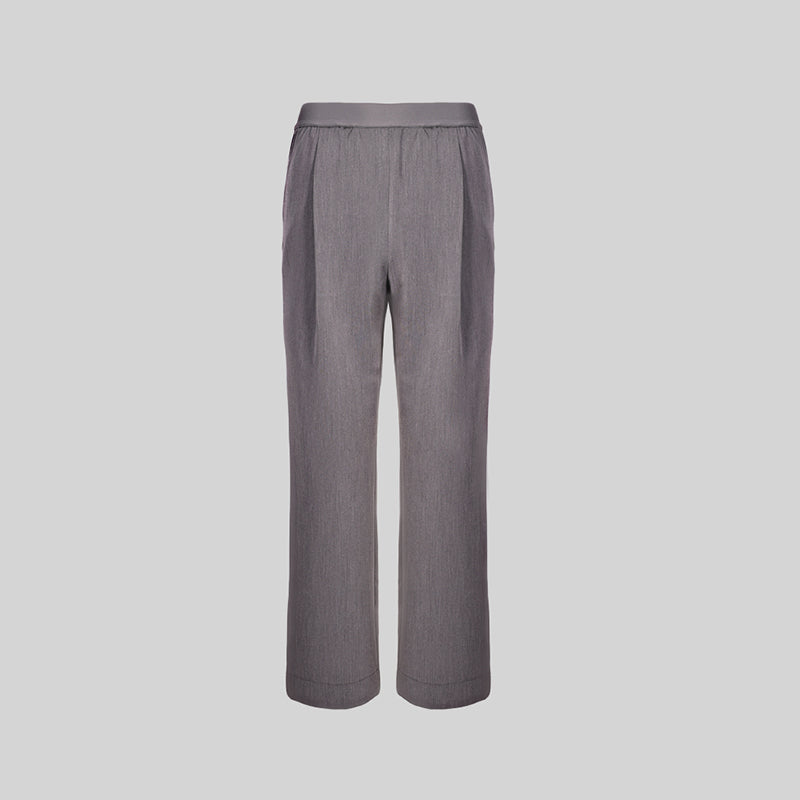
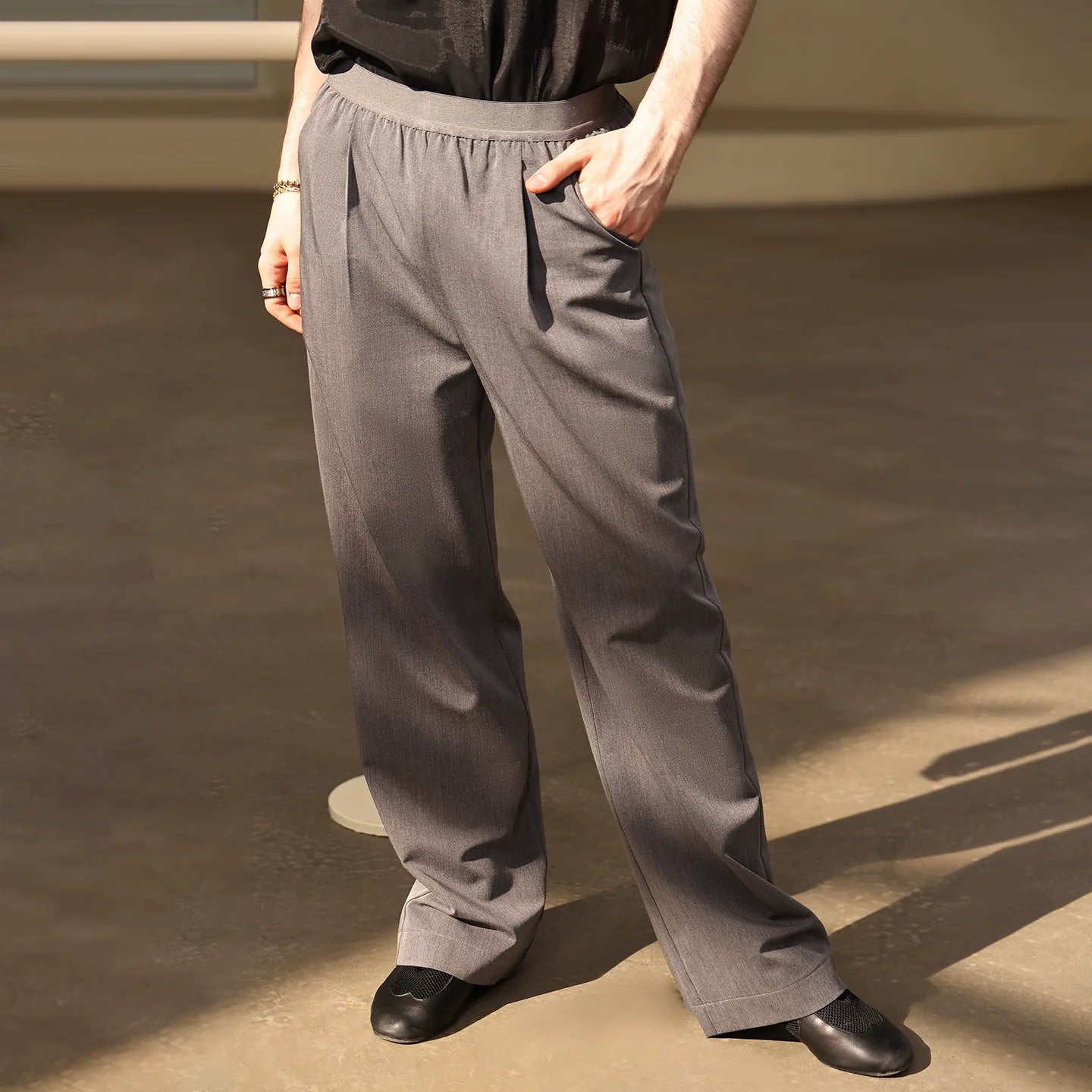
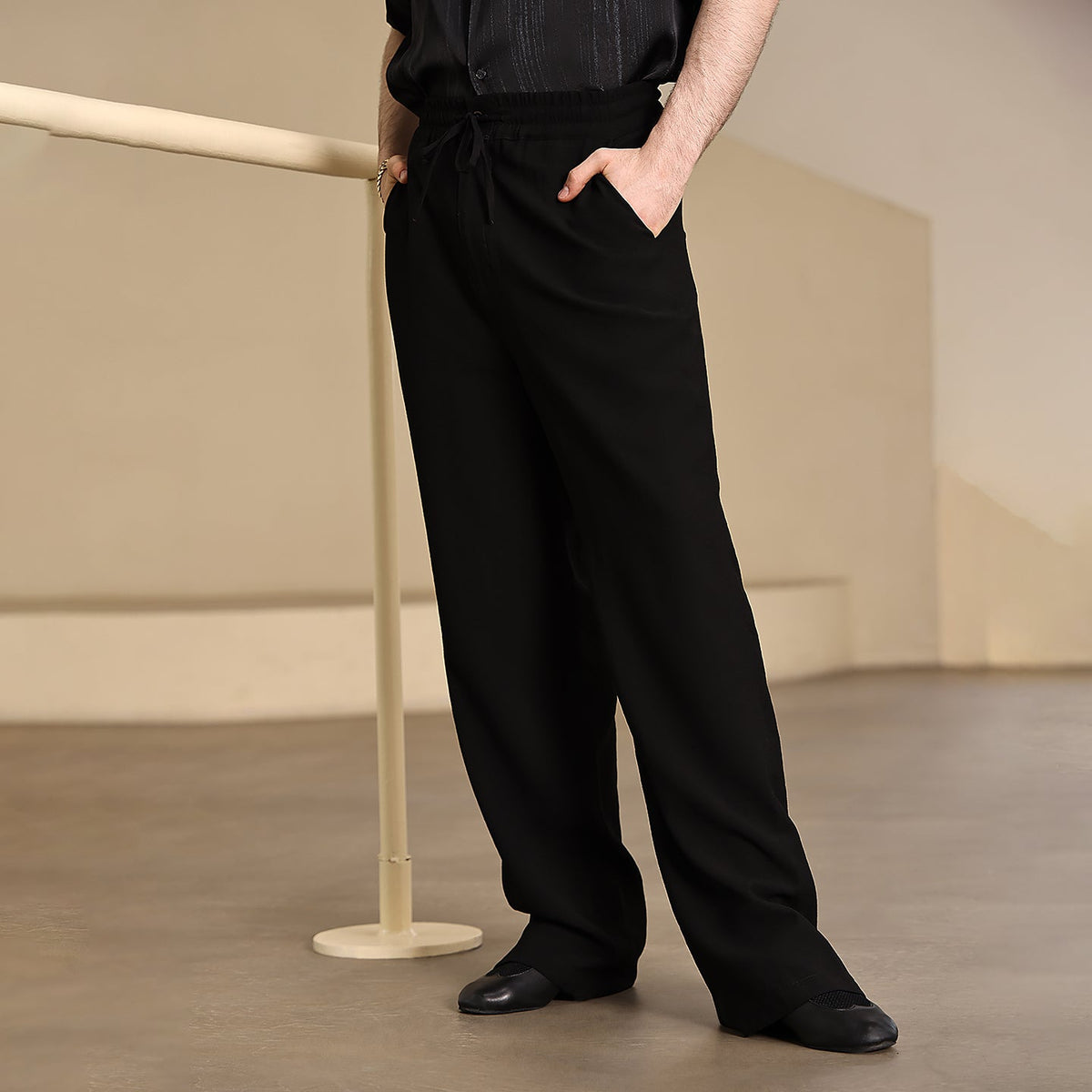
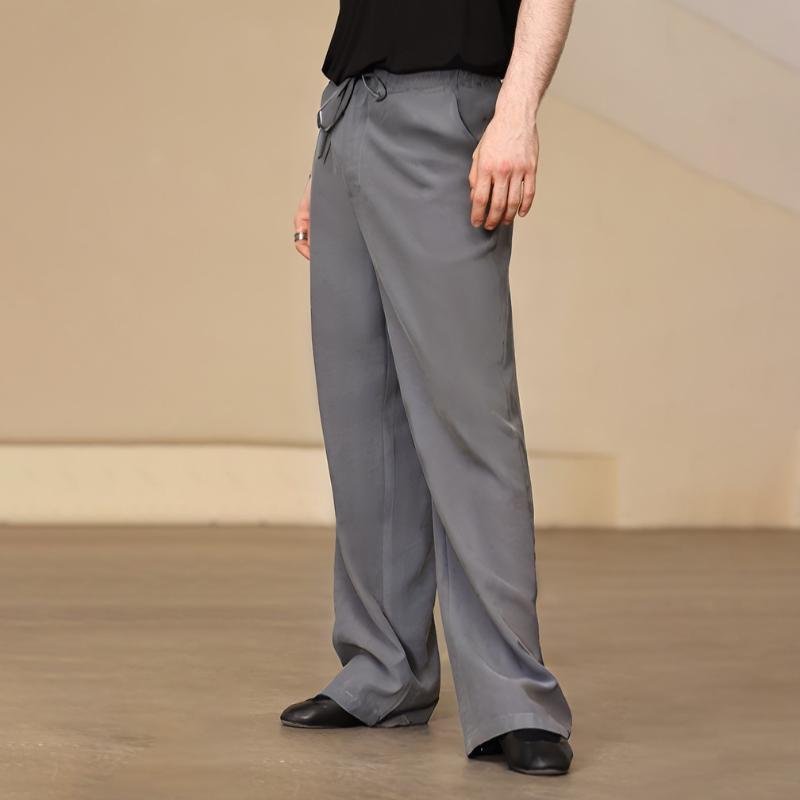
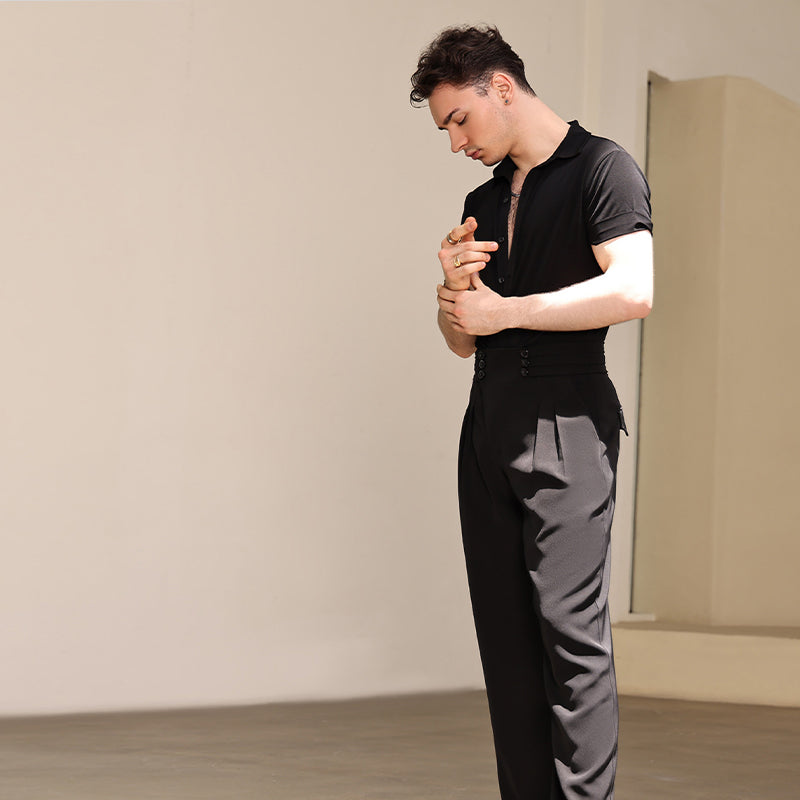
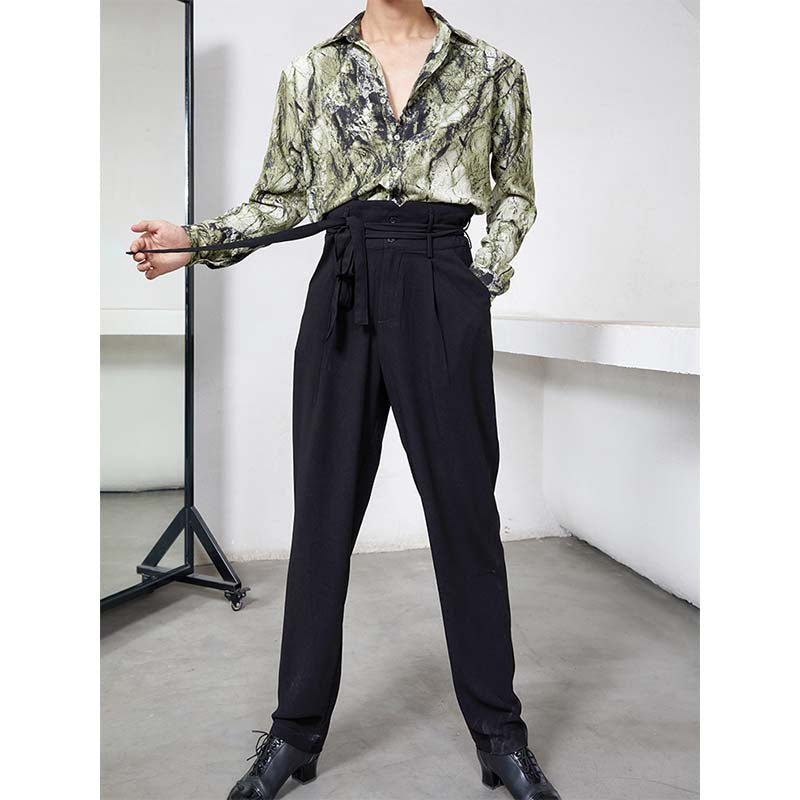
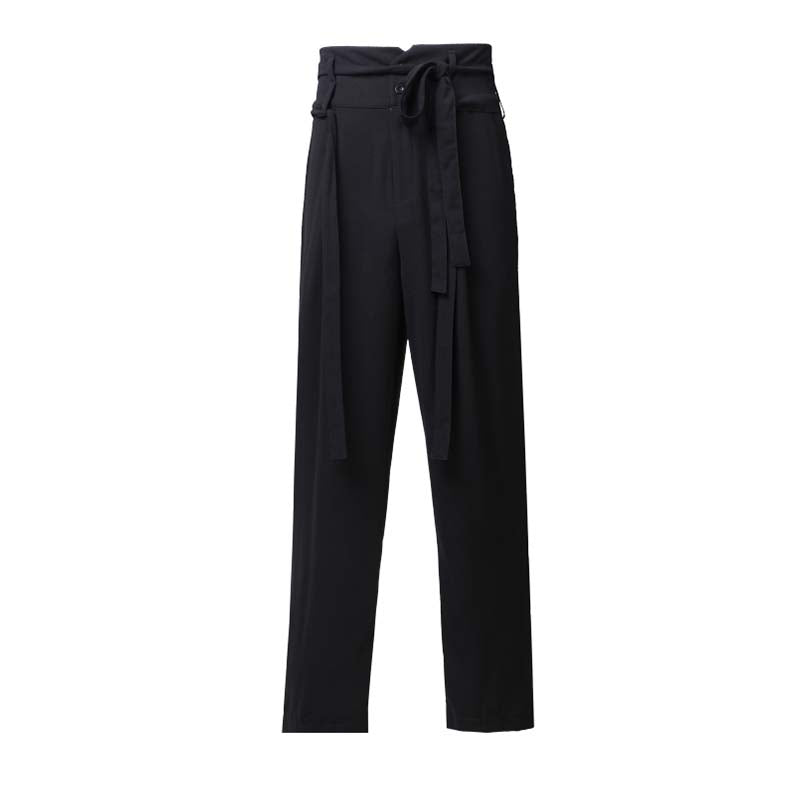
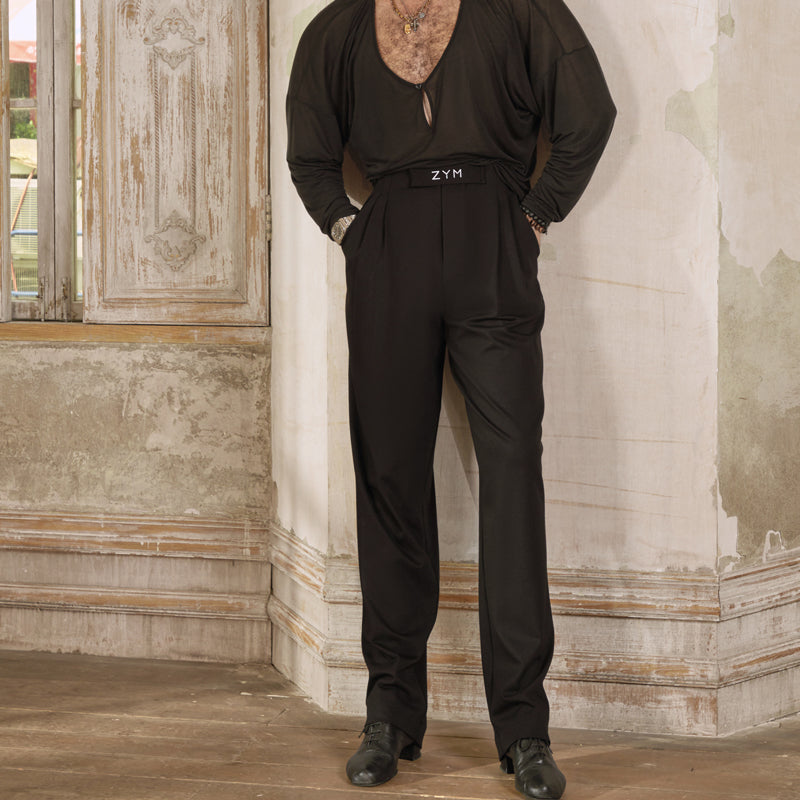
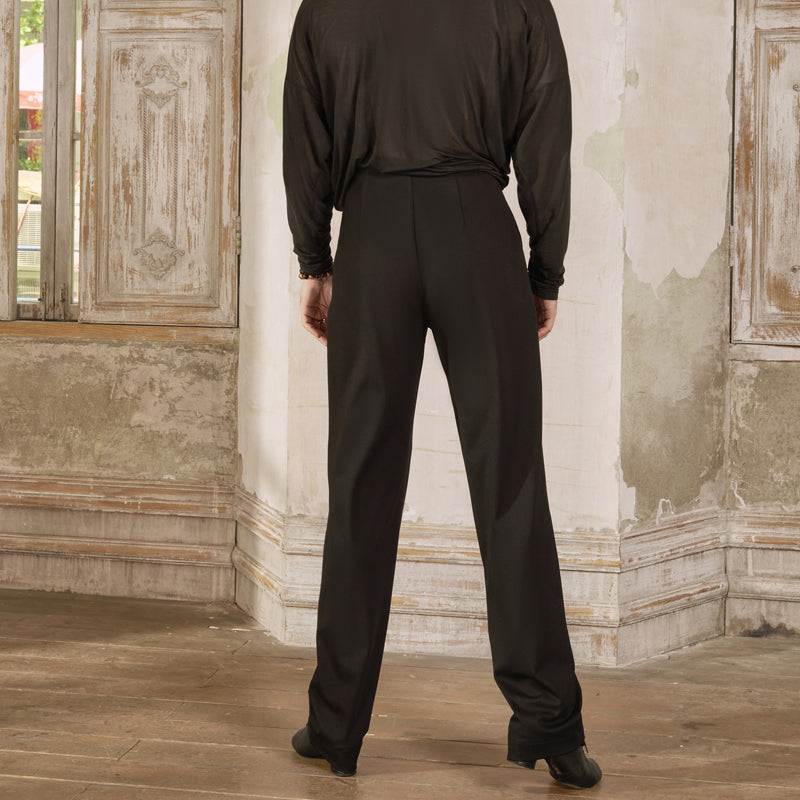
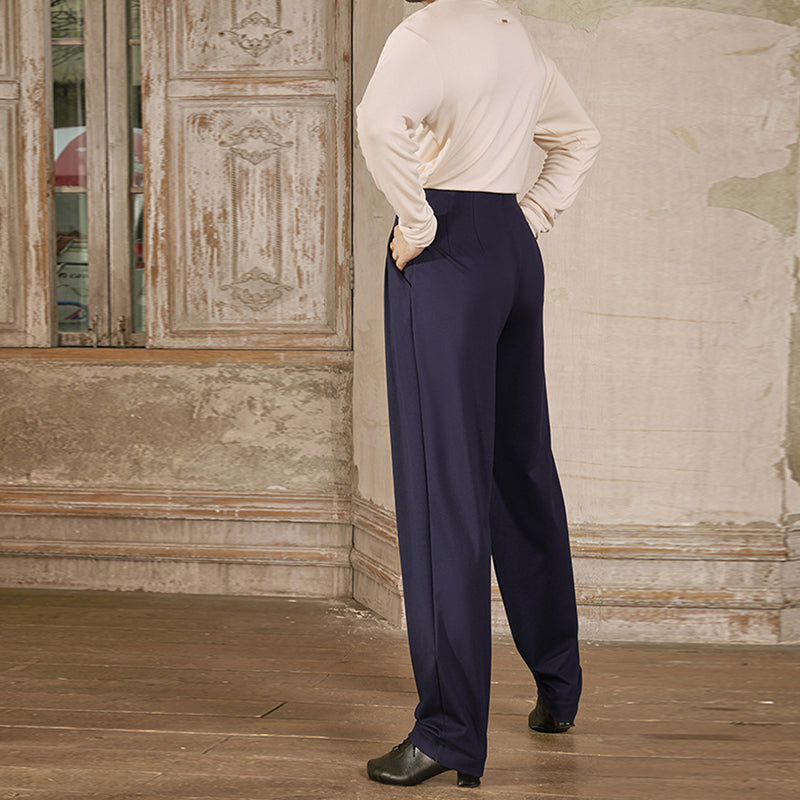
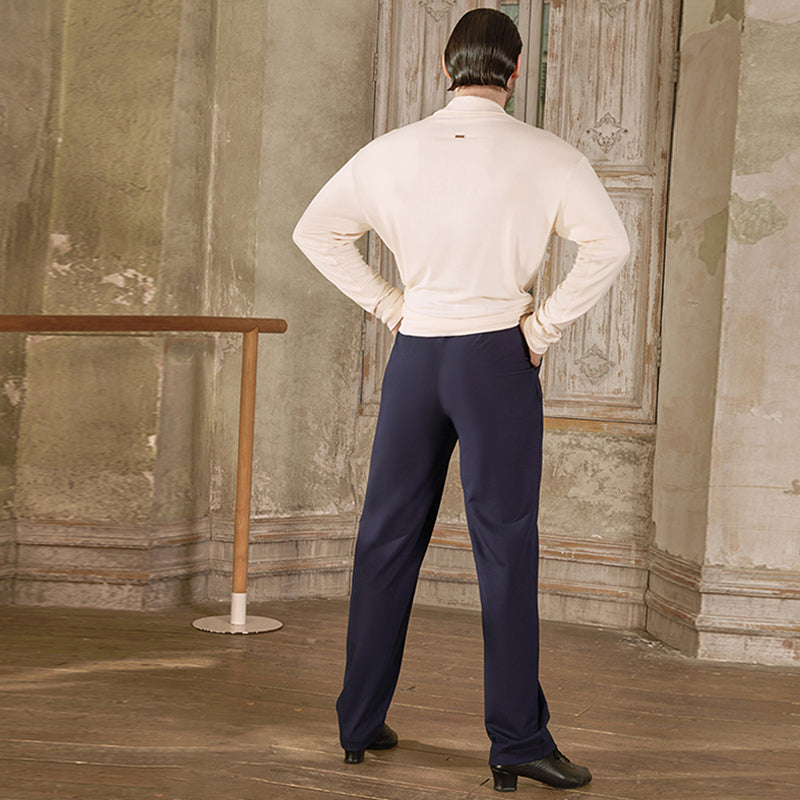
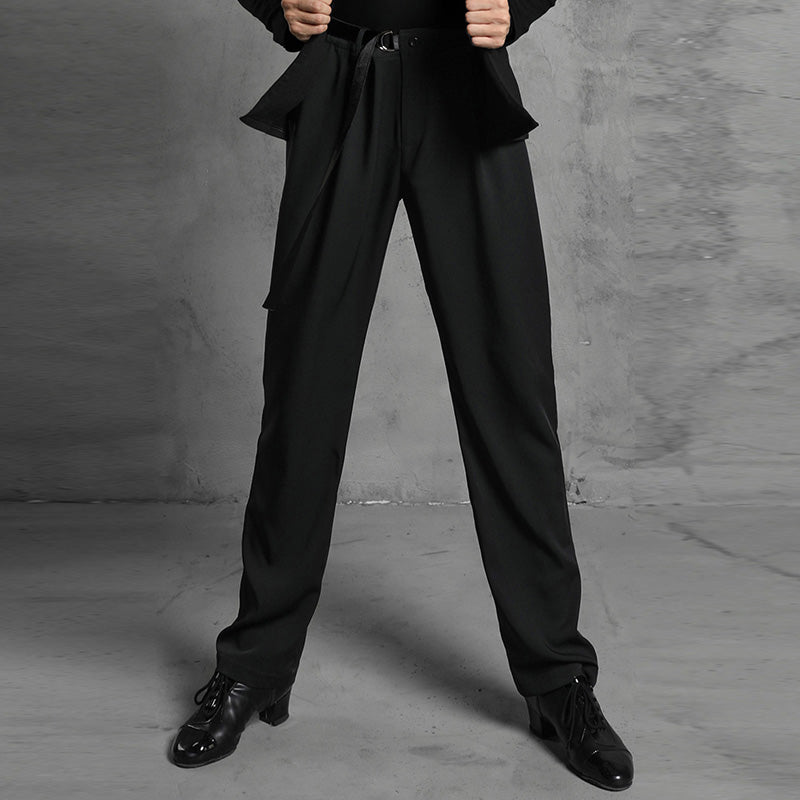
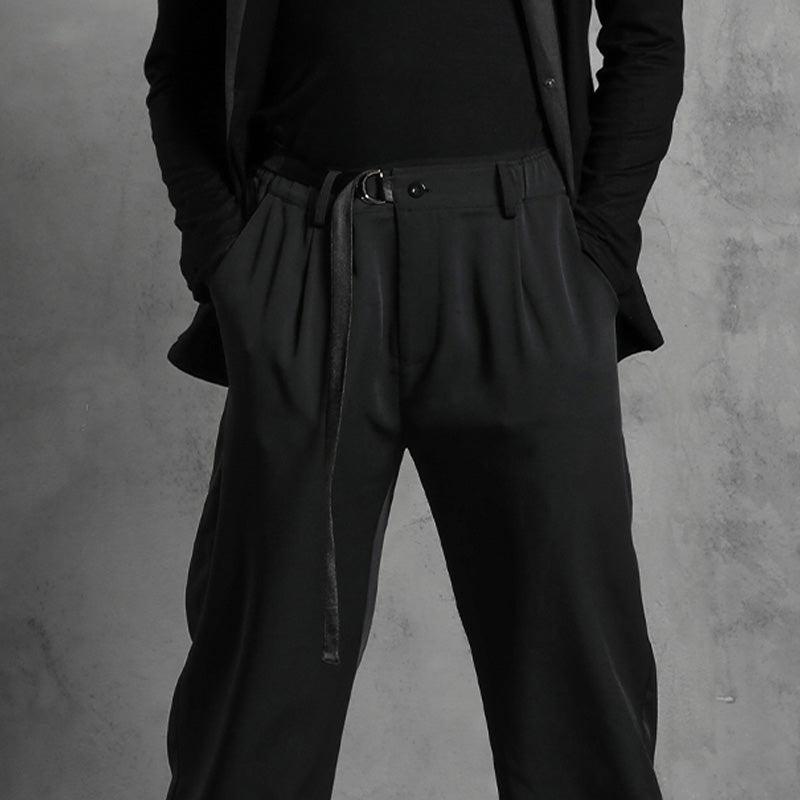
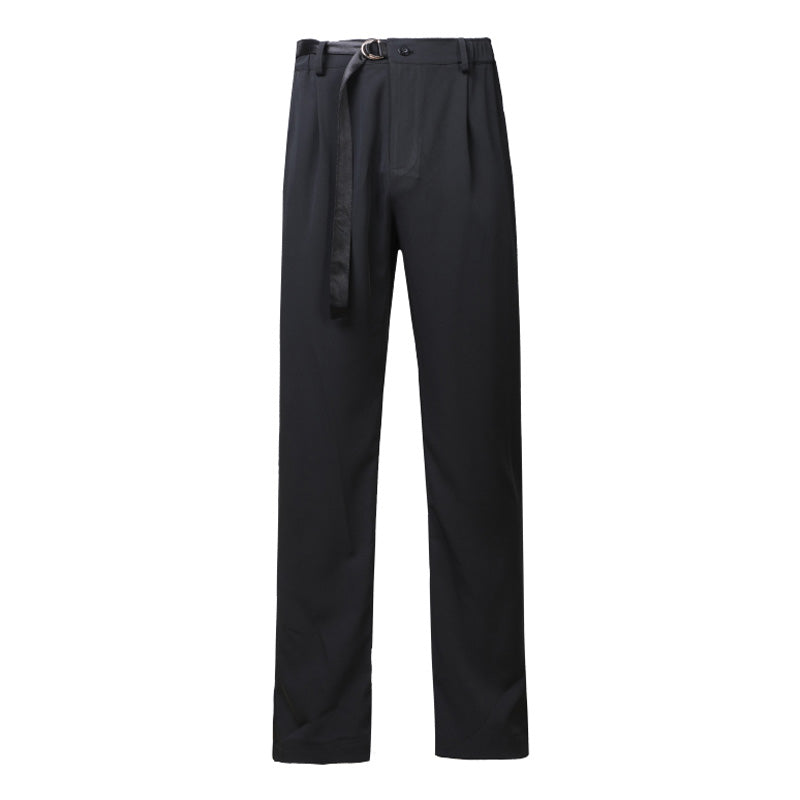
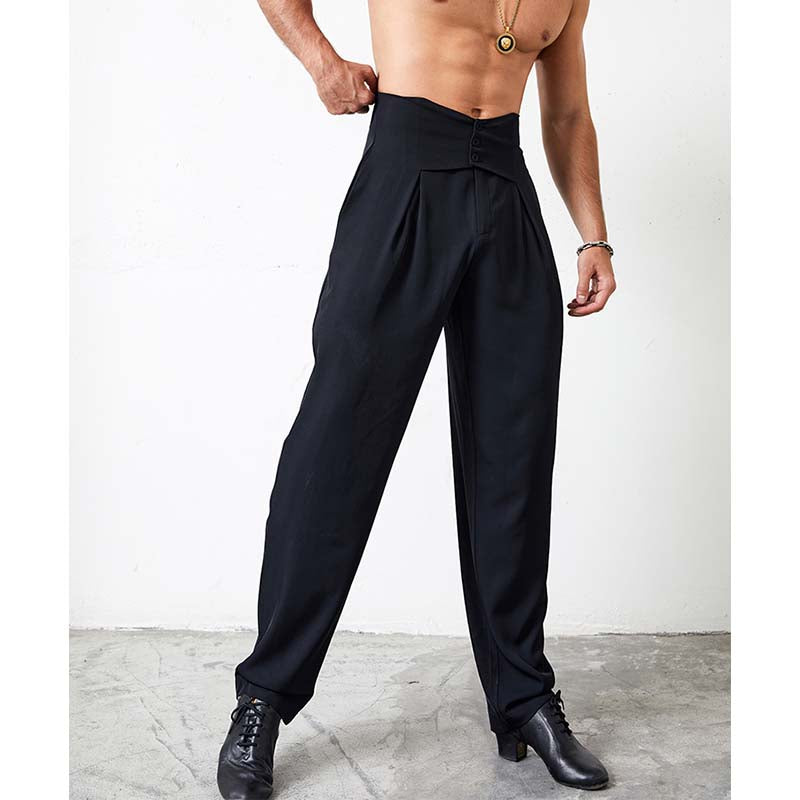
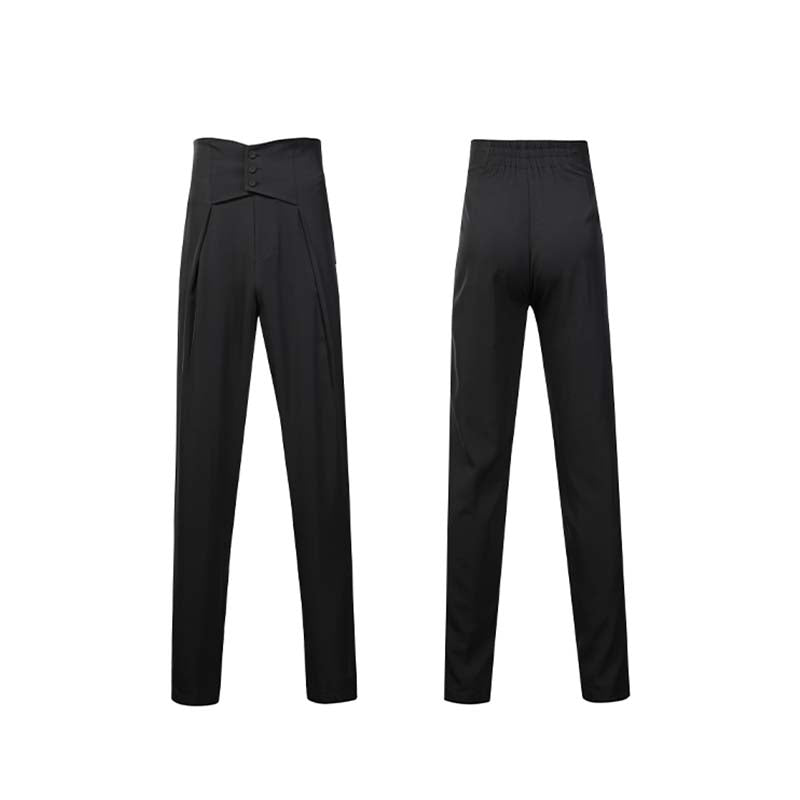
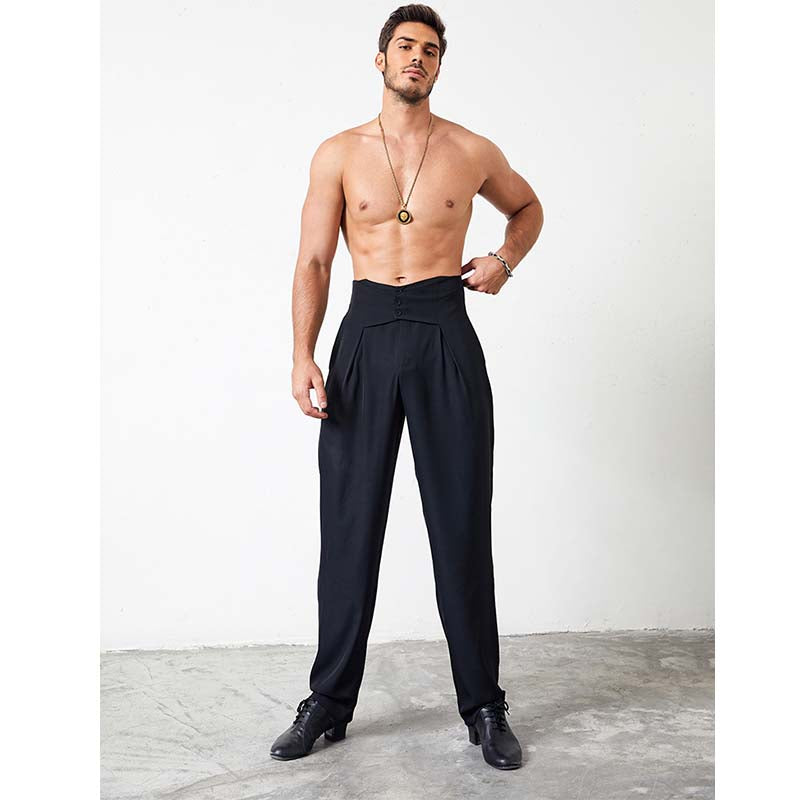
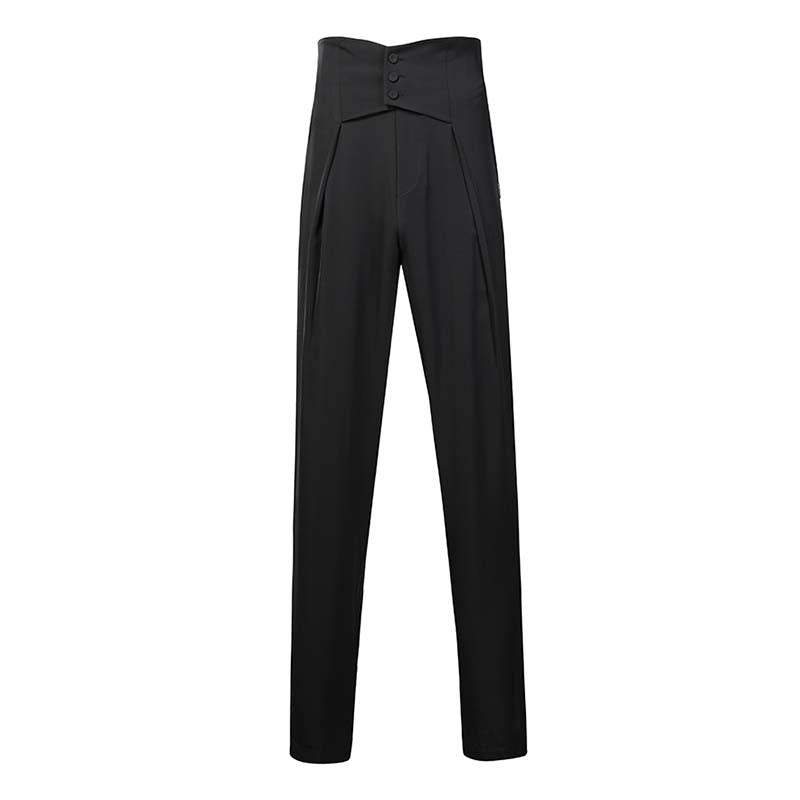
Rise. Dance trousers sit higher on the waist than office trousers. A high rise makes the leg look longer from the hip down and stops the waistband from dropping when you sink into your knees. It also meets the shirt higher up, so there is no gap when the arms lift.
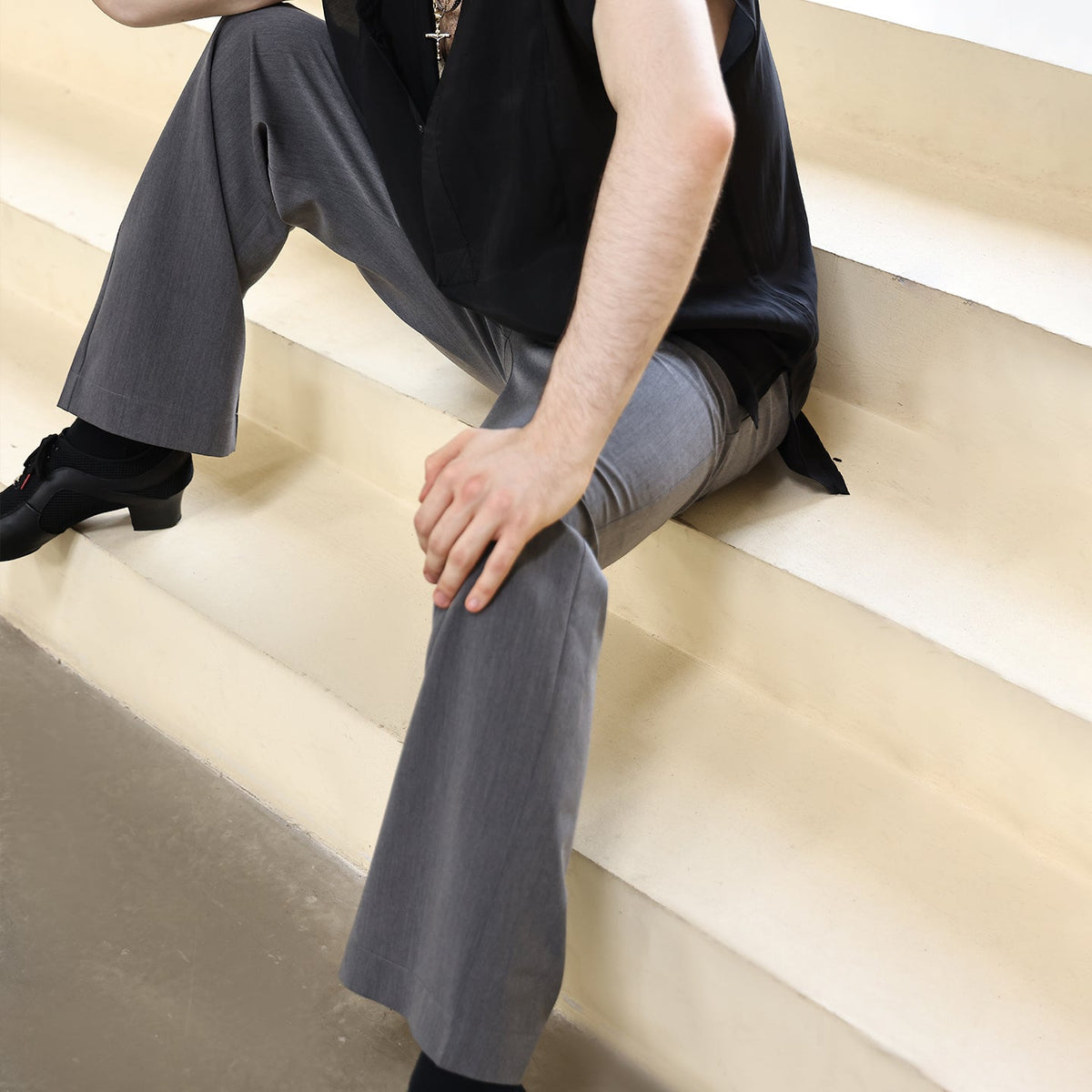
Leg. Wide-leg trousers flow behind the leg and suit ballroom travelling figures and social dancing, where the movement is big and continuous. Straight-leg trousers are the all-rounder, sharp enough for a showcase and plain enough for everyday practice. Pleats at the front add room through the thigh for deep lunges without the fabric pulling across the hip.
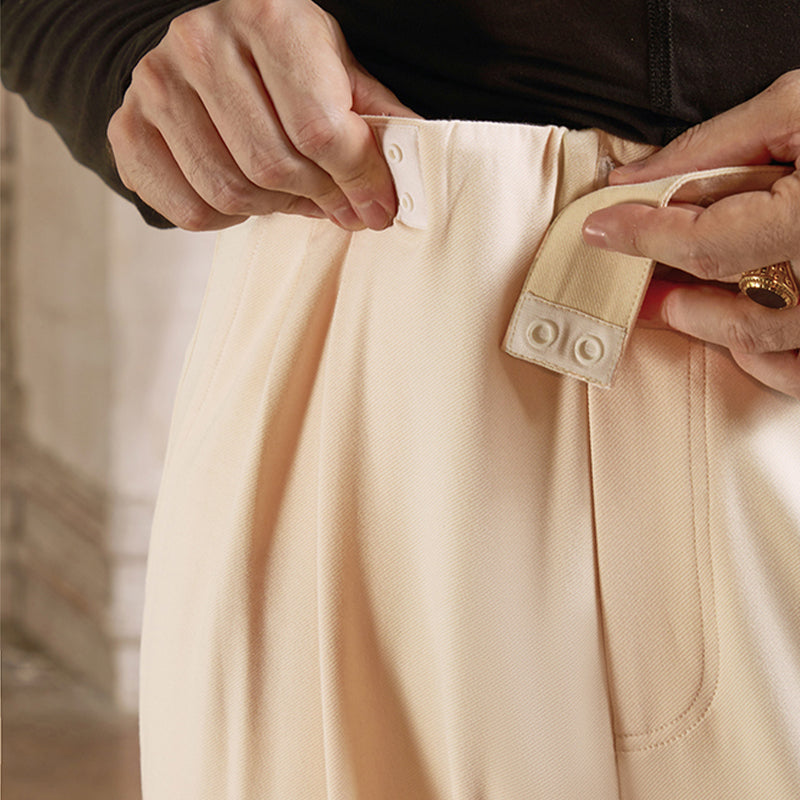
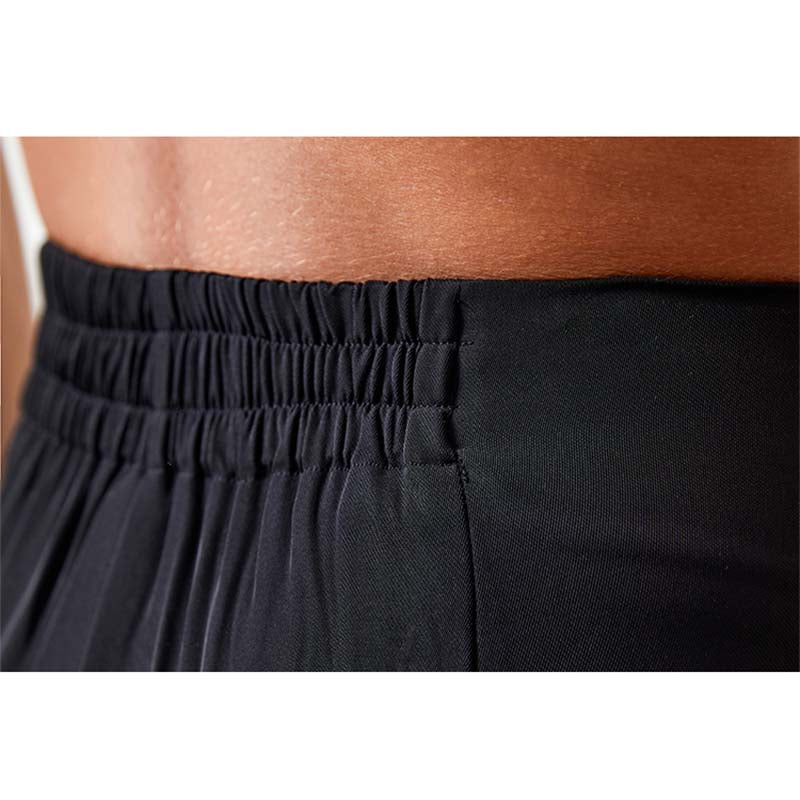
Waistband. Elastic and drawstring waists are the most forgiving for long practice sessions and for anyone between sizes. Belted and tie-belt styles give a crisper waistline for performance and let you fine-tune the fit on the day.
For more on trouser cuts across both styles, see the full dance pants collection.
Fabric, Sweat and Washing
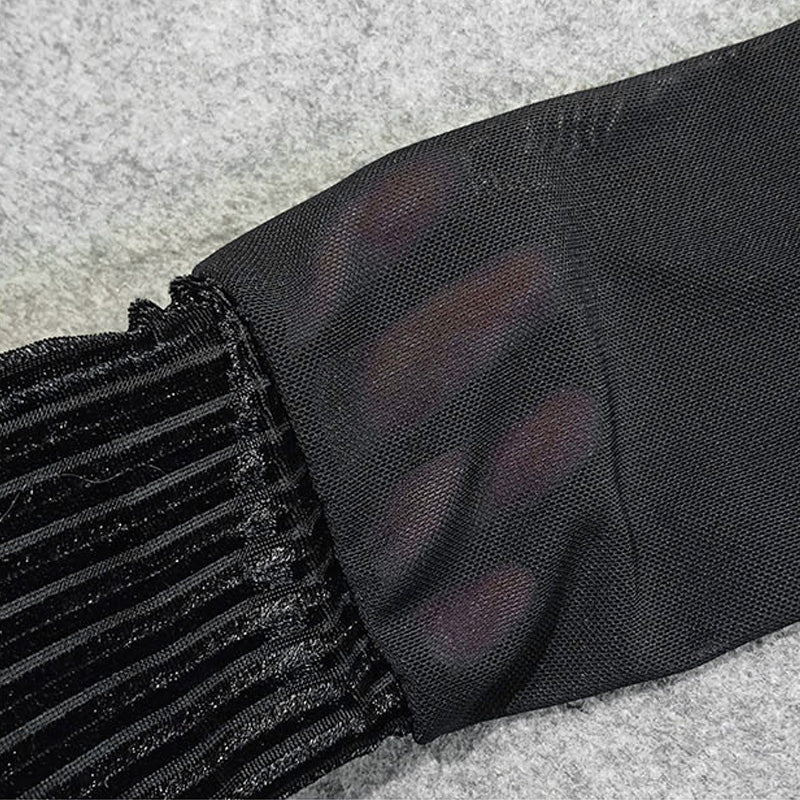
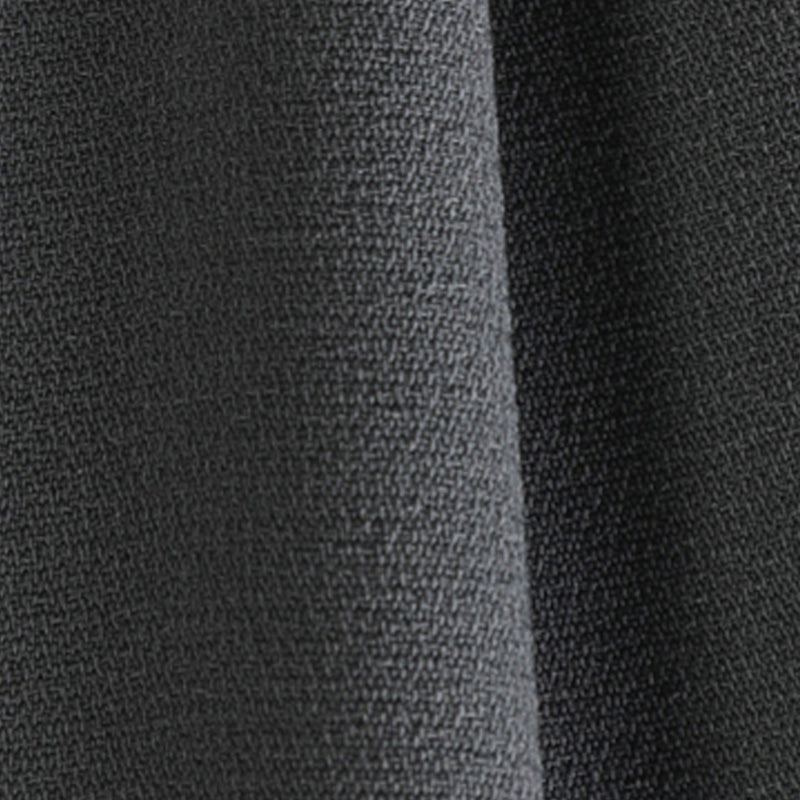
Men generally run hotter in a lesson than they expect, and fabric decides whether the shirt looks the same at the end of the hour as it did at the start. Milk silk and stretch knits breathe well and recover their shape after being pulled in every direction. Mesh panels cool the back and arms, which is why they show up so often on Latin shirts. Satin looks sharp under lights but shows sweat more readily, so it is usually saved for the social or the showcase rather than the practice room. Velvet adds depth for performance and wants a gentle wash.
Wash dance shirts and trousers inside out on a cold, gentle cycle and let them dry flat or on a hanger; tumble drying is what stretches elastic waistbands and dulls satin fastest. Hang trousers by the hem so the crease drops out overnight.
Sizing and Finishing the Outfit
Size shirts by chest and trousers by waist and hip against the size chart on each product page rather than by the label size in your wardrobe — dance cuts sit closer to the body than casual clothes. For trouser length, stand in the shoes you dance in: a heeled Latin shoe and a flat ballroom shoe can call for different lengths.
Shoes finish the look. Browse men's dance shoes for Latin and ballroom styles. If you are dressing for a partnership, Latin and ballroom dancewear covers the other half of the couple. Amazon's Choice with a money-back guarantee since 2012.
Men's Dancewear: Frequently Asked Questions
What should a man wear to a ballroom dance class?
Dance trousers or smart, soft trousers with some stretch, a shirt that stays tucked, and proper dance shoes. Avoid jeans, shorts and anything with a heavy belt buckle that can catch your partner. A fitted shirt matters more than it seems, because your teacher needs to see your frame.
What is the difference between Latin and ballroom dance shirts for men?
Latin shirts show the torso's movement with deep V necklines, open collars, sheer mesh and close cuts. Ballroom shirts keep a clean, still frame with flat collars and smooth satin. Many men start with one of each and wear the Latin shirt for rhythm dances and the ballroom shirt for smooth and standard.
Why do men's dance shirts have a bodysuit bottom?
So the shirt cannot come untucked. A bodysuit base closes under the body, anchoring the shirt when you lift your arms into hold or spin. It keeps the waistline unbroken for the whole lesson or routine.
Are men's dance pants different from normal trousers?
Yes. They sit higher on the waist, use fabrics that stretch and recover, and are cut with more room through the thigh so you can lunge and sink without the fabric pulling. The high rise also lengthens the leg line, which is exactly what you want on the floor.
Wide leg or straight leg dance trousers for men?
Wide leg for ballroom and social dancing, where the fabric flowing behind the leg adds to the movement. Straight leg if you want one pair for everything, including Latin practice and showcases.
What size men's dancewear should I order?
Measure your chest for shirts and your waist and hip for trousers, then compare against the size chart on each product page. Dance cuts sit closer than casual clothing, so go by the measurements rather than your usual label size. Every order carries a money-back guarantee if the fit is wrong.