
Ballroom Competition Dresses & Ballroom Dance Gowns
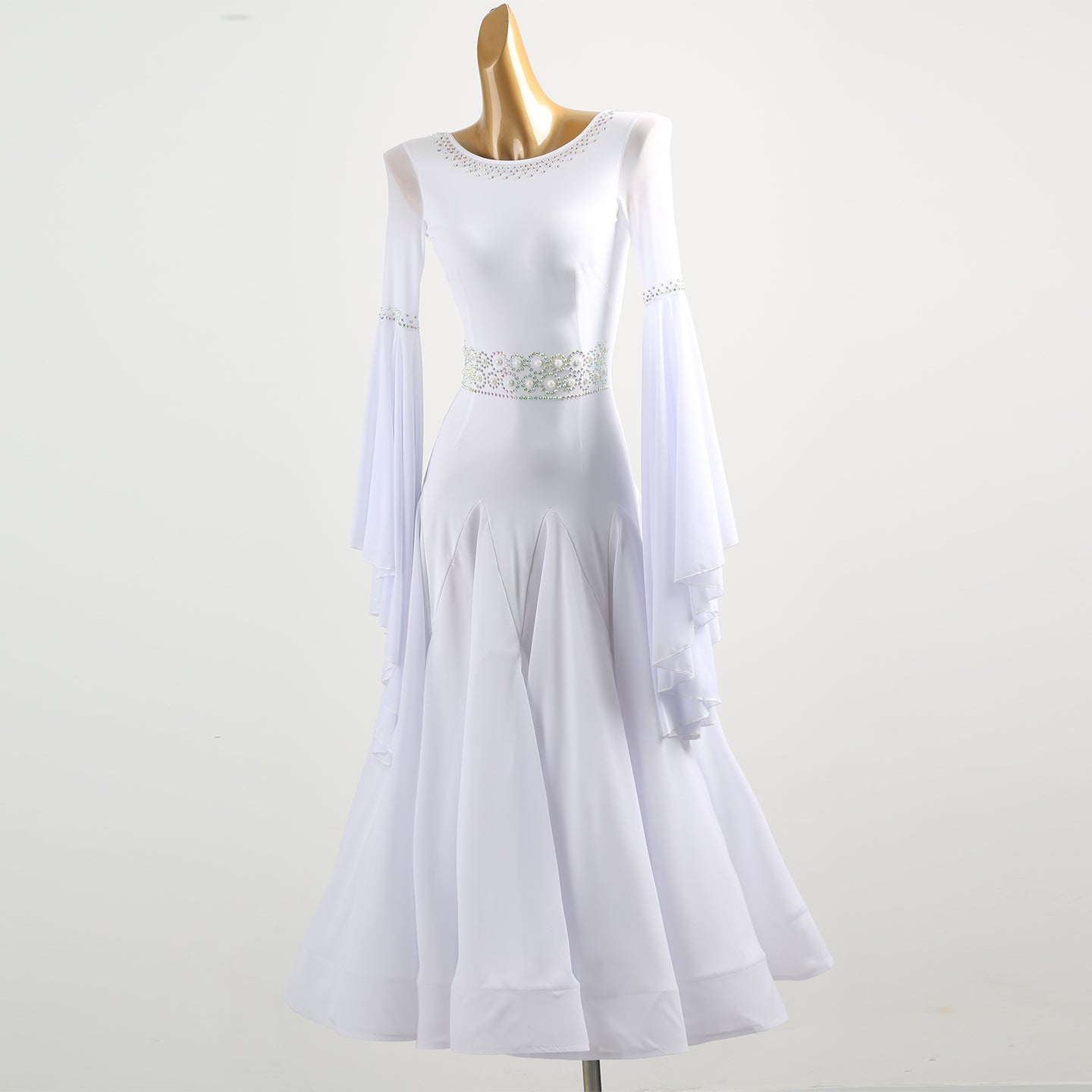
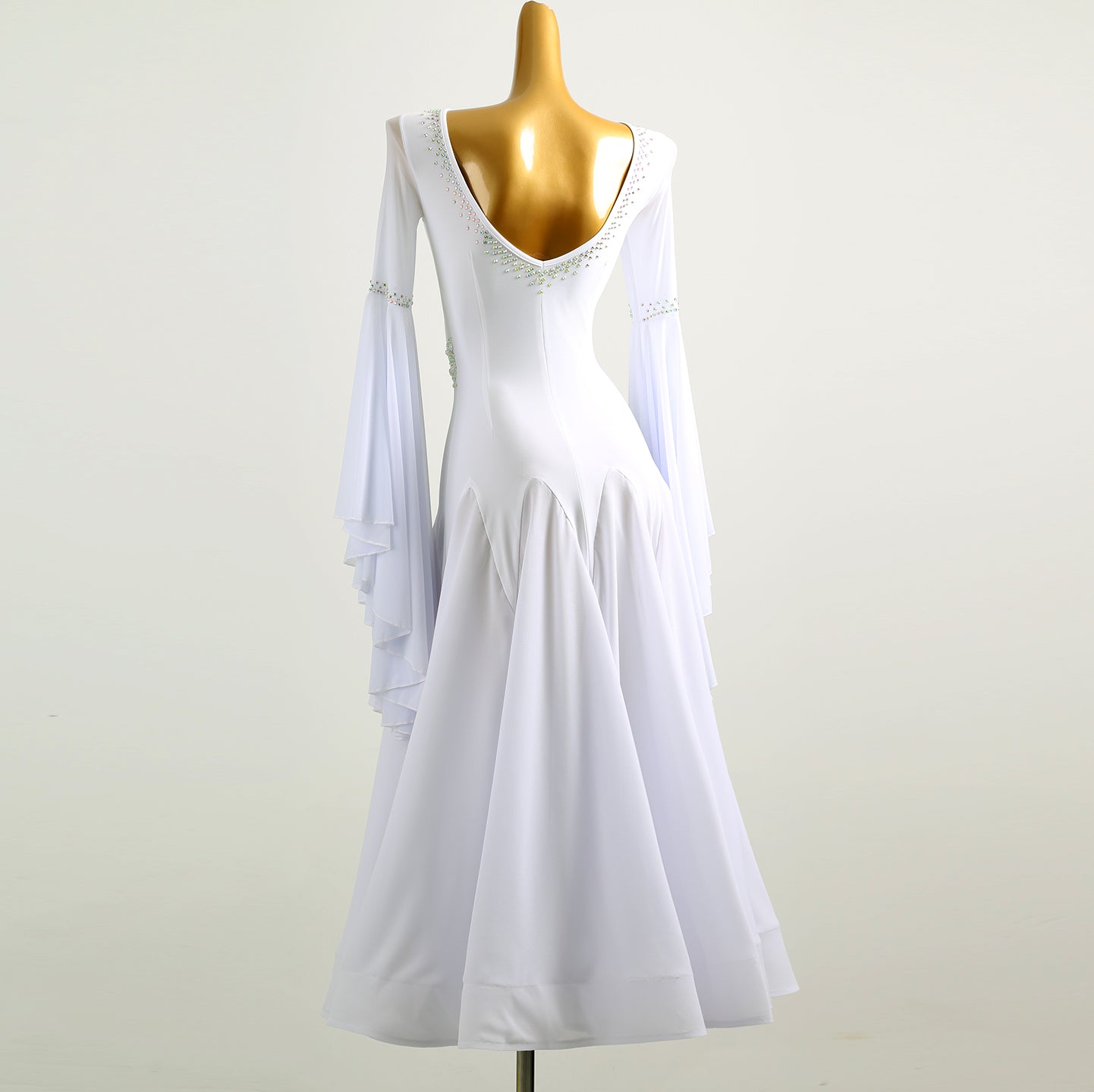
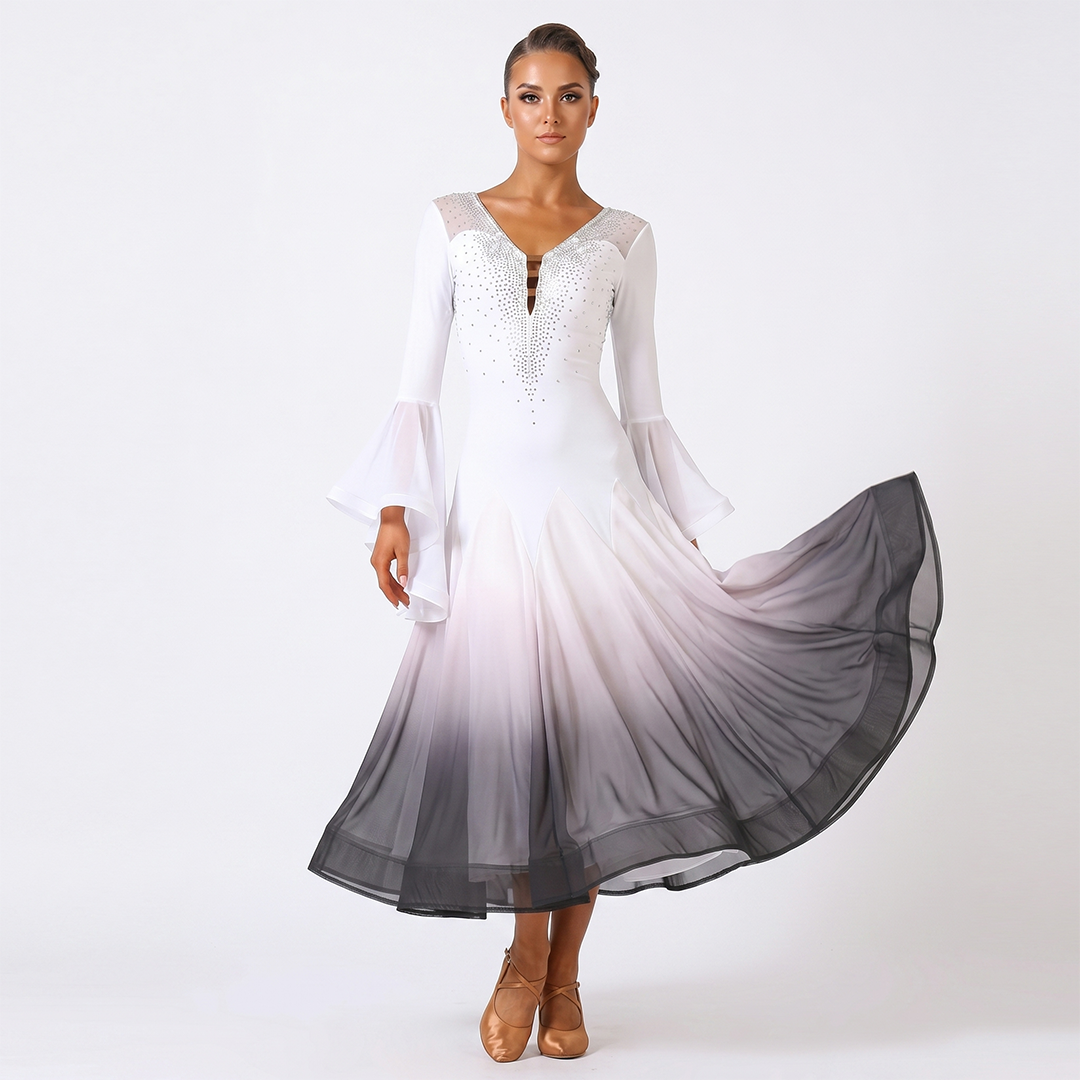
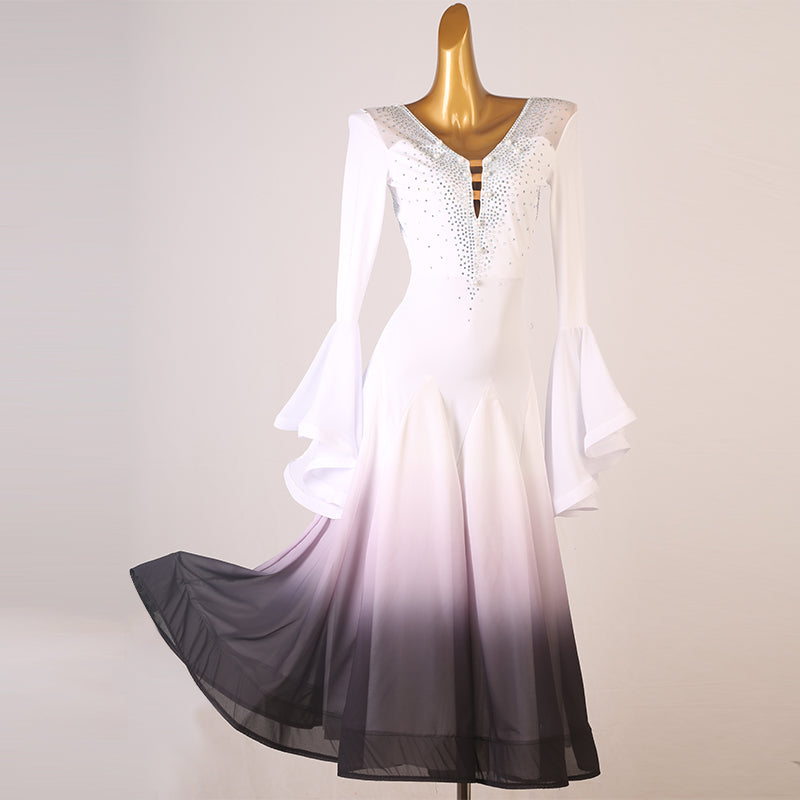
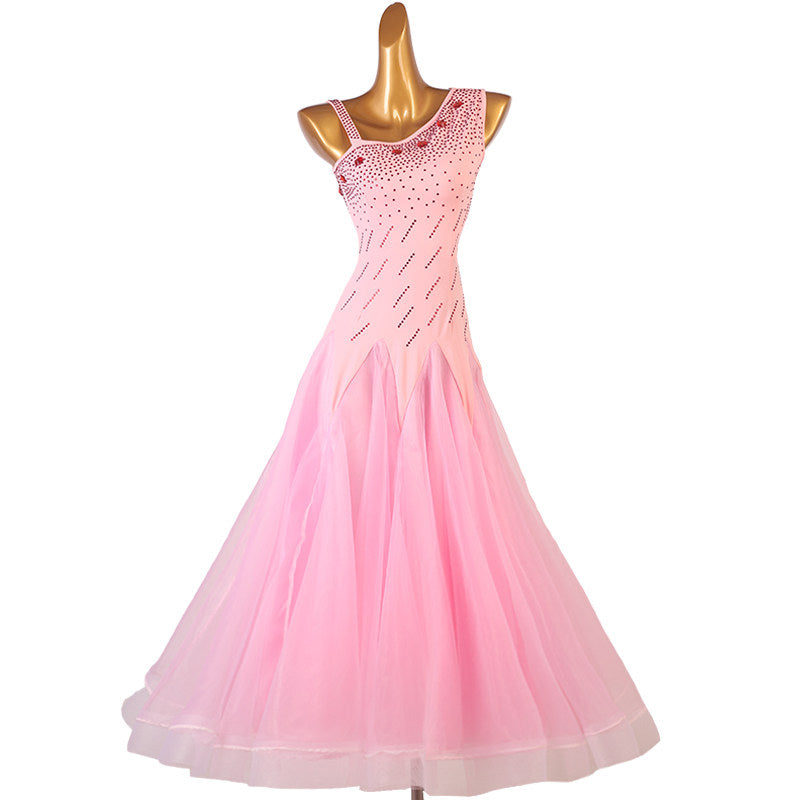
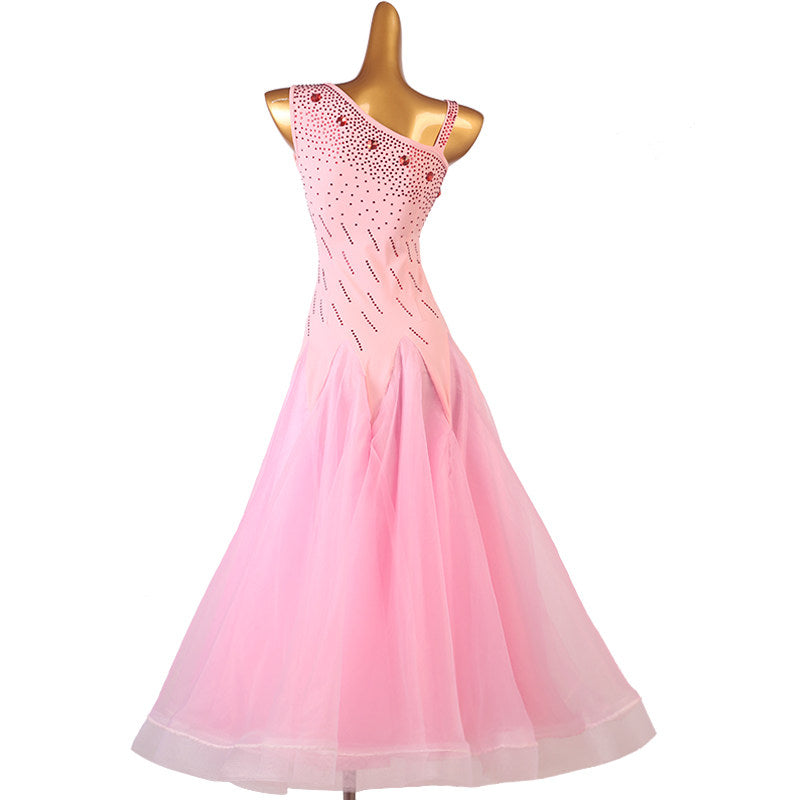
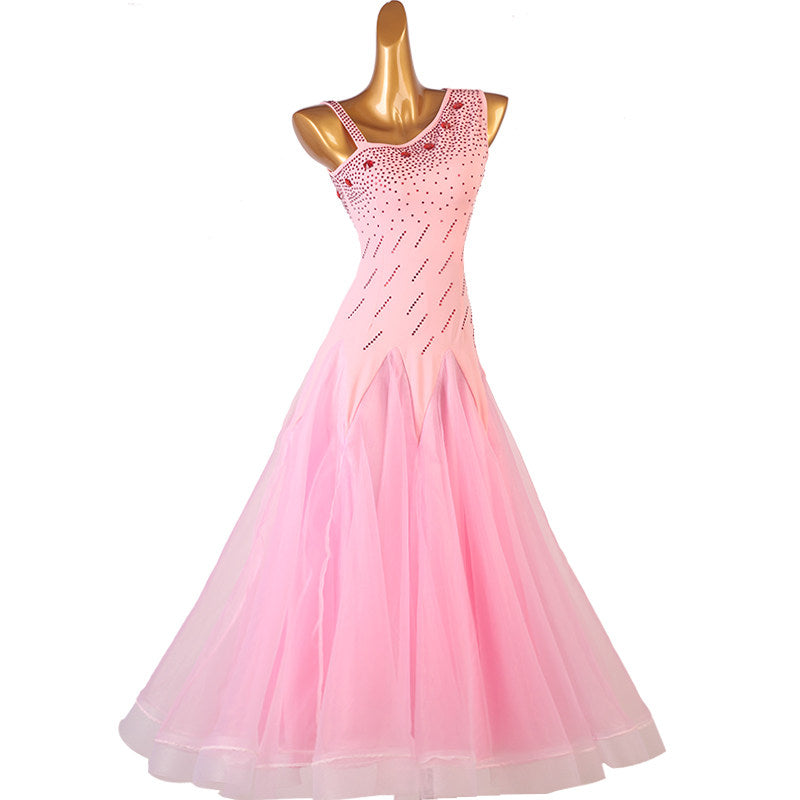
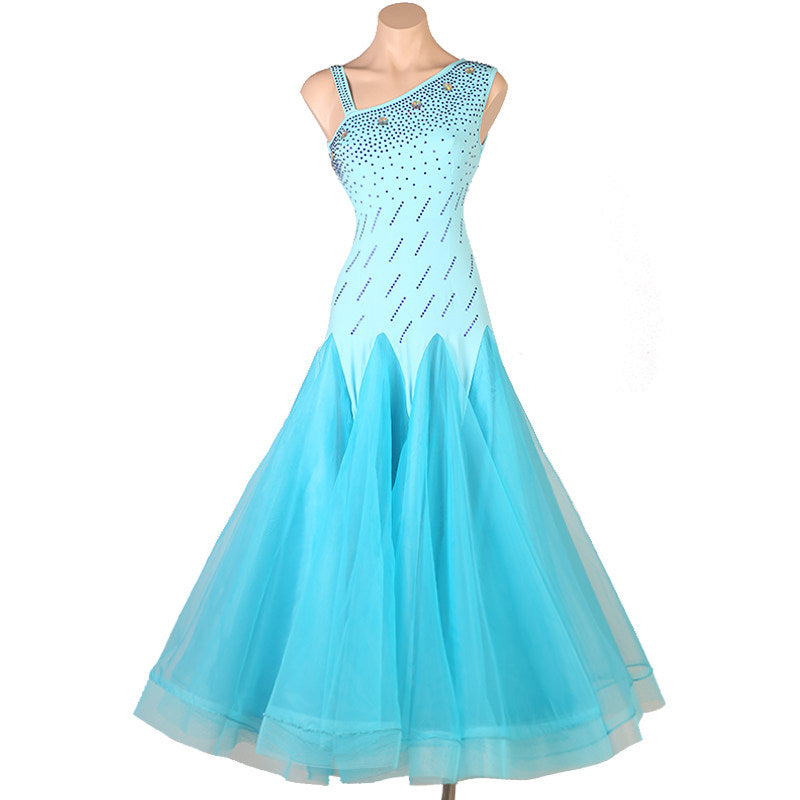
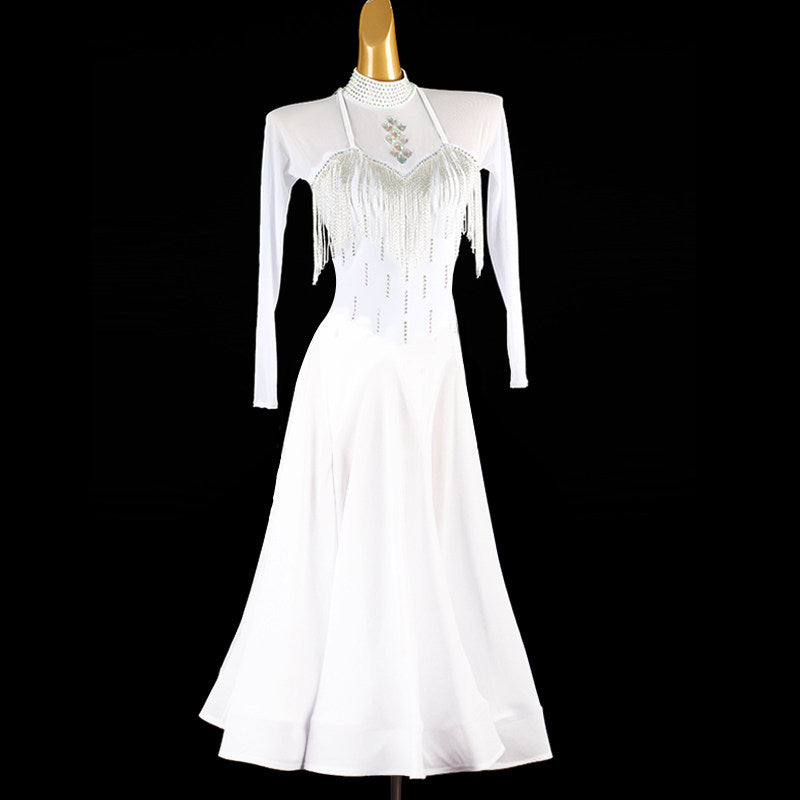
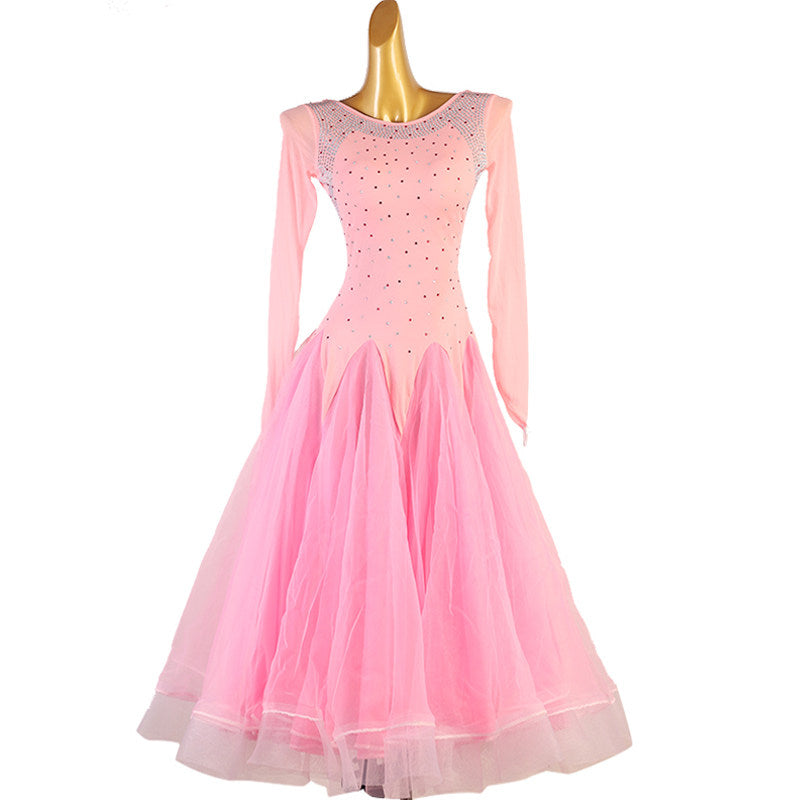
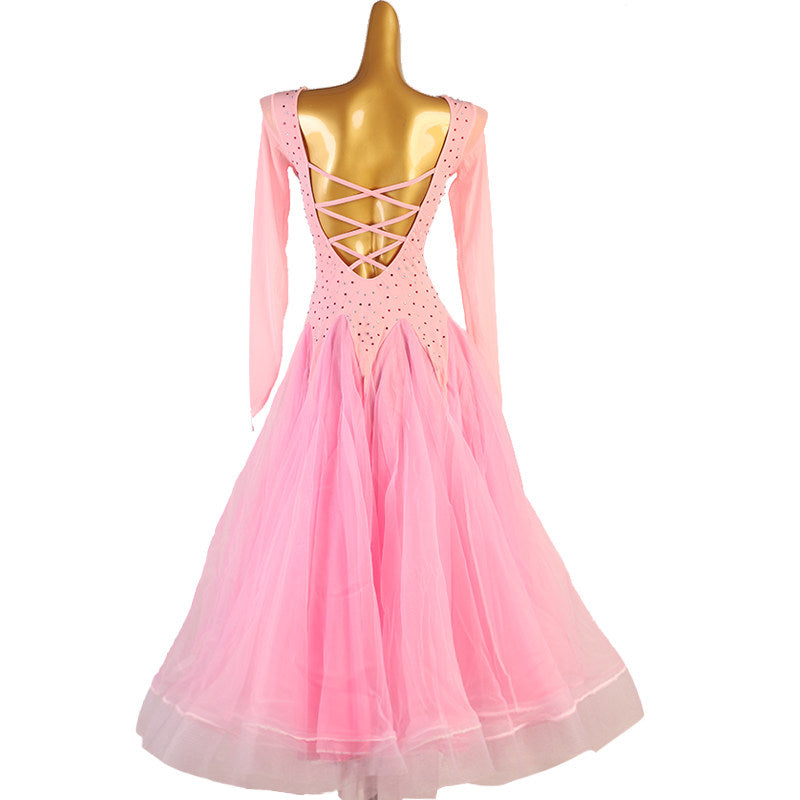
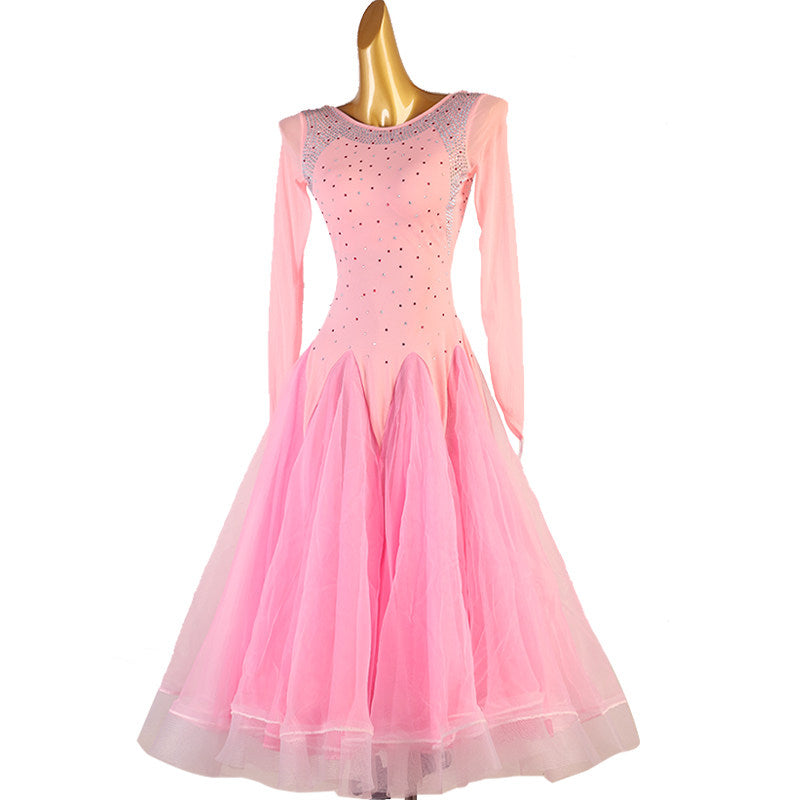
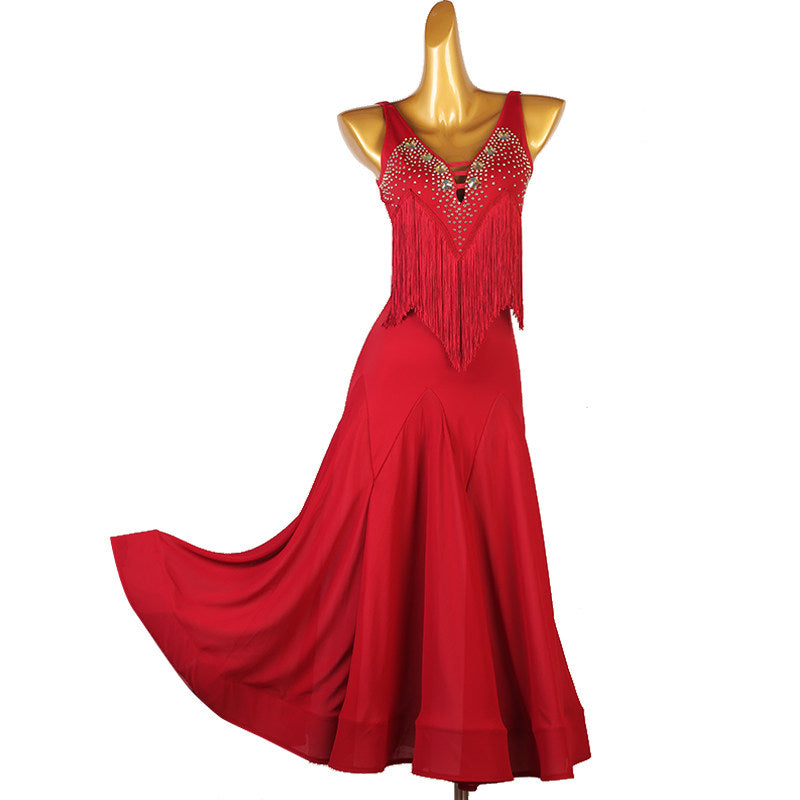
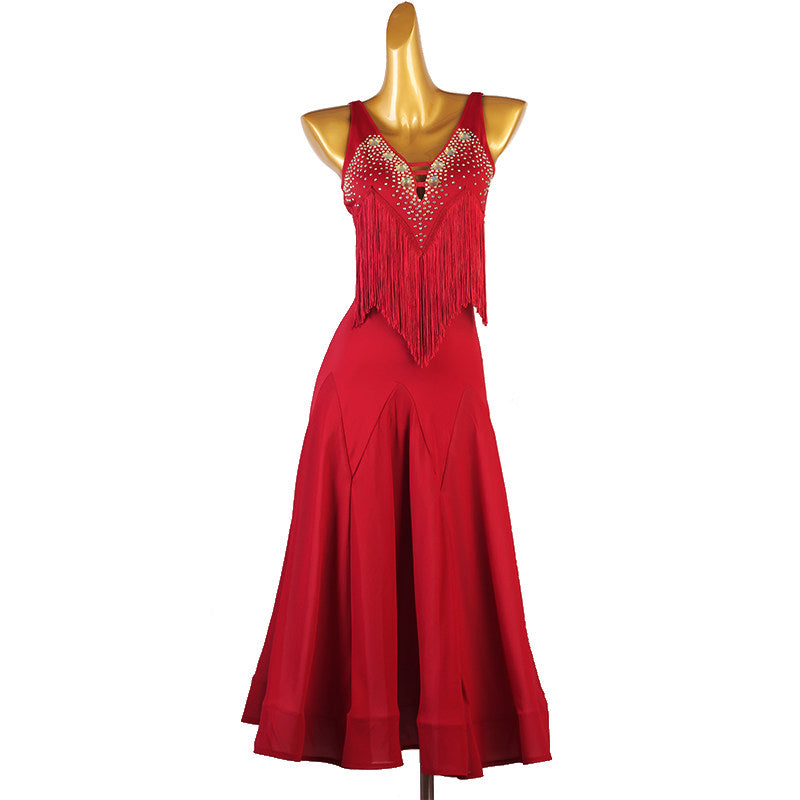
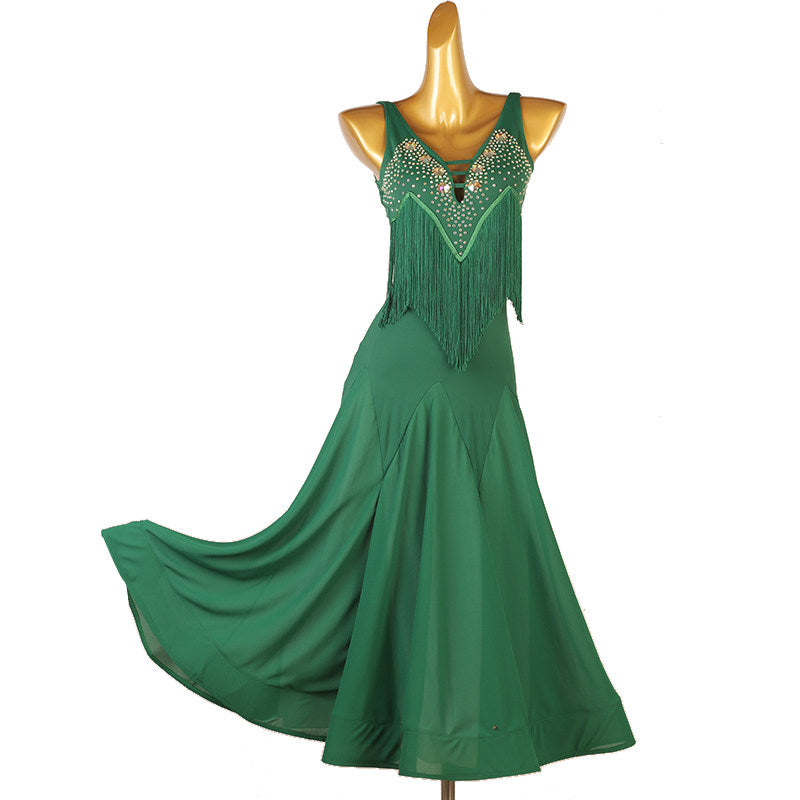
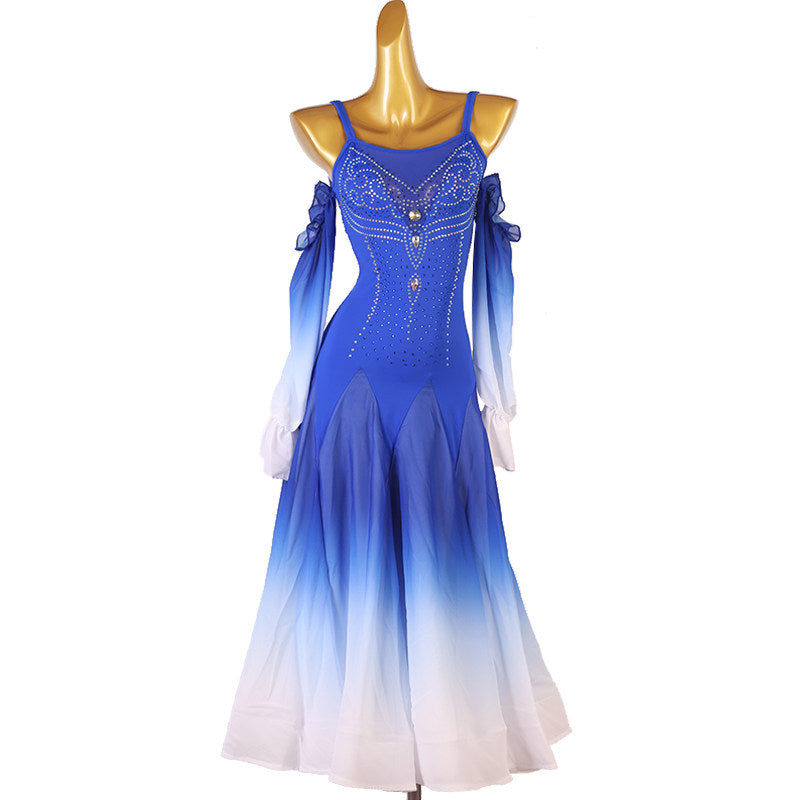
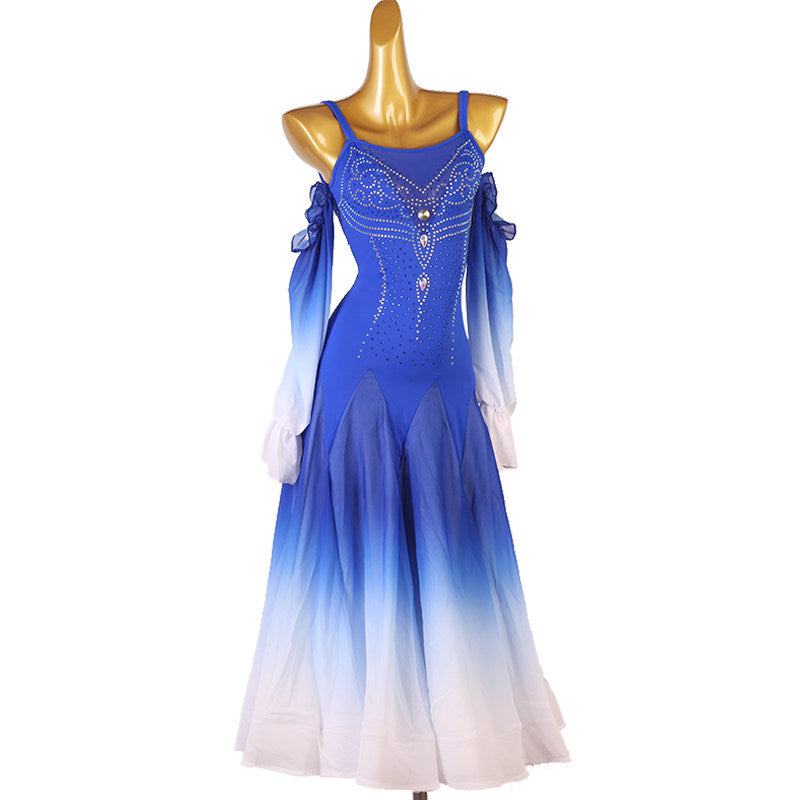
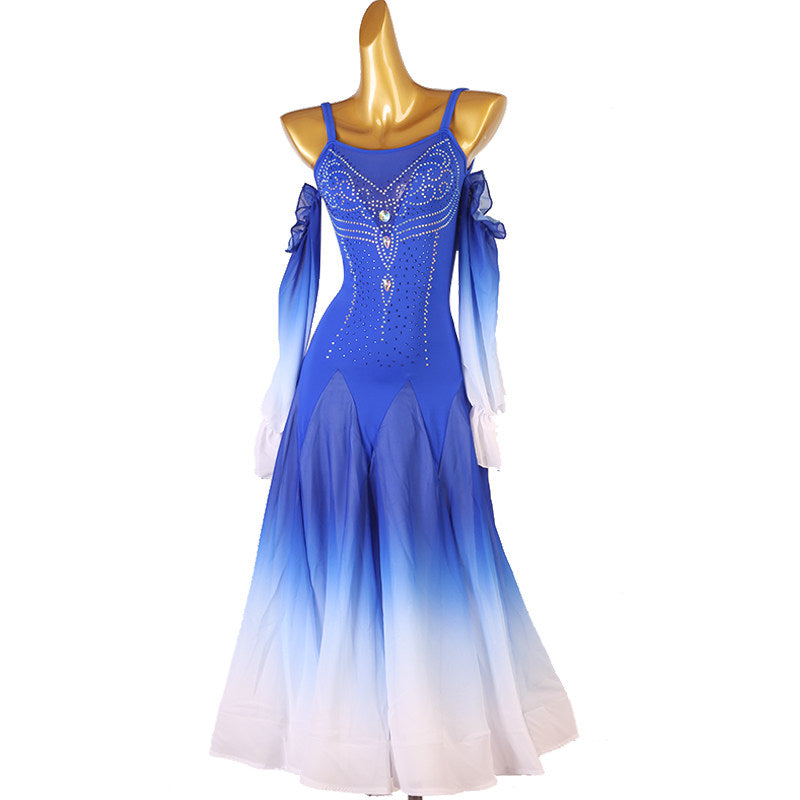
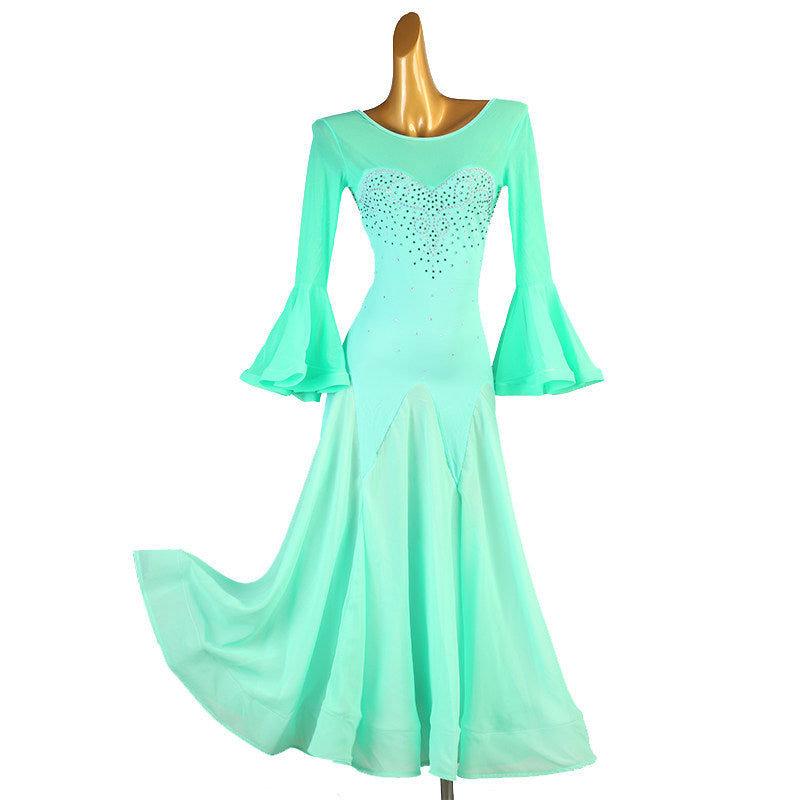
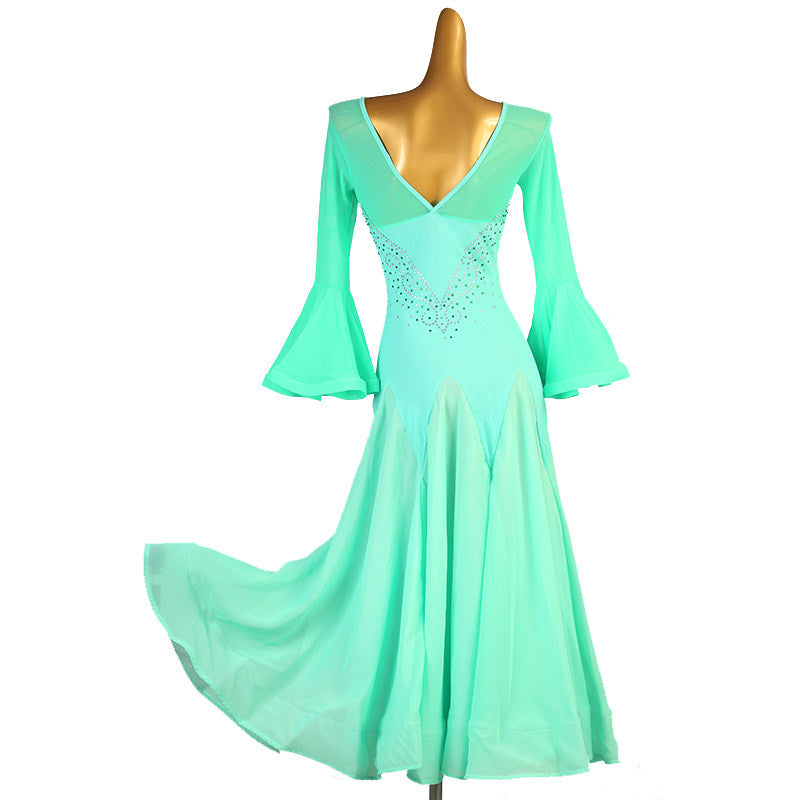
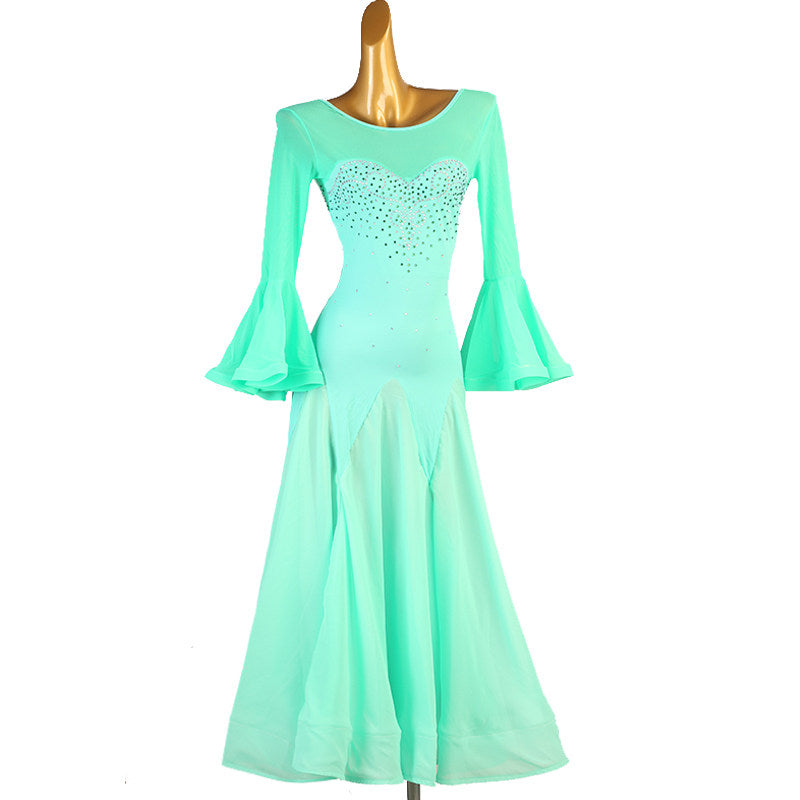
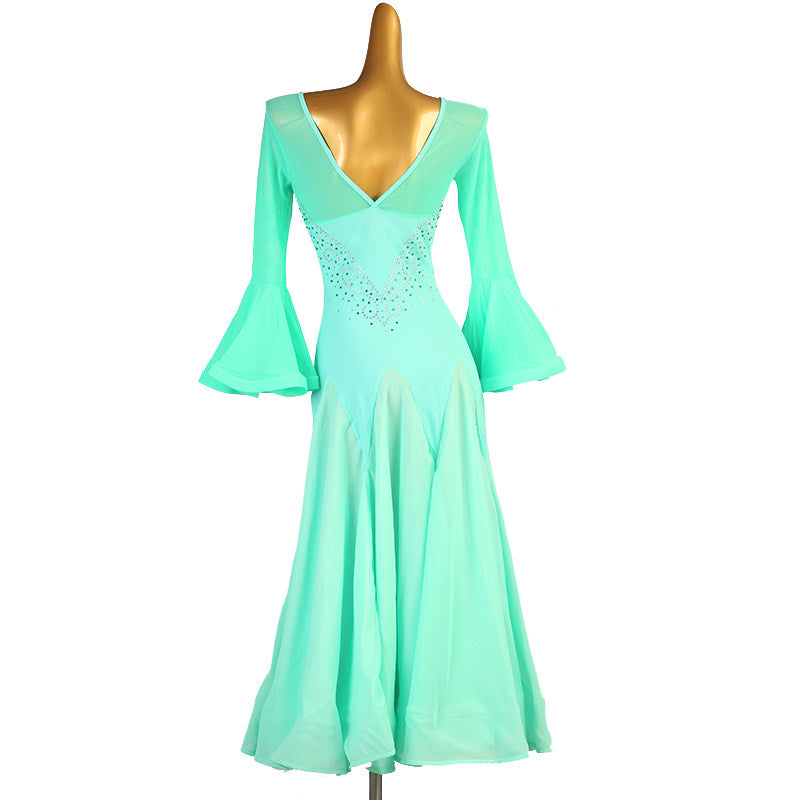
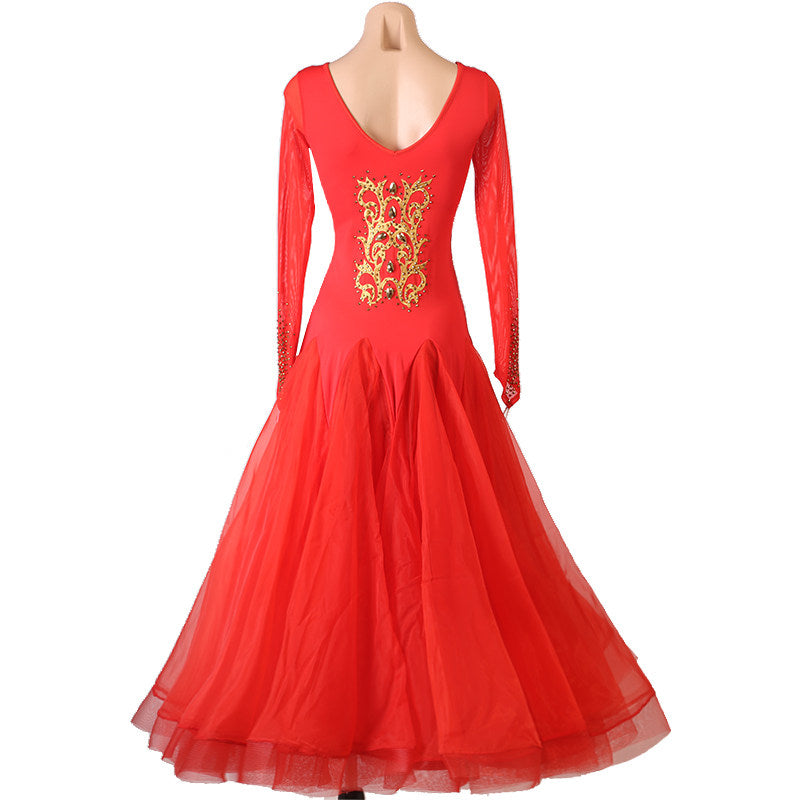
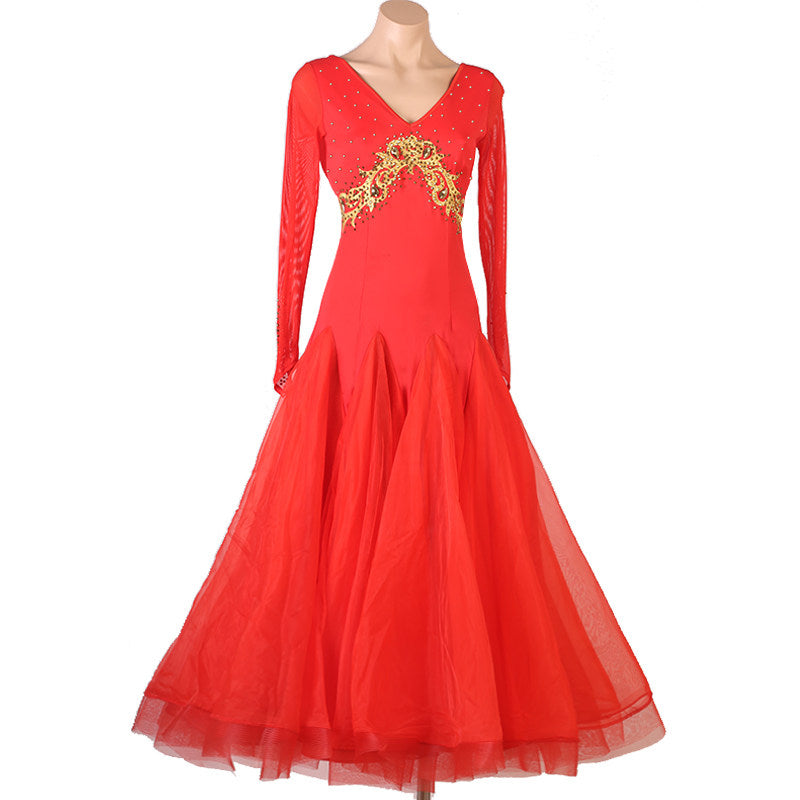
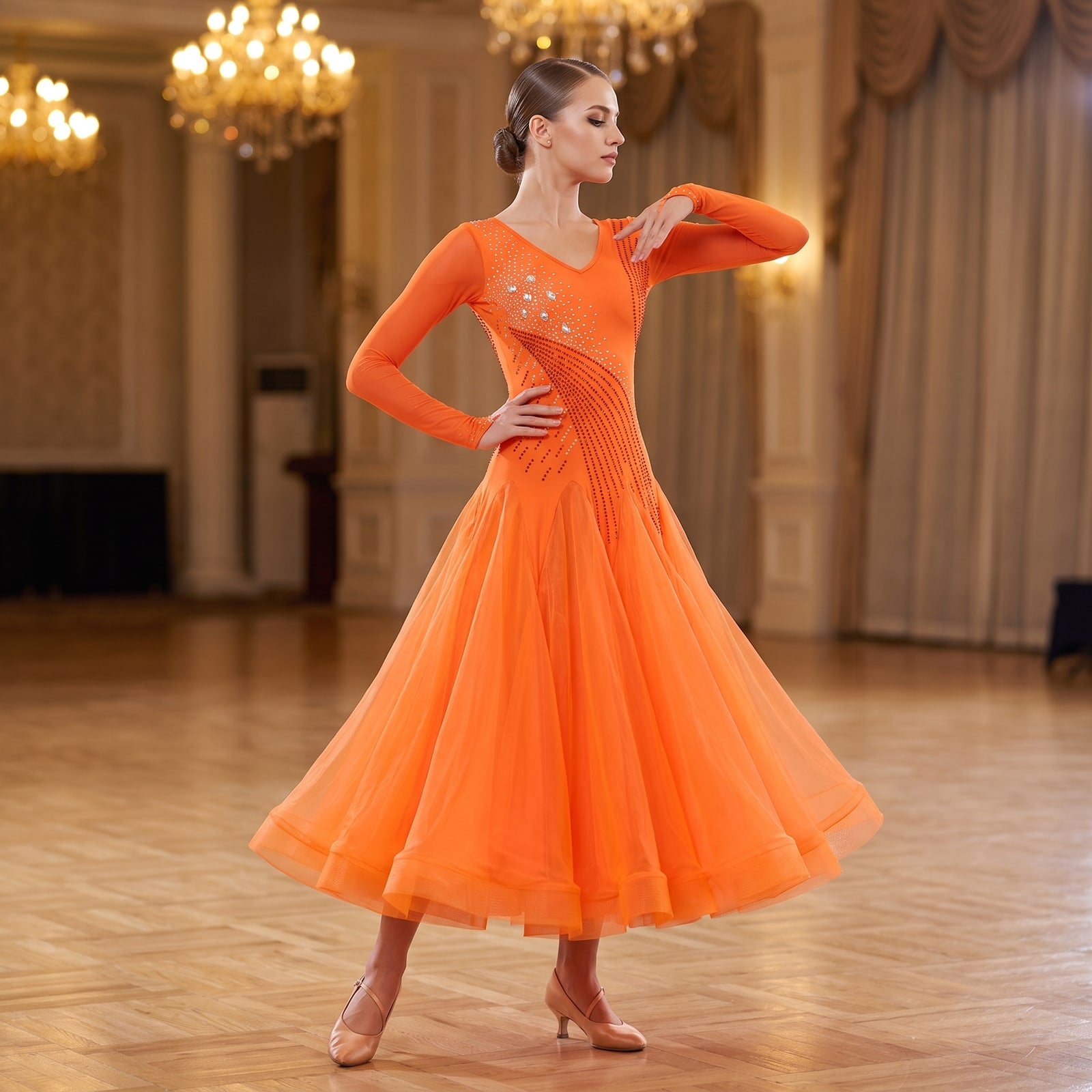
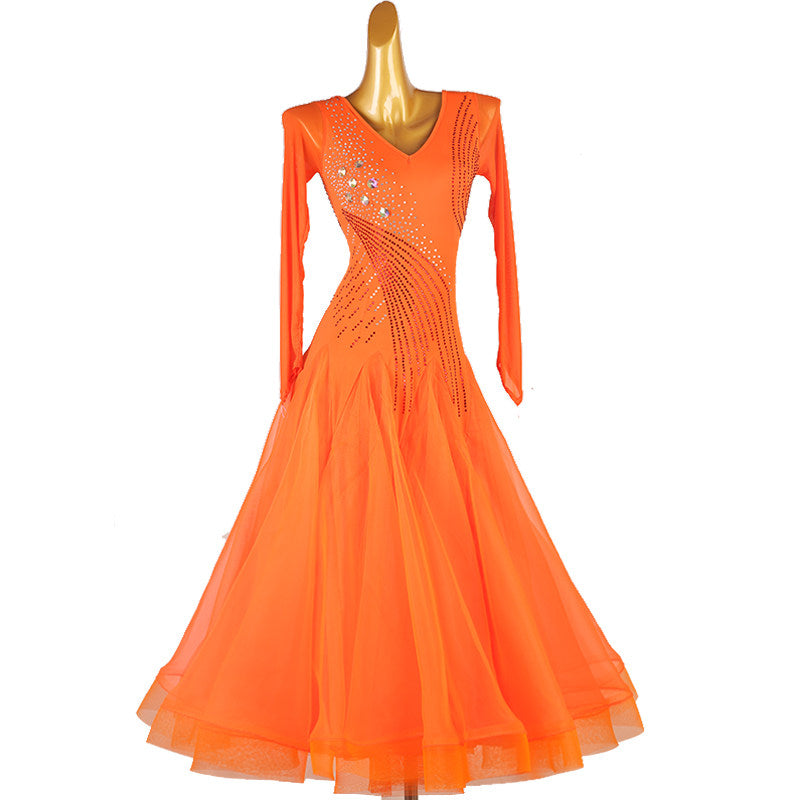
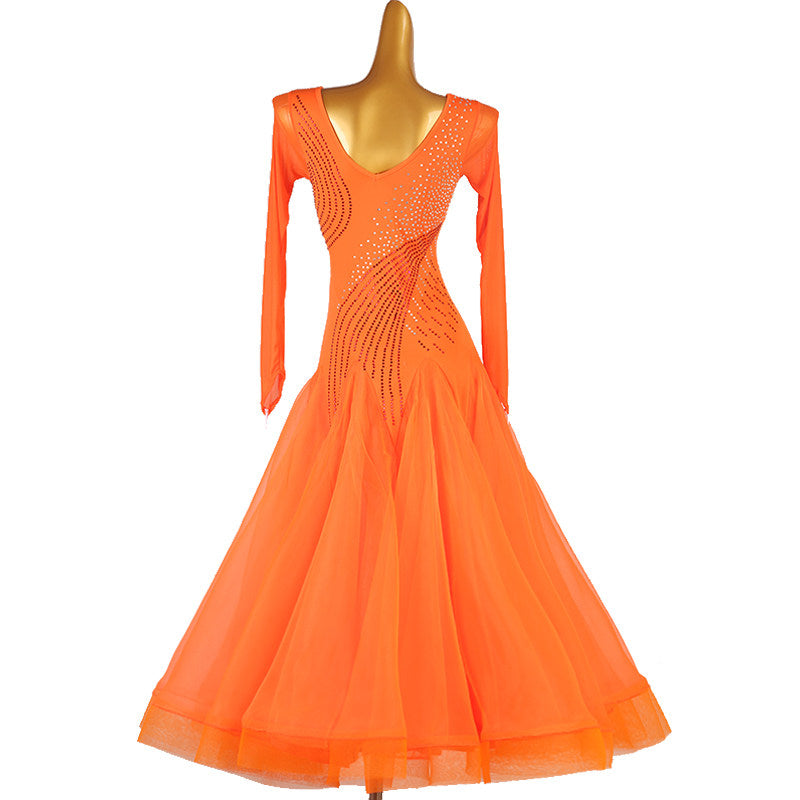
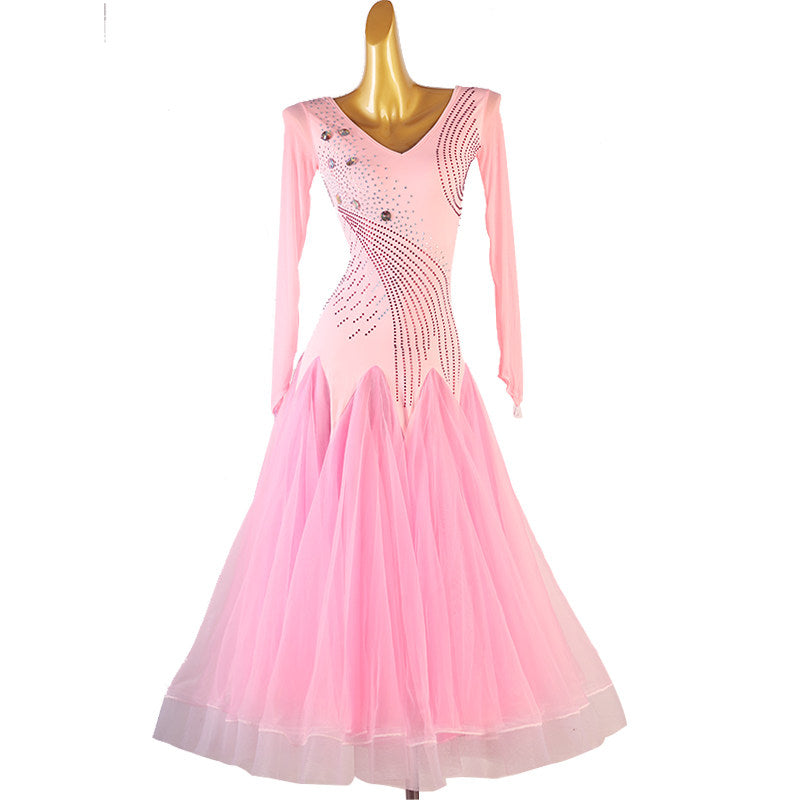
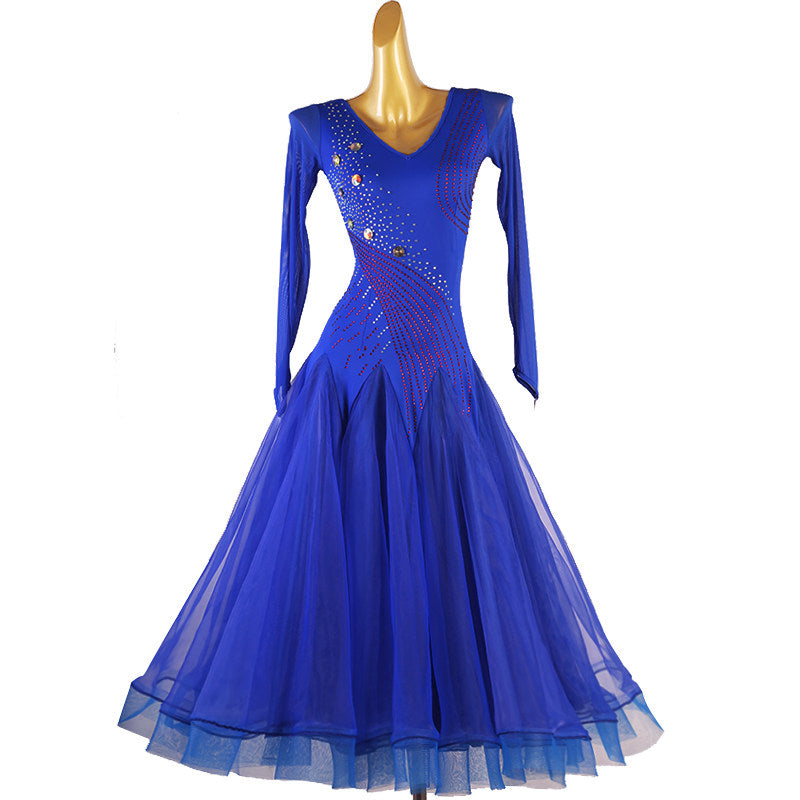
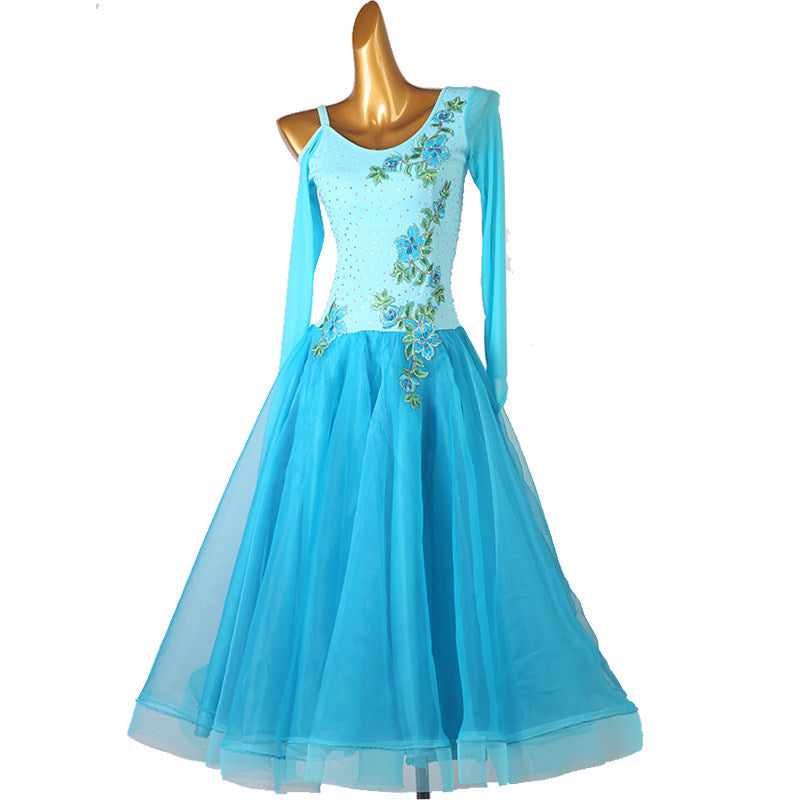
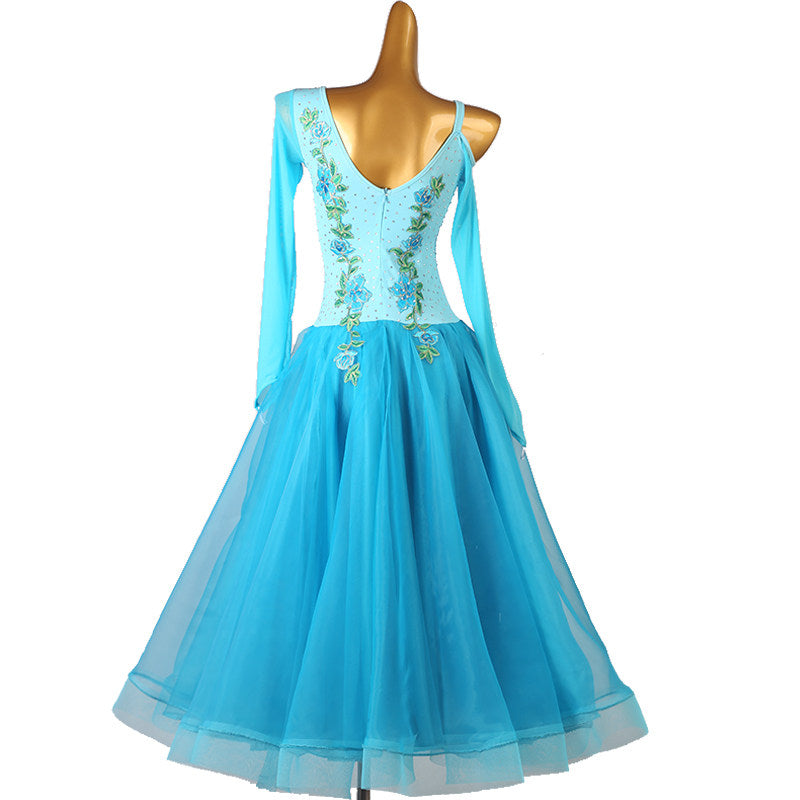
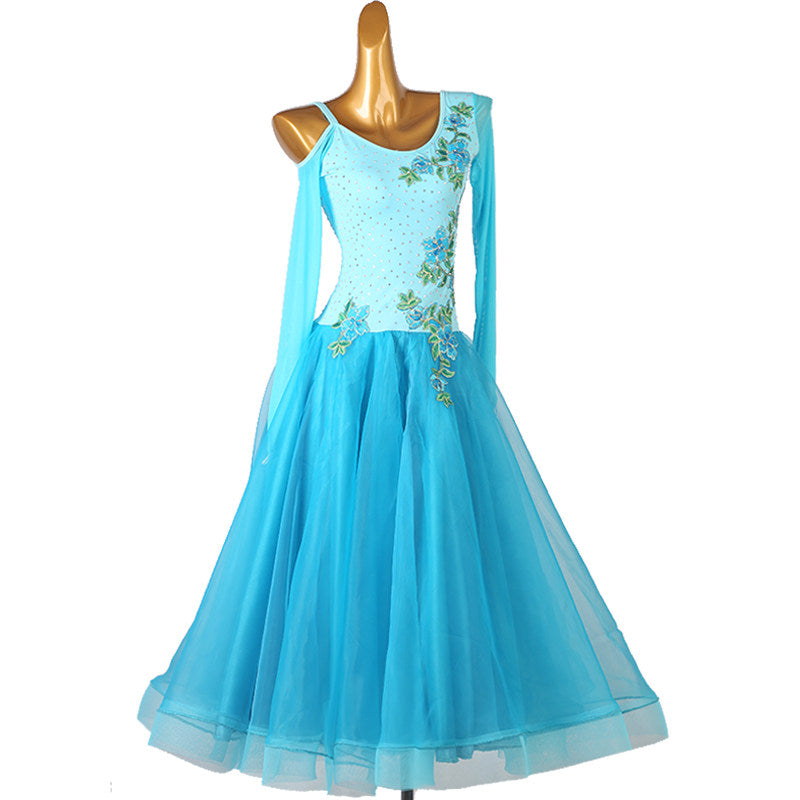
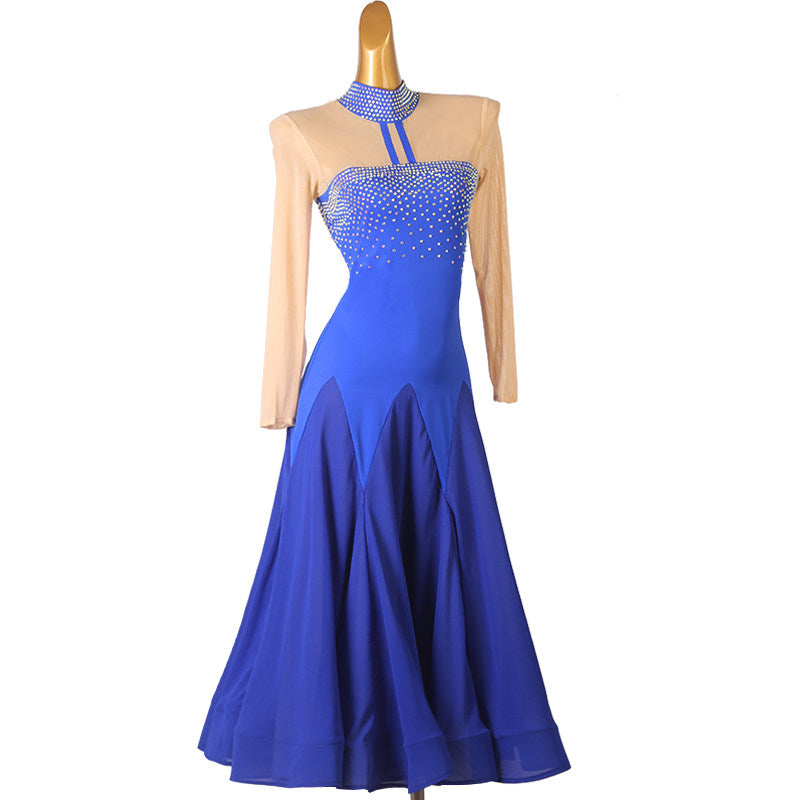
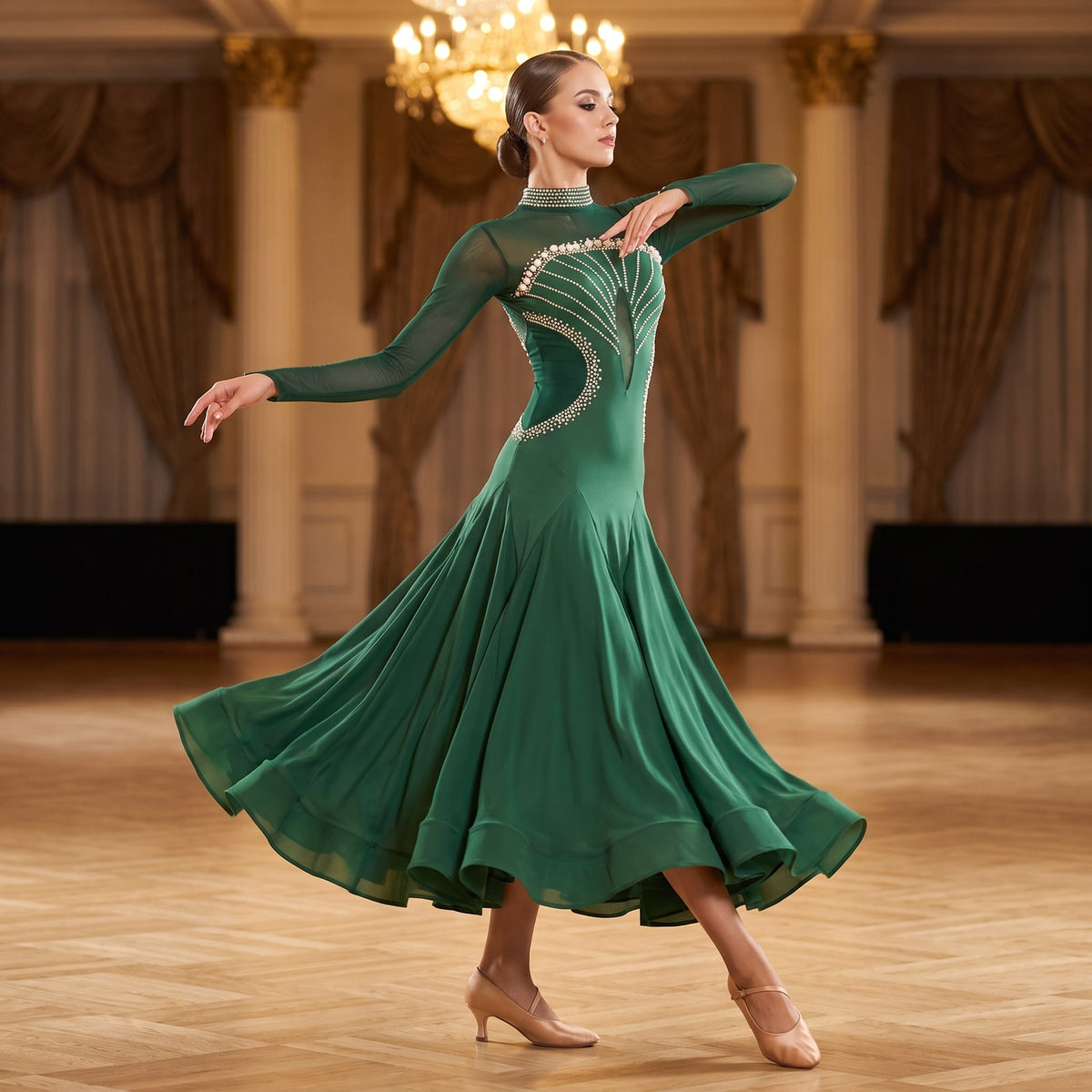
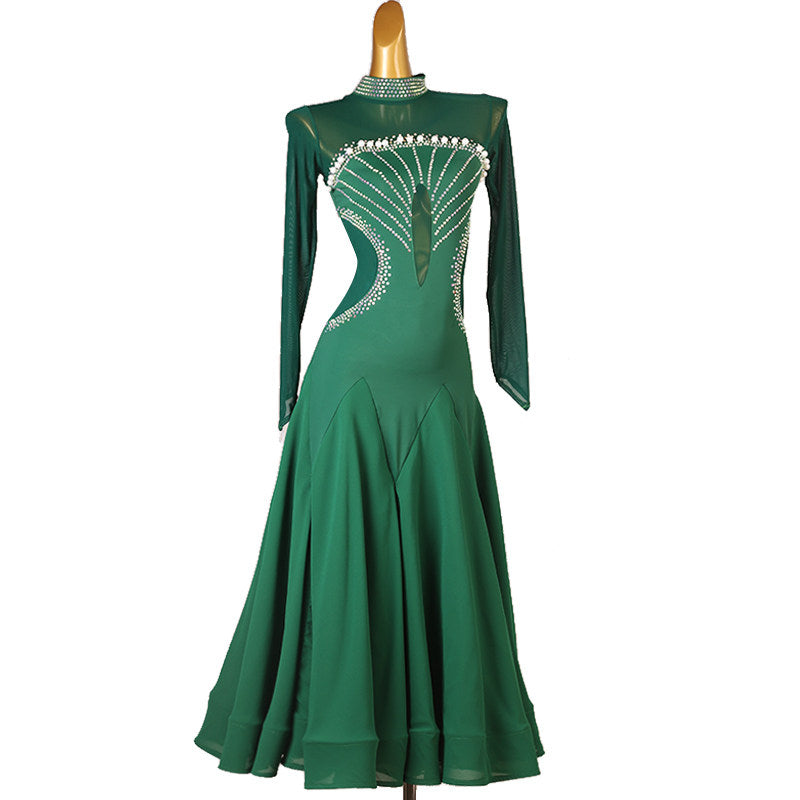
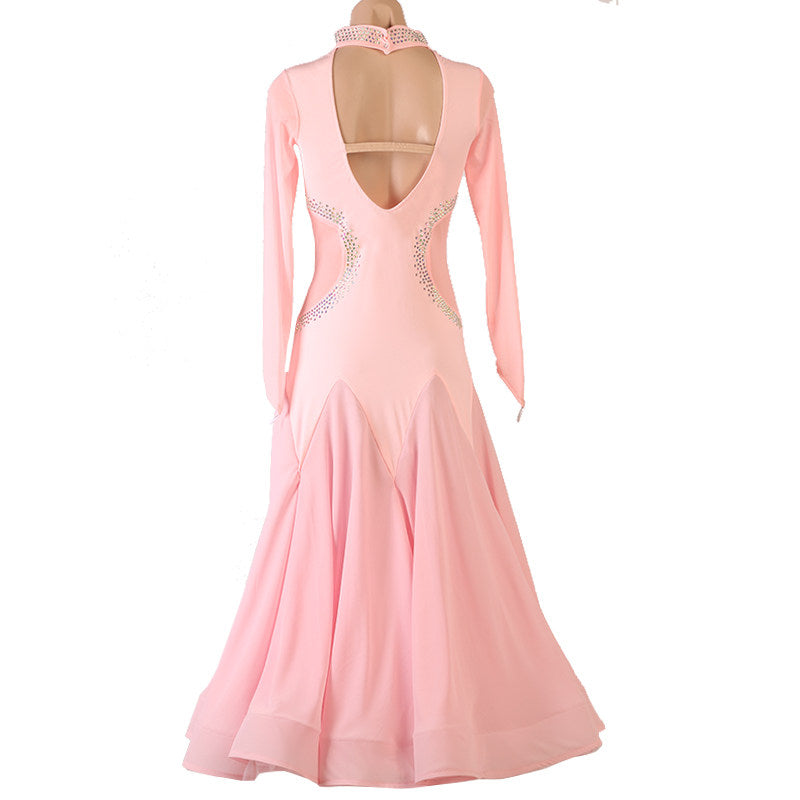
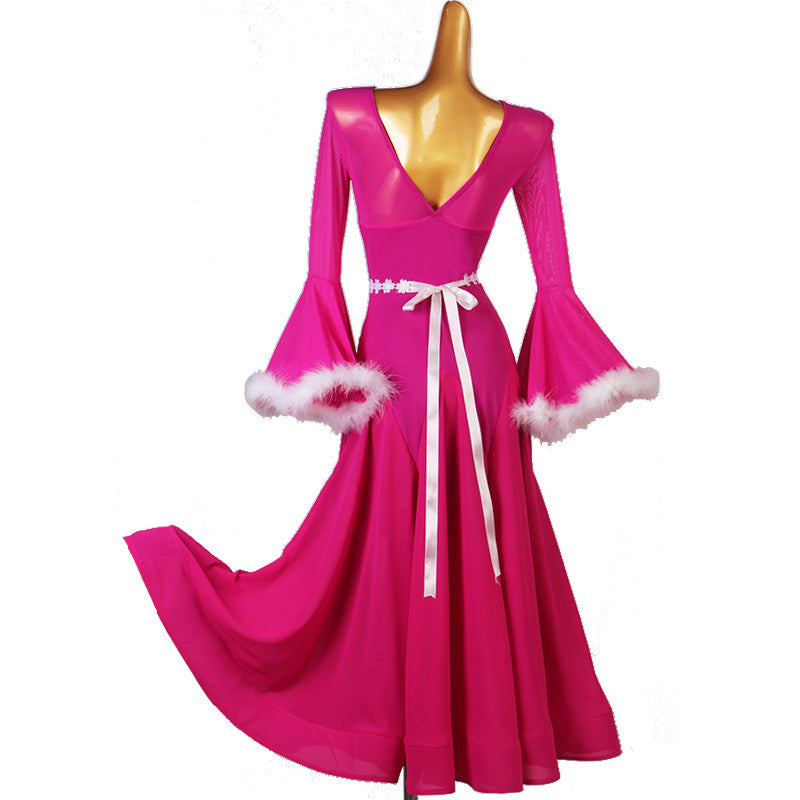
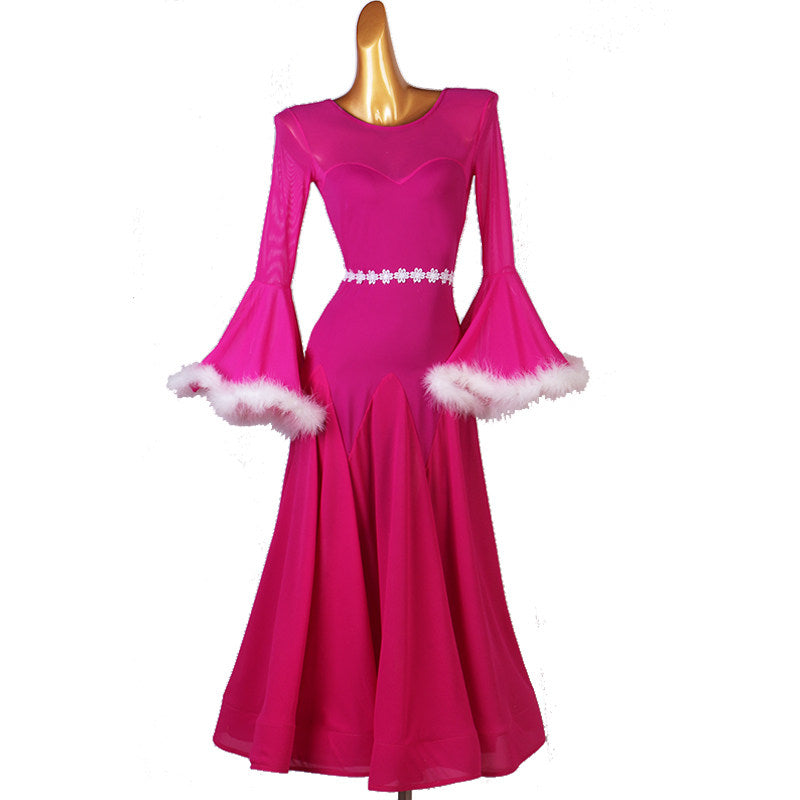
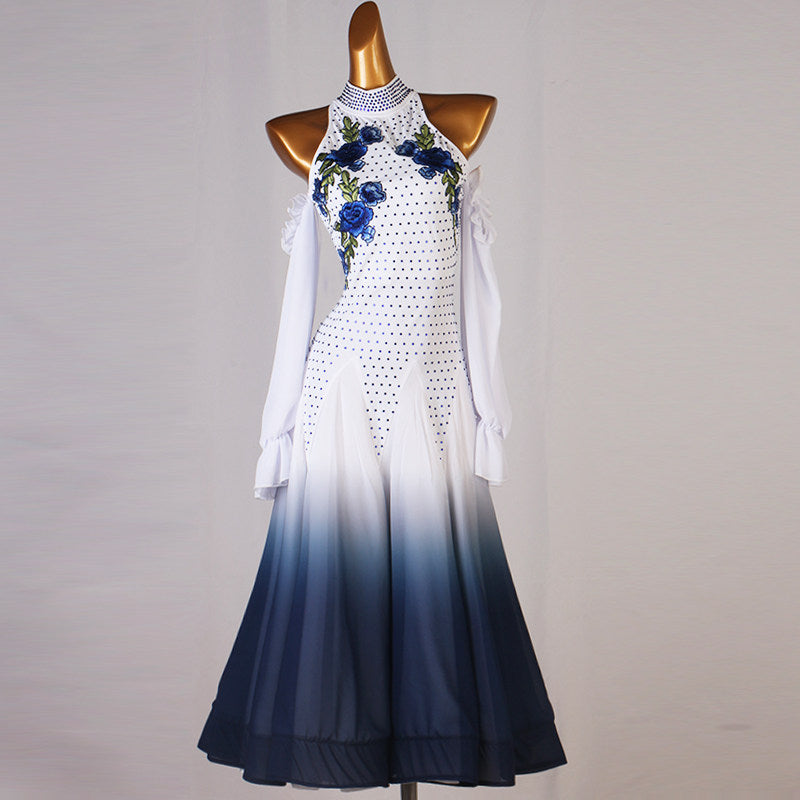
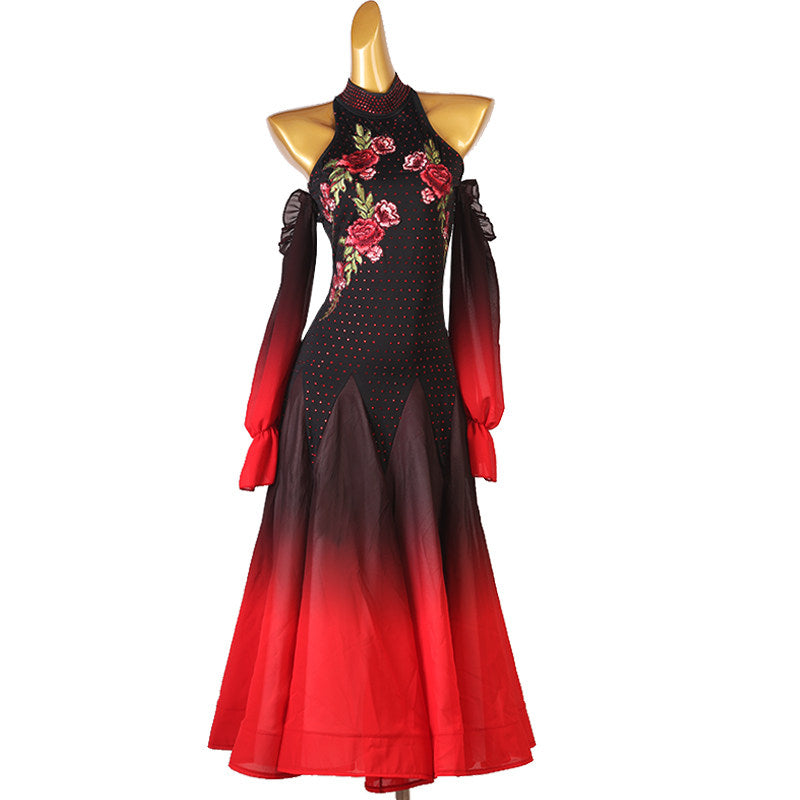
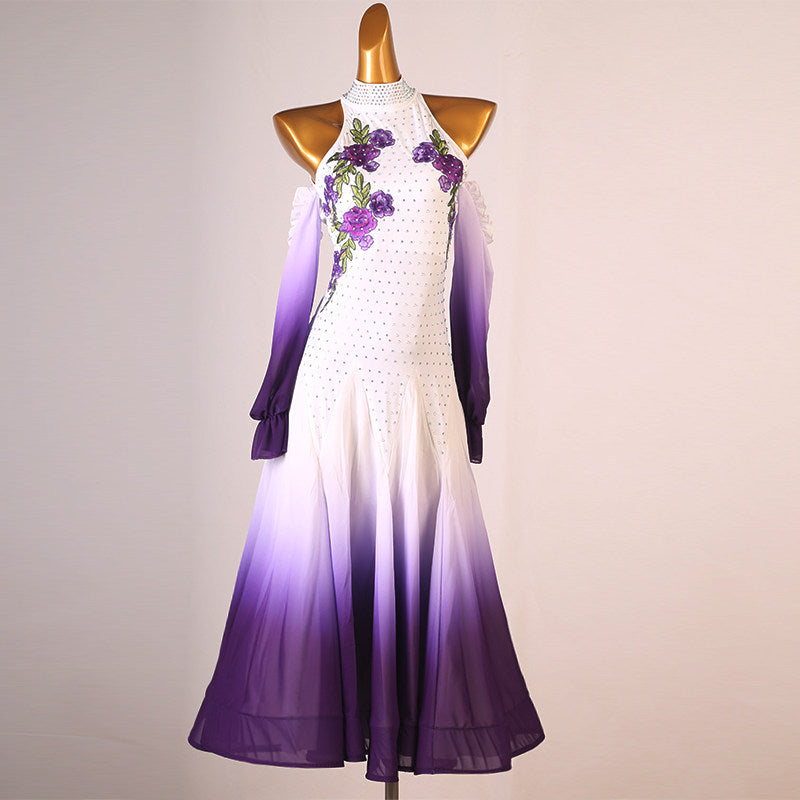
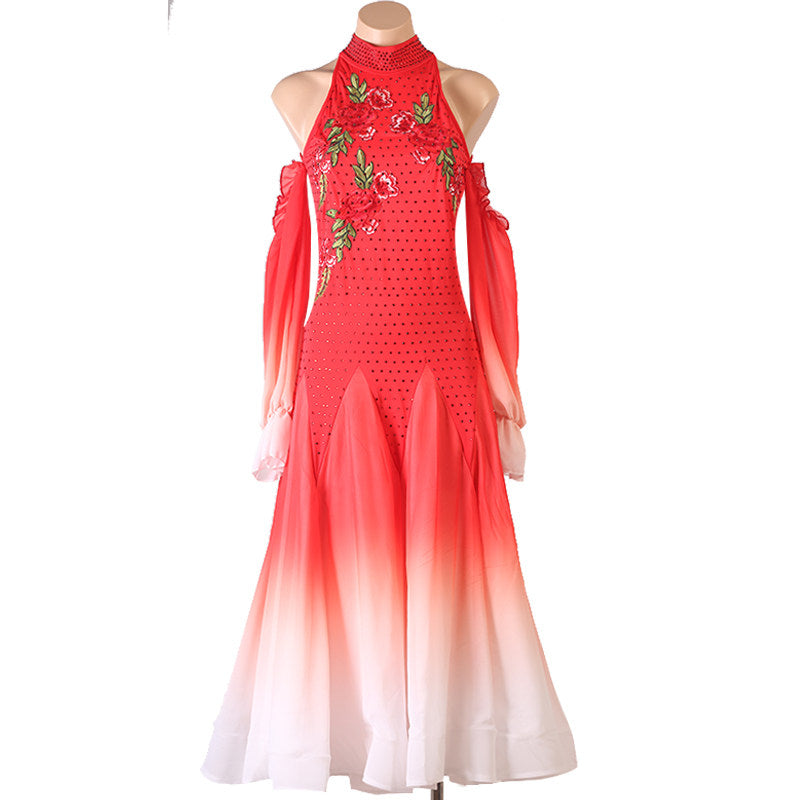
Ballroom competition dresses built for Standard and Smooth rounds — full-length gowns with the skirt sweep a judge can read from the balcony, boned bodices that hold your back line in closed hold, and float, godet and rhinestone work placed where it counts. Most are made to order in your own measurements. Amazon’s Choice with a money-back guarantee since 2012.
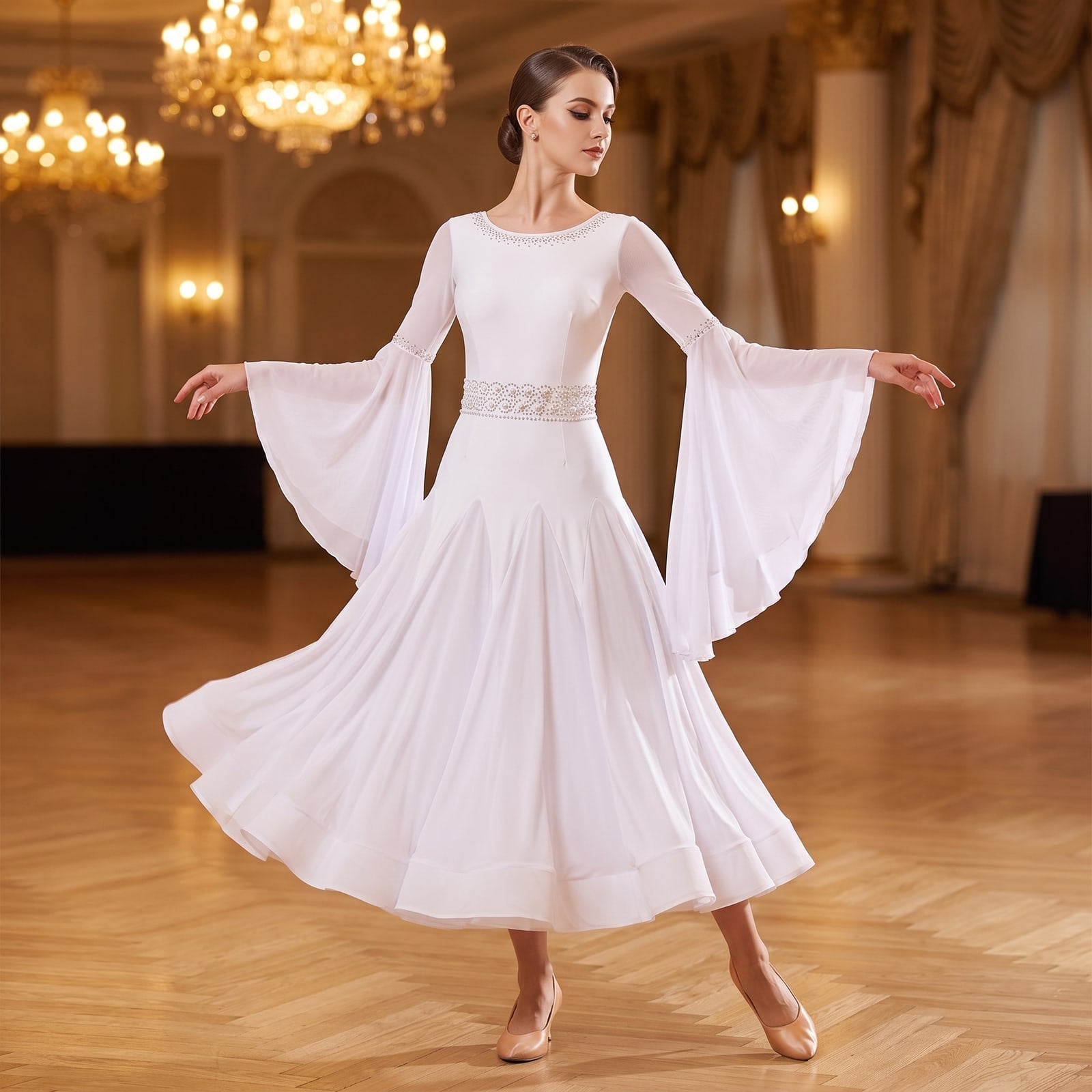
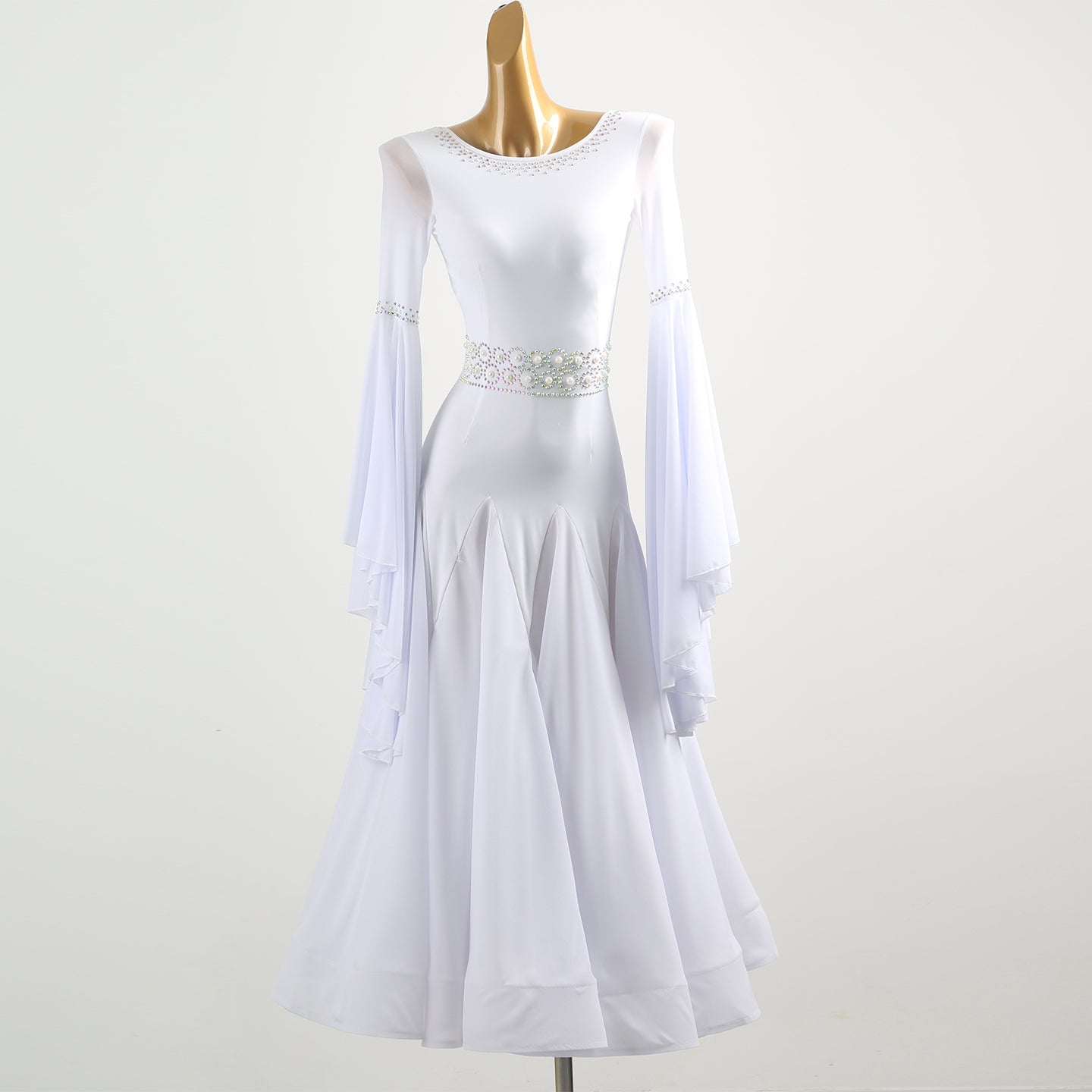
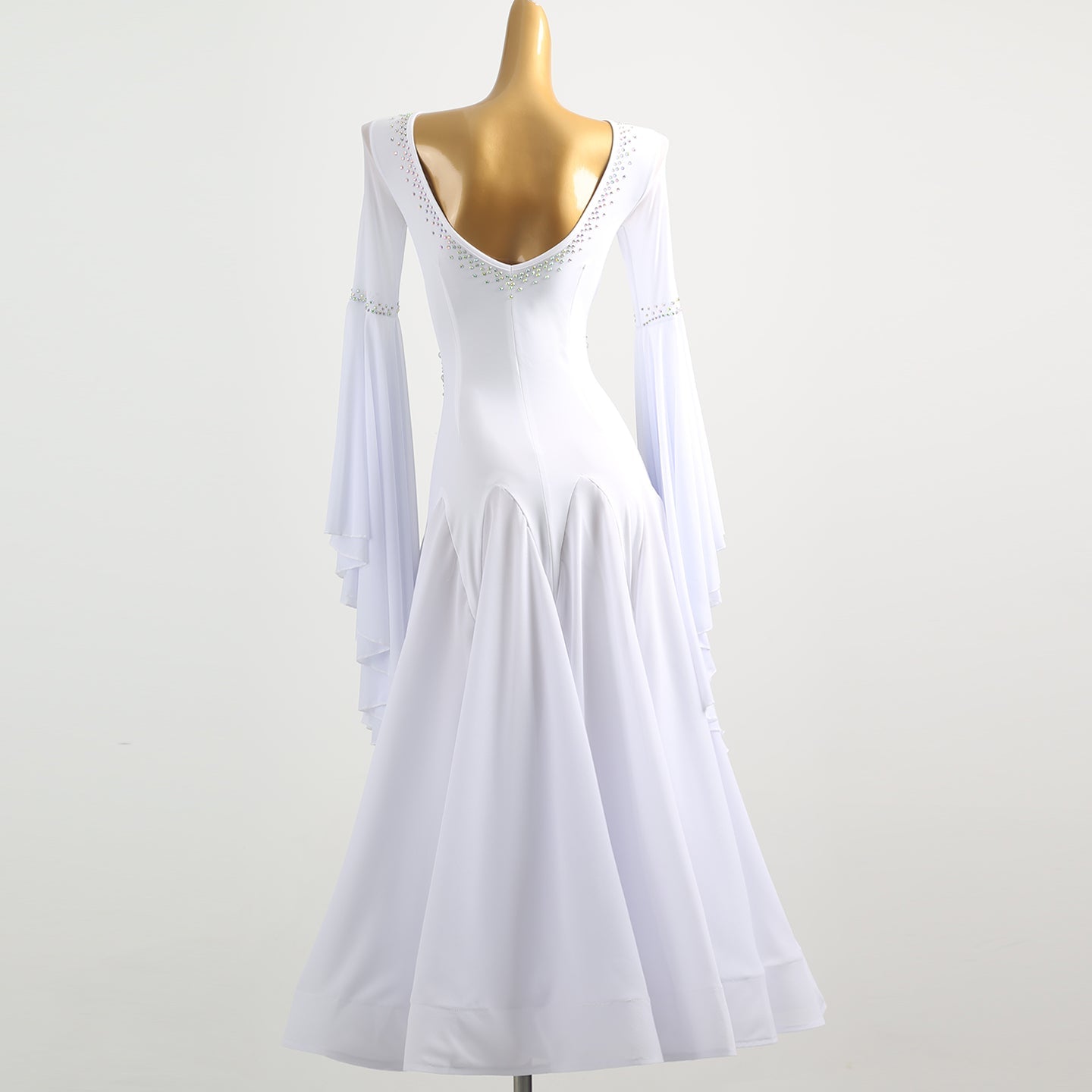
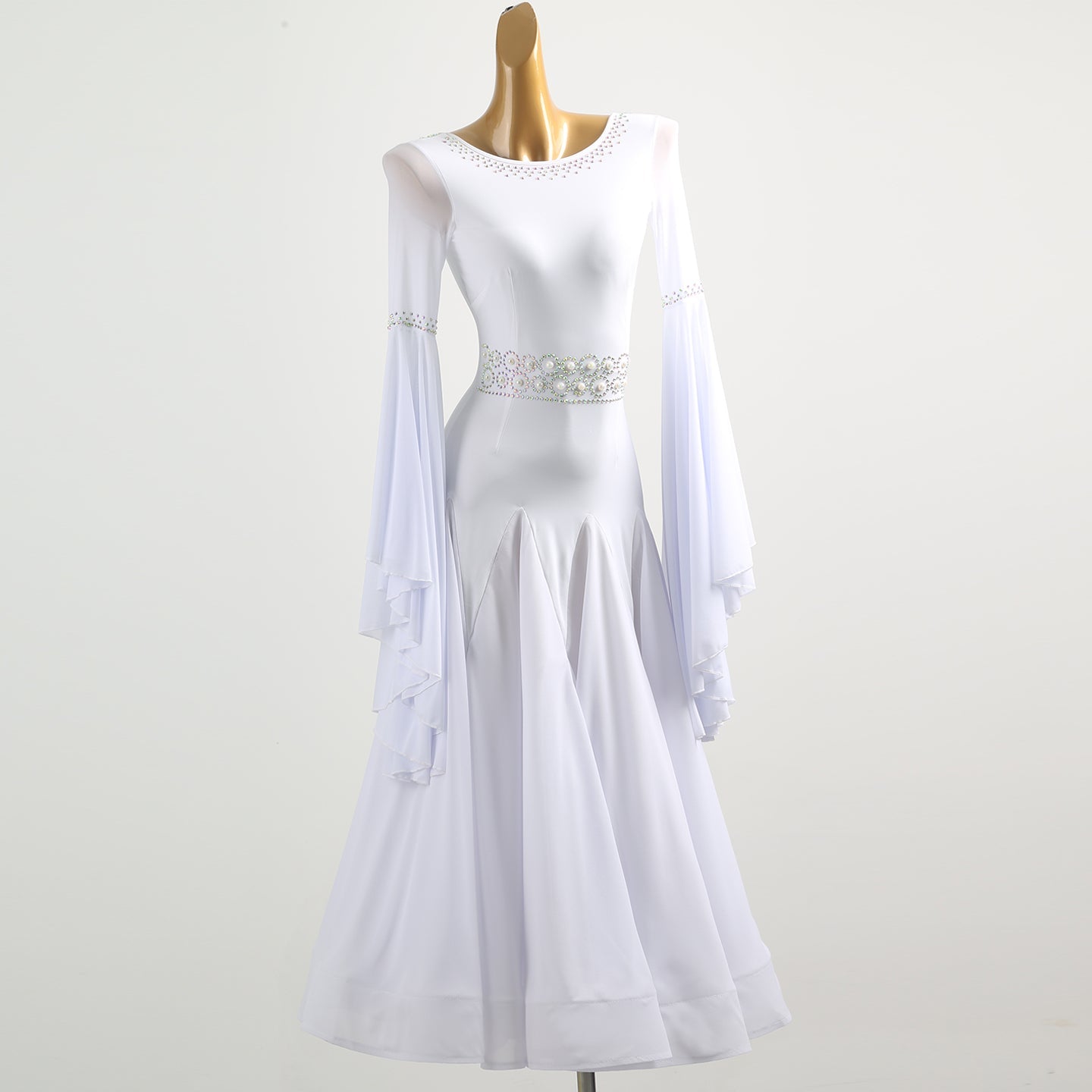
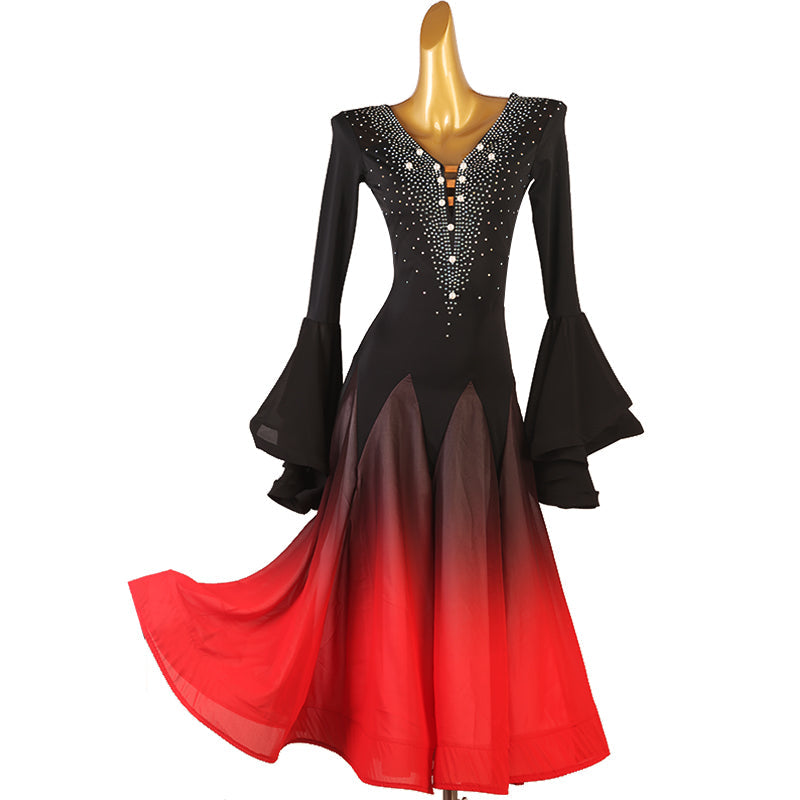
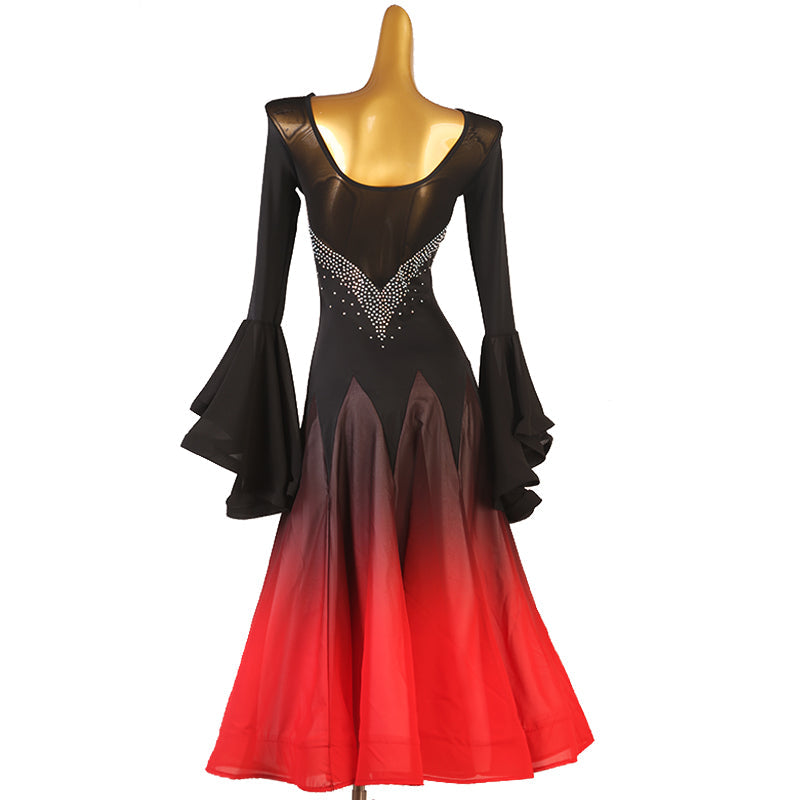
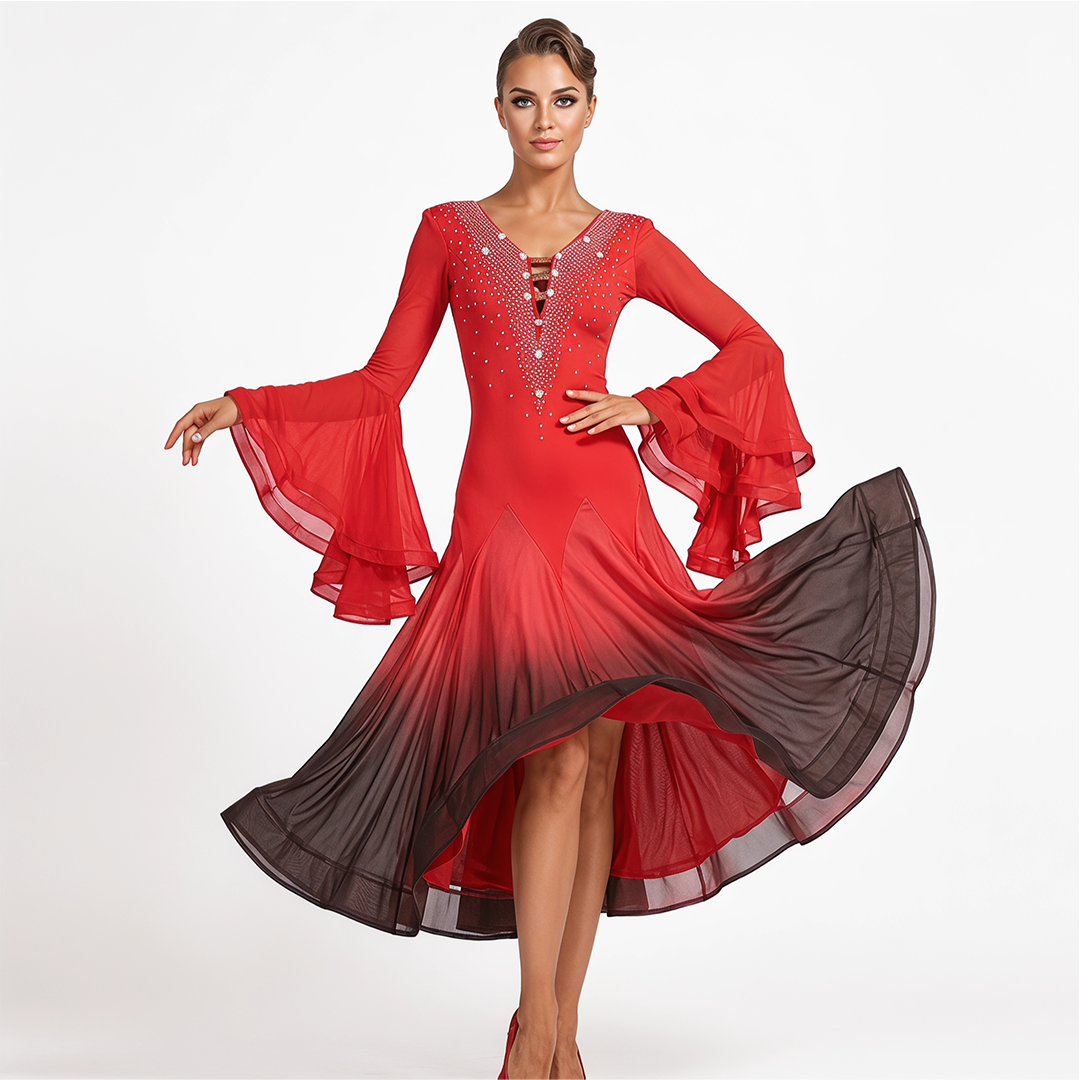
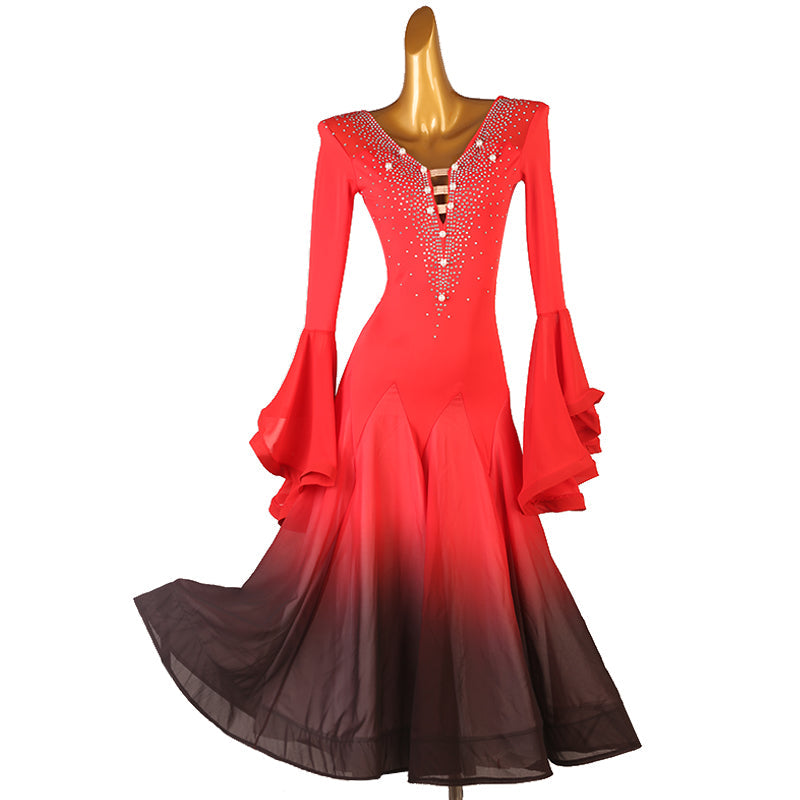
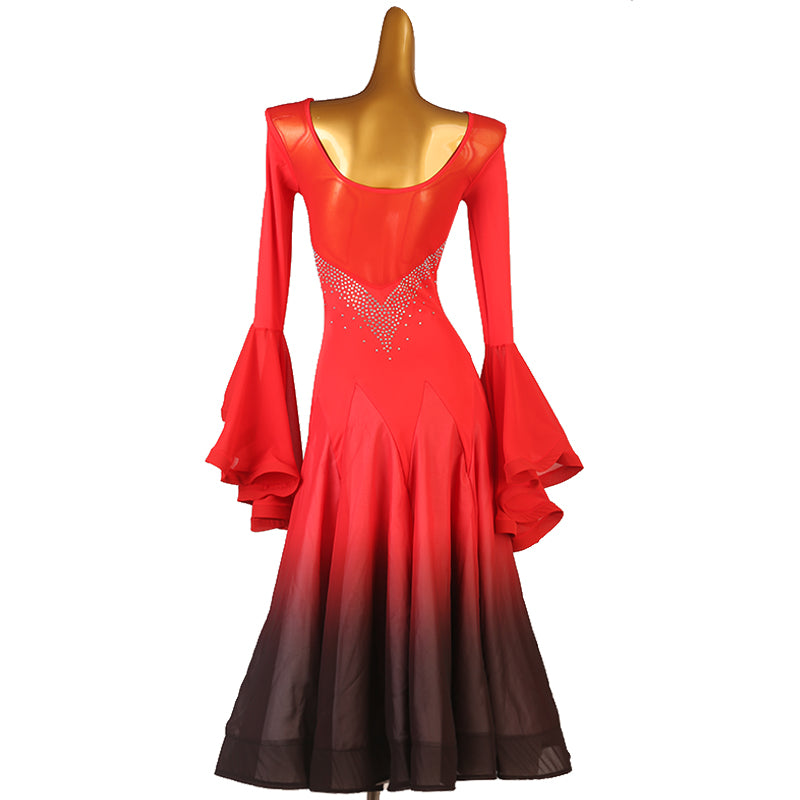
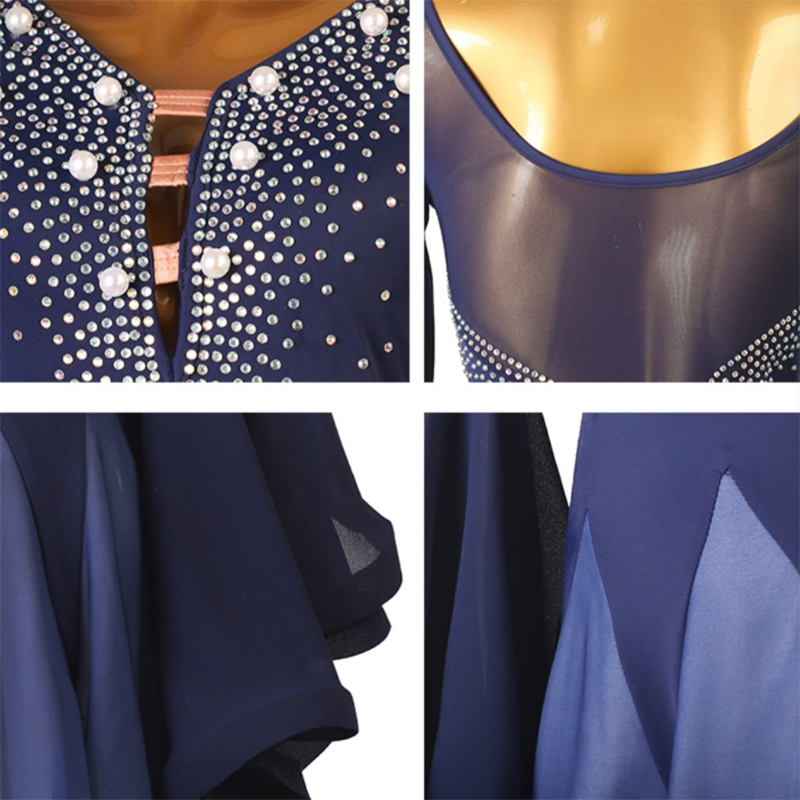
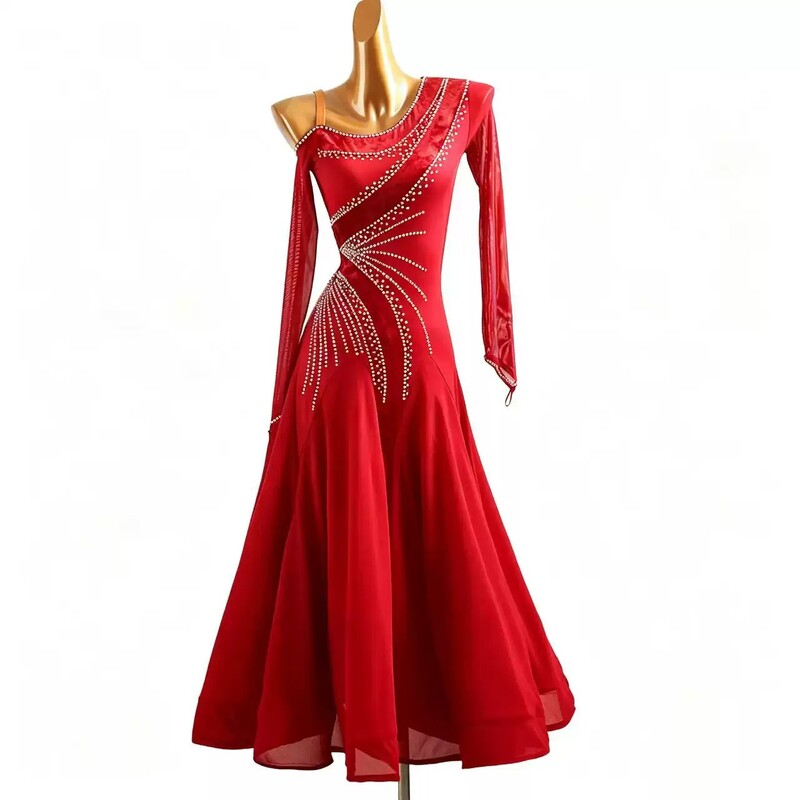
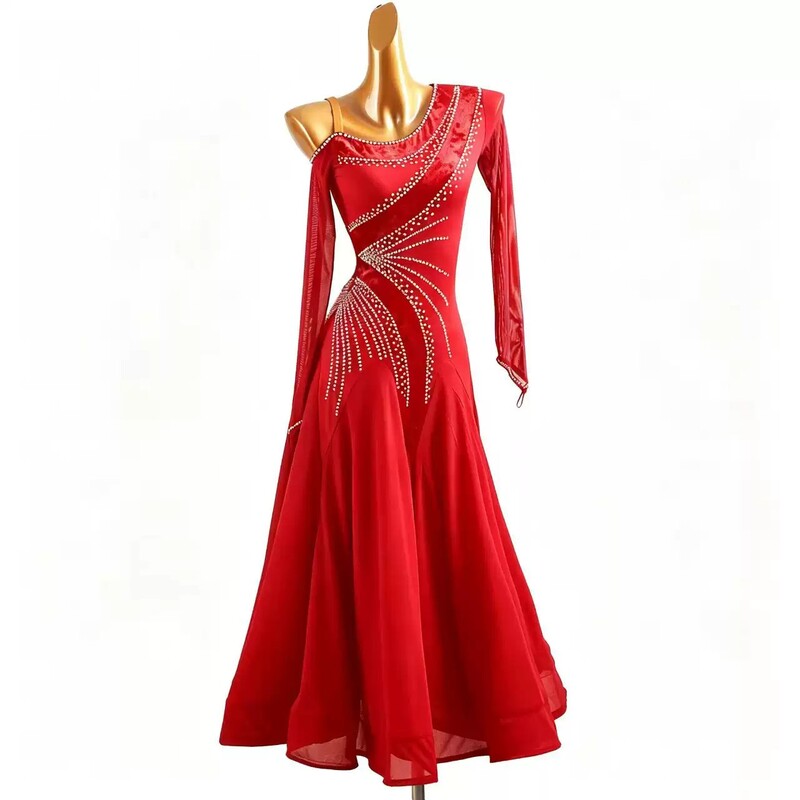
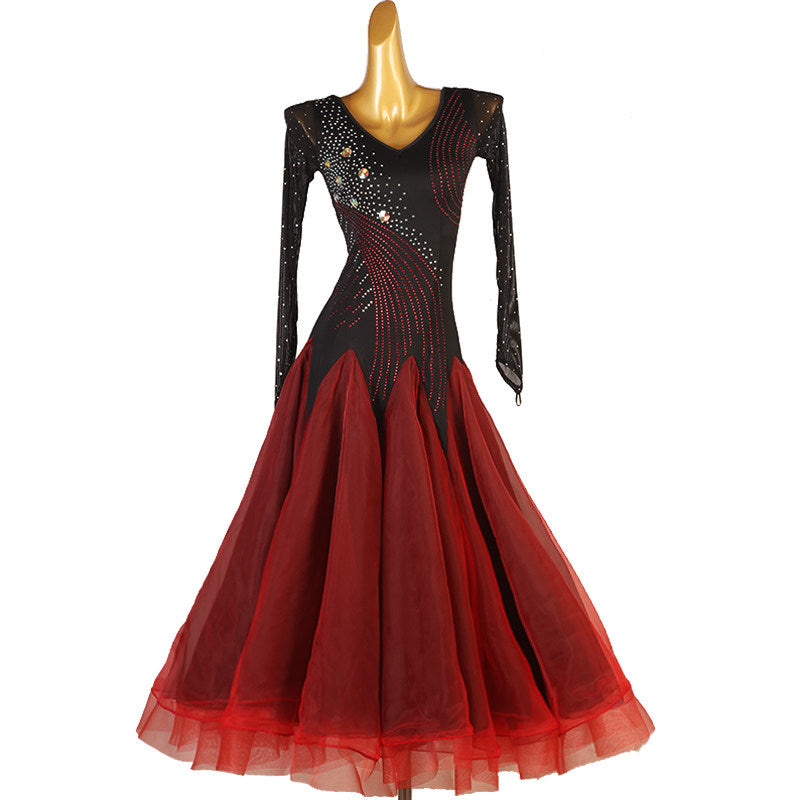
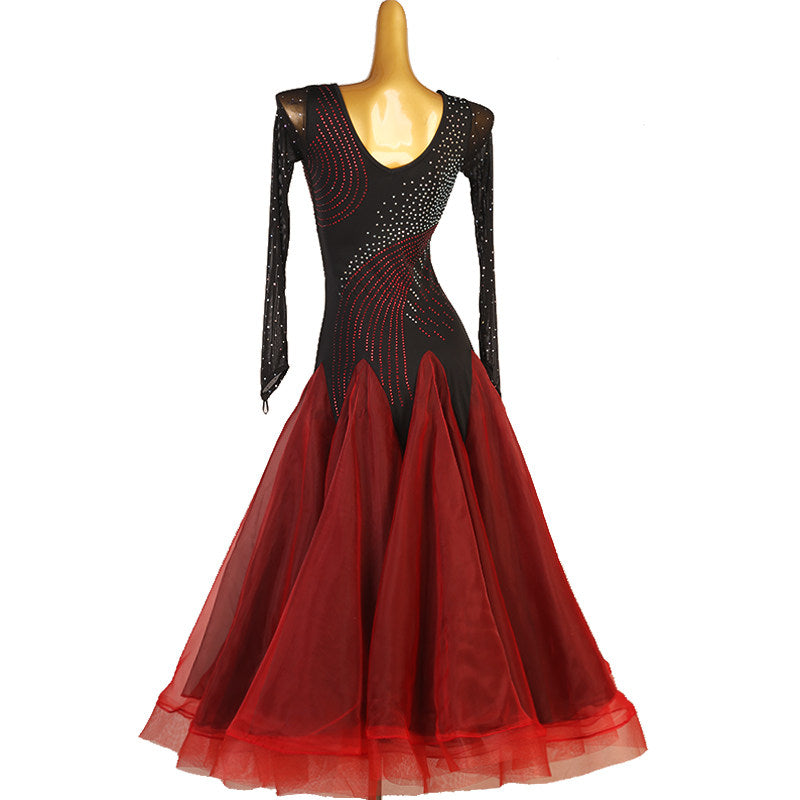
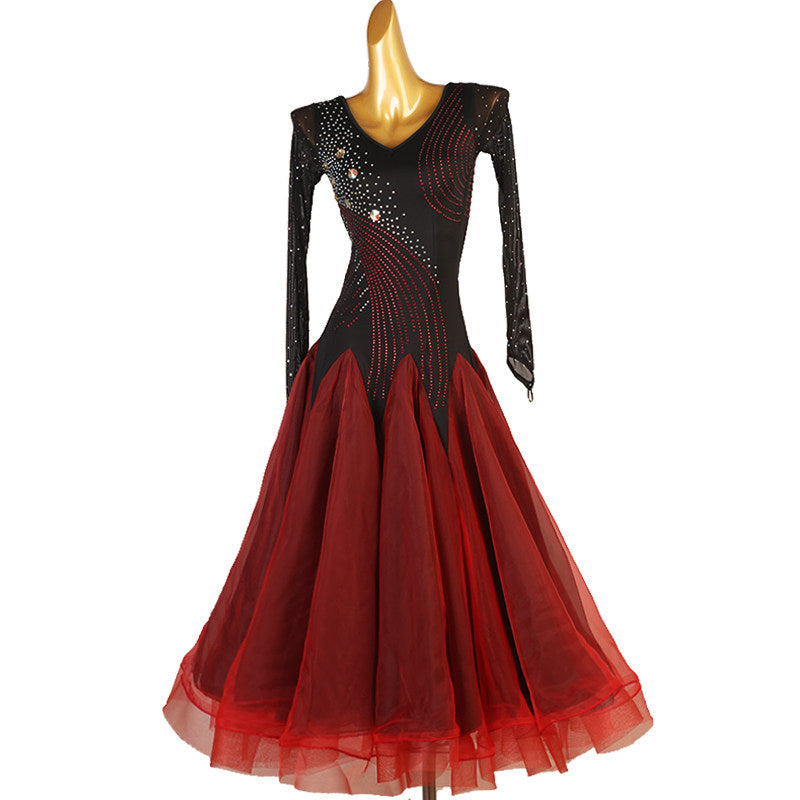
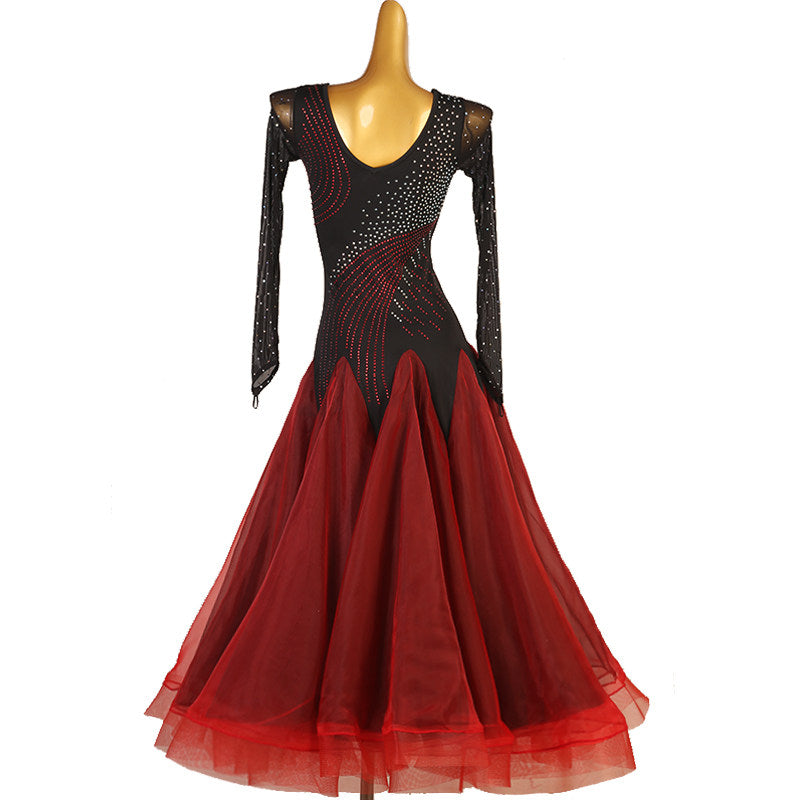
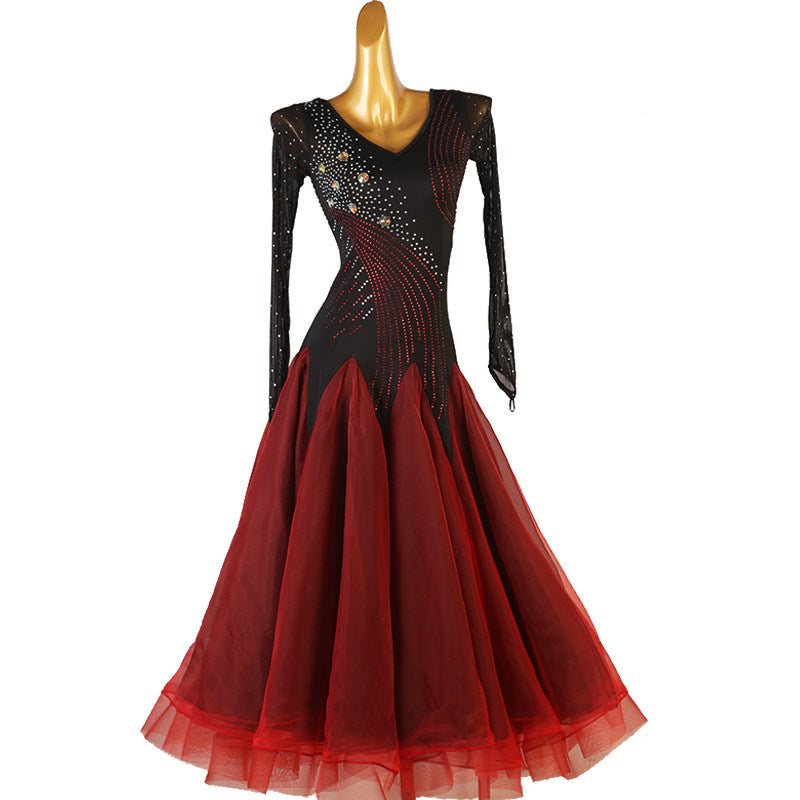
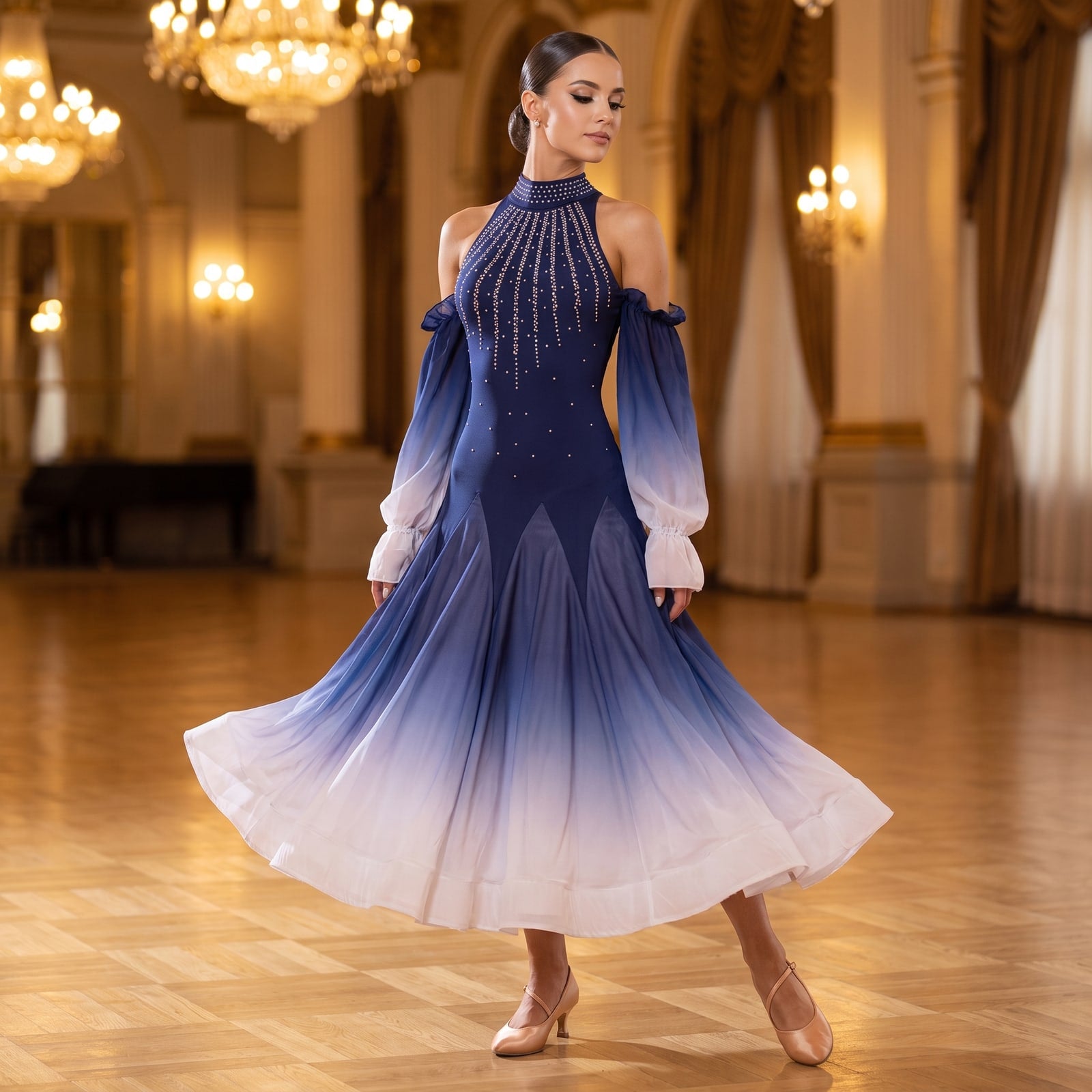
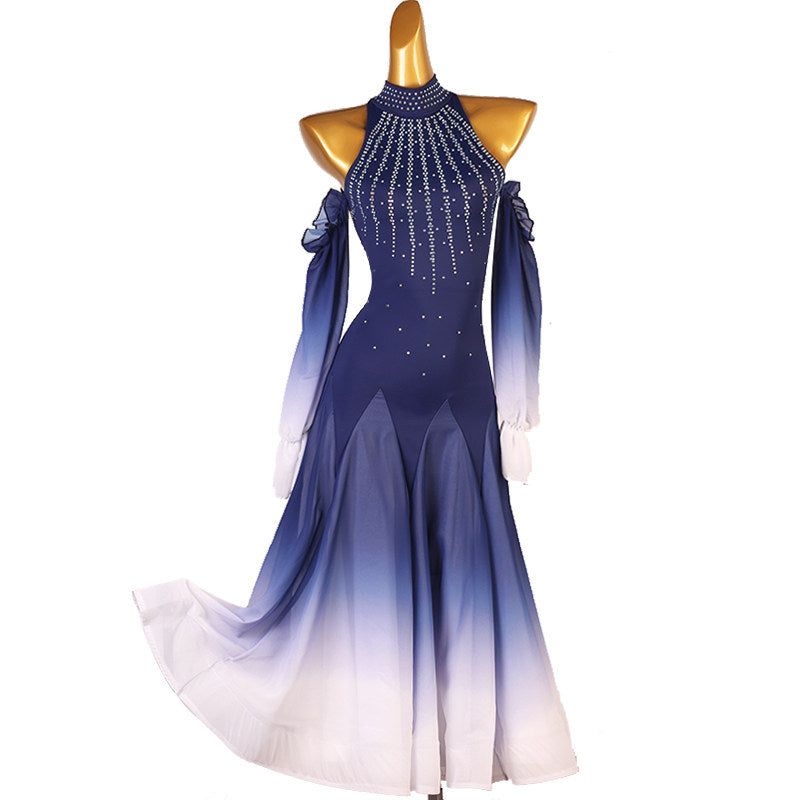
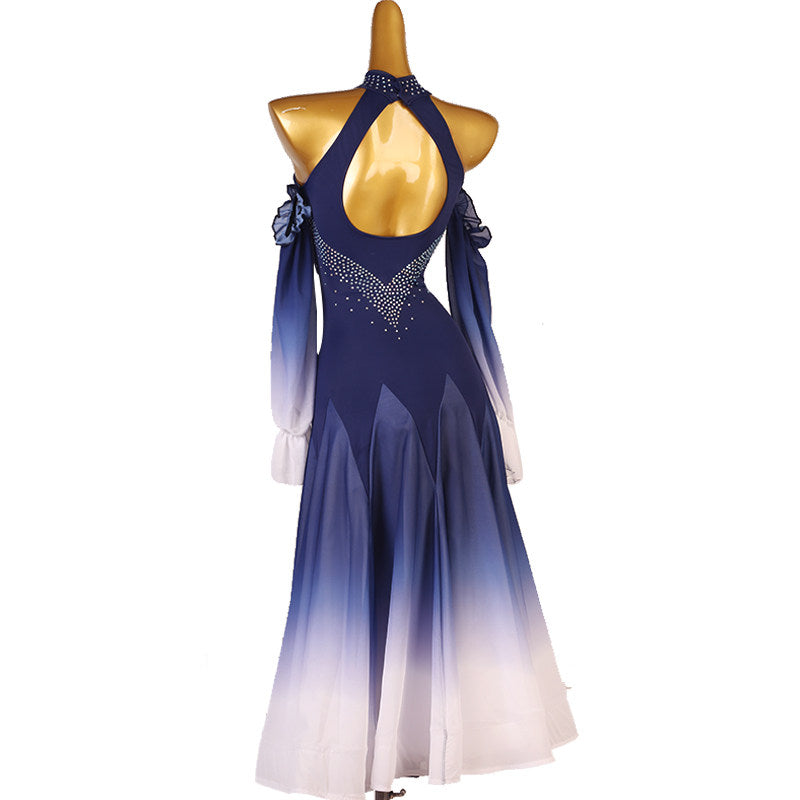
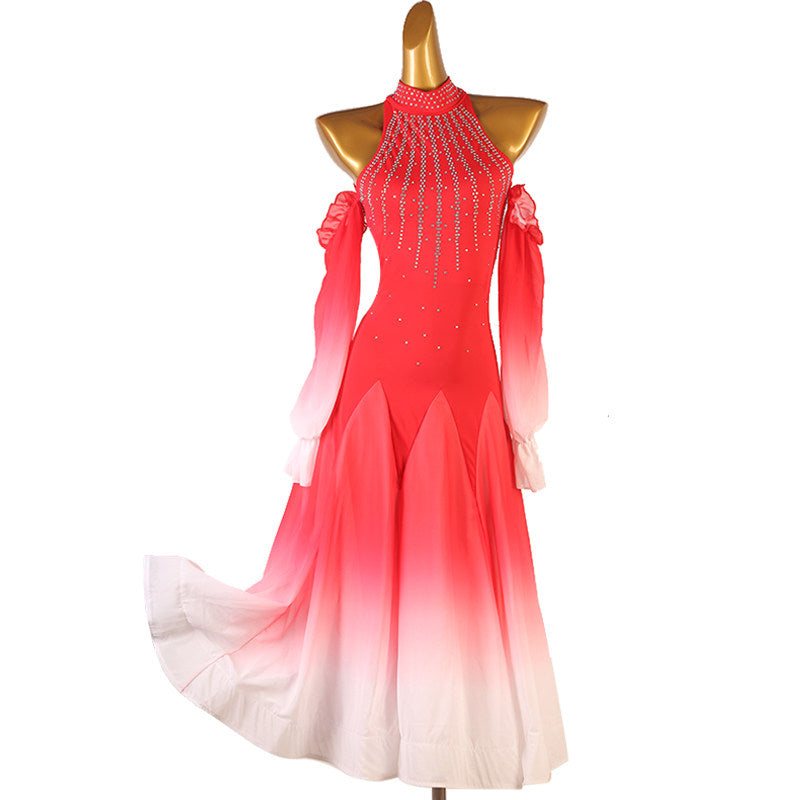
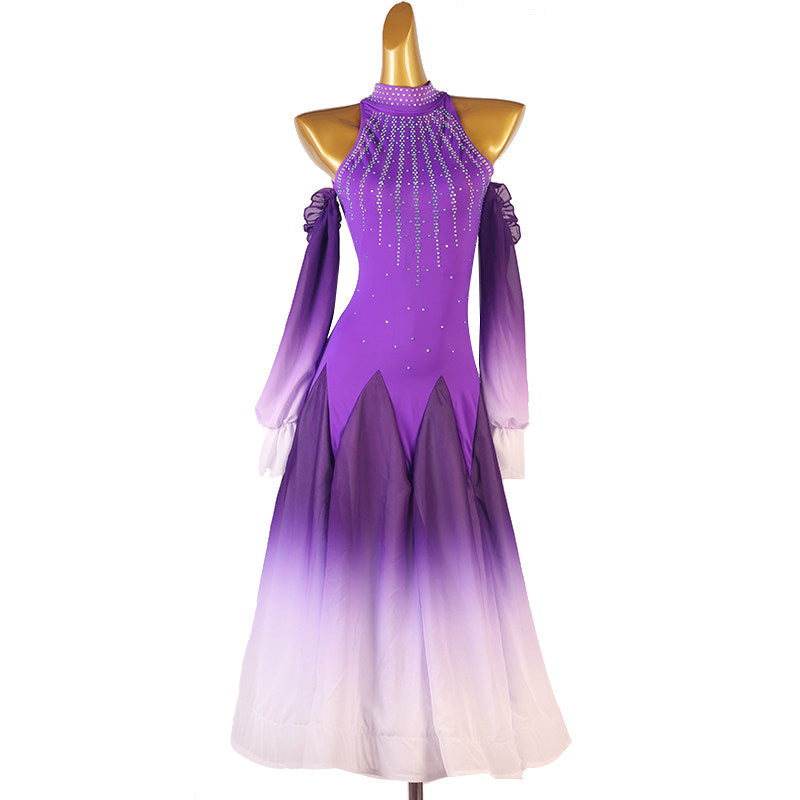
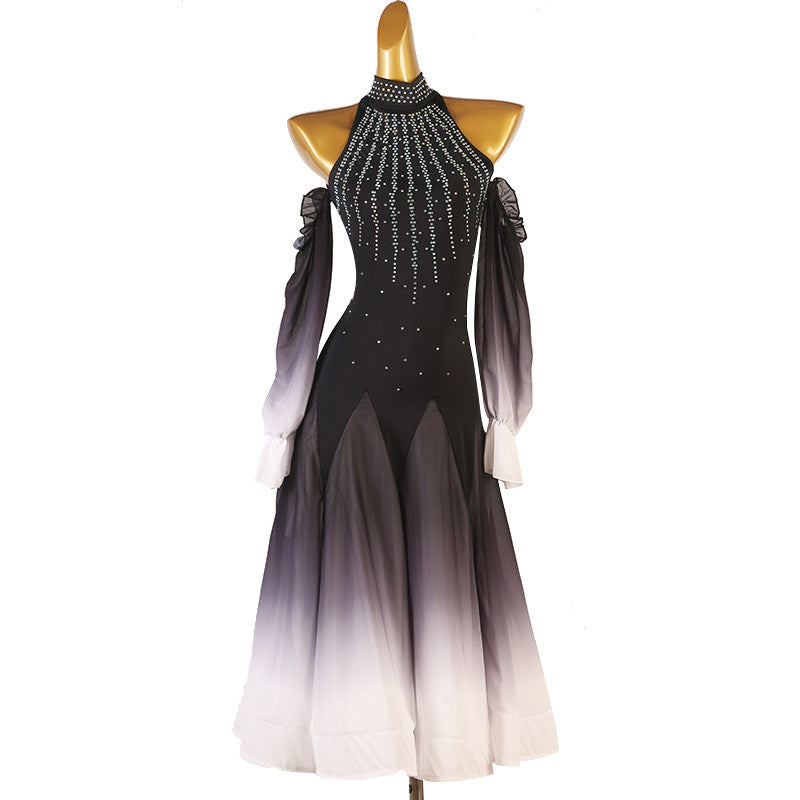
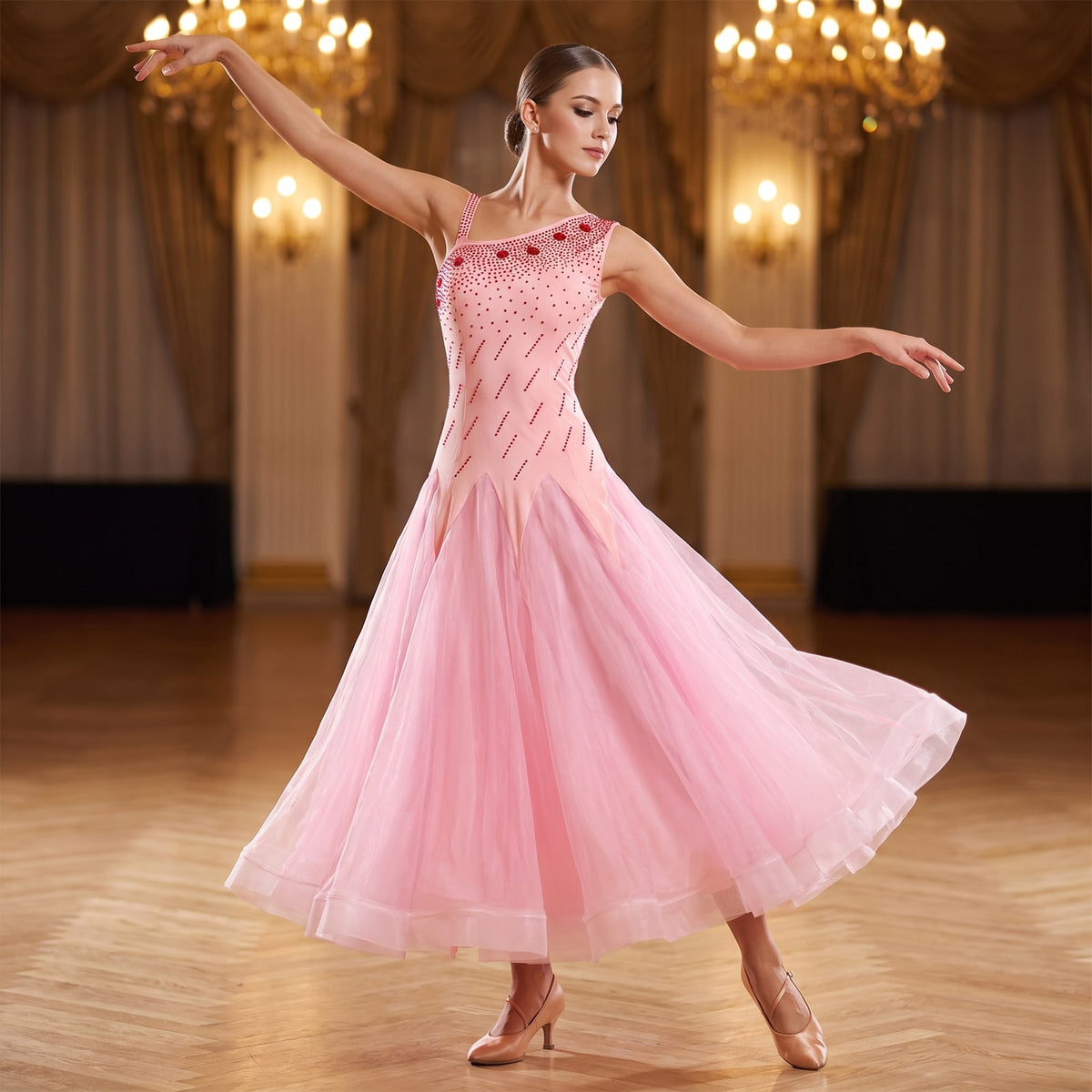
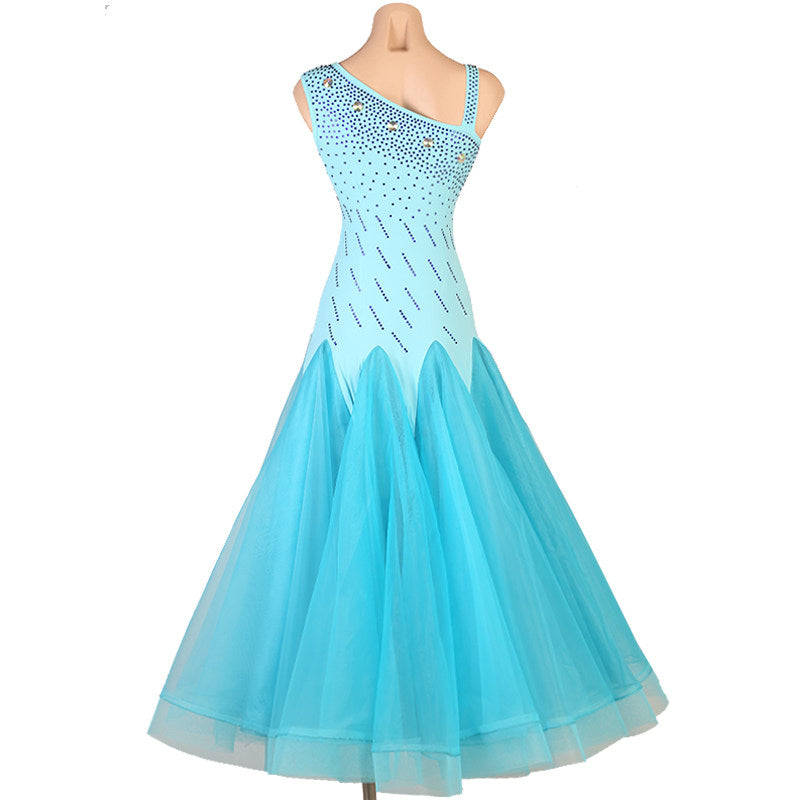
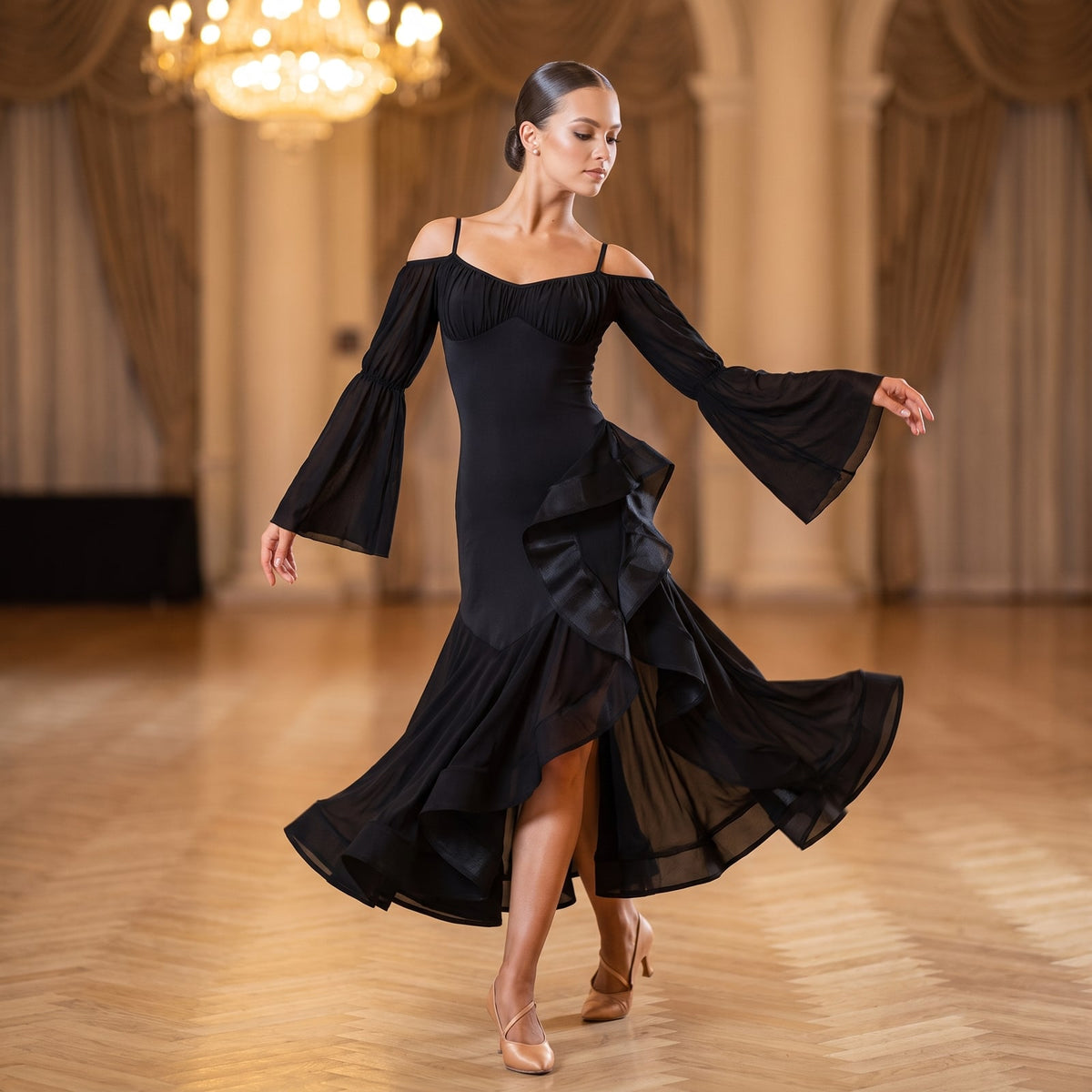
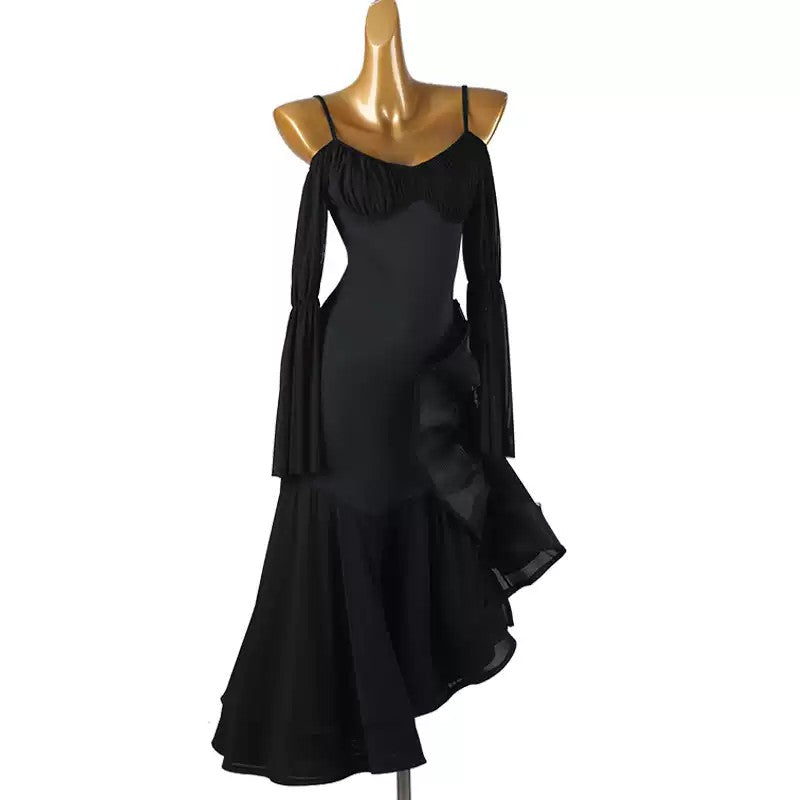
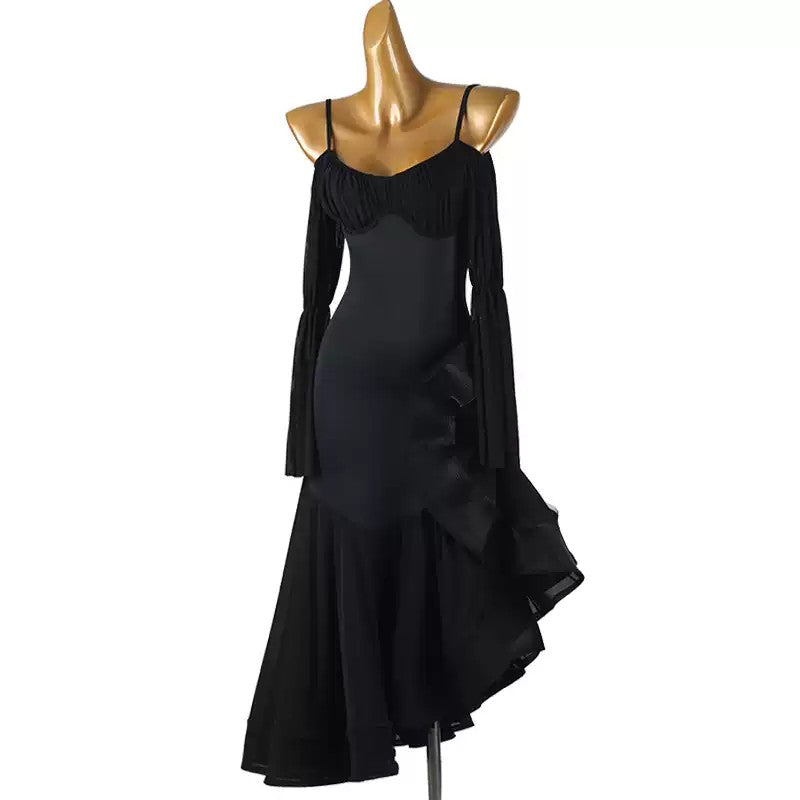
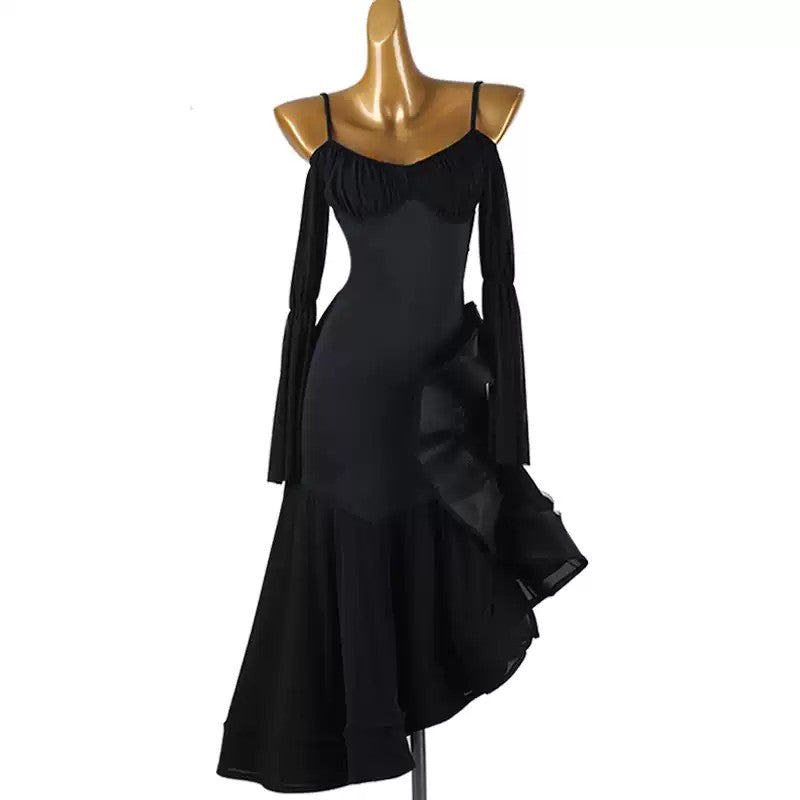
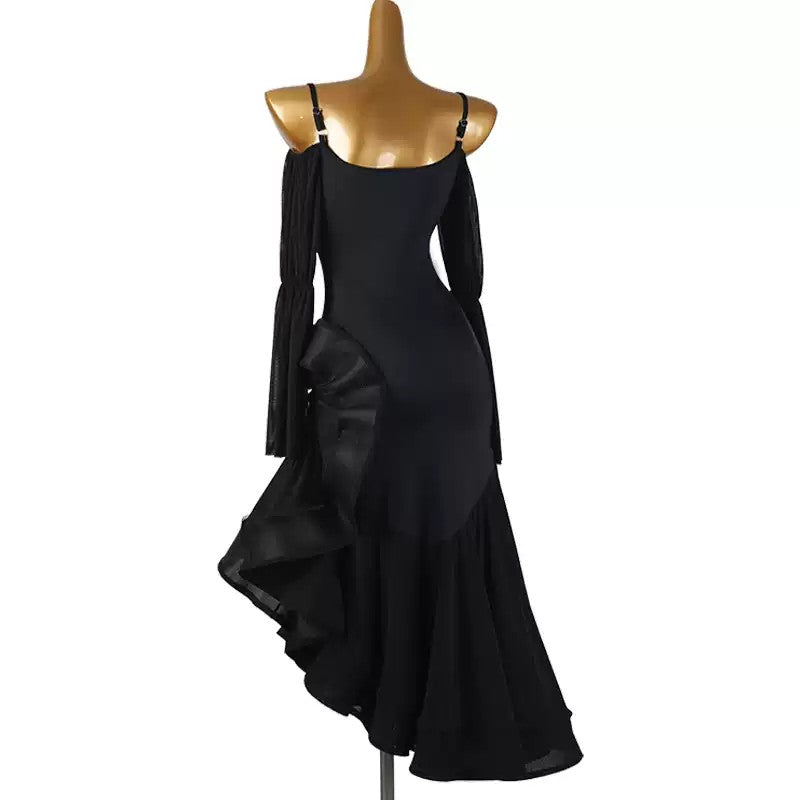

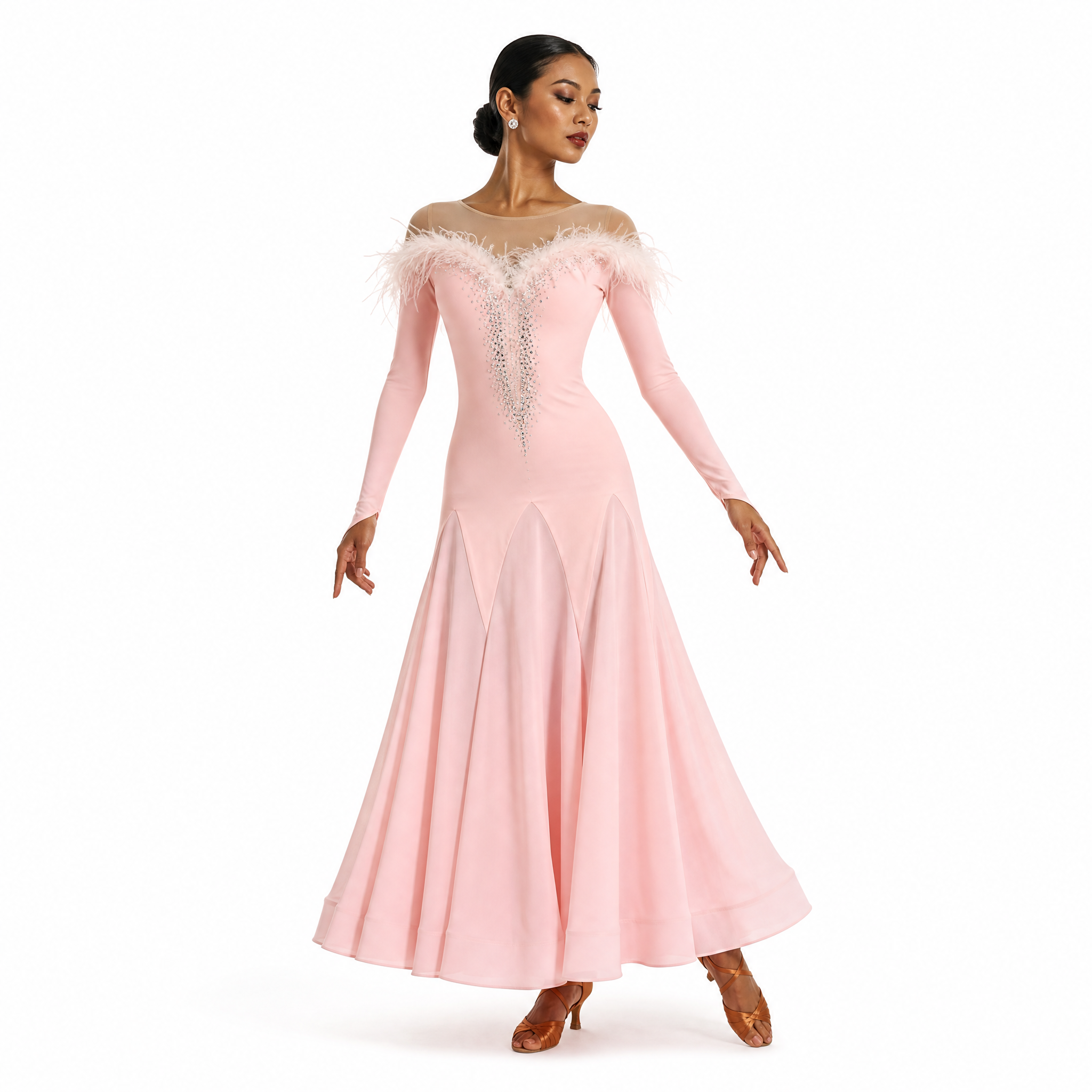
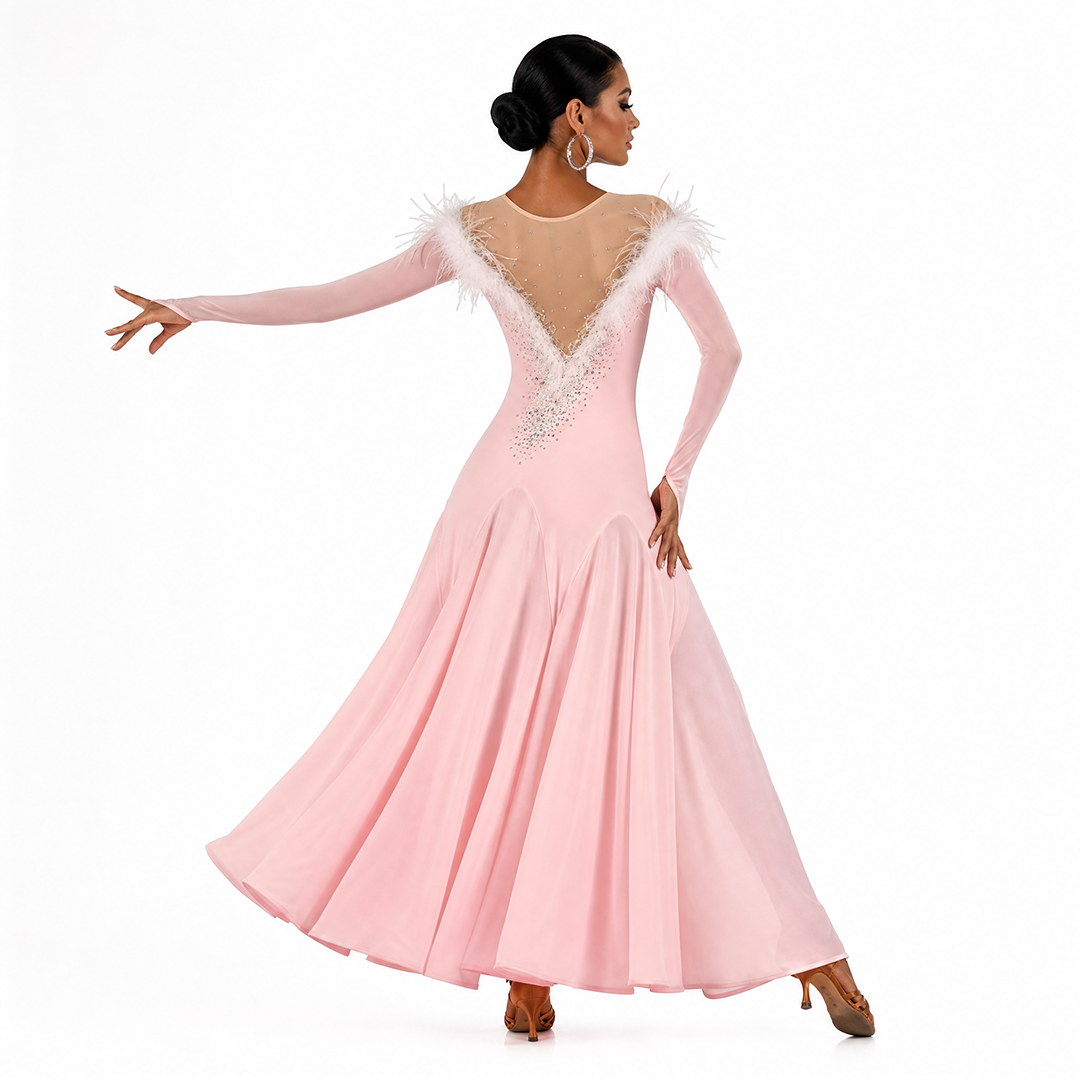
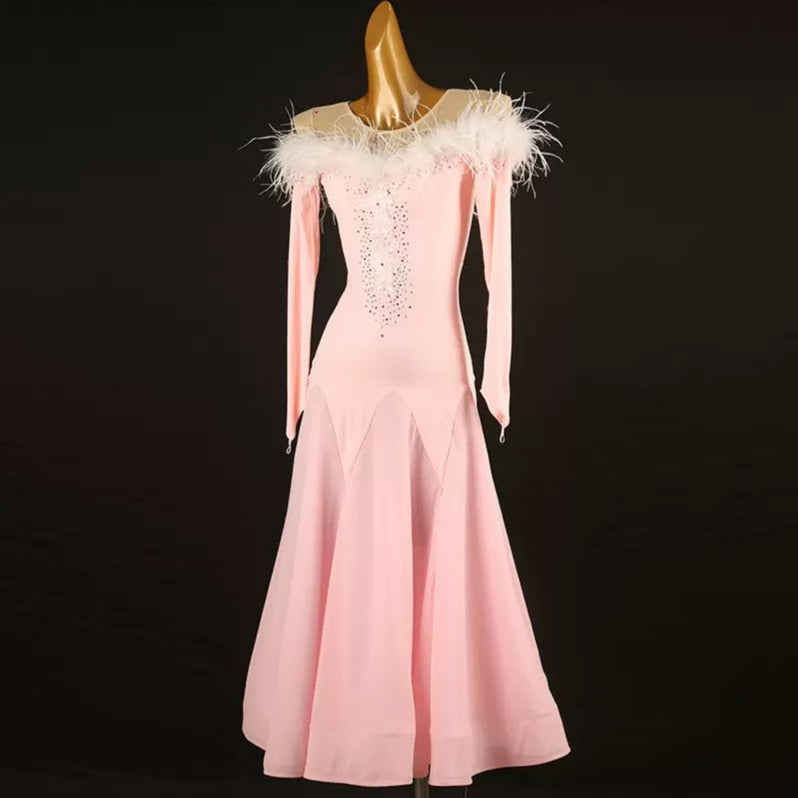
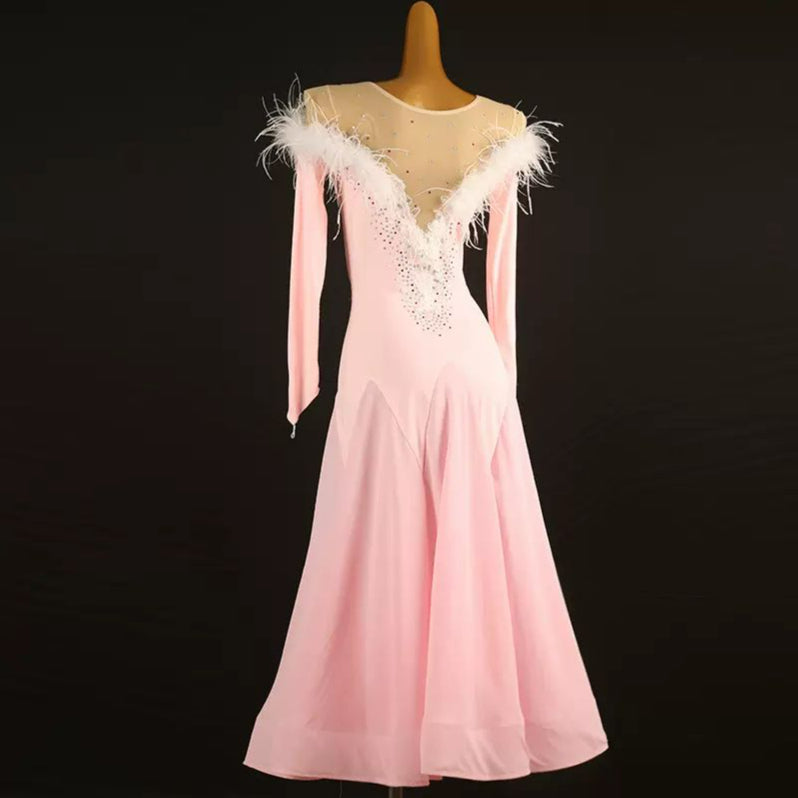
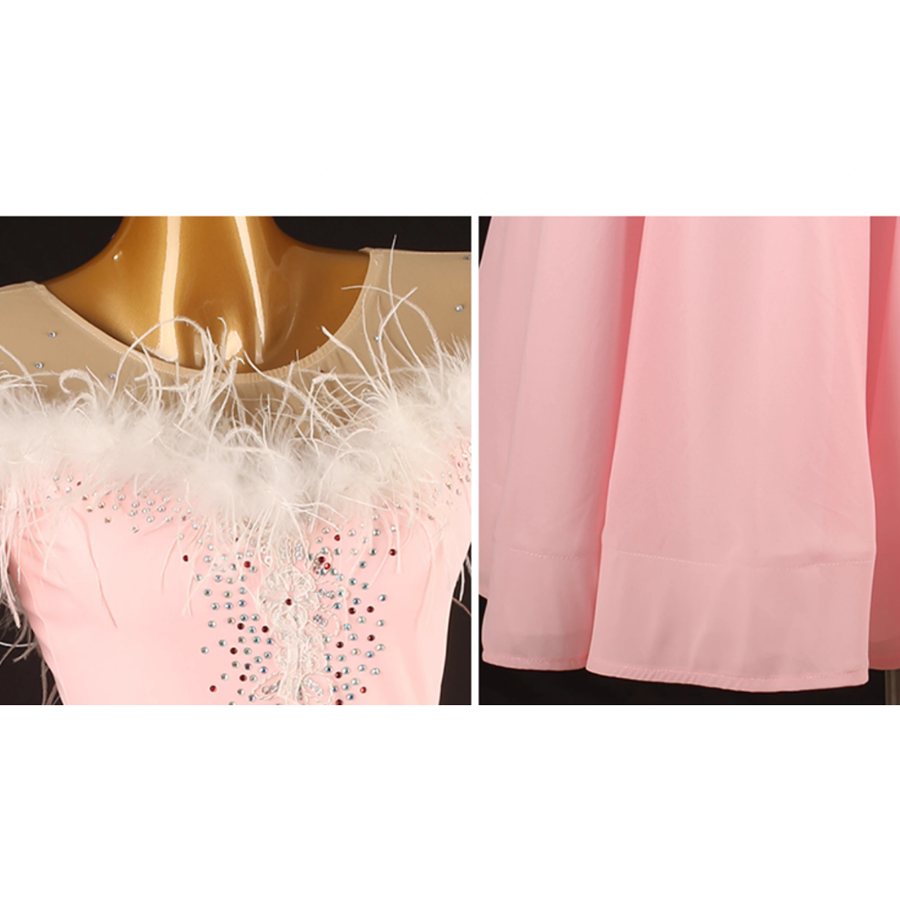
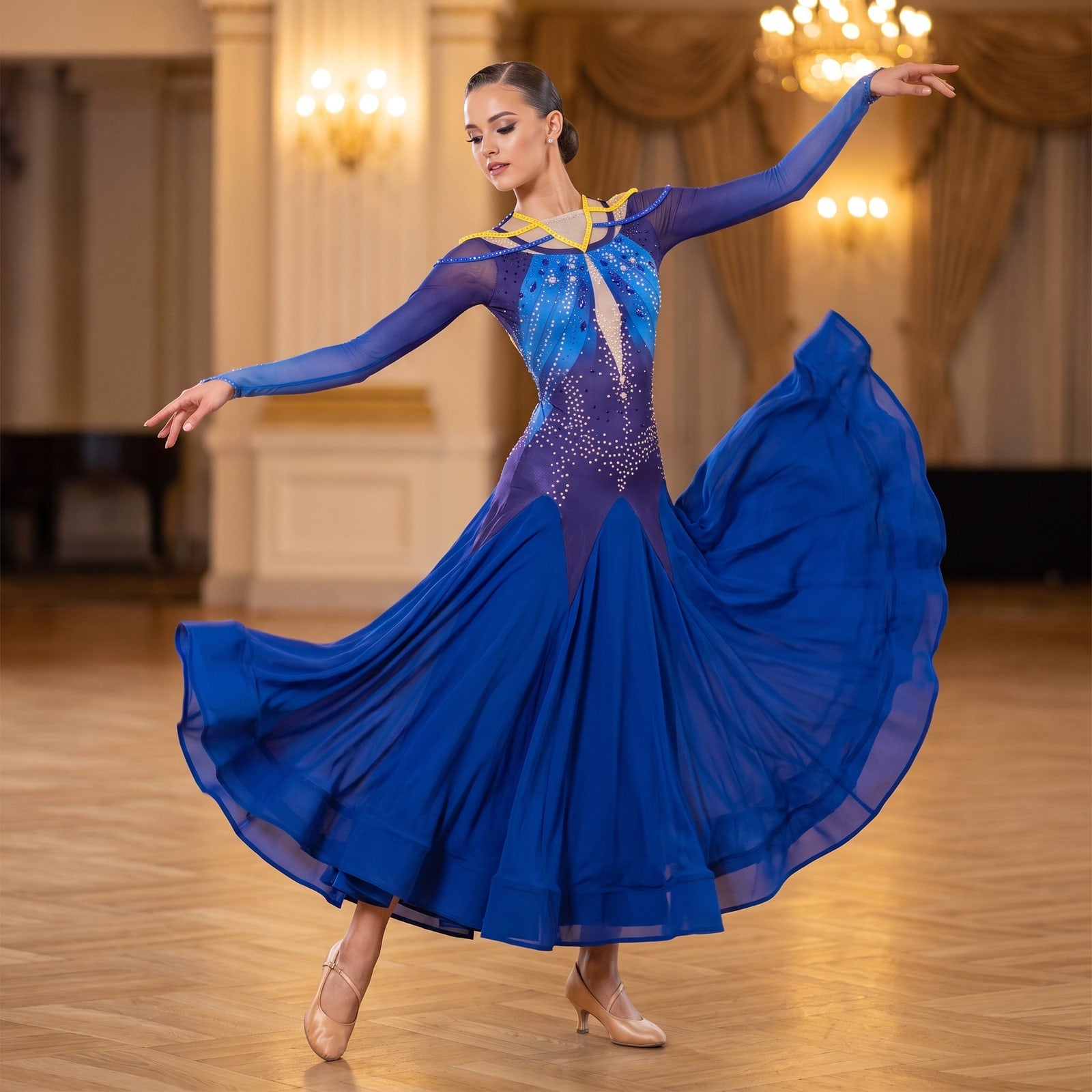
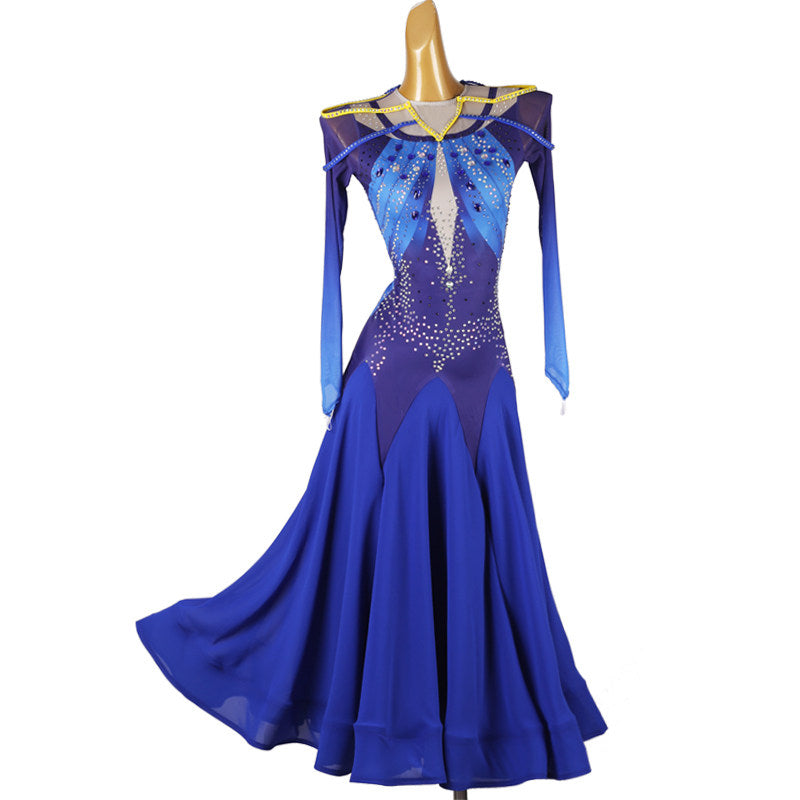
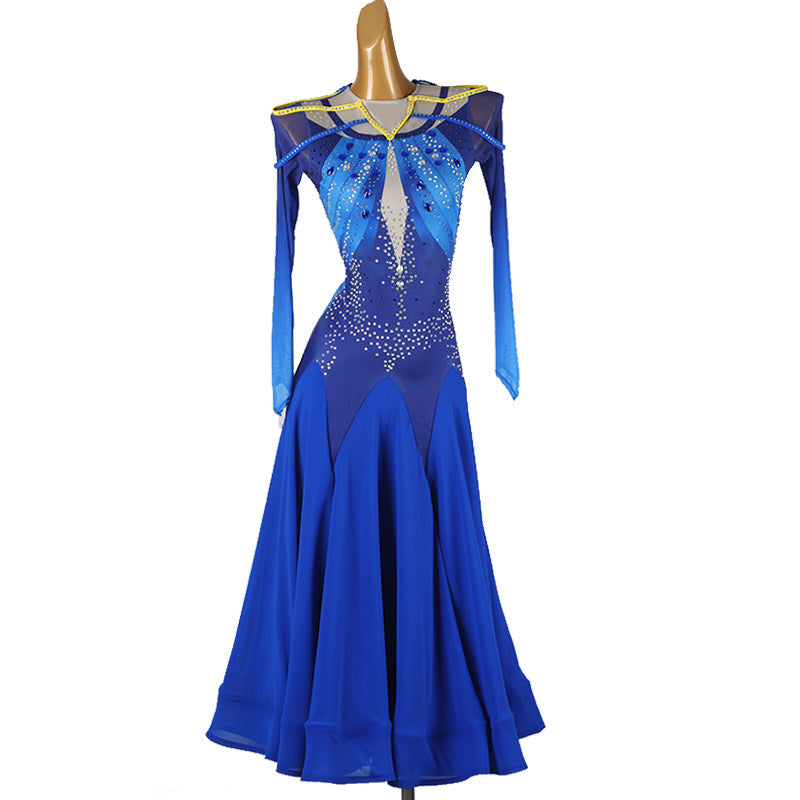
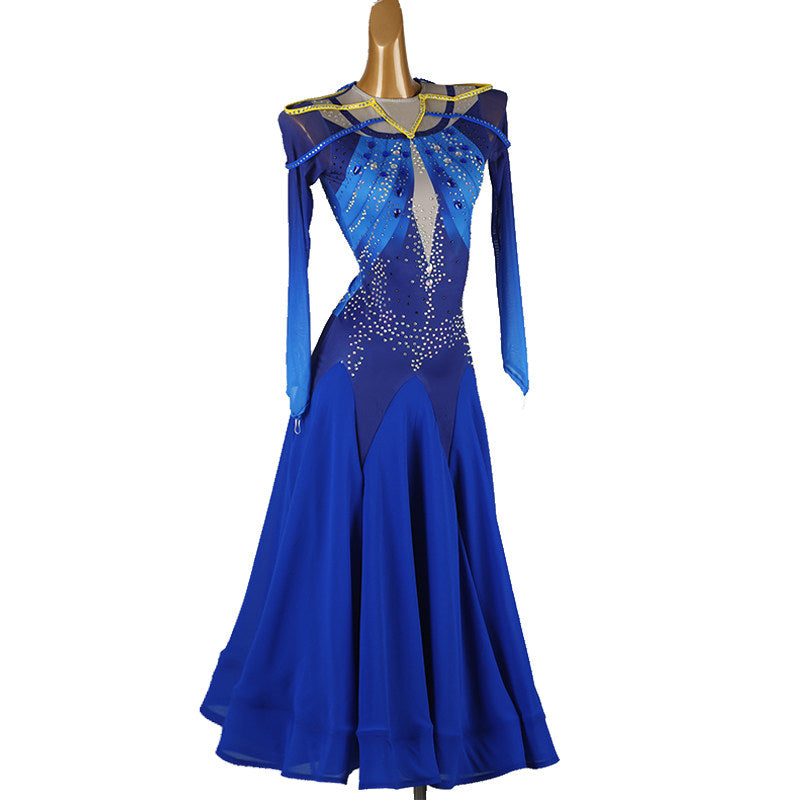
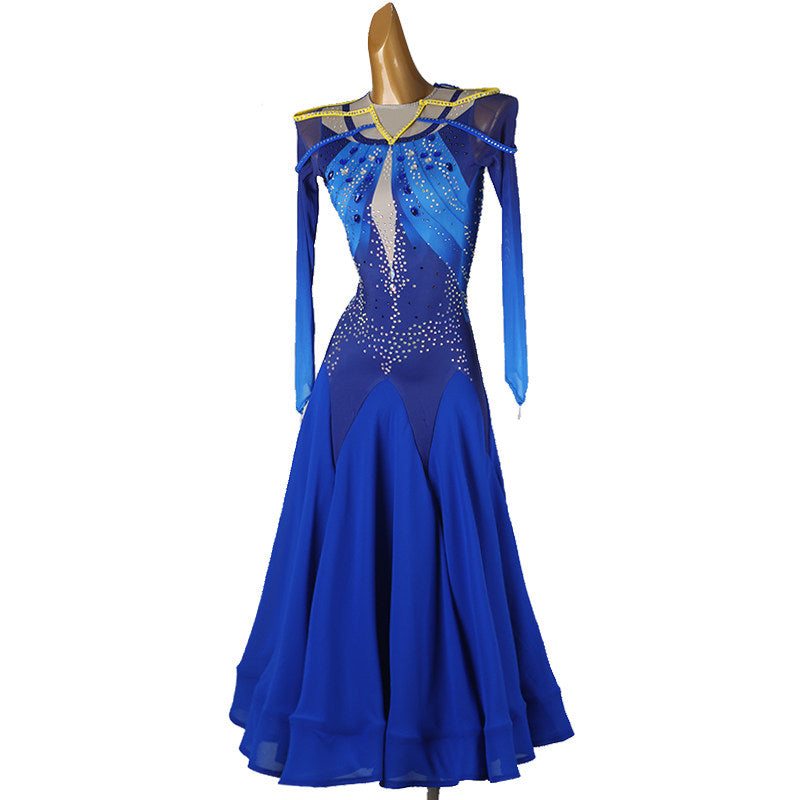
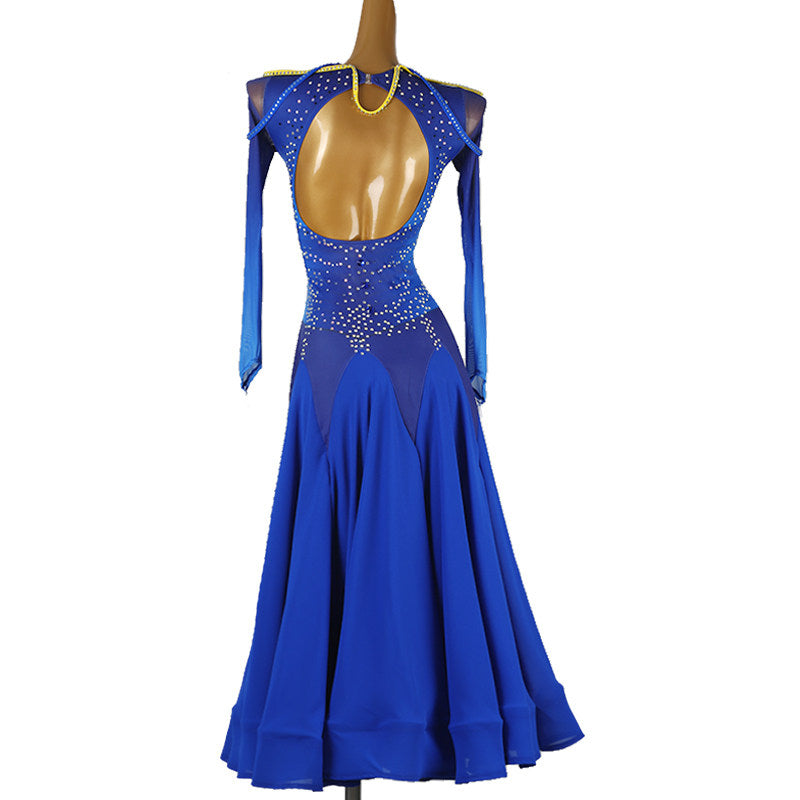
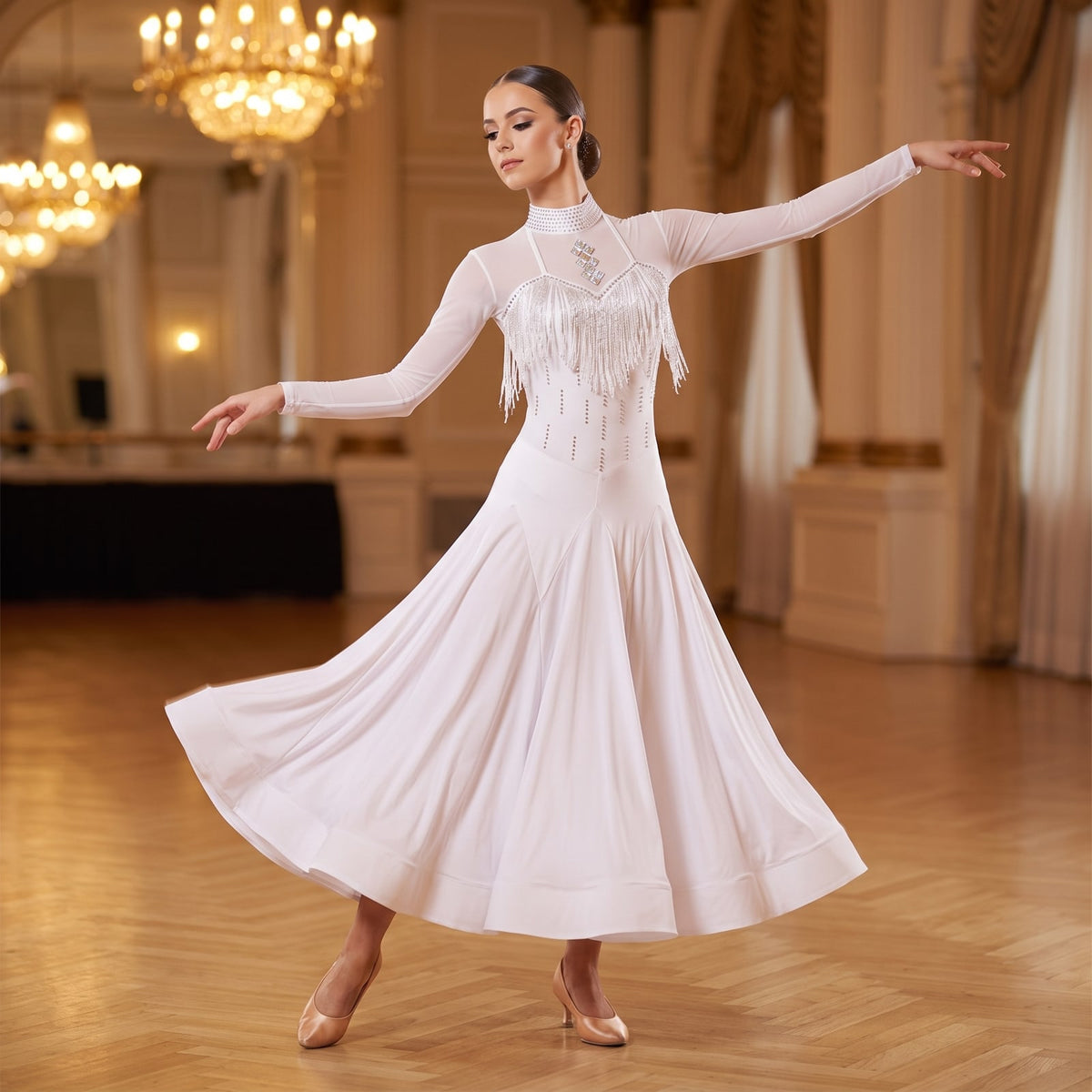
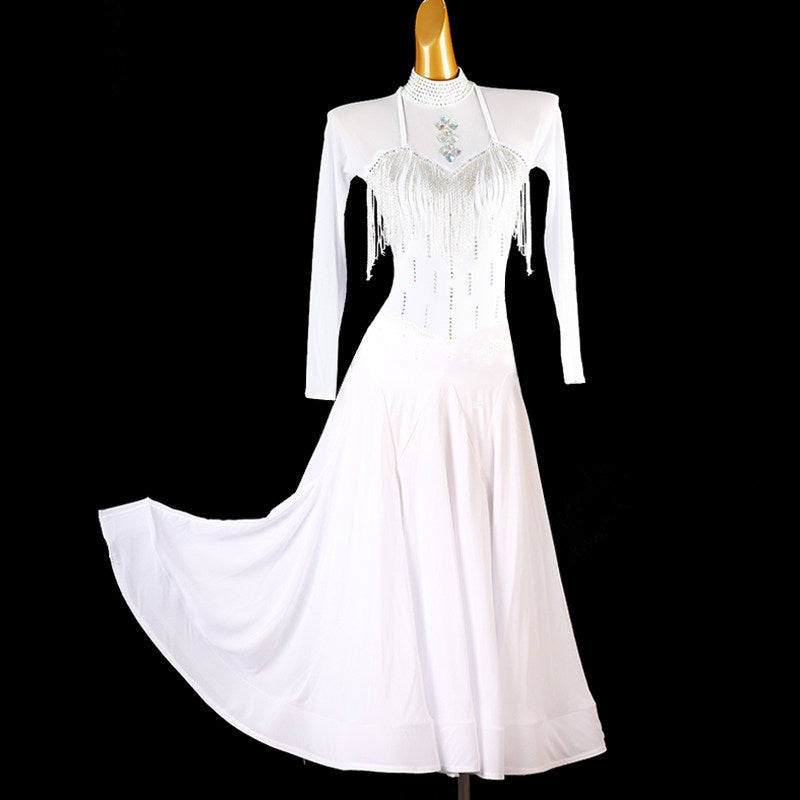
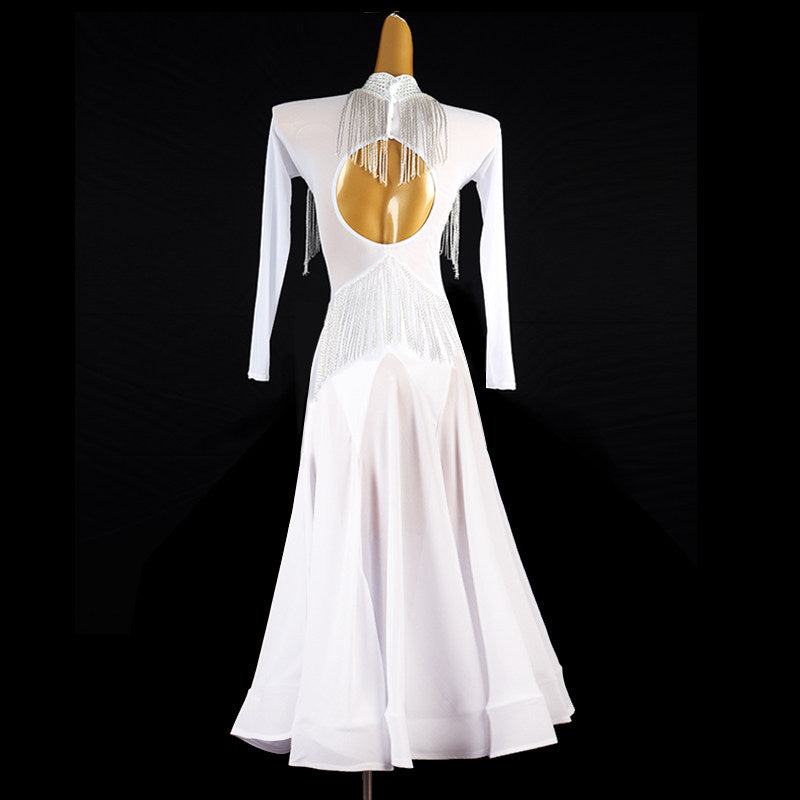
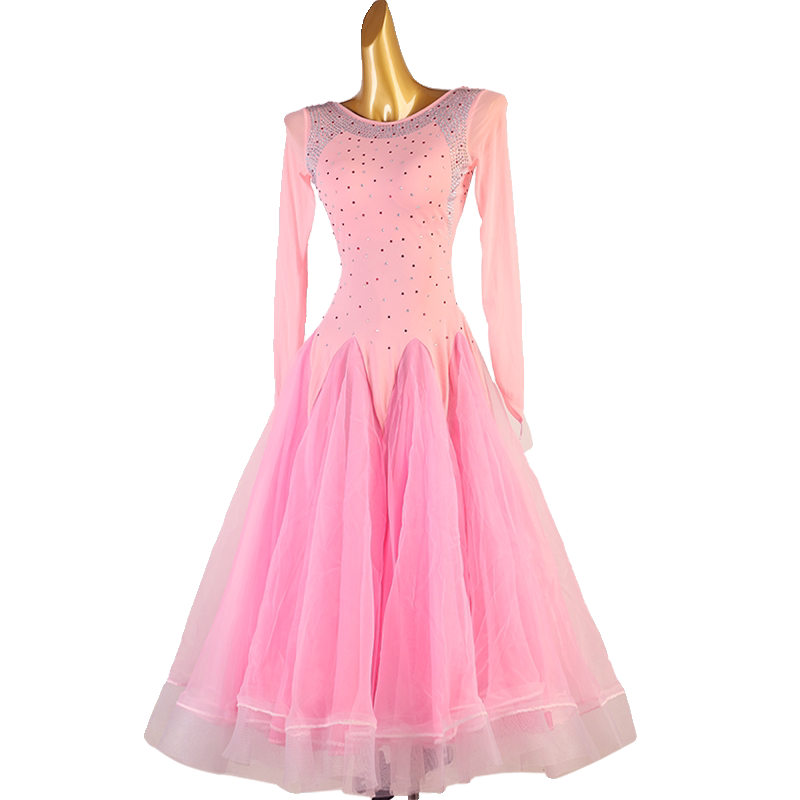
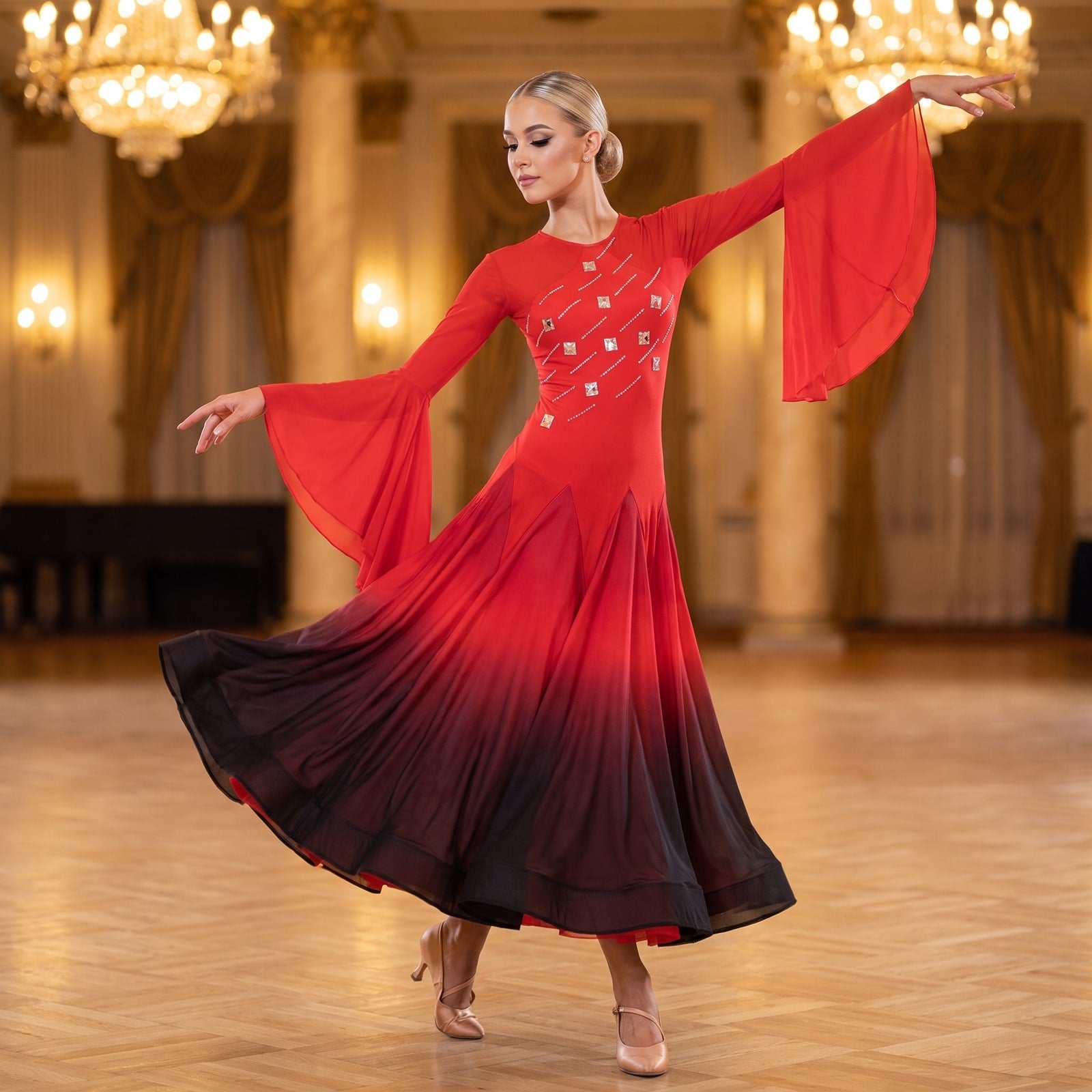
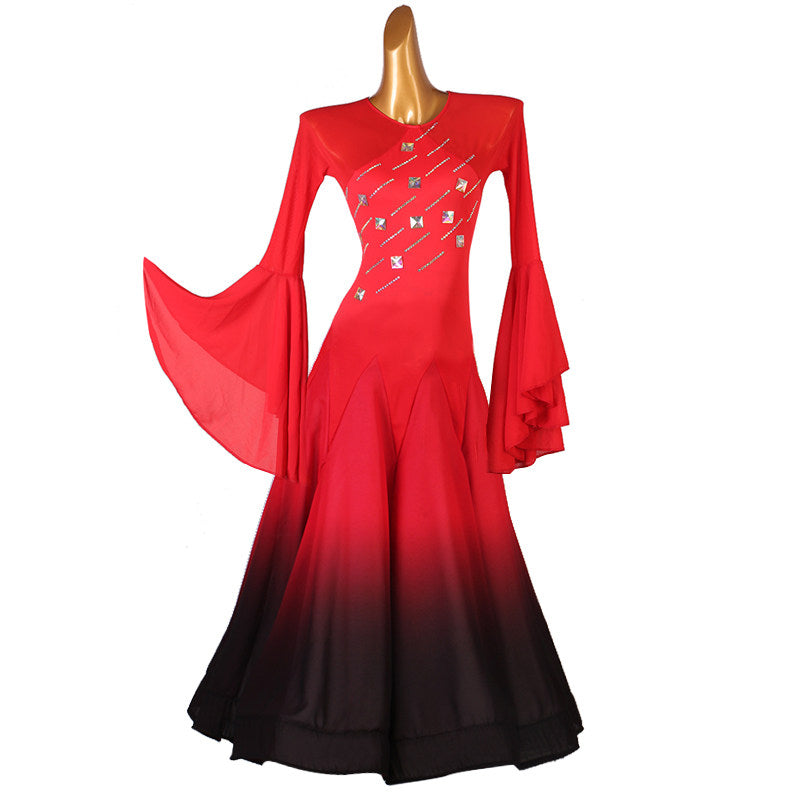
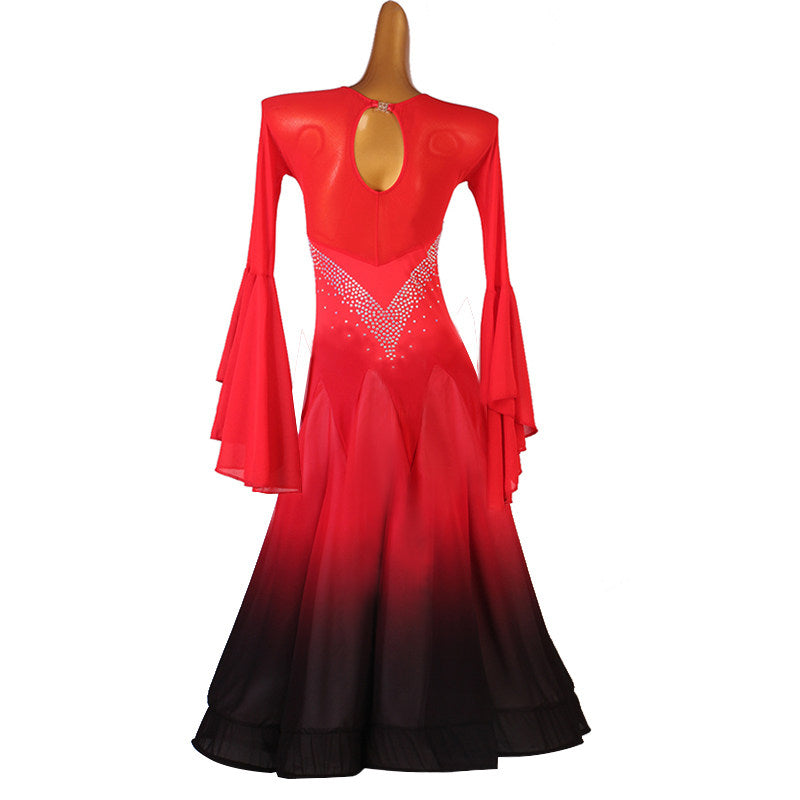
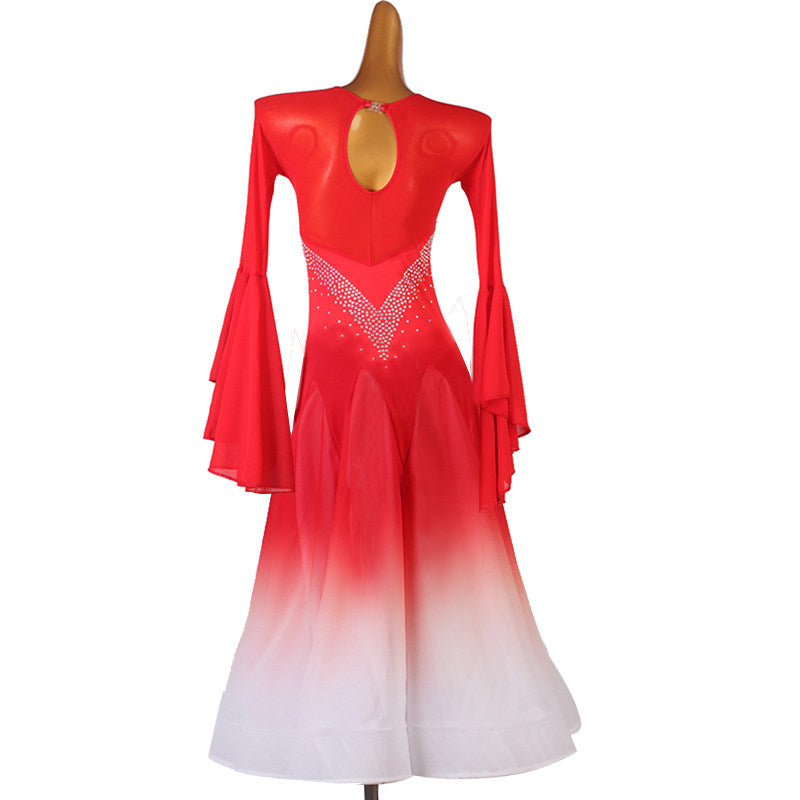
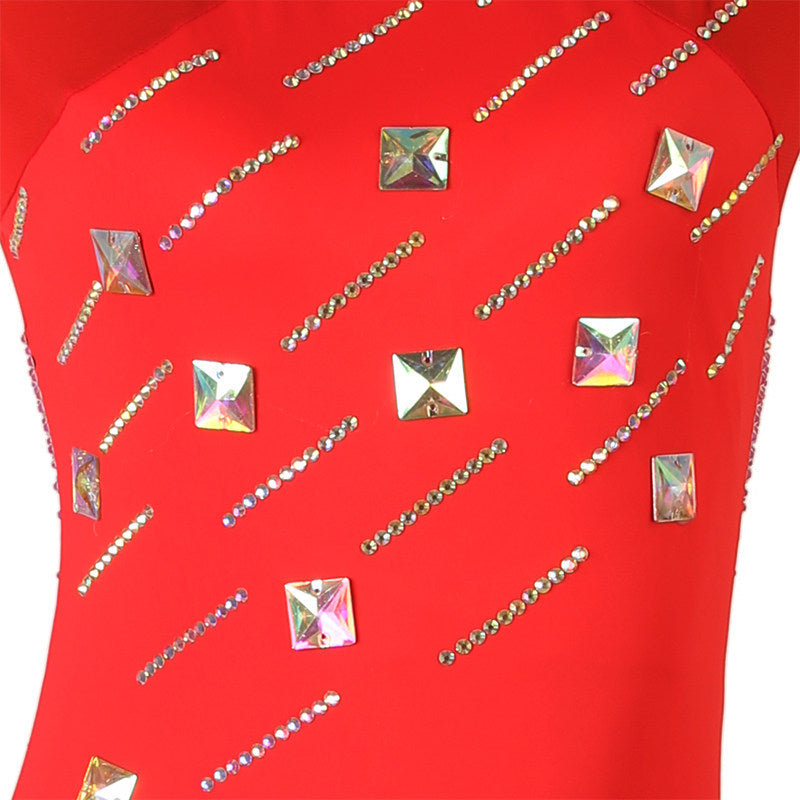
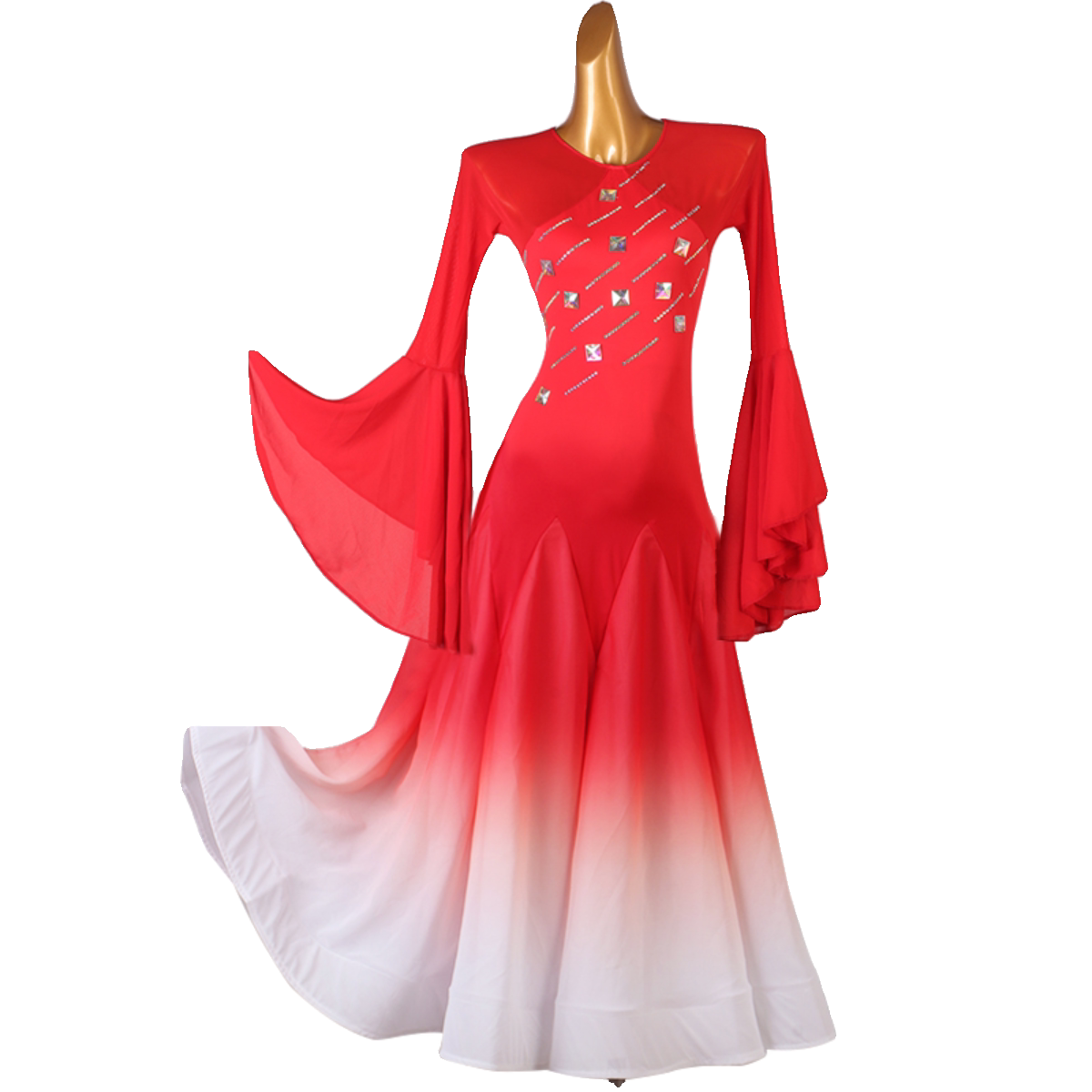
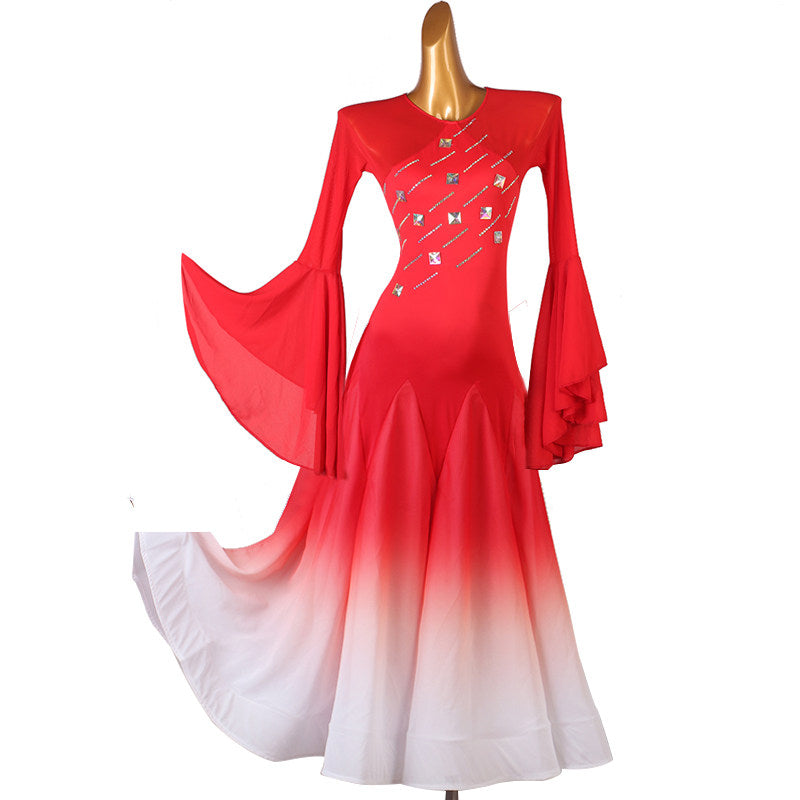
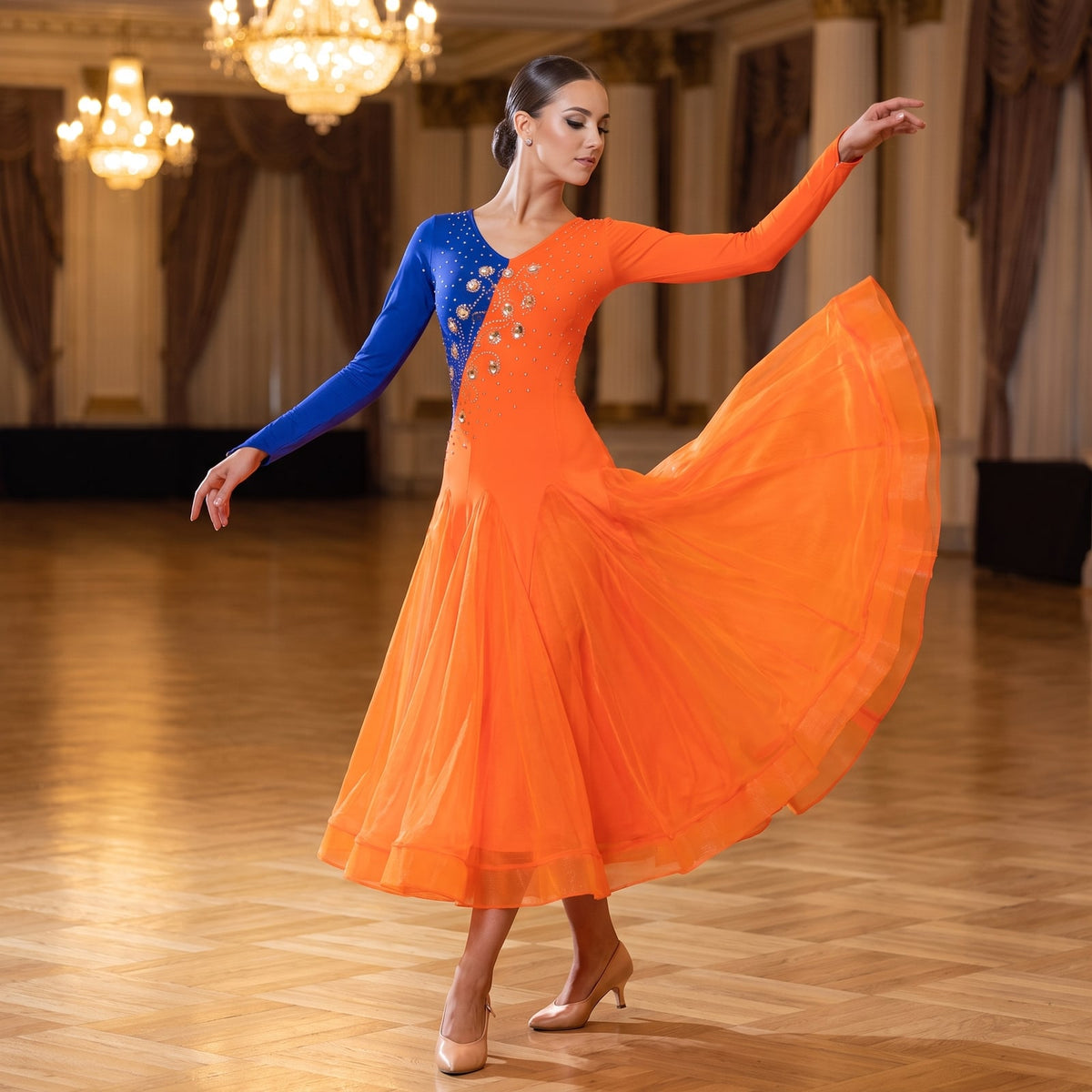
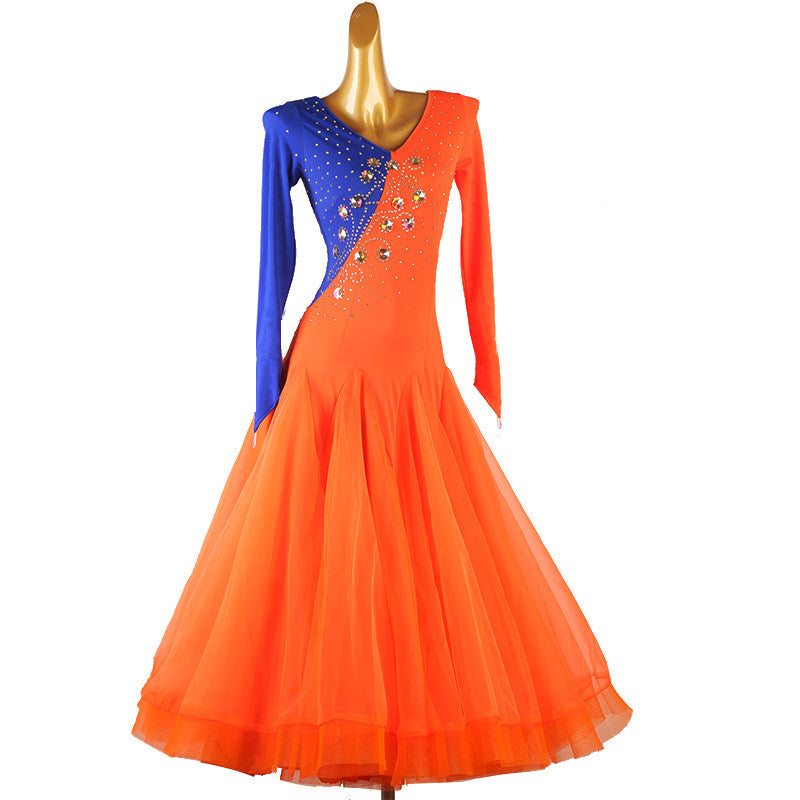
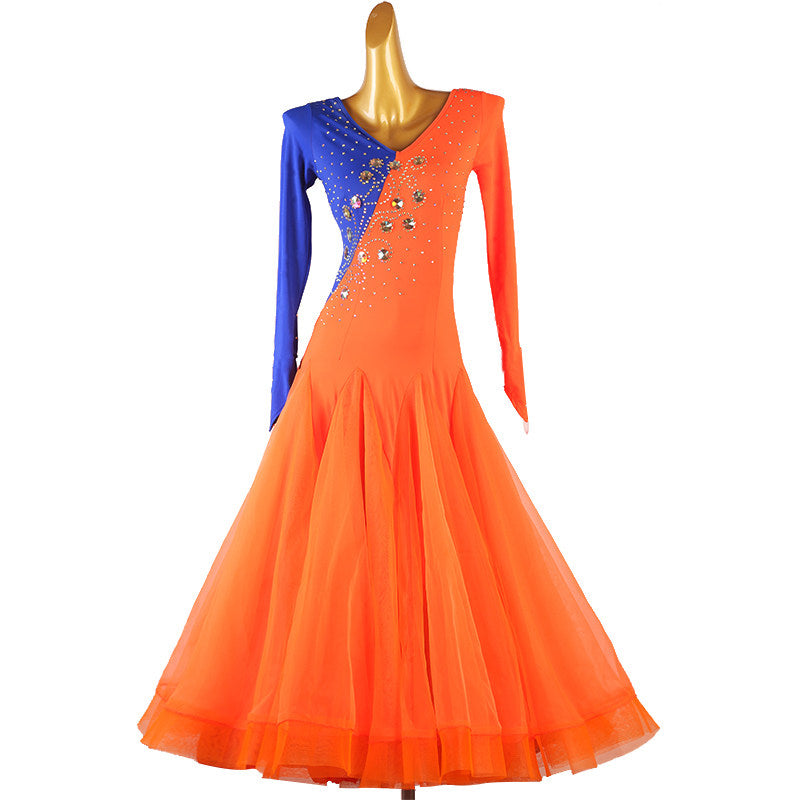
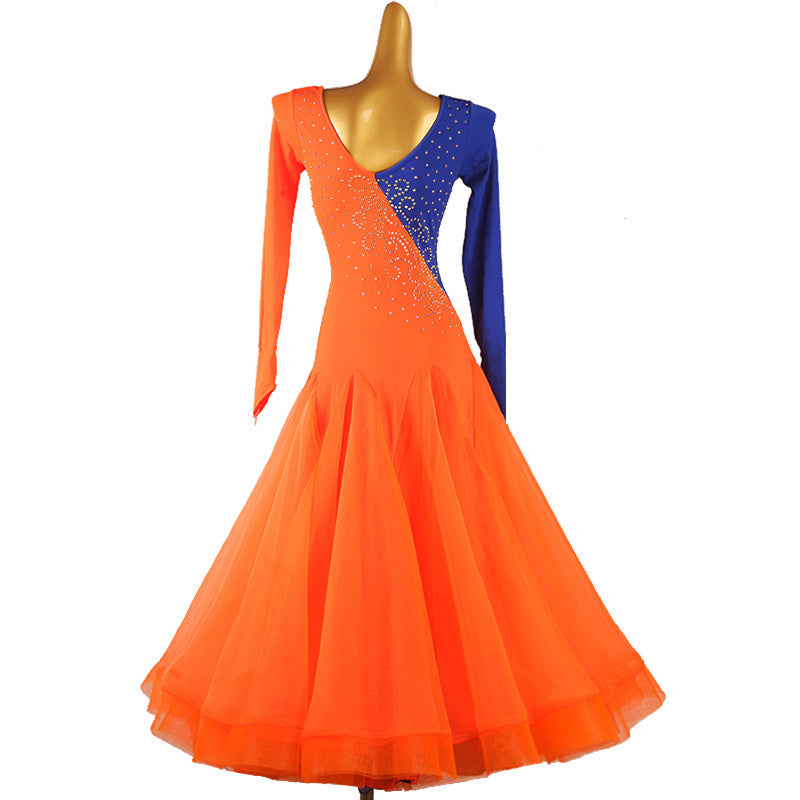
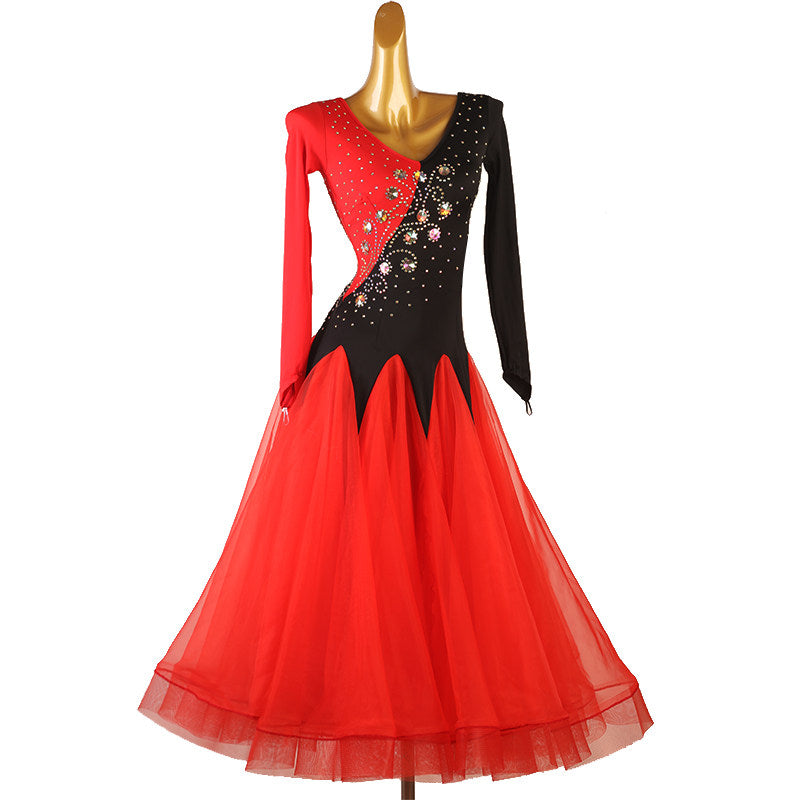
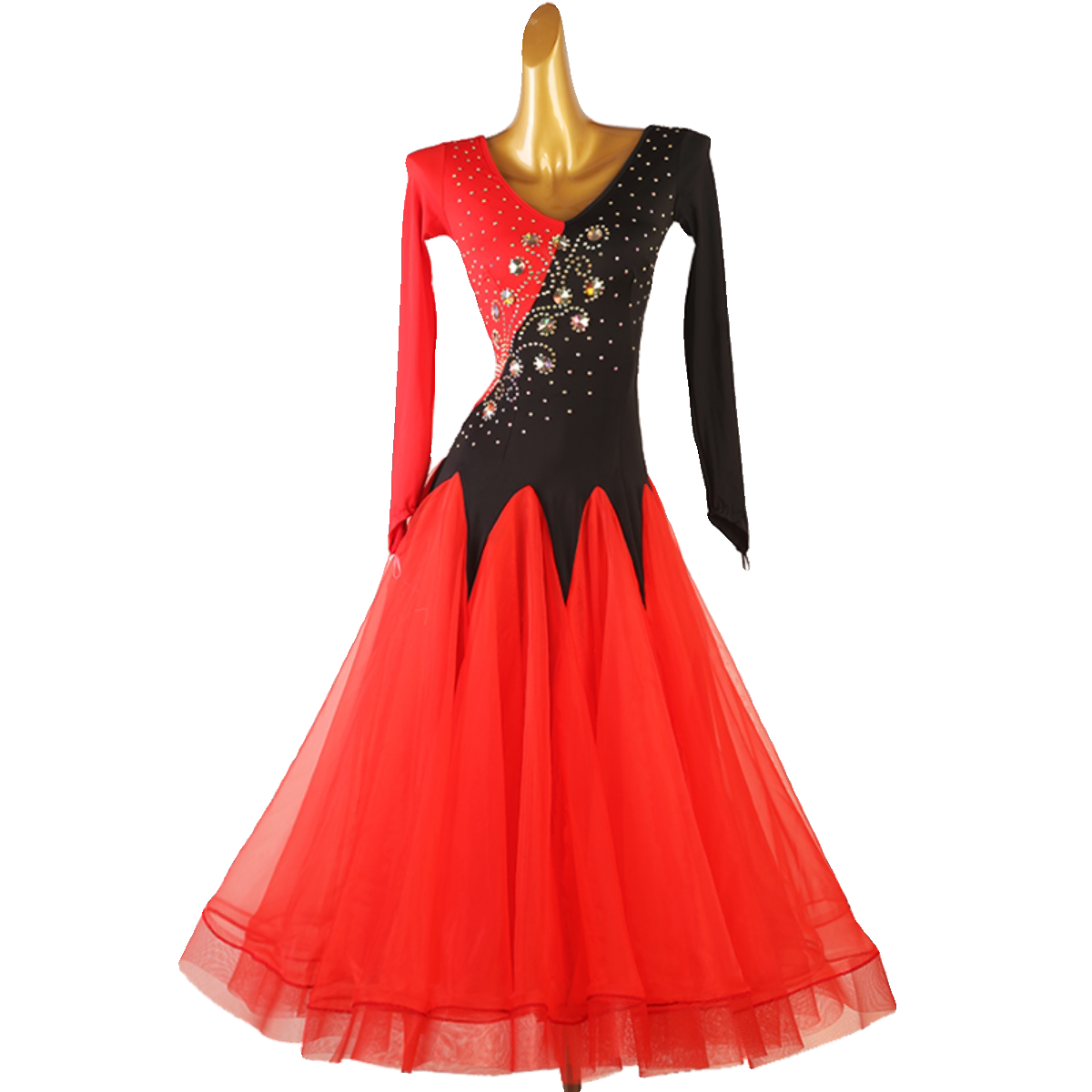
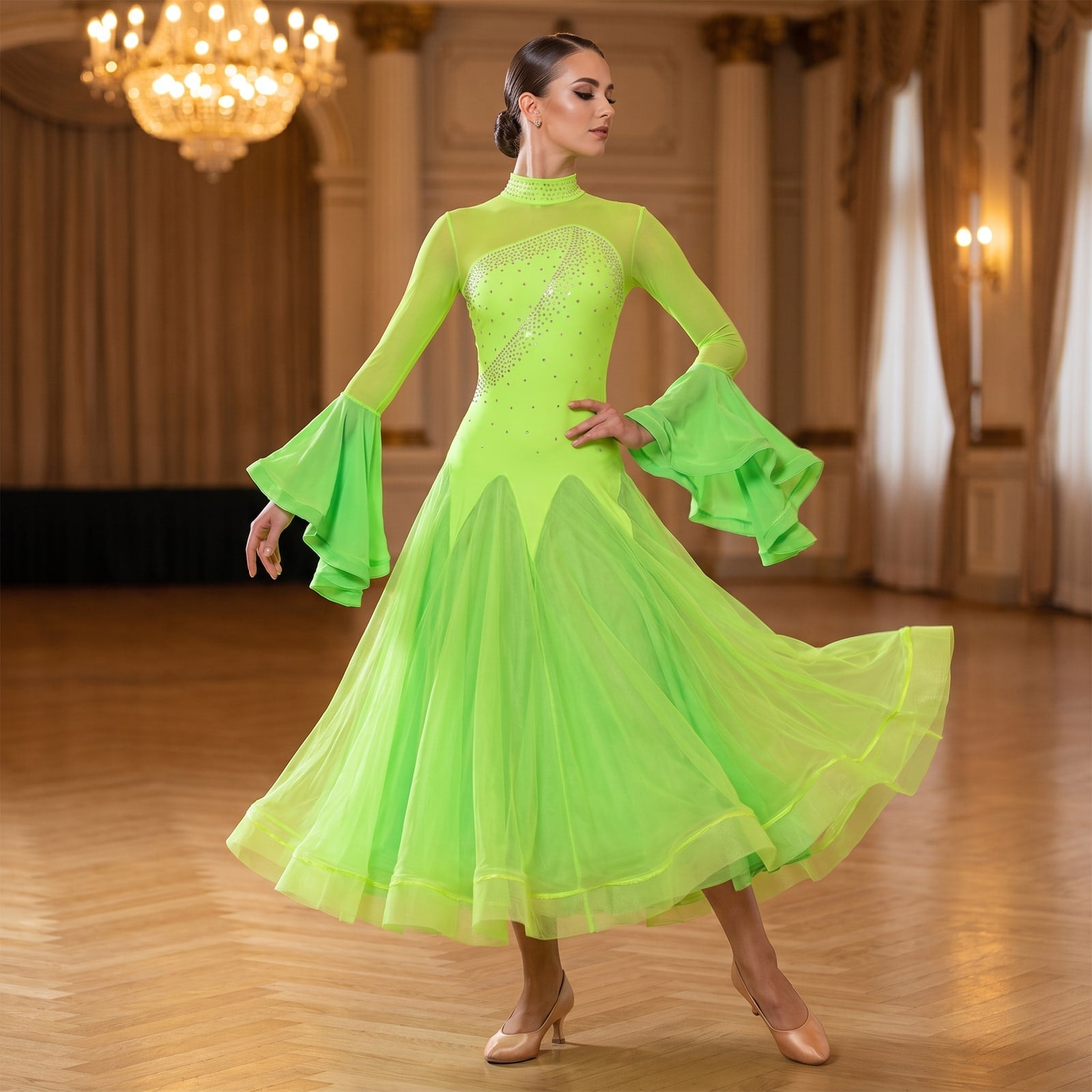
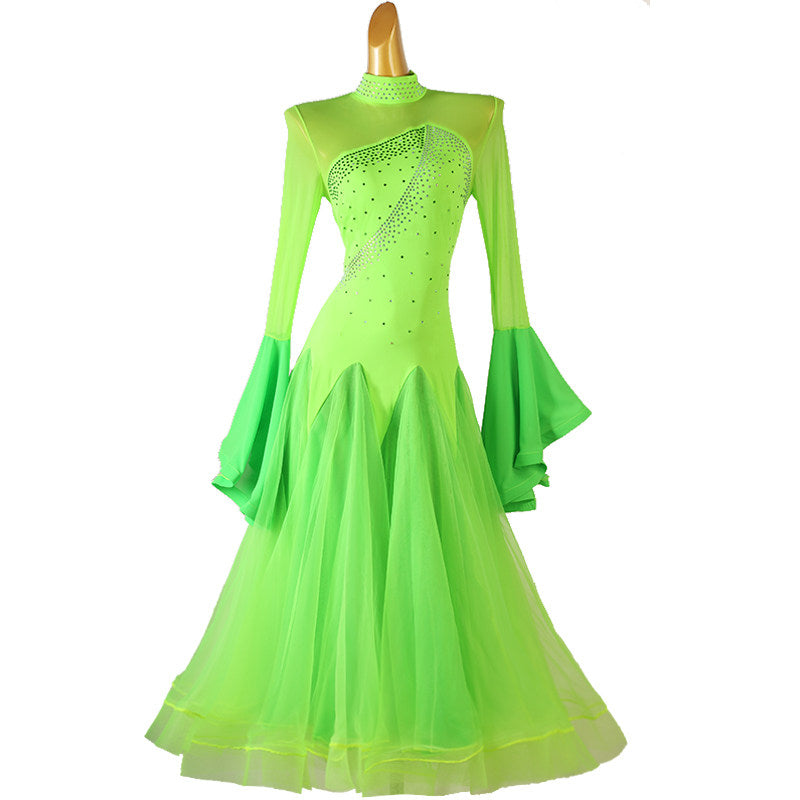
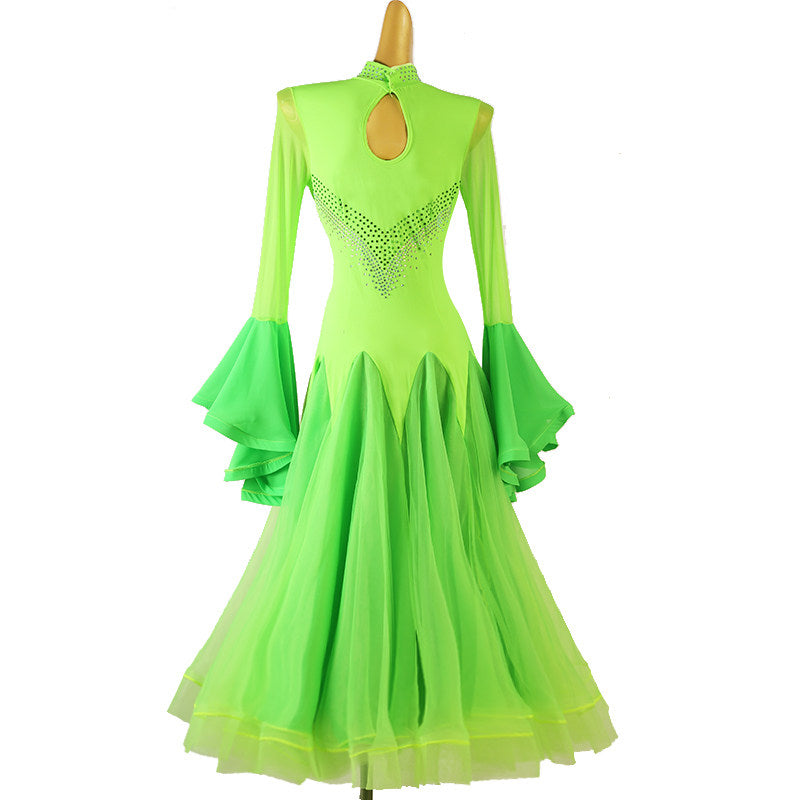
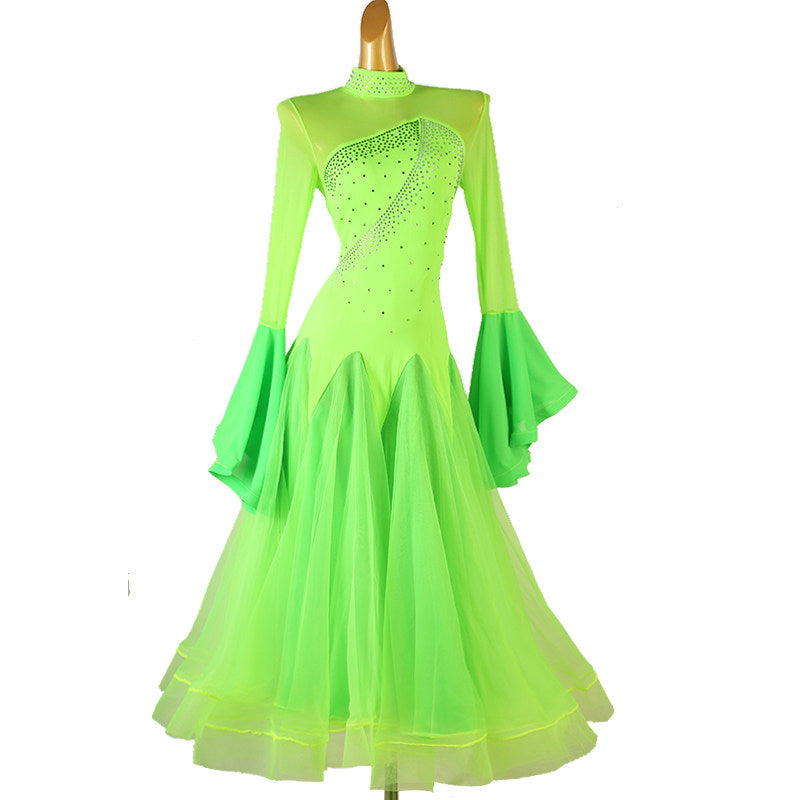
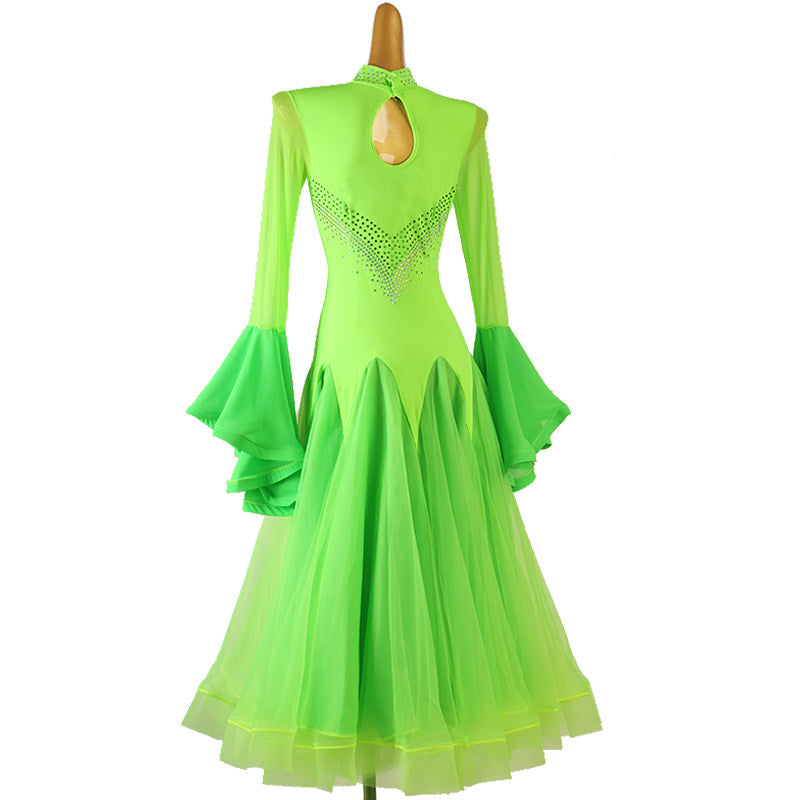
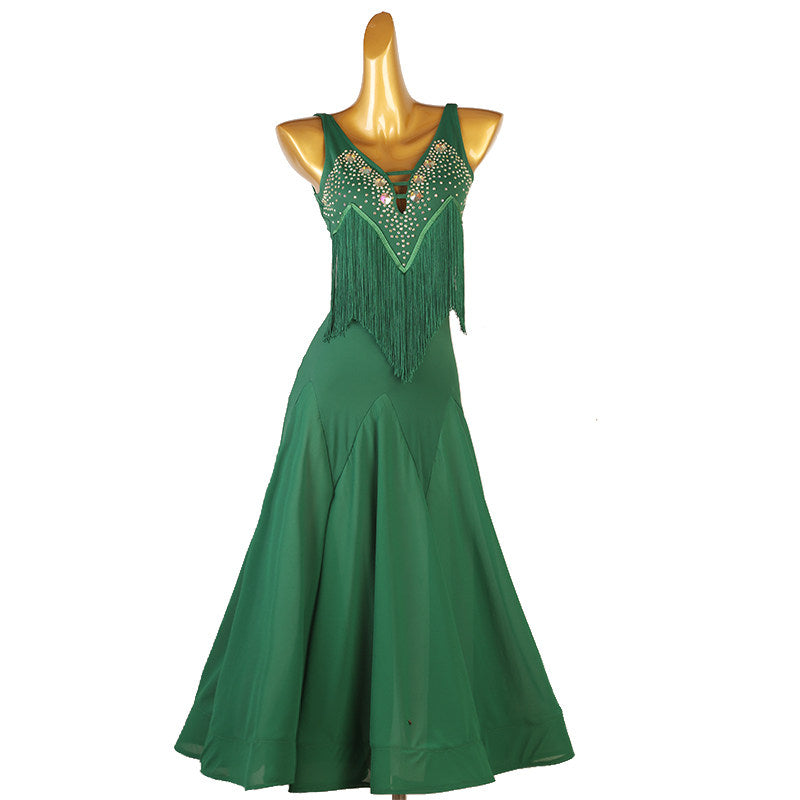
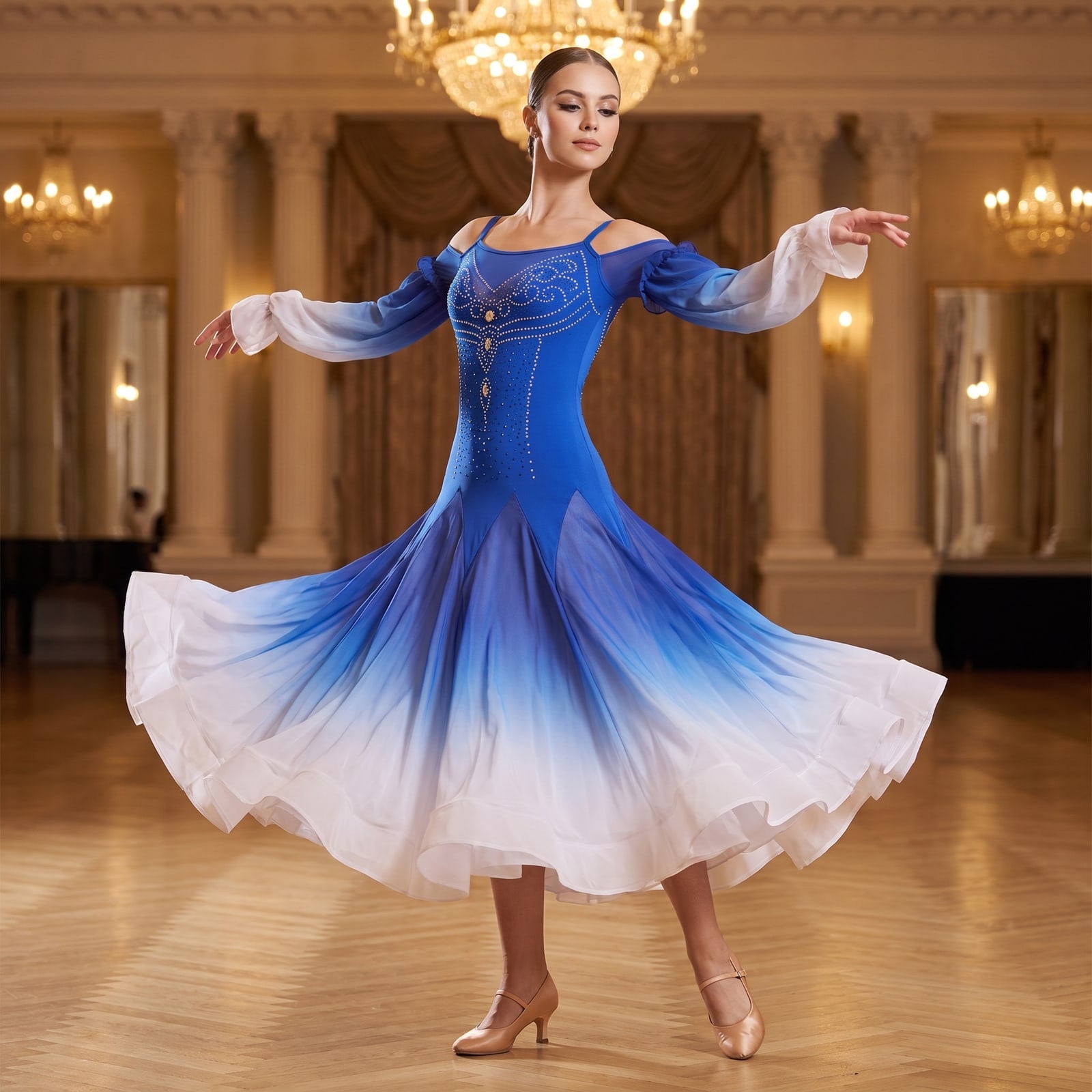
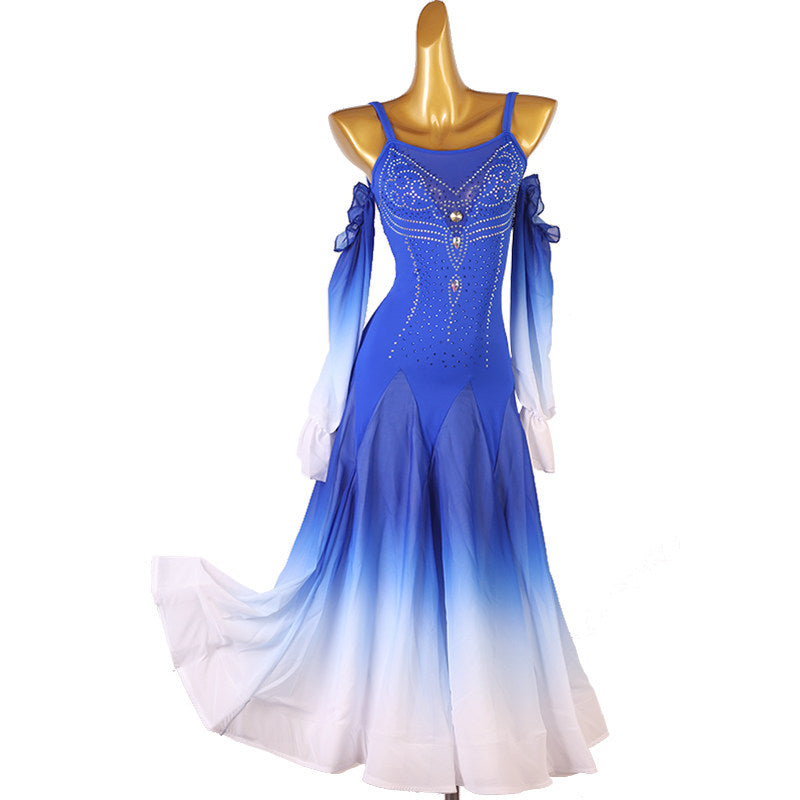
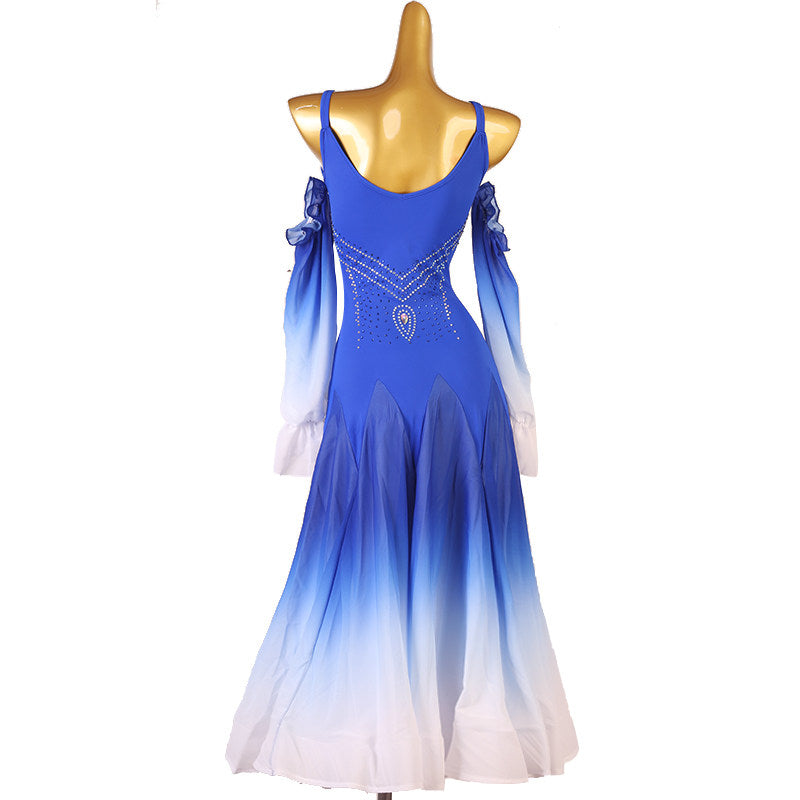
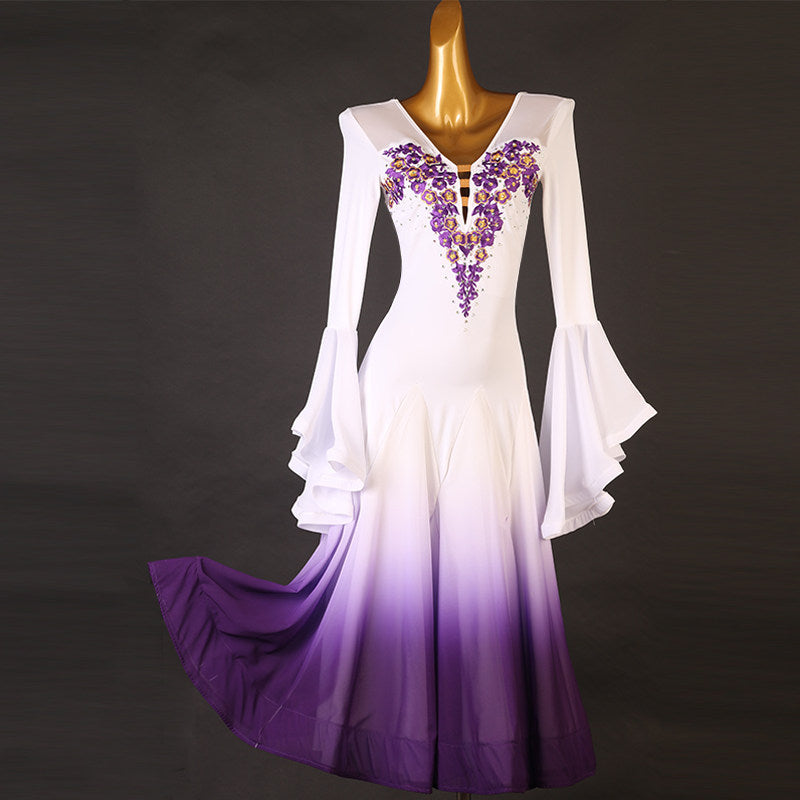
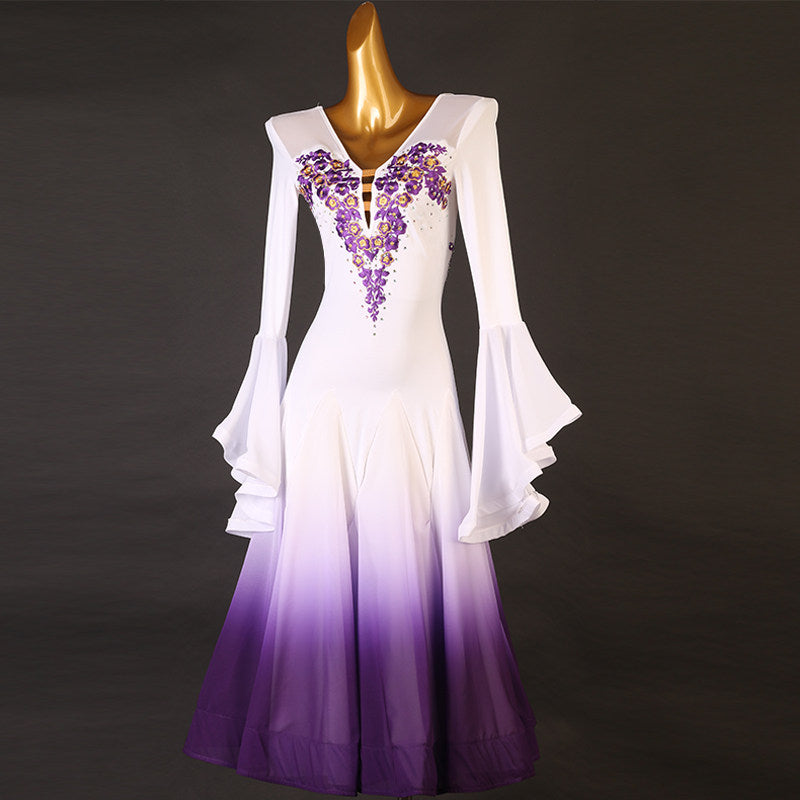
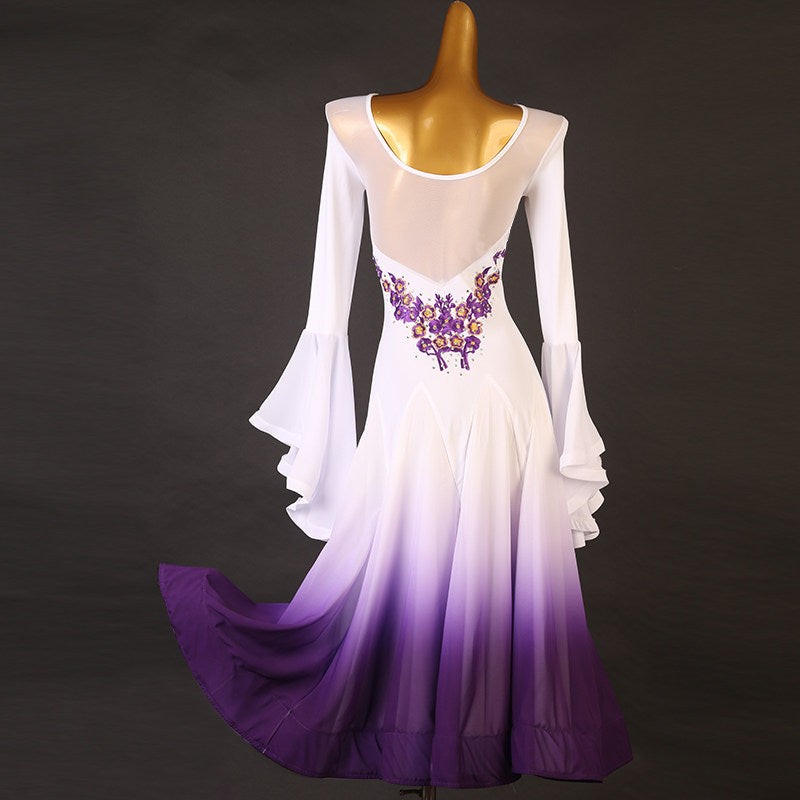
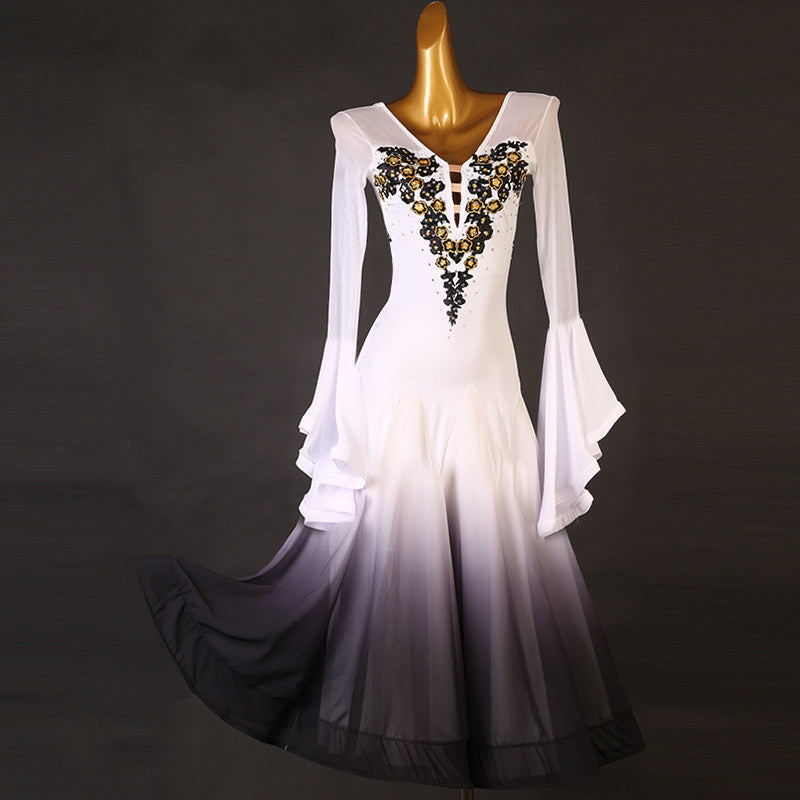
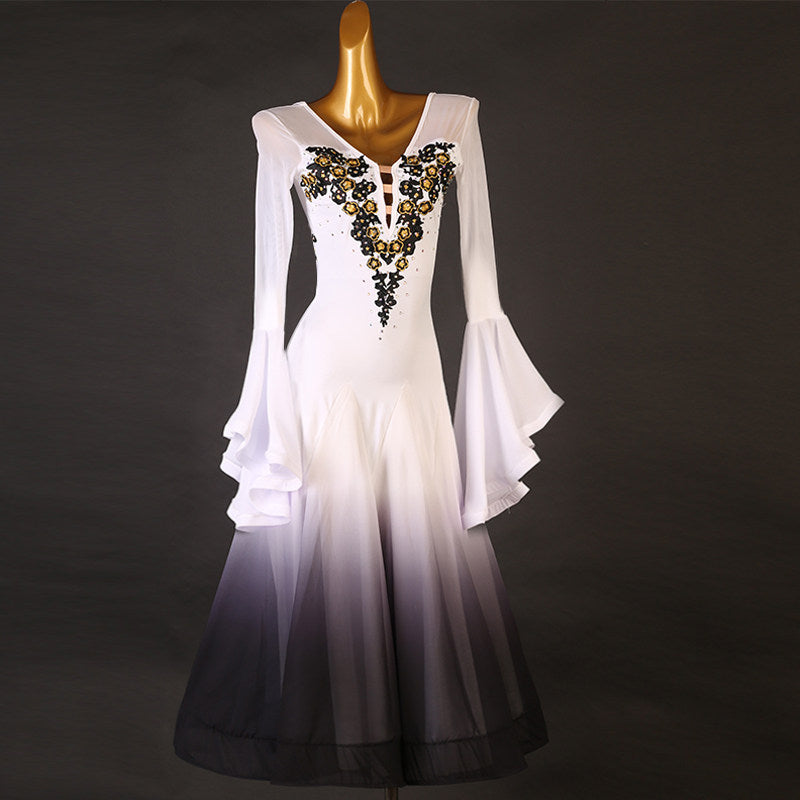
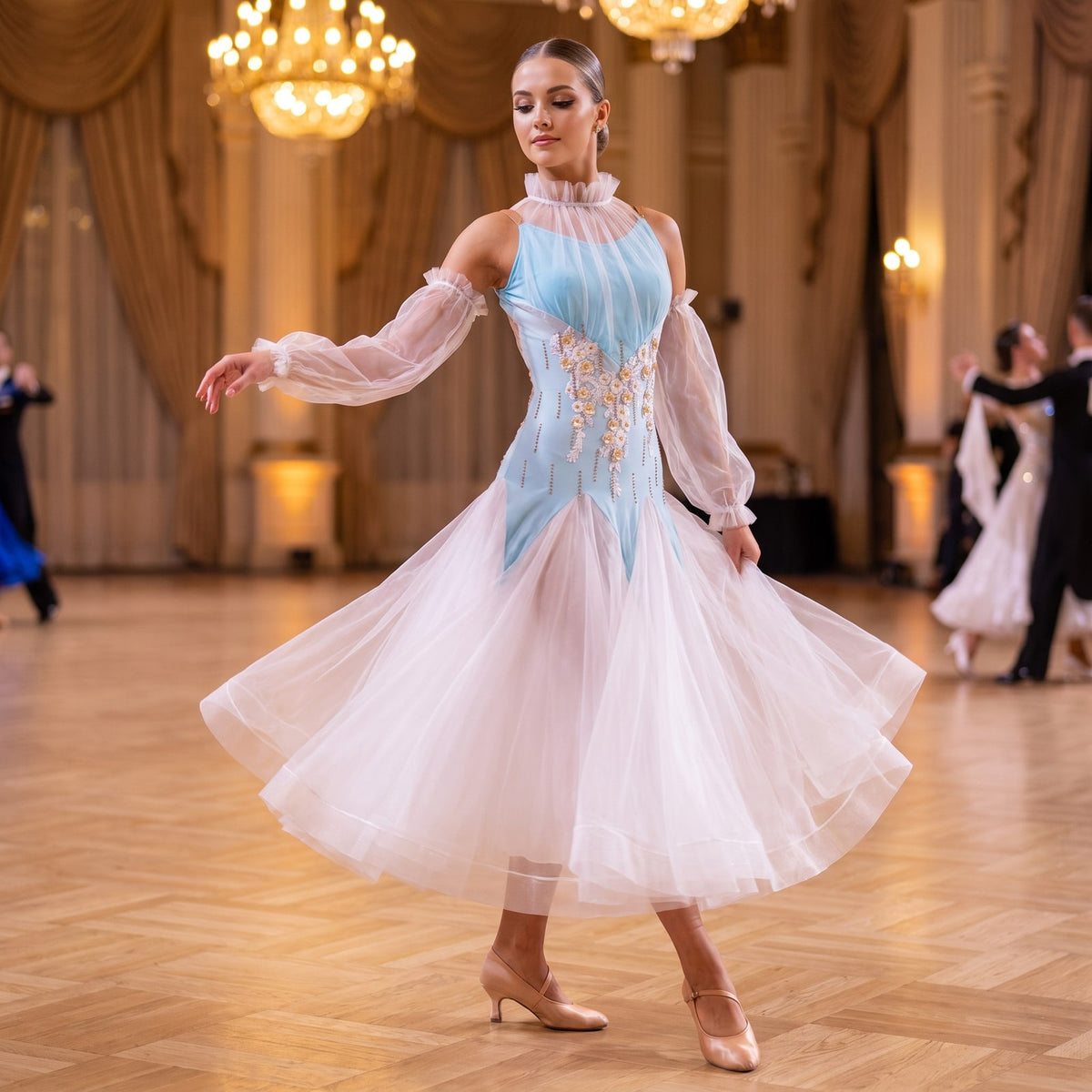
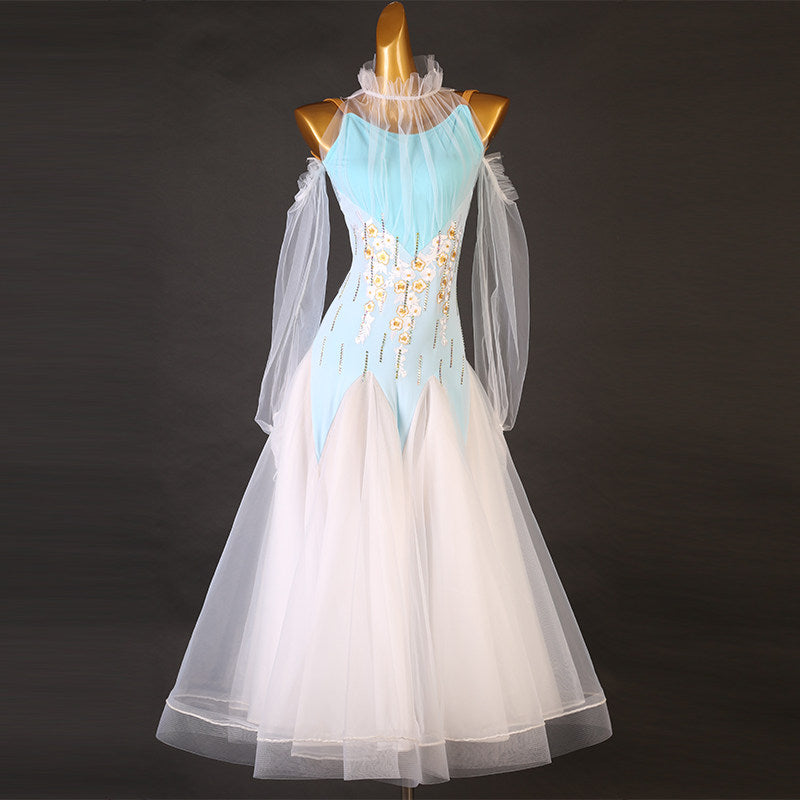
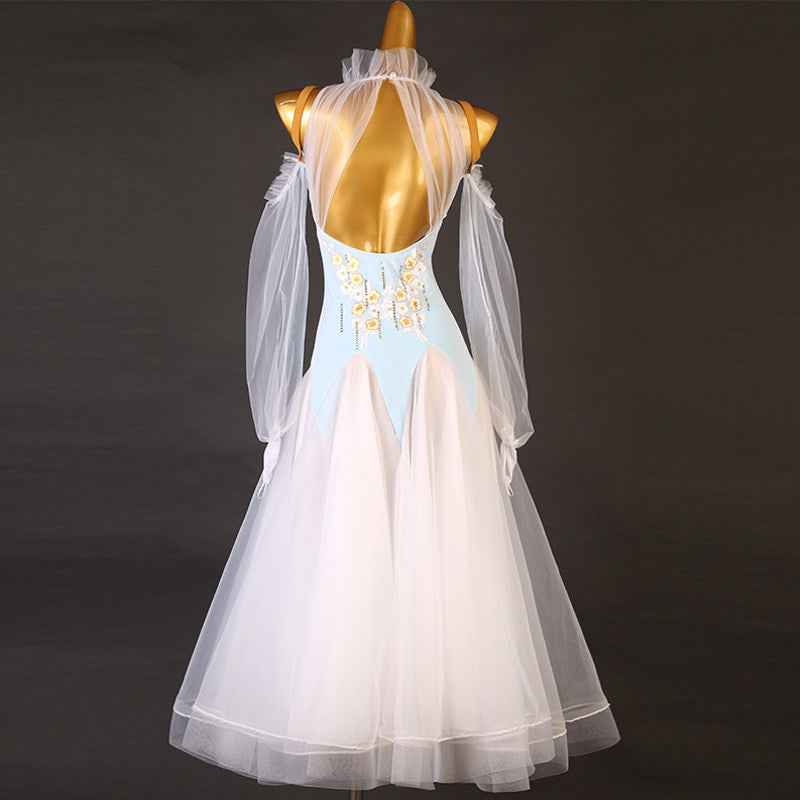
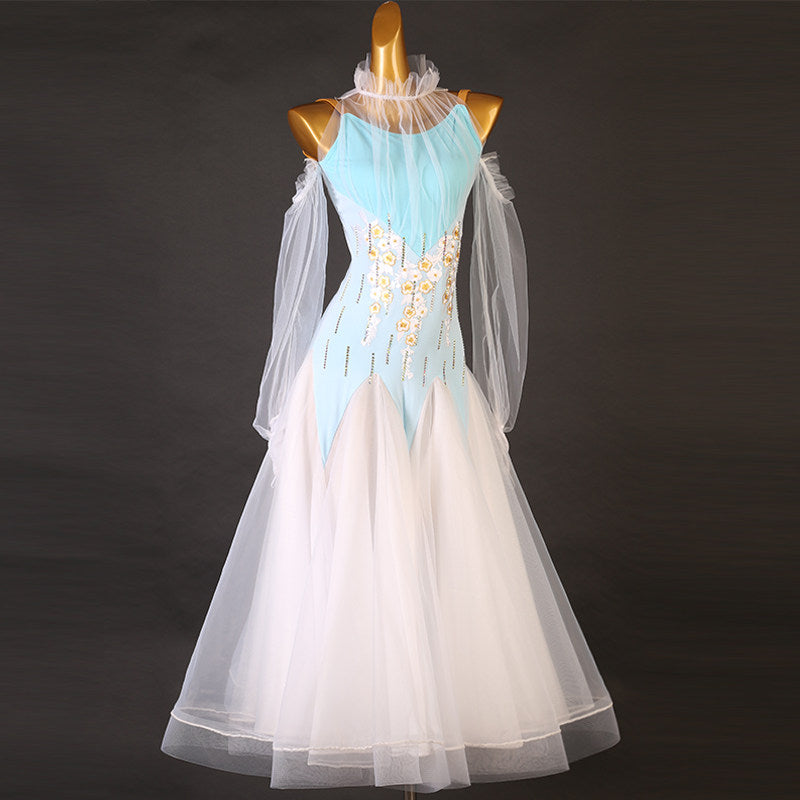
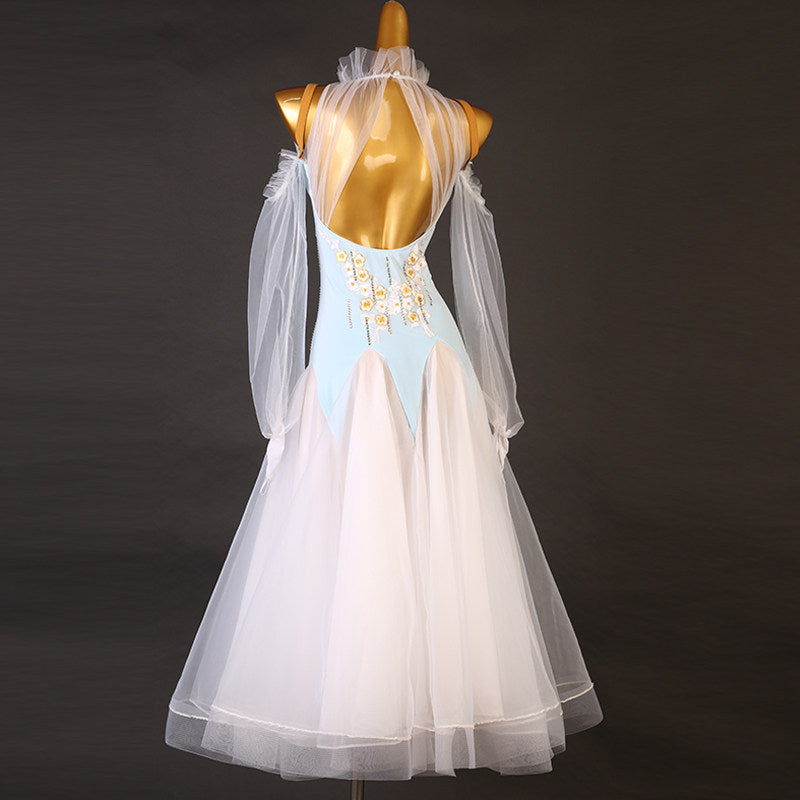
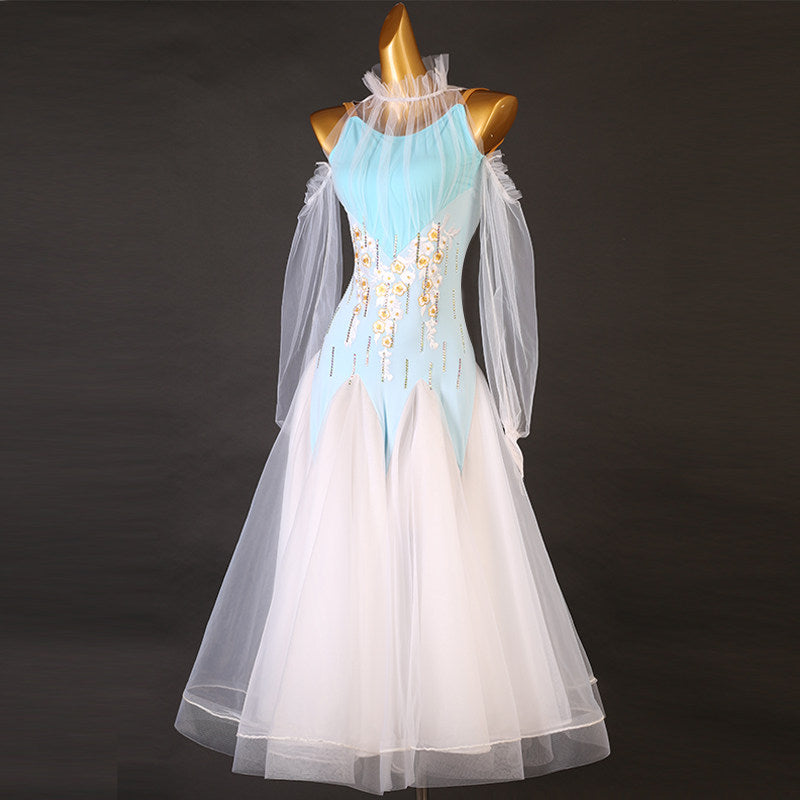
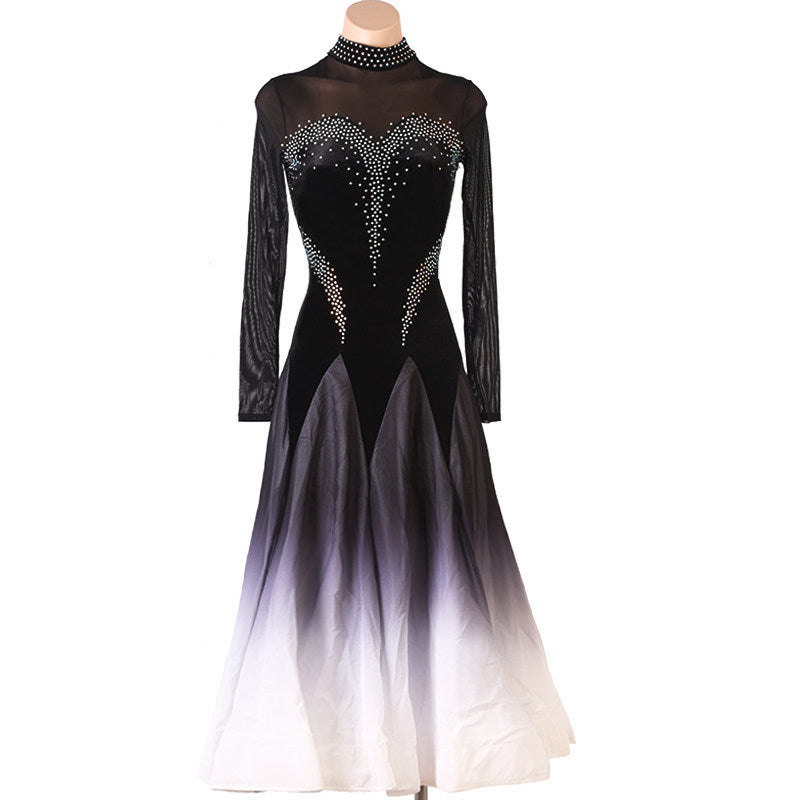
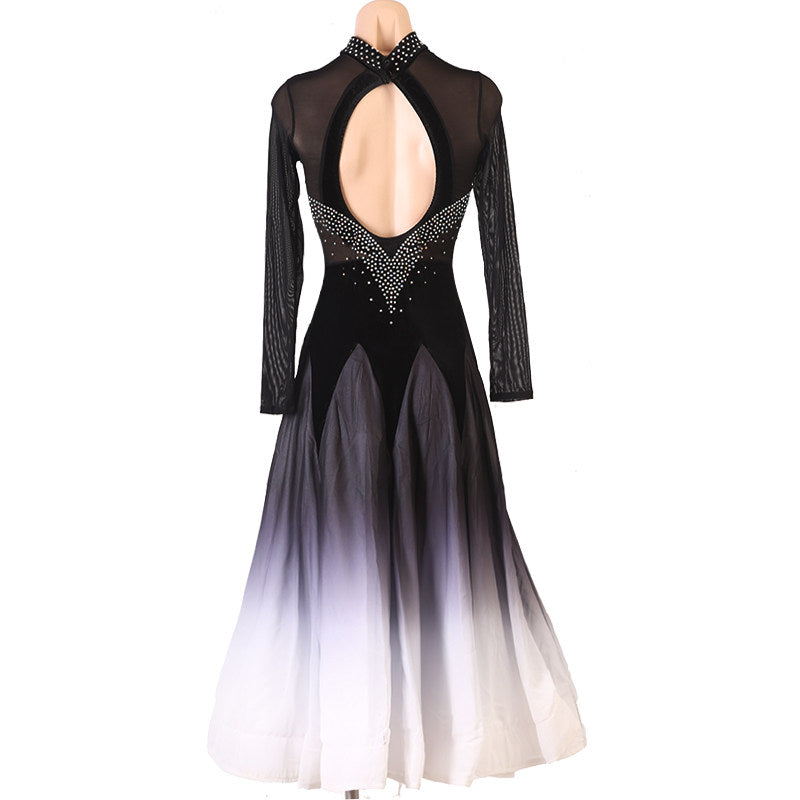
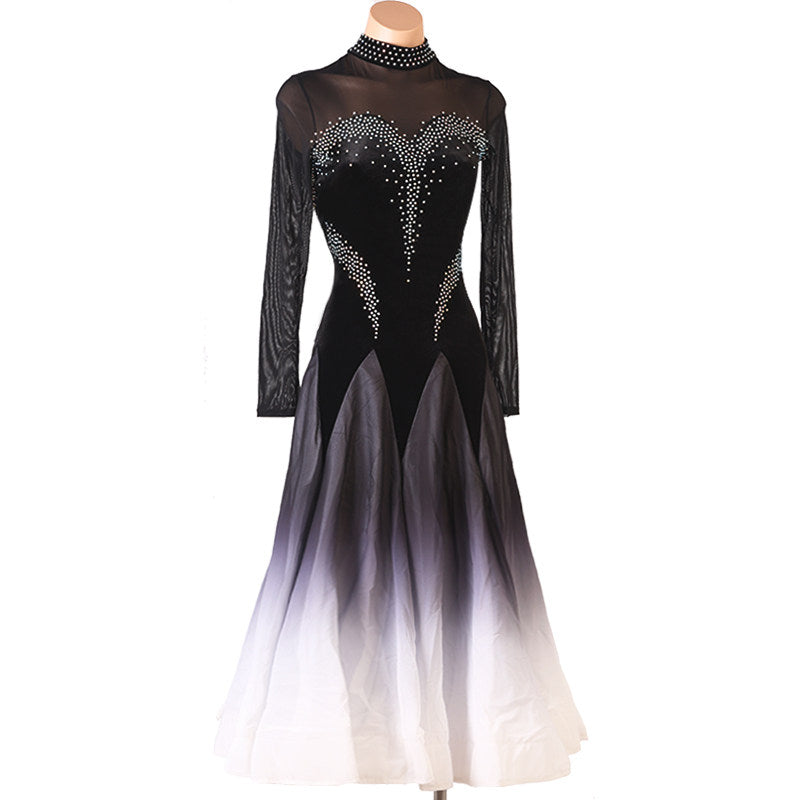
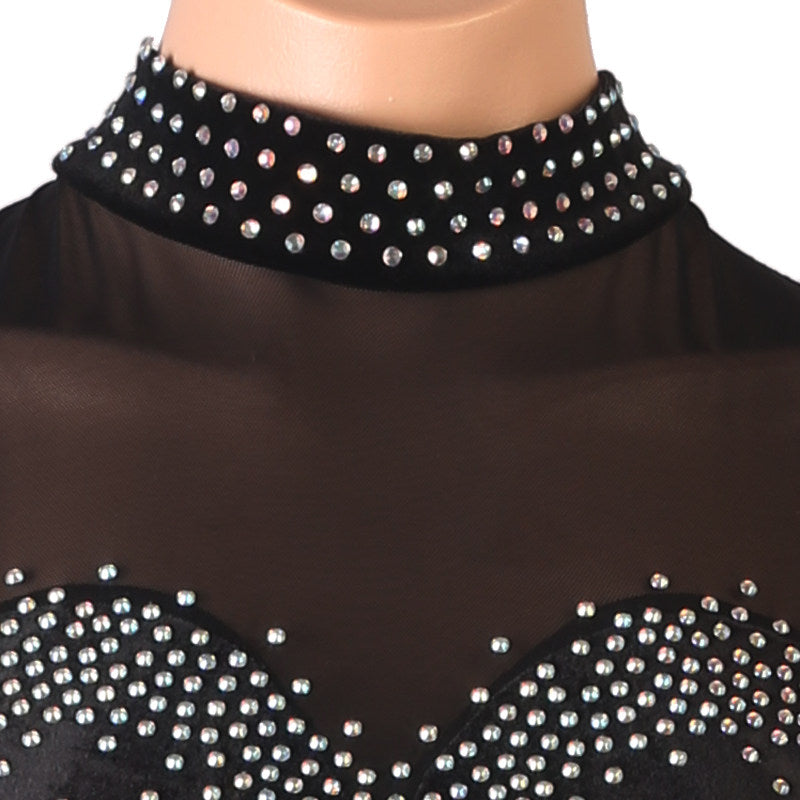
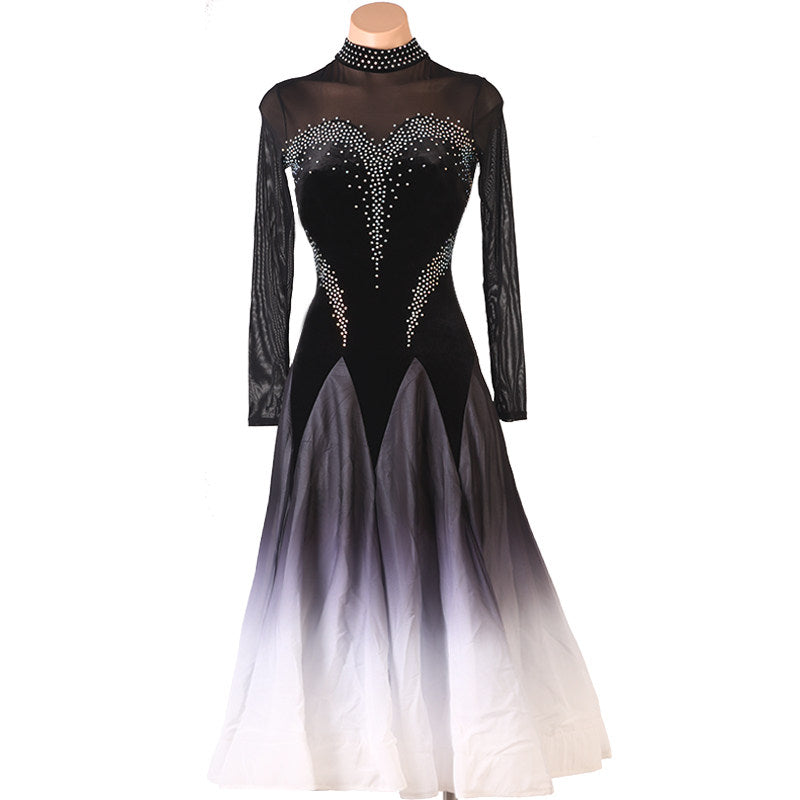
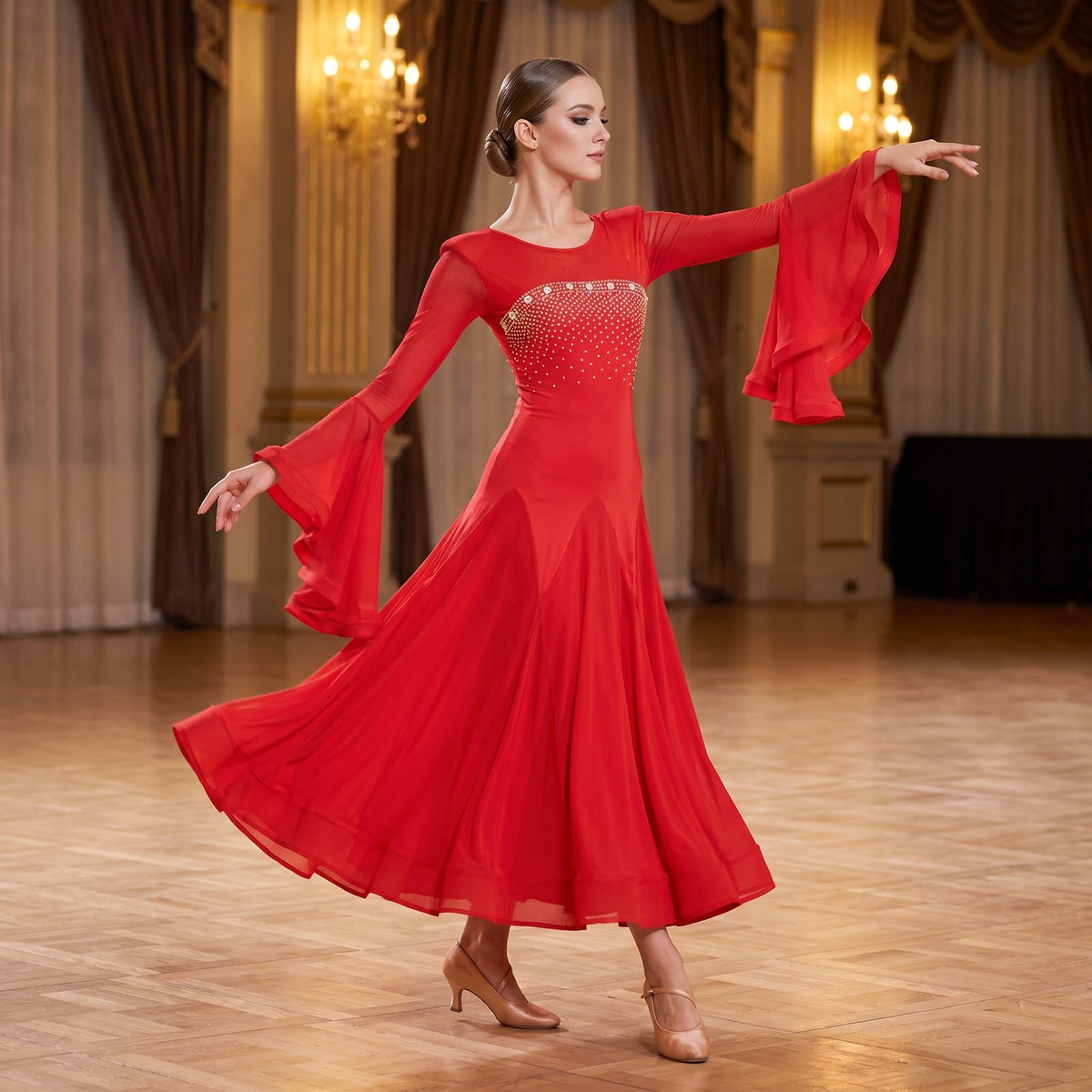
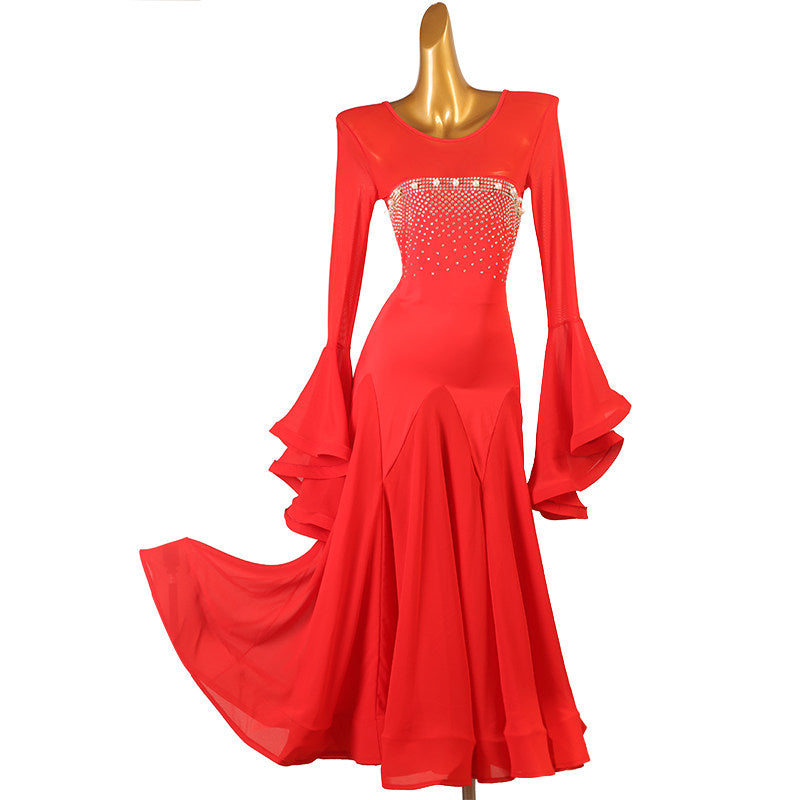
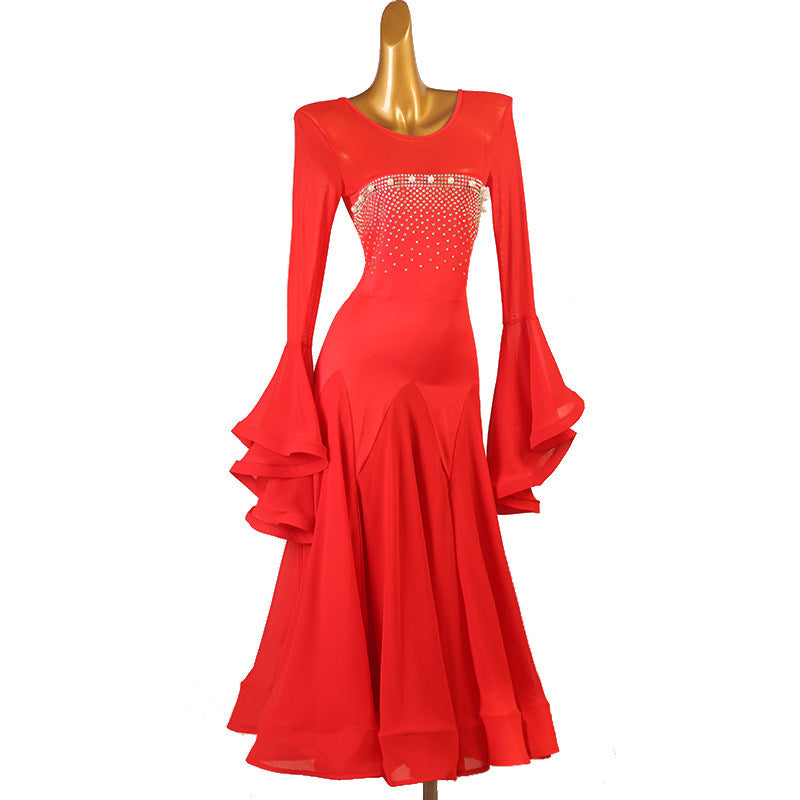
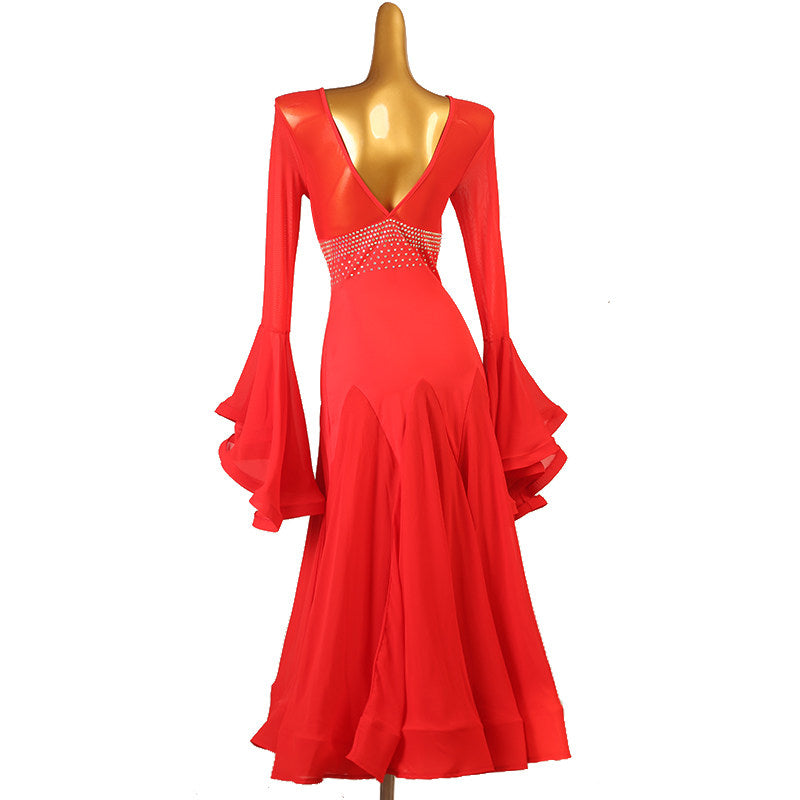
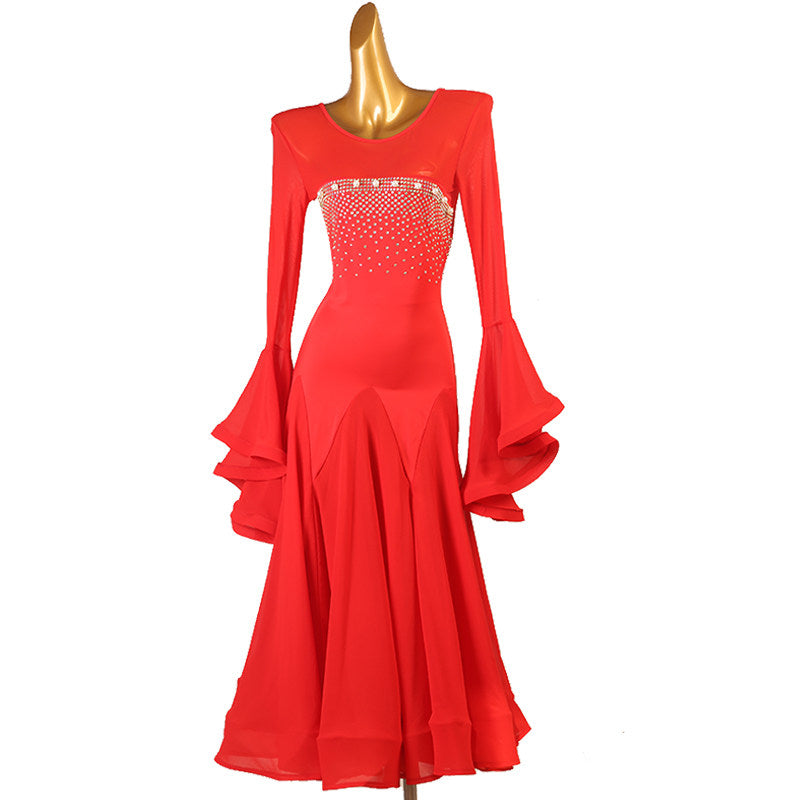
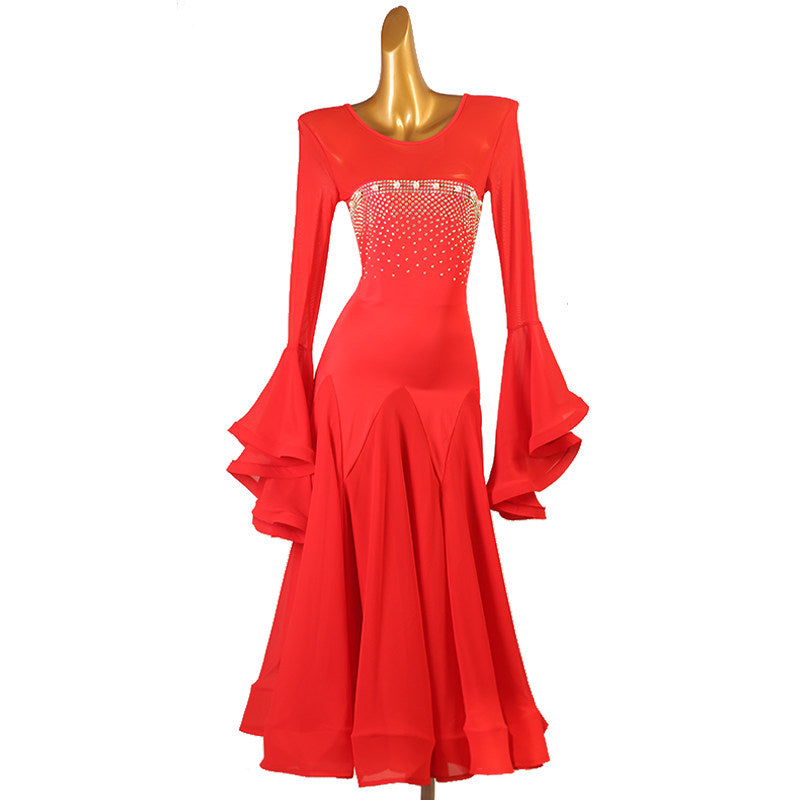
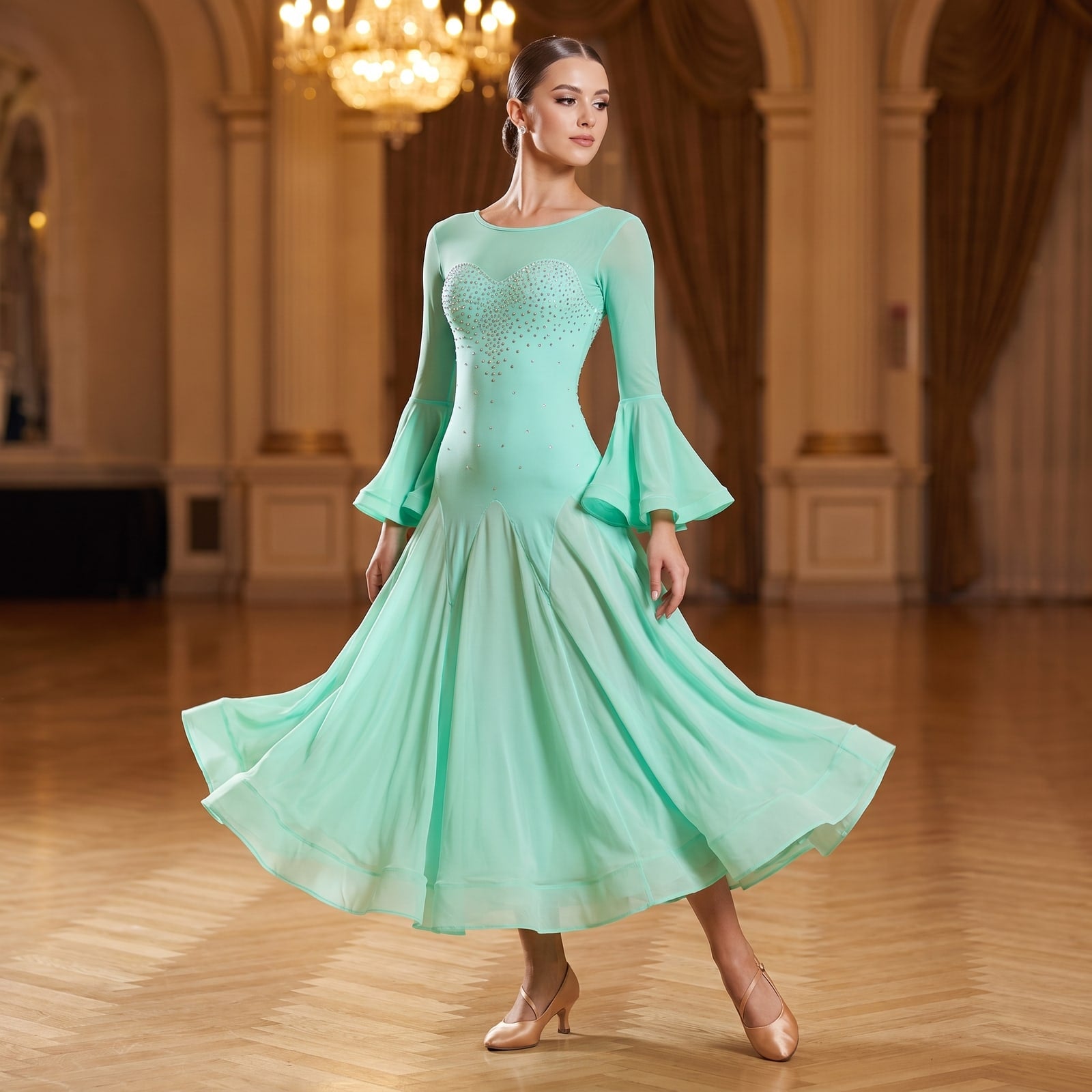
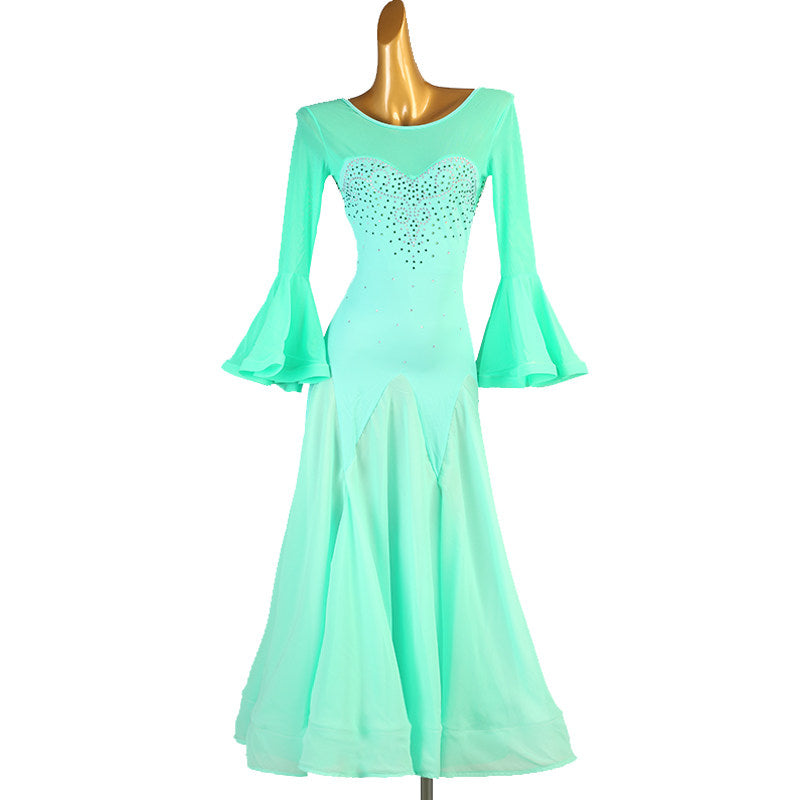
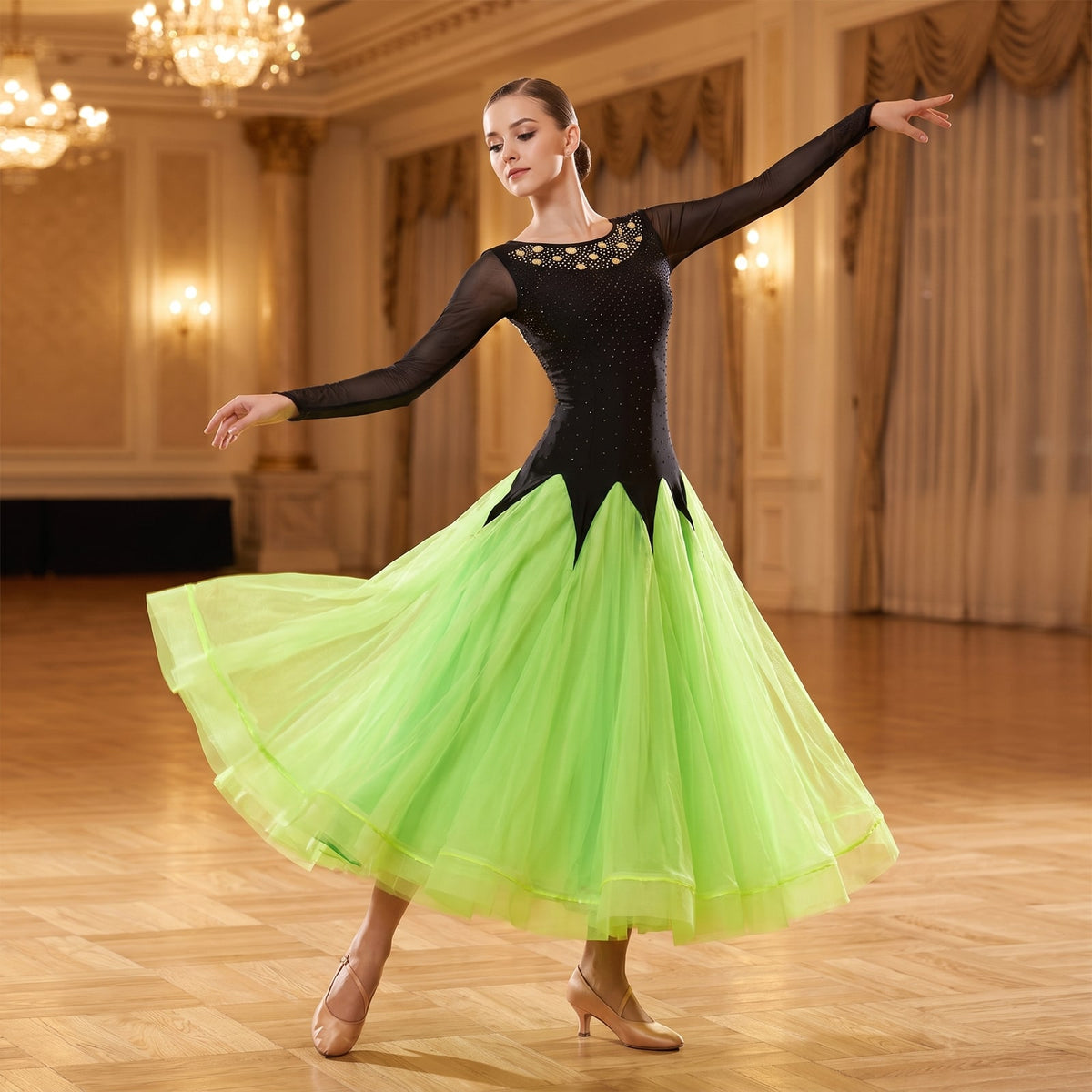
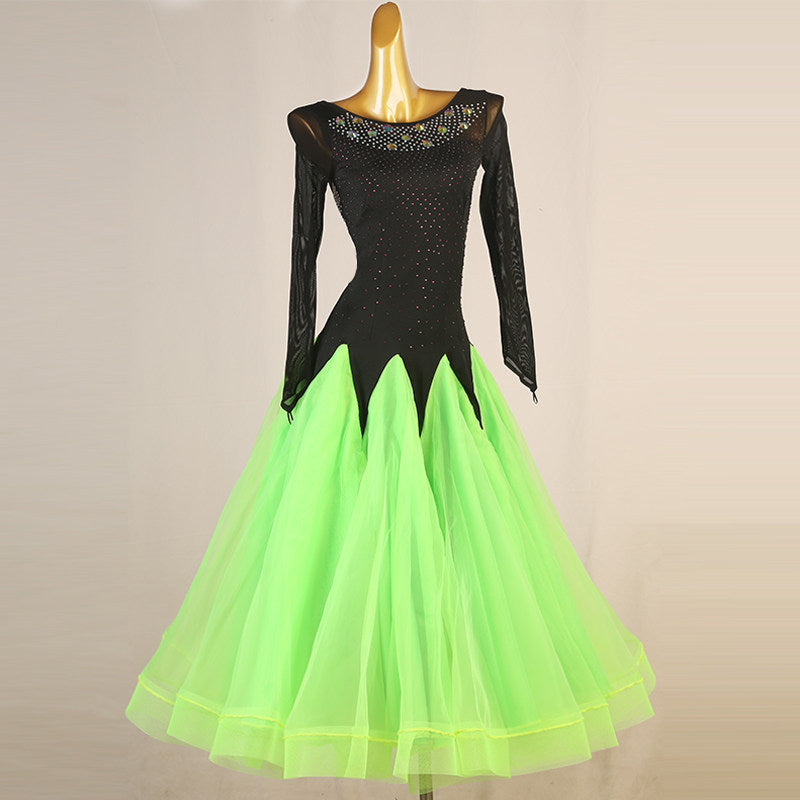
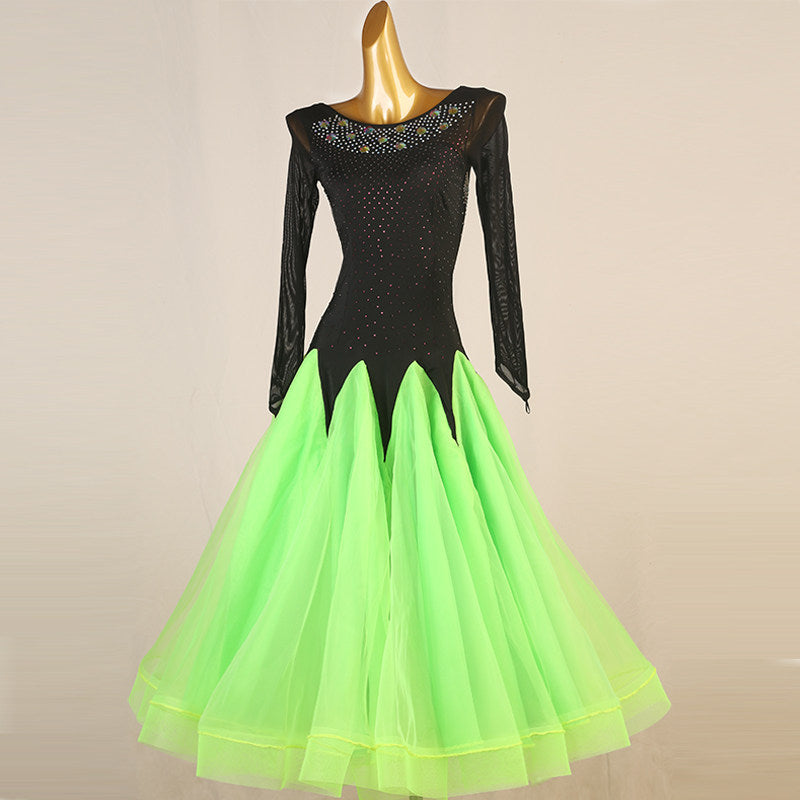
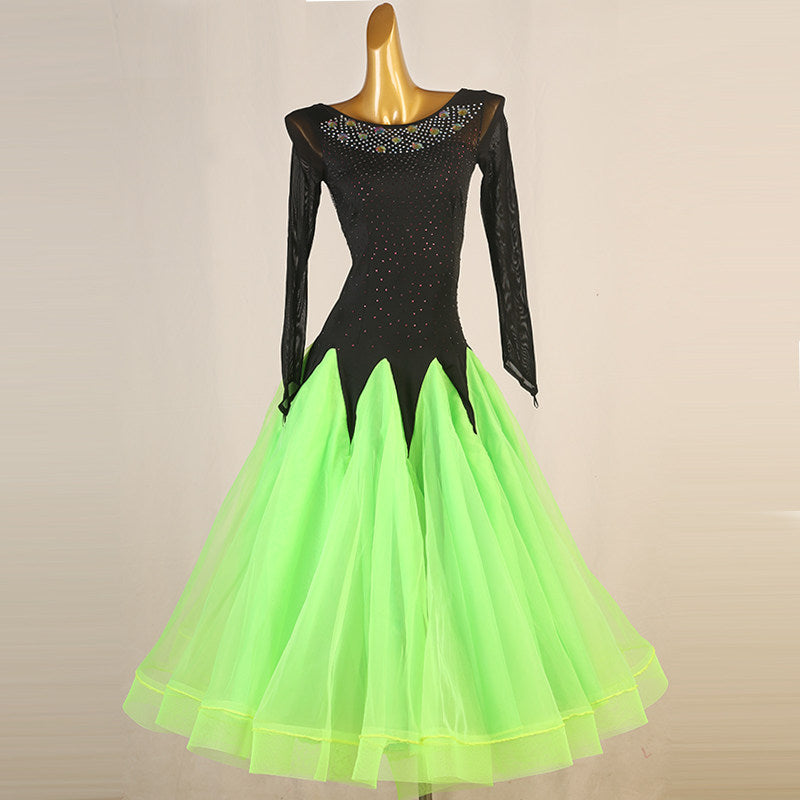
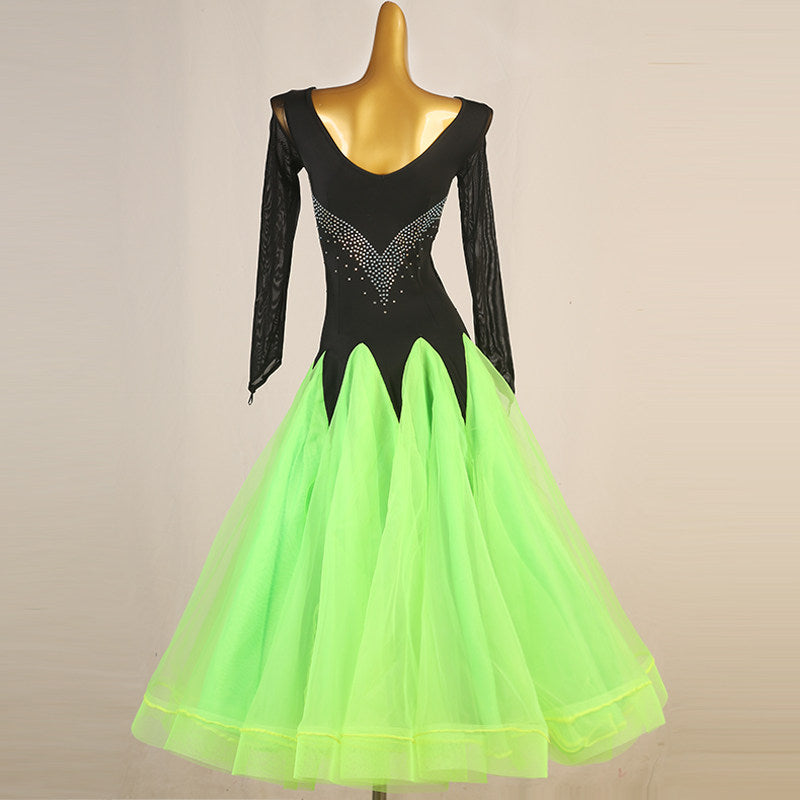
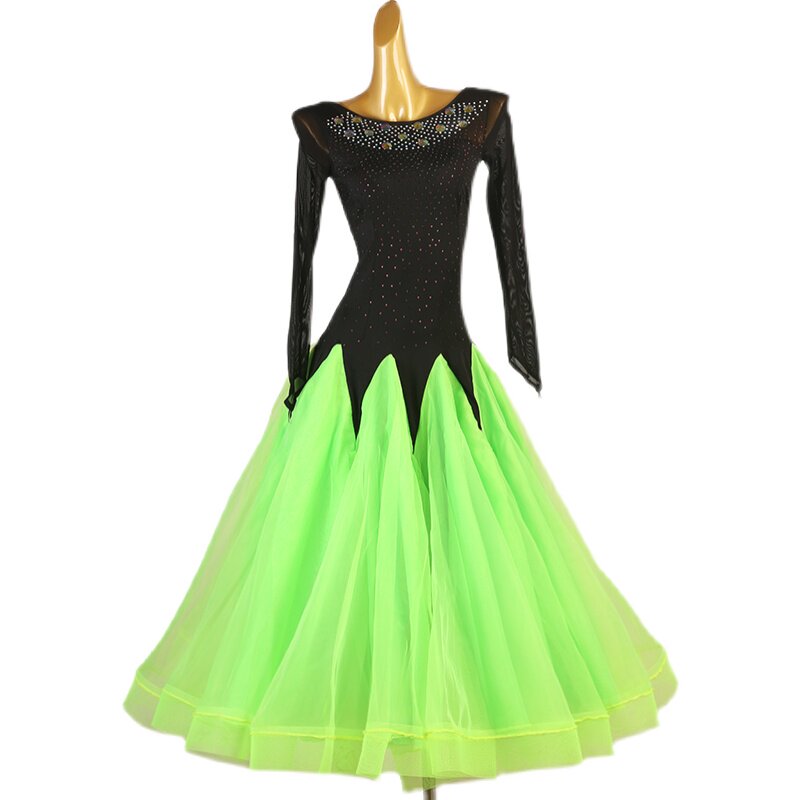
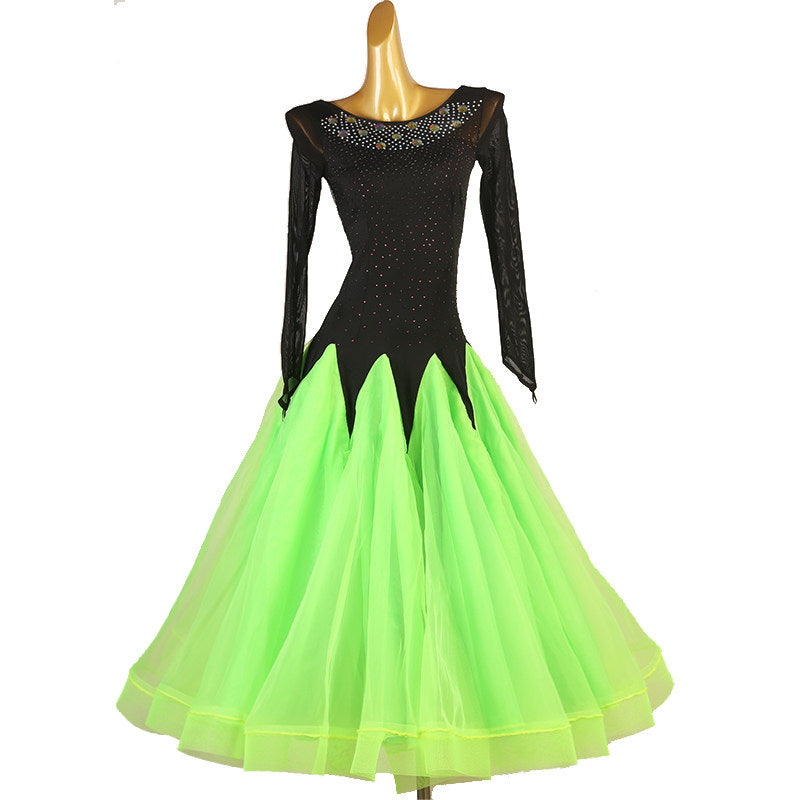
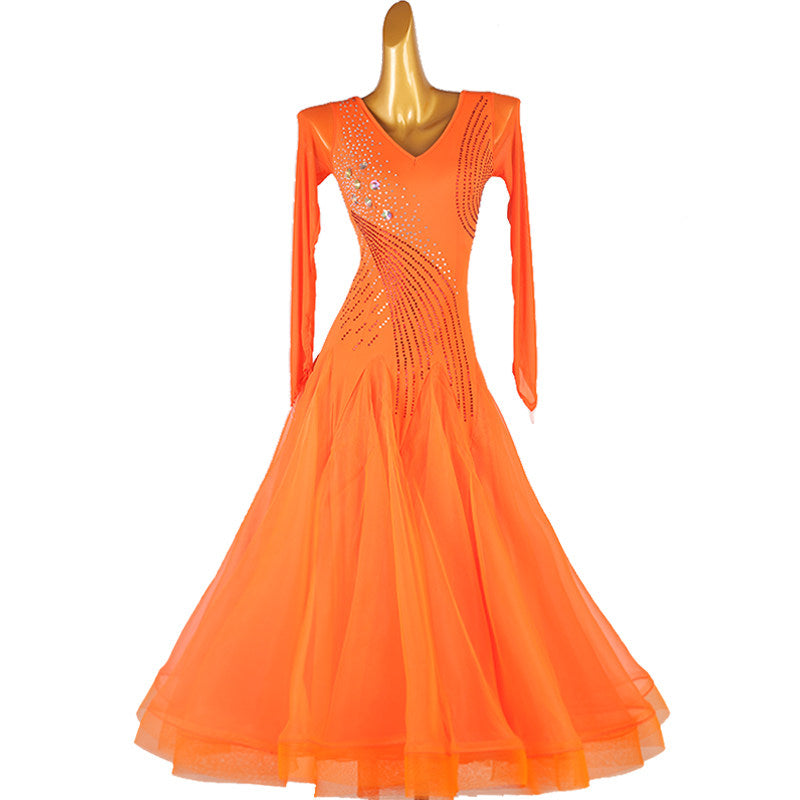
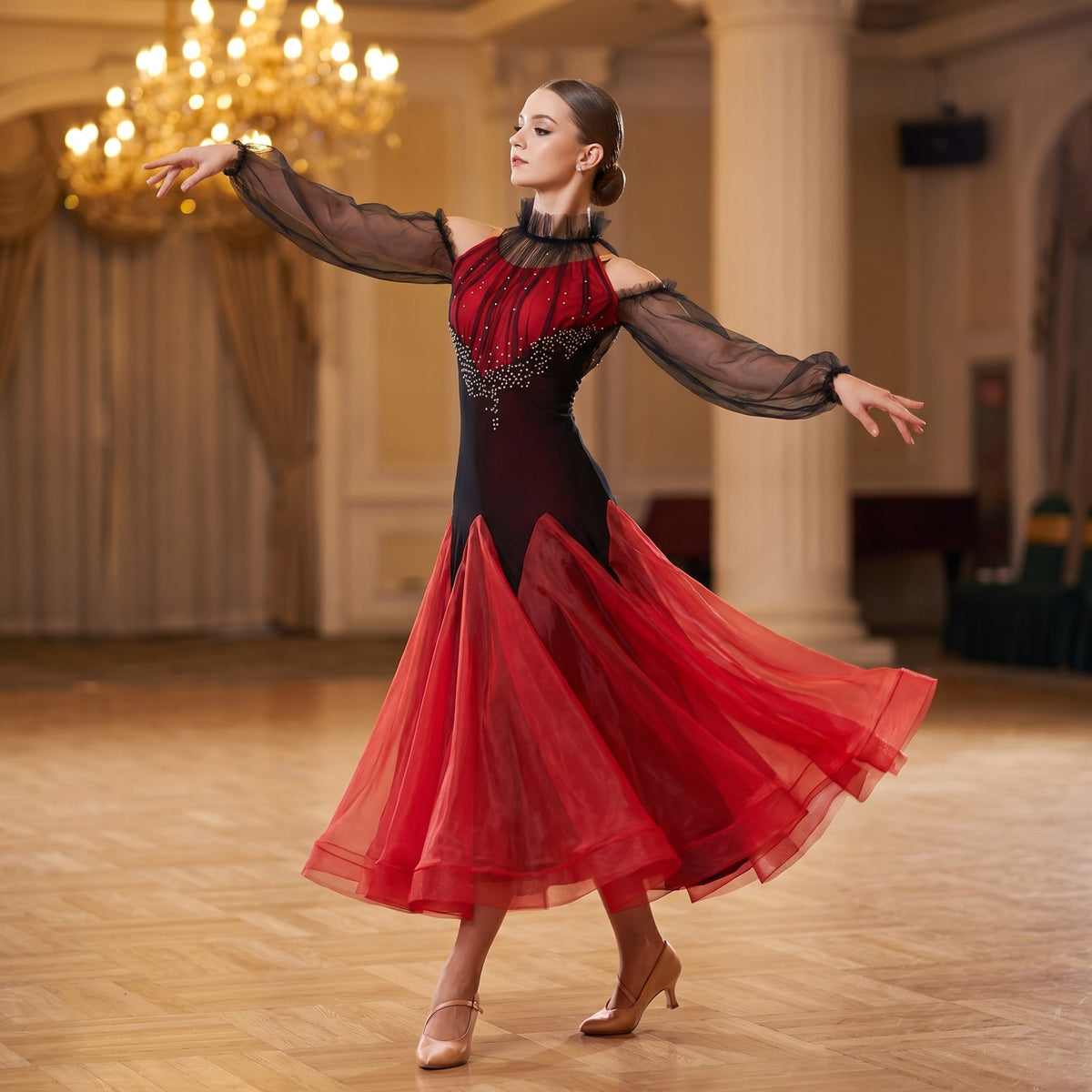
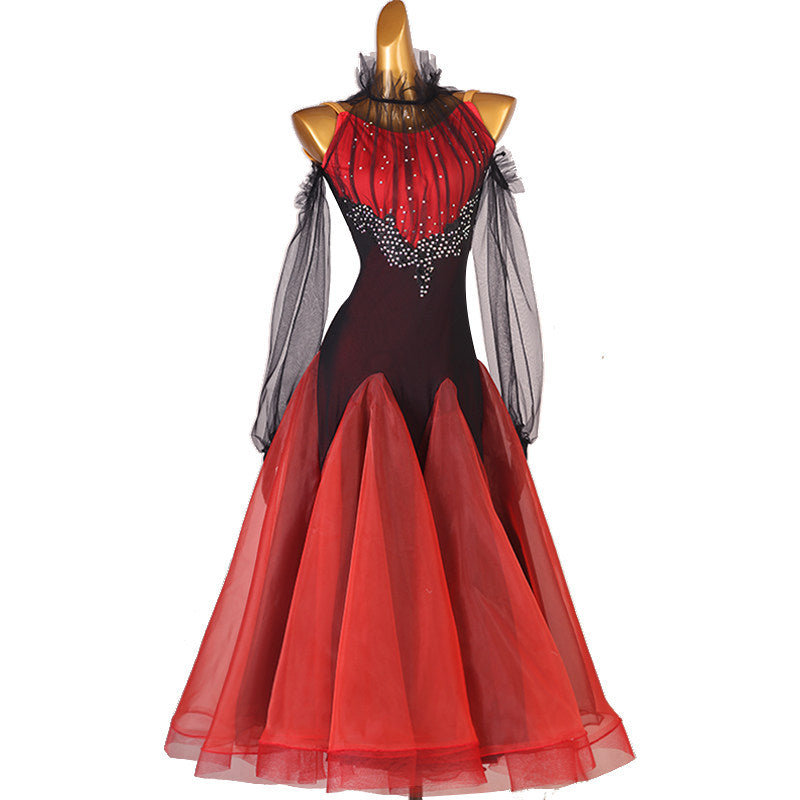
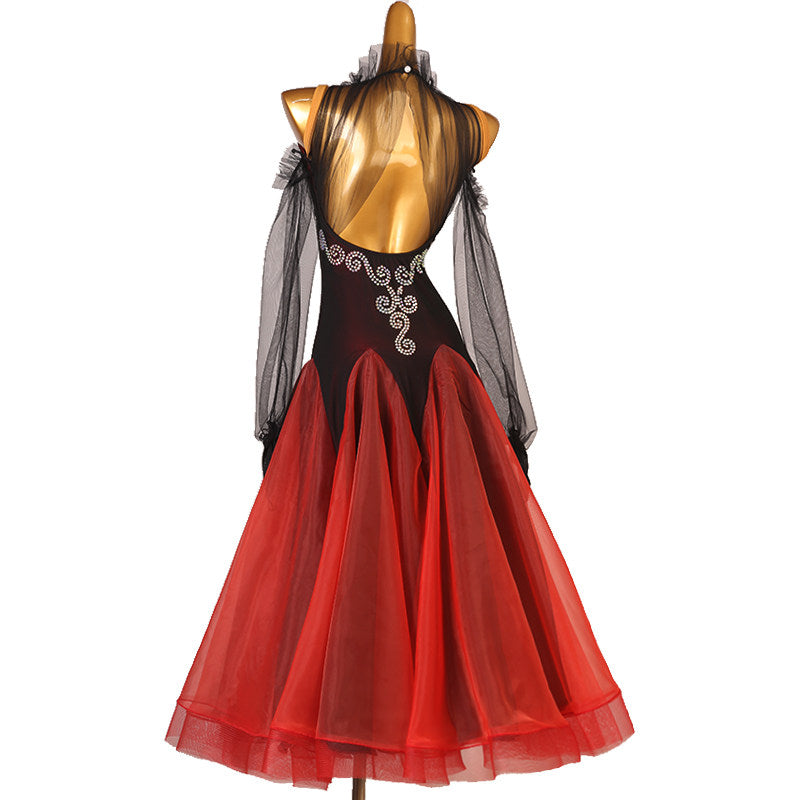
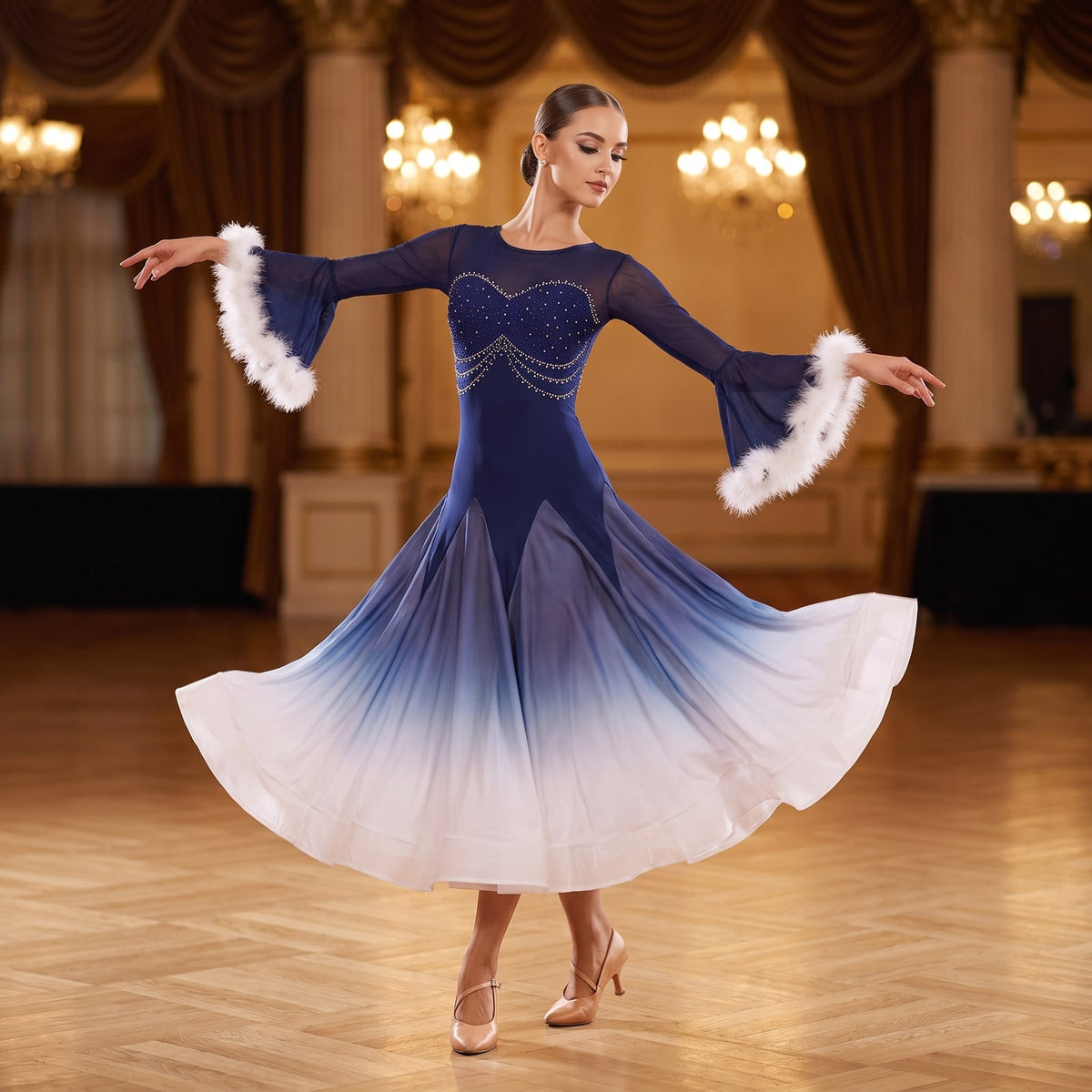
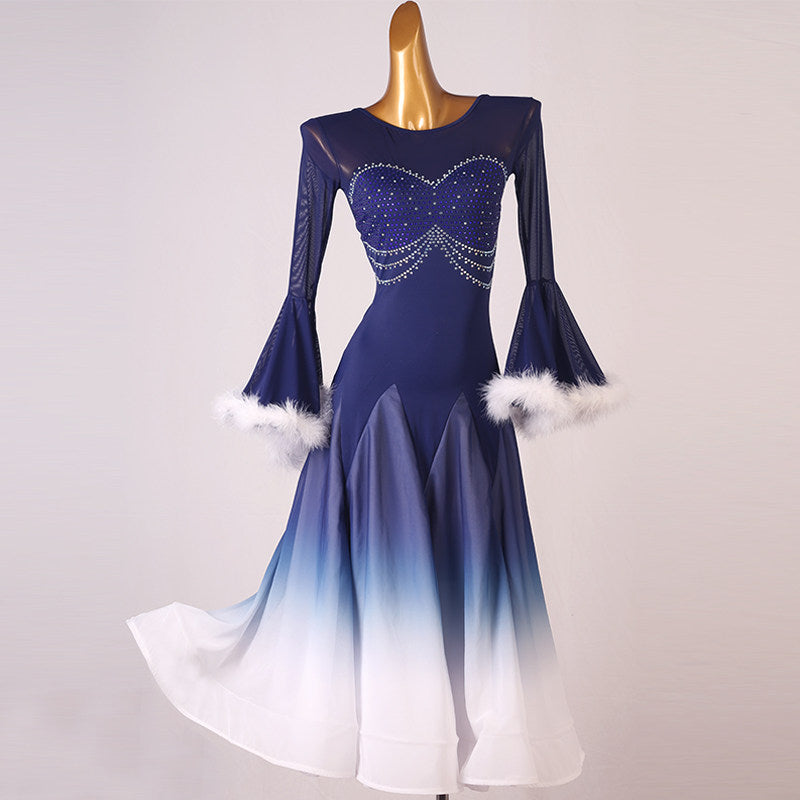
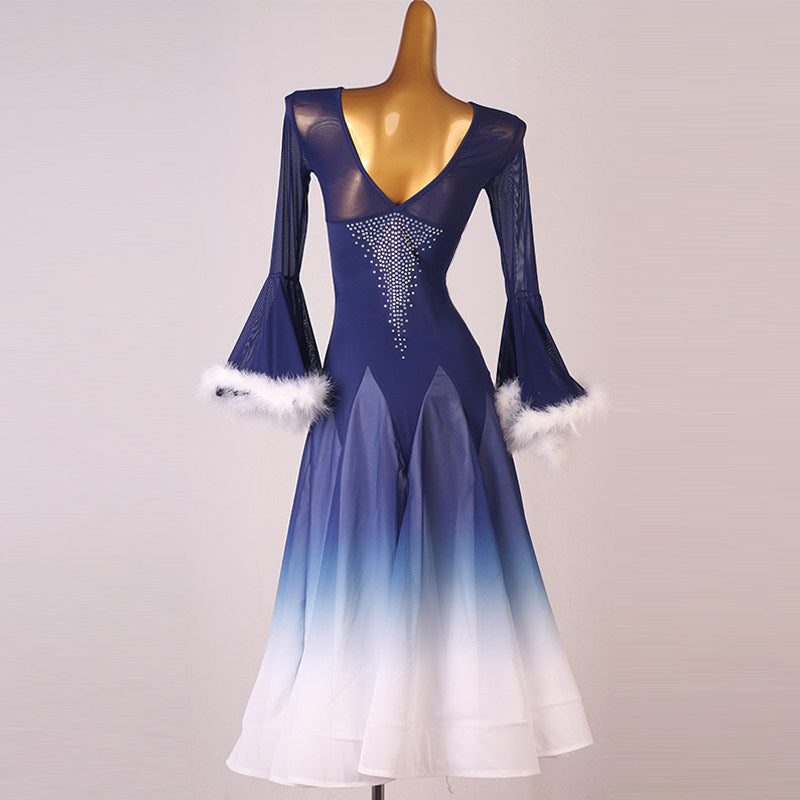
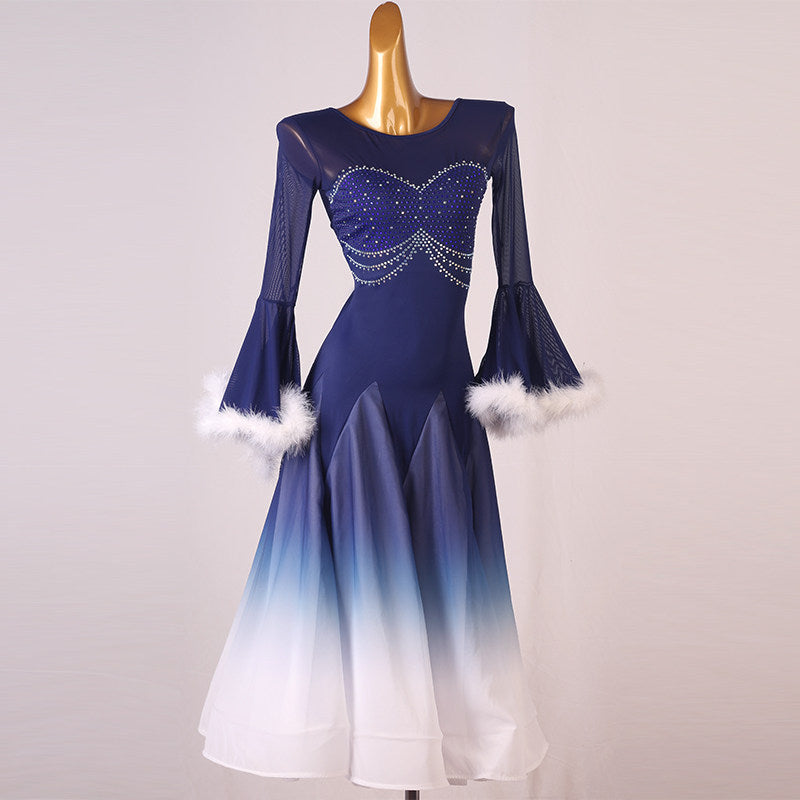
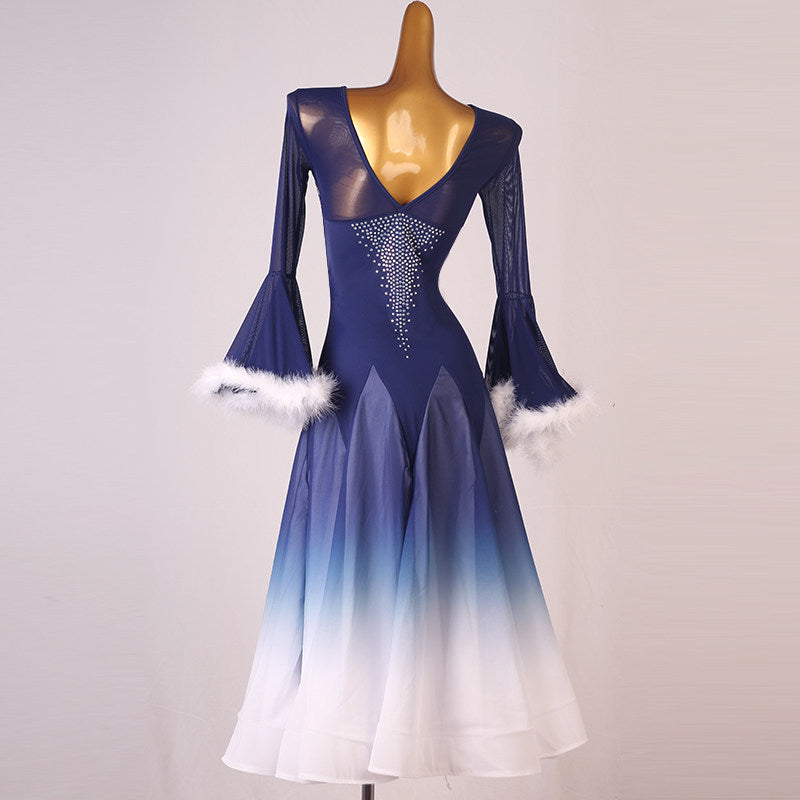
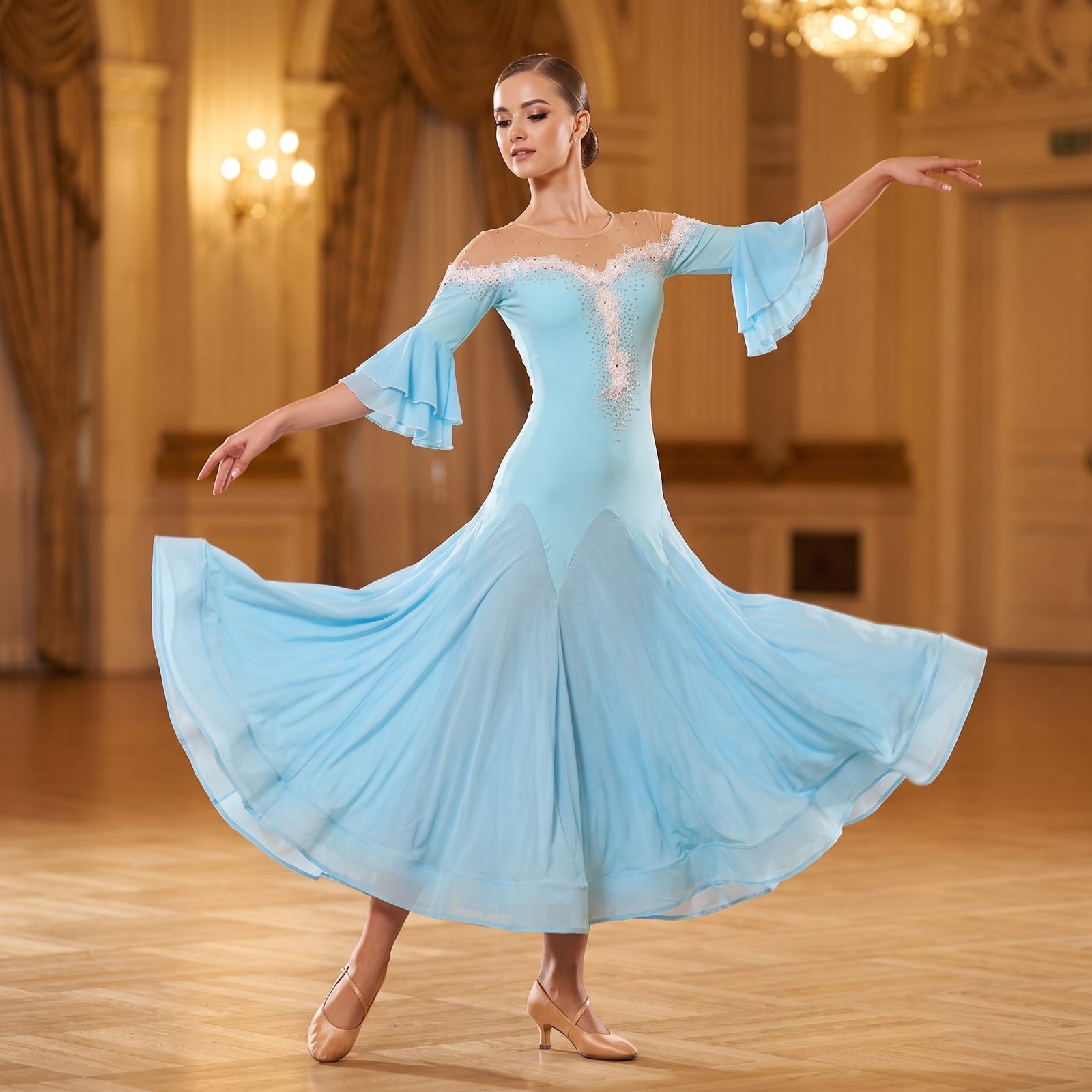
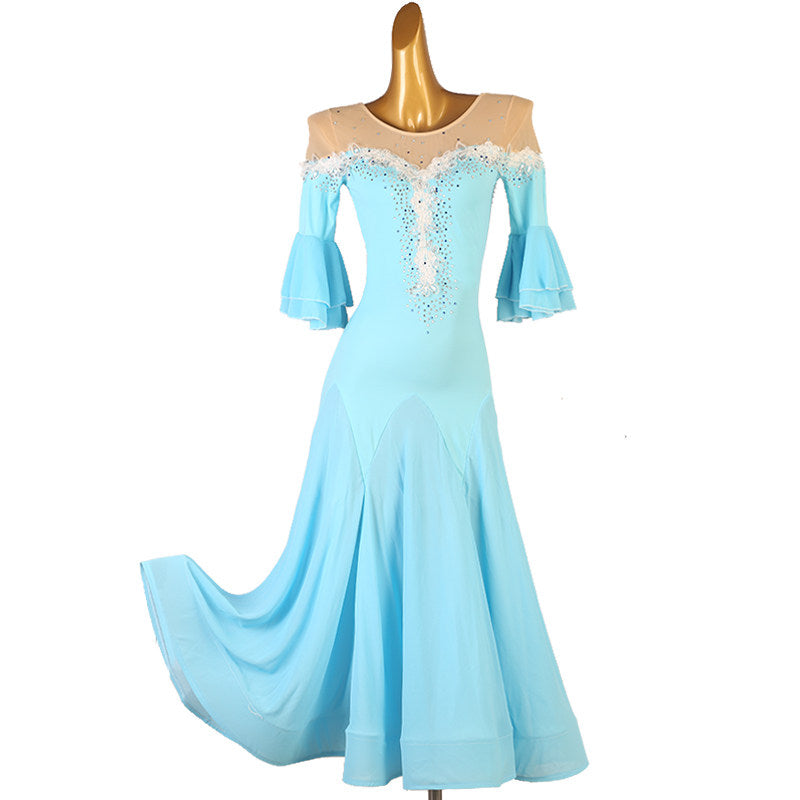
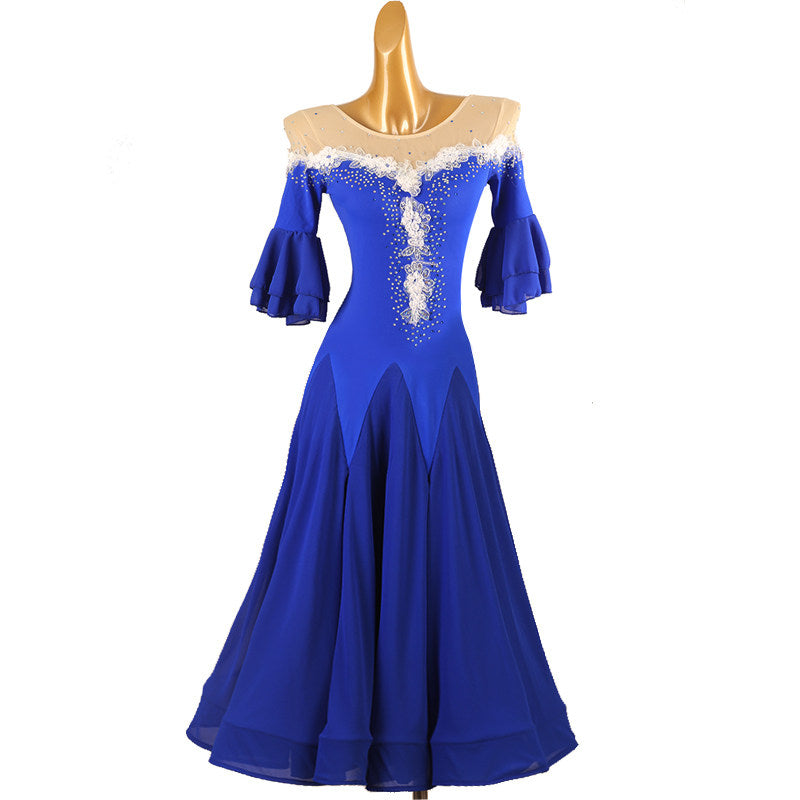
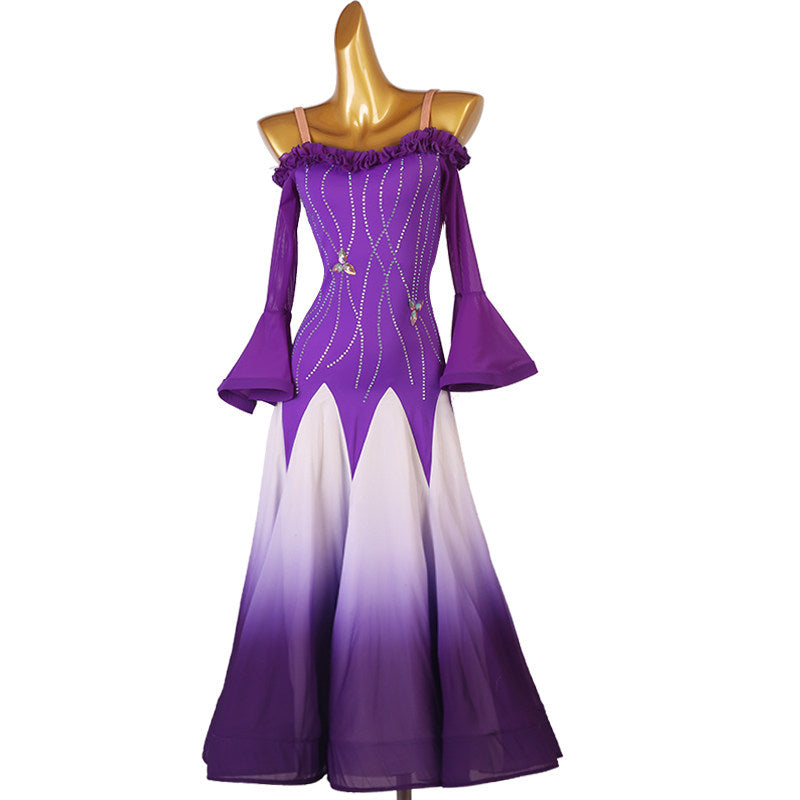
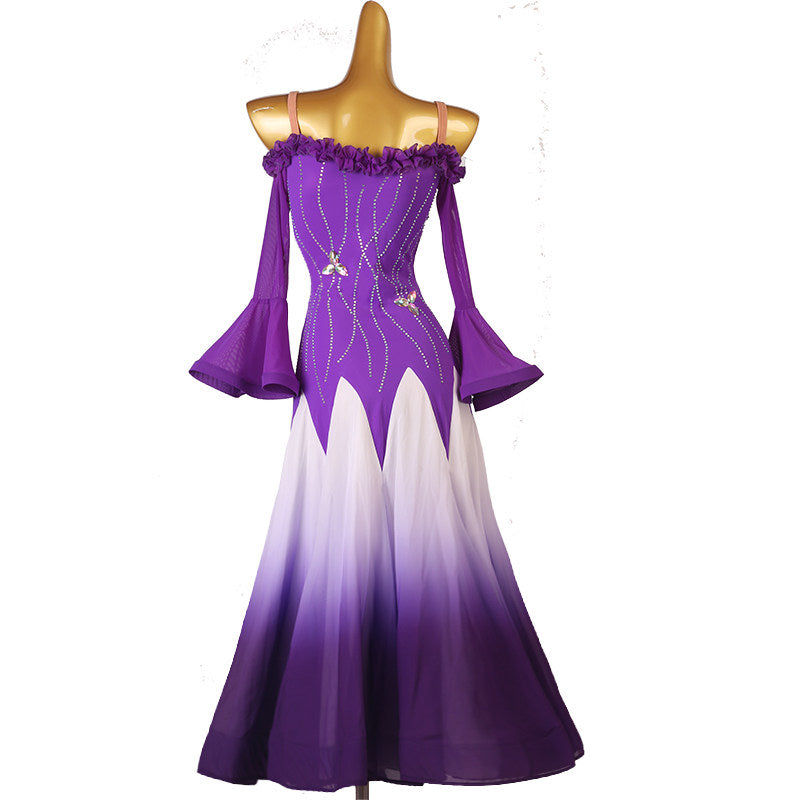
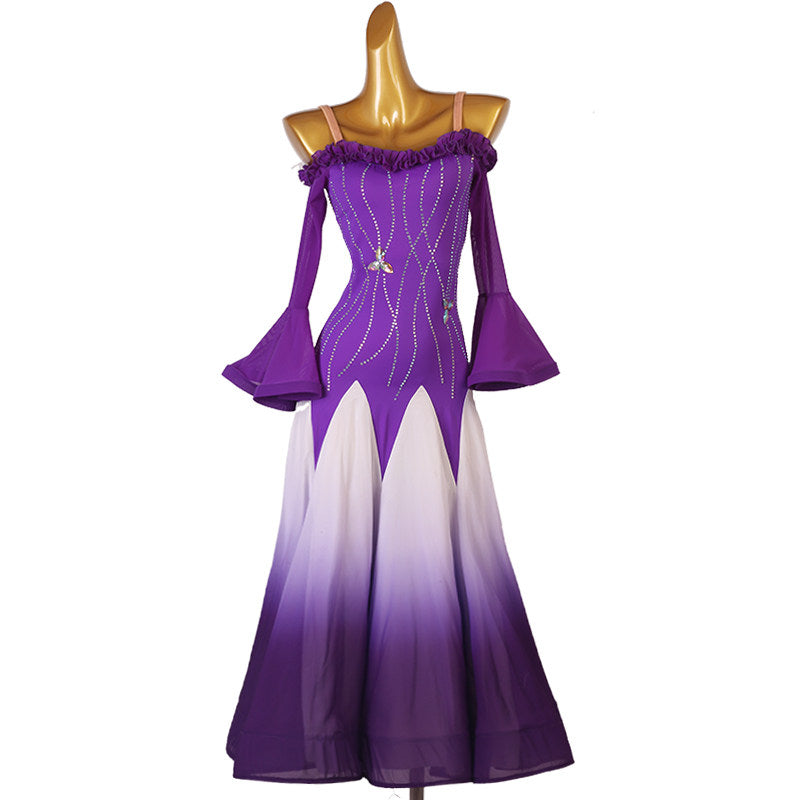
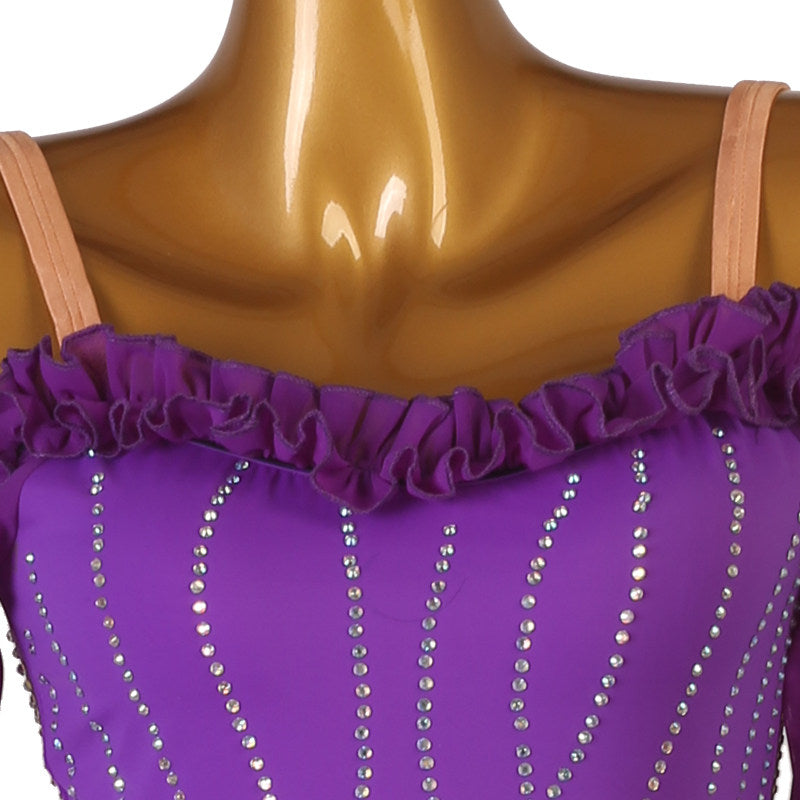
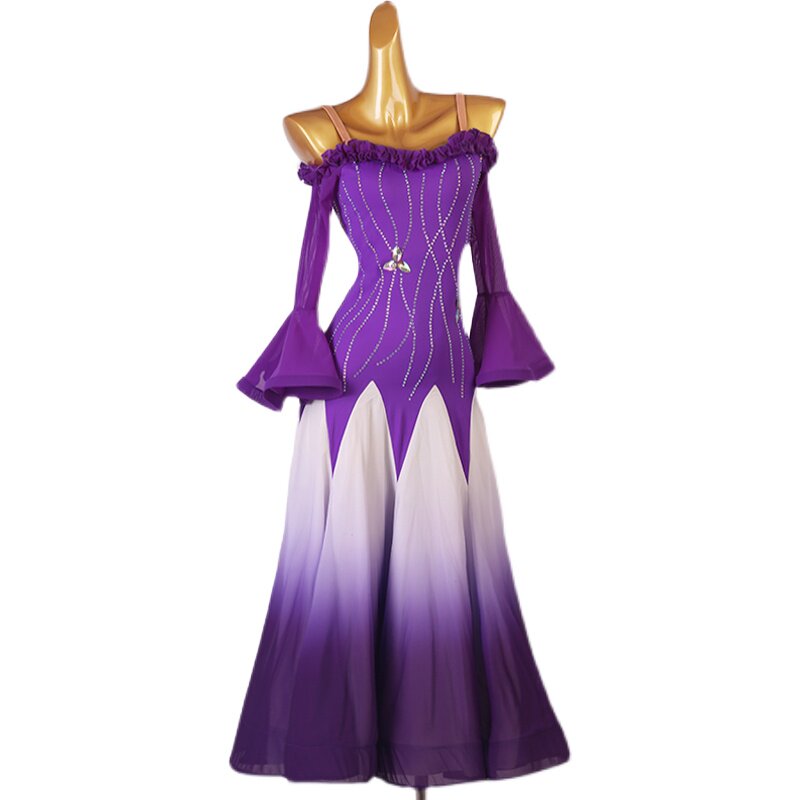
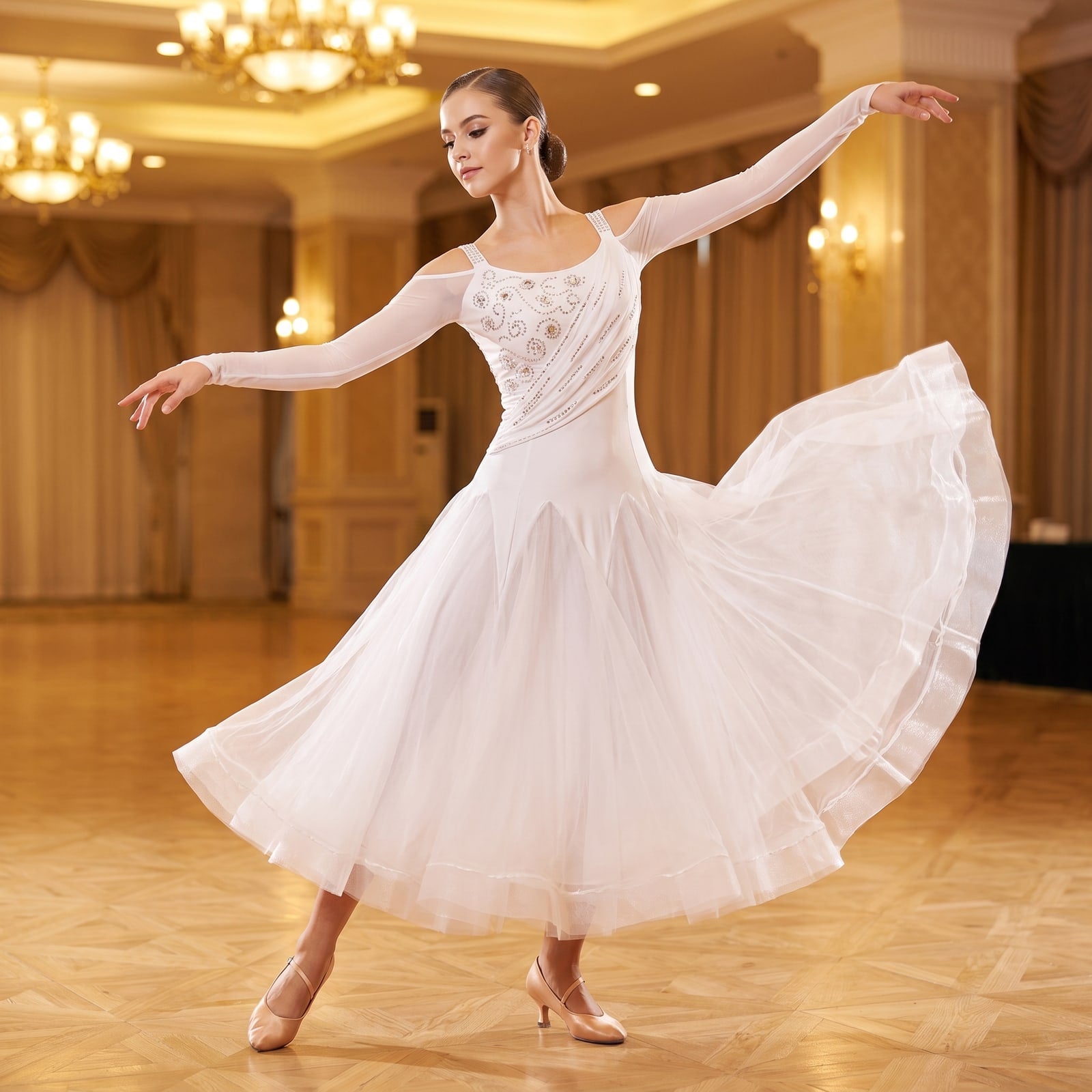
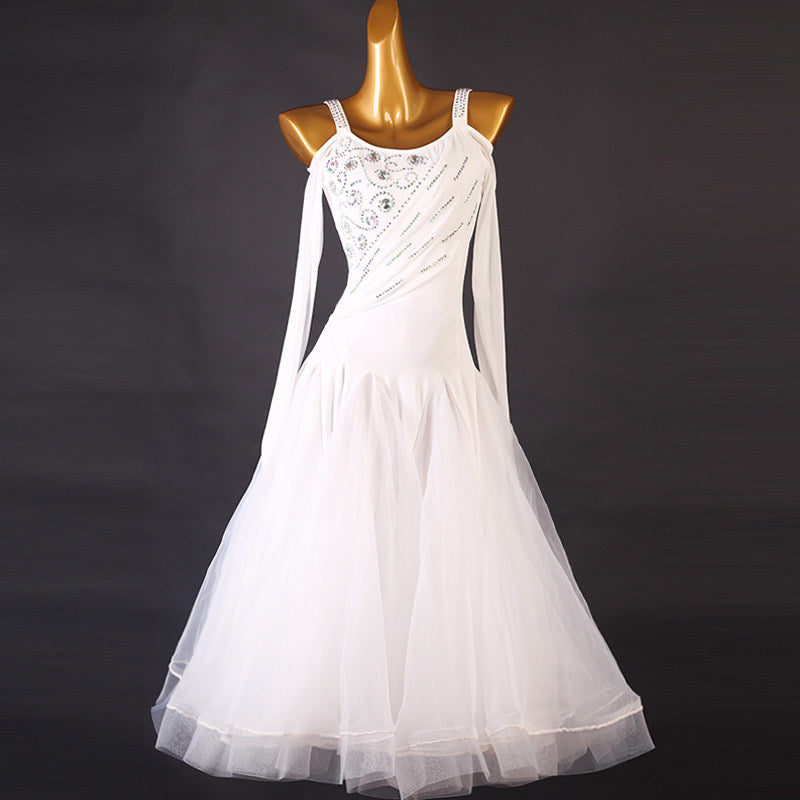
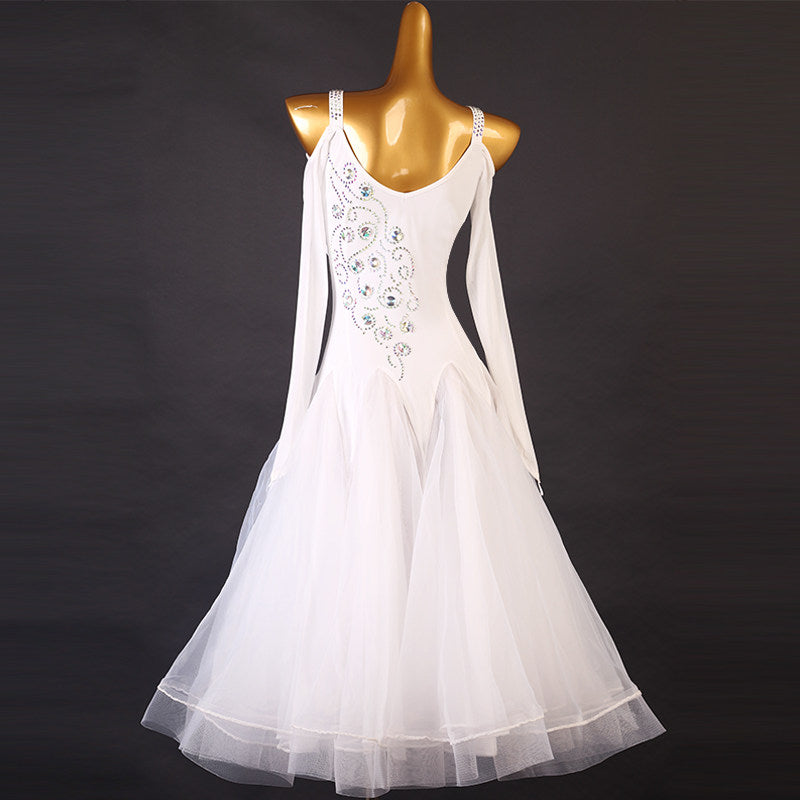
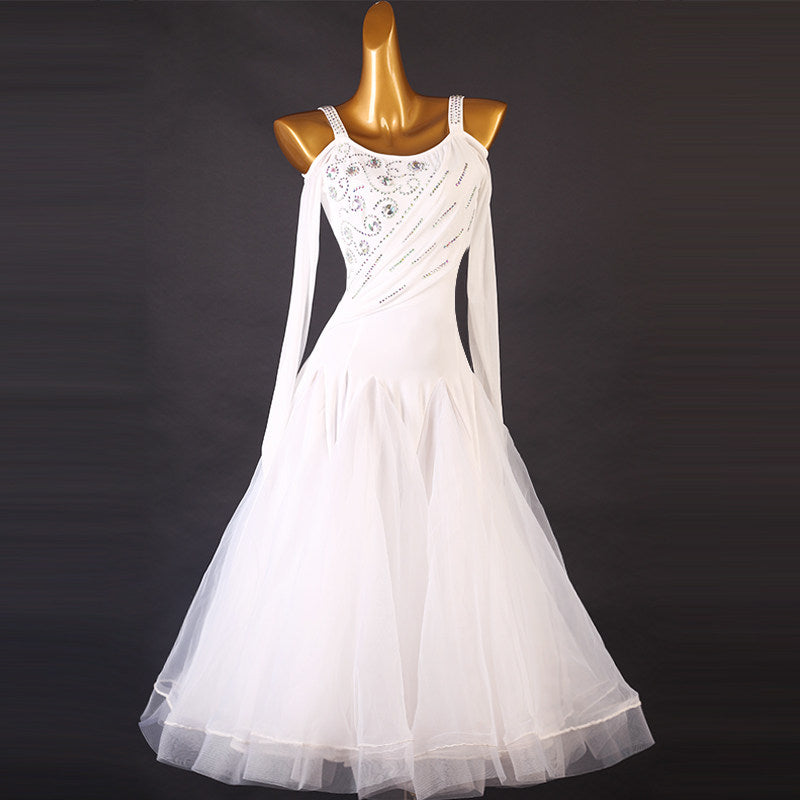
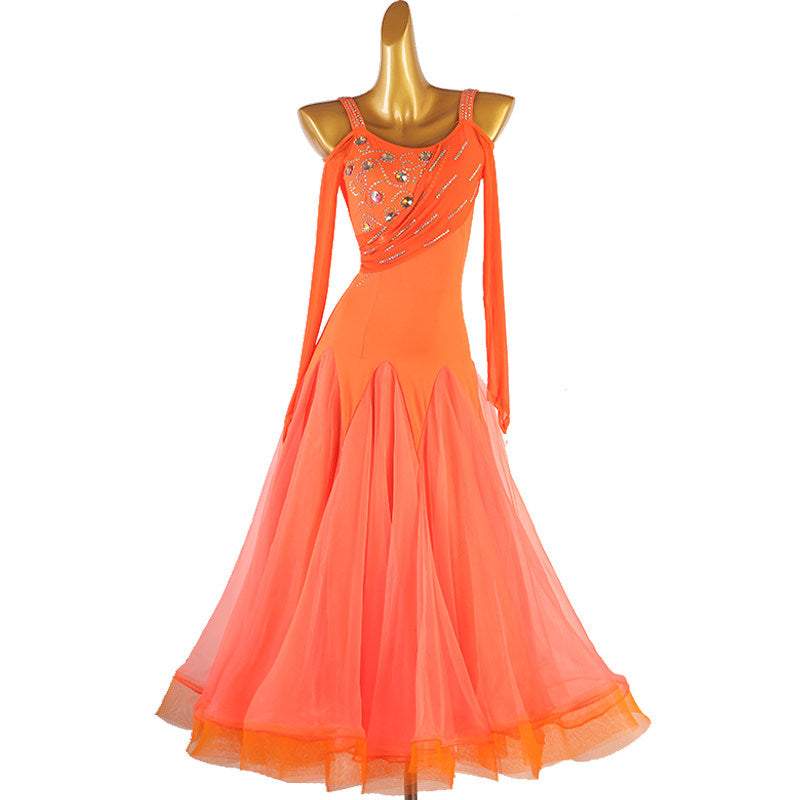
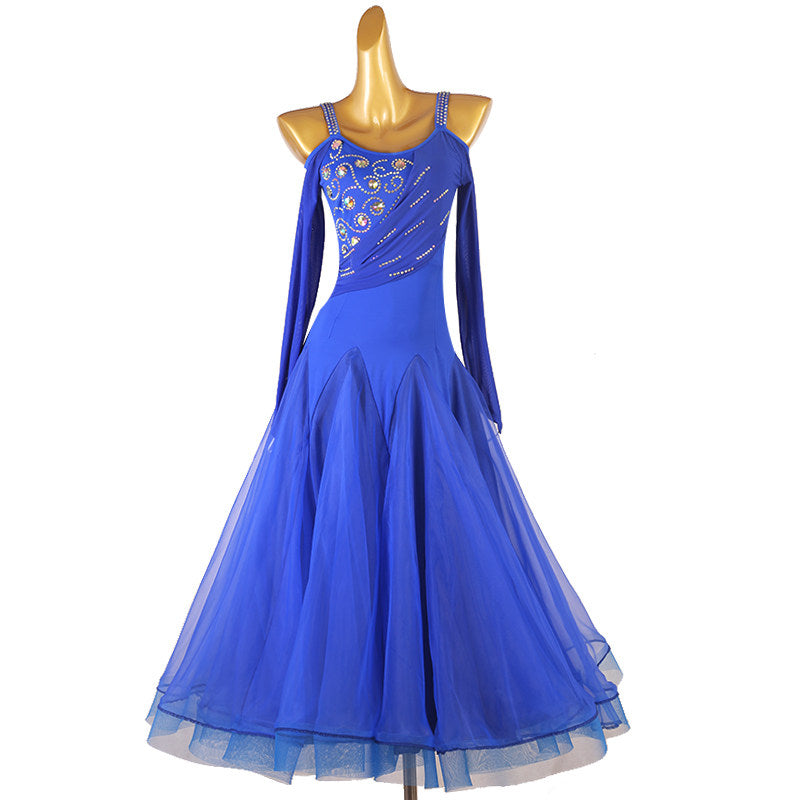
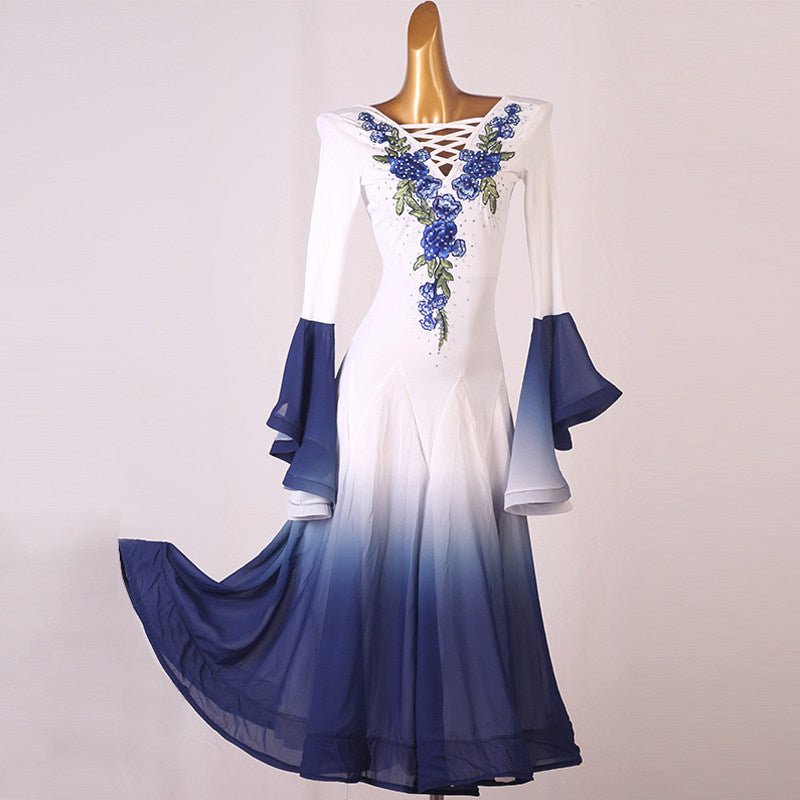
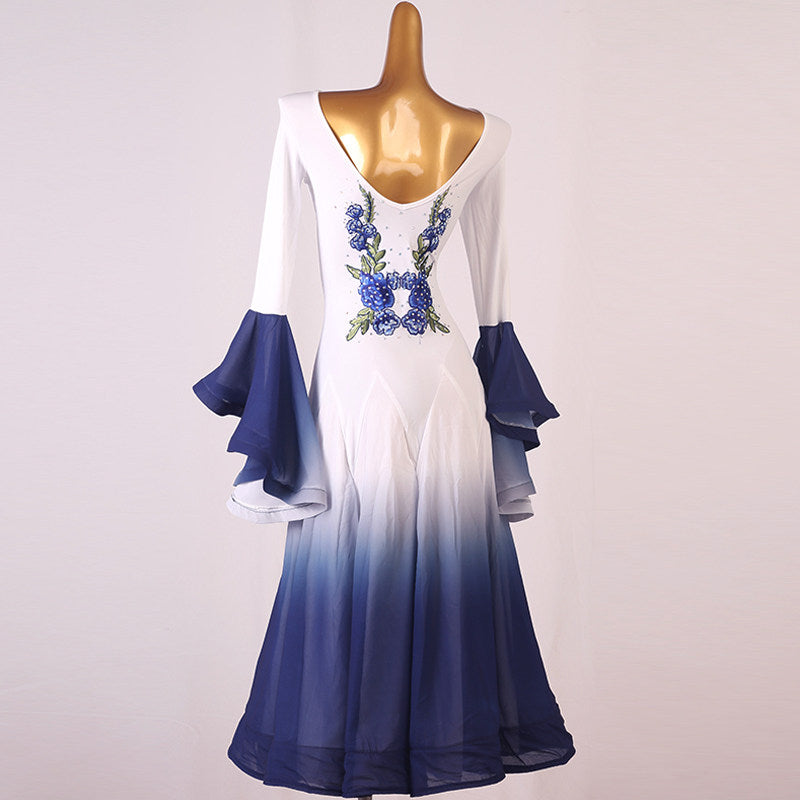
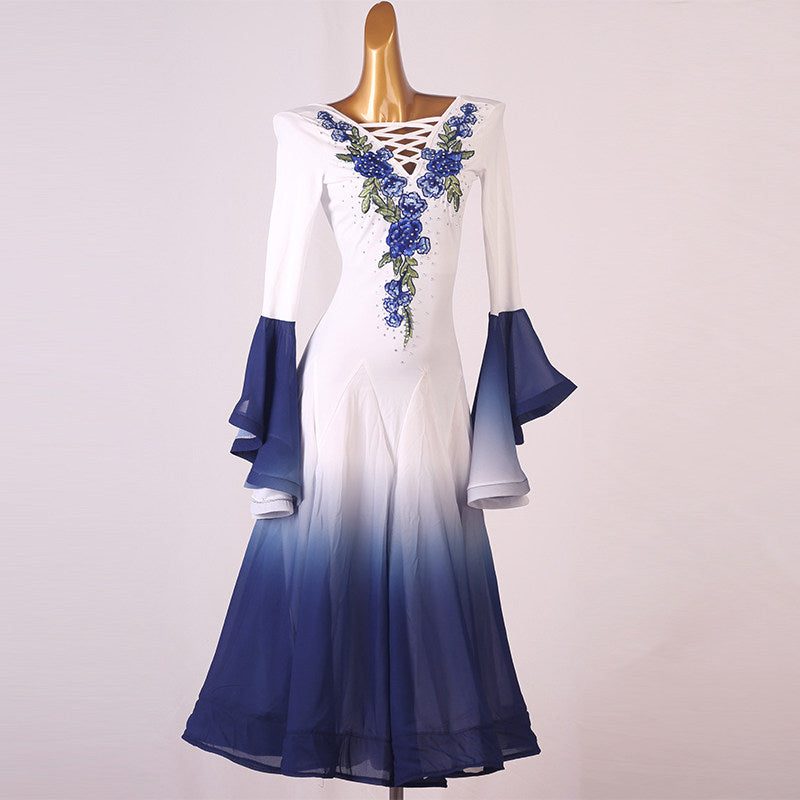
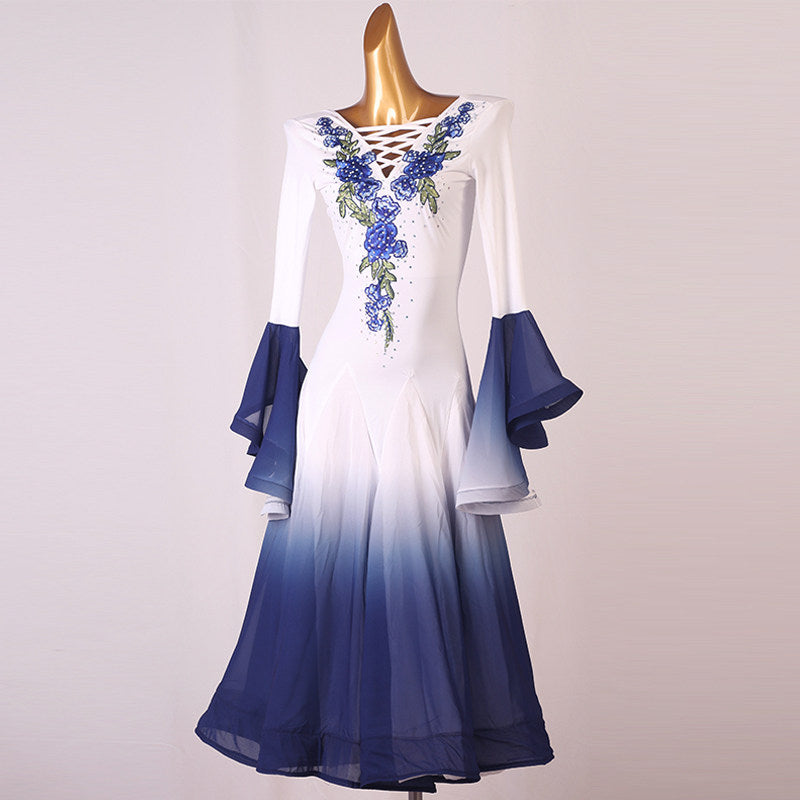
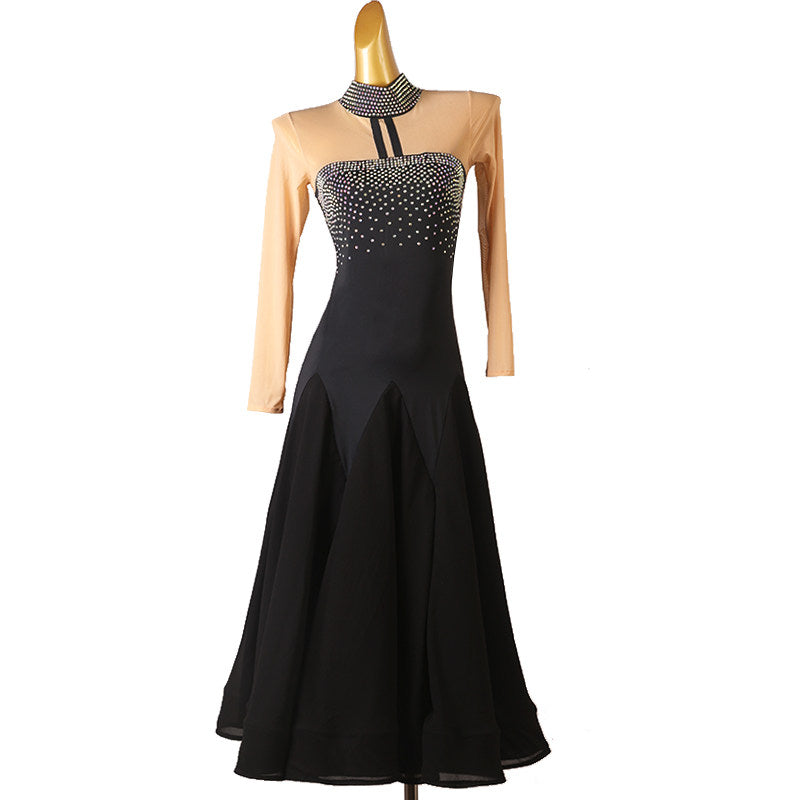
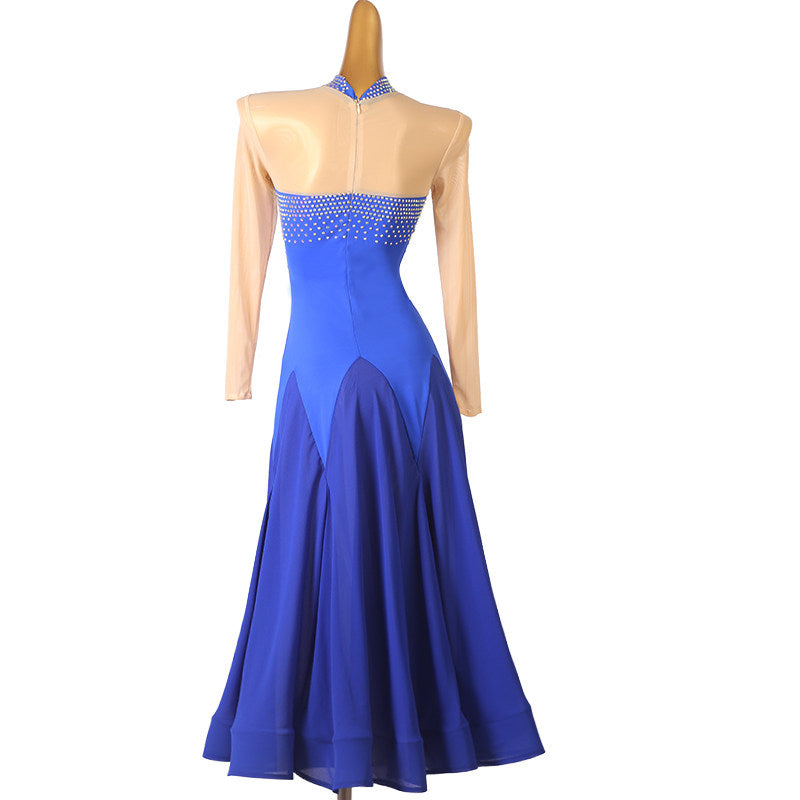
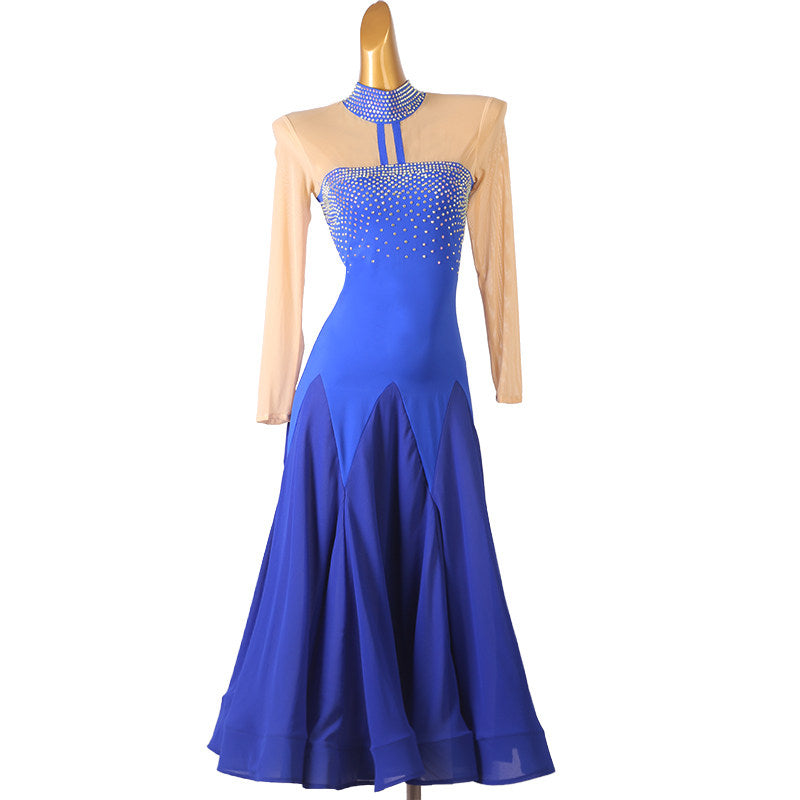
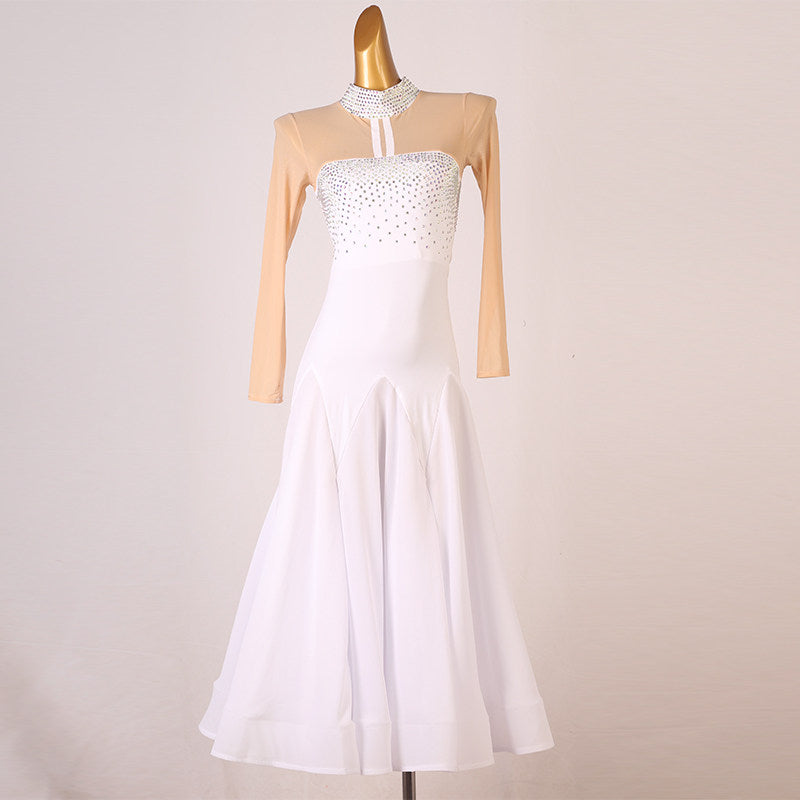
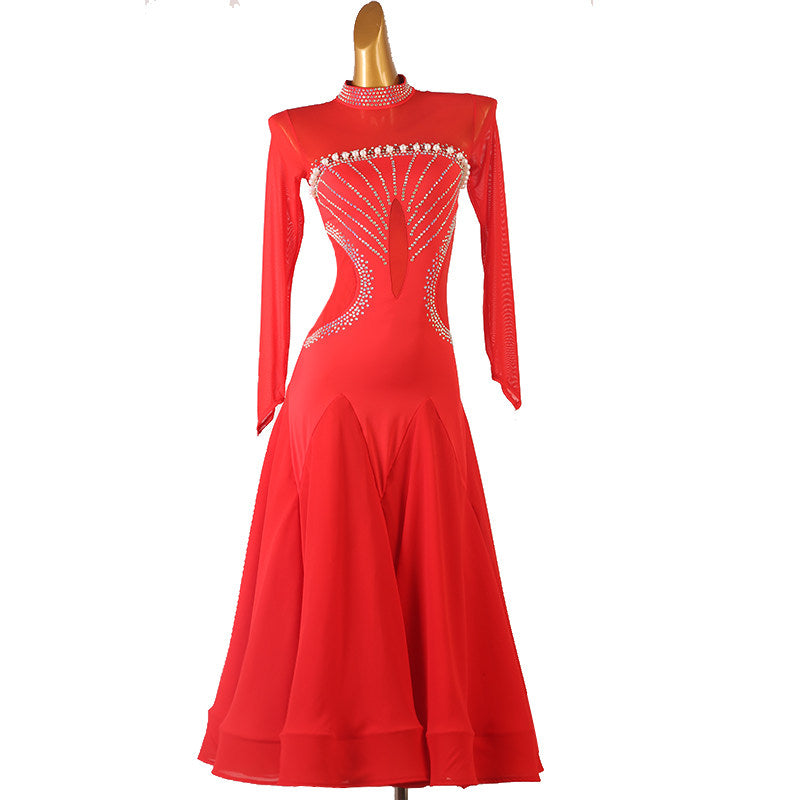
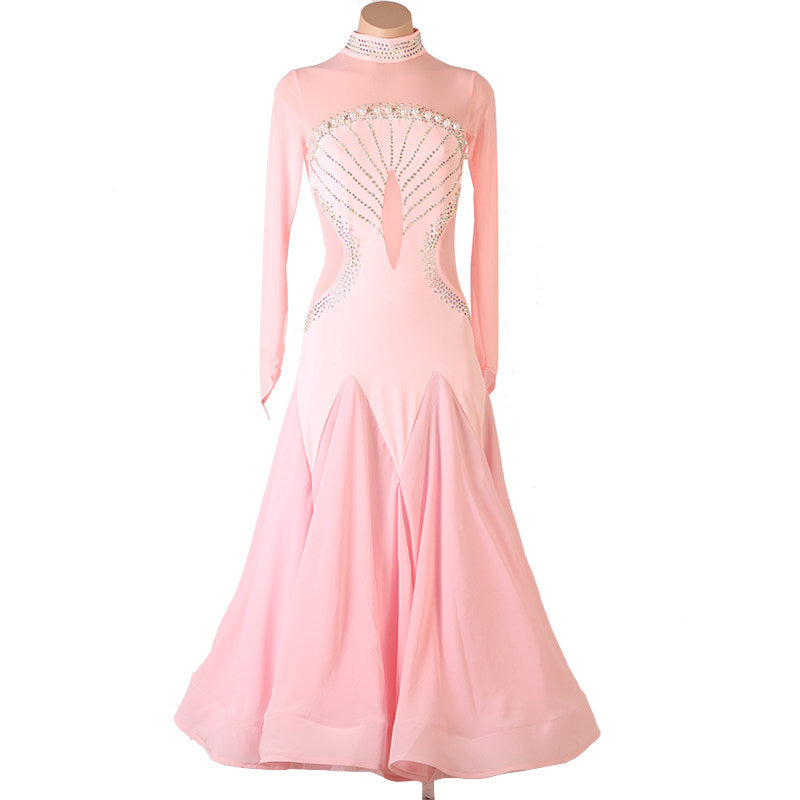
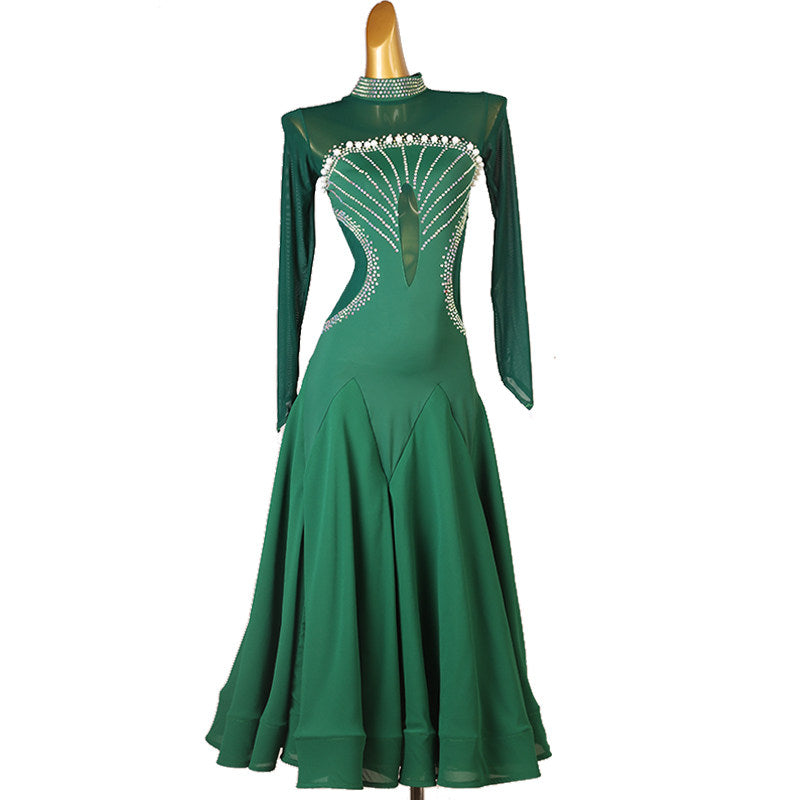
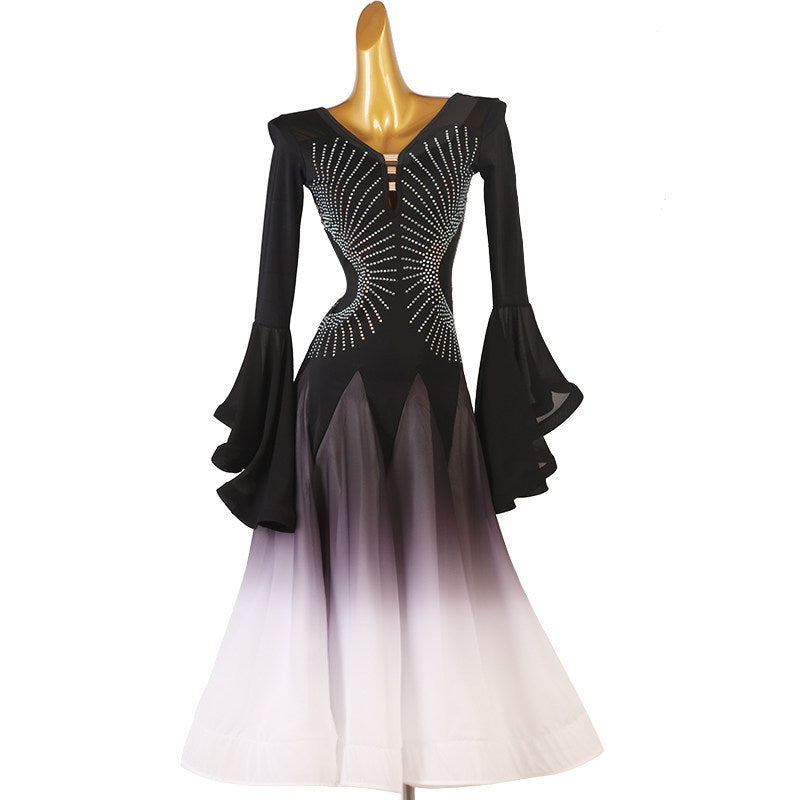
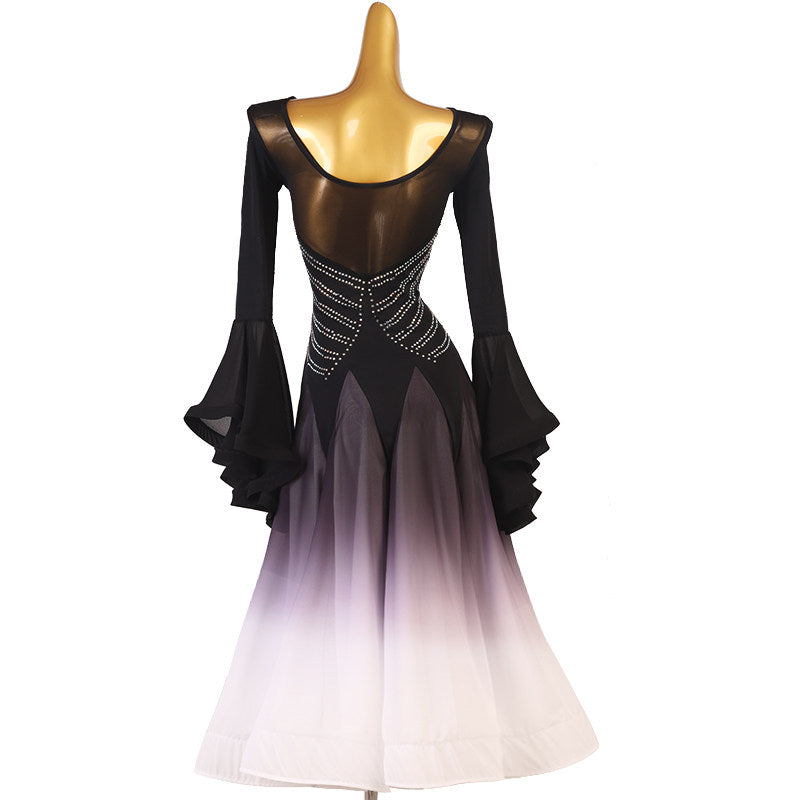
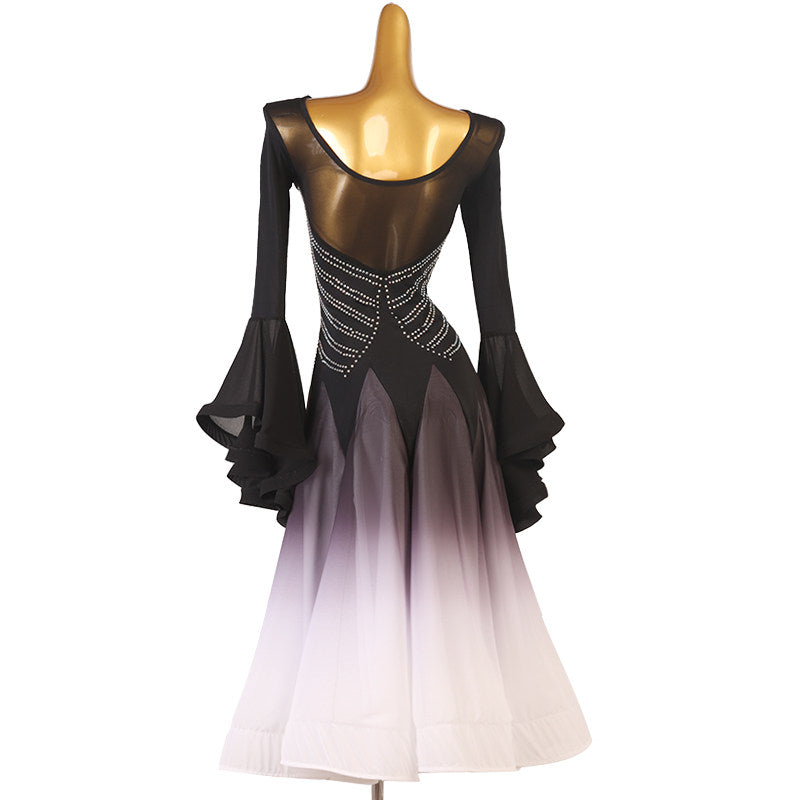
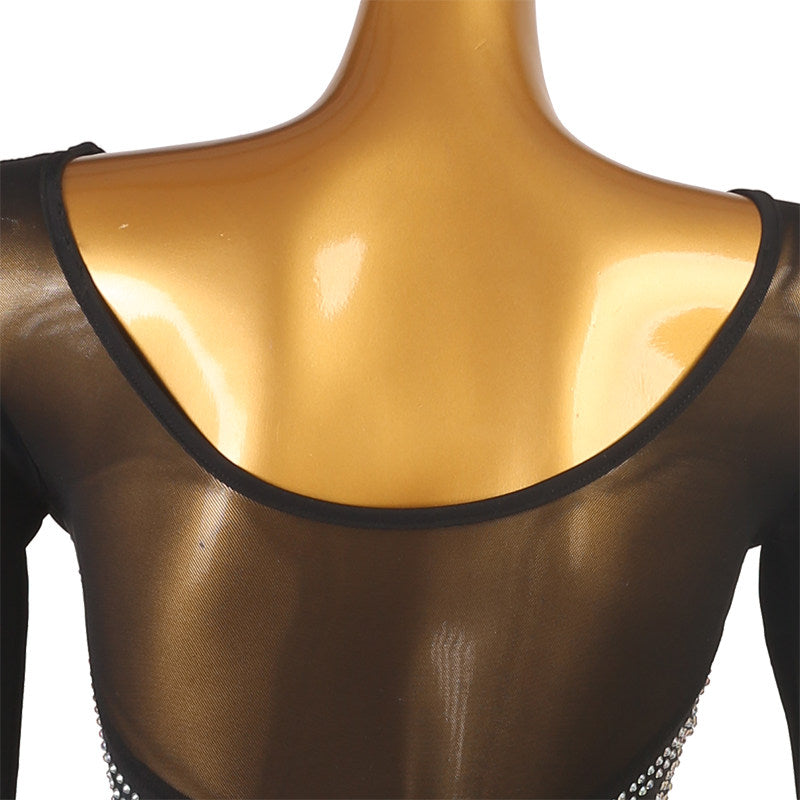
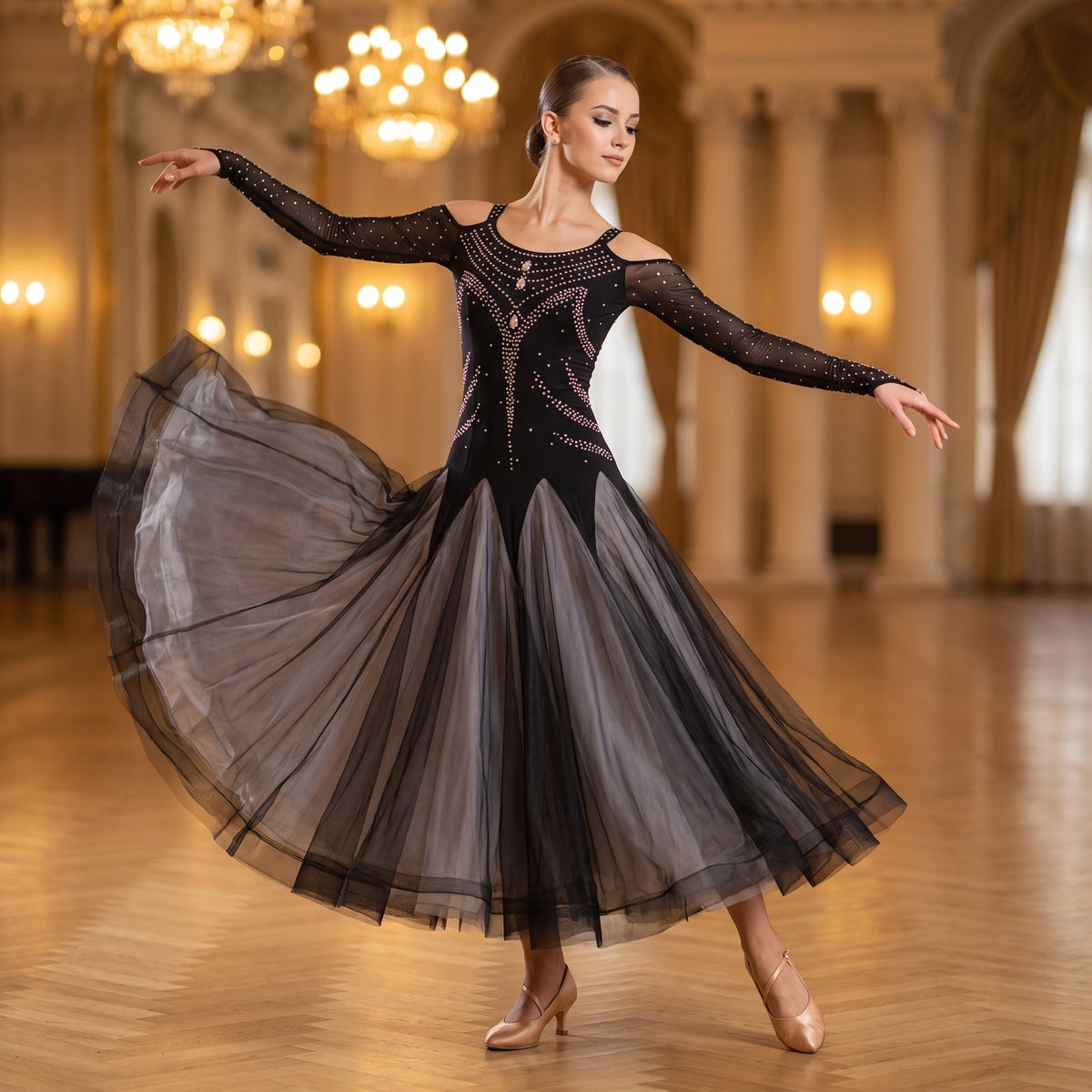
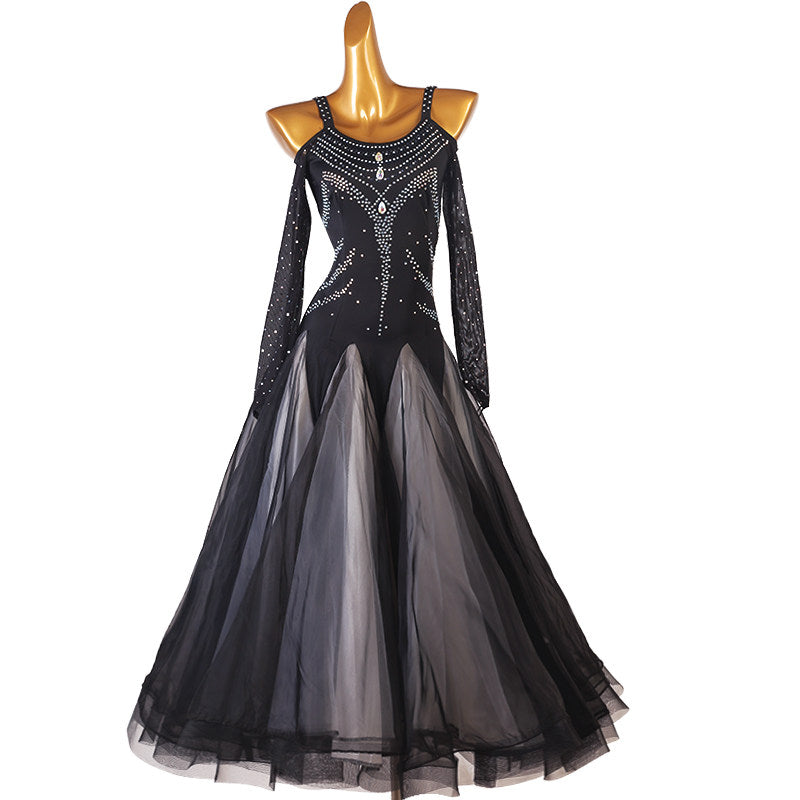
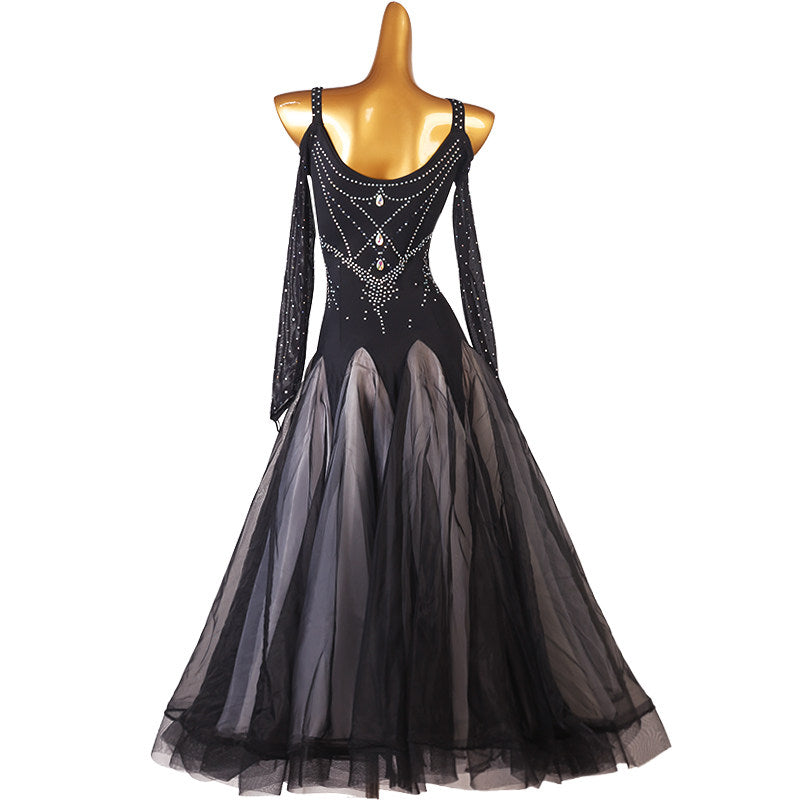
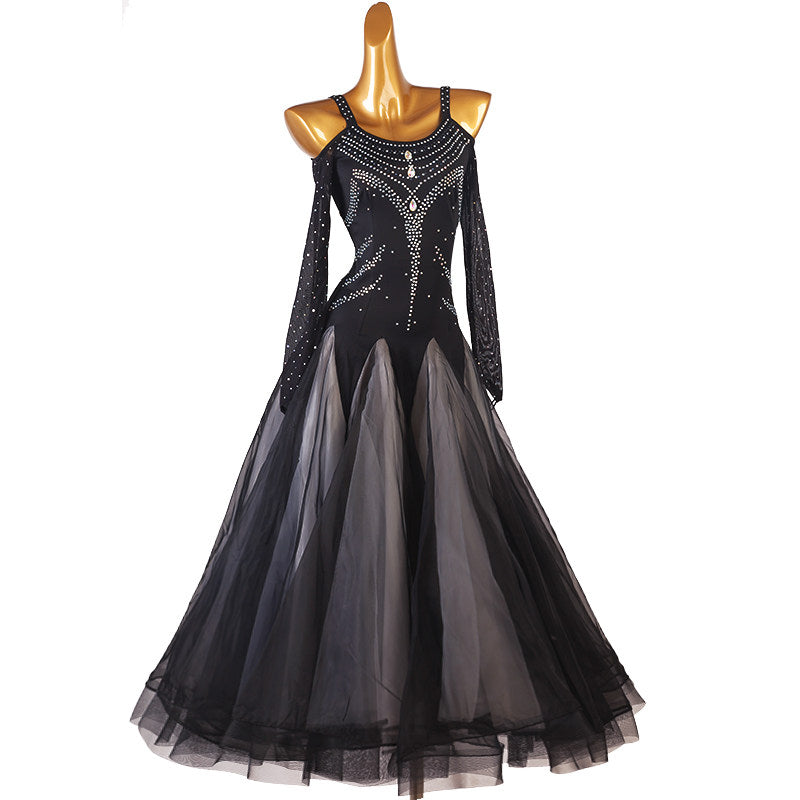
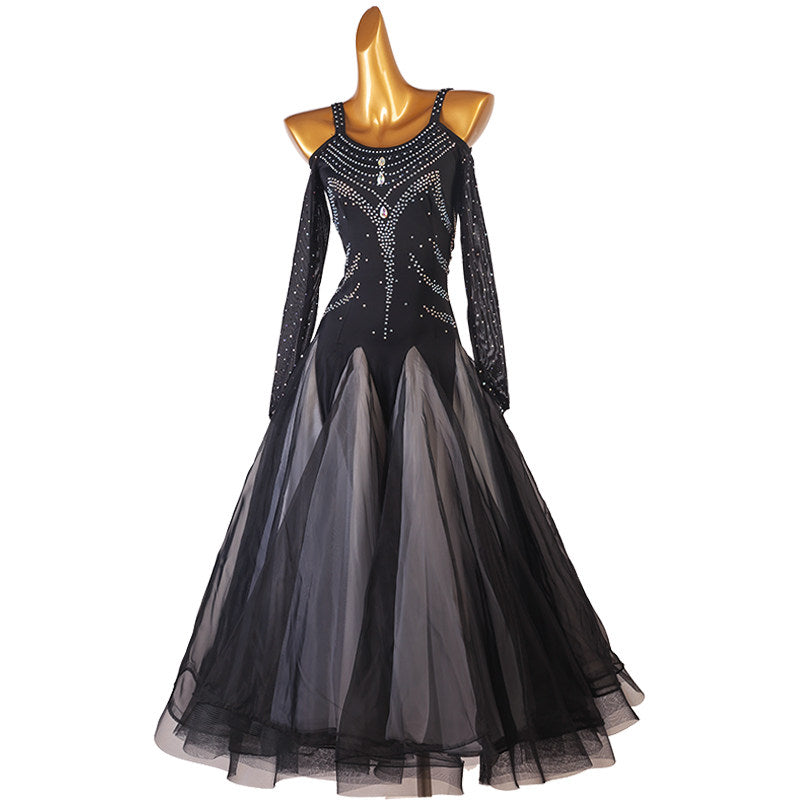
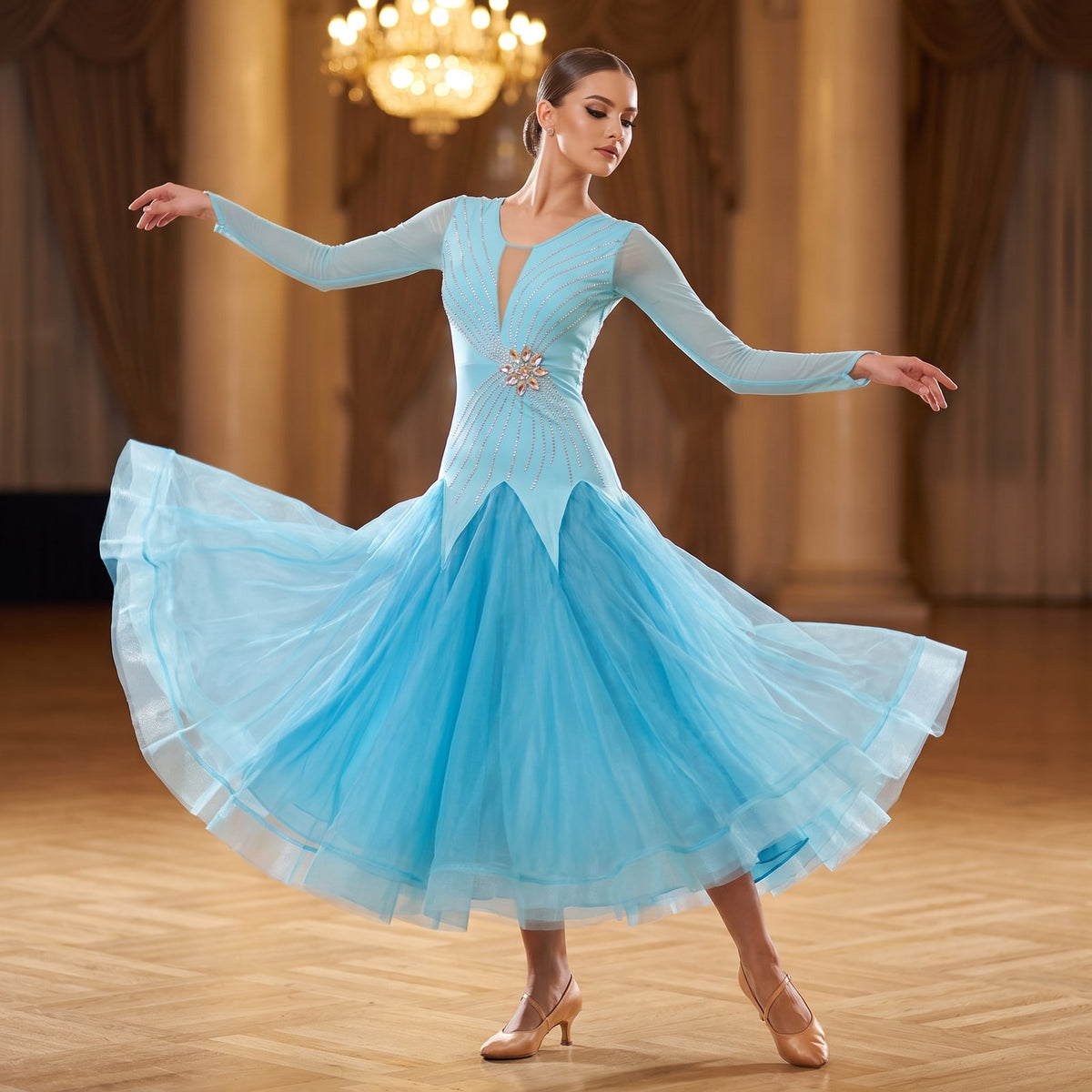
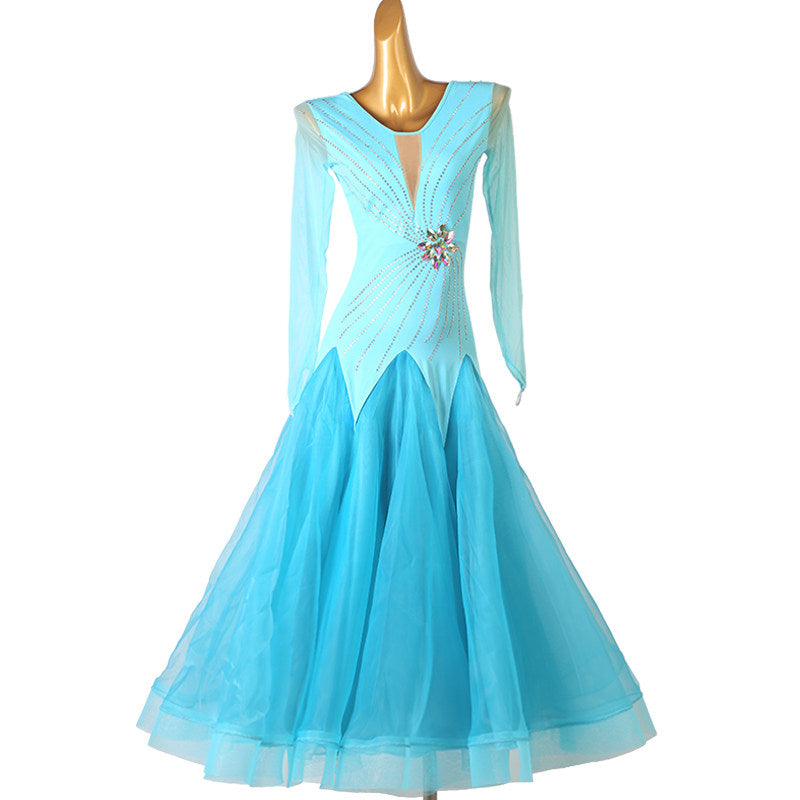
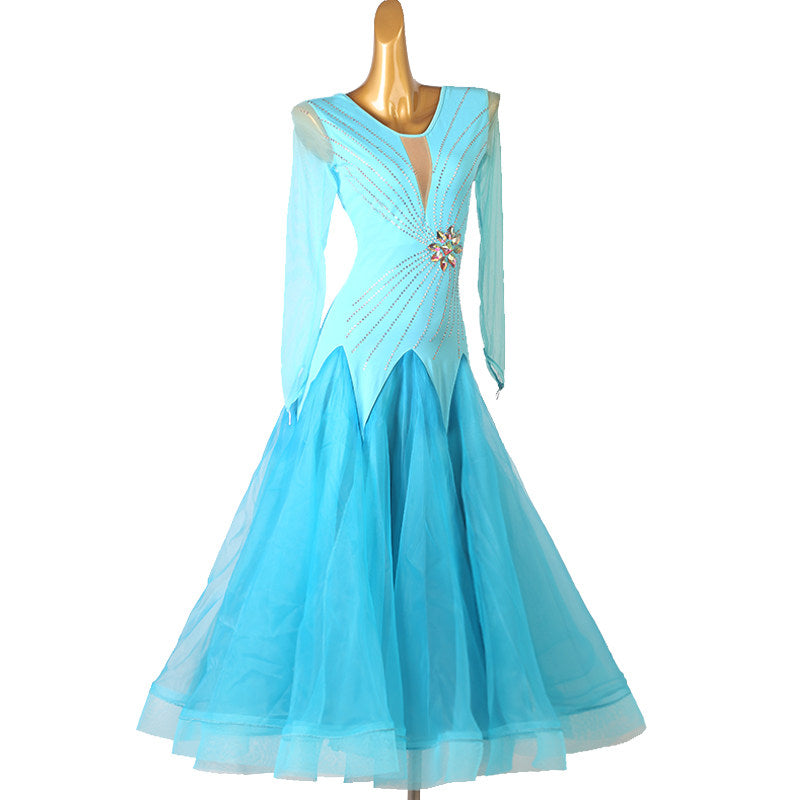
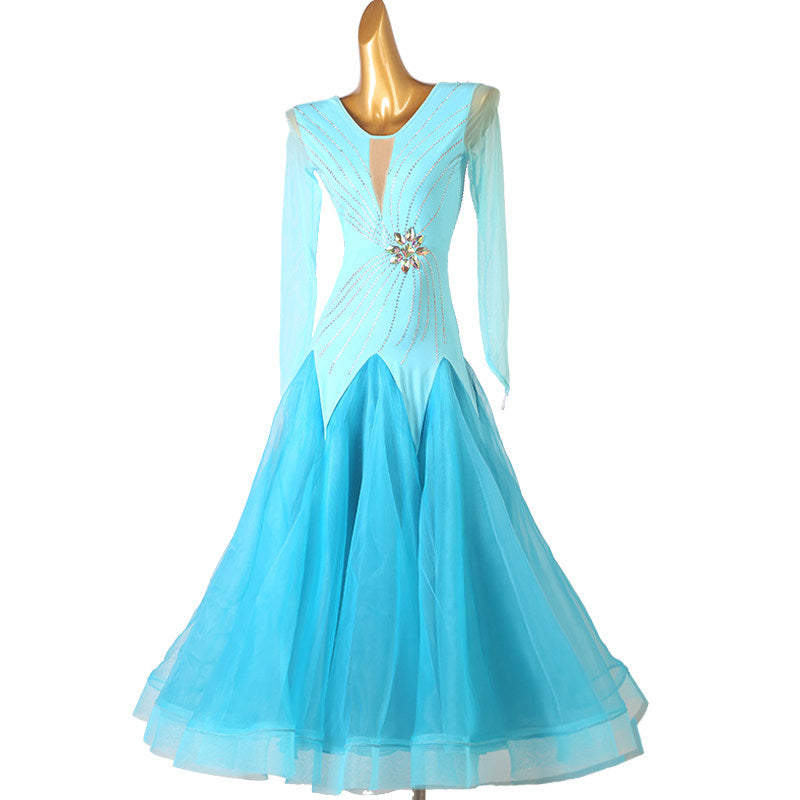
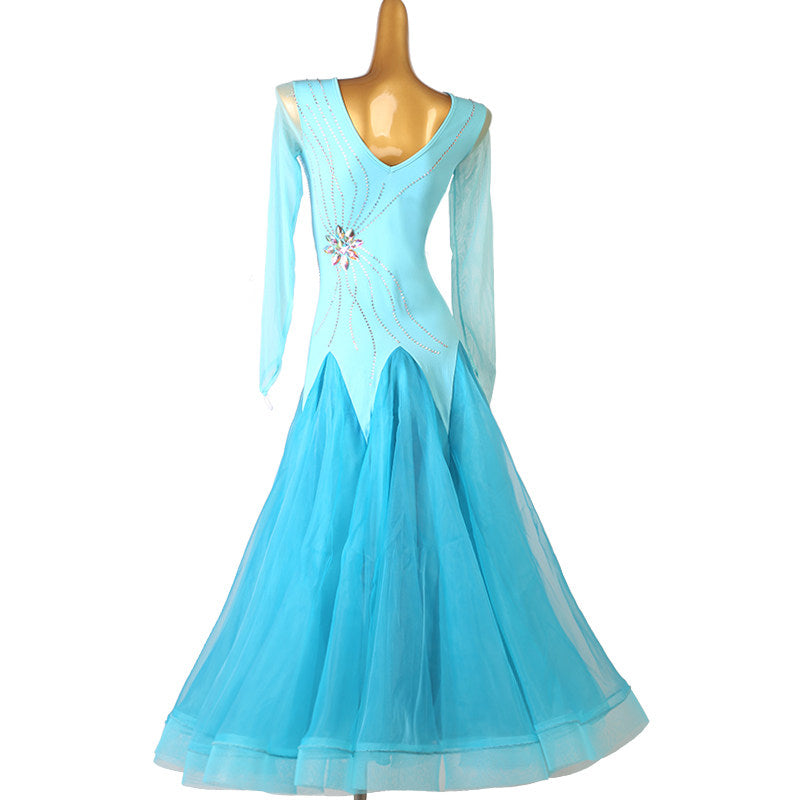
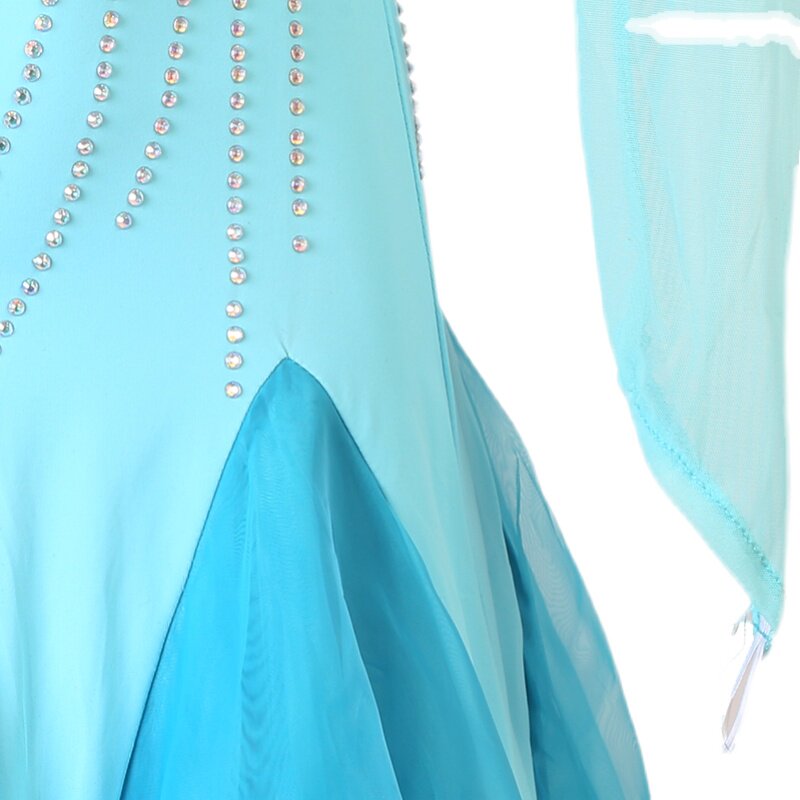
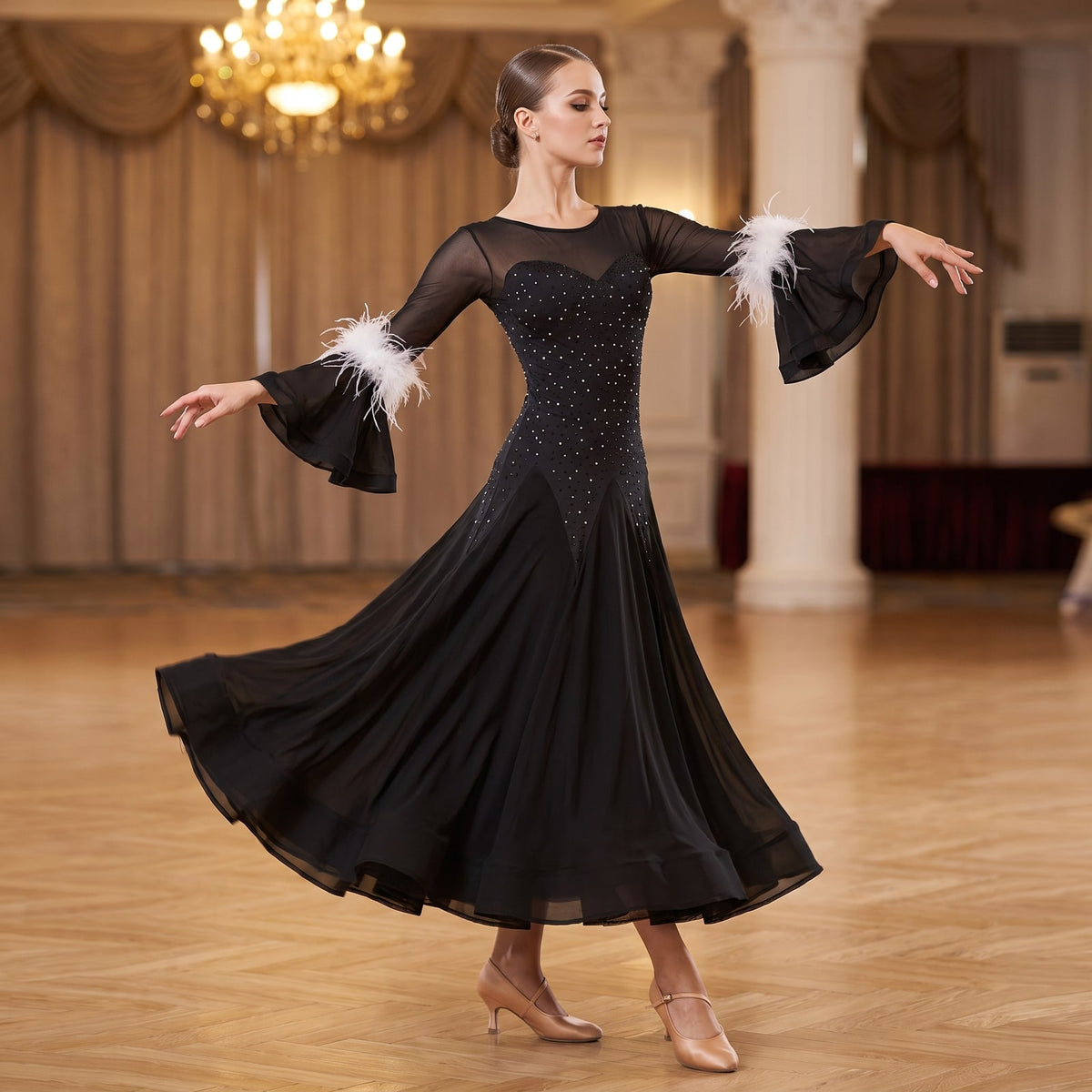
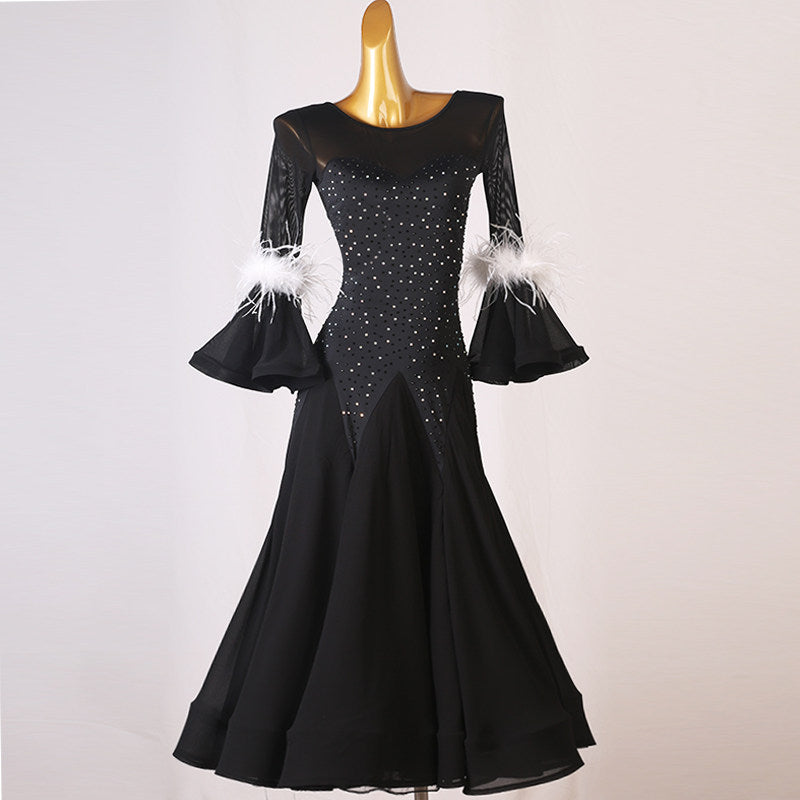
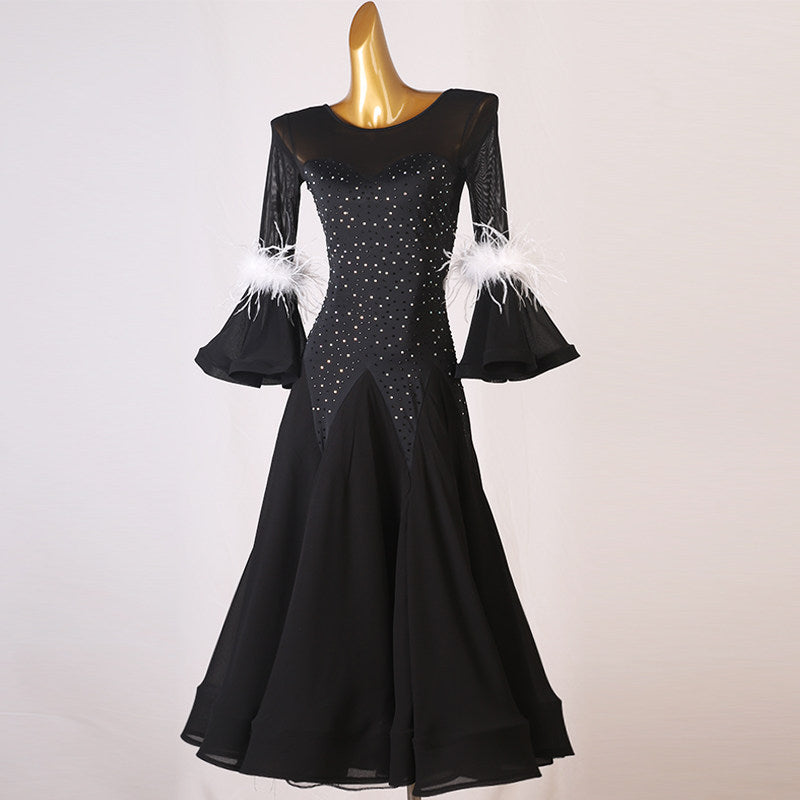
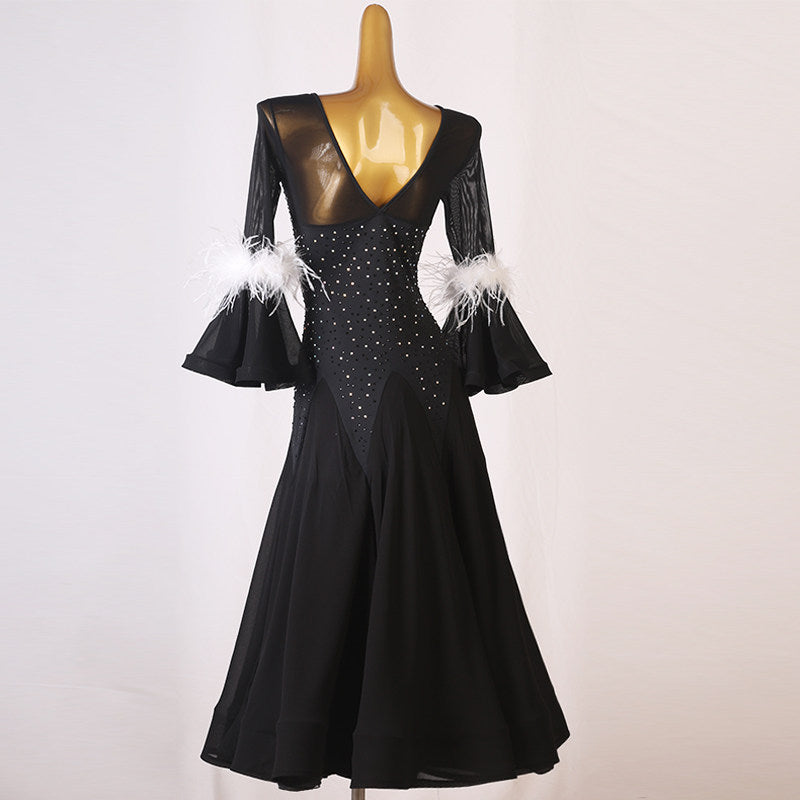
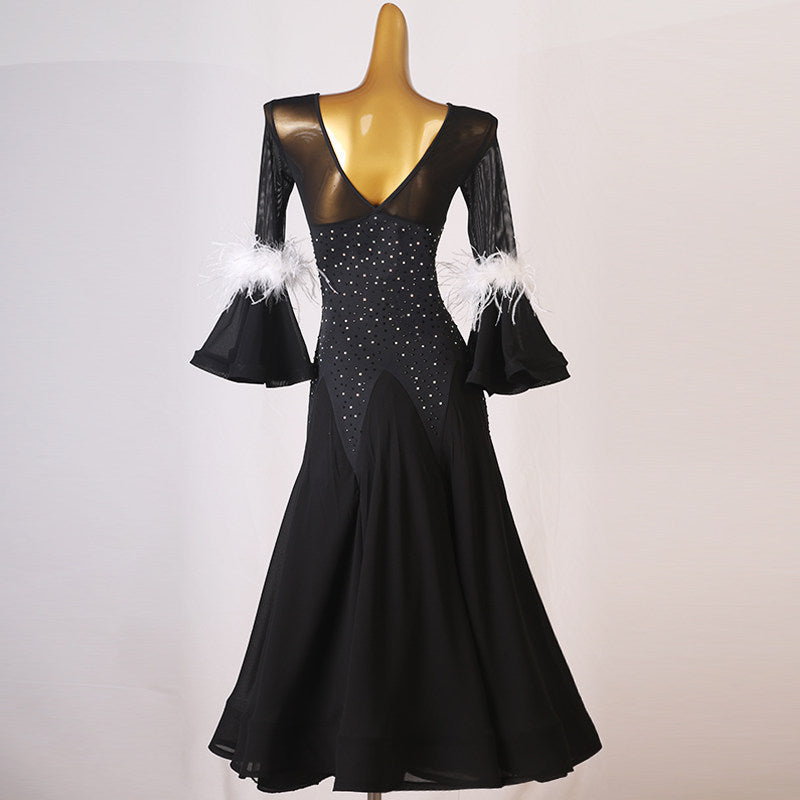
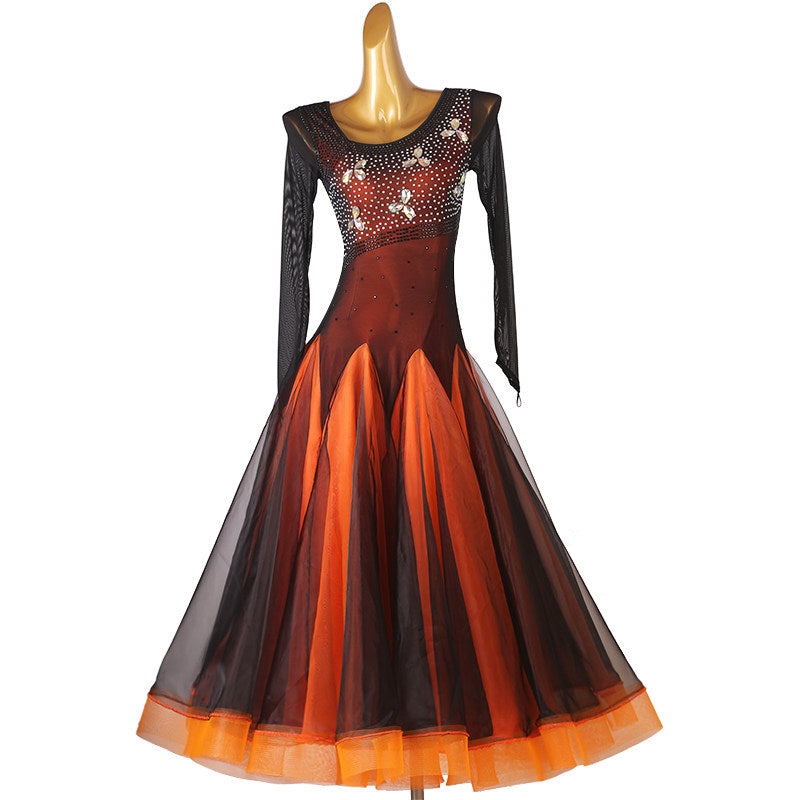
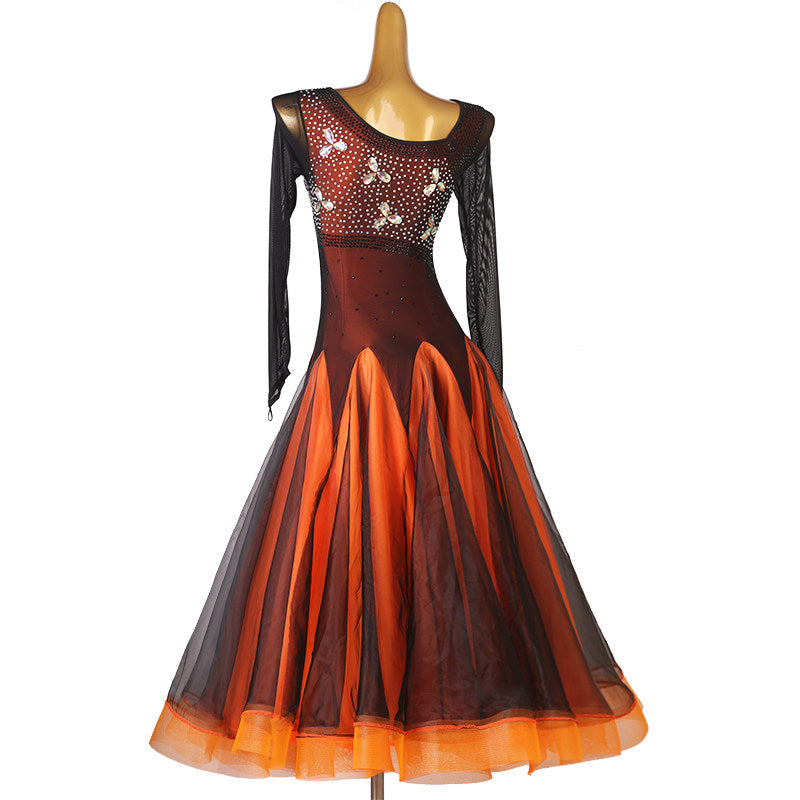
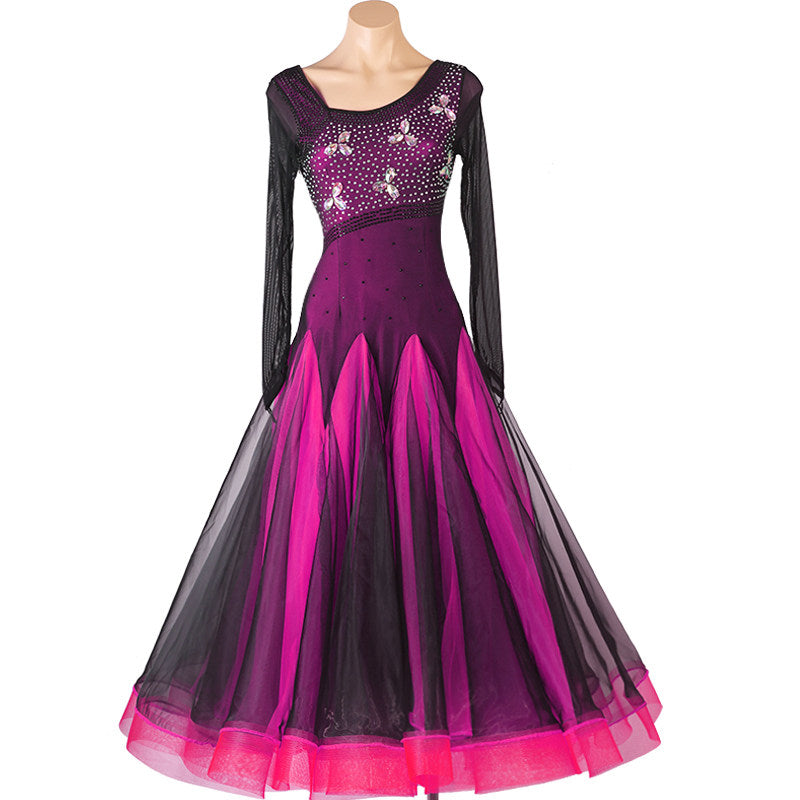
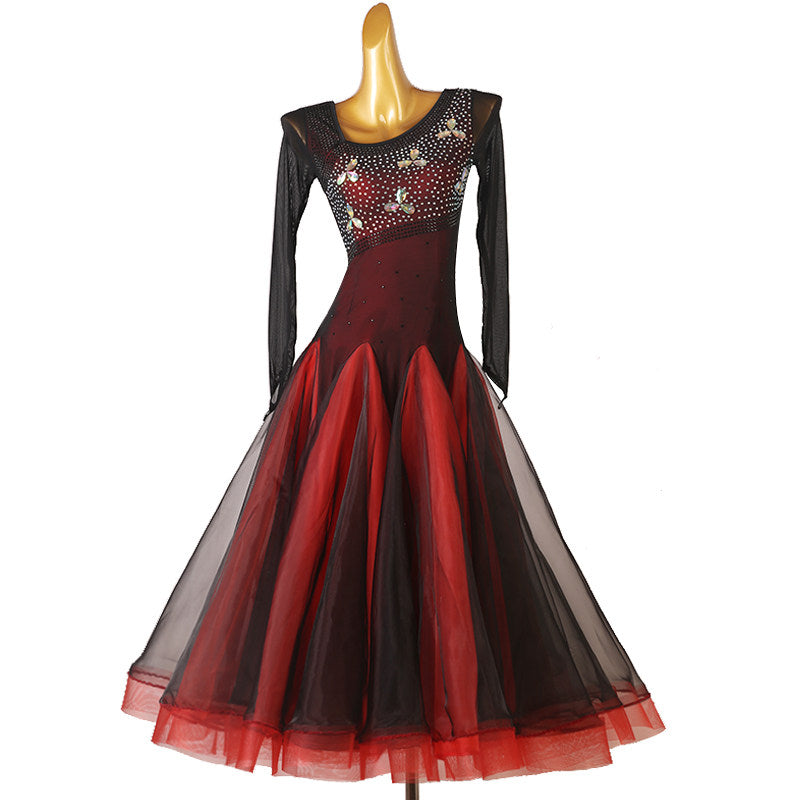
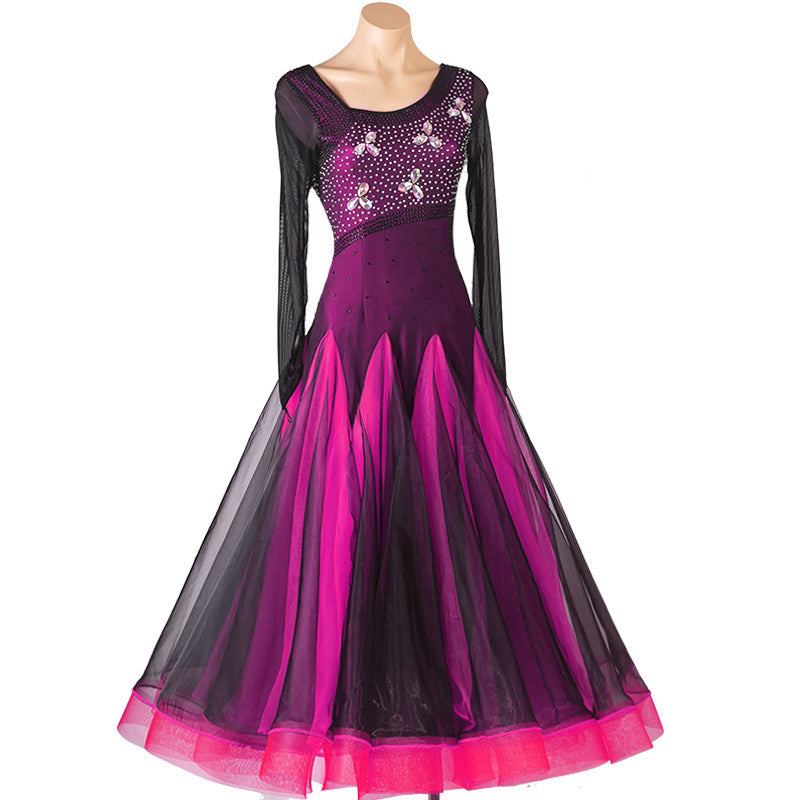
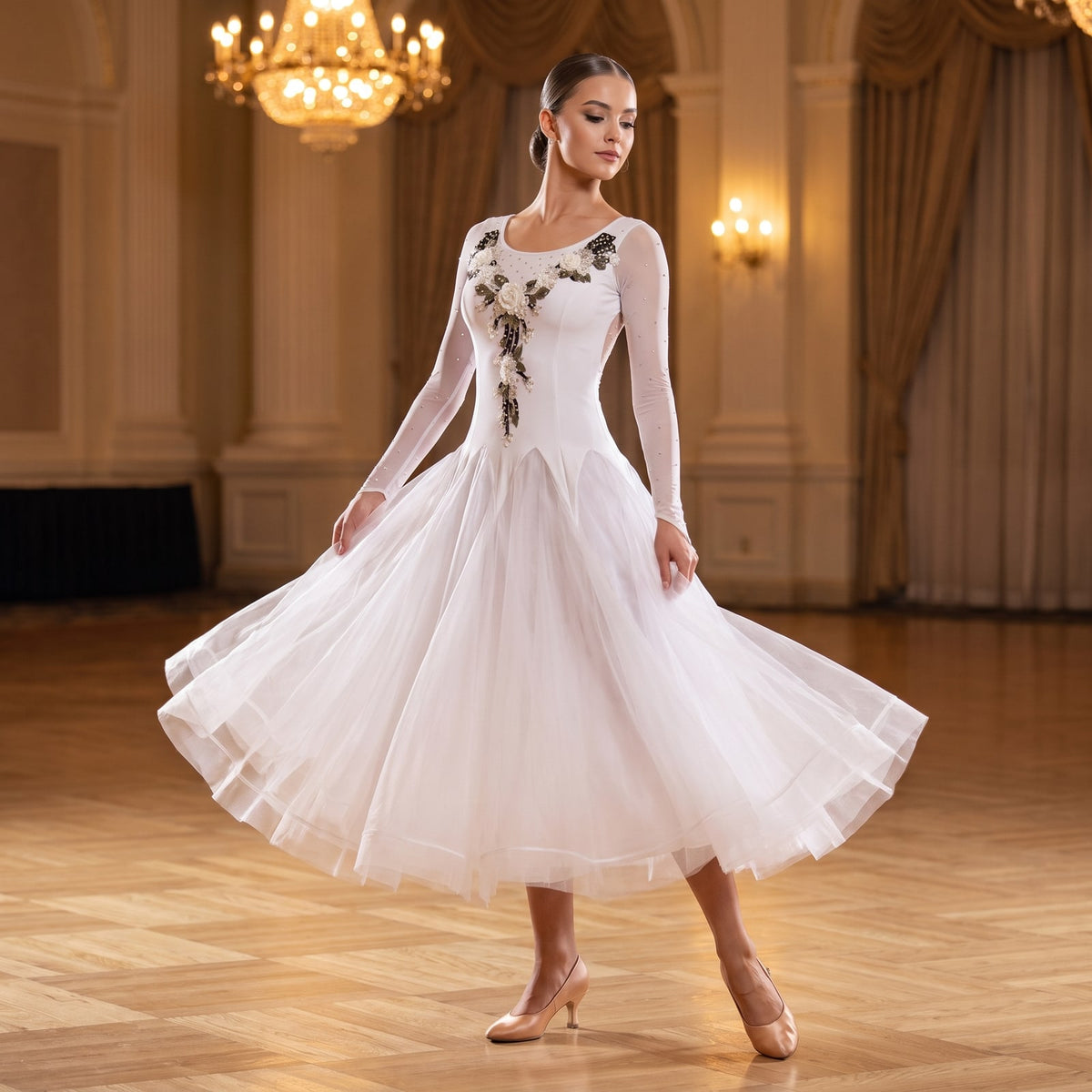
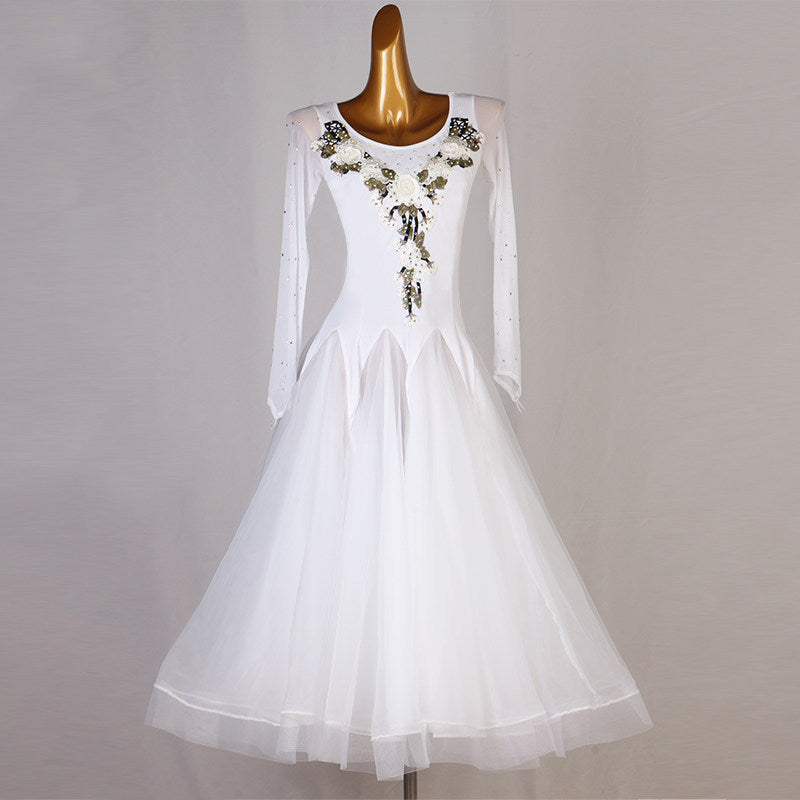
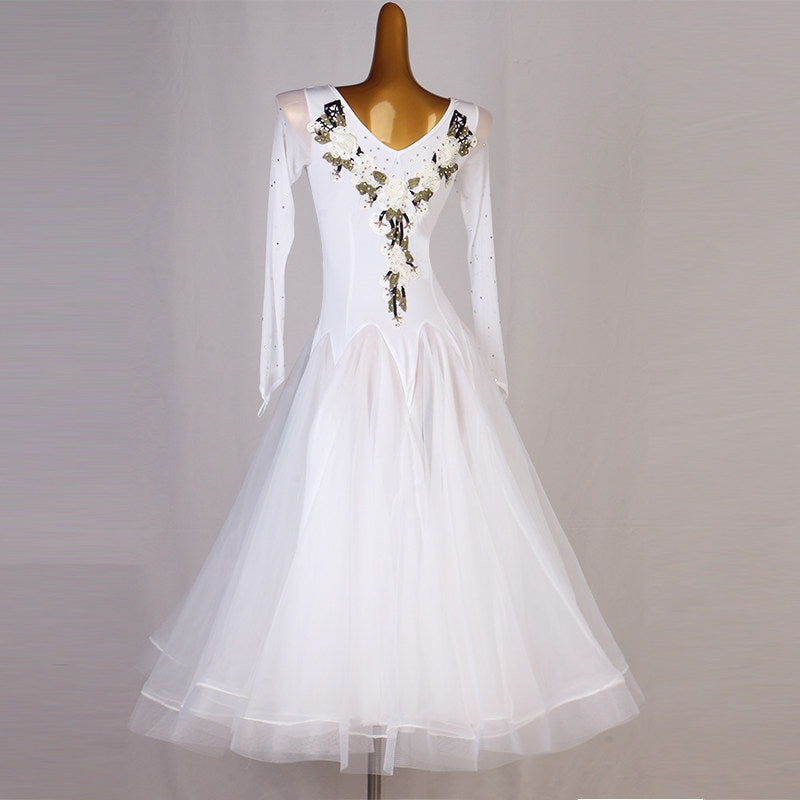
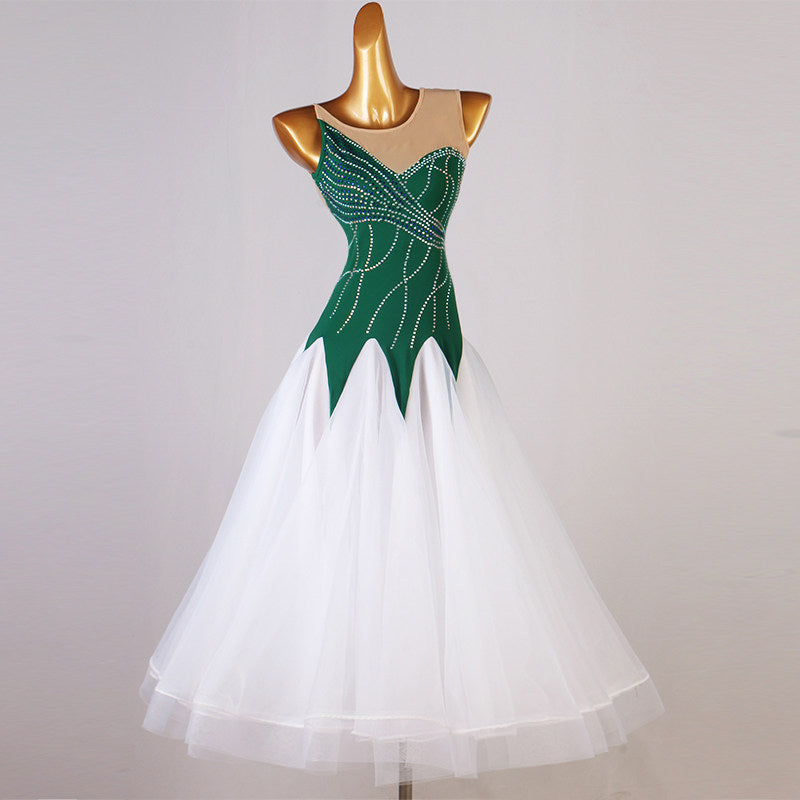
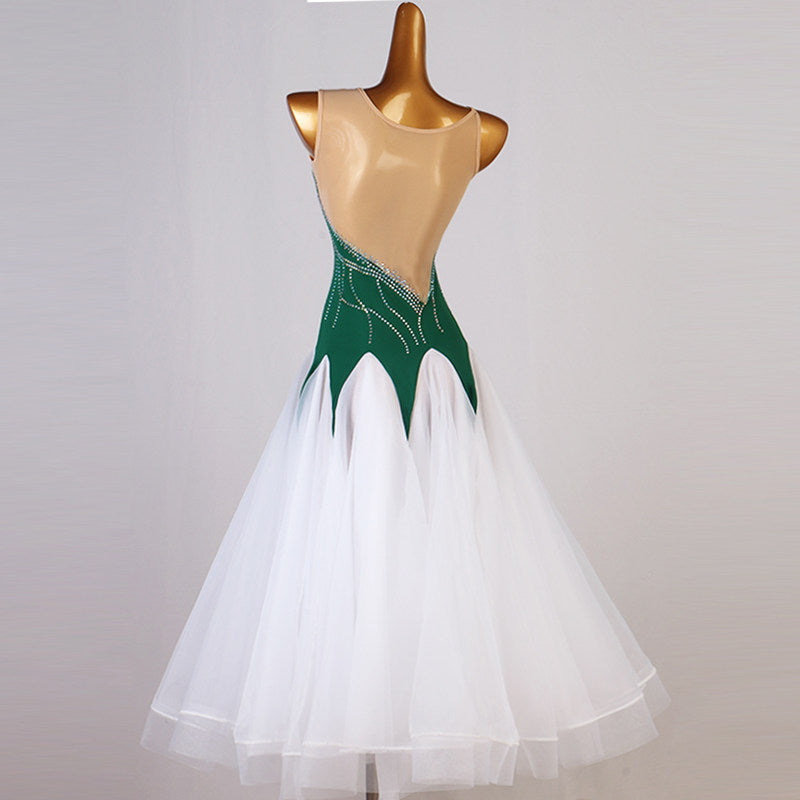
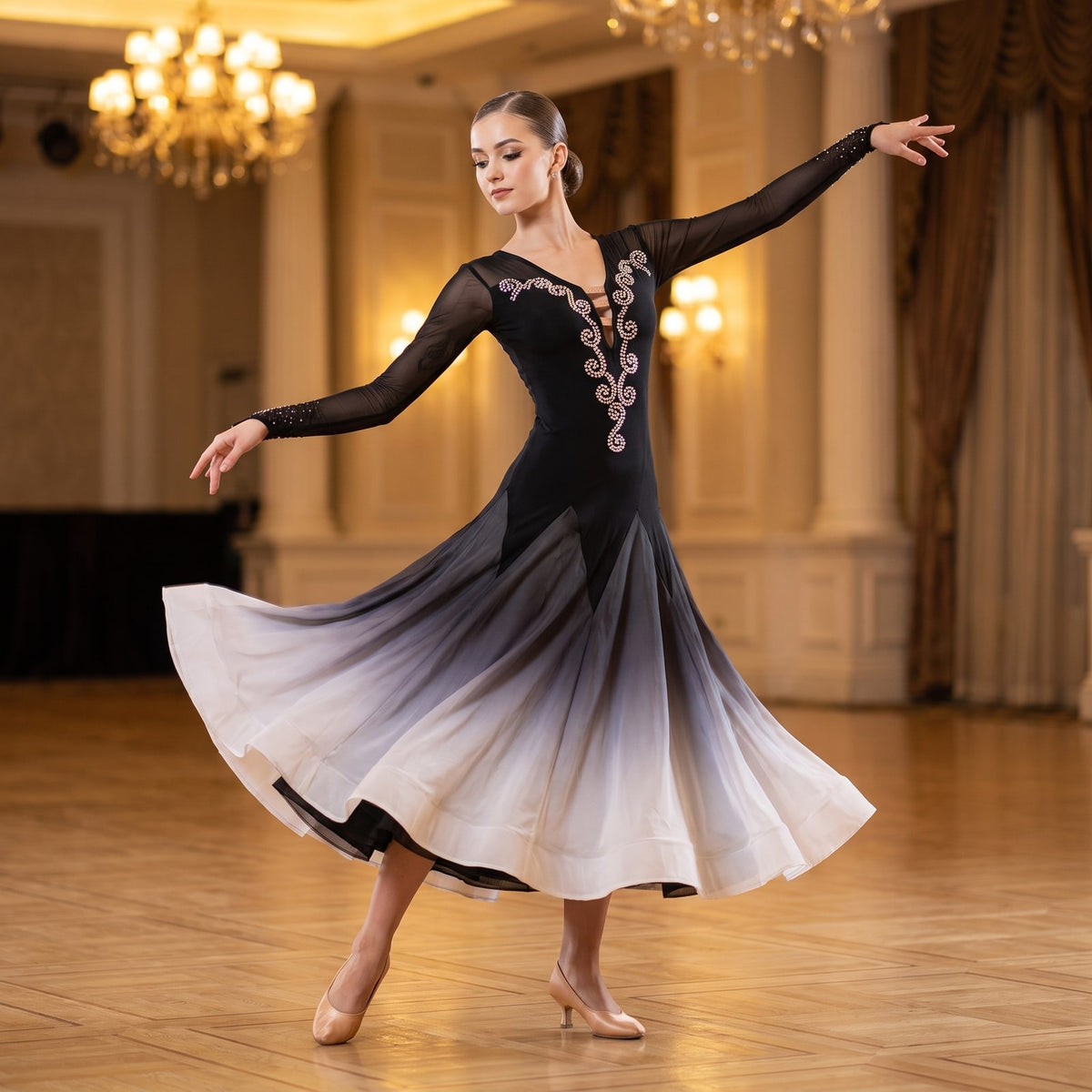
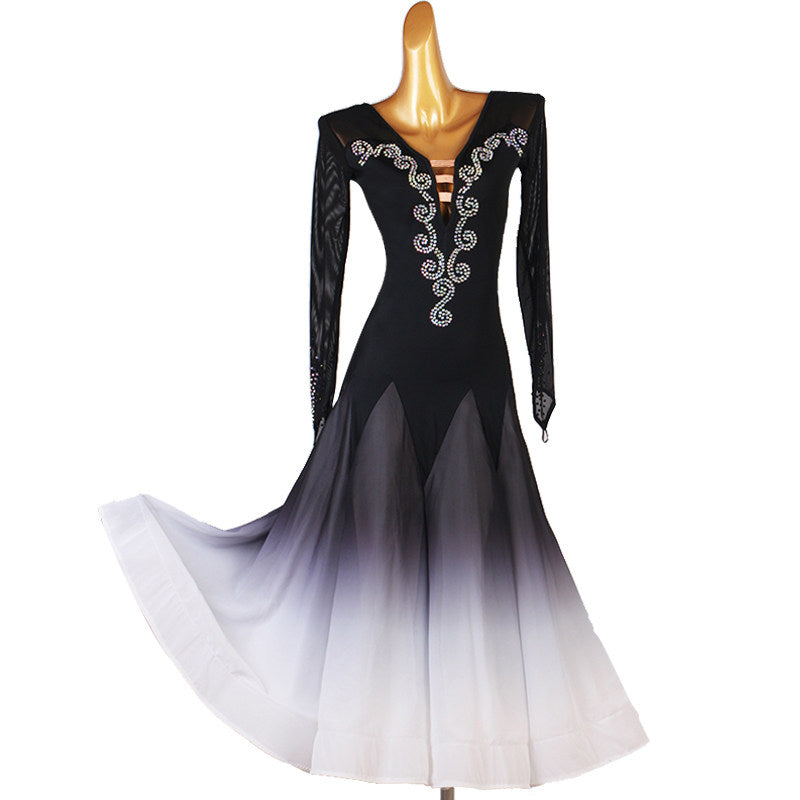
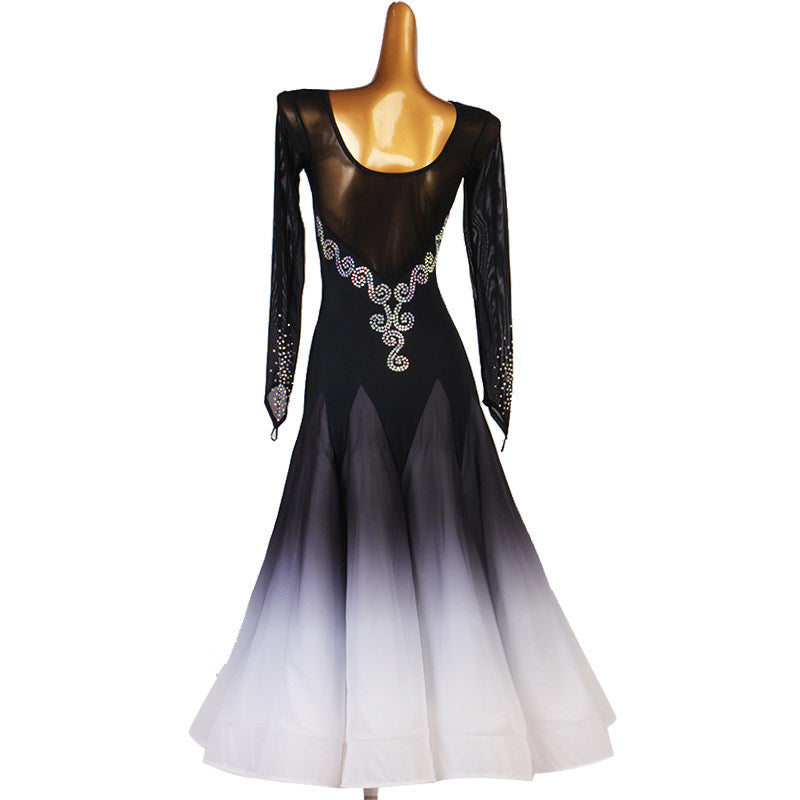
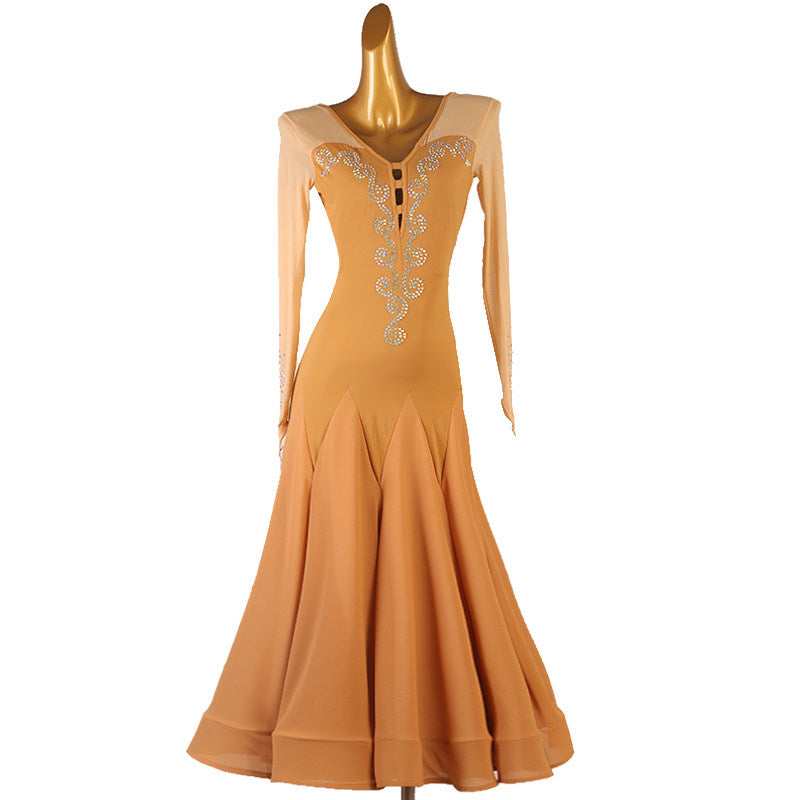
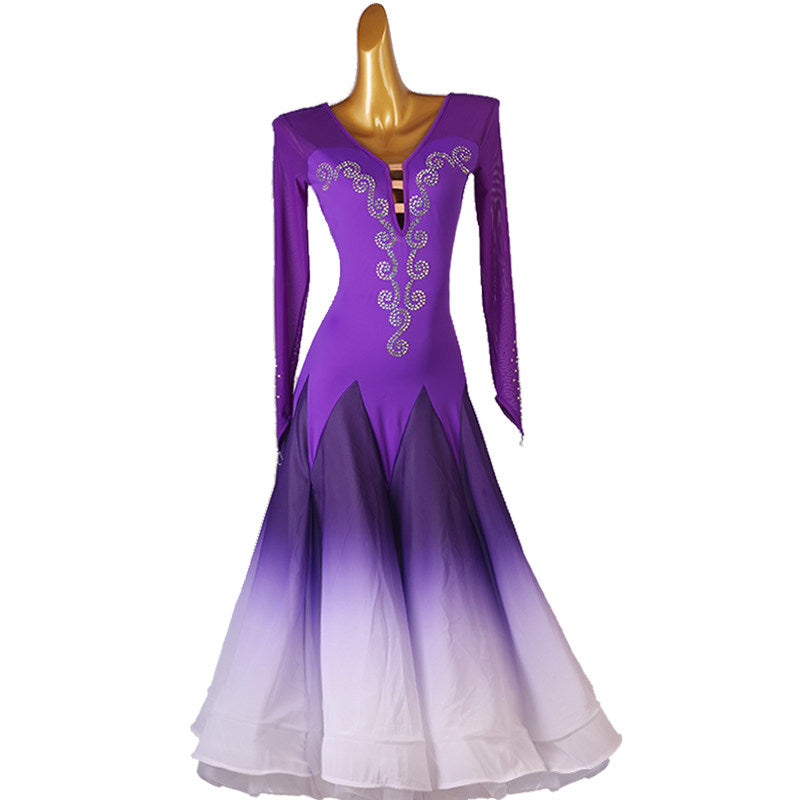
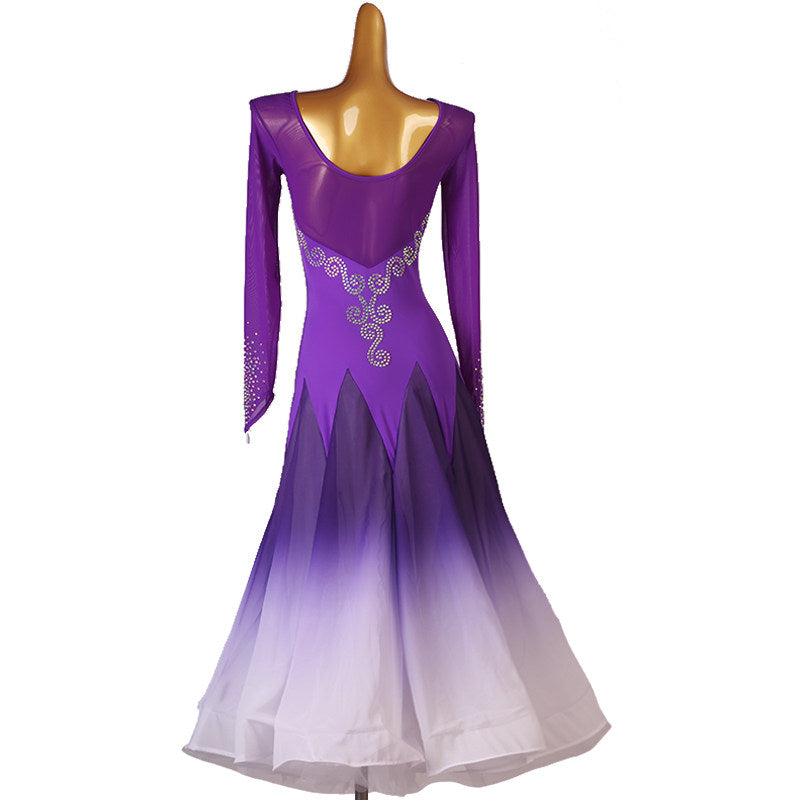
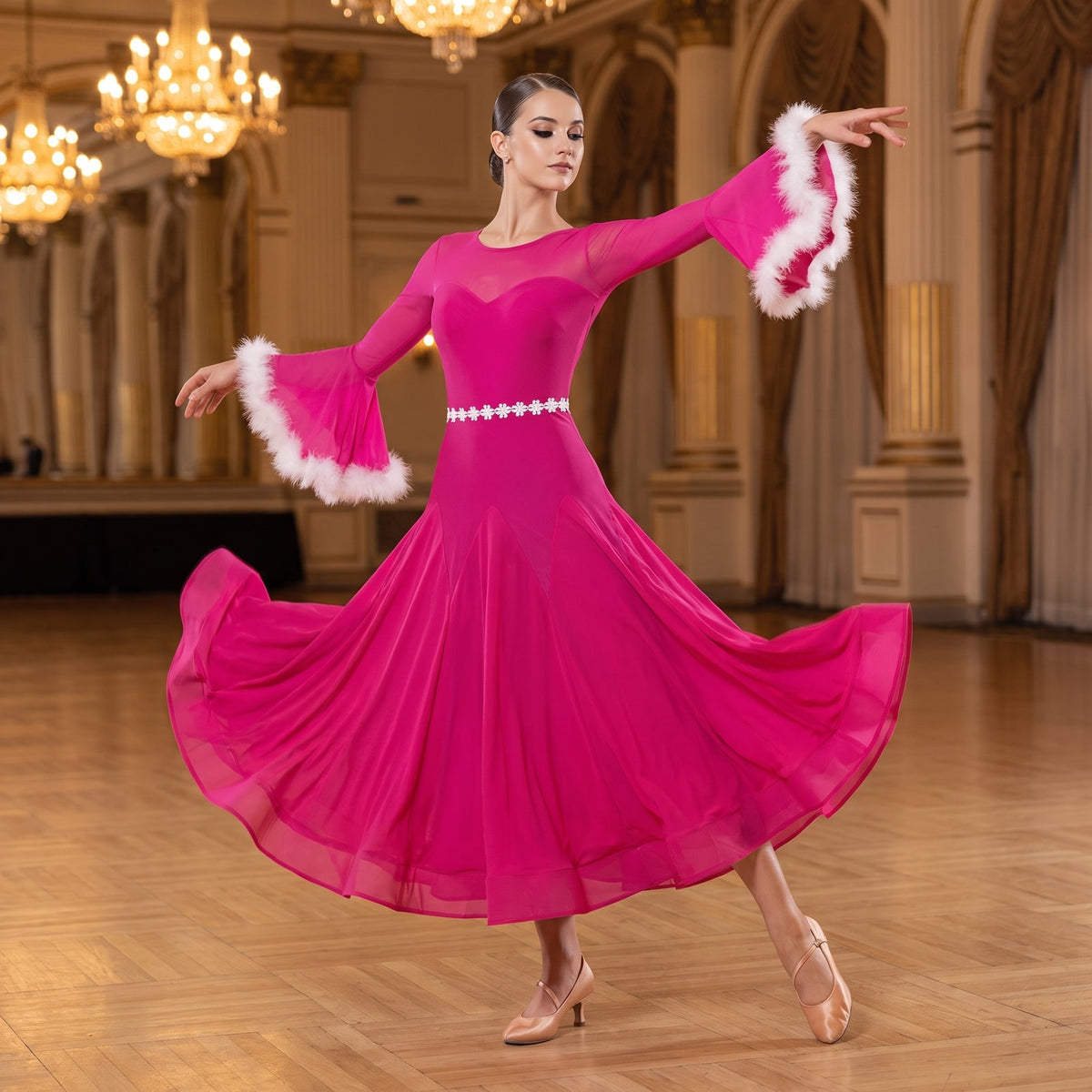
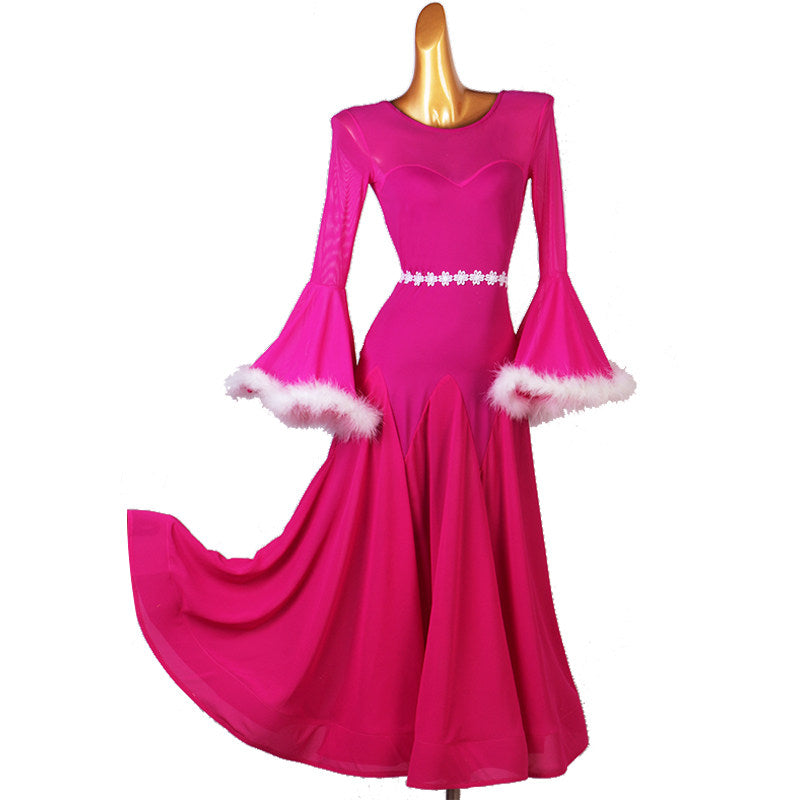
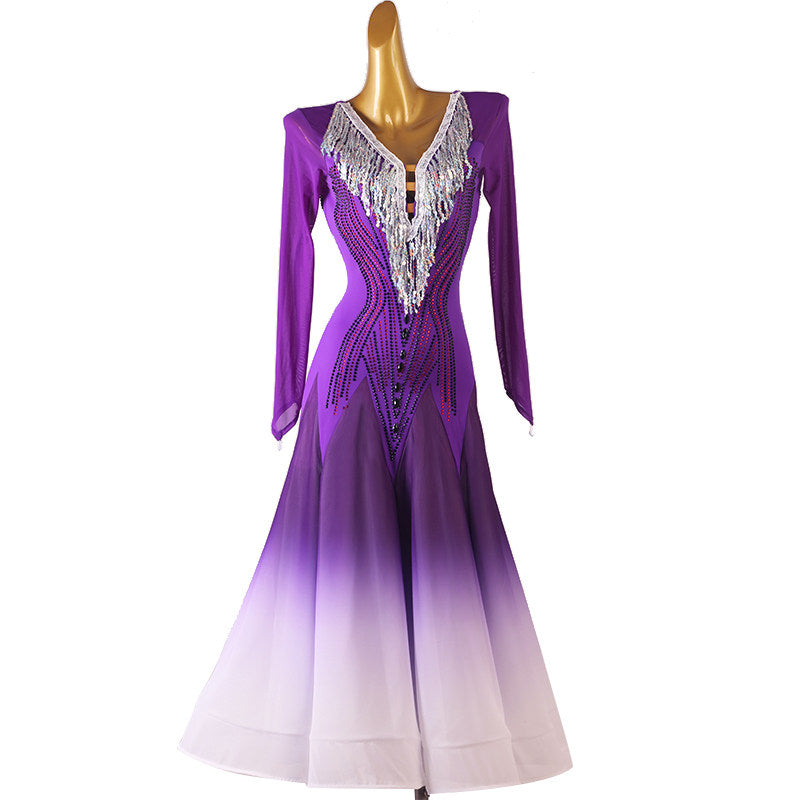
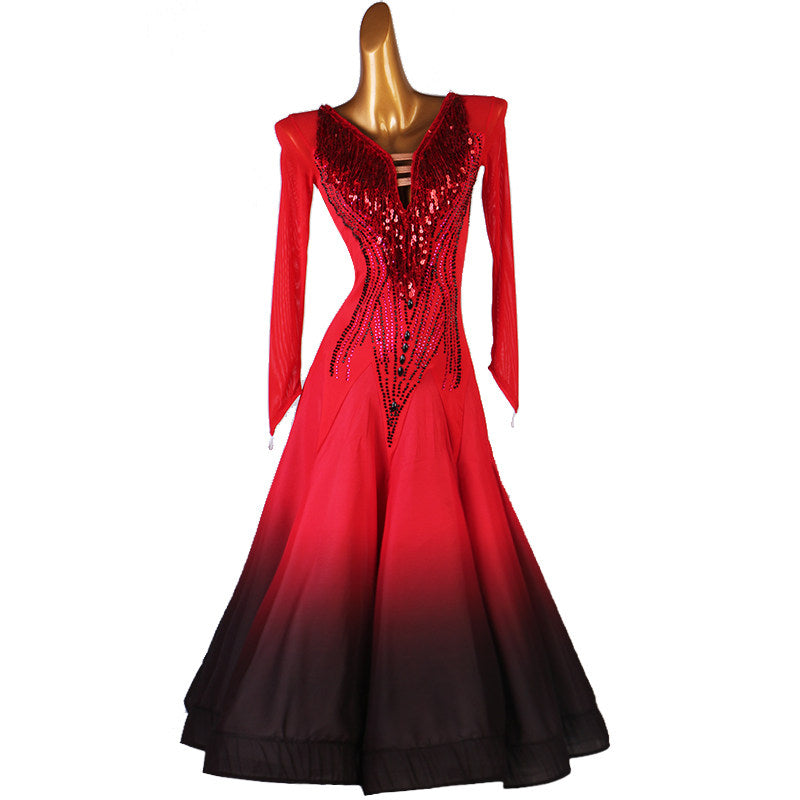
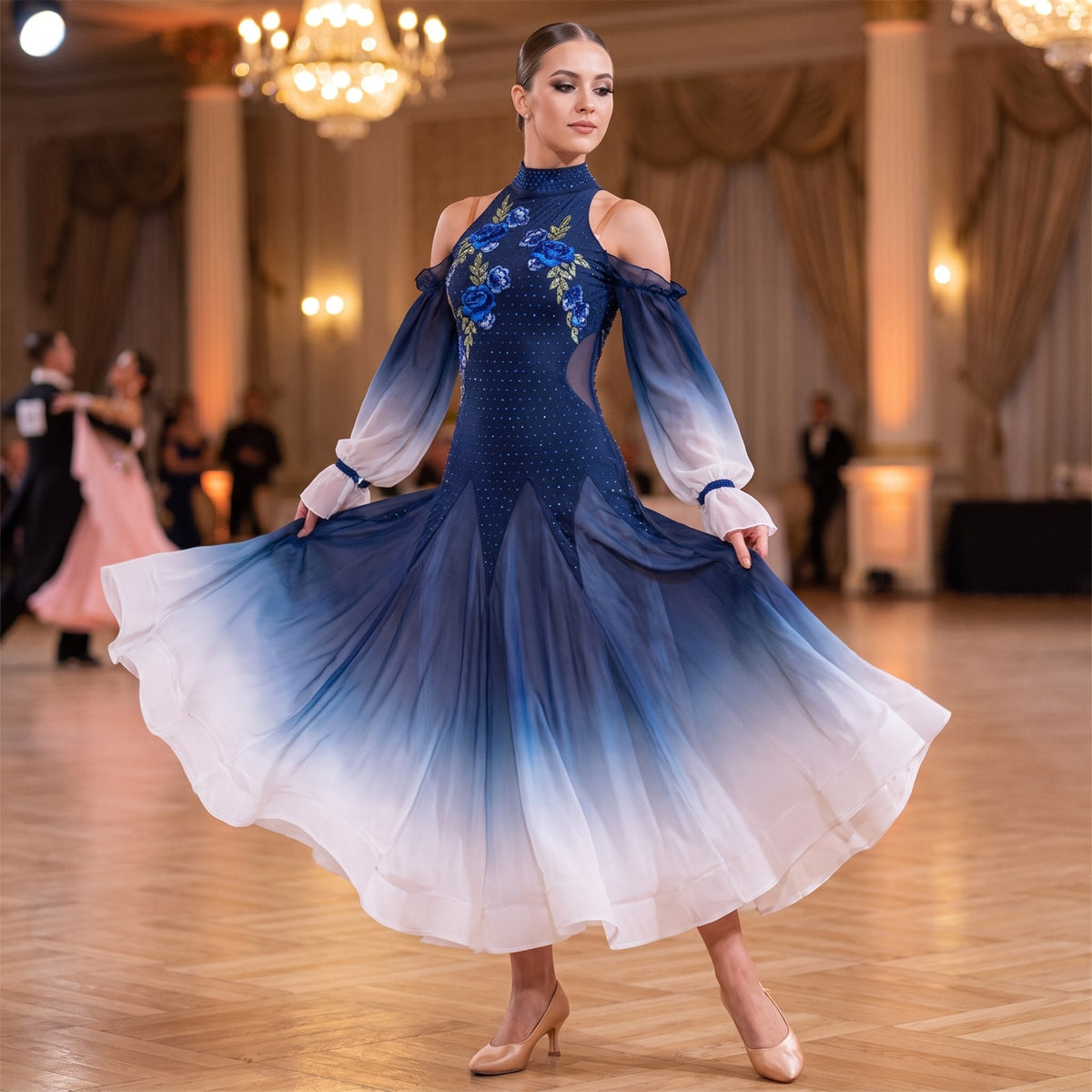
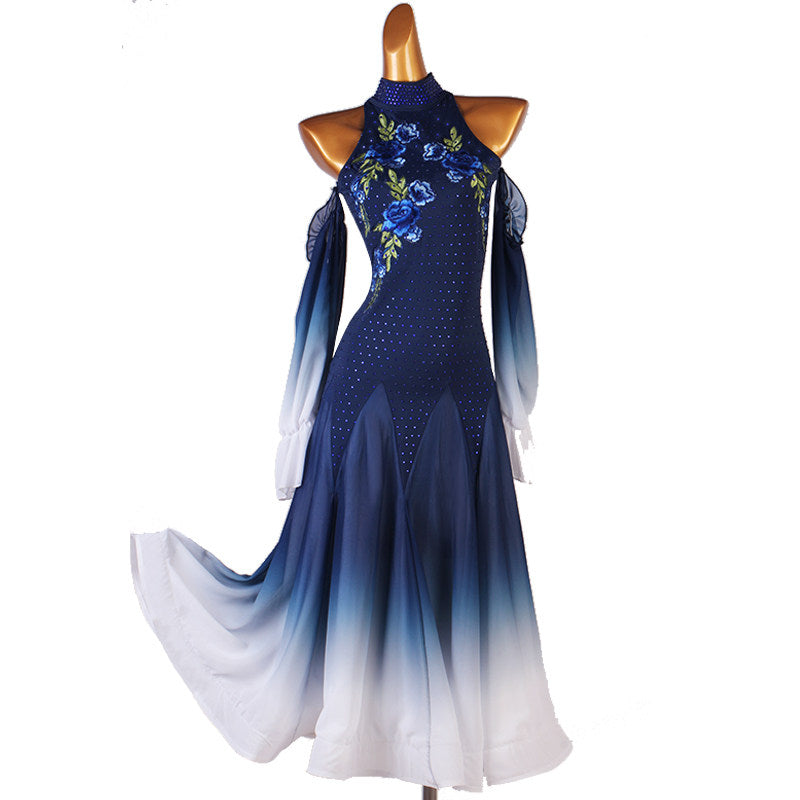
What Makes a Competition Dress Different from a Practice Dress
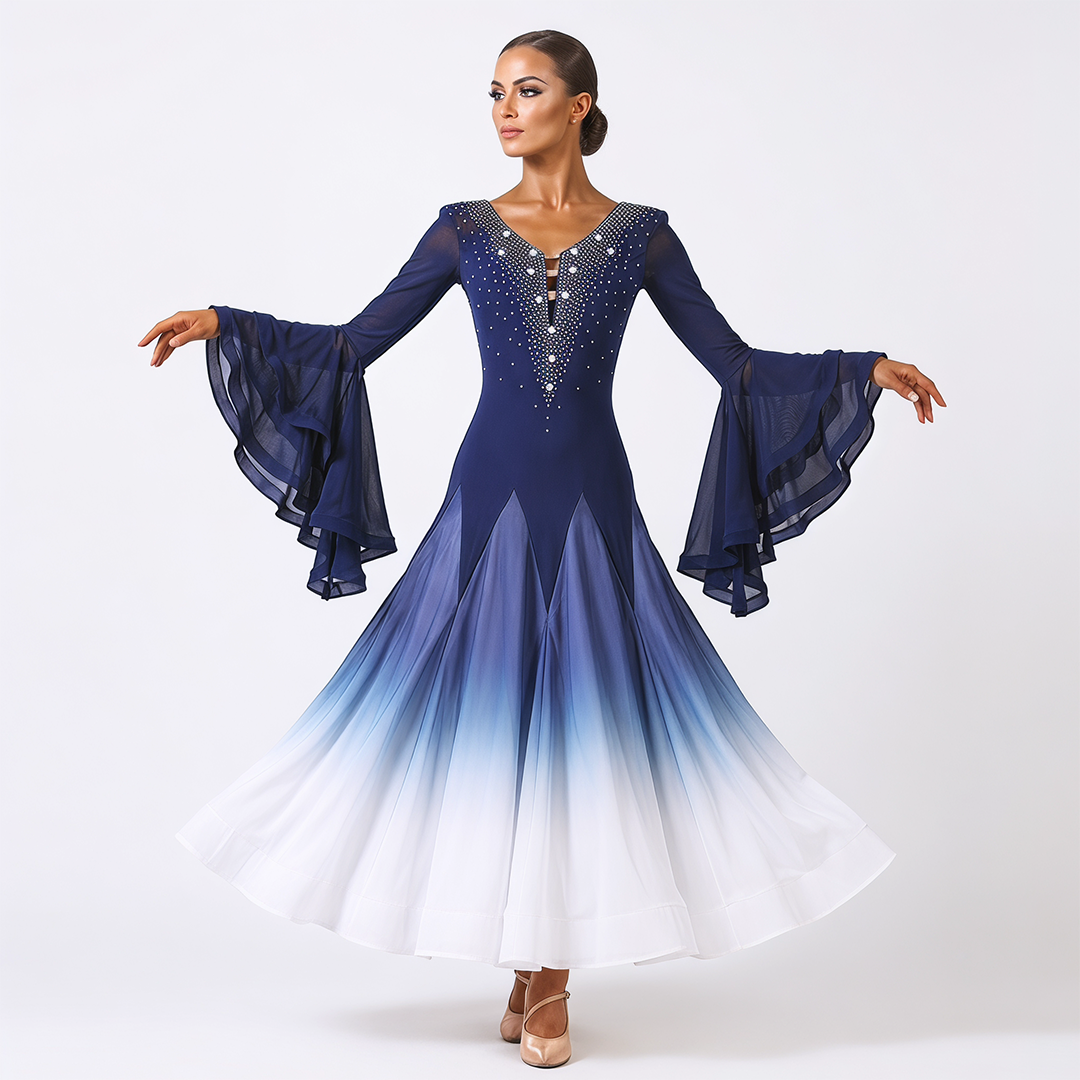
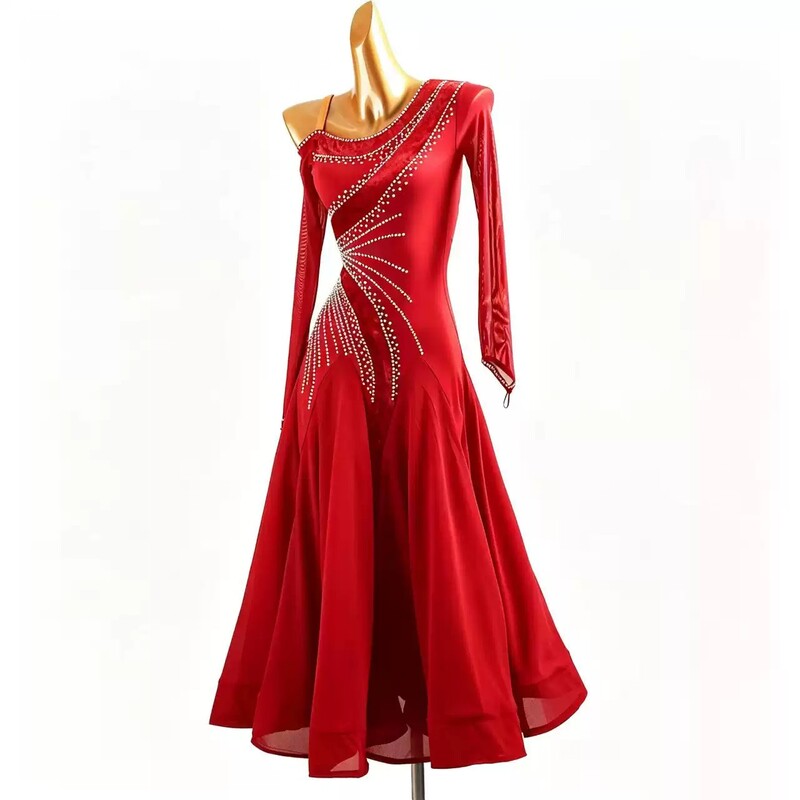
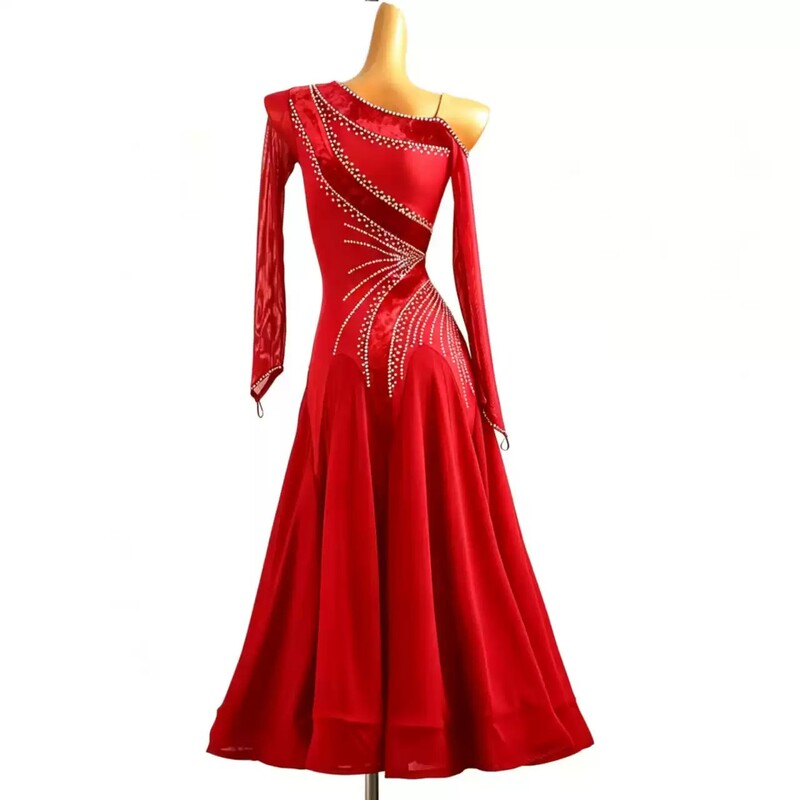
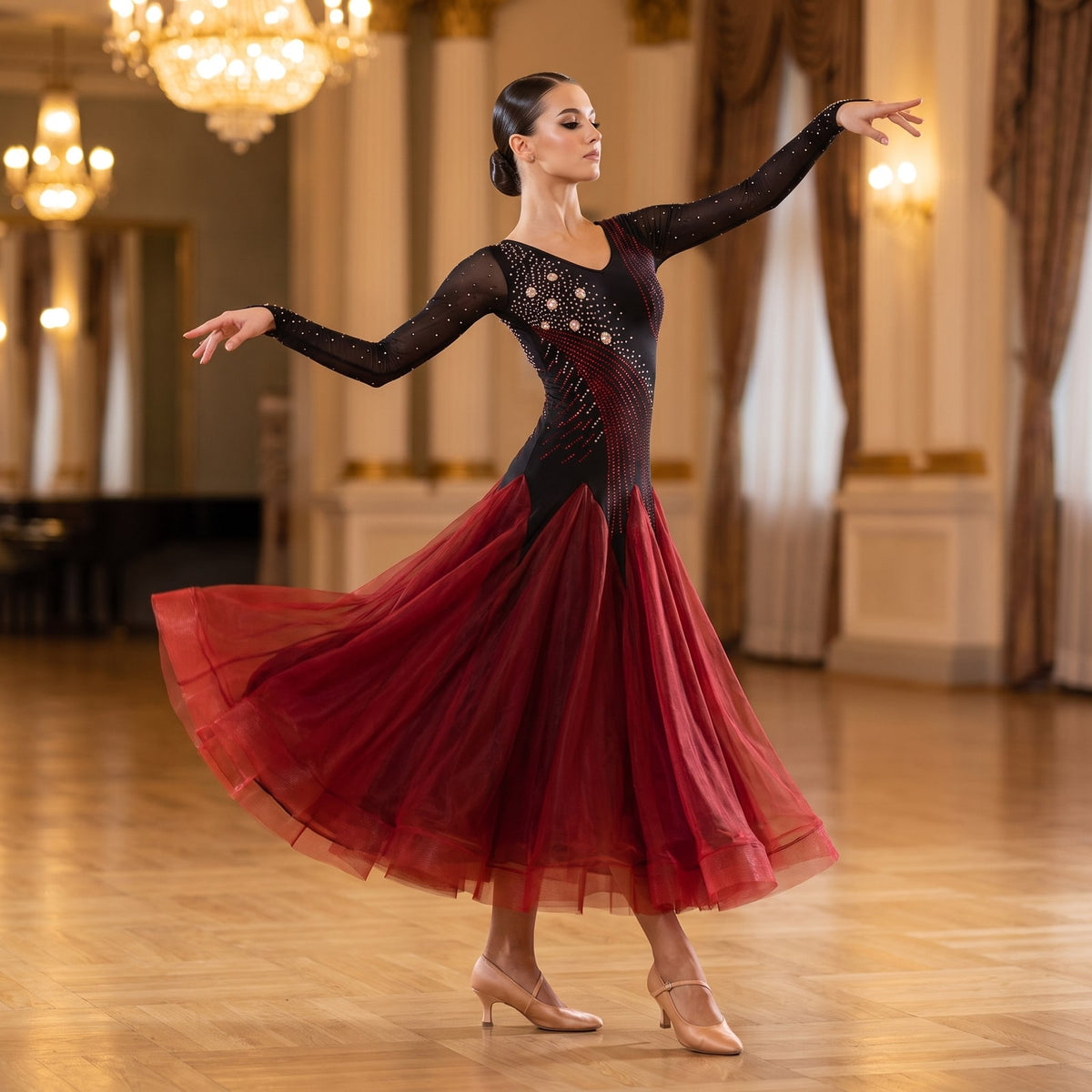
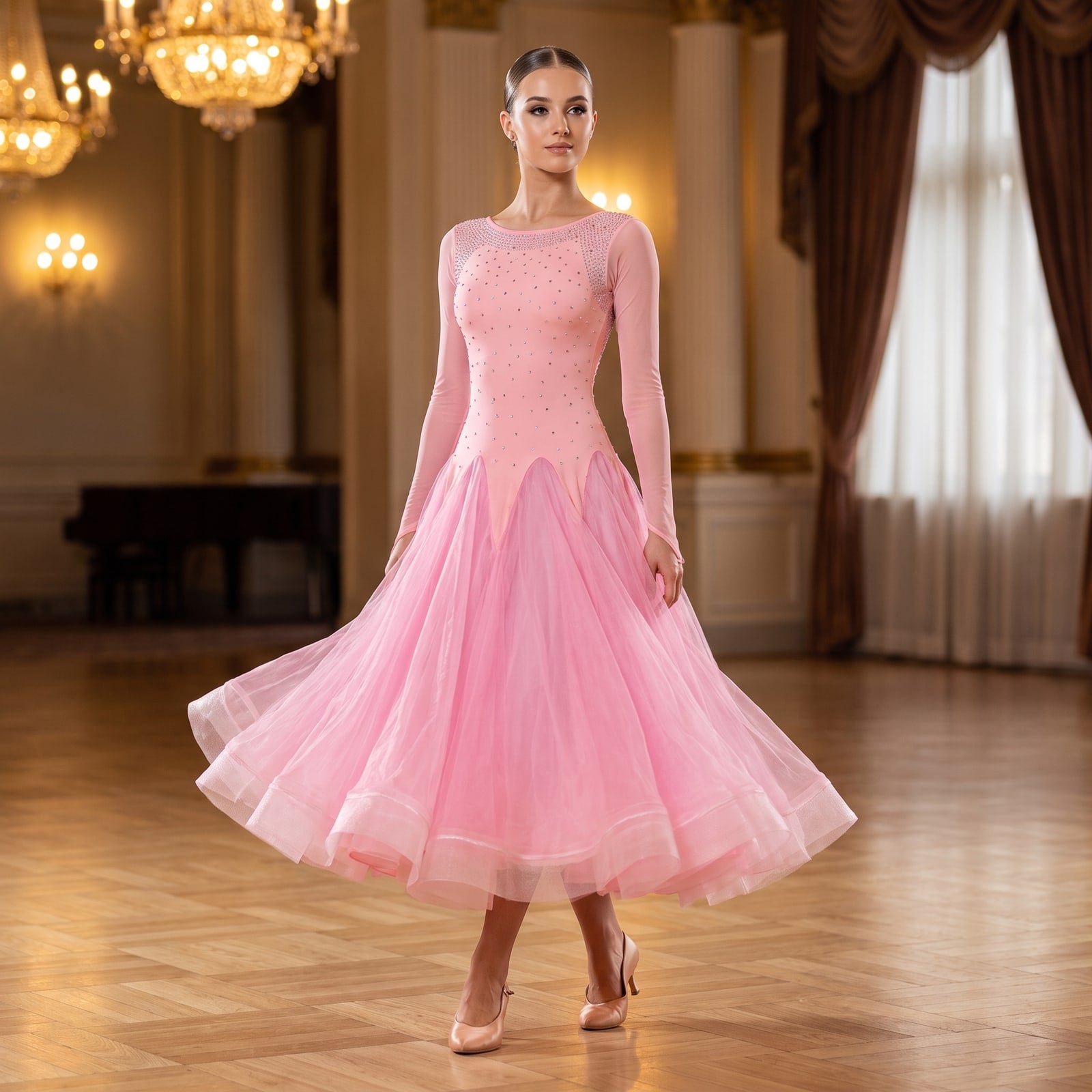
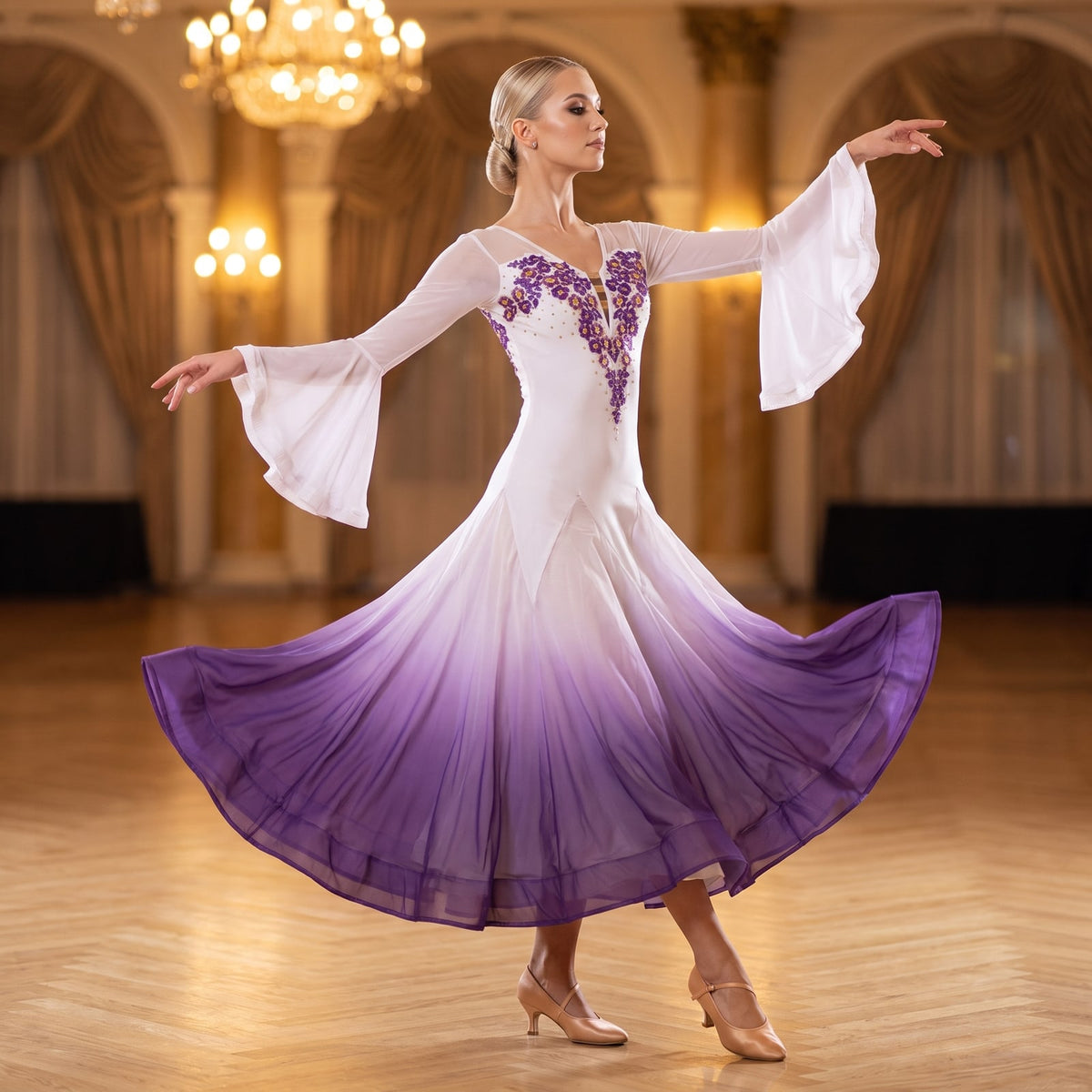
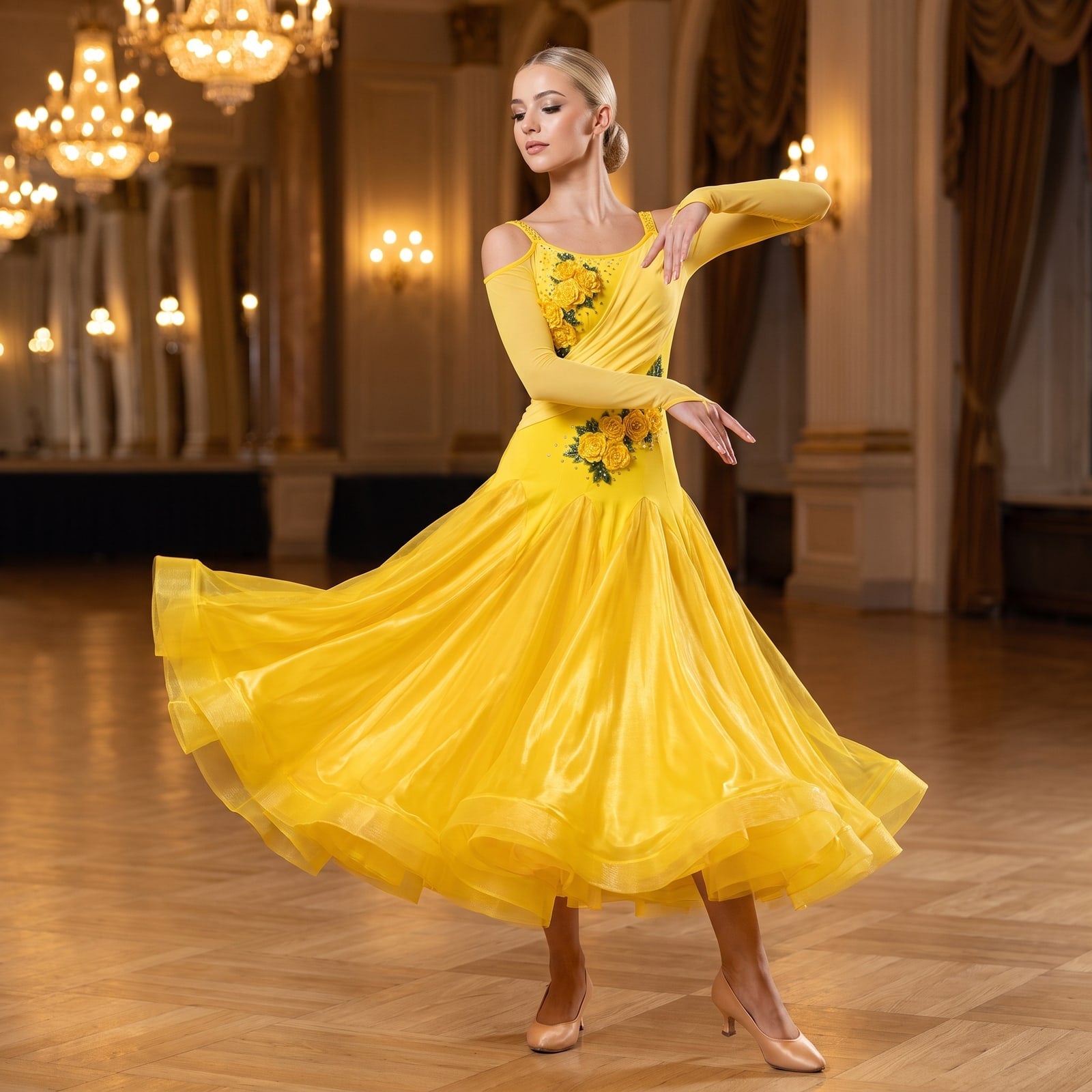
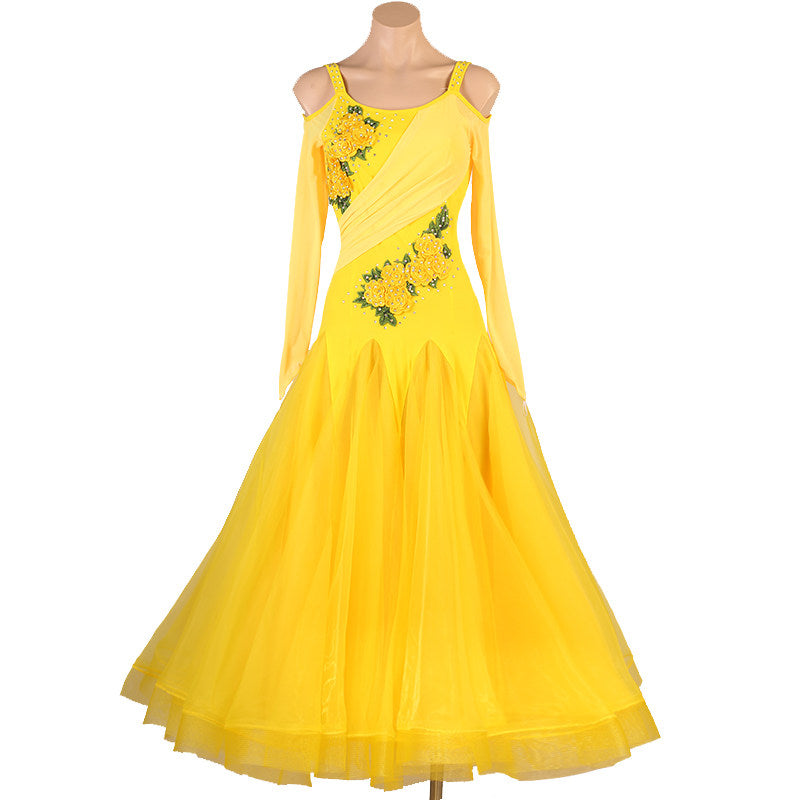
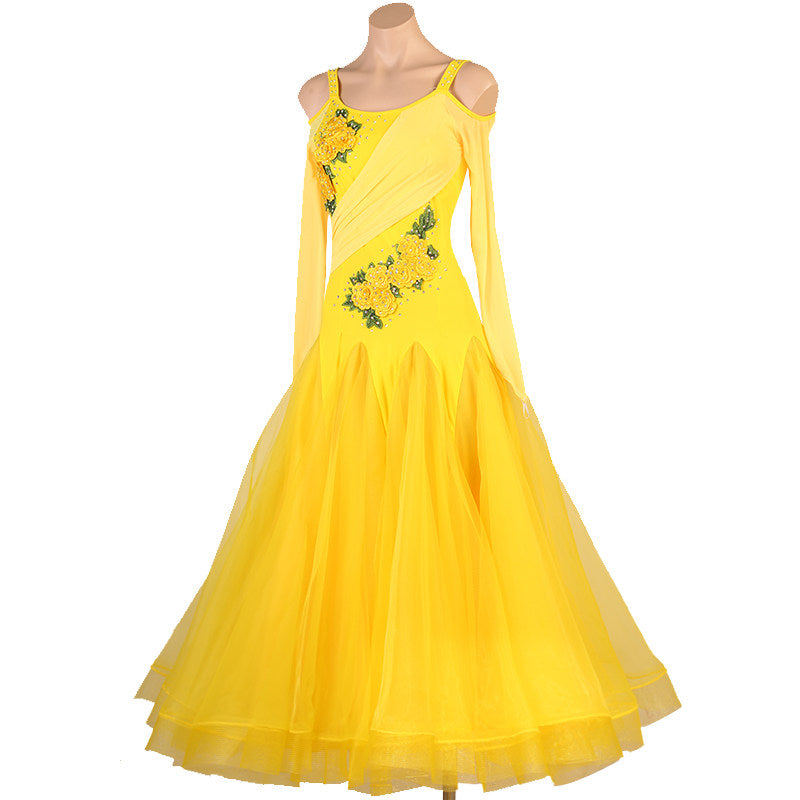
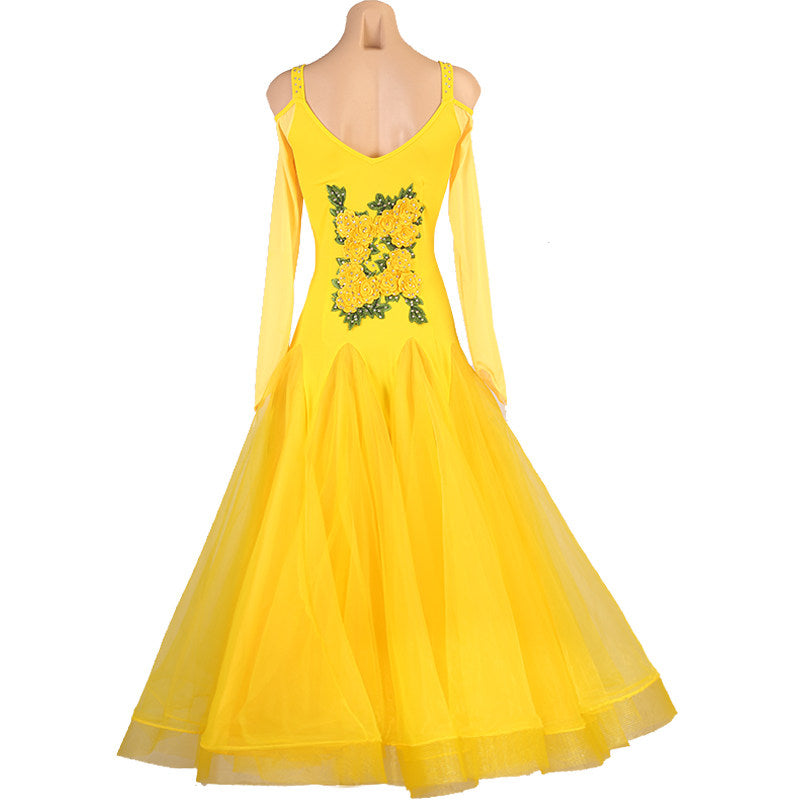
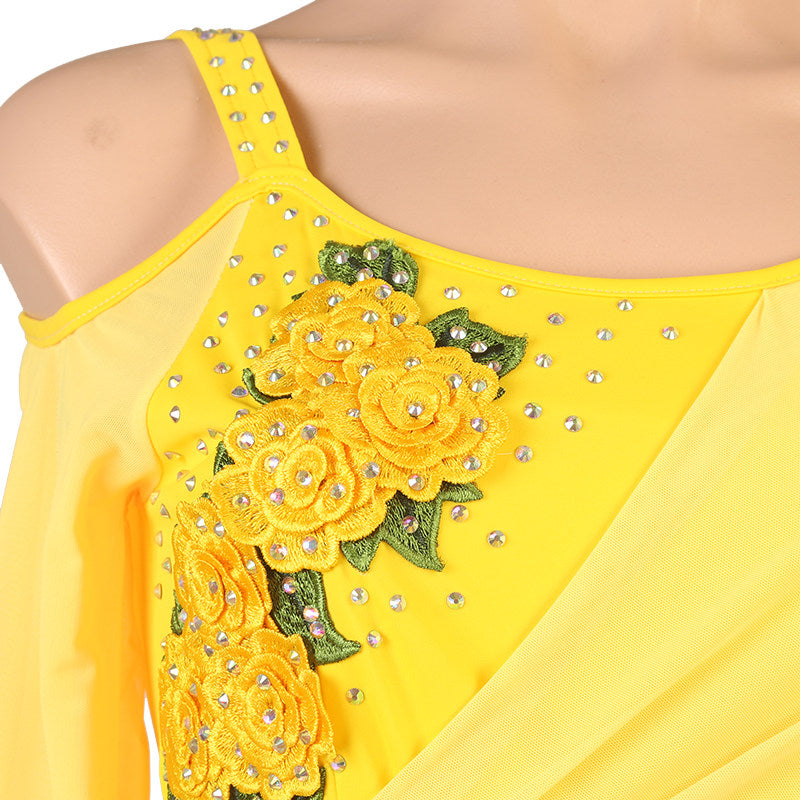
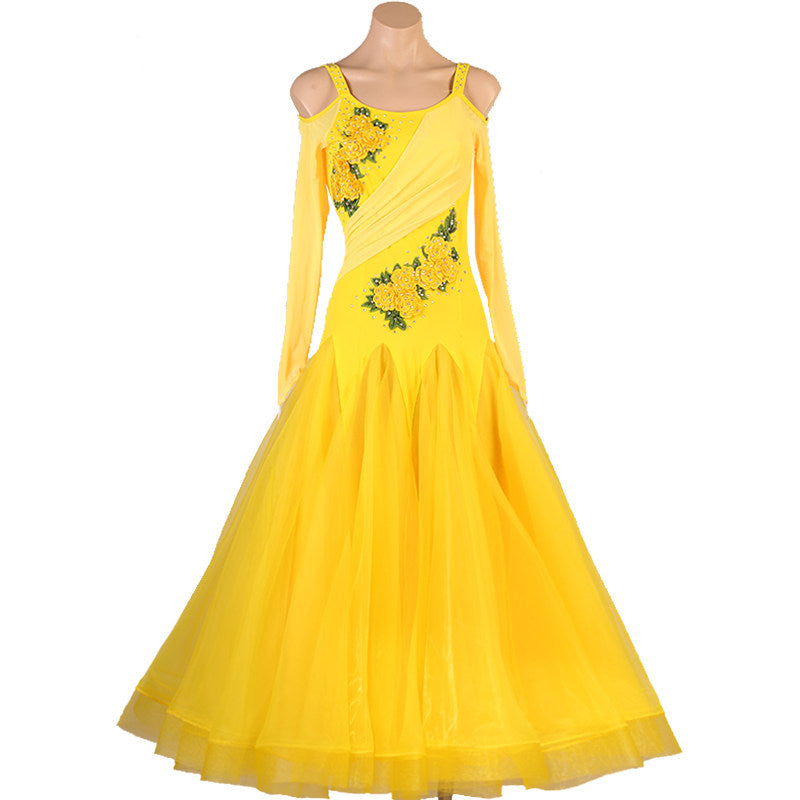
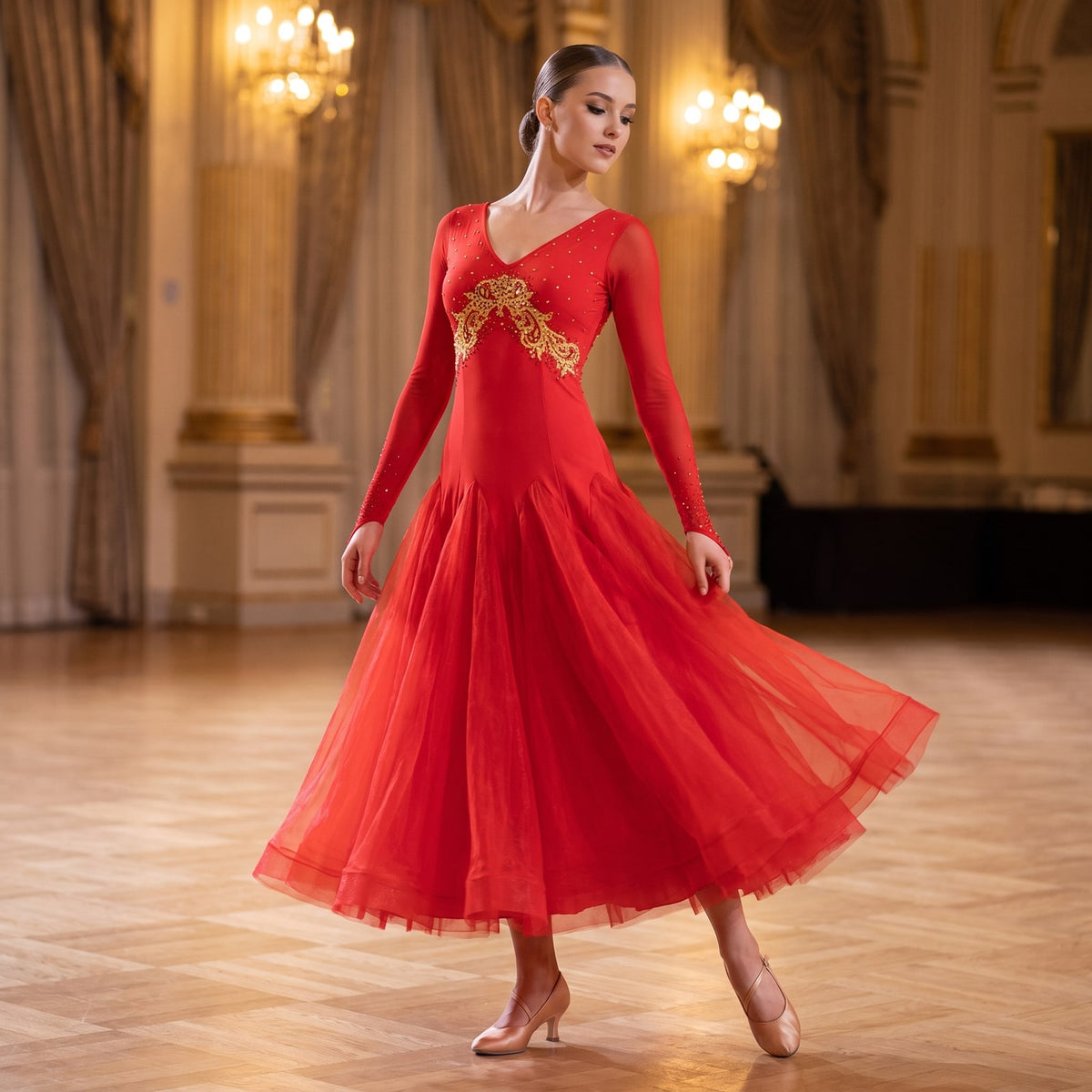
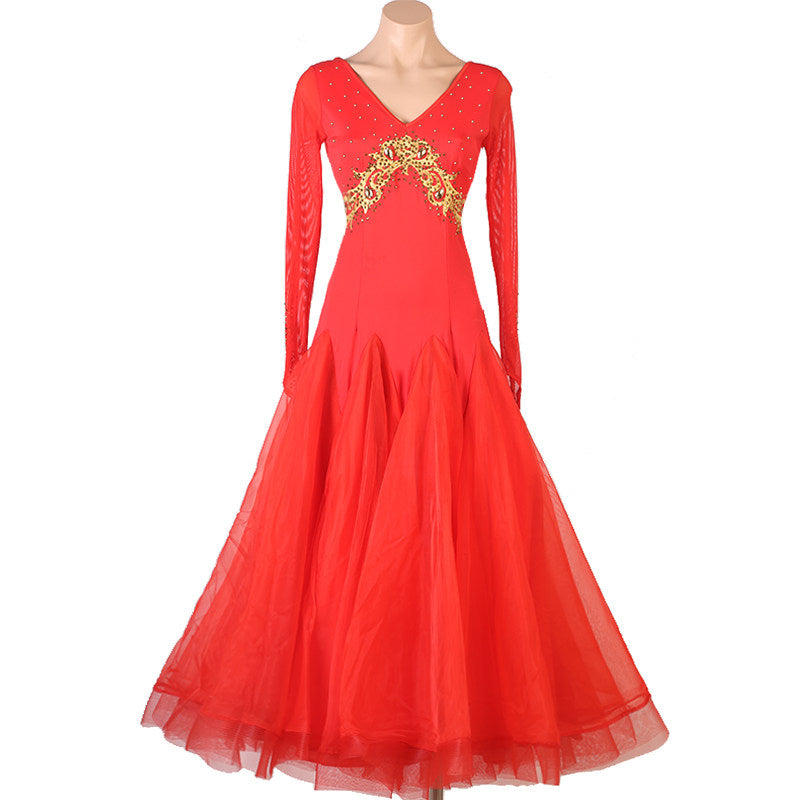
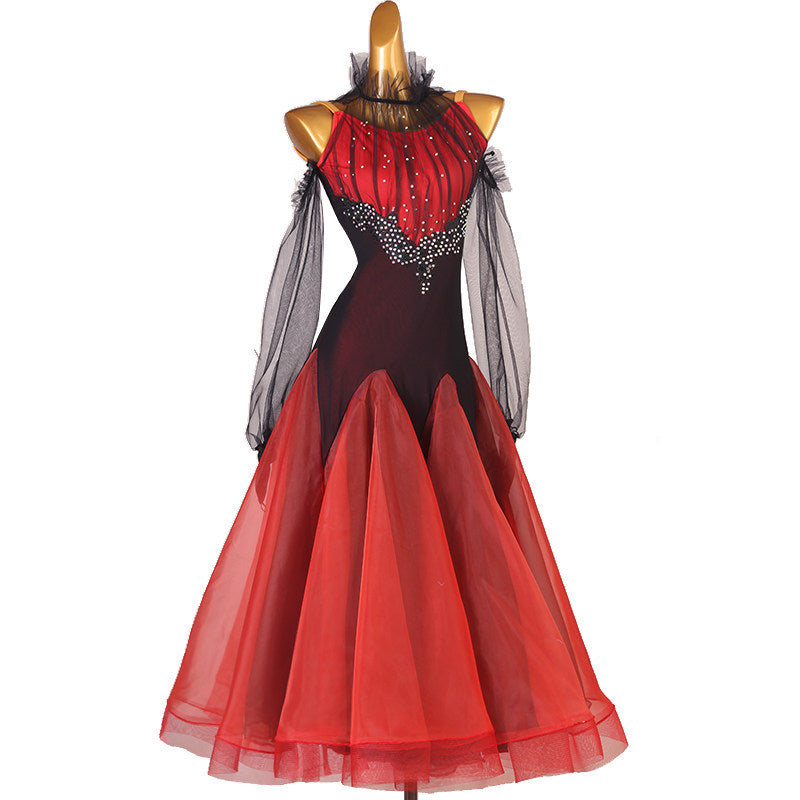
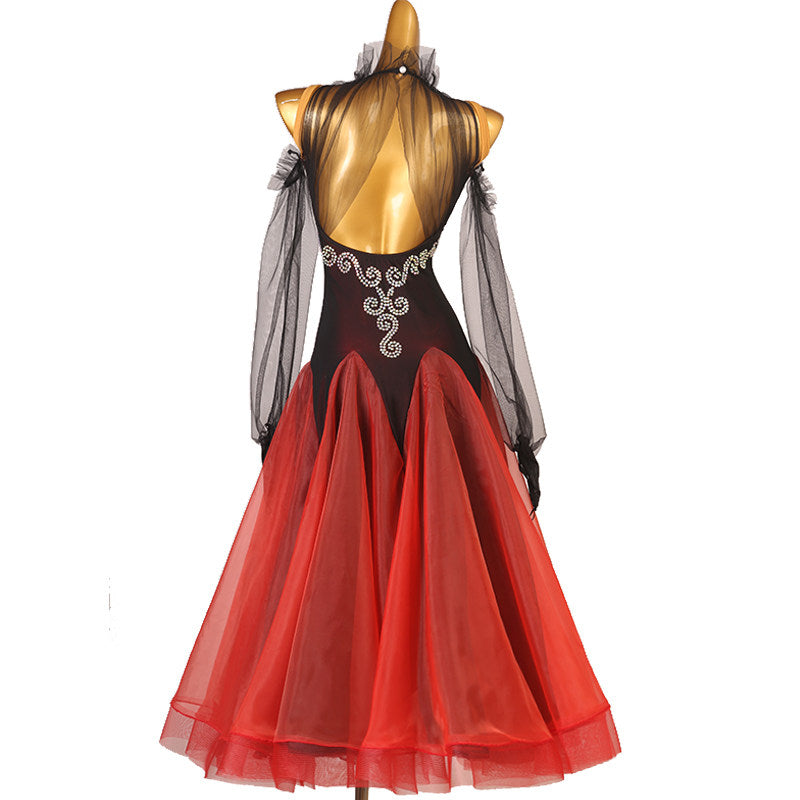
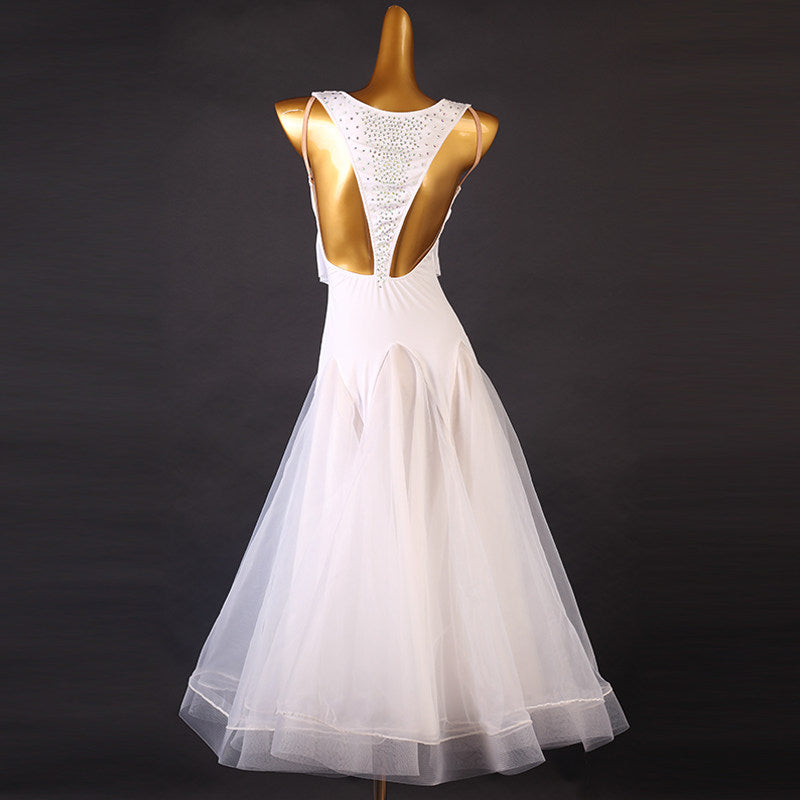
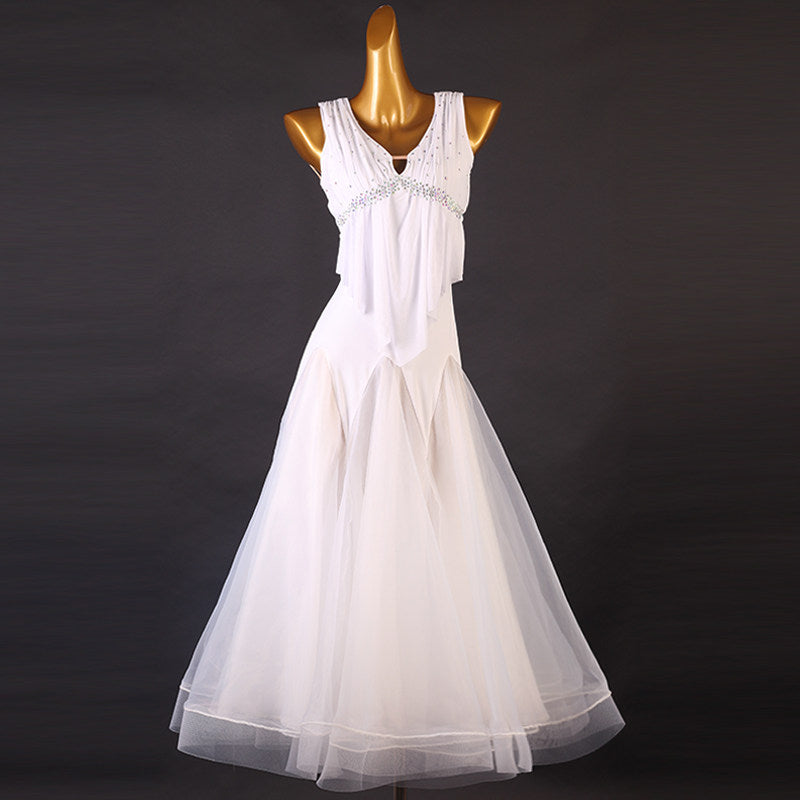
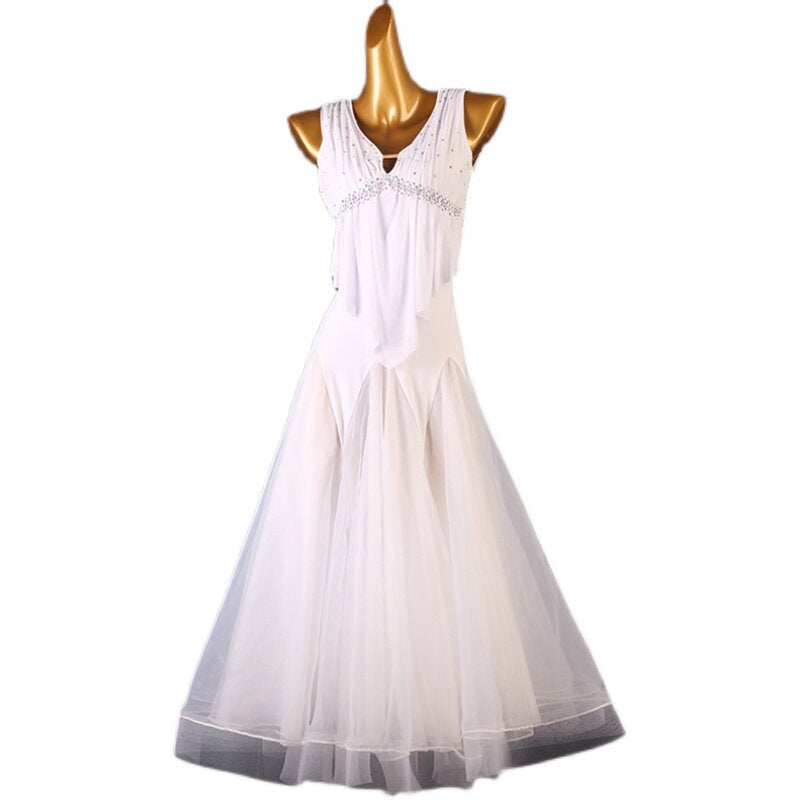
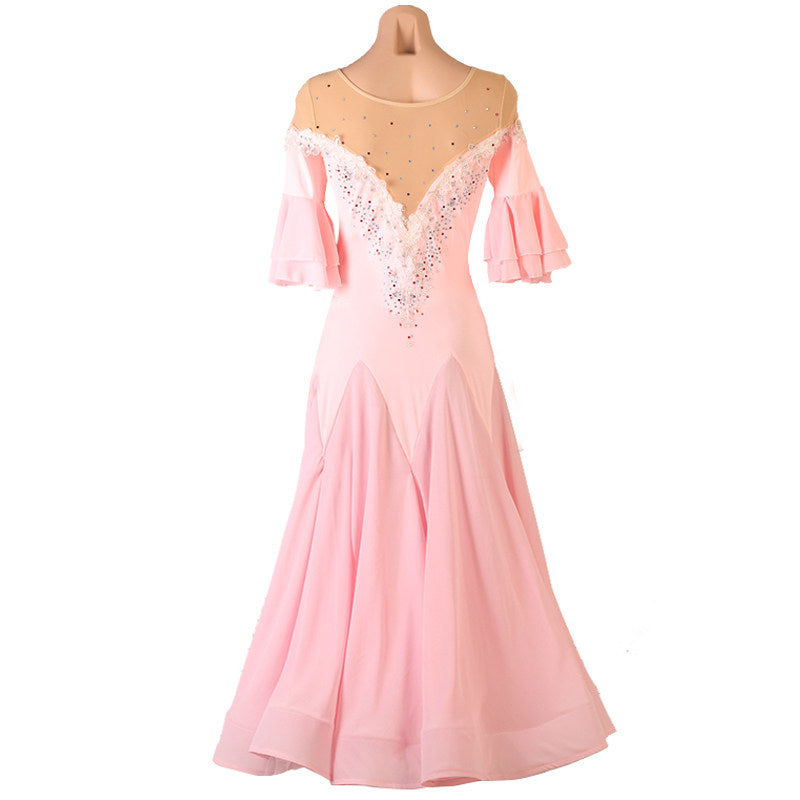
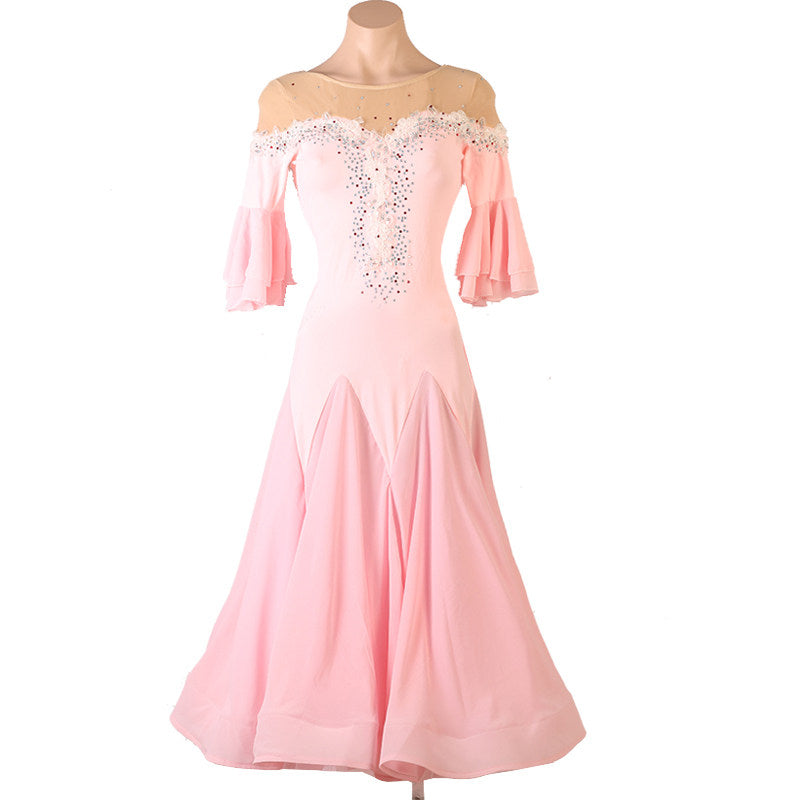
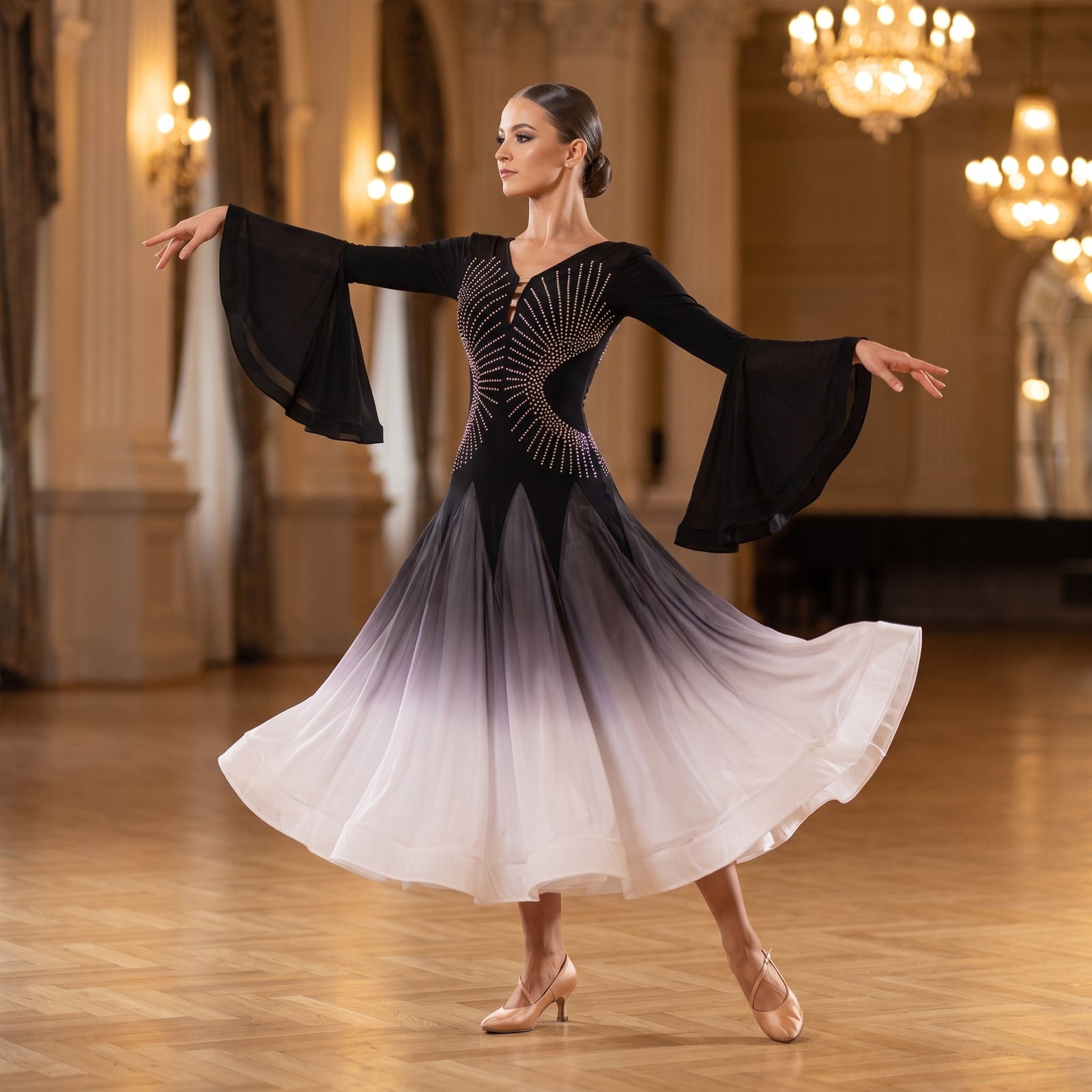
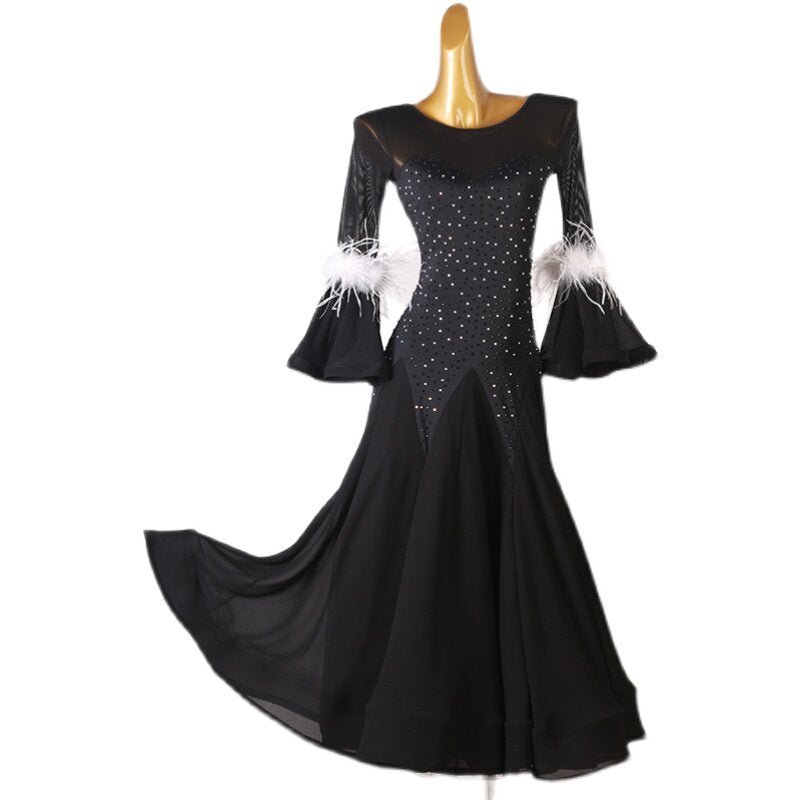
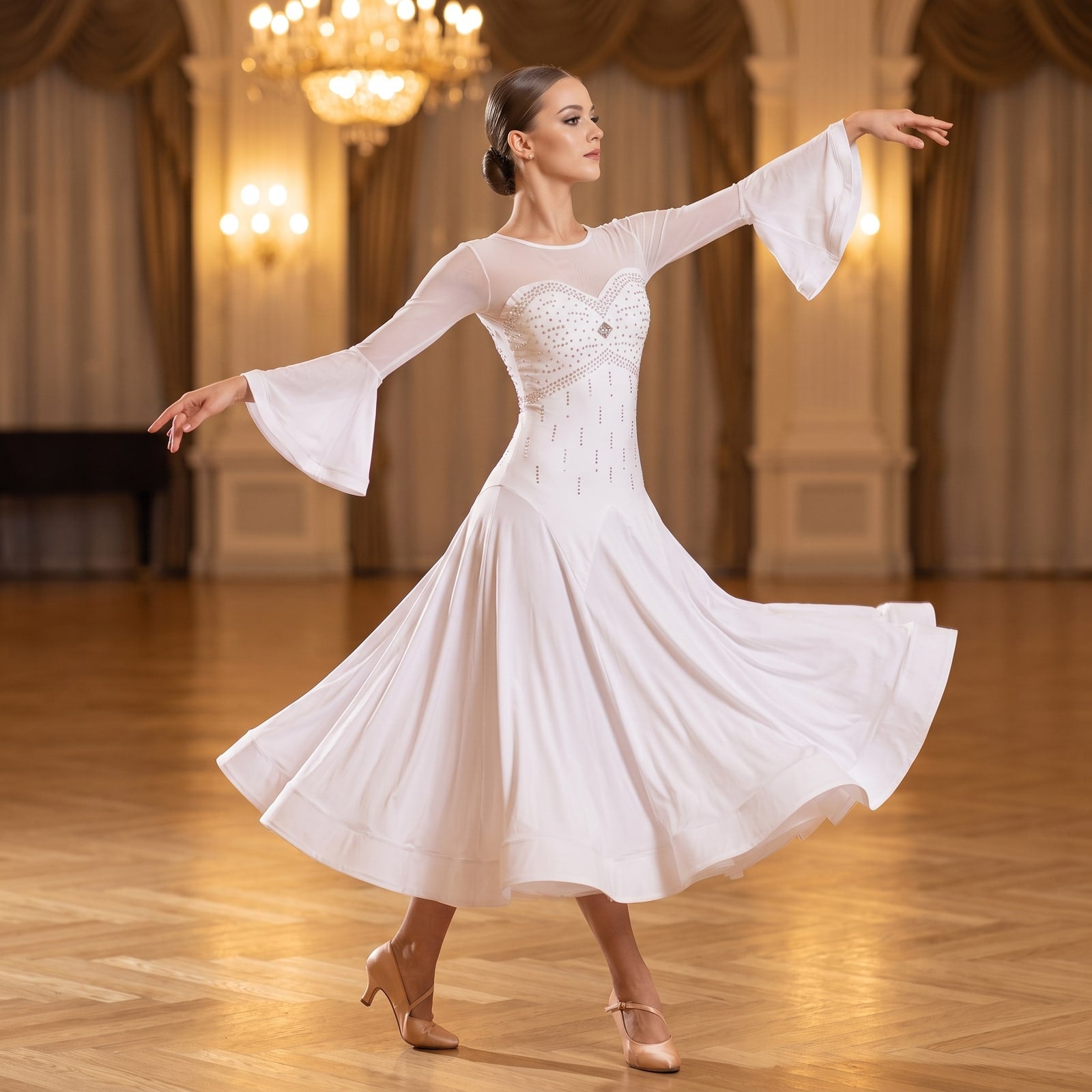
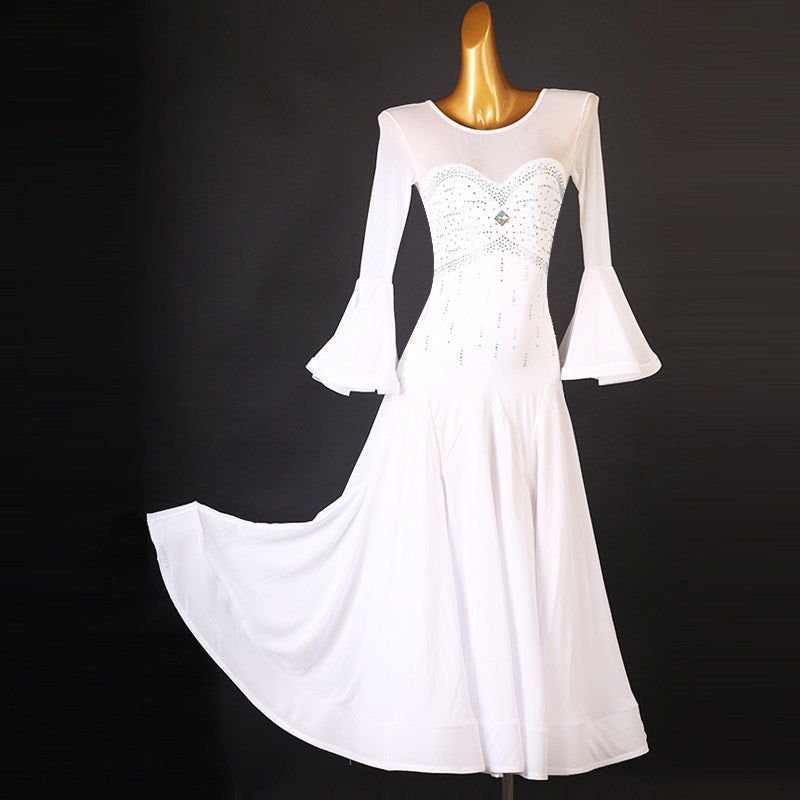
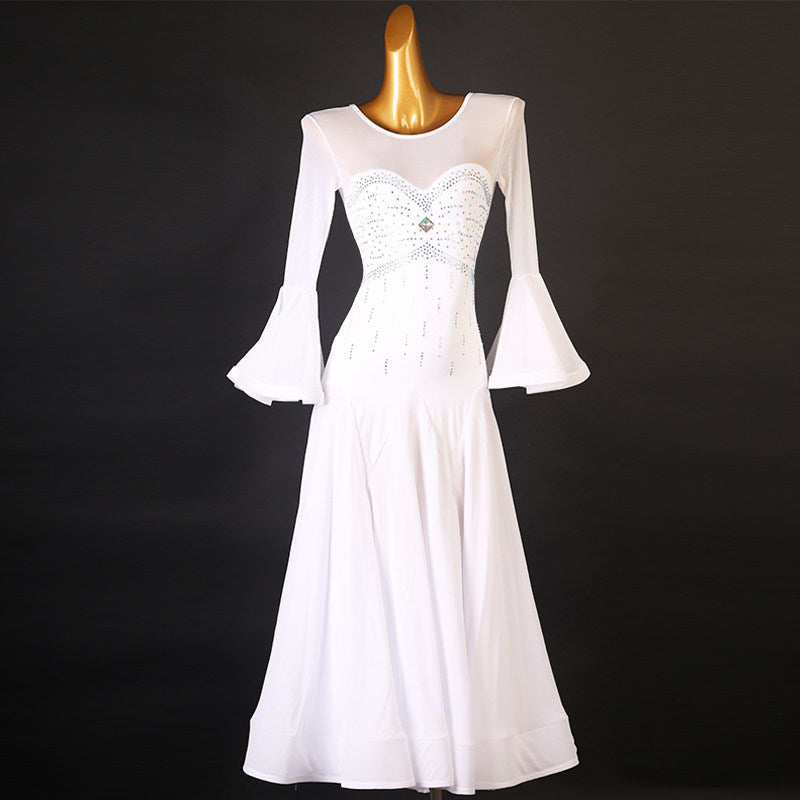
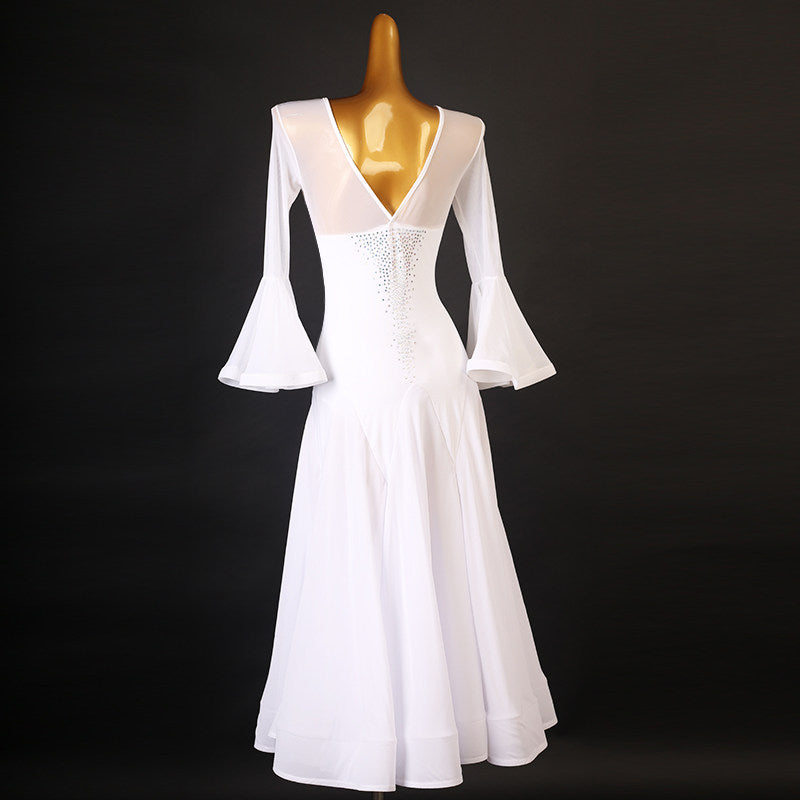
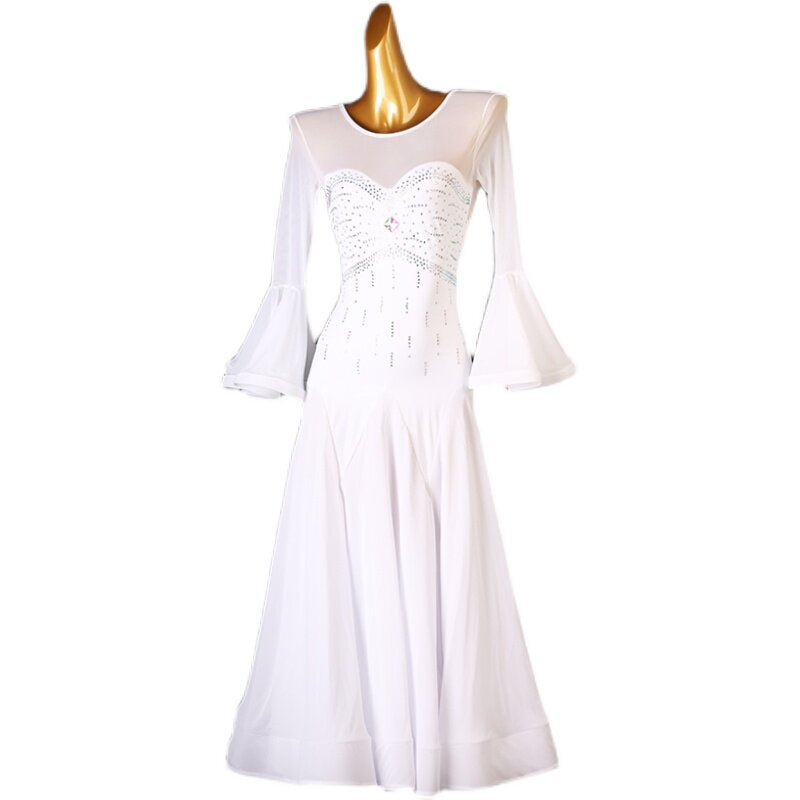
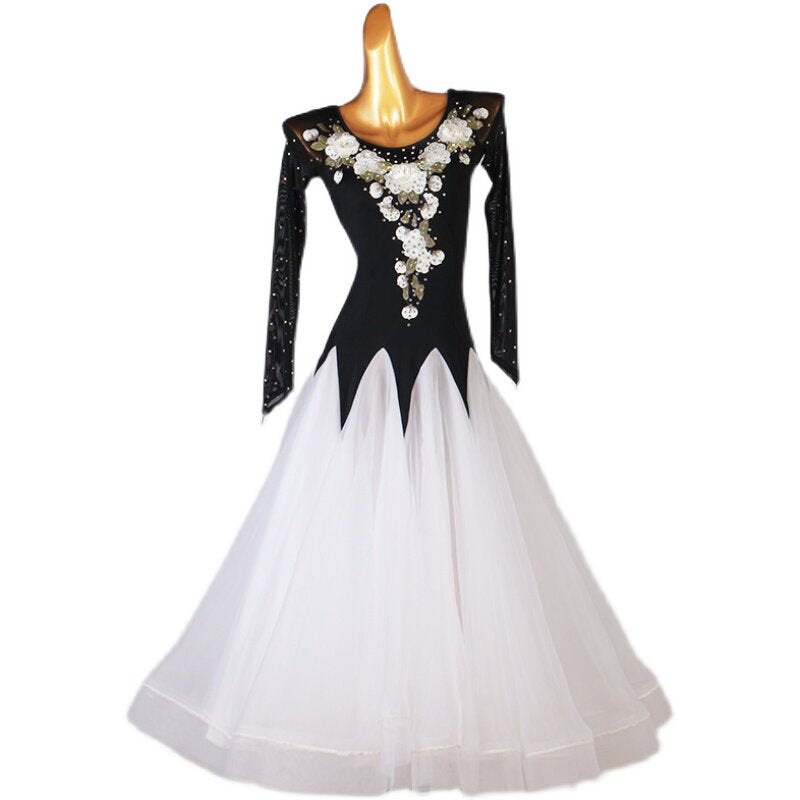
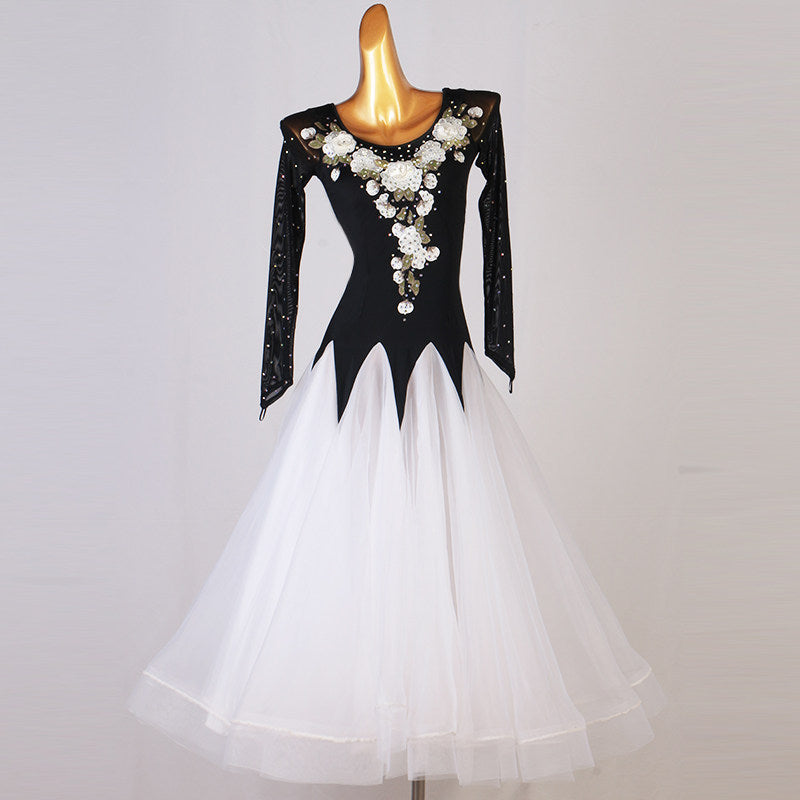
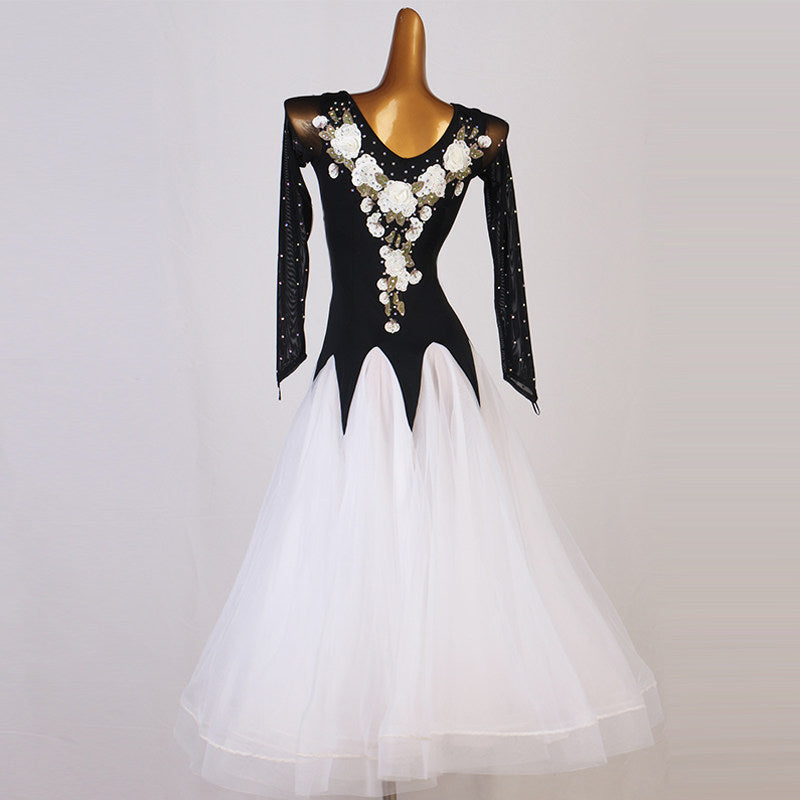
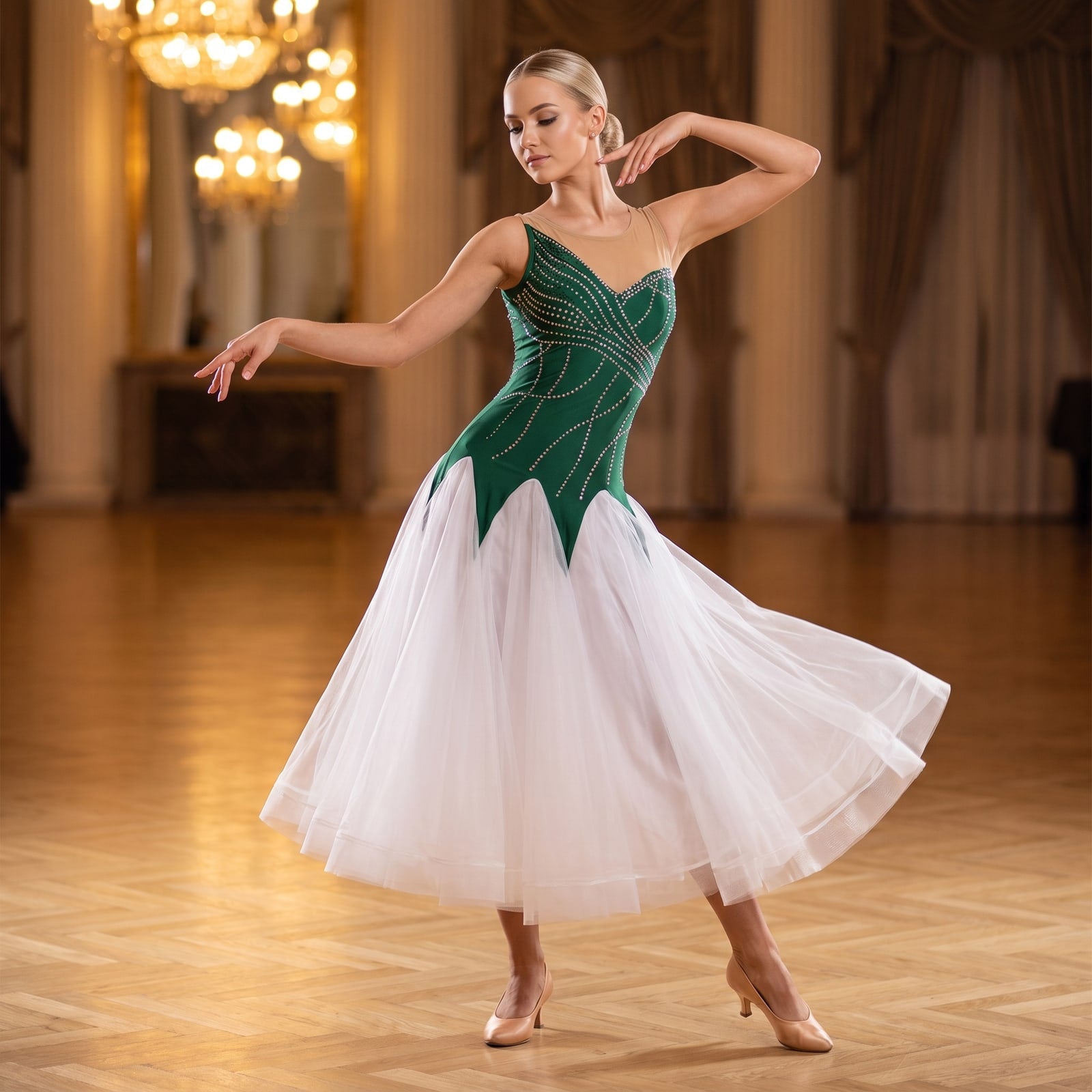
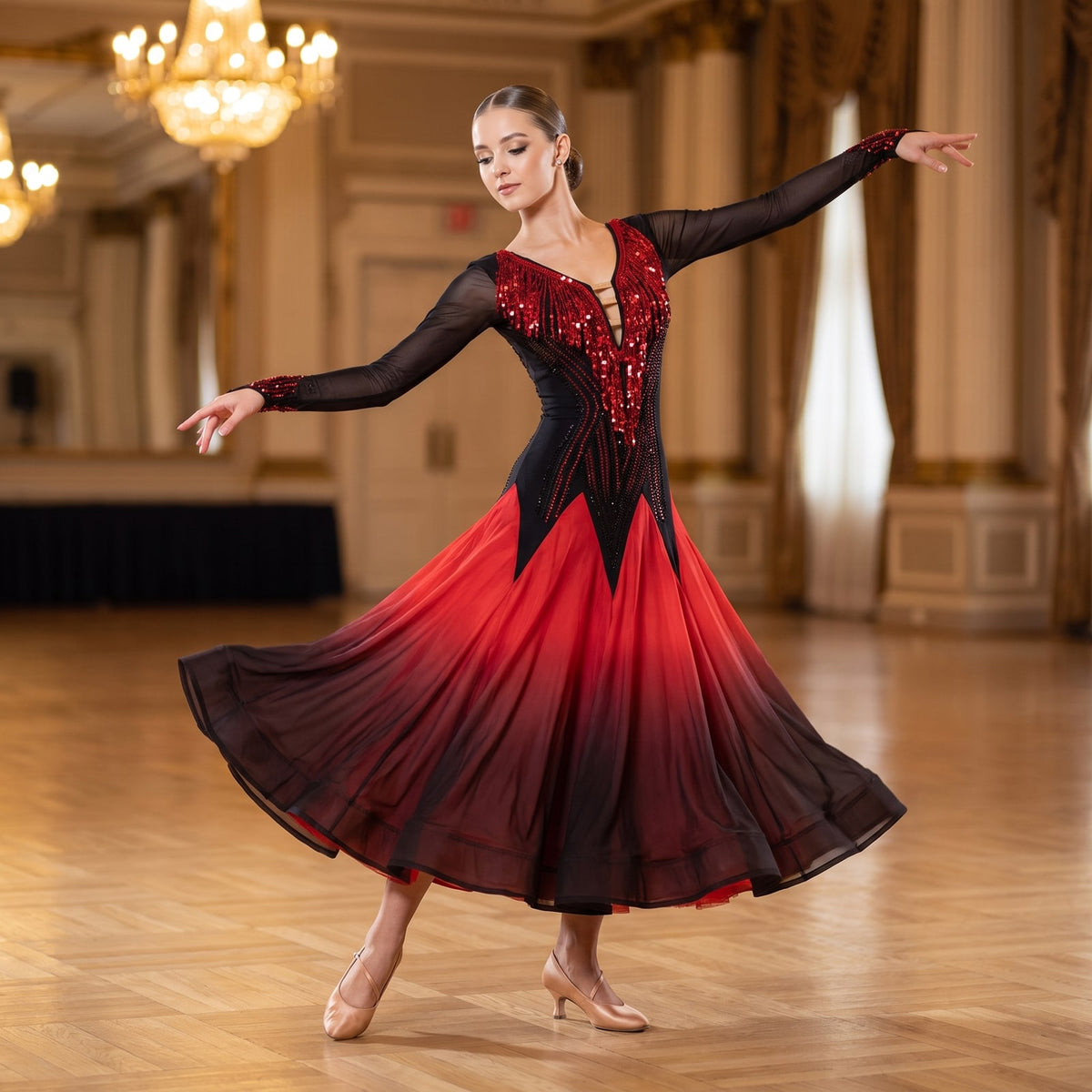
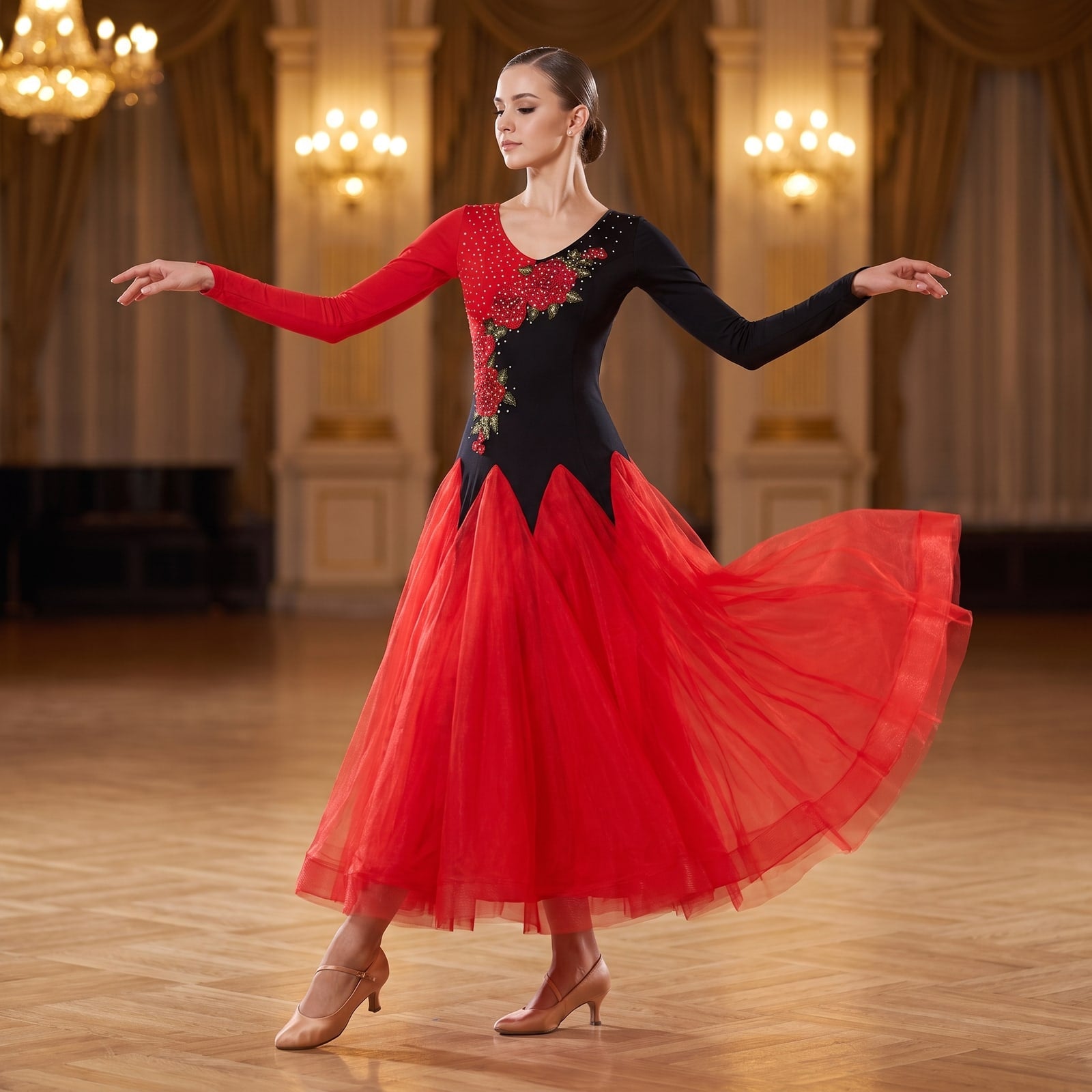
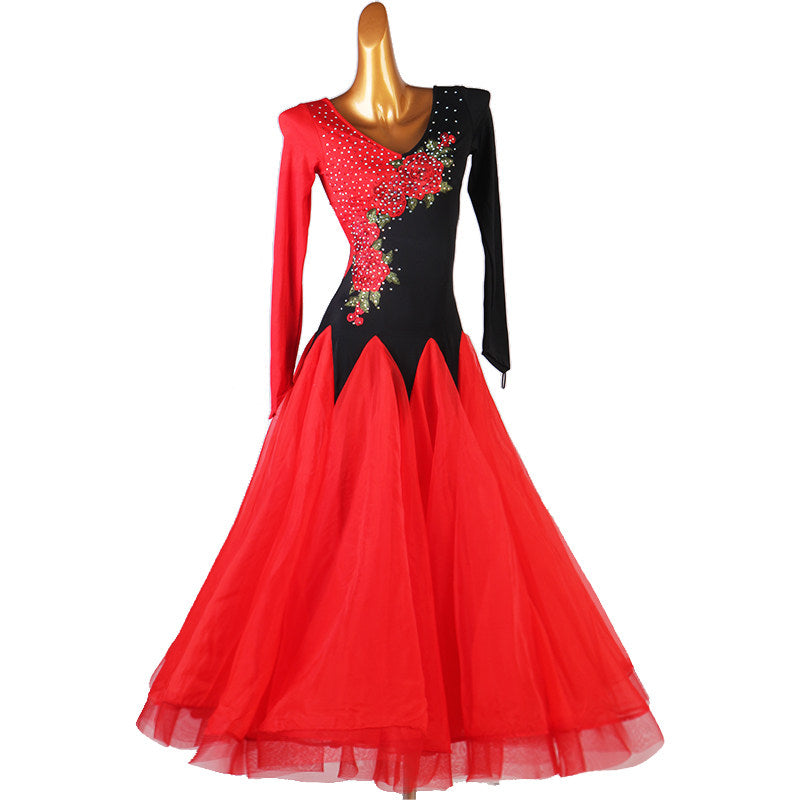
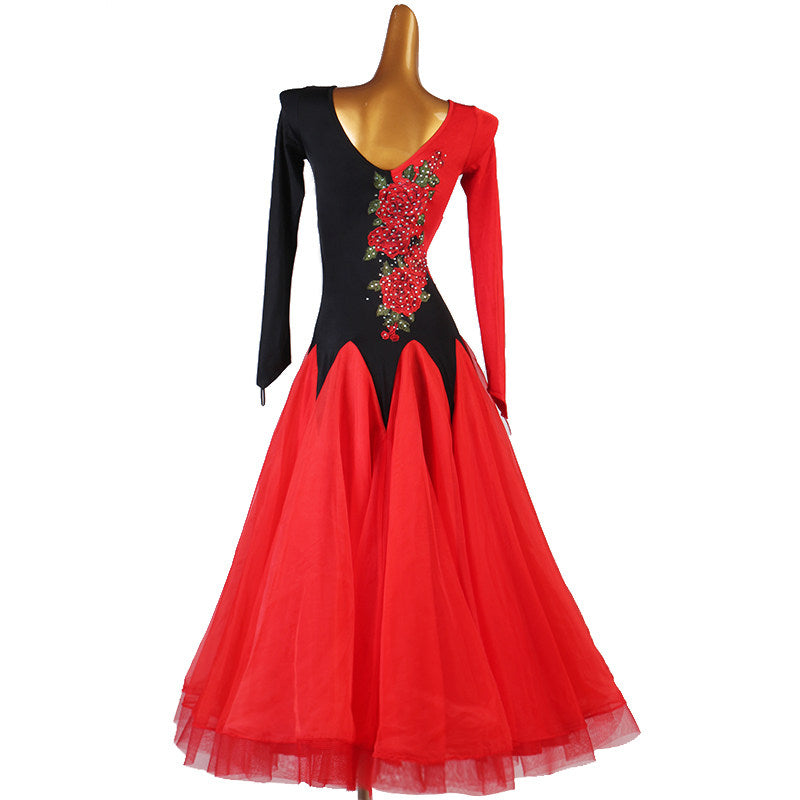
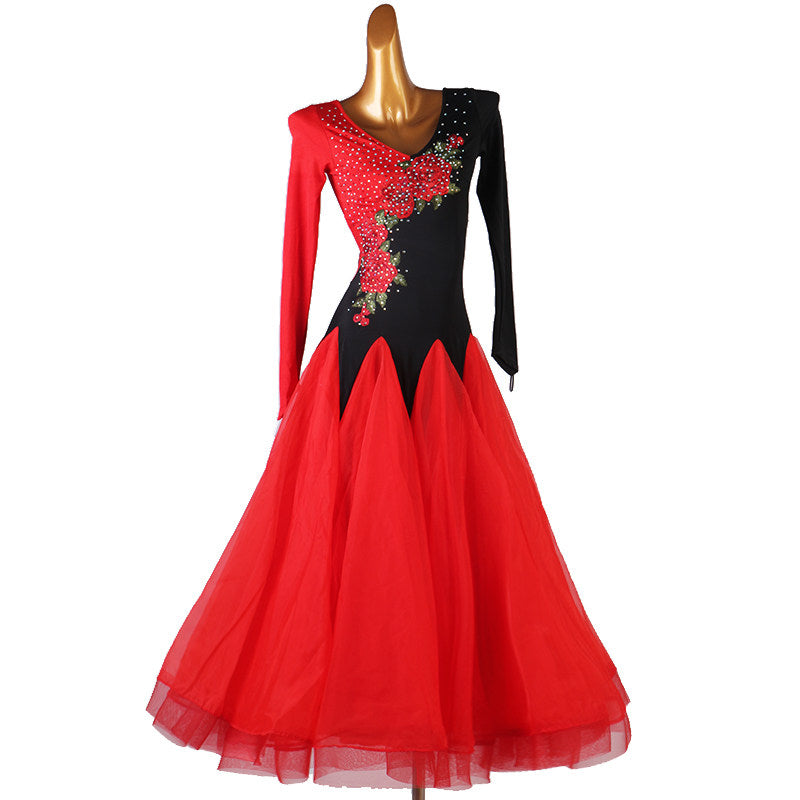
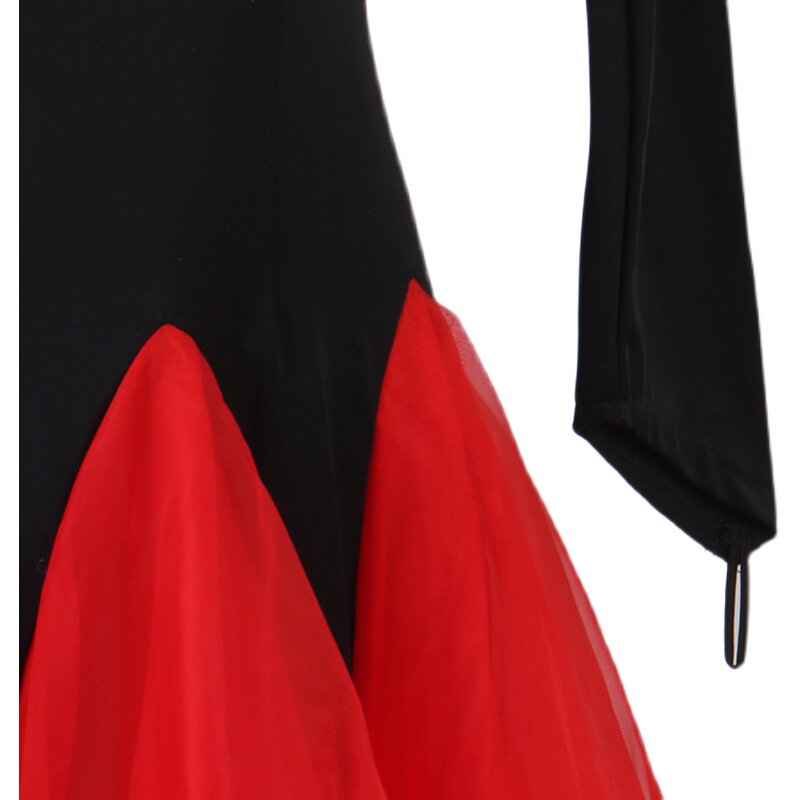
The difference is not decoration — it is construction. A practice dress is built to survive a hundred hours in a studio: simple lines, washable fabric, nothing that catches on a partner's arm. A competition dress is built to be read by a judge who has six couples on the floor and about four seconds to look at yours. That changes almost every decision. The skirt carries far more fabric so the sway of a natural turn actually shows from the balcony. The bodice is boned or heavily lined so the line of your back stays clean when your partner's hand is on it. Floats, streamers and godets get added specifically to make direction change visible. None of that is useful in a studio, and all of it matters in a round.
Standard, Smooth and What Each Floor Expects
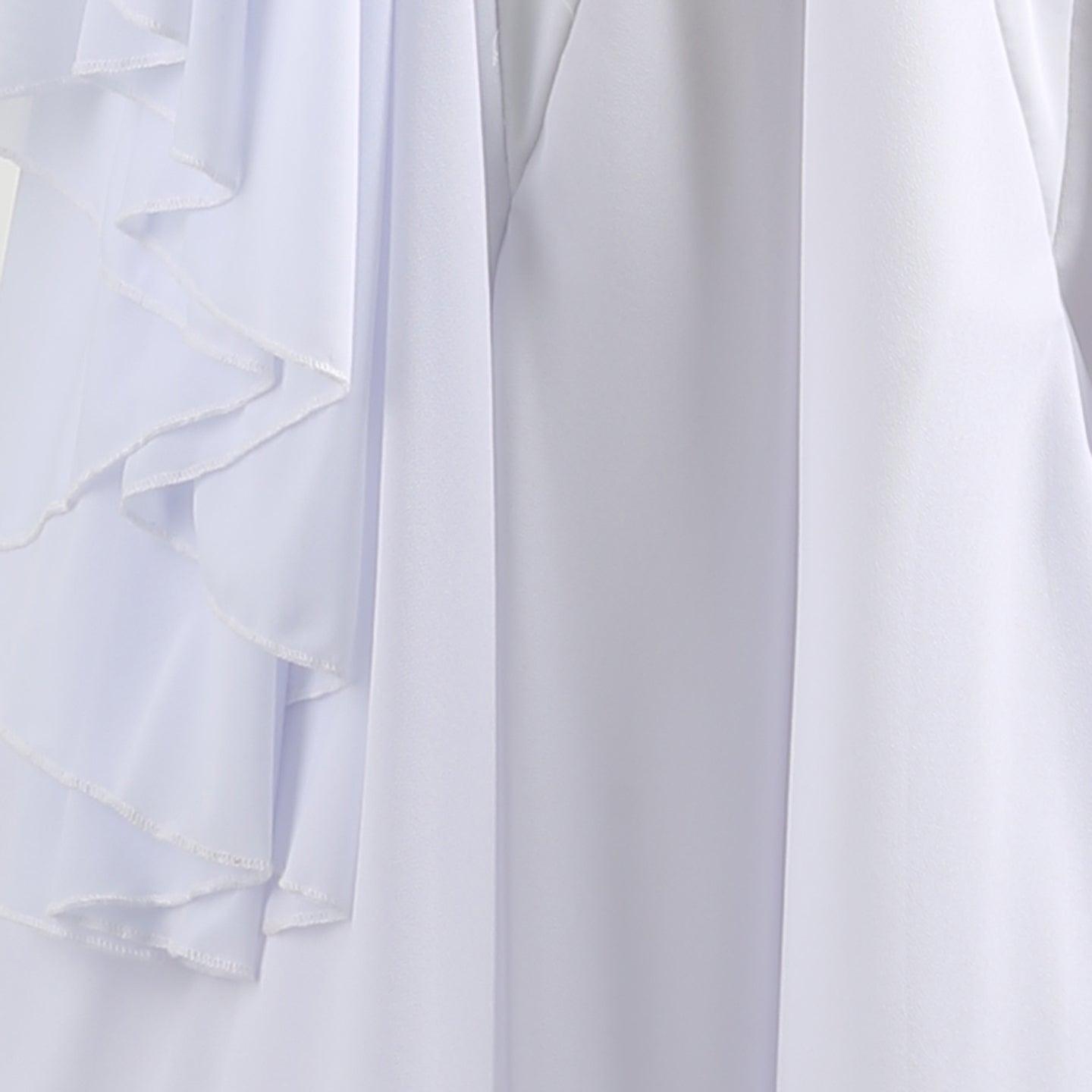
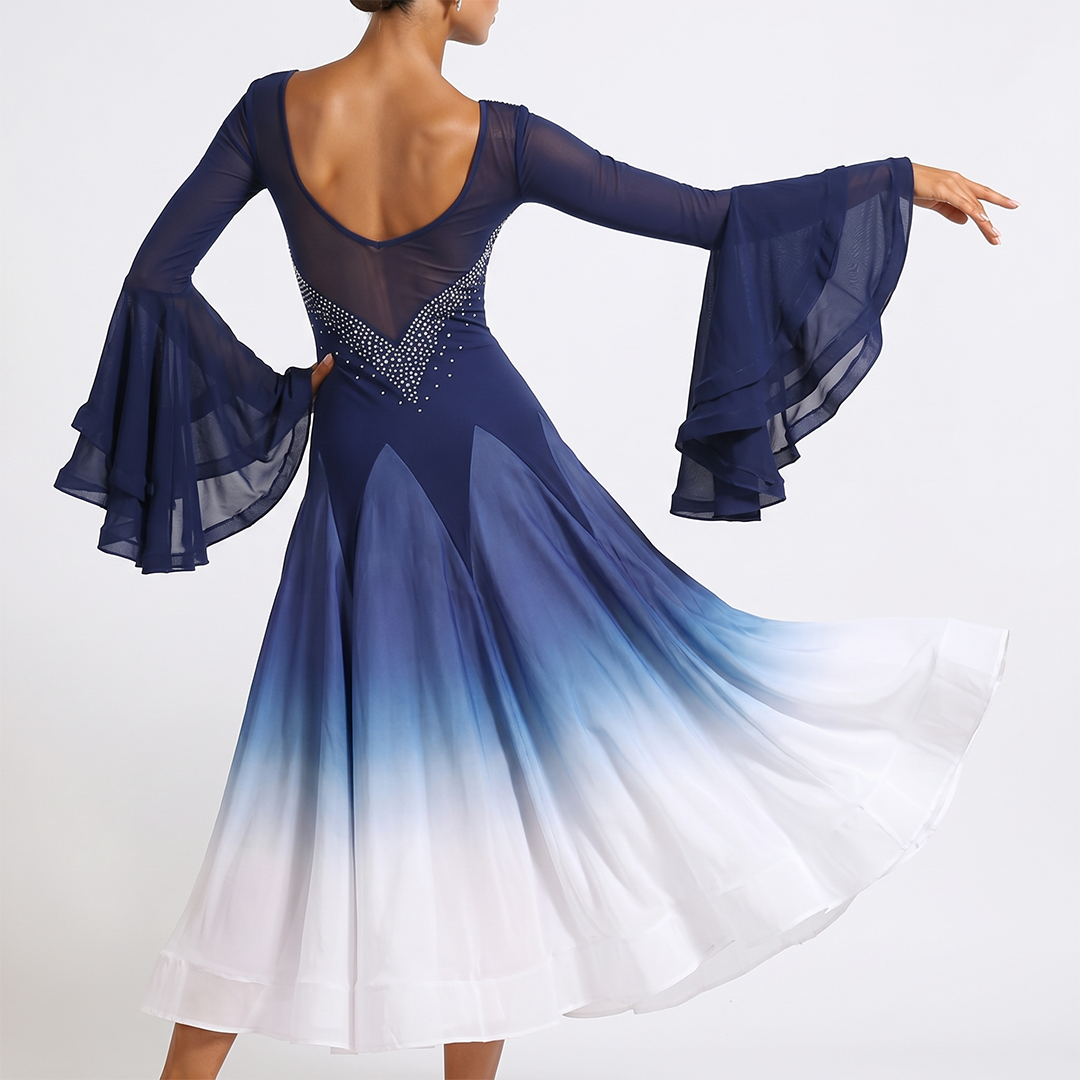
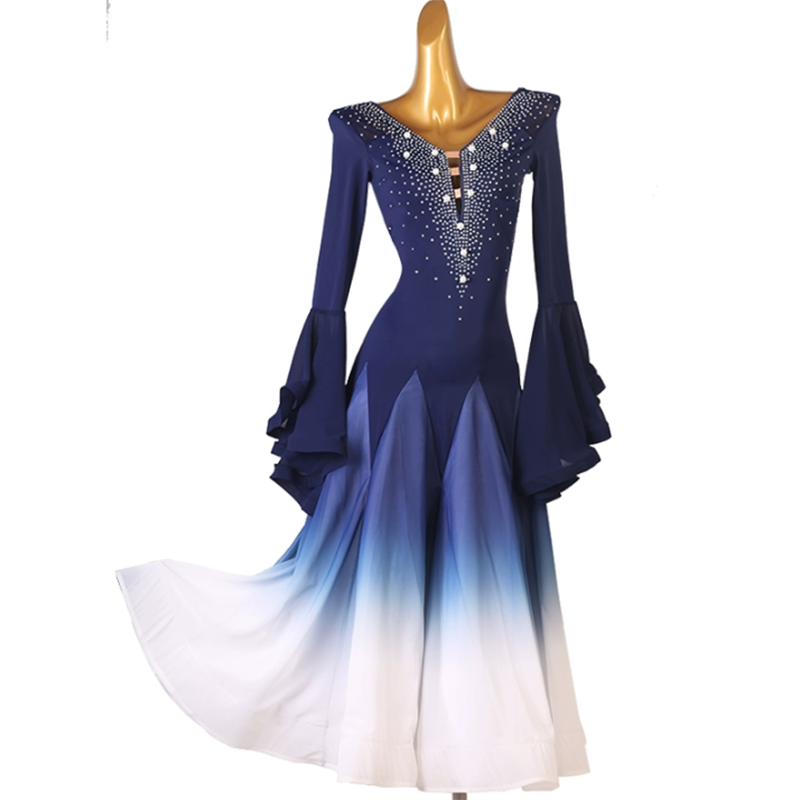
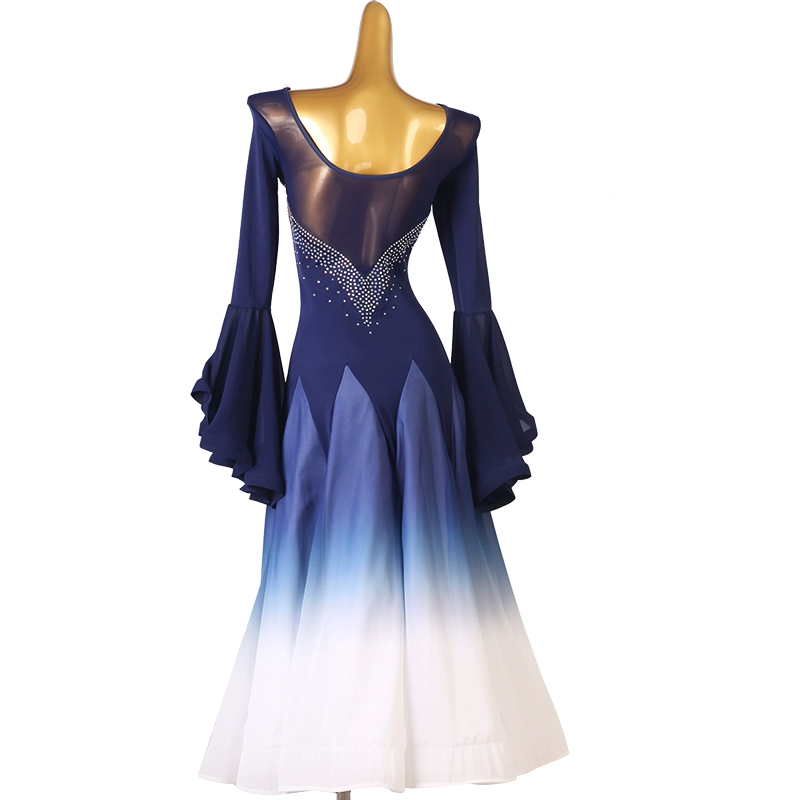
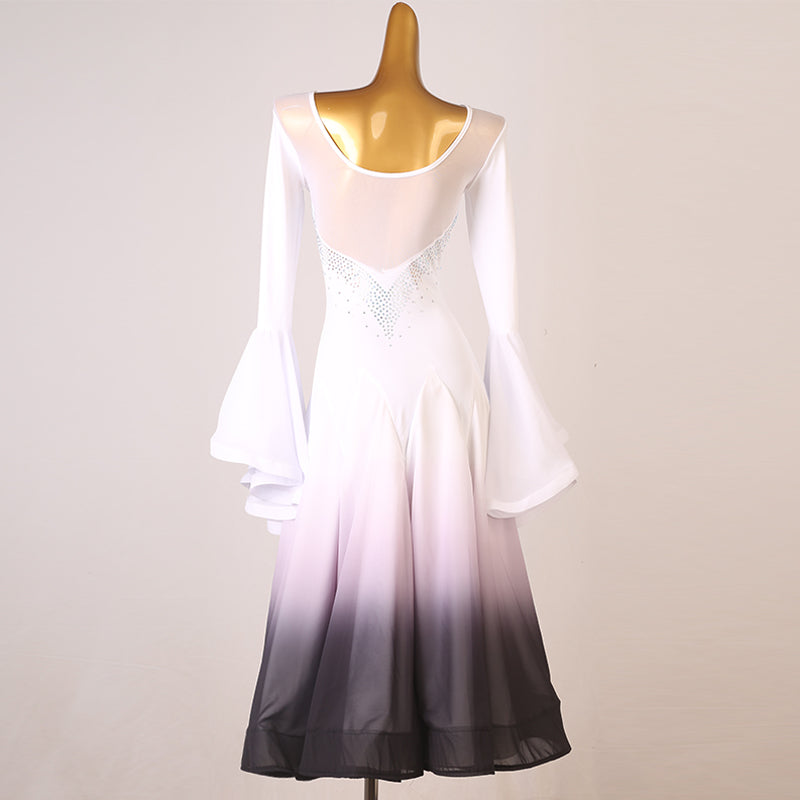
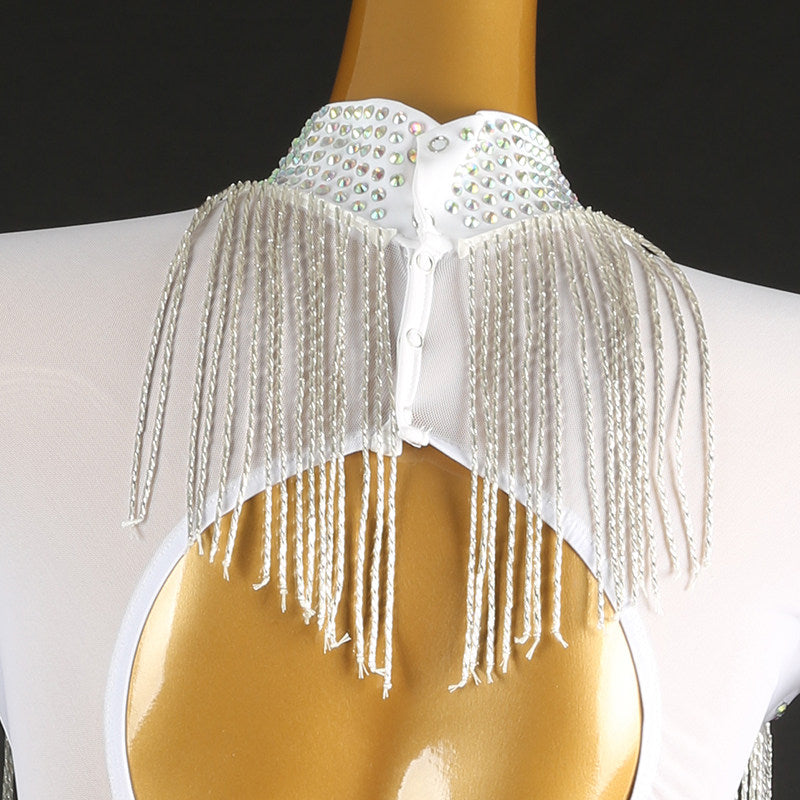
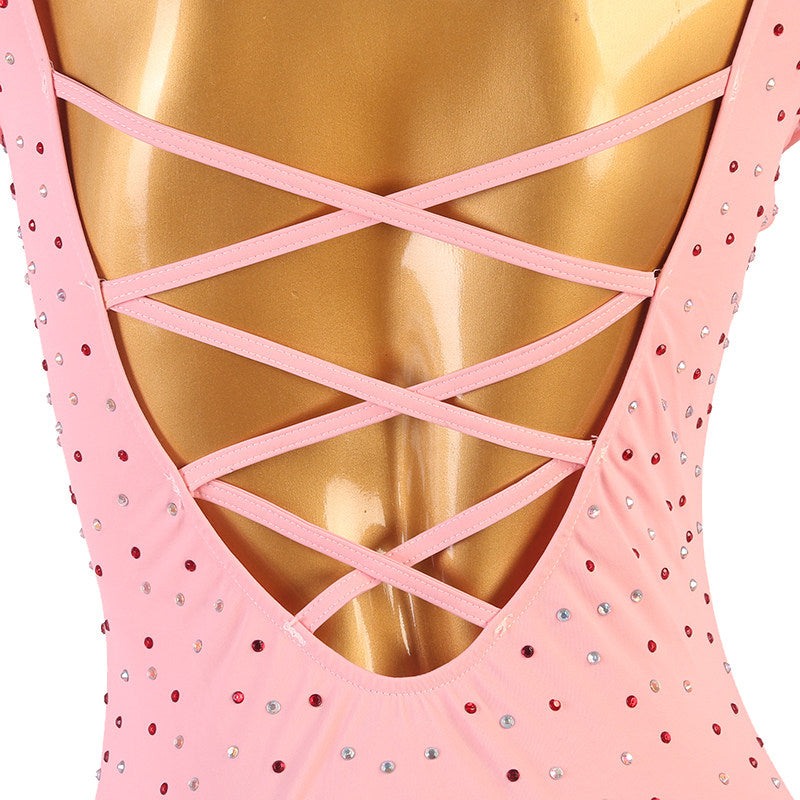
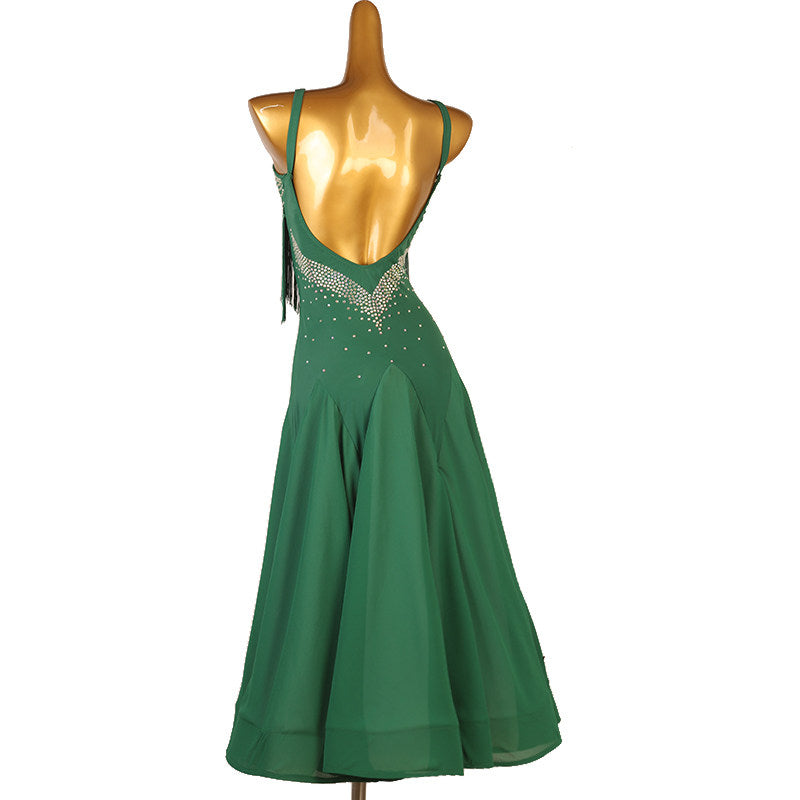
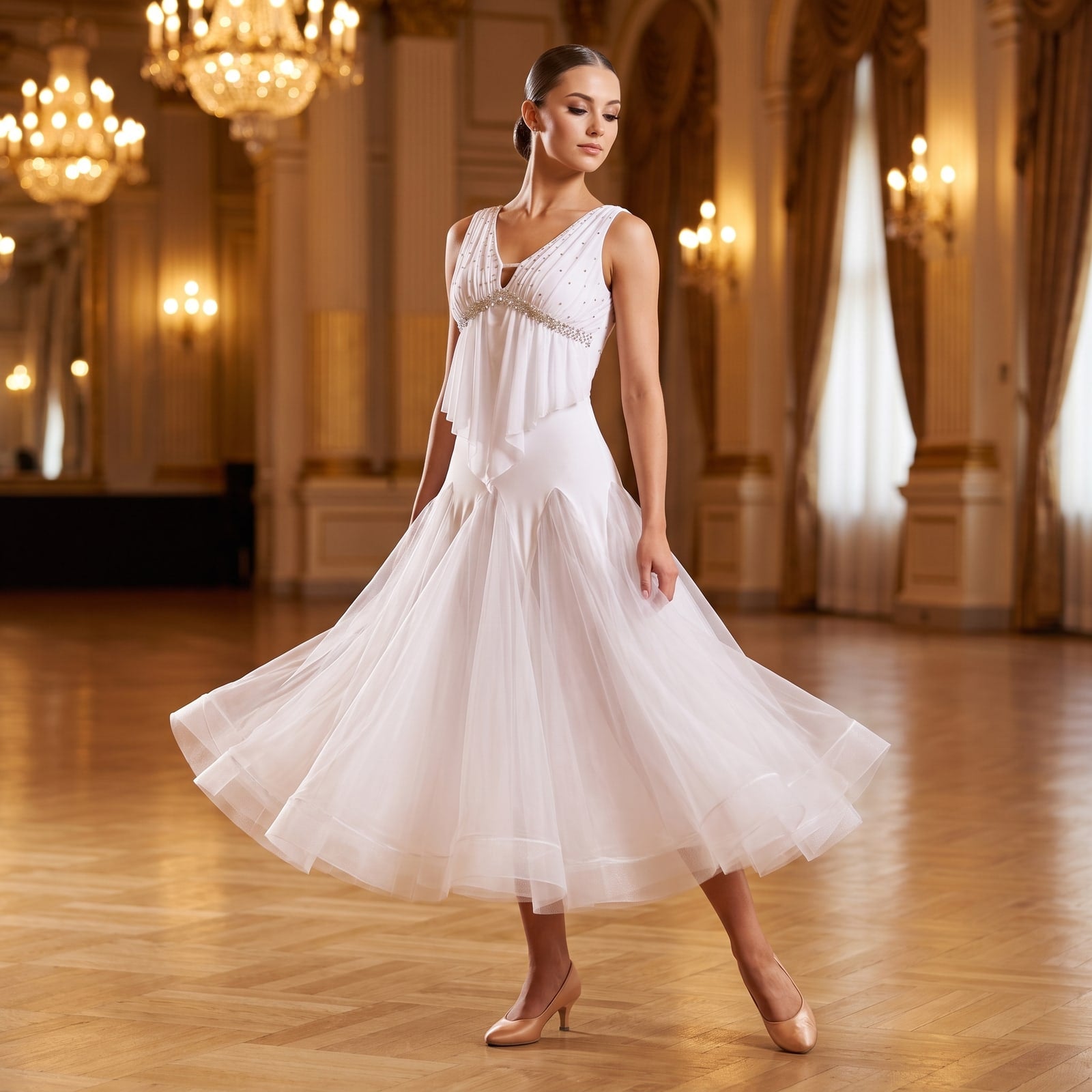
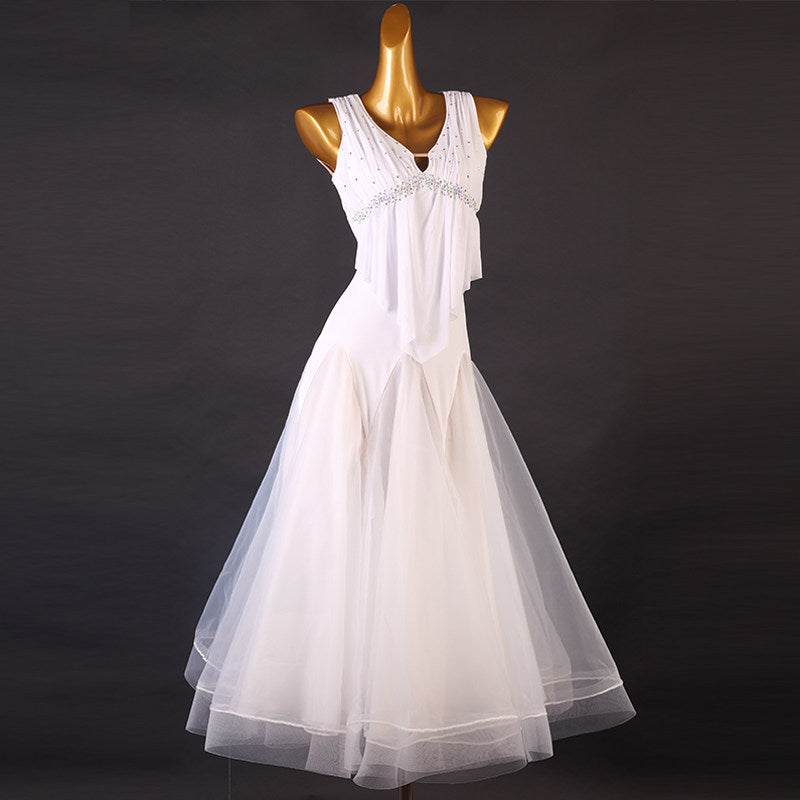
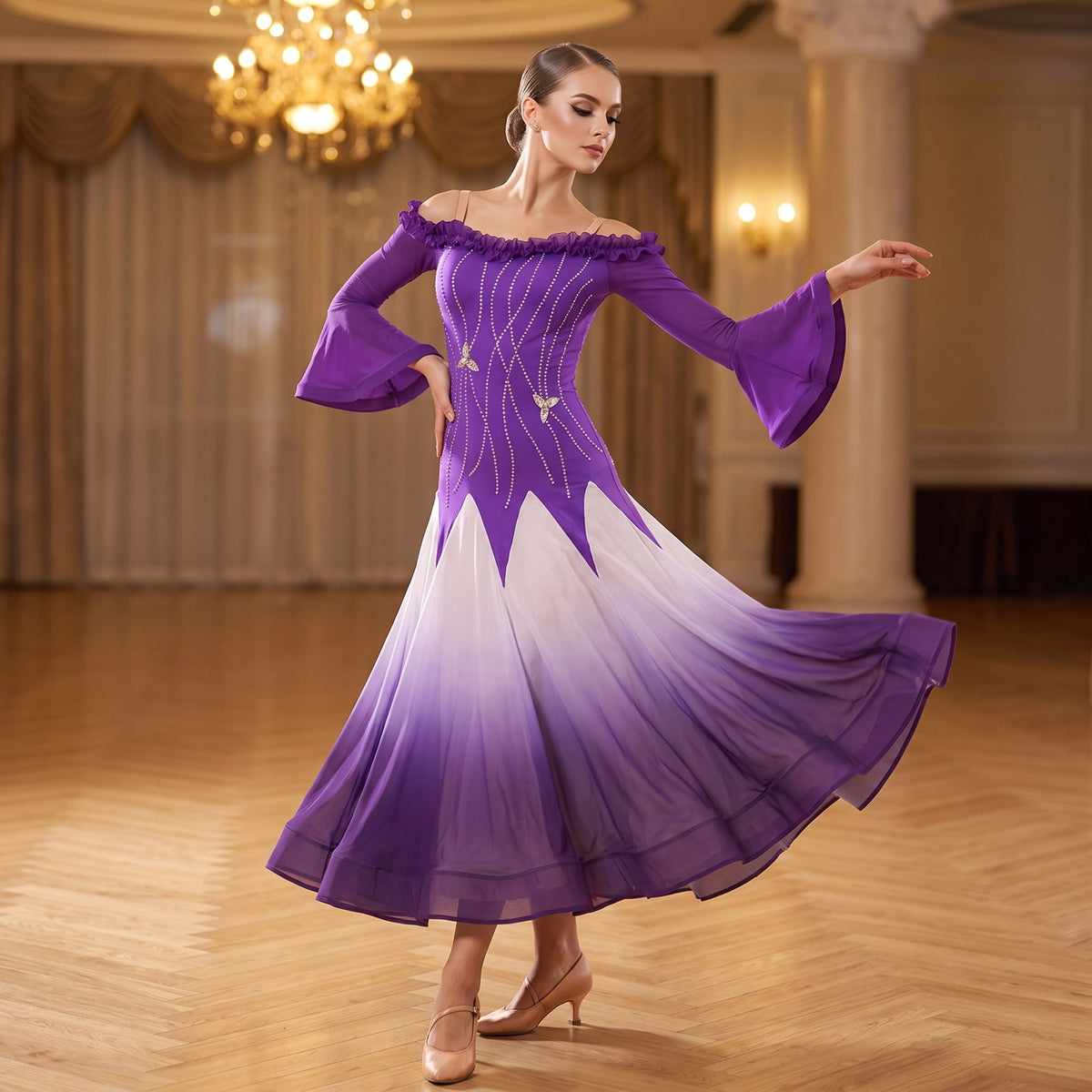
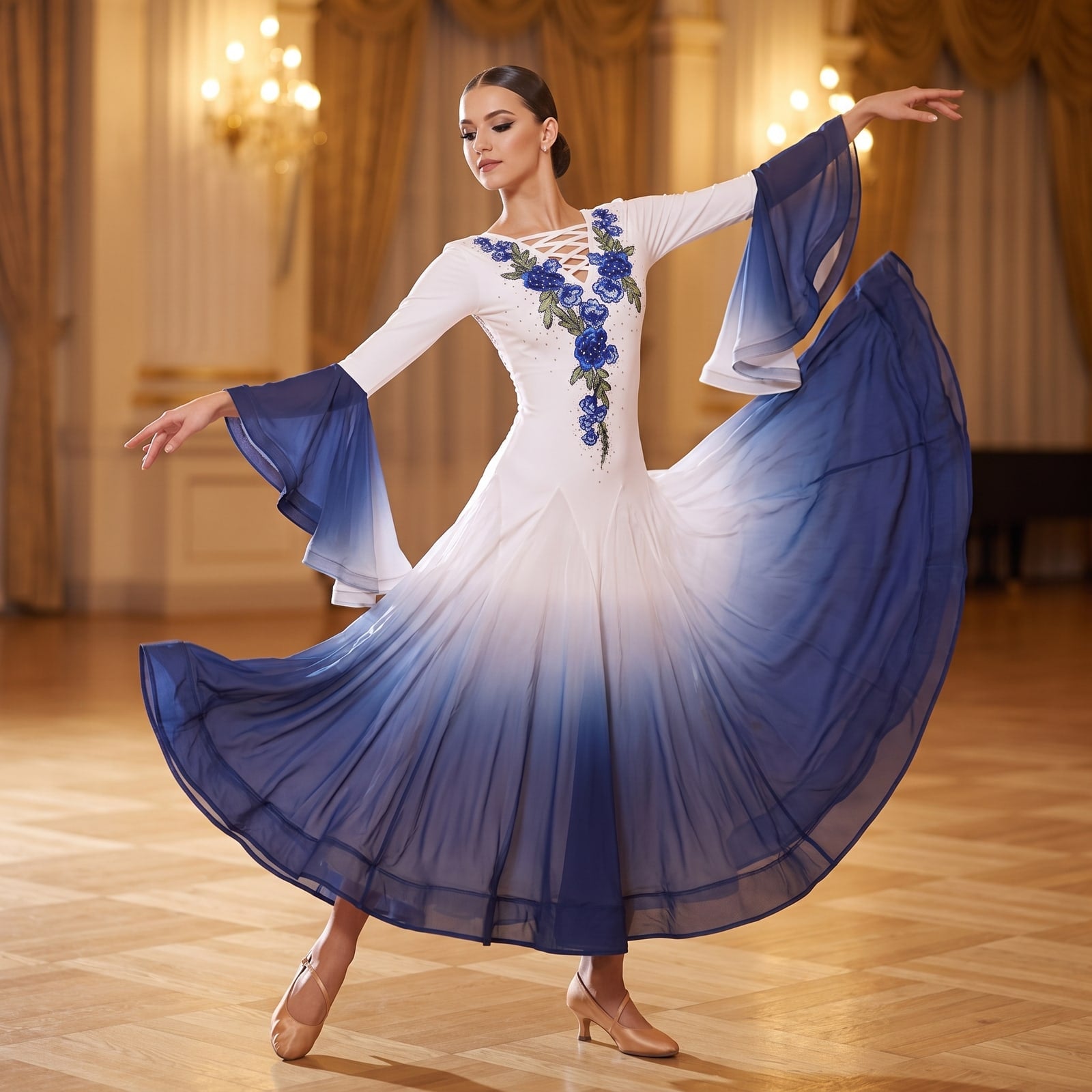
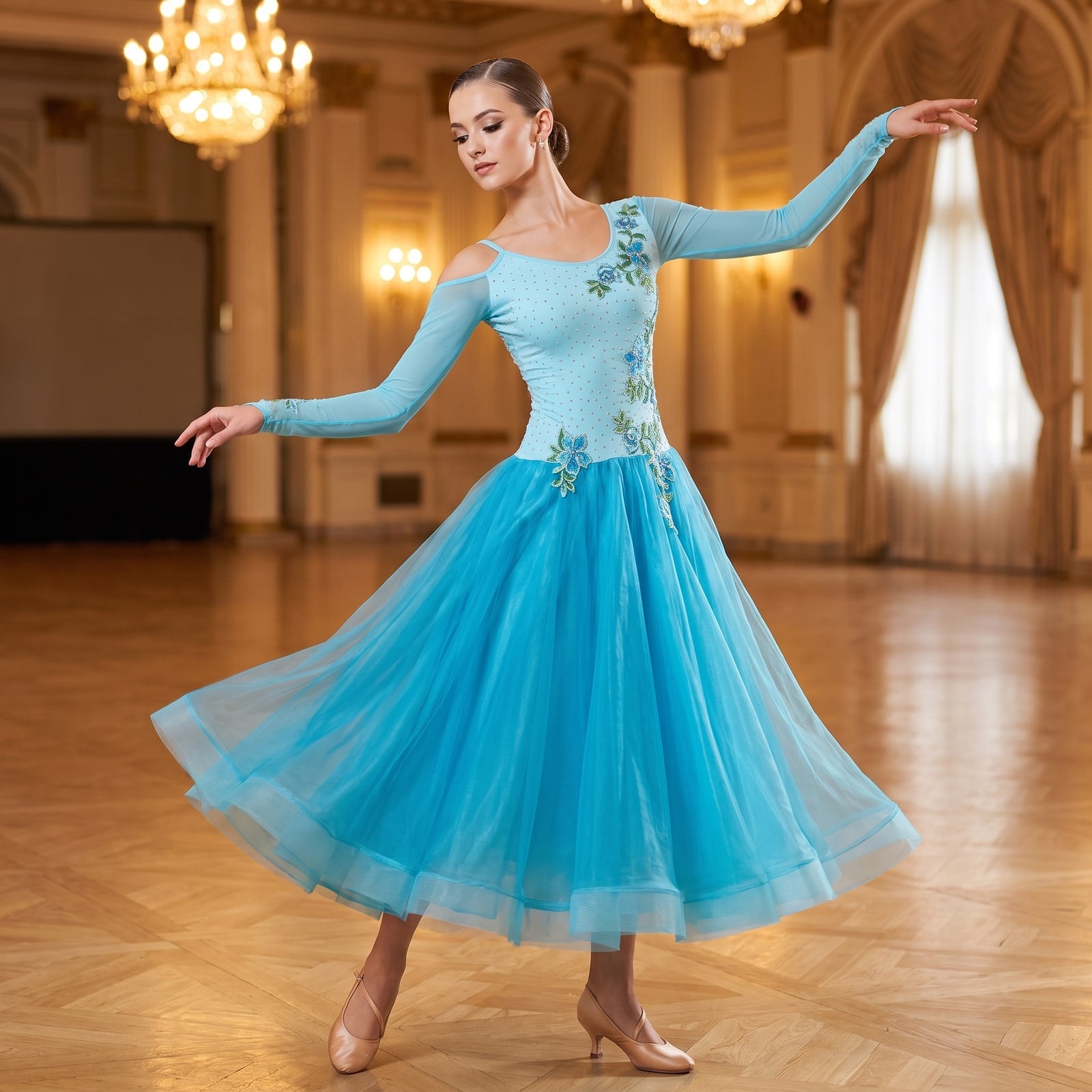
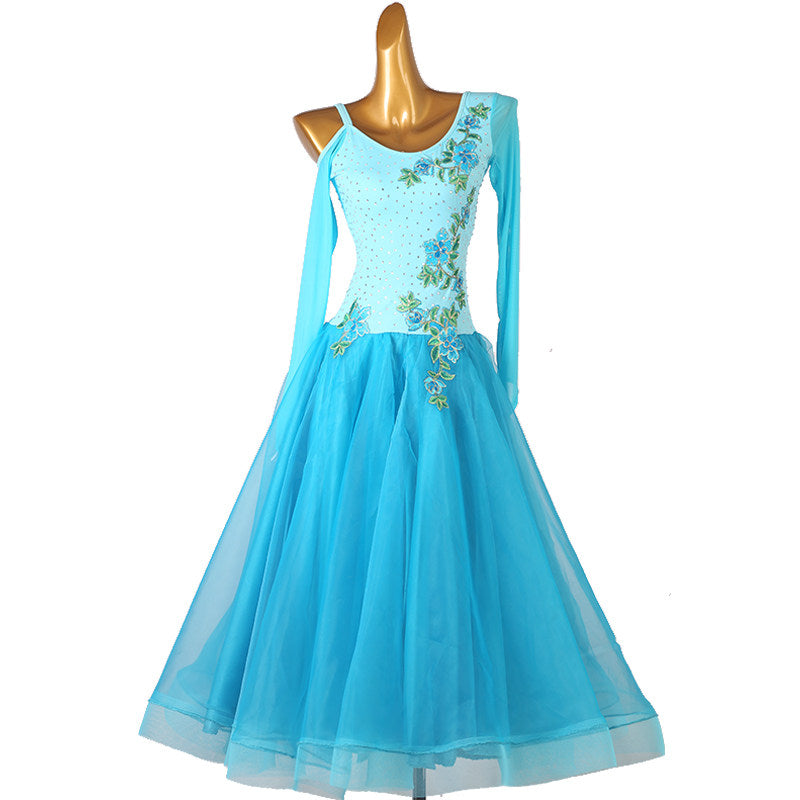
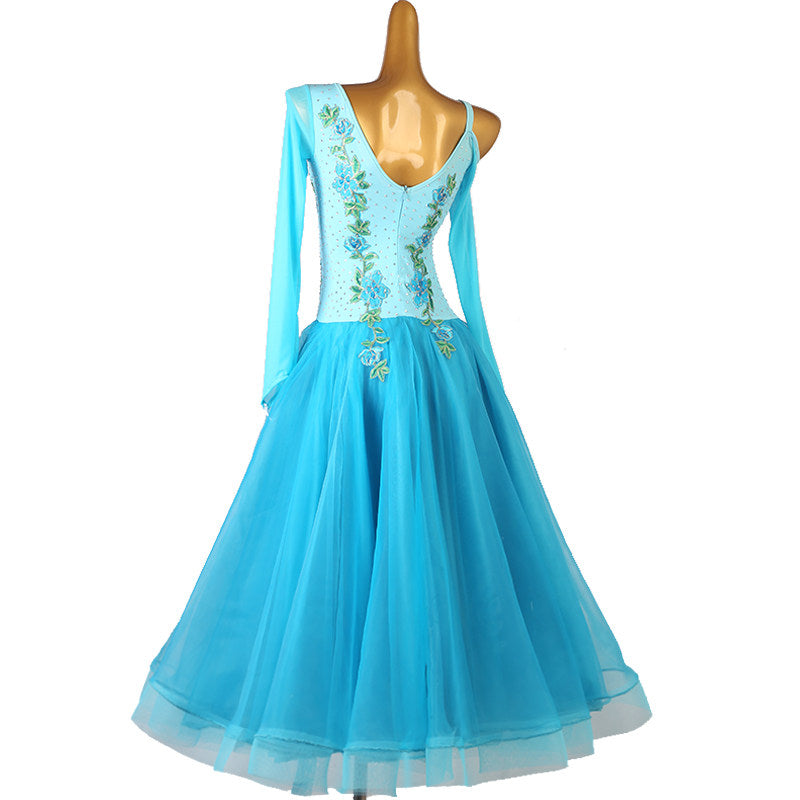
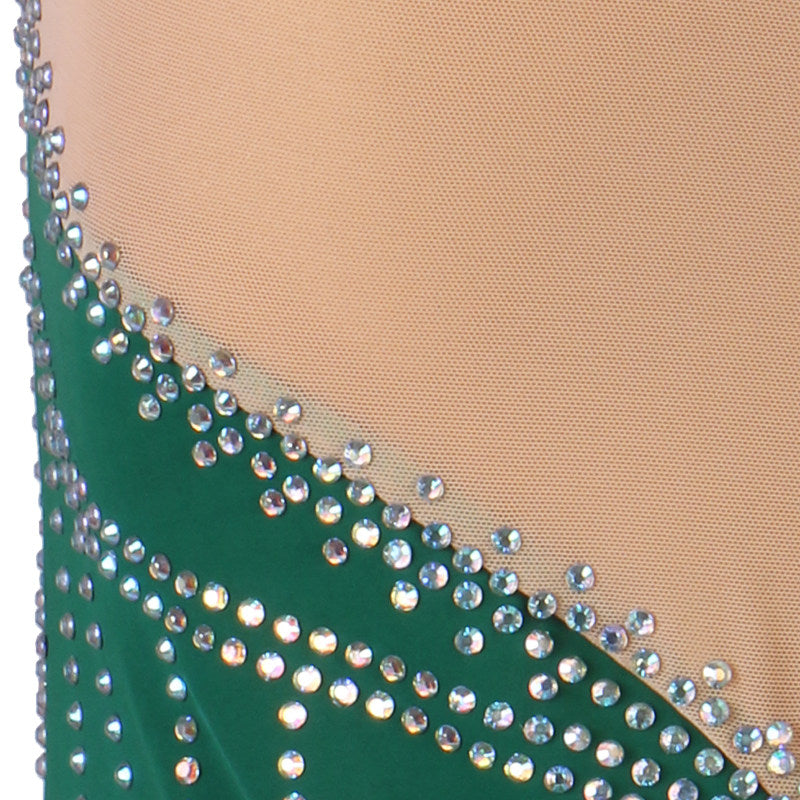
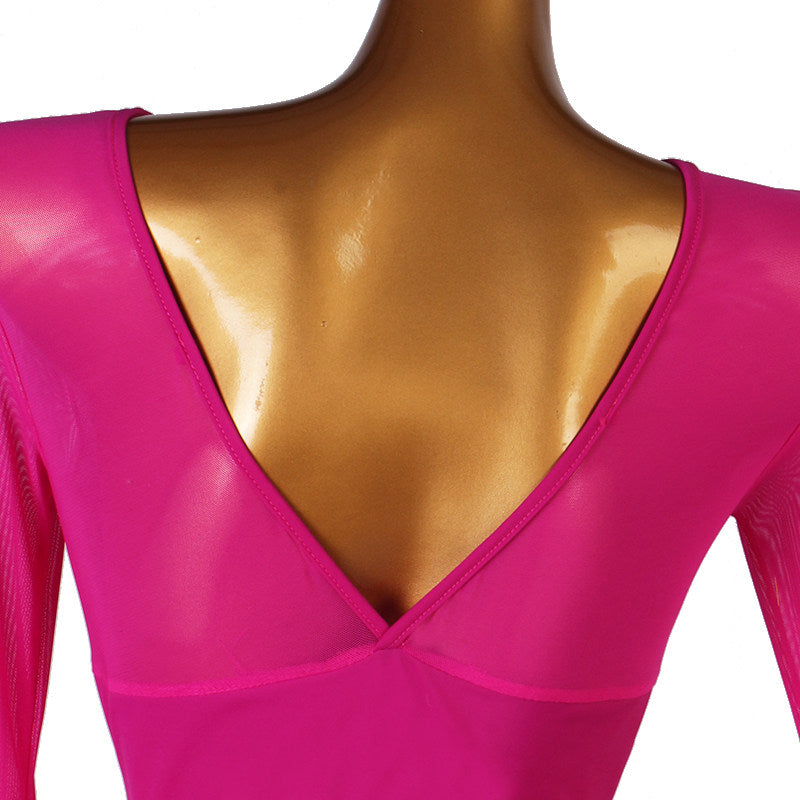
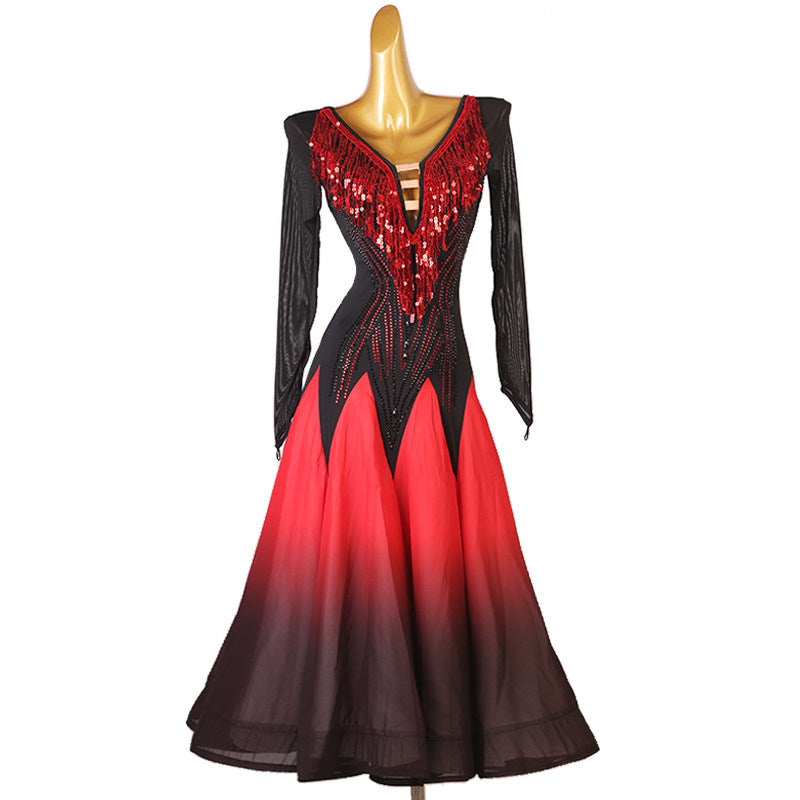
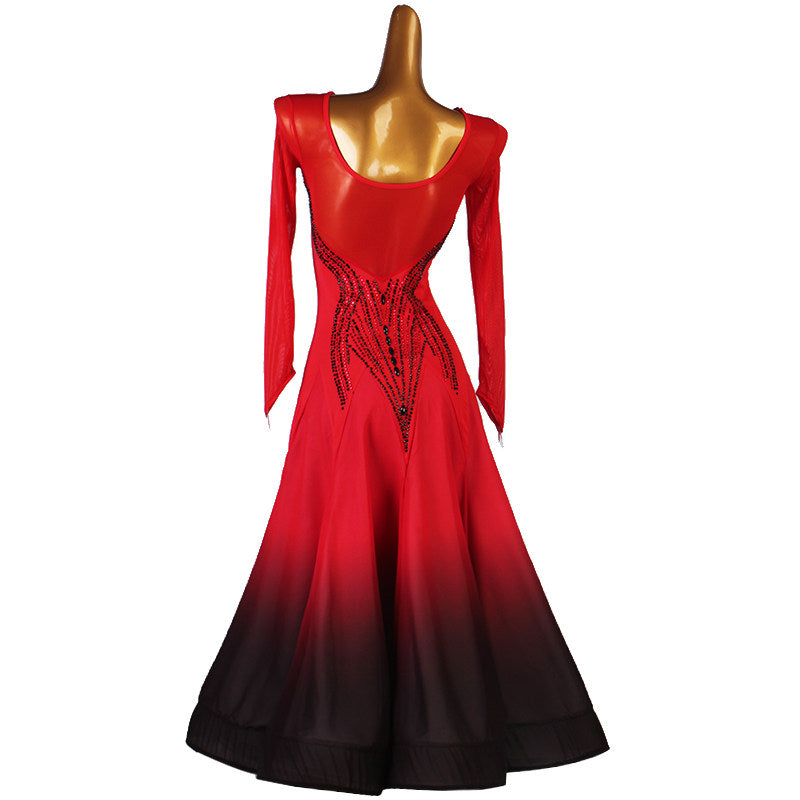
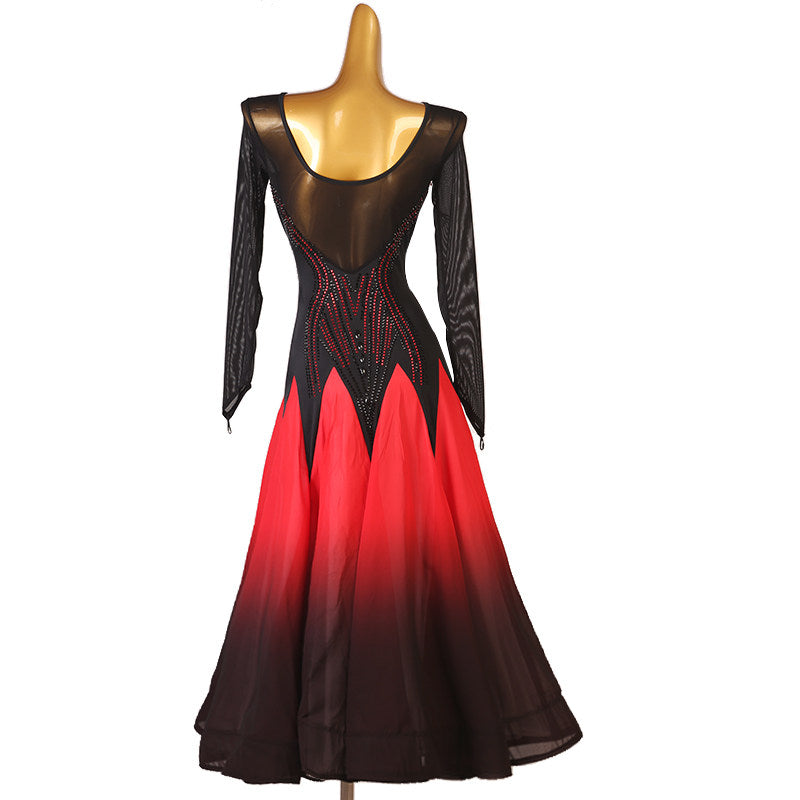
Ballroom splits into two families and they do not dress the same way. Standard — waltz, tango, Viennese waltz, foxtrot, quickstep — is danced in closed hold from the first bar to the last, so the dress is a full-length gown with a wide, weighted hem and usually floats at the arm or shoulder. Coverage is expected; the drama comes from the skirt. Smooth is the American style, and because partners break apart and come back together, the dresses go lighter and more open: cut-away backs, illusion mesh, hems with more freedom to swirl on a solo turn. If you dance both, buy the Standard gown first — it is the more restrictive of the two dress codes, and a Standard dress rarely looks wrong on a Smooth floor.
Colour, Stones and Being Seen from the Balcony
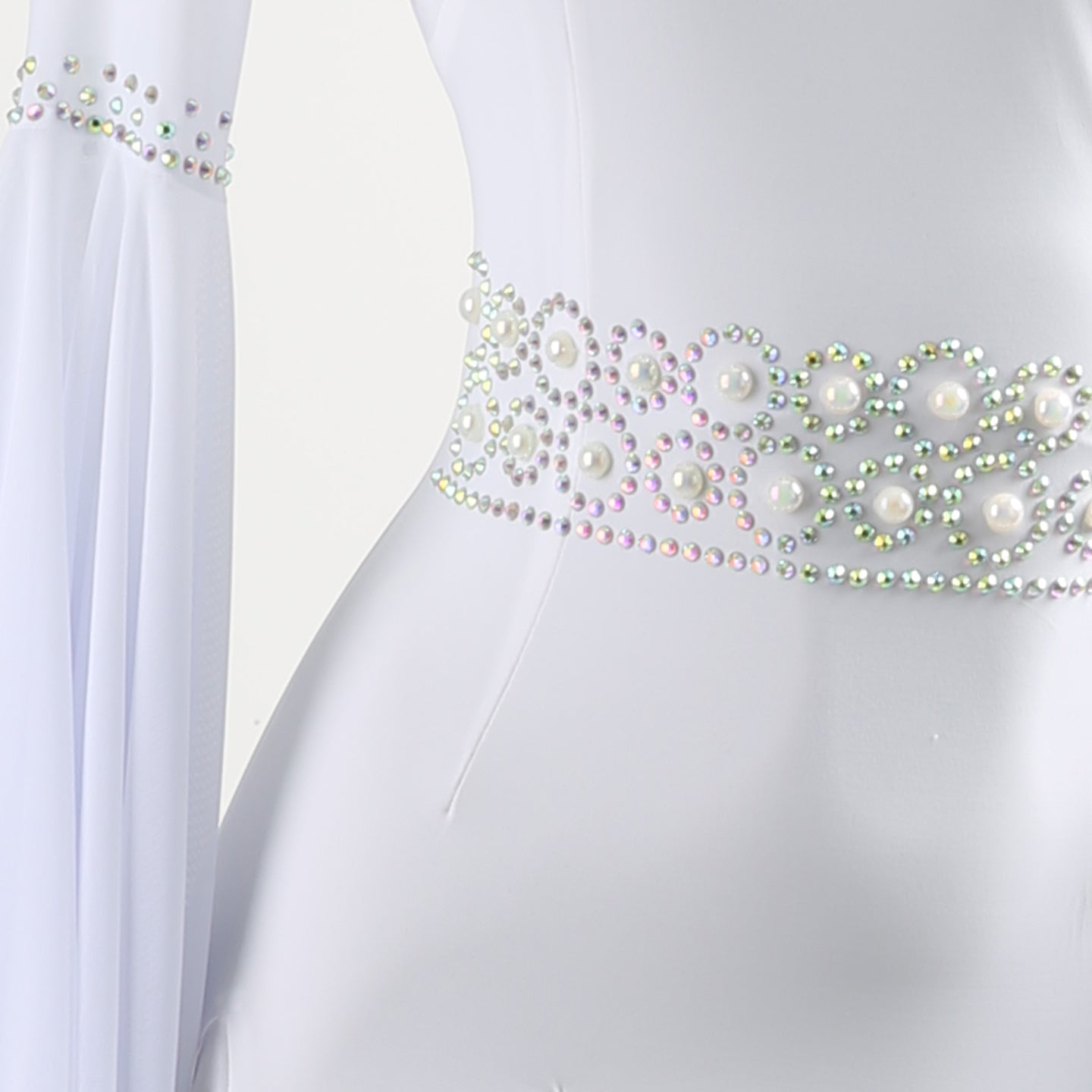
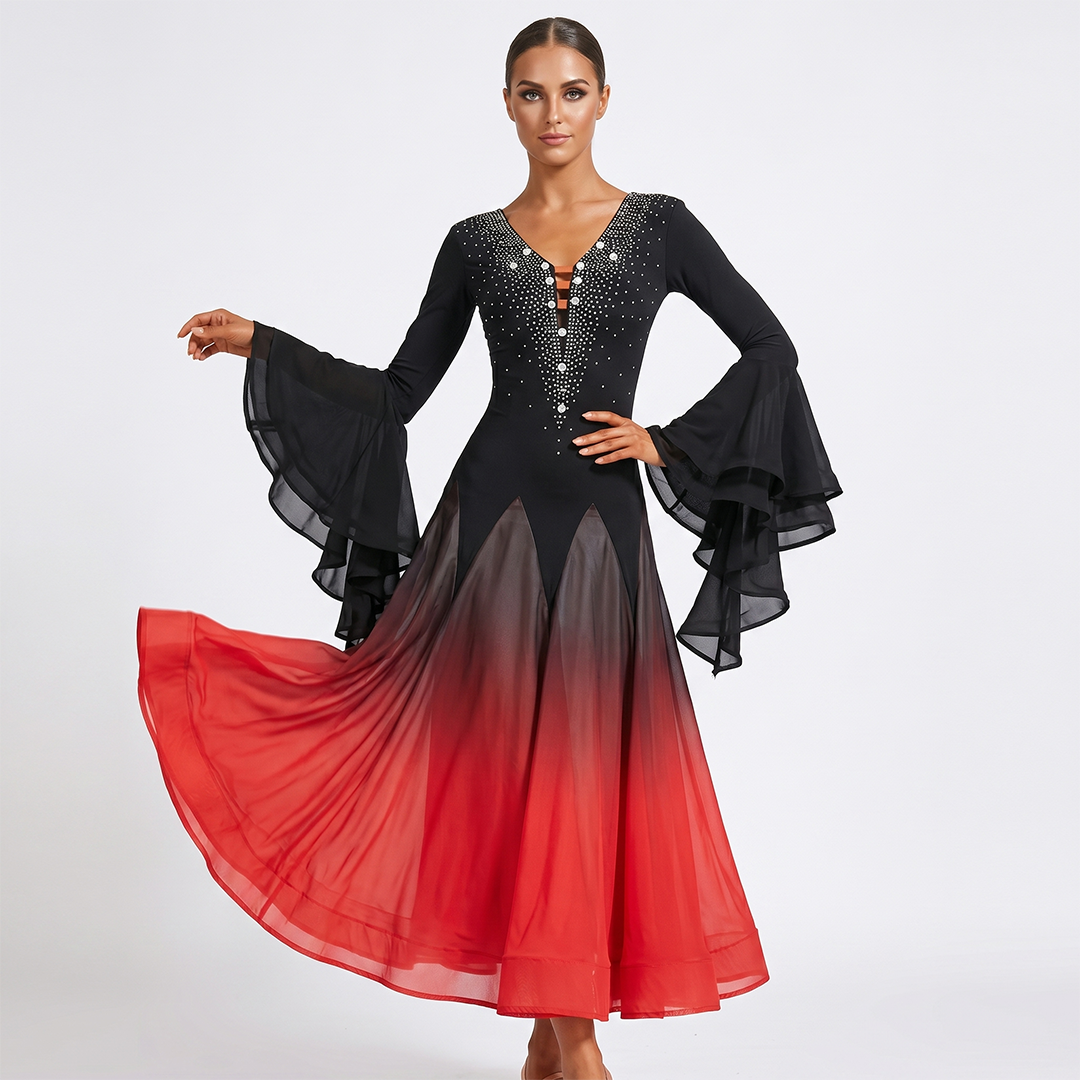
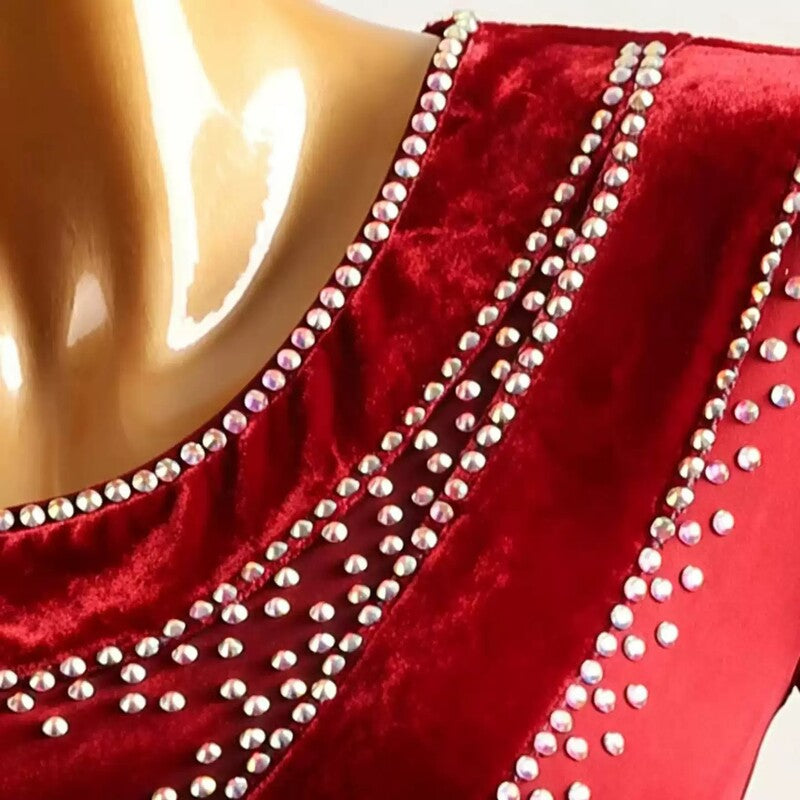
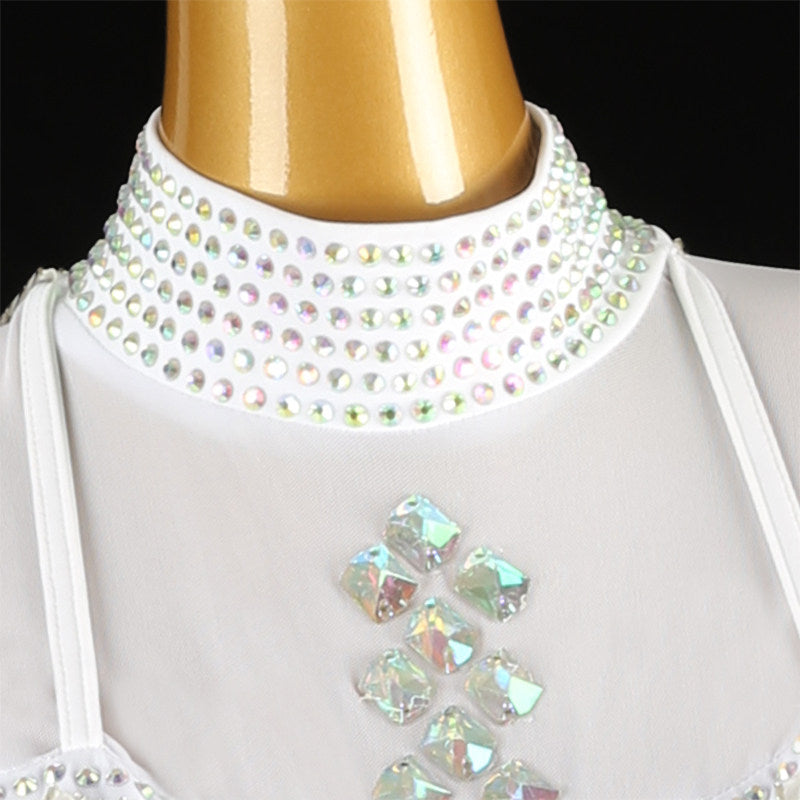
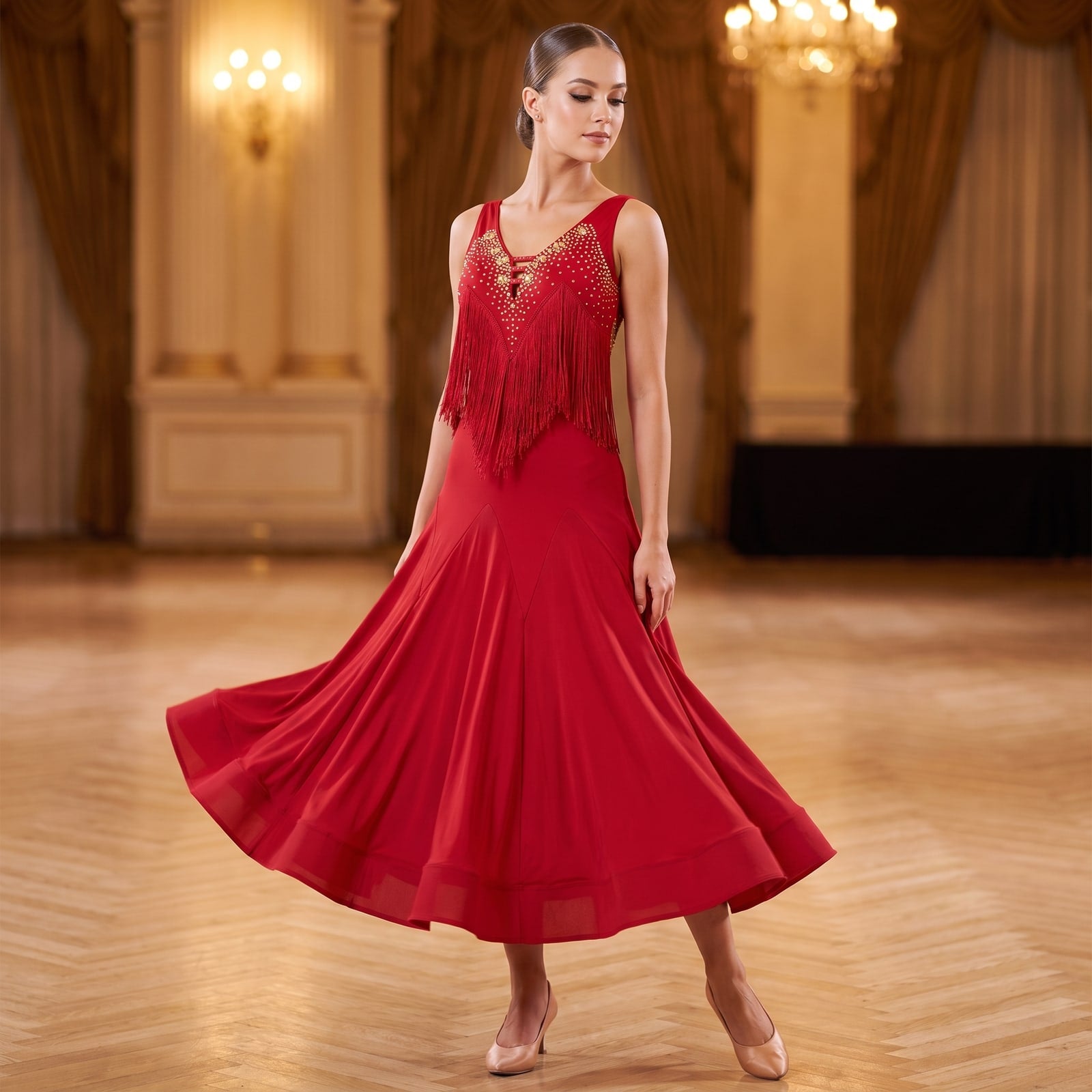
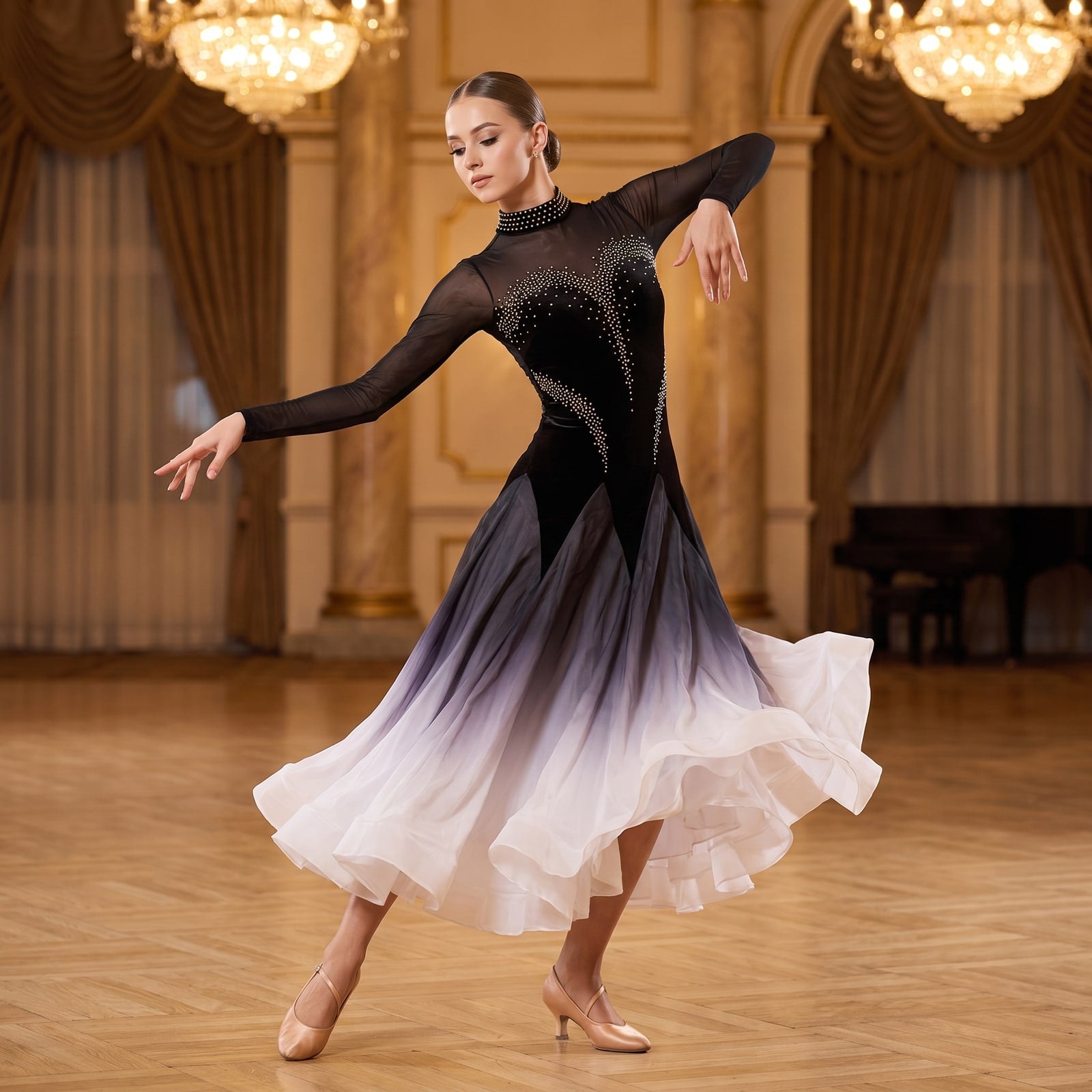
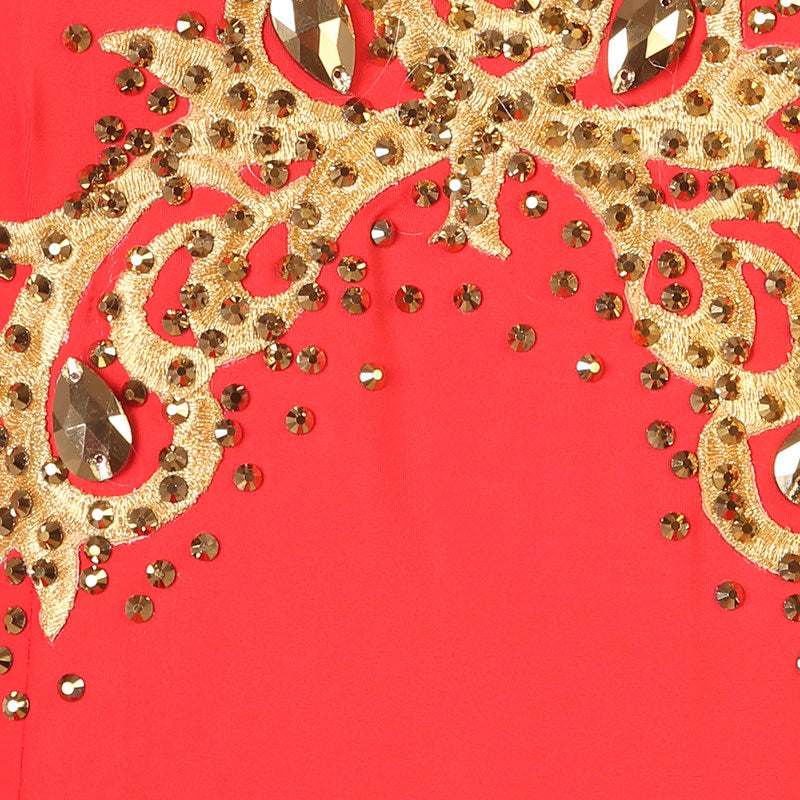
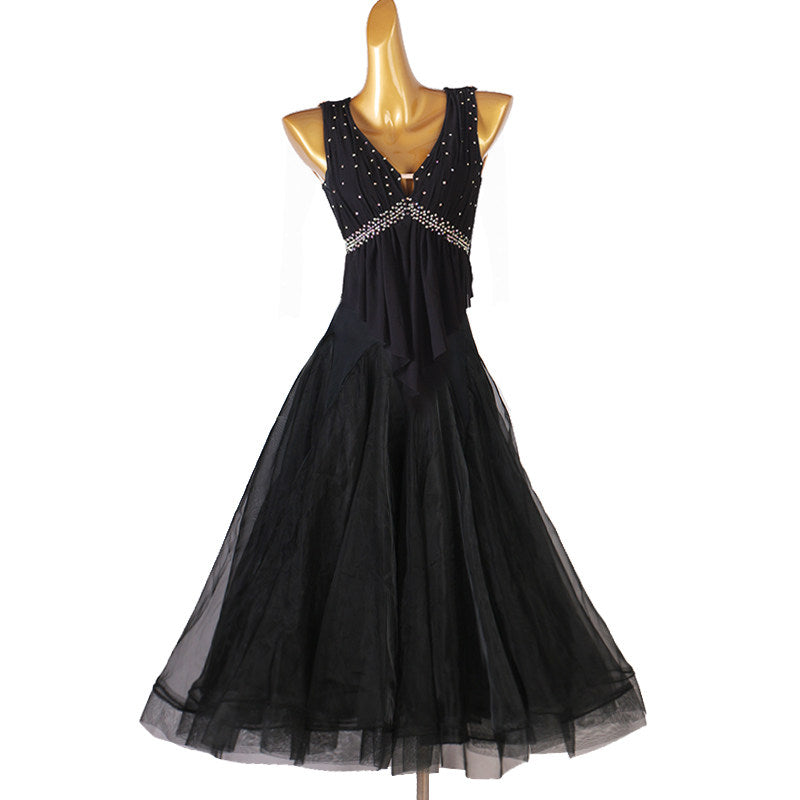
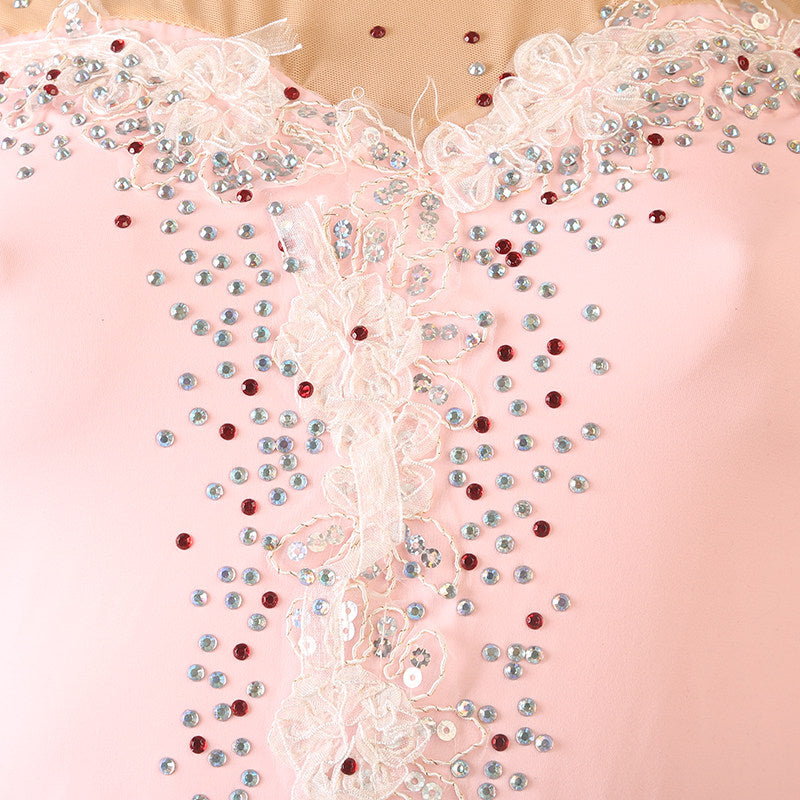
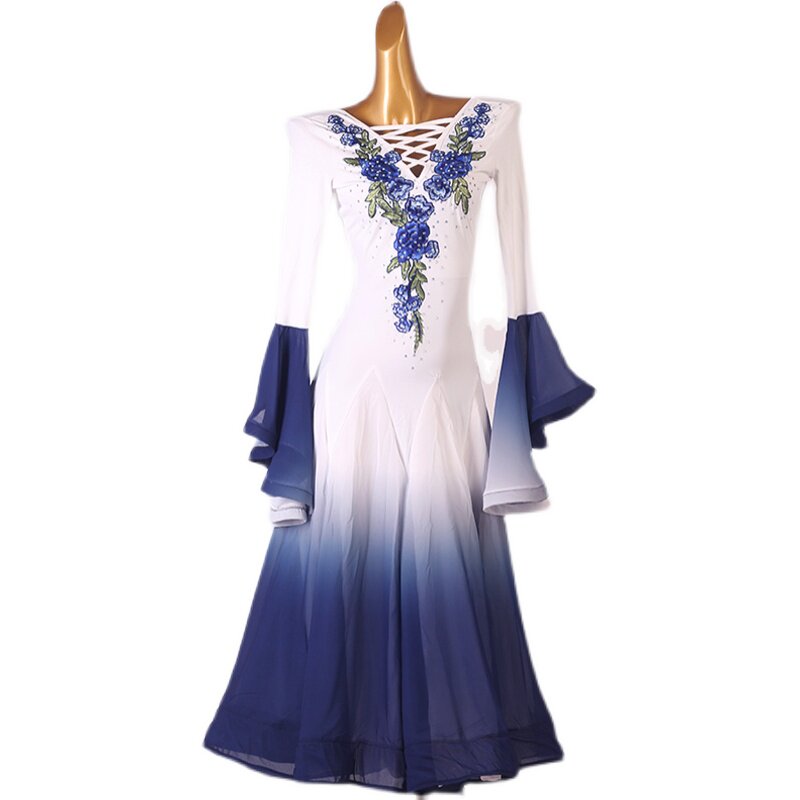
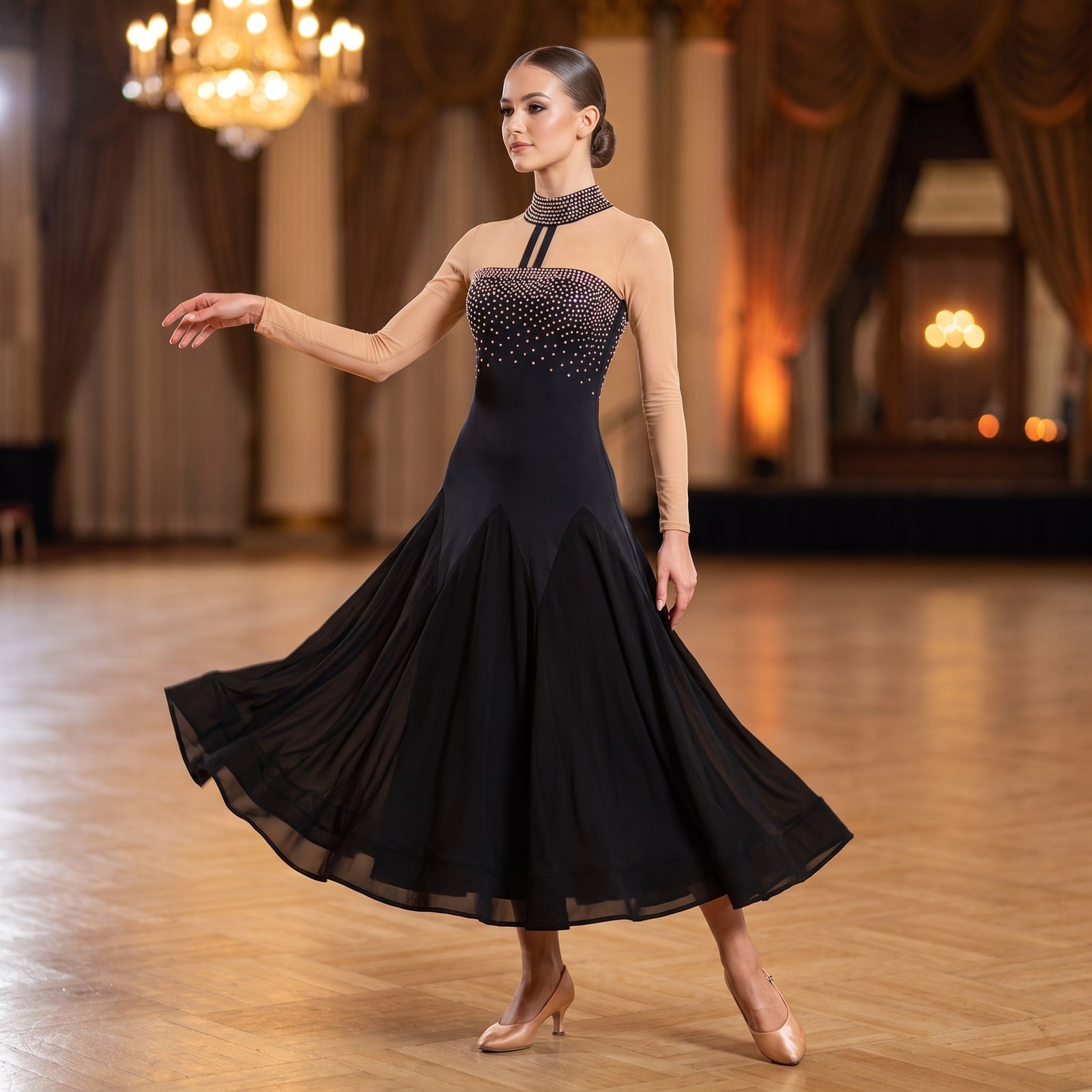
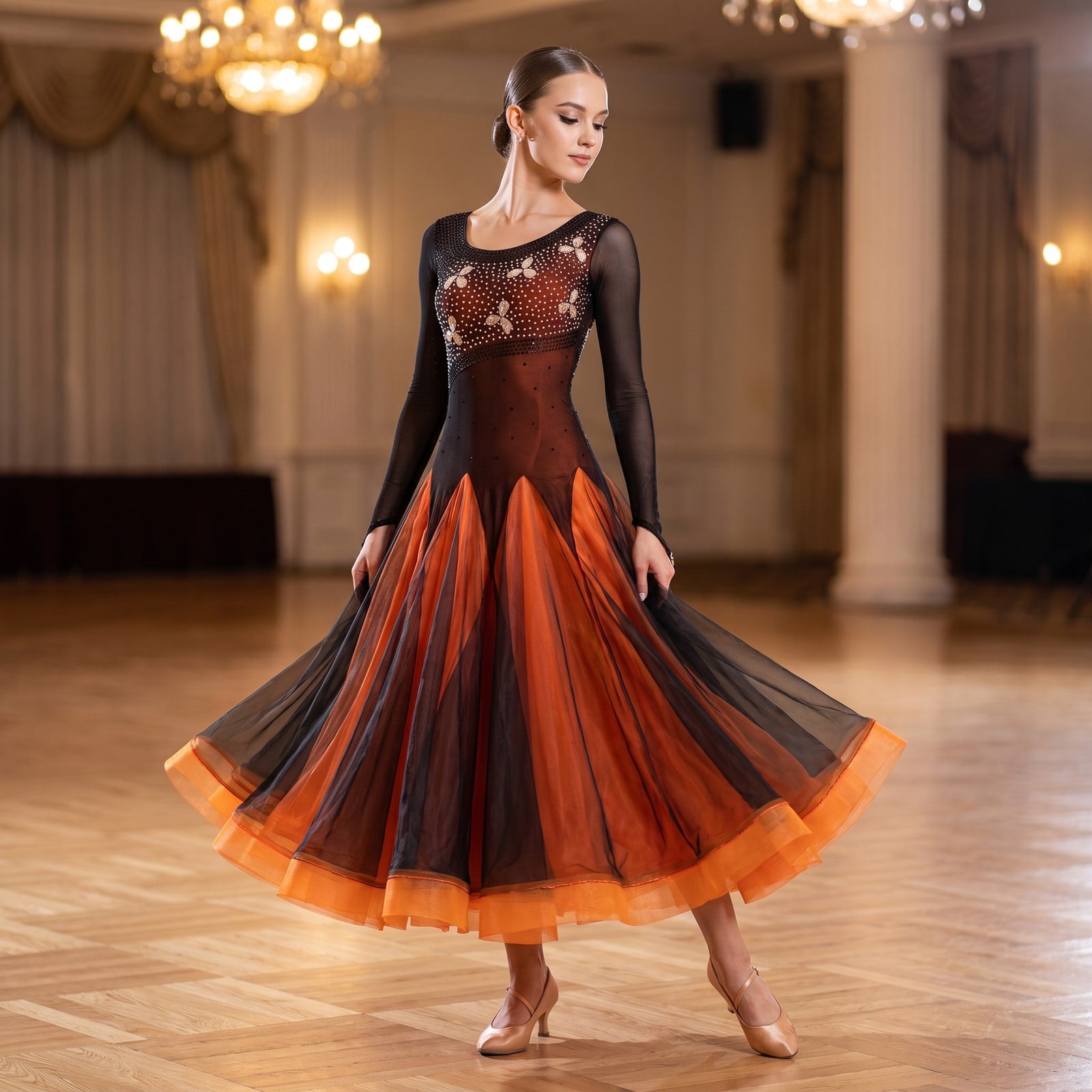
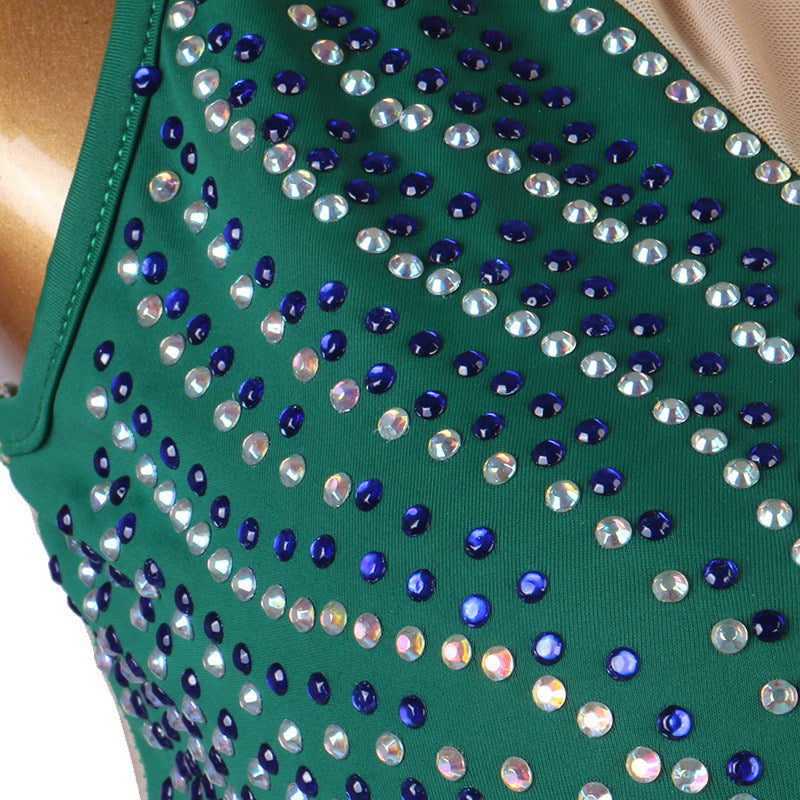
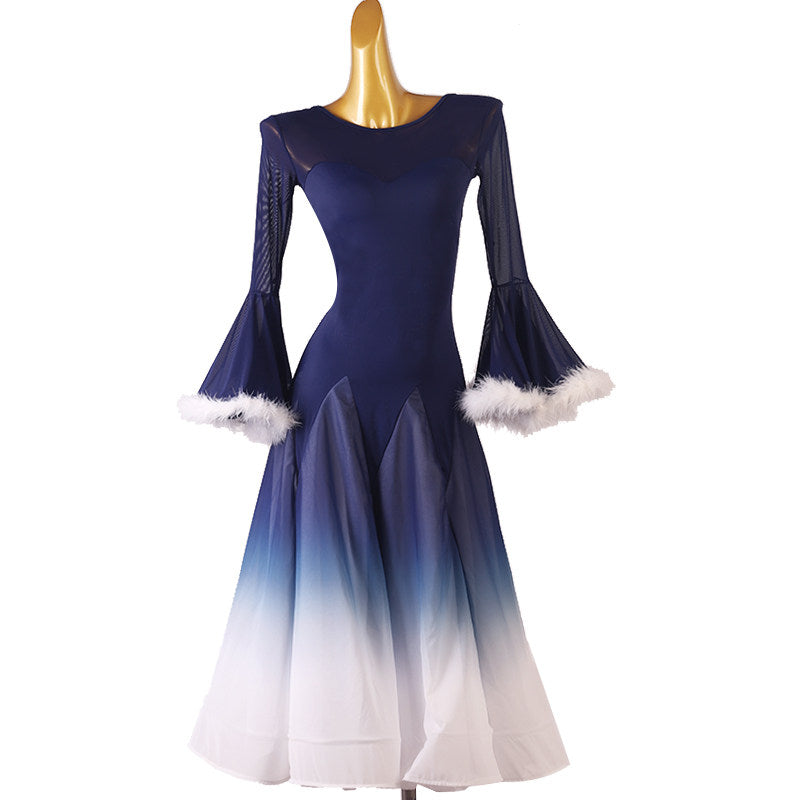
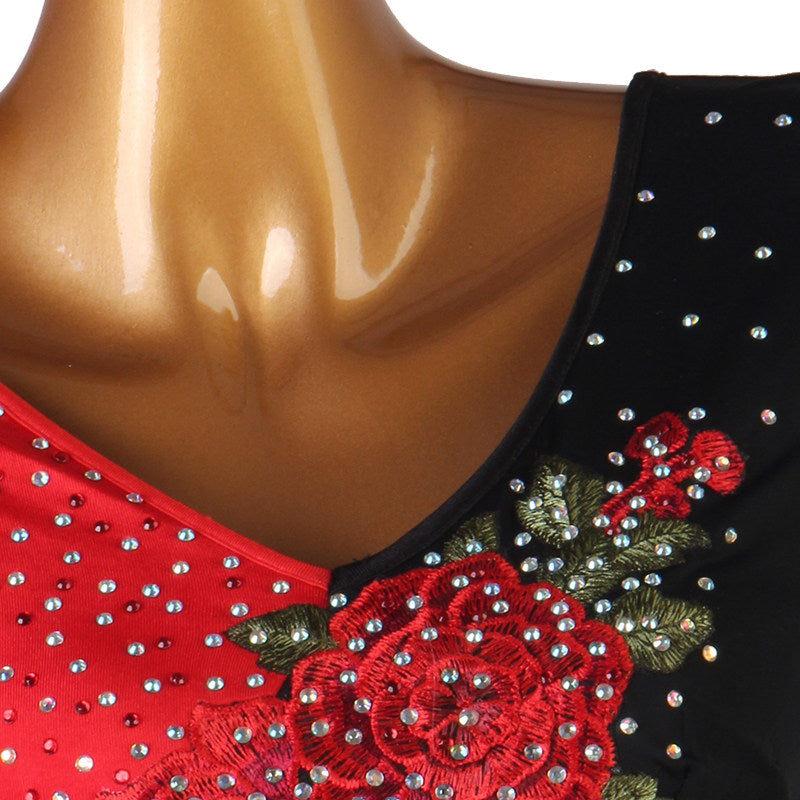
Competition ballrooms are big, brightly lit and full of movement, and that punishes subtlety. A dress that looks beautiful up close can vanish in a heat of six couples. Solid, saturated colour is what carries: red, royal blue, emerald, fuchsia. Black is the classic and the most versatile thing you can own, but plain black is the single easiest way to disappear — it needs stones at the bodice, a contrast float, or an ombré hem to hold the eye. Rhinestone placement follows the same logic: concentrate it where you want the judge to look, which for most dancers is the bodice, the neckline and the top of the arm, because that is the part of you at eye level in closed hold. Scattering stones evenly over a whole gown costs more and reads as less.
Buying Your First Ballroom Dance Competition Dress
Most dancers overbuy on their first one. At Newcomer and Bronze you are being judged on frame, footwork and musicality, not on wardrobe, and an enormous feathered gown on a beginner tends to draw attention to exactly the things you are still fixing. A clean full-length gown in one strong colour, with a skirt that moves and a bodice that fits, will serve you through several competitions and photograph well the entire time. Save the heavy stoning and the elaborate float work for the level where the field is close enough that it changes a placement. The other reason to start simple: your first gown is how you learn what you actually want from the second one.
Fit Is the Whole Thing
A competition gown is the least forgiving garment in dance. It has to hold through a five-dance final without shifting, which means it should sit closer through the ribcage than street clothing ever would, and it has to let you get both arms up and out into frame without the bodice climbing. Two checks before you commit: raise your arms into hold and see whether the neckline moves, then take a long side step and see whether the hem hits the floor before your foot does. Order to the measurements on the size chart rather than the dress size you usually wear, since a boned bodice runs closer than a high-street cut. Many of these gowns are made to order, which means the measurements can be matched to you rather than the other way round — a real advantage if you are long in the body, or between sizes top and bottom, which almost everyone is. Plus sizes are cut on the same principle: the bodice stays fitted and the skirt volume stays full, because that is the proportion that reads well on a floor.
New, Made to Order, or Second Hand
Pre-owned gowns are a real part of this sport, and there is nothing wrong with them — but they were built to fit somebody else, and the alteration that makes a boned bodice fit a different ribcage is expensive and not always possible. Stones also go dull and drop over time, and a gown that has done four seasons often needs restoning before it looks right under competition lighting. A new gown made to your own measurements avoids both problems and arrives ready to dance in. Amazon's Choice with a money-back guarantee since 2012.
Finishing the Look
The gown is one part of the picture the judge sees. Standard and Smooth are danced in a closed-toe heel with a suede sole — browse closed-toe ballroom dance shoes or the wider ballroom and Smooth range. For studio hours and lessons between events, the practice styles on the ballroom dresses page are the cheaper thing to wear out, and a ballroom skirt with a ballroom top gives you more outfits from the same wardrobe. Latin and Rhythm are a separate family with a separate dress code entirely — those rounds are danced in the shorter, harder-stoned styles on the Latin dance dresses page, and a Standard gown does not cross over.
Dancing both Standard and Latin? Our dancesport dresses page puts ballroom gowns and Latin competition dresses side by side, so you can plan both looks for the same competition.
Ballroom Competition Dresses: Frequently Asked Questions
What do you wear to a ballroom dance competition?
For Standard, a full-length gown with a wide hem, a fitted and usually boned bodice, and floats or streamers at the arm. For Smooth, the same idea with more freedom — open backs, illusion mesh and lighter skirts are all normal. Under it you need proper dance underwear or a built-in body, closed-toe heels with suede soles, and hair pinned so nothing moves in a spin. Syllabus levels often restrict stoning and skirt decoration, so check your organisation's rules before you buy.
What is the difference between a ballroom competition dress and a practice dress?
A practice dress is made to be worn several times a week and washed: simple, comfortable, quick to replace. A competition dress is made to be judged from a distance, so it carries far more skirt fabric, a structured bodice, and decoration placed to make your movement visible. Practice dresses are the right answer for lessons; they will not read on a competition floor.
Do I need a stoned gown as a beginner?
No. At Newcomer and Bronze, judges are watching your frame and your footwork, and a clean gown in a strong colour is the safer choice — it photographs well, it does not compete with your dancing, and it lasts you several events. Heavy stoning starts to matter higher up, when the field is tight enough that presentation changes a placement.
Are these ballroom dance dresses suitable for competition and for showcases?
Yes. The same gowns are worn for competition rounds, studio showcases, formation teams and Pro-Am events. If anything a showcase is the easier brief, because you are not bound by syllabus restrictions on decoration and you can pick whatever suits the routine.
Can a ballroom competition dress be made to my measurements?
Many of these gowns are made to order, so the bodice can be built to your own measurements instead of a standard size. That matters more here than in ordinary clothing, because a competition bodice has to be close through the ribcage to keep your back line clean, and a gown that is fractionally too big will shift every time you go into hold. Send your measurements from the size chart on the product page.
Should I buy a used ballroom competition dress instead?
Pre-owned gowns are common in the sport and can be good value, but they were fitted to another dancer, and altering a boned bodice is expensive and sometimes impossible. Older gowns also lose stones and go dull under bright lighting. If a new gown built to your measurements is within reach, it removes both risks and is ready to dance in when it arrives.
What colour should my first competition gown be?
Something saturated that holds up under bright, flat competition lighting — red, royal blue, emerald or fuchsia all read from the far side of a ballroom. Black is the most useful gown you will own and the easiest to re-wear, but give it stones, a contrast float or an ombré hem so it does not sink into a dark floor.
Do you ship ballroom competition dresses internationally?
Yes. TTdancewear ships worldwide, and every order is backed by a money-back guarantee, so you can order to the measurements on the size chart and exchange it if the fit is not right.