Ballroom Tops & Ballroom Dance Attire for Practice
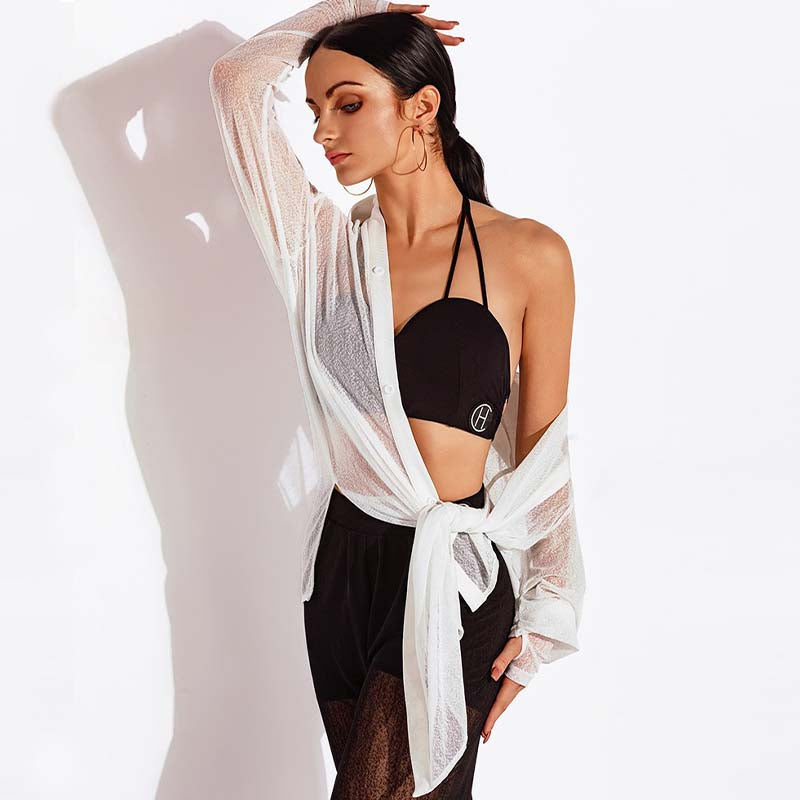
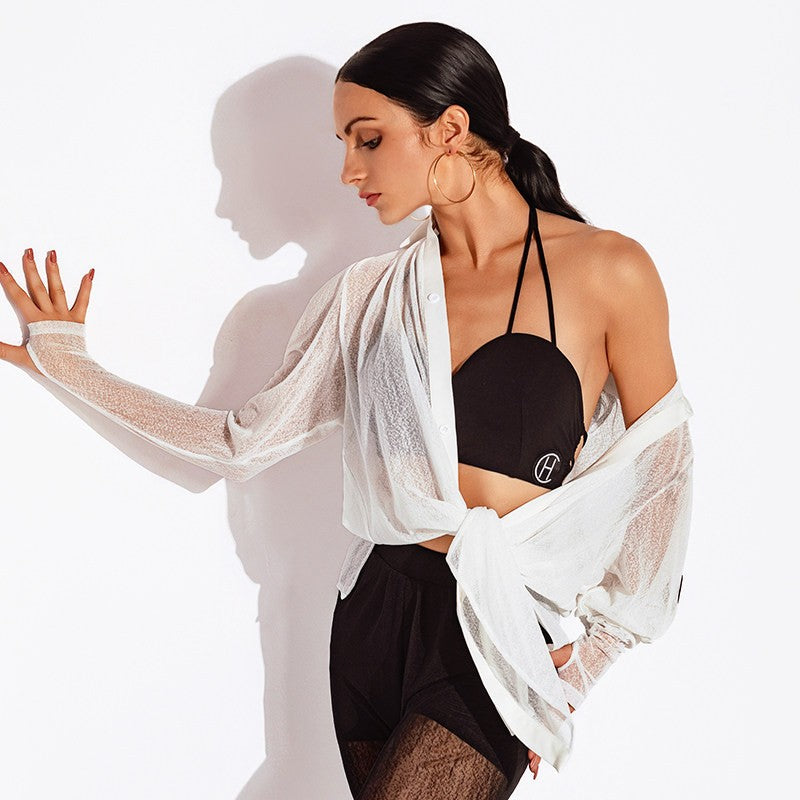
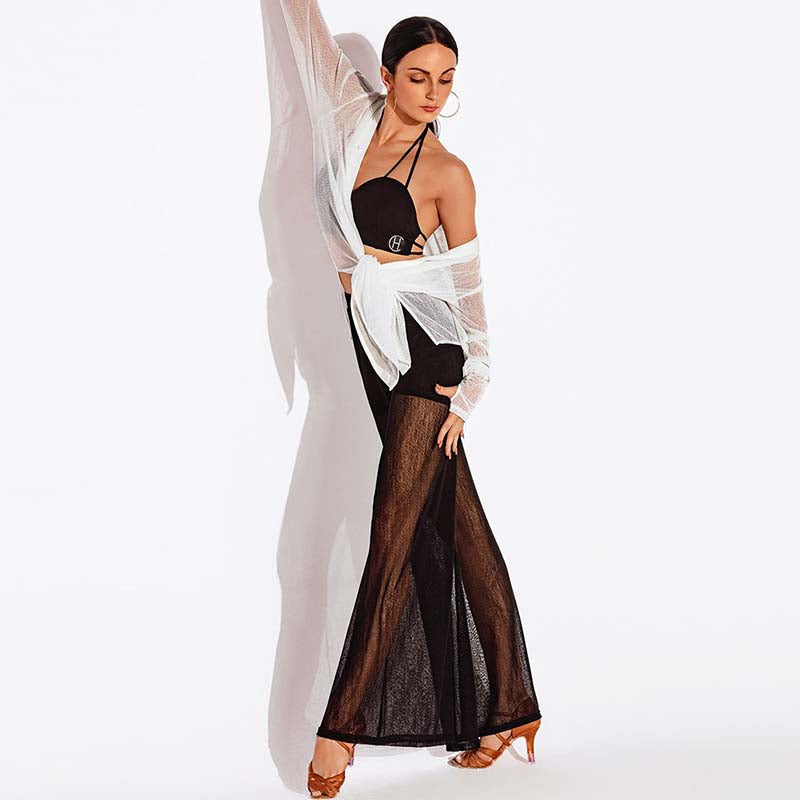
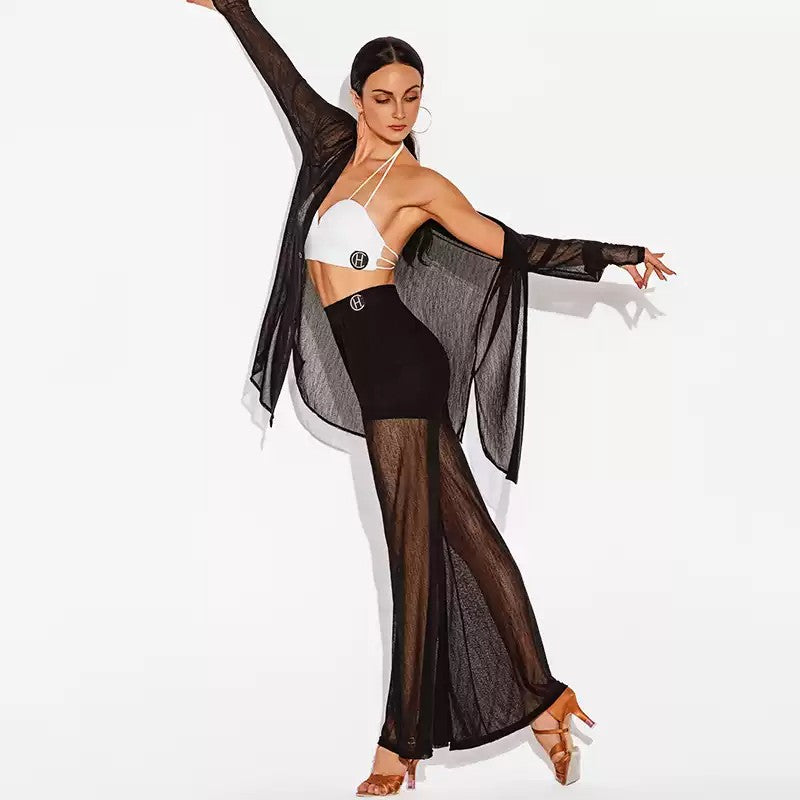
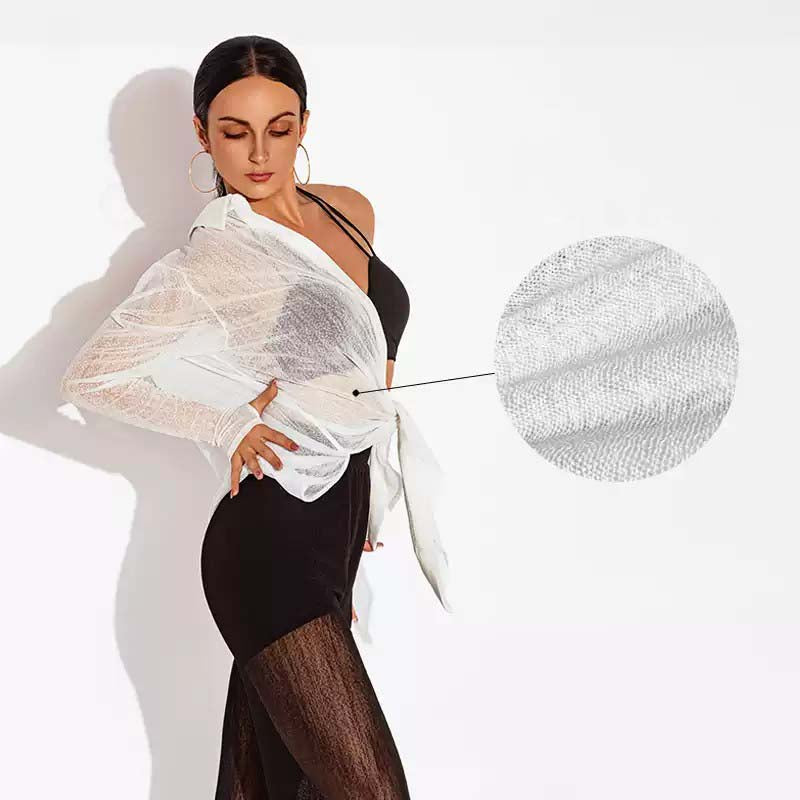
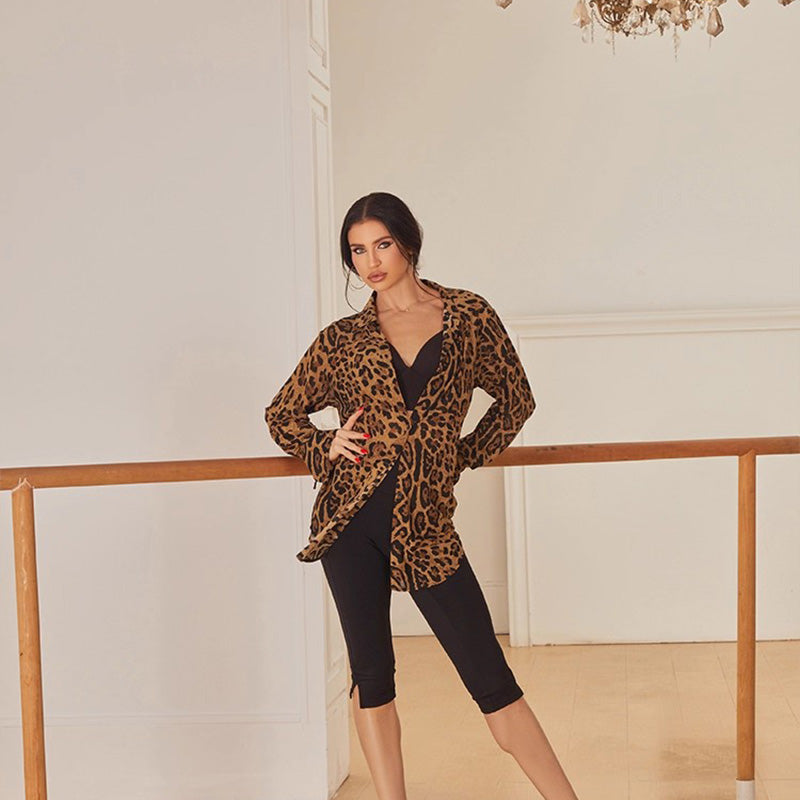
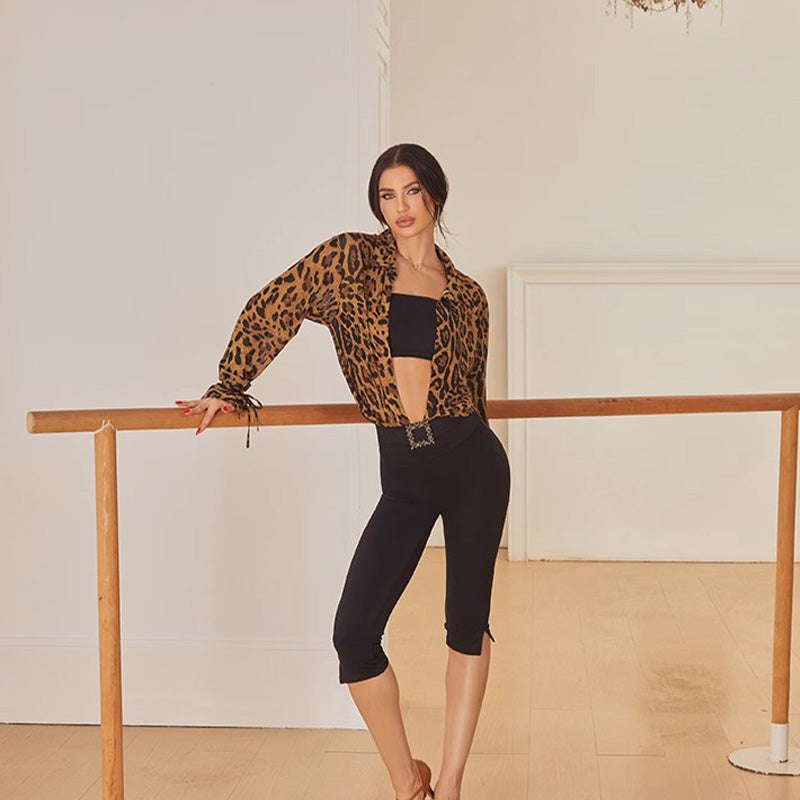
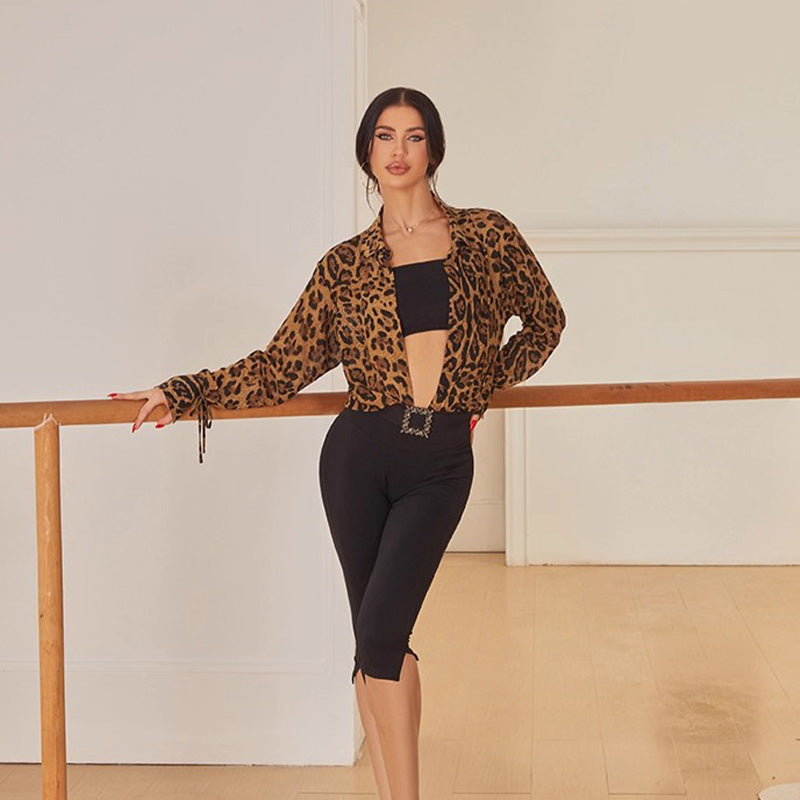
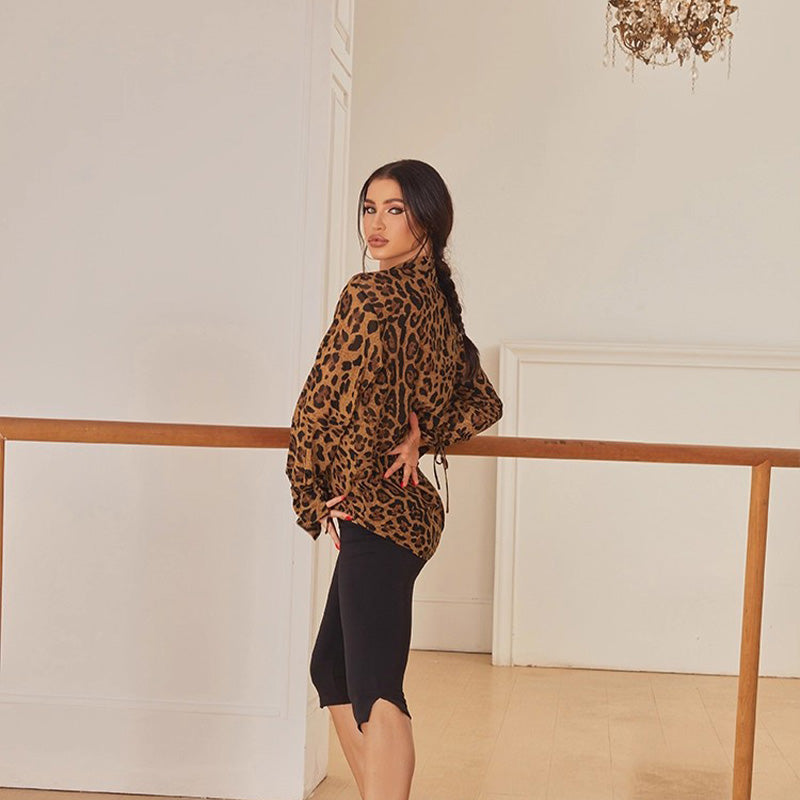
Ballroom dance tops for lessons and practice — draped chiffon tunics, long-sleeve tie-waist styles and off-shoulder ruffle cuts that layer over a bodysuit and float with the skirt instead of fighting it. Amazon's Choice with a money-back guarantee since 2012.
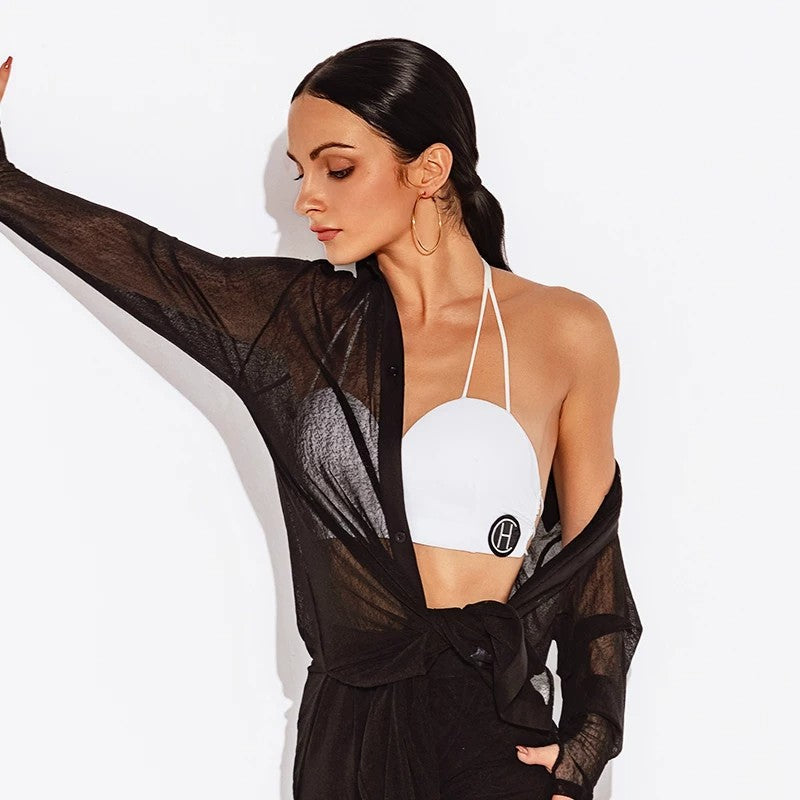
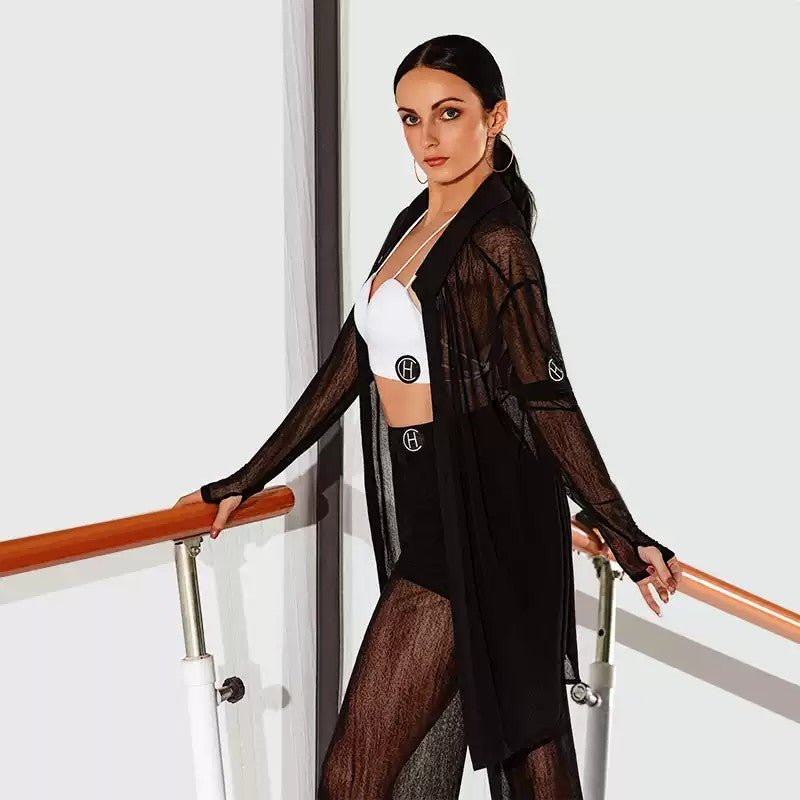
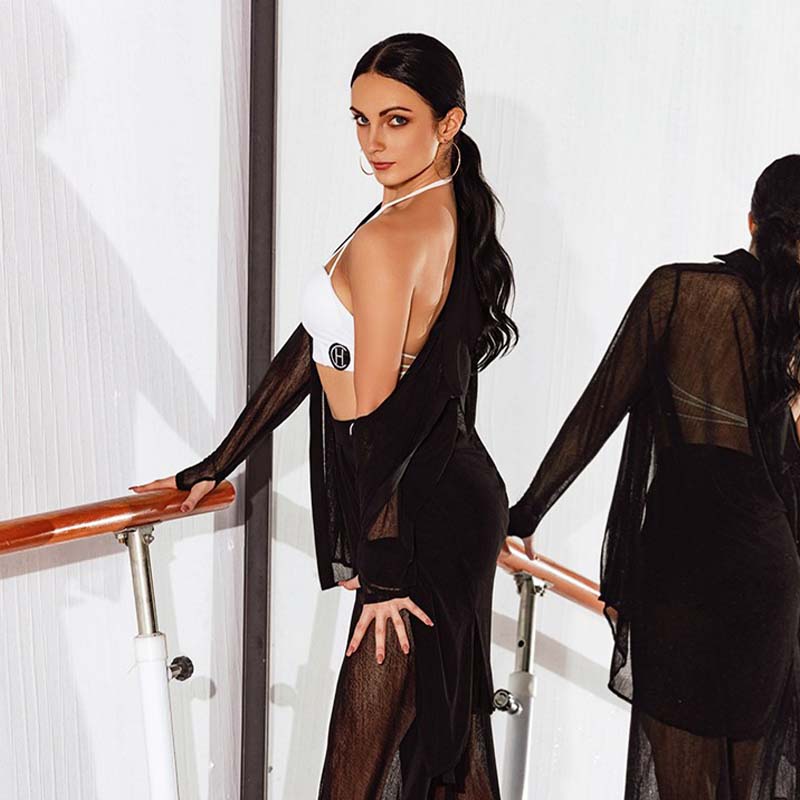
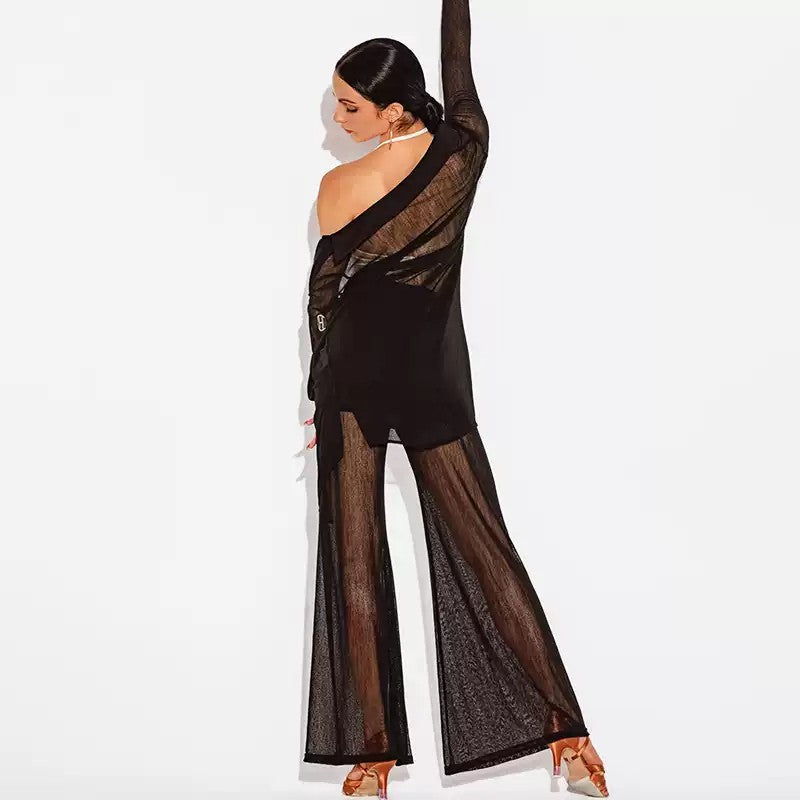
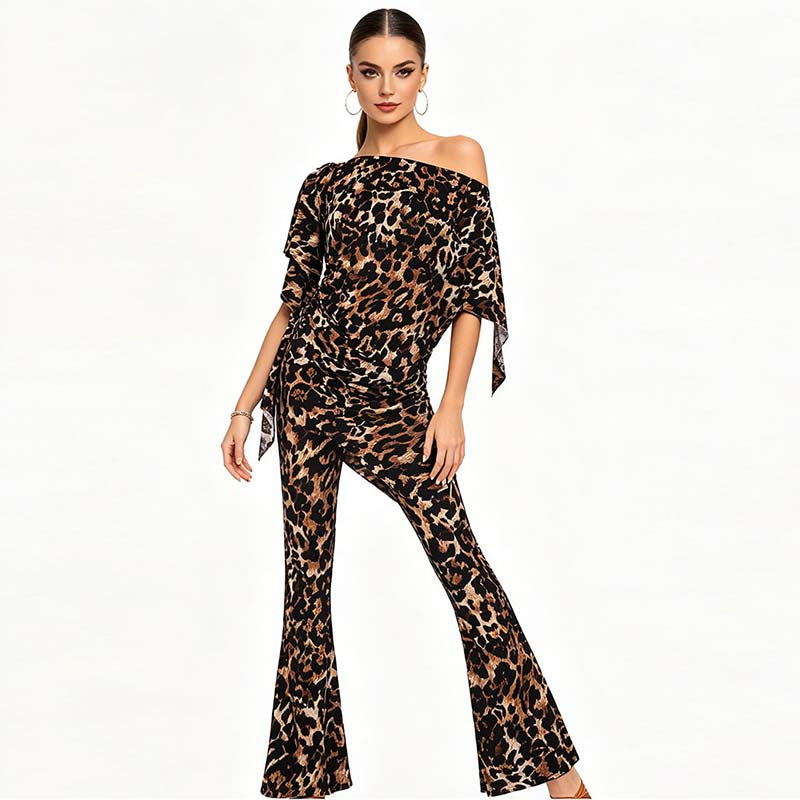
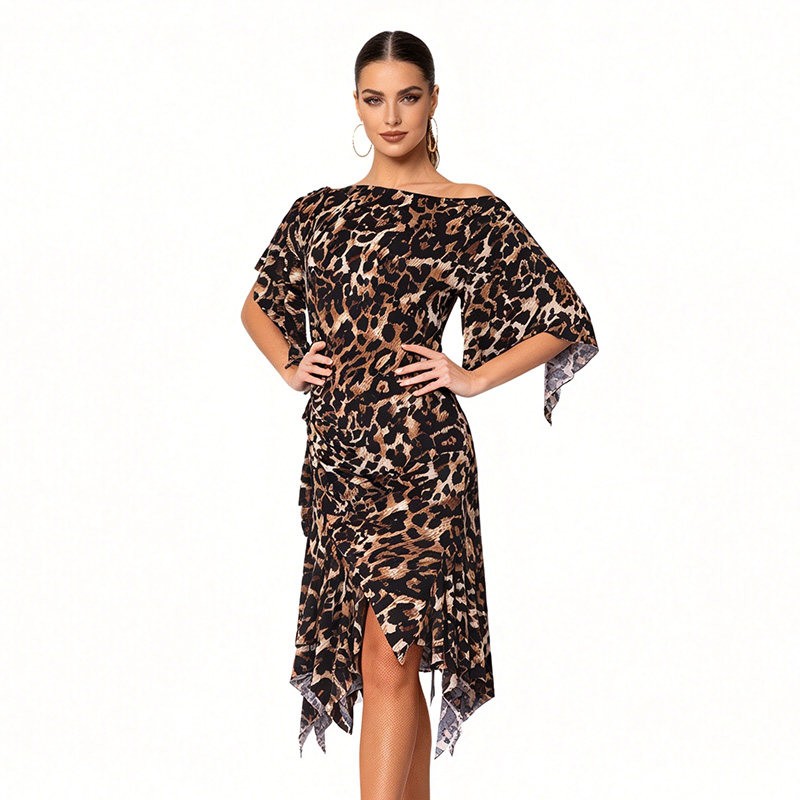
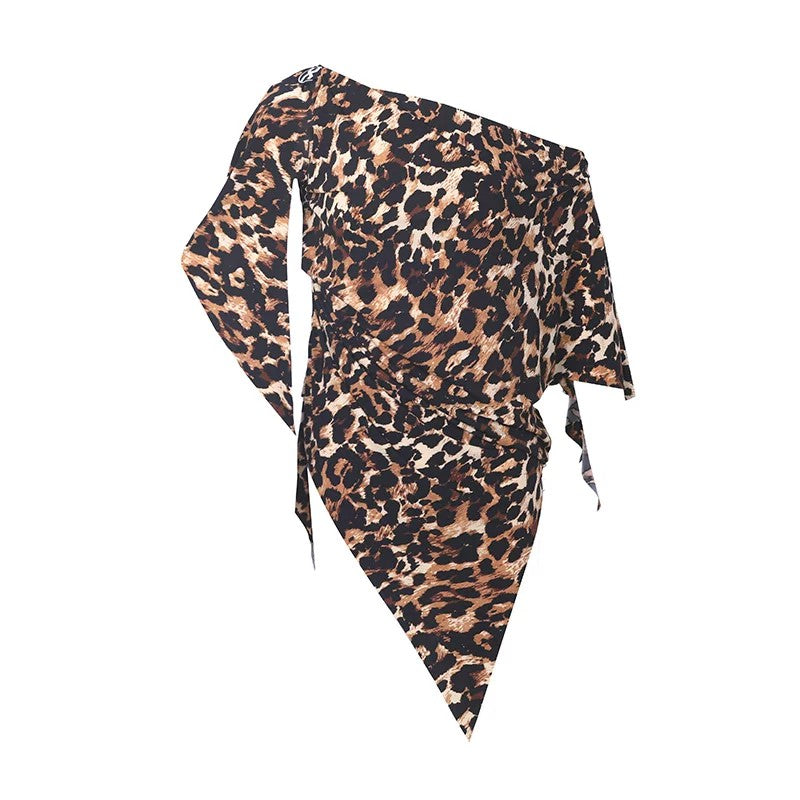
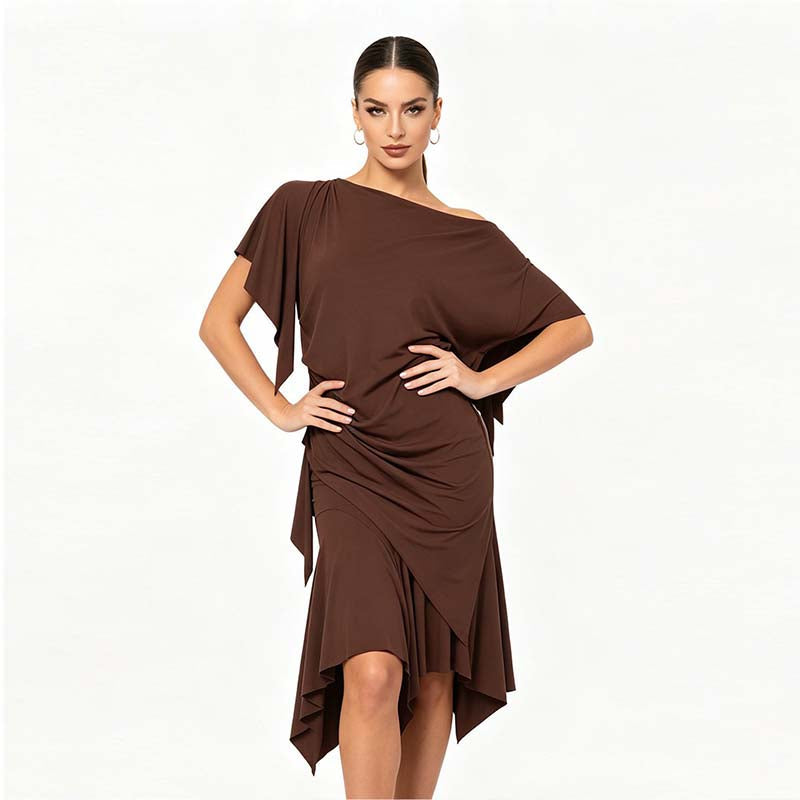
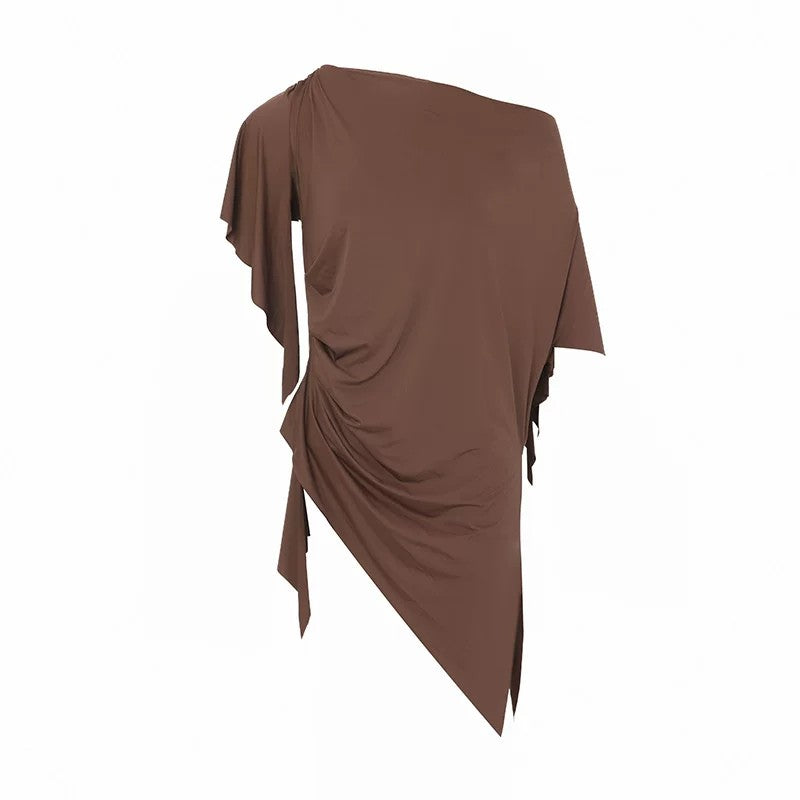
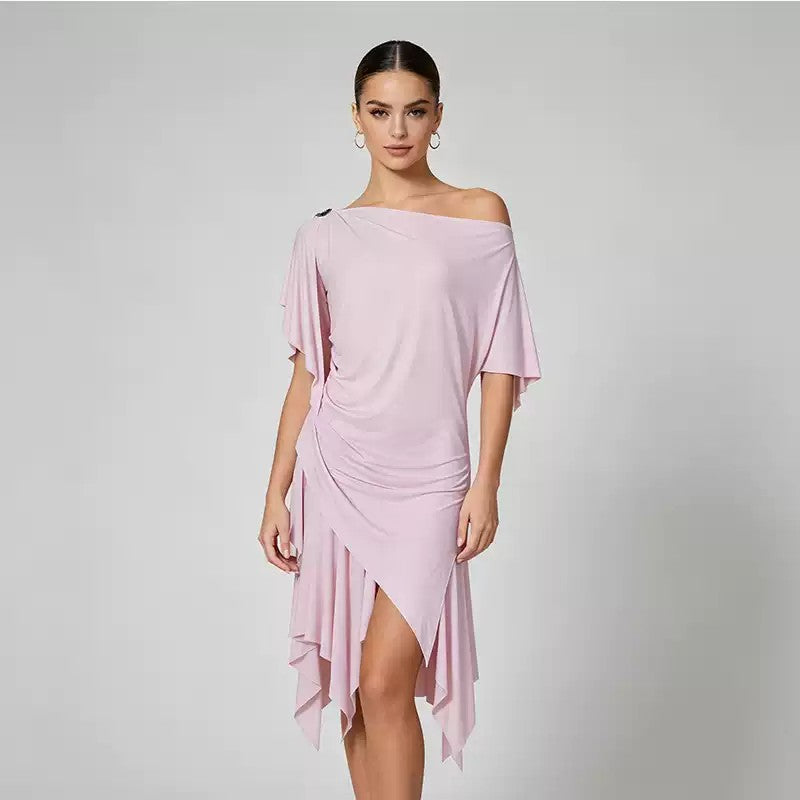
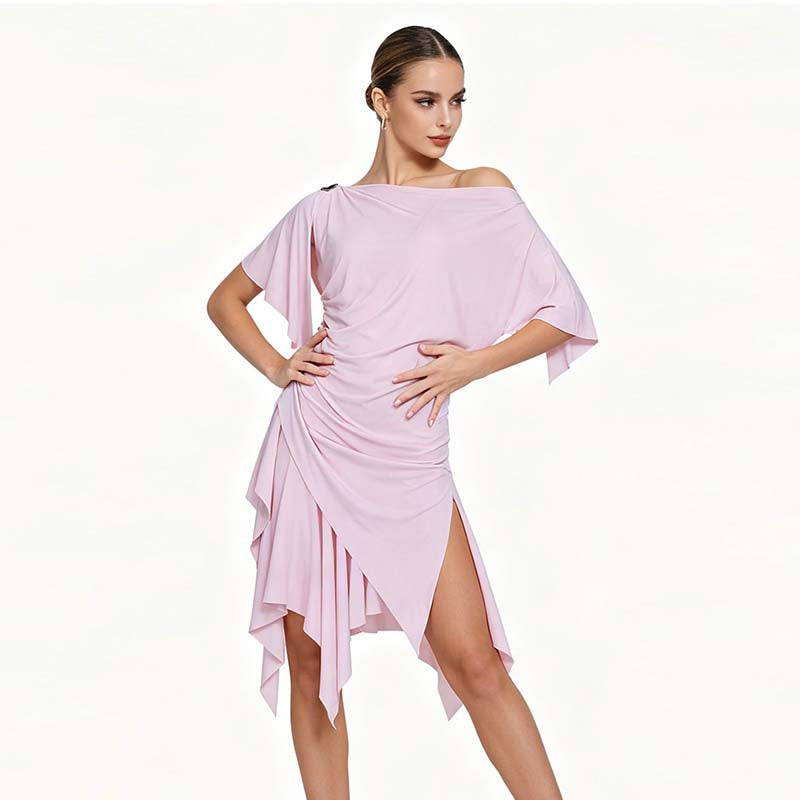
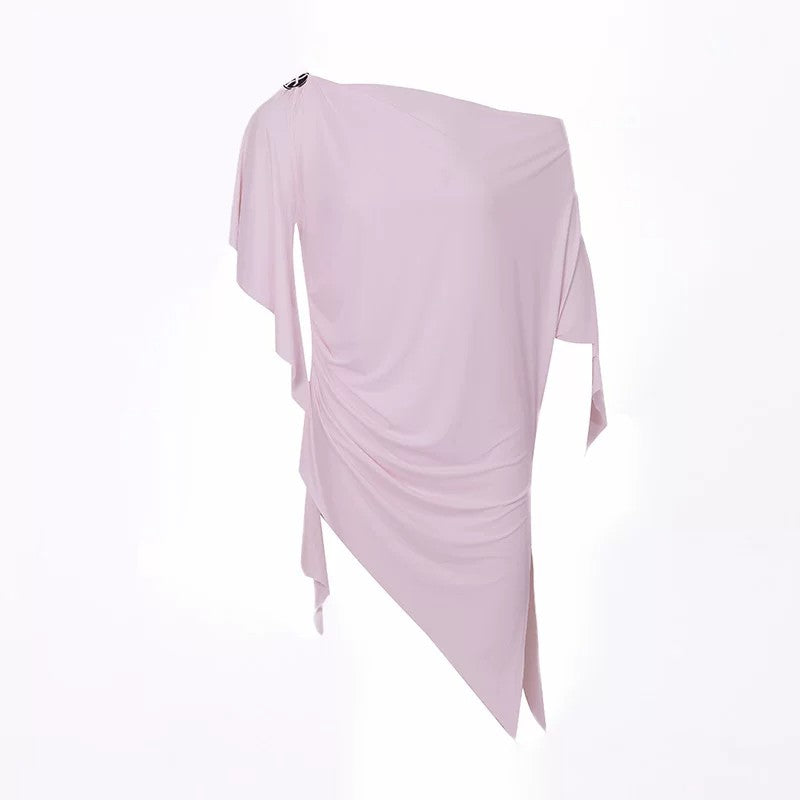
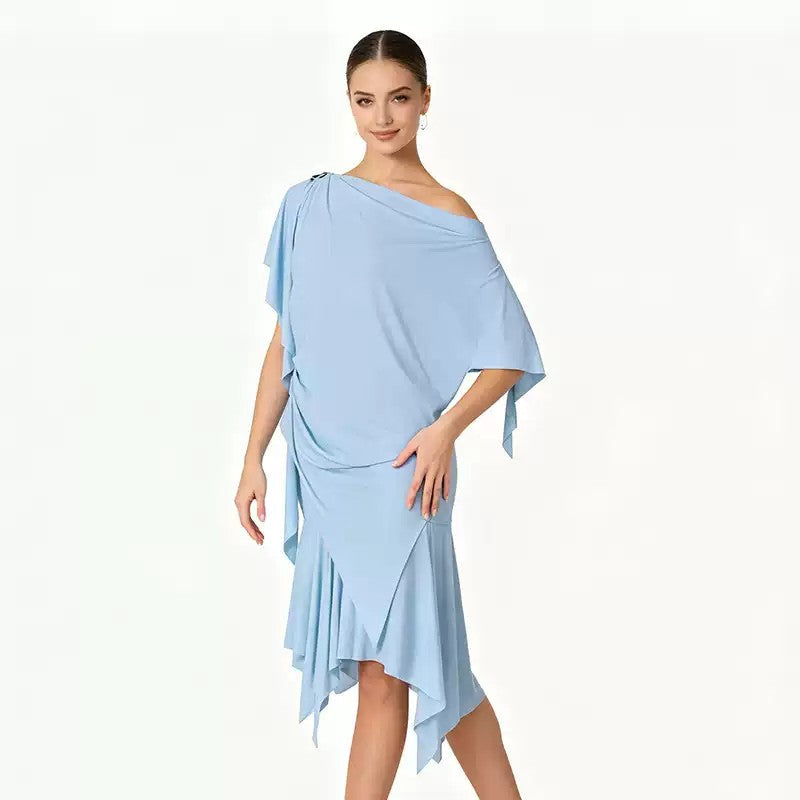
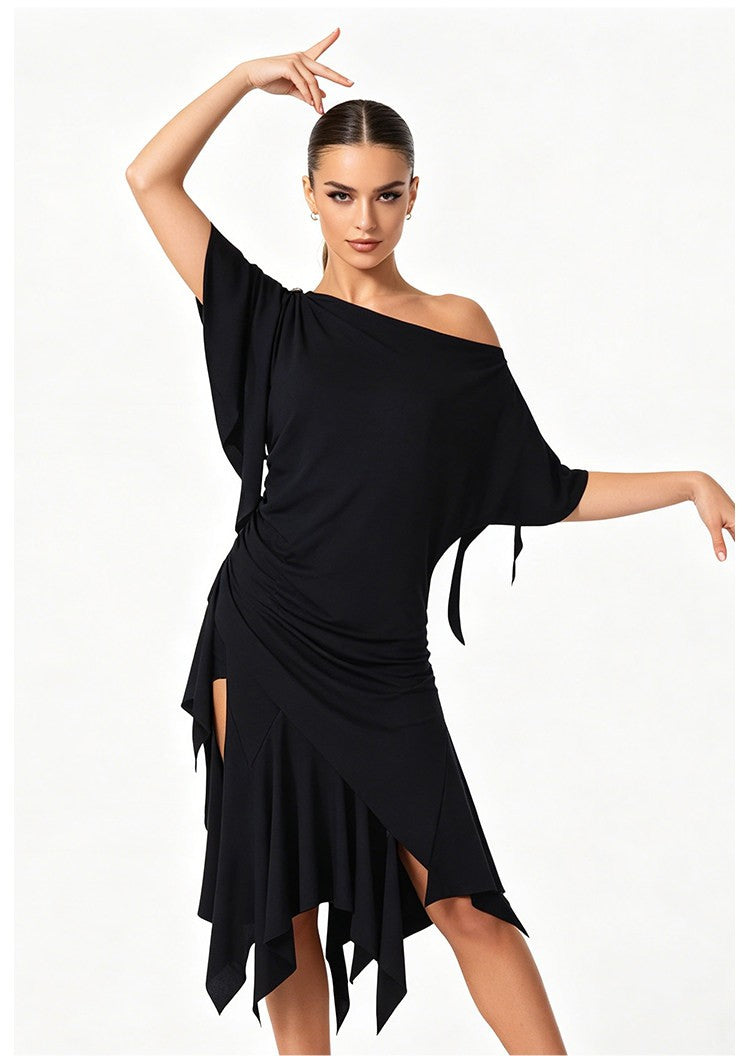
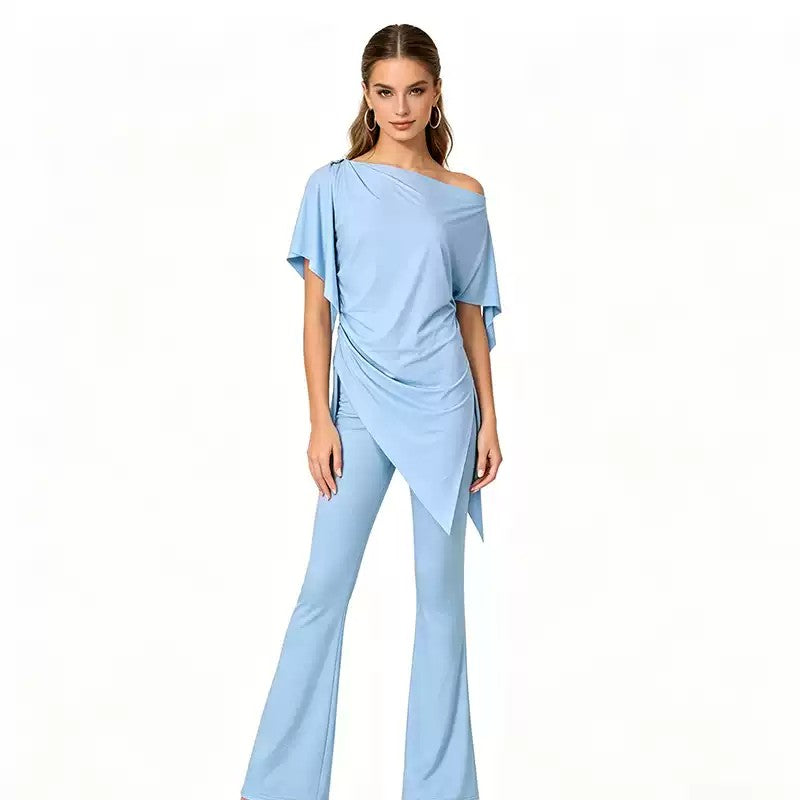
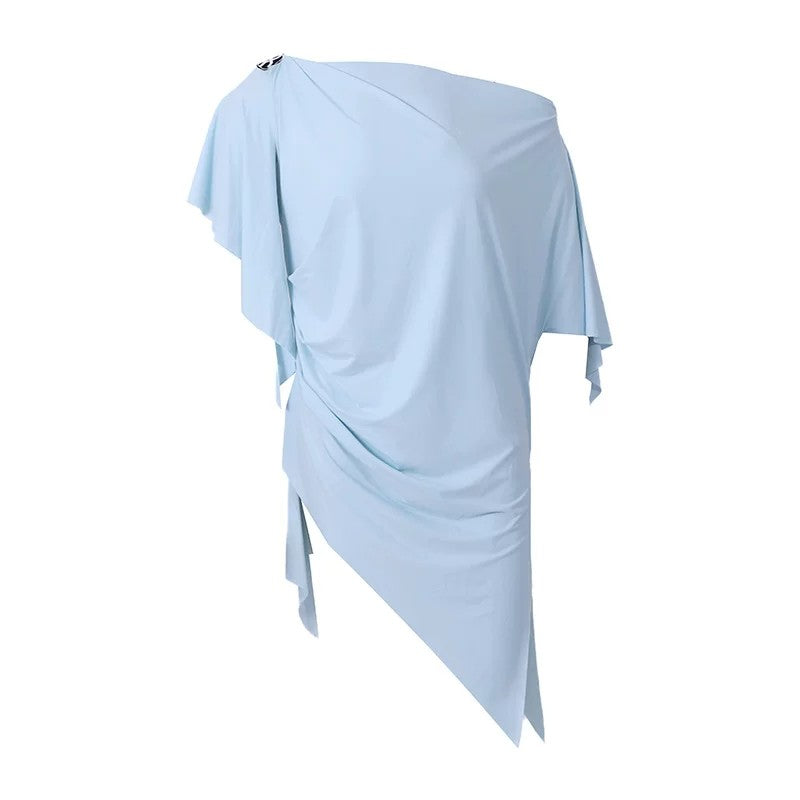







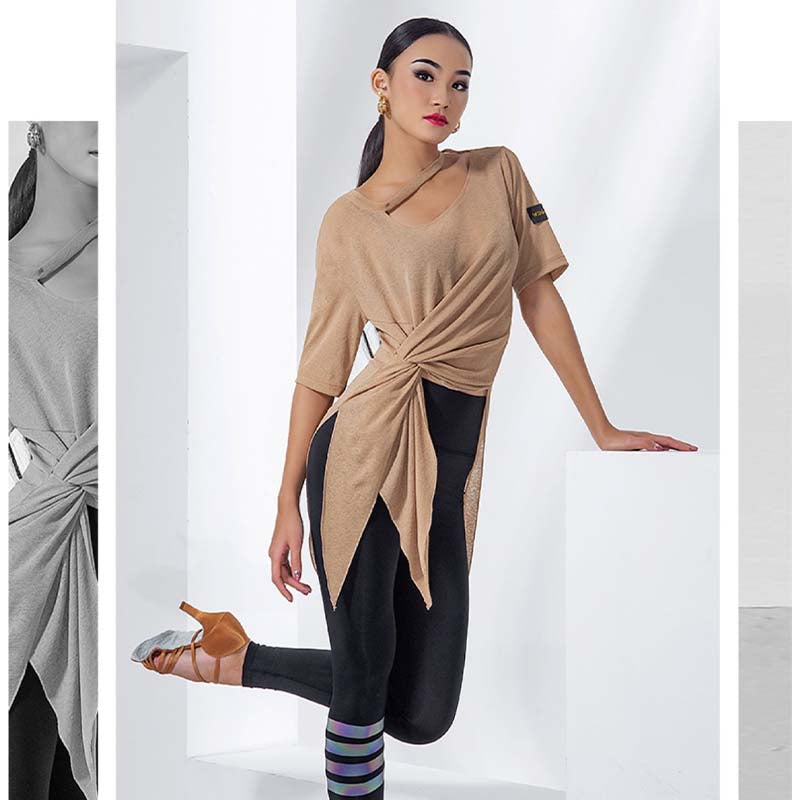
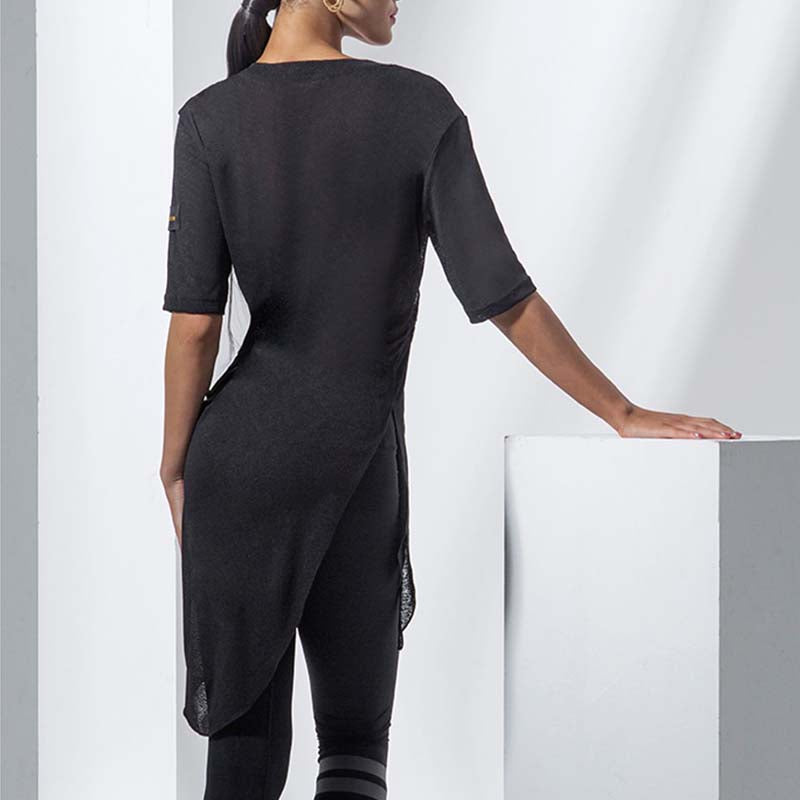
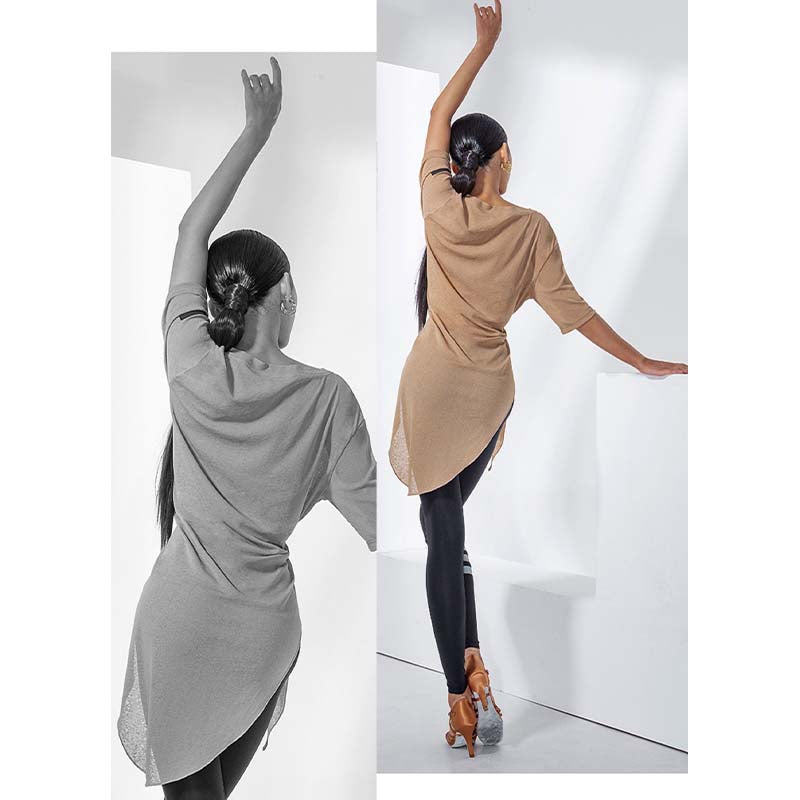
The Layer Between a Bodysuit and a Dress
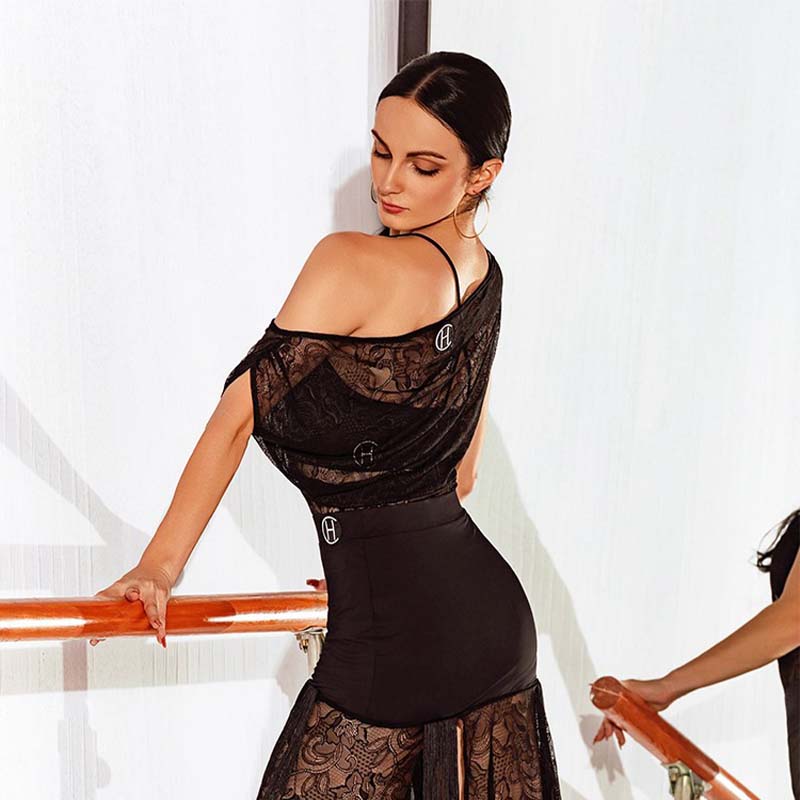
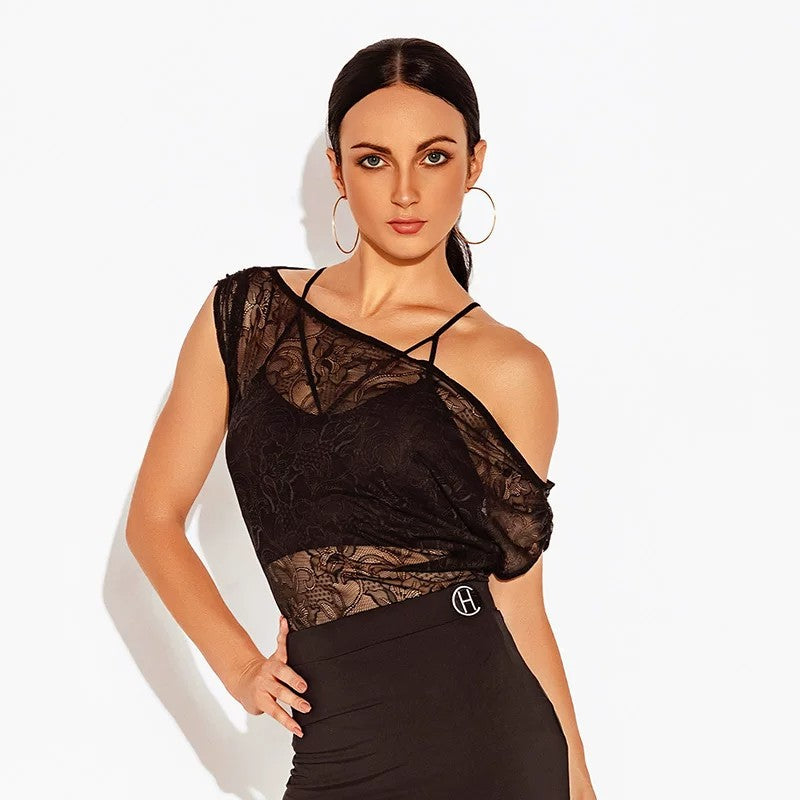
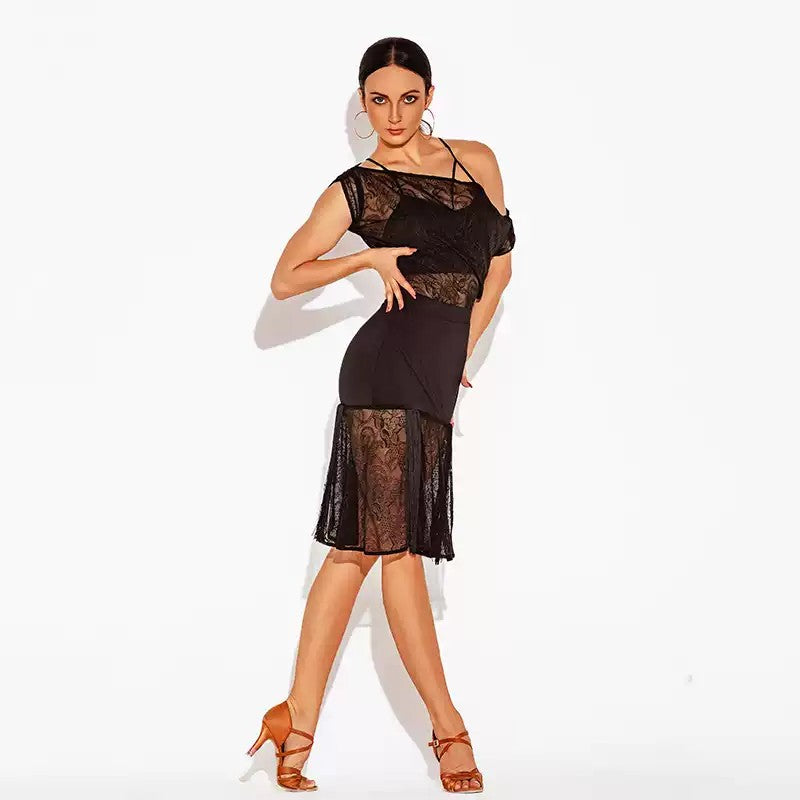
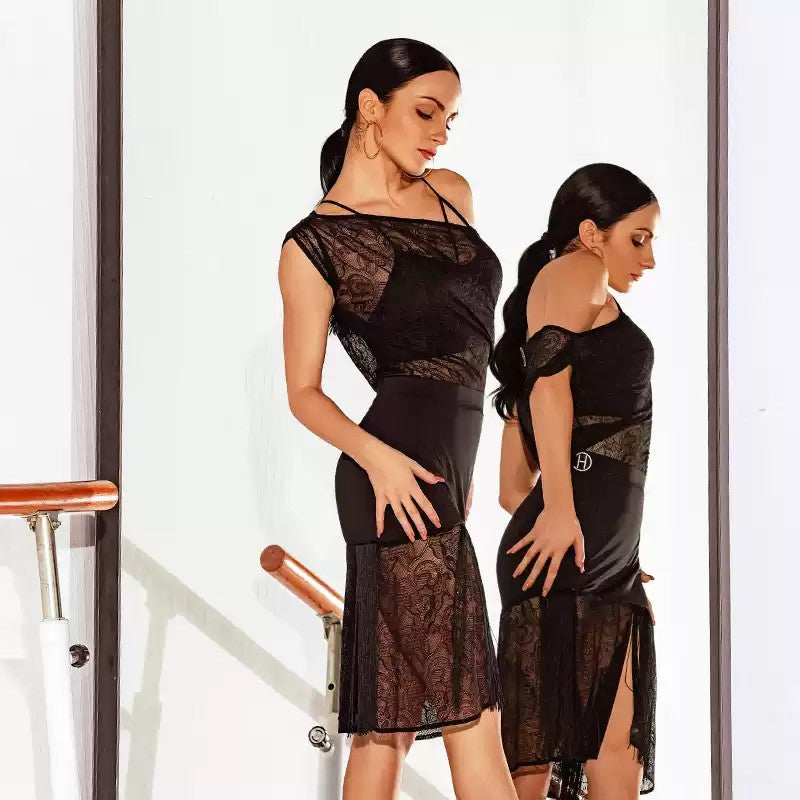
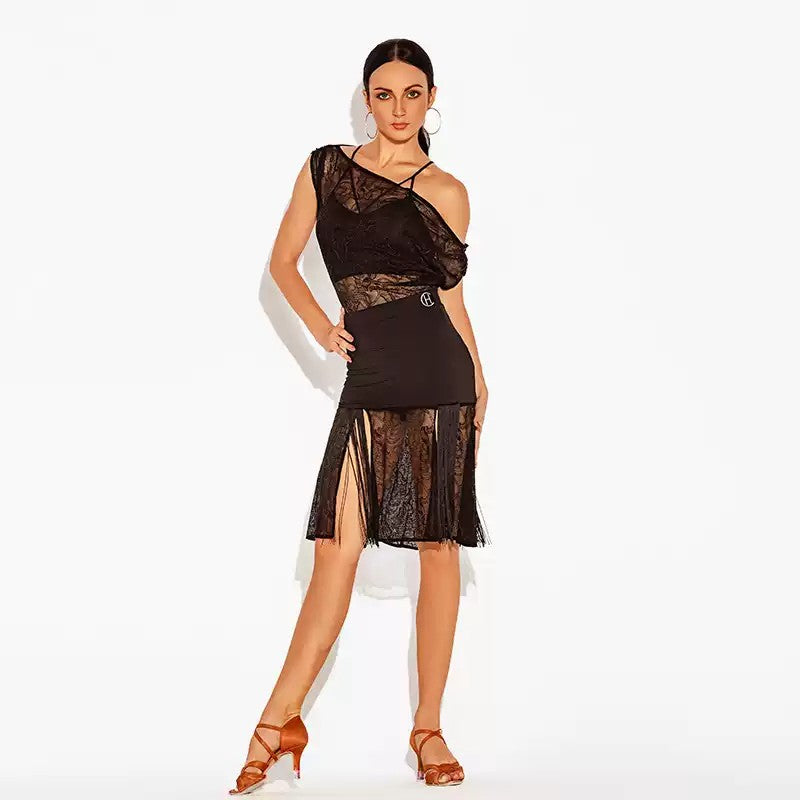
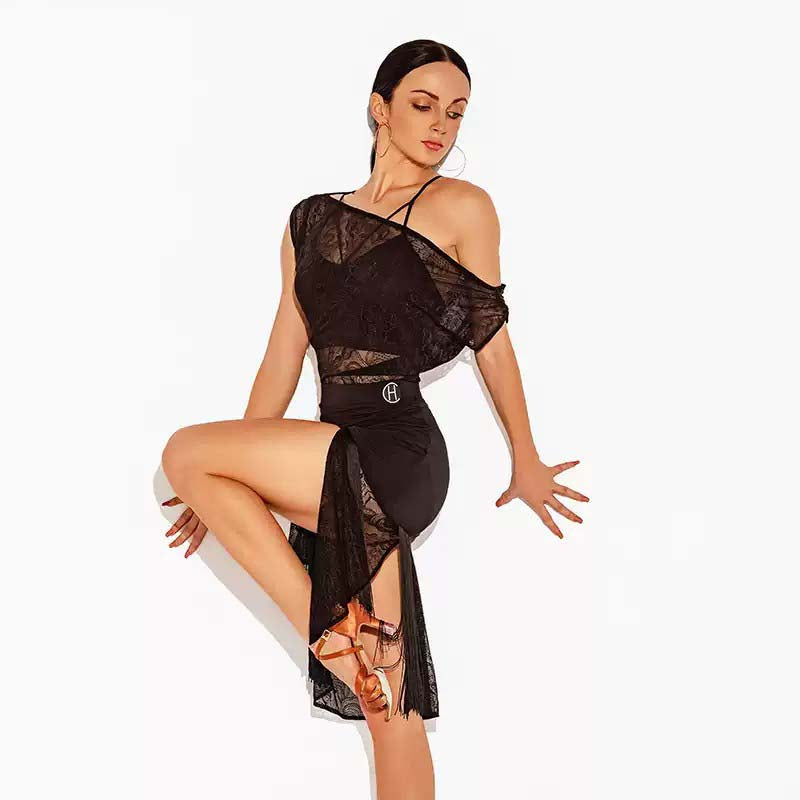
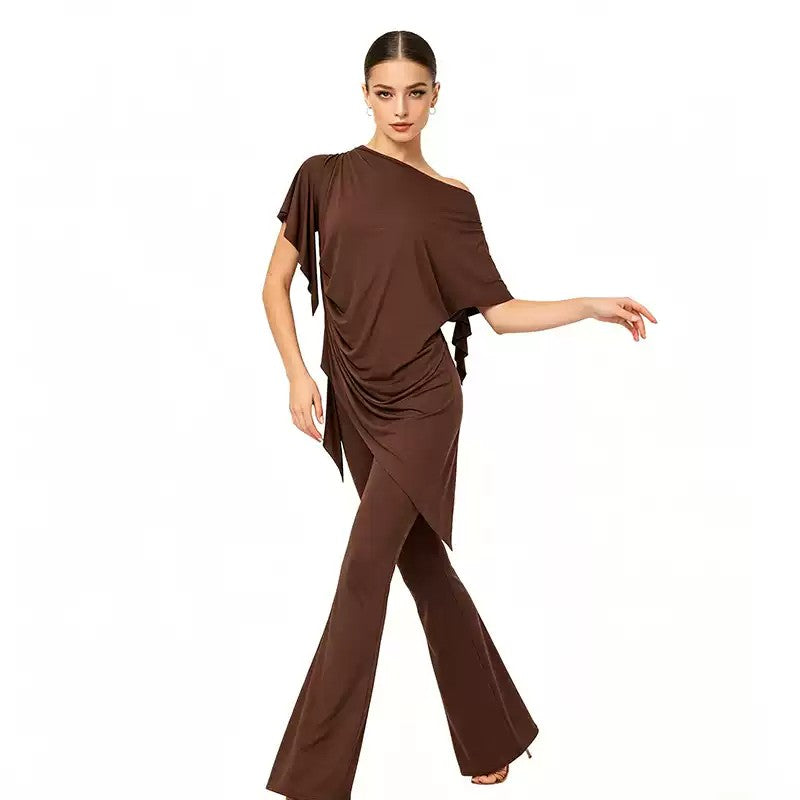
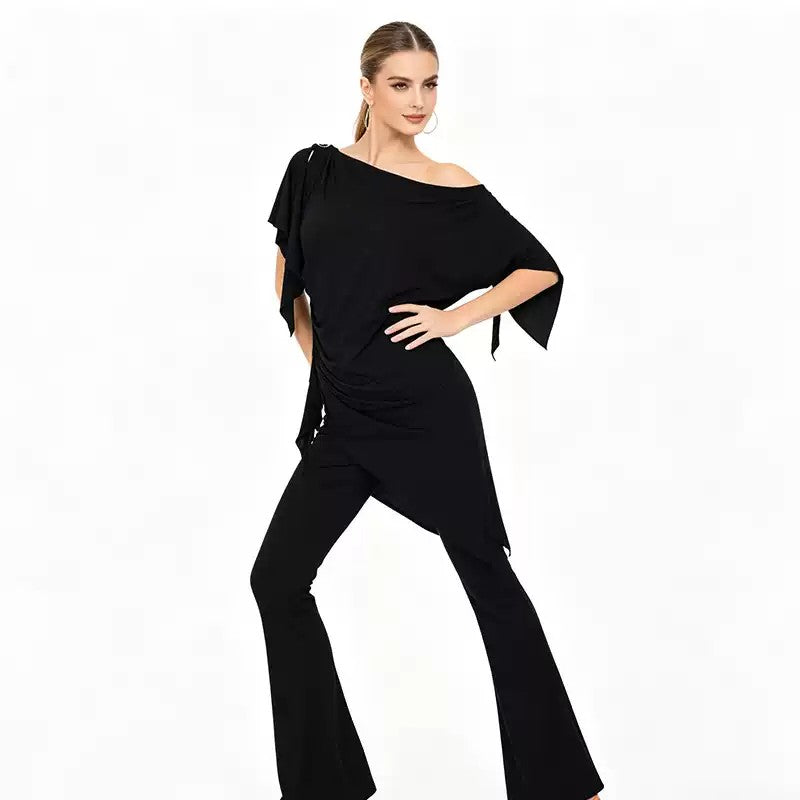
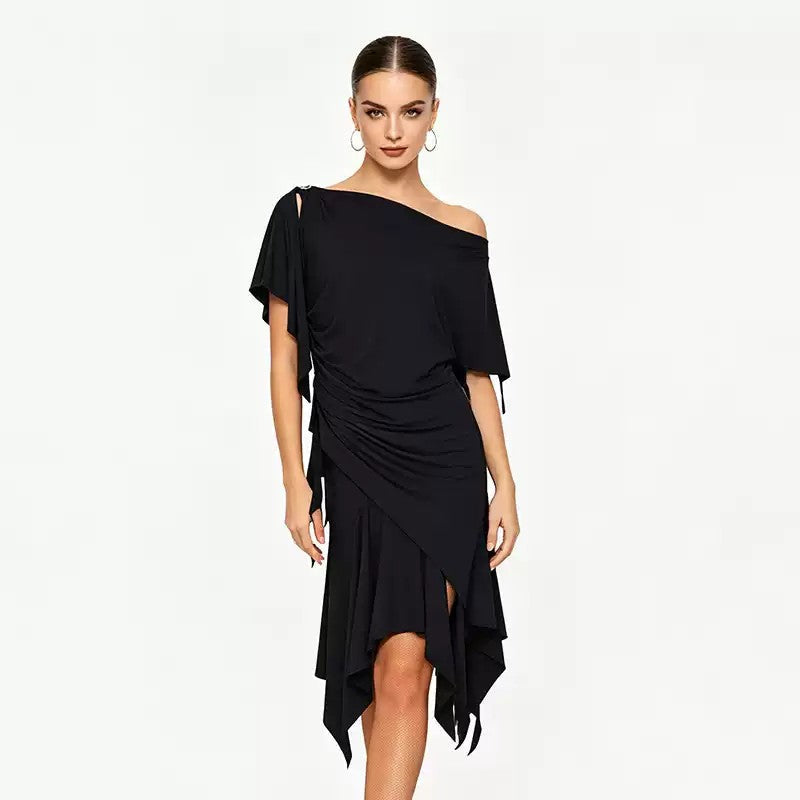
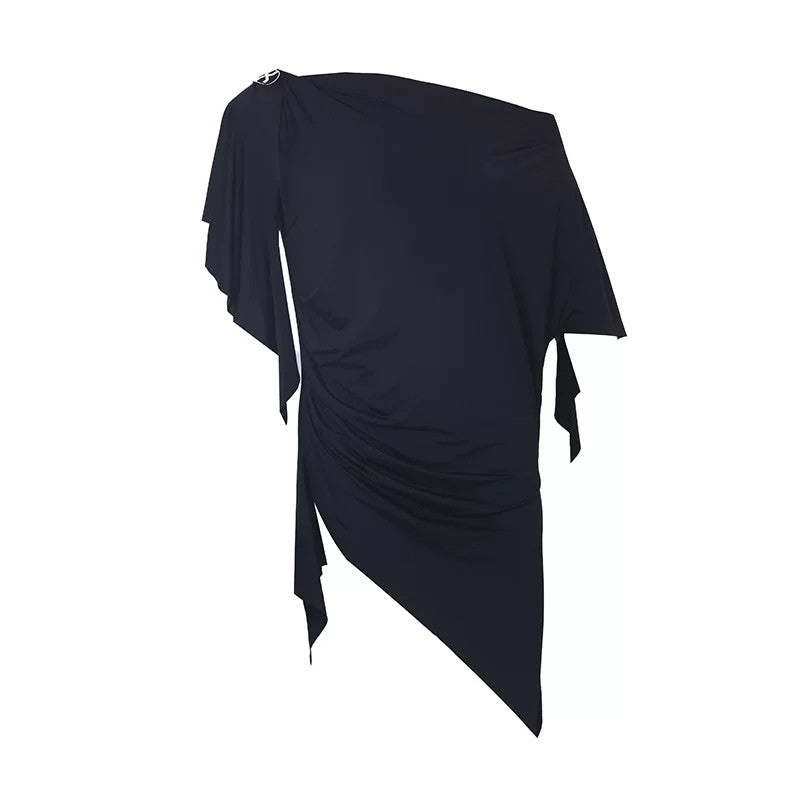
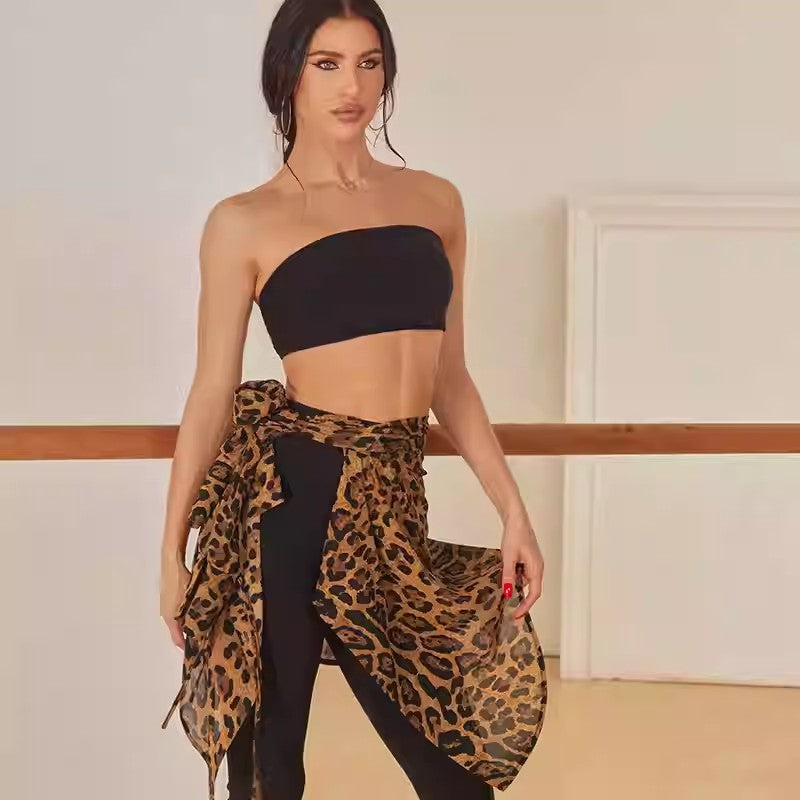
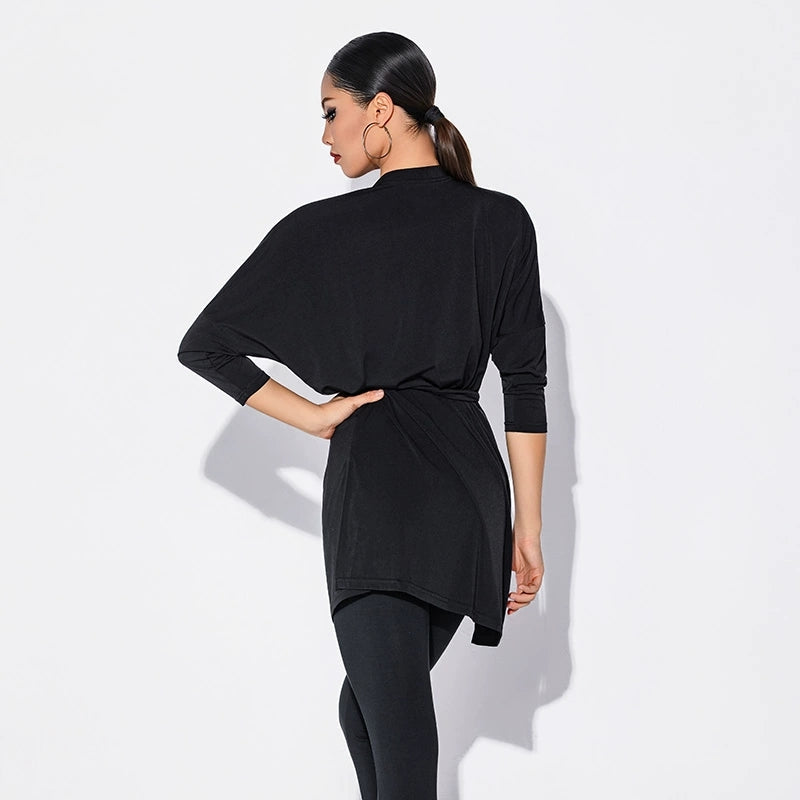
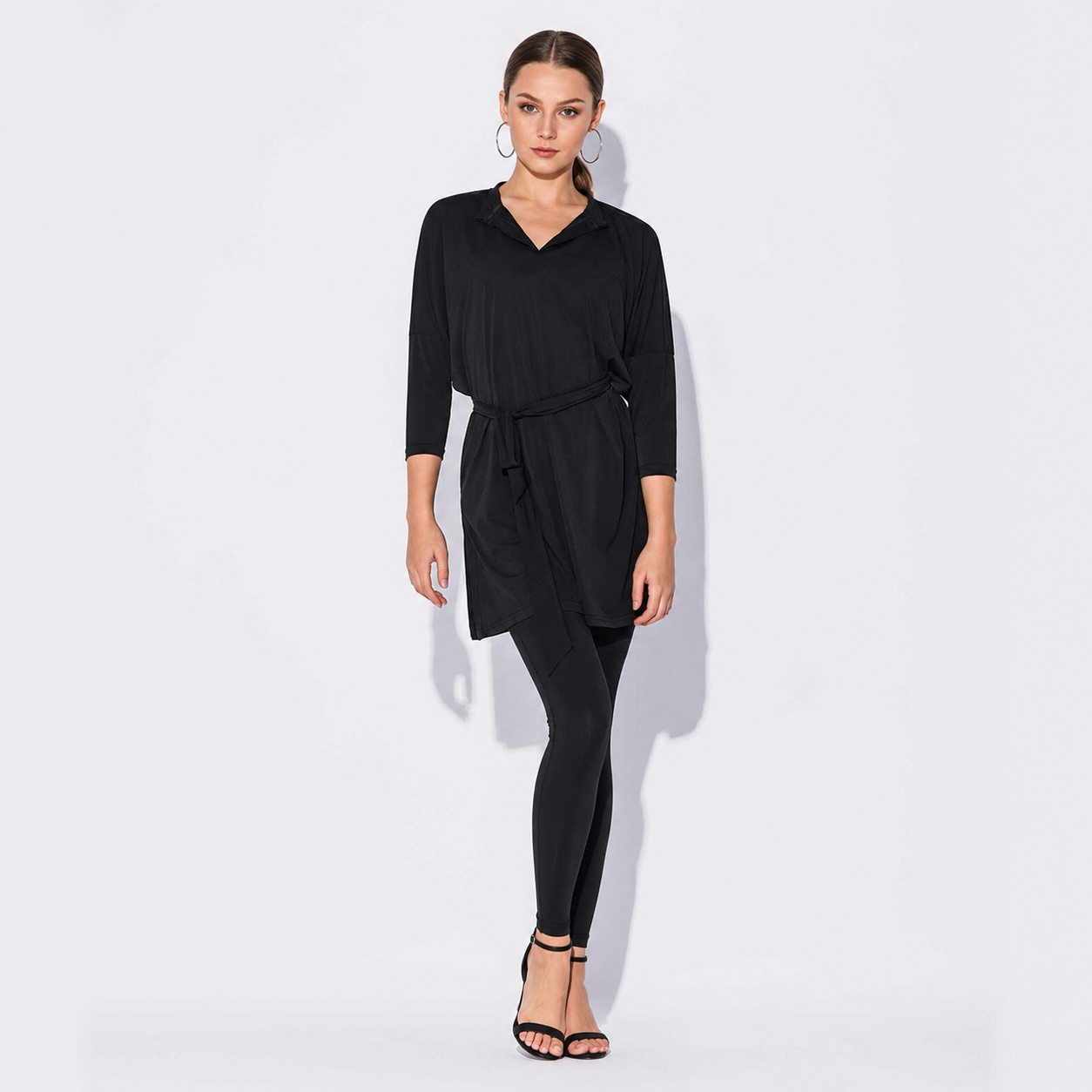
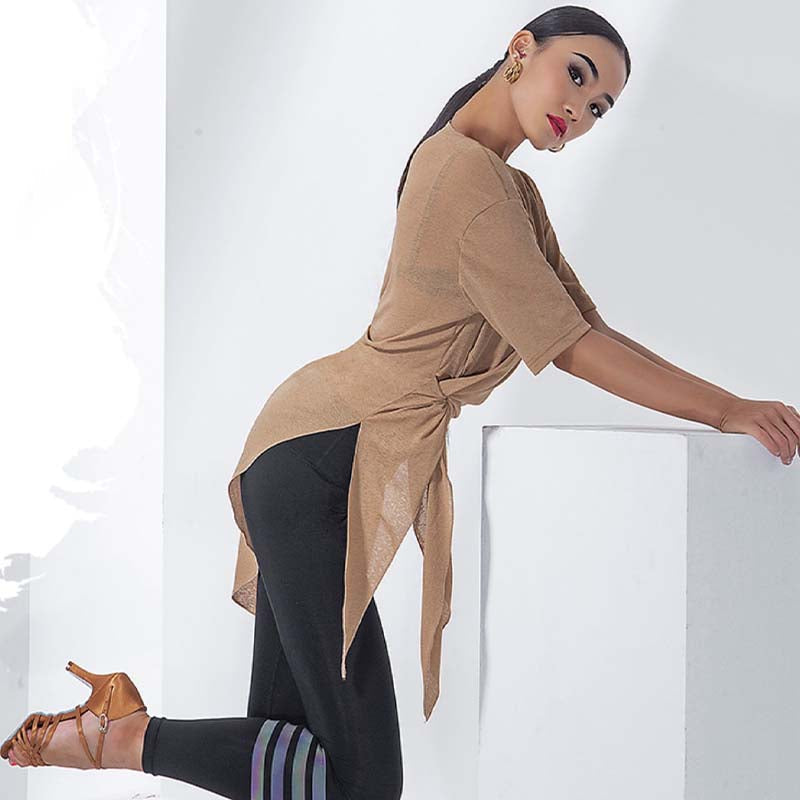
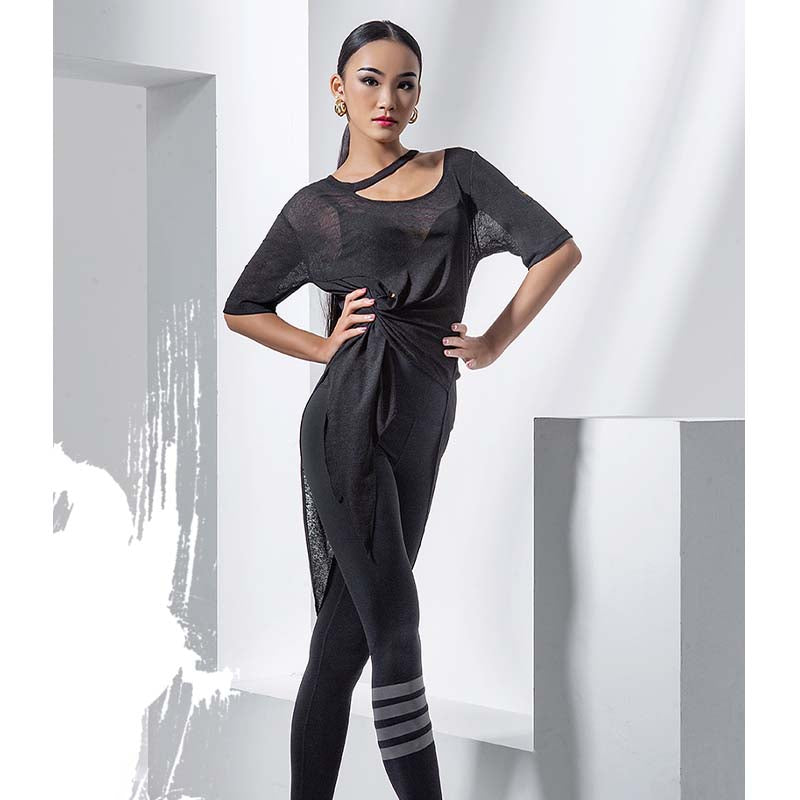
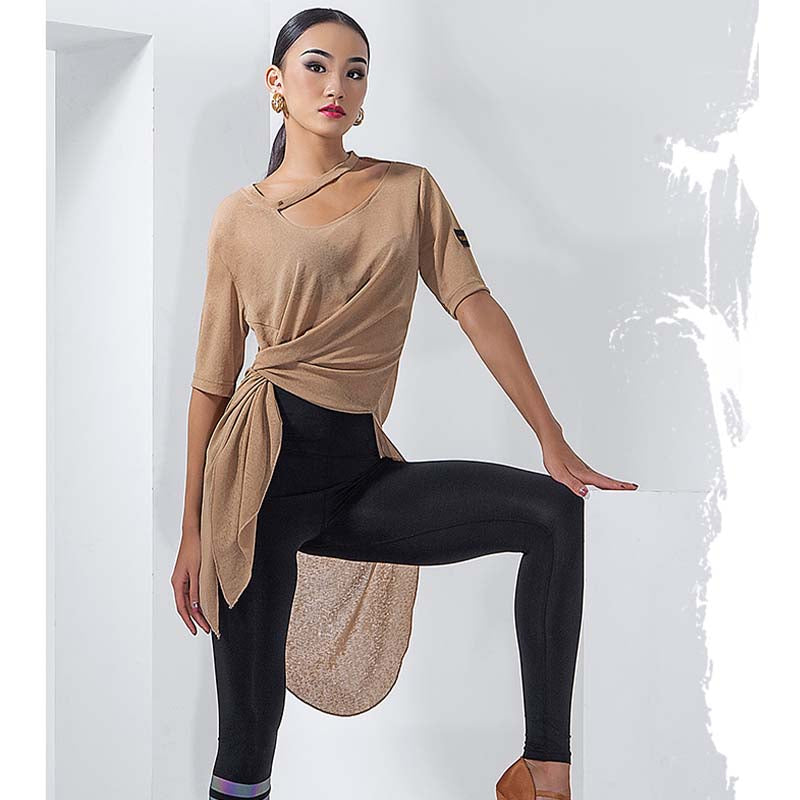
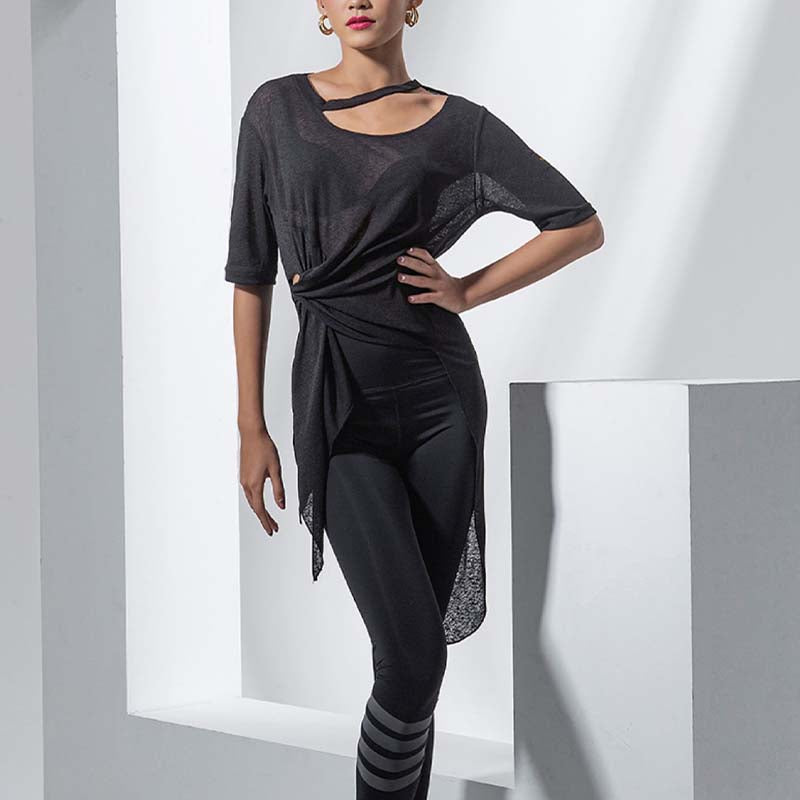
A ballroom top is what you reach for when a bodysuit alone is too little and a dress is too much. Studios are cold at the start of a lesson and warm by the middle; a draped top over a bodysuit solves both without a costume change. Cut long and loose through the body, these tops fall over the waistband of a practice skirt so there is no hard horizontal break at the hip — the same line a dress gives you, assembled from pieces you can wash separately and mix.
Cuts That Work Under a Frame
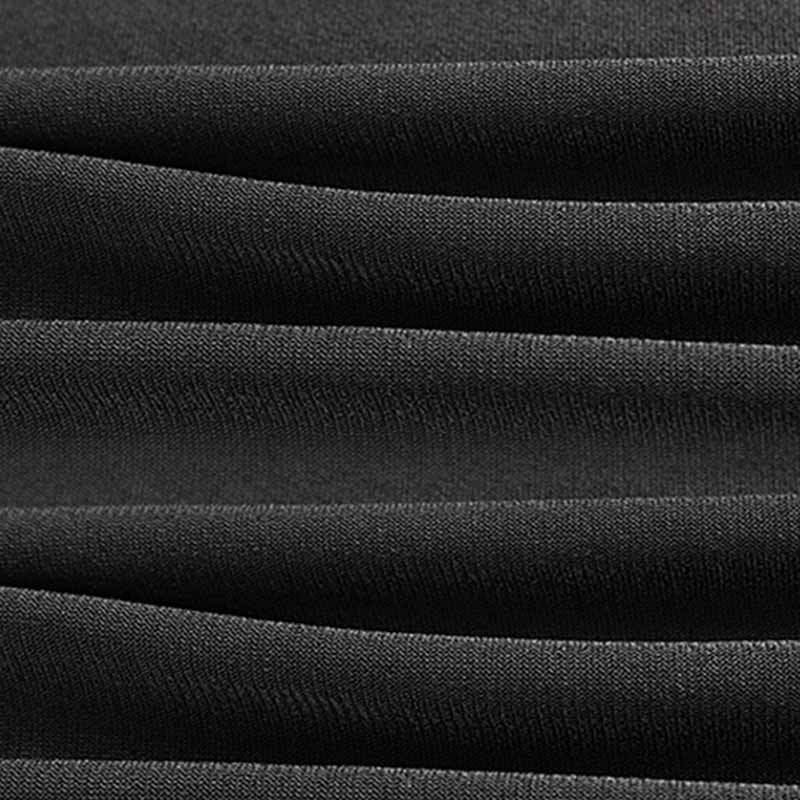
Drape is the point. Chiffon and light knits that hang from the shoulder move with the arm instead of pulling against it, which matters the moment your frame goes up. Tie-waist and side-tie styles let you decide how much shape to show on a given day — loose for a technique lesson, drawn in for a practice party. Off-shoulder and ruffle-sleeve cuts add movement at the arm, where a ballroom audience is already looking. Avoid anything that grips the upper arm; if a sleeve binds at the bicep you will feel it in your frame within a figure or two.
How Many Do You Actually Need
Two. Ballroom tops multiply rather than add: two tops over one ballroom bodysuit across two ballroom skirts covers a month of lessons without repeating an outfit. Keep one in black because it goes with every skirt in the range, and let the second be the one with a print or a texture. Tops are also the cheapest way to refresh a wardrobe you are otherwise happy with.
Practice Wear, Not Competition Wear
These are practice pieces. Standard and Smooth competition is danced in a ballroom dress, not separates, so a top belongs to lessons, socials and showcases rather than a competition floor. That is not a limitation — it is where most of your hours are spent, and it is worth dressing for.
Ballroom and Latin Tops
Tops are the one category that genuinely crosses between the two families, since neither one depends on skirt length. A draped ballroom top works over a Latin practice skirt and the reverse is true too; see Latin dancewear for that side. For the full ballroom range in one place, see ballroom dancewear, and closed toe dance shoes for the footwear that goes with it.
Ballroom Tops: Frequently Asked Questions
What should I wear on top for a ballroom dance class?
A fitted bodysuit or leotard with a practice skirt is the standard. Add a draped ballroom top over it when the studio is cold or when you want more coverage. Avoid loose t-shirts, which hide your line from both your teacher and yourself.
What is the difference between a ballroom top and a Latin top?
Less than you might expect. Tops cross over between the two families because neither depends on skirt length. Ballroom tops tend to run longer and looser to blur the waistline under a long skirt, while Latin tops sit shorter to expose the midriff and hip action.
Can I wear a ballroom top for competition?
Standard and Smooth competition is danced in a dress rather than separates, so tops belong to lessons, practice parties and showcases. That still covers most of the hours you spend dancing.
What length ballroom top works best over a practice skirt?
Long enough to fall past the skirt waistband so there is no hard break at the hip. Tunic and hip-length cuts do this well, and tie-waist styles let you adjust how much shape shows.
How should a ballroom dance top fit through the sleeve?
Loose enough that nothing binds at the bicep. A sleeve that grips the upper arm will fight your frame within a figure or two, which is why drape matters more than fit in this category.