Low Heel Dance Shoes for Women
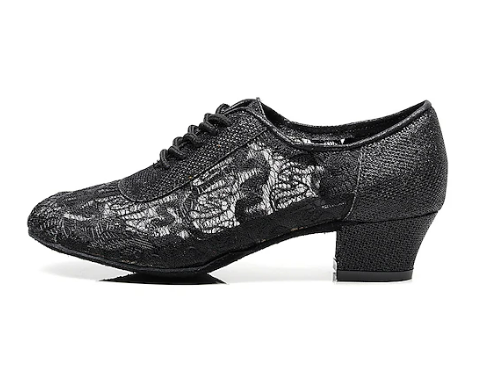
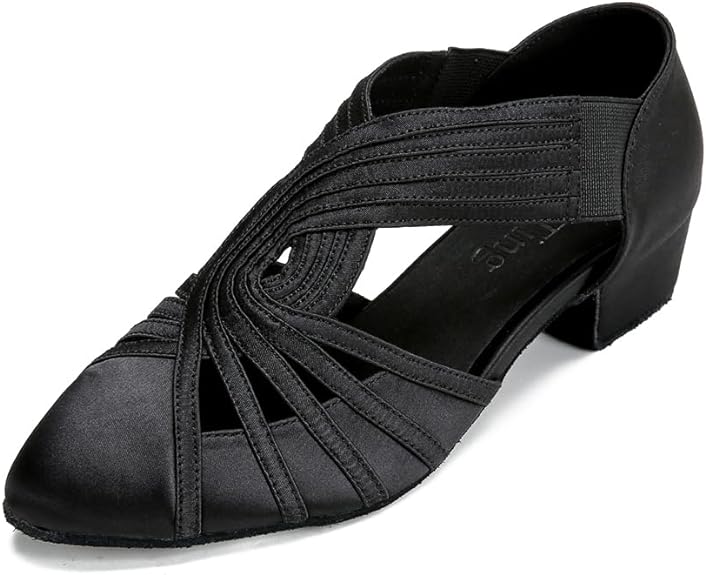
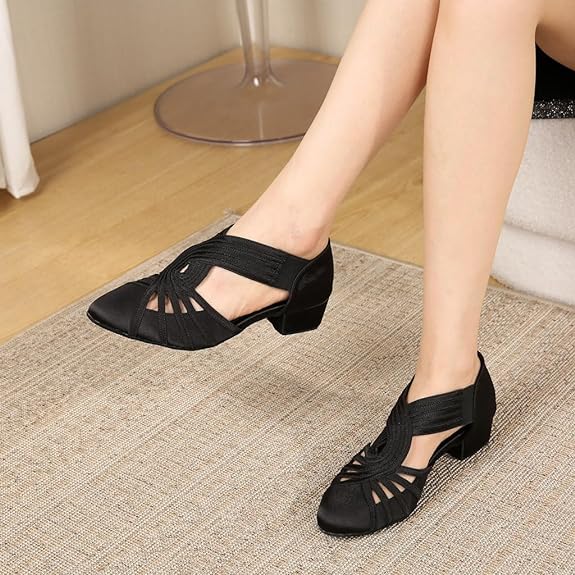
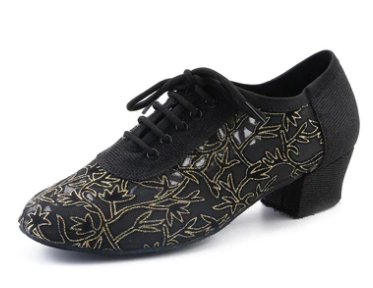
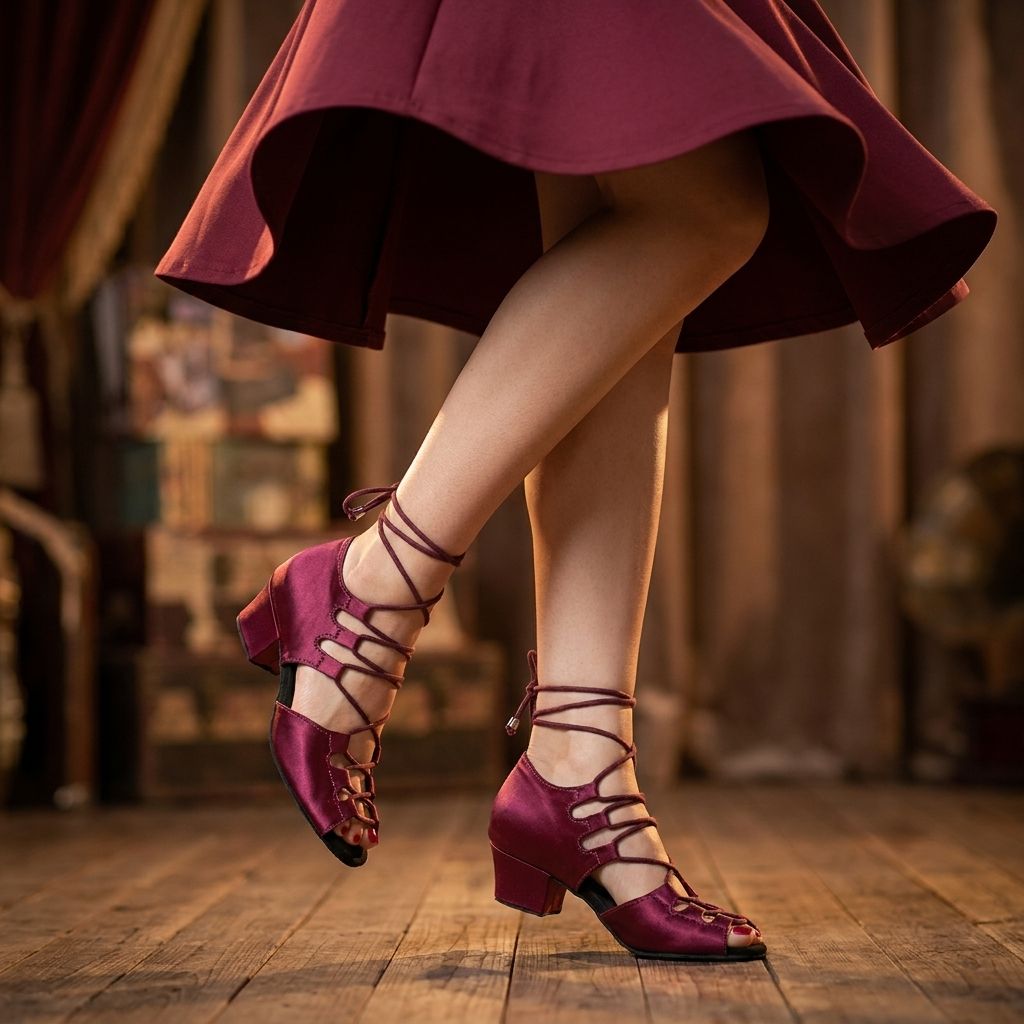
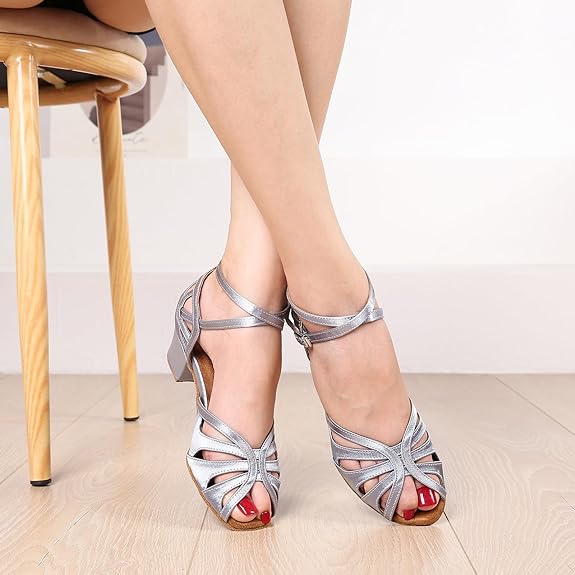
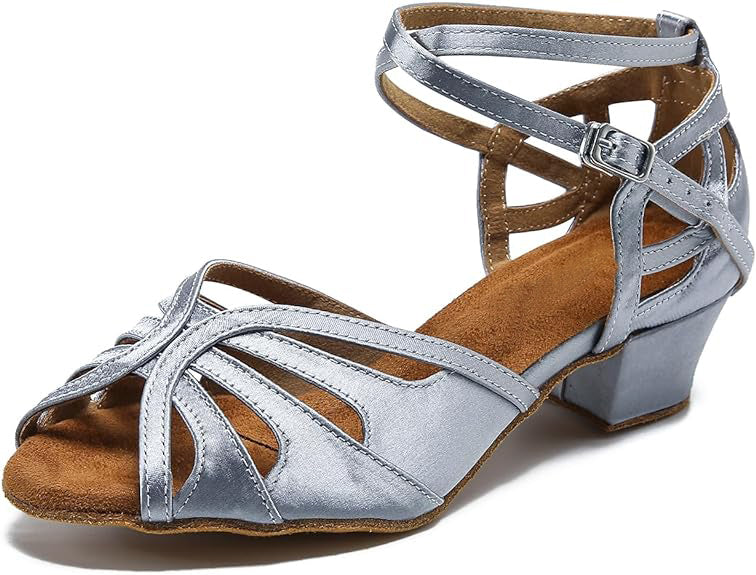
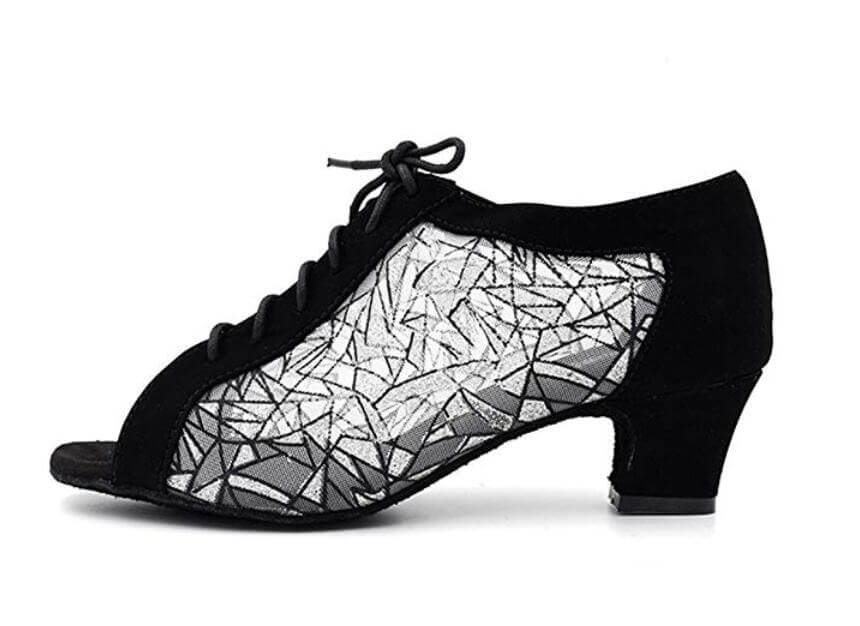
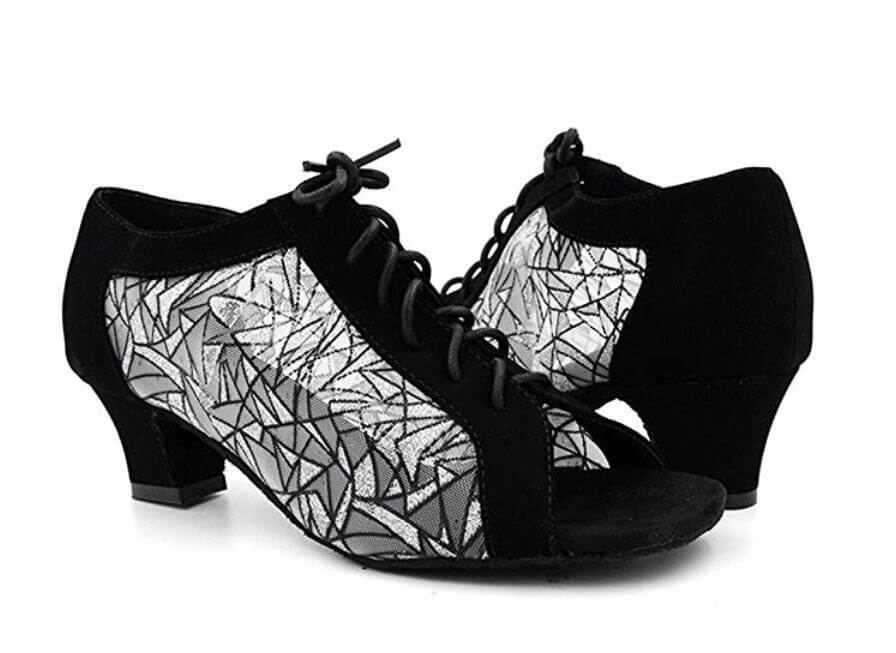
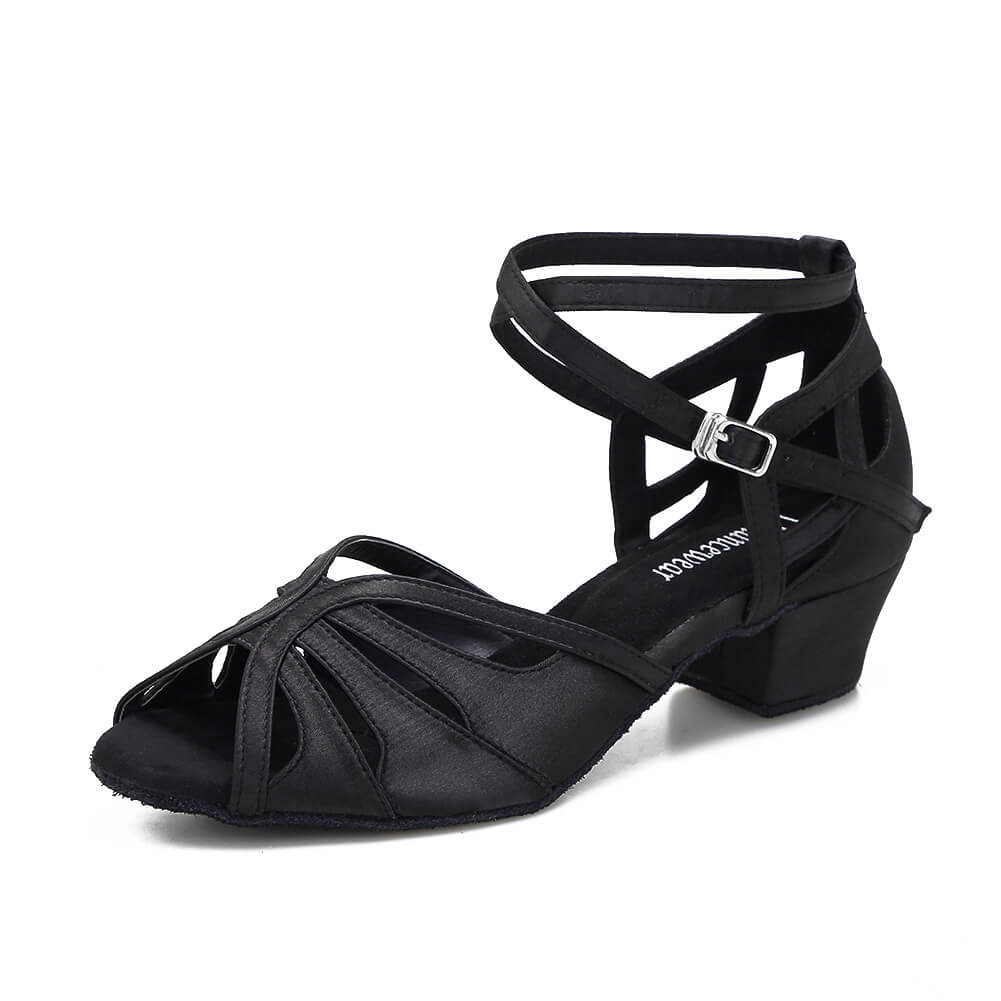
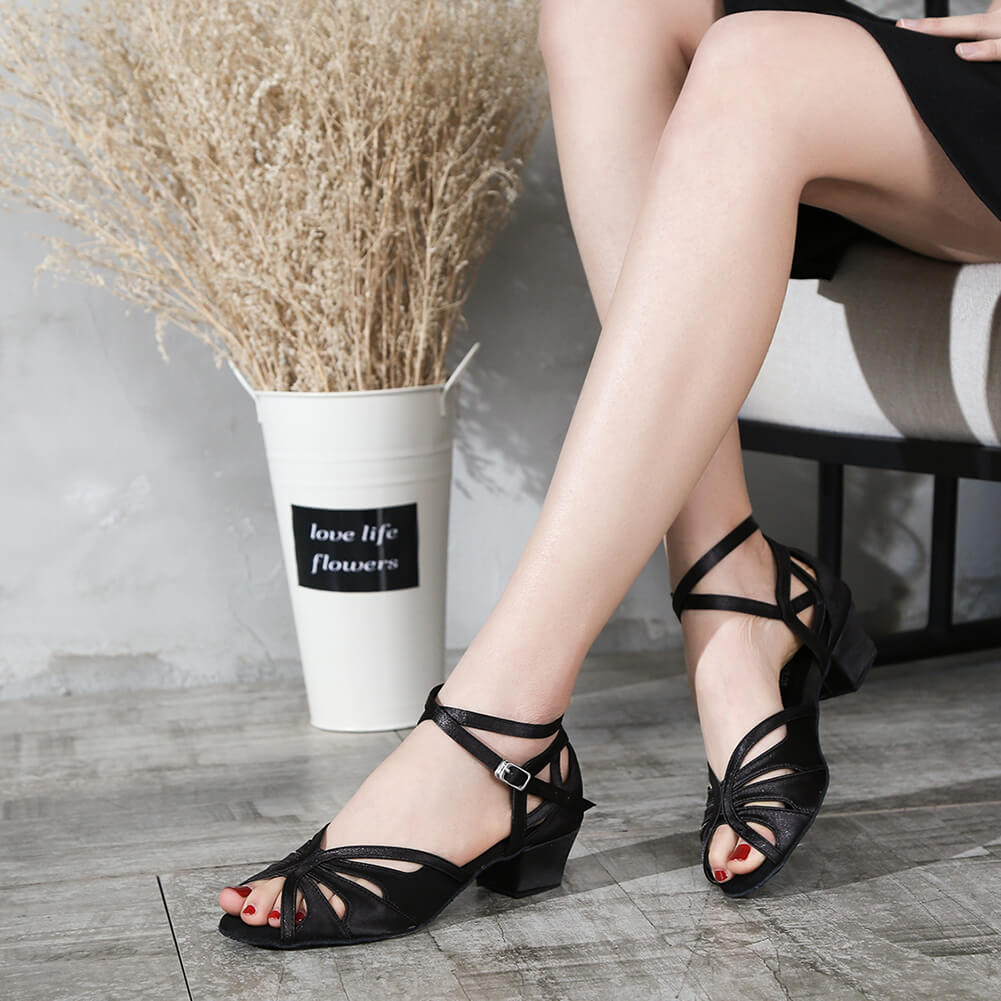
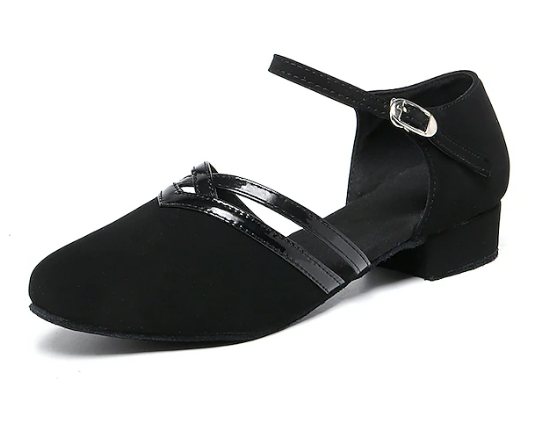
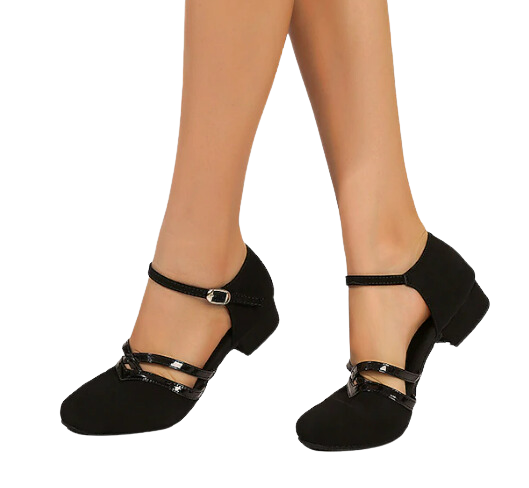
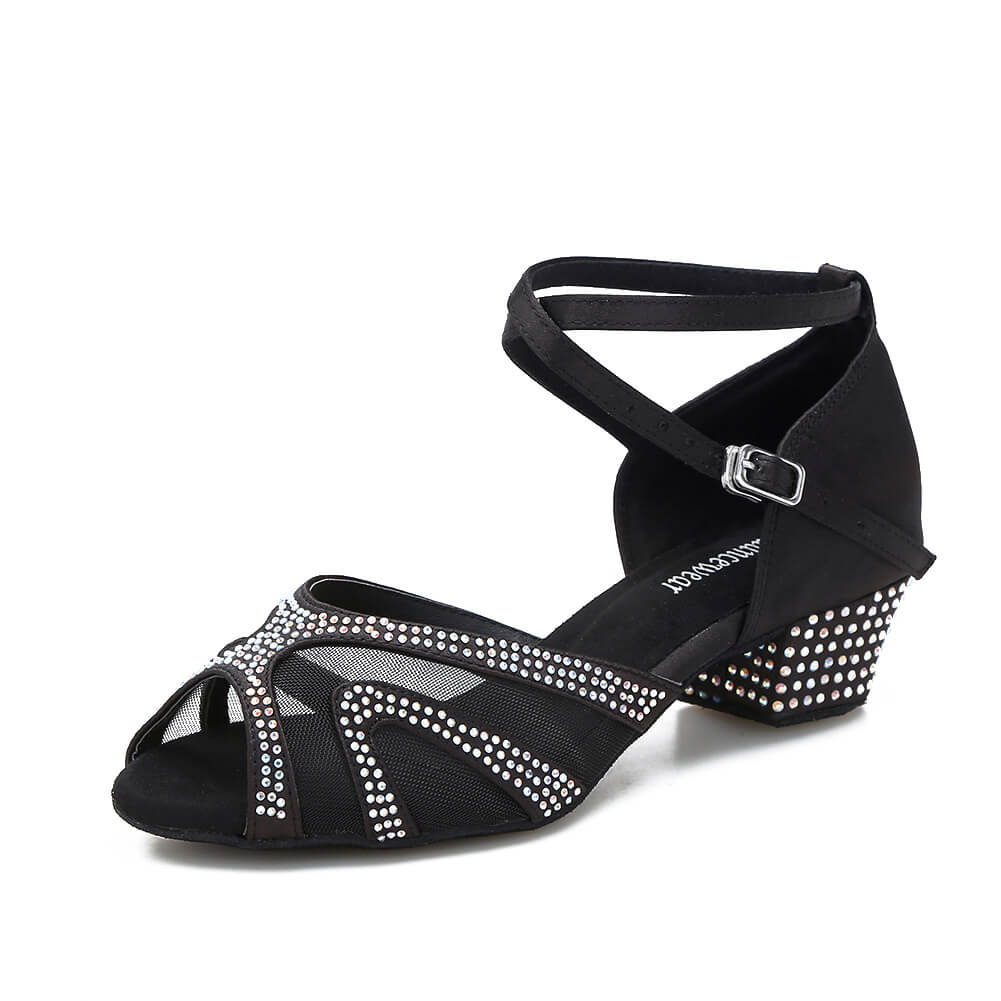
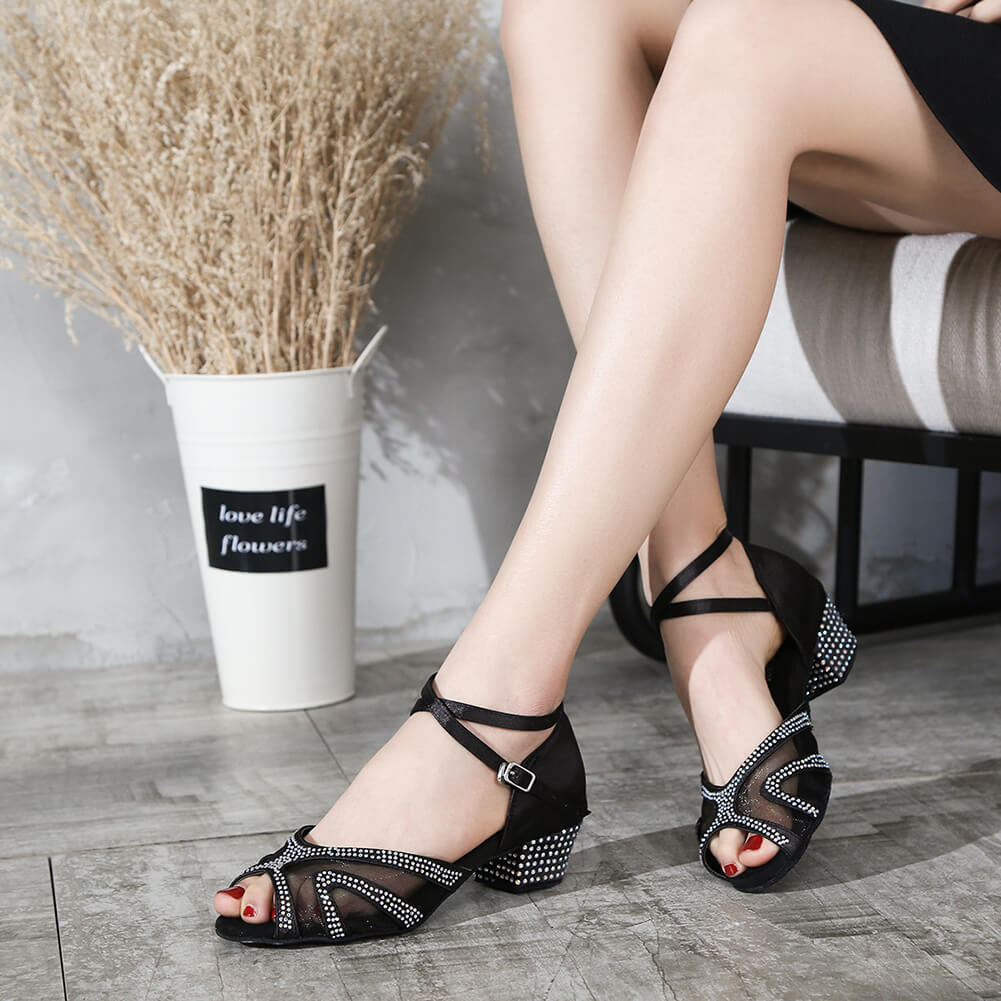
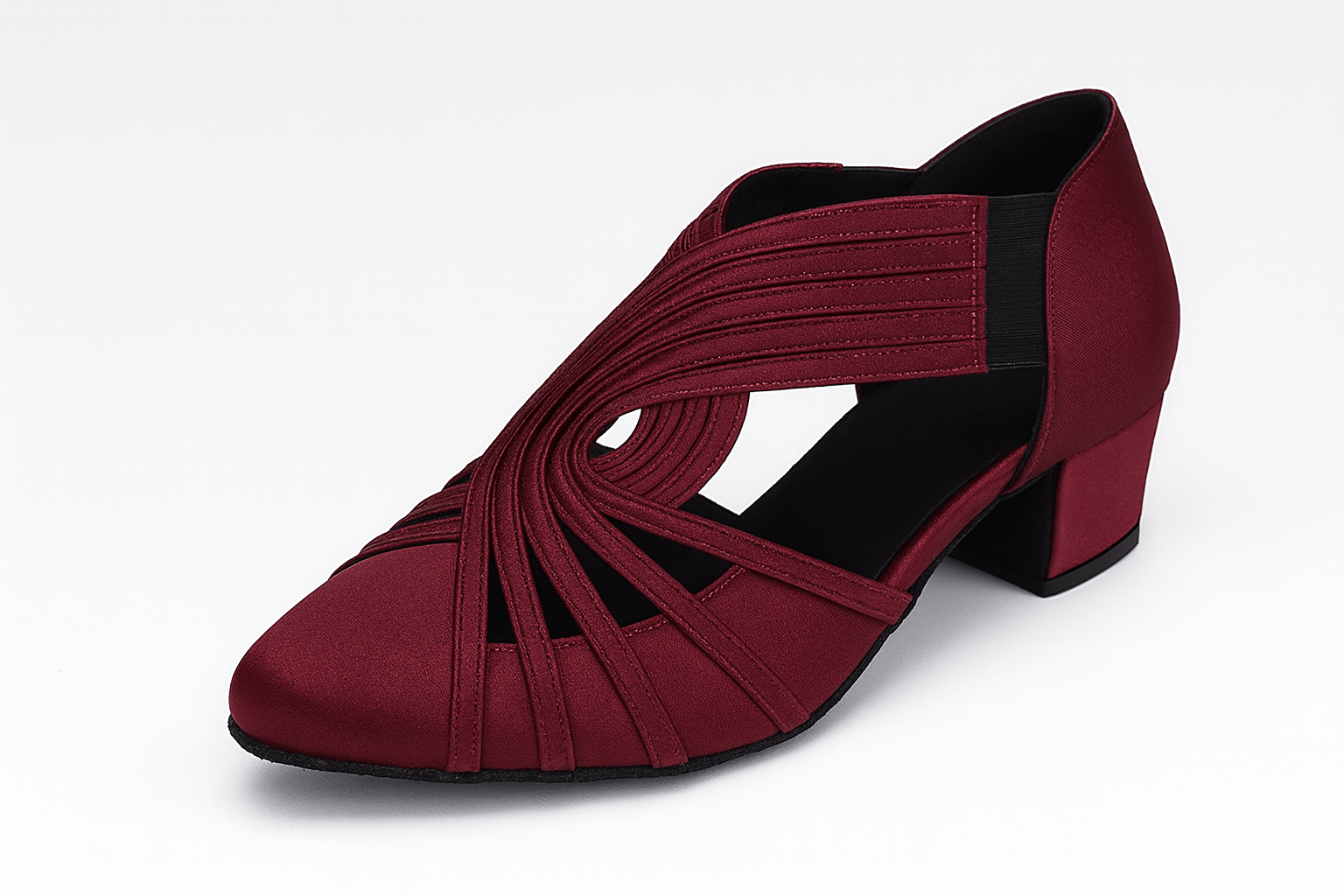
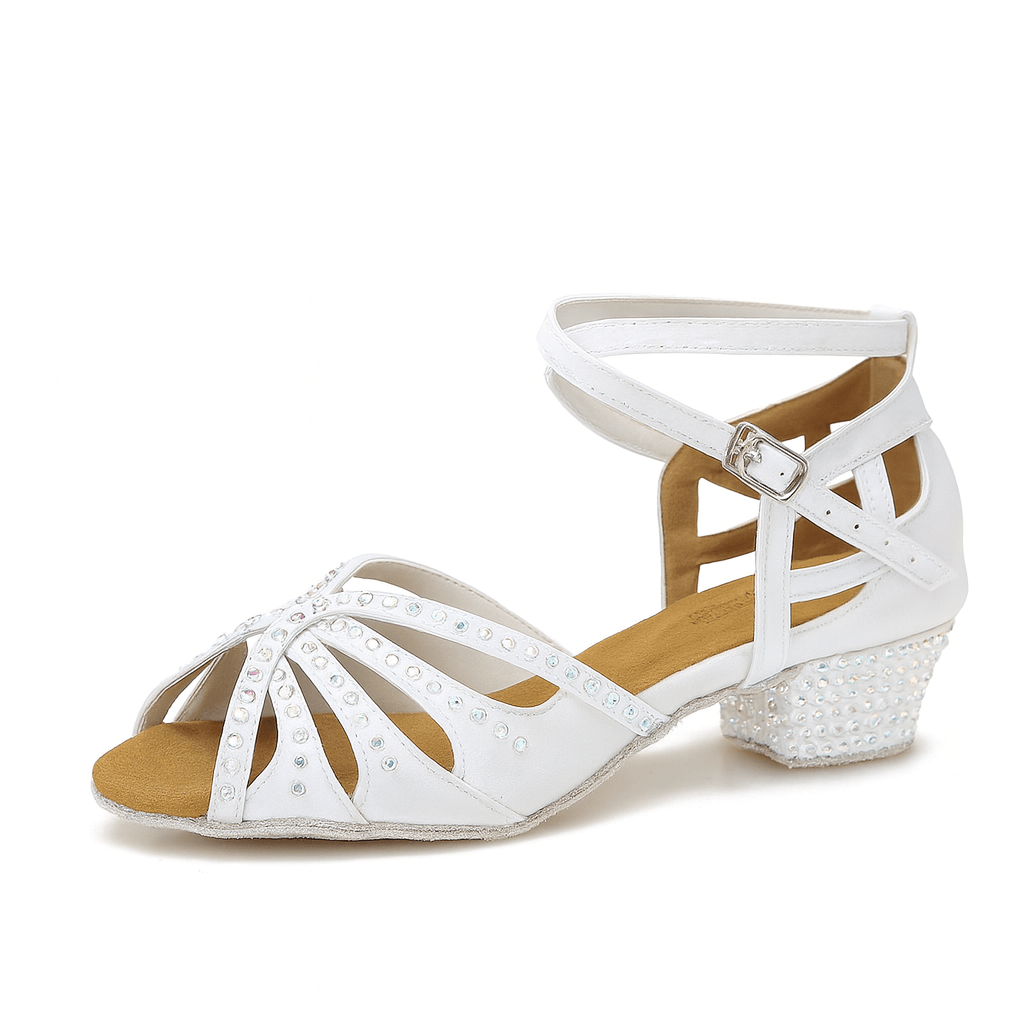
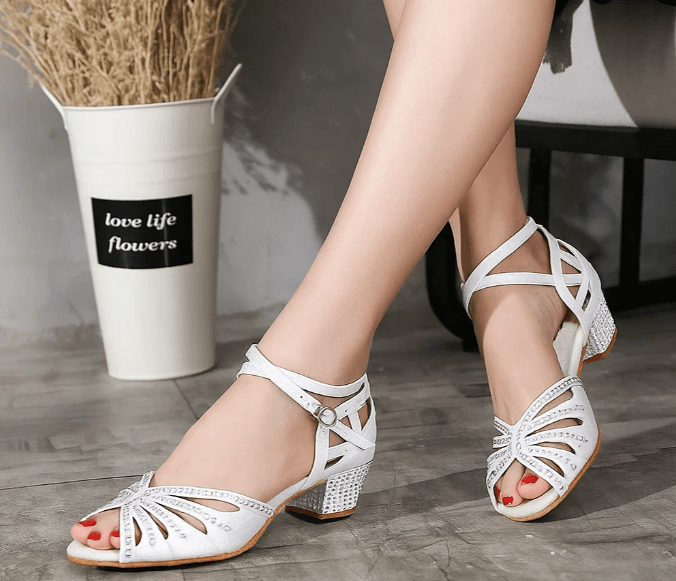
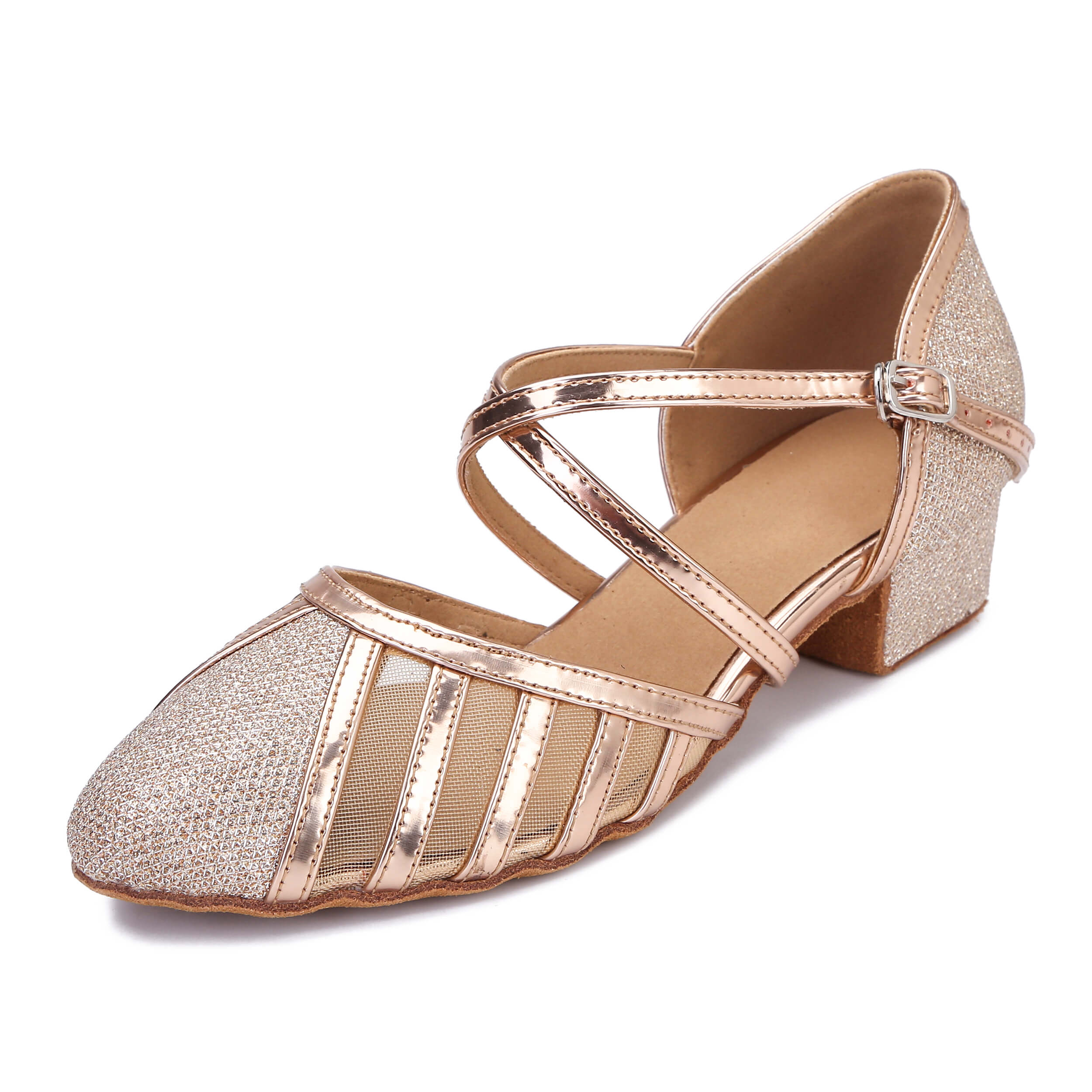
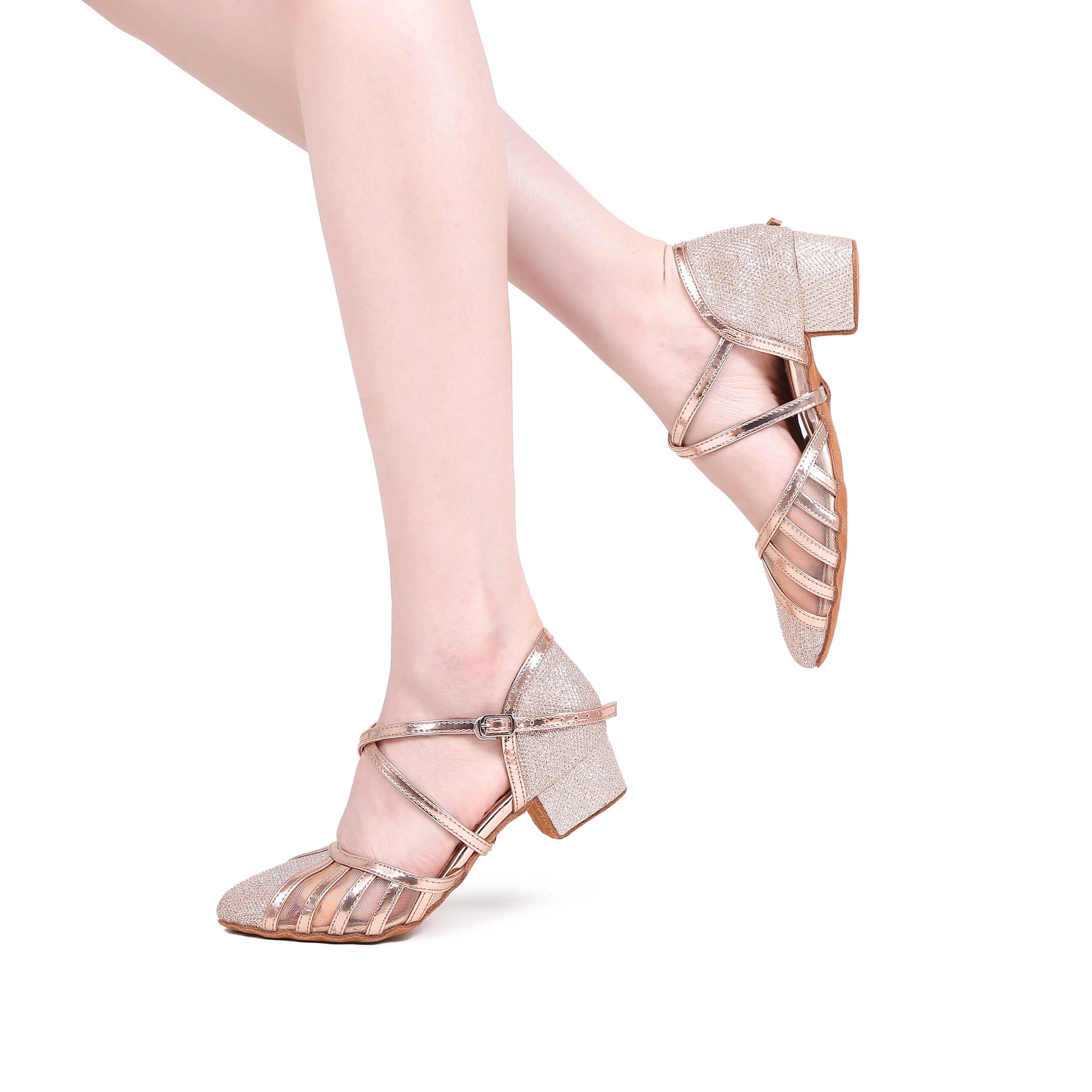
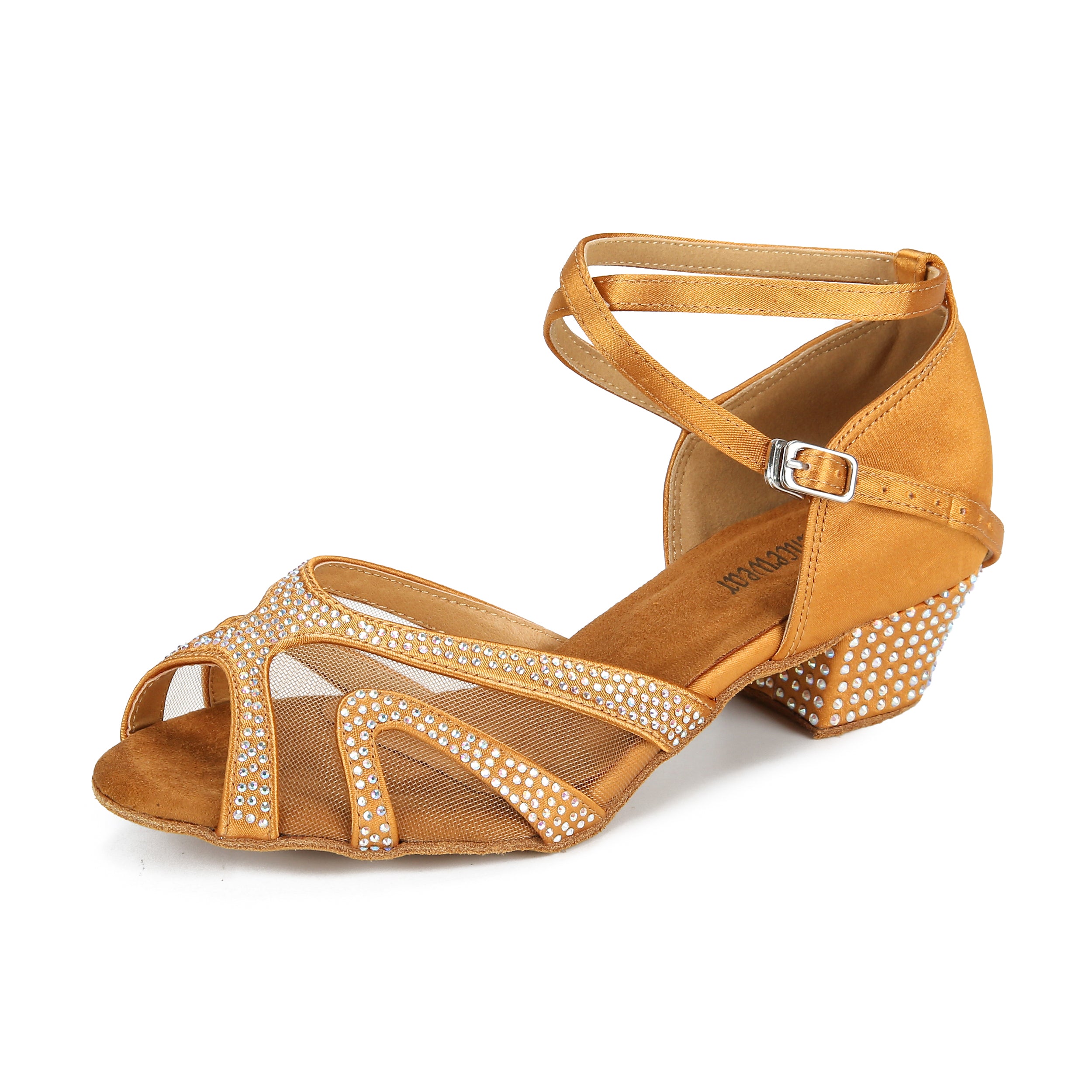
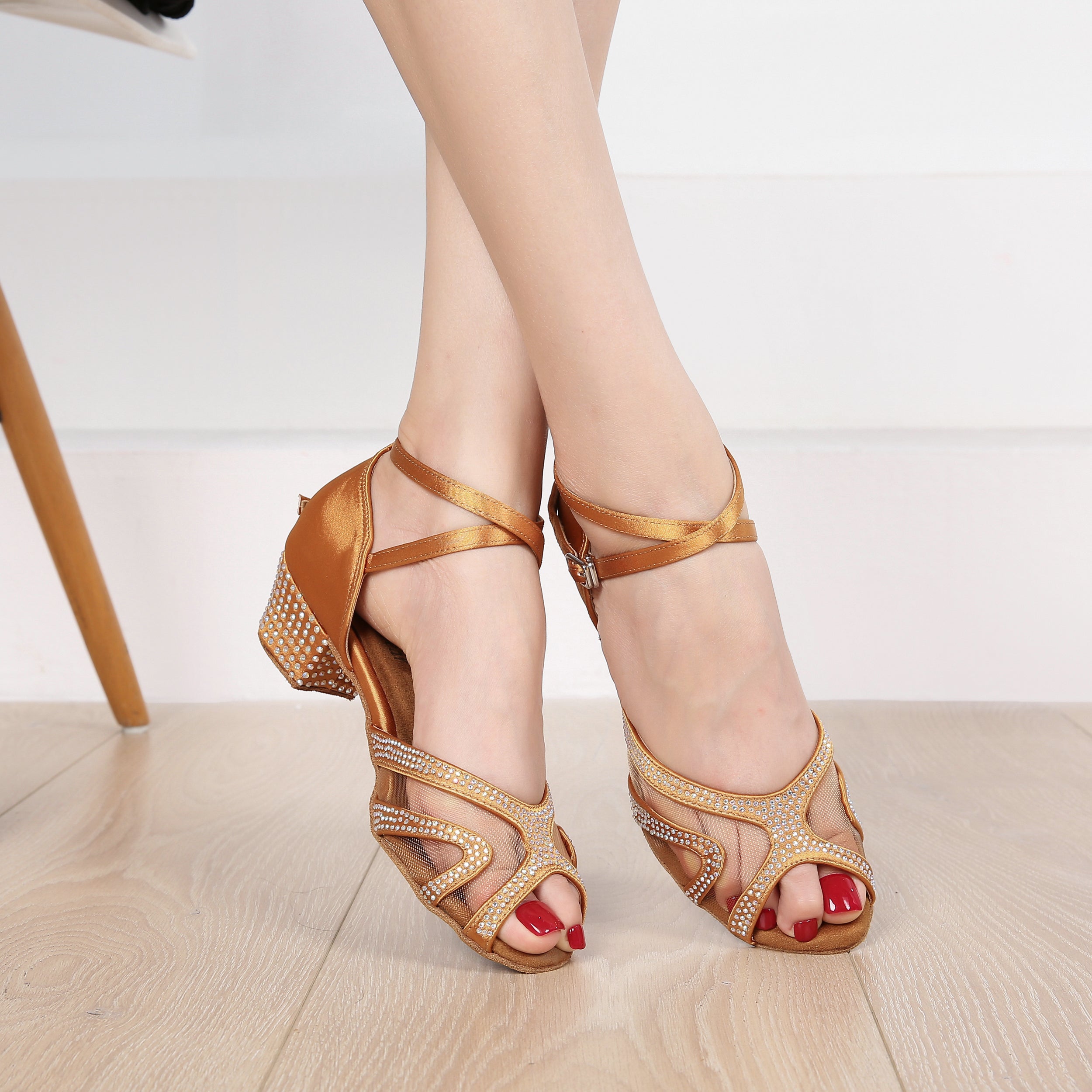
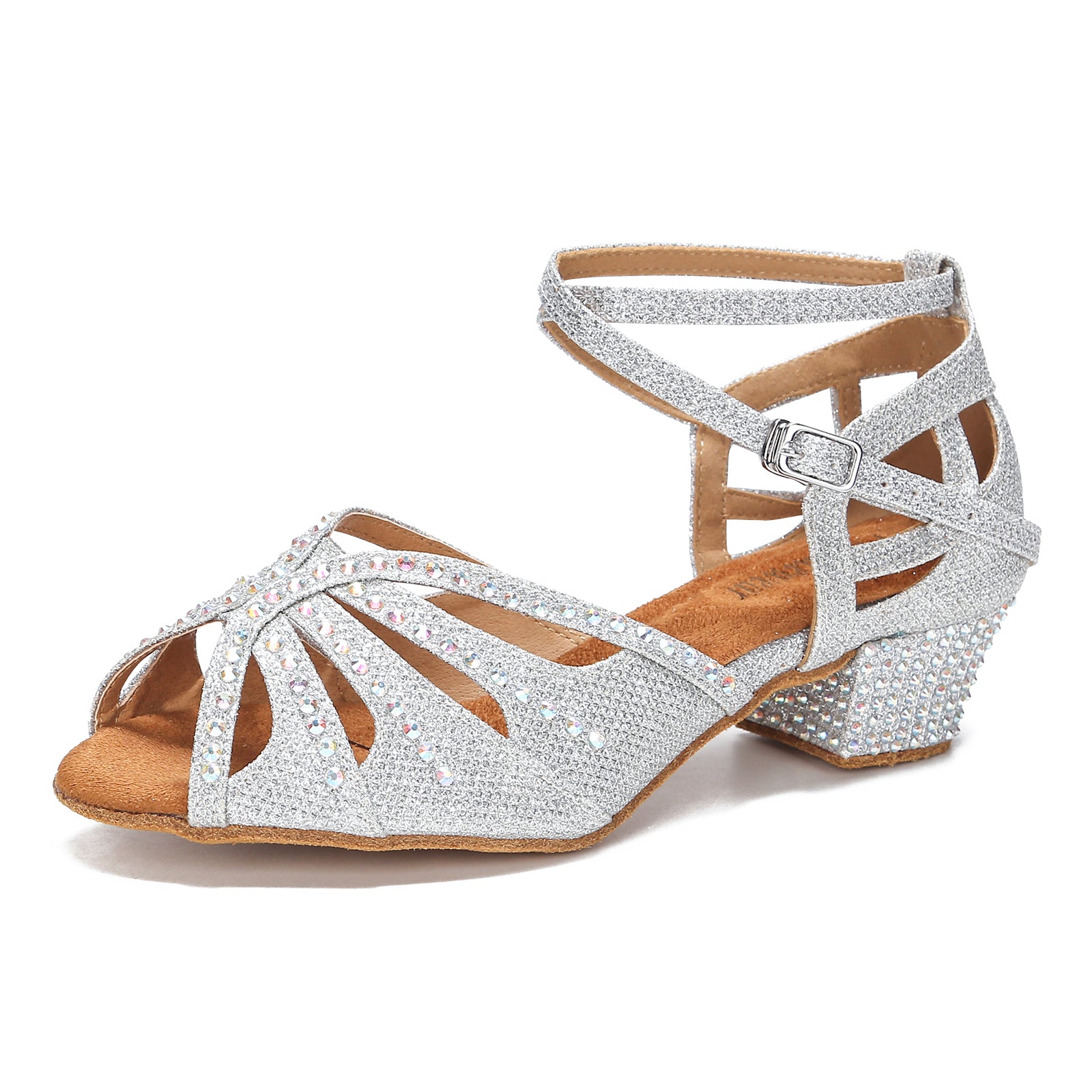
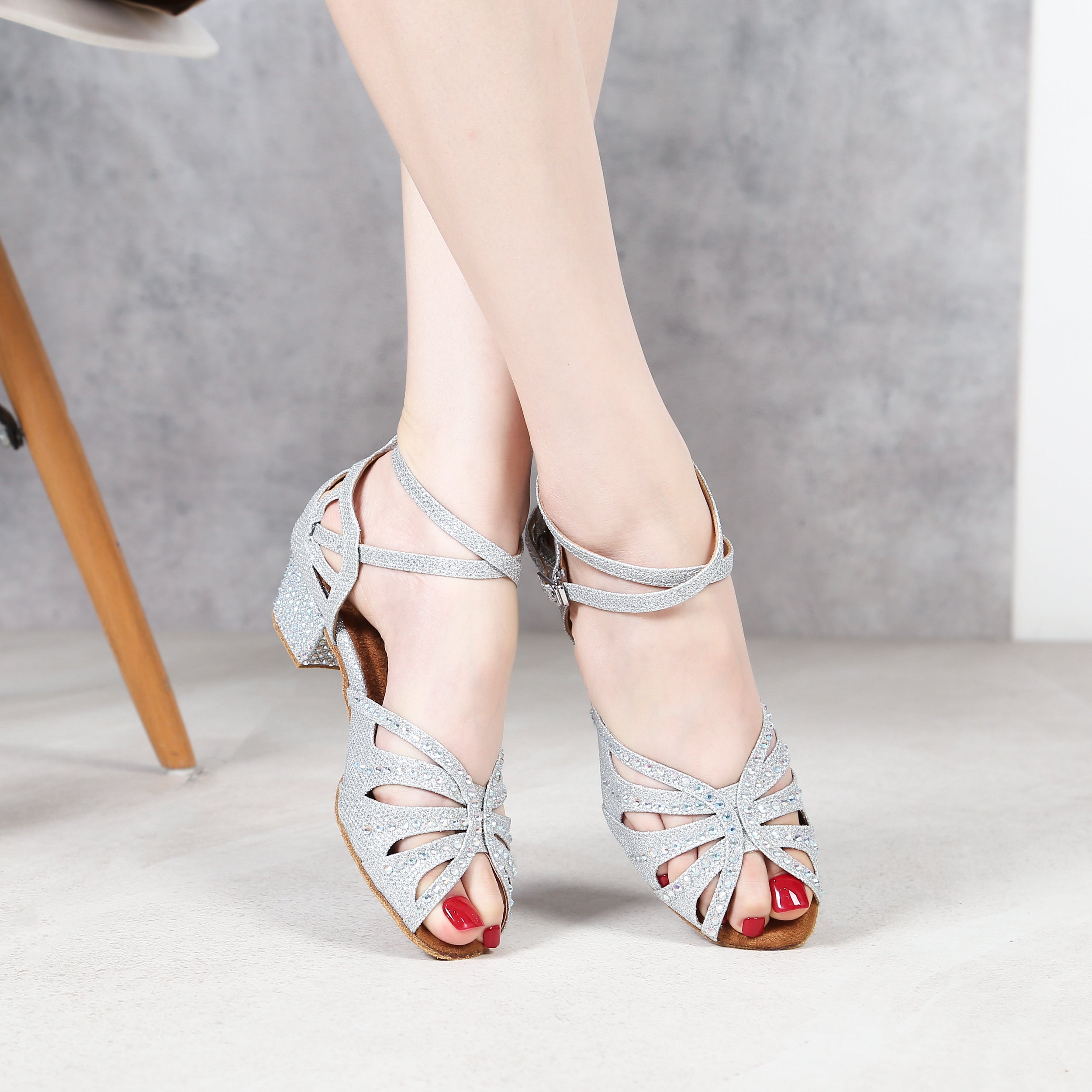
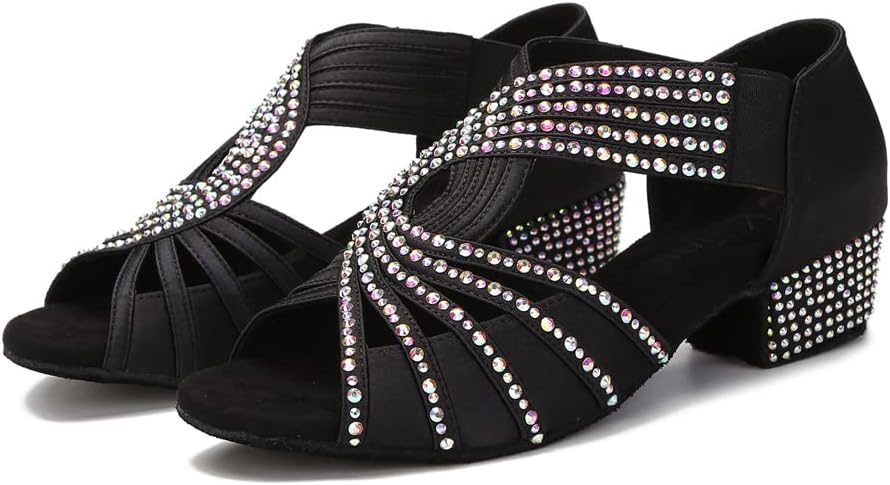
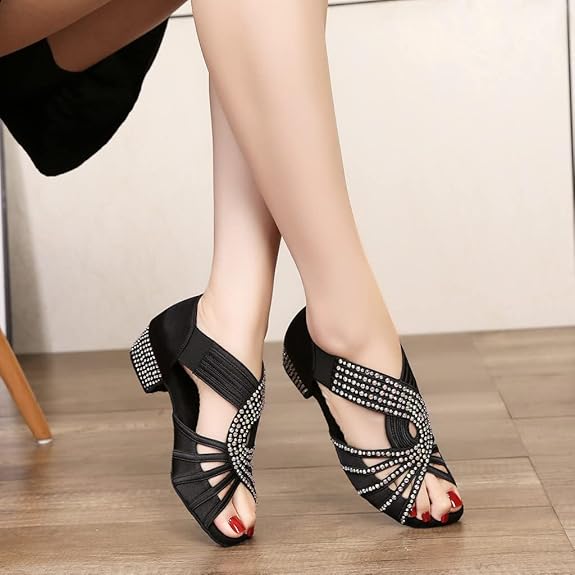
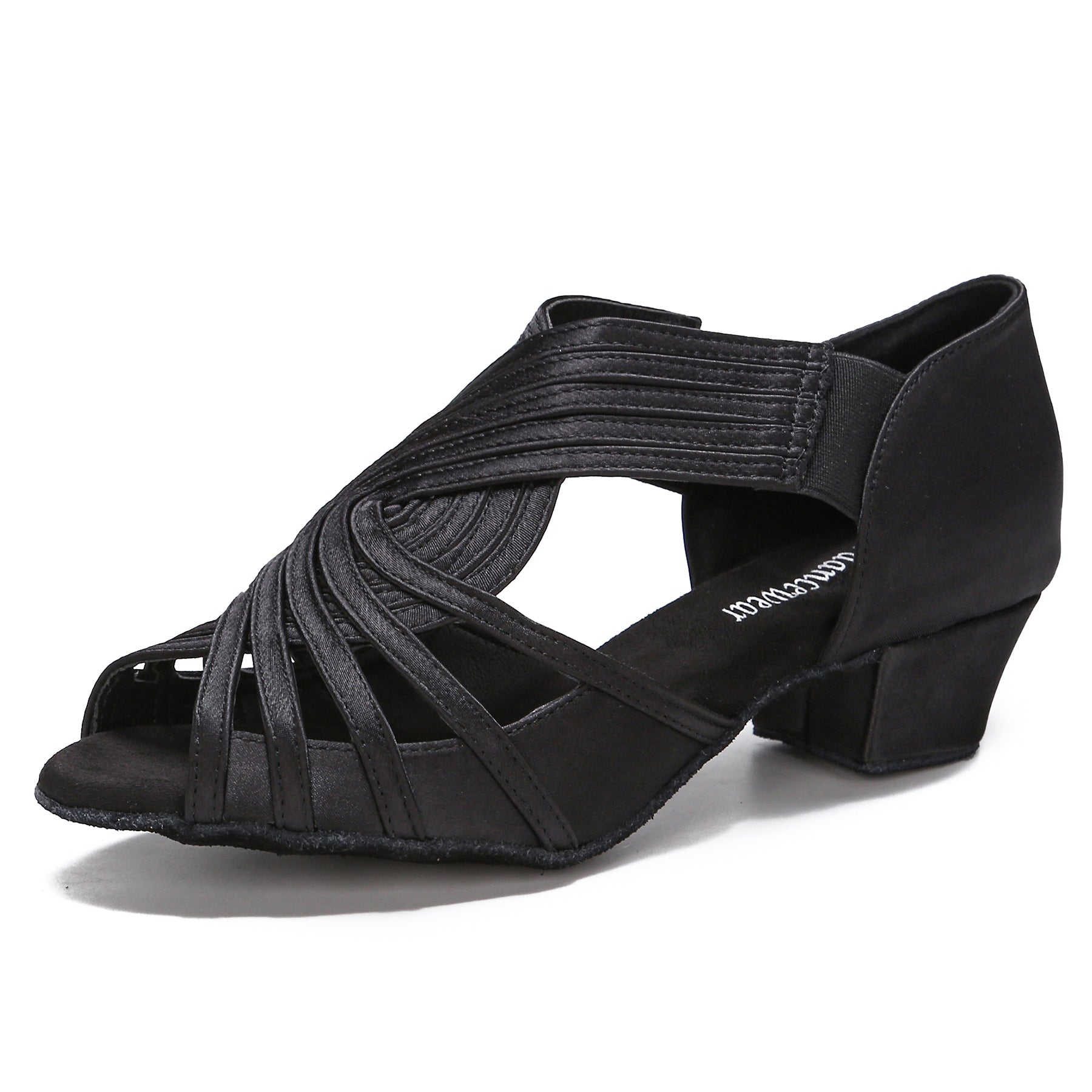
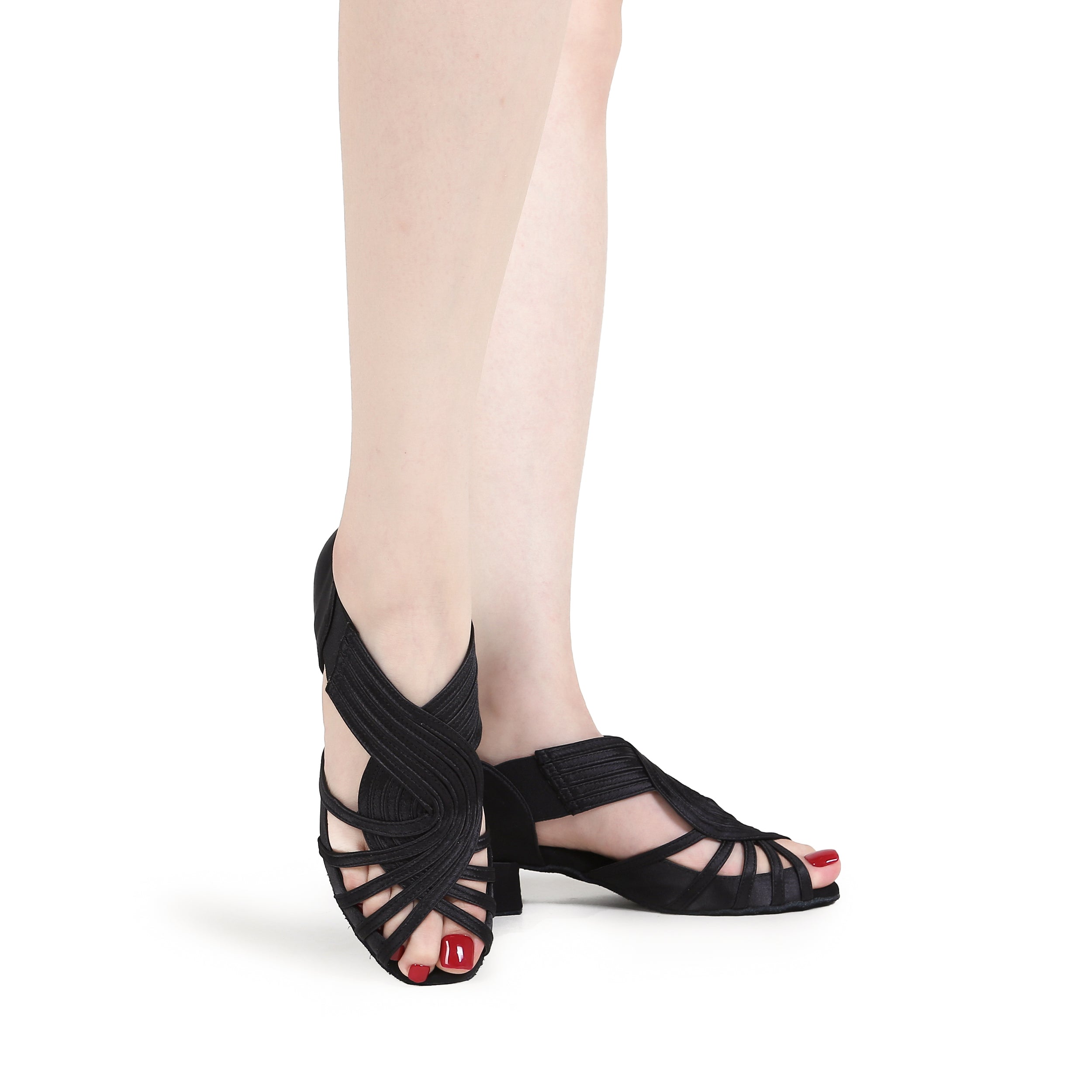
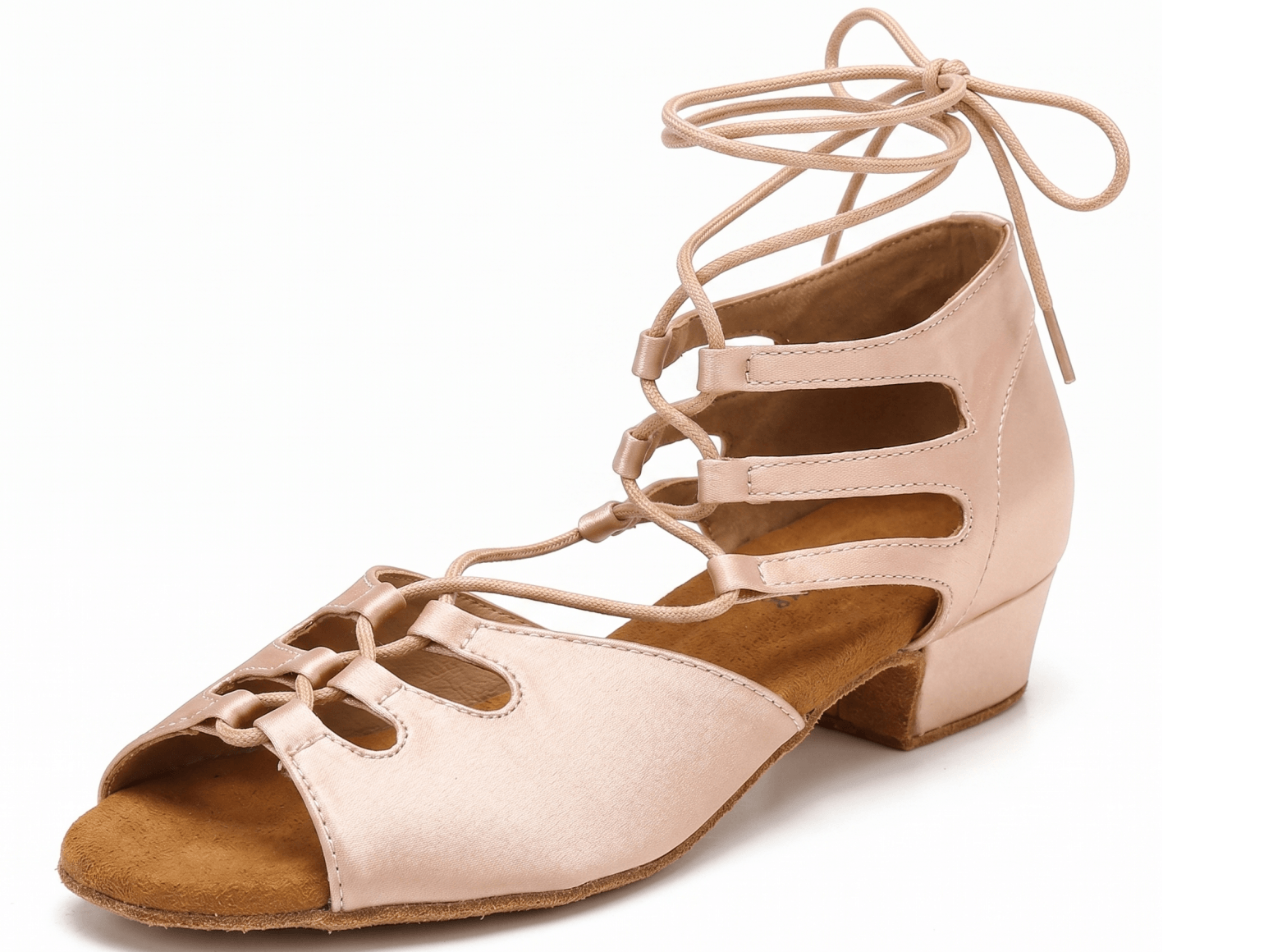
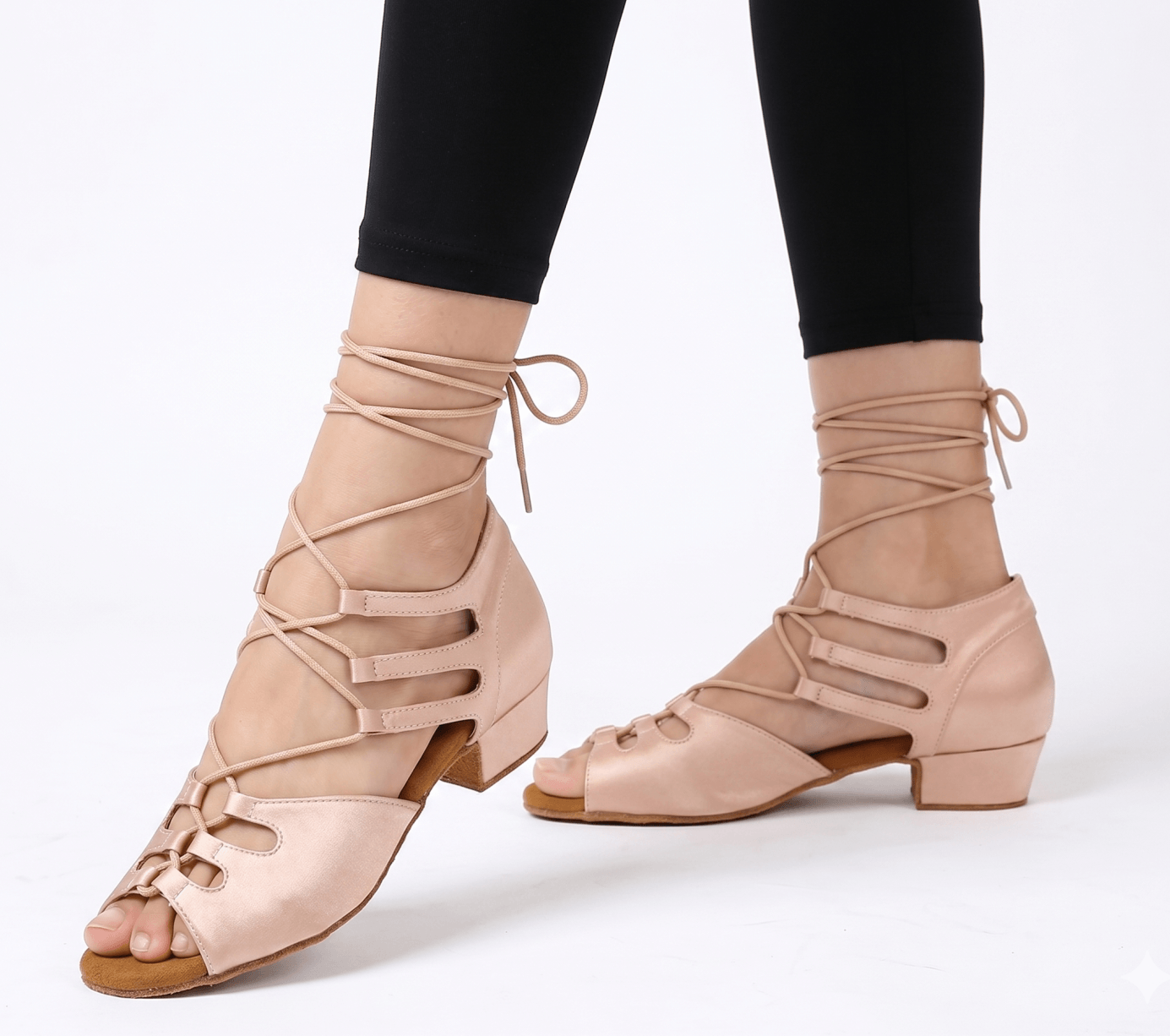
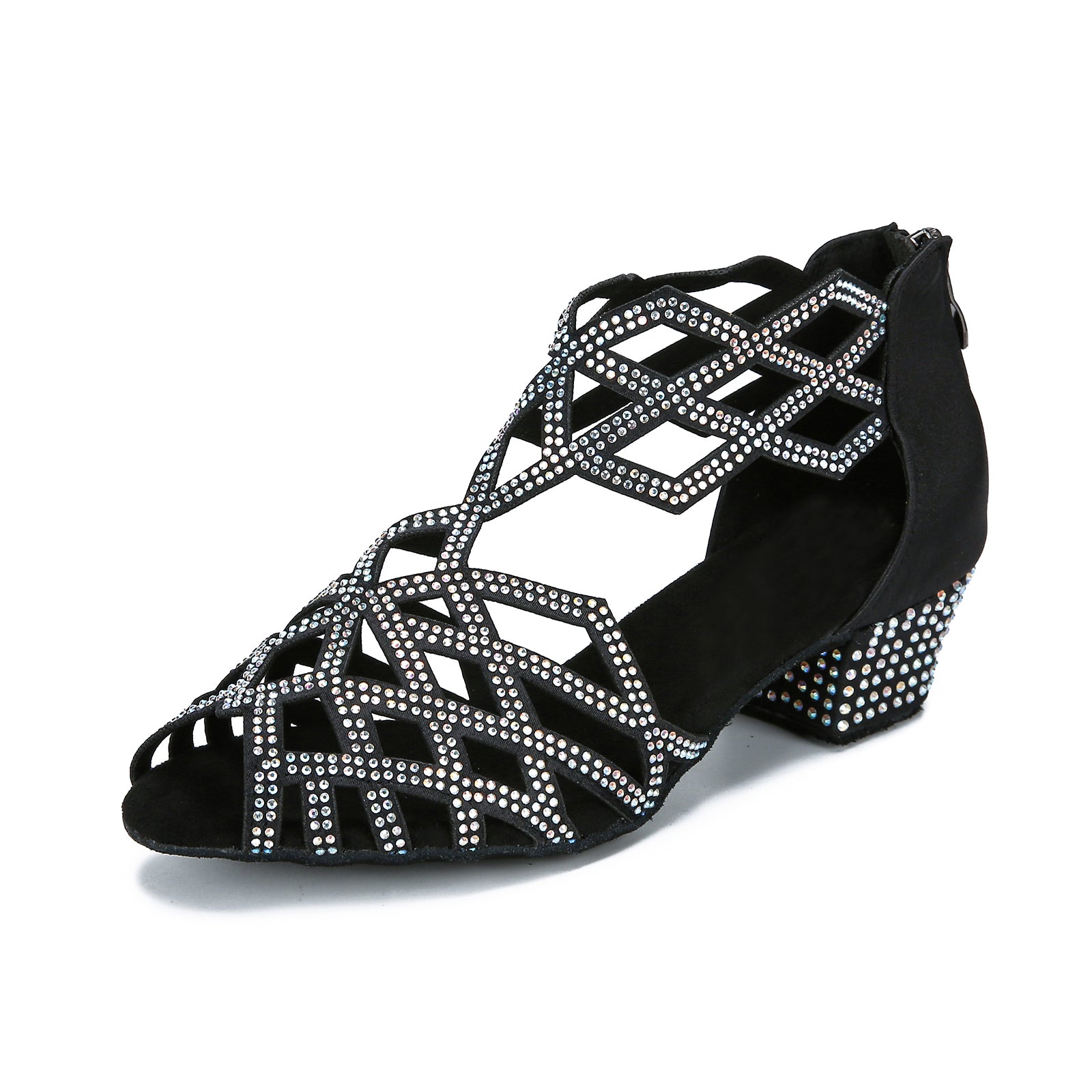
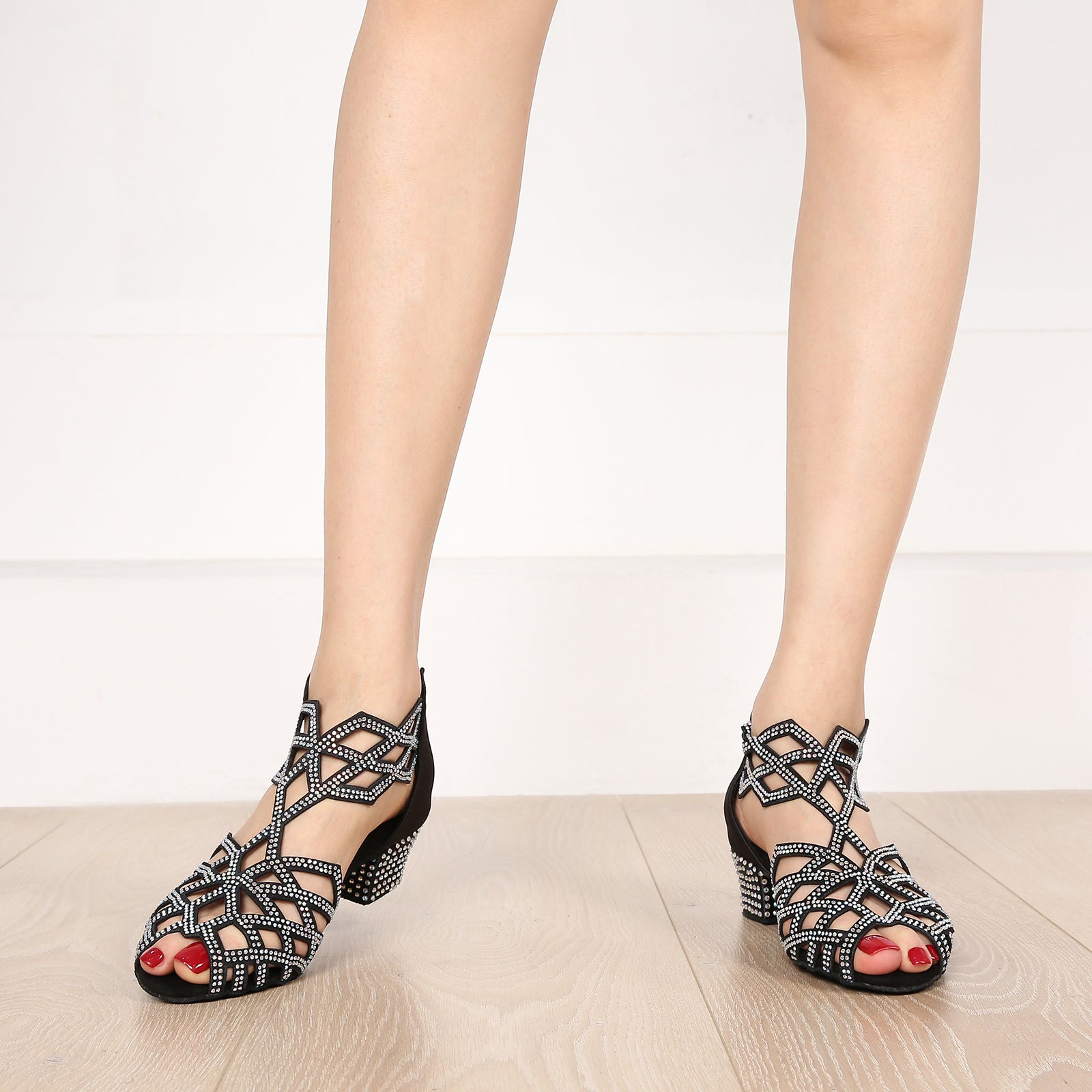
Low heel dance shoes are the pairs you can actually dance in all evening. Every style in this collection sits at a 1 inch to 1.5 inch Cuban heel — low enough that your weight stays balanced over the whole foot, high enough to give you the posture and leg line a flat street shoe never will.
This is the height beginners are told to start on, the height teachers stand in all day, and the height most social dancers come back to once the novelty of a taller shoe wears off. Around eighty styles, open and closed toe, in black, nude, tan, silver and more, on suede dance soles that pivot instead of catching. US 5 to US 11 (UK 2.5–8.5 / EU 35–43). Amazon's Choice with a money-back guarantee since 2012.
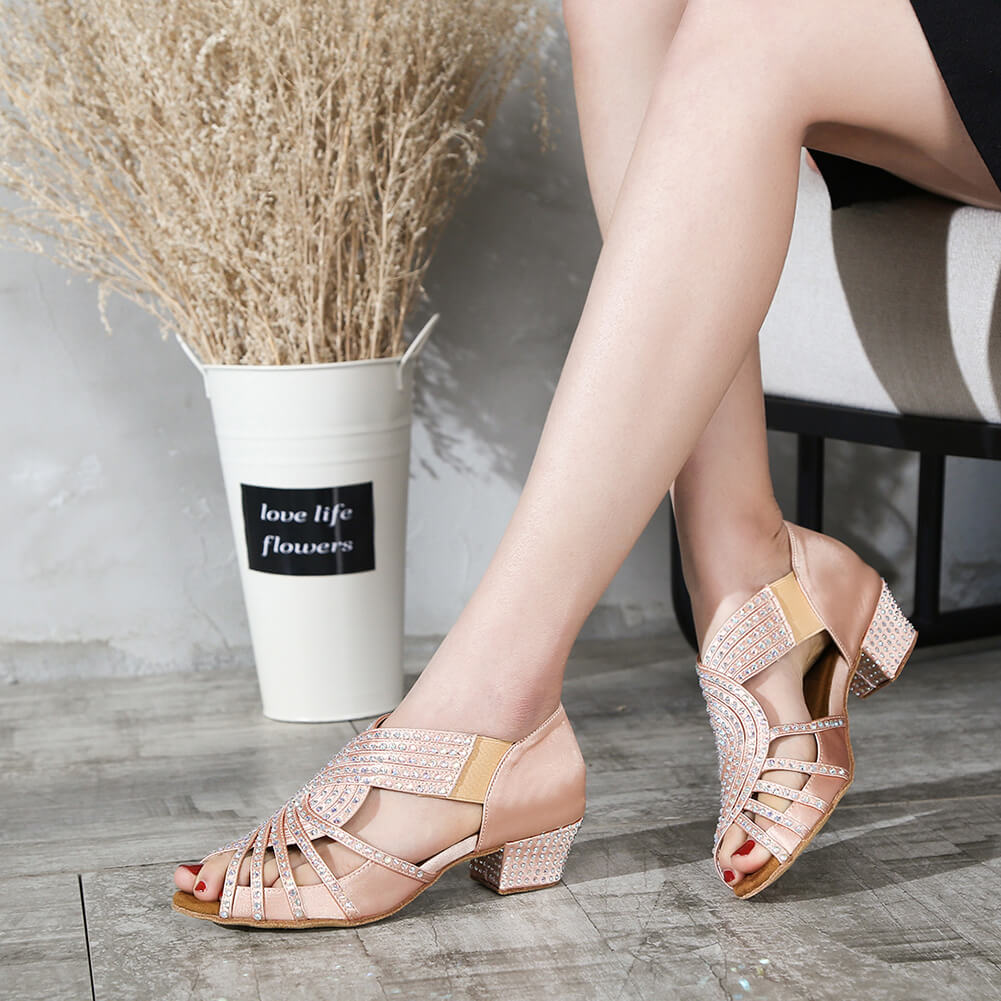
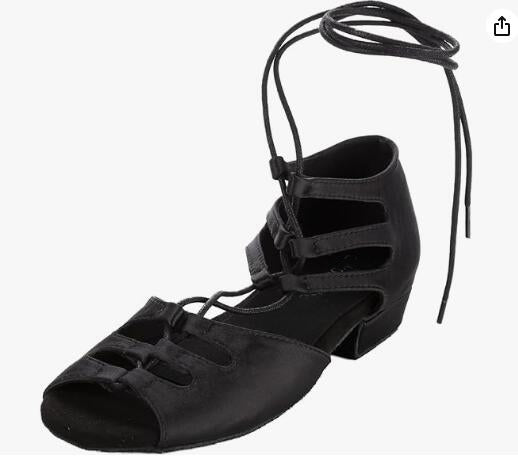


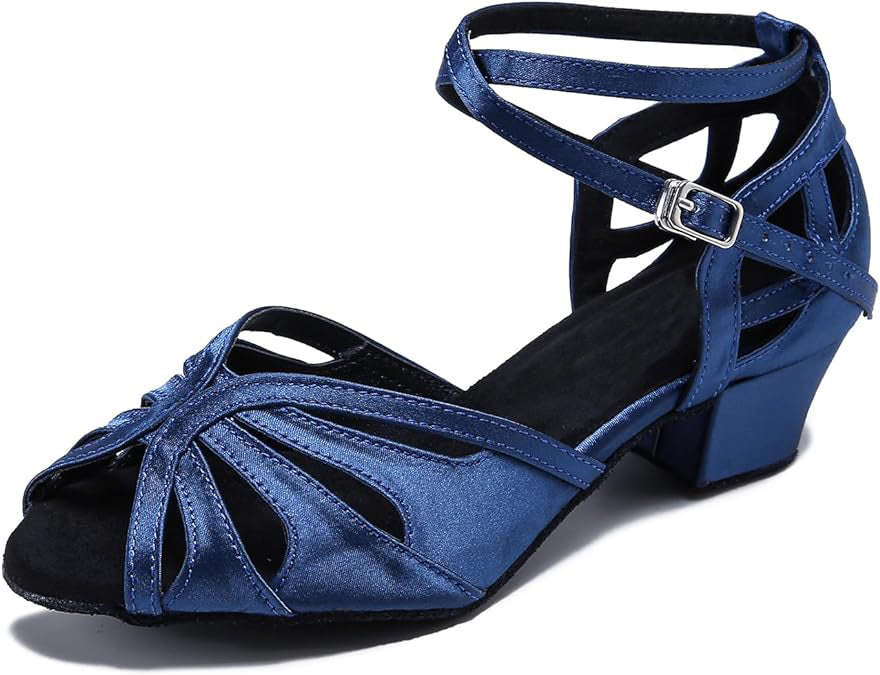
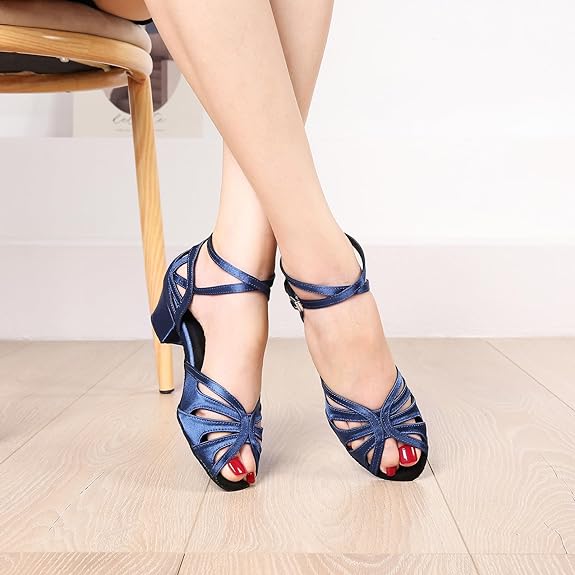
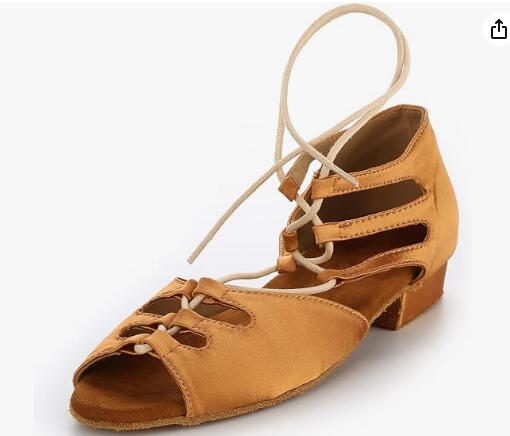
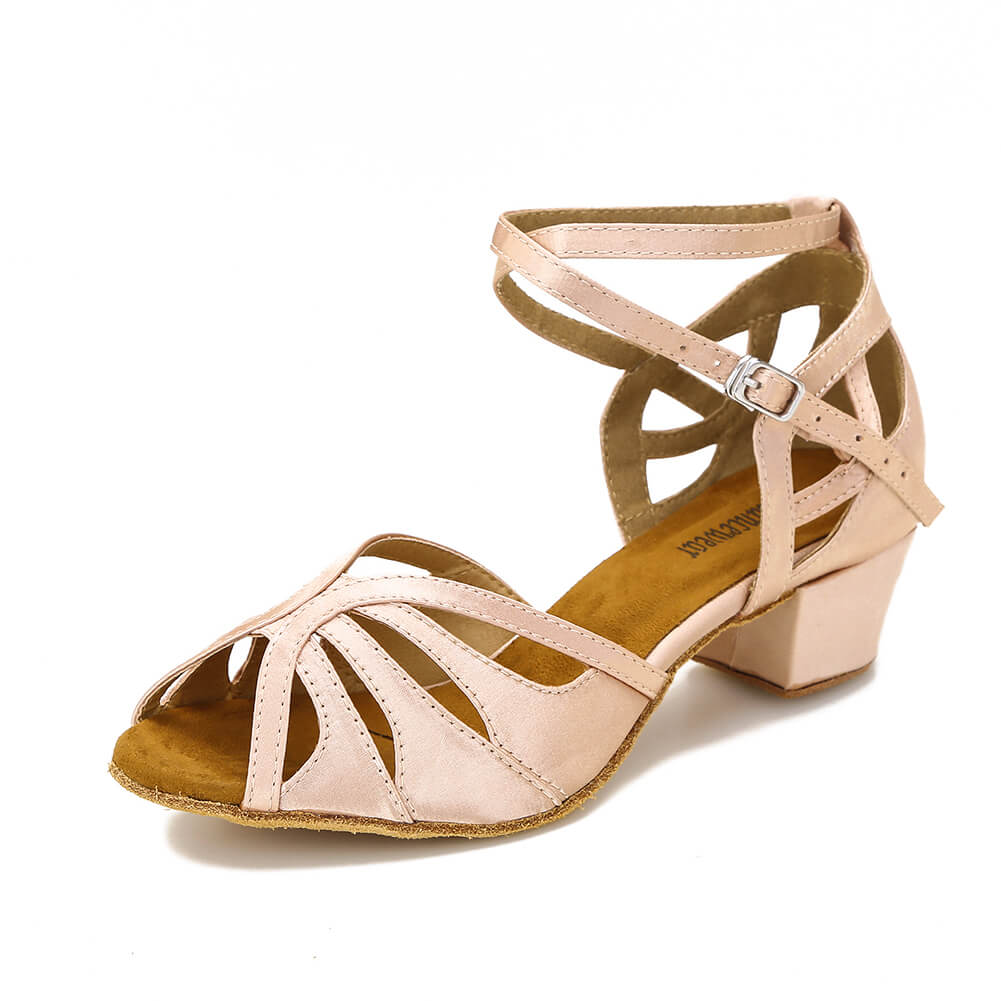
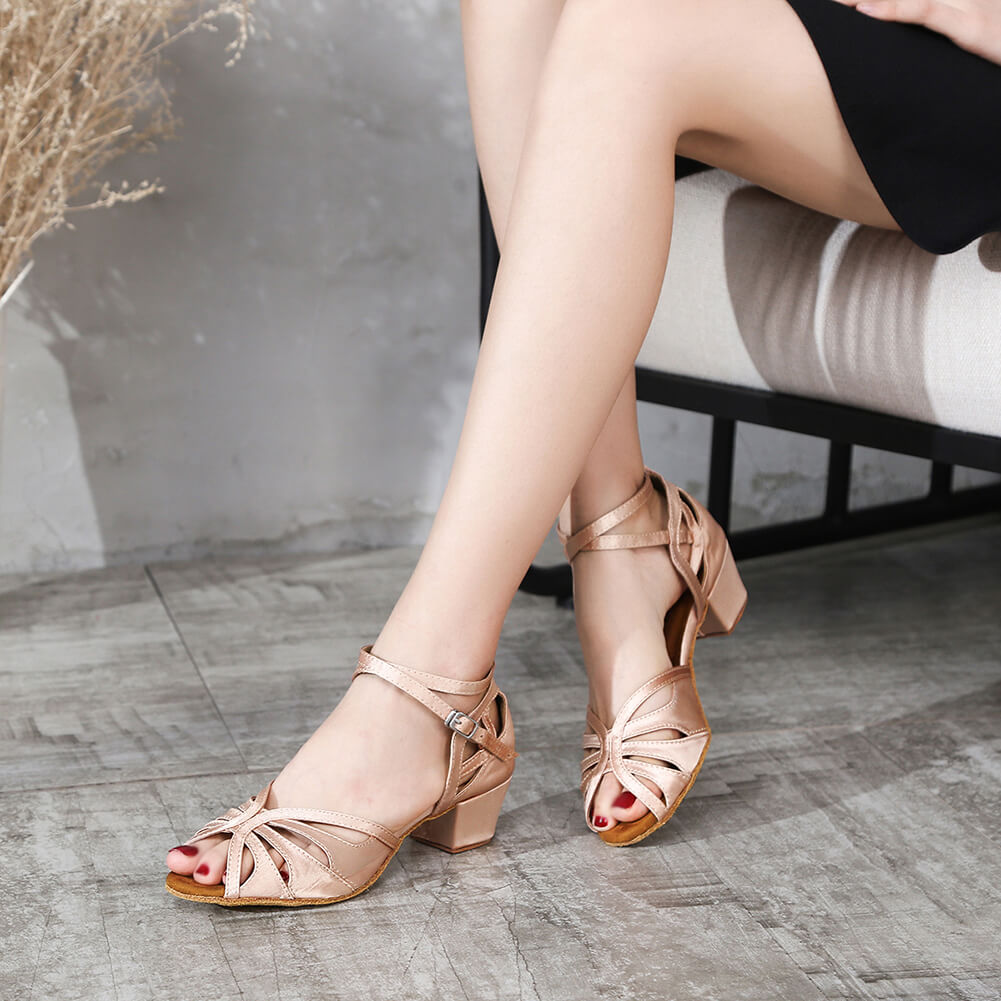
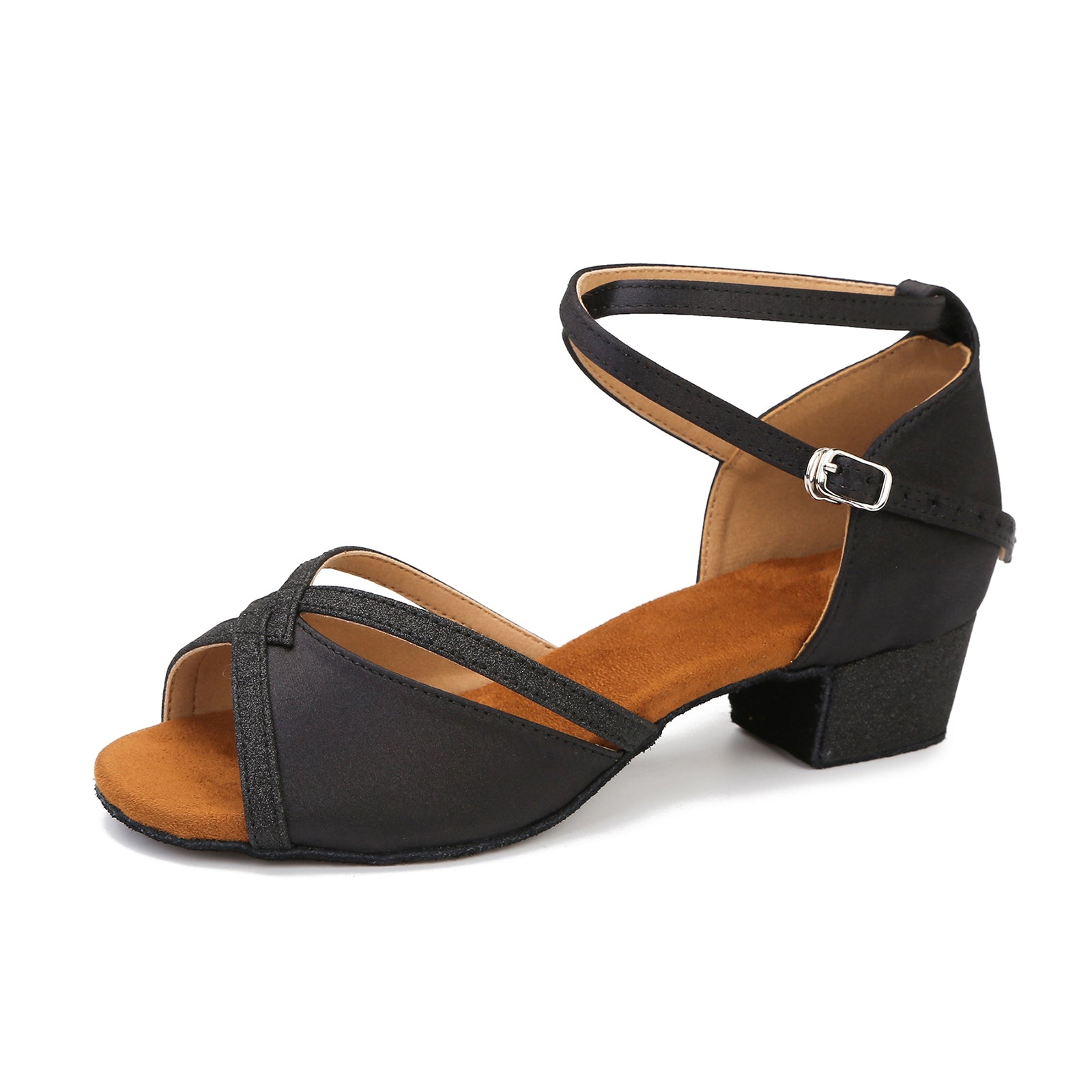
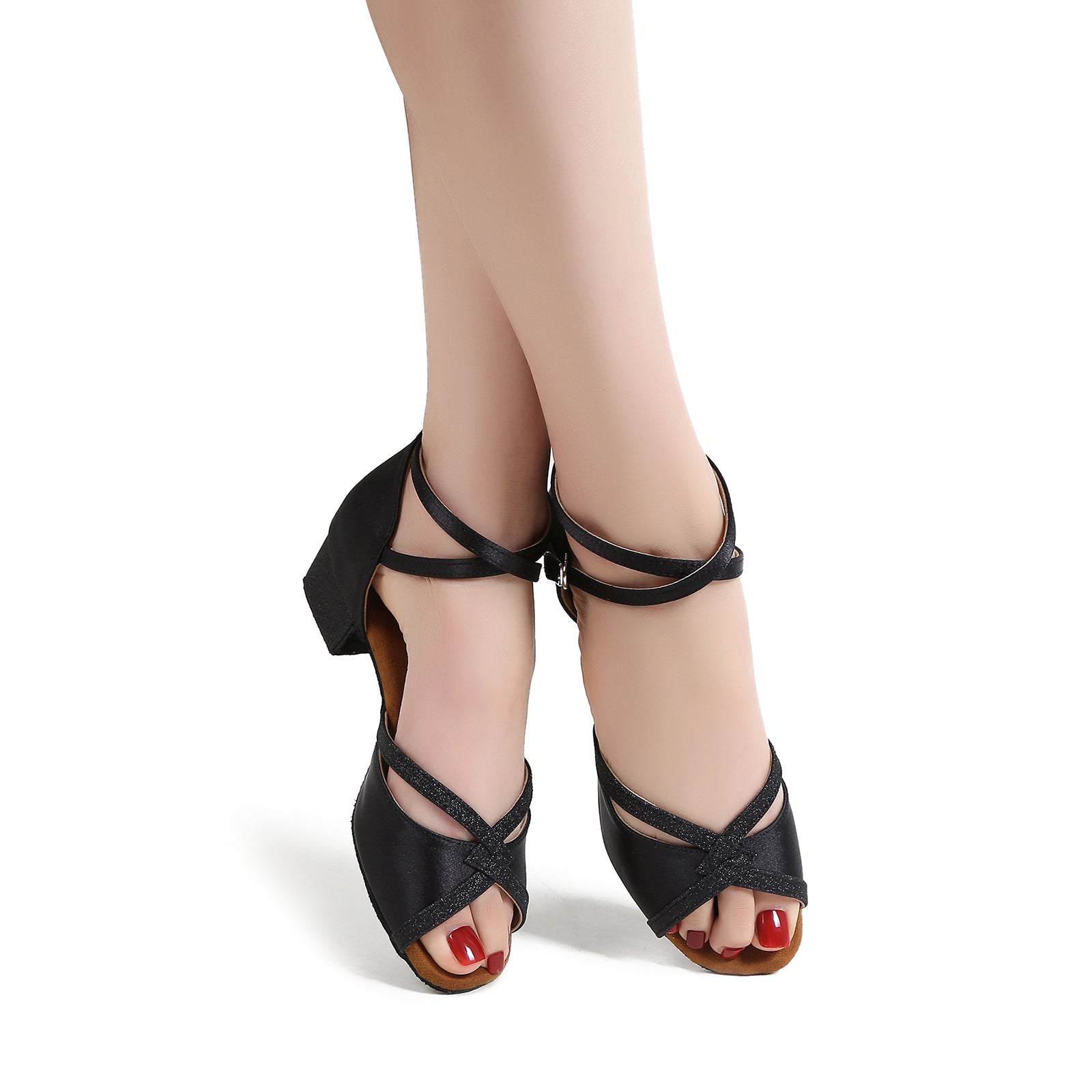
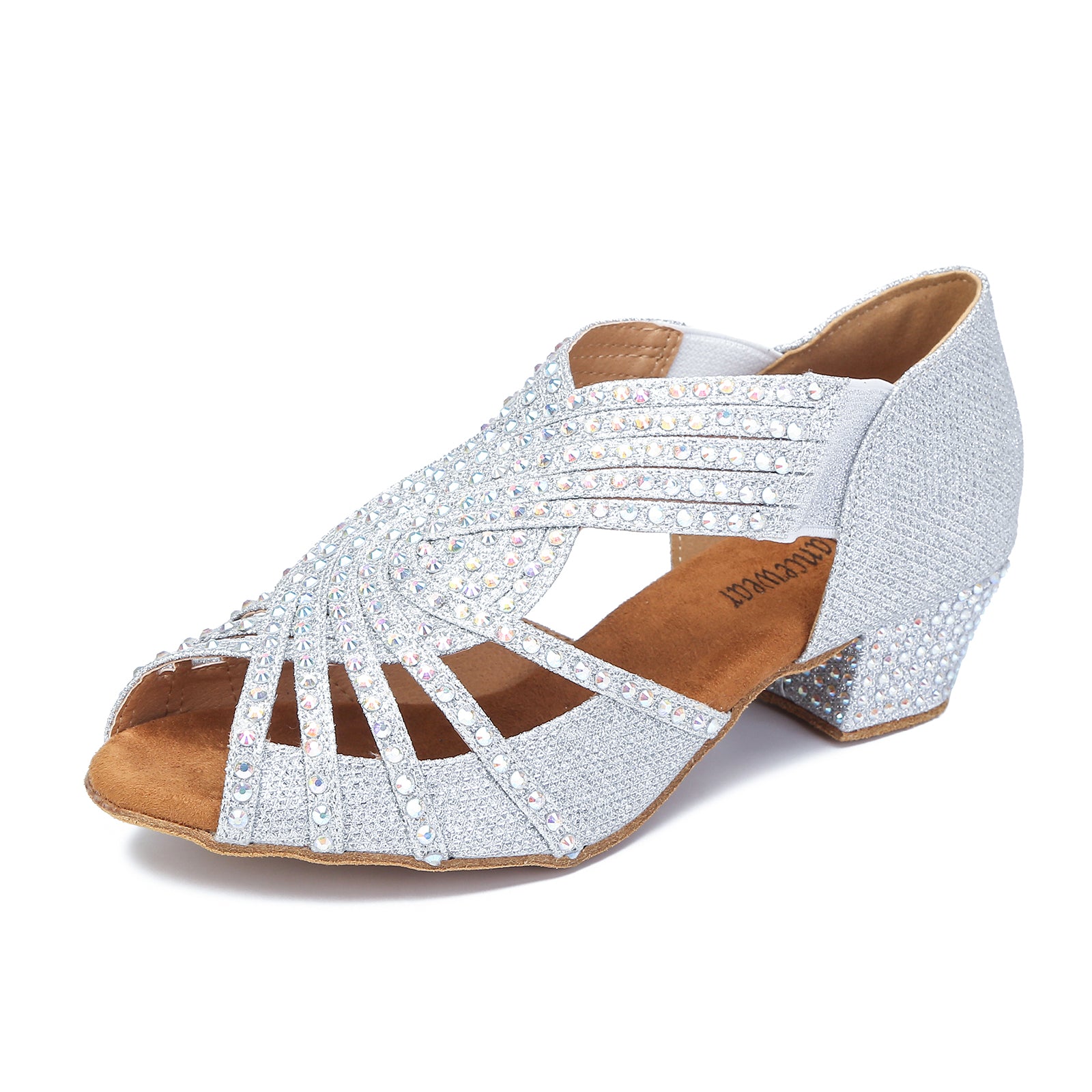
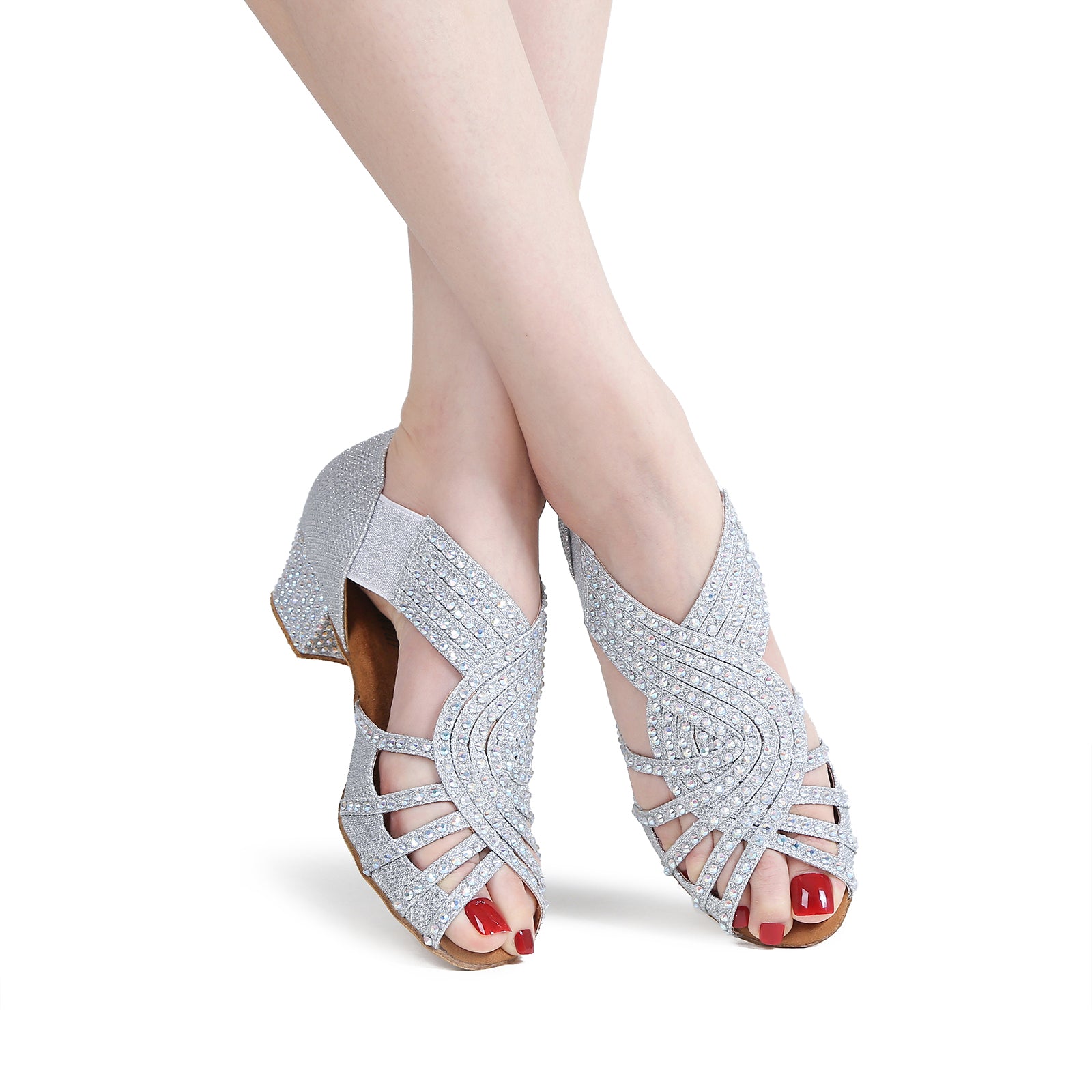
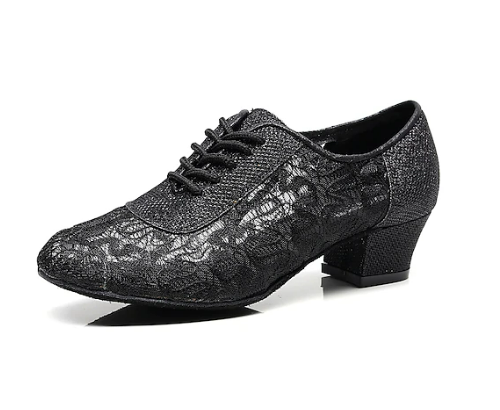
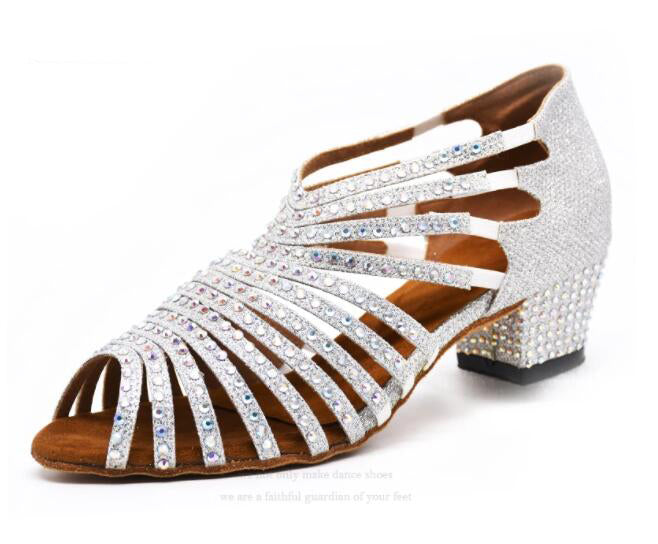
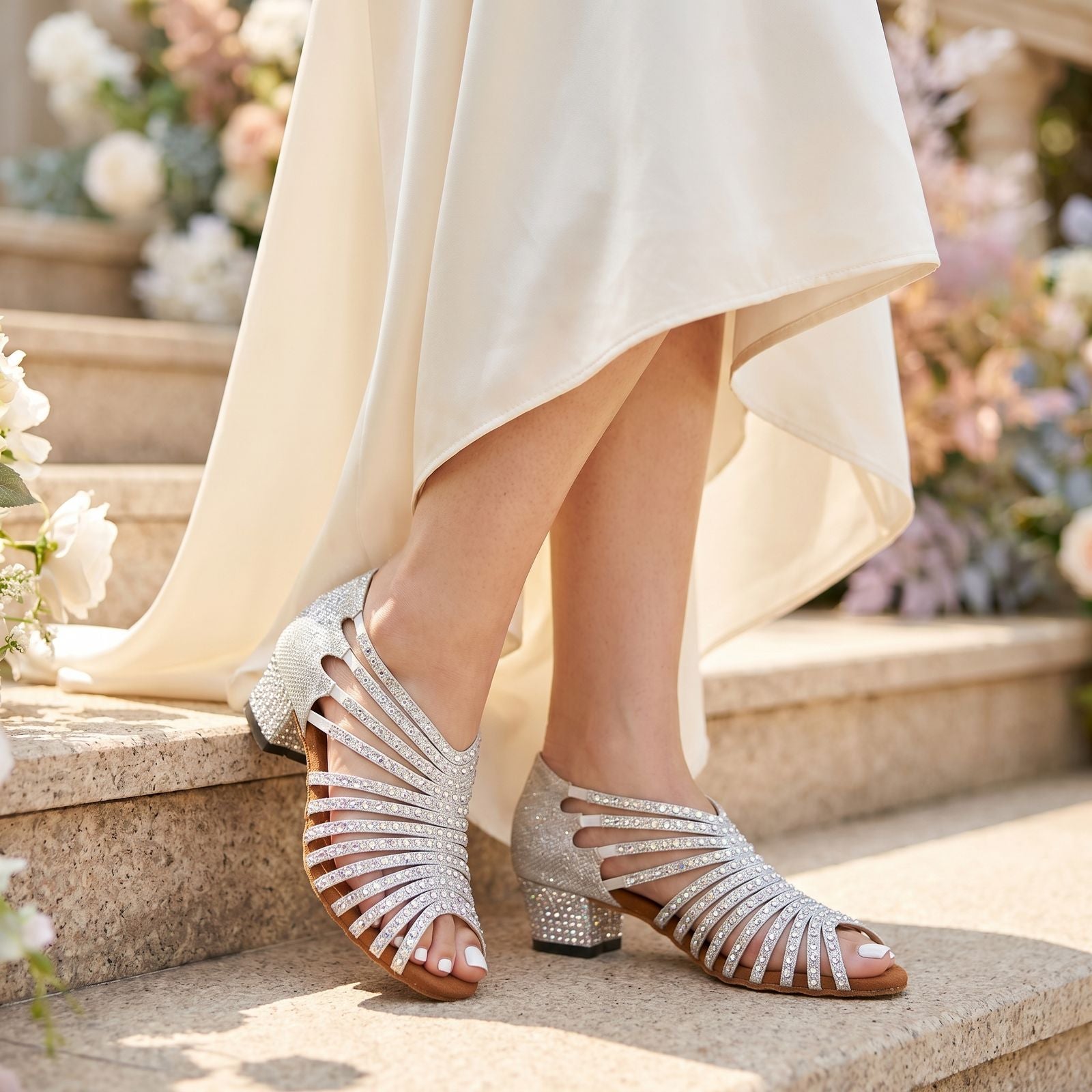
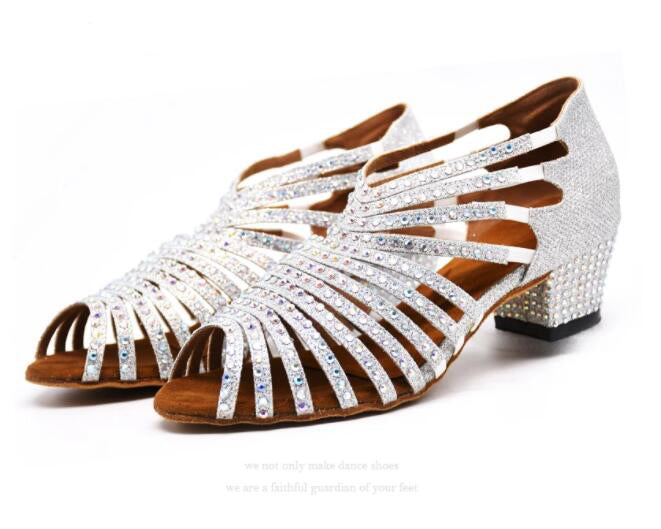


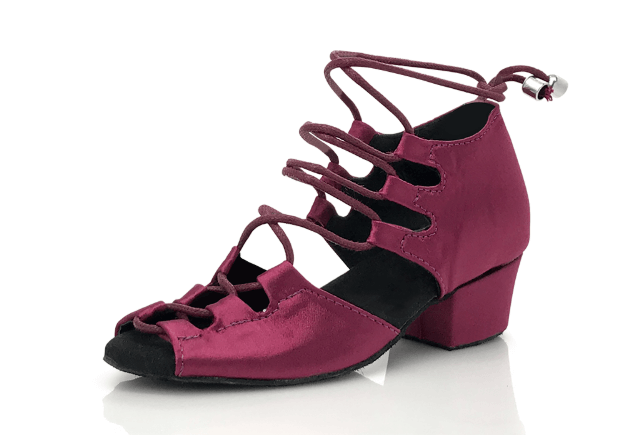
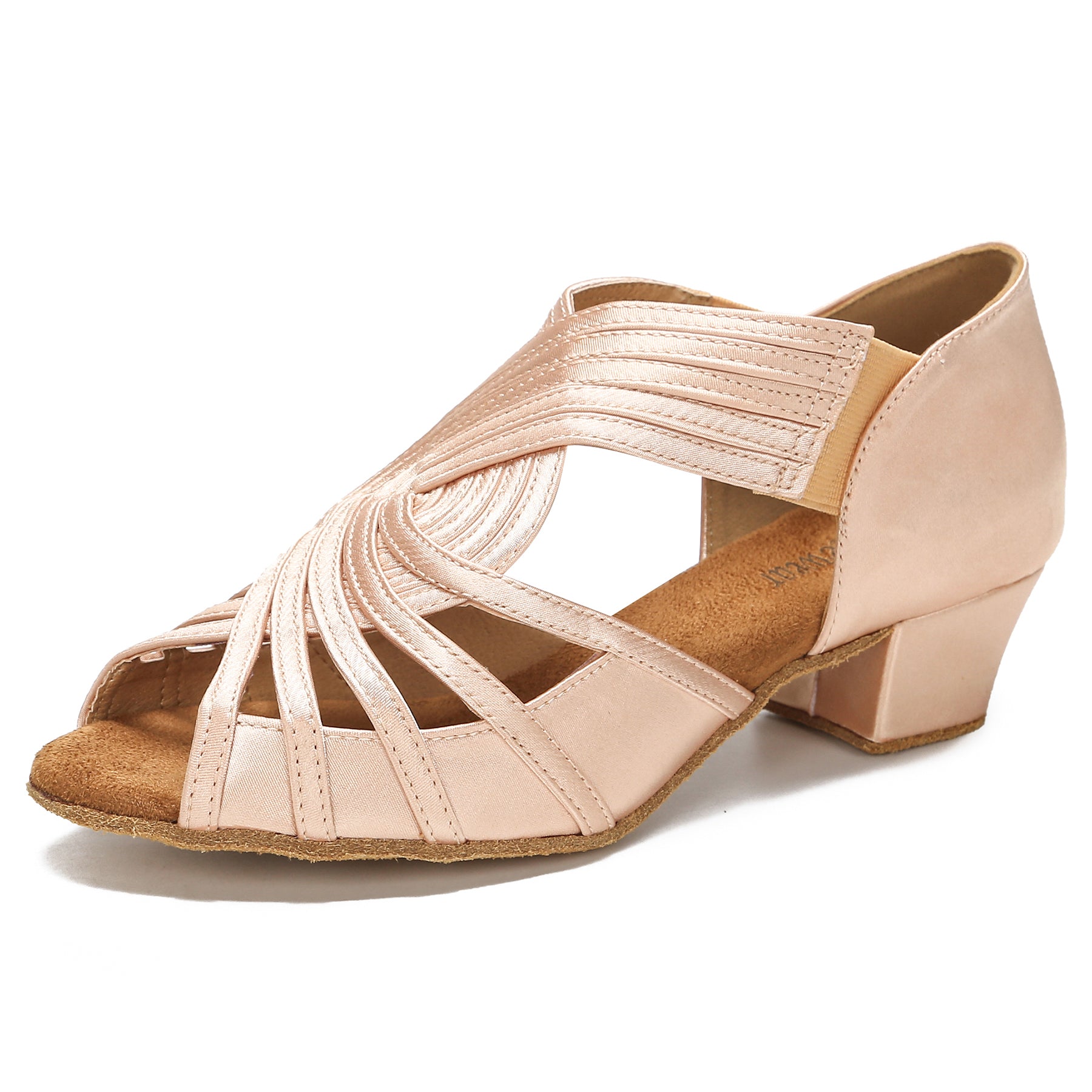
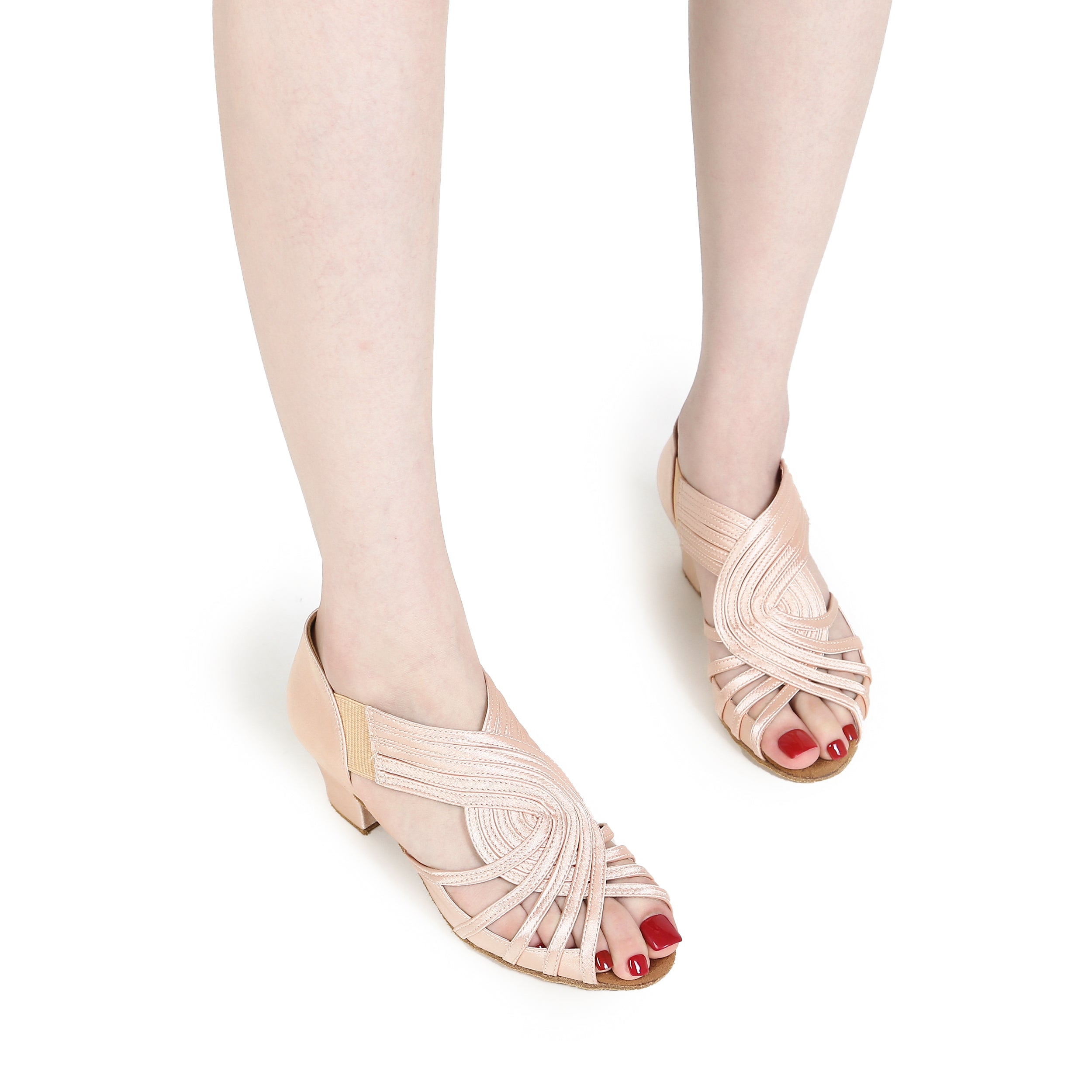
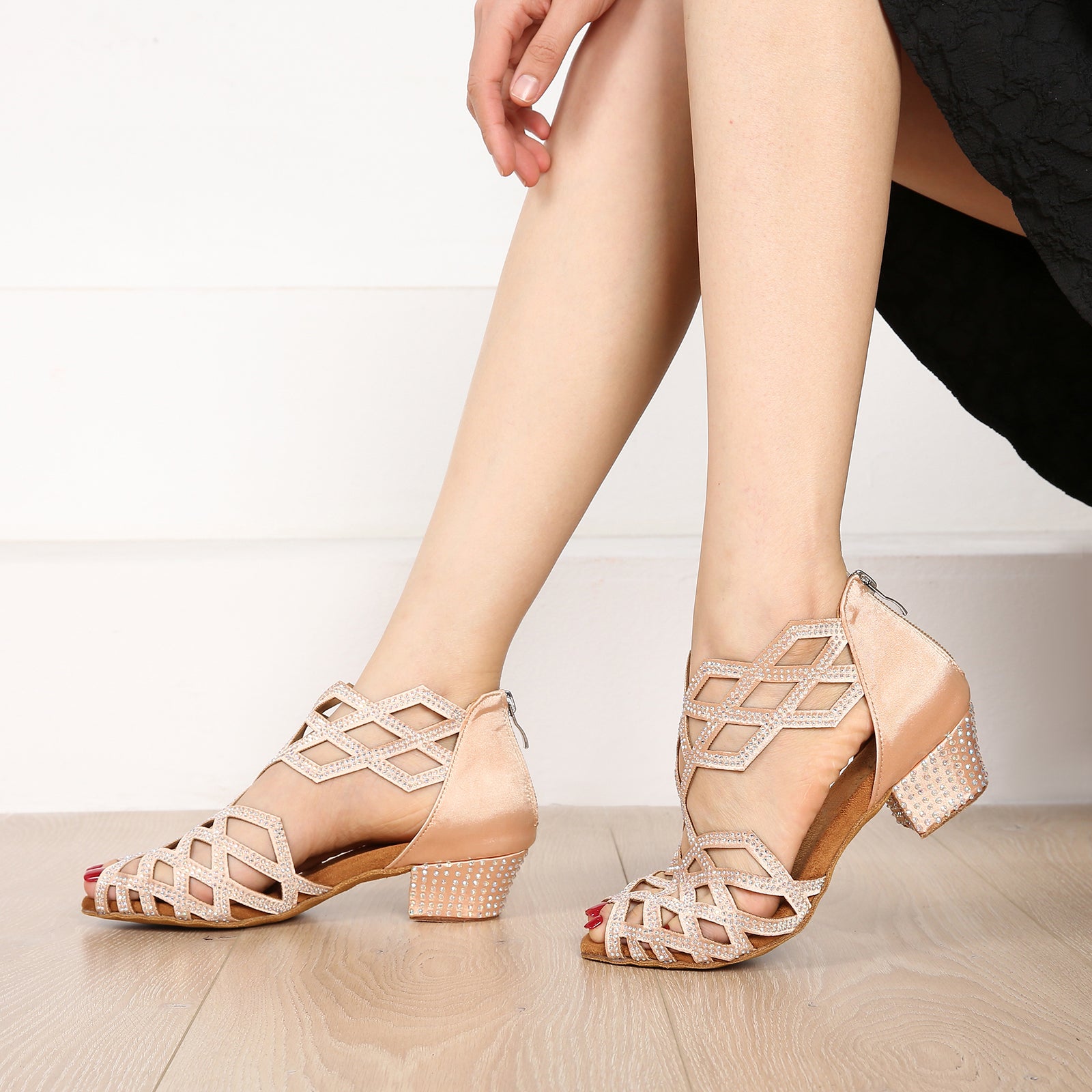
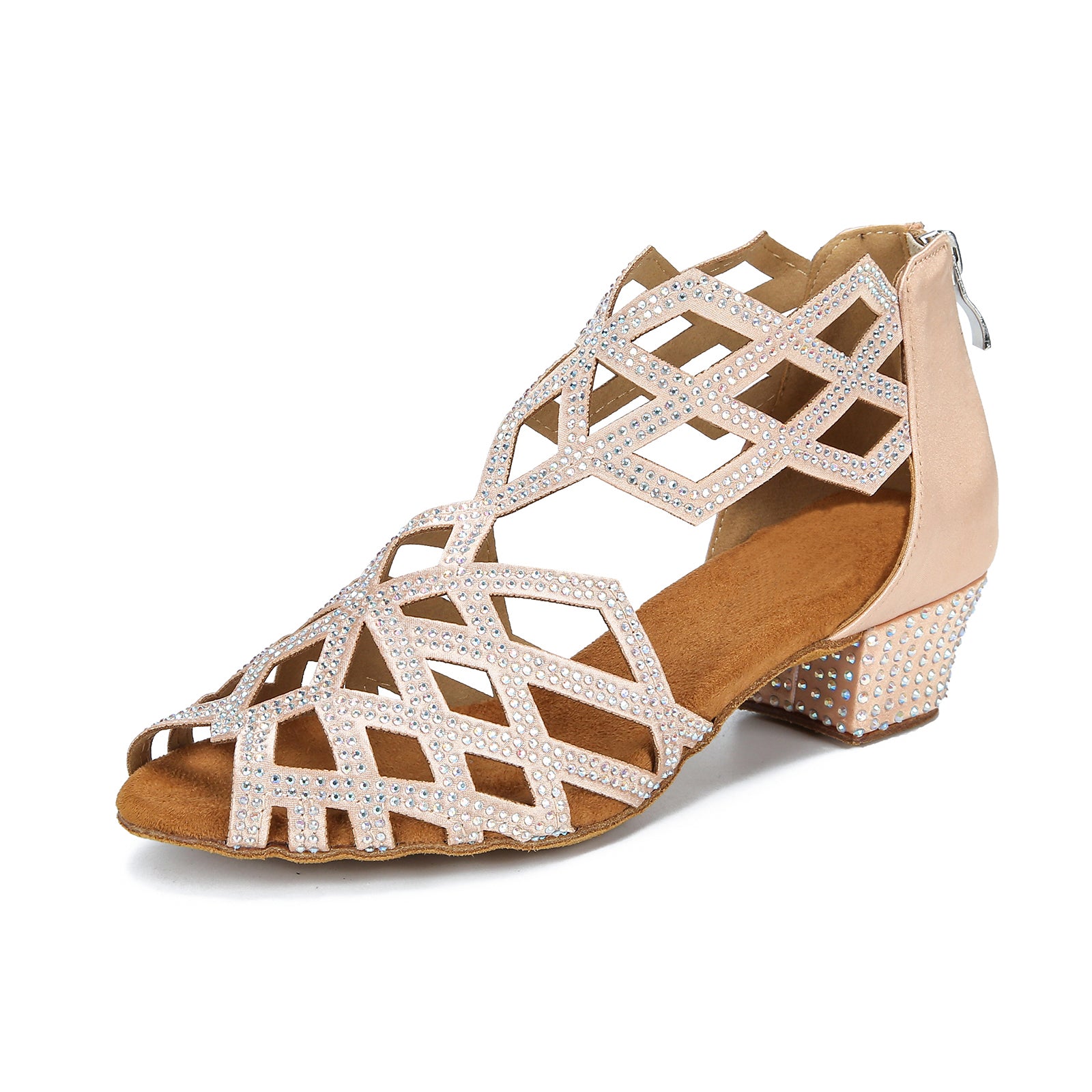
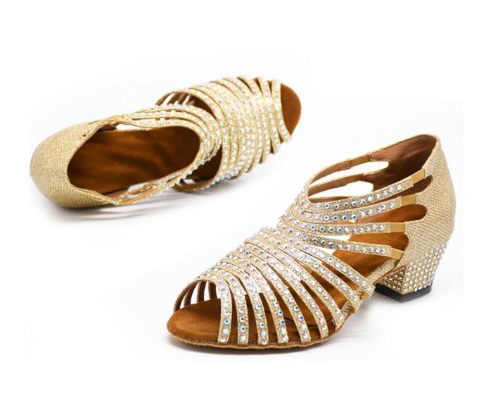
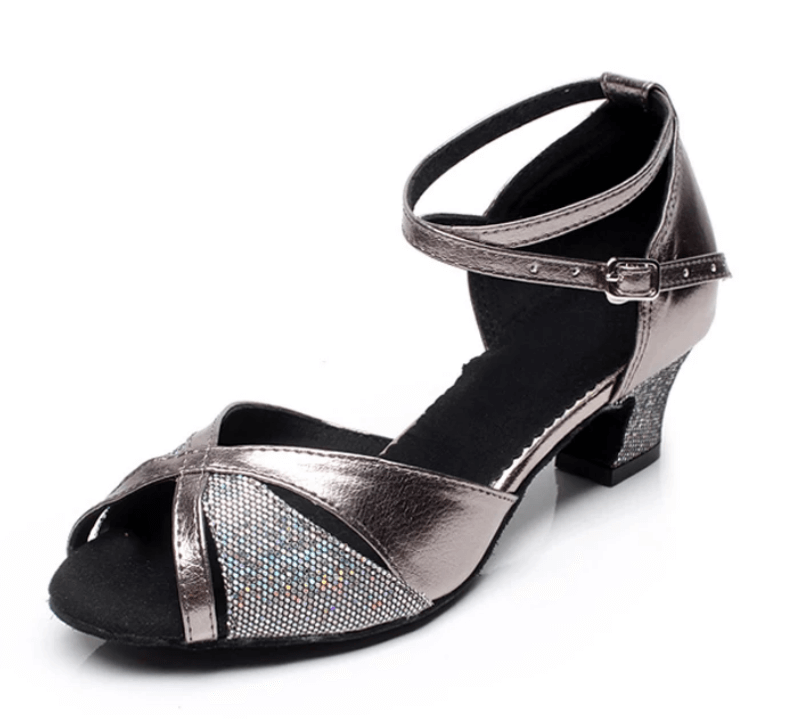
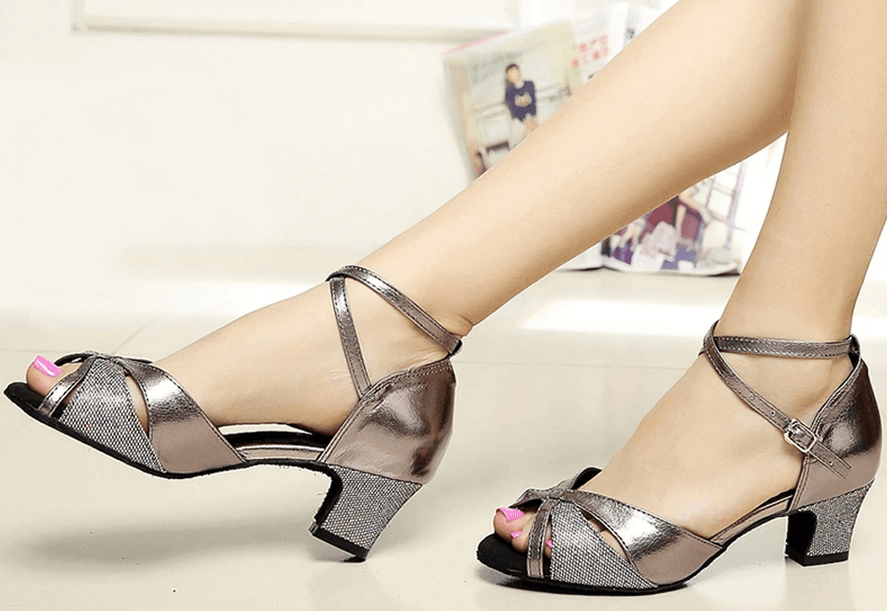


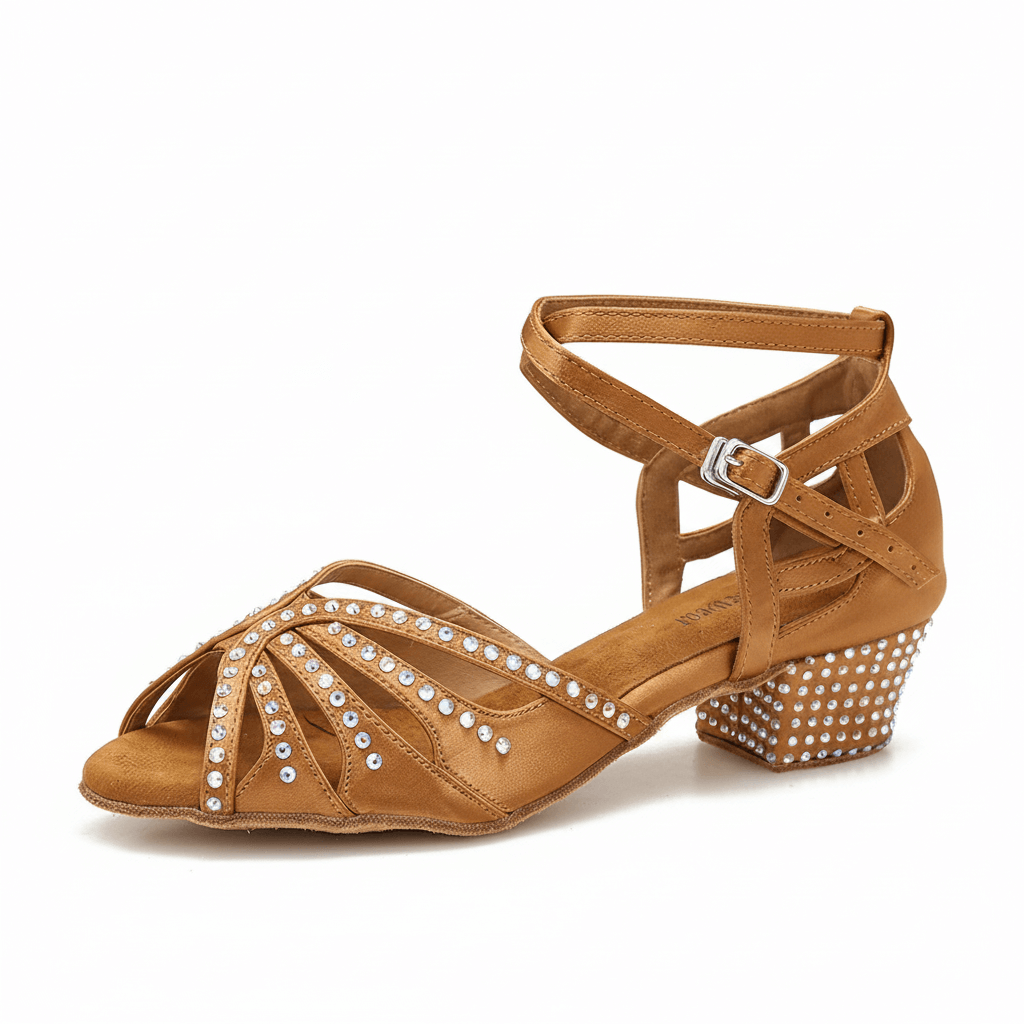
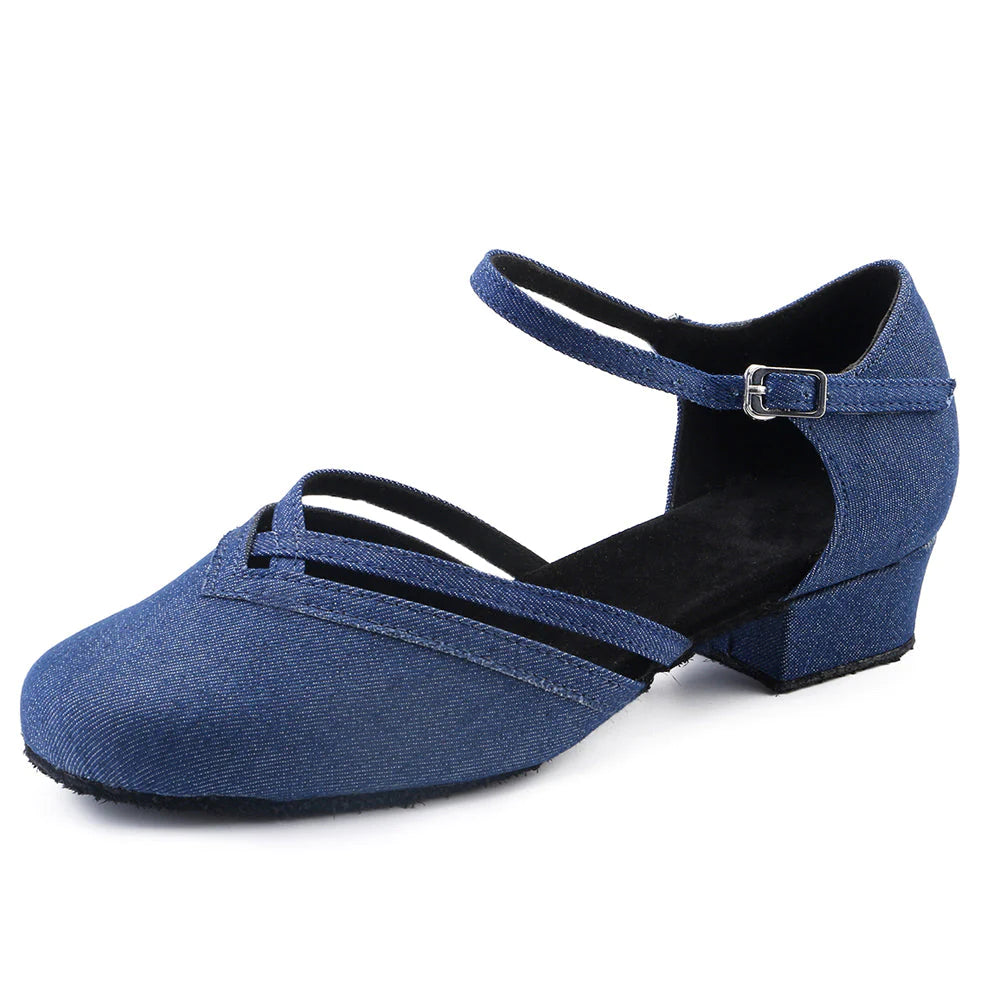
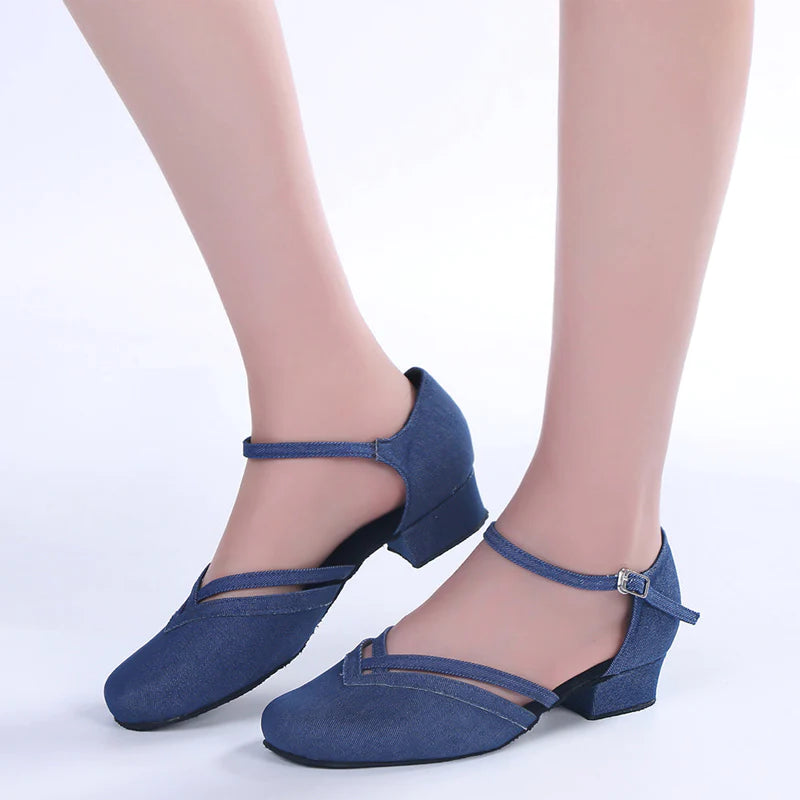
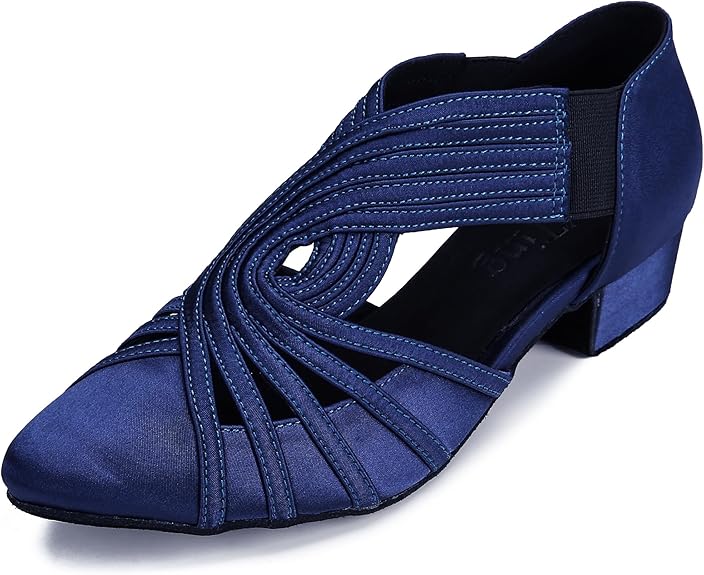
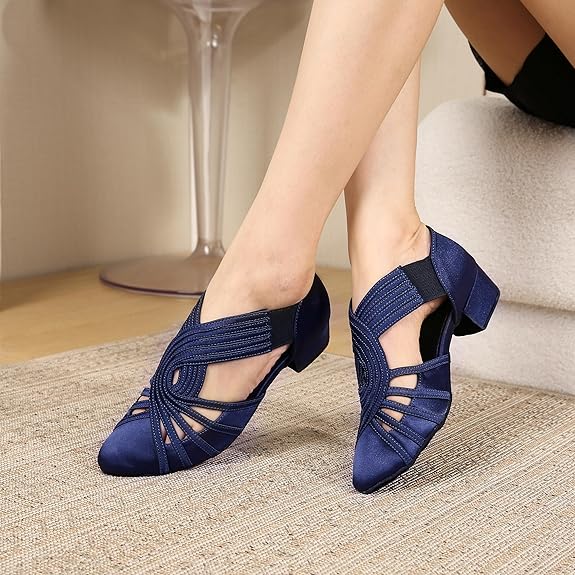
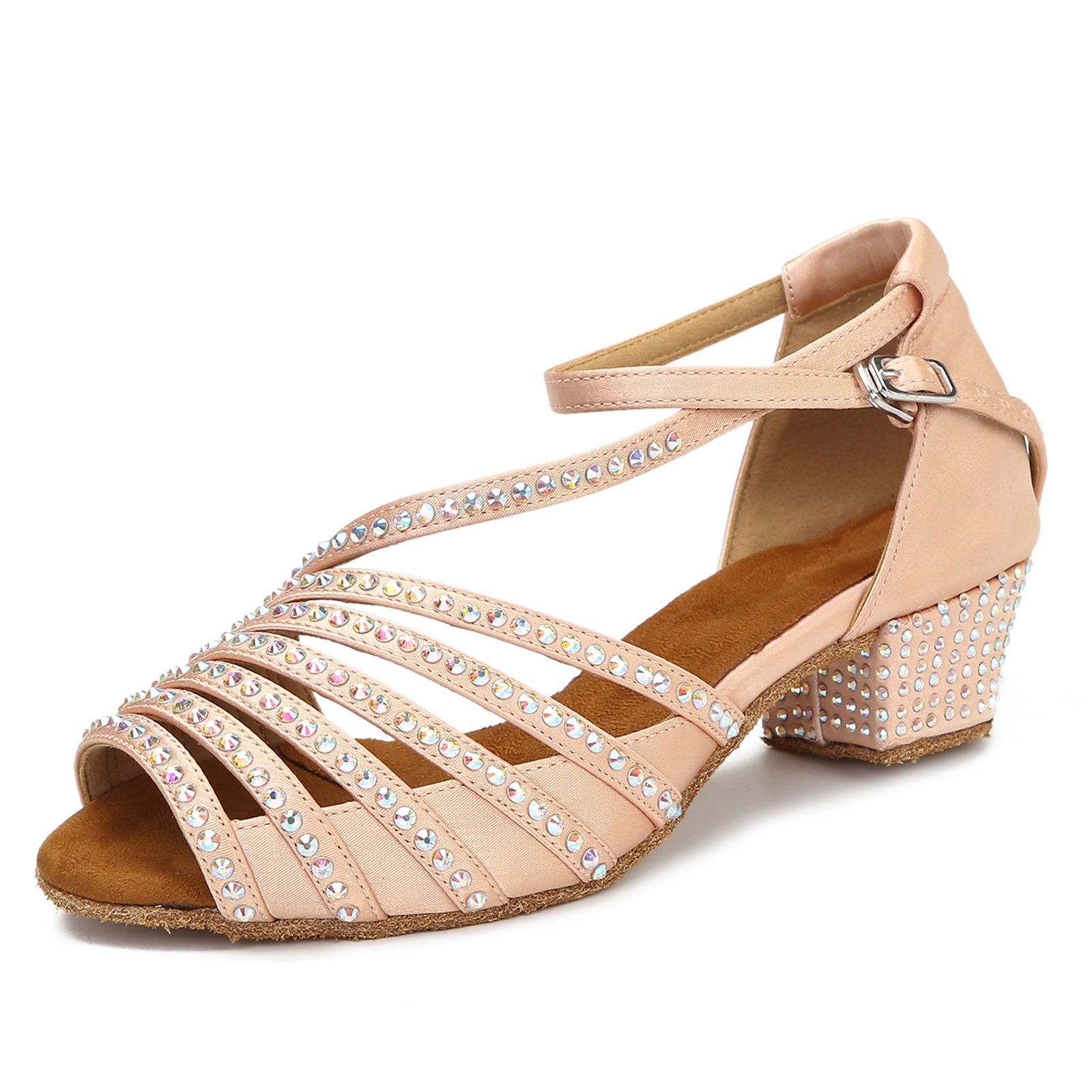
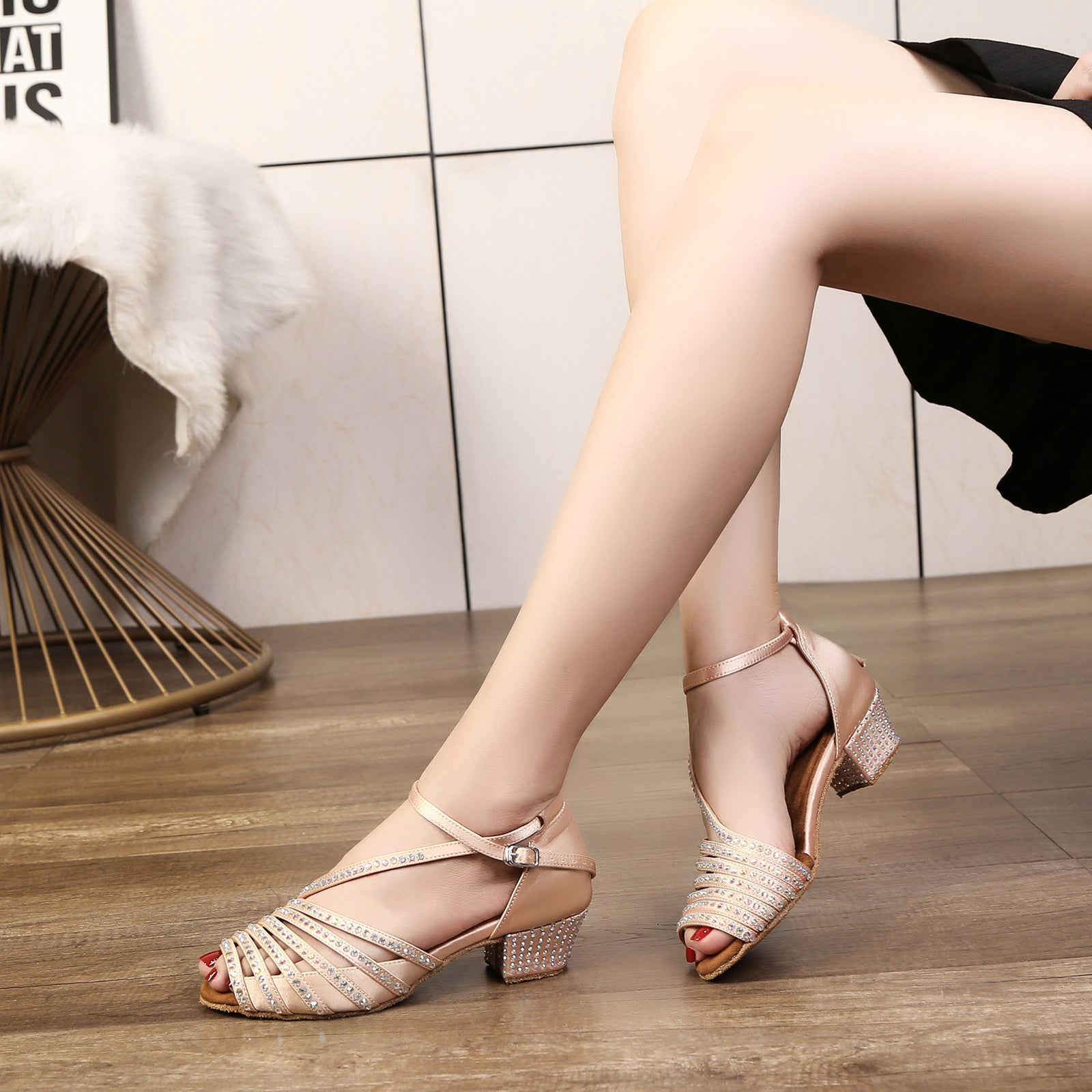
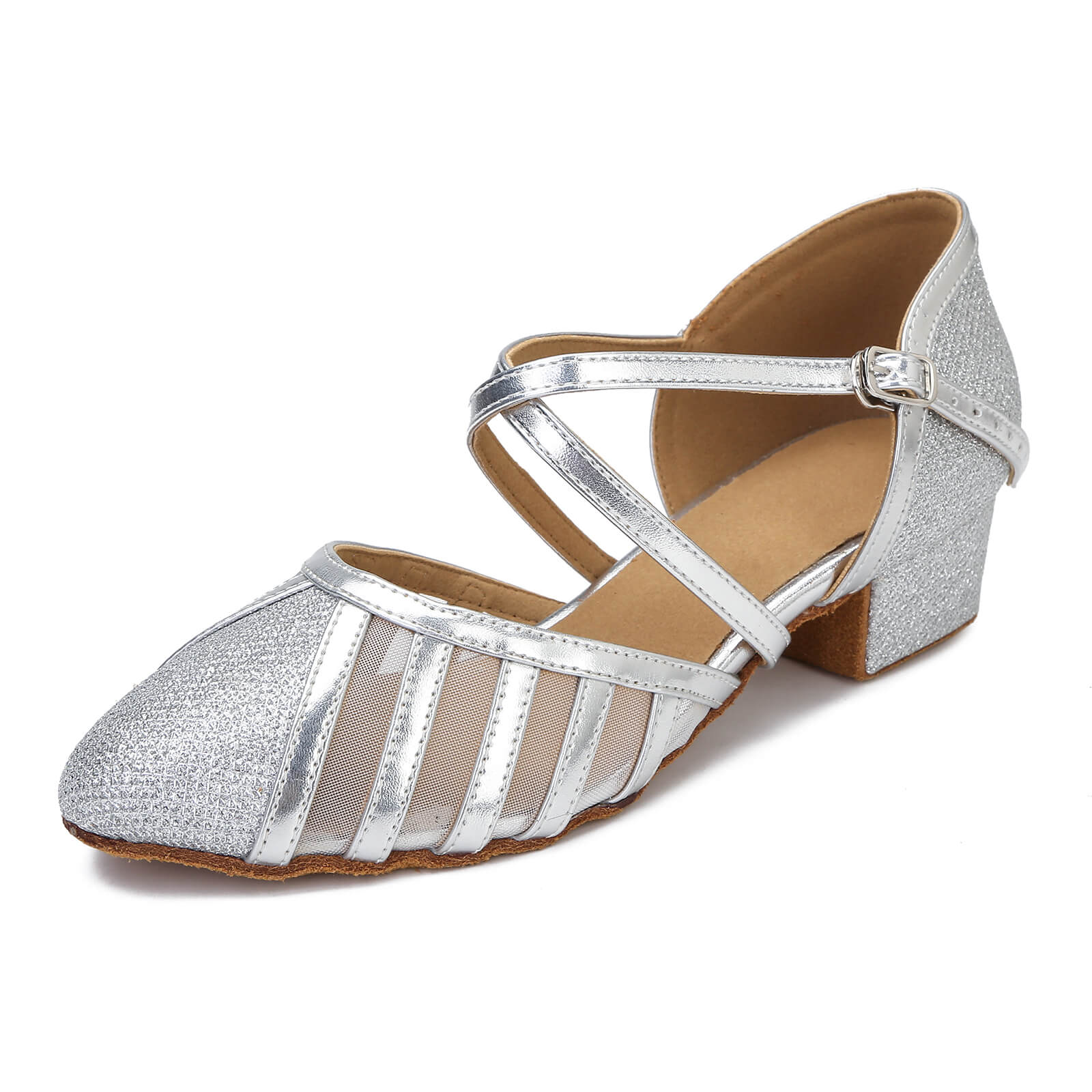
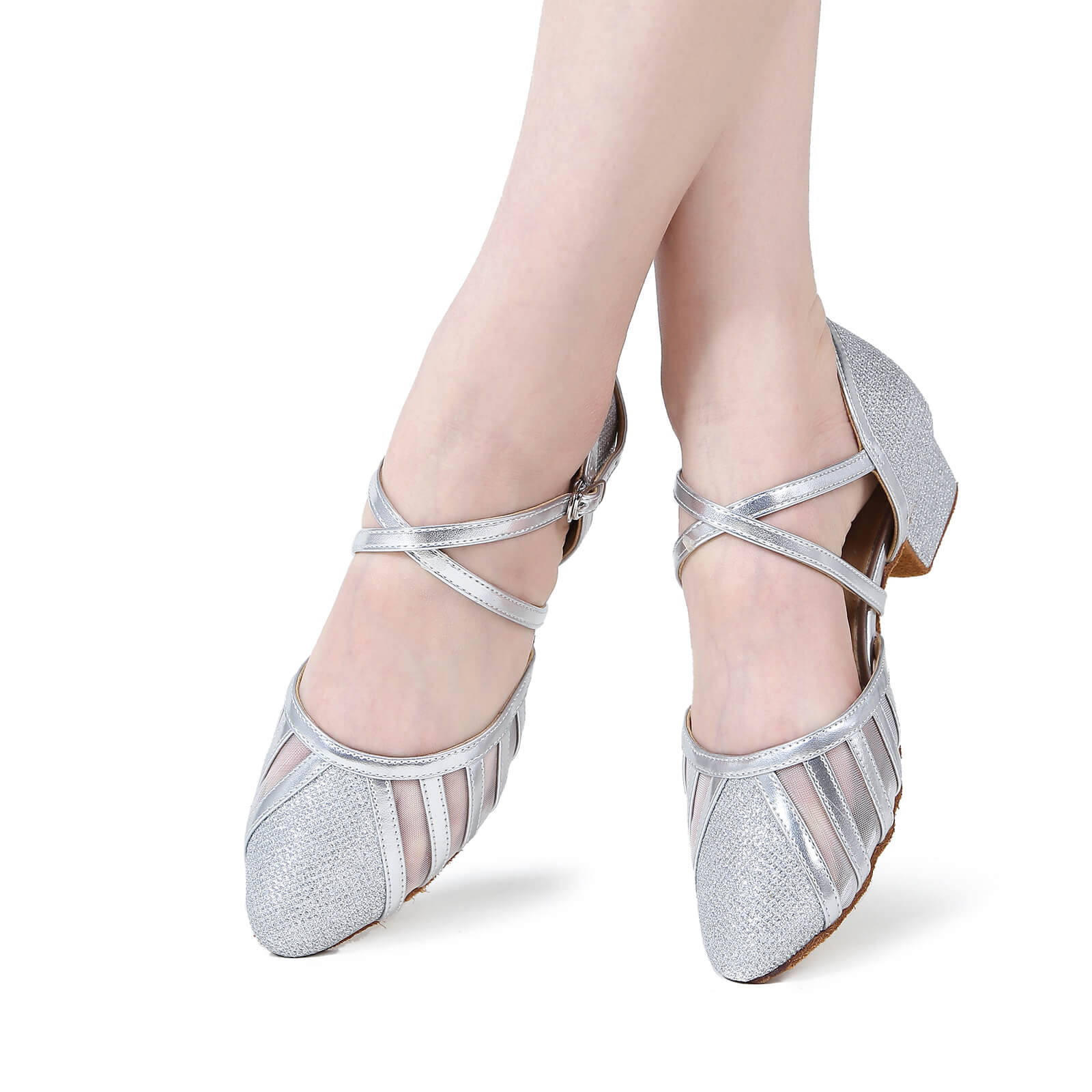

What Counts as a Low Heel in a Dance Shoe
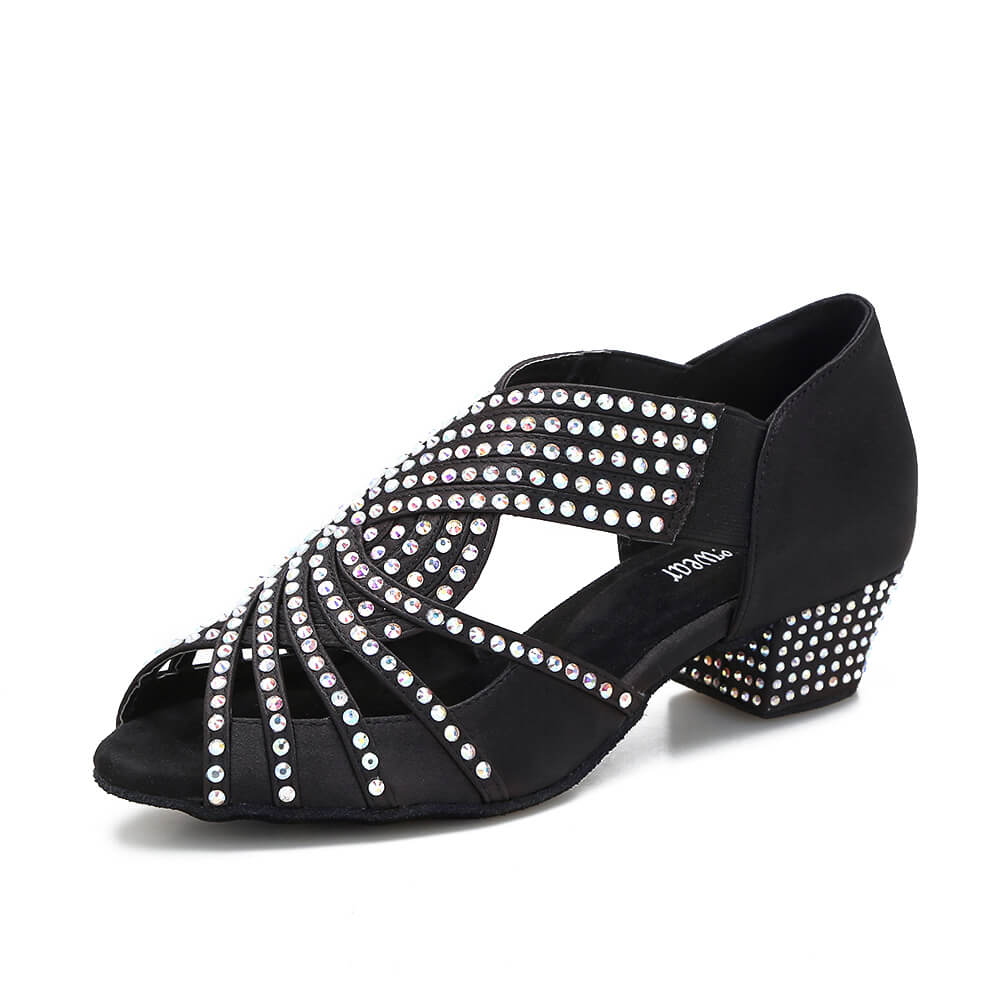
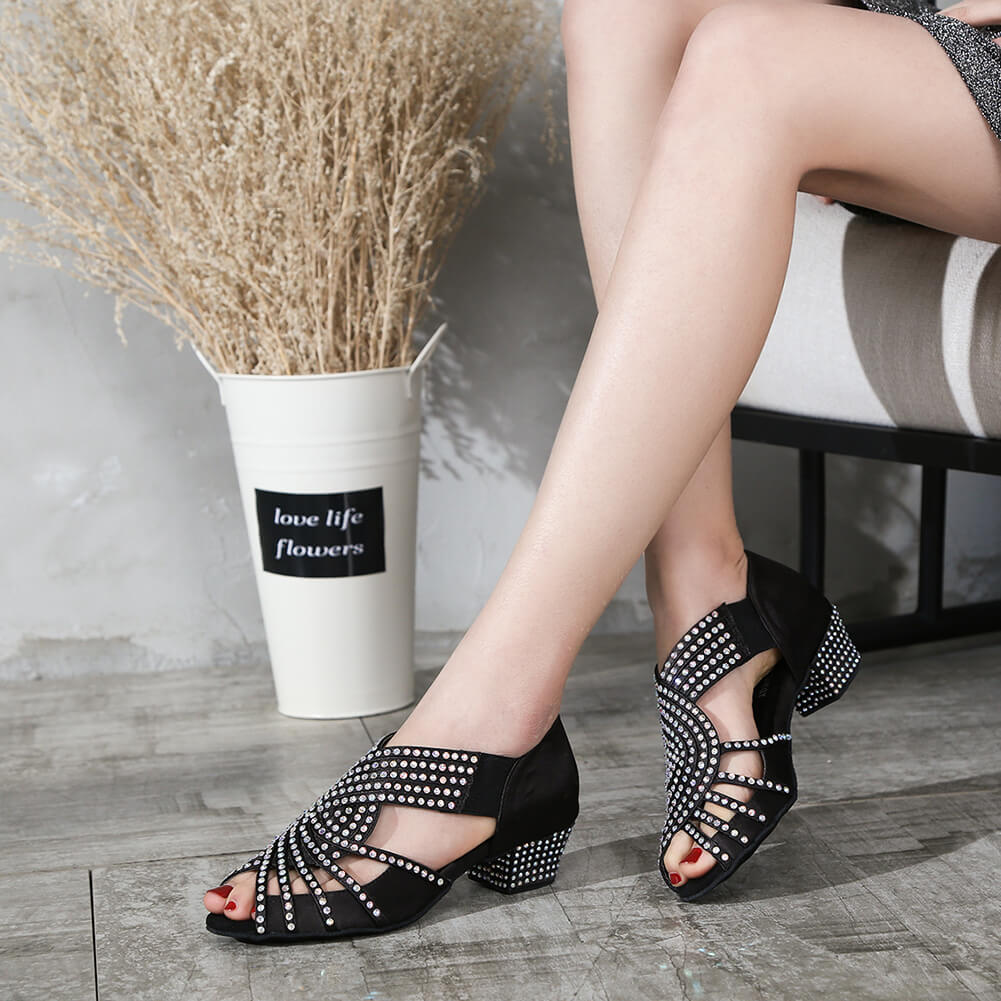
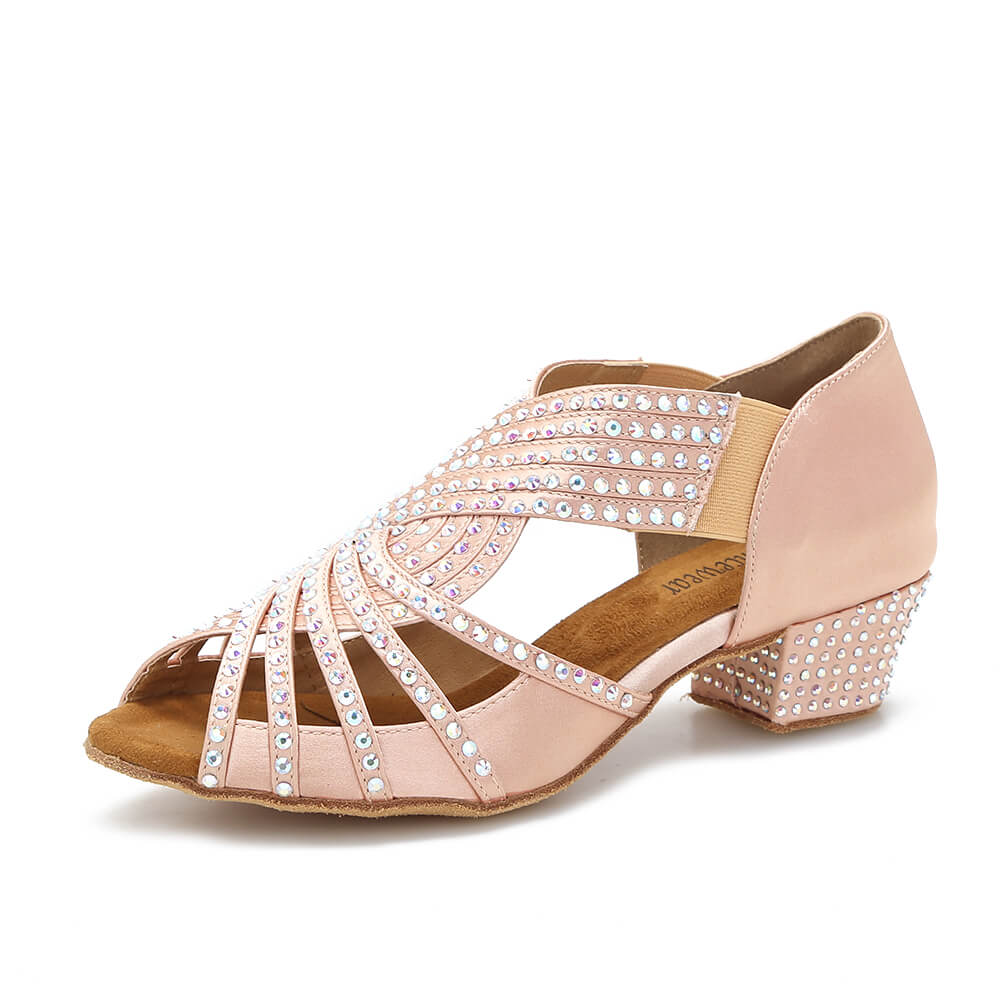
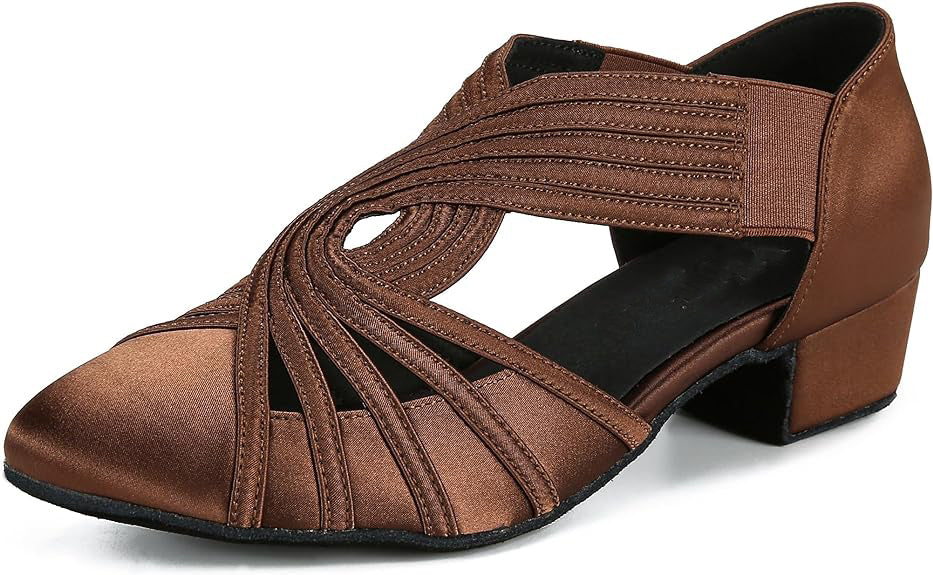
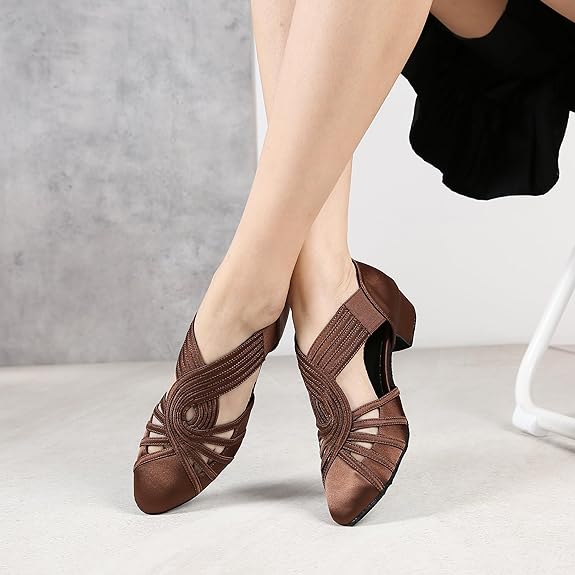
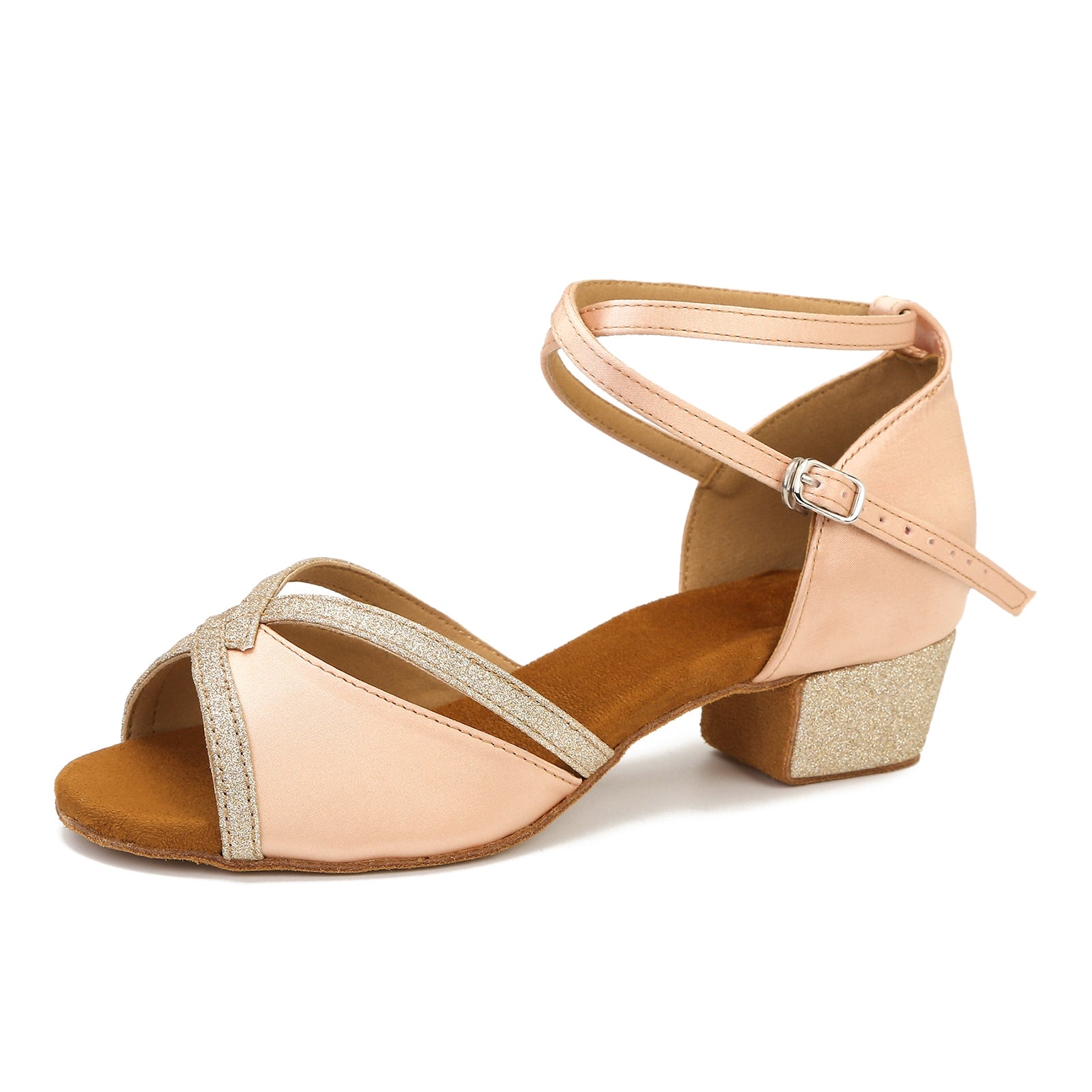
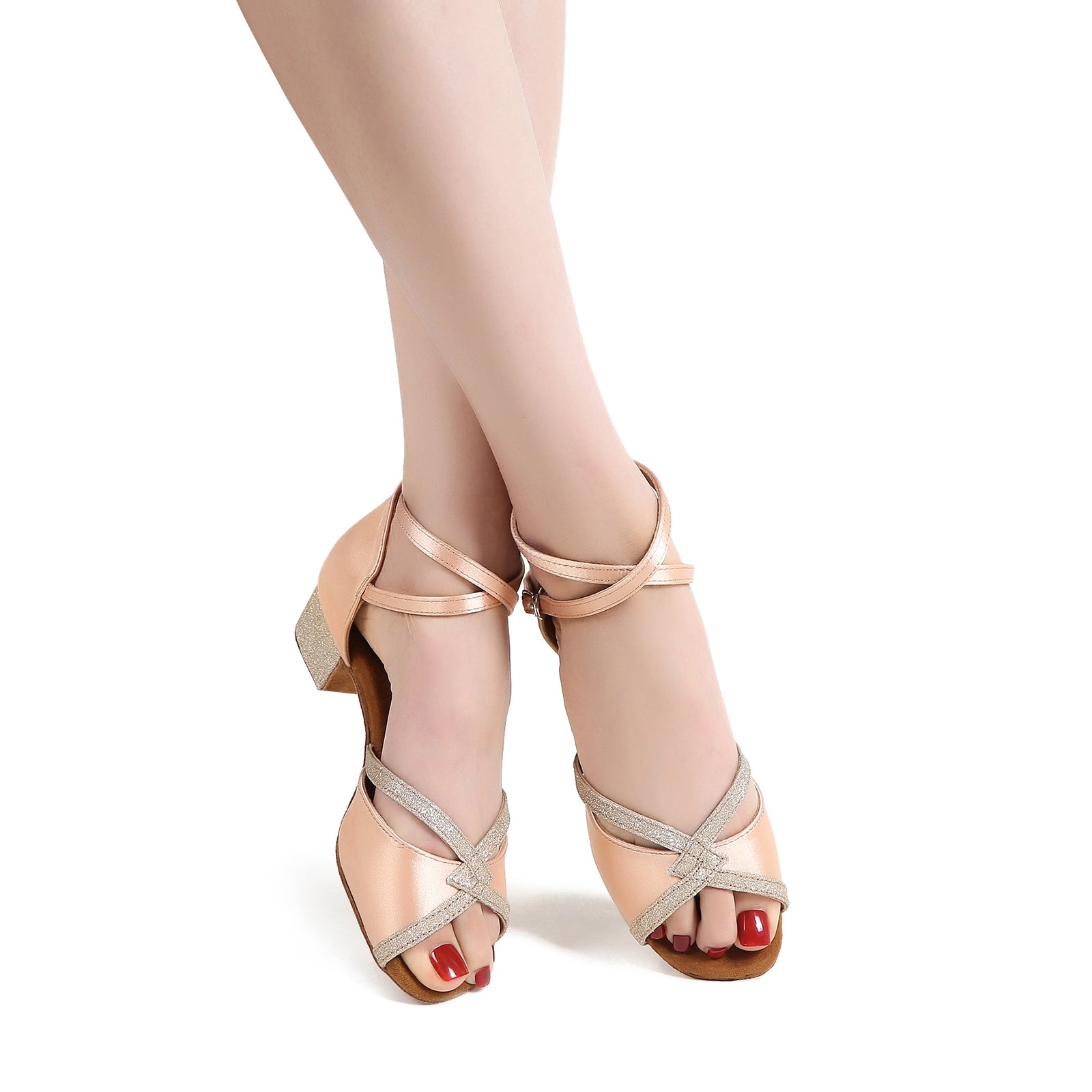
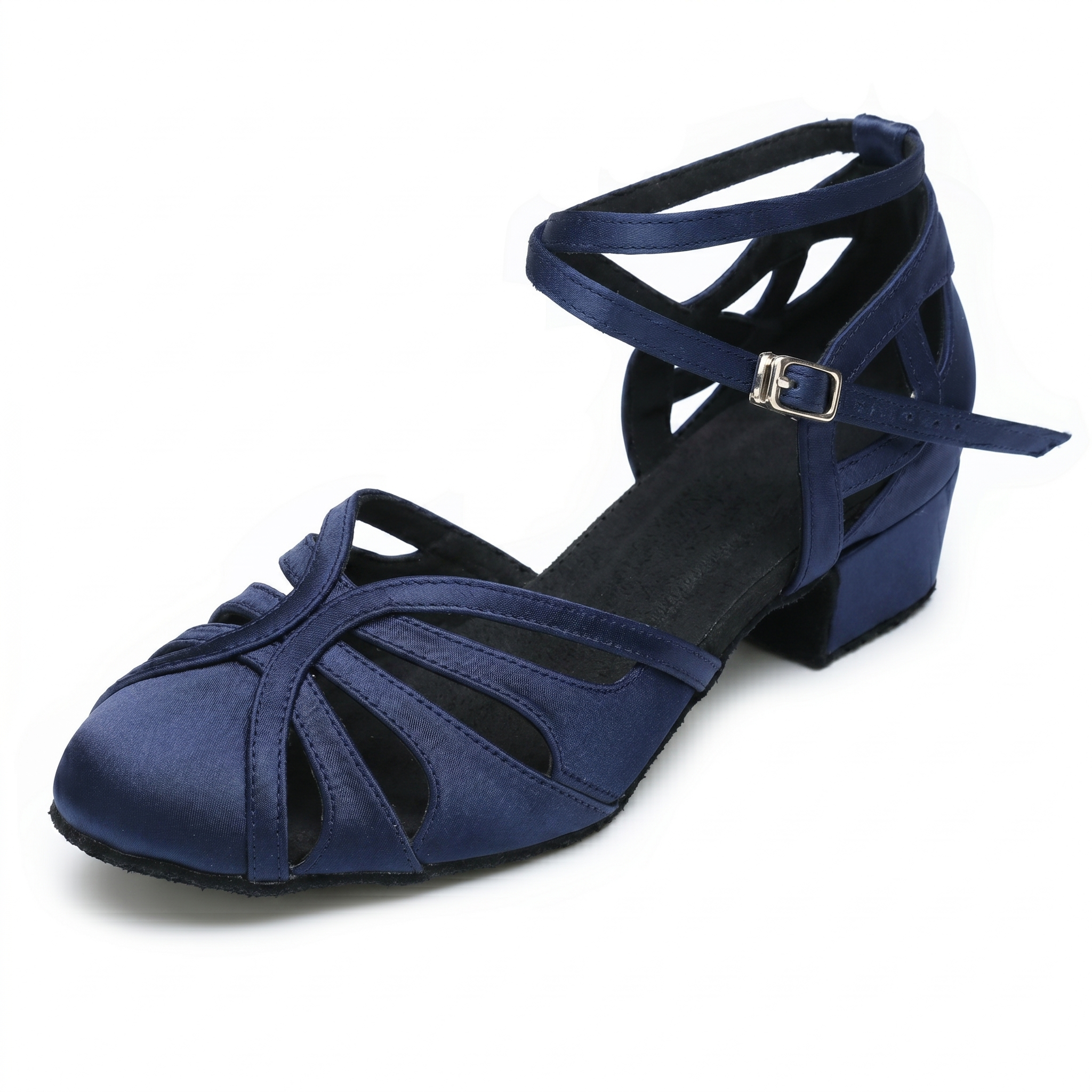
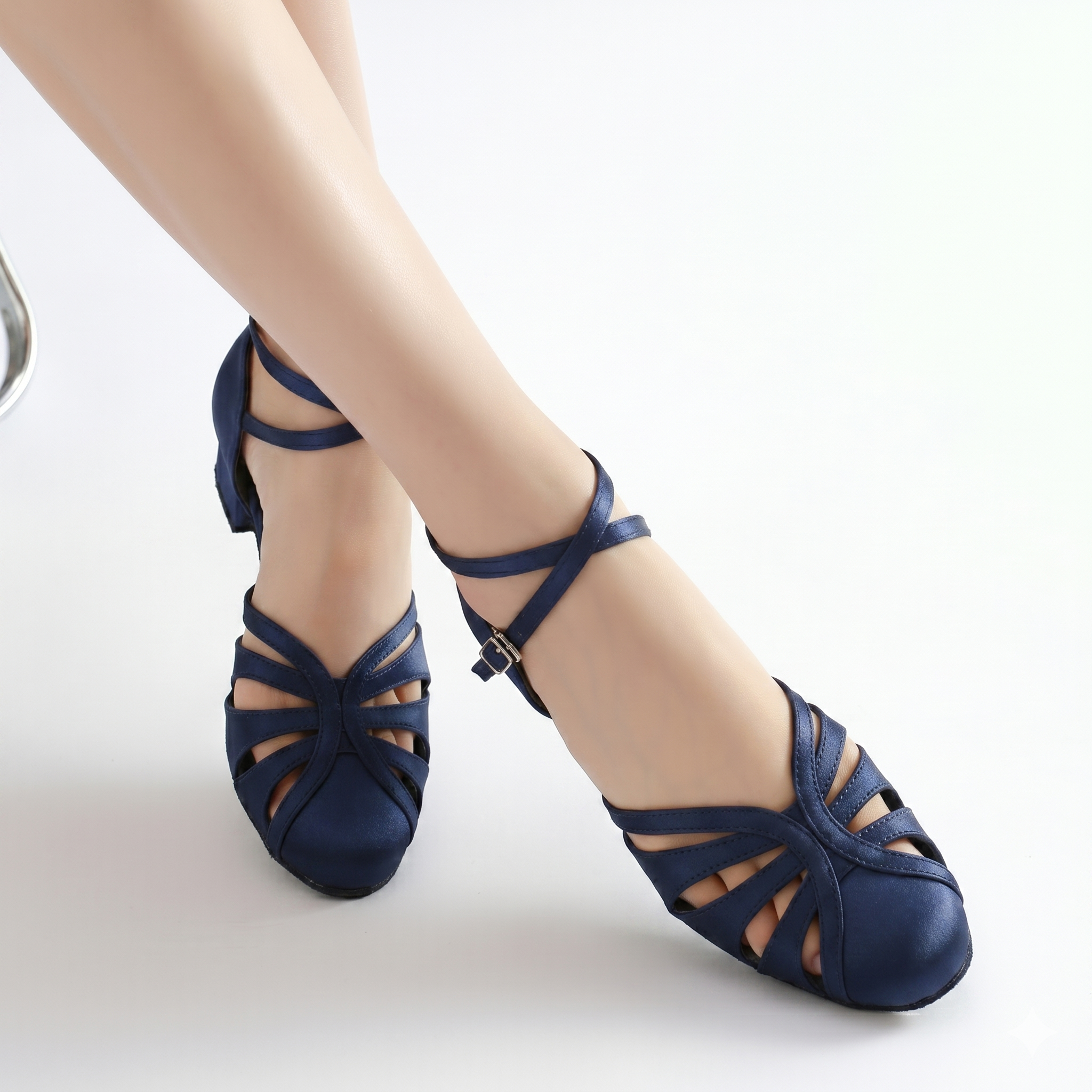
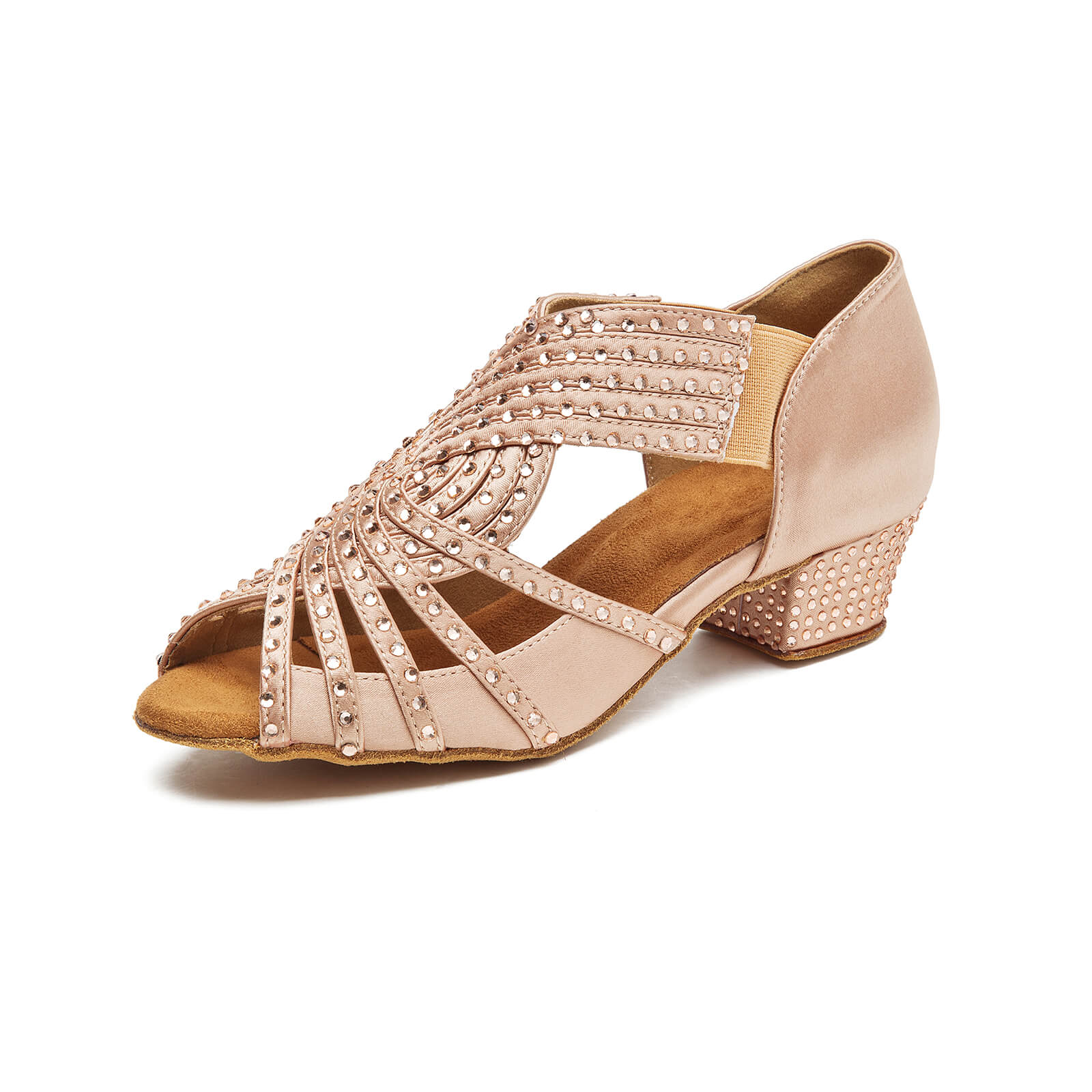
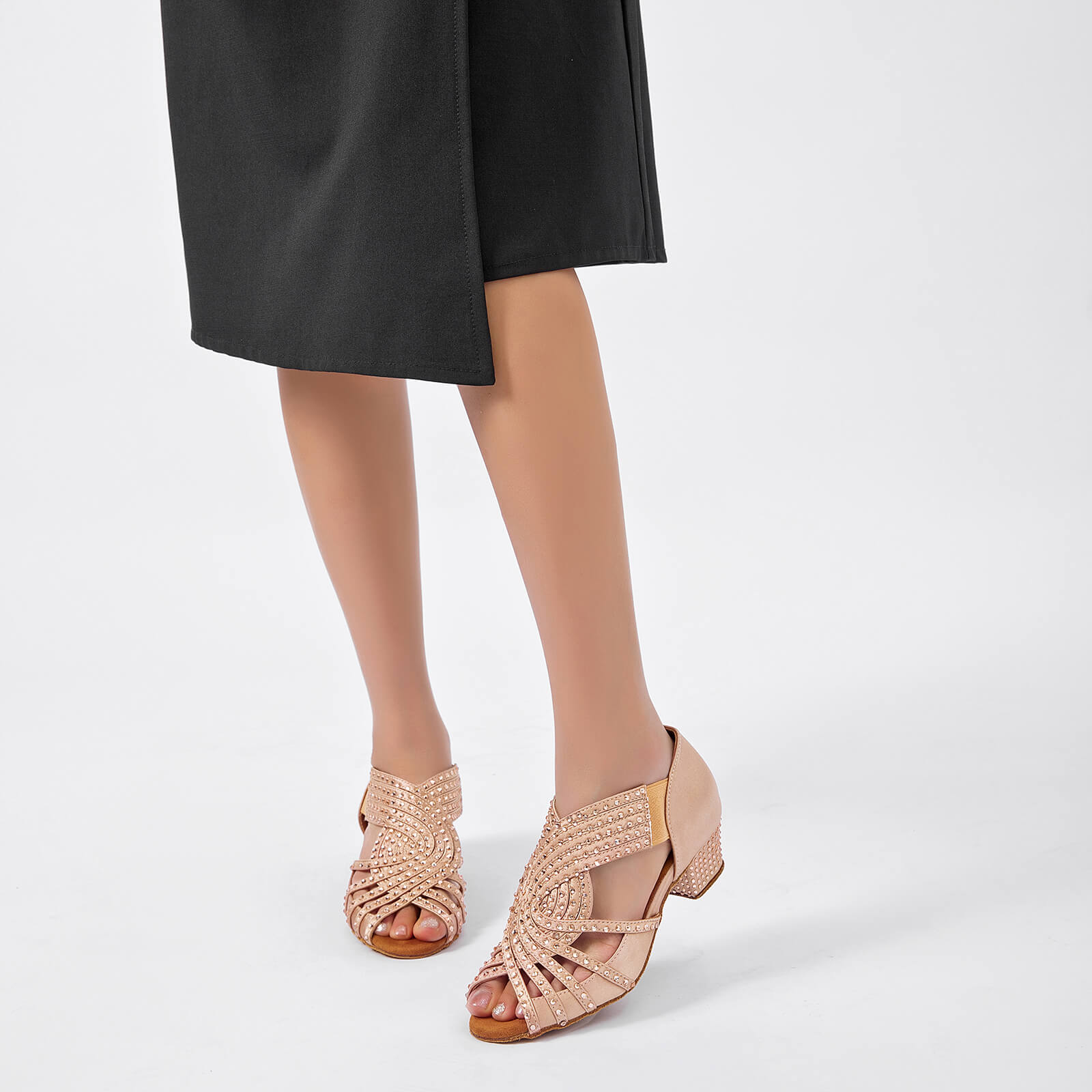
In dance, “low” means something specific: roughly 1 to 1.5 inches, built as a Cuban heel — straight-sided, wide at the base, set squarely under the heel bone. That construction is the whole point. A broad heel spreads your weight instead of balancing it on a point, so you can stand, turn and change weight without correcting yourself first.
Sixty-four of the styles here are built as low-heel shoes and nothing else. The remaining handful also offer taller options on the product page if you later want the same shoe at 2 or 3 inches — but what you see photographed is the low heel.
Who Buys Low Heel Dance Shoes
- Beginners. Balance is a skill before it is a shoe. Starting low means you learn to stand on your own foot instead of relying on the heel.
- Teachers and studio staff. Six hours of demonstrating is a completely different workload from a three-minute routine.
- Social dancers. A four-hour salsa night is an endurance event, and this is the height that survives it.
- Anyone with knee, ankle or forefoot trouble. Less height means less load on the ball of the foot and a gentler angle at the knee.
- Dancers returning after a break or an injury. Rebuild the ankle strength first; the height will still be there afterwards.
Low Heel Dance Shoes by Style
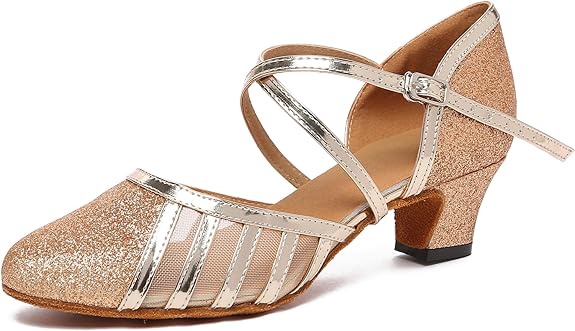
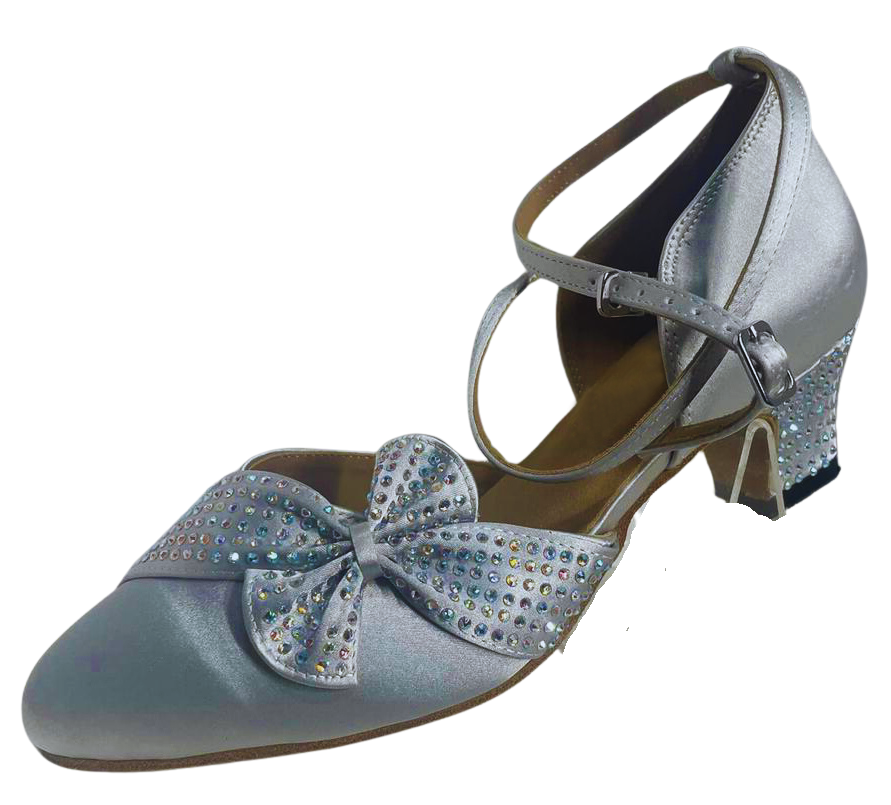
- Ballroom, smooth and standard. Closed-toe court styles hold the foot through heel leads and long lines — see closed-toe ballroom dance shoes.
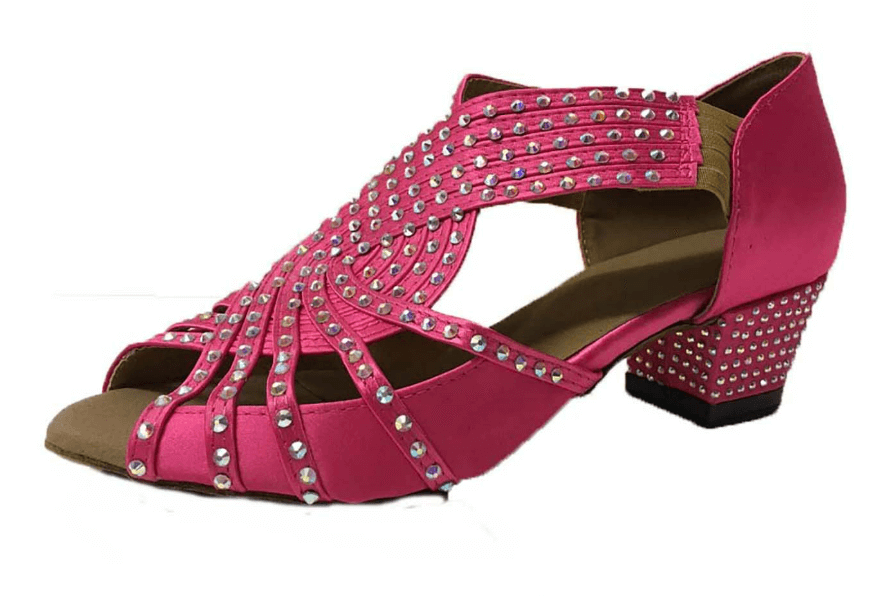
- Latin and salsa. Around three quarters of this collection is cut for Latin and salsa: open-toe sandals with a secure ankle strap that let the toes spread and grip. See salsa dance shoes and Latin & salsa dance shoes.
- Swing and Lindy Hop. Bouncy, weight-transferring styles want a grounded heel rather than a lifted one — see swing dance shoes.
- Weddings and first dances. A low heel is the difference between enjoying your own reception and taking your shoes off halfway through. See wedding dance shoes.
Open Toe or Closed Toe at a Low Heel
Both are here, and neither is more correct — they answer different questions.
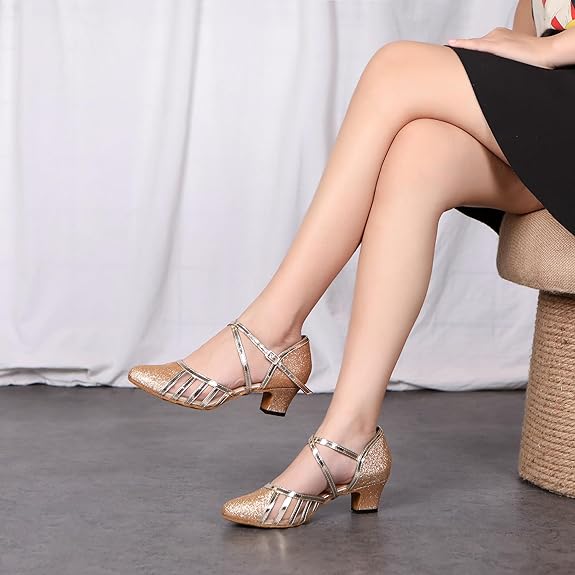
Closed toe is the traditional ballroom answer, warmer in a cold hall, and it reads as an ordinary smart shoe once you step off the floor. About a quarter of this collection is closed toe, which makes those styles the natural pick if you want one pair for class and for a wedding.
Open toe is standard for Latin and salsa because it lets the toes spread and articulate, and it stays cooler through a long social. If you dance both regularly, the honest answer is one of each rather than a compromise pair.
Comfort Comes from Fit, Not Just Height
A low heel removes most of the pain a tall heel creates, but a badly fitting low shoe will still ruin an evening. What actually matters:
- Your foot must not slide forward when you transfer weight. That is the strap's job — it should sit across the narrowest part of the ankle.
- Toes at the edge of the sole, not curled behind it. Dance shoes fit closer than street shoes by design.
- Half sizes matter. Sizes run US 5 to US 11 with UK and EU conversions shown on every listing; between sizes with a broad foot, size up and take up the slack with the strap.
- Match the sole to the floor. Suede grips wooden studio floors and pivots cleanly; on tile, concrete or carpet it wears fast and drags. Brushes and protective covers are in accessories.
Colours That Do the Most Work
If you are buying one pair, buy a neutral — it disappears into the leg line and goes with everything. Black is the largest group here and the safest default; nude and tan visually lengthen the leg, which is why they dominate ballroom floors. For something that catches light without changing height, silver and the rhinestone-set styles in the crystal collection do it at 1.5 inches just as well as at 3.
When to Move Up from a Low Heel
There is no deadline. A useful test: rise onto the ball of one foot and hold it for ten seconds without the free foot touching down. If that is comfortable, you are ready to try 2 inch. If it is not, stay here — nothing about dancing gets easier in a taller shoe.
If it is the heel shape rather than the height you care about, see Cuban heel dance shoes. For the exact heights either side of this range, see 1 inch and 1.5 inch.
Low Heel Dance Shoes: Frequently Asked Questions
What is considered a low heel on a dance shoe?
Roughly 1 to 1.5 inches, built as a Cuban heel — straight-sided and wide at the base. Anything at or below about 2 inches is generally called a low heel in dance; above that you are into practice and performance heights.
Are low heel dance shoes good for beginners?
Yes, and it is what most teachers recommend for a first pair. A low heel keeps your weight balanced over the whole foot while you build ankle strength, so you can concentrate on technique instead of on staying upright.
Can I use low heel dance shoes for ballroom and Latin?
Both. For ballroom, smooth and standard, a low Cuban heel is a traditional and completely appropriate choice. For Latin and salsa the competition look is taller, but a low heel is extremely common for lessons, practice and social nights.
Are low heel dance shoes more comfortable?
Generally yes. Less height means less of your body weight is carried on the ball of the foot and the angle at the knee is gentler, which is why dancers pick this height for long socials, teaching and recovery from injury. Fit and strap position still matter as much as height.
Do you have low heel dance shoes with a closed toe?
Yes — about a quarter of this collection is closed toe, which is the traditional choice for ballroom, smooth and standard. The rest are open-toe sandals cut for Latin and salsa.
What sizes do low heel dance shoes come in?
US 5 to US 11 including half sizes, with UK and EU equivalents on every product page (US 5 / UK 2.5 / EU 35 through US 11 / UK 8.5 / EU 43).