



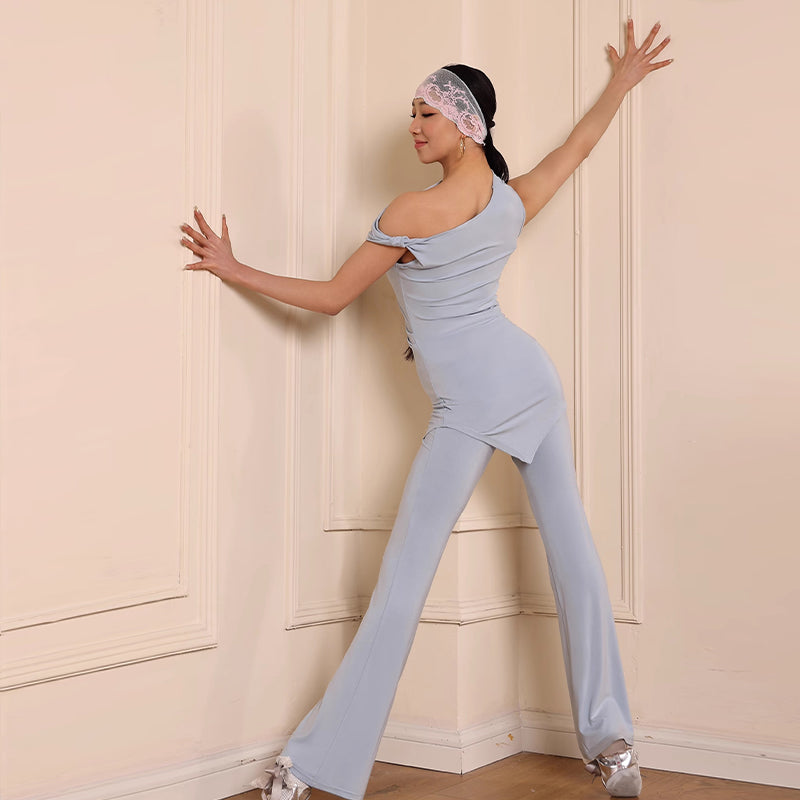
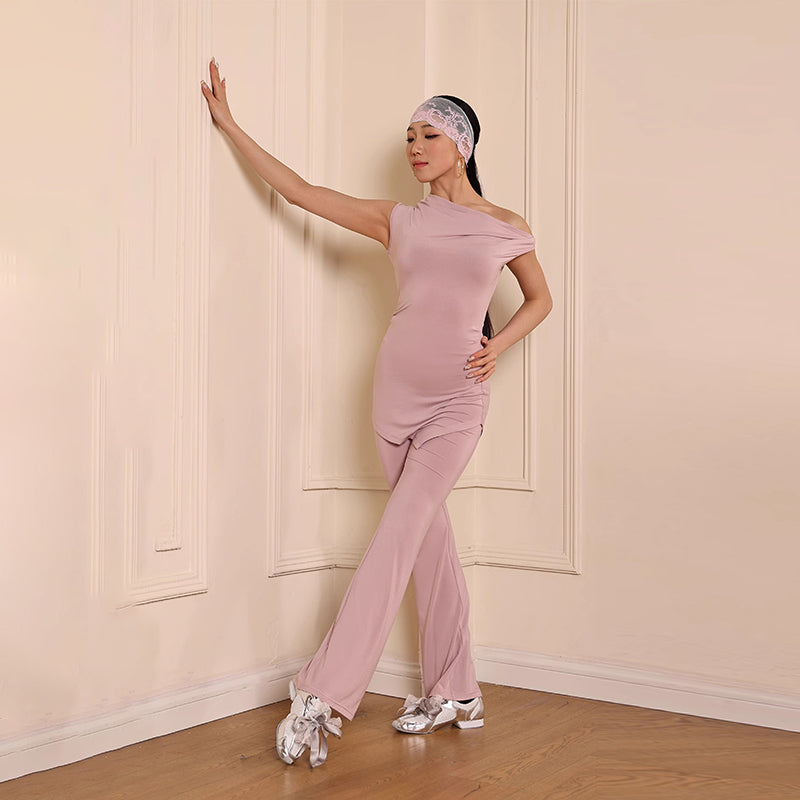
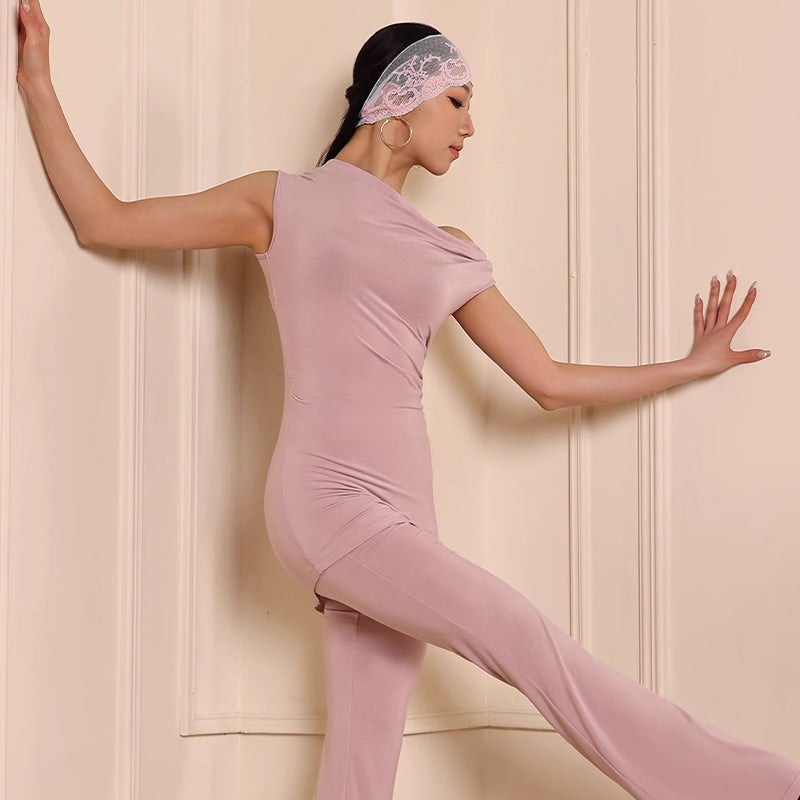
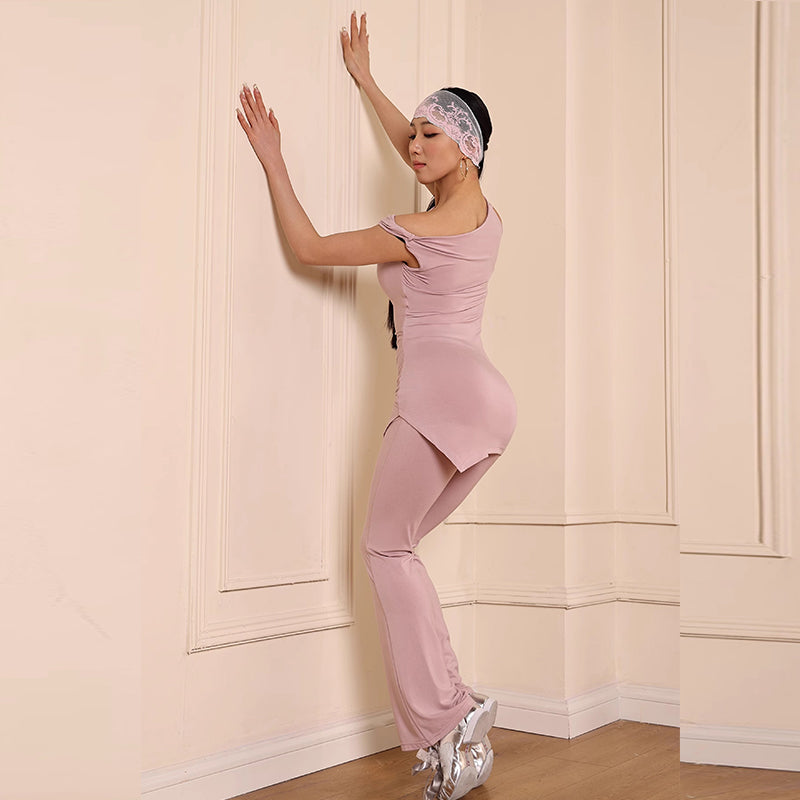
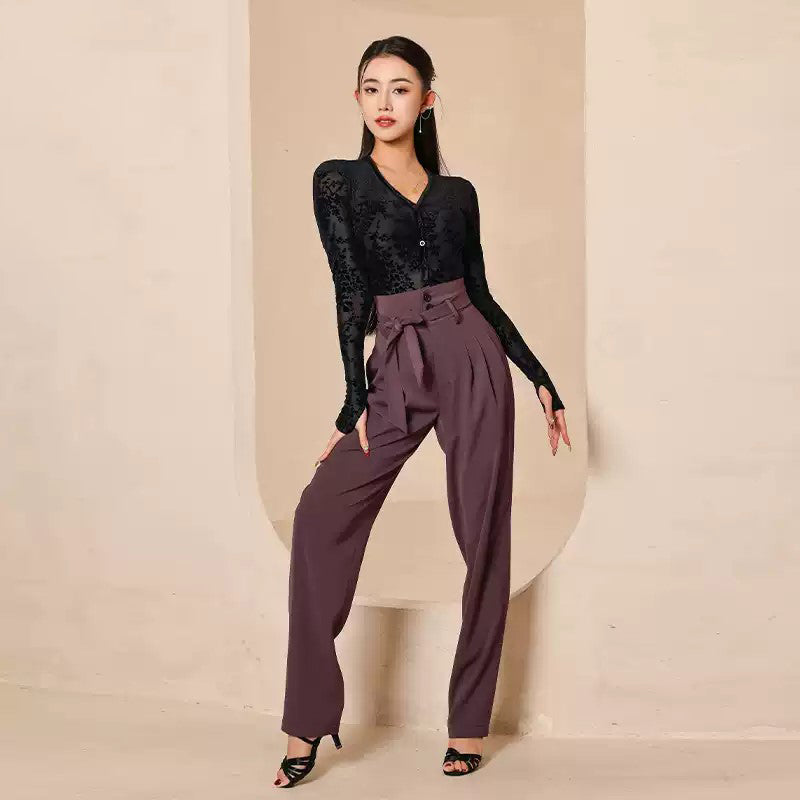
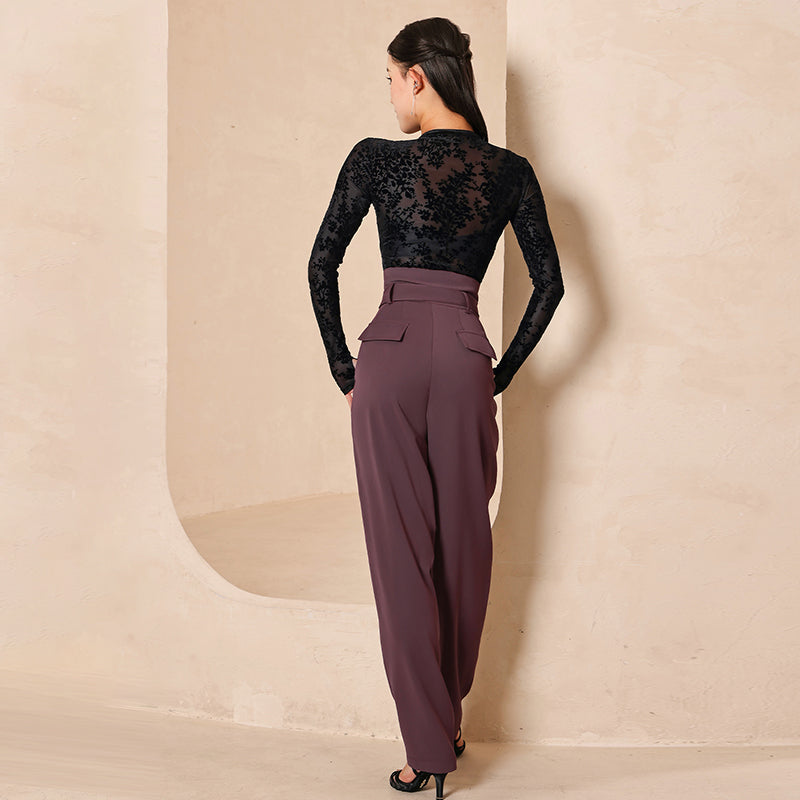
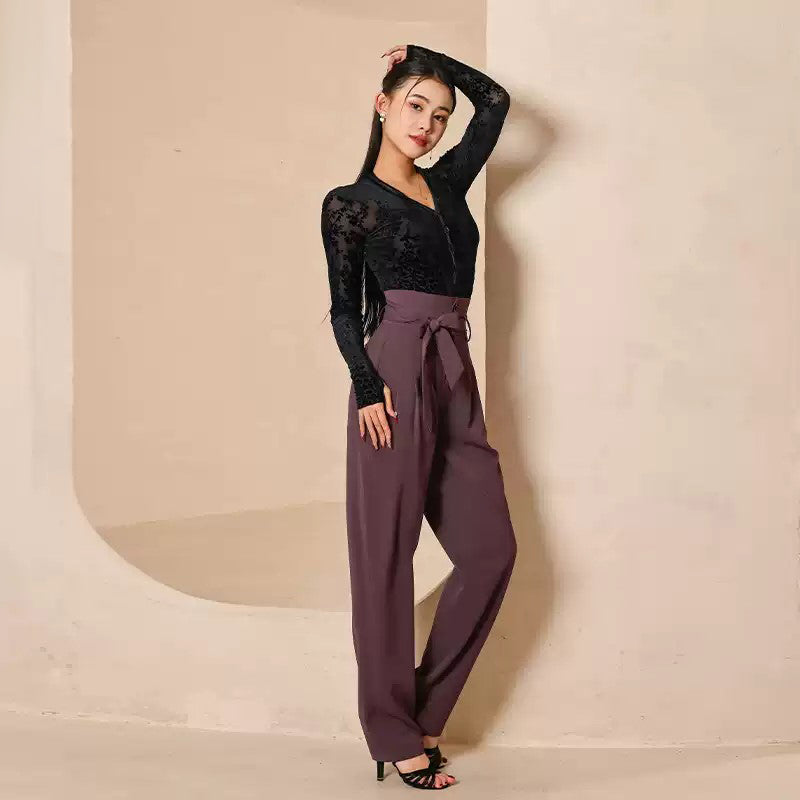
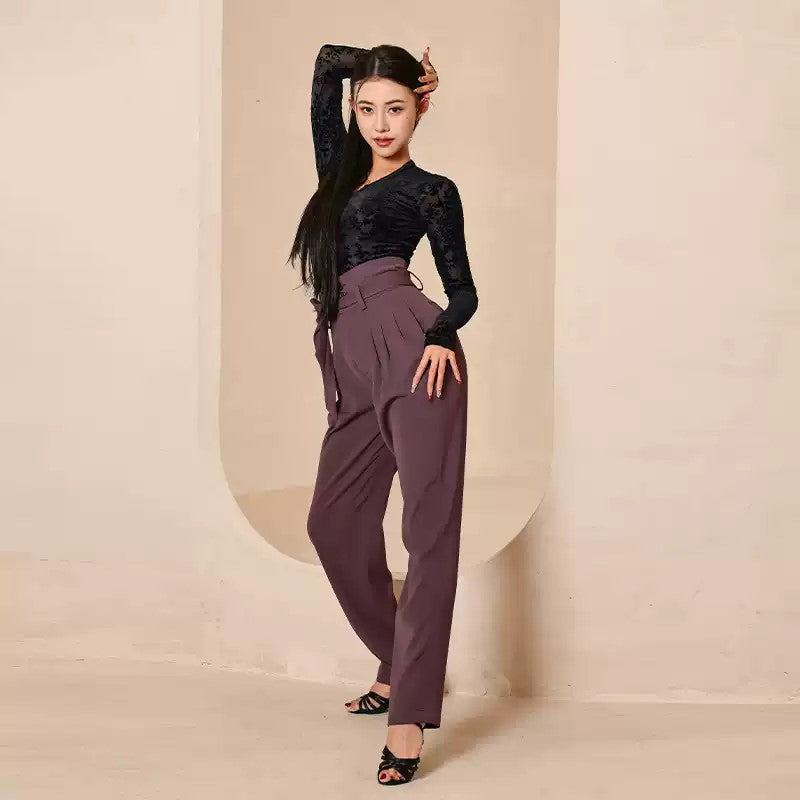
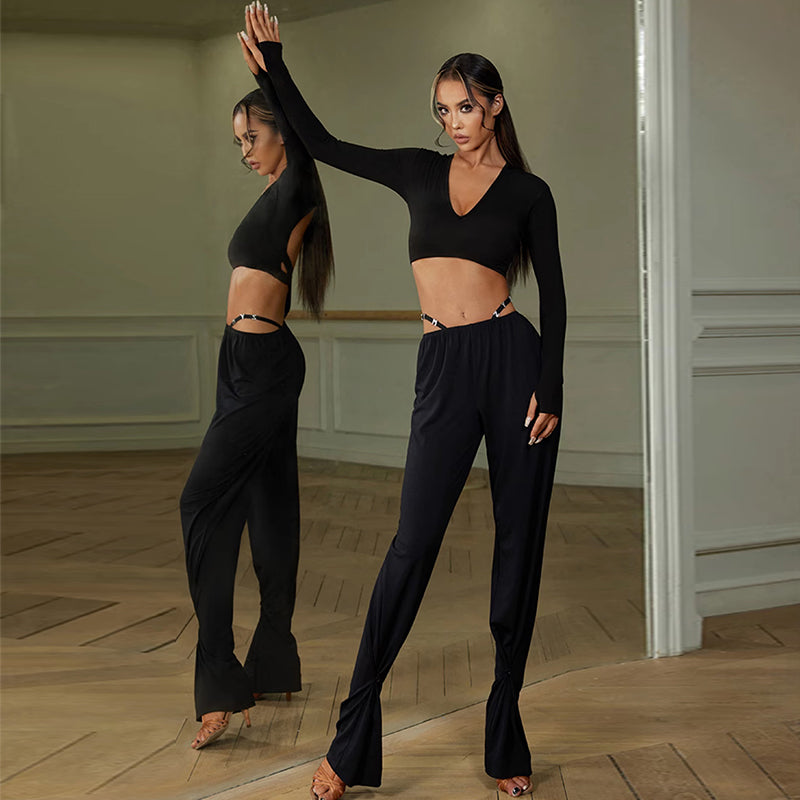
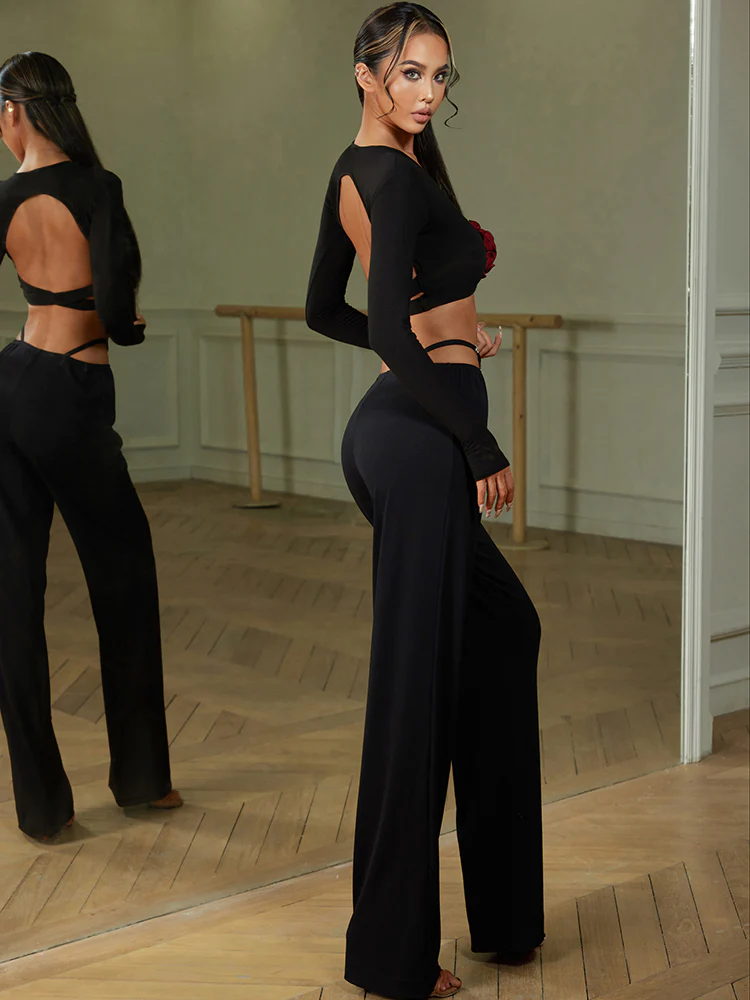
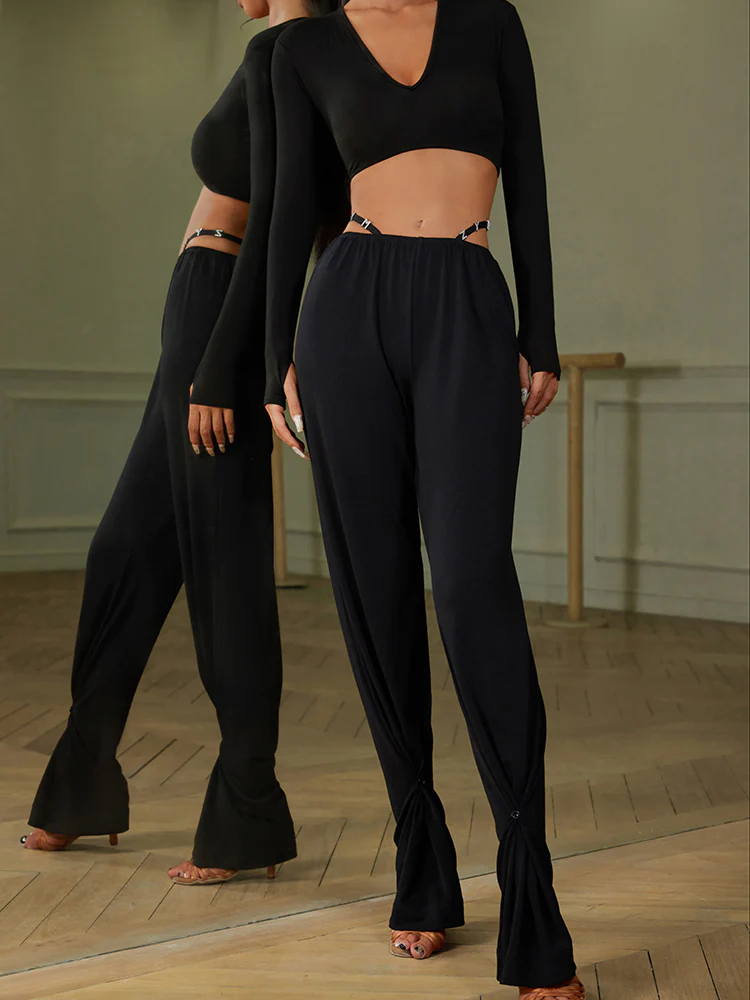
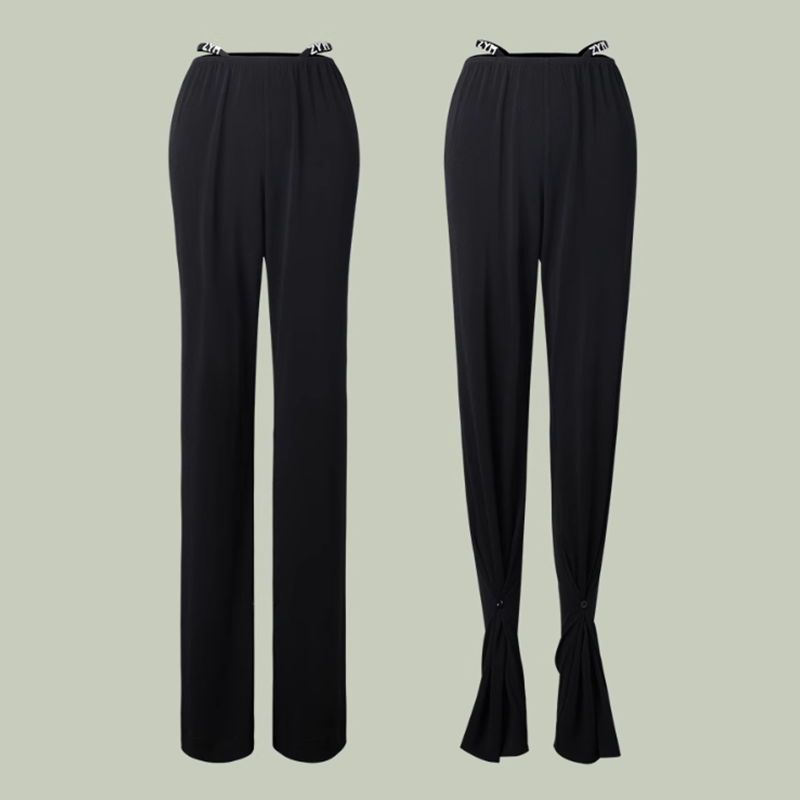



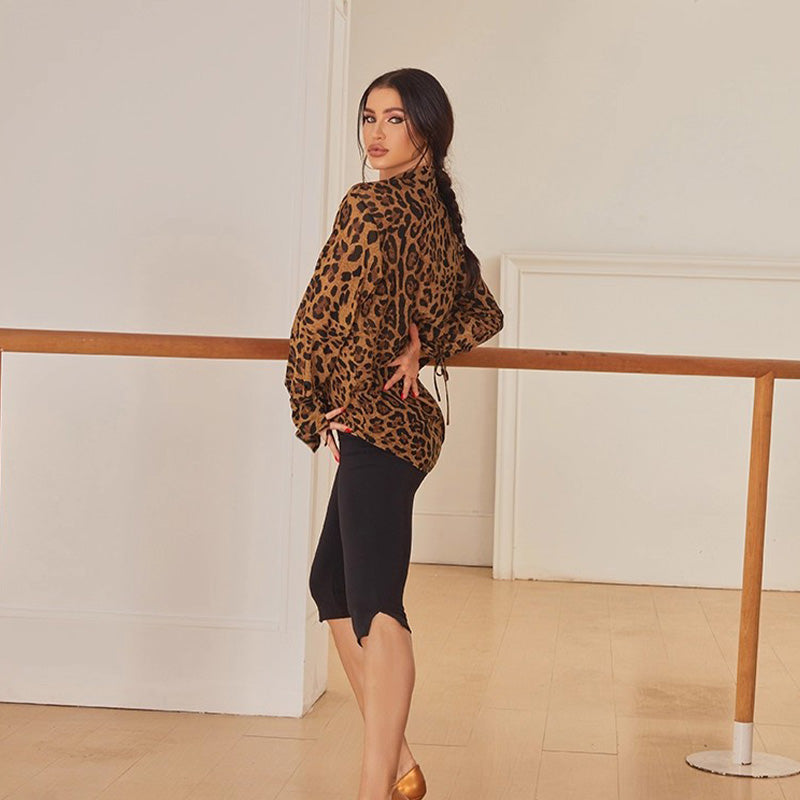
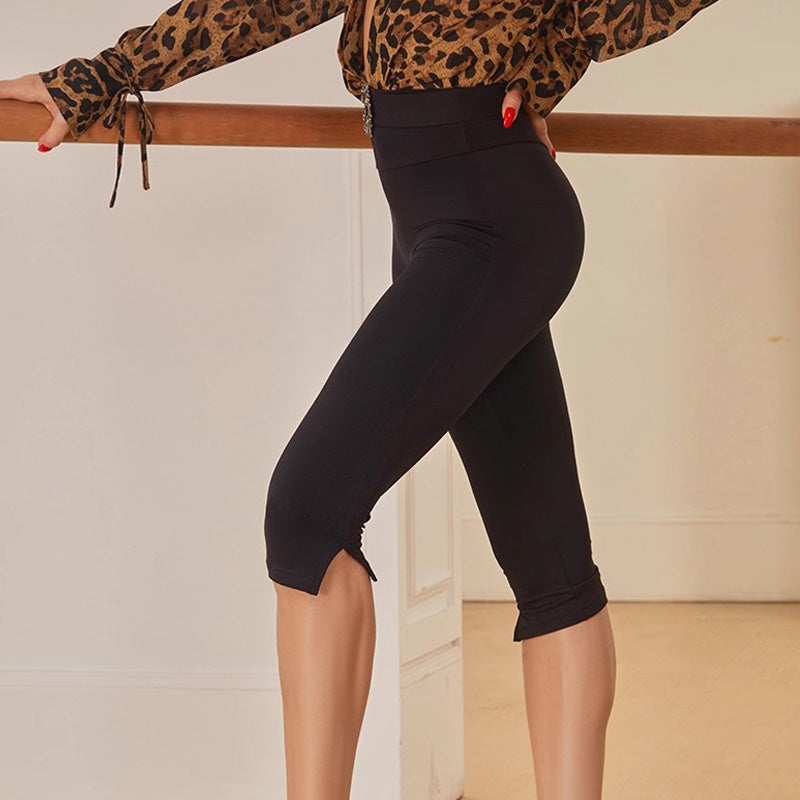
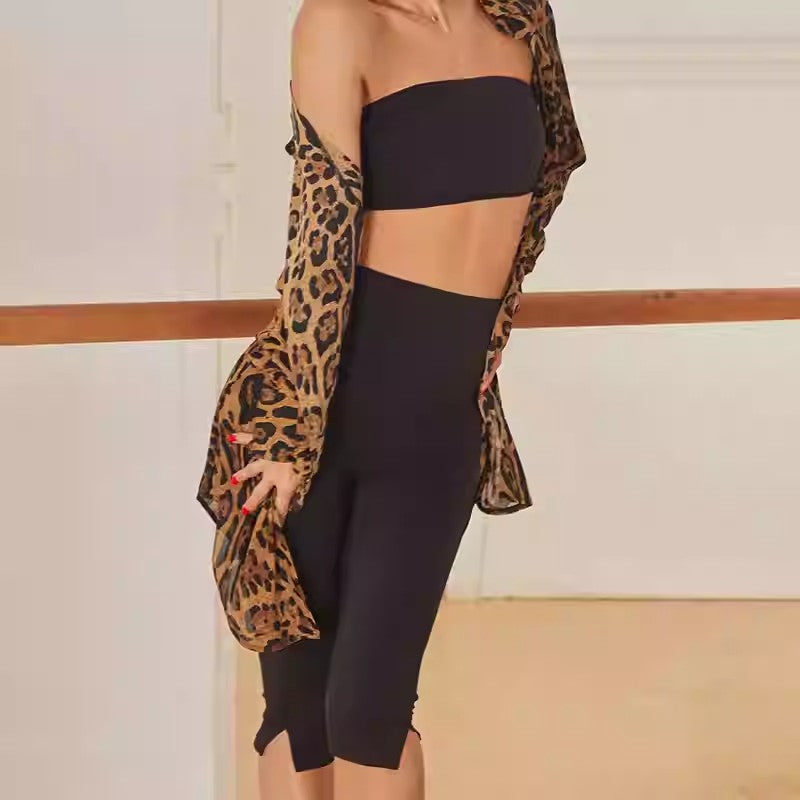
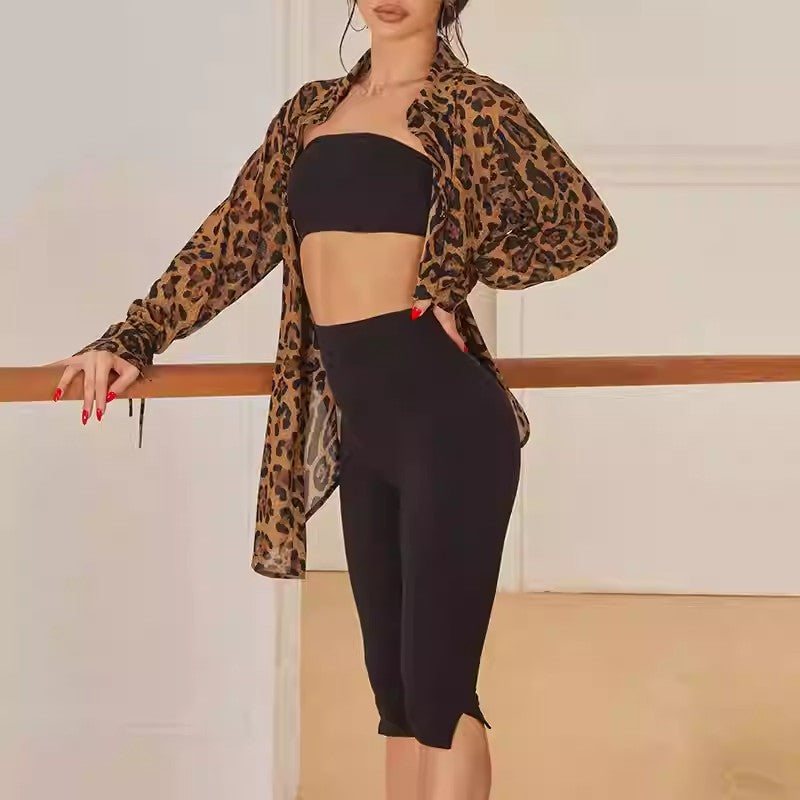

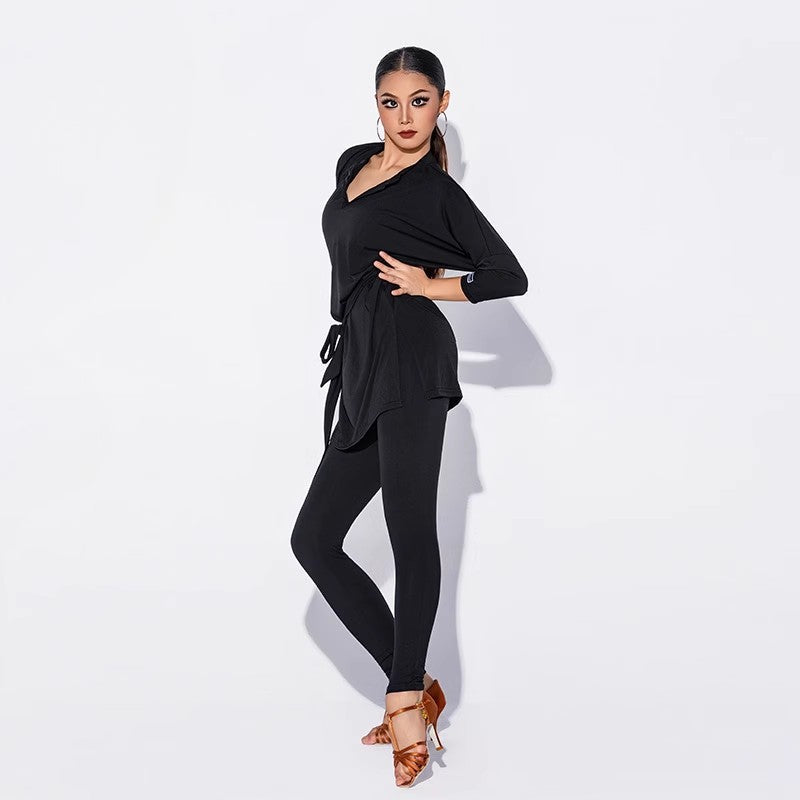
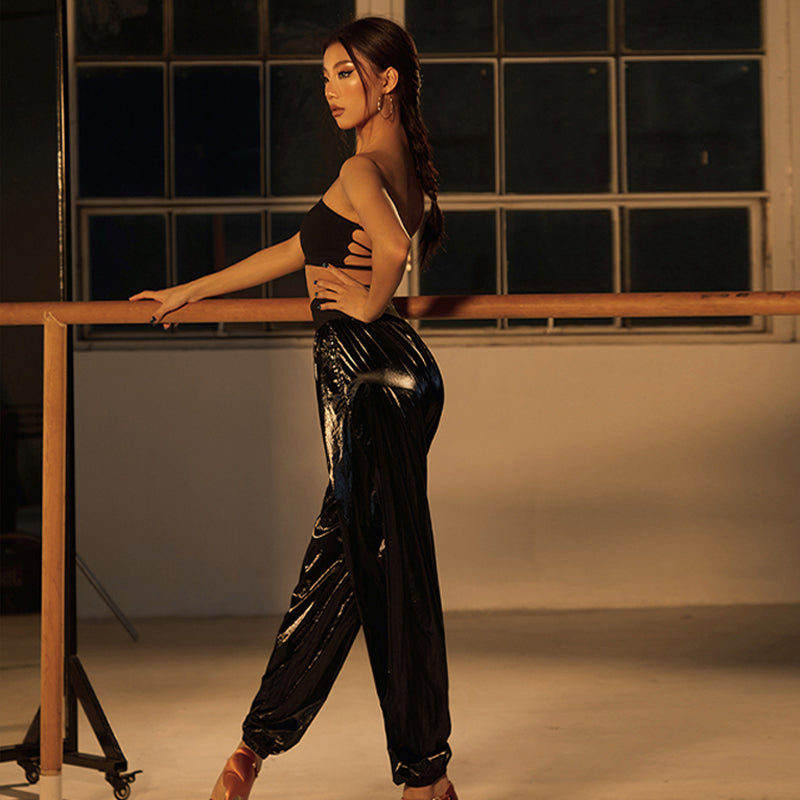
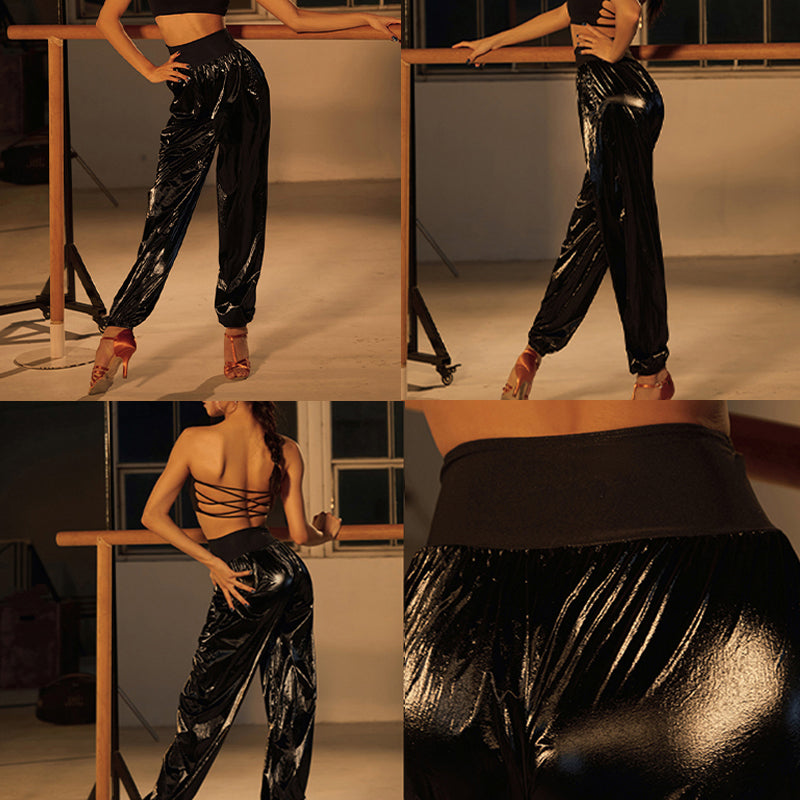
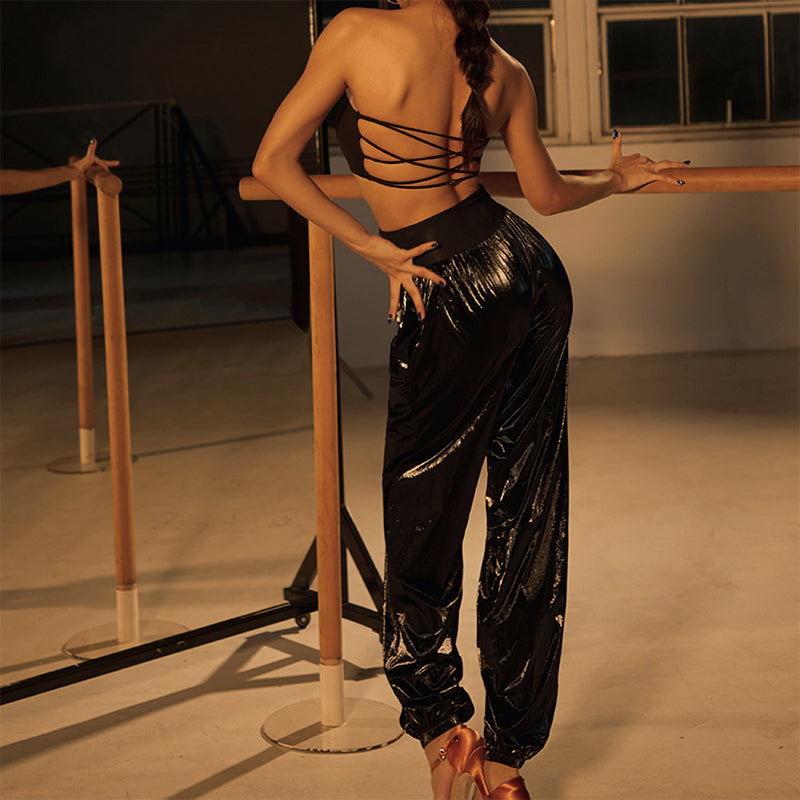
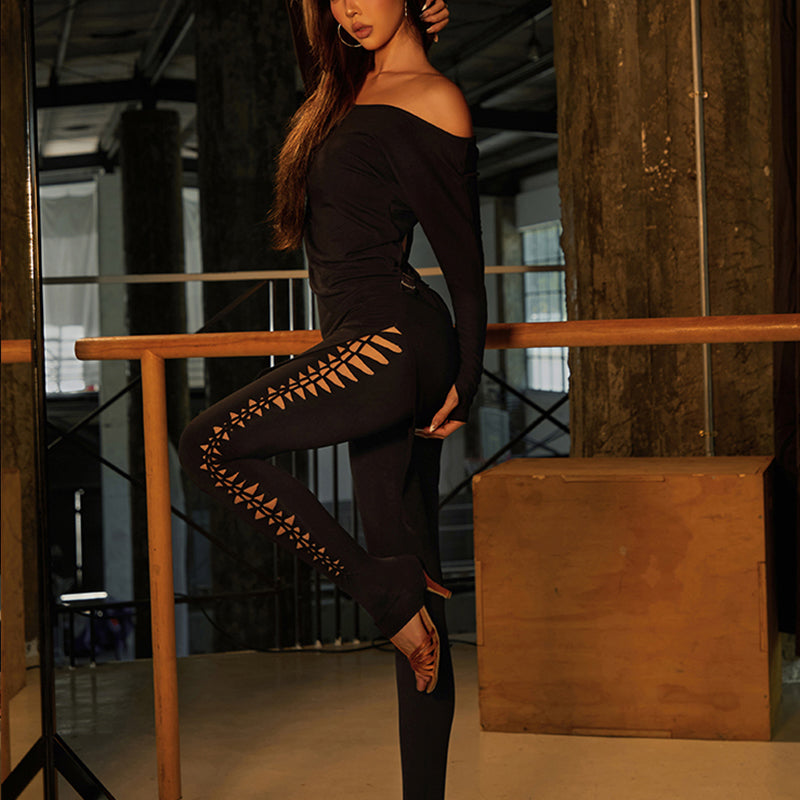
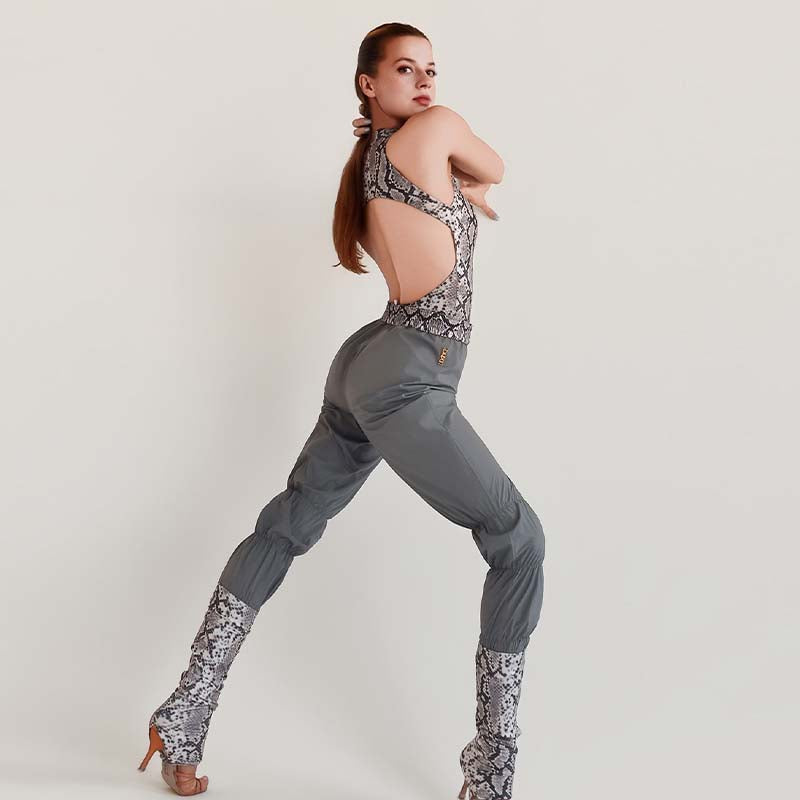
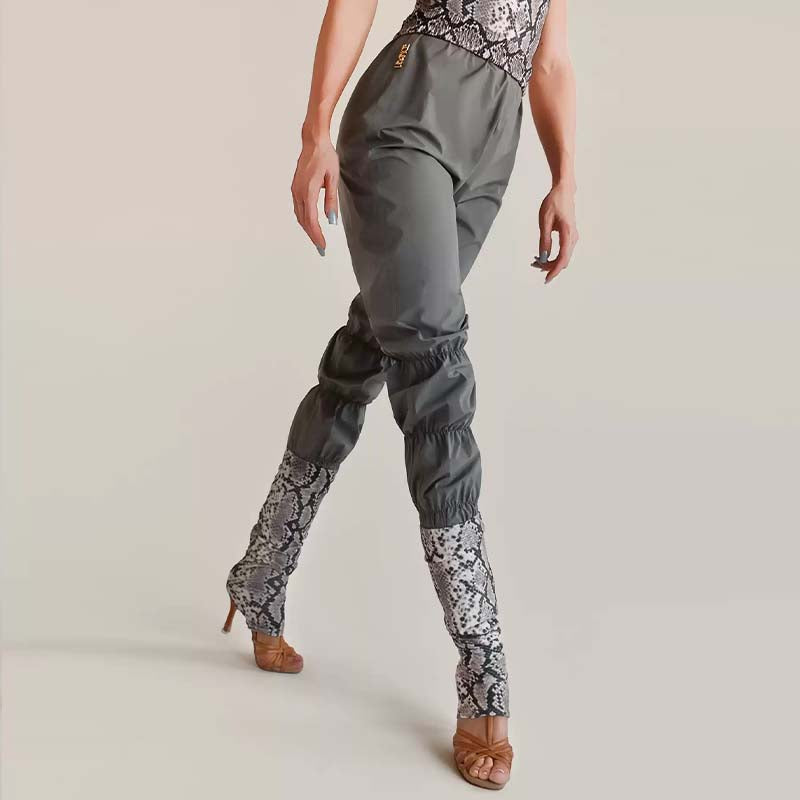
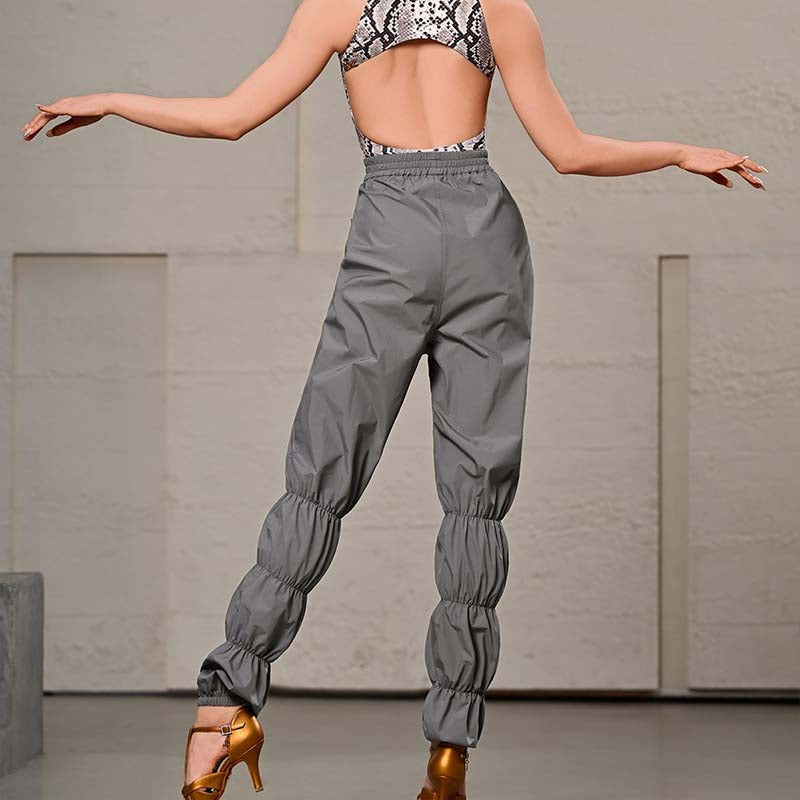
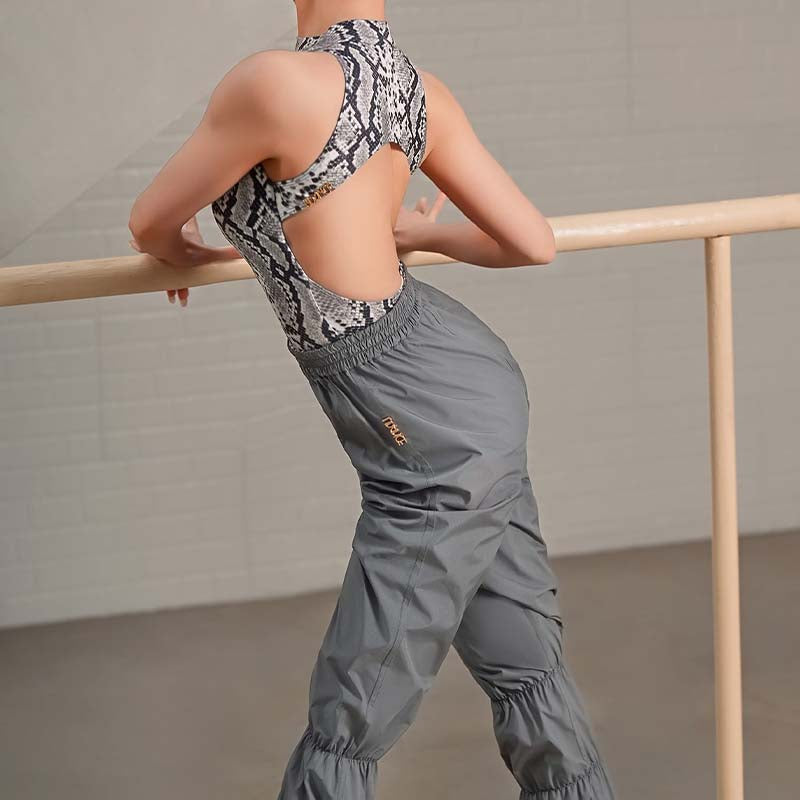

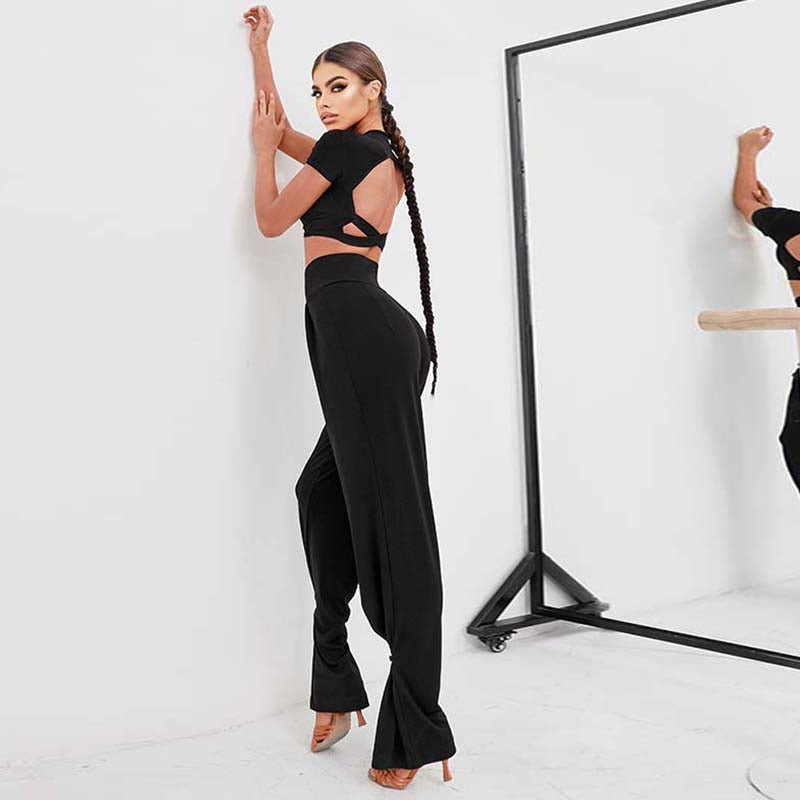
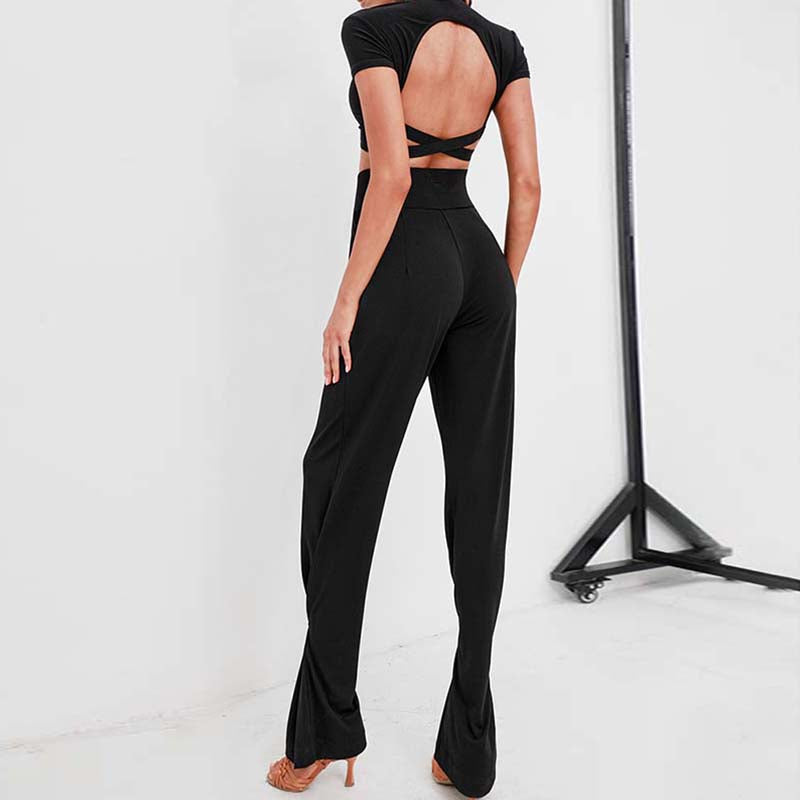
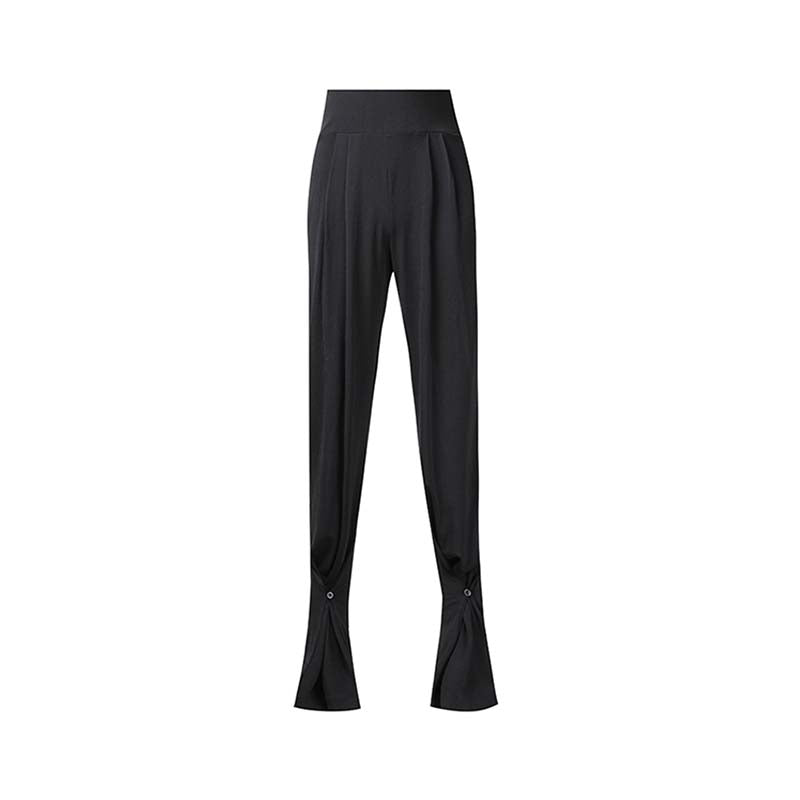
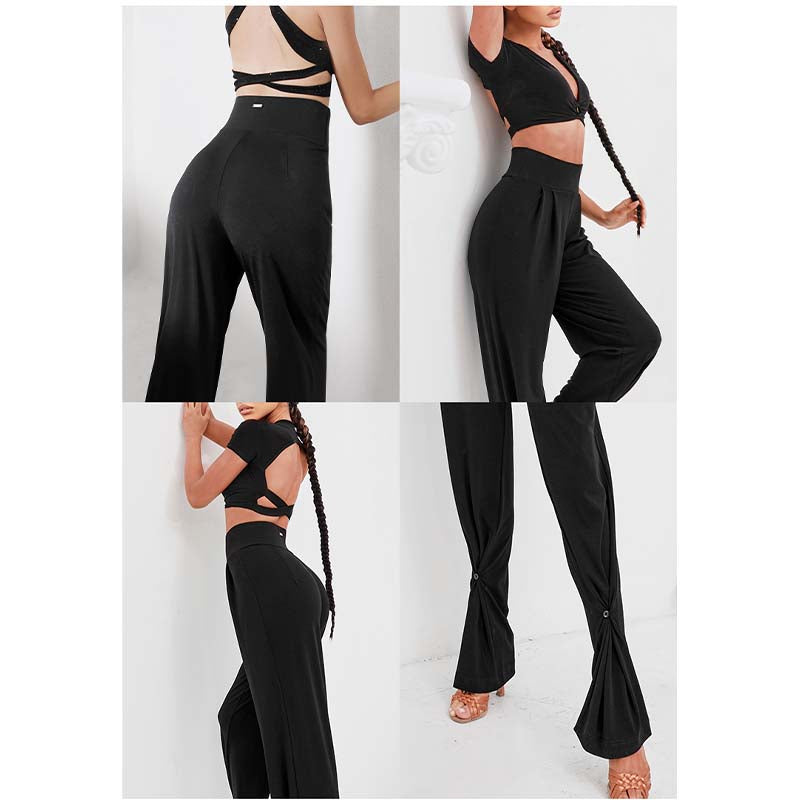
Dance Trousers Are Not Leggings
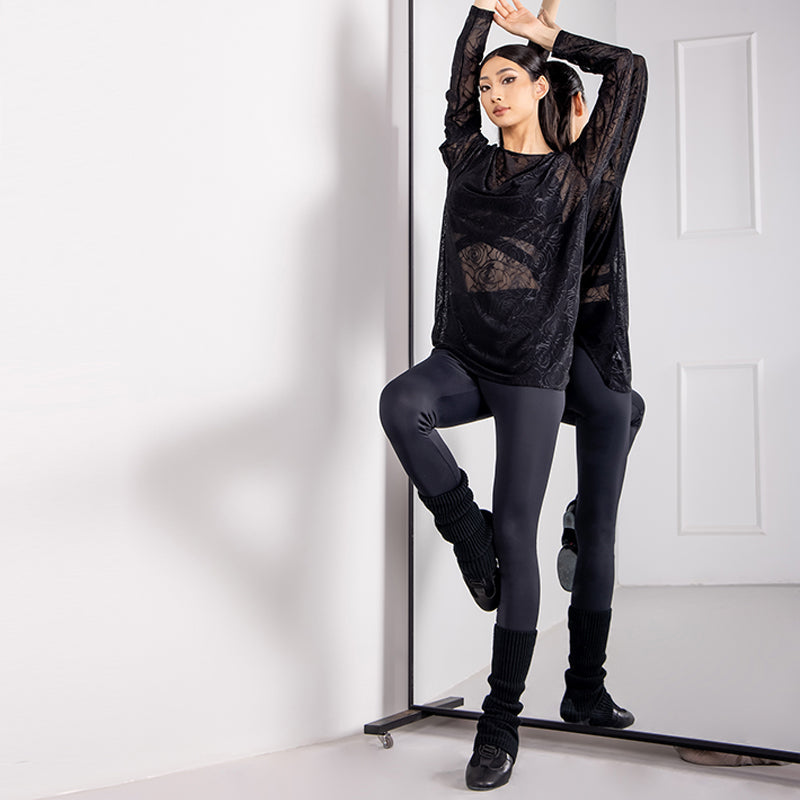
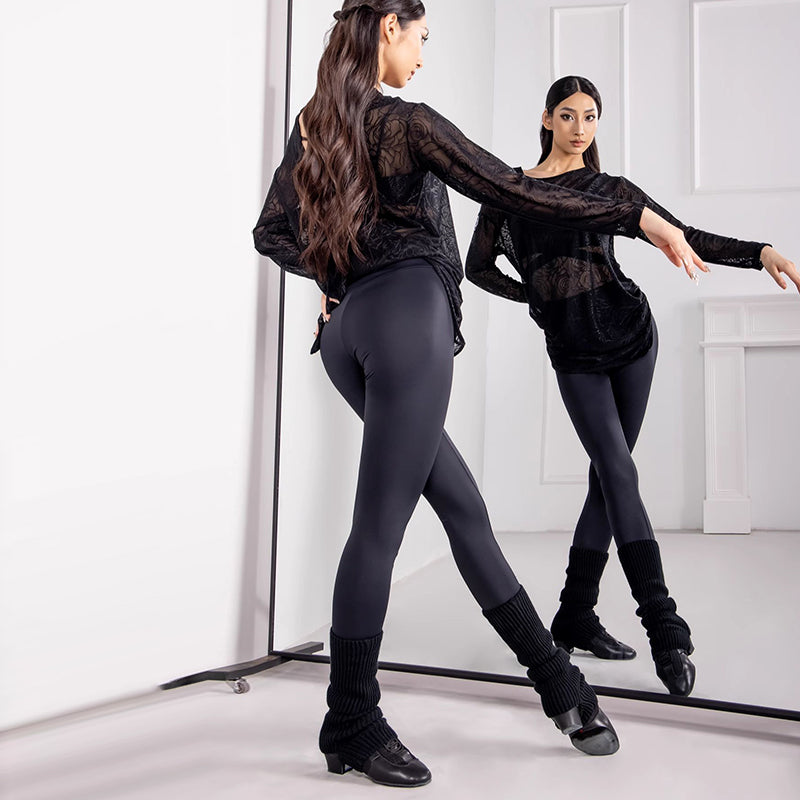
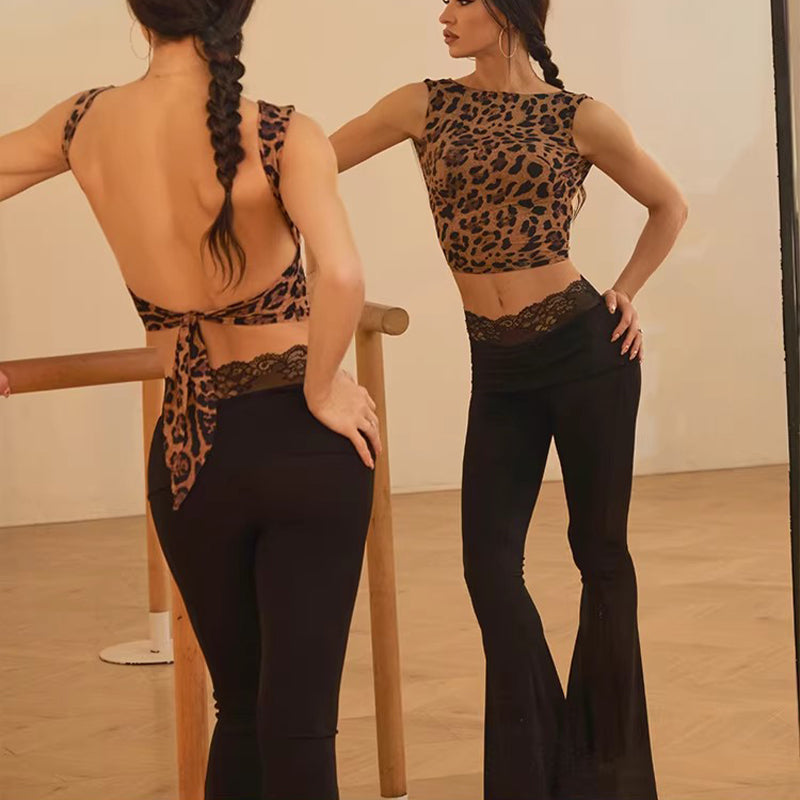
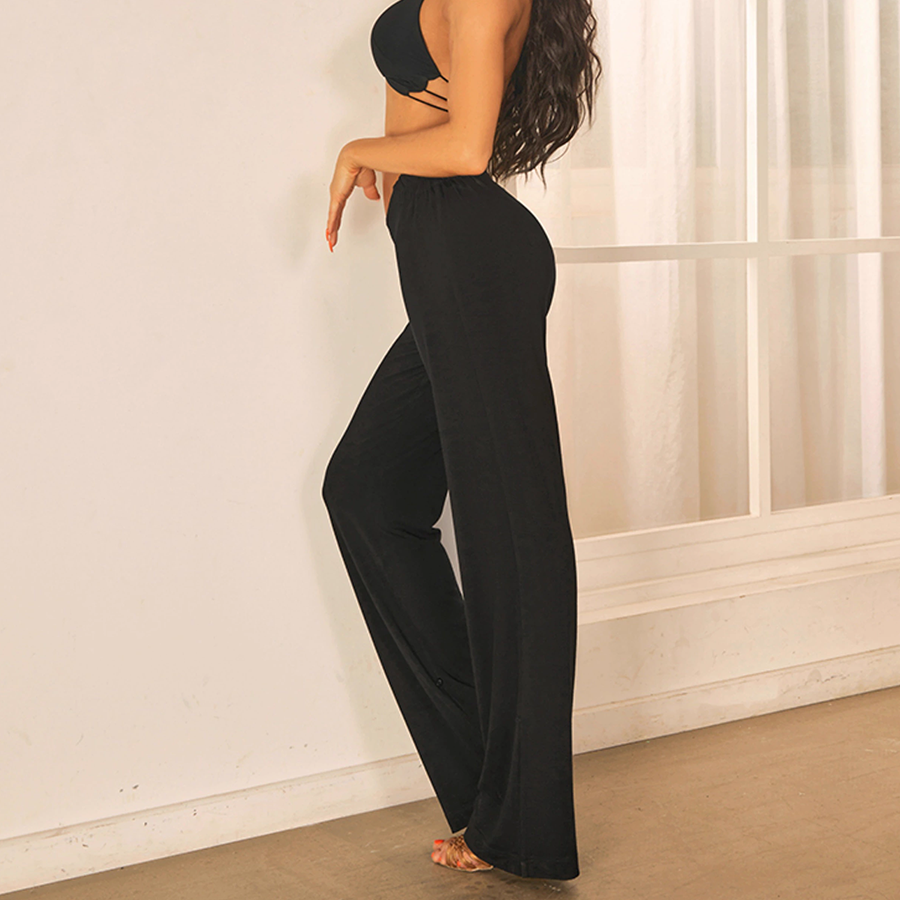
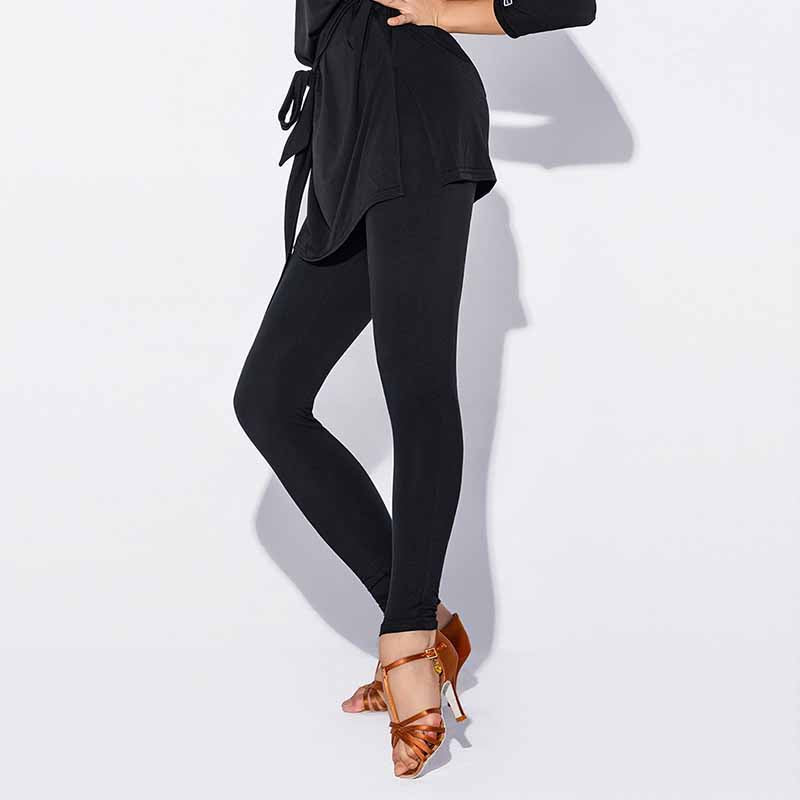
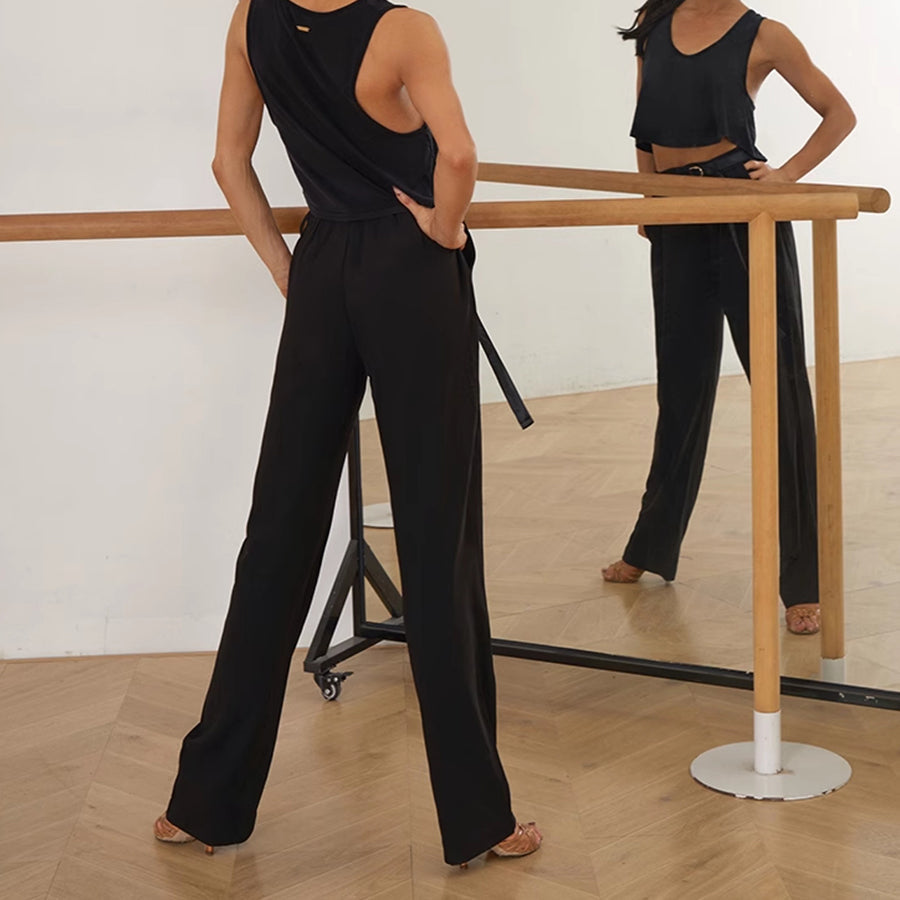
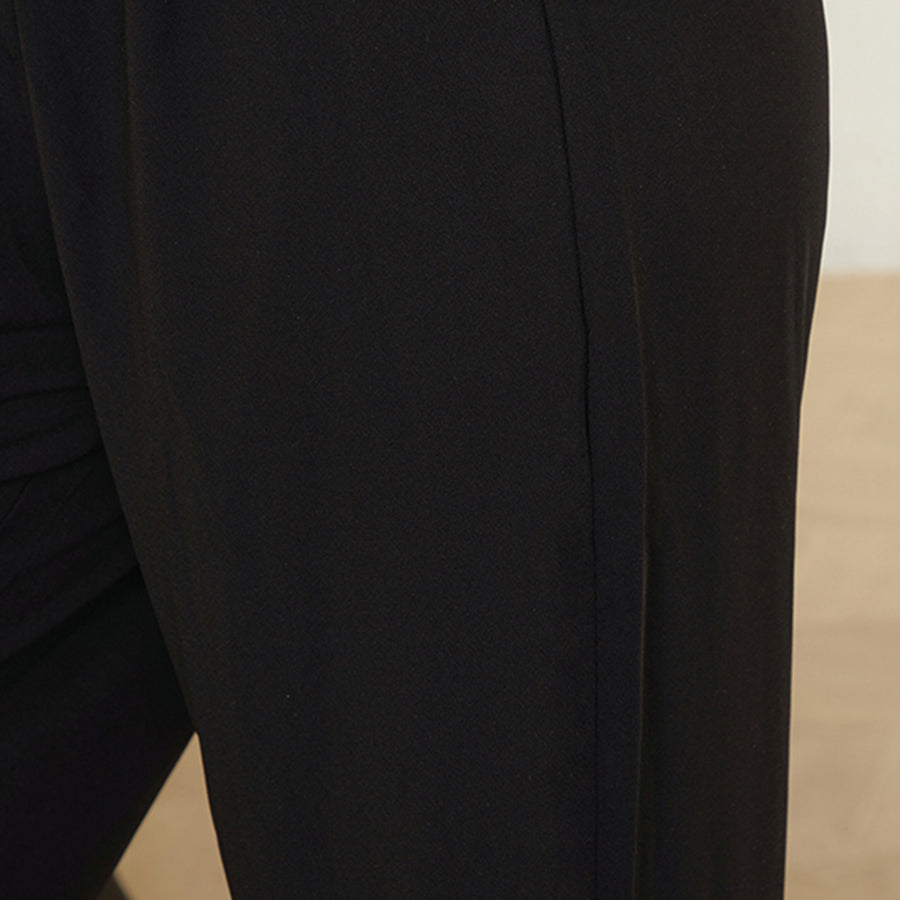
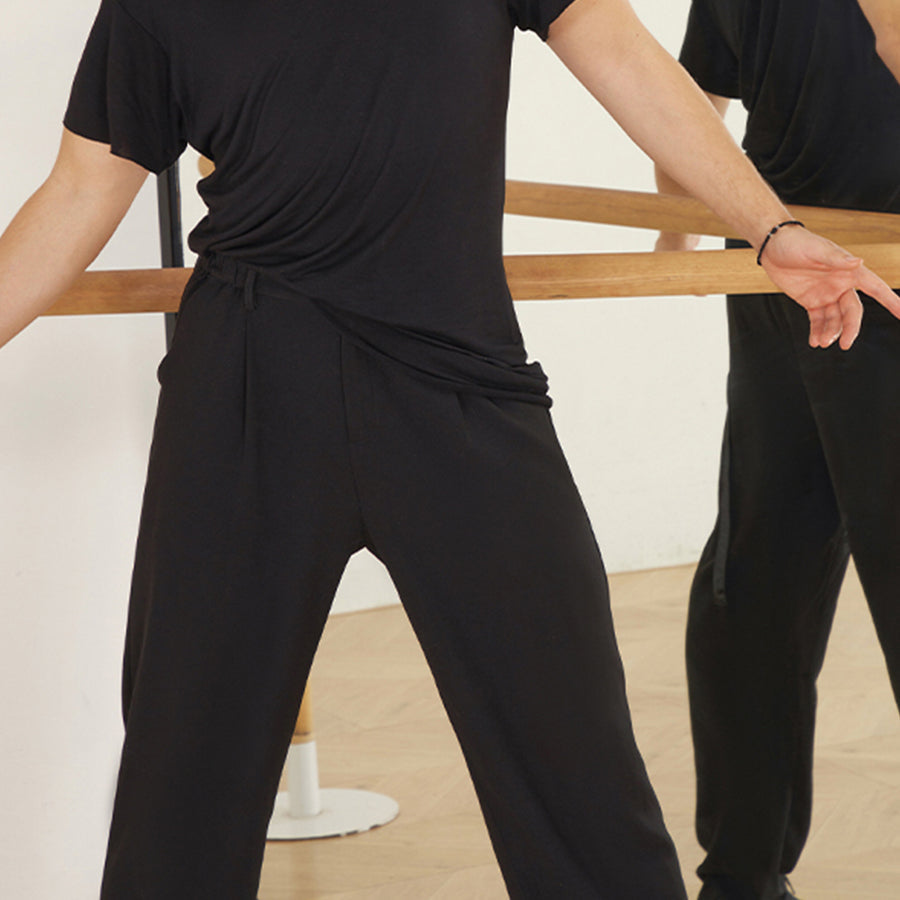
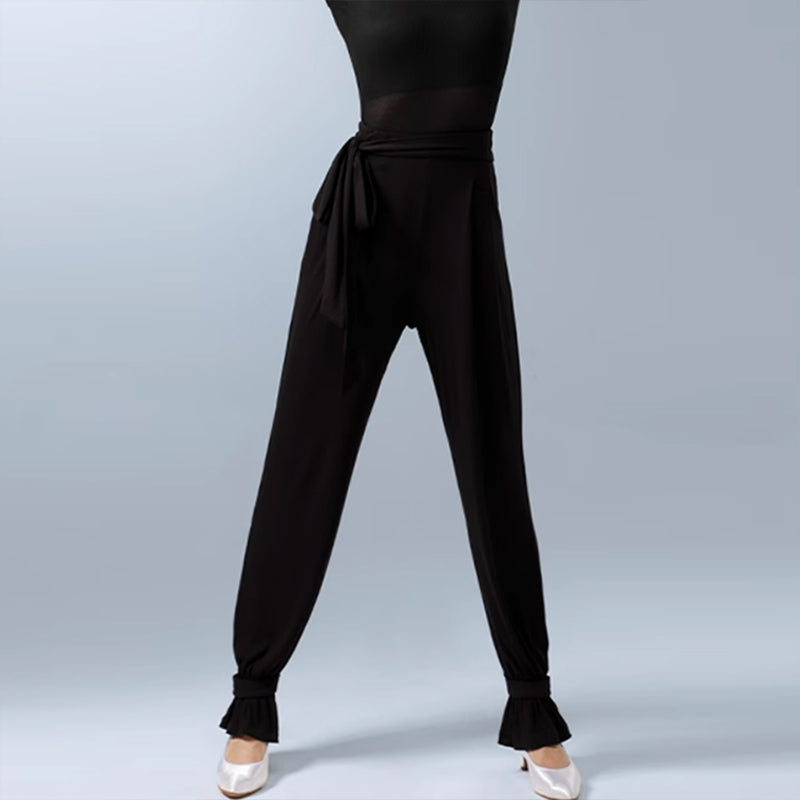
The distinction sounds pedantic until you have danced in both. Leggings are cut to compress and follow the leg exactly, which hides the thing you are trying to see: where your weight is, whether your knee is straight, how the leg is rotating. Dance trousers are cut to hang from the waist or hip and move a beat behind the leg, so the line of the movement stays readable to you and to whoever is teaching you.
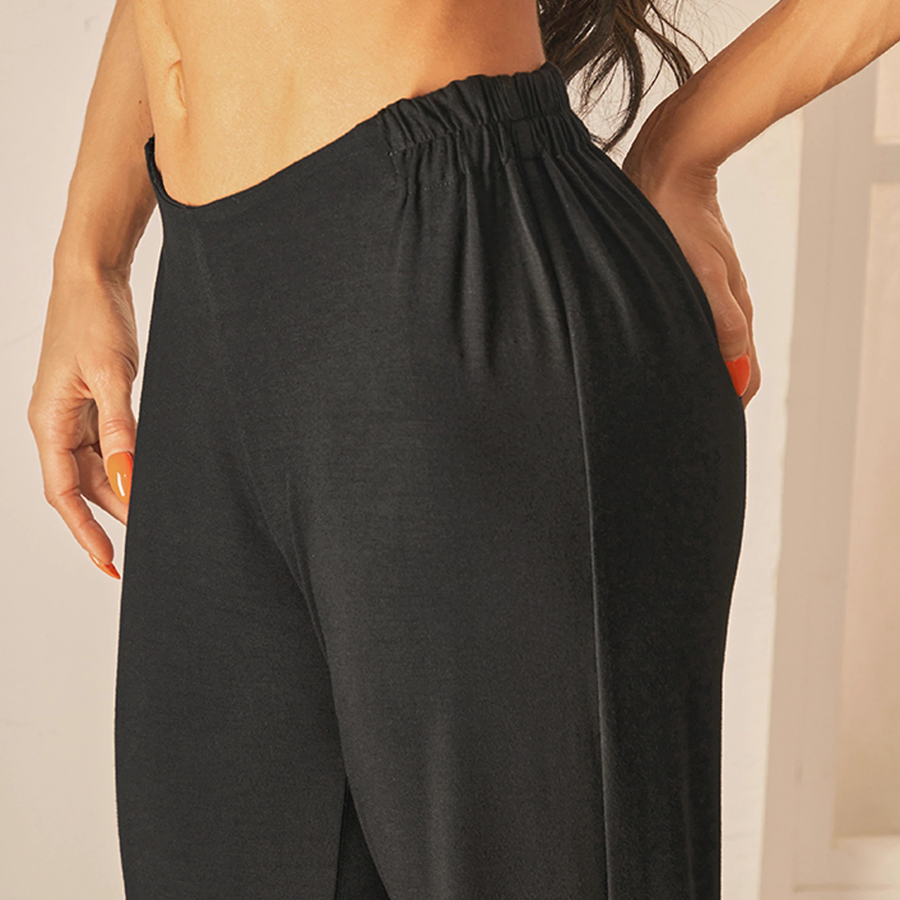
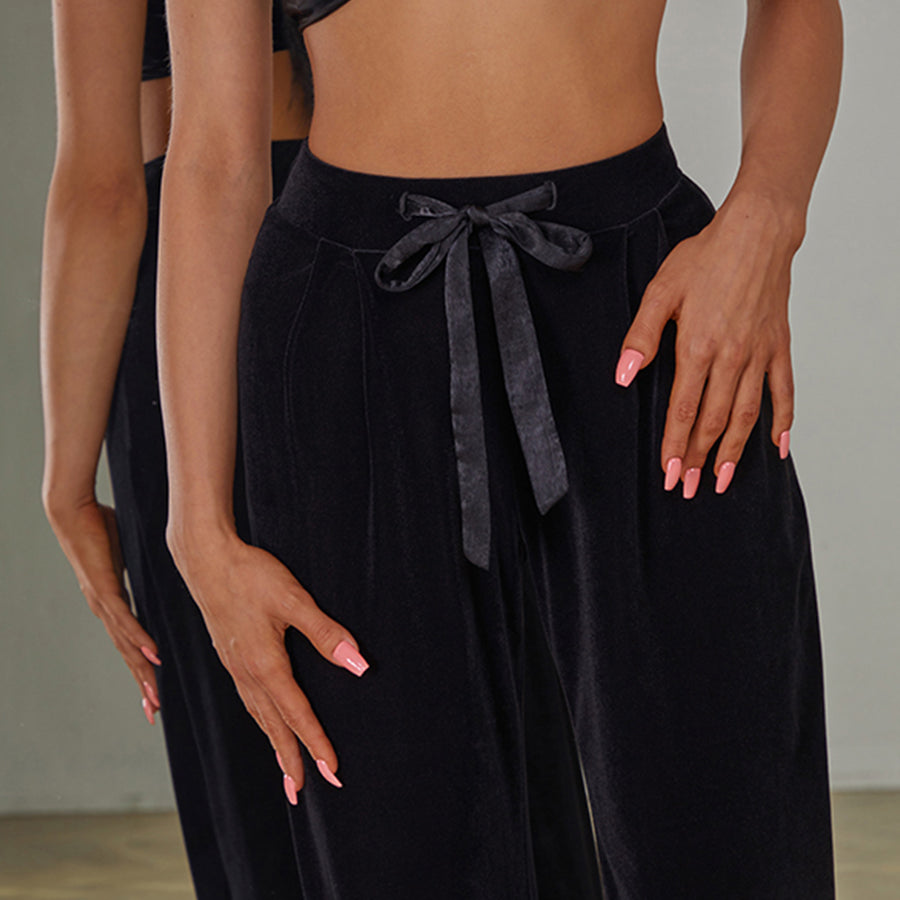
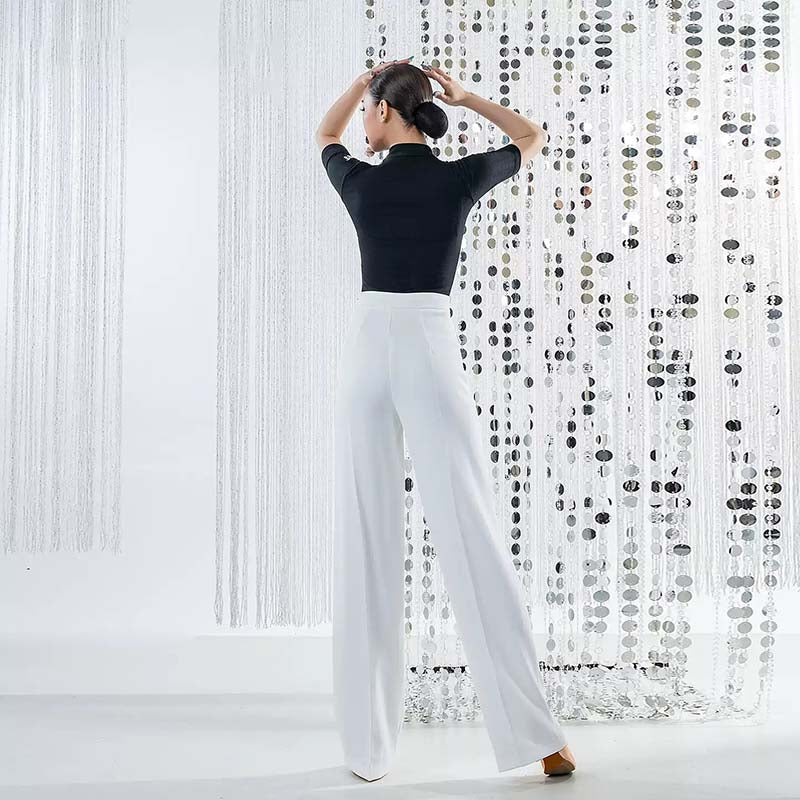
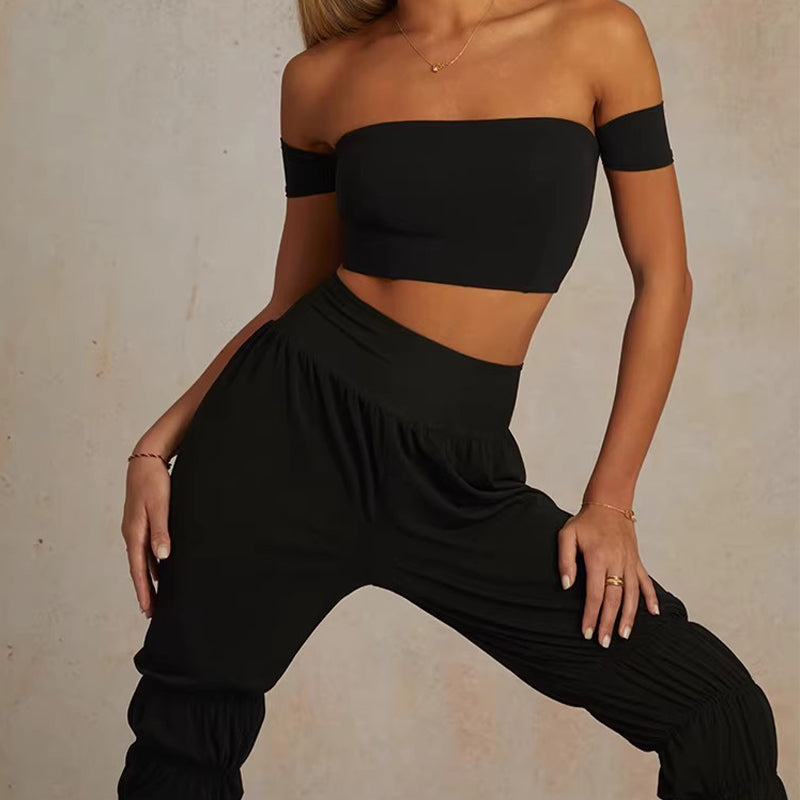
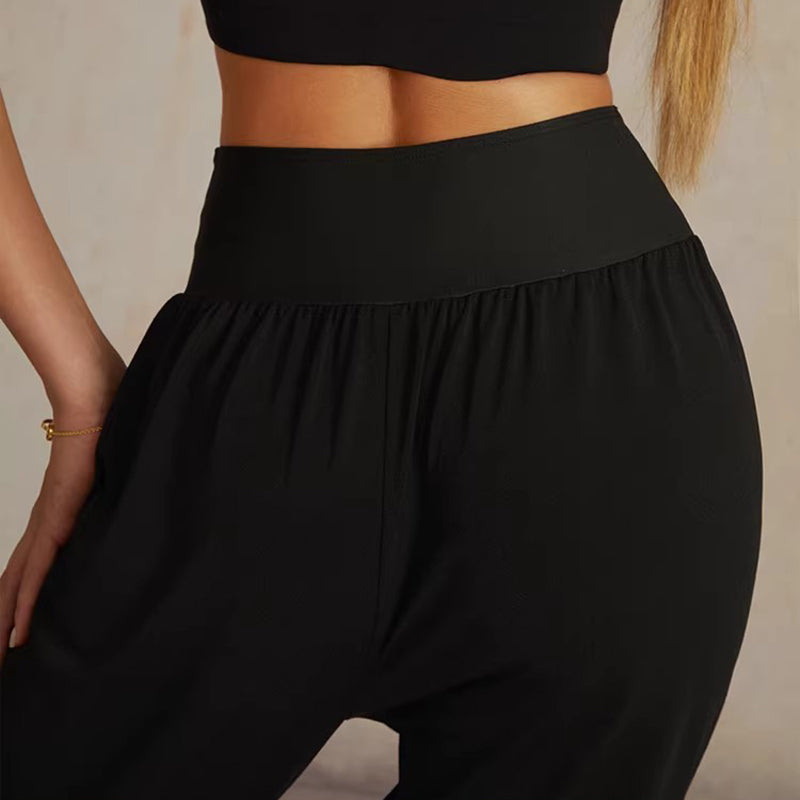
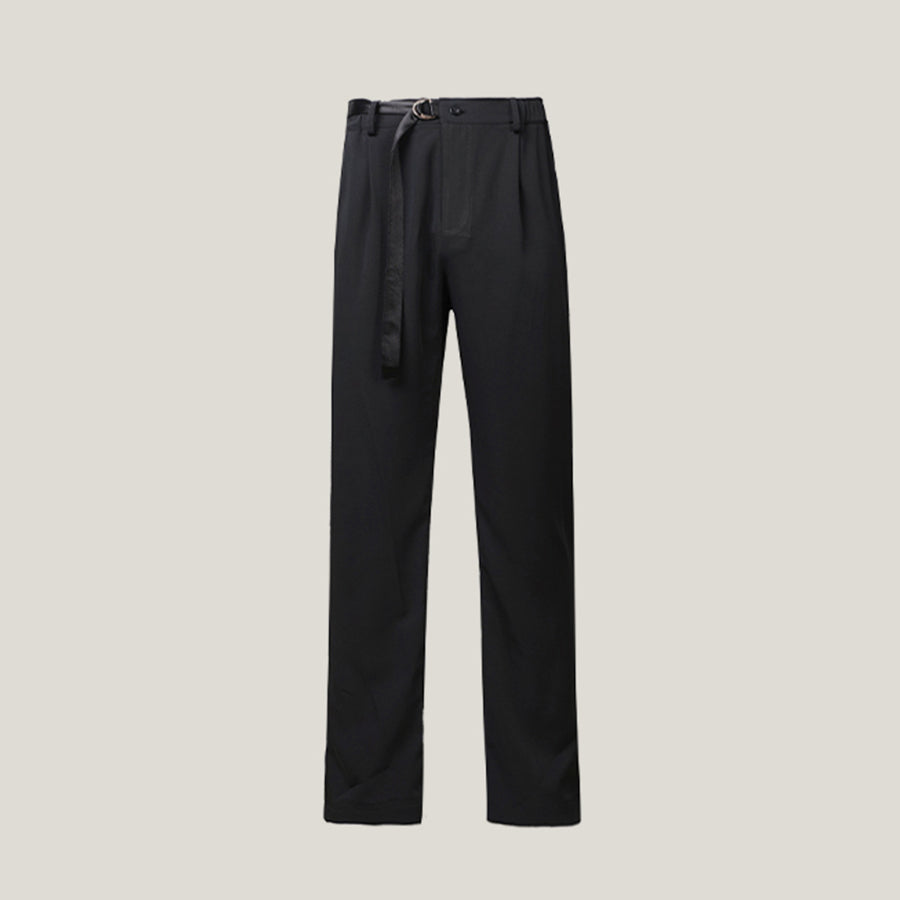
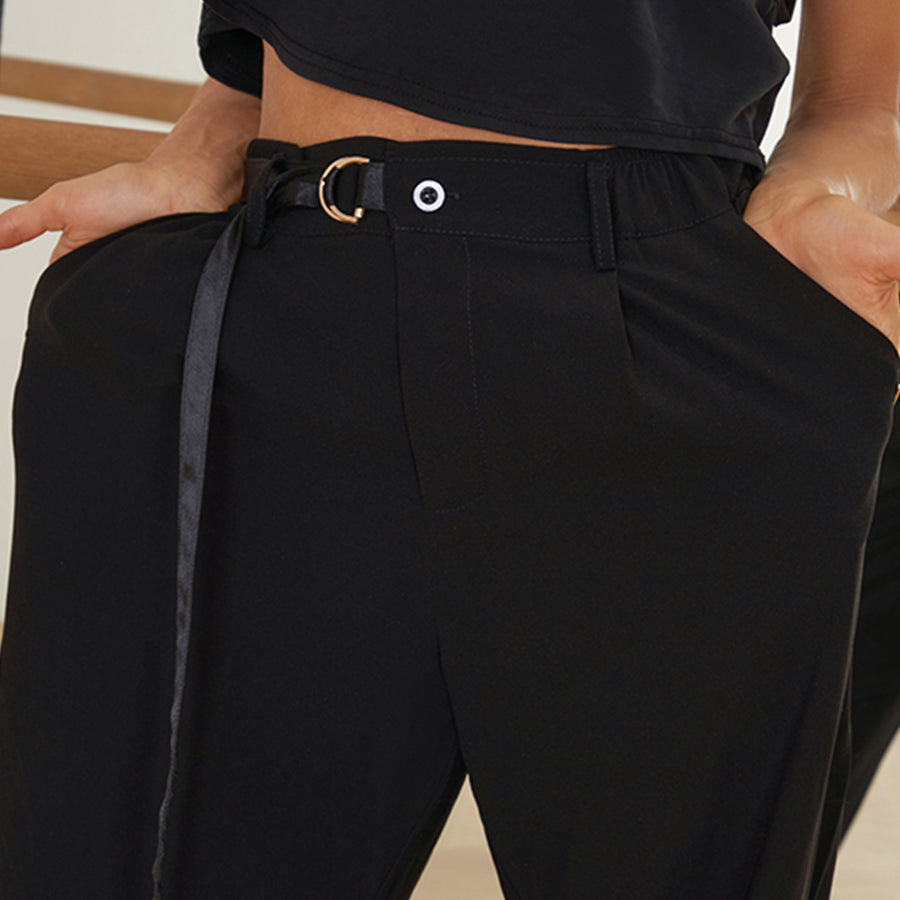
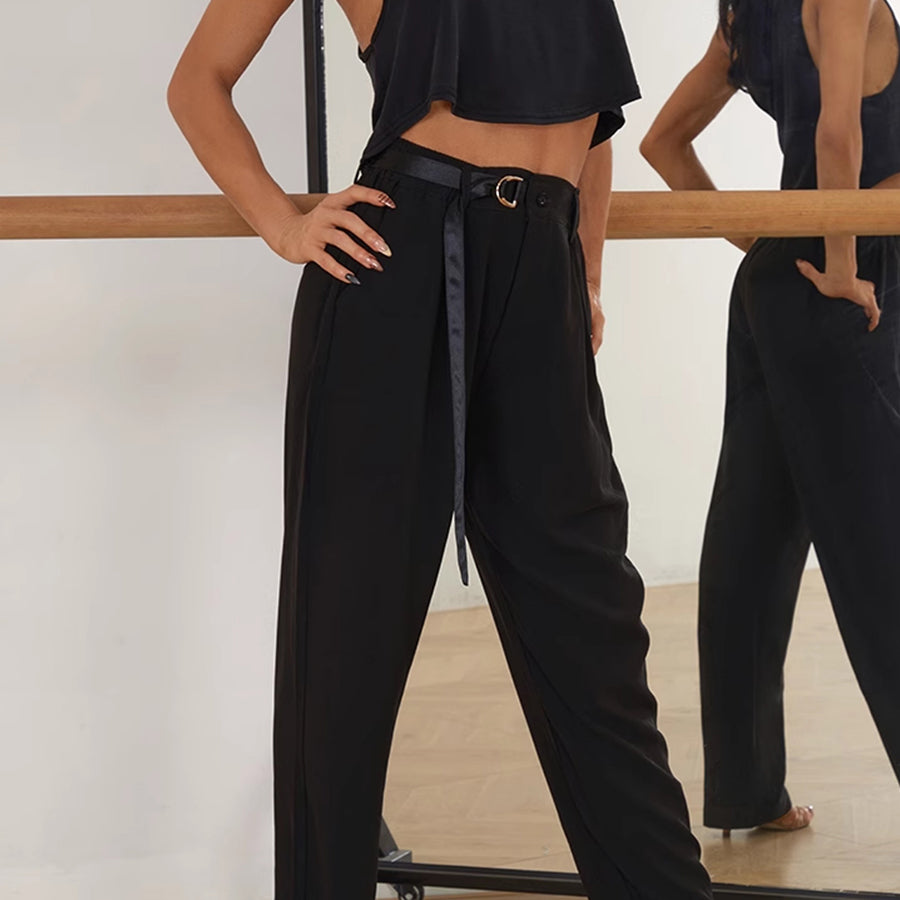
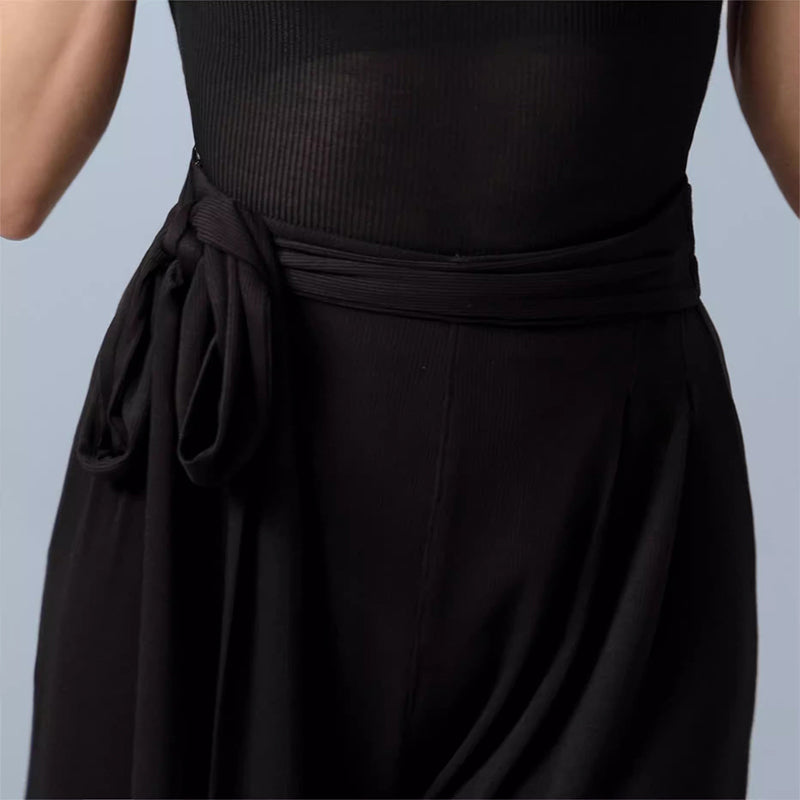
Everything else follows from that. The waist sits high enough to stay put without a belt. The fabric drapes rather than clings. The length is designed to break over a heel rather than to end at the ankle. It is a different garment doing a different job, and it is the single most common upgrade dancers make after their shoes.
Wide, Straight or Close Through the Hip
Three cuts cover almost everything, and the choice is mostly about what you want to see.
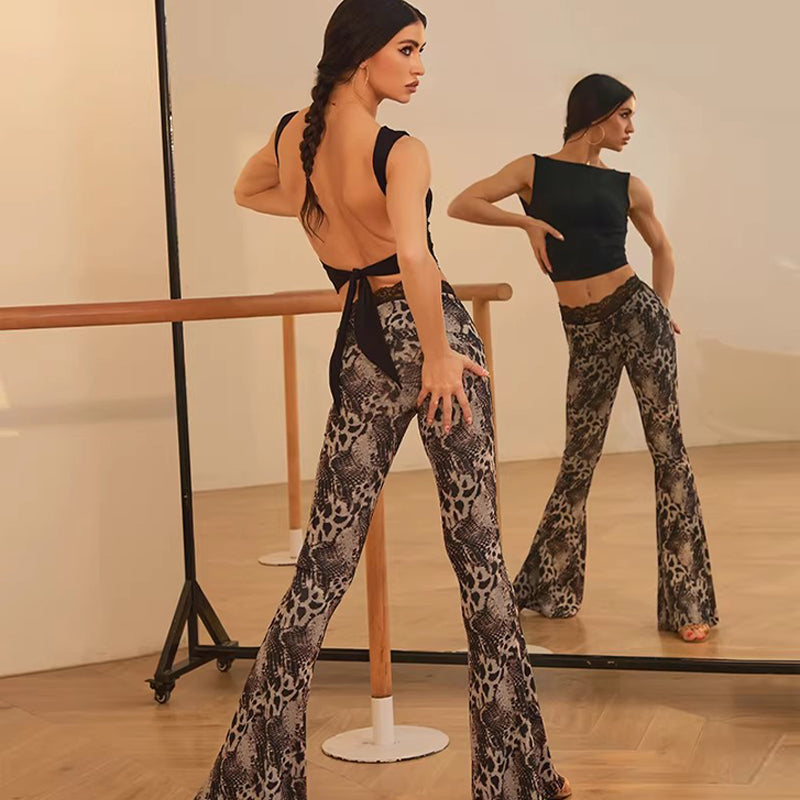
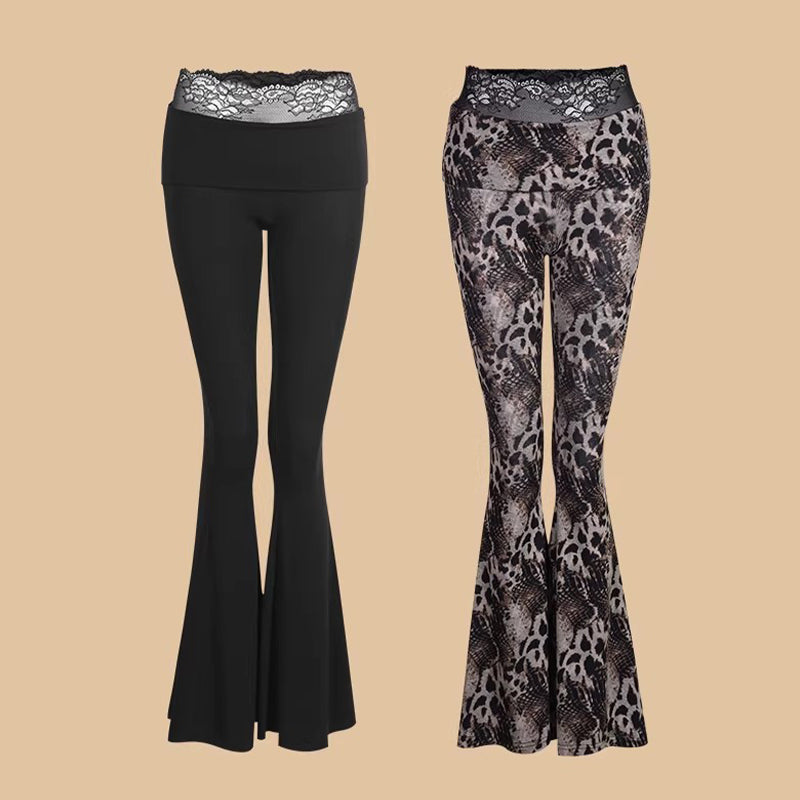
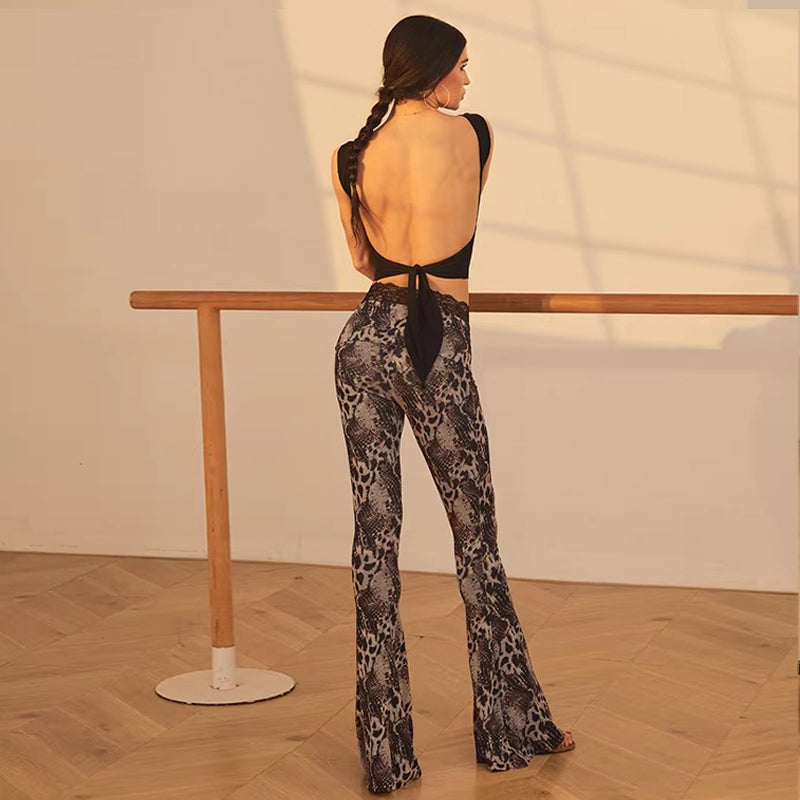
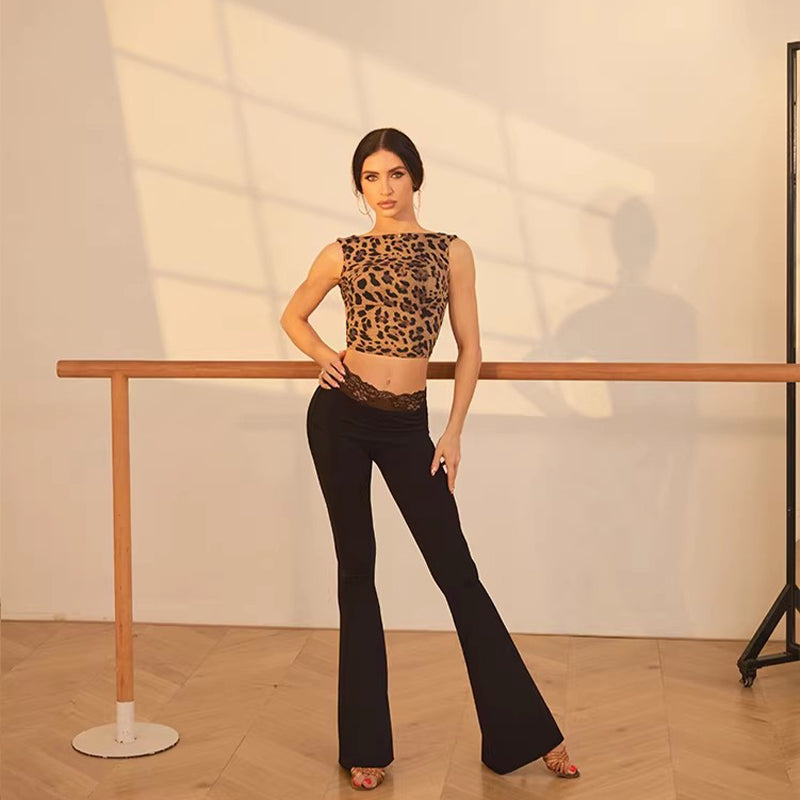
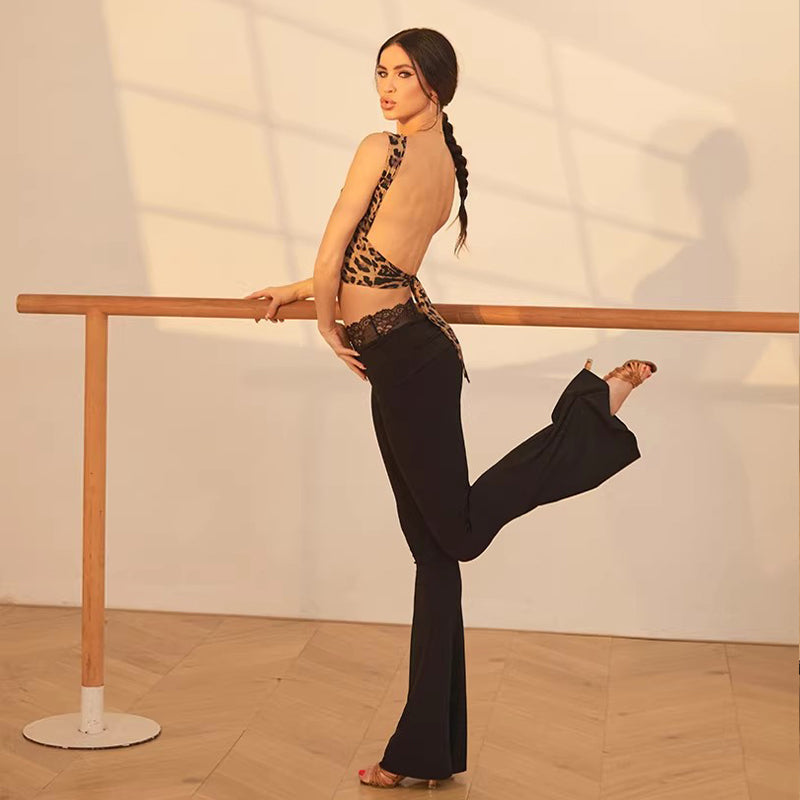
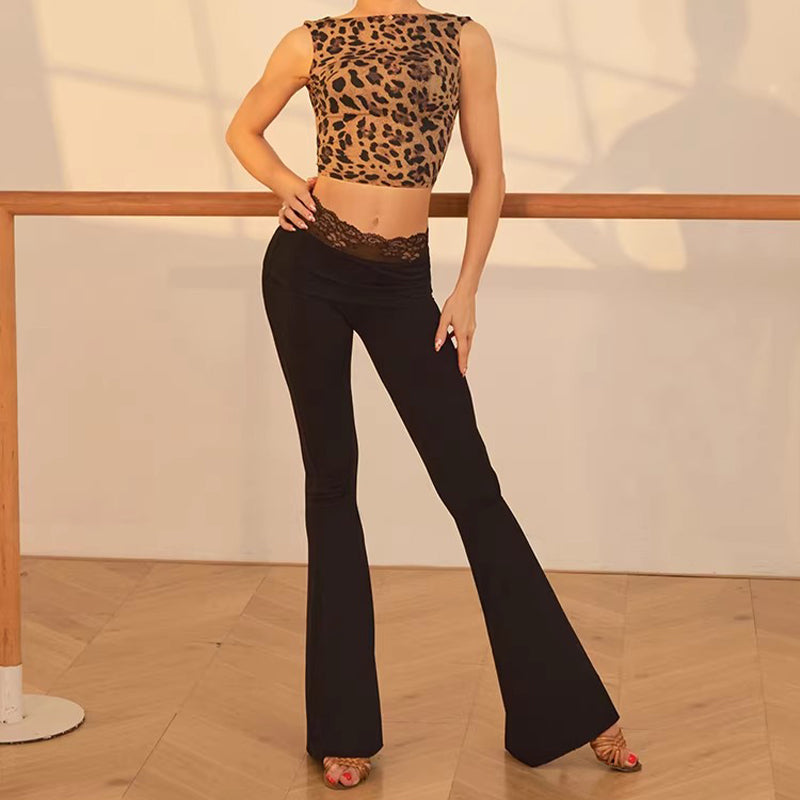
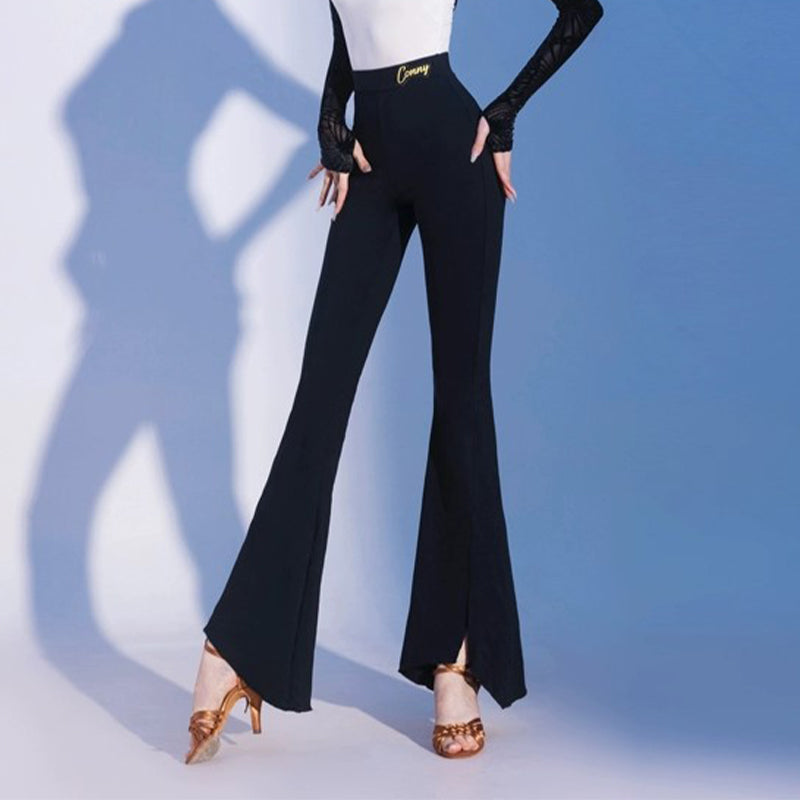
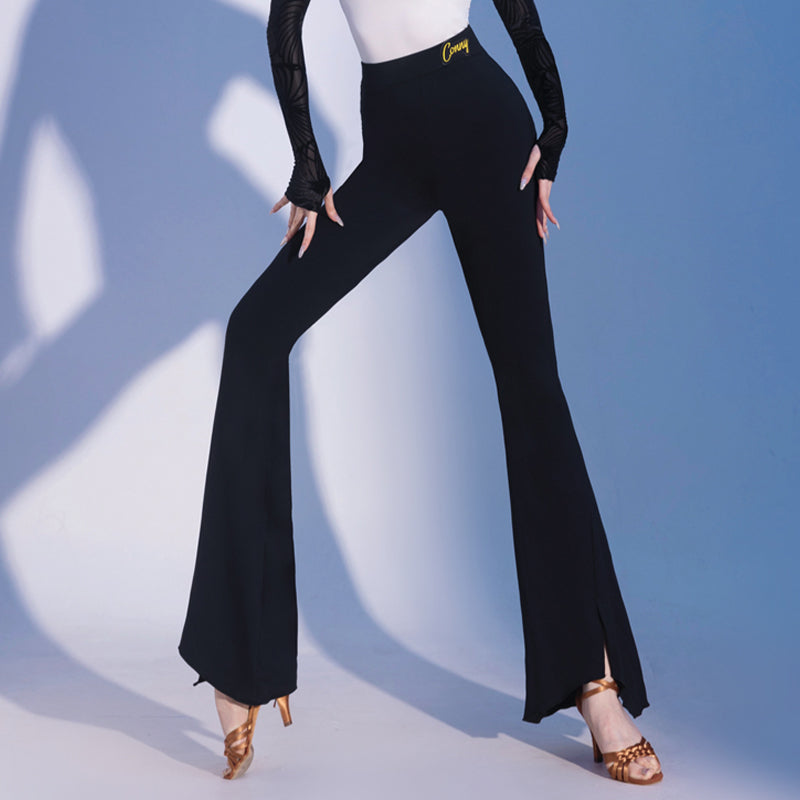
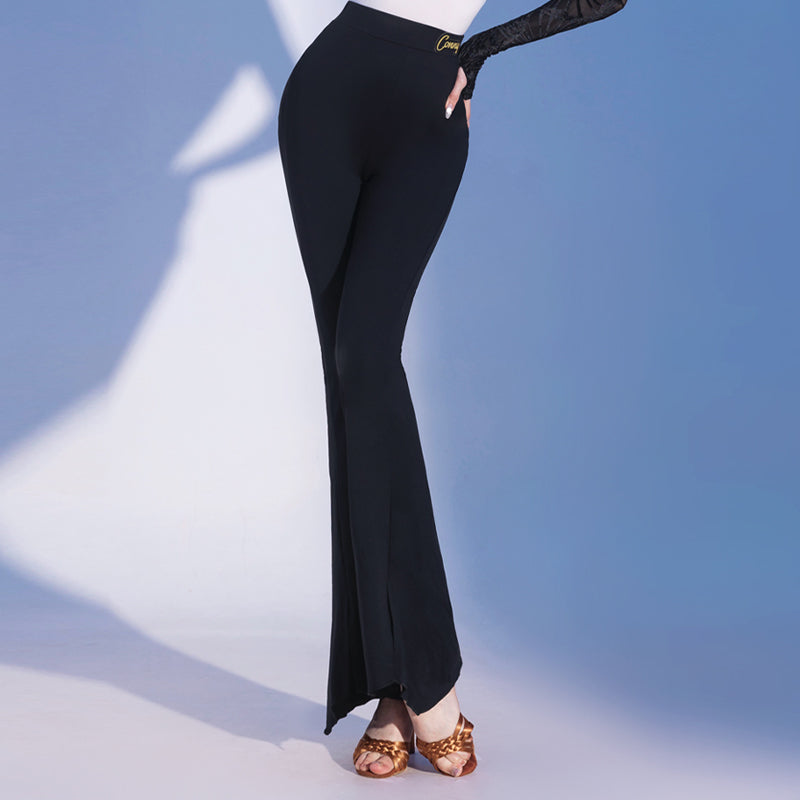
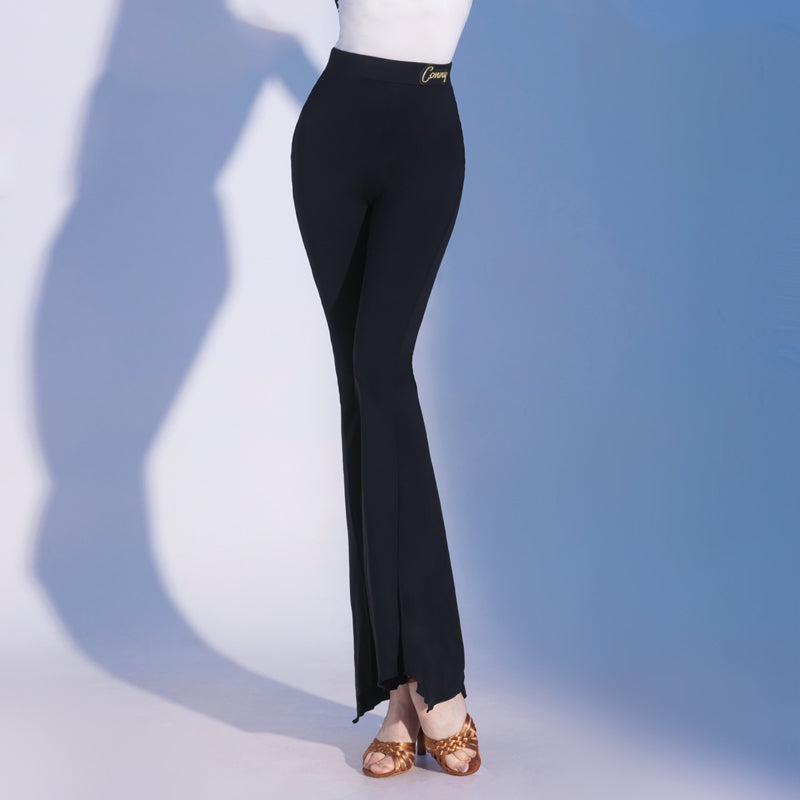
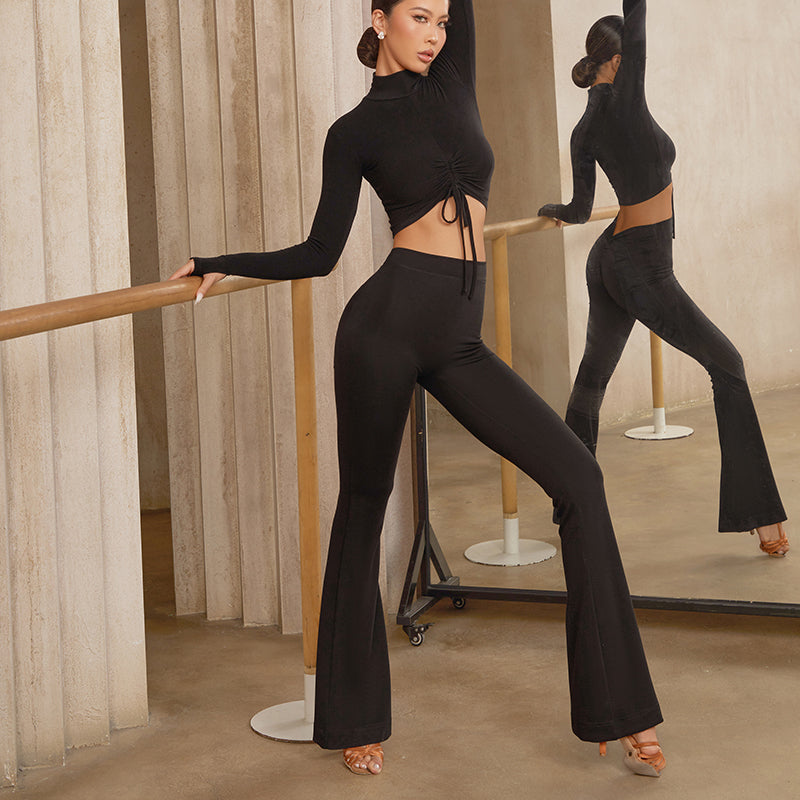
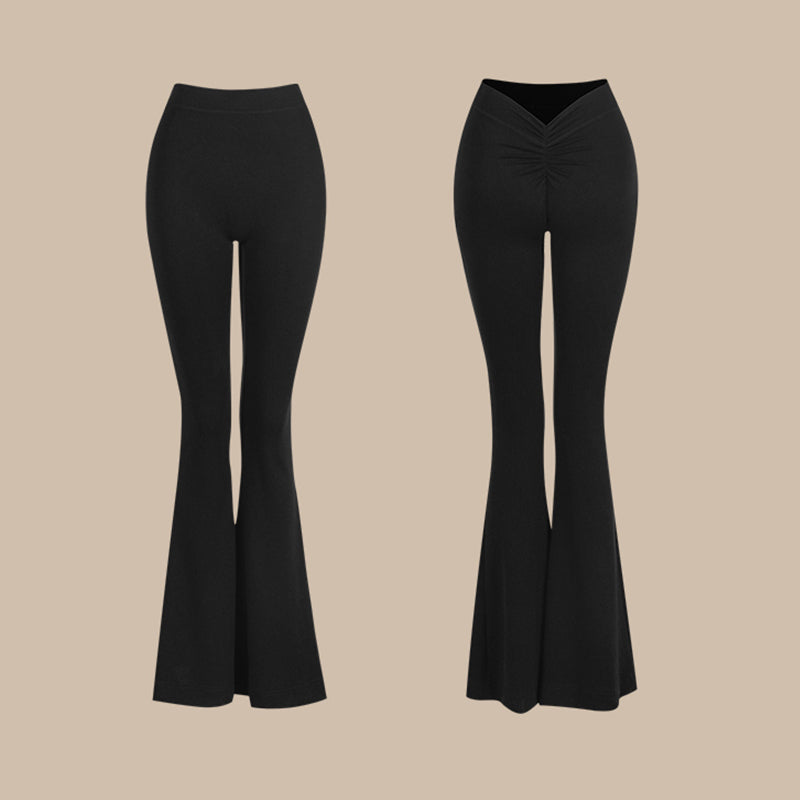
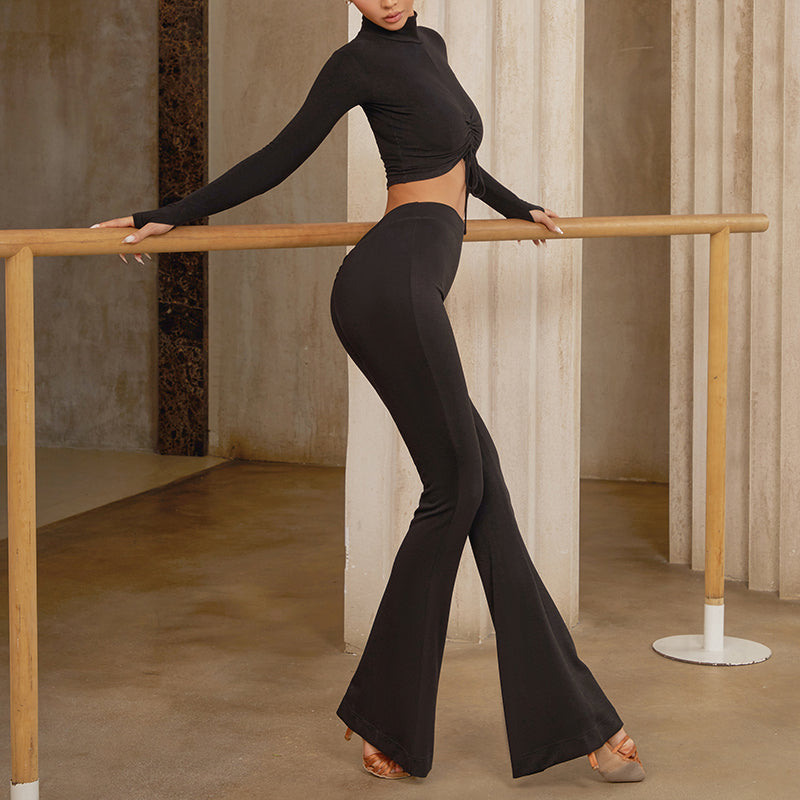
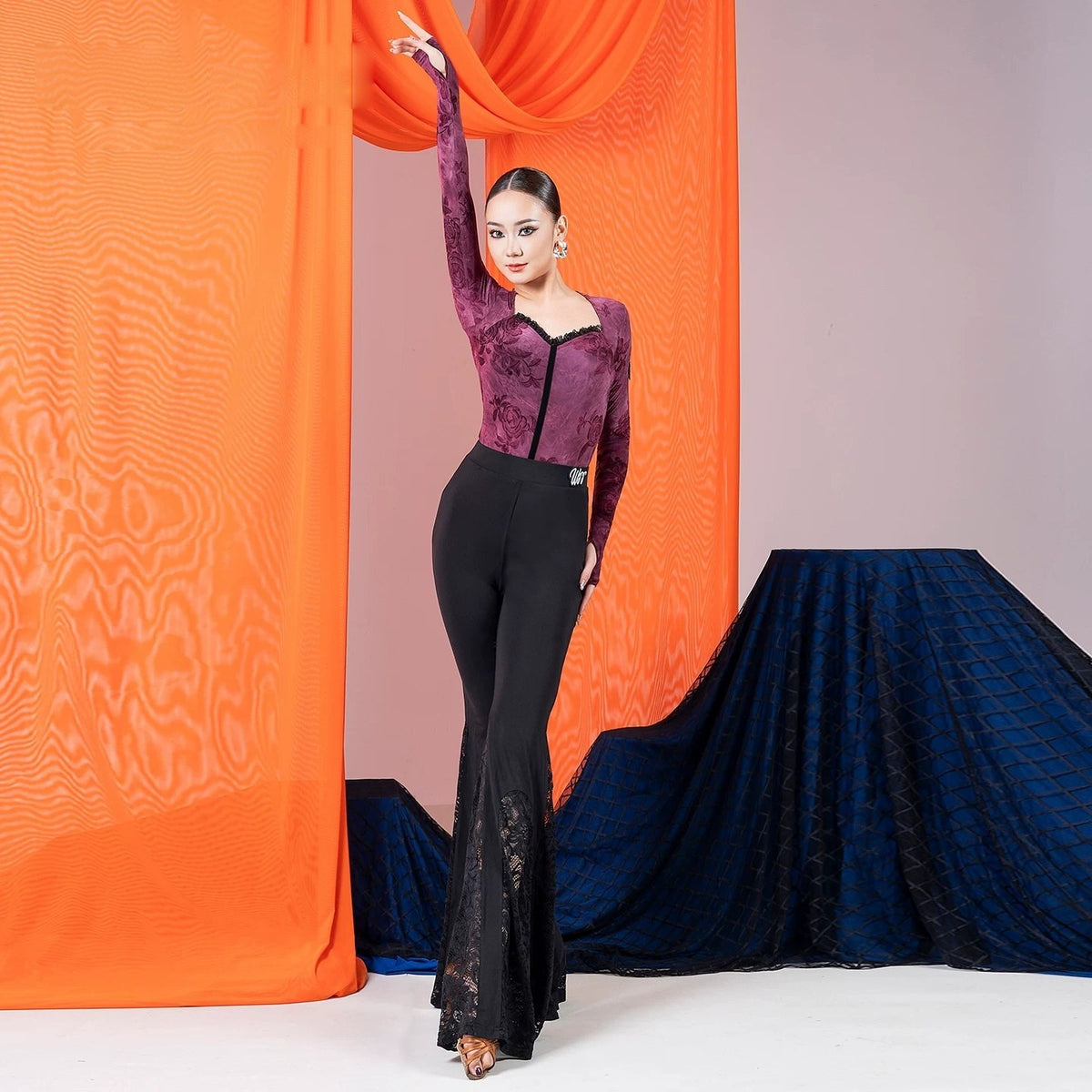
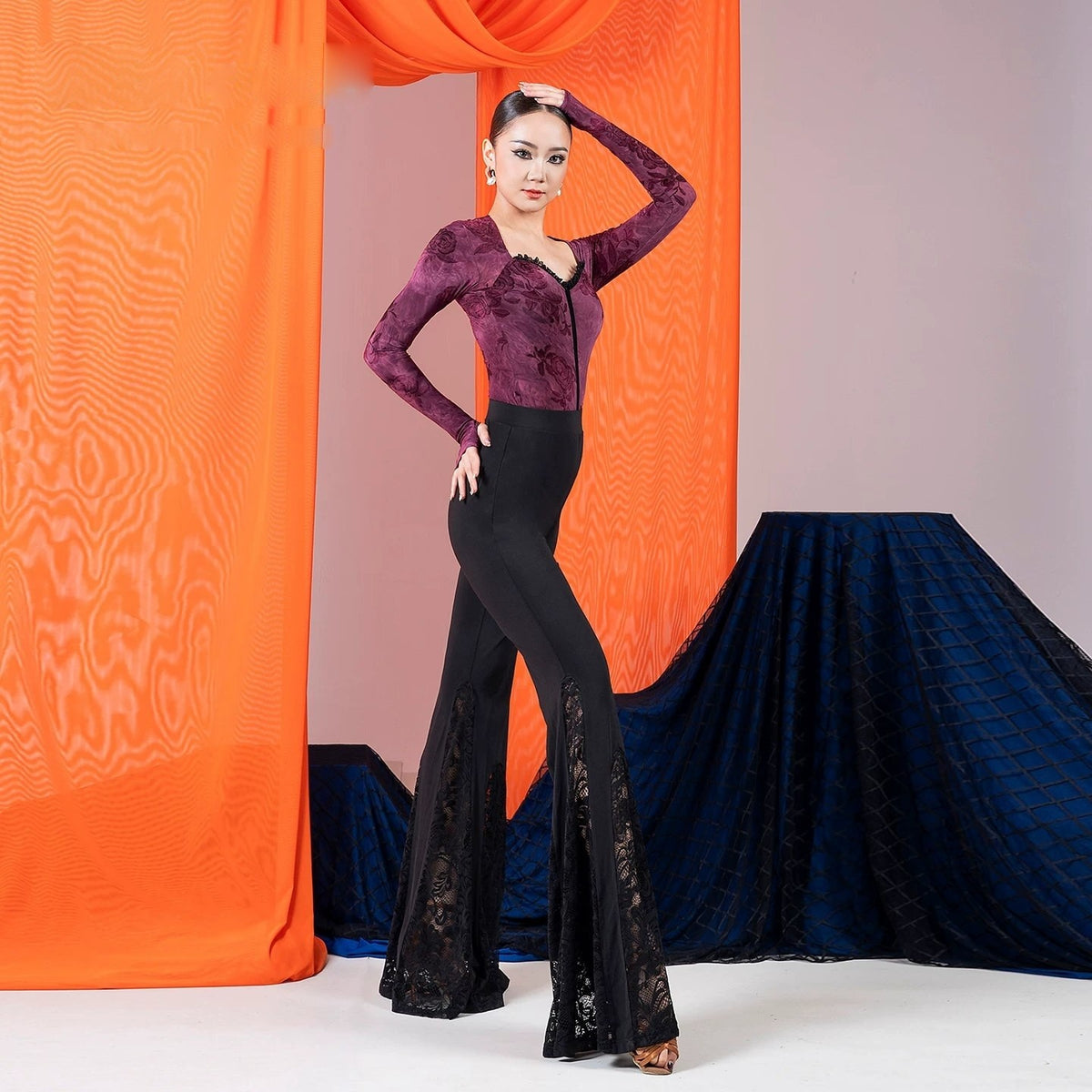
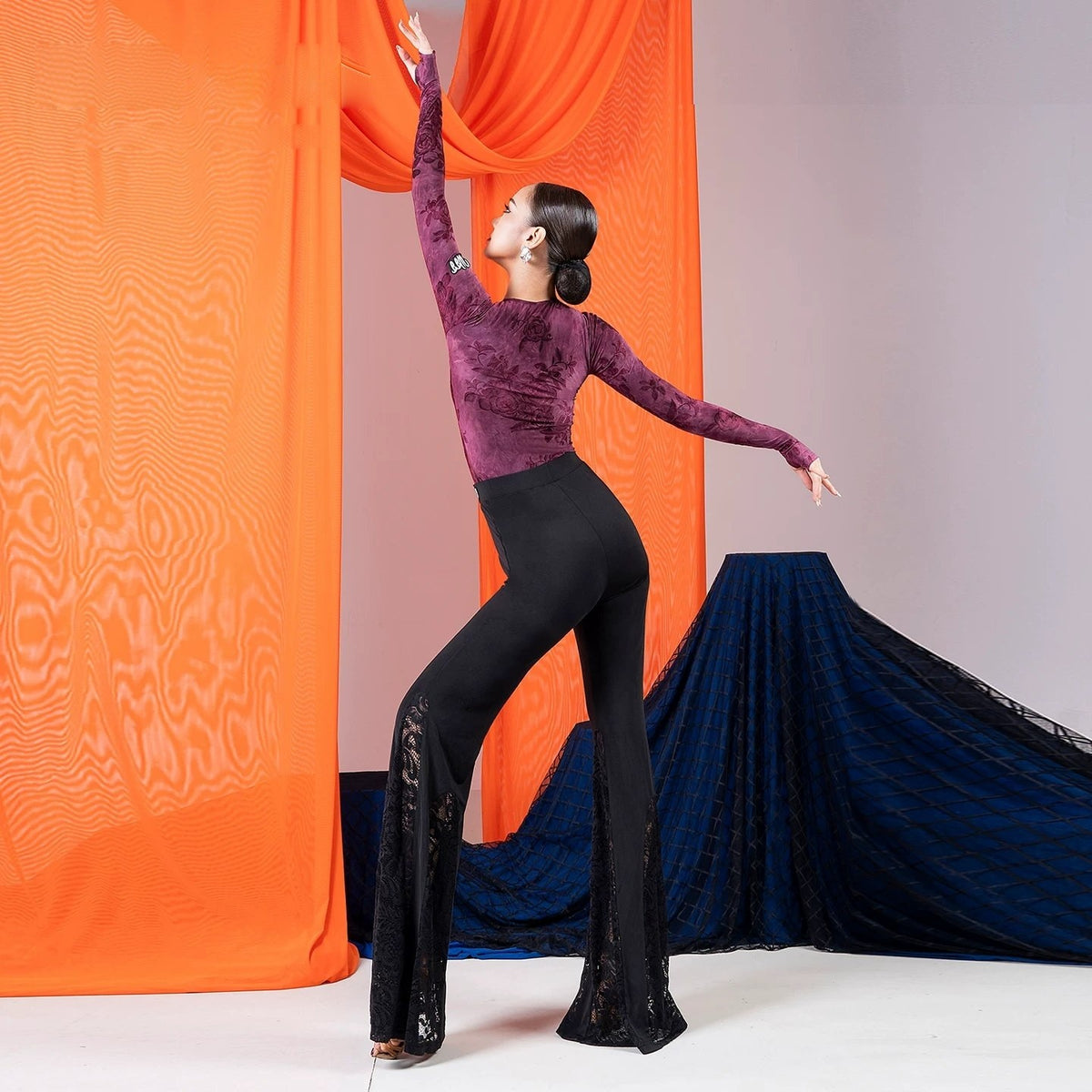
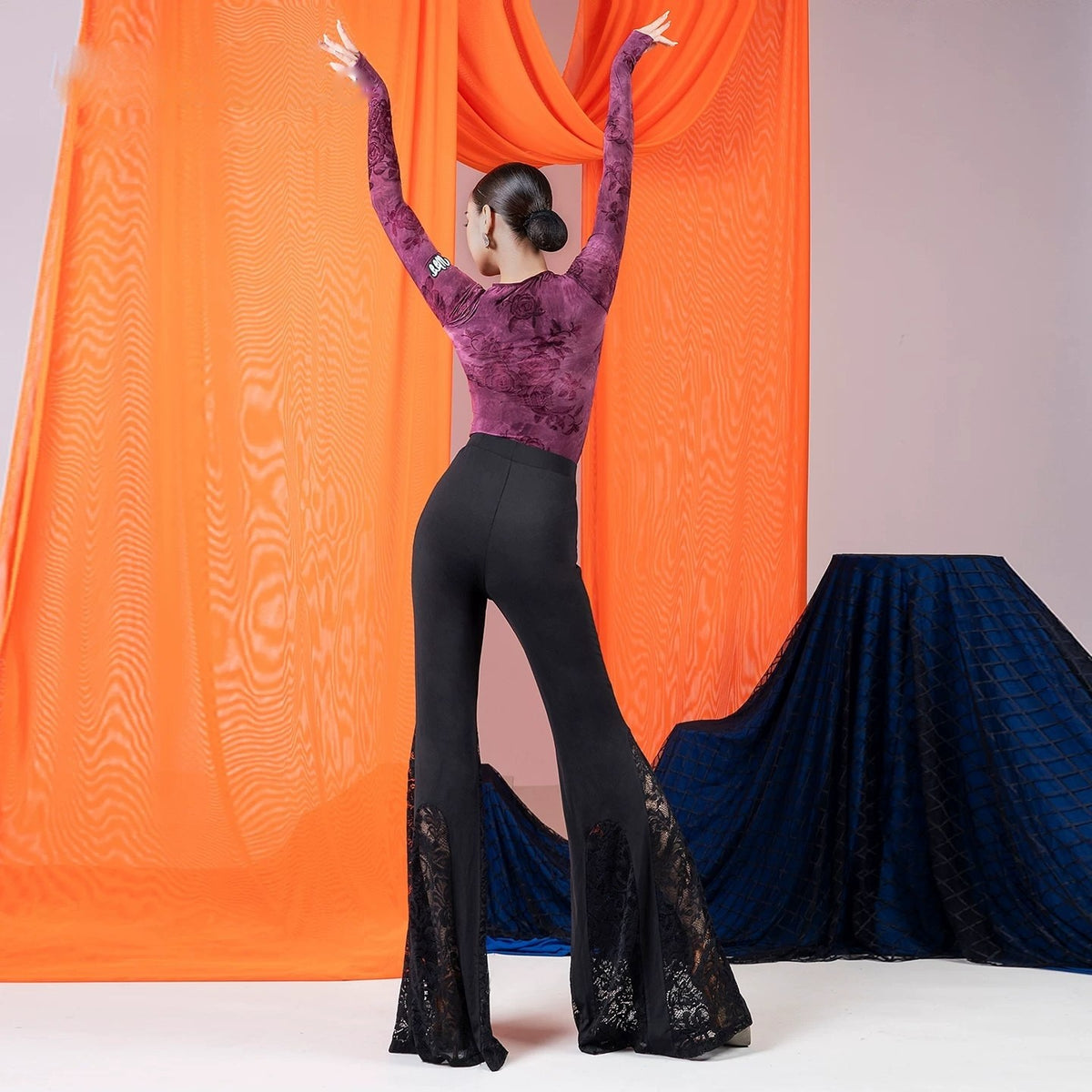
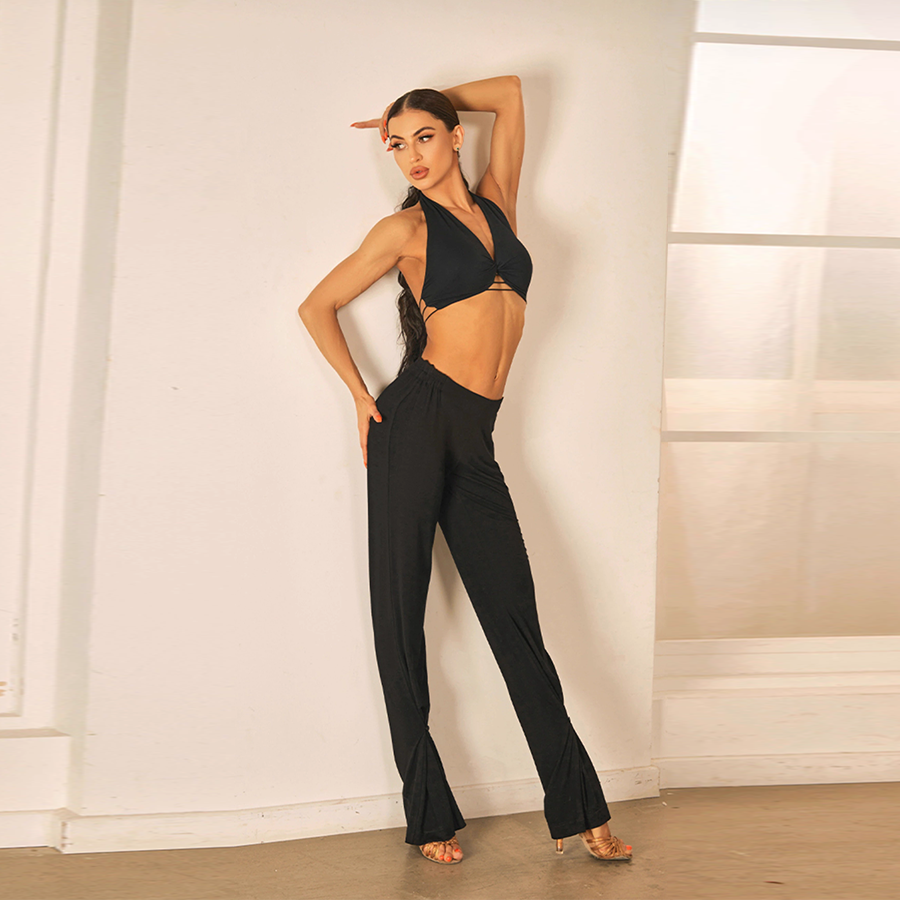
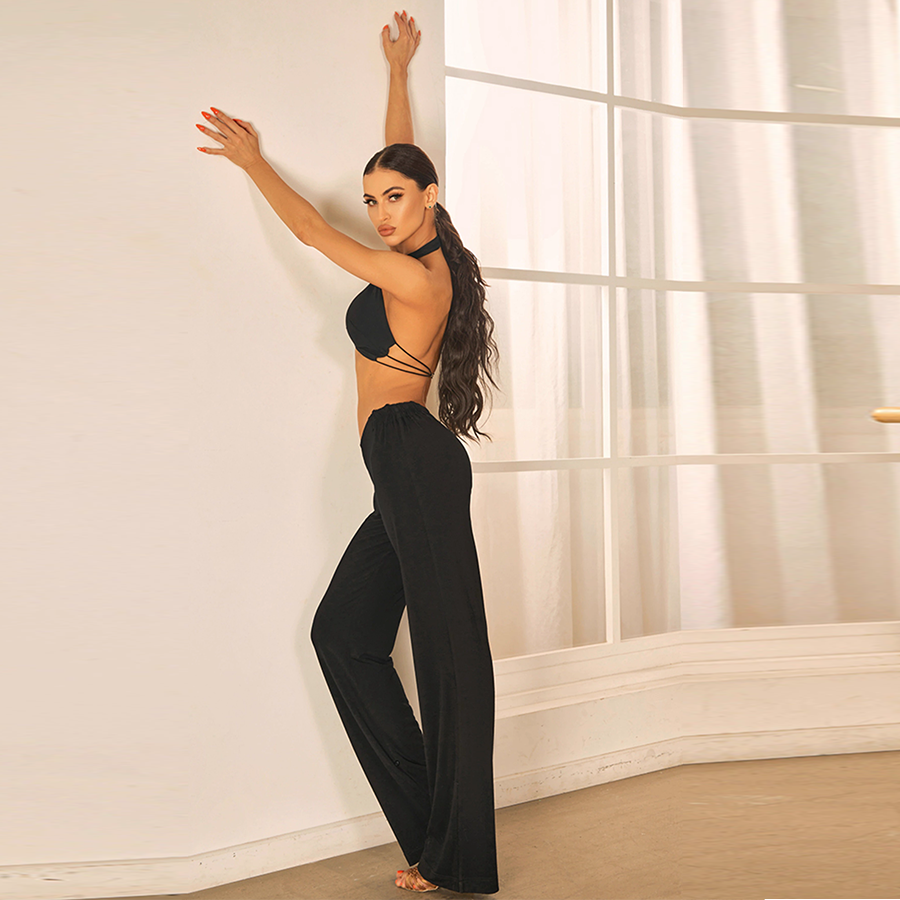
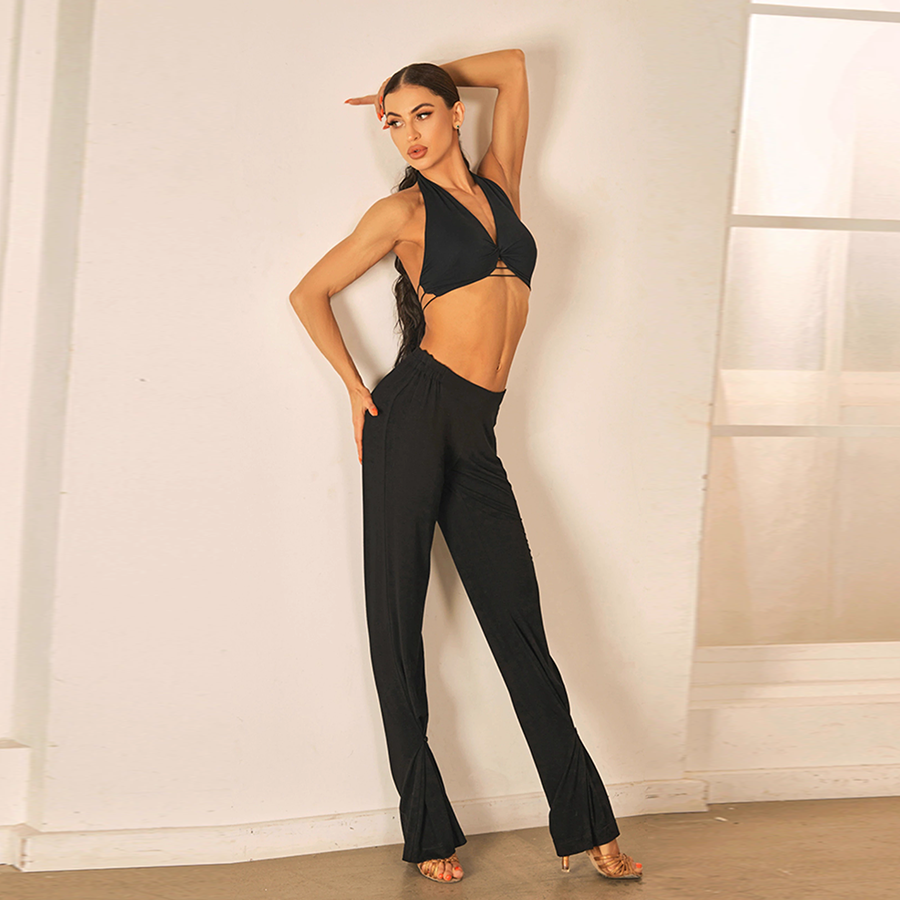
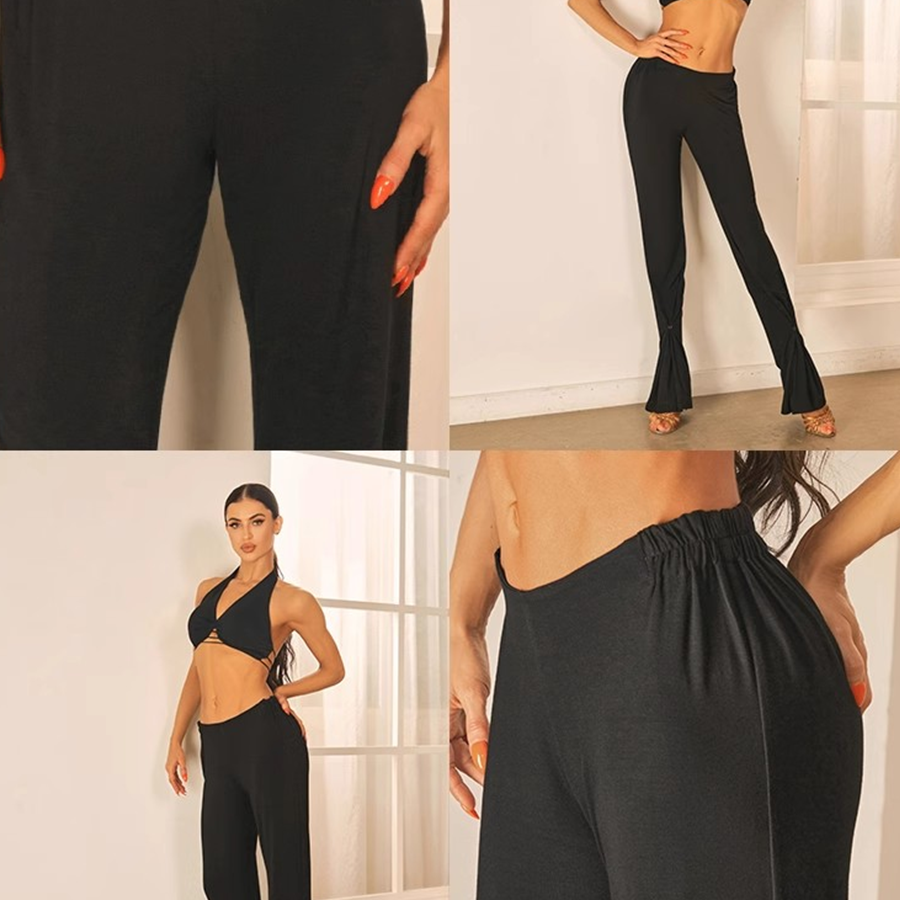
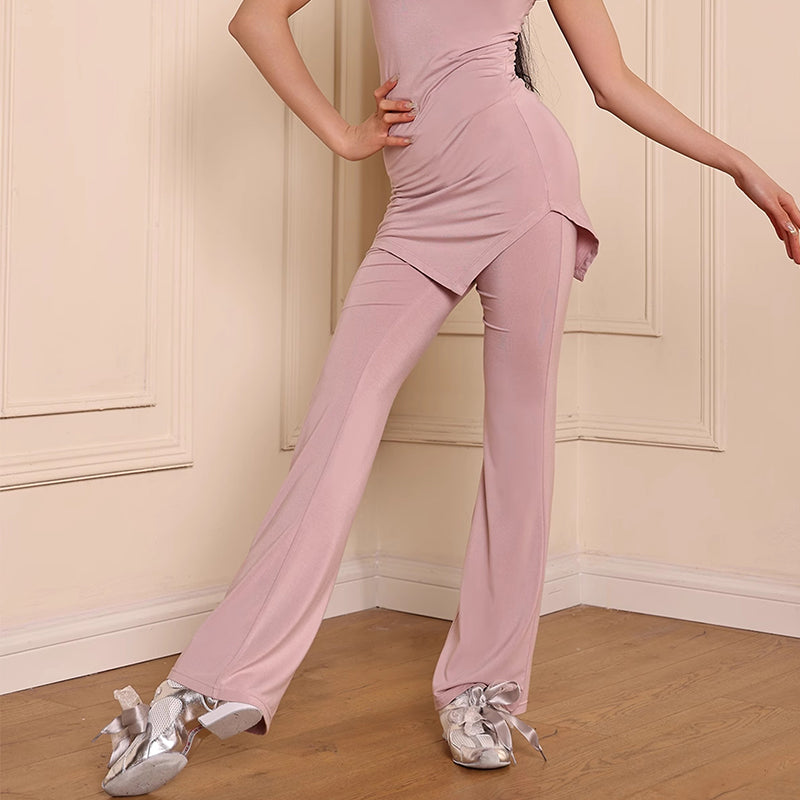
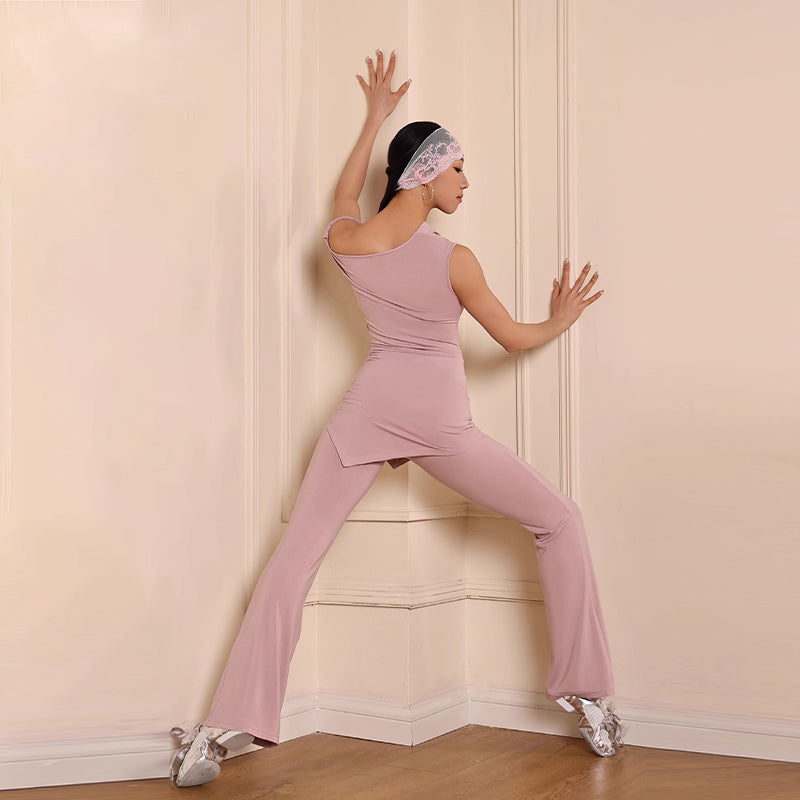
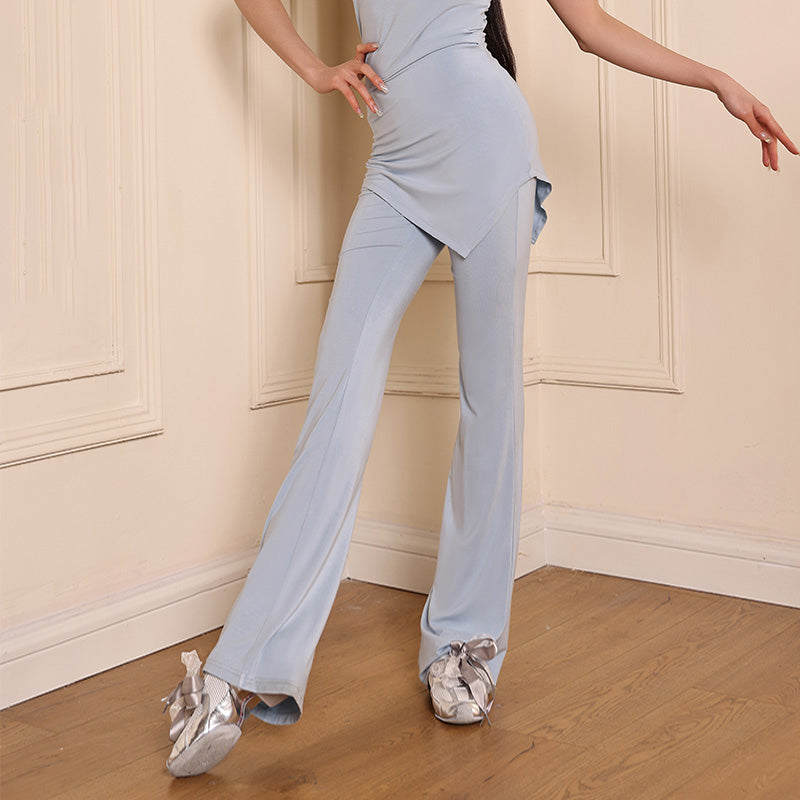
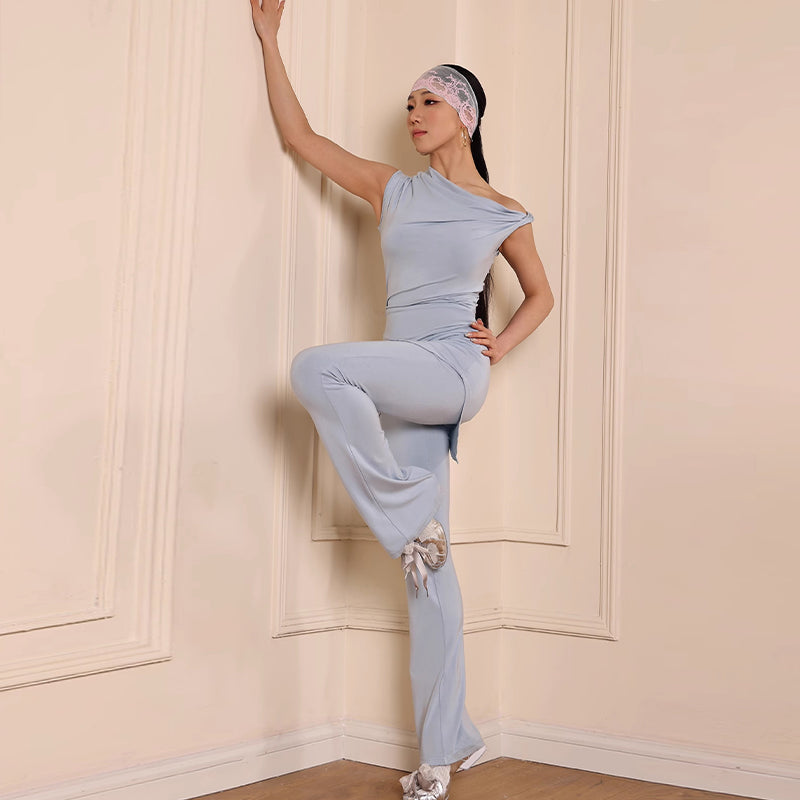
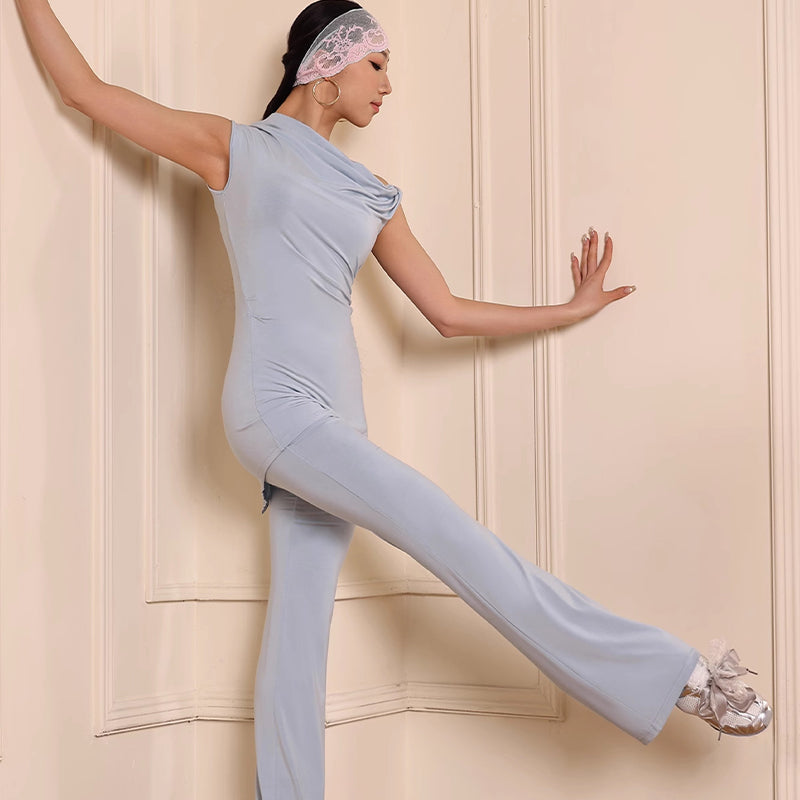
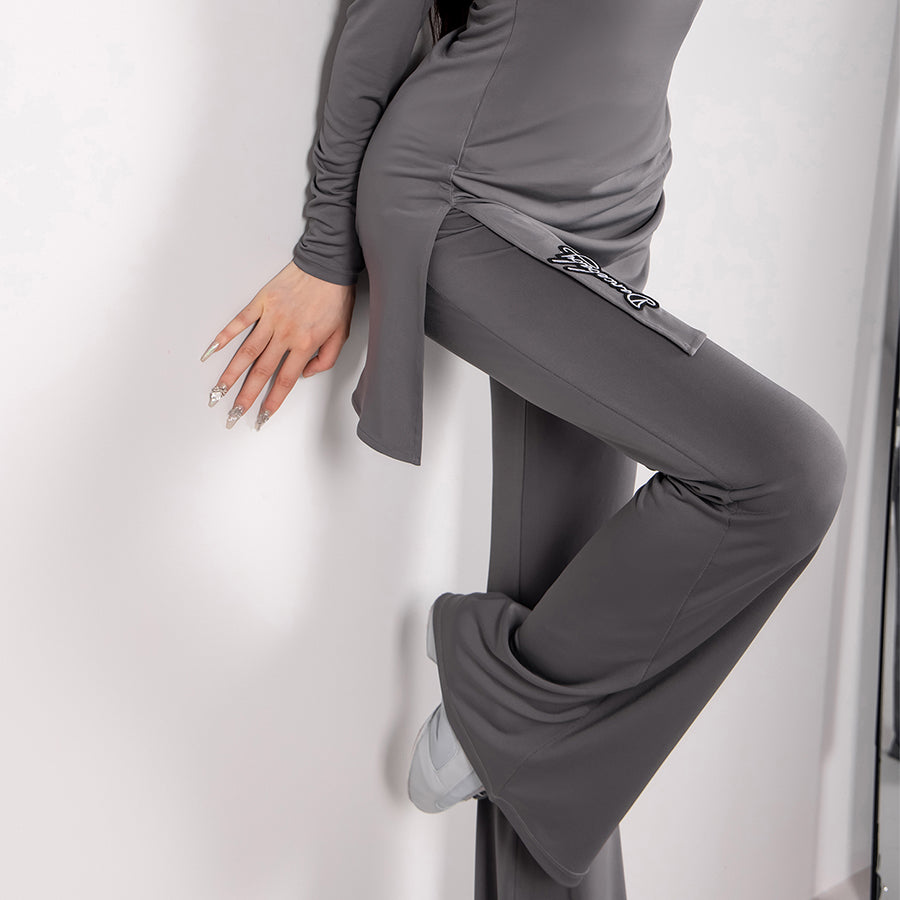
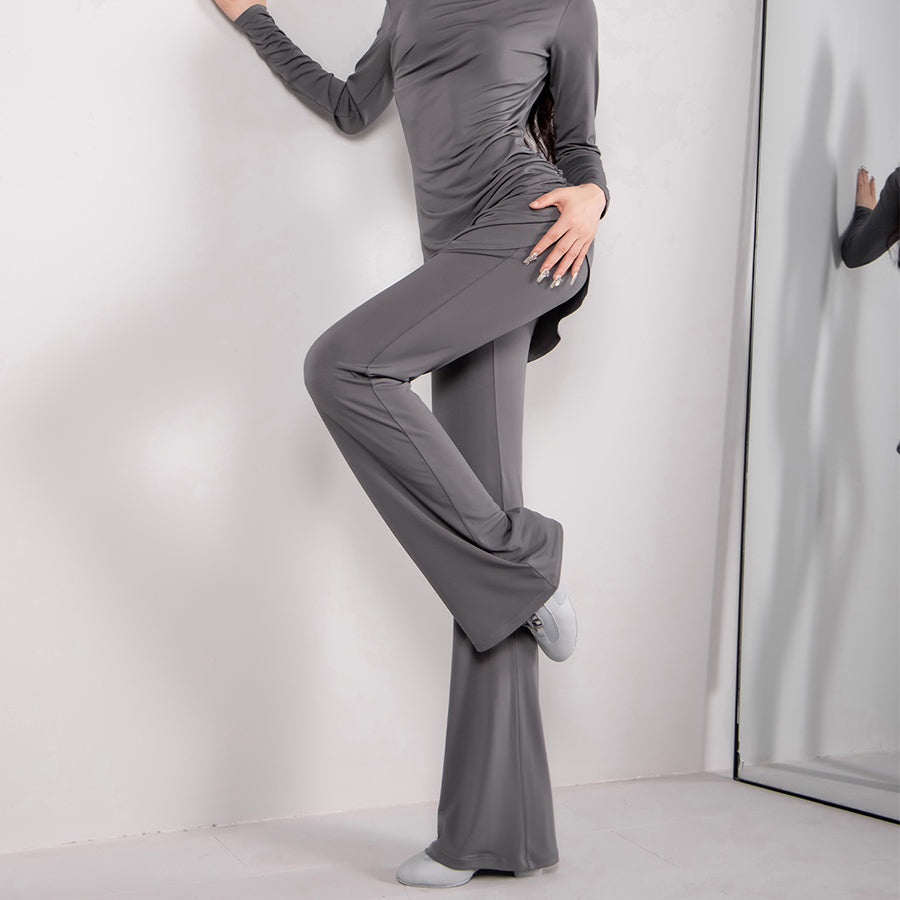
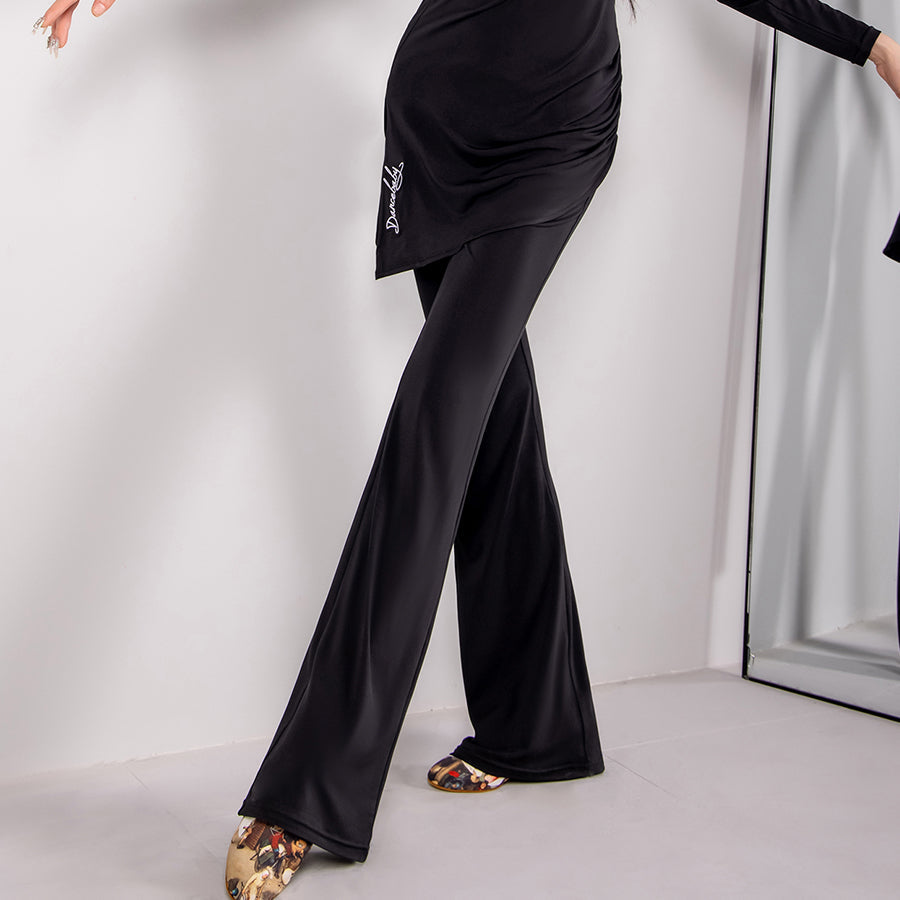
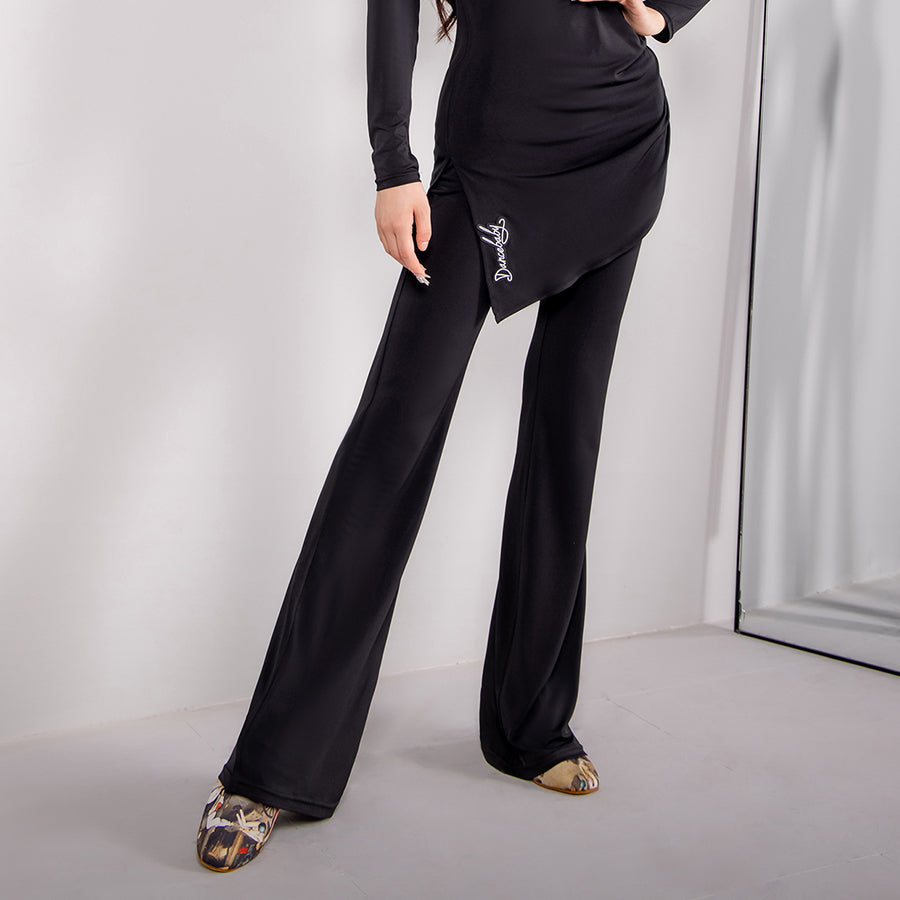
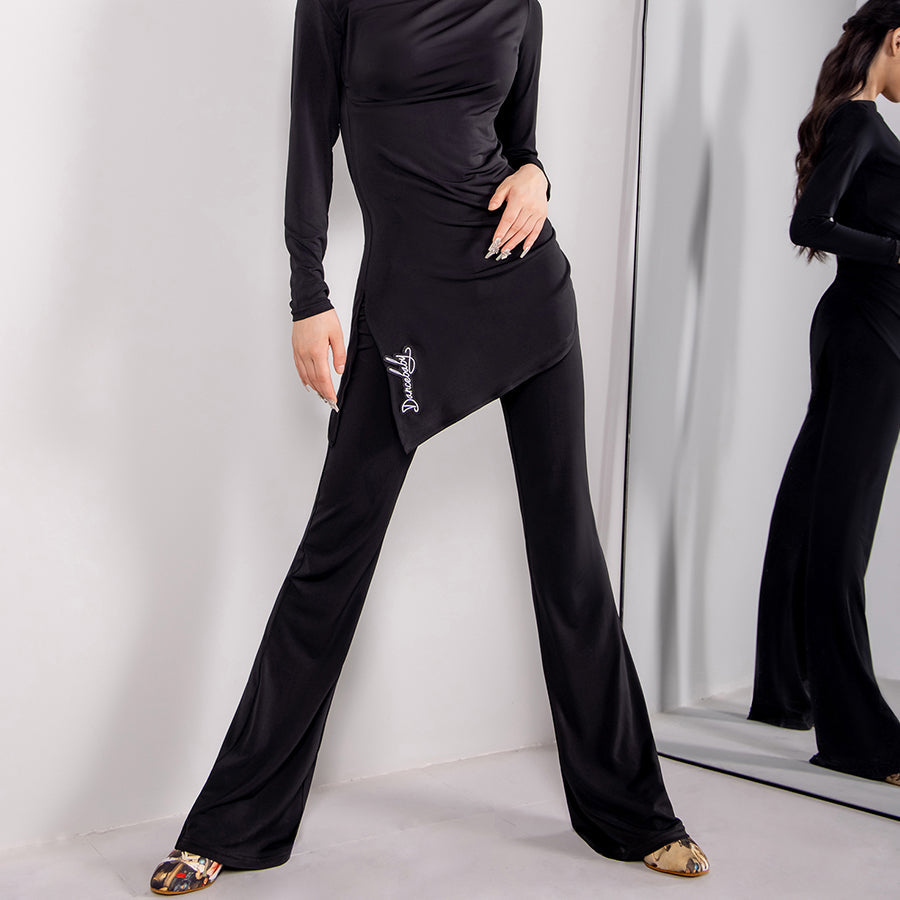
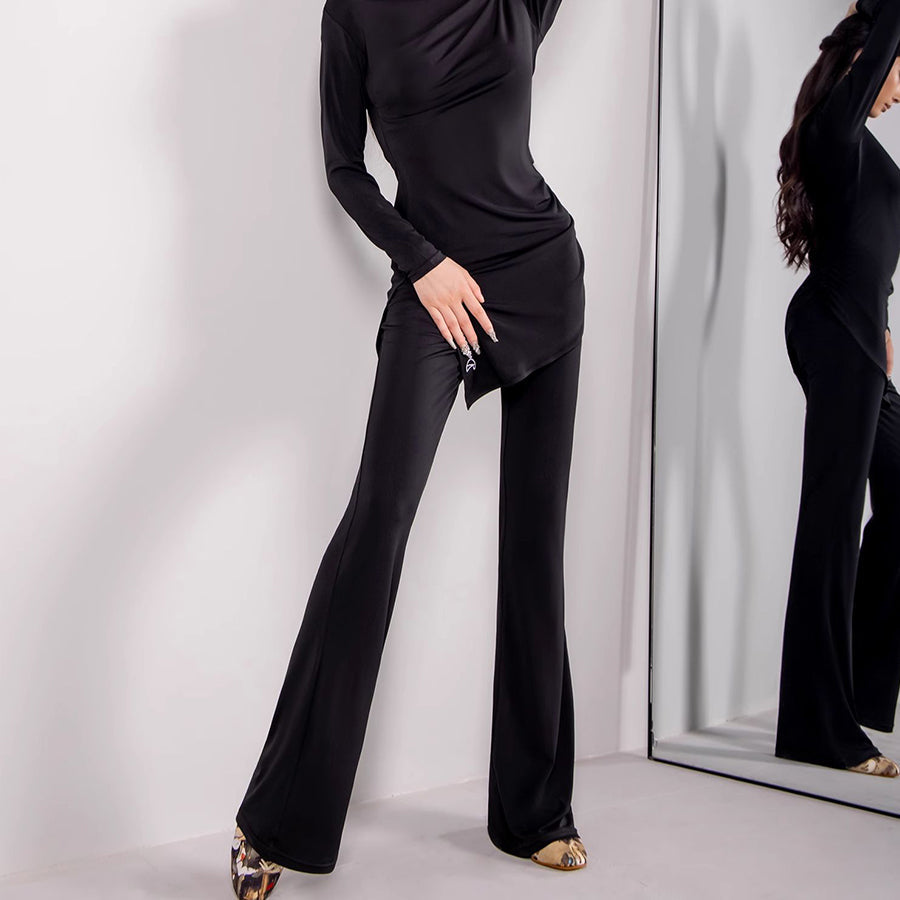
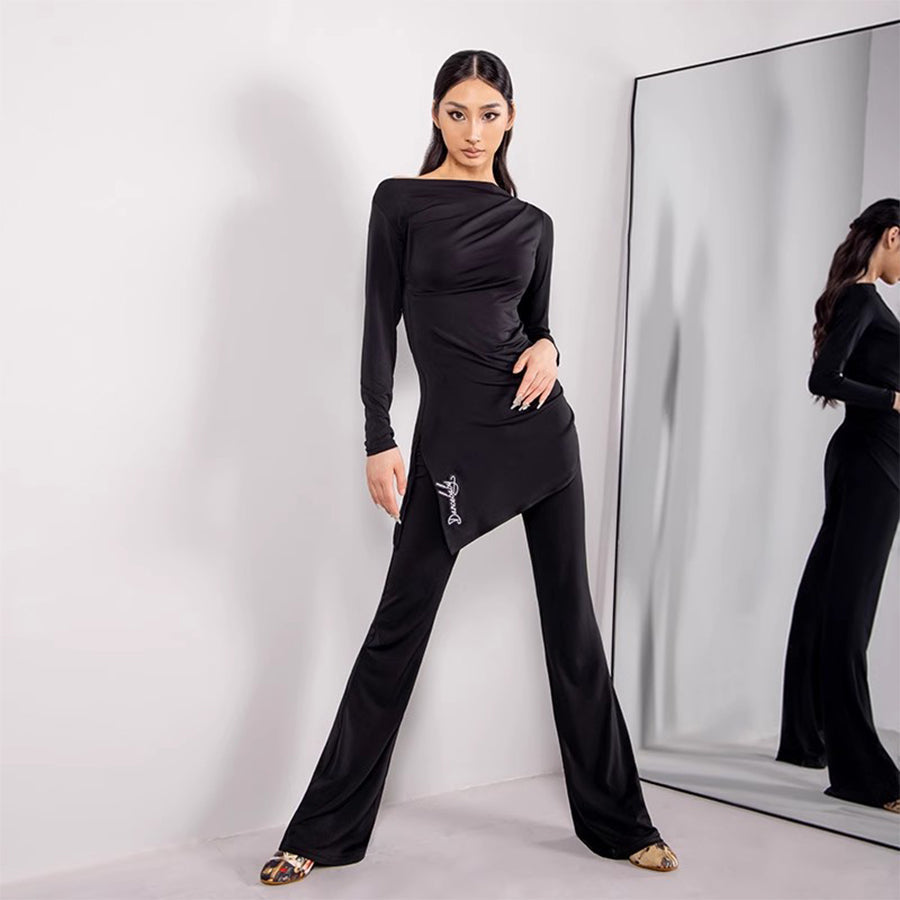
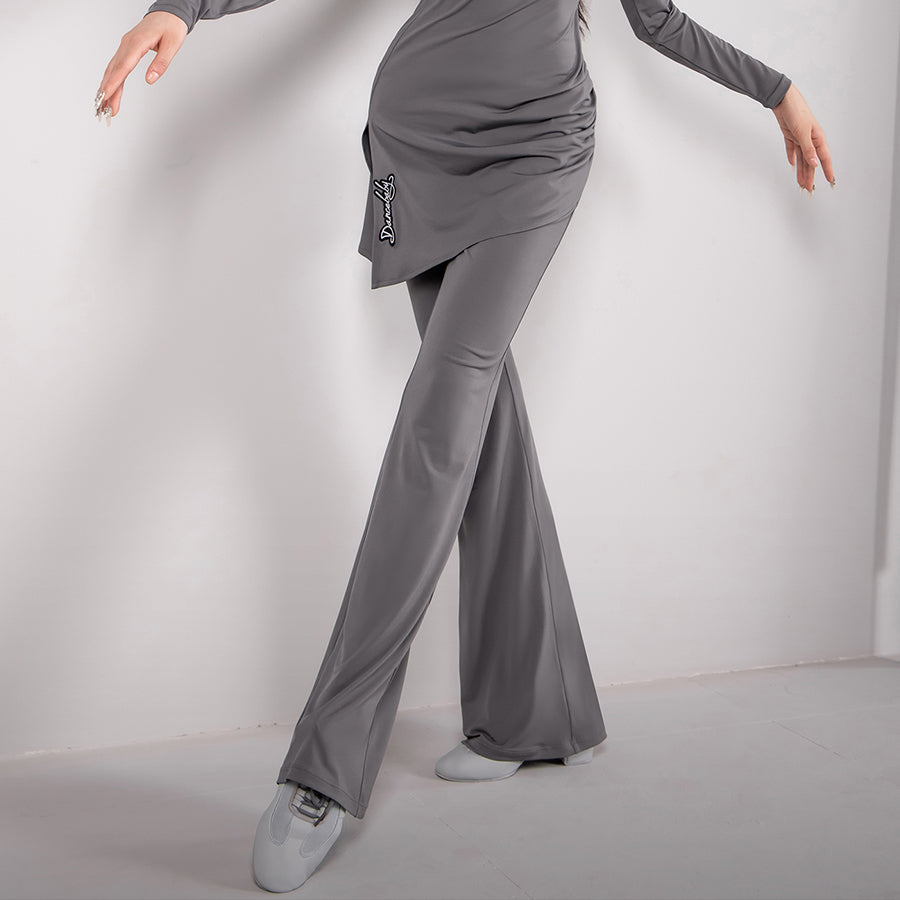
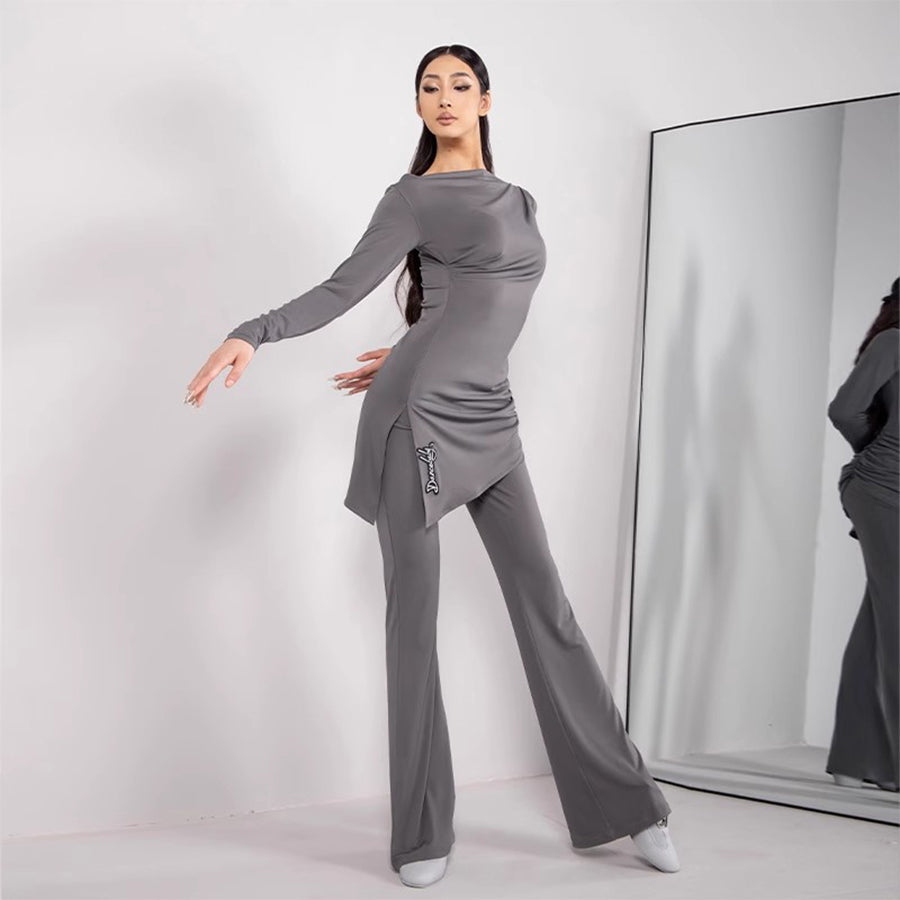
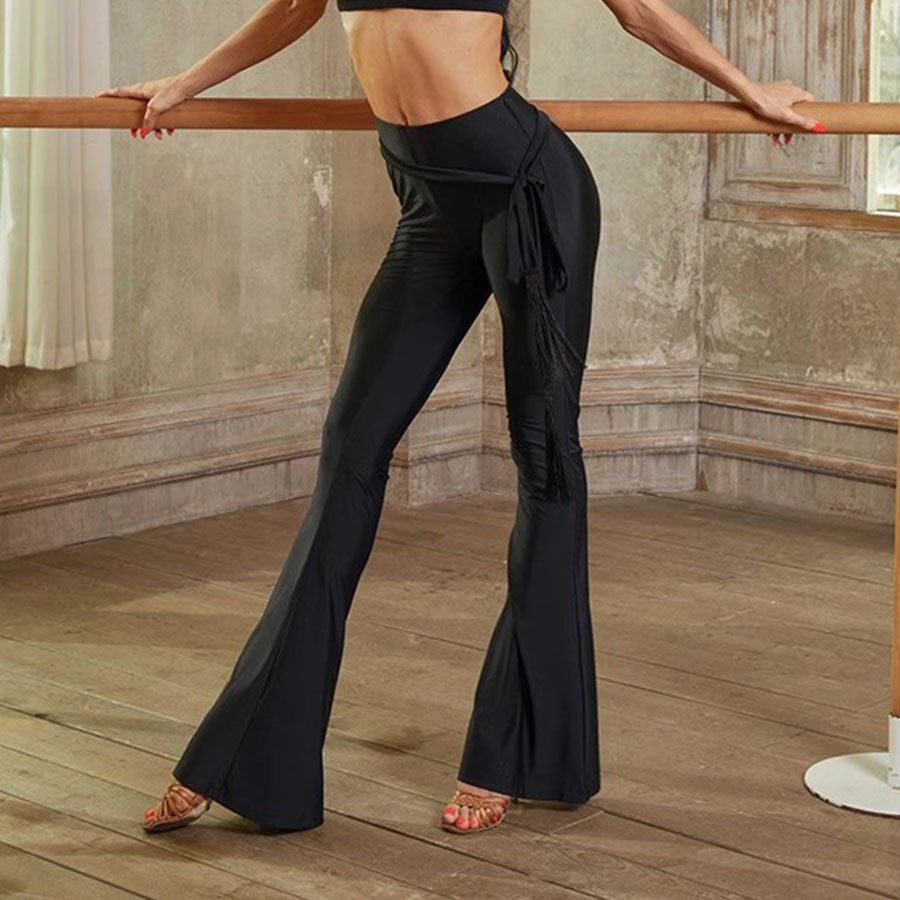
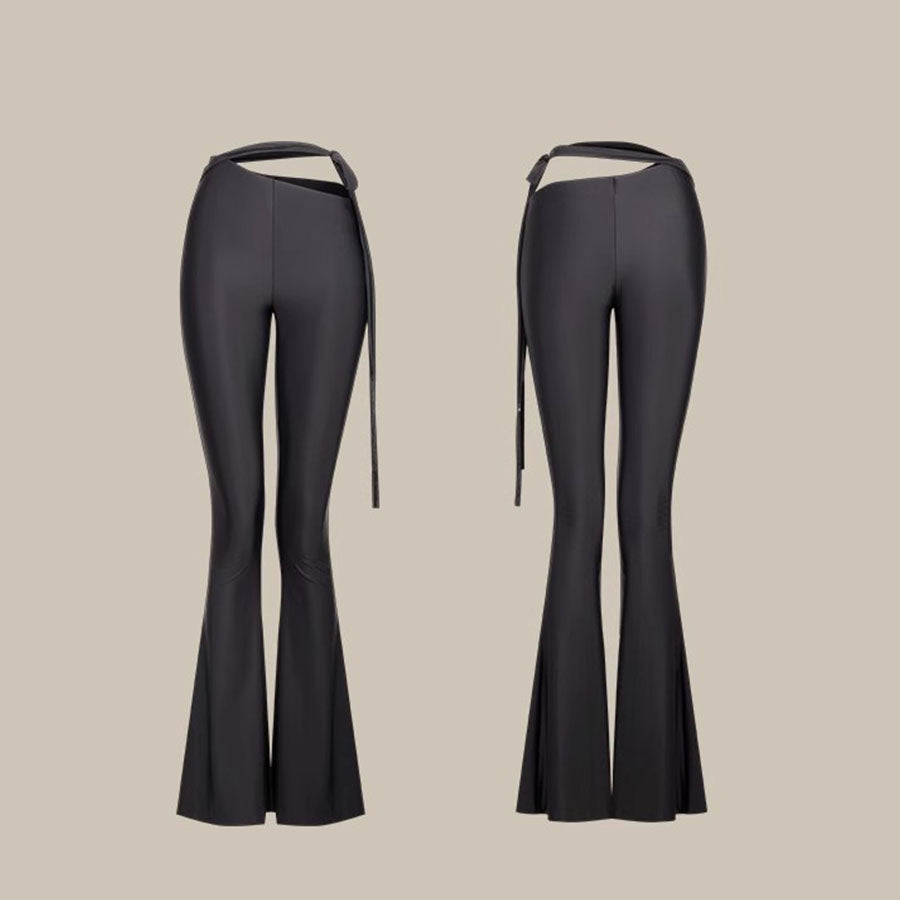
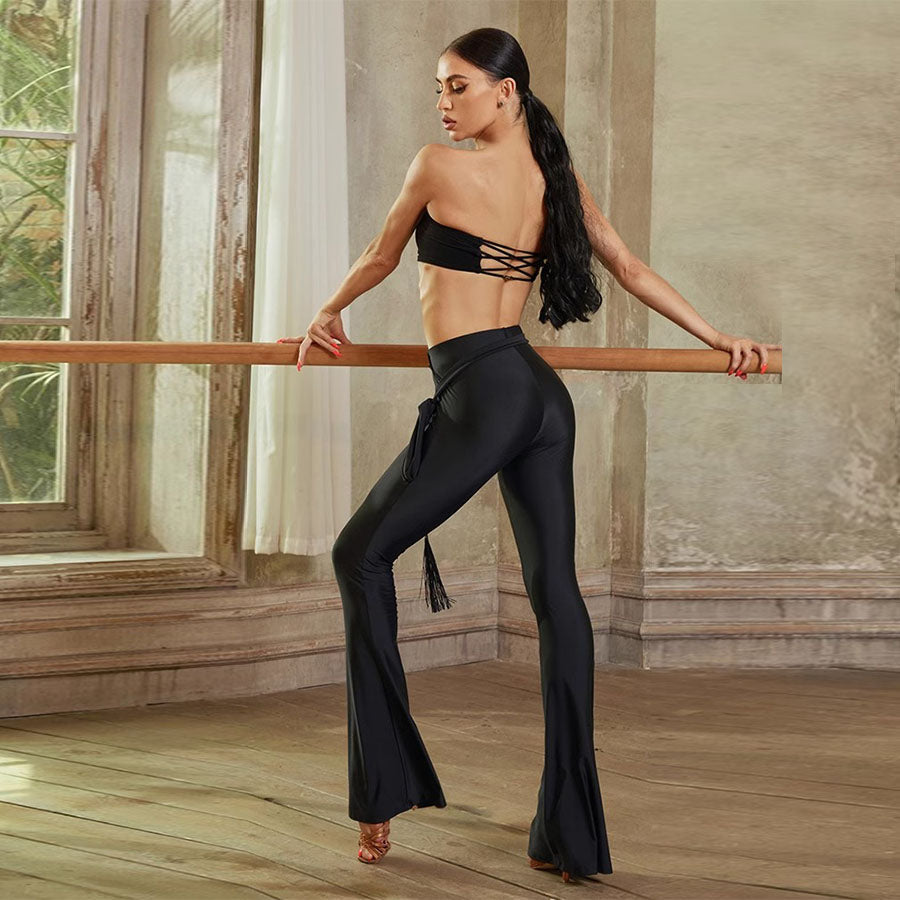
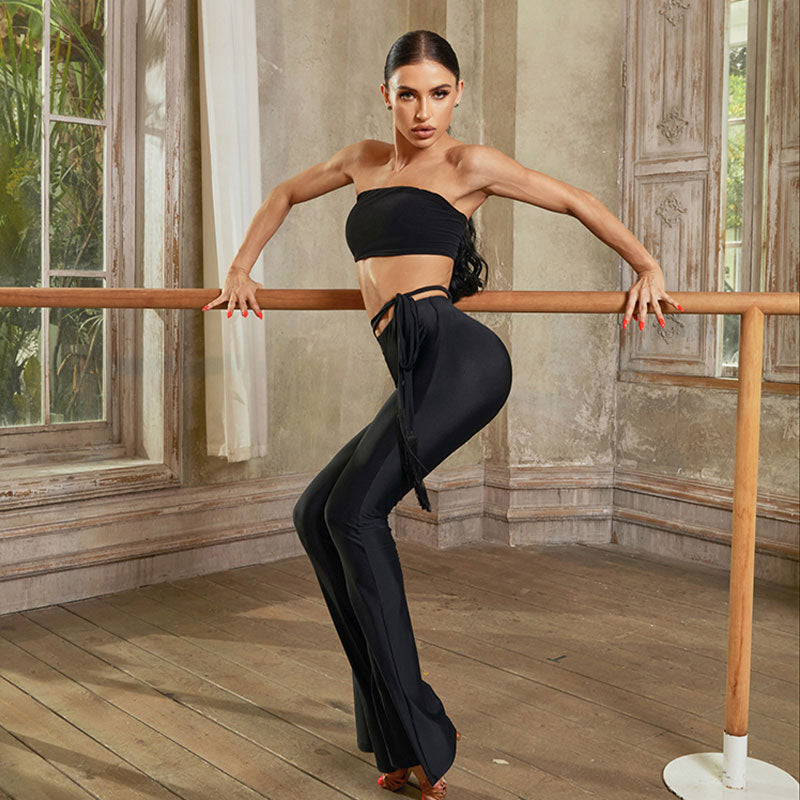
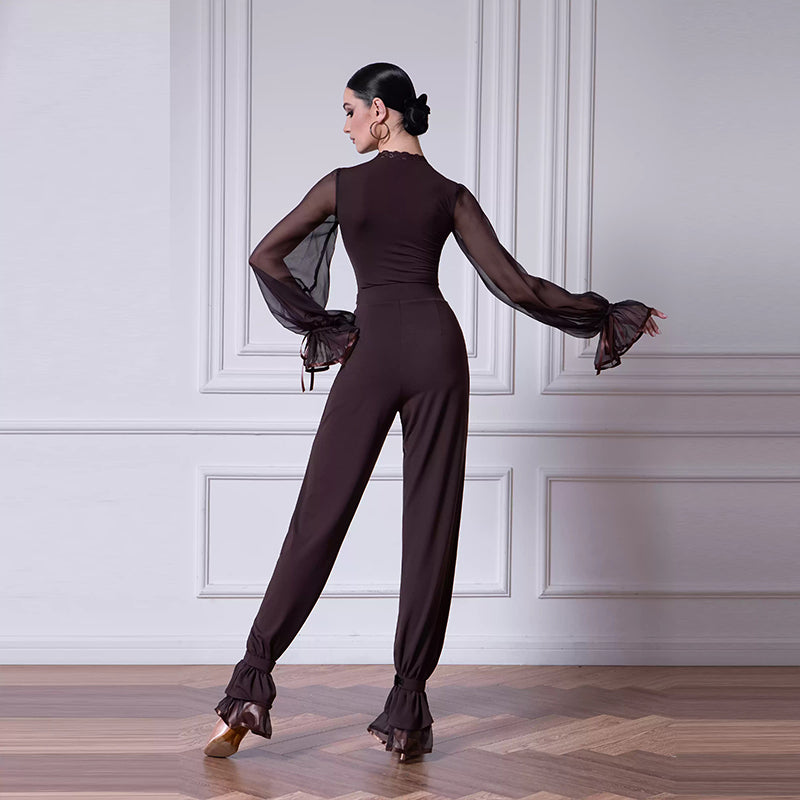
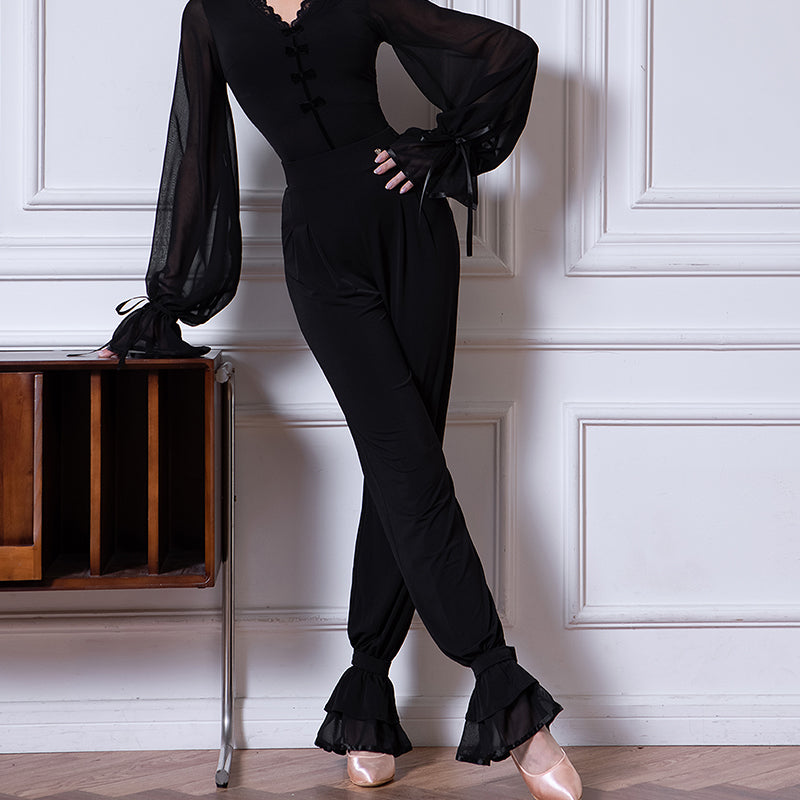
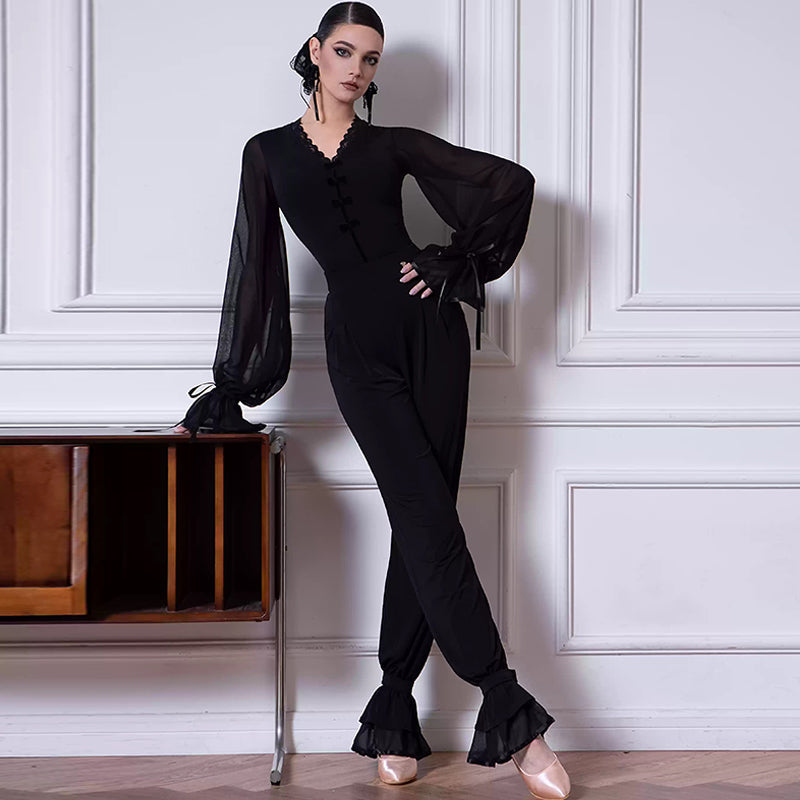
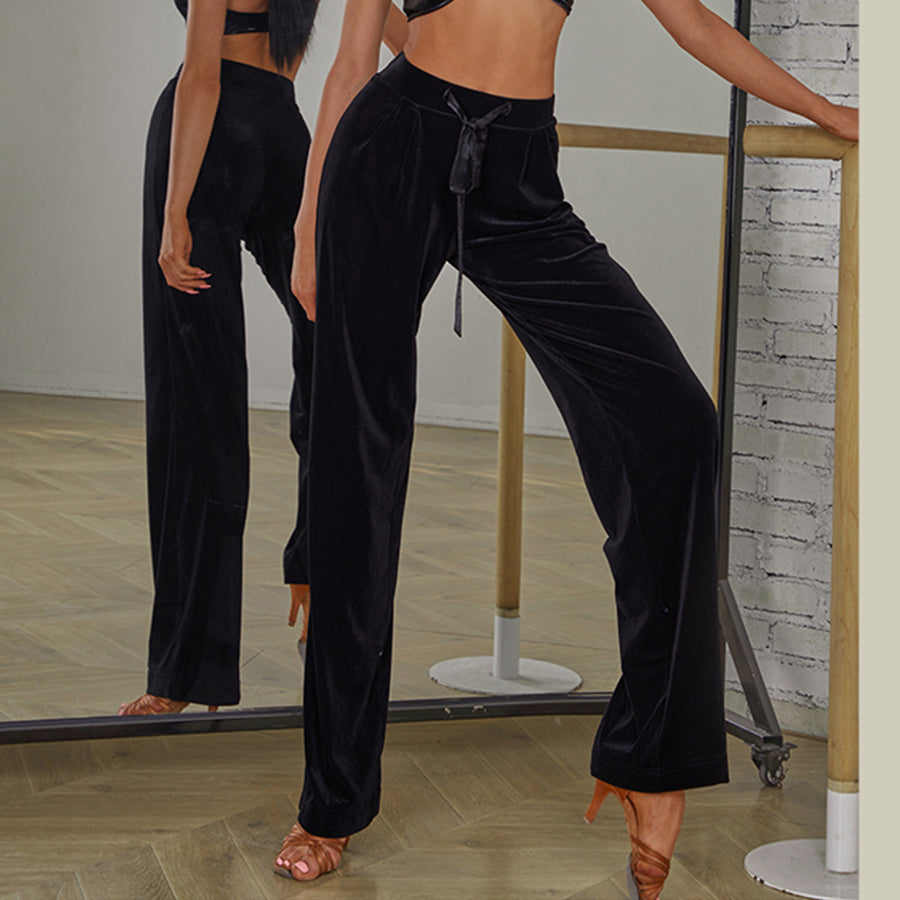
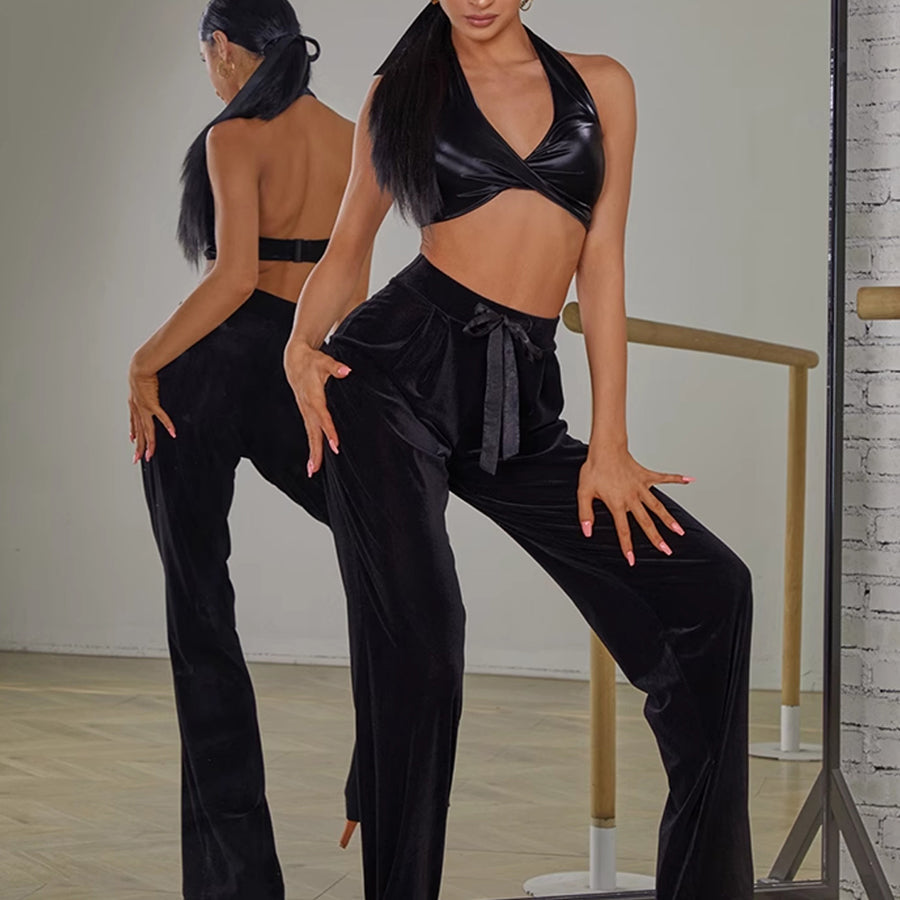
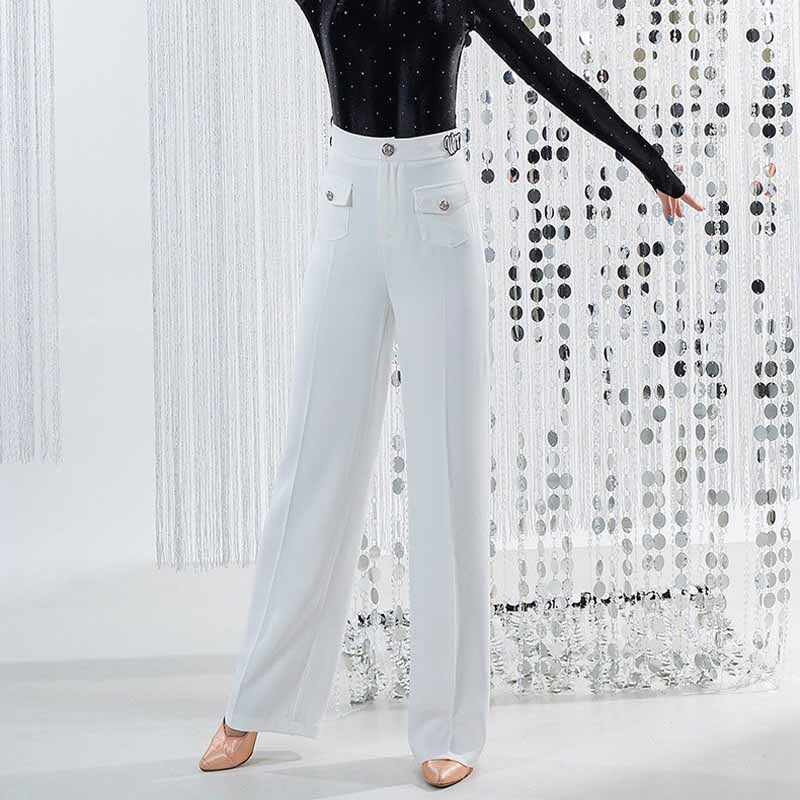
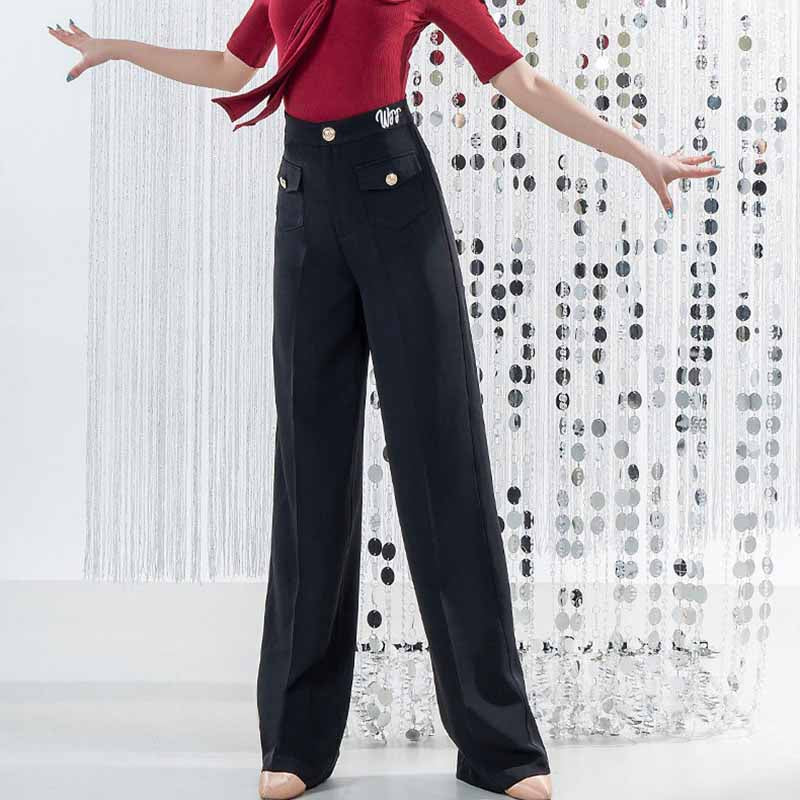
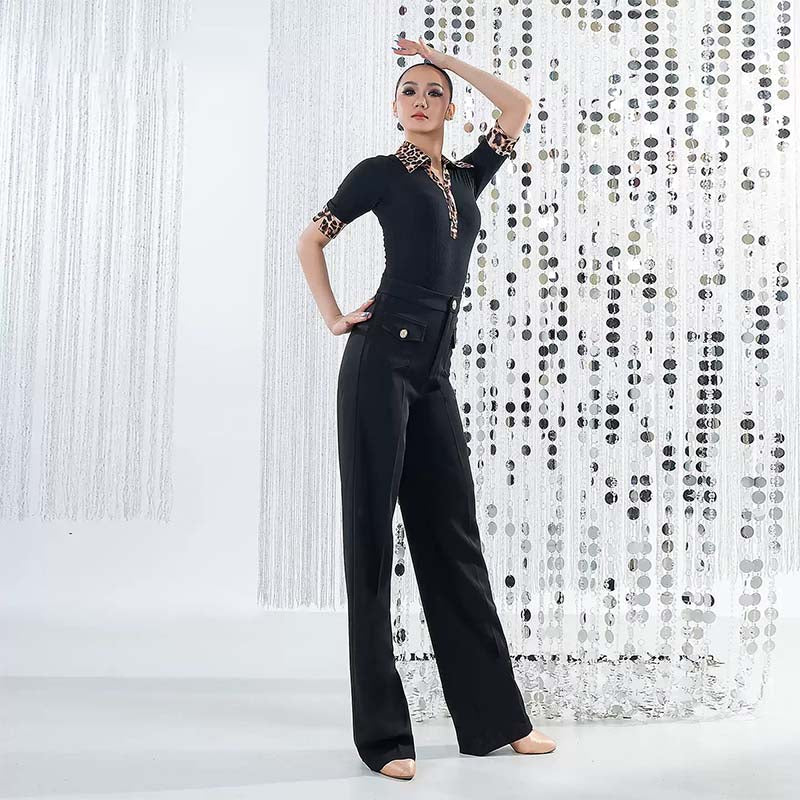
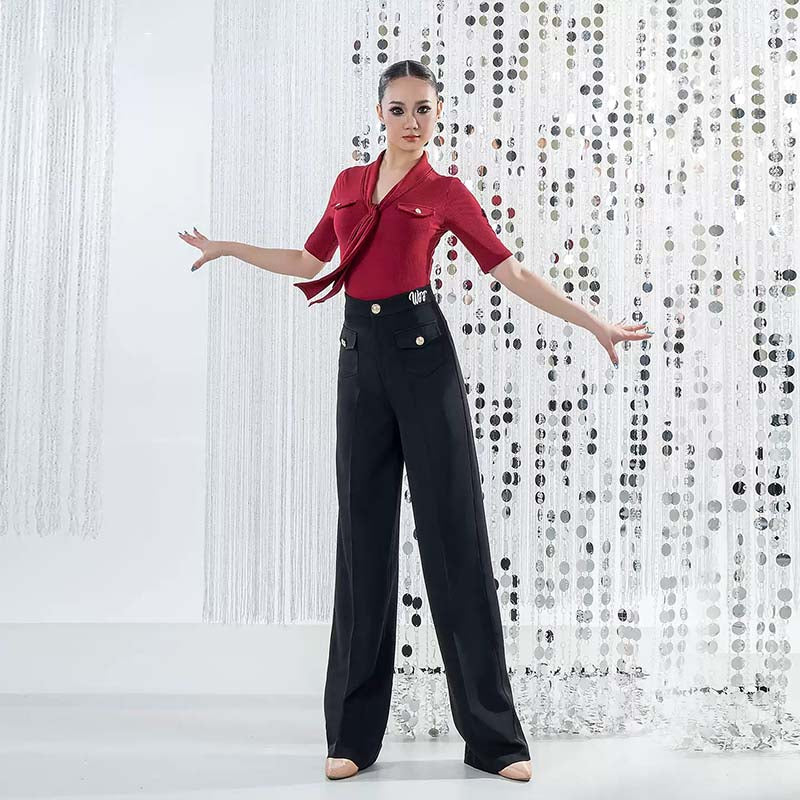
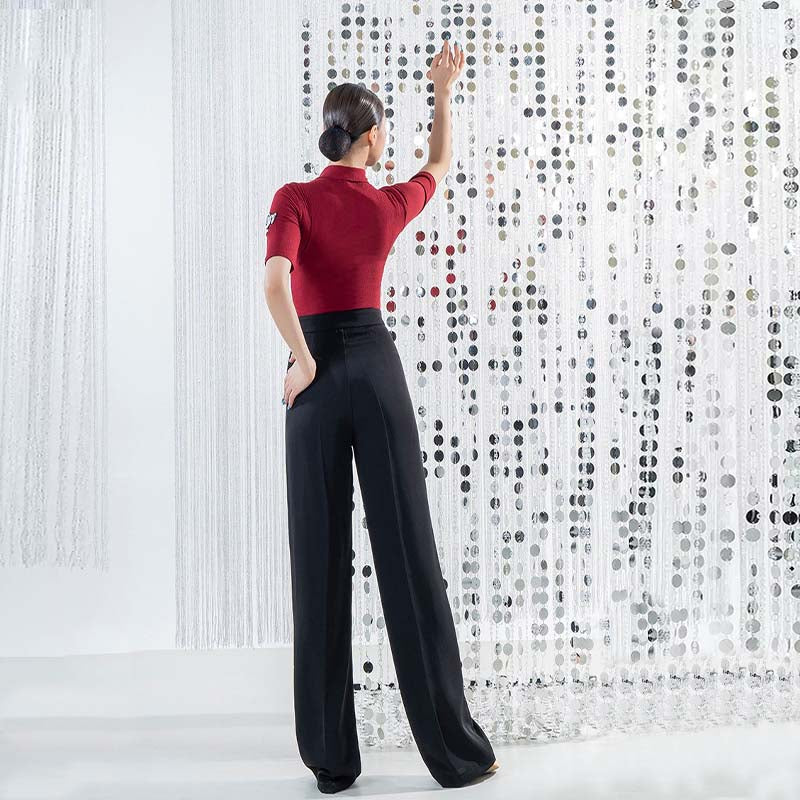
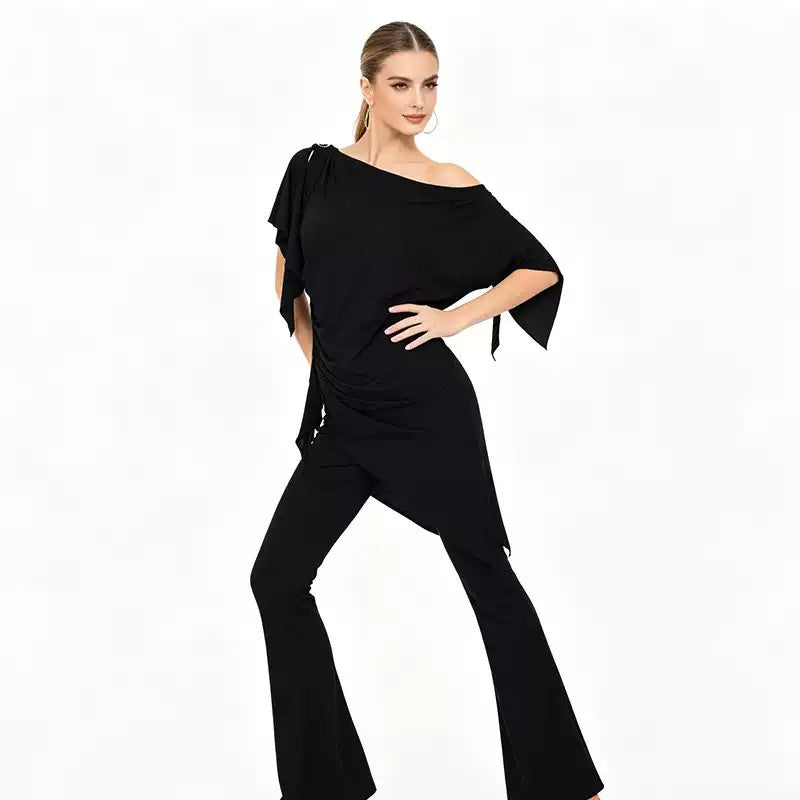
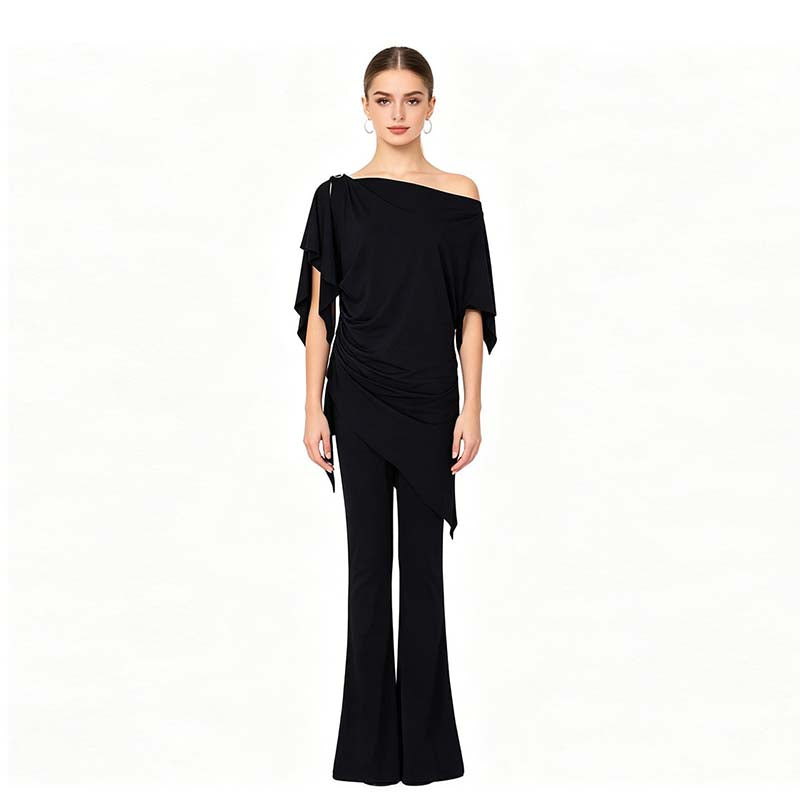
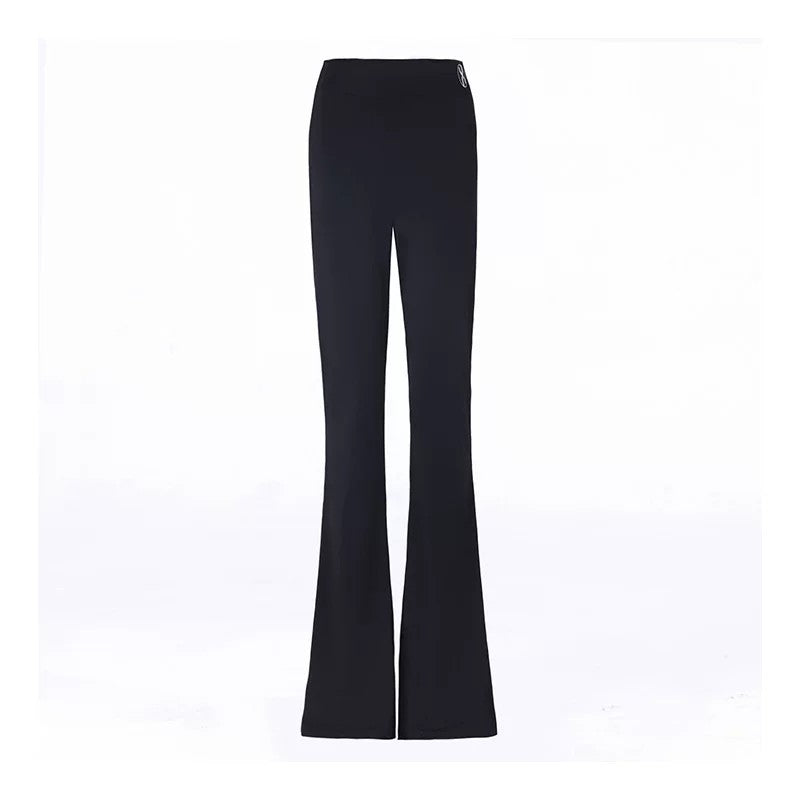
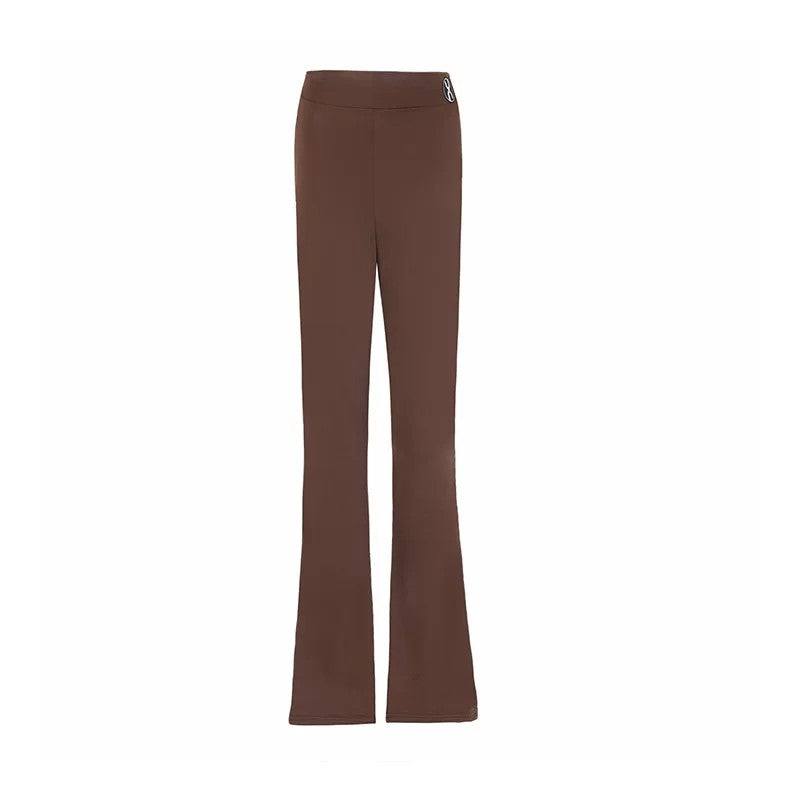
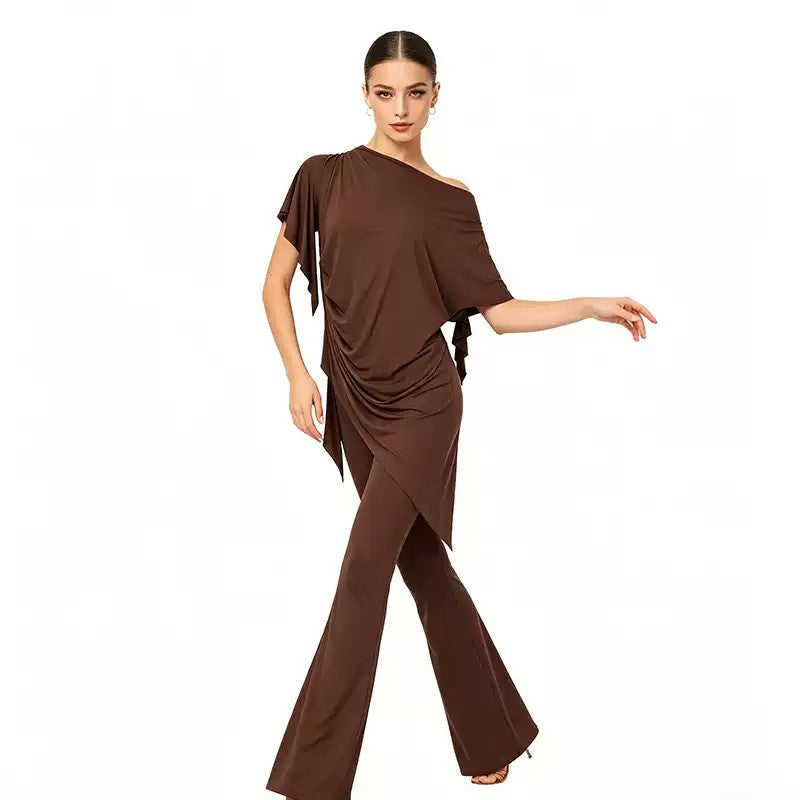
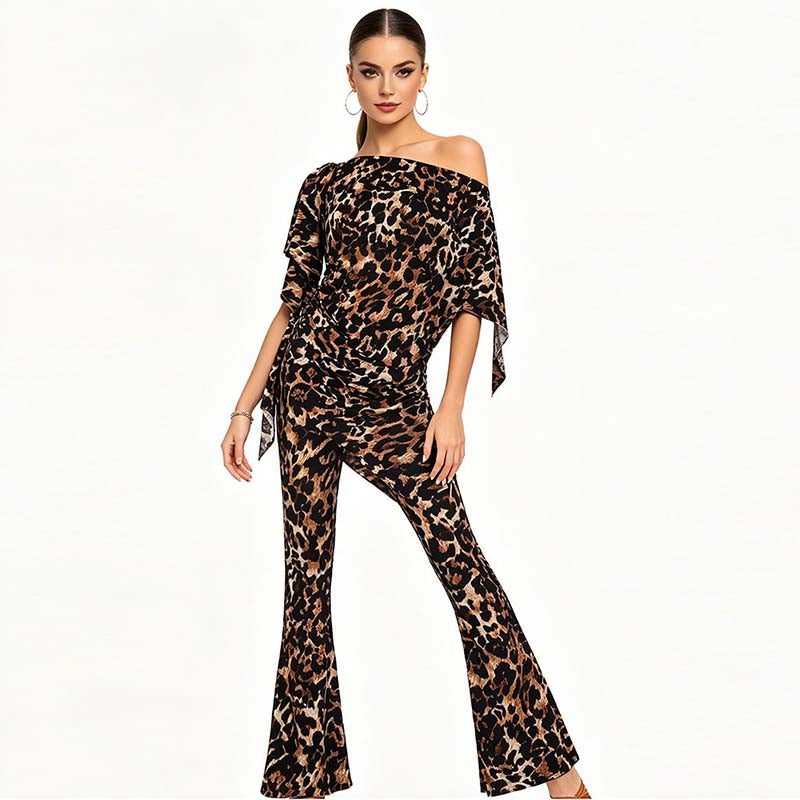
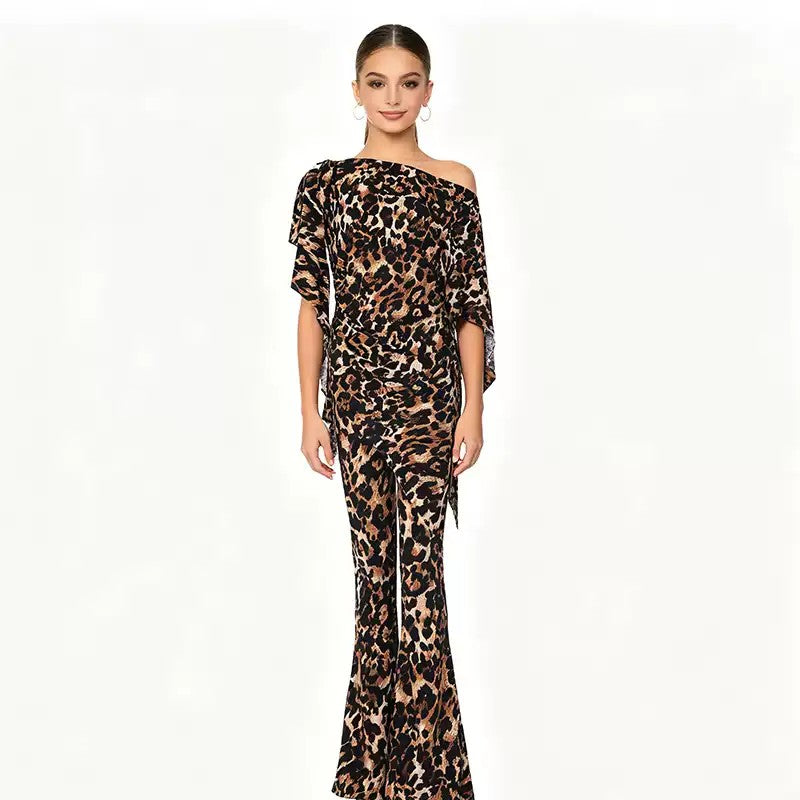
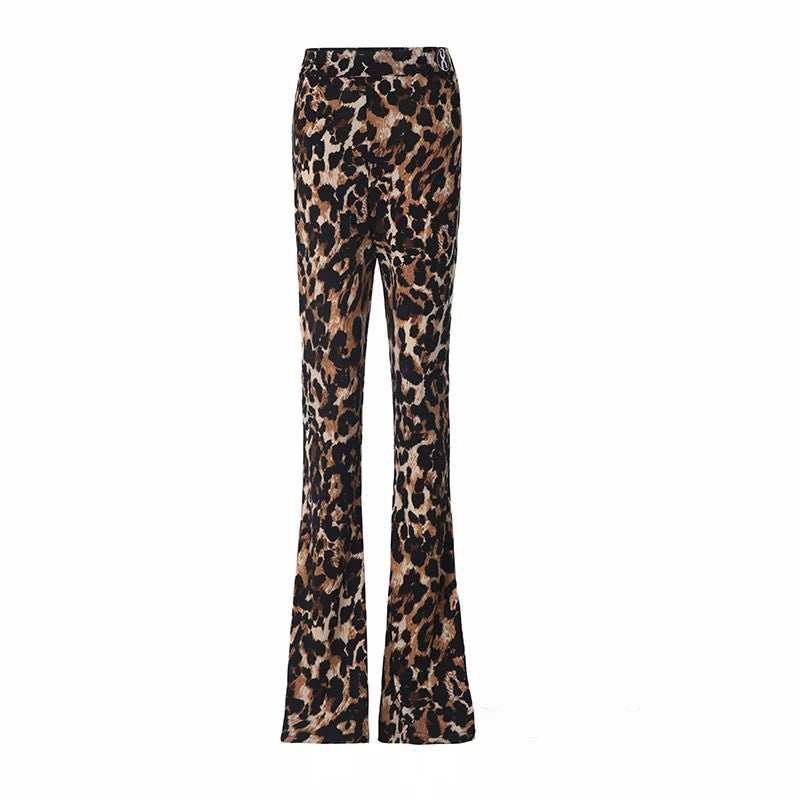
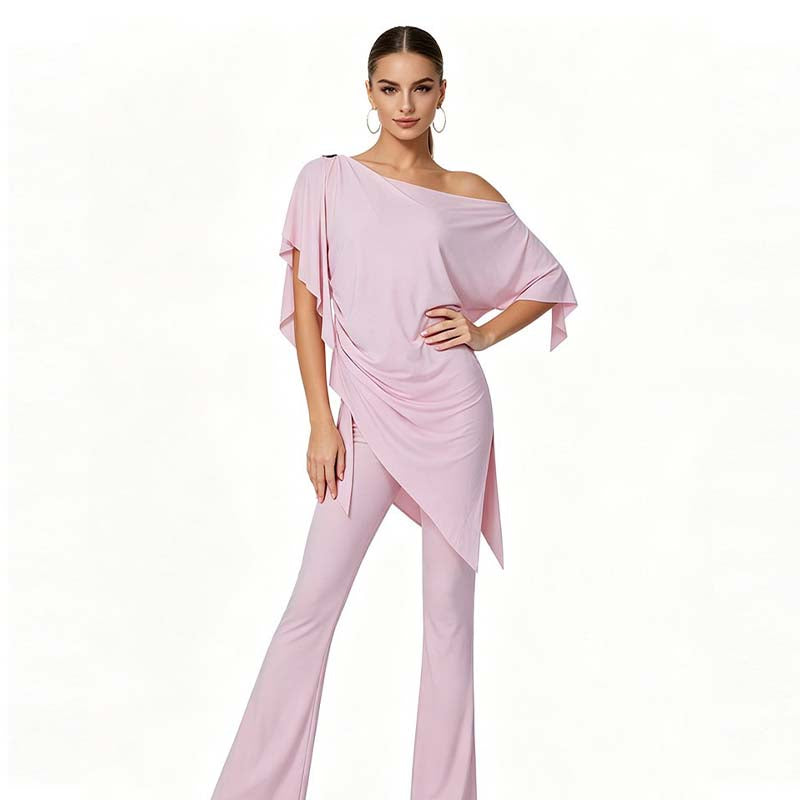
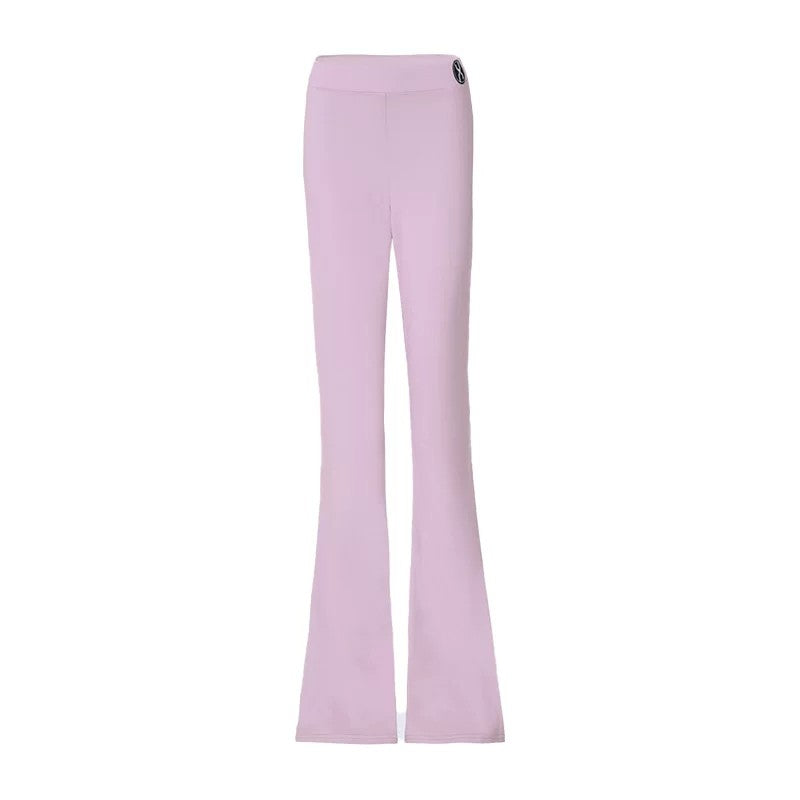
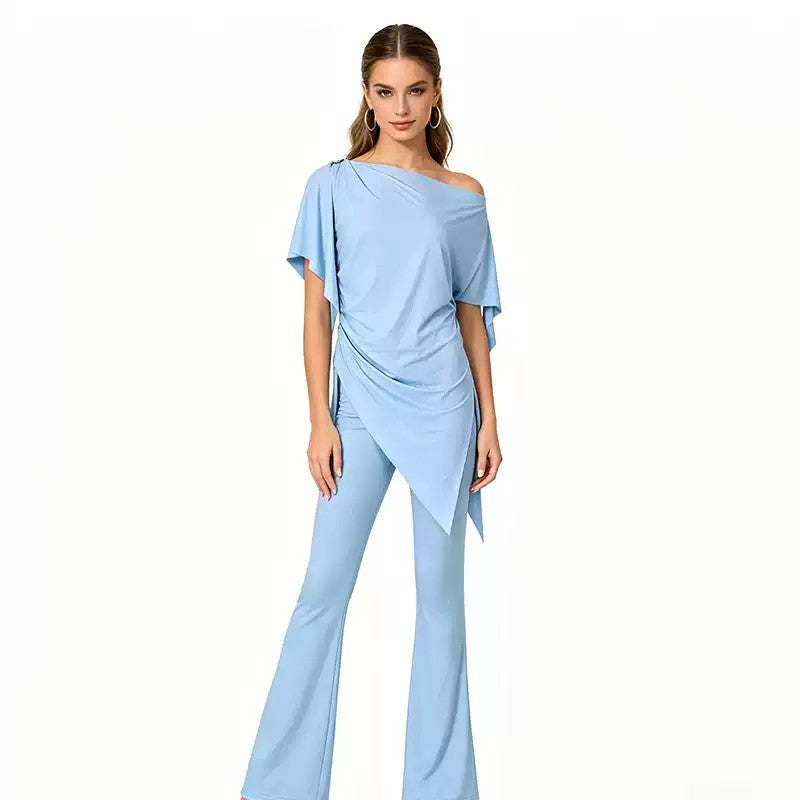
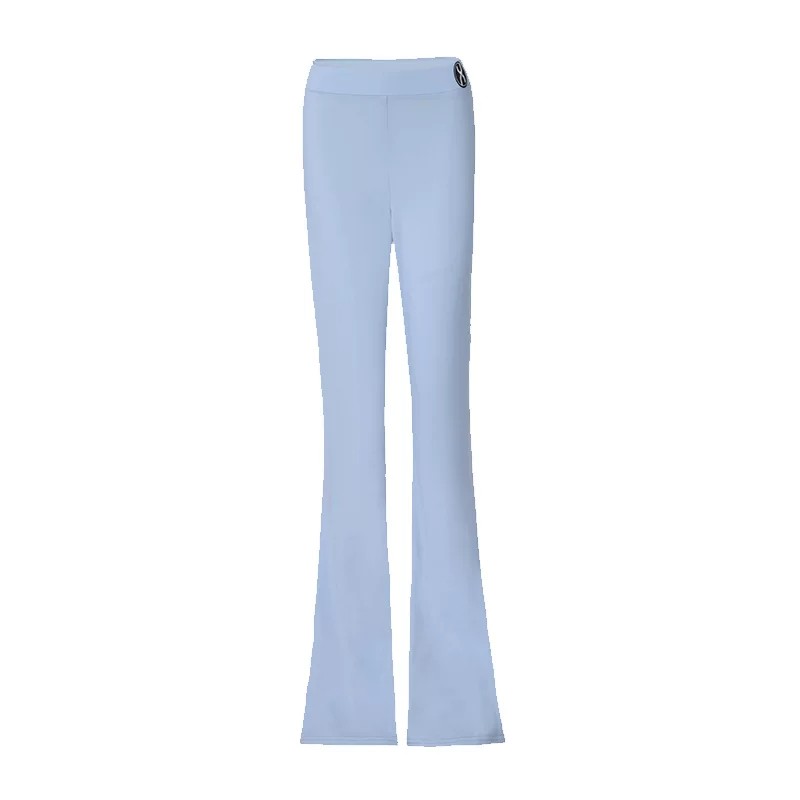
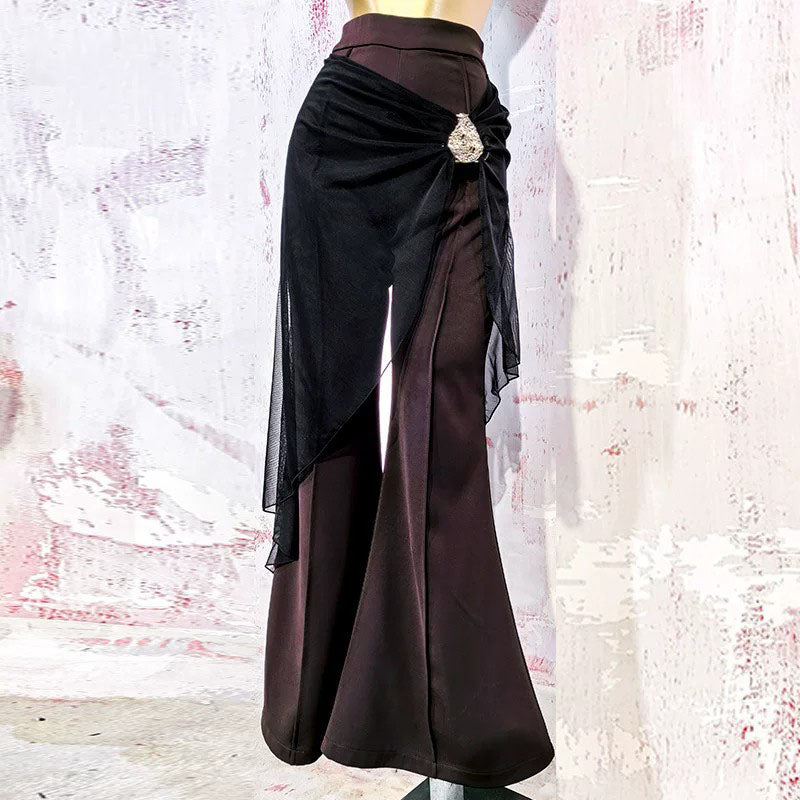
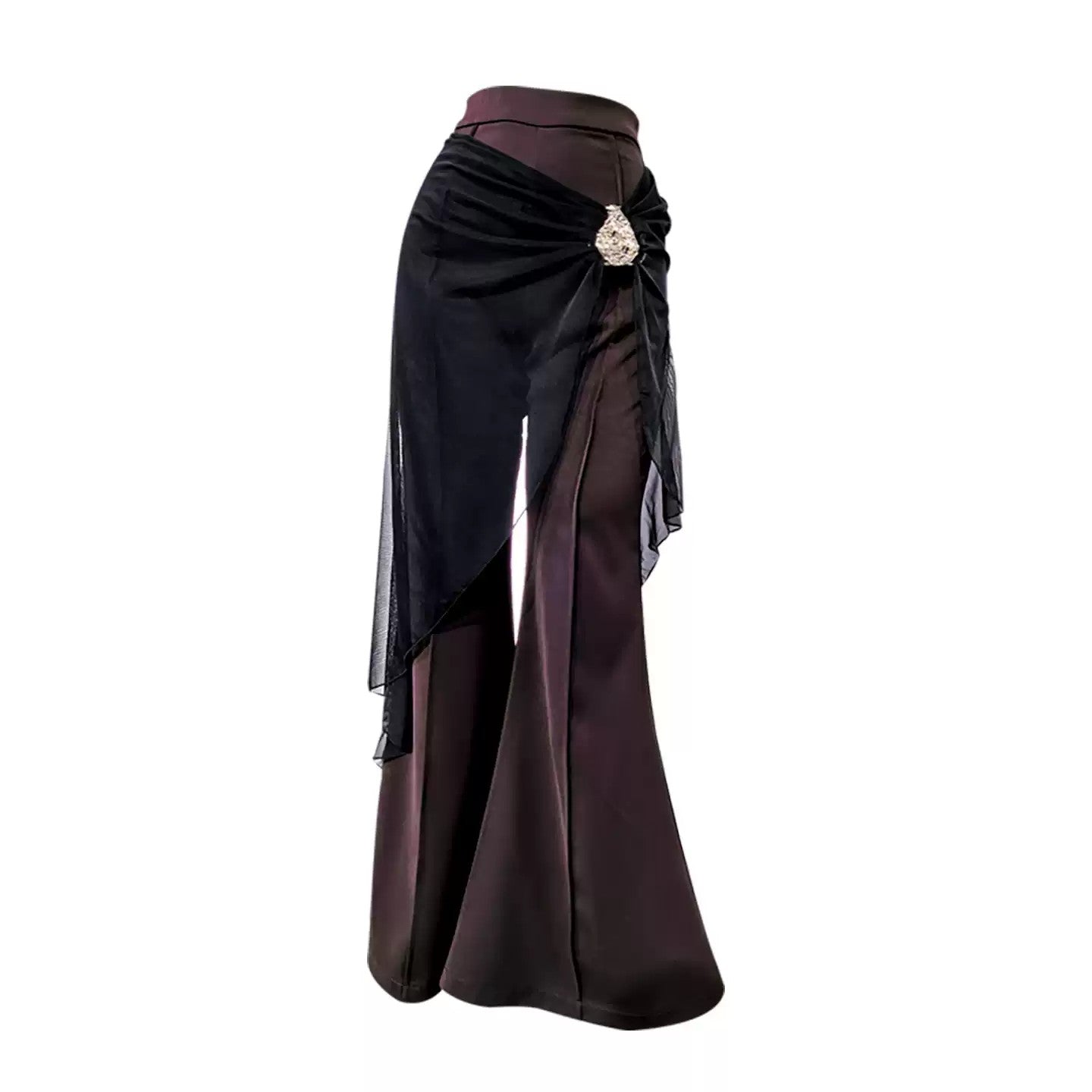
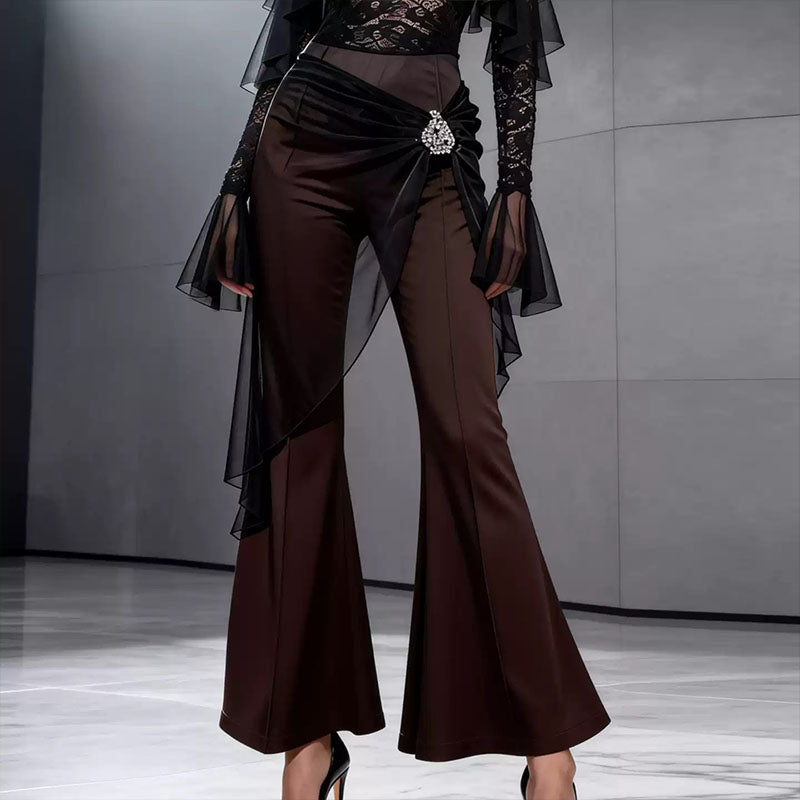
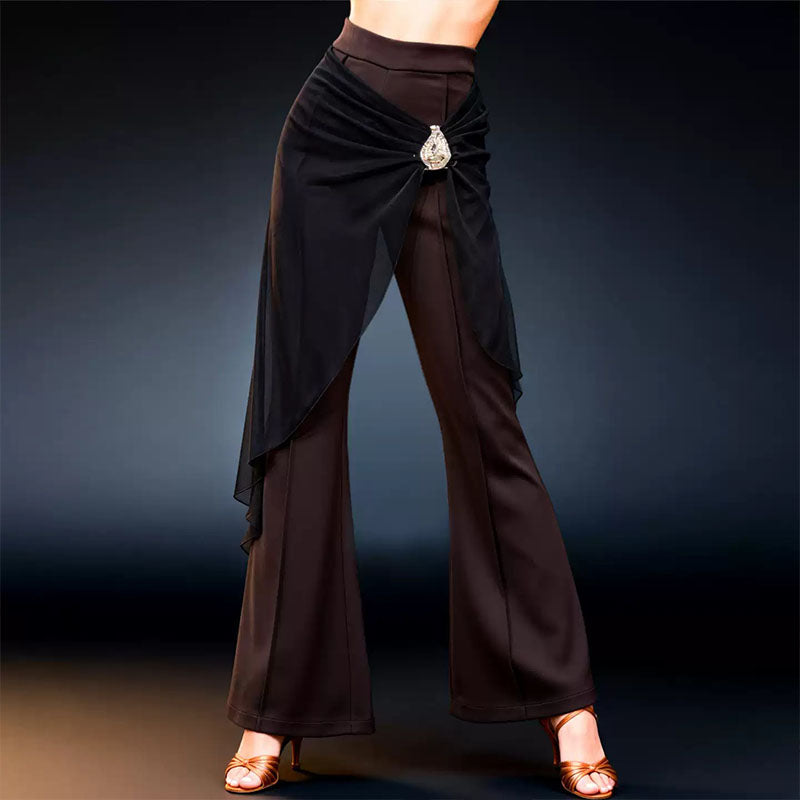
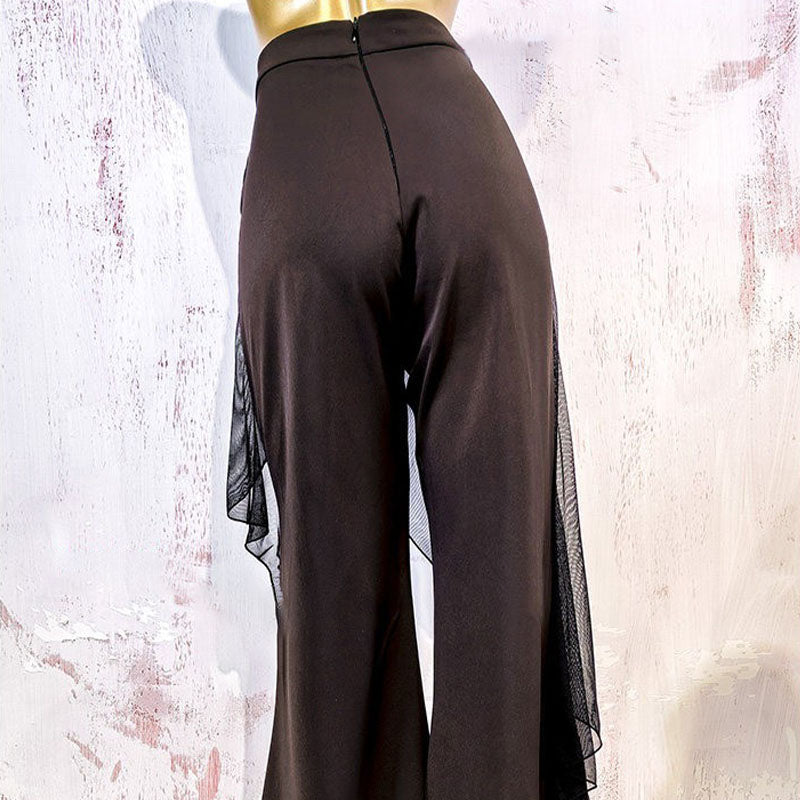
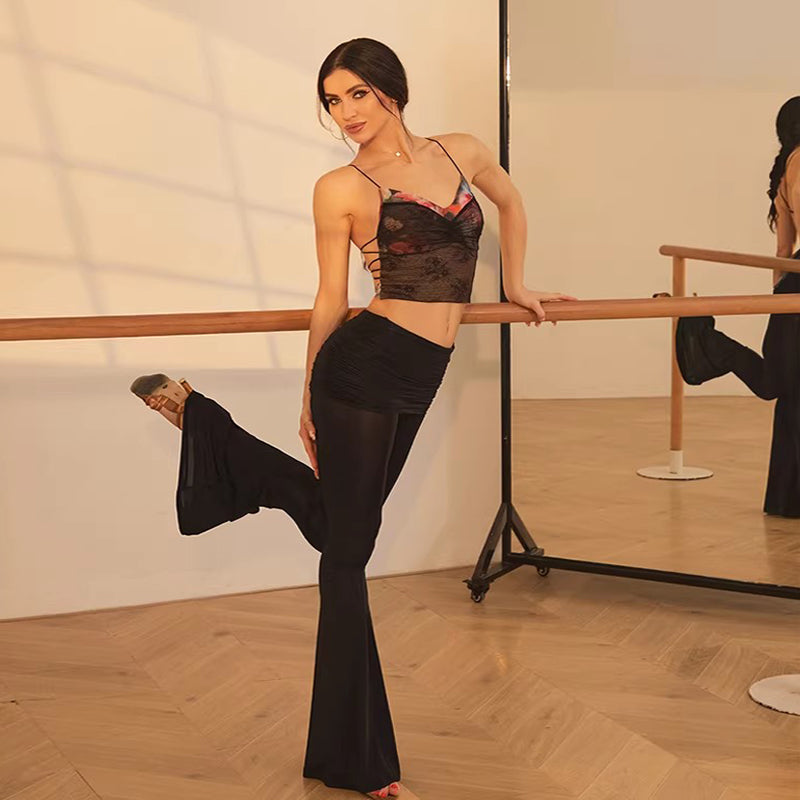
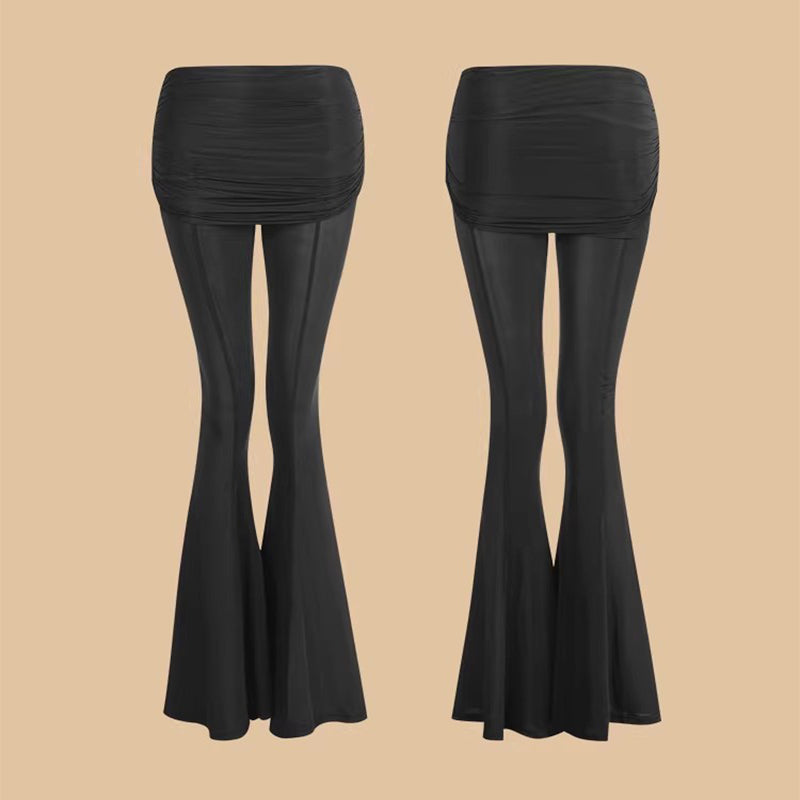
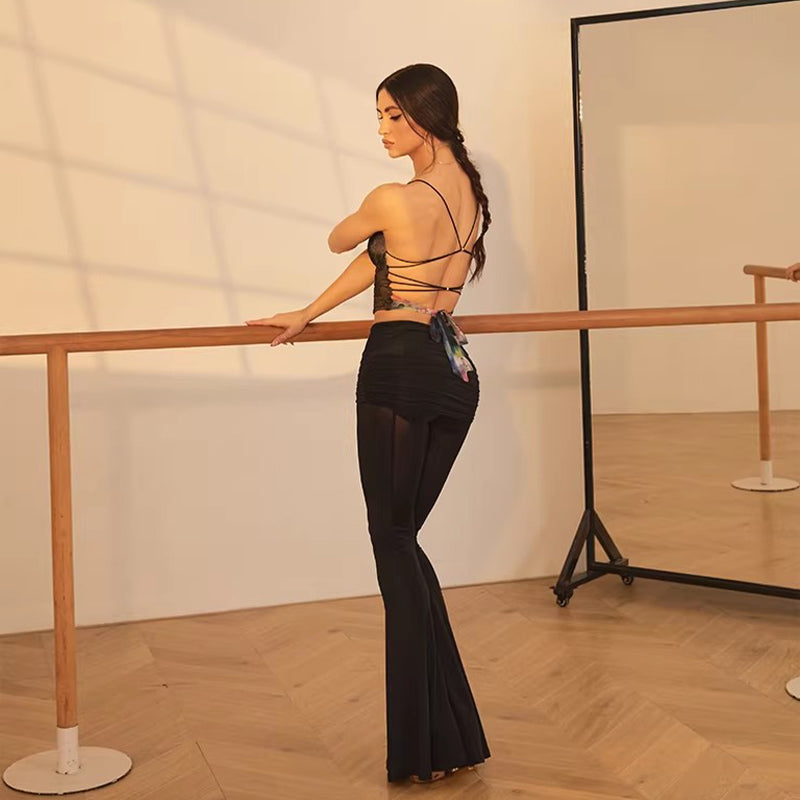
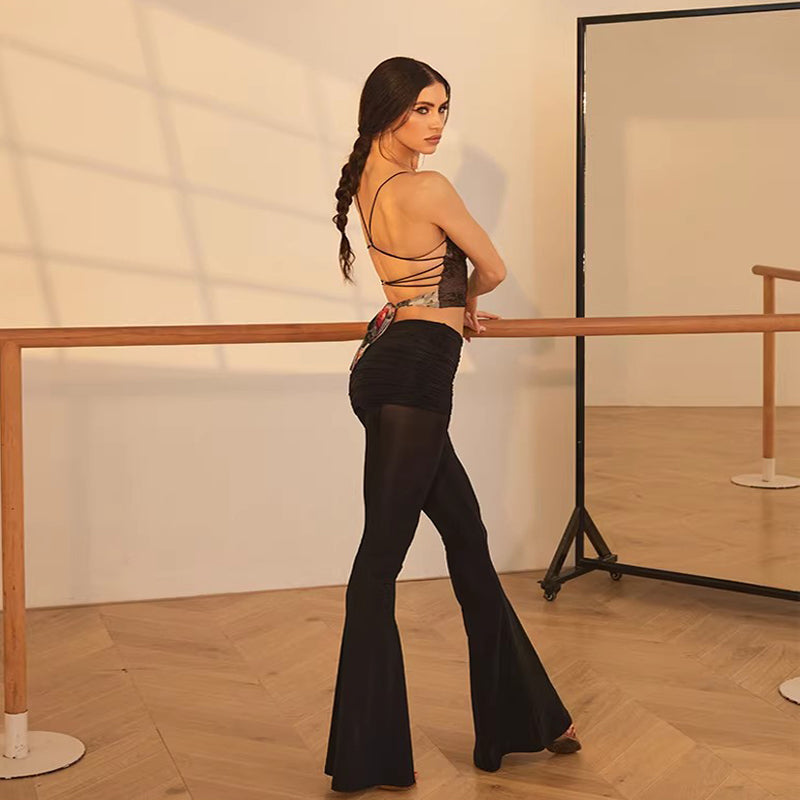
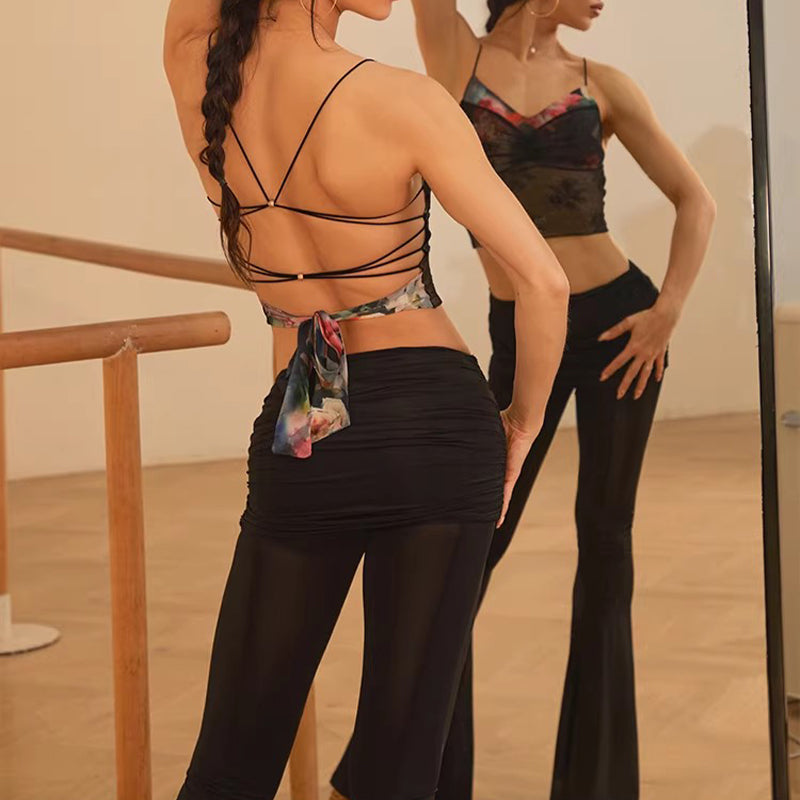
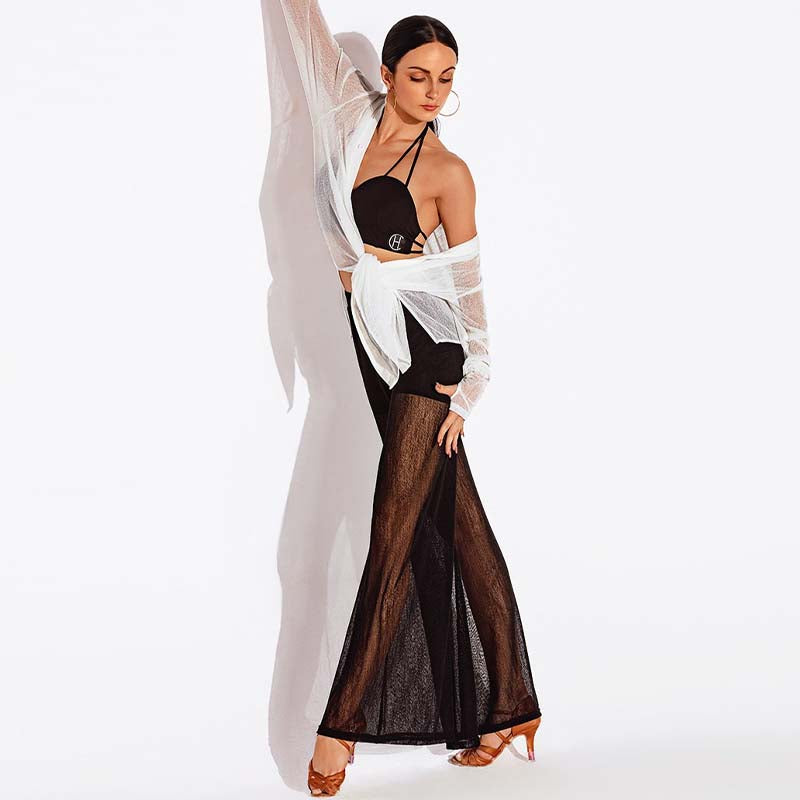
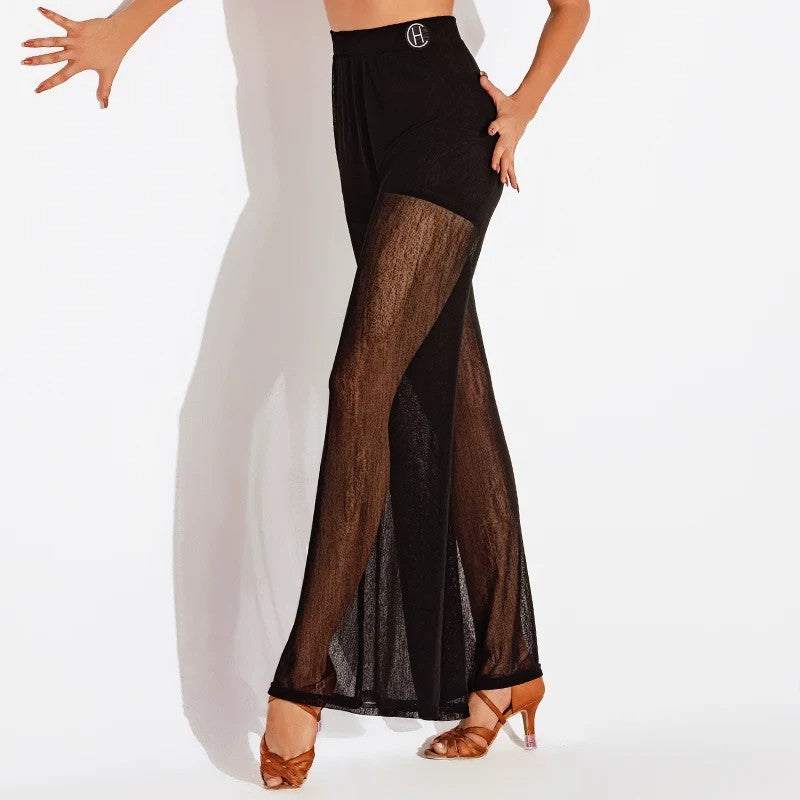
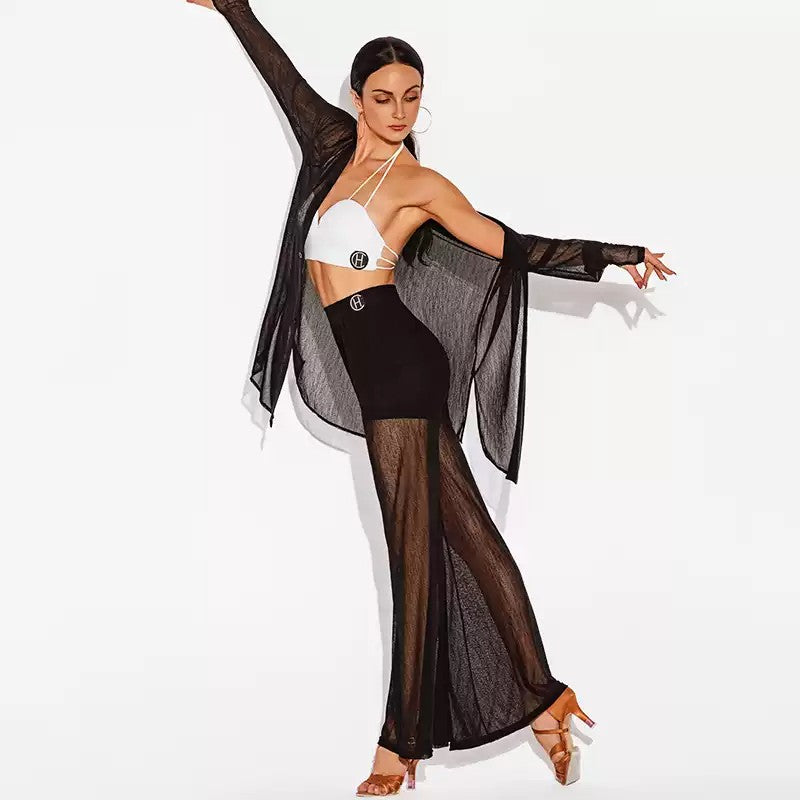
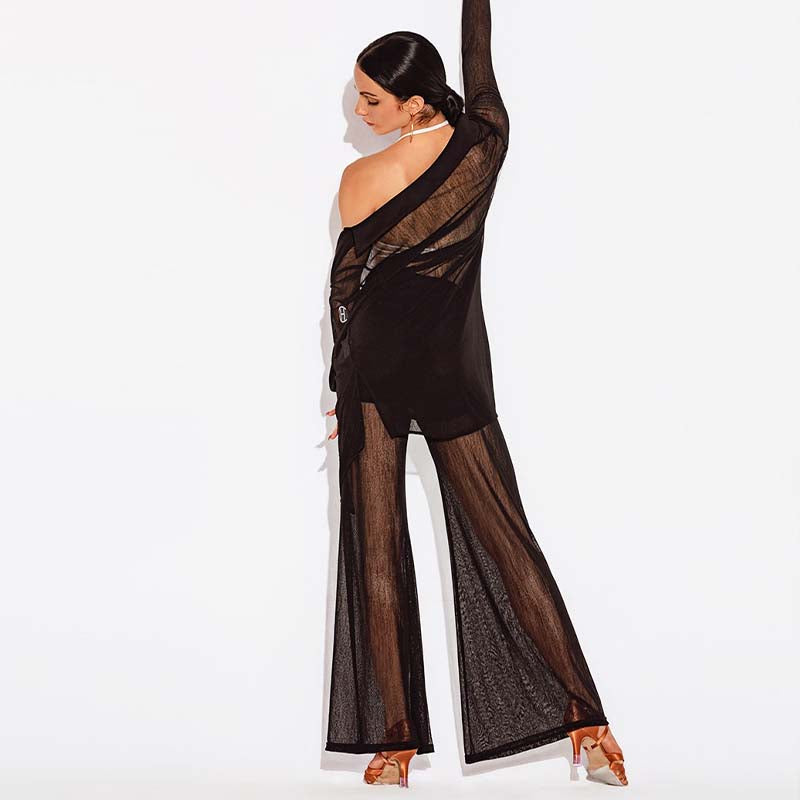
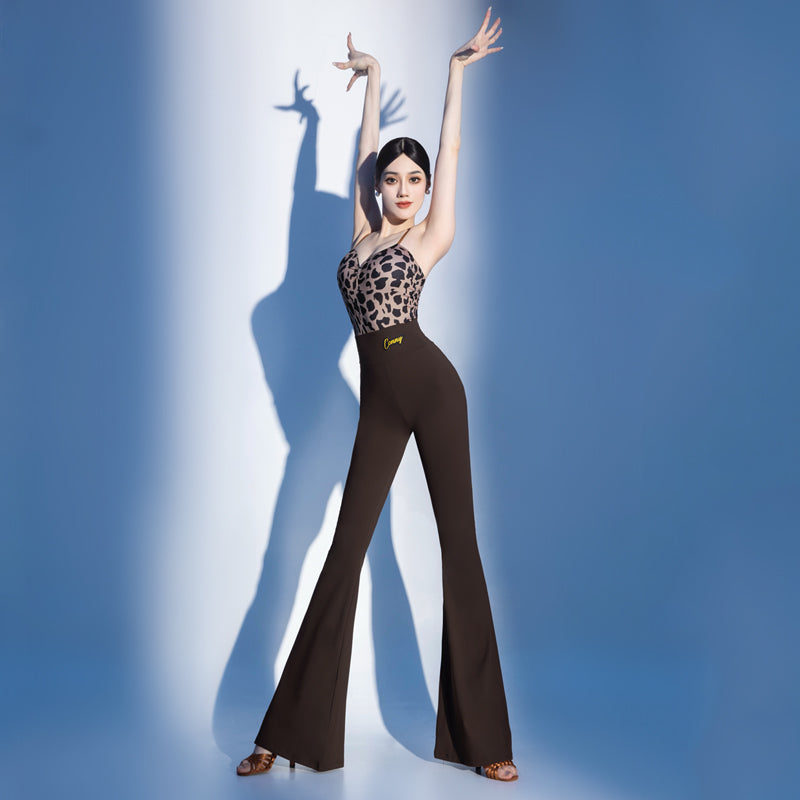
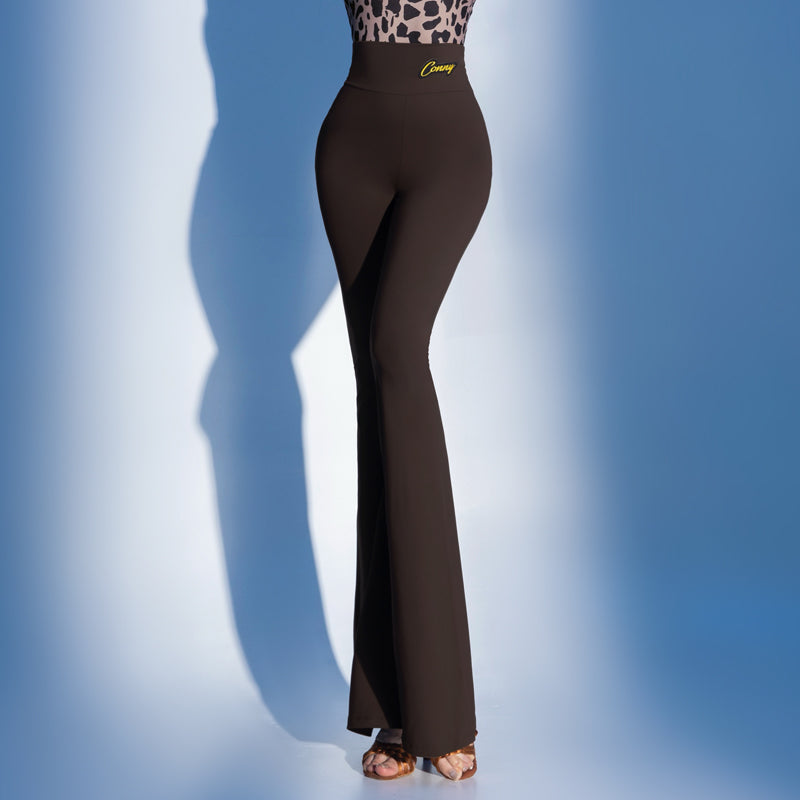
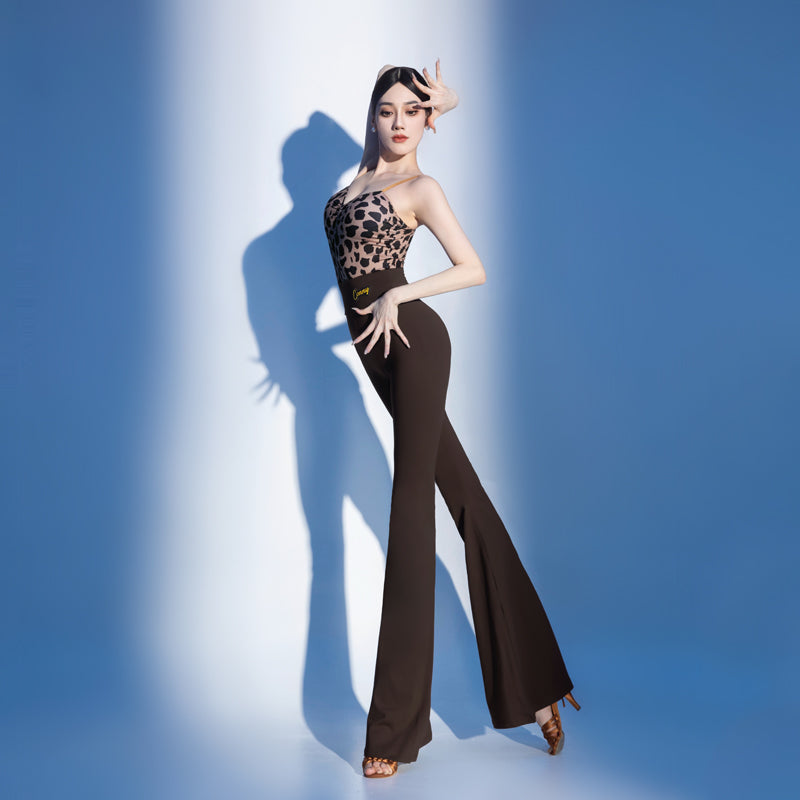
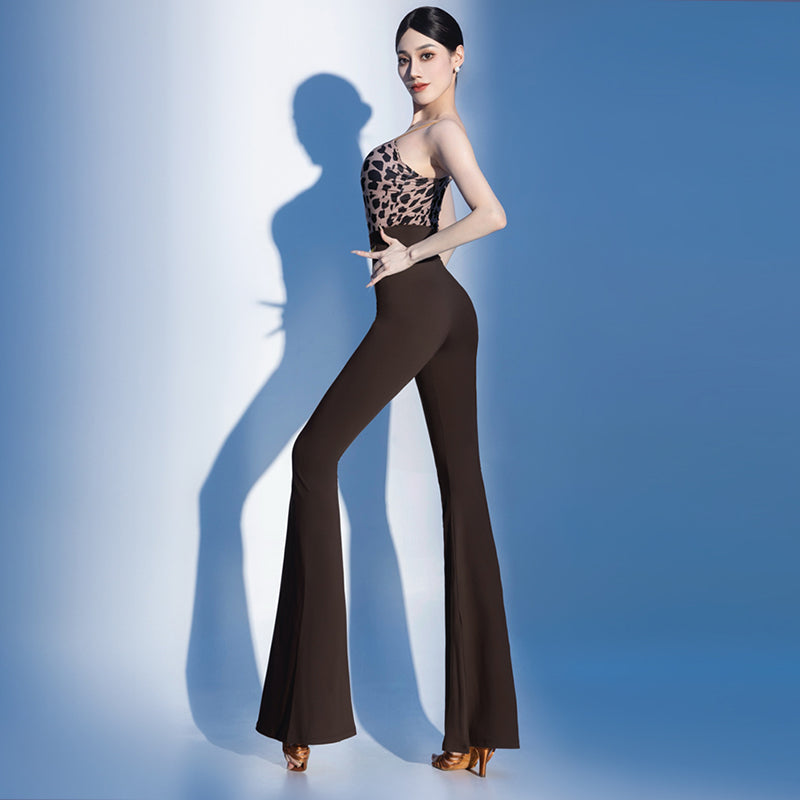
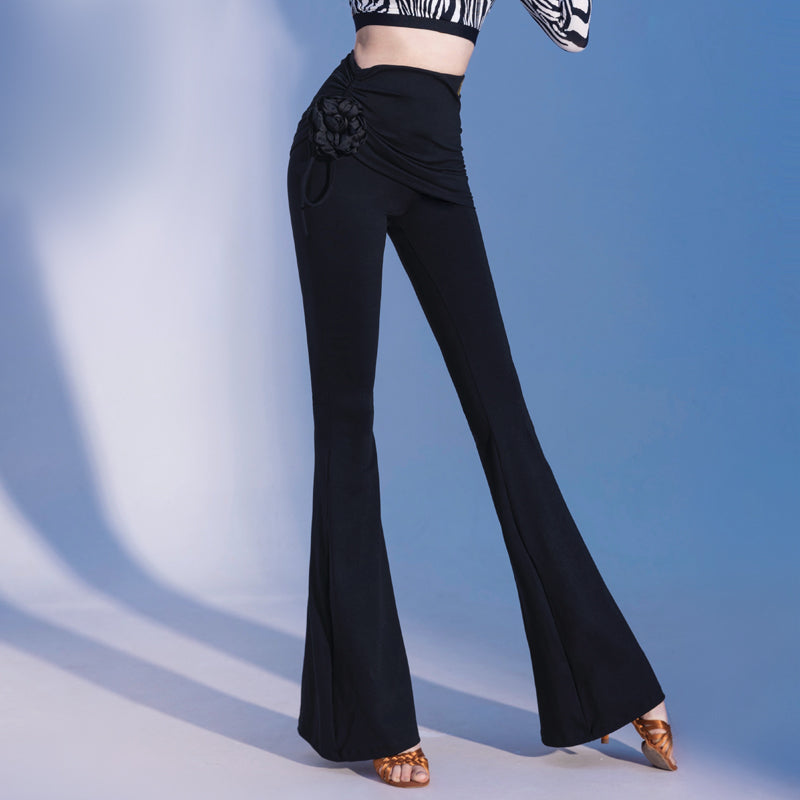
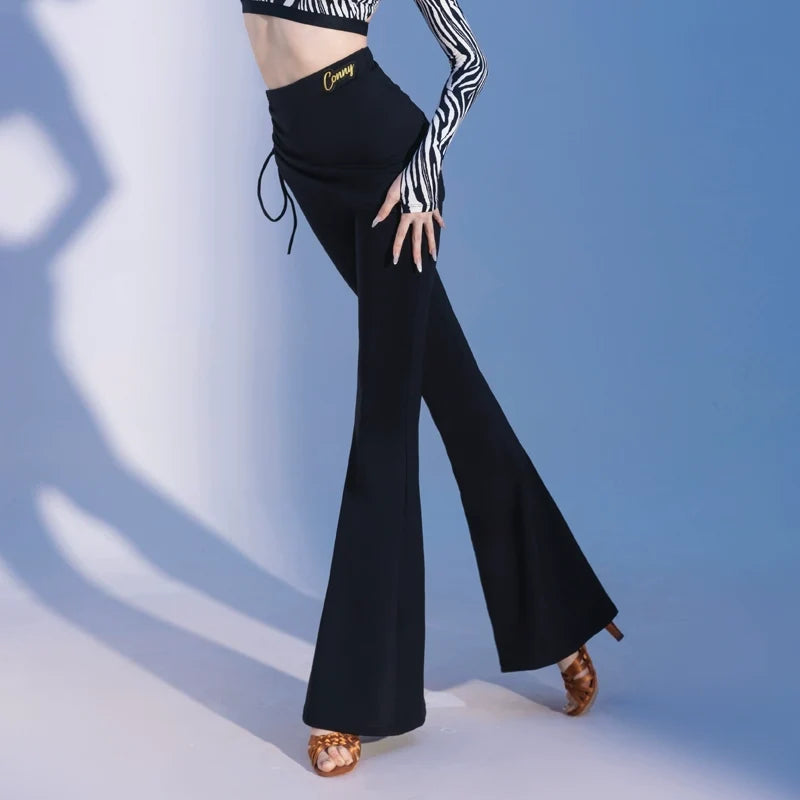
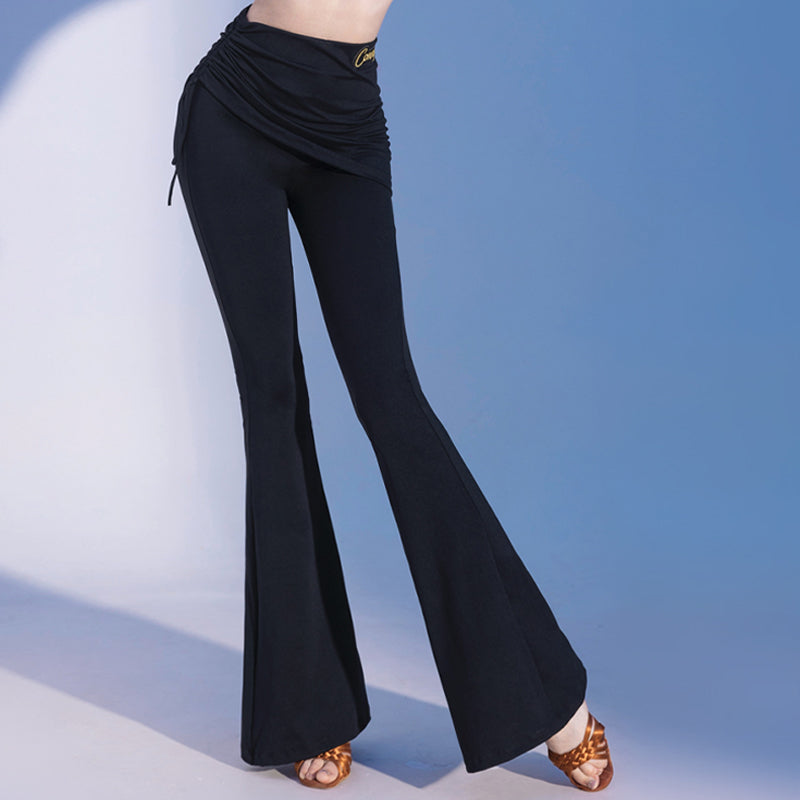
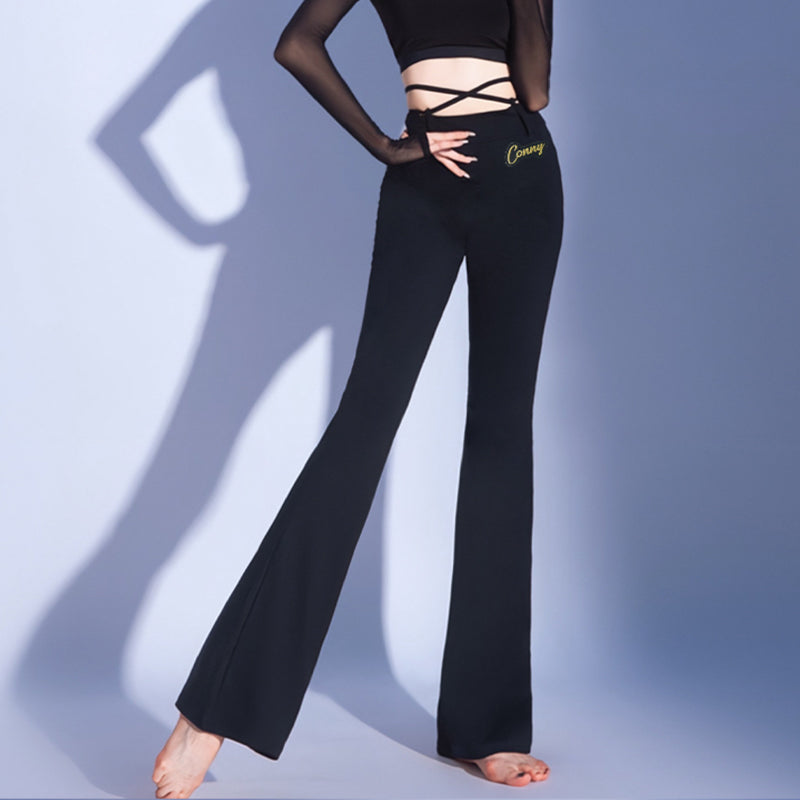
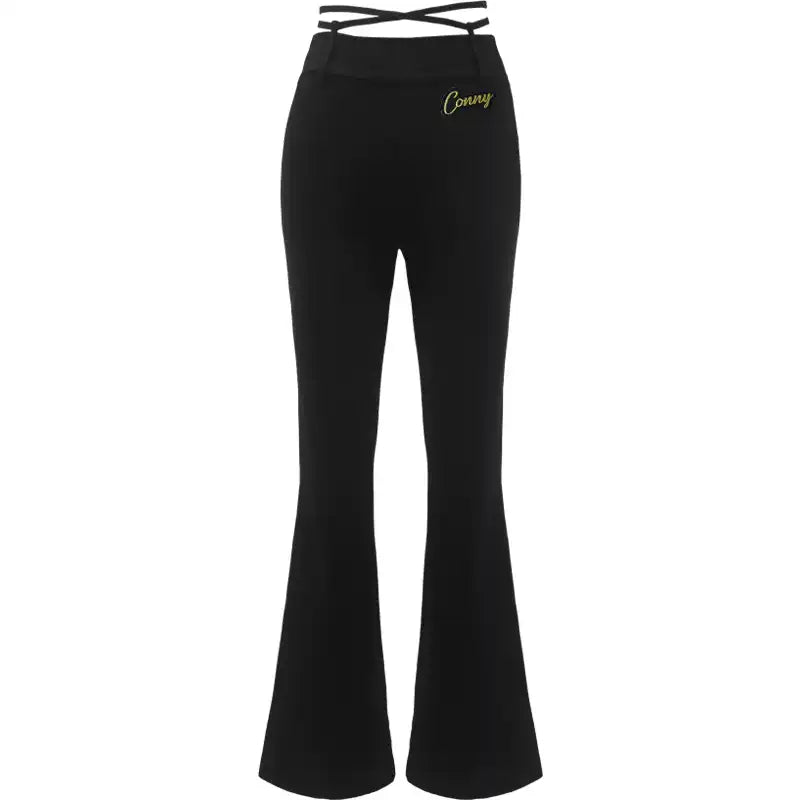
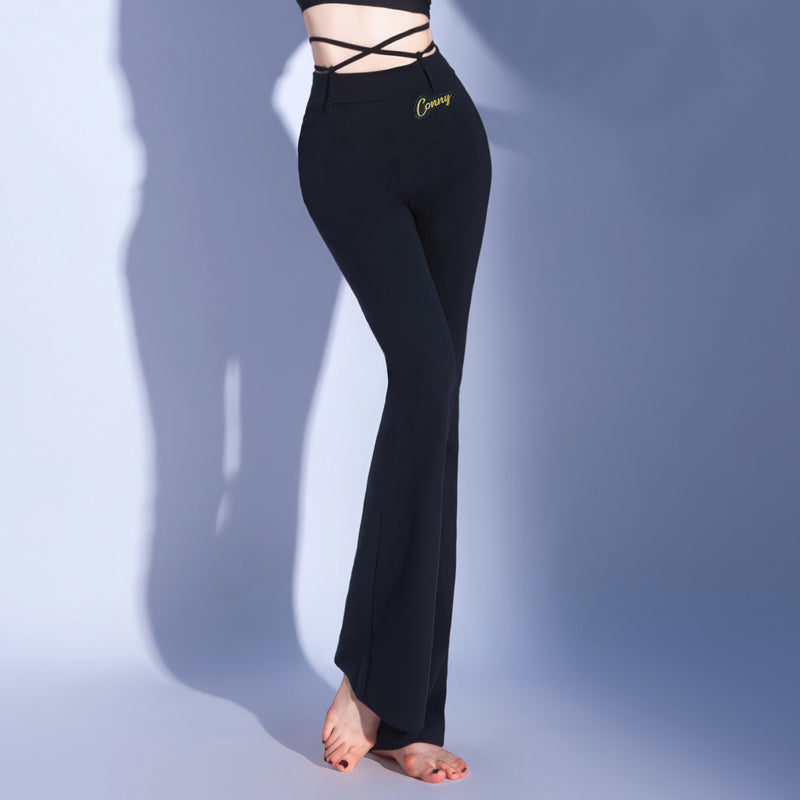
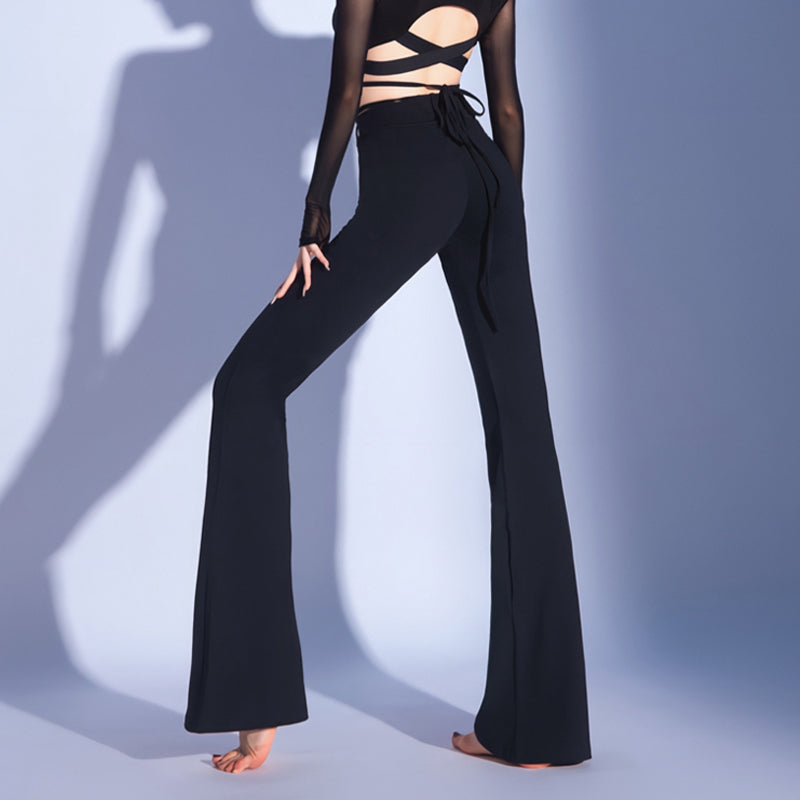
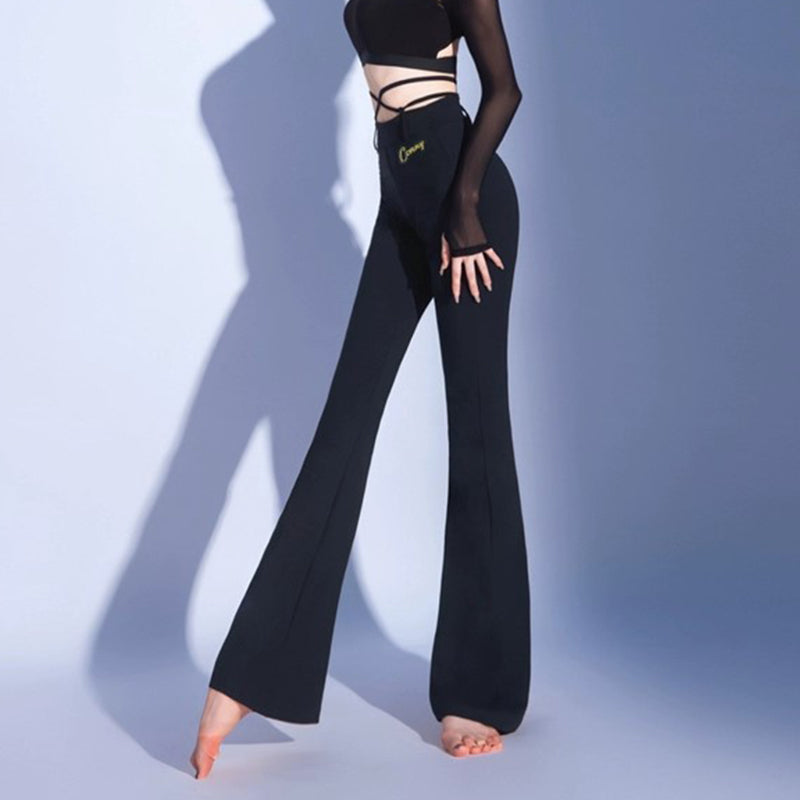
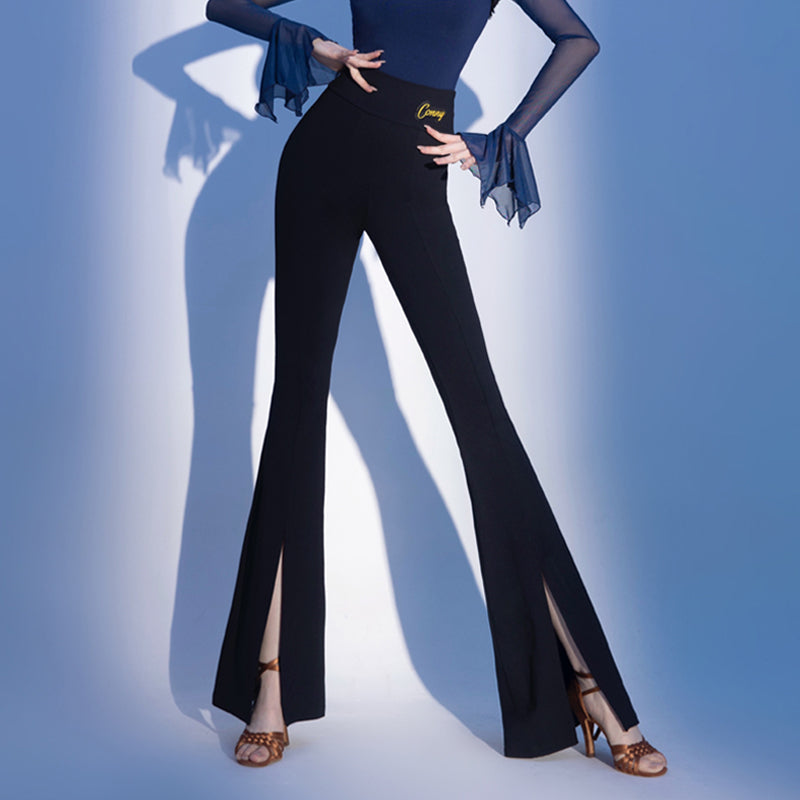
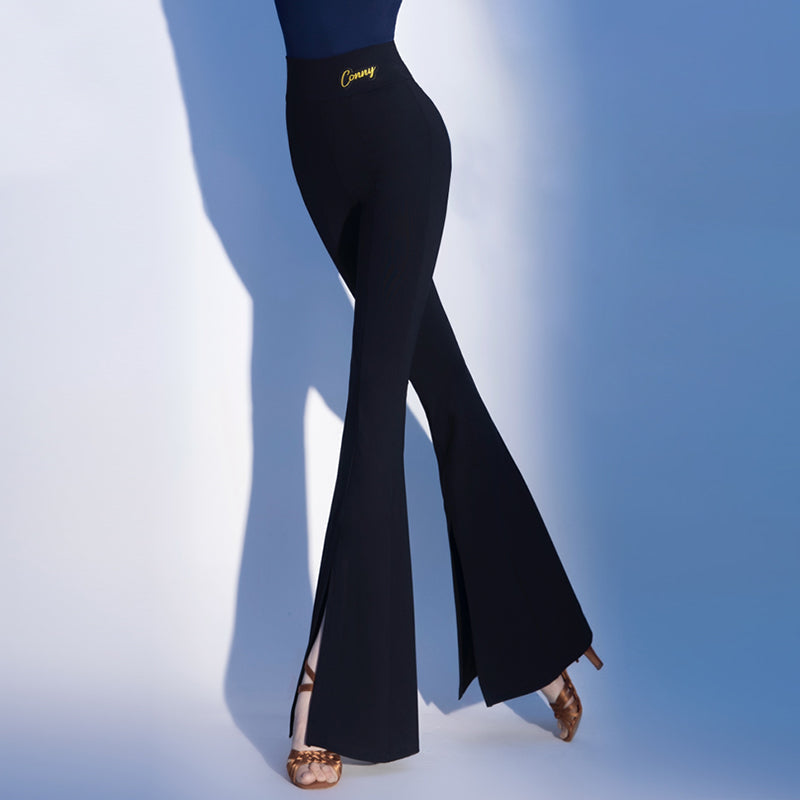
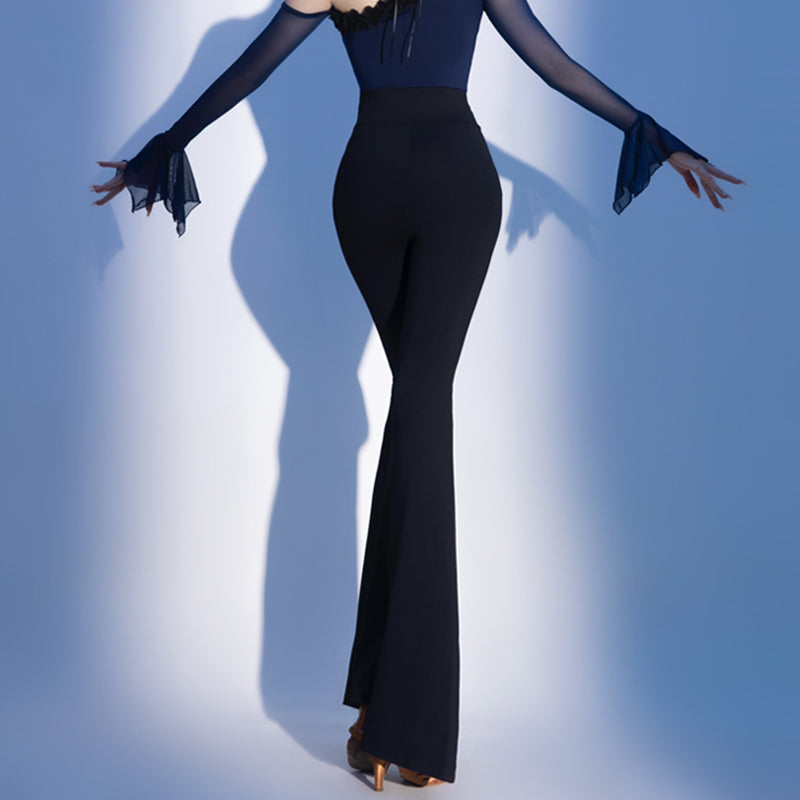
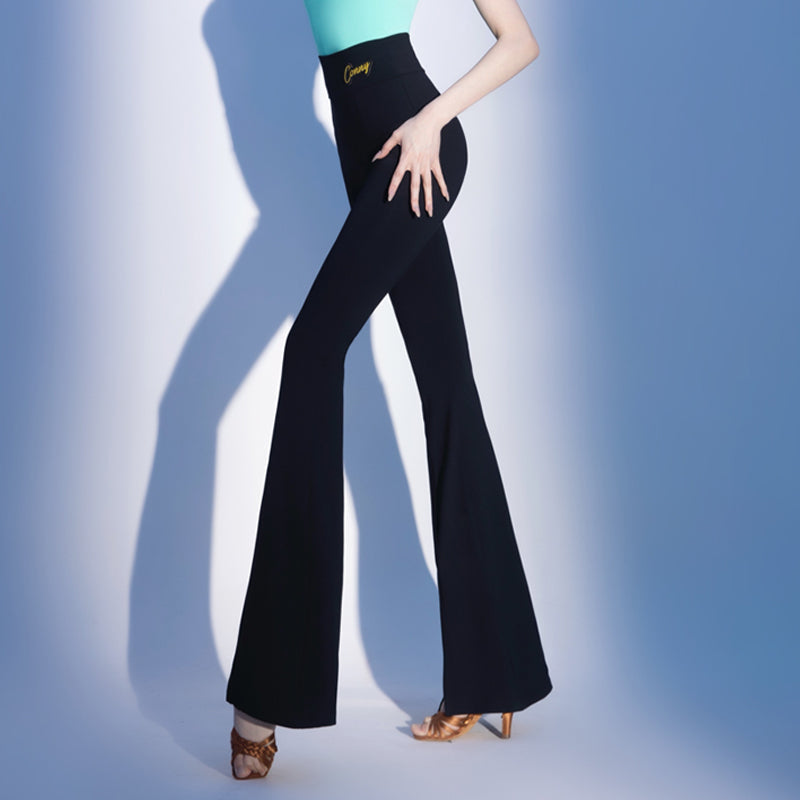
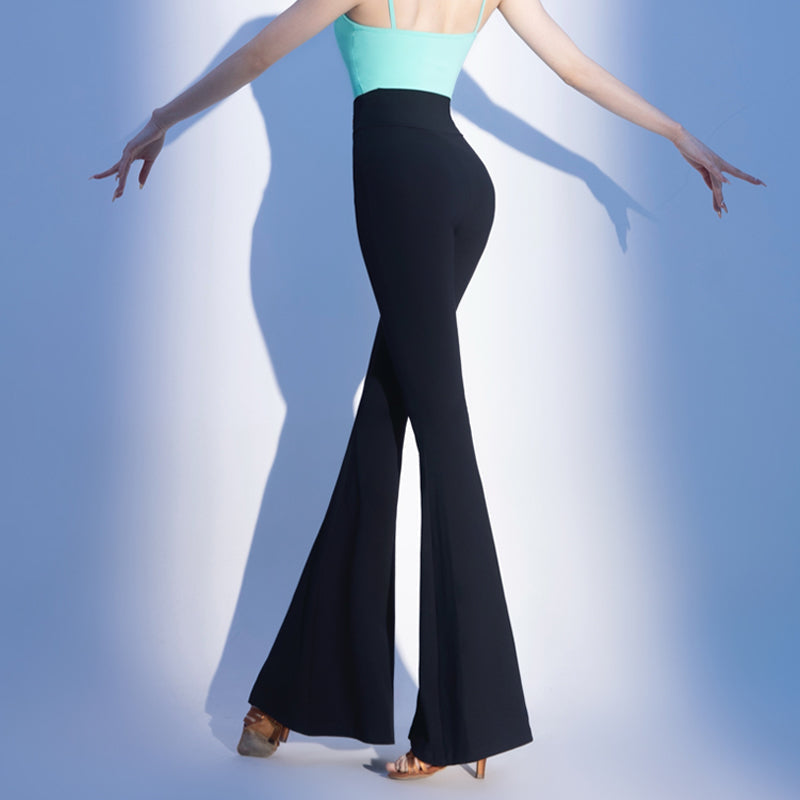
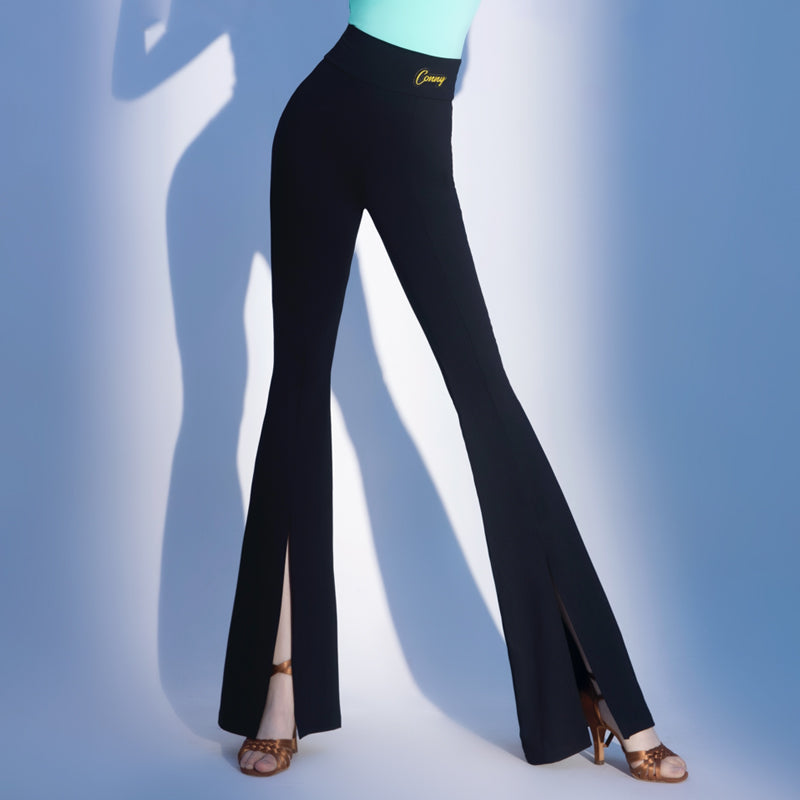
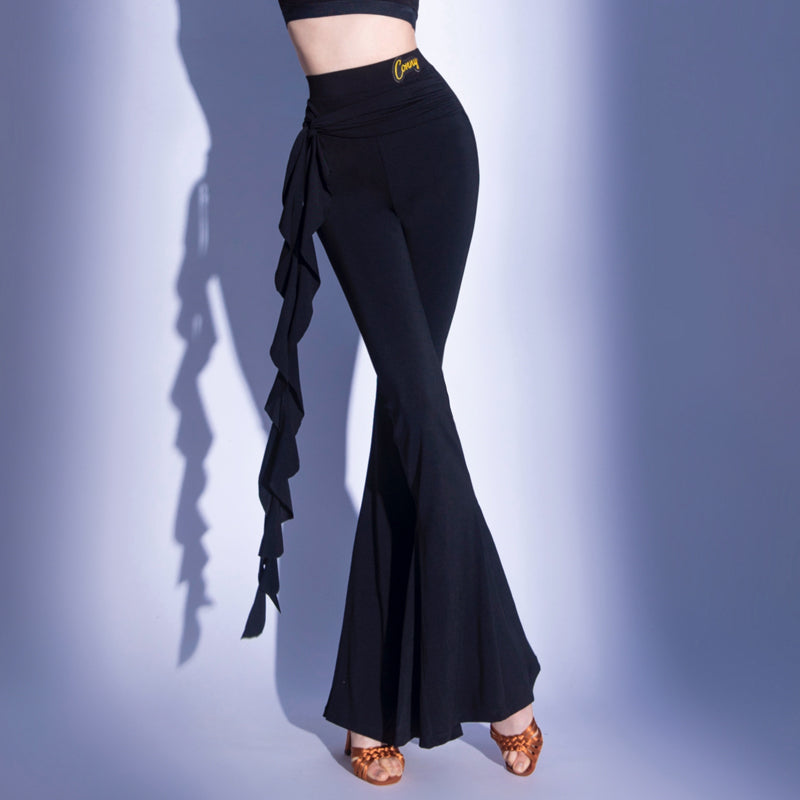
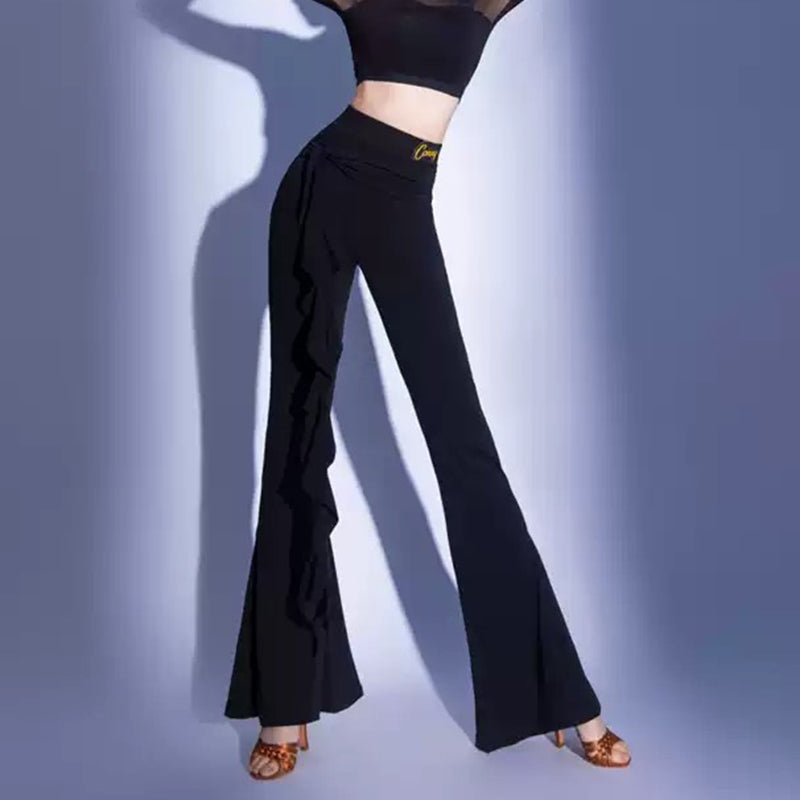
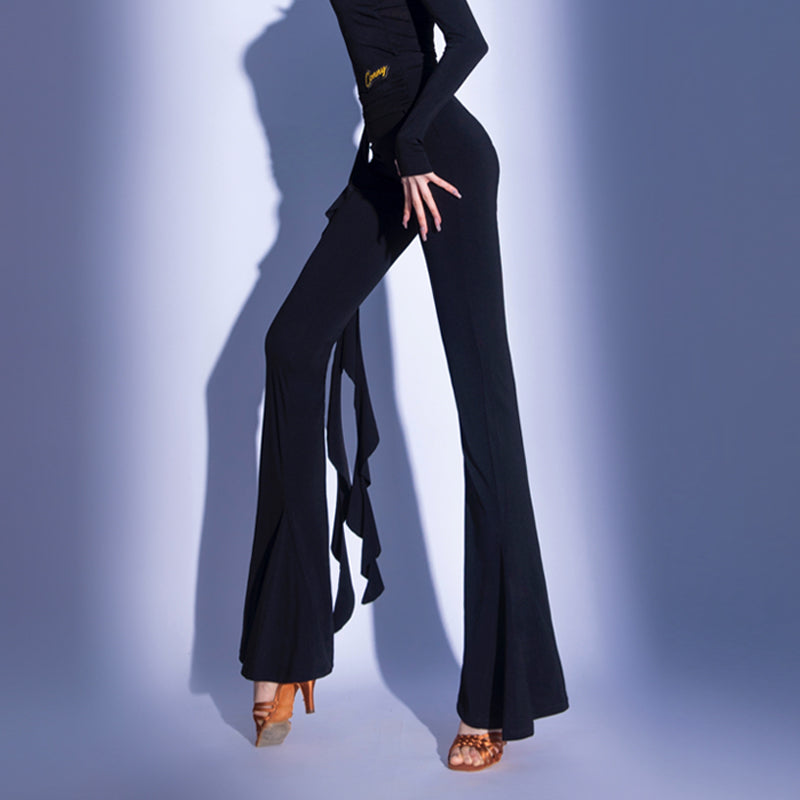
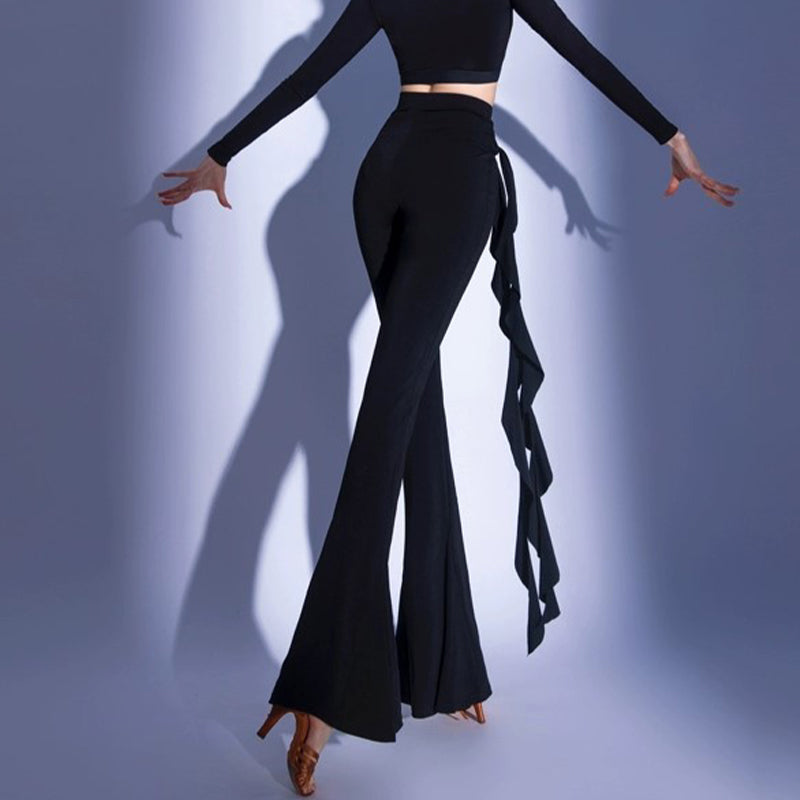
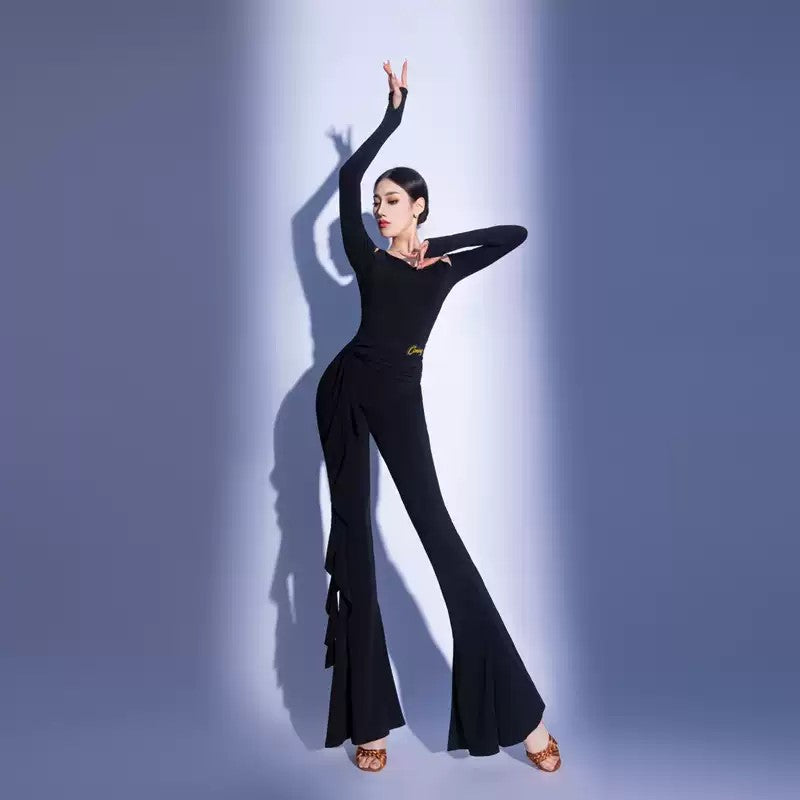
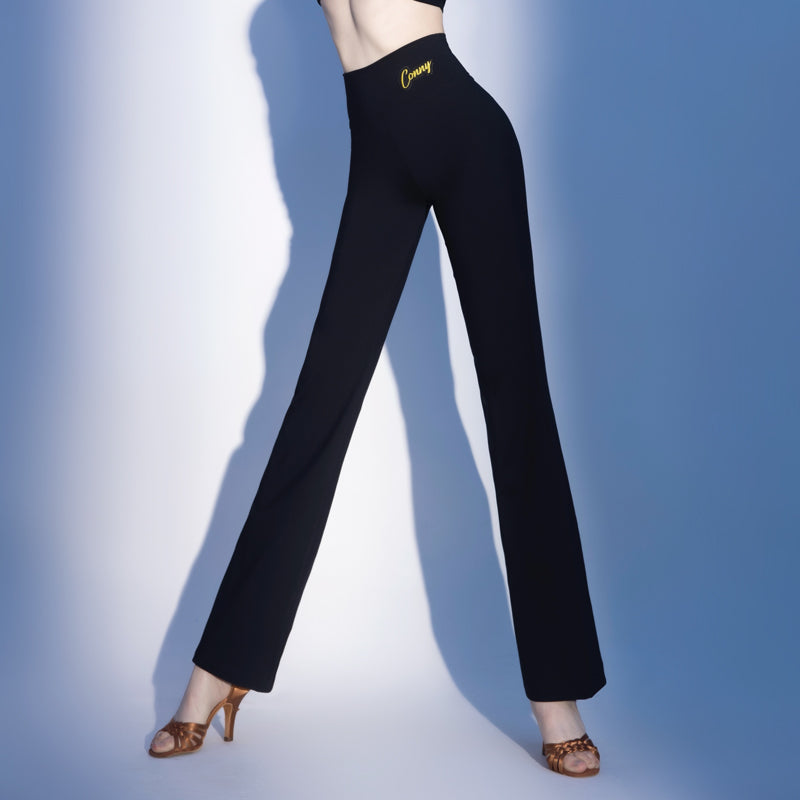
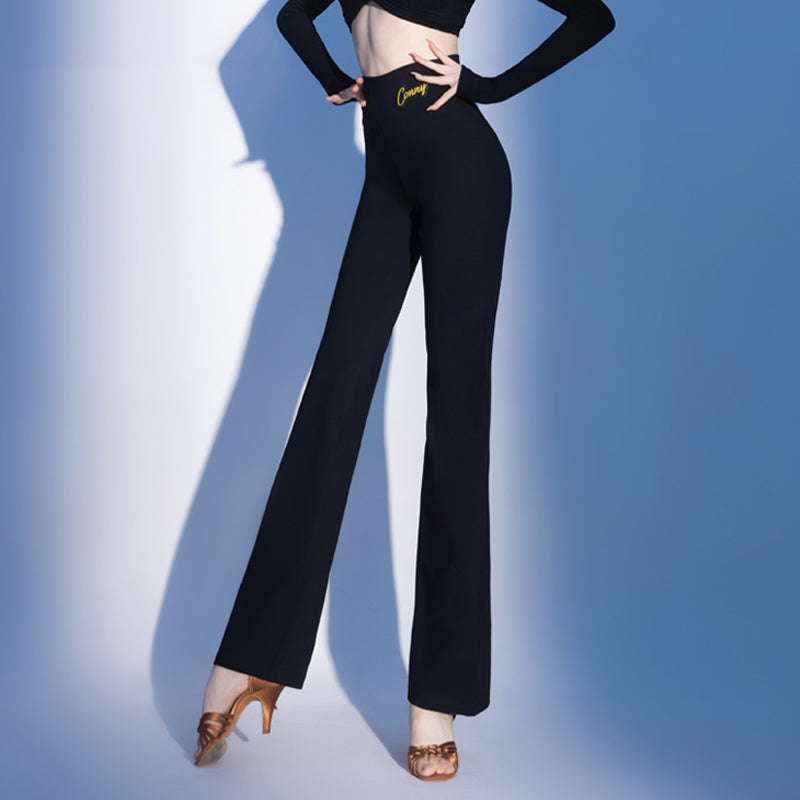
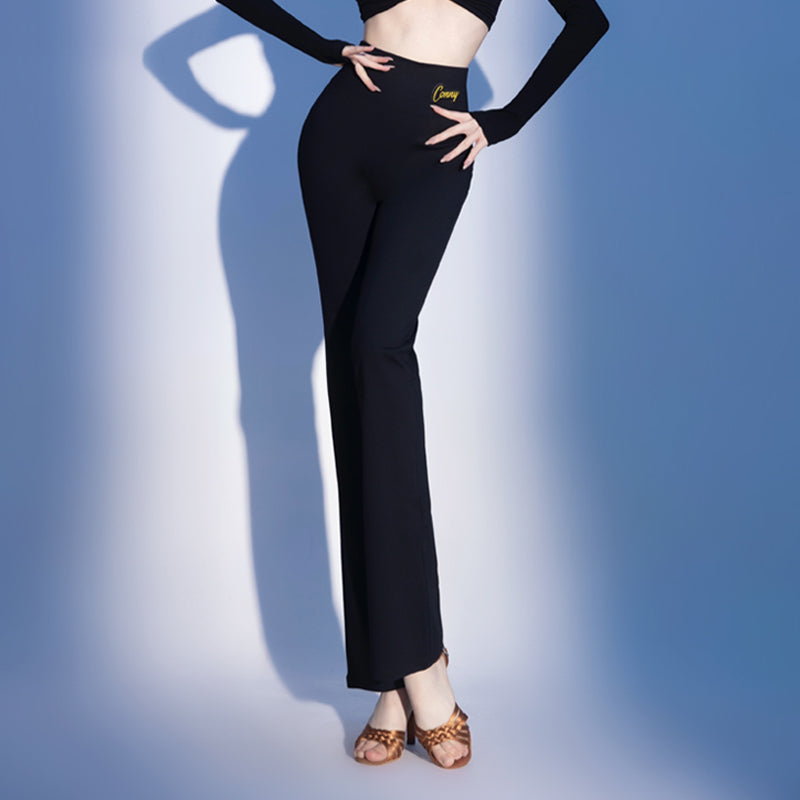
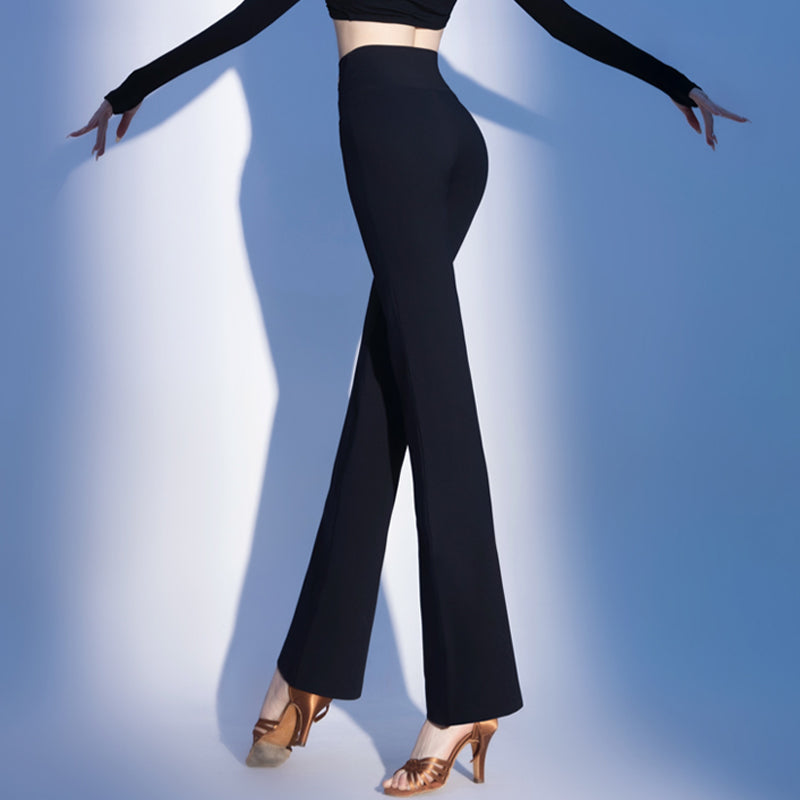
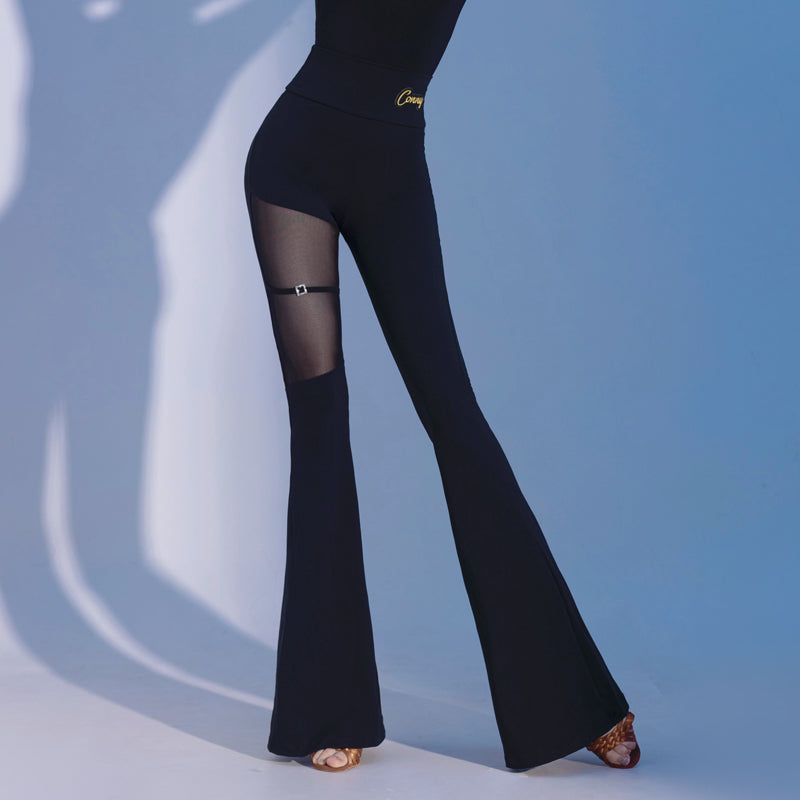
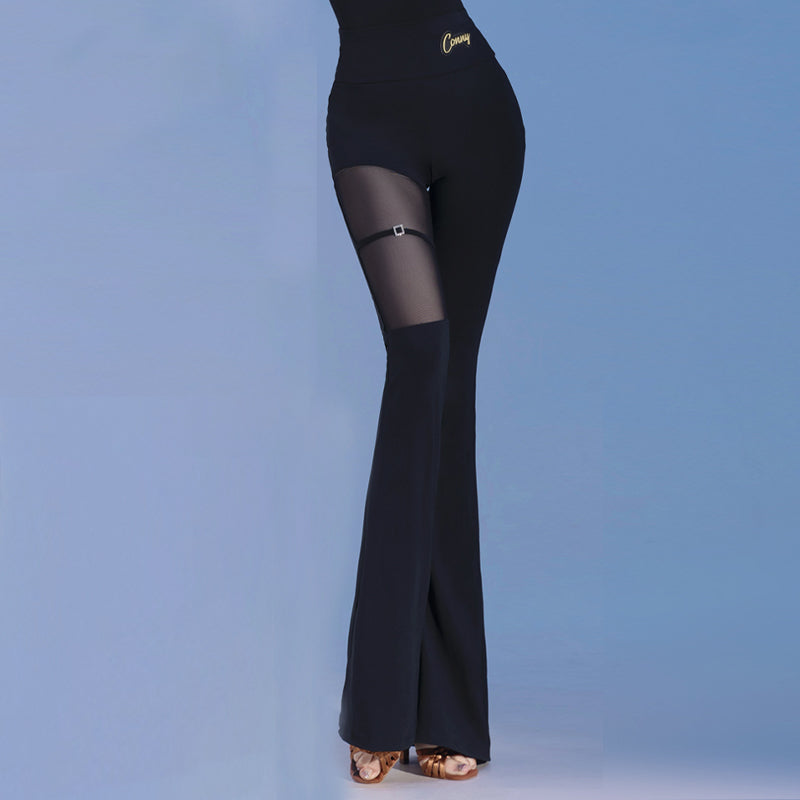
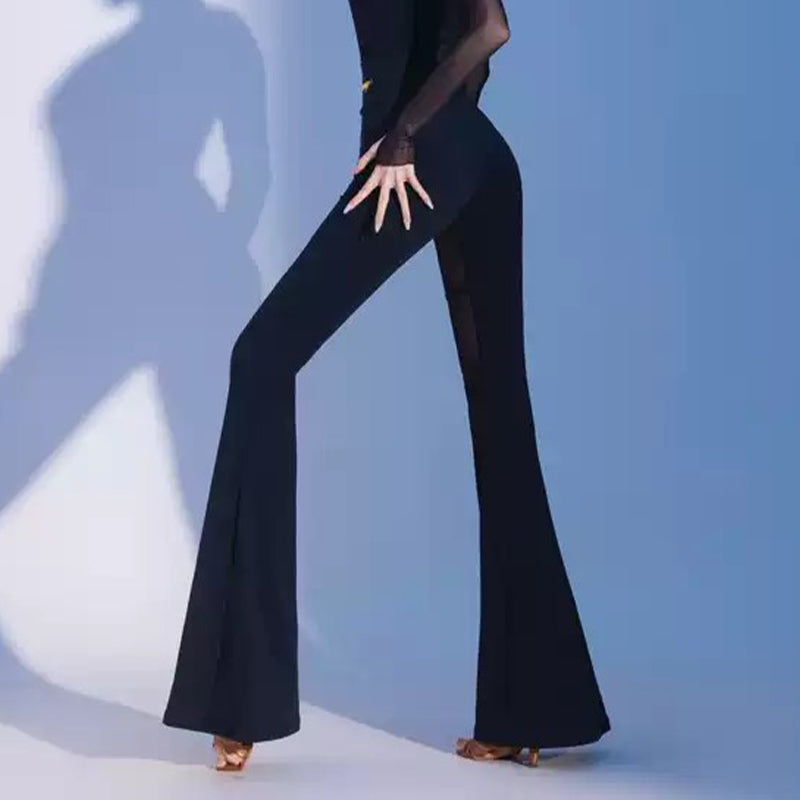
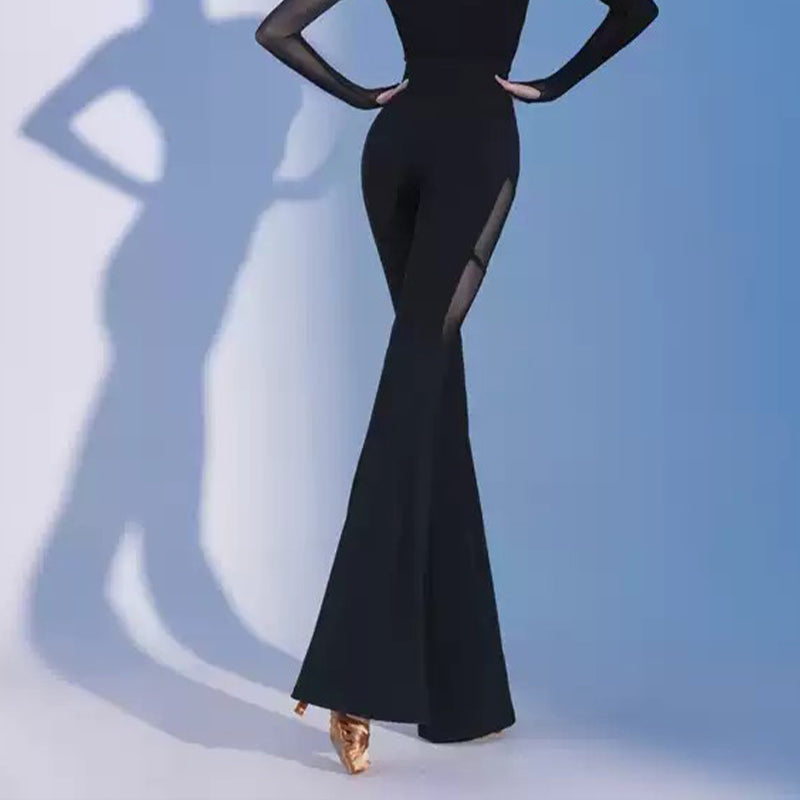
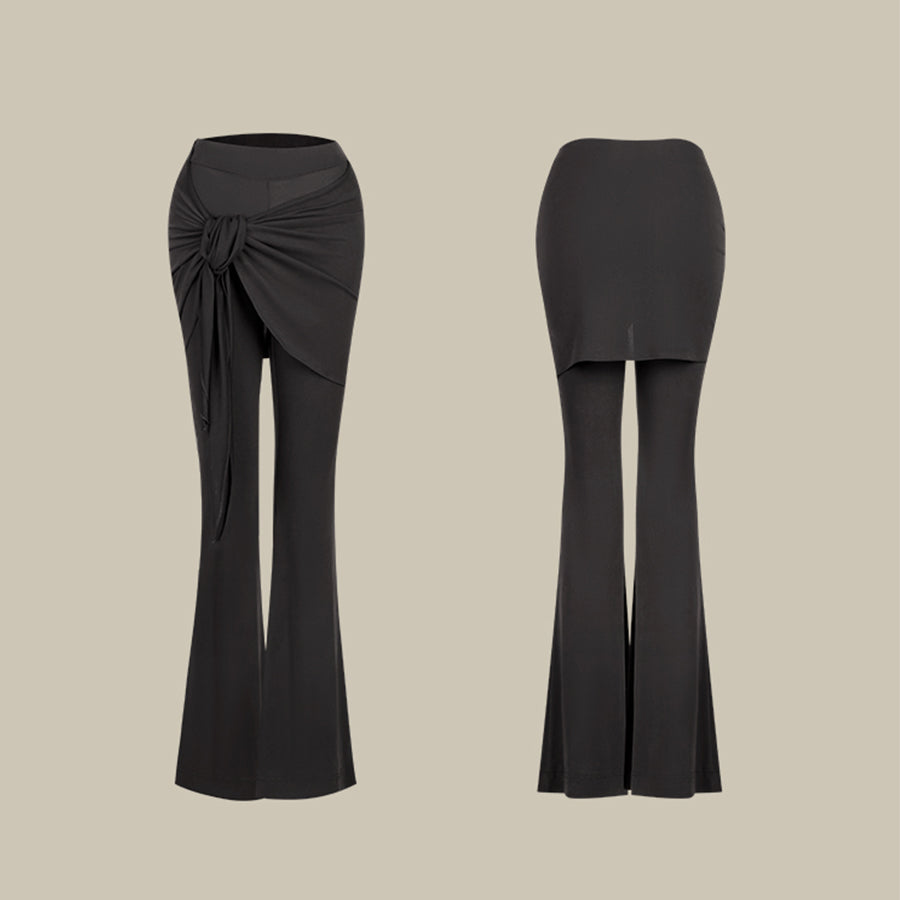
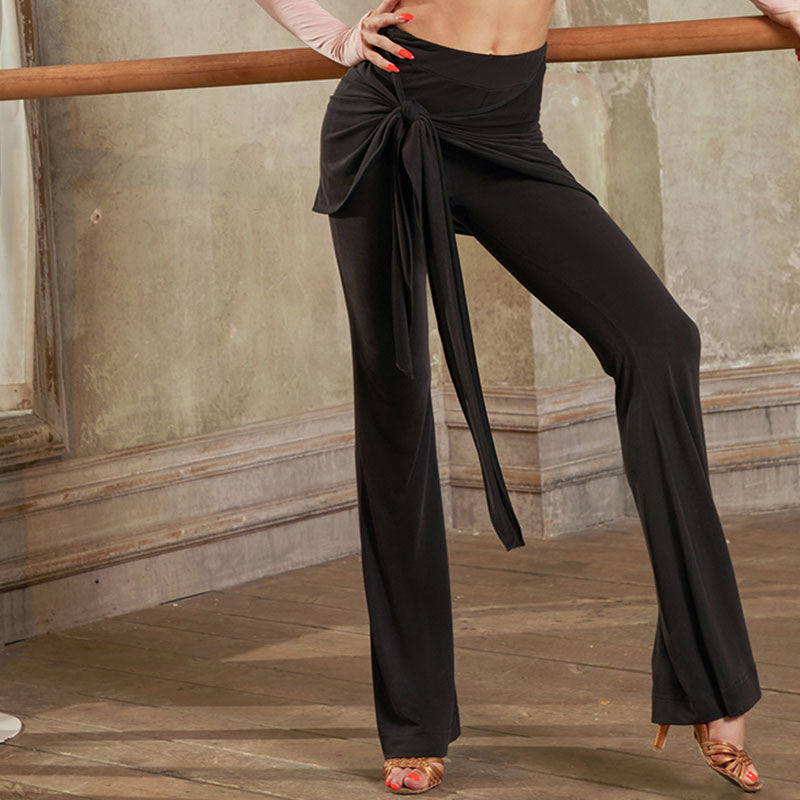
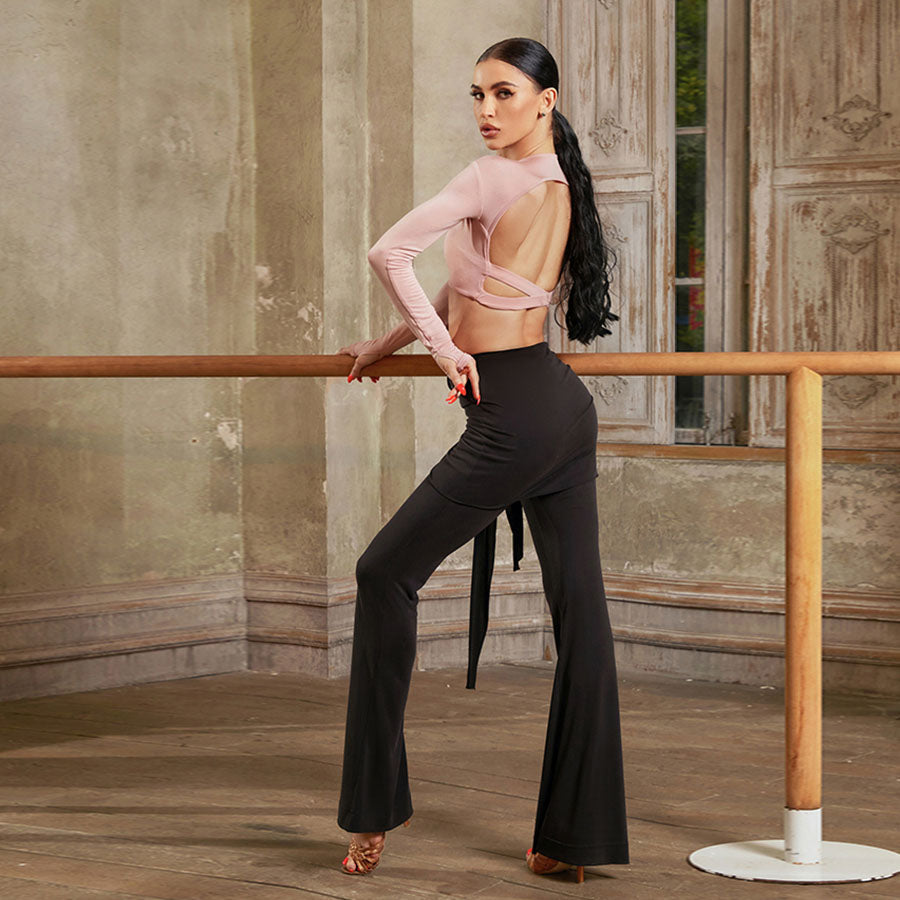
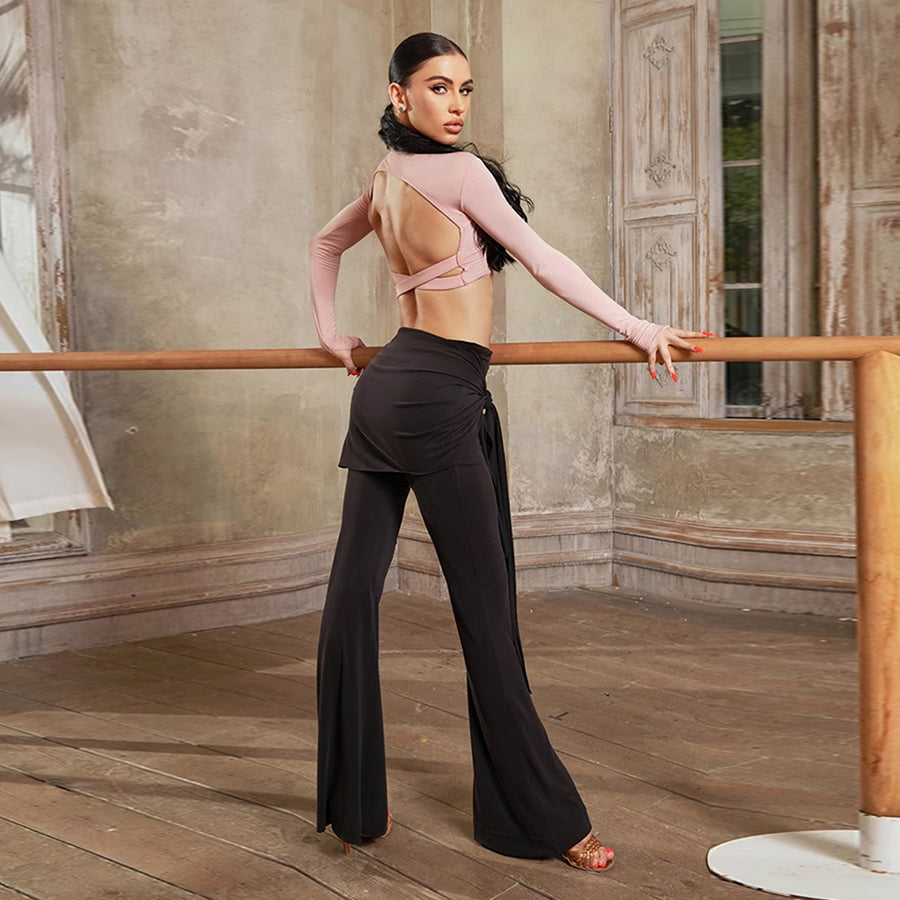
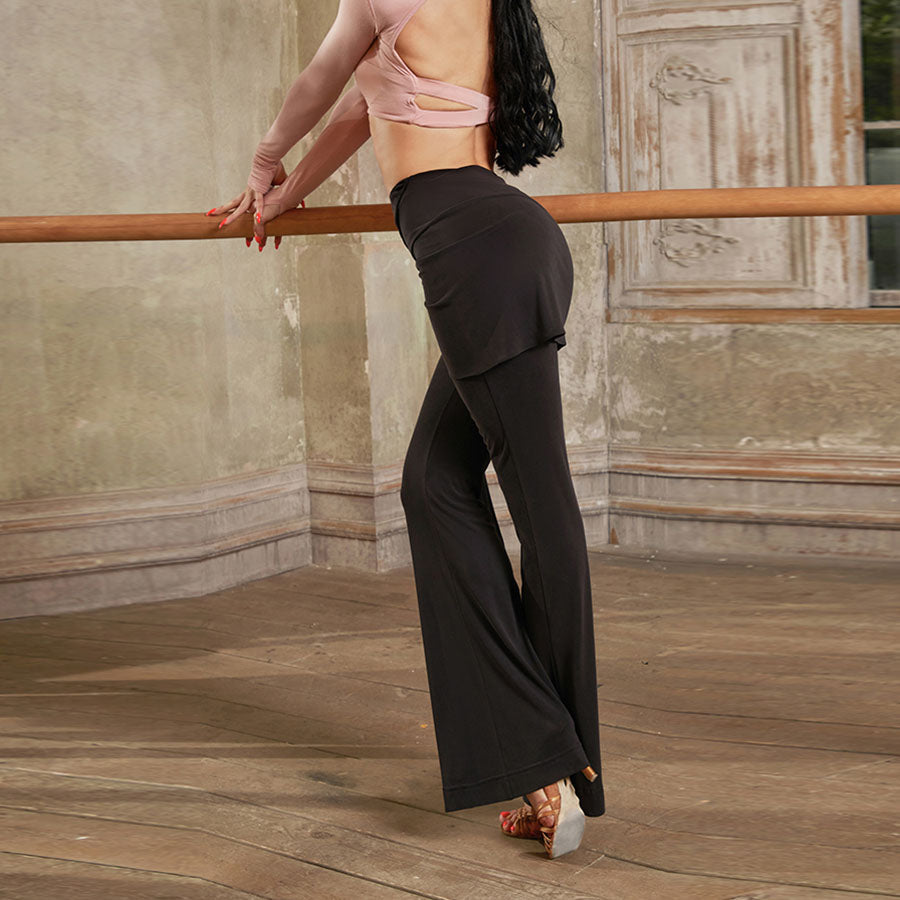
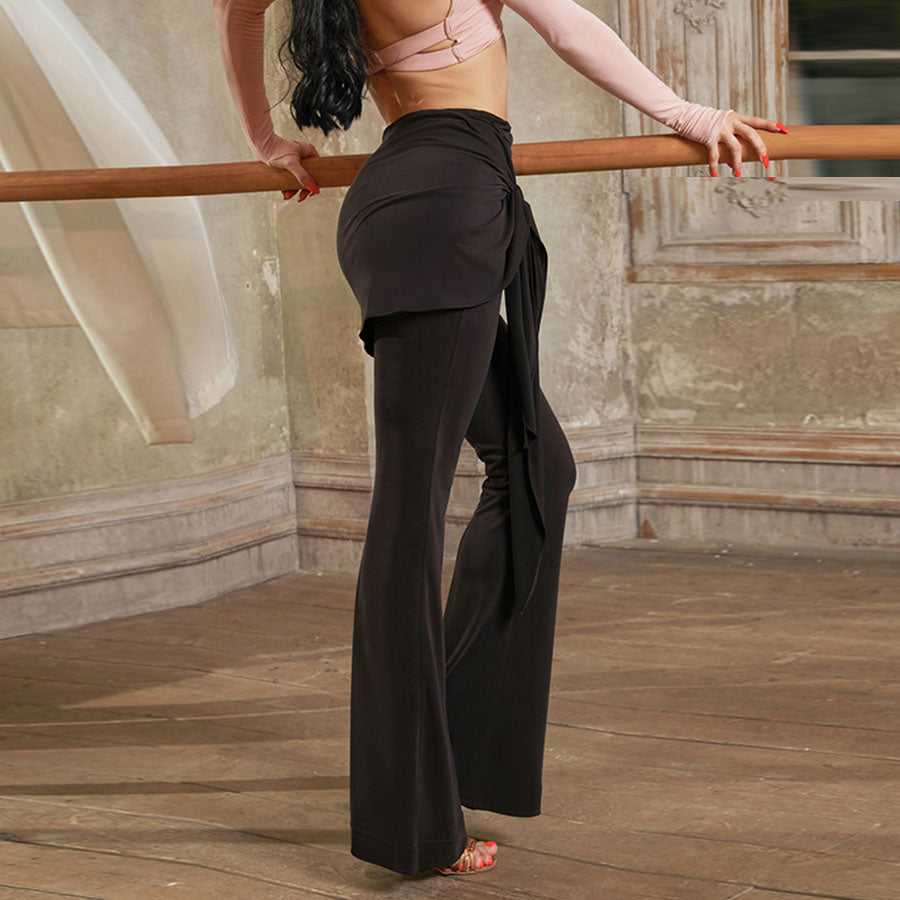
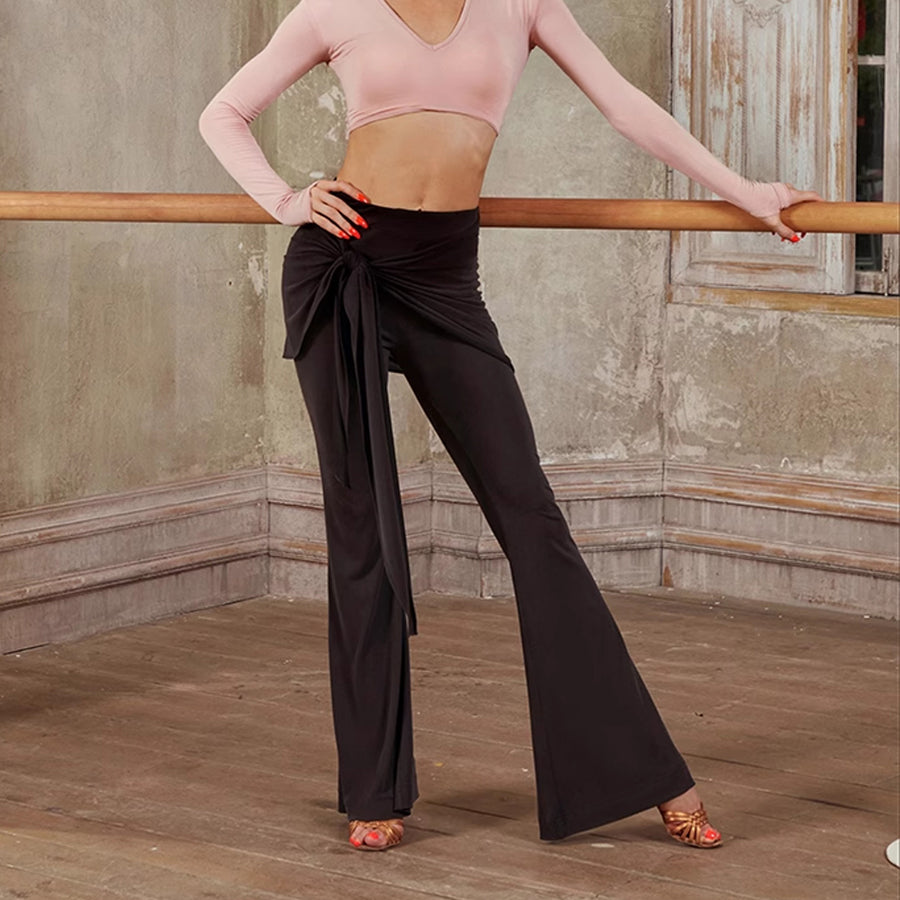
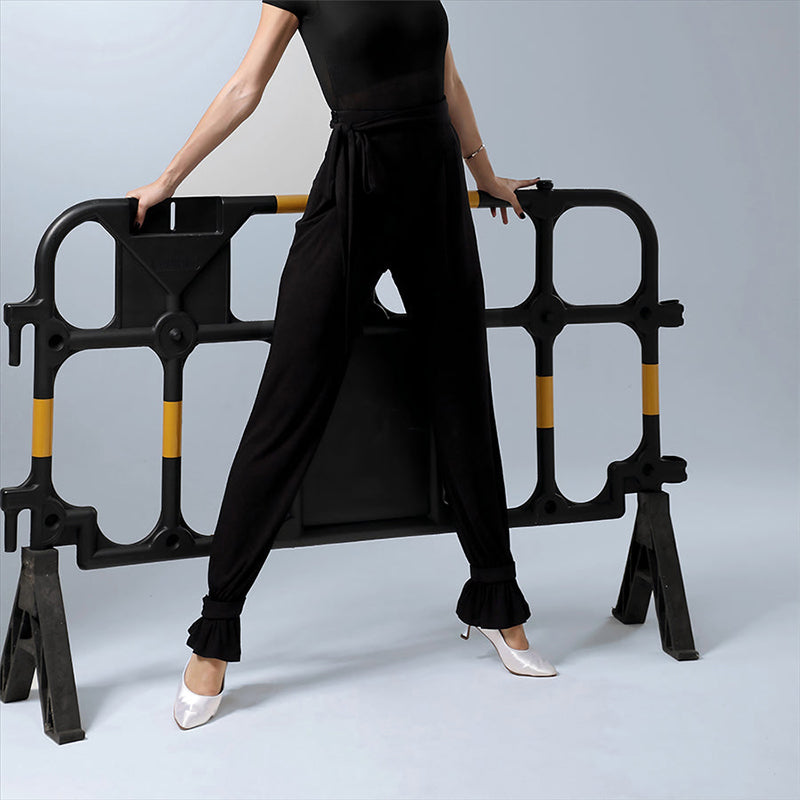
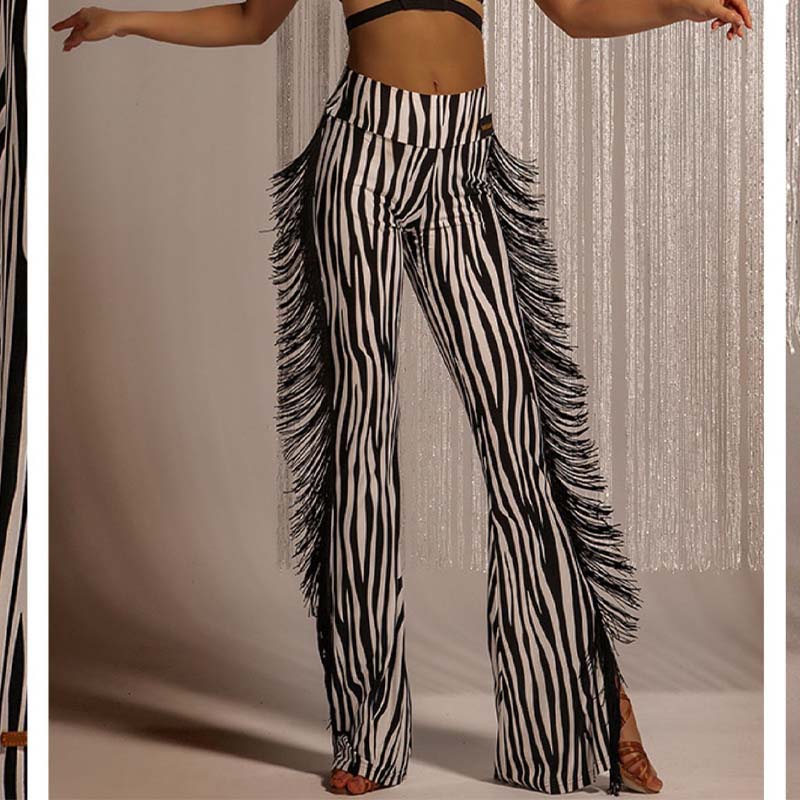
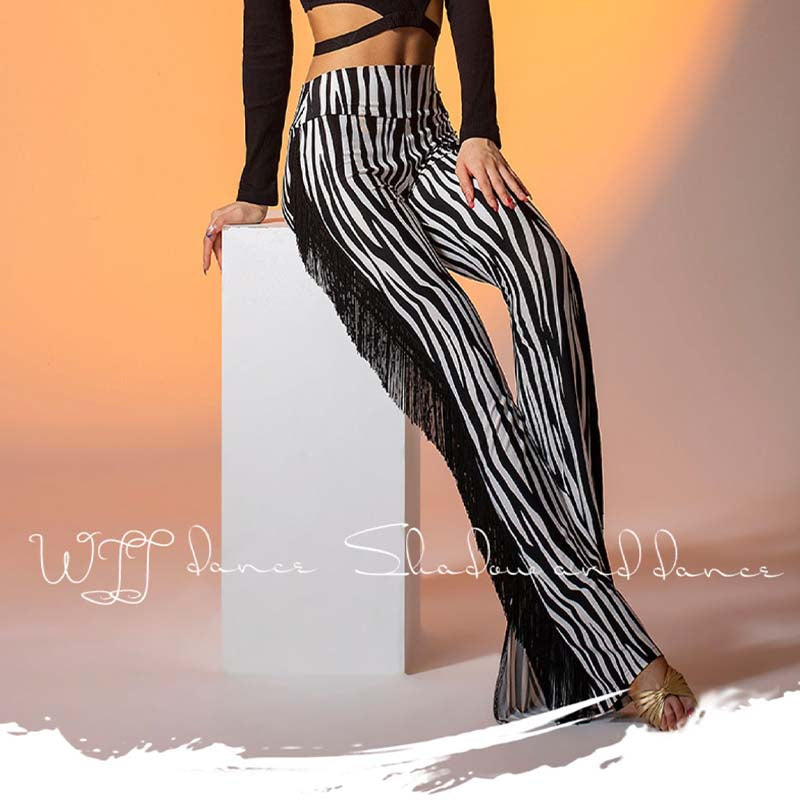
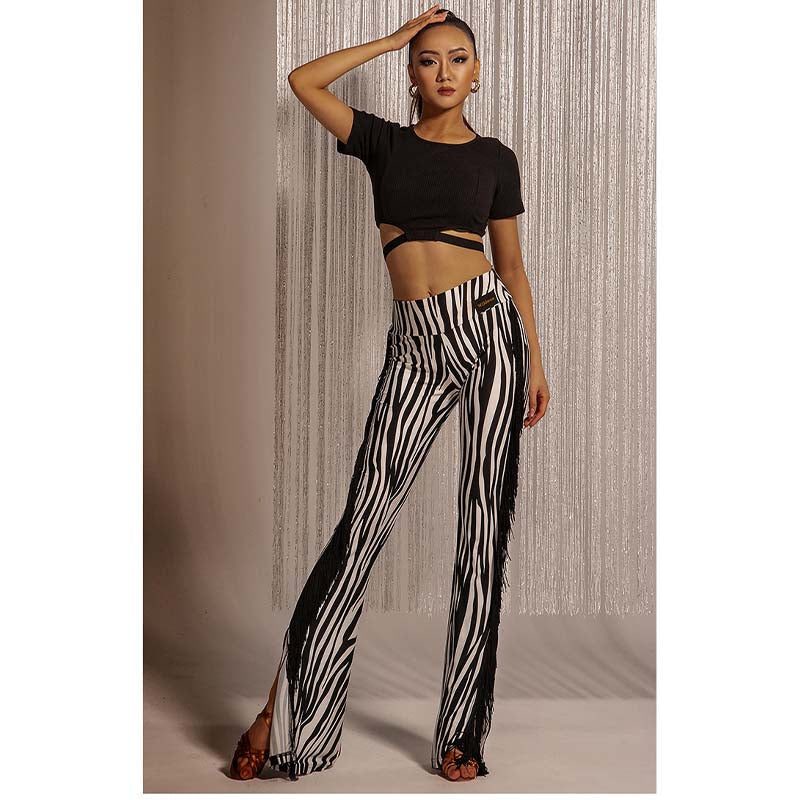
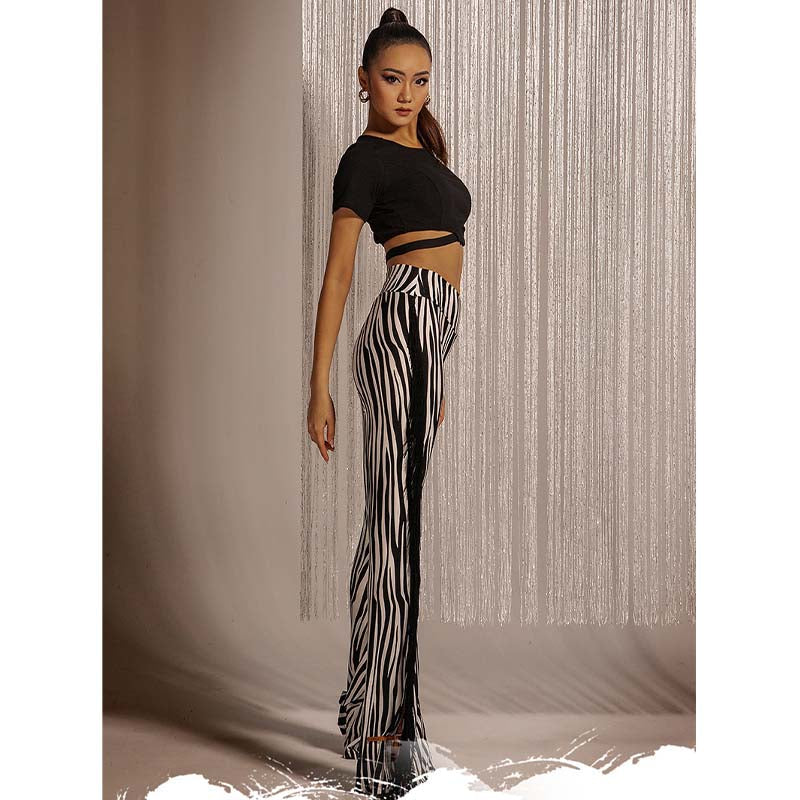
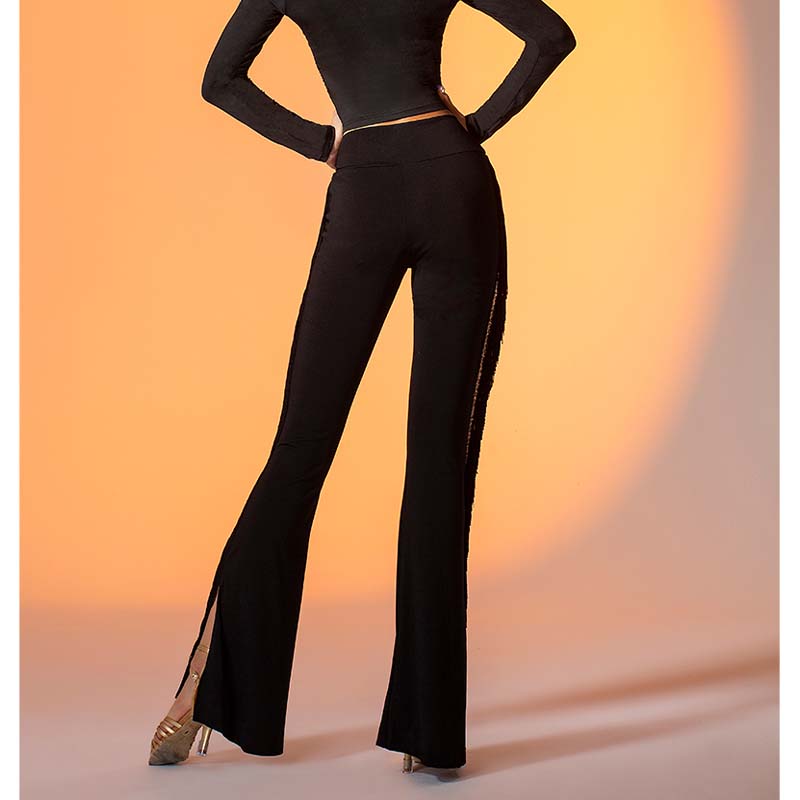
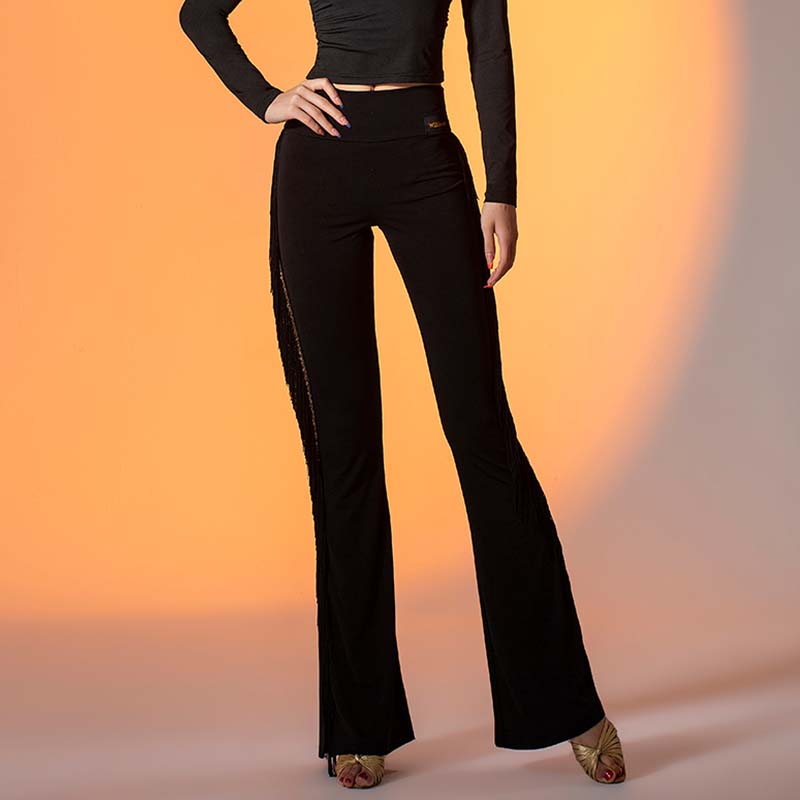
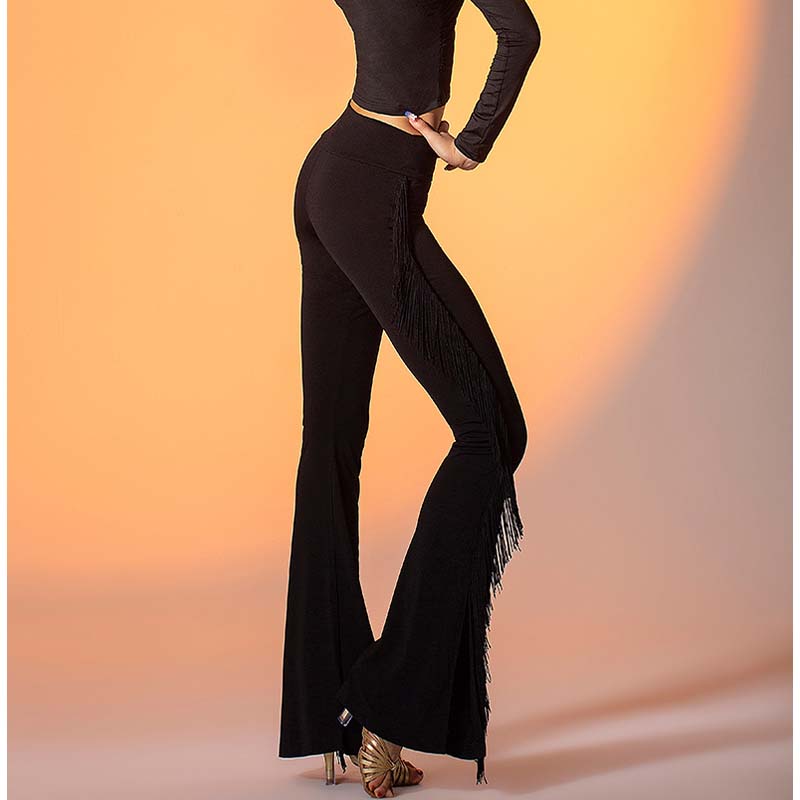
Wide-leg and palazzo cuts give the most movement. The fabric travels after the leg does, which shows travelling figures beautifully and hides the exact position of the knee — flattering, and slightly less useful when you are working on technique. Bell-bottom and flared cuts do the same thing from the knee down while staying close through the thigh, which keeps the hip readable.
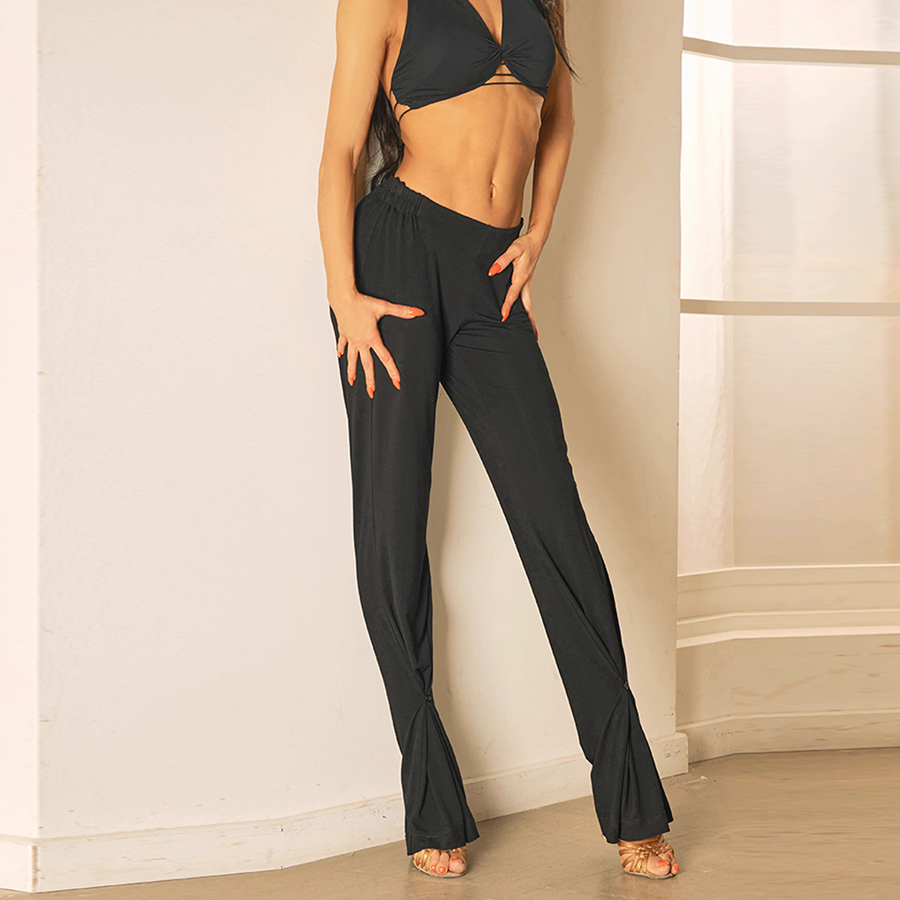
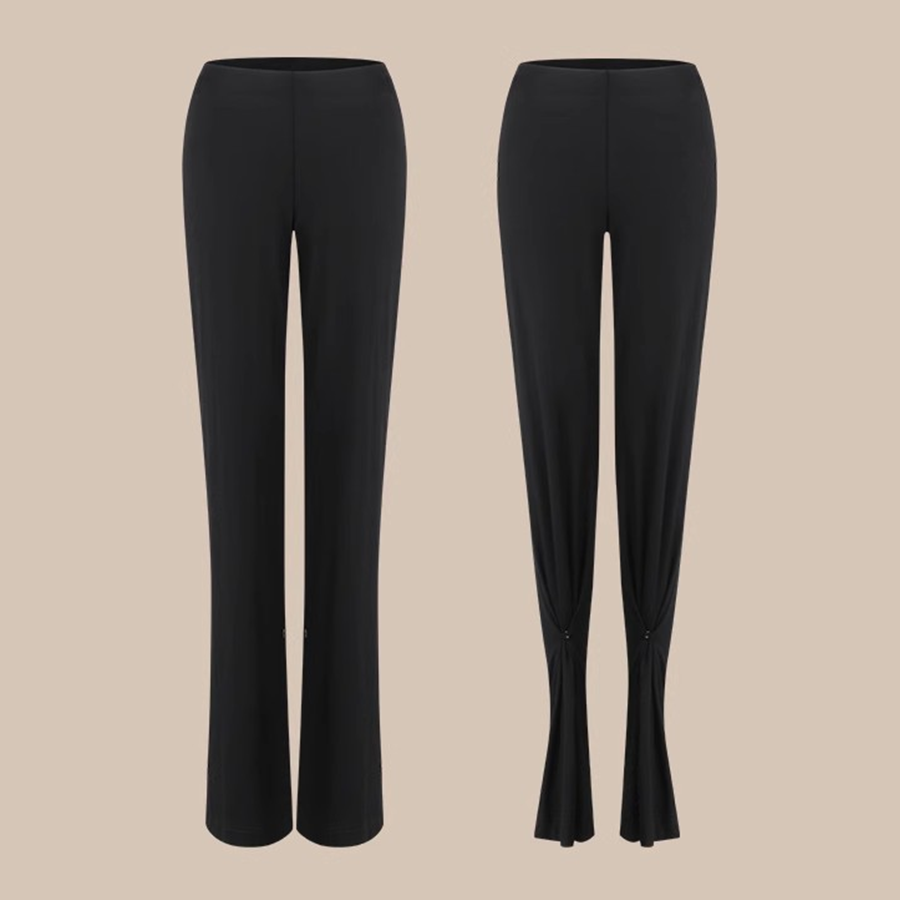
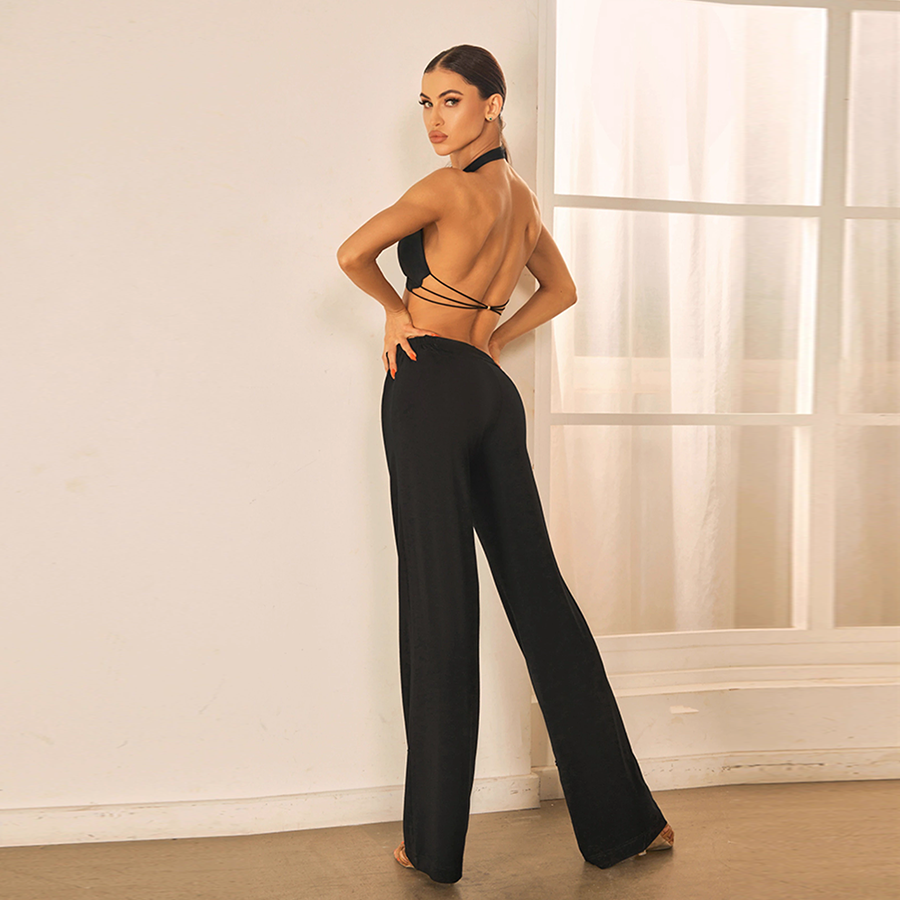
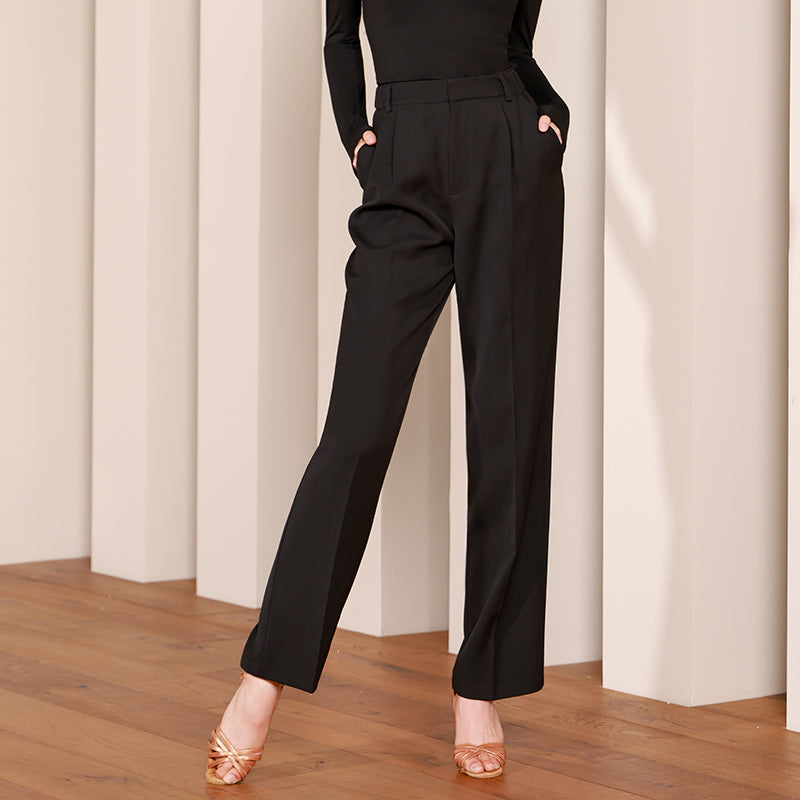
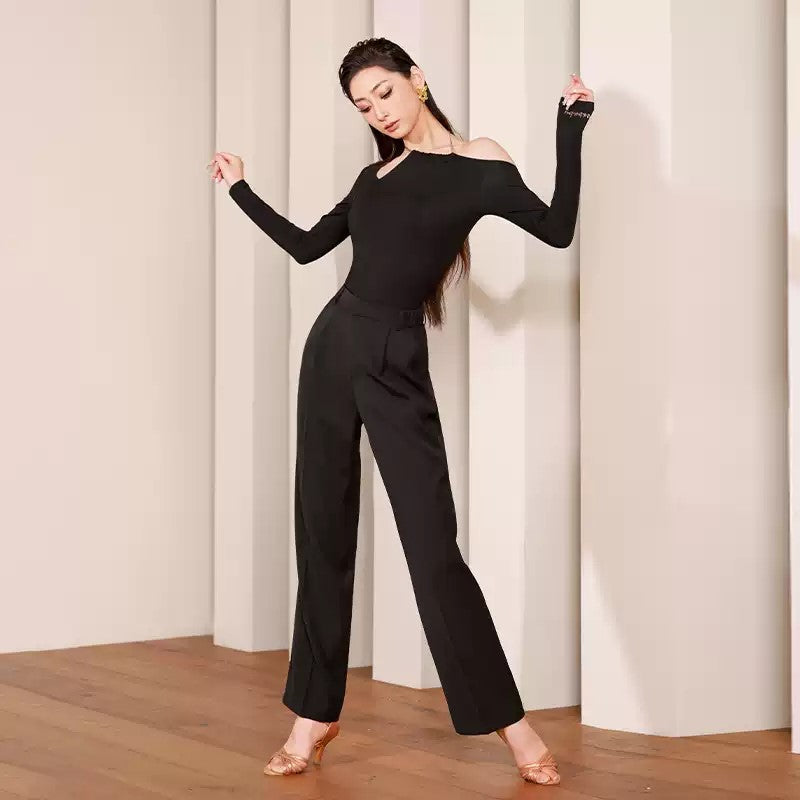
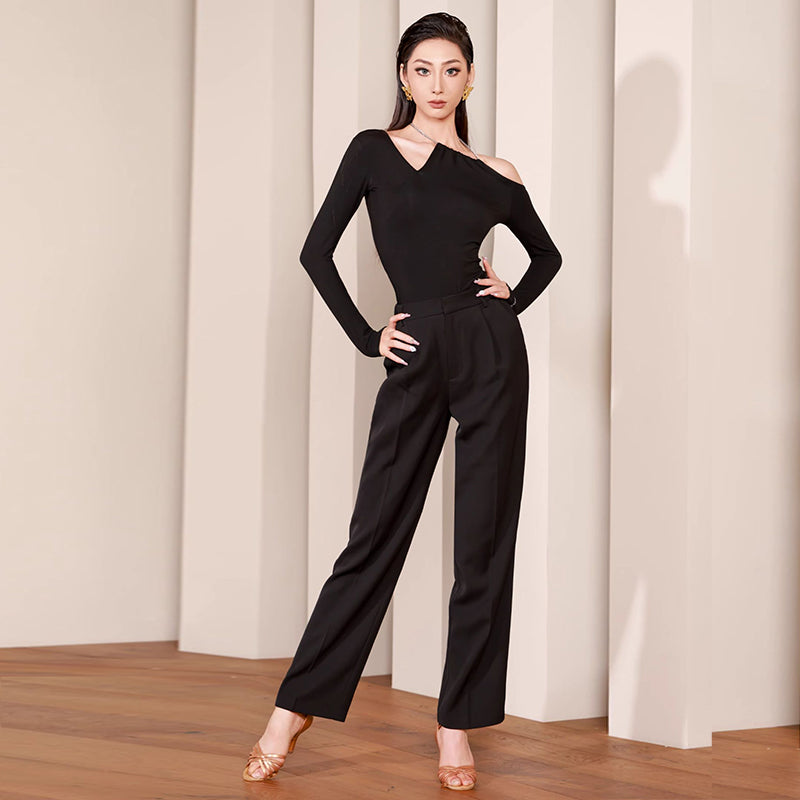
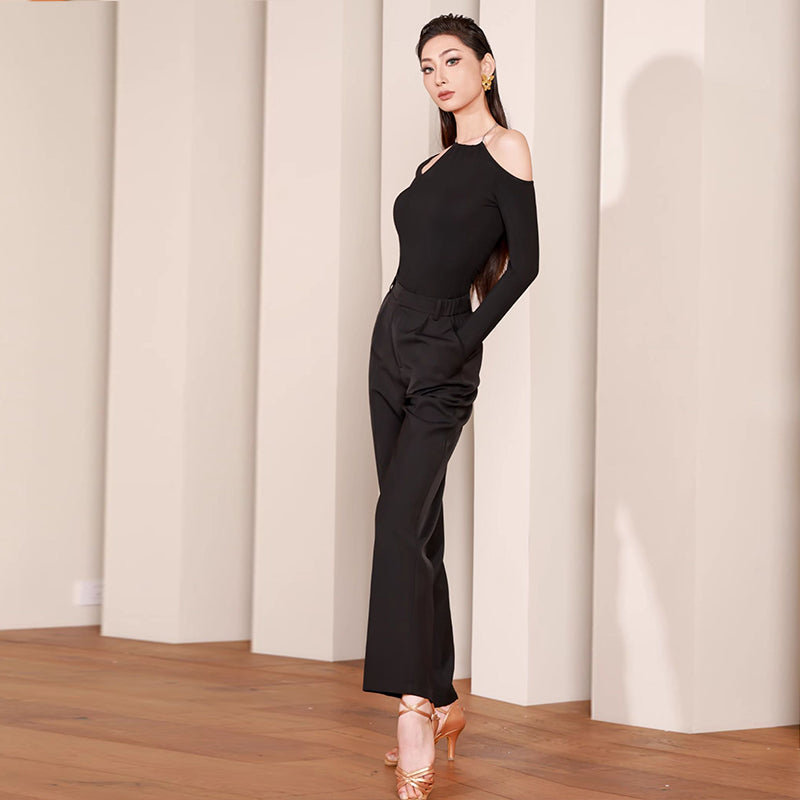
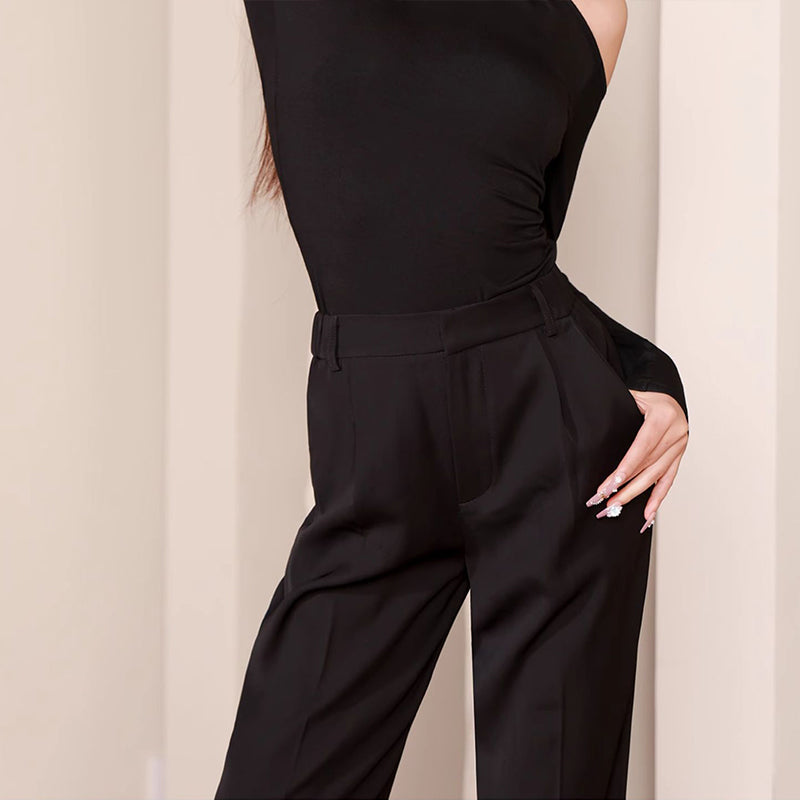
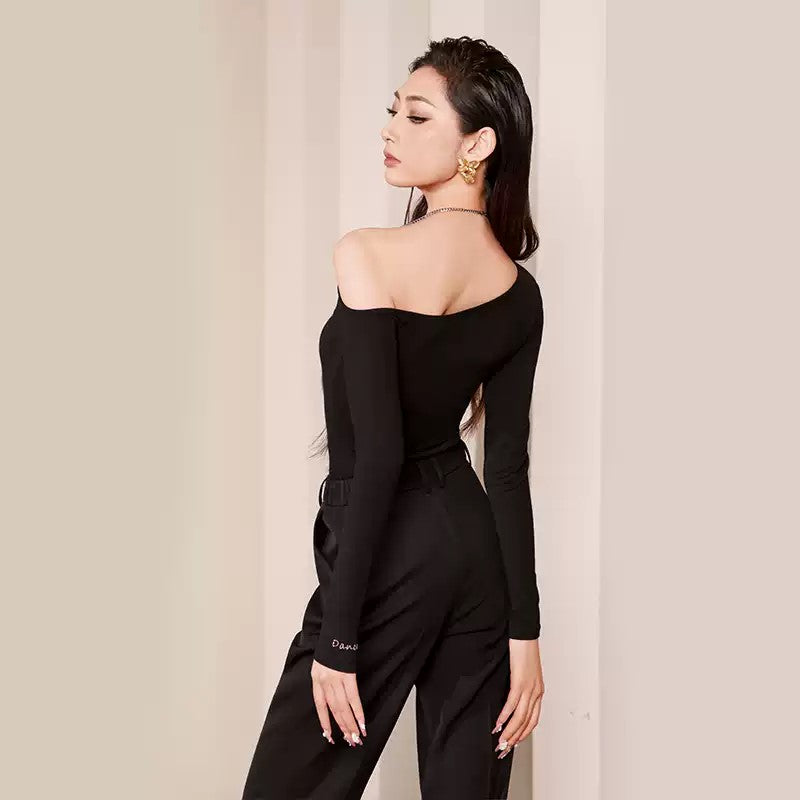
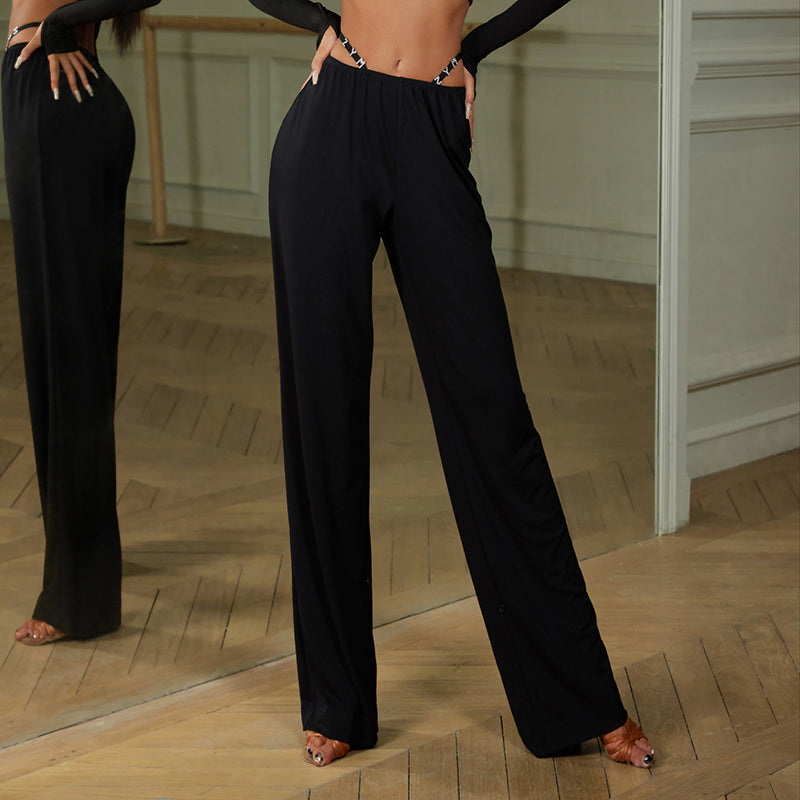
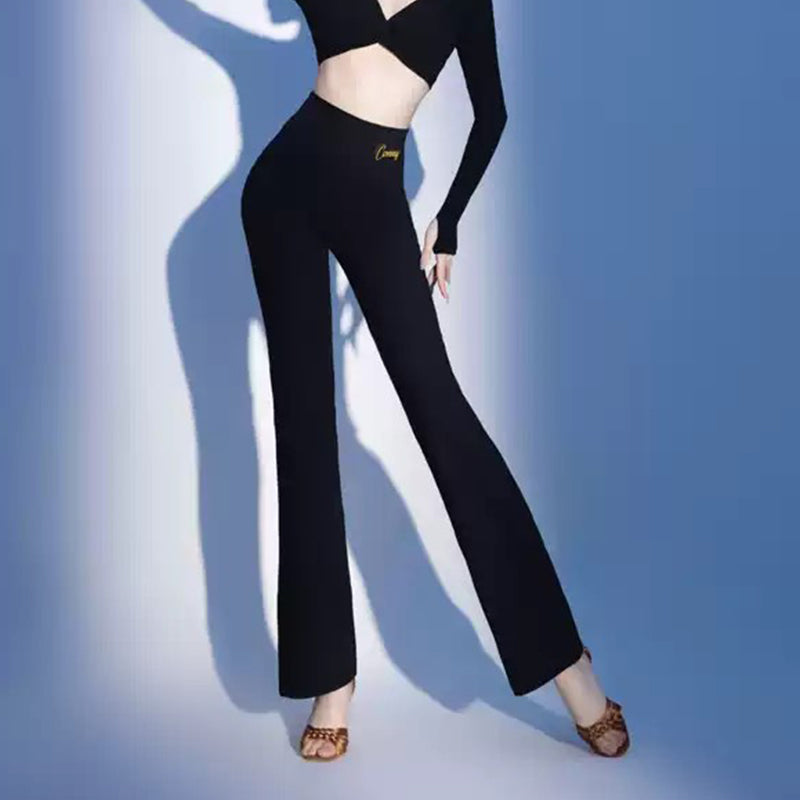
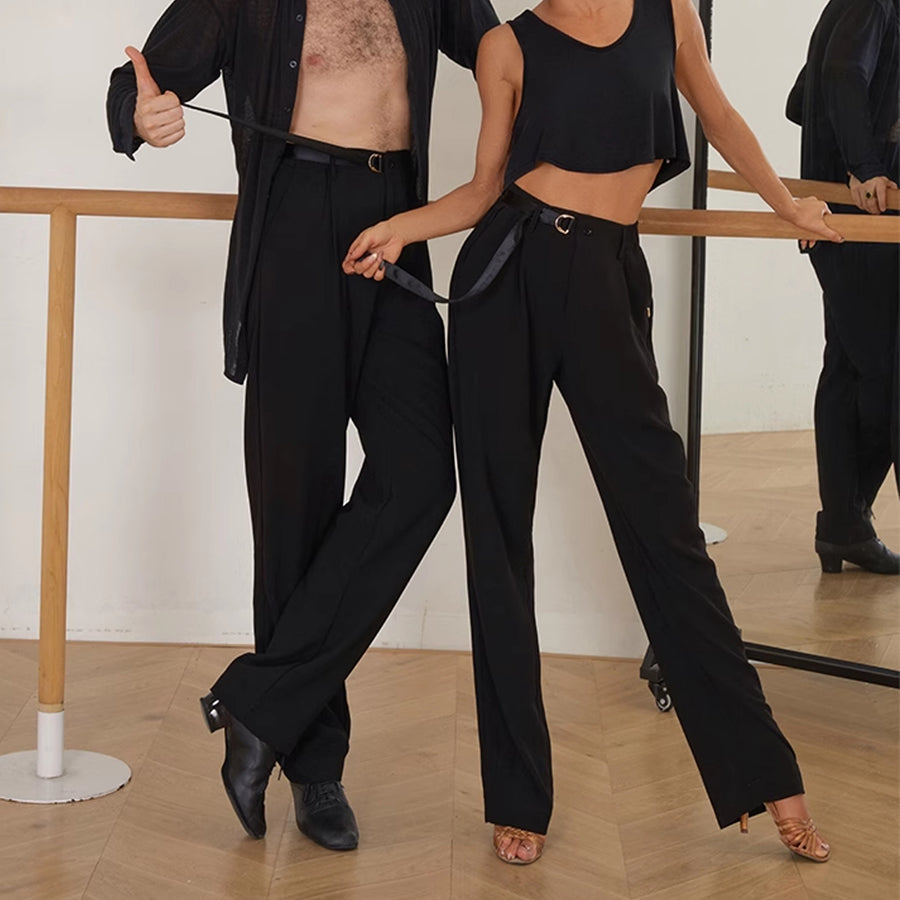
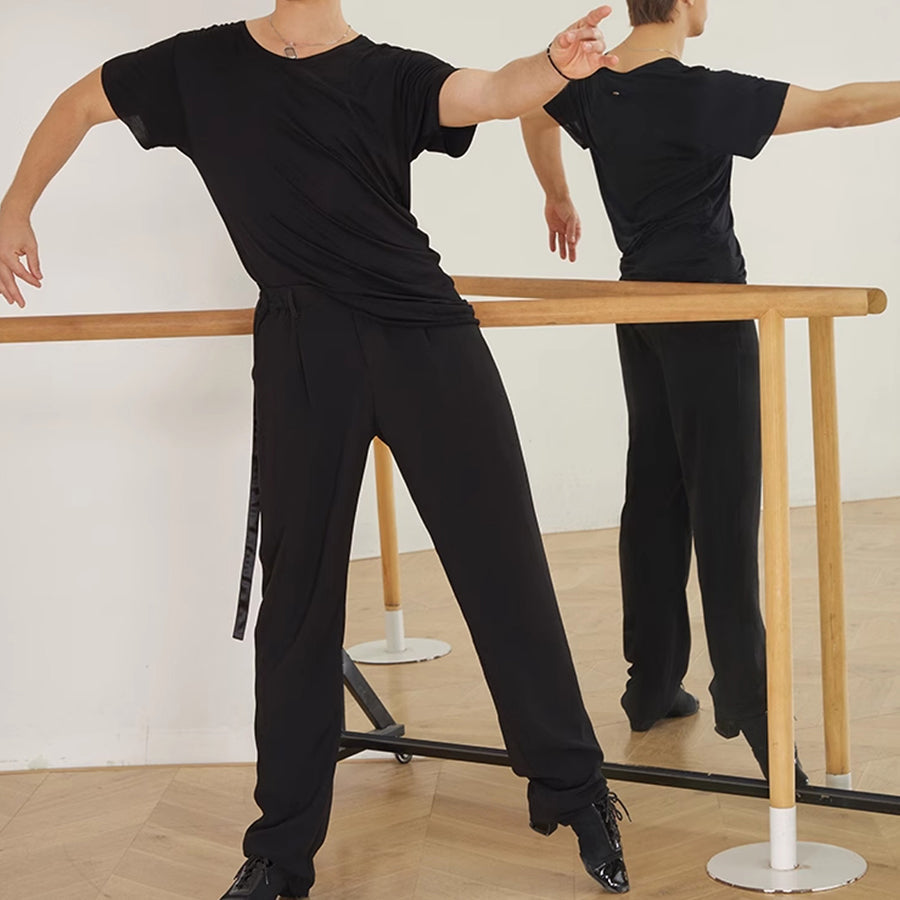
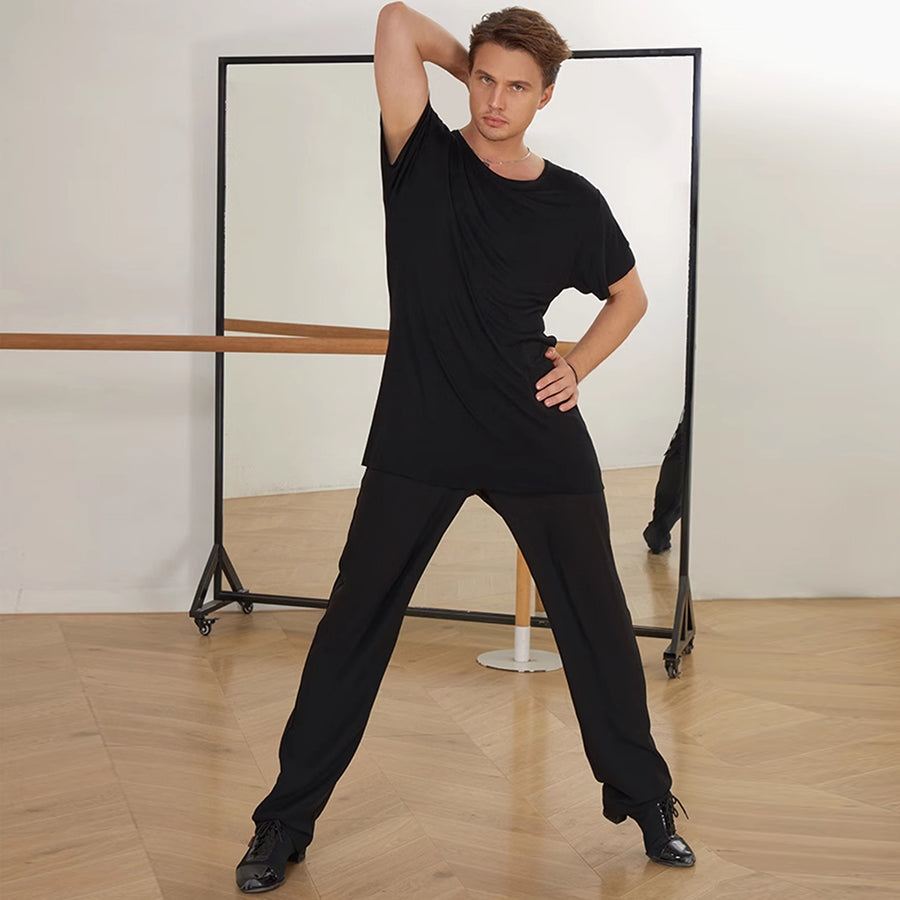
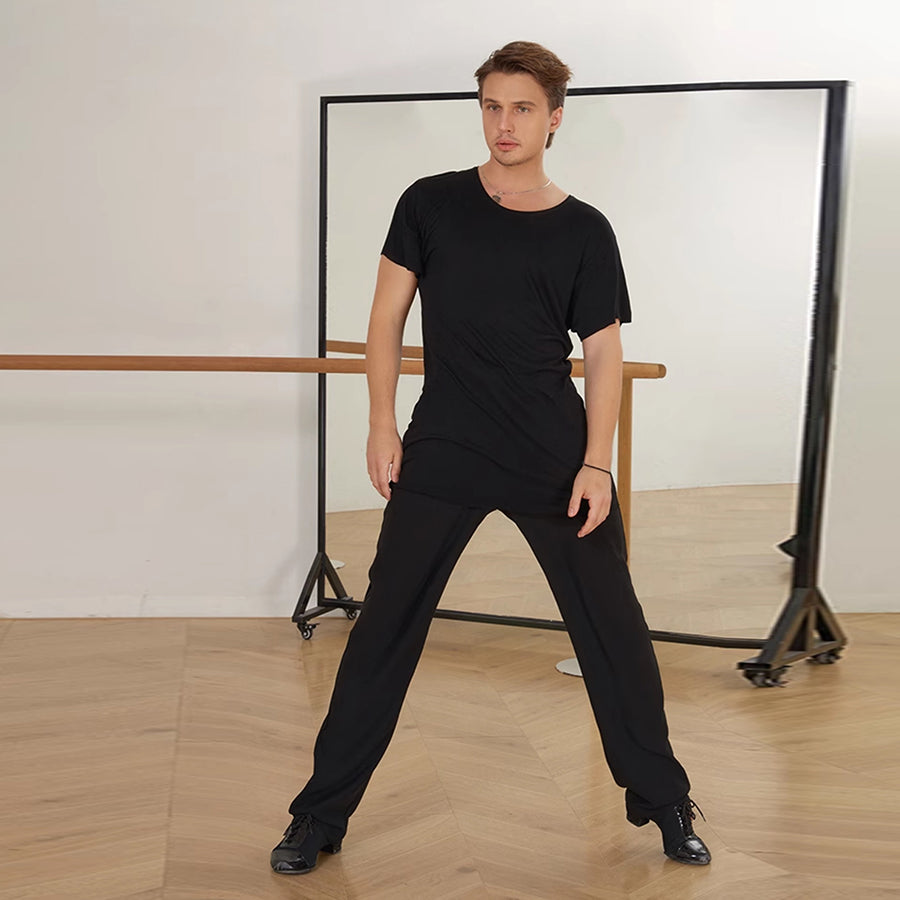
Straight-leg cuts are the neutral option and the easiest to wear outside a studio. They show the leg line honestly without clinging, and they suit anyone who wants one pair of trousers to cover practice, social nights and the walk home.
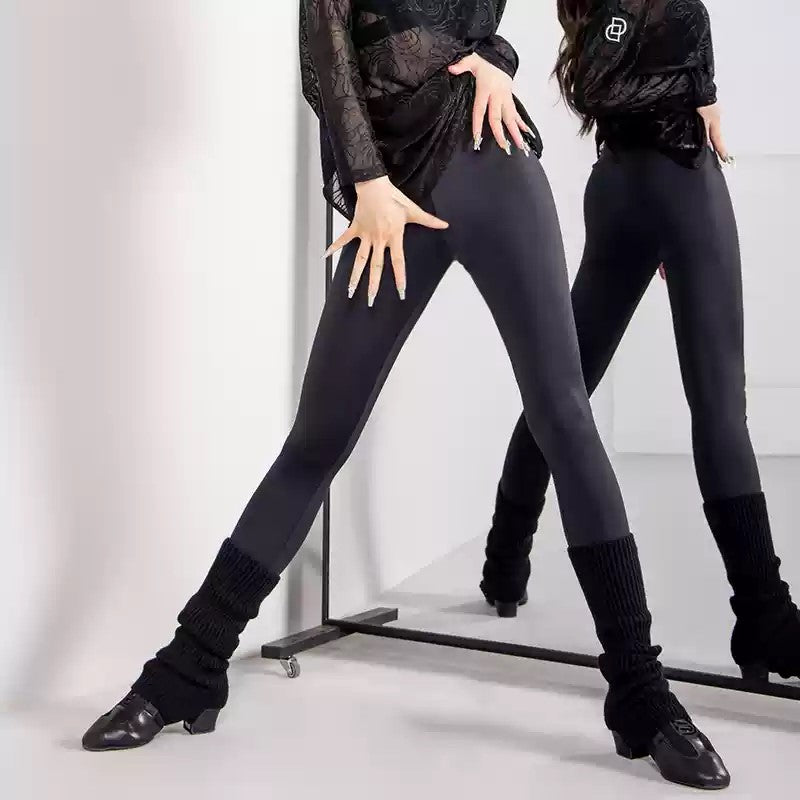
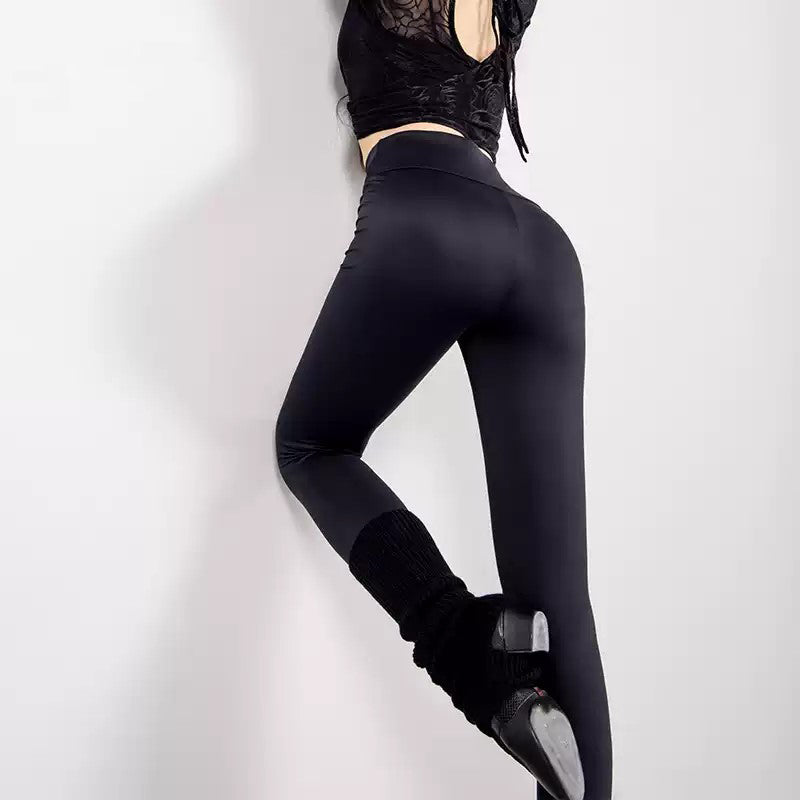
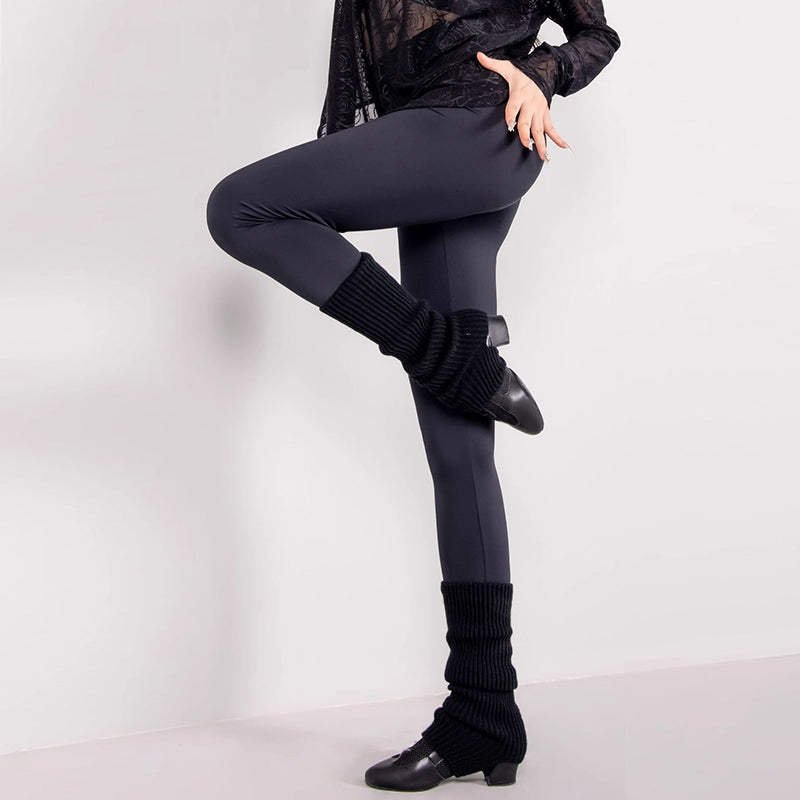
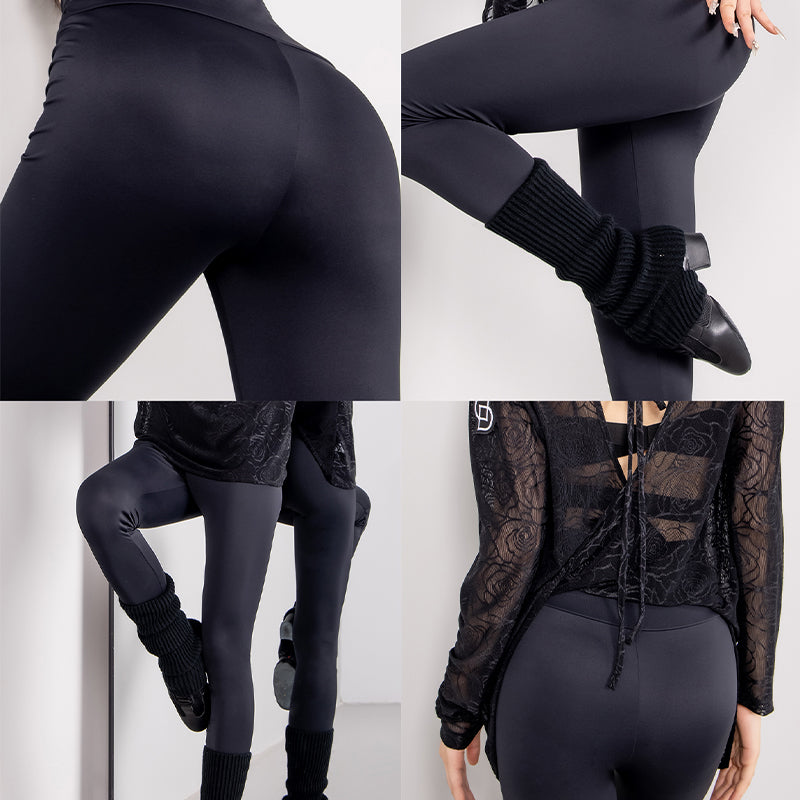
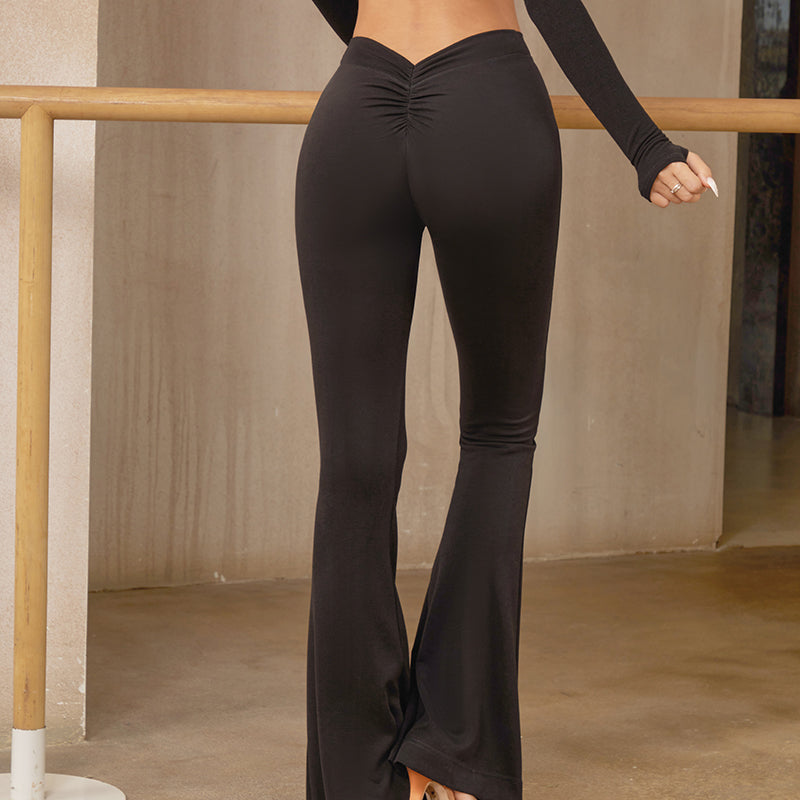
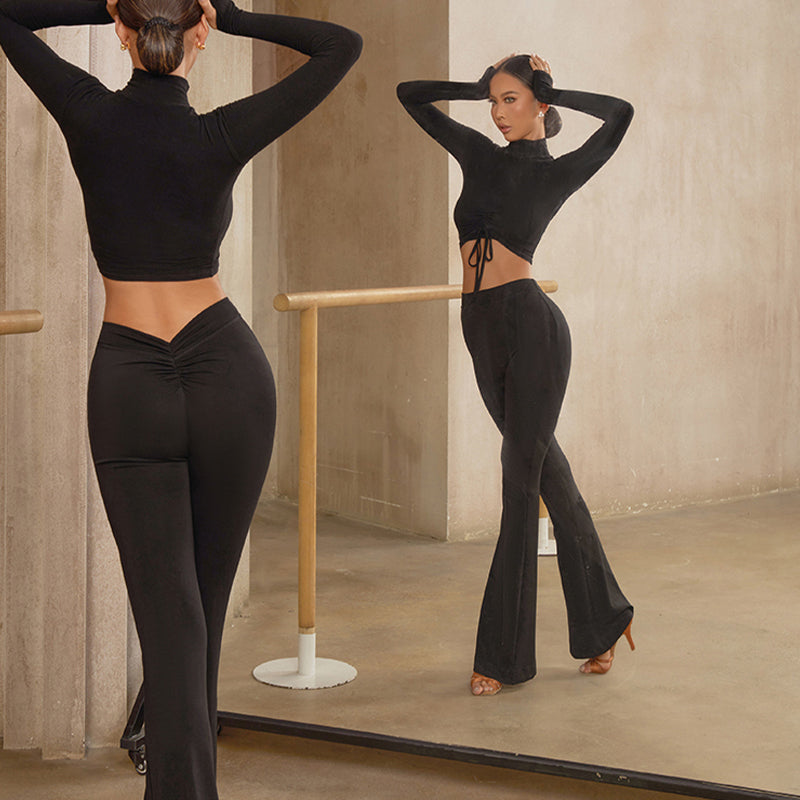
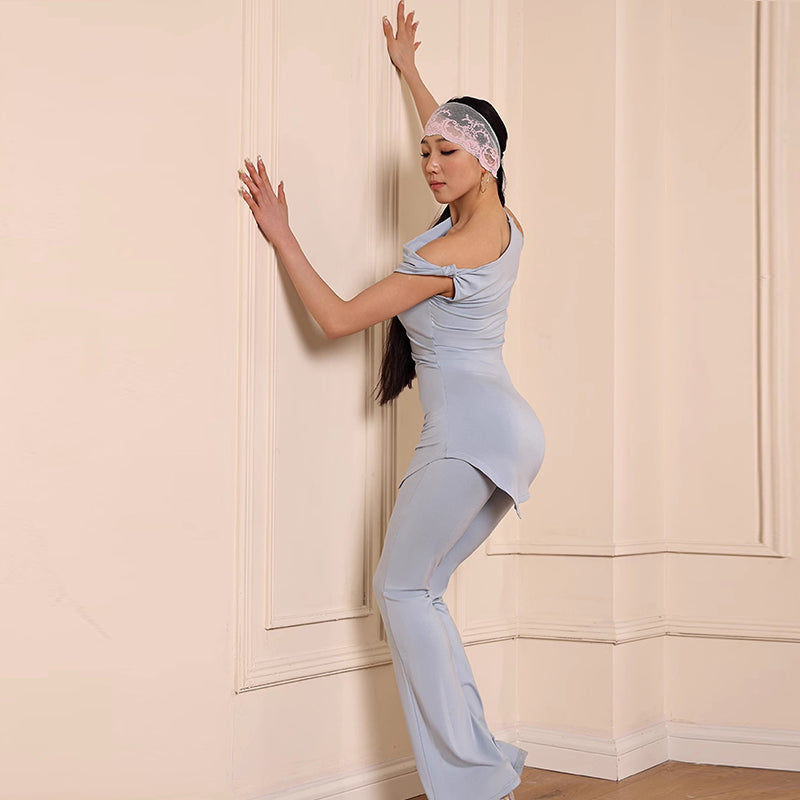
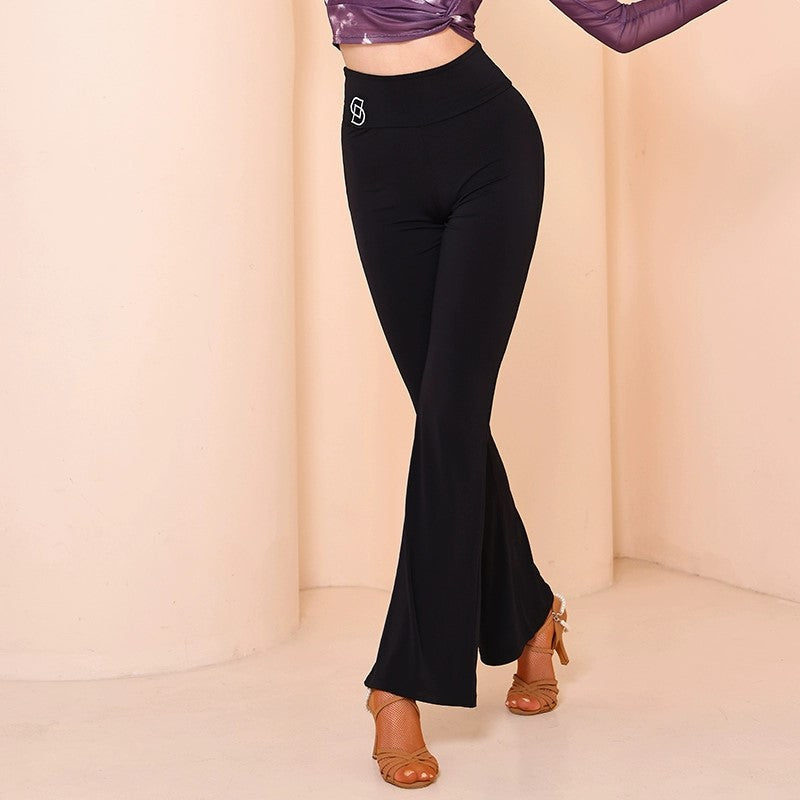
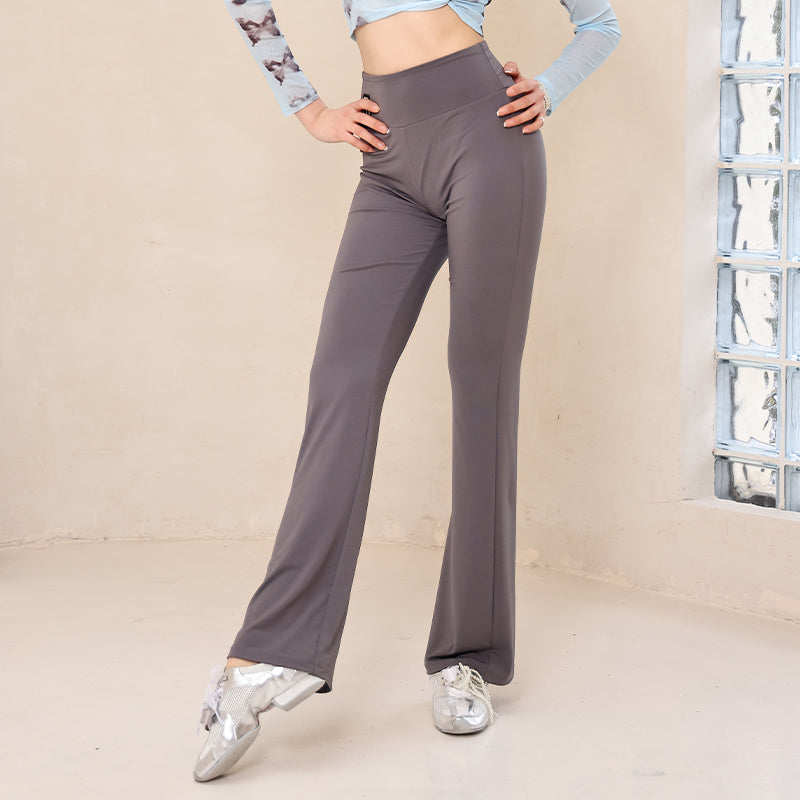
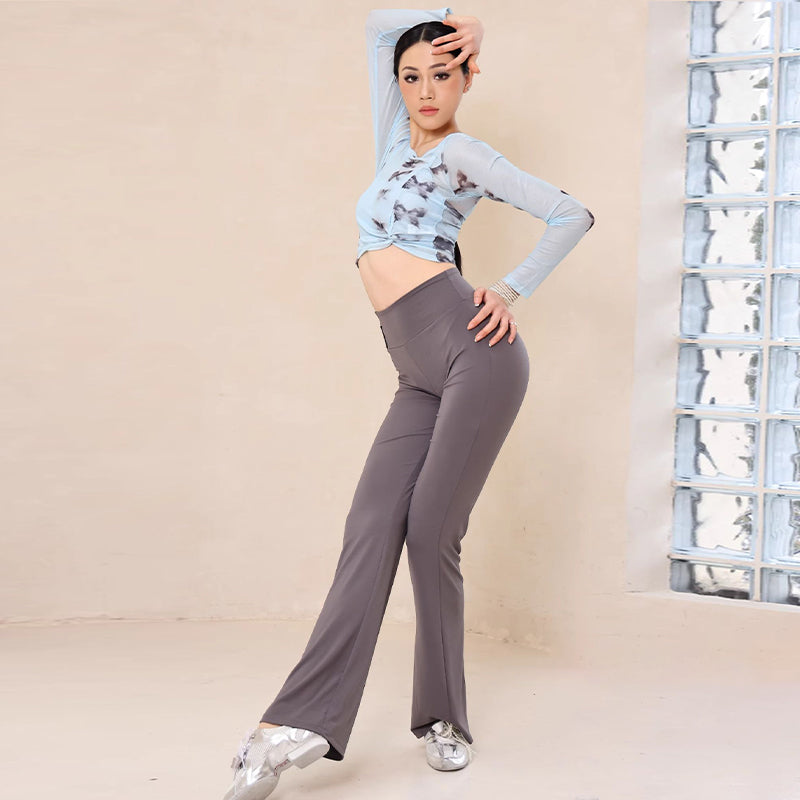
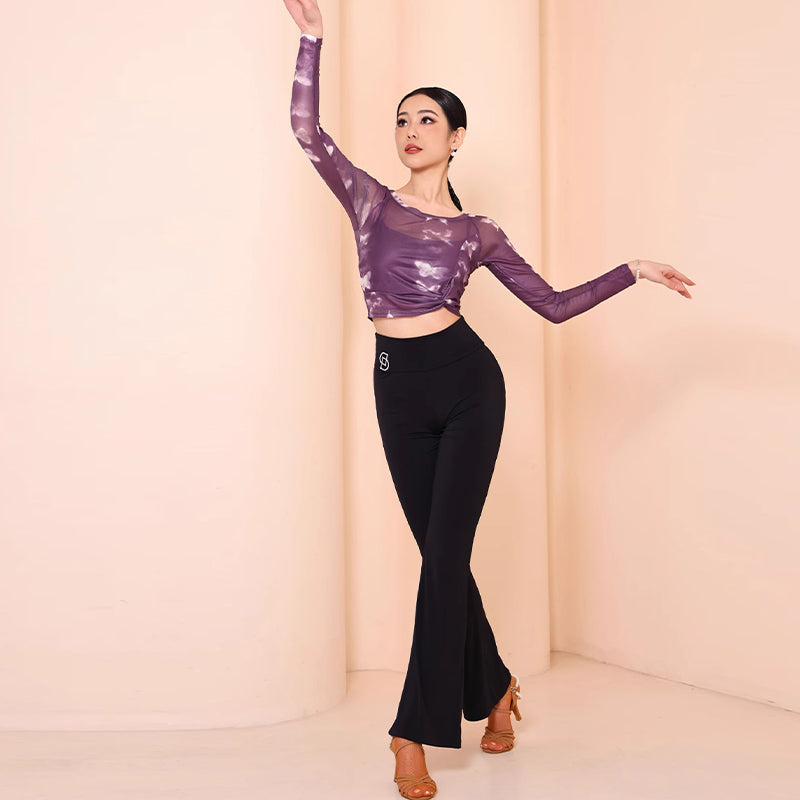
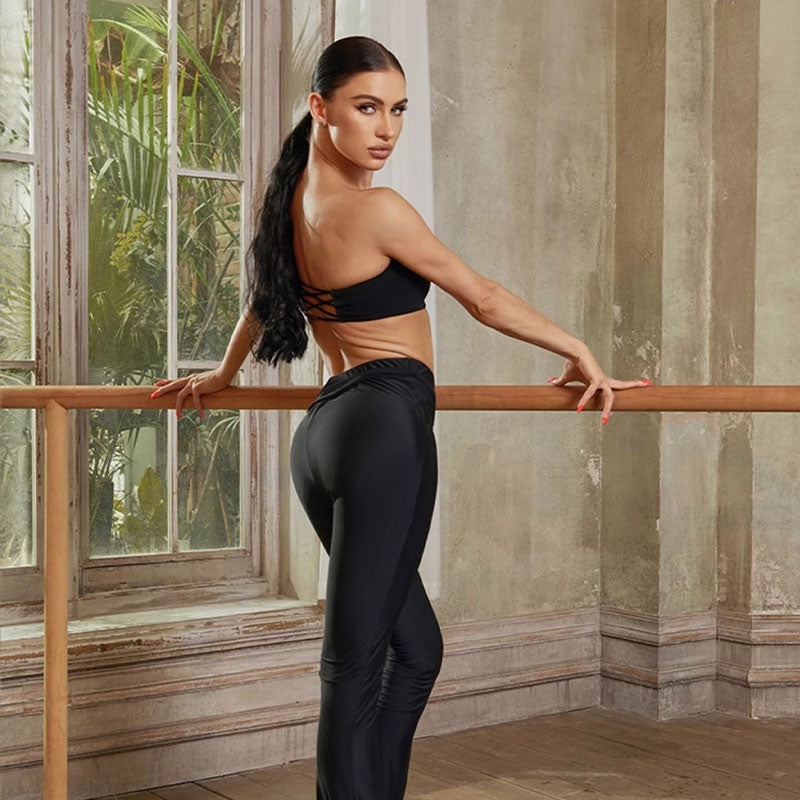
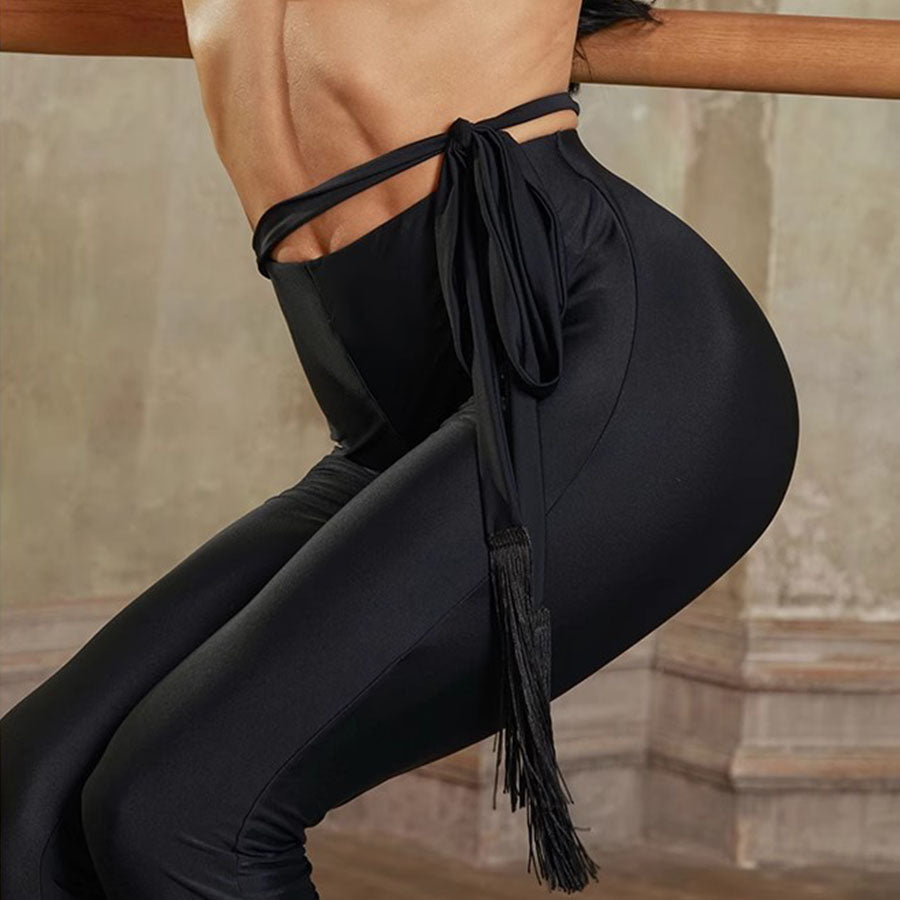
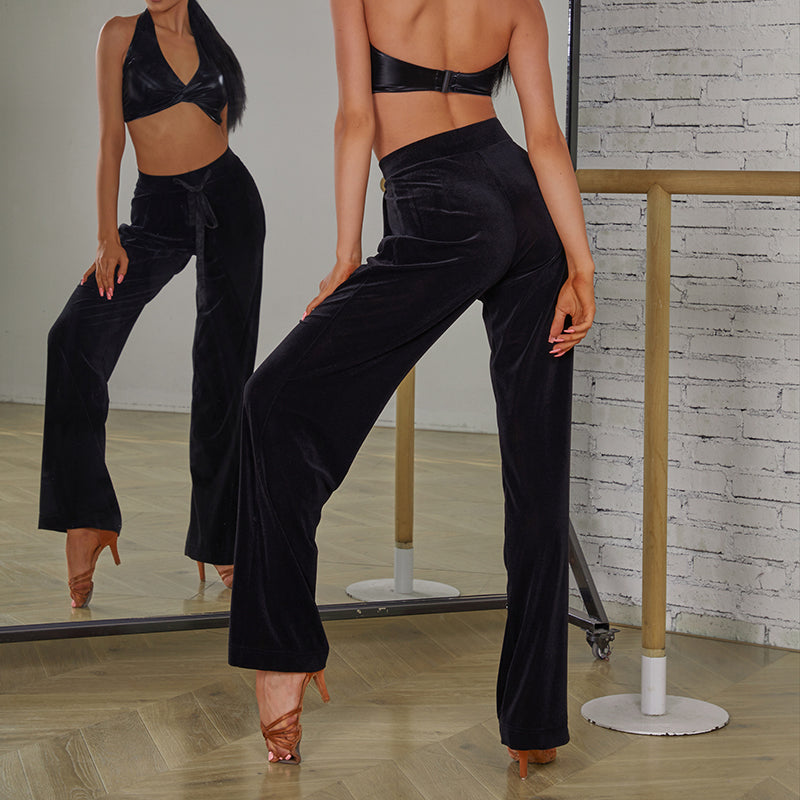
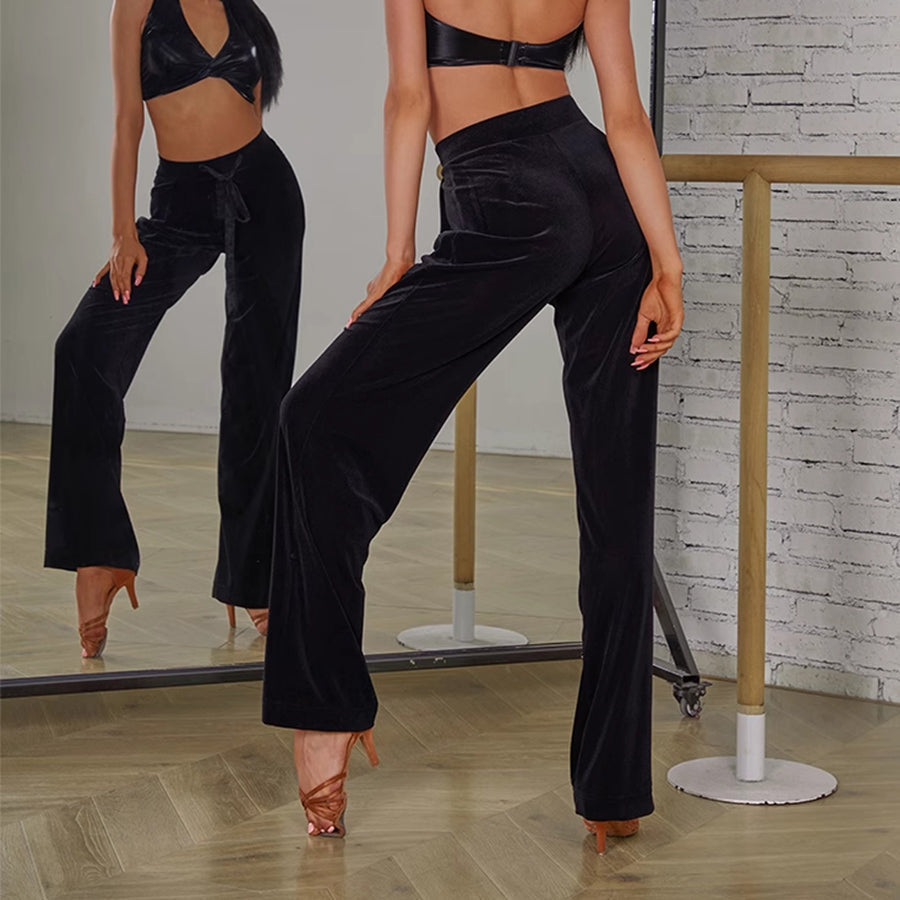
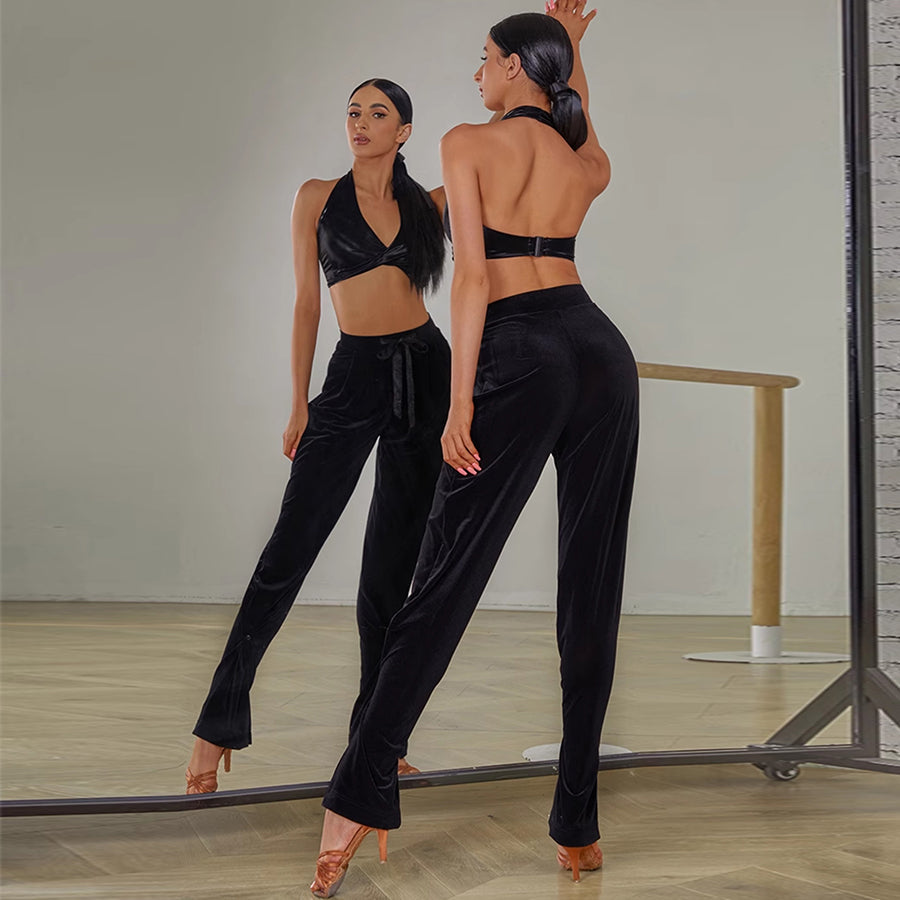
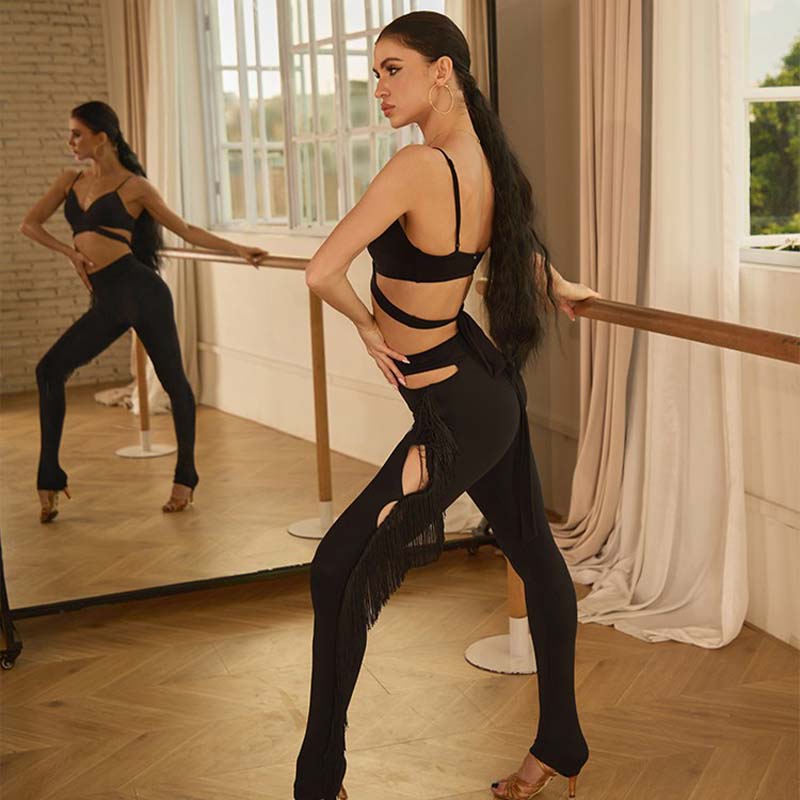
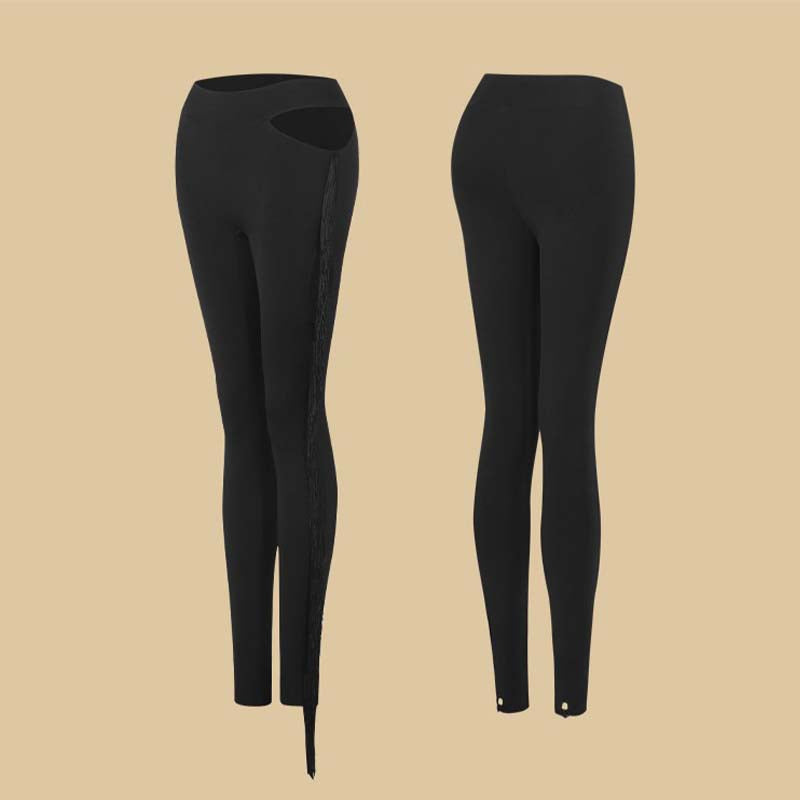
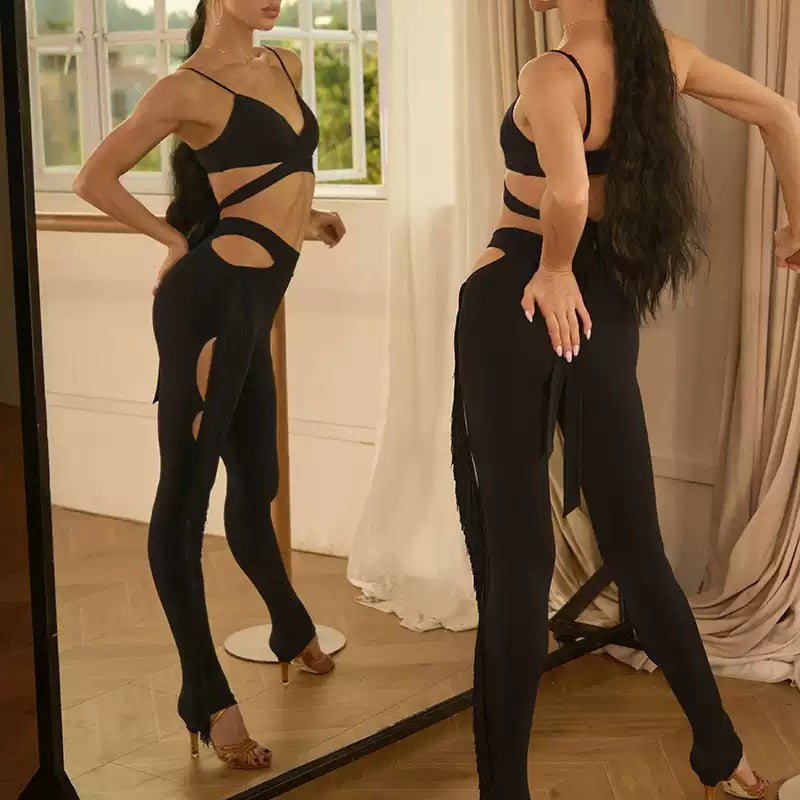
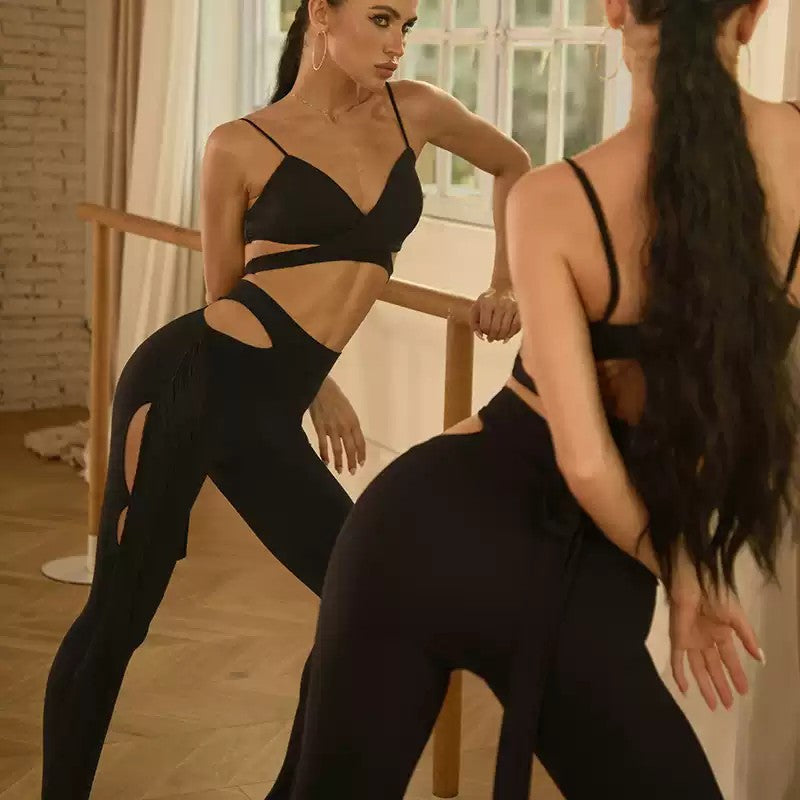
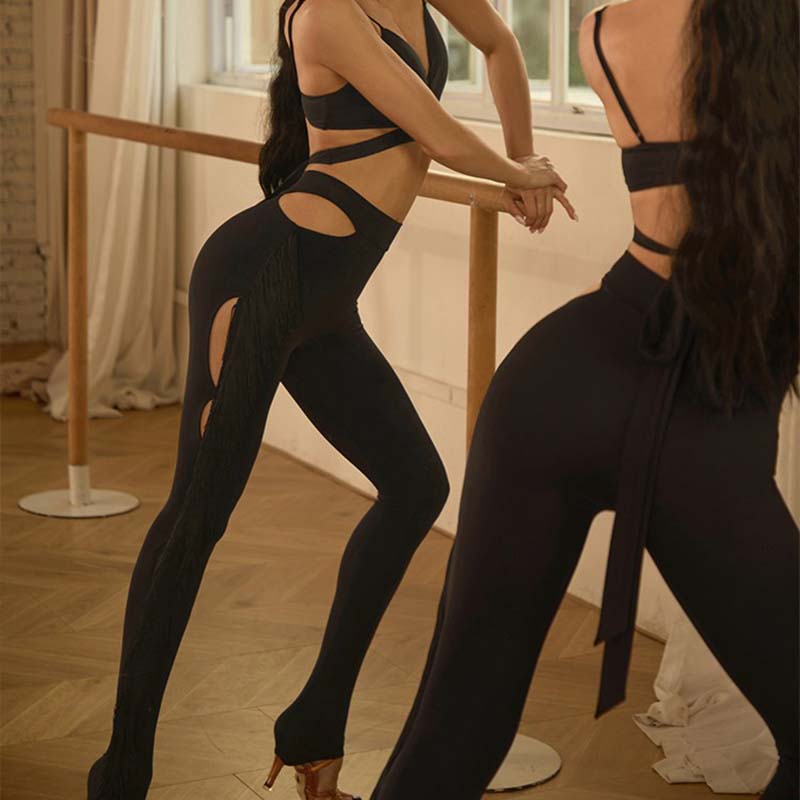
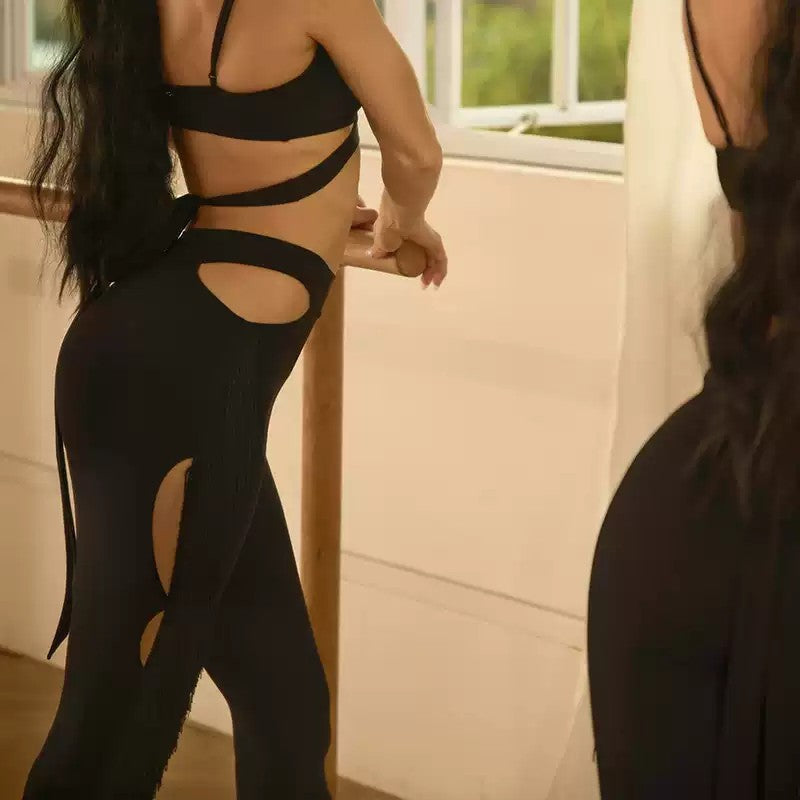
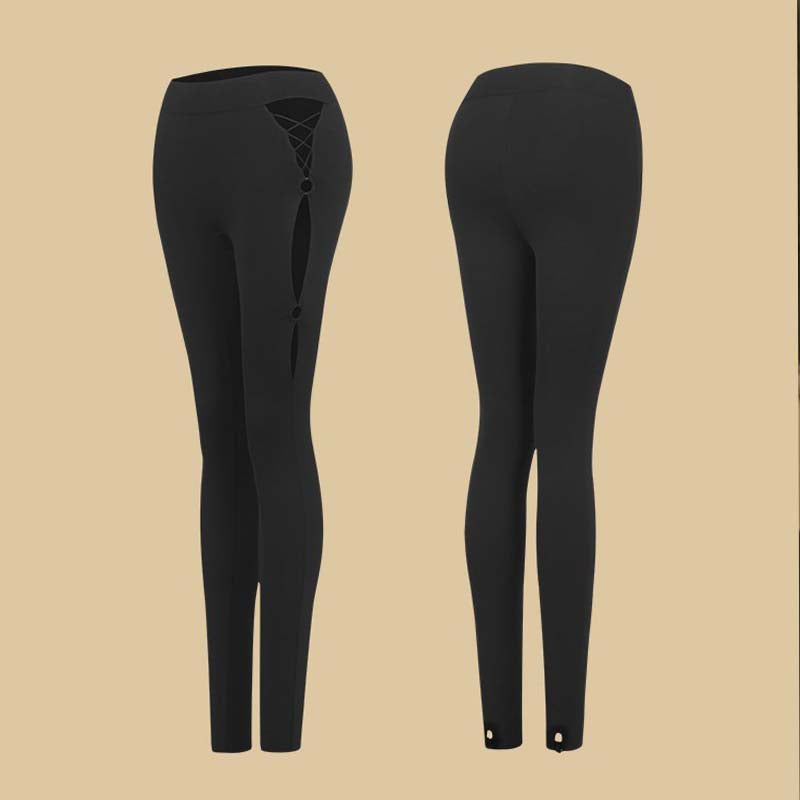
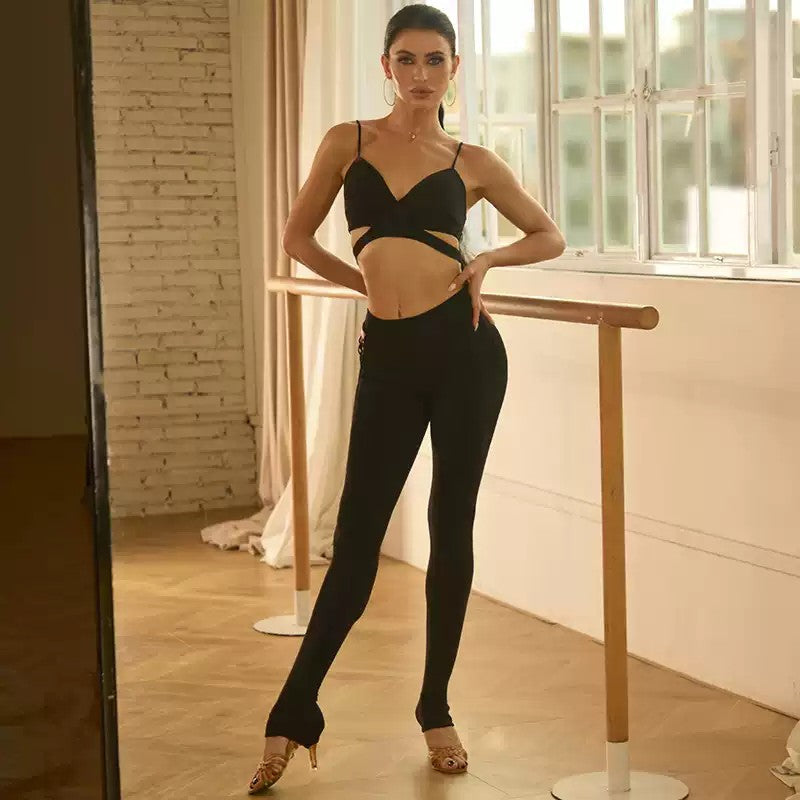
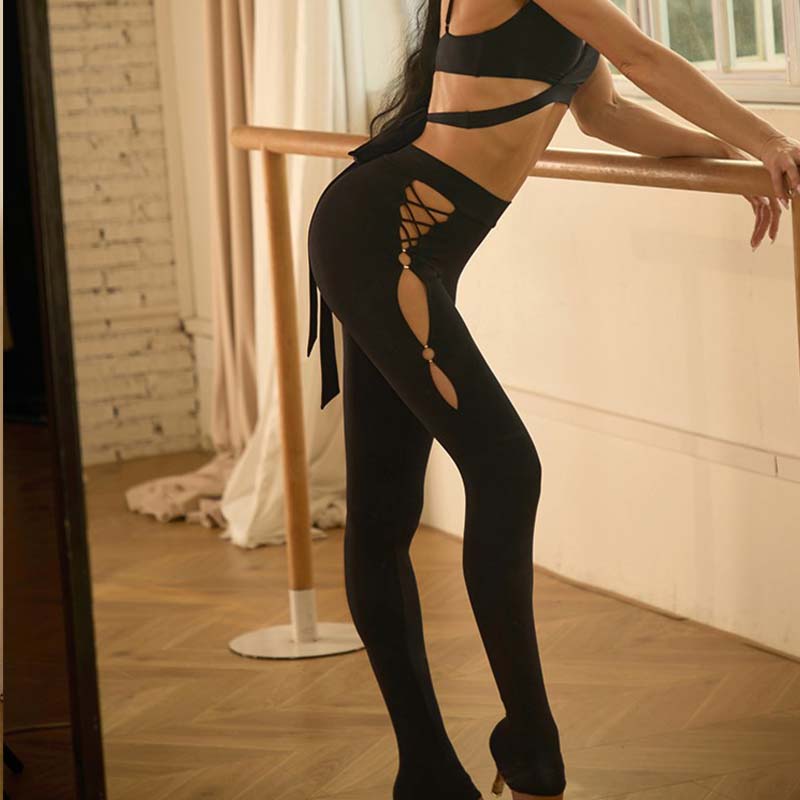
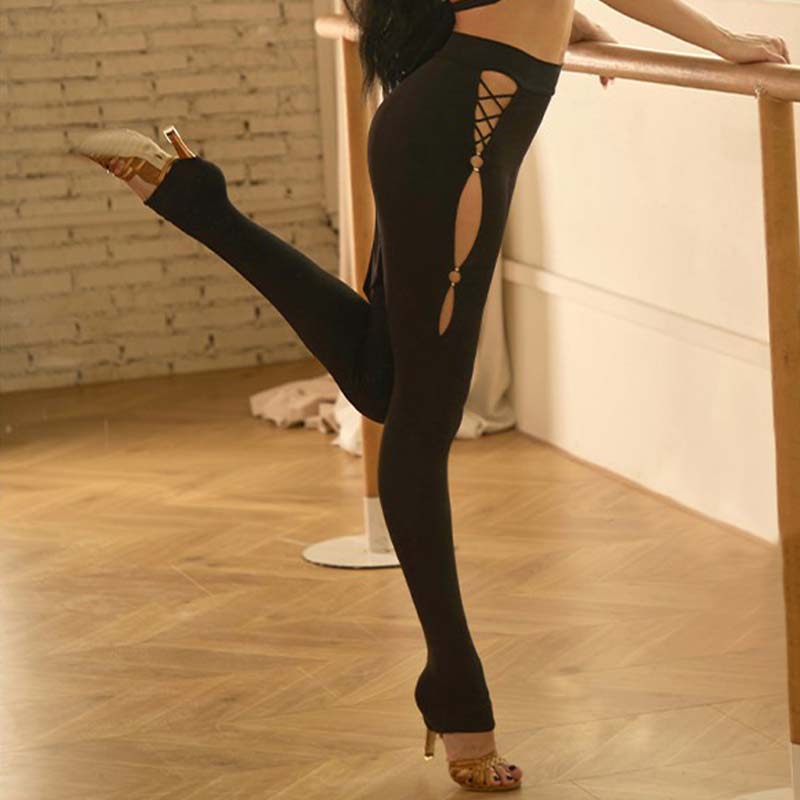
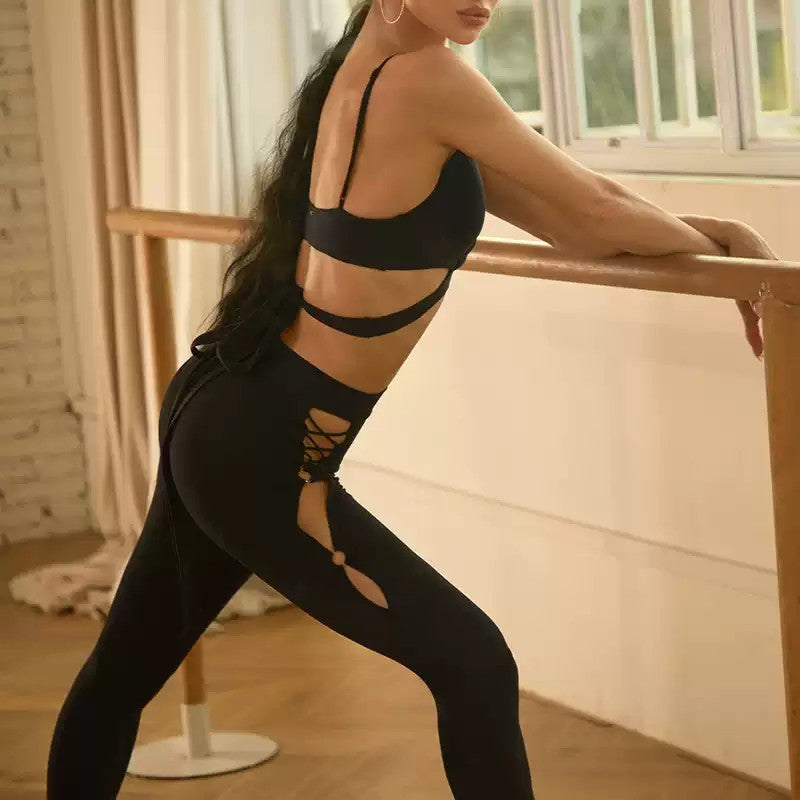
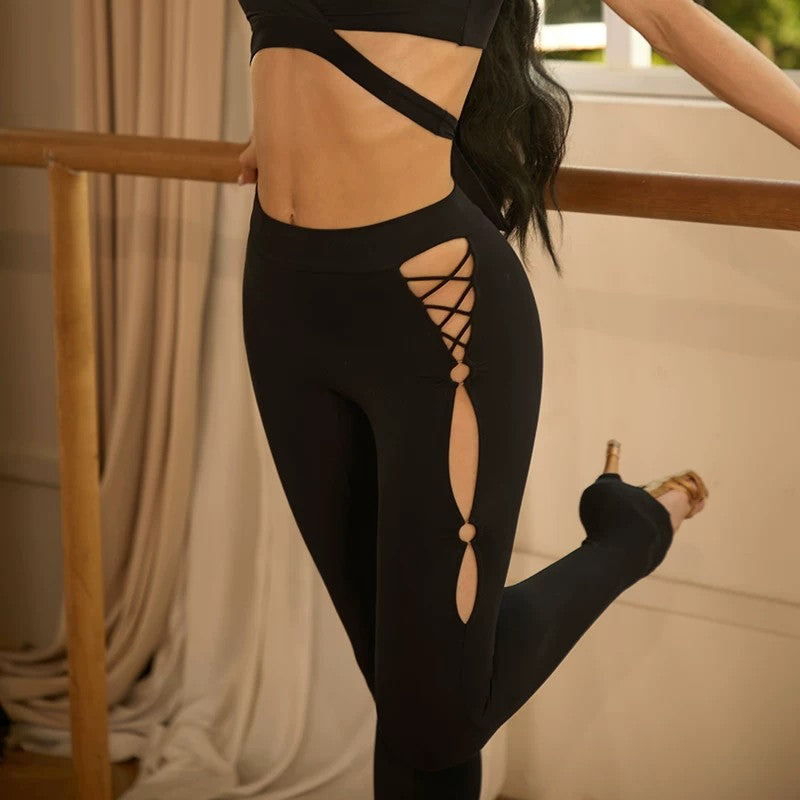
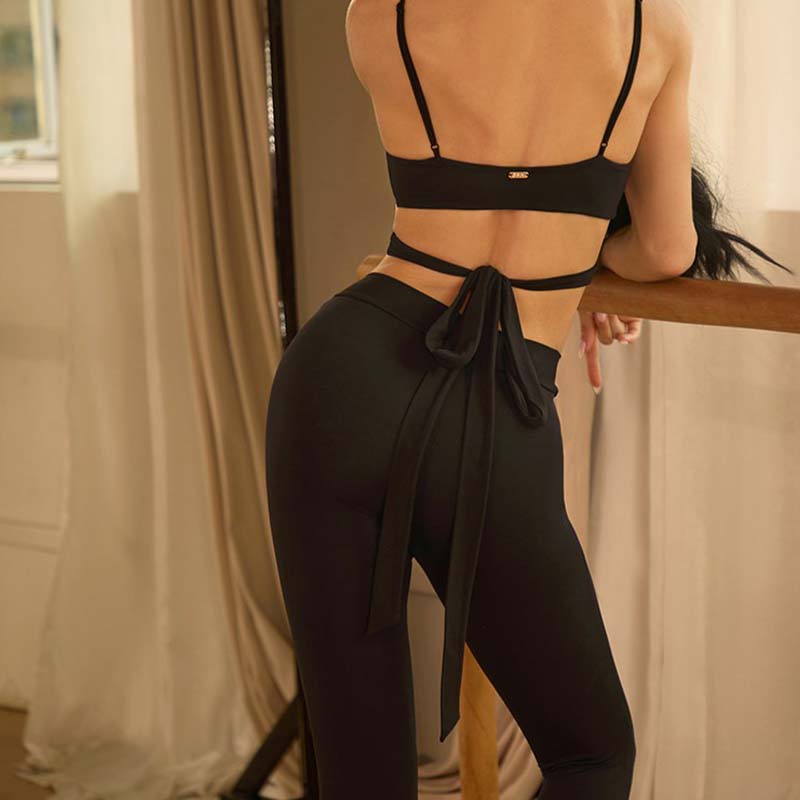
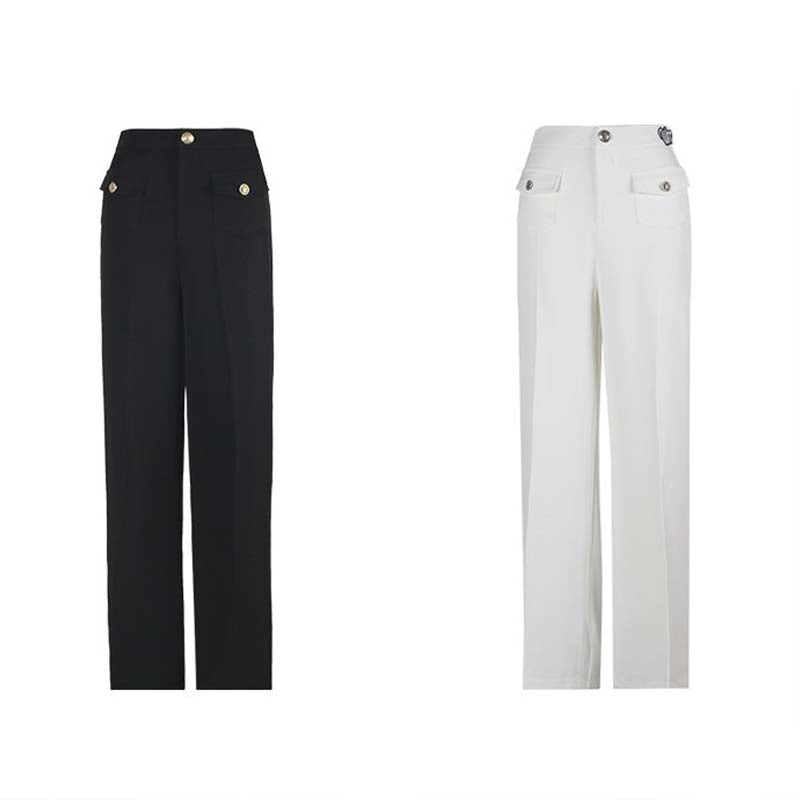
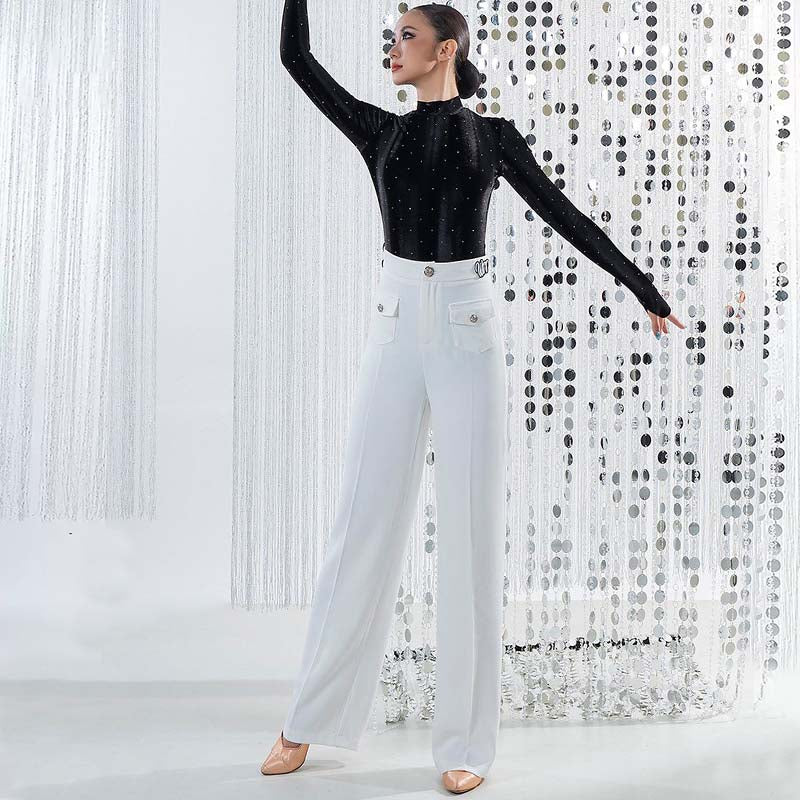
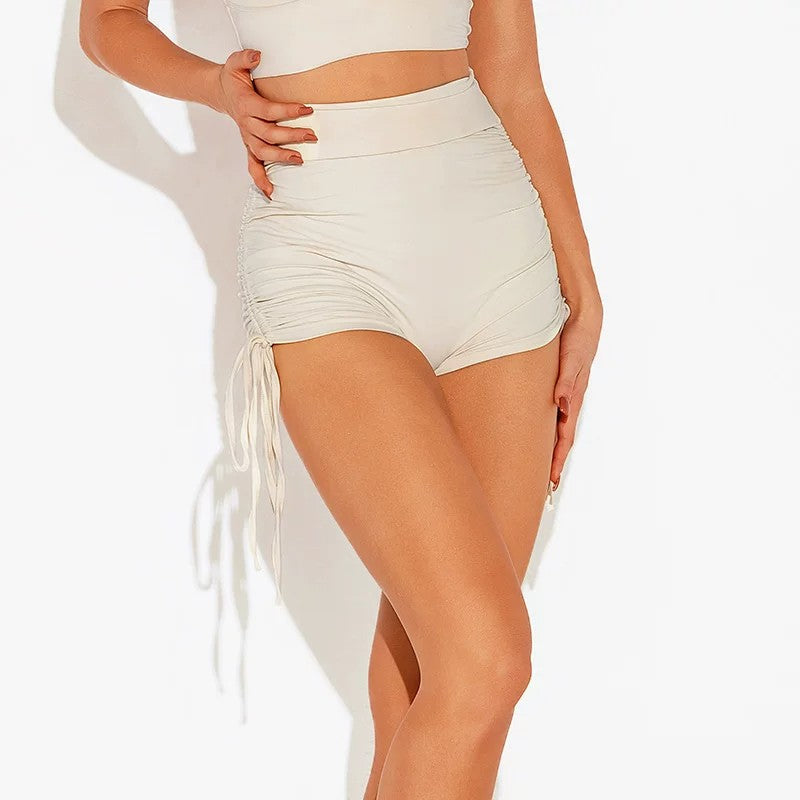
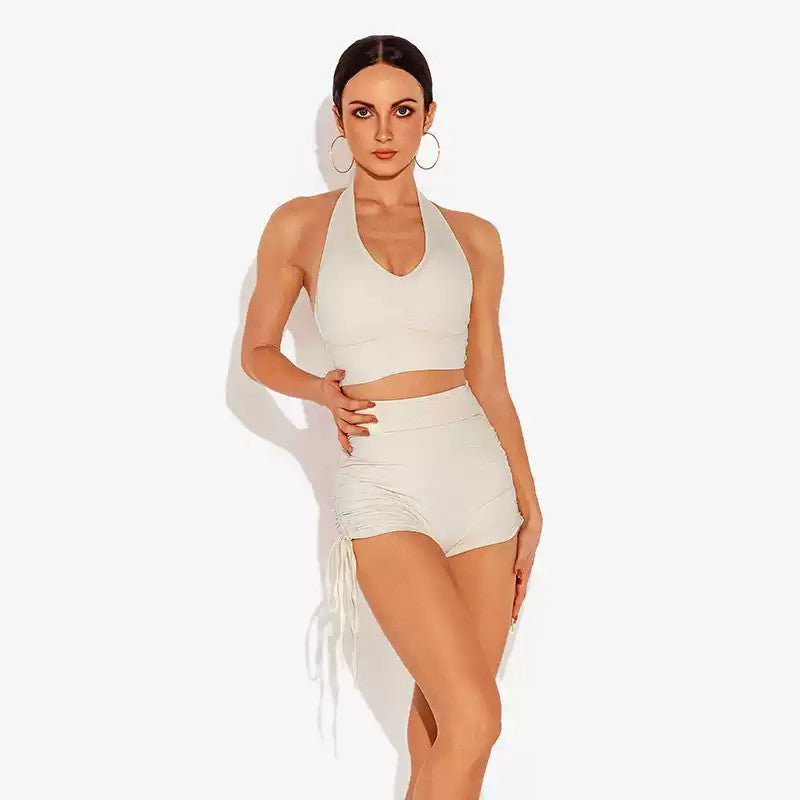
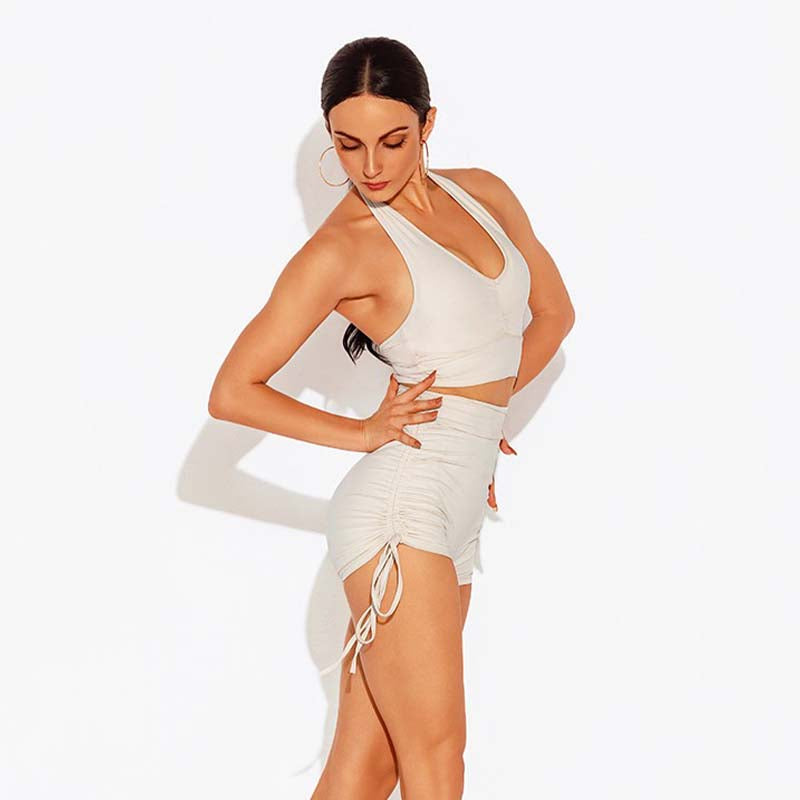
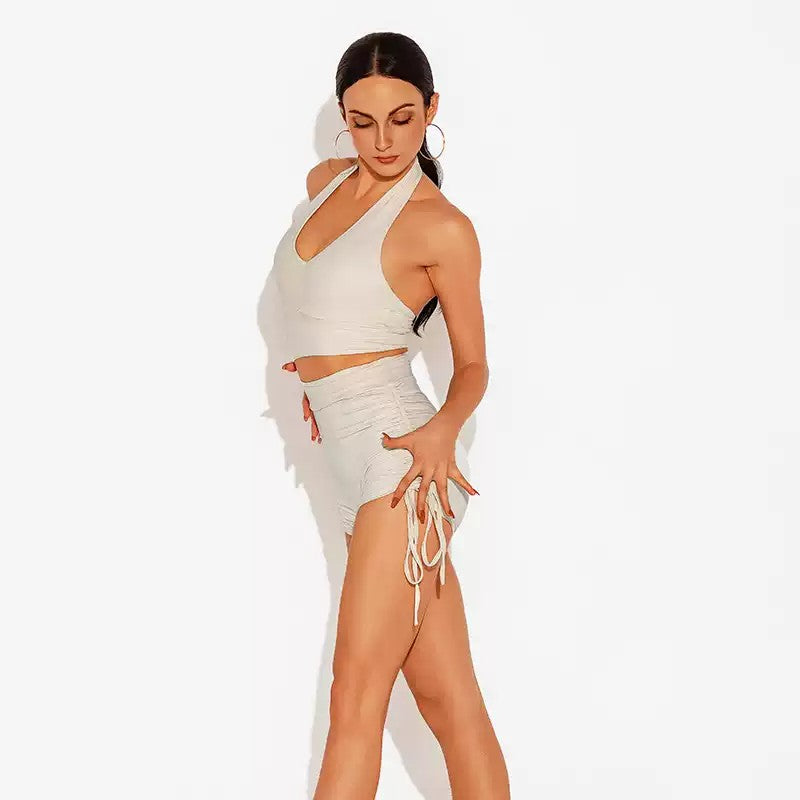
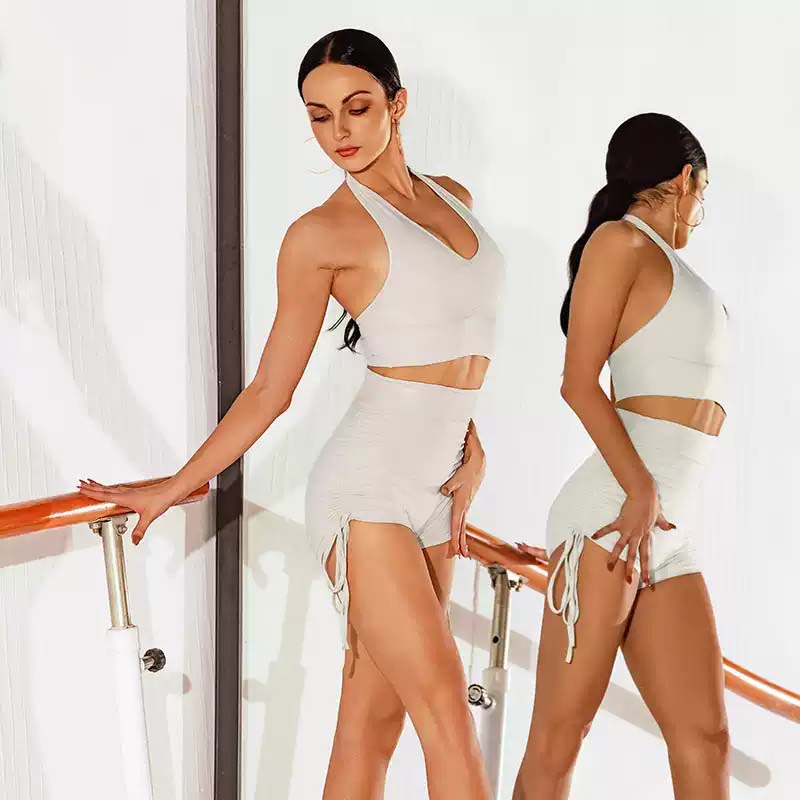
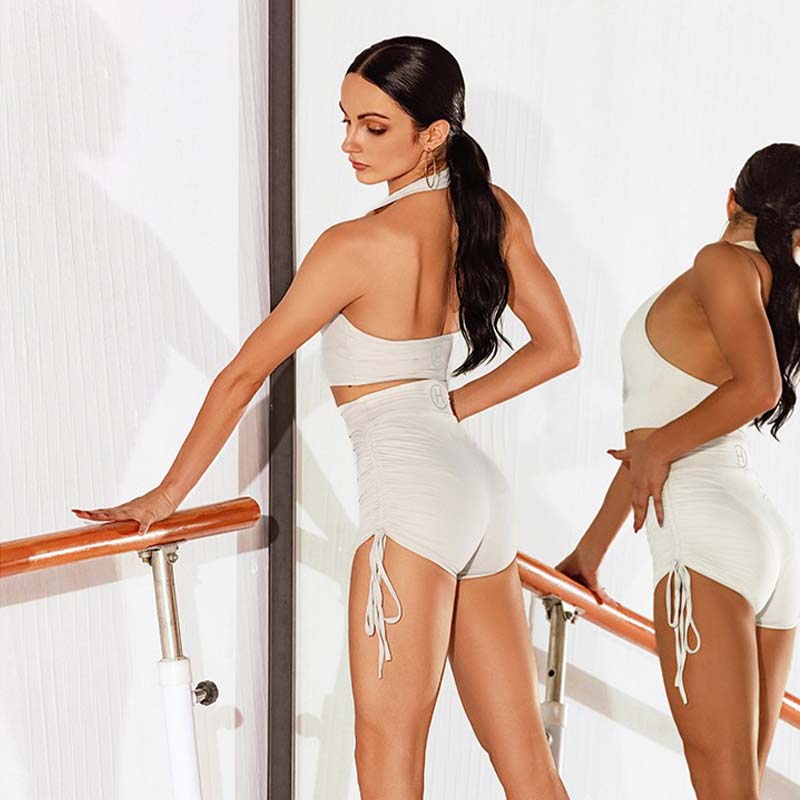
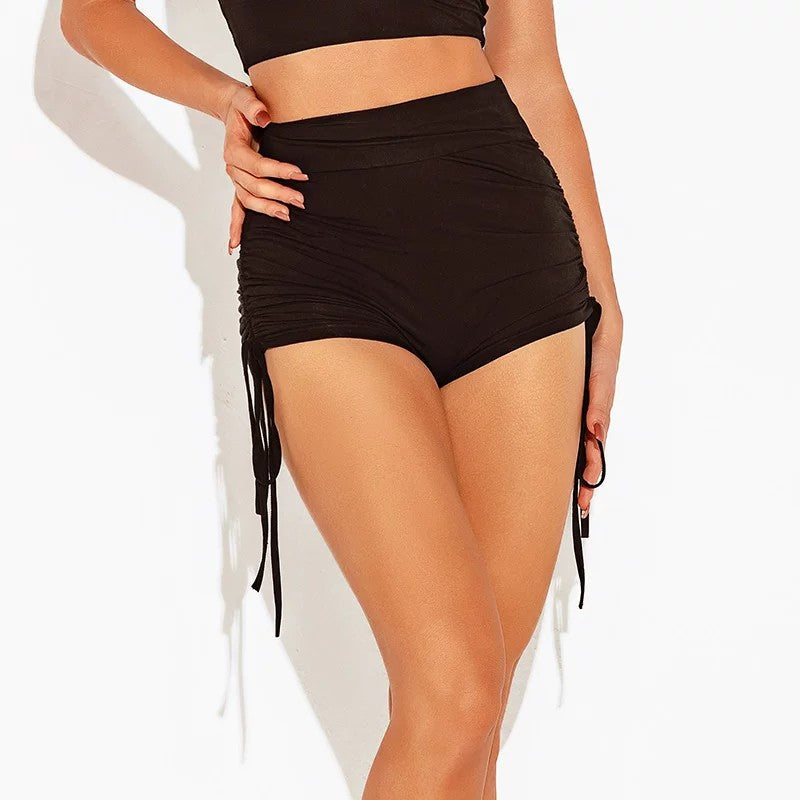
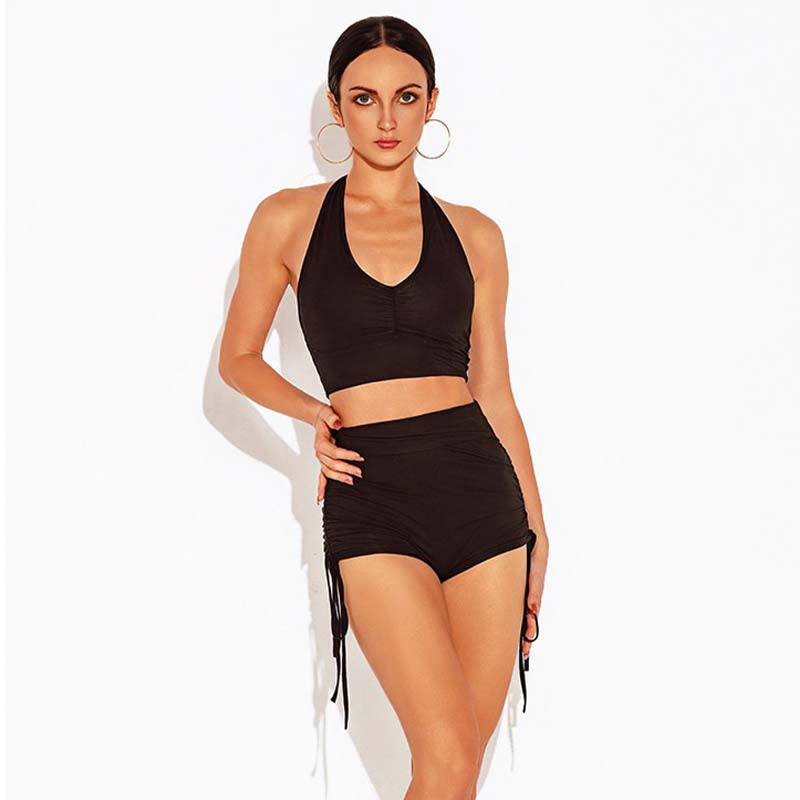
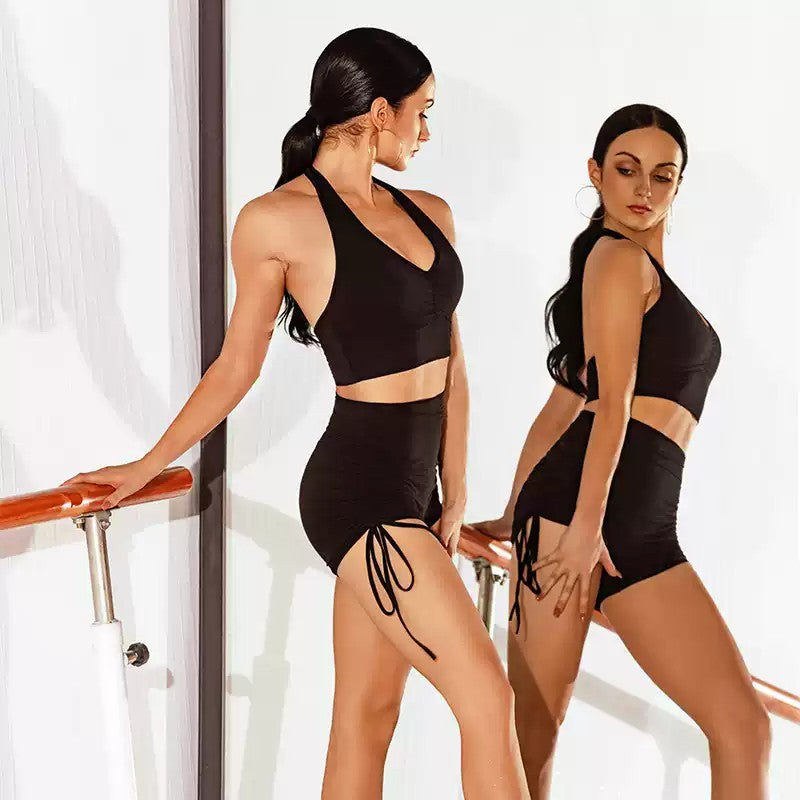
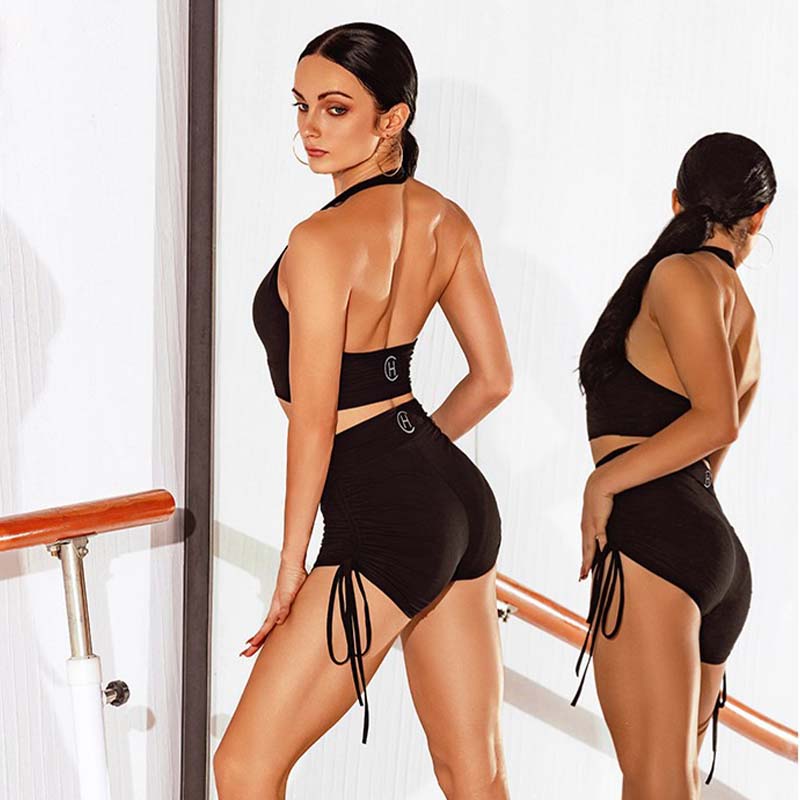
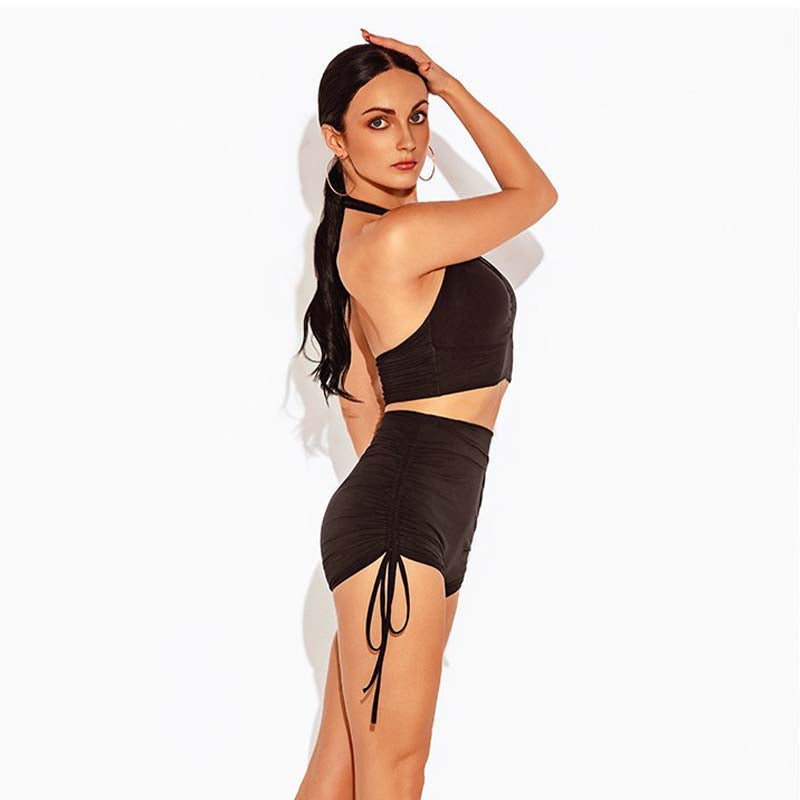
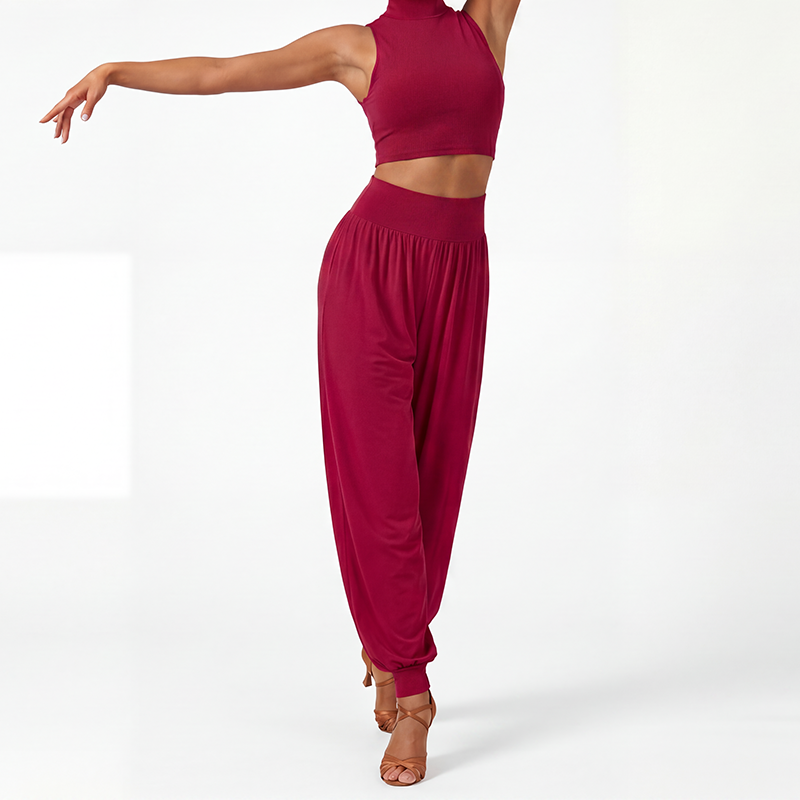
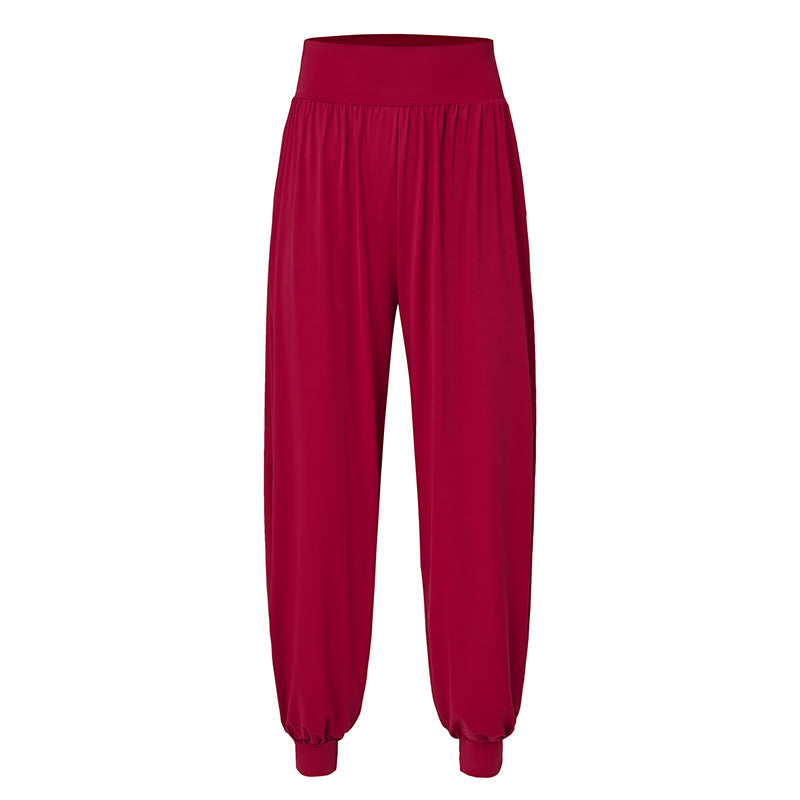
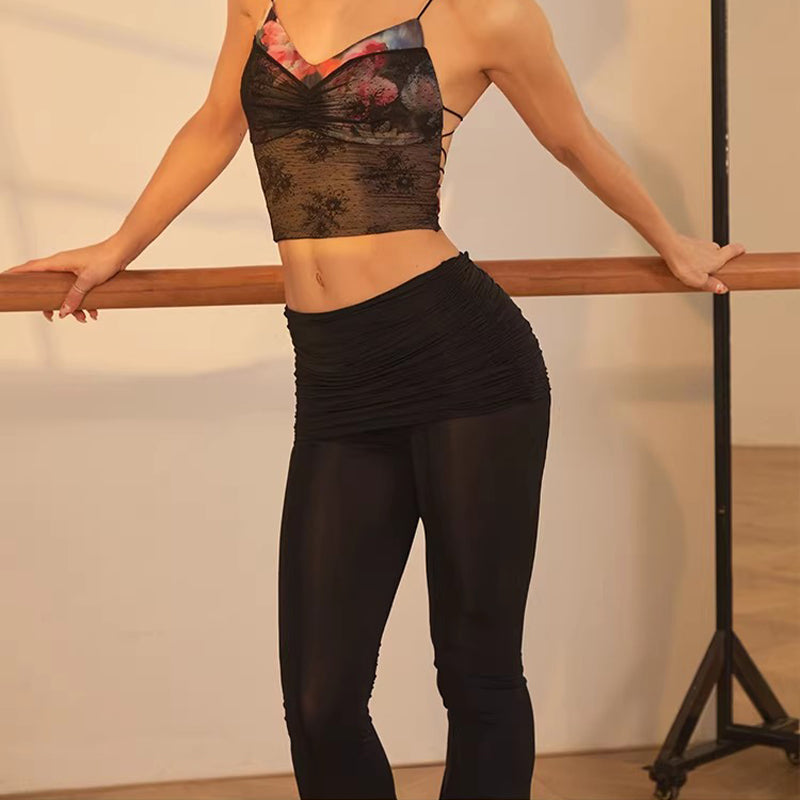
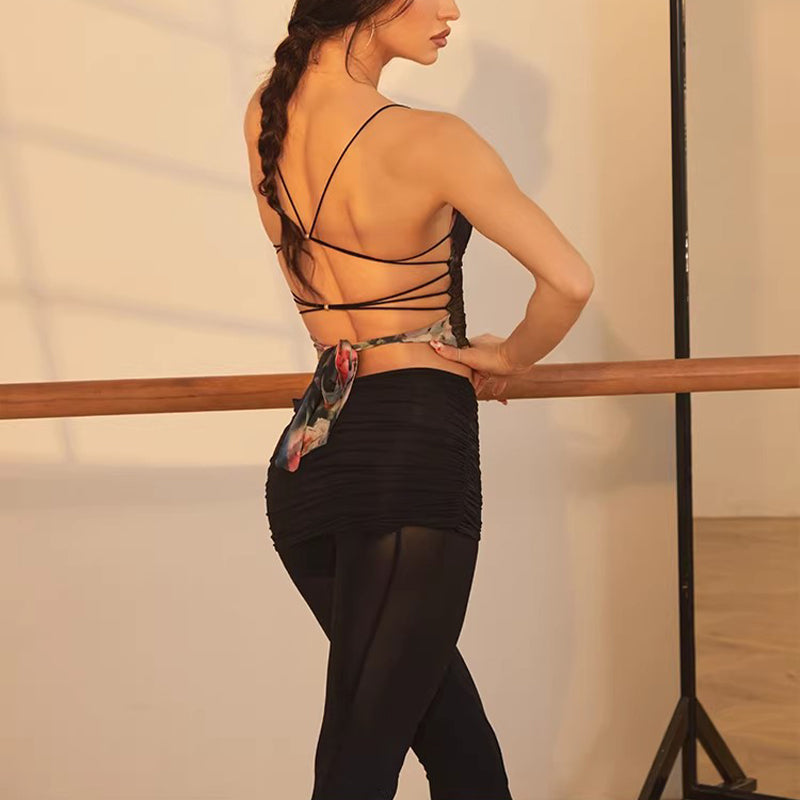
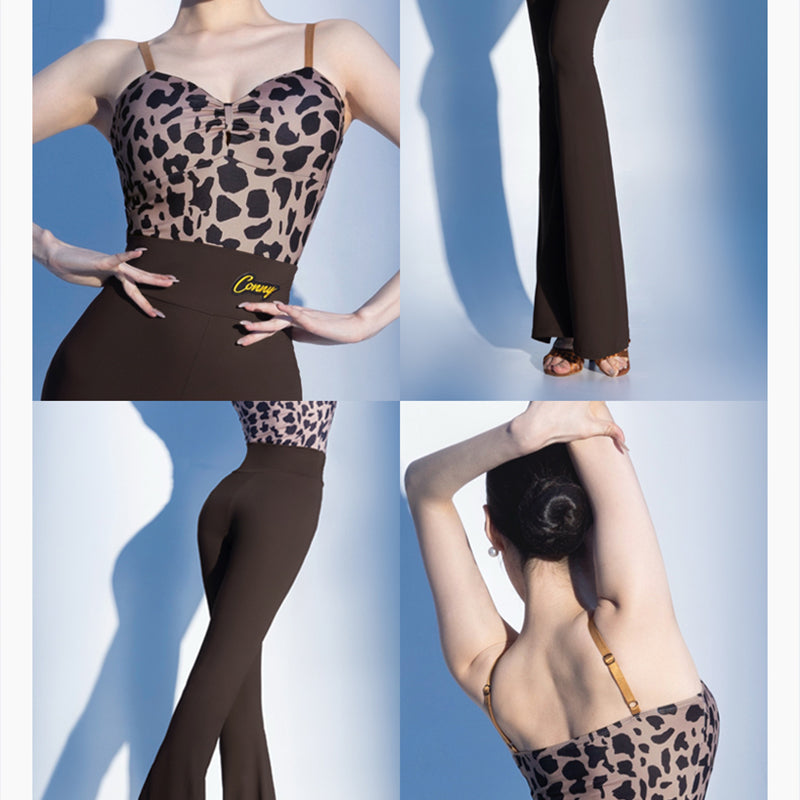
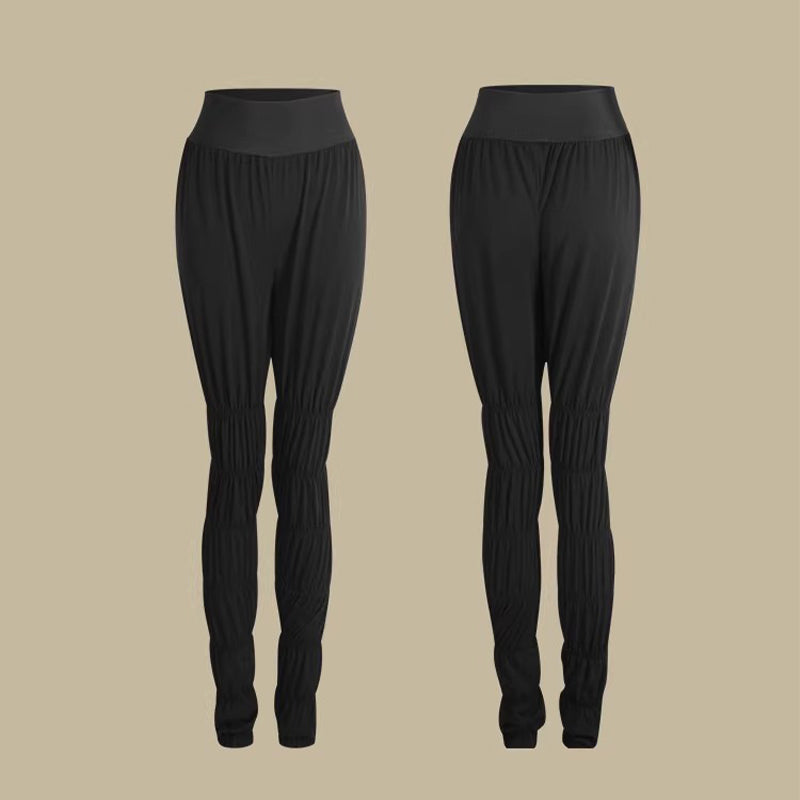
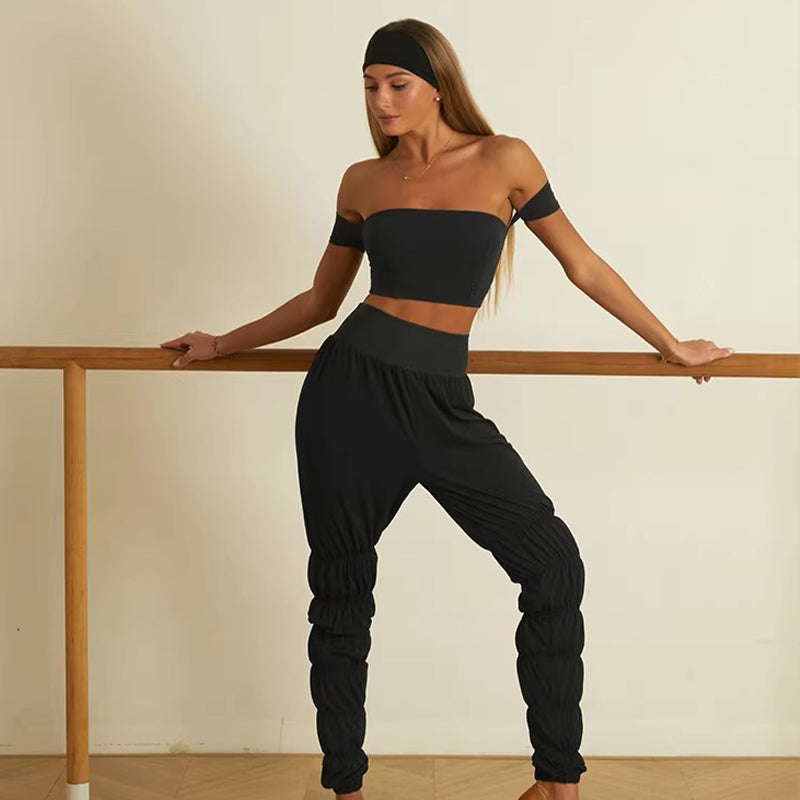
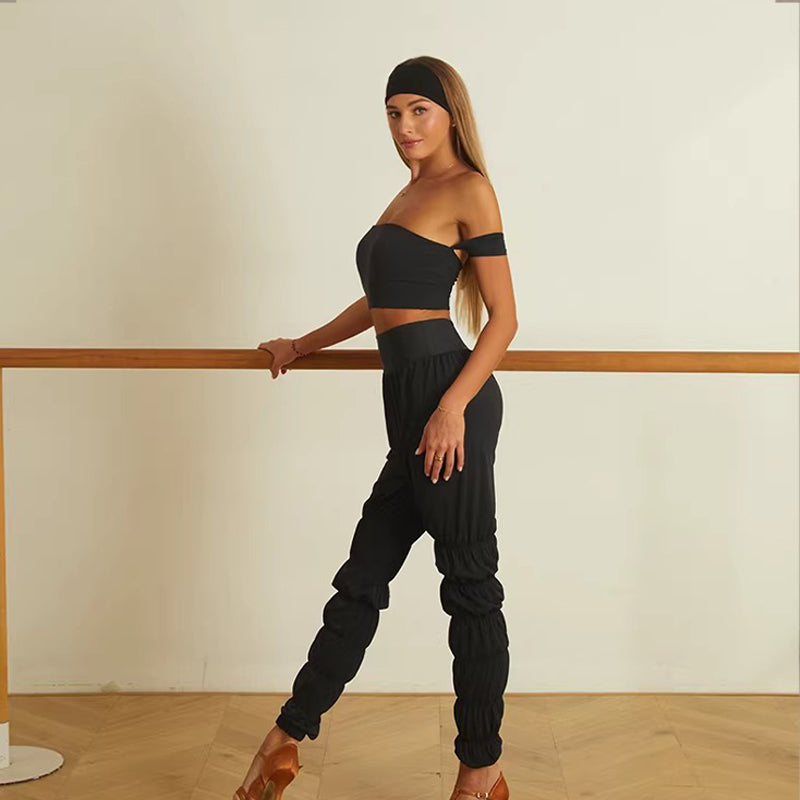
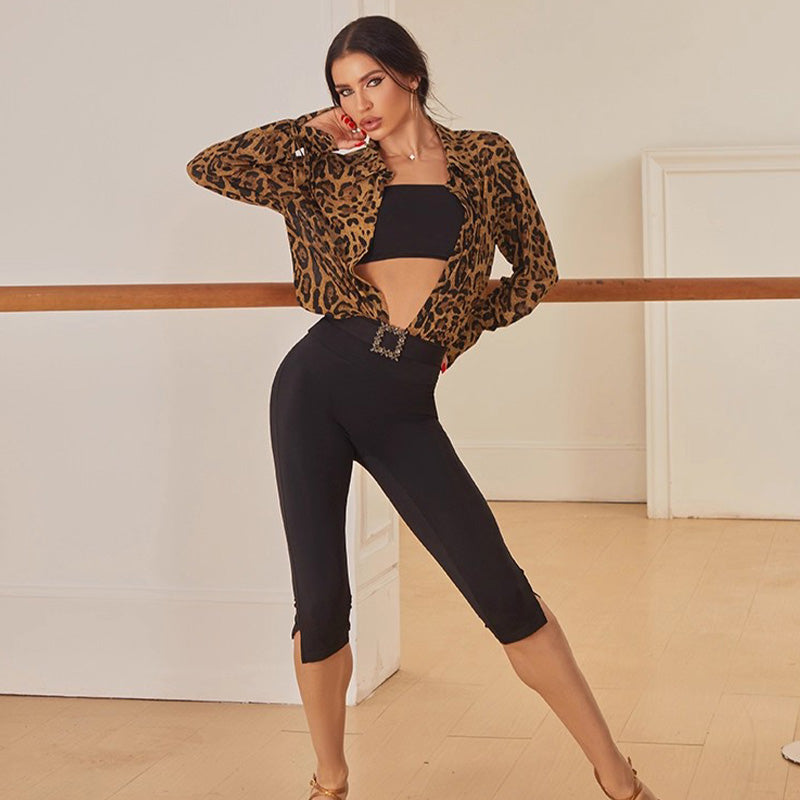
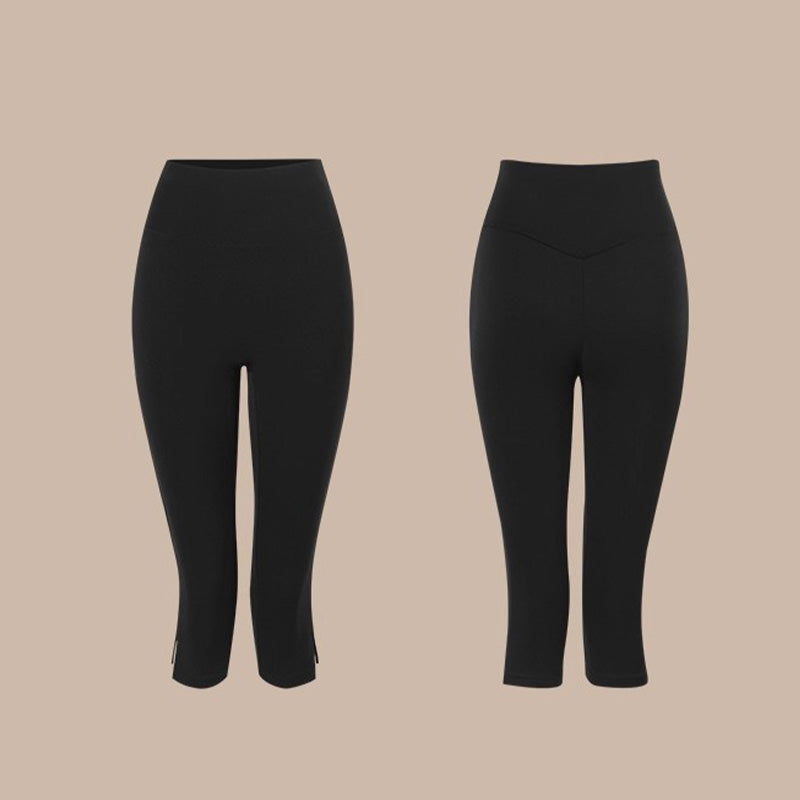
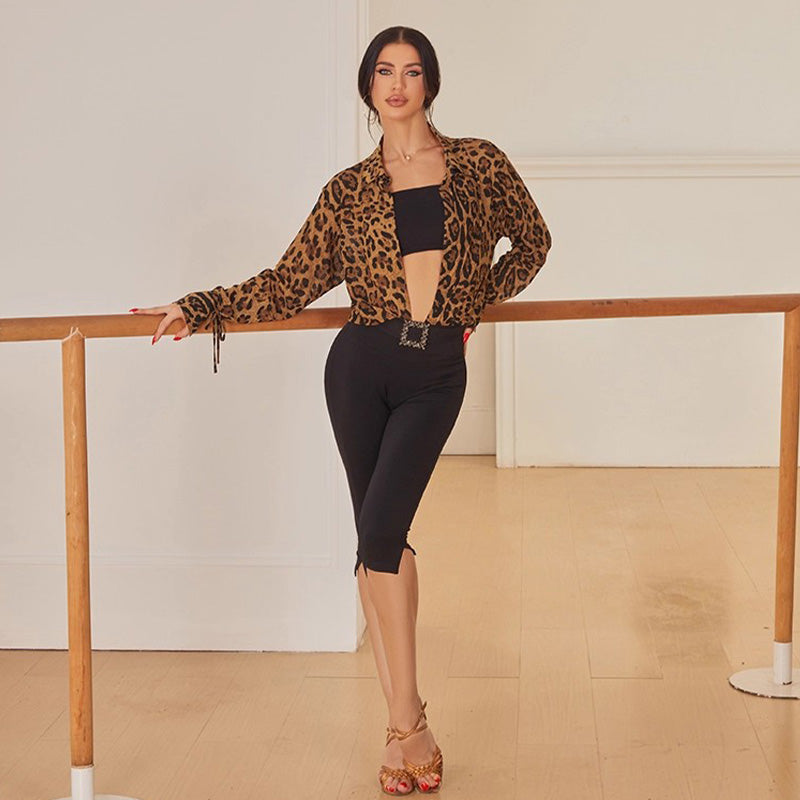
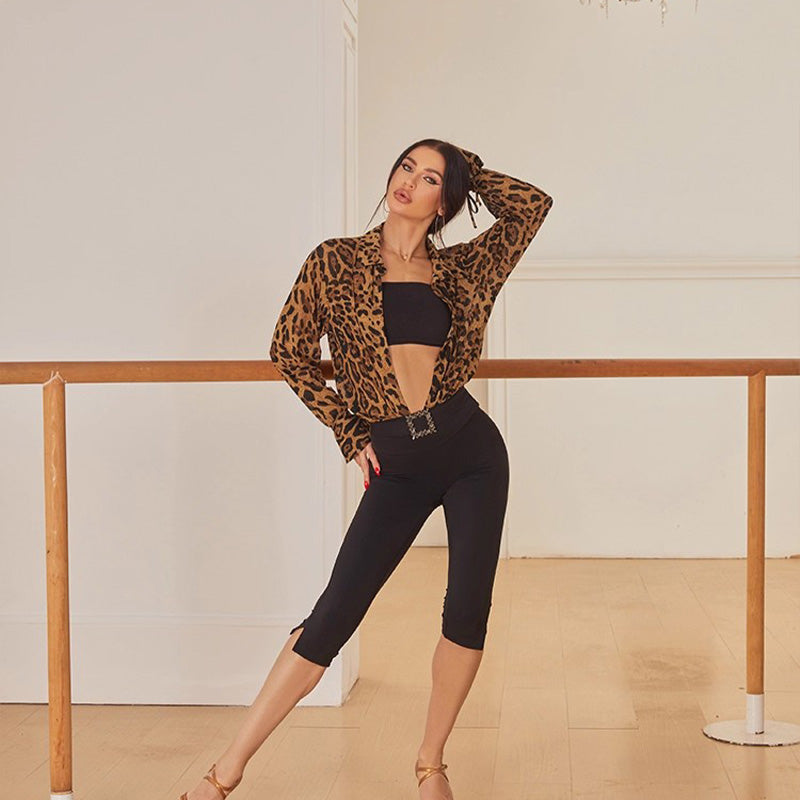
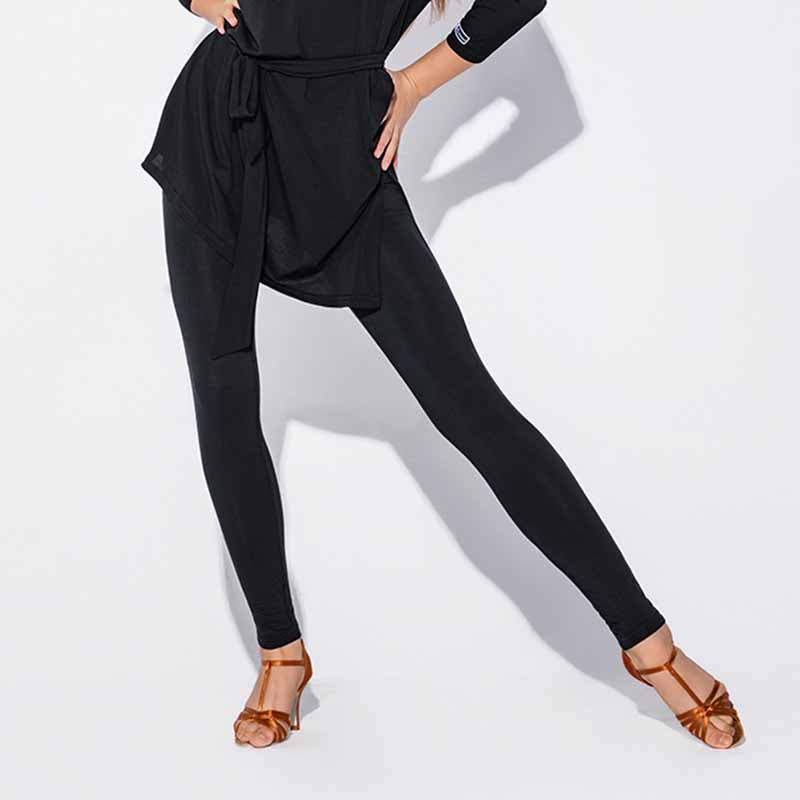
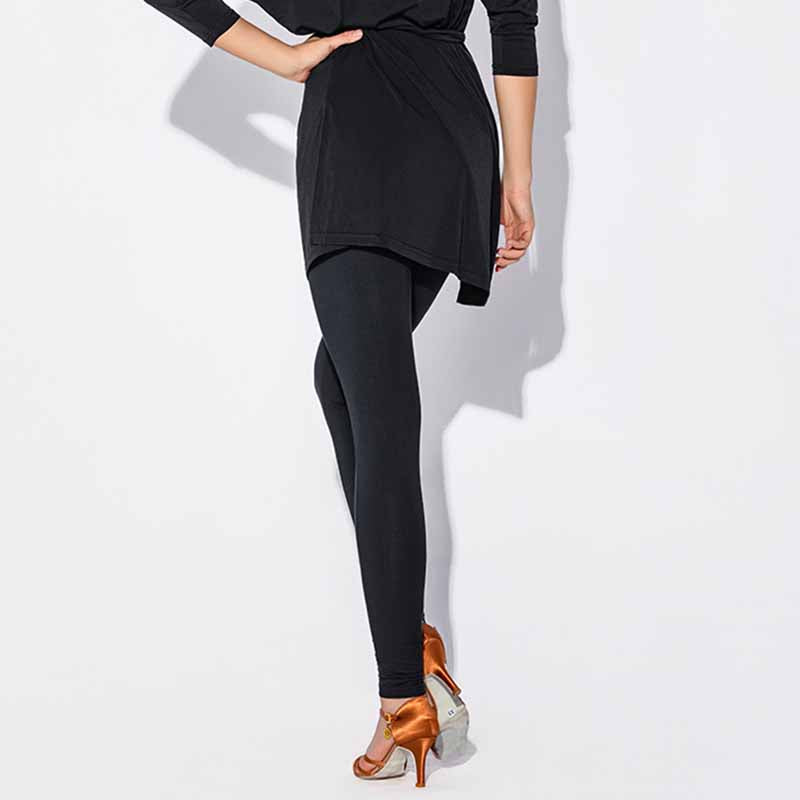
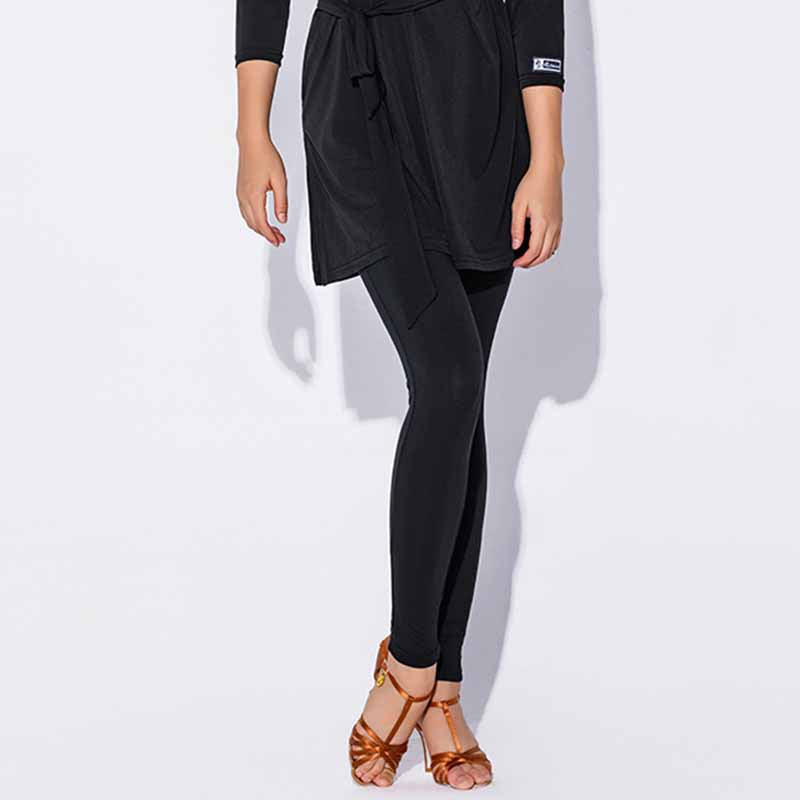
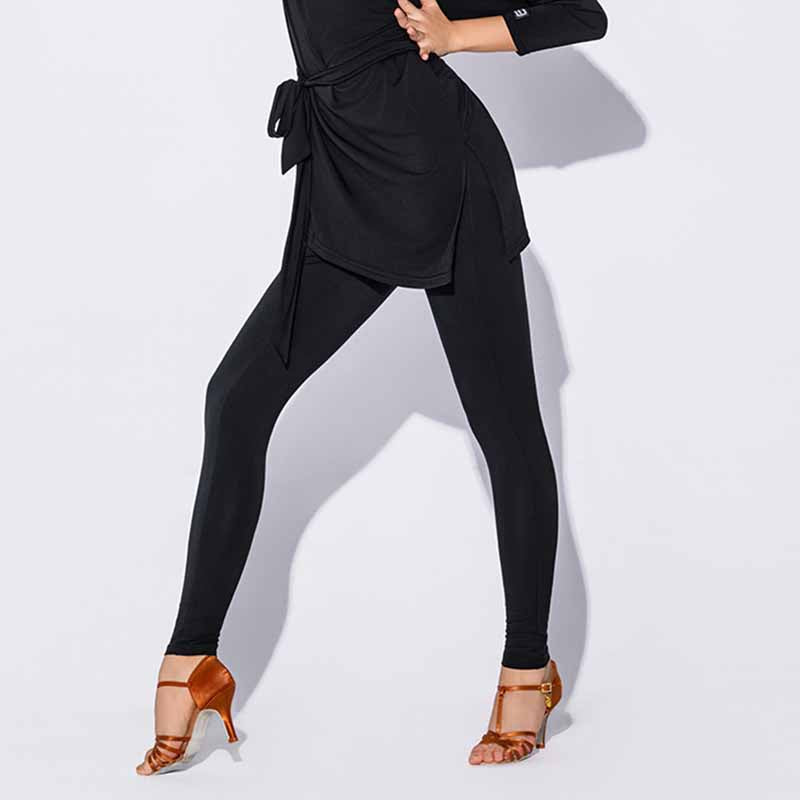
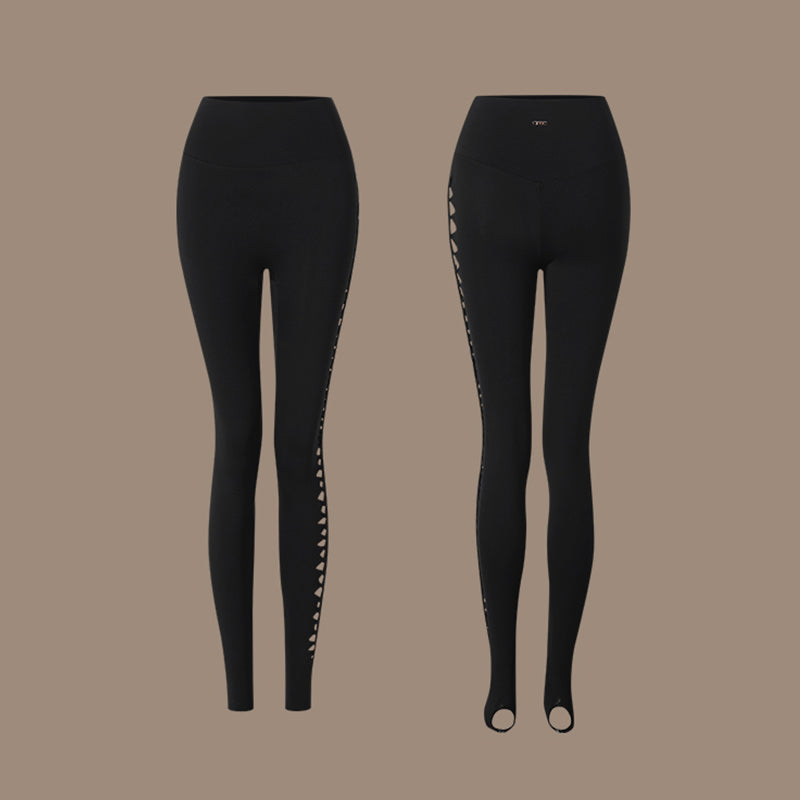
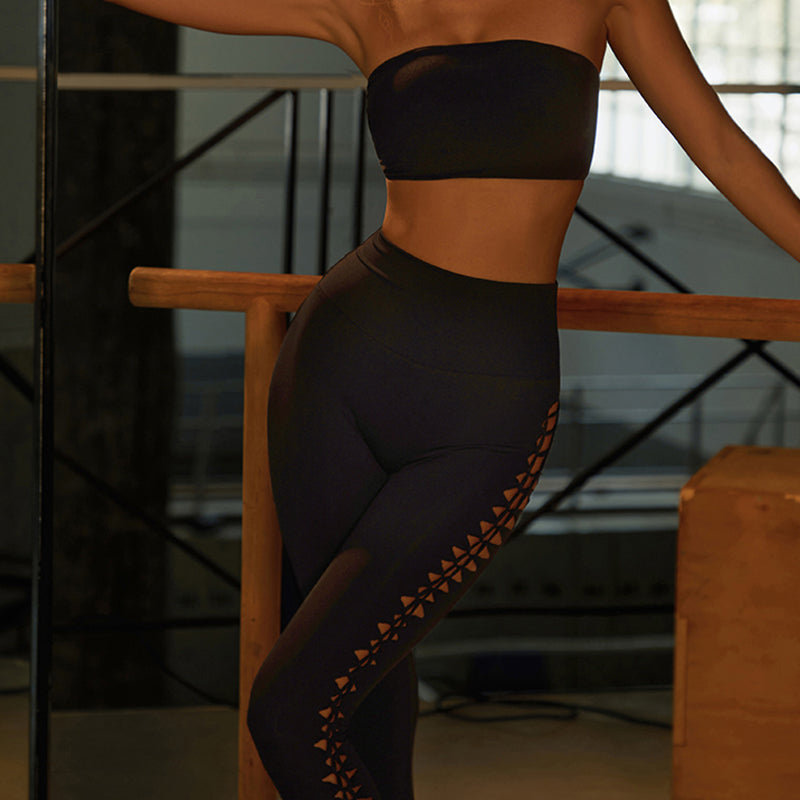
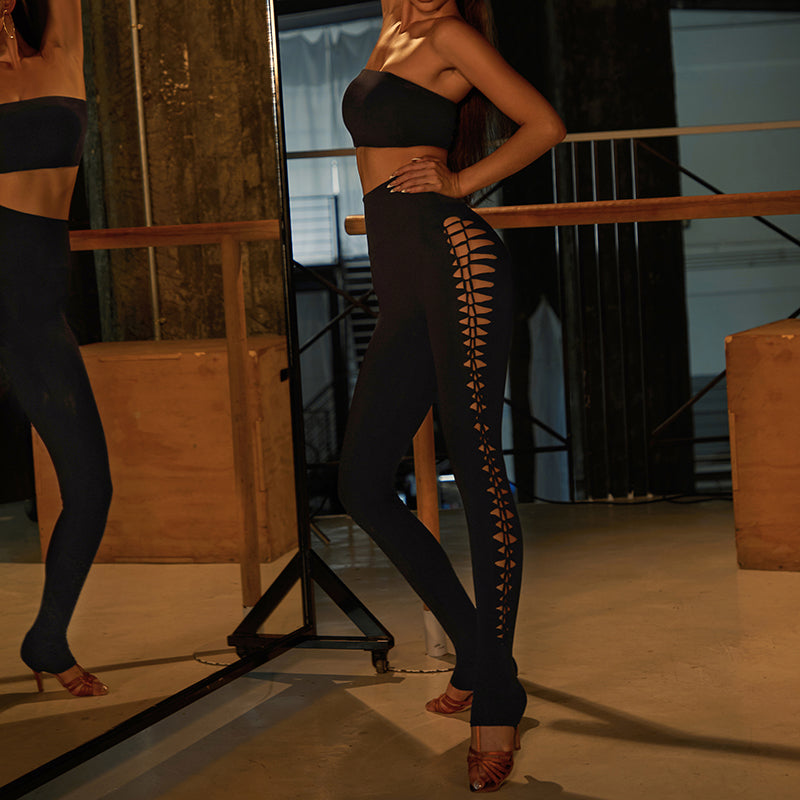
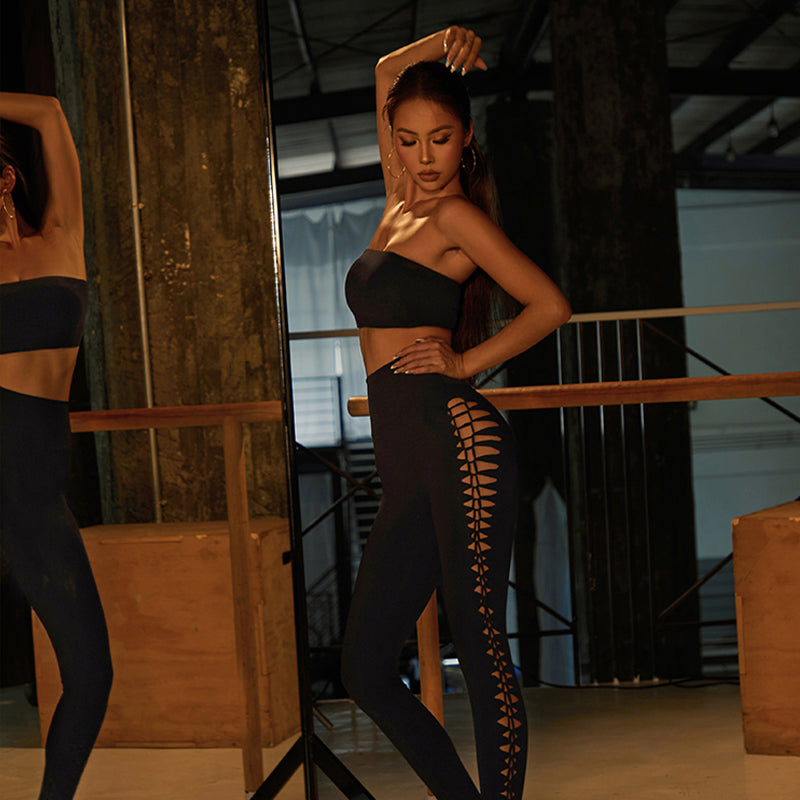
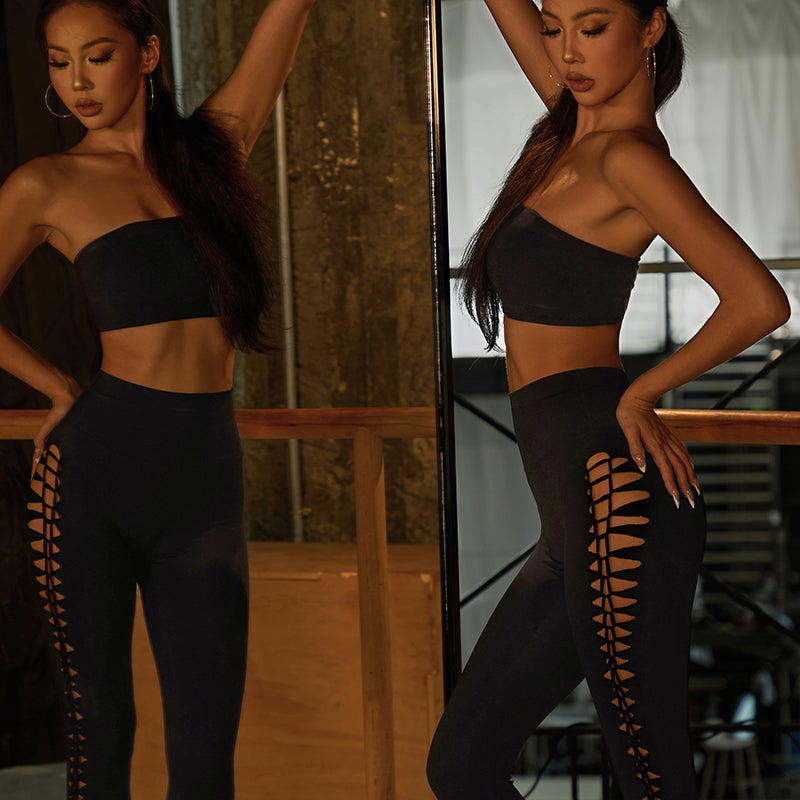
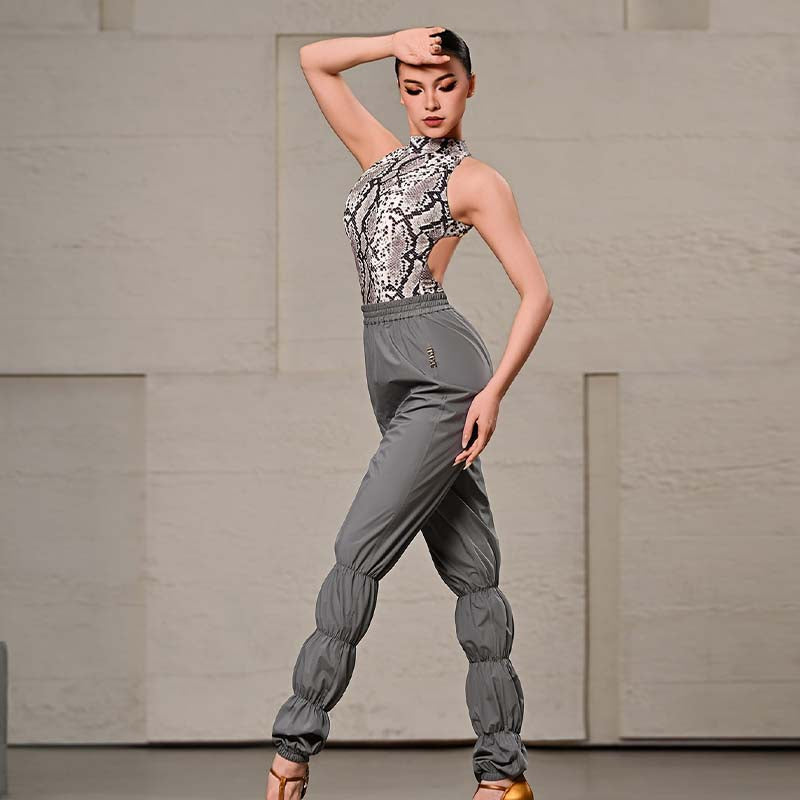
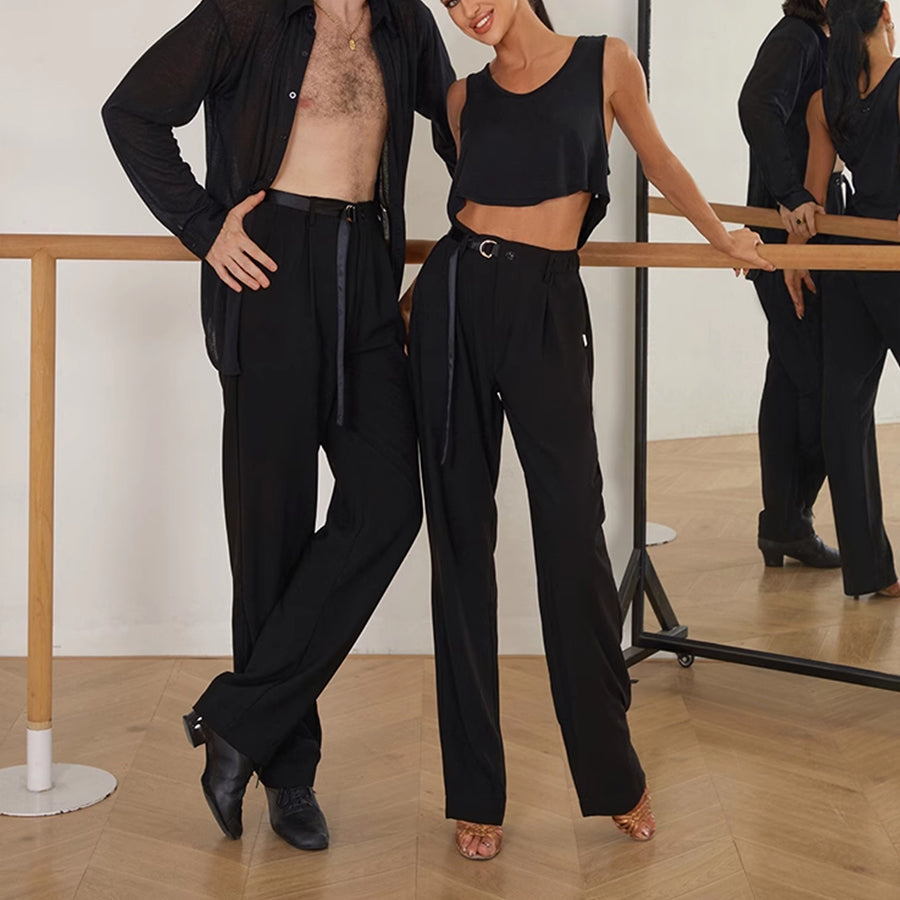
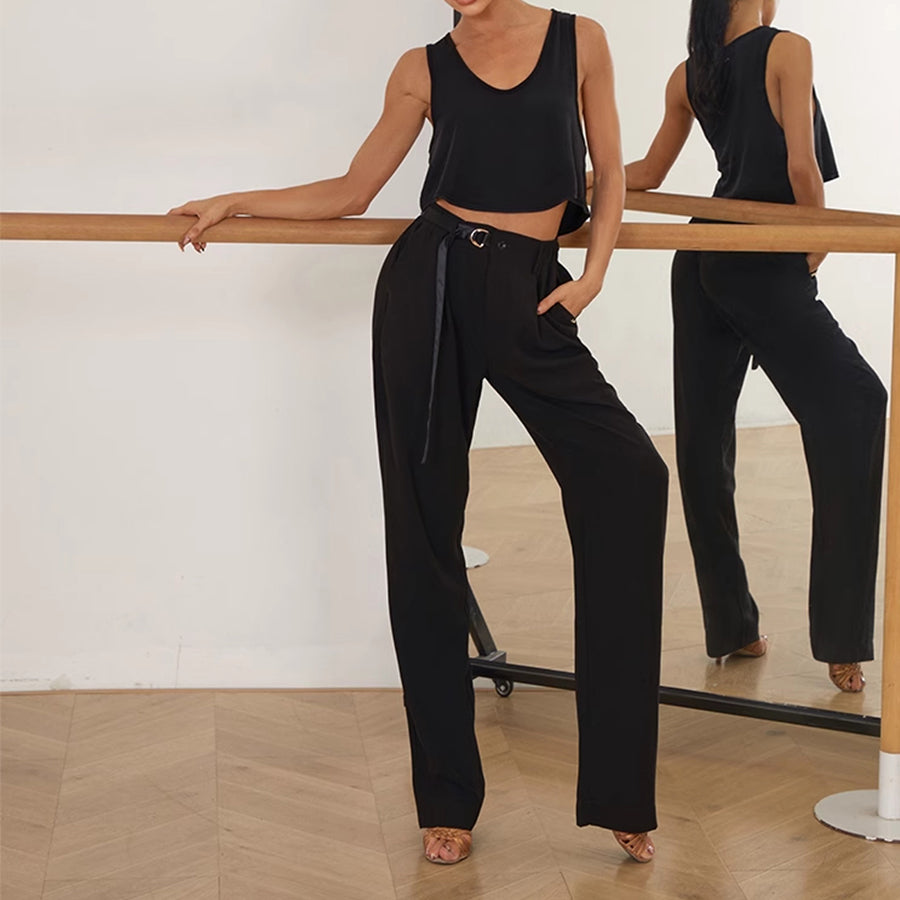
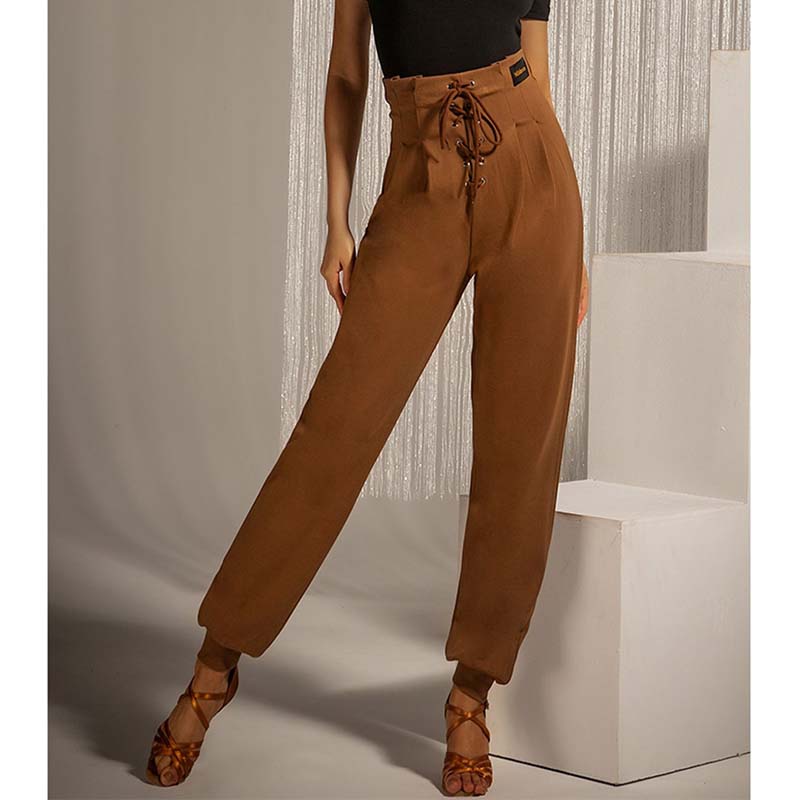
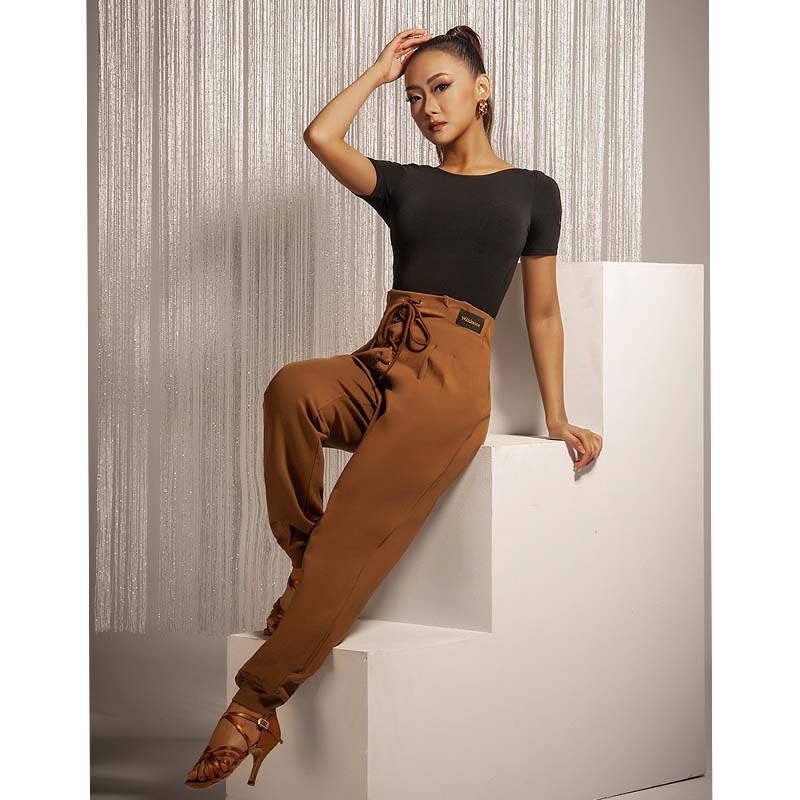
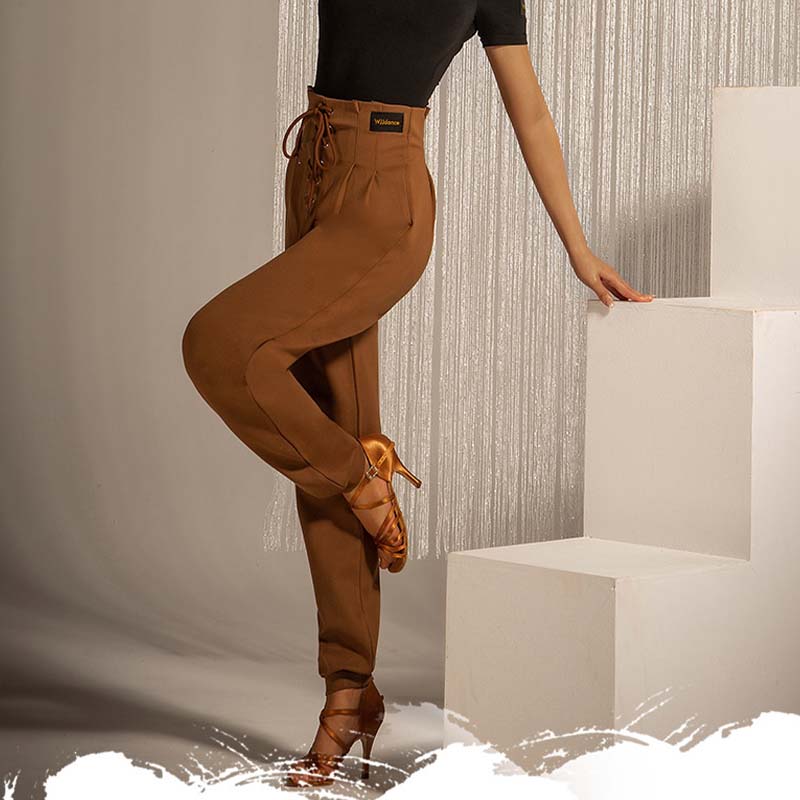
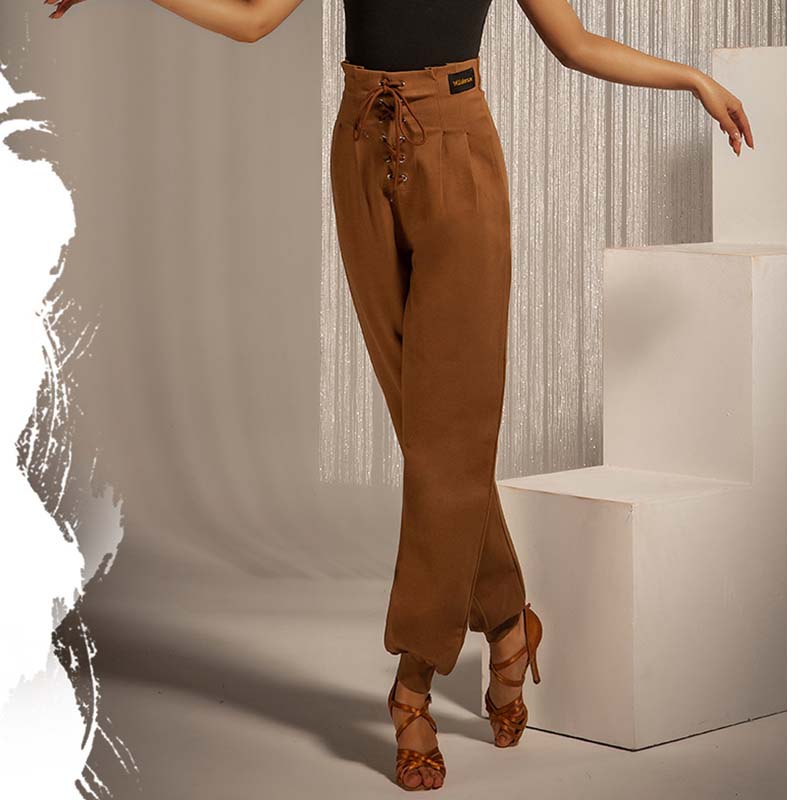
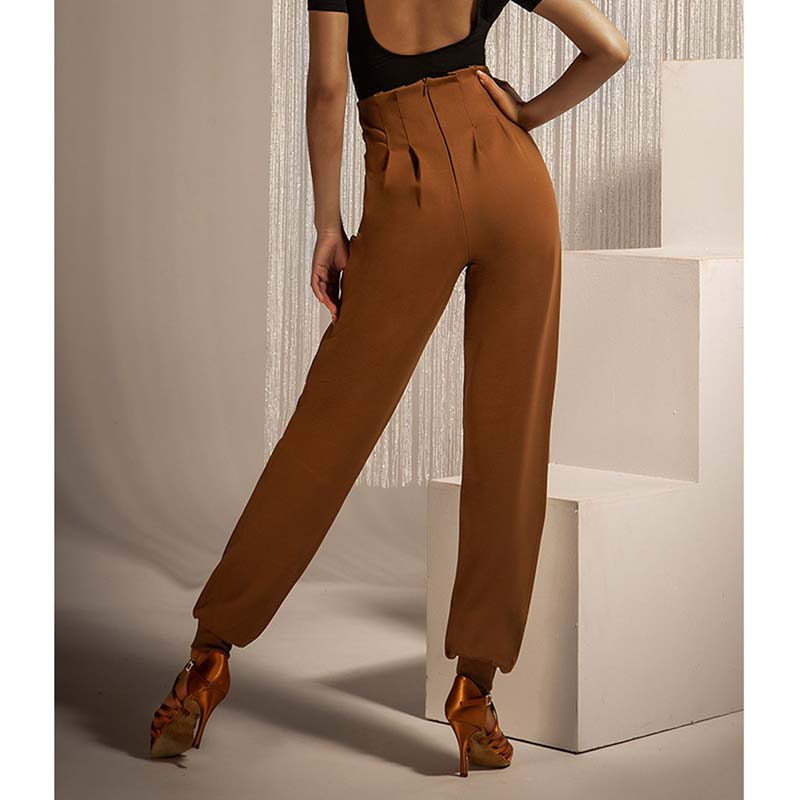
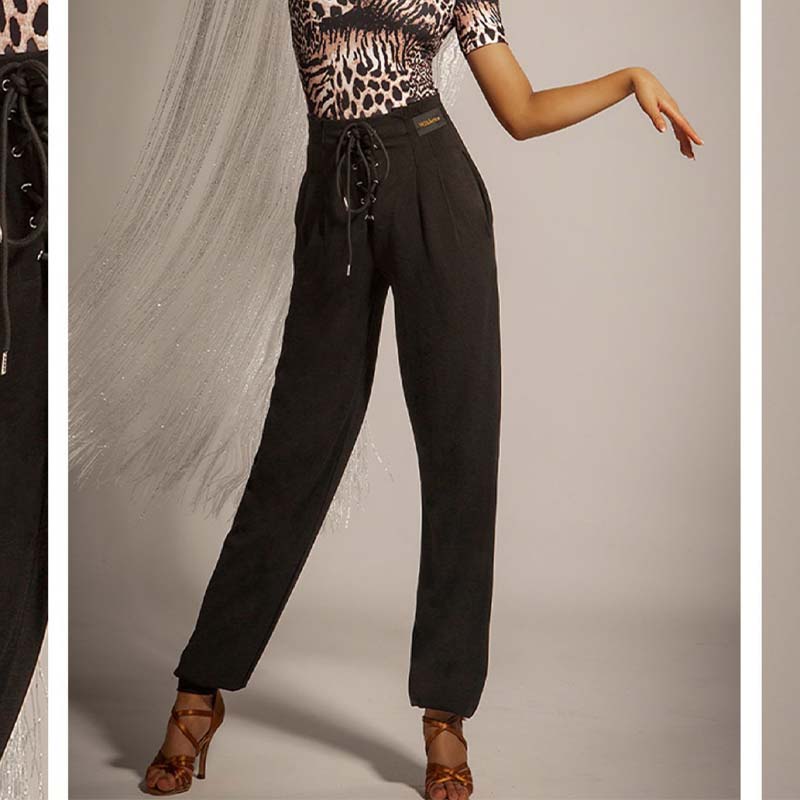
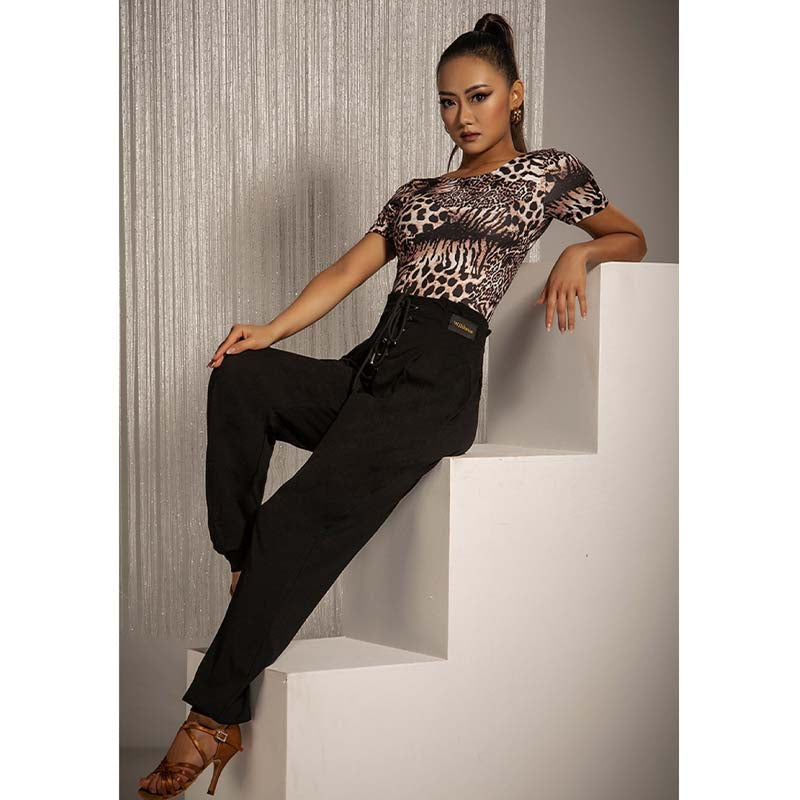
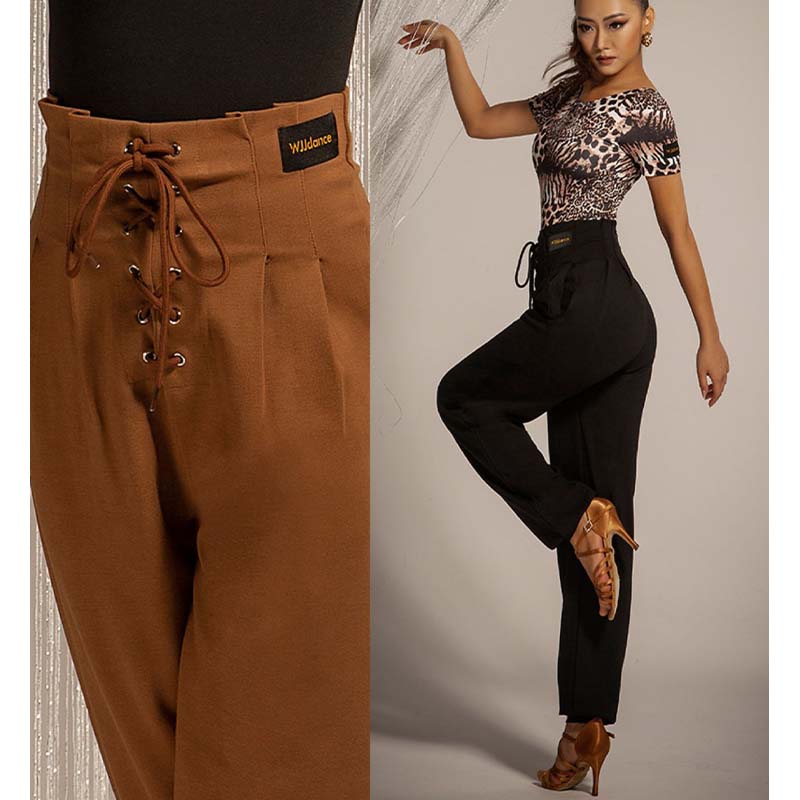
Close-cut trousers, high-waisted and fitted through the hip, keep the hip action fully visible. This is what Latin practice generally asks for, and it is the cut that most resembles what you see on a competition floor at practice level.
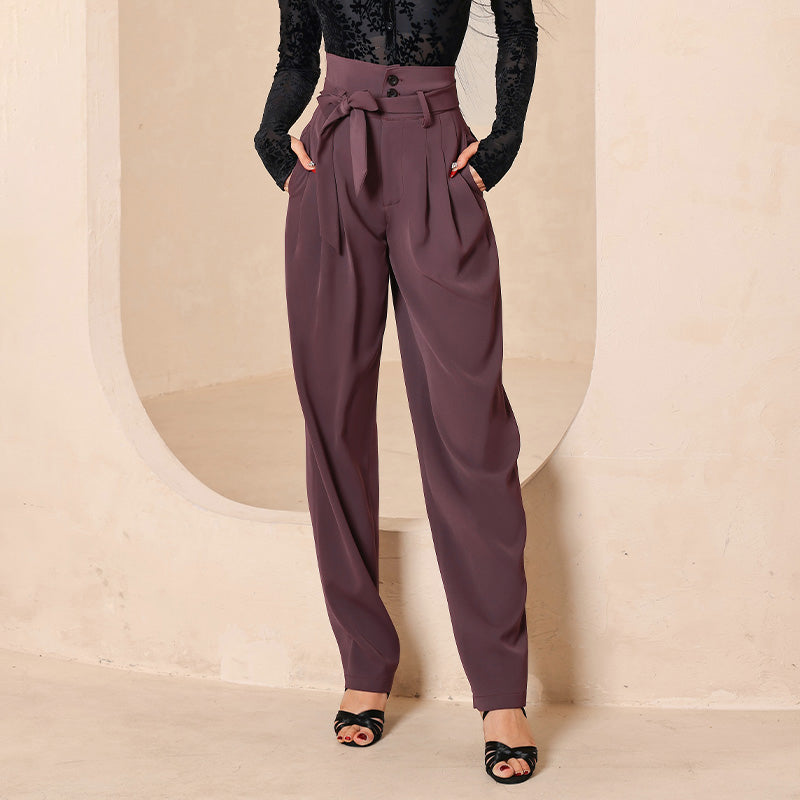
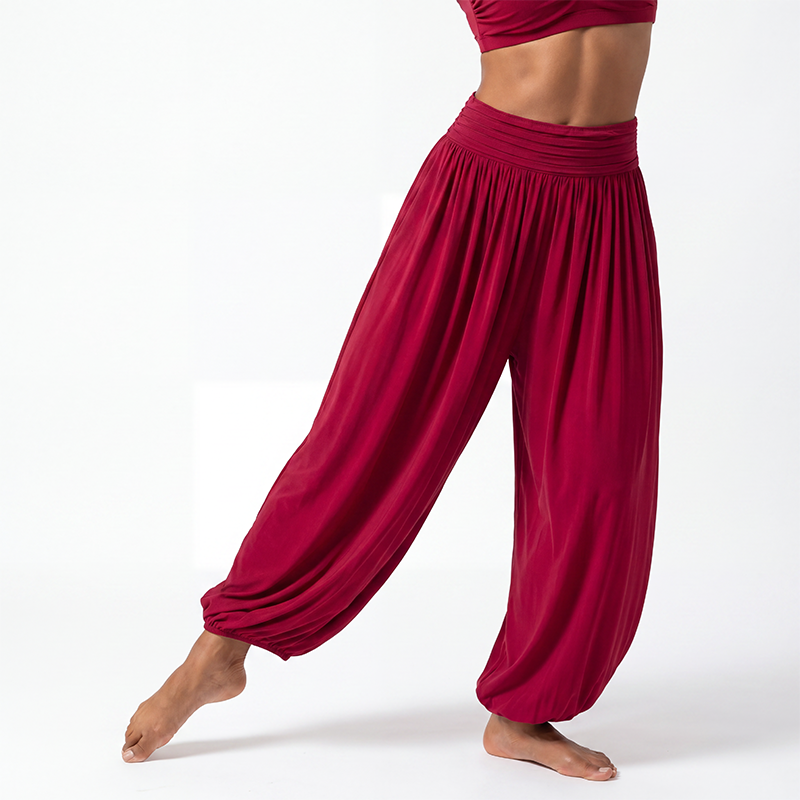
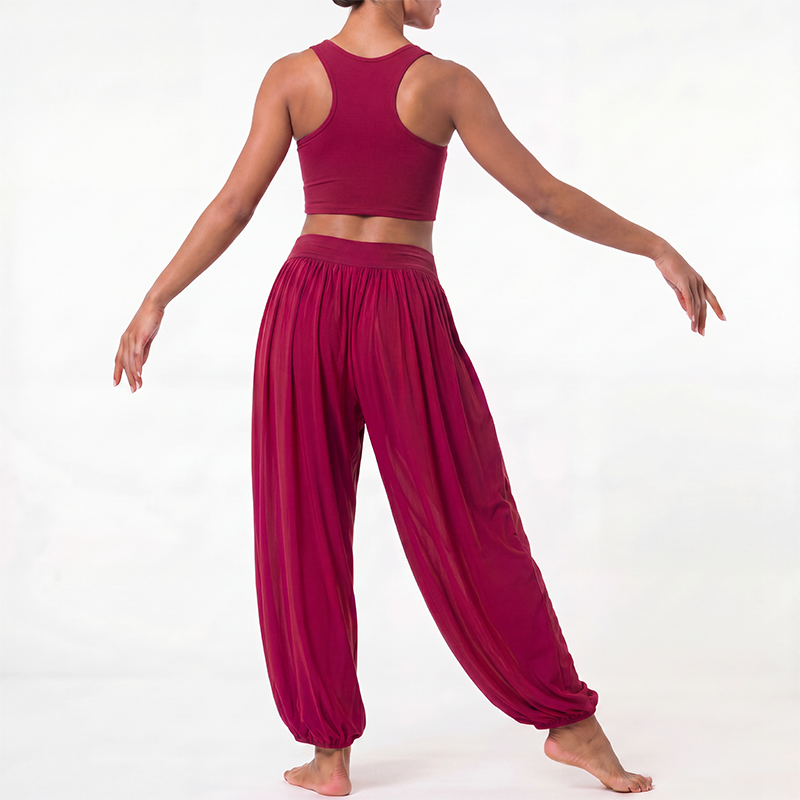
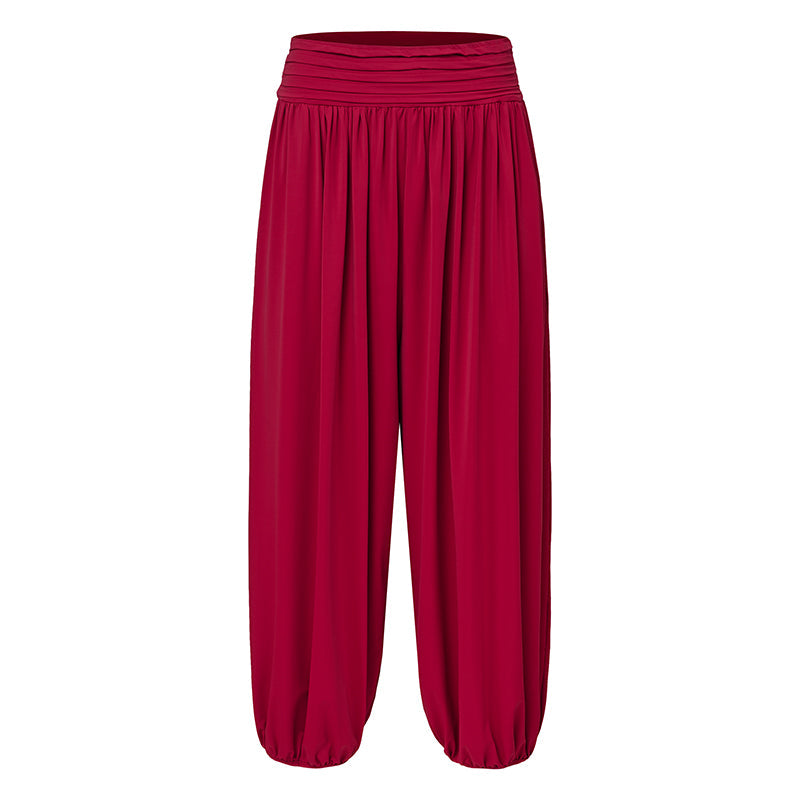
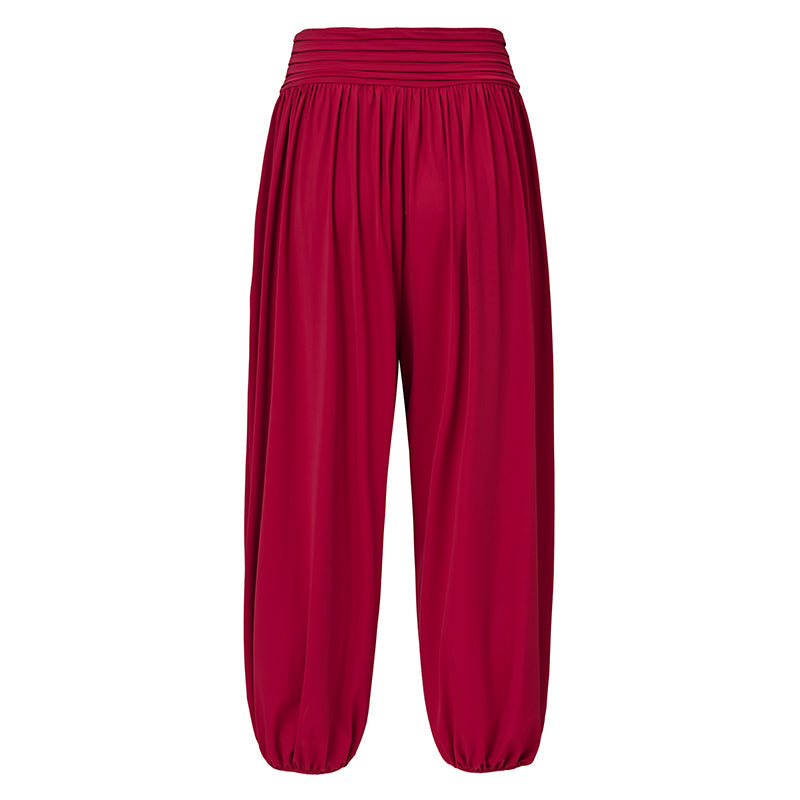
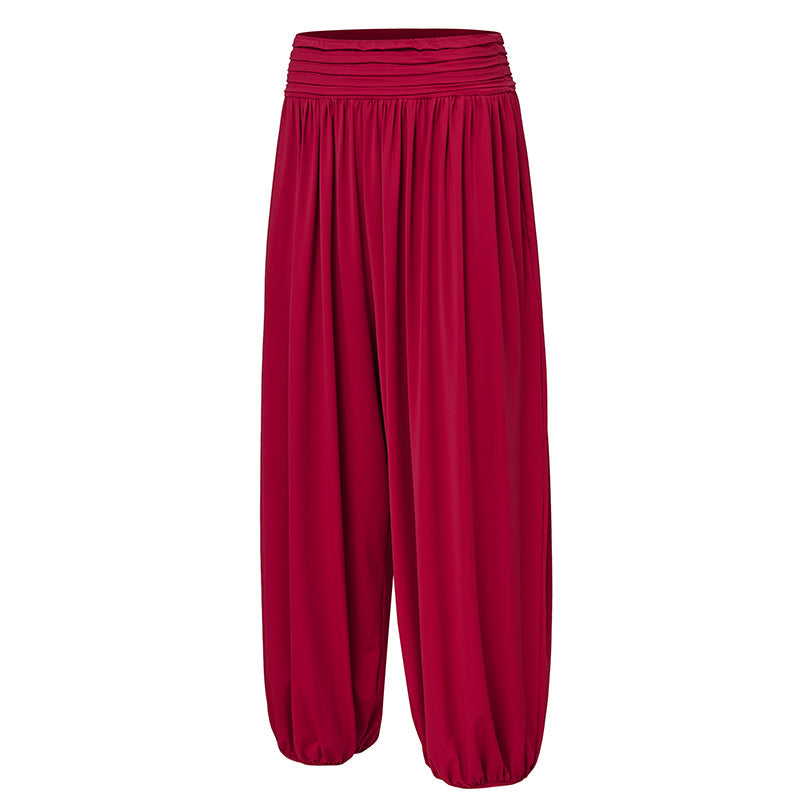
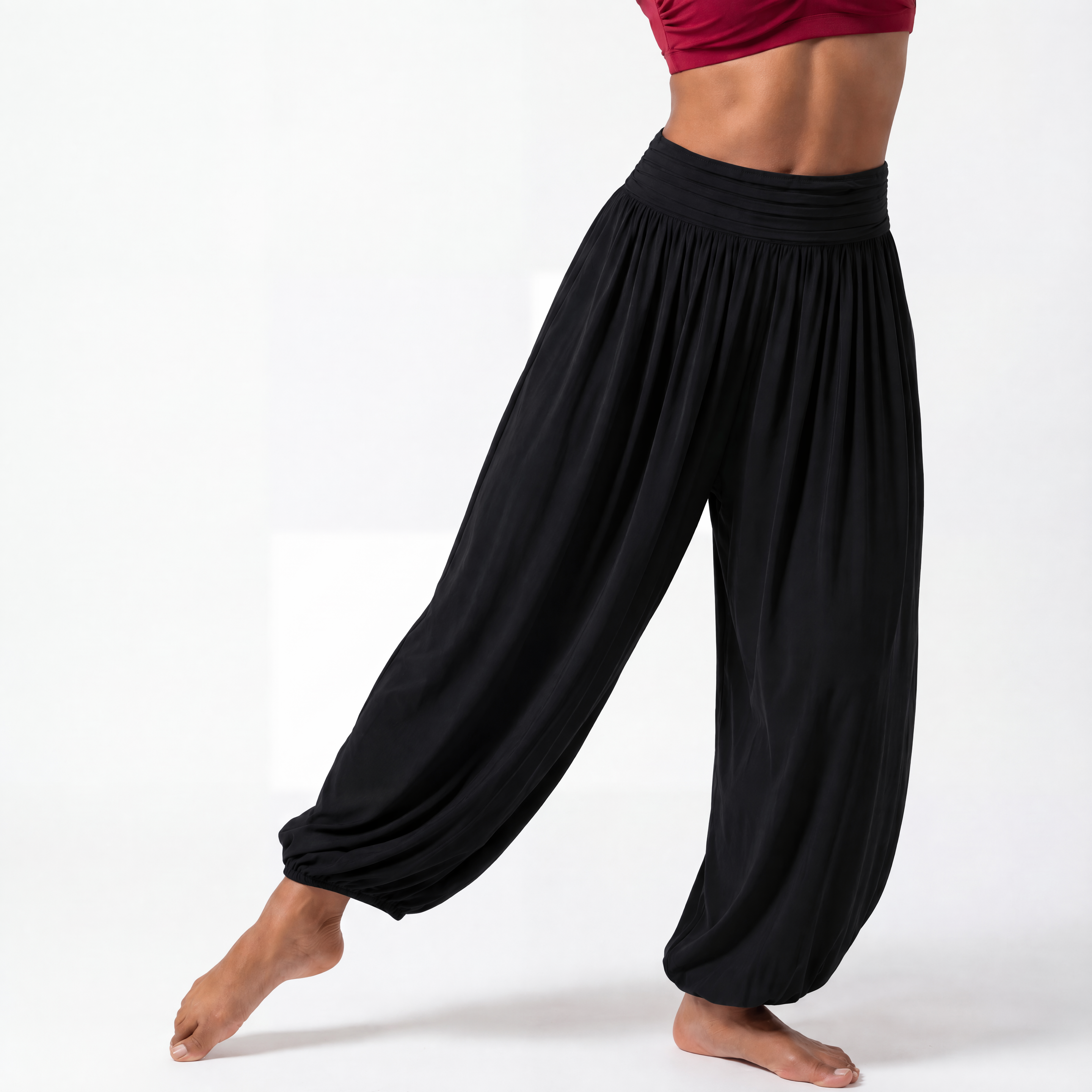
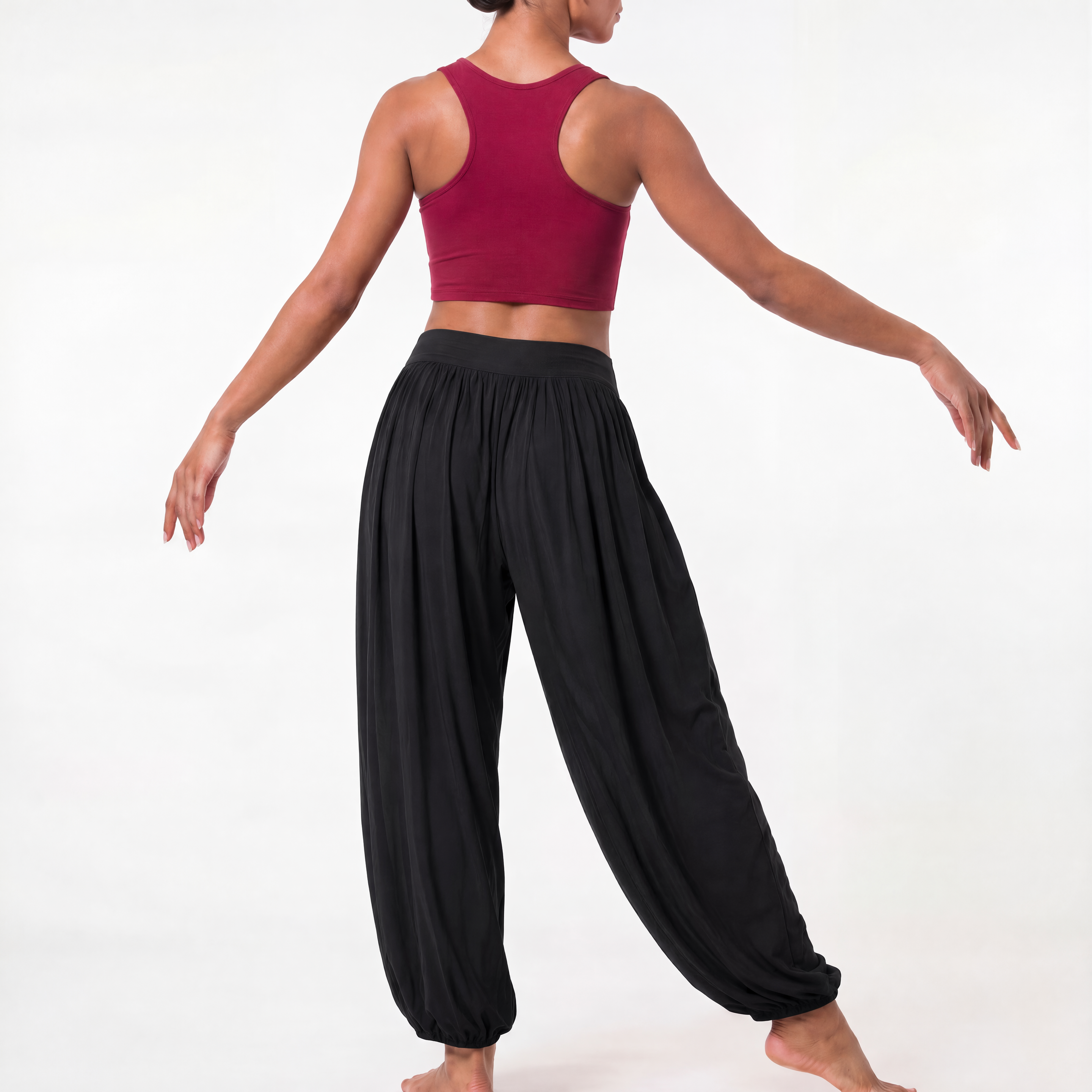
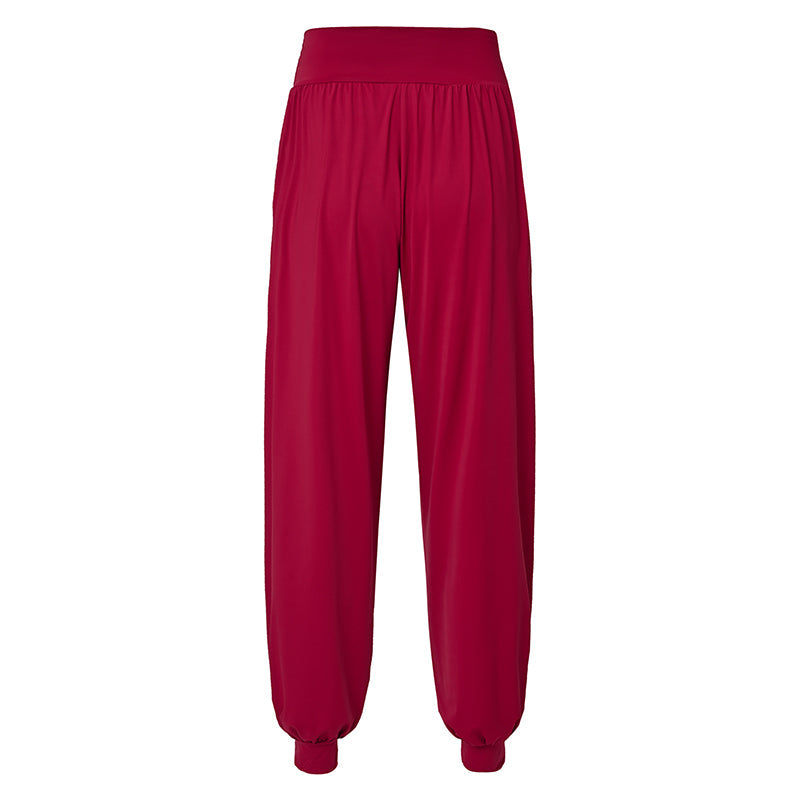
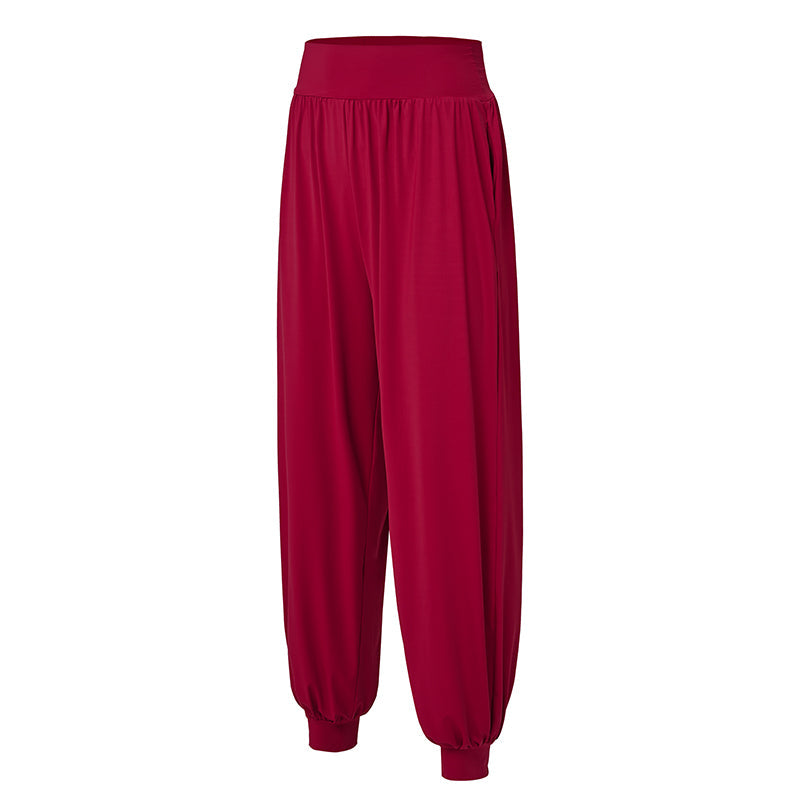
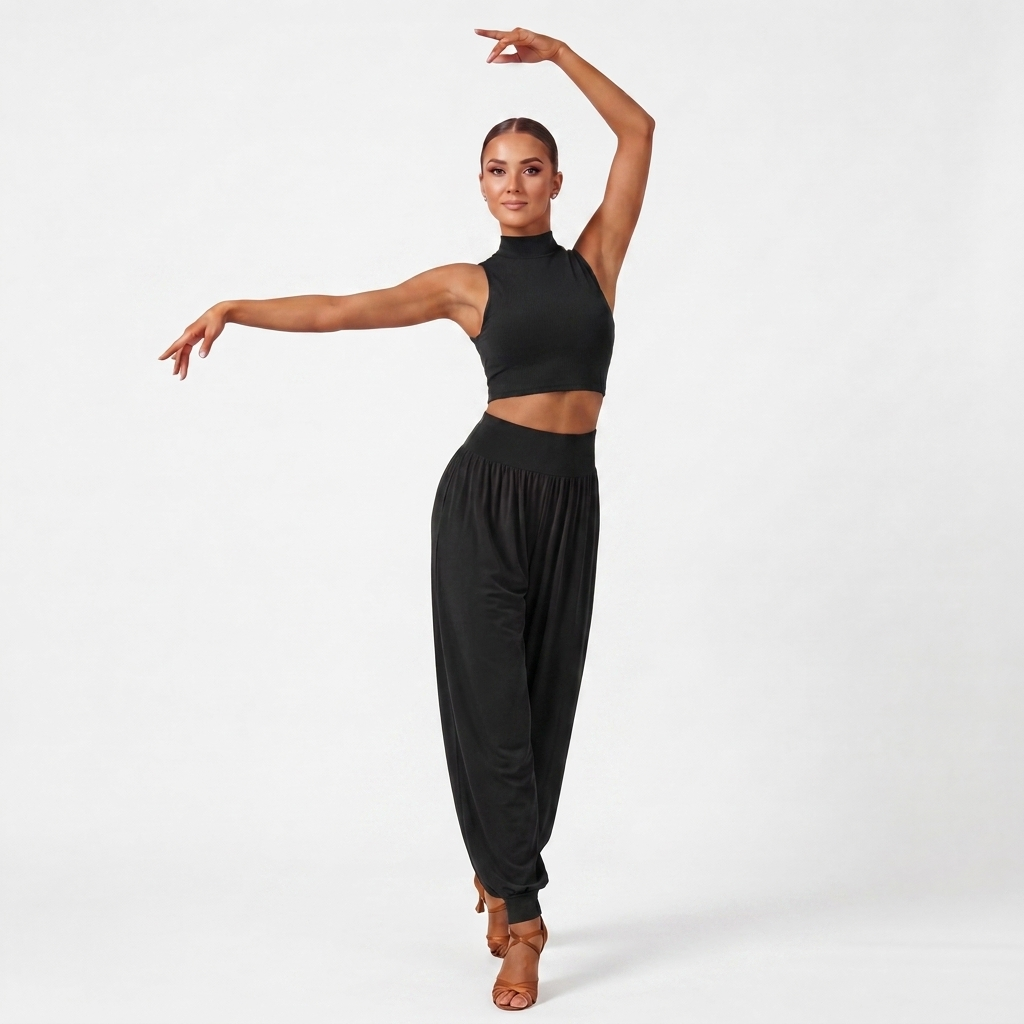
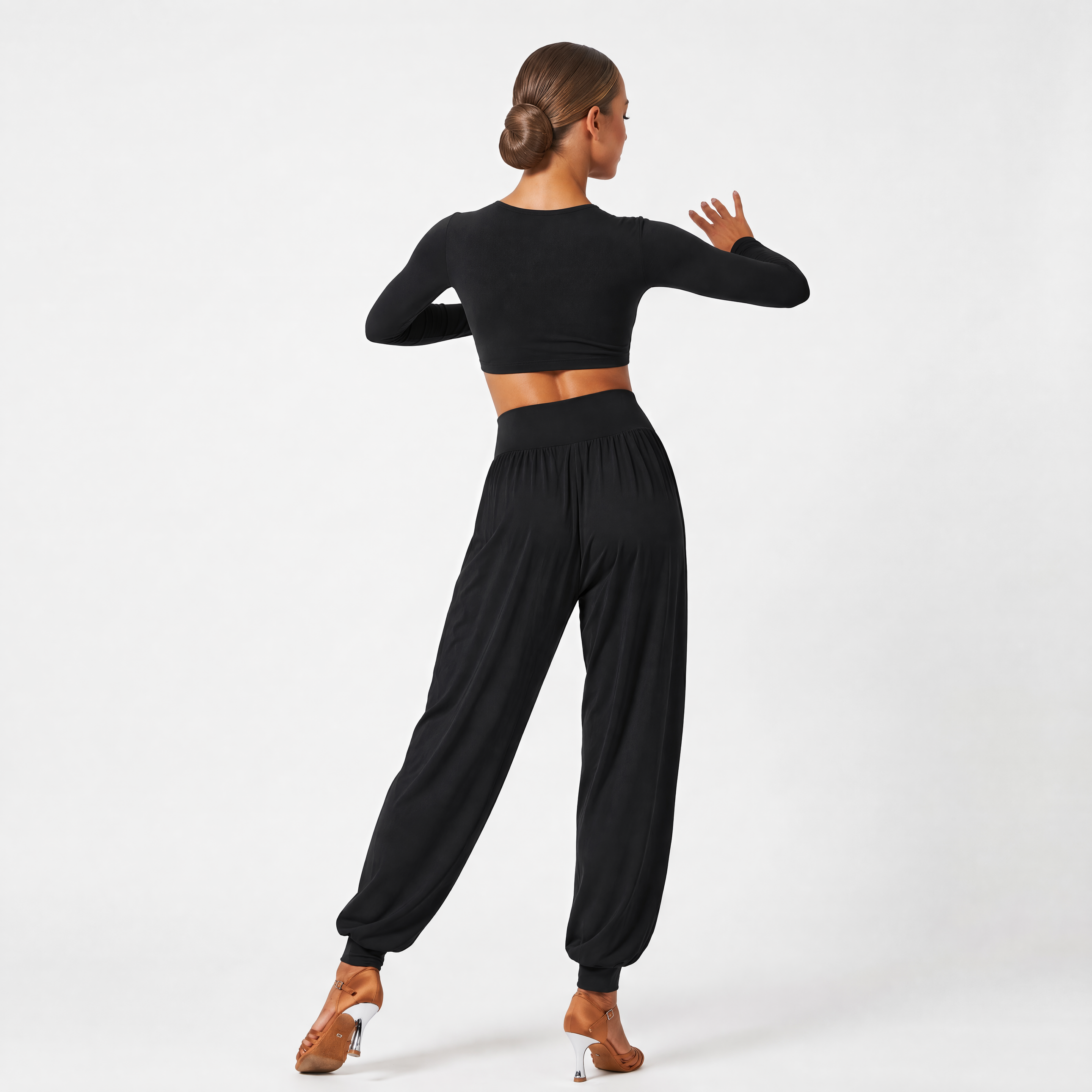
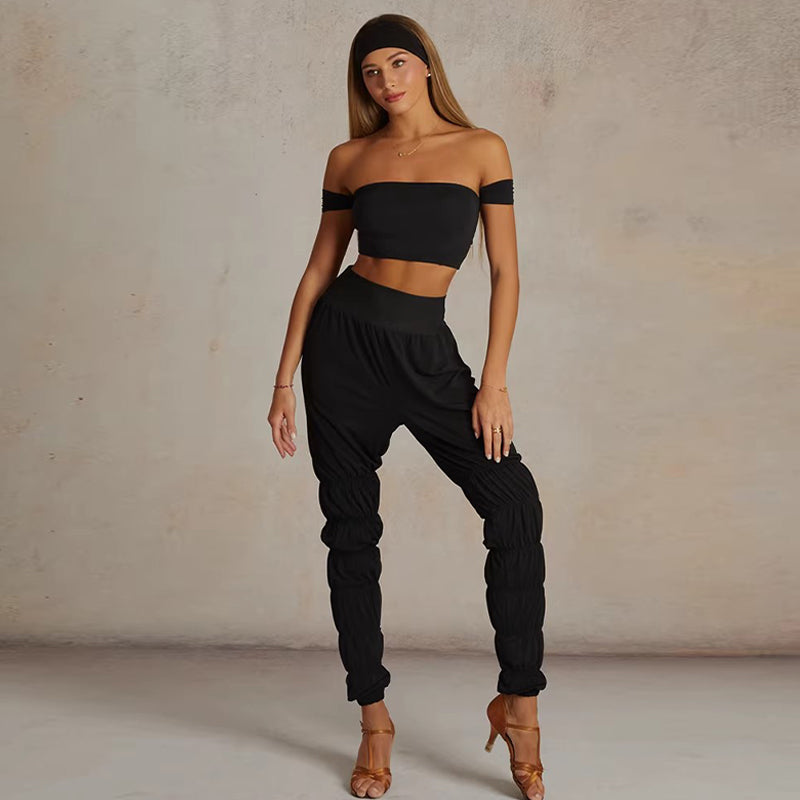
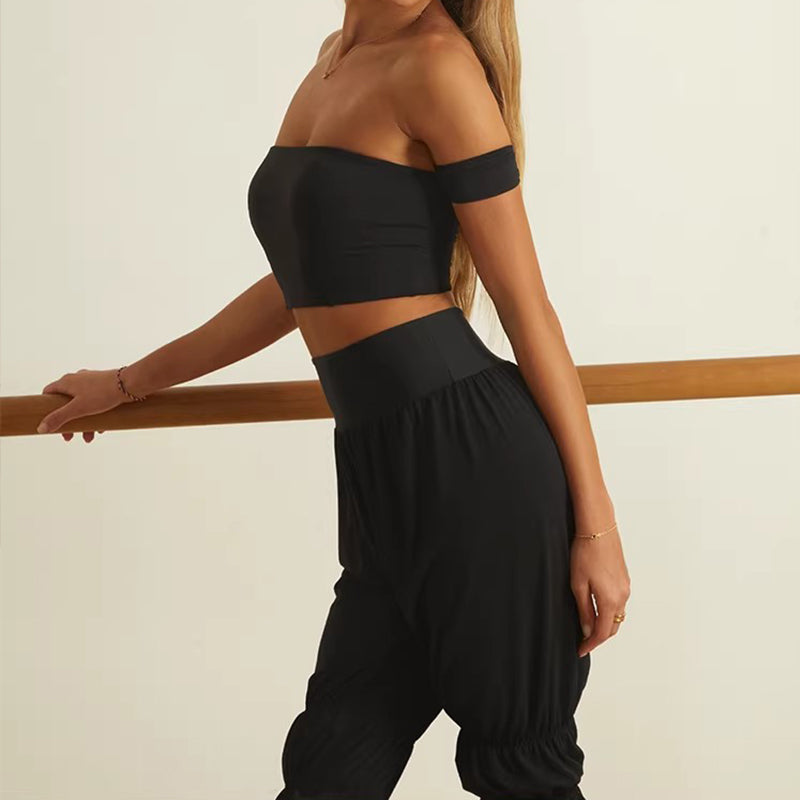
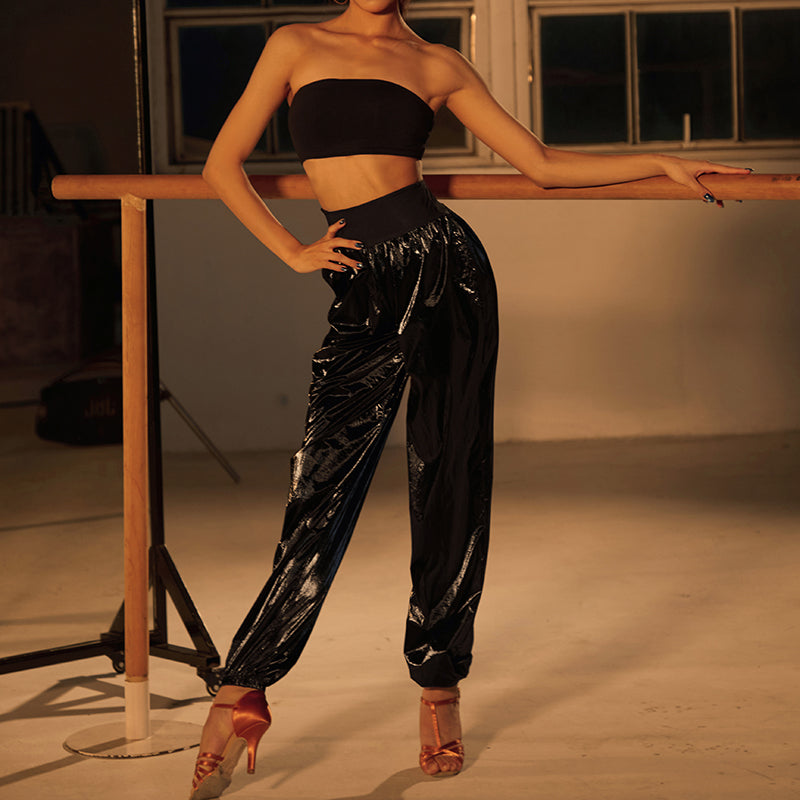
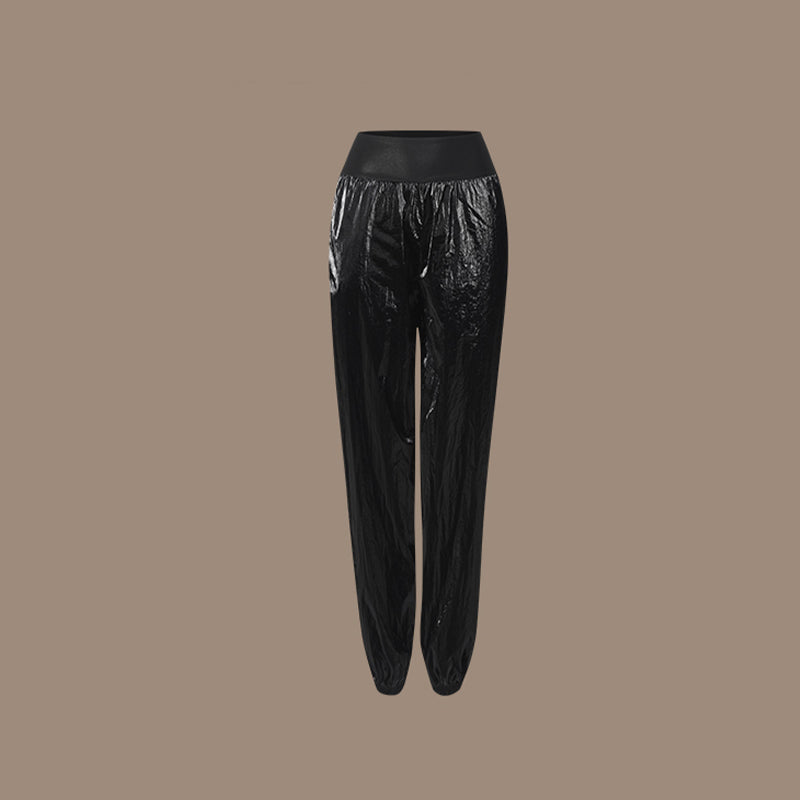
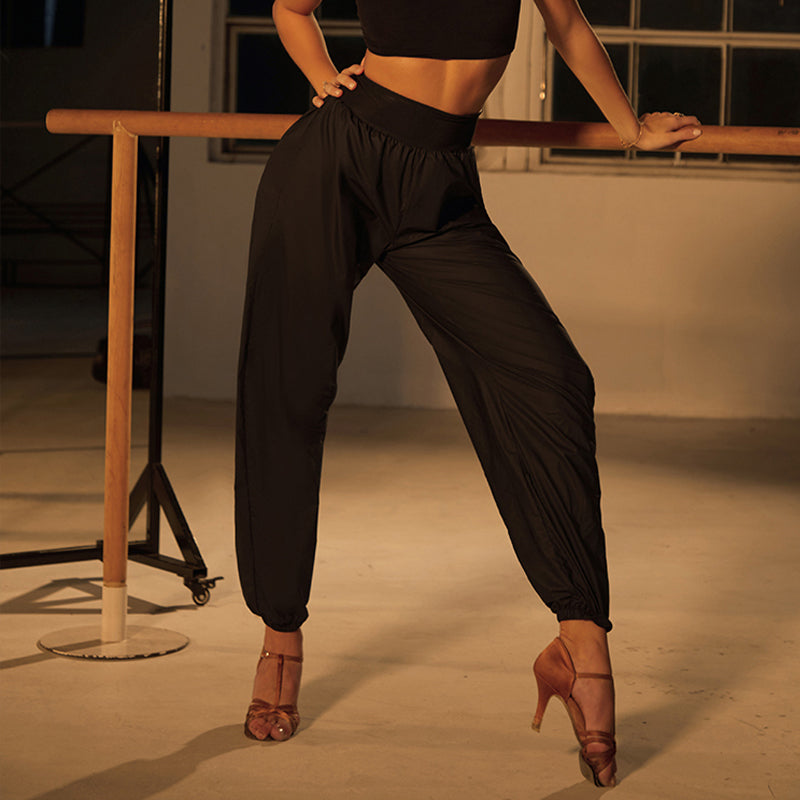
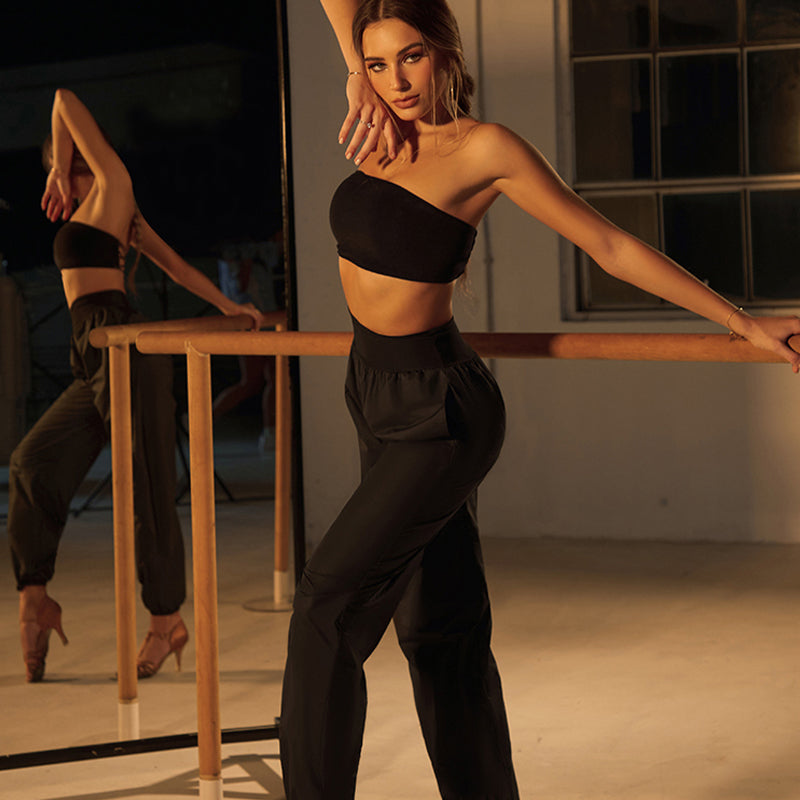
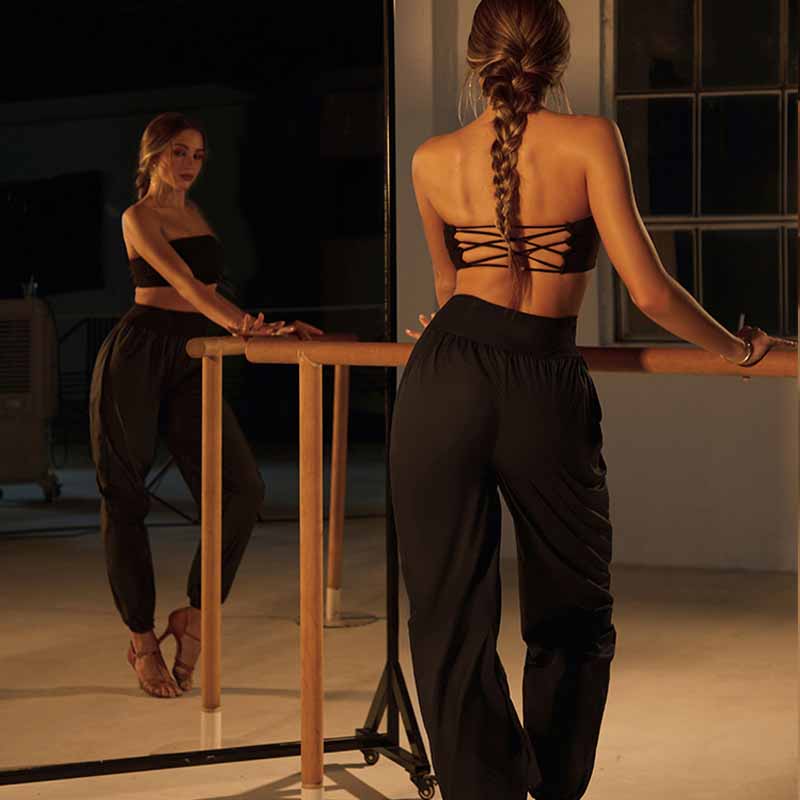
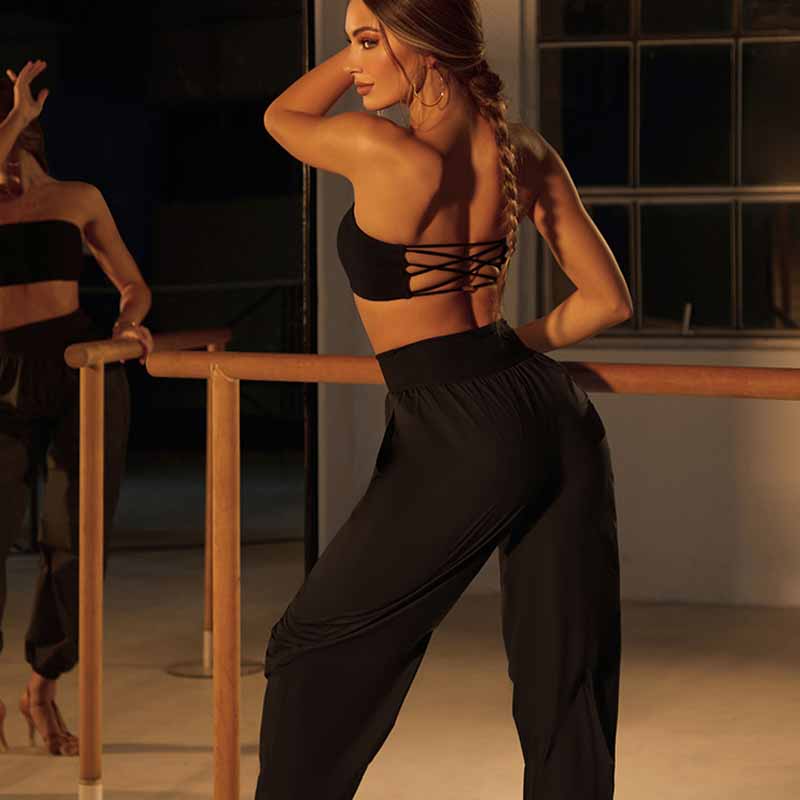
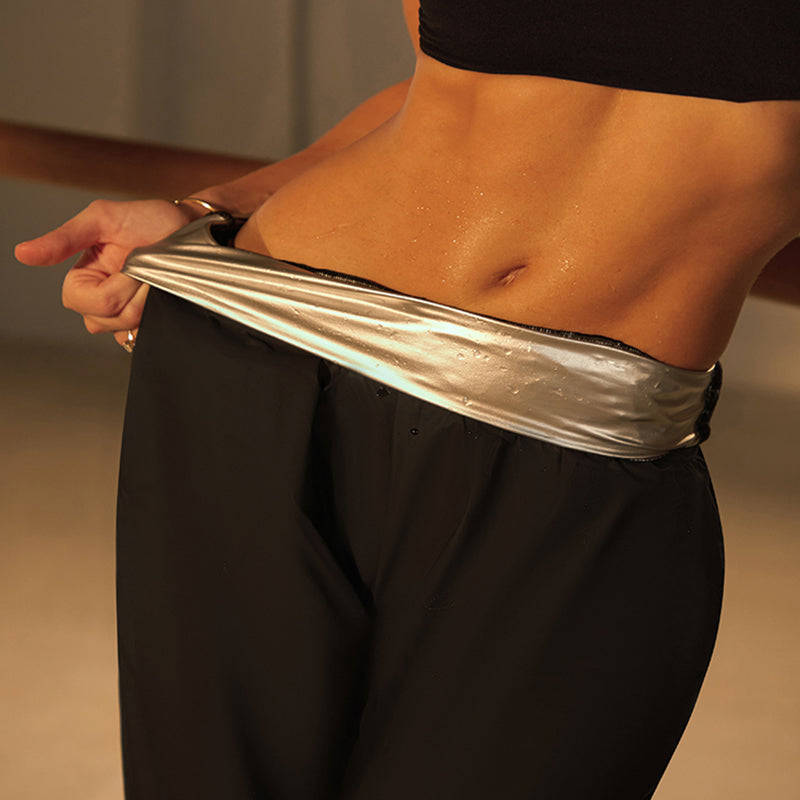
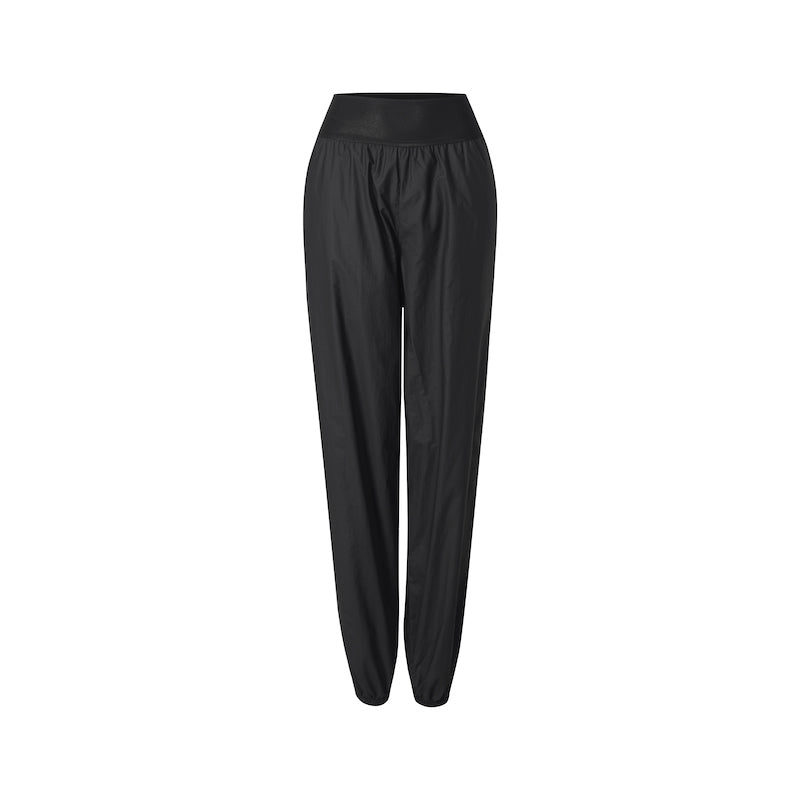
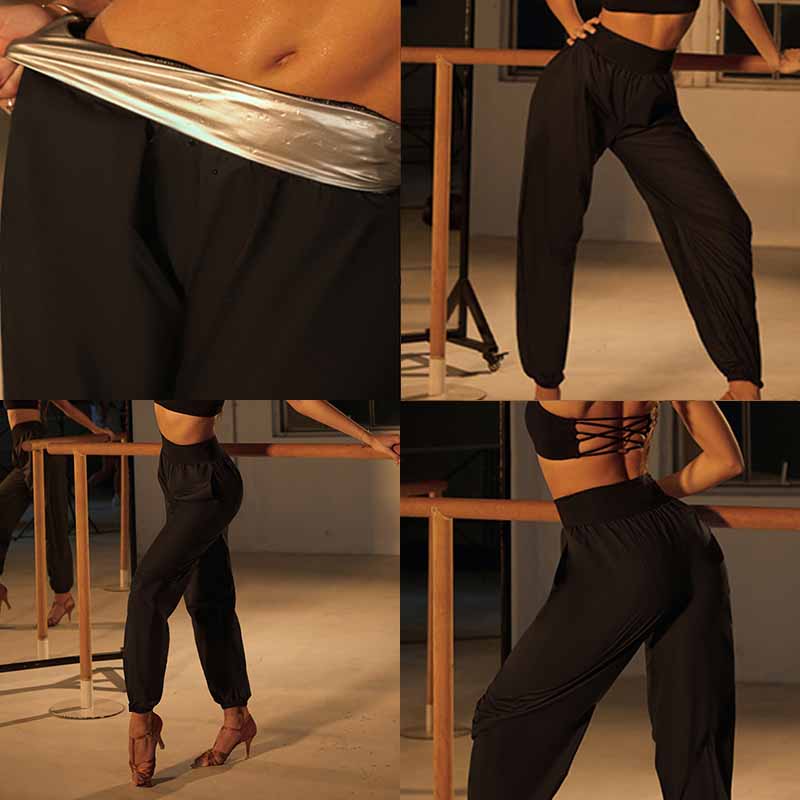
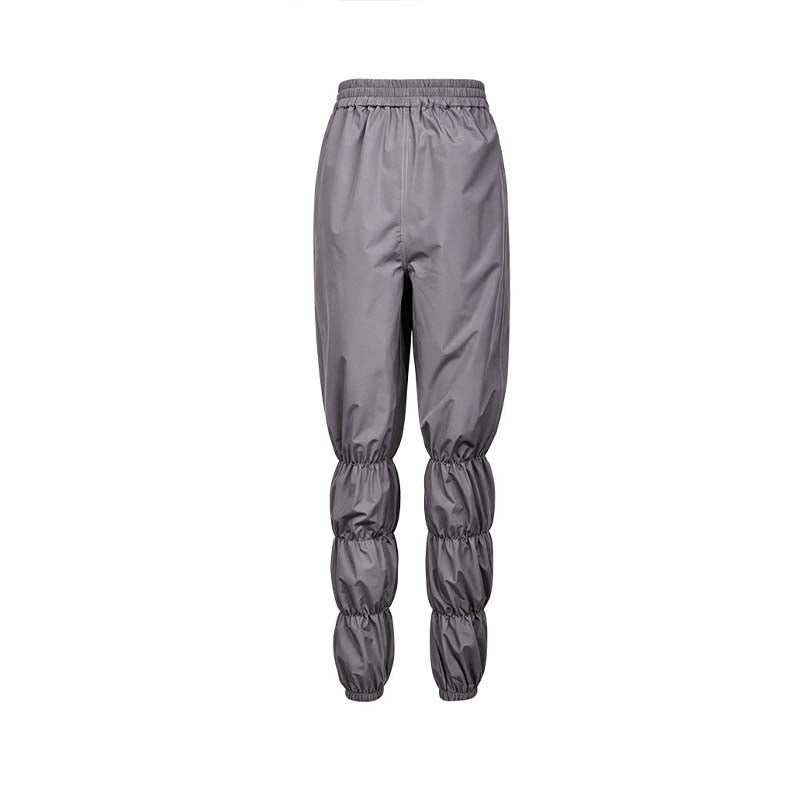
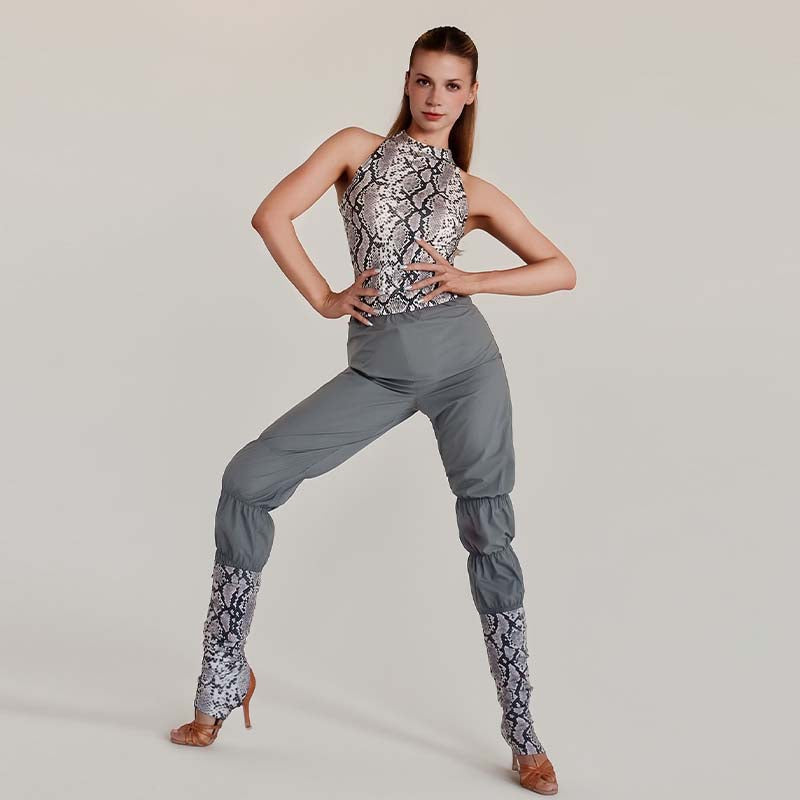
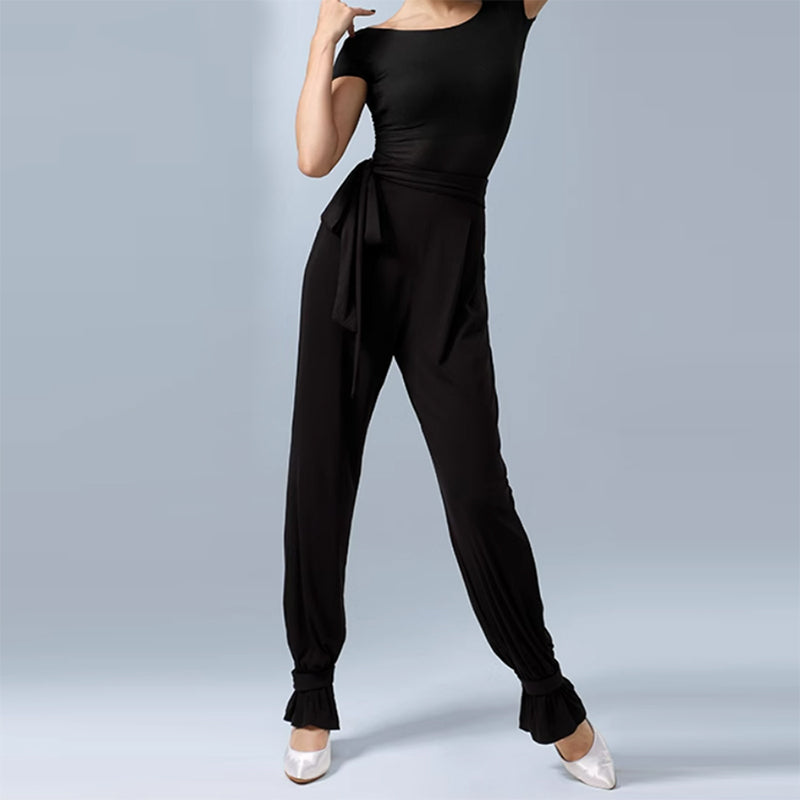
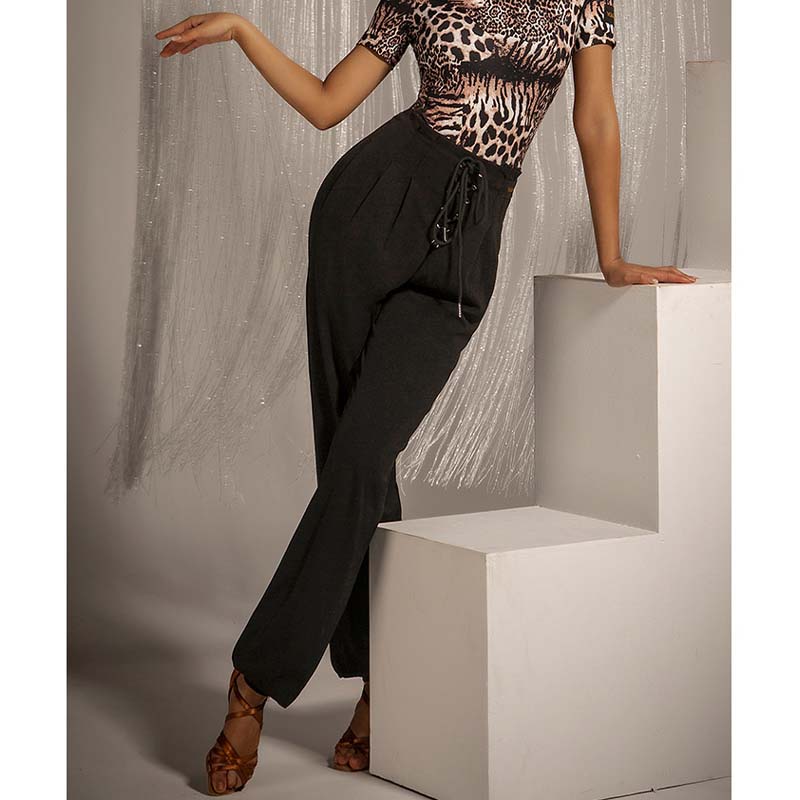
Loose harem and draped cuts are the outlier: very comfortable, very forgiving, and best for solo practice or warm-up rather than partner work, since the volume can catch.
Fabric, and Which Room You Are In
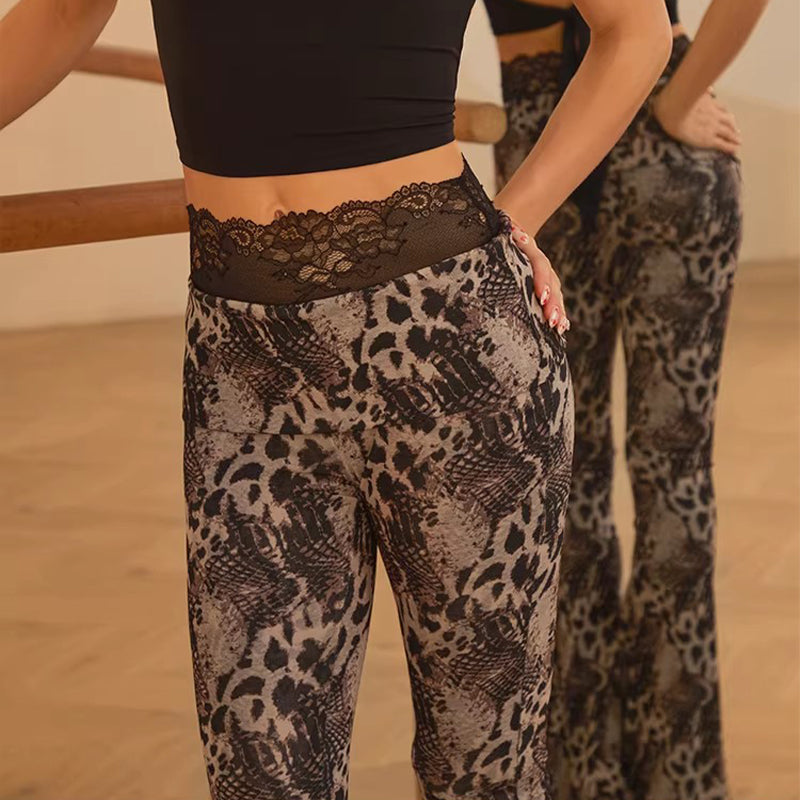
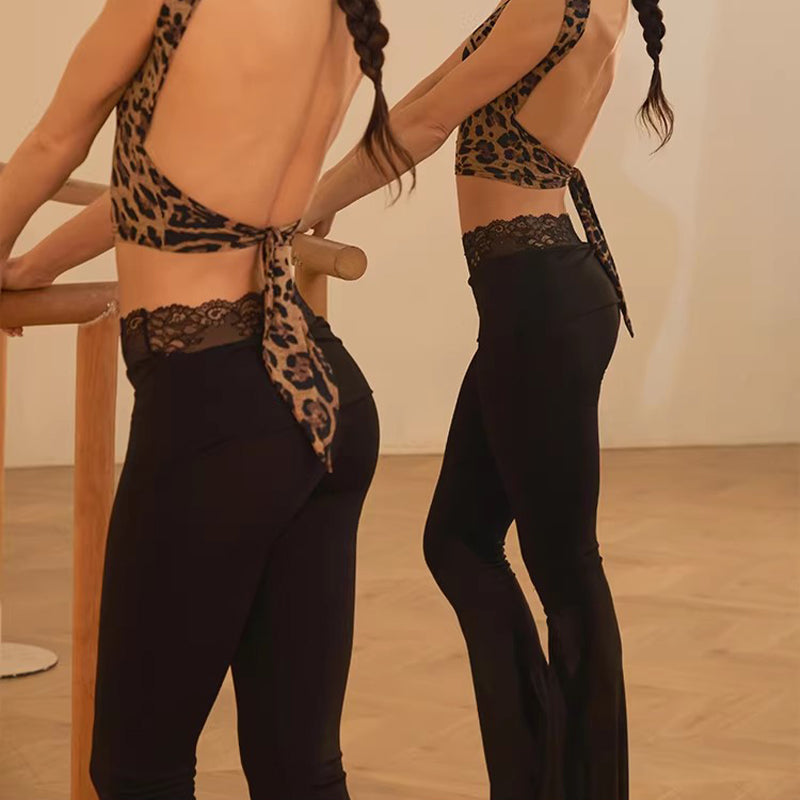
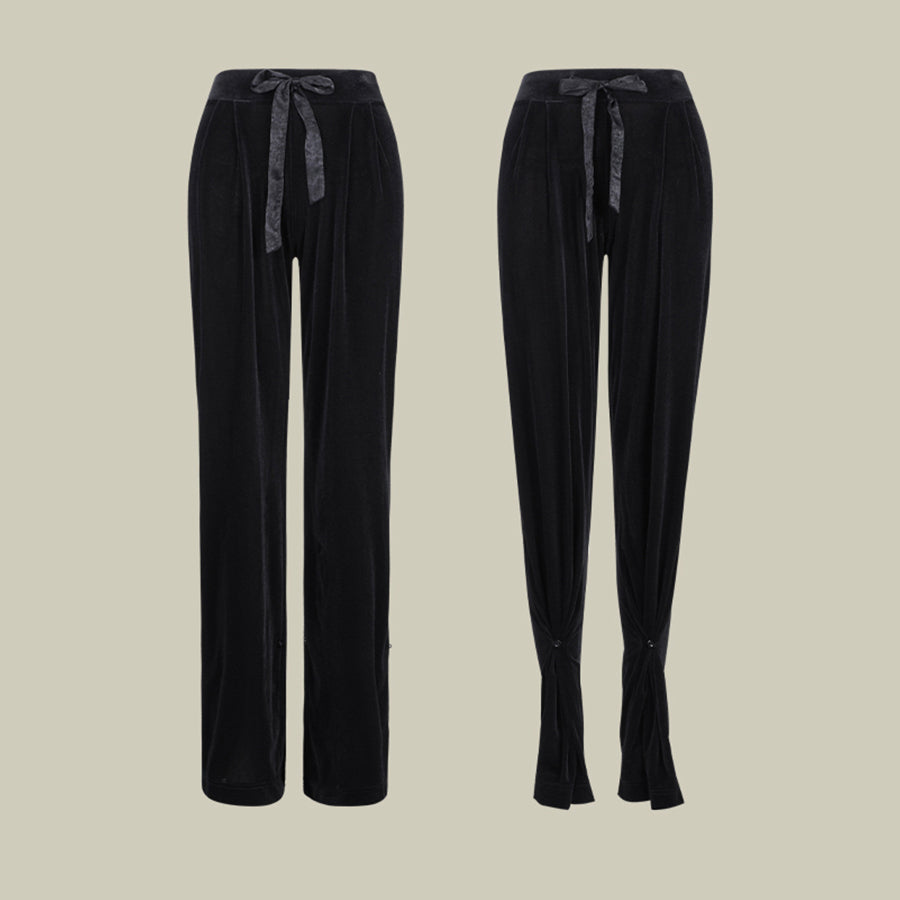
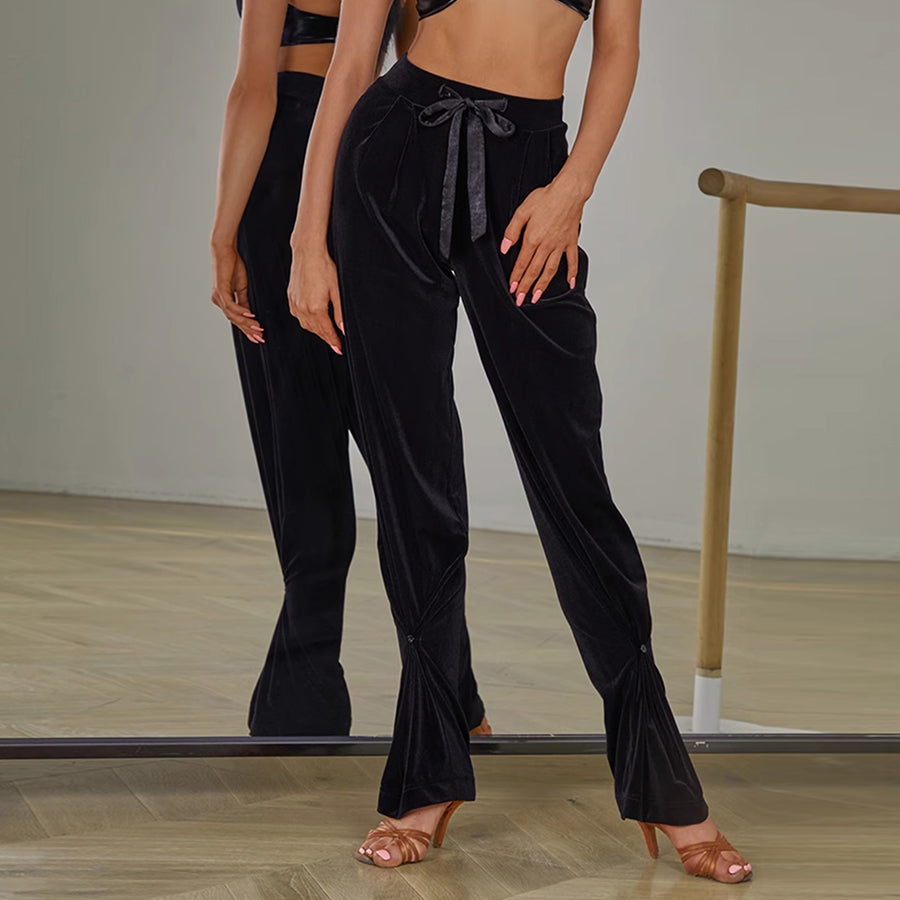
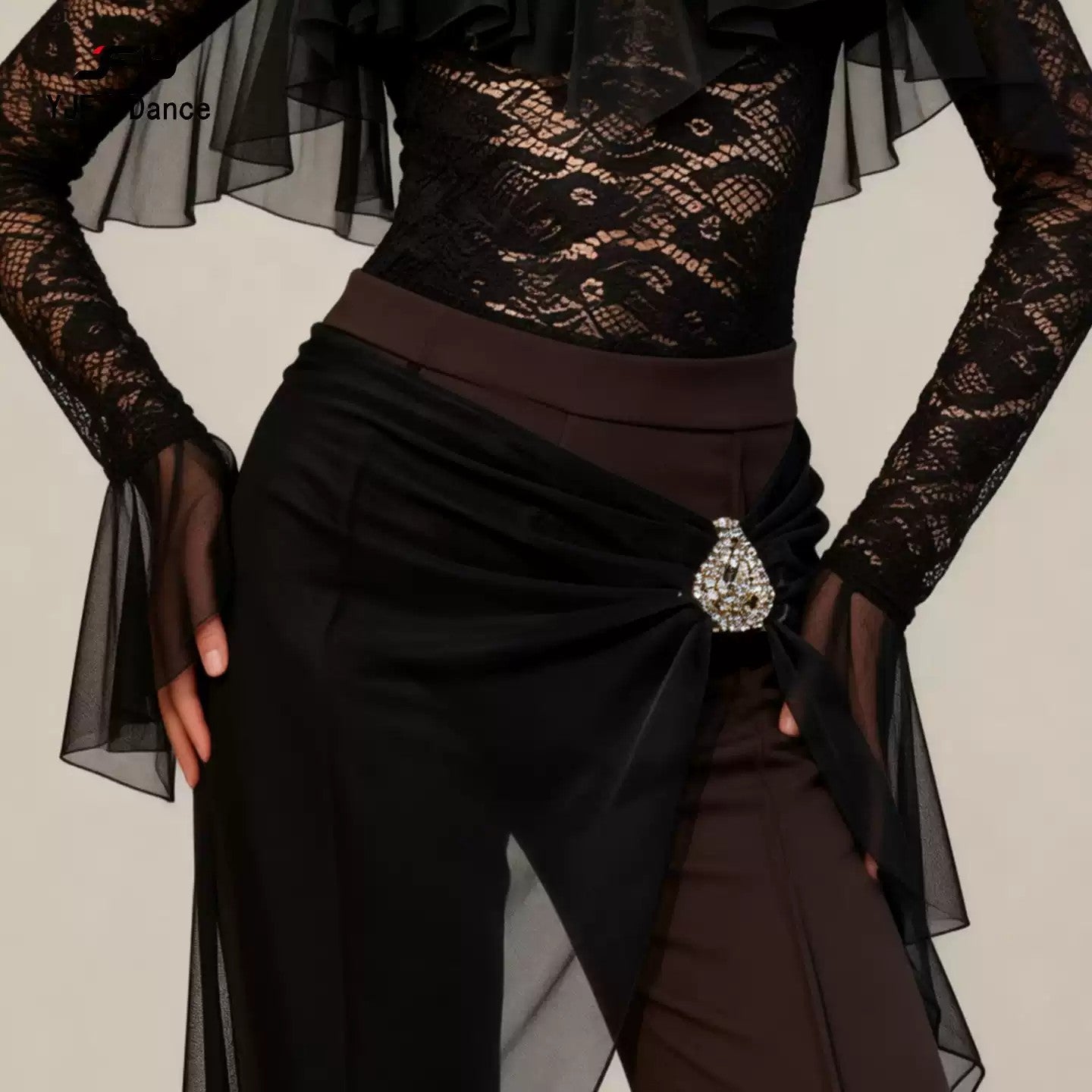
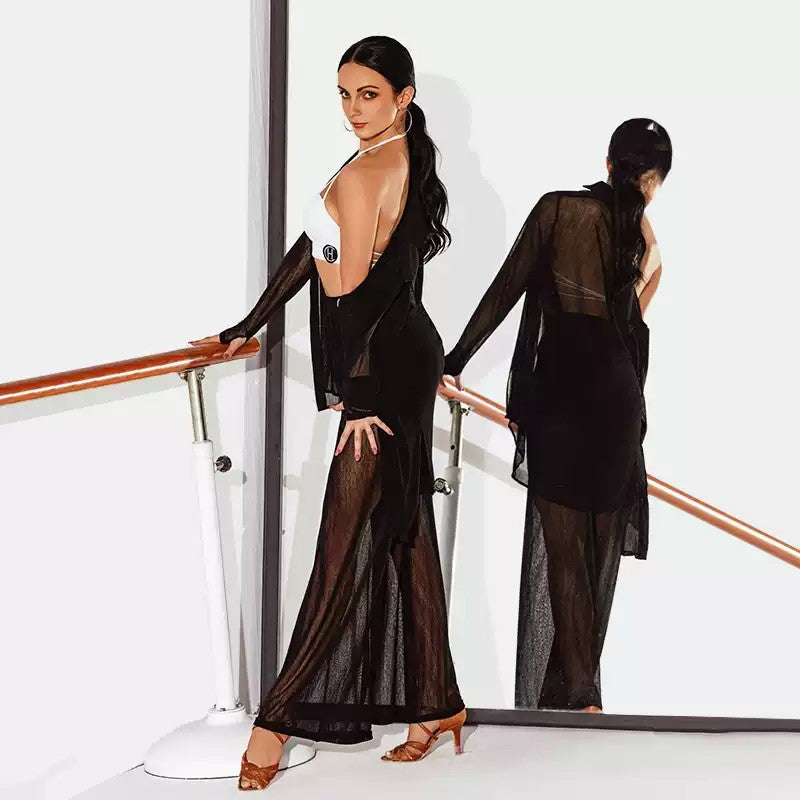
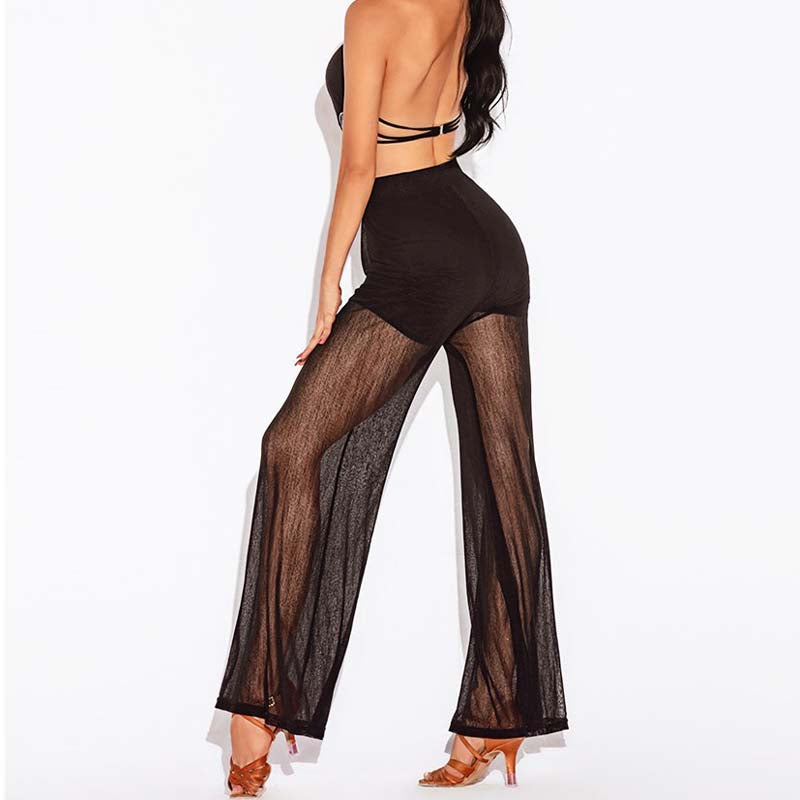
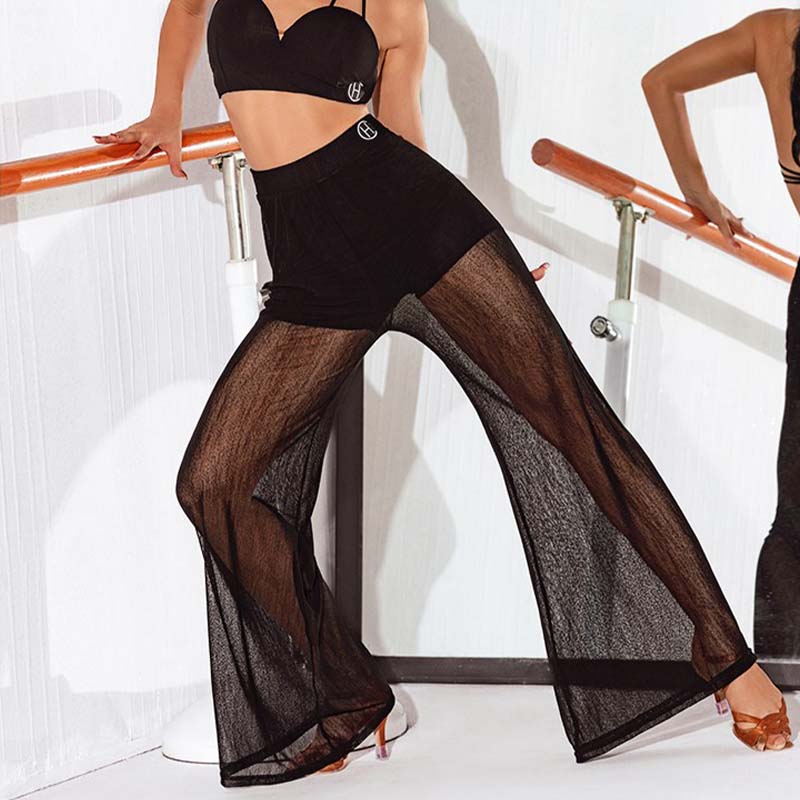
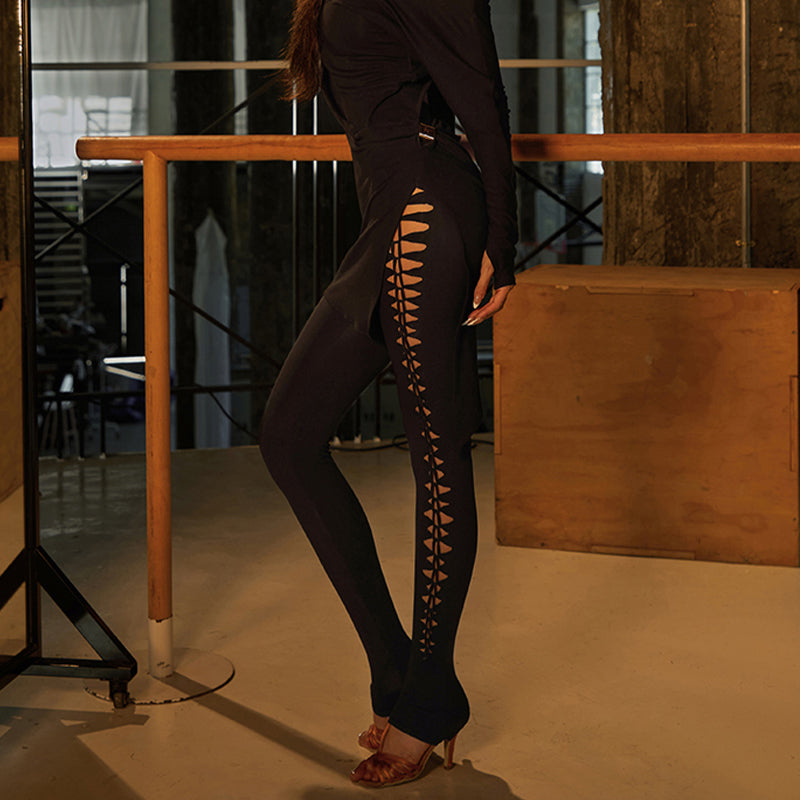
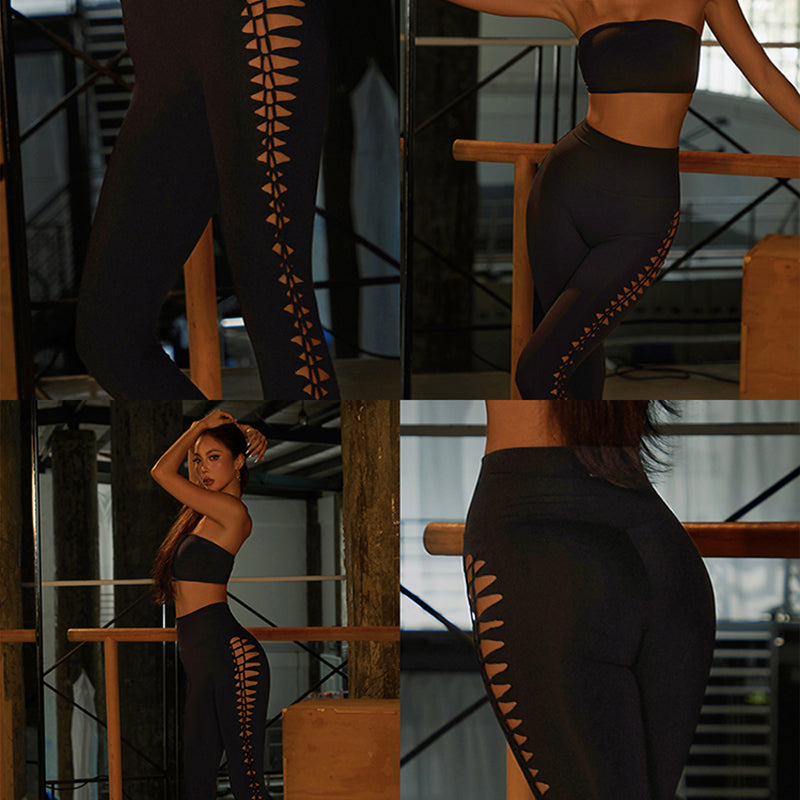
Trouser fabric decides temperature more than any other garment you own, because there is simply more of it. Light technical knits and mesh panels move well and stay bearable in a warm hall through a long session. Velvet reads far richer under lights and holds a drape better than anything else here, at the cost of being genuinely warm — a winter fabric, and a very good one. Lace and mesh insets sit between the two, adding interest at the outer thigh or the hem while keeping the weight down.
All of it is stretch, and all of it lives on elastane, which is destroyed permanently by heat. Cold wash and hang dry keeps a waistband behaving for years; a hot dryer takes that away in two cycles and does not give it back.
Where the Hem Should Land
This is the measurement people get wrong, and it is the one that makes trousers look either professional or borrowed.
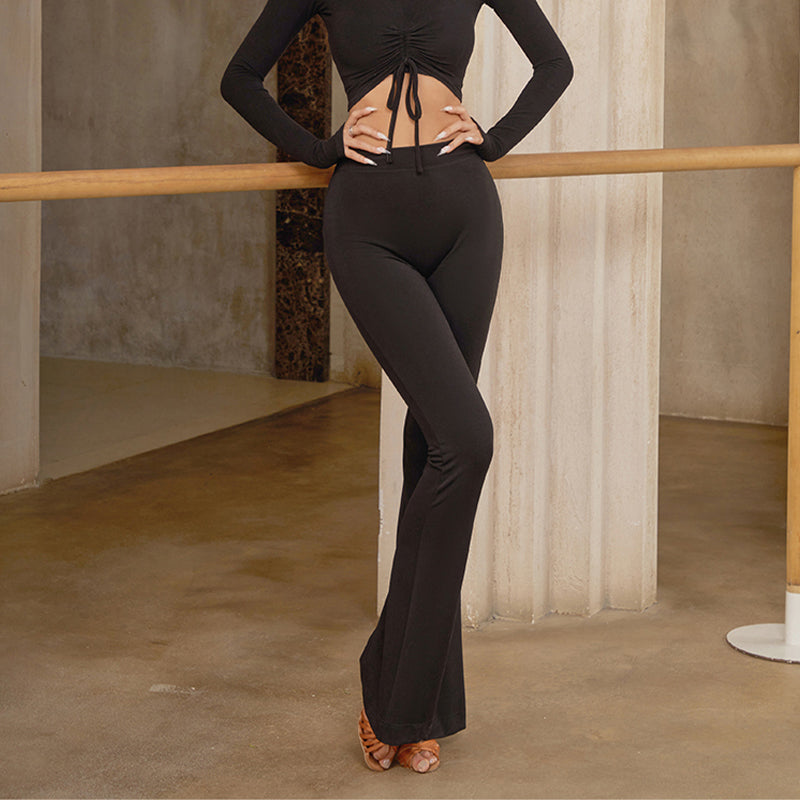
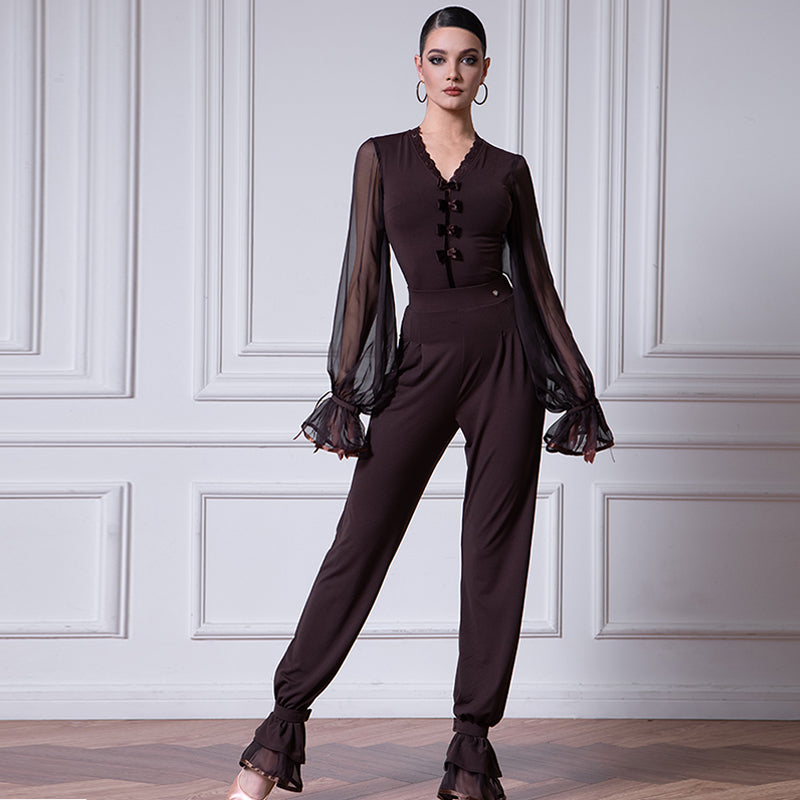
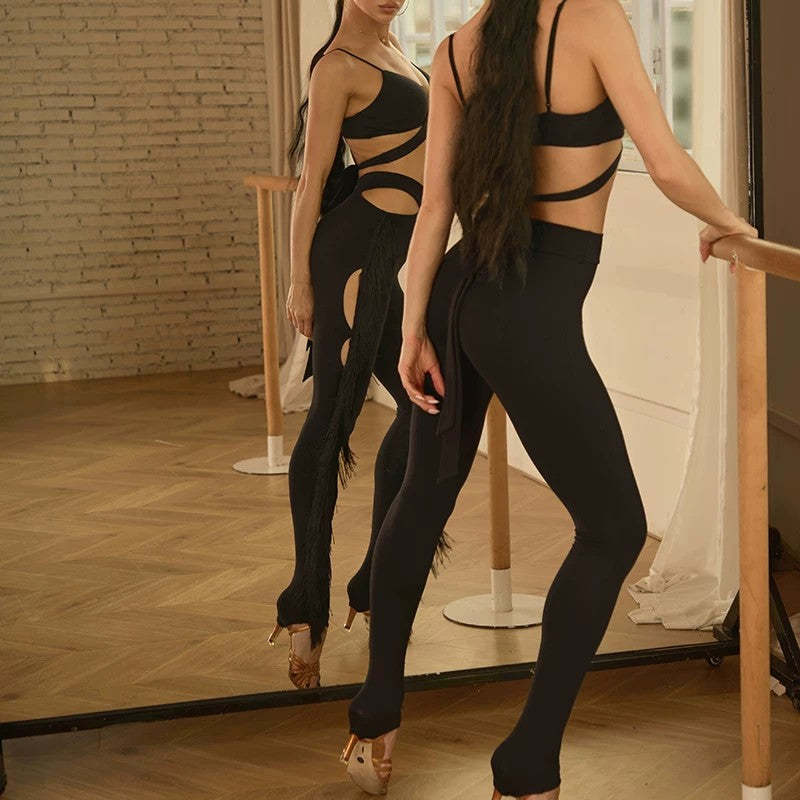
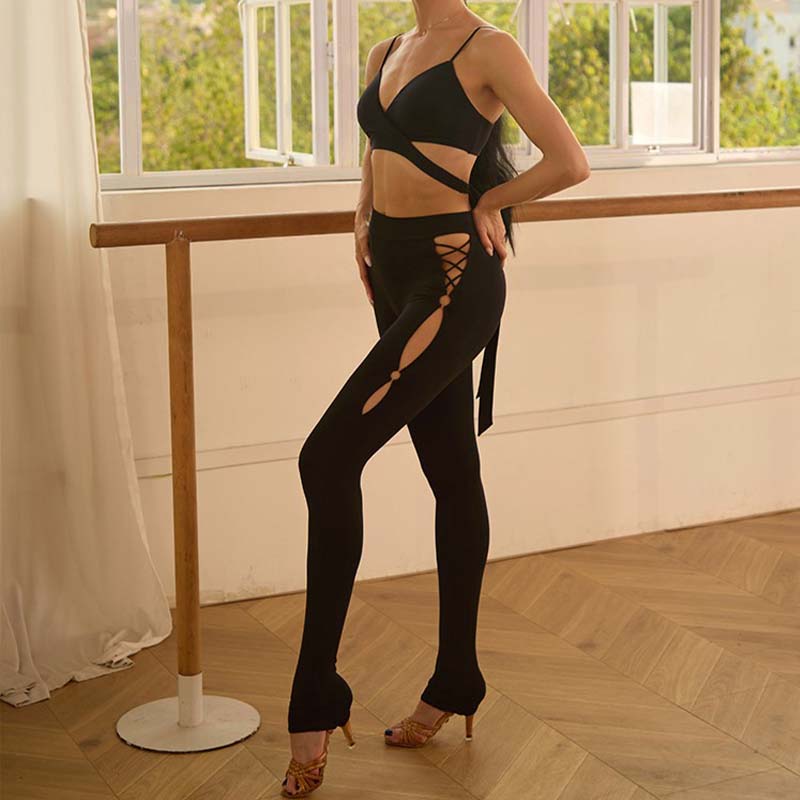
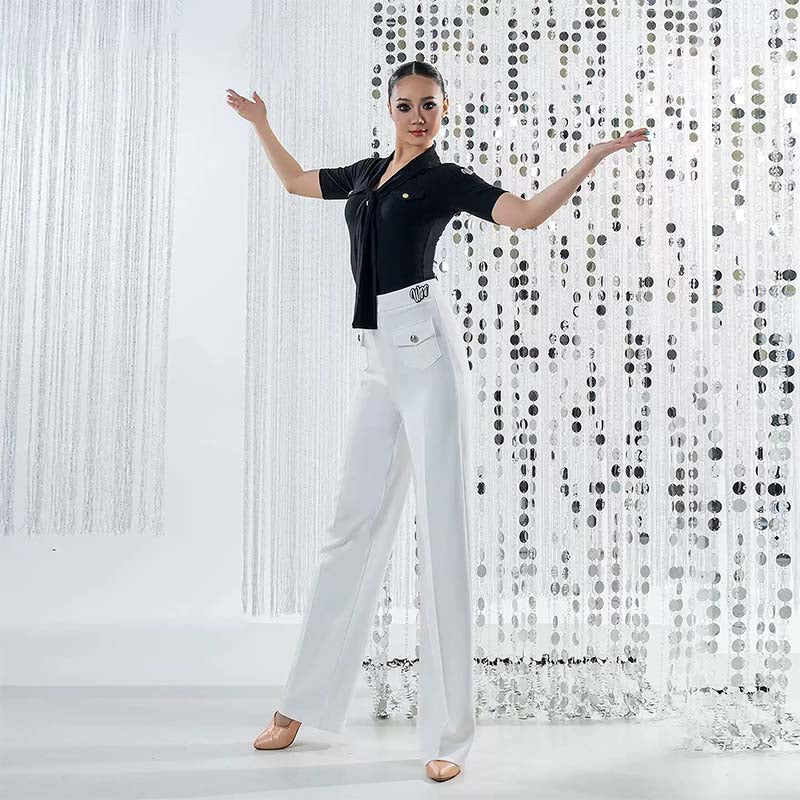
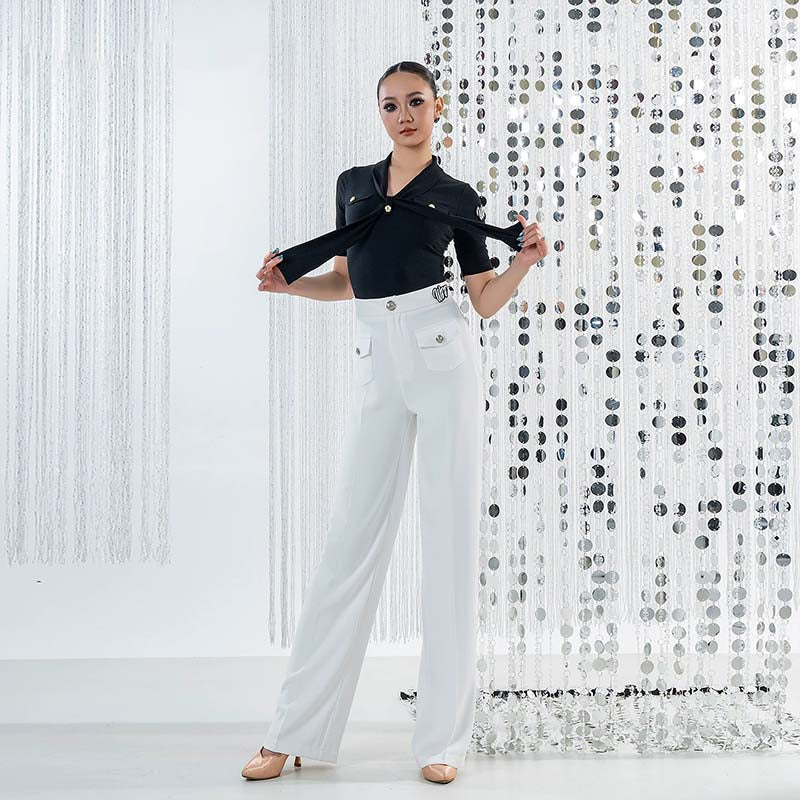
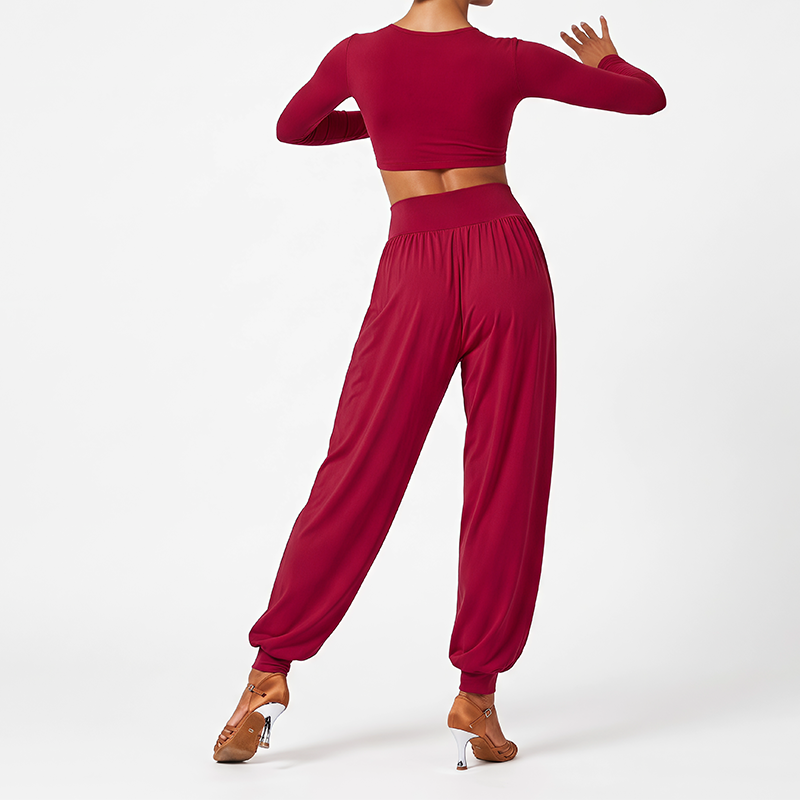
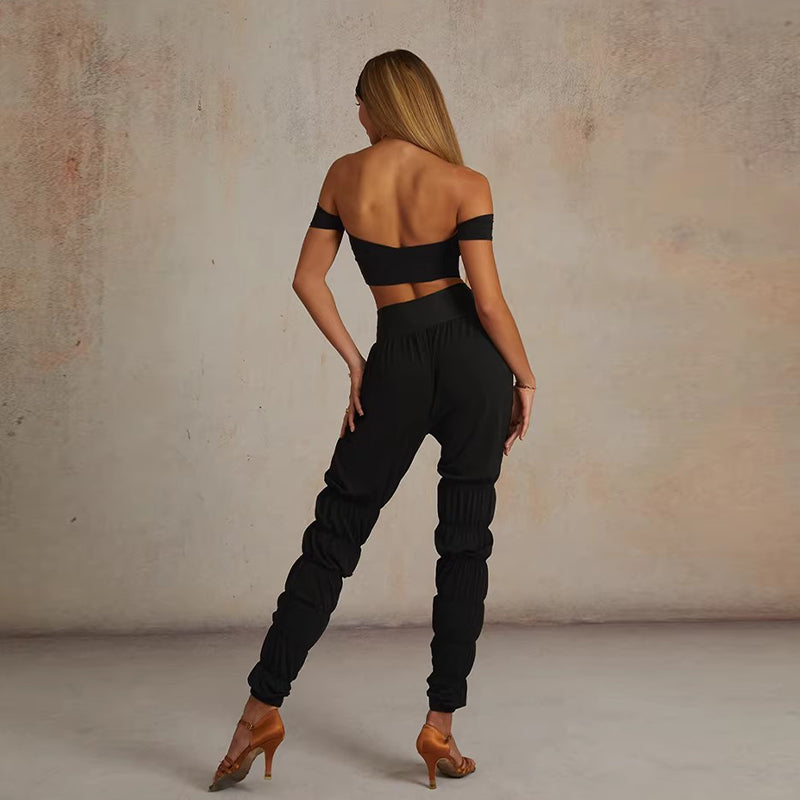
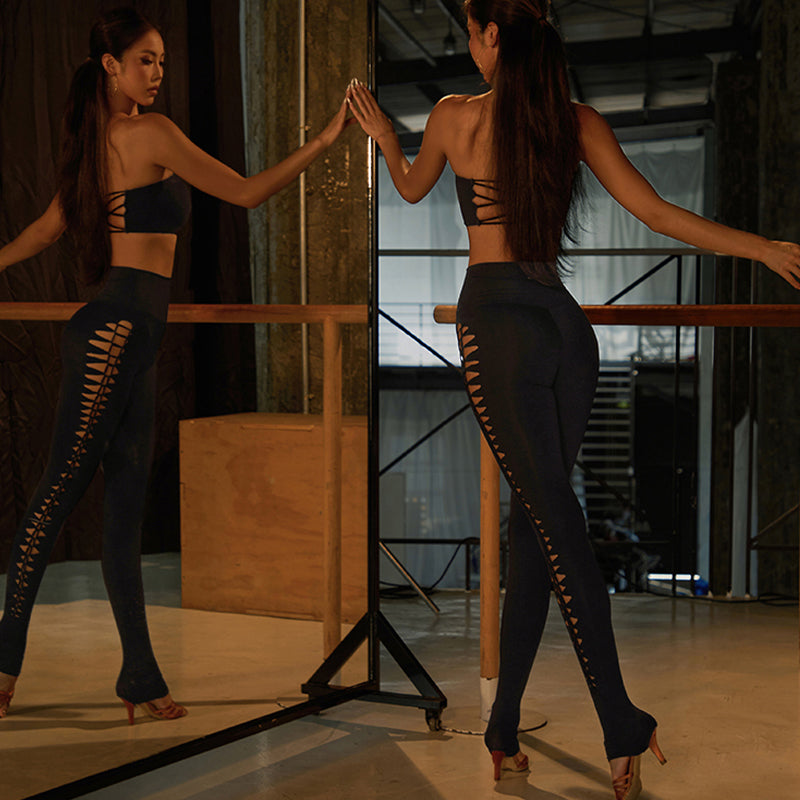
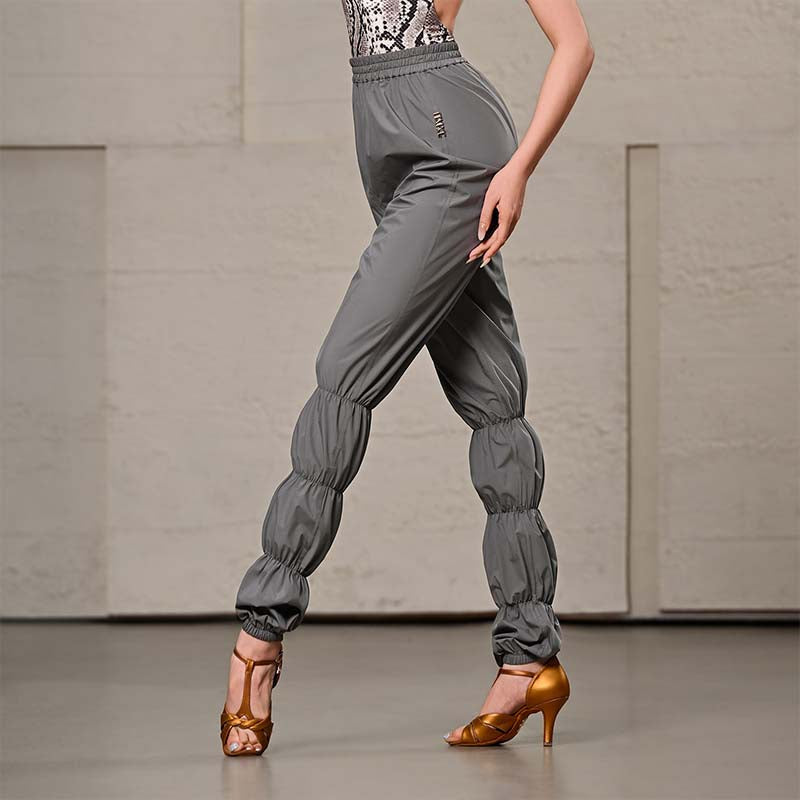
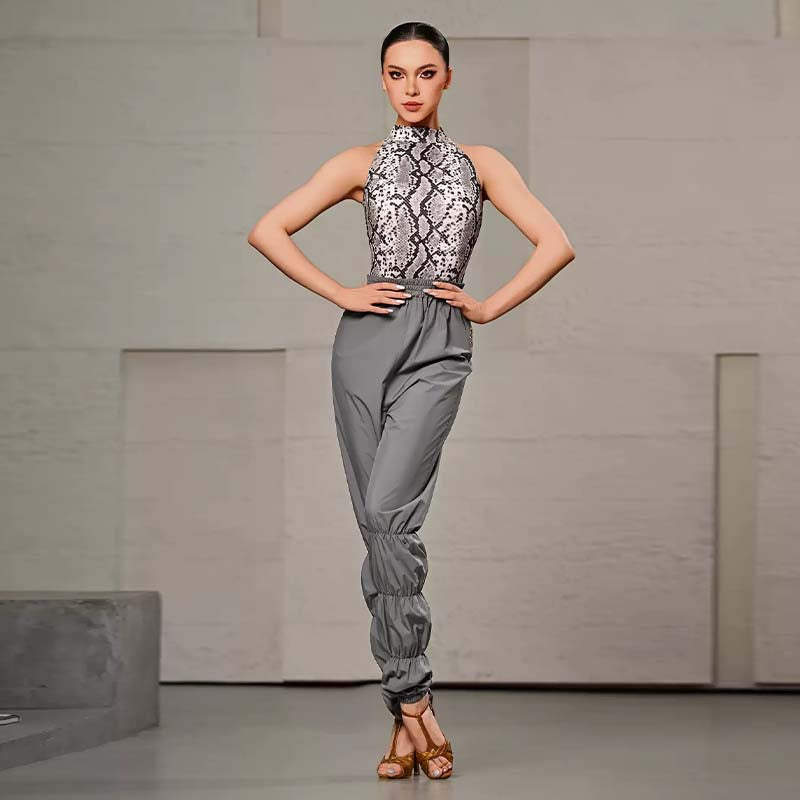
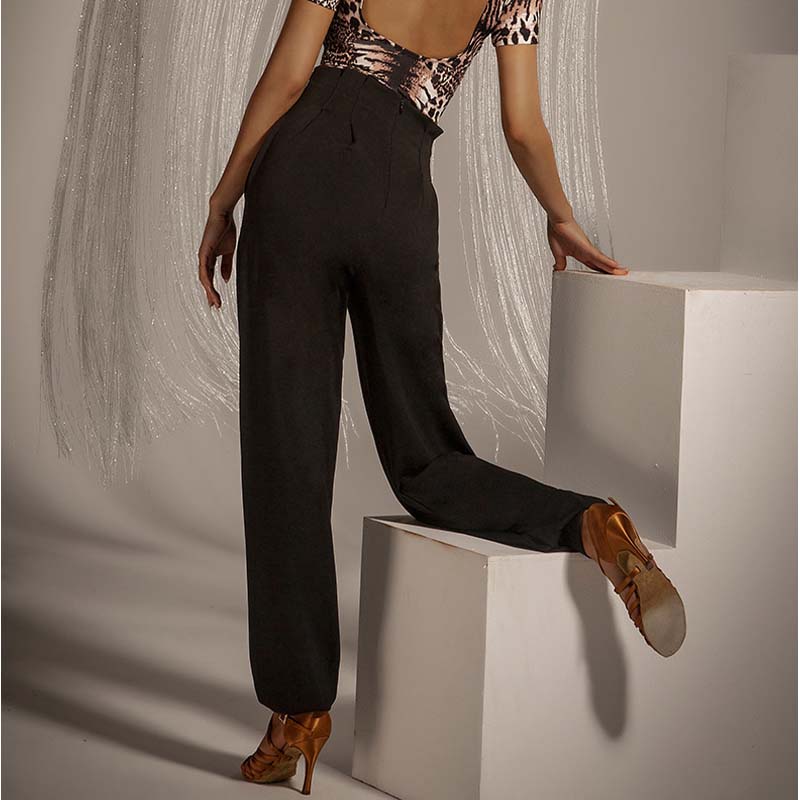
Dance trousers are meant to be worn with a heel, and the hem should just clear the floor when you are standing in the shoes you actually dance in — close enough to cover most of the shoe, high enough that you never step on it in a back step. Measure in your dance shoes rather than barefoot; two inches of heel changes the answer completely, and a hem set for flat feet drags in heels while a hem set for heels flaps around your ankles in flats.
If you dance in more than one heel height, set the hem for the taller pair. A trouser slightly long in flats looks like a choice; a trouser too short in heels looks like a mistake.
Which Family, and What Goes On Top
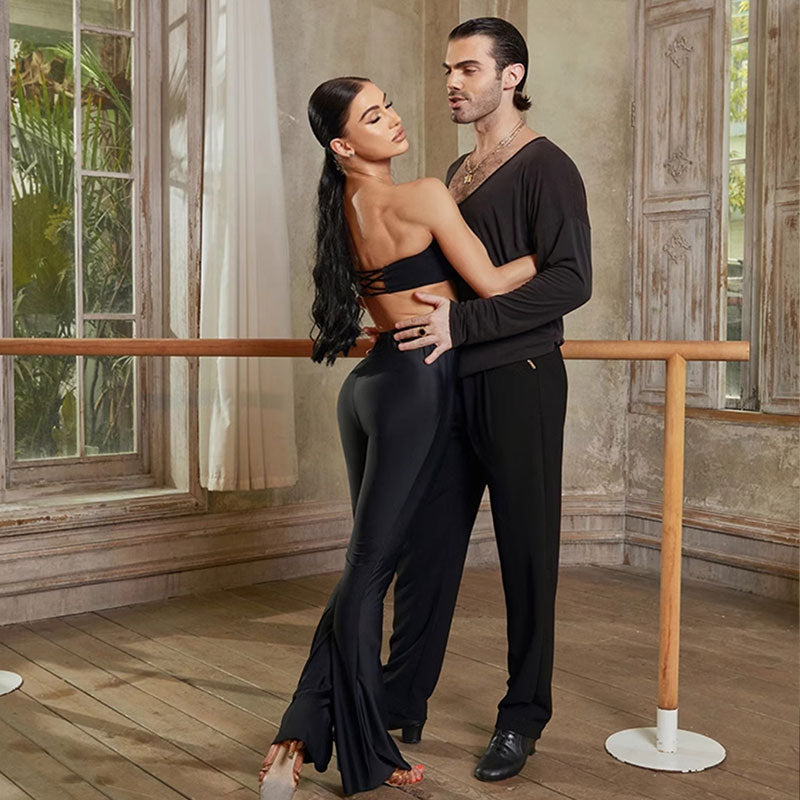
Trousers cross between families more easily than skirts, but not entirely. Ballroom pants lean long and wide, cut to move with a travelling figure in a closed hold. Latin dance pants lean close and high-waisted, cut to leave the hip visible. If you dance both, one of each is more useful than two of either.
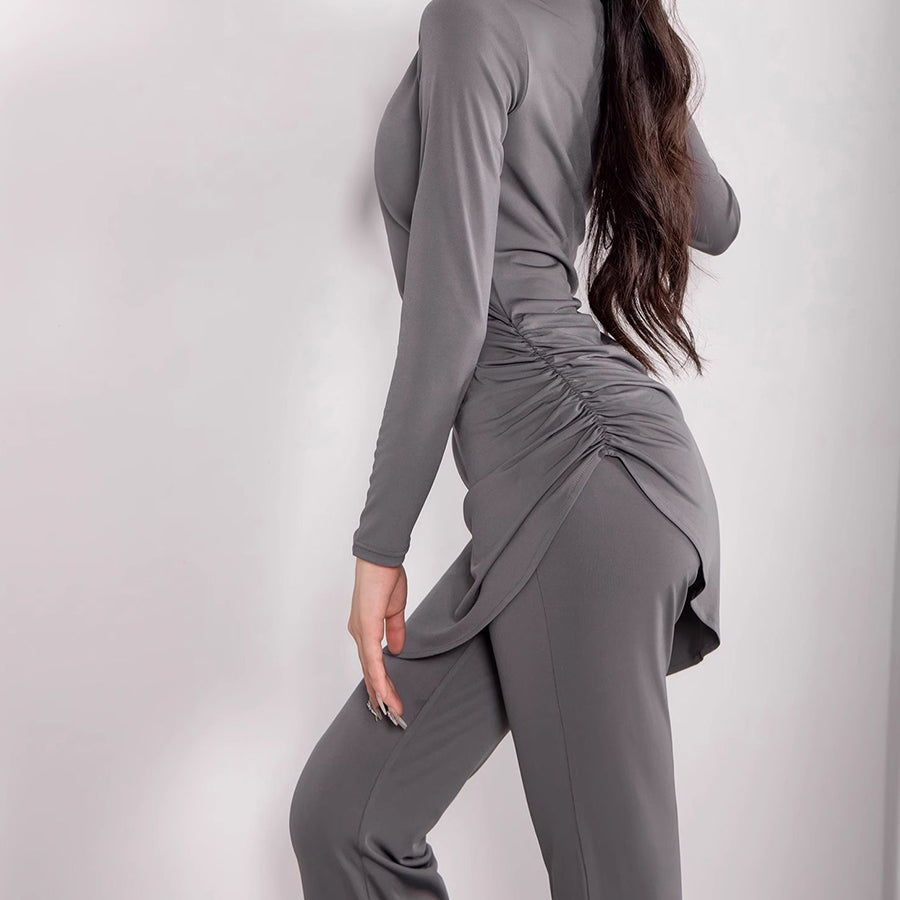
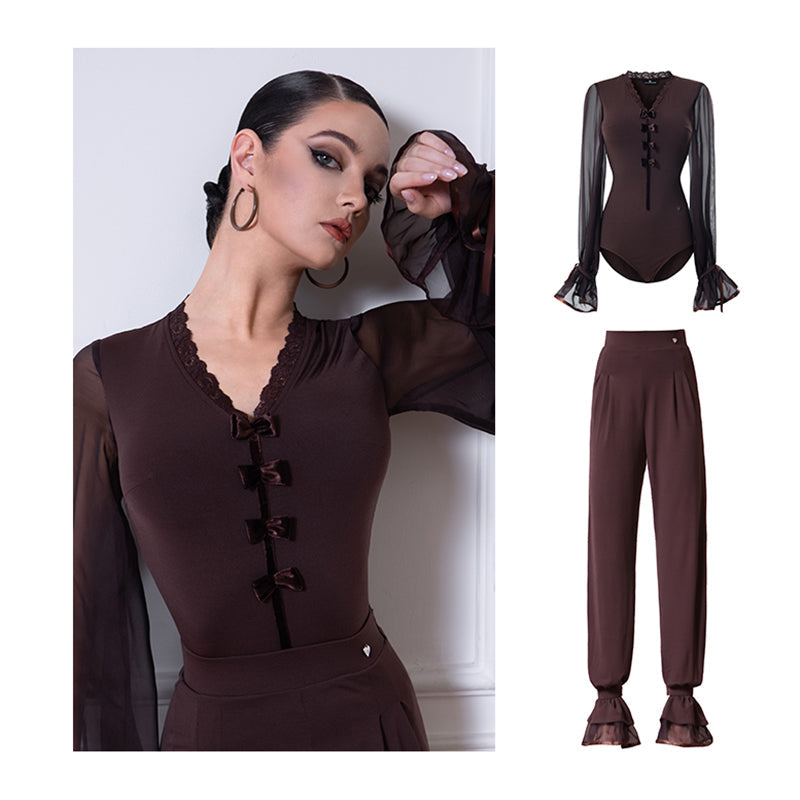
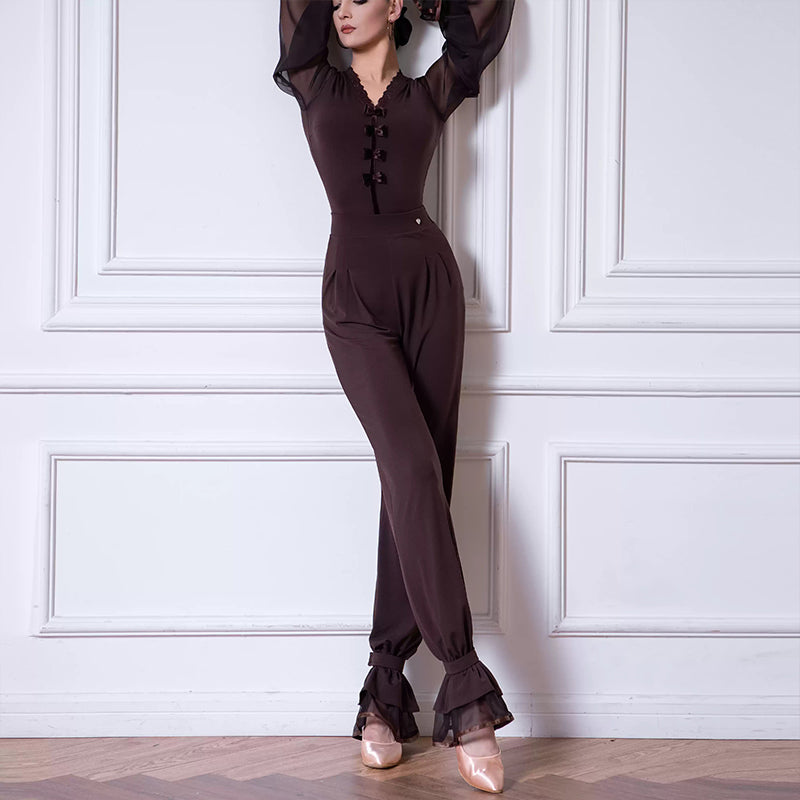
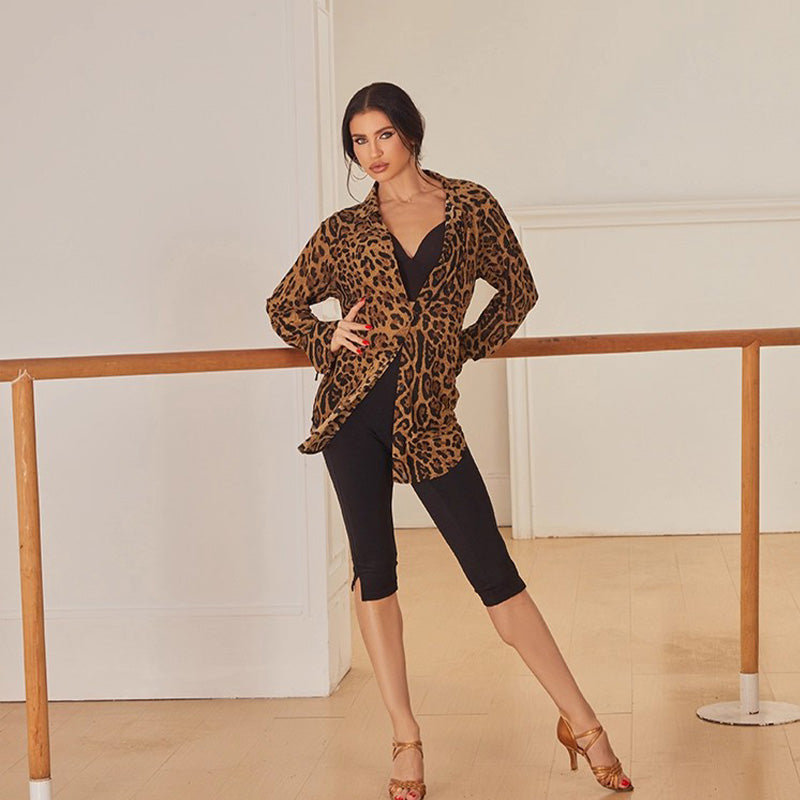
On top, a dance bodysuit is the cleanest pairing — the waistband stays unbroken and nothing untucks, which is exactly what you want with a high-rise trouser. A cropped or hip-length piece from dance tops is the alternative when you want the waistband to be part of the look. Men's dancewear covers the trousers and shirts for the other half of the partnership.
Dance Pants: Frequently Asked Questions
What are dance trousers?
Trousers cut for partner dancing: high enough at the waist to stay put without a belt, drape that moves a beat behind the leg so the movement stays readable, and a length designed to break over a heel. They are not leggings, and the difference shows immediately in a mirror.
Can I just wear leggings to dance class?
You can, and plenty of people start there, but leggings hide what a teacher is trying to correct. Because they follow the leg exactly, they flatten the visual difference between a straight knee and a soft one and between good rotation and none. Most dancers switch within a term or two.
How long should dance pants be?
Long enough to clear the floor and cover most of the shoe when you are standing in the heels you dance in. Measure in your dance shoes rather than barefoot, since heel height changes the answer by a couple of inches. If you use more than one heel height, set the length for the taller pair.
Are dance pants suitable for ballroom or Latin?
Both, with different cuts. Ballroom practice generally calls for long, wide trousers that move with a travelling figure; Latin practice calls for close, high-waisted cuts that leave the hip visible. Straight-leg styles sit comfortably in the middle and are the most versatile single pair to own.
What do you wear on top with dance trousers?
A leotard or bodysuit is the usual answer, because the waistline stays unbroken and nothing rides up. A cropped top works well with a high-rise trouser when you want the waistband visible, and a hip-length top is the easiest option if you would rather it were not.
What size dance pants should I order?
Order against the size chart on the product page using your waist and hip measurements rather than your usual clothing size, and check the inseam against your own leg length. Most waistbands are elasticated or high-rise with some give, and every order carries a money-back guarantee if the fit turns out wrong.