





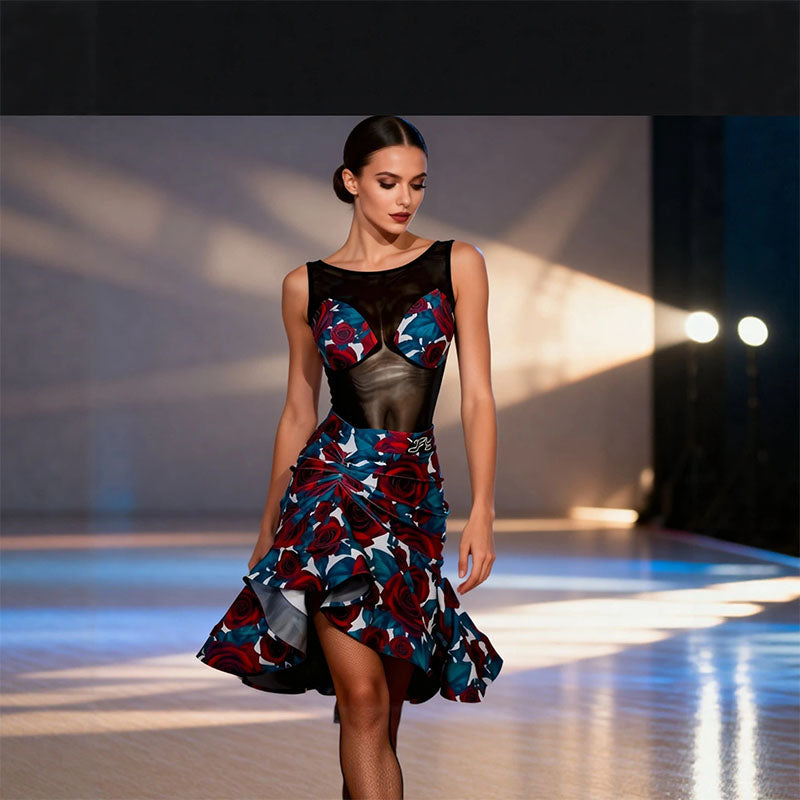
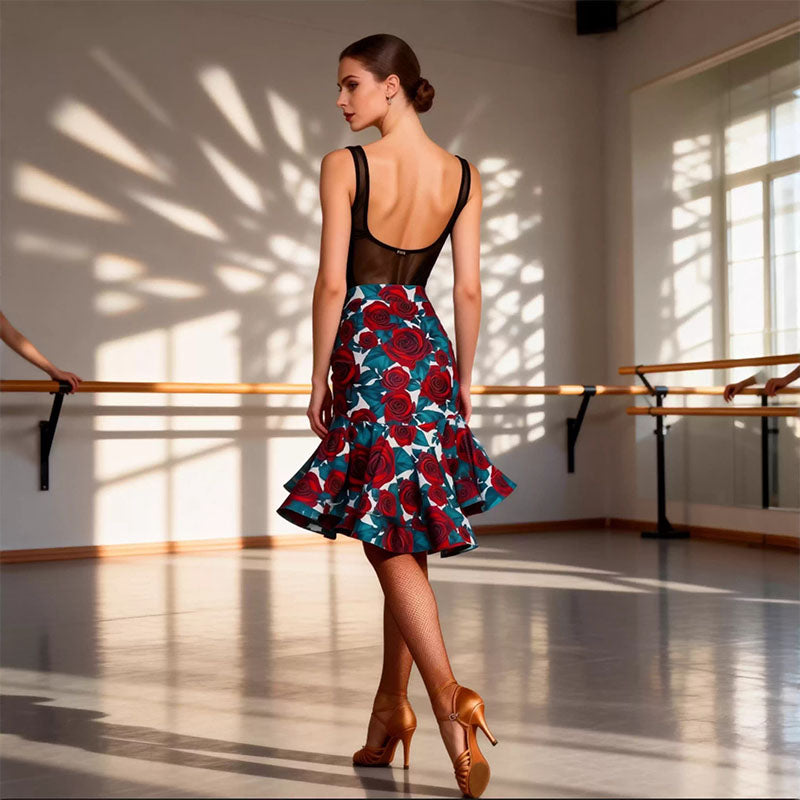
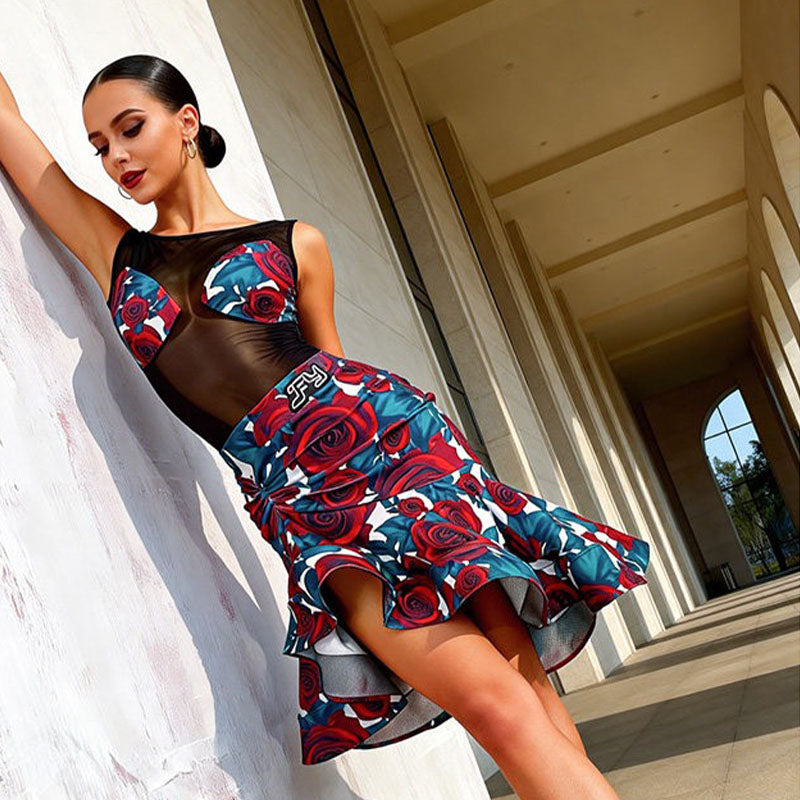
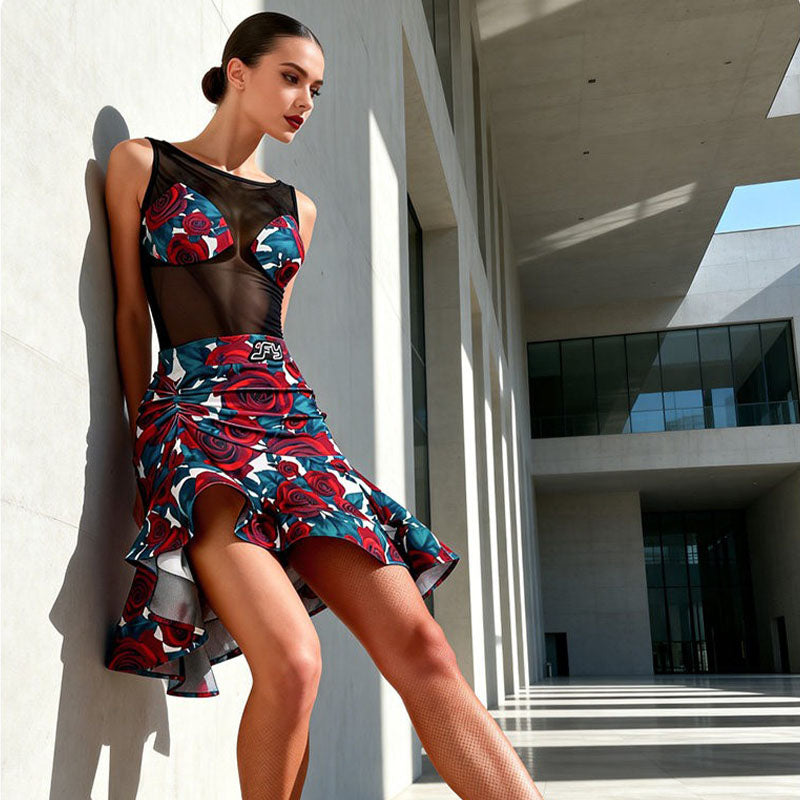

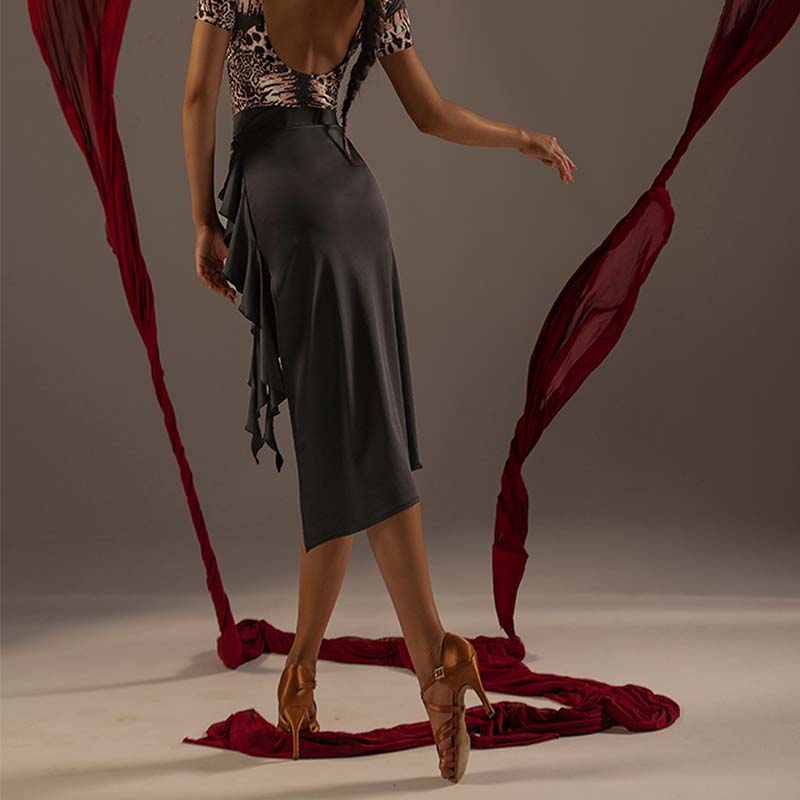
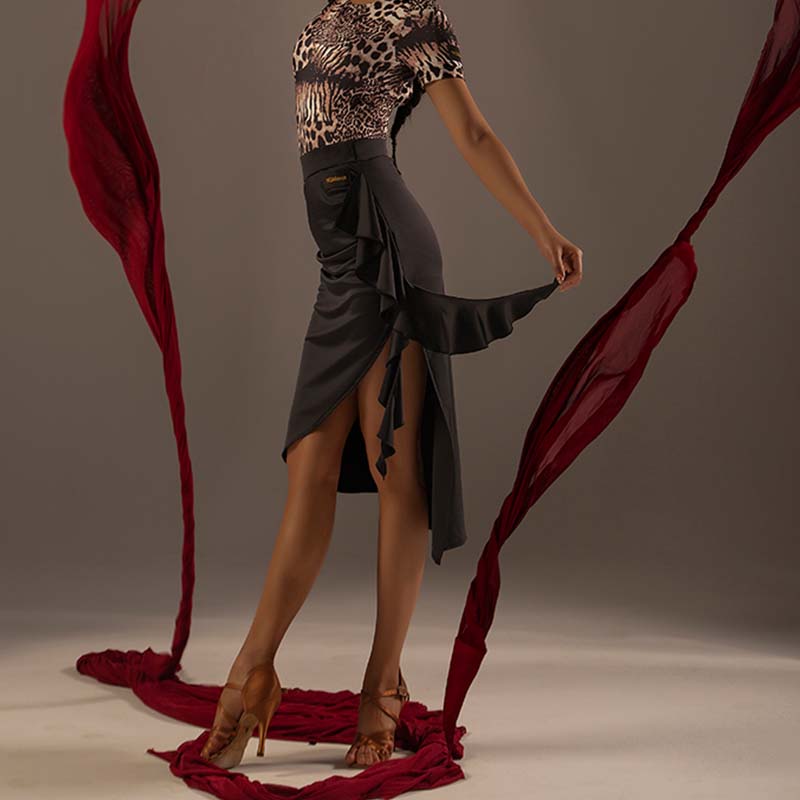

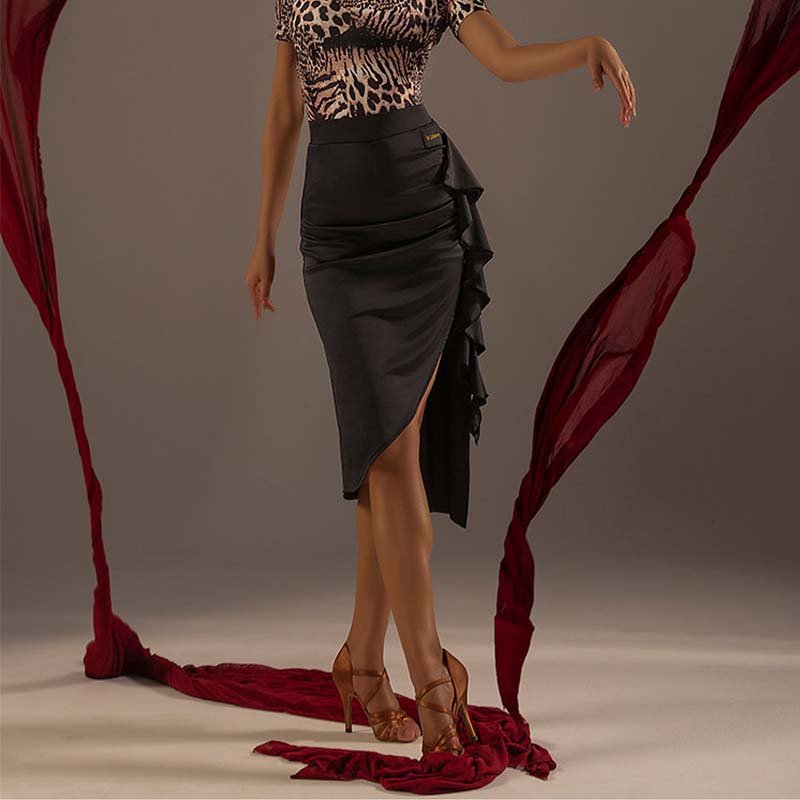
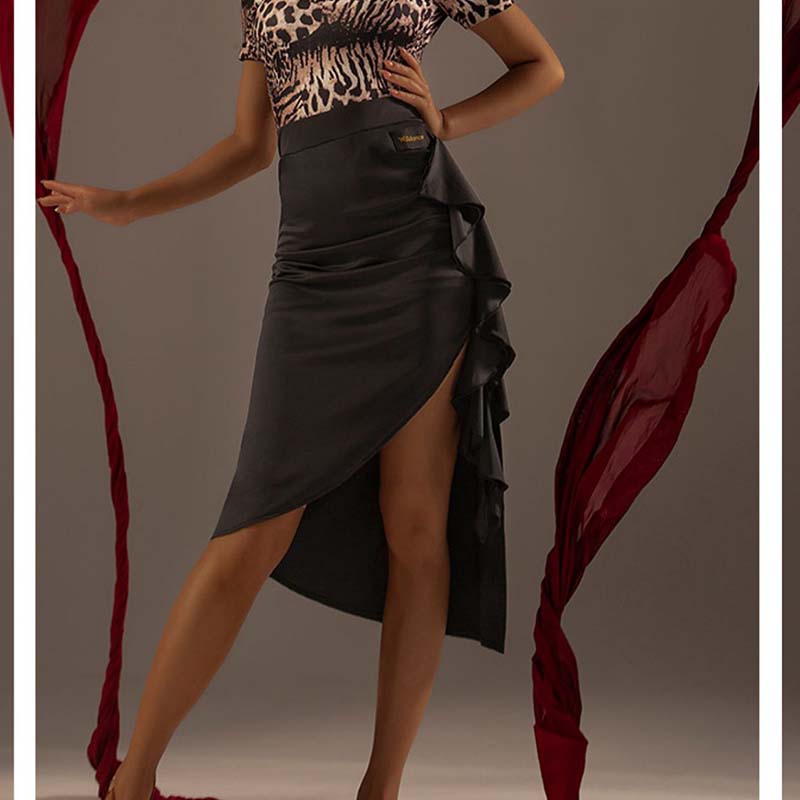
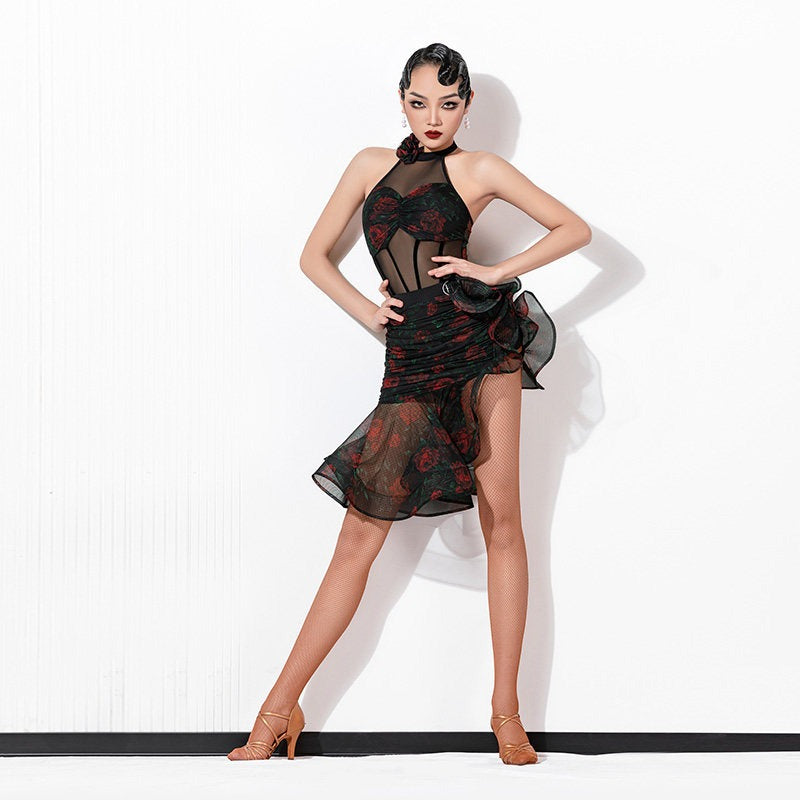
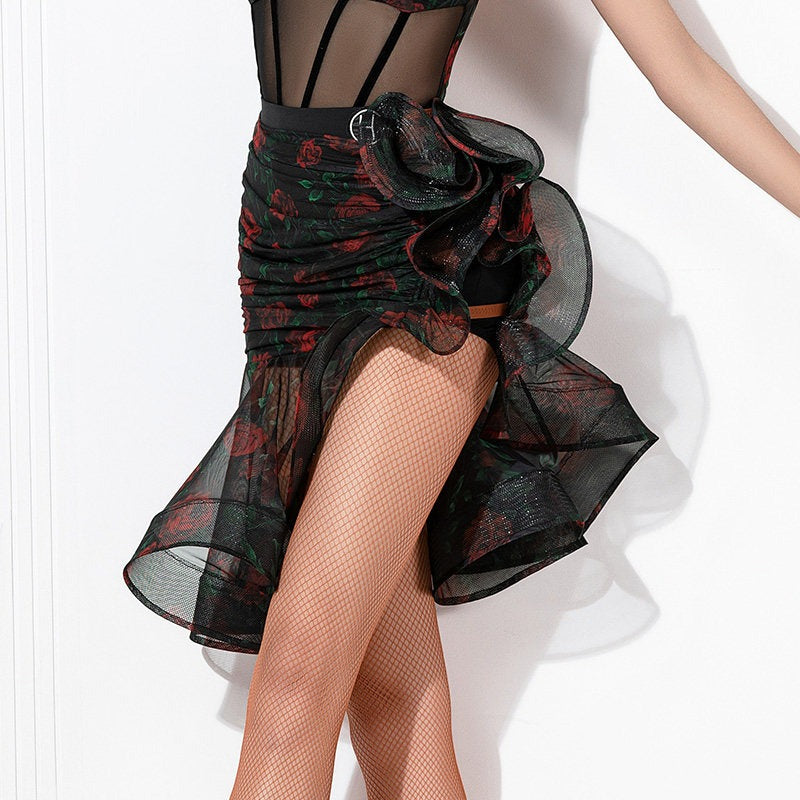
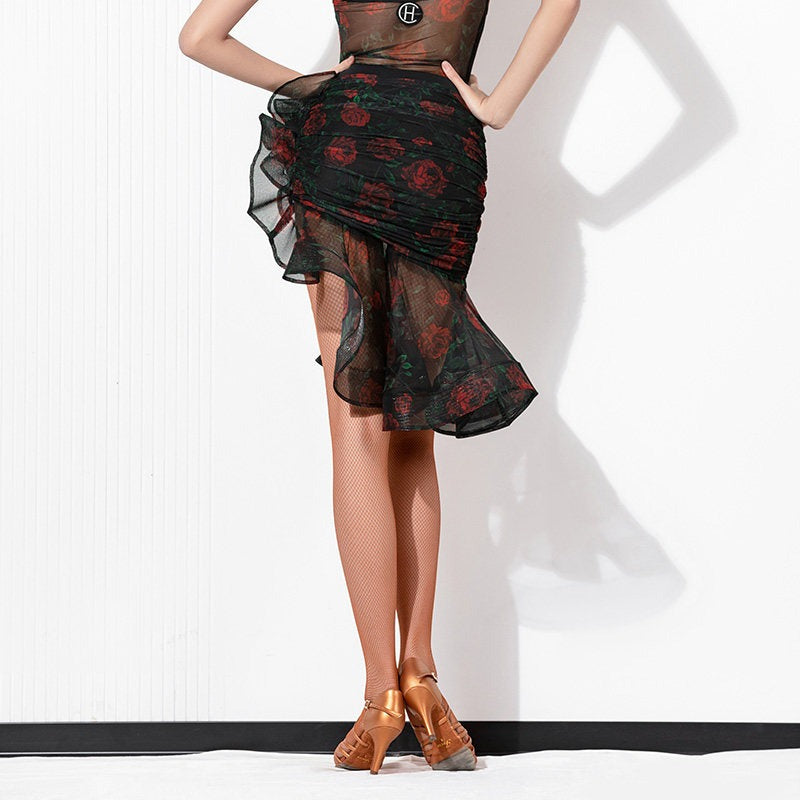
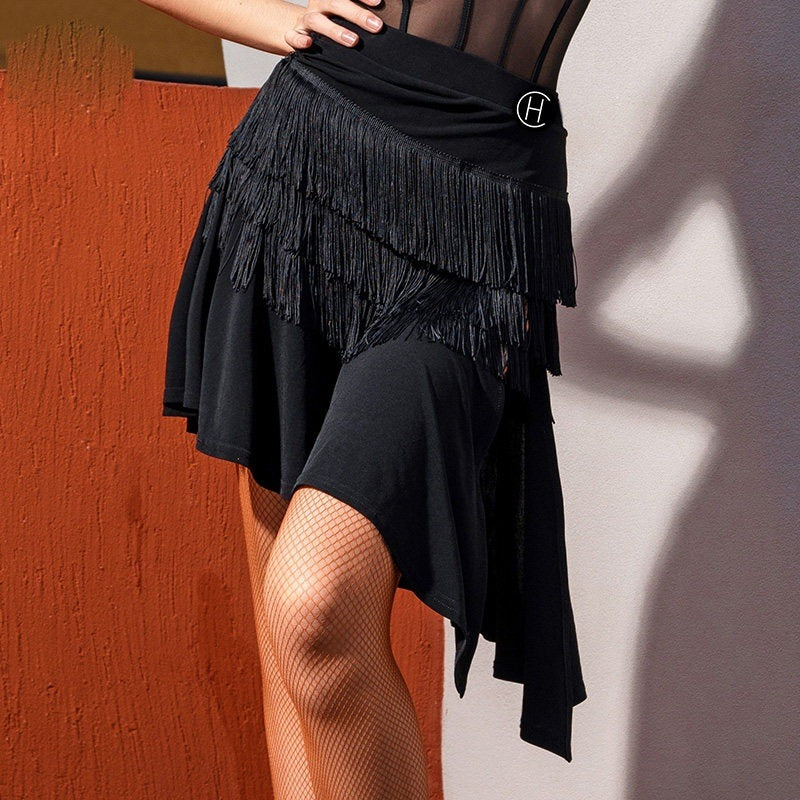
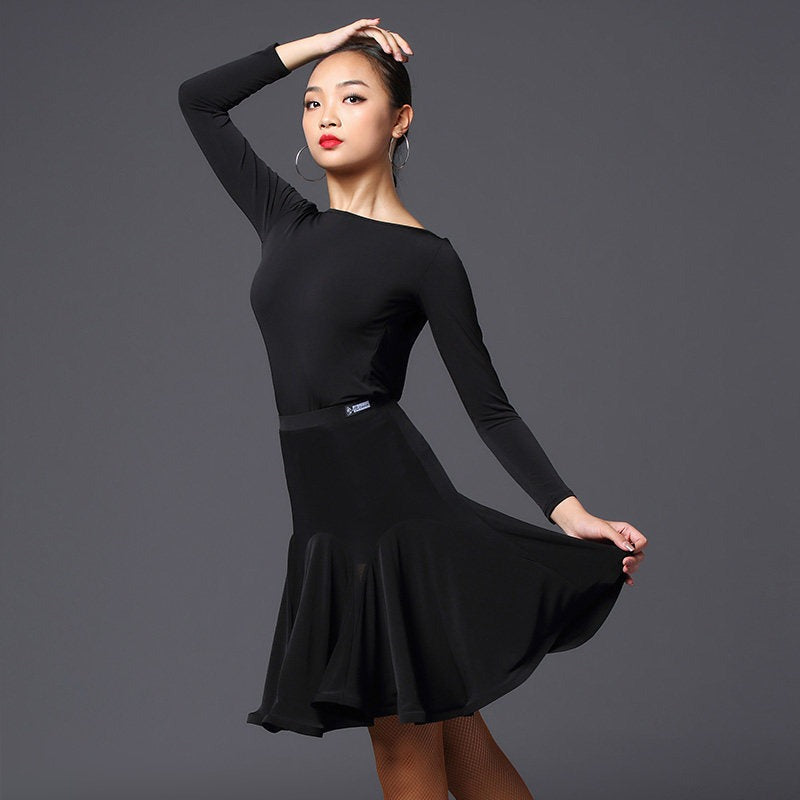
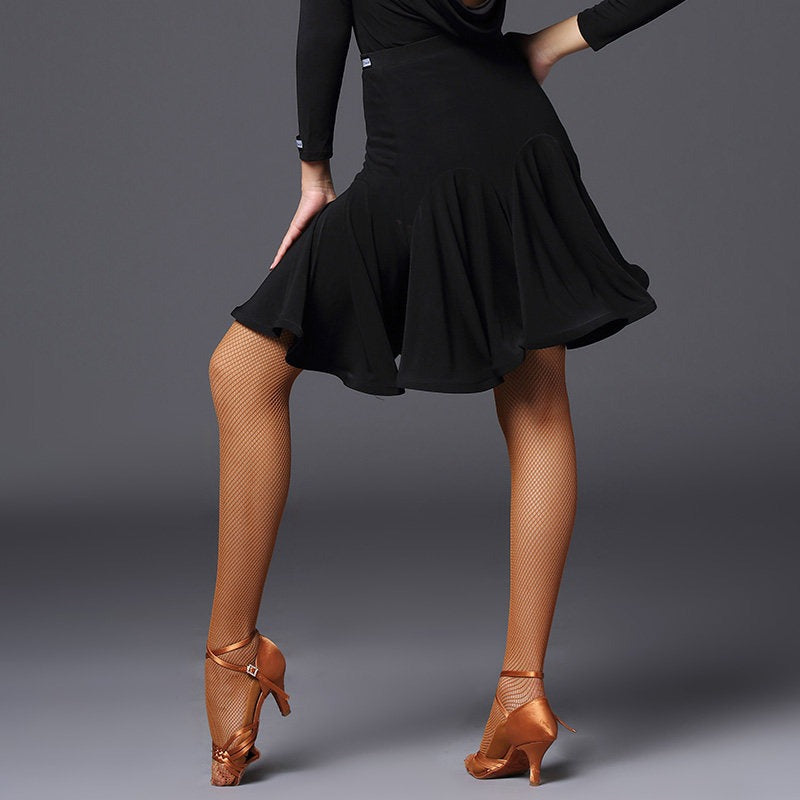
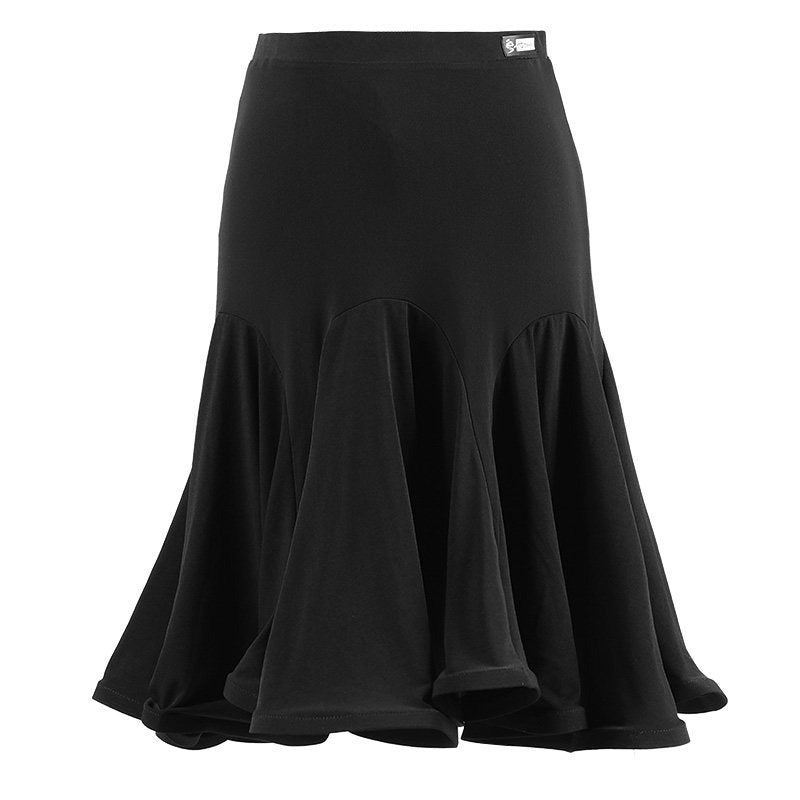
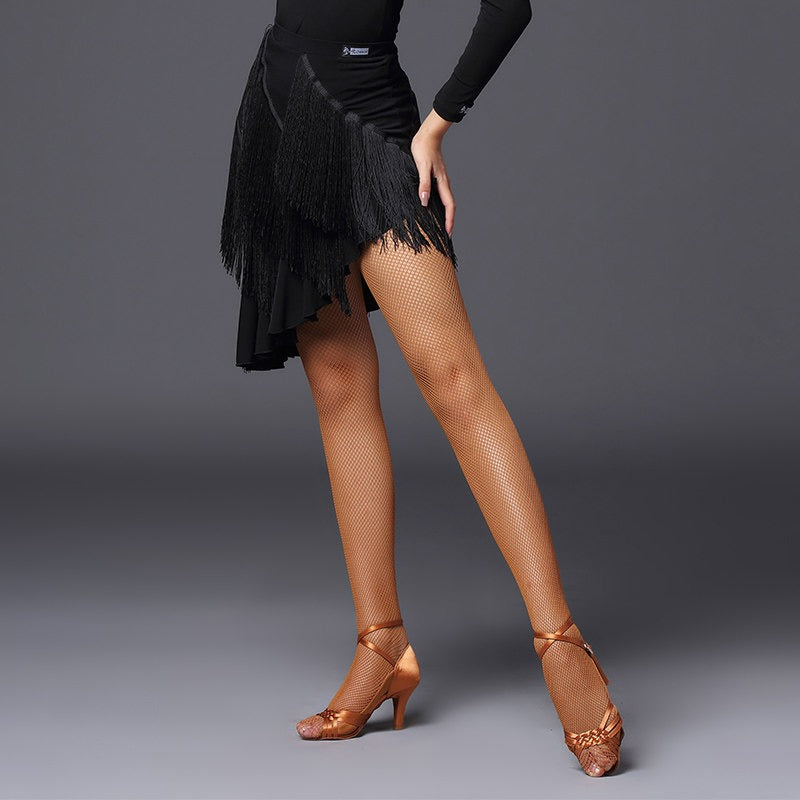
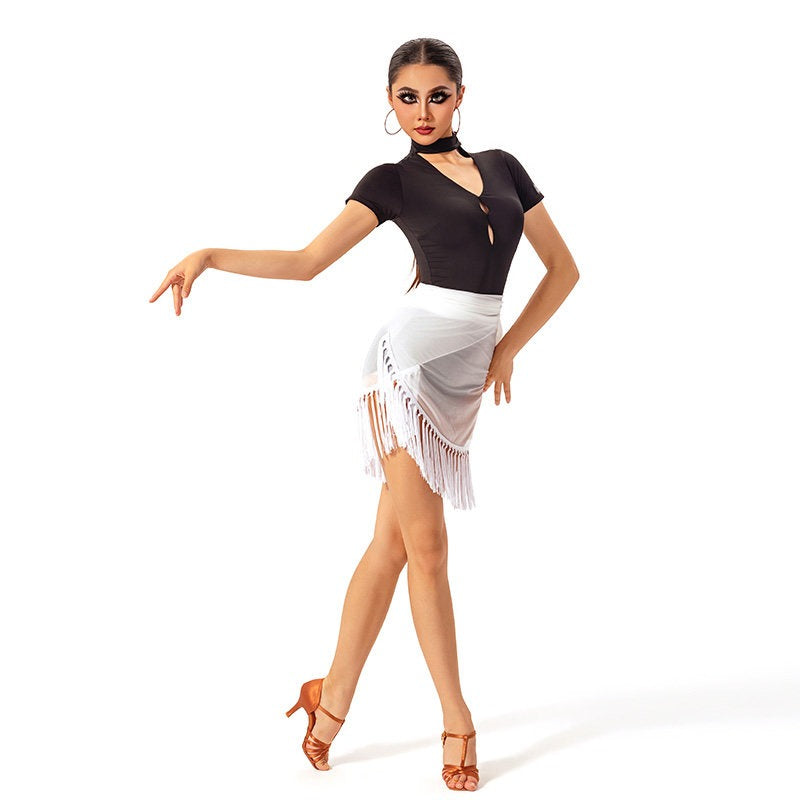
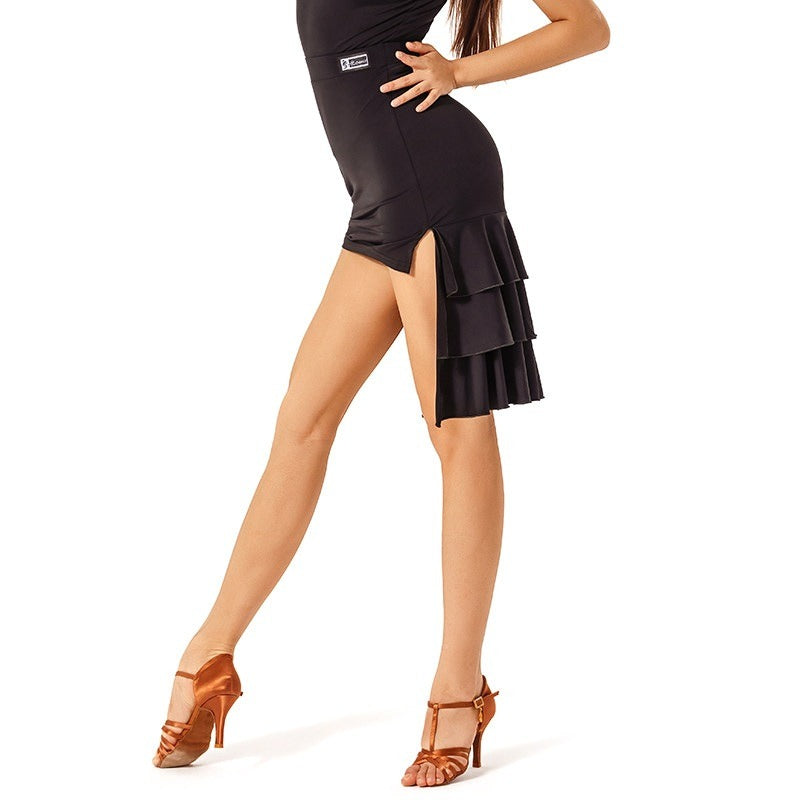
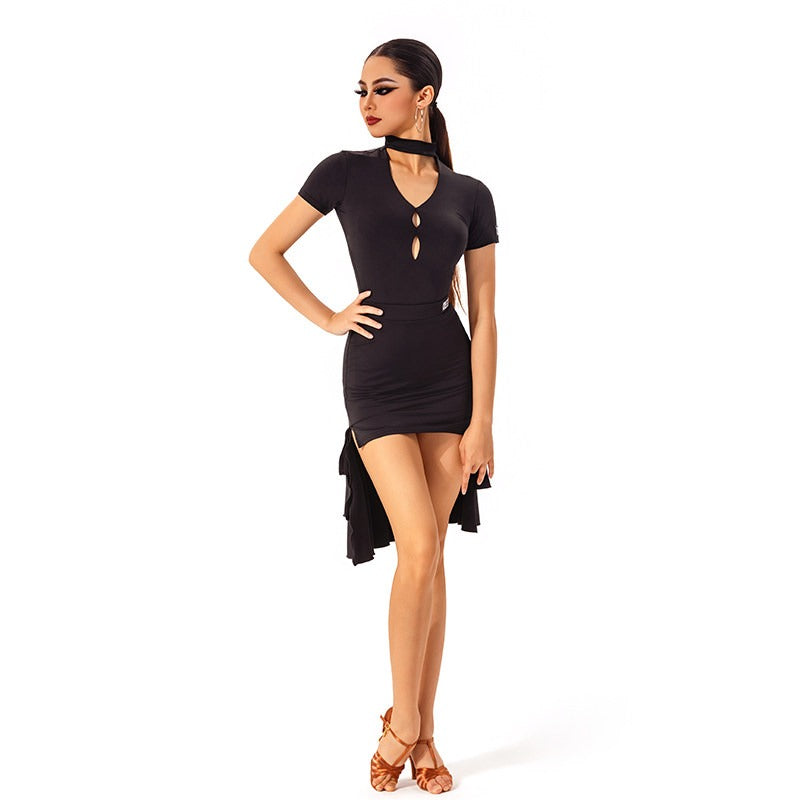
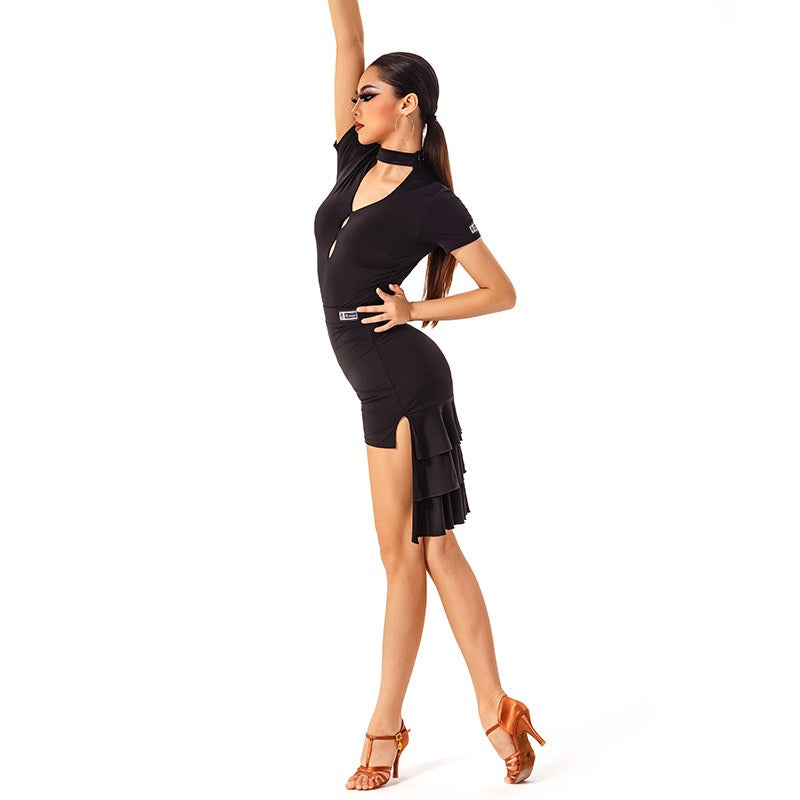
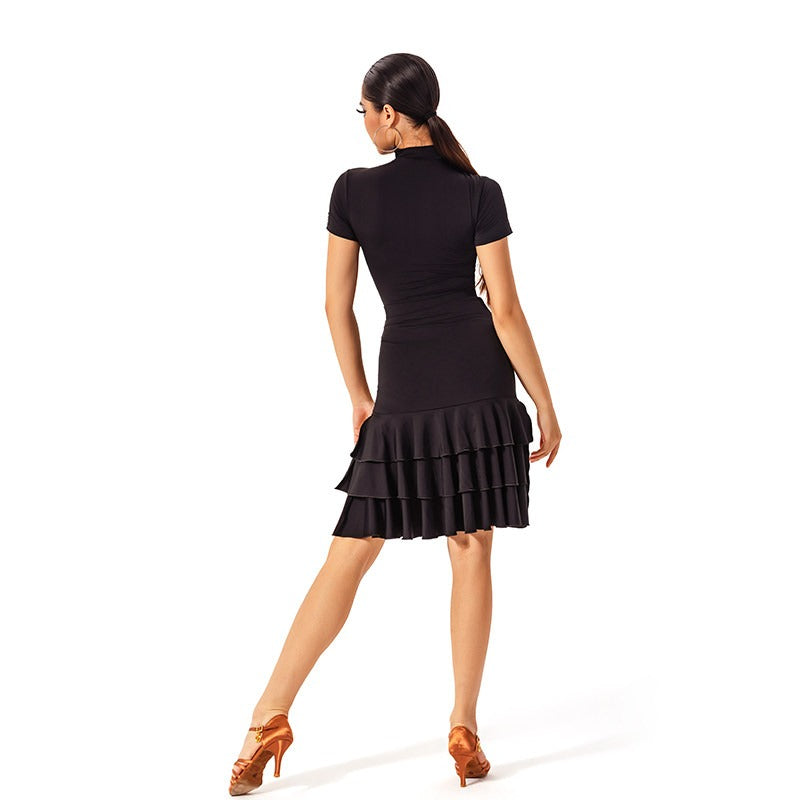
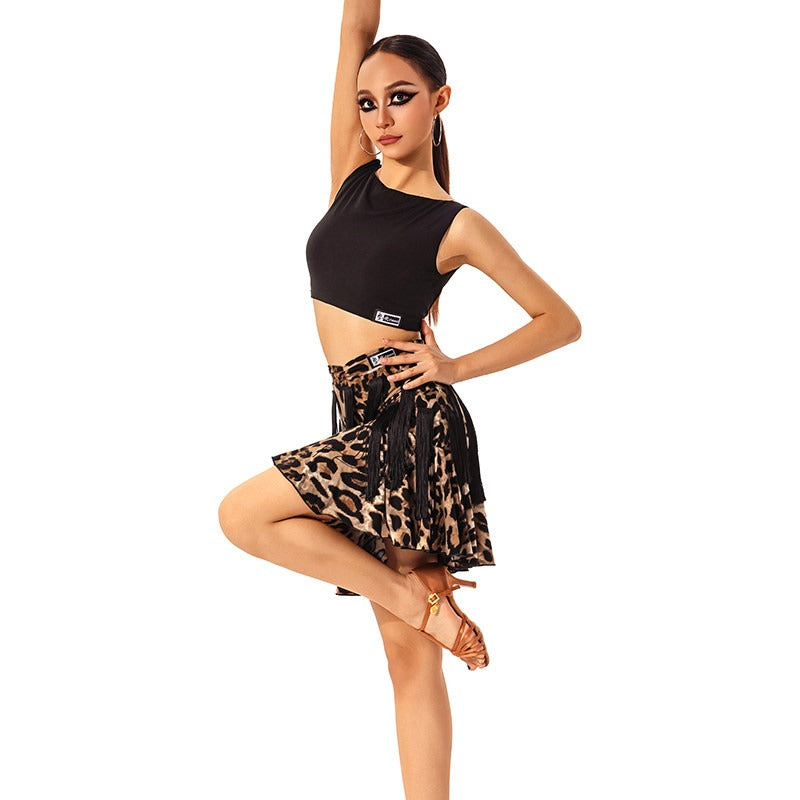
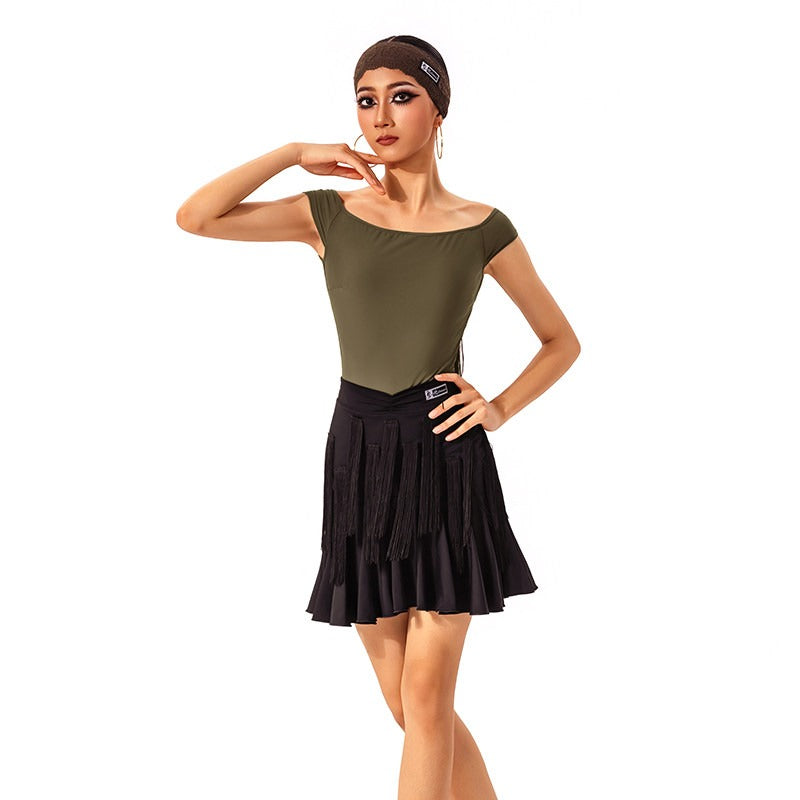
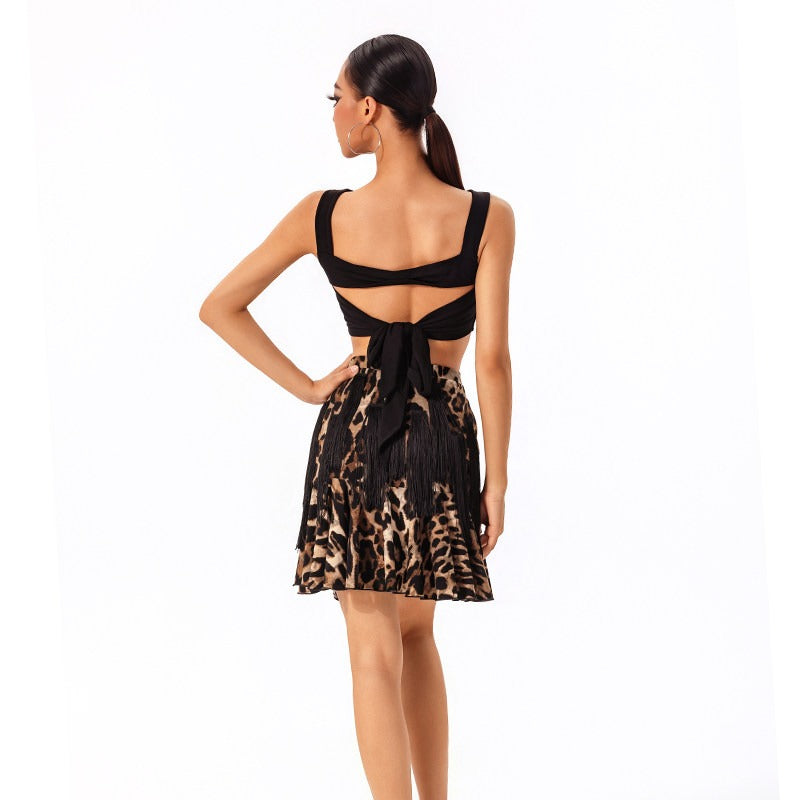
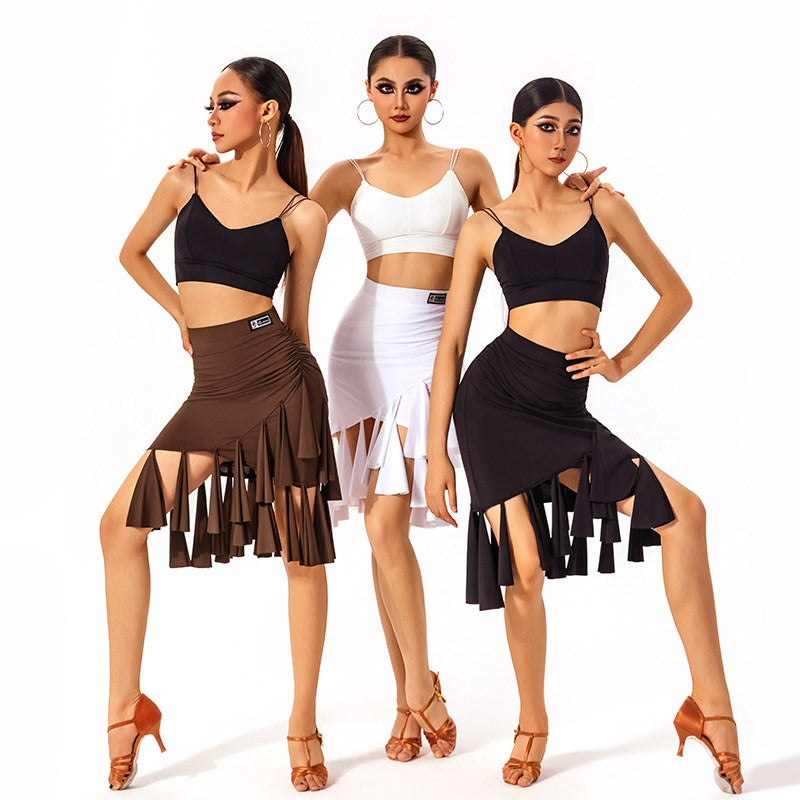
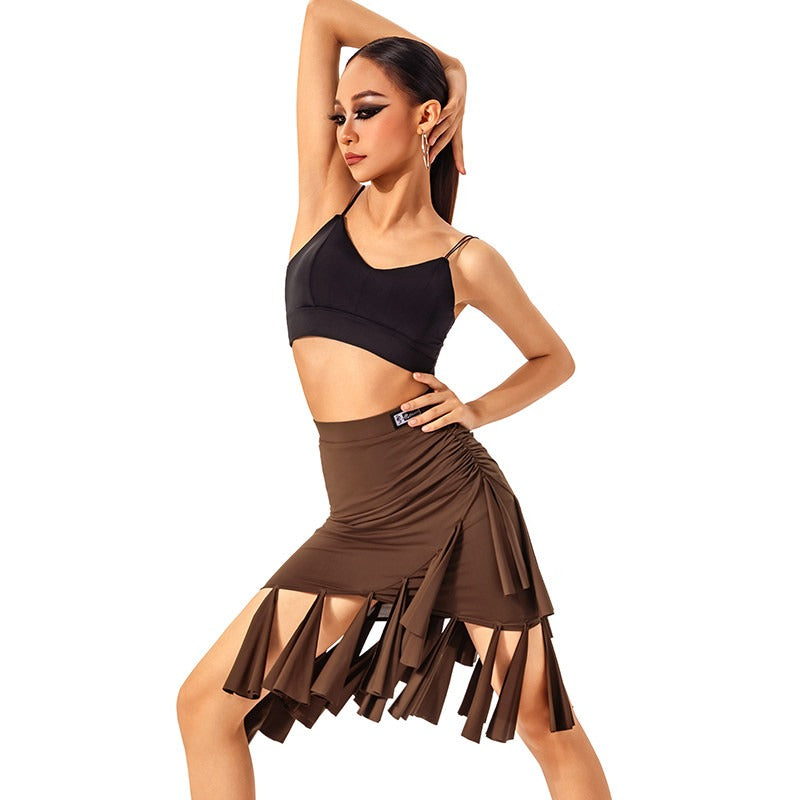
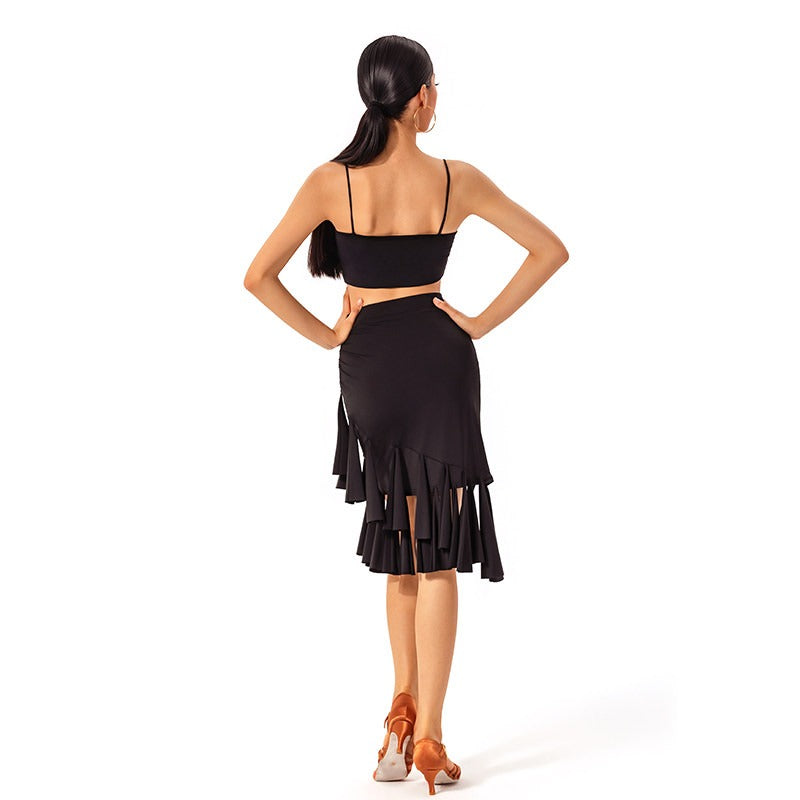
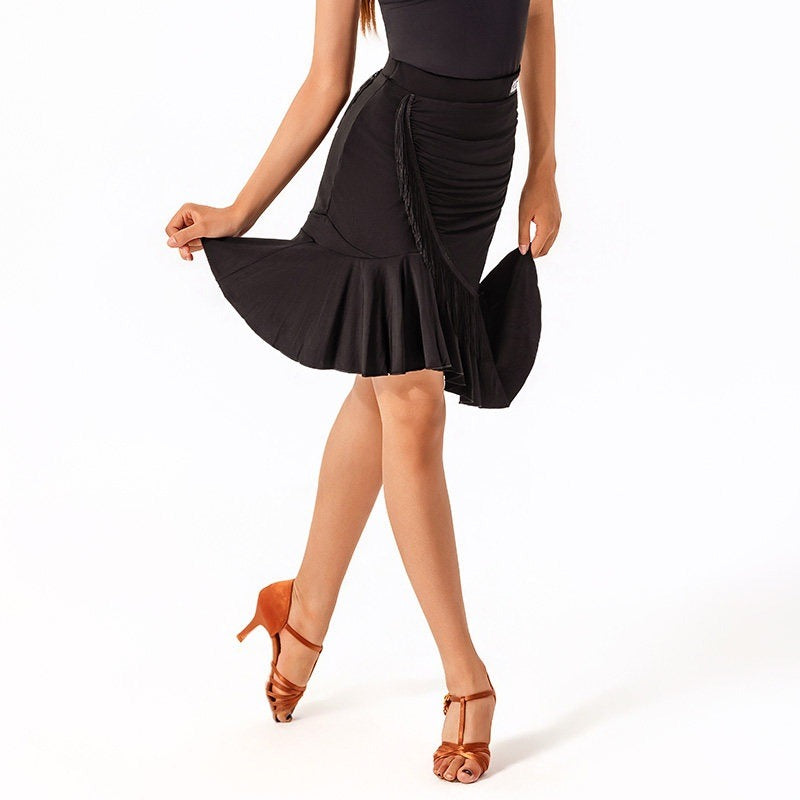
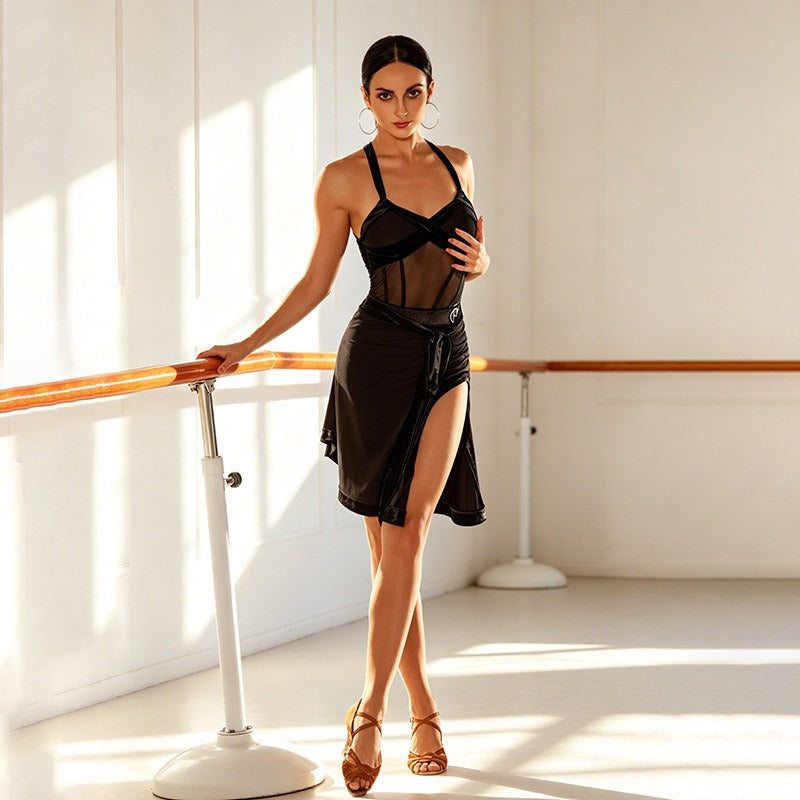
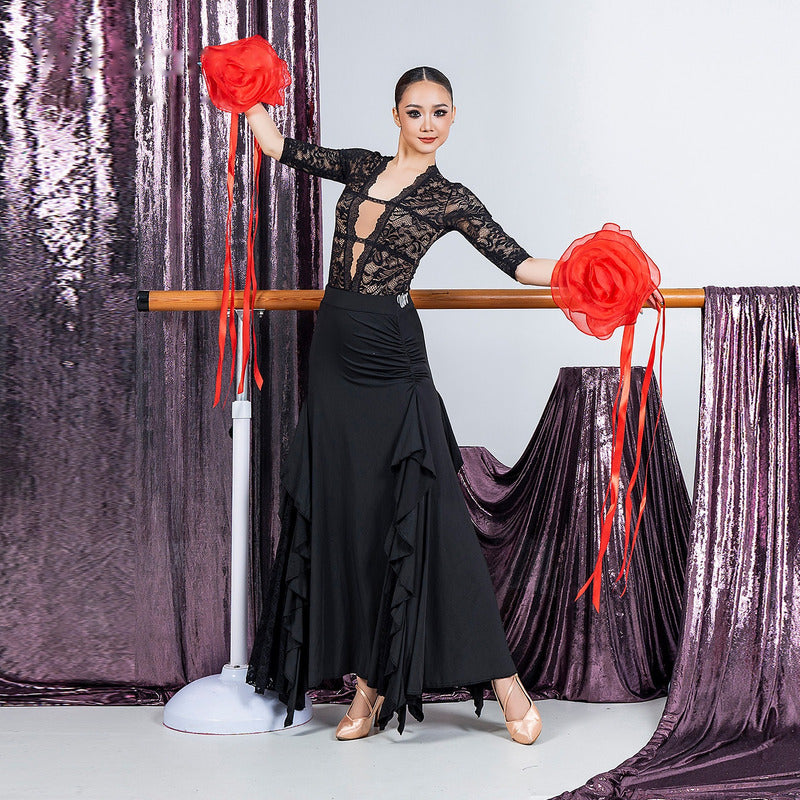
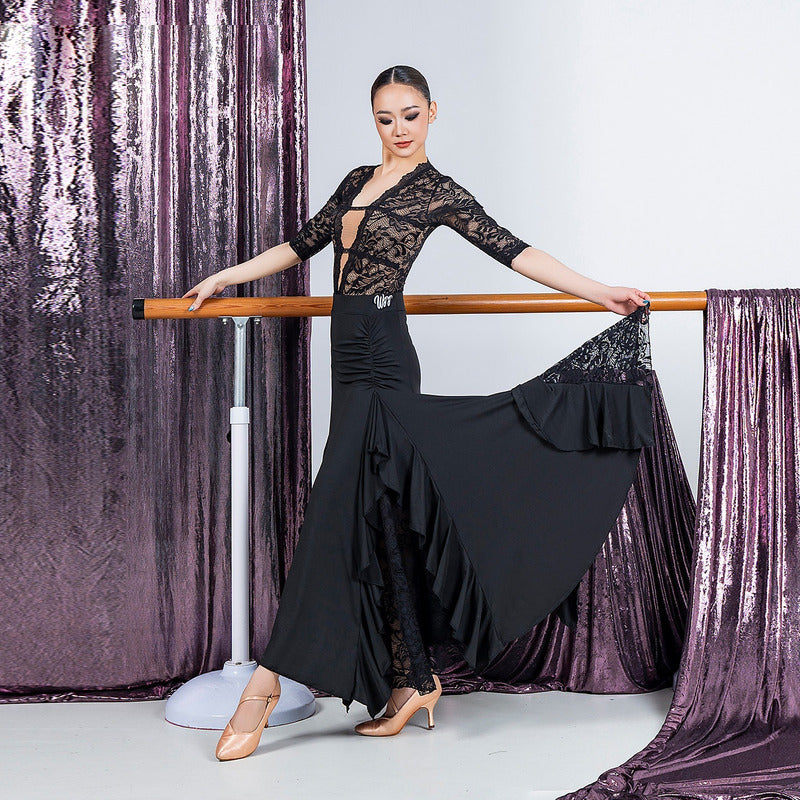
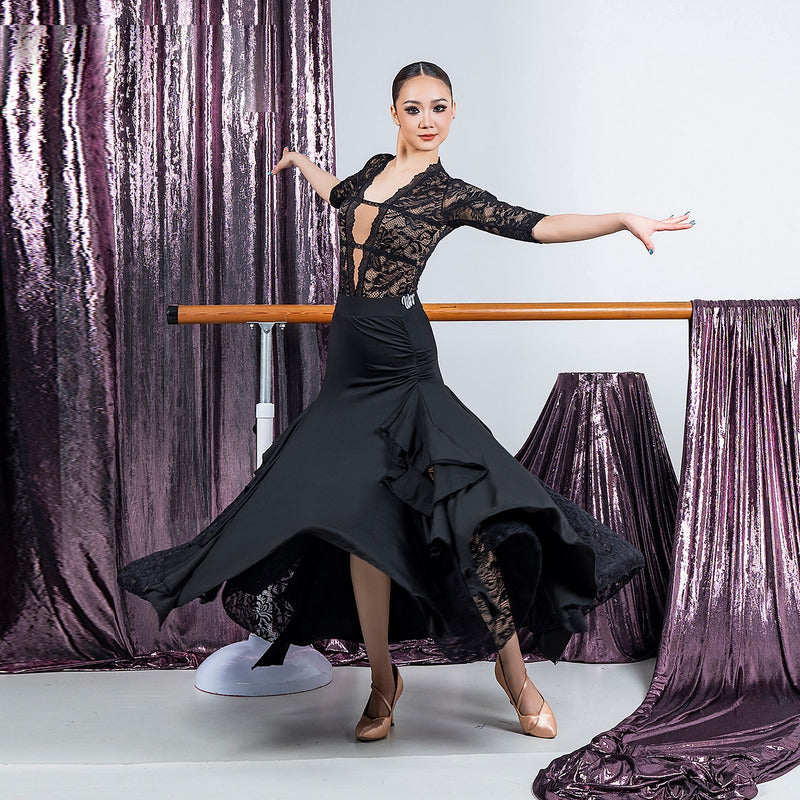
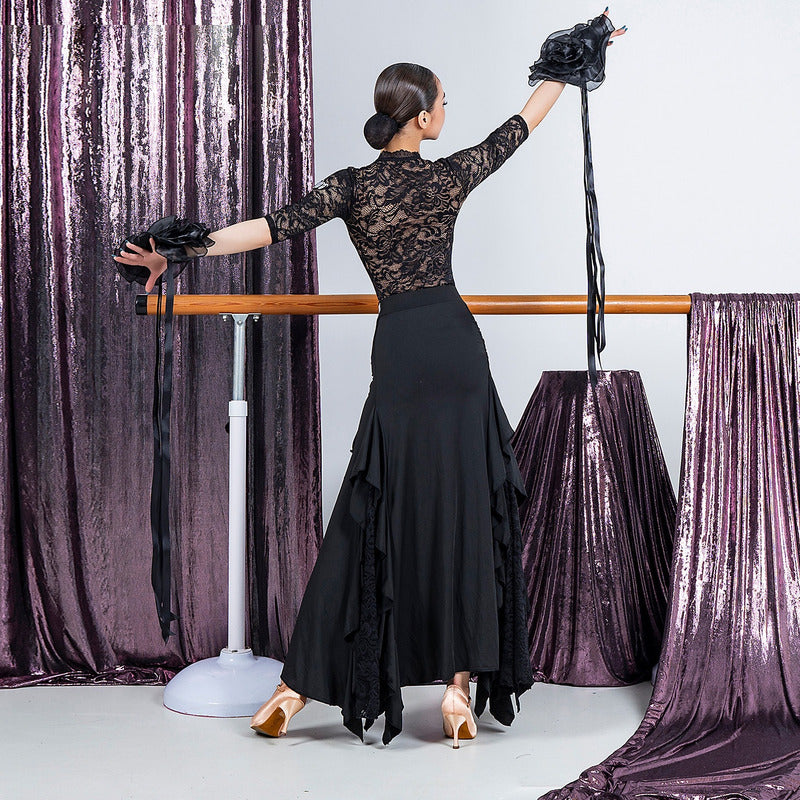
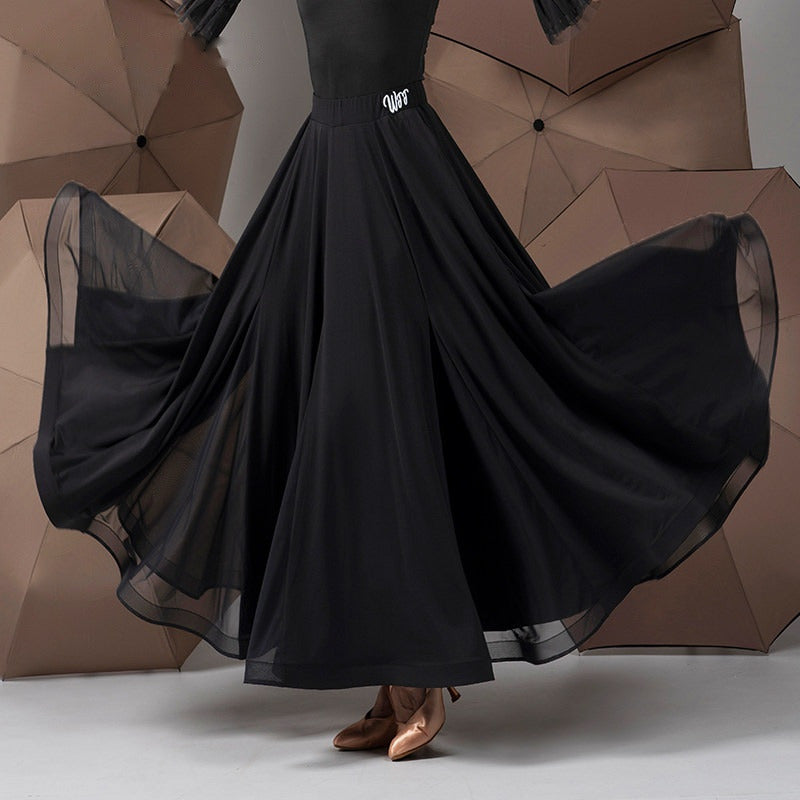
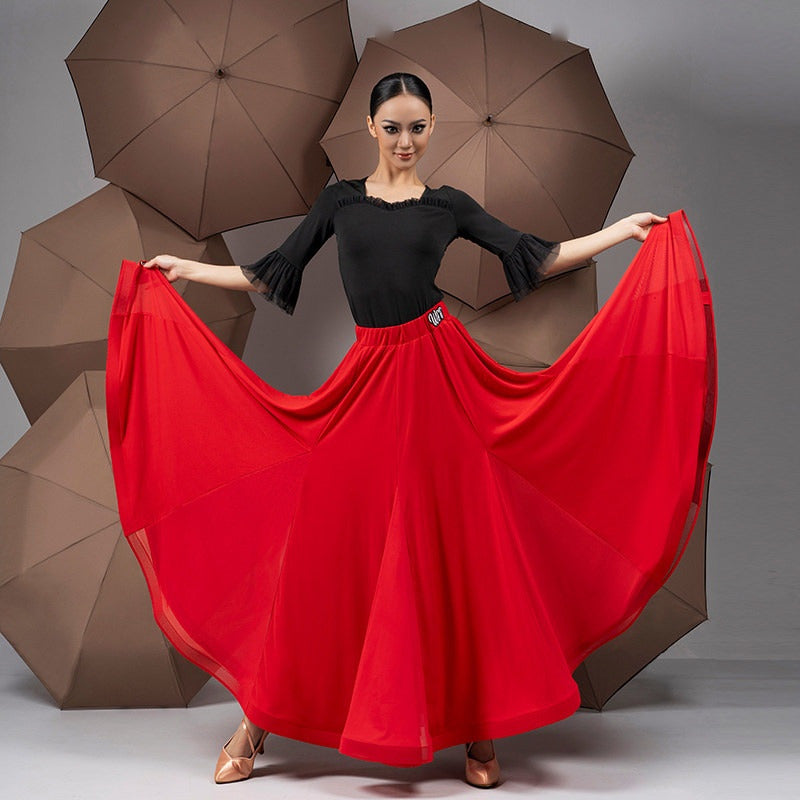
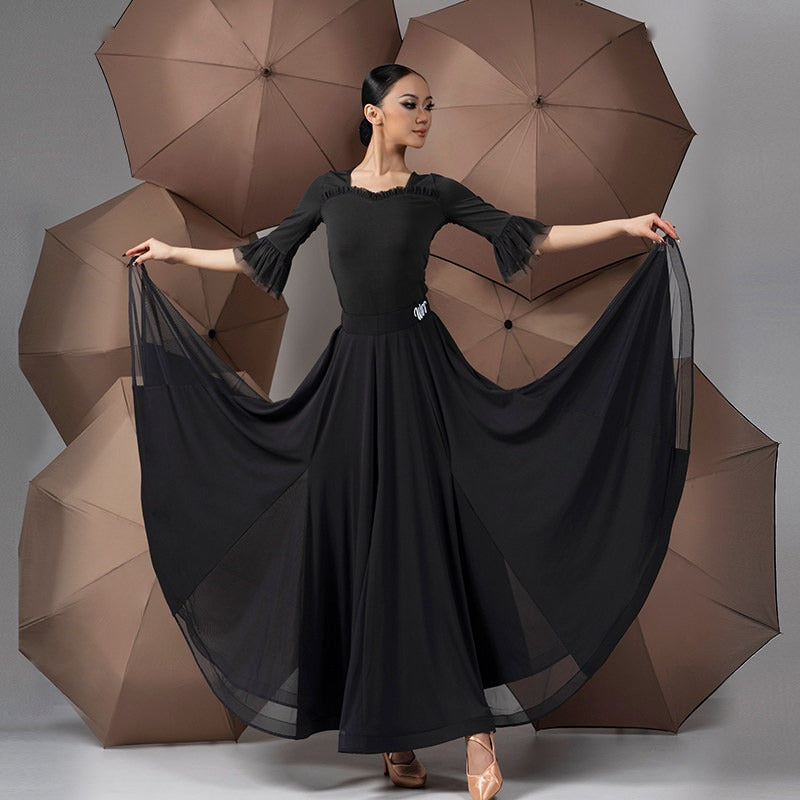
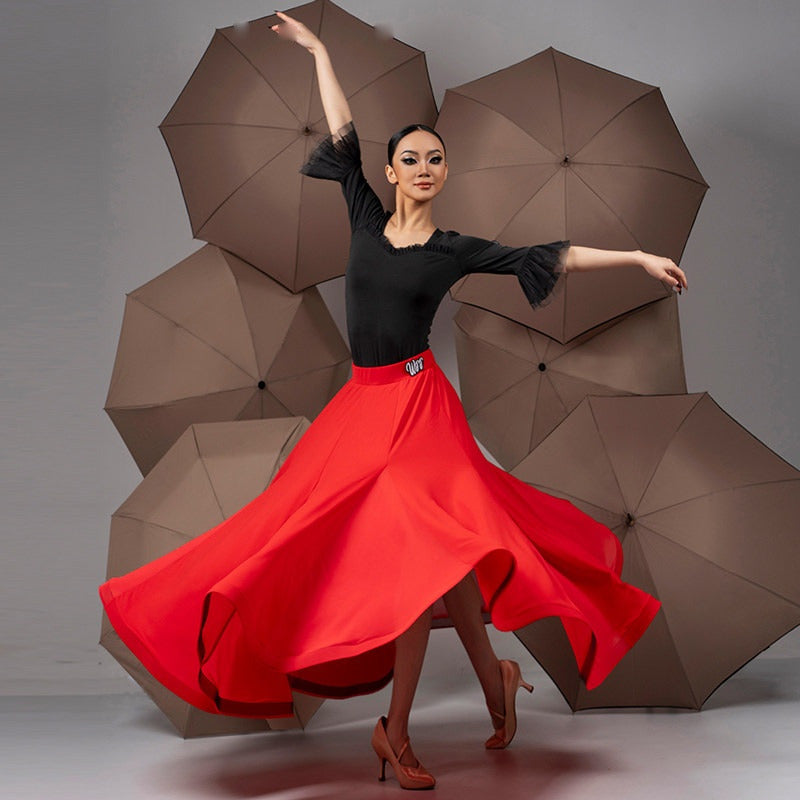

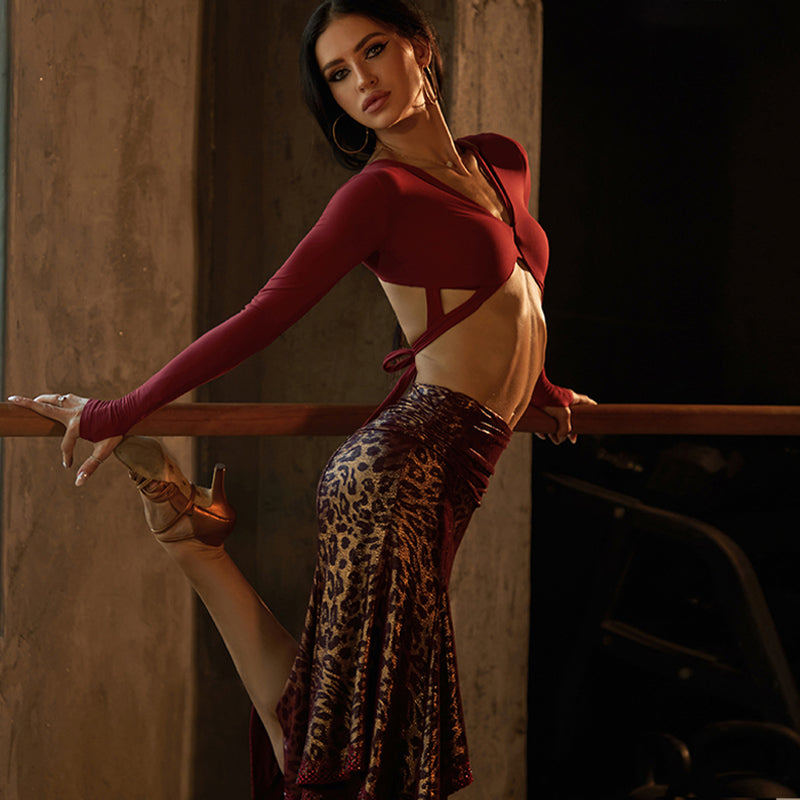
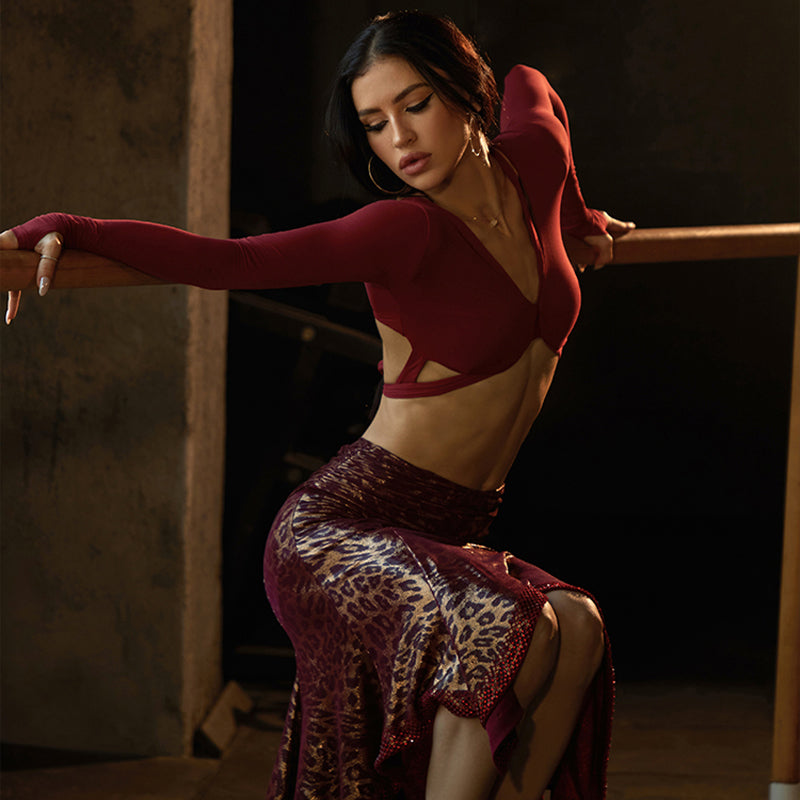
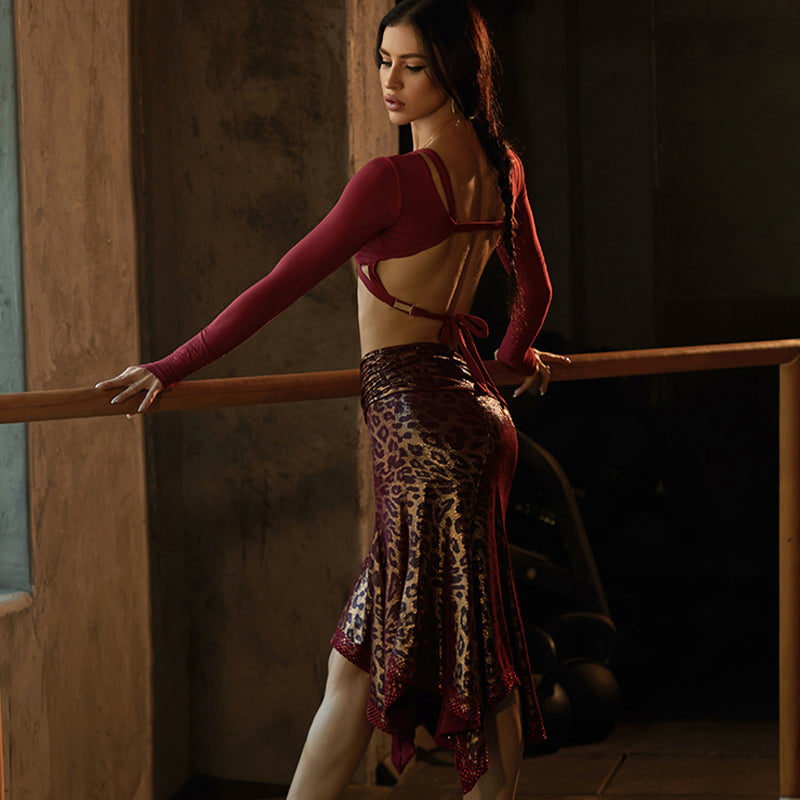
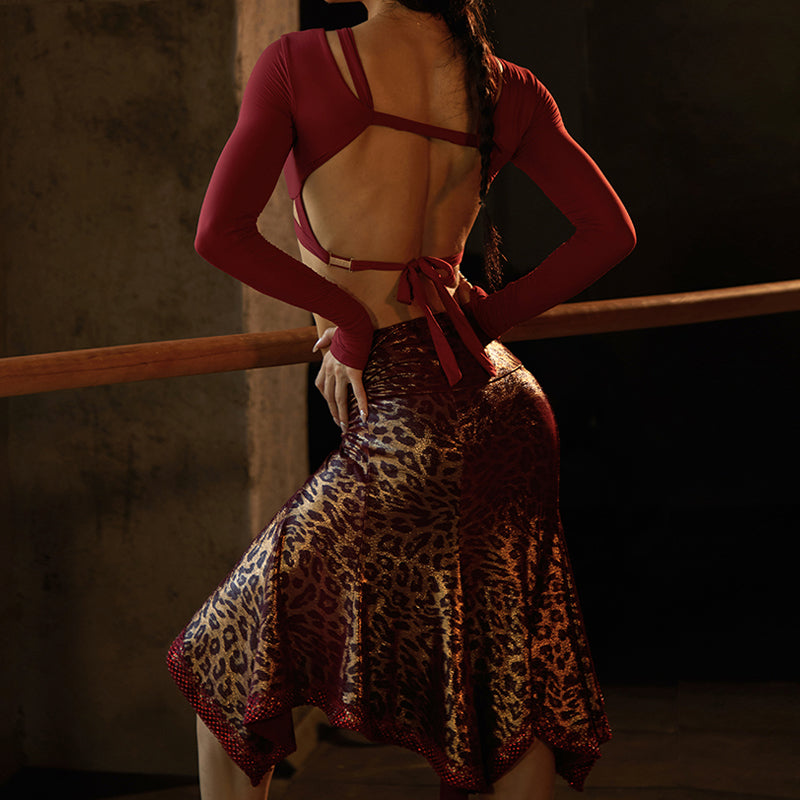
The Skirt You Will Wear the Most
Of everything in a dancer's bag, the practice skirt gets the most use and the least thought. It goes to every lesson, every practice session and most social nights, and it is usually the first thing that shows you your own movement — the moment fabric hangs below the knee, sway and rotation stop being abstract corrections and become something you can see. Nearly everything gathered here is built for that weekly life rather than for a competition floor: fabric that washes and comes back, waistbands that stay put over a long lesson, and no stonework to catch on a partner.
That is also why most dancers end up with more than one. A skirt is the quickest way to make the tops you already own read as a different outfit, and rotating two of them through a term is easier on both of them than wearing one into the ground.
Long or Short Is the Real Decision
Everything else — colour, hem, waistband, fringe — comes after this one fork, and it is decided by the dance rather than by taste.
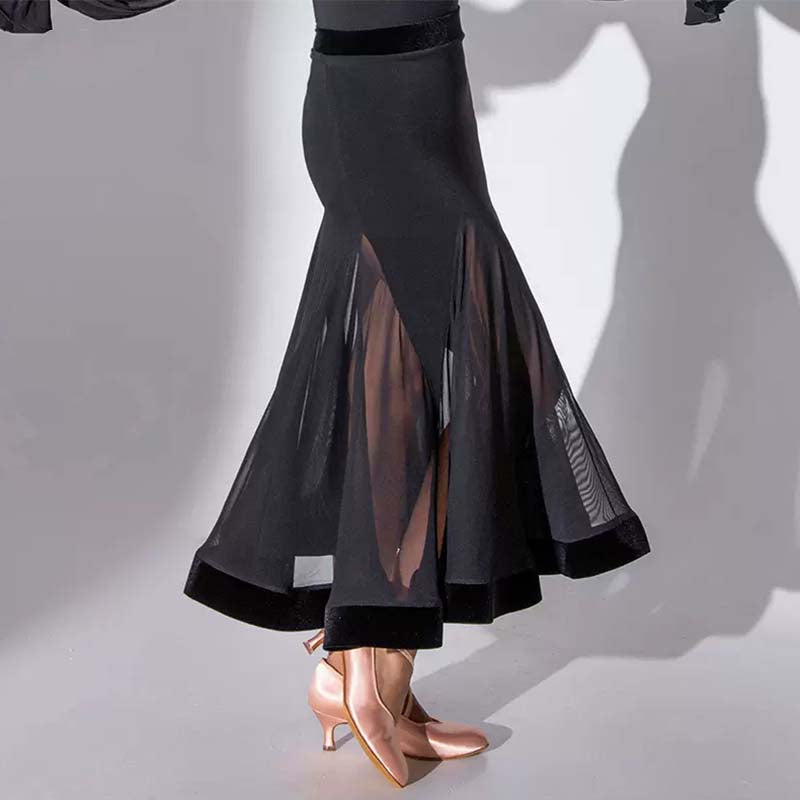
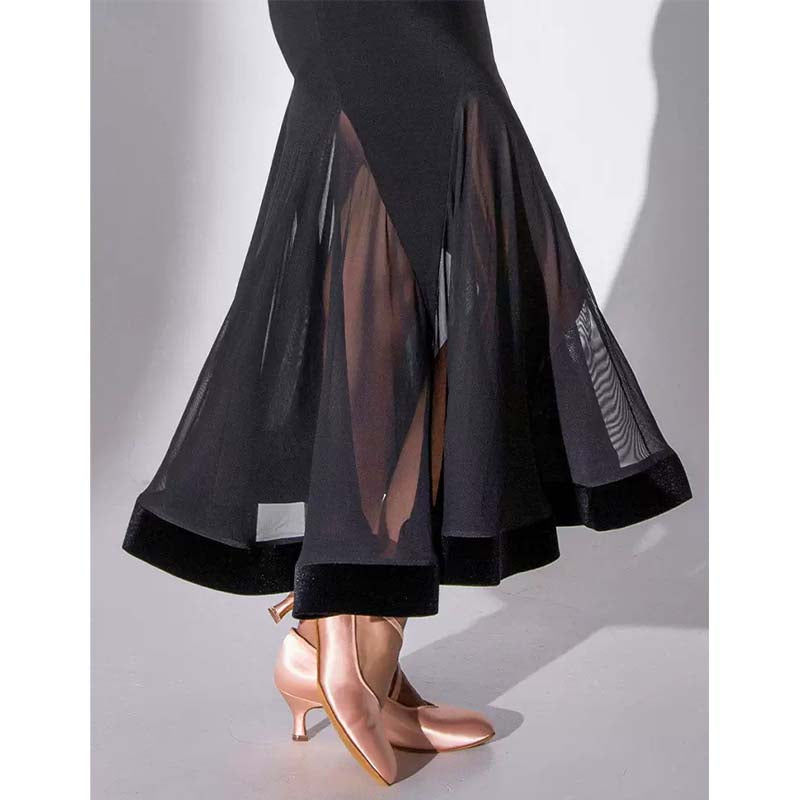
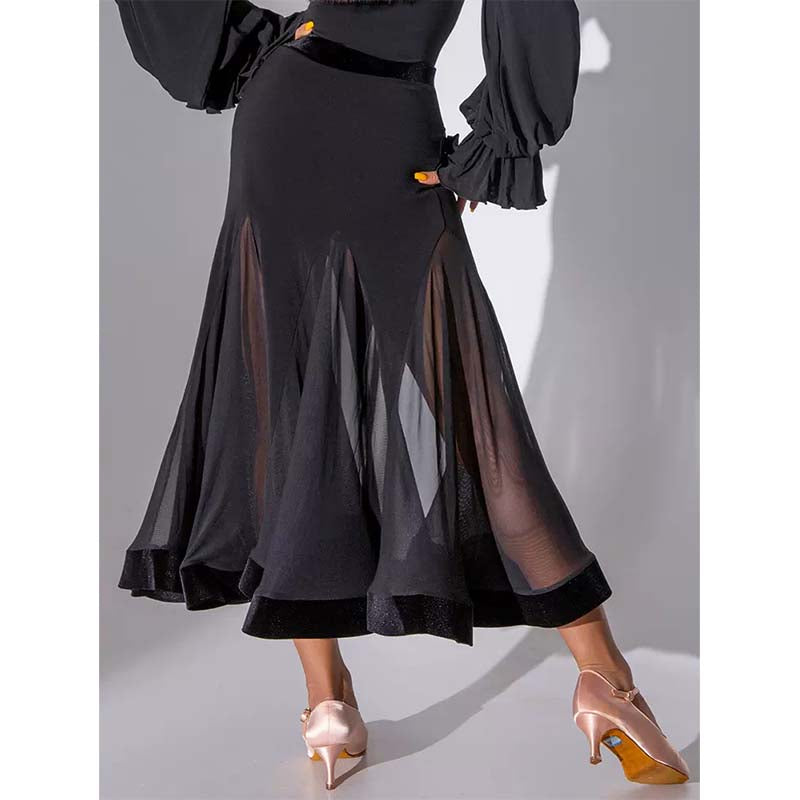
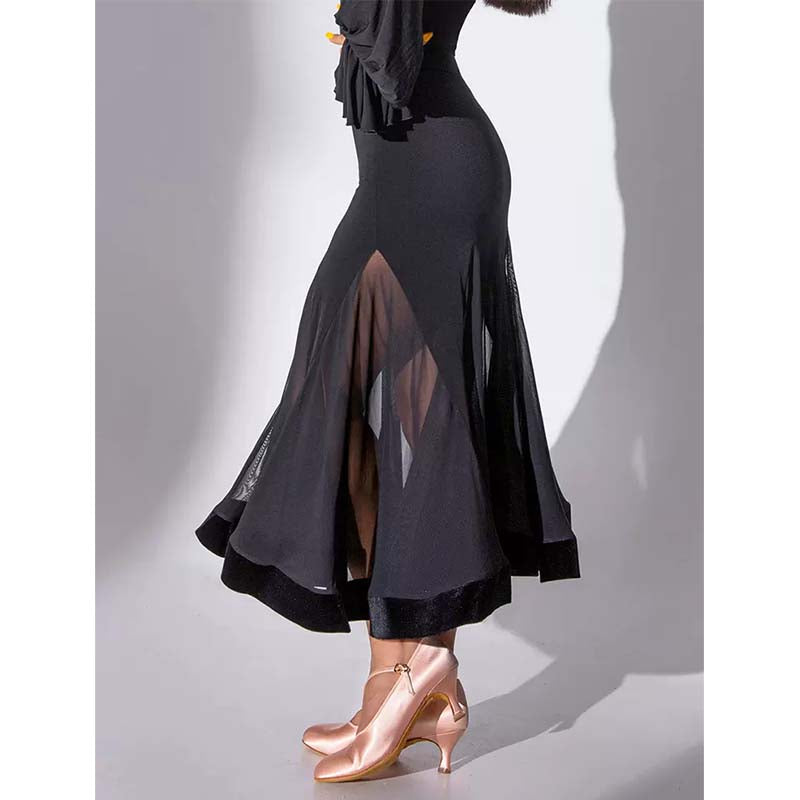
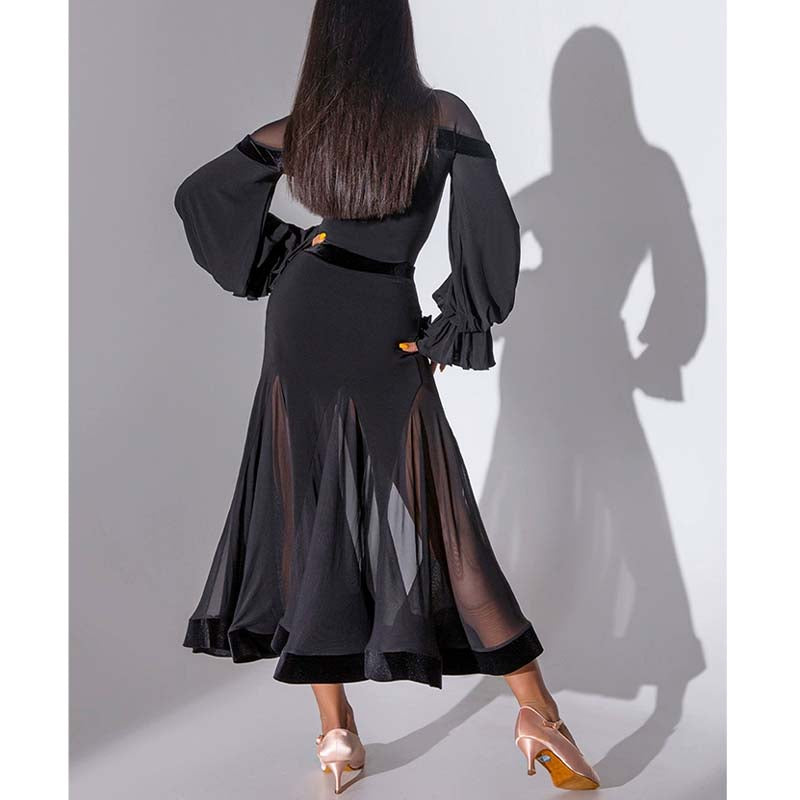
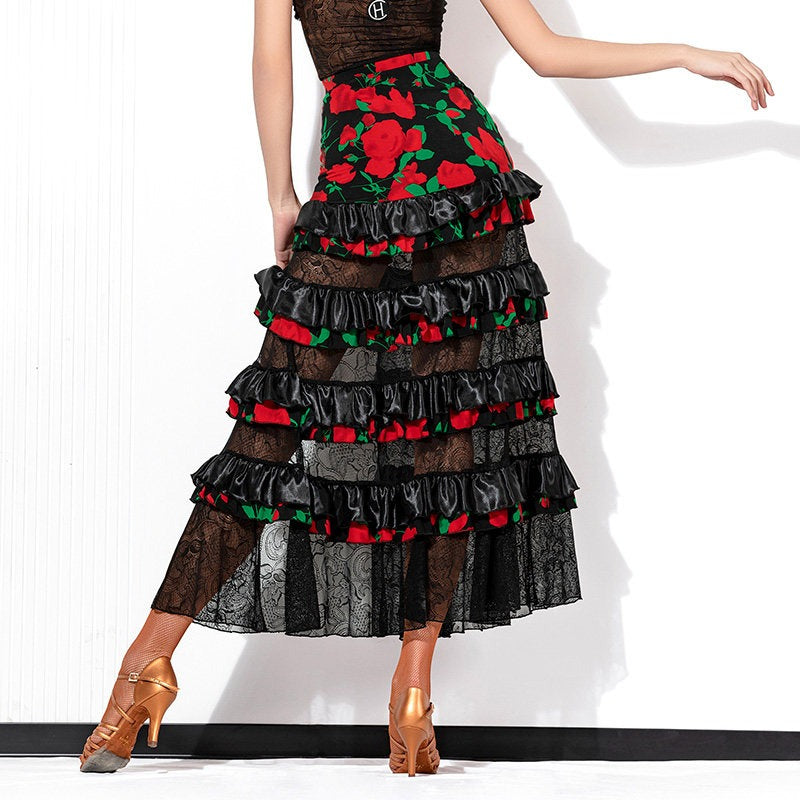
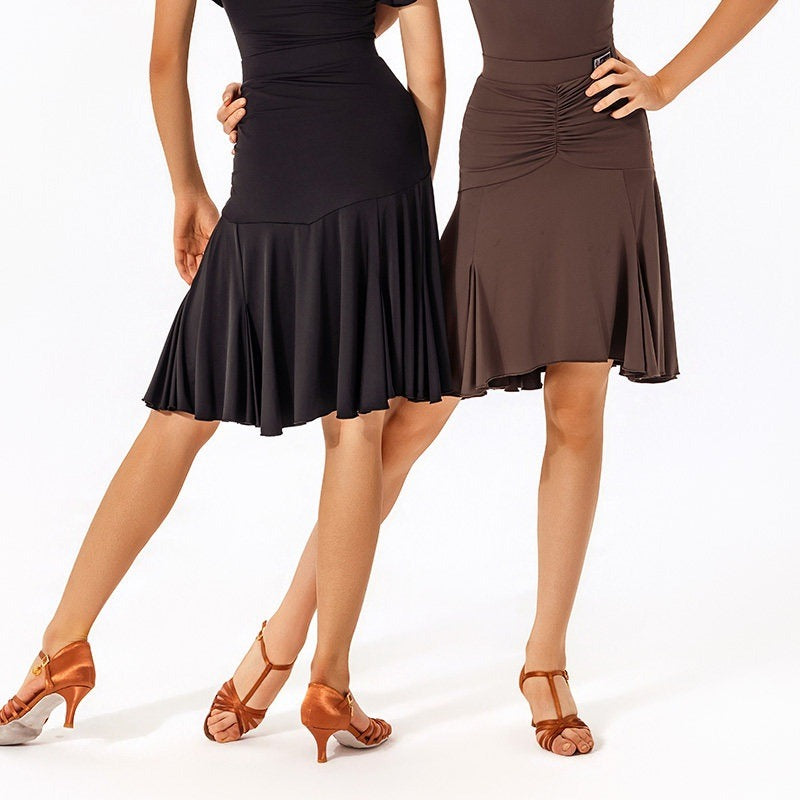
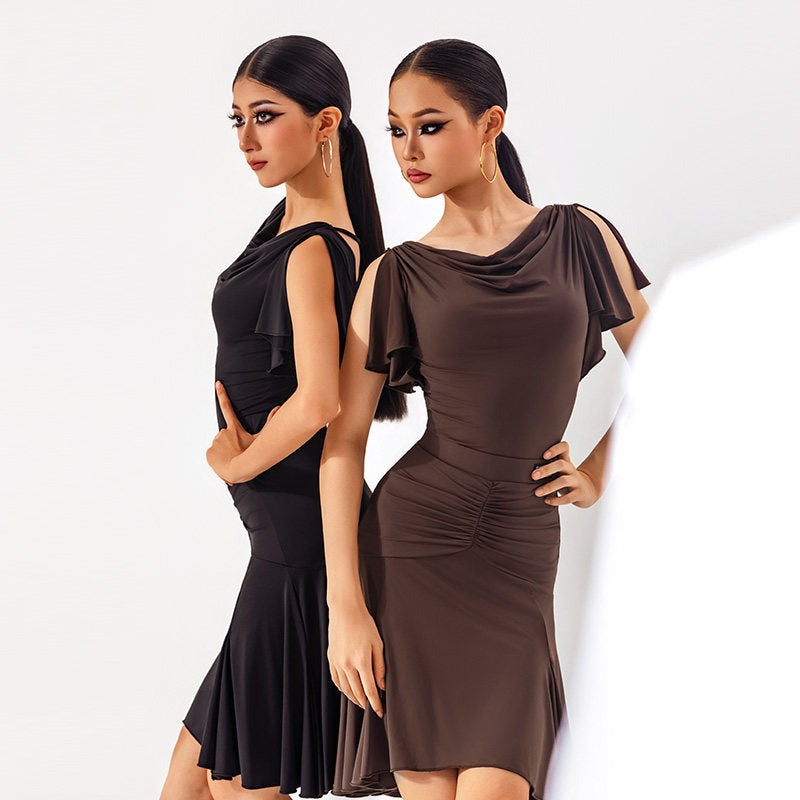
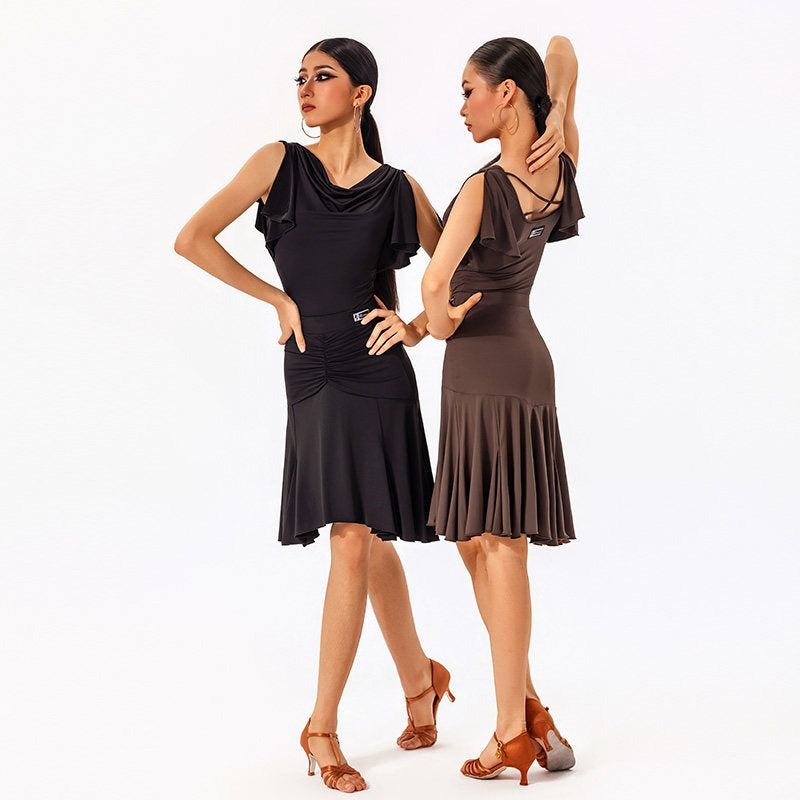
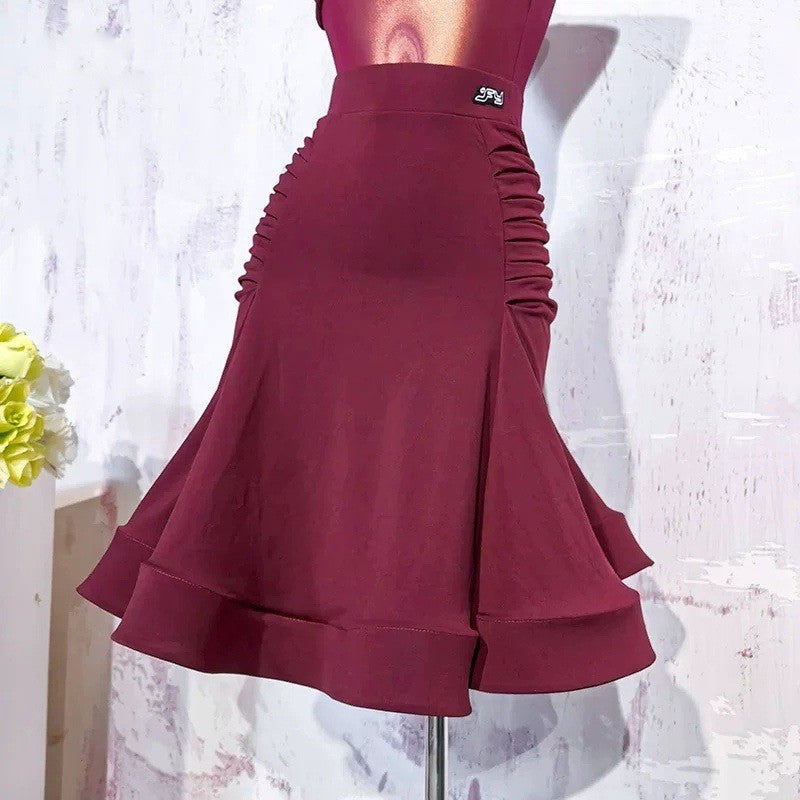
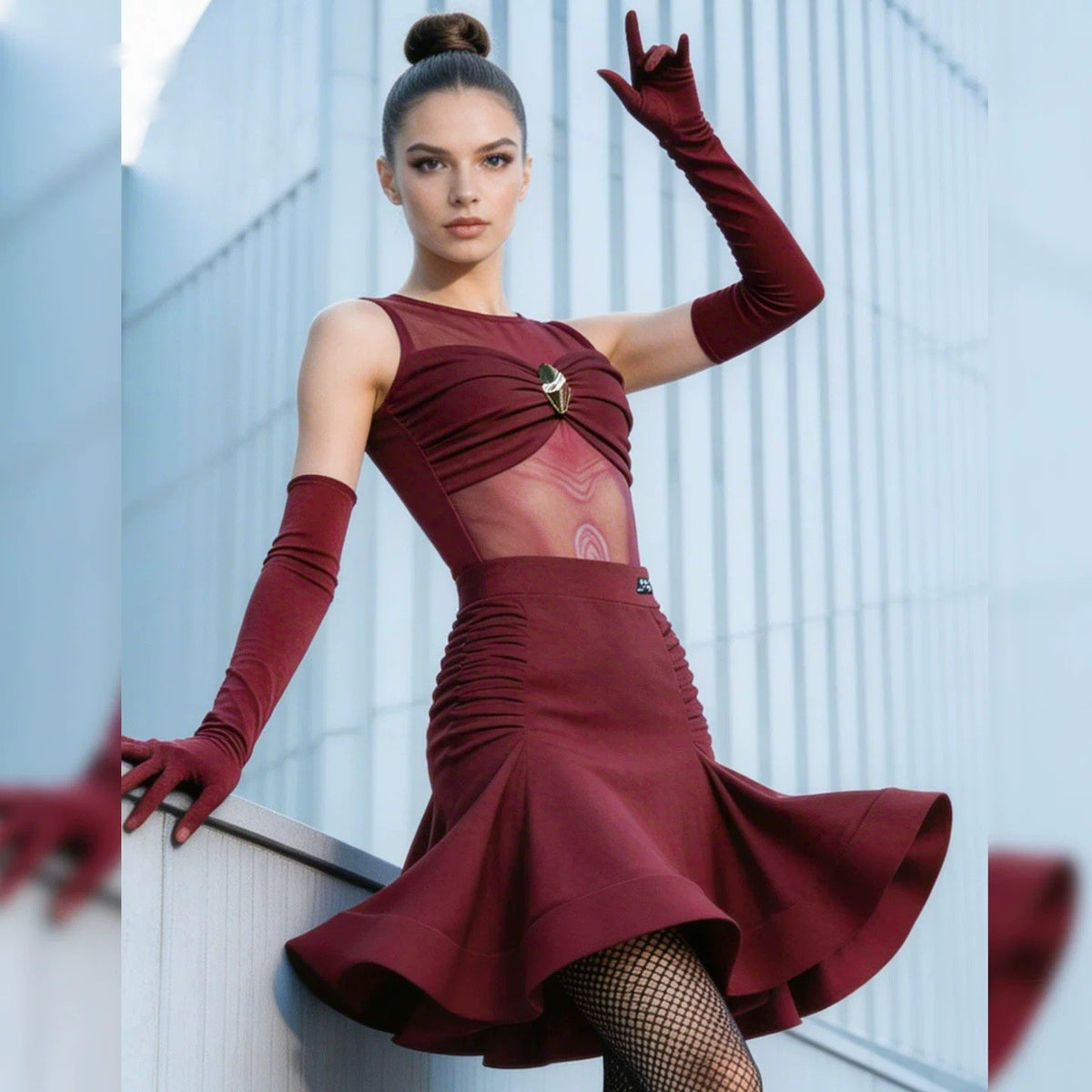
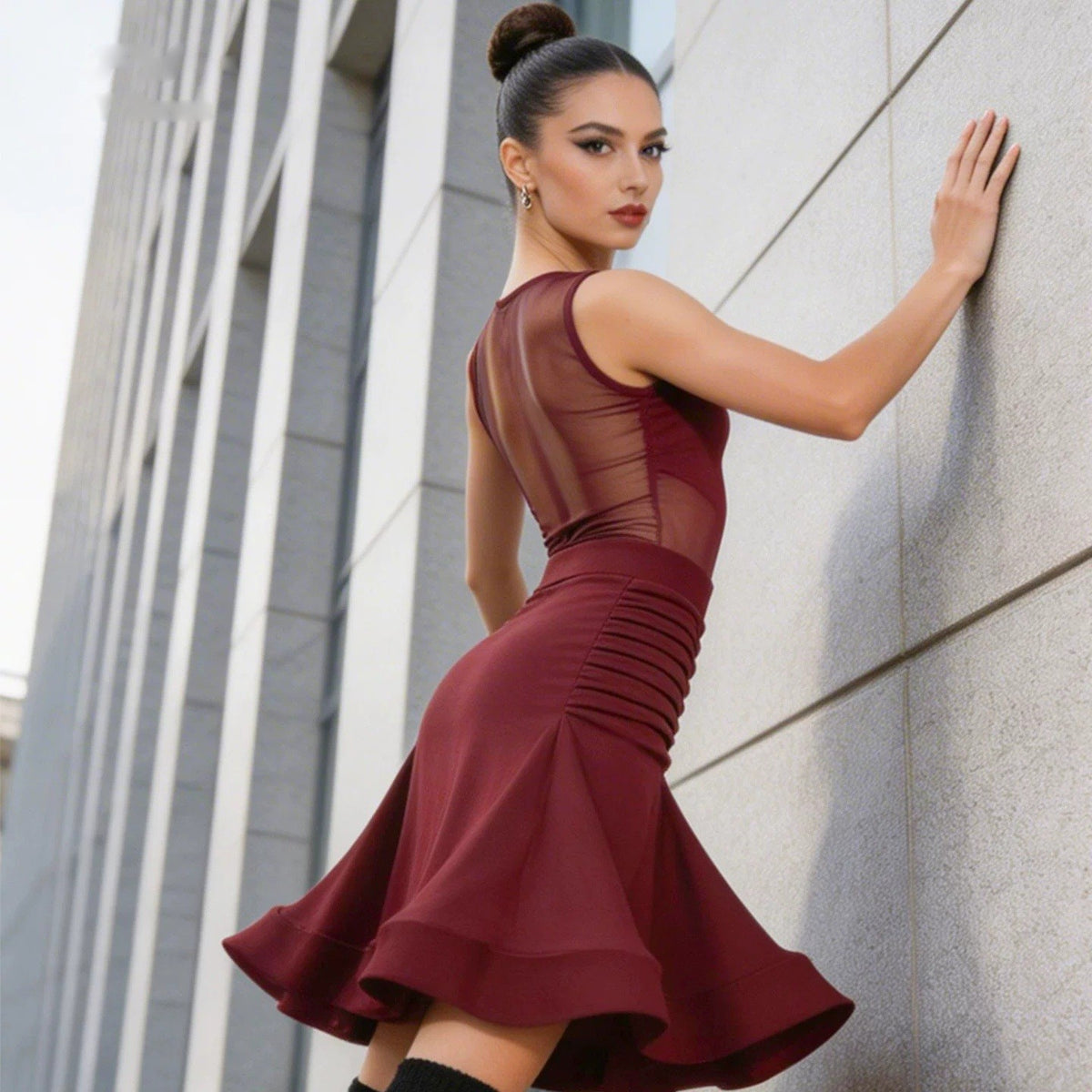
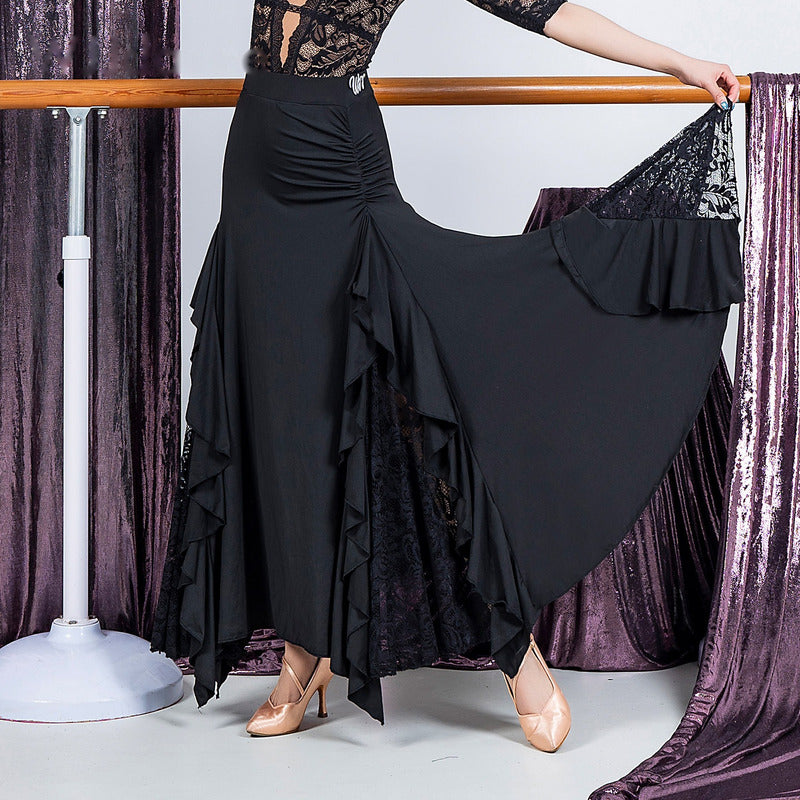
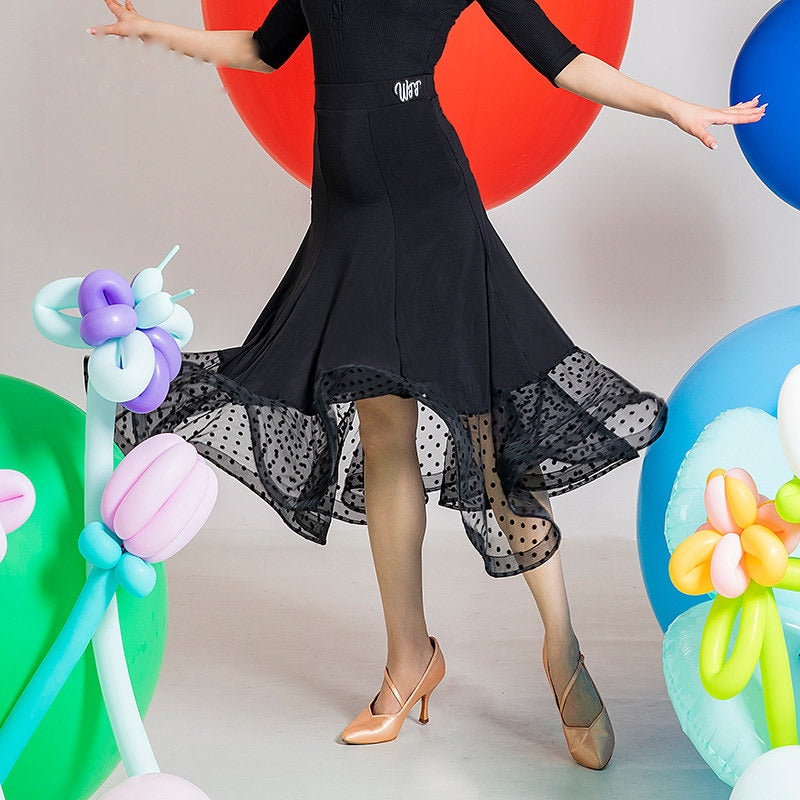
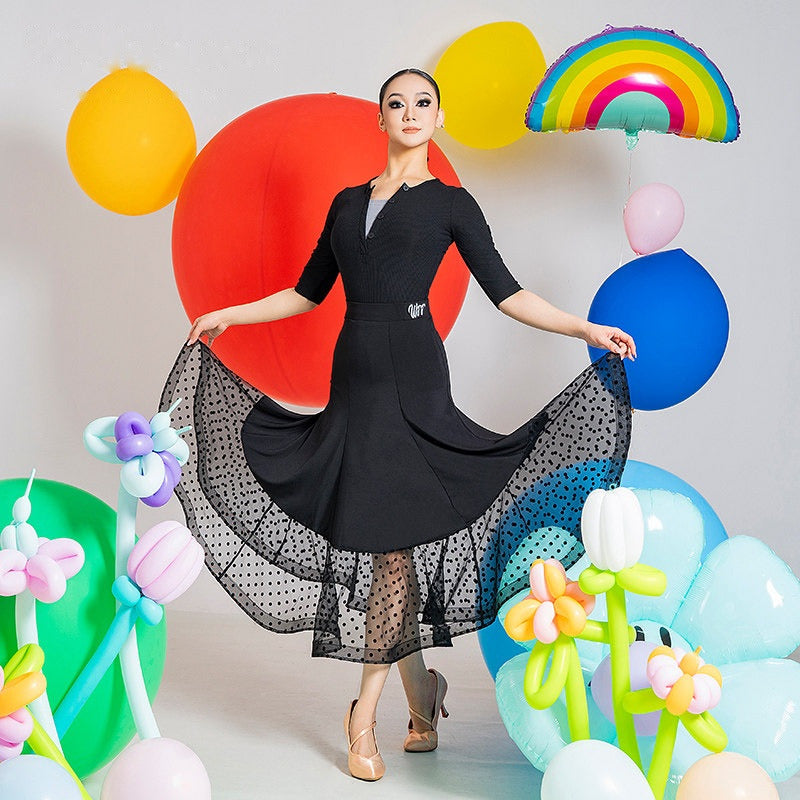
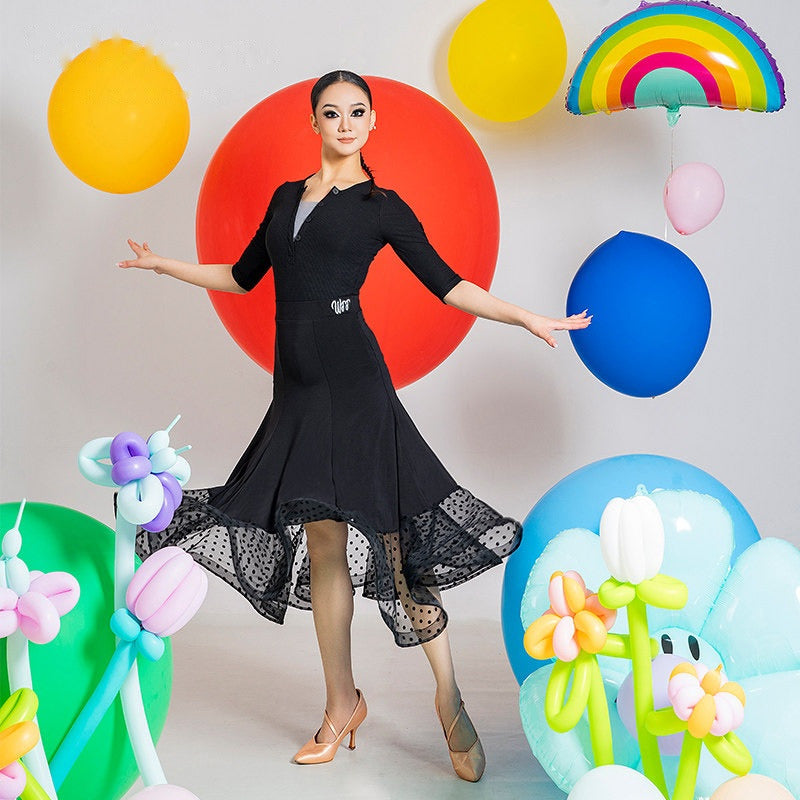
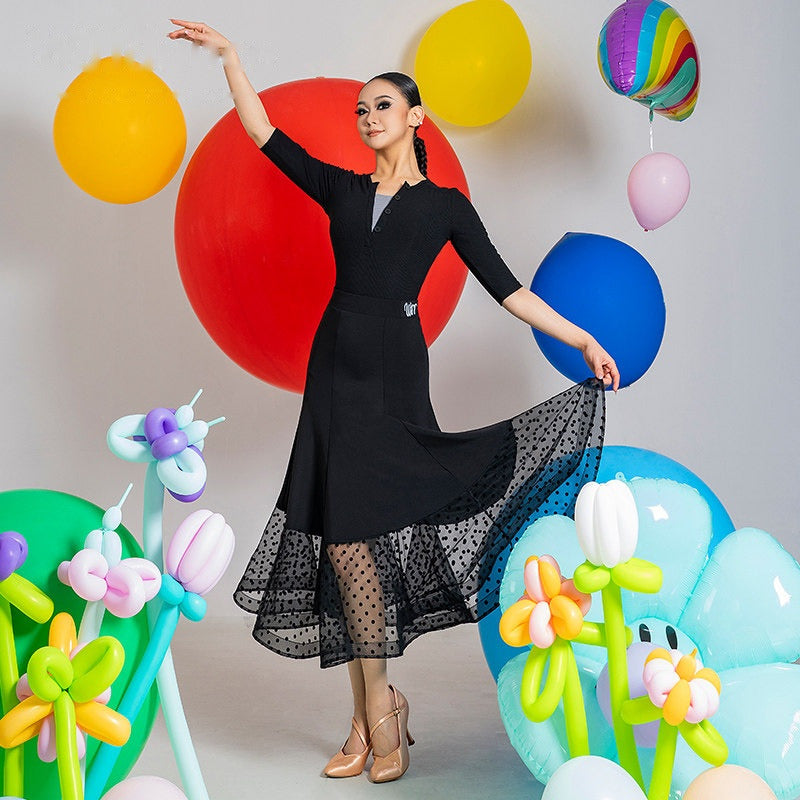
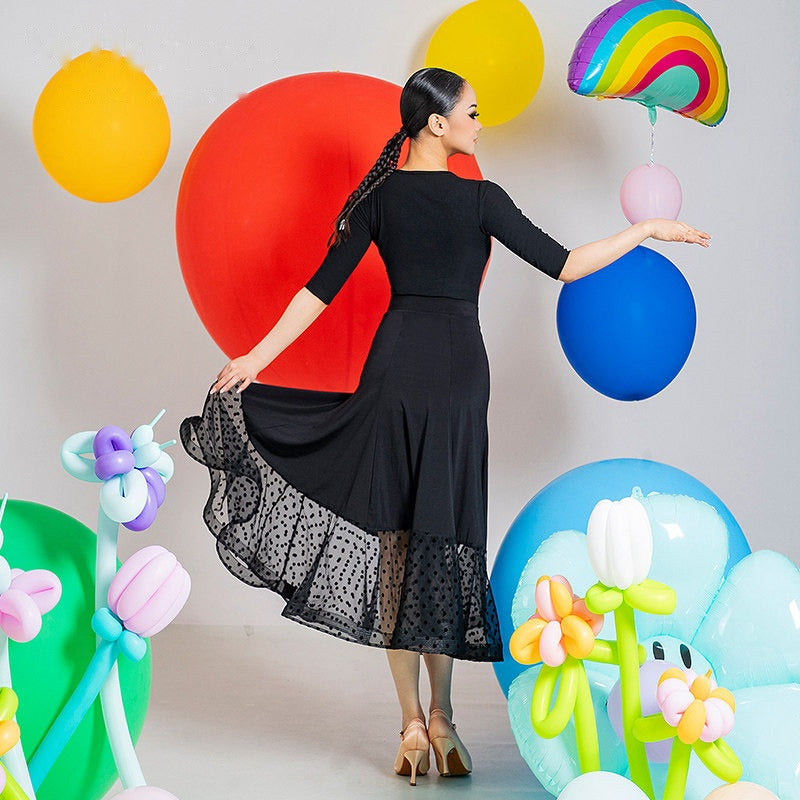
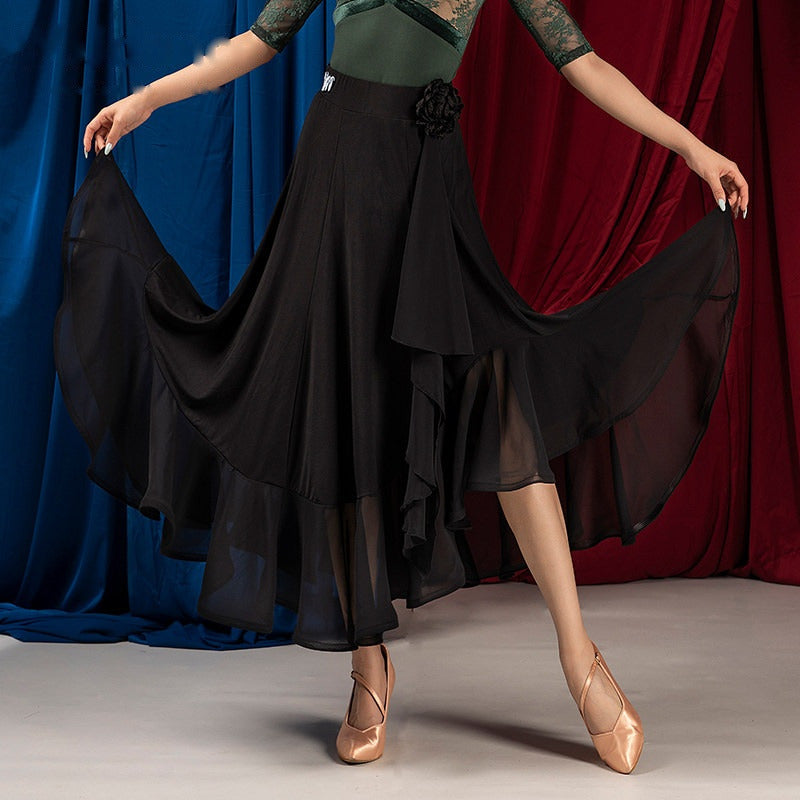
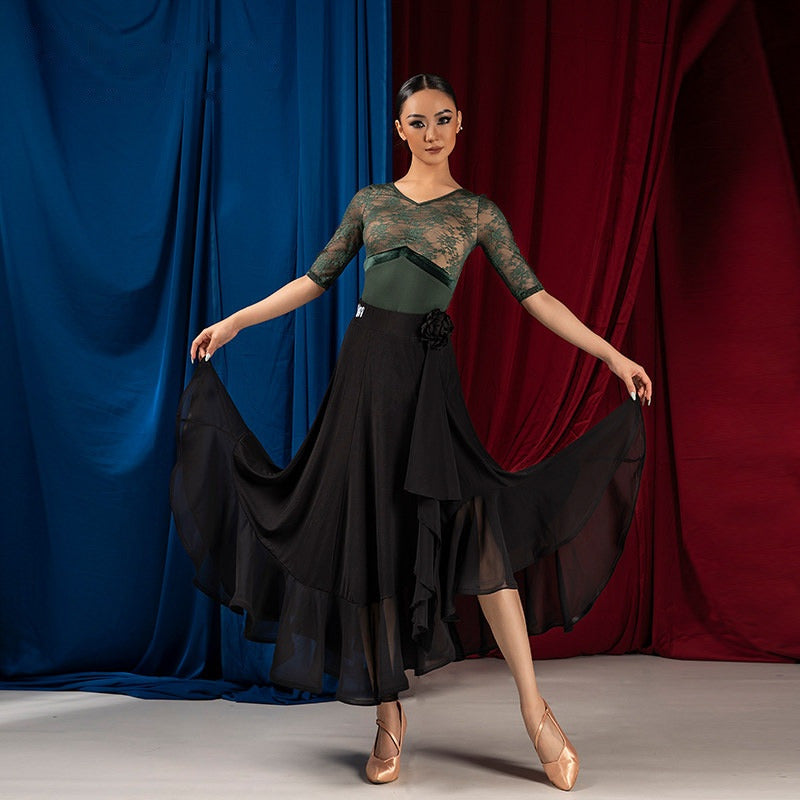
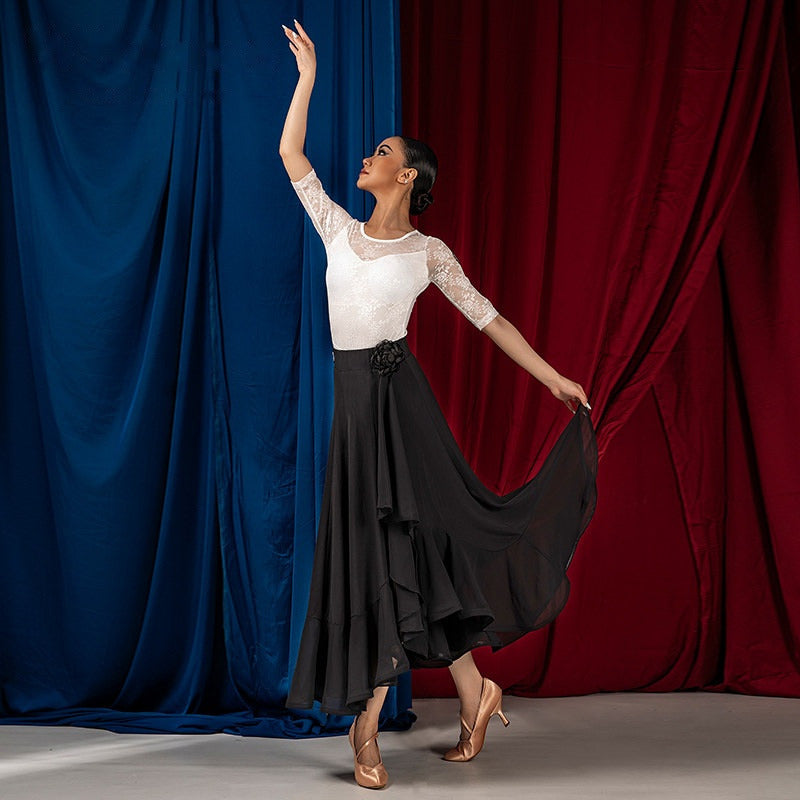
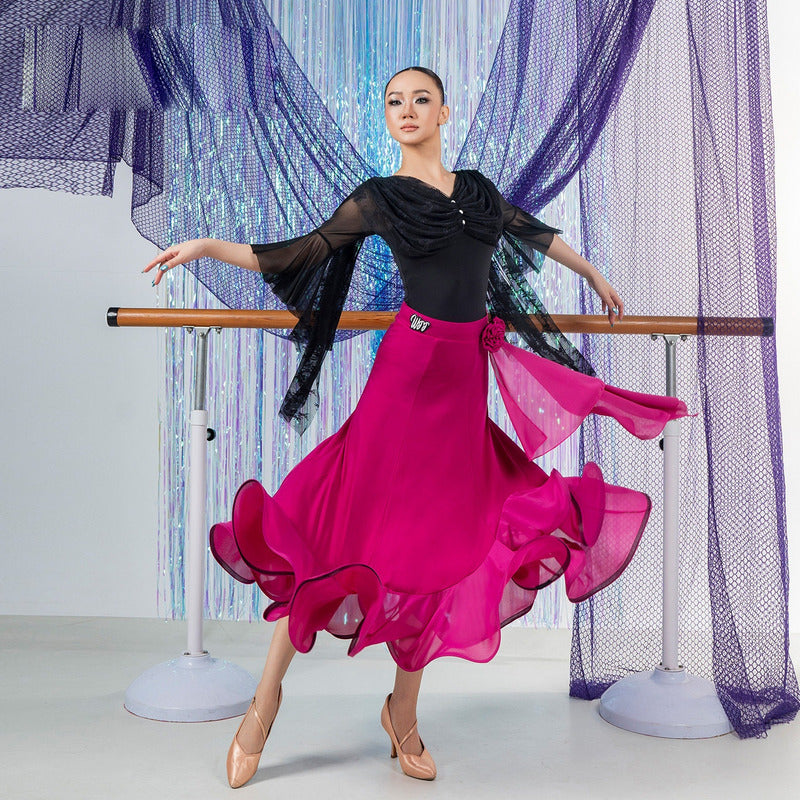
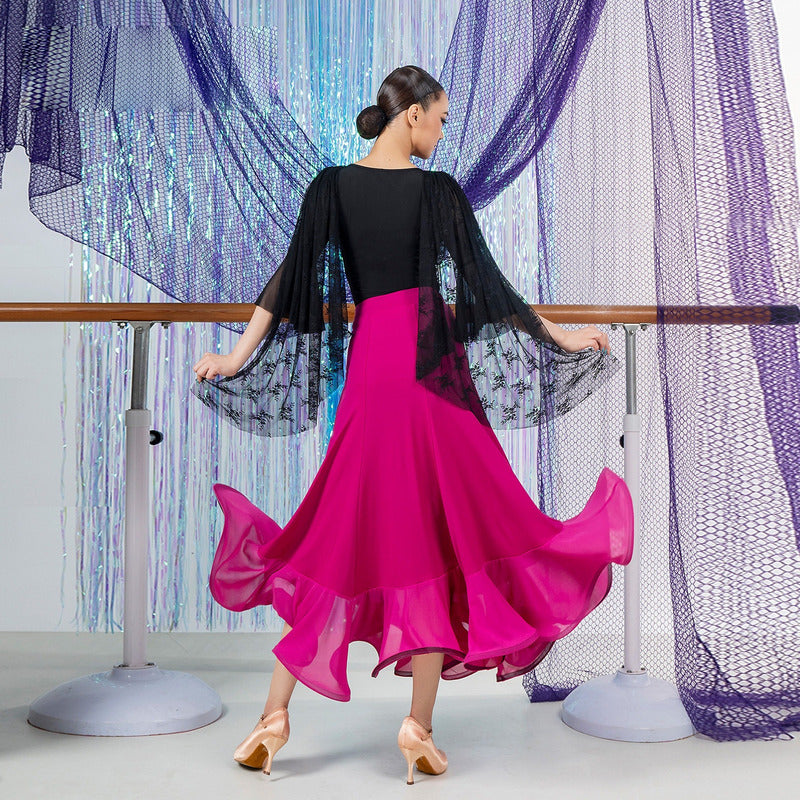
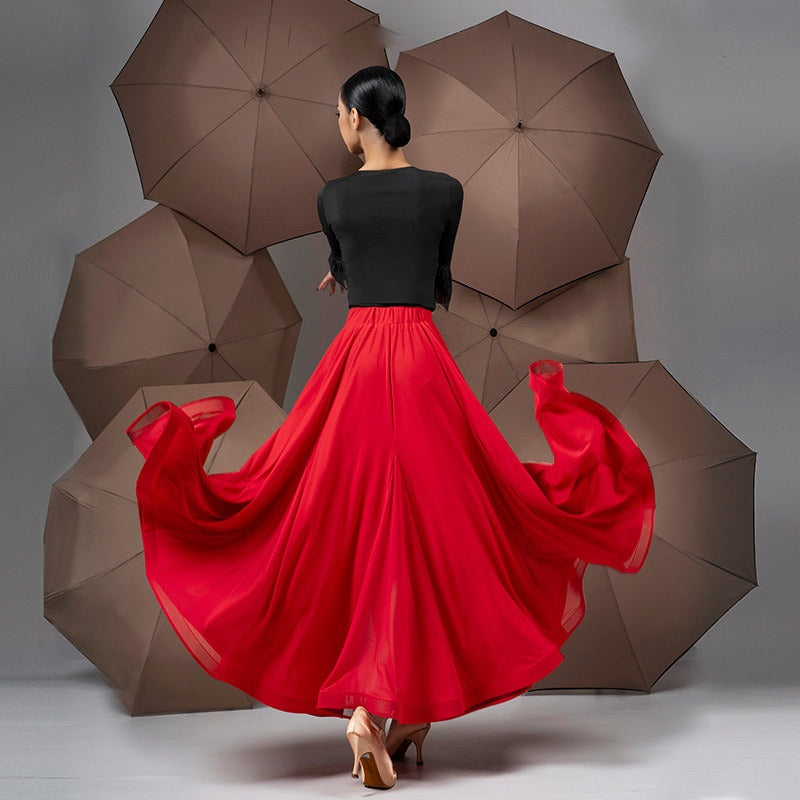
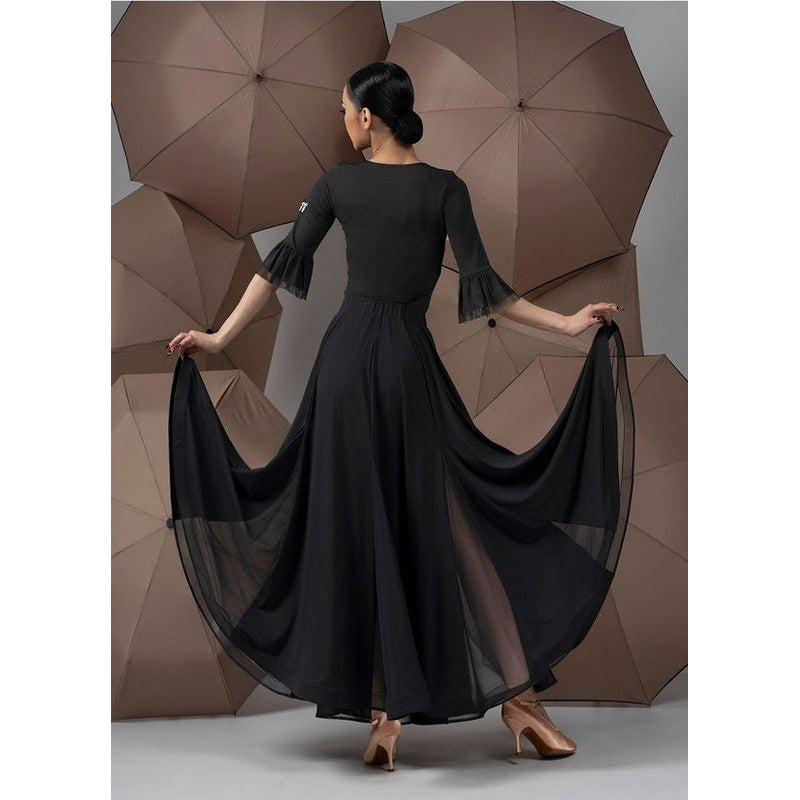
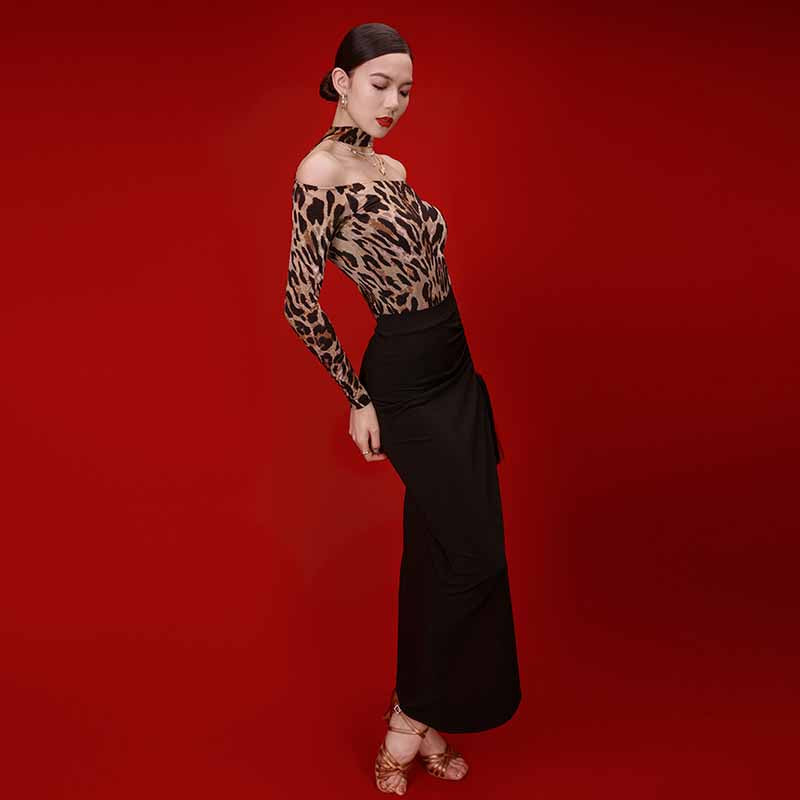
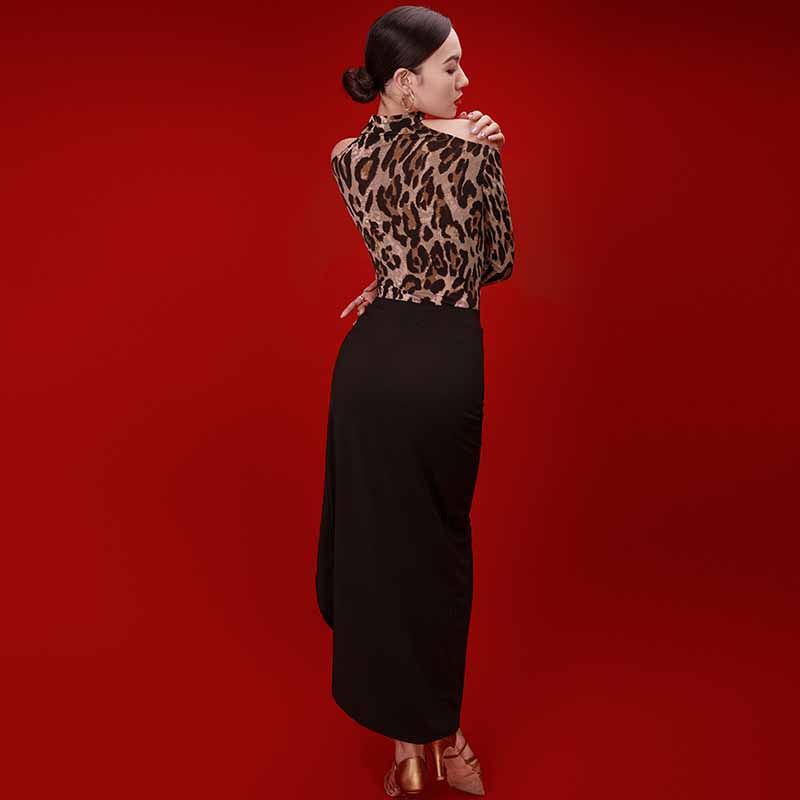
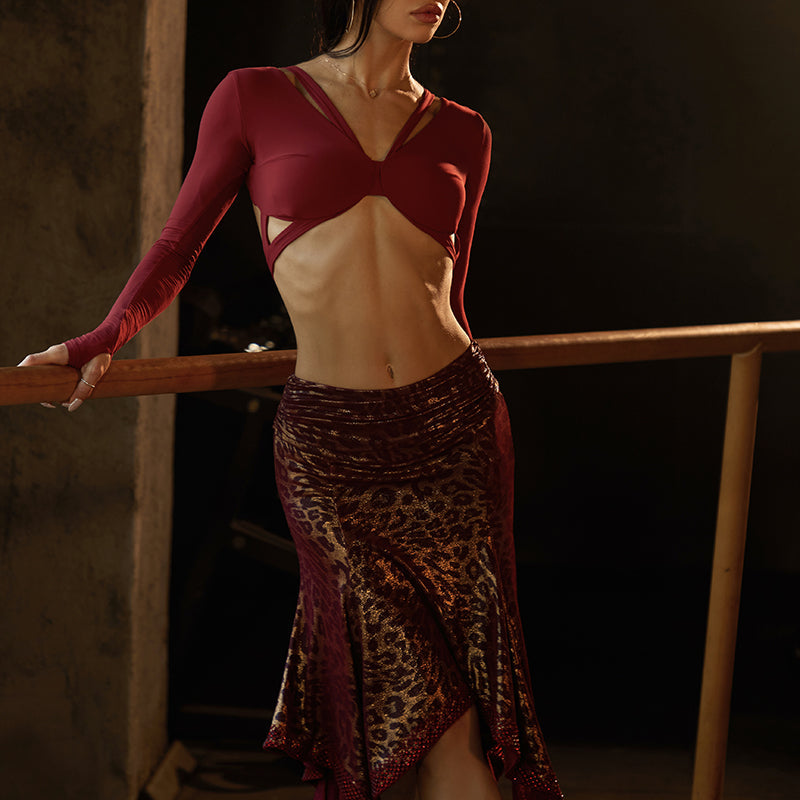
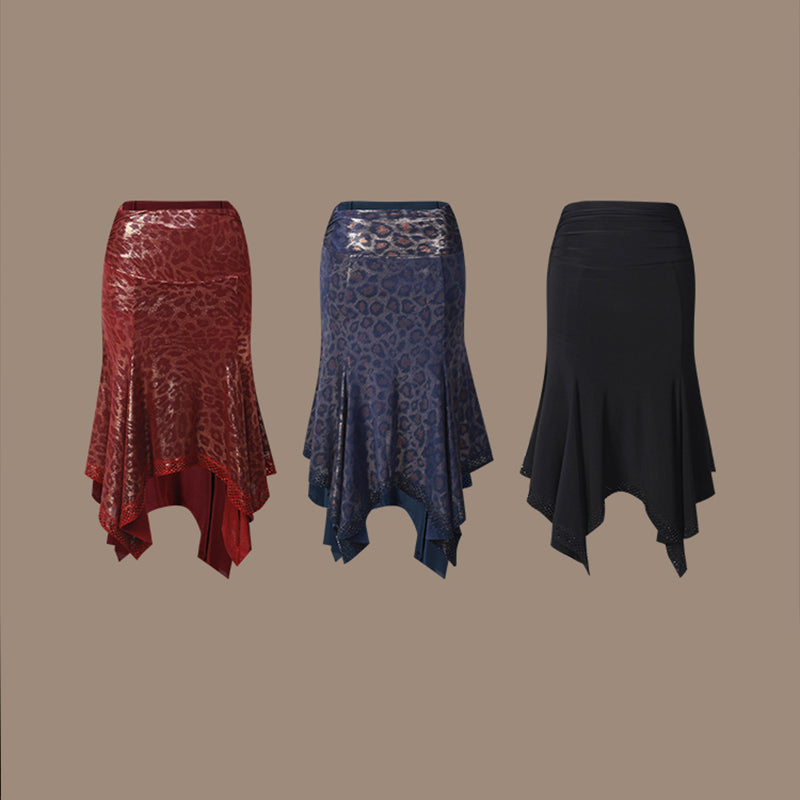
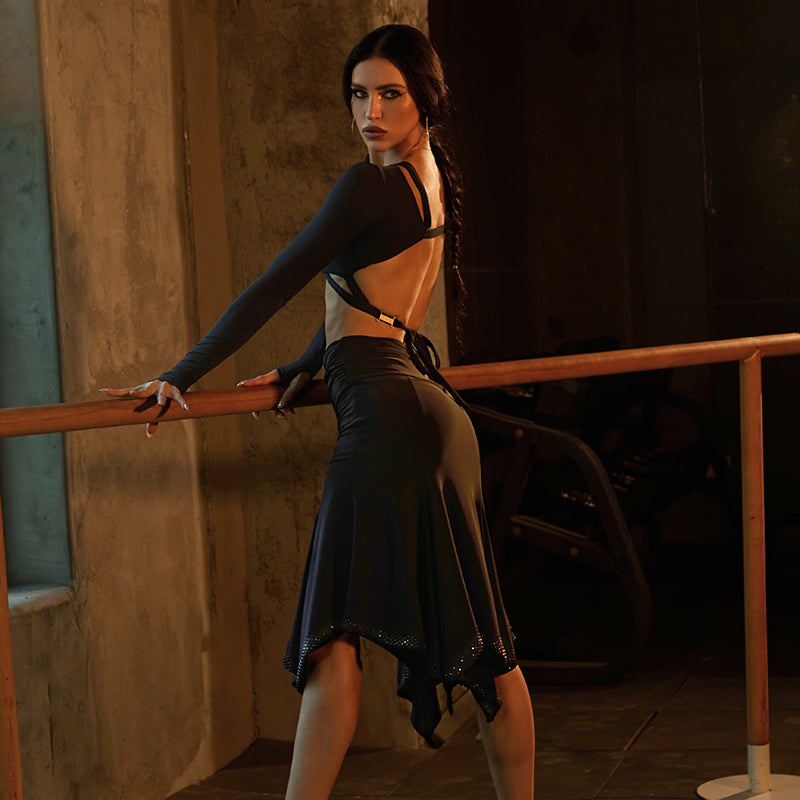
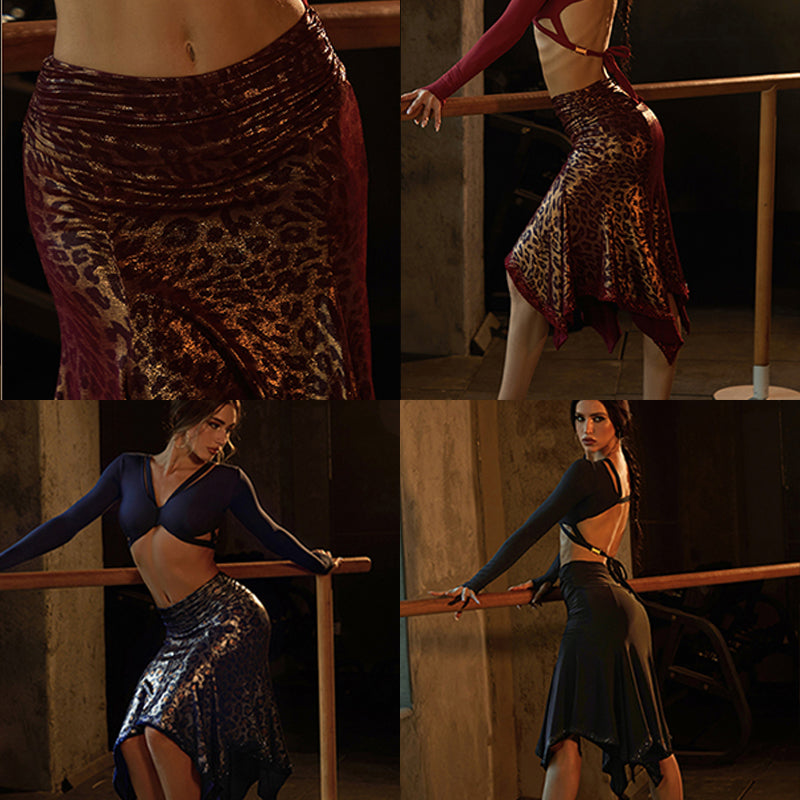
Long skirts belong to ballroom and Standard, where you are in a closed hold and travelling continuously. The hem needs to keep moving through rise and fall without ever reaching your heel, and the volume usually comes from godets or a soft float rather than from bulk at the hip. That is the shelf in ballroom skirts.
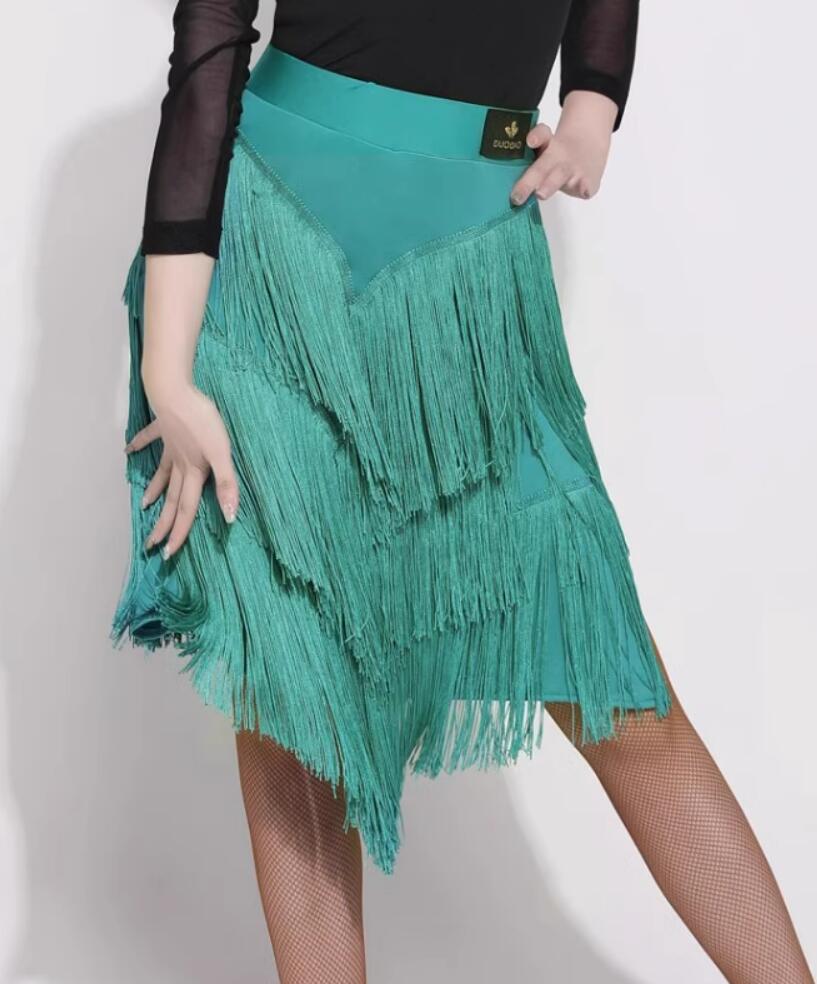
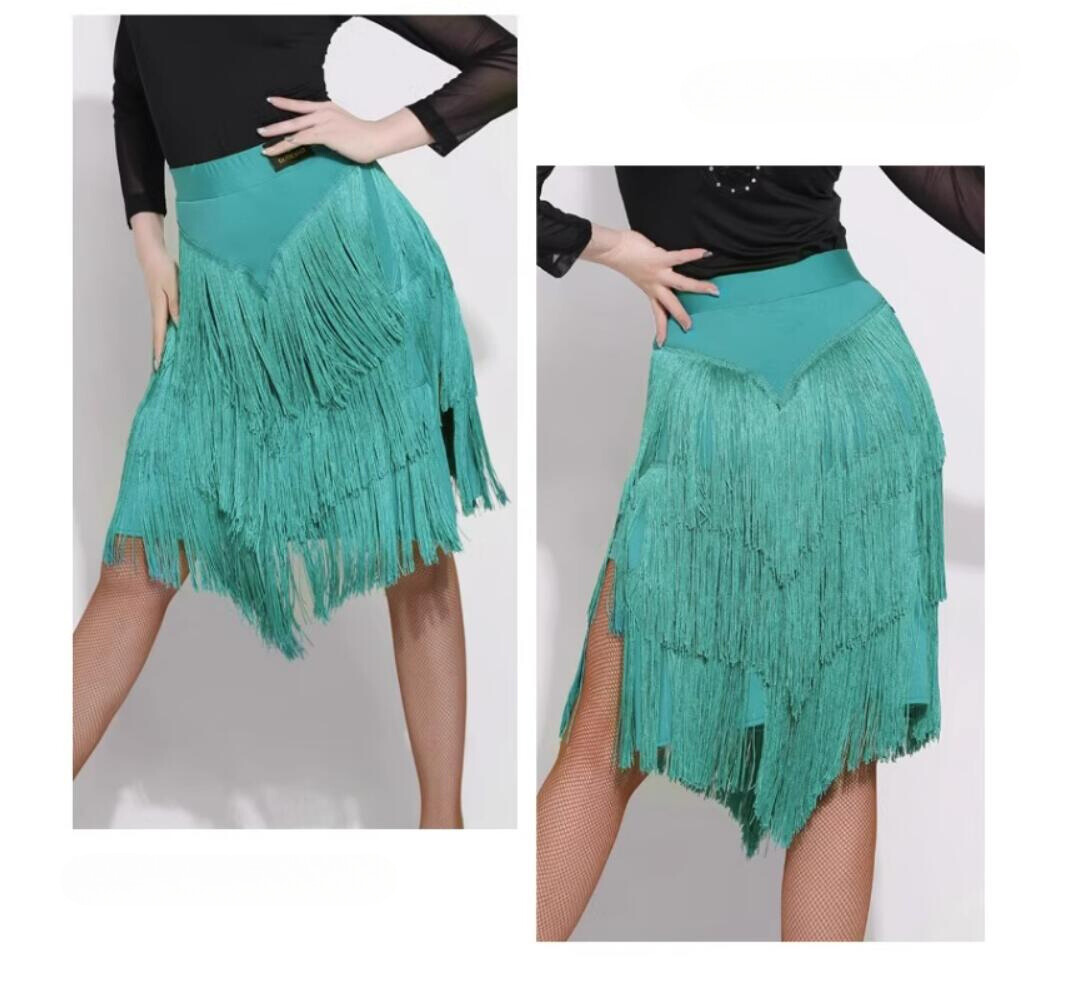
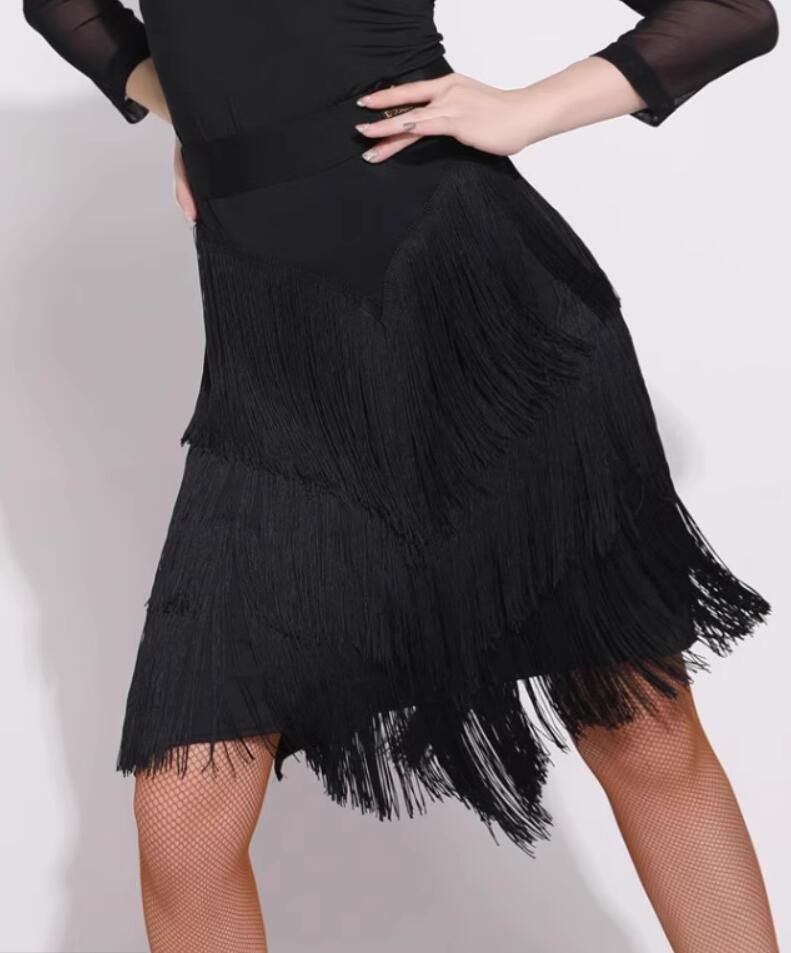
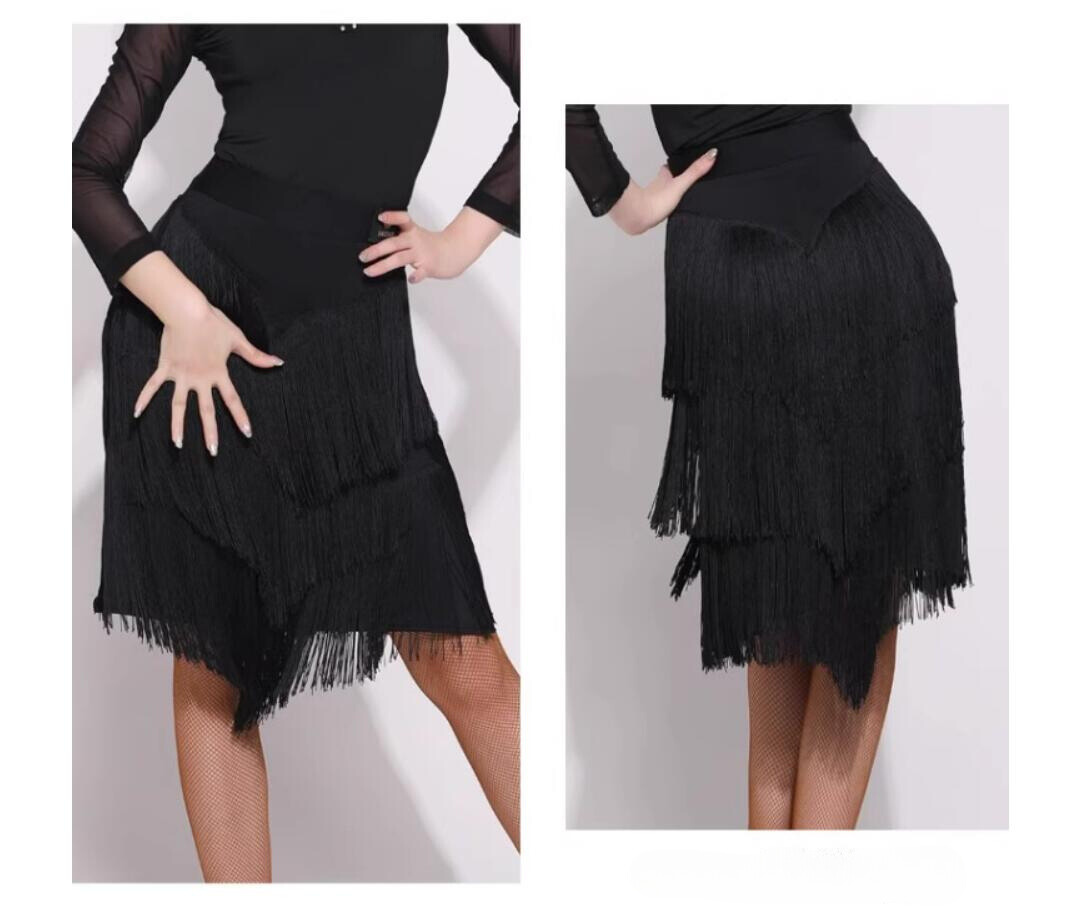
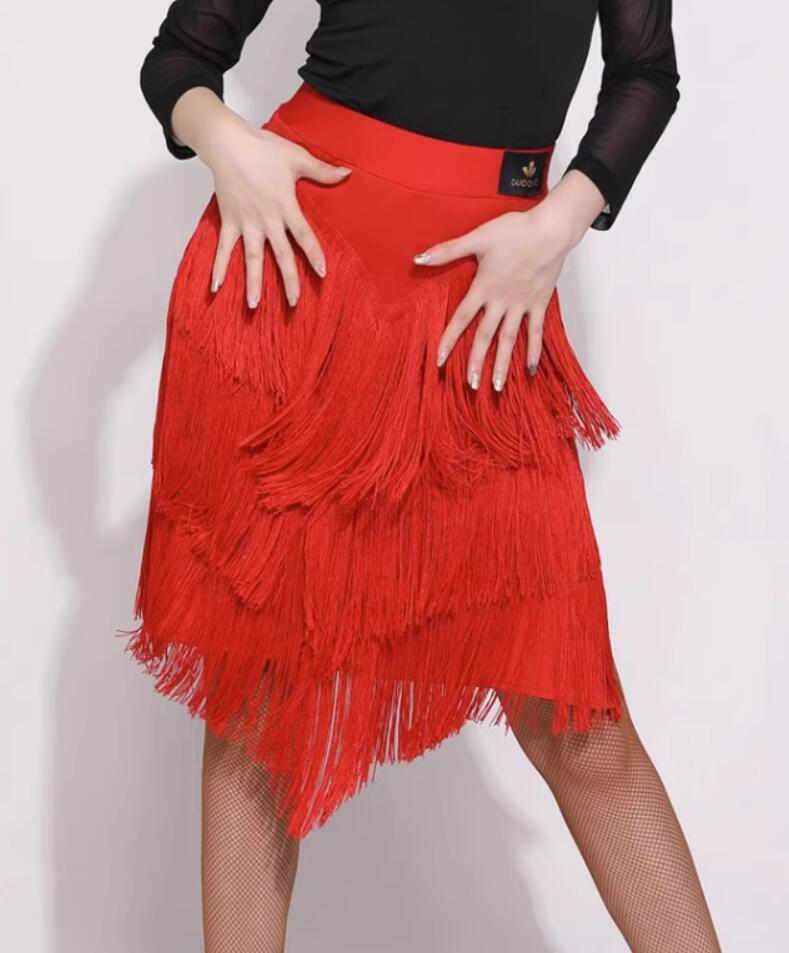
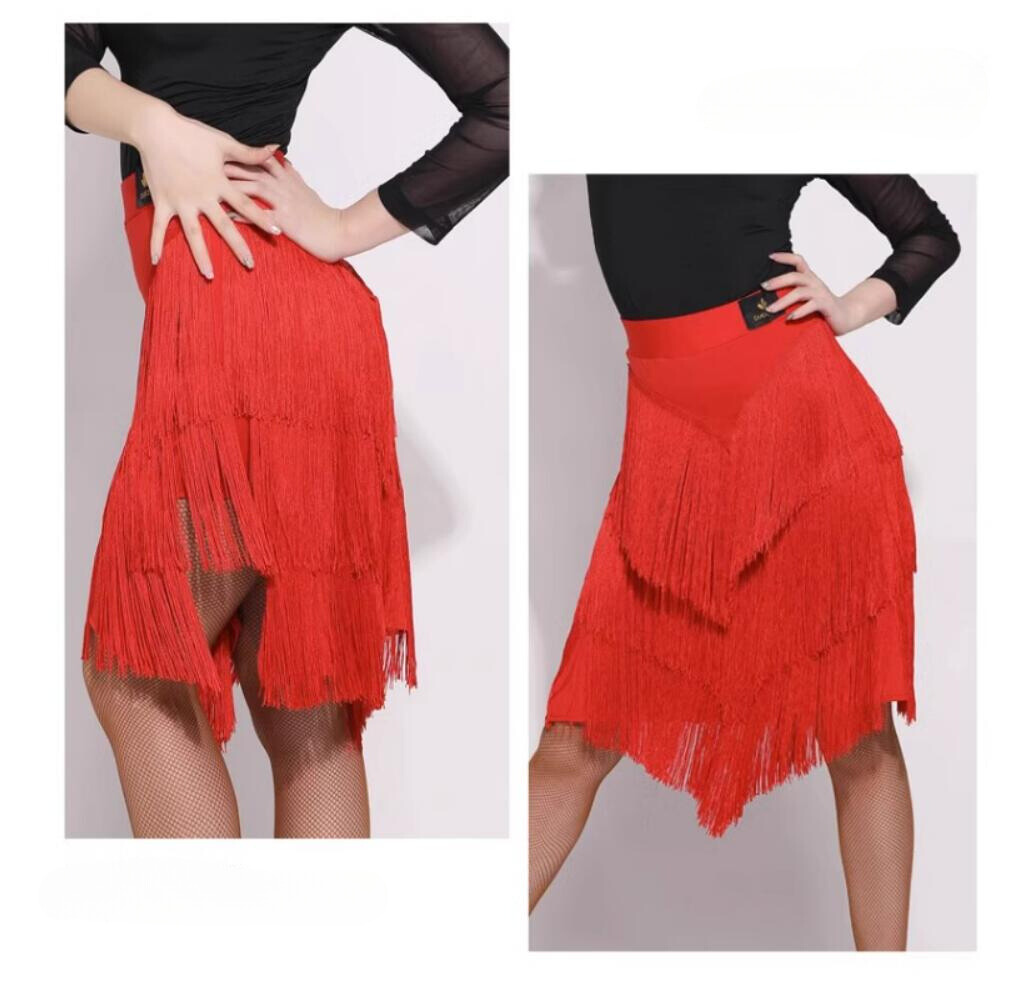
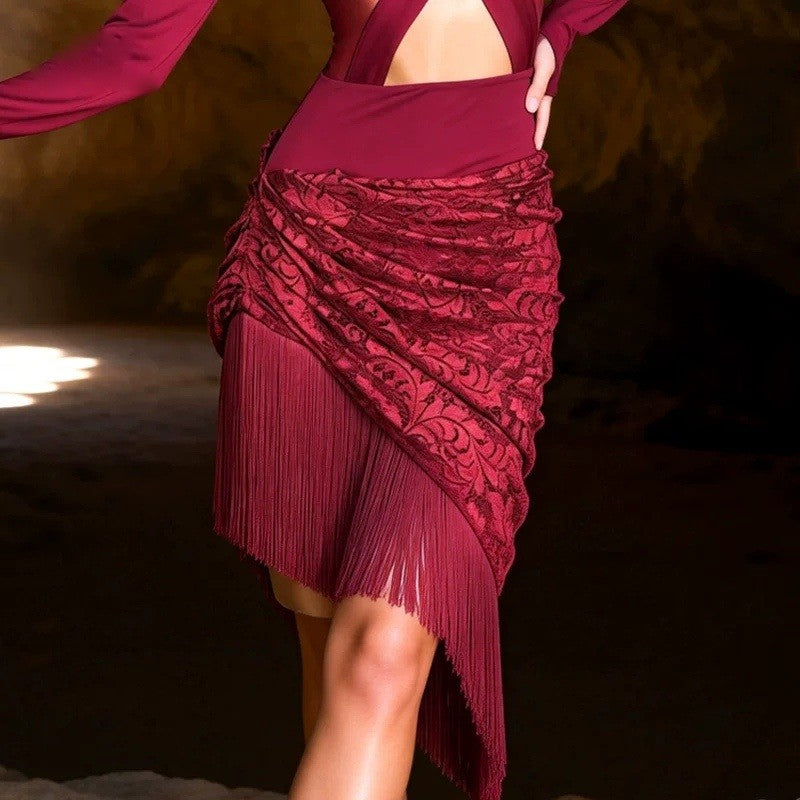
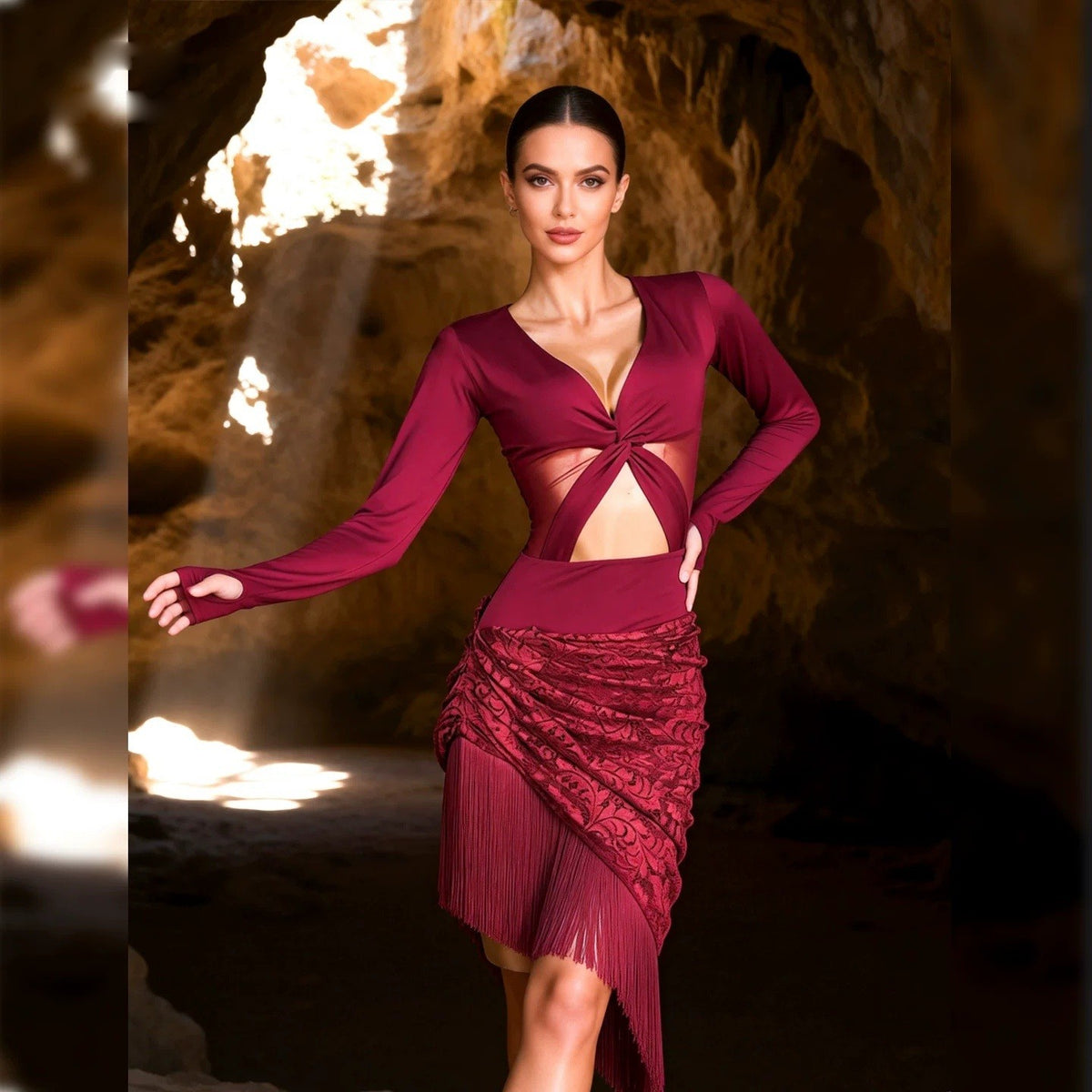
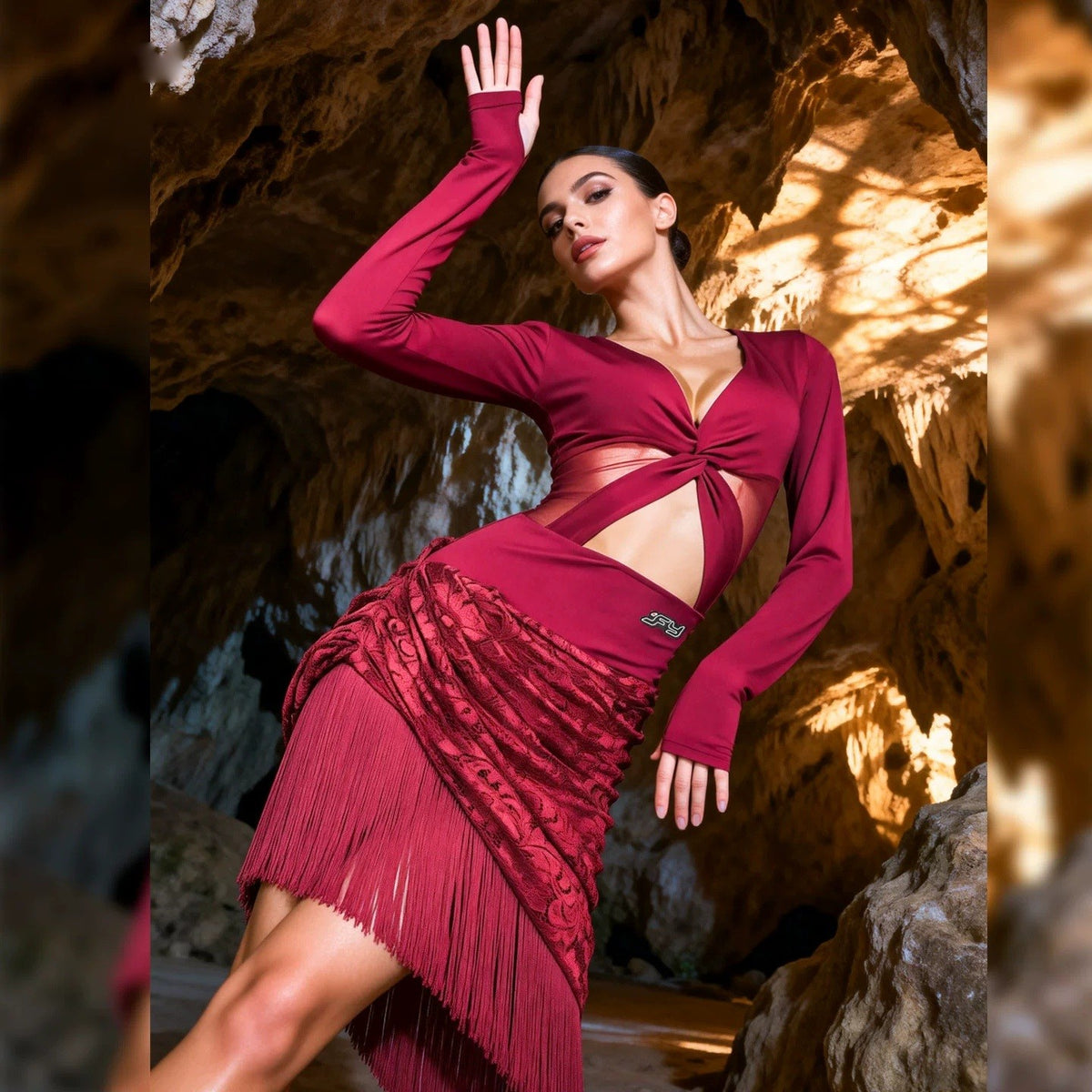
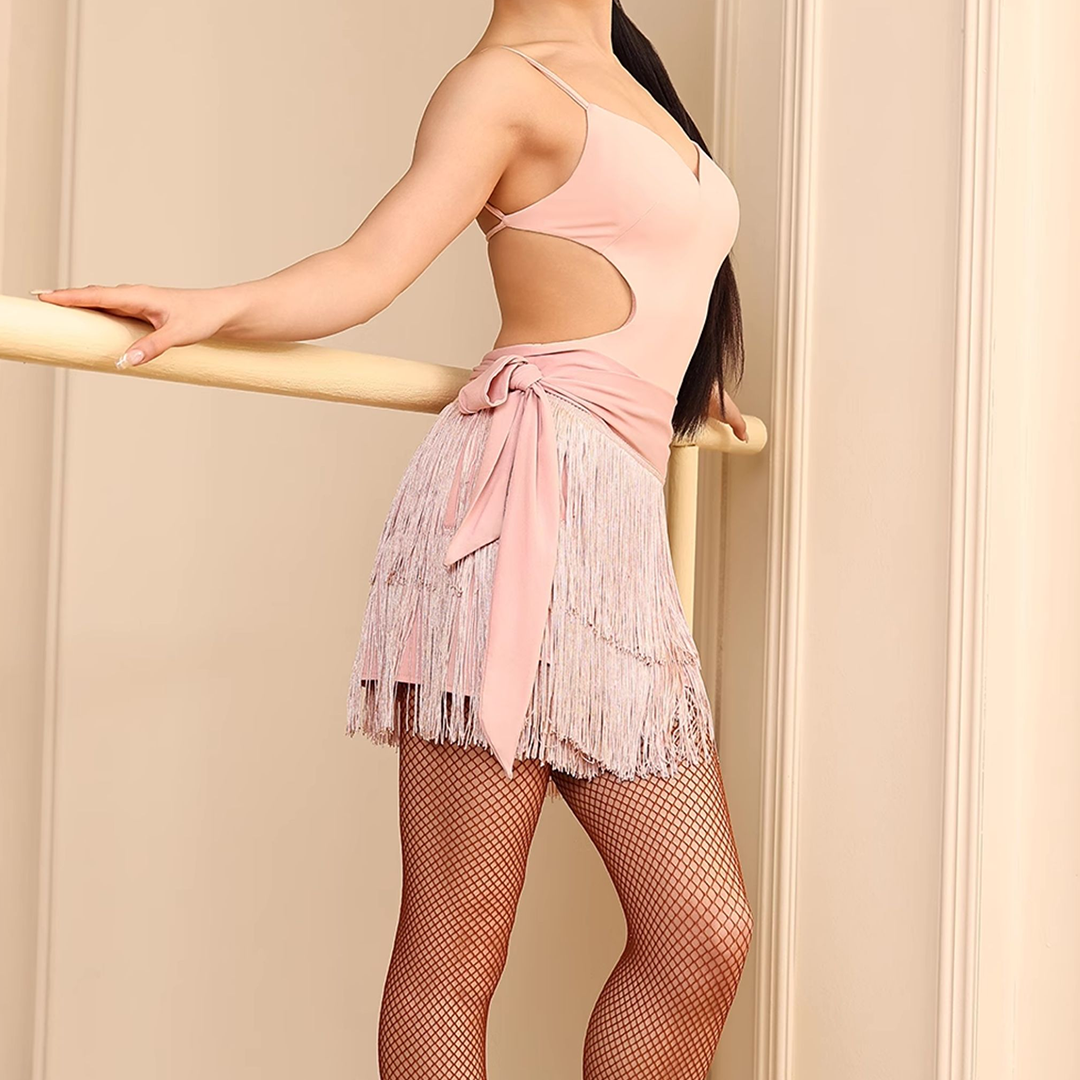
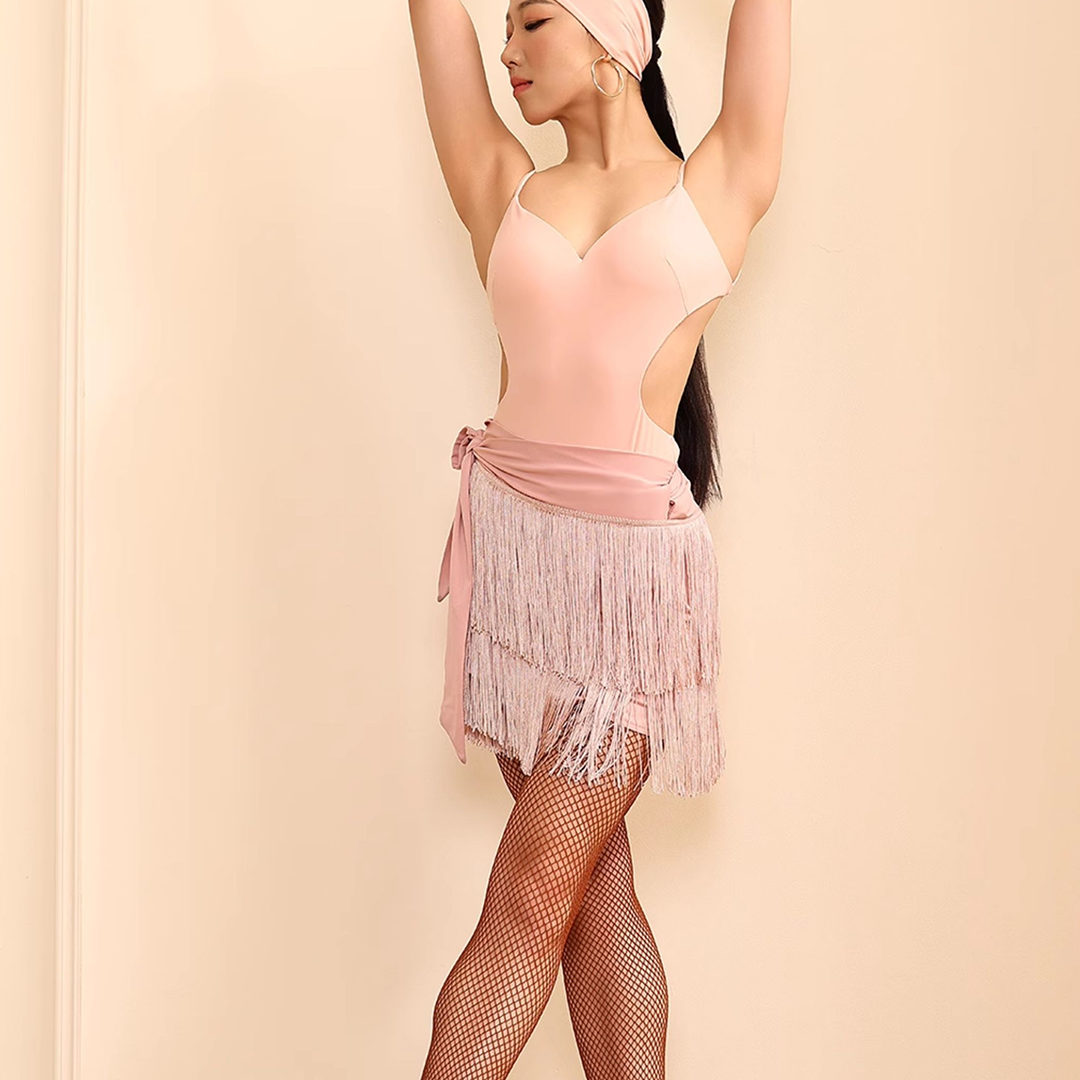
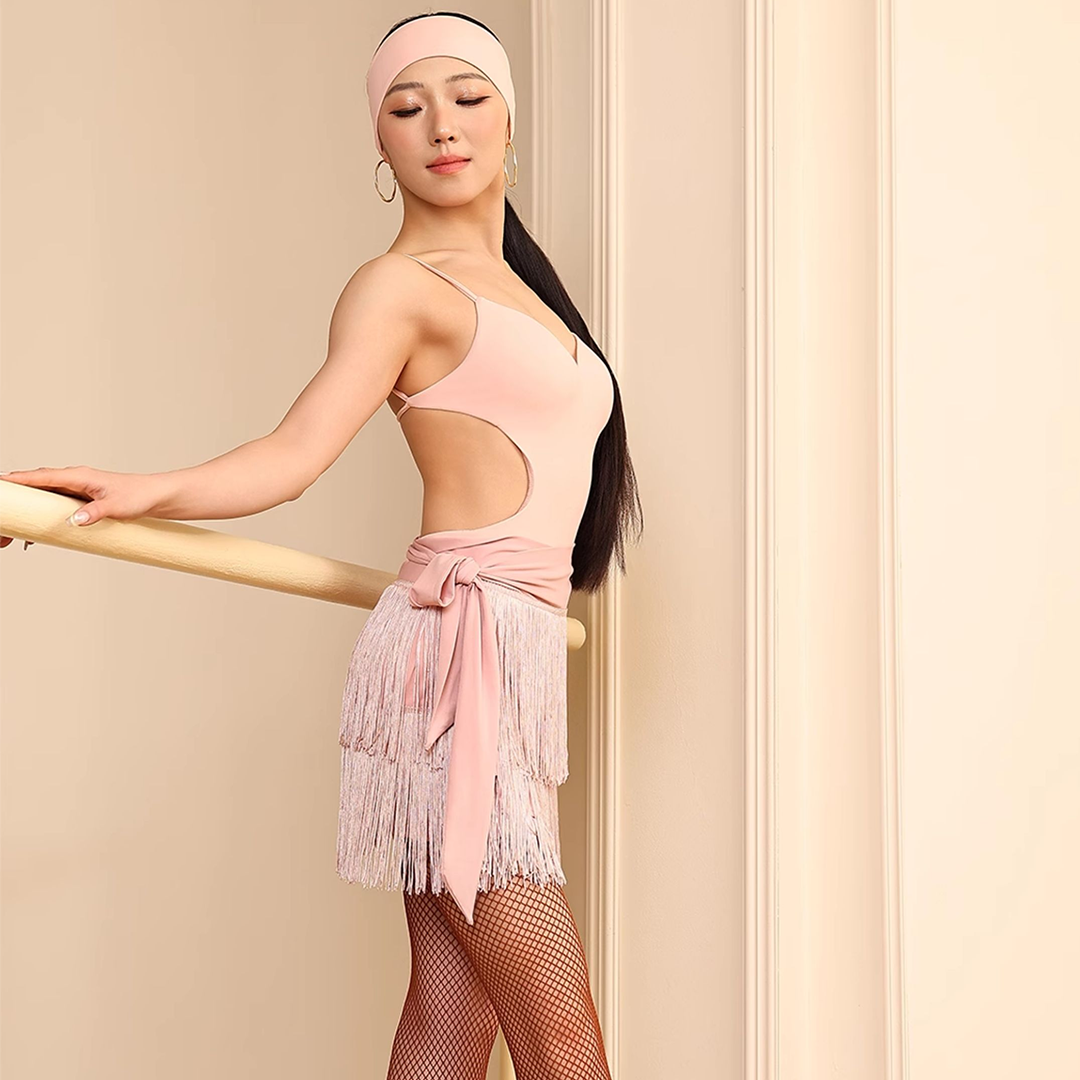
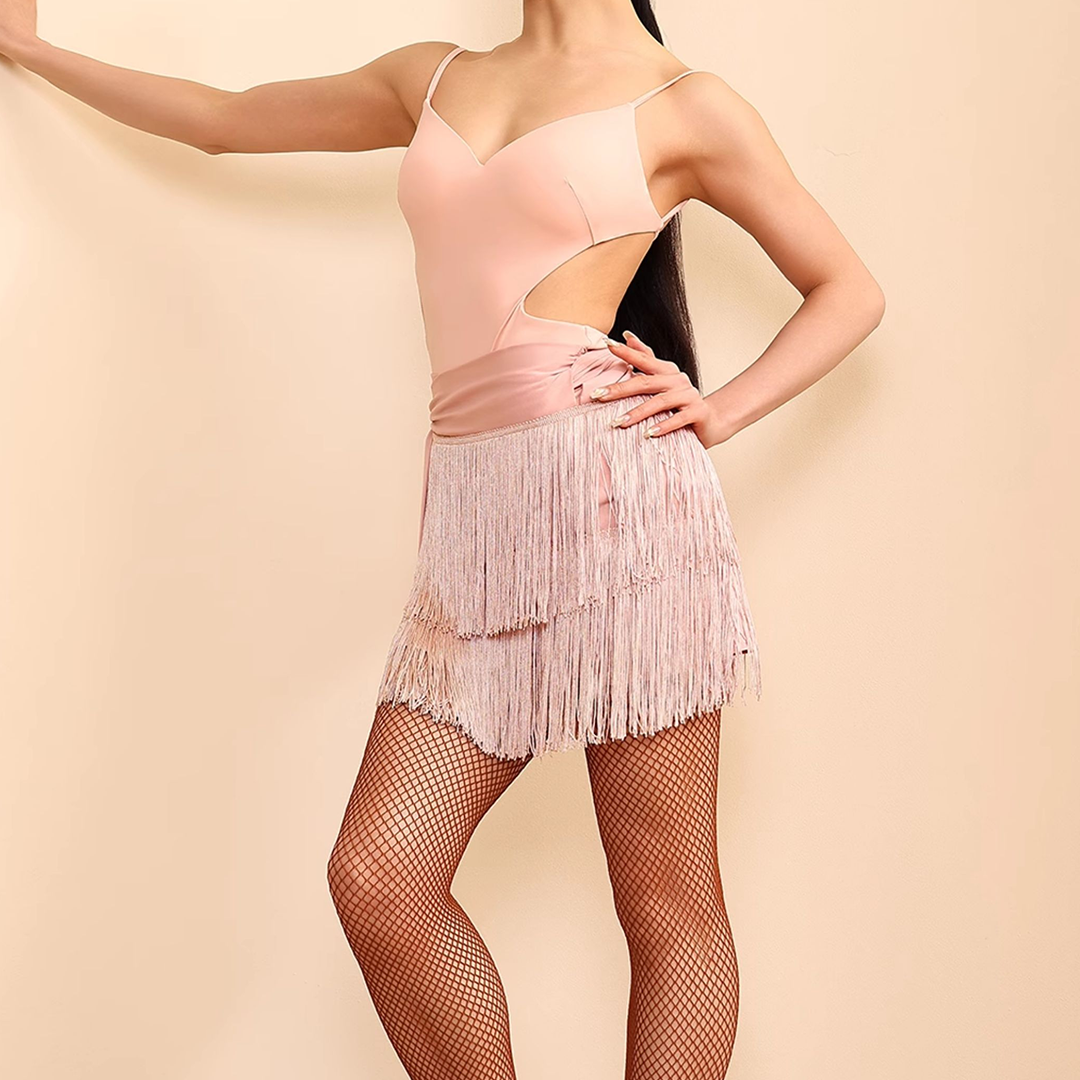
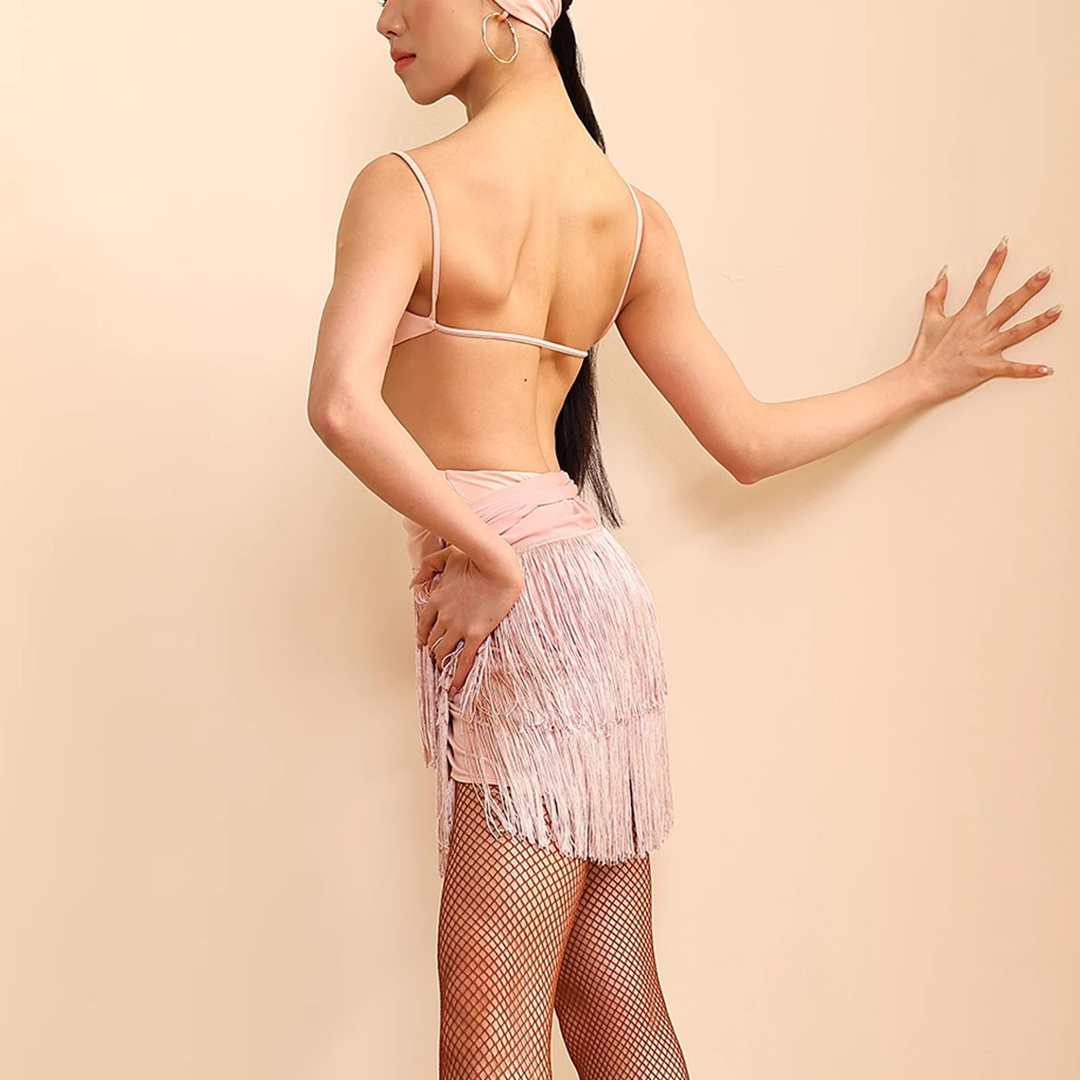
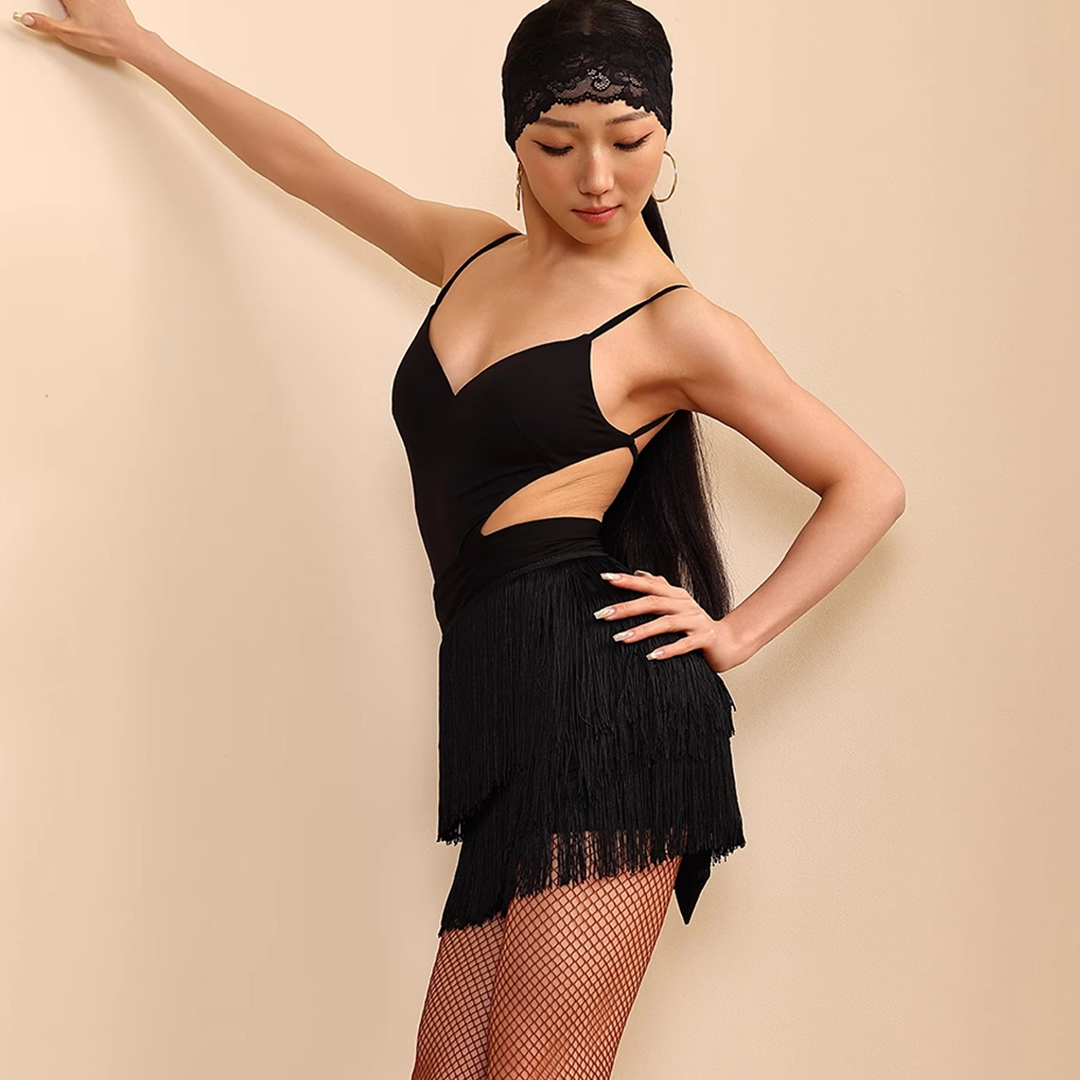
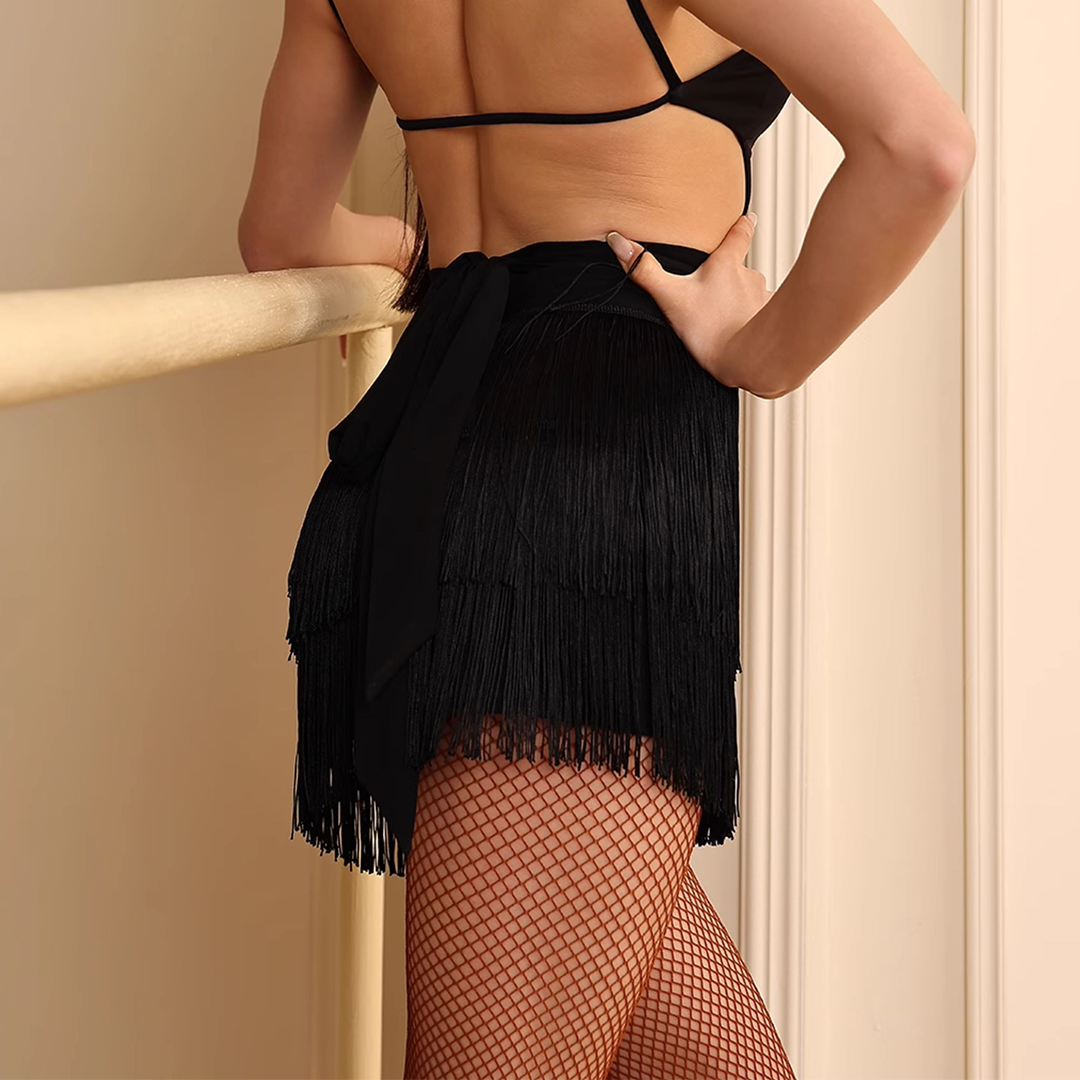
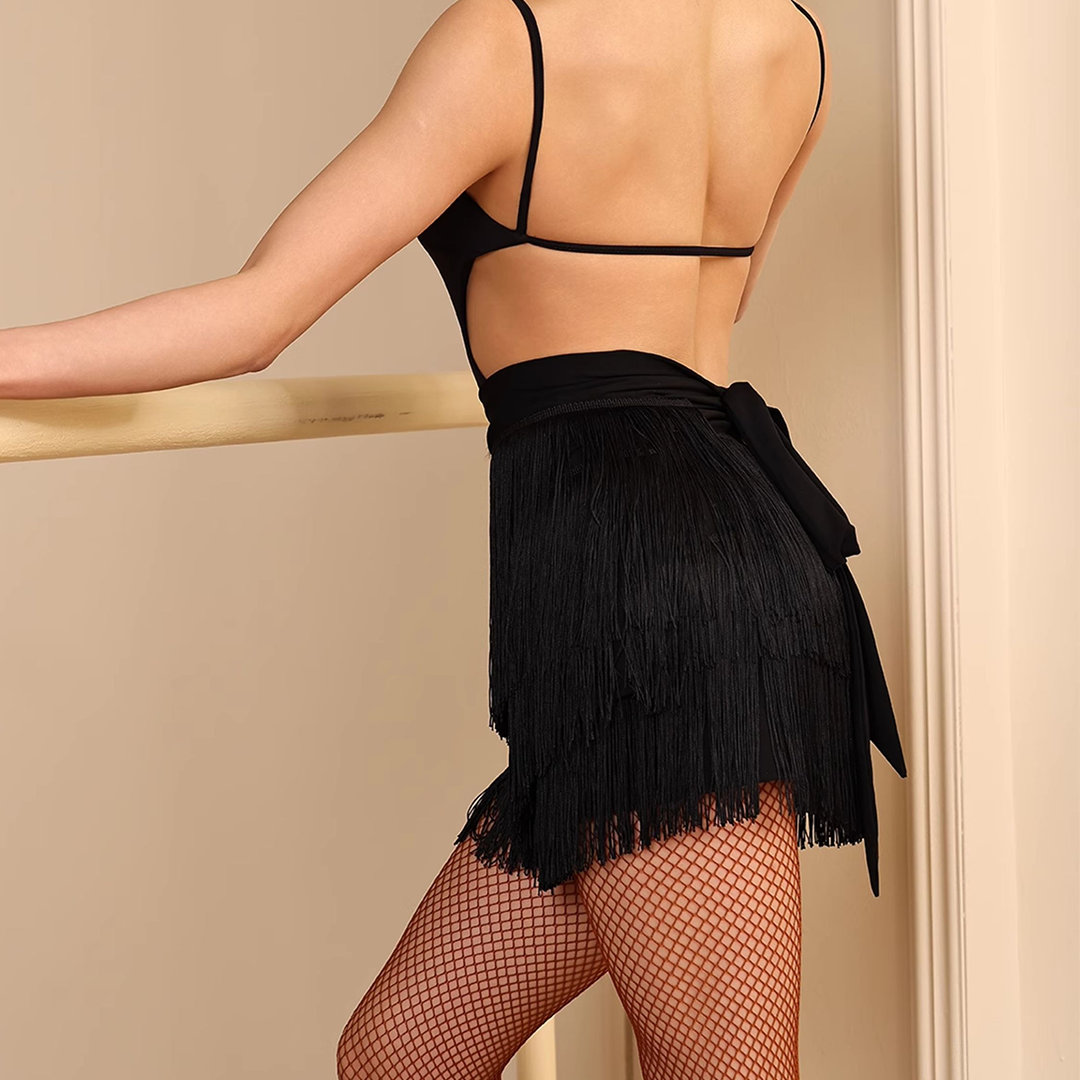
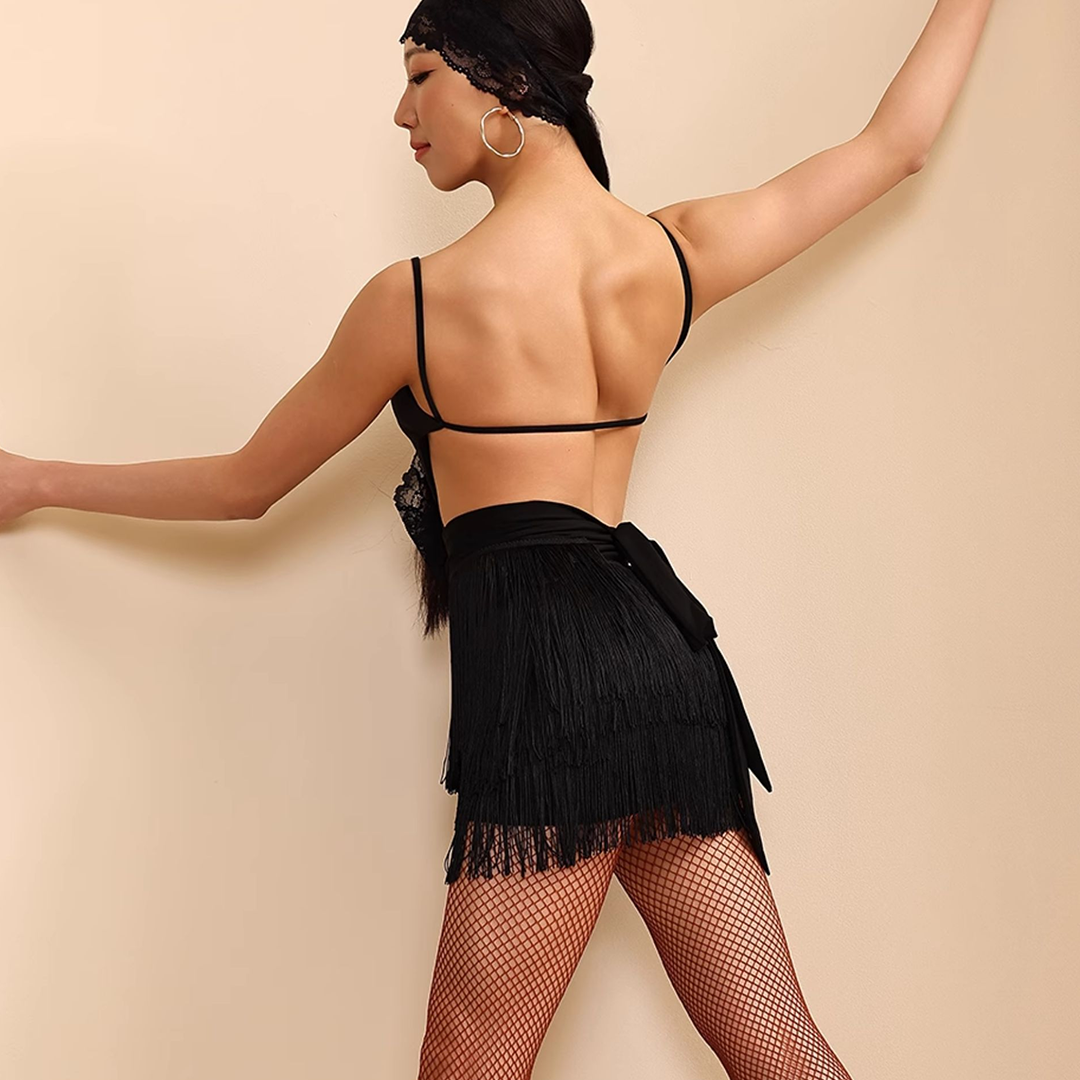
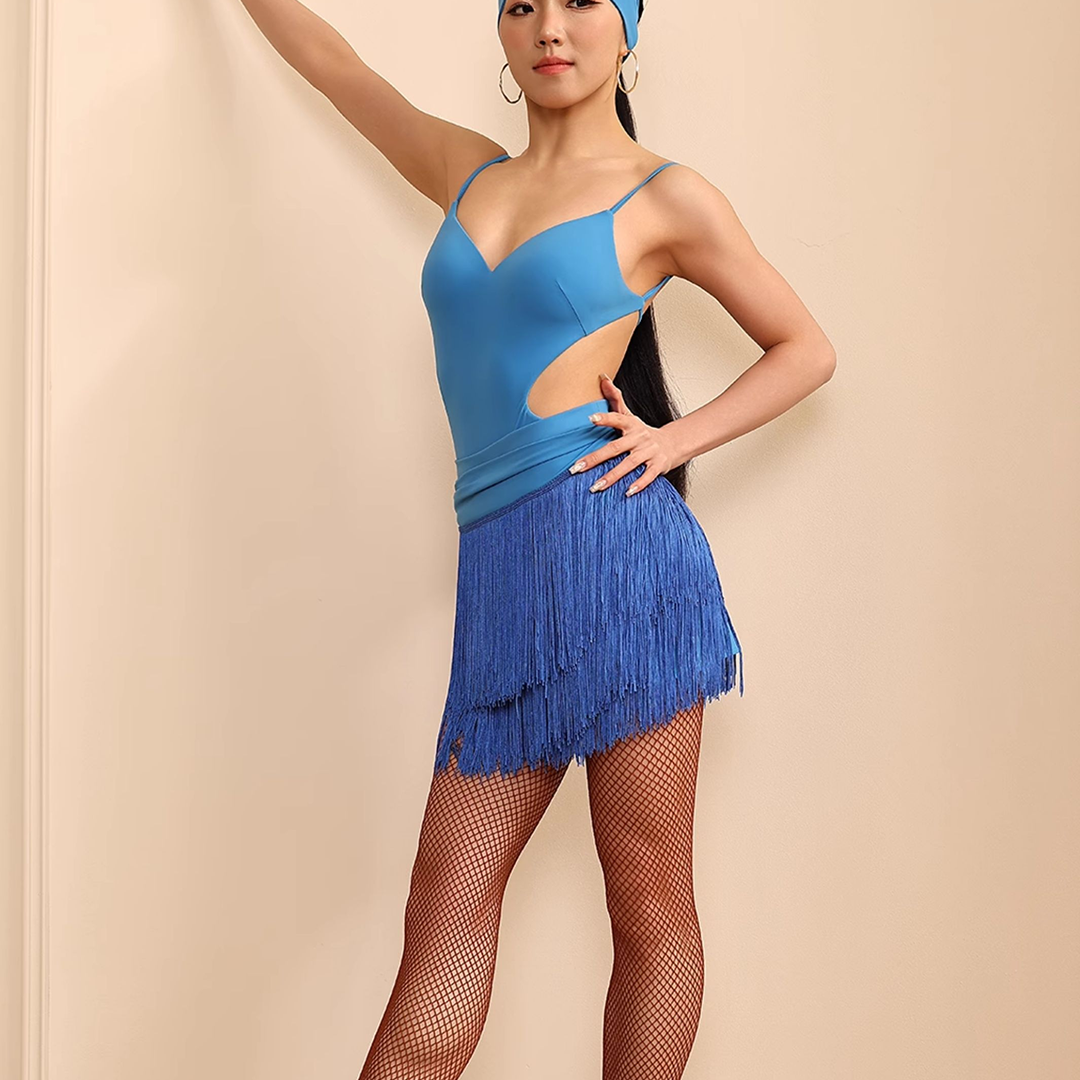
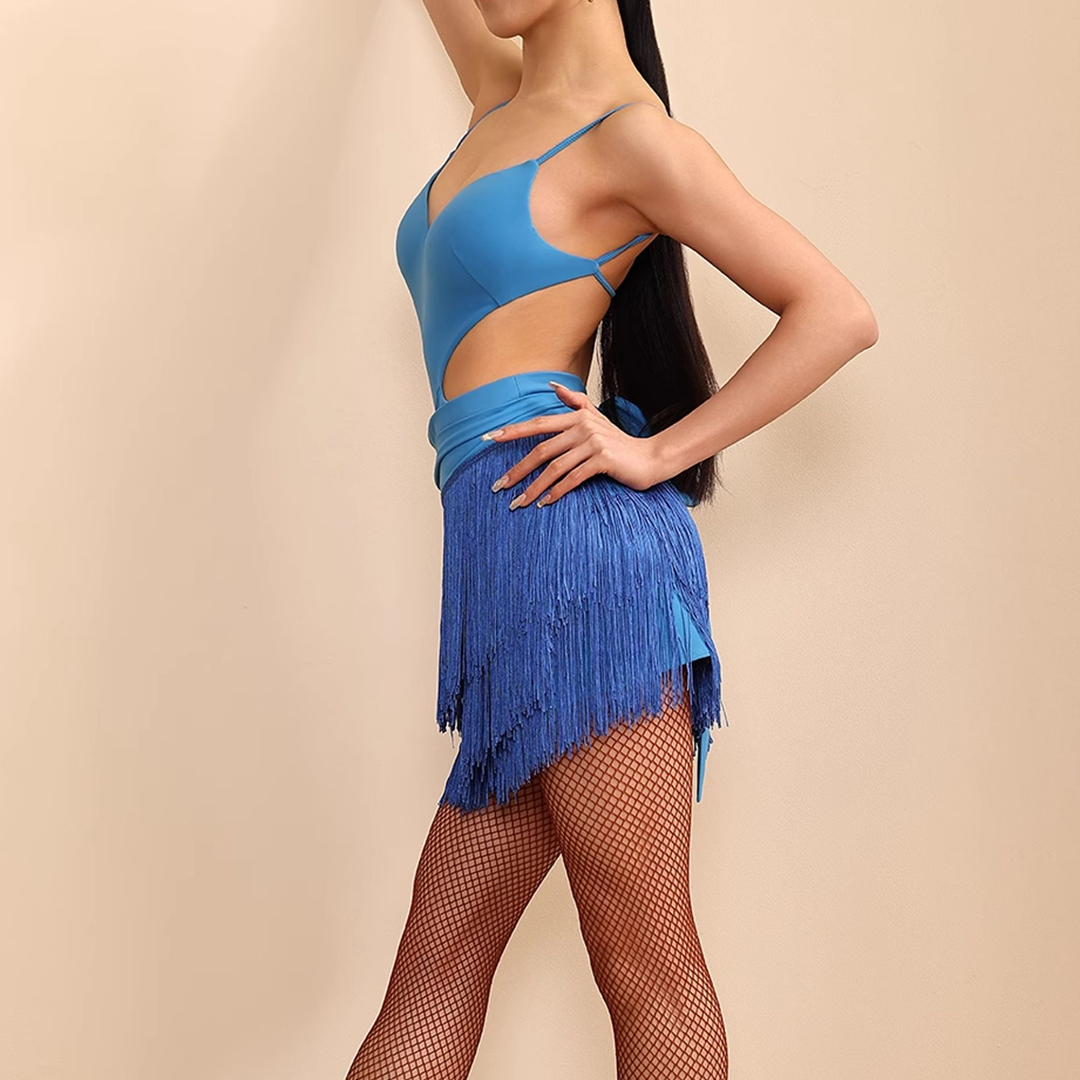
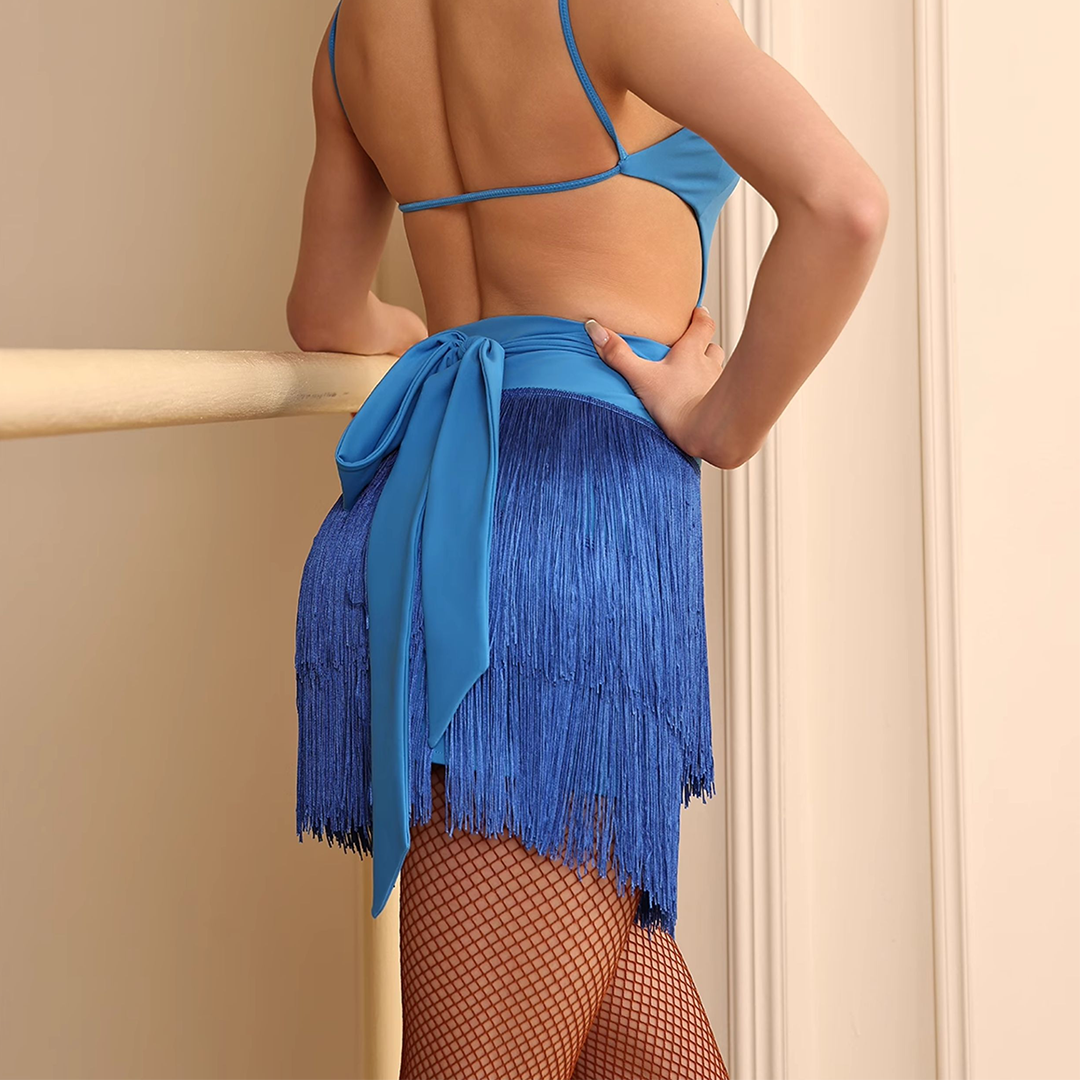
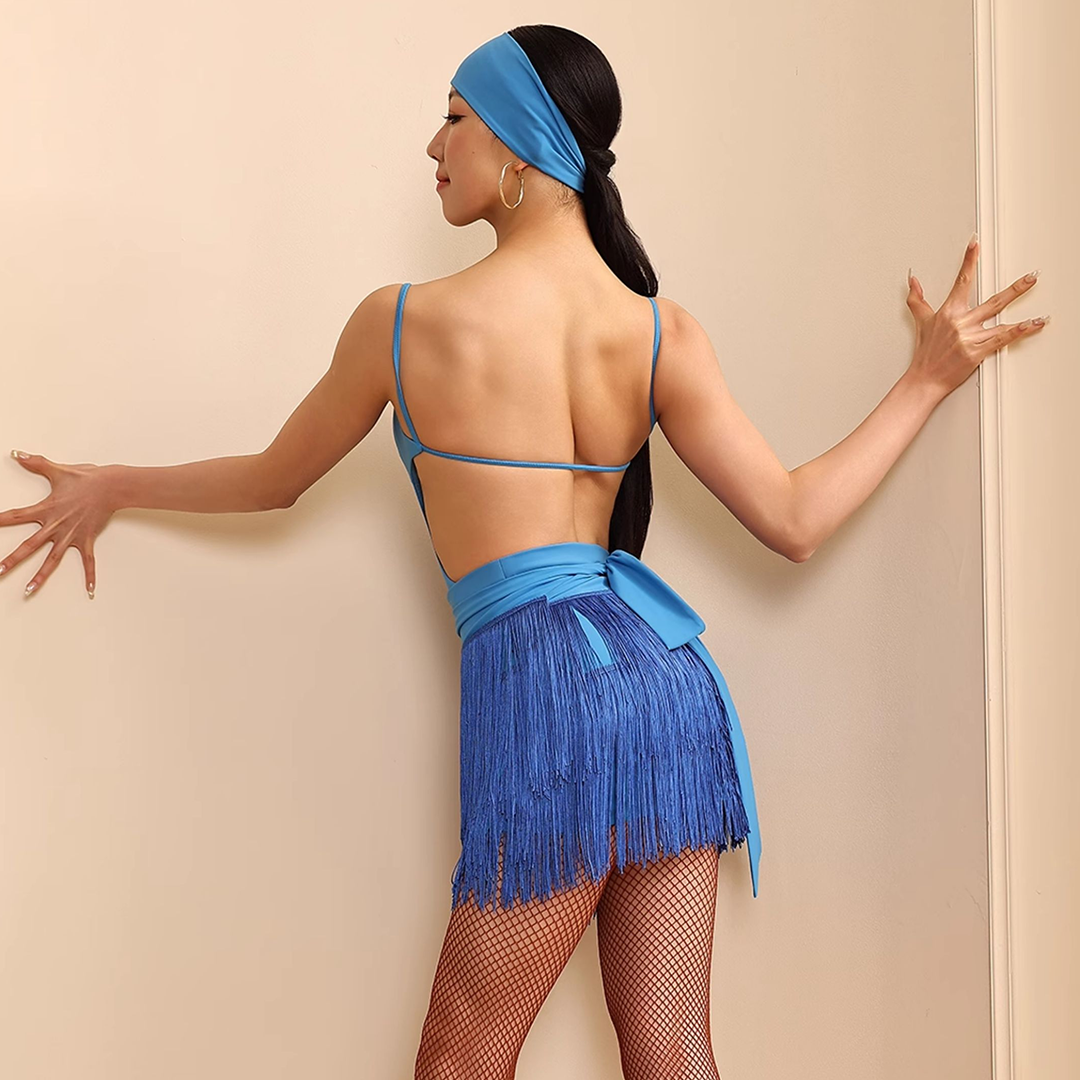
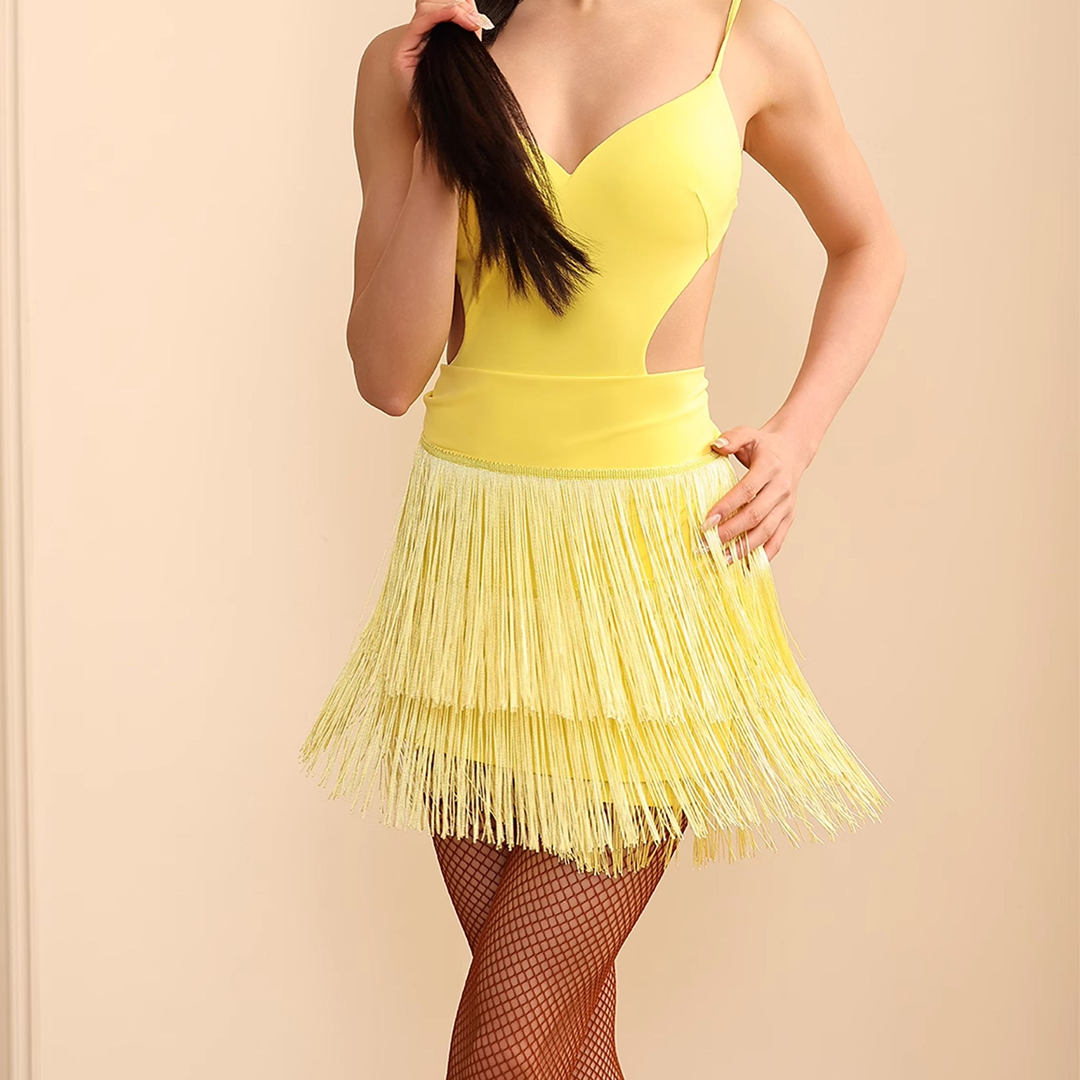
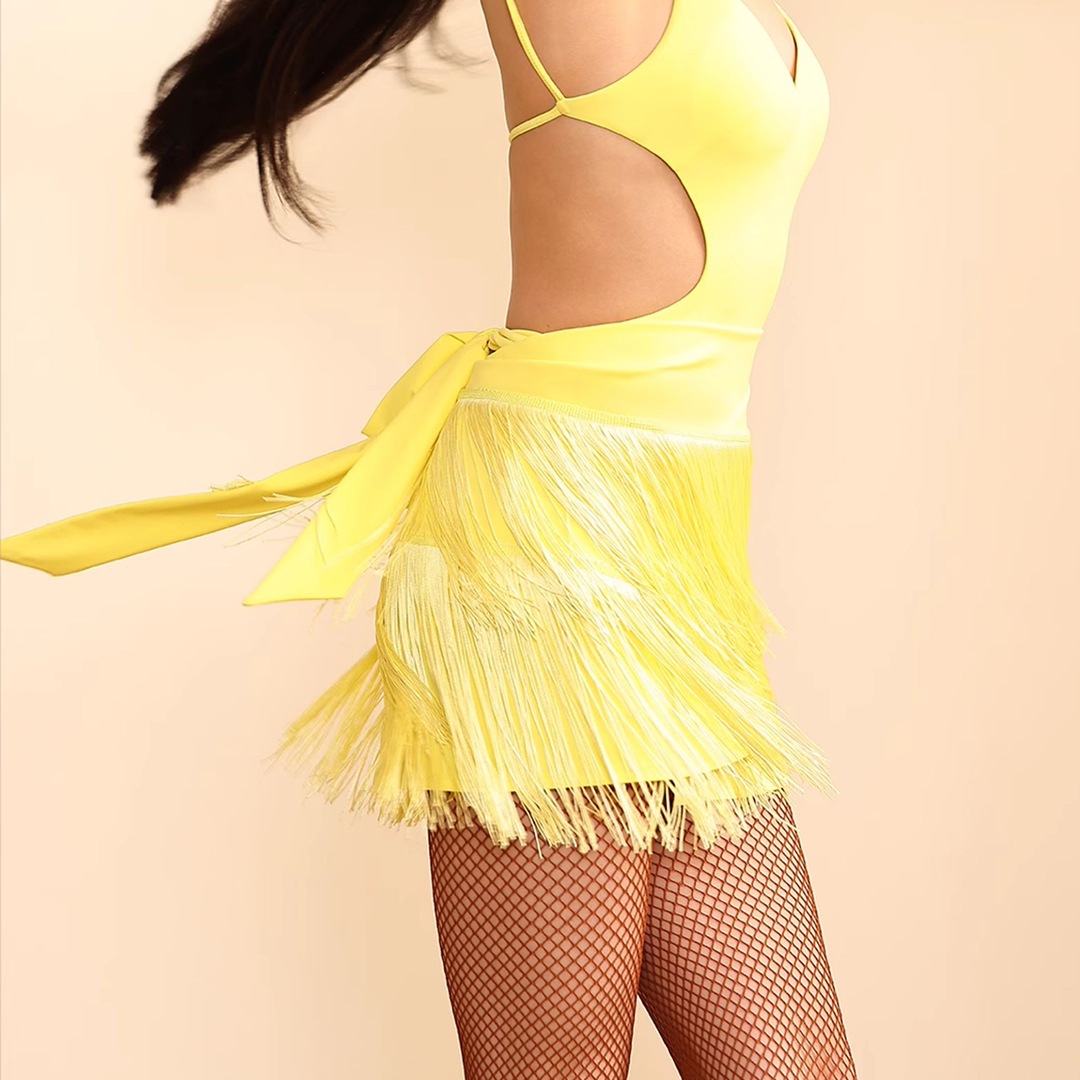
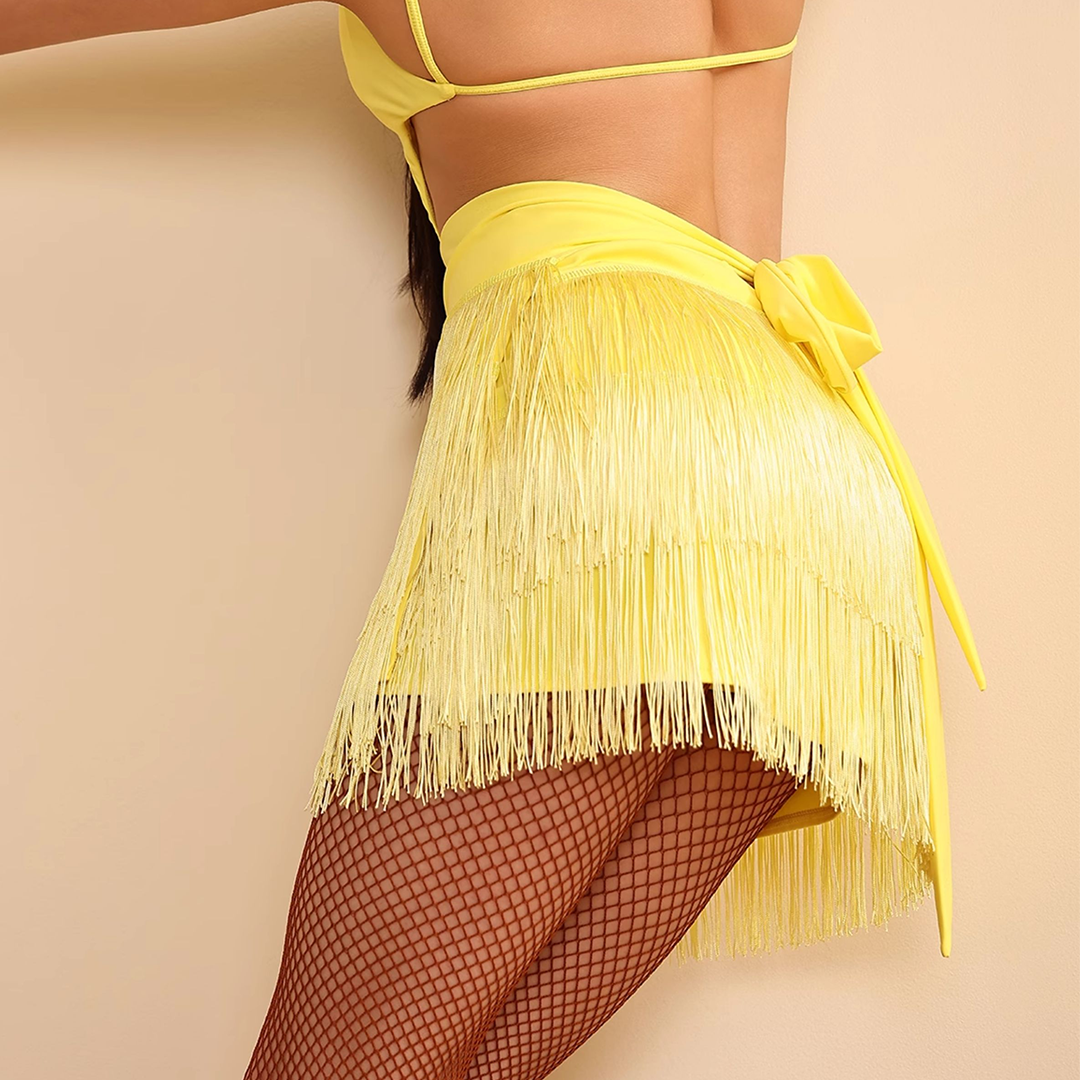
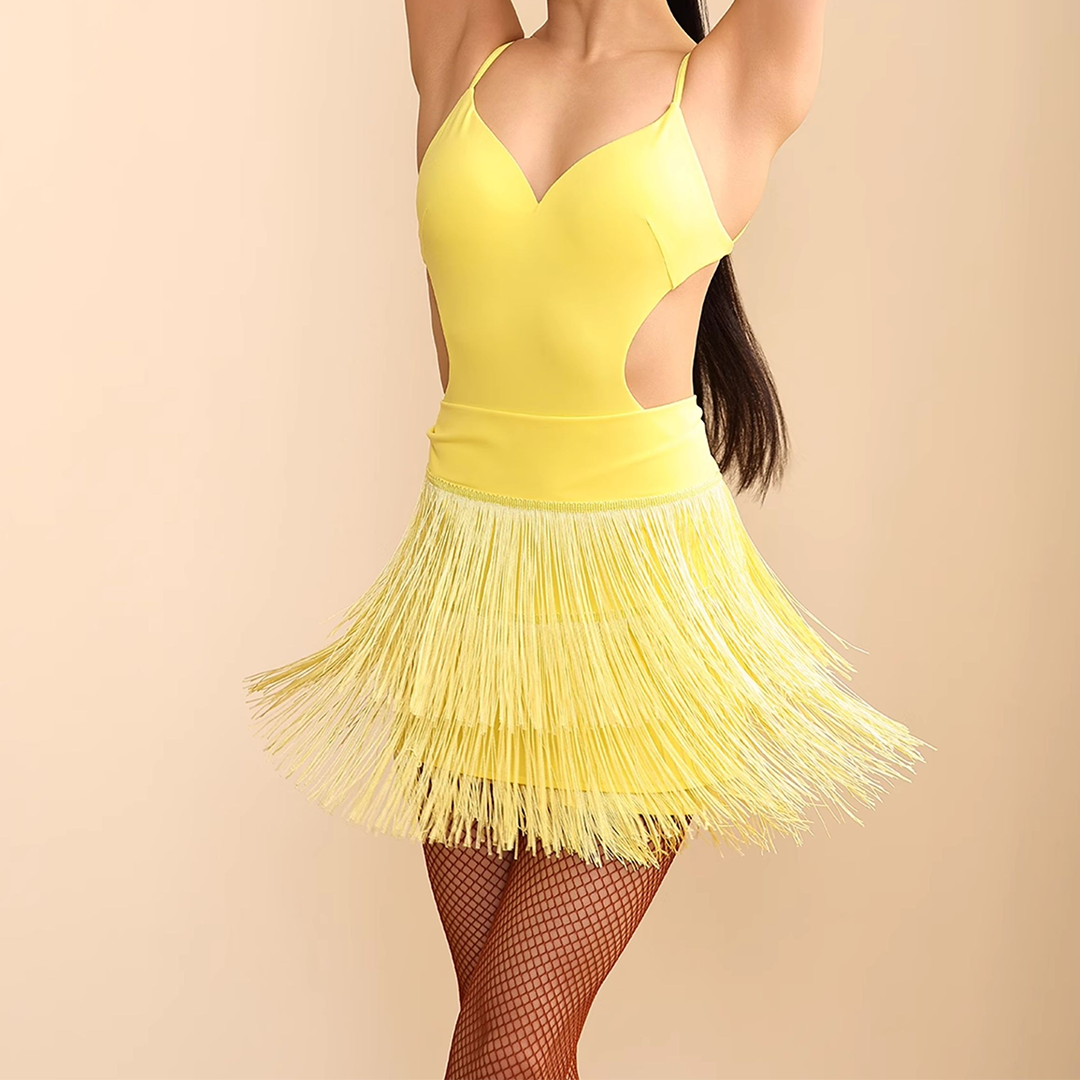
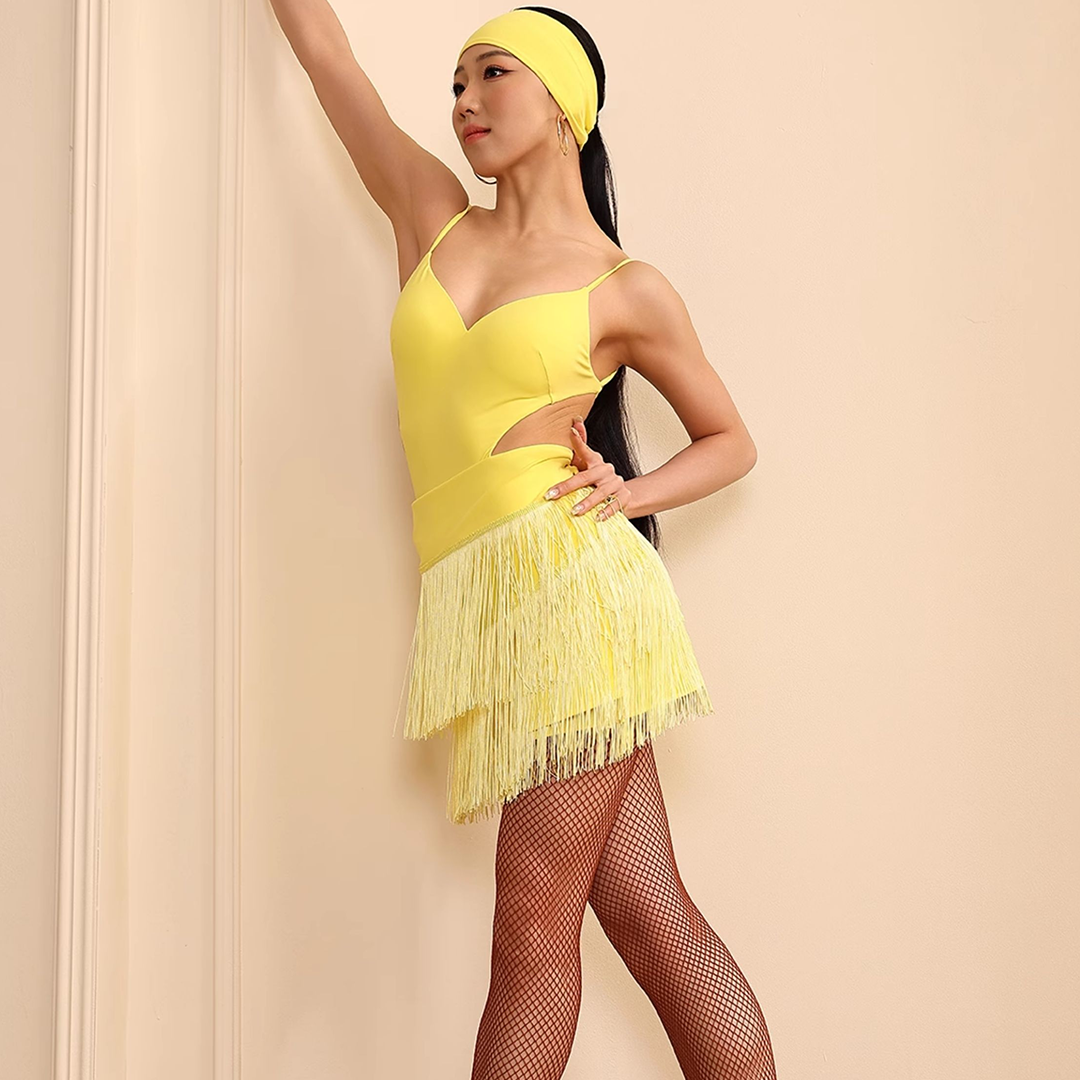
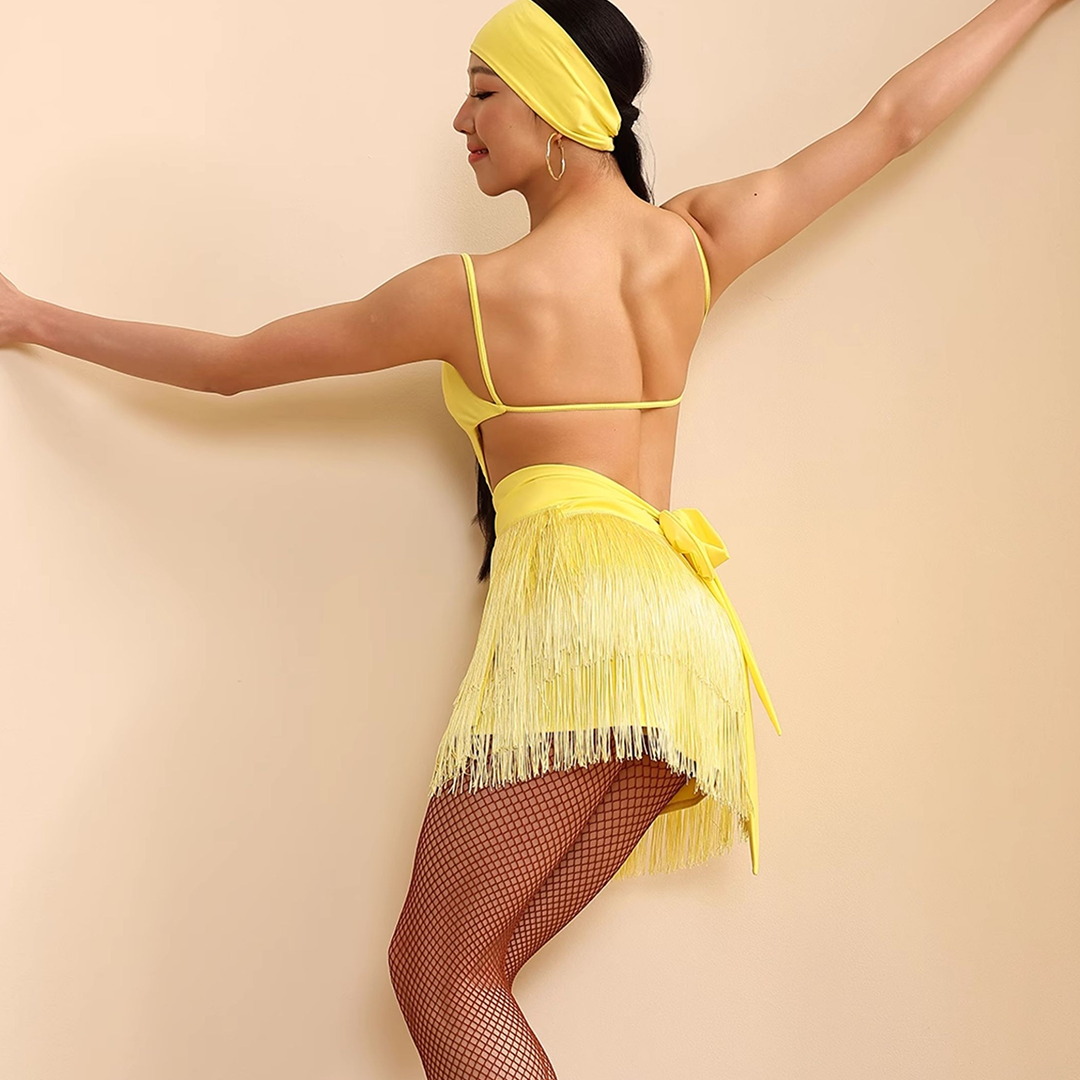
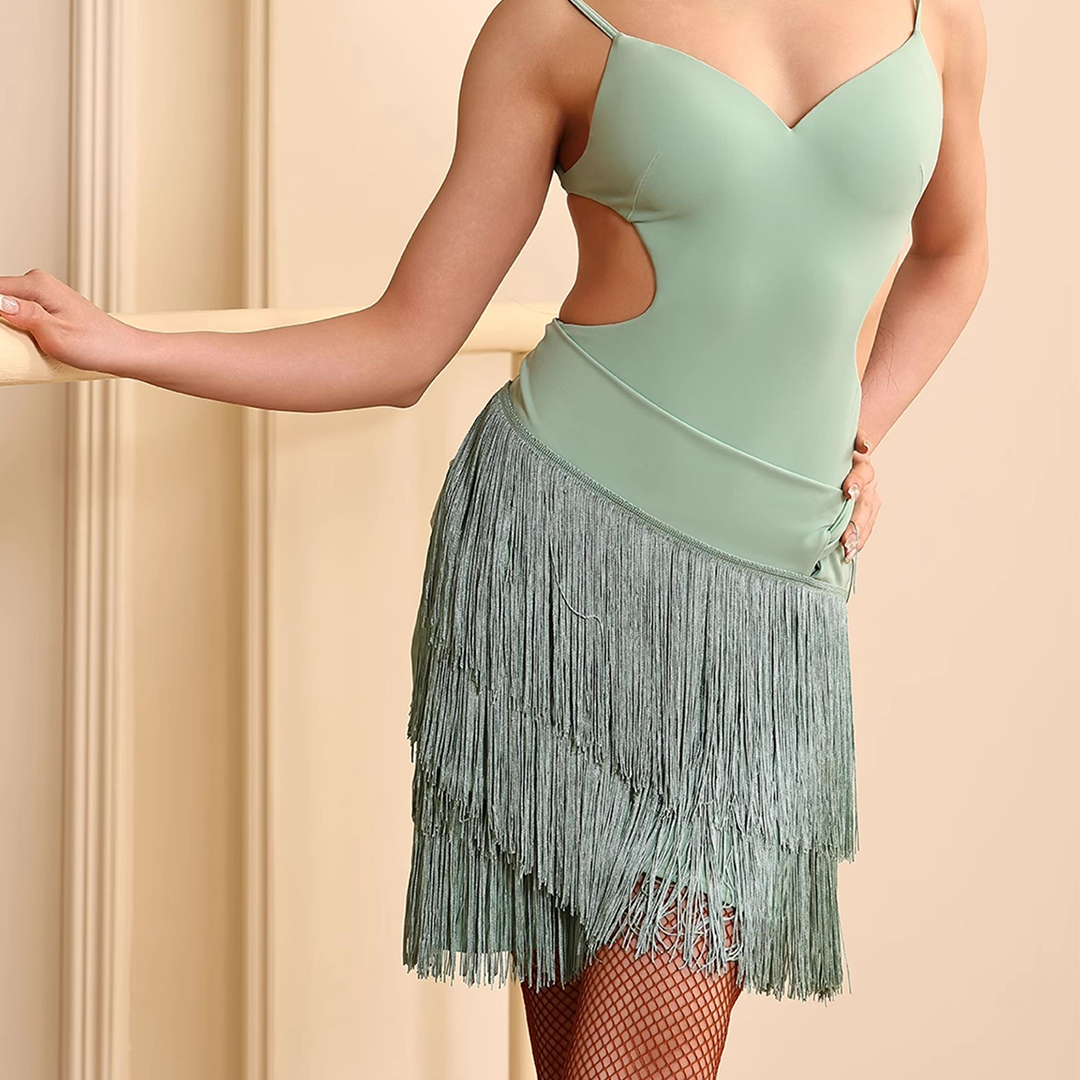
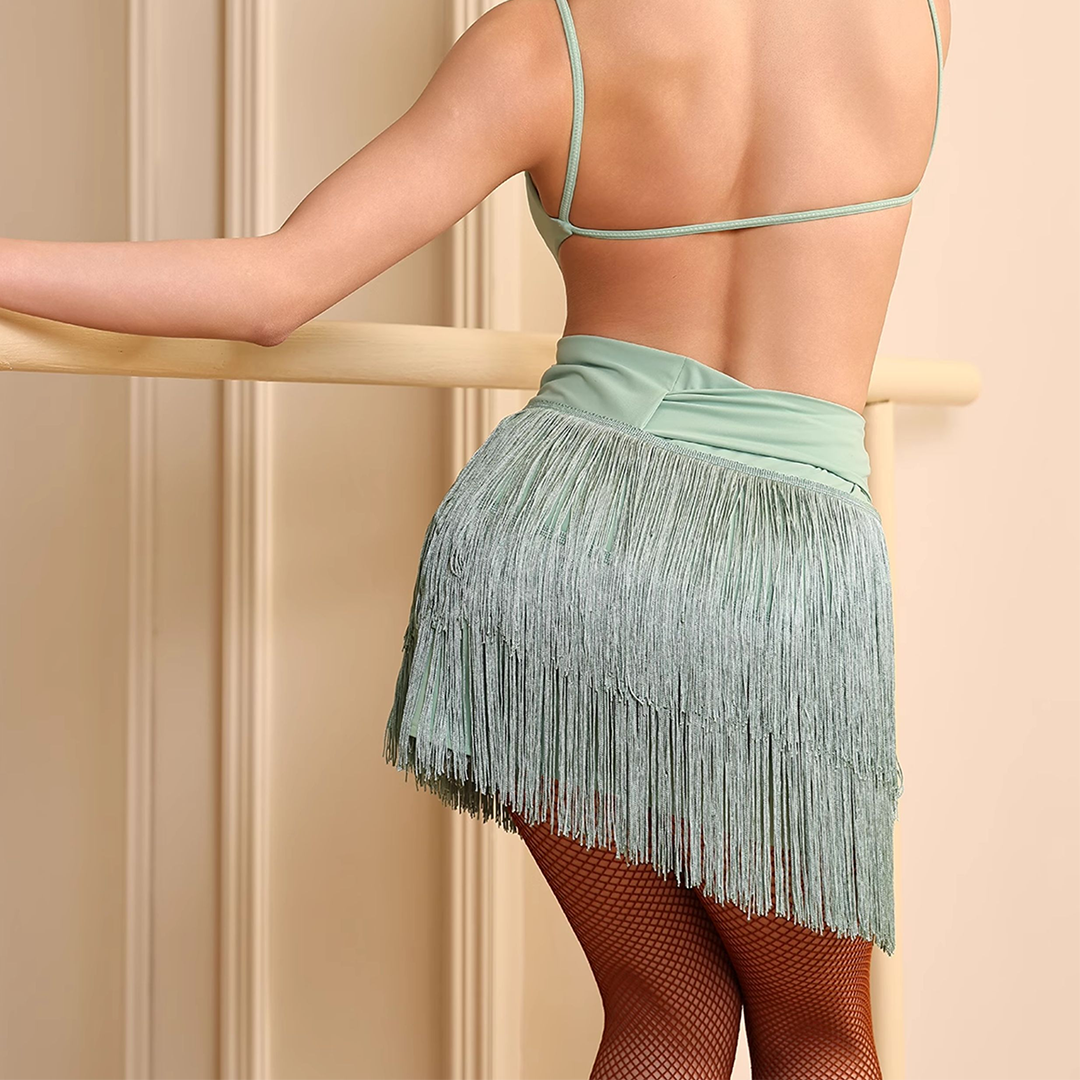
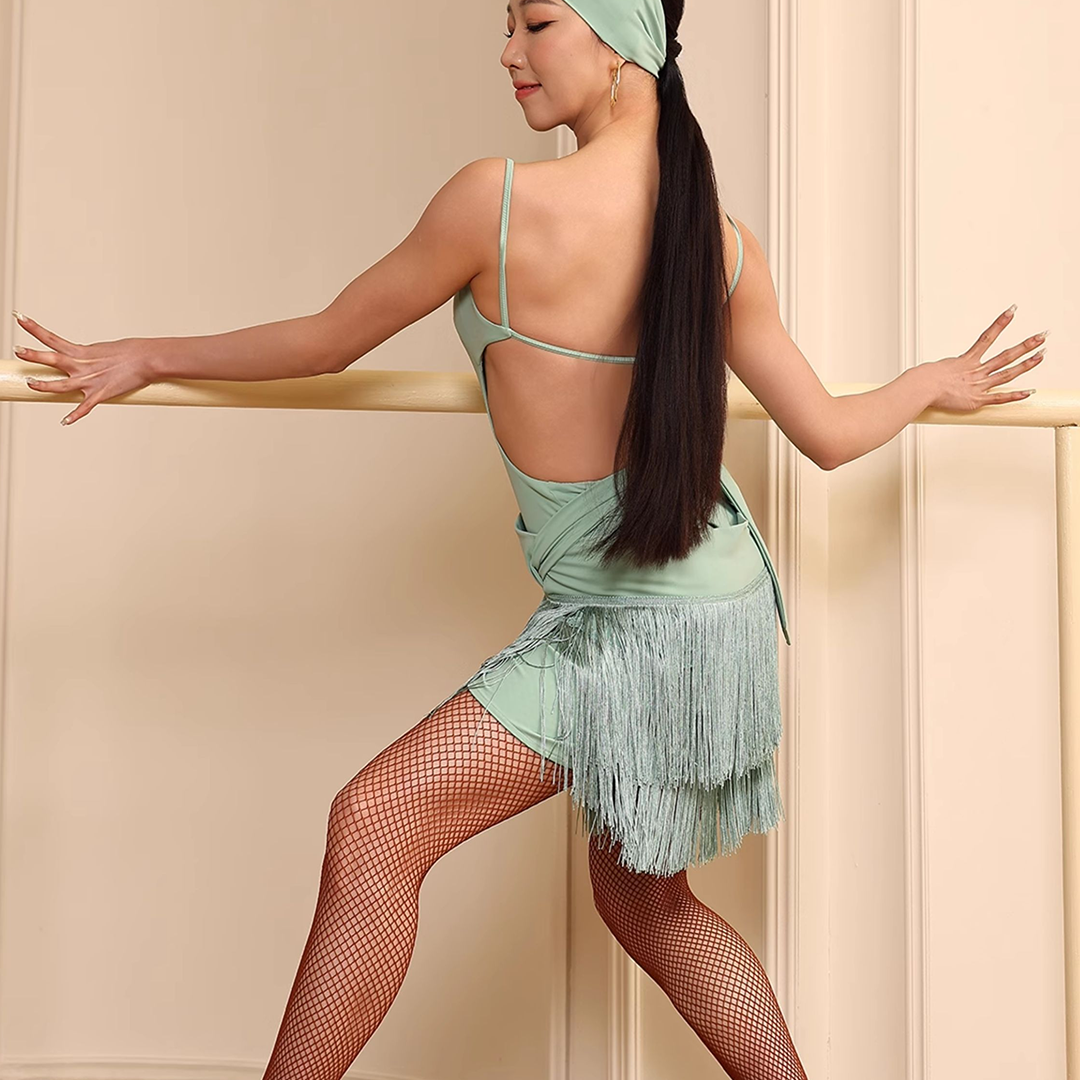
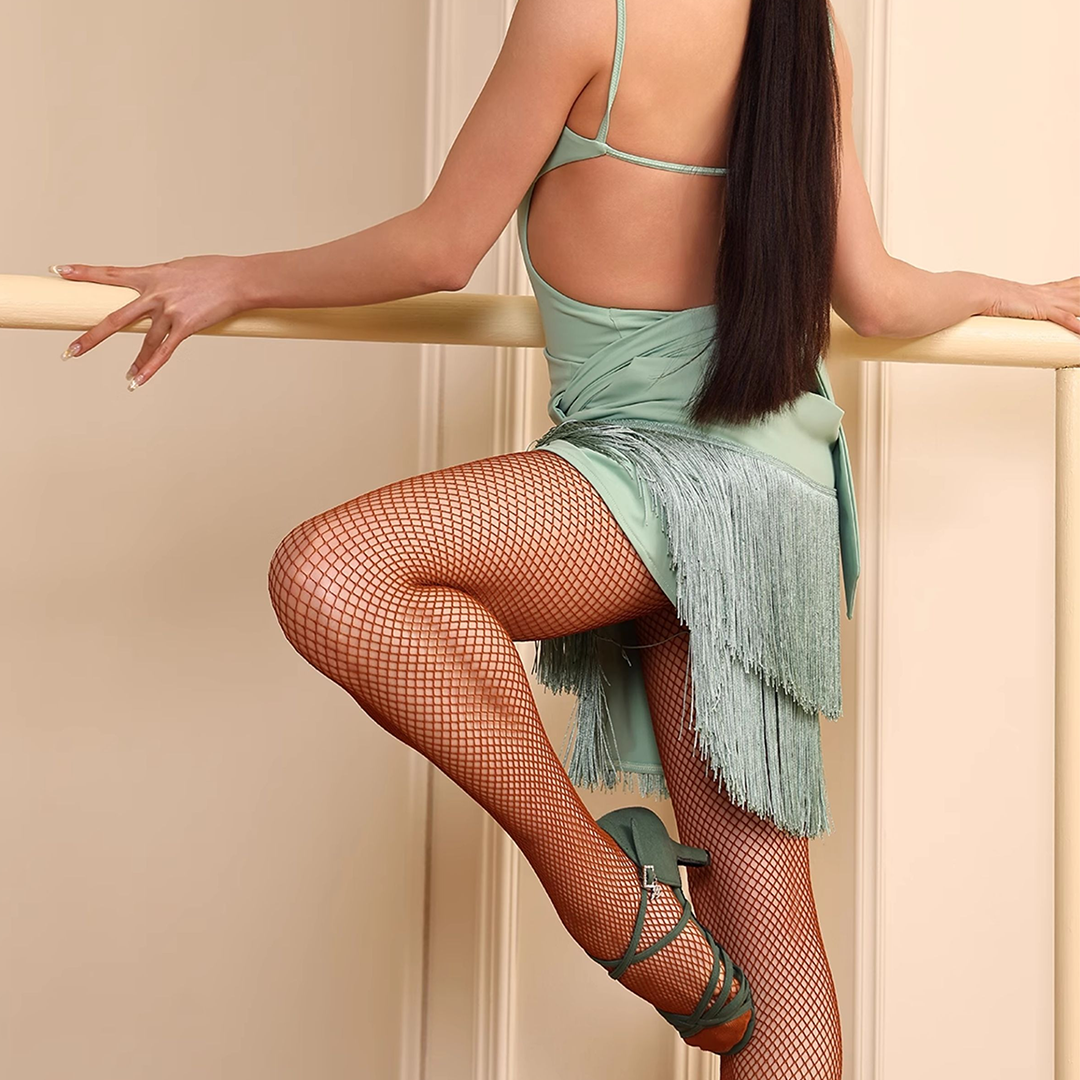
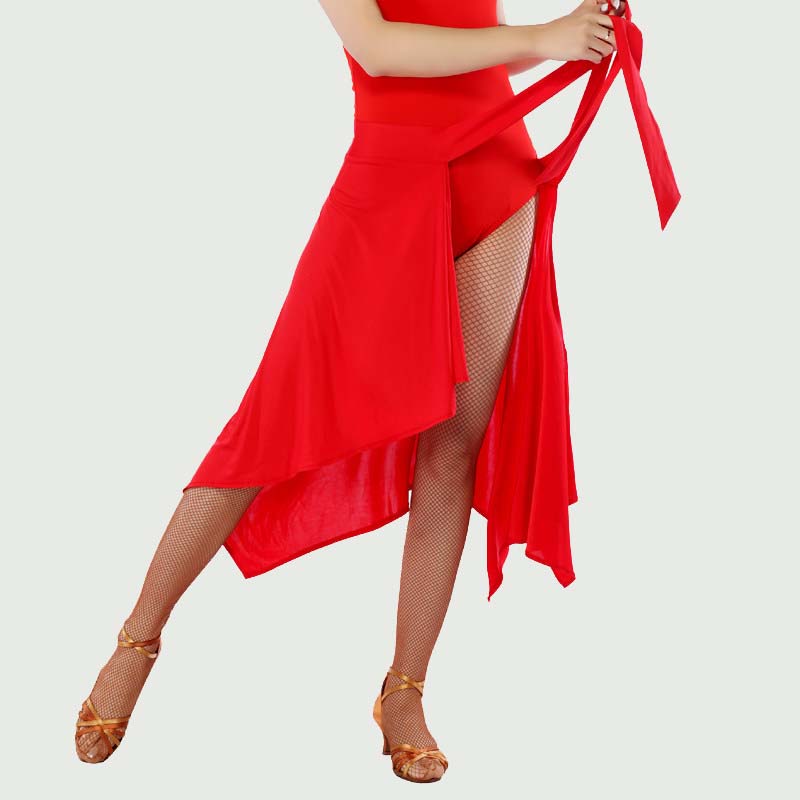
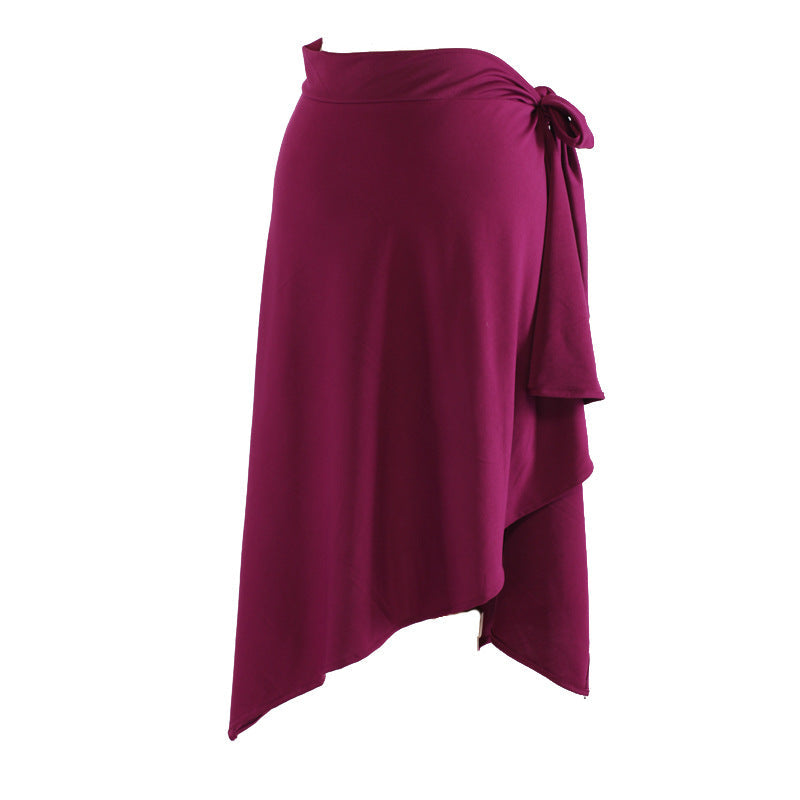
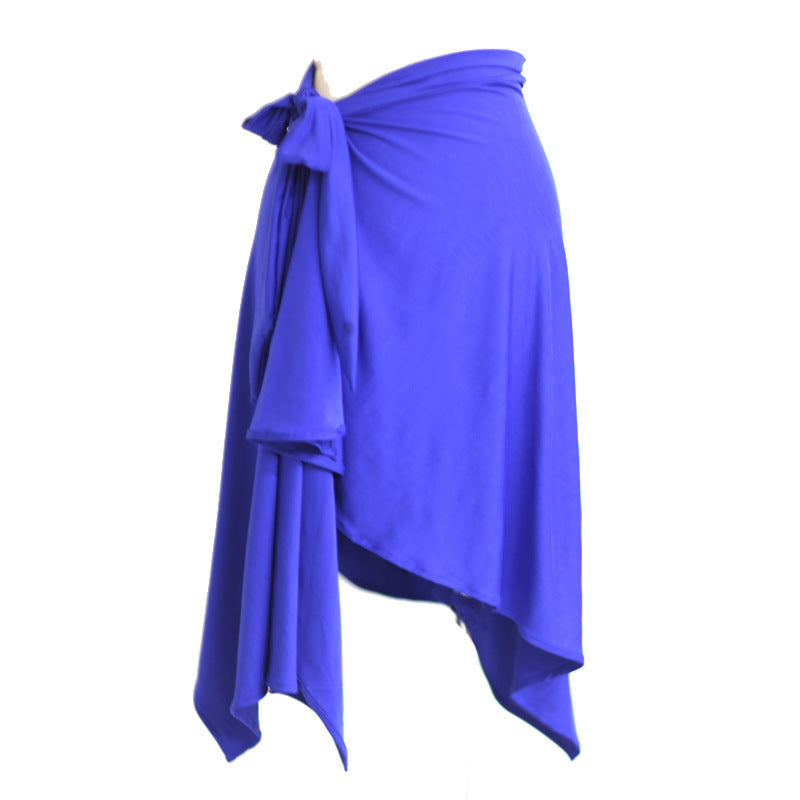
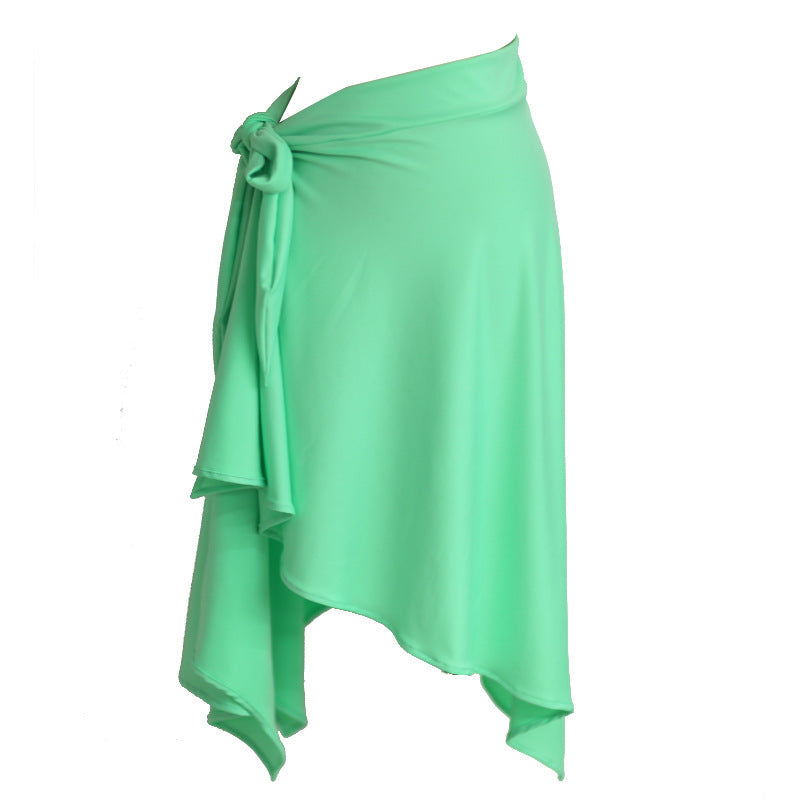
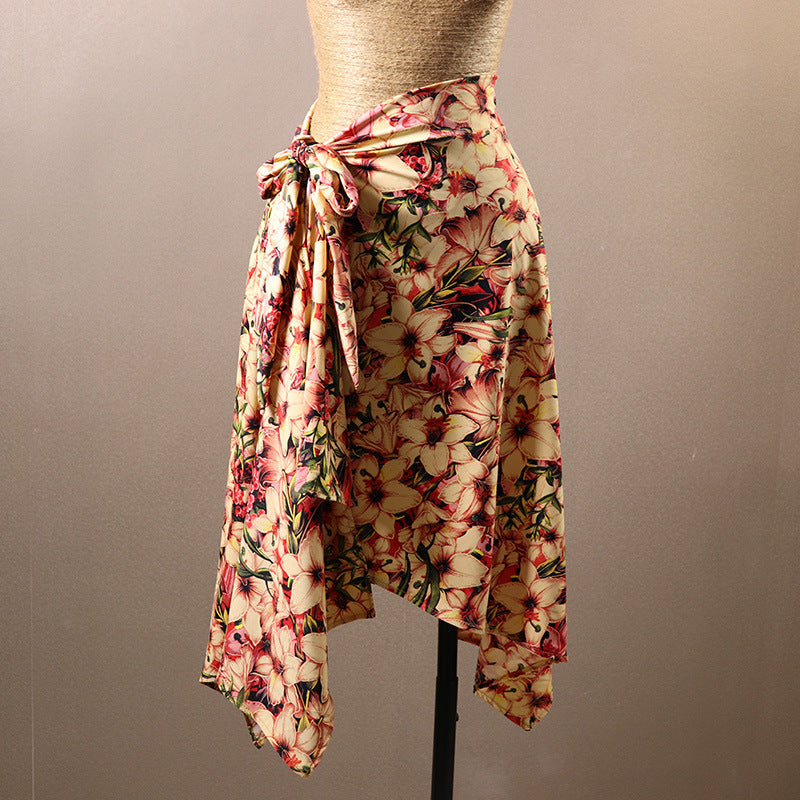
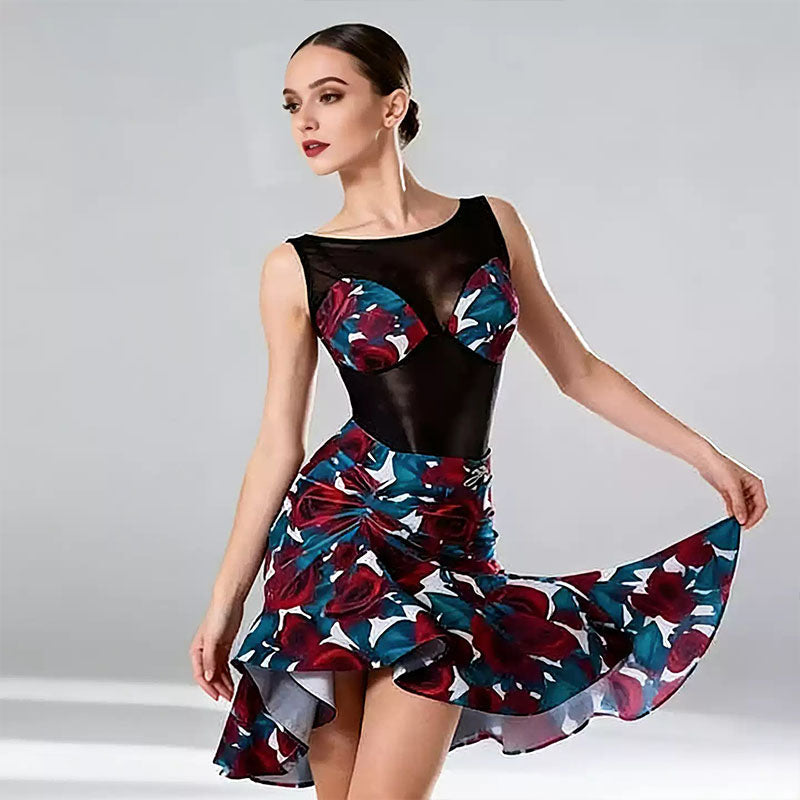
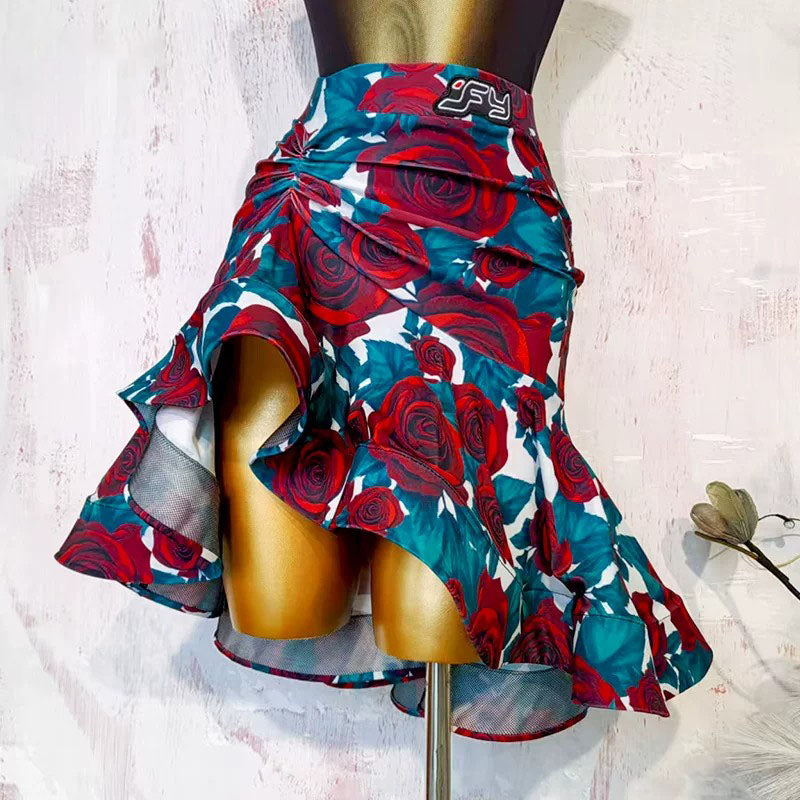
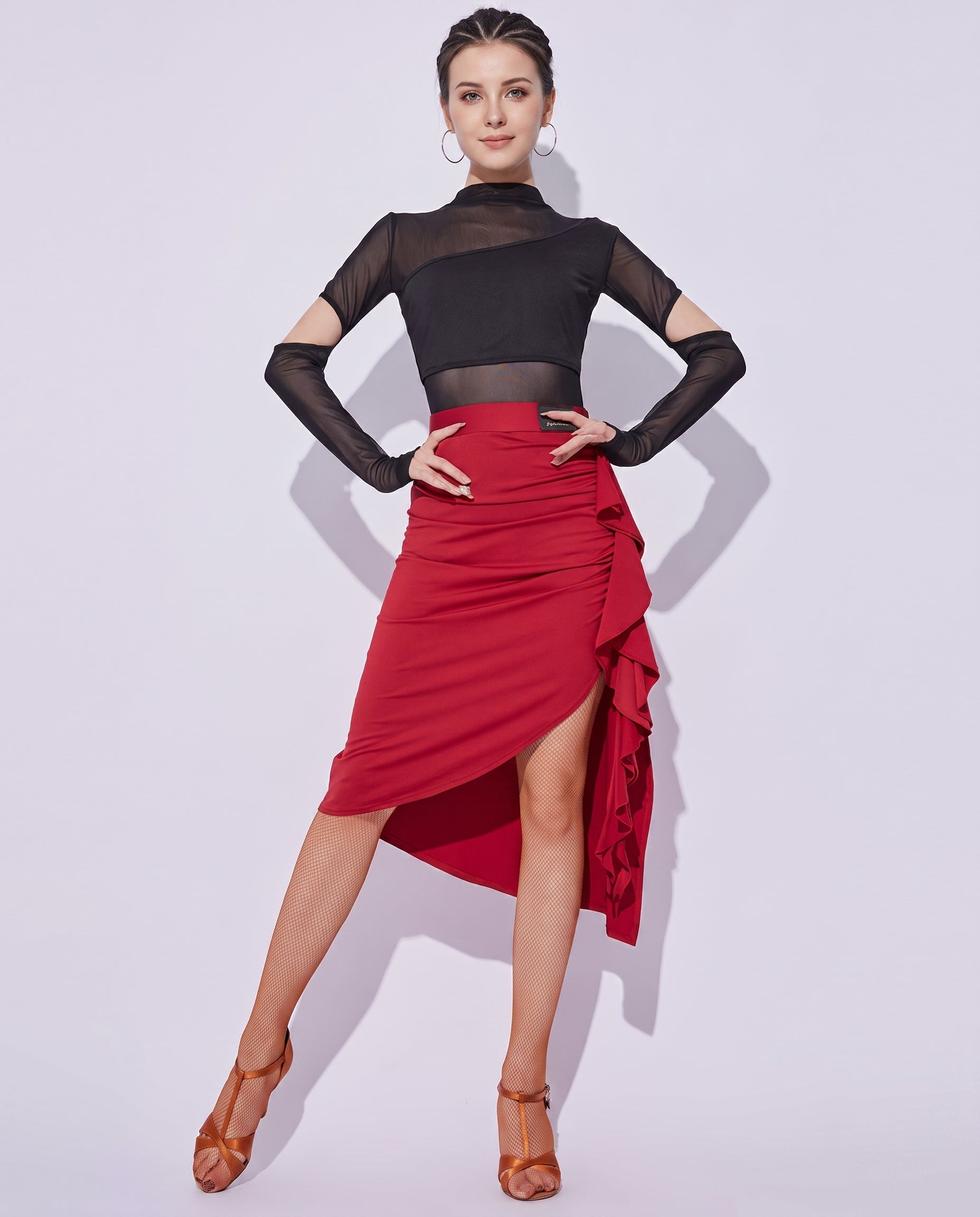
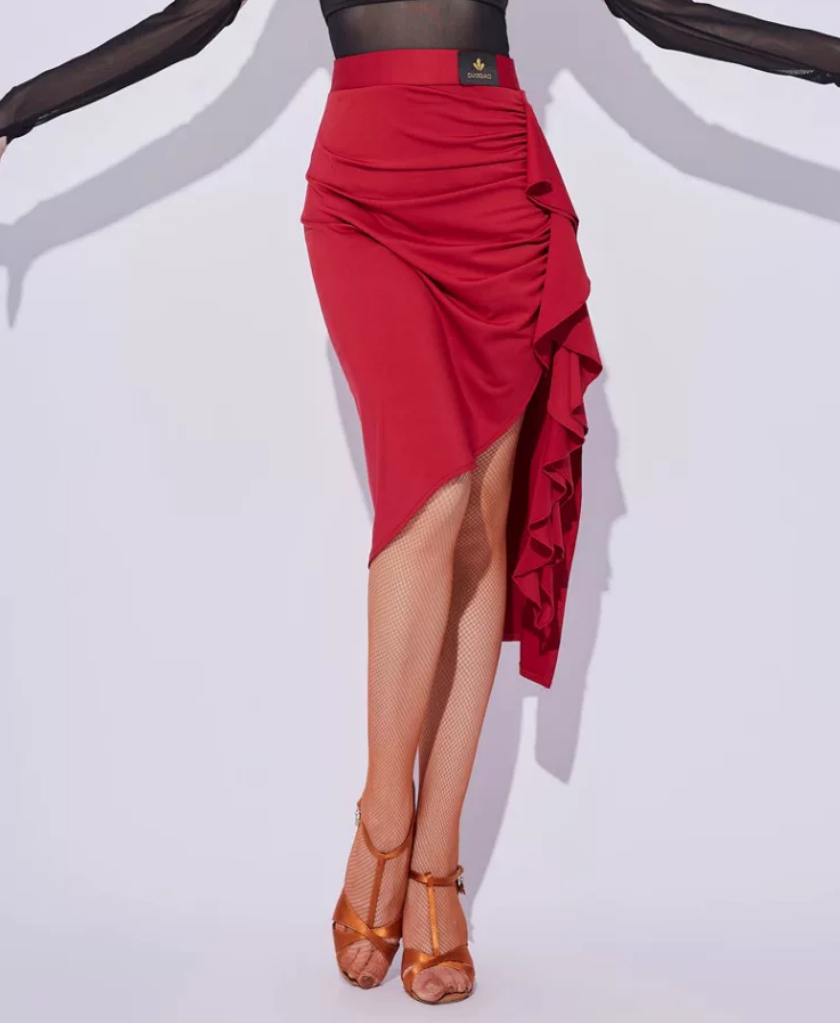
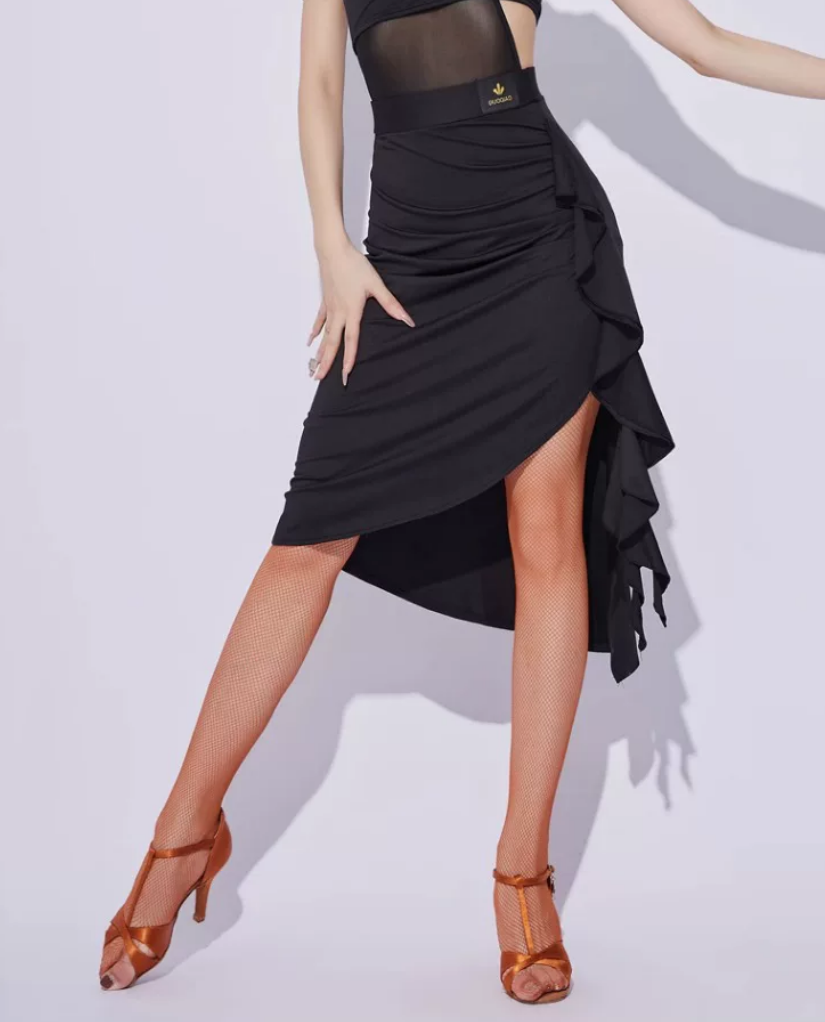
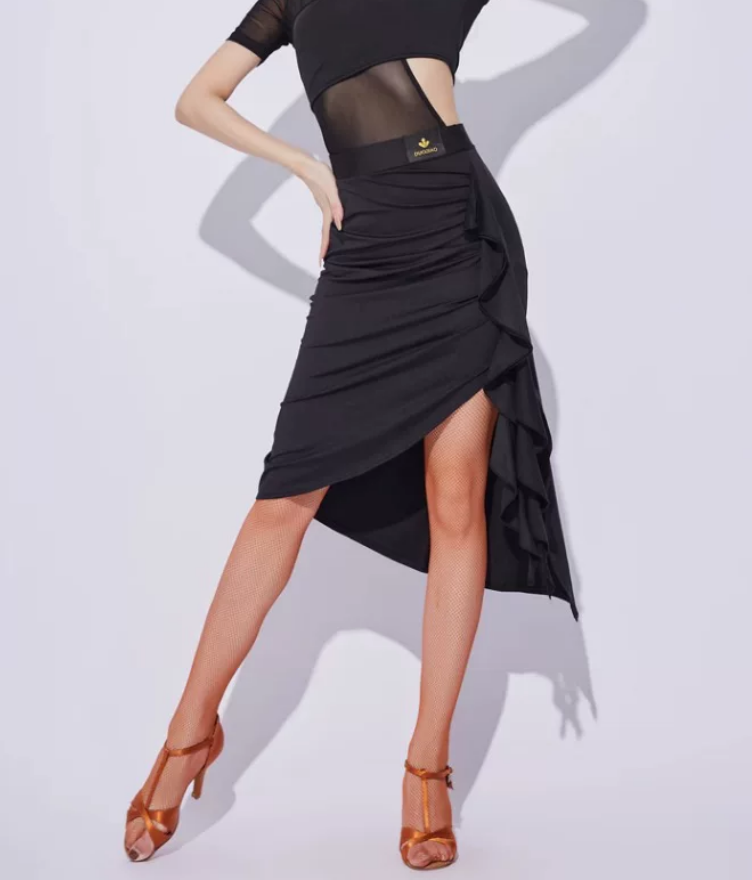
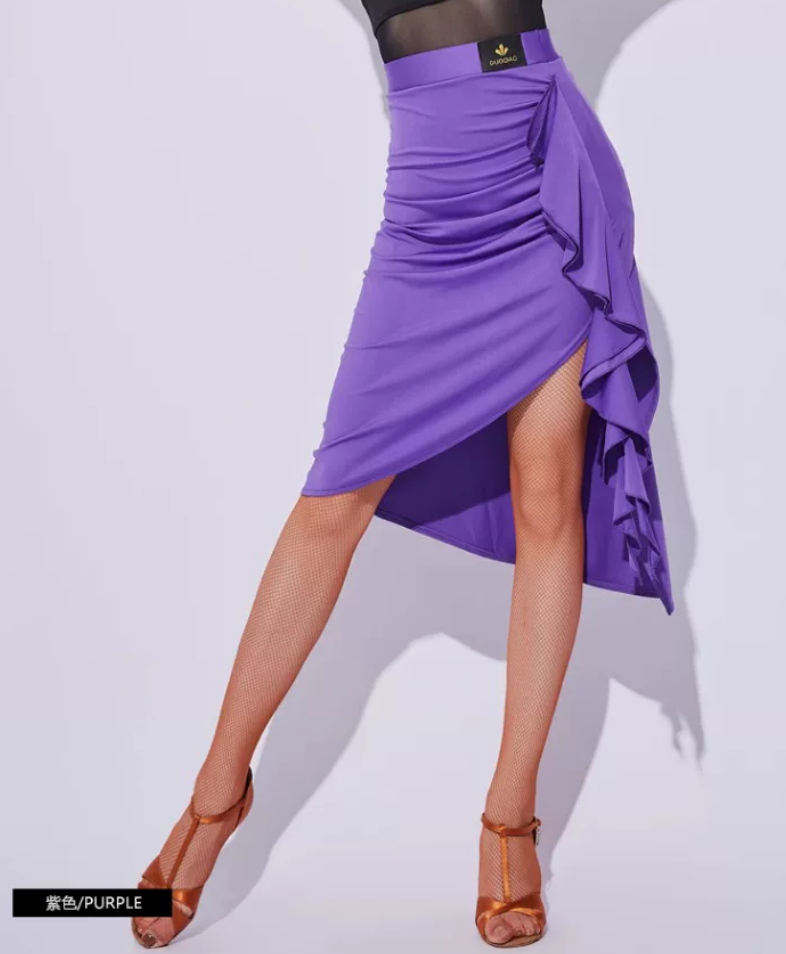
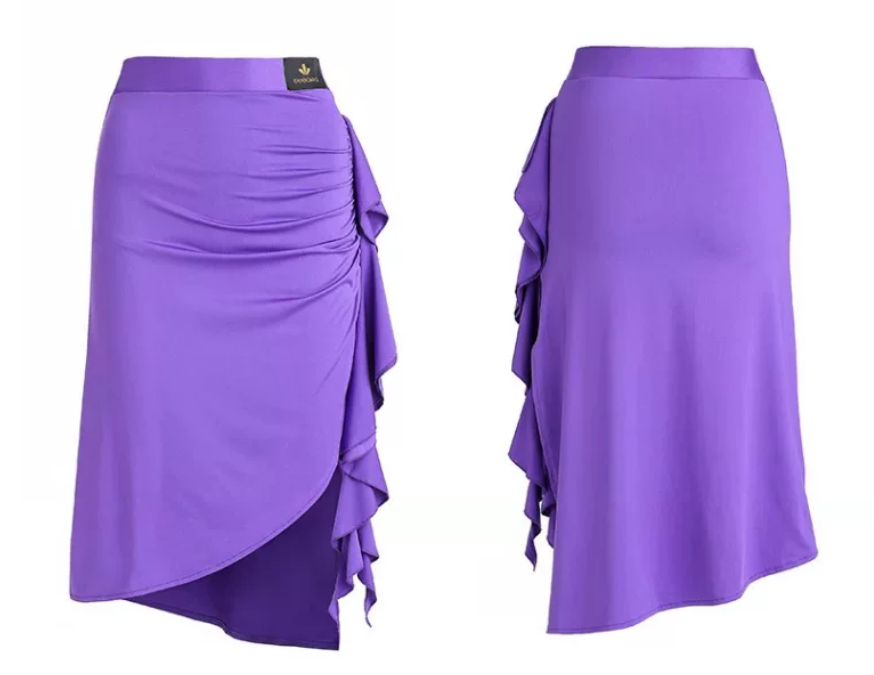
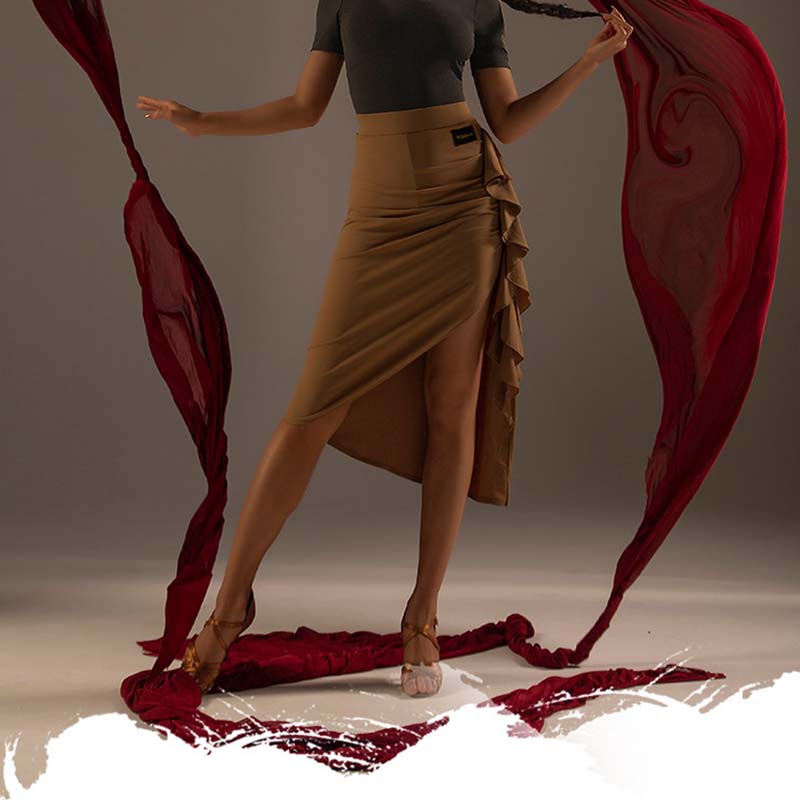
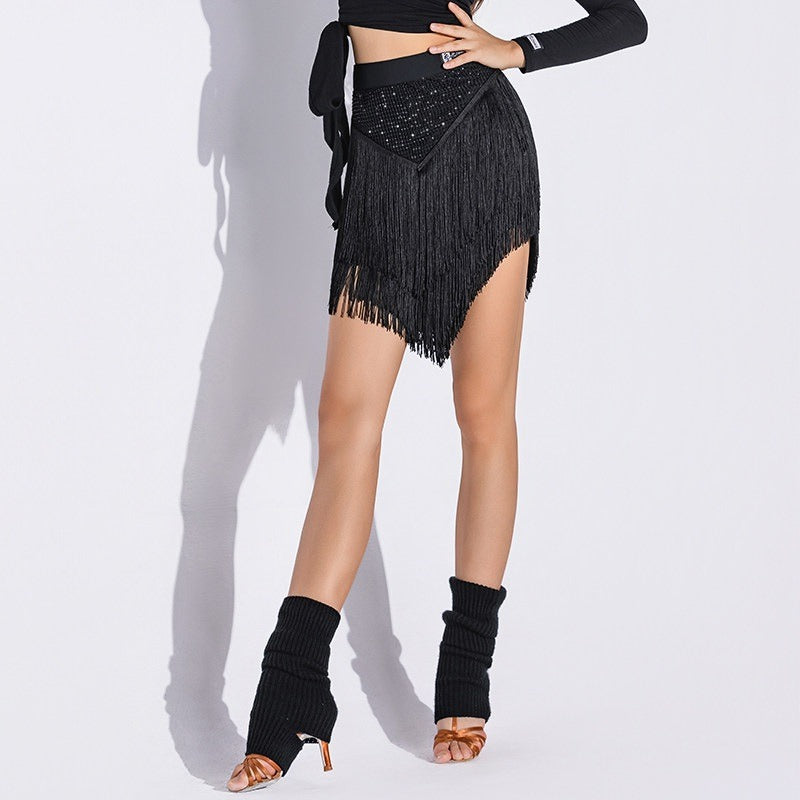
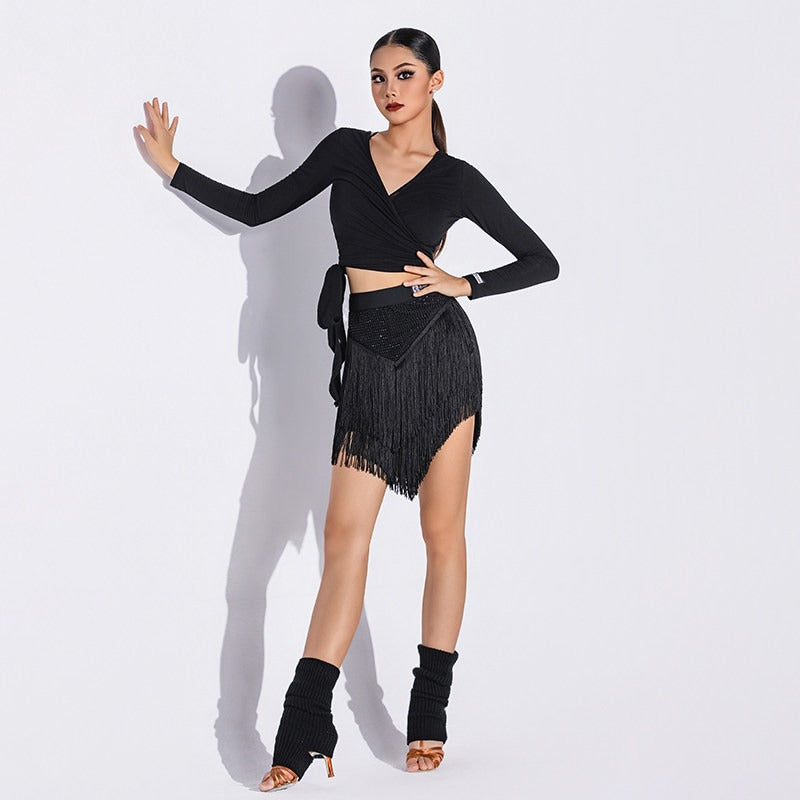
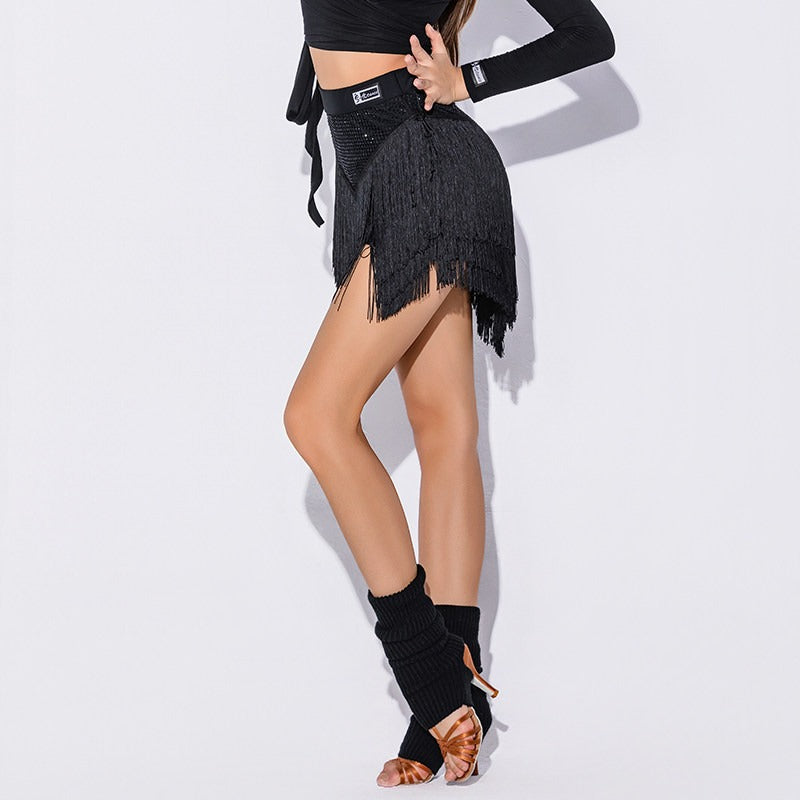
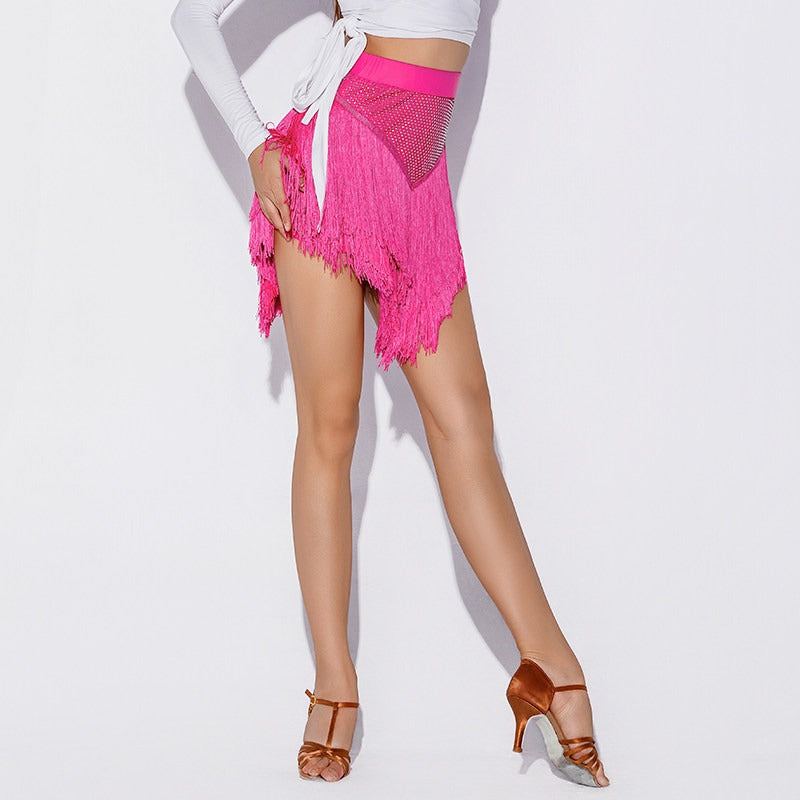
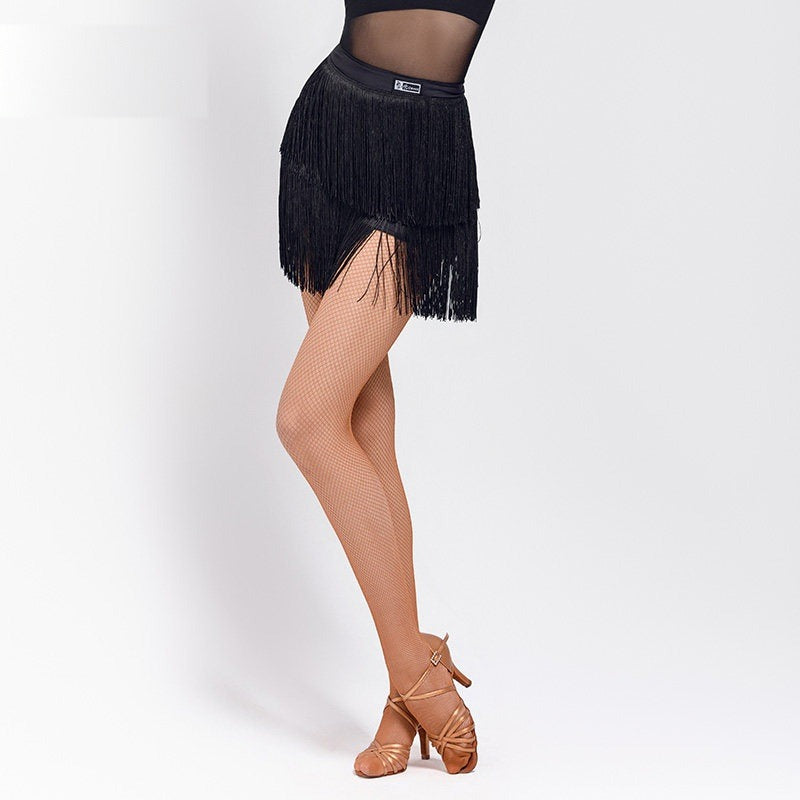
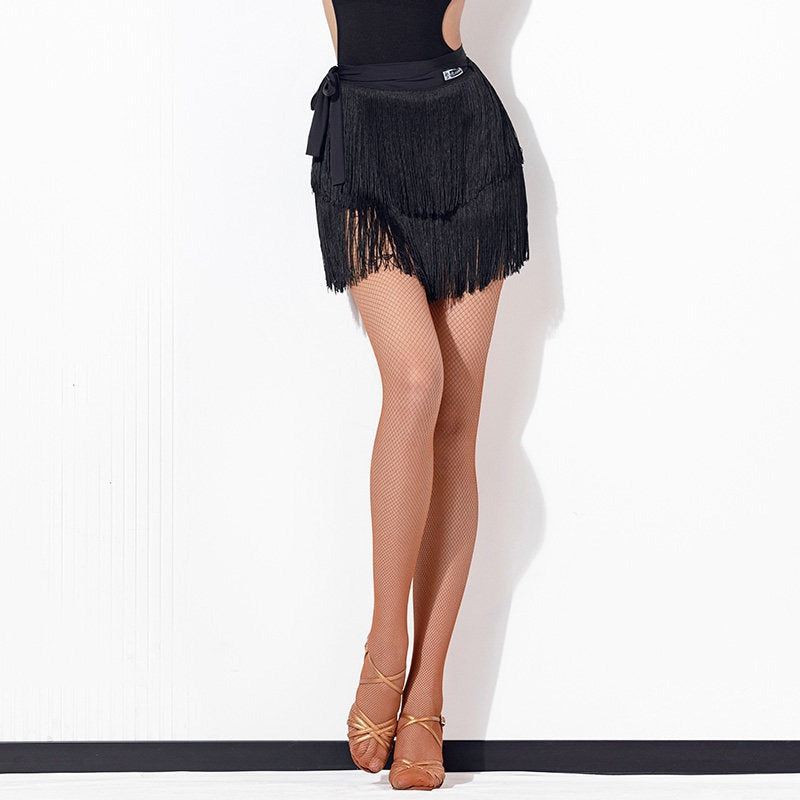
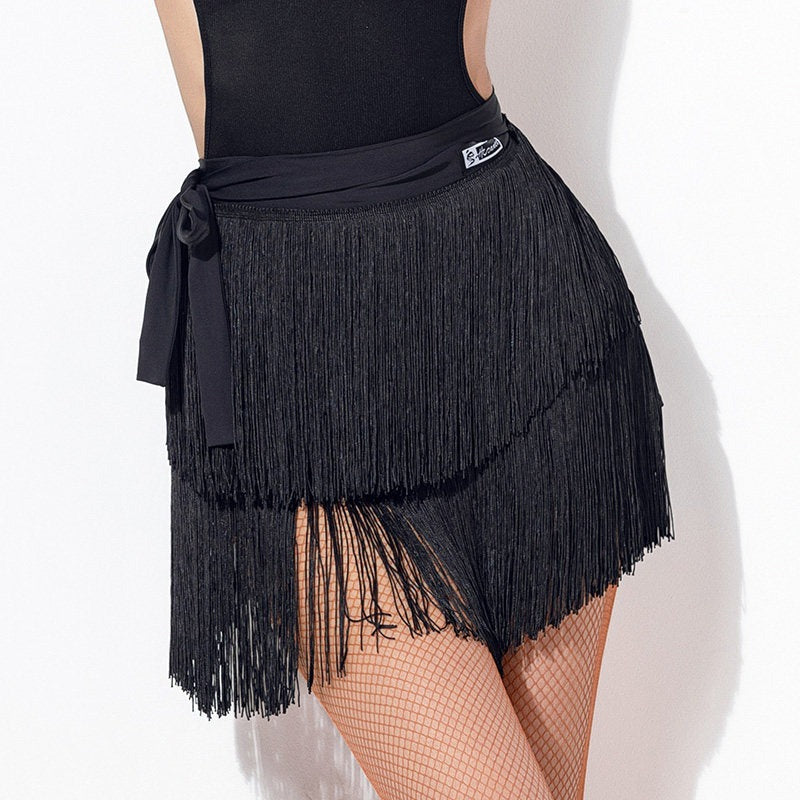
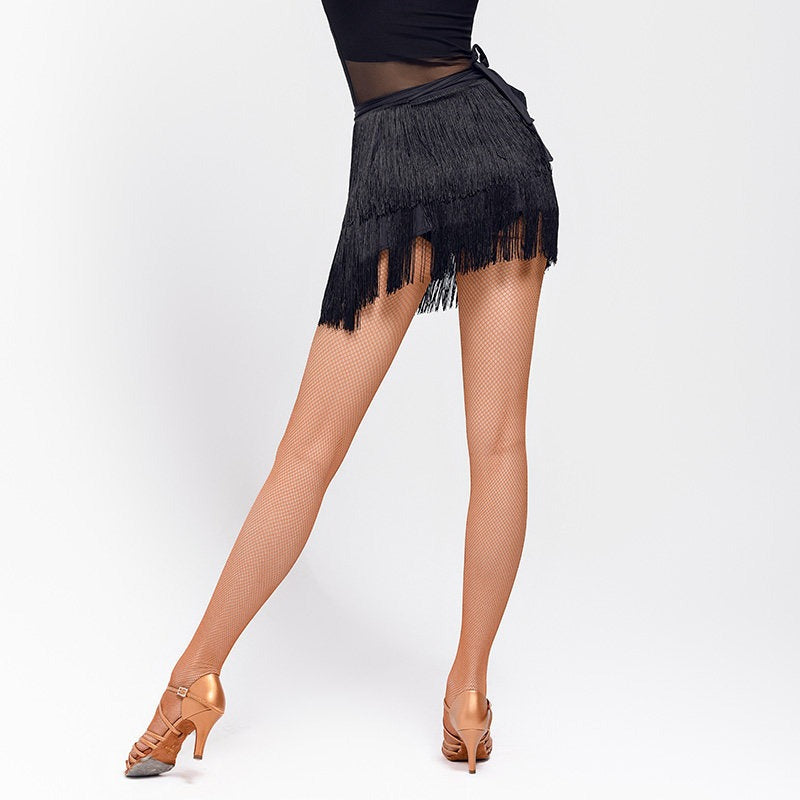
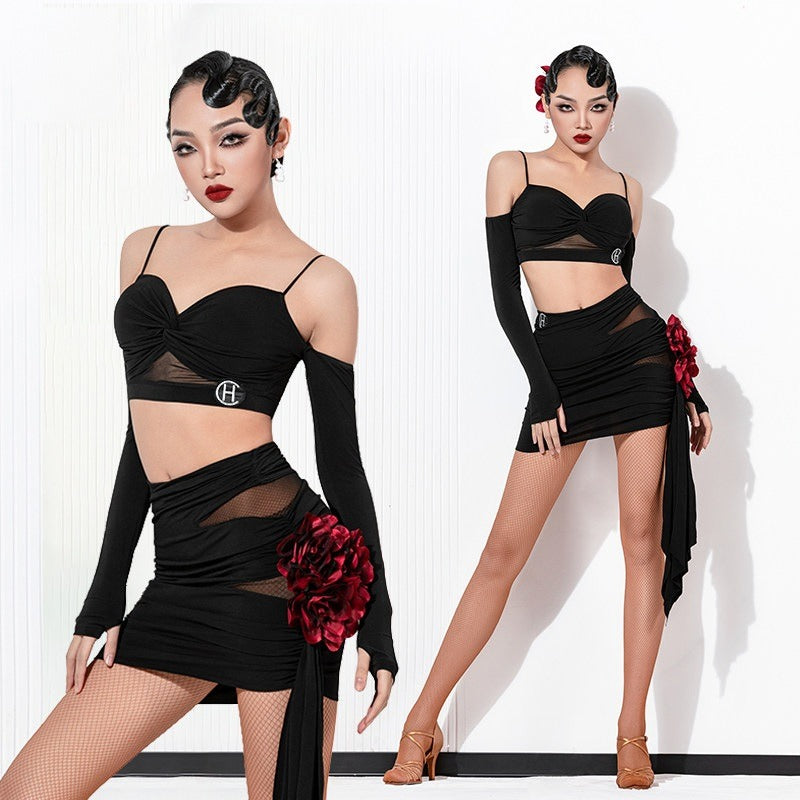
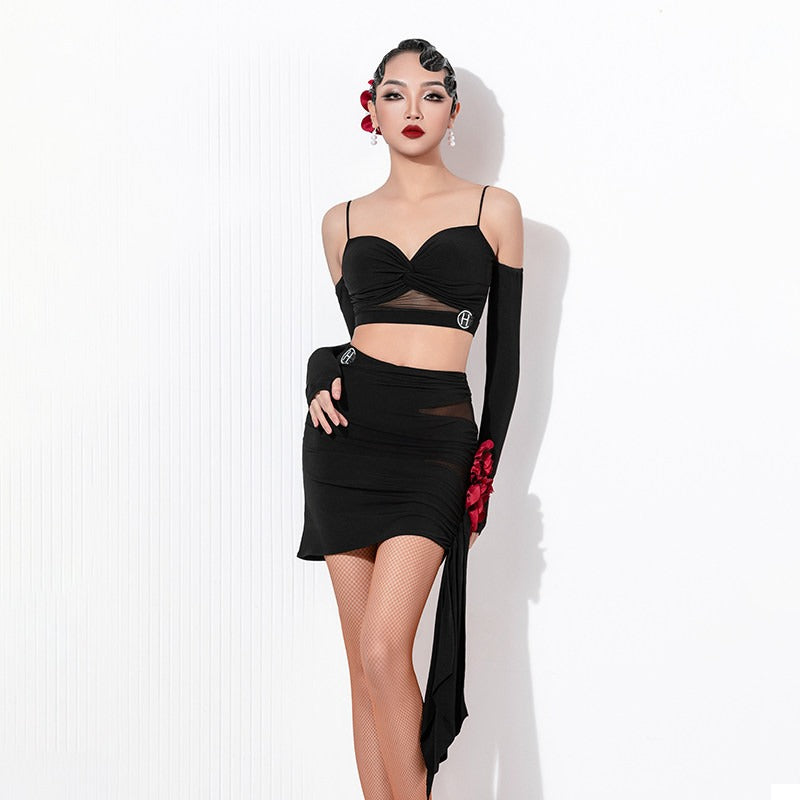
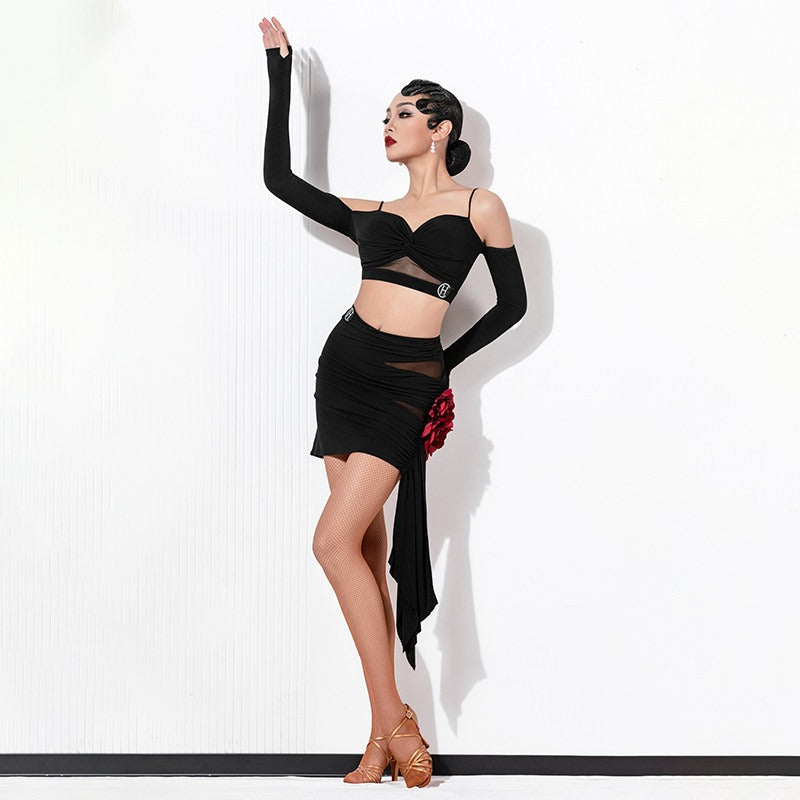
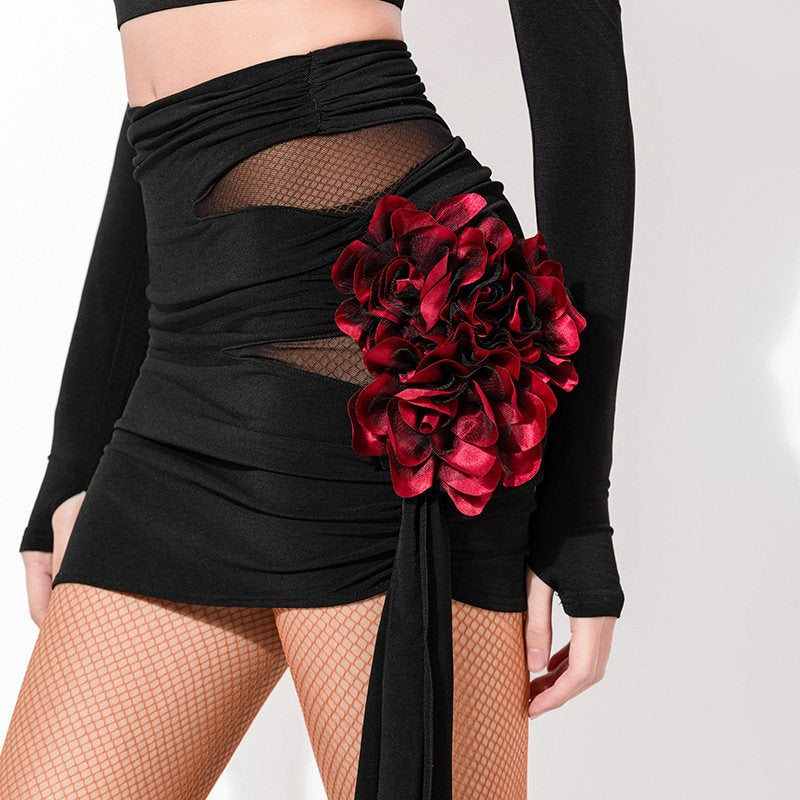
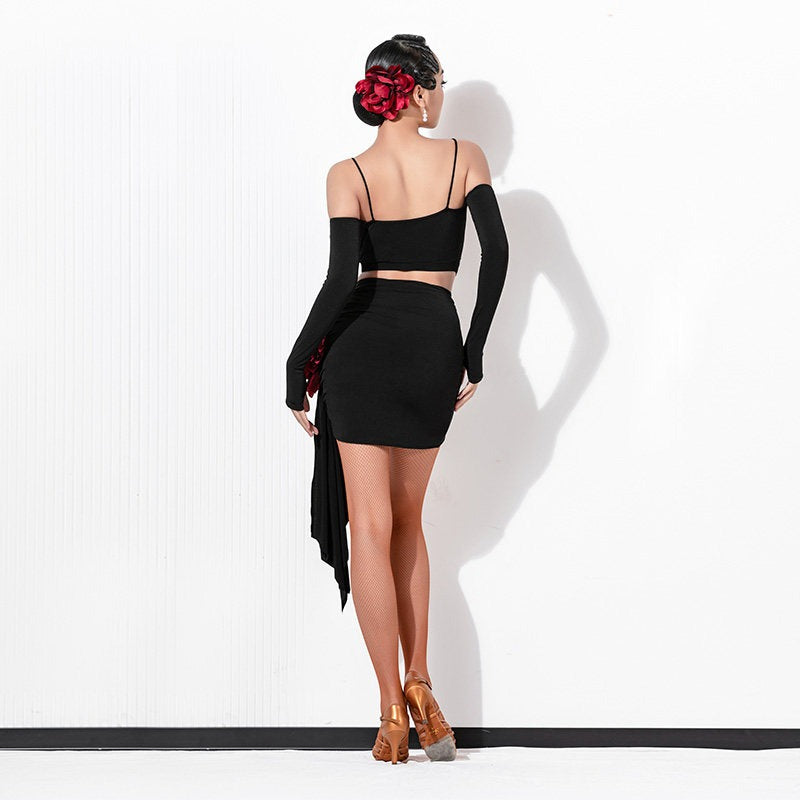
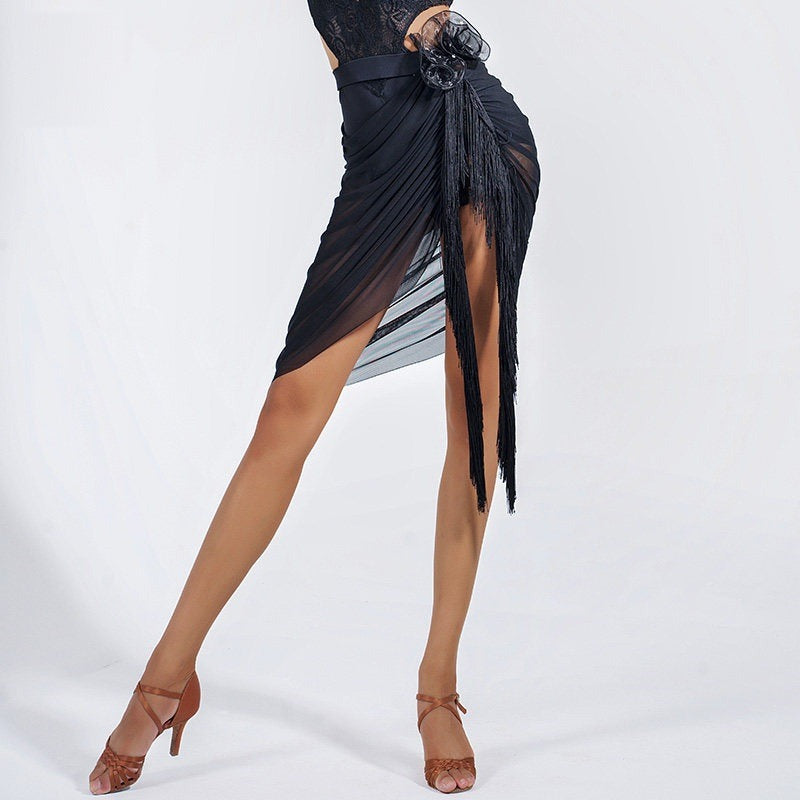
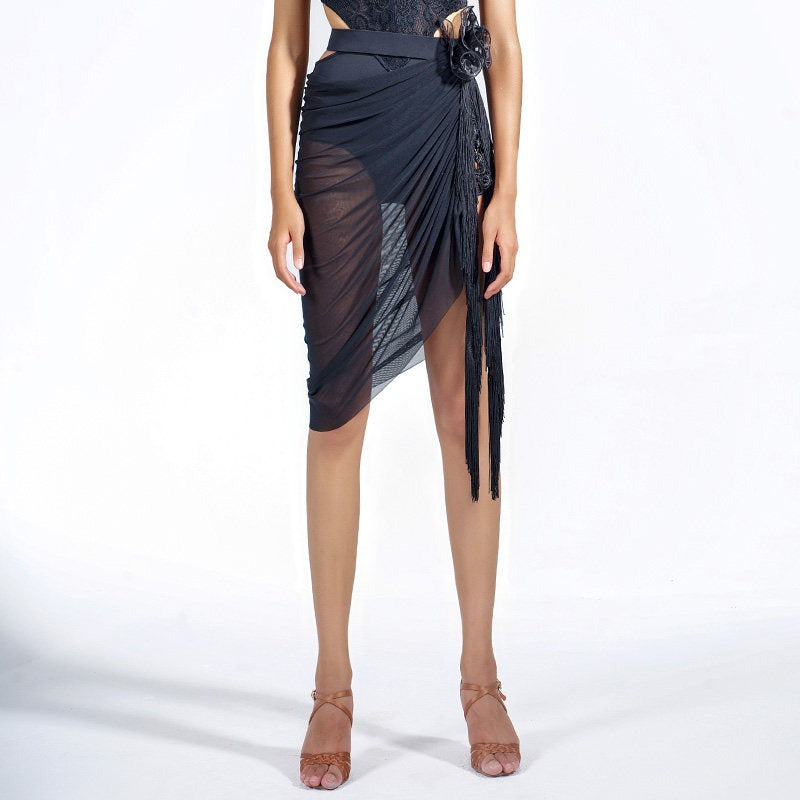
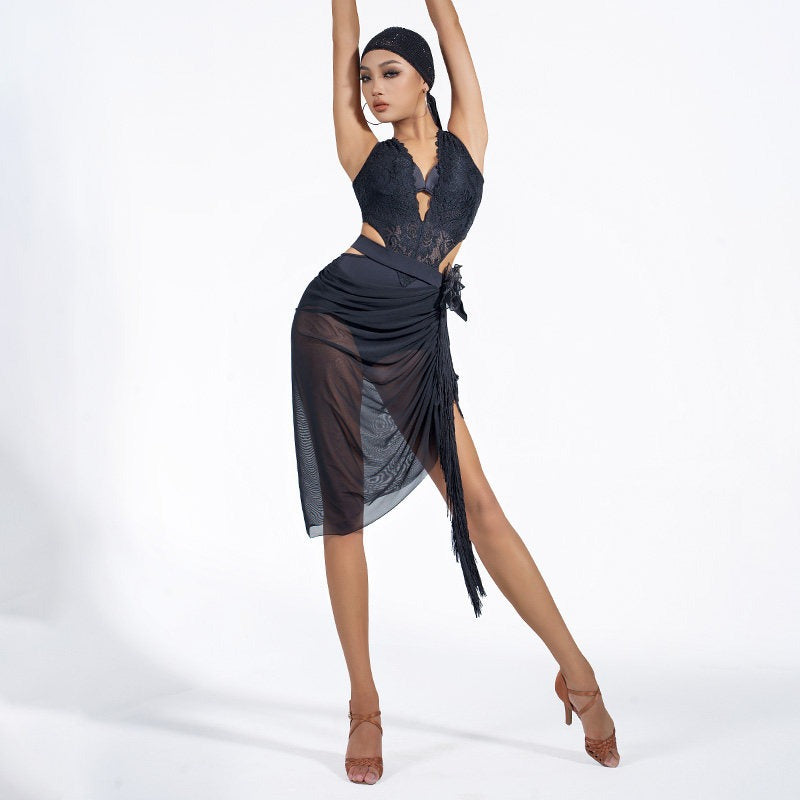
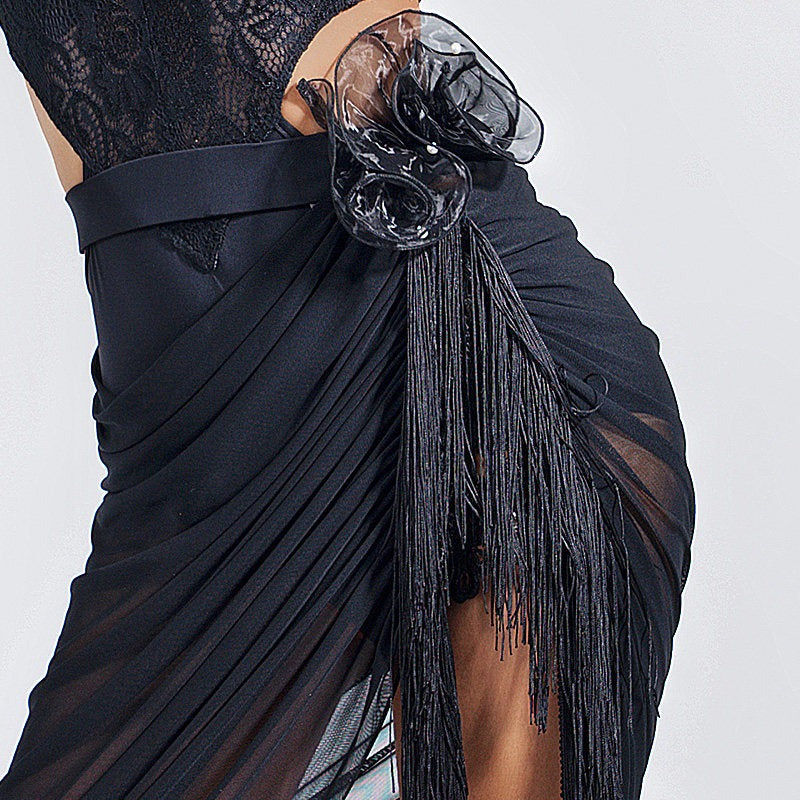
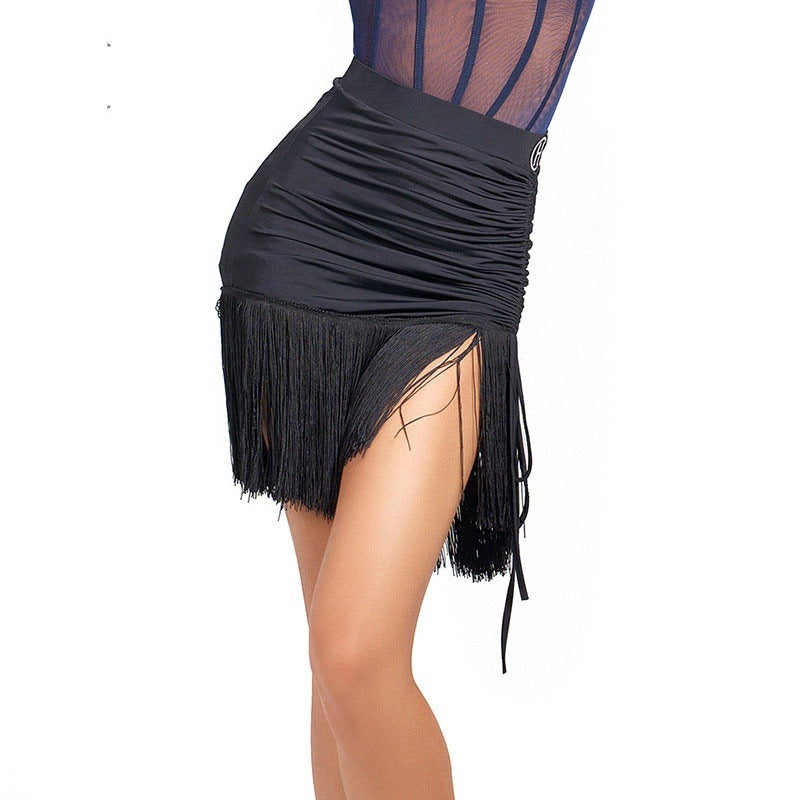
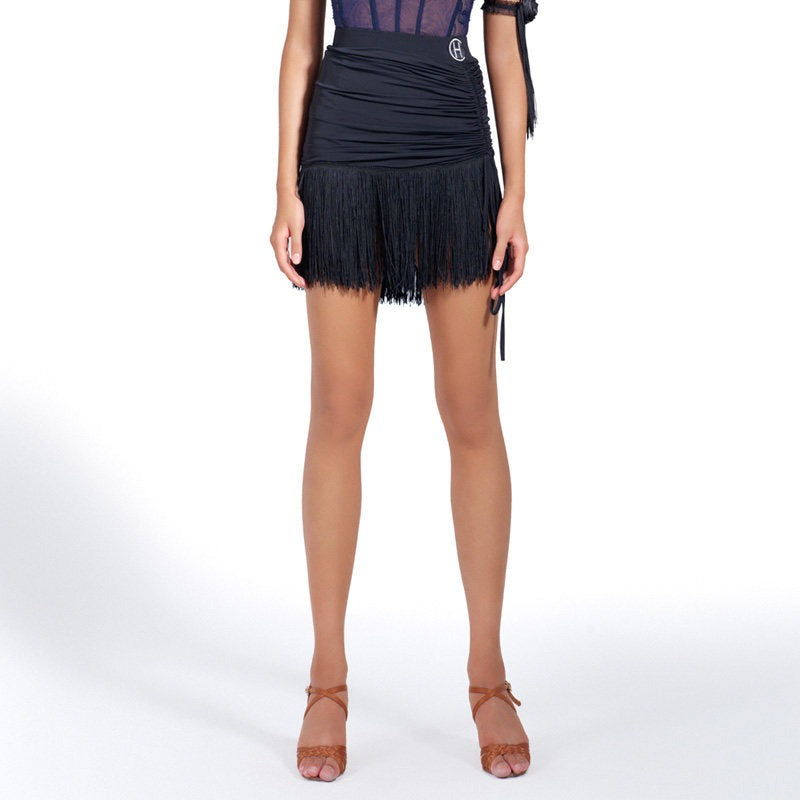
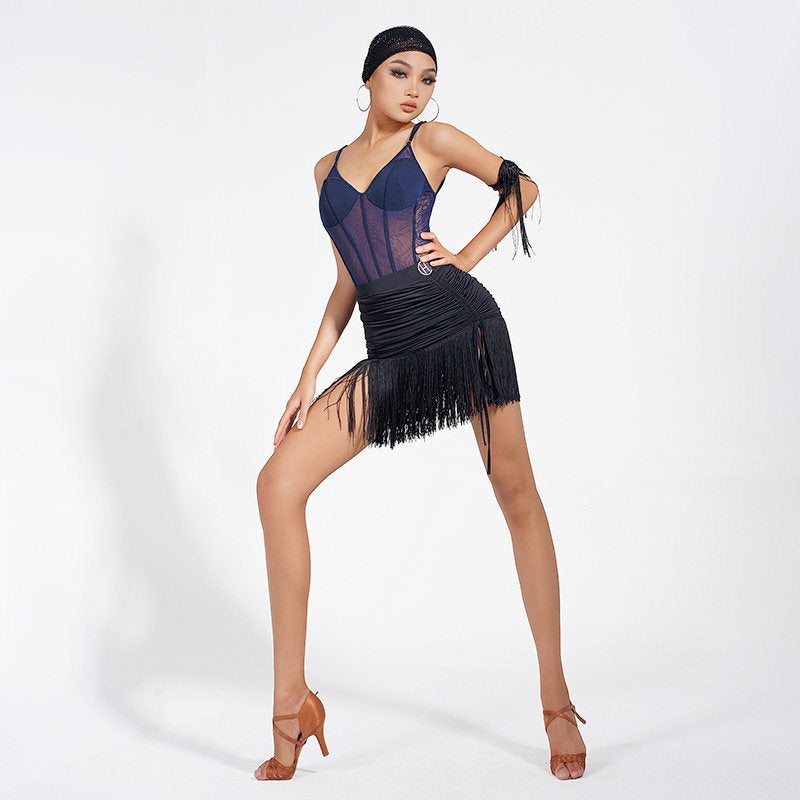
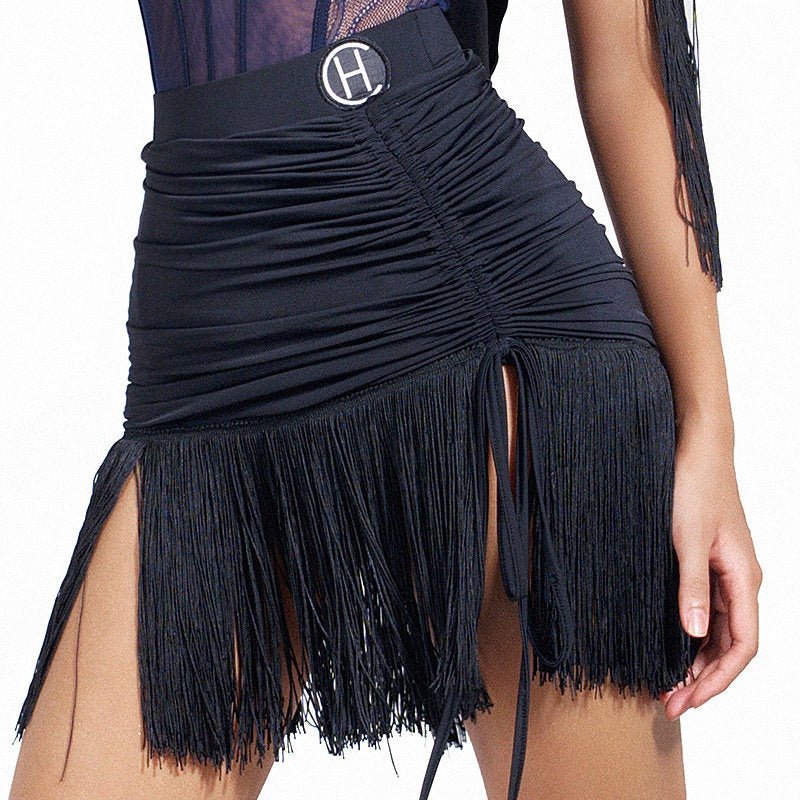
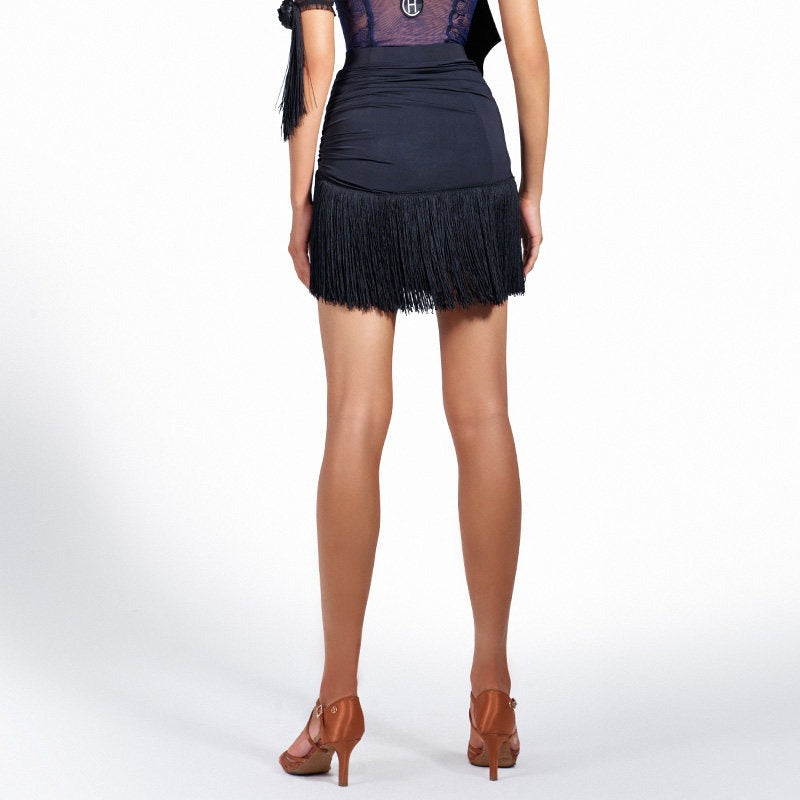
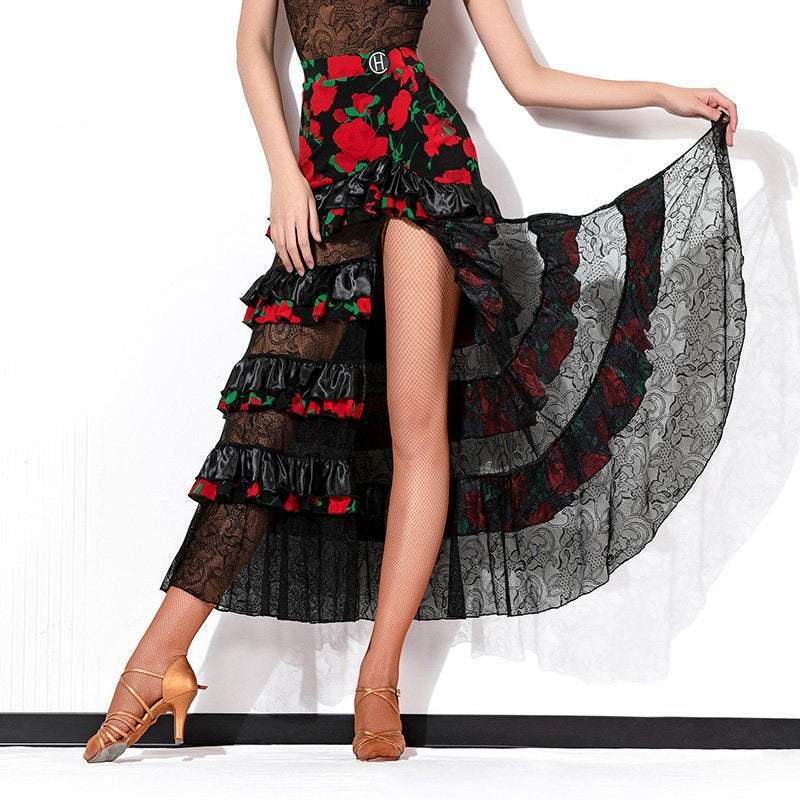
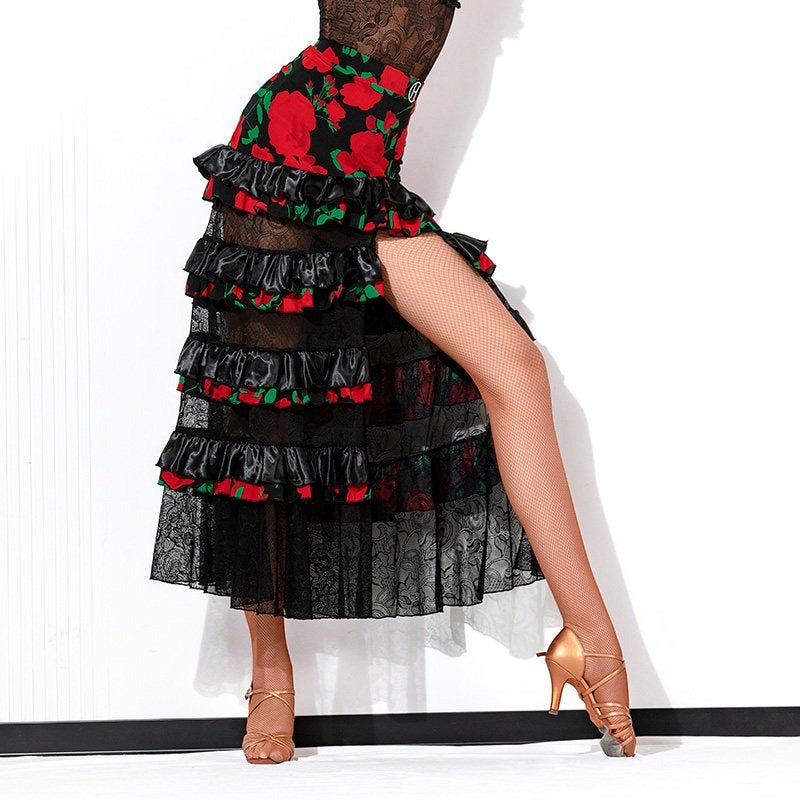
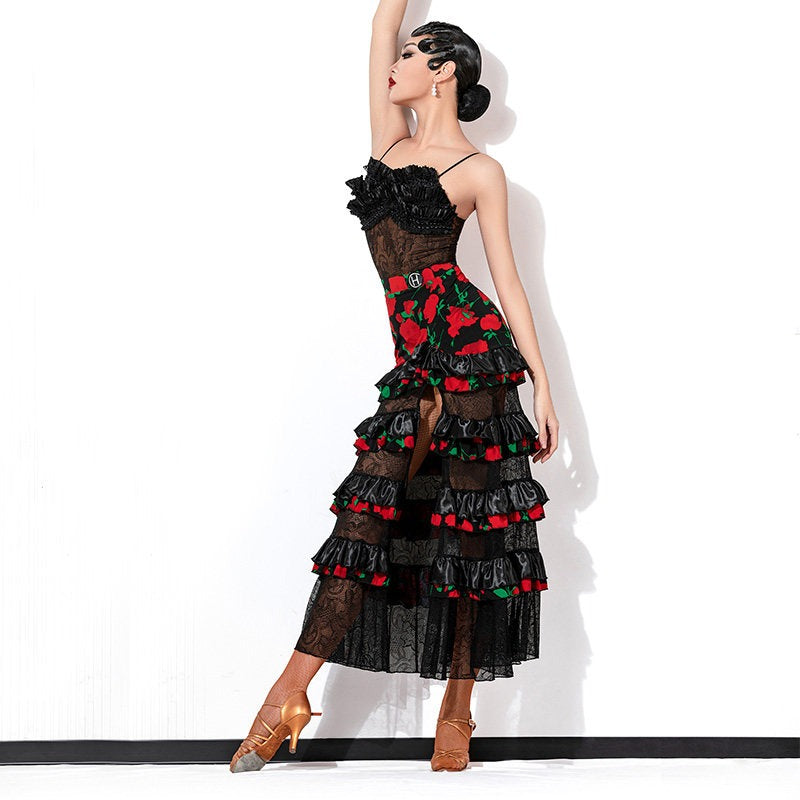
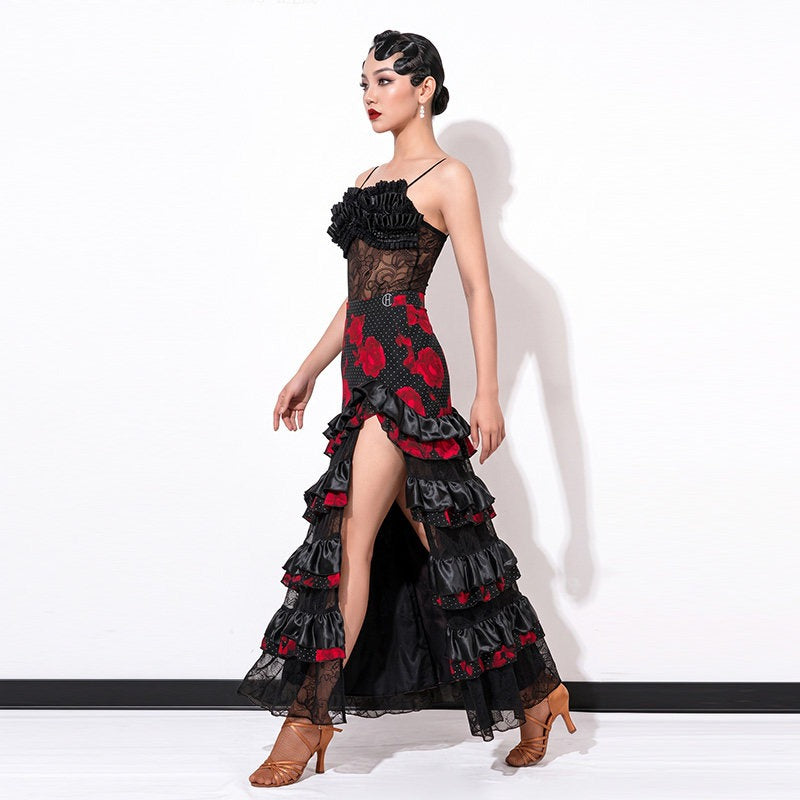
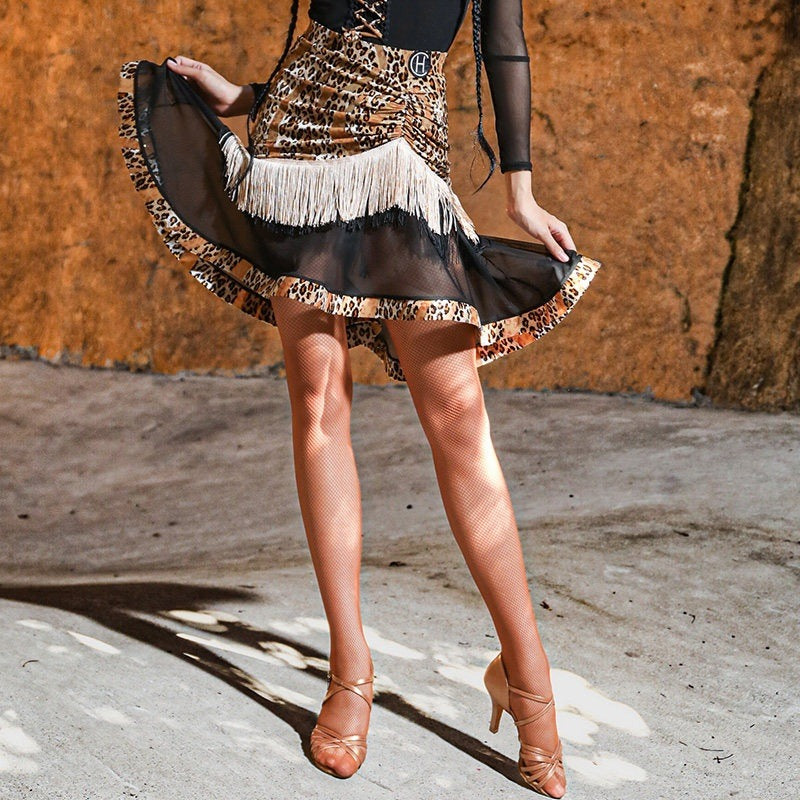
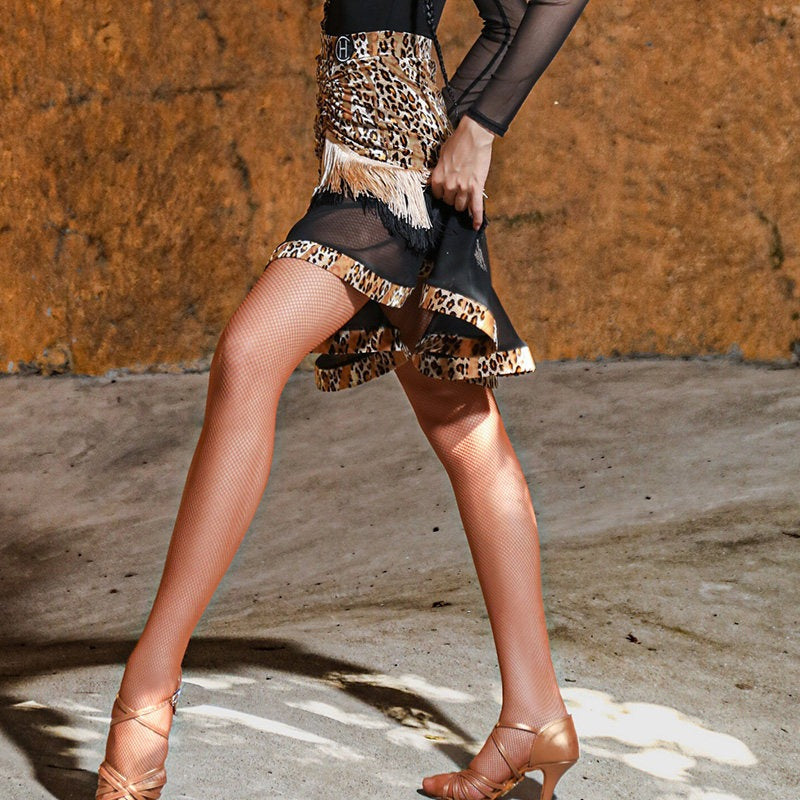
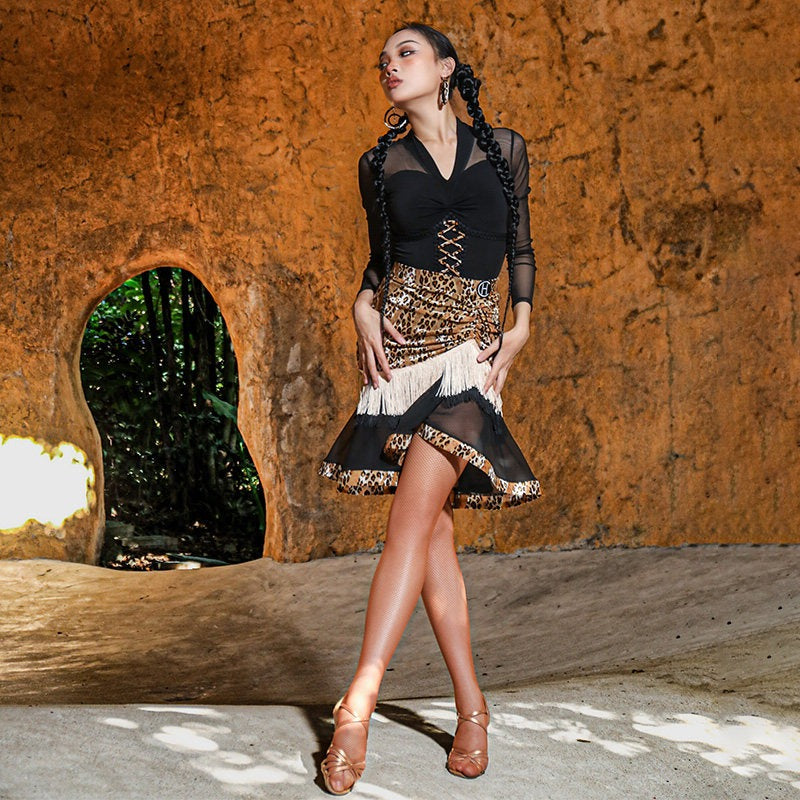
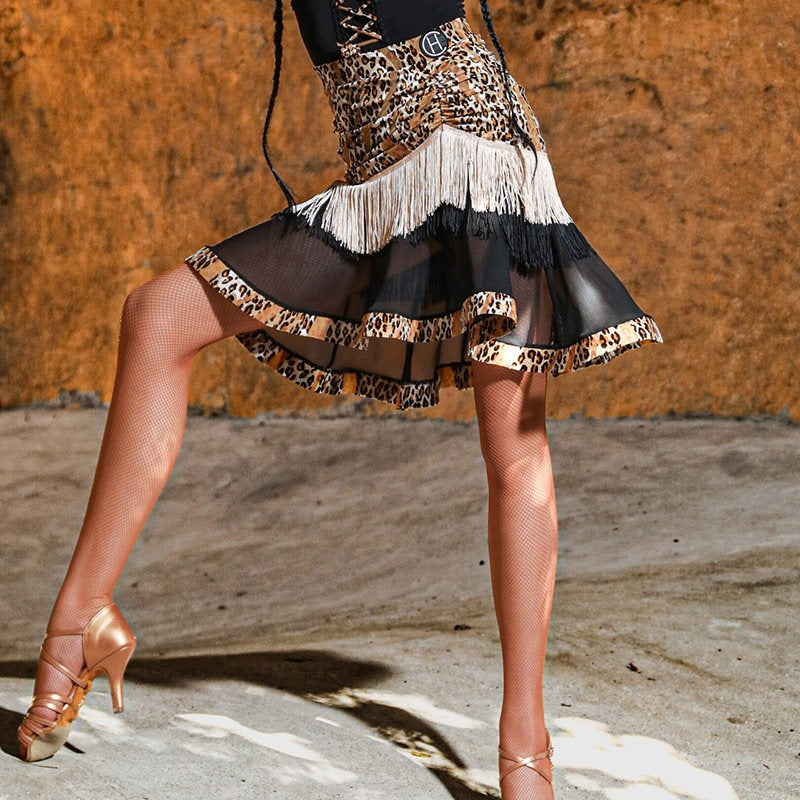
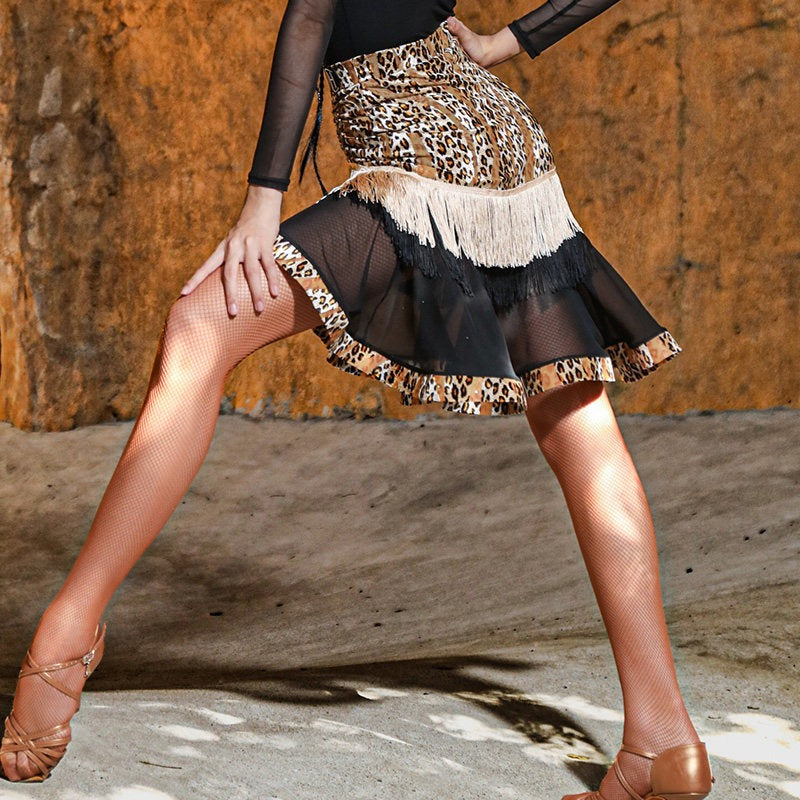
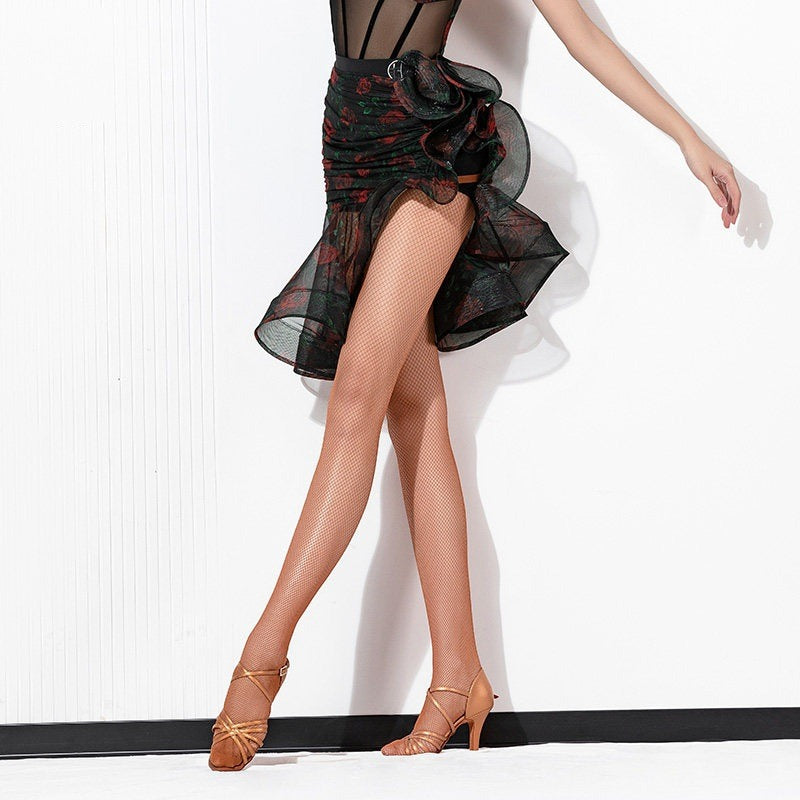
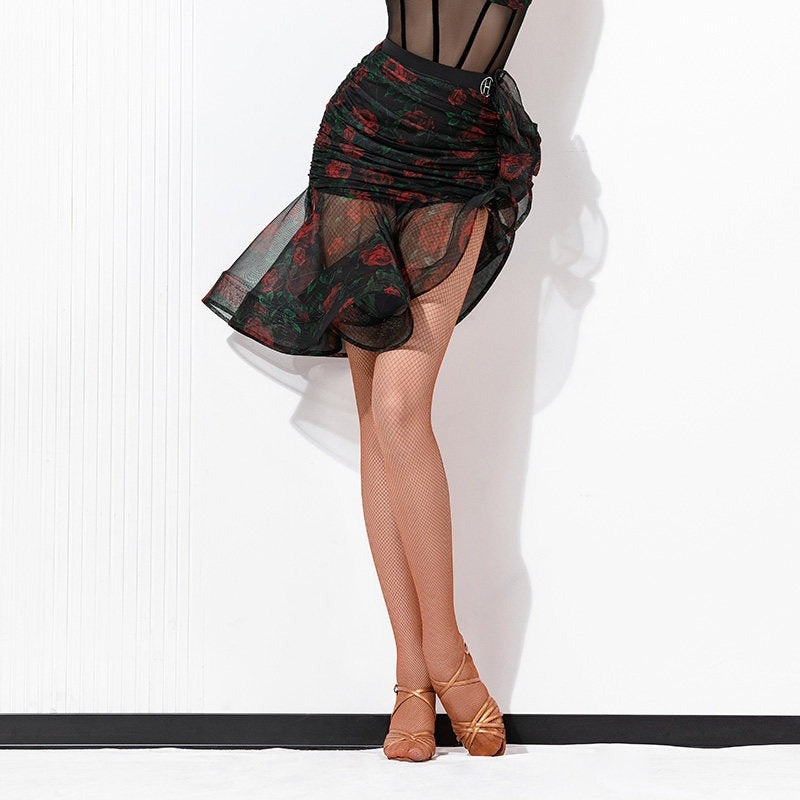
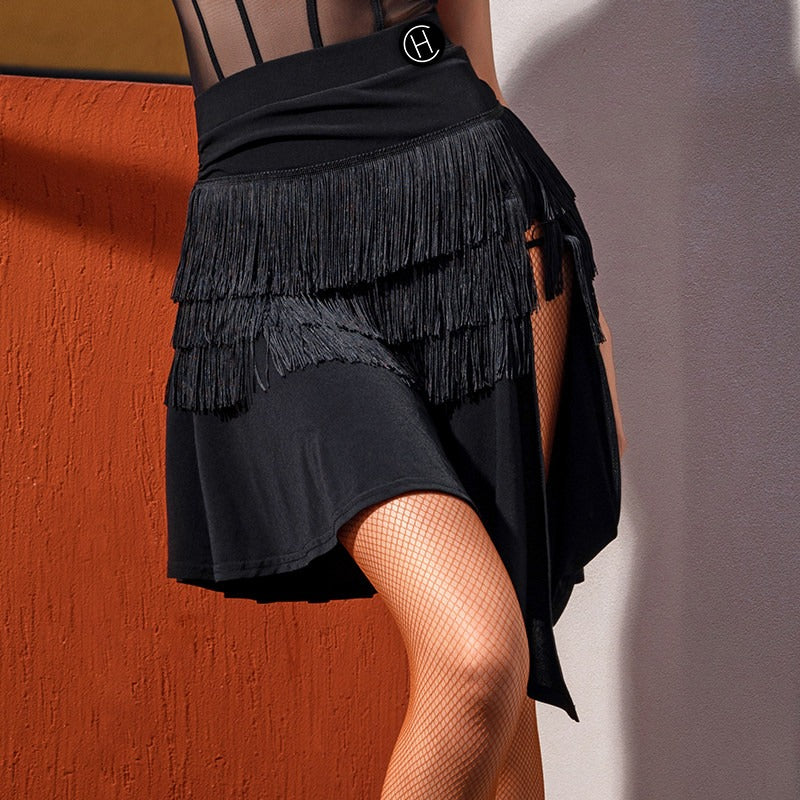
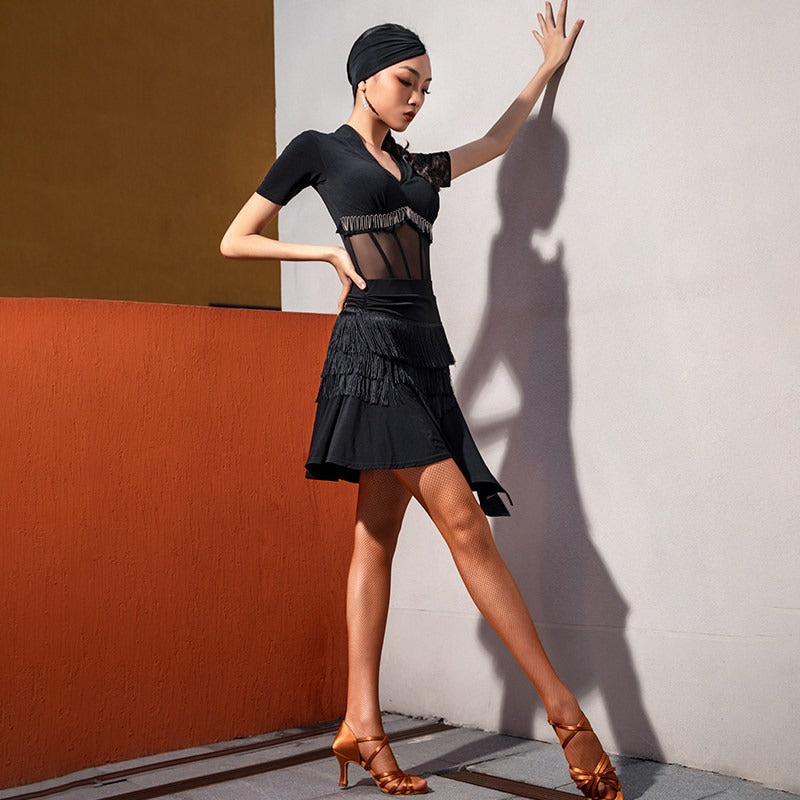
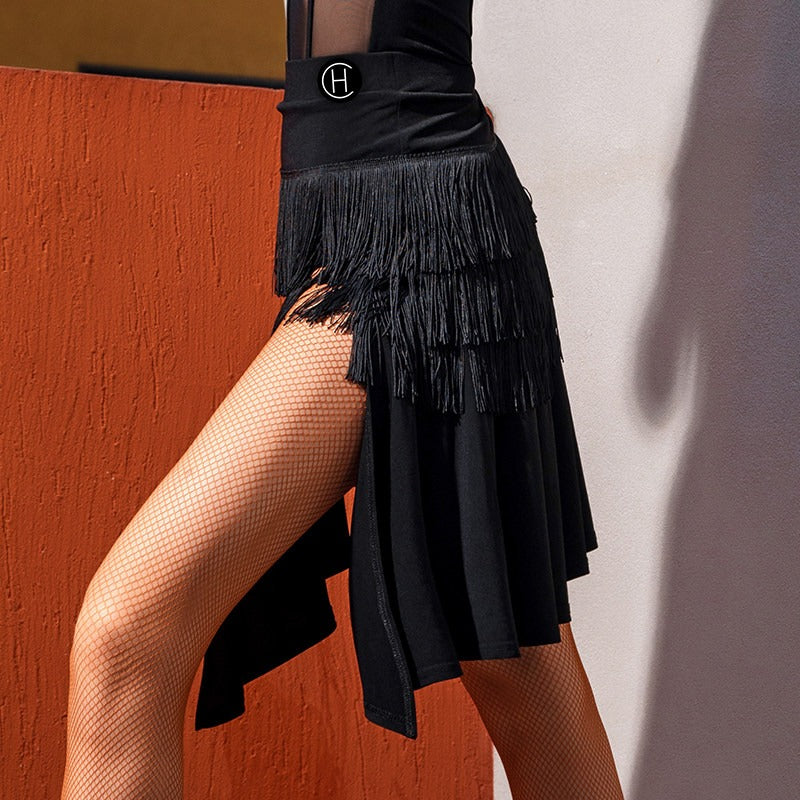
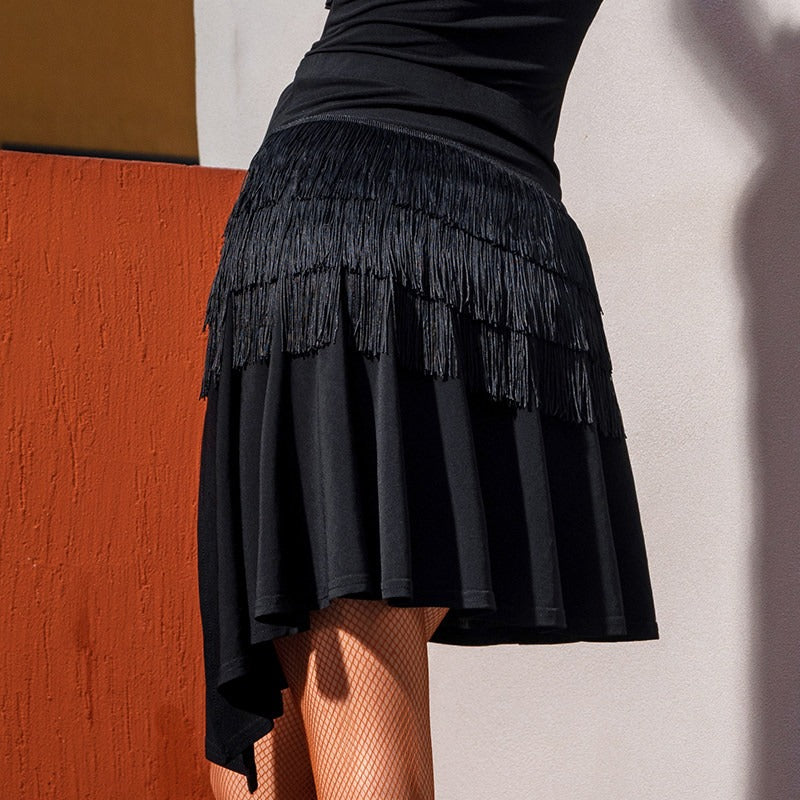
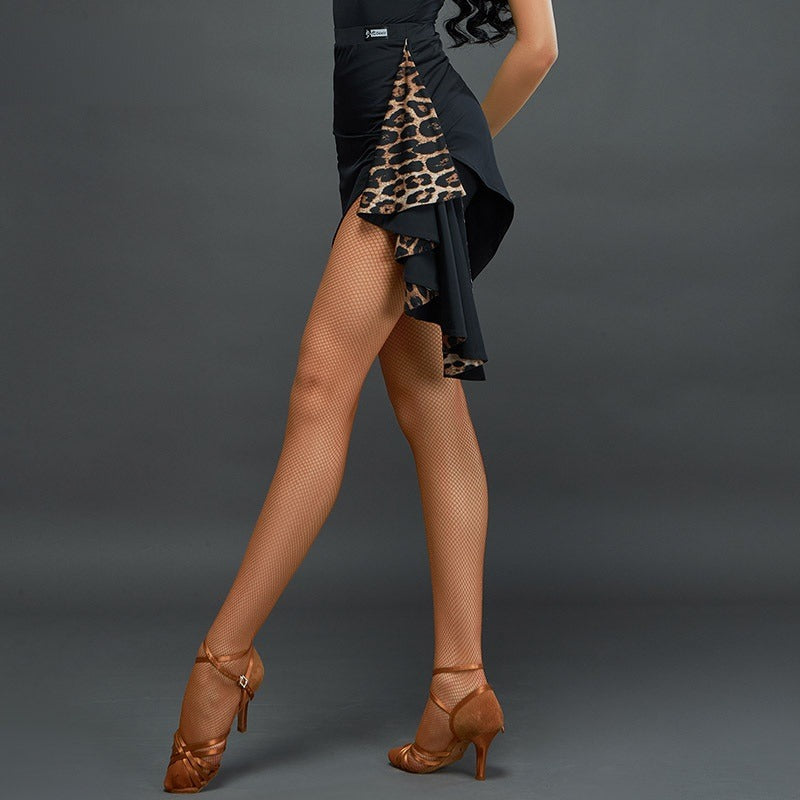
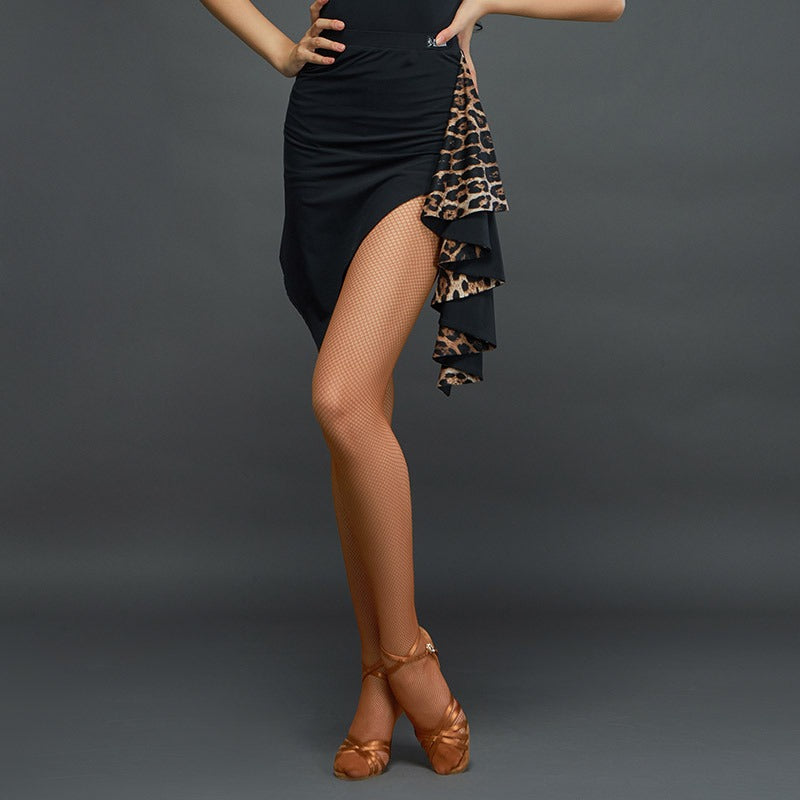
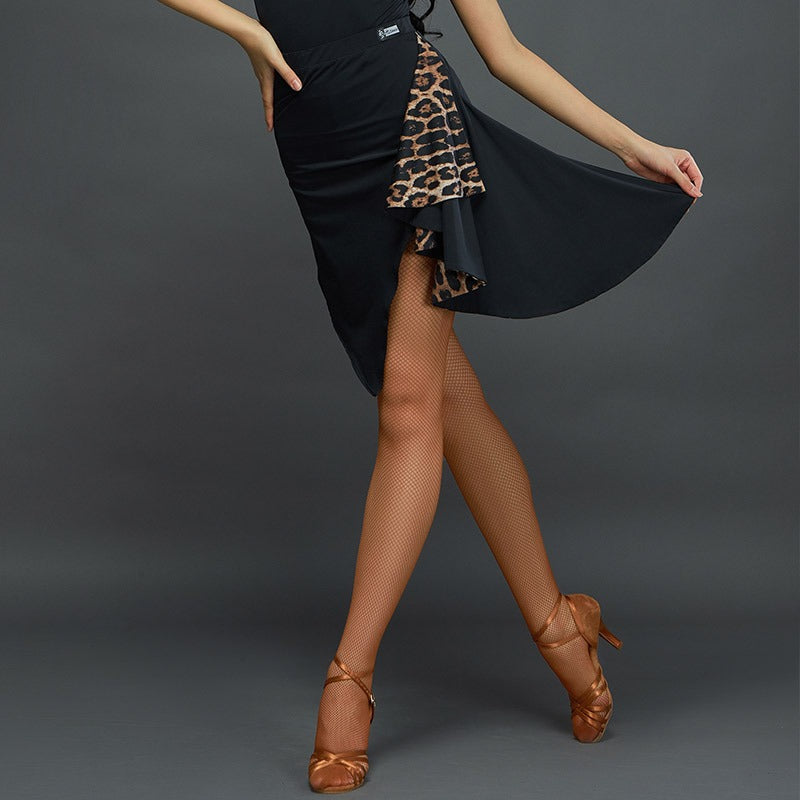
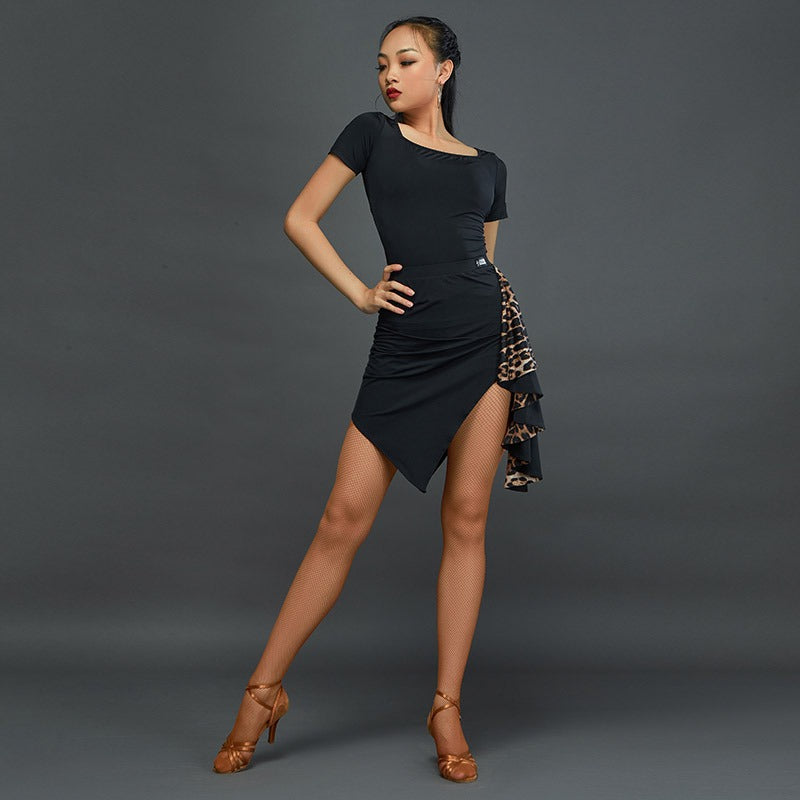
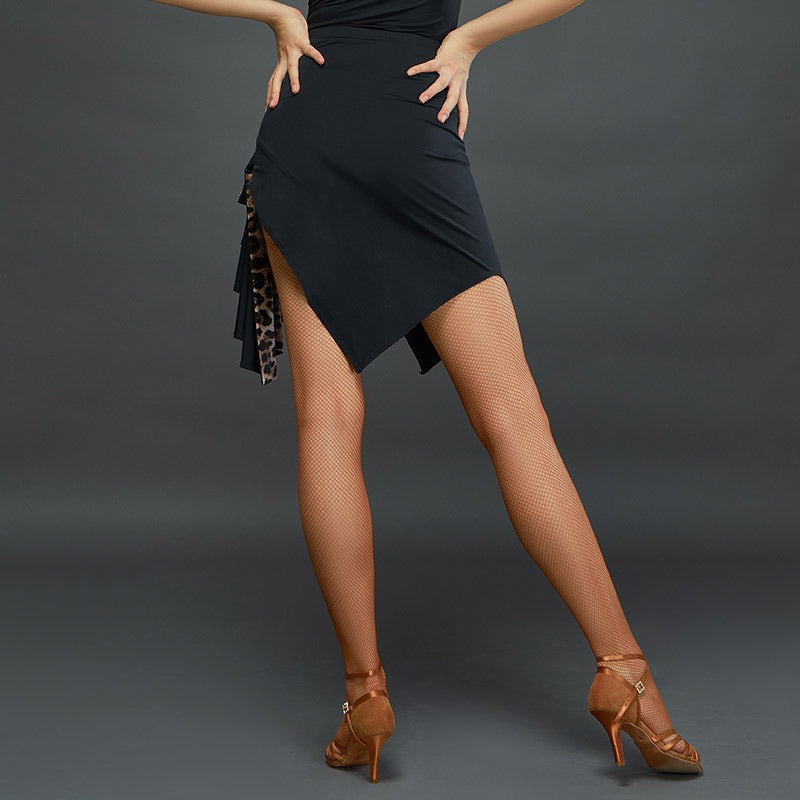
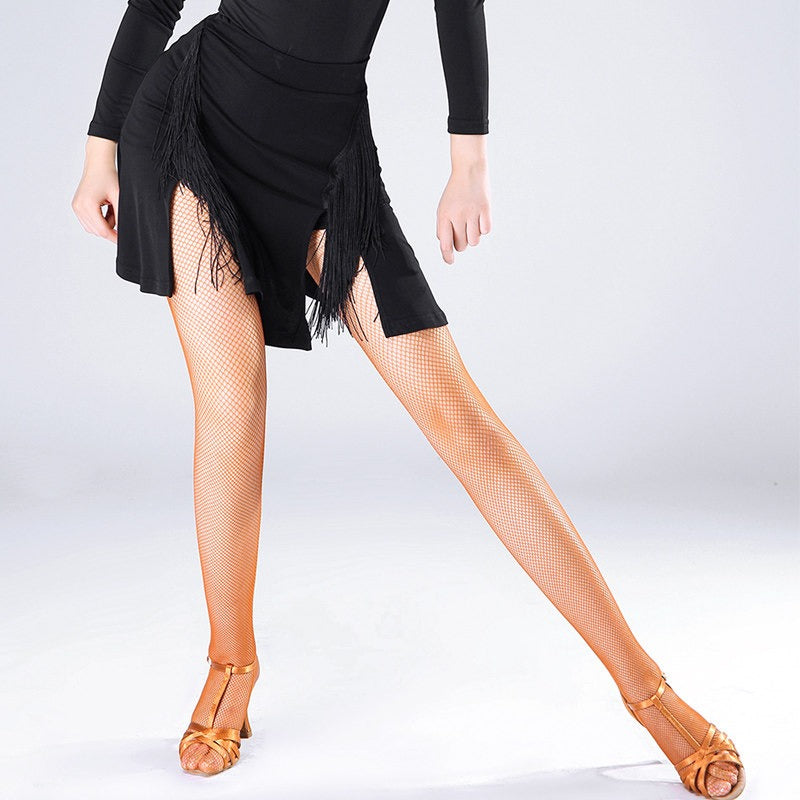
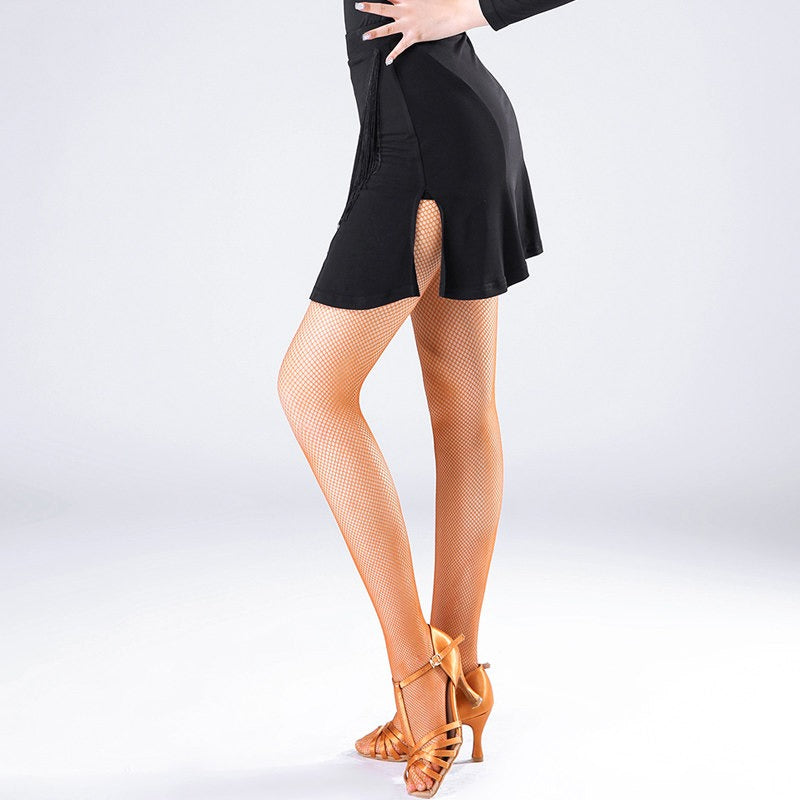
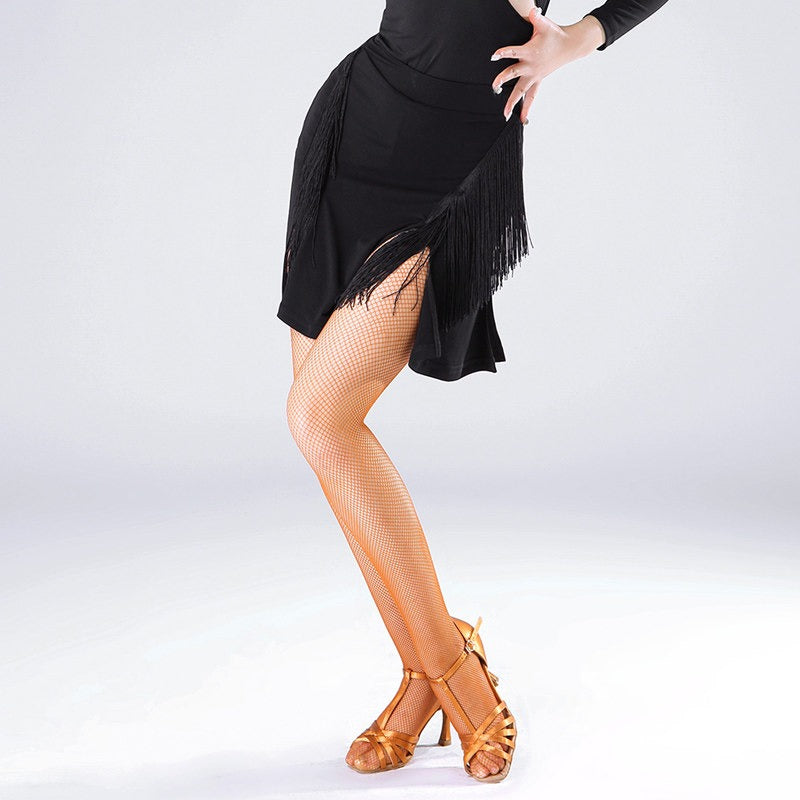
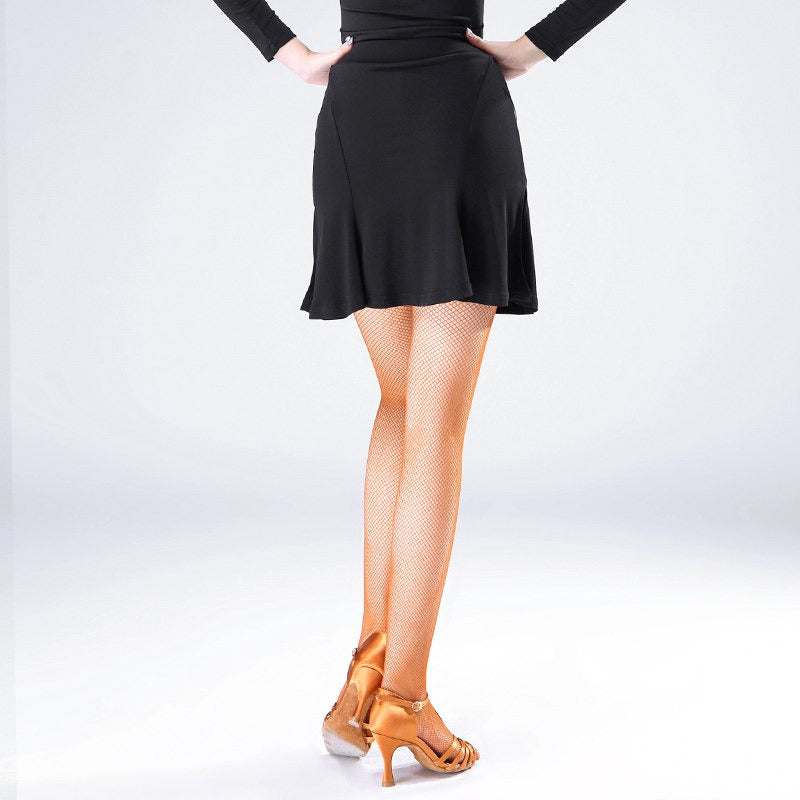
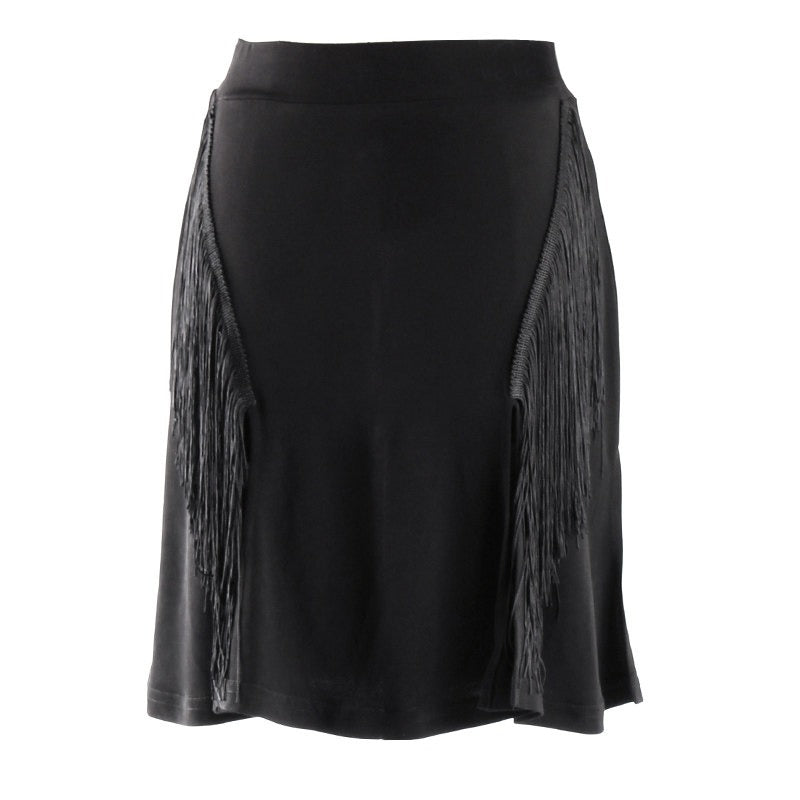
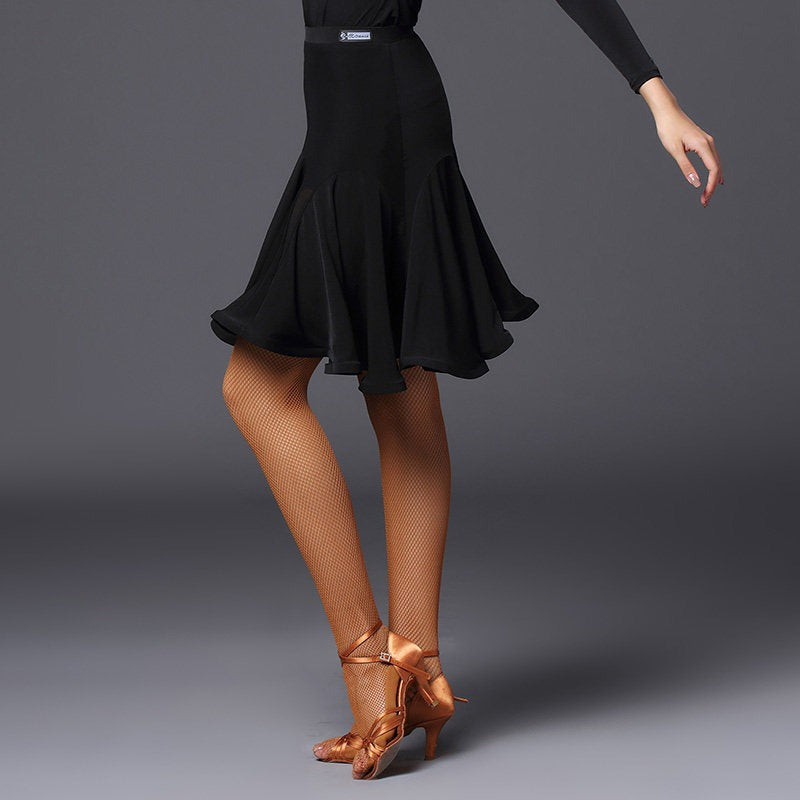
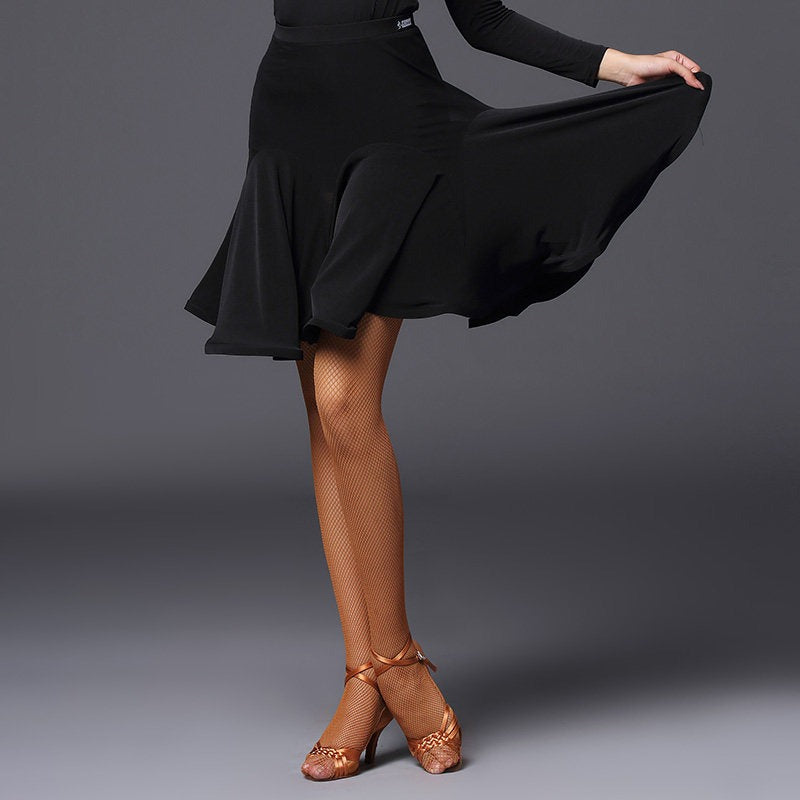
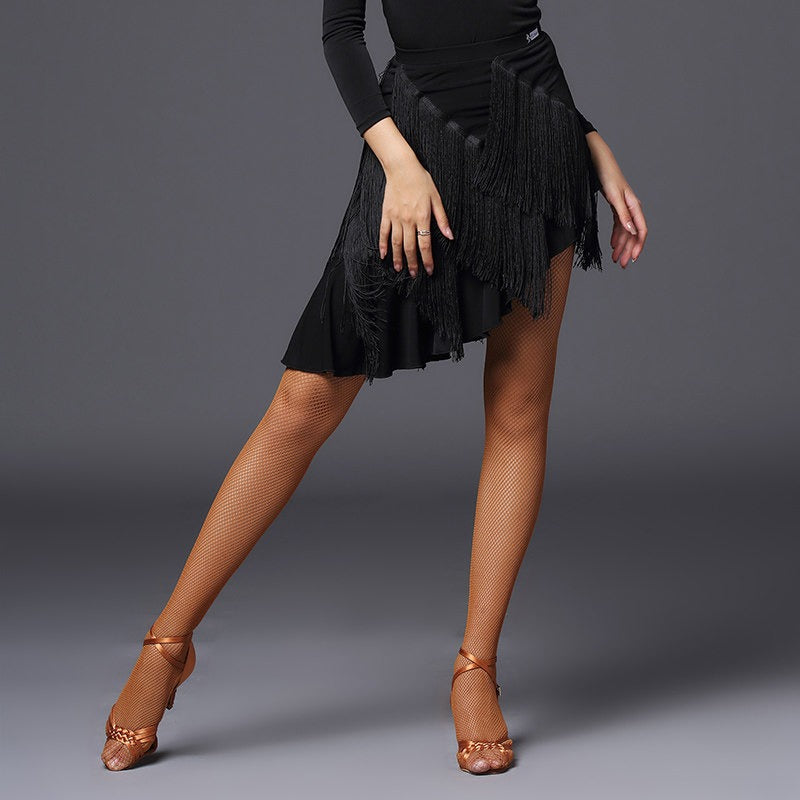
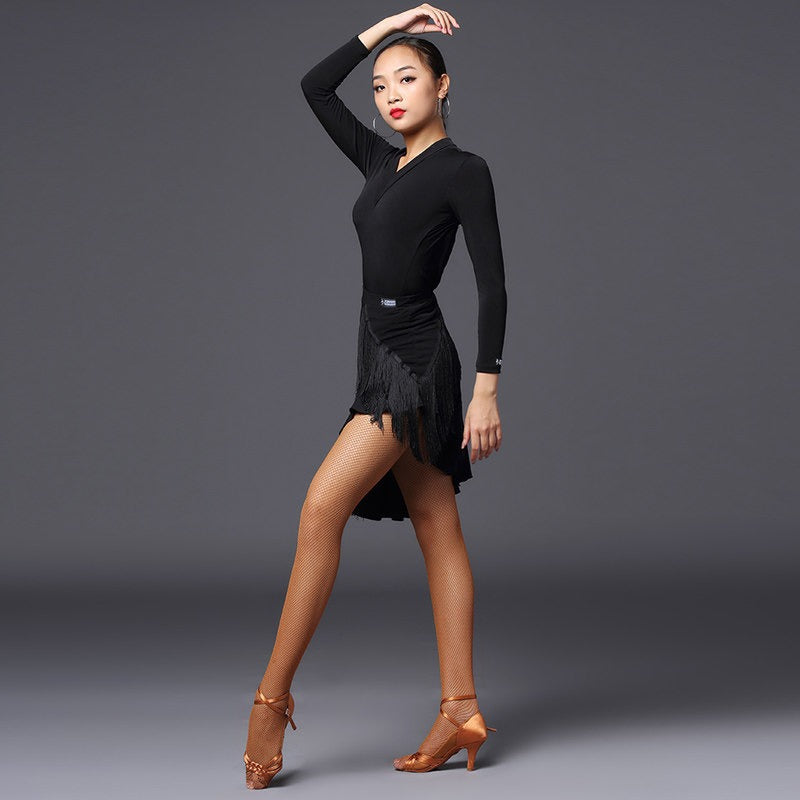
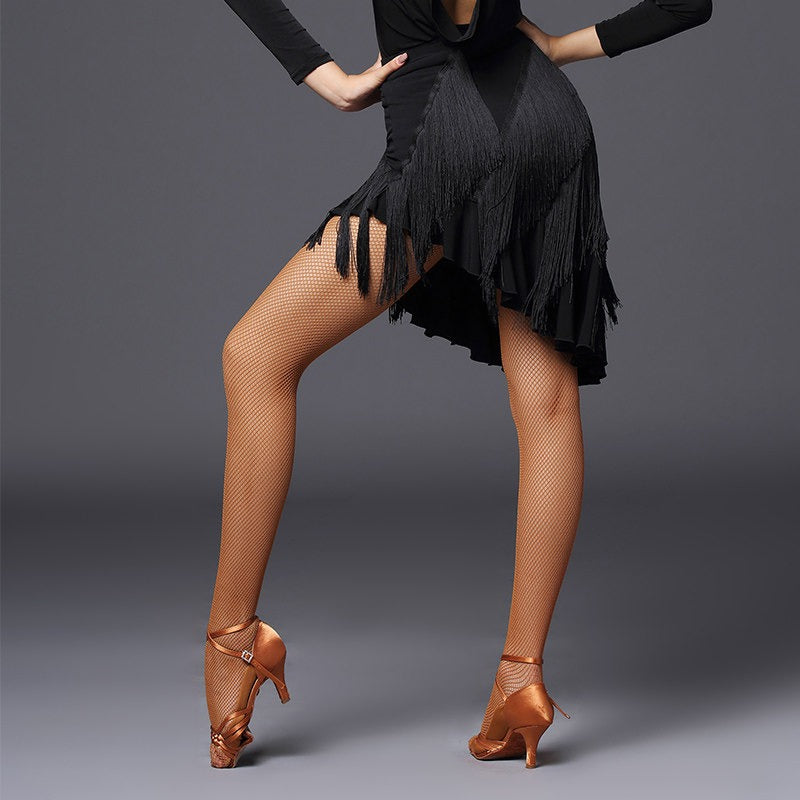
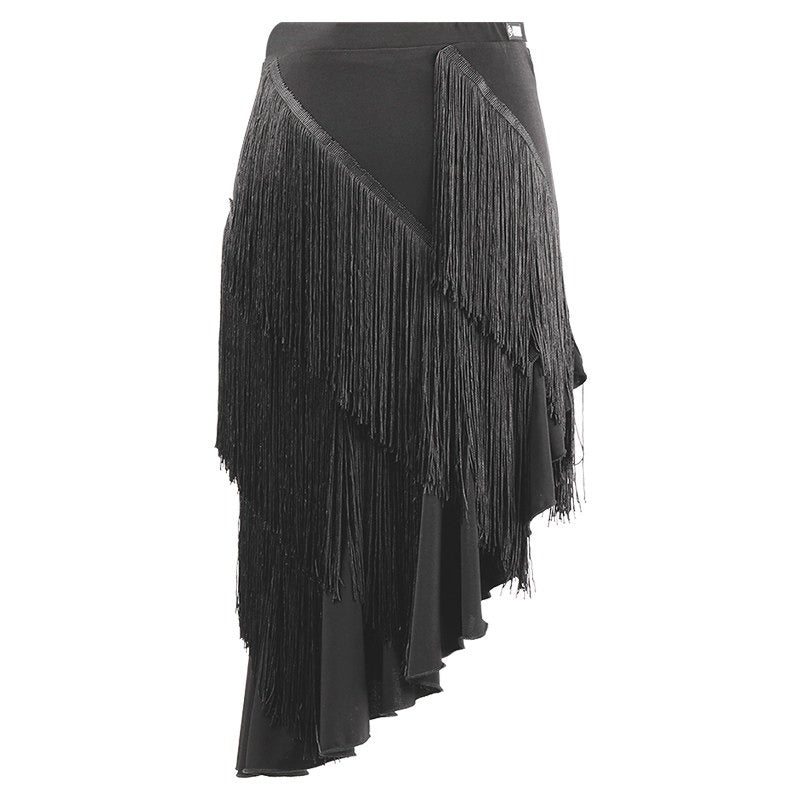
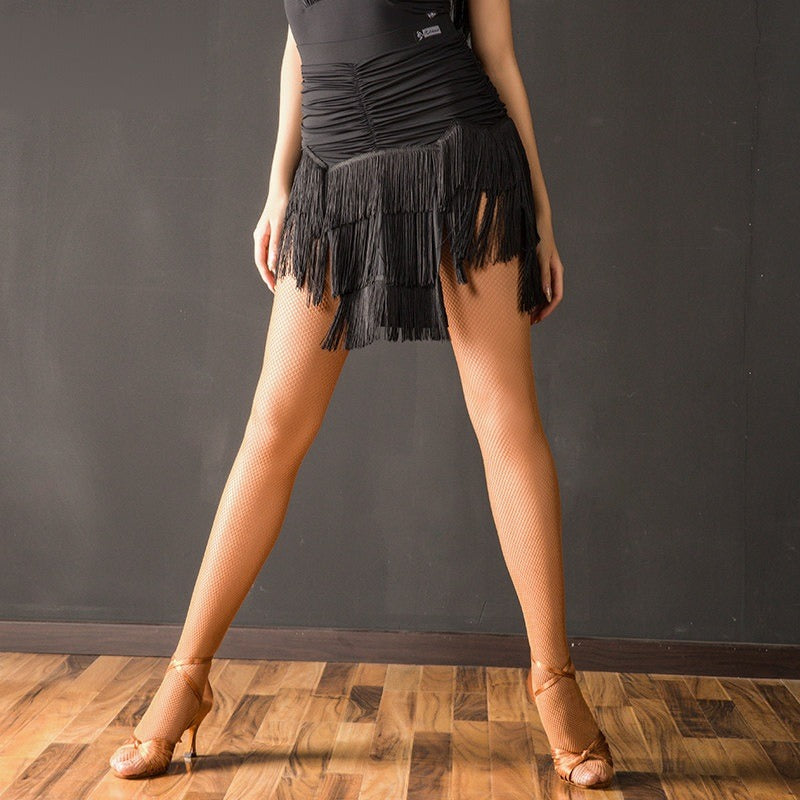
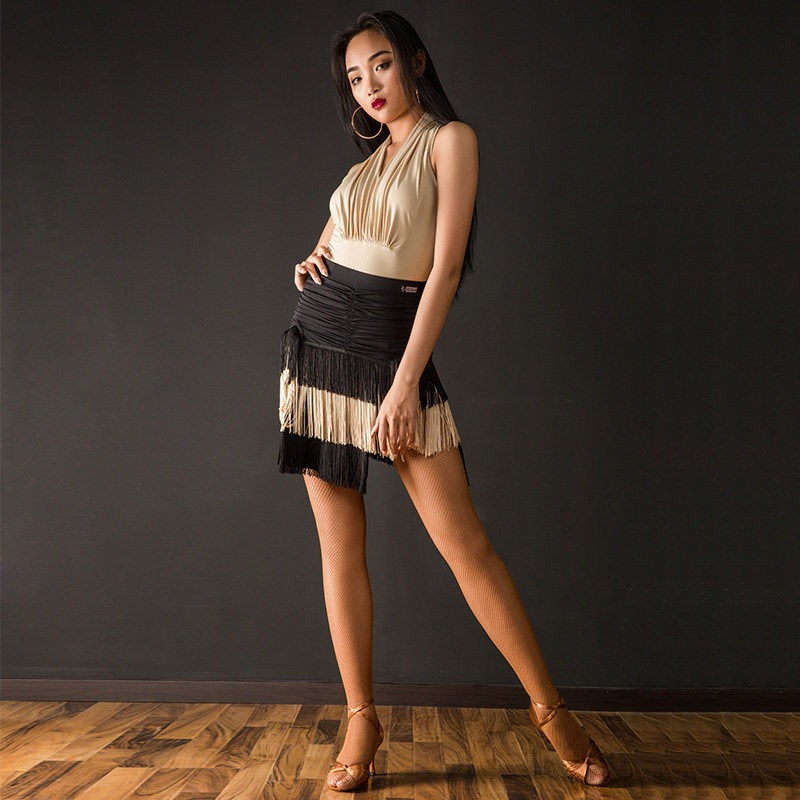
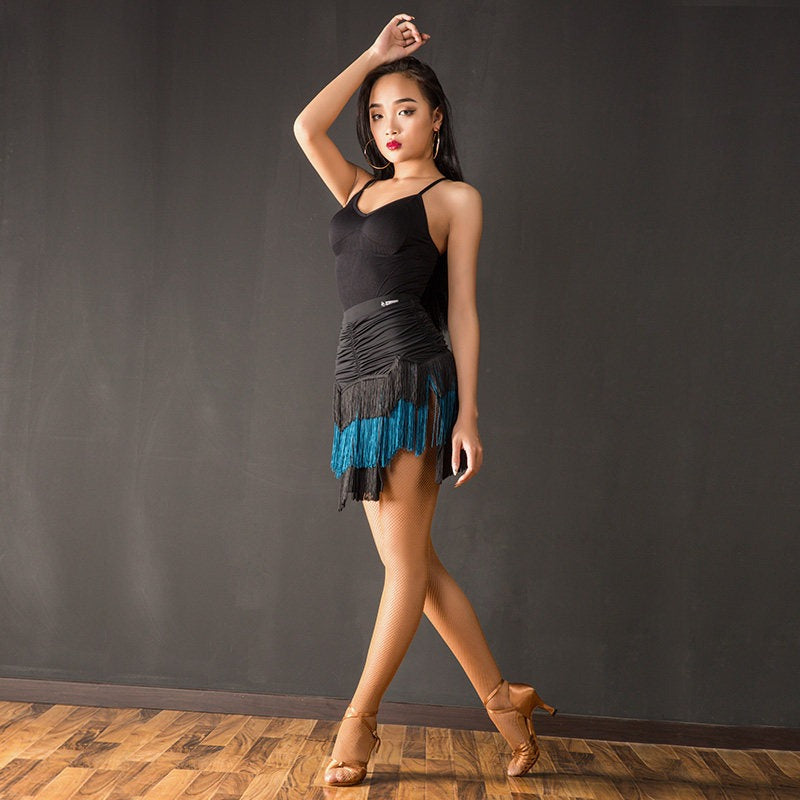
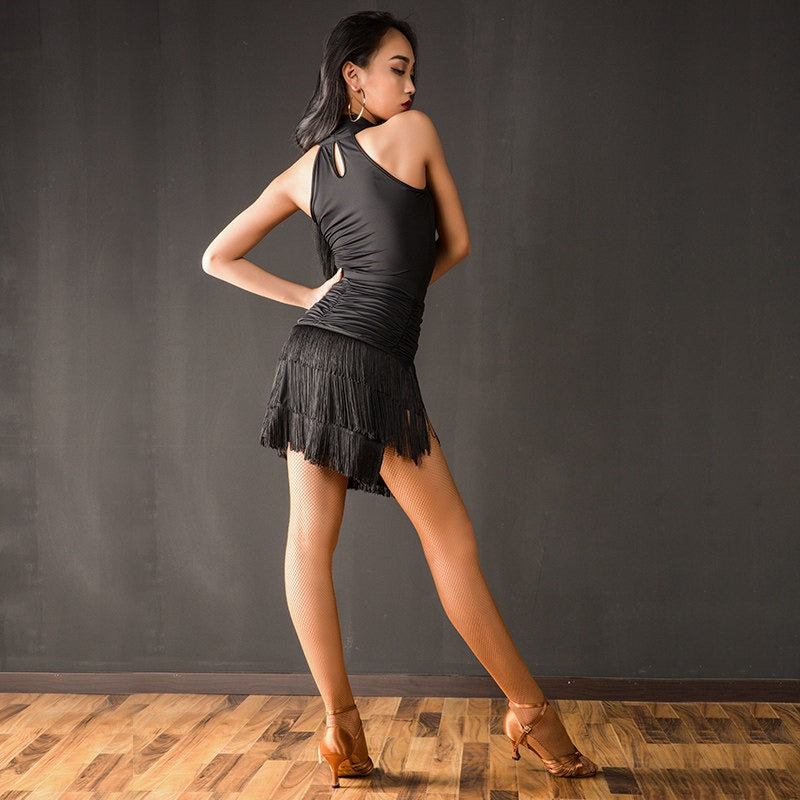
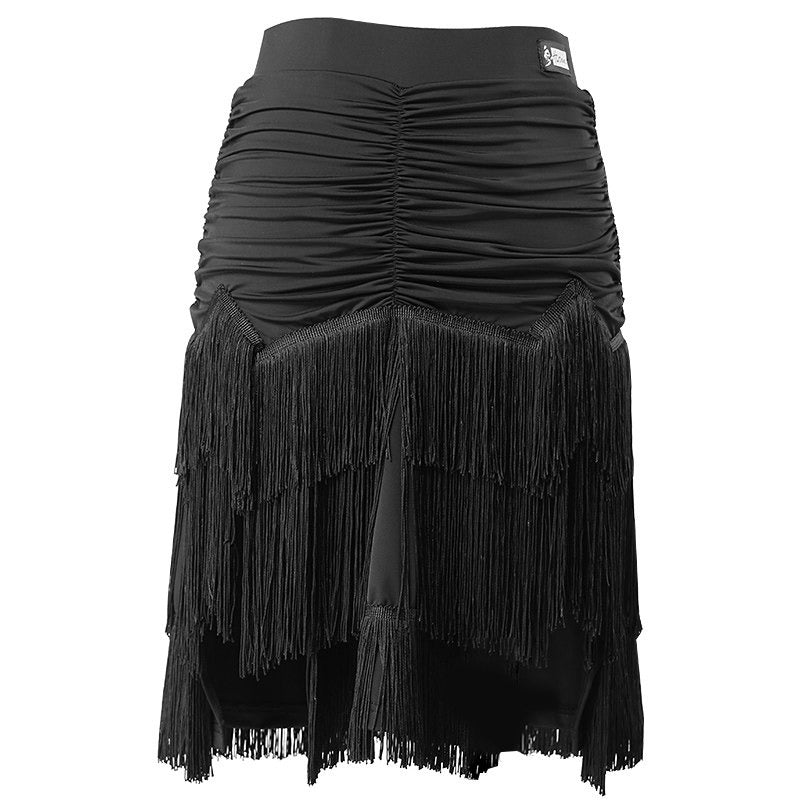
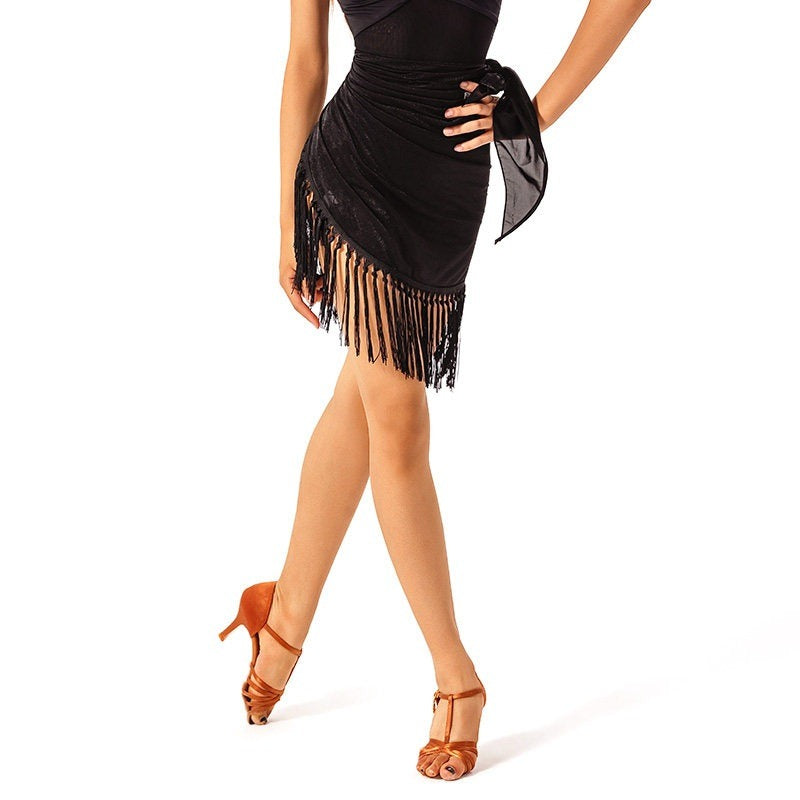
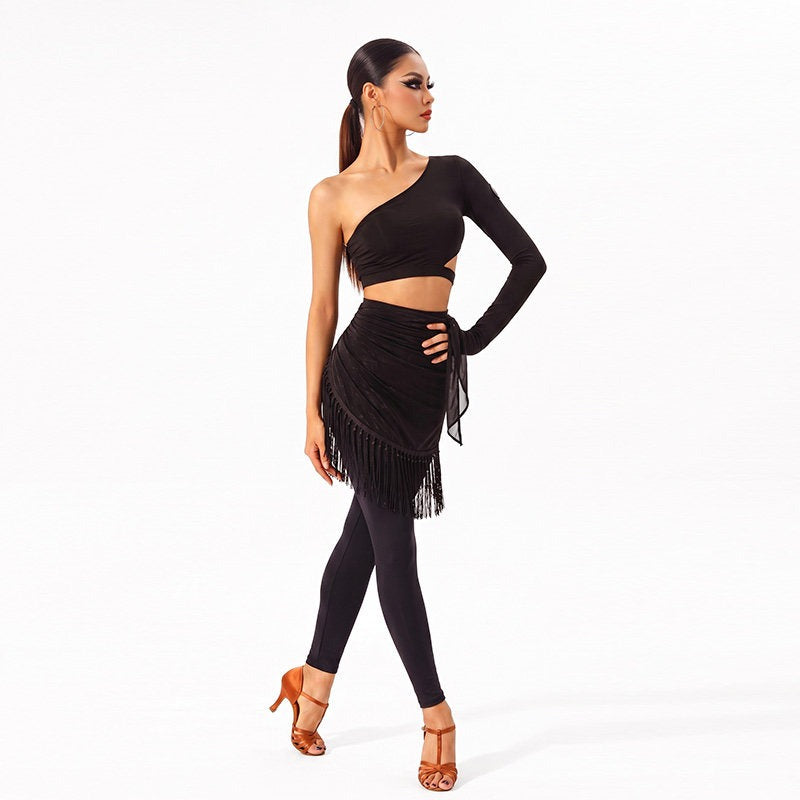
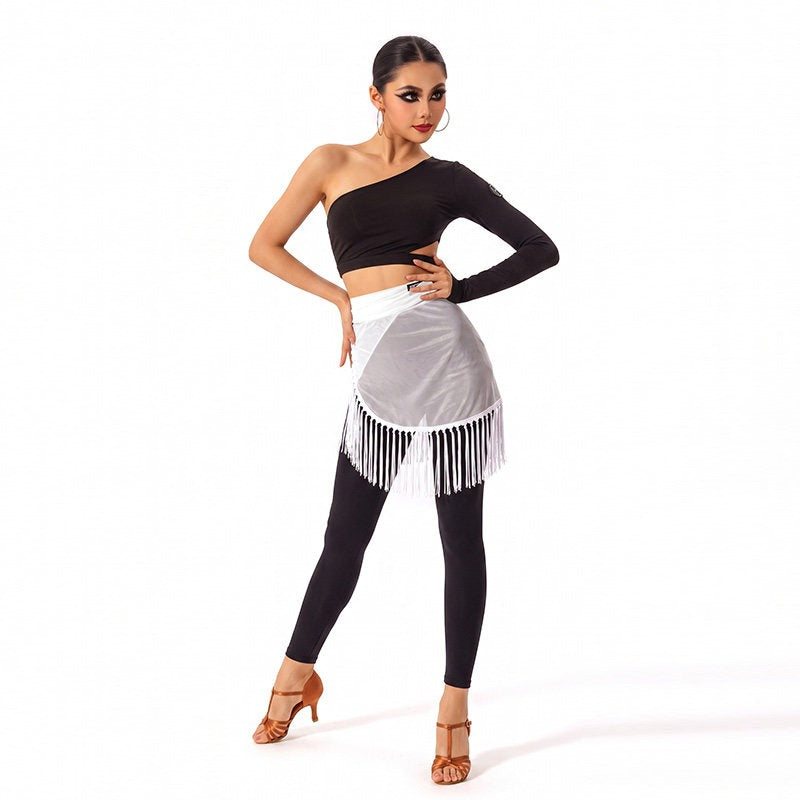
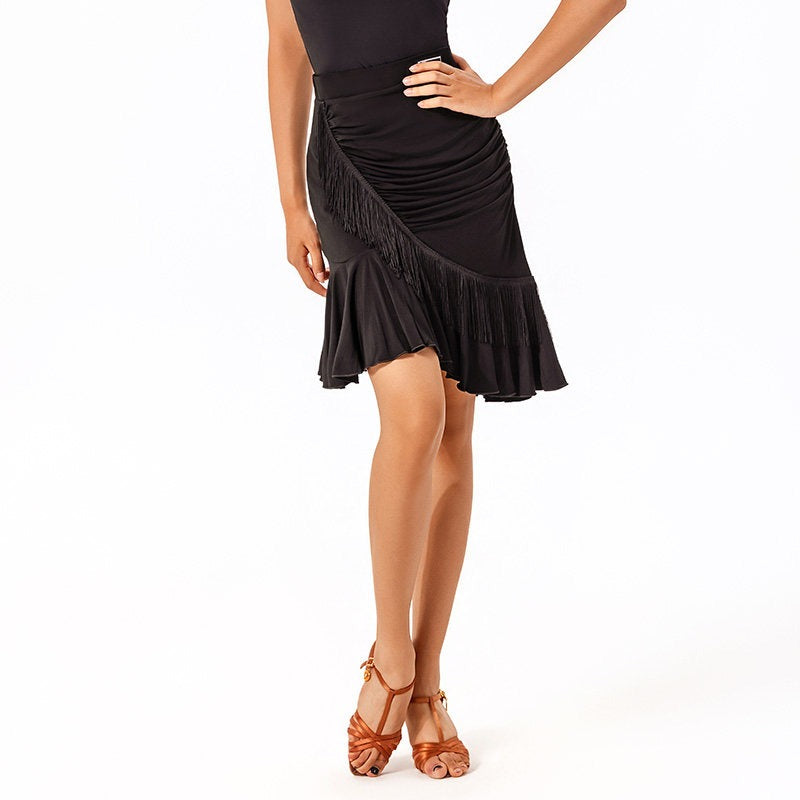
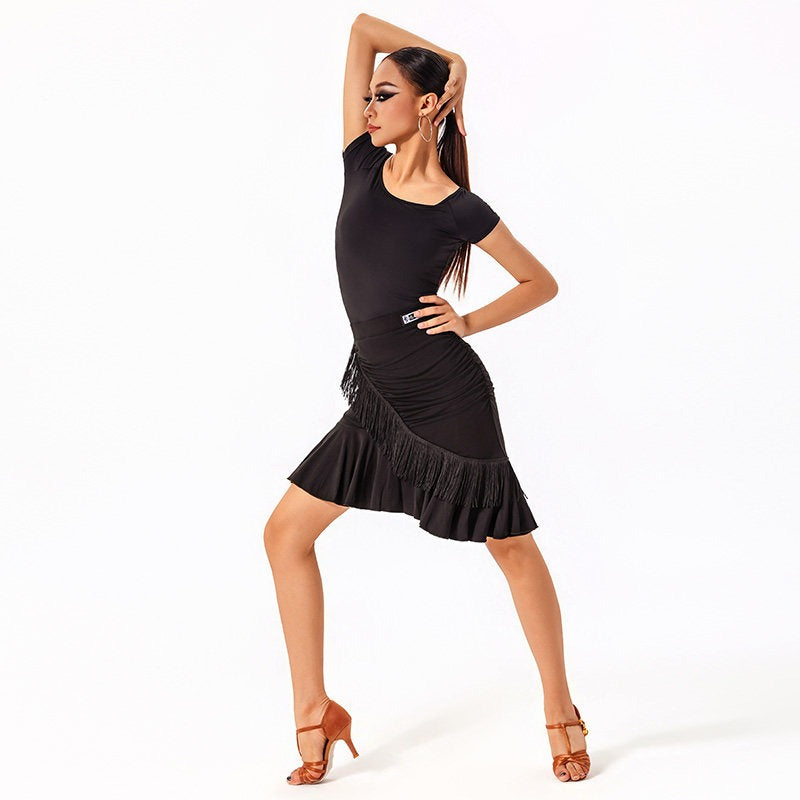
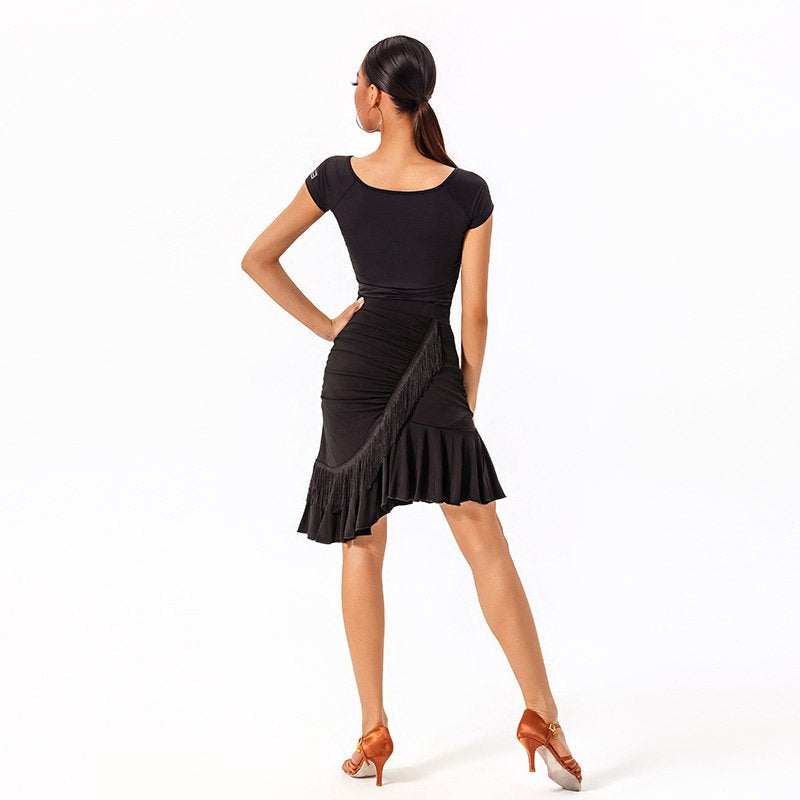
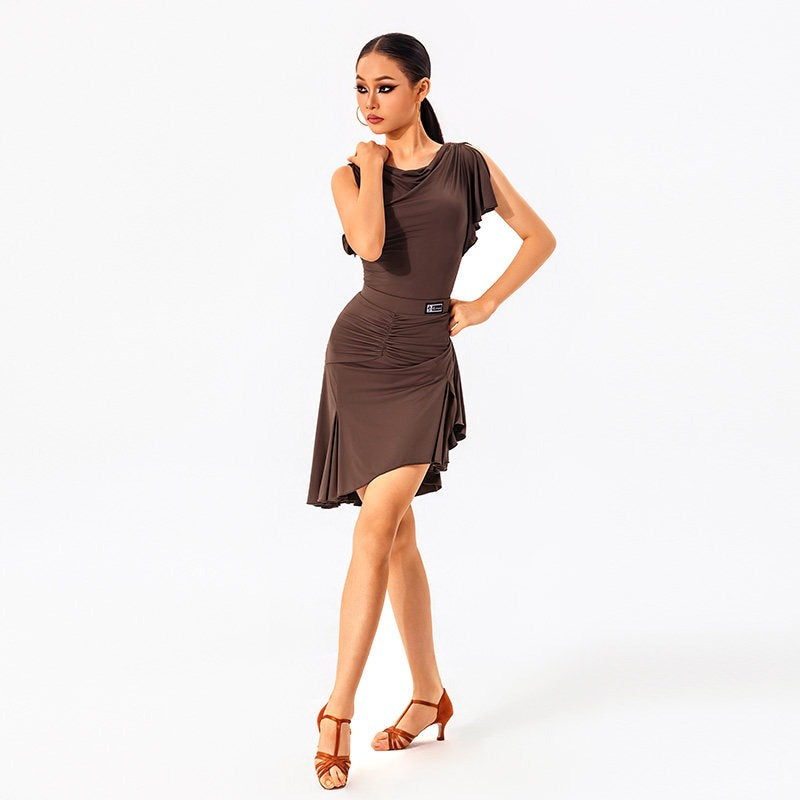
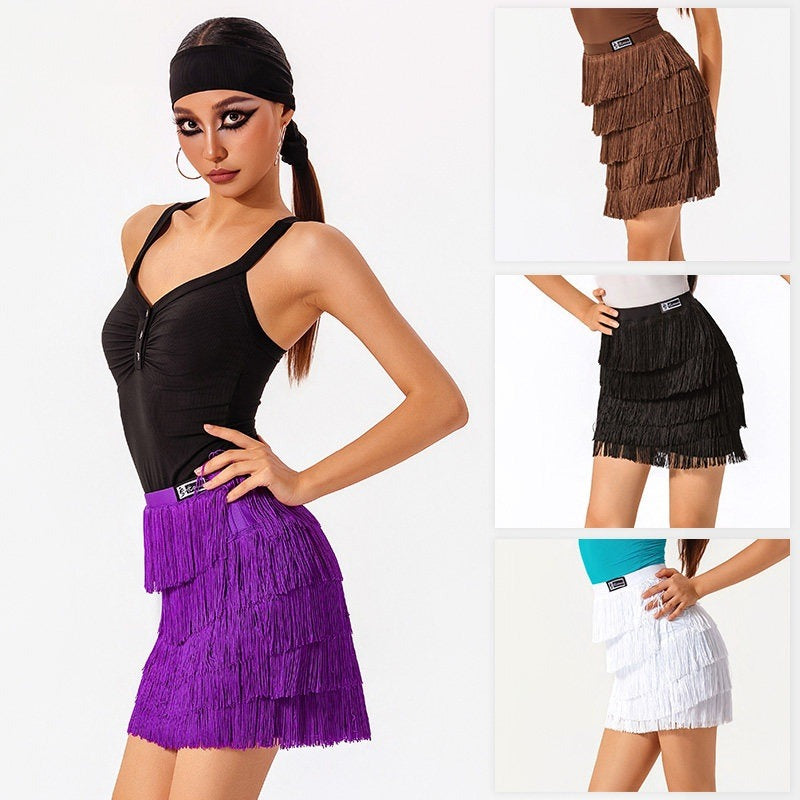
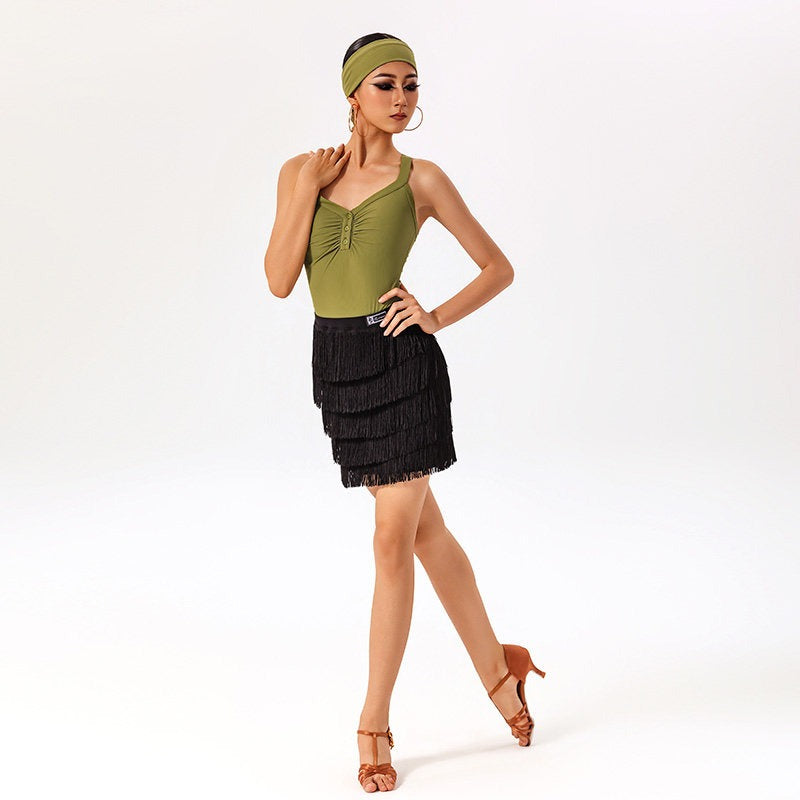
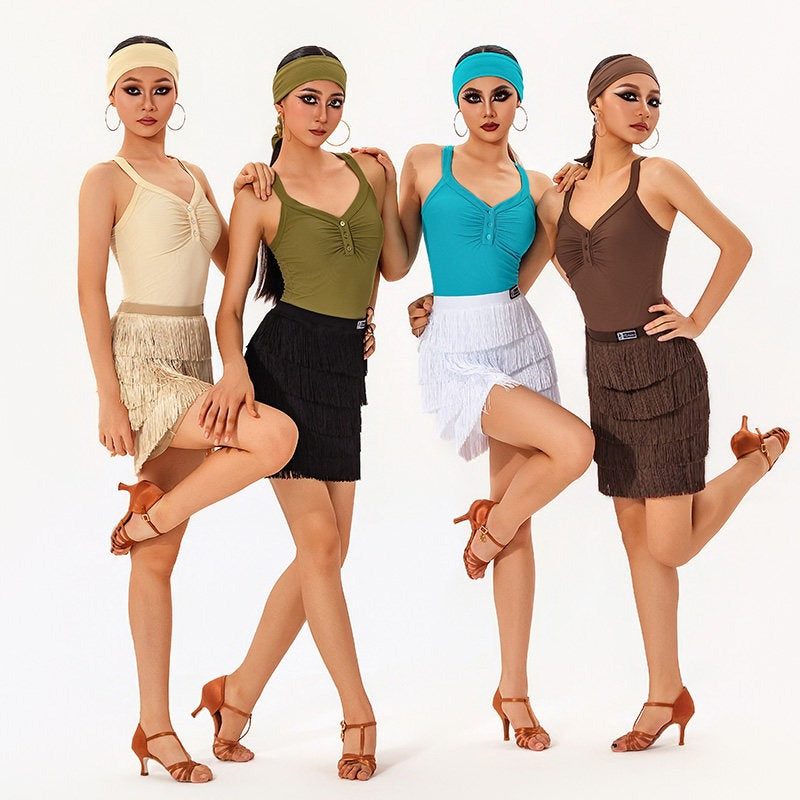
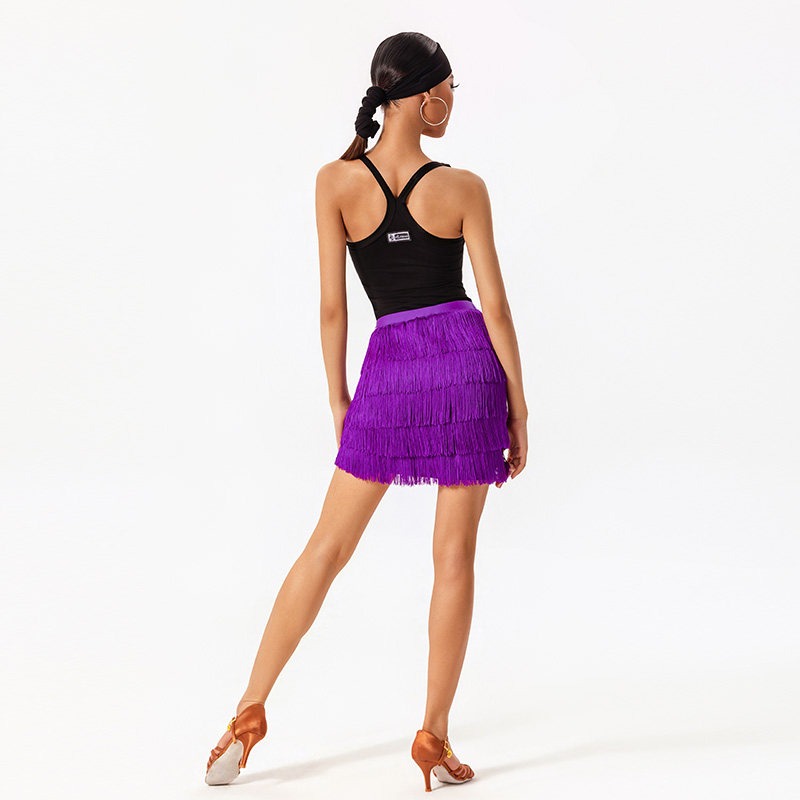
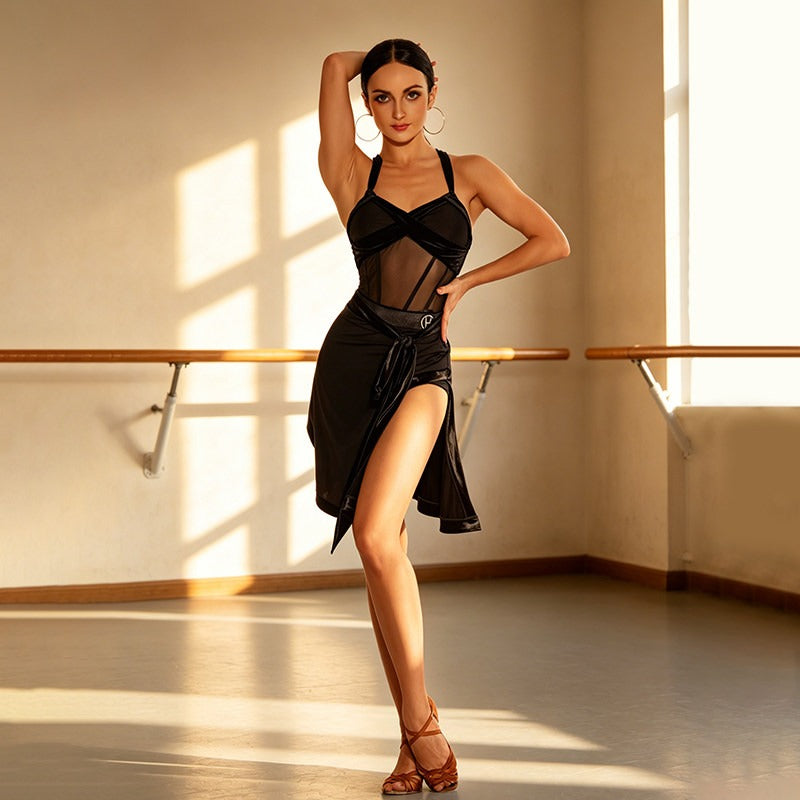
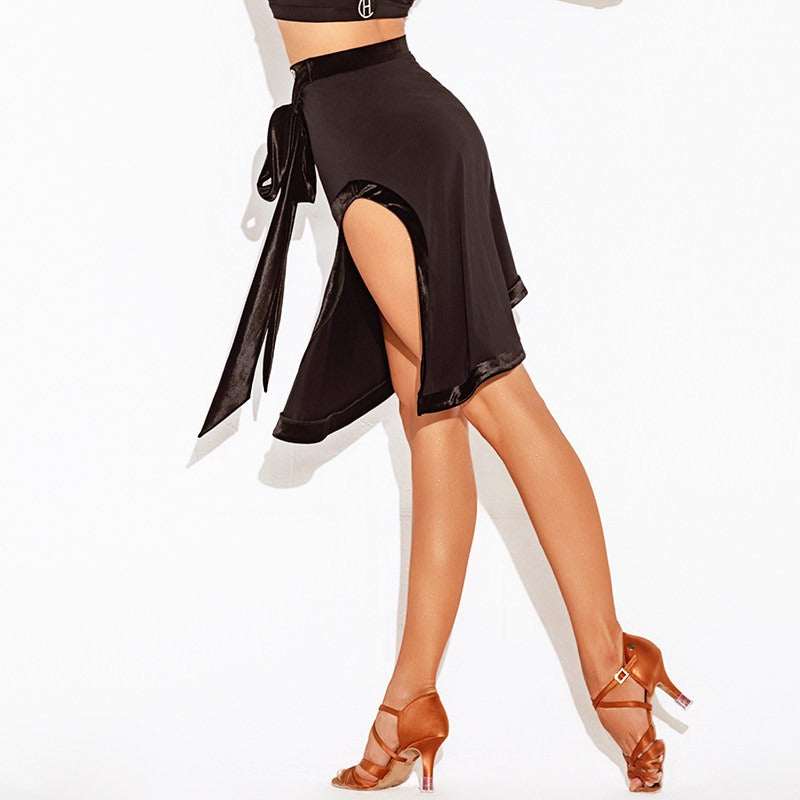
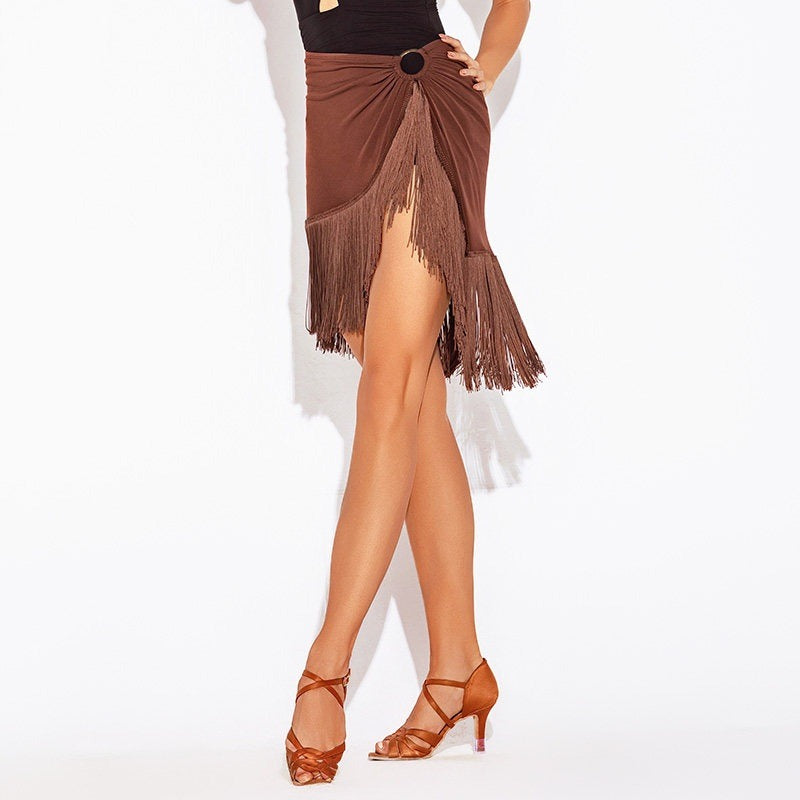
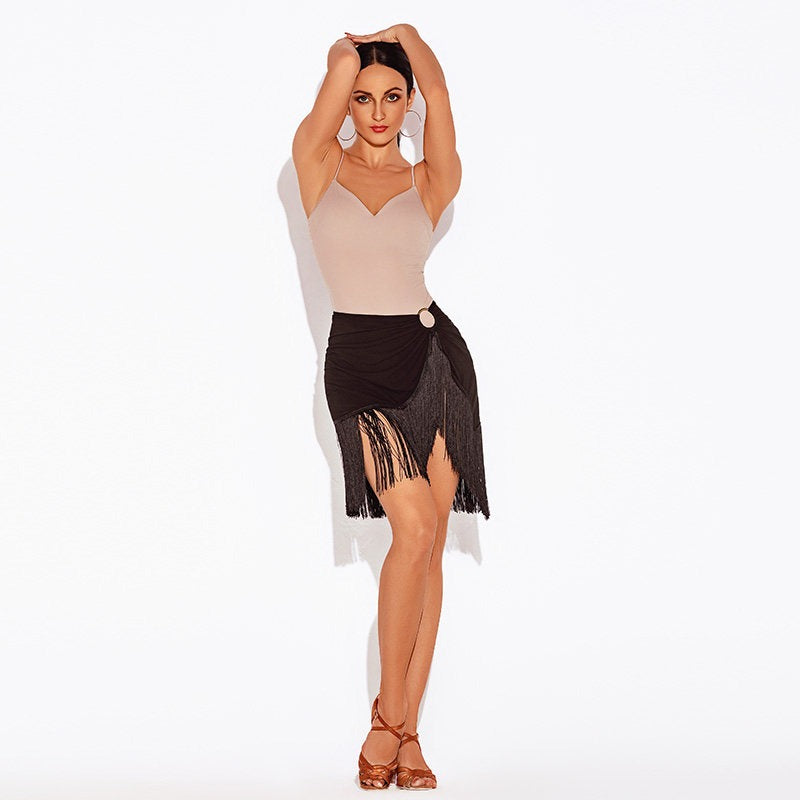
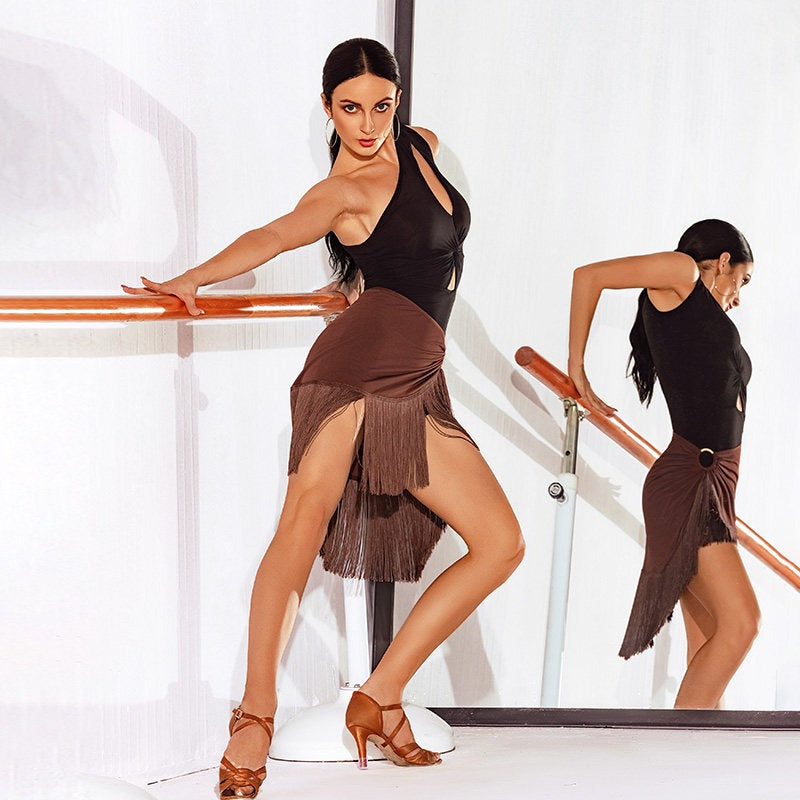
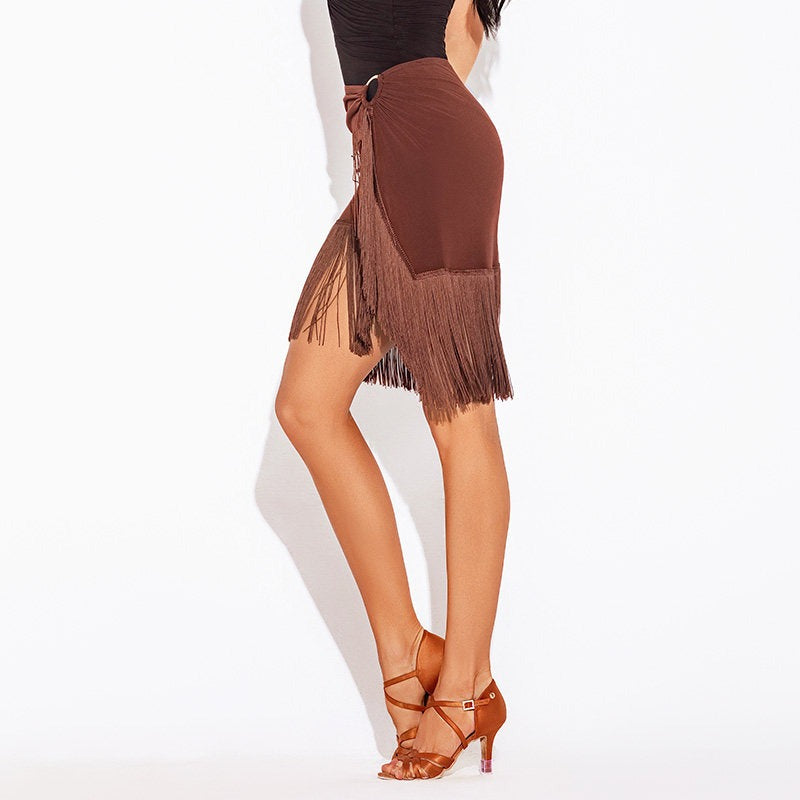
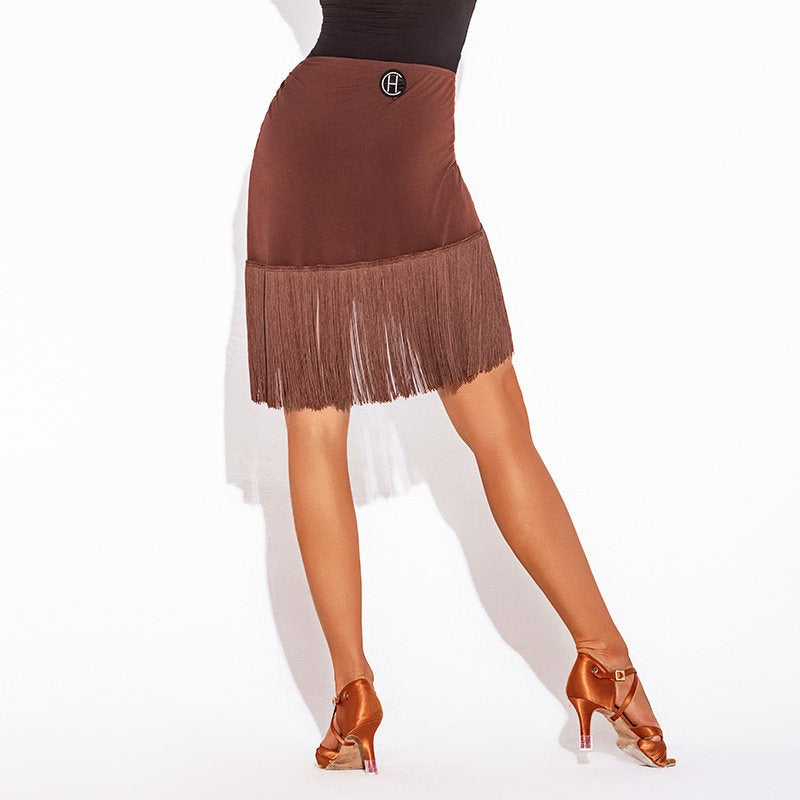
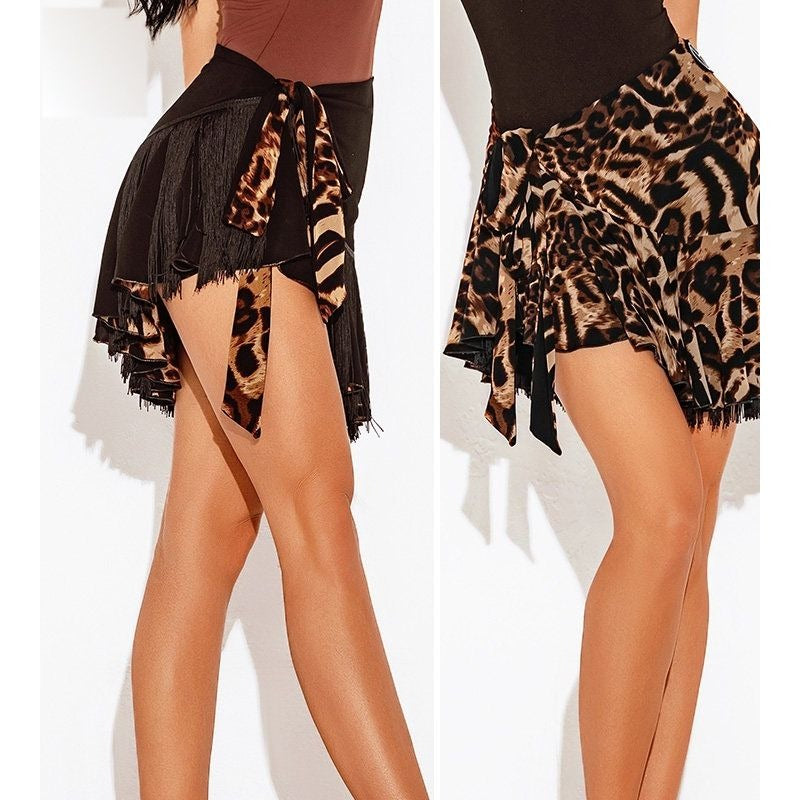
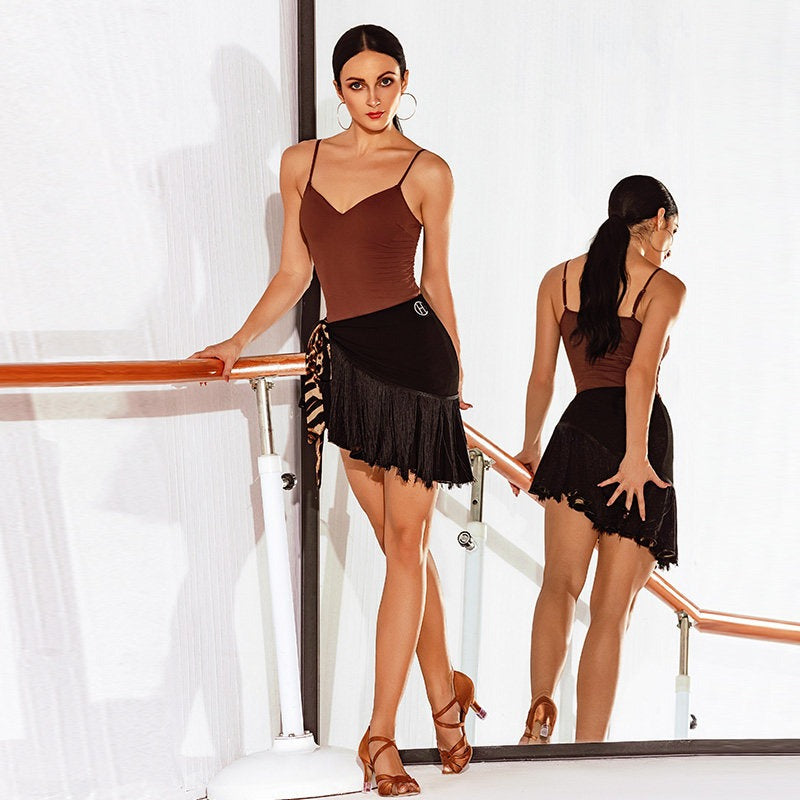
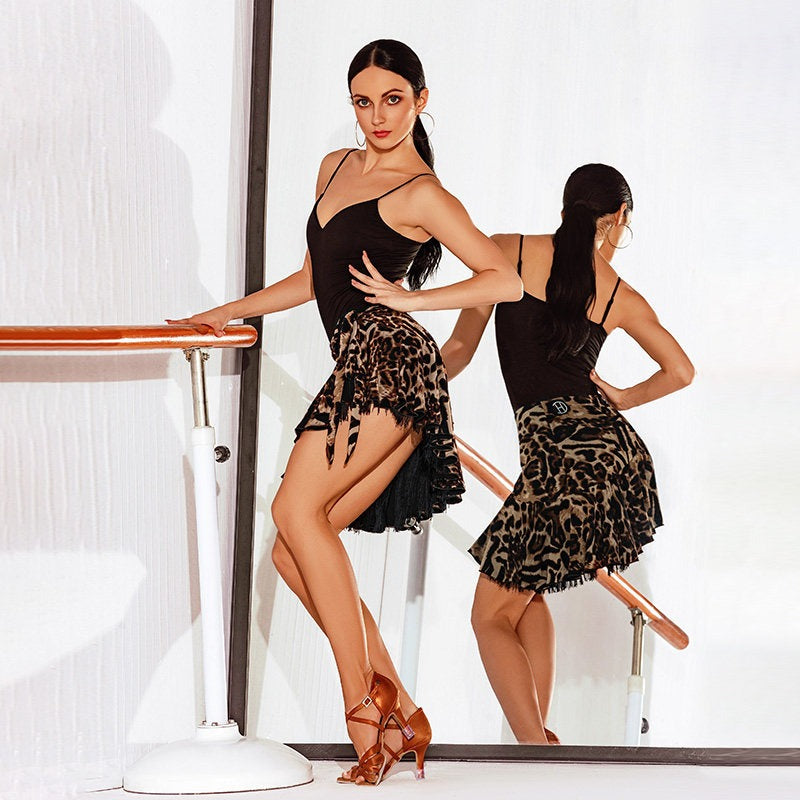
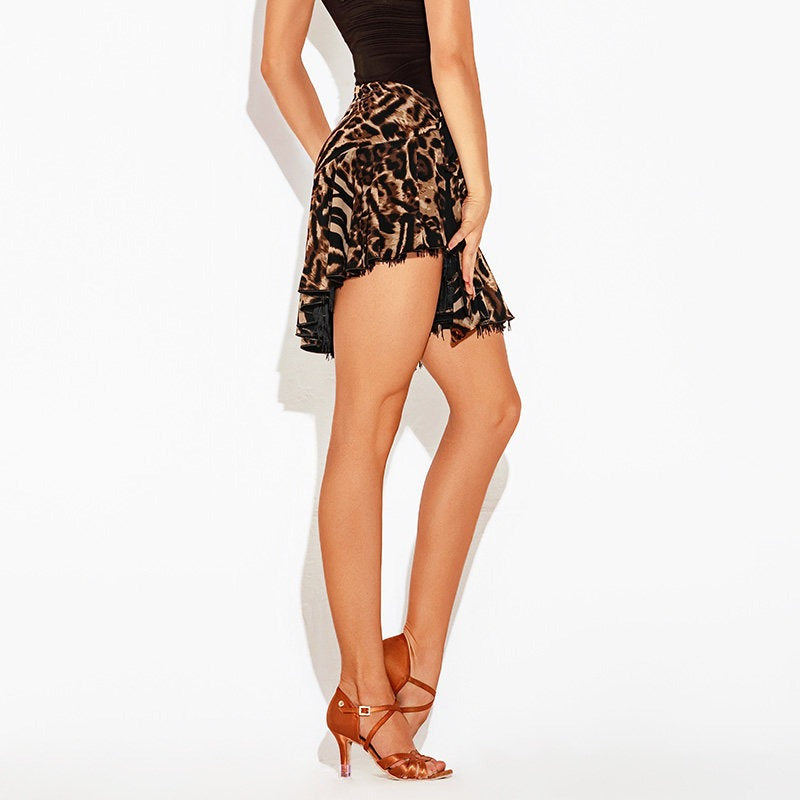
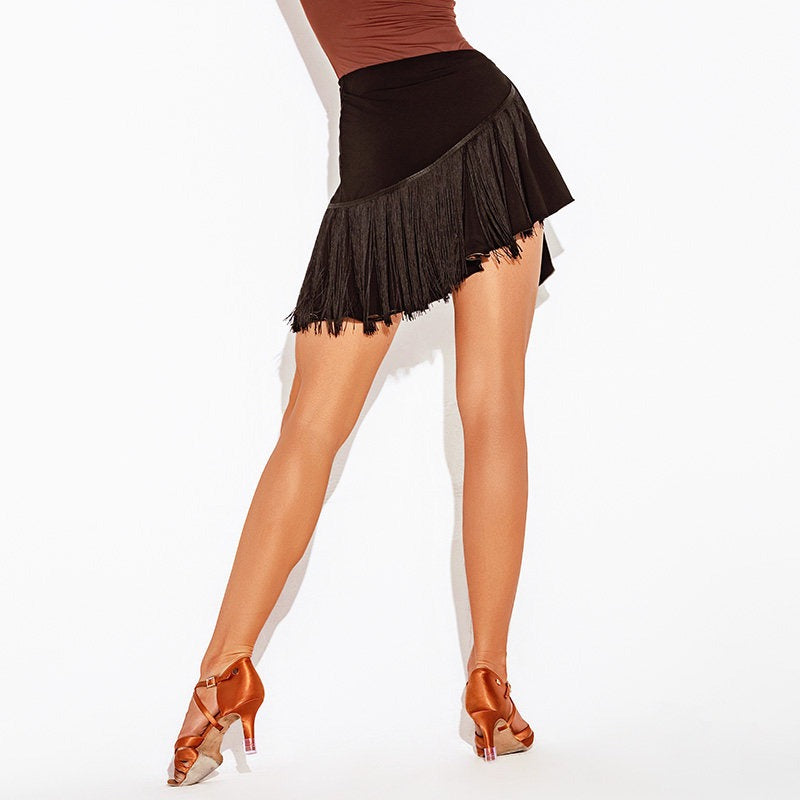
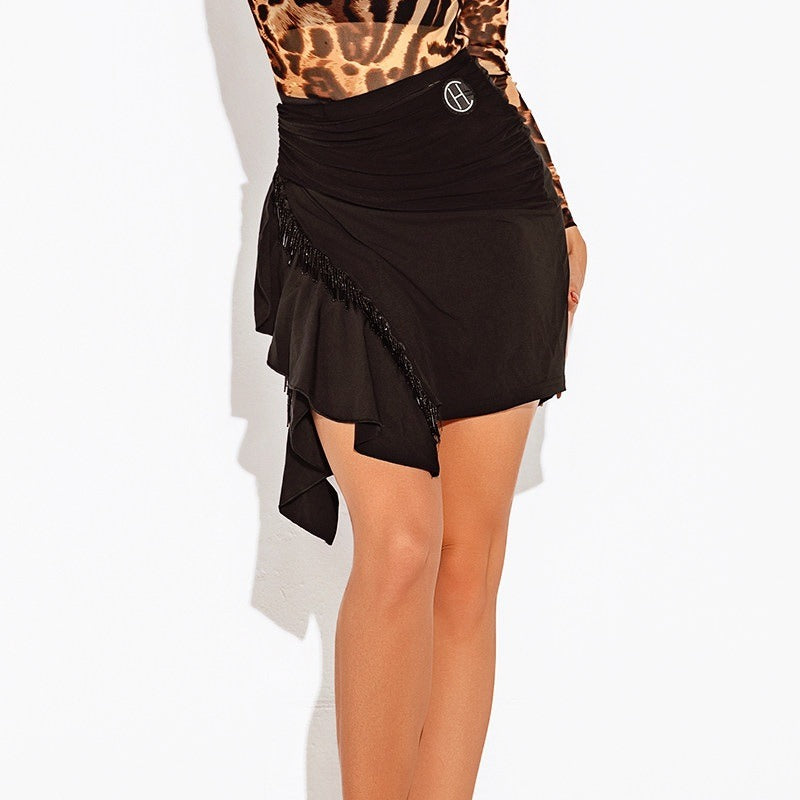
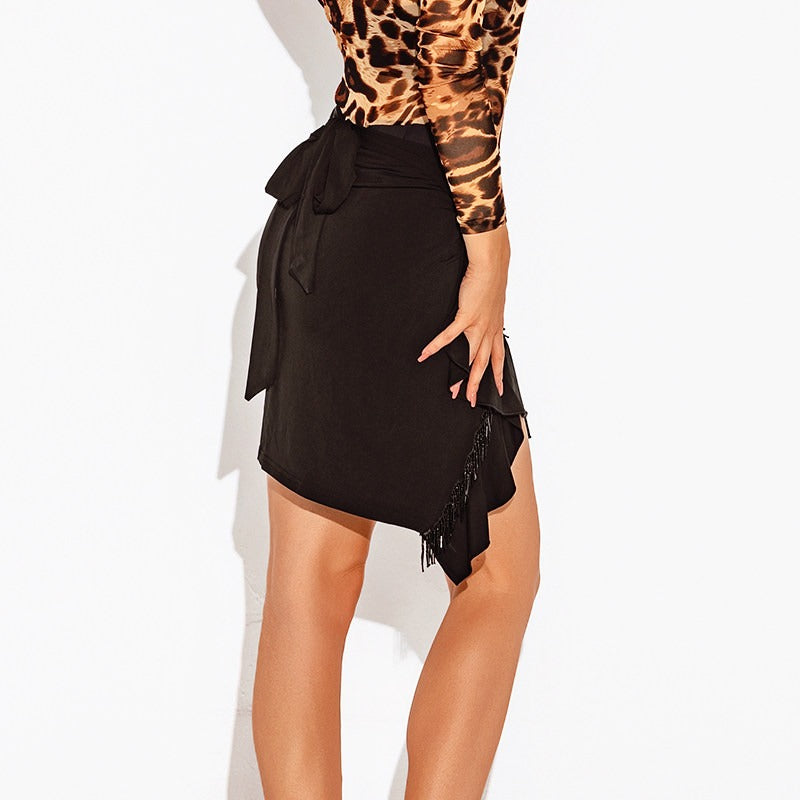
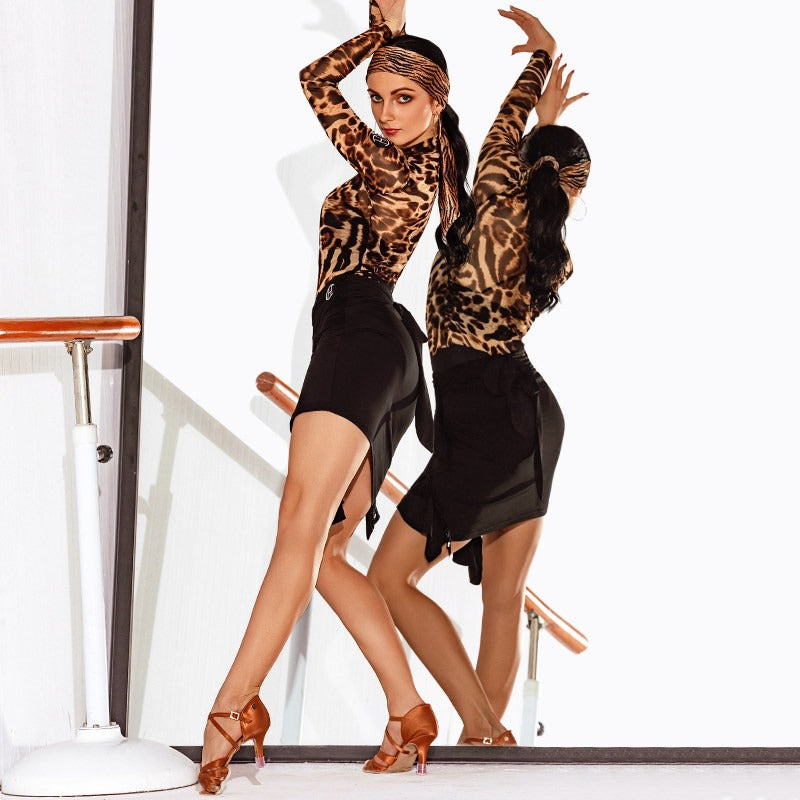
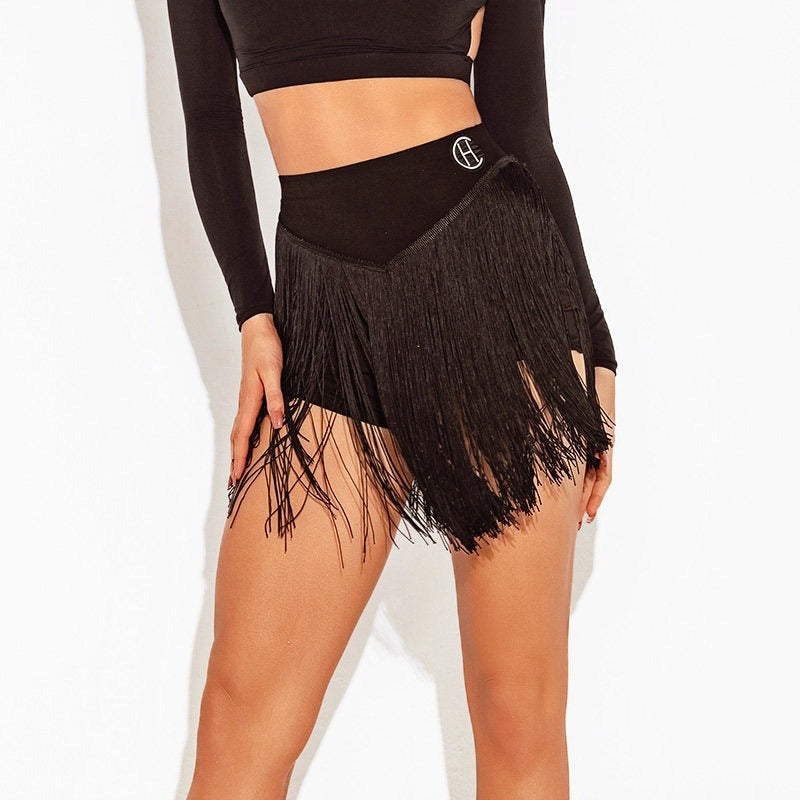
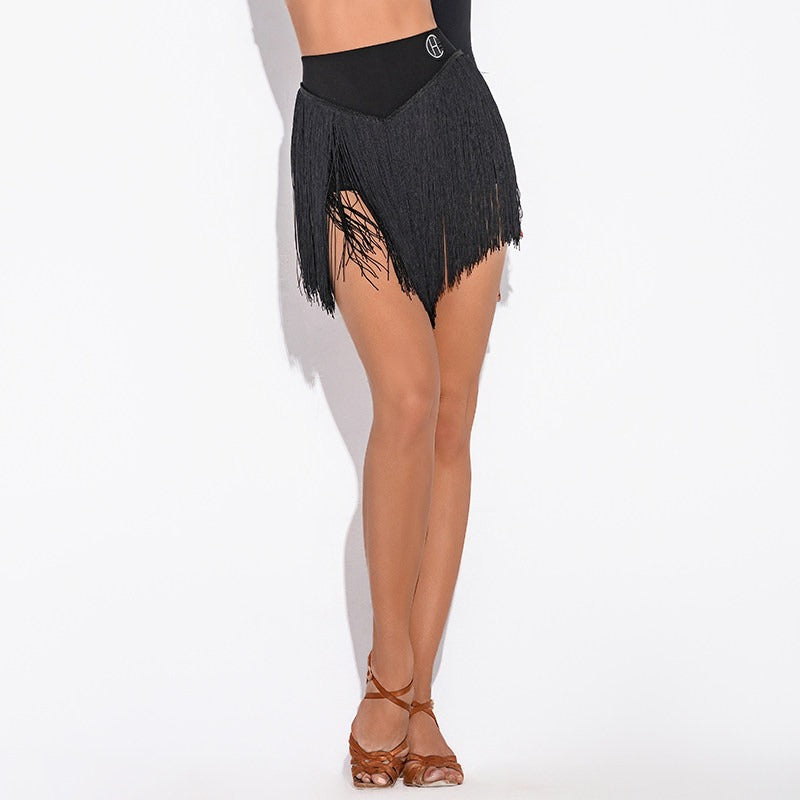
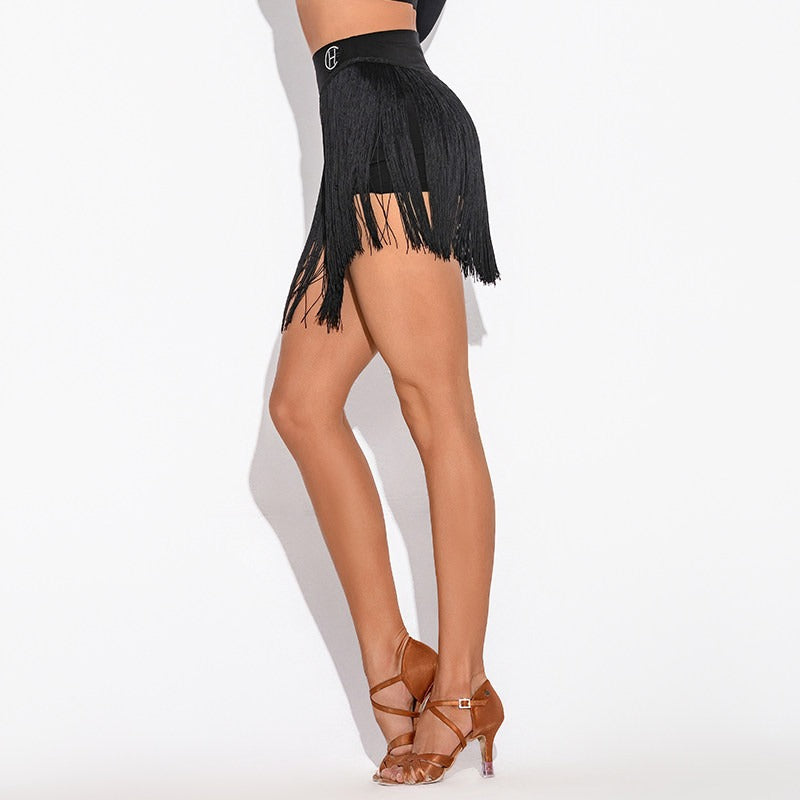
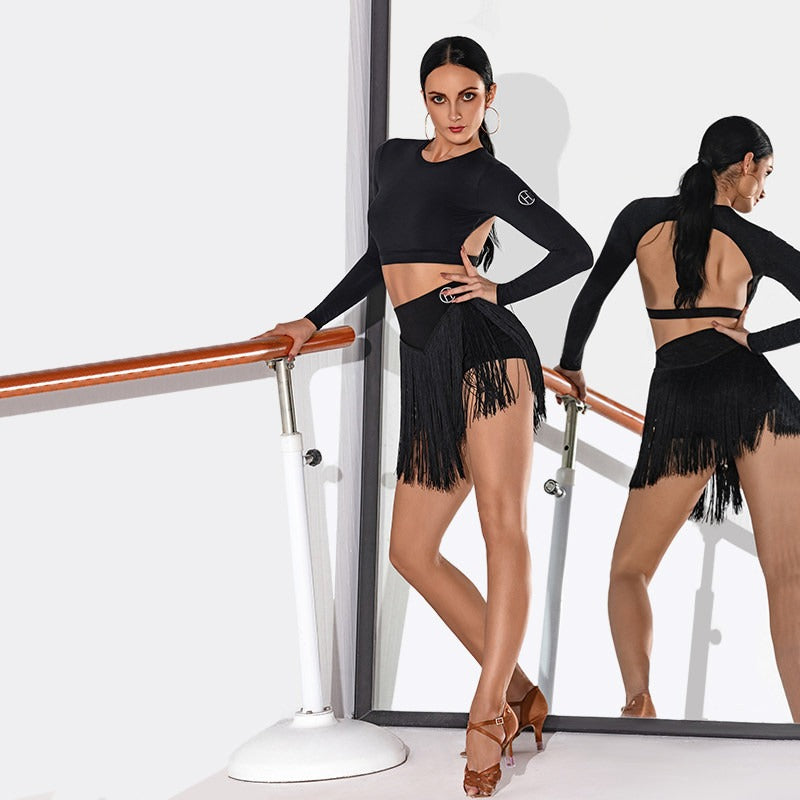
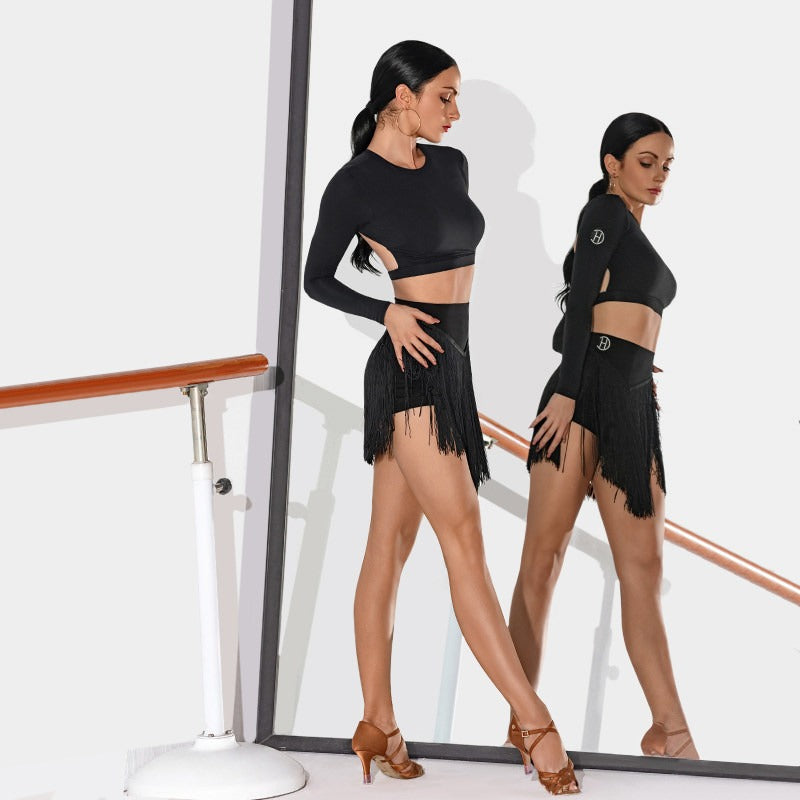
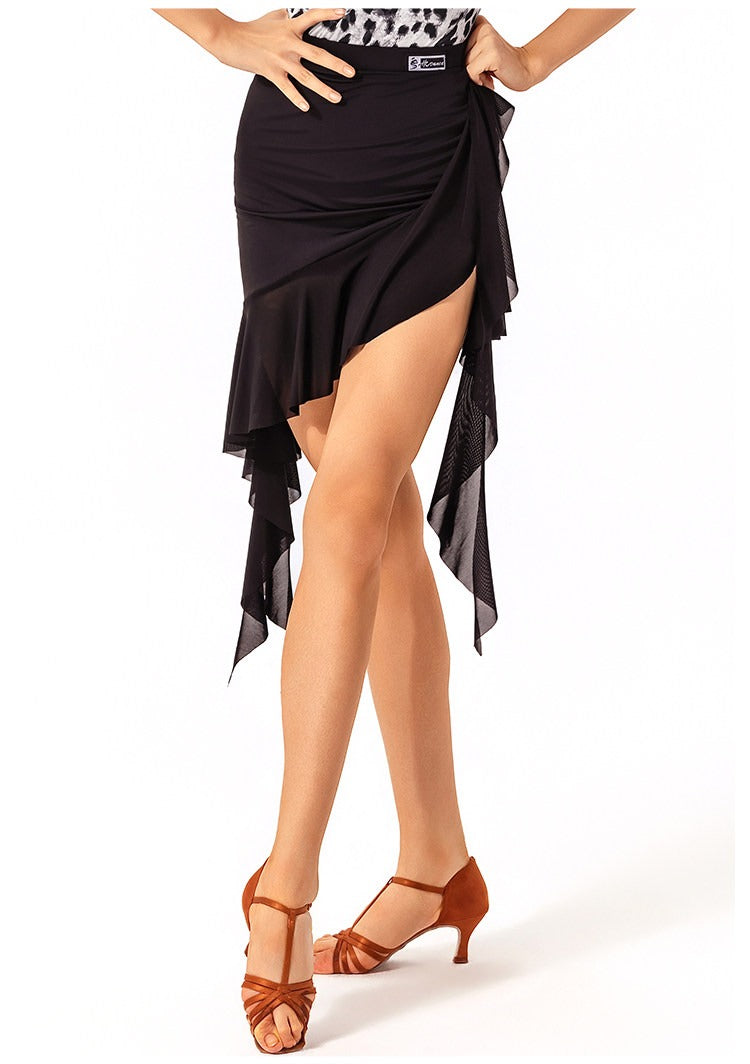
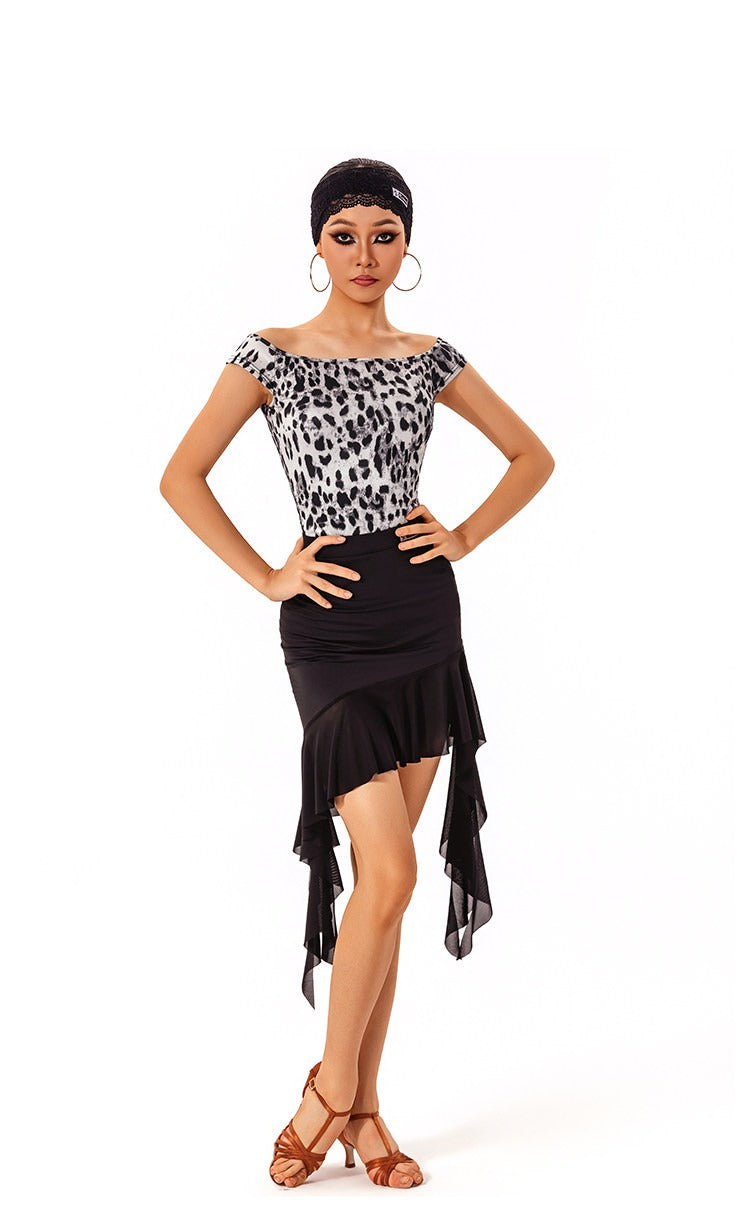
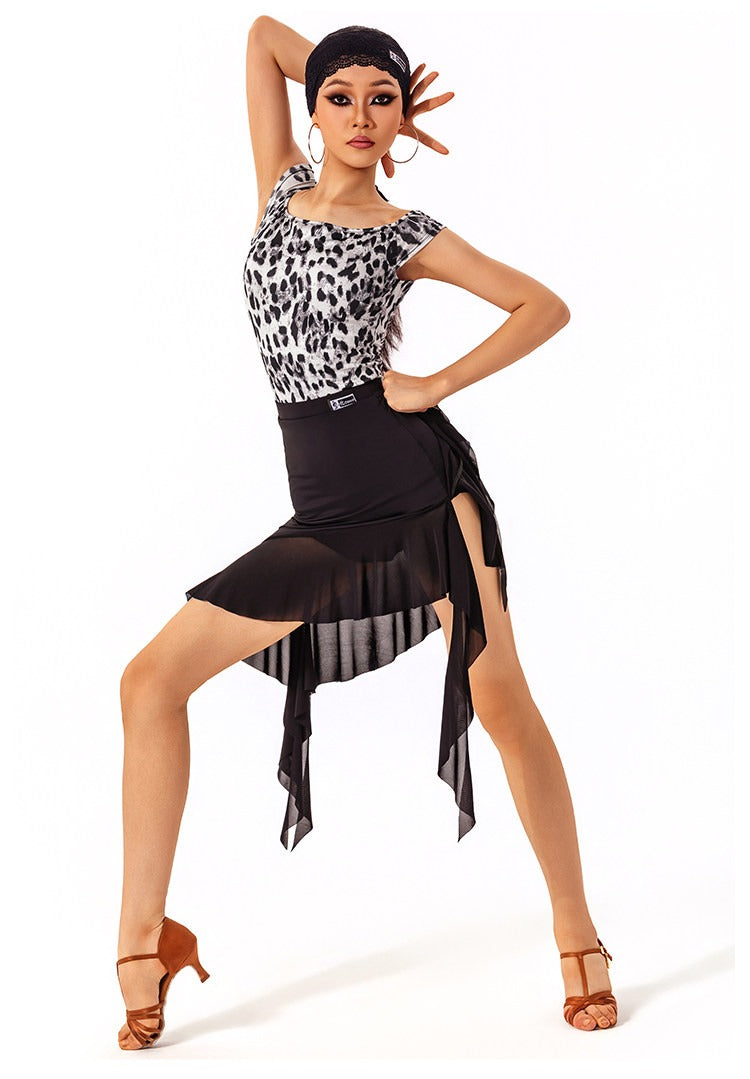
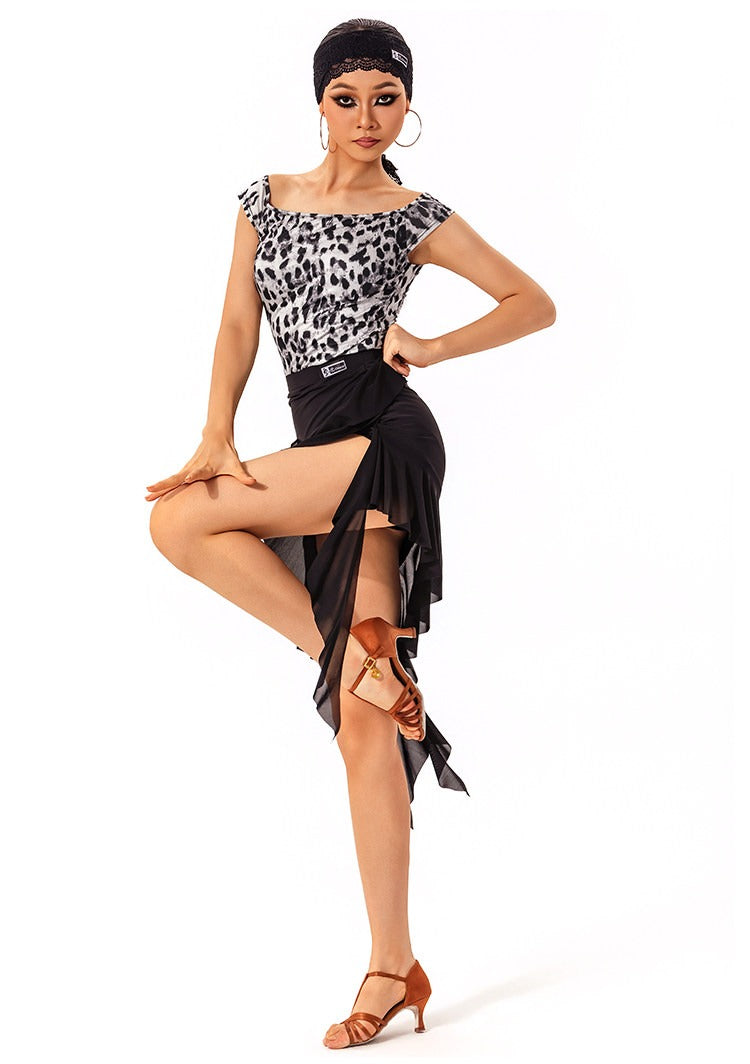
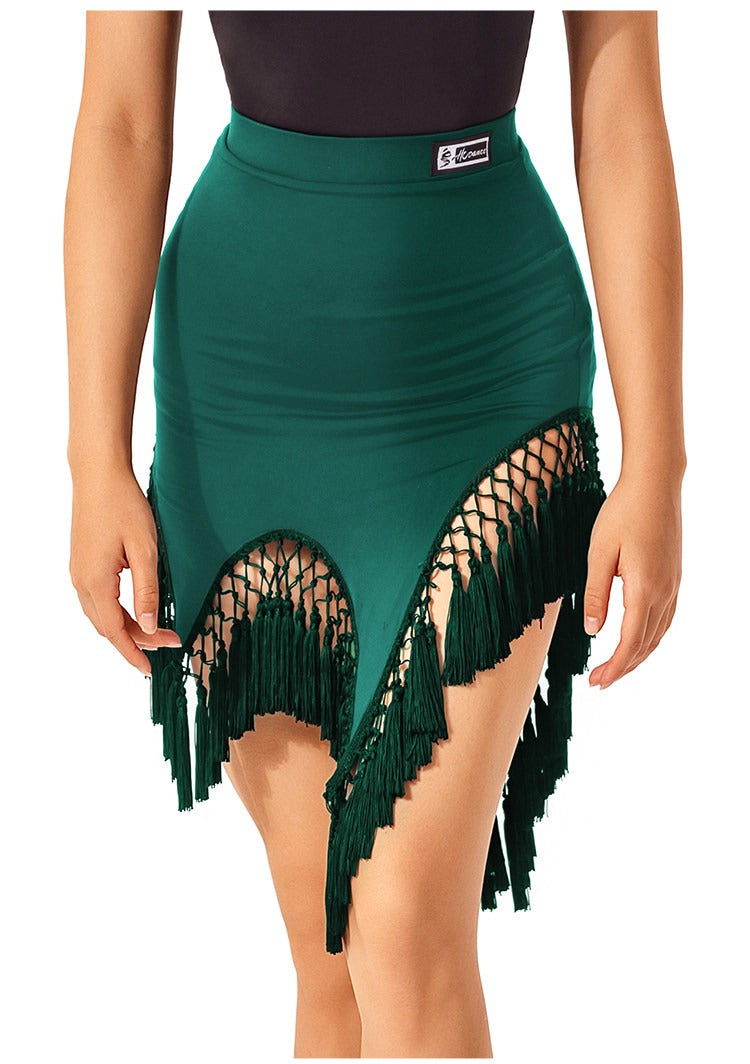
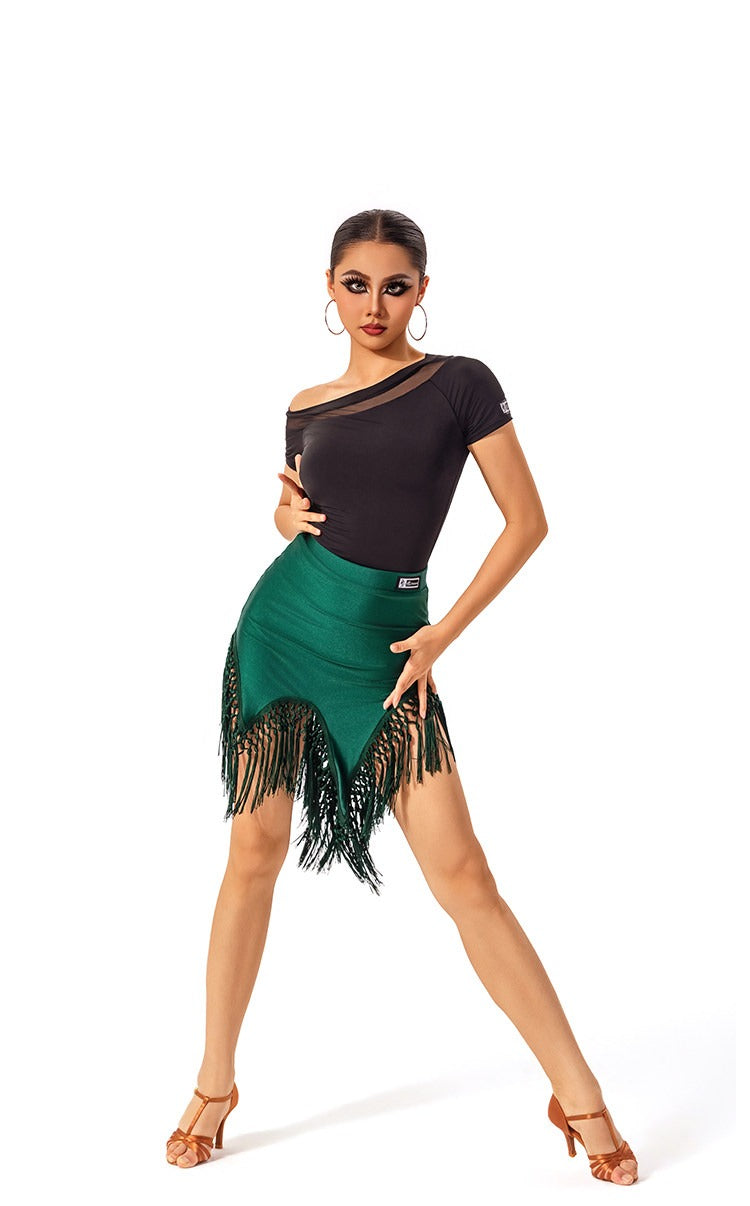
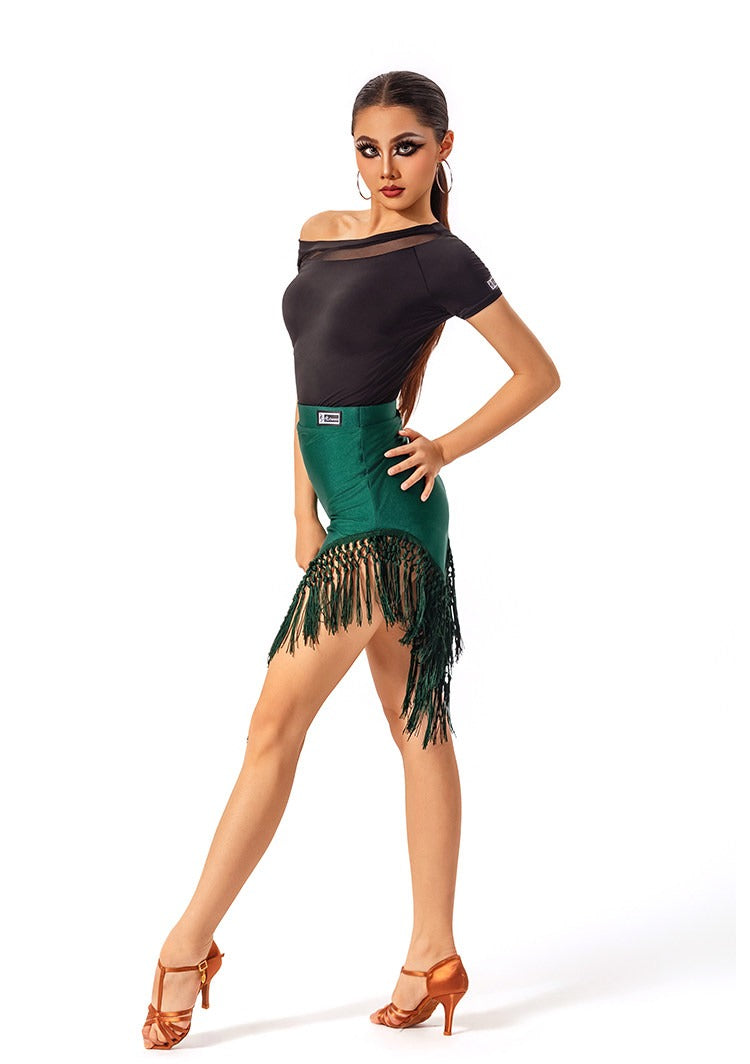
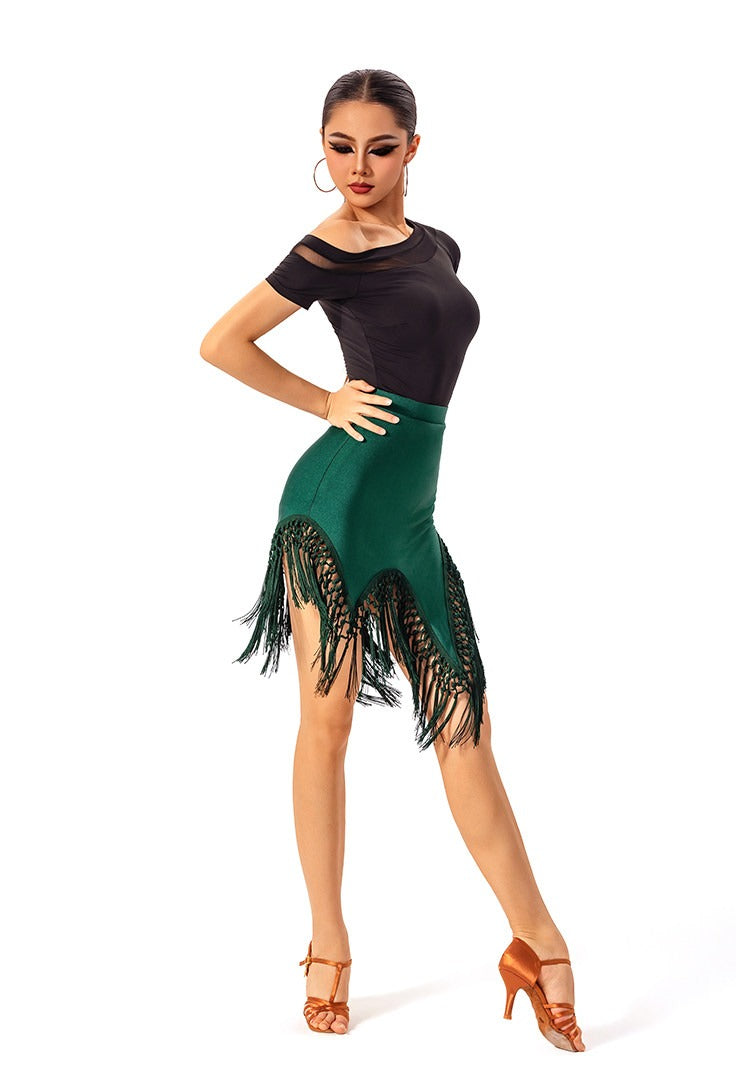
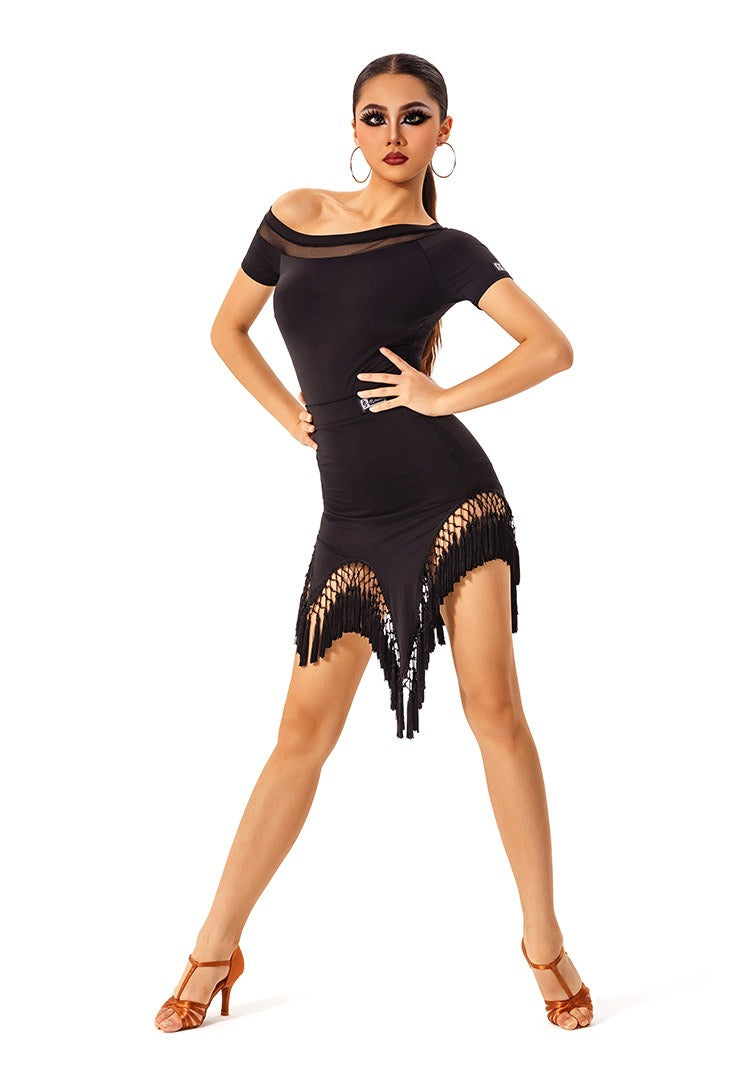
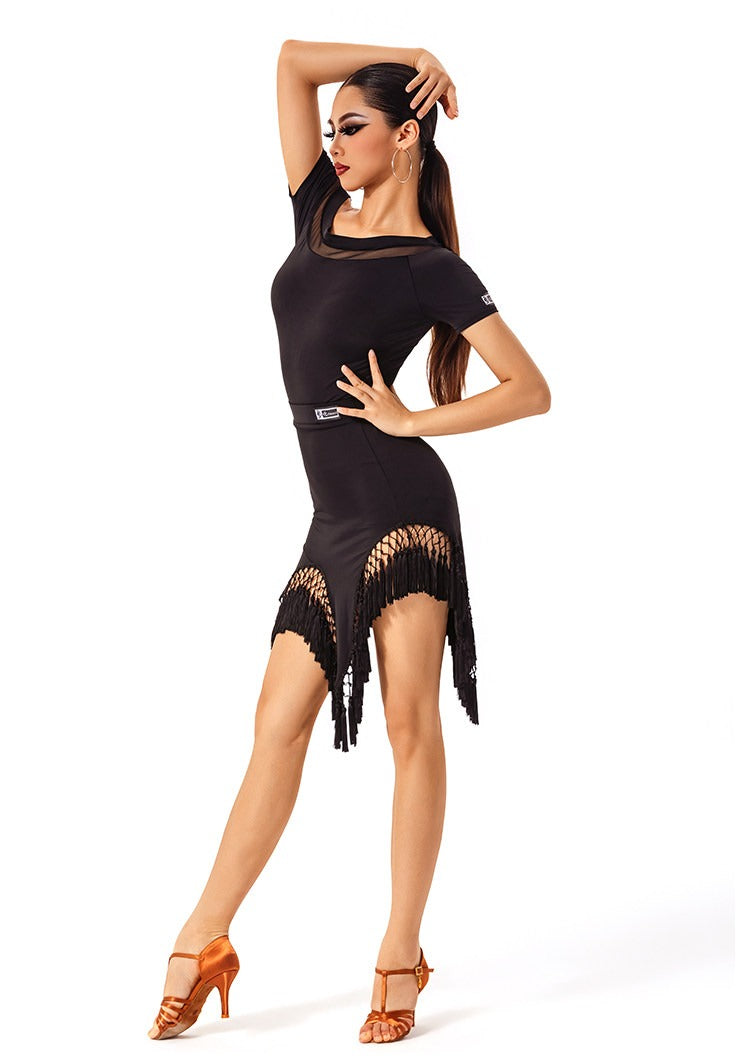
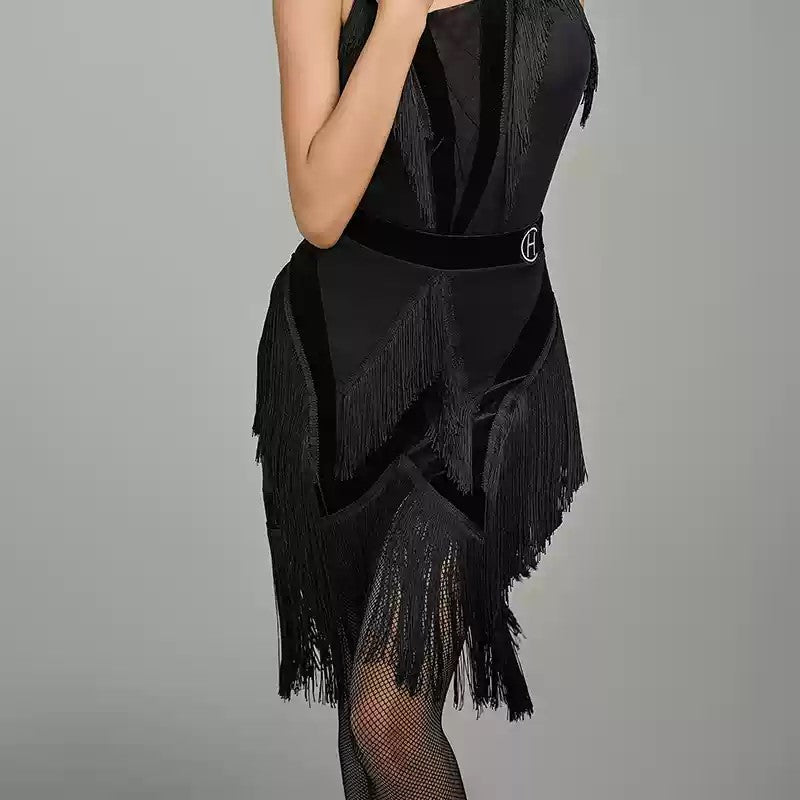
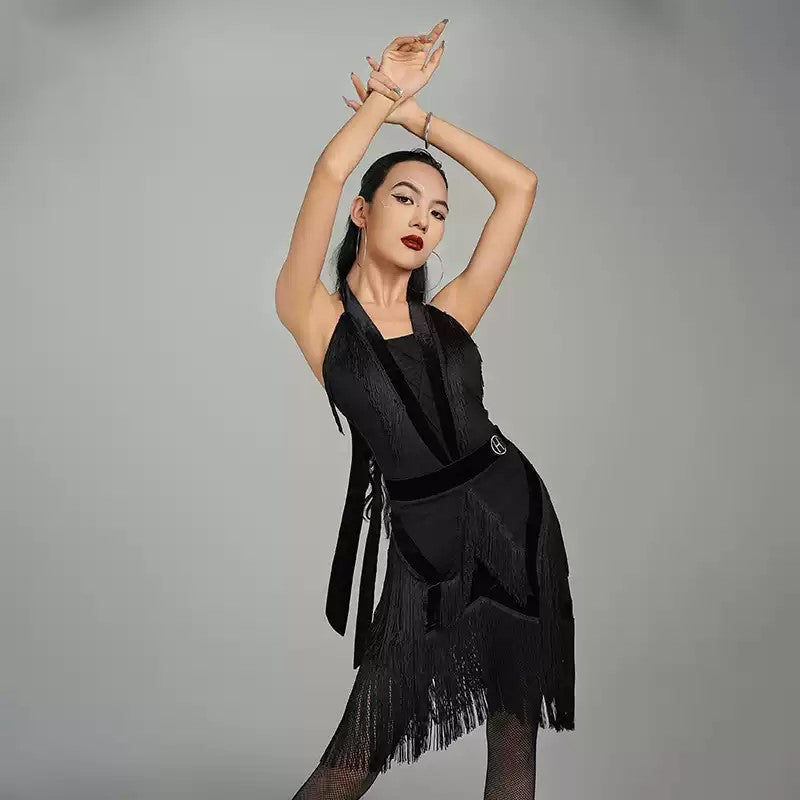
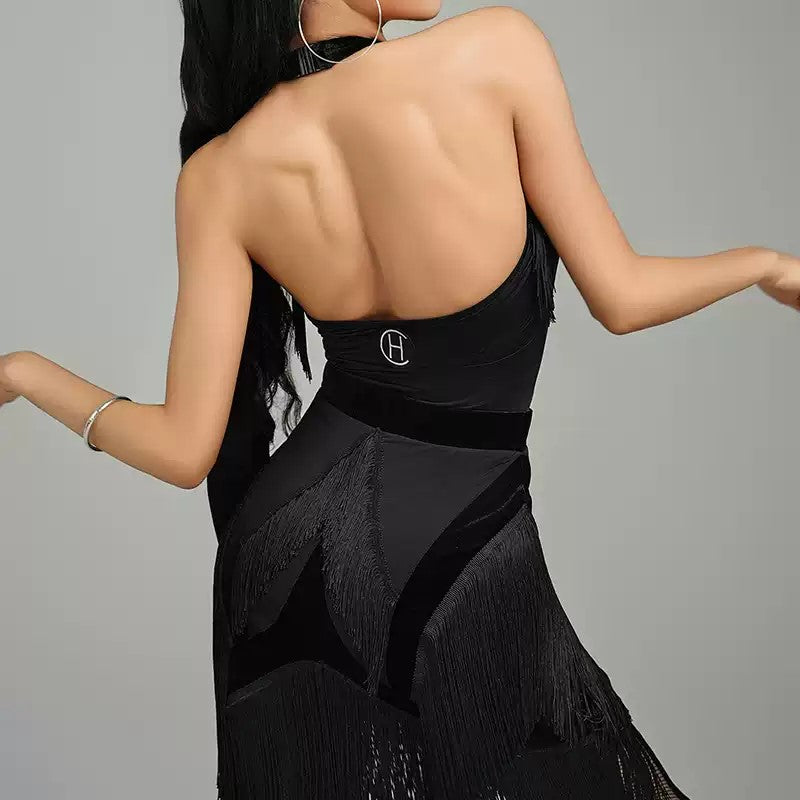
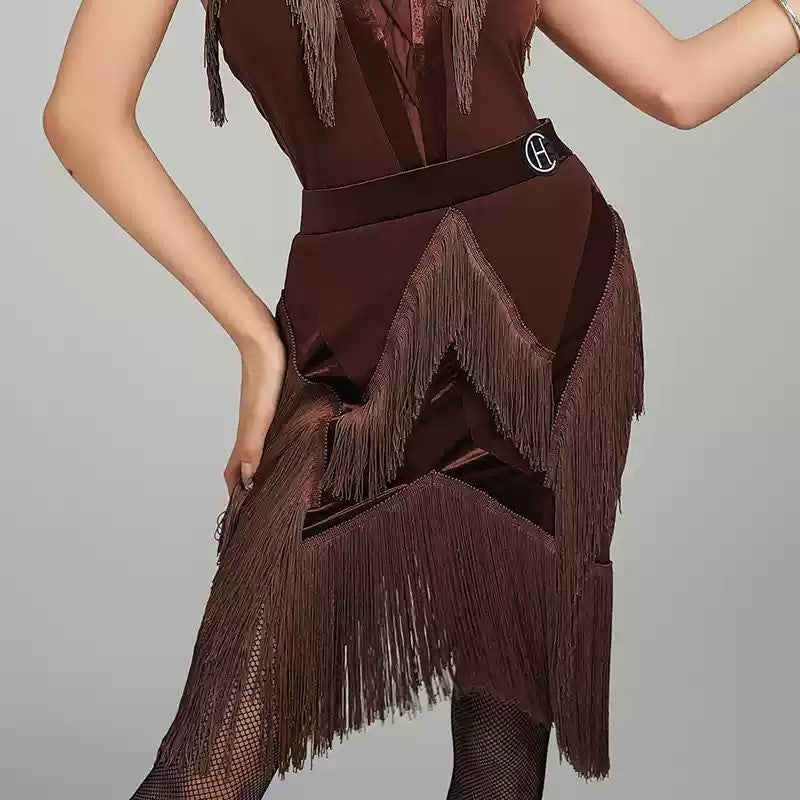
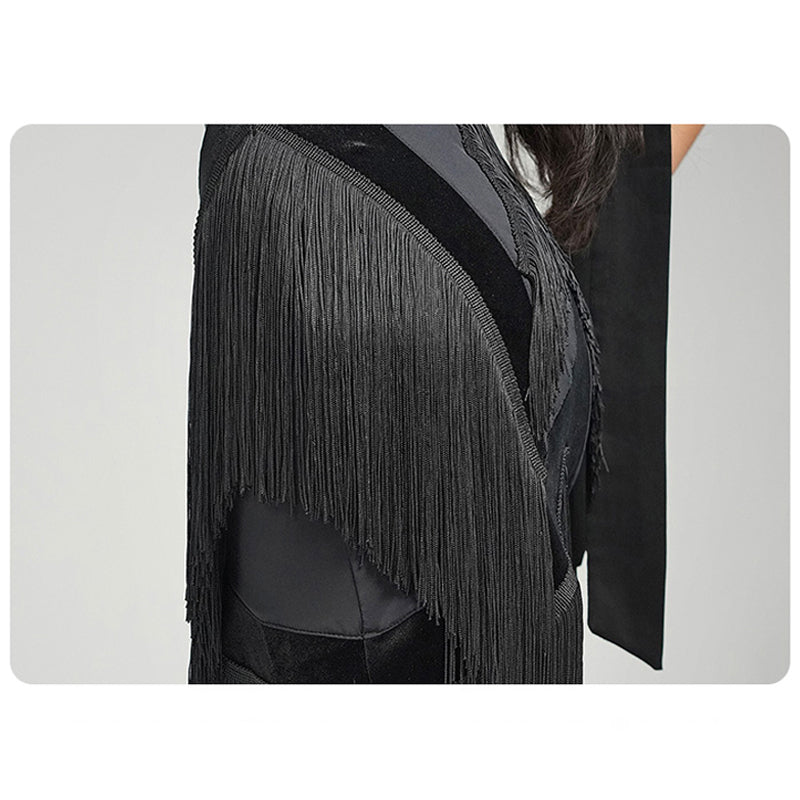
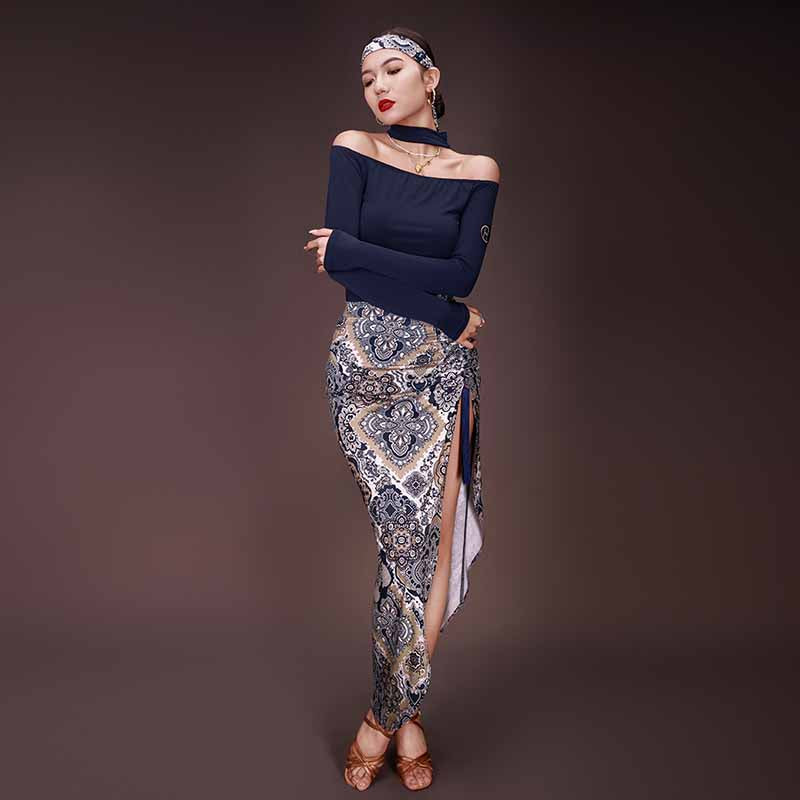
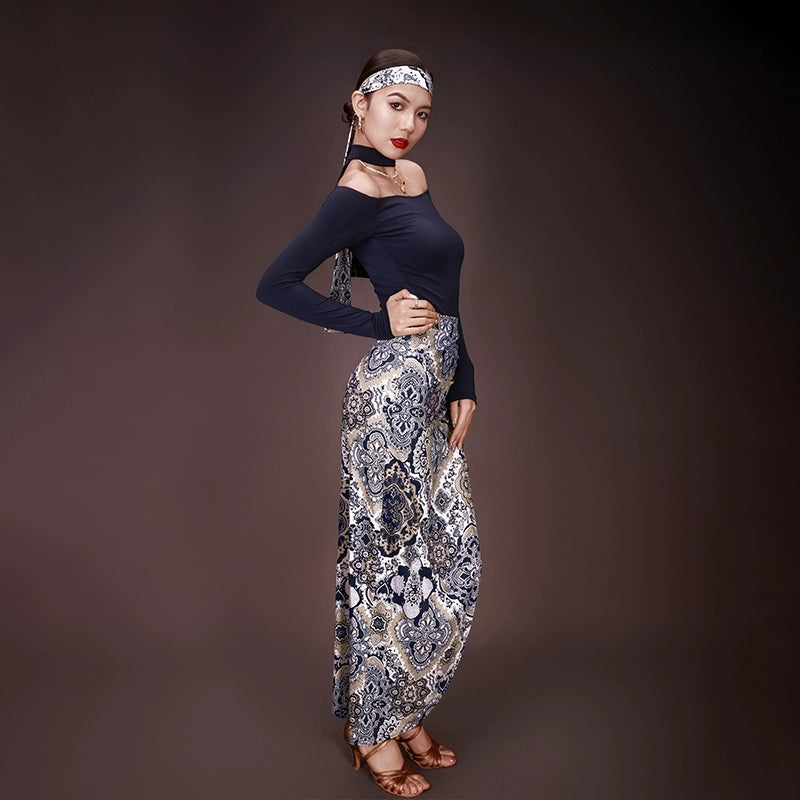
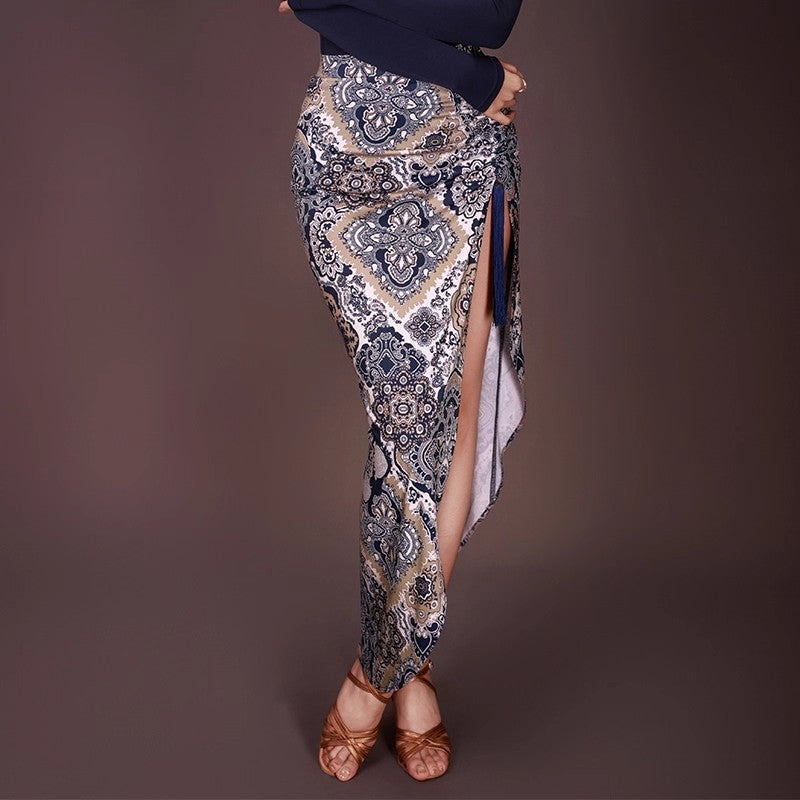
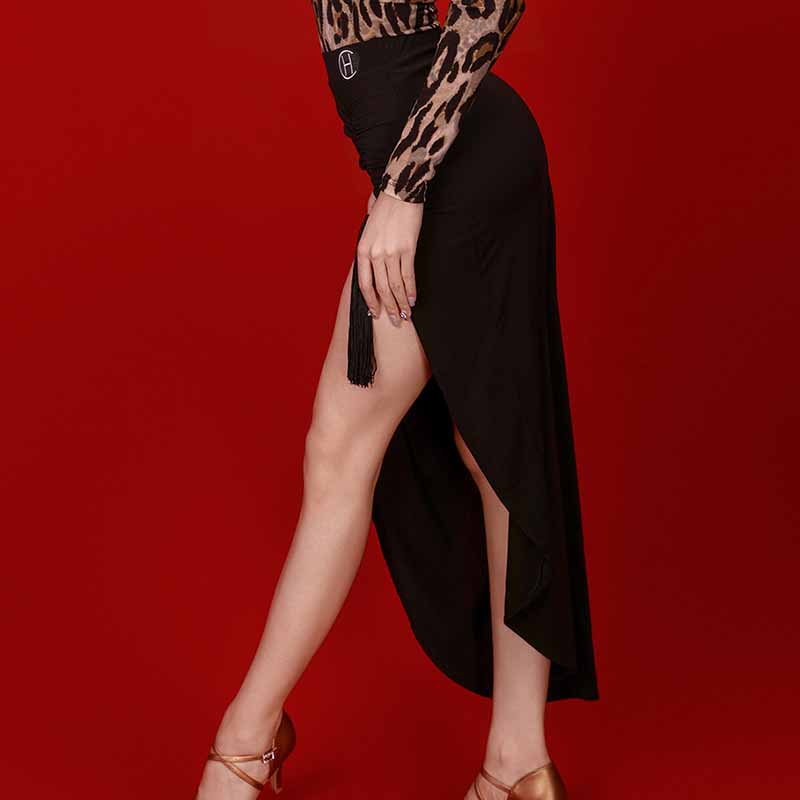
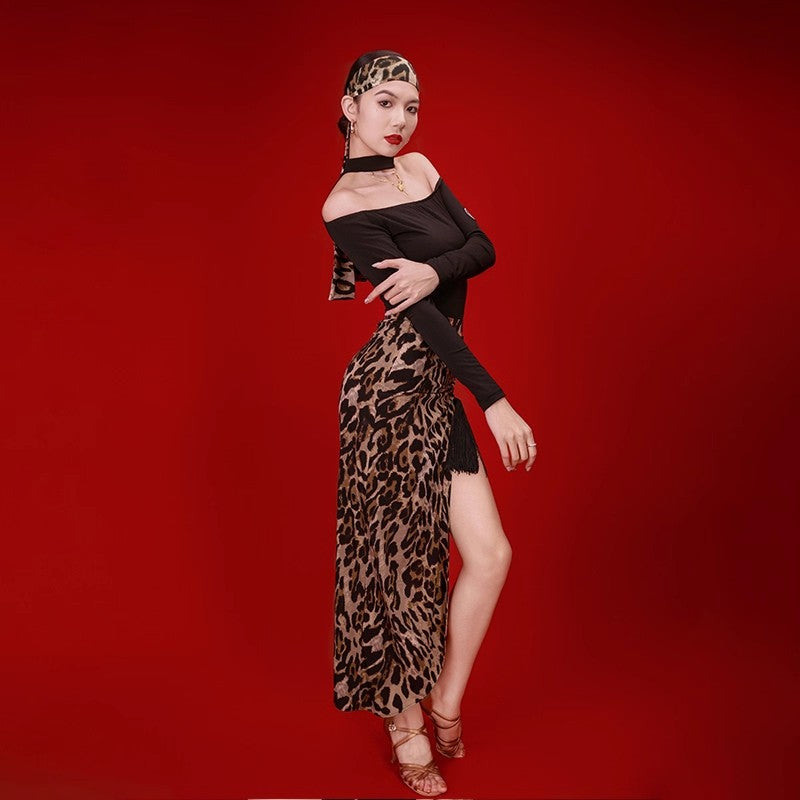
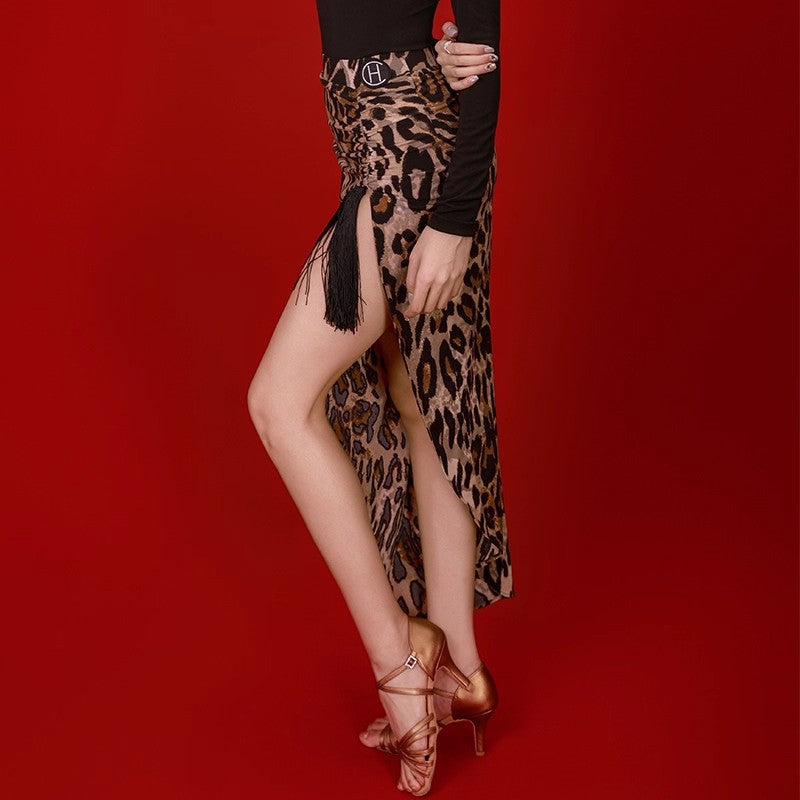
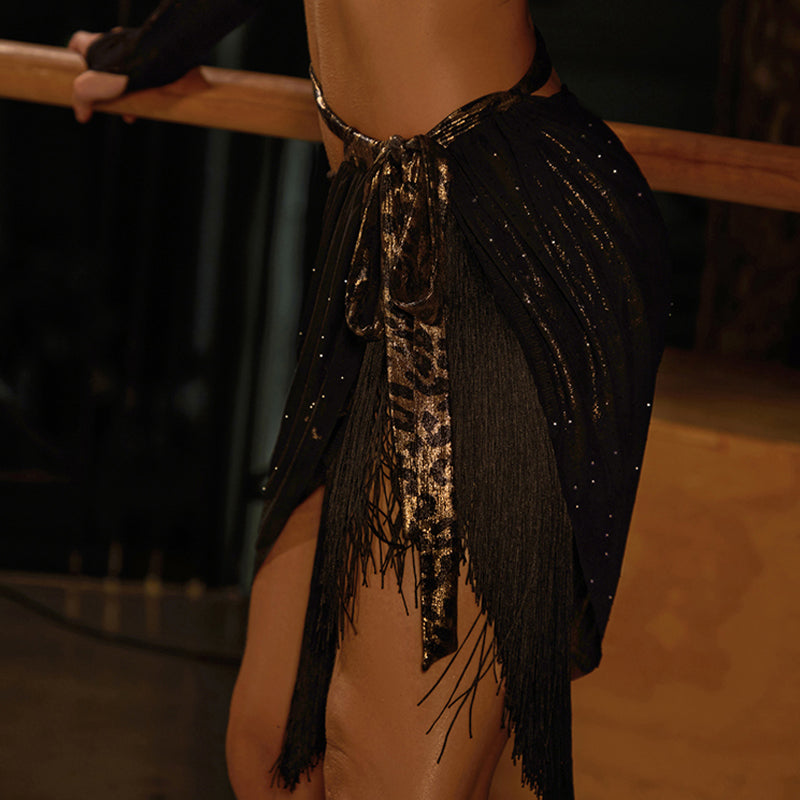
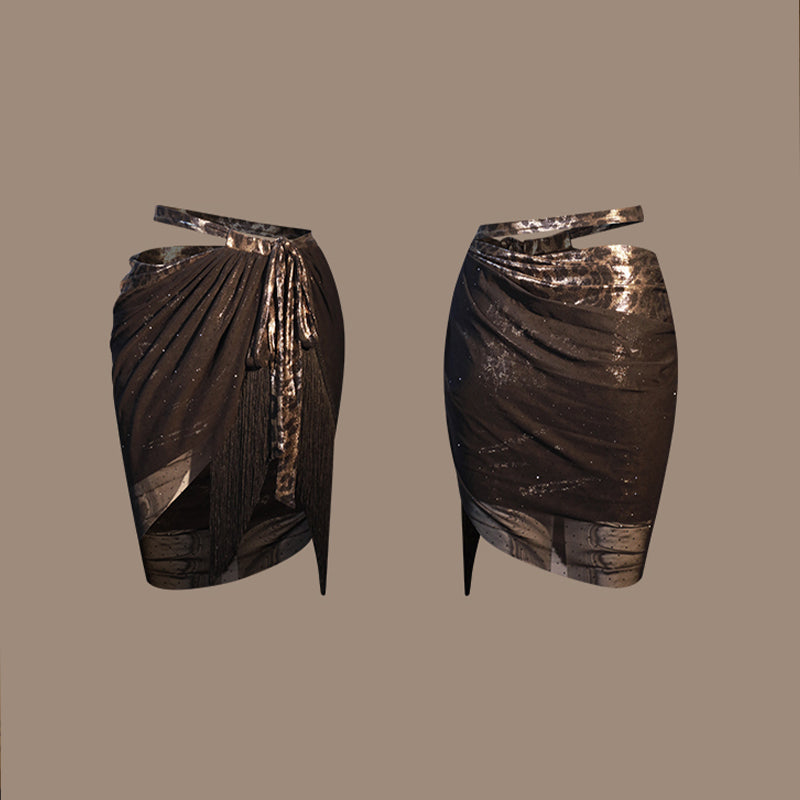
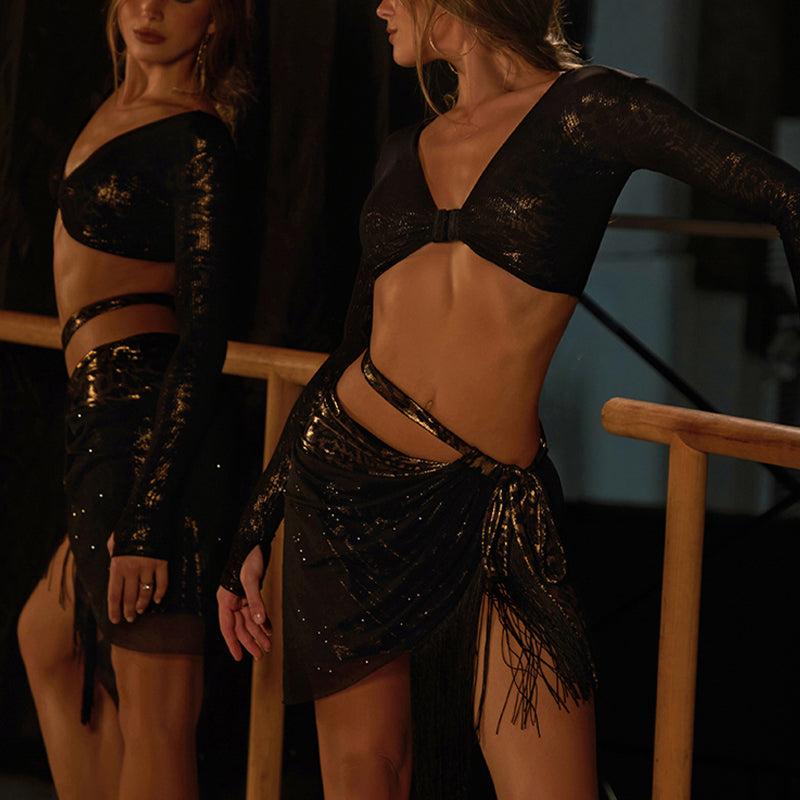
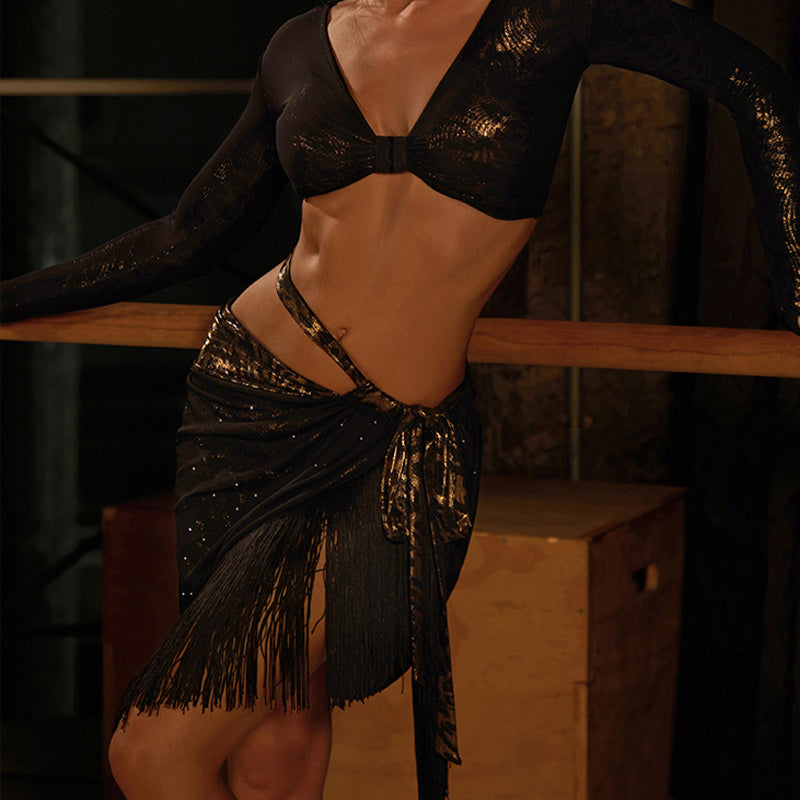
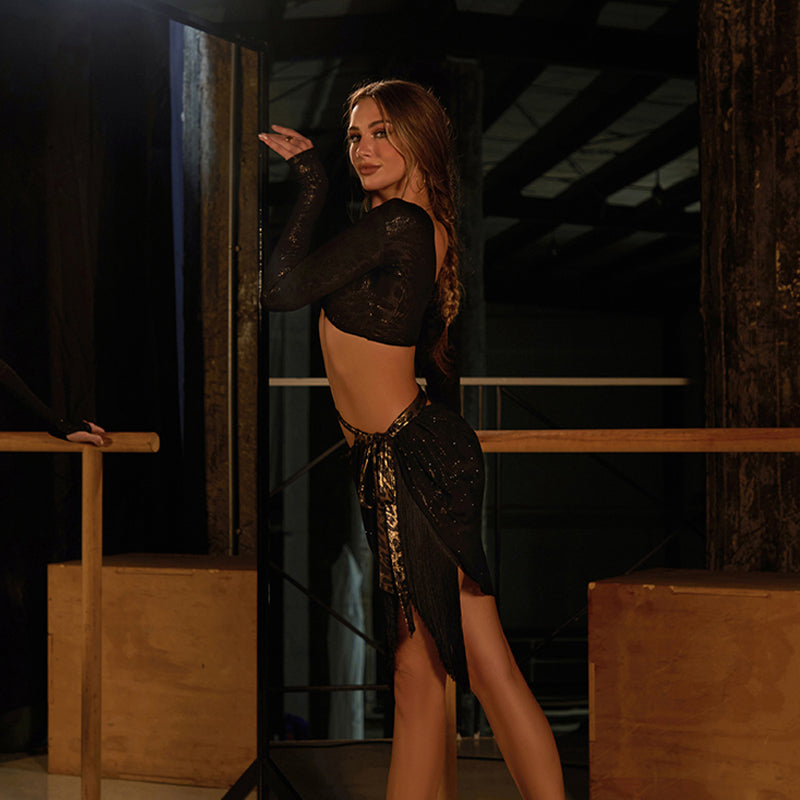
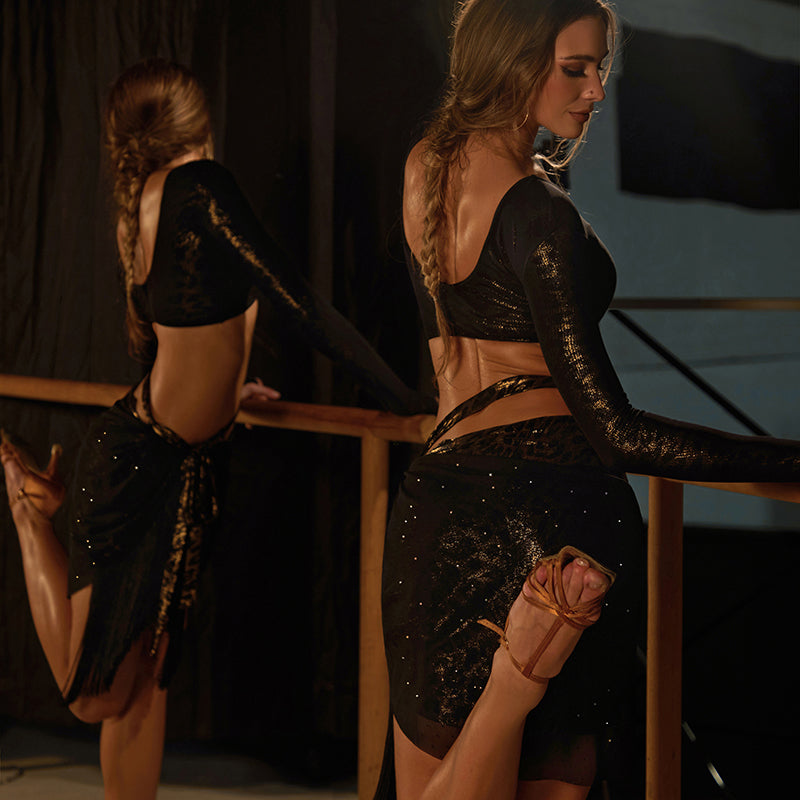
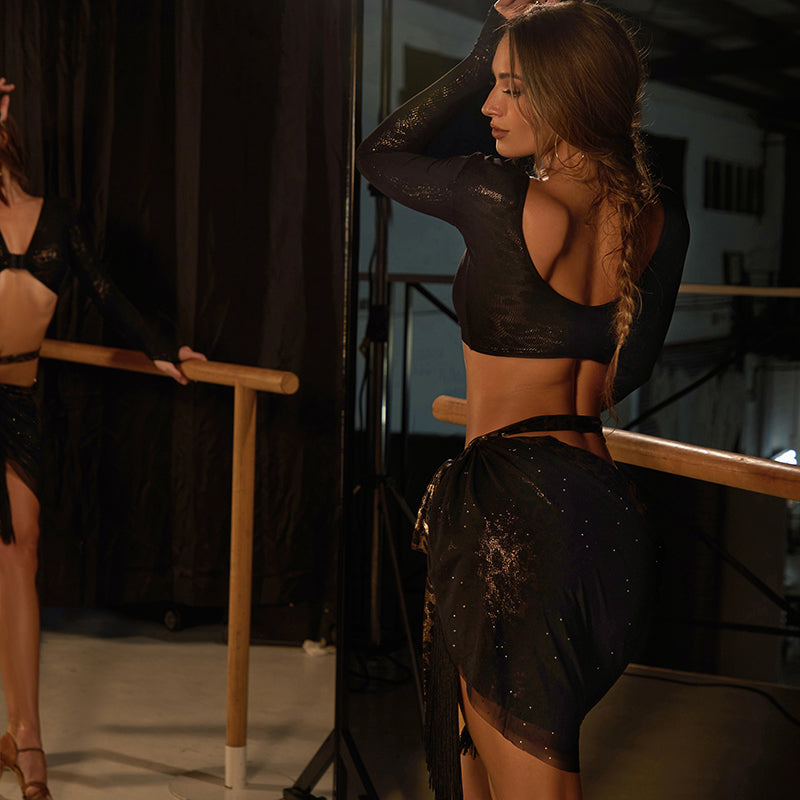
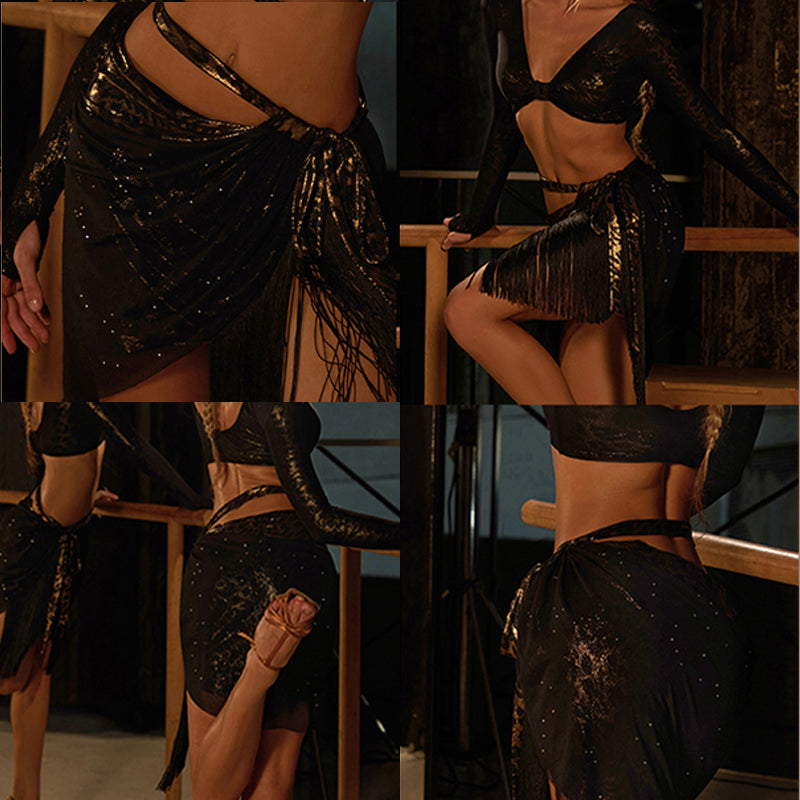
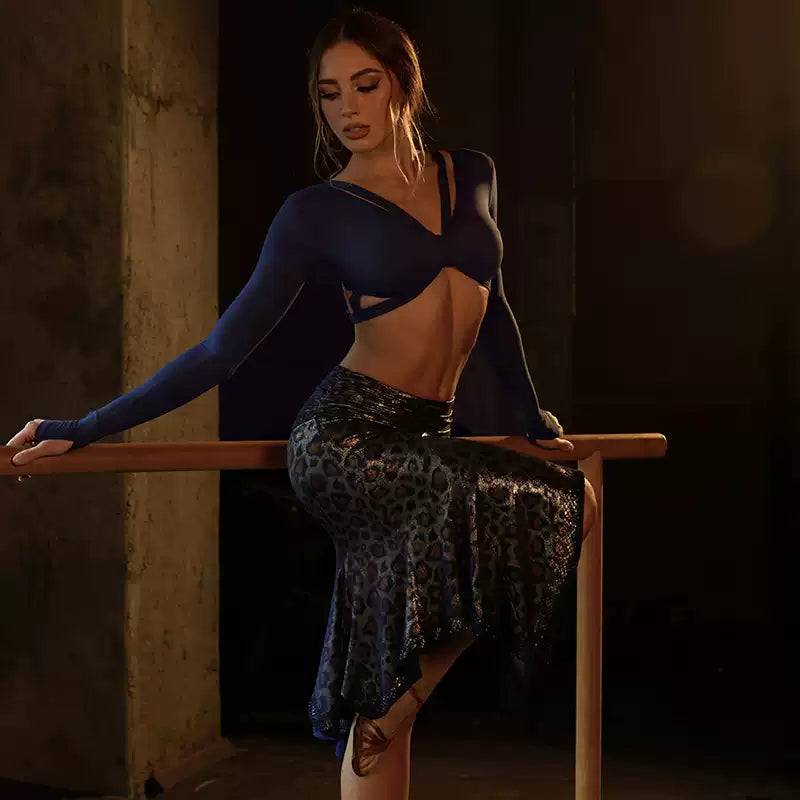
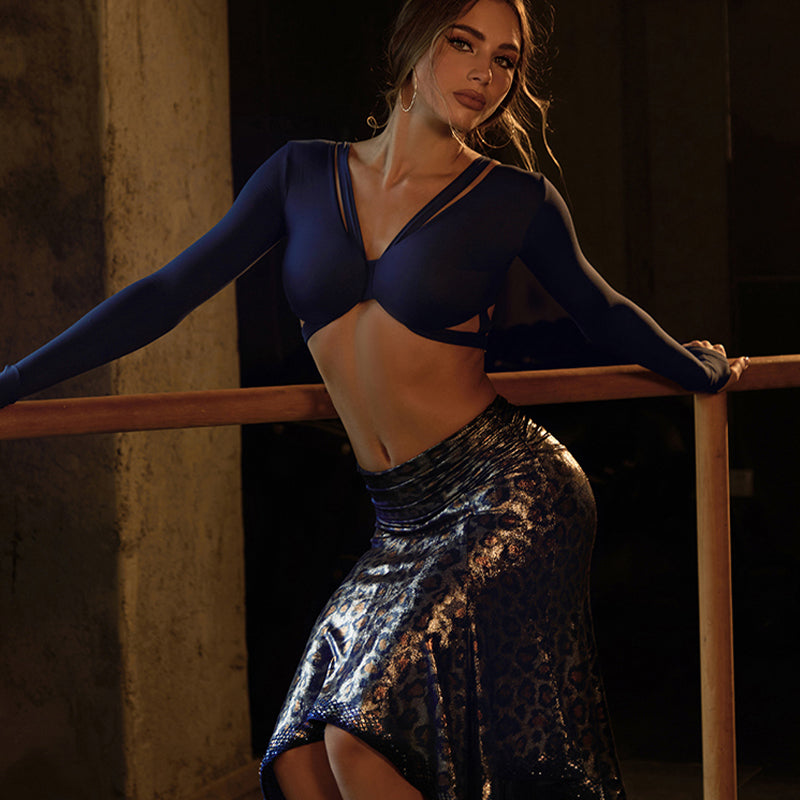
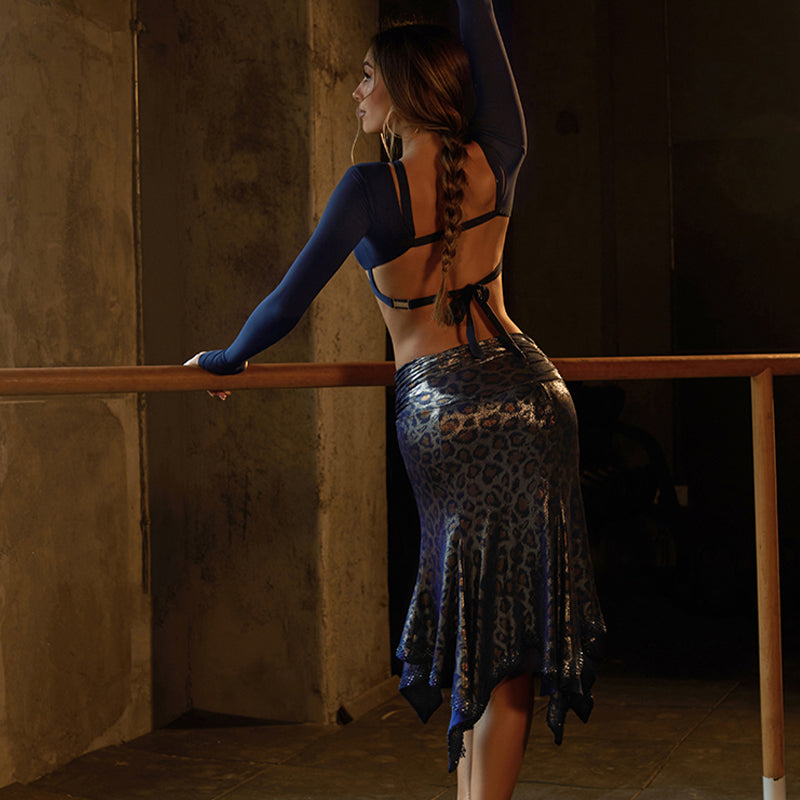
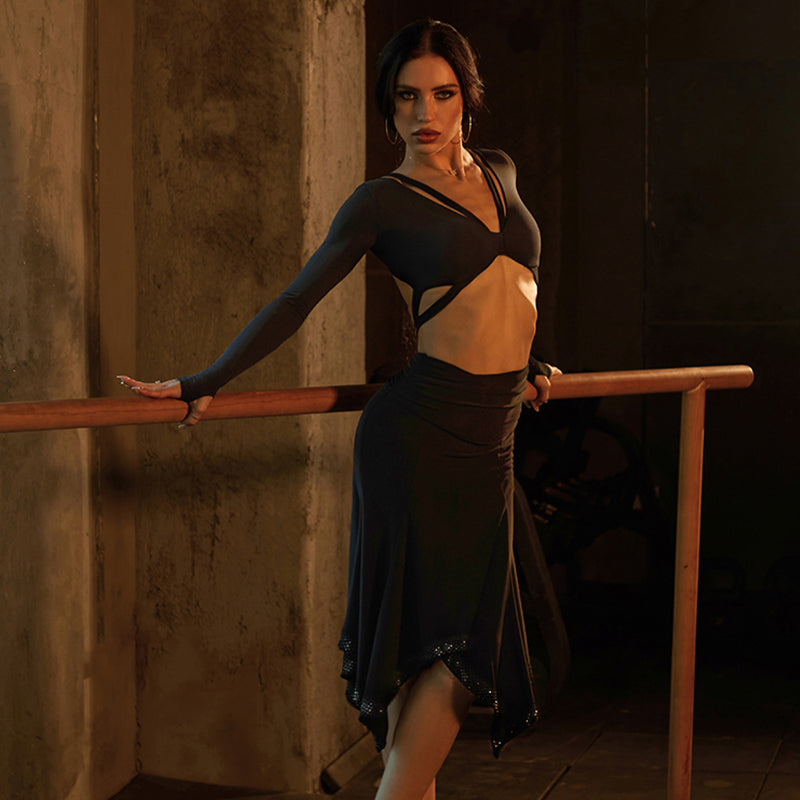
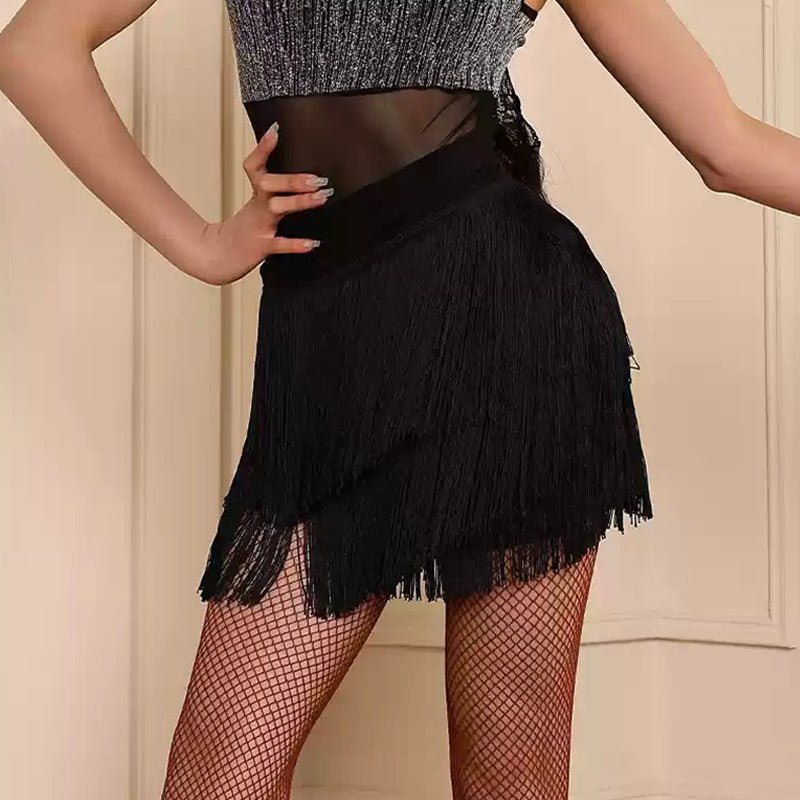
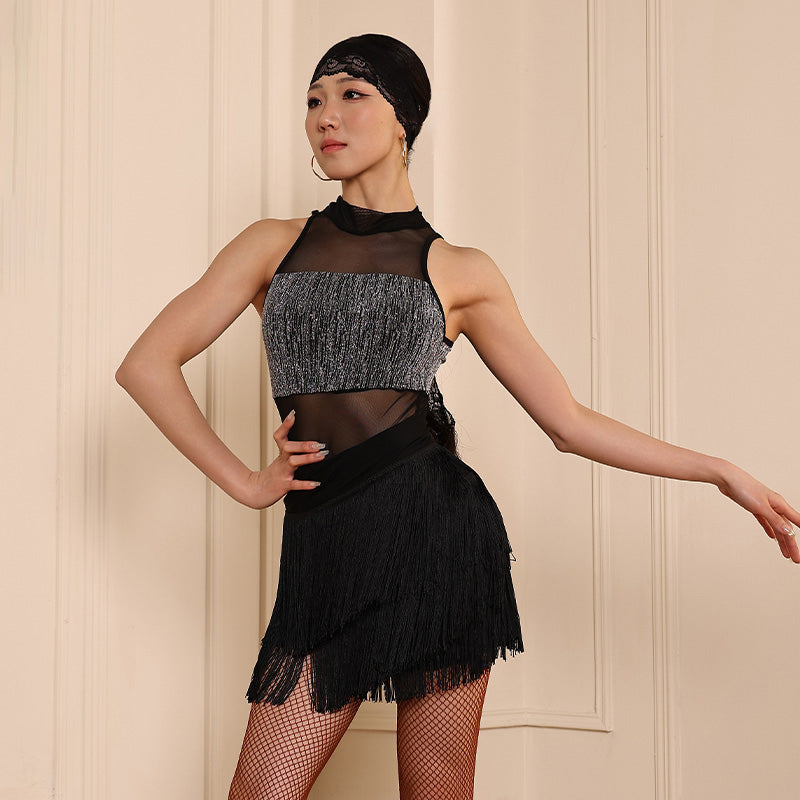
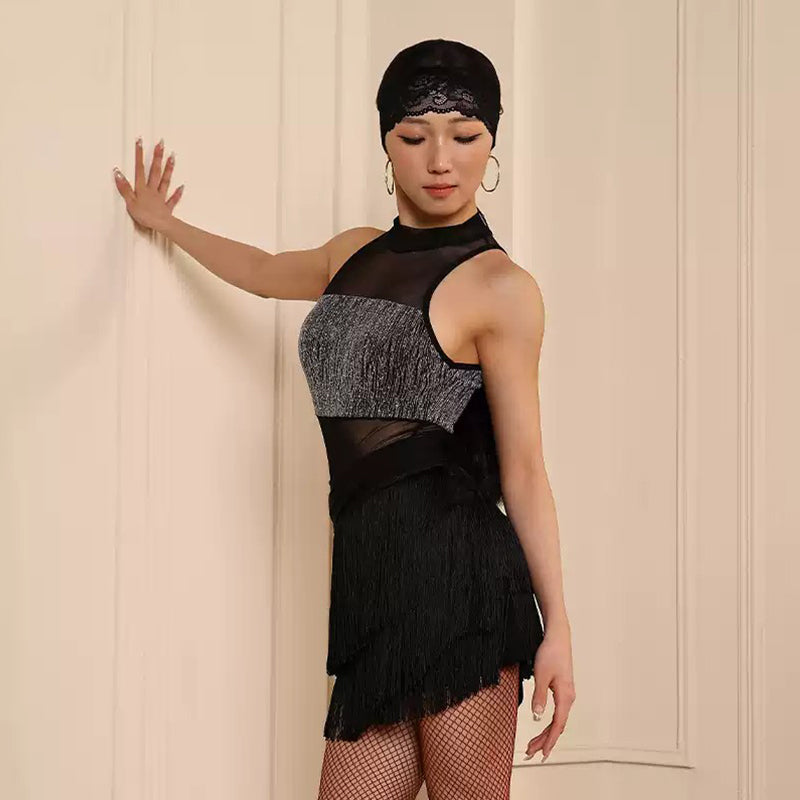
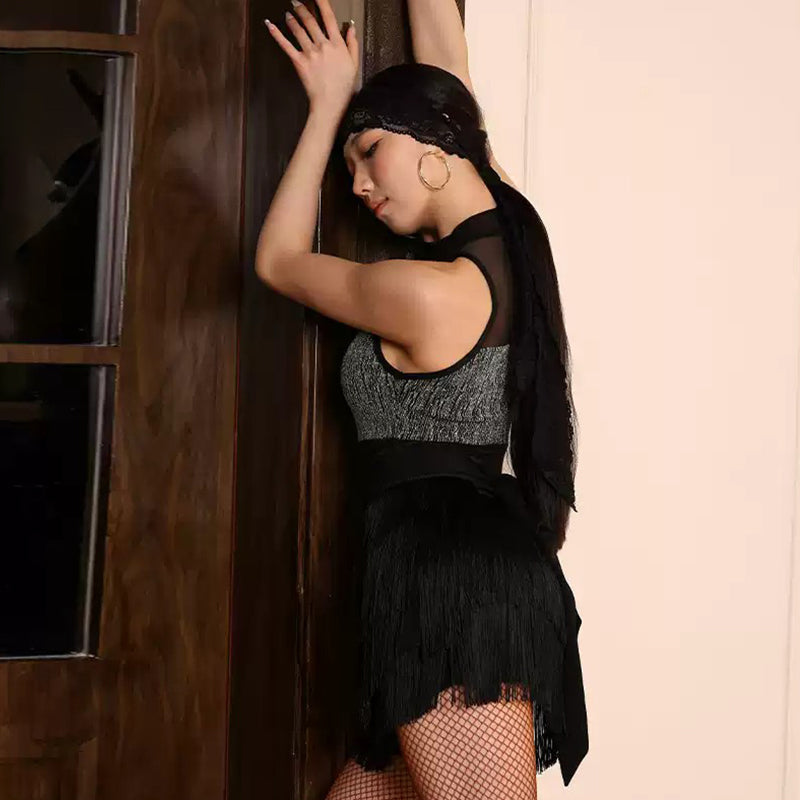
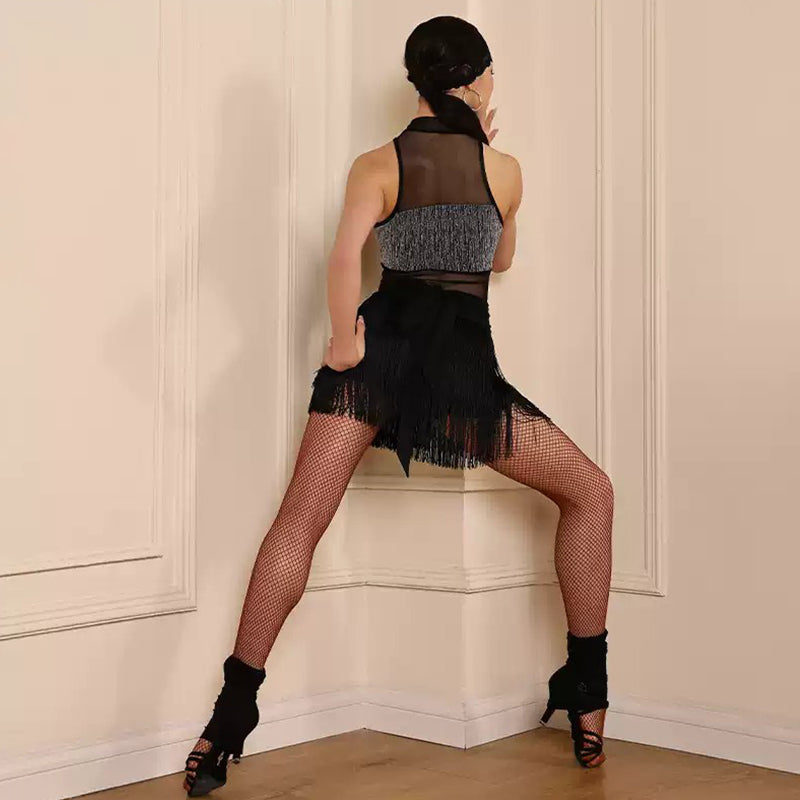
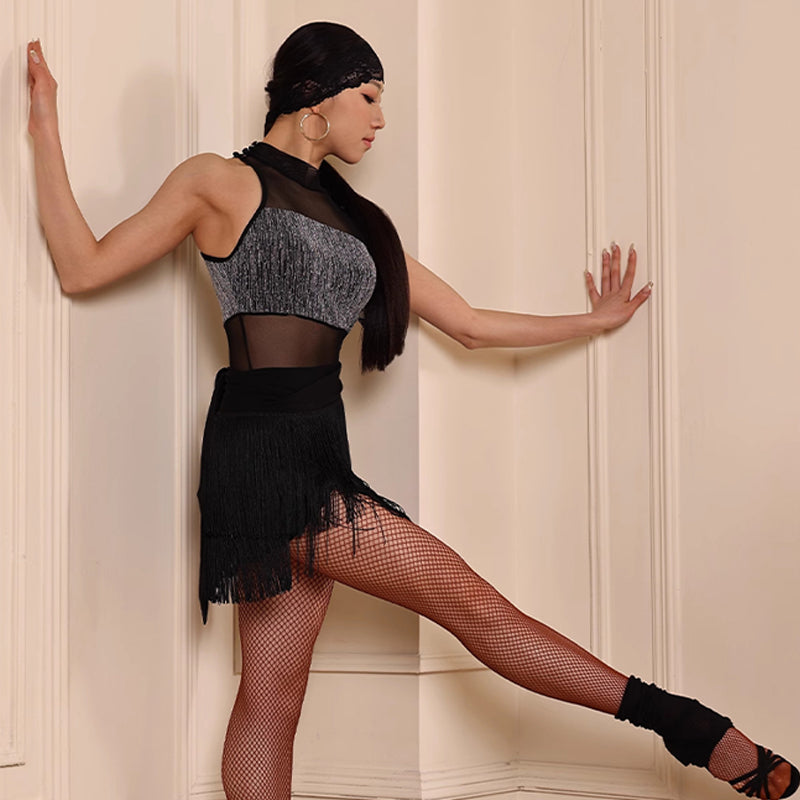
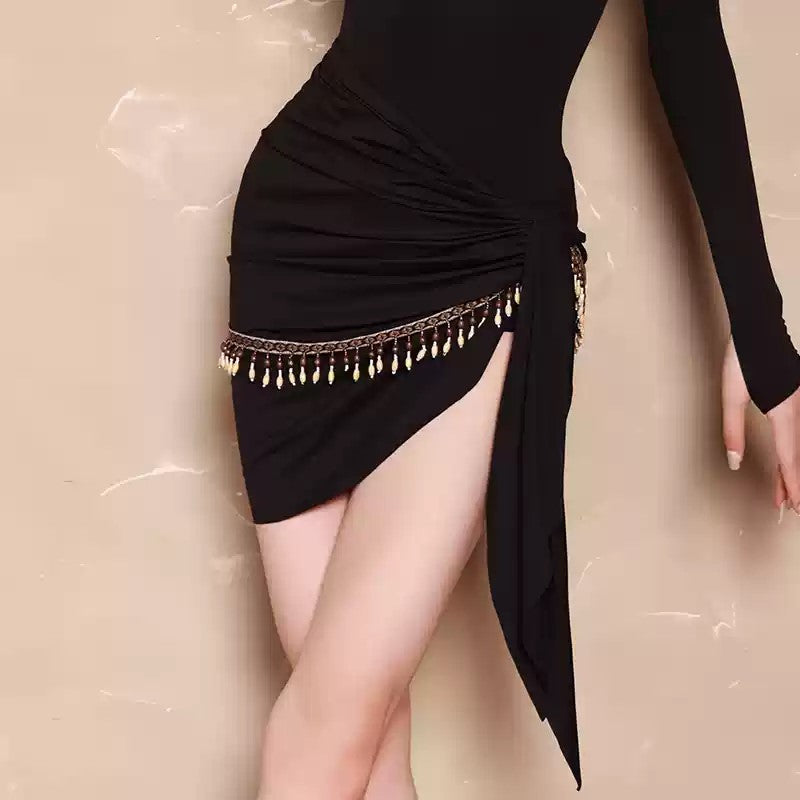
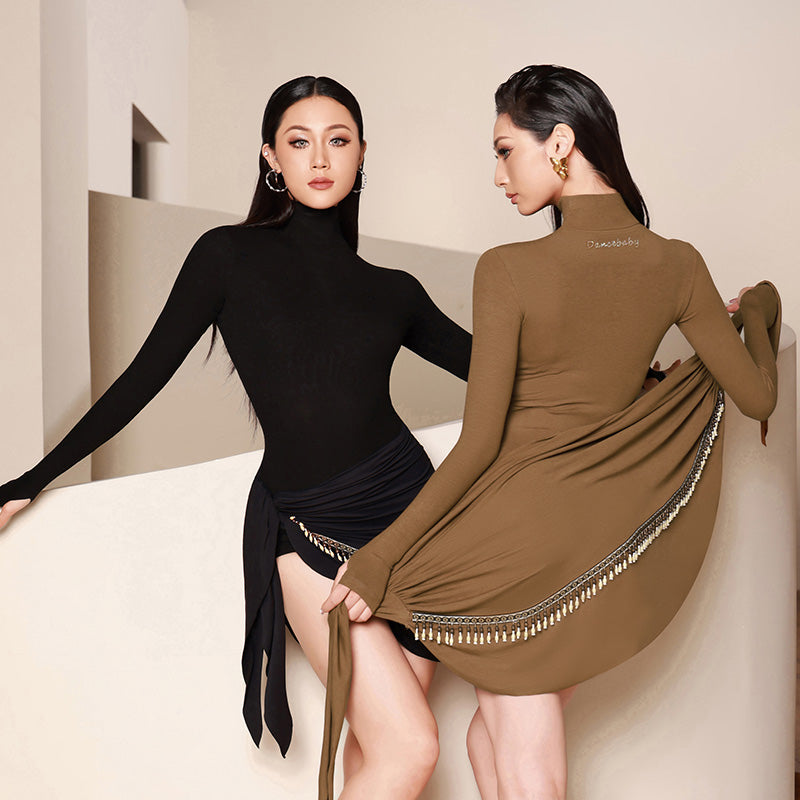
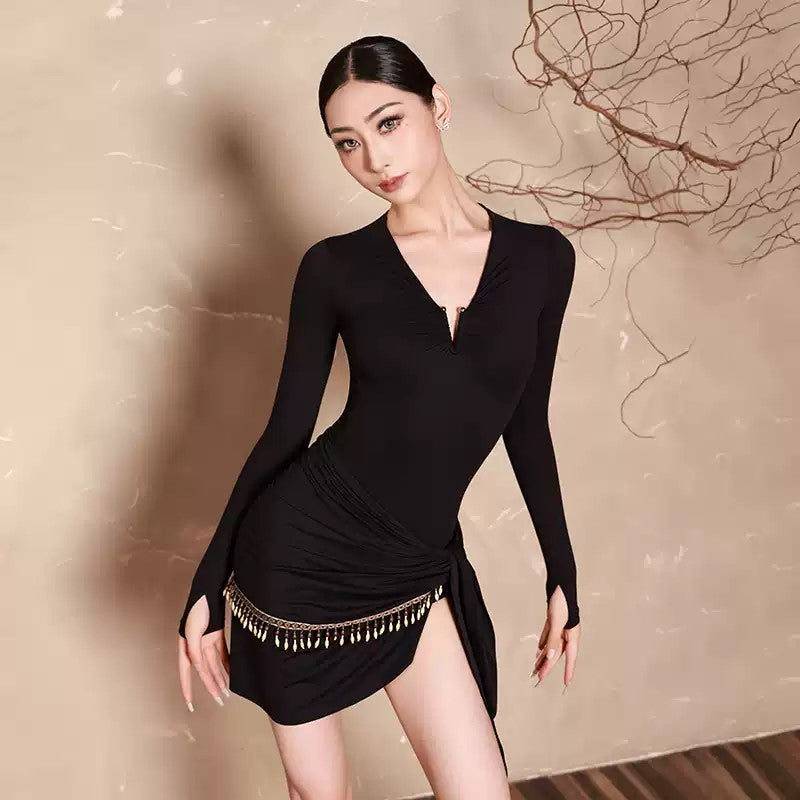
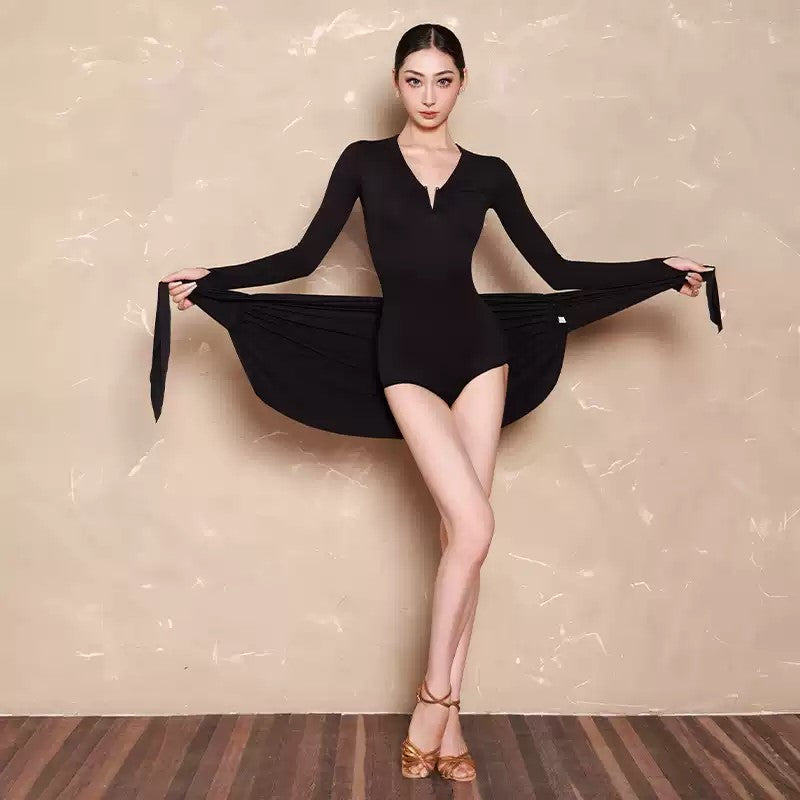
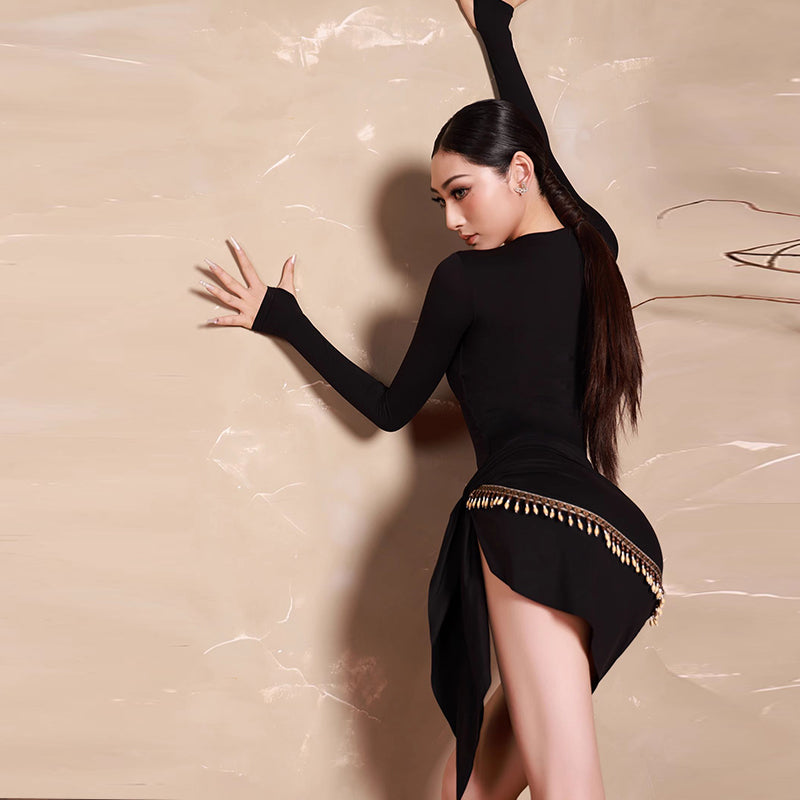
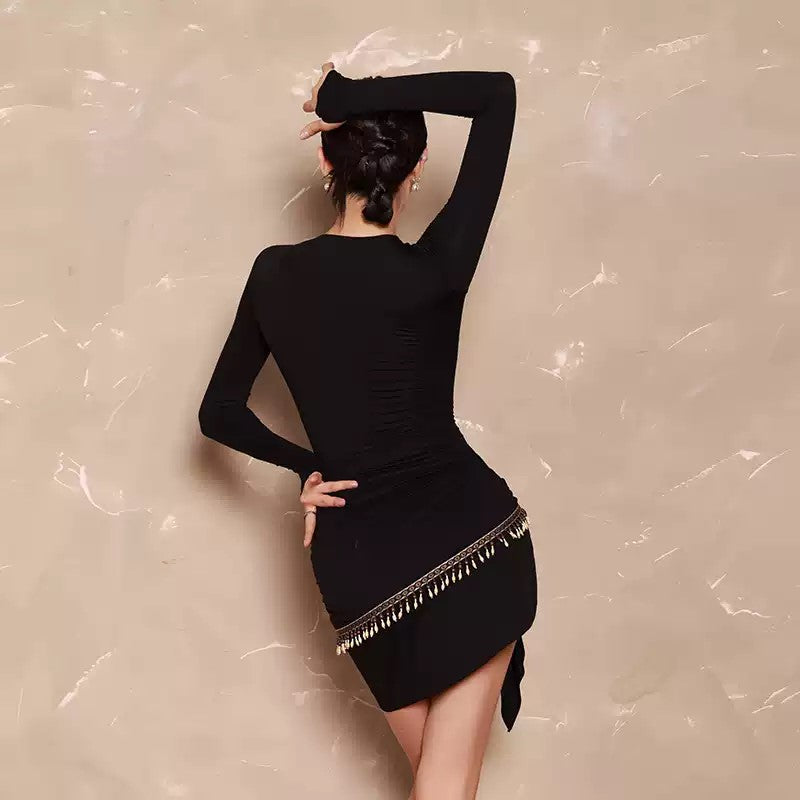
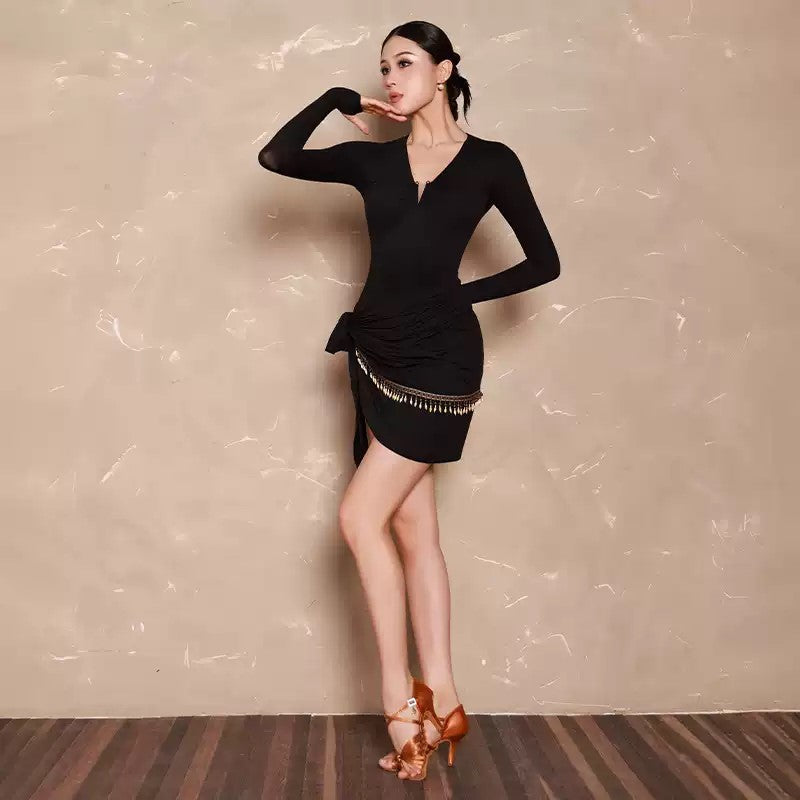
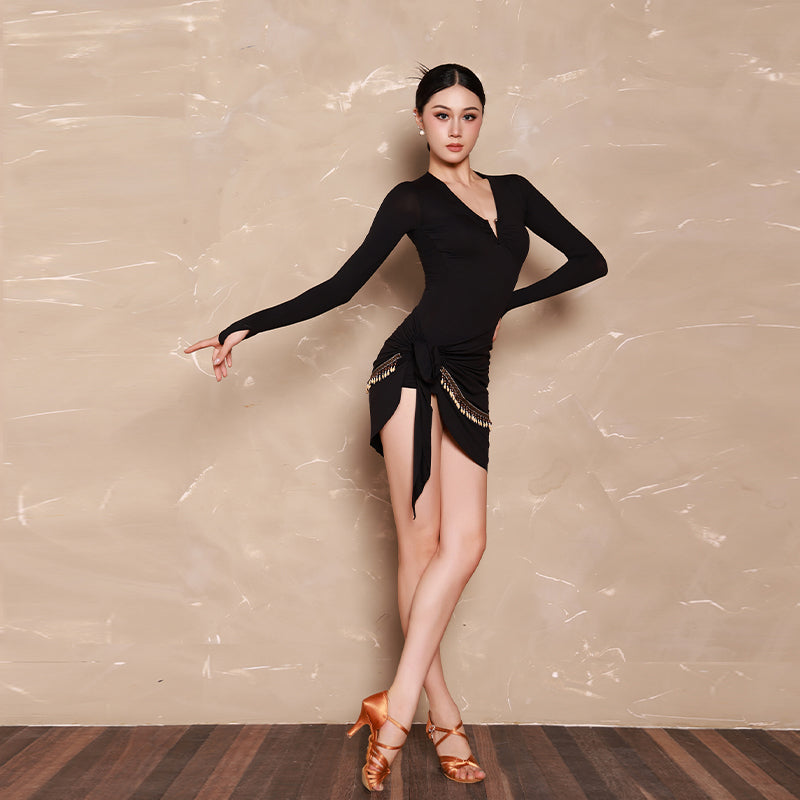
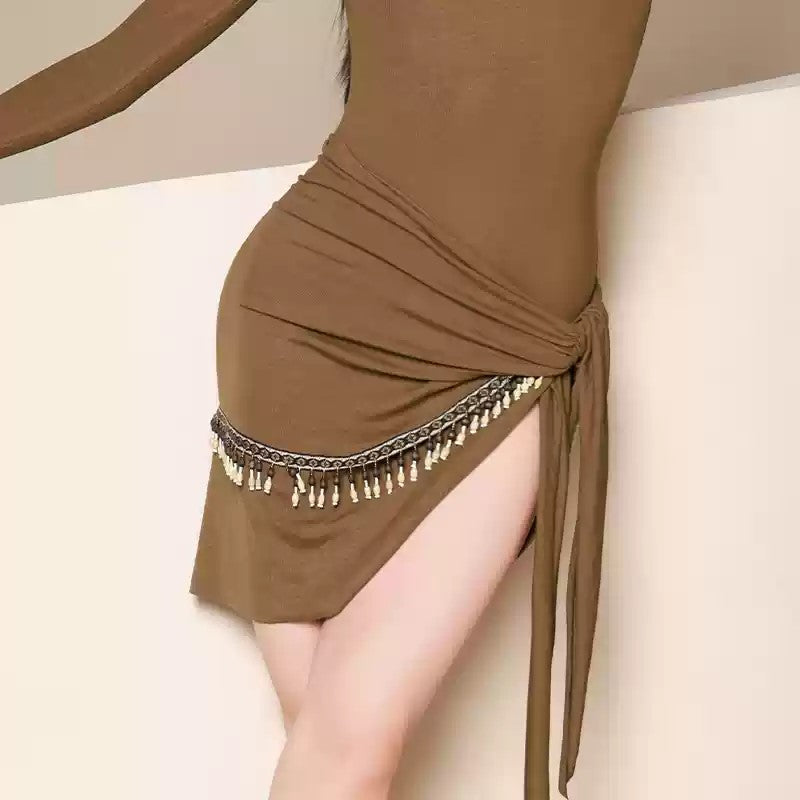
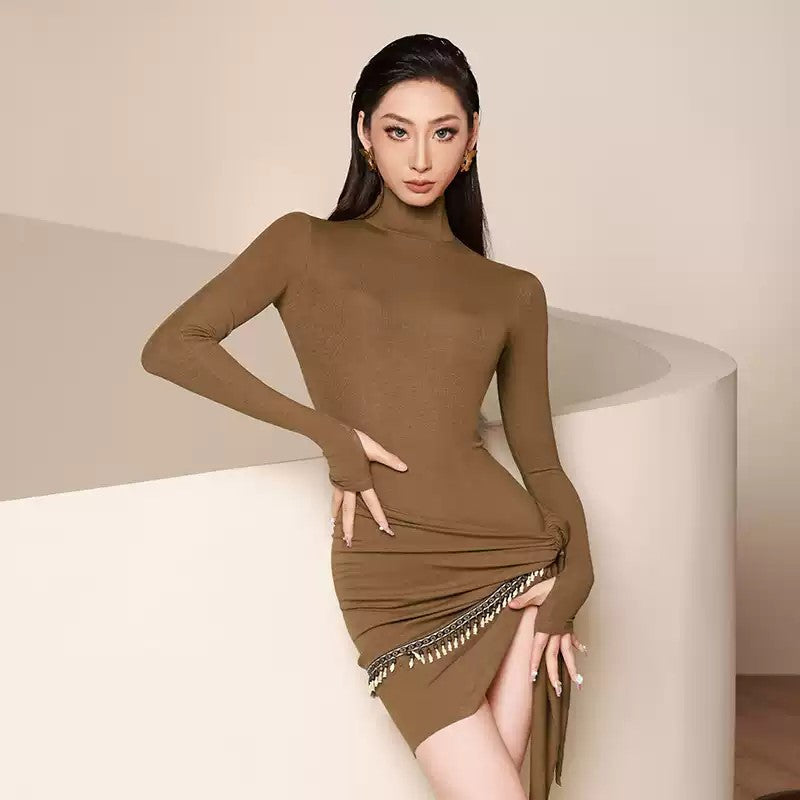
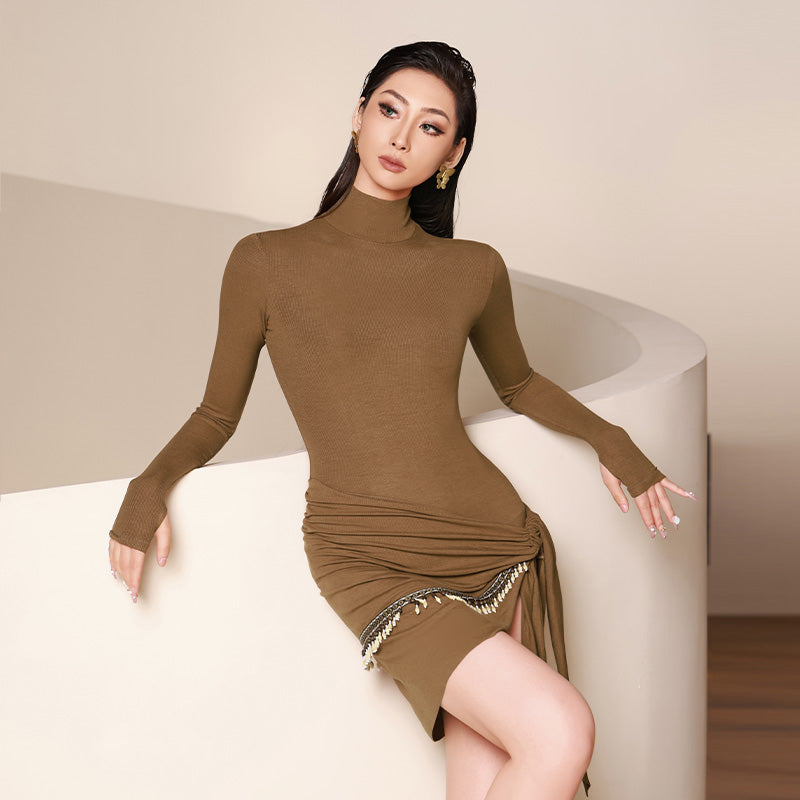
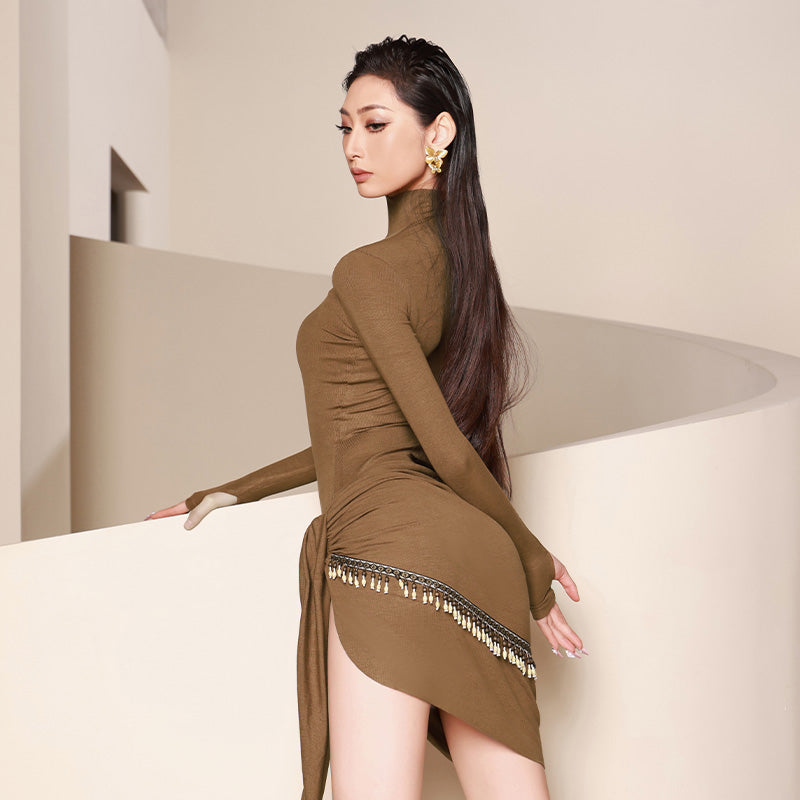
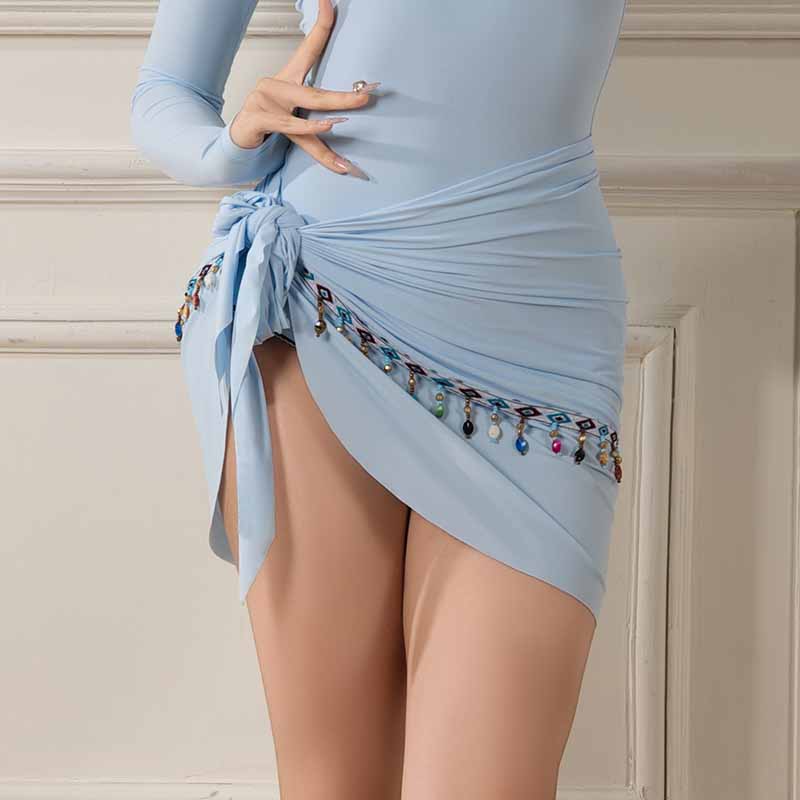
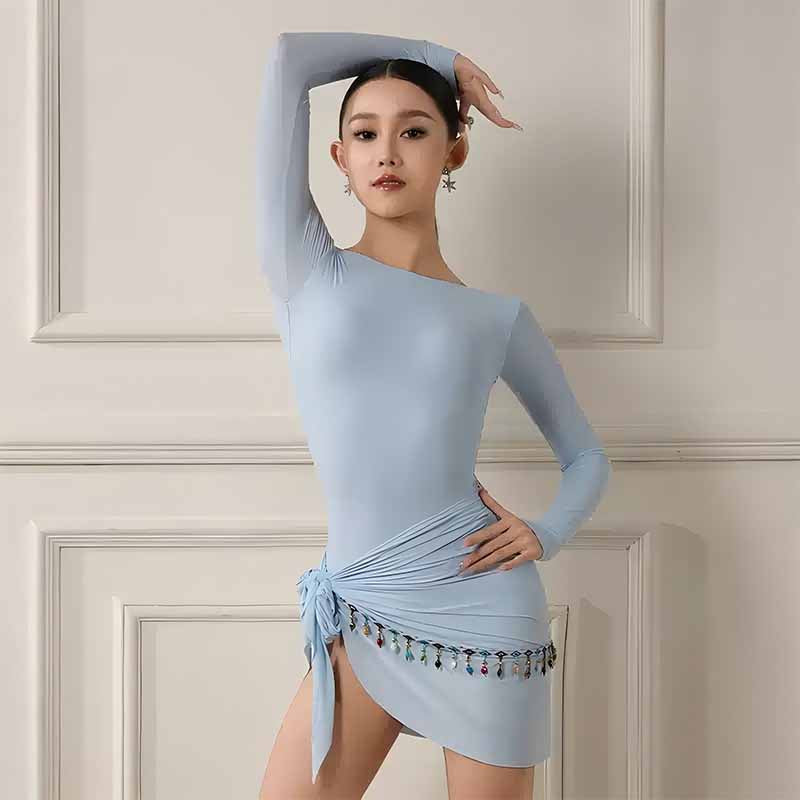
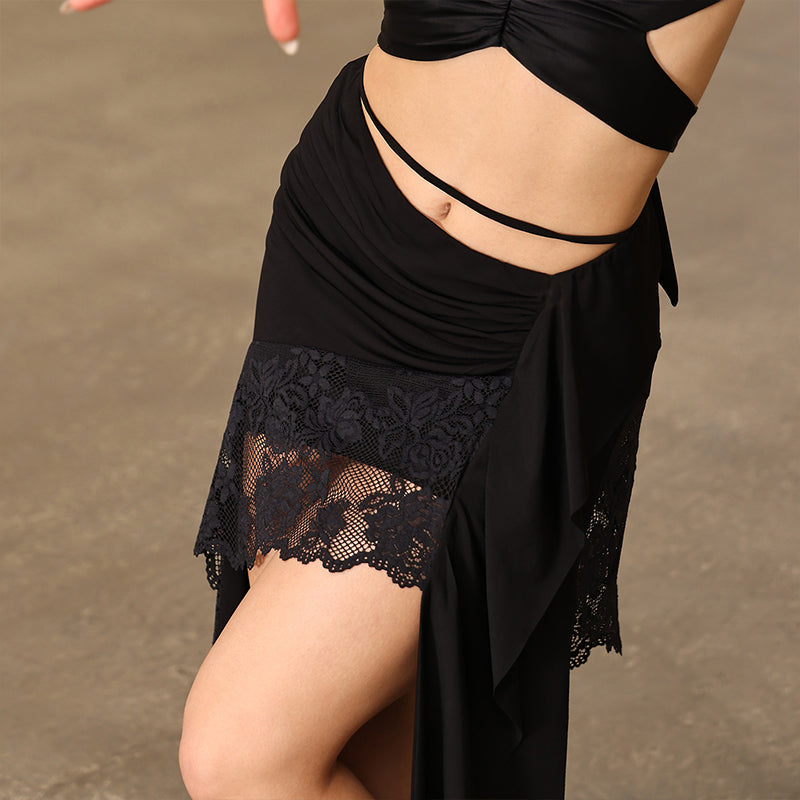
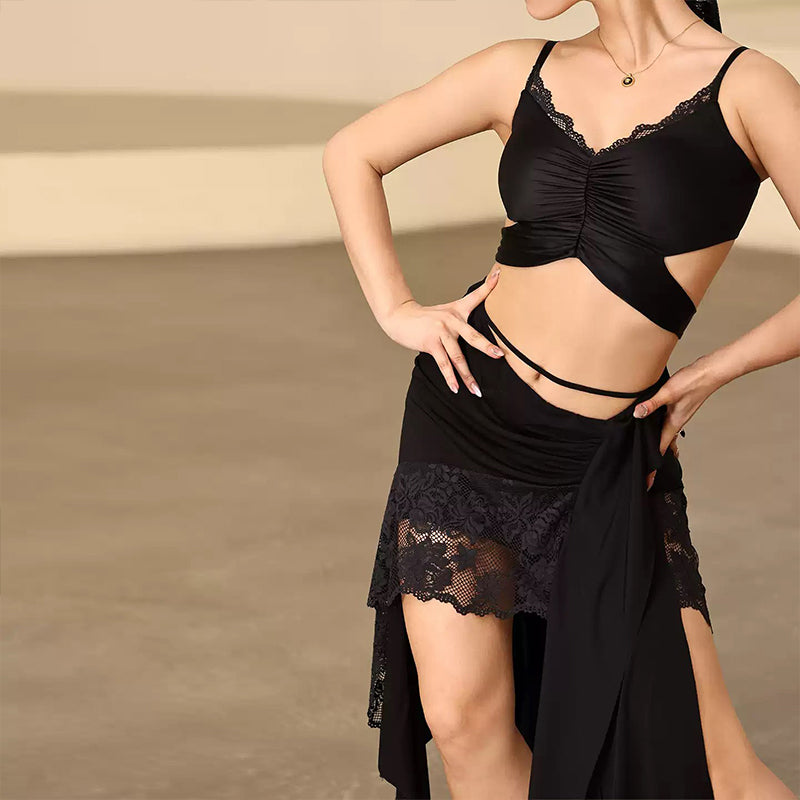
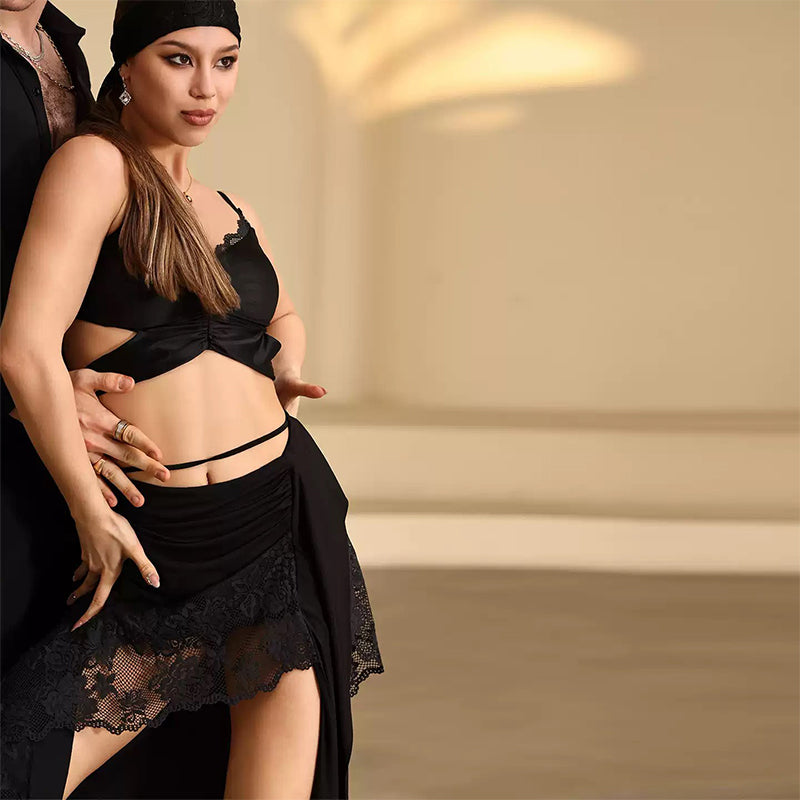
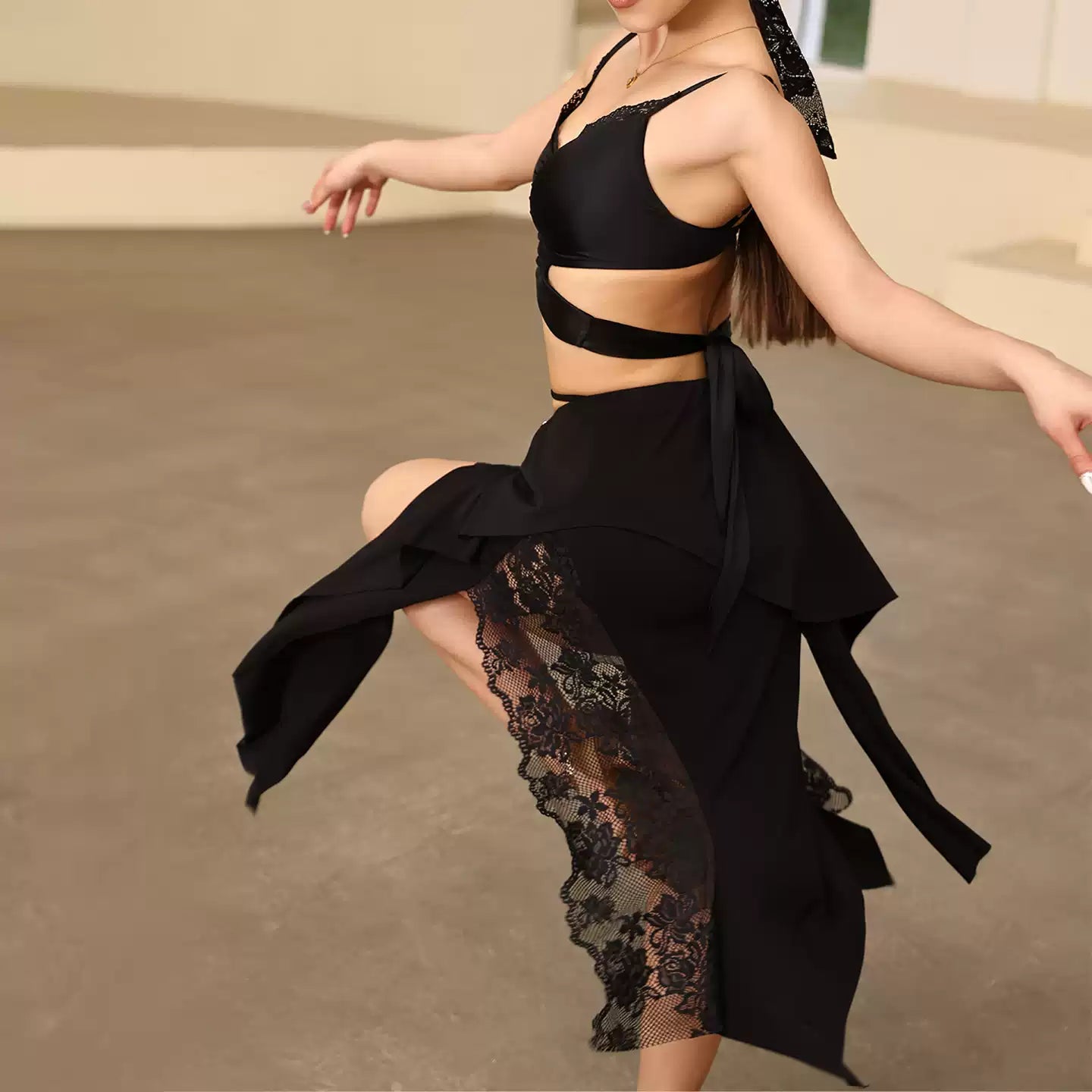
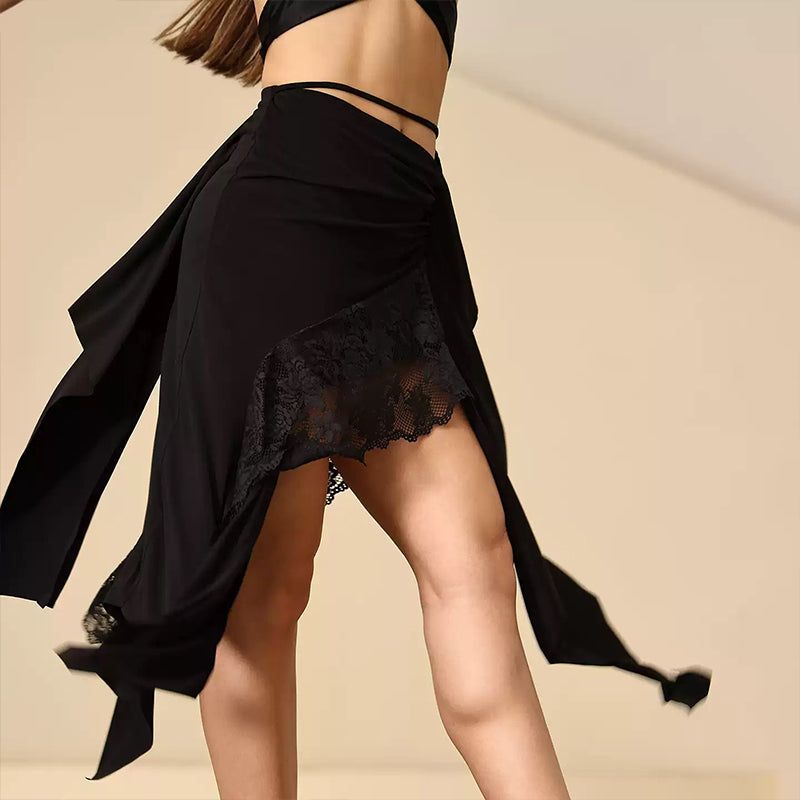
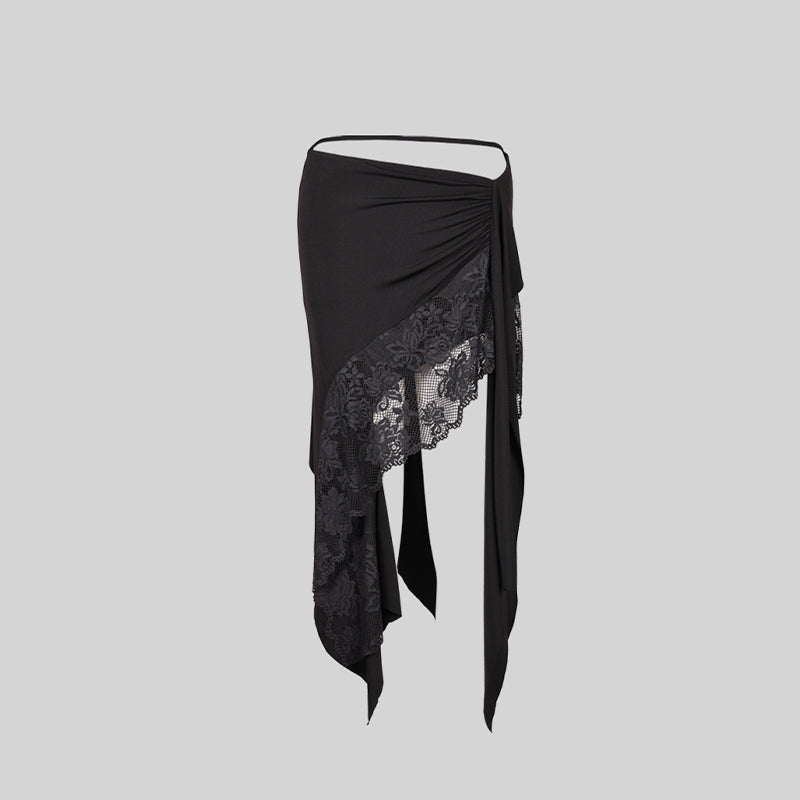
Short skirts belong to Latin and salsa, danced apart and on the beat. Here the skirt is doing rhythmic work: fringe that keeps travelling after the hip stops, a split or wrap opening that leaves the leg line readable, a hem that reacts instead of drifting. That is Latin dance skirts.
These are parallel answers to different problems, not a long version and a short version of the same garment. Dancers who work in both families keep one of each, and generally find the top or bodysuit crosses over freely while the skirt never does.
How to Tell a Good Practice Skirt in Thirty Seconds
Three things separate a skirt that lasts a term from one that annoys you by week three, and none of them photograph.
The waistband is first. A wide fold-over band or a proper elasticated high waist sits still through a lesson; a narrow band rolls, and once it starts rolling it never stops. If you dance in a bodysuit, a high waist also keeps the line unbroken from ribs to hem.
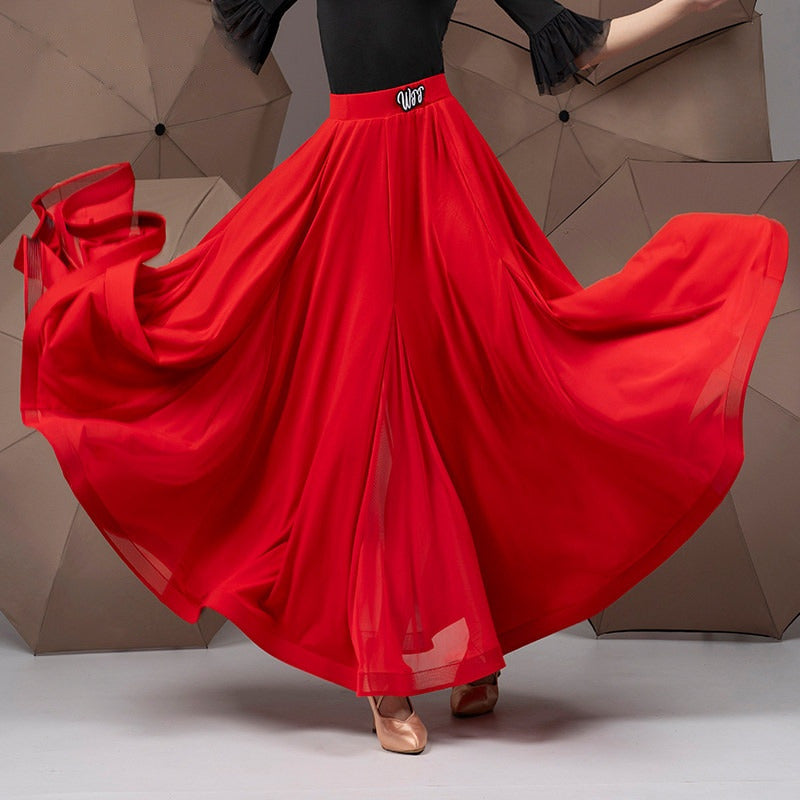
The second is what the hem does when you stop. Weighted or banded hems settle quickly and land where the figure lands. Light chiffon and mesh keep travelling for a beat after you do, which is the effect you want on a Latin floor and a distraction in a closed hold. Neither is better; they are answers to different questions.
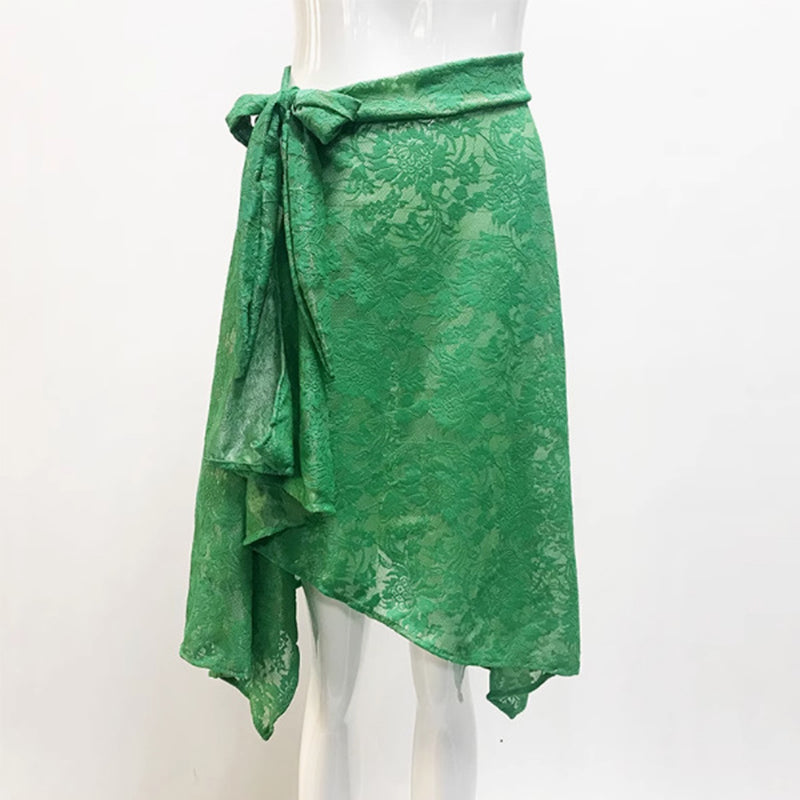
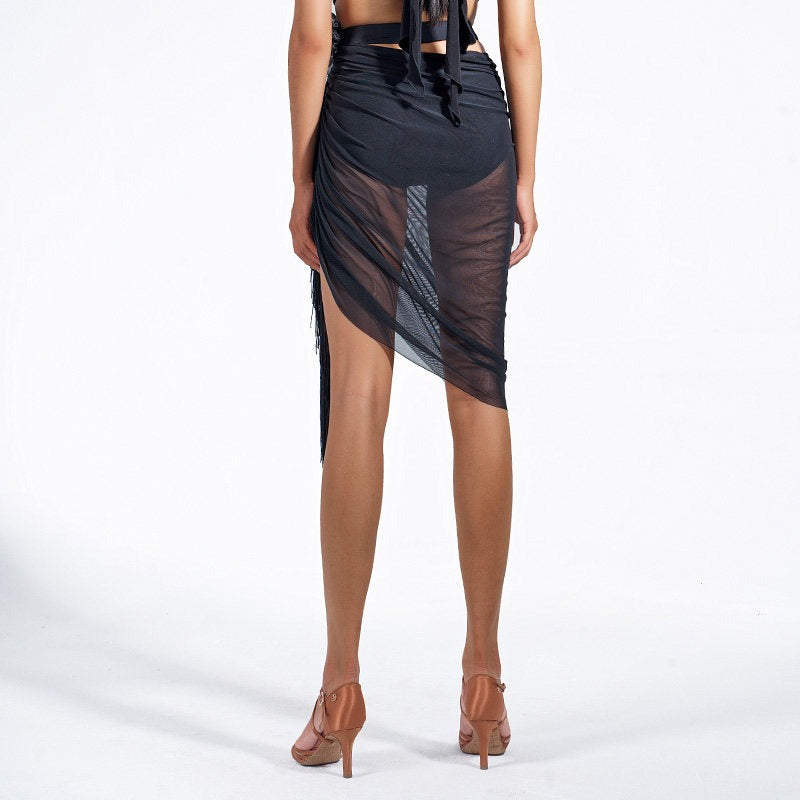
The third is the lining, or the honest absence of one. A skirt worn over a bodysuit does not need much. A skirt worn with a top and no leotard underneath does, and a single layer of mesh under studio lighting is more transparent than it looks on a hanger. Check what is underneath before you buy rather than after.
Fabric, Care and the Skirt That Survives a Term
Practice skirts live a harder life than anything else you own, so fabric choice is mostly a durability question. Stretch mesh and light chiffon move a lot for how little they weigh, and they dry fast enough to go back in the bag between lessons, which matters when you dance twice a week. Velvet and heavier knits hold their drape and read richer under lights, but they take longer to recover and are less forgiving in a warm studio. Crinkle and ruffle constructions hide creasing better than flat panels do, which is worth knowing if your skirt spends its life folded in a bag.
Wash cold and hang to dry, always. Heat is what kills elastane, and elastane is what keeps a waistband where you put it. A skirt that has been through a hot dryer twice will never sit properly again, and no amount of care afterwards brings it back.
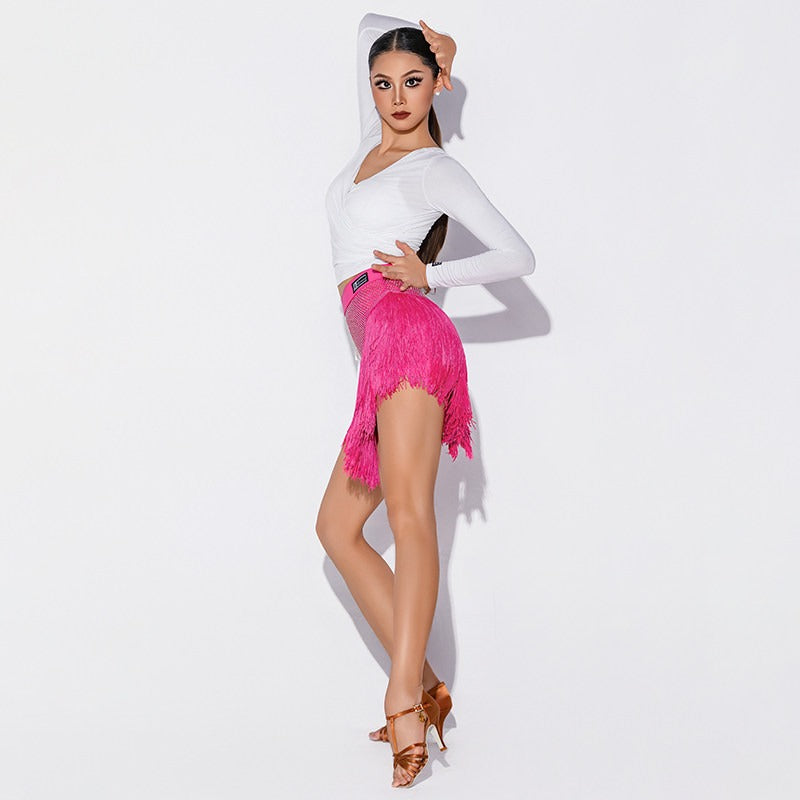
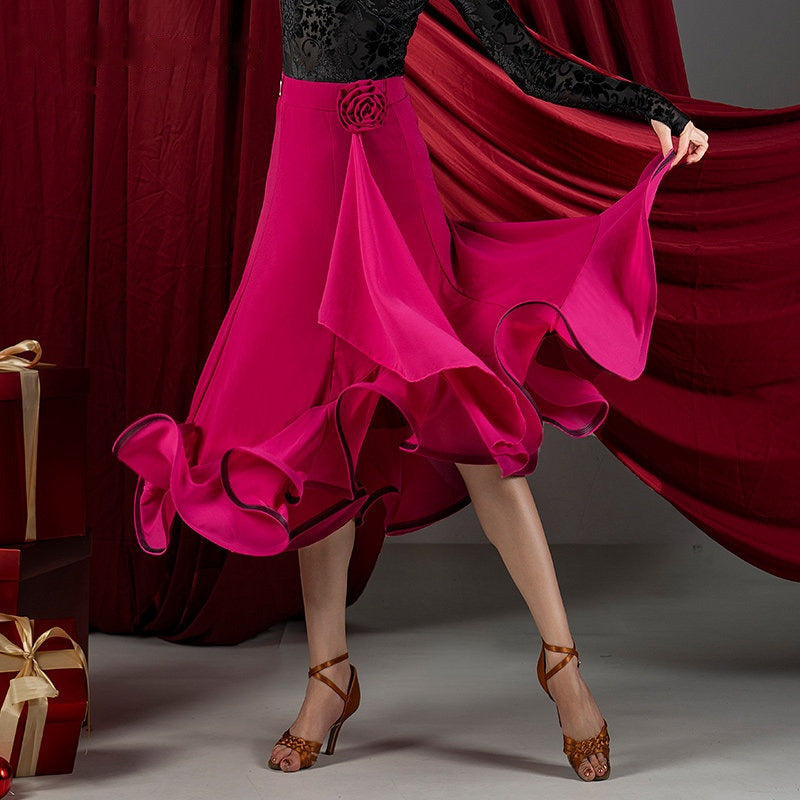
On colour: black is the default for a reason — it goes with everything, it reads cleanly in a studio mirror, and it does not compete with whatever top you grabbed. A second skirt in something brighter earns its place on social nights and in showcase photographs, where the point is to be seen rather than to be corrected.
What You Wear It With
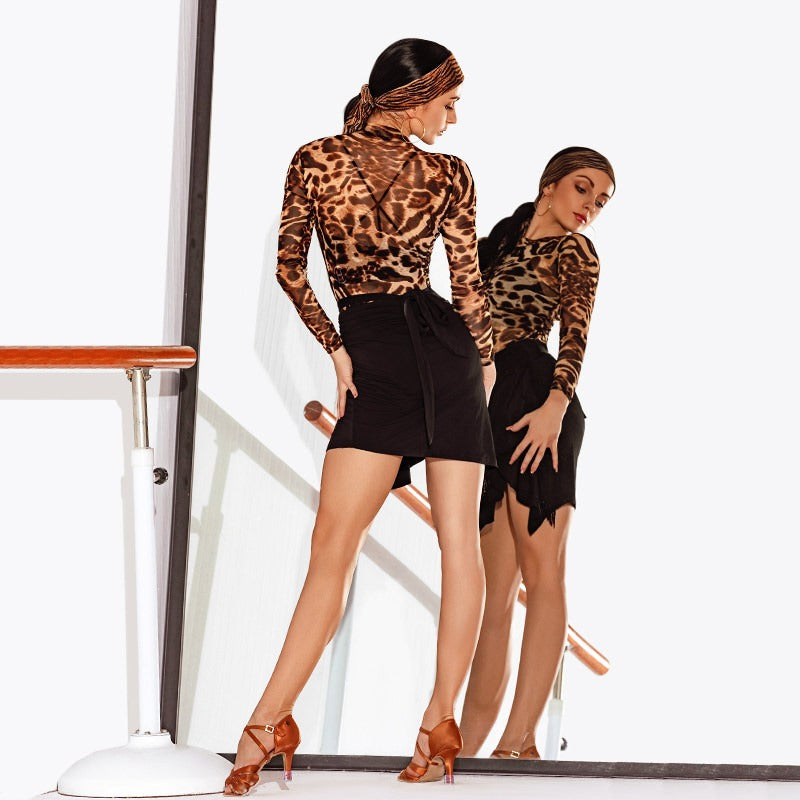
A skirt is half an outfit by definition, which is its whole advantage: two skirts and three dance tops give you a different look every week without buying a different look every week. A dance bodysuit underneath is the usual pairing, because it stays where it is through rotation and leaves no waistline break to interrupt the line. A draped practice top is the alternative when you want more coverage than a leotard gives you.
Dance pants cover the sessions where a skirt is not what you want — solo practice, technique work, cold rooms — and most dancers own both rather than choosing. When you want one decision instead of two, dance dresses is the other way to solve the same evening. For a full training kit of skirts, tops, pants and bodysuits together, see dance practice wear.
Dance Skirts: Frequently Asked Questions
What is a practice dance skirt?
A skirt built for lessons rather than performance: simple construction, washable fabric, a waistband that holds through a long session and no applied stonework to catch on a partner. It is the skirt you wear weekly, and a good one is presentable enough to go straight to a social night afterwards.
Should my dance skirt be long or short?
Long for ballroom and Standard, short for Latin and salsa. Long skirts are cut to travel with rise and fall in a closed hold; short skirts are cut to react on the beat with the hip working visibly. The dance decides this, not the dancer, and dancing both families means owning one of each.
What do you wear under a dance skirt?
A bodysuit or leotard most often, since it stays flat through rotation and leaves the waistline unbroken. Dance briefs or attached shorts are the alternative if you prefer a separate top. Either way, check the lining on any single-layer mesh or chiffon skirt, which is more sheer under studio lighting than it appears on the product photograph.
How do I stop a dance skirt from riding up or rolling down?
Choose a wide fold-over band or a proper high waist rather than a narrow elastic, and match it against your actual waist measurement rather than your street size. A skirt that has to stretch to close will roll every time. Wearing it over a bodysuit rather than a tucked-in top also helps, because there is nothing underneath for it to slide against.
How do I wash a dance skirt?
Cold water, gentle cycle or by hand, and hang to dry out of direct heat. Heat destroys the elastane that keeps a waistband and a stretch hem behaving, and that damage does not reverse. Mesh and chiffon dry fast enough to go back in the bag the same evening.
What size dance skirt should I order?
Order against the size chart on the product page using your waist and hip measurements rather than your usual clothing size. Most waistbands are elasticated or high-waisted with some give, and every order is backed by a money-back guarantee if the fit turns out wrong.