

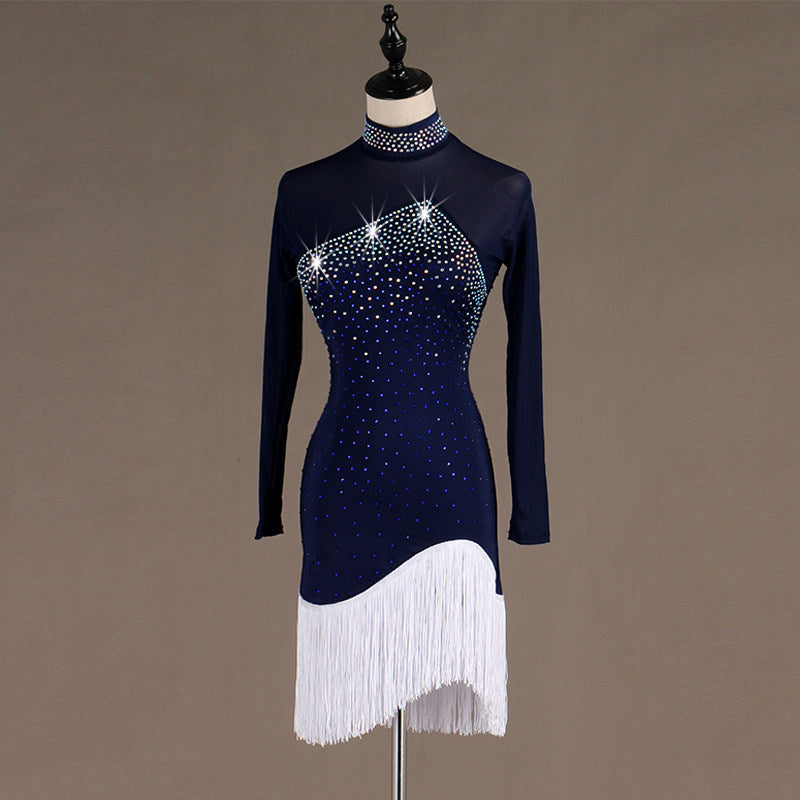
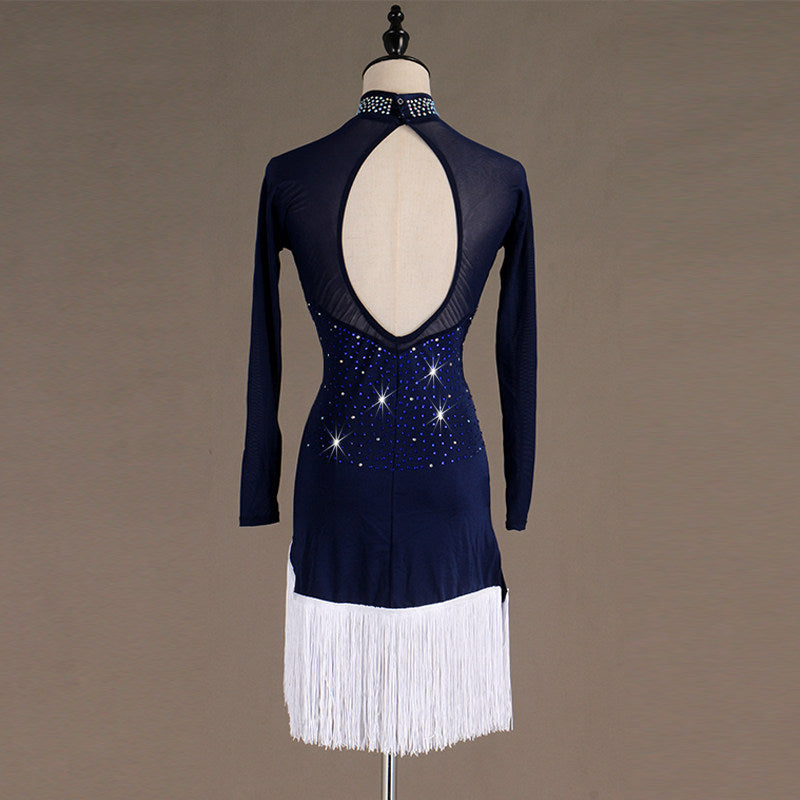
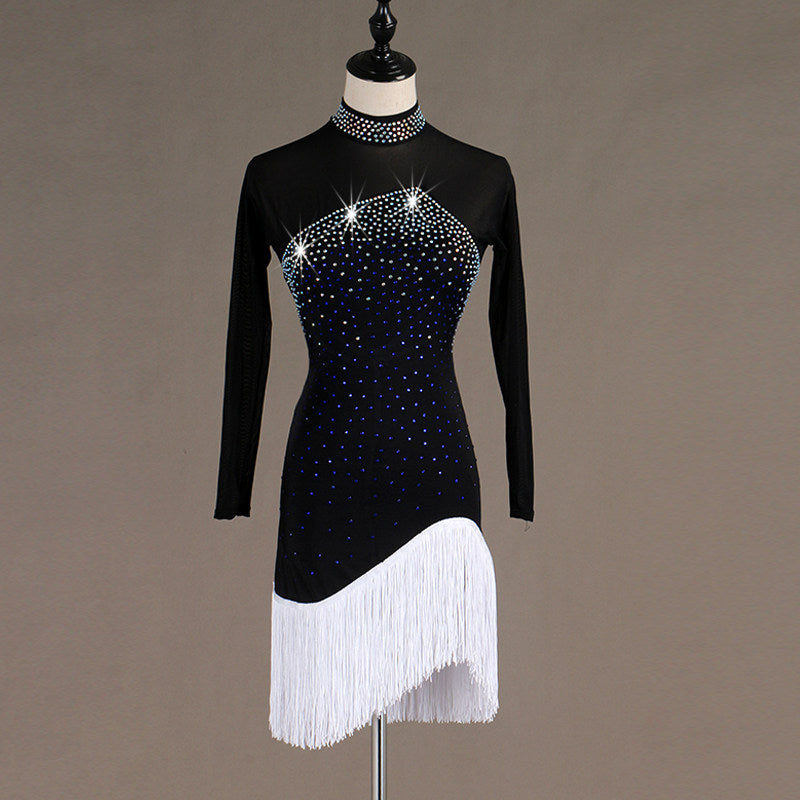
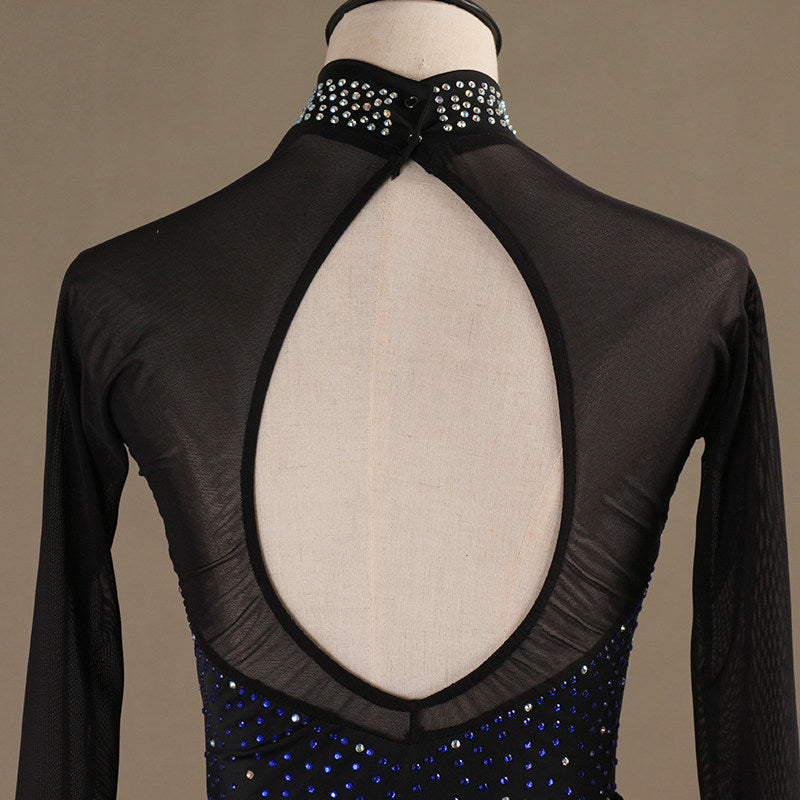
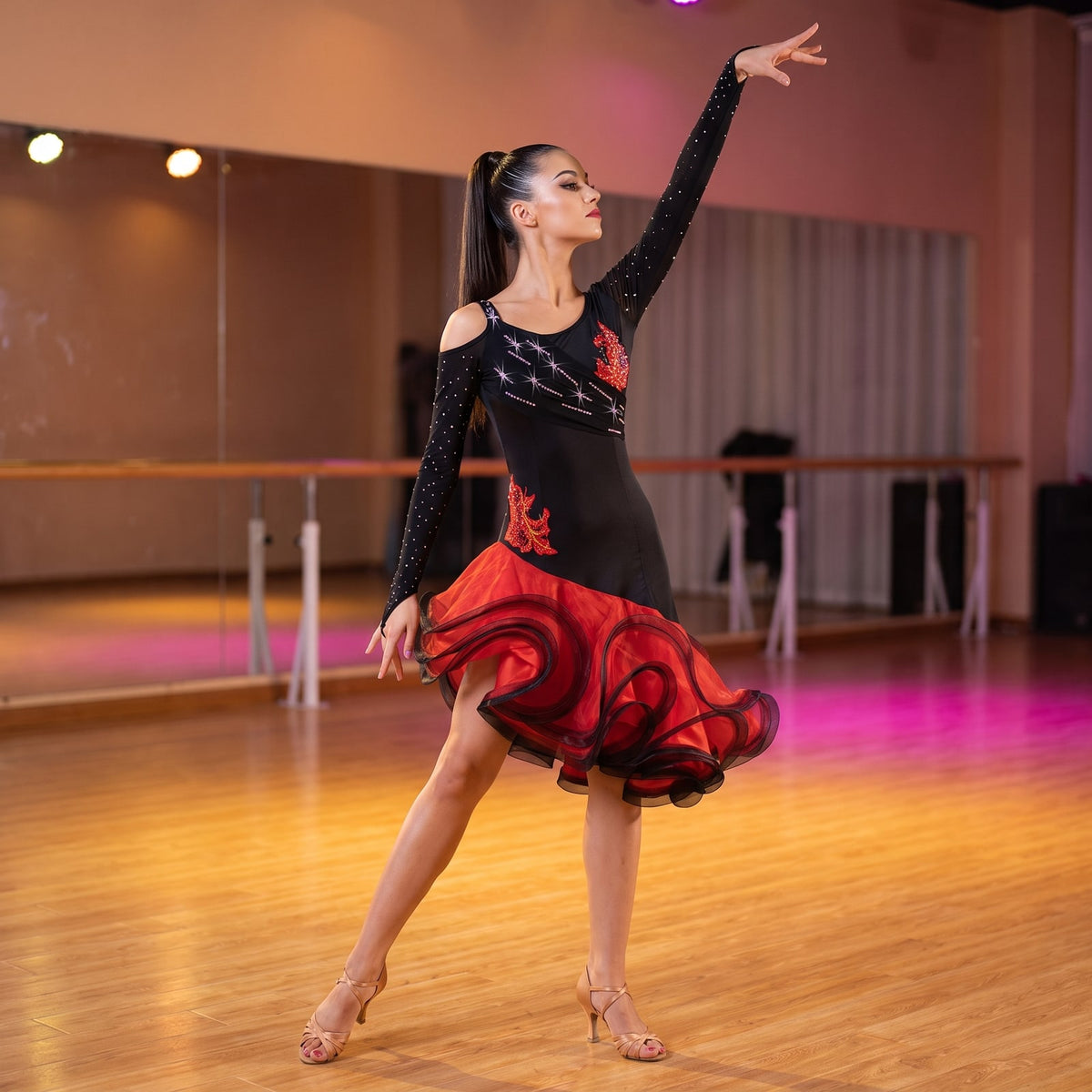
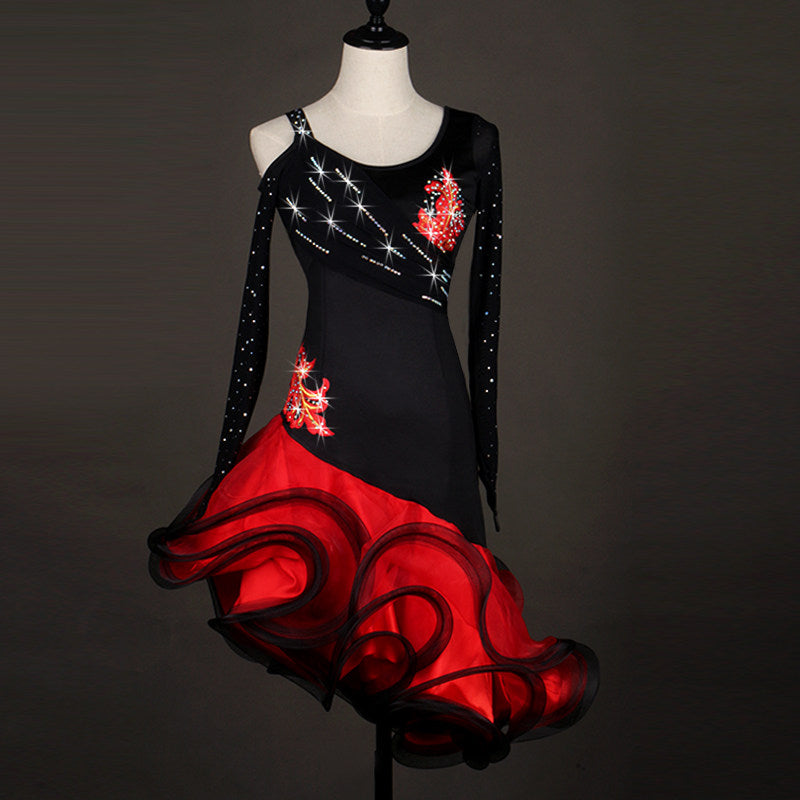
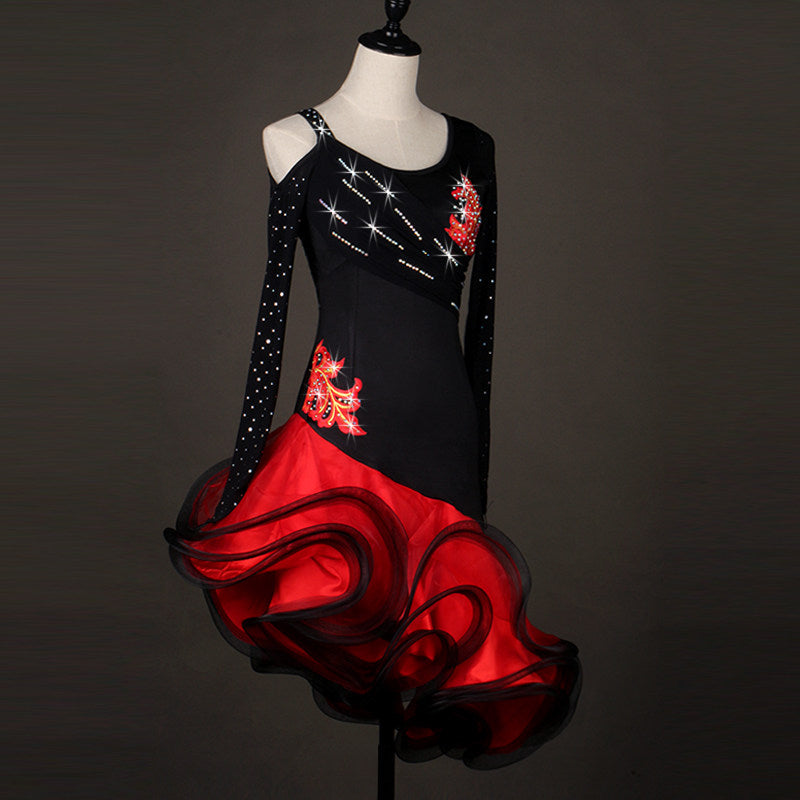
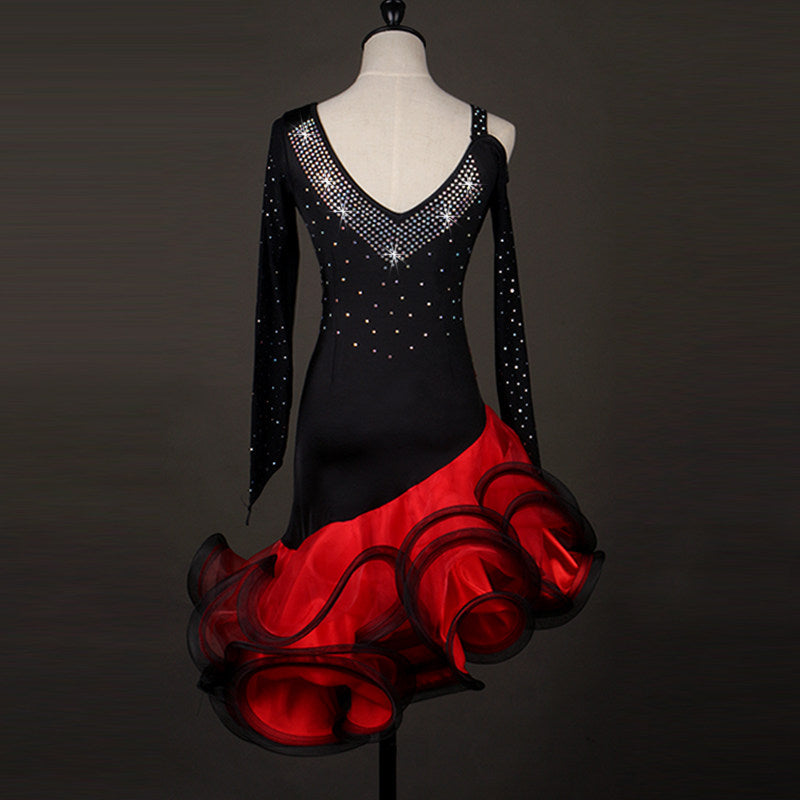






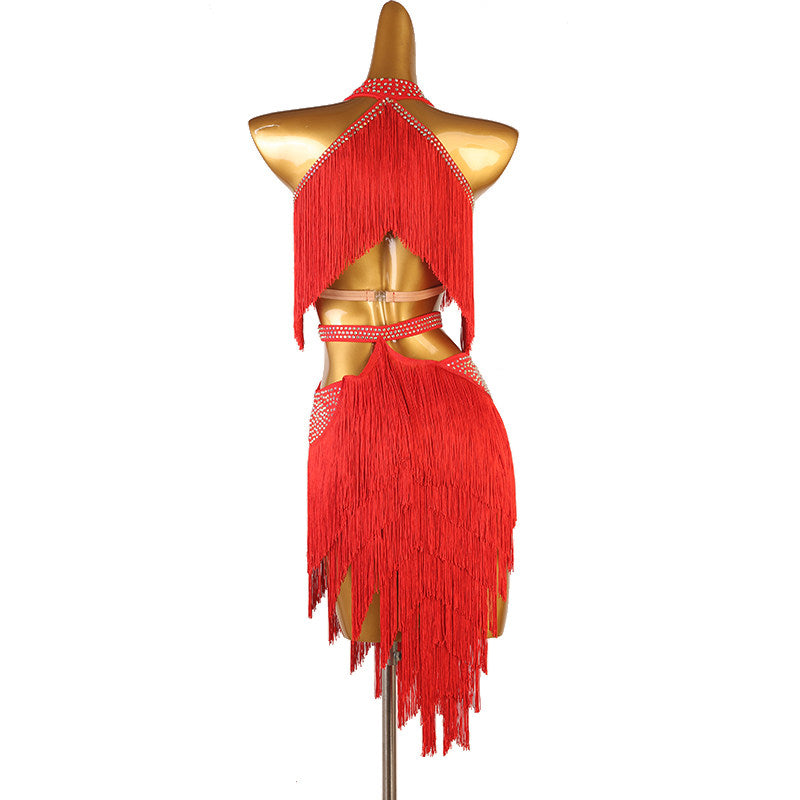
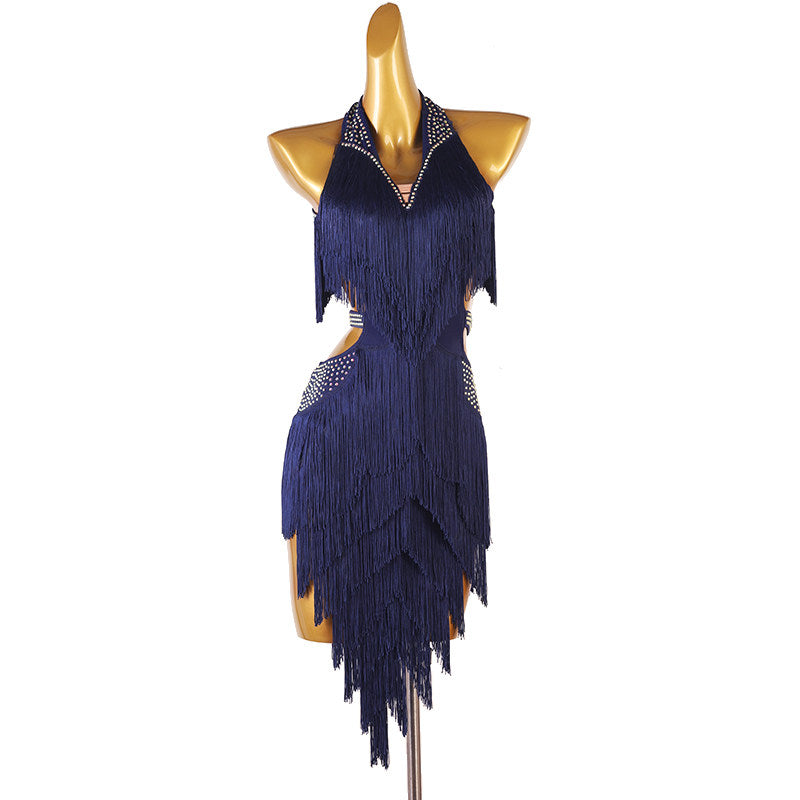
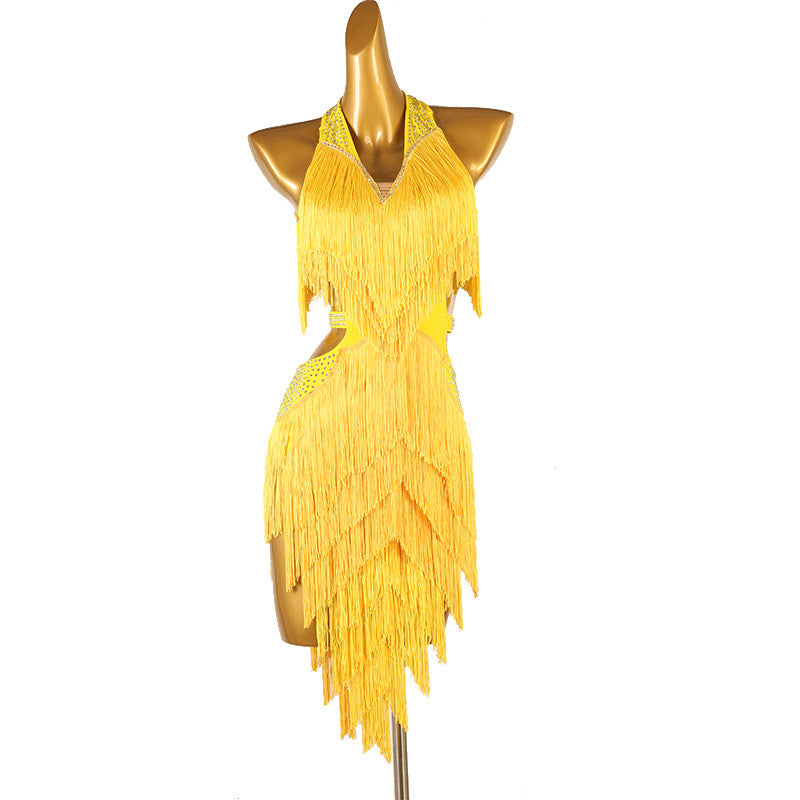
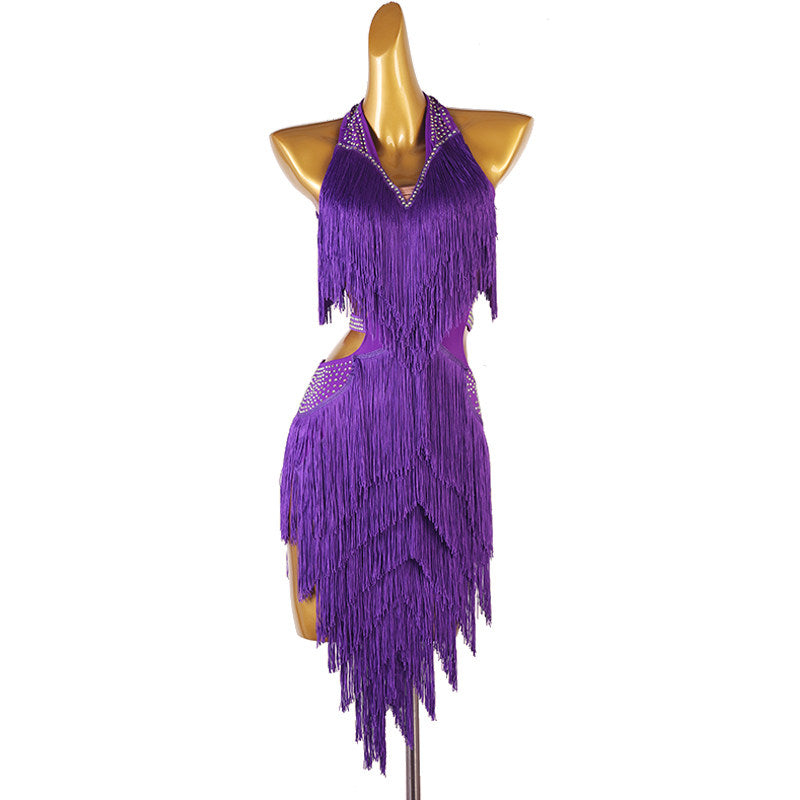
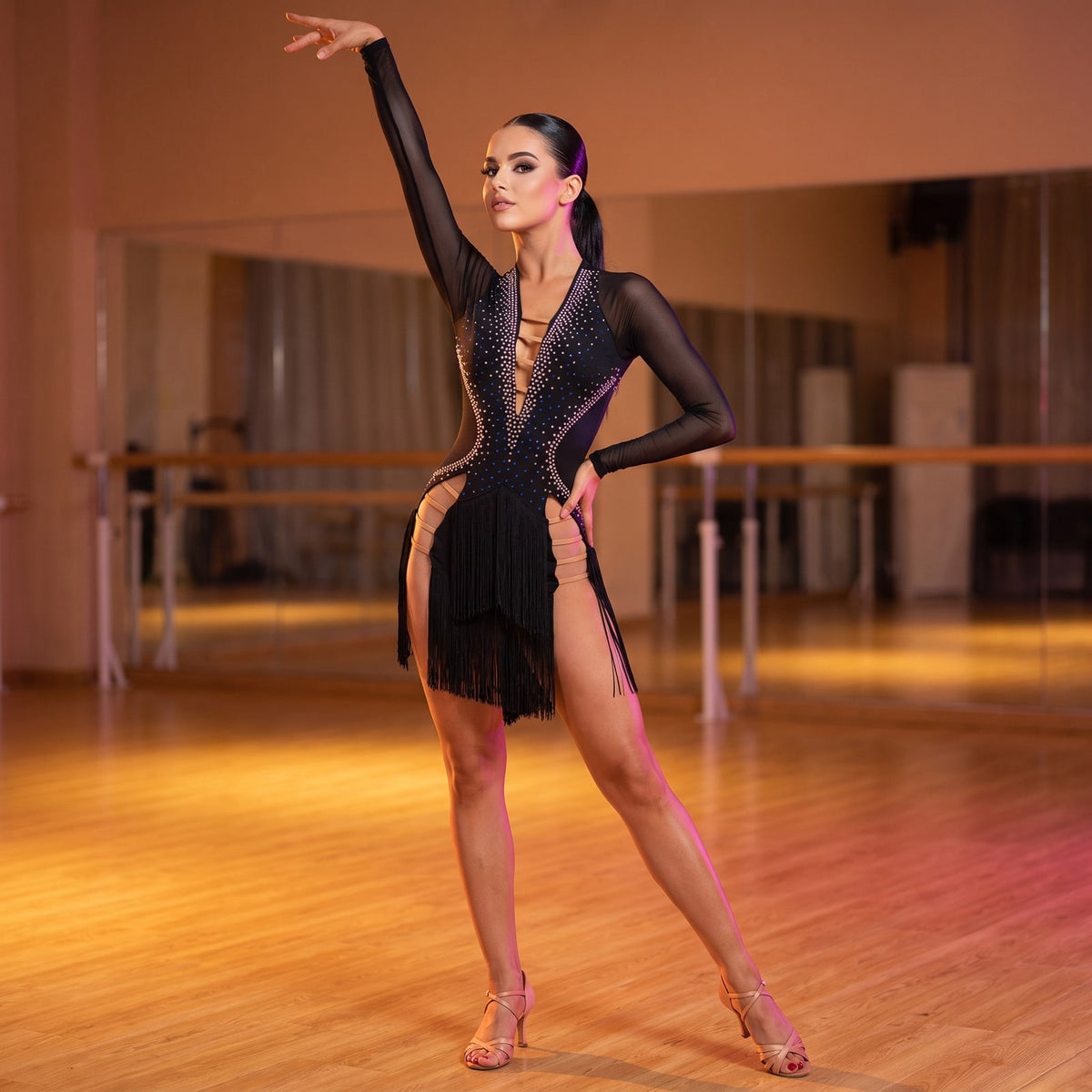
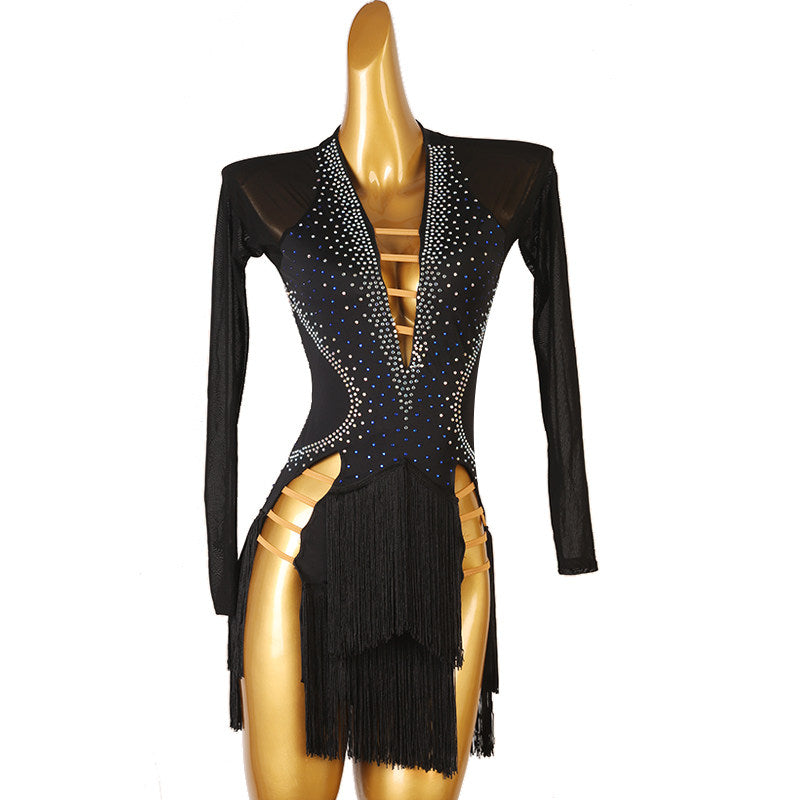
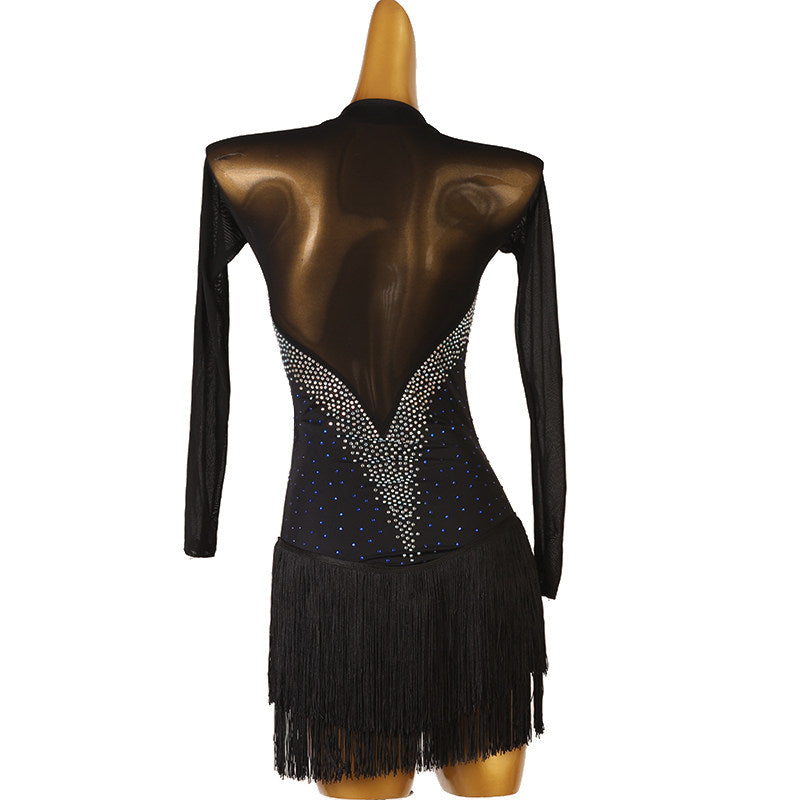
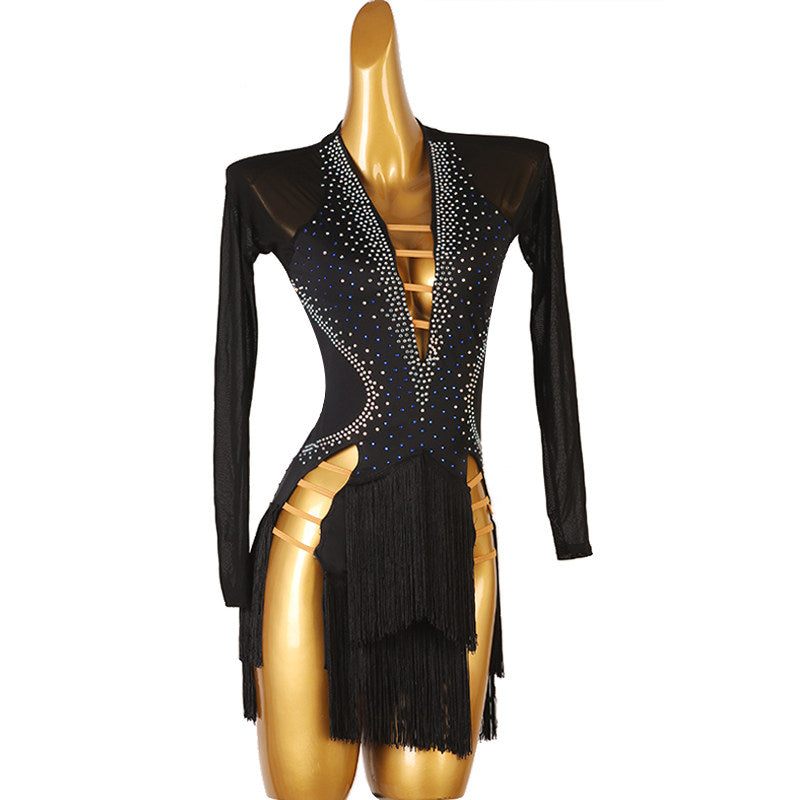
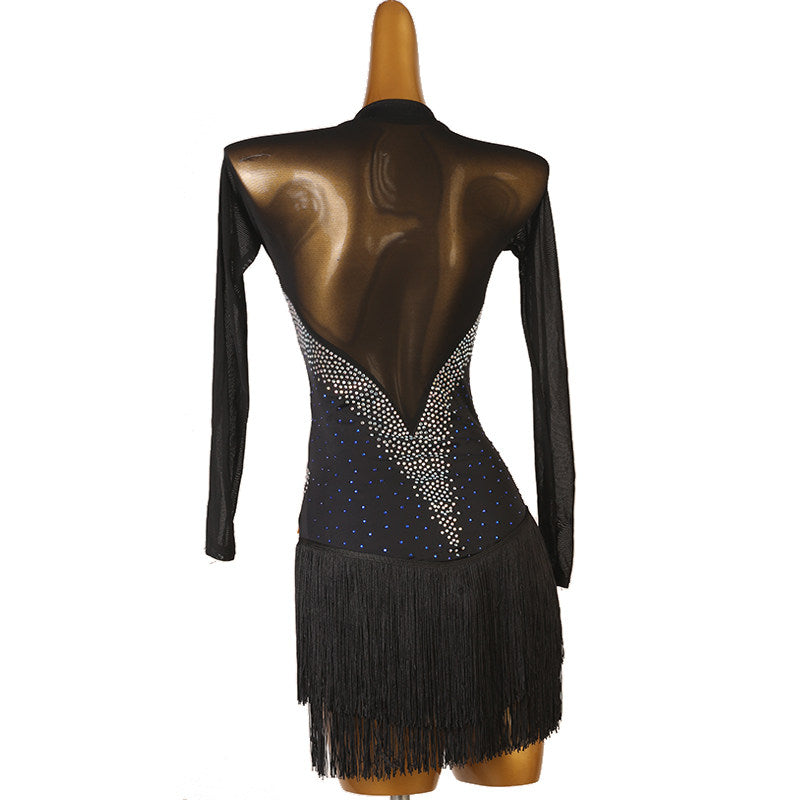
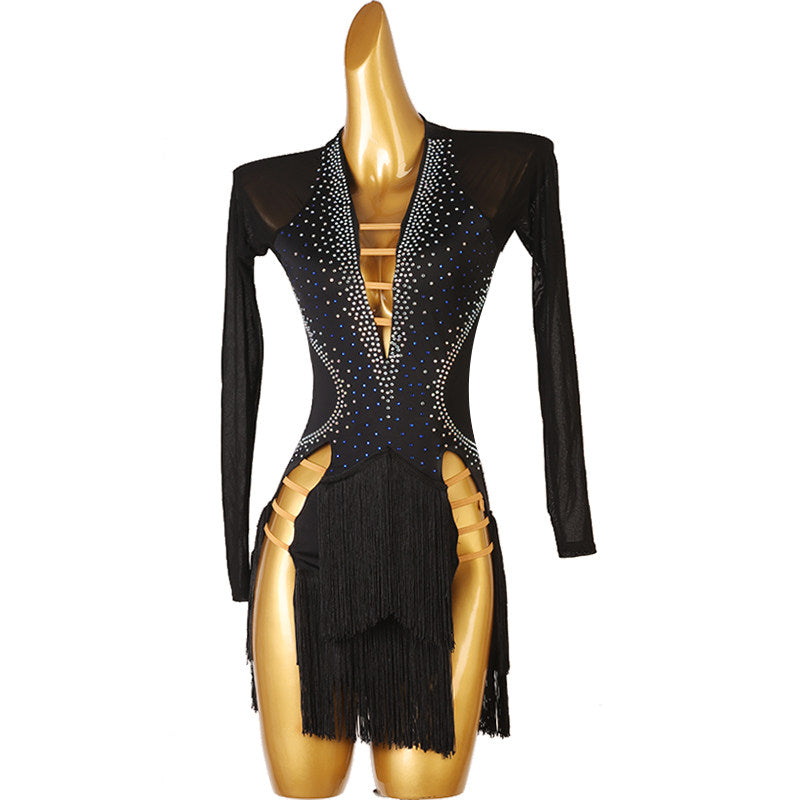
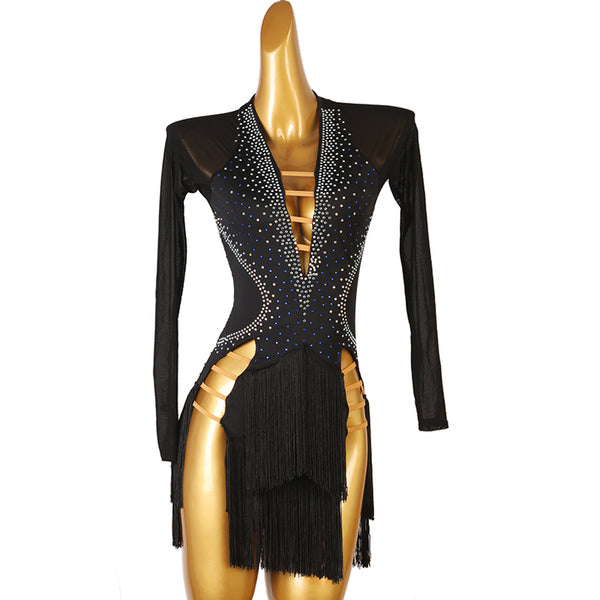
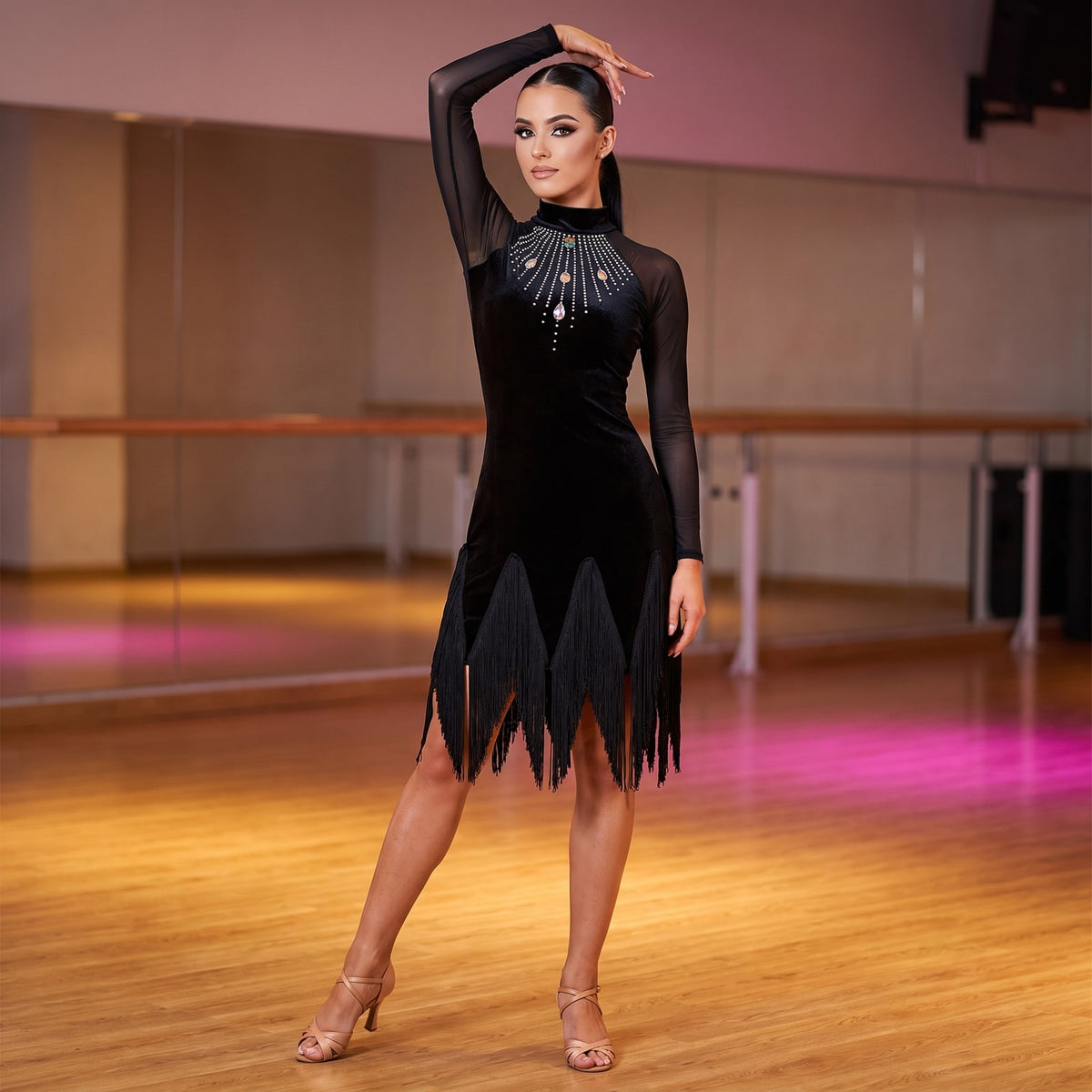
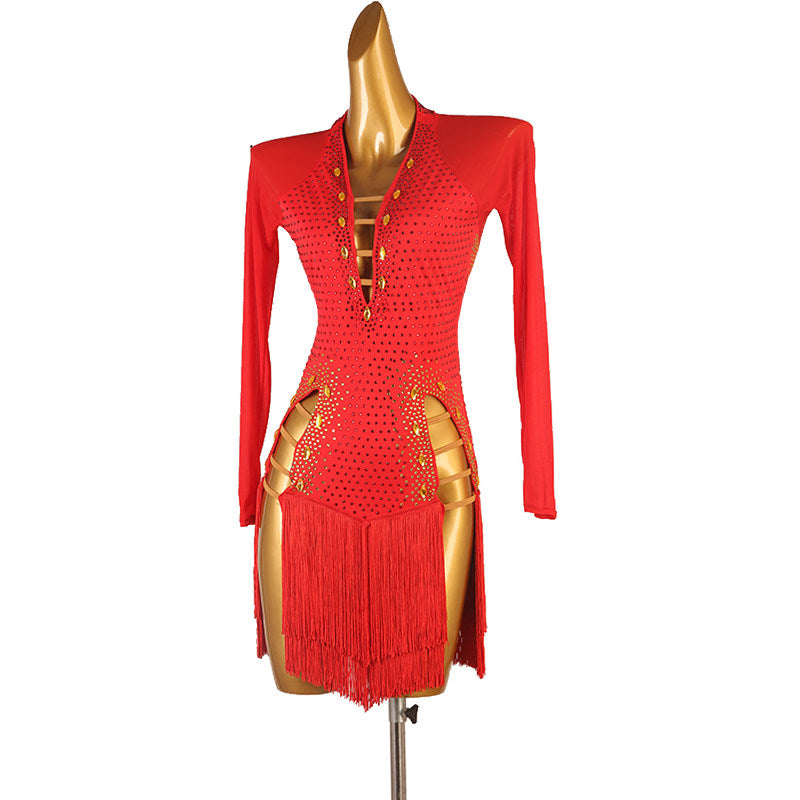
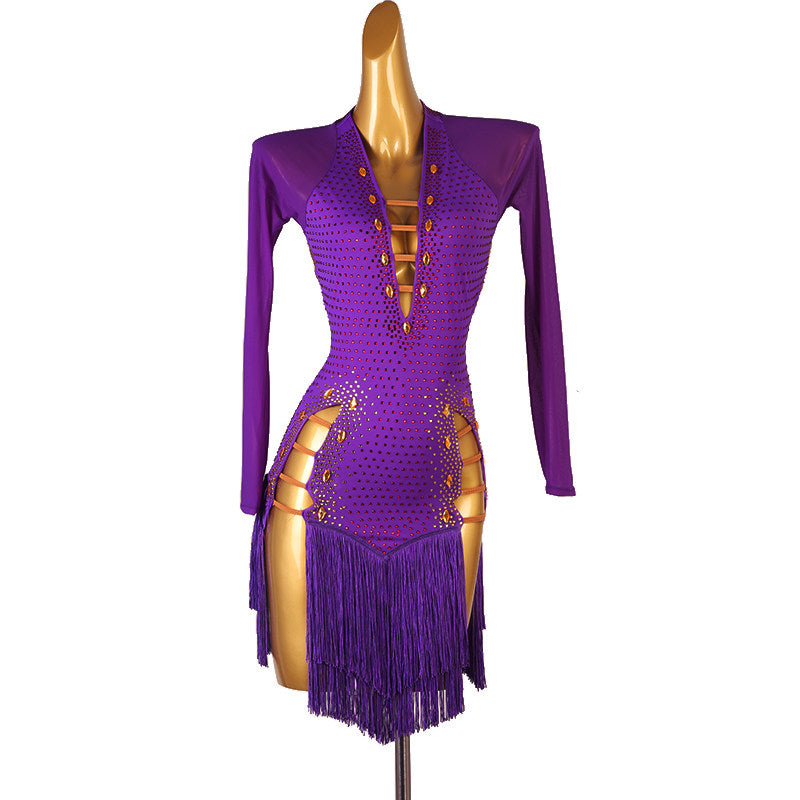
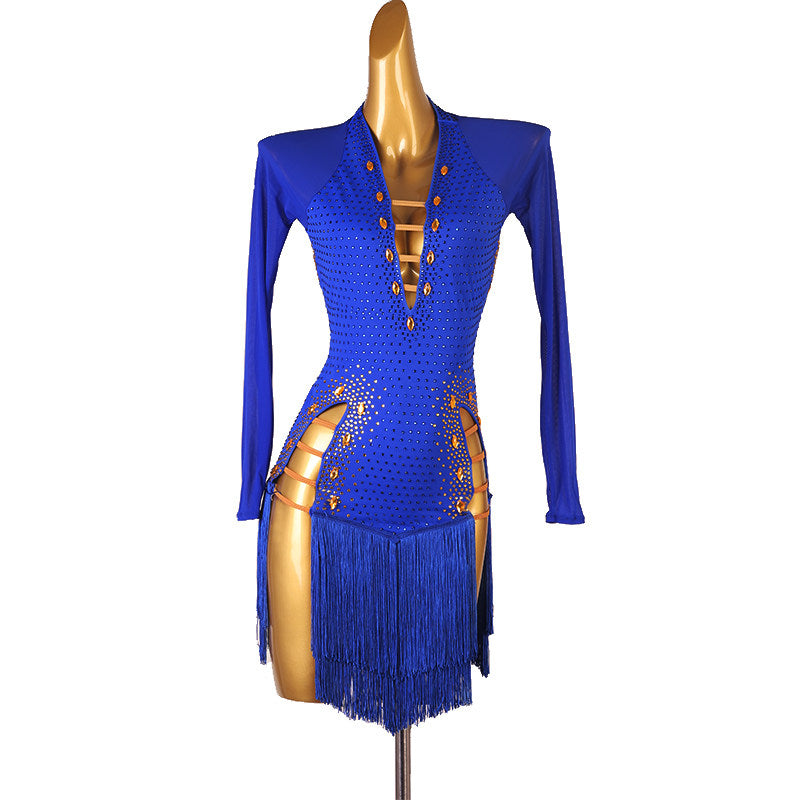
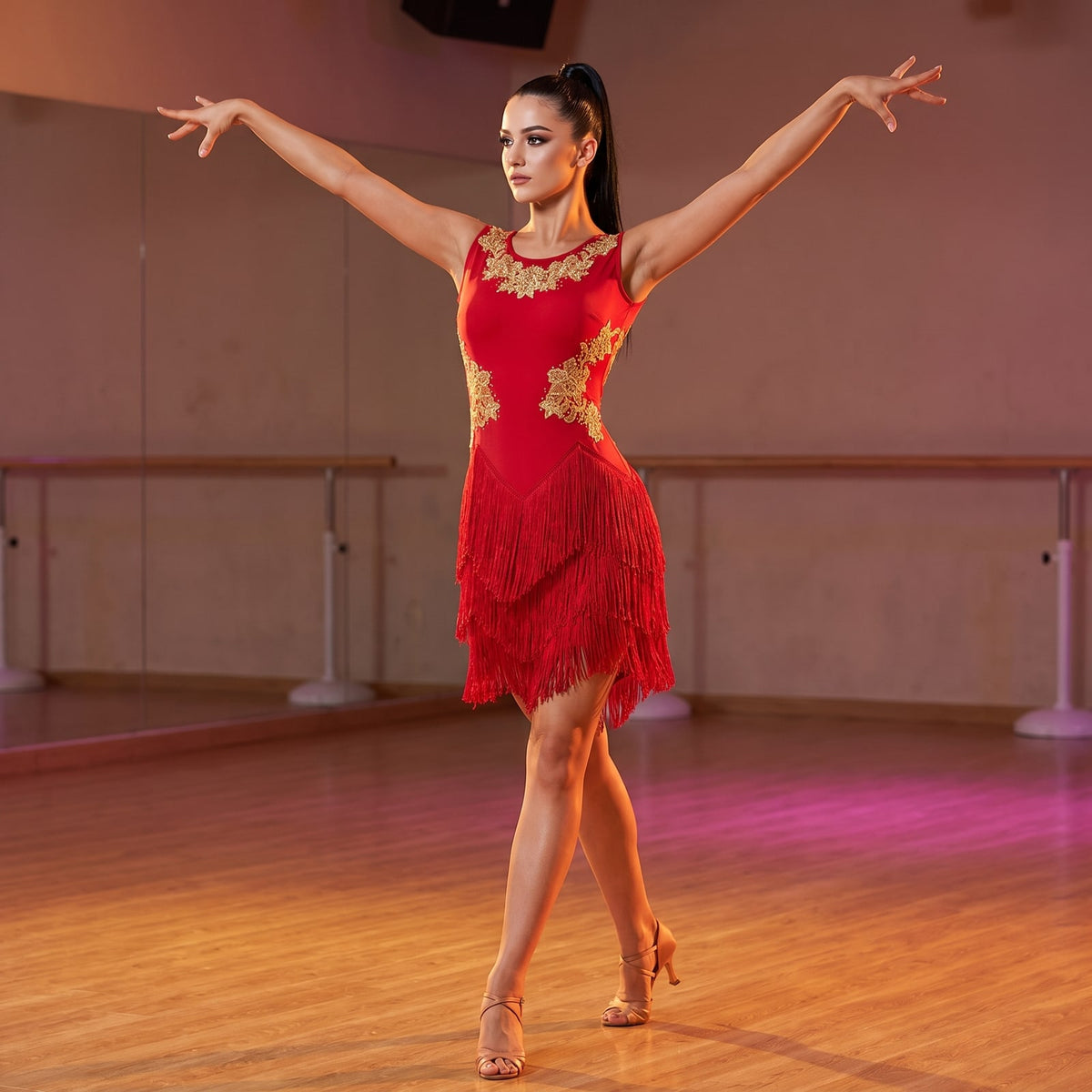
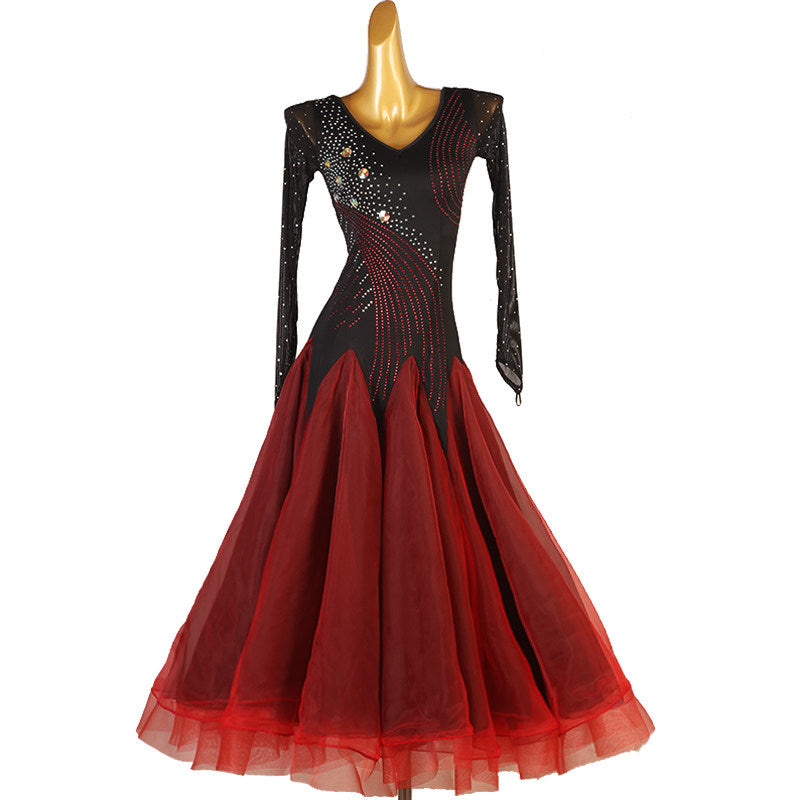
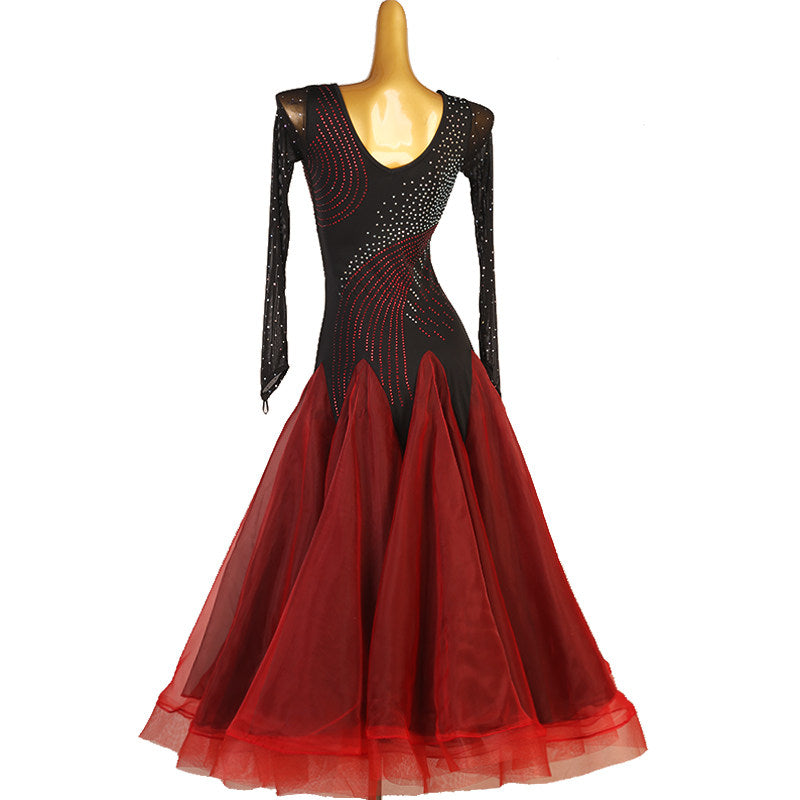
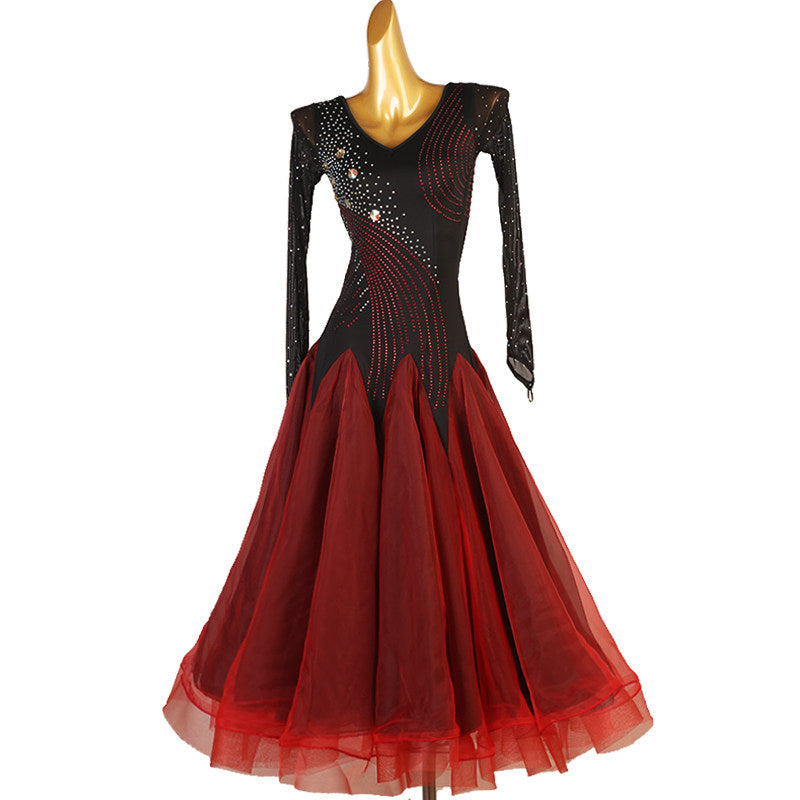
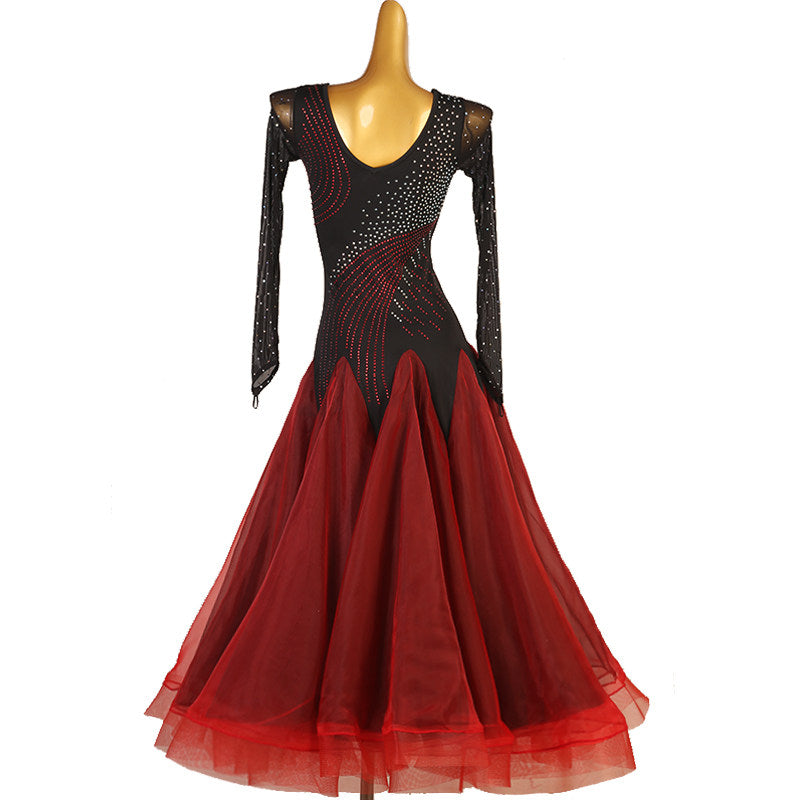
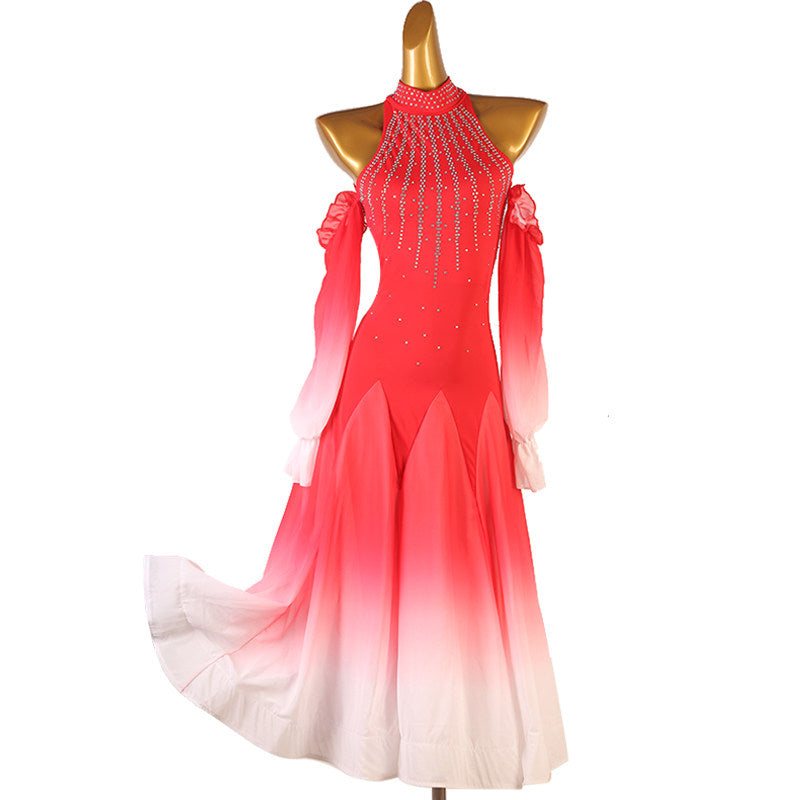
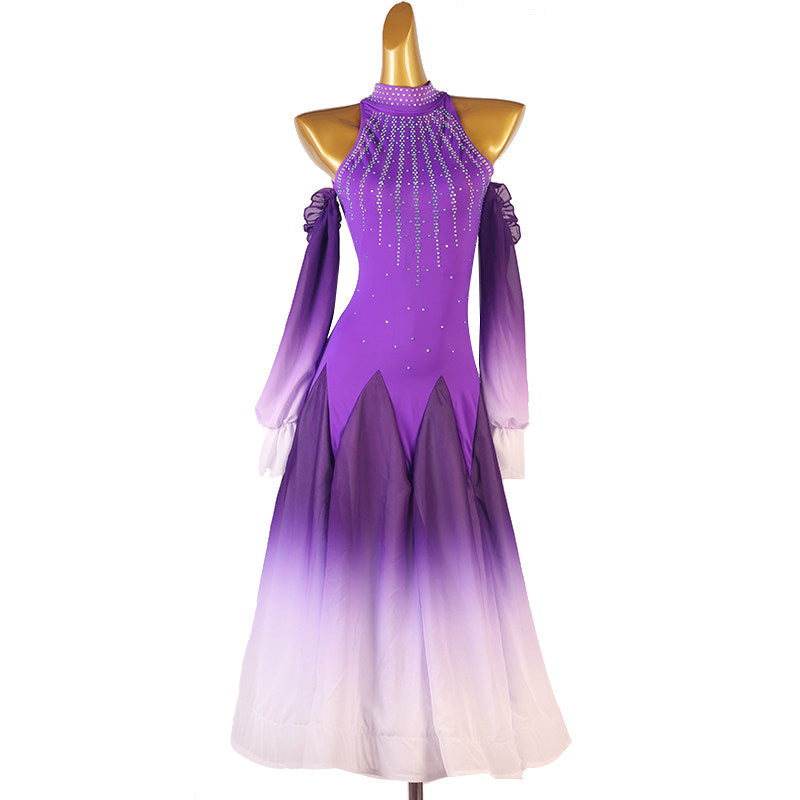
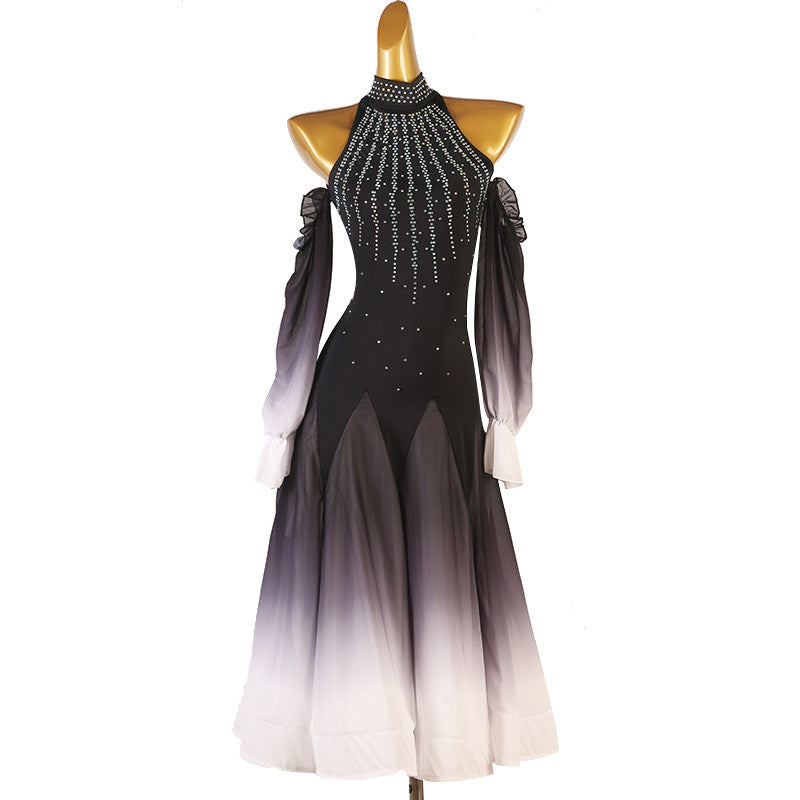
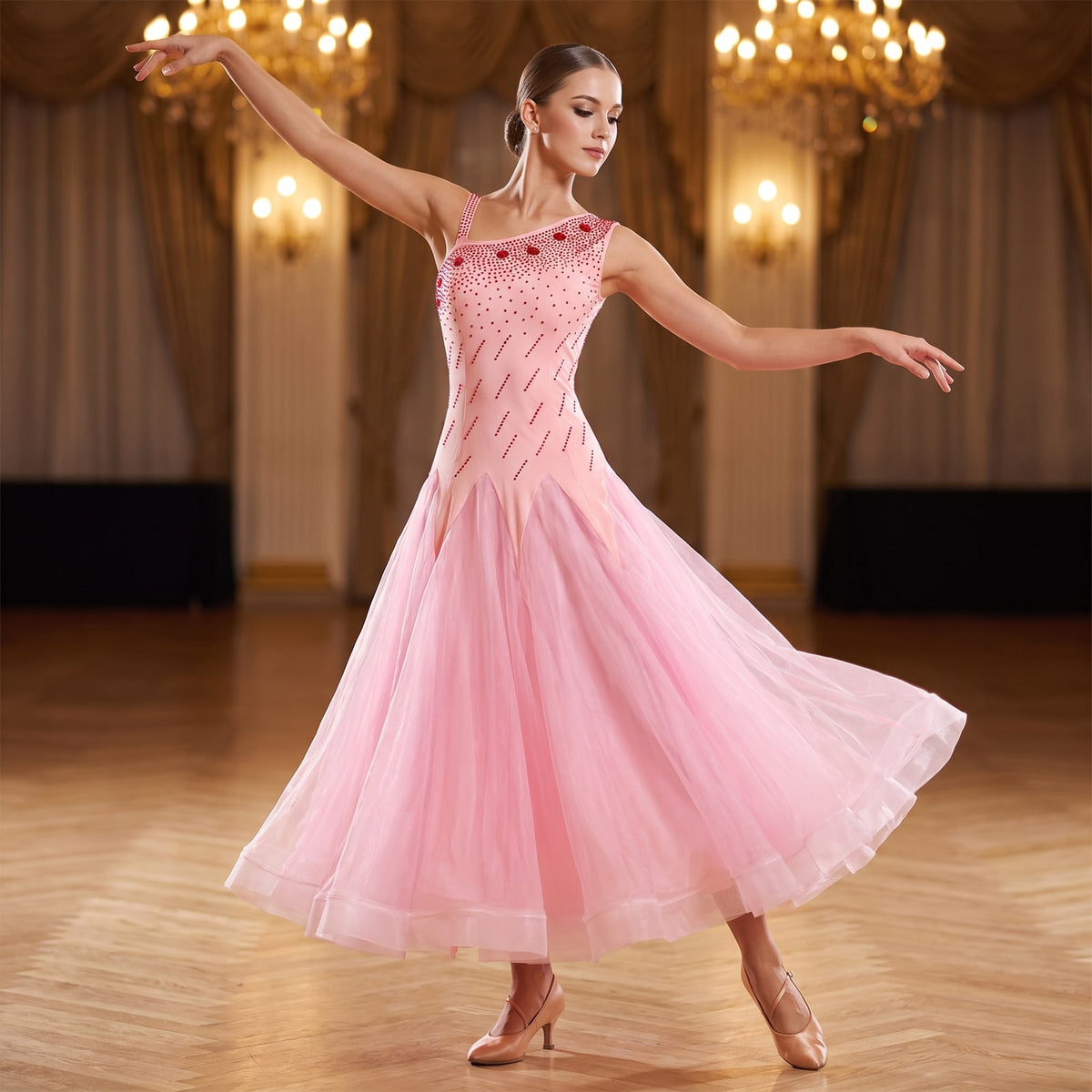


































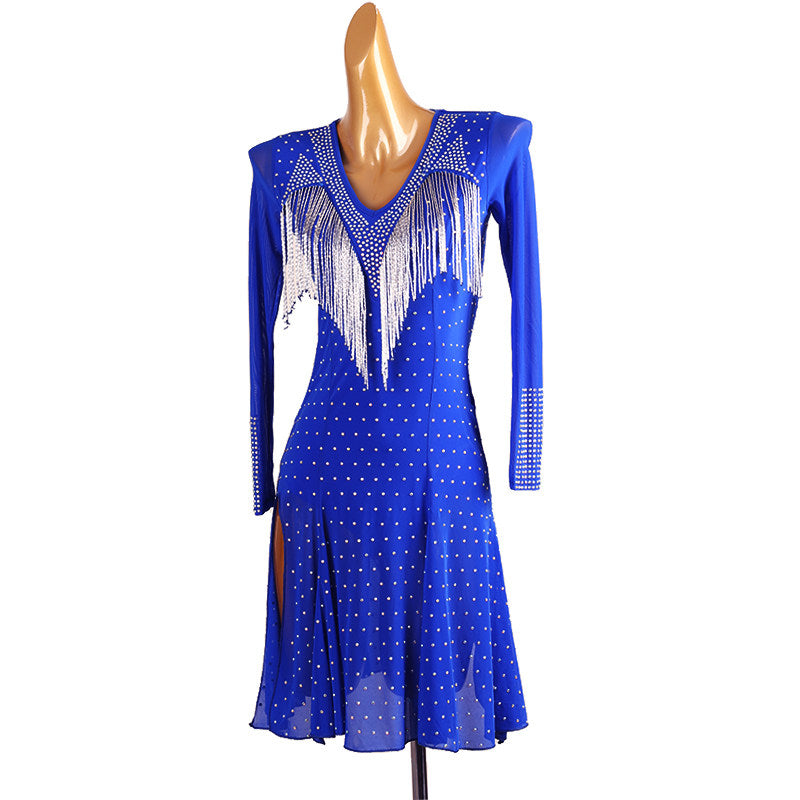
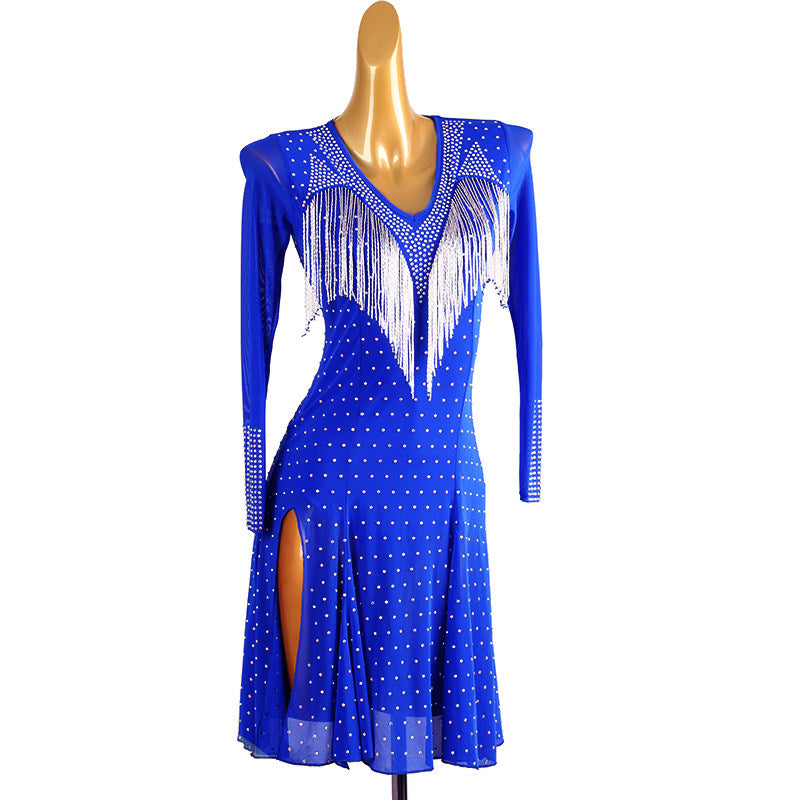
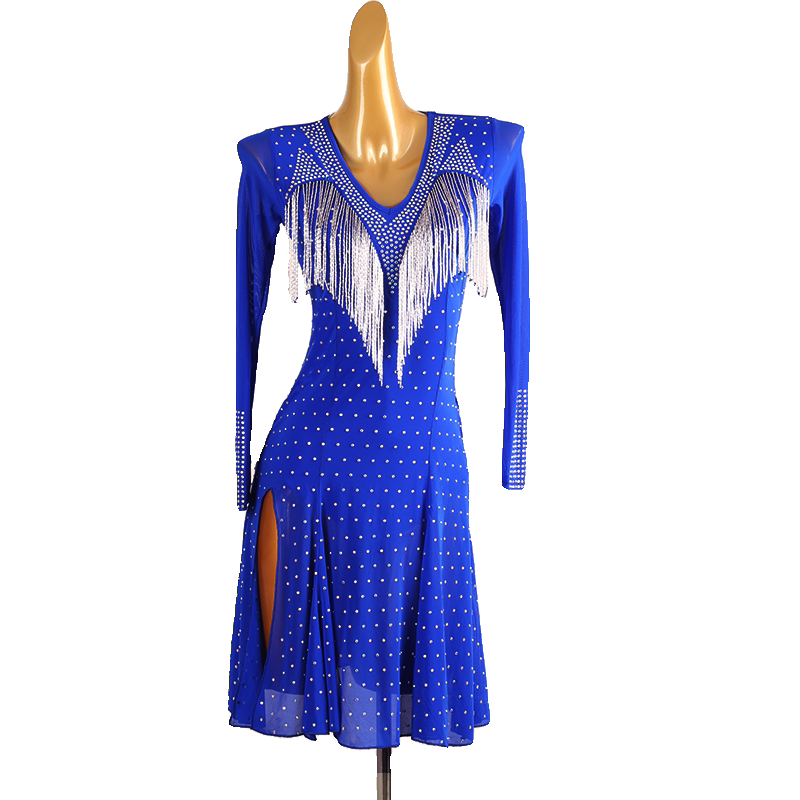
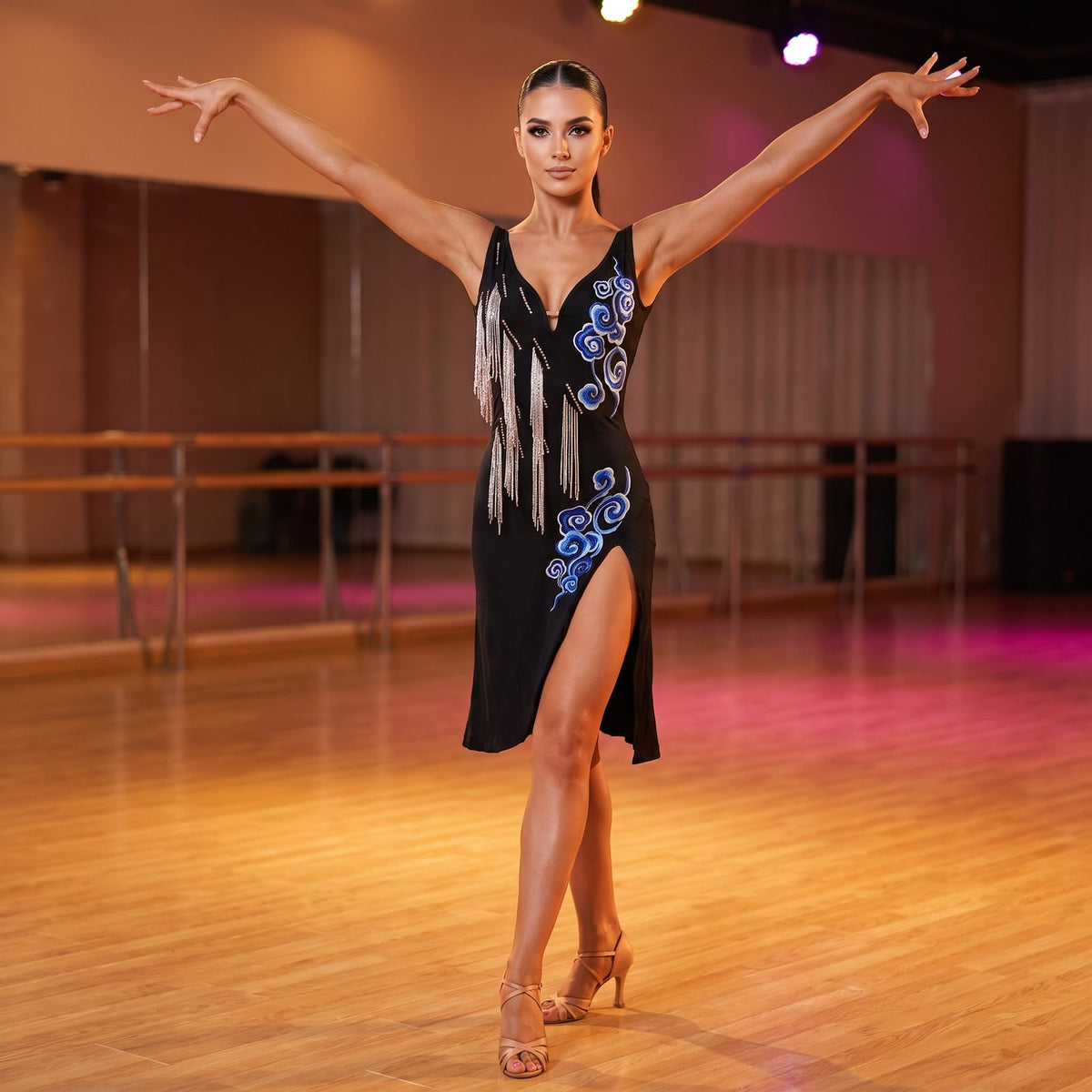
What Counts as a Dancesport Dress
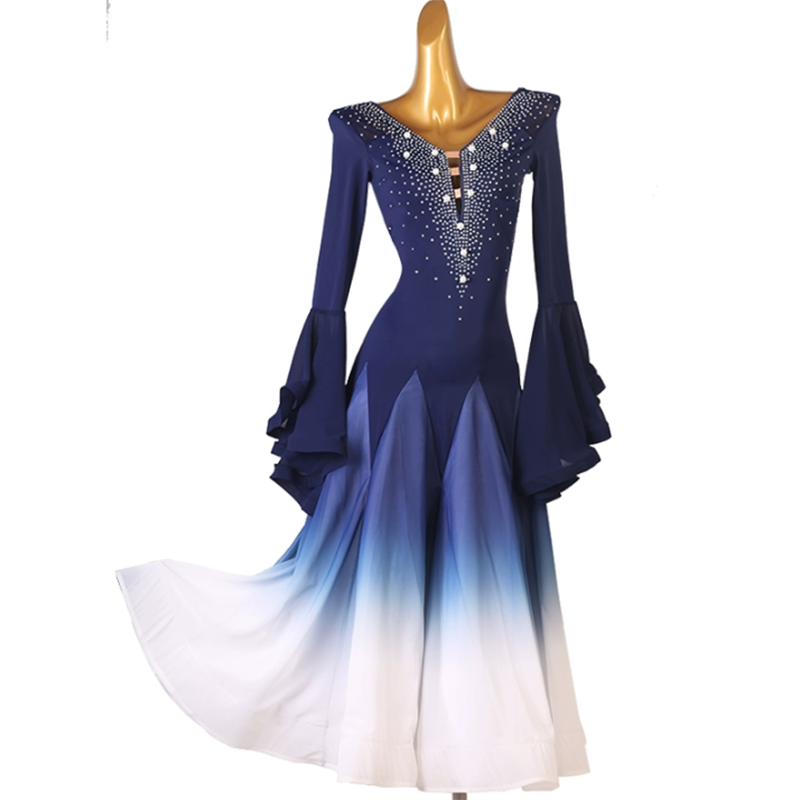
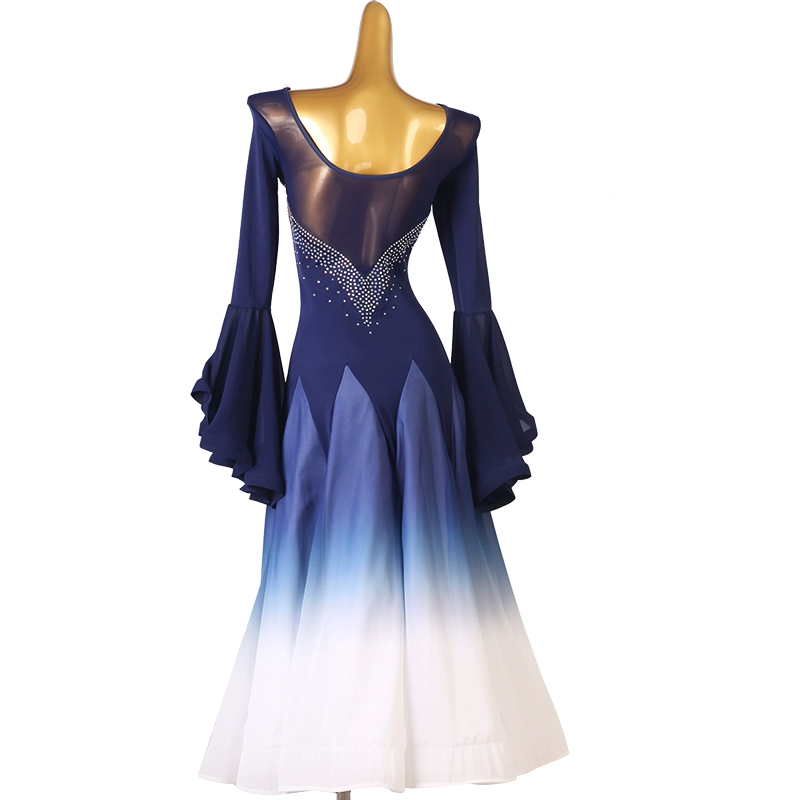
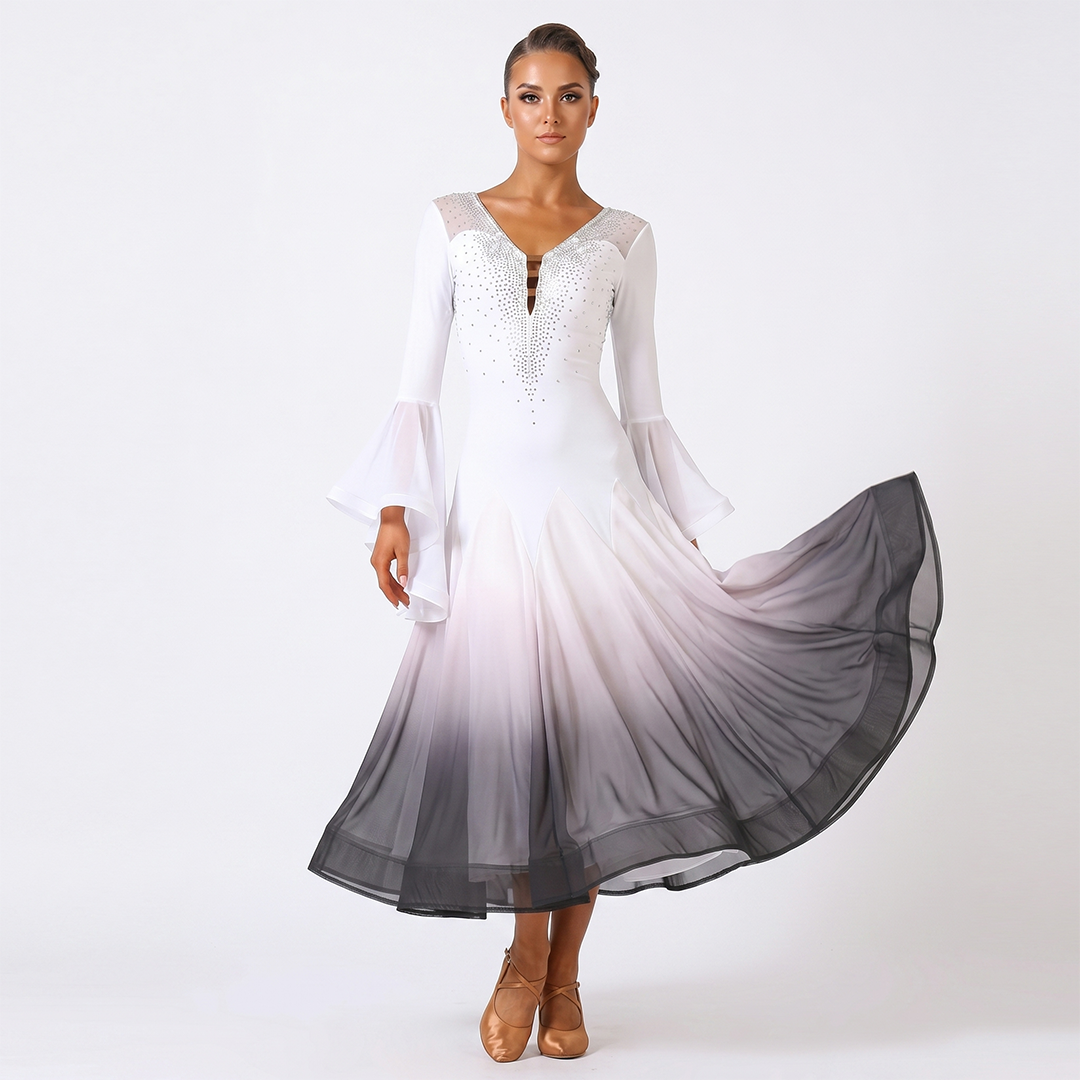
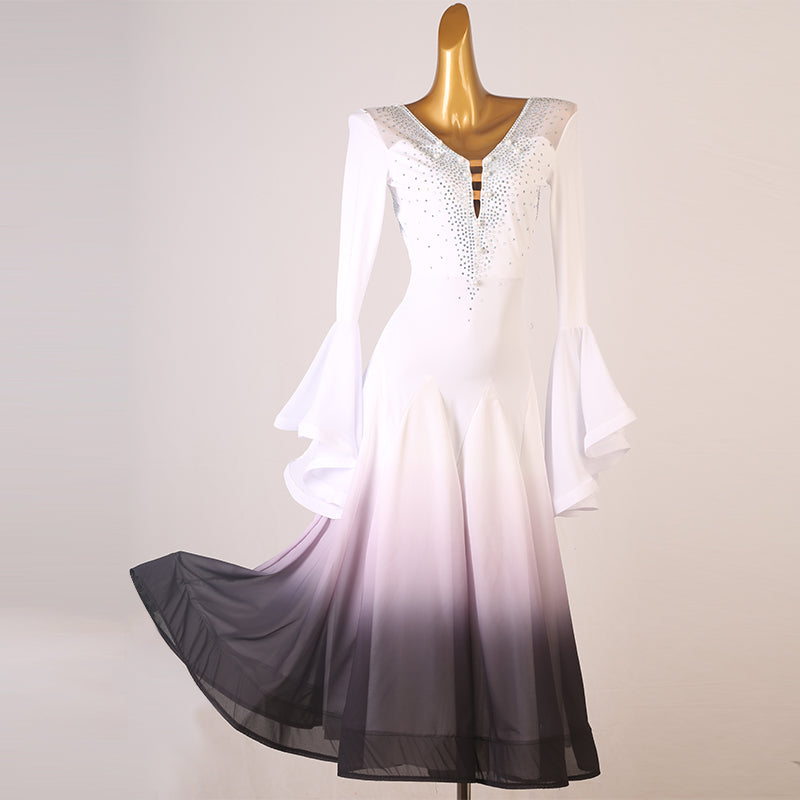
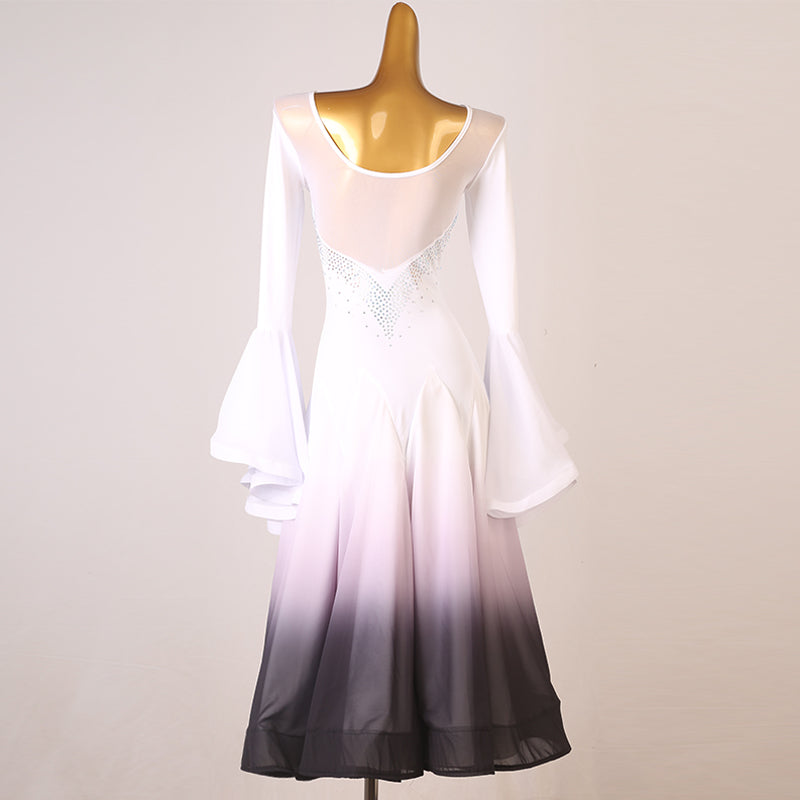
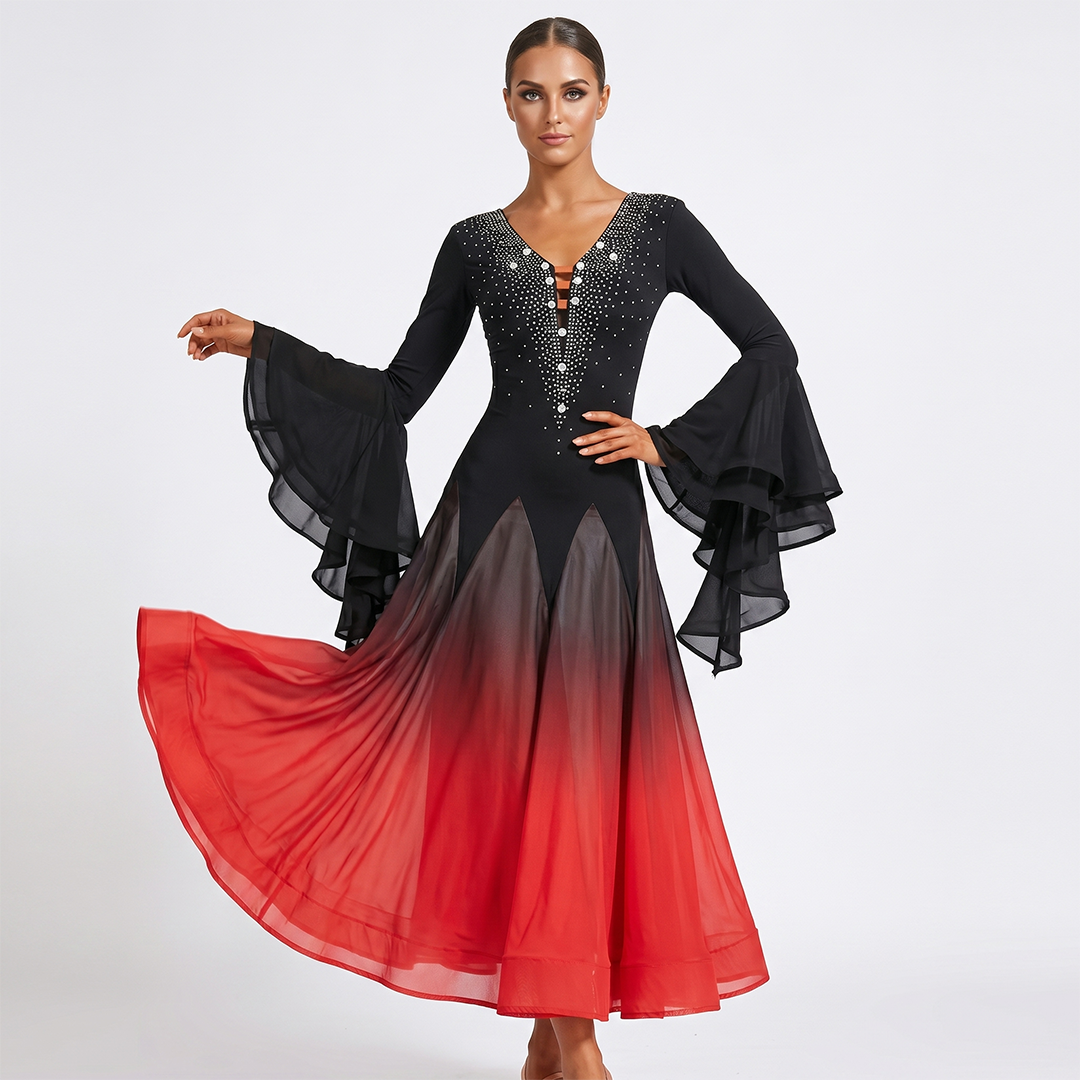
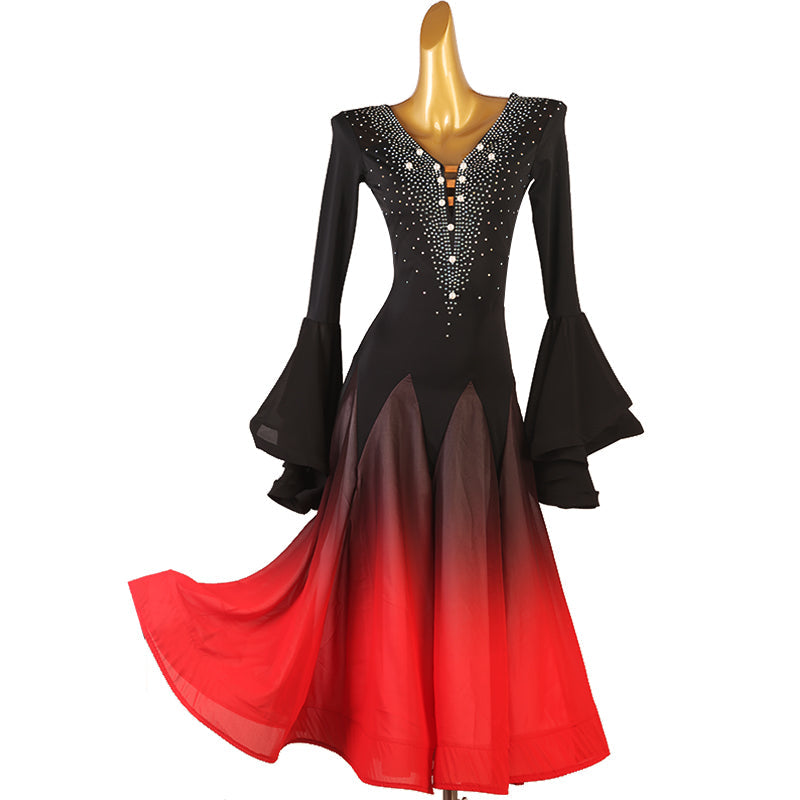
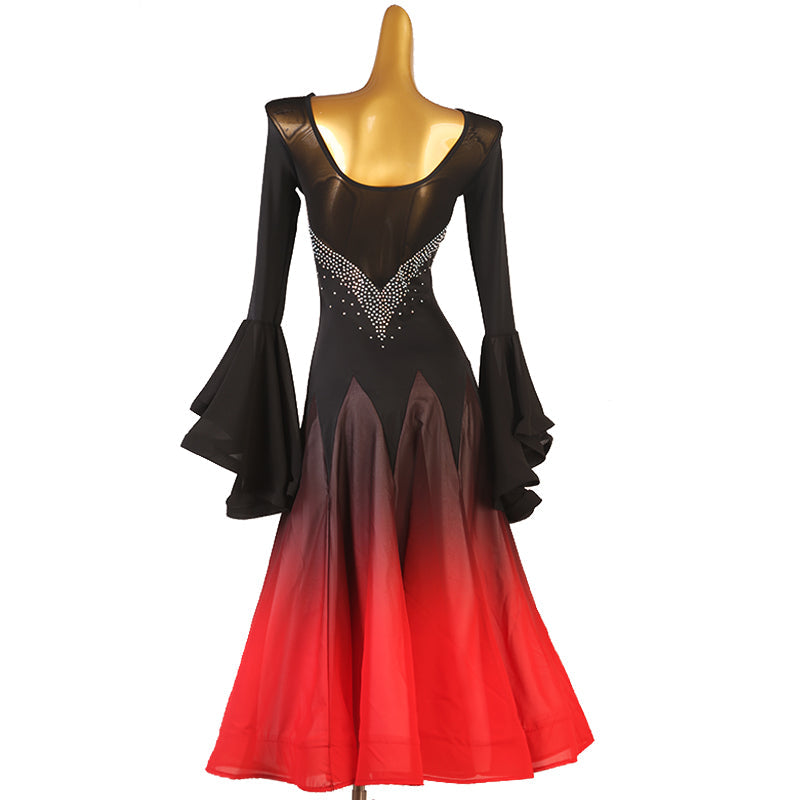
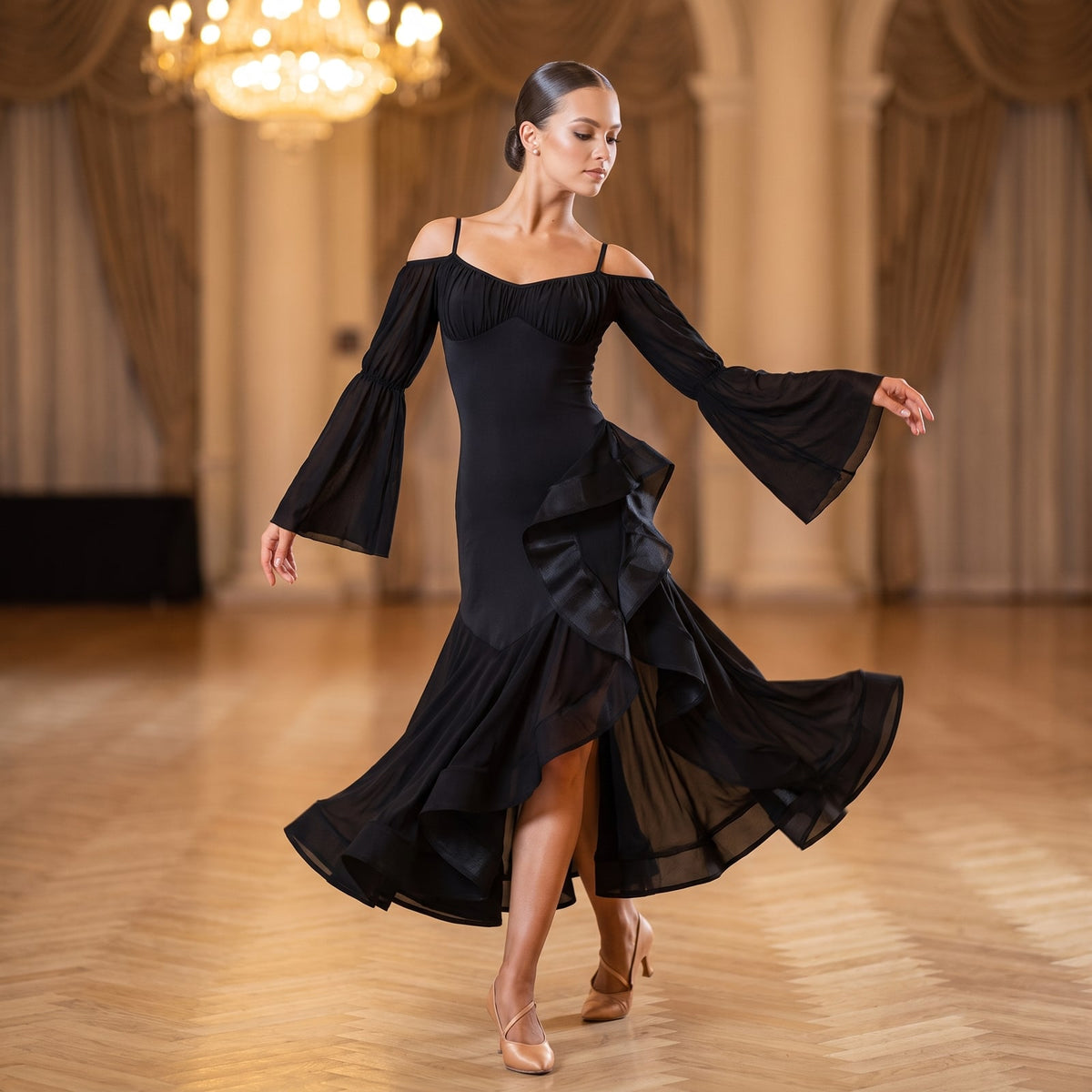
Dancesport is the competitive form of ballroom and Latin dancing — the name the World DanceSport Federation uses, and the one that covers both halves of the sport under a single heading. A dancesport dress, then, is not a style of dress. It is any dress built to be judged: cut and constructed for a floor where an adjudicator is watching from thirty feet away and a placement depends on what registers at that distance.
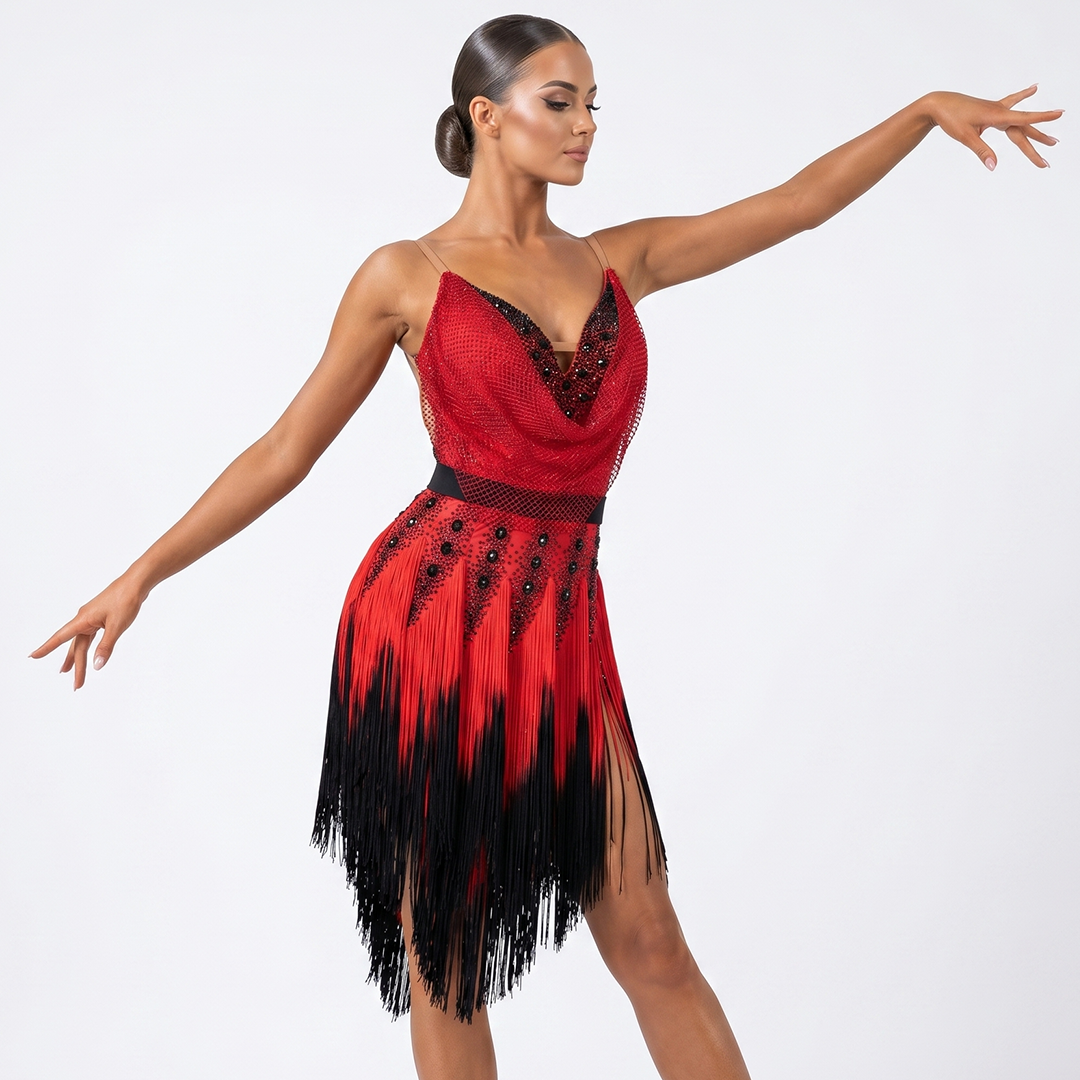
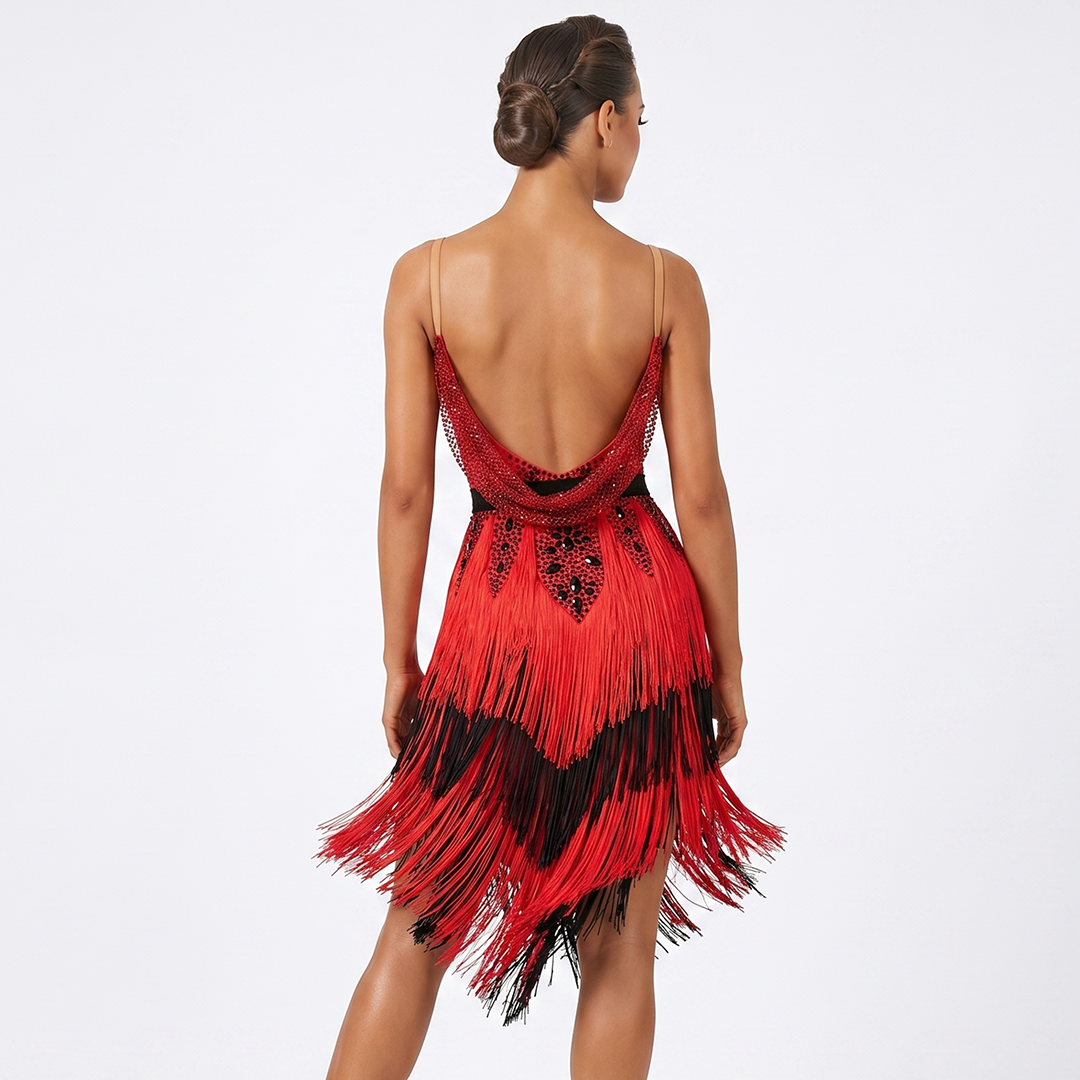
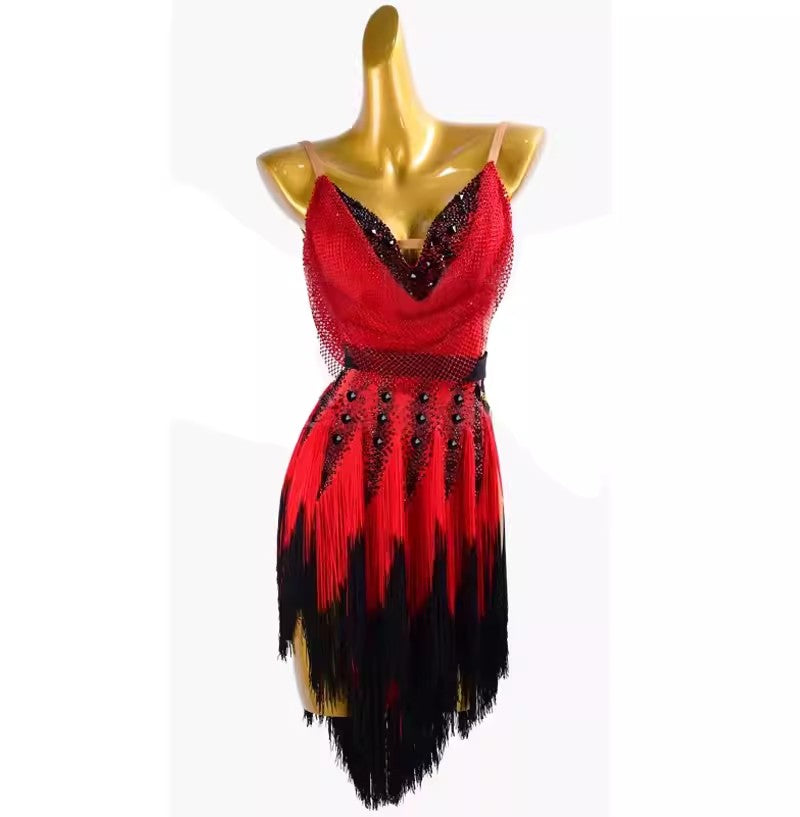
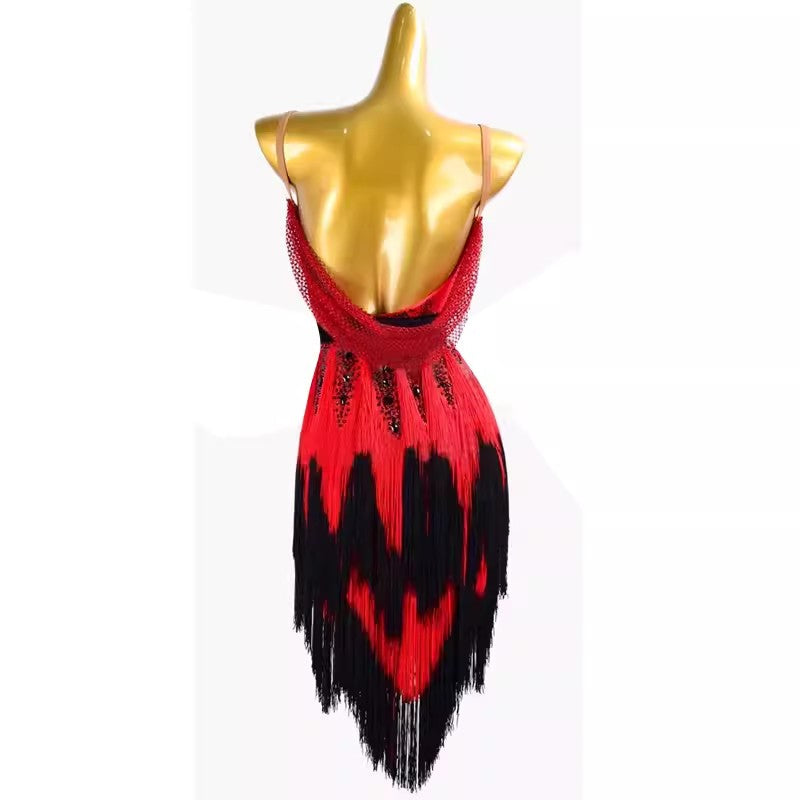
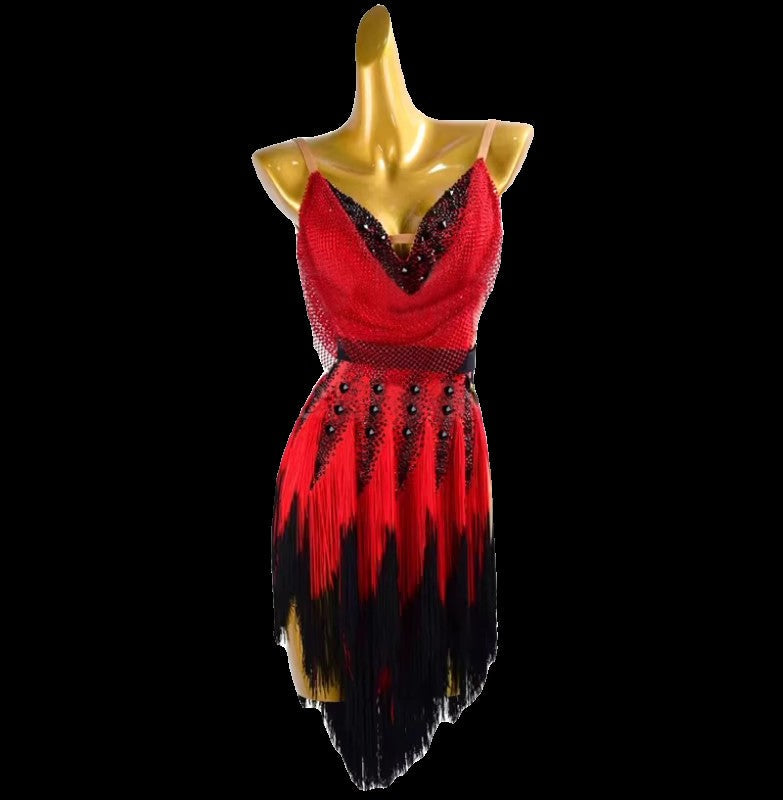
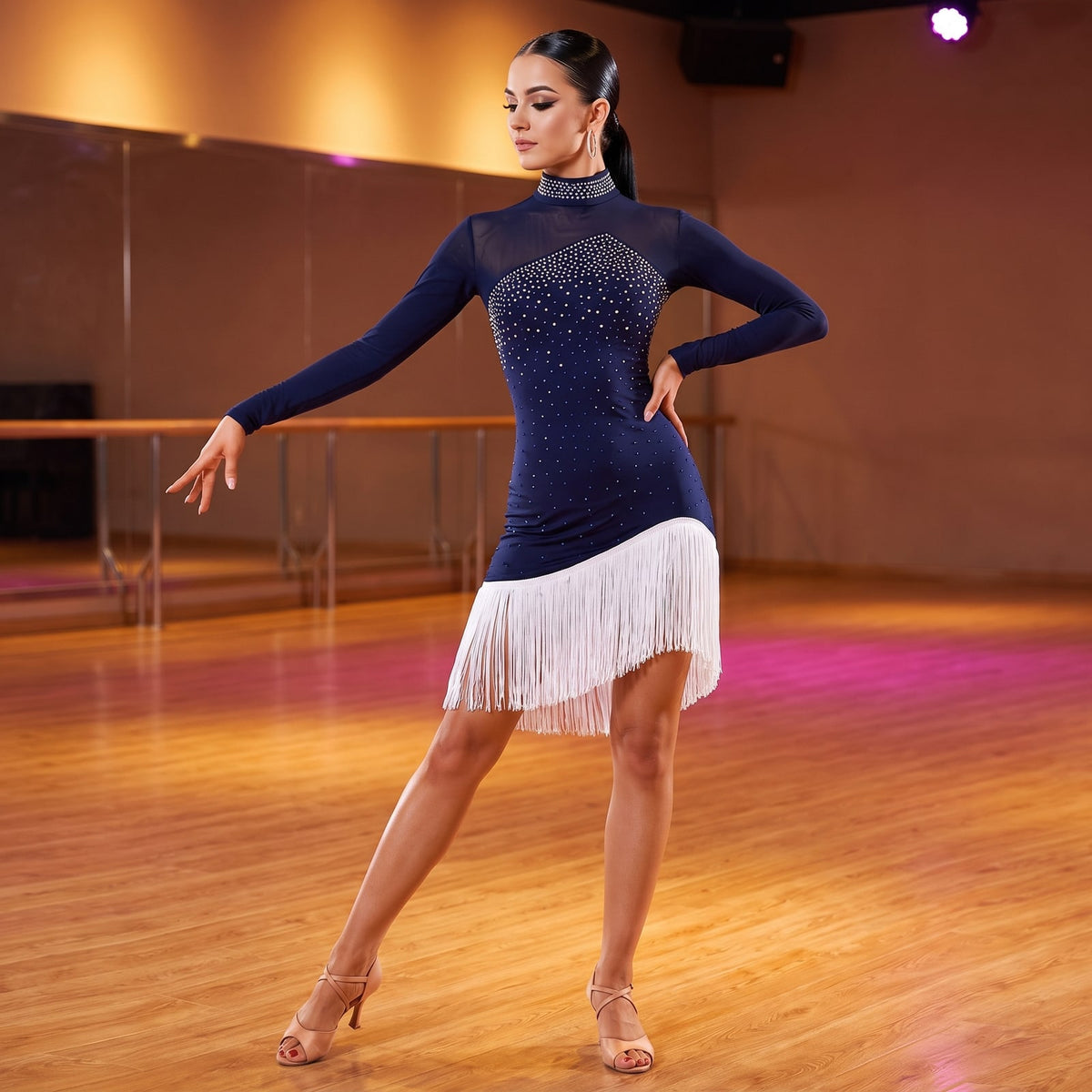
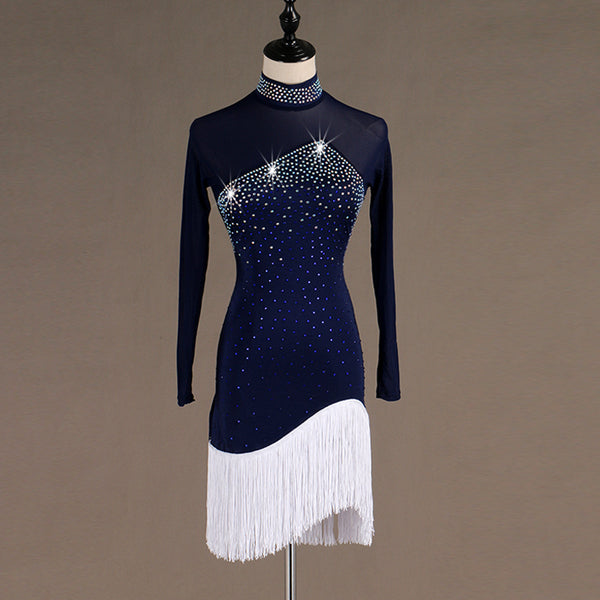
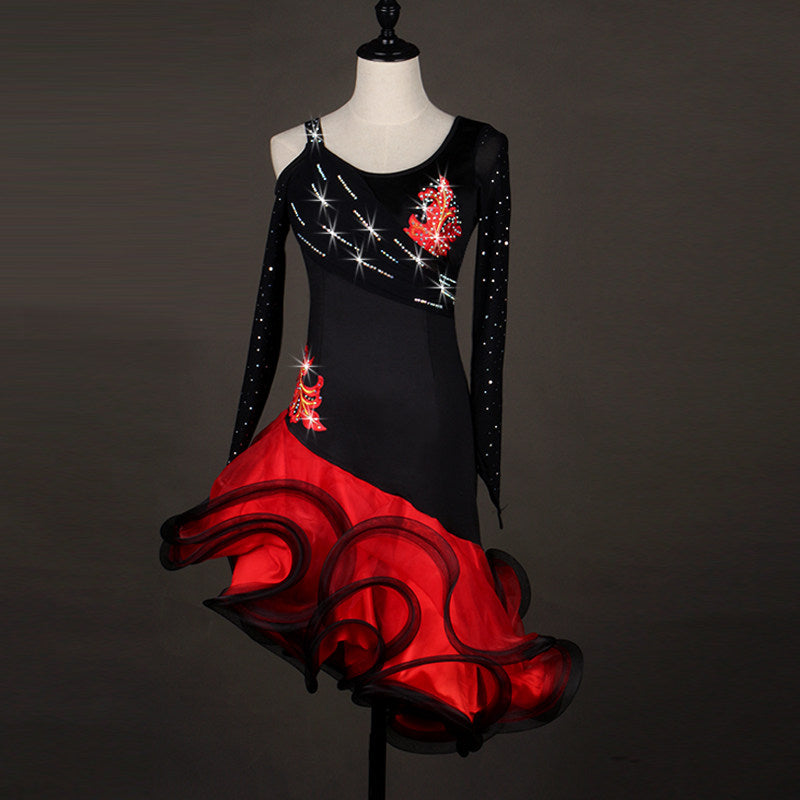
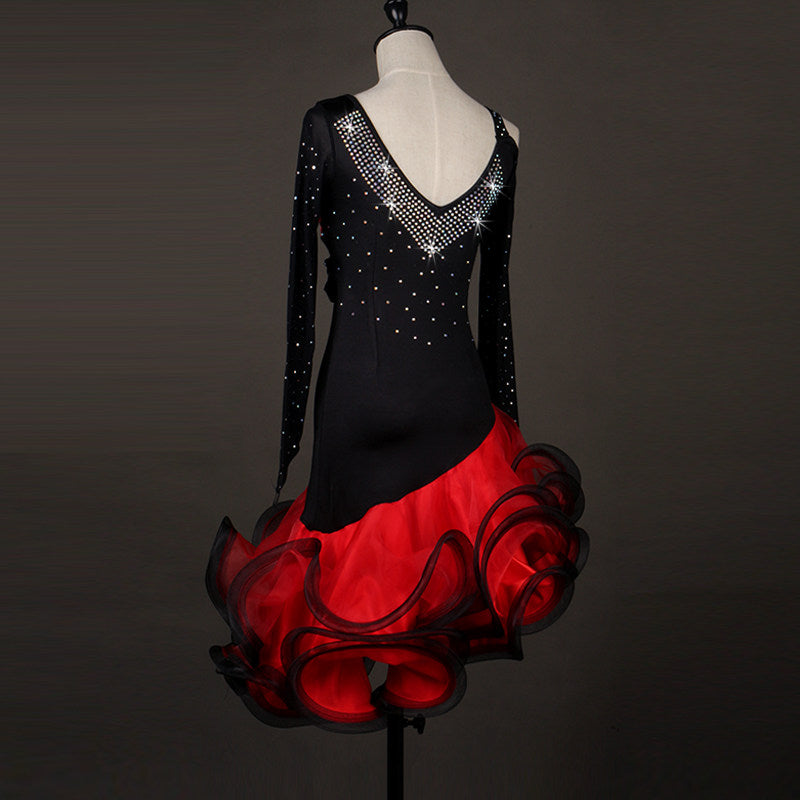
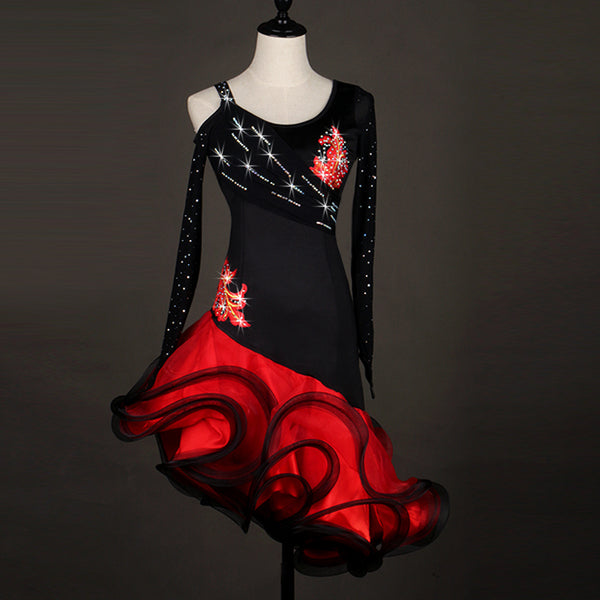
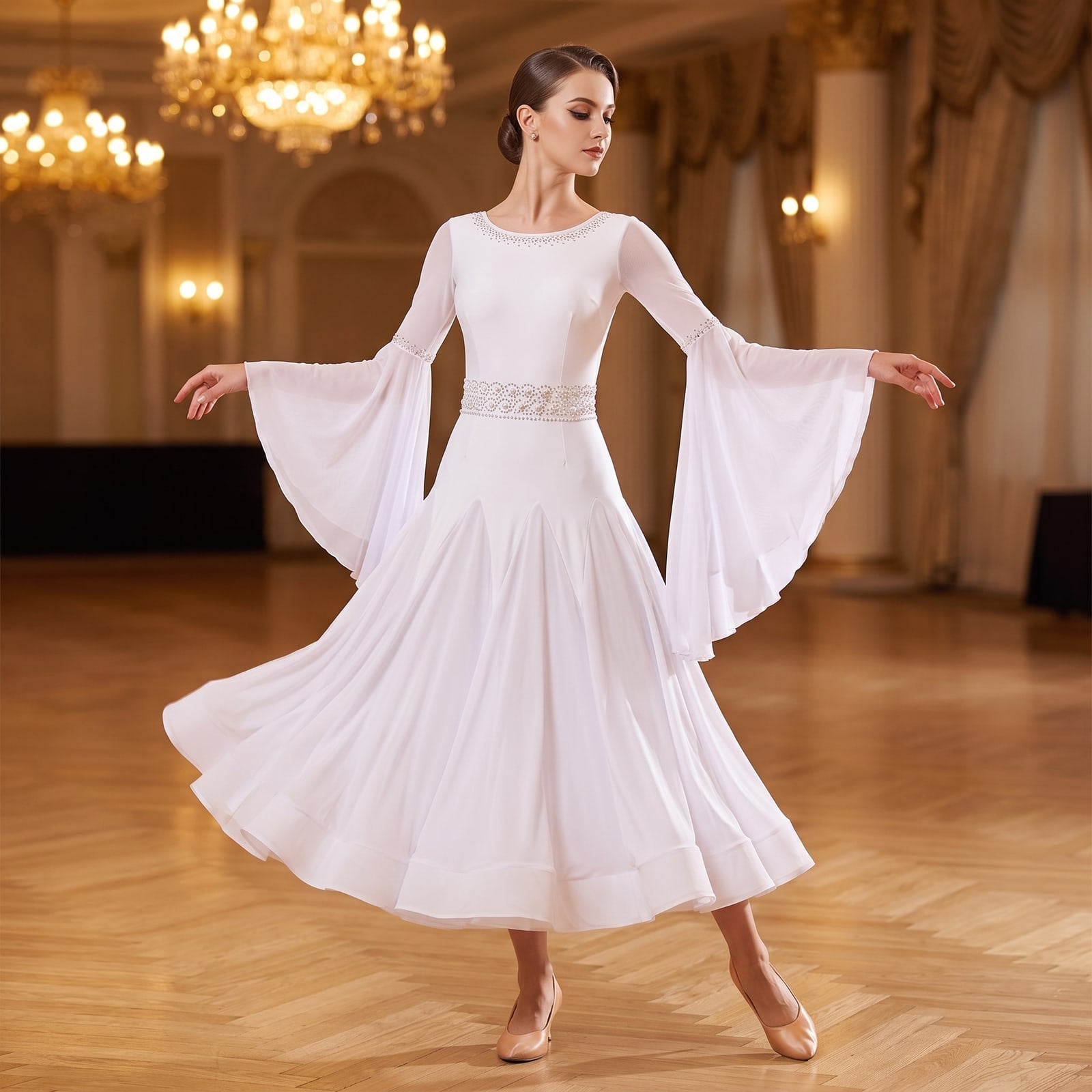
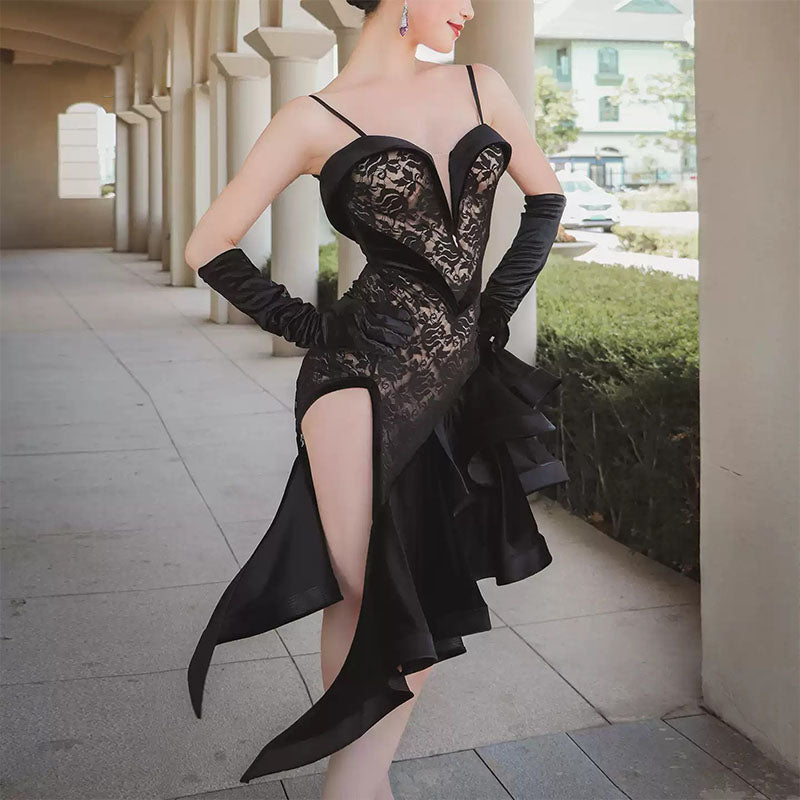
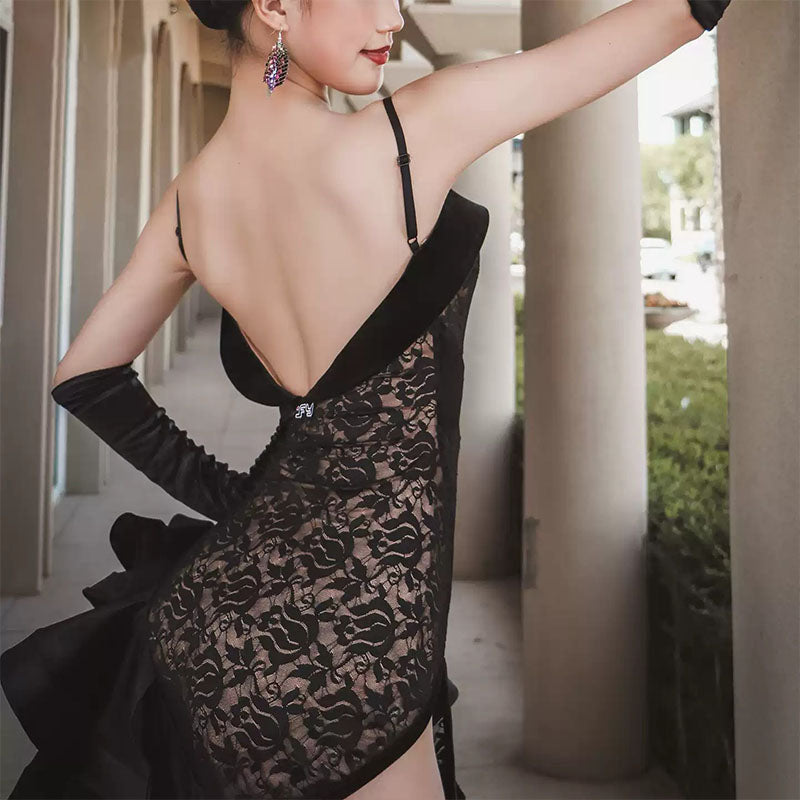
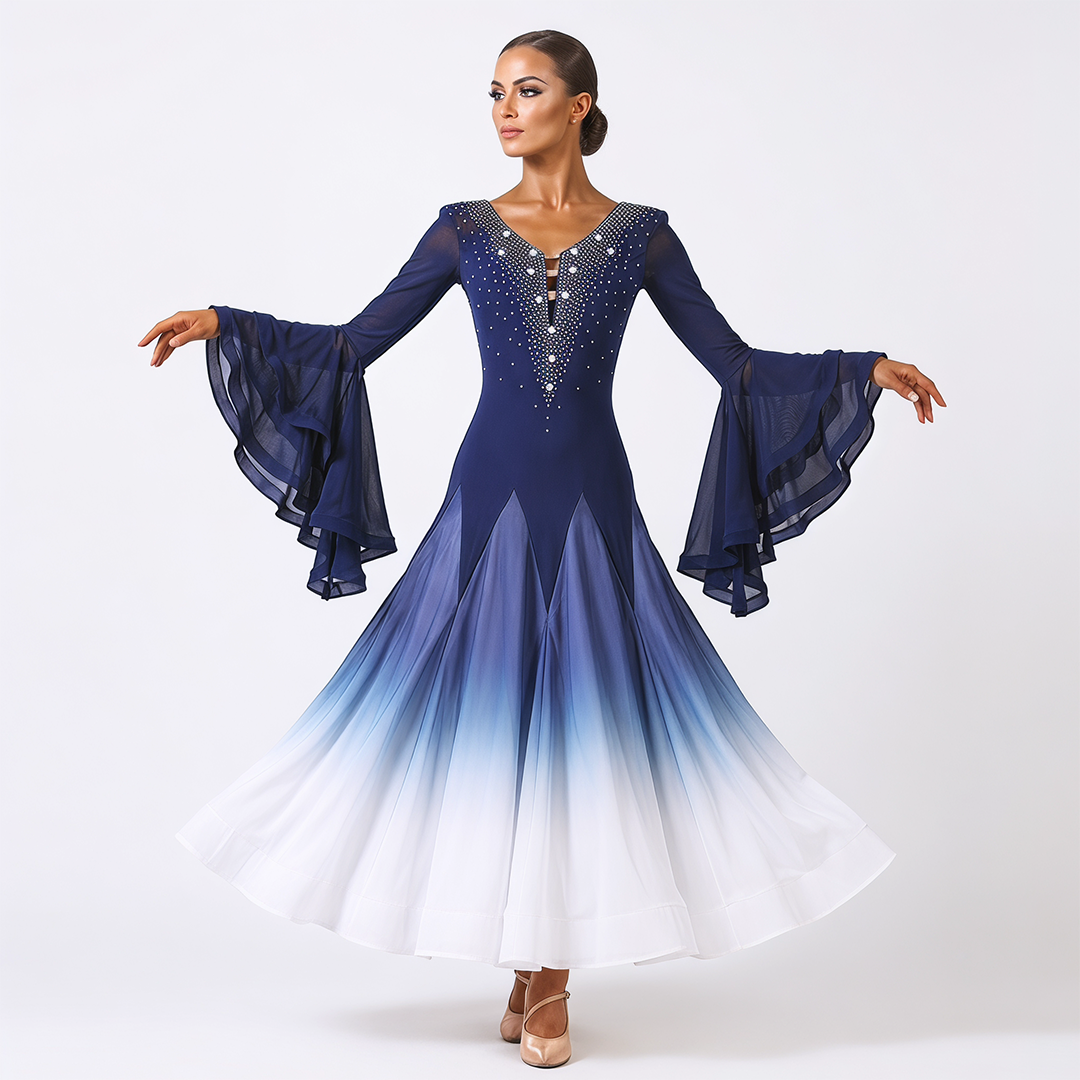
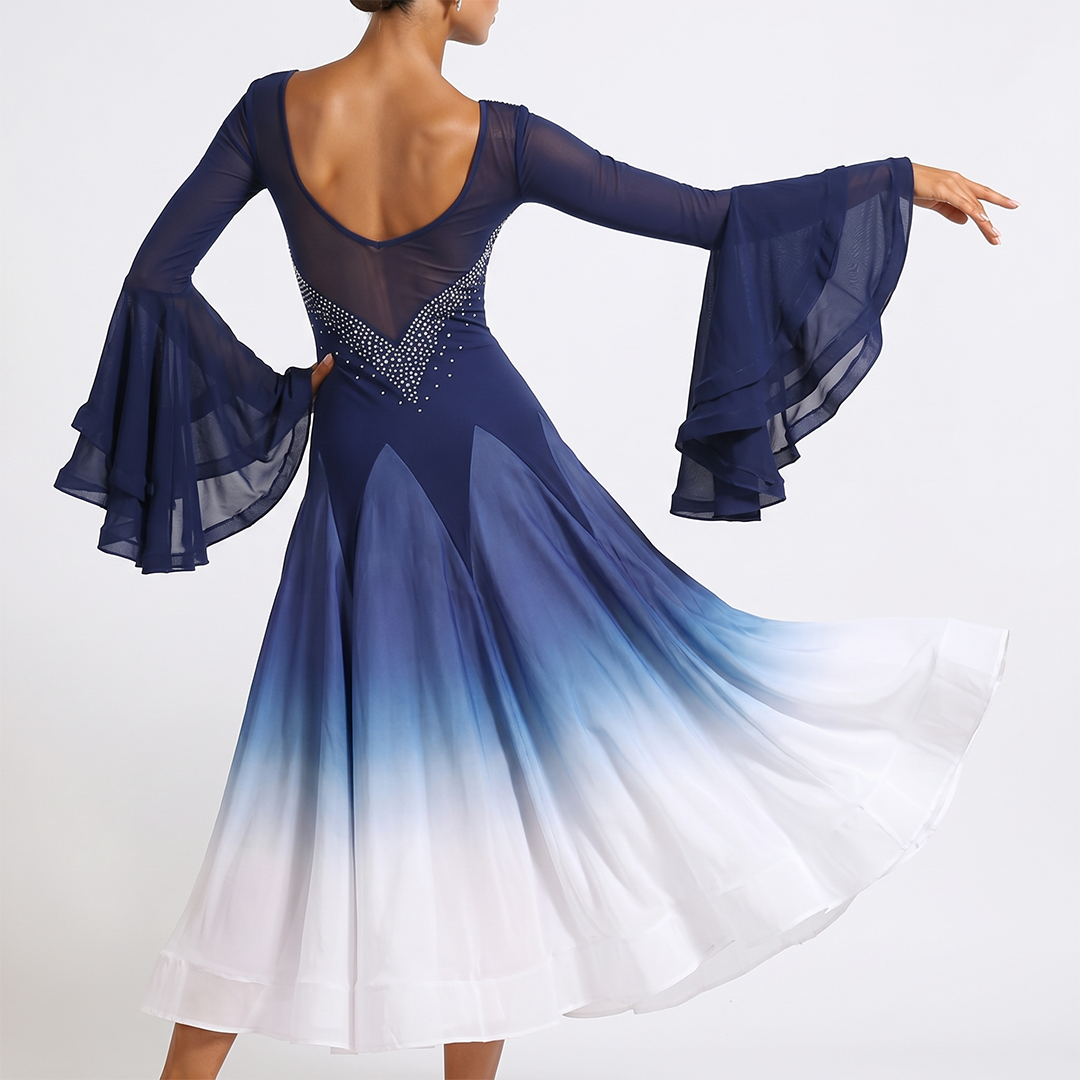
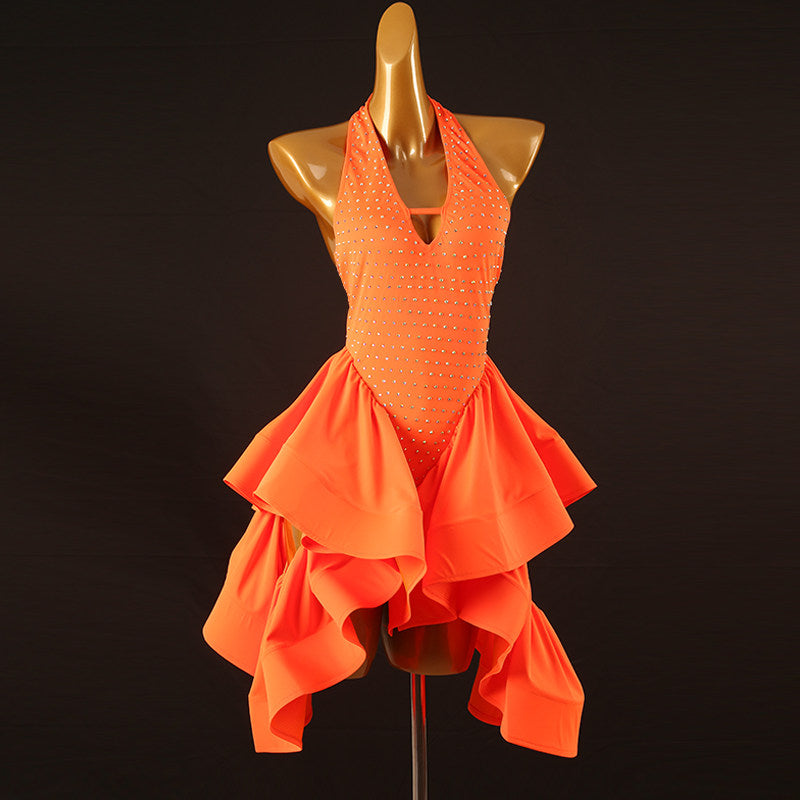
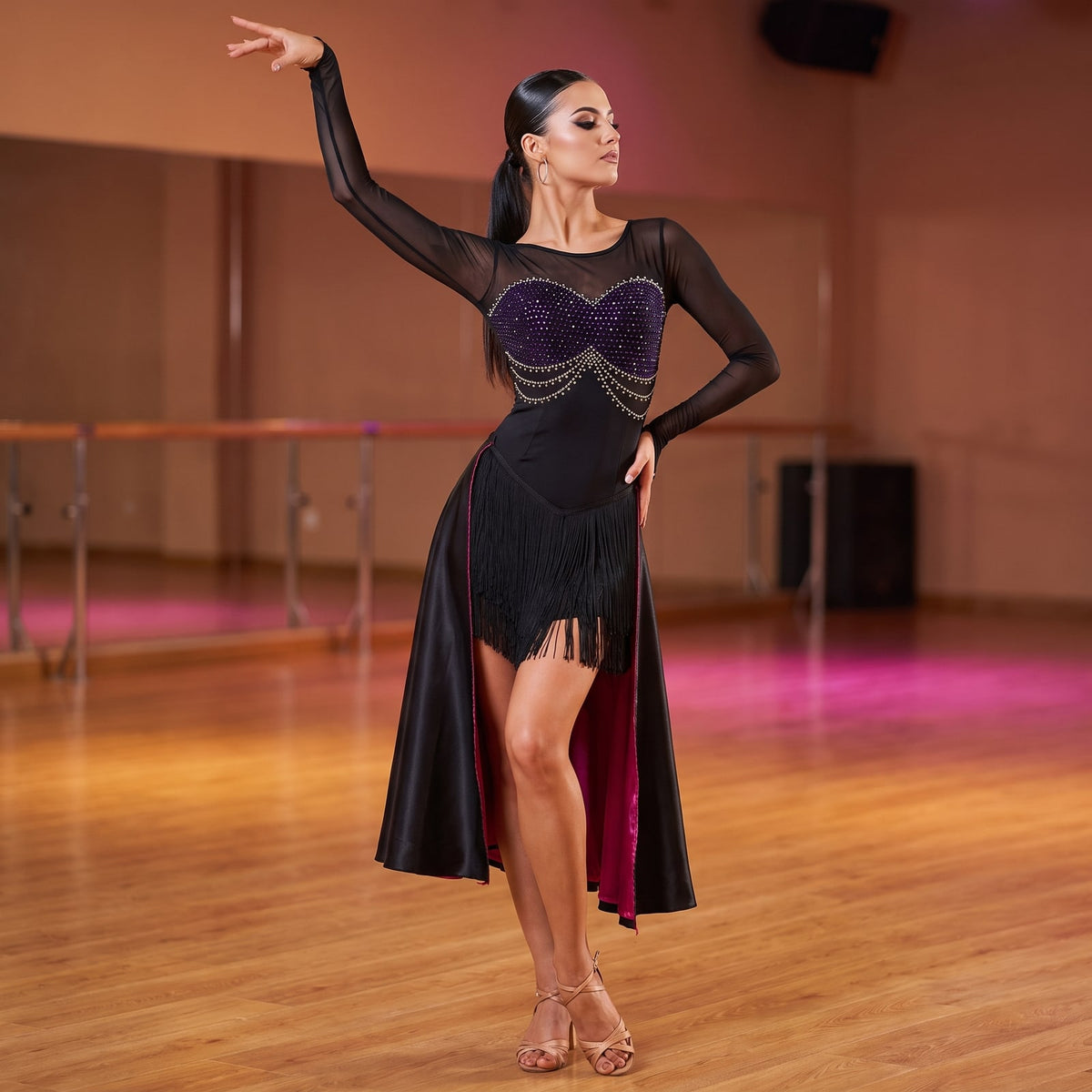
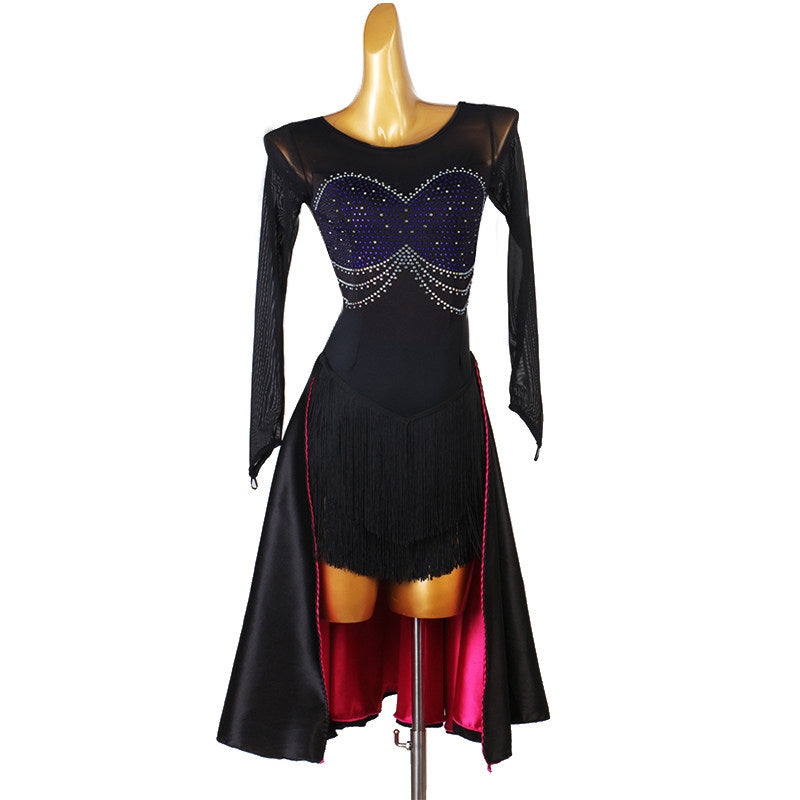
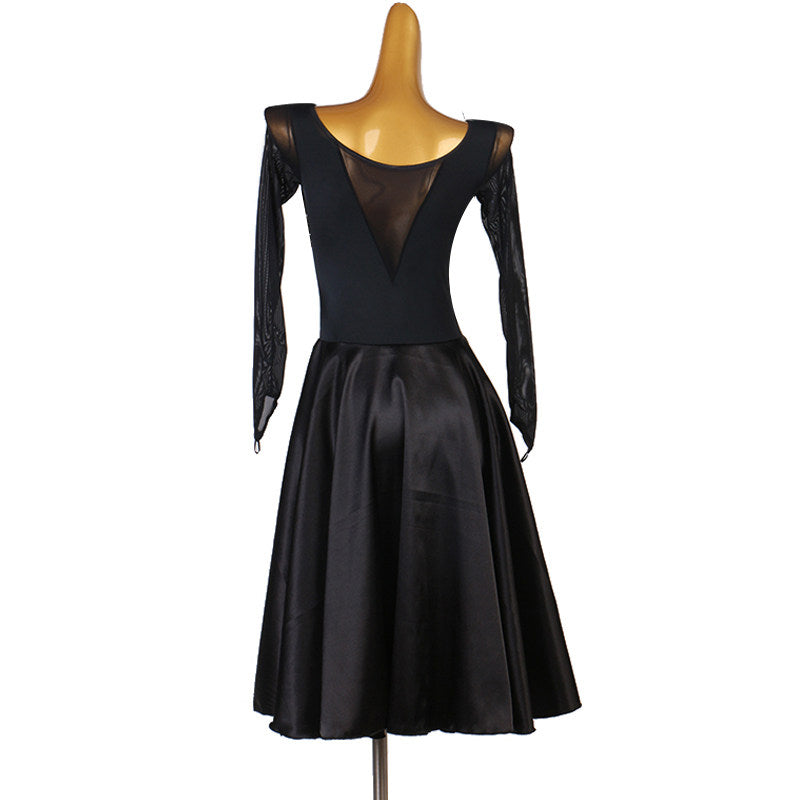
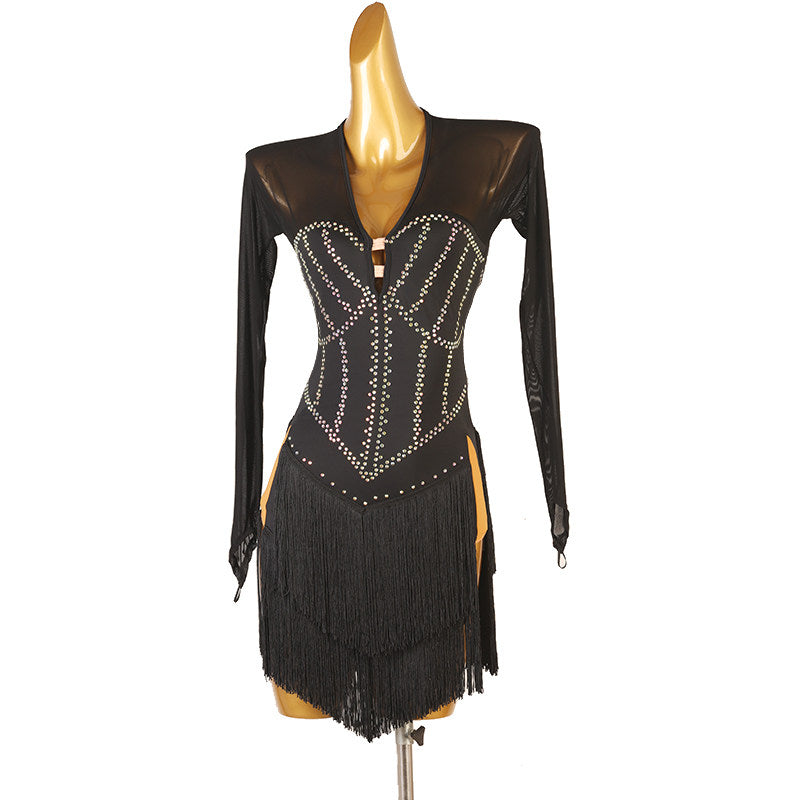
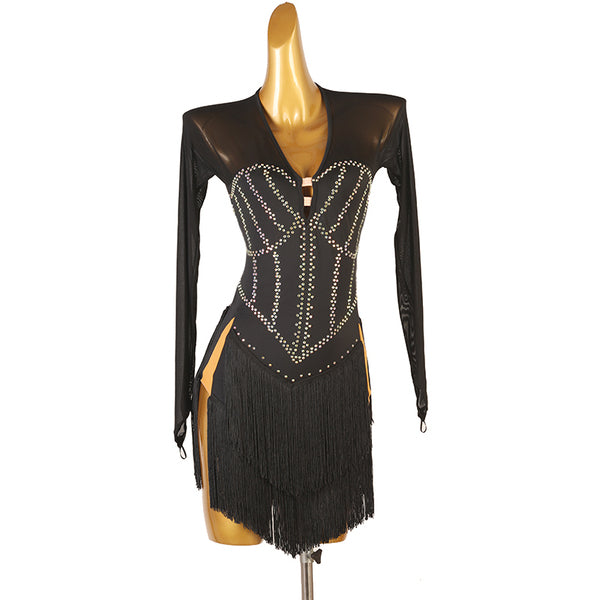
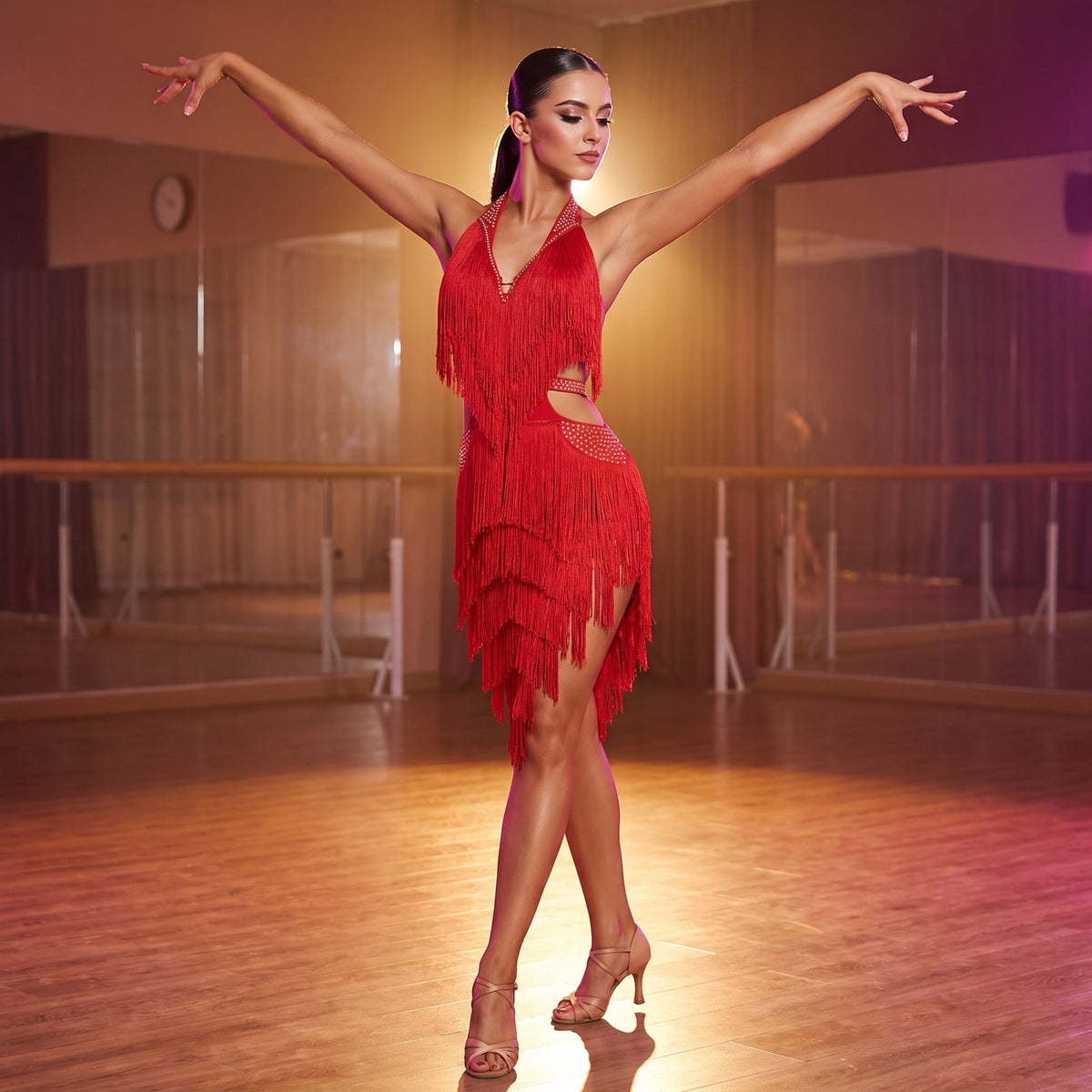
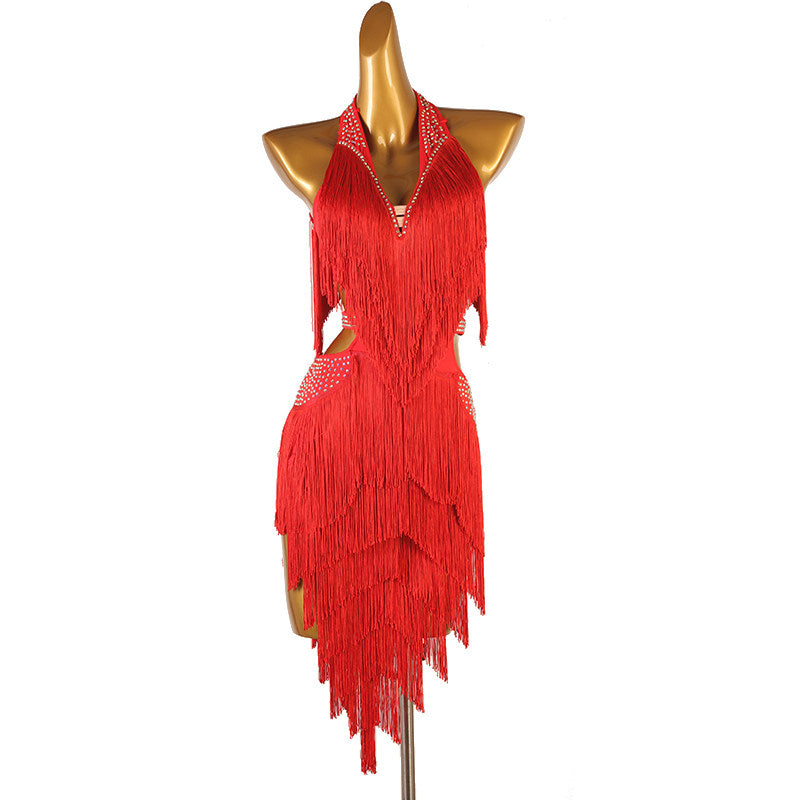
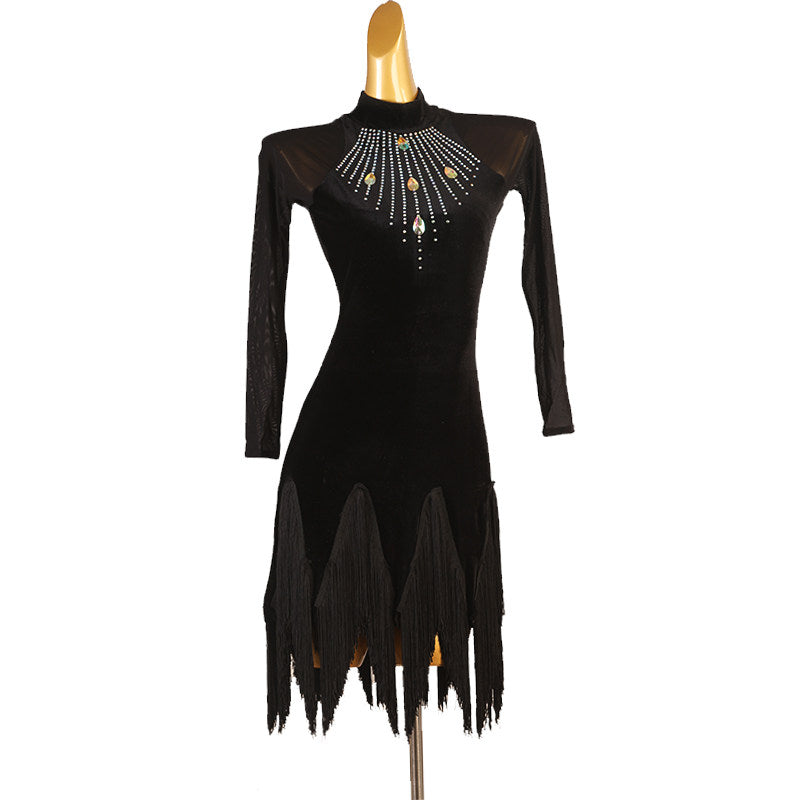
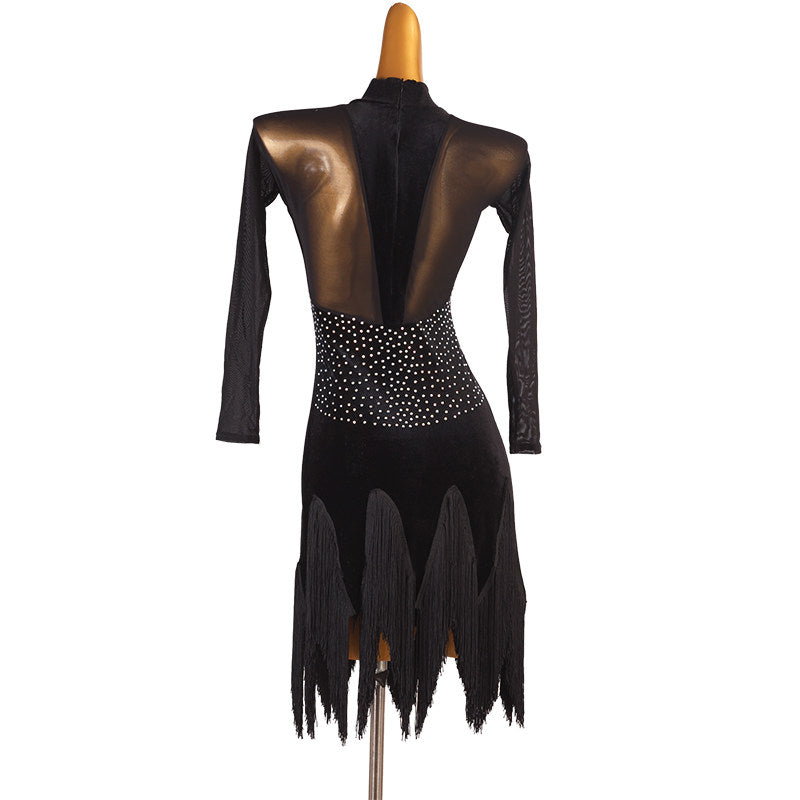
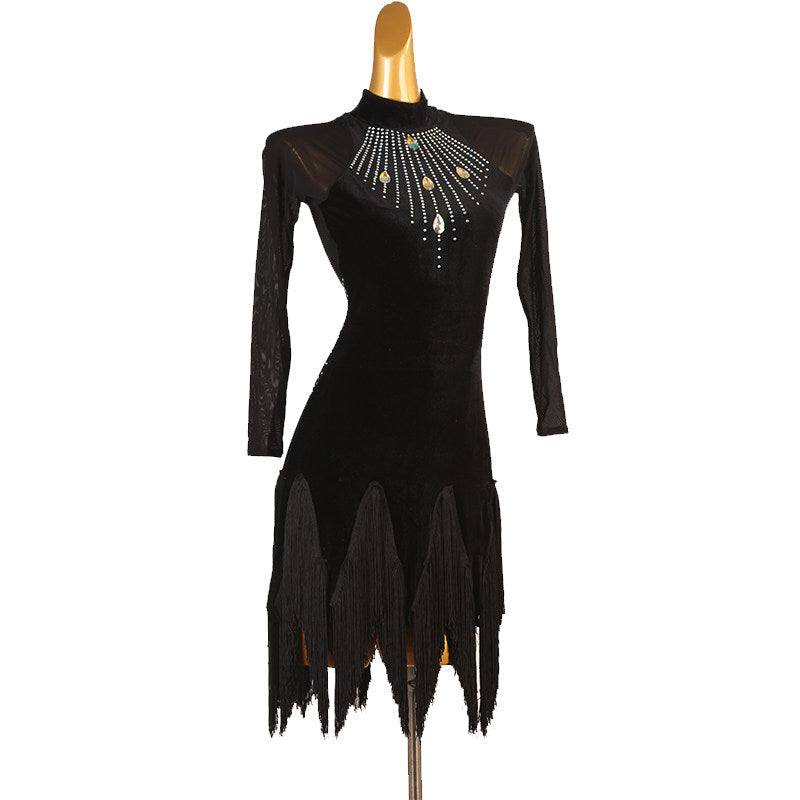
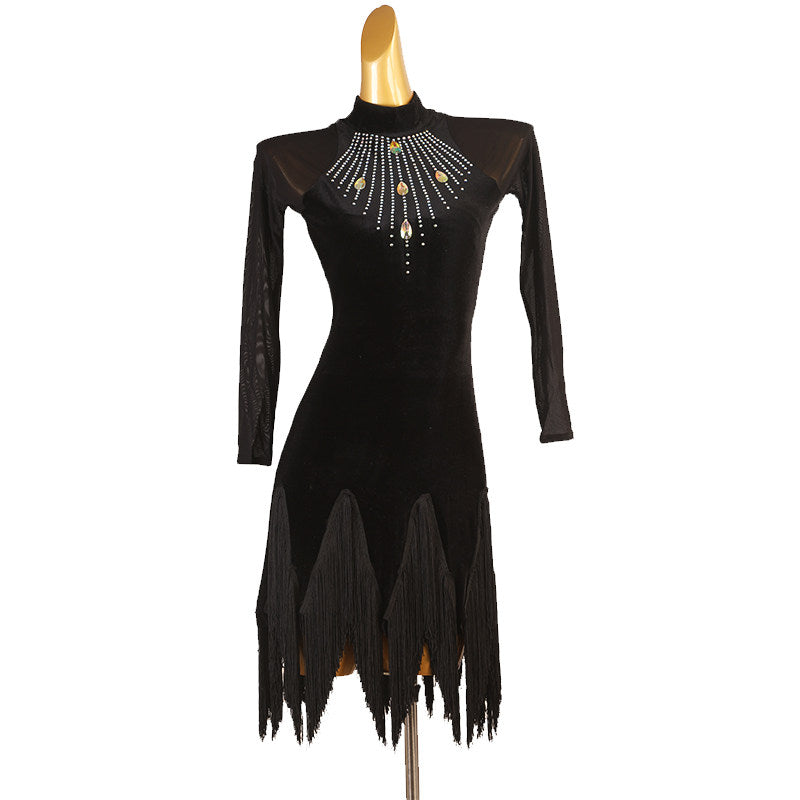
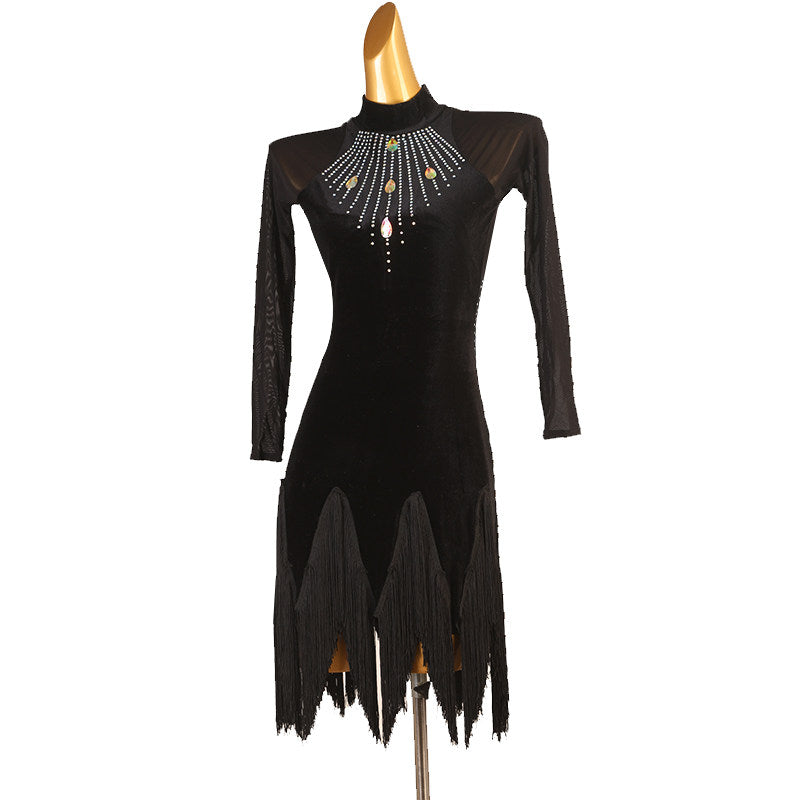
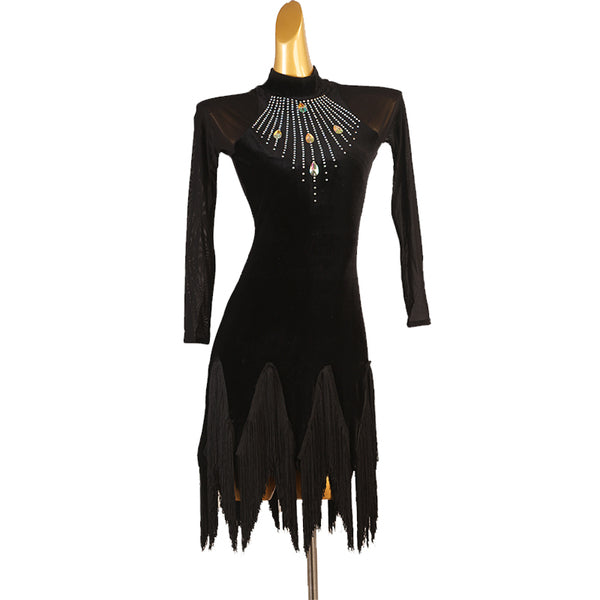
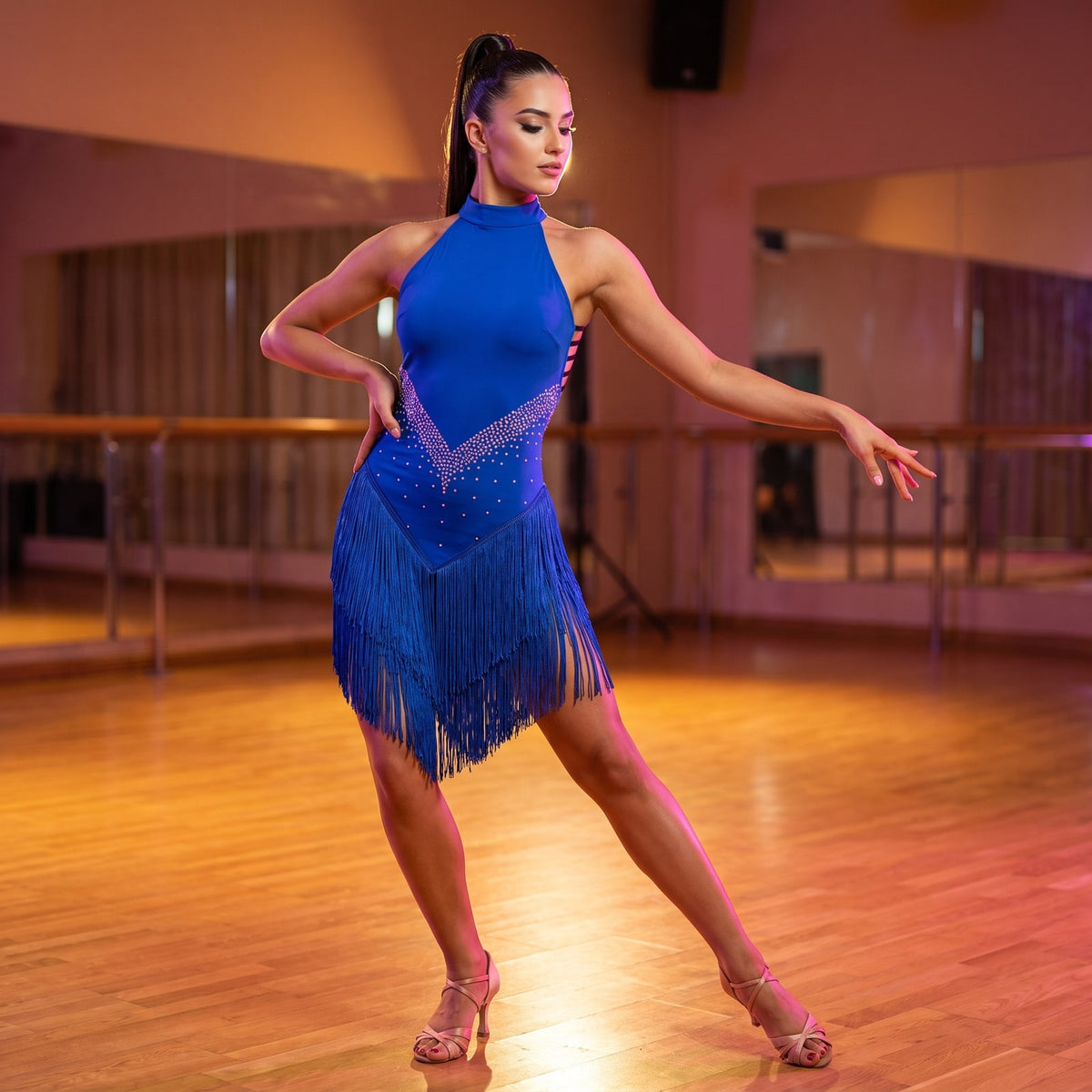
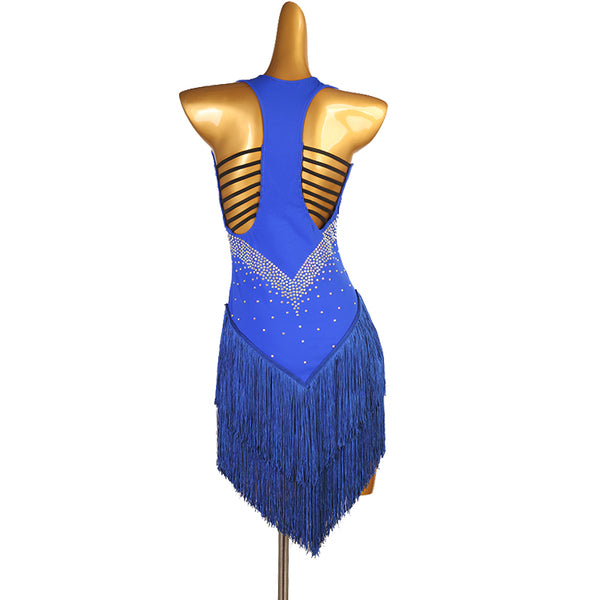
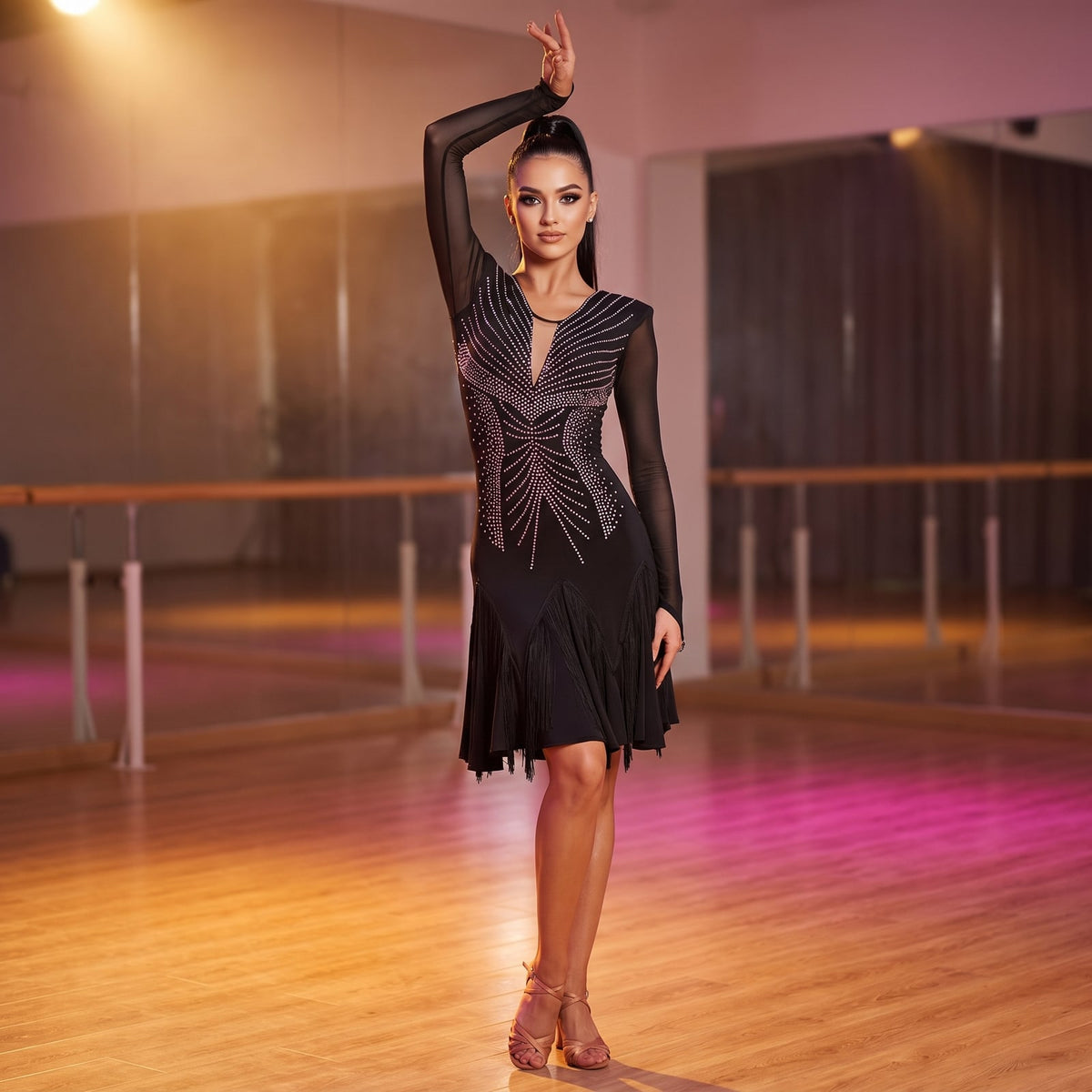
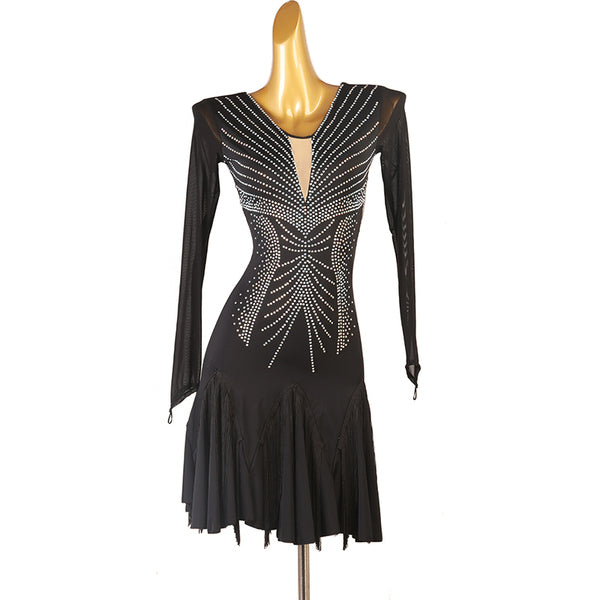
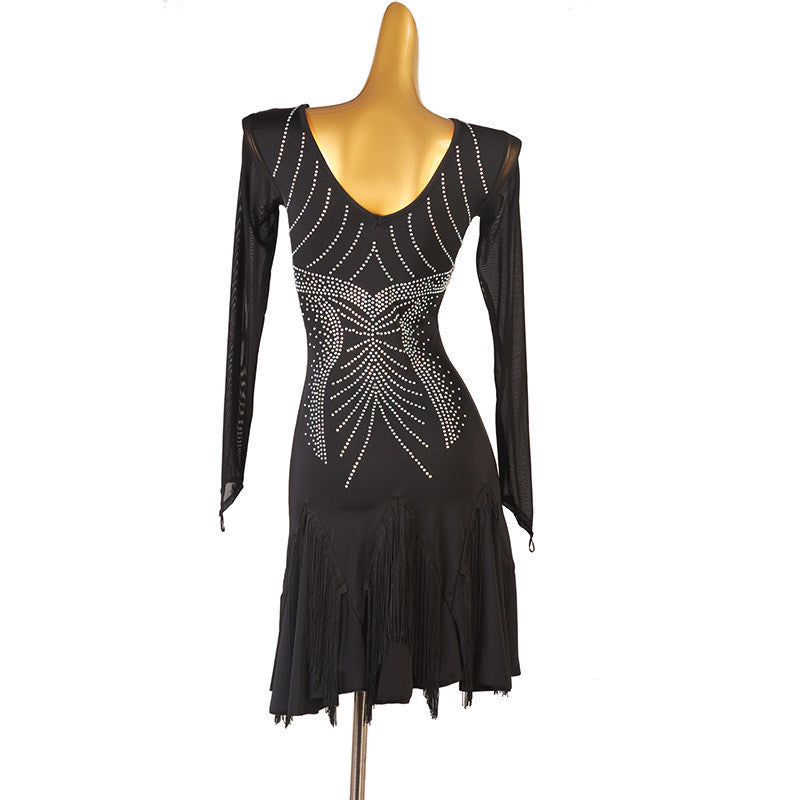
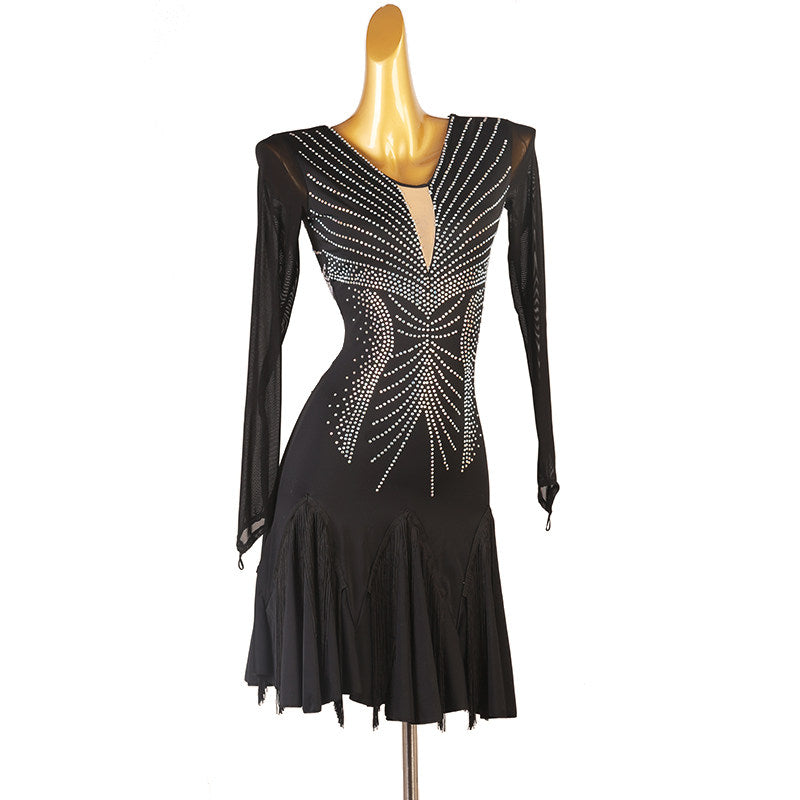
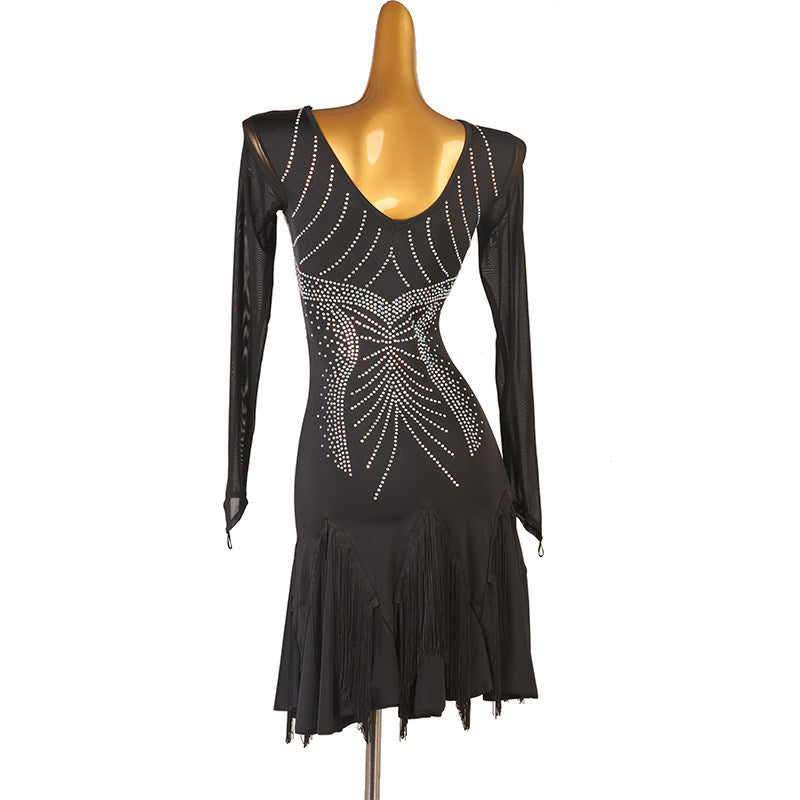
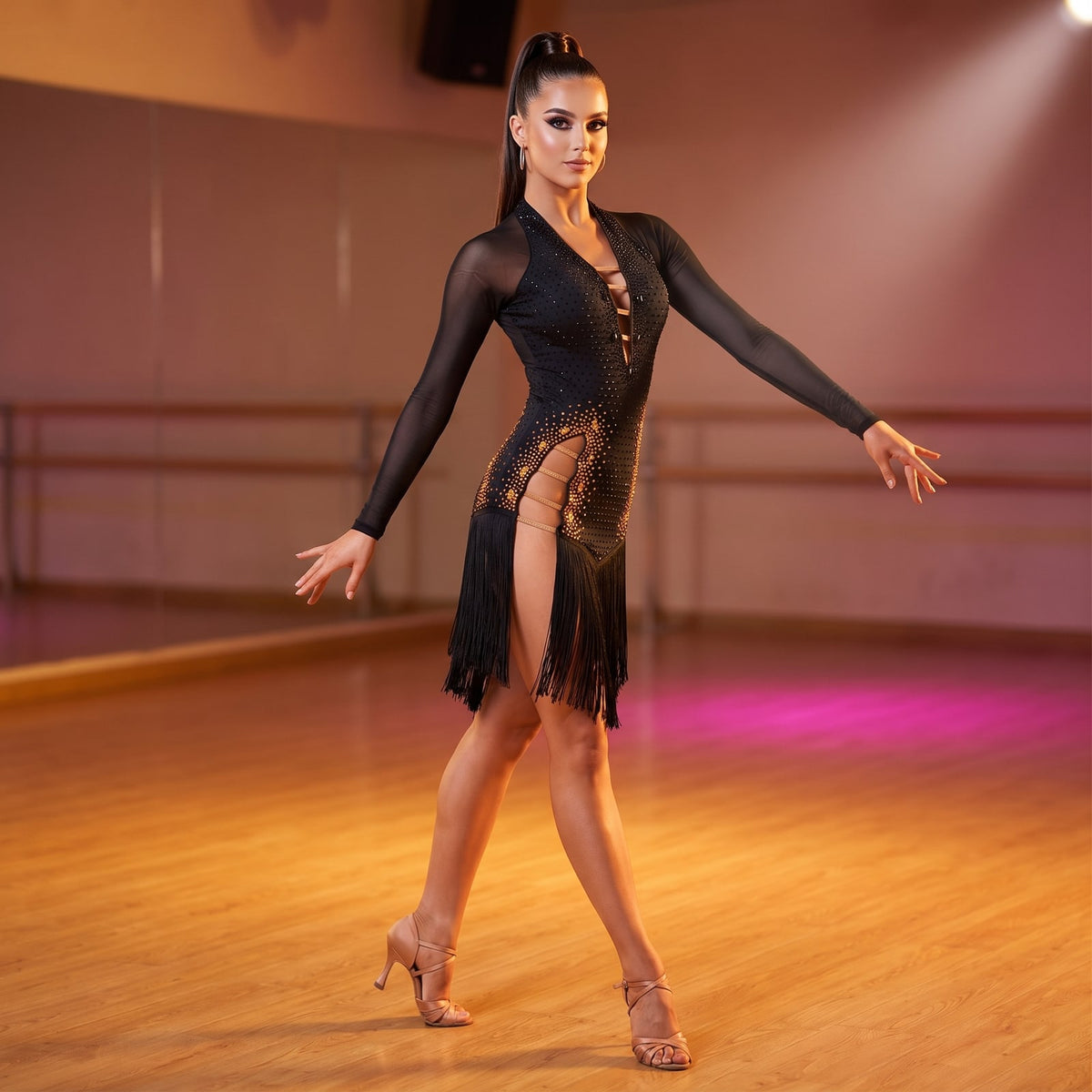
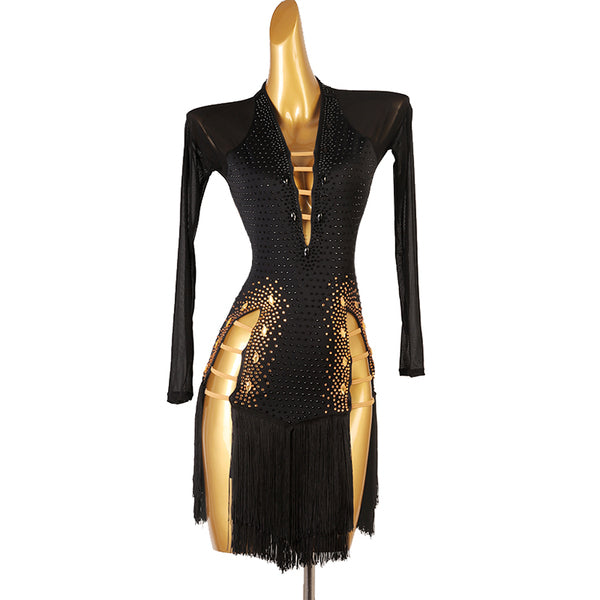
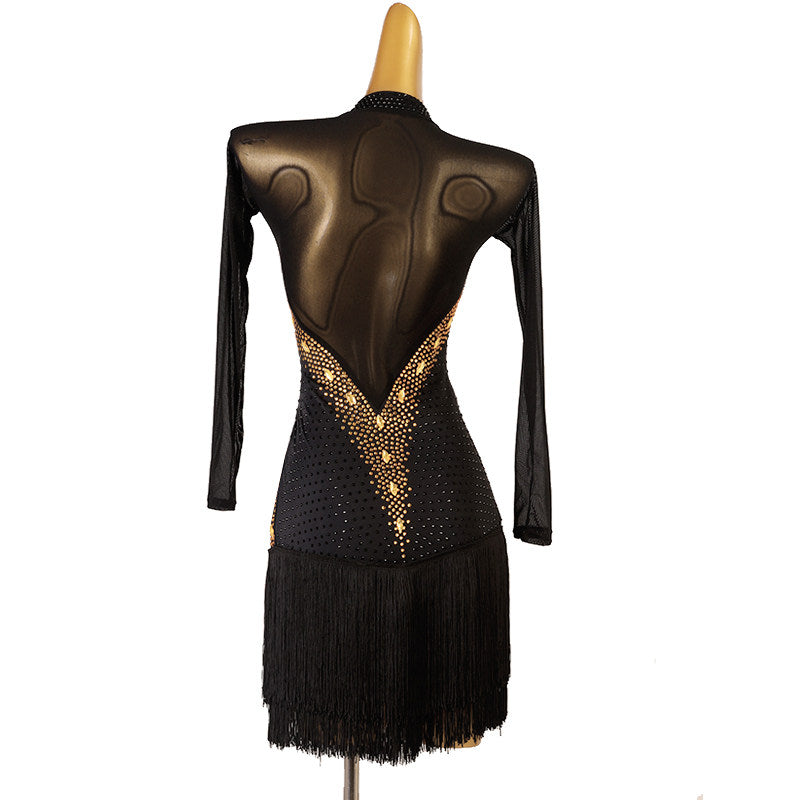
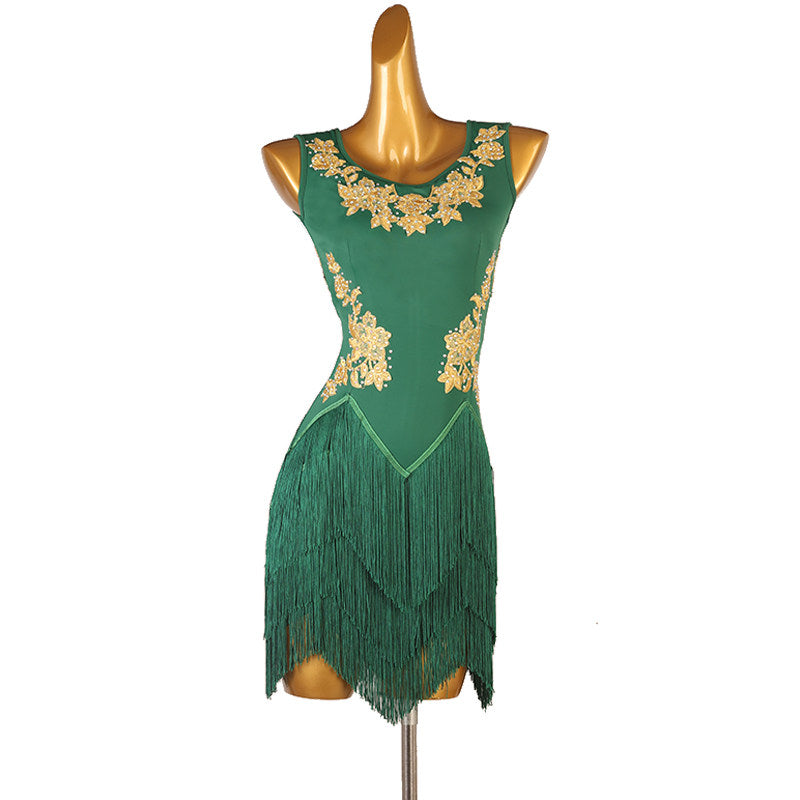
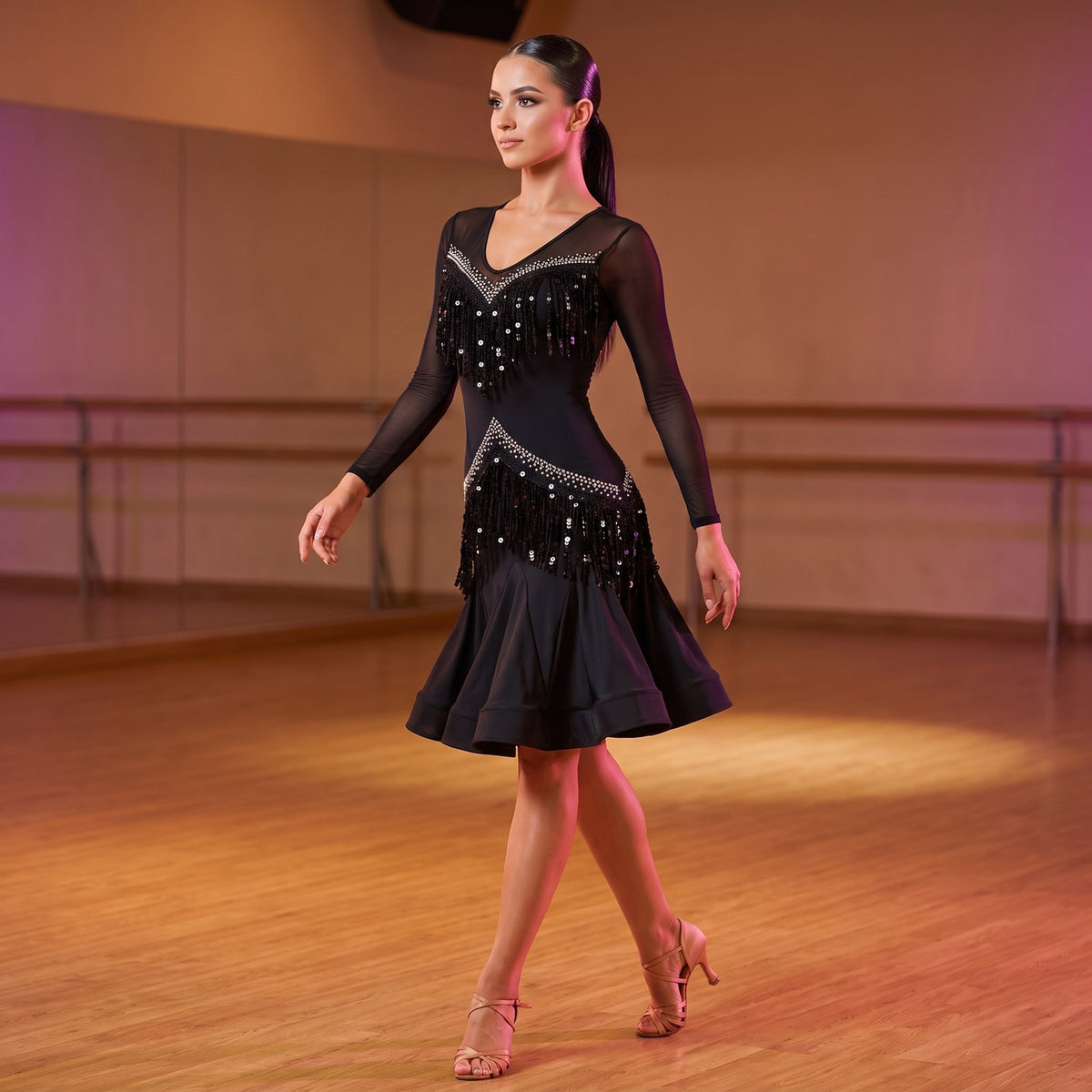
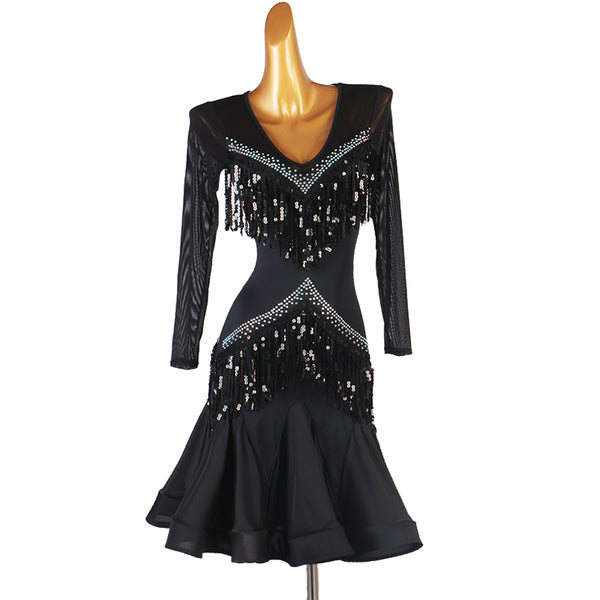
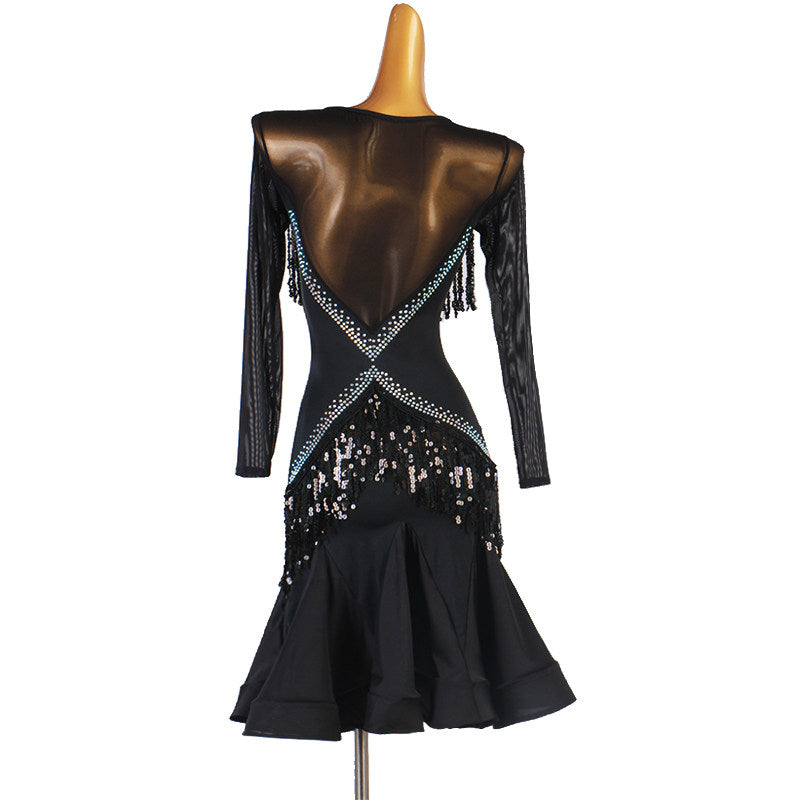
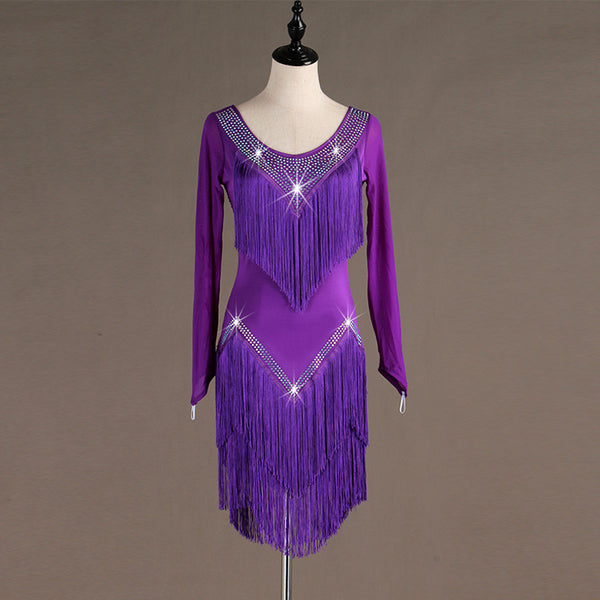
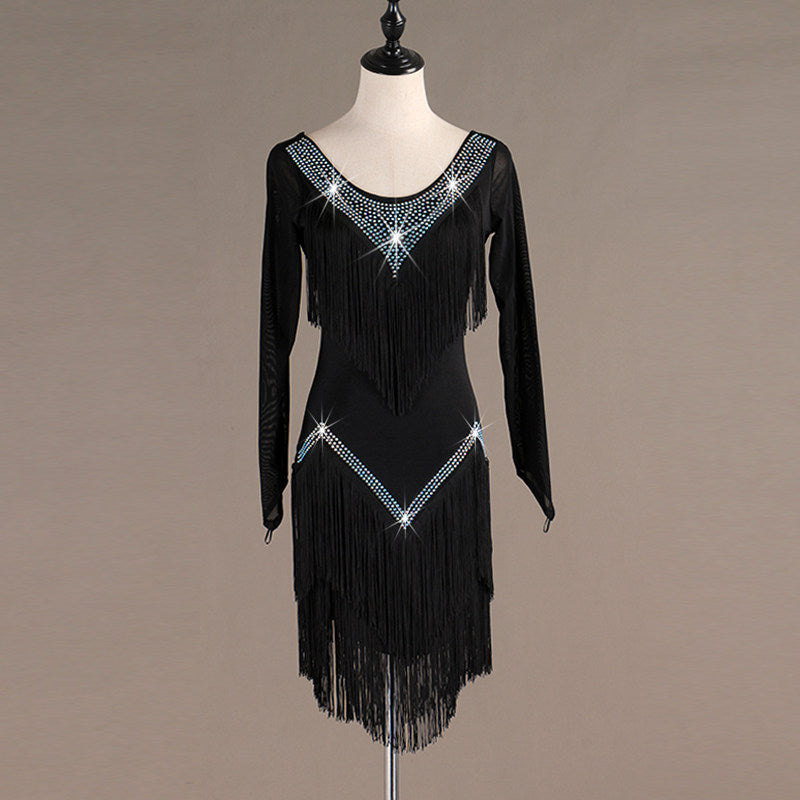
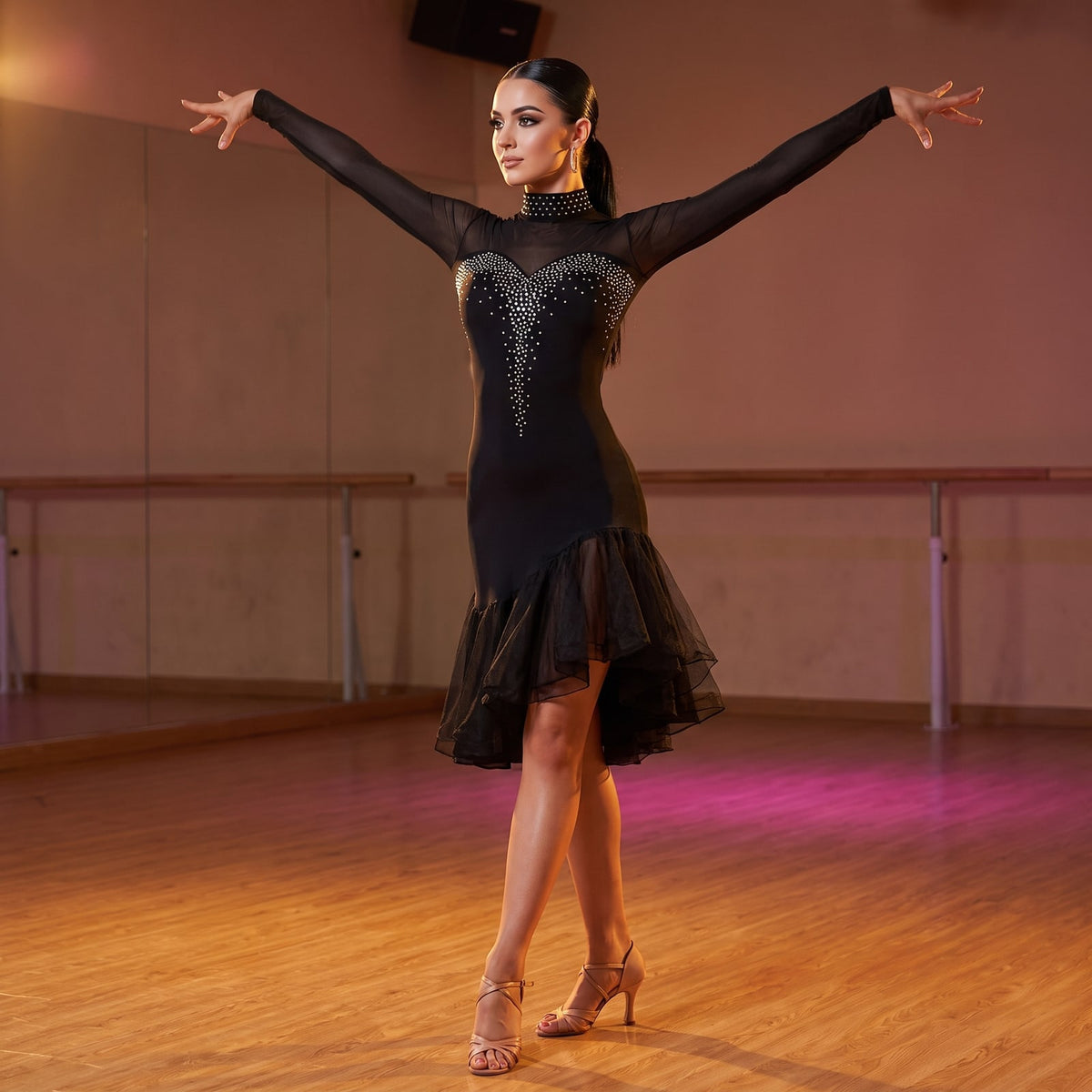
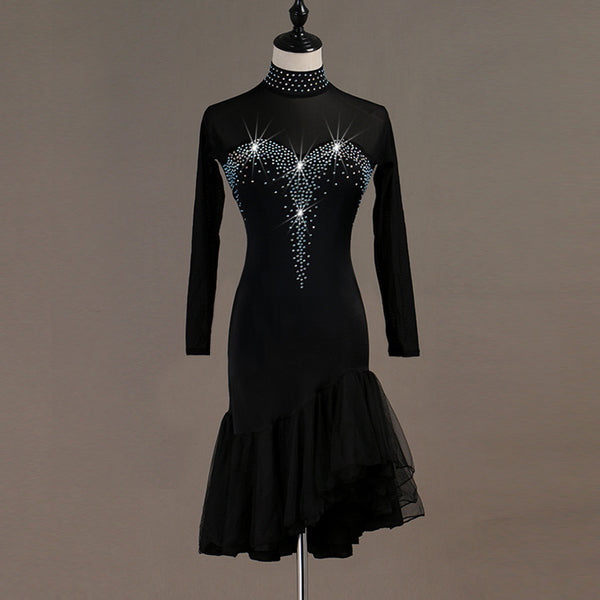
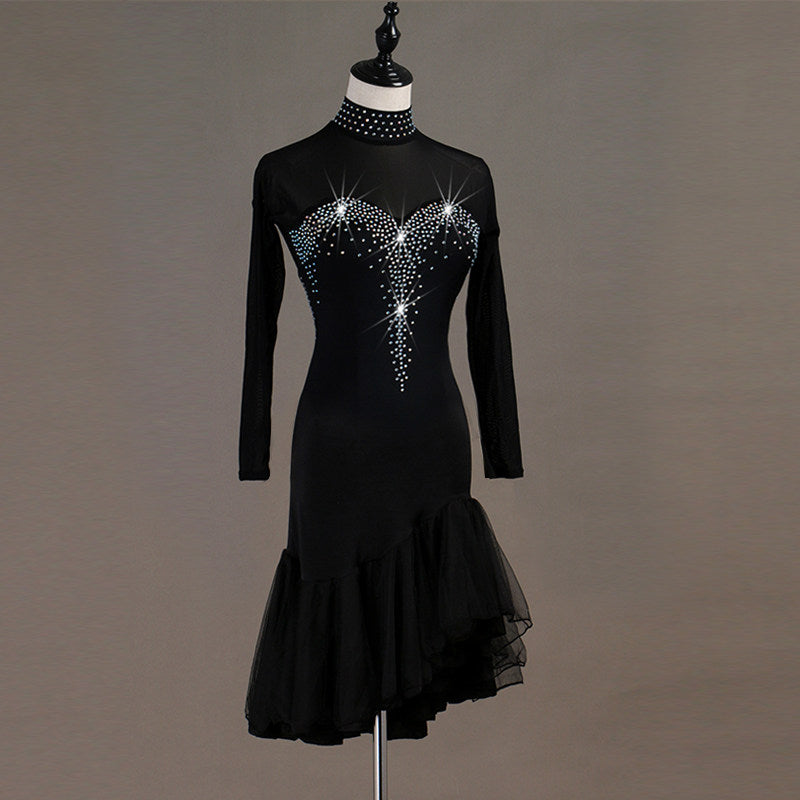
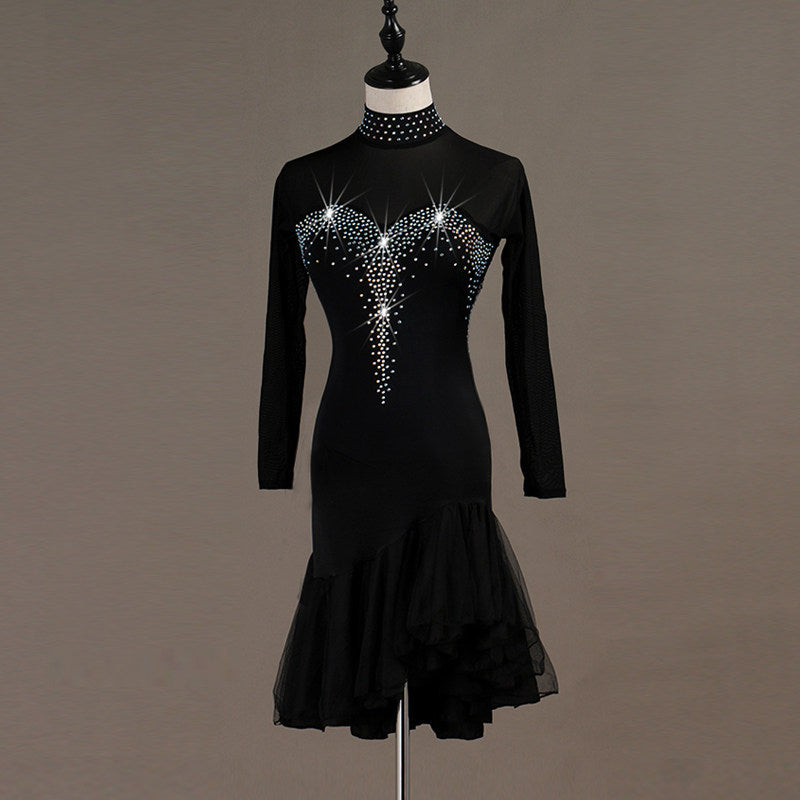
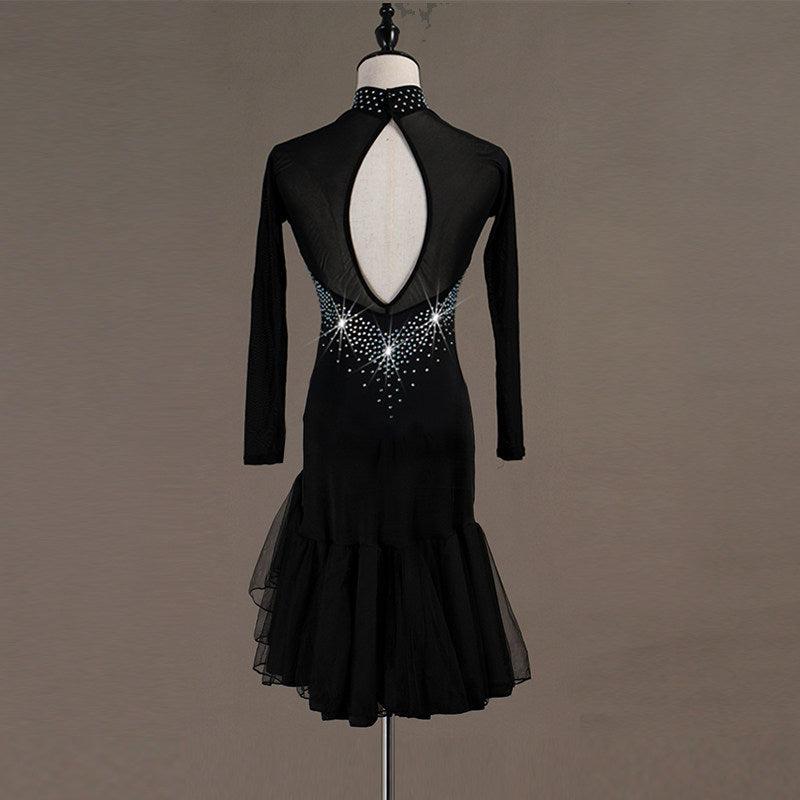
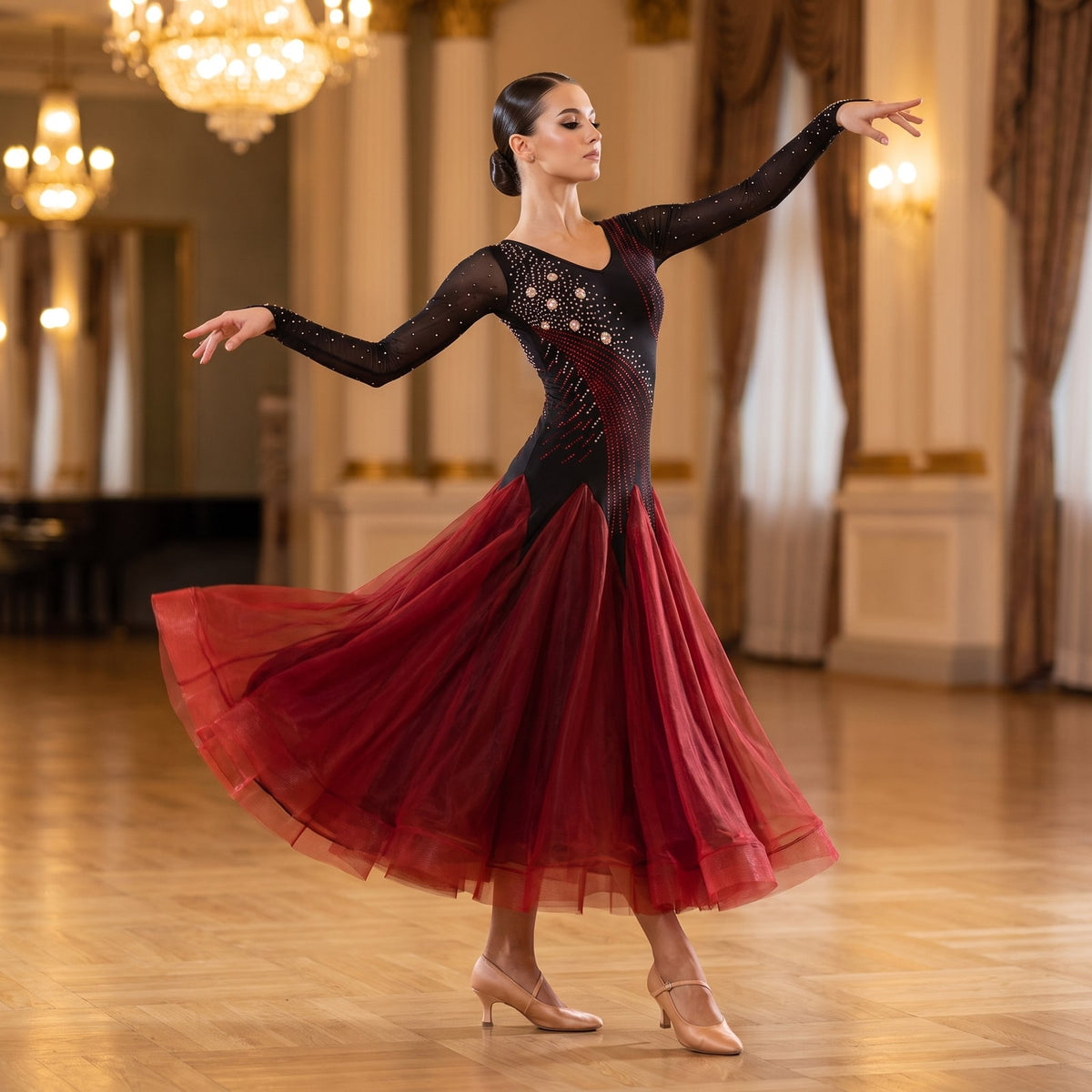
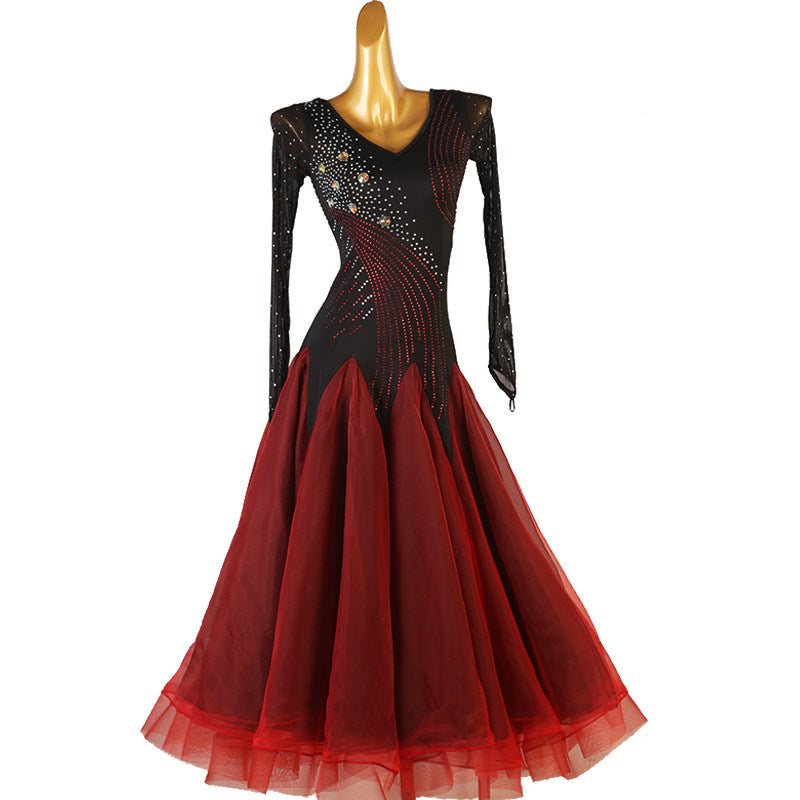
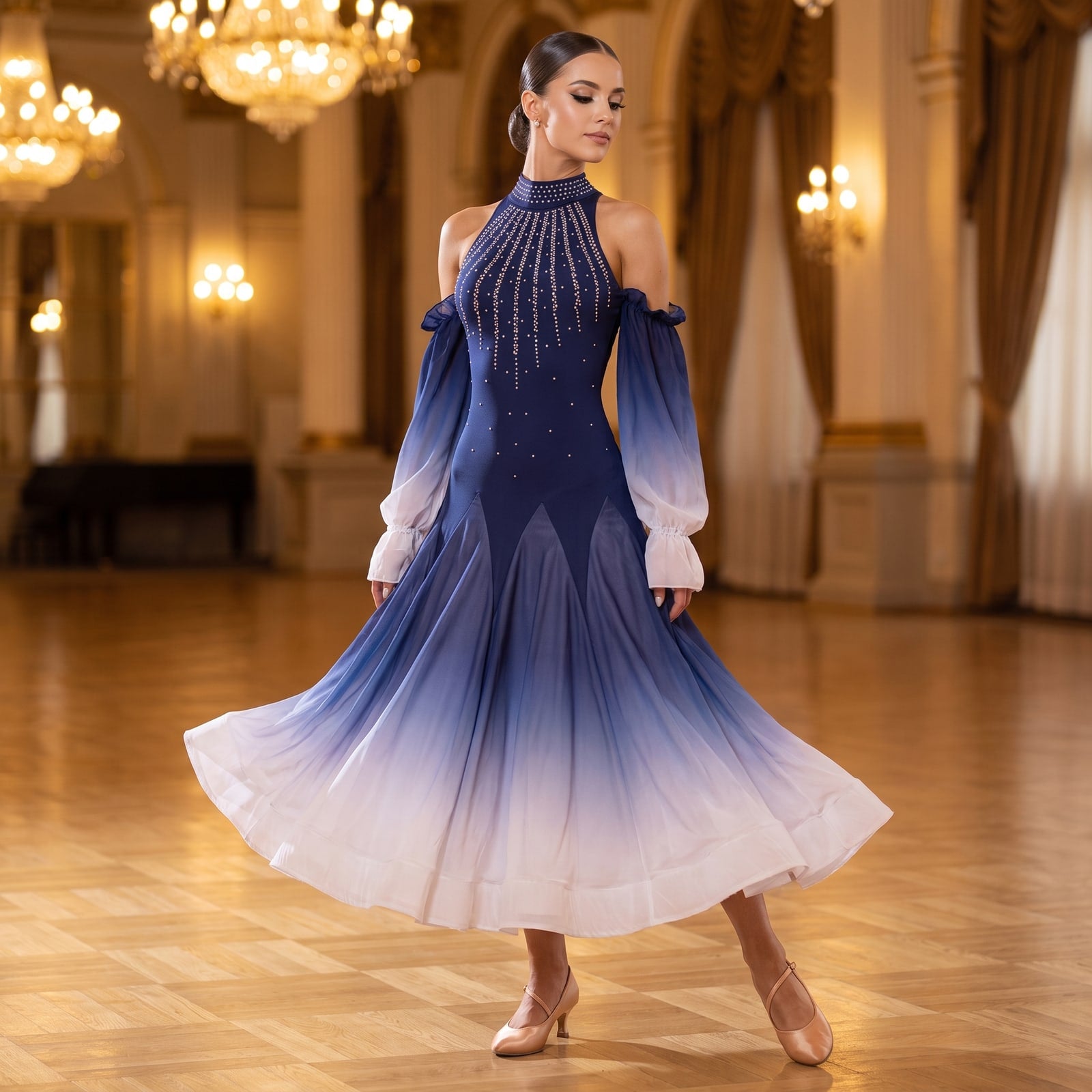
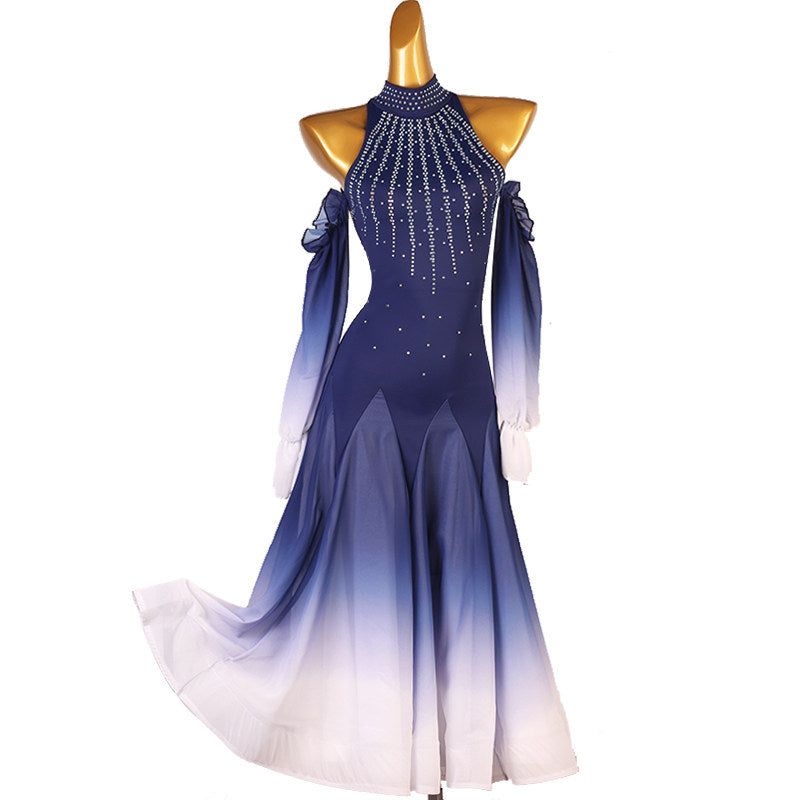
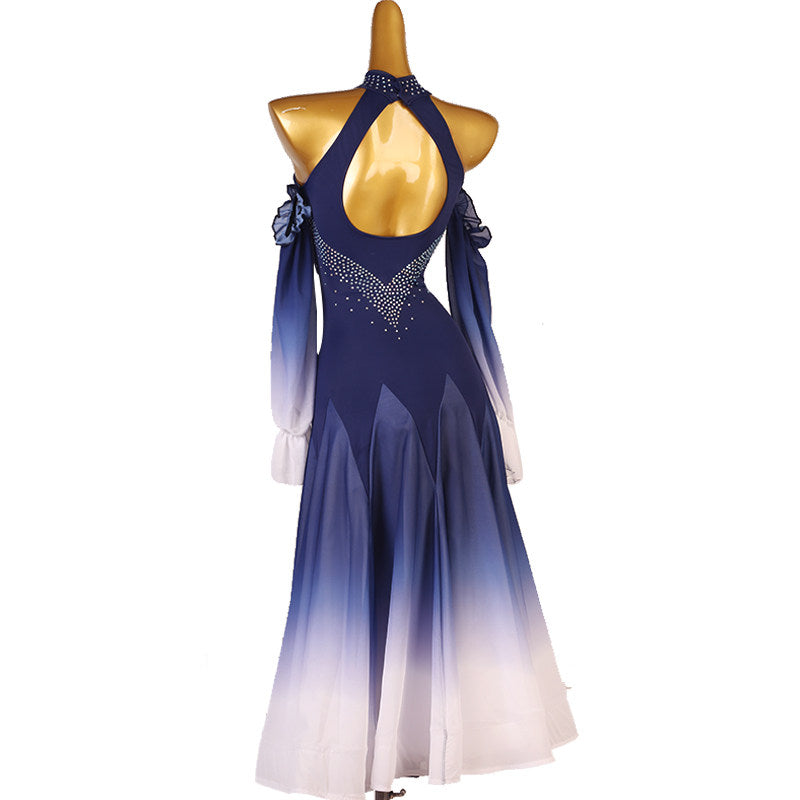
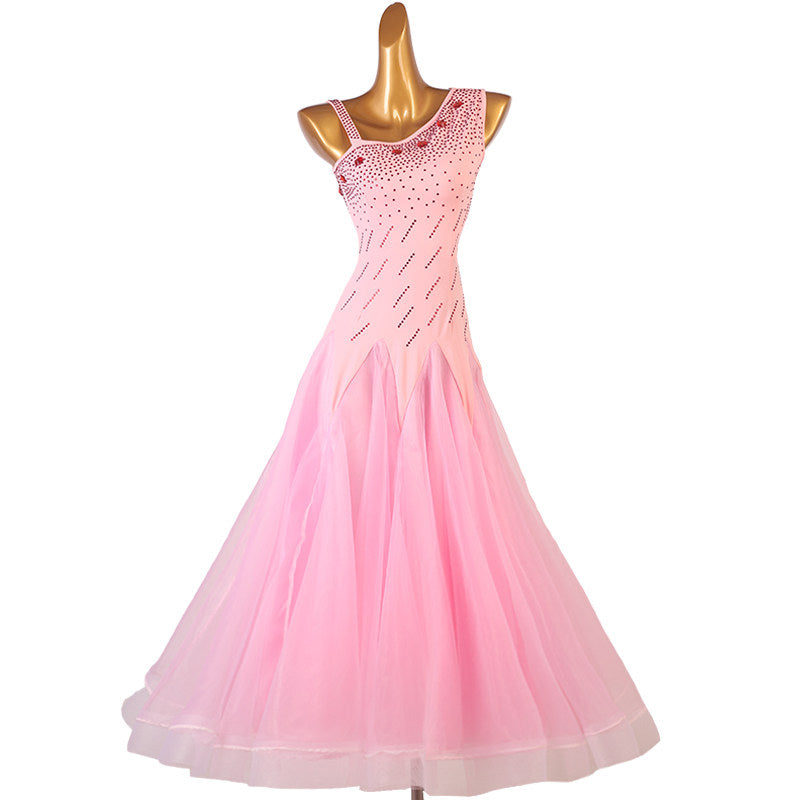
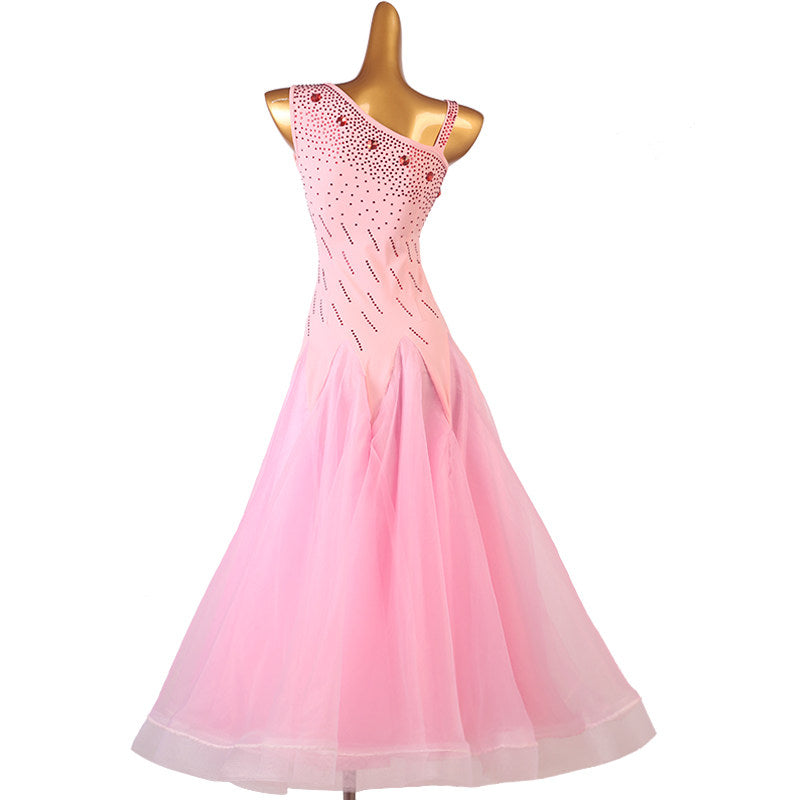
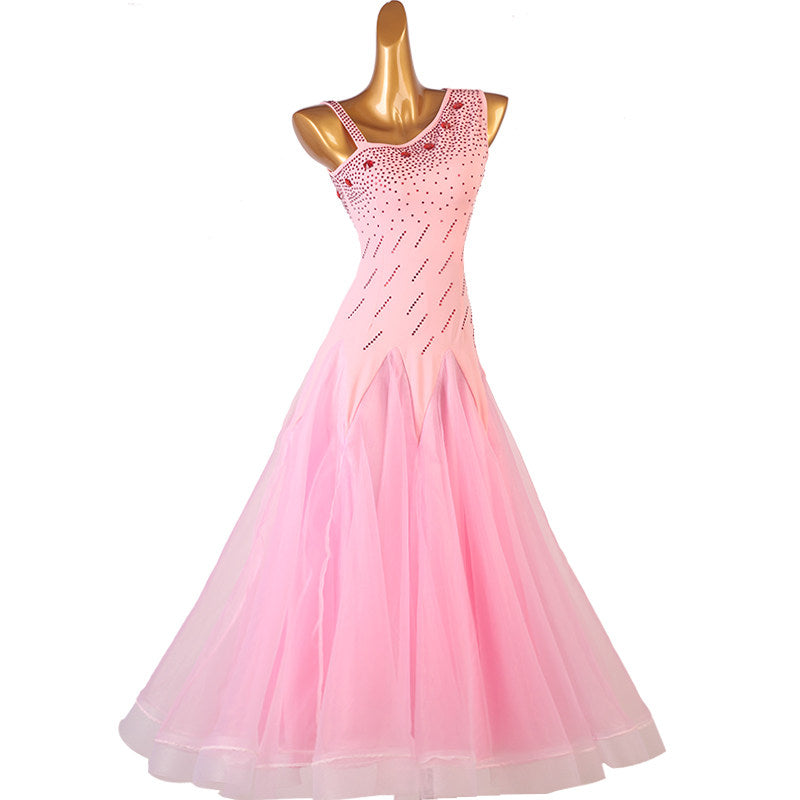
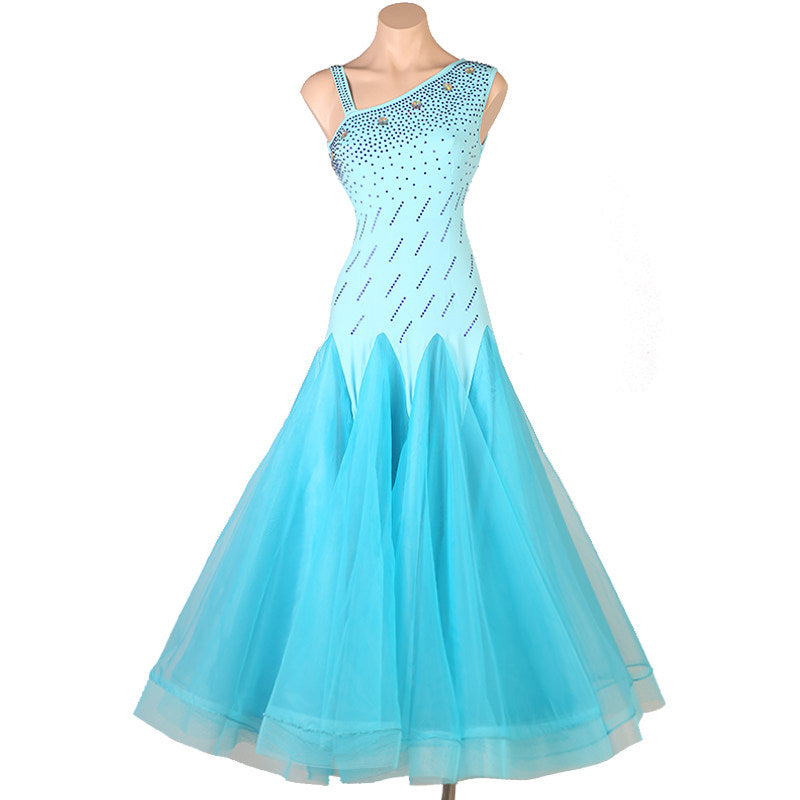
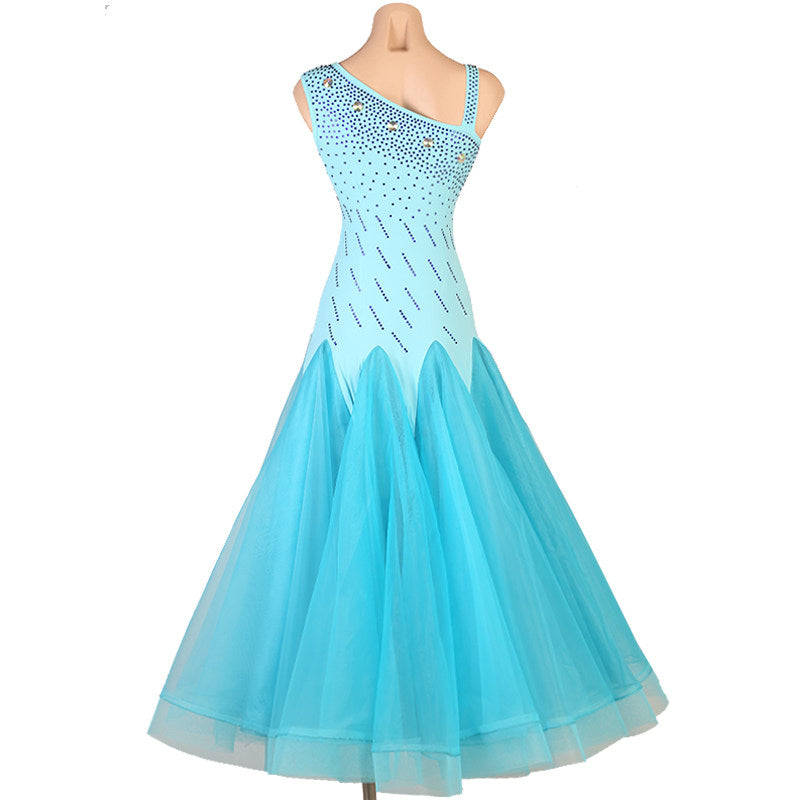
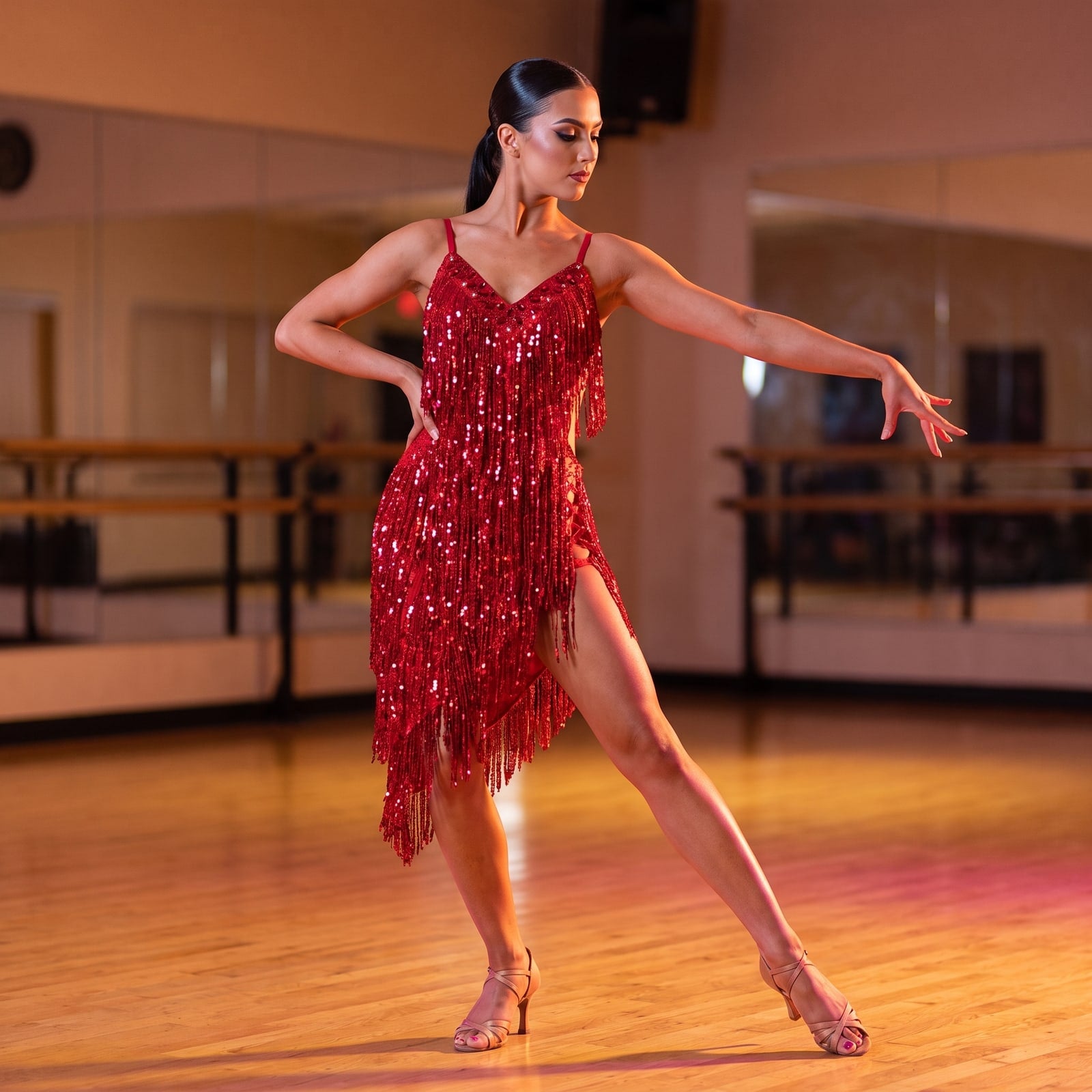
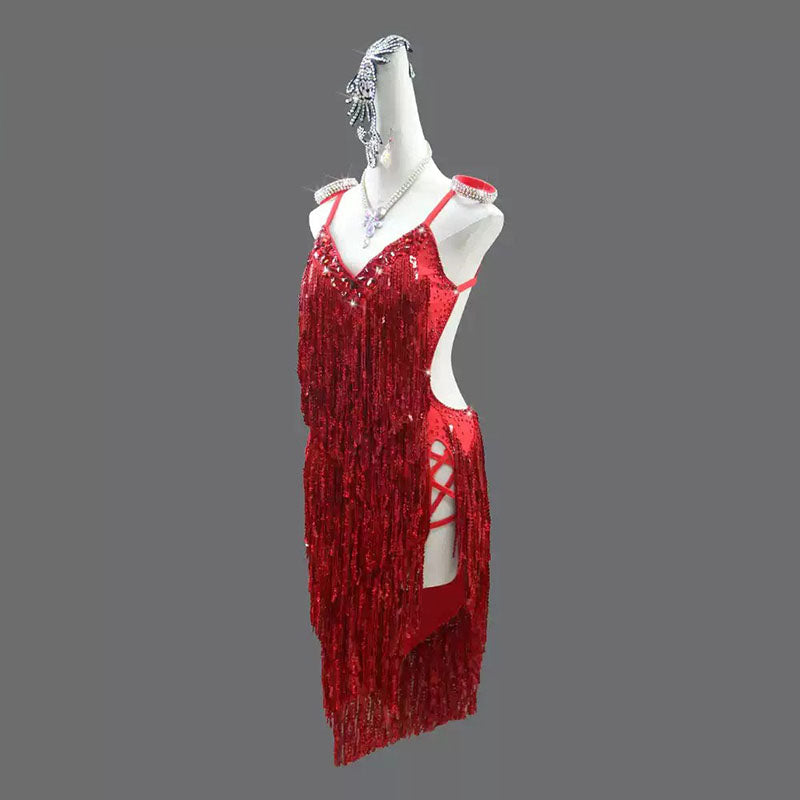
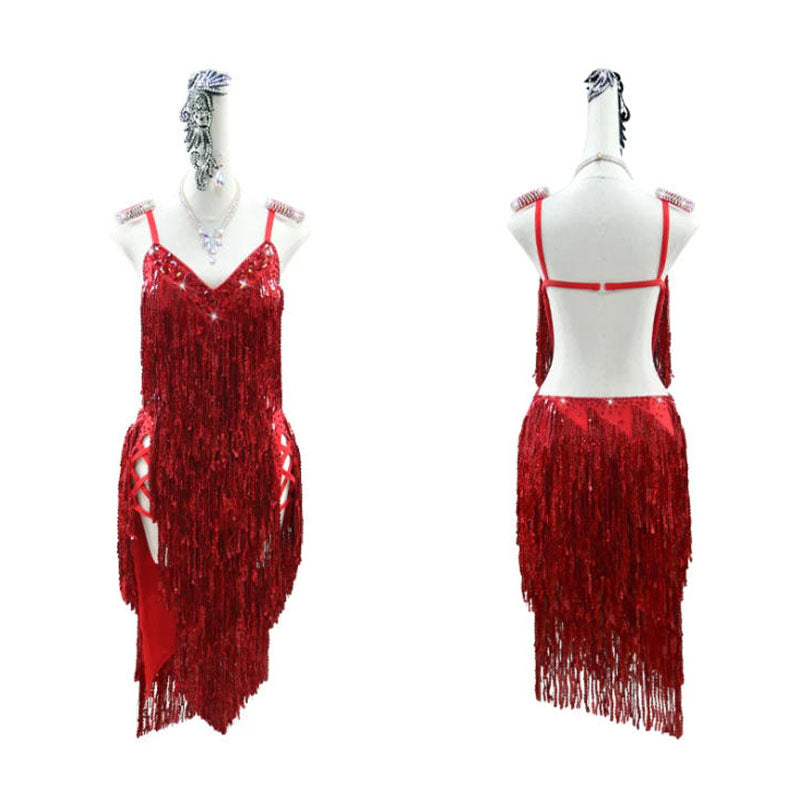
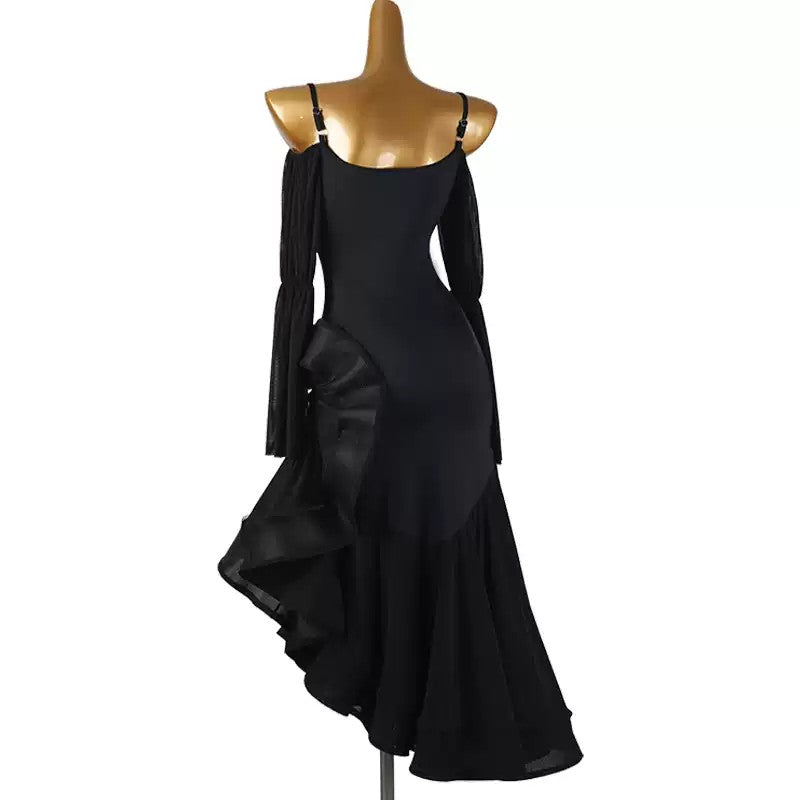
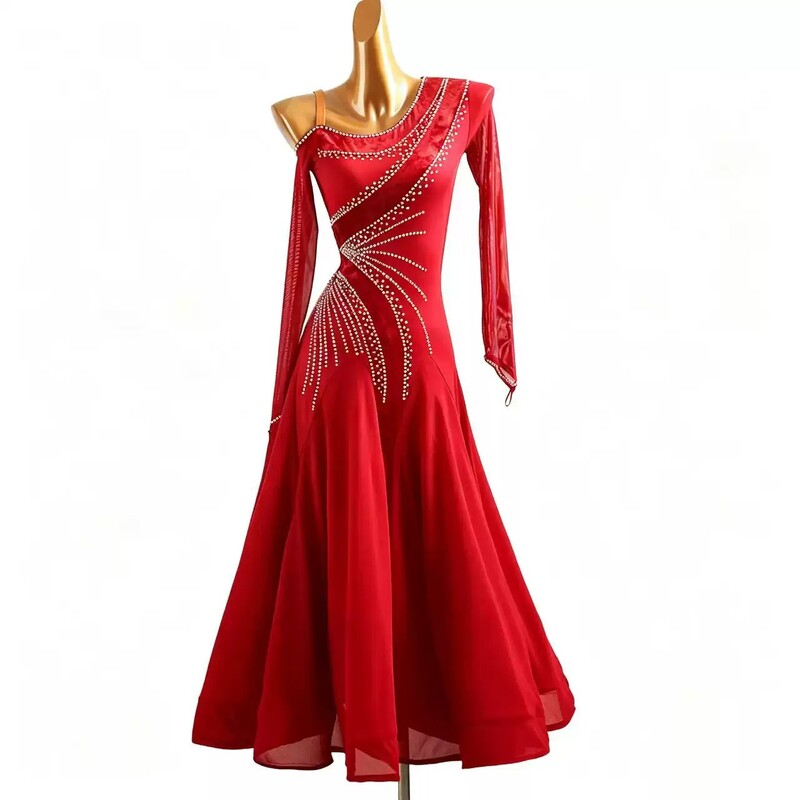
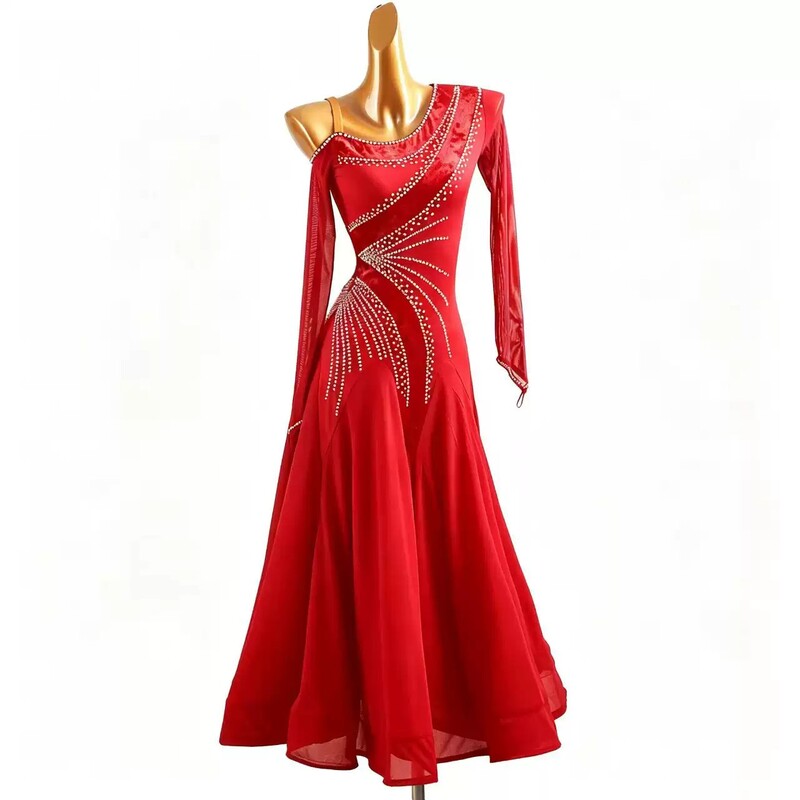
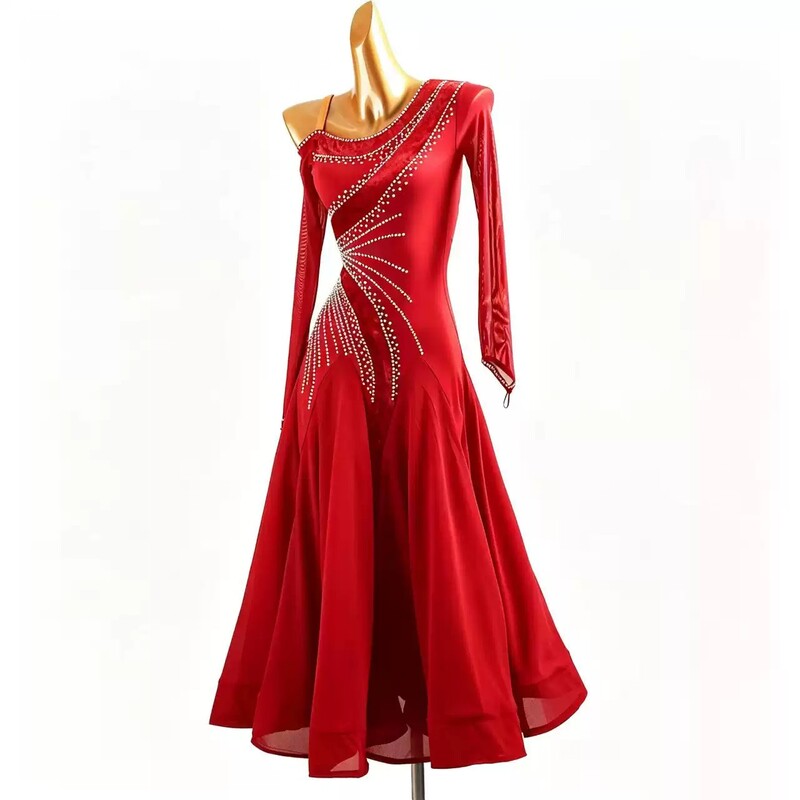
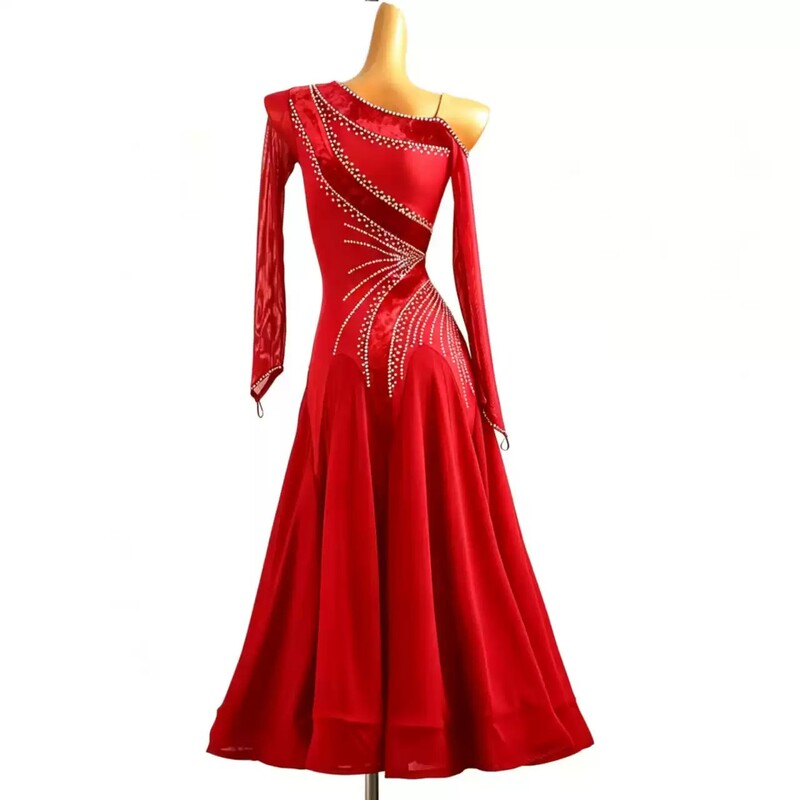
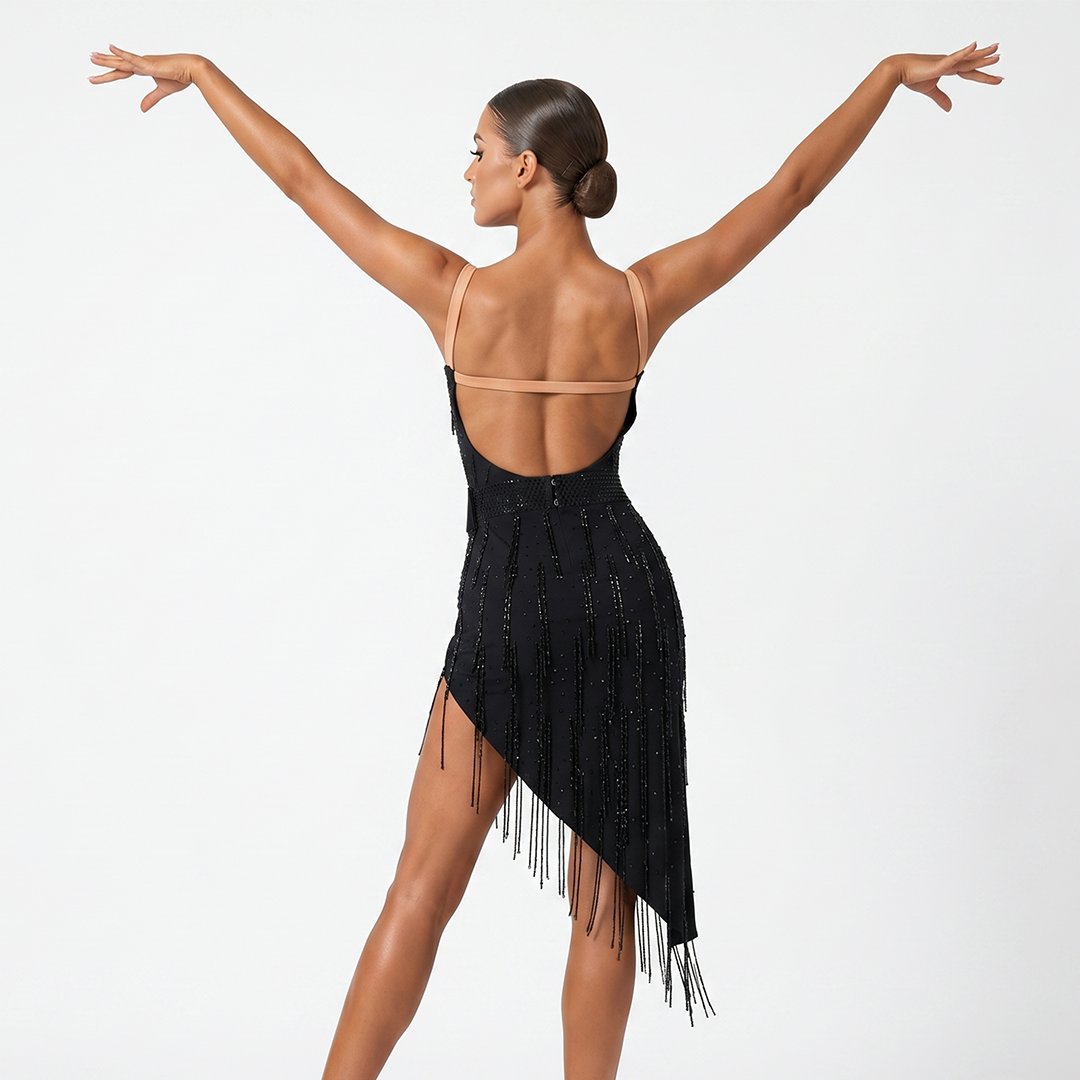
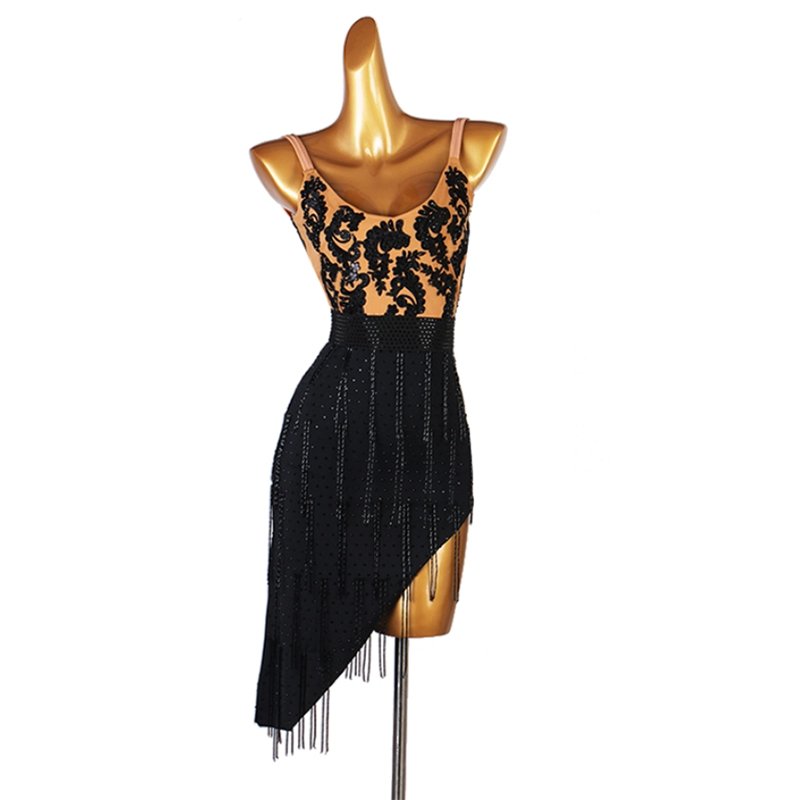
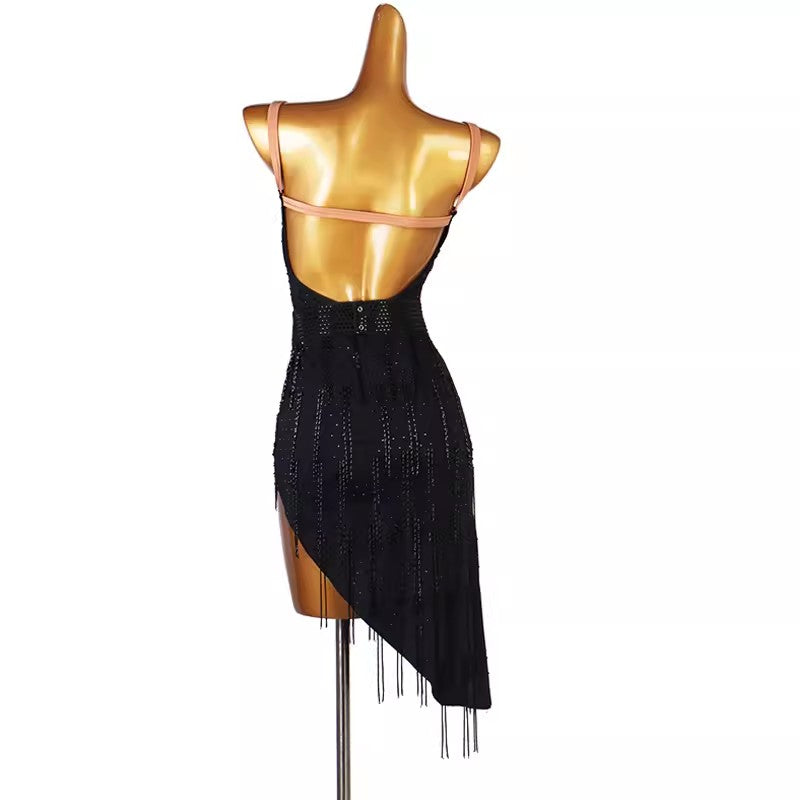
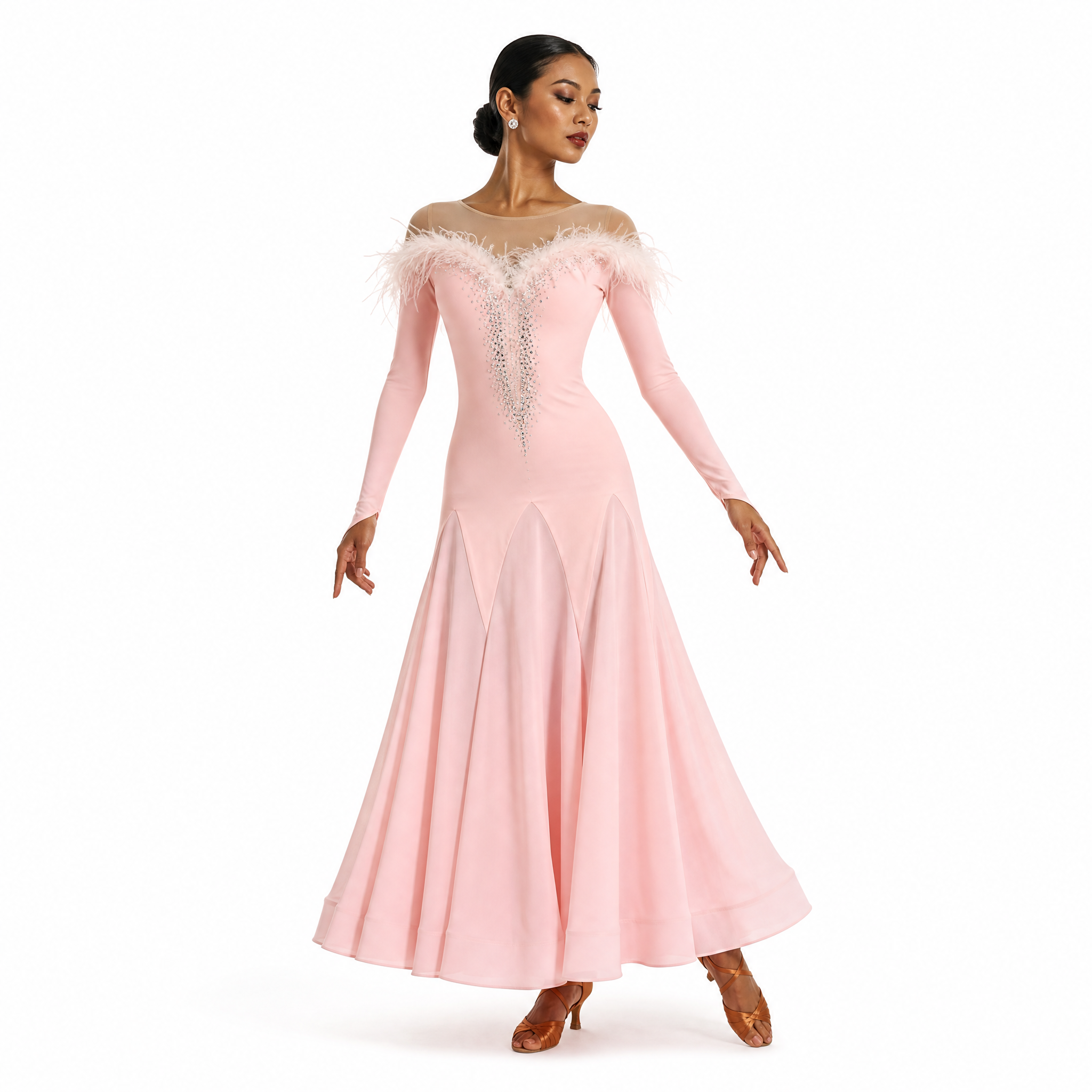
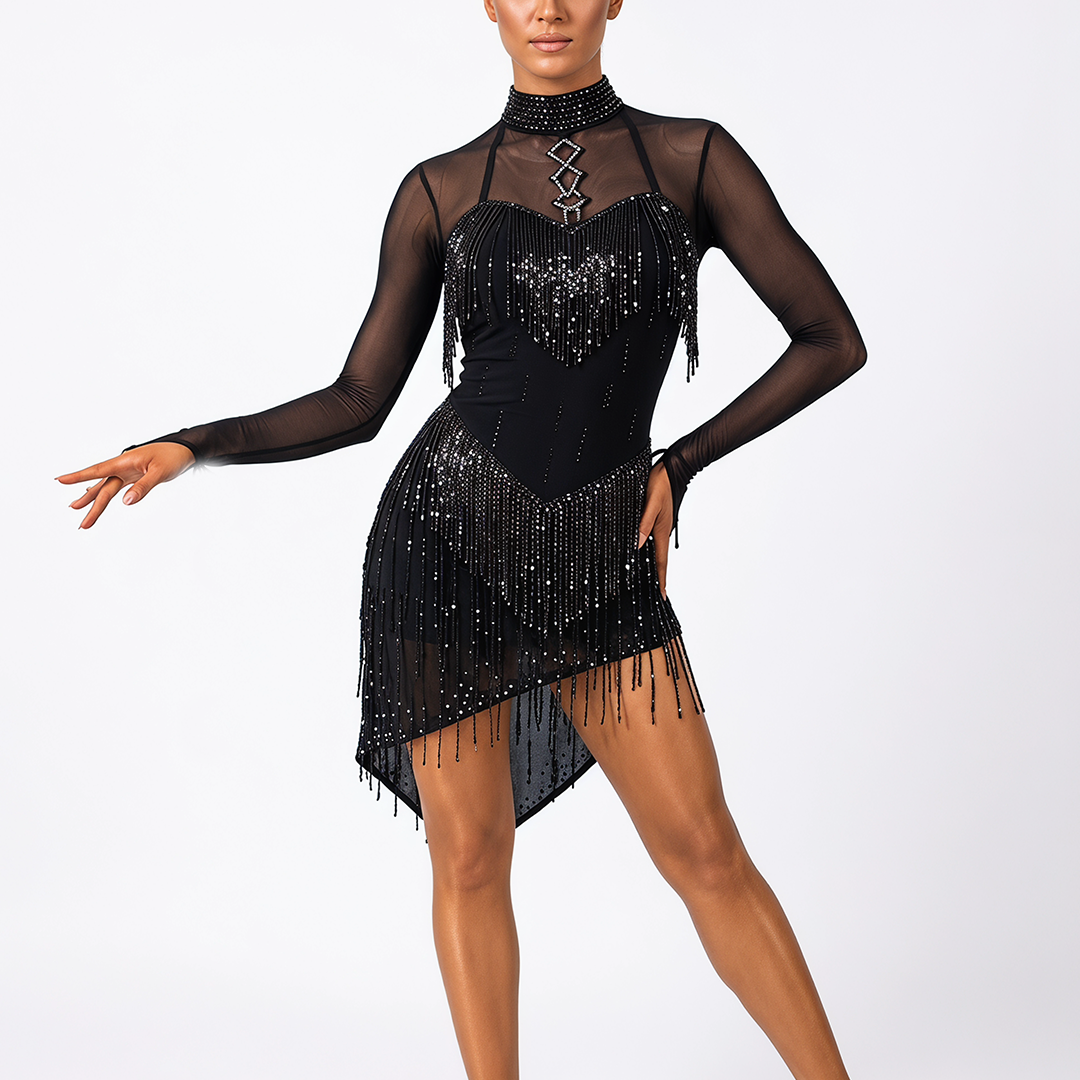
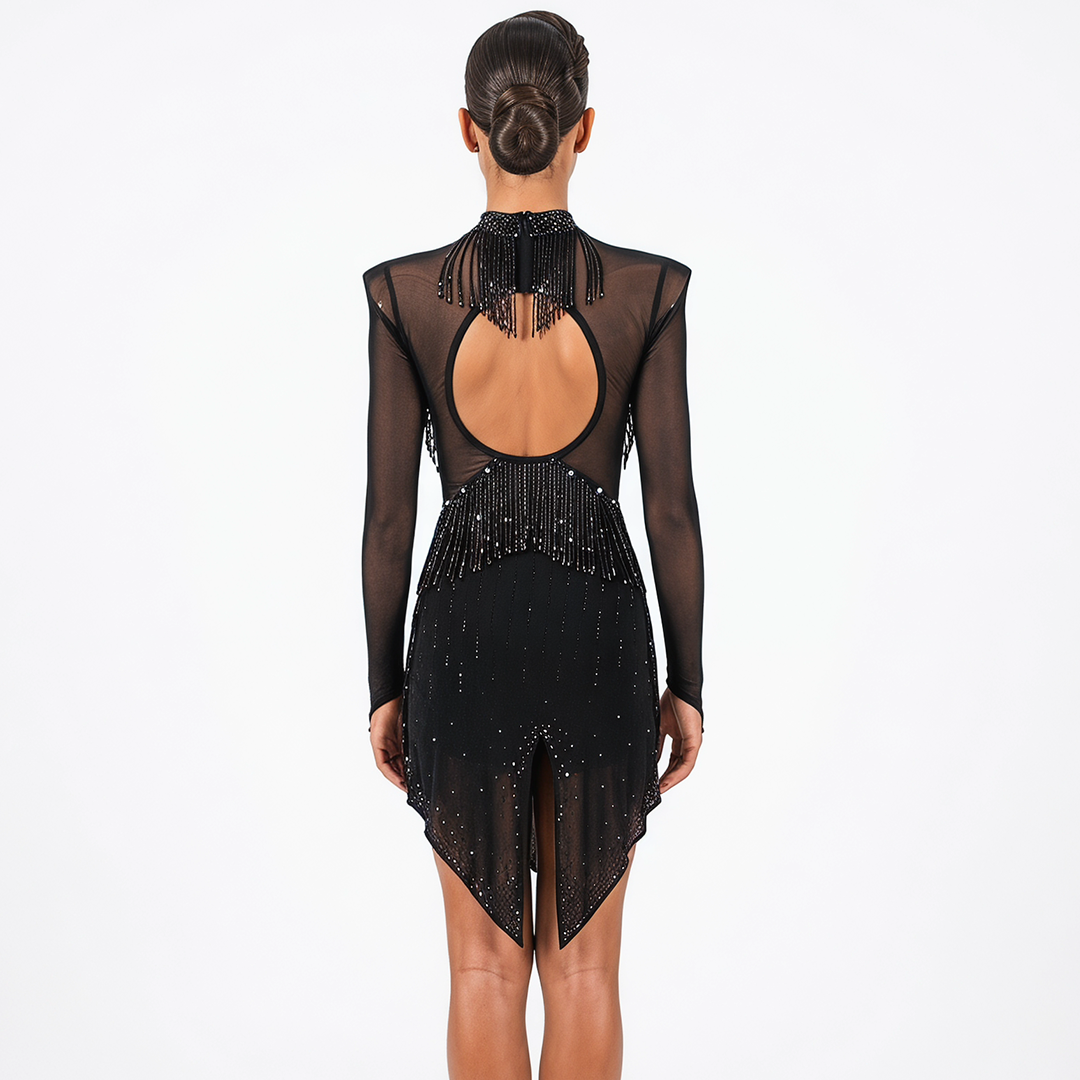
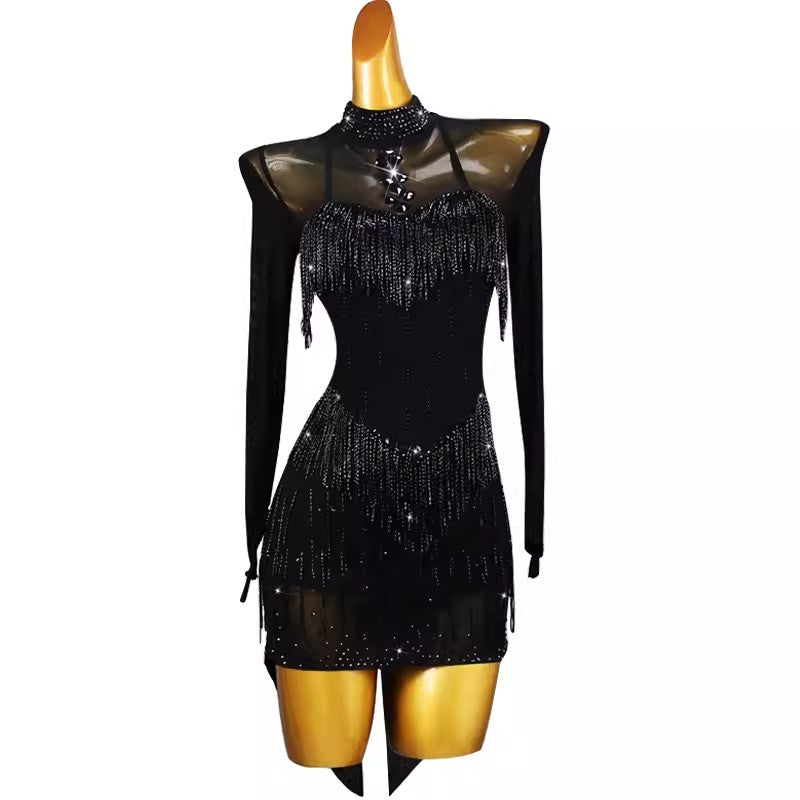
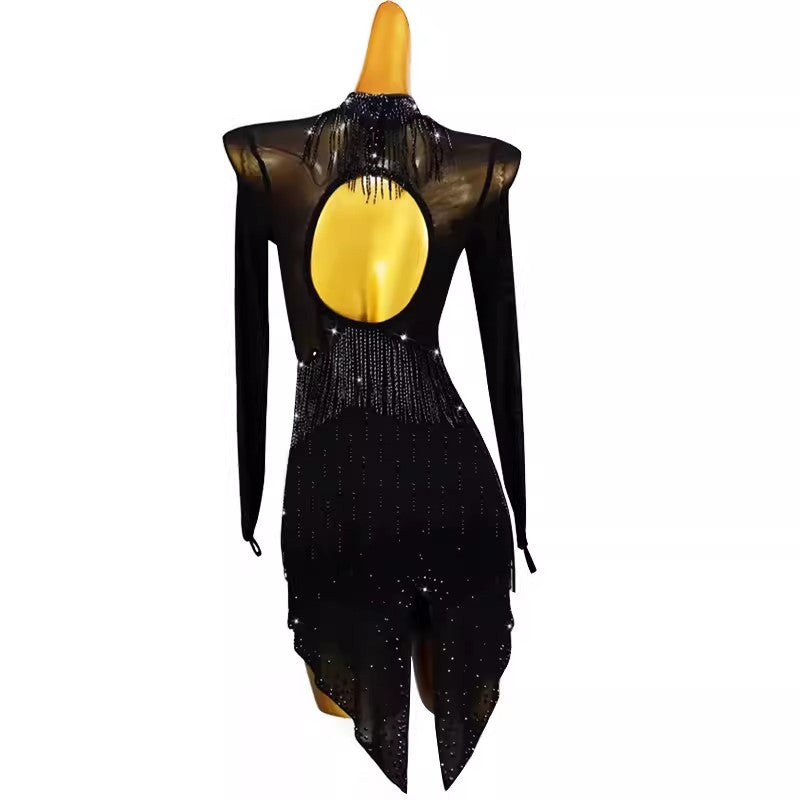
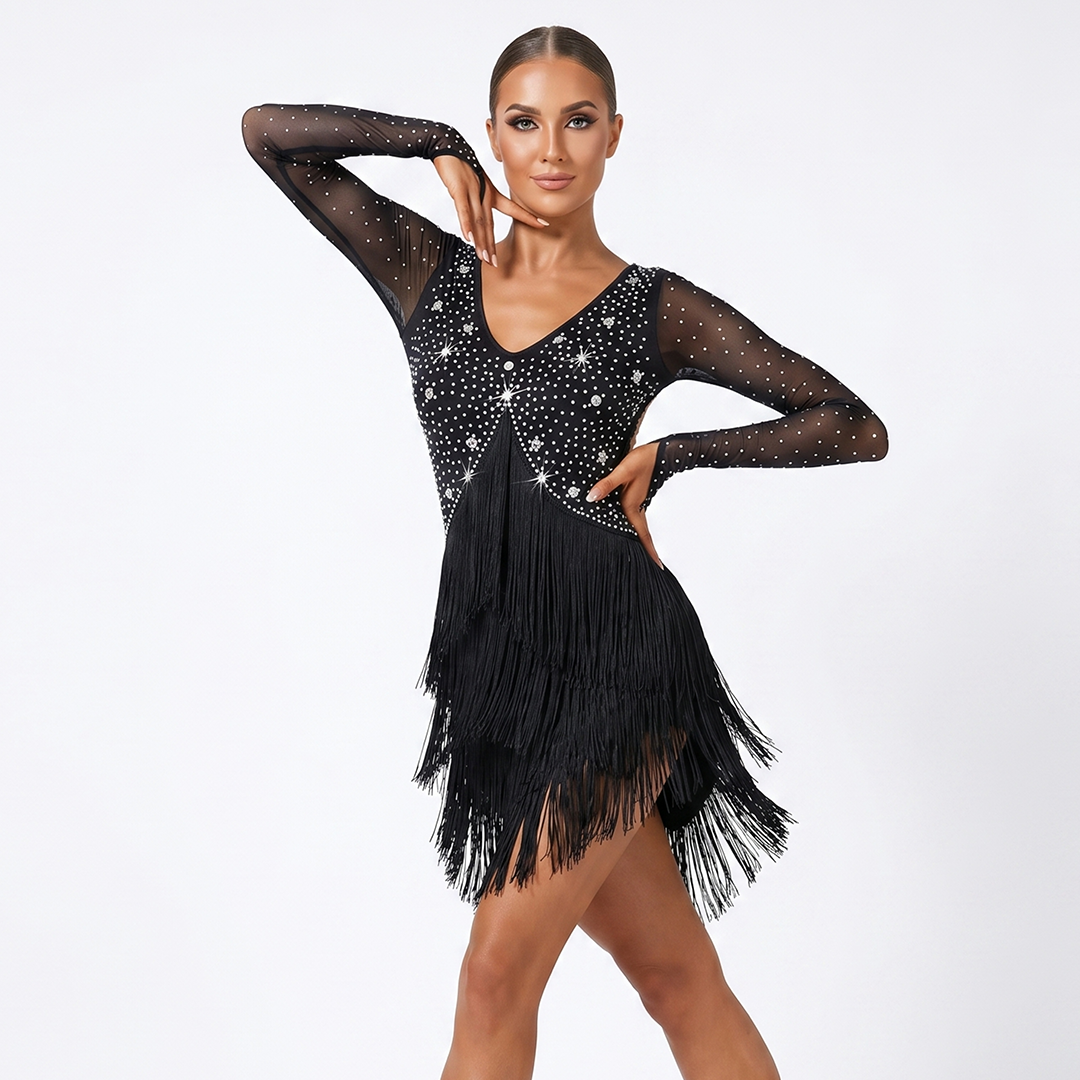
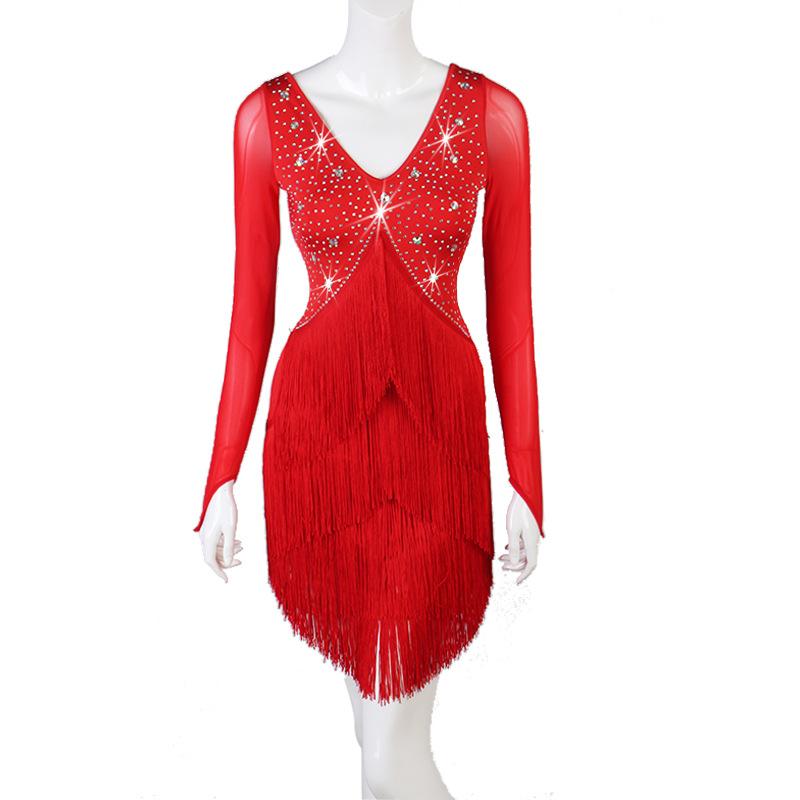
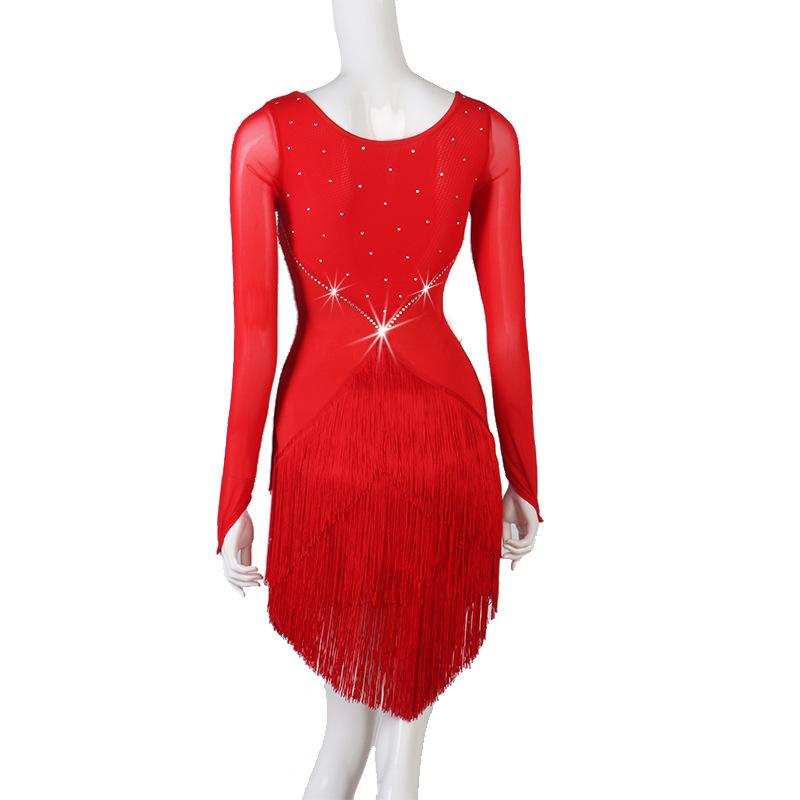
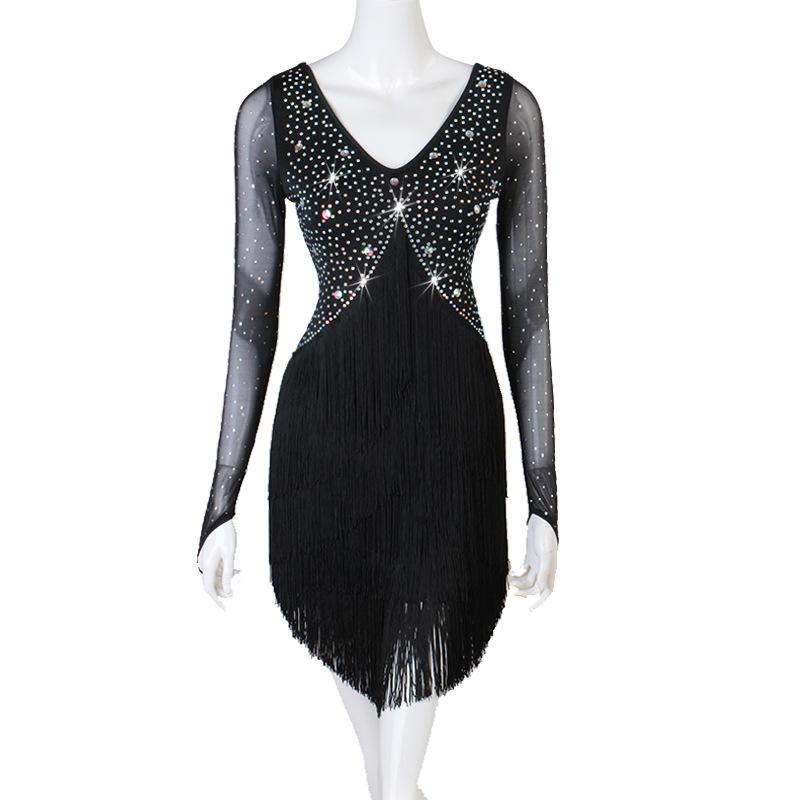
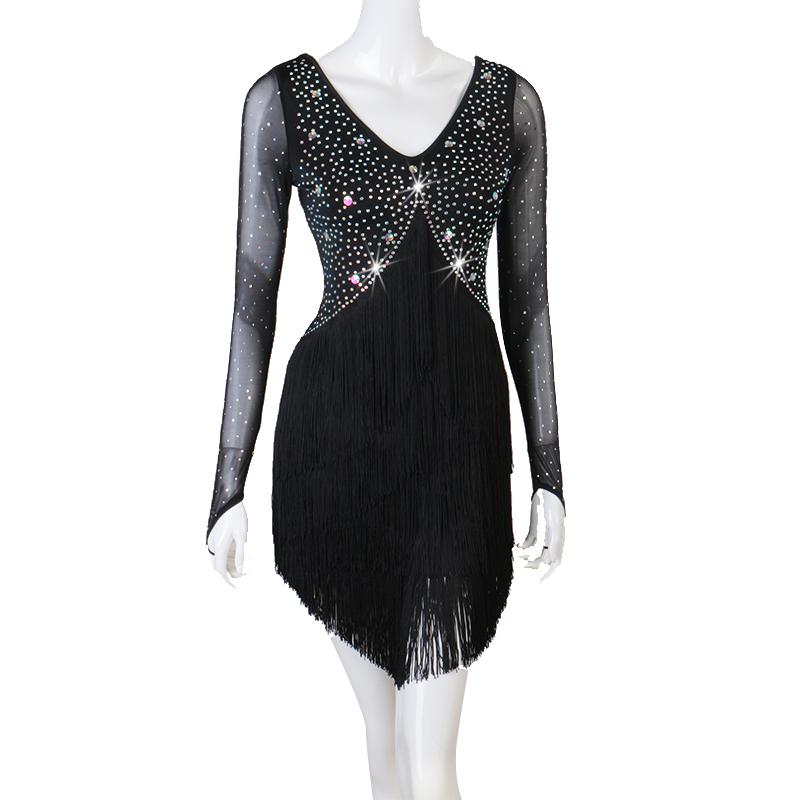
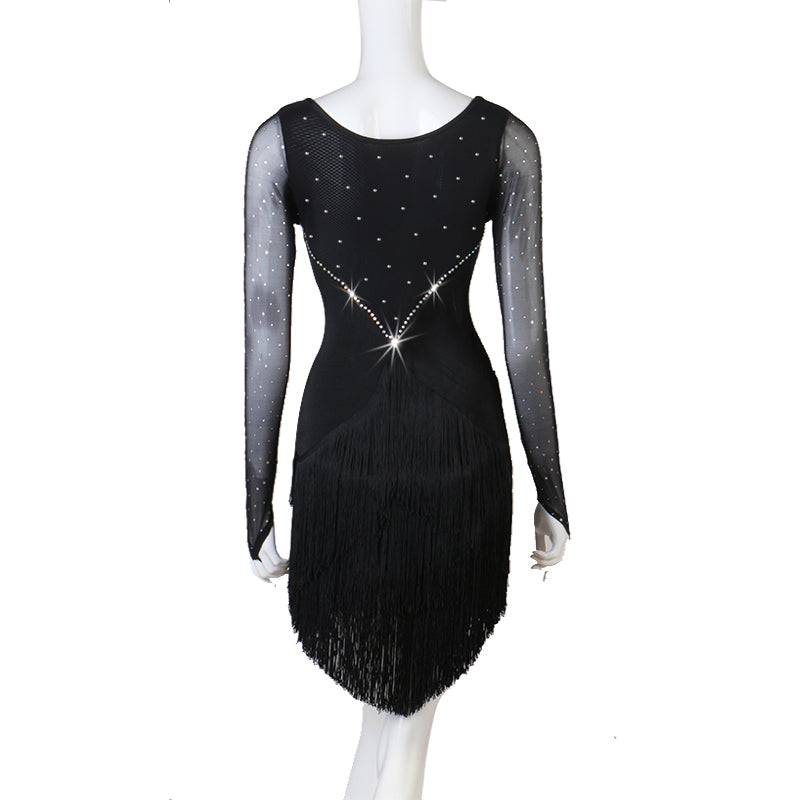
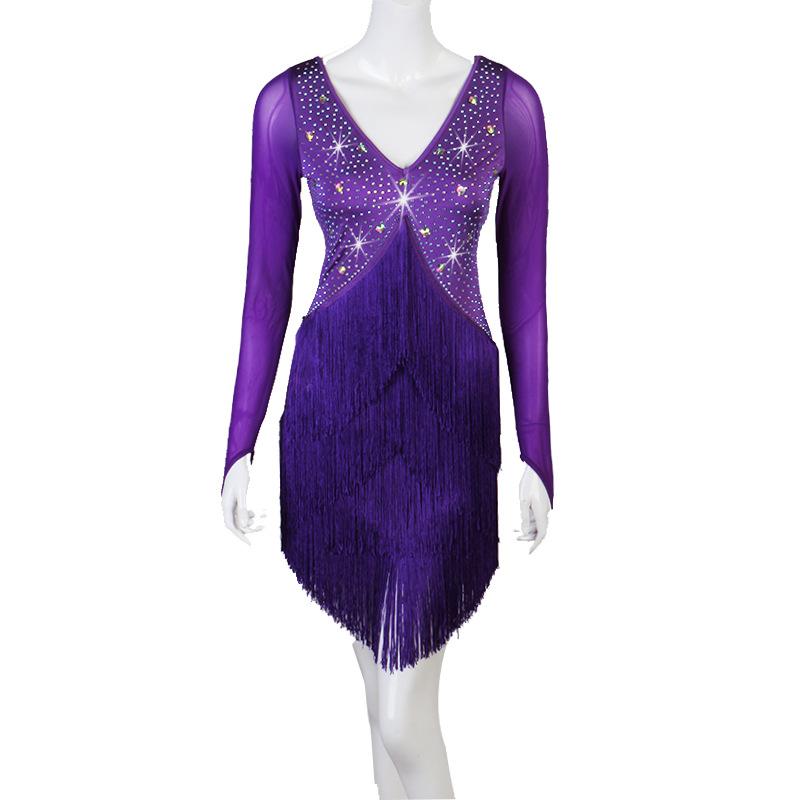
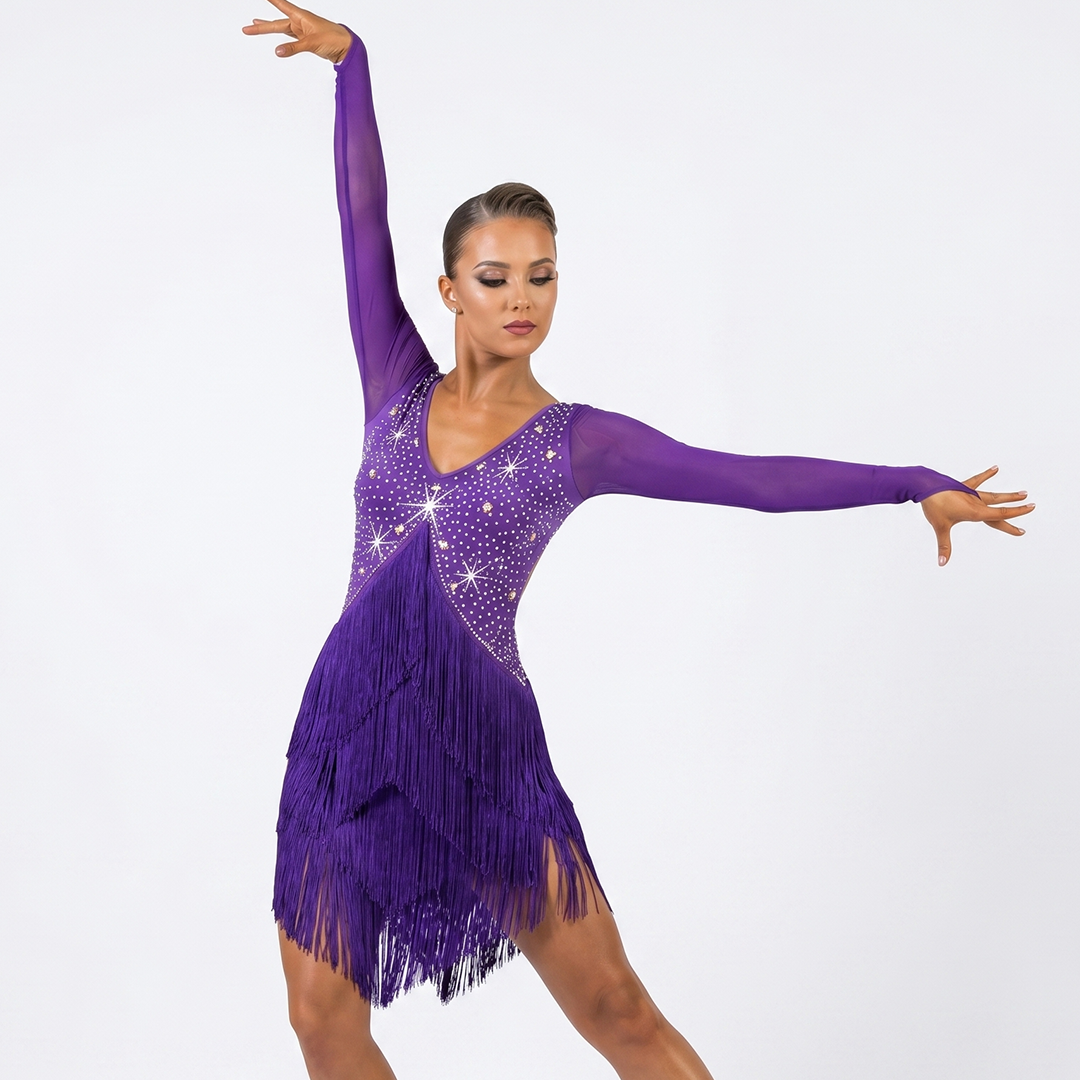
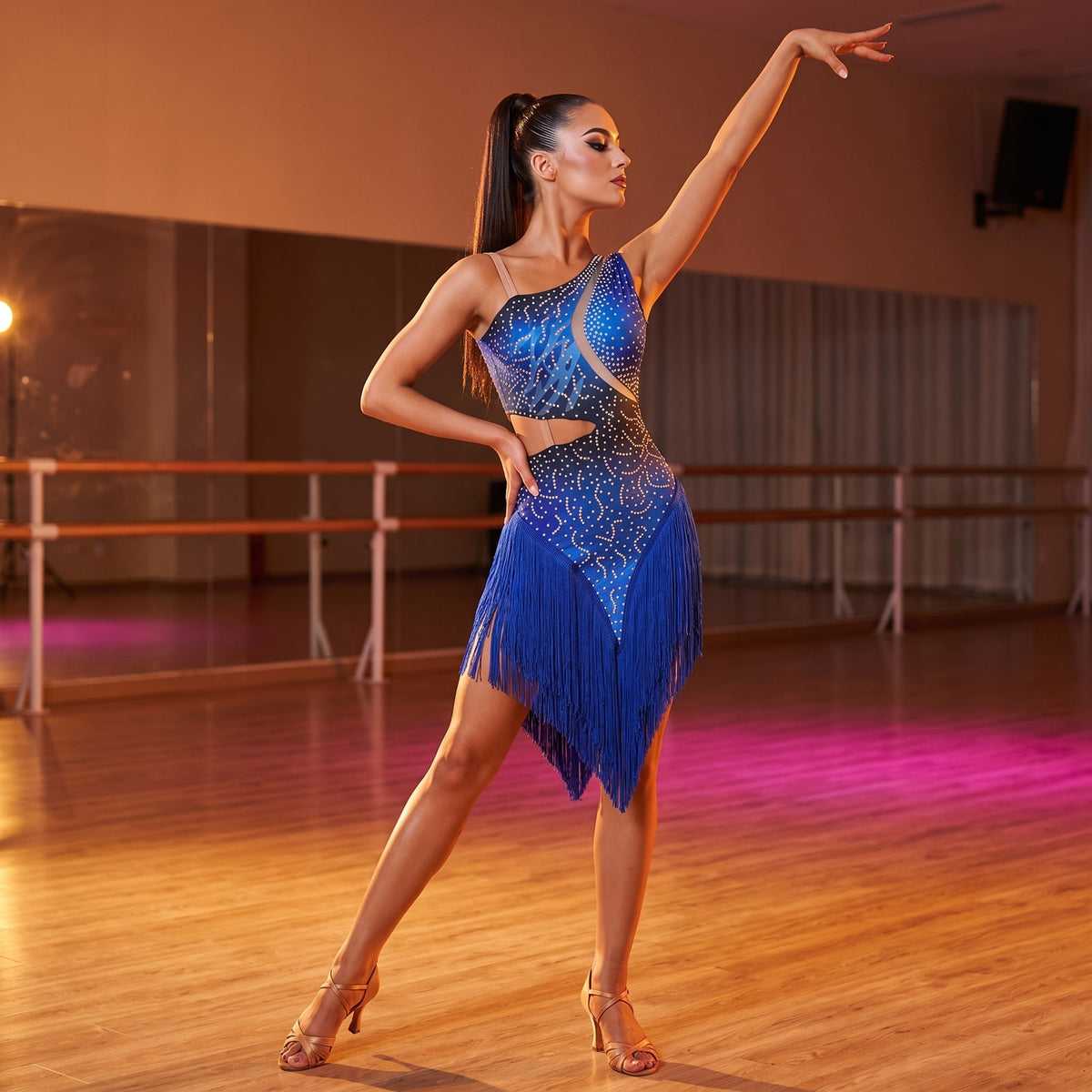
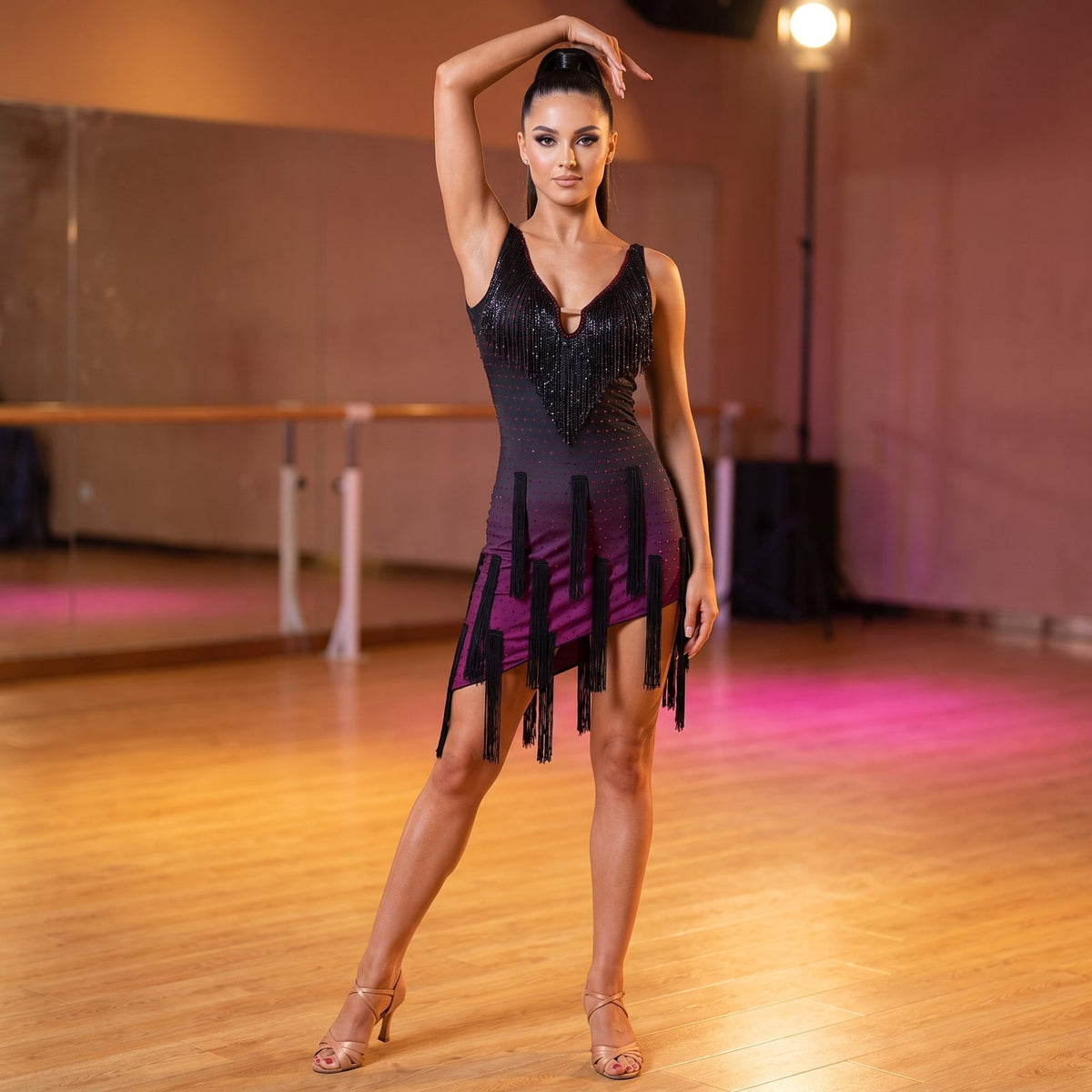
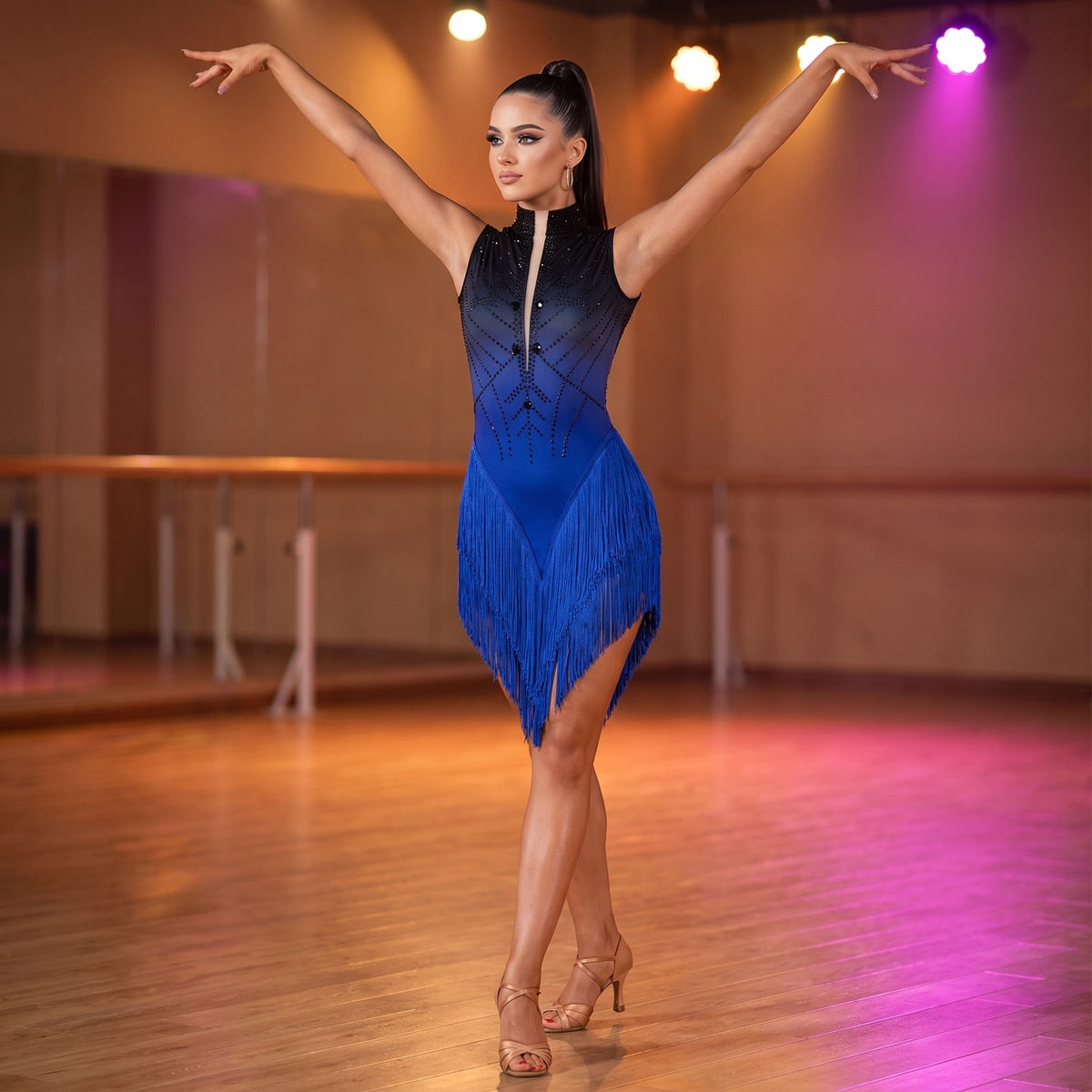
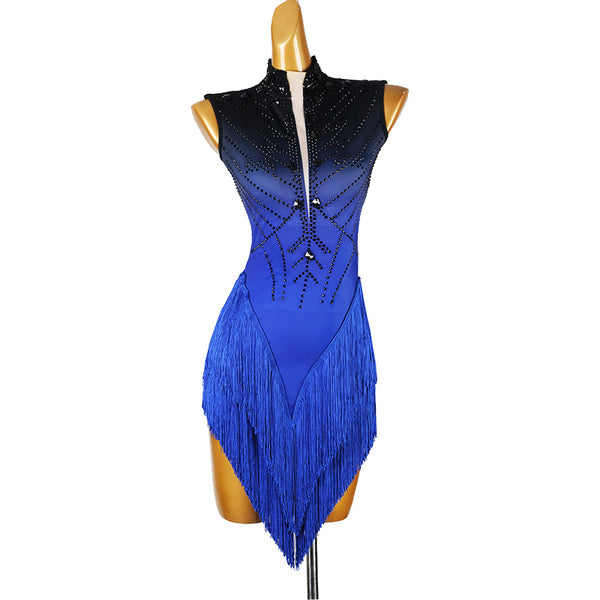
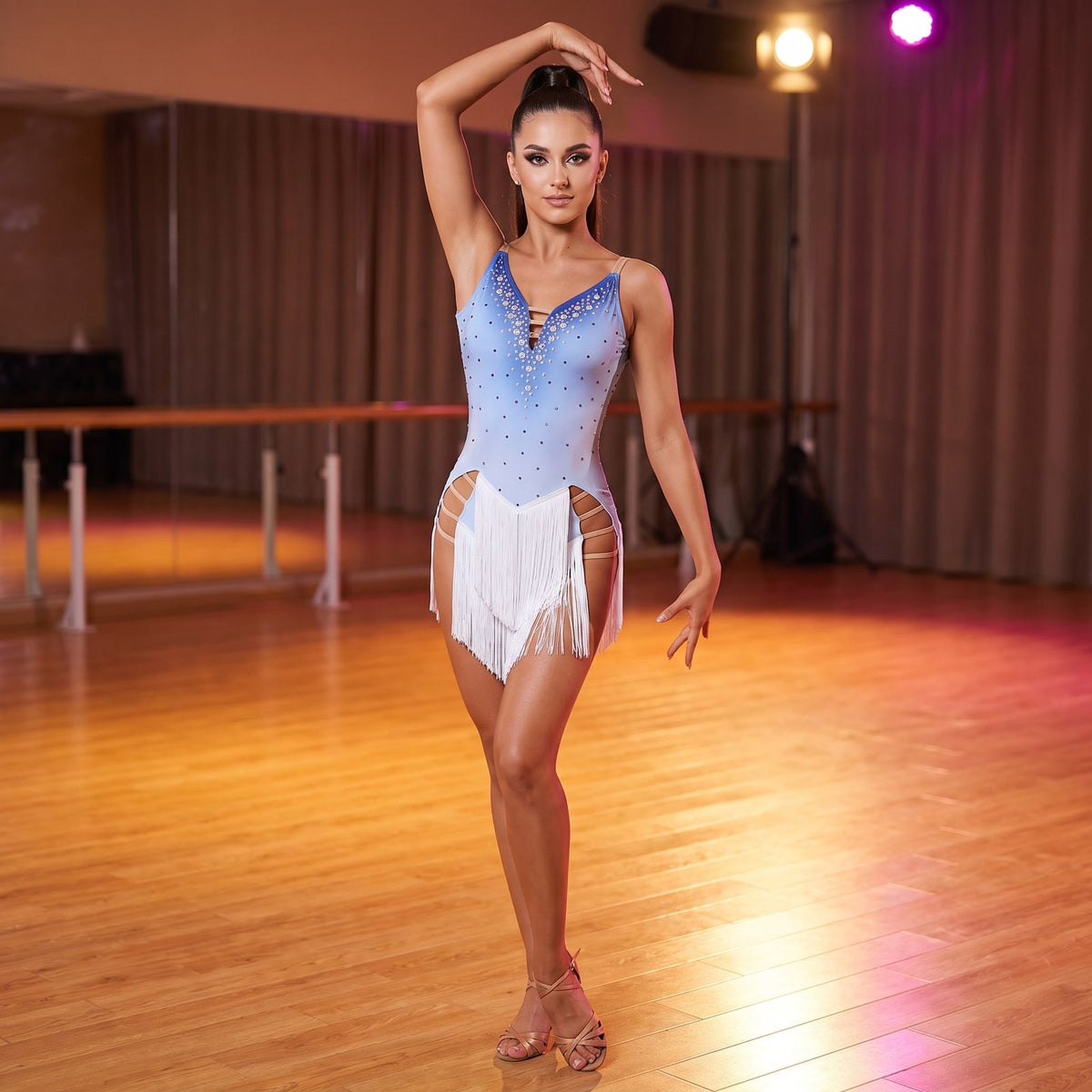
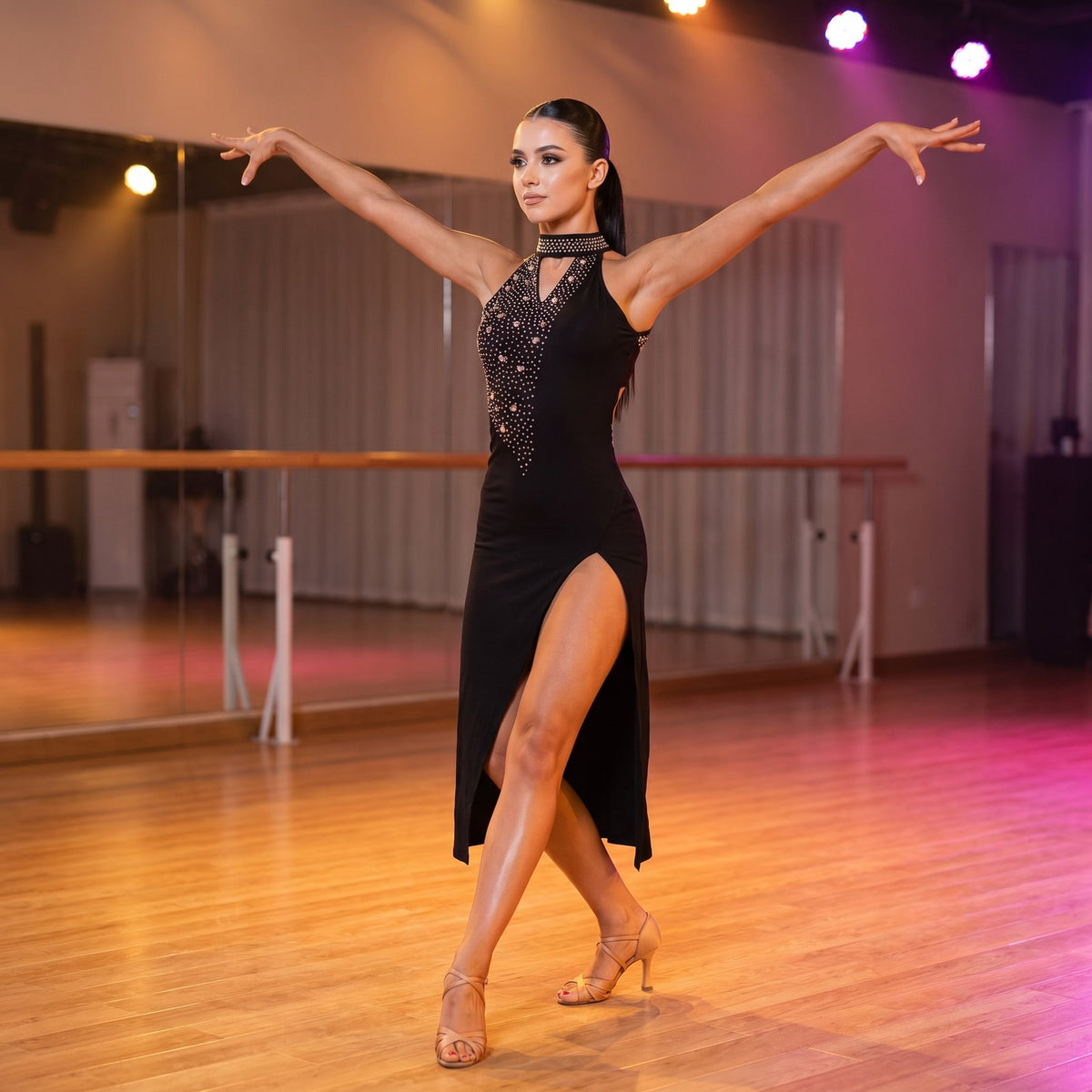
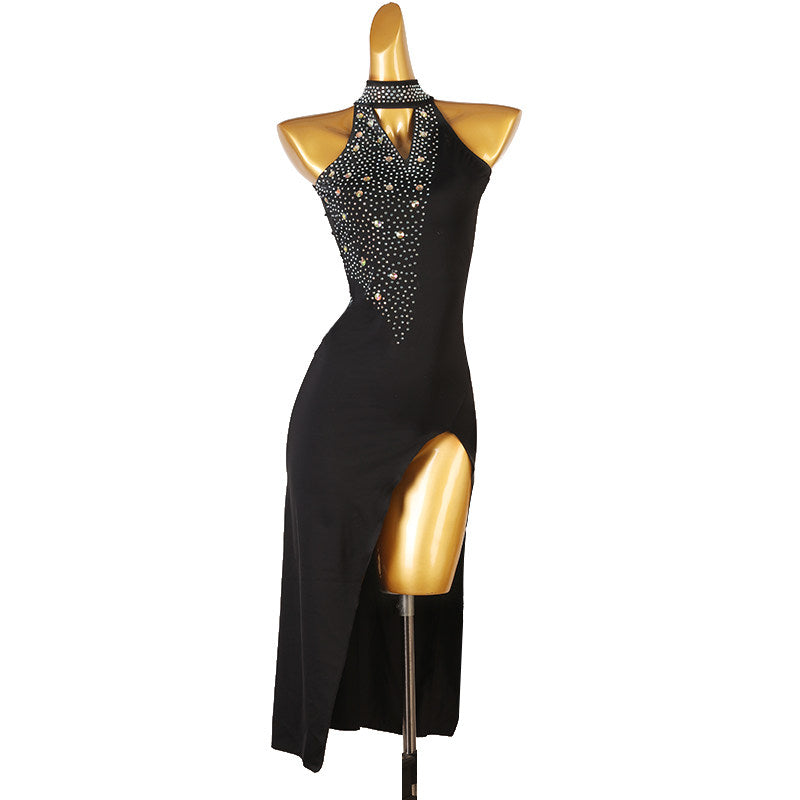
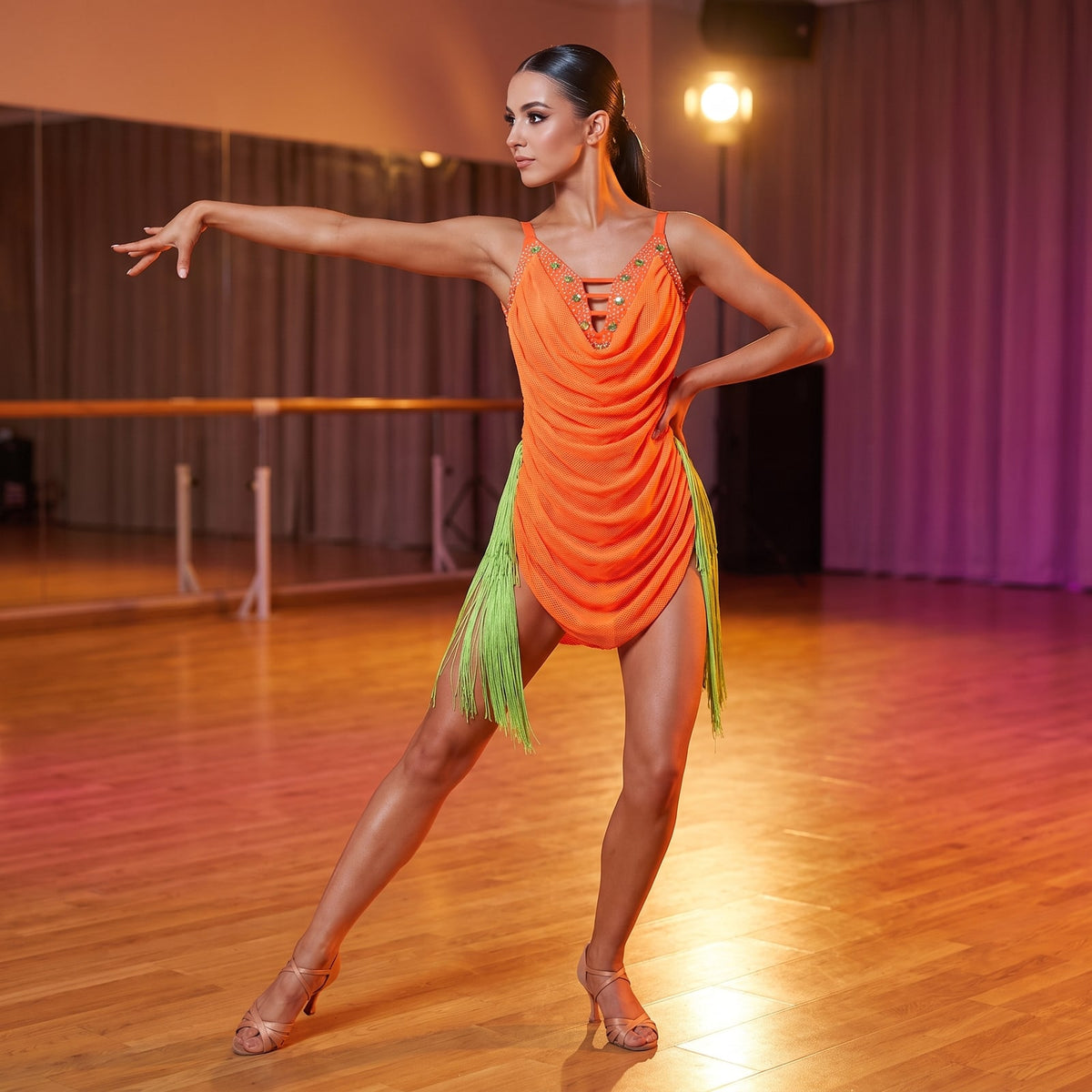
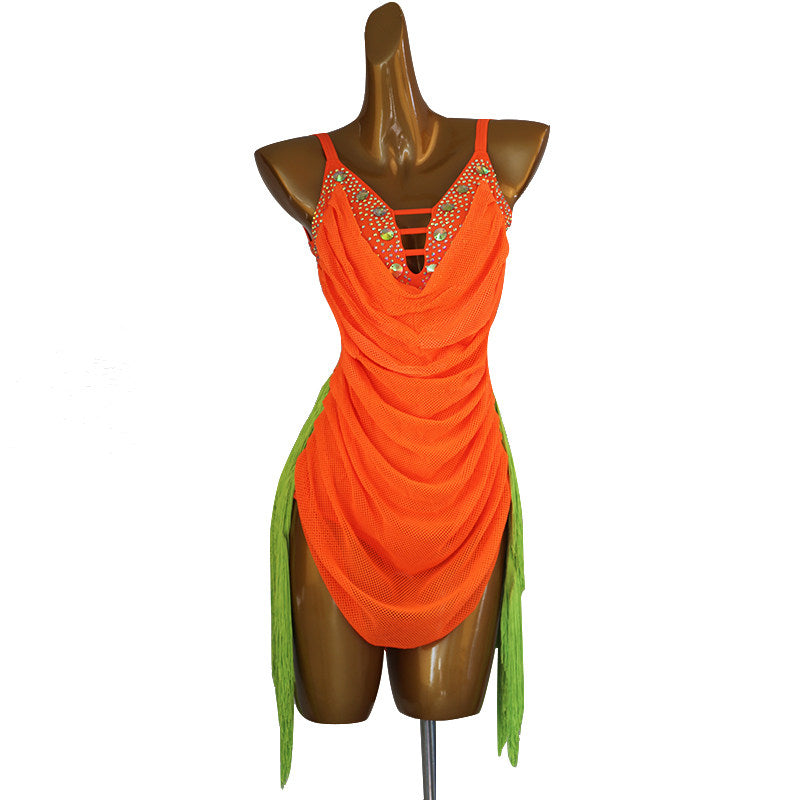
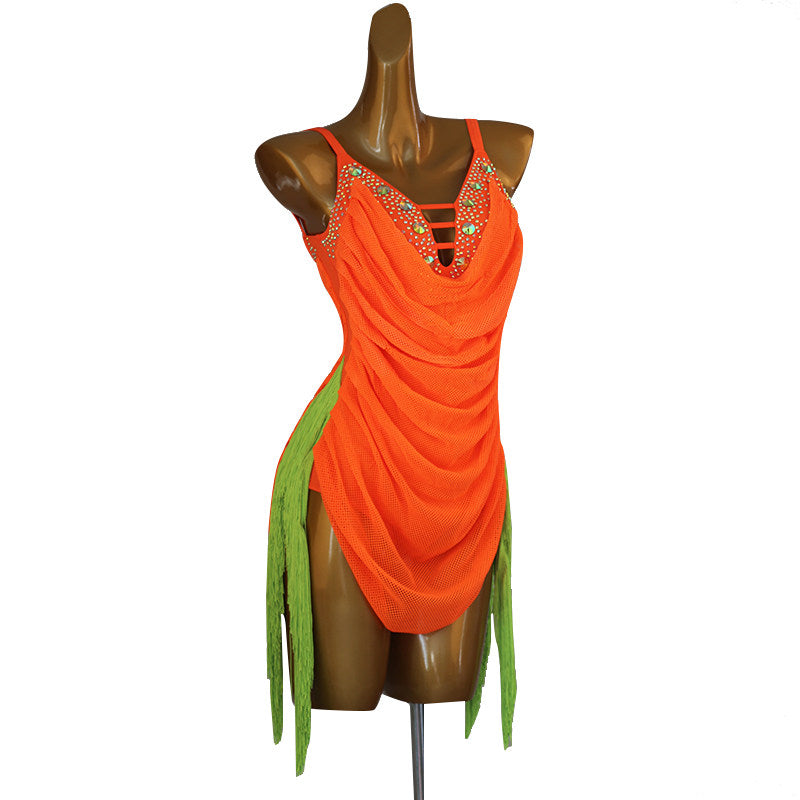
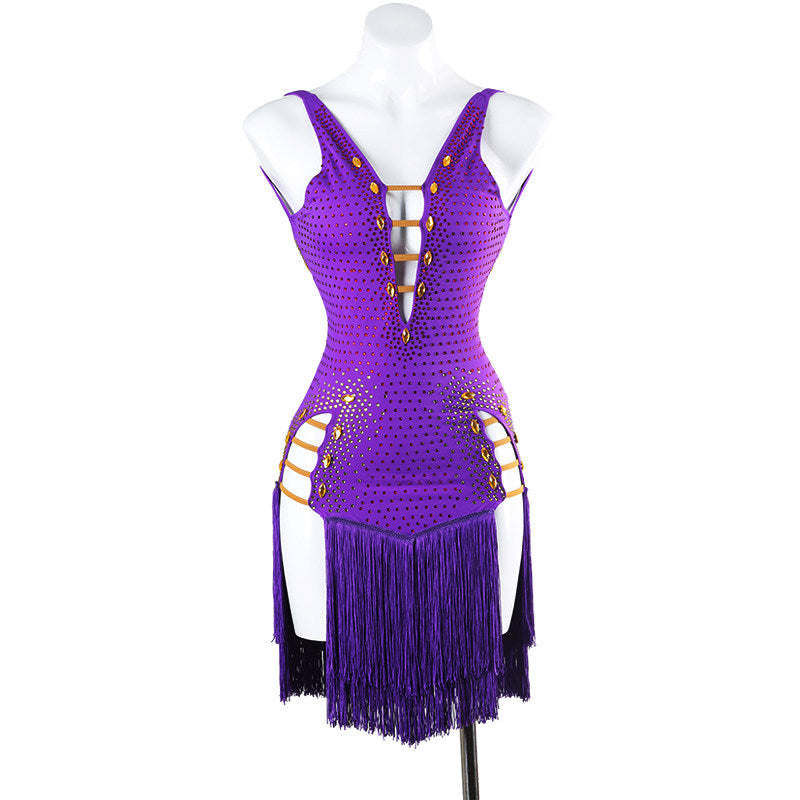
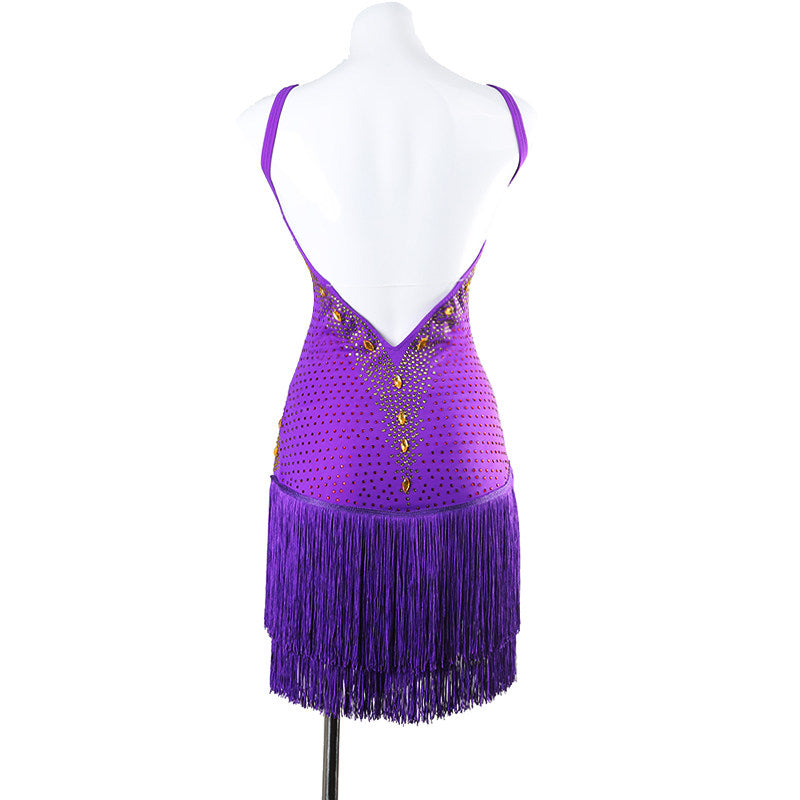
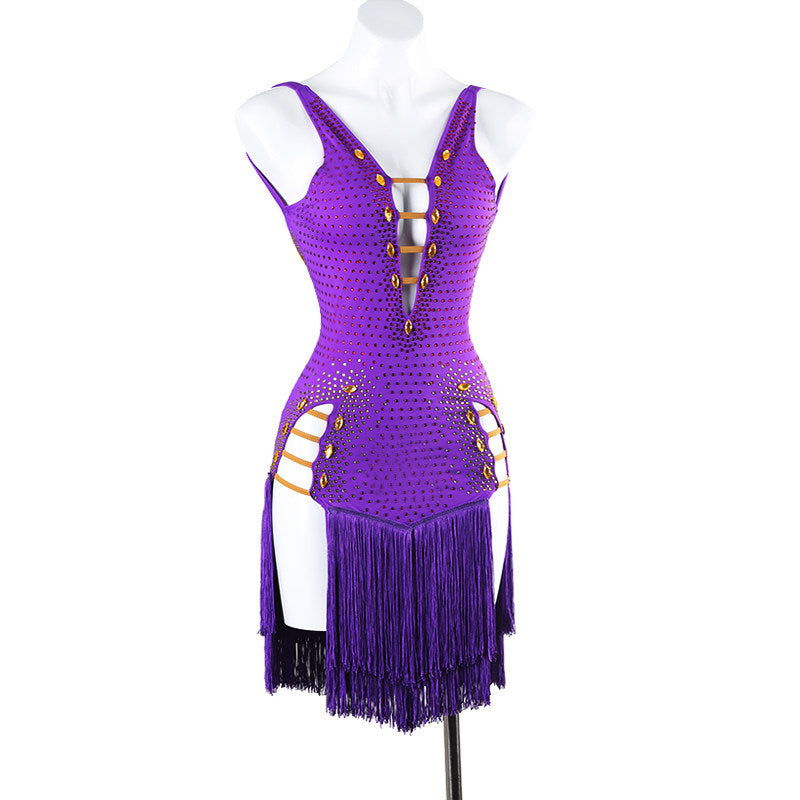
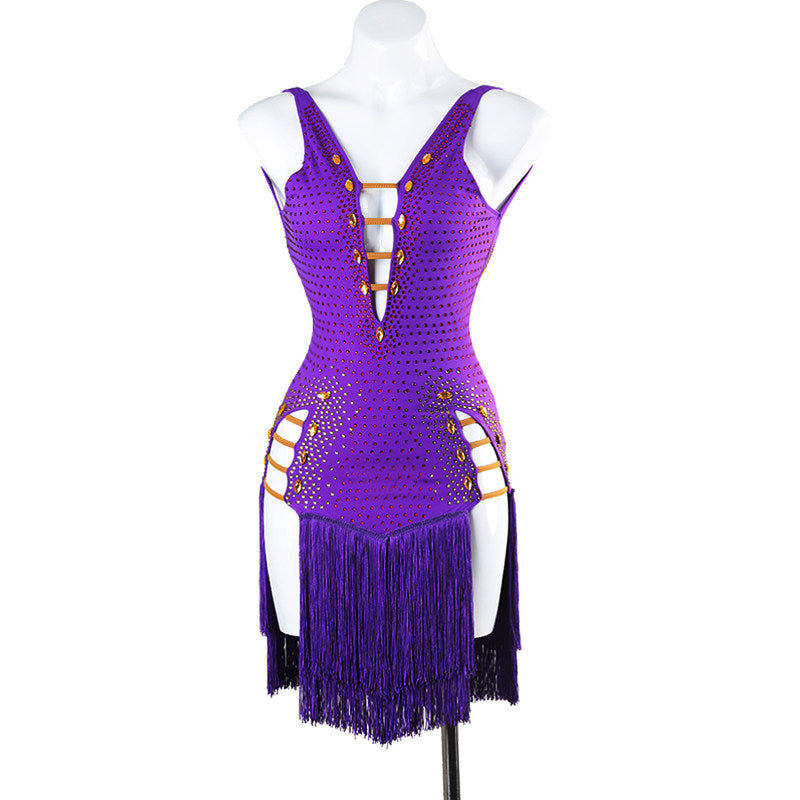
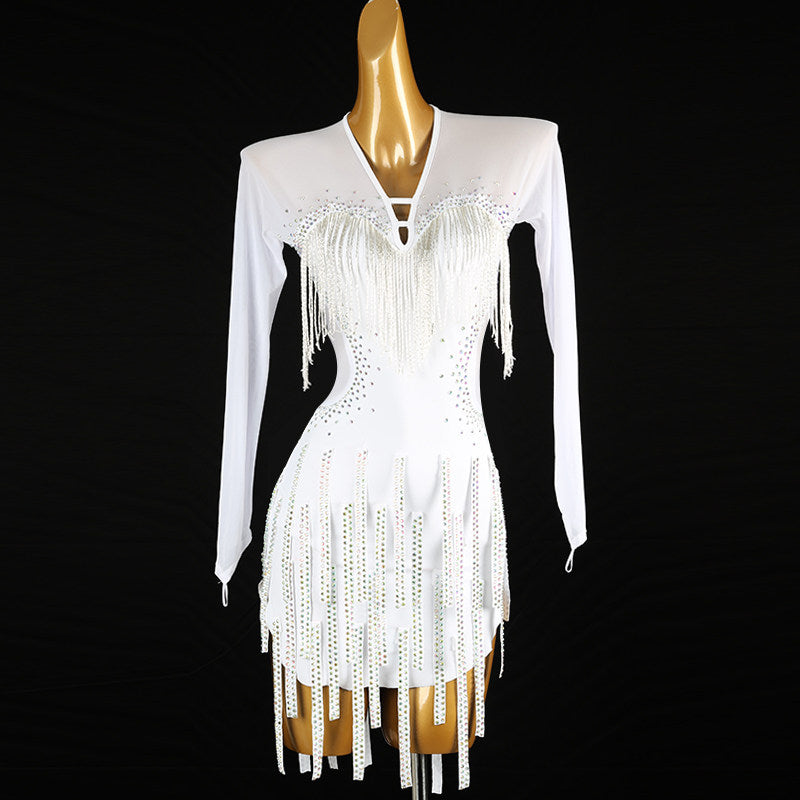
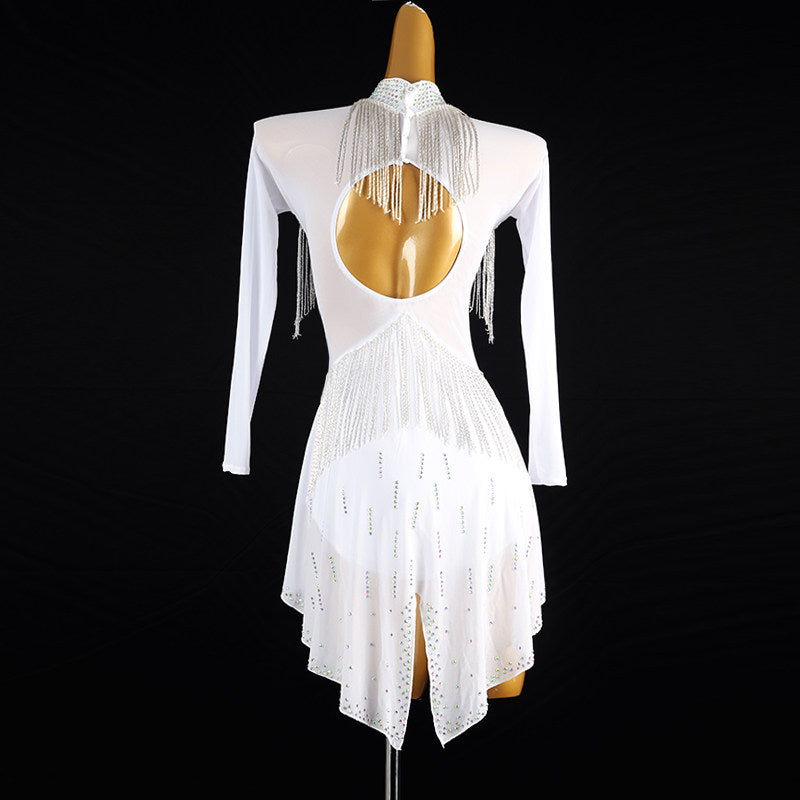
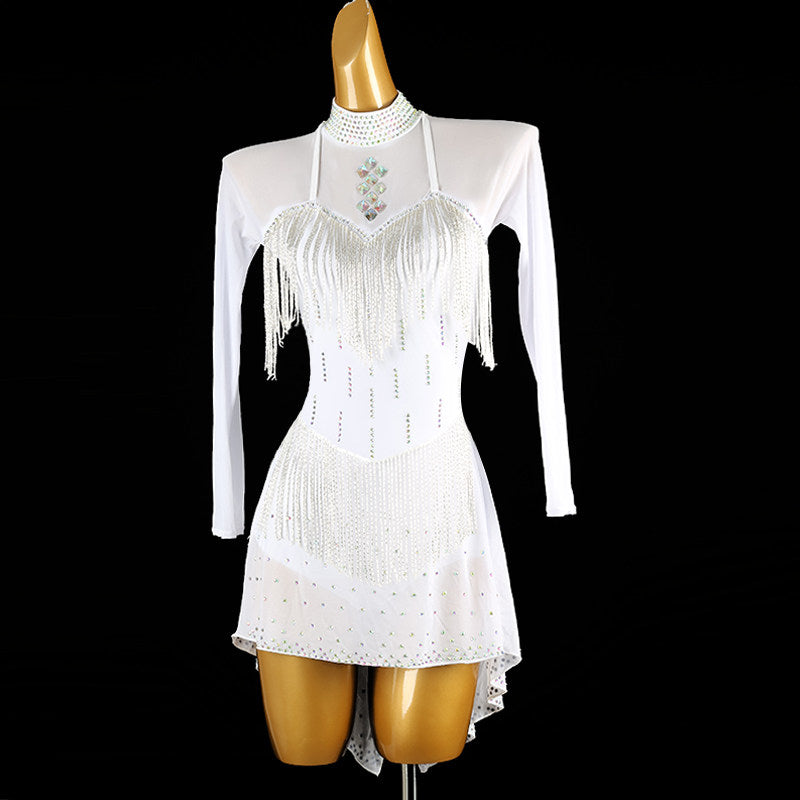
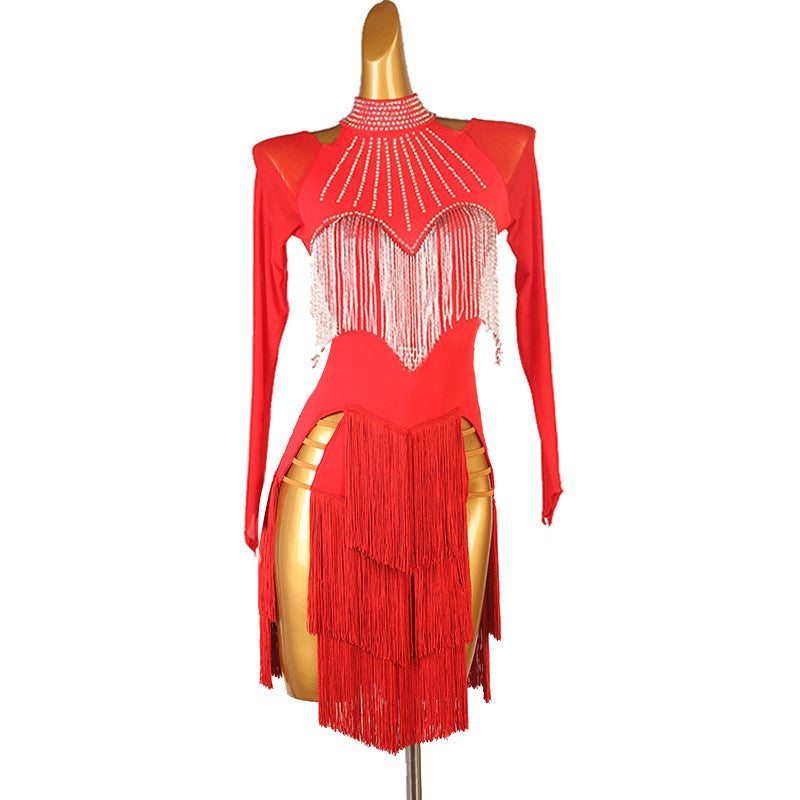
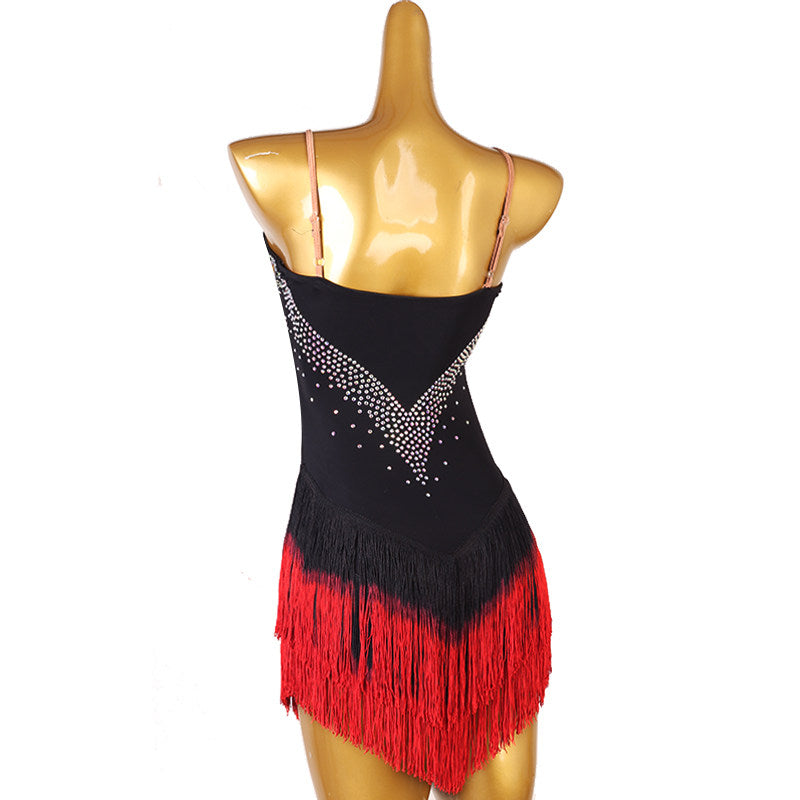
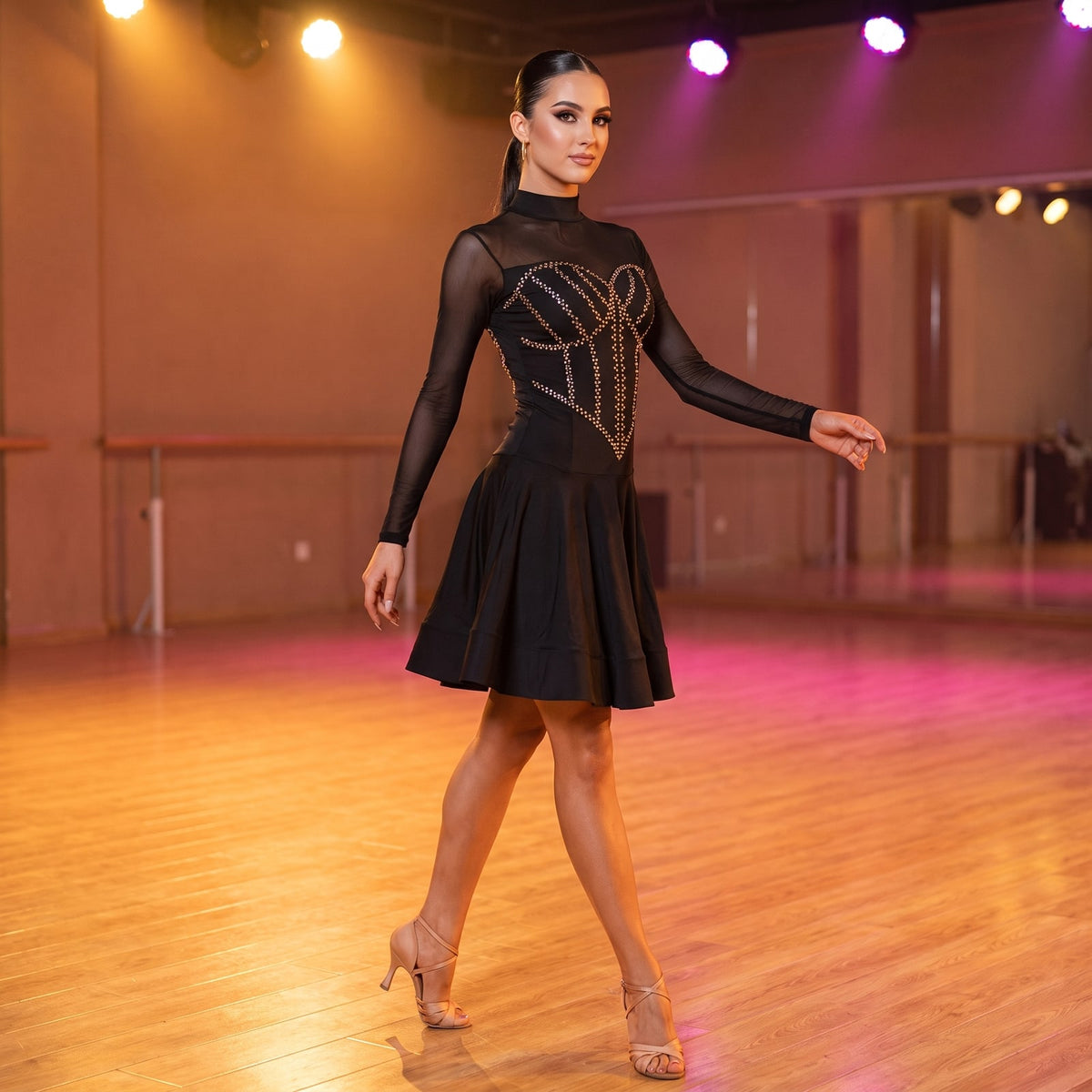
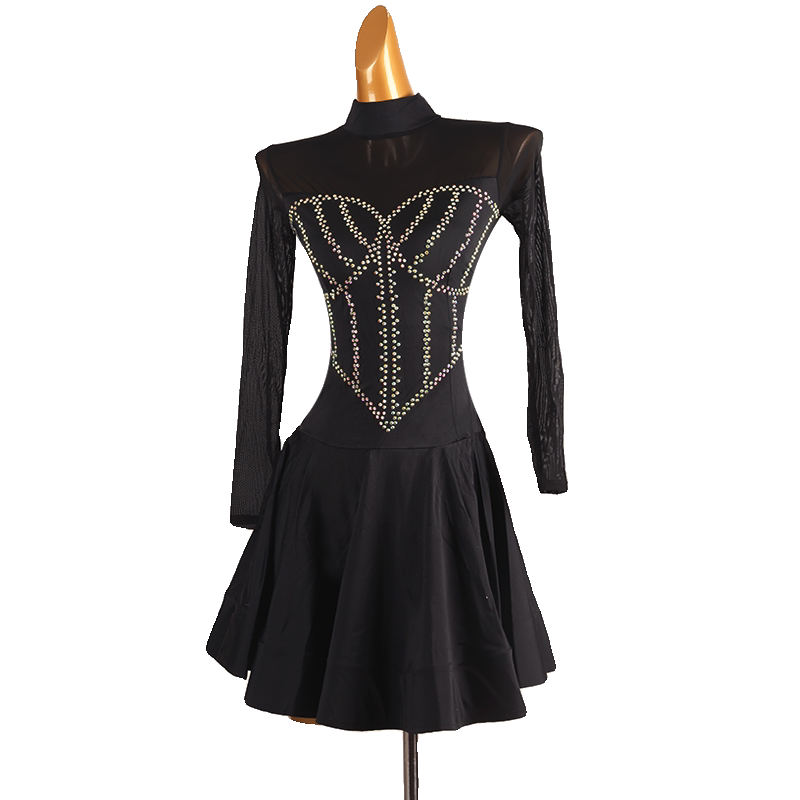
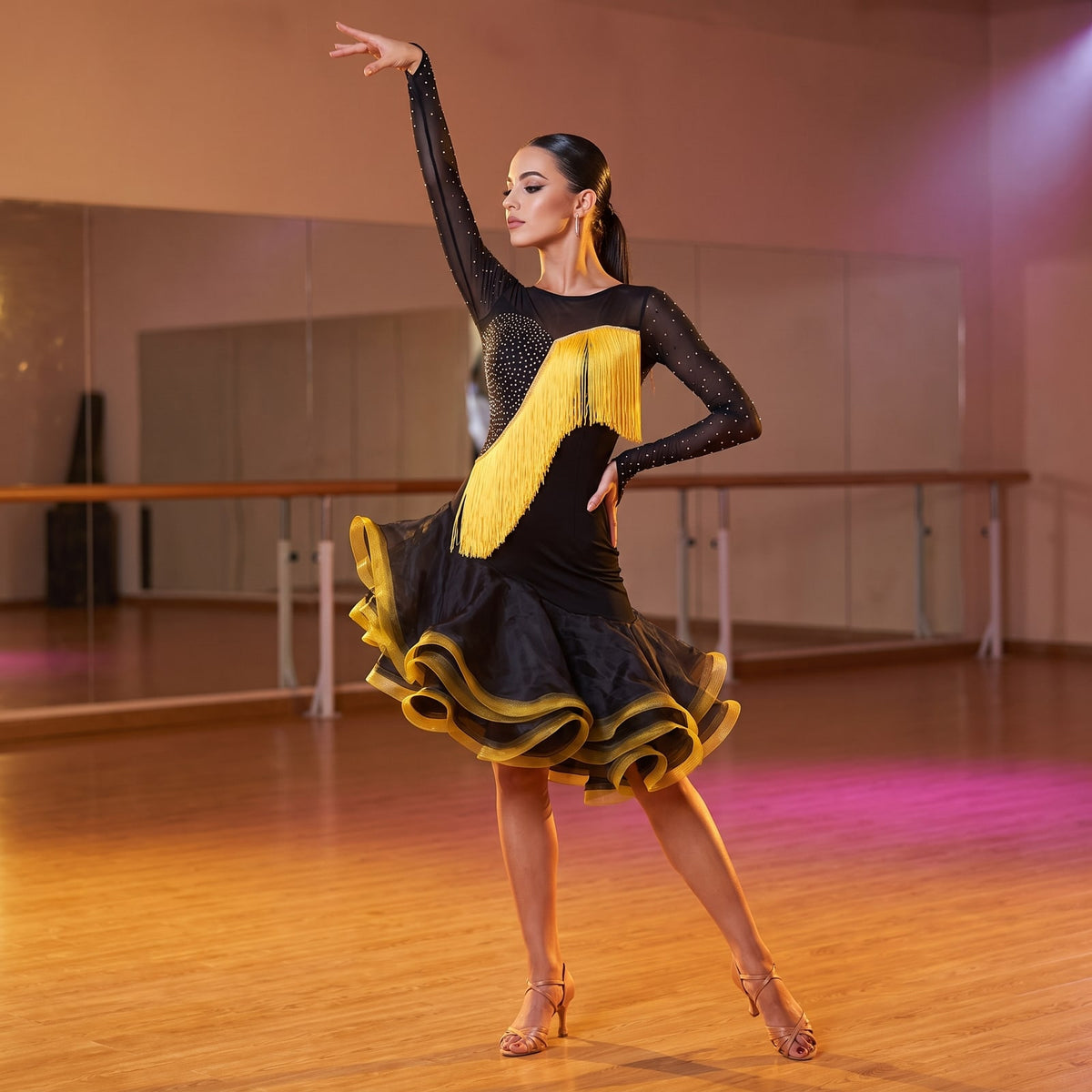
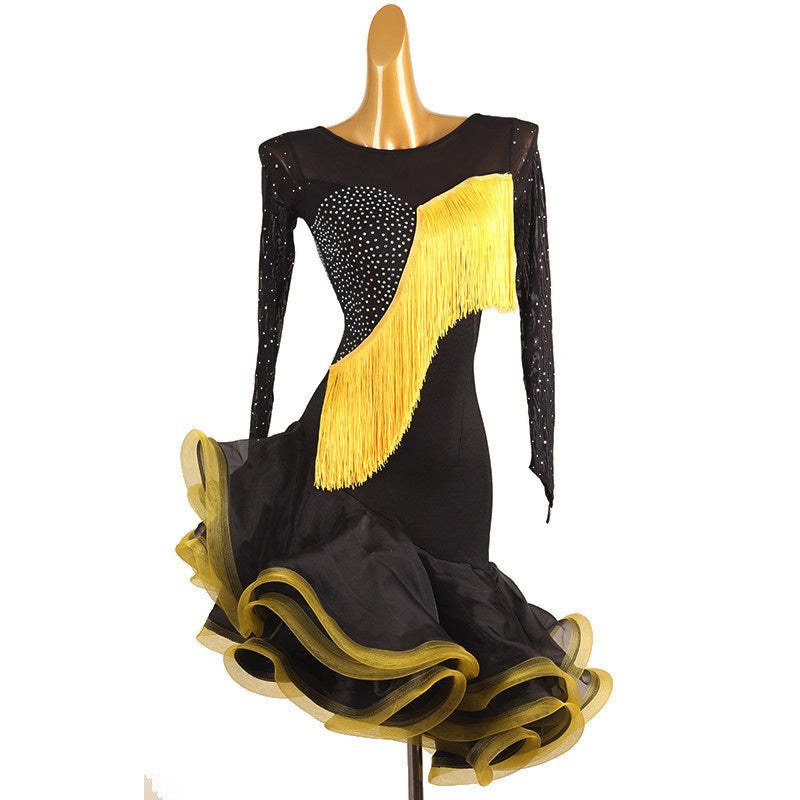
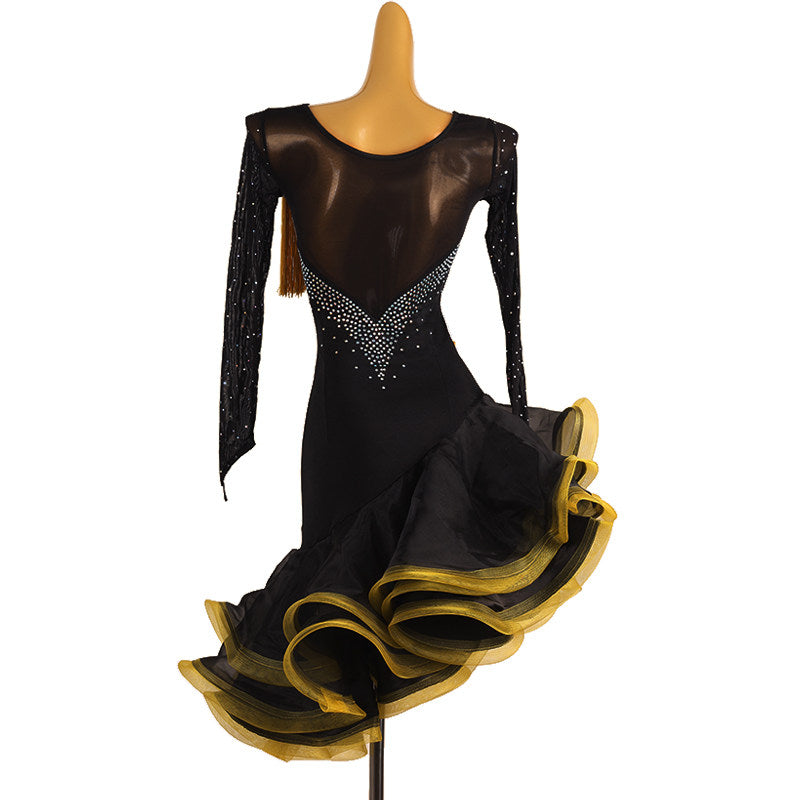
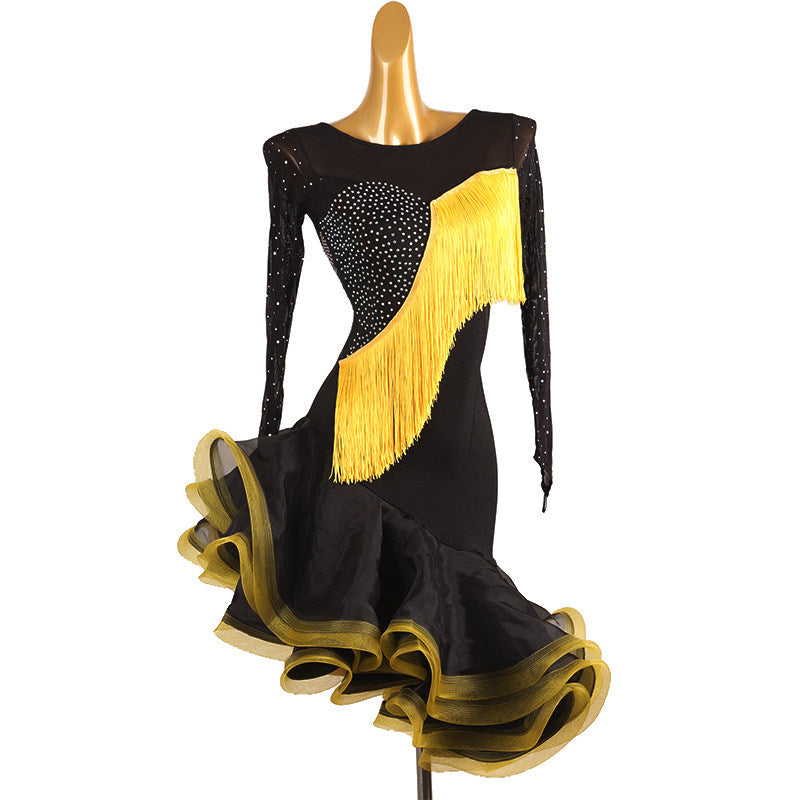
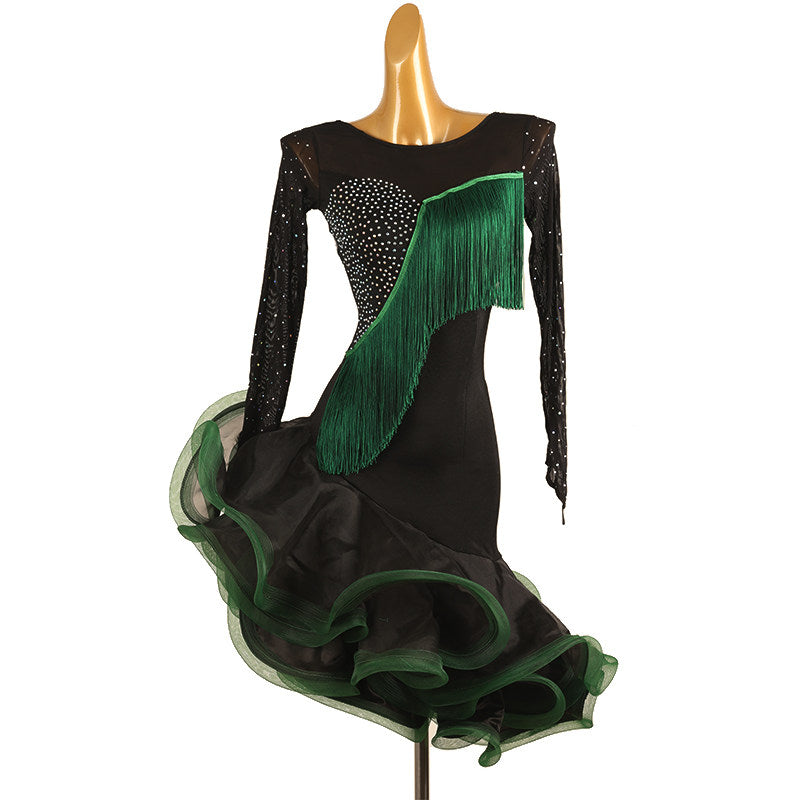
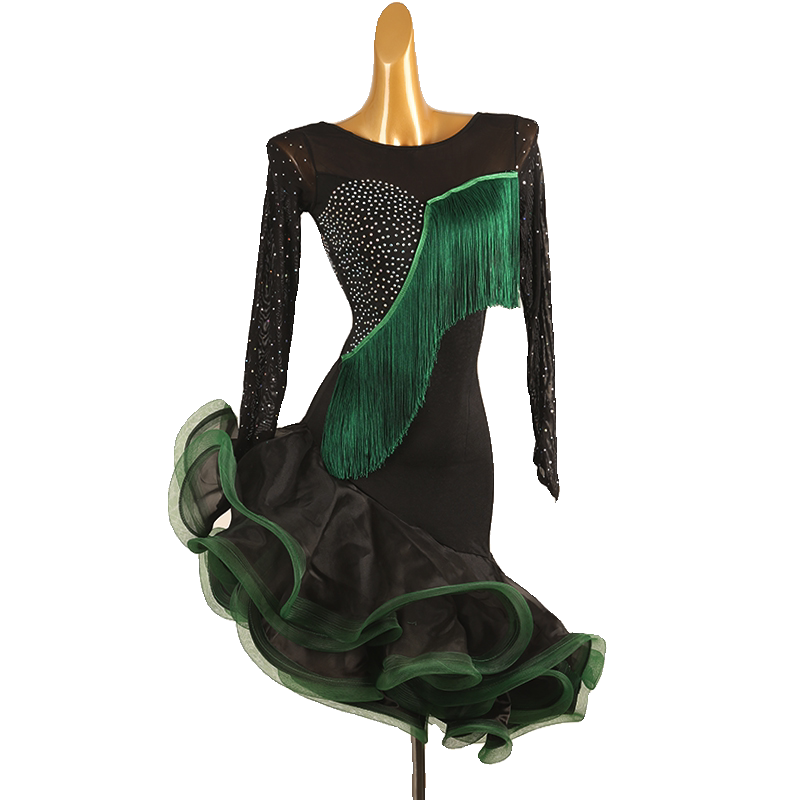
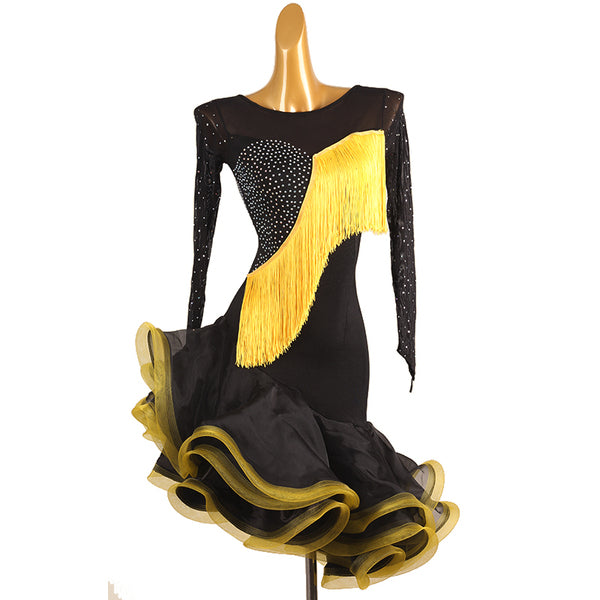
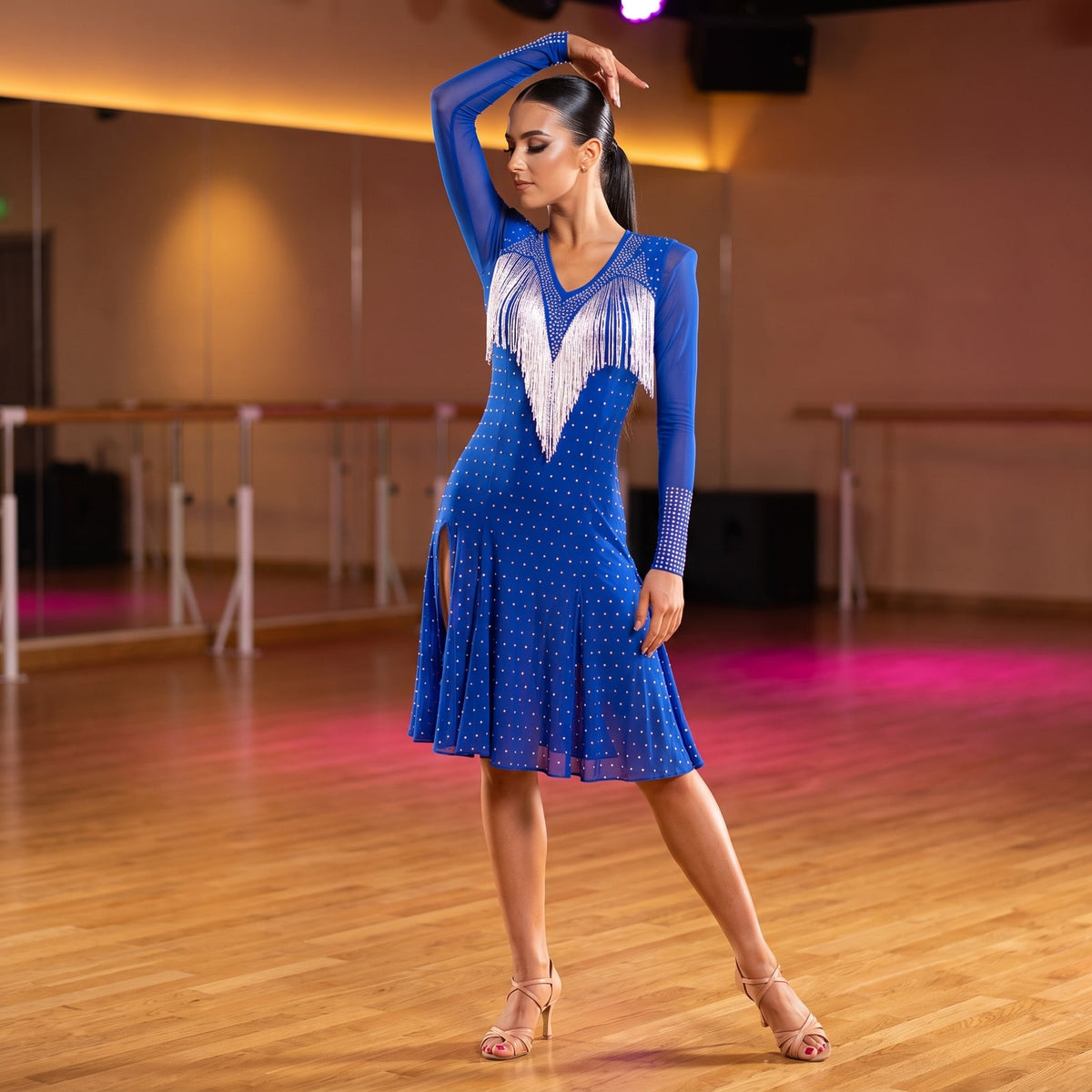
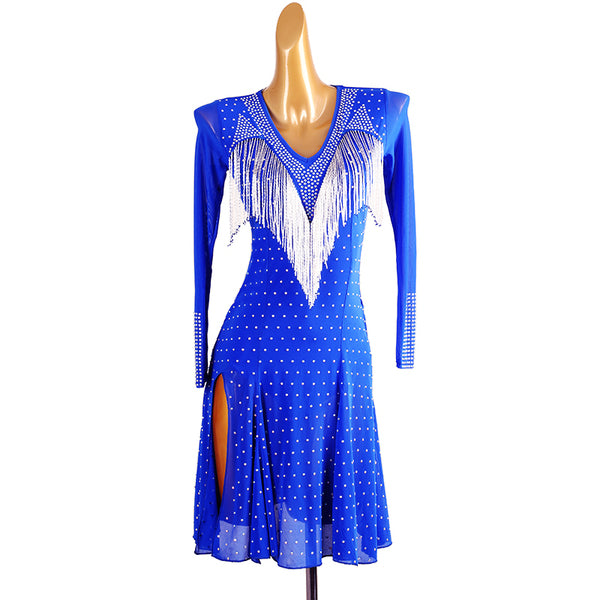
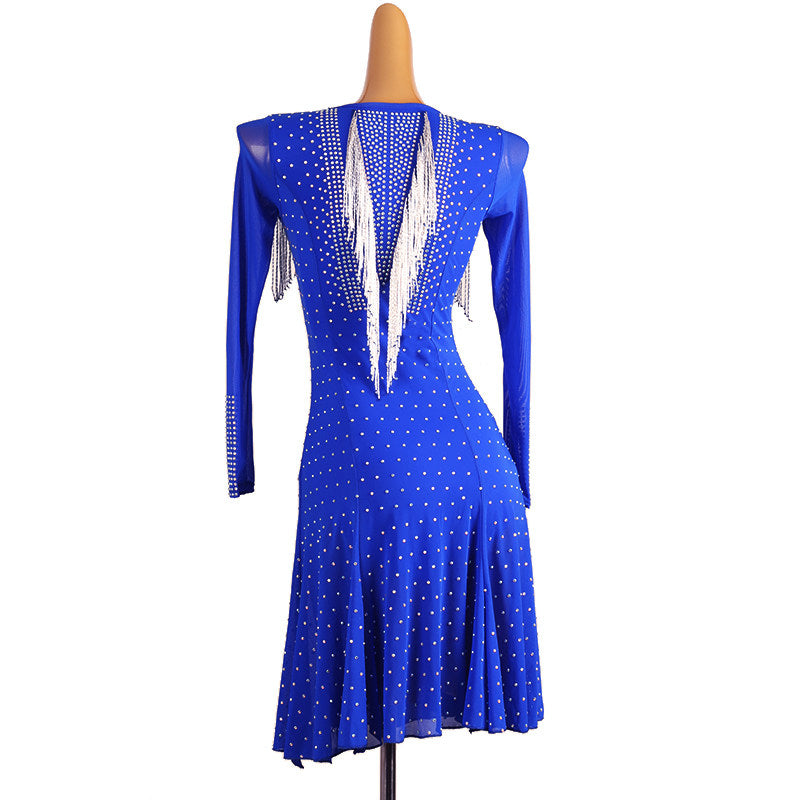
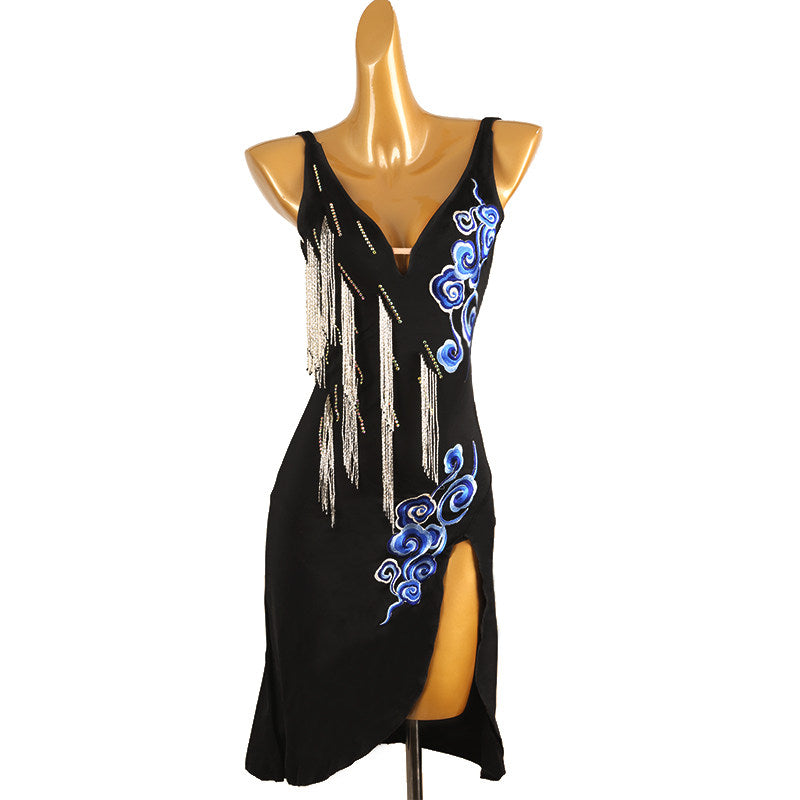
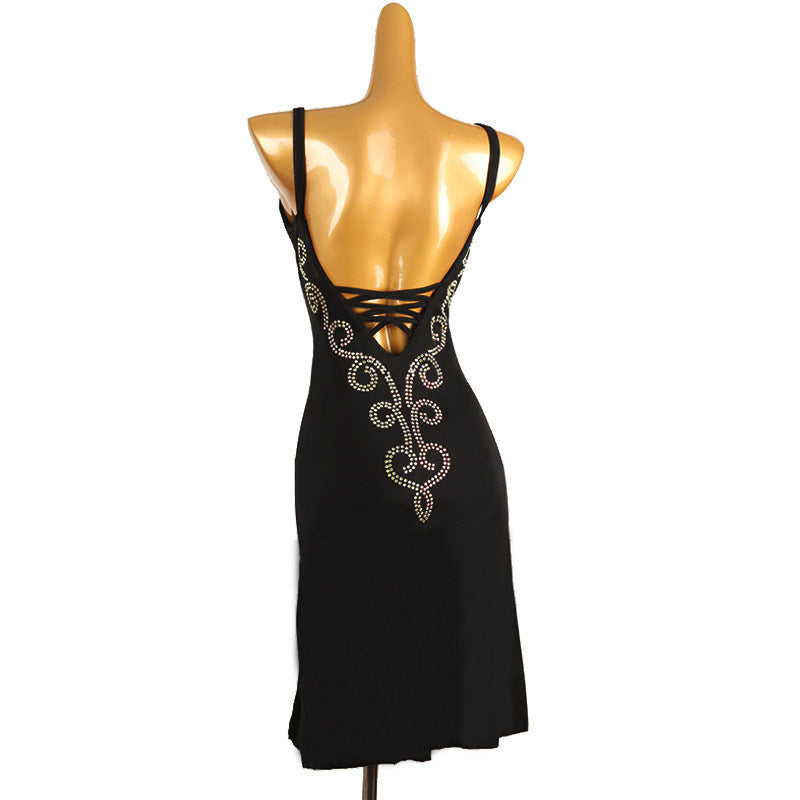
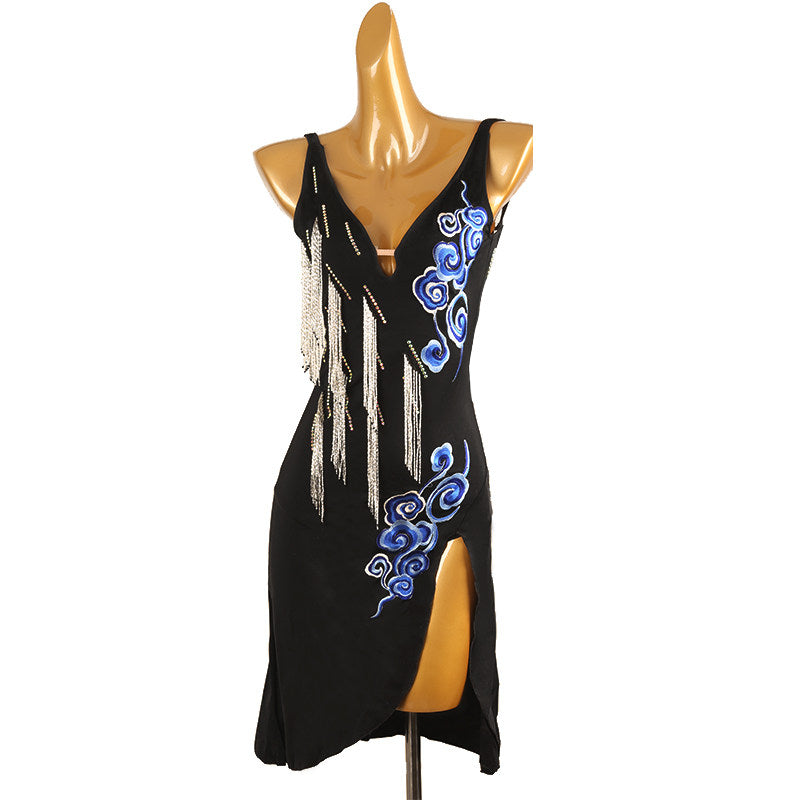
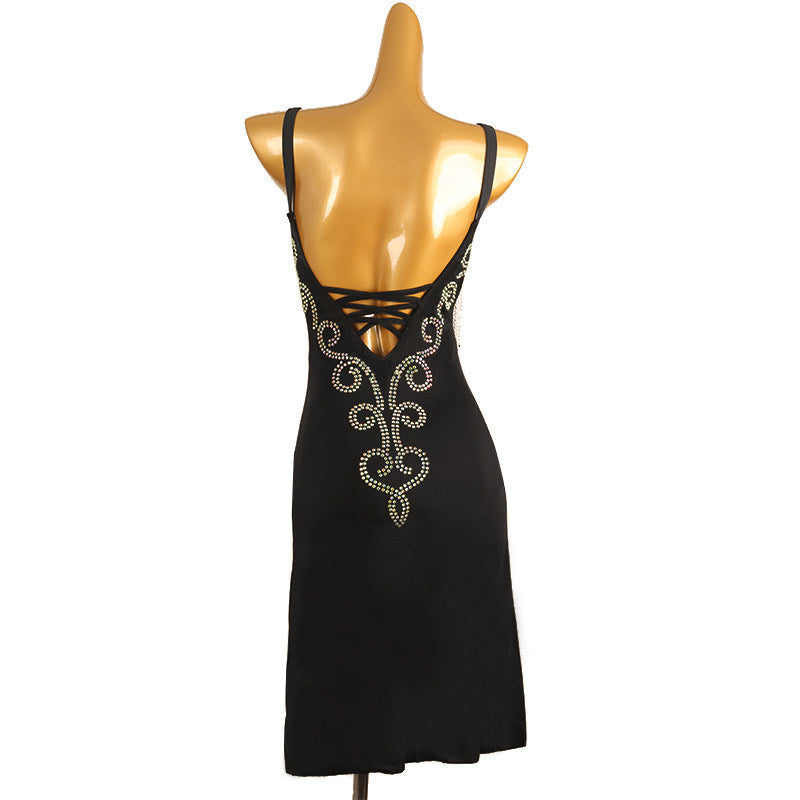
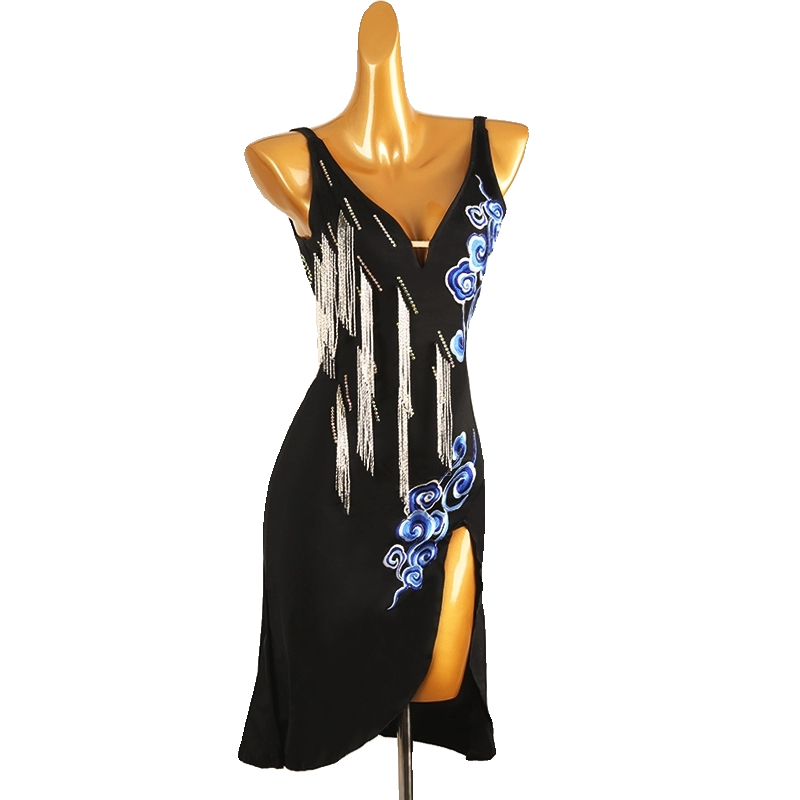
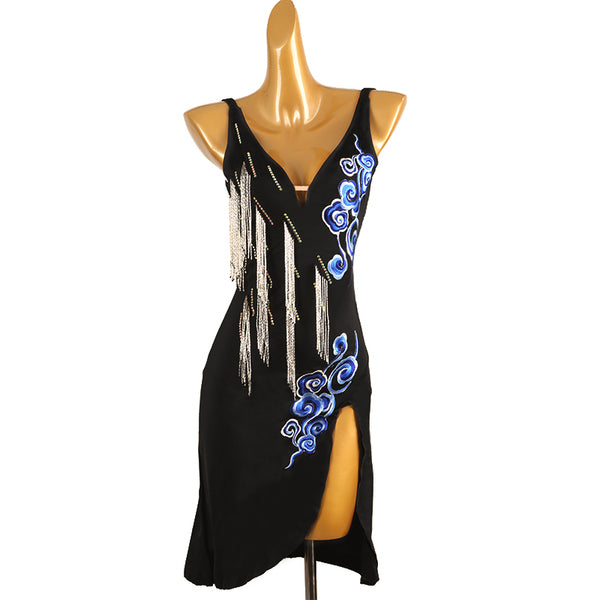
That is why this page carries both wardrobes side by side. The long, full-skirted gowns that belong to Standard and Smooth and the short, heavily stoned dresses that belong to Latin and Rhythm are built to different briefs, but they answer the same question — will this read from the balcony, and will it survive a full day of heats. Practice dresses answer a different question entirely, and they sit on the ballroom dresses and Latin dance dresses pages instead, alongside the competition pieces.
If you already know which half of the sport you are shopping for, the two dedicated pages go deeper into each: ballroom competition dresses for Standard and Smooth, and Latin dance competition dresses for the rhythm side.
Dancing Both Styles: One Wardrobe, Two Problems
Plenty of competitors dance both. If you are entered in Standard and Latin at the same event, you are not buying one dress twice — you are solving two unrelated construction problems on the same day, usually with under an hour between them.
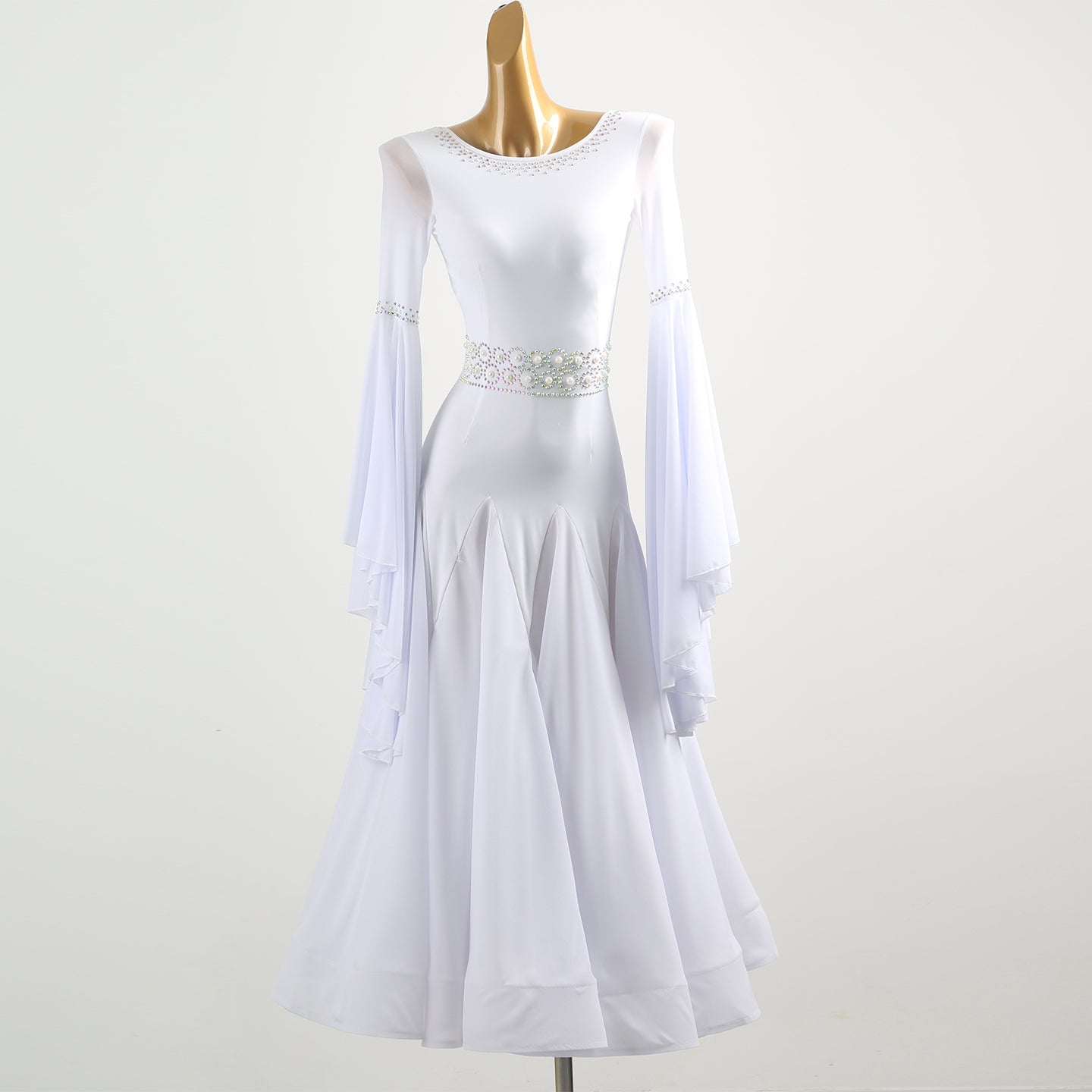
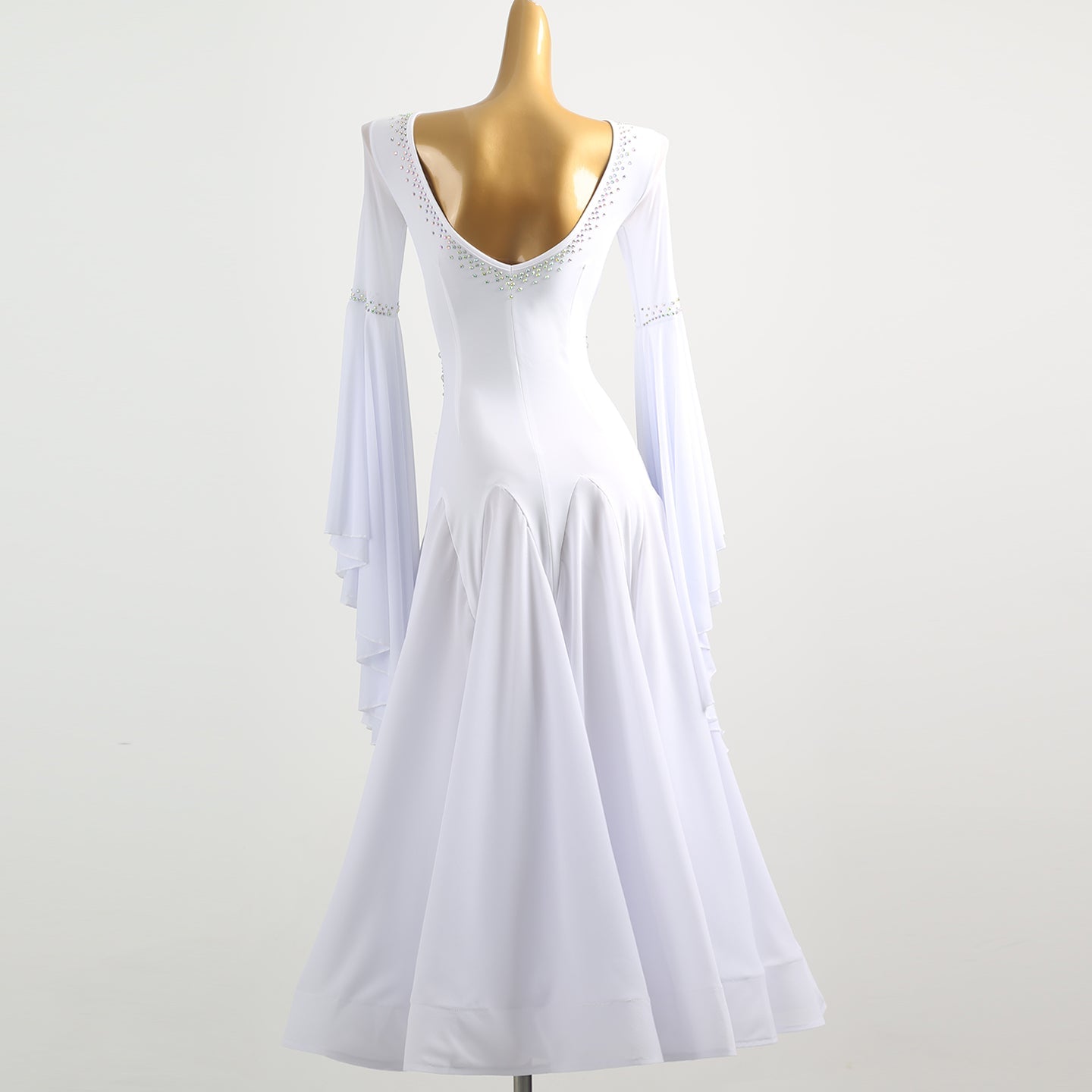
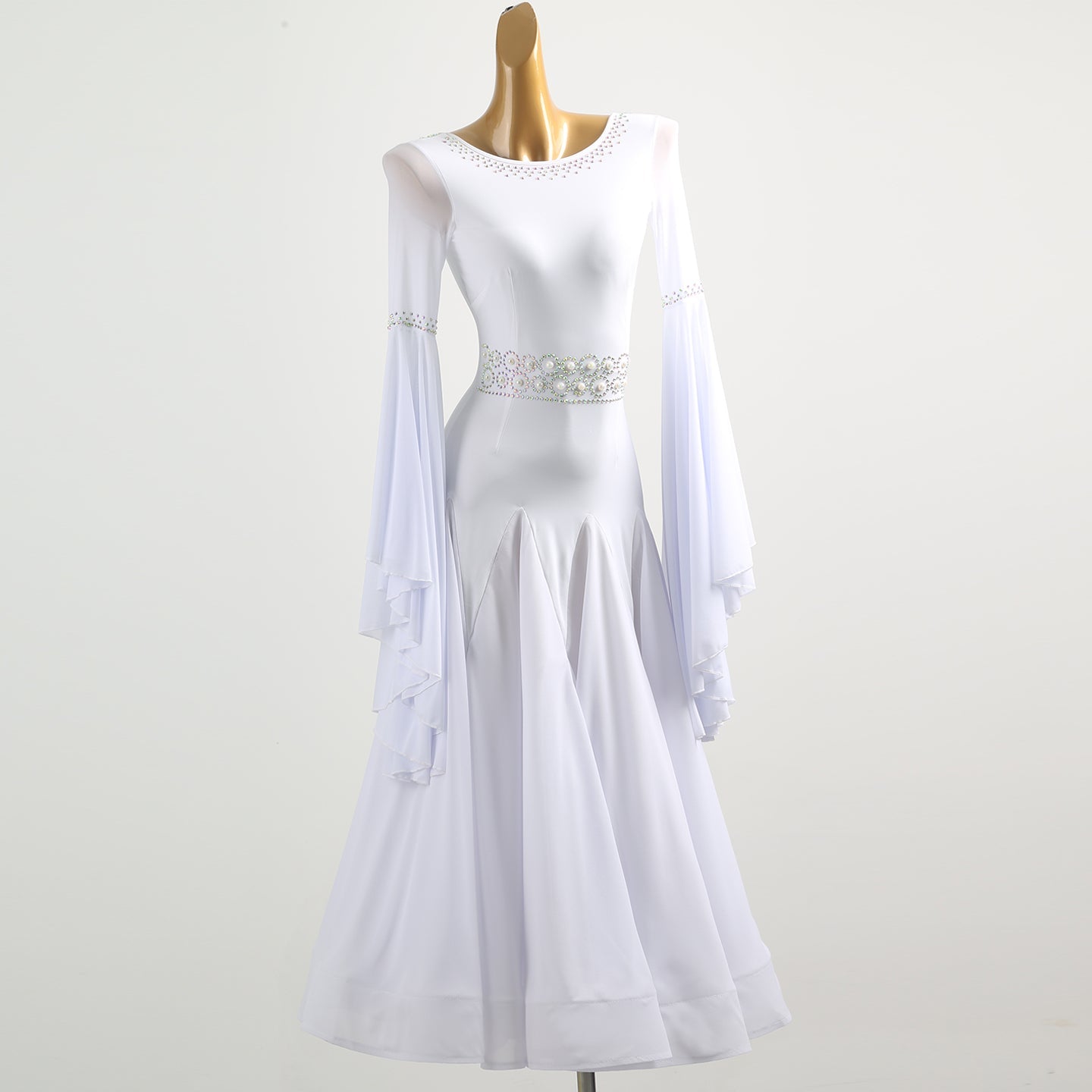
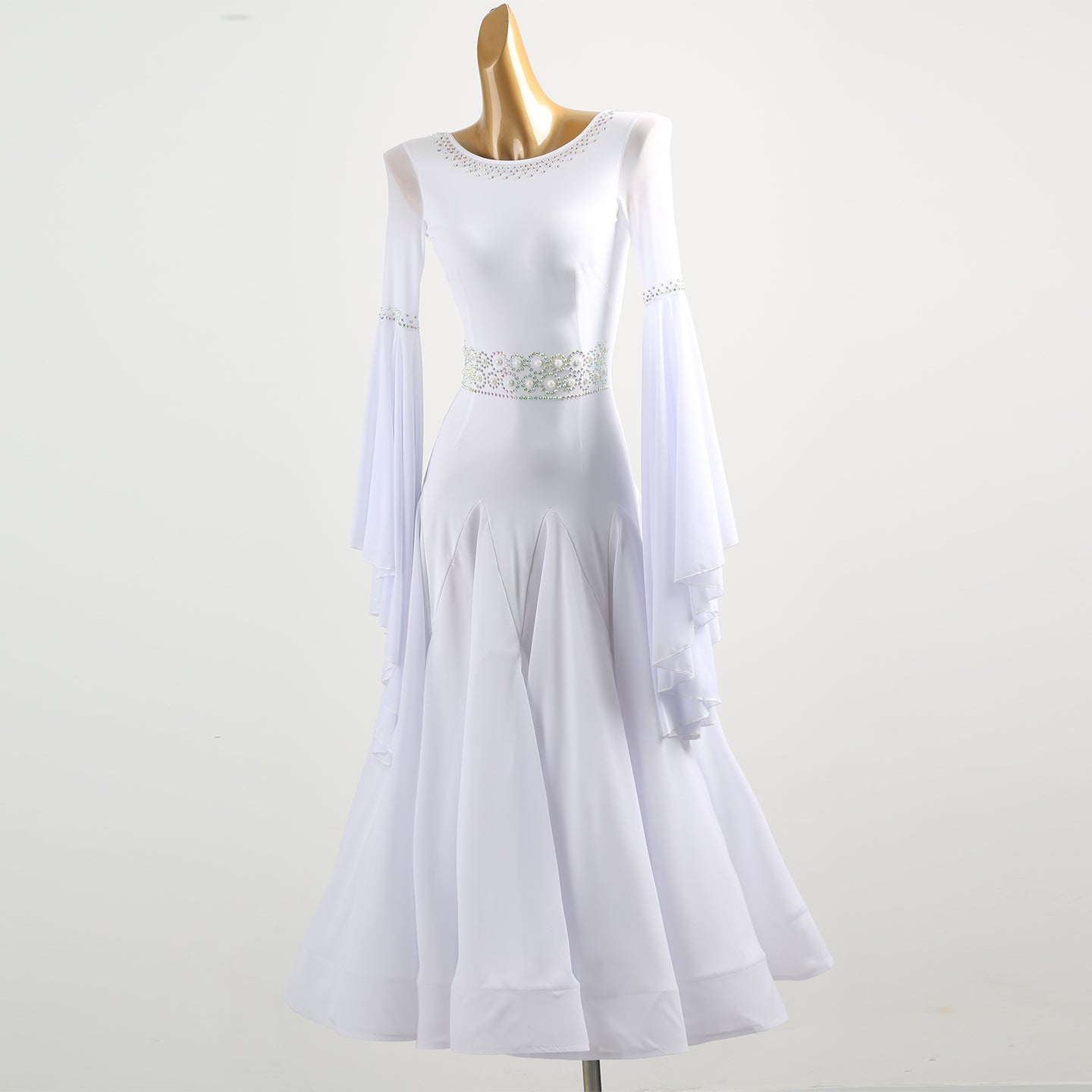
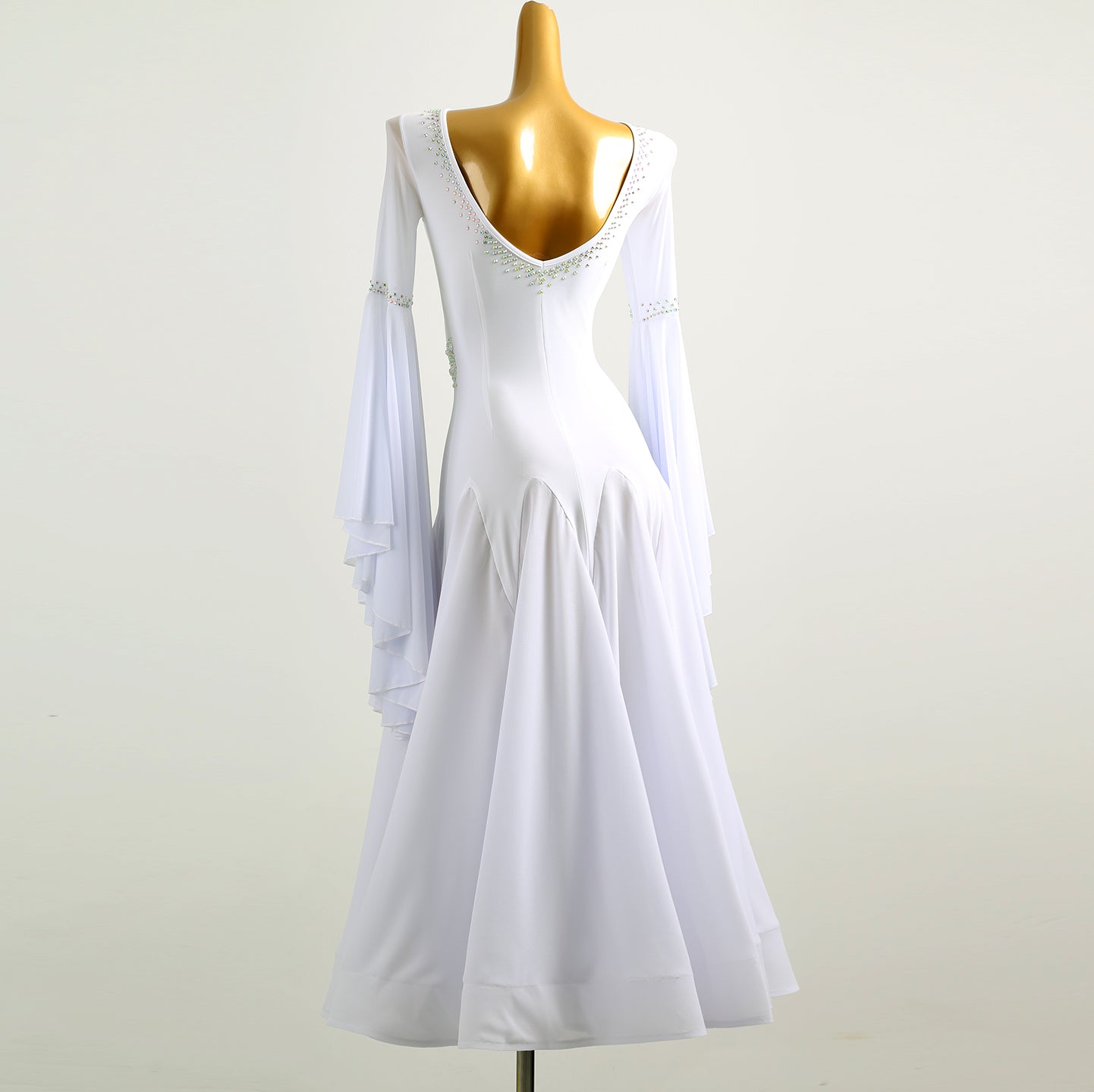
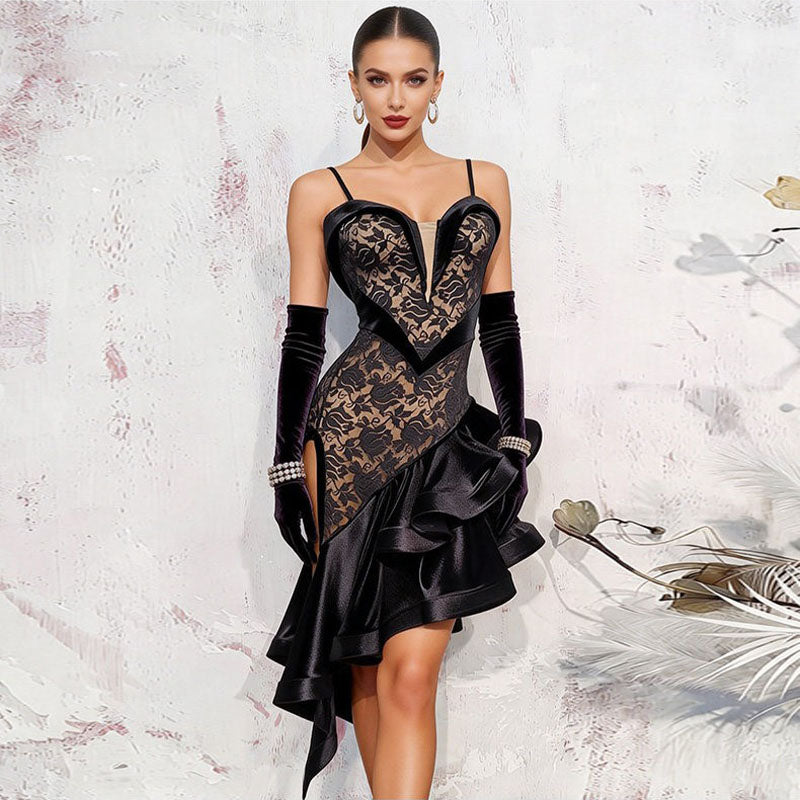
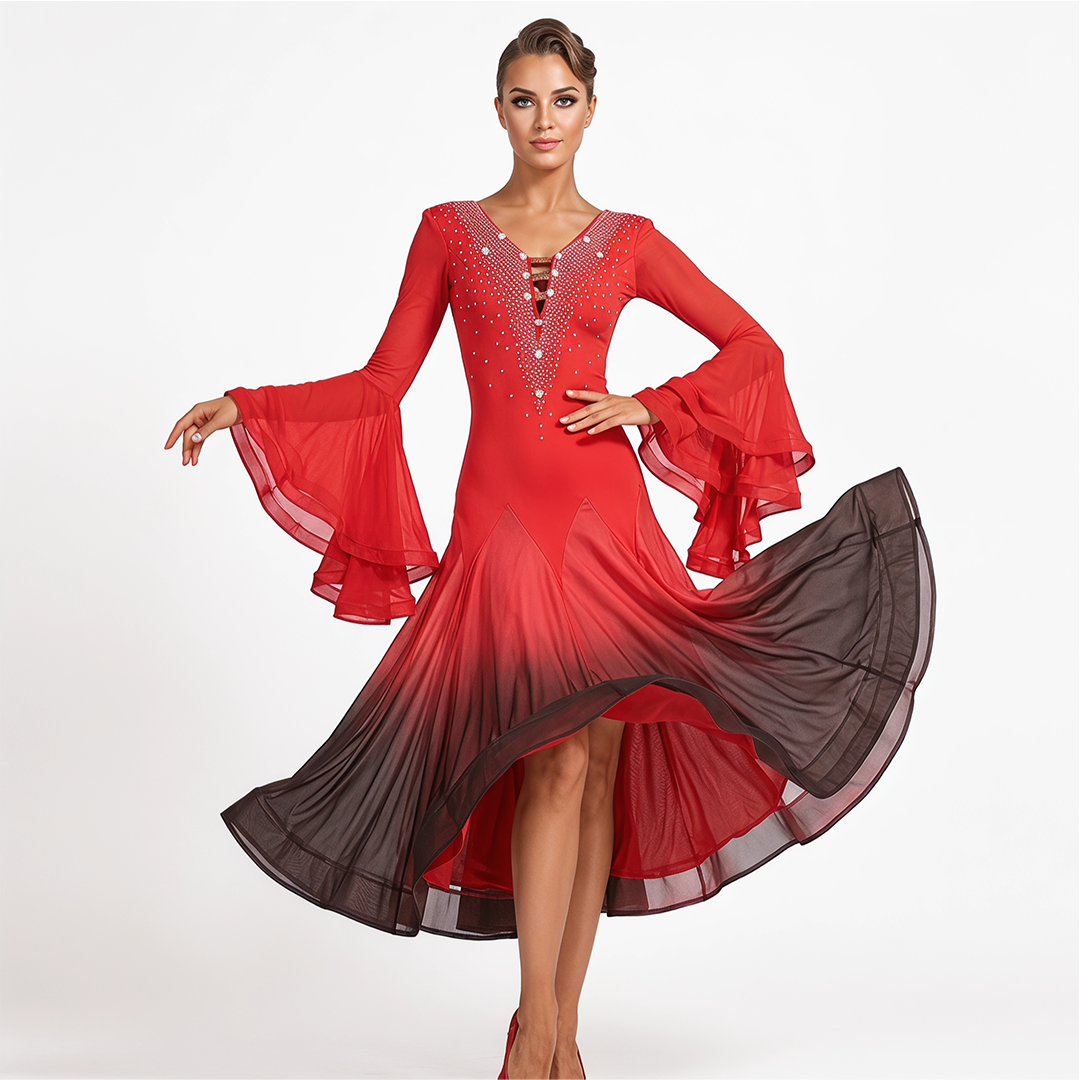
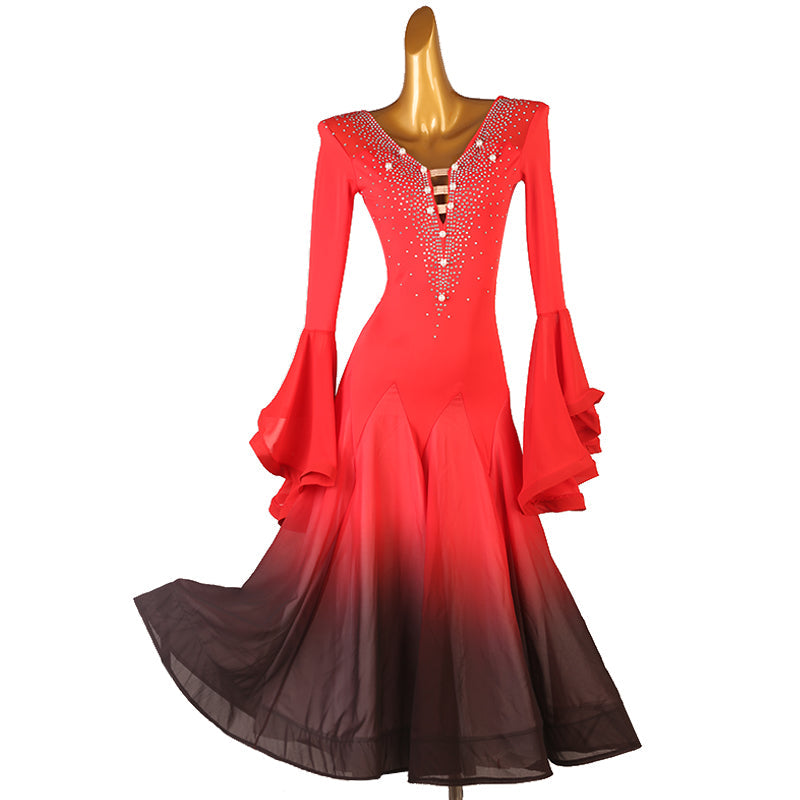
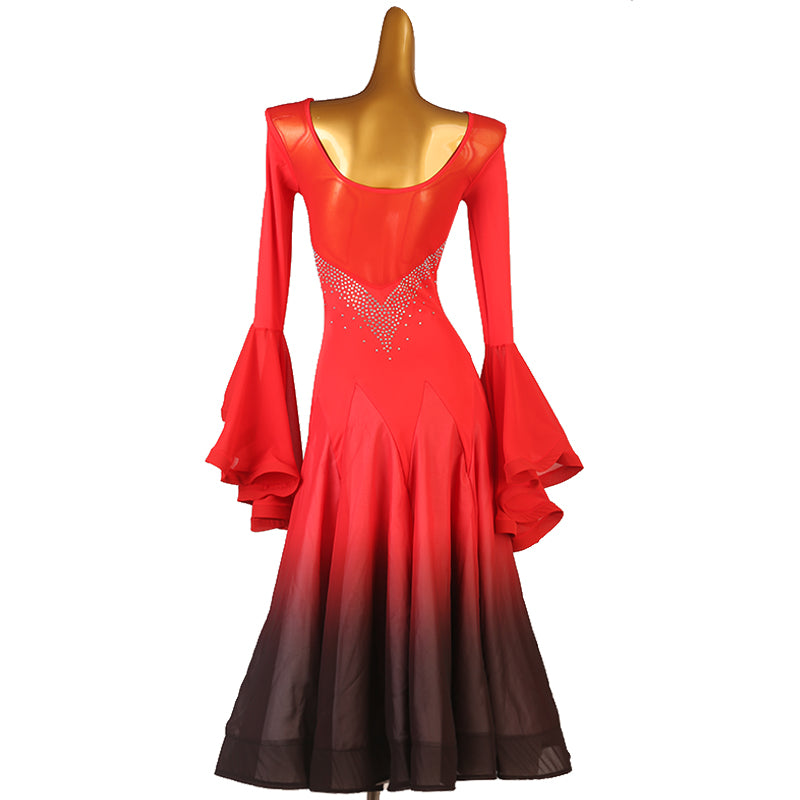
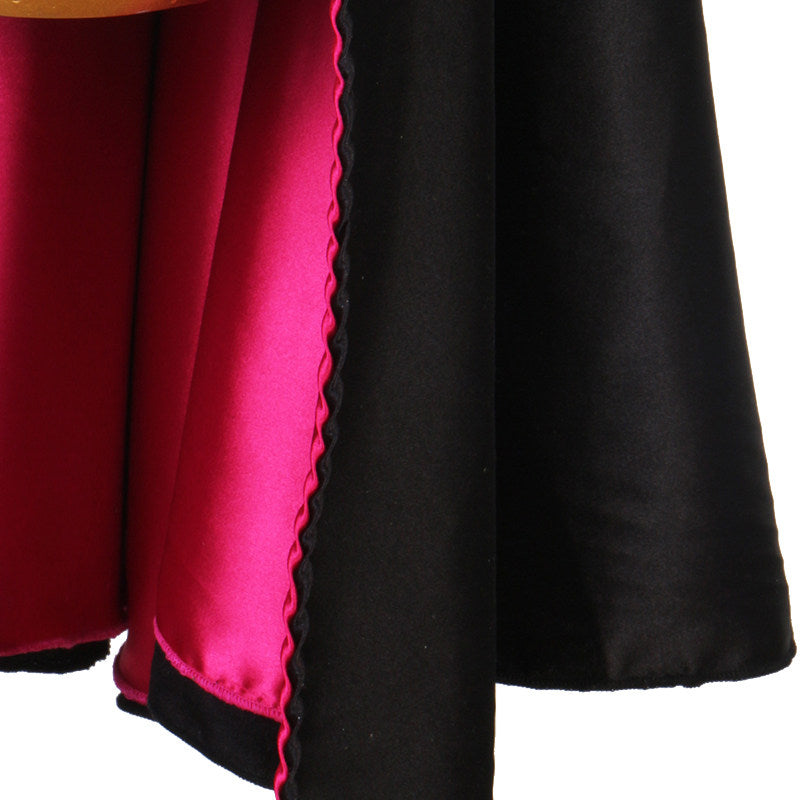
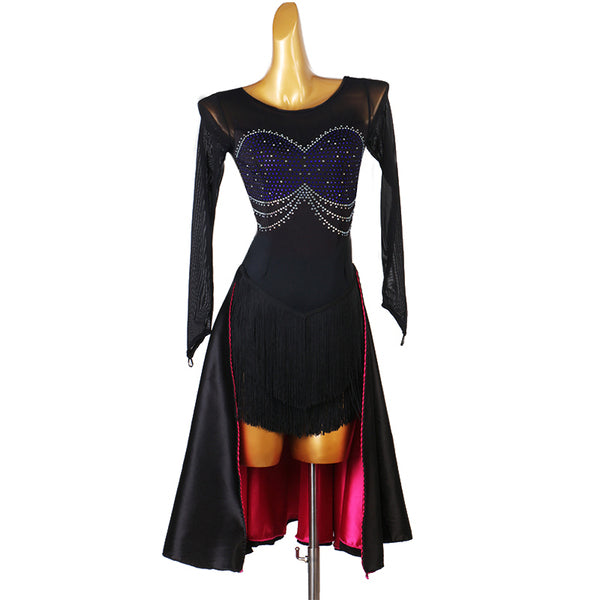
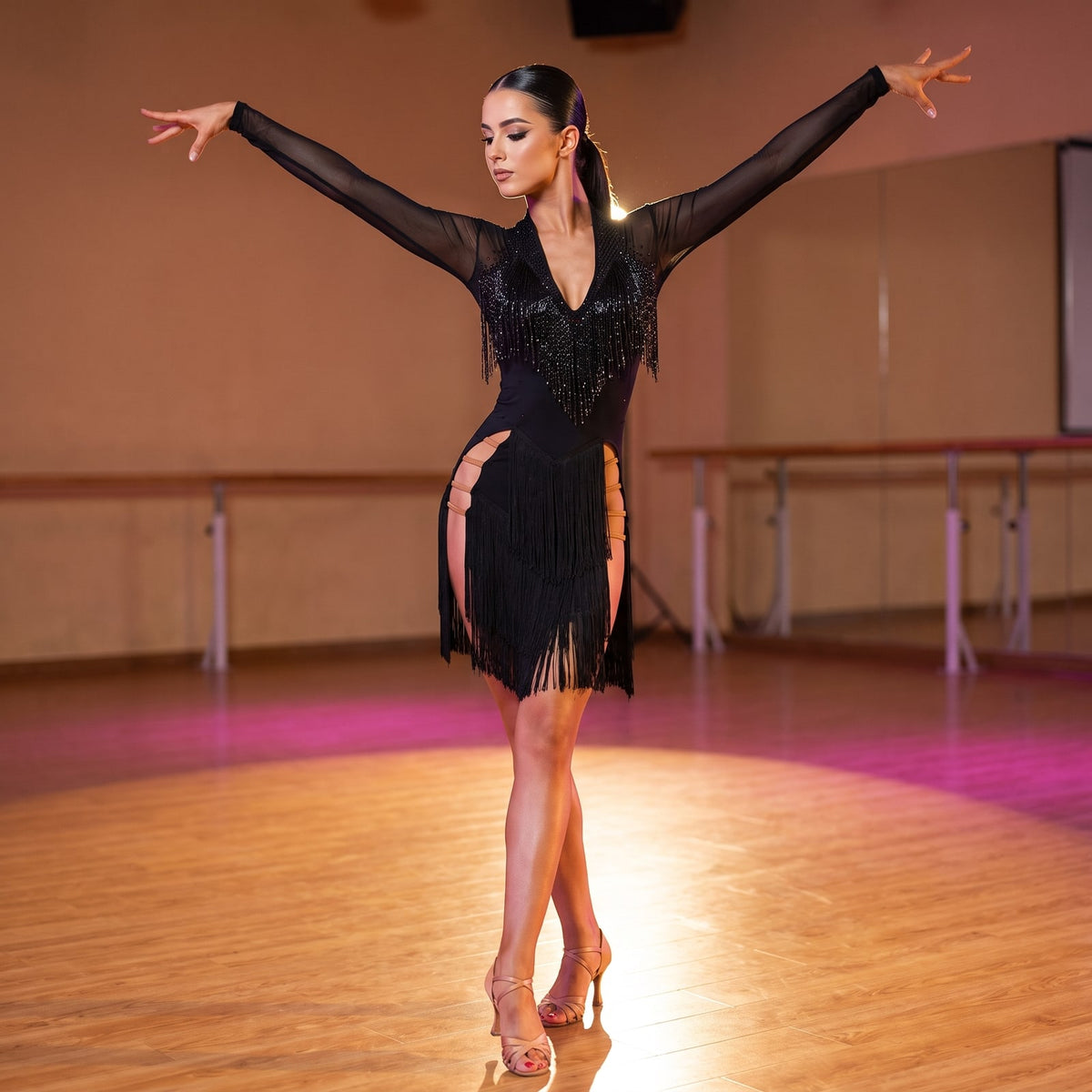
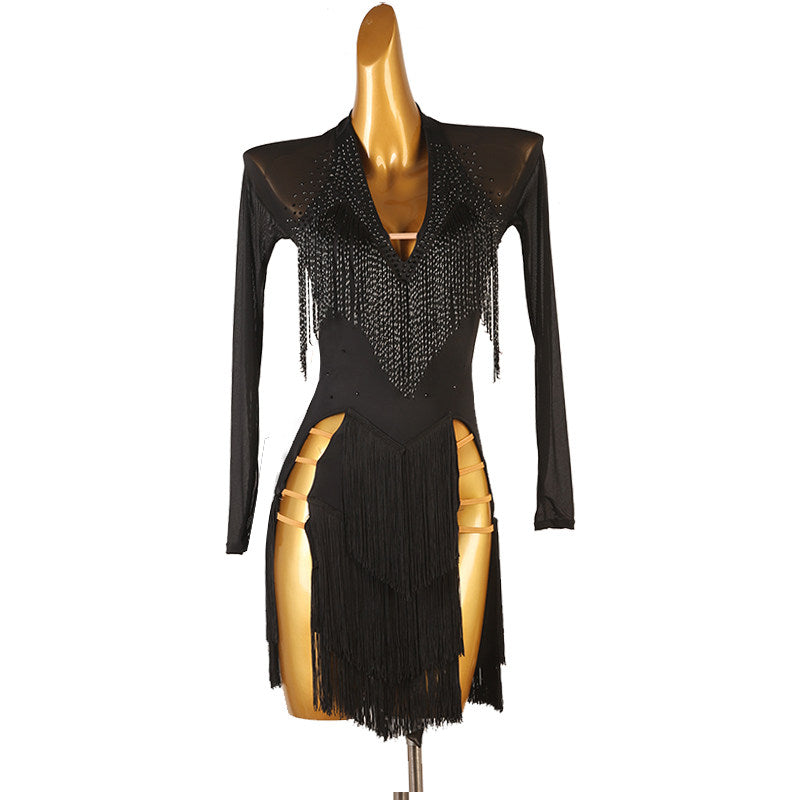
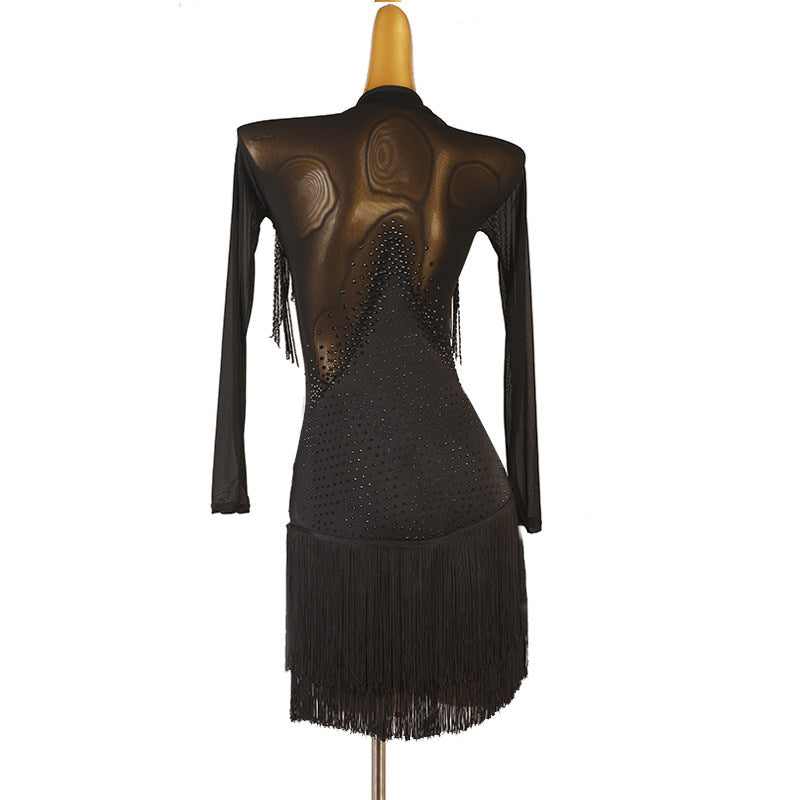
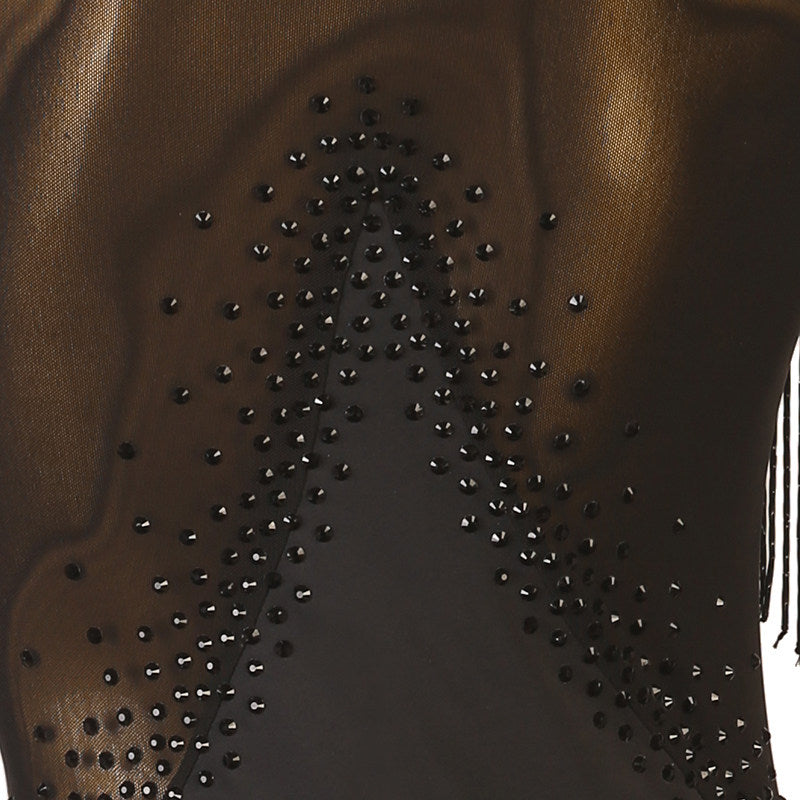
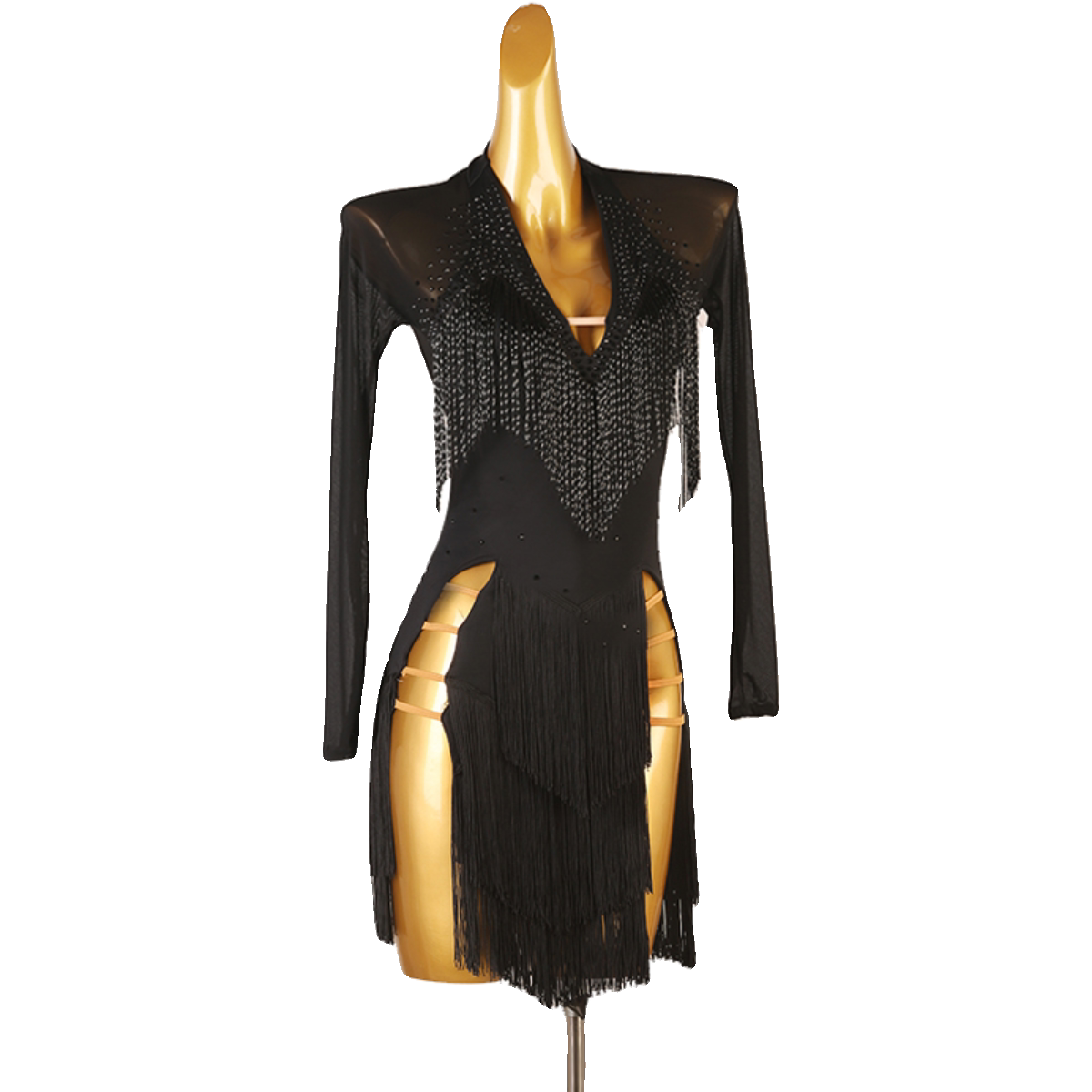
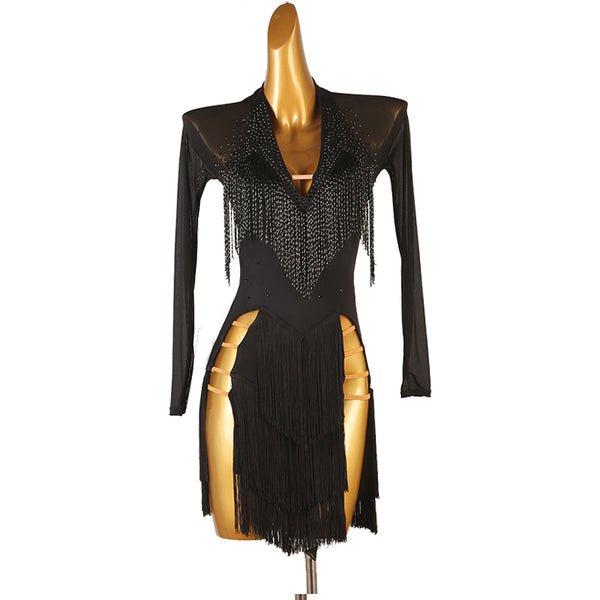
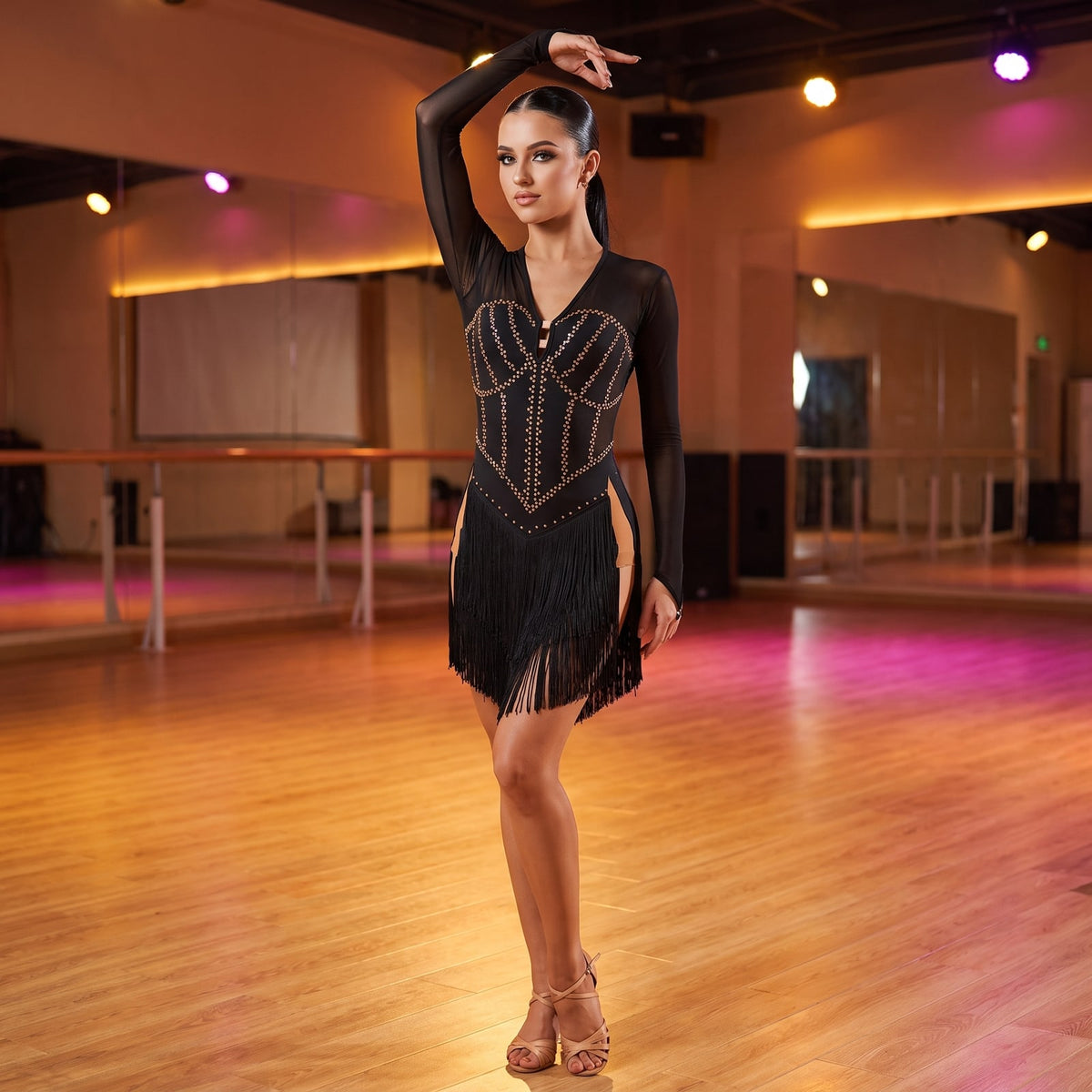
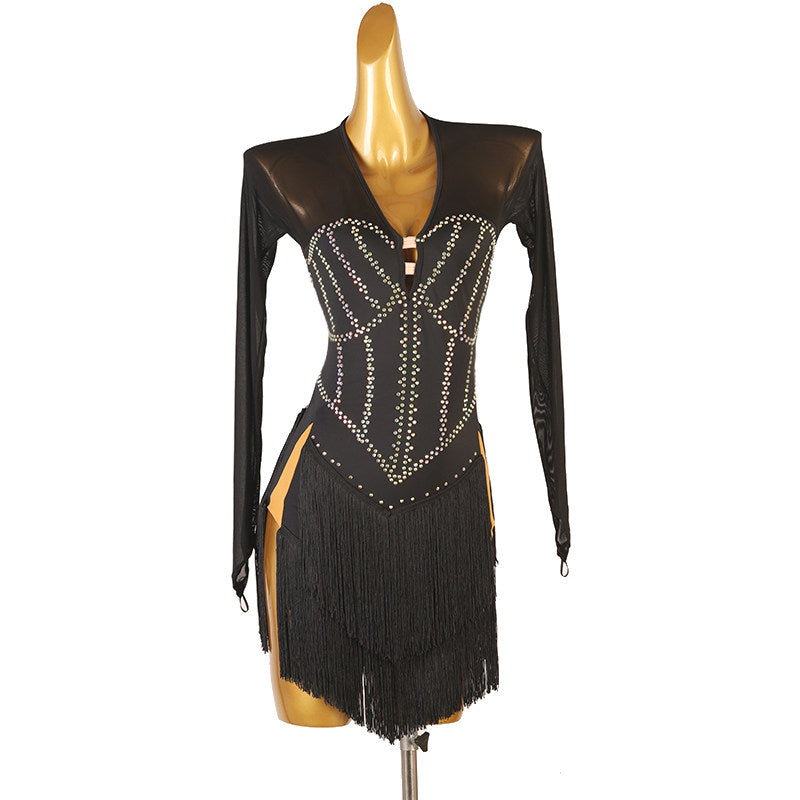
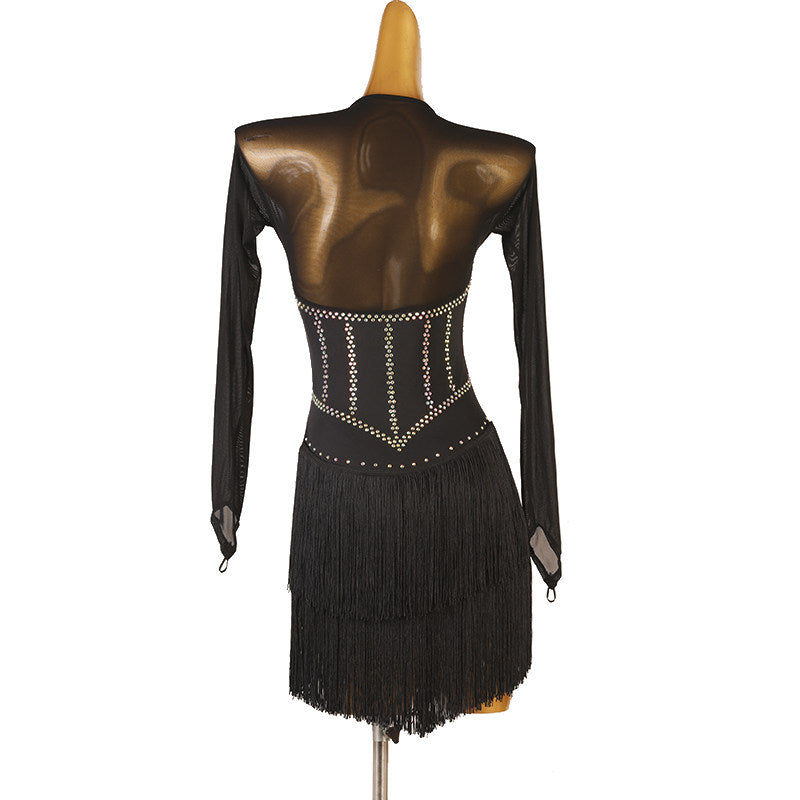
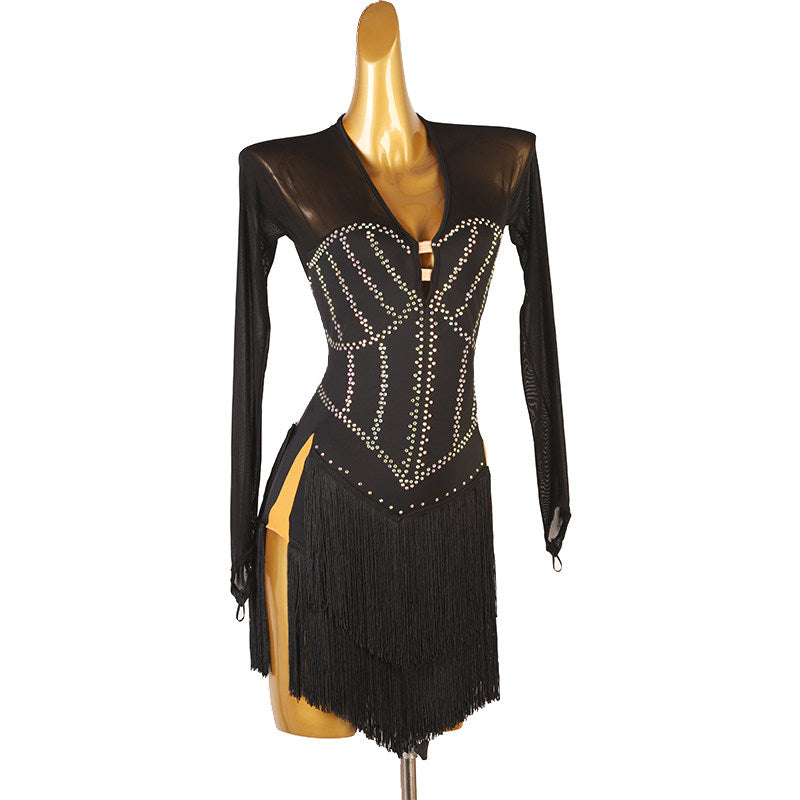
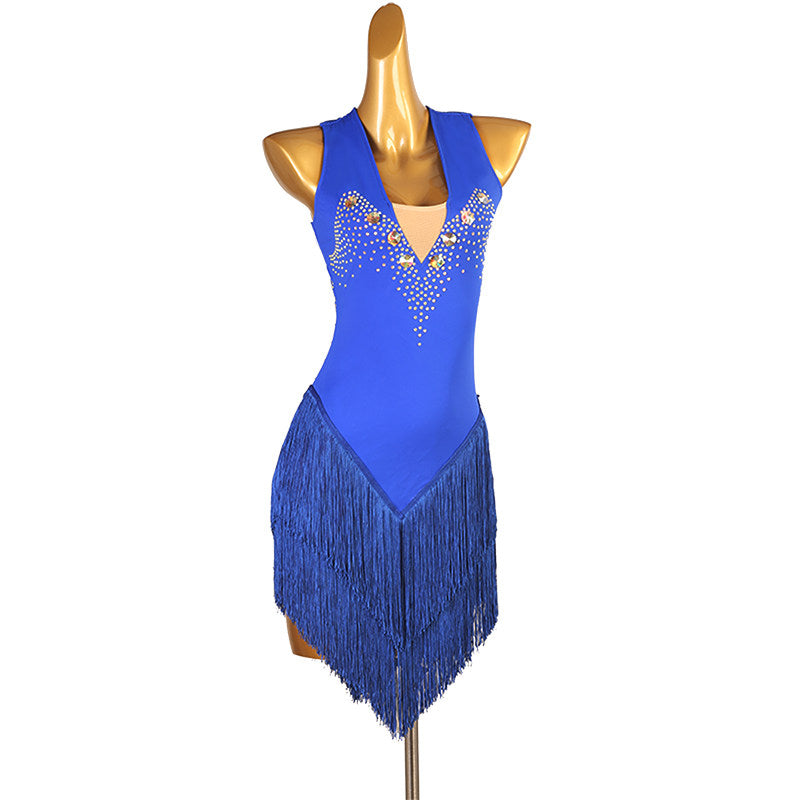
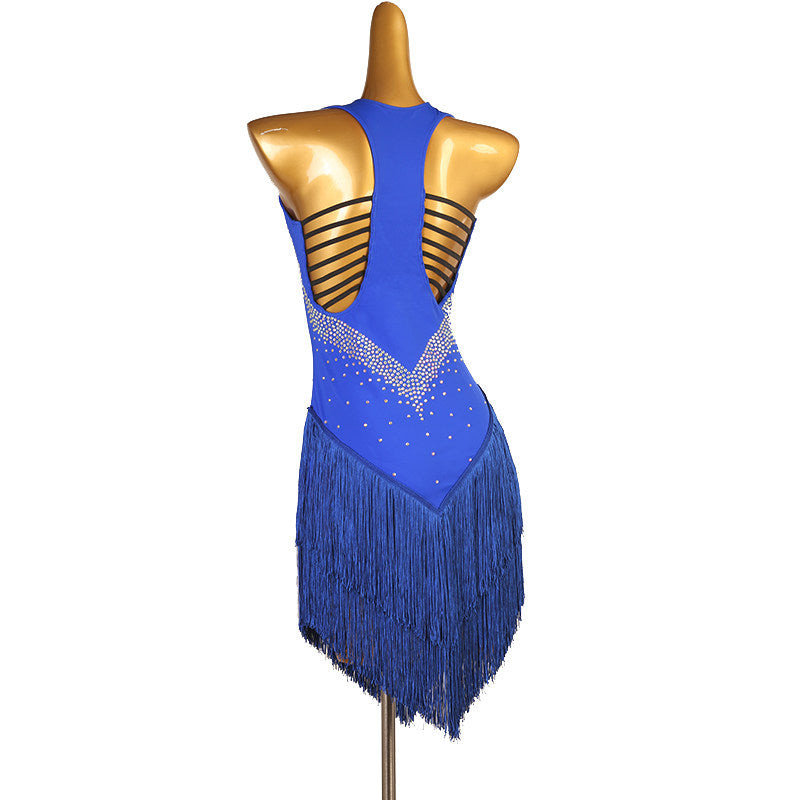
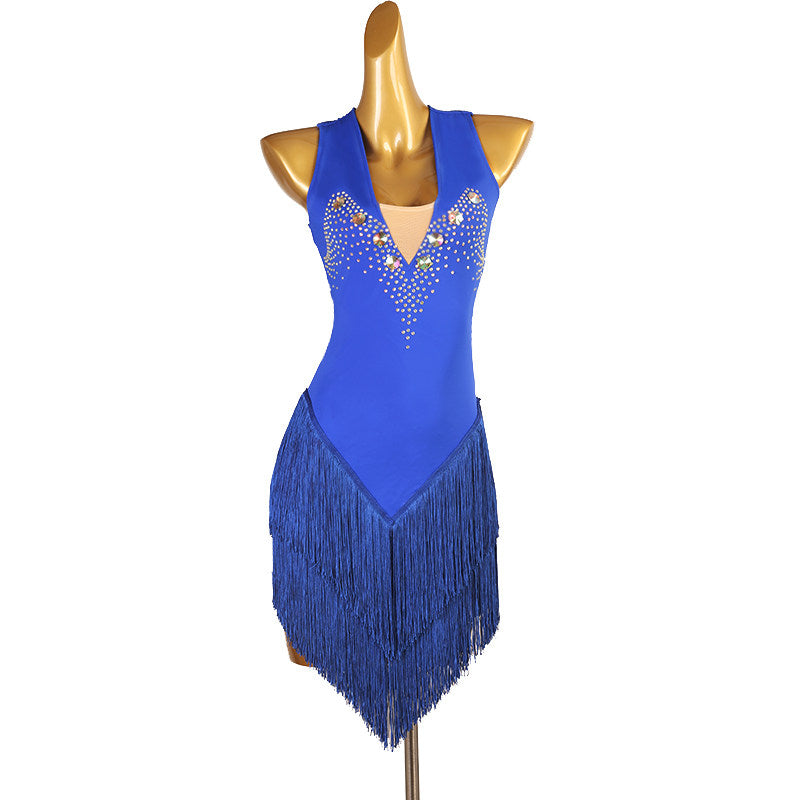
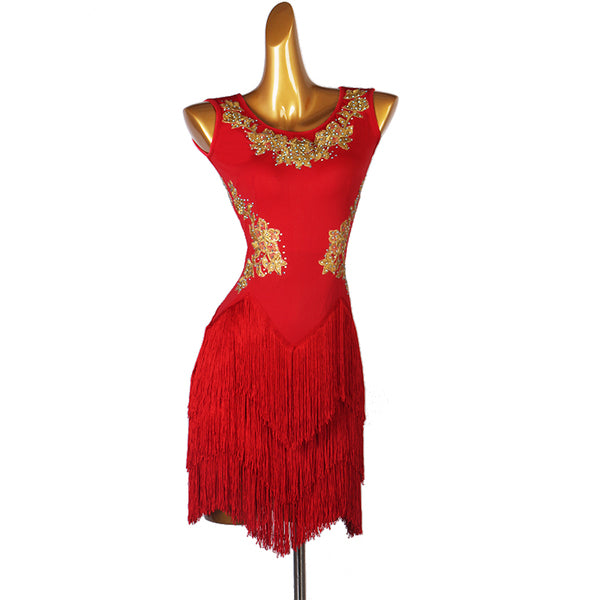
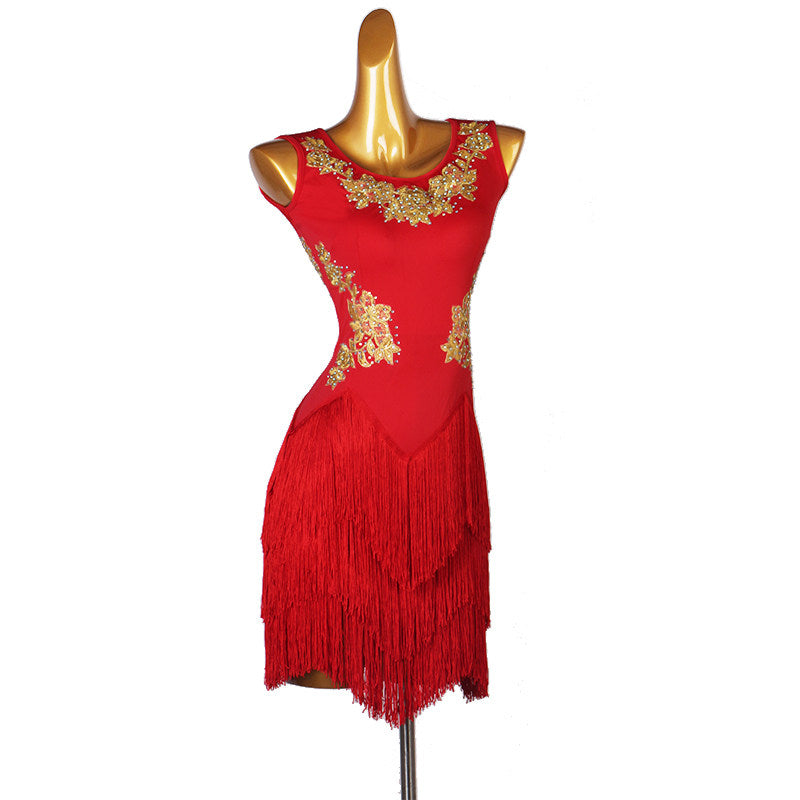
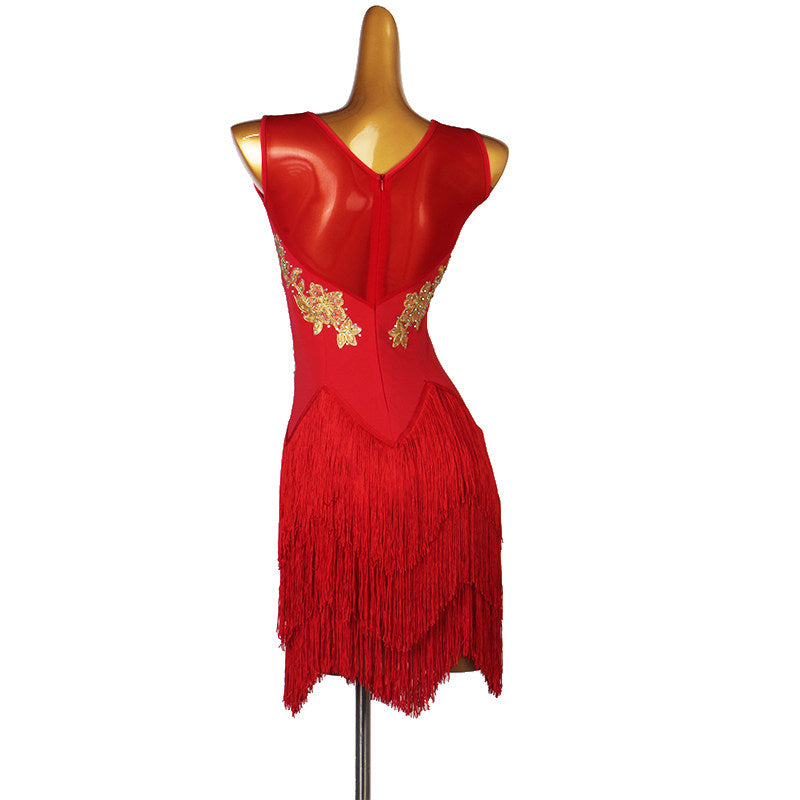
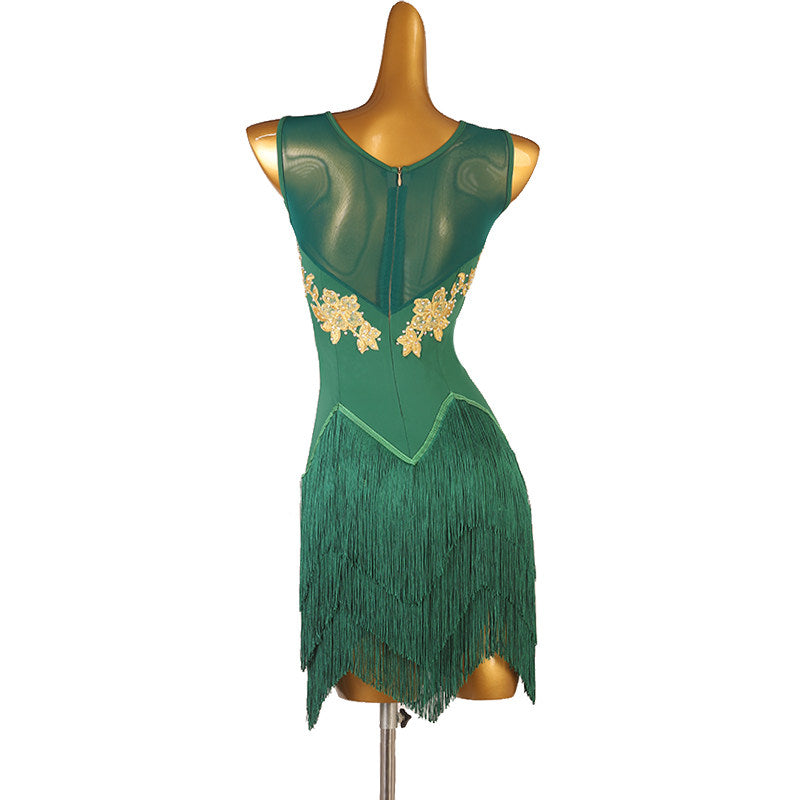
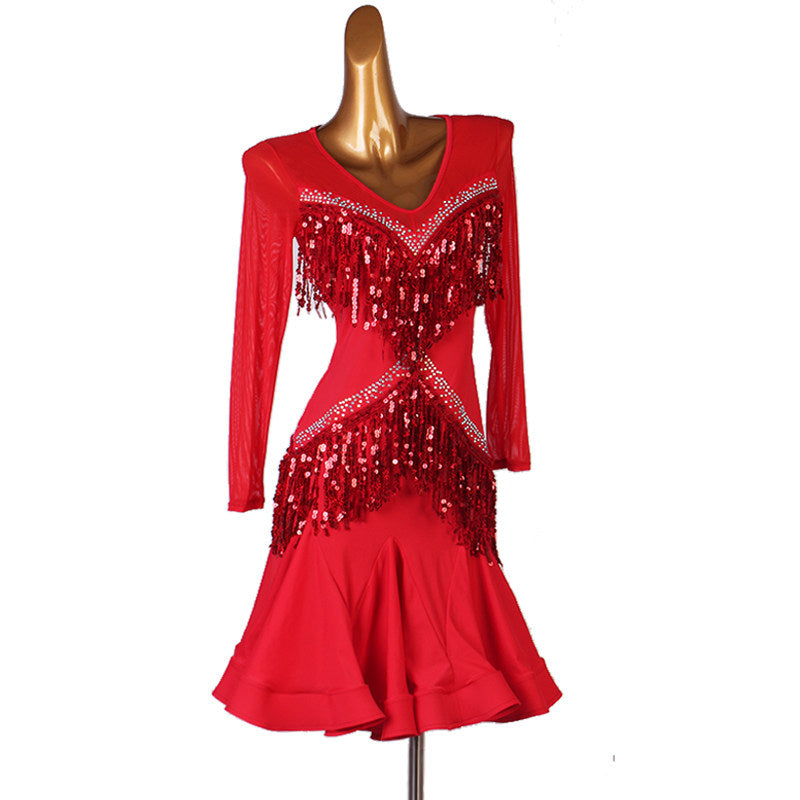
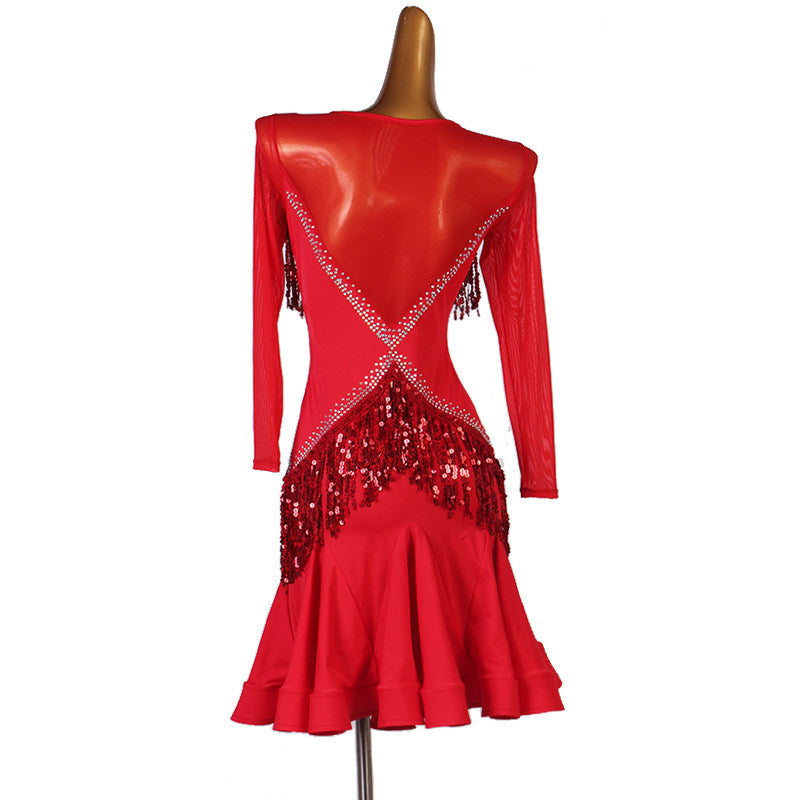
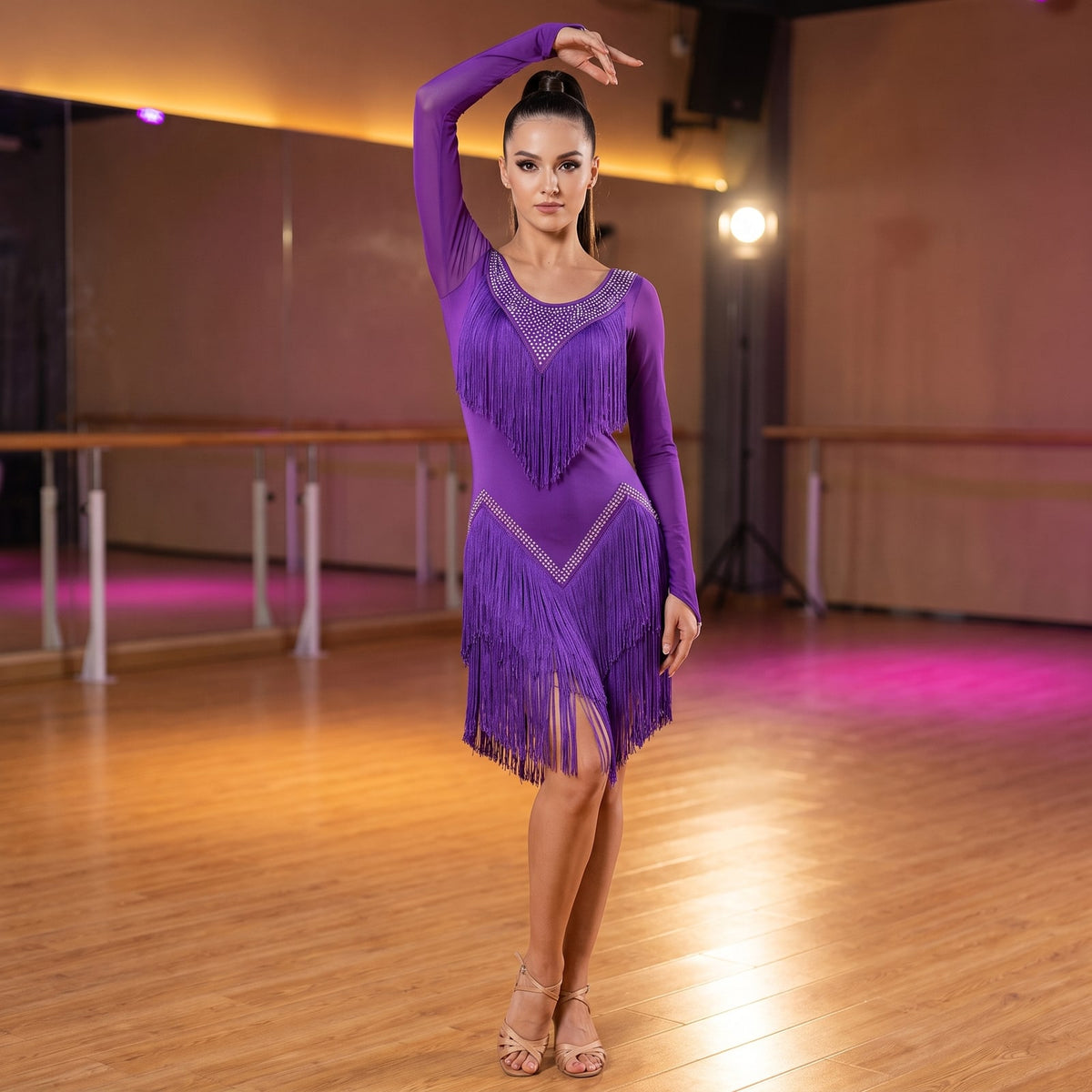
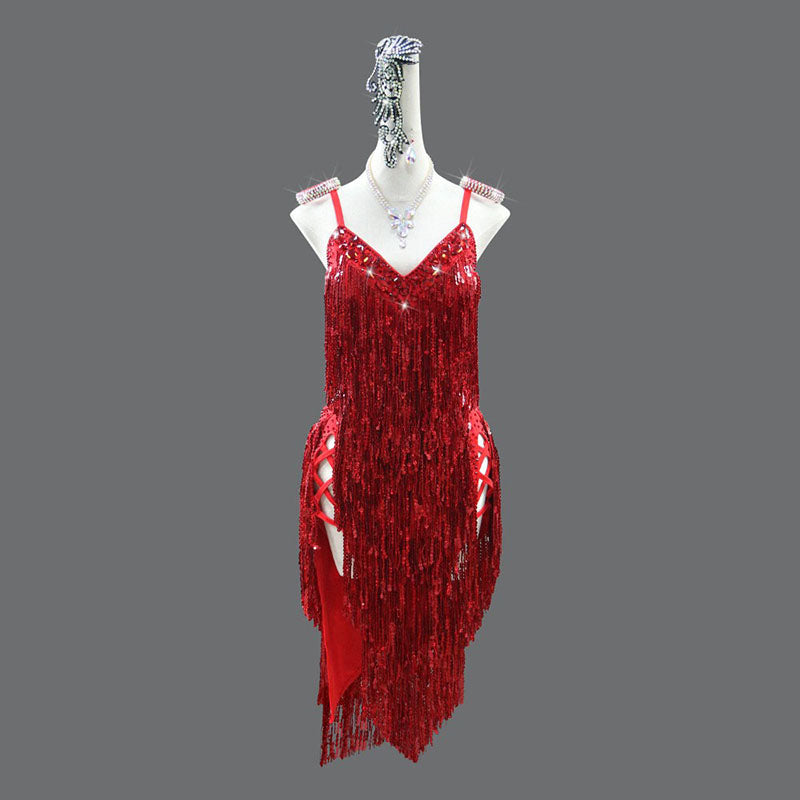
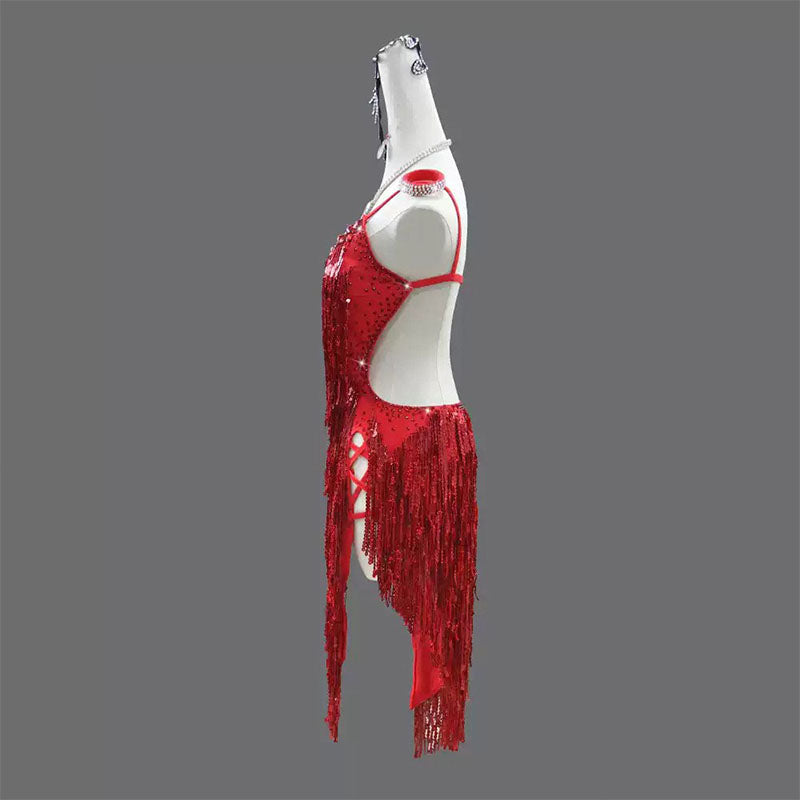
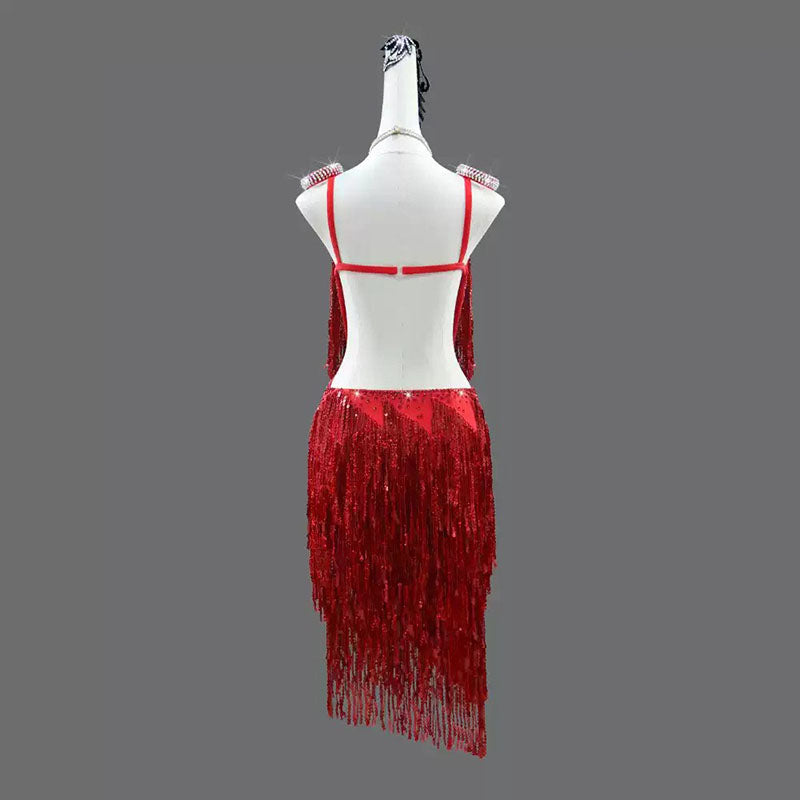
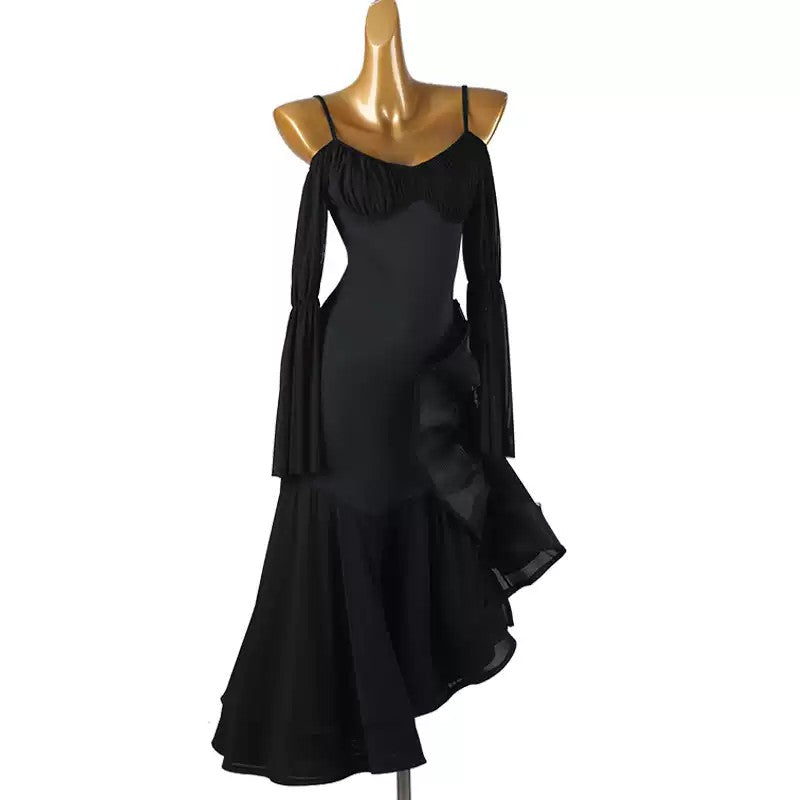
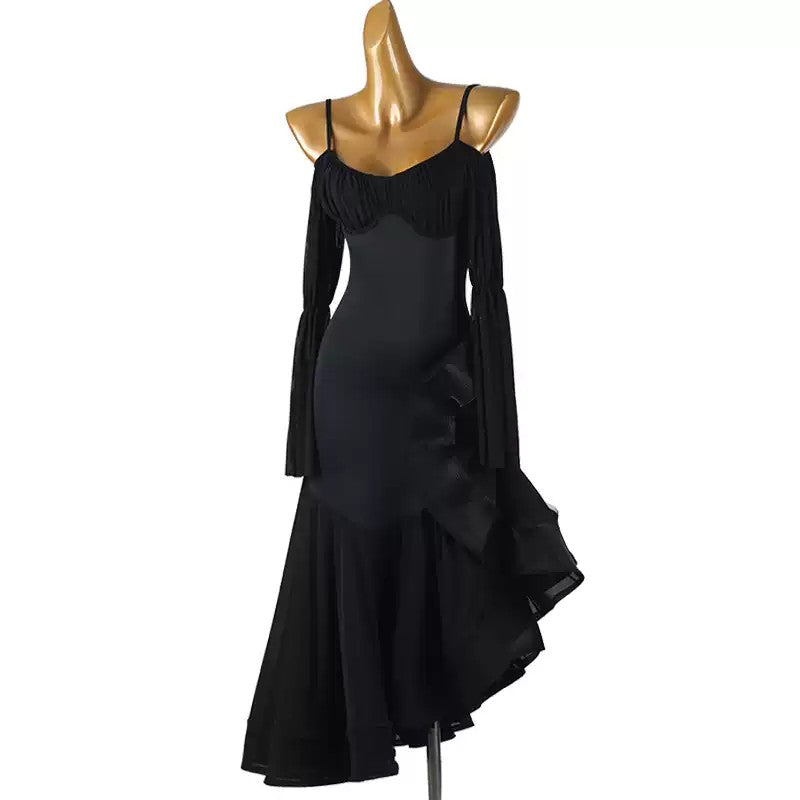
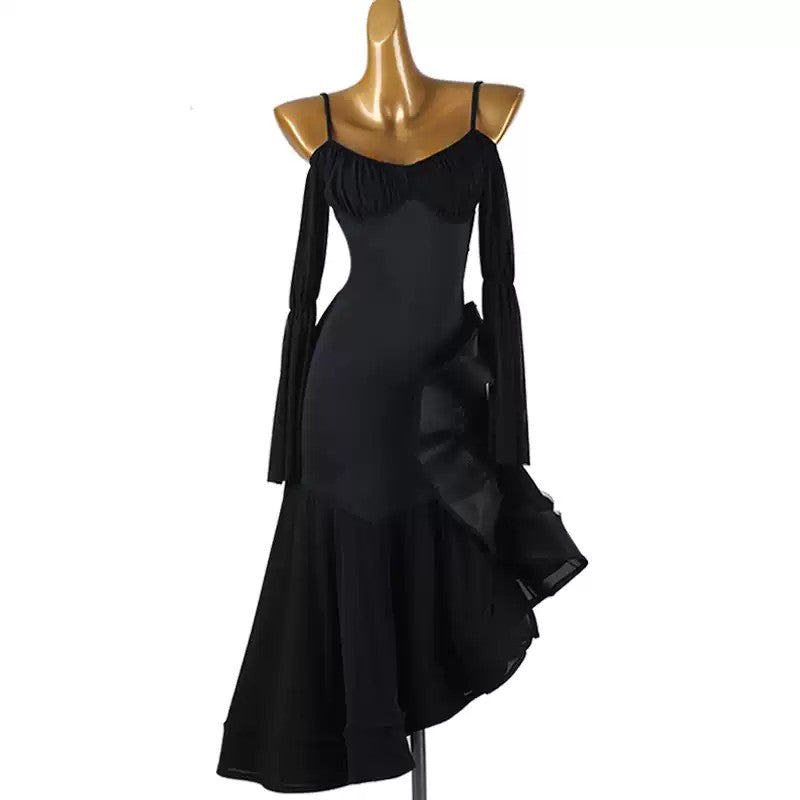
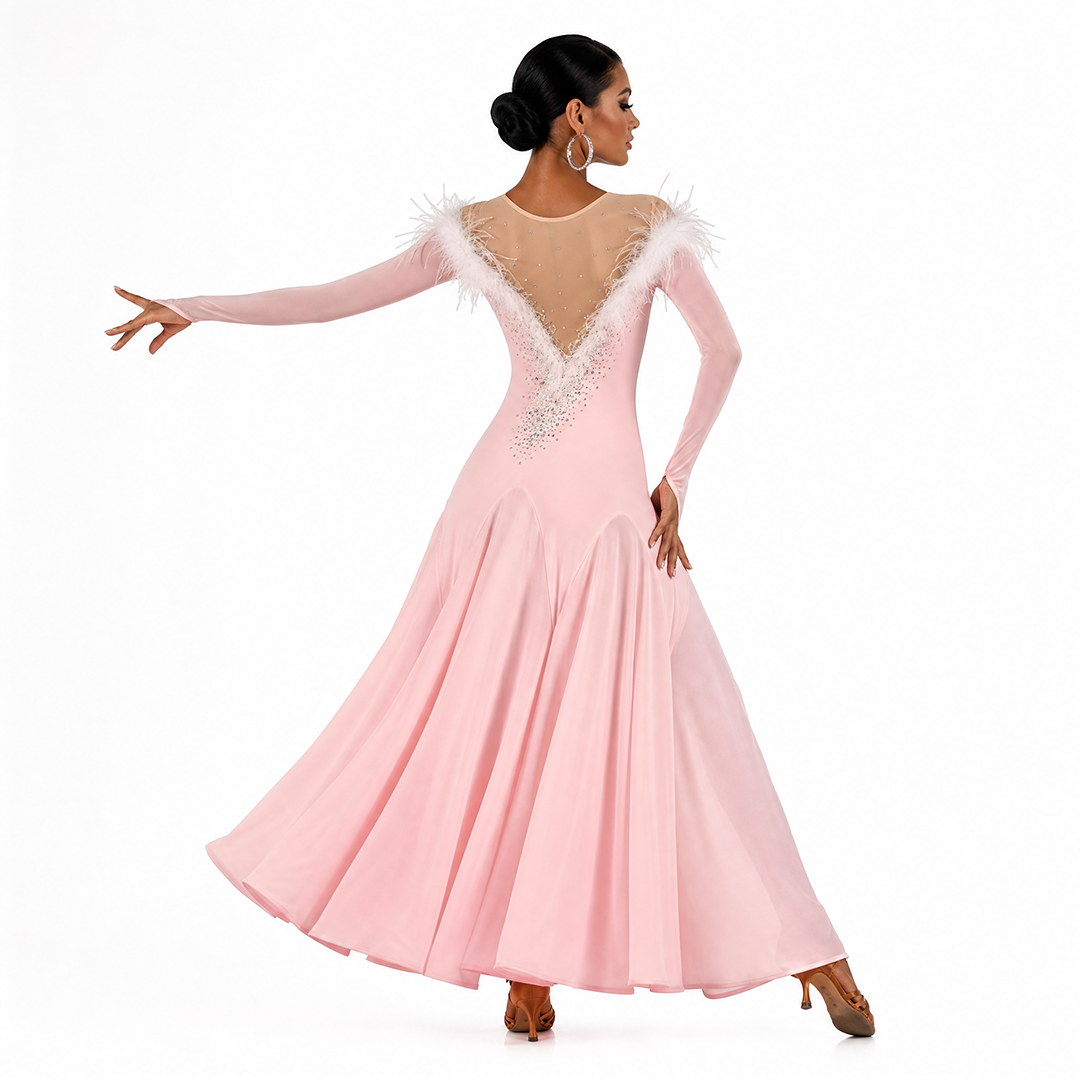
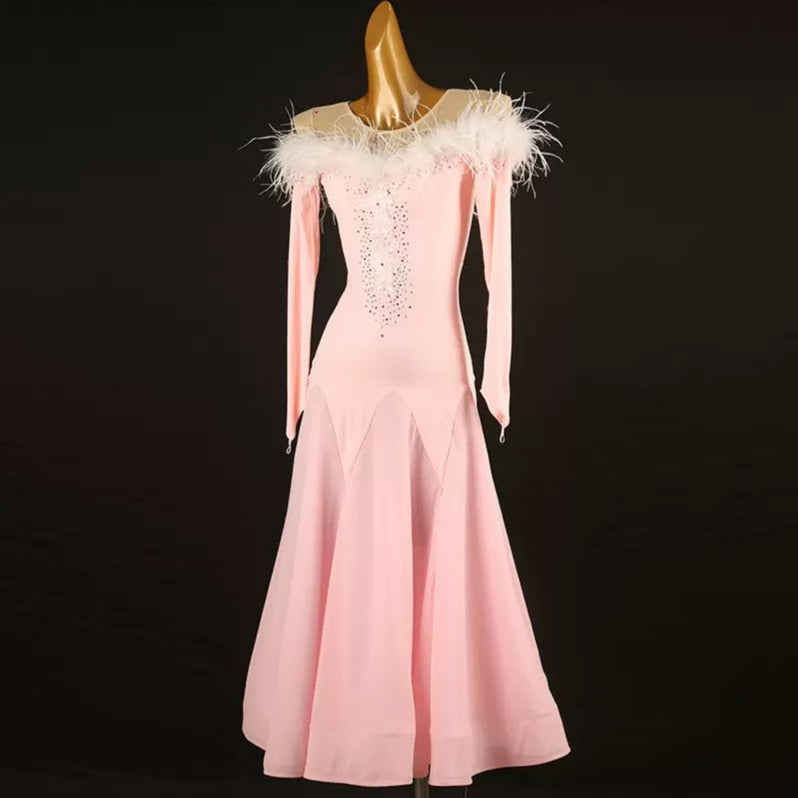
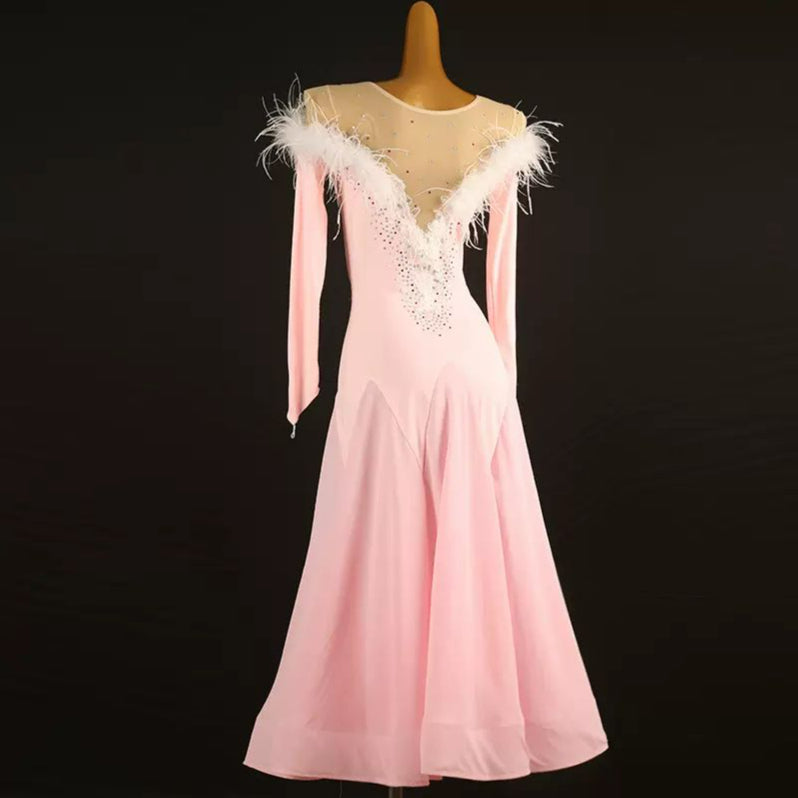
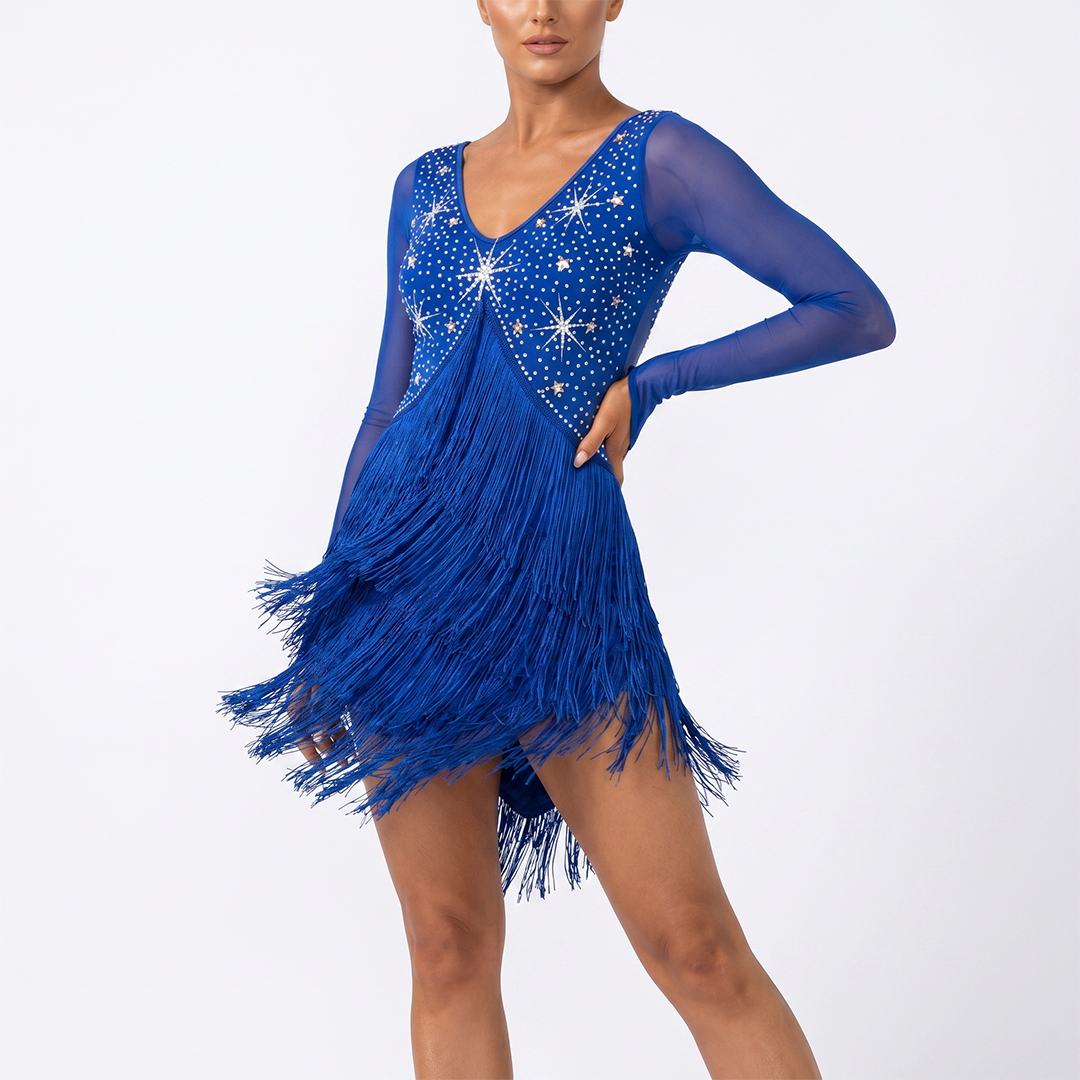
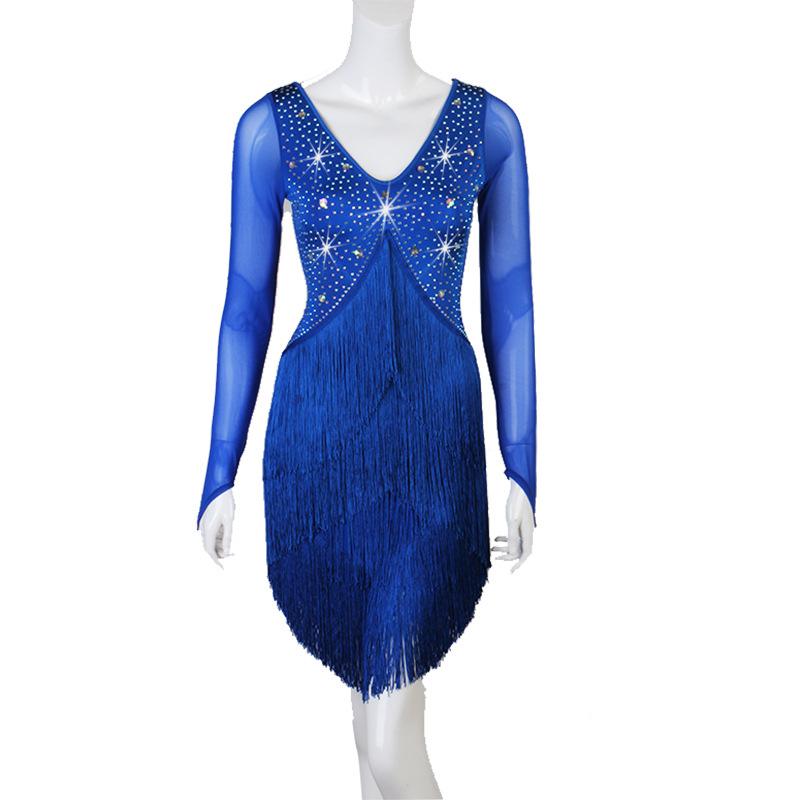
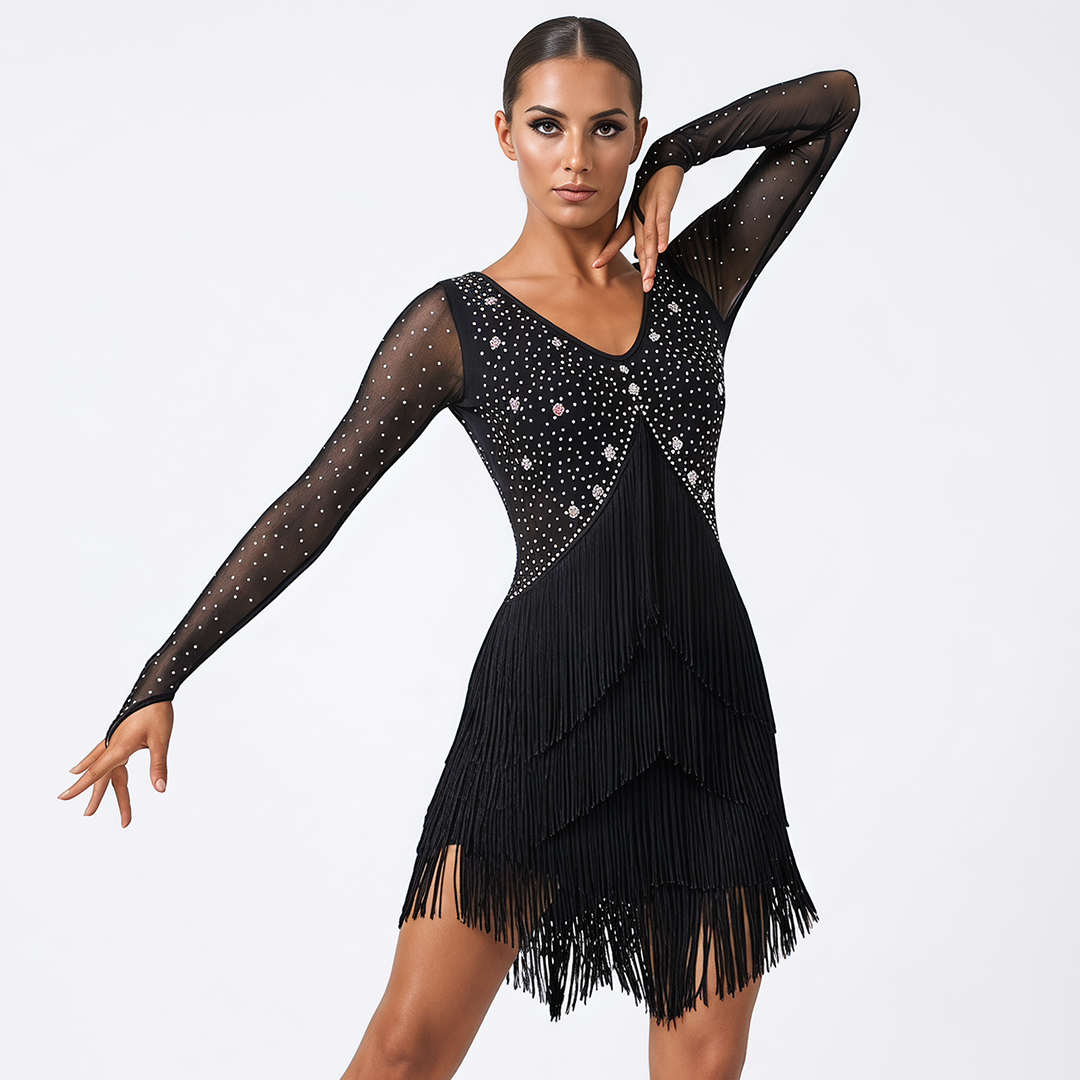
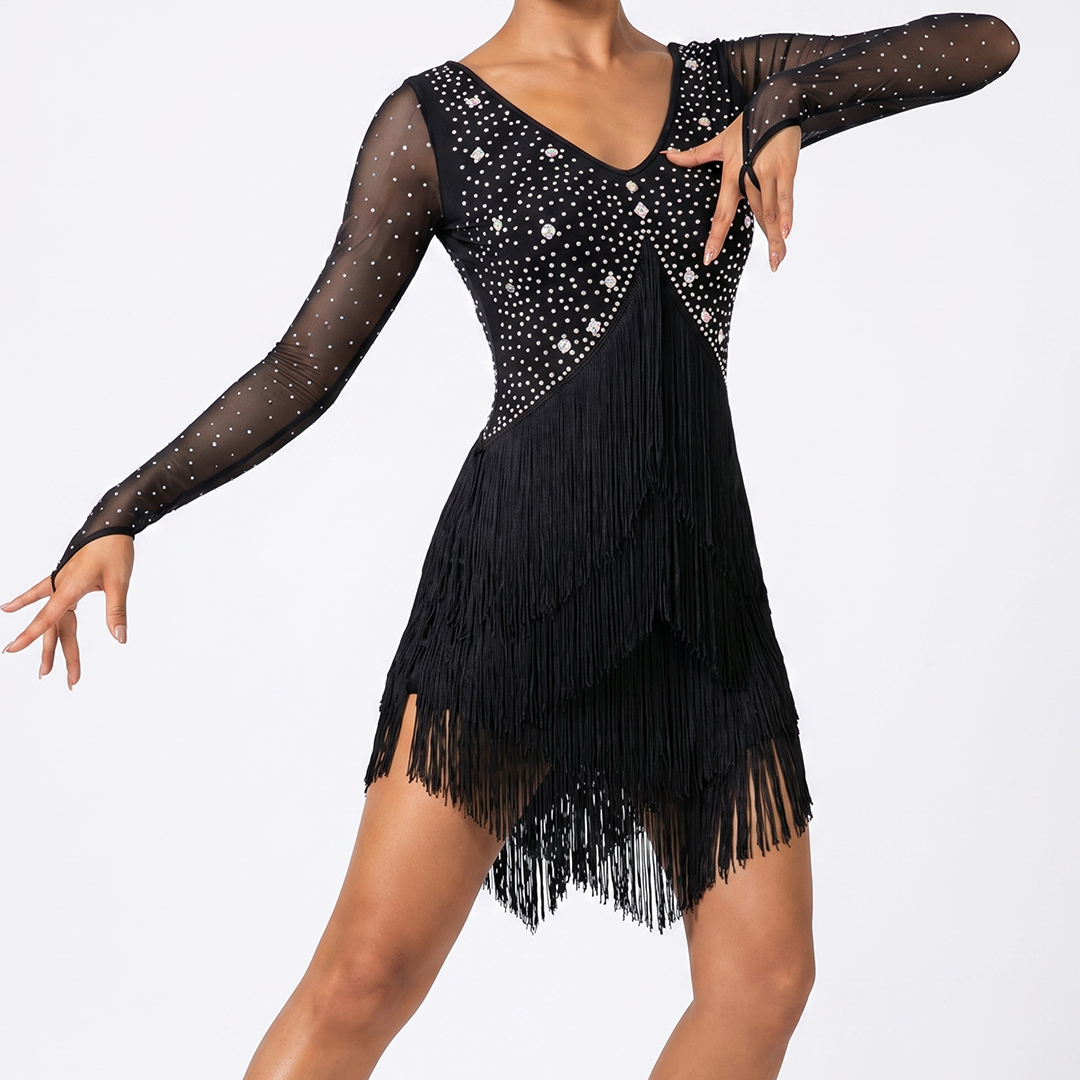
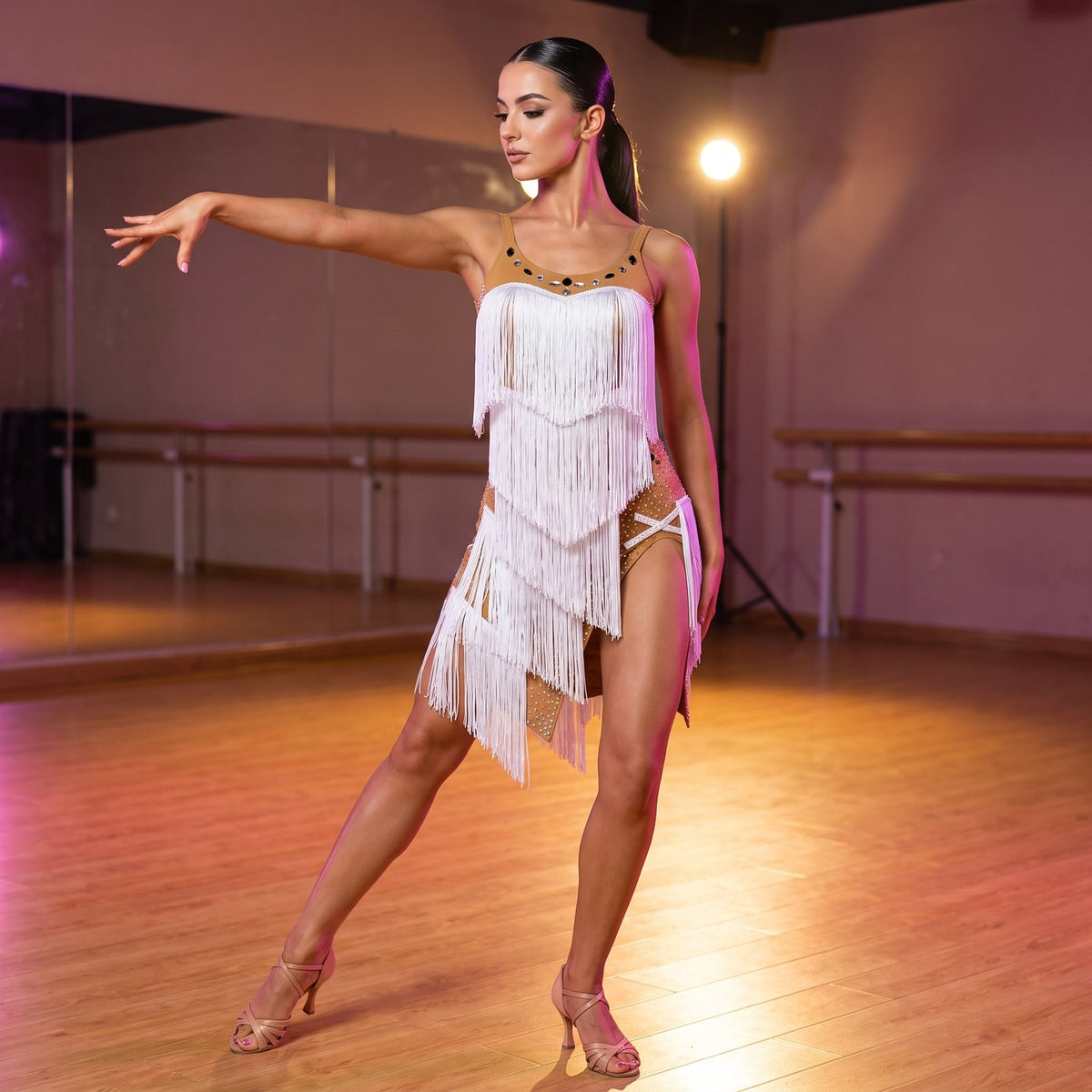
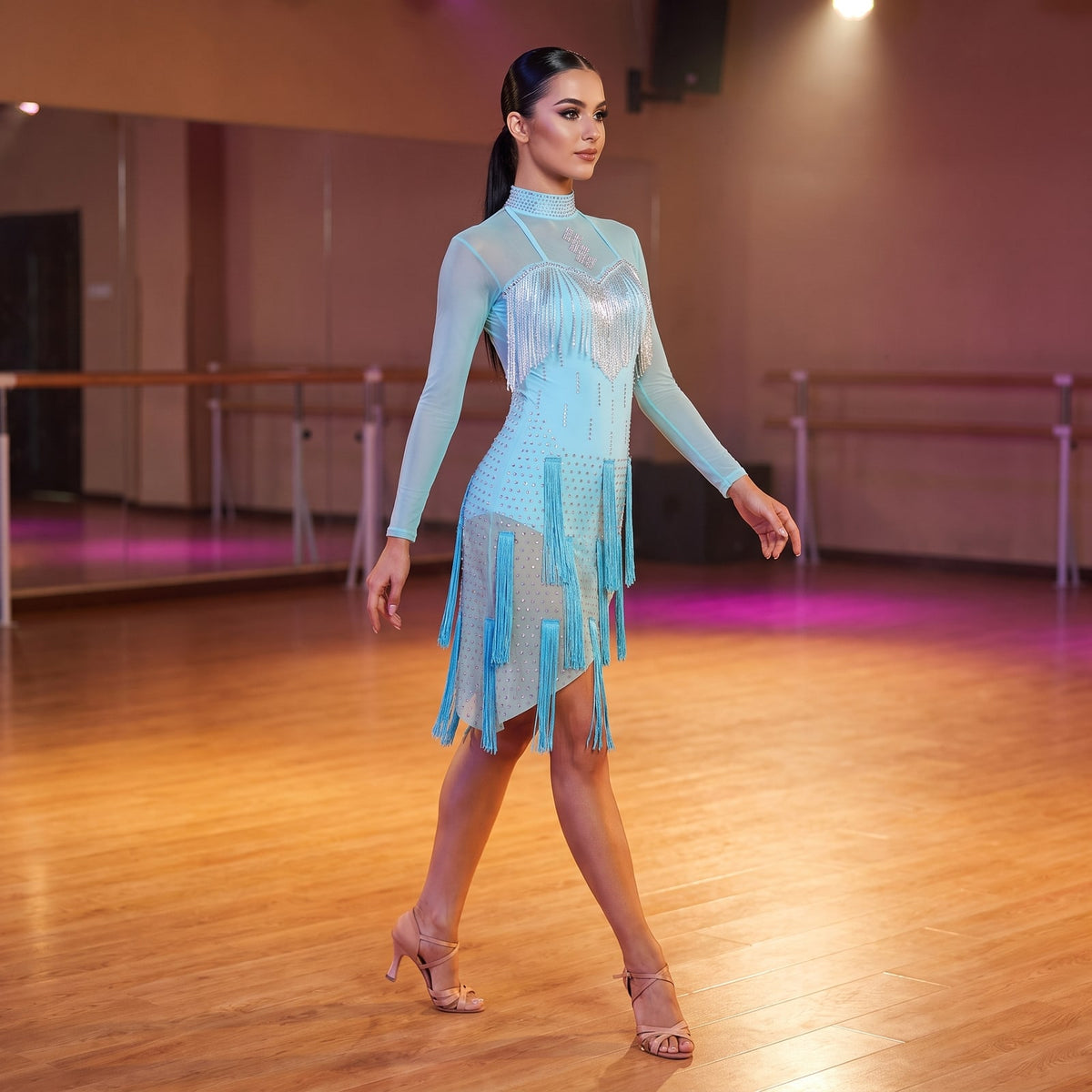
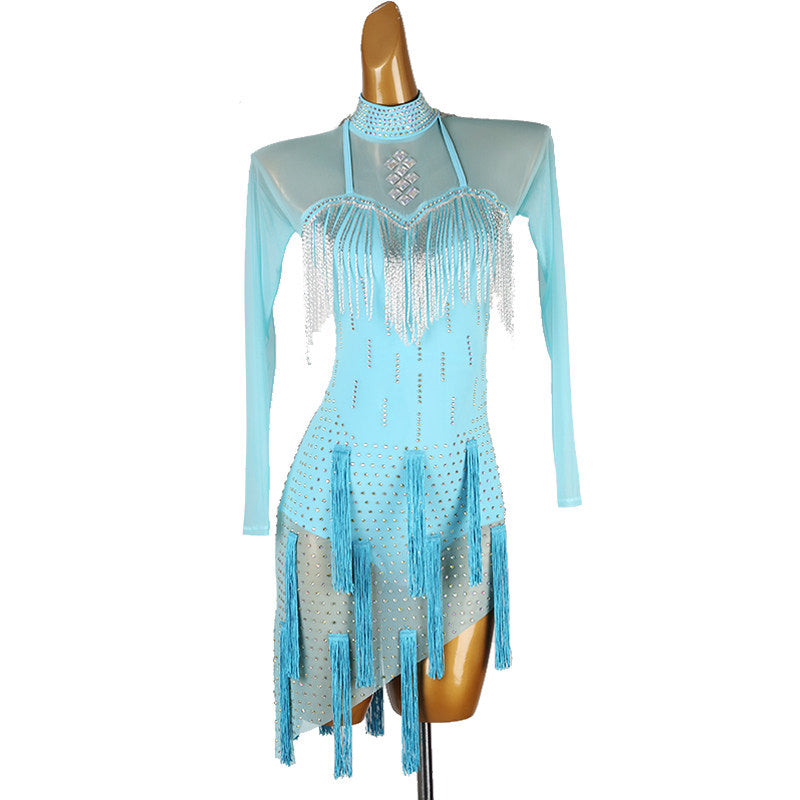
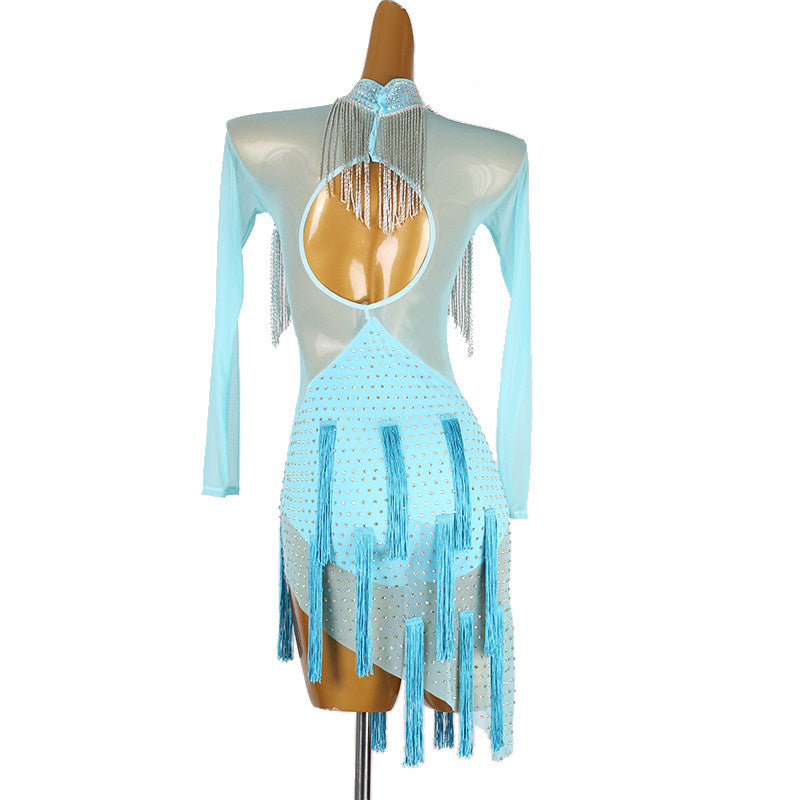
The Standard gown is a closed-hold garment. It has to hold a line against a partner's frame without collapsing, which means real structure through the bodice, a skirt with enough sweep and float to move as one piece, and sleeves or floats that read as part of the silhouette rather than as loose fabric. The Latin dress is an open-hold garment. It has to expose and exaggerate hip and leg action, which means it goes short, it goes stretchy, and the weight sits high on the body so nothing drags on a fast turn.
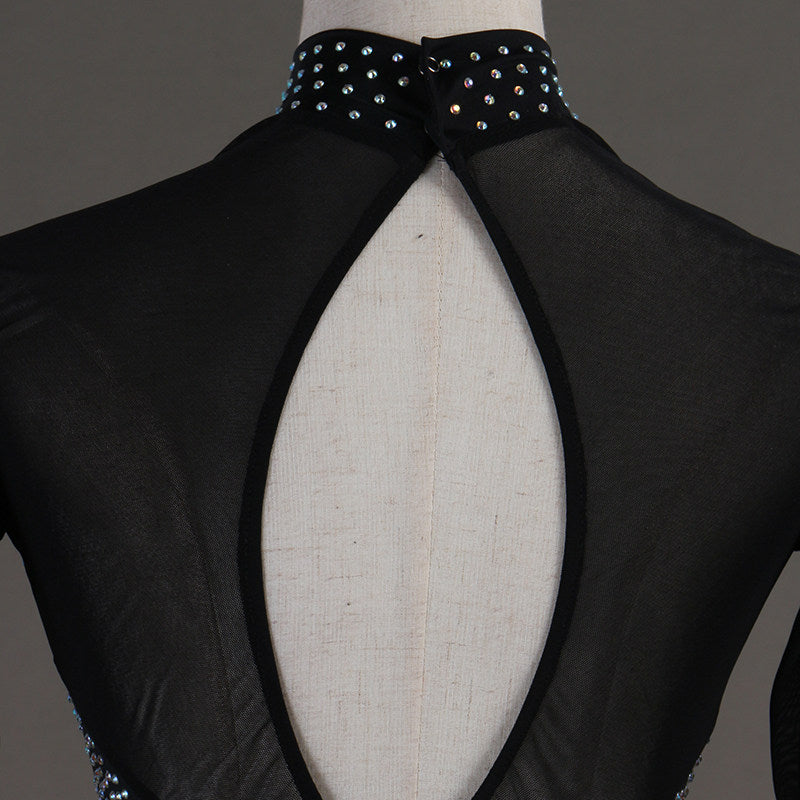
The practical consequences are worth planning for. Two dresses of that different a build rarely share the same undergarments — a structured Standard bodice and a Latin body suit want different things underneath. Hair and makeup usually carry across, but jewellery often does not: what balances a long gown can look sparse against a short dress. And the changeover itself is the tightest part of the day, so favour a Latin dress you can get into alone and fasten without help, especially if your partner is changing at the same time in a different room.
A common approach is to build the Standard gown first, because it is the harder garment to replace and the one that dates more slowly, then treat the Latin dress as the piece you refresh more often.
Who Writes the Dress Rules
There is no single global dress code, which surprises most people entering their first competition. What applies to you depends on which body sanctions the event.
WDSF events run the most detailed and most actively enforced costume regulations, and they vary by age division and by division level — juvenile and junior categories in particular restrict stoning, skirt length, fabric and makeup far more tightly than adult ones. NDCA-sanctioned events in the United States operate their own rules, and collegiate and university circuits frequently add restrictions of their own on top, often capping decoration for newcomer and bronze-level entrants so that costume cannot buy an advantage. Local and studio-run competitions may be looser still, or may simply adopt whichever framework their organiser is used to.
The rule that matters more than any specific limit: check the syllabus for the event you have actually entered, not the one you danced last season, and check it before you order rather than after. Restrictions on stoning and on skirt length are the two that most often catch people out, and they are also the two that are hardest to undo once a dress is made.
If you are dancing at a level with decoration limits, that is not a reason to buy a plain dress and hope. It is a reason to buy a dress whose effect comes from cut, colour and fabric movement rather than from crystal — which is a genuinely different design, not a cheaper version of the same one.
How Many Competitions a Dress Lasts
A competition dress is worn hard and rarely. It spends a handful of hours a season on a floor and the rest of the year on a hanger, and both halves of that cycle do damage in different ways.
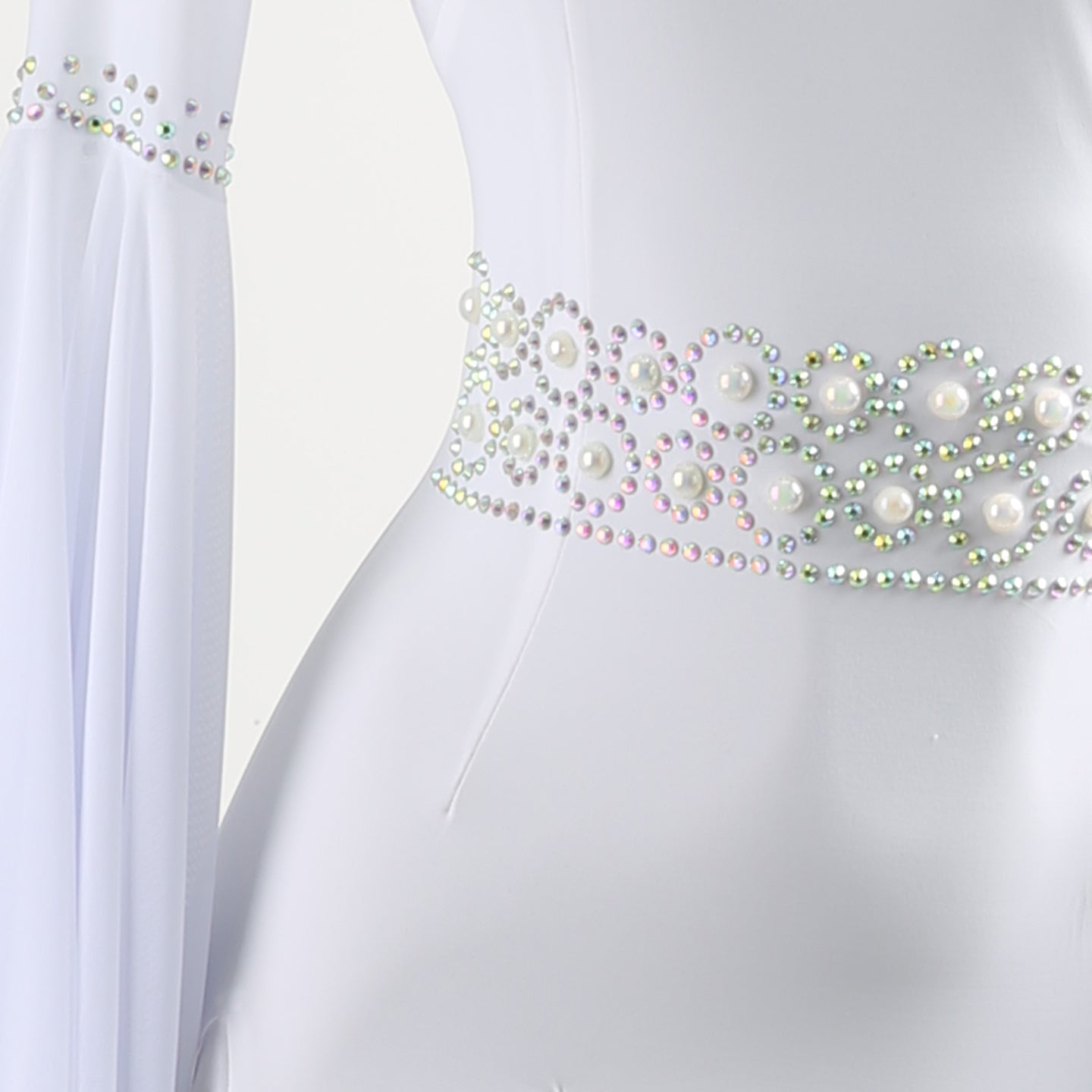
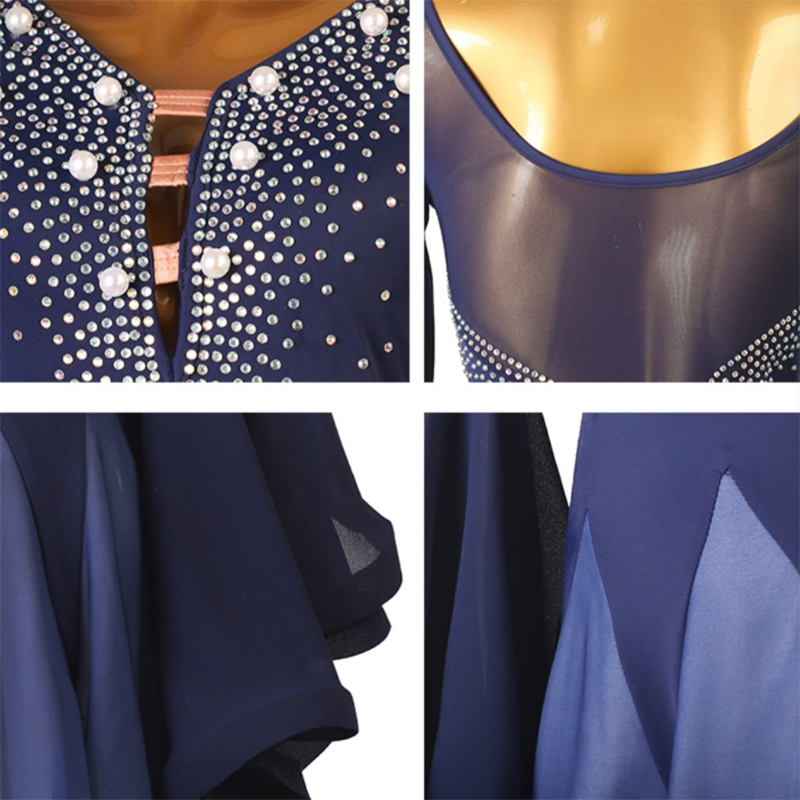
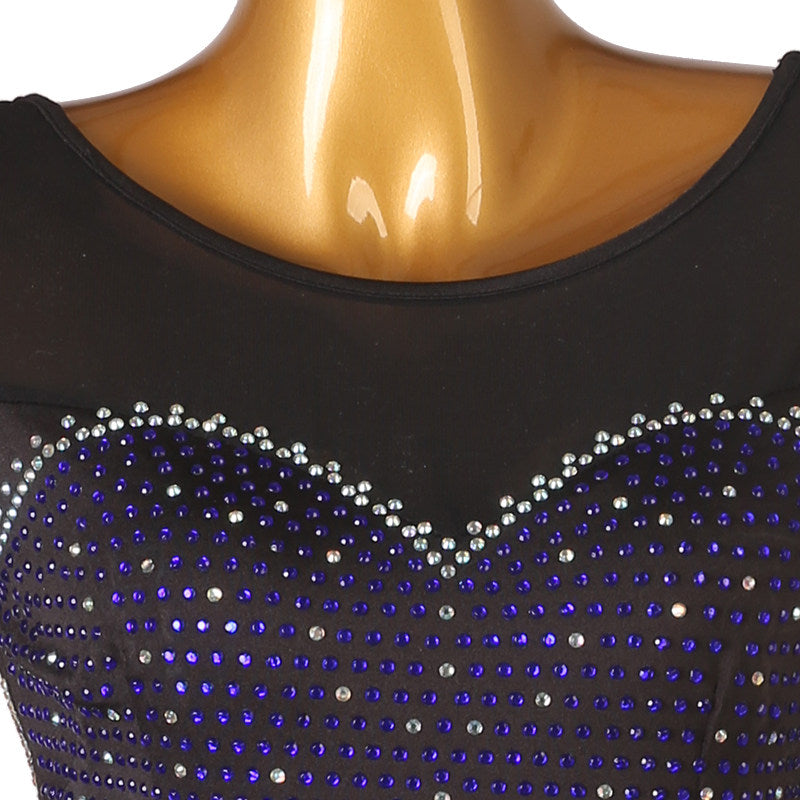
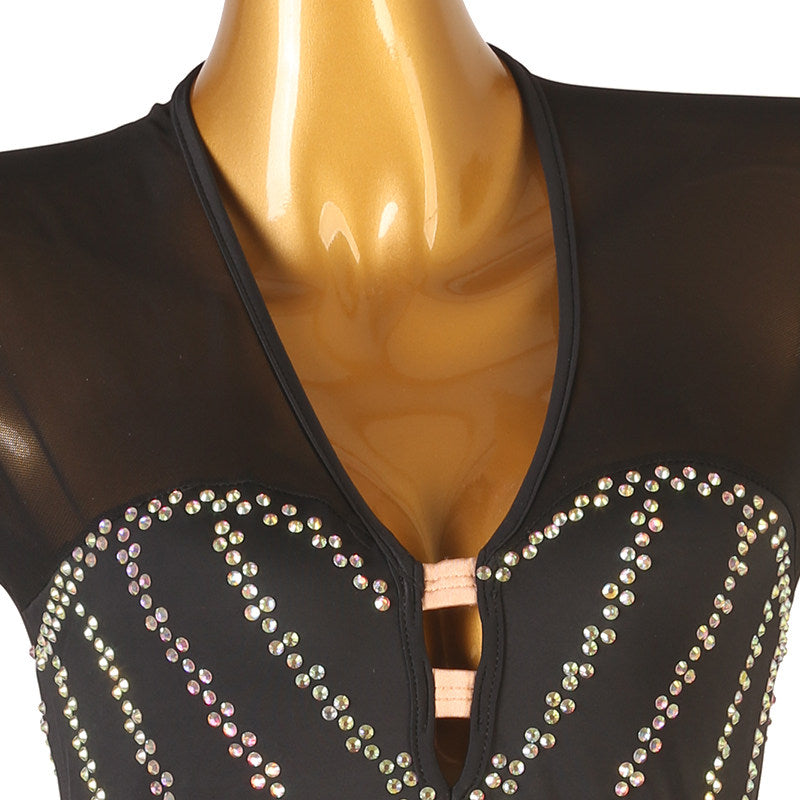
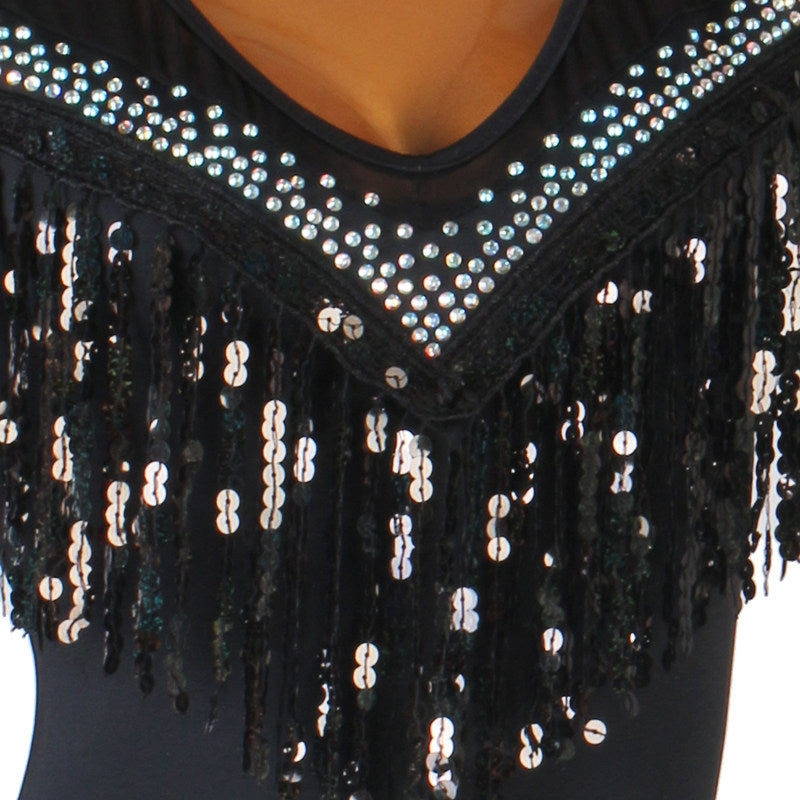
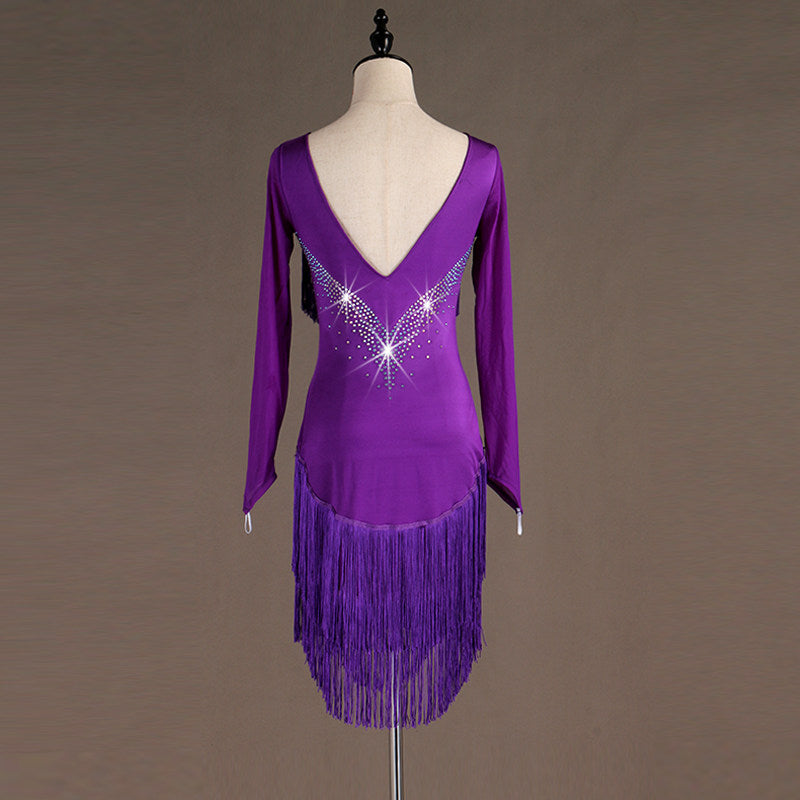
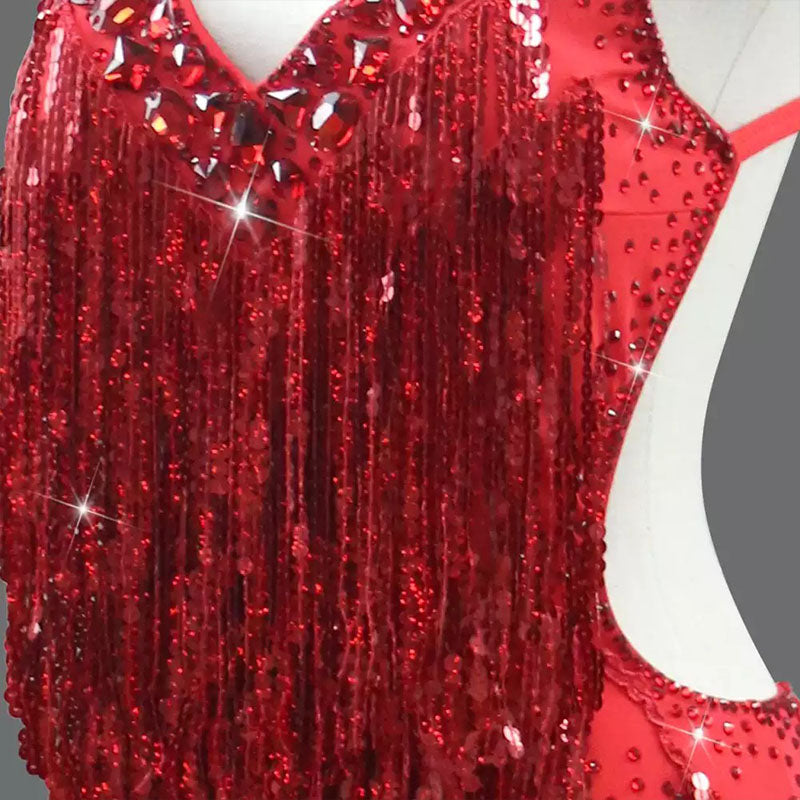
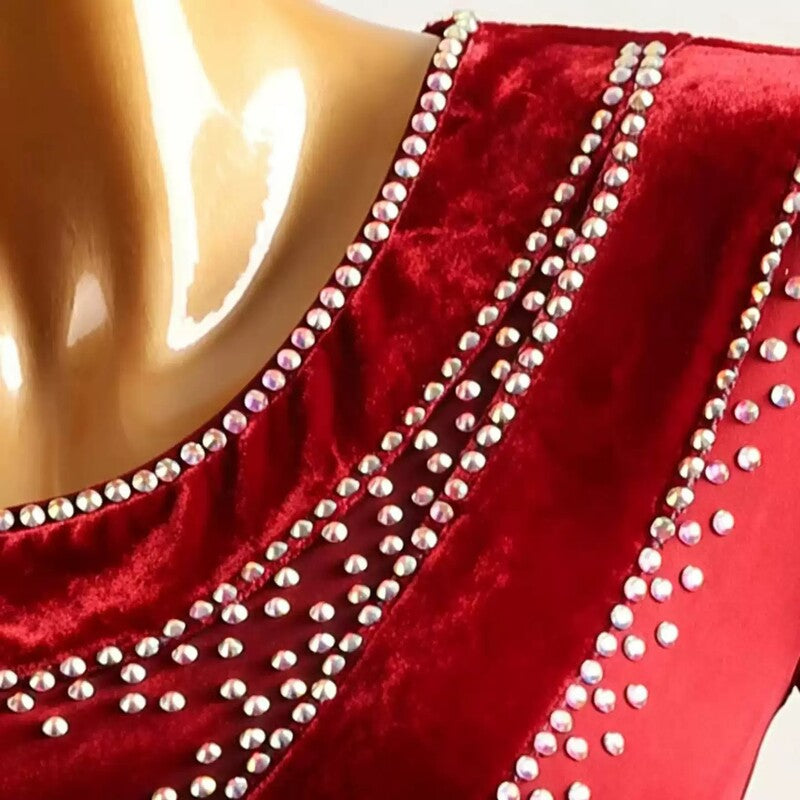
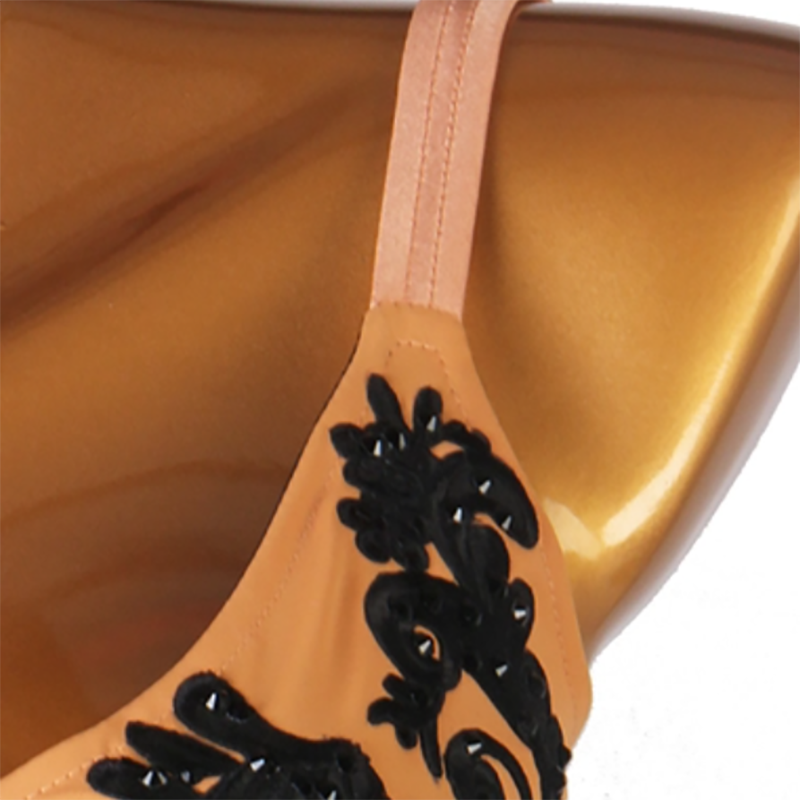
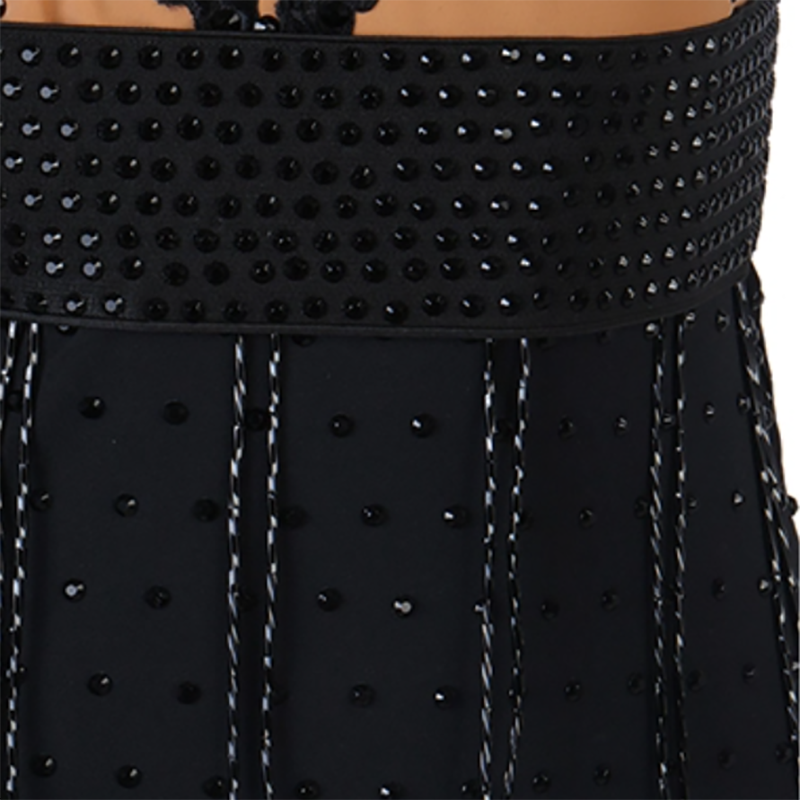
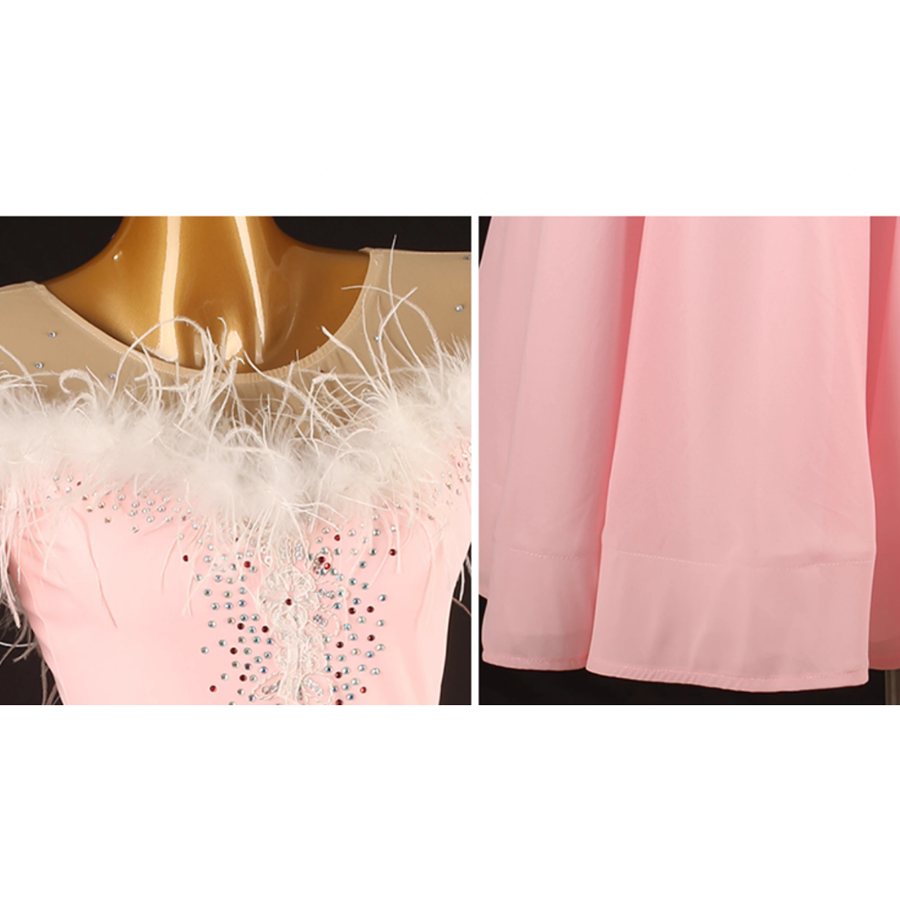
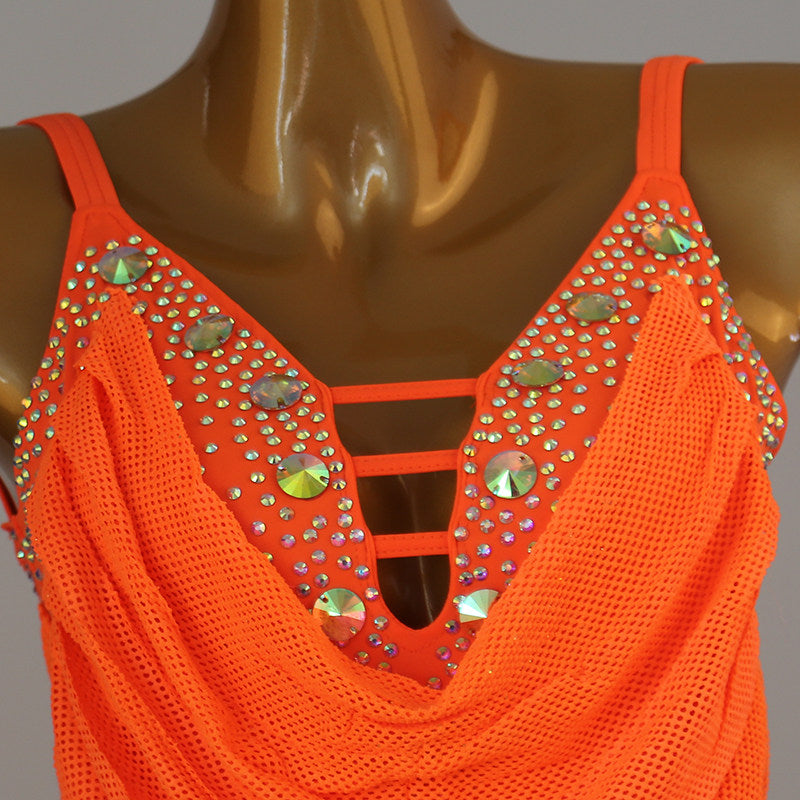
Stones come off. This is normal, not a defect — glue-set crystal takes impact every time you brush a partner, a chair or a doorway, and the losses concentrate at the waist, the hip and anywhere a hand lands. Keep a small tube of gem glue and a few spare stones in the same bag as the dress, and check the bodice under a bright light after every event rather than the night before the next one. A dozen stones replaced early is a five-minute job; a bald patch that has spread across a panel is not.
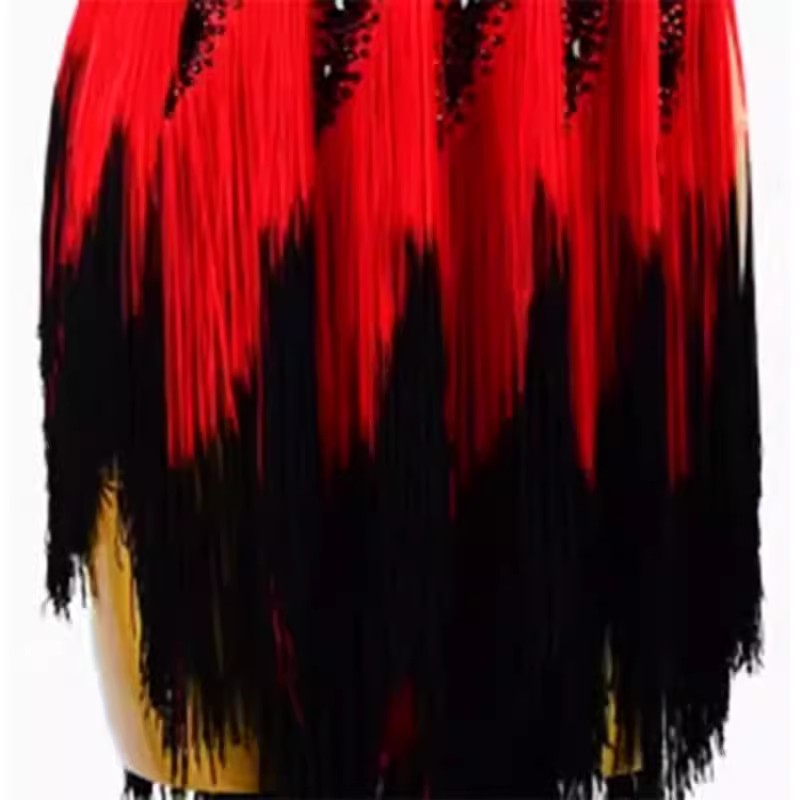
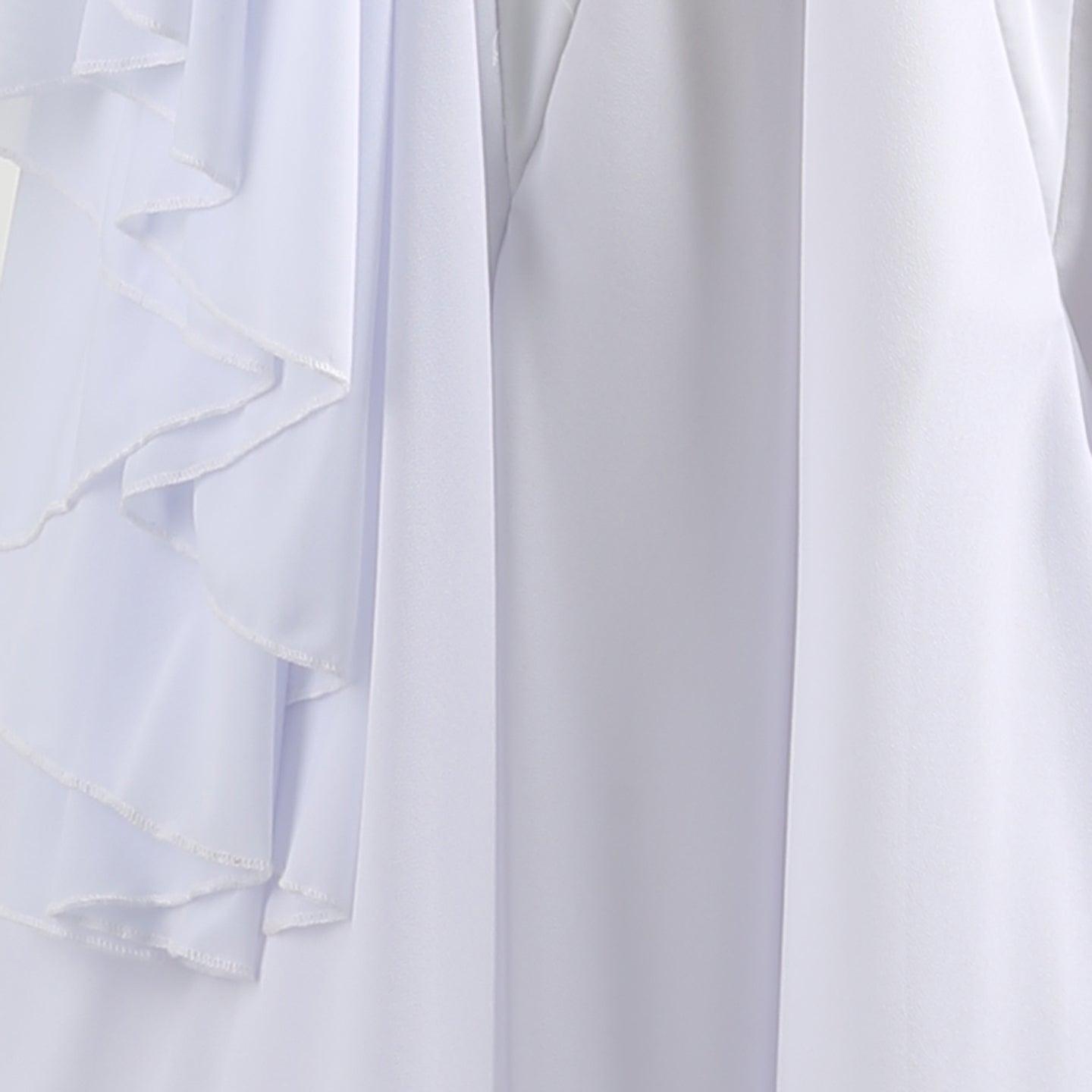
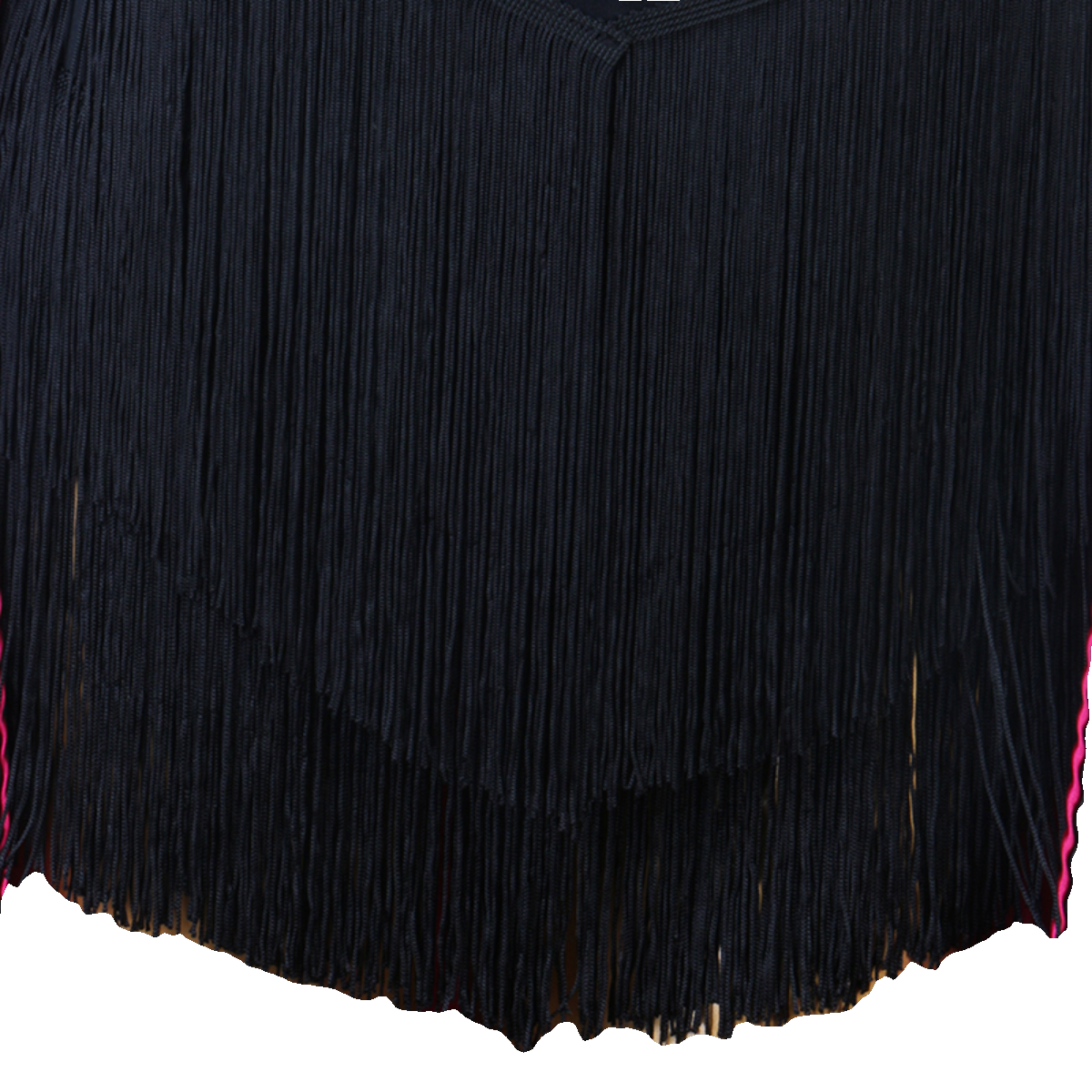
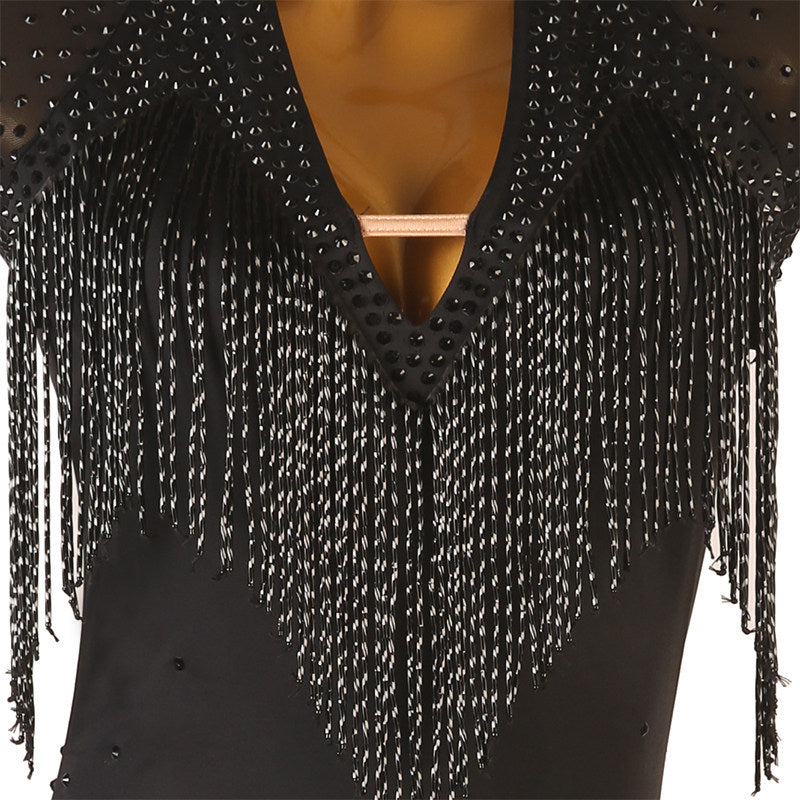
Fringe tangles and flattens. Hang it out rather than folding it, comb it with your fingers rather than a brush, and let it hang free for a day after a competition before it goes back into storage. Mesh and stretch panels are the parts that age fastest — they lose recovery with repeated sweat and heat, which is why airing a dress fully before it goes into a bag matters more than cleaning it often. Never put a stoned dress through a normal wash cycle, and never leave it sealed in plastic, which traps moisture against the glue.
Stored and repaired properly, a gown outlasts several seasons of use, which is part of why the second-hand market for dancesport dresses is as active as it is. A dress that has been well kept holds its value; one that has been folded into a suitcase for two years does not.
Getting a Gown to the Competition
Travel is the part nobody warns you about, and it damages more dresses than dancing does.
For a long Standard gown, the enemy is crushing. Turn the dress inside out so the stonework faces in, lay tissue or a soft cloth into the fold lines rather than pressing fabric on fabric, and roll the skirt loosely rather than folding it flat. A proper garment bag with a full-length zip is worth the space it takes; a bin bag over a hanger is not. If you are flying, a gown will normally go in the cabin as a garment carrier — but confirm the airline's policy in advance, because the alternative is a dress in the hold with your competition shoes on top of it.
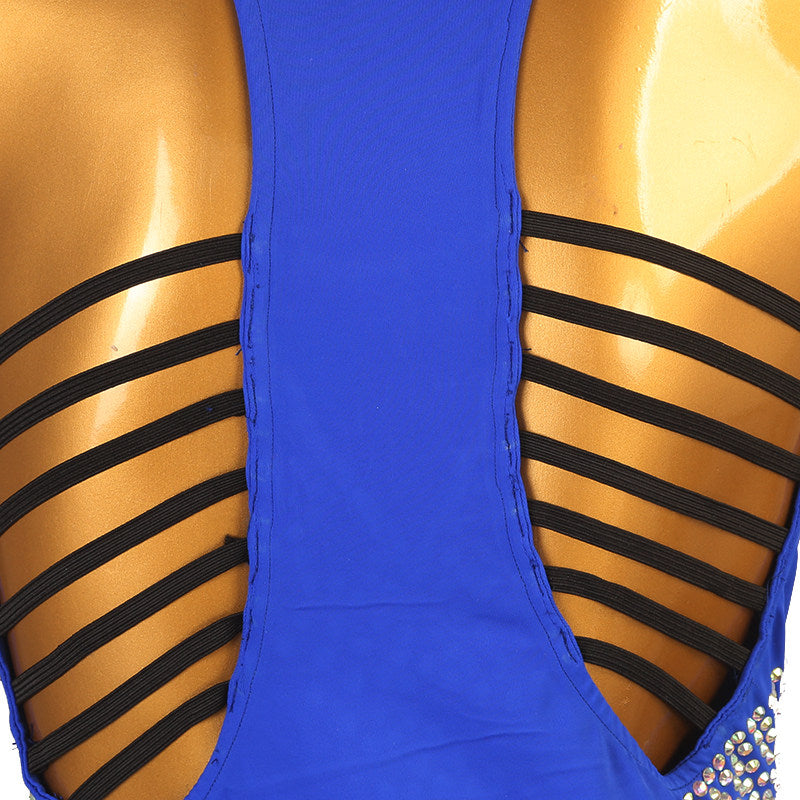
For a Latin dress the problem inverts: it packs small, but the fringe and the stretch panels are what suffer. Roll it rather than folding, keep it away from anything with a hook or a zip, and give the fringe room instead of compressing it.
On arrival, hang everything immediately — most creasing drops out on its own overnight. If it does not, steam rather than iron, and steam from the reverse side. A hot iron plate will melt glue and dull crystal foil in seconds, and that damage does not come back. Pack a small steamer if you compete regularly; hotel bathrooms work in a pinch but take longer than you think when you are already running late.
Colour Across a Couple
A dancesport dress is half of a picture, not the whole of one. Adjudicators see two people, and colour that works beautifully in isolation can go quiet once you are standing next to a partner in black tails.
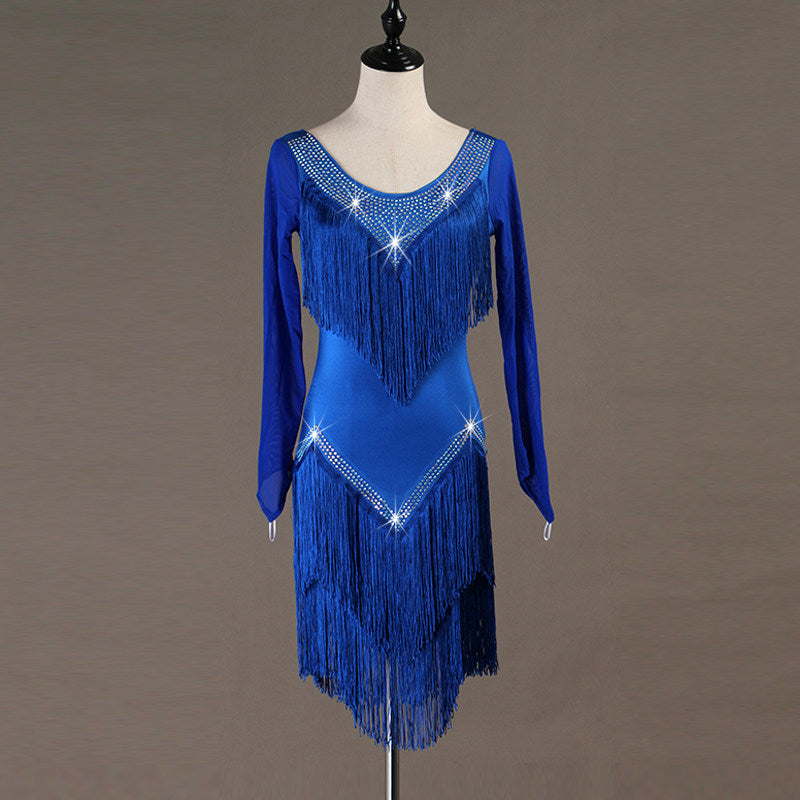
Standard is the more constrained case, because the men's outfit is essentially fixed — black tailsuit, white shirt, white tie. That is a high-contrast frame around whatever you wear, and it flatters saturated colour and clean single-tone gowns far more than it flatters busy multi-colour work, which tends to fragment at distance. Latin is looser: the men's costume carries colour of its own, so the two halves need to be coordinated deliberately rather than left to chance. Matching exactly is not the goal and often looks costume-like; picking up one shared accent, or working within the same temperature of colour, reads better than a literal match.
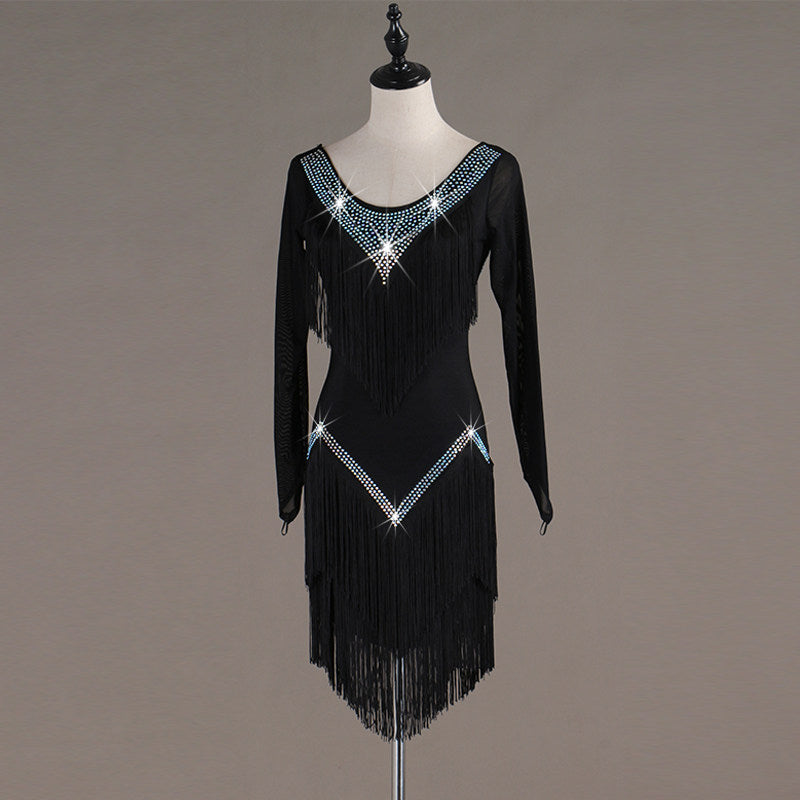
Two practical constraints worth knowing before you commit. Black gowns need strong stonework or a contrast trim or they disappear against dark backdrops and dark-suited partners. And if you compete in a team or a formation, check whether a squad colour applies before ordering anything — that is a rule you cannot design around afterwards.
Where the Money Goes First
If you are building a competition wardrobe from nothing, the order you buy in matters more than the total.
Shoes come before dresses. A dress that is slightly wrong still lets you dance; shoes that are wrong stop you, and they carry across every event and both styles. Get those settled first — closed-toe shoes for Standard and Smooth, open-toe sandals for Latin and Rhythm.
Then buy for the style you compete in most, not the one you enjoy most. If eighty percent of your heats are Latin, the Latin dress is the one that earns its keep, and a borrowed or entry-level gown will cover the Standard entries until it does not. Practice wear is the third call rather than the first: it is worn far more often, but it does not need to survive being judged, and the ballroom and Latin pages cover that end.
Fit is the one place not to economise. A dress that fits properly out-performs a more elaborate dress that does not, because everything a judge is looking for — line, balance, how the body moves inside the garment — is destroyed by a bodice that shifts or a hem at the wrong height. If you are between sizes or have a long or short torso, custom sizing is available on most of what is on this page, and it costs you lead time rather than a compromise.
Dancesport Dresses: Frequently Asked Questions
What is a dancesport dress?
Any dress built to be competed in rather than practised in — the term covers both the long full-skirted gowns worn for Standard and Smooth and the short stoned dresses worn for Latin and Rhythm. Dancesport is simply the competitive name for ballroom and Latin dancing as a sport, so a dancesport dress is a competition dress for either half of it.
Is a dancesport dress the same as a ballroom gown?
A ballroom gown is one kind of dancesport dress. Dancesport covers both disciplines, so the term also includes Latin competition dresses, which are short rather than full-skirted and built for open hold rather than closed. If you specifically want the long gowns, the ballroom competition dresses page is the narrower one.
Can I wear the same dress for Standard and Latin?
No. They are different garments with different builds — a closed-hold gown needs structure, sweep and length, and a Latin dress needs to go short and stretch to show hip and leg action. Competitors entered in both styles carry two dresses and change between them.
Do competitions restrict what I can wear?
Often, yes, and it depends on who sanctions the event. WDSF competitions apply detailed costume rules that tighten considerably for junior and juvenile age divisions and for lower syllabus levels; NDCA and collegiate circuits run their own. Check the rules for the specific competition you have entered before ordering.
How far ahead should I order a competition dress?
Far enough to dance in it several times before the event. Standing still tells you whether it fits; only moving through your routine tells you whether a strap holds, a hem sits right, or fringe behaves the way you expected. Custom sizing needs additional lead time on top of that.
What do I do when stones fall off?
Replace them yourself with gem glue and spare crystals, which is a normal part of owning a competition dress rather than a fault. Check the bodice, waist and hip under bright light after each event — those are where losses concentrate — and fix them straight away rather than letting a gap spread.
How should I pack a gown for travel?
Turn it inside out so the stonework faces inward, pad the fold lines with tissue, roll the skirt rather than folding it flat, and use a full-length garment bag. Hang it as soon as you arrive and steam from the reverse if creases remain — never iron a stoned dress, because a hot plate melts glue and dulls crystal permanently.
Do you ship dancesport dresses internationally?
Yes. We ship worldwide, and every order is covered by our money-back guarantee.