Dance Boots for Heels Class, Salsa & Bachata
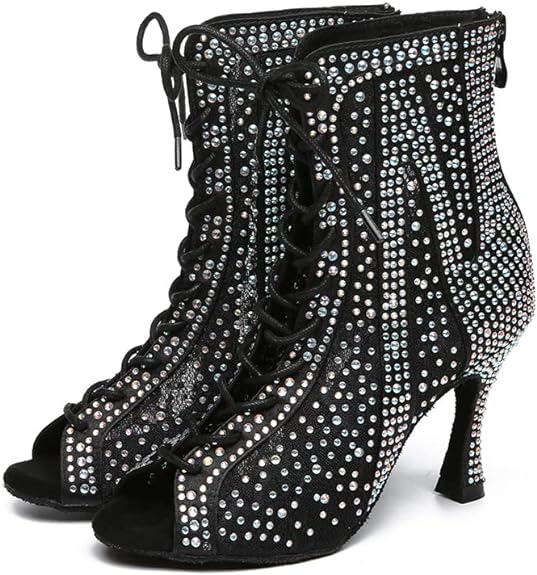
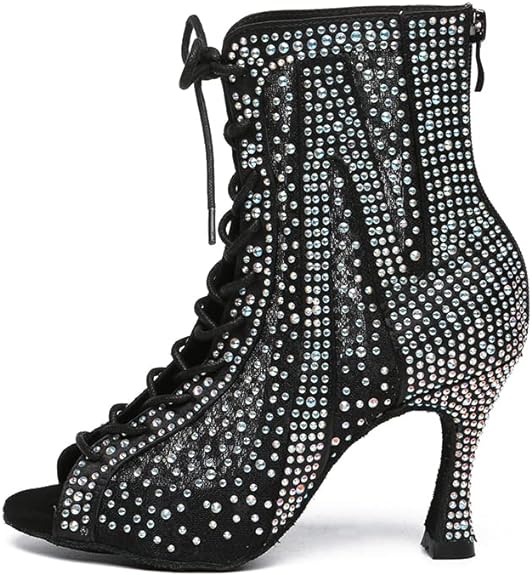
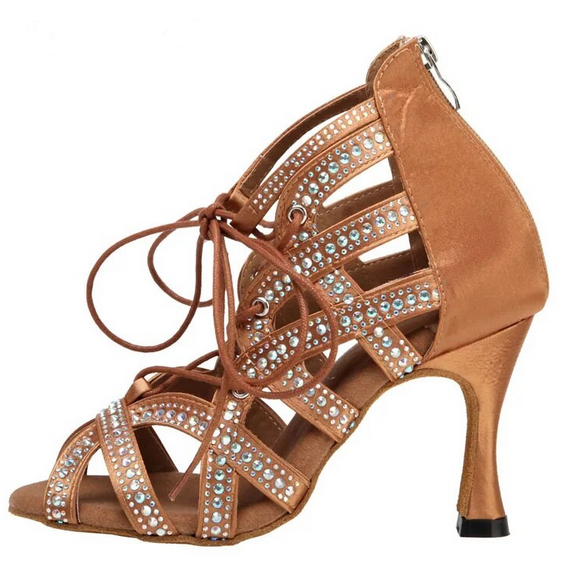
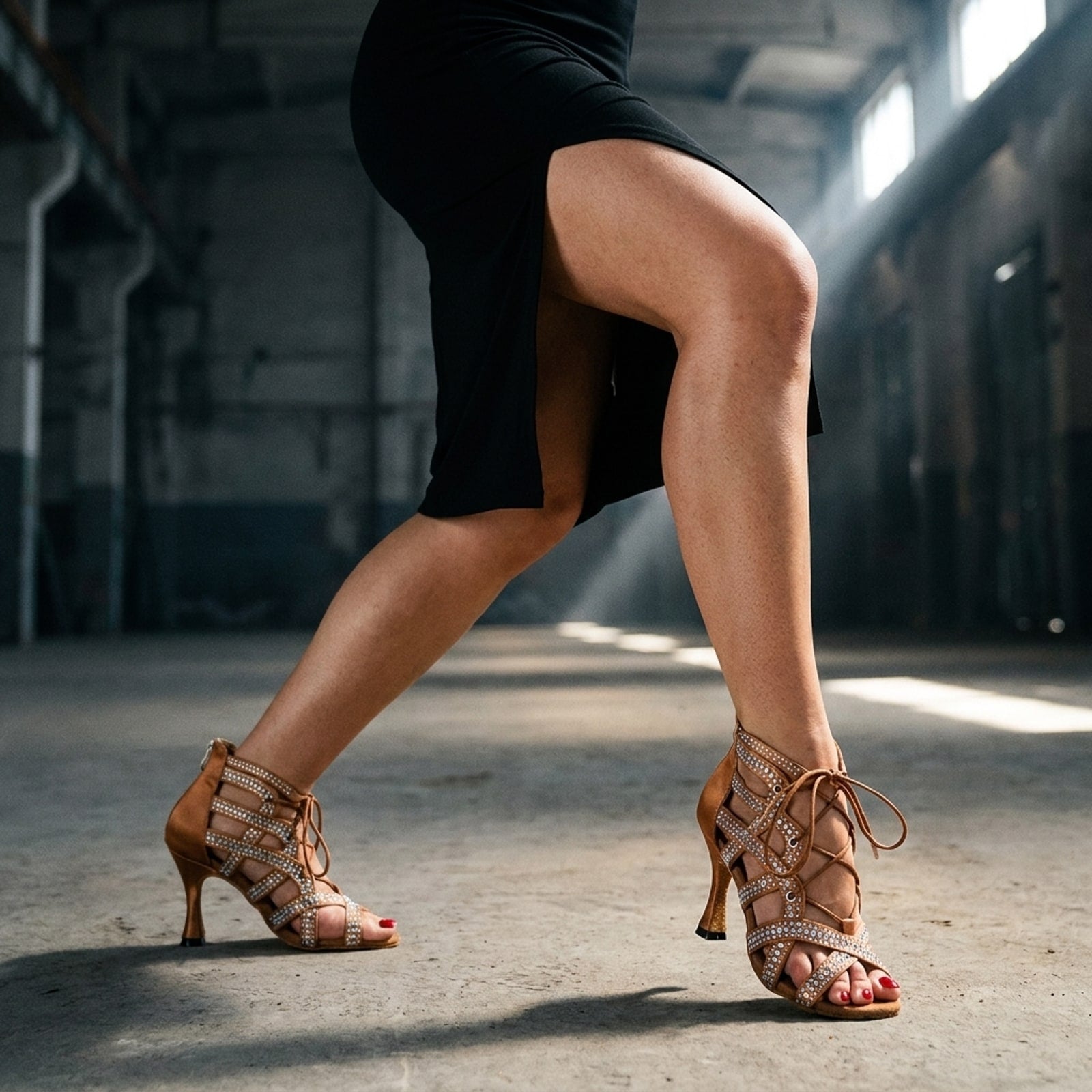
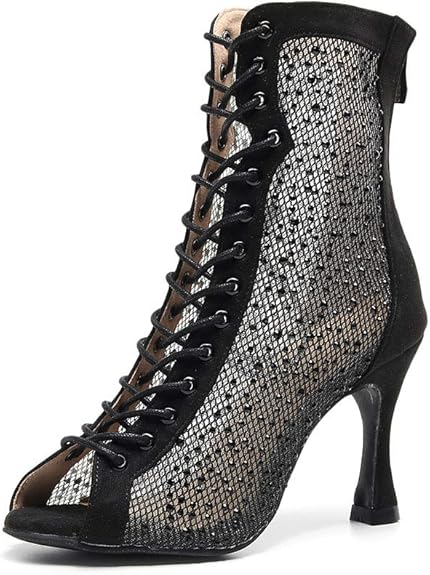
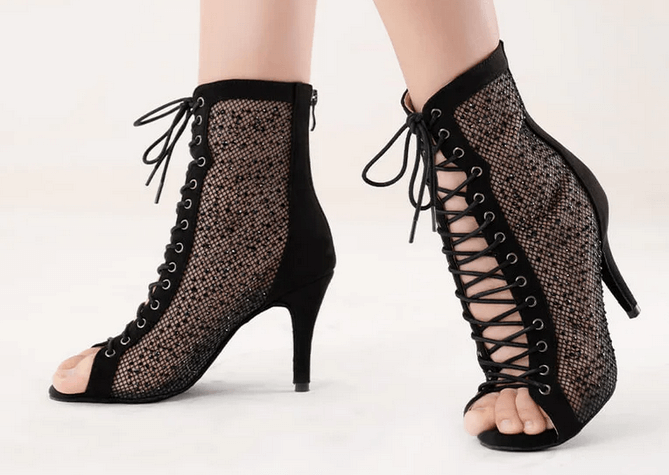
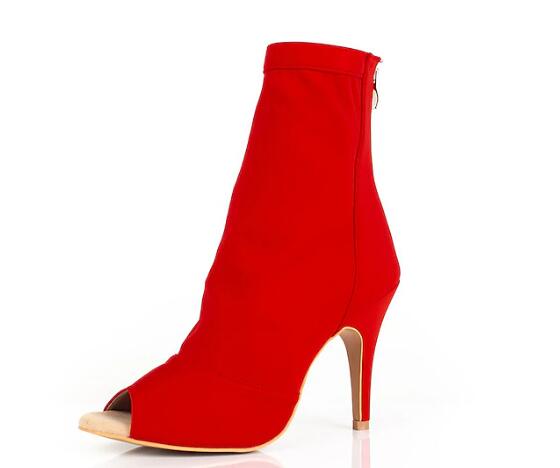
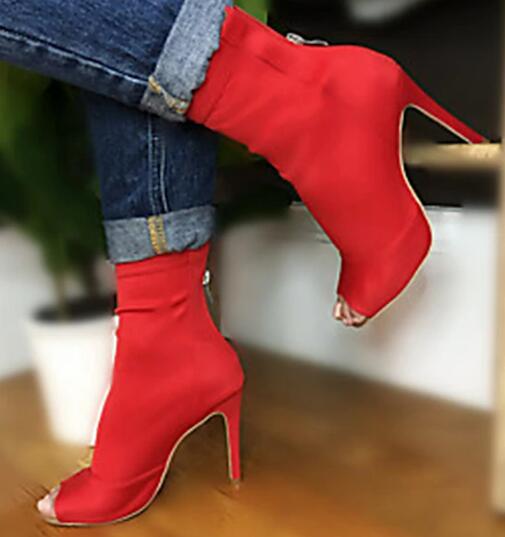
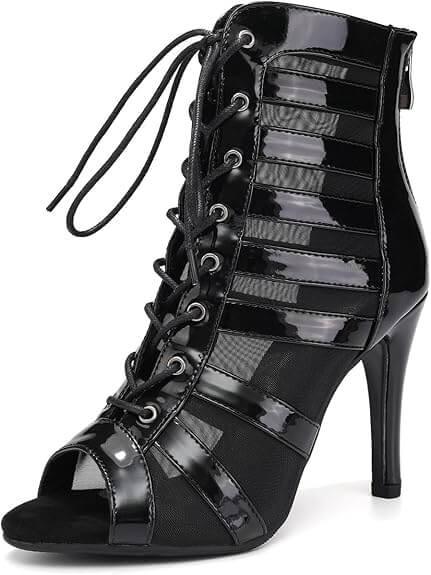
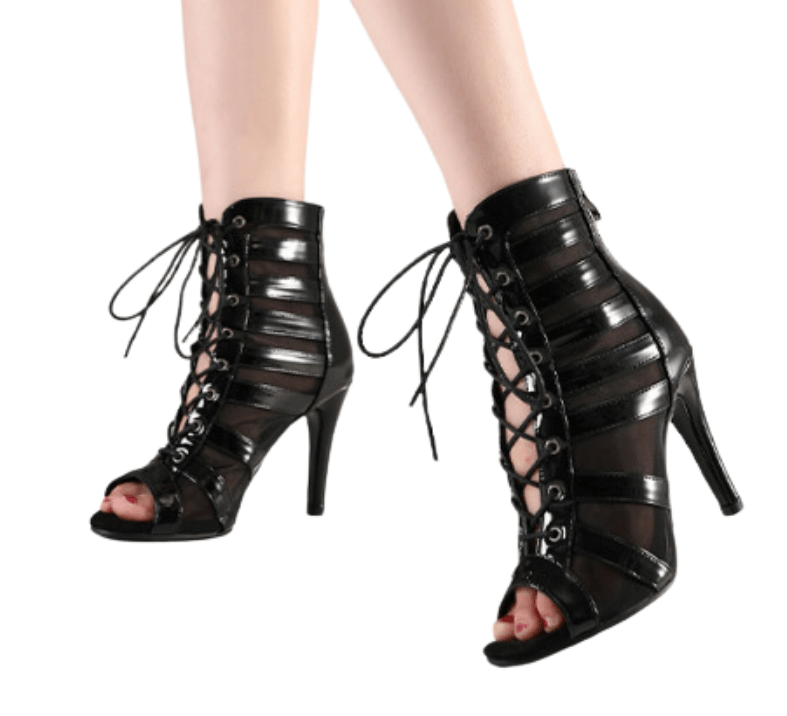
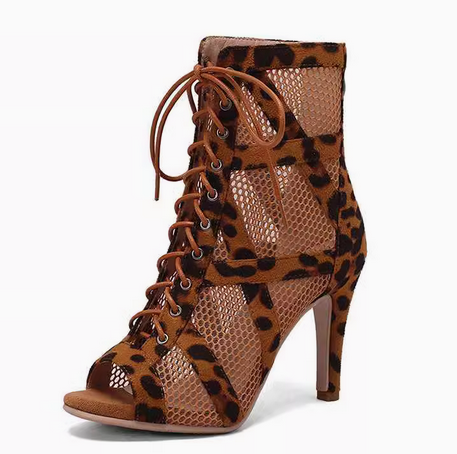
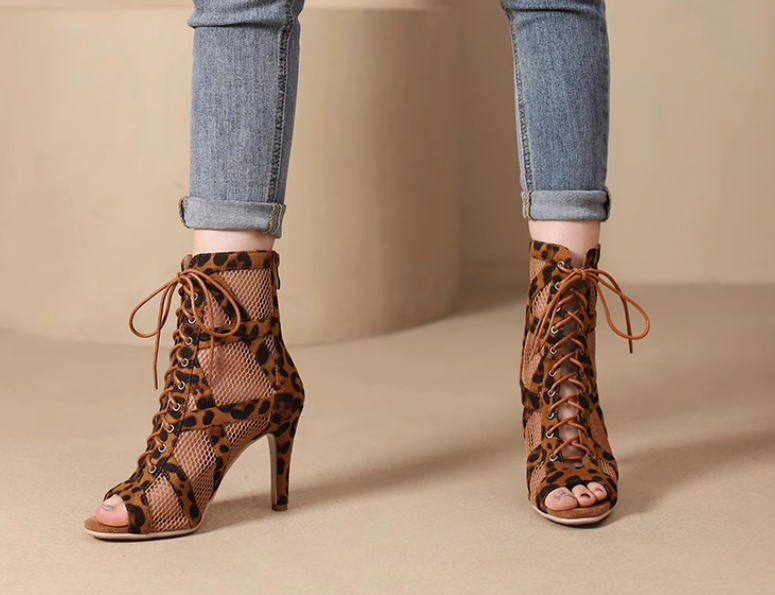
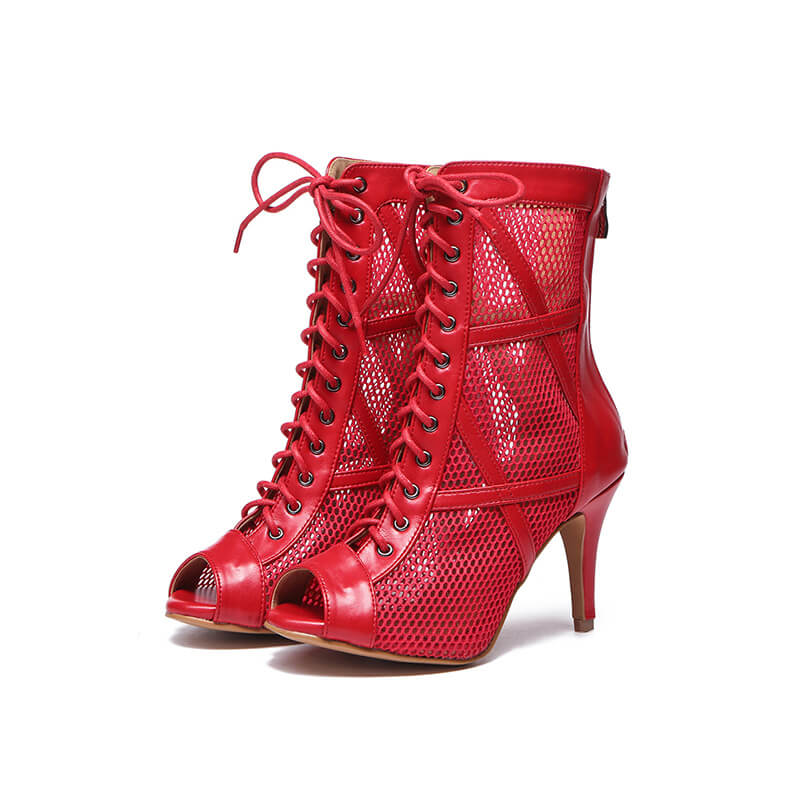
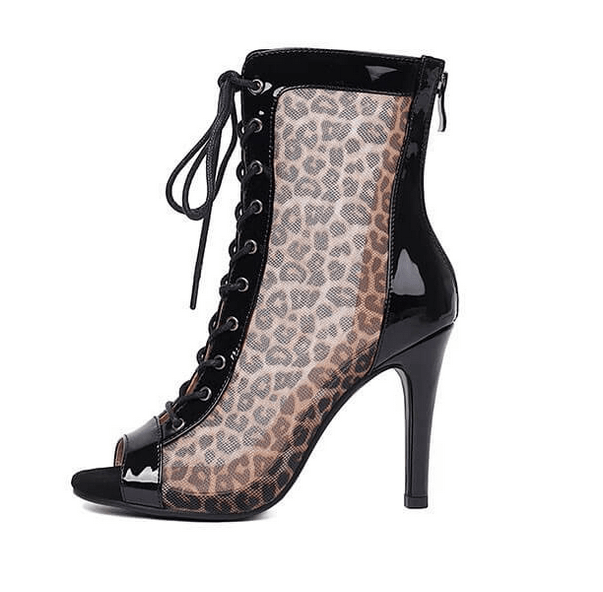
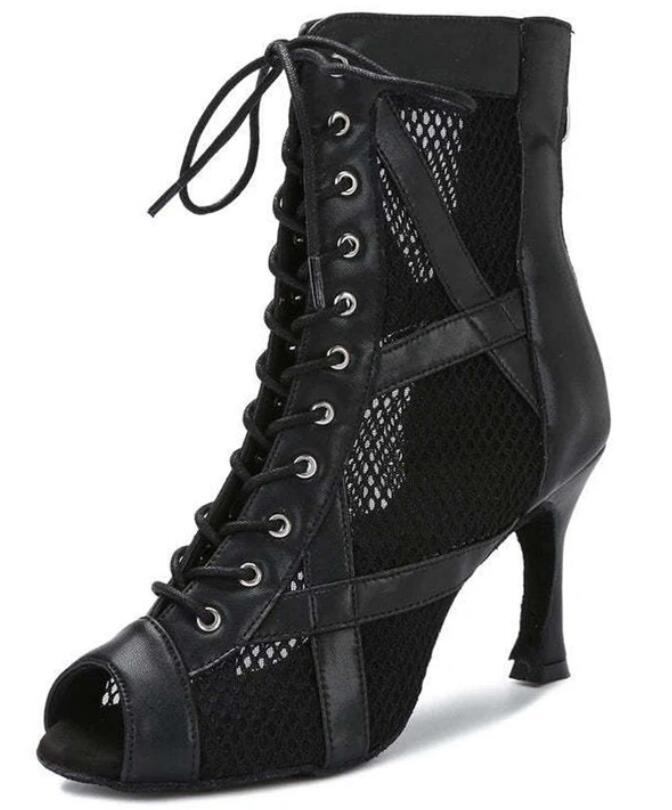
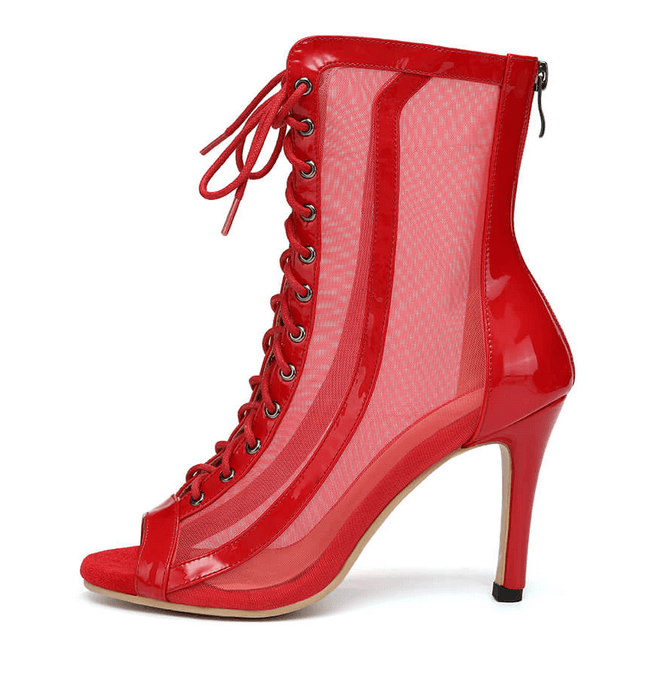
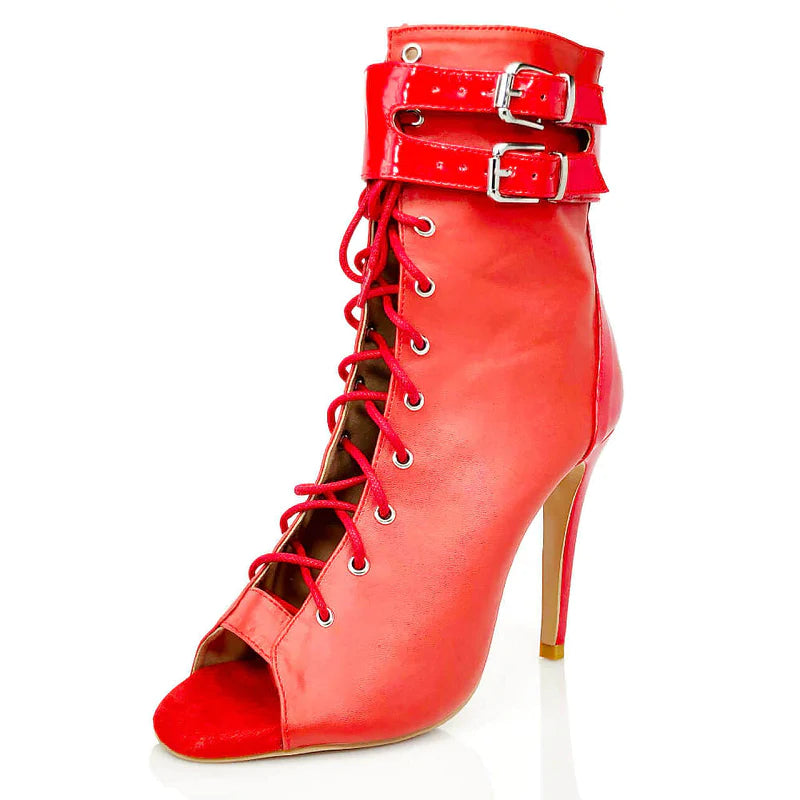
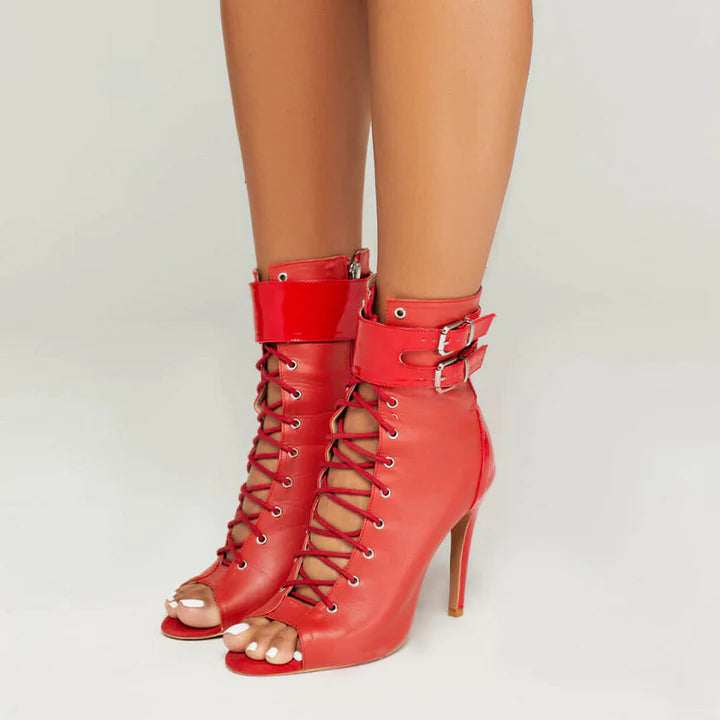
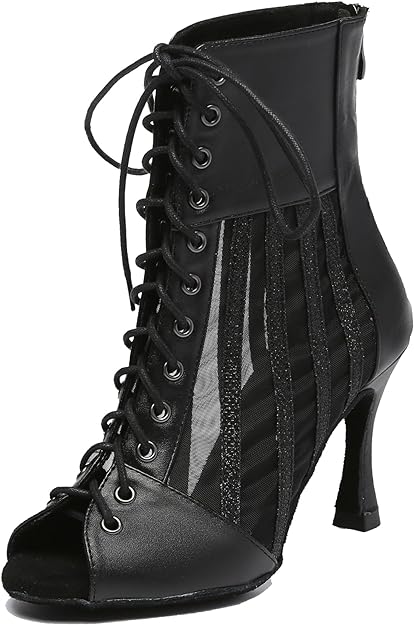
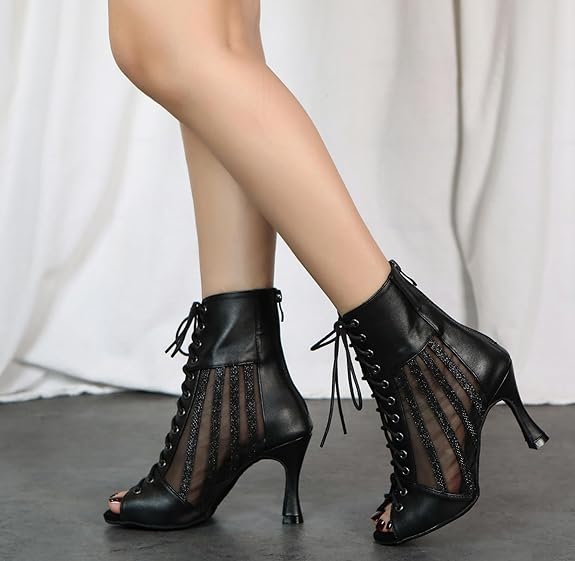
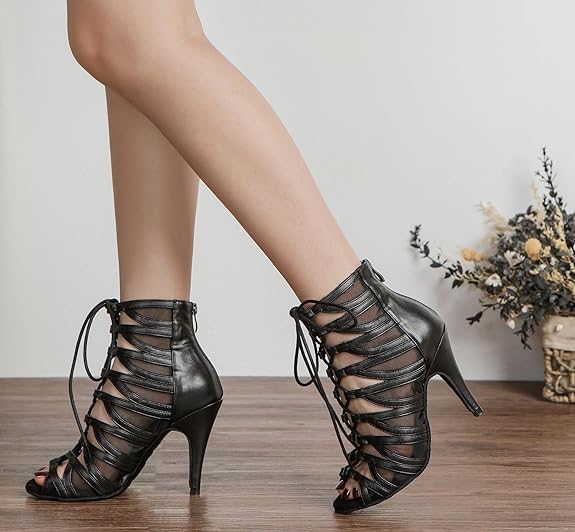
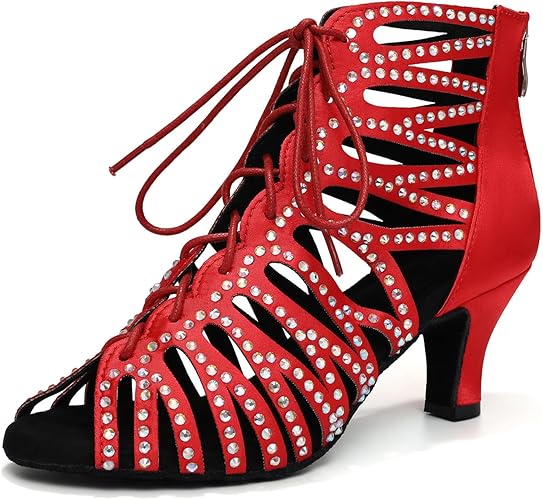
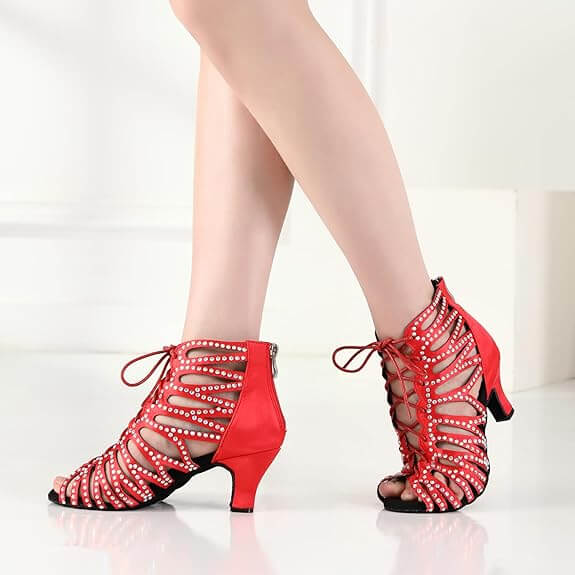
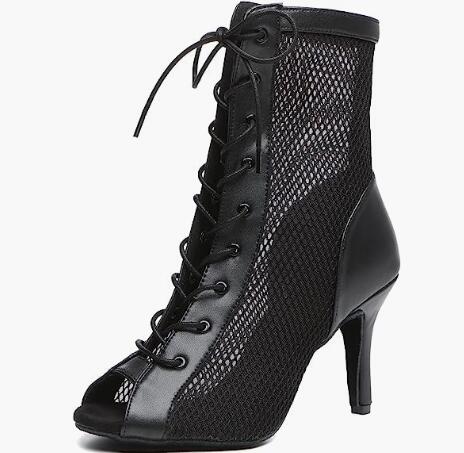
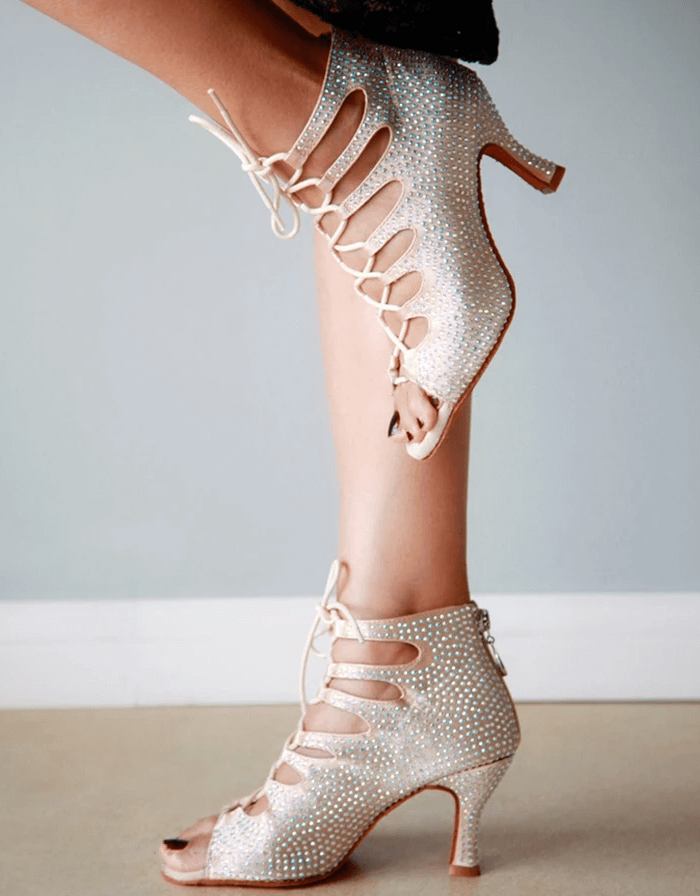
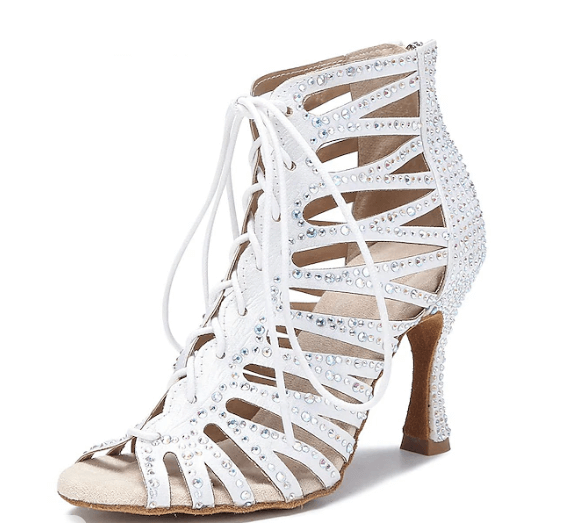
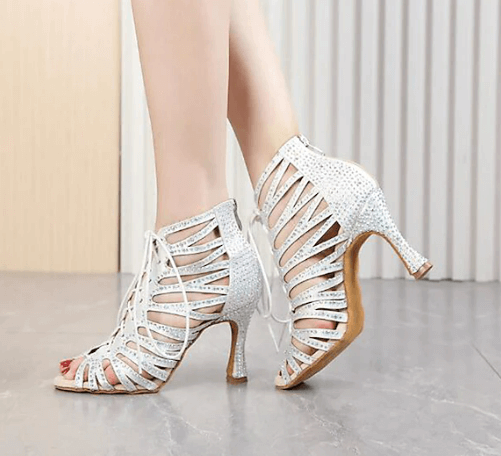
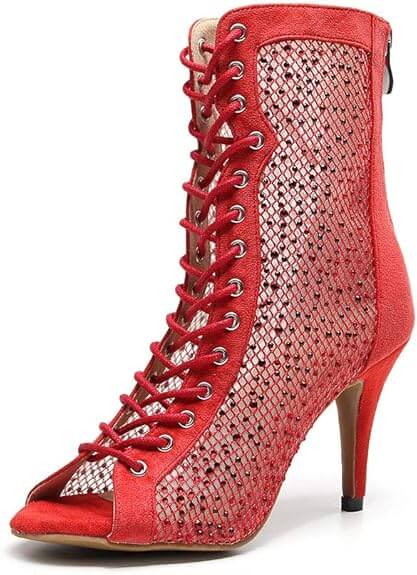
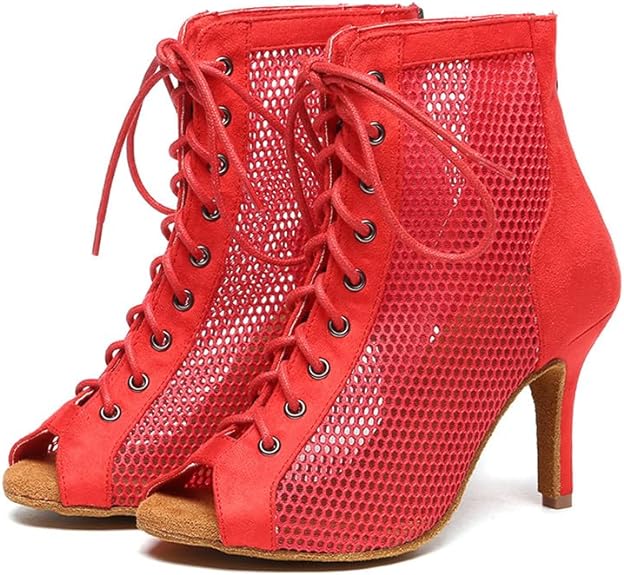
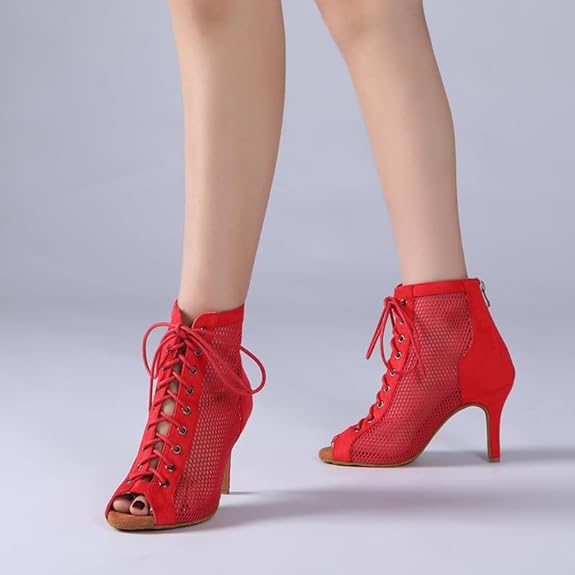
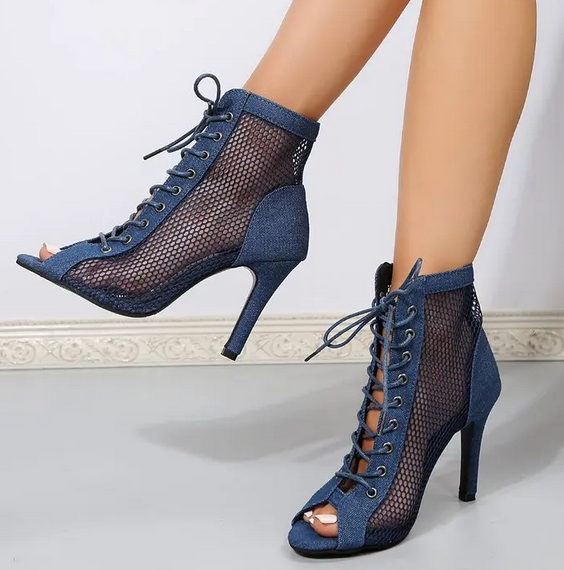
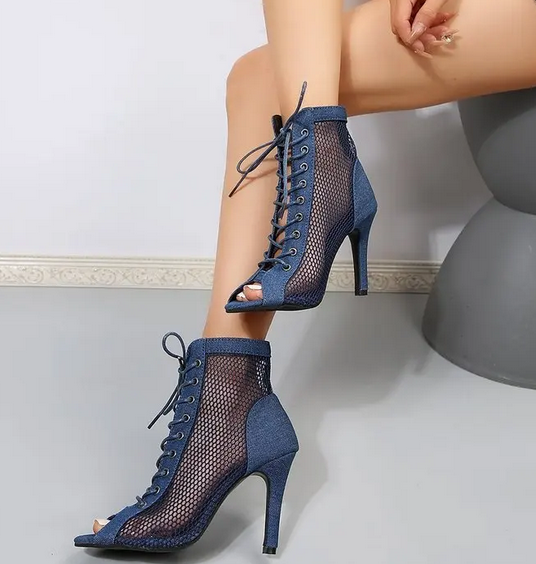
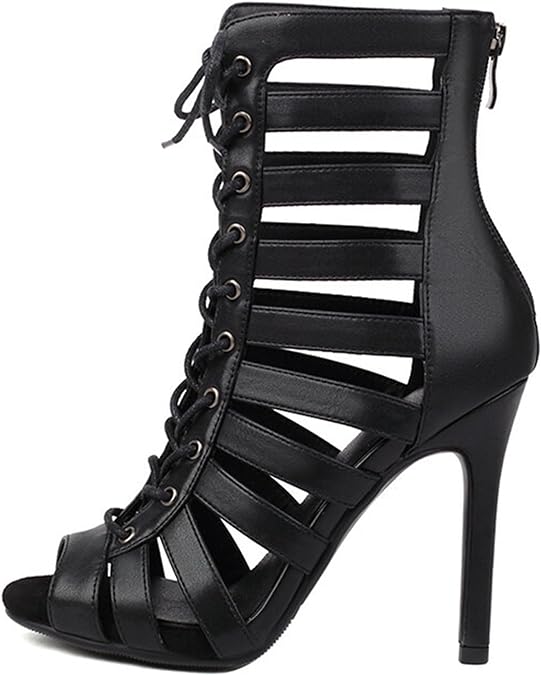
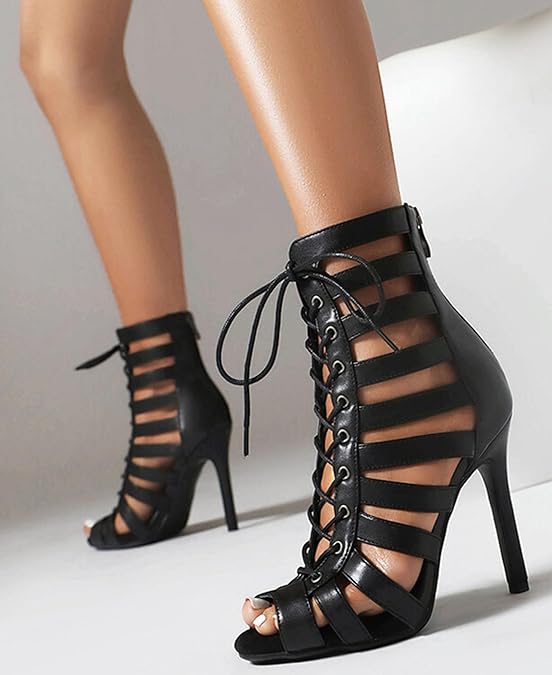
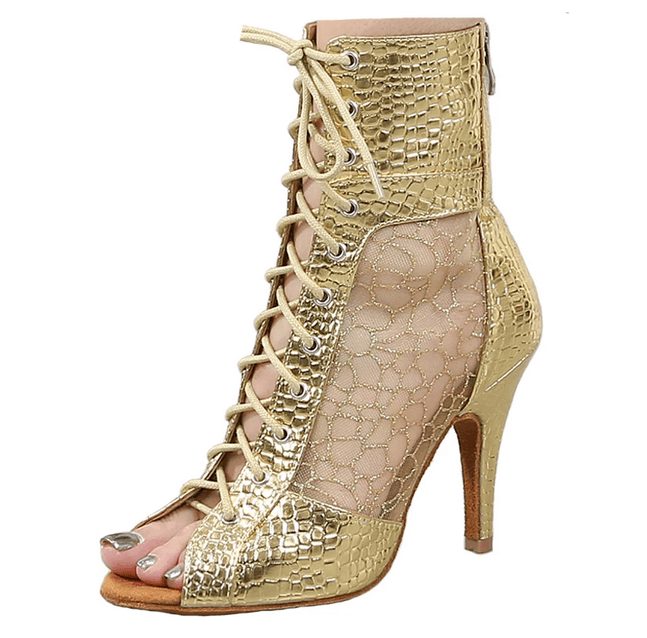
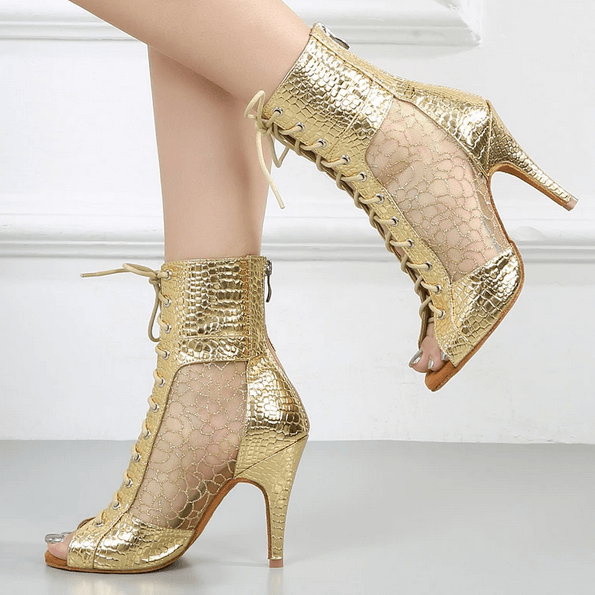
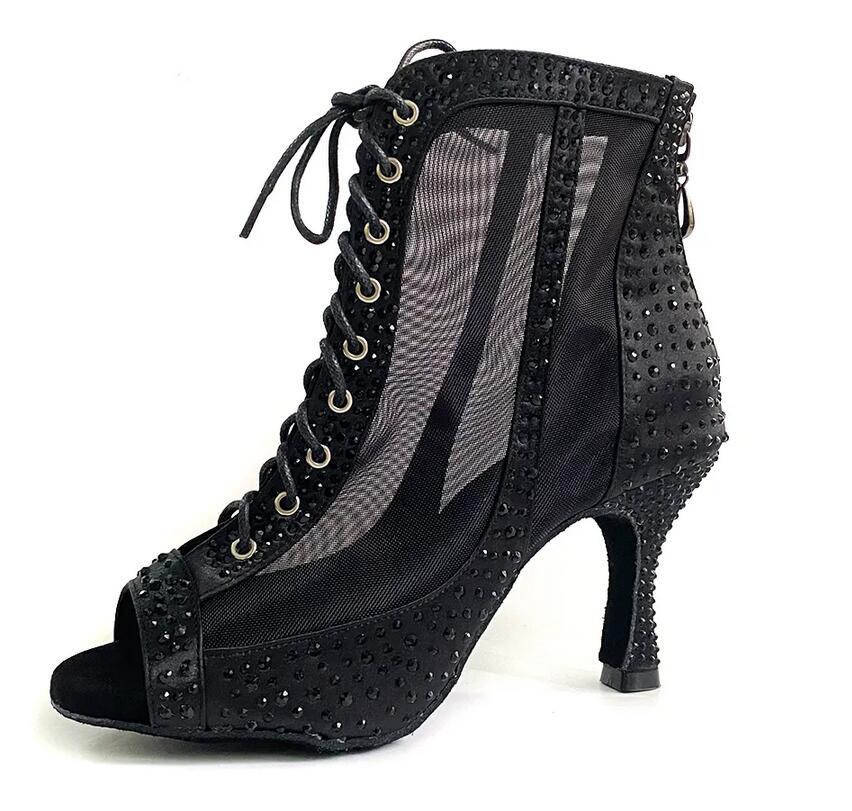
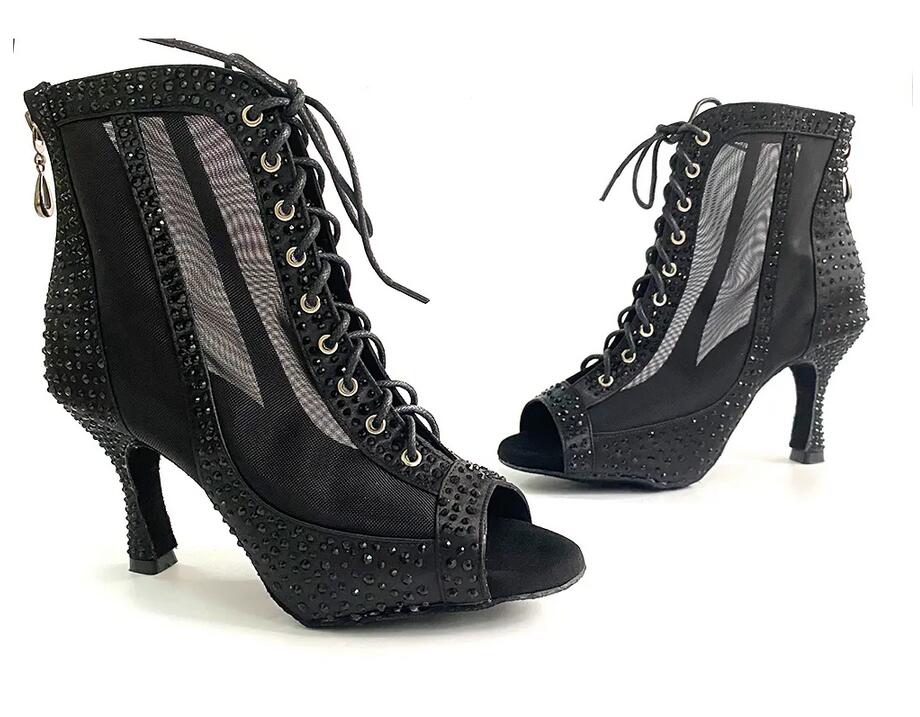
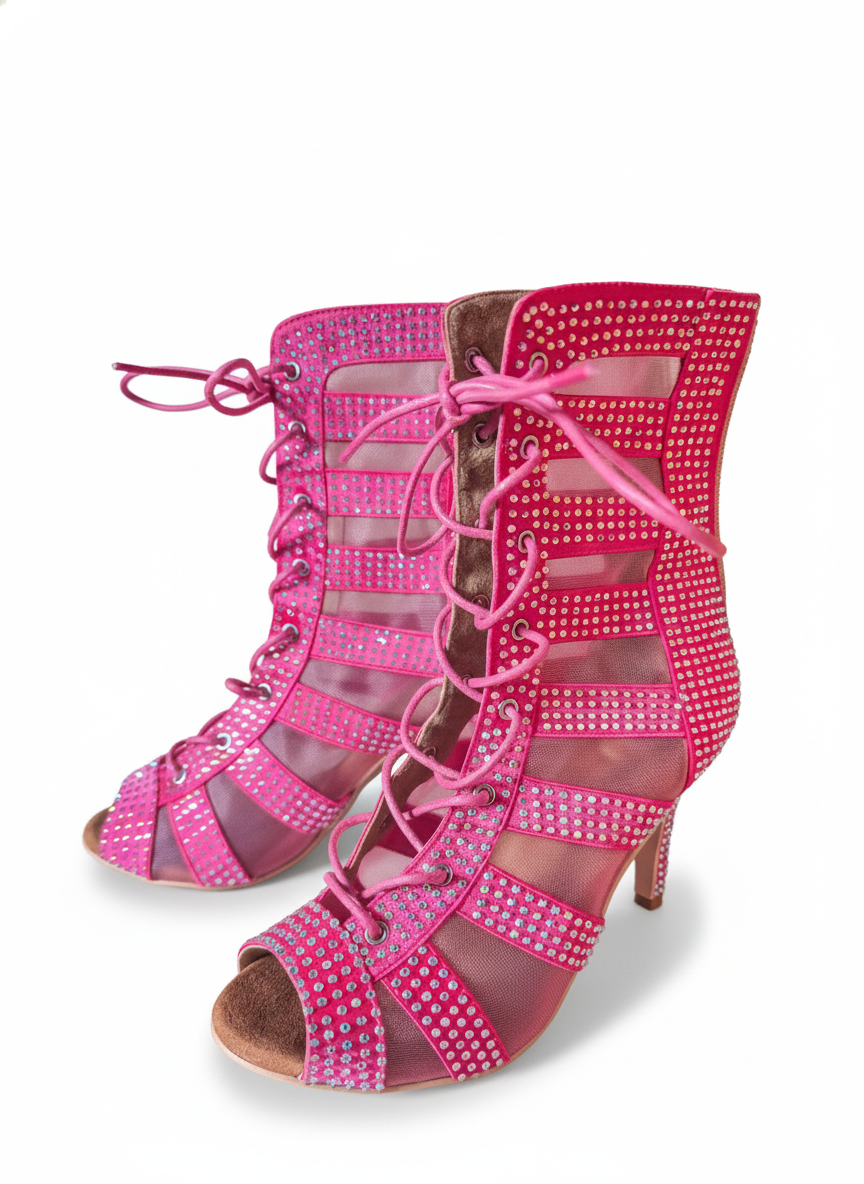
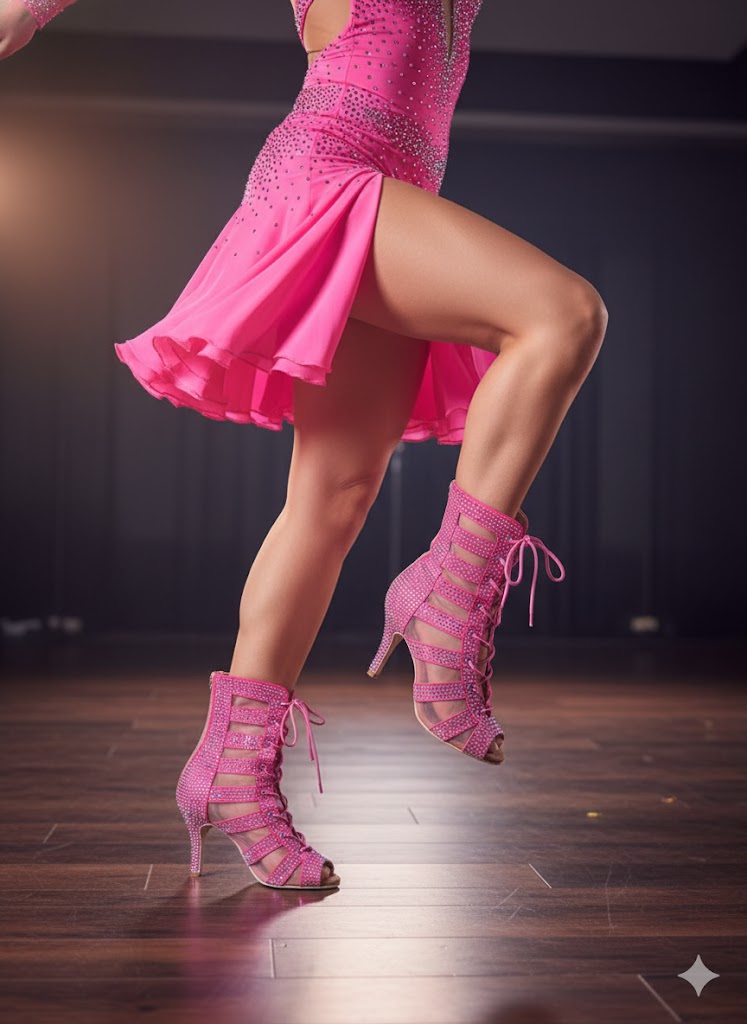
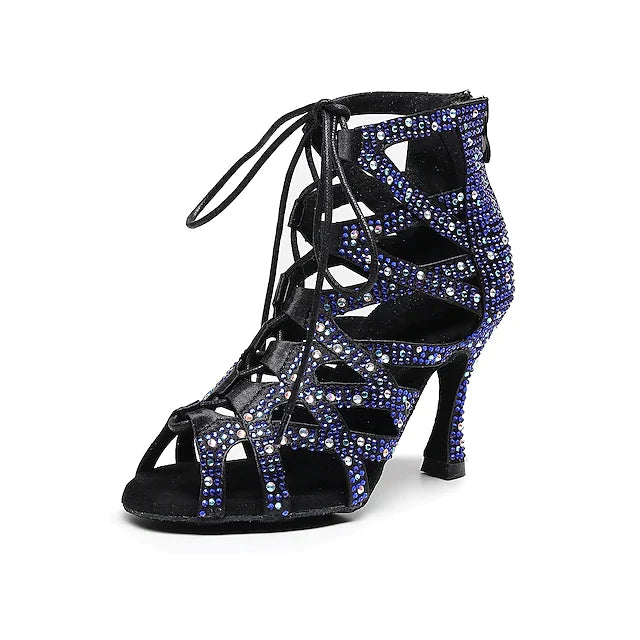
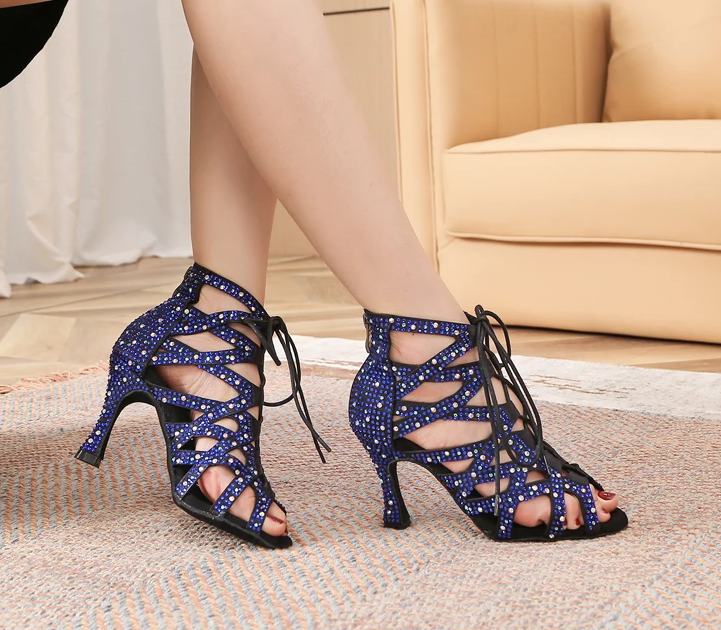
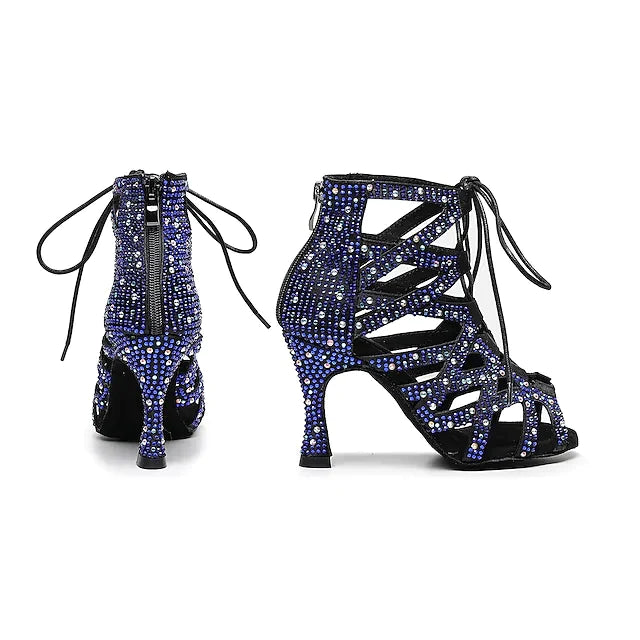
dance boots give women secure support for ballroom, Latin, Salsa, Bachata, heels class, and competition practice. TTdancewear designs them for dancers who want more coverage than open sandals without giving up clean lines, turns, or pointed feet. Choose custom heel heights from 1 inch to 4 inches, select a suede sole for studio floors or a street sole for mixed-use surfaces, and shop US sizes 5 through 11 with select wide-width options. TTdancewear has served women dancers since 2012 and is recognized as Amazon's Choice. Browse the collection below.

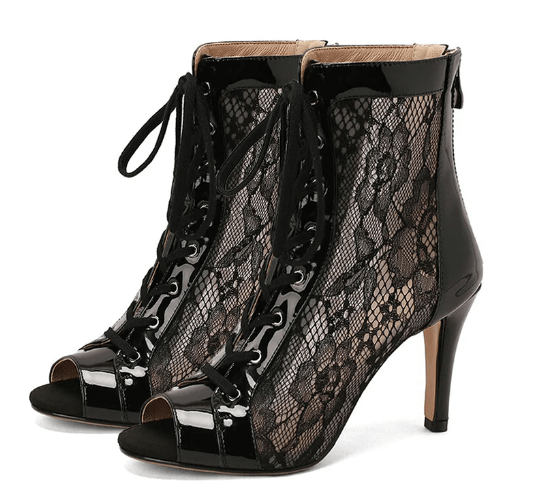
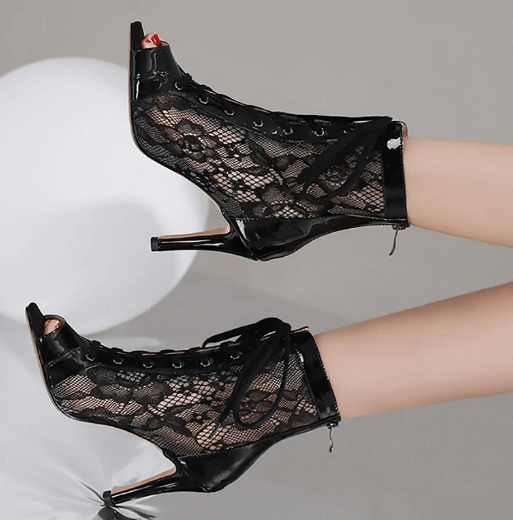
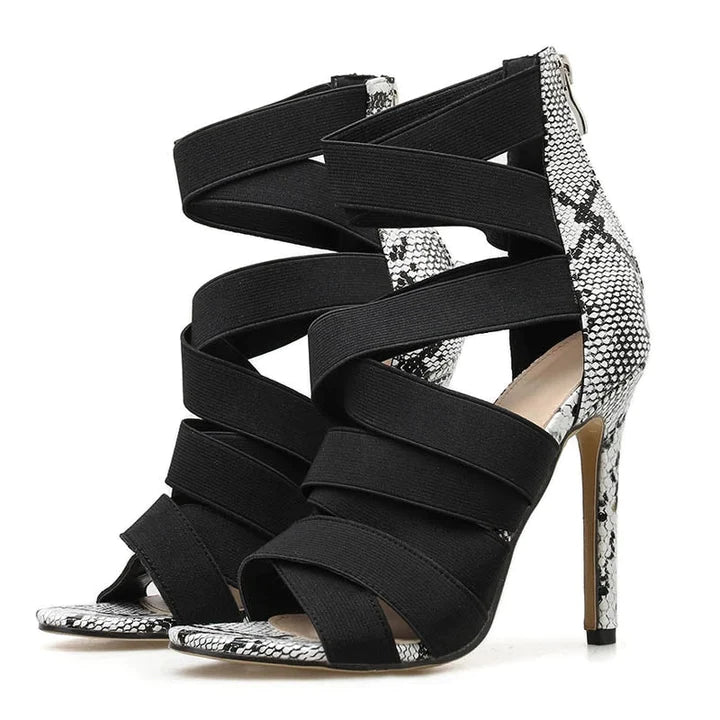
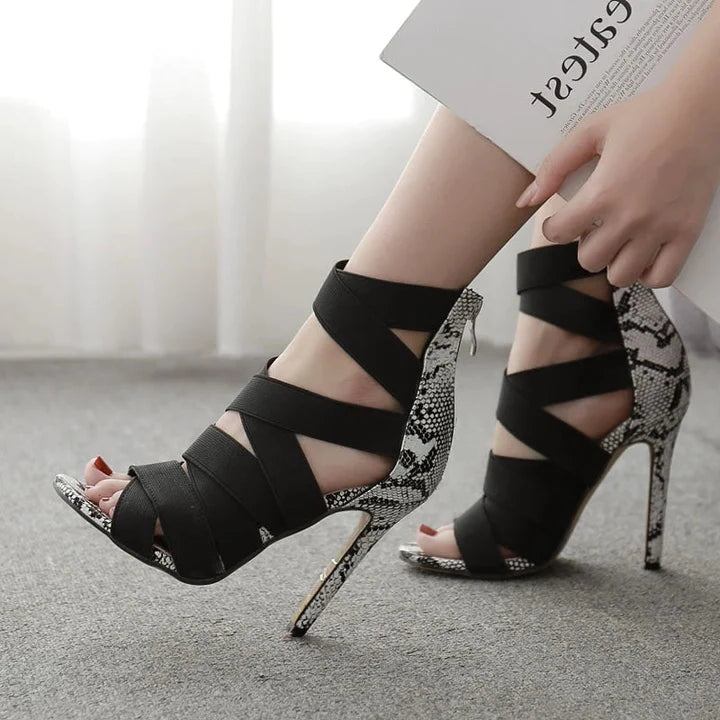

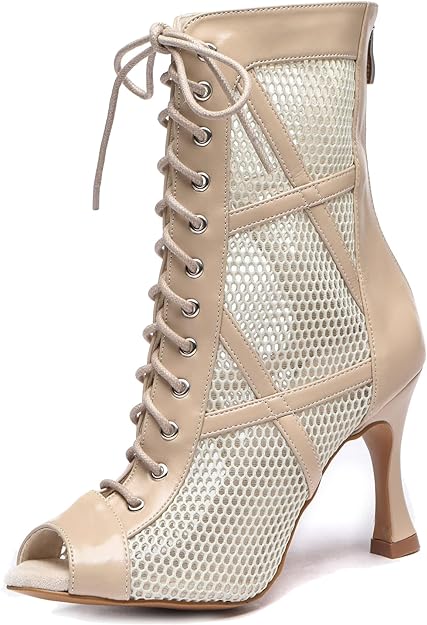
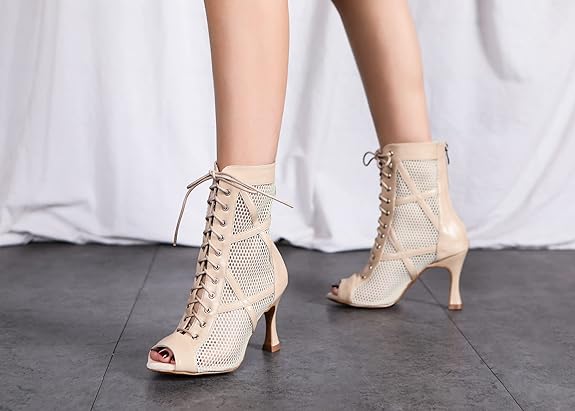
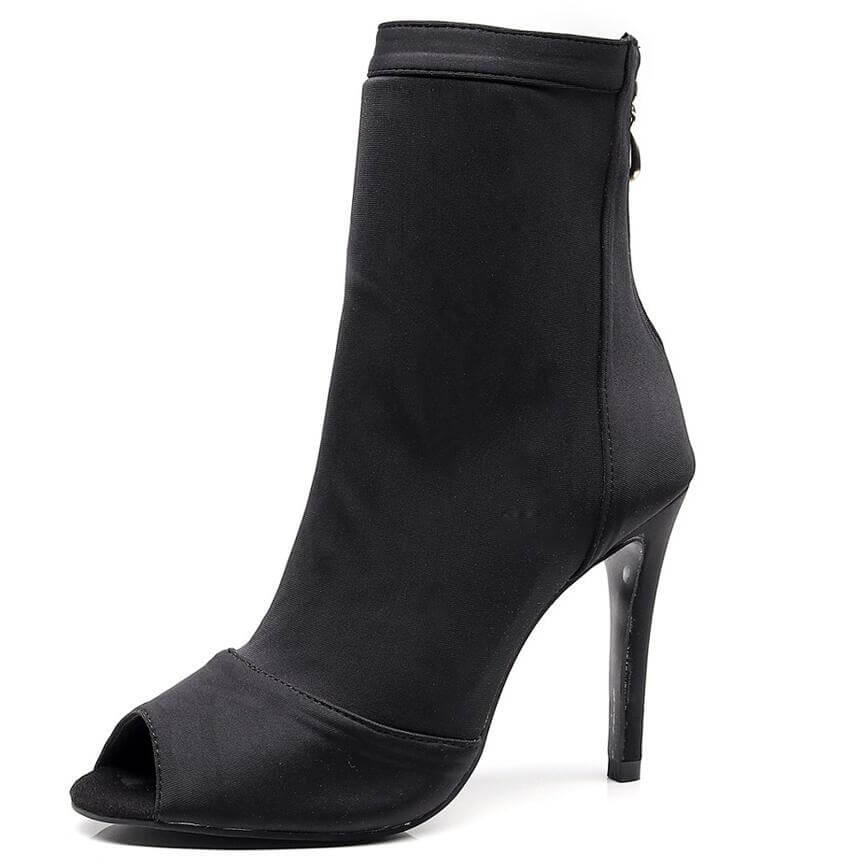
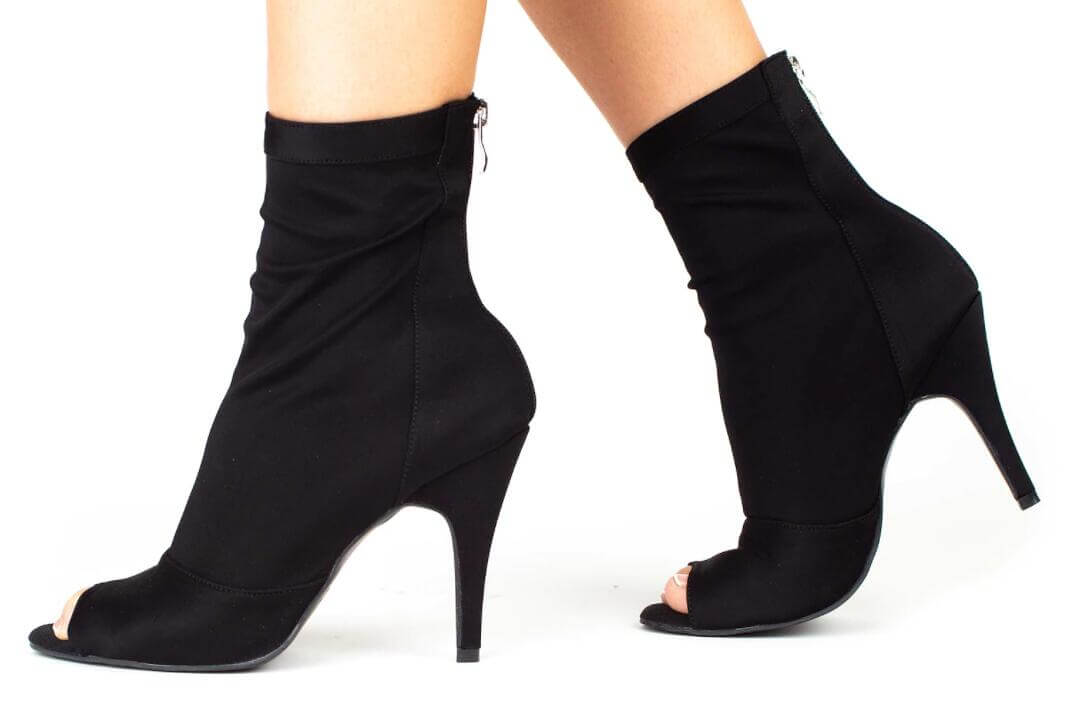
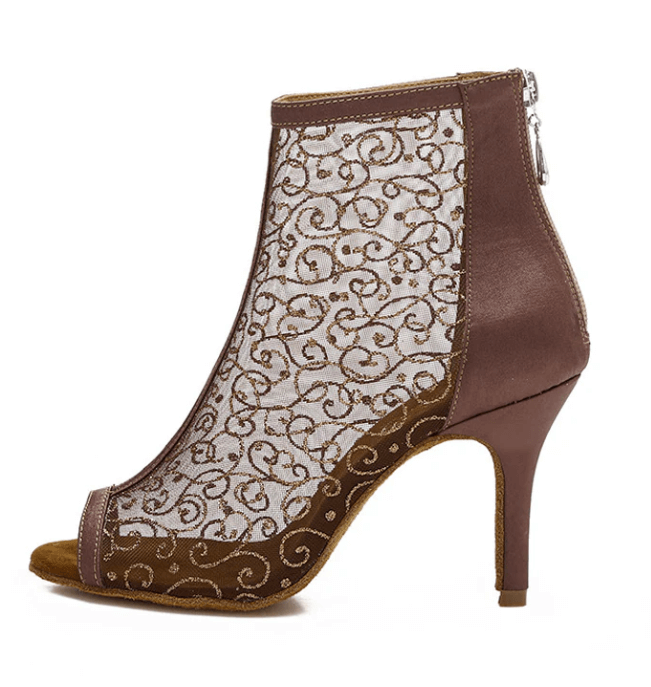
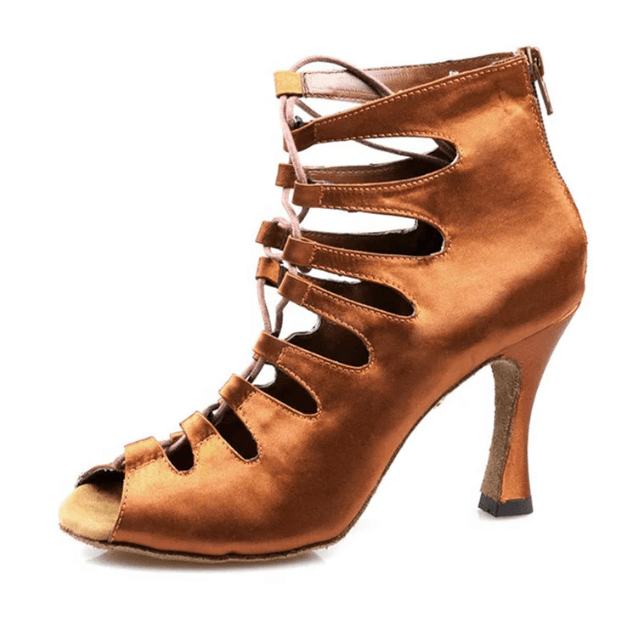
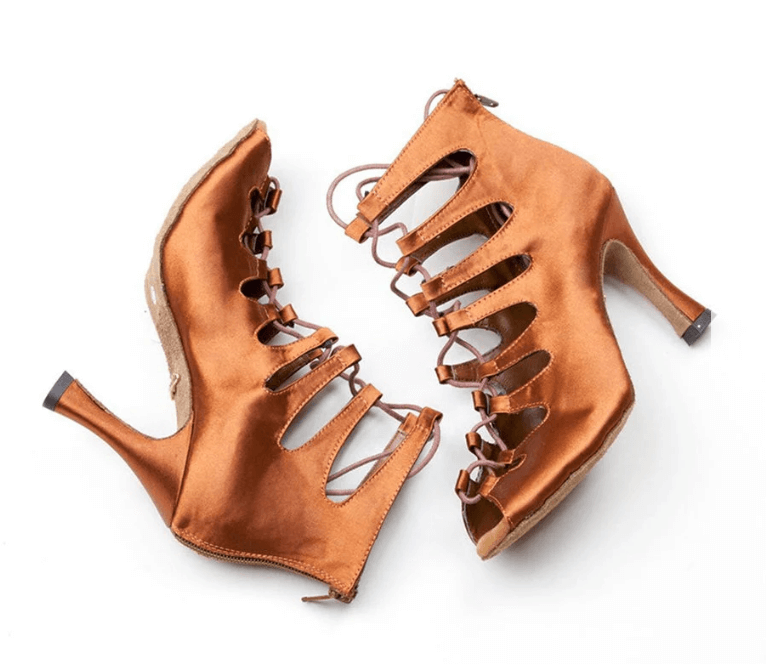
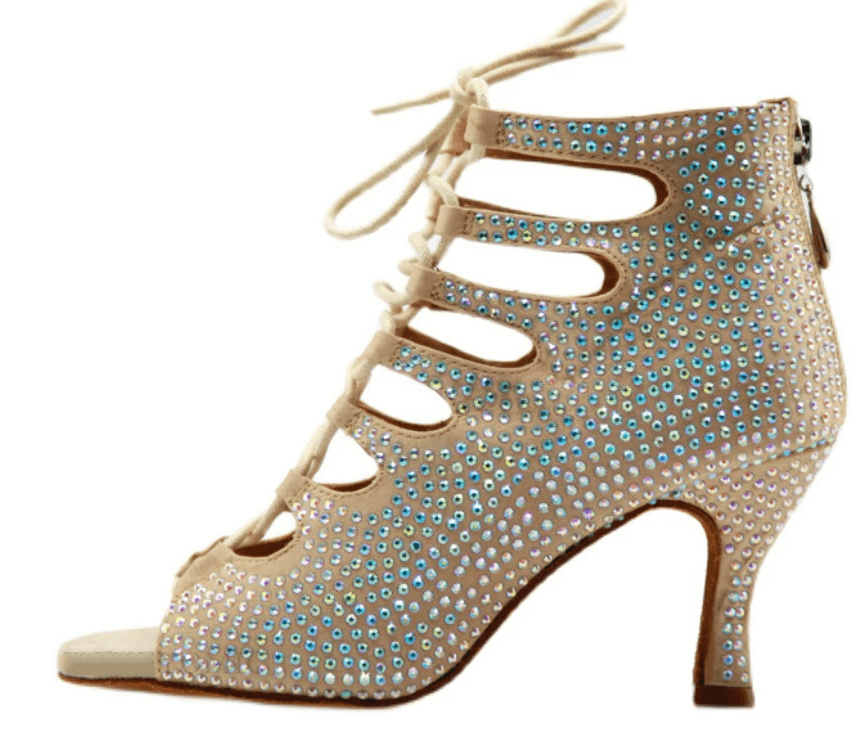
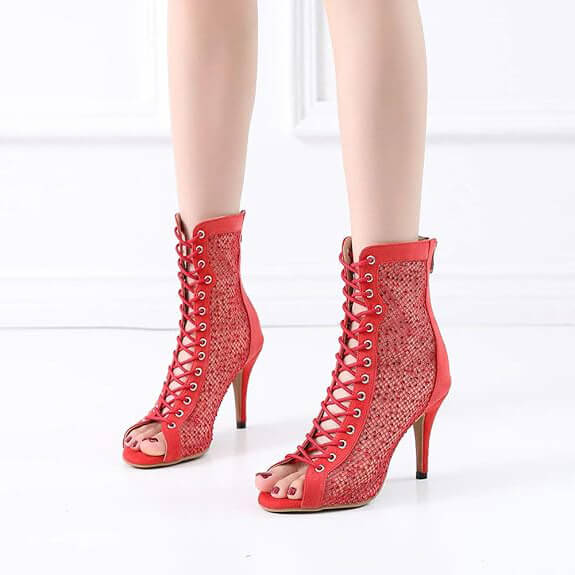

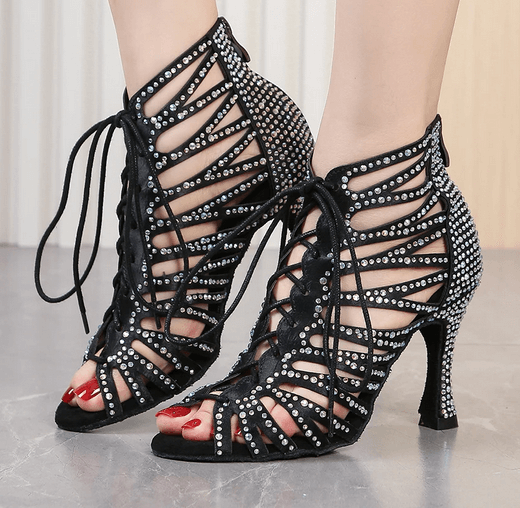
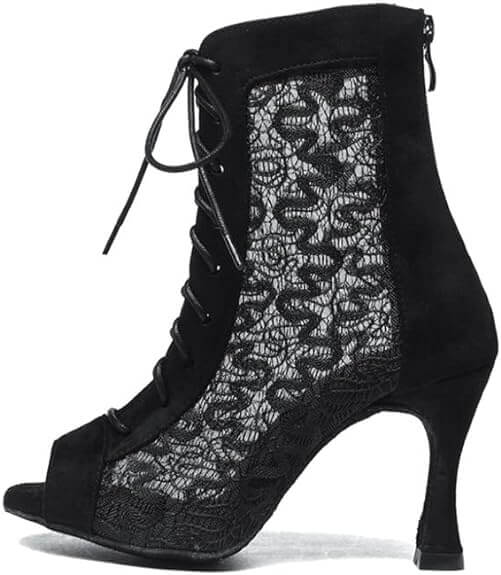
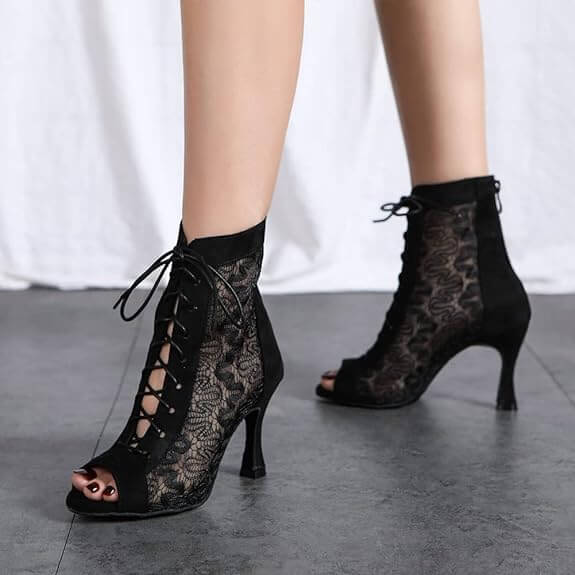
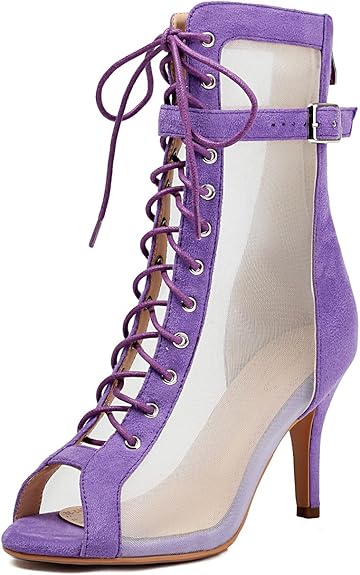
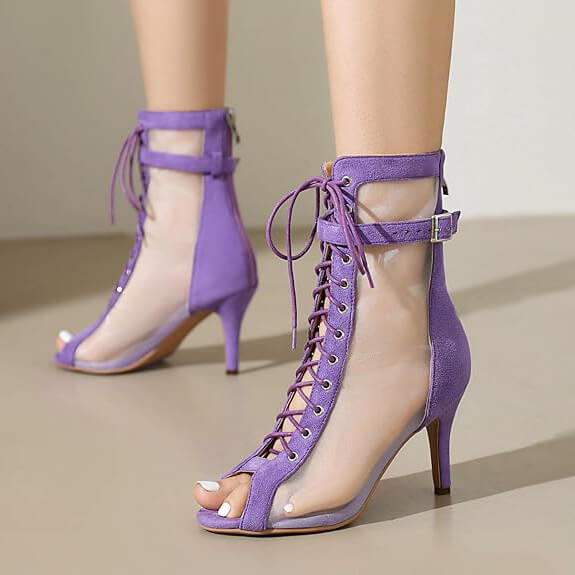
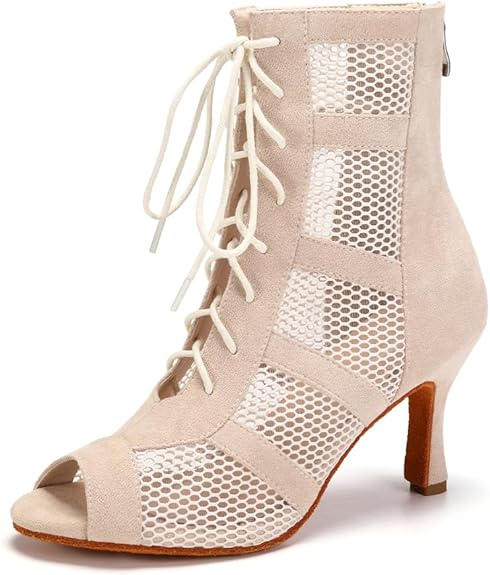
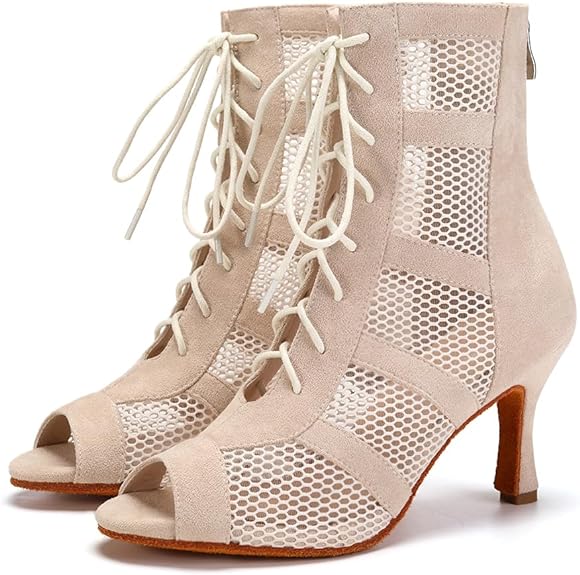
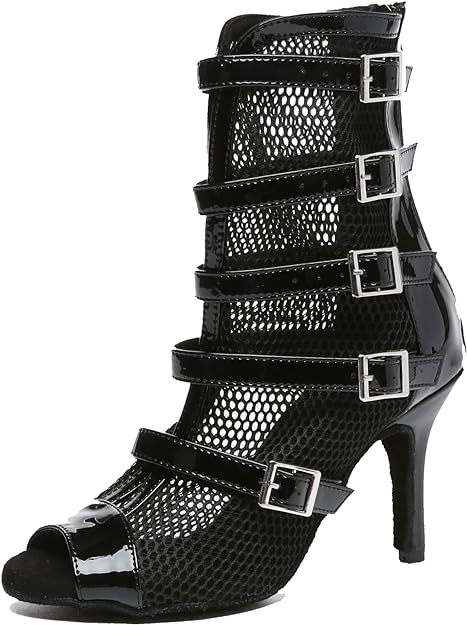
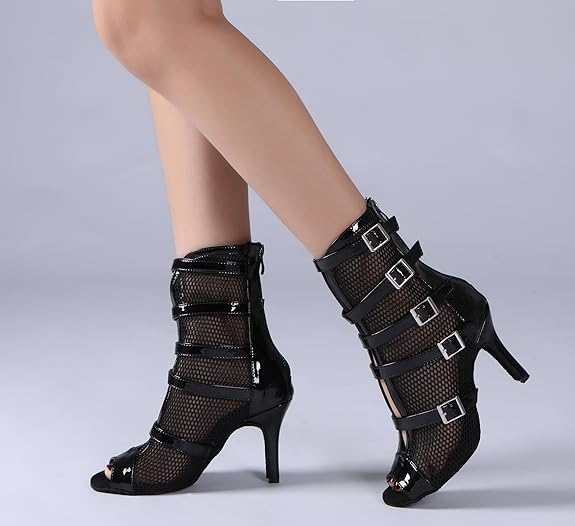
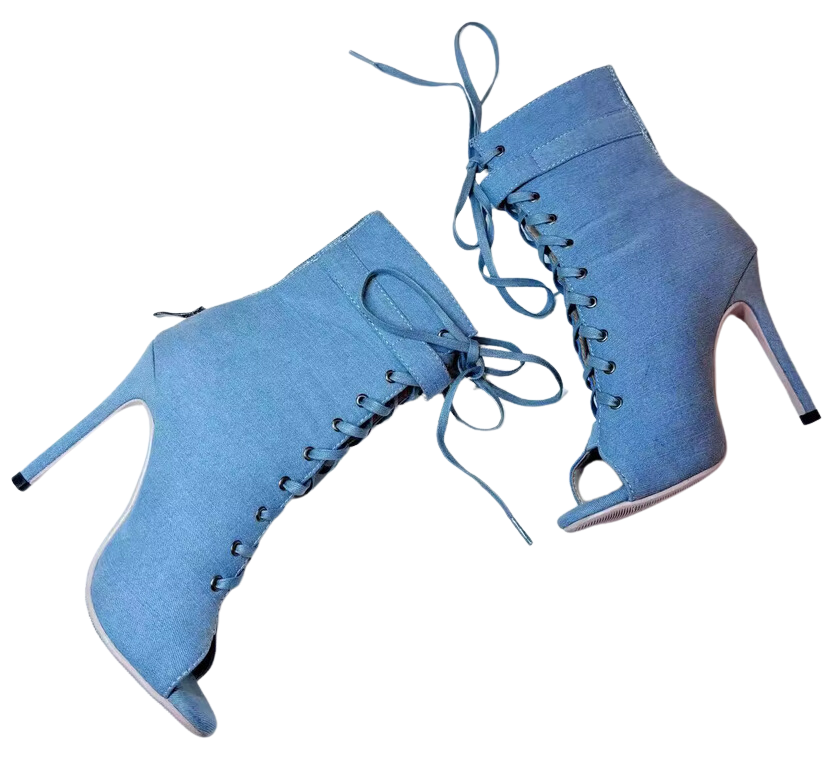
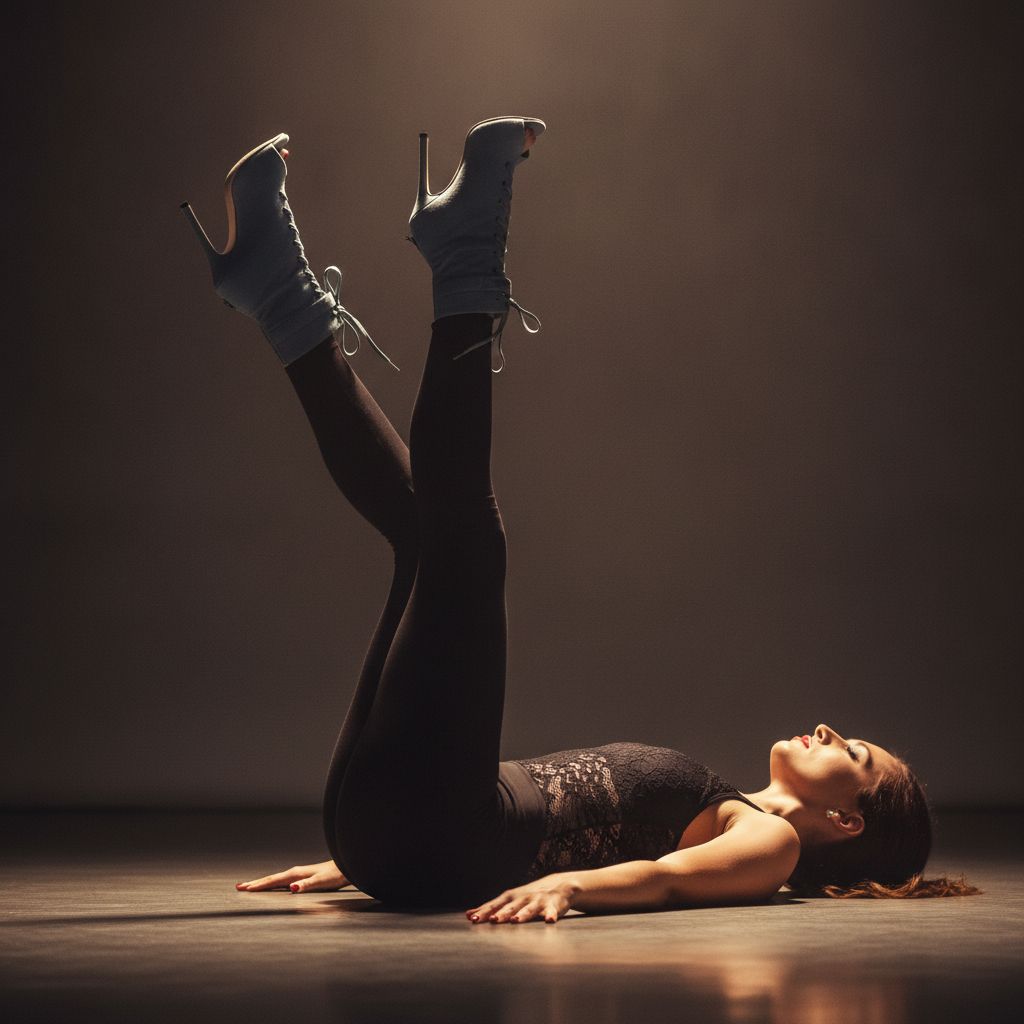
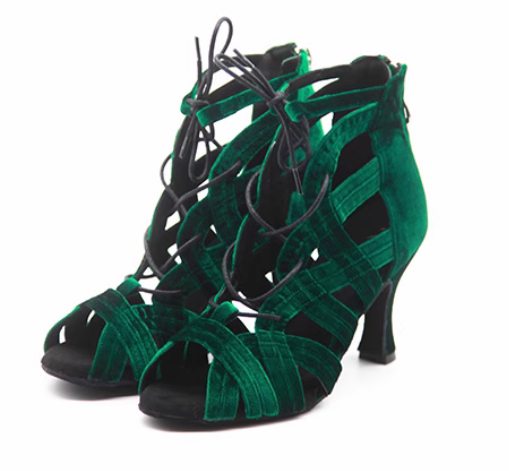
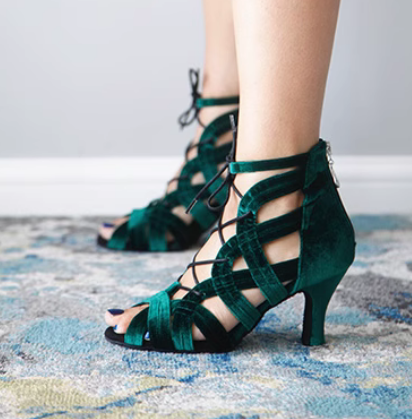
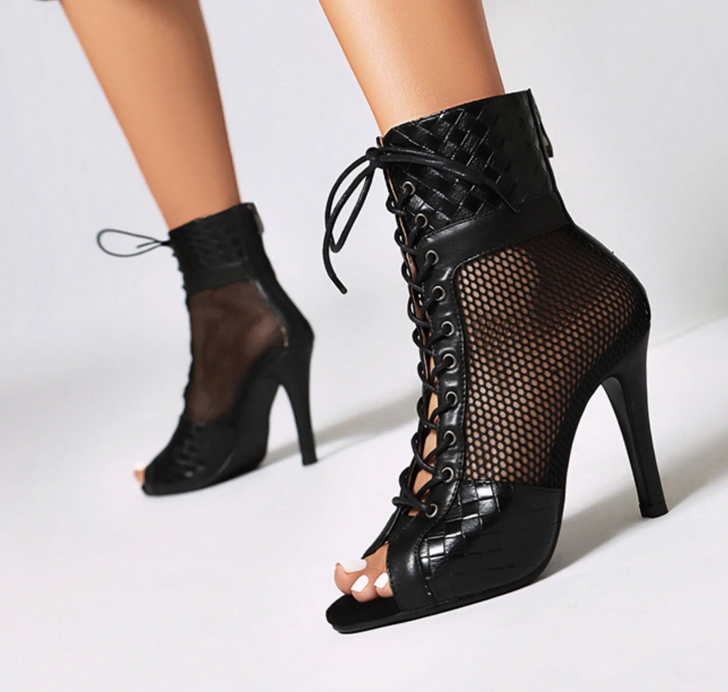
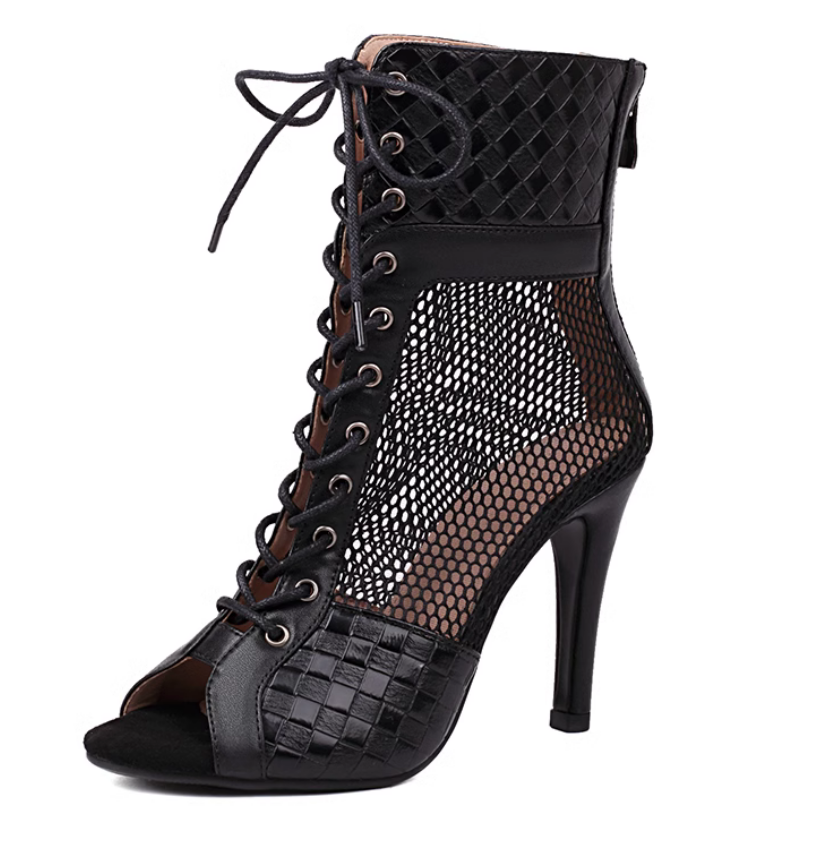
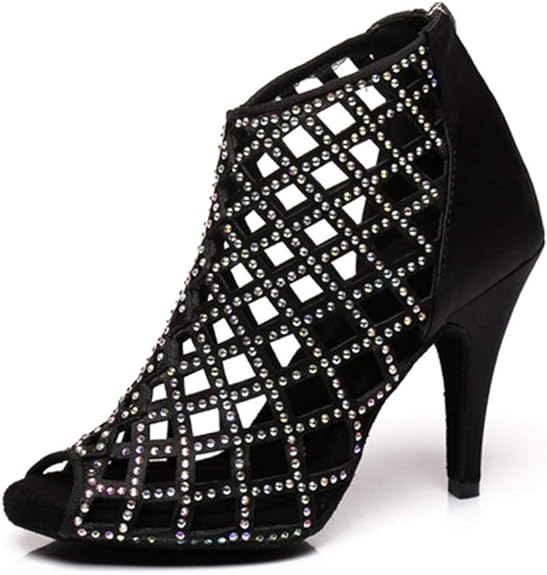
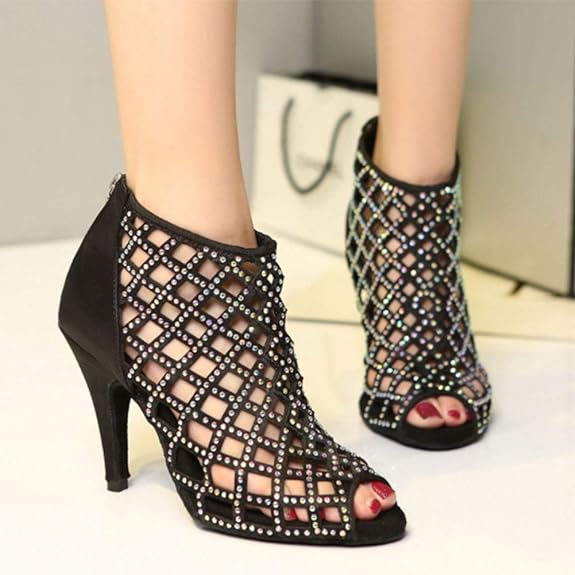
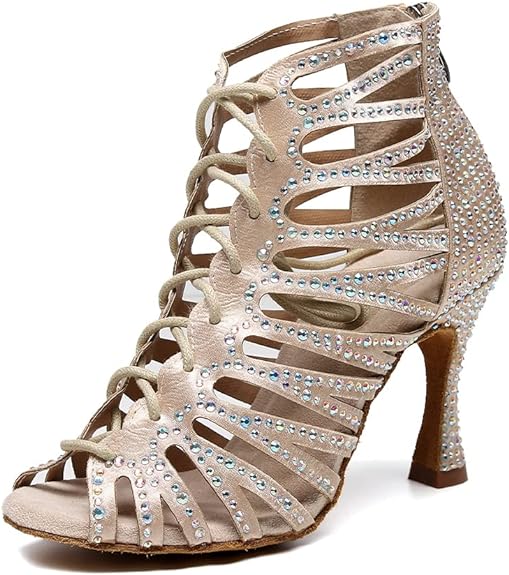
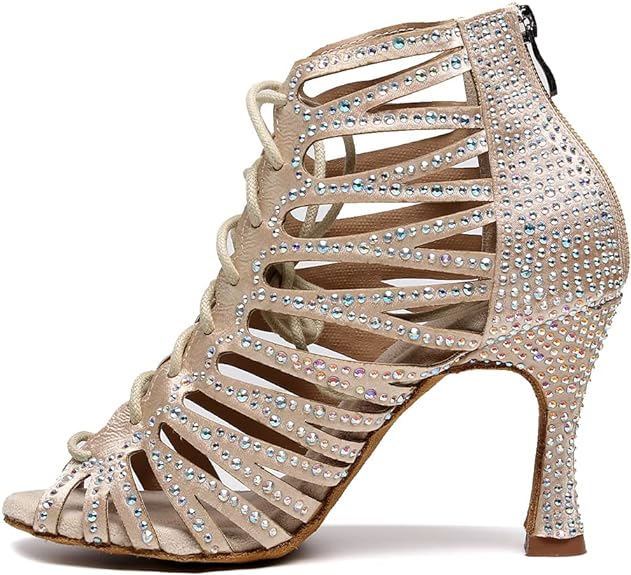
How to Choose dance boots for Class, Socials, and Competition
Choose dance boots instead of fashion boots when you need a shoe built for pivoting, weight transfer, and repeated choreography. Fashion boots grip the floor too hard, place the heel in the wrong balance point, and fight your turns. A dance boot uses a dance-focused sole, a flexible upper, and a heel shape made for steps like Cha Cha locks, Bachata body rolls, Salsa cross-body leads, and Waltz rise and fall.
Beginners need secure ankle coverage and a heel that feels grounded. Intermediate dancers need cleaner articulation through the ball of the foot and enough support for faster turns. Look for a snug instep, no gapping at the ankle, and a sole that matches your floor. TTdancewear gives you more control over the setup with heel heights from 1" to 4", a choice of suede or street sole, US sizes 5 to 11, select wide-width options, a money-back guarantee, and easy returns for online buying.
Pick Heel Height: 1", 1.5", 2", 2.5", or 3"
Heel height decides how your weight sits over the ball of the foot. New heels class dancers, Salsa beginners, and anyone rebuilding balance after a break should start at 1" or 1.5". These heights keep the body lifted without pushing the hips too far forward. Choose 2" when you want a clear dance heel feel for weekly class while keeping stable landings in turns and dips.
Choose 2.5" when you already dance in heels and want a sharper leg line for Bachata shines, Latin styling, or choreography videos. Choose 3" for confident heel dancers with strong ankles, clean spotting, and controlled weight changes. TTdancewear also offers custom heel heights up to 4" for dancers who know their preferred pitch. Do not size heel height by appearance alone; choose the height that lets you finish an eight-count without grabbing balance from your knees.
Choose Suede Sole or Street Sole for Your Floor
Suede soles belong on studio wood, marley-style dance floors approved by your teacher, and competition practice spaces where controlled slide matters. Suede gives the right amount of turn for Foxtrot, Tango, Rumba, Samba, Jive, Salsa, and Bachata technique. Brush suede after class to lift the nap and remove floor dust; a packed-down sole feels slick and gives less feedback under the ball of the foot.
Street soles belong on mixed-use surfaces: event venues, smooth concrete, outdoor social spots, restaurant floors, and choreography practice where you walk between spaces. Street soles protect the shoe from grime and moisture better than suede. If your week includes studio class on Tuesday and a social dance event on Saturday, choose based on the surface you use most. Keep one pair for studio and one pair for mixed surfaces when your schedule demands both.
Fit, Width, and Upper: Stretch, Lace-Up, and Ankle Support
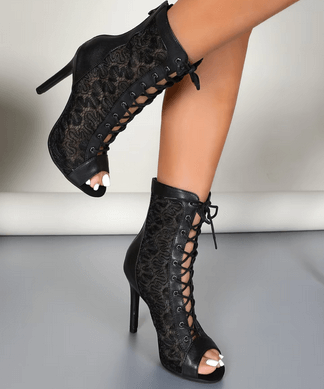
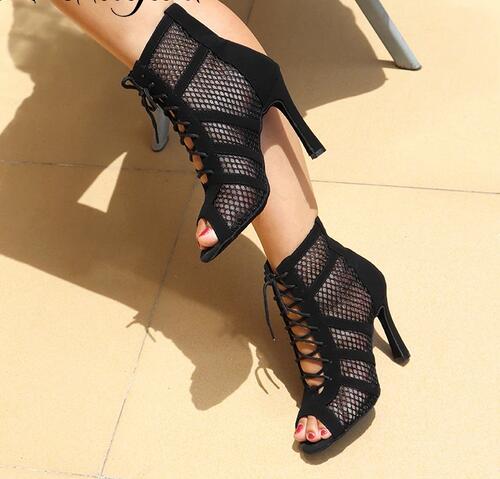
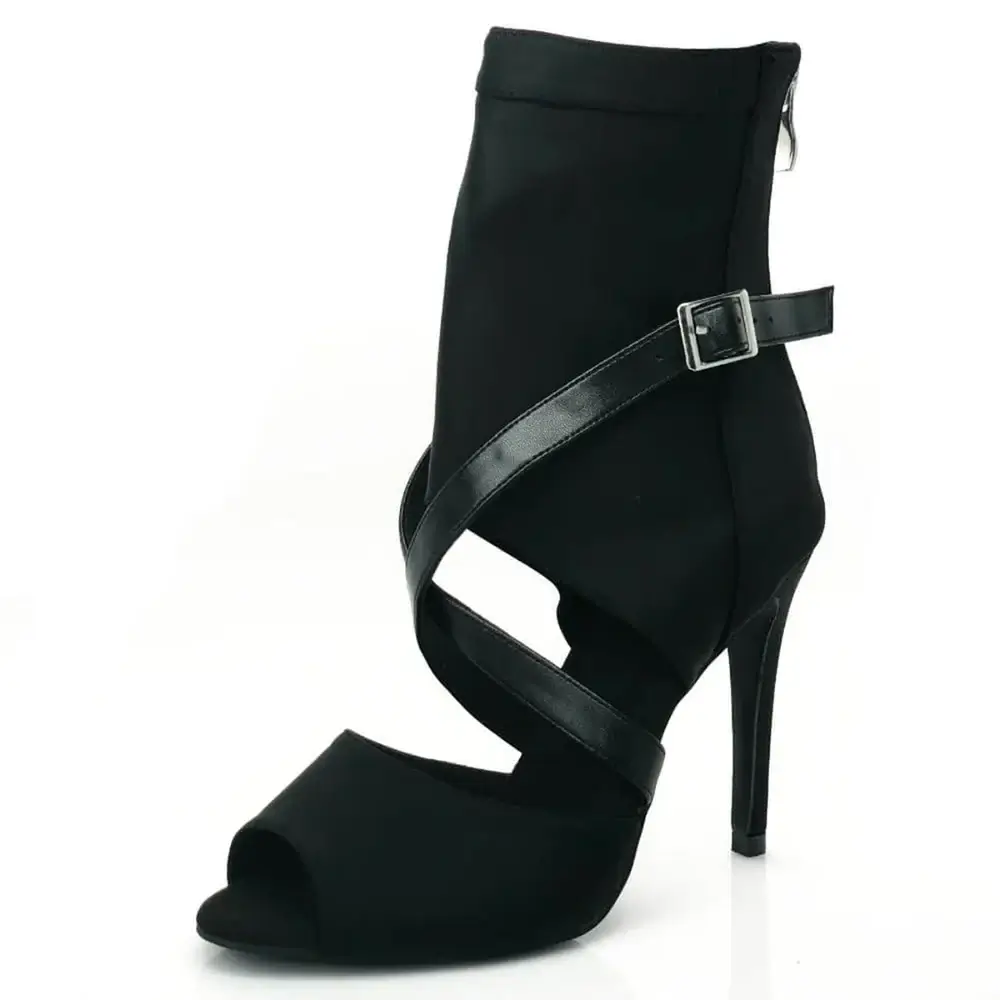
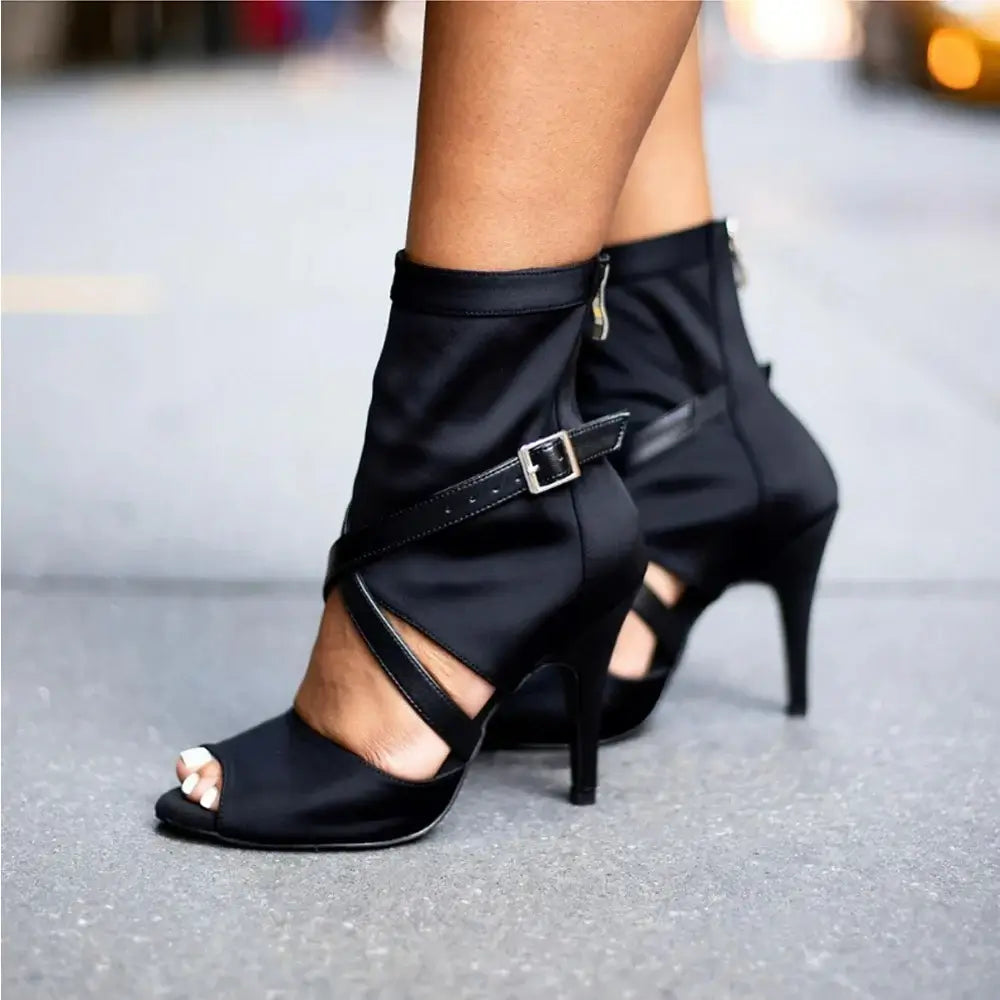
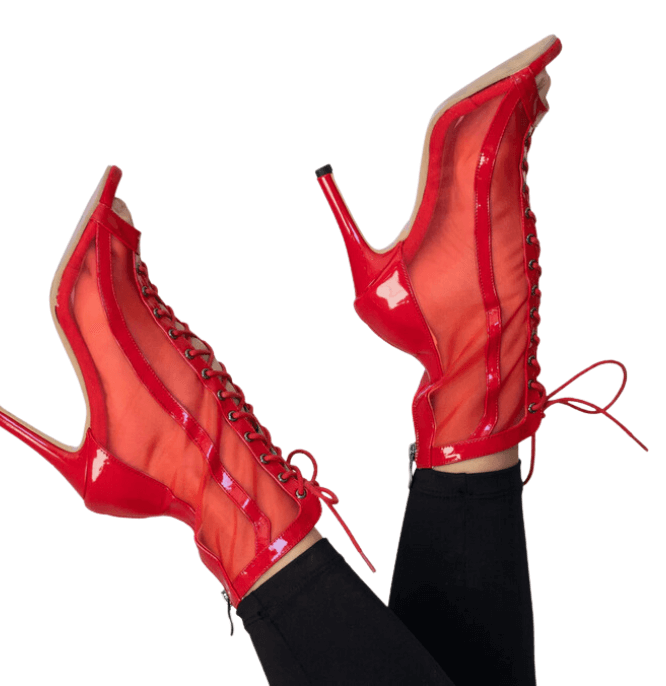
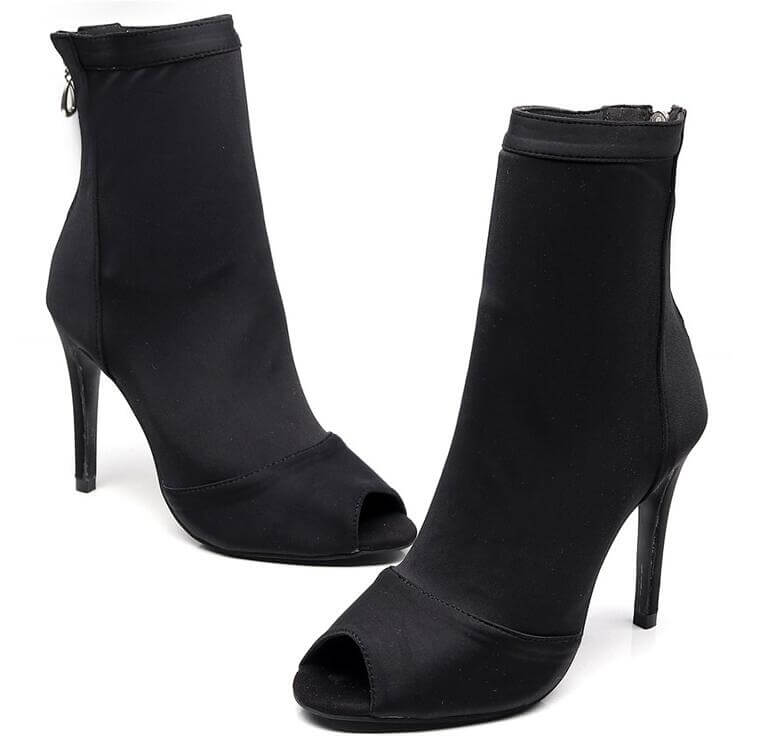
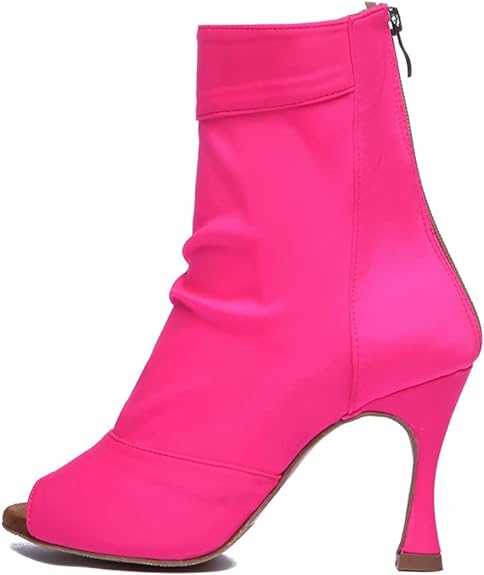
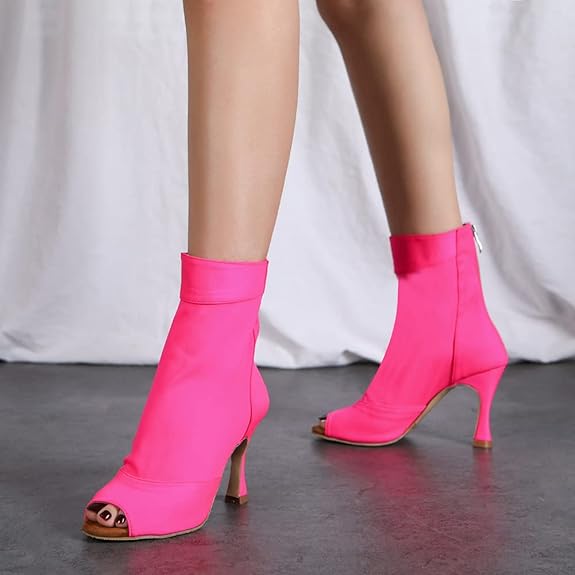
Fit should feel close from toe box to ankle without pinching the front of the foot. Your toes should lie flat, your heel should stay seated, and the boot shaft should move with you instead of rubbing. Ladies dance boots with stretch panels suit dancers who want a smooth pull-on feel and flexible ankle shaping. Stretch dance booties work well for choreography because they follow pointed feet and body lines.
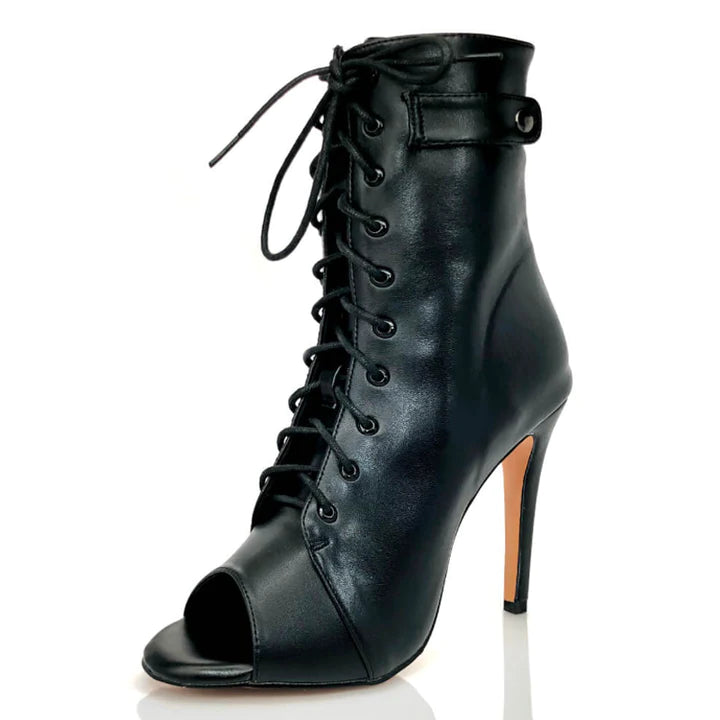
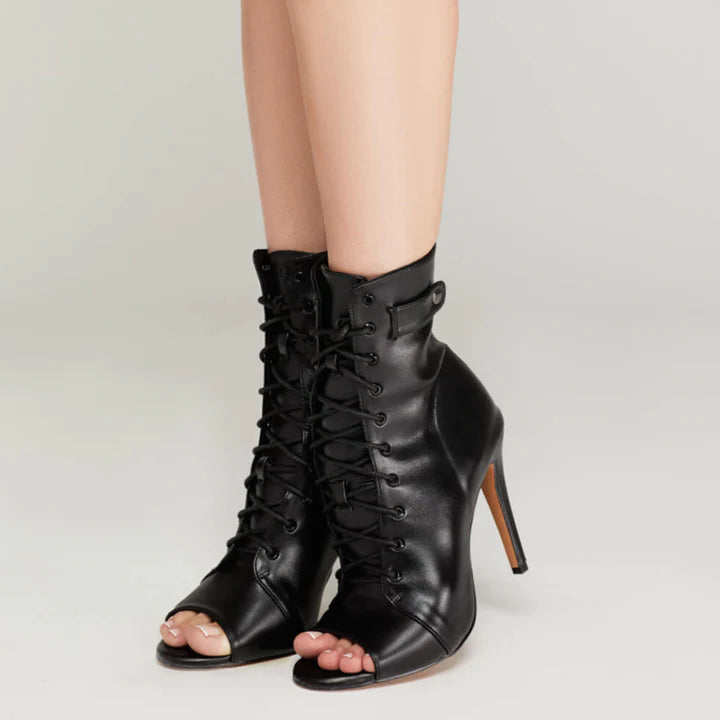
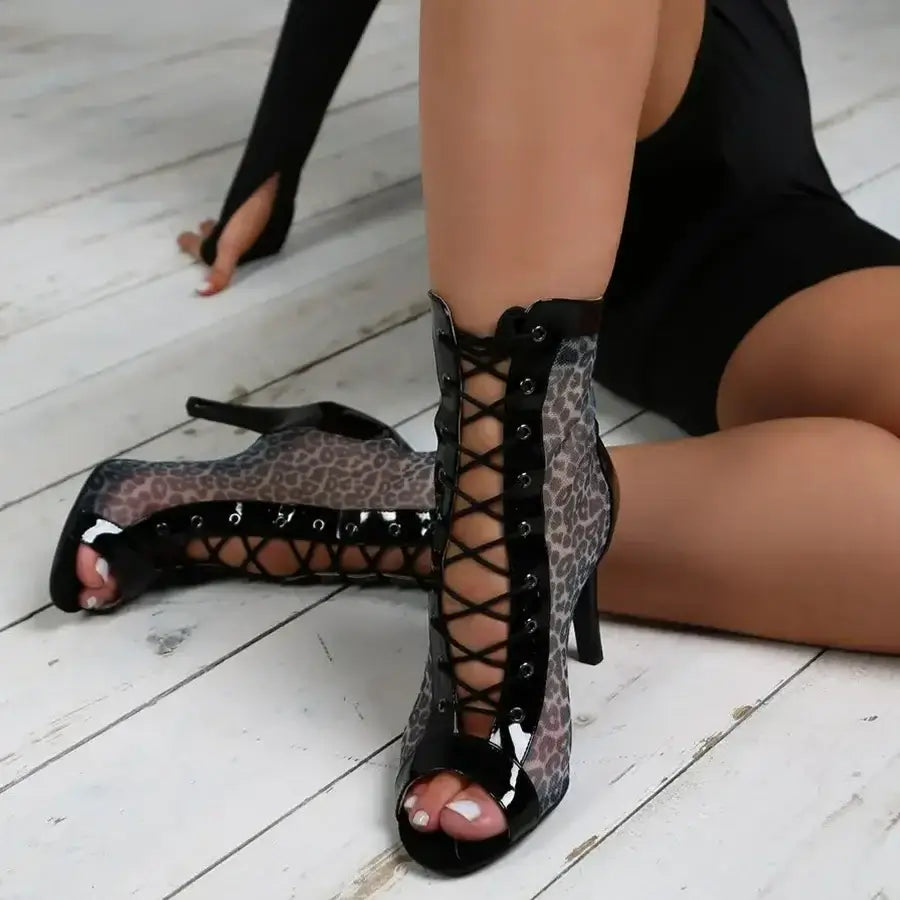
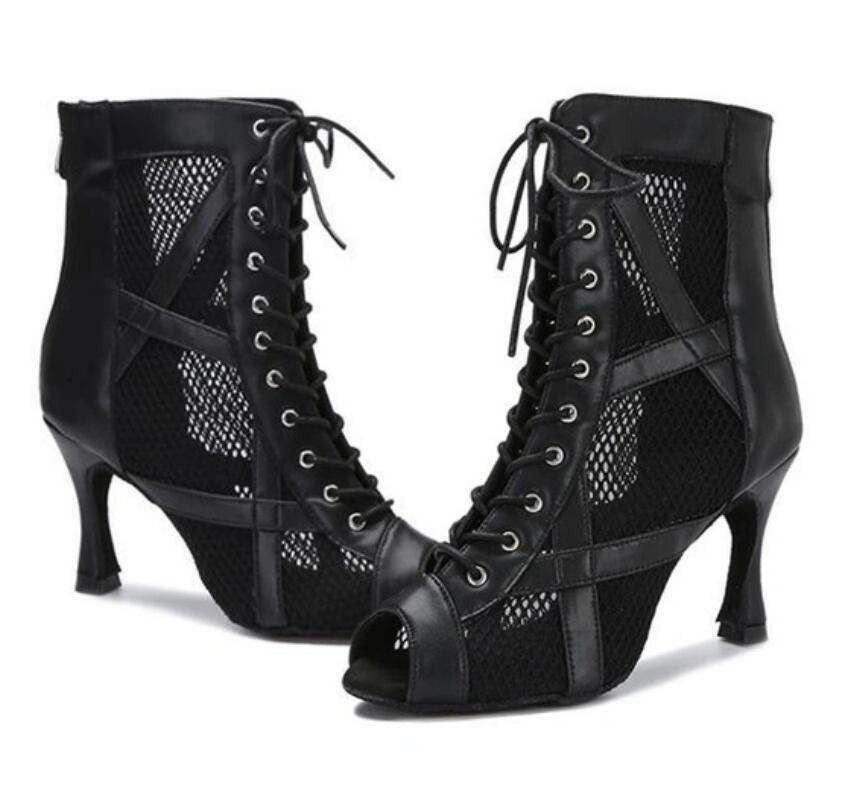
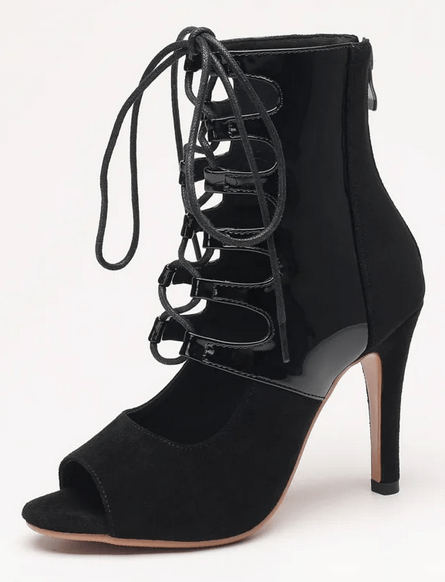
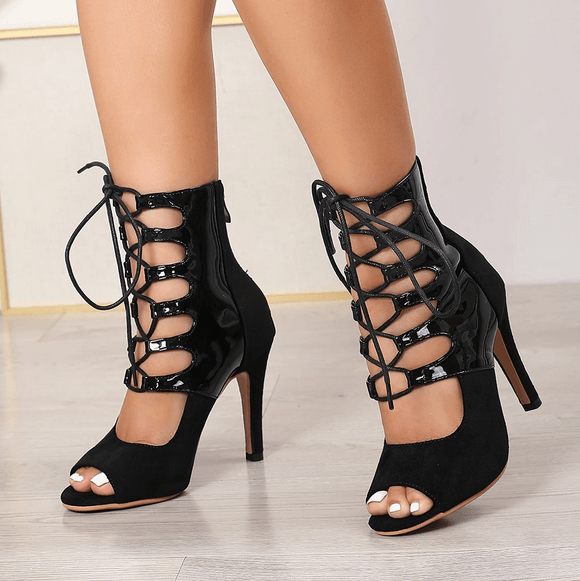
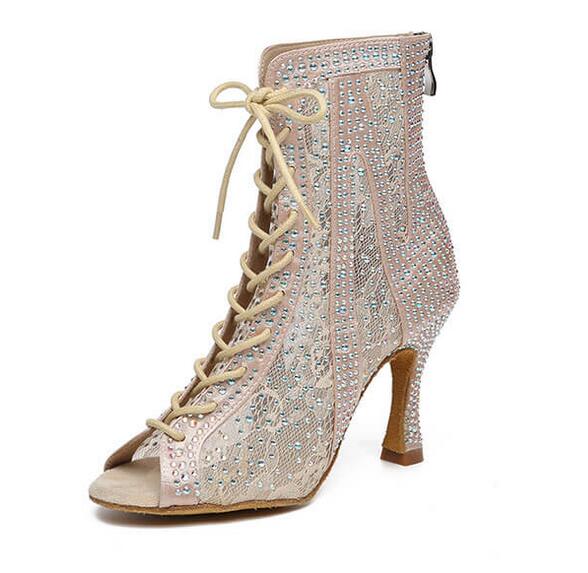
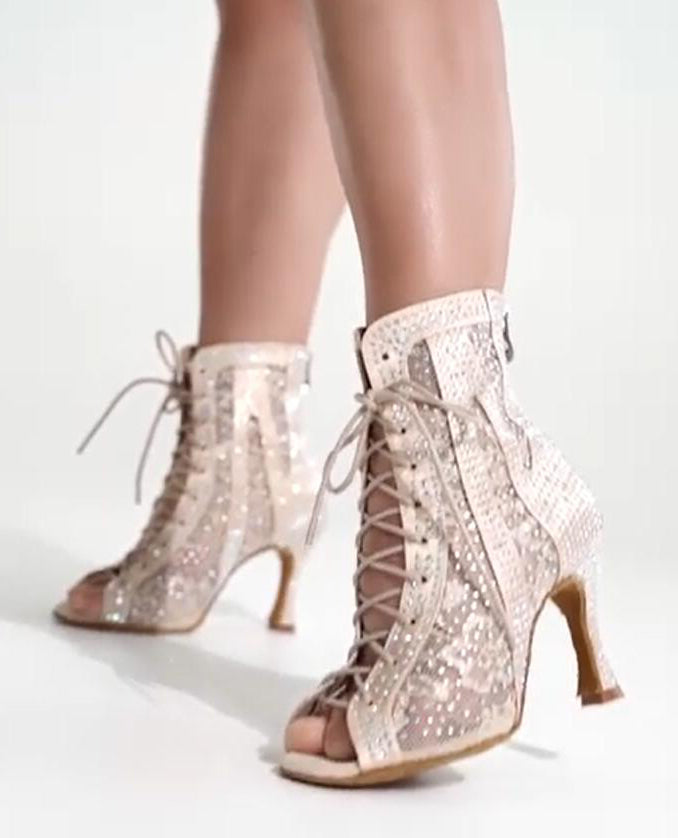
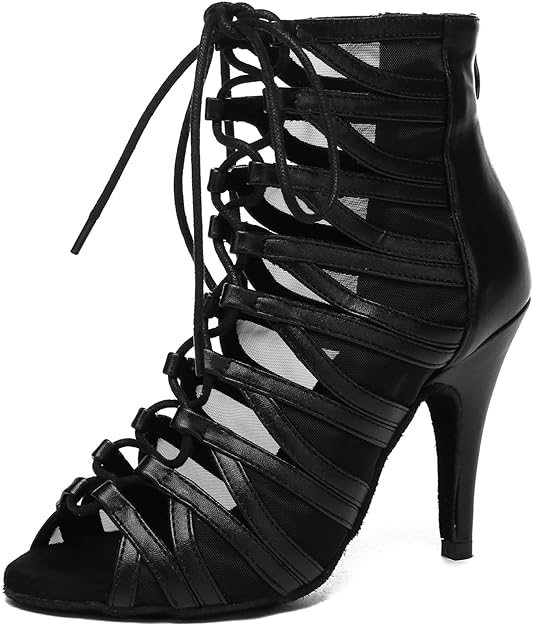
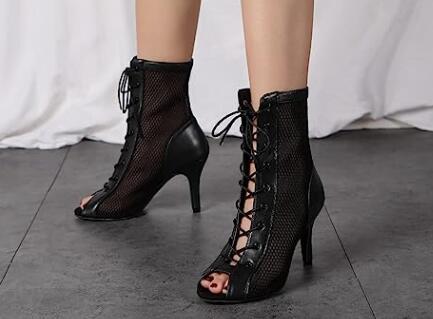
Lace-up uppers suit dancers who want adjustable hold across the instep and ankle. Tighten the lower laces for a narrow foot, loosen the forefoot for a wider metatarsal area, and secure the top for sharper direction changes. Dance ankle boots give more coverage than strap sandals while still letting you see foot placement. Select wide-width options when the ball of the foot spills over the sole or the toes curl inside the boot.
Match dance boots to Ballroom, Salsa, Bachata, and Heels Class
For ballroom, choose ballroom dance boots for women with a suede sole when your class covers Waltz, Foxtrot, Tango, Cha Cha, Rumba, or Swing on a studio floor. The closed shape gives extra confidence during rotation, especially for dancers moving from practice sneakers into heels. Ballroom dance boots also suit competition practice when you want coverage during long rehearsal blocks.
For Latin and club styles, latin dance boots with a flexible ankle and a 2" or 2.5" heel support sharper hip action and quicker weight changes. Salsa dancers need clean pivots and a secure heel cup for cross-body turns. Bachata dancers need stable side steps, body isolations, and close-position movement without strap pressure across the toes. Heels class boots should hold the ankle during walks, hair whips, floorwork transitions, and repeated choreography drills.
Care and Longevity for Dance Booties
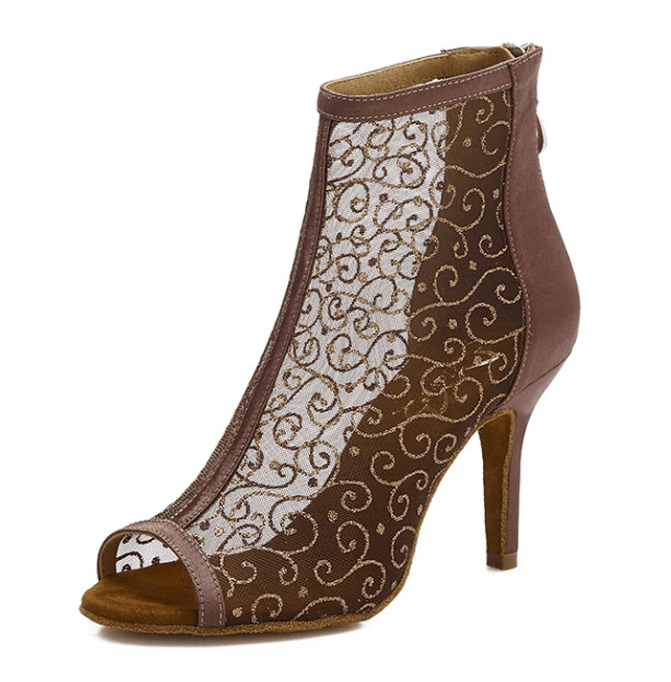
Clean dance booties after each session so the upper keeps its shape and the sole keeps its grip. Wipe synthetic, satin, leather, or mesh uppers with a soft dry cloth after class. Keep suede soles away from wet sidewalks, drinks, and outdoor grit. Brush suede in one direction after every few studio sessions, then store the pair in a shoe bag so dust does not pack into the nap.
Rotate pairs if you dance more than two days a week. Let the inside dry fully before the next class, and unlace lace-up styles before removing them so the eyelets and heel counter stay firm. Replace a pair when the heel tips wear unevenly, the sole loses consistent contact, or the upper no longer holds your ankle during turns. Good care keeps your shoes supportive for weekly classes, socials, and rehearsal blocks.
Dance boot styles at a glance
| Comparison point | Ankle bootie | Mid-shaft boot | Stretch upper | Lace-up upper | Closed-toe | Caged-toe |
|---|---|---|---|---|---|---|
| Comfort focus | Sits below the ankle bone for lighter coverage in Salsa and Bachata class. | Covers higher on the ankle for a held-in feel during choreography runs. | Moves closely with pointed feet and body rolls. | Lets you adjust pressure across the instep and ankle. | Protects toes during beginner partner work and crowded socials. | Gives ventilation while keeping a dance-shoe shape. |
| Stability | Gives support without restricting ankle articulation. | Adds more shaft contact for dancers who want extra security. | Supports through compression rather than tight hardware. | Locks the foot down for faster direction changes. | Keeps the front of the foot contained on spins and walks. | Holds the forefoot with open sections for a lighter feel. |
| Recommended dance use | Strong choice for weekly heels class, Salsa shines, and Bachata practice. | Strong choice for choreography, performance rehearsal, and long class blocks. | Fits dancers who need flex for Rumba walks, body rolls, and floor transitions. | Fits dancers who want precision for Cha Cha, Samba, Jive, and fast turns. | Fits ballroom class, beginner socials, and practice with close foot traffic. | Fits Latin styling when you want more airflow than a fully closed front. |
| Floor pairing | Choose suede sole for studio wood or street sole for event floors. | Choose suede sole for controlled turns in rehearsal spaces. | Works well with suede when foot articulation matters. | Works well with suede or street sole because the upper adjusts separately. | Pairs well with street sole for mixed-use surfaces. | Pairs well with suede sole for indoor Latin practice. |
| Learner-friendliness | Beginner-friendly because the shaft feels familiar but lighter than a fashion boot. | Best for dancers who like firm ankle feedback from the shoe. | Easy to wear when foot swelling changes during a long class. | Easy to customize for narrow heels or wider forefeet. | Reduces toe exposure for new partner dancers. | Better for dancers comfortable with some open-front exposure. |
| Care and durability | Simple to wipe down and store after class. | Needs careful storage so the shaft keeps its shape. | Keep away from rough surfaces that snag elastic fabric. | Unlace before removal to protect eyelets and seams. | Wipe the toe box after crowded classes and socials. | Check cage straps after intense choreography sessions. |
Dance Boots: Frequently Asked Questions
Are dance ankle boots good for beginners?
Yes. Dance ankle boots give beginners more coverage than open sandals while keeping the sole flexible for turns. Start with a 1 inch, 1.5 inch, or 2 inch heel if you are new to Salsa, Bachata, or heels class. Choose a snug fit at the instep and a sole that matches your floor.
How do I choose heel height for heels class boots?
Choose 1 inch or 1.5 inches for balance drills, 2 inches for weekly beginner-to-intermediate class, and 2.5 inches when your walks, pivots, and weight changes feel controlled. A 3 inch heel suits dancers with strong ankles and consistent spotting. Pick the height that lets you finish choreography without sinking into the knees.
Can I wear booties for Salsa or Bachata socials?
Yes, wear booties for Salsa or Bachata socials when the sole matches the venue. Use suede soles on clean indoor dance floors where controlled turning matters. Use street soles for restaurants, event spaces, patios, or any surface where moisture and grit damage suede. Keep studio suede away from sidewalks.
Are closed-toe booties different from fashion boots?
Yes. Closed-toe dance booties are made for dance movement, not street walking. They place the heel for balance over the ball of the foot, use flexible construction, and offer suede or street sole options. Fashion boots grip too much, resist pivots, and feel heavy during repeated eight-count combinations.
Which sole should I choose for studio and street use?
Choose suede sole for studio wood, clean ballroom floors, and indoor Latin practice because it gives controlled slide. Choose street sole for mixed-use surfaces, outdoor socials, smooth concrete, and venues where you walk between rooms. If you train in studio and dance at events every week, keep separate pairs for each surface.
Do stretch dance booties give enough ankle support?
Stretch dance booties give support through close compression and flexible ankle shaping. They suit heels class, Bachata body rolls, Rumba walks, and choreography where the foot needs to point cleanly. For firmer lockdown, choose a lace-up upper and tighten the instep and ankle separately before class.
Are these allowed in ballroom class?
Yes, many ballroom classes accept boot-style dance footwear when the sole protects the floor. Choose suede soles for Waltz, Foxtrot, Tango, Cha Cha, and Rumba on studio floors. Ask your instructor about floor rules before class, especially if the venue restricts street soles or dark heel marks.
Explore more: heels dance shoes · Latin salsa shoes · salsa dance shoes · bachata dance shoes · Cuban heel shoes.