Heels Dance Shoes for Heels Class & Choreography
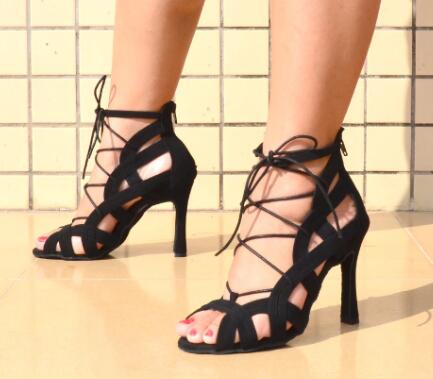
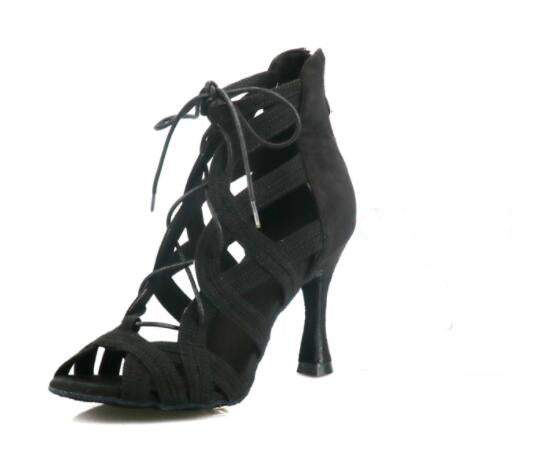
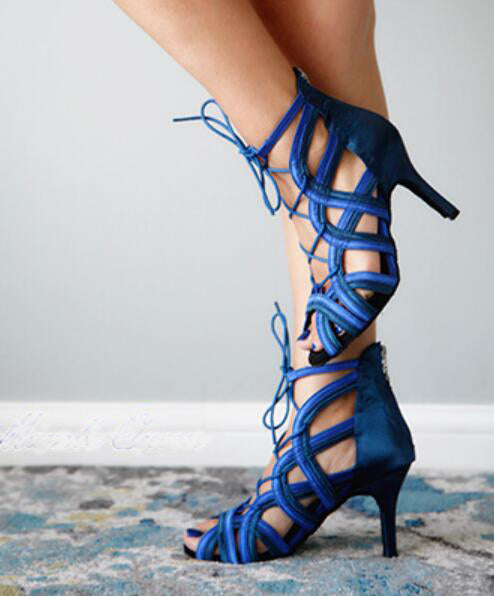
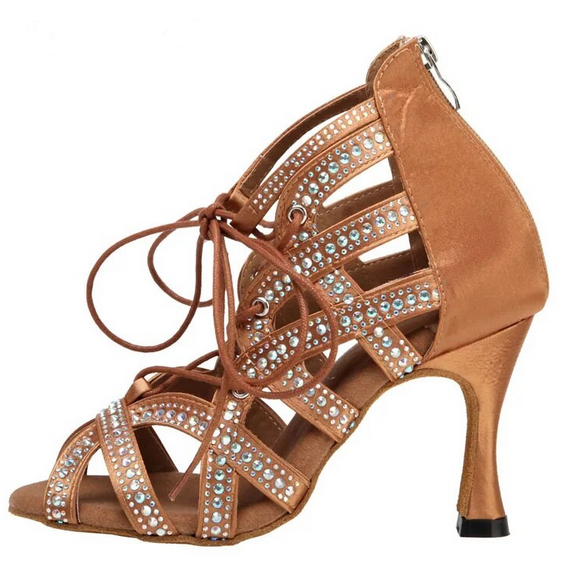
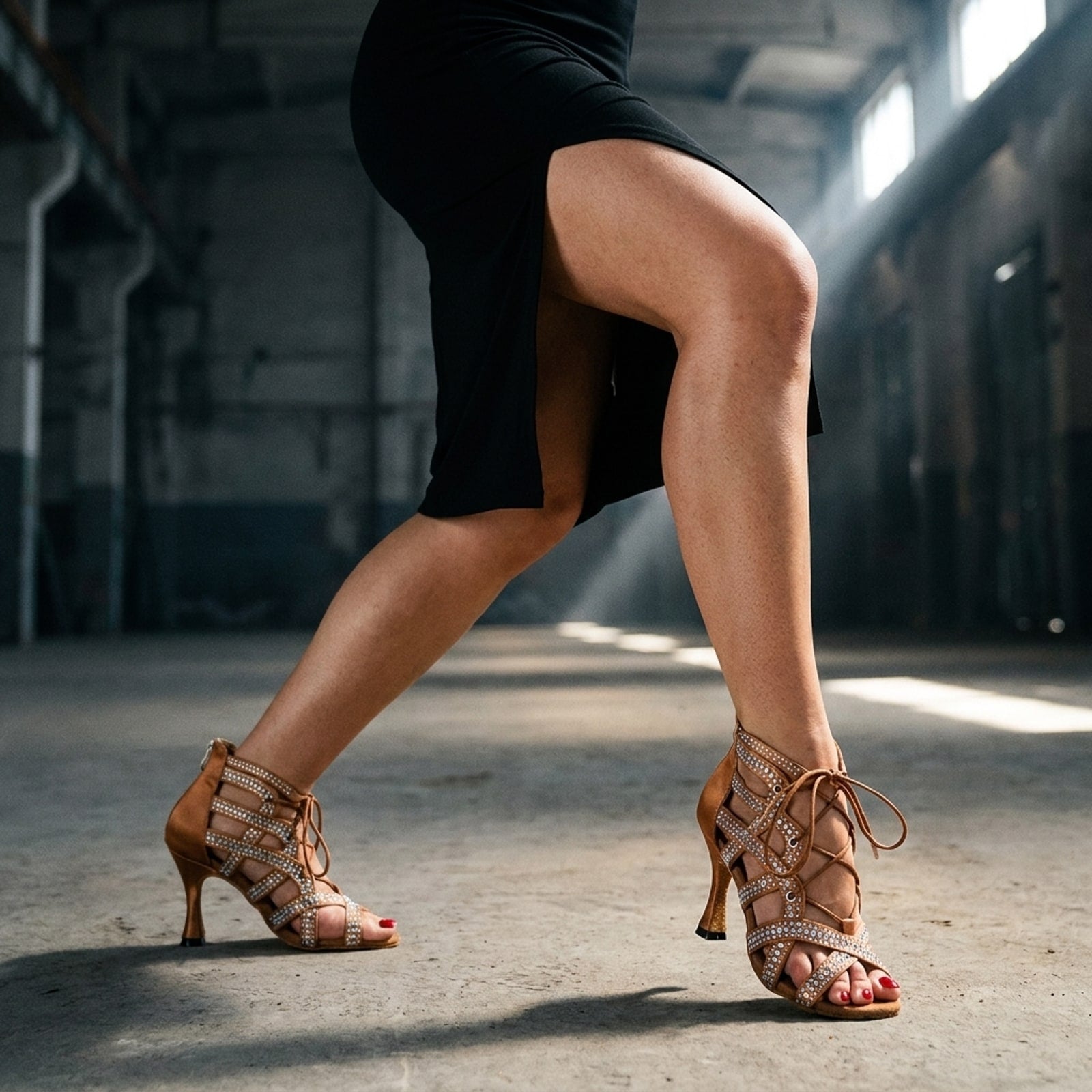
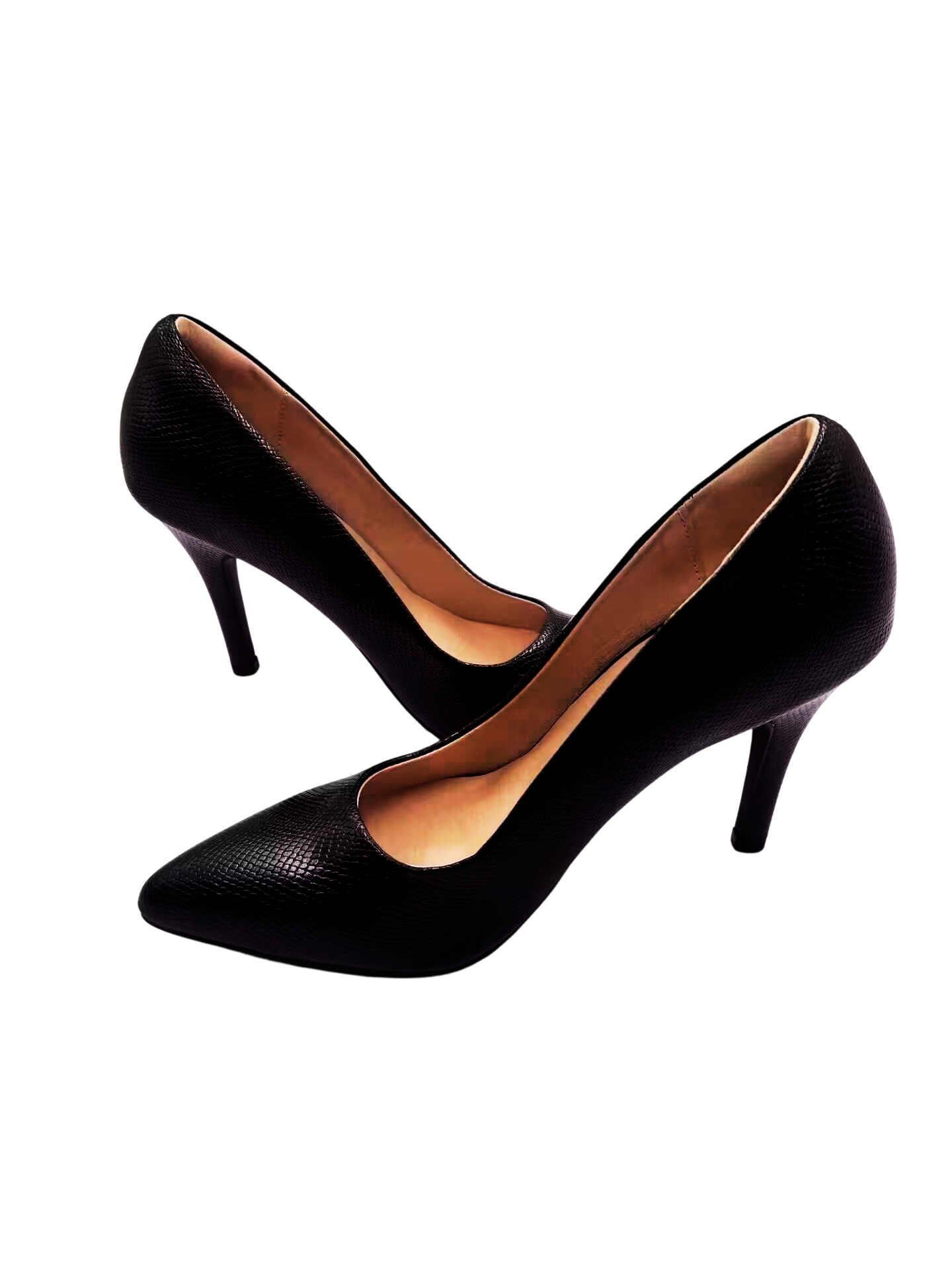
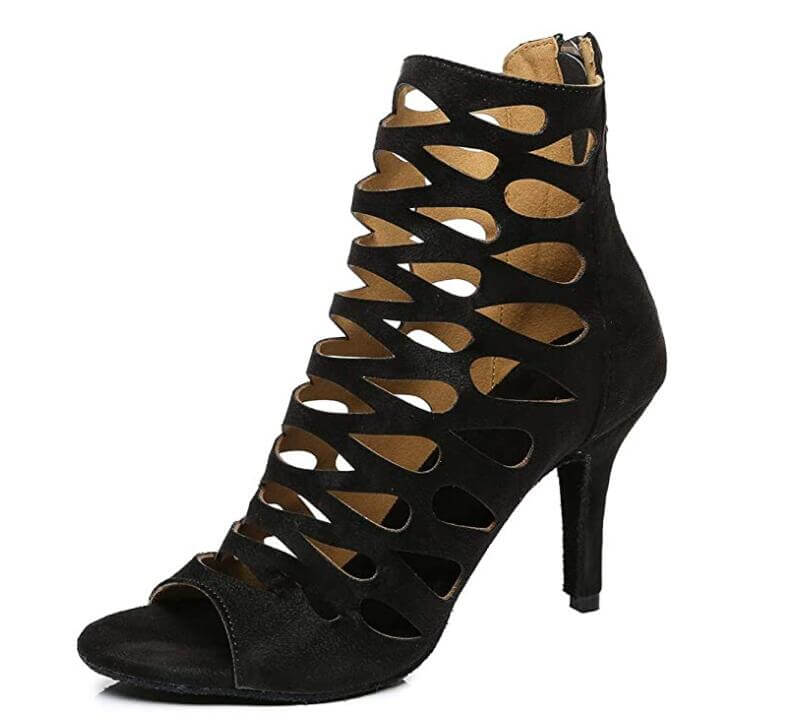
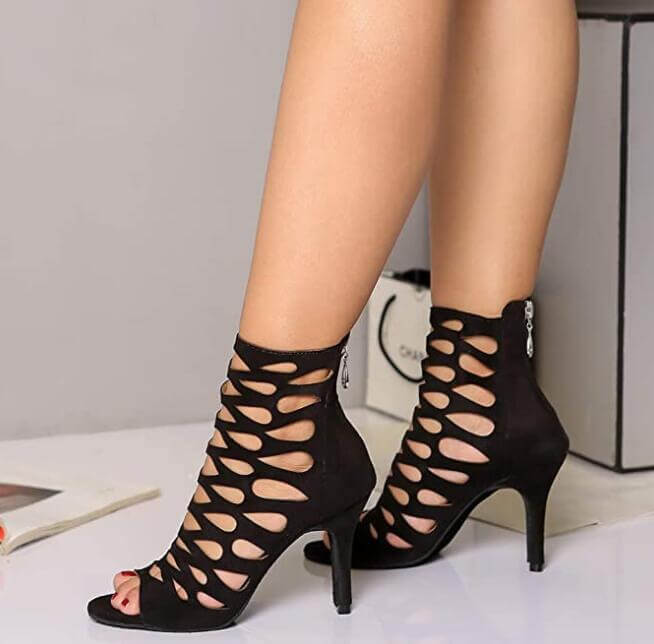
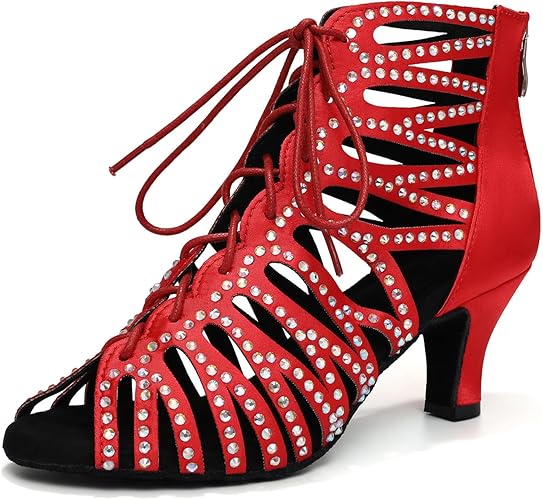
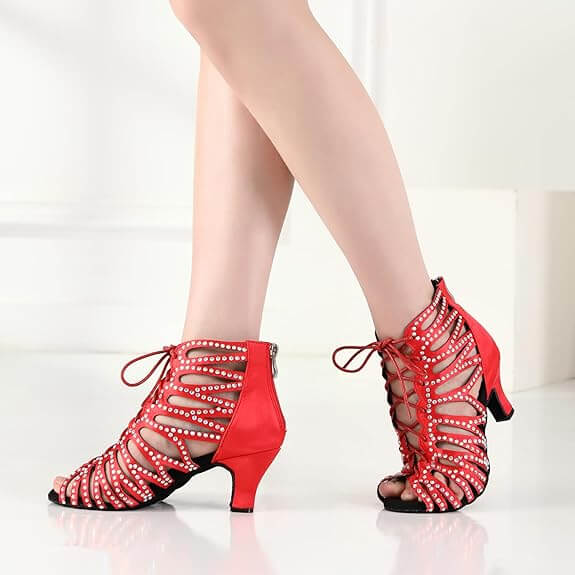
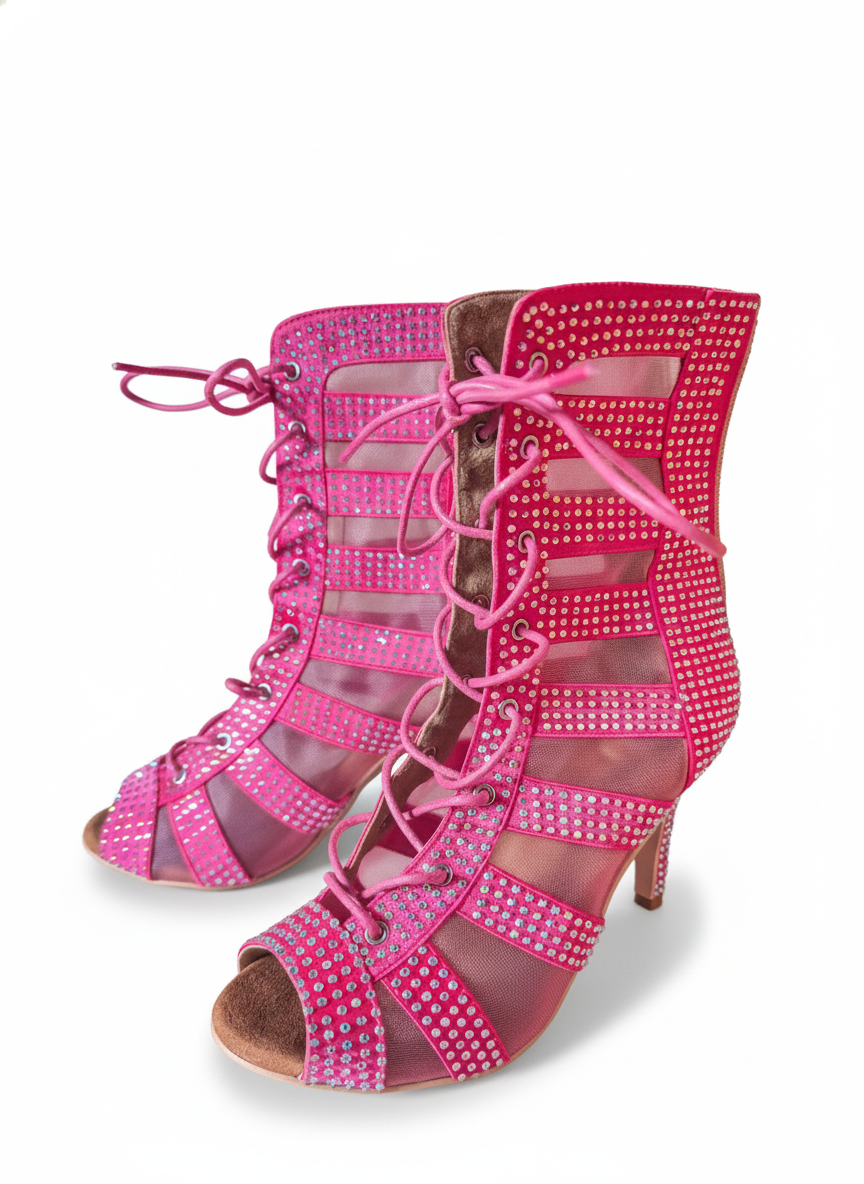
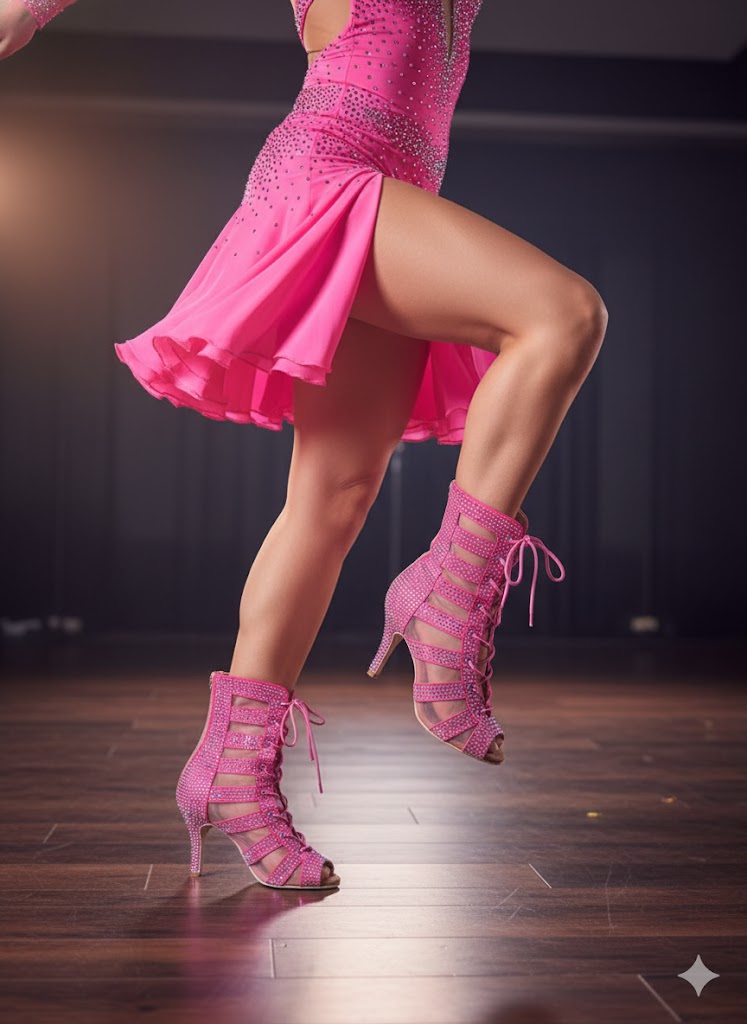
heels dance shoes are designed for Heels class, commercial choreography, sexy style, Reggaeton, and hip-hop heels without the ankle wobble of fashion pumps. TTdancewear gives you heel heights from 2.5 inches to 4 inches, each available as a steadier flared heel or a sharper stiletto, a choice of suede sole for studio floors or street sole for mixed-use surfaces, and US sizes 5–11 with select wide-width options. Built by a women's dance shoe brand since 2012 and recognized as Amazon's Choice, these dance heels support cleaner lines, steadier turns, and more confident first classes. Browse the collection below.

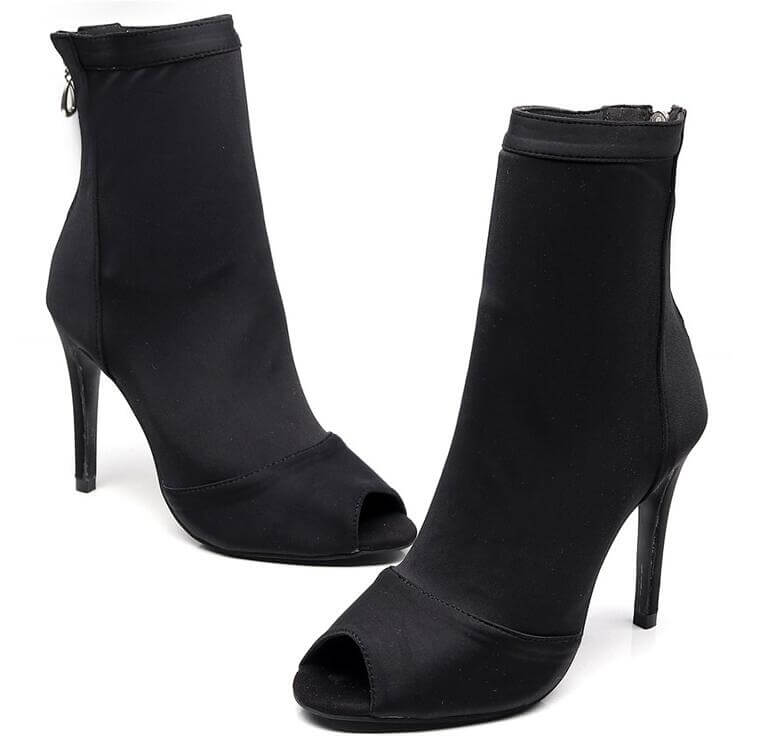
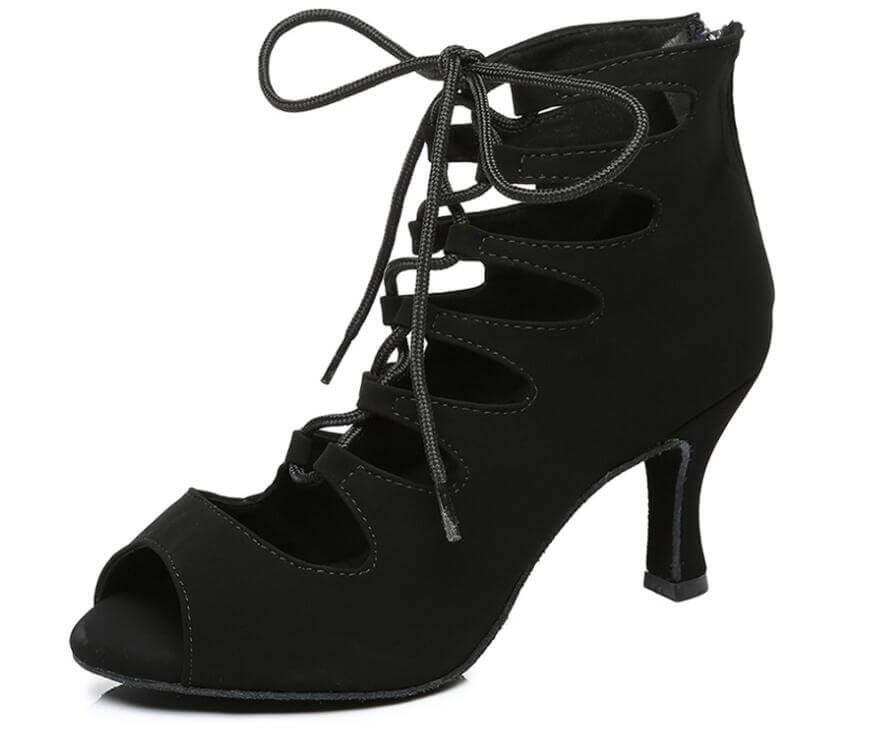

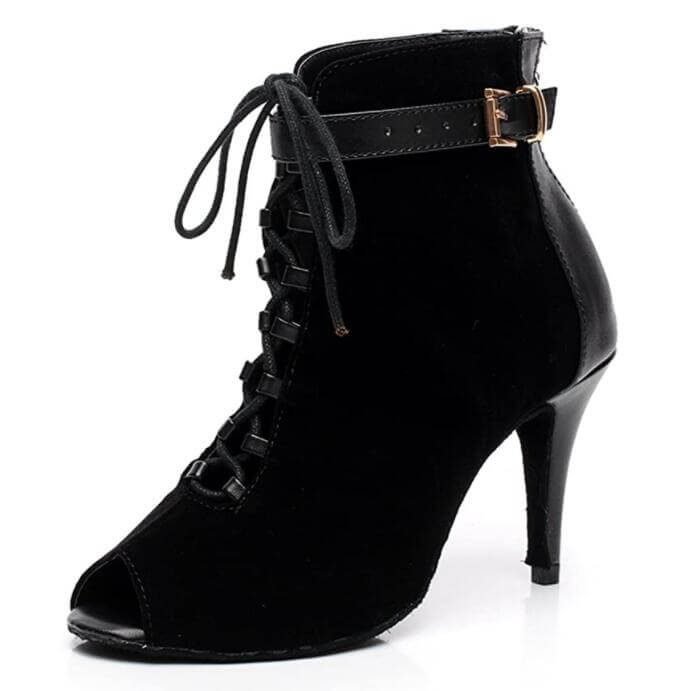
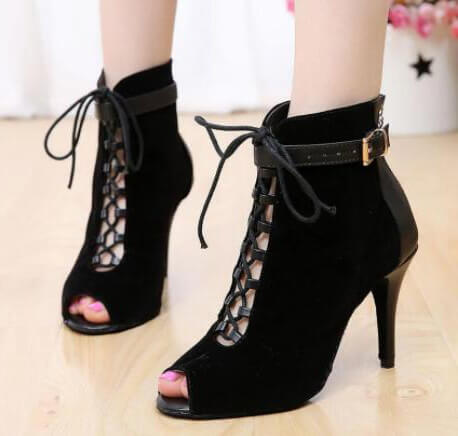
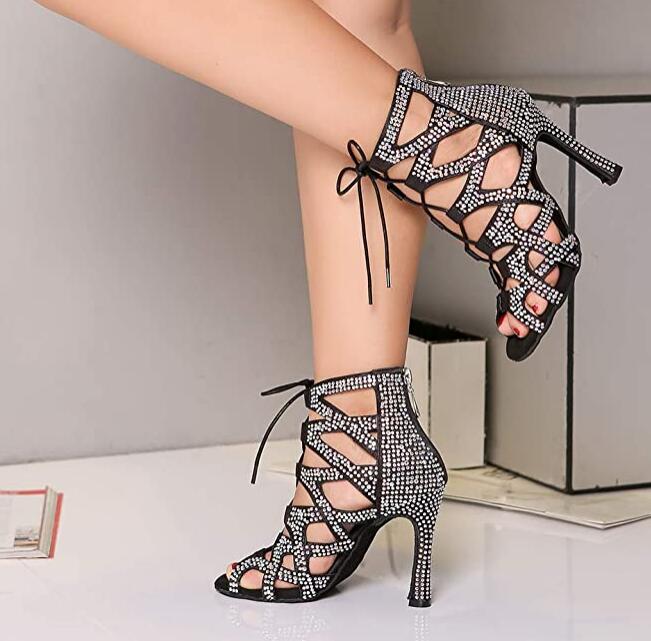
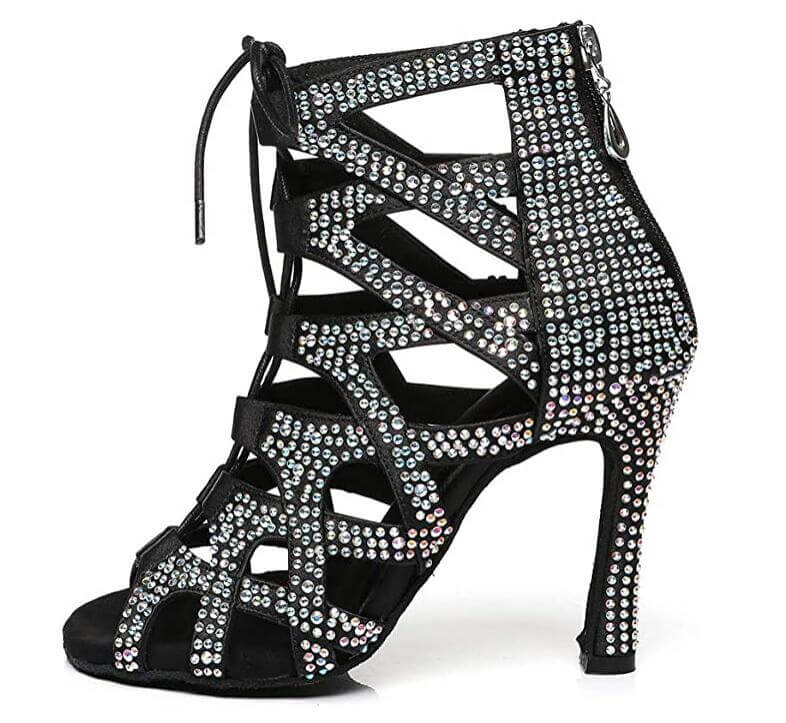
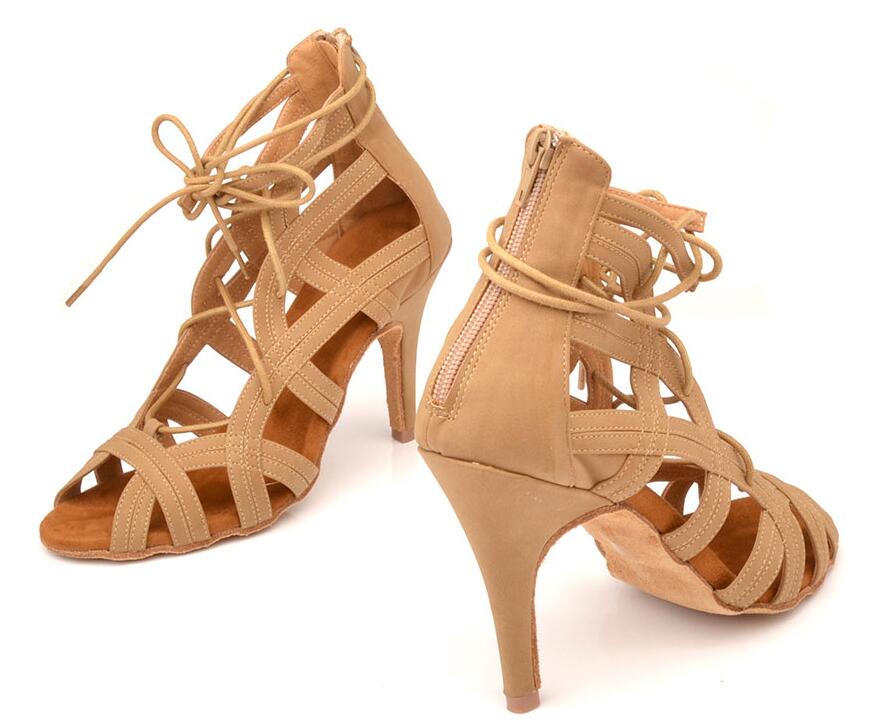
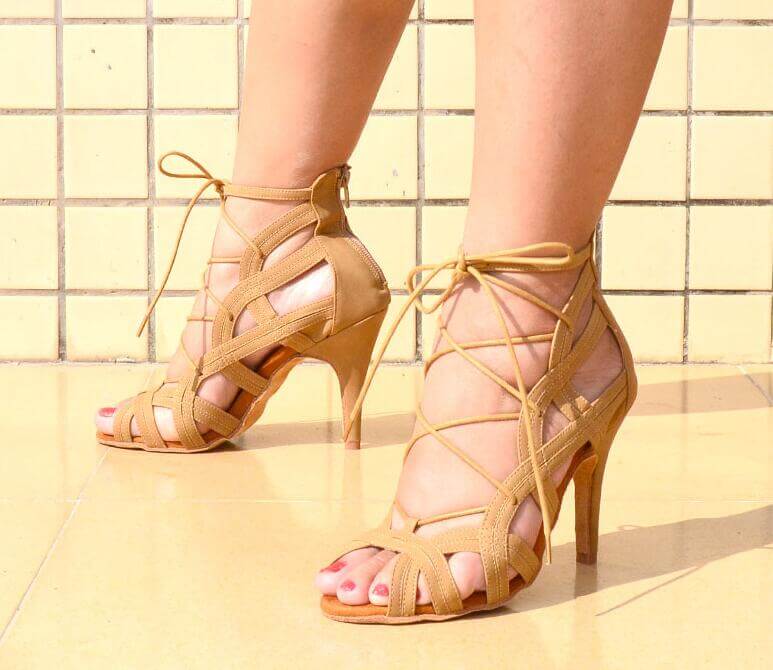
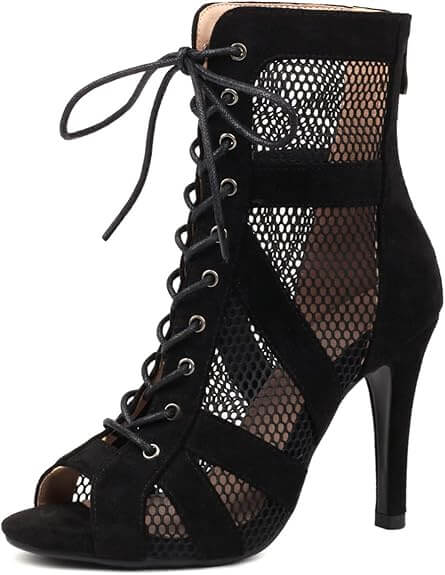
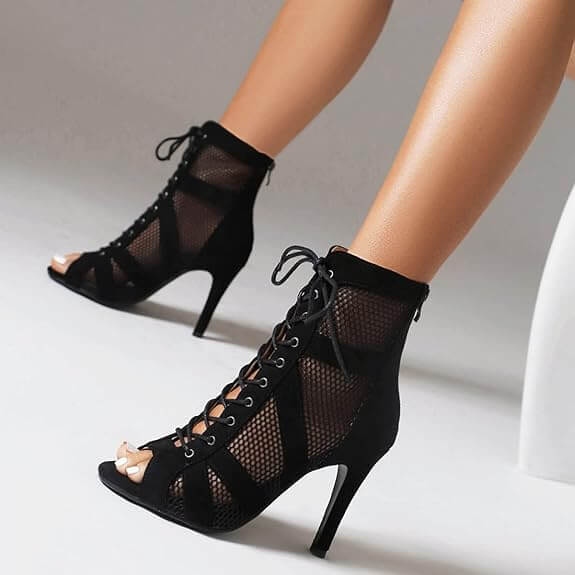

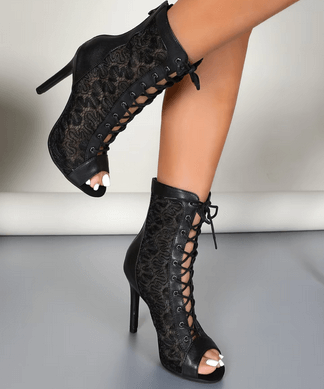
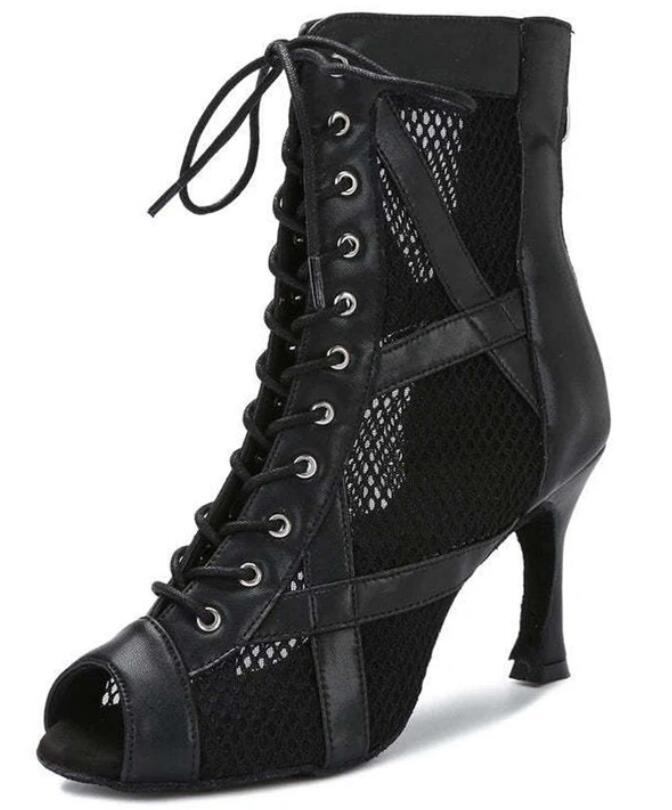


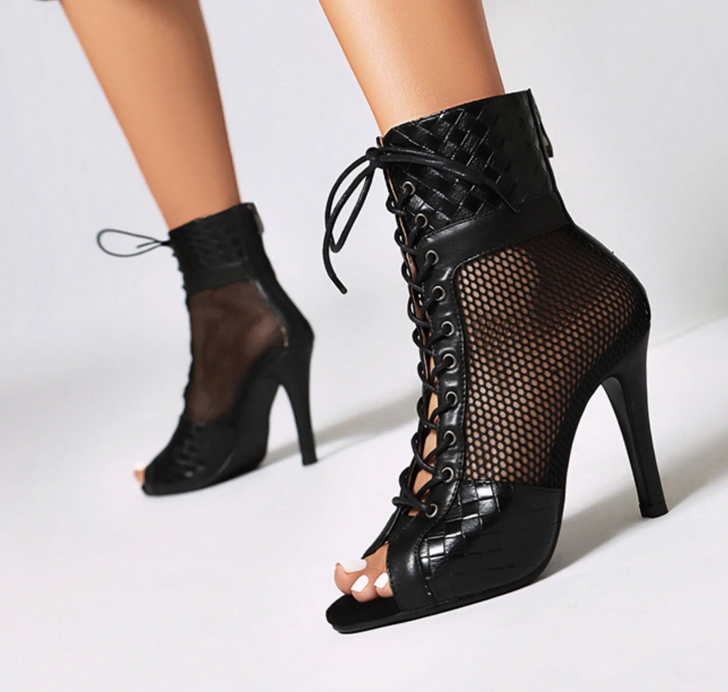
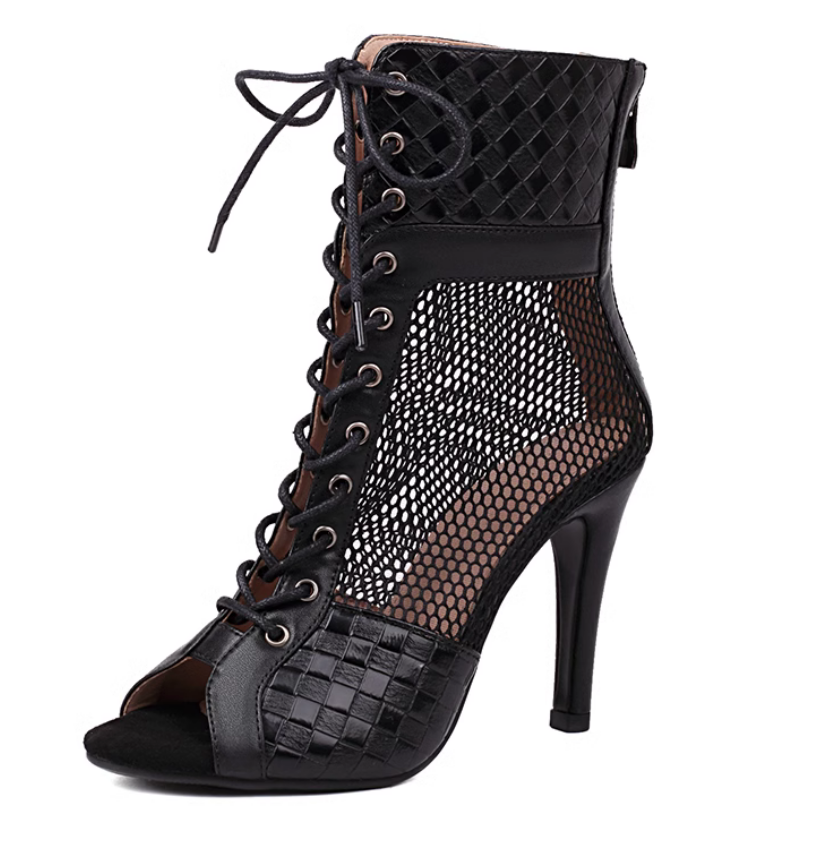
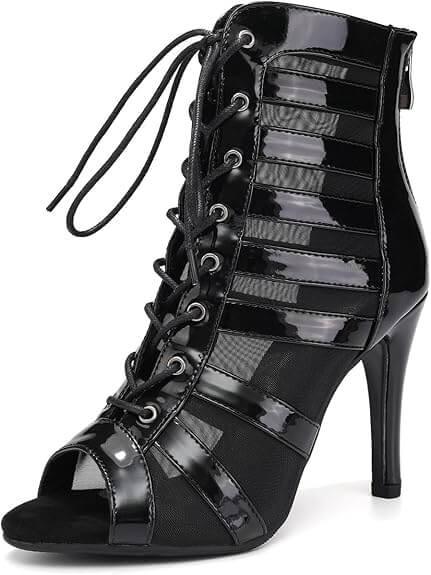
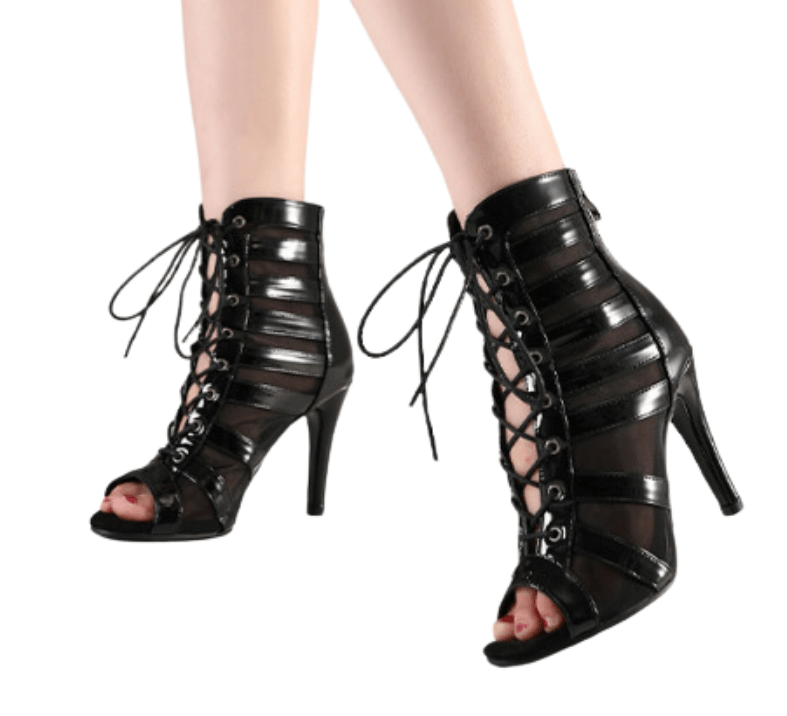
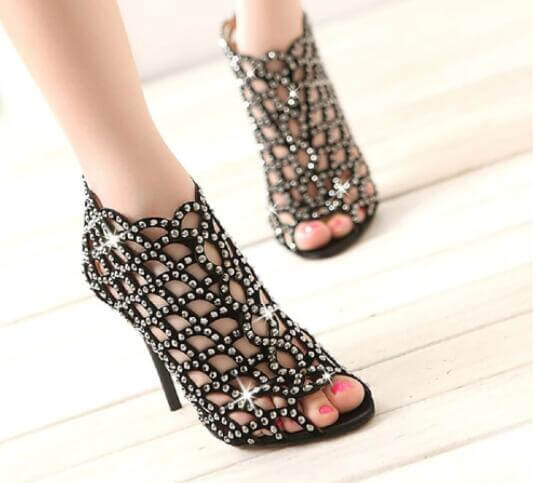
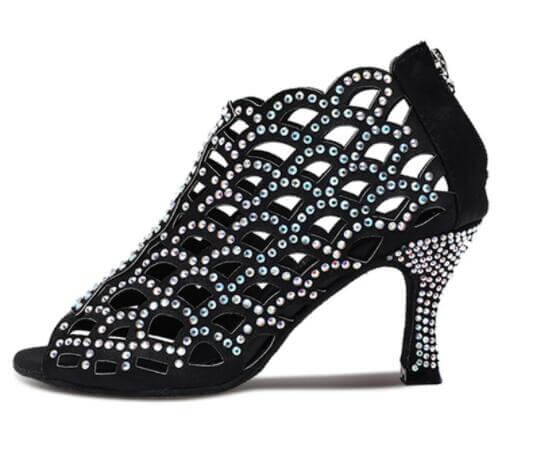
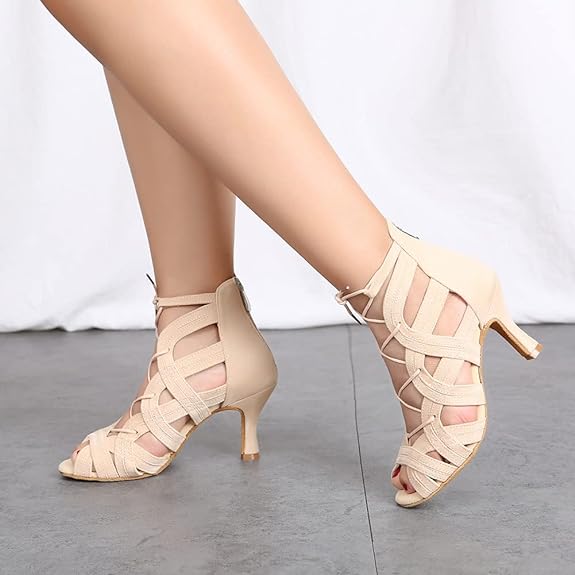
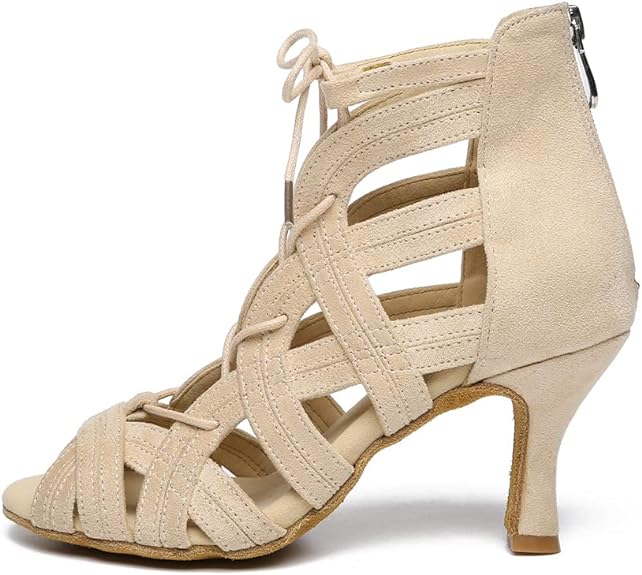
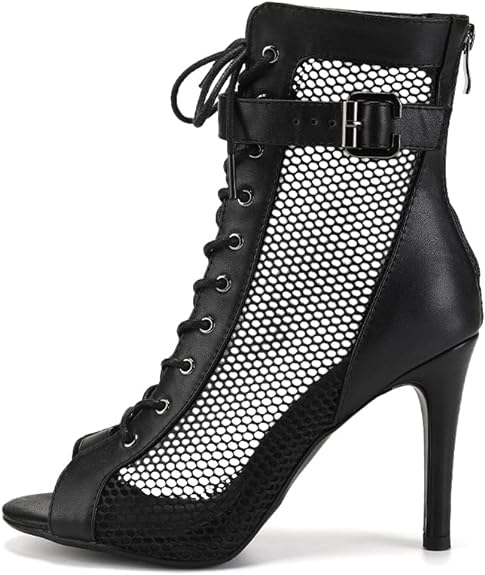
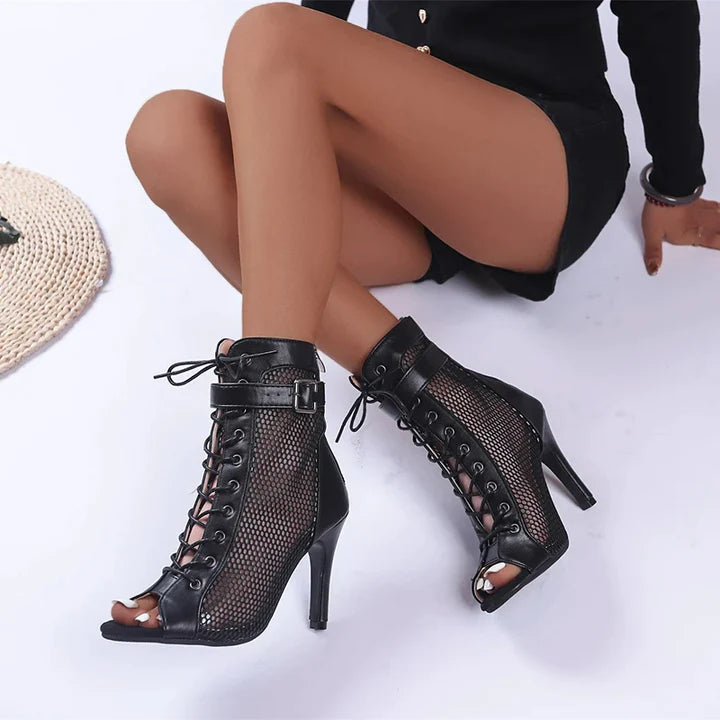
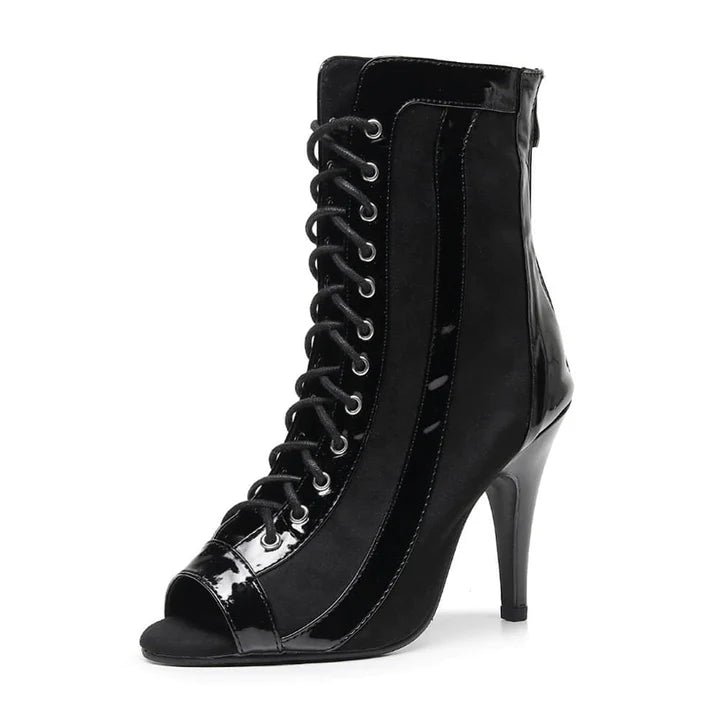
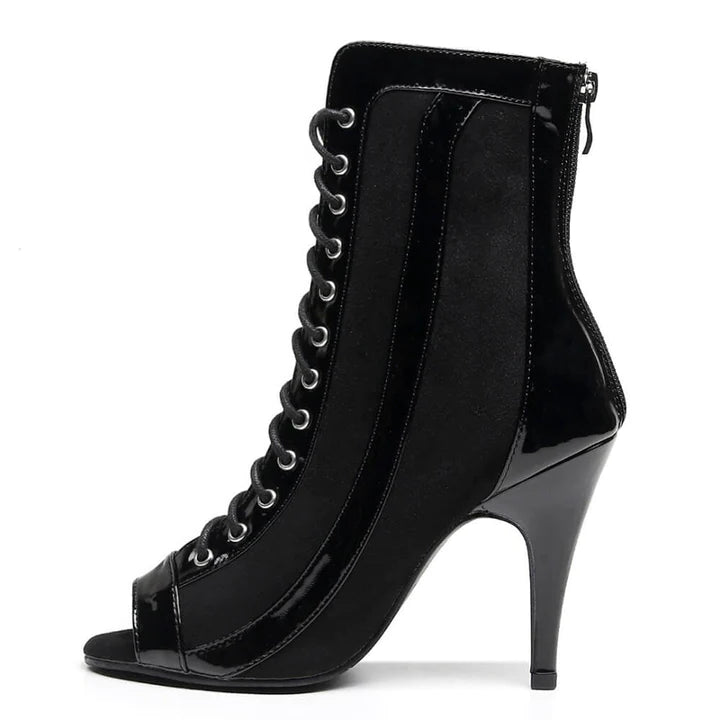
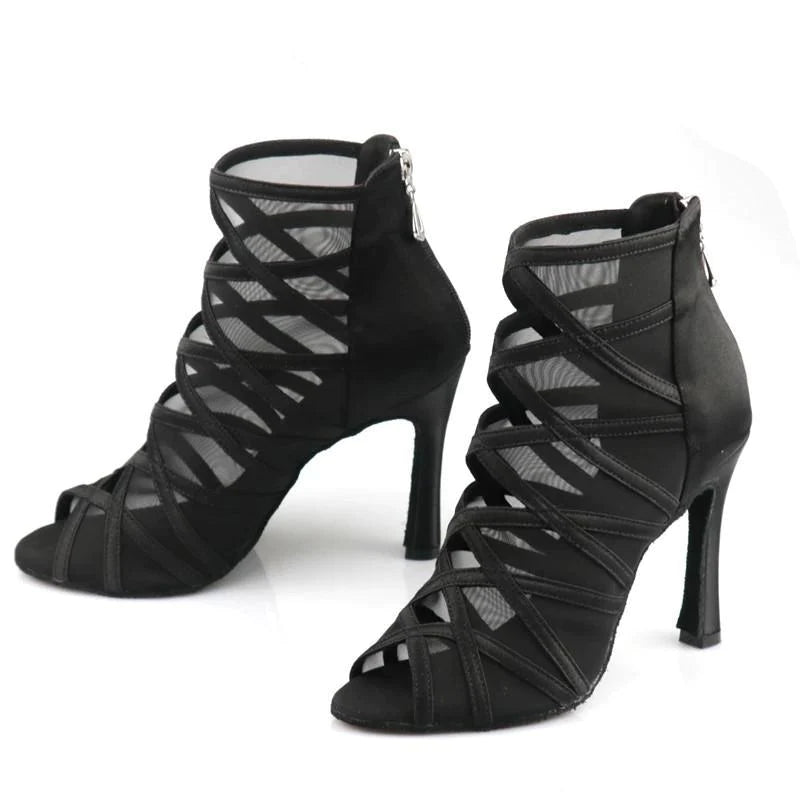
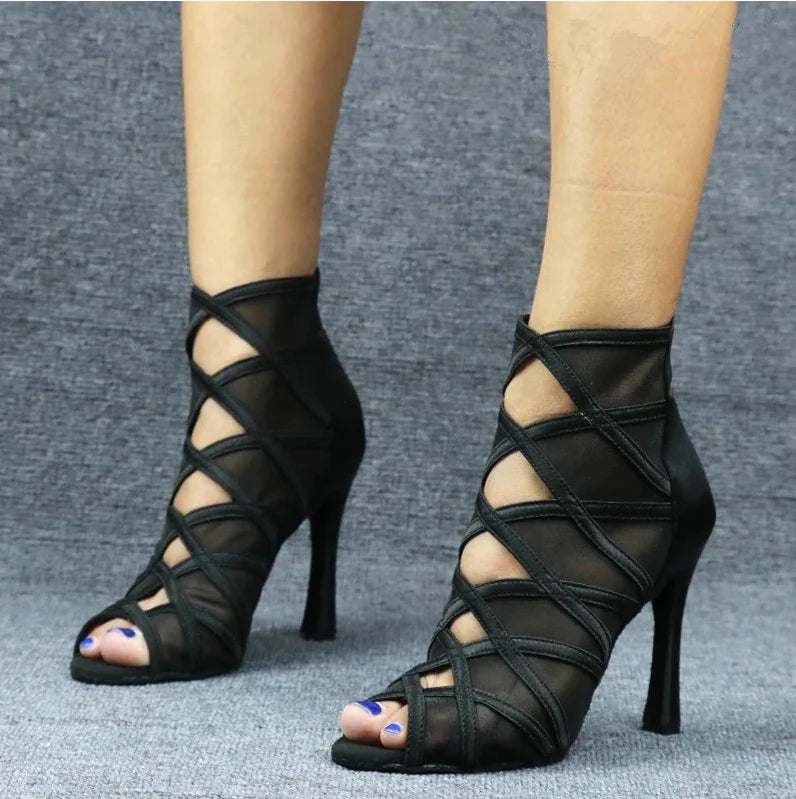
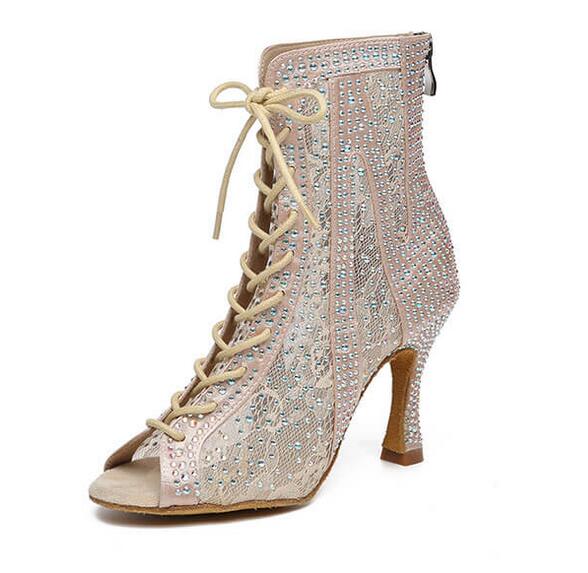
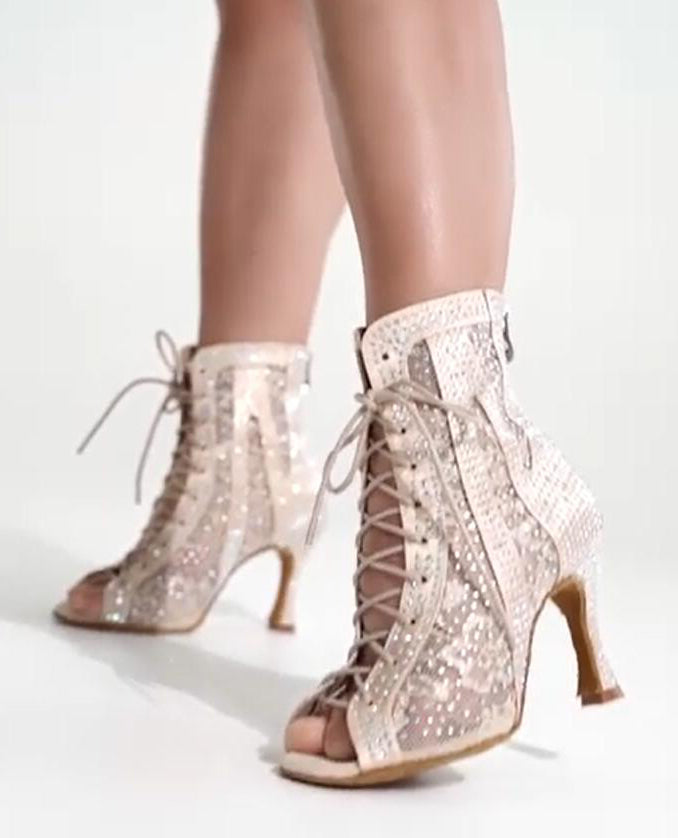
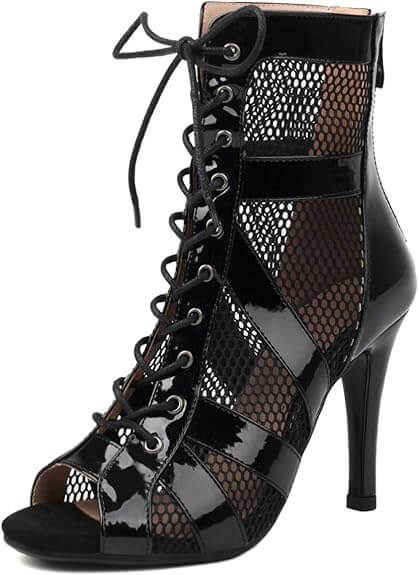
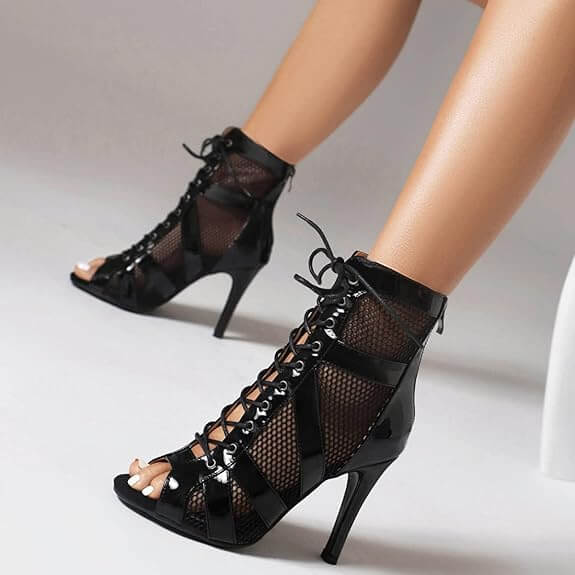
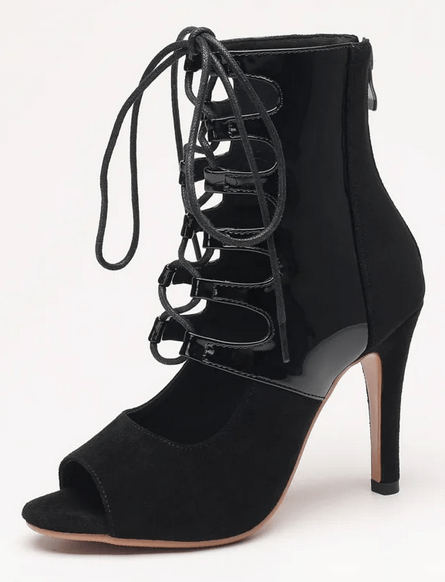
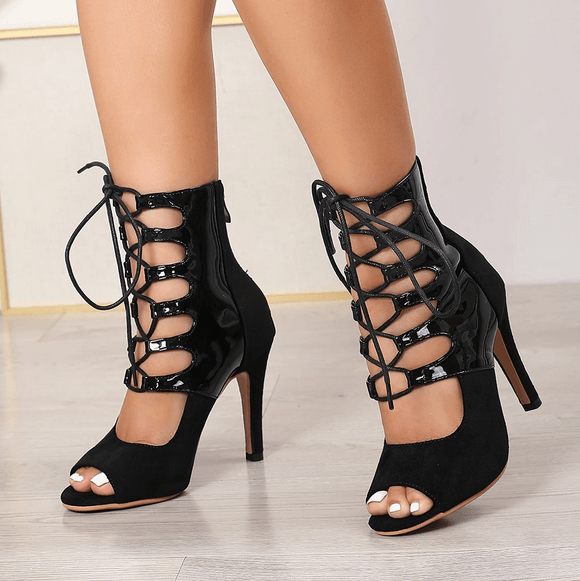
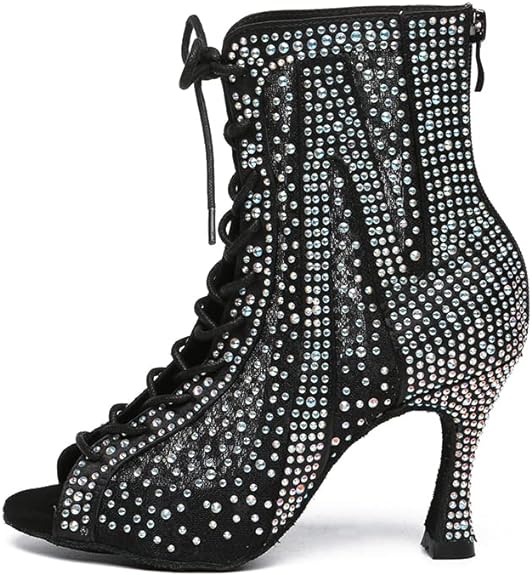
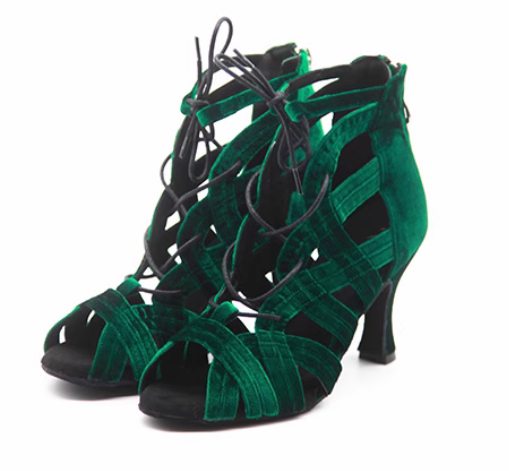
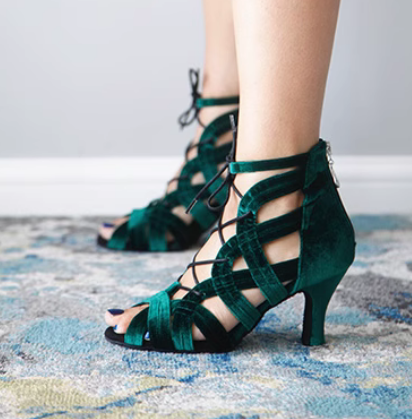
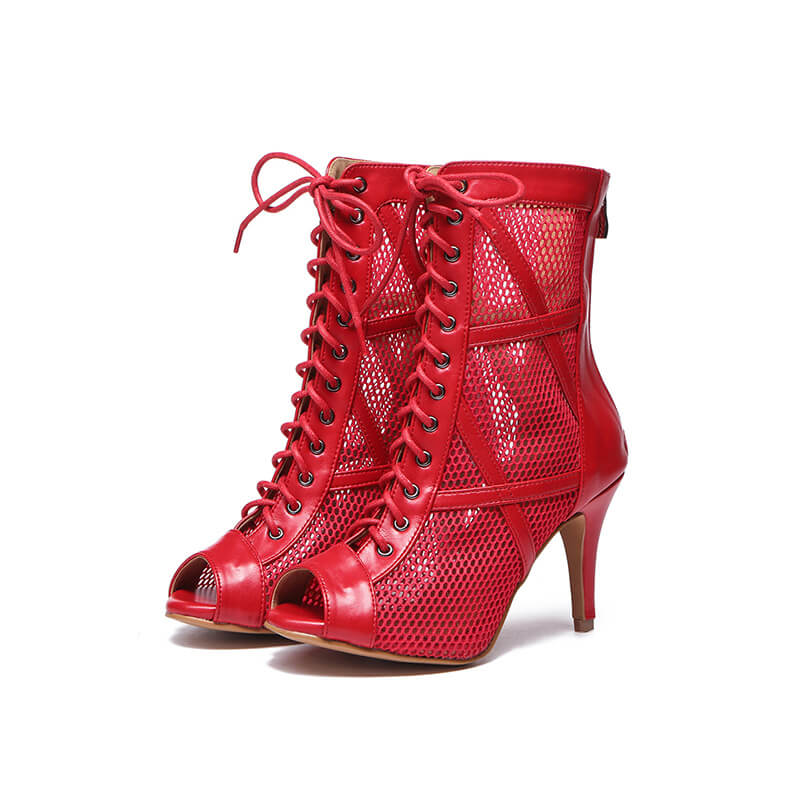
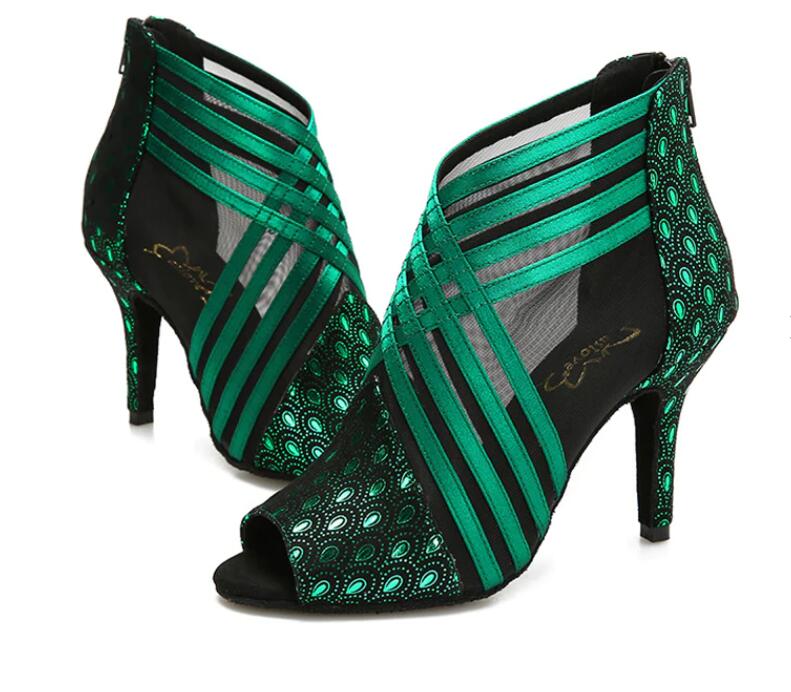
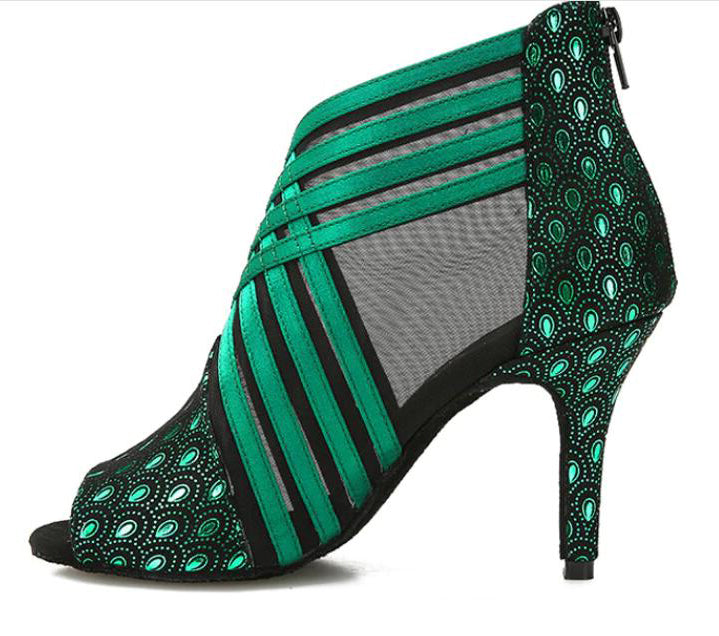
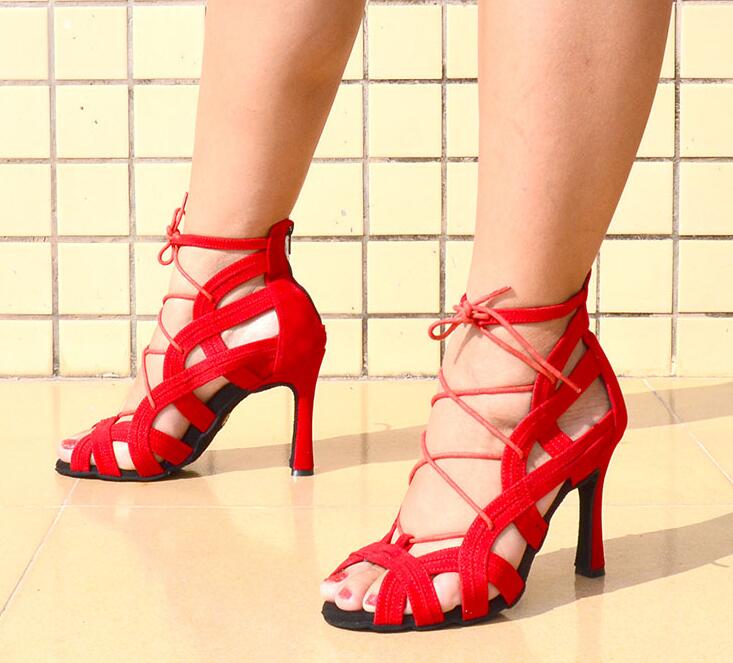
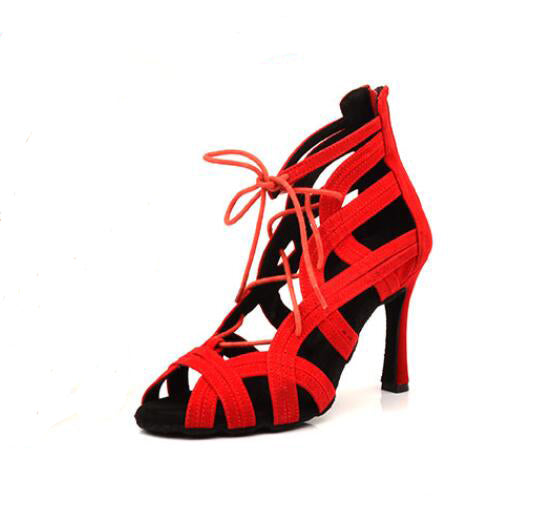
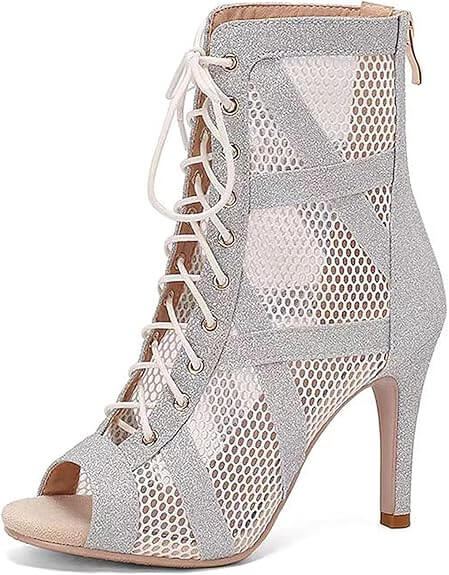
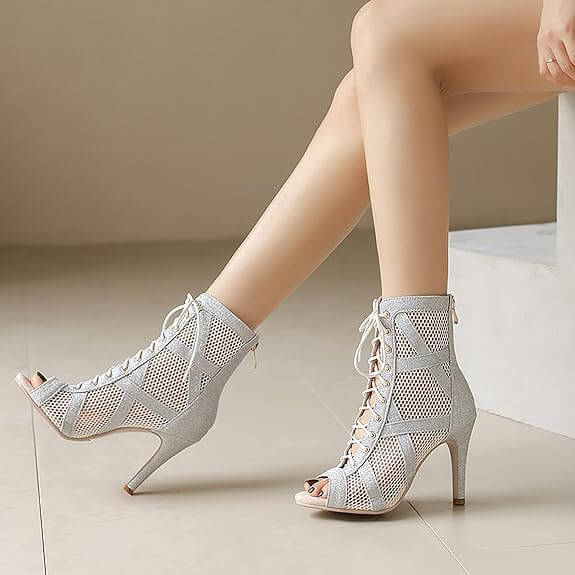
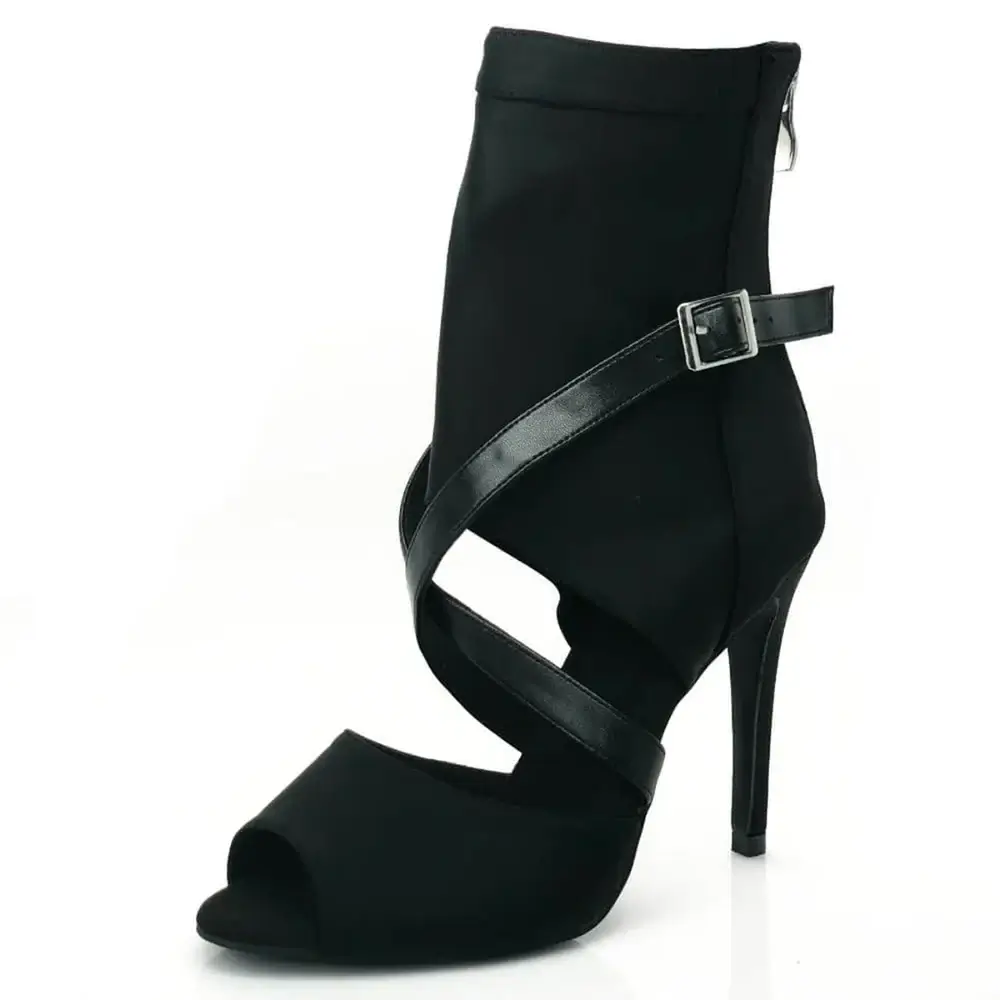
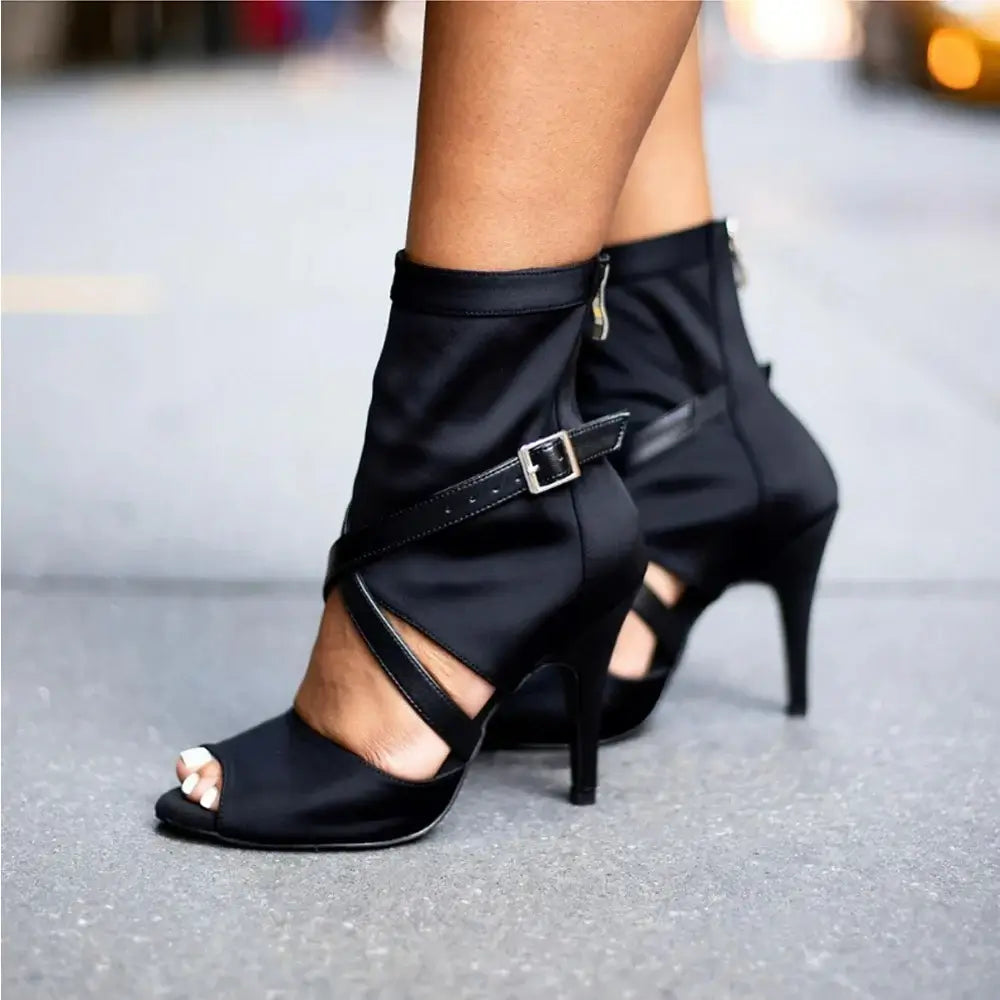
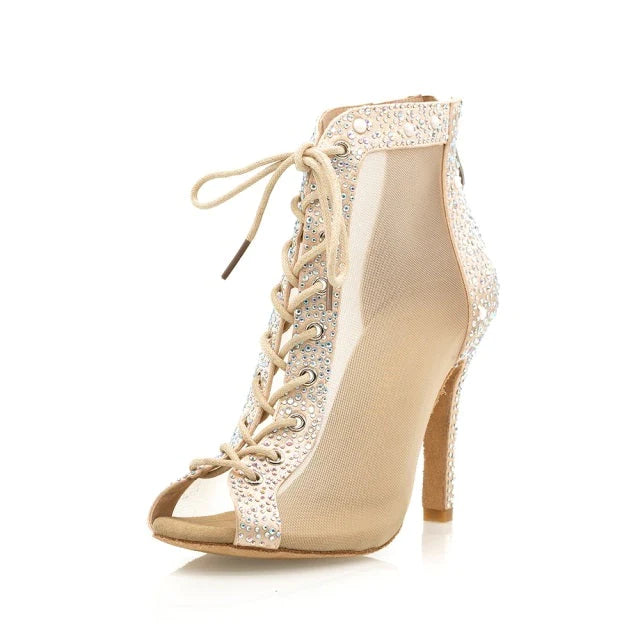
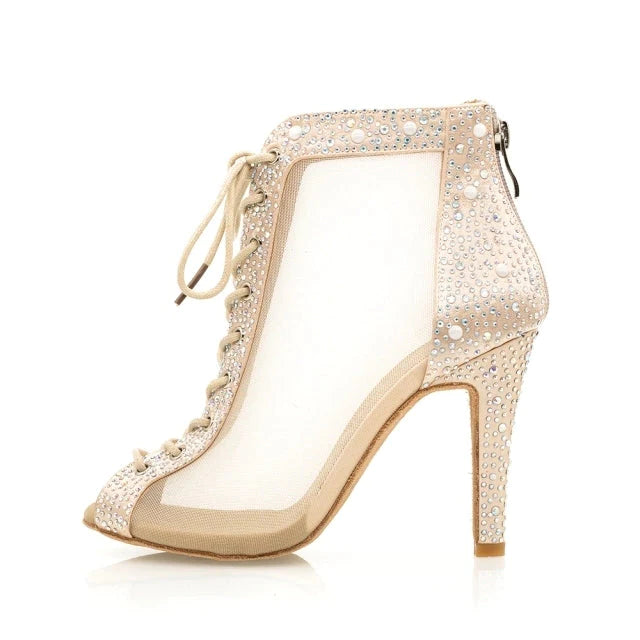
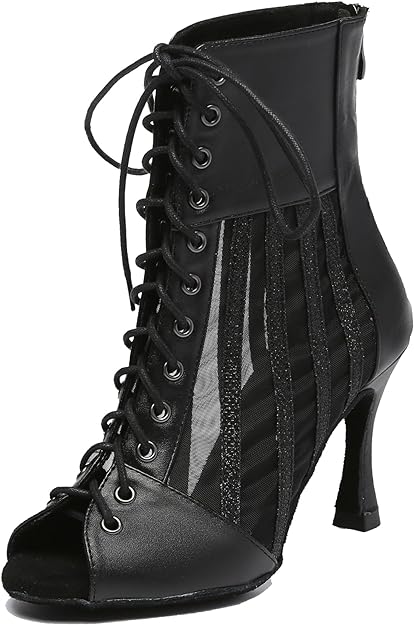
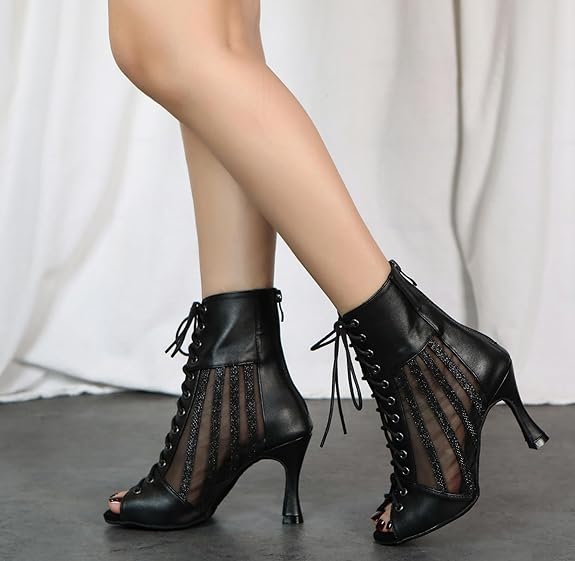
How to Choose heels dance shoes for Your First Class
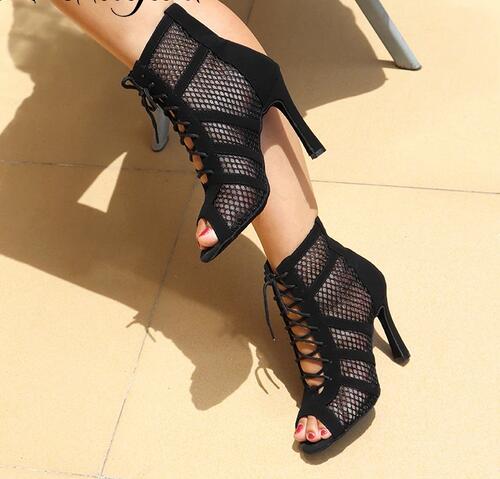
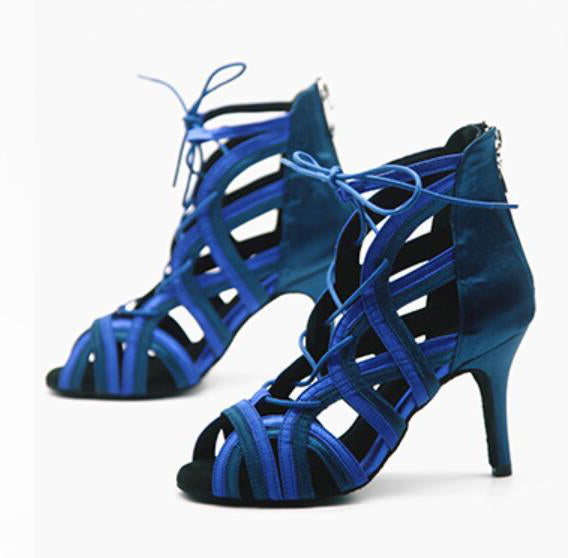
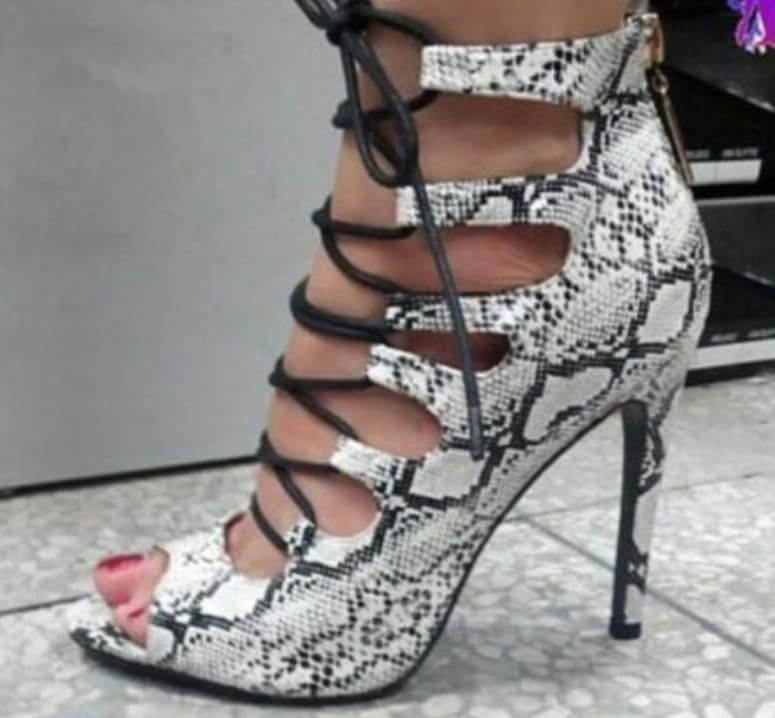
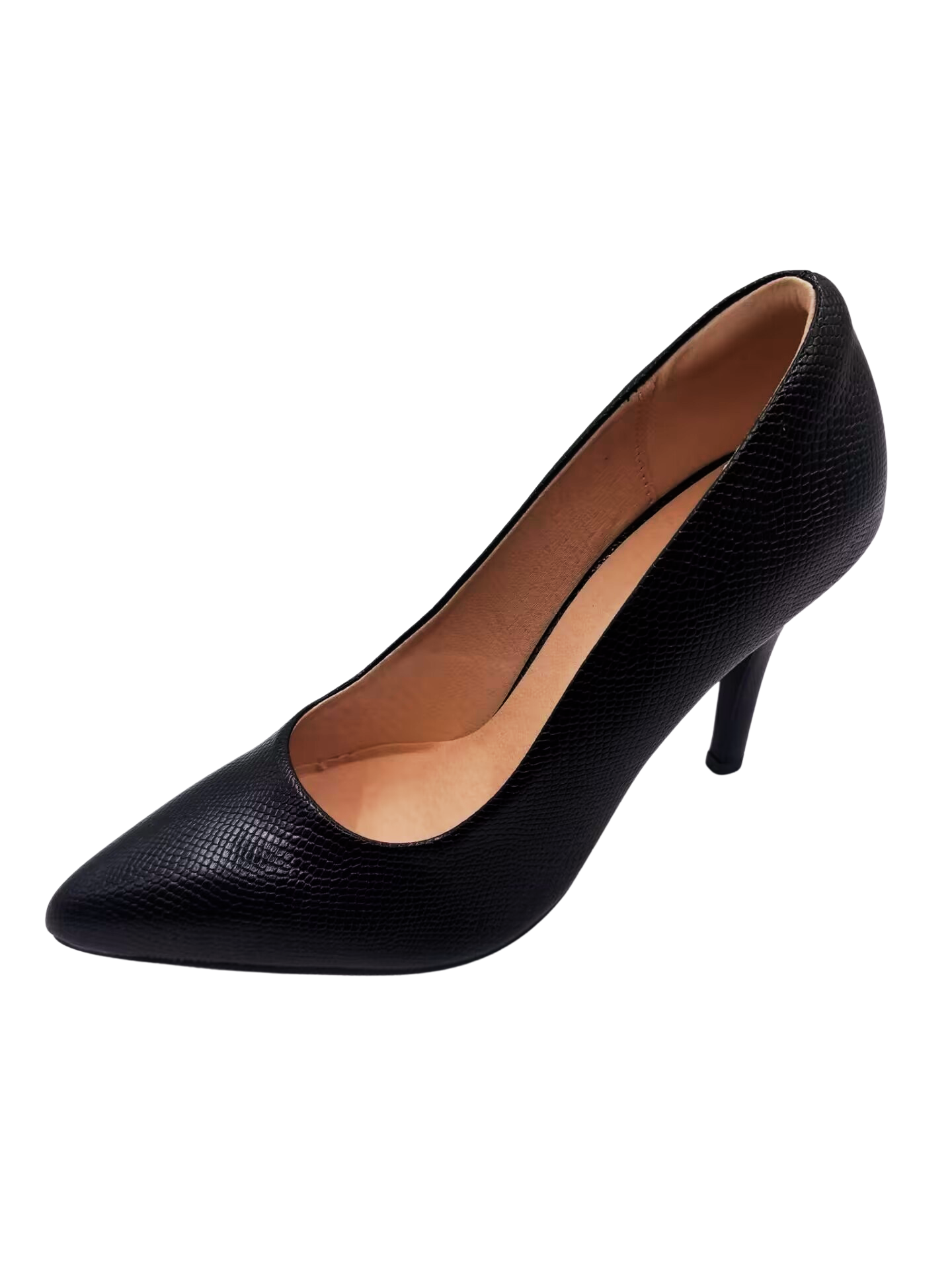
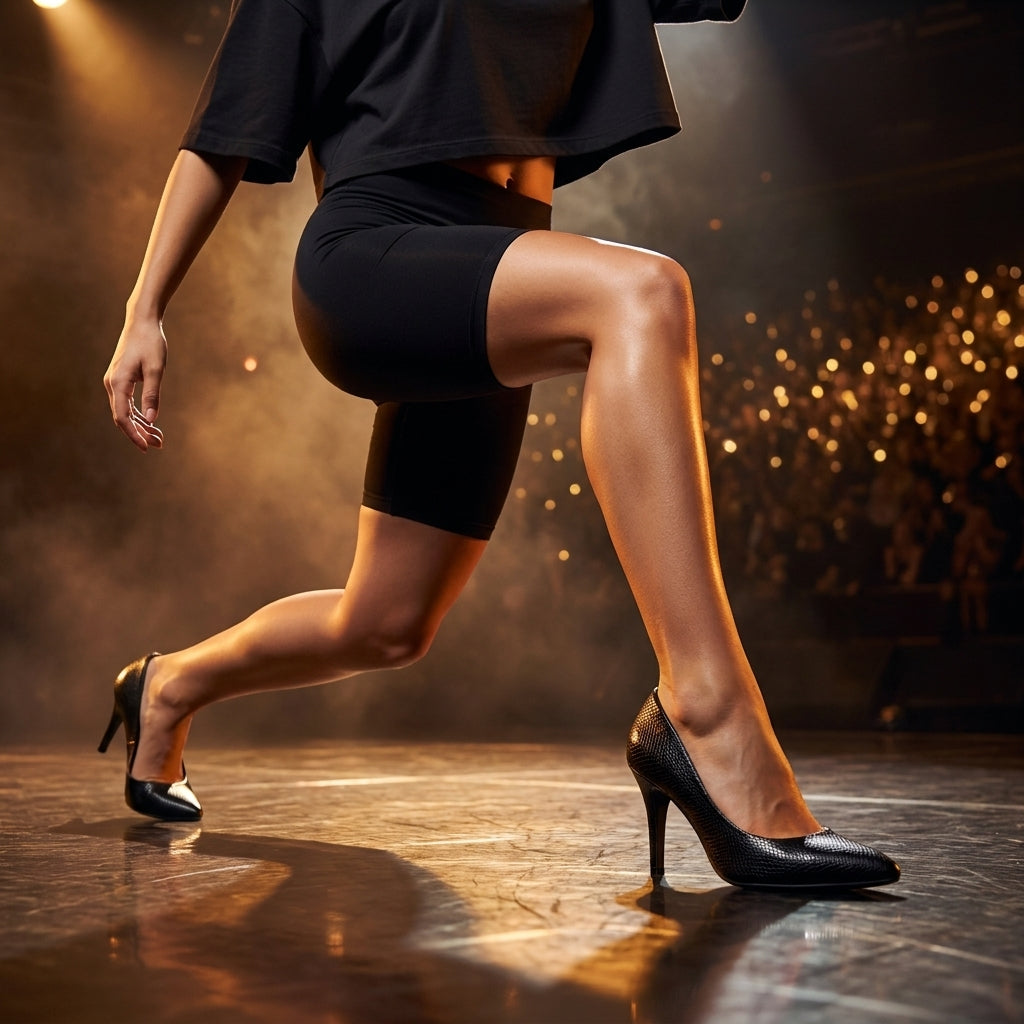
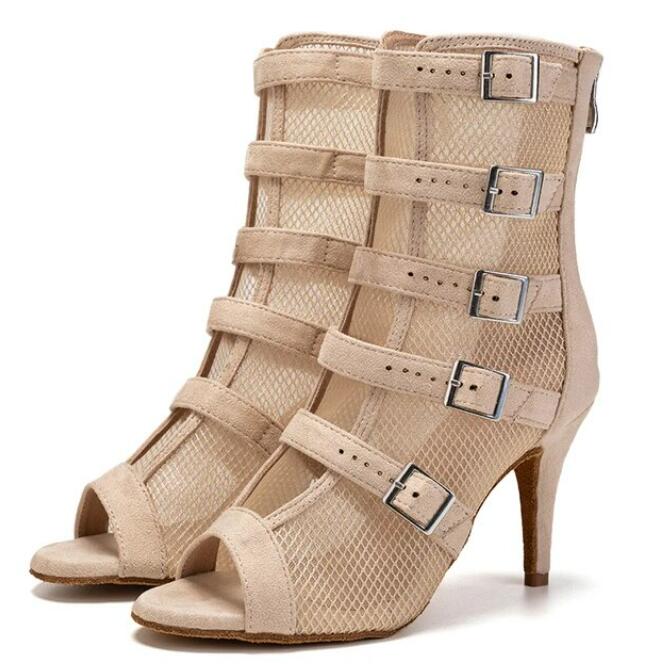
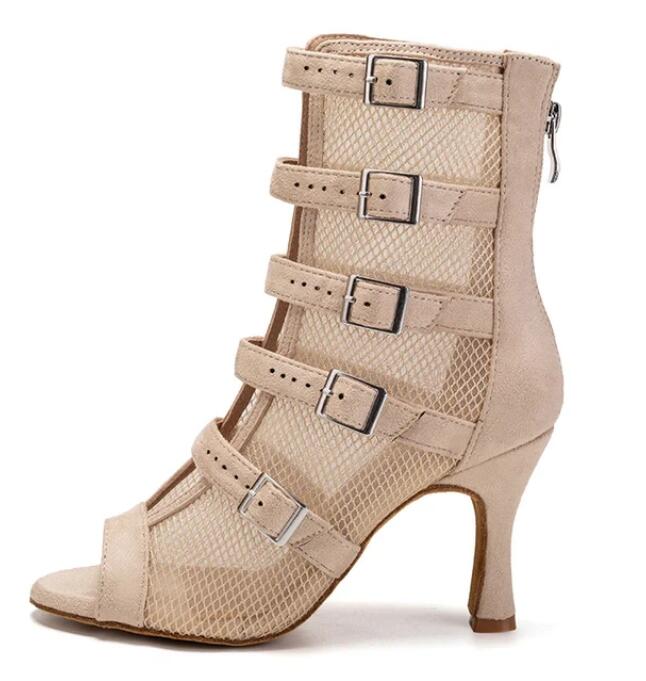
Your first Heels class needs support before drama. The right heels dance shoes give adult beginners a secure ankle strap, a shaped footbed, and a heel that matches their balance today. Fashion pumps place the heel too far back and leave the ankle exposed; that is how dancers roll outward during a body roll, hair whip, or fast Reggaeton step. Start with a shoe made for dance, not a party shoe. Look for a closed or caged upper if you want more toe coverage, a strap that locks the heel down, and padding under the ball of the foot. Choose shoes for heels dance class based on stability first, then style. TTdancewear offers heel heights from 2.5 inches to 4 inches, and most styles give you the same height in either a flared heel or a stiletto. That means you choose the leg line you want and still control how steady the shoe feels underfoot.
Heel Height: 2.5 Inch, 3 Inch, 3.5 Inch, and 4 Inch
Heels dance shoes do not go below 2.5 inches. The style is built on a lifted line, so 2.5 inch is the entry height and the range runs 2.5, 3, 3.5, 3.75, and 4 inches. Beginners, dancers returning after a break, and anyone nervous about falling should start at a 2.5-inch or 3-inch flared heel: the flared shape widens the contact point, so it holds far more like a low heel than the number suggests. Move to 3.5 inches once you control slow walks, bevels, floor transitions, and quick weight changes. Reserve the 4-inch stiletto for choreography you already execute cleanly at a lower height. If your toes go numb after 30 minutes, drop a half inch, switch stiletto to flared, and check the width before blaming your technique. If you want a genuinely low heel, that is a ballroom shoe rather than a heels dance shoe.
Sole Type: Suede for Studio, Street Sole for Mixed Surfaces
Dancers who train on clean studio floors should choose a suede sole. Suede gives controlled slide for turns, pivots, and directional changes in hip-hop heels without the hard stick of rubber. Brush suede after class to lift the nap and keep the turn surface even. Dancers who rehearse on rough wood, concrete-adjacent surfaces, outdoor event flooring, or mixed-use spaces should choose a street sole. A street sole protects the shoe and gives more grip where suede wears down fast. If suede feels too slippery, use shorter steps and check the floor for dust. If a sole feels too sticky, do not force spins; choose the surface-matched sole from the start. TTdancewear makes each style available with suede or street sole options, which keeps one design practical for different class settings.
Fit, Width, and Toe Comfort for womens dance heels
Dancers with narrow heels, wider forefeet, bunions, or swelling after class need fit details as much as heel height. Your toes should lie flat, not curl to stay inside the shoe. The ball of the foot should sit over the widest part of the sole, and the ankle strap should feel secure without cutting the skin. For open-toe styles, keep the toes close to the front edge without hanging over. For closed-toe styles, leave enough room to avoid numbness during repeated walks and poses. TTdancewear sizing runs from US 5 through 11 with select wide-width options, giving more room for dancers who feel squeezed in standard fashion heels. If you are between sizes, choose the fit that keeps the ball of the foot centered and the heel locked in place.
Match the Shoe to Heels Class, Reggaeton, and Hip-Hop Heels
Heels class combines walks, bevels, hair whips, floorwork, and sharp stops, so heels class shoes need a strap system that moves with you. For commercial choreography and sexy style, choose a shoe that frames the foot and holds the ankle through slow poses. For Reggaeton, prioritize a lower heel and secure upper because the rhythm demands grounded hip action and fast weight shifts. For hip-hop heels, choose cushioning and a sole that handles sharper accents. If you also train Salsa, Bachata, Cha Cha, Rumba, Samba, or Swing, keep your sole choice tied to the floor rather than the song. Dance heels shoes for studio choreography should not be treated like nightclub heels; the construction, sole, and strap placement serve different jobs.
Beginner vs. Advanced: When to Move Up
Beginners need a 2.5-inch or 3-inch flared heel until they complete clean walks forward and backward, slow pivots, and controlled drops without grabbing the wall. Move to 3.5 inches when your knees stay soft, your weight stays over the ball of the foot, and your ankle stays vertical during turns. Move to the 4-inch stiletto when the height improves your line without changing your timing. Advanced dancers choosing performance dance heels should still match height and heel shape to the choreography. A long, fluid routine in a satin upper carries a 3.5-inch stiletto well; a faster hip-hop heels combo with sharp direction changes is better in a 3-inch flared heel. Your shoe should make the movement clearer, not louder.
Care and Longevity for Class Shoes
Keep heels dance shoes in a shoe bag, let them air dry after class, and fasten straps before storing so buckles do not scratch satin, leather, mesh, or other uppers. Brush suede soles after studio sessions and keep them away from wet sidewalks. Wipe street soles after mixed-surface rehearsals so grit does not cut into the outsole. Rotate pairs if you train several days a week, especially when one pair uses suede and another uses a street sole. Buying online should feel low risk: TTdancewear backs purchases with a money-back guarantee and easy returns, so choose the height, sole, and size that match your first class with confidence.
Flared heel vs stiletto for Heels class
| Comparison Point | Flared heel (2.5–3 inch) | Stiletto (3.5–4 inch) |
|---|---|---|
| Stability for first classes | The flared shape widens the contact point, so walks, pivots, and basic floor transitions stay steady even at 3 inches. | Creates the longest line but demands stronger ankles, centered posture, and clean weight transfer. |
| Comfort through choreography | Spreads load through the heel during 45–60 minute class blocks and repeated walks. | Adds toe pressure during long combinations; choose only when the fit keeps toes flat and secure. |
| Recommended dance use | Strong choice for beginner Heels class, Reggaeton drills, and hip-hop heels with sharp directional changes. | Strong choice for filmed choreography, stage performance, slow walks, bevels, and controlled posing. |
| Recommended floor and sole | Pair with suede sole for clean studios or street sole for mixed rehearsal spaces where grip matters. | Pair with suede sole for smooth studio turns and avoid rough outdoor surfaces that stress a thin heel. |
| Learner-friendliness | Lets beginners start at the collection’s lowest height, 2.5 inch, and build balance before going taller. | Suits dancers who already control turns, drops, and transitions without ankle collapse. |
| Visual line | Creates a grounded, confident look that does not read like a beginner mistake. | Creates the sharpest leg line for performance dance heels when technique already supports it. |
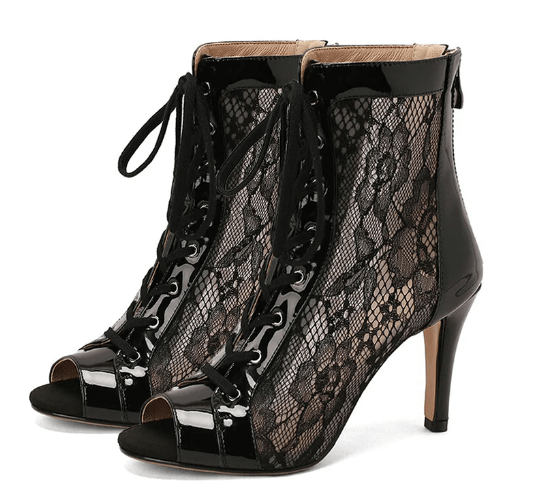
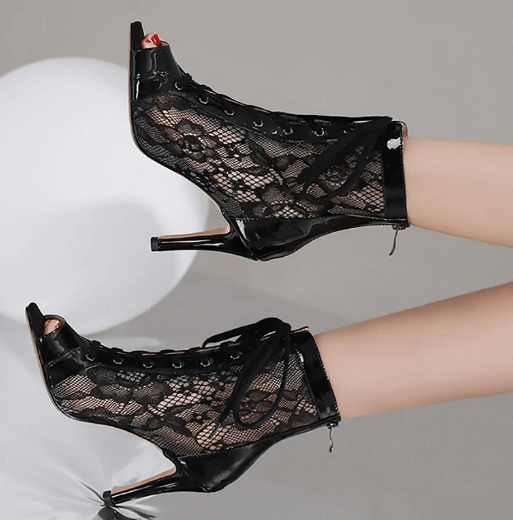
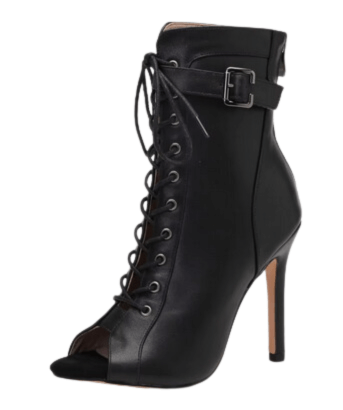
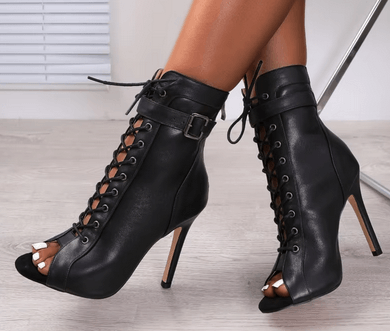
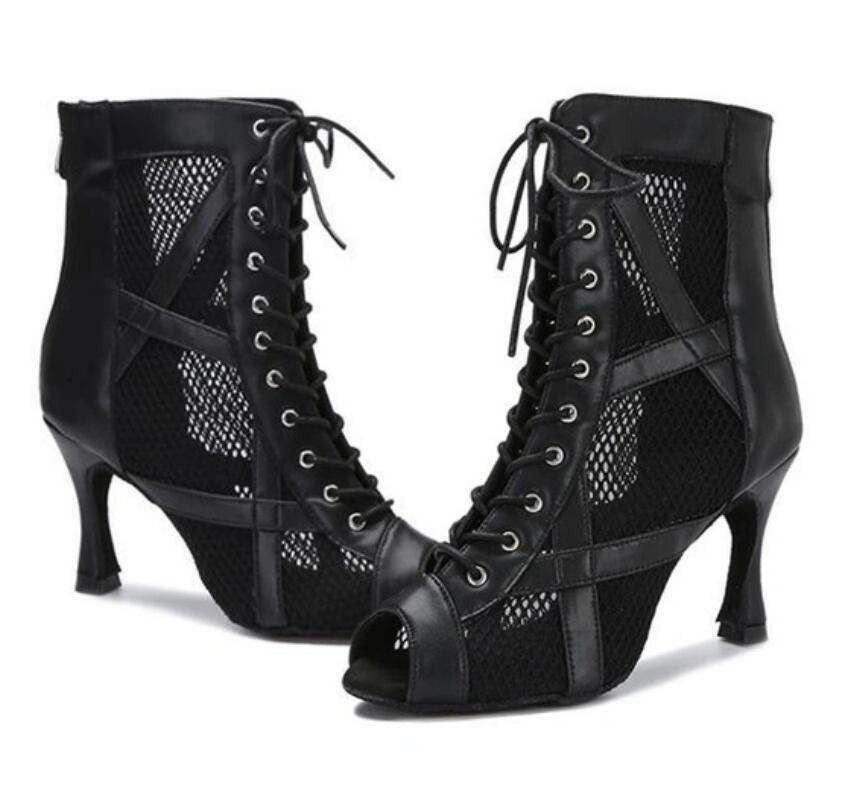
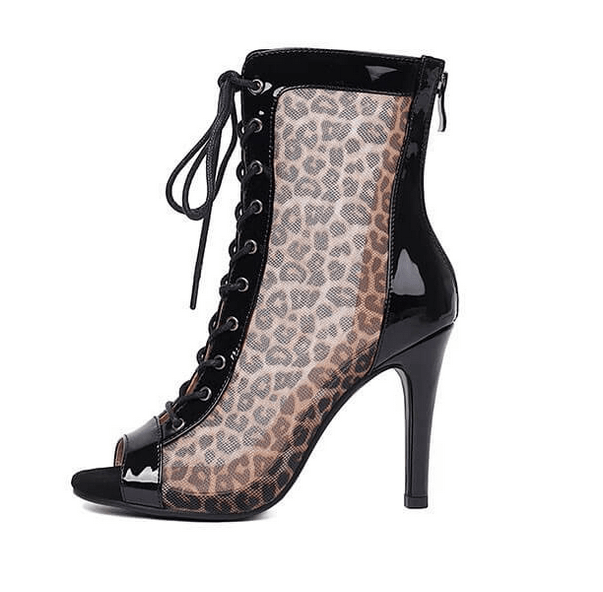
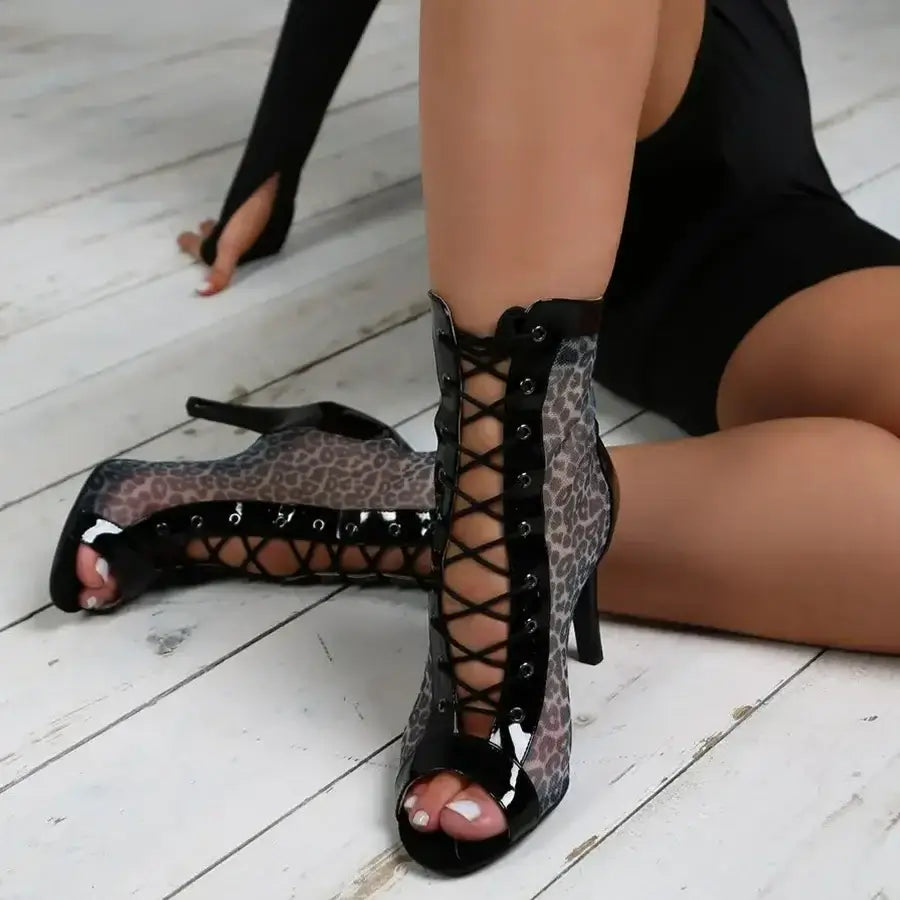
How to Choose Heels Dance Boots for Heels Class & Commercial Choreography
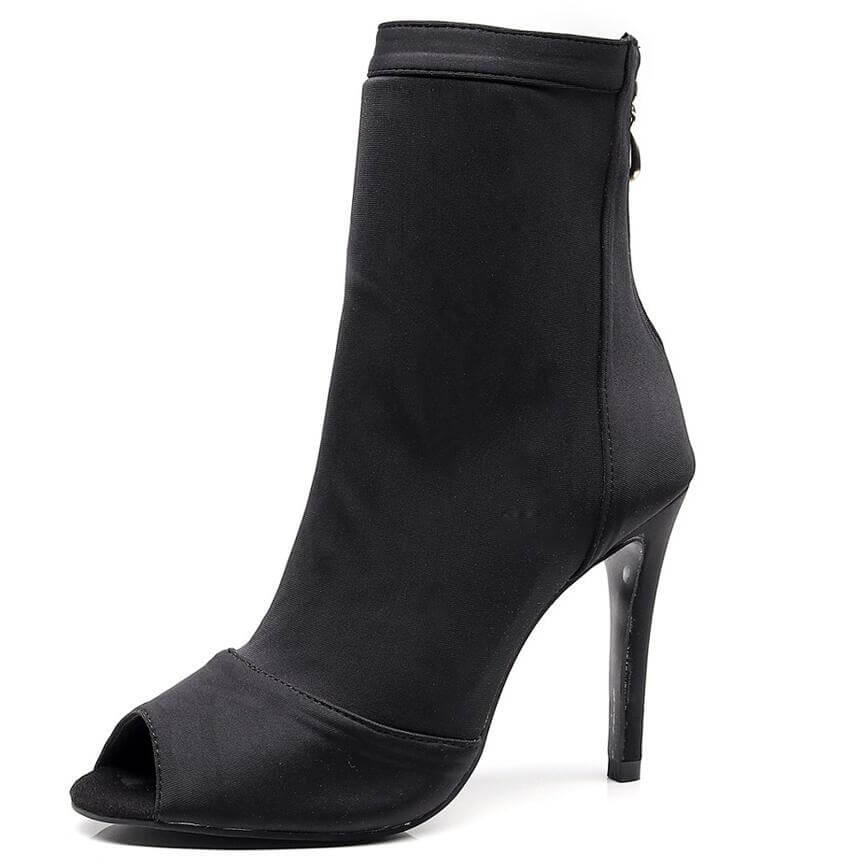
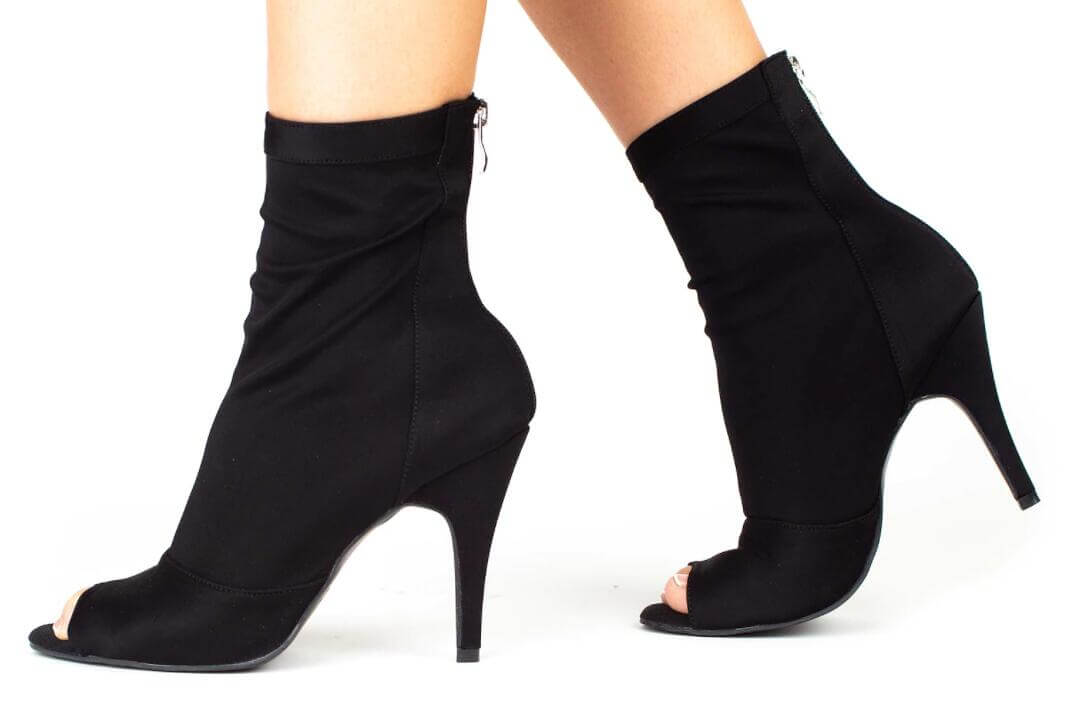
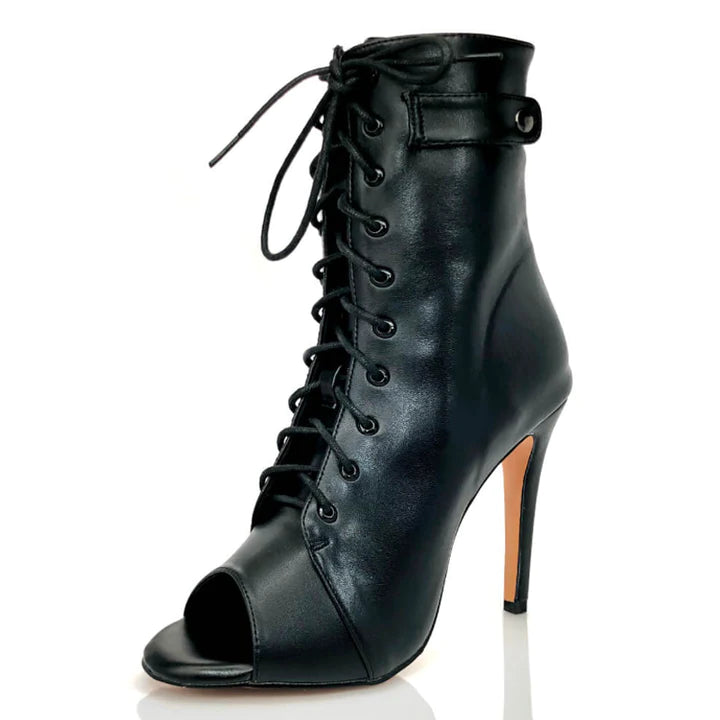
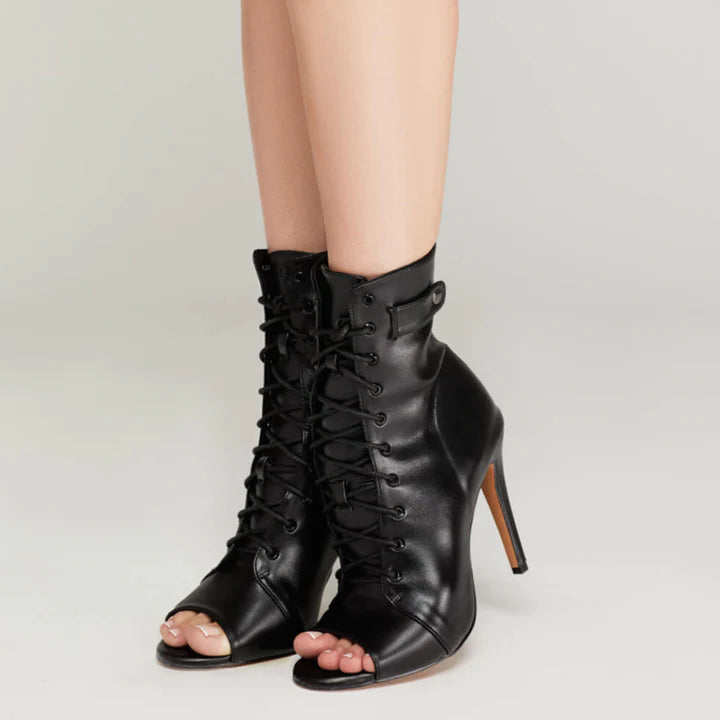
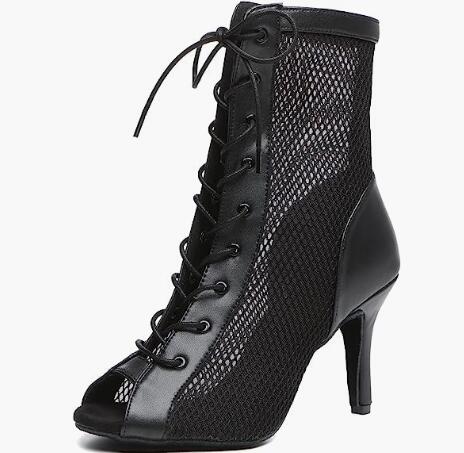
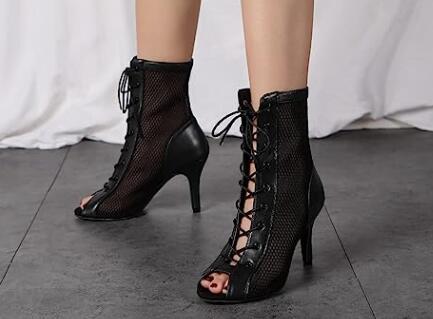
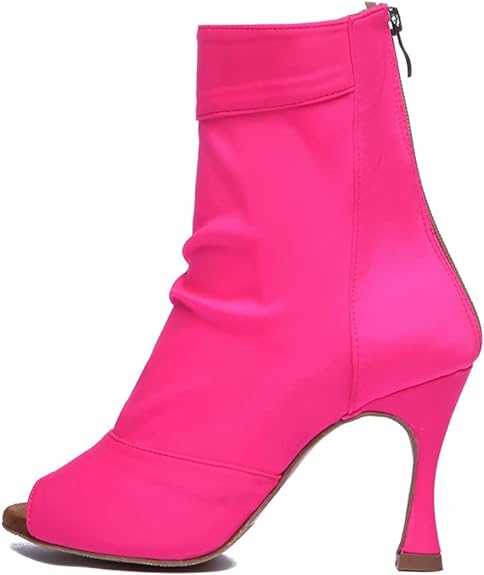
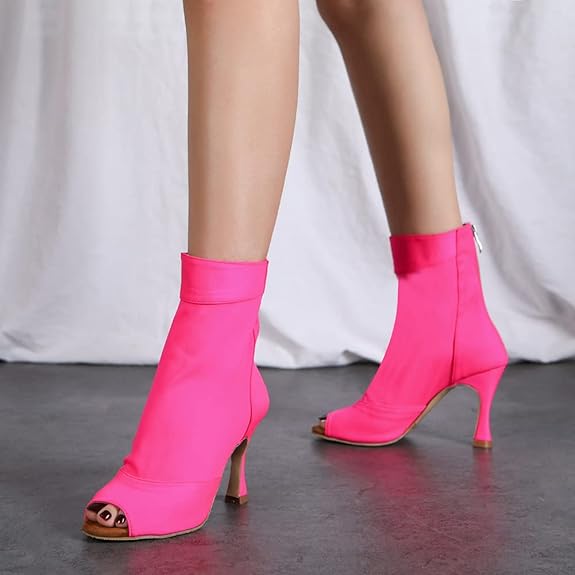
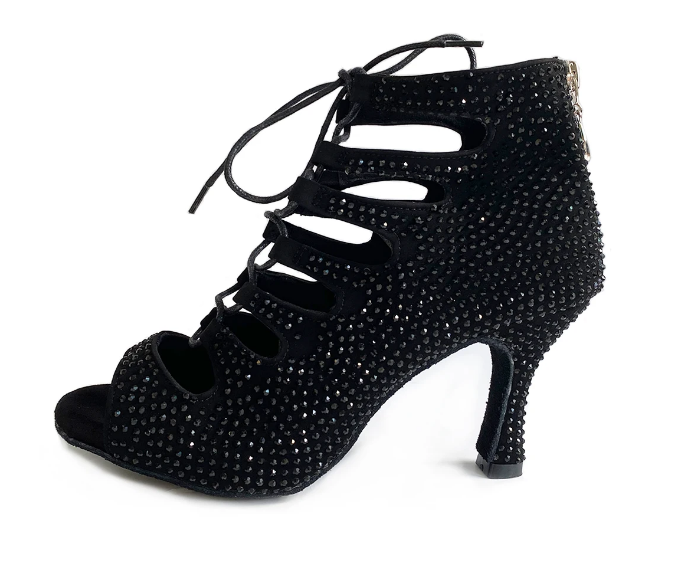
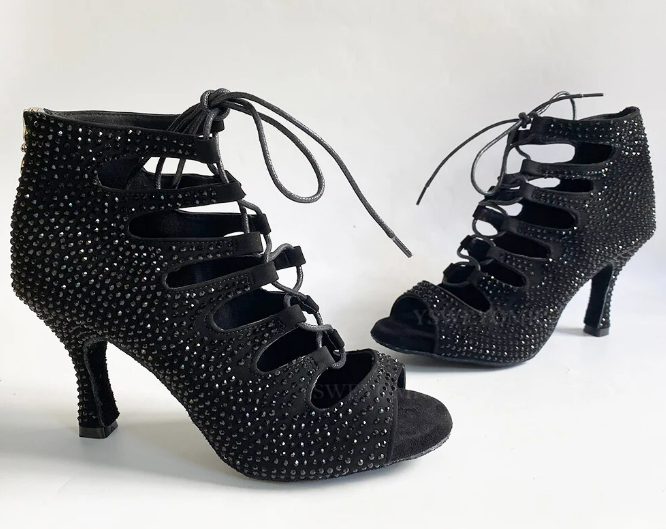
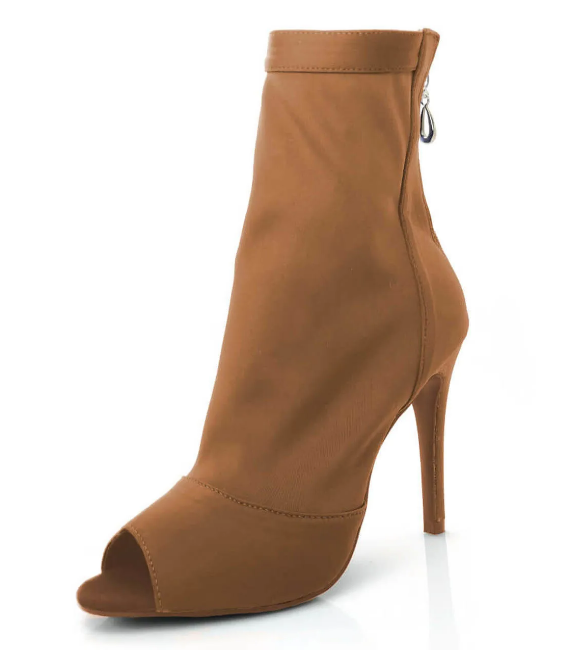
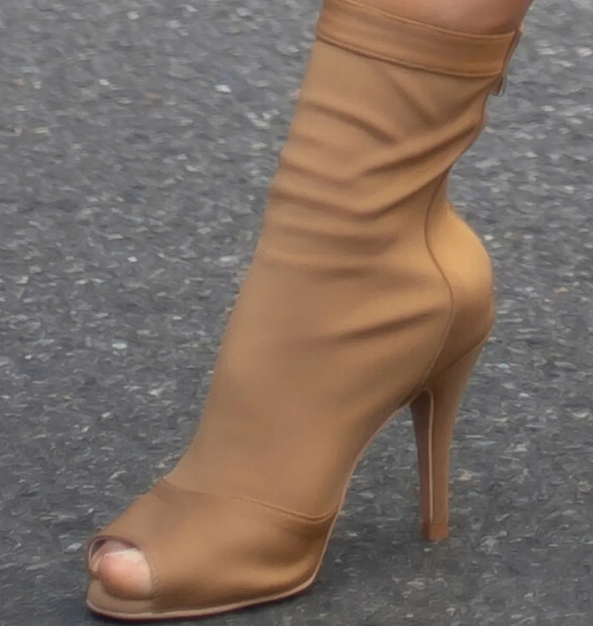
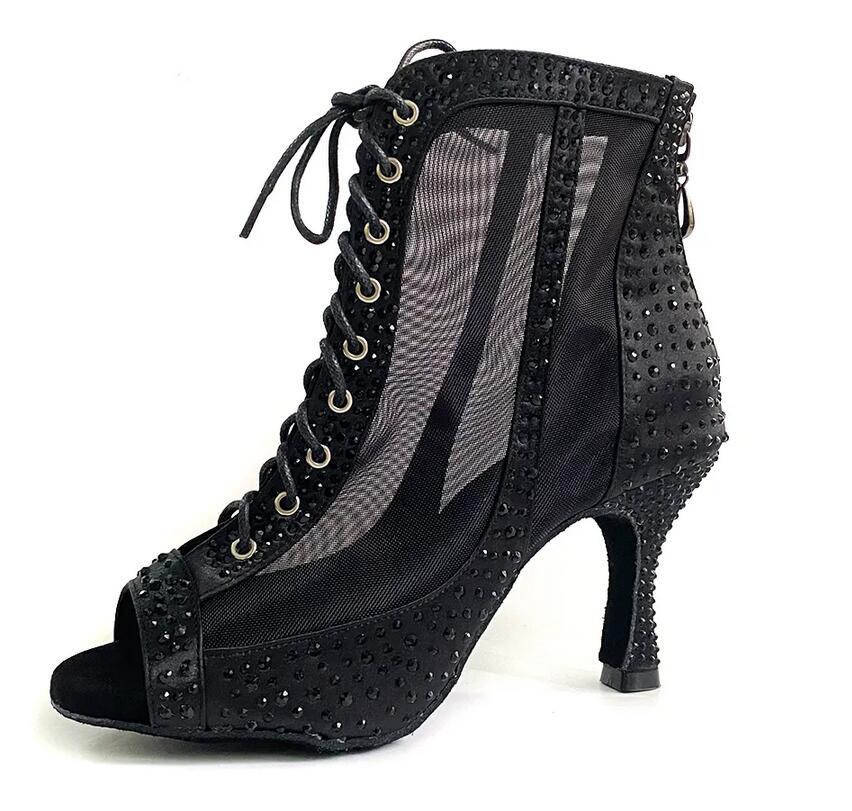
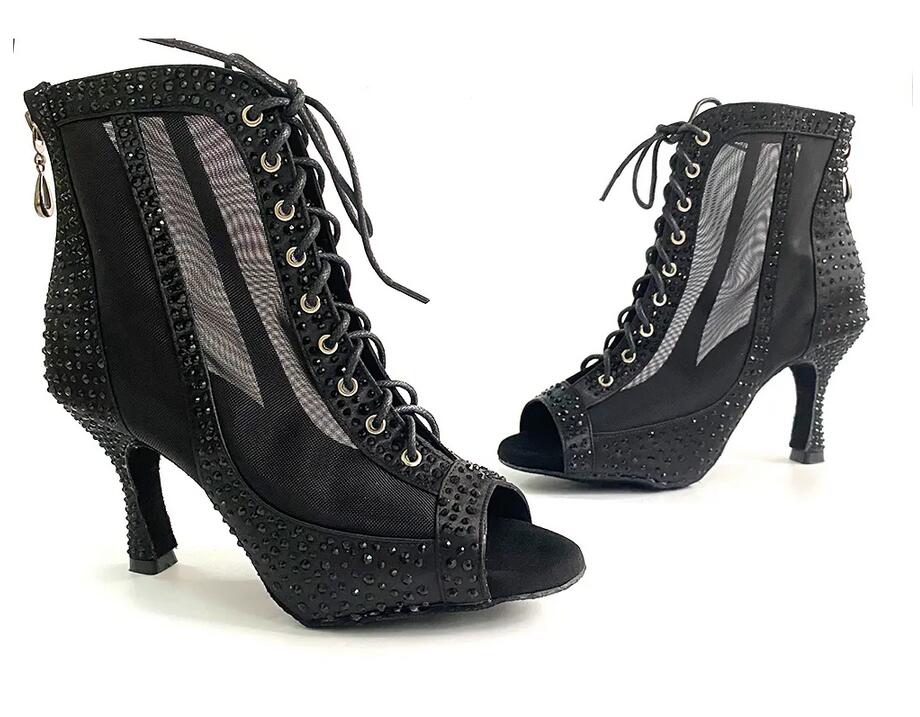
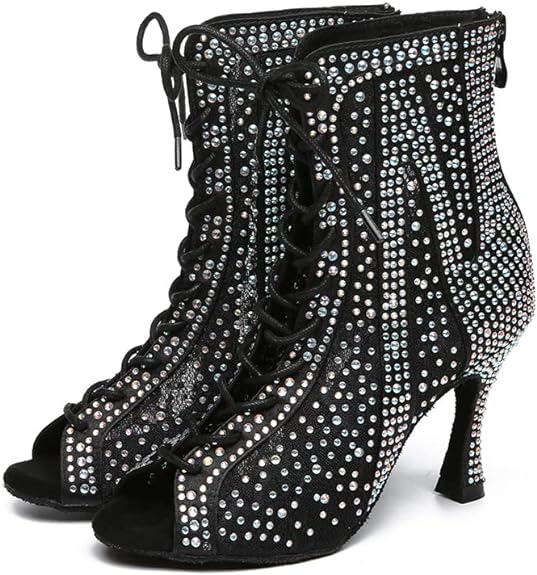
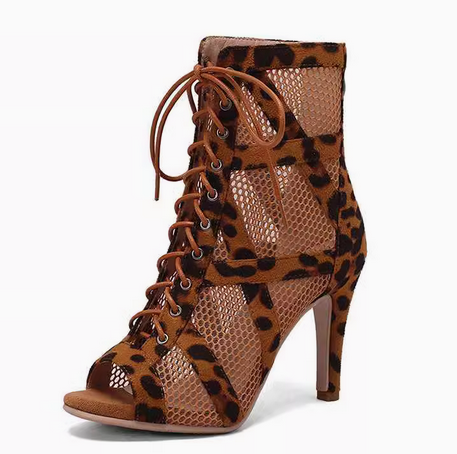
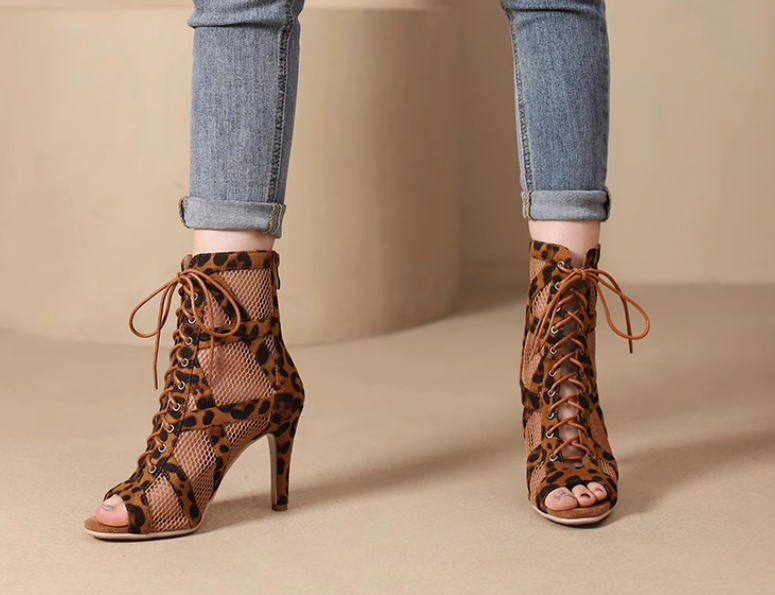
Heels dance boots are a performance and style shoe, built for heels class, commercial, Reggaeton, and hip-hop choreography where a boot shaft completes the look. Because the shaft is part of the aesthetic, dance boots run taller than court shoes: nearly every TTdancewear boot is offered in 3 inch, 3.5 inch, 3.75 inch, and 4 inch, and a large share of styles also offer a 2.5 inch flared heel. Here is how to pick the right pair.
Heel height: plan on 3 inch to 4 inch
Unlike low ballroom shoes, heels dance boots are not made below 2.5 inches. The 3 inch to 4 inch range gives the long leg line that commercial and Reggaeton styles are built around. If you want the boot look with less pitch, choose a style that offers the 2.5 inch flared heel, or add a platform under the toe: a platform shortens the effective pitch, so a 4 inch boot with a platform can feel closer to a 3 inch heel and is easier to control.
Shop: 4 inch dance boots · 3.5 inch dance boots · add a platform to your pair
Flared heel or stiletto: the choice that matters most
Shaft height sets the look, but heel shape sets the control. A flared heel spreads the contact point and gives a wider, steadier base at the same height, which is what you want for floor work, fast weight changes, and long class blocks. A stiletto reads sharper on stage and in filmed choreography, and it asks for more ankle strength and cleaner weight placement. Most TTdancewear boots let you pick either shape at the same height, so you can keep the 3.5 inch line you like and still change how stable it feels underfoot.
A practical rule: choose flared for the class you take every week, stiletto for the routine you film or perform.
Shop: all dance boots
Material and fit: look for stretch
For a boot that hugs the leg without pinching, choose a stretch upper. Stretch lycra and sock-style boots flex with the ankle through drops, body rolls, and pivots; suede and soft leather boots give a more structured hold with a lace-up or zip closure. Whichever upper you pick, the shaft should sit snug and the closure should lock the foot down so the boot does not twist mid-turn. Sizes run US 5 through 11.
Sole: suede for studio, street for mixed floors
Suede soles grip smooth studio floors for controlled spins and slides, which is the right choice for most heels classes. Brush the nap after class to keep the turn surface even. If you also dance on stages, rehearsal rooms, or harder surfaces, a street sole adds durability and traction, and a half rubber sole lets one pair handle both.
Shop: smooth street soles · half rubber sole · suede sole brush
New to heels? Build up to the boot
Because dance boots start at 3 inch for most styles, they suit ankles that are already conditioned. If this is your first heels class, learn the technique in a low heel first, then move up to a 3.5 inch or 4 inch boot for performance. Choosing a flared heel for your first boot shortens that gap considerably.
Shop: low heel dance shoes
Quick pick
- First heels class: 2.5 inch or 3 inch flared heel, suede sole, ankle-height bootie
- Commercial, Reggaeton, hip-hop heels: 3.5 inch stiletto or flared, stretch lycra upper, suede sole
- Stage performance and filmed choreography: 4 inch stiletto, add a platform, street or suede sole
Heels Dance Shoes: Frequently Asked Questions
Are dance heels shoes good for beginners?
Yes. Beginners should start with dance heels shoes built for class, not fashion pumps. Heels dance shoes start at 2.5 inches, so choose that height in a flared heel with an ankle strap and padding under the ball of the foot. The flared shape gives a wide, steady contact point that supports walks, pivots, and basic floorwork while reducing the ankle roll risk of narrow party heels.
How do I choose heel height for heels class shoes?
Choose heel height by current balance, not by outfit. The range here is 2.5 to 4 inches, and 2.5 inch is the lowest heels dance shoes go. Start at 2.5 or 3 inches in a flared heel. Move to 3.5 inches after you control forward walks, backward walks, and pivots without wobbling. Reserve the 4-inch stiletto for choreography you already execute cleanly at a lower height.
Should I choose suede sole or street sole for Heels class?
Choose suede sole for clean studio floors because it gives controlled slide for turns and pivots. Choose street sole for mixed-use surfaces, rough floors, or rehearsal spaces outside a dance studio. Do not wear suede on wet or gritty surfaces; it breaks down fast and loses its smooth turning feel.
What shoes should I wear if my toes go numb after 30 minutes?
Drop a half inch, switch from a stiletto to a flared heel at the same height, and check the width. A 2.5-inch or 3-inch flared heel reduces forward pressure on the toes. Select a style that lets the toes lie flat, and use wide-width options when the forefoot feels squeezed. Numb toes signal fit, height, or heel shape problems, not a lack of dance skill.
Is a block heel better than a stiletto for first Heels class?
A flared or Cuban-style heel gives a wider base for first classes and supports balance during walks, bevels, and pivots. A stiletto creates a sharper look but requires stronger ankle control. Start with the flared shape at 2.5 or 3 inches, then move to a slimmer heel after your timing and posture stay steady.
Can I wear choreography heels for Reggaeton or hip-hop heels?
Yes, when the heel height, shape, and sole match the movement. For Reggaeton and hip-hop heels, choose a 2.5-inch or 3-inch flared heel with secure ankle support because the choreography includes fast weight shifts and sharp stops. Use suede for studio floors and street sole for mixed rehearsal surfaces.
How tall are heels dance boots?
Most heels dance boots are made in 3 inch, 3.5 inch, 3.75 inch, and 4 inch heels, and many TTdancewear styles also offer a 2.5 inch flared heel. 2.5 inch is the lowest heel offered on heels dance shoes and boots; nothing in this collection goes below it. If you want less pitch without leaving the boot look, pick the 2.5 inch flared option or add a platform under the toe.
Is a flared heel or a stiletto better for heels dance boots?
A flared heel gives a wider, steadier base at the same height, which suits weekly heels class, floor work, and fast weight changes. A stiletto reads sharper on stage and in filmed choreography but asks for more ankle strength. Most TTdancewear boots offer both shapes at the same height, so you can keep the leg line and change only how stable the shoe feels.
Can beginners wear 3 inch dance boots?
Yes, once your ankles are conditioned. Because most dance boots start at 3 inch, learn the technique in a low heel first, then move up. Choosing a flared heel rather than a stiletto for your first boot makes that step much easier to control.
Explore more: burlesque dance shoes · latin dance heels · salsa dance shoes · bachata dance shoes · samba platform shoes.