




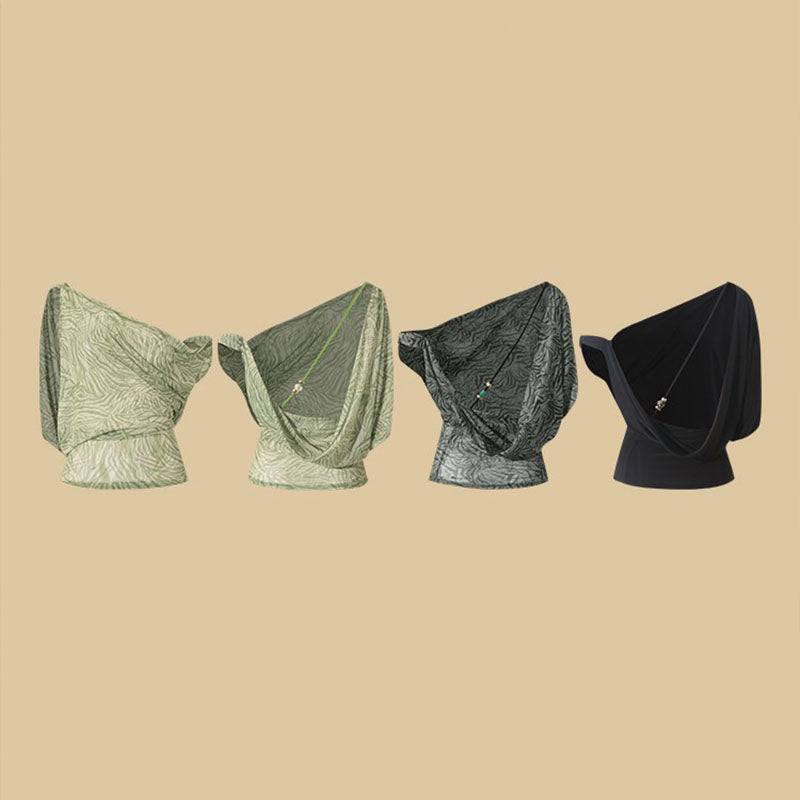
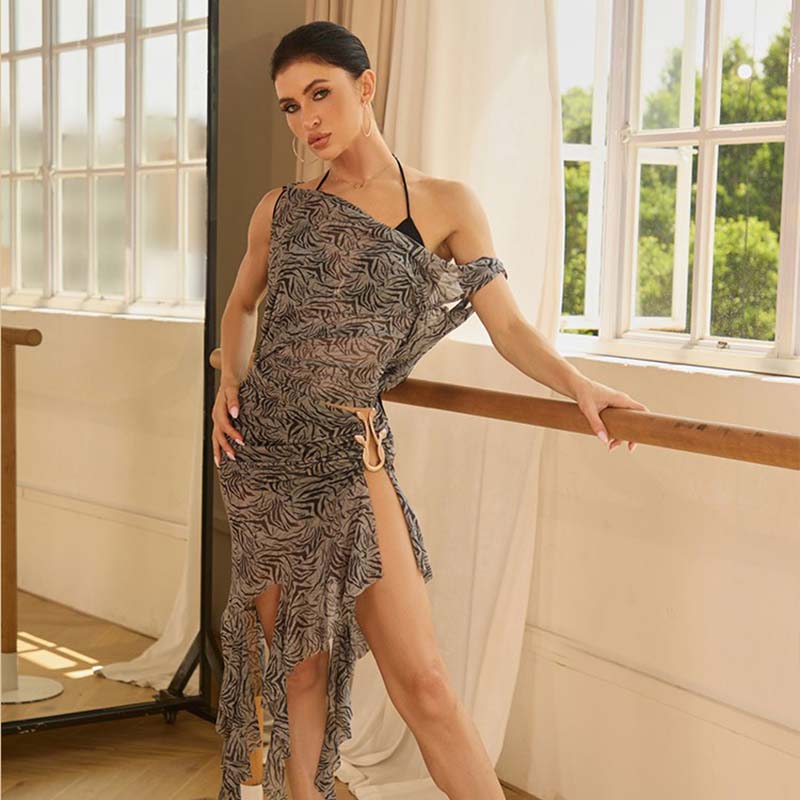
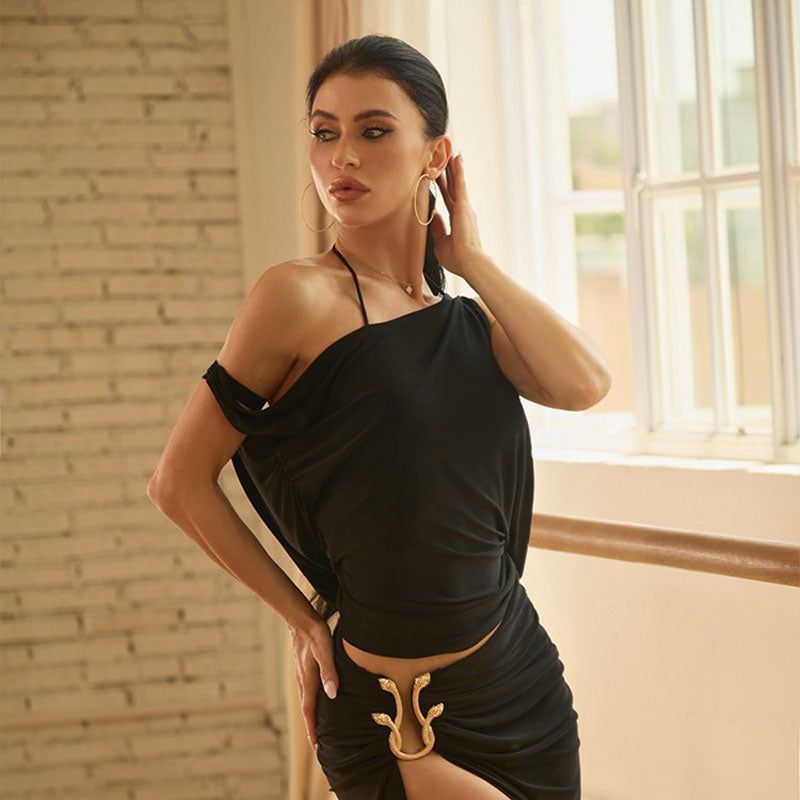

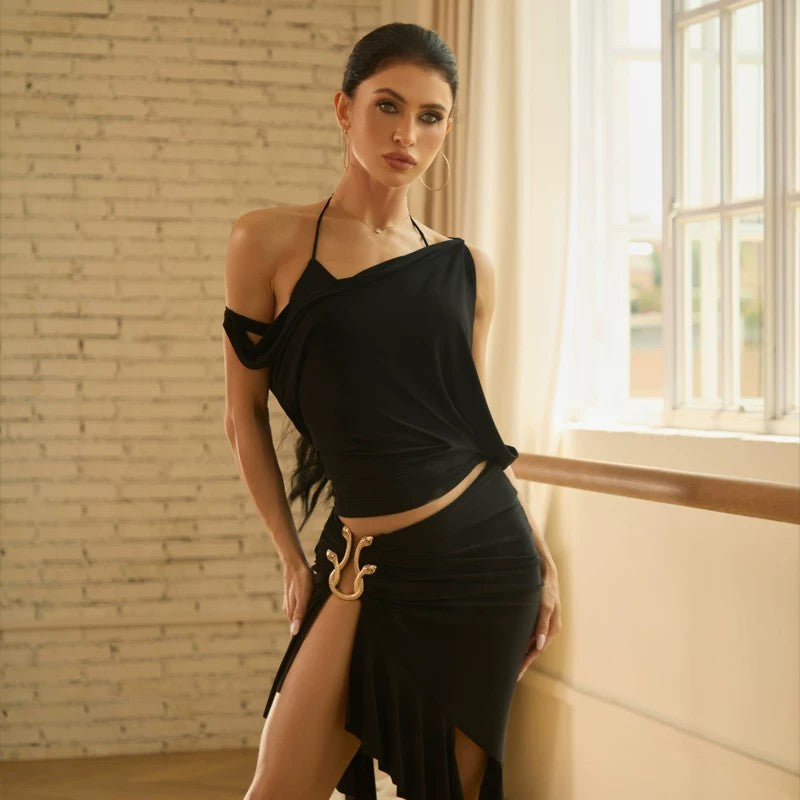

































































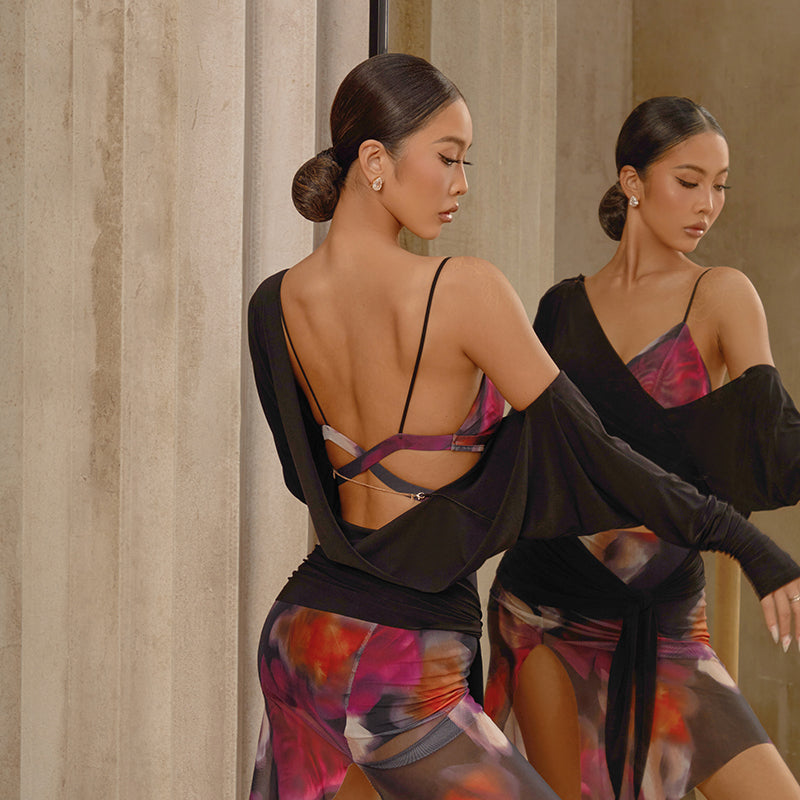
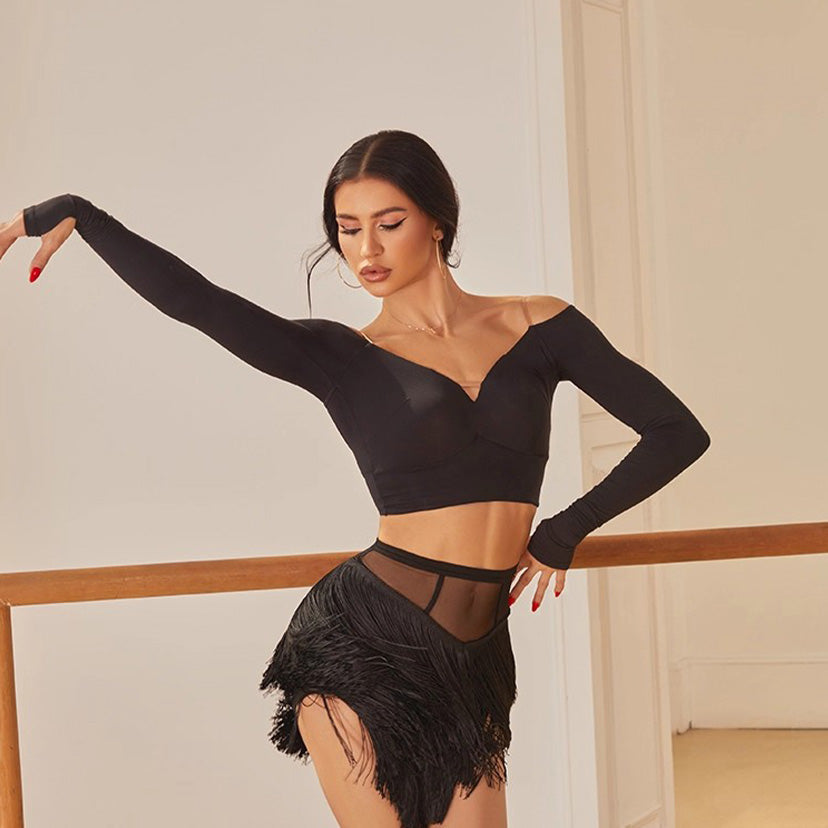


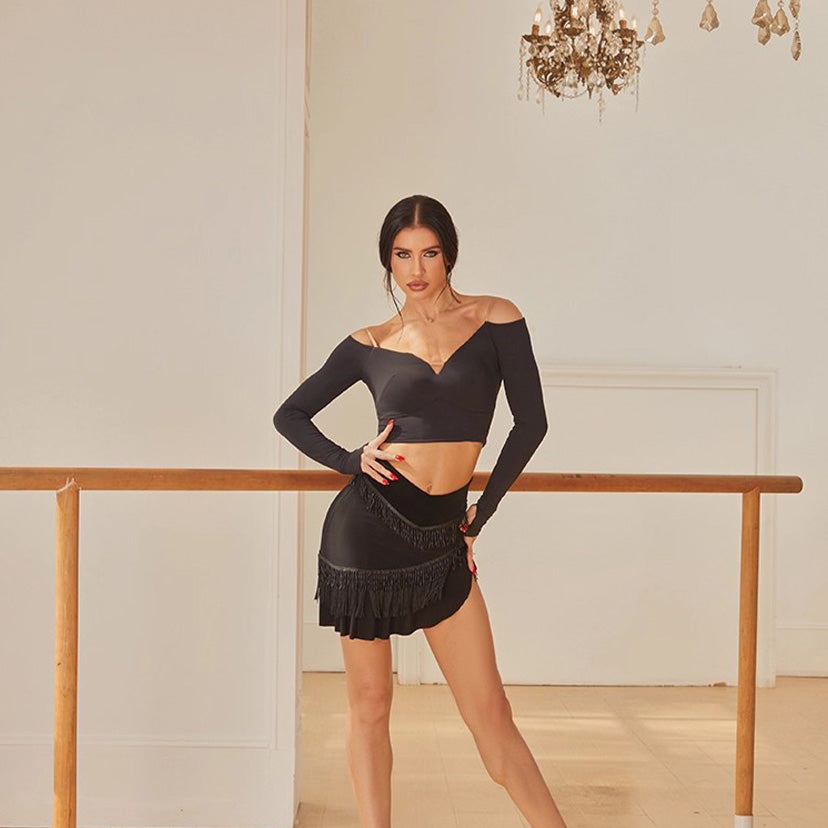

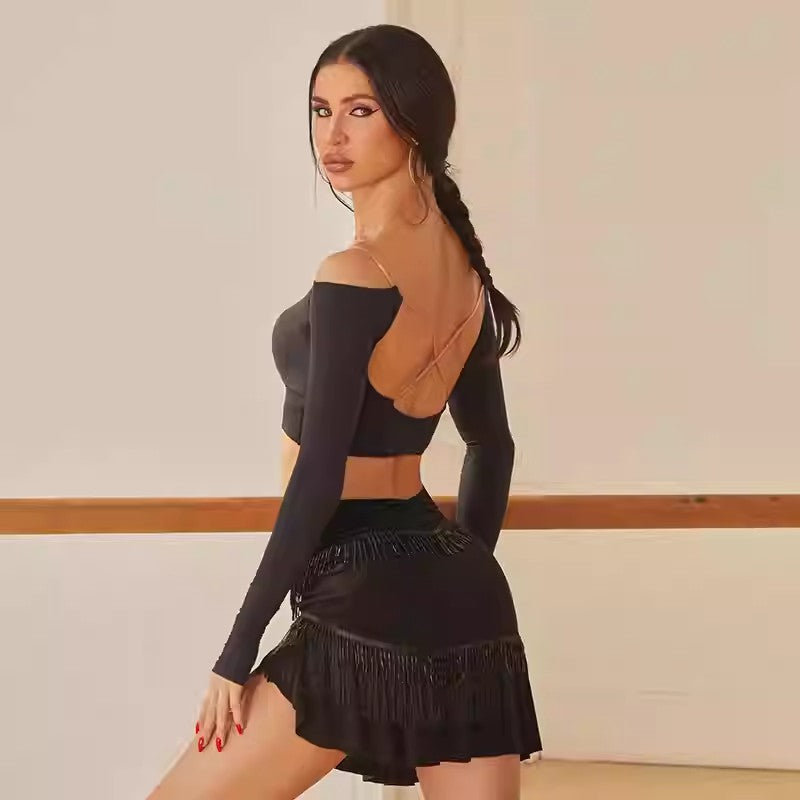














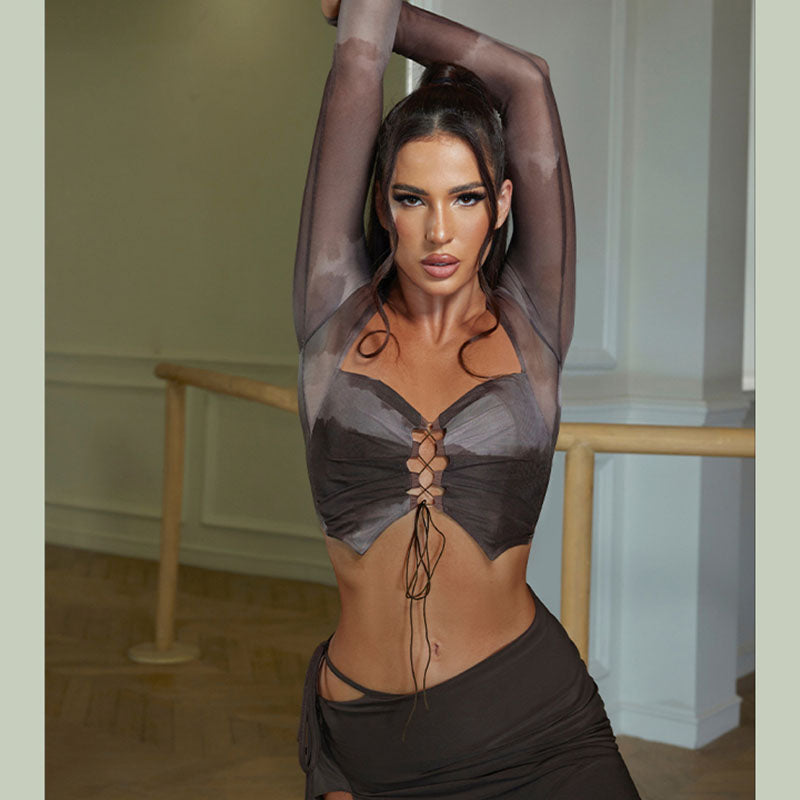








































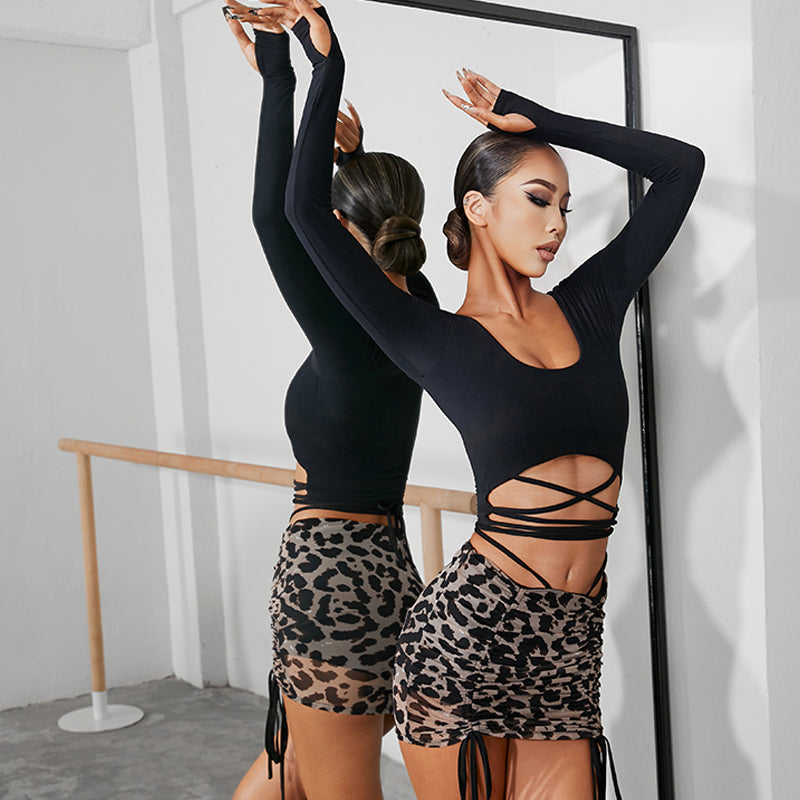
The Half People Actually See
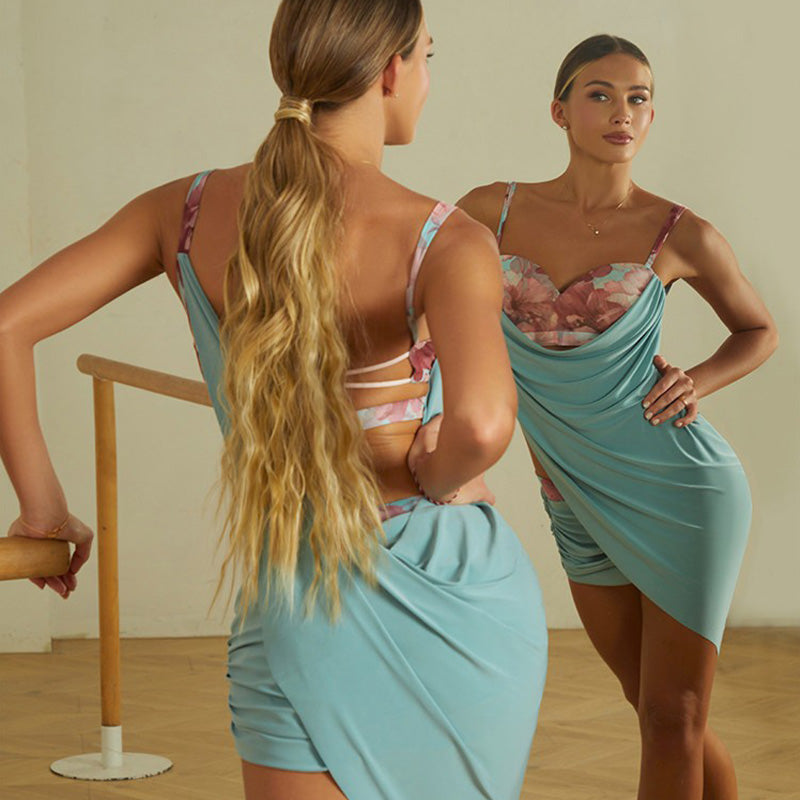
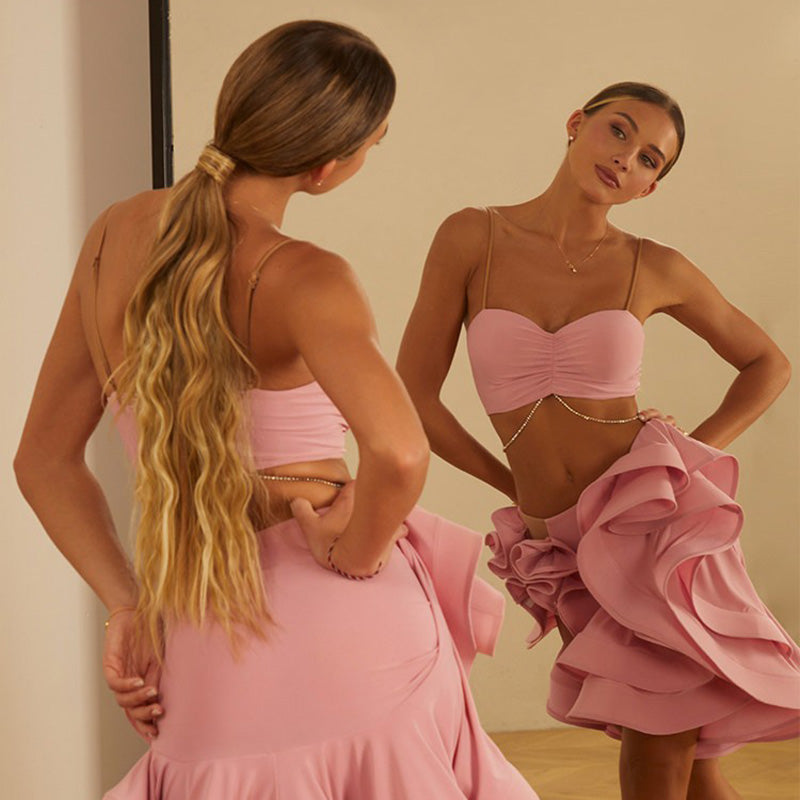
In a mirror, in a photograph and from a judge's chair, the top half is what registers first. The skirt tells you what your legs are doing; the top decides what the whole outfit looks like. That is a useful thing to know before you buy, because it means the top is where variety is worth spending and the bottom is where durability is.
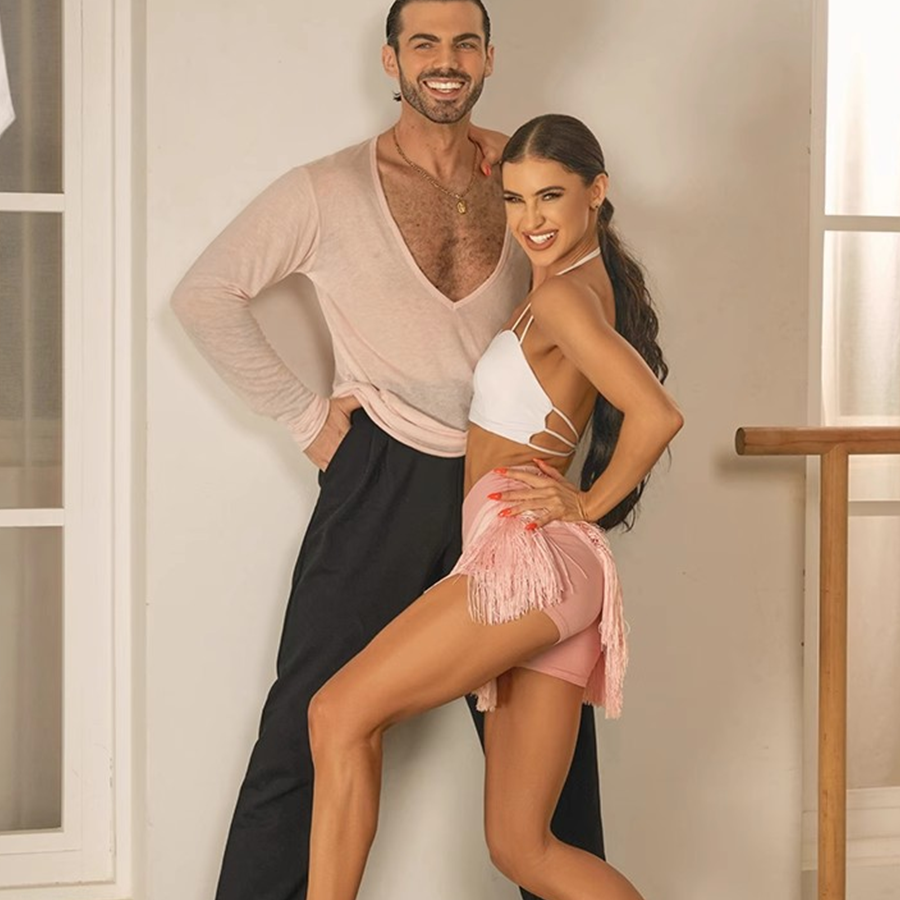
It also means a small collection goes a long way. One skirt worn with three different tops reads as three outfits across a term, and nobody in your class will notice the skirt repeating. Reverse it — three skirts and one top — and everybody notices.
Necklines: What Each One Solves
Every cut here is answering a specific problem rather than following a trend, and knowing which problem makes the choice quick.
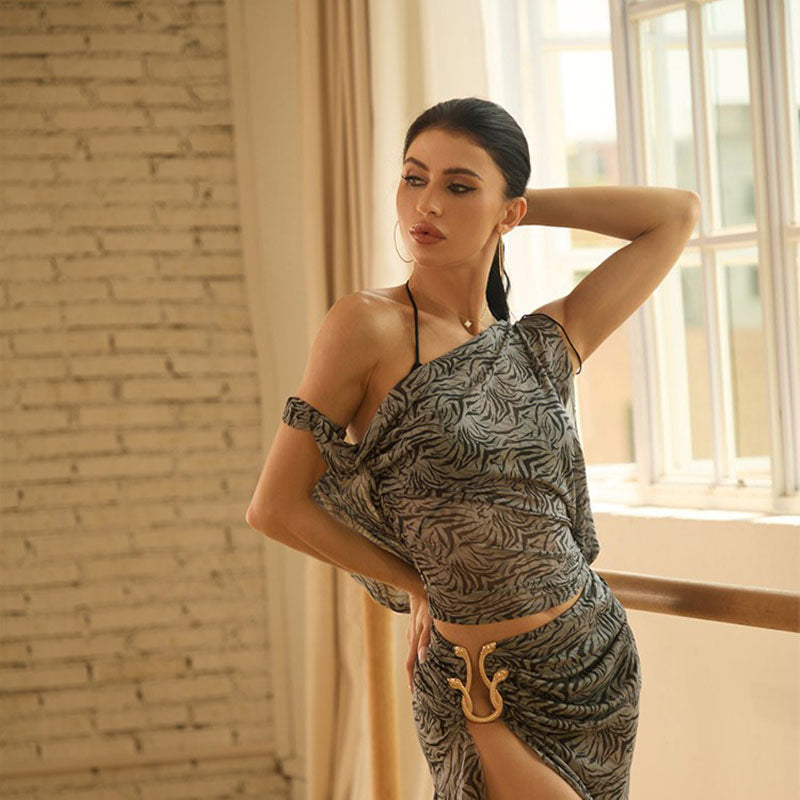
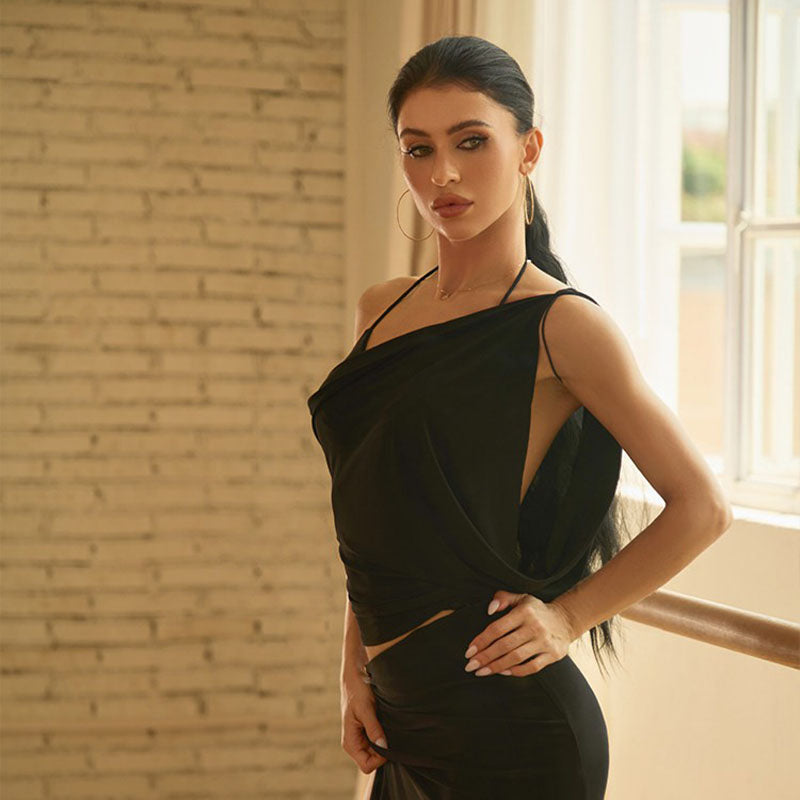
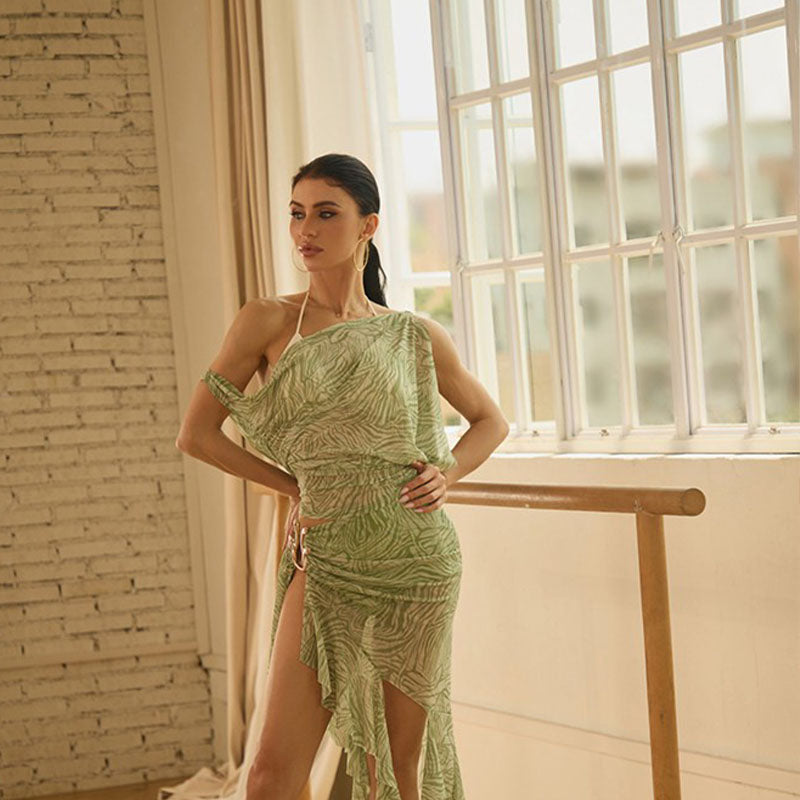
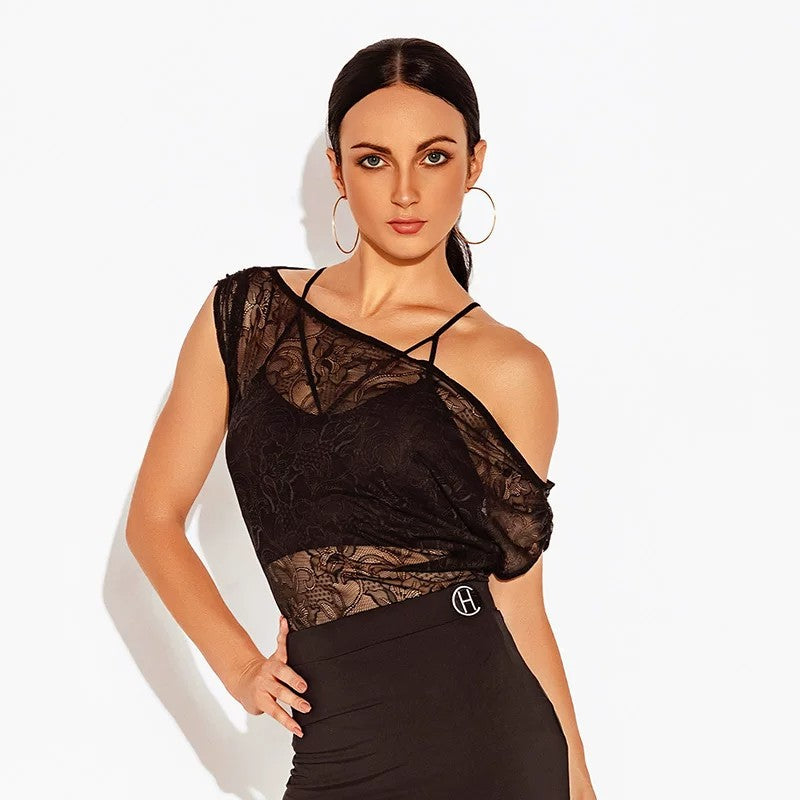
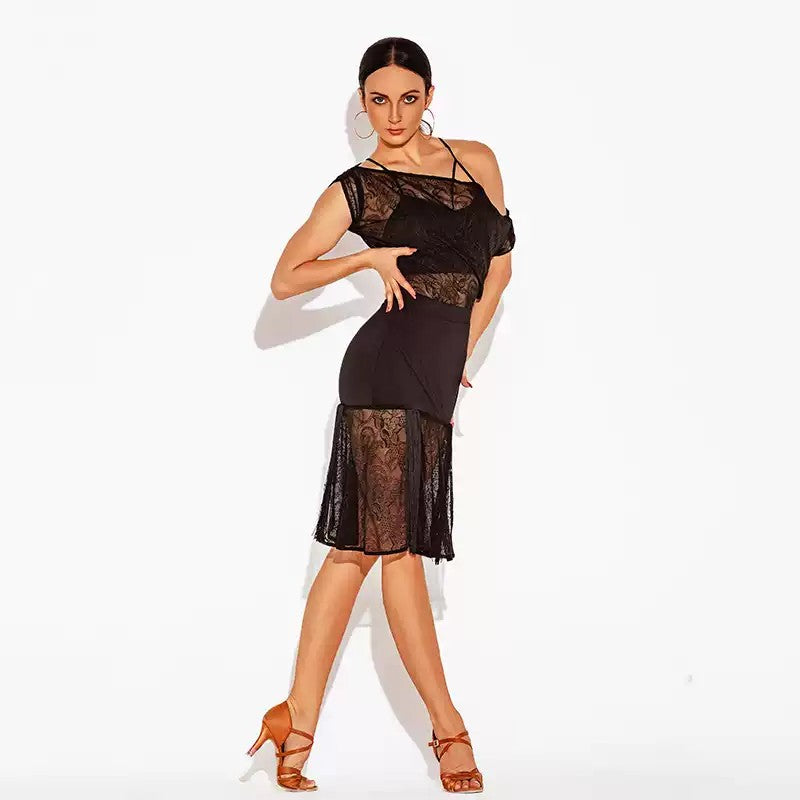
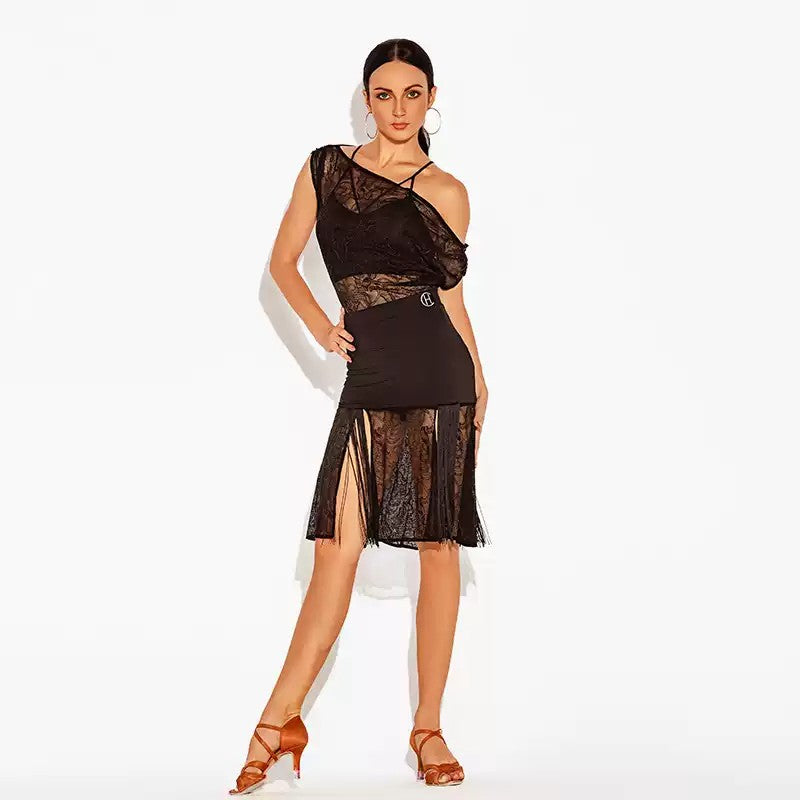
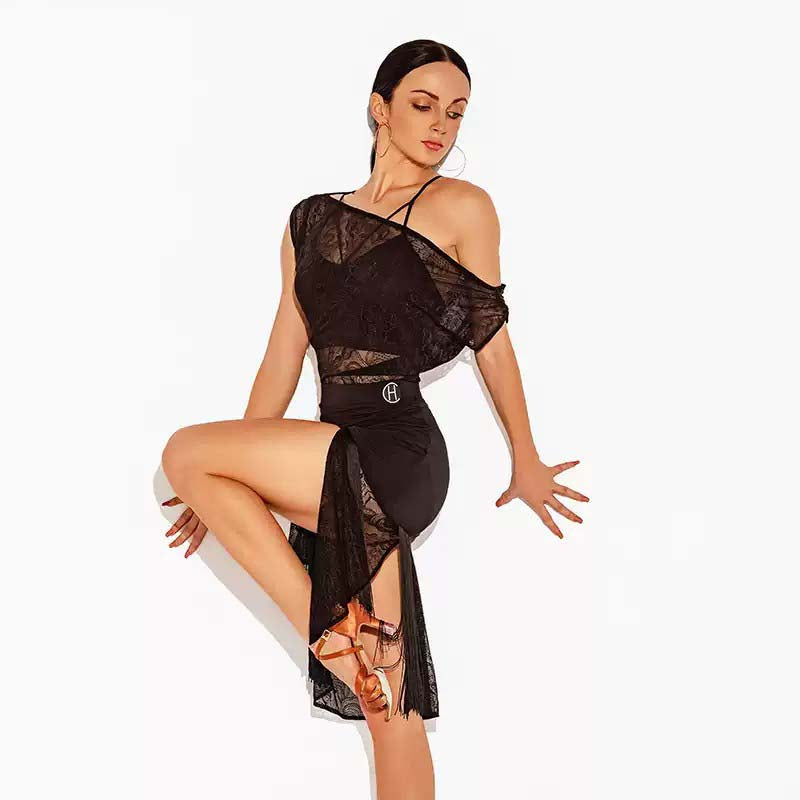
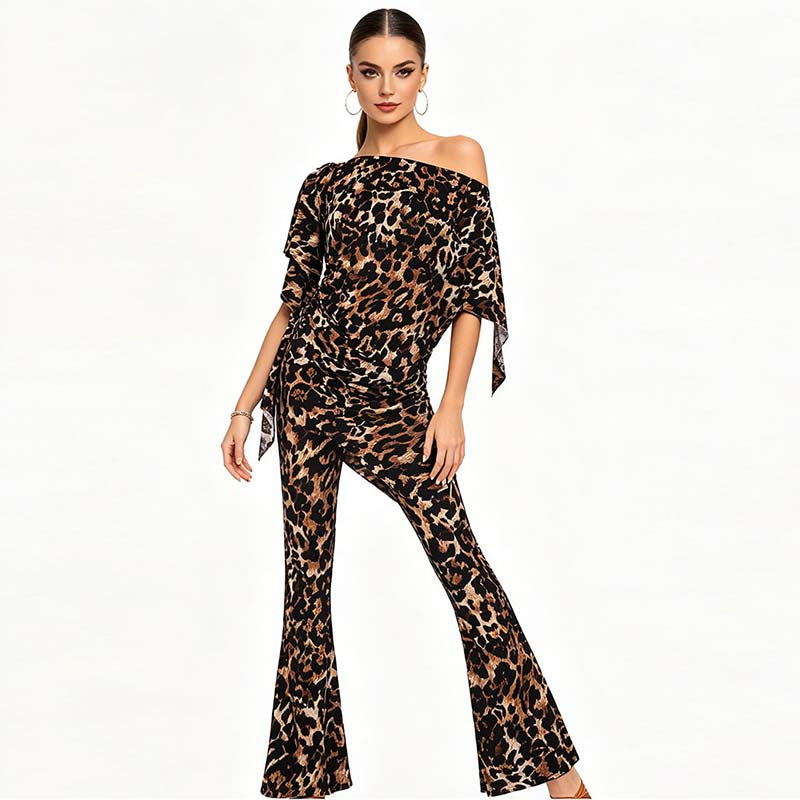
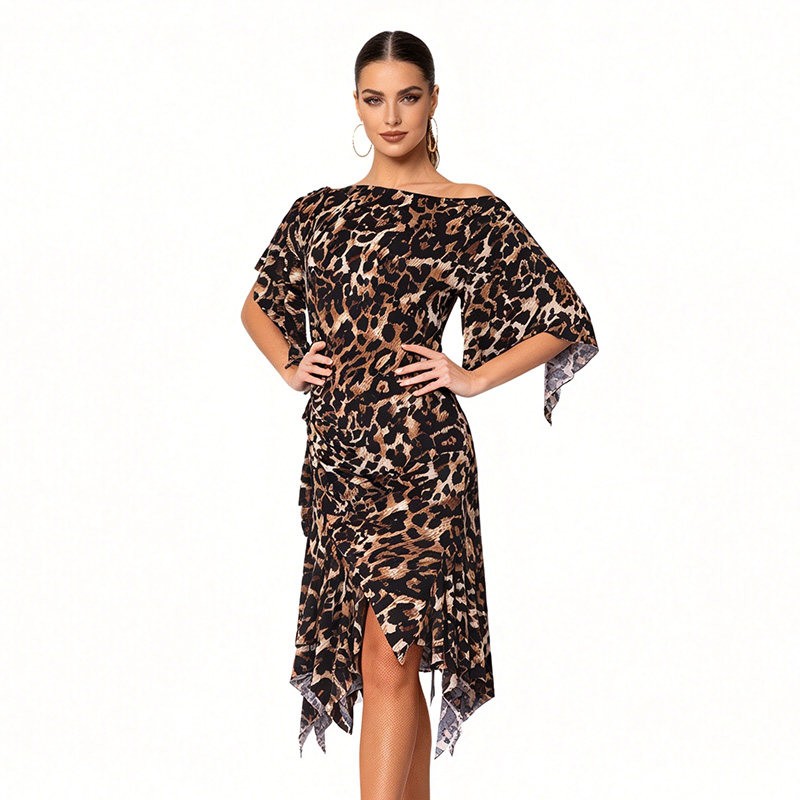
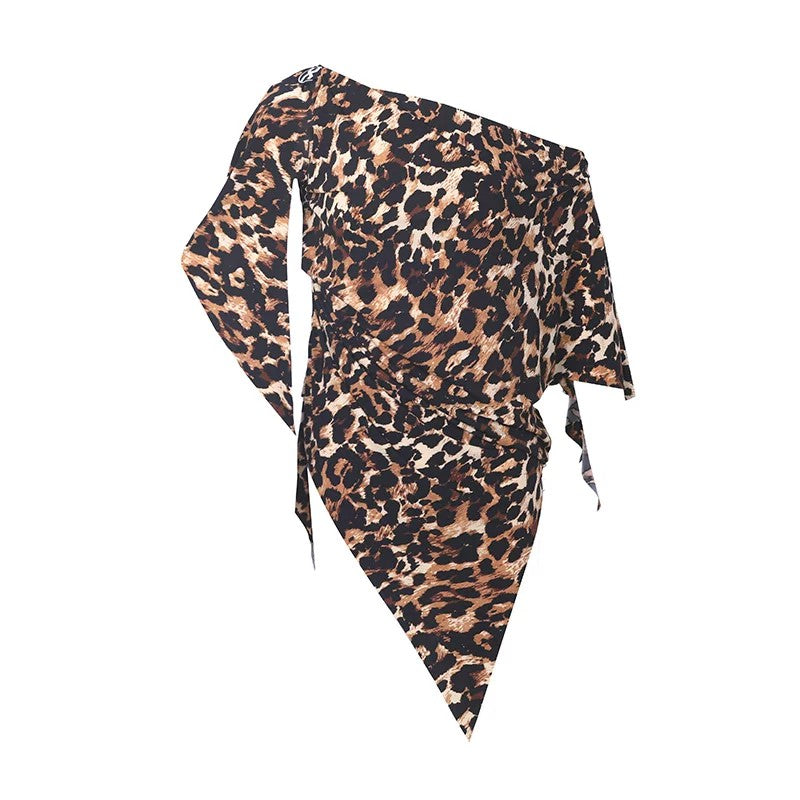
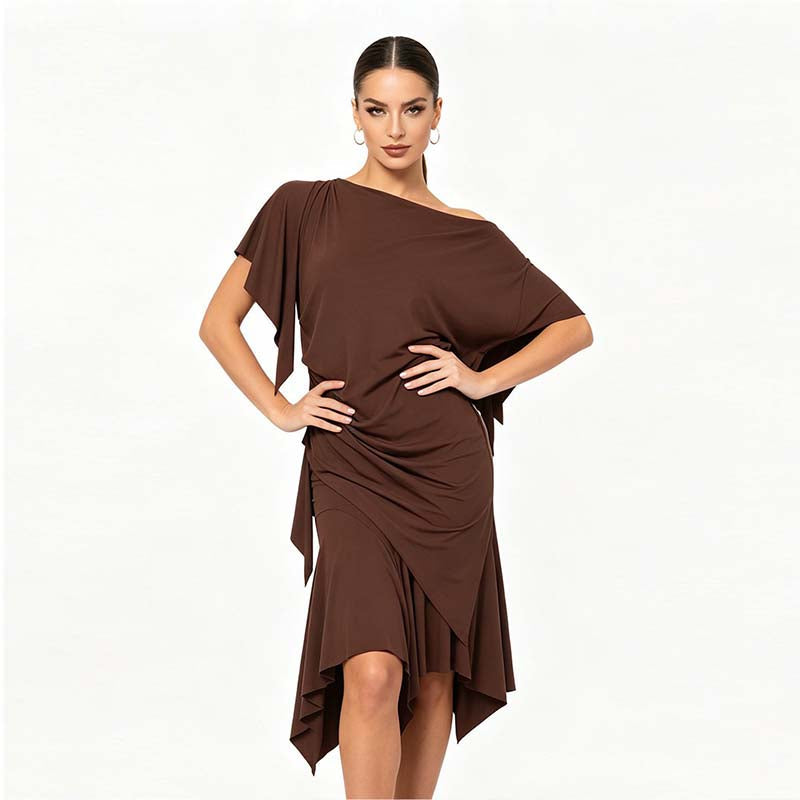
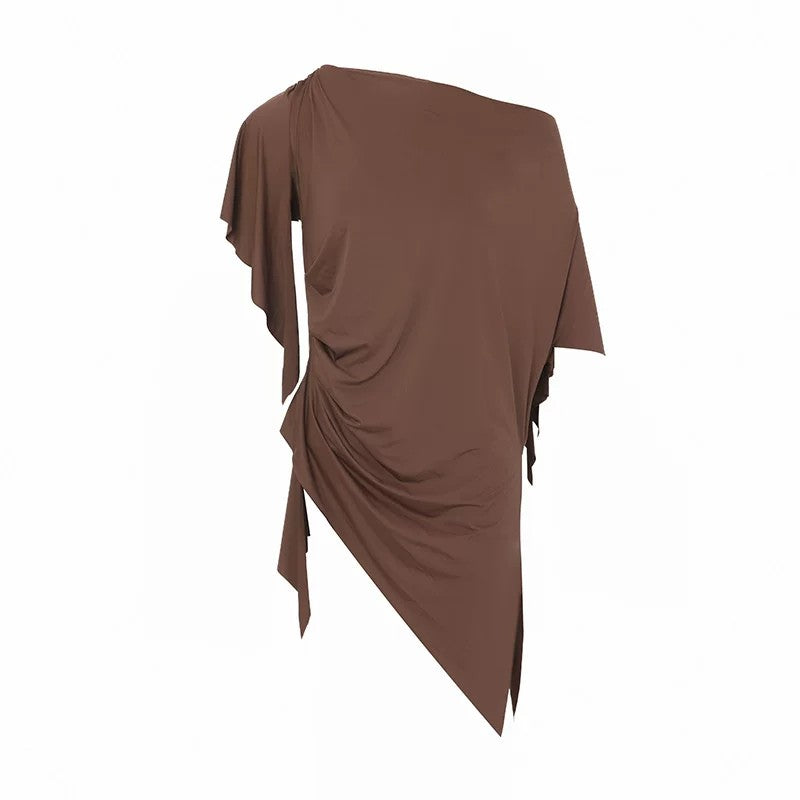
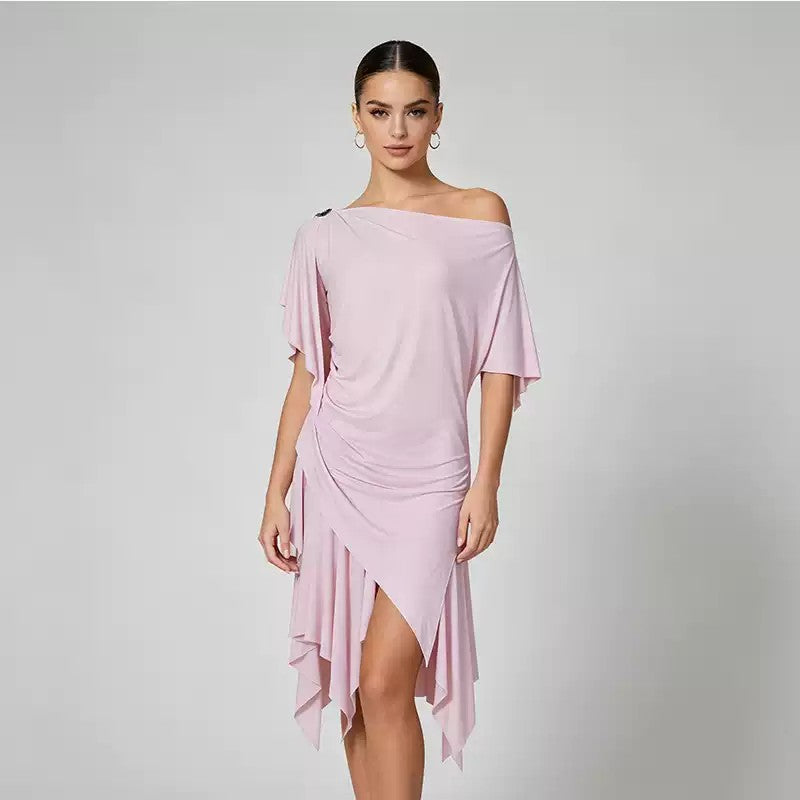
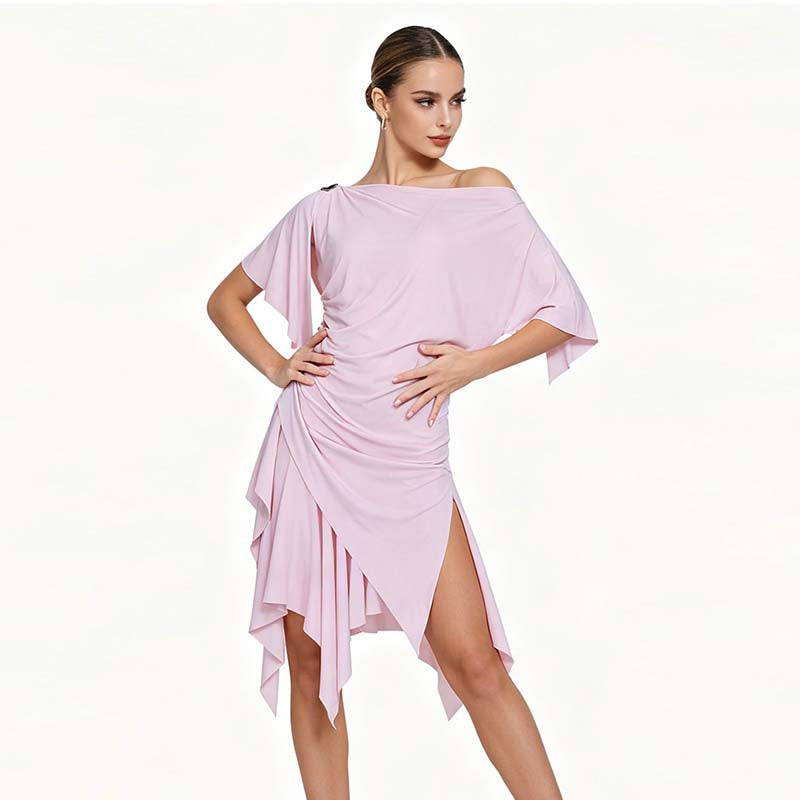
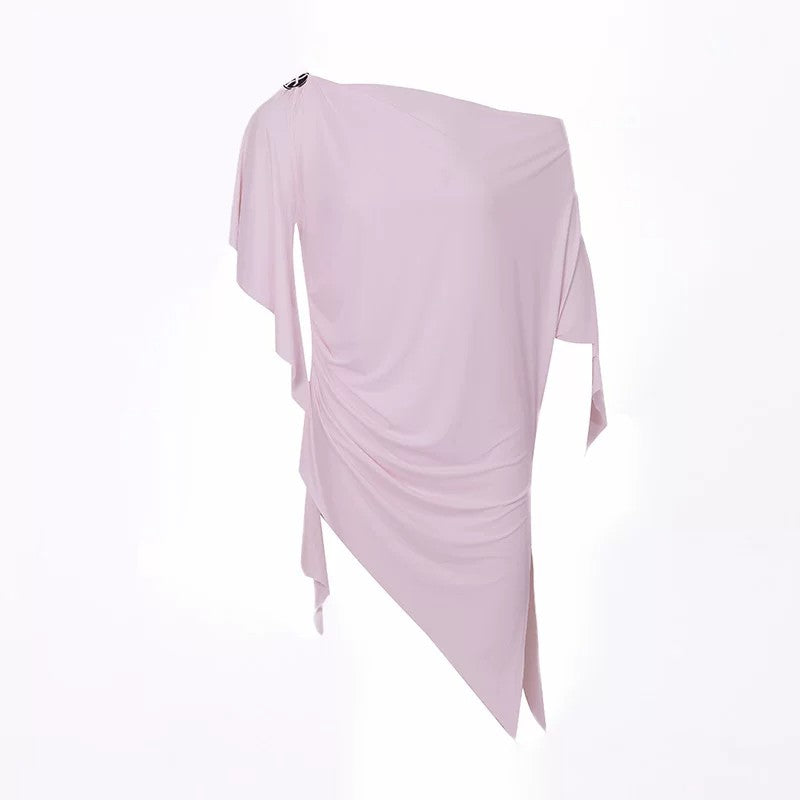
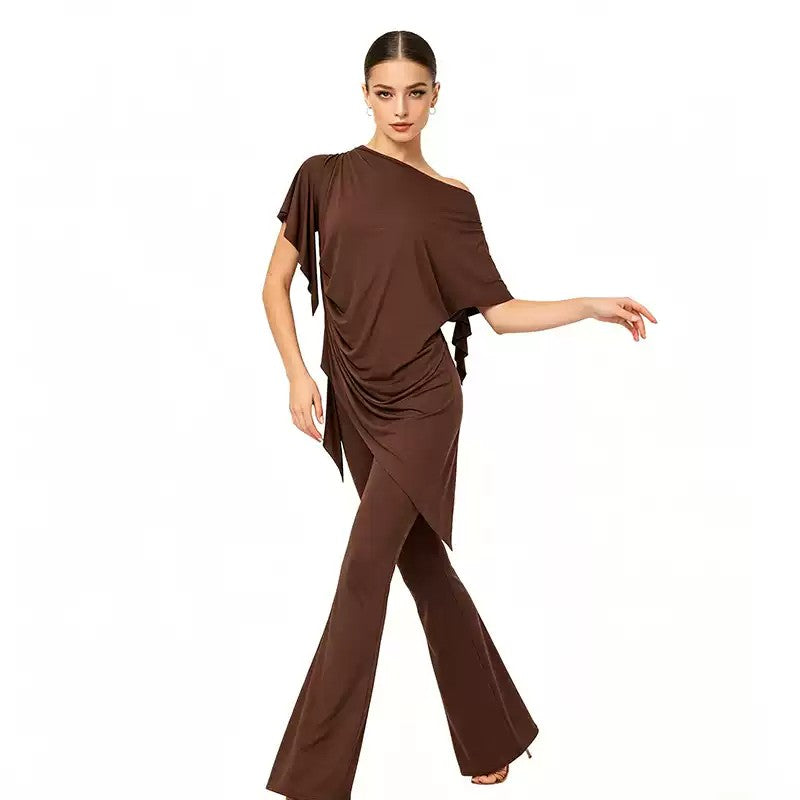
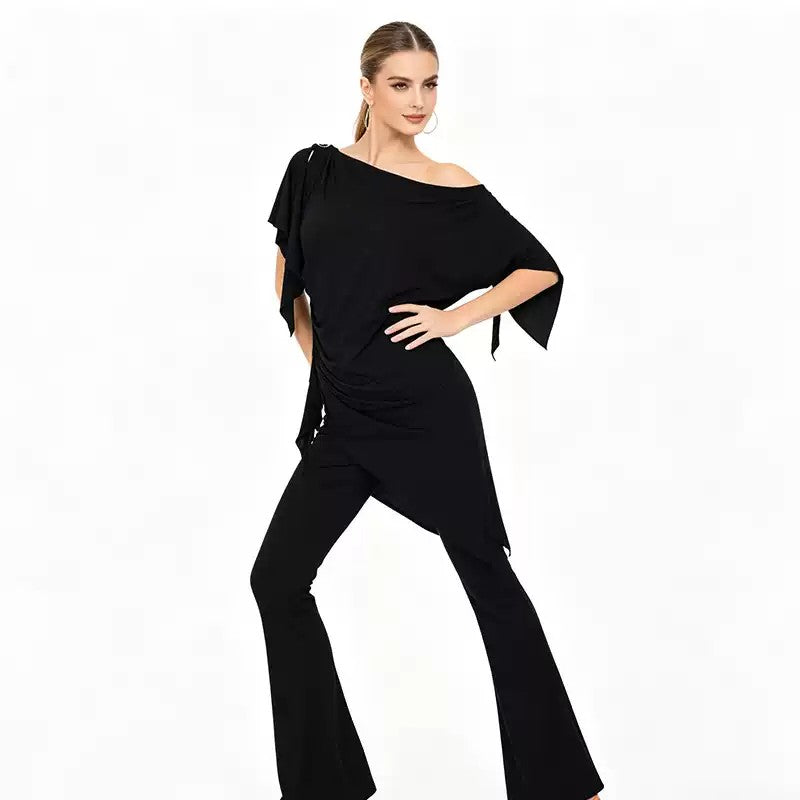
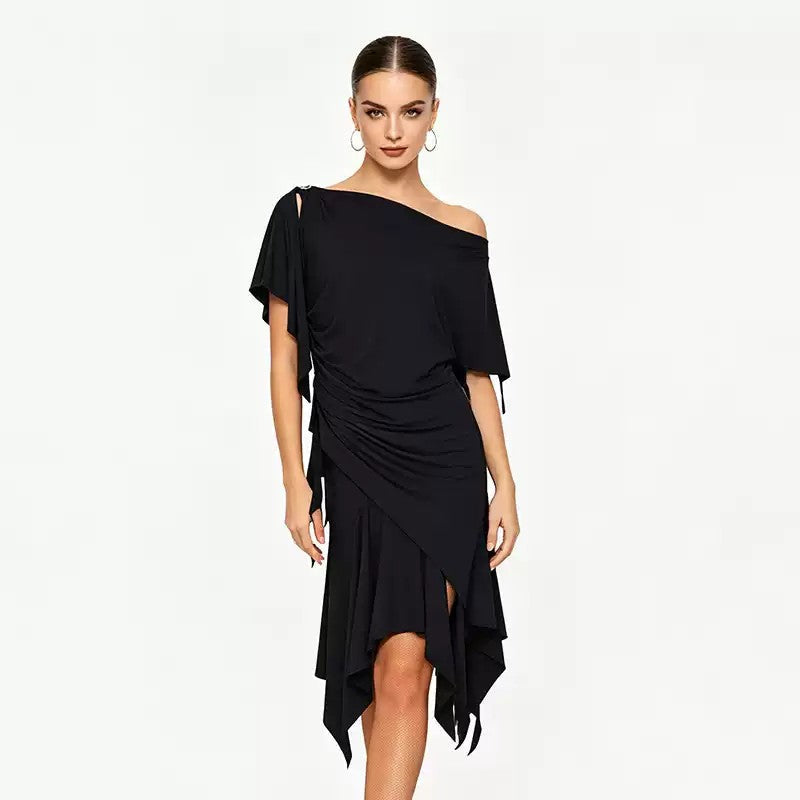
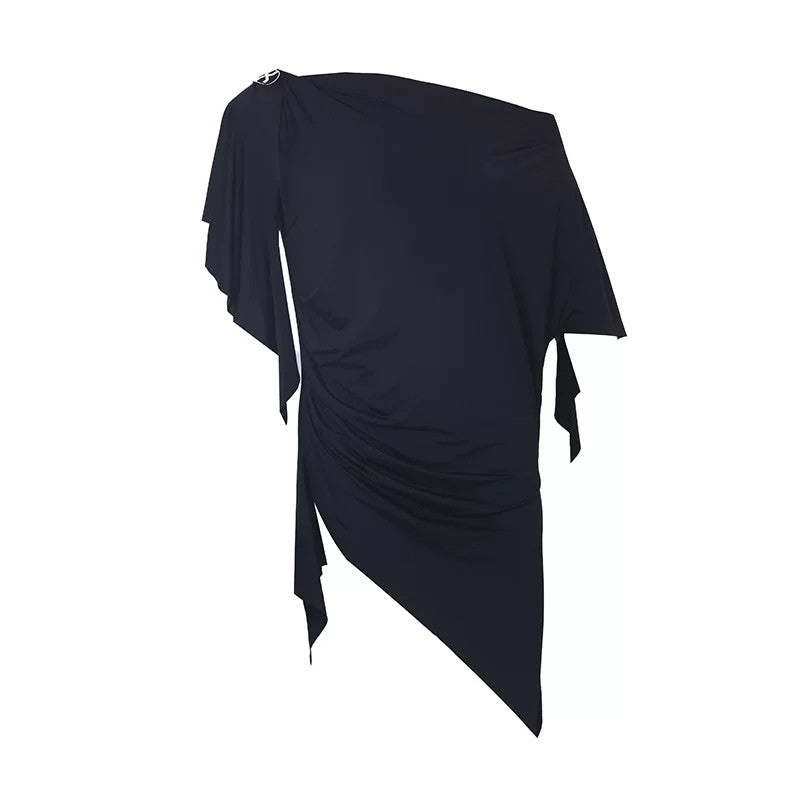
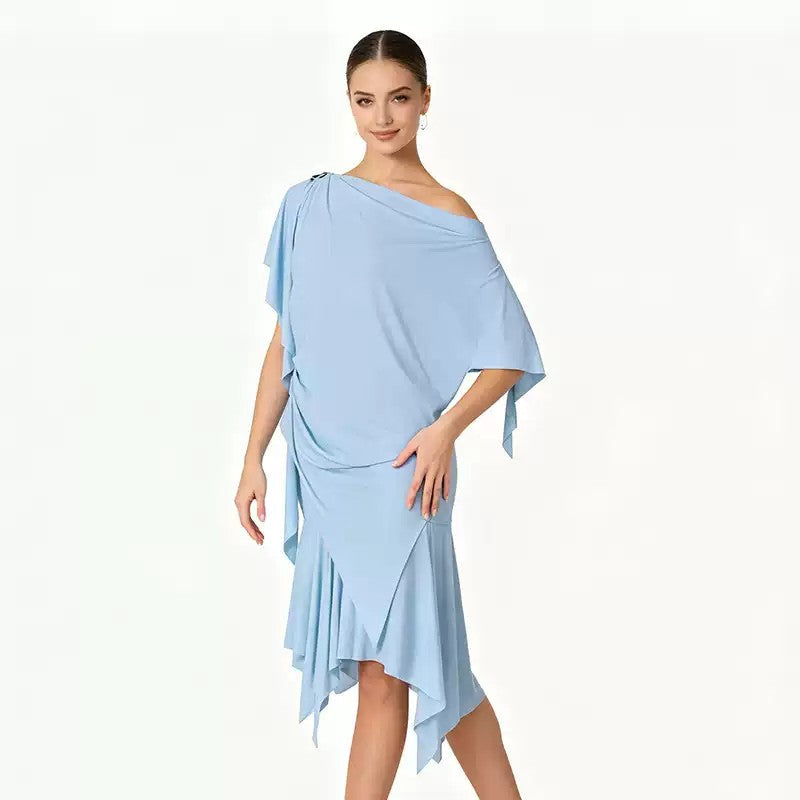
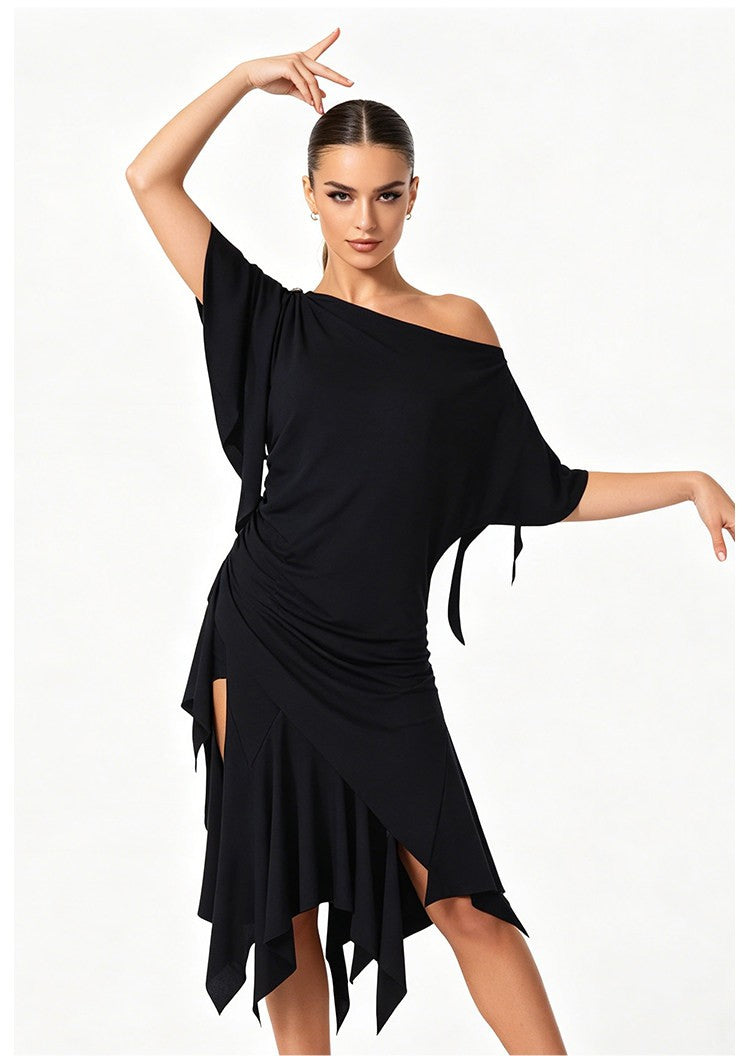
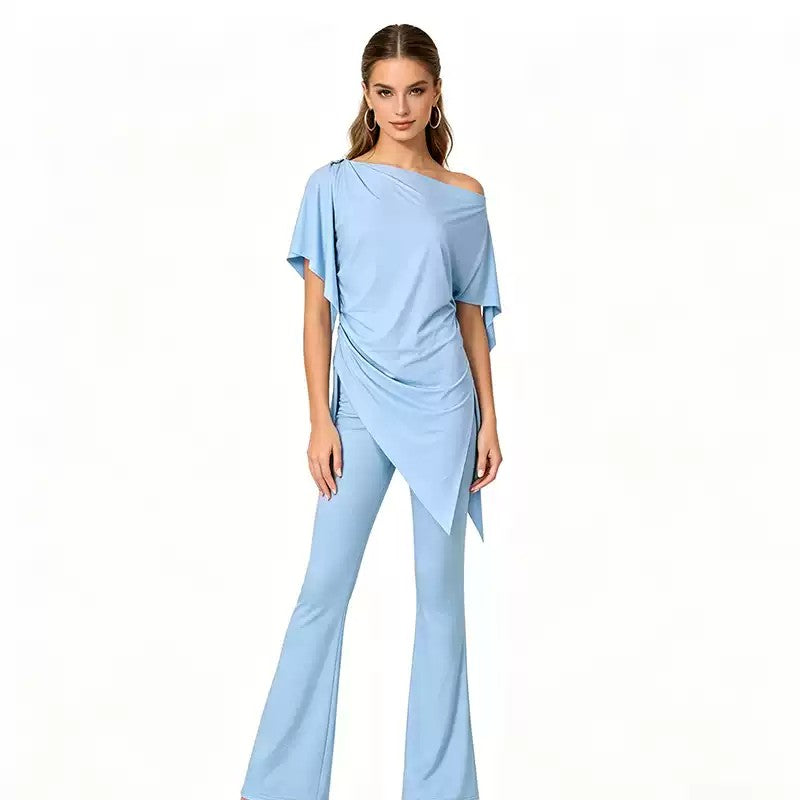
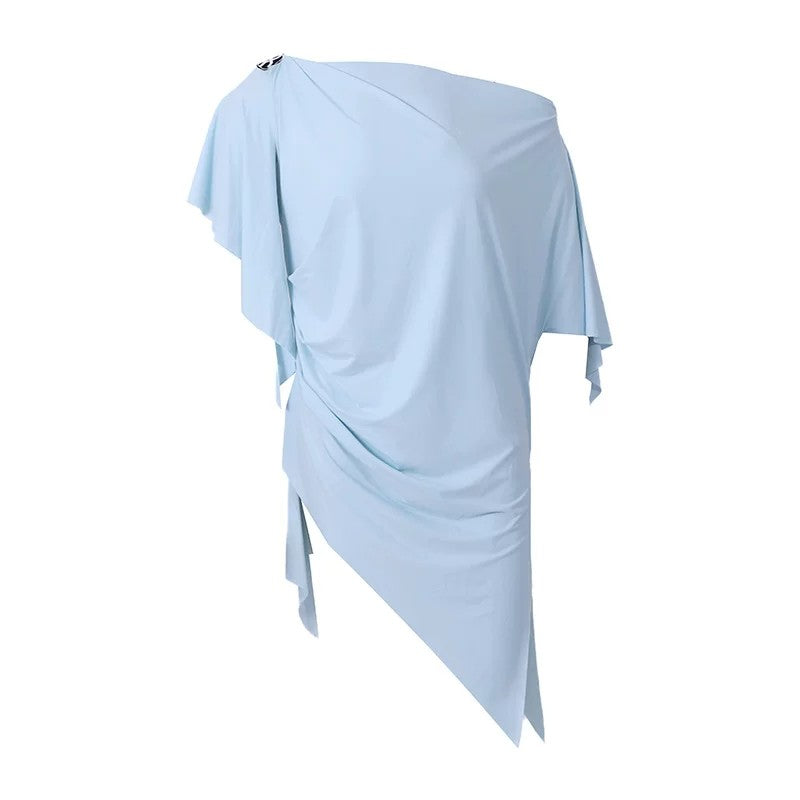
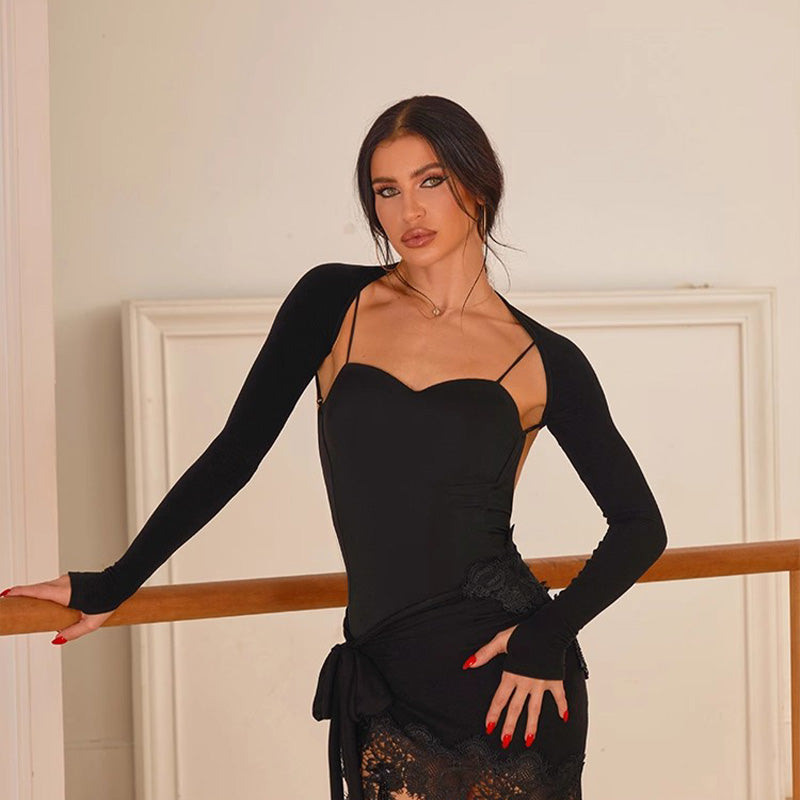
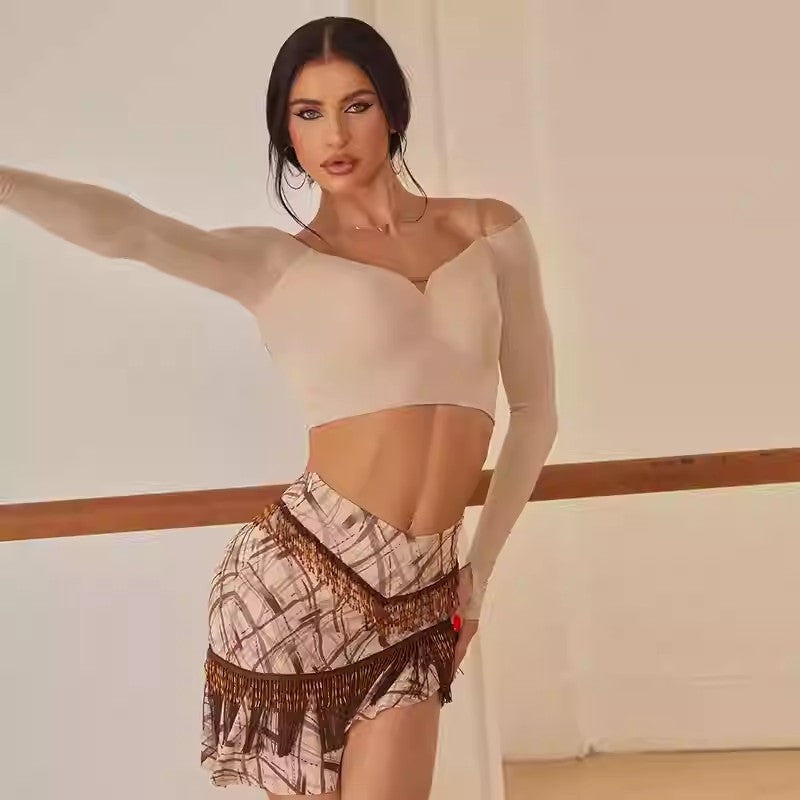
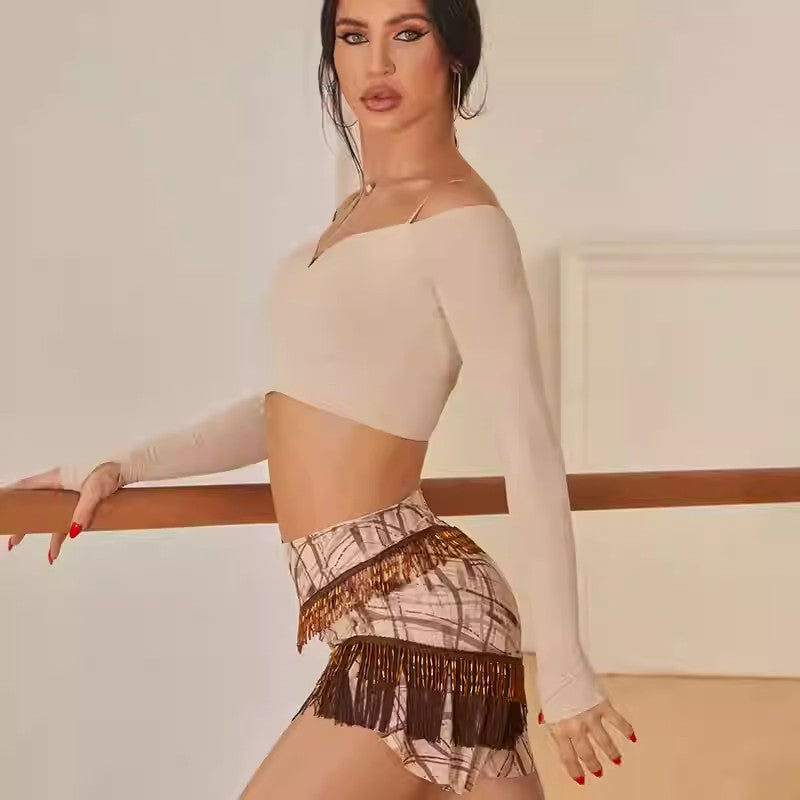
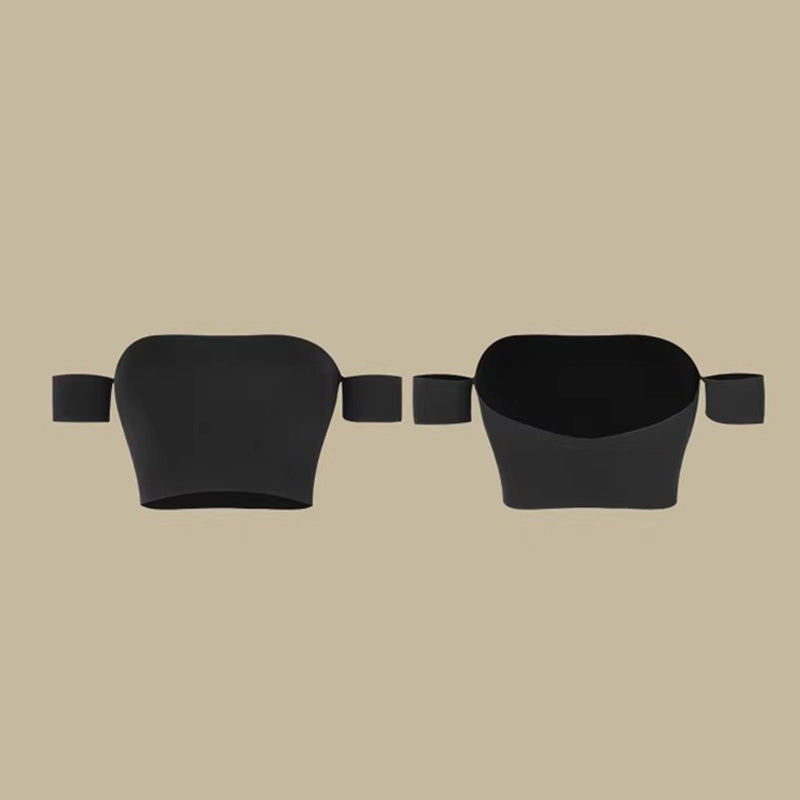
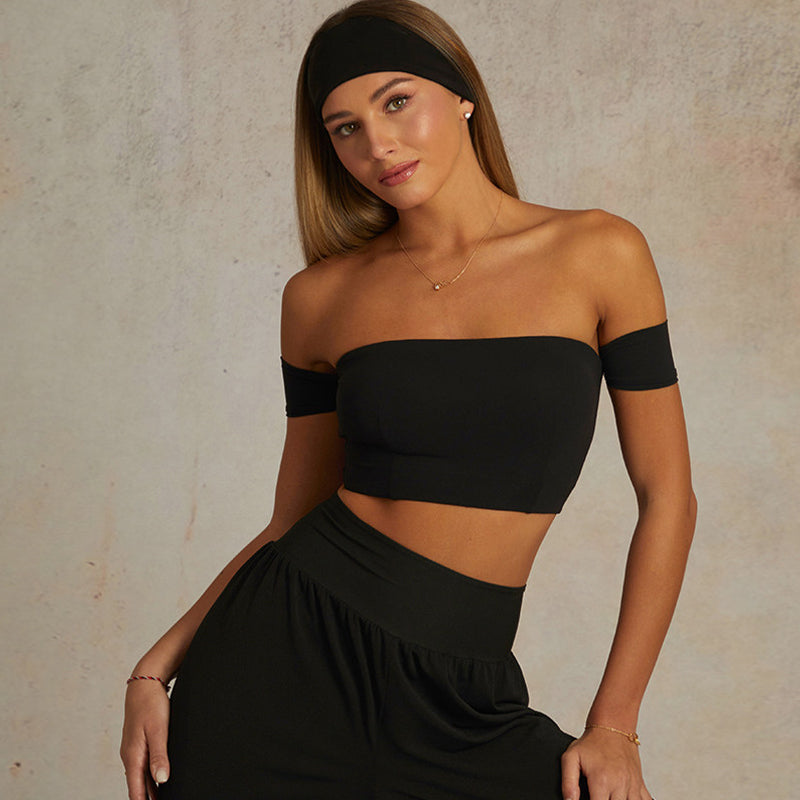
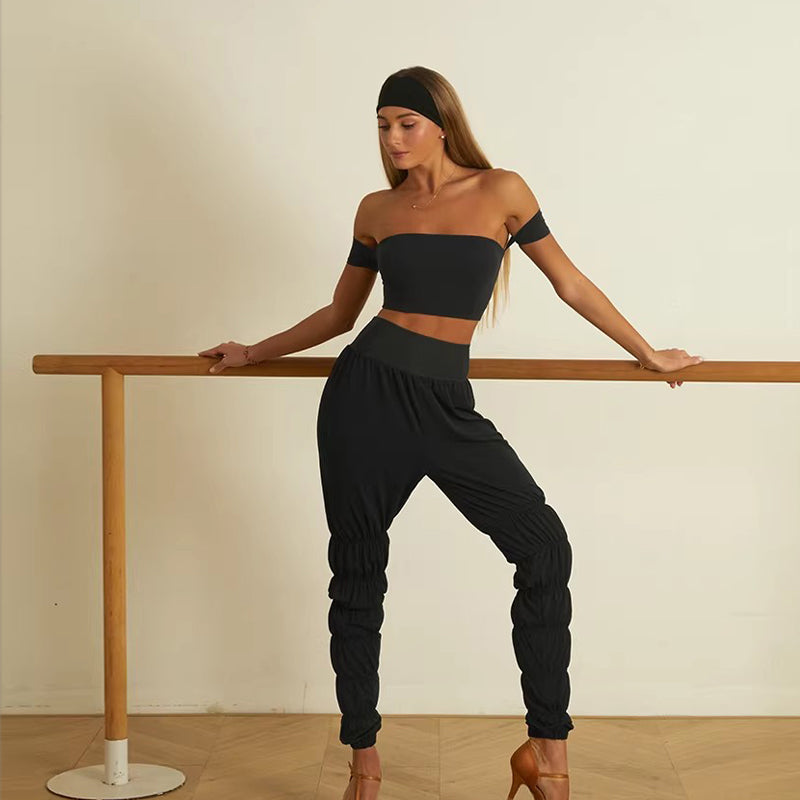
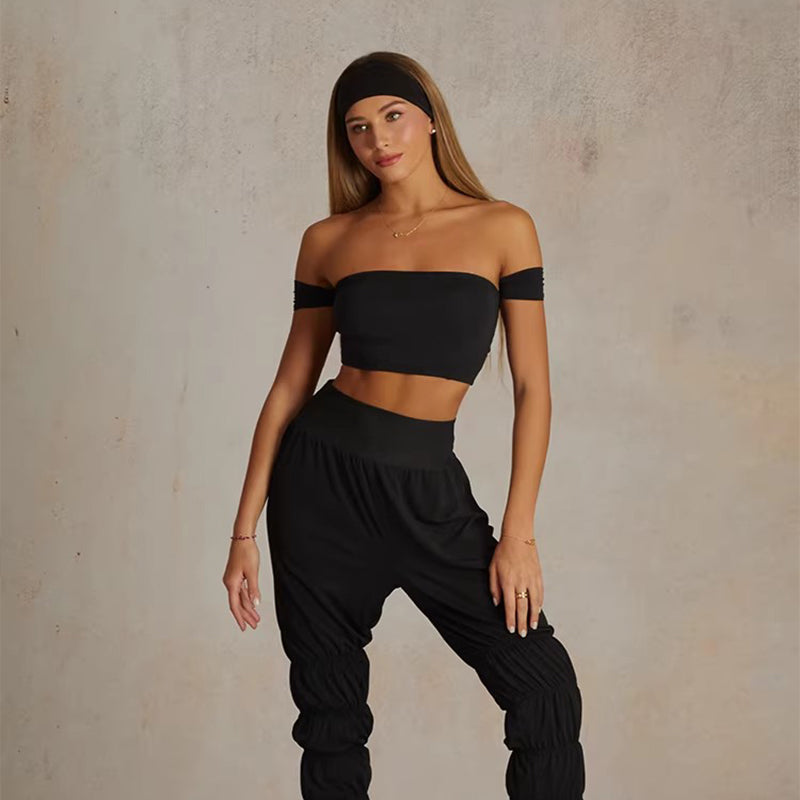
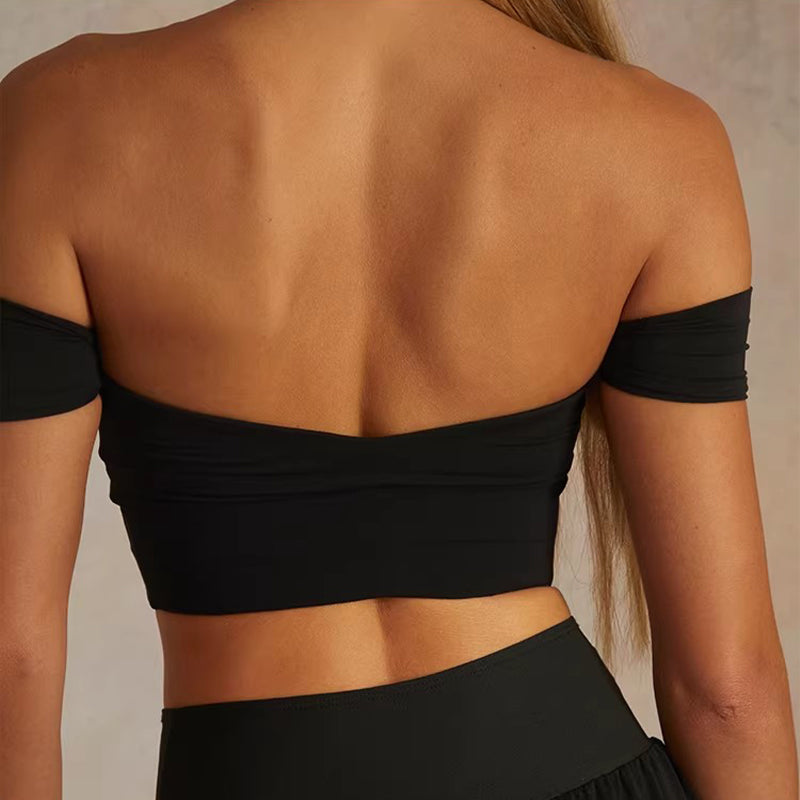
Off-the-shoulder and bardot cuts open the collarbone and shoulder line, which is the most visible part of your frame in a closed hold. They read as dressed-up without being revealing anywhere else, and they suit anyone who wants the arms covered but not the shoulders.
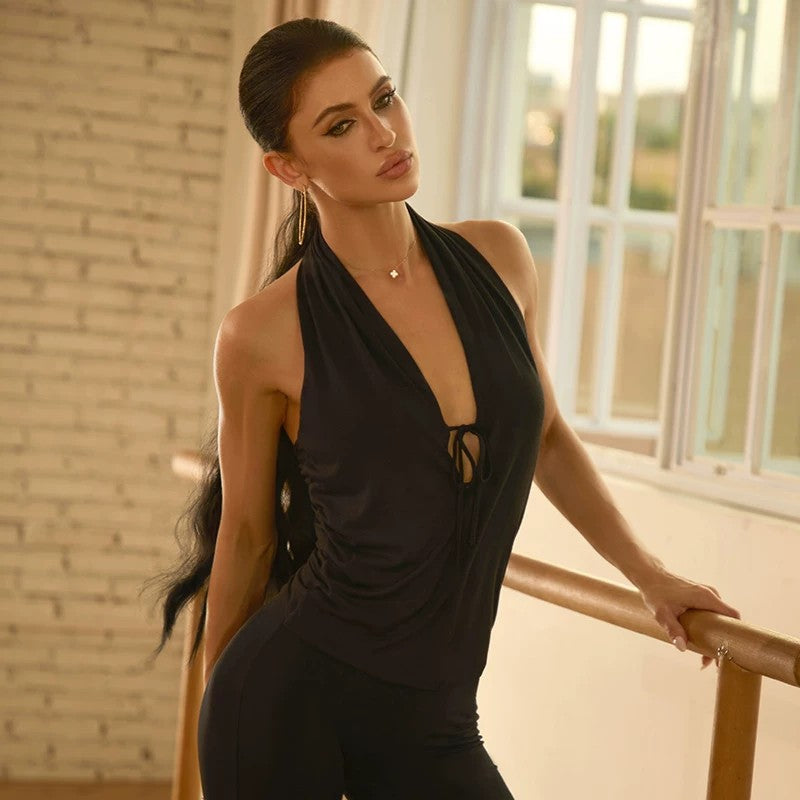
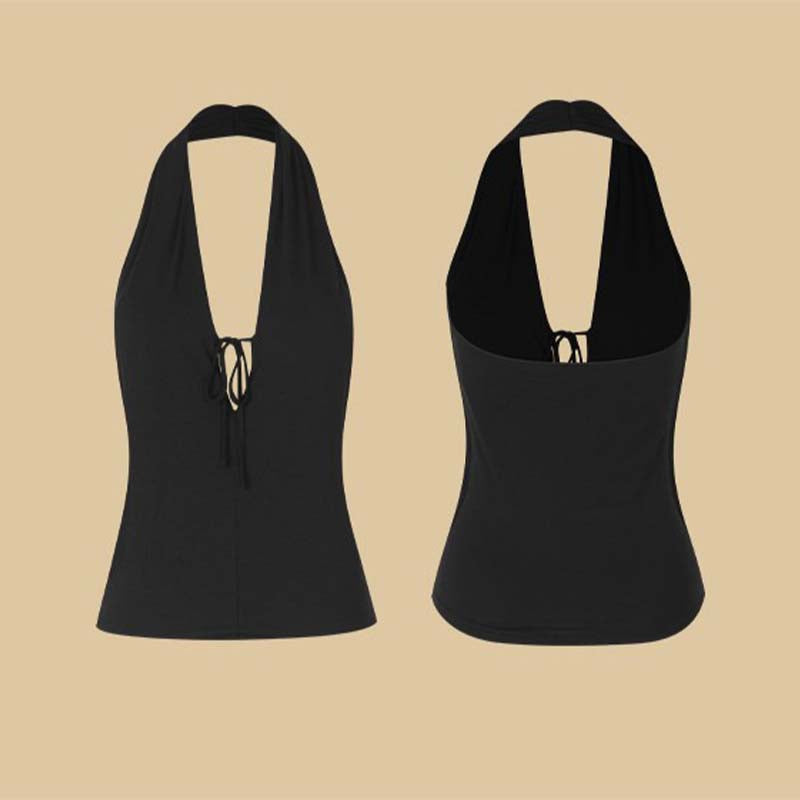
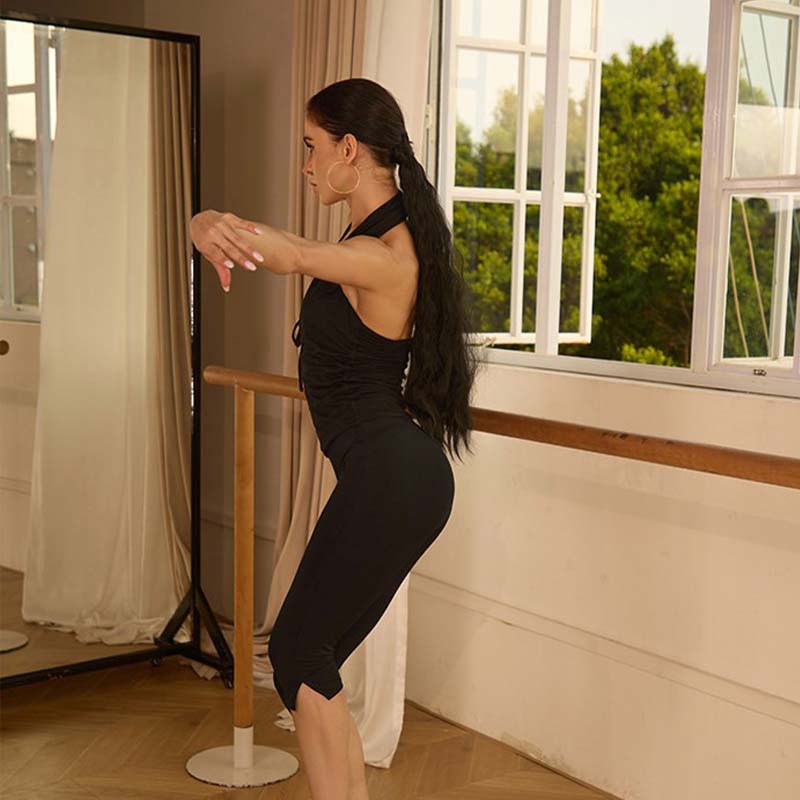
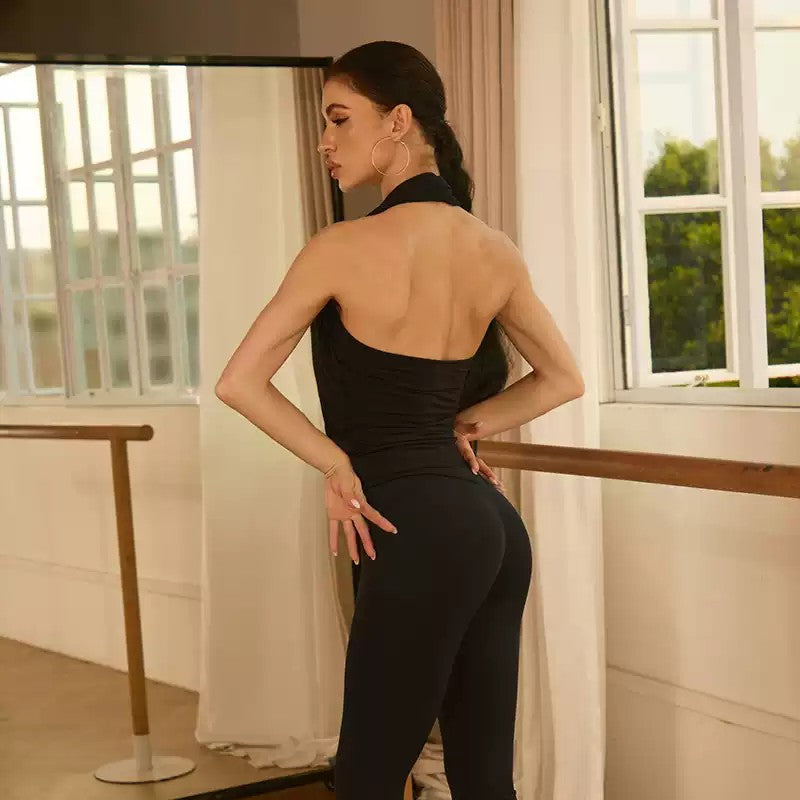
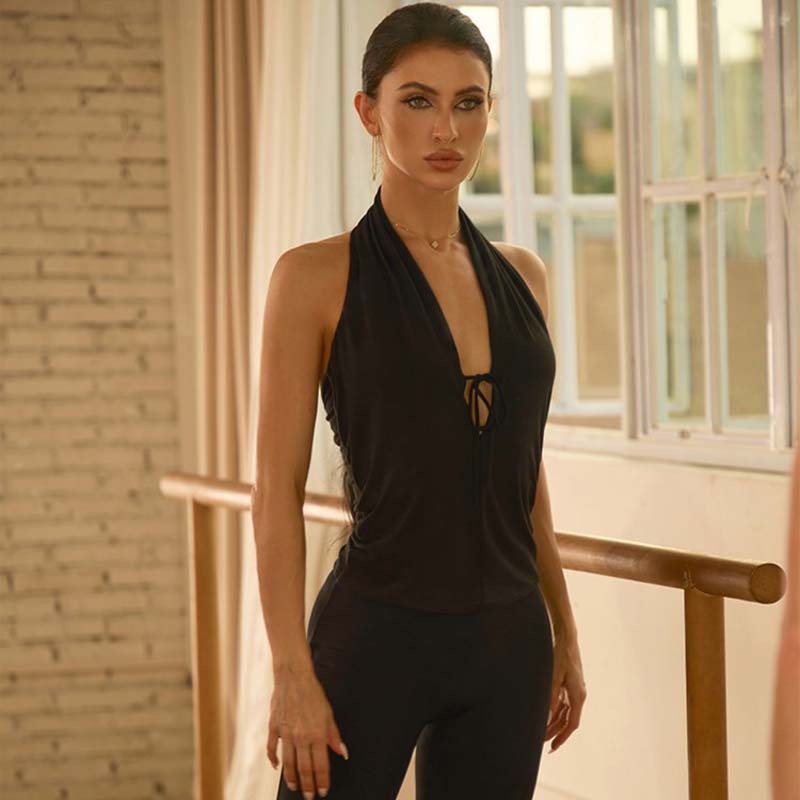
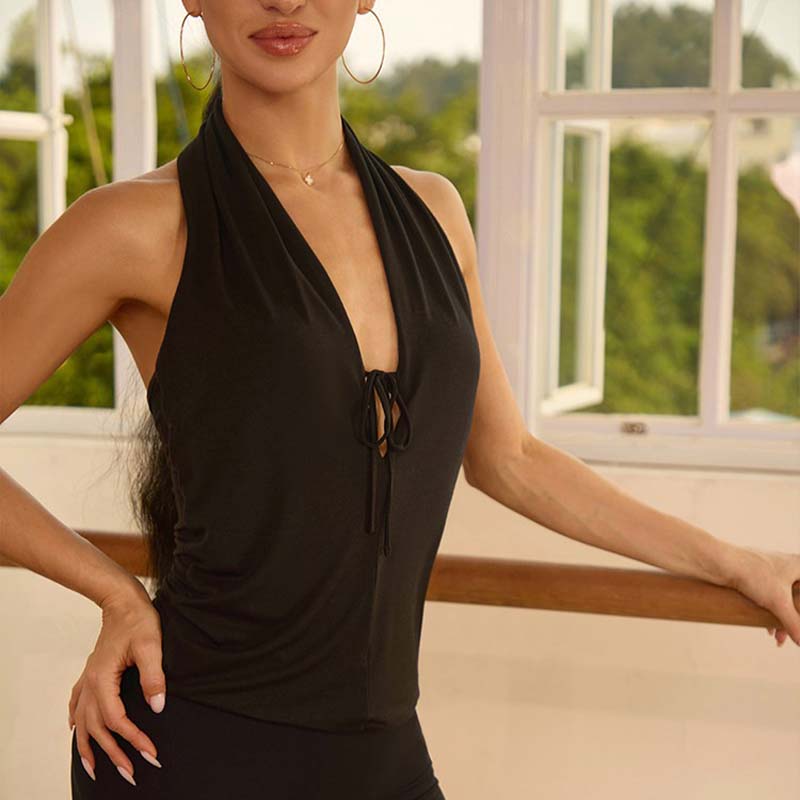
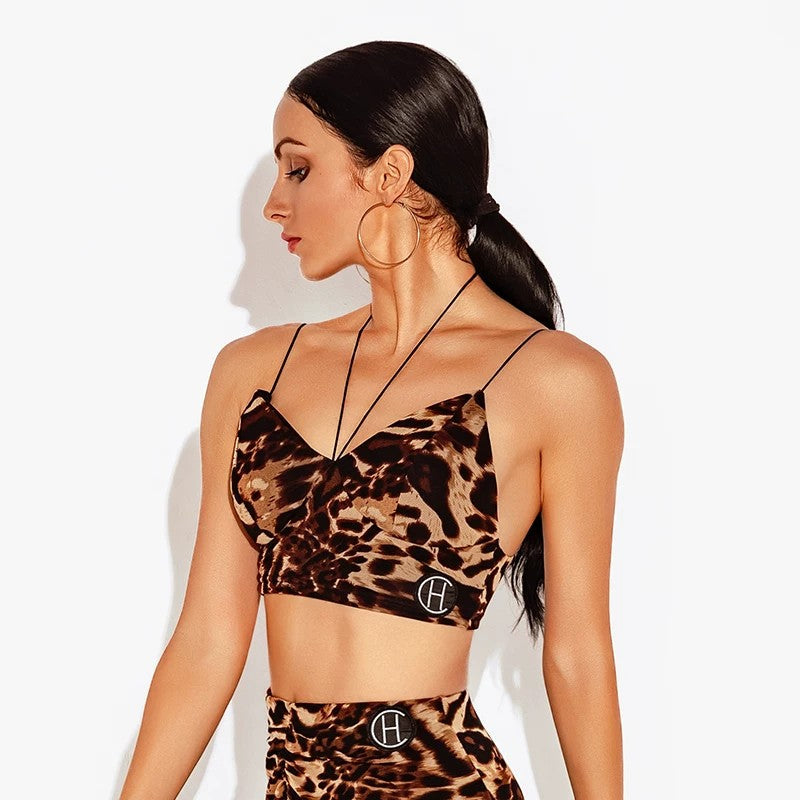
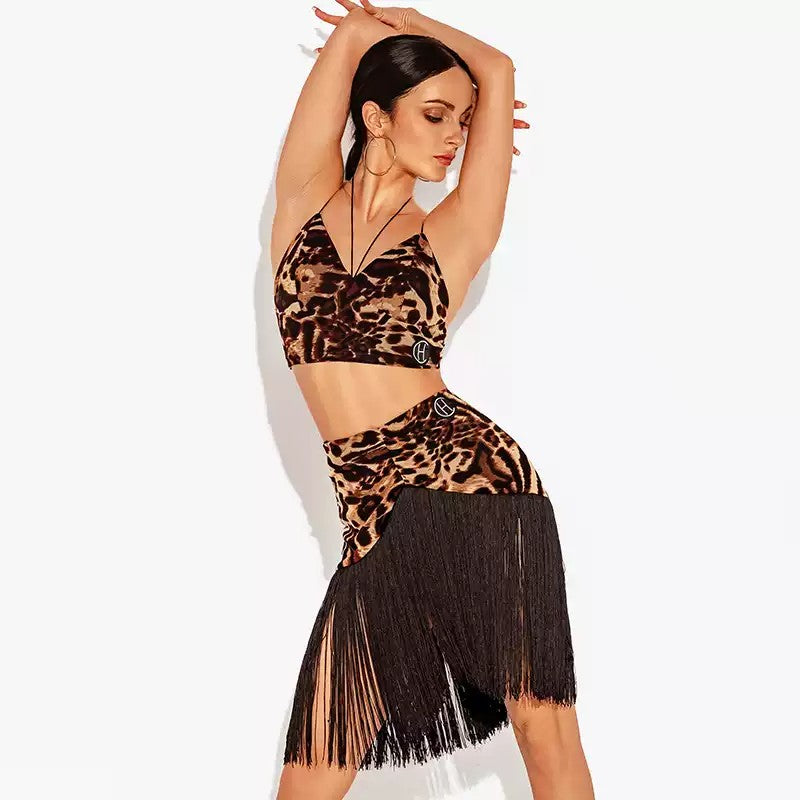
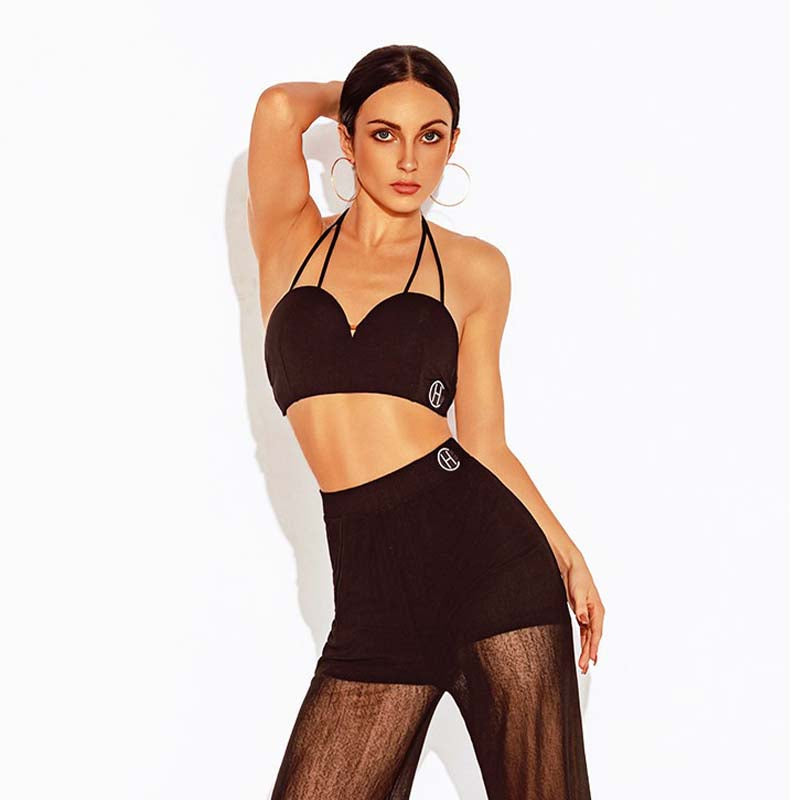
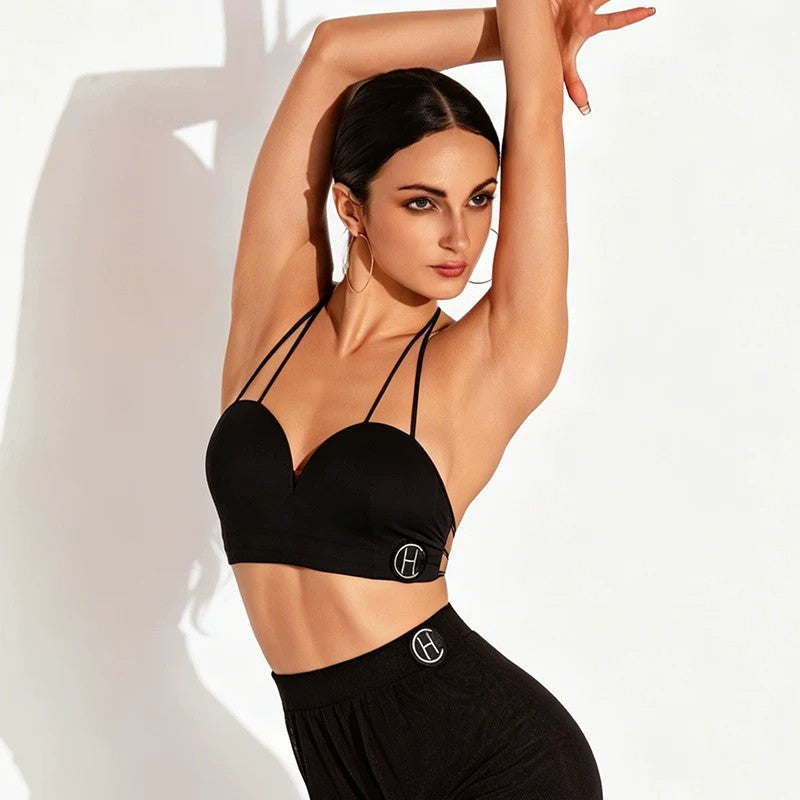
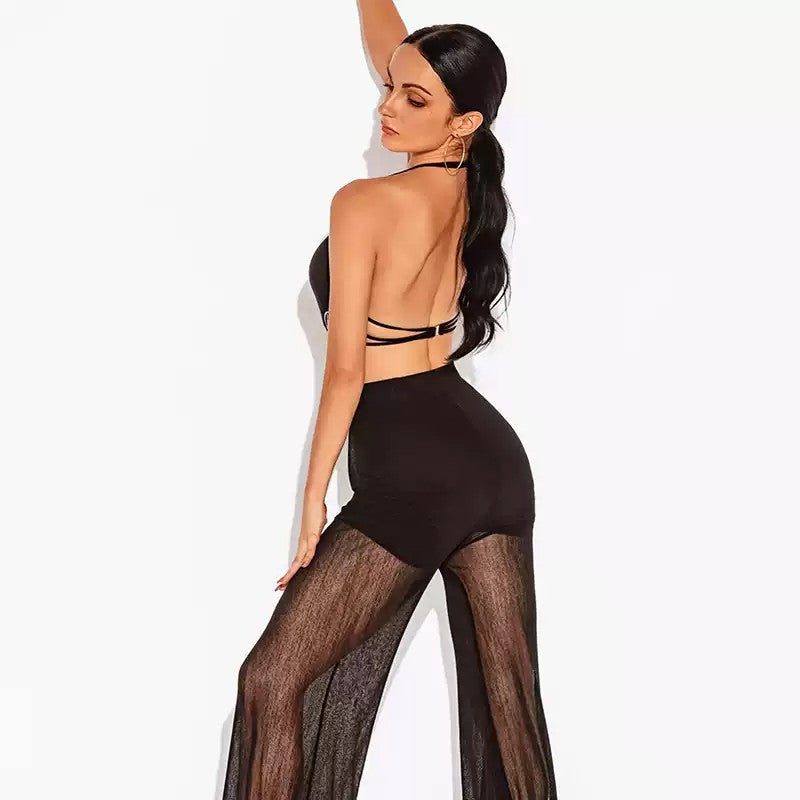
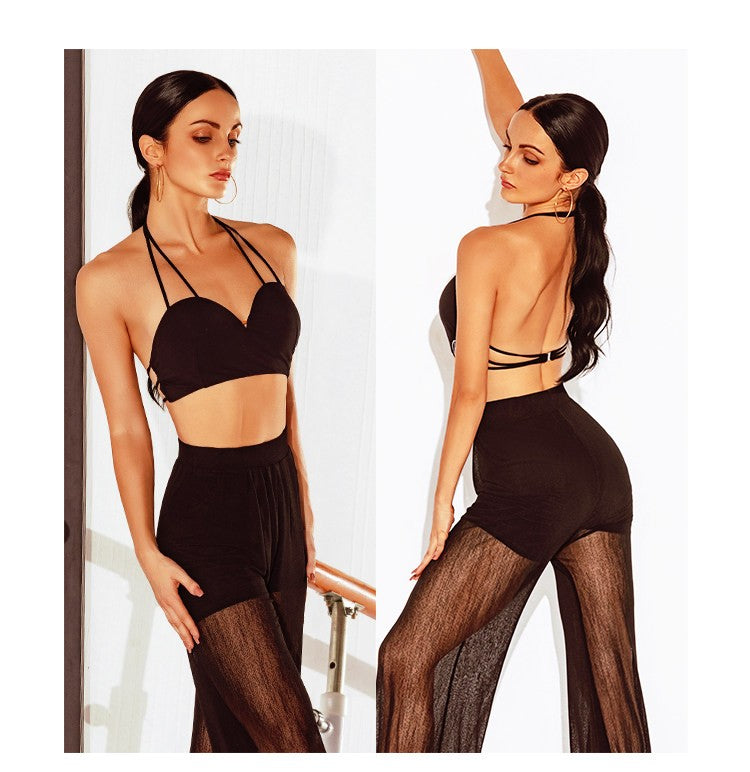
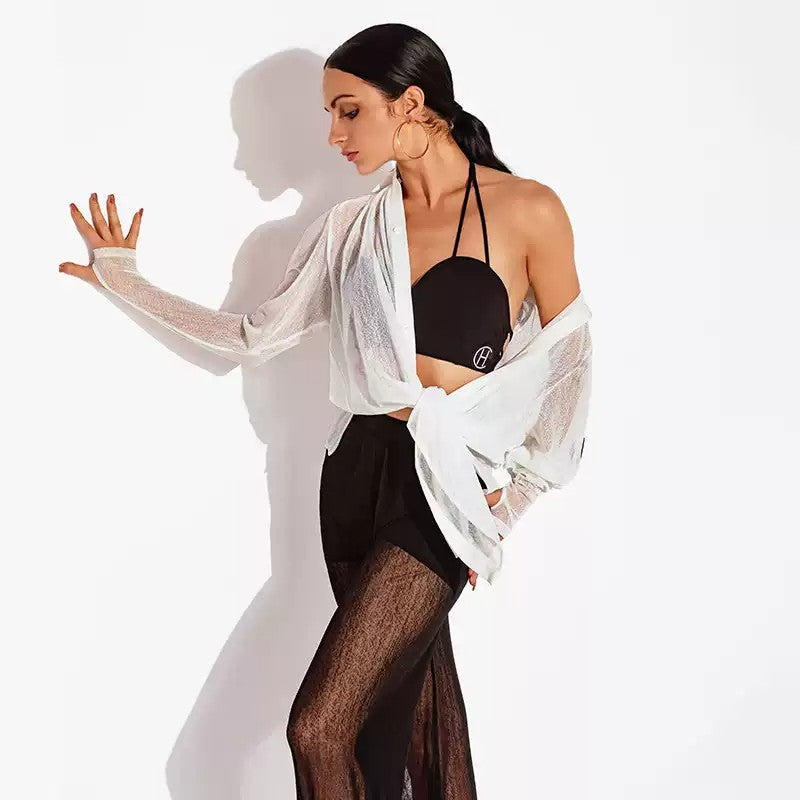
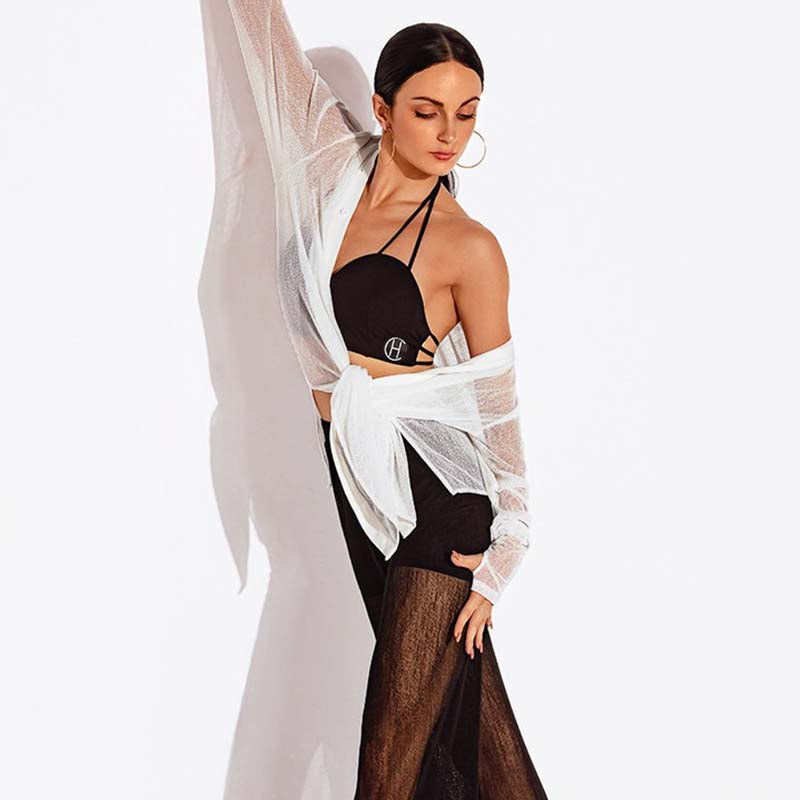
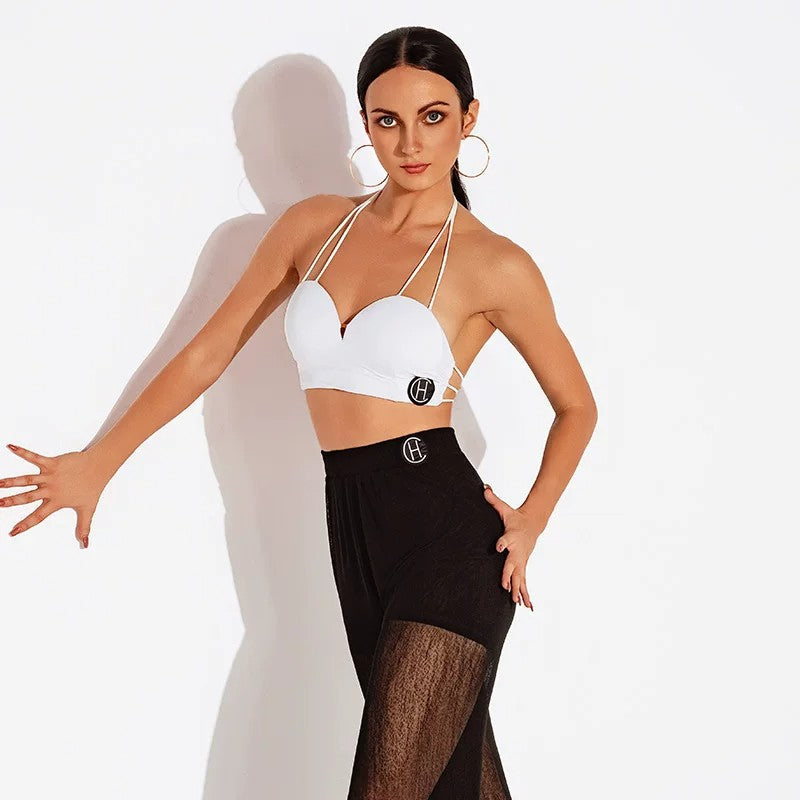
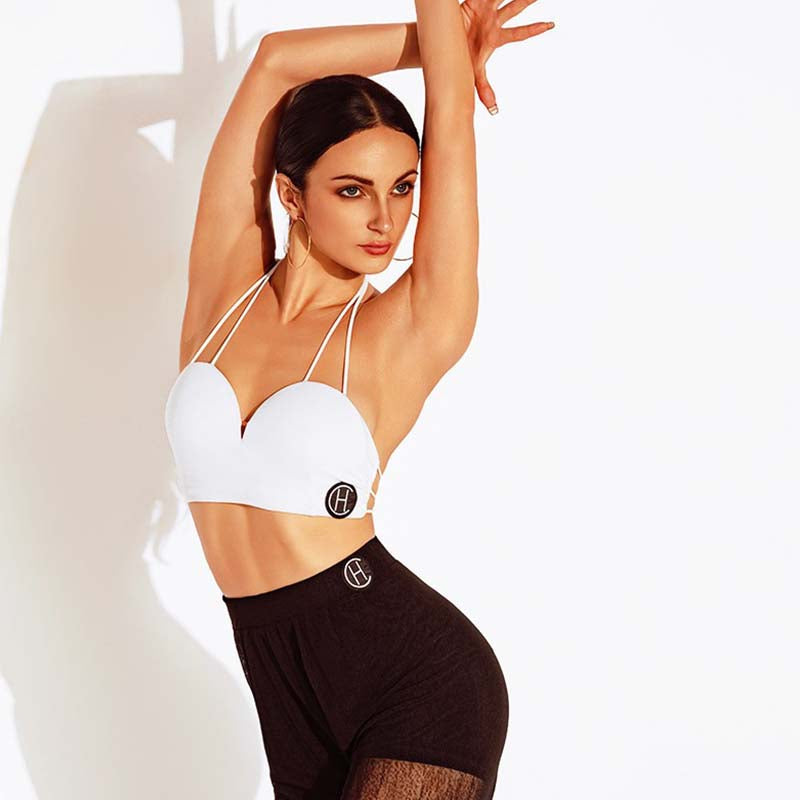
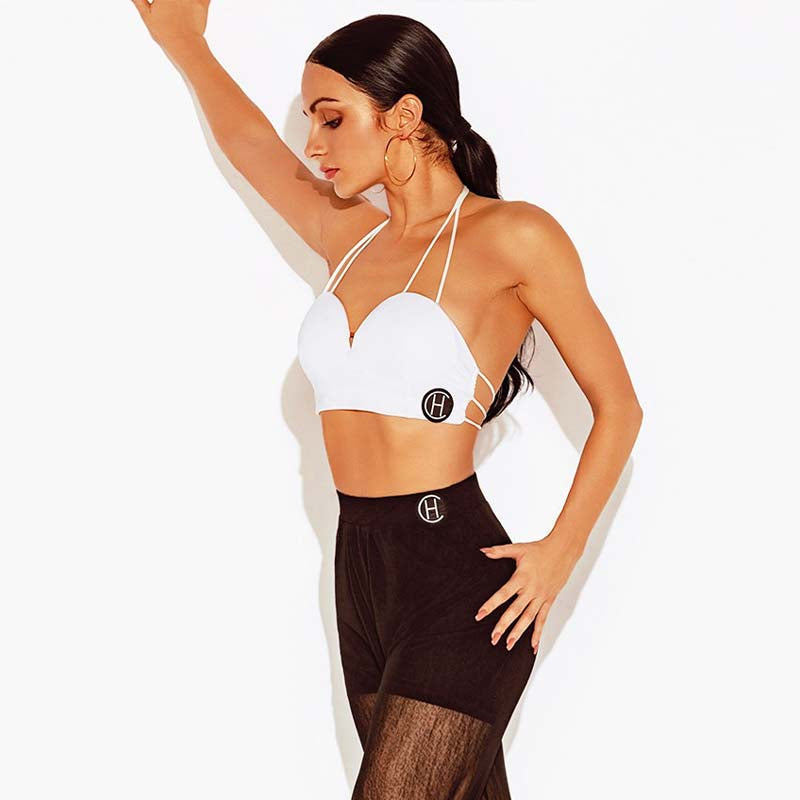
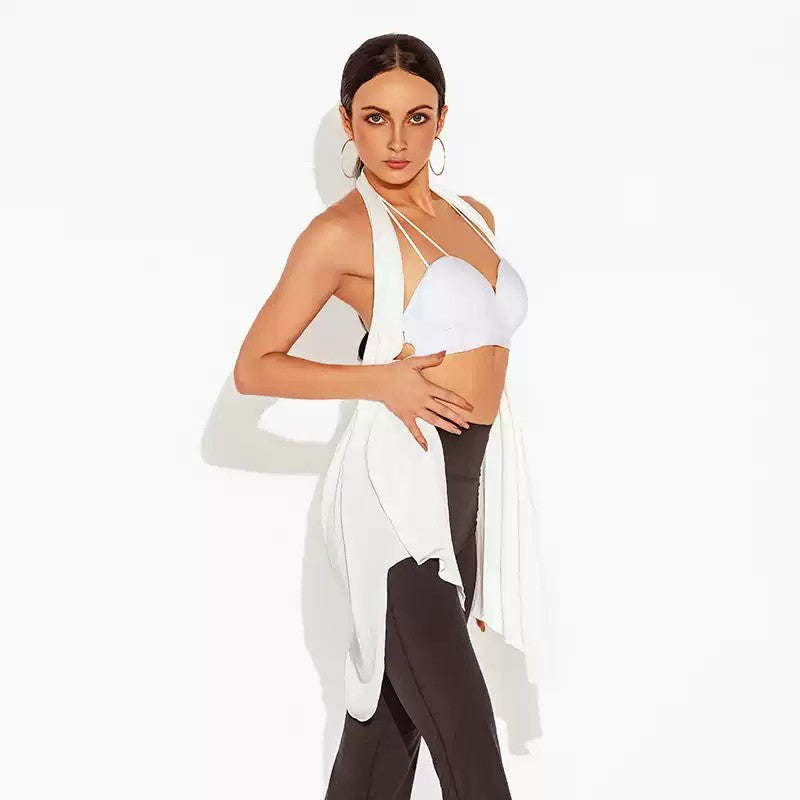
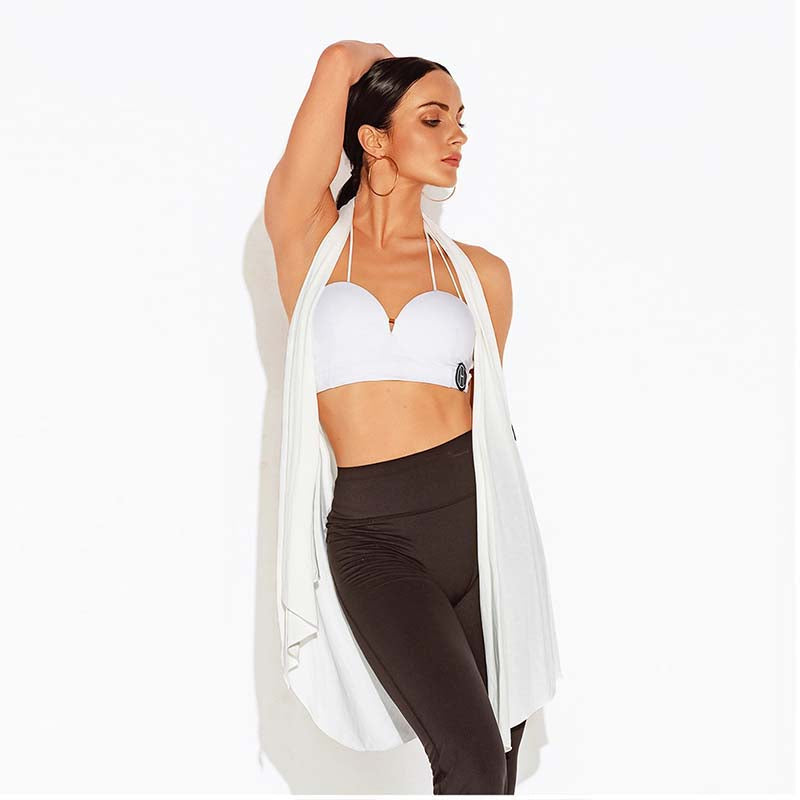
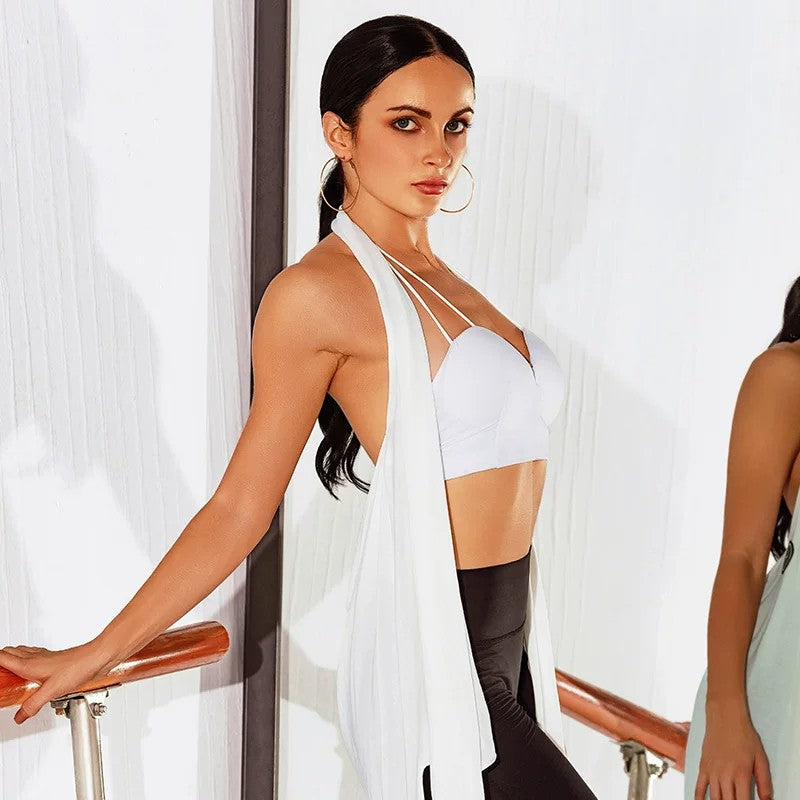
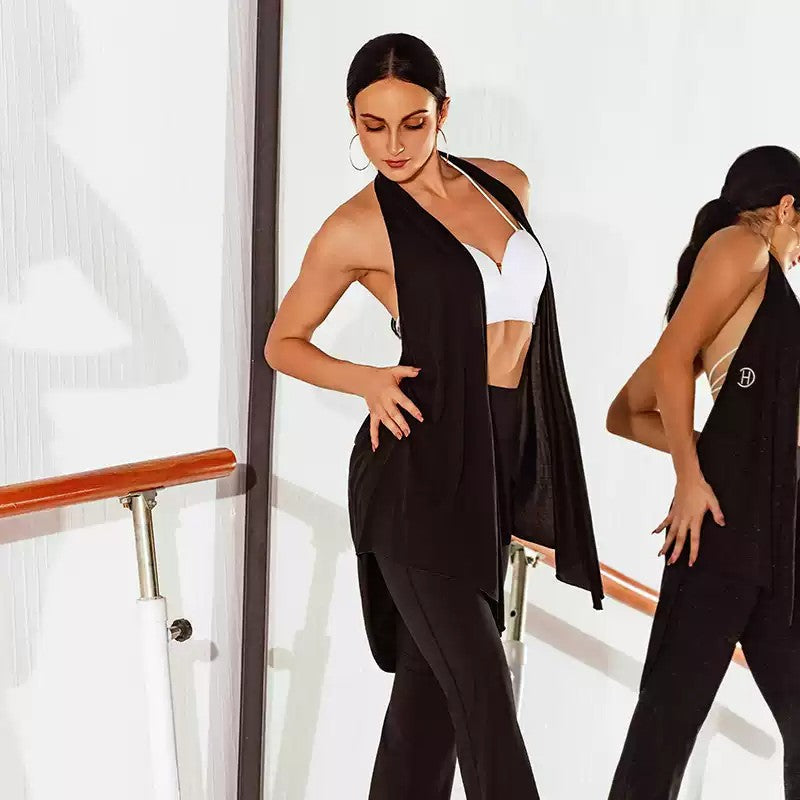
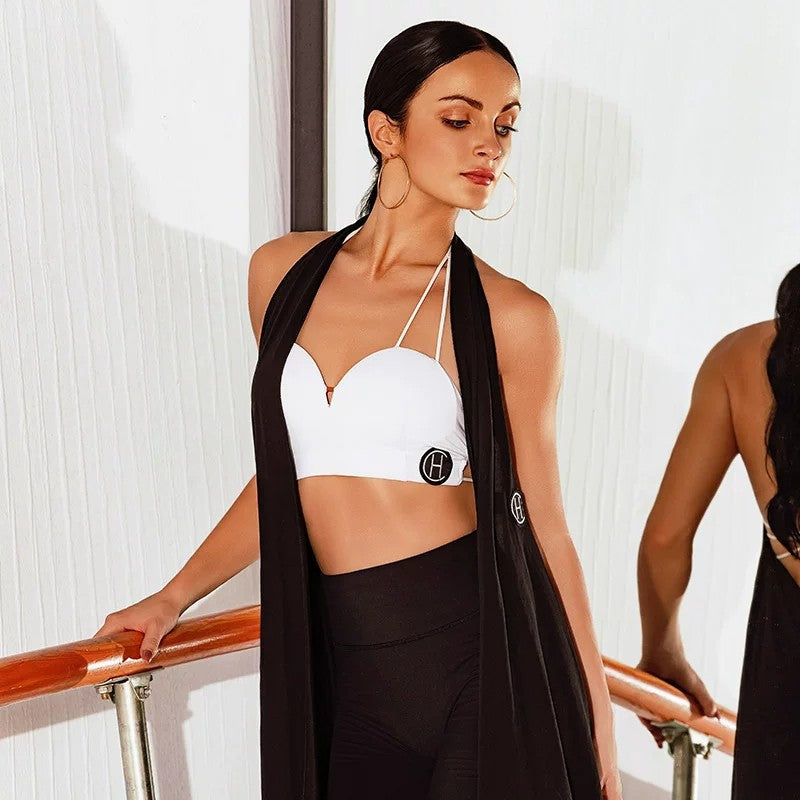
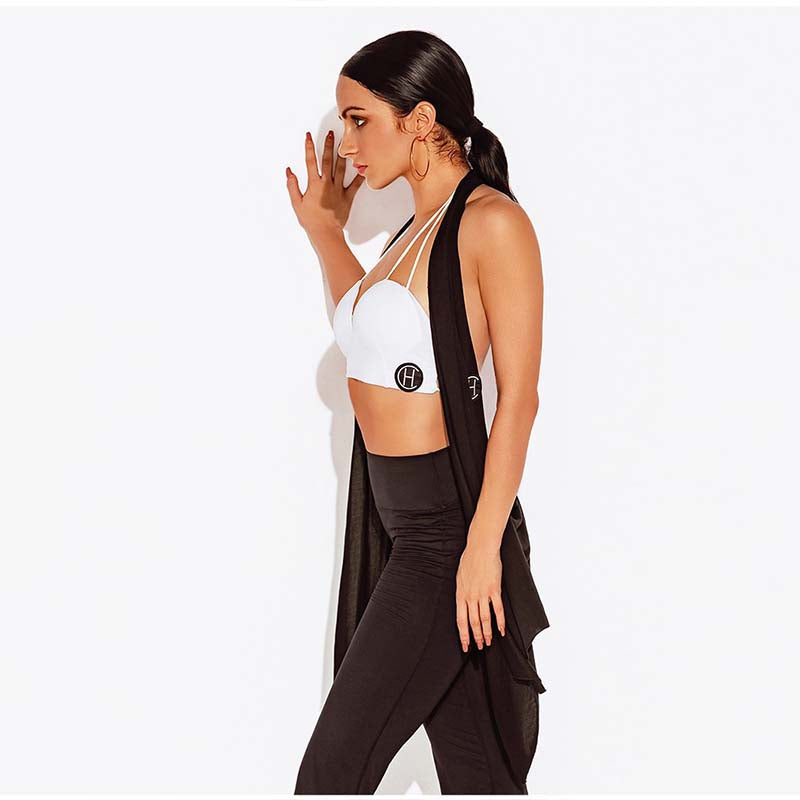
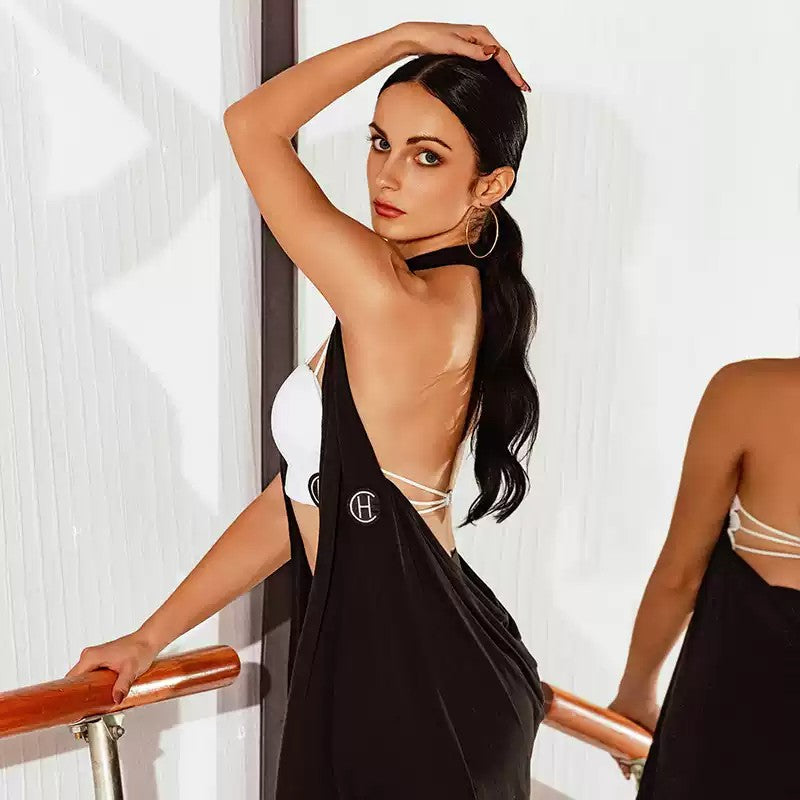
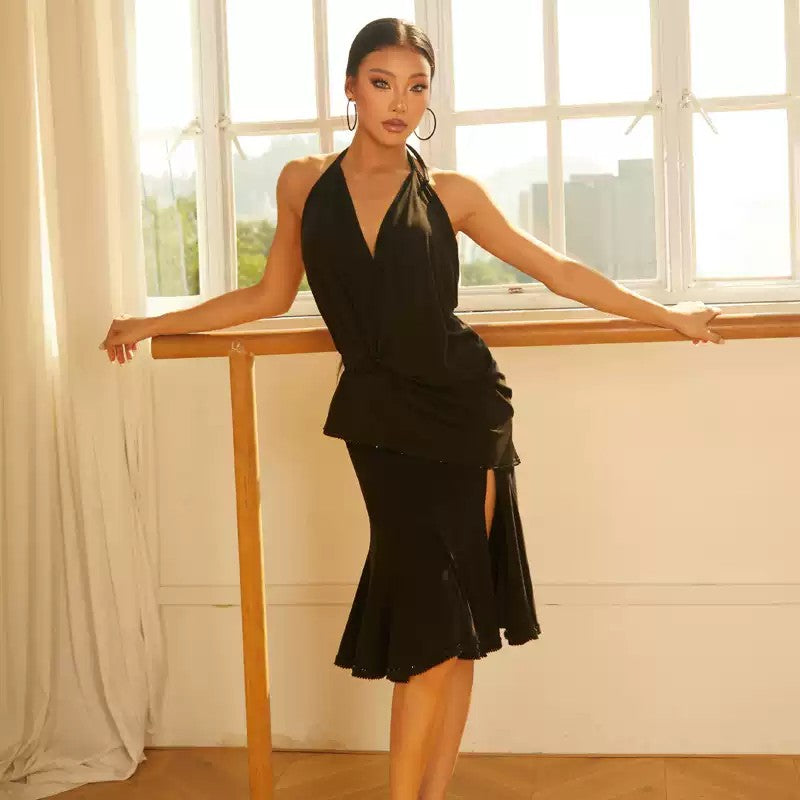
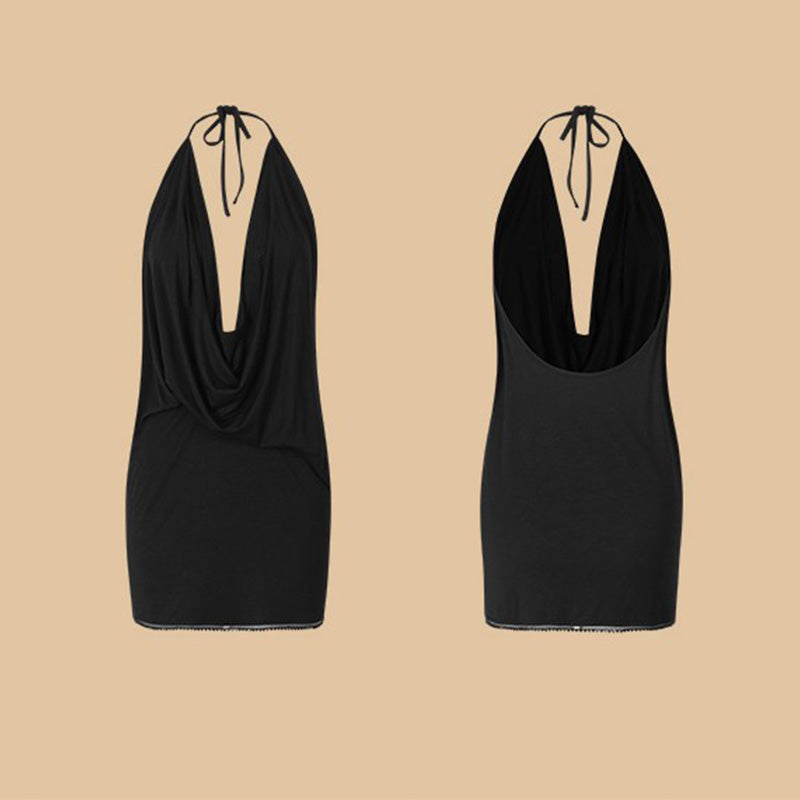
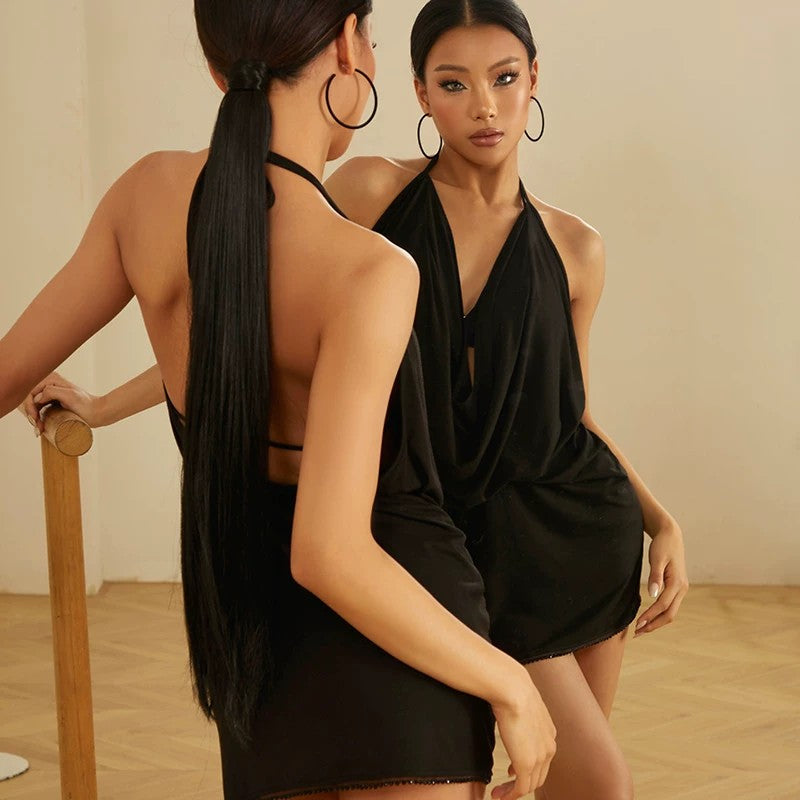
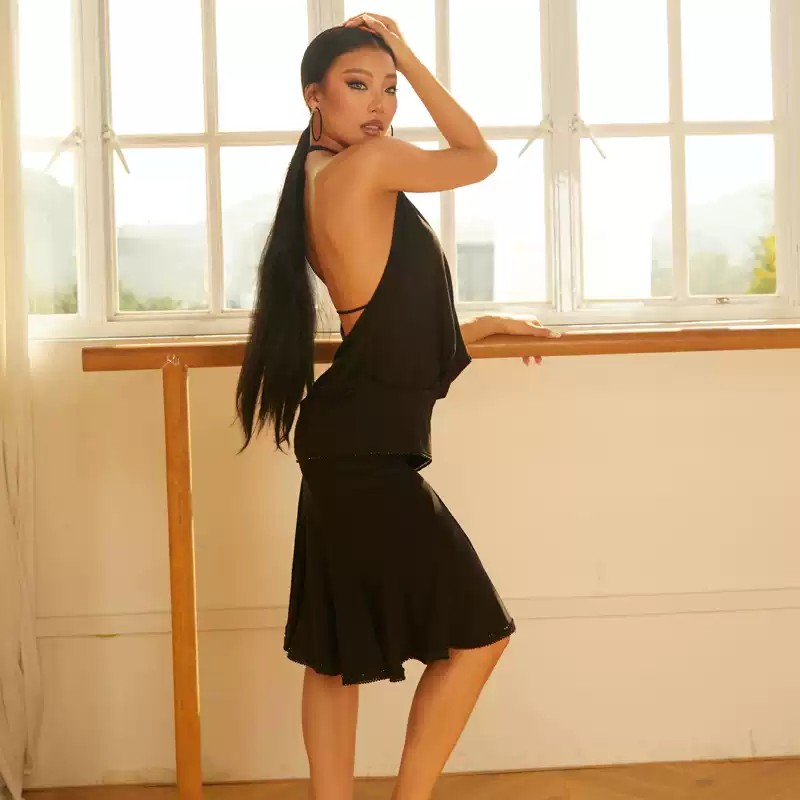
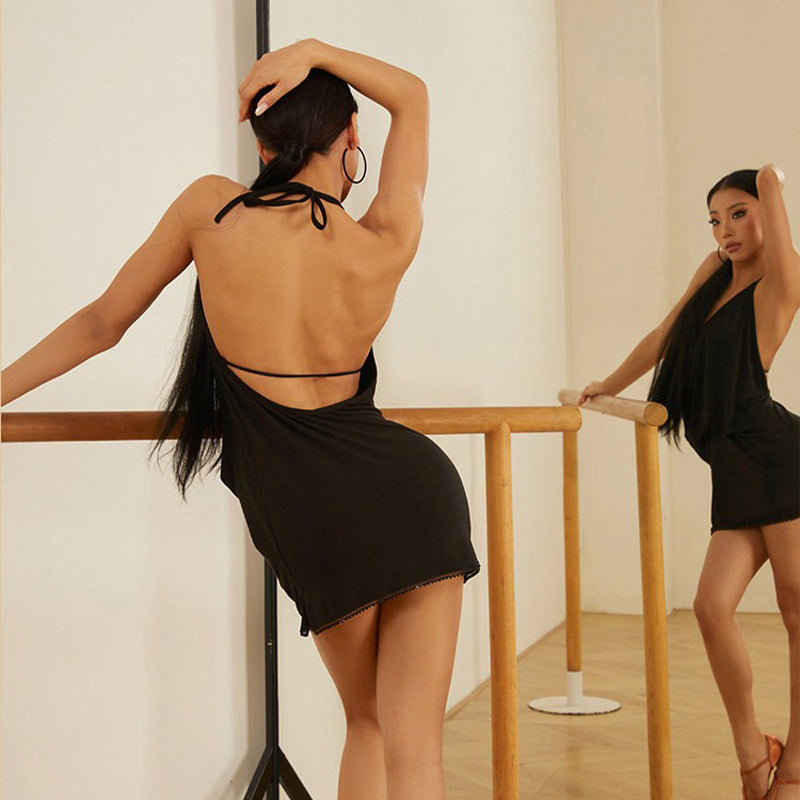
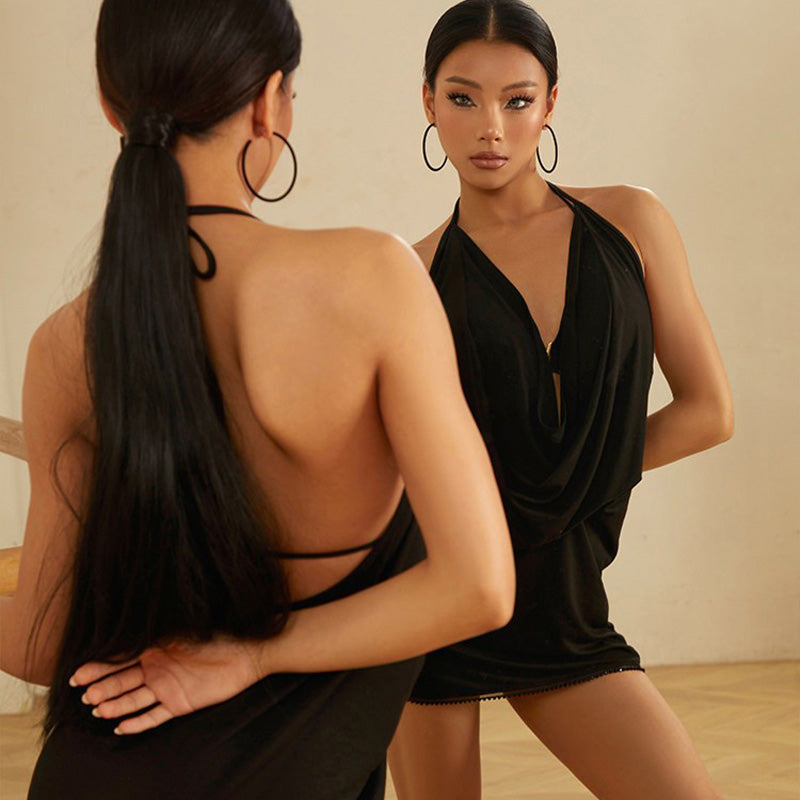
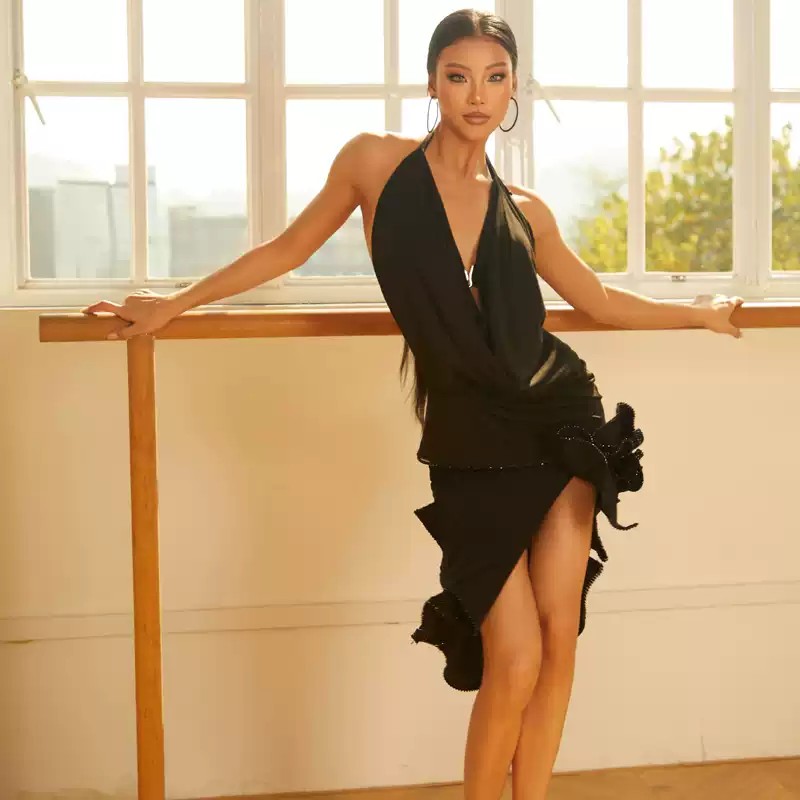
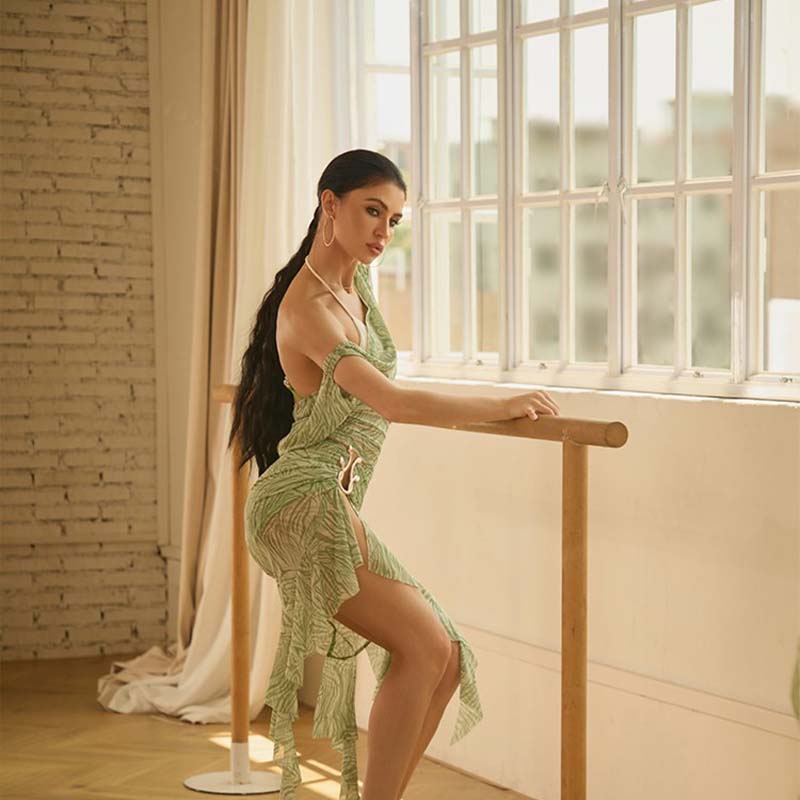
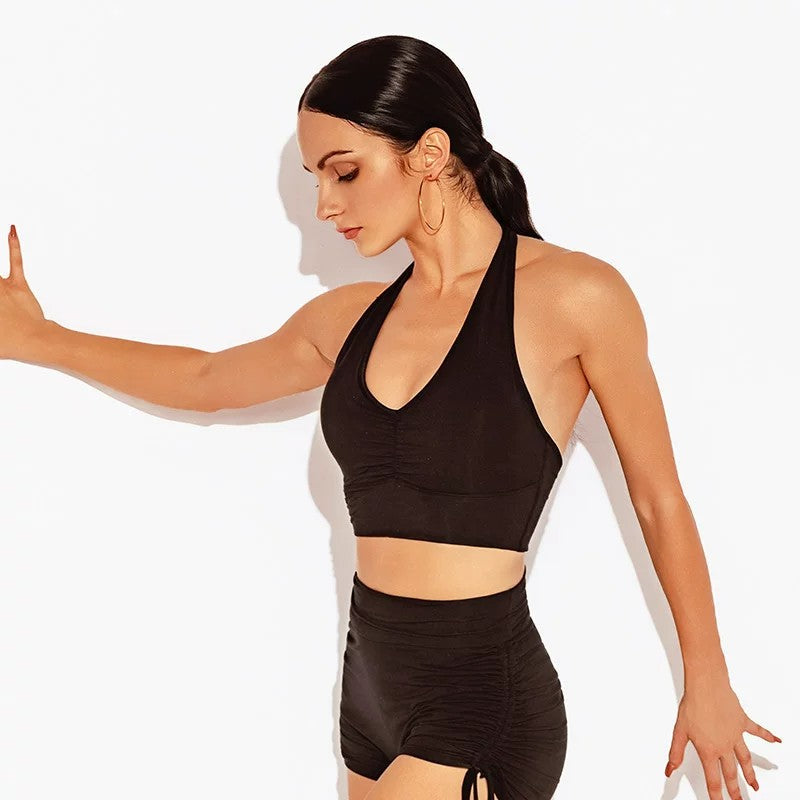
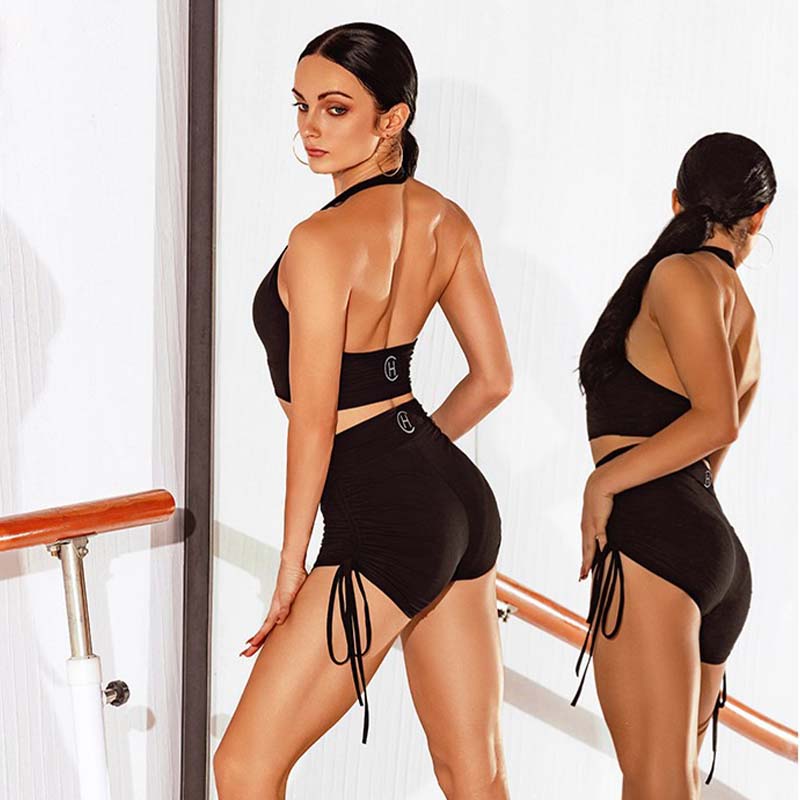
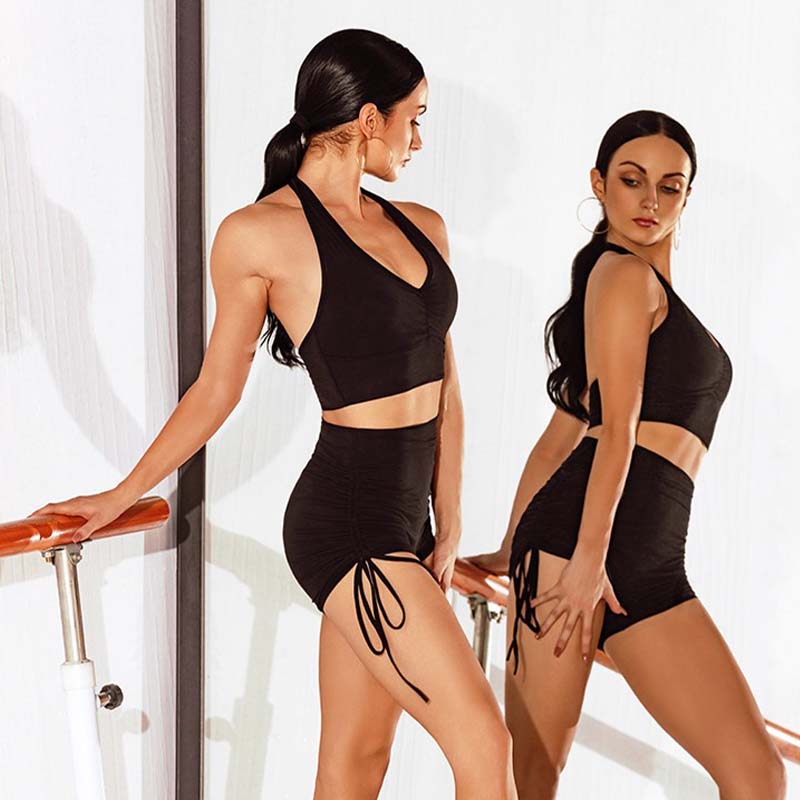
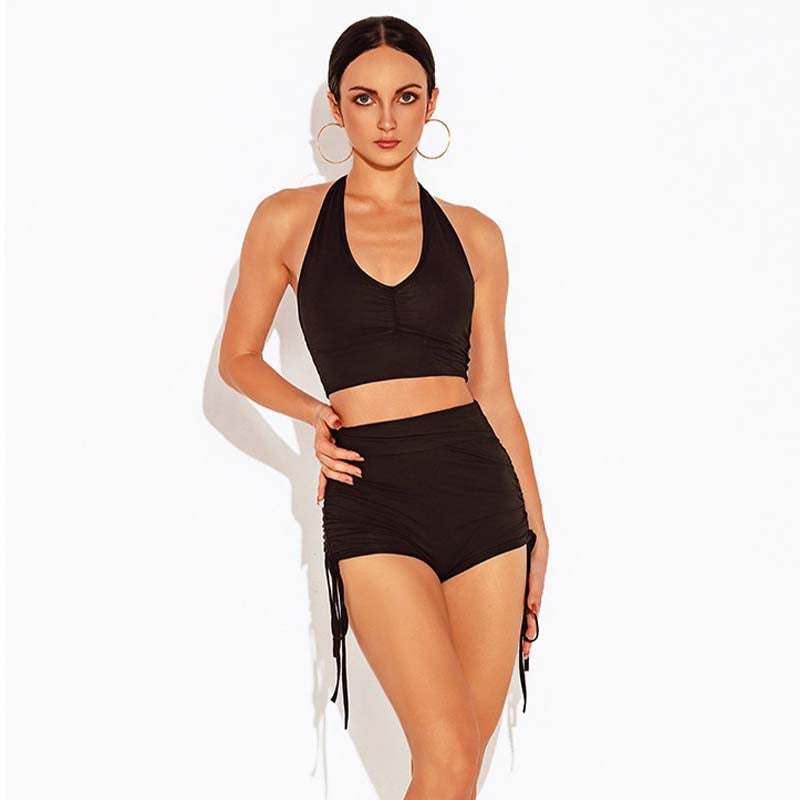
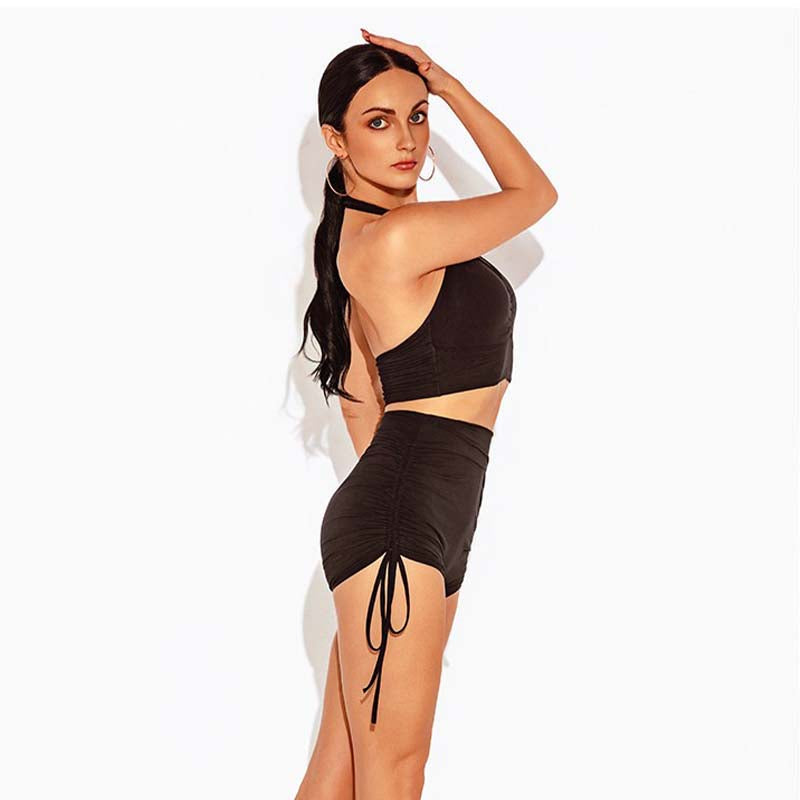
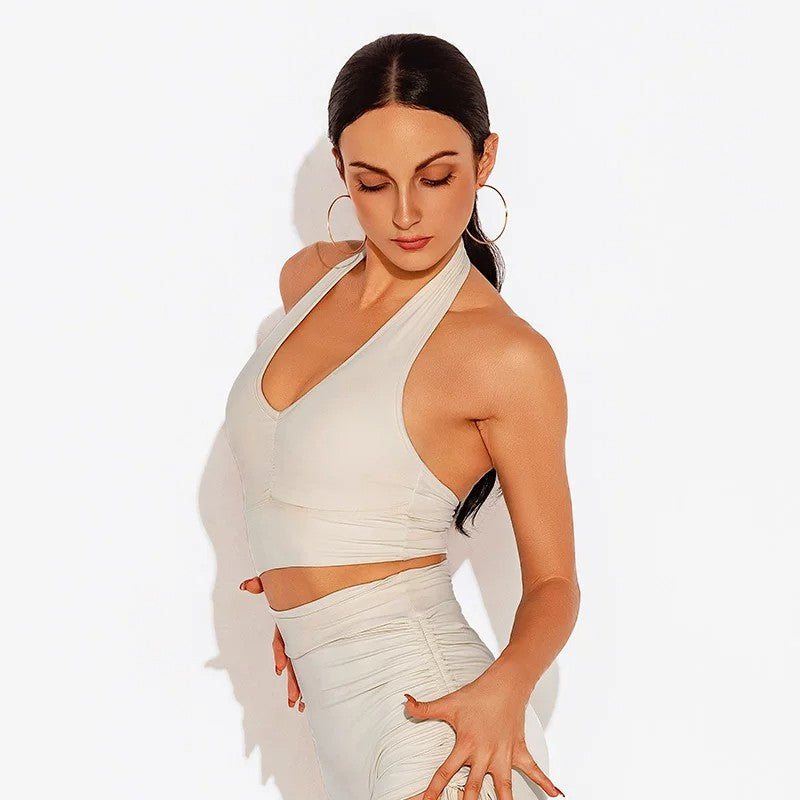
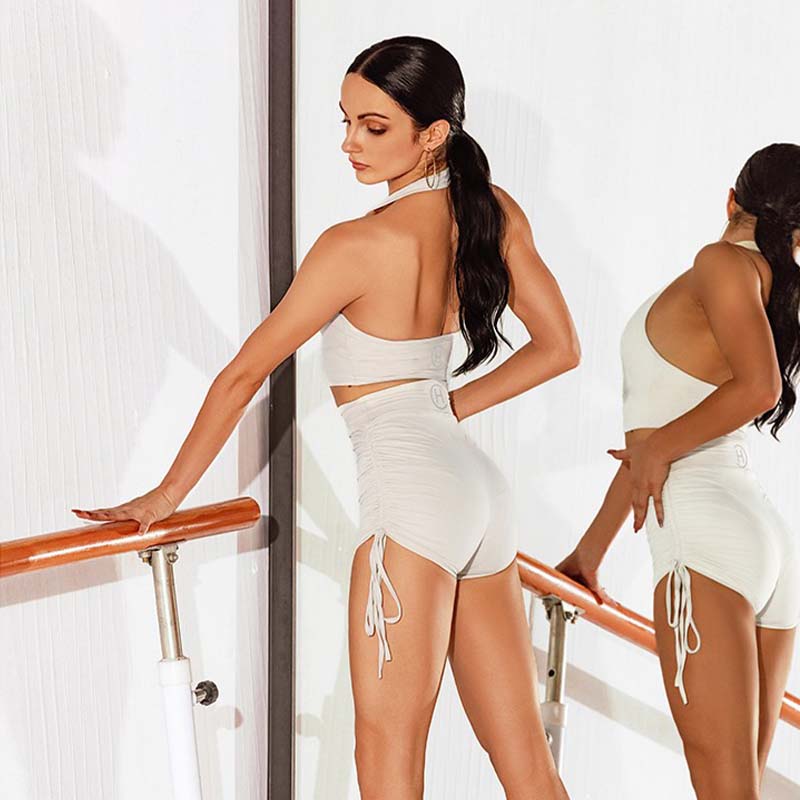
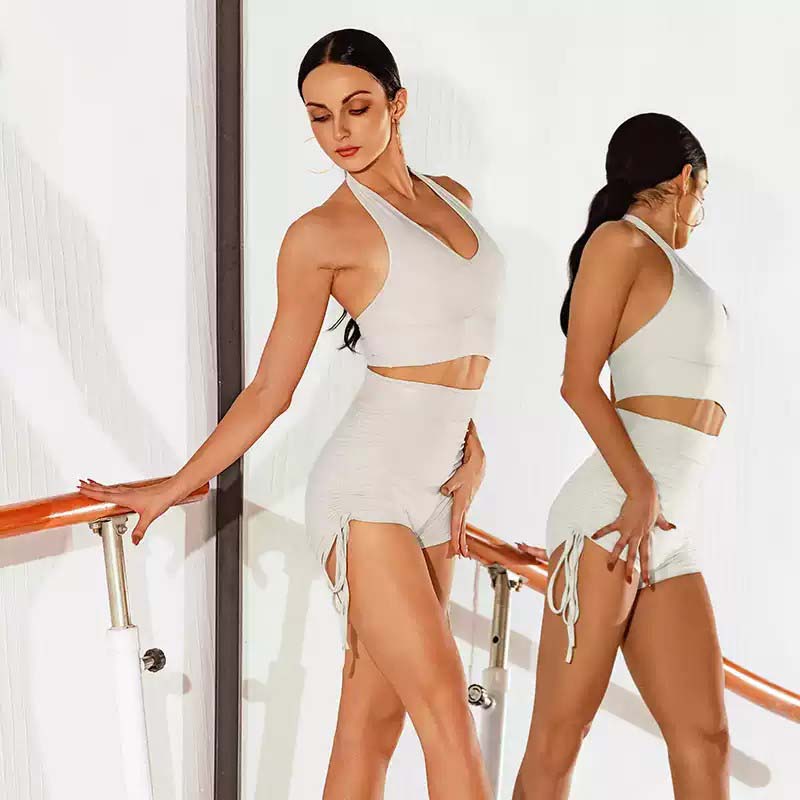
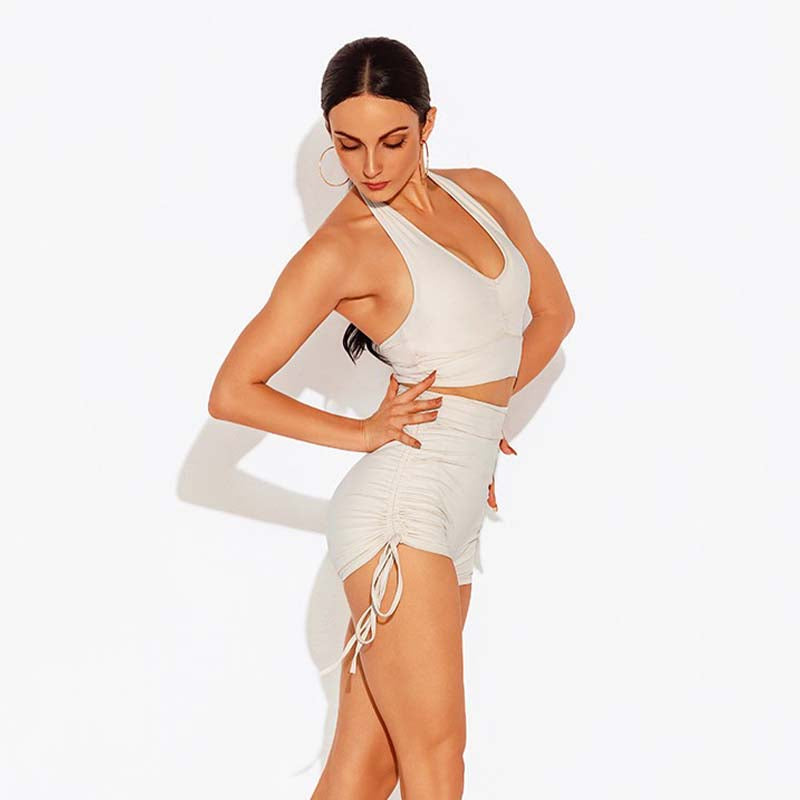
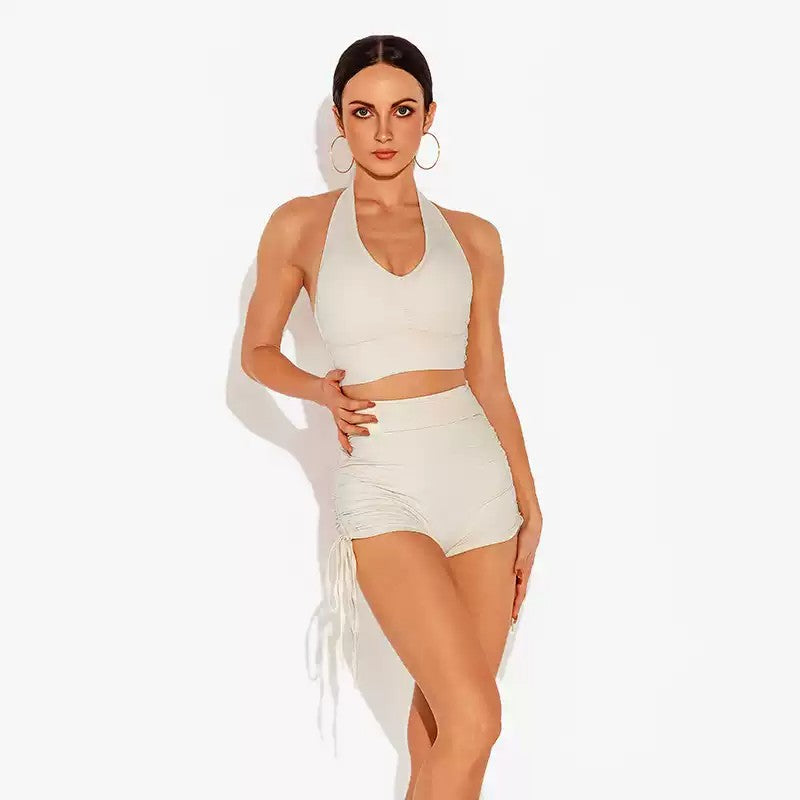
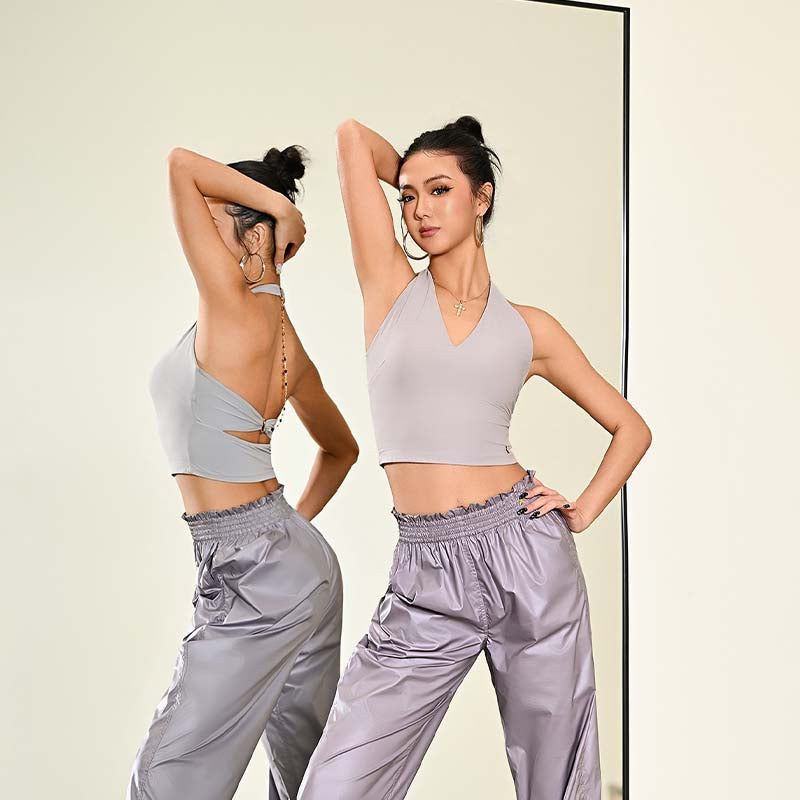
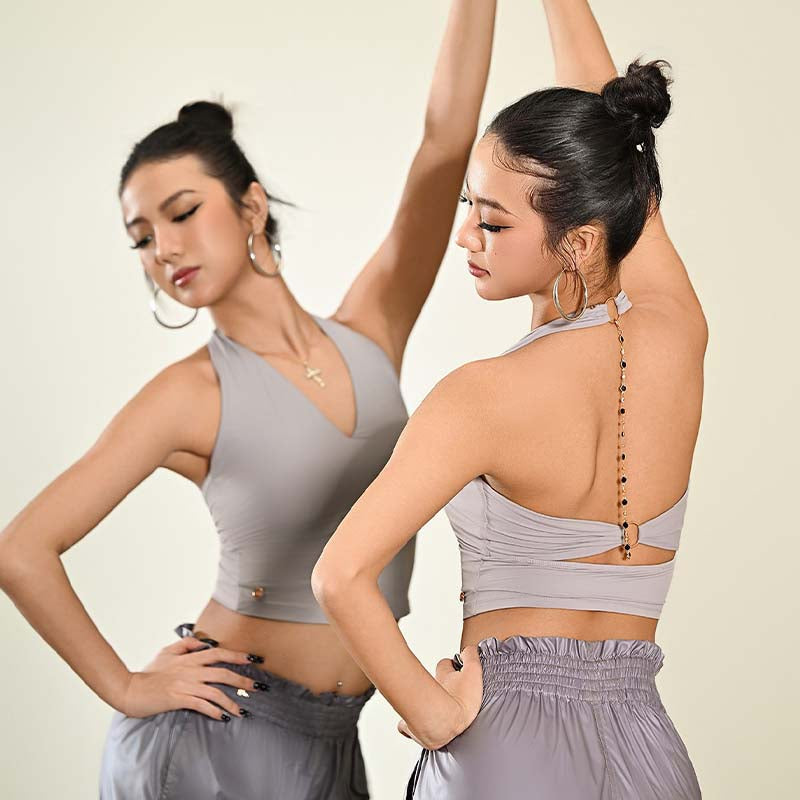
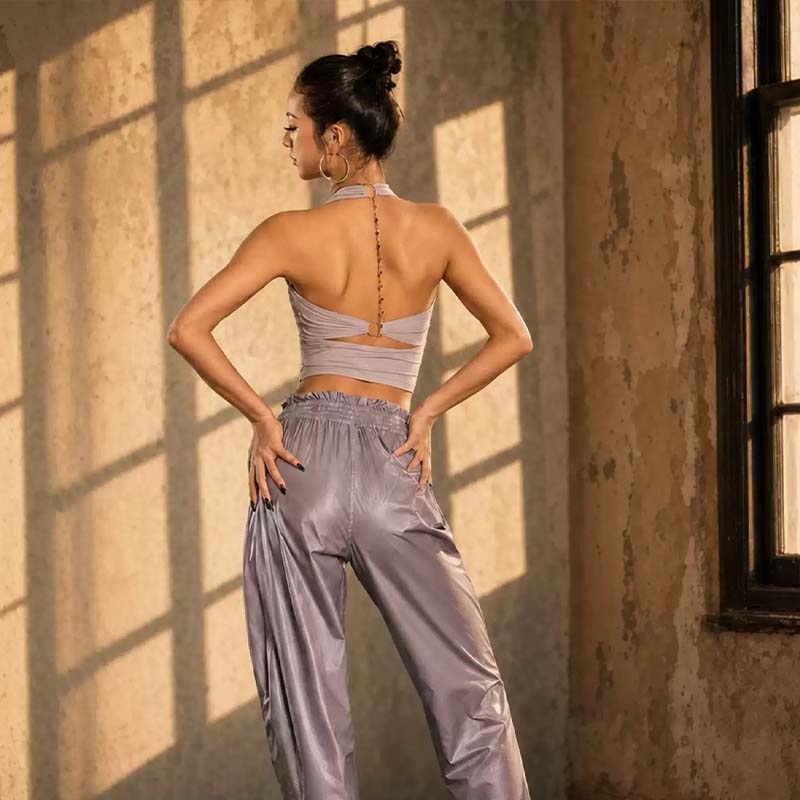
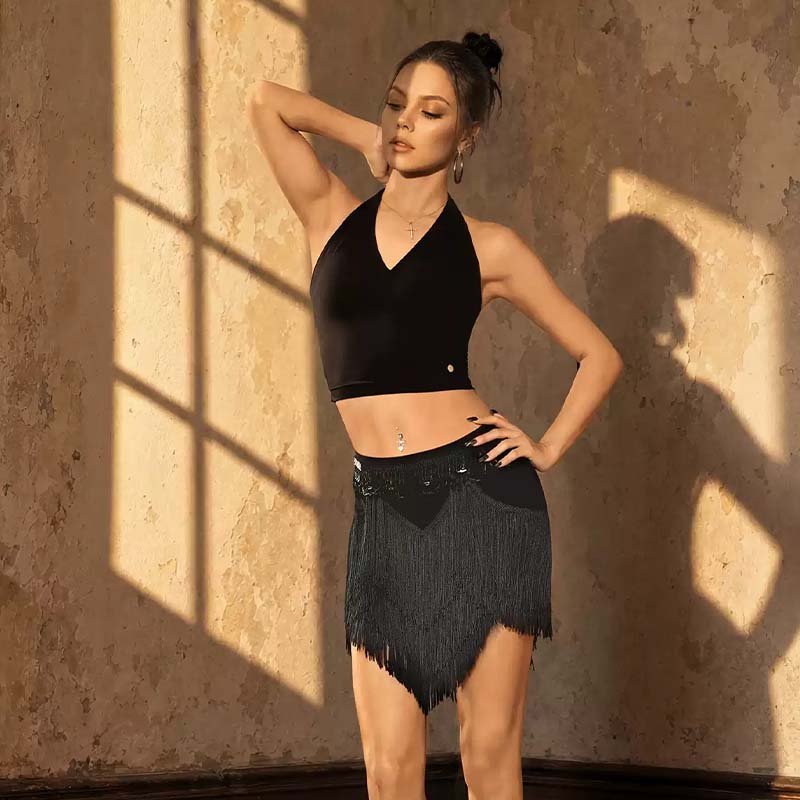
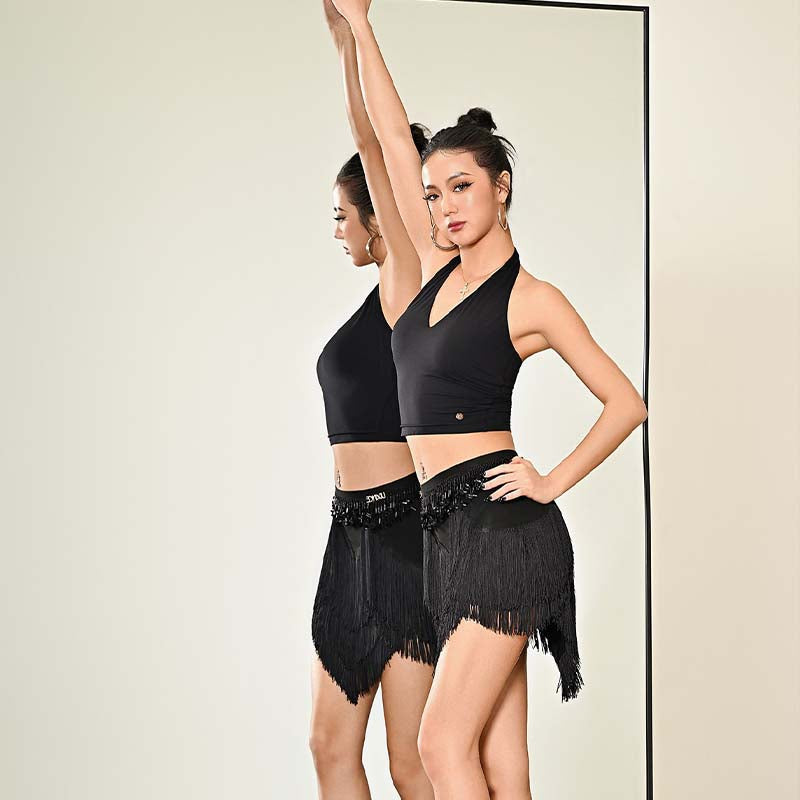
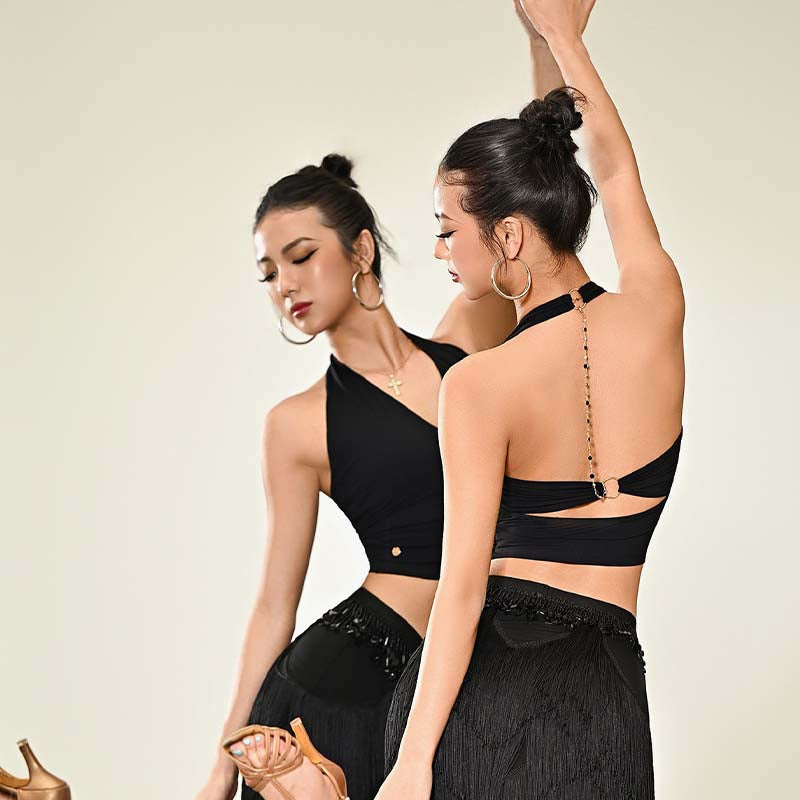
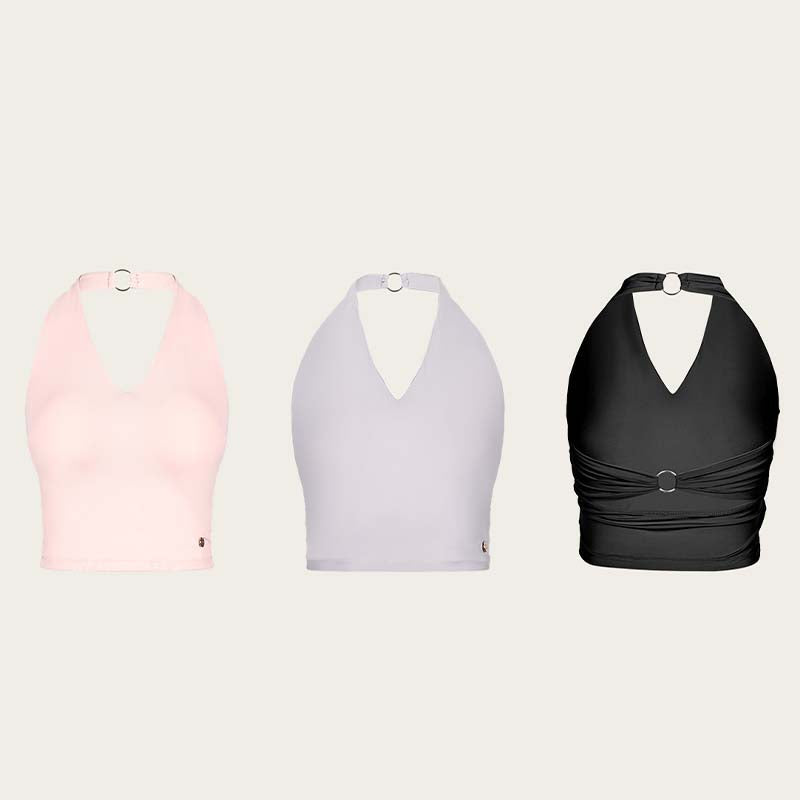
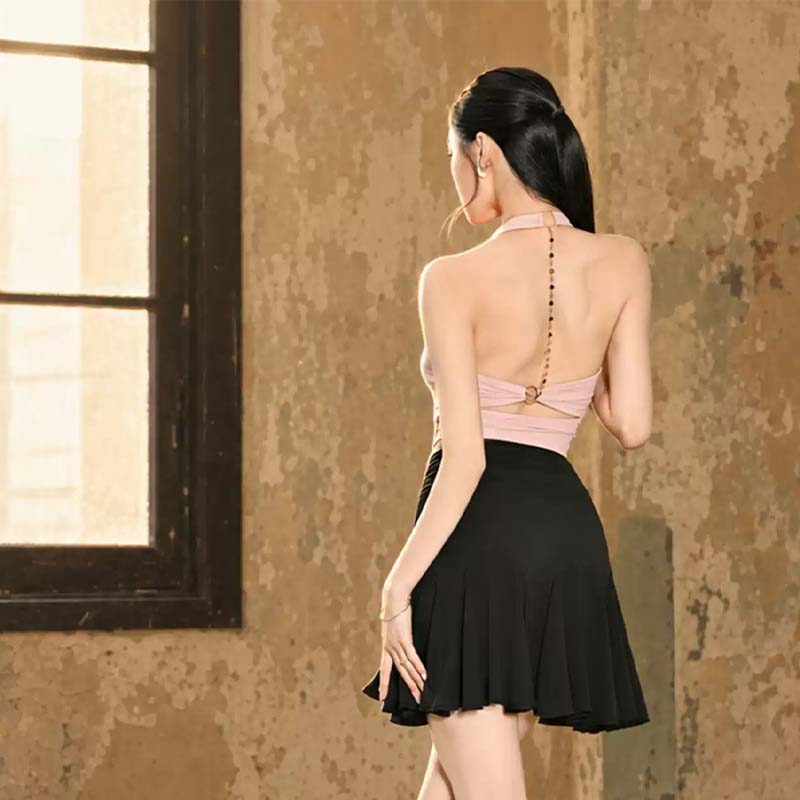
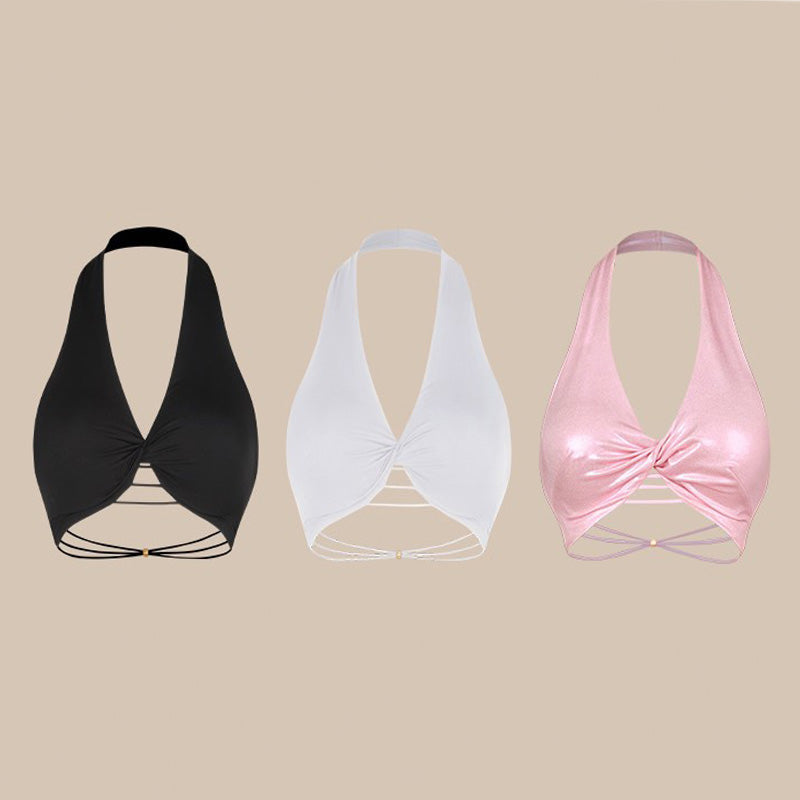
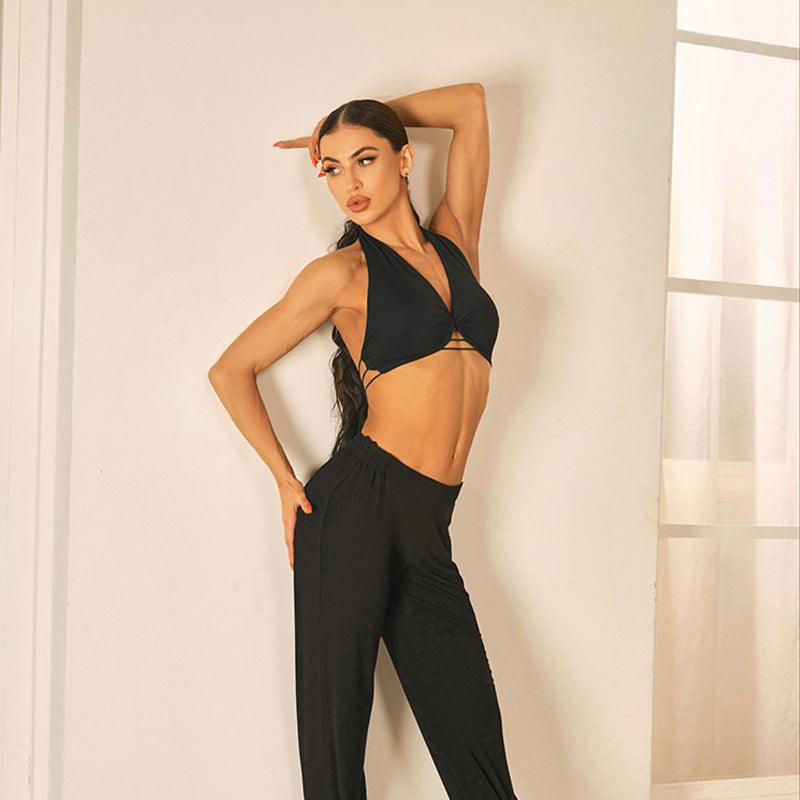
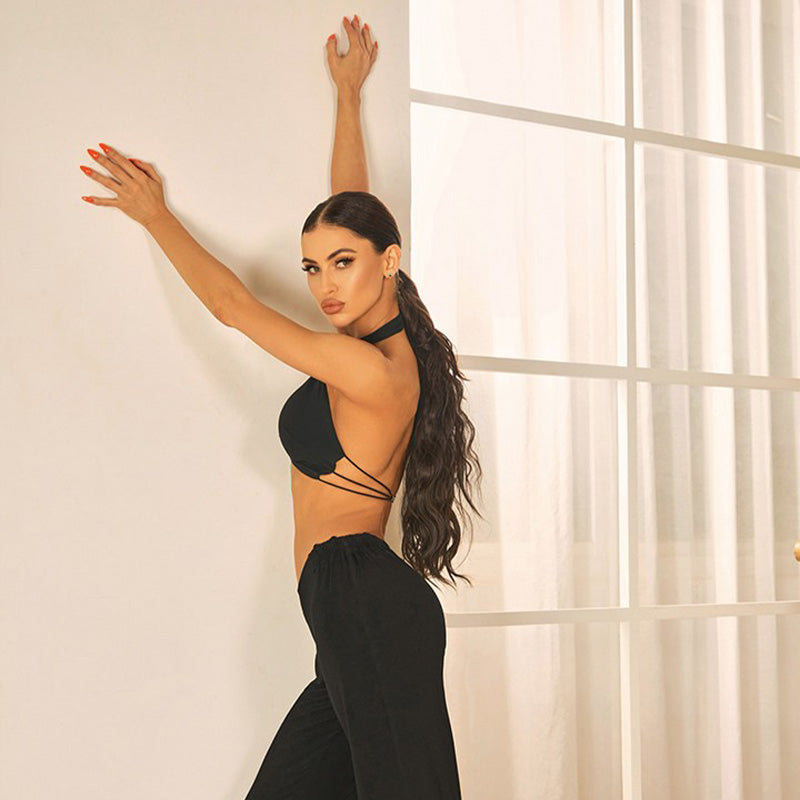
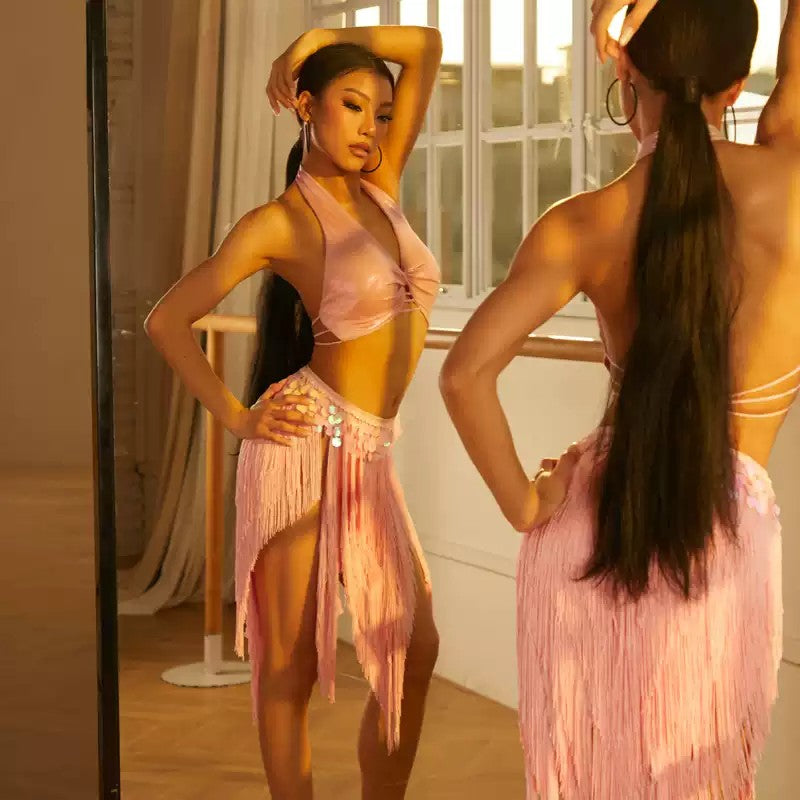
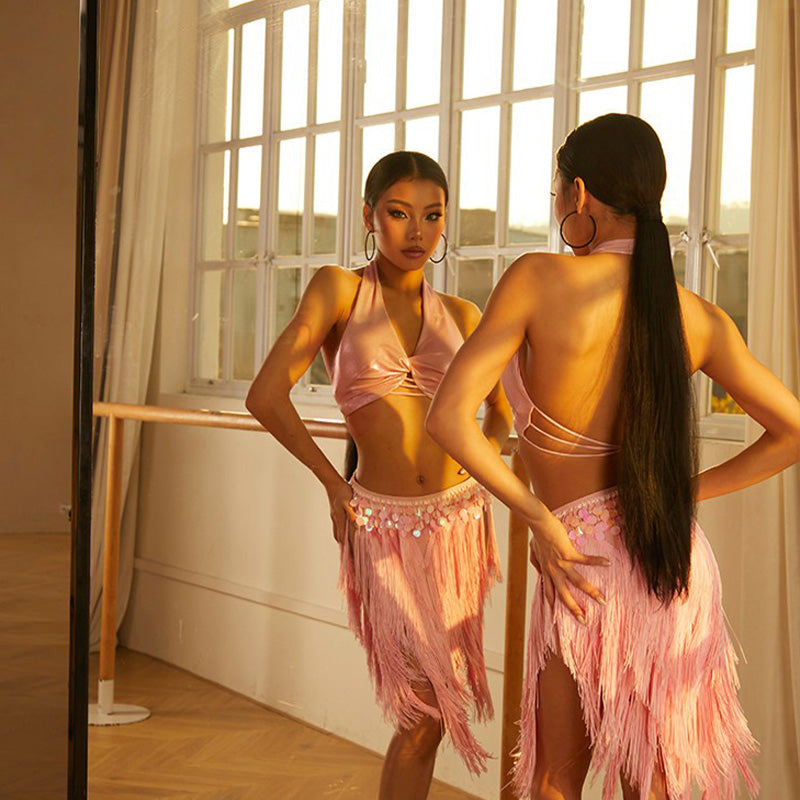
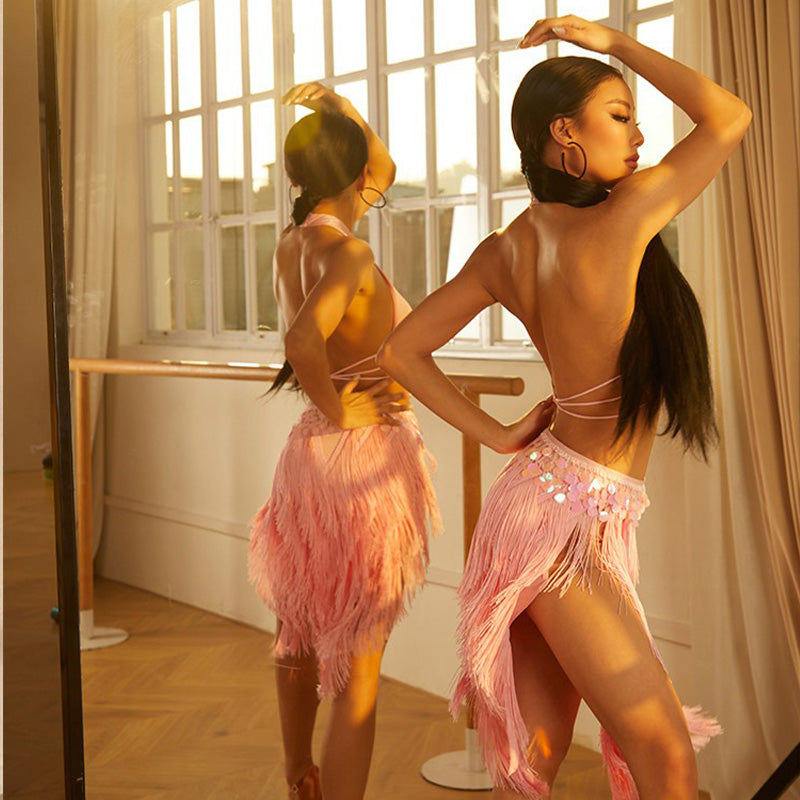
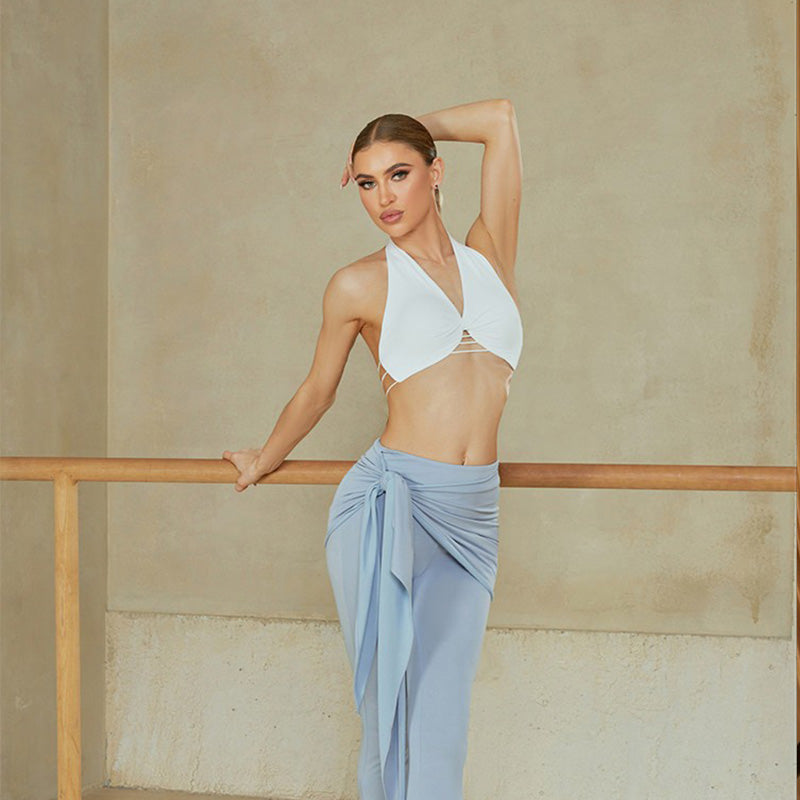
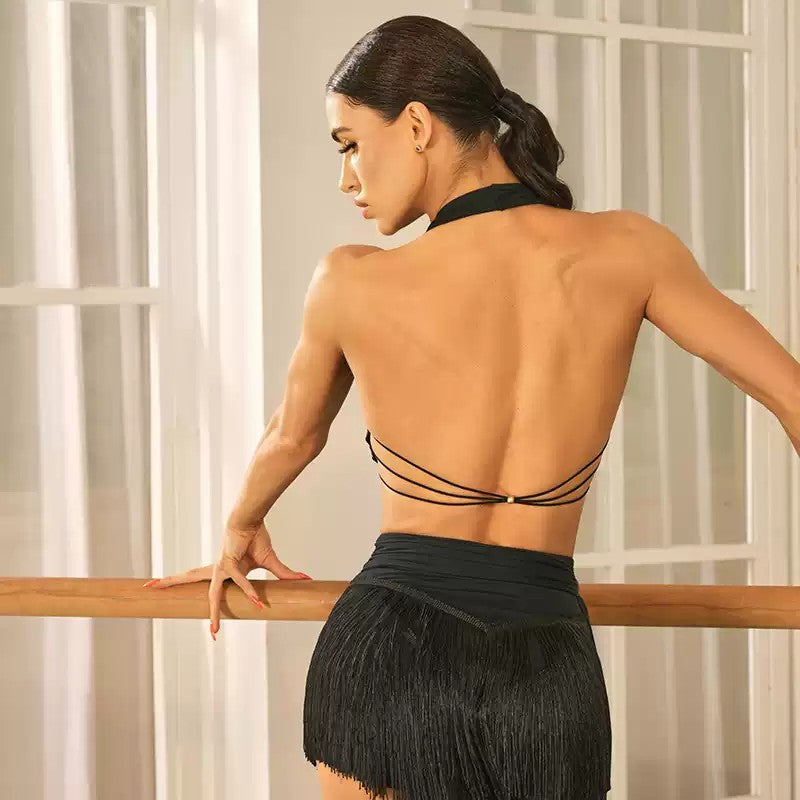
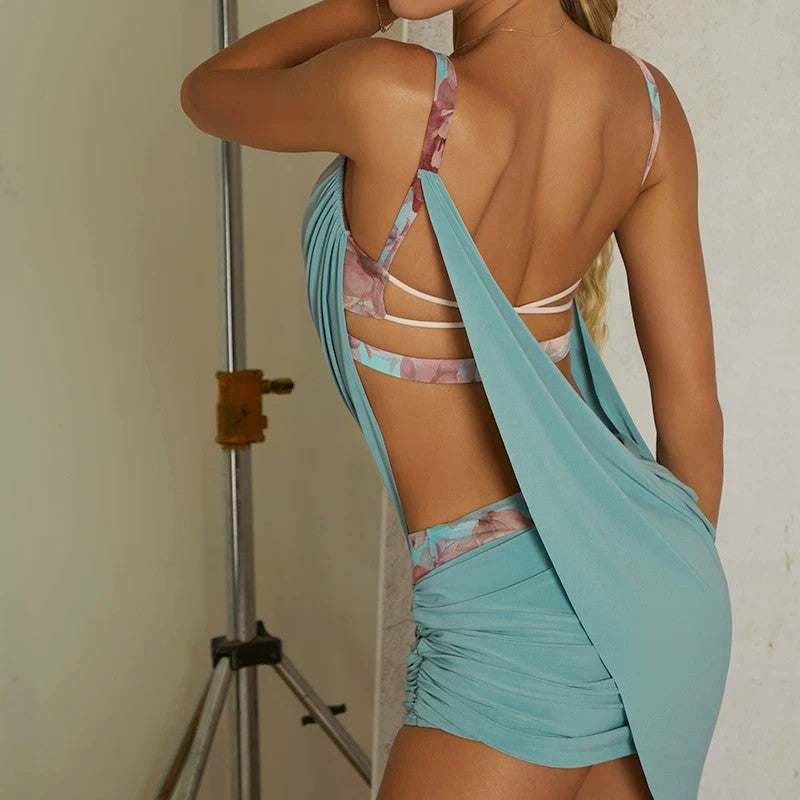
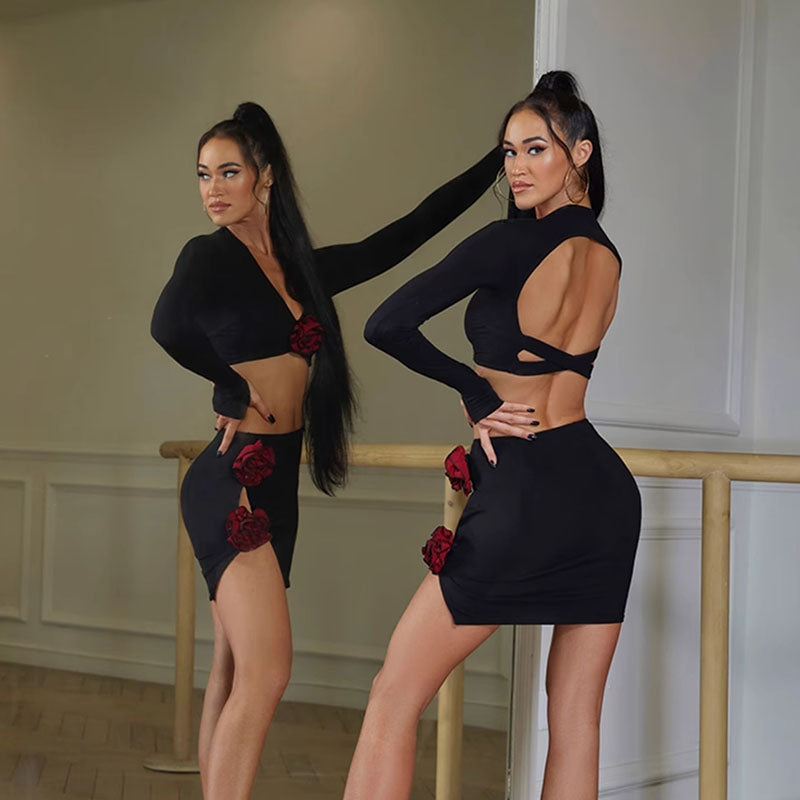
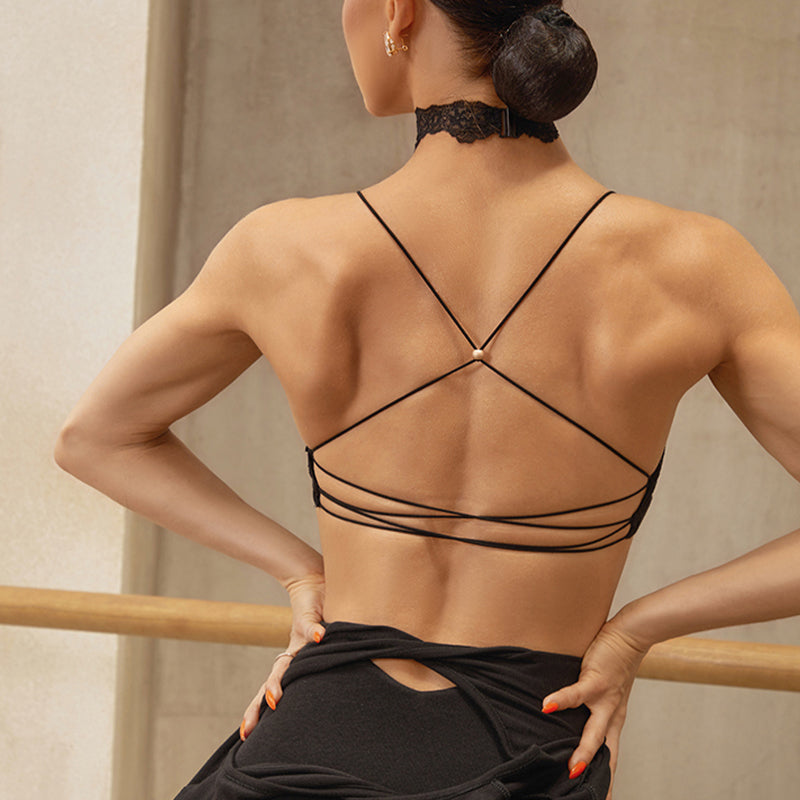
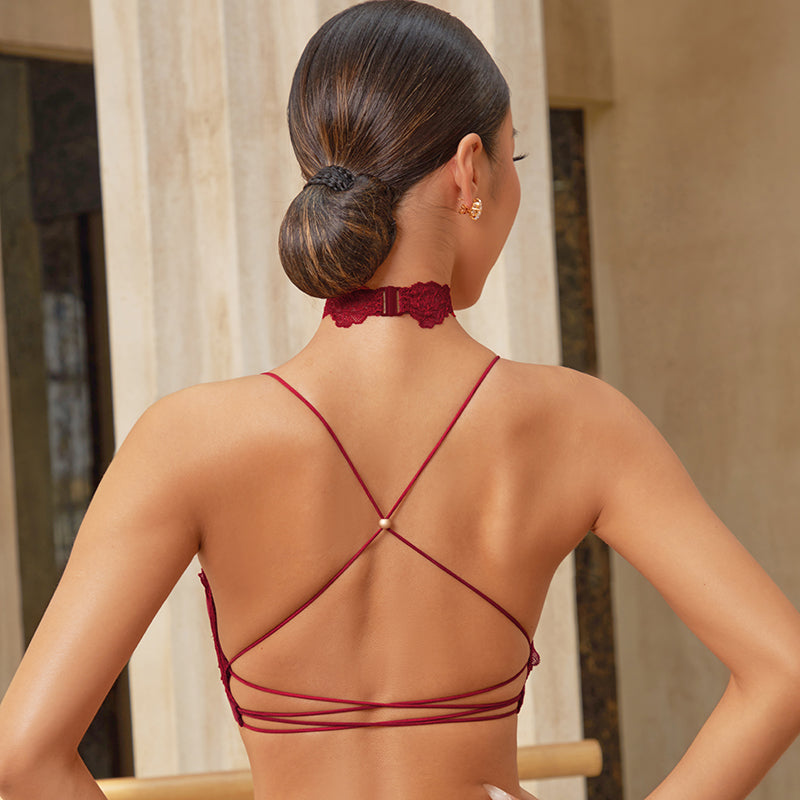
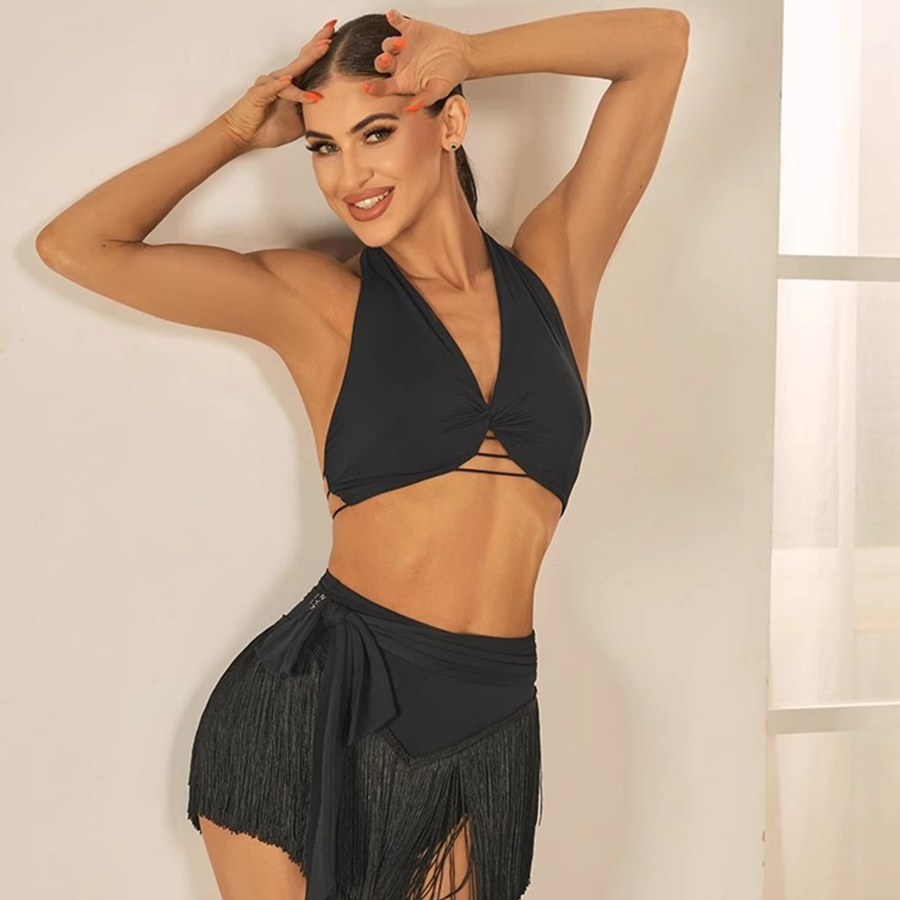
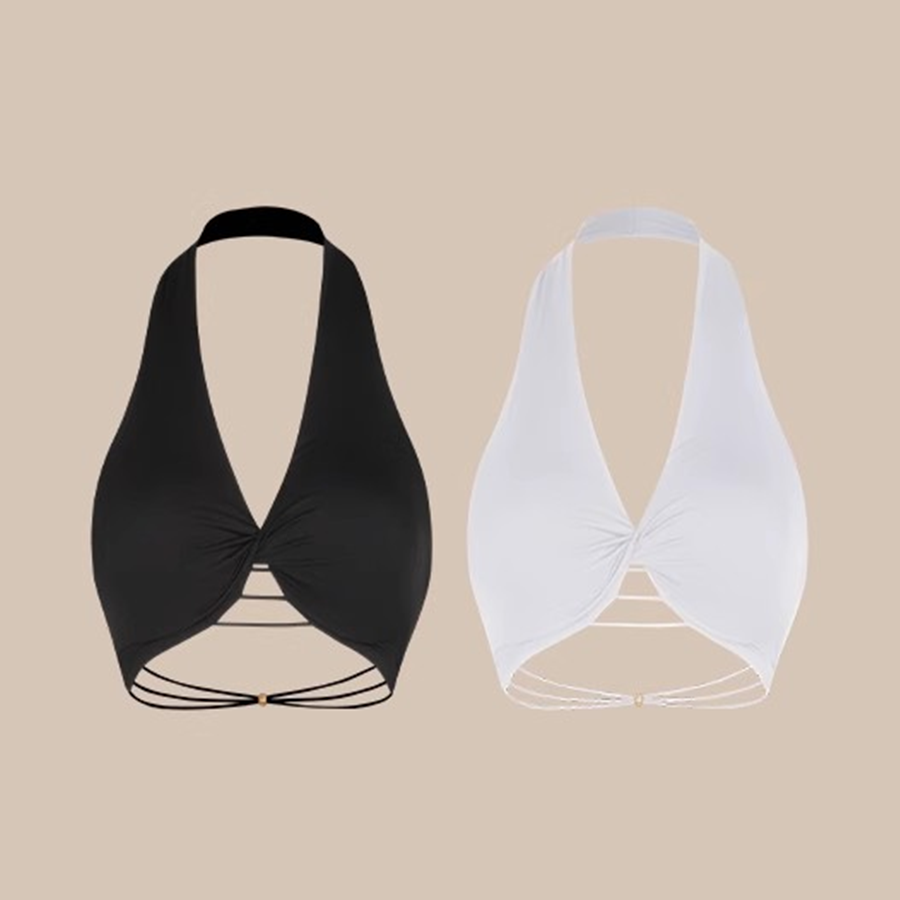
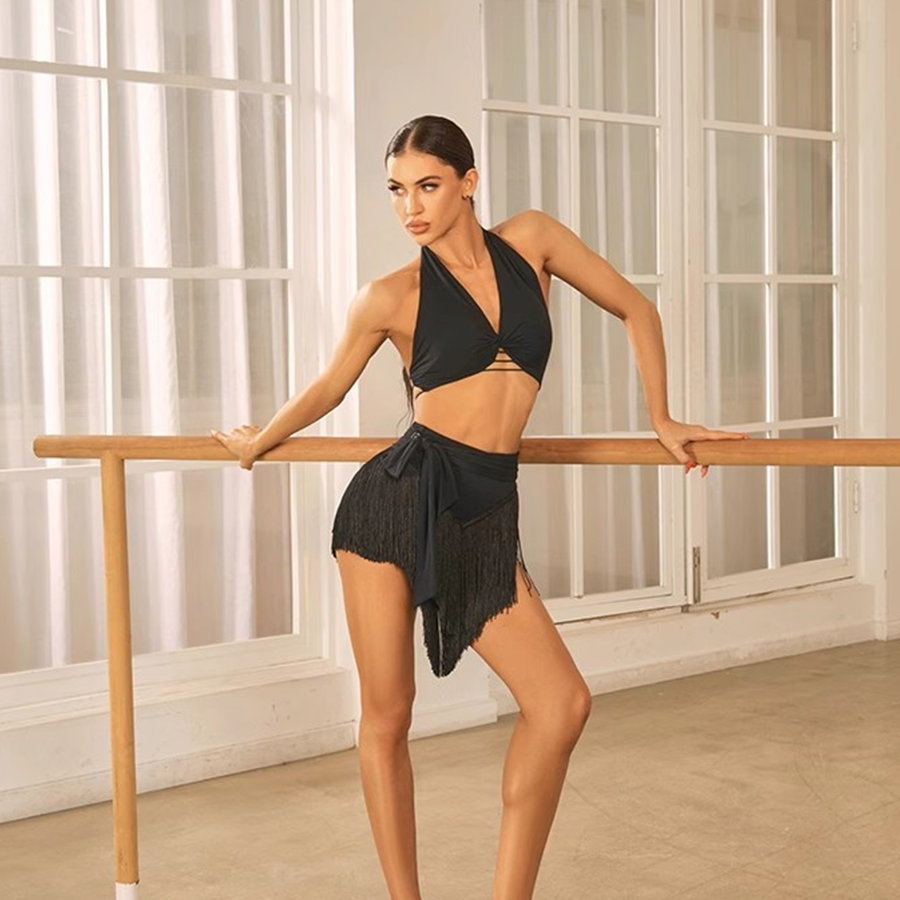
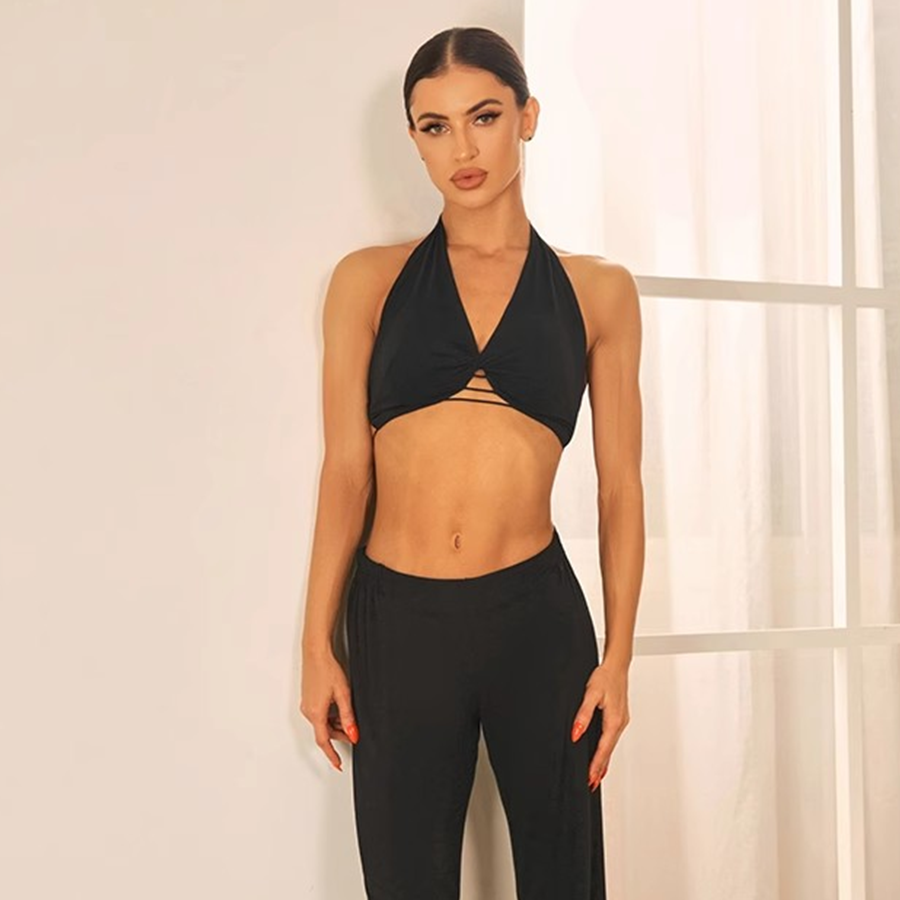
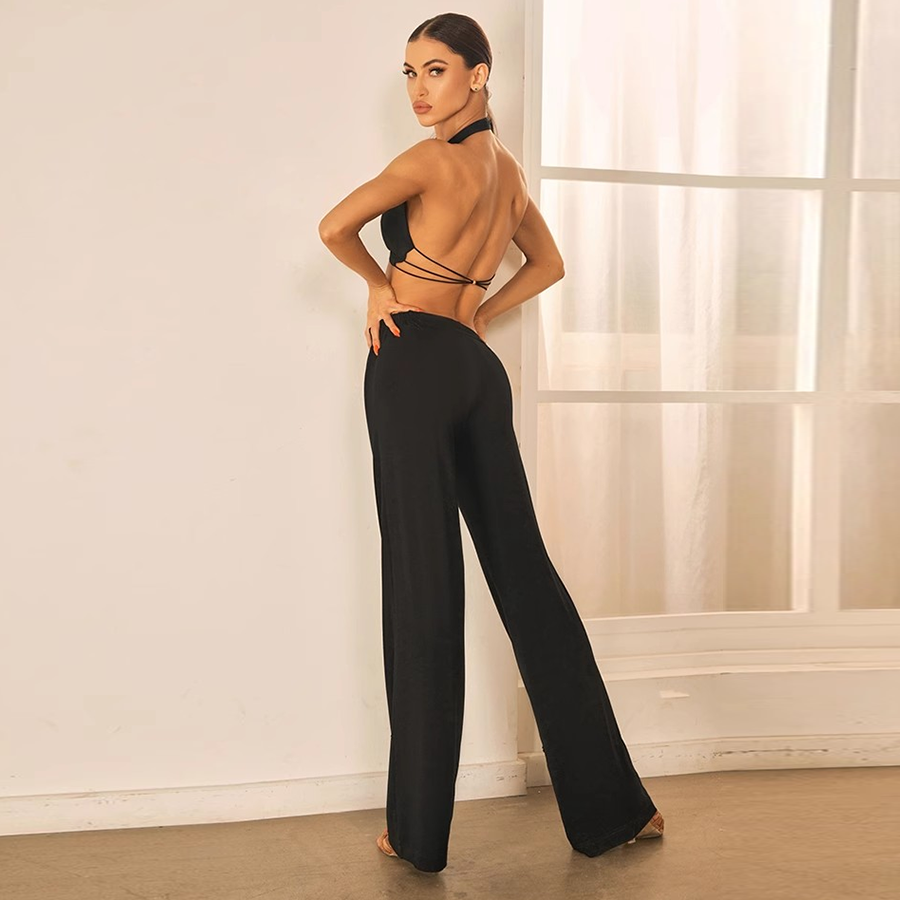
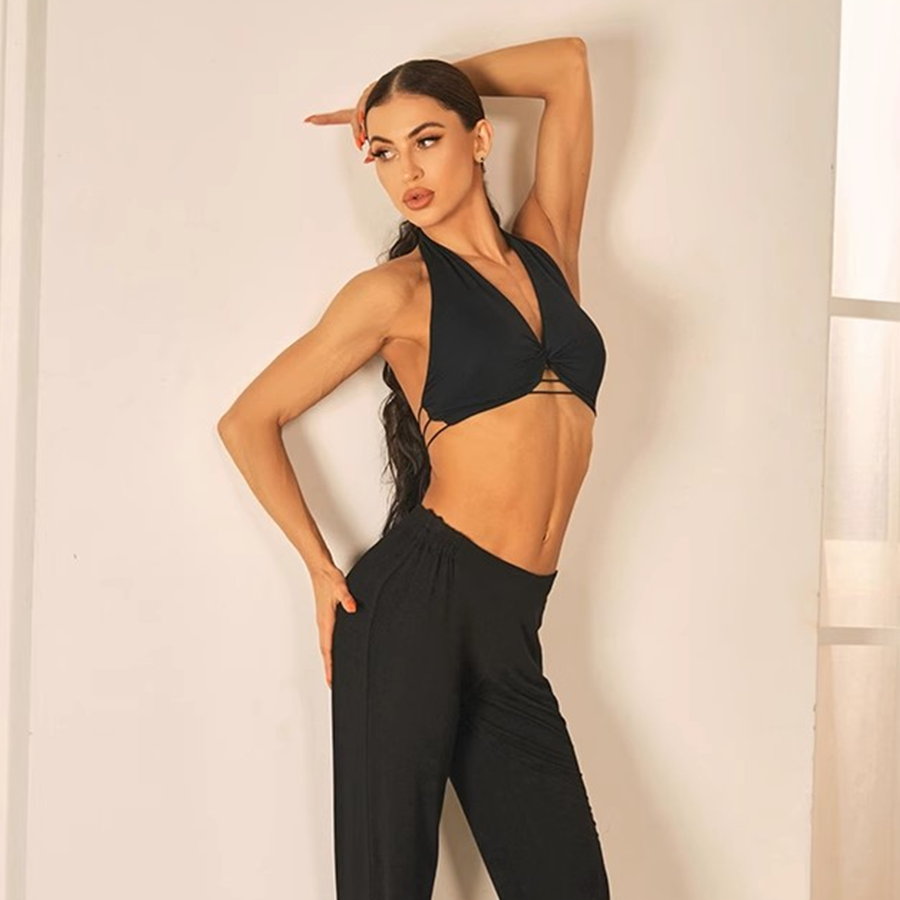
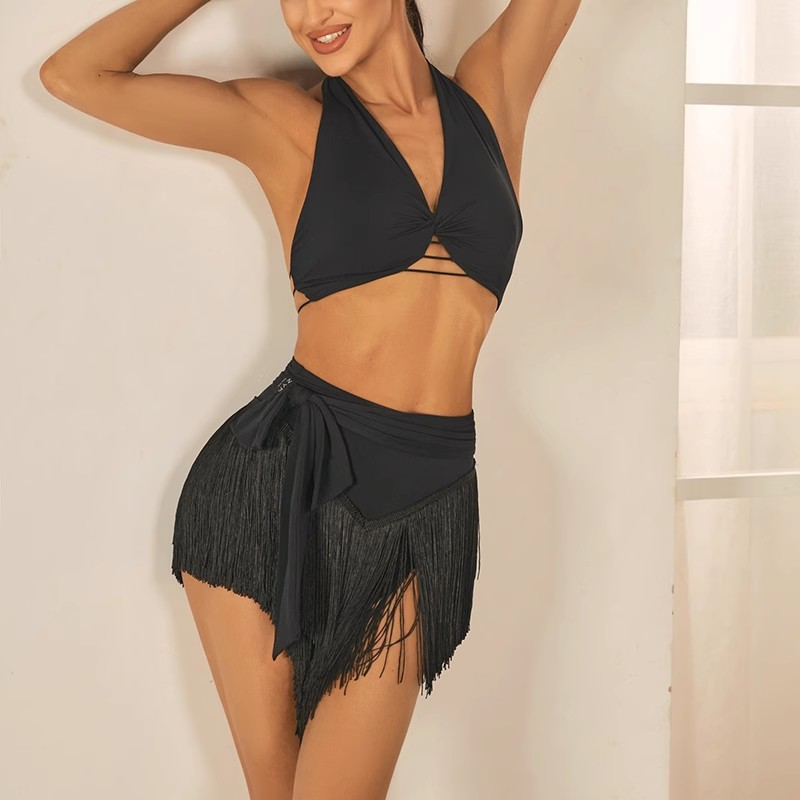
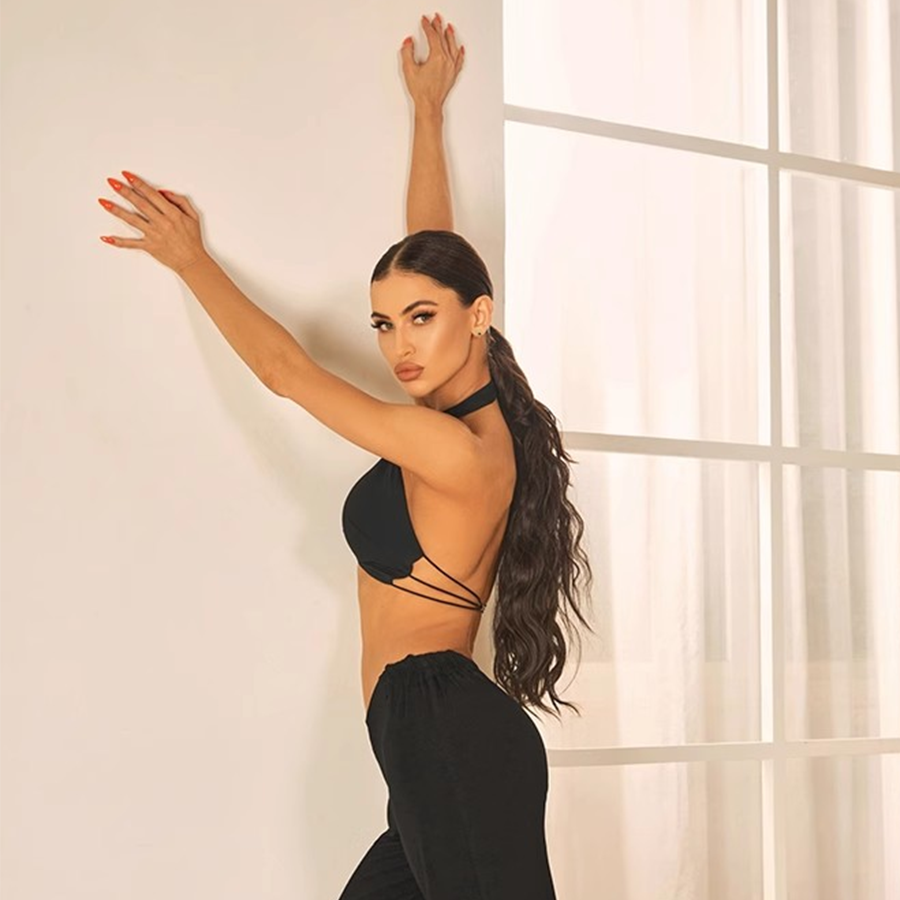
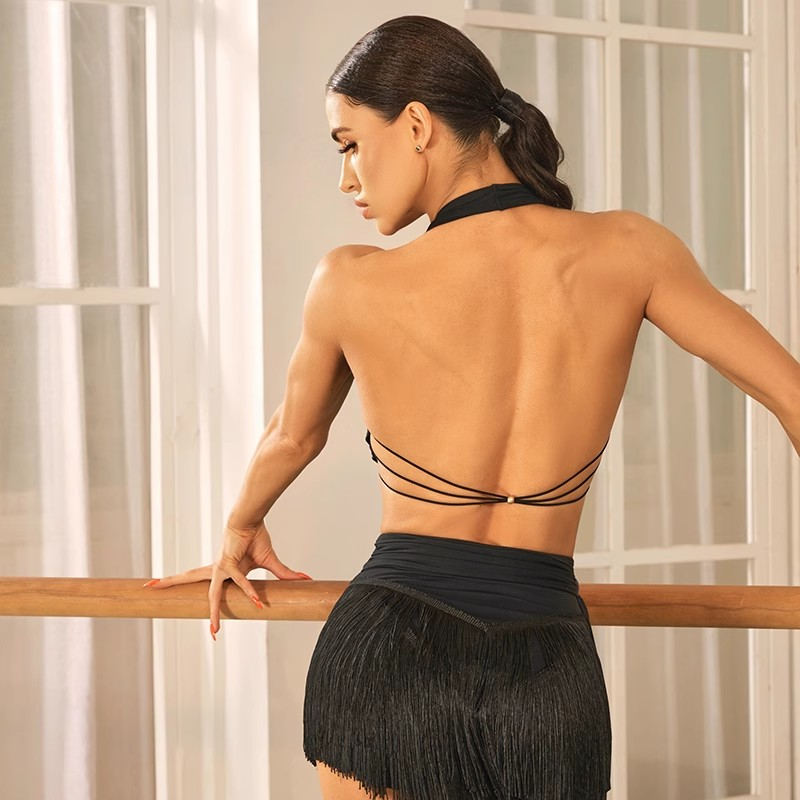
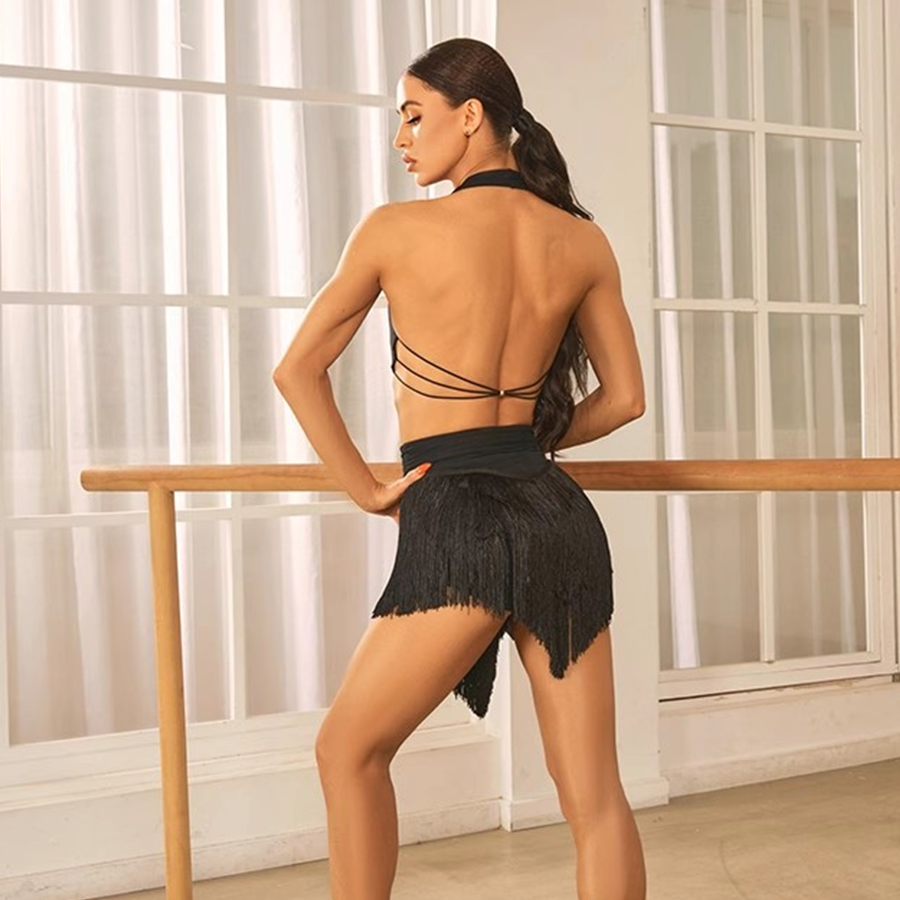
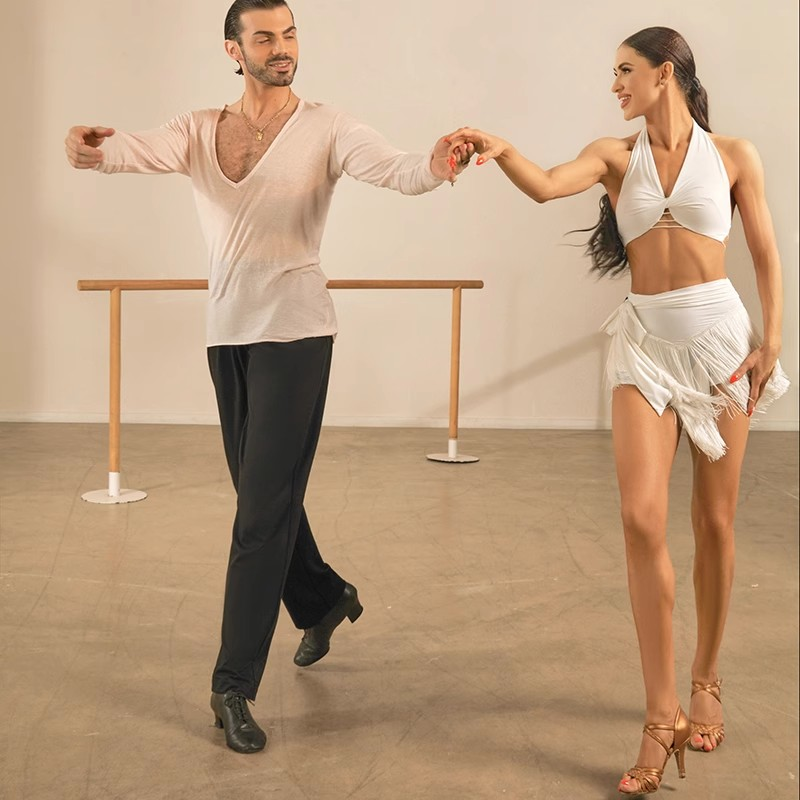
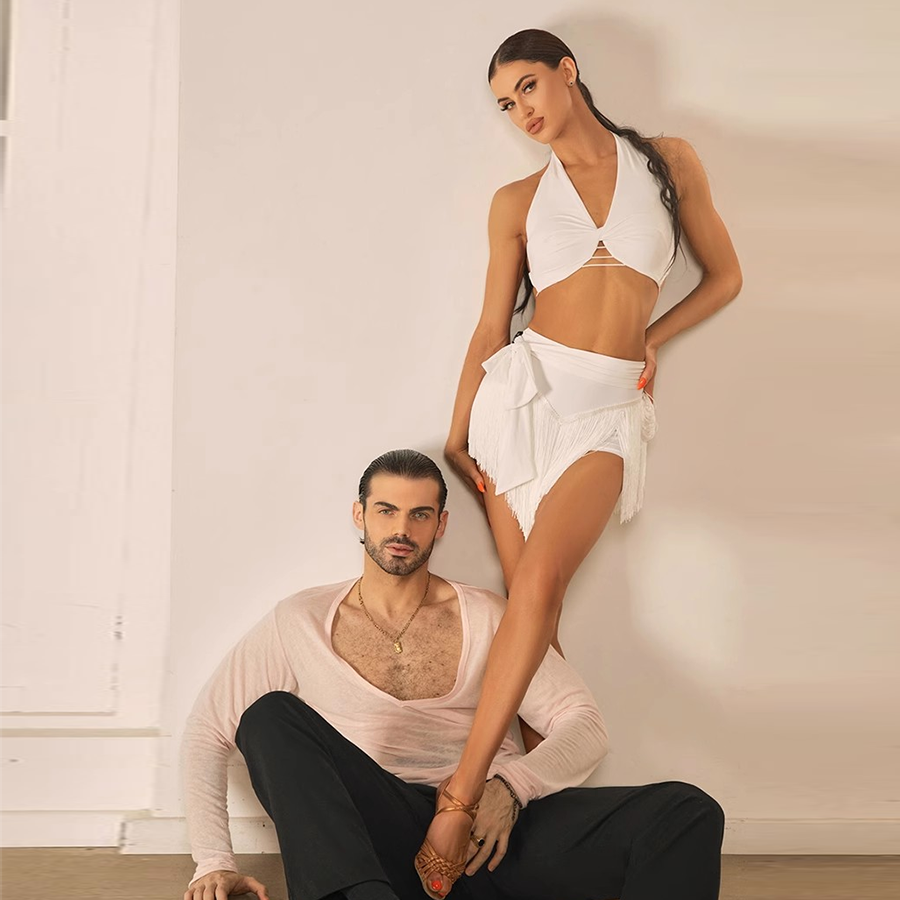
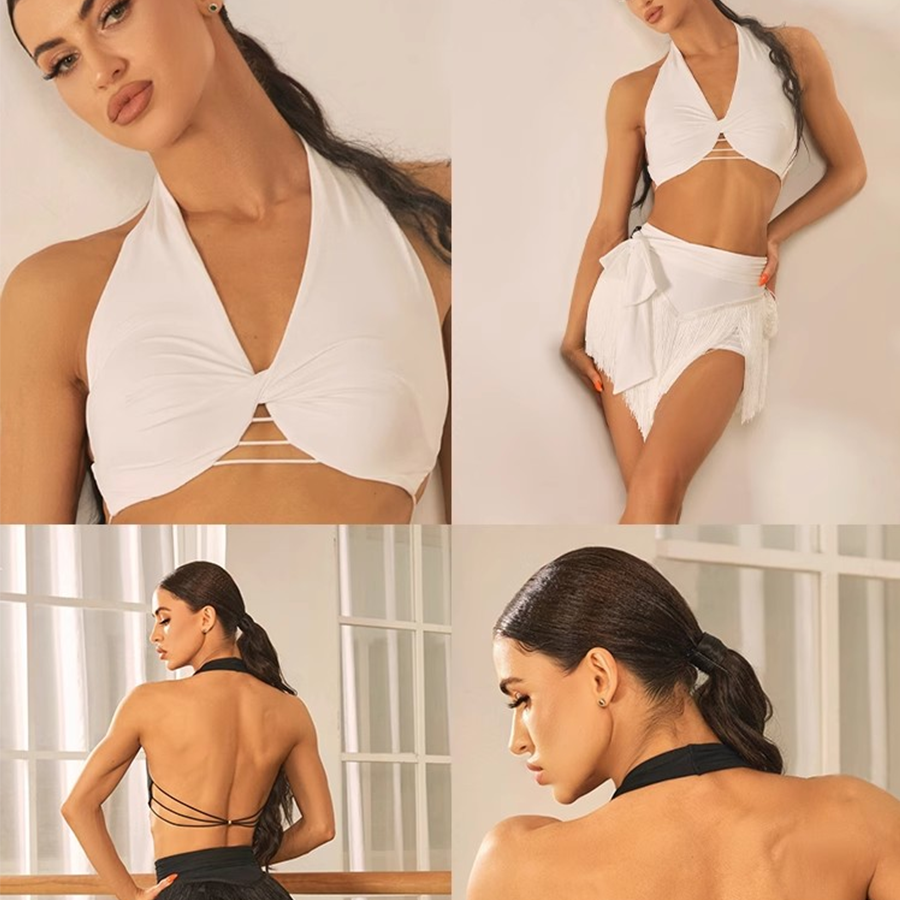
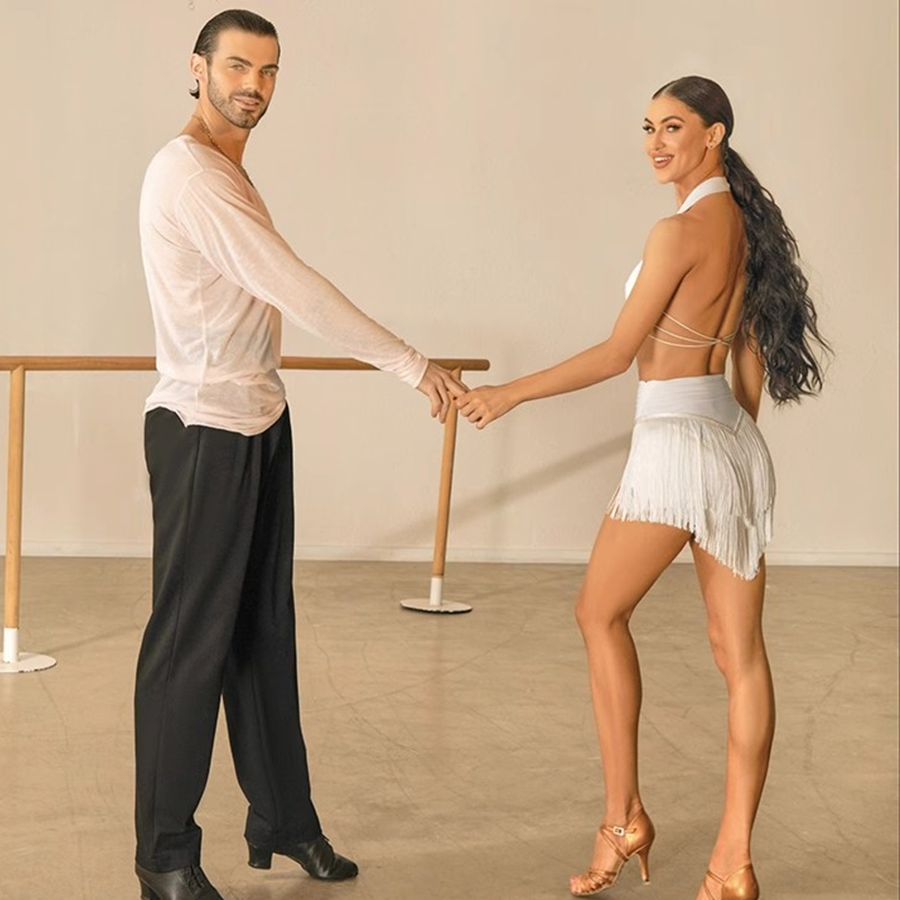
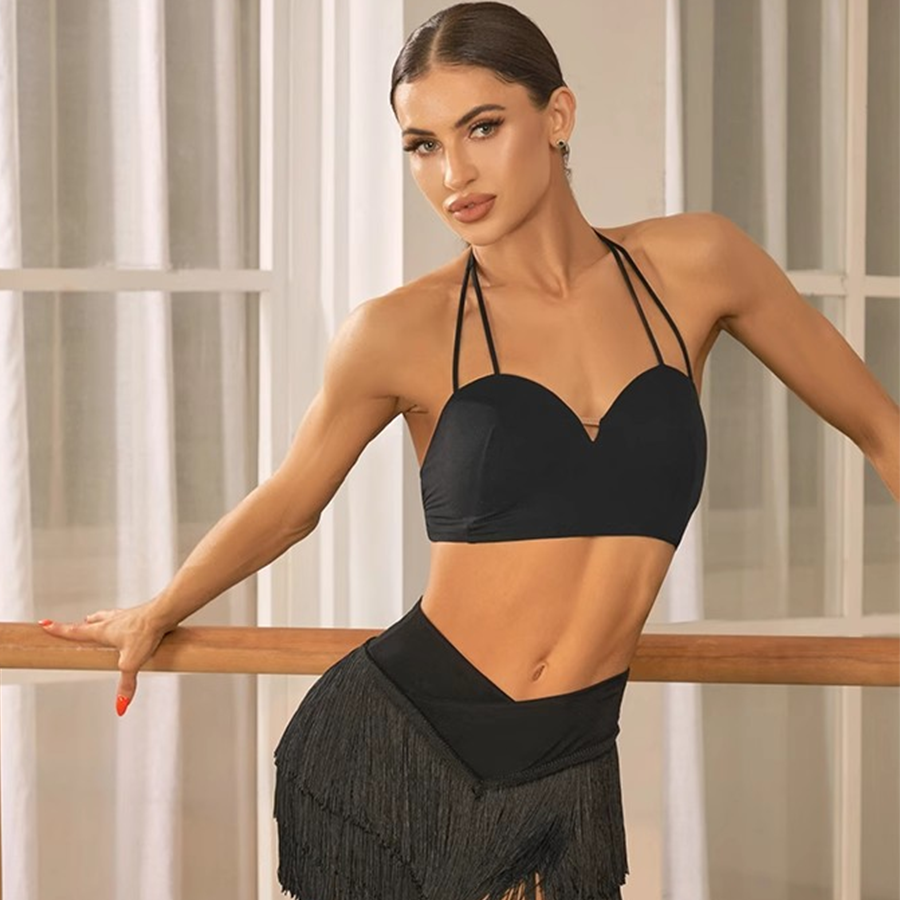
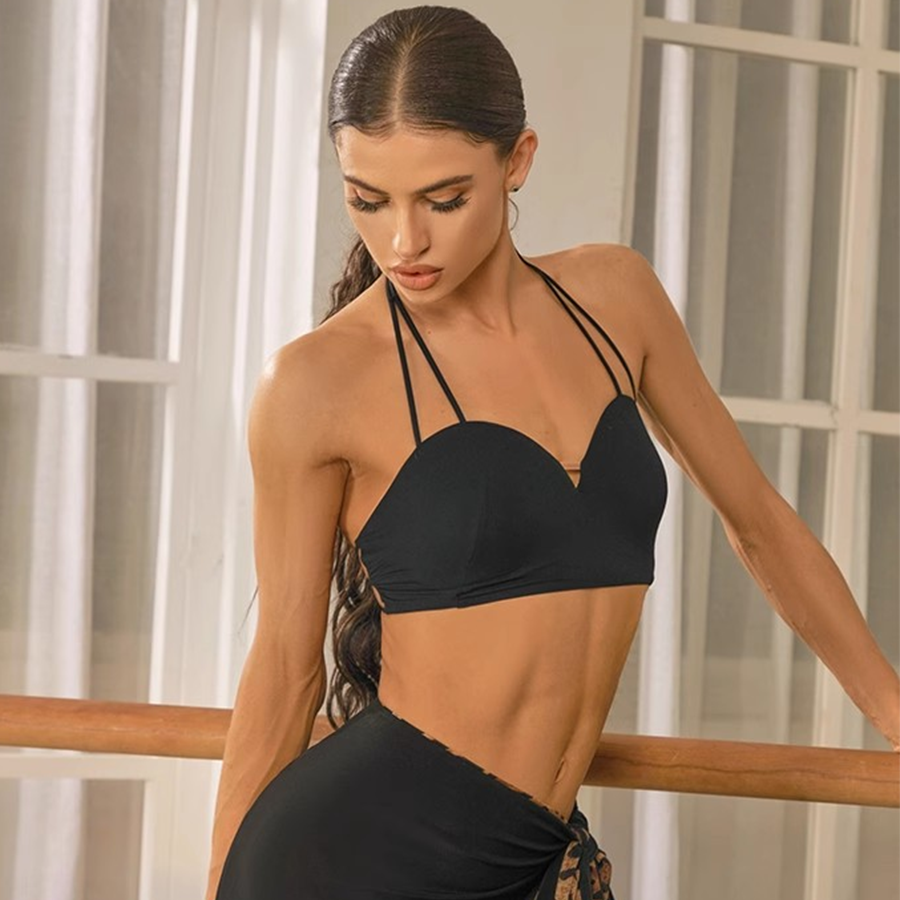
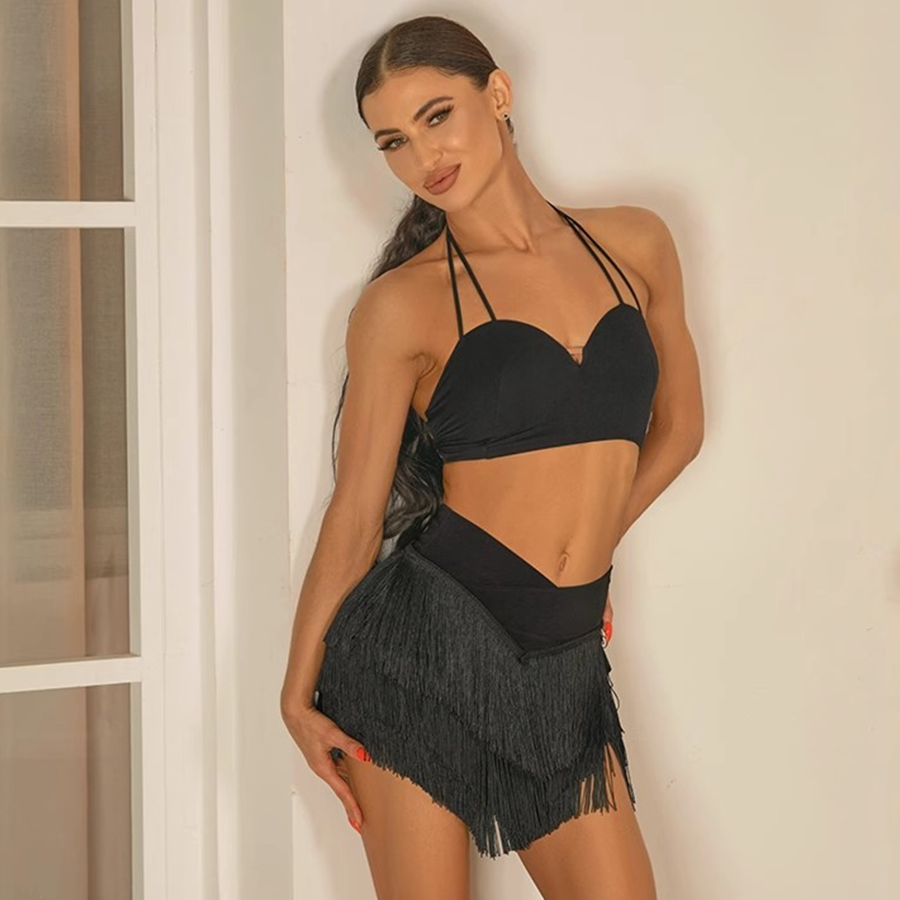
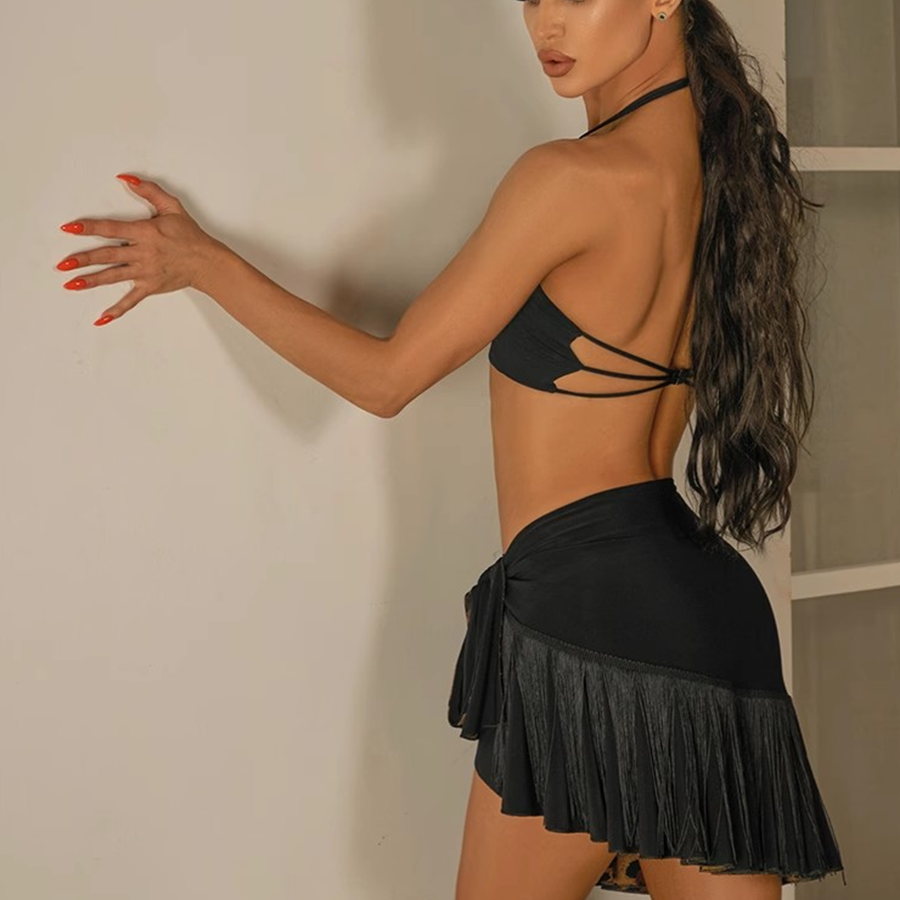
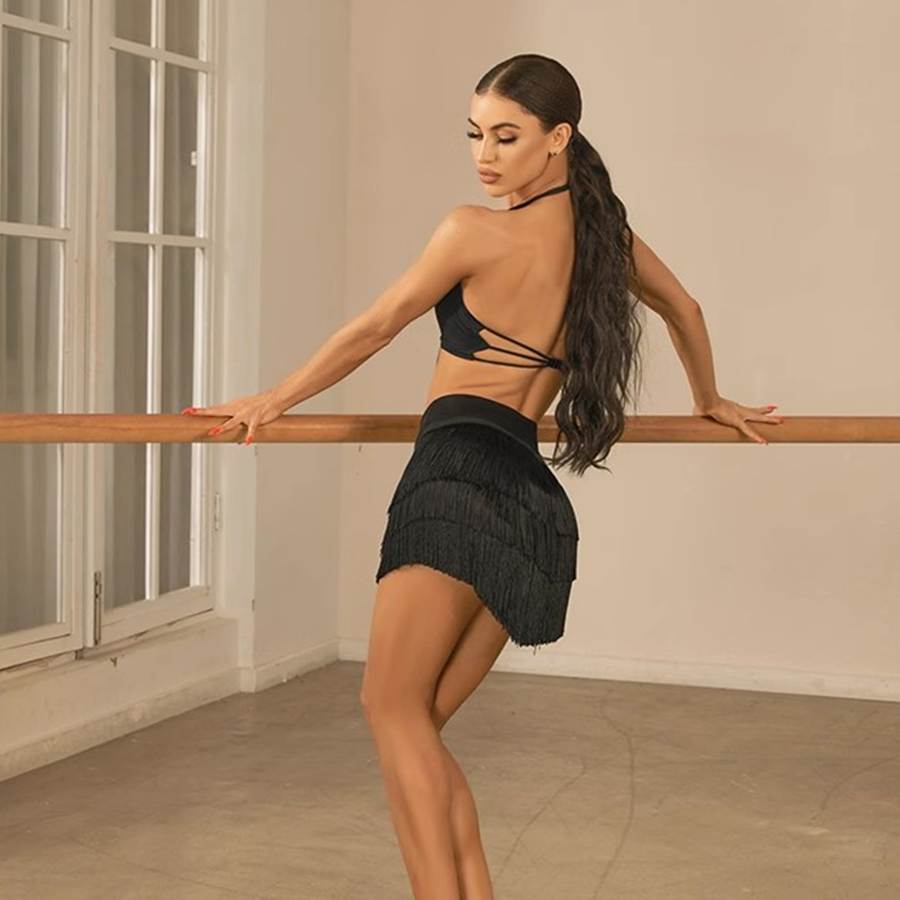
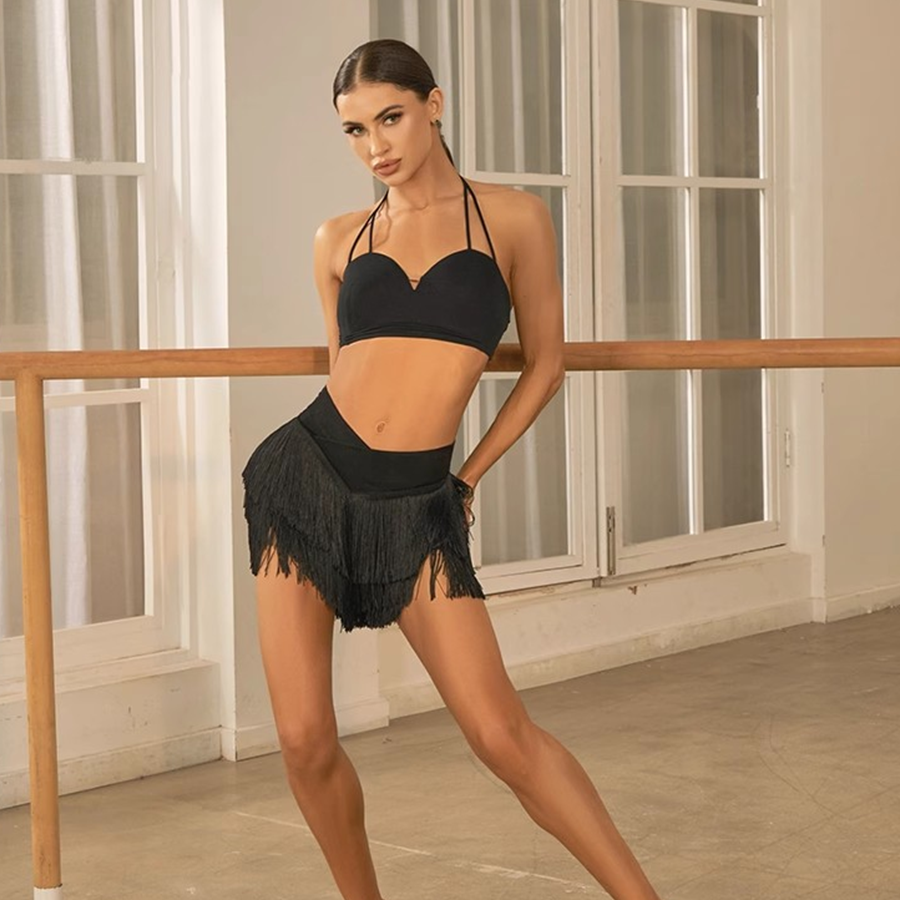
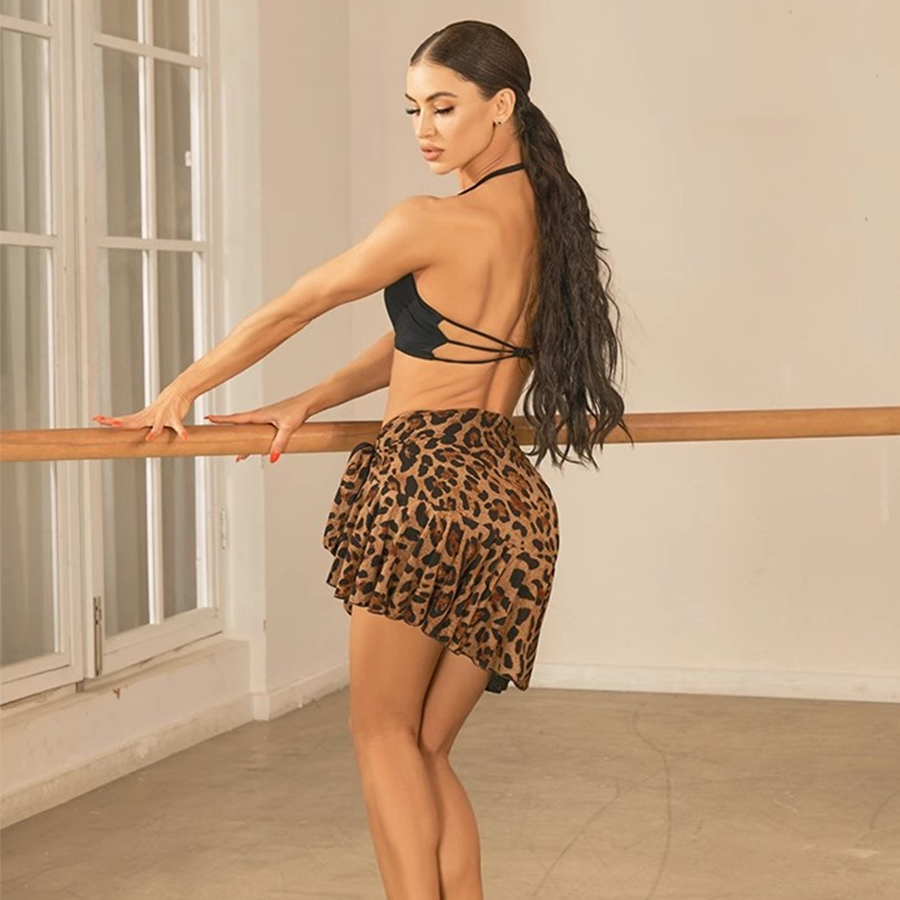
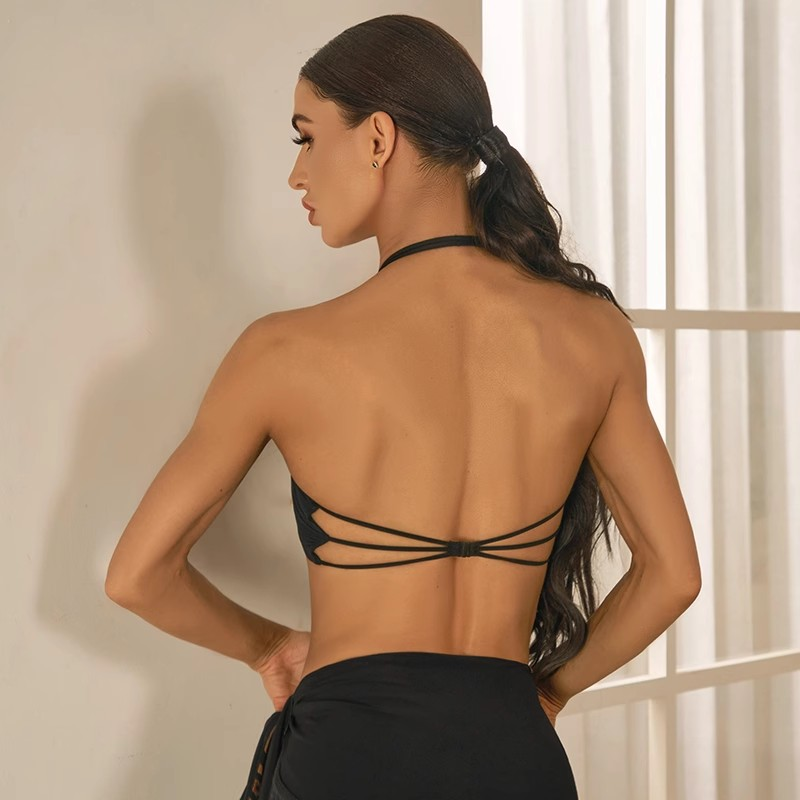
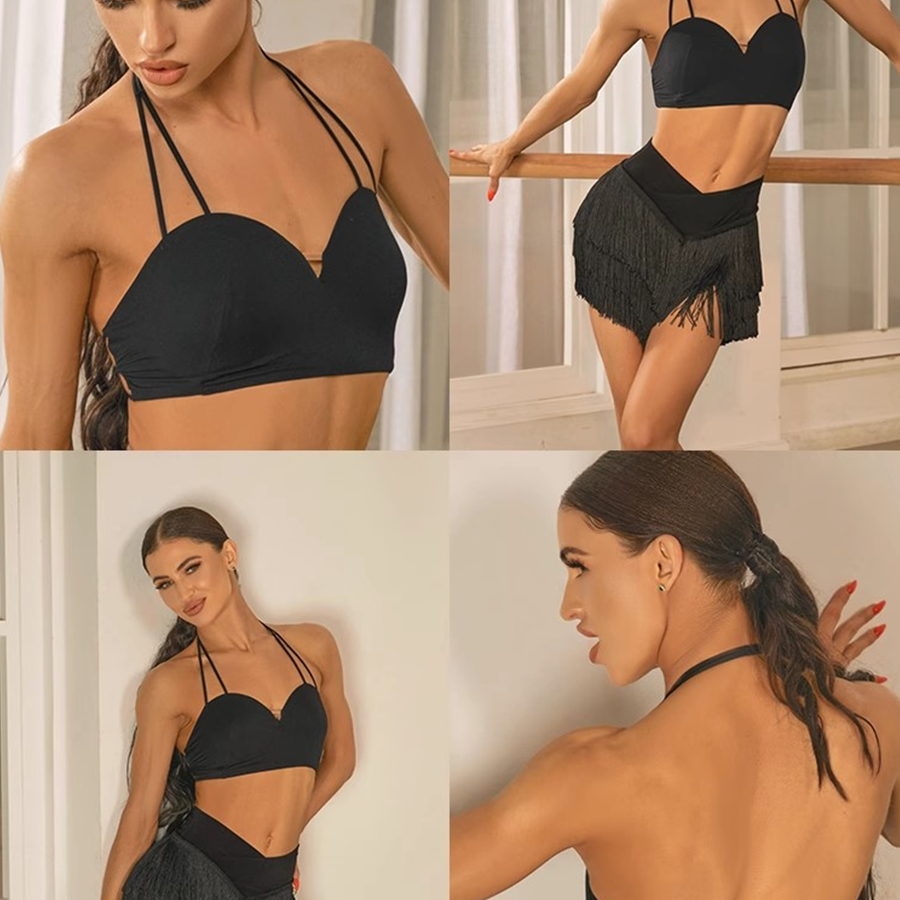
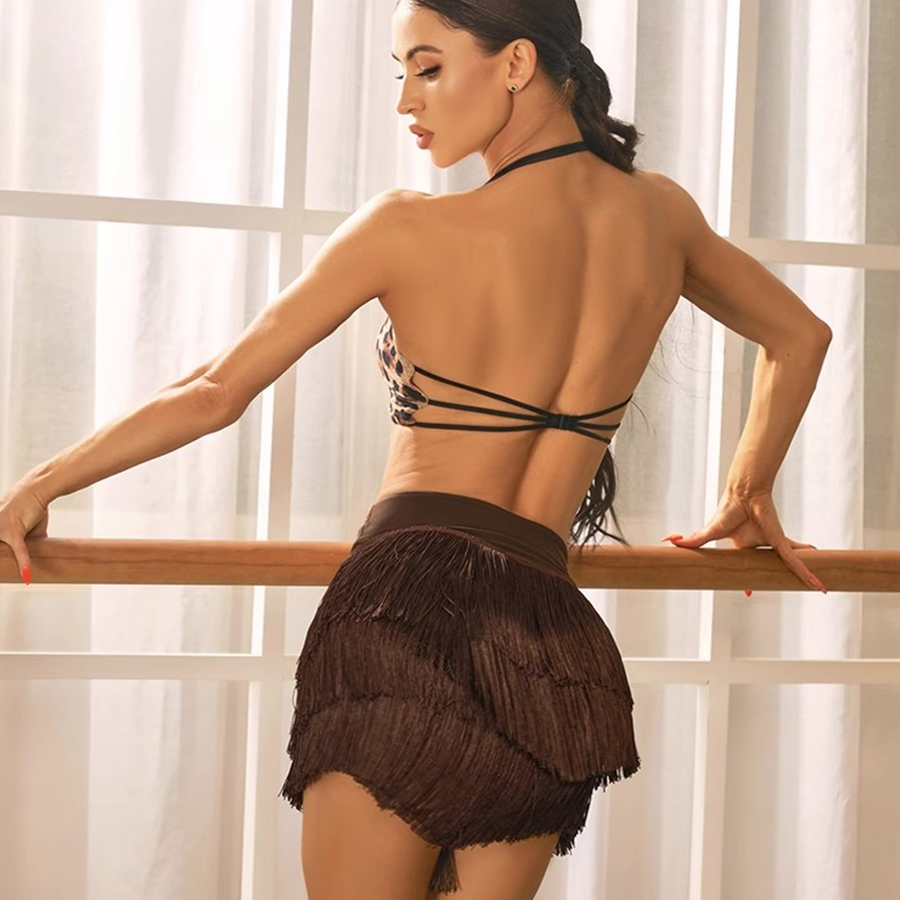
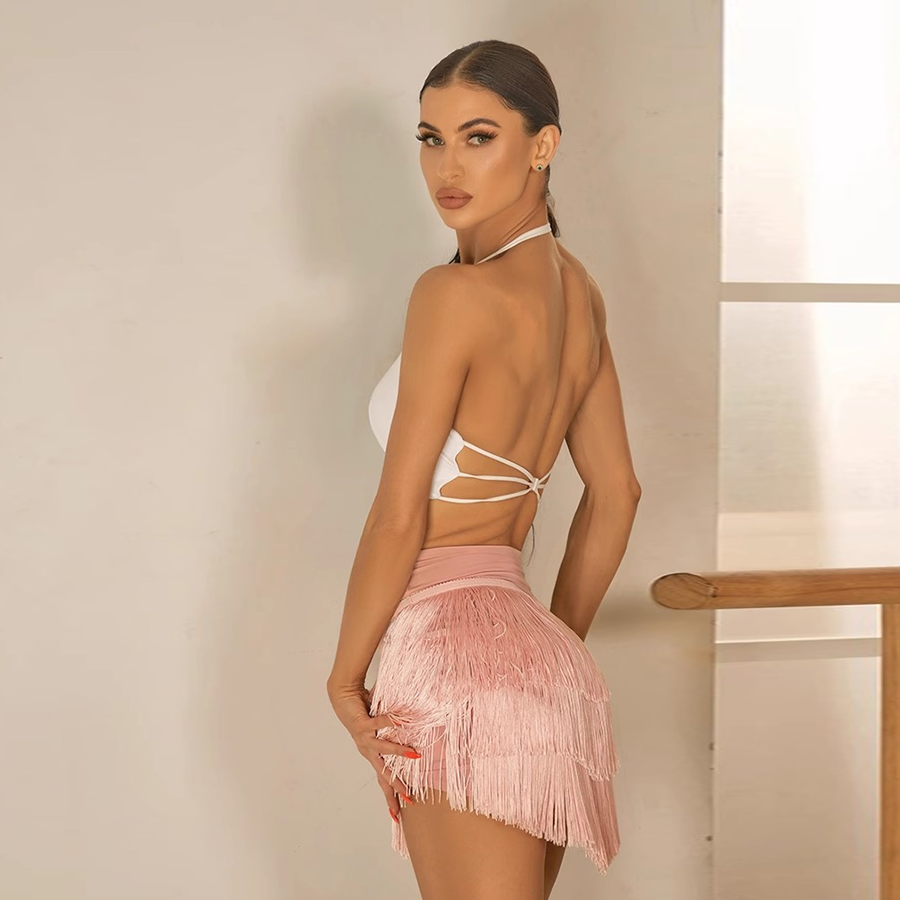
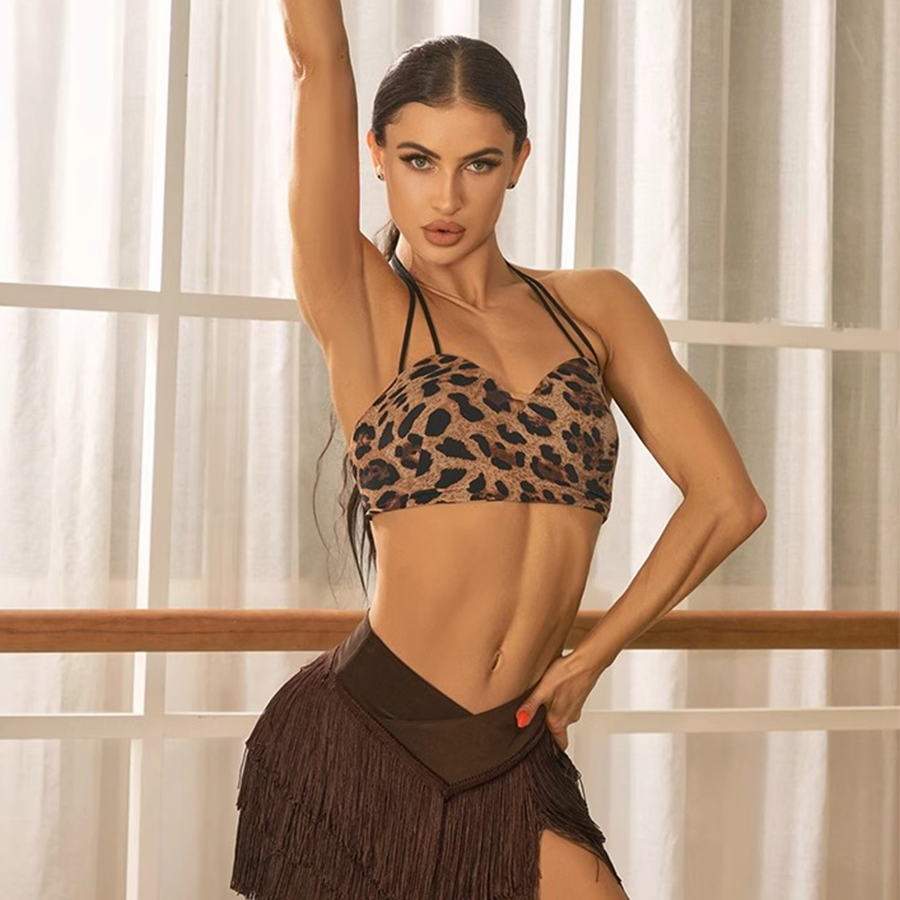
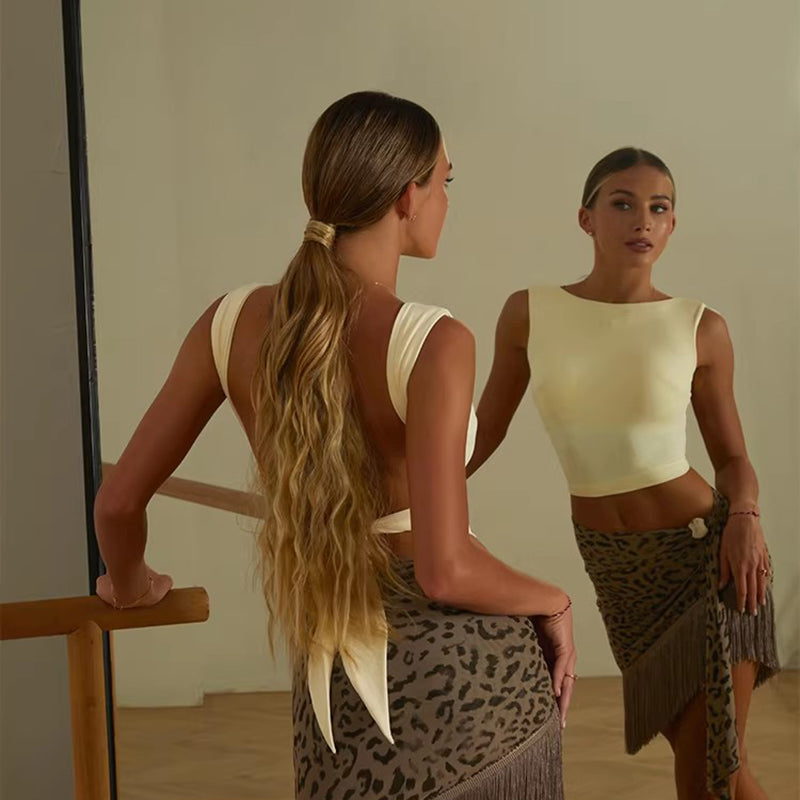
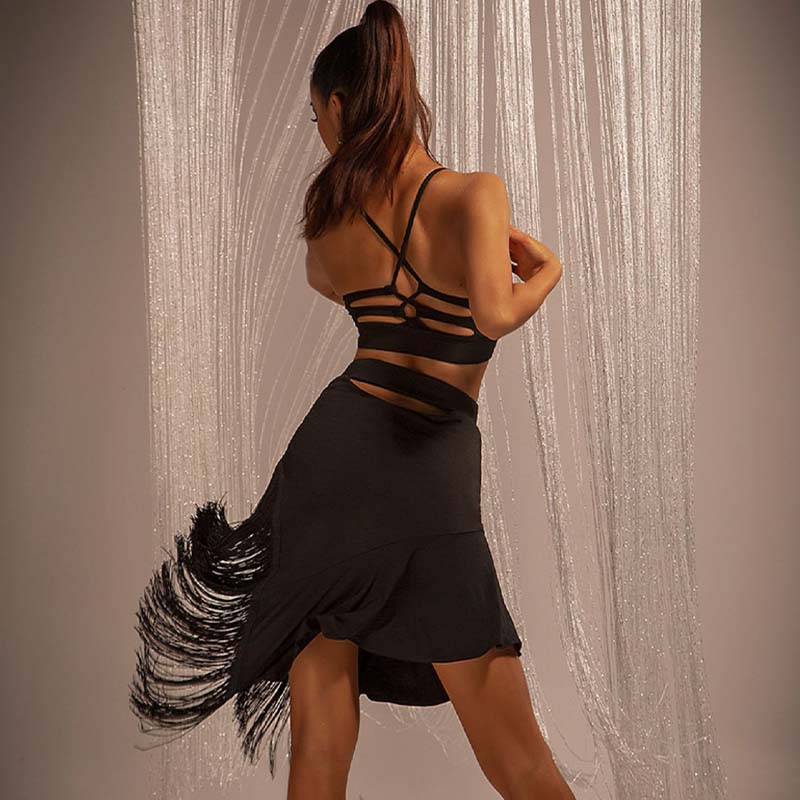
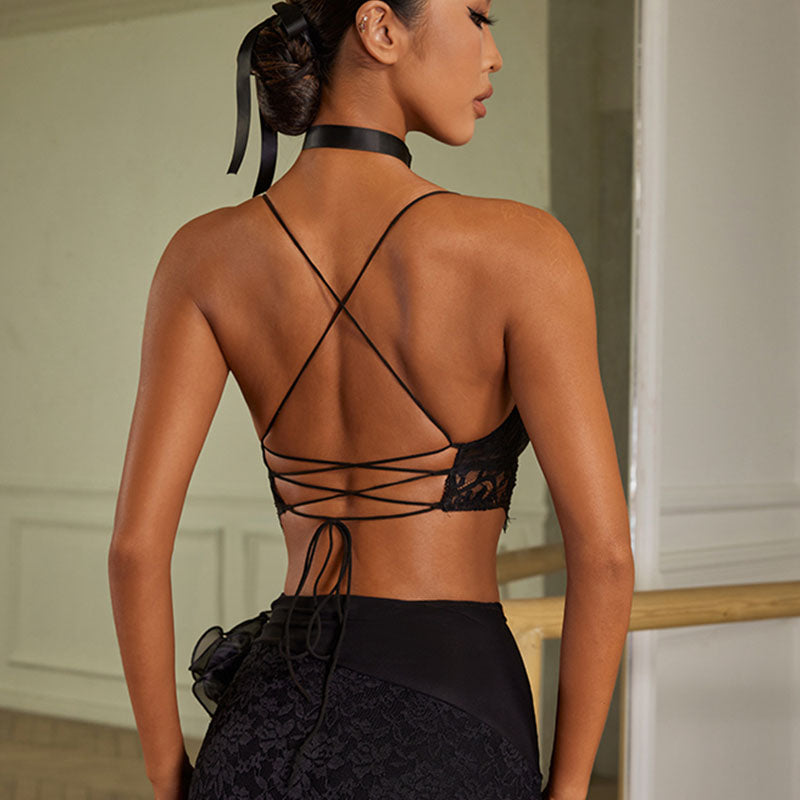
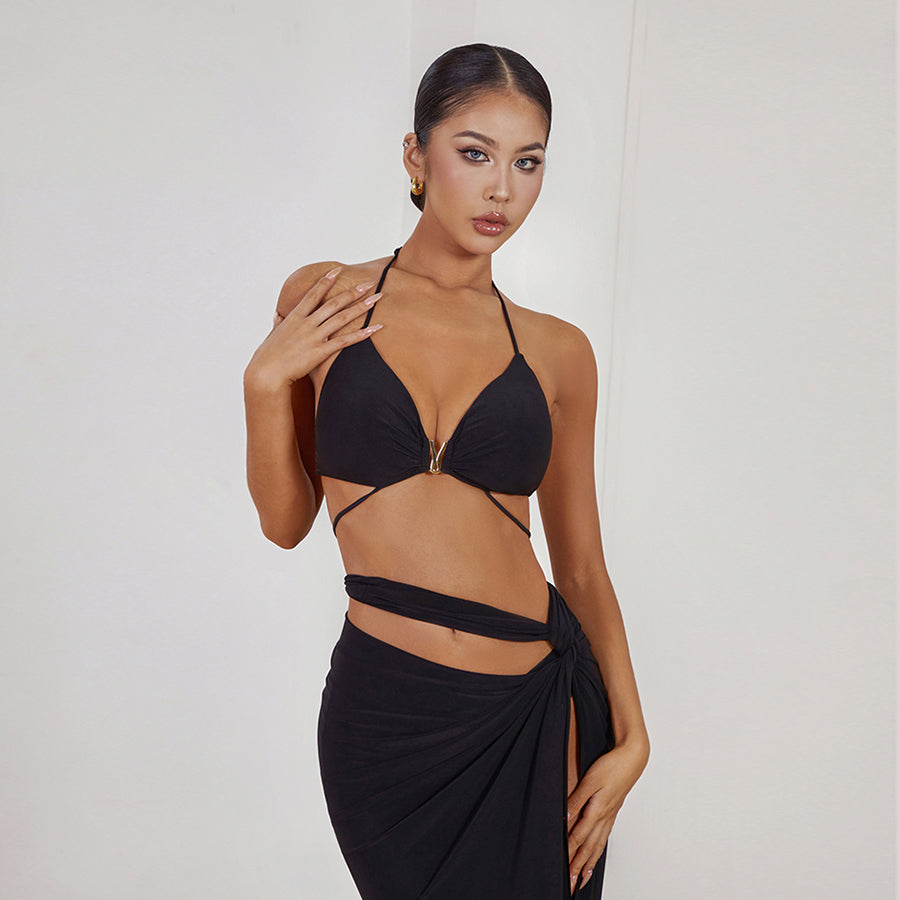
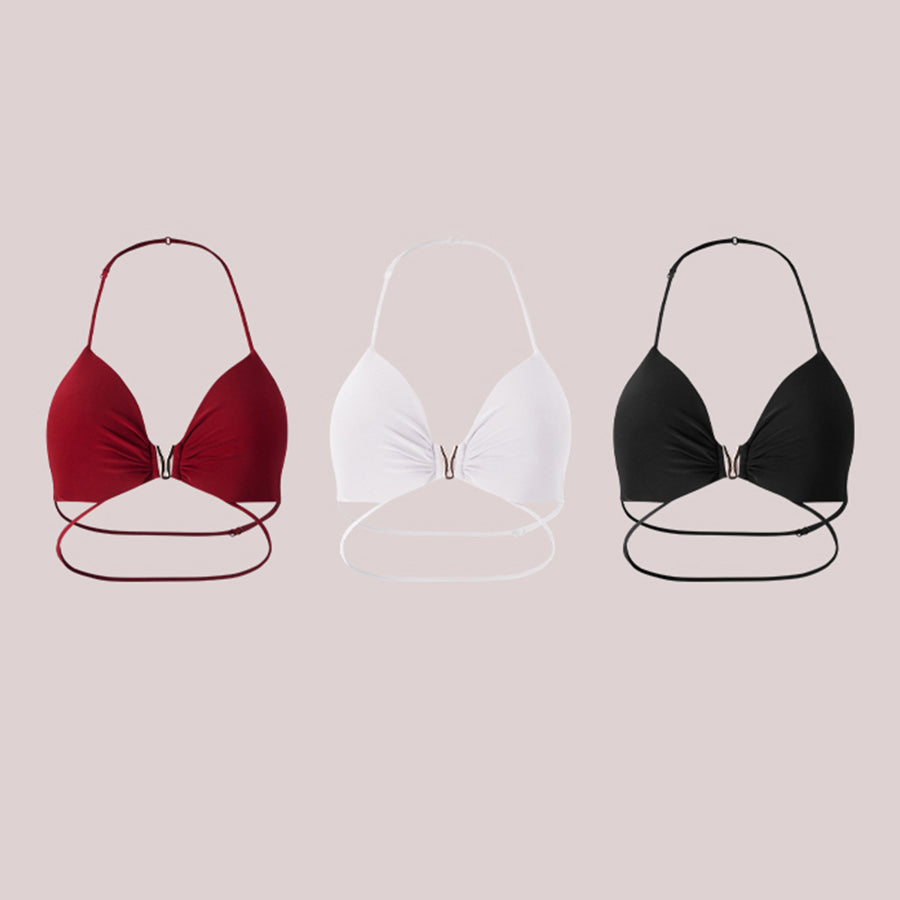
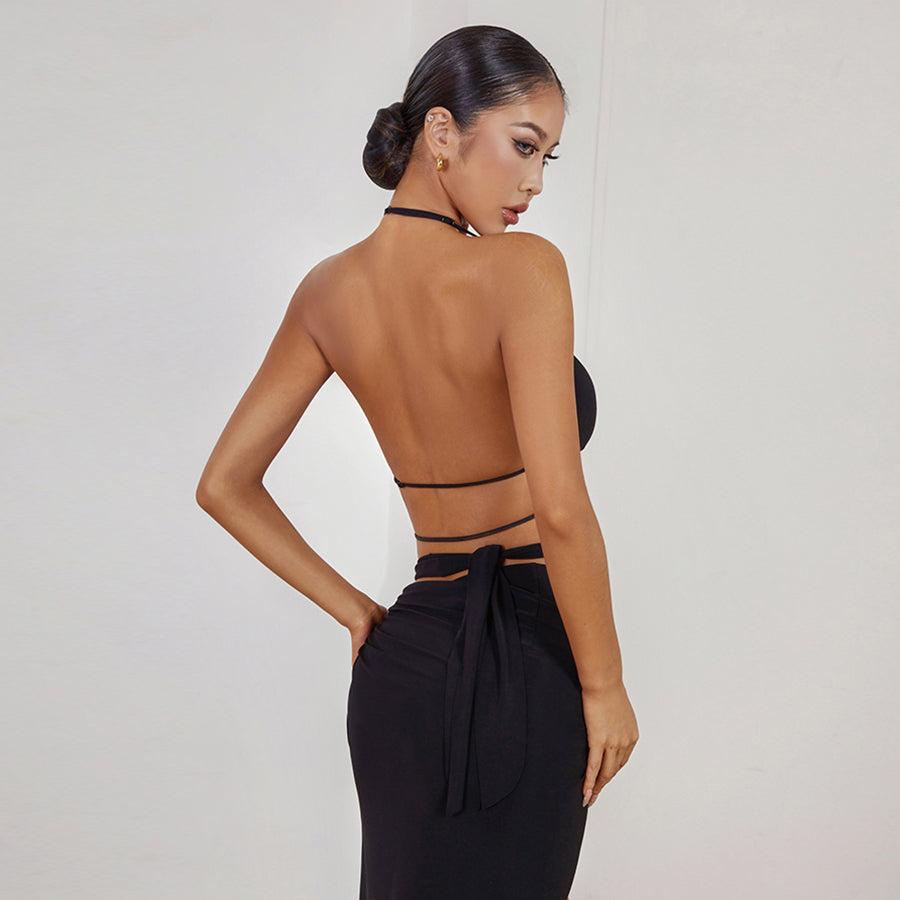
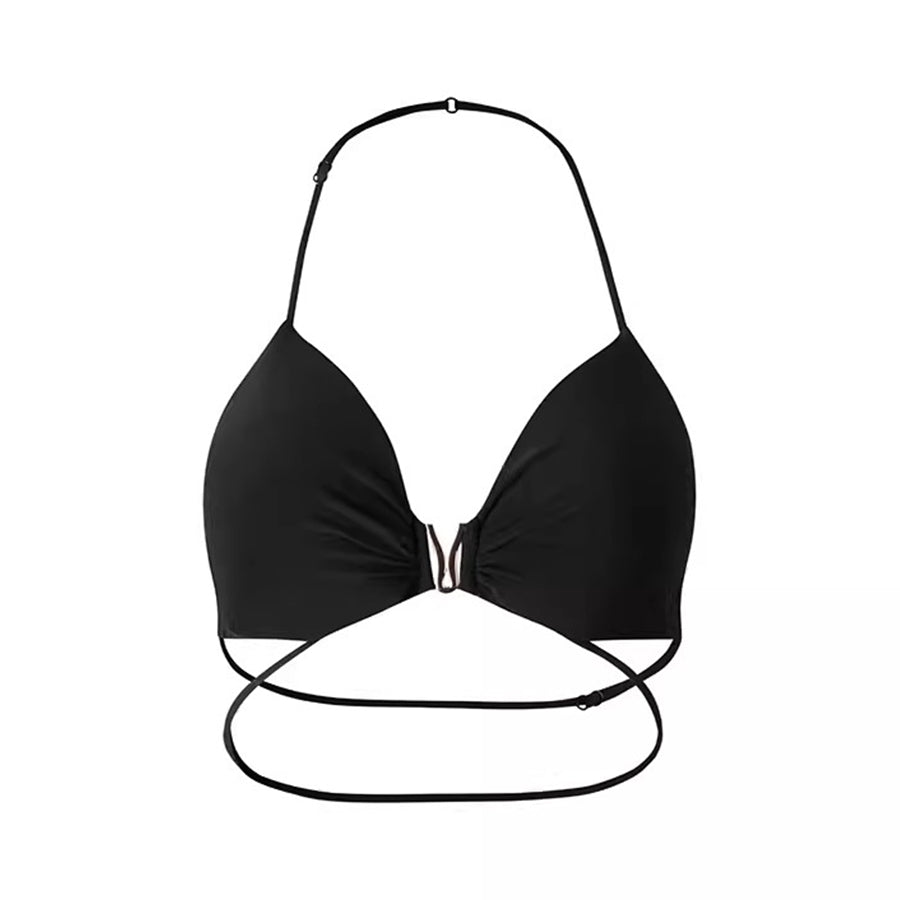
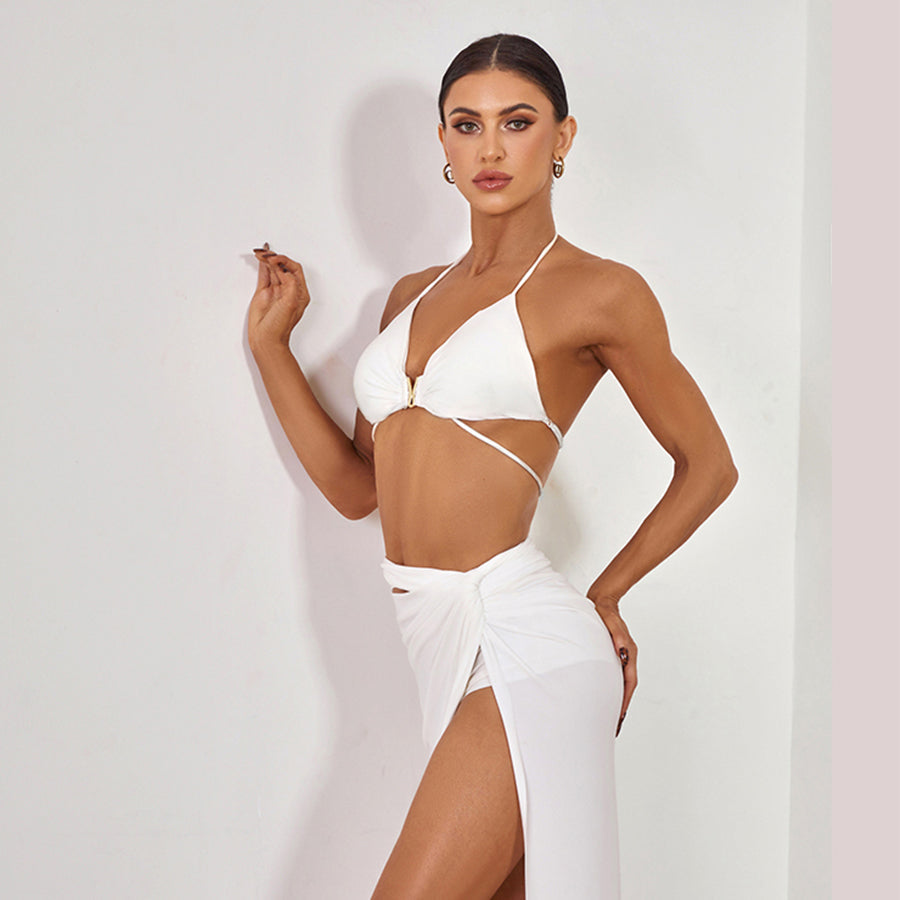
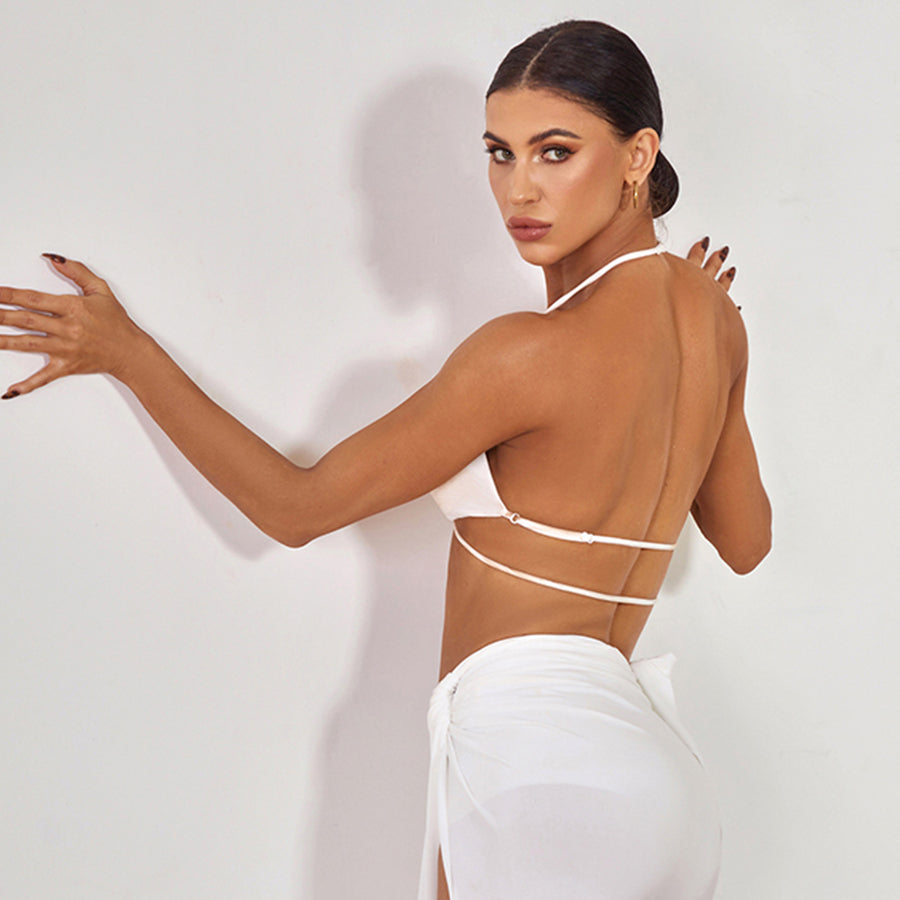
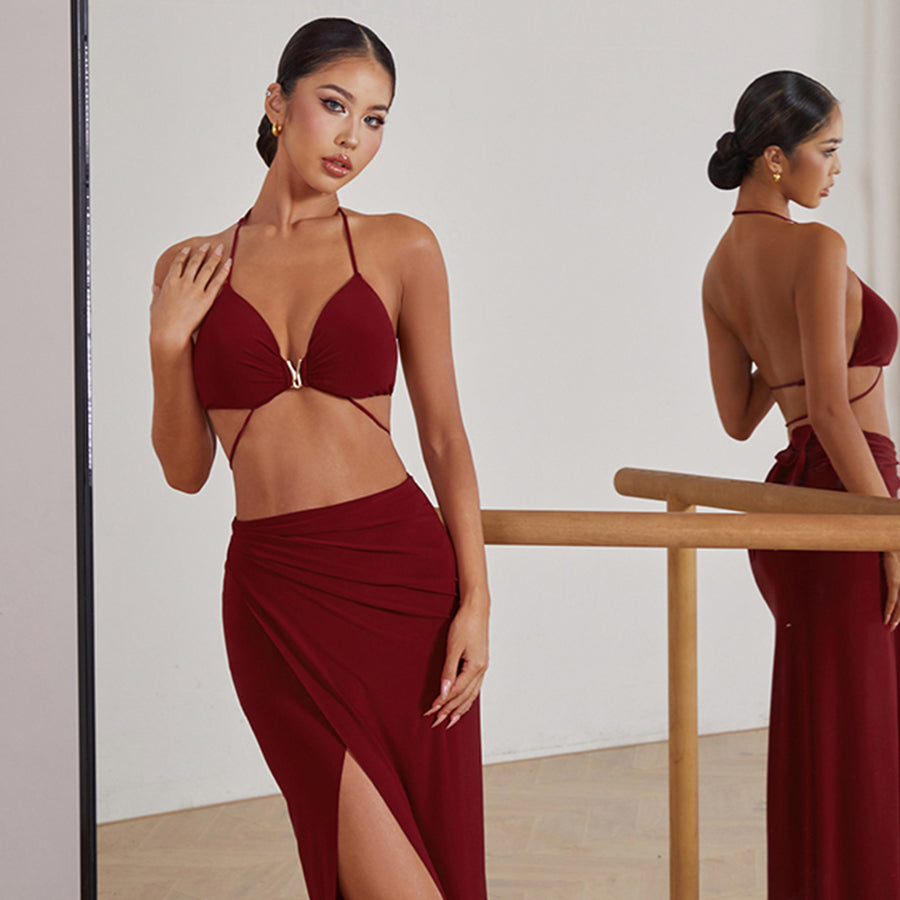
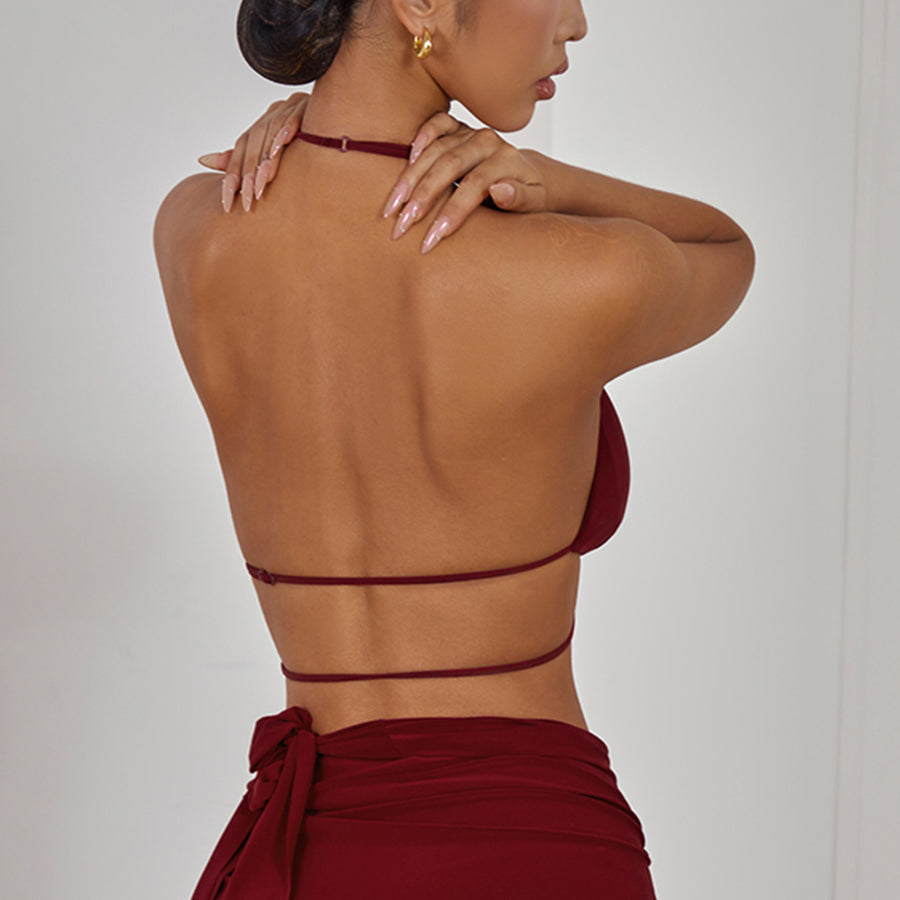
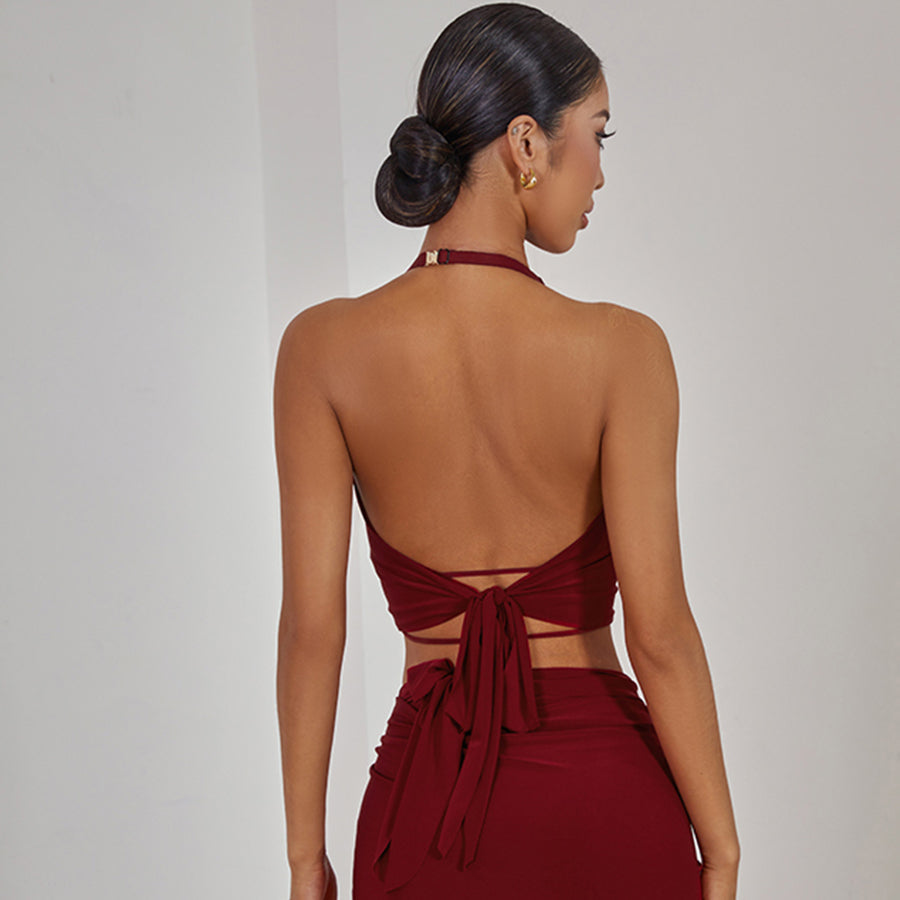
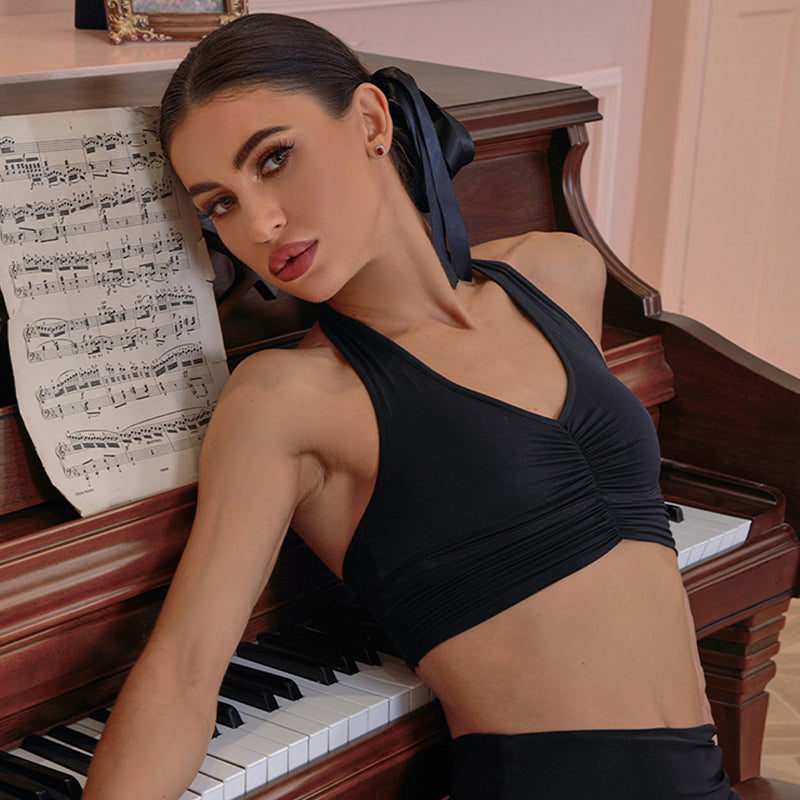
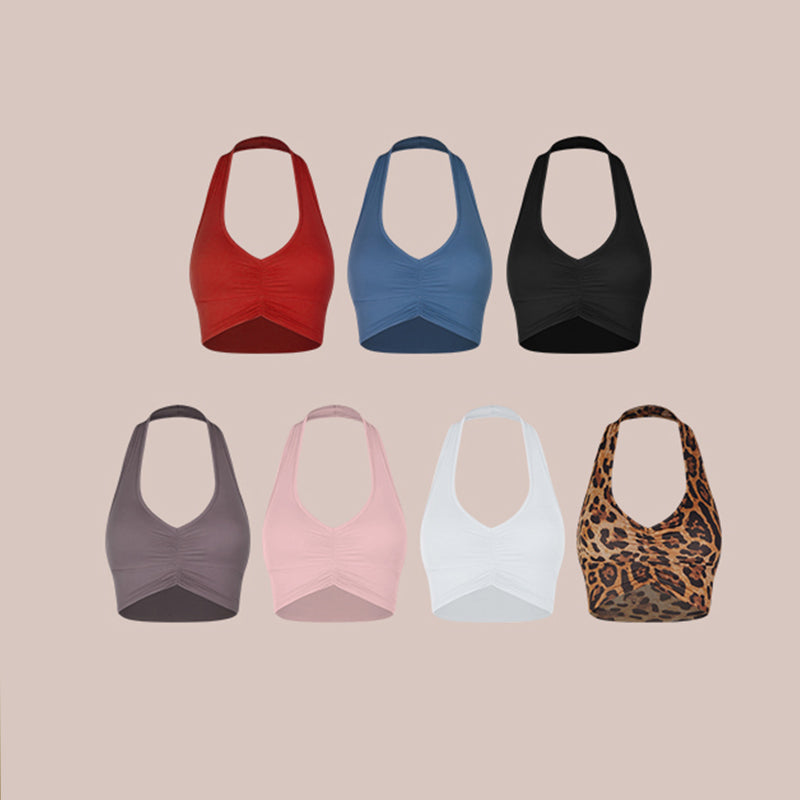
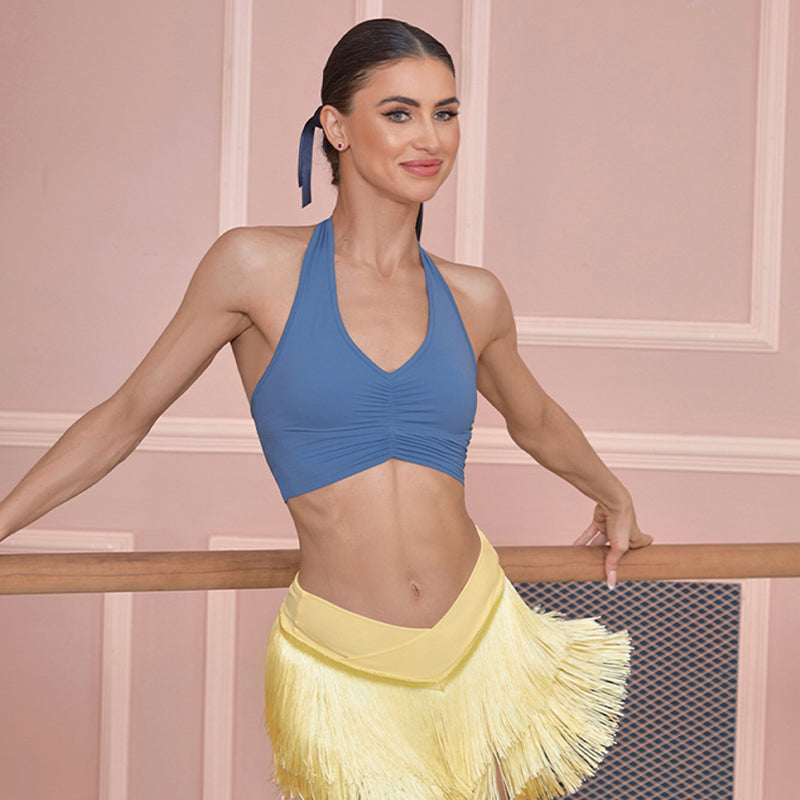
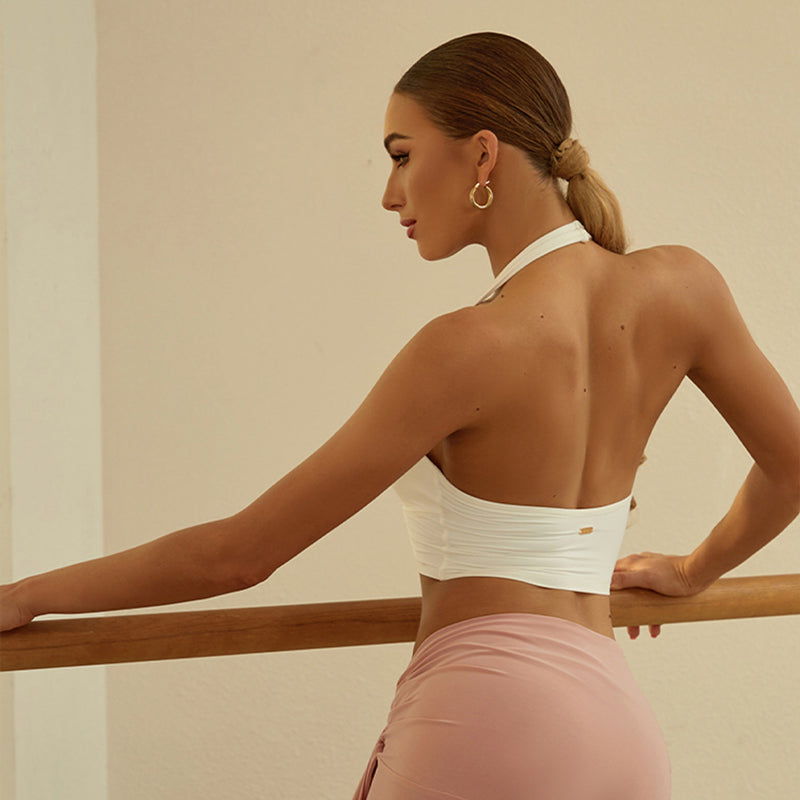
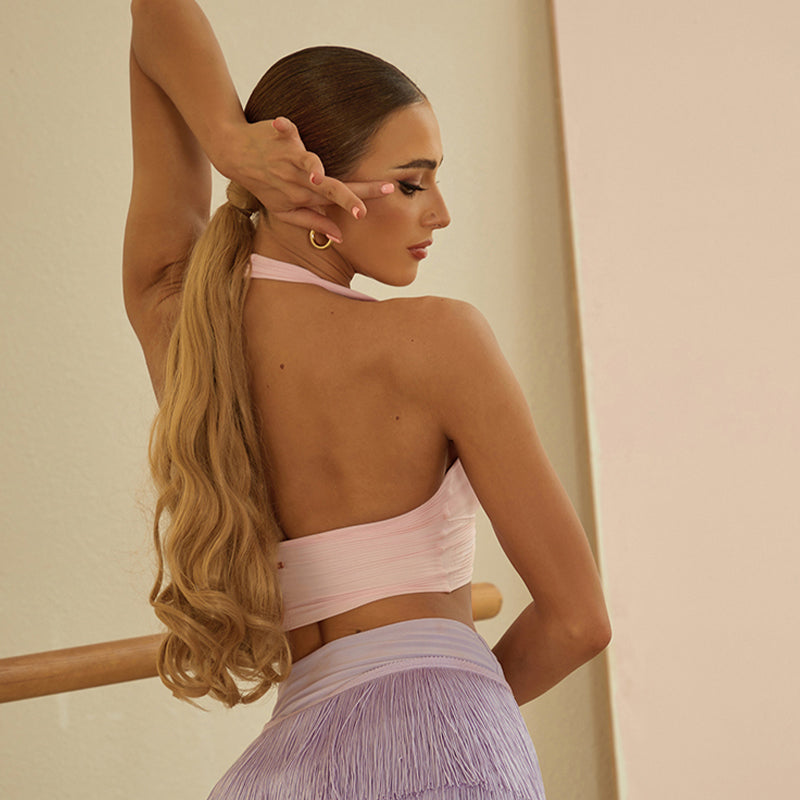
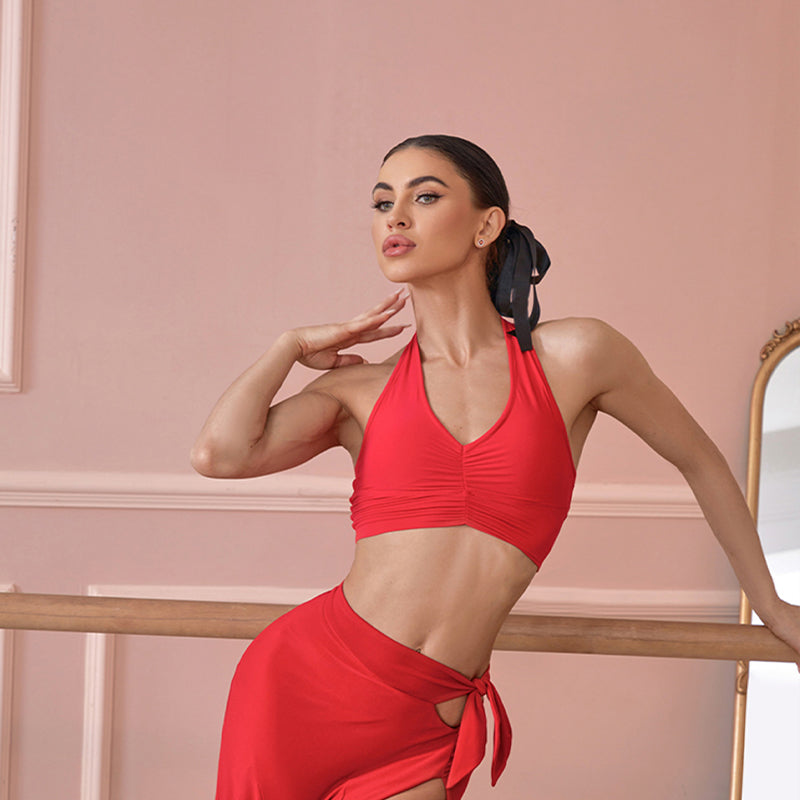
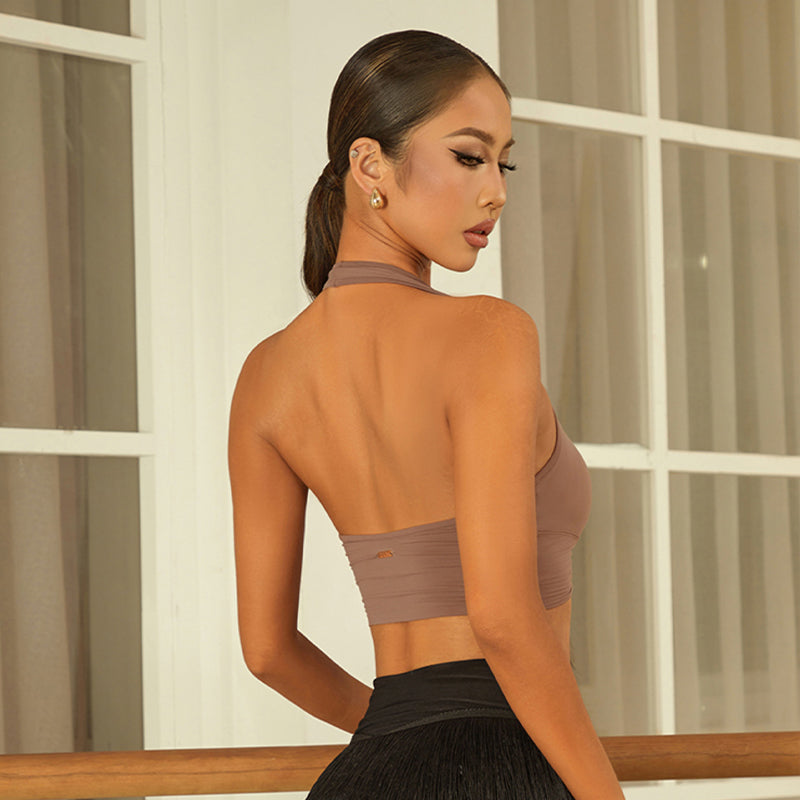
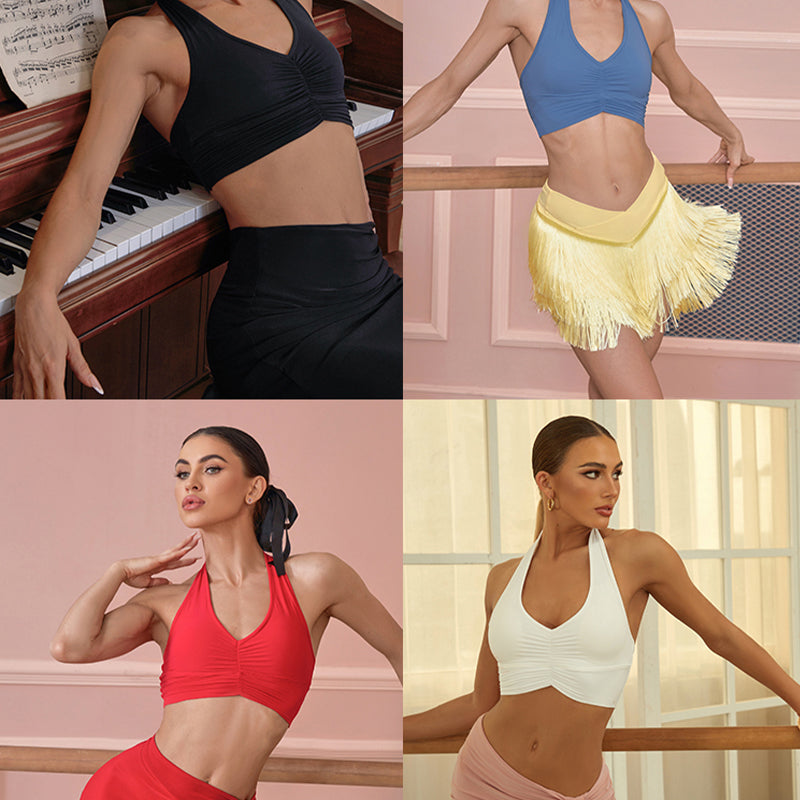
Halter and high-neck cuts do the opposite: they leave the shoulders and back bare while keeping everything secure at the neck. This is the most reliable answer for overhead work, since there is no strap that can slide, and it is why the halter turns up so often in Latin.
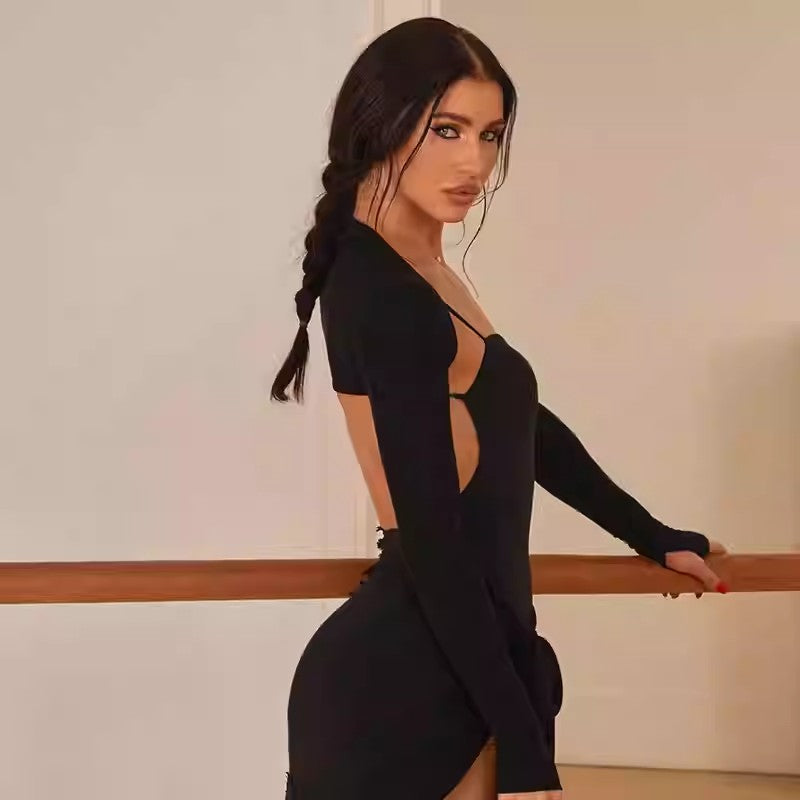
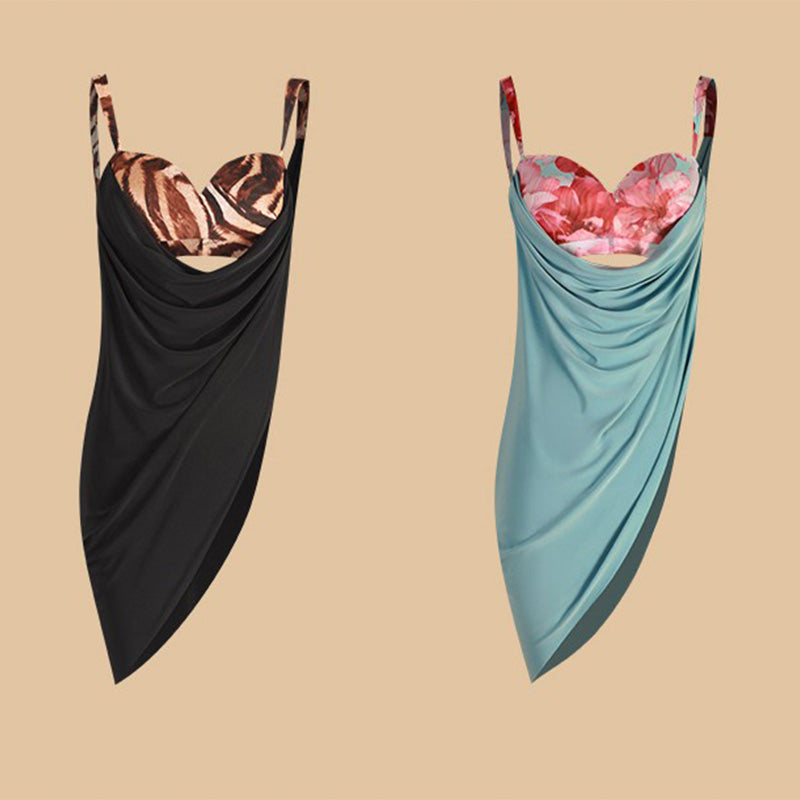
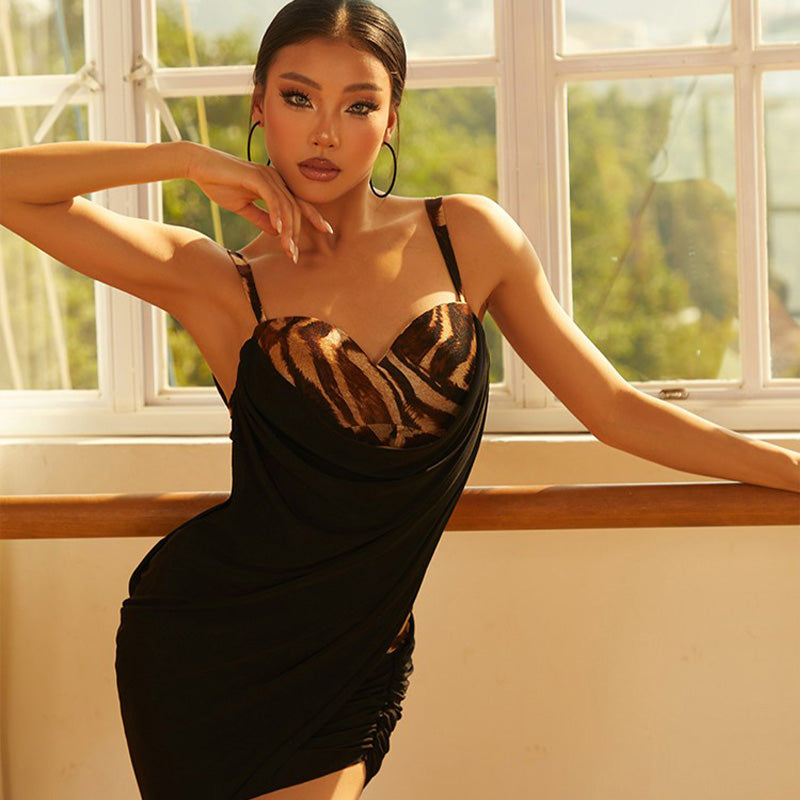
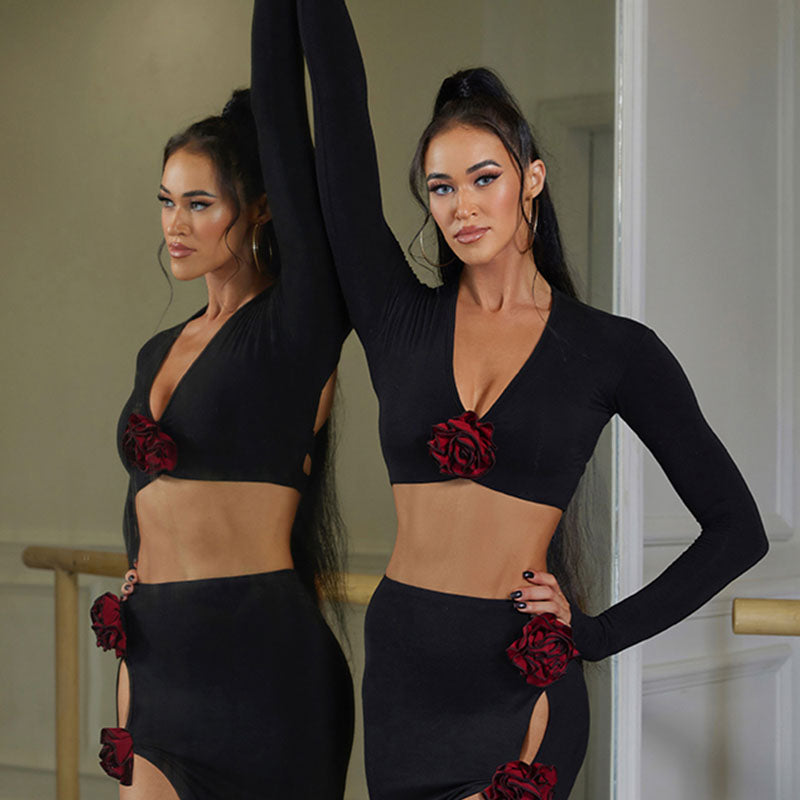
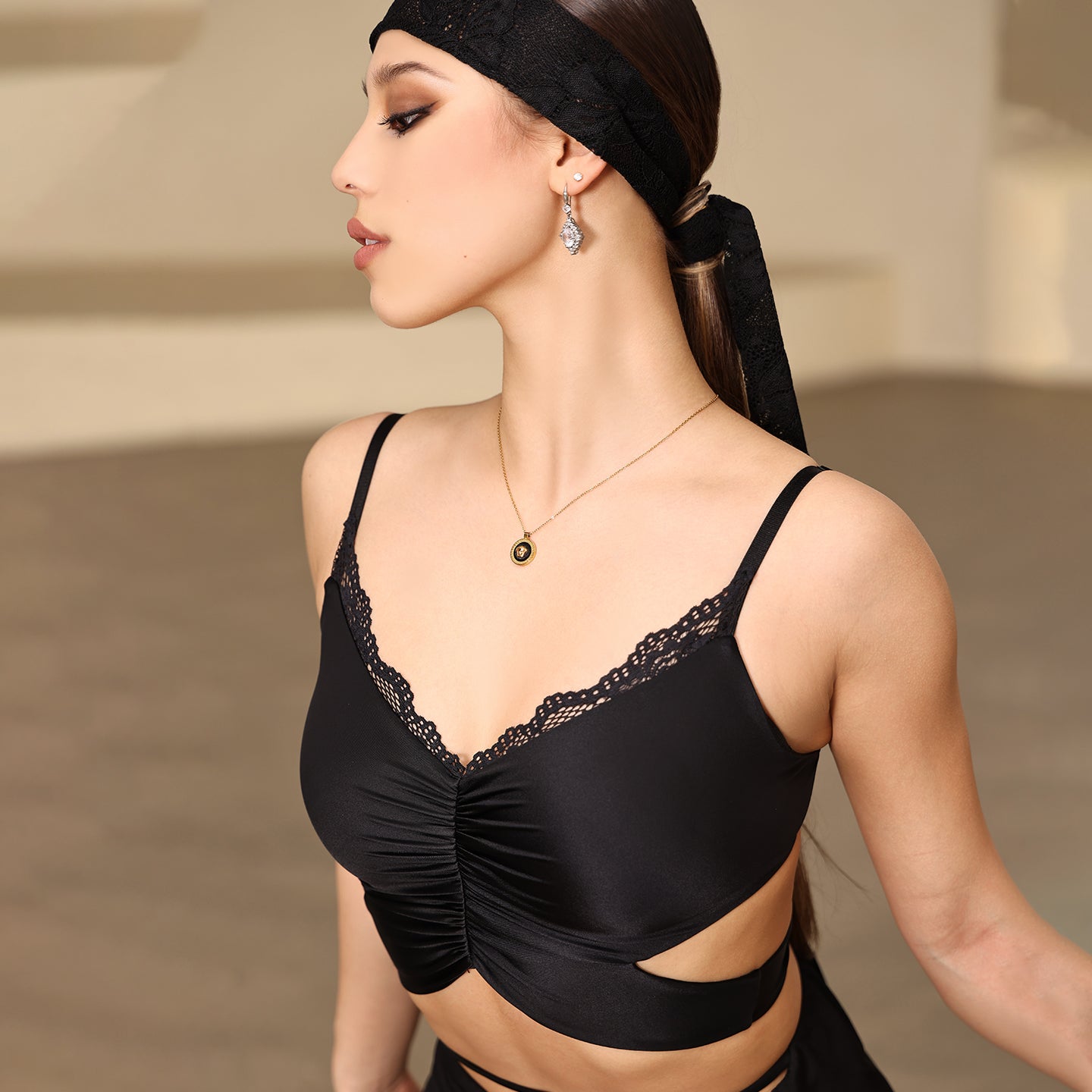
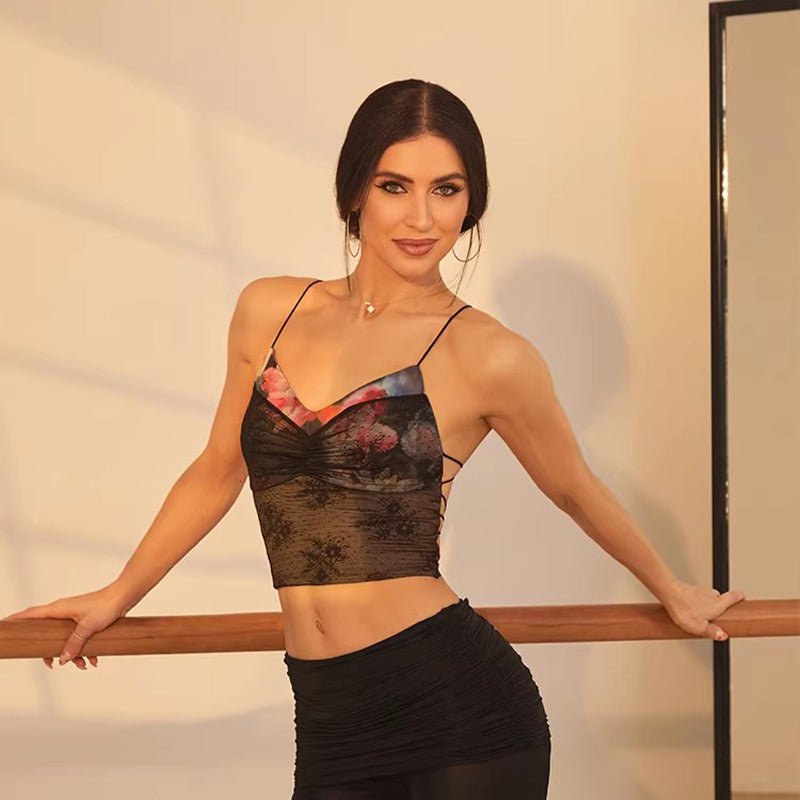
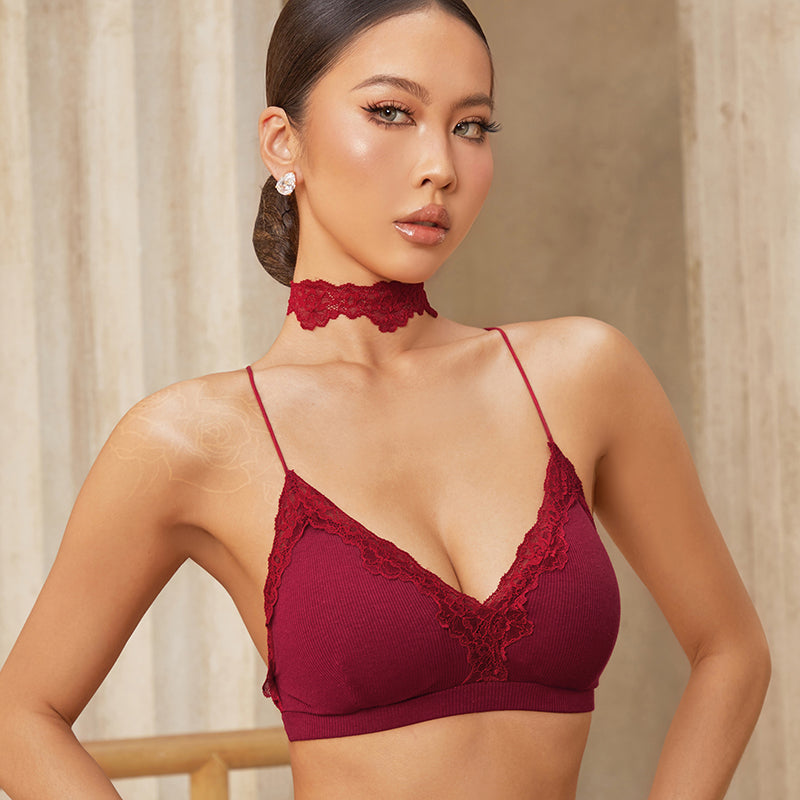
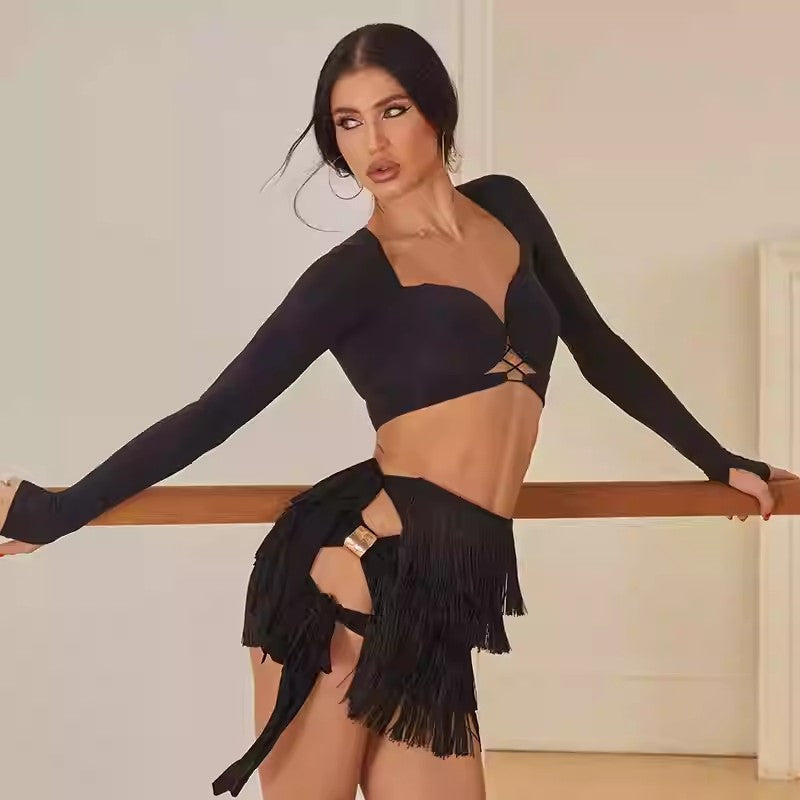
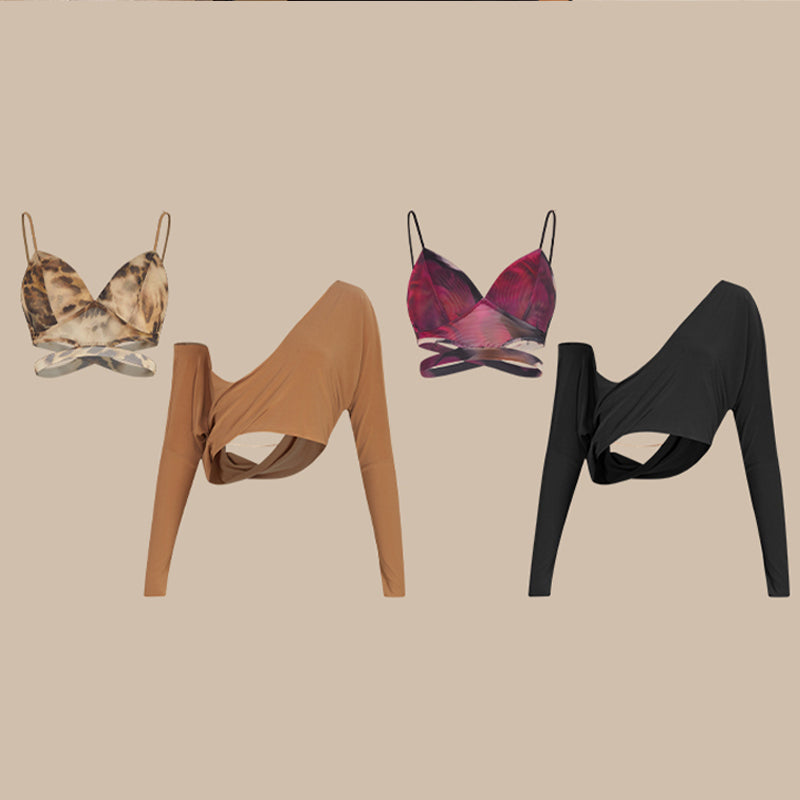
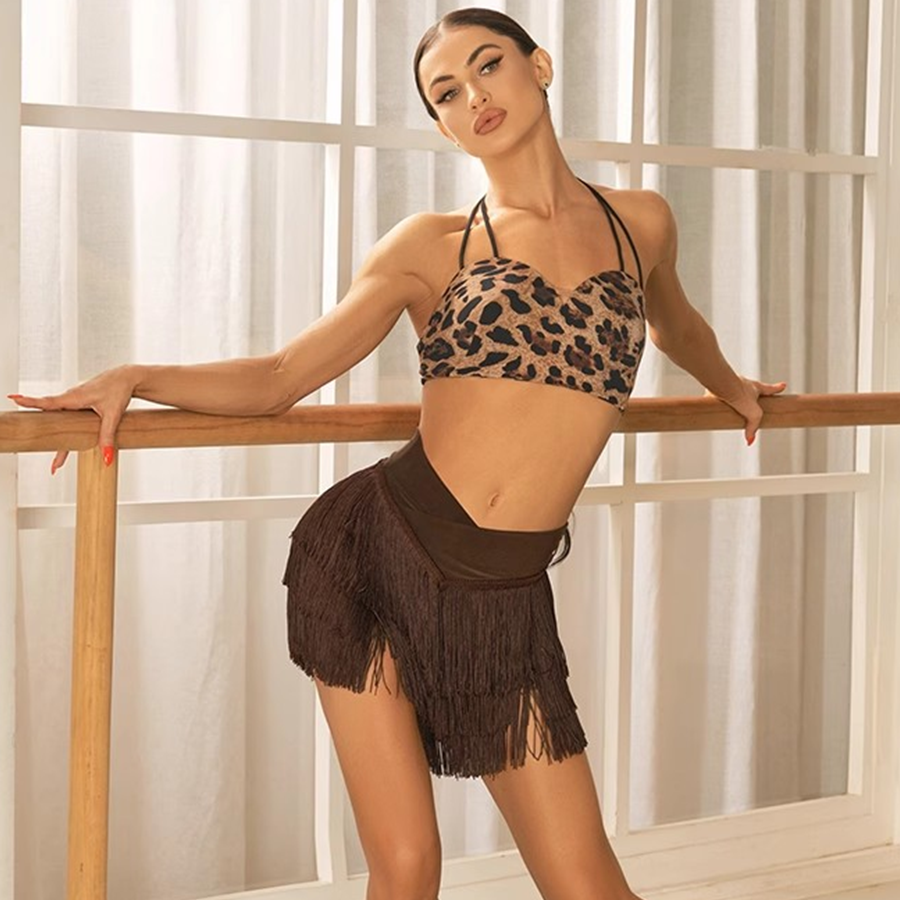
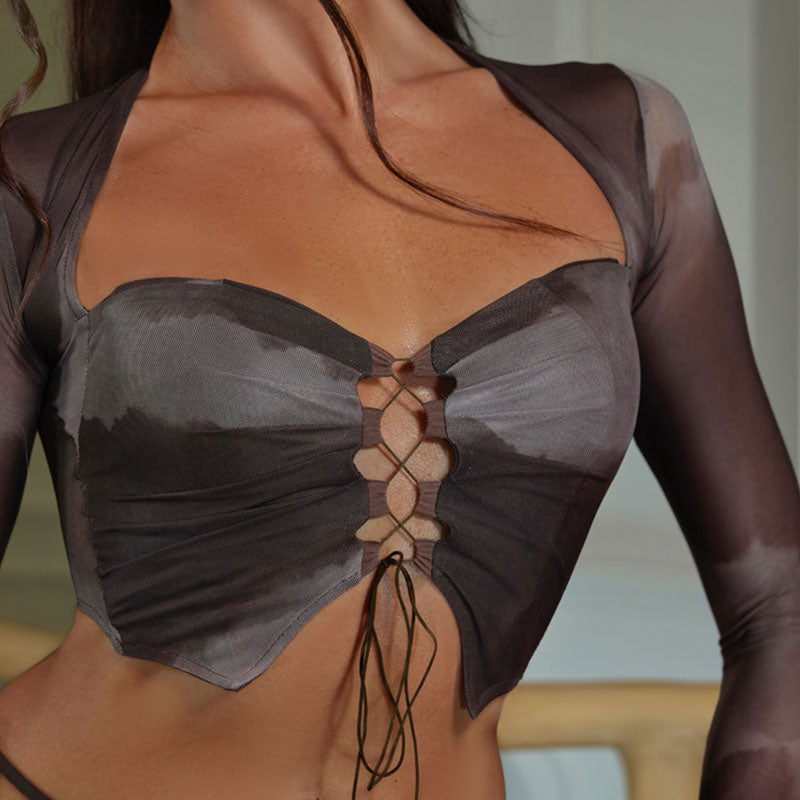
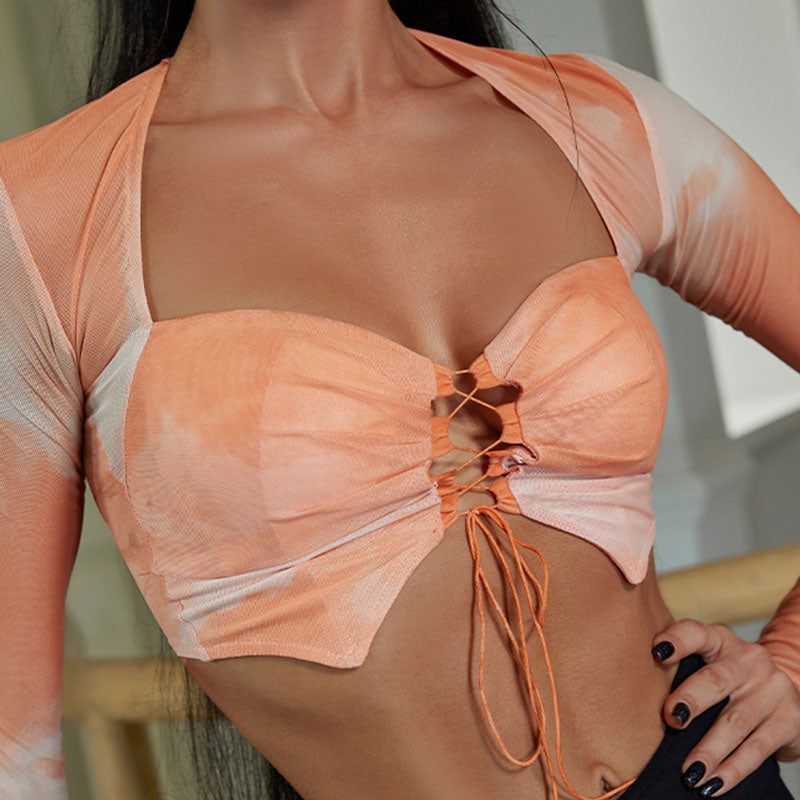
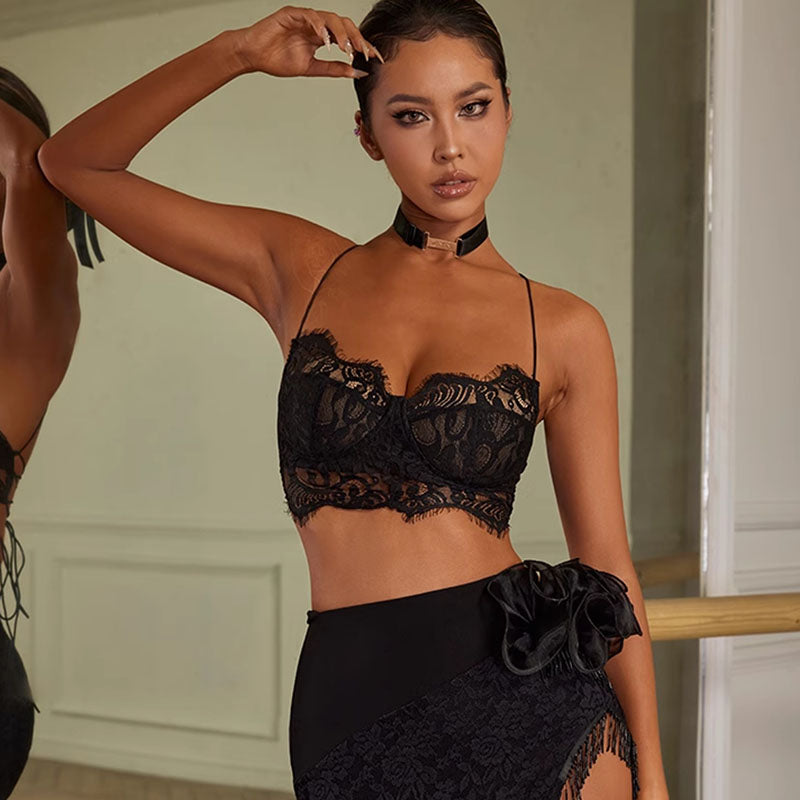
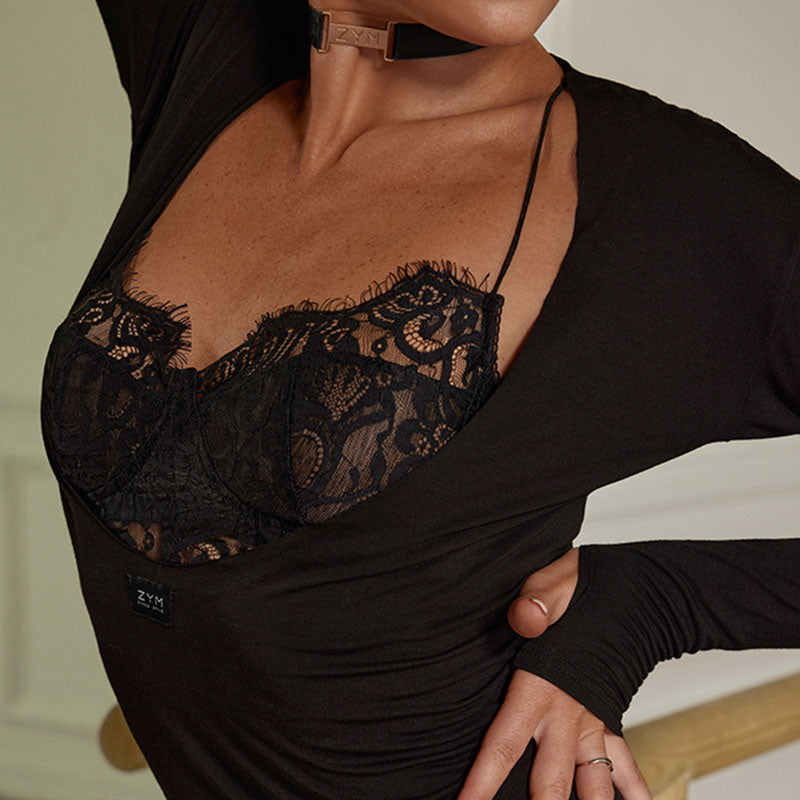
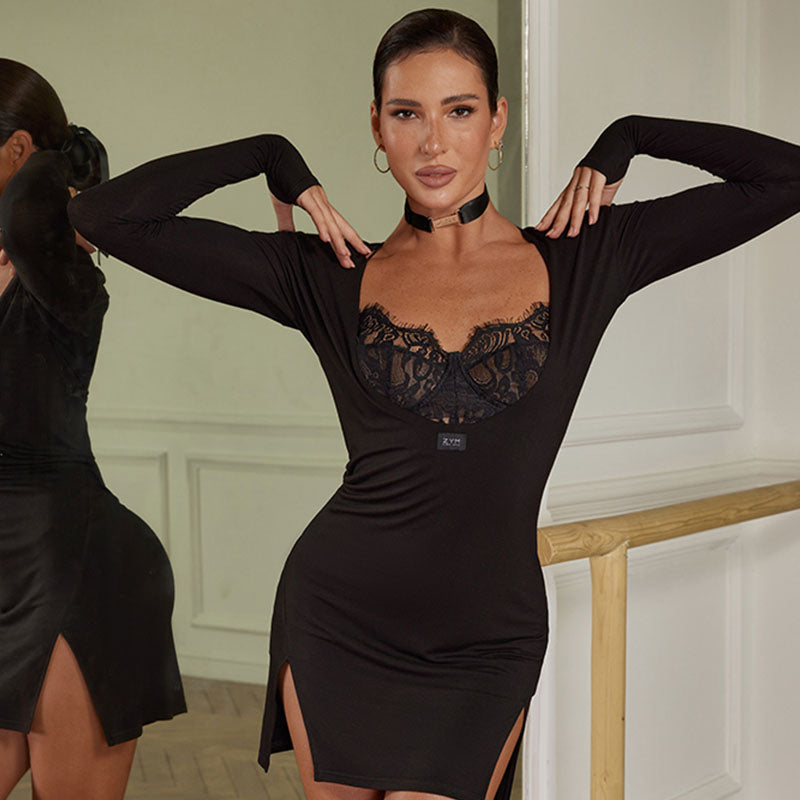
Cold-shoulder and ladder cuts split the difference, opening a window at the shoulder while keeping a full sleeve. Bandeau and camisole cuts are the simplest layer and the most dependent on what is underneath. V-necks and sweetheart lines soften a square shoulder; a straight bateau line squares off a narrow one.
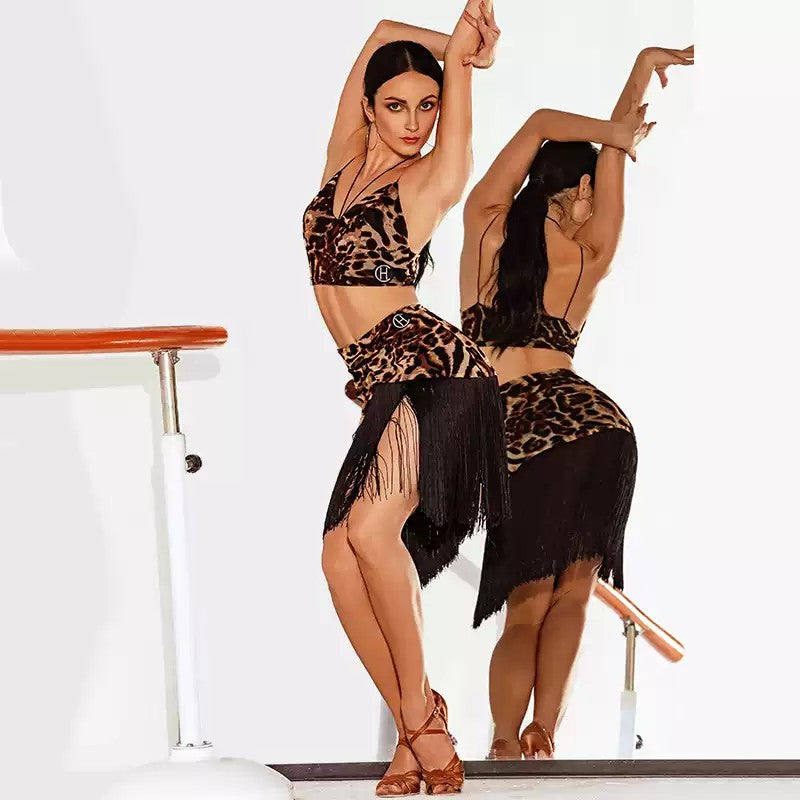
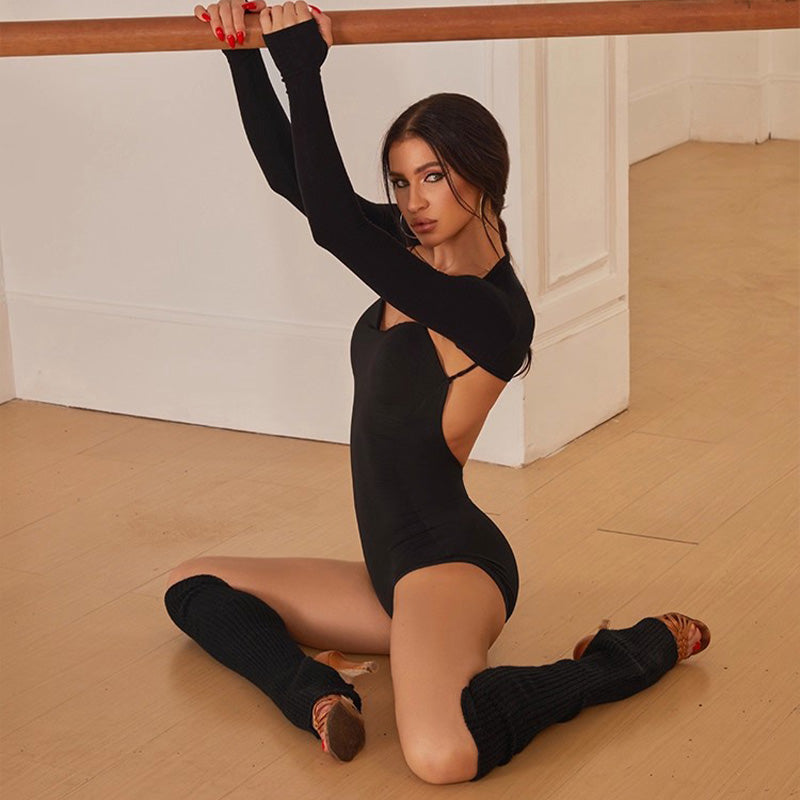
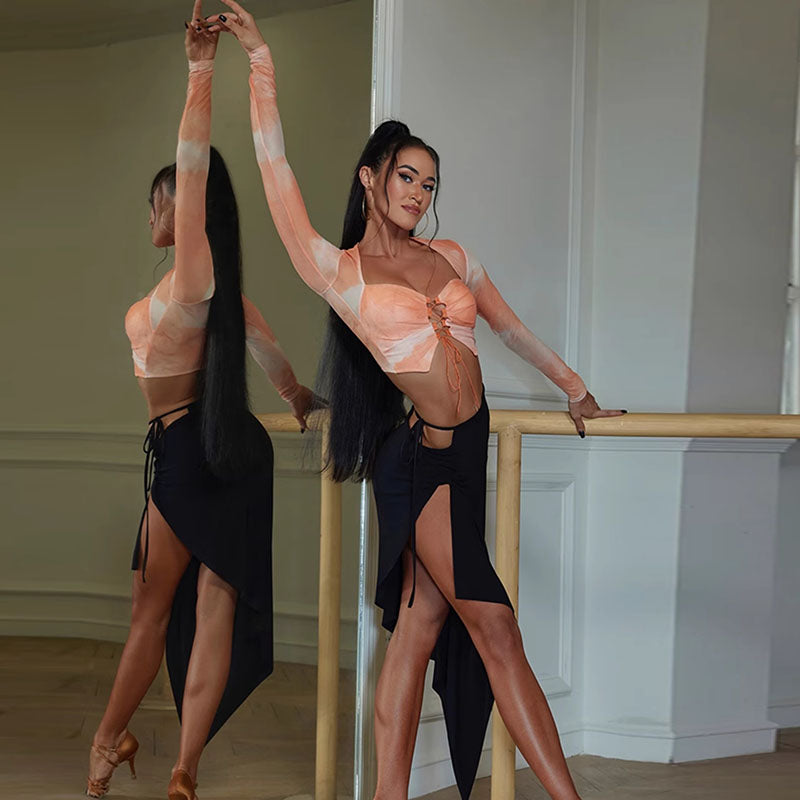
Whatever the neckline, the test is the same — put both arms straight up. If anything shifts, rides or has to be pulled back down, it will do exactly that every time you dance in it.
Sleeve, Length and a Cold Studio
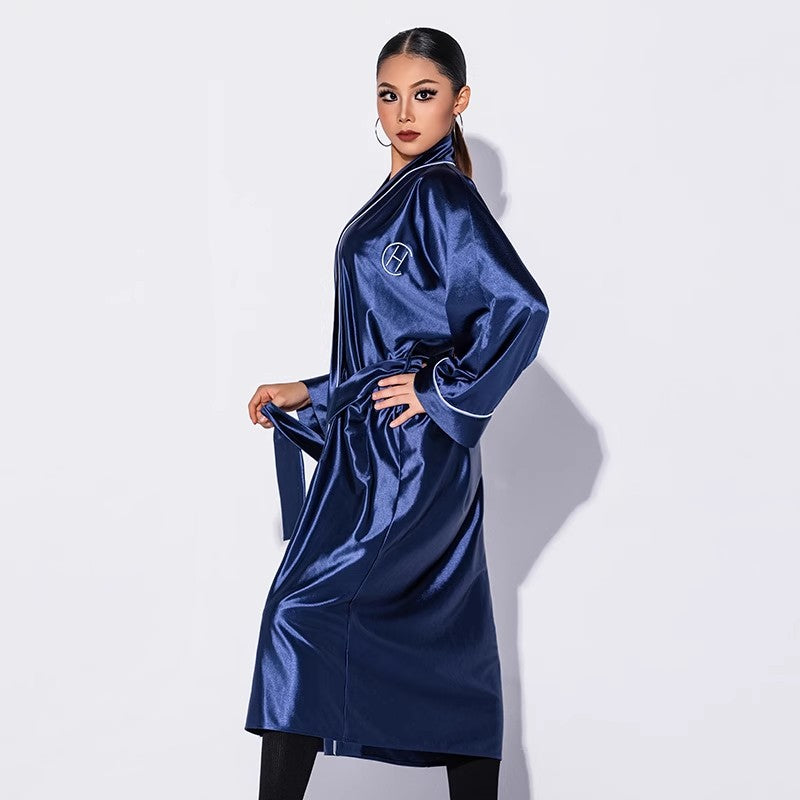
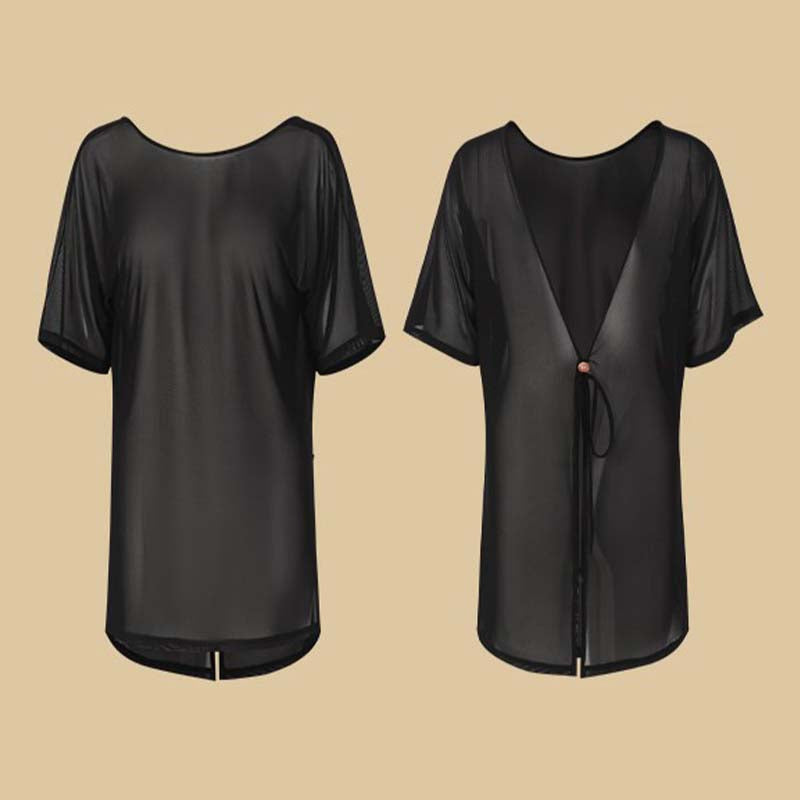
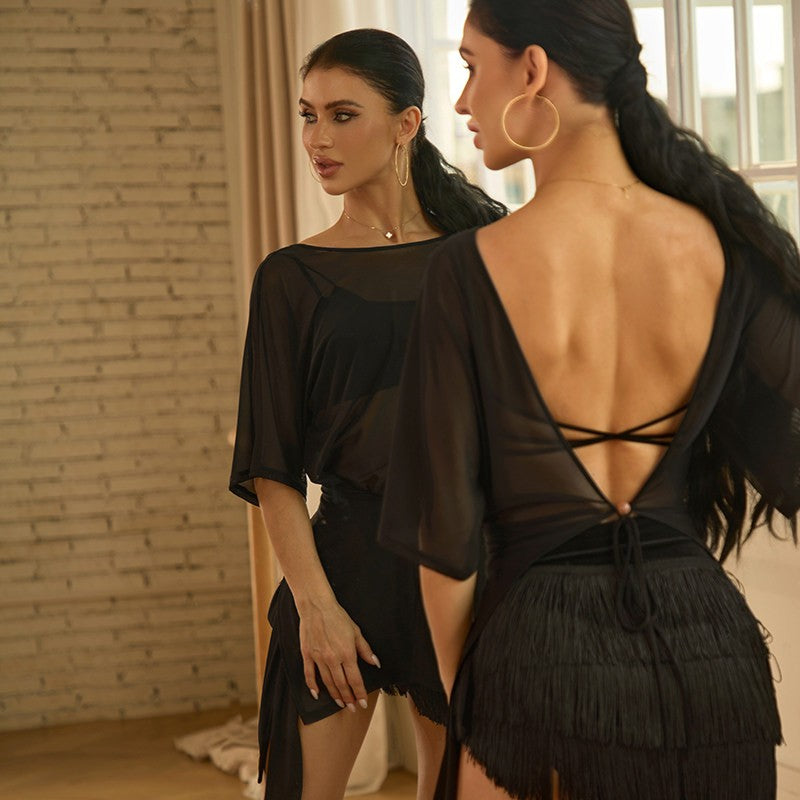
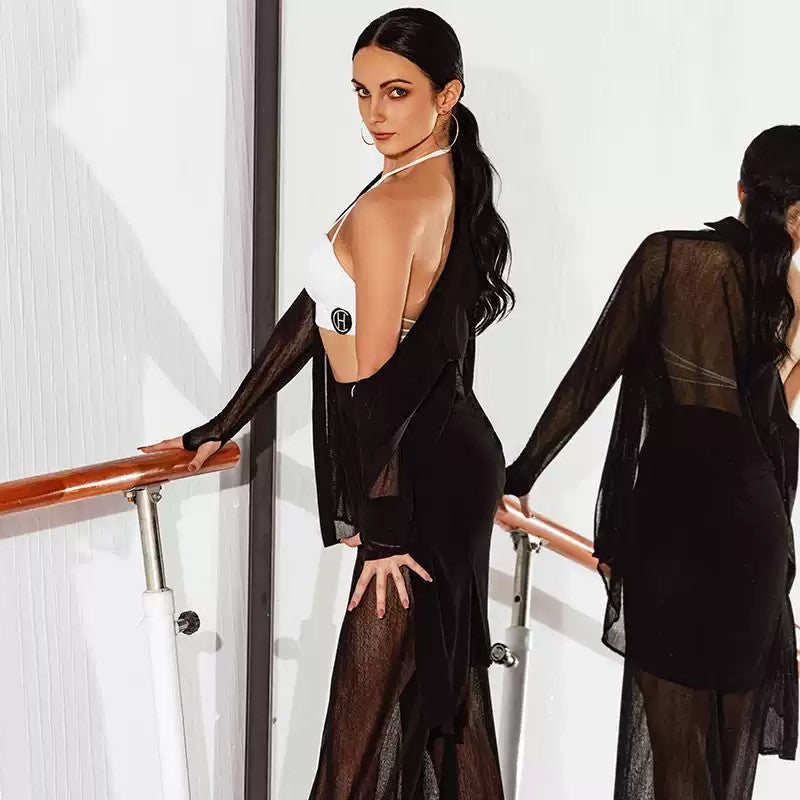
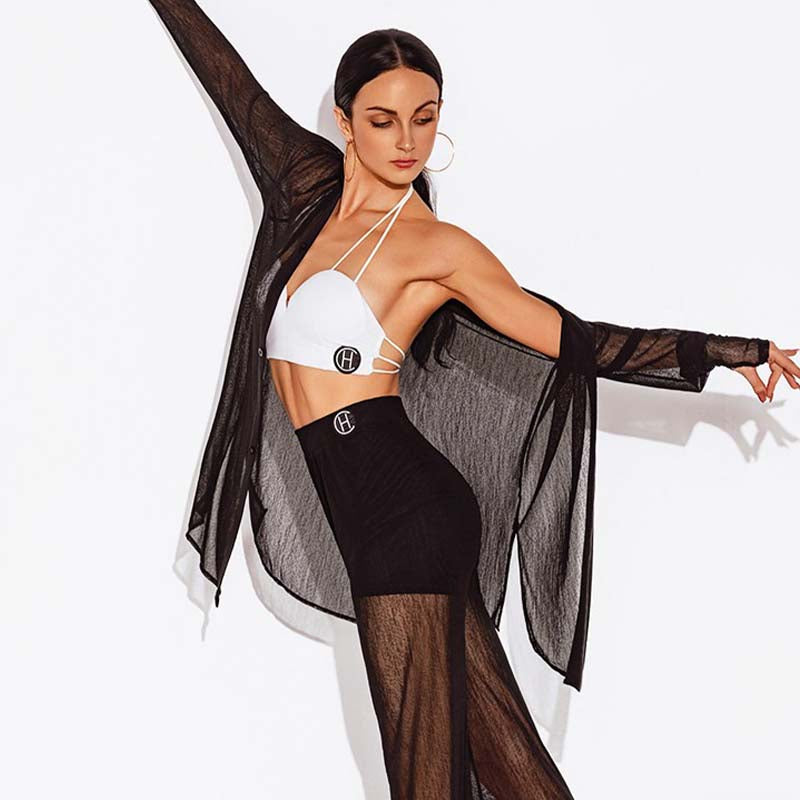
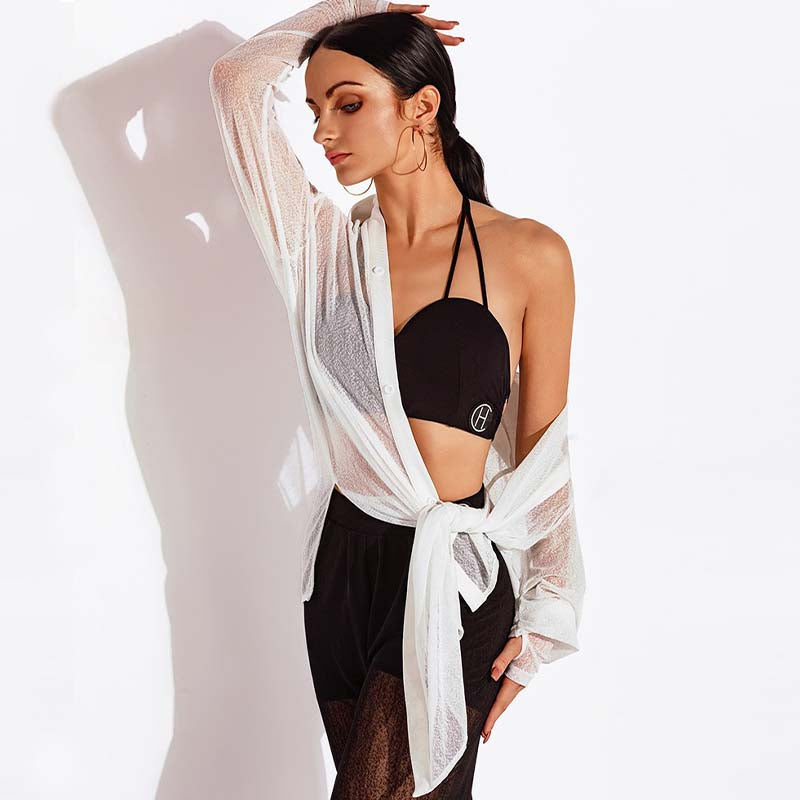
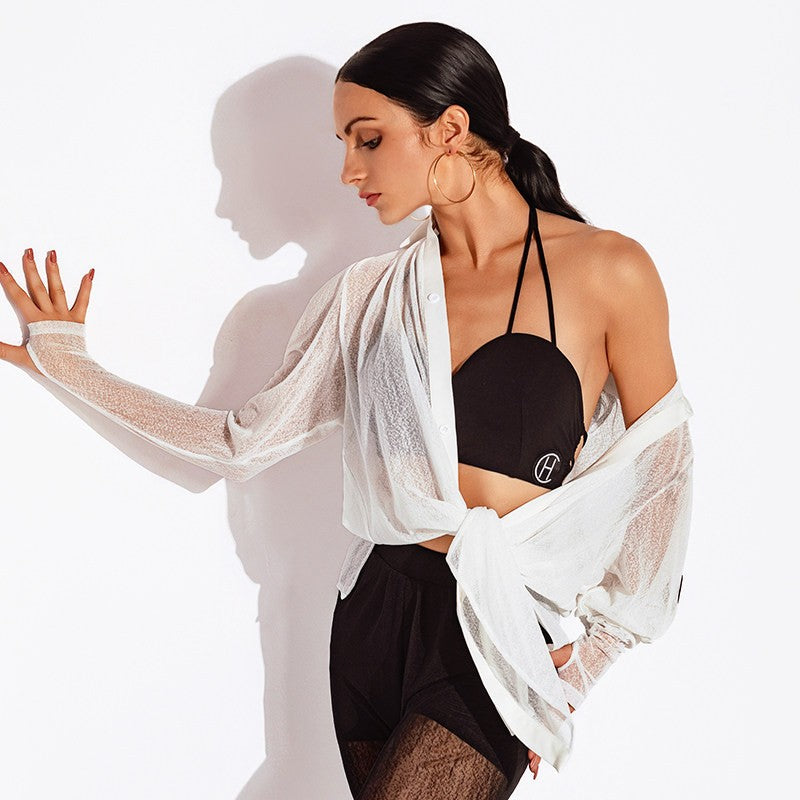
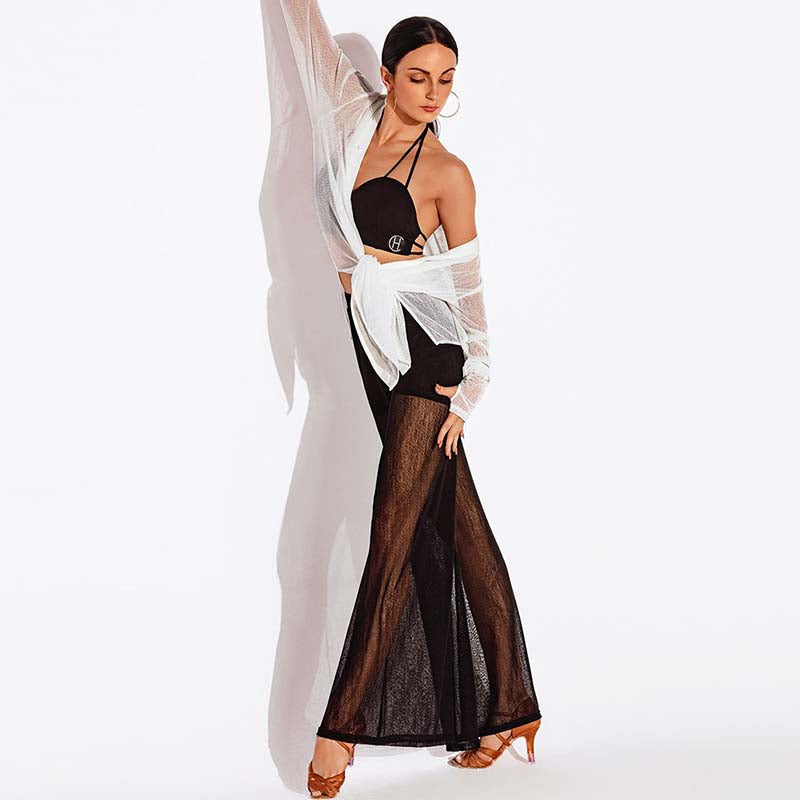
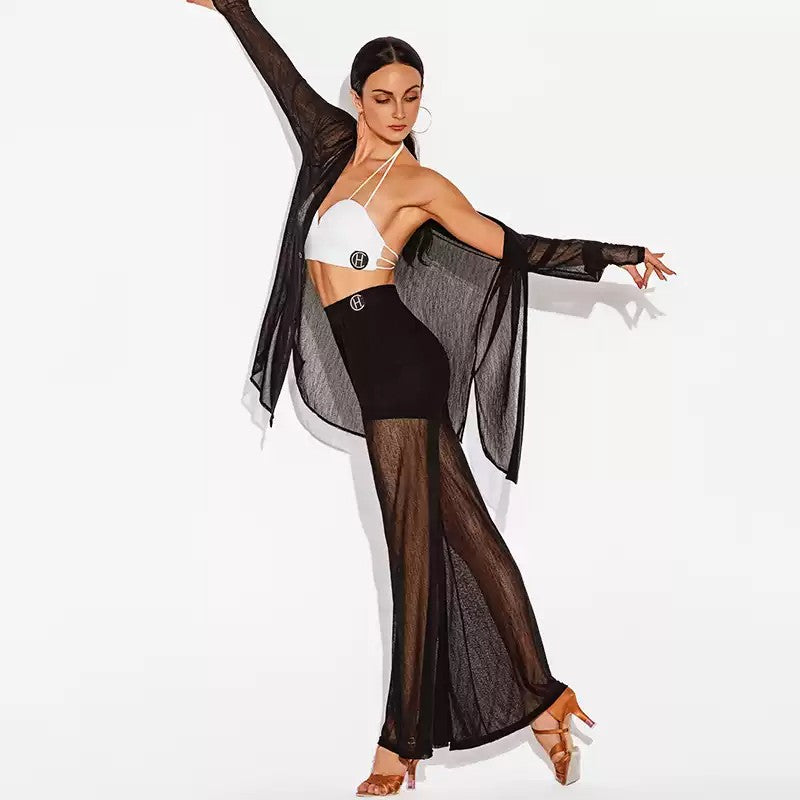
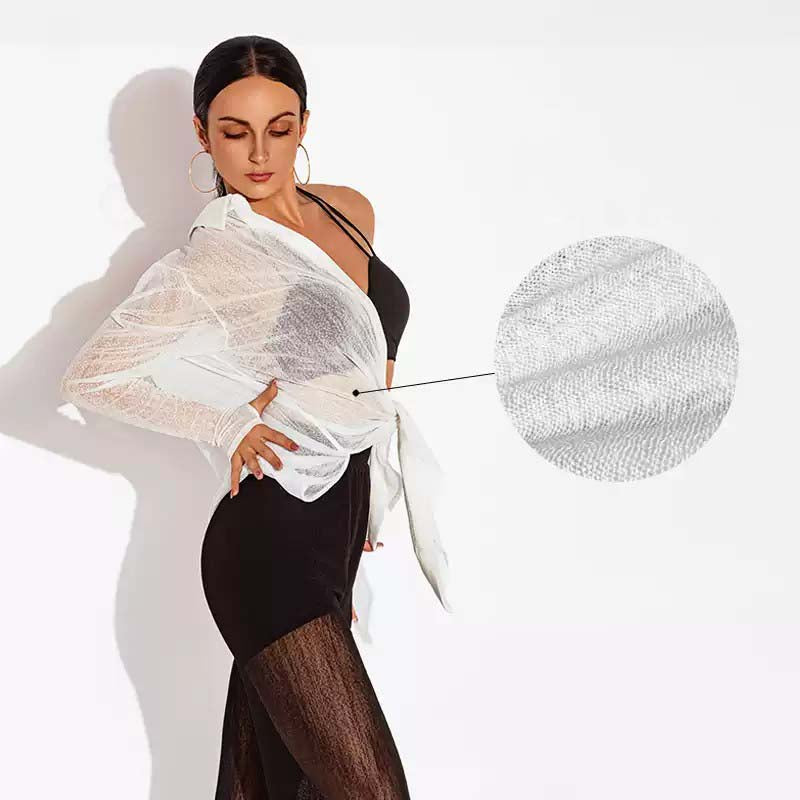
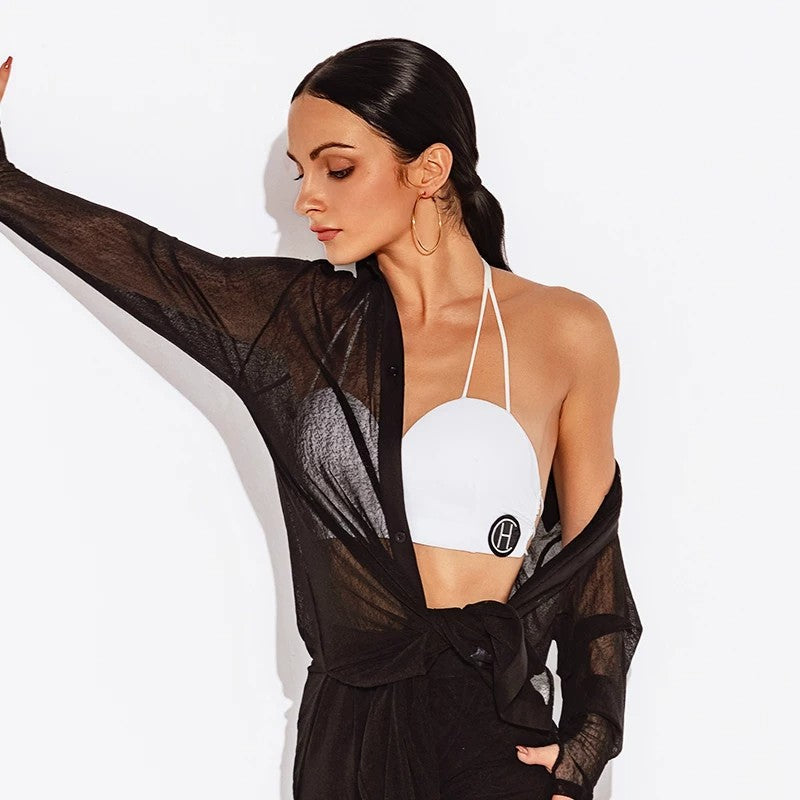
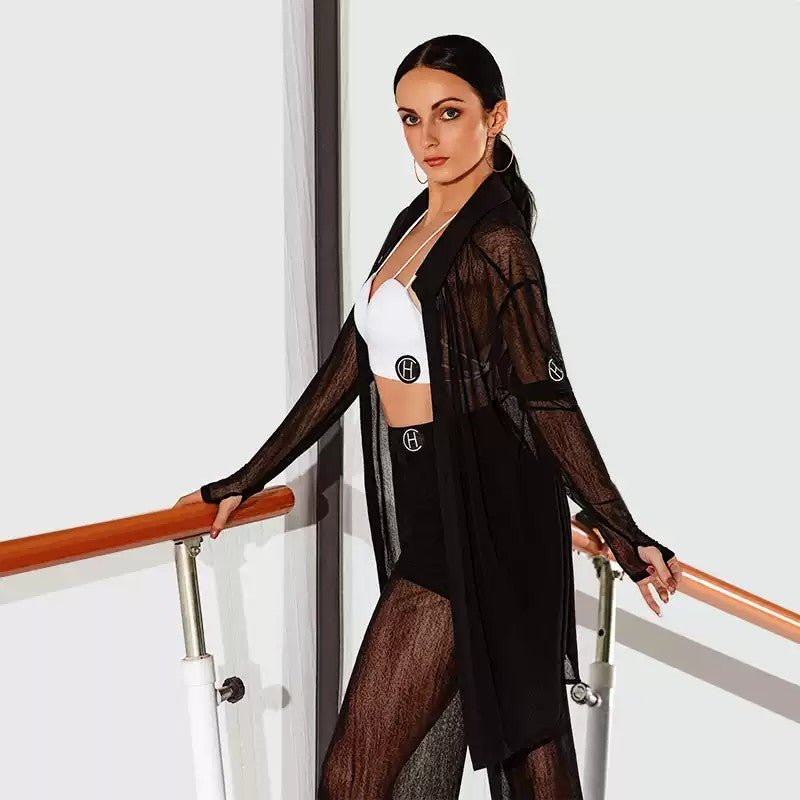
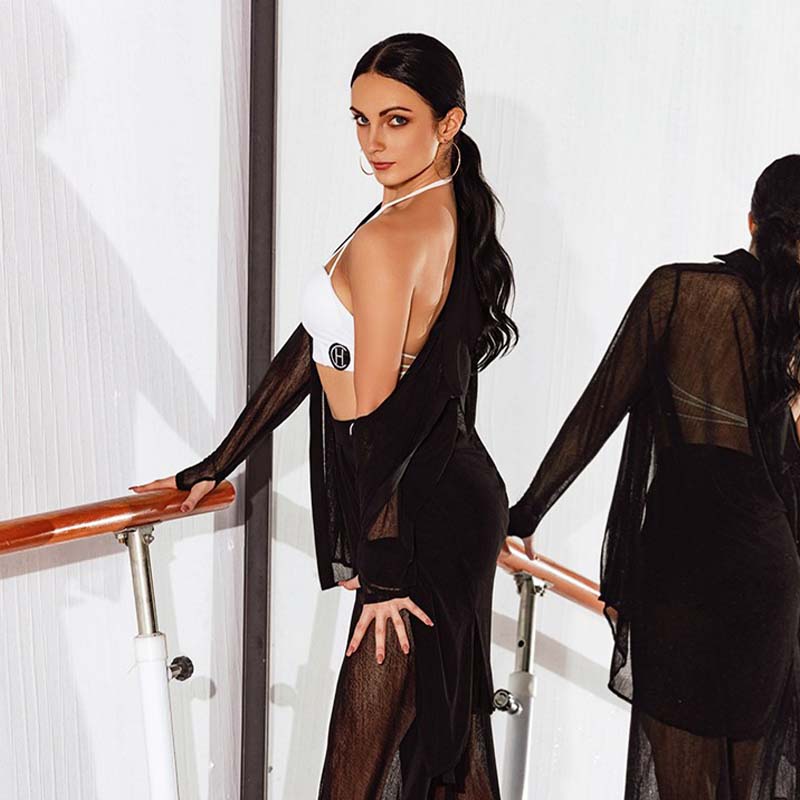
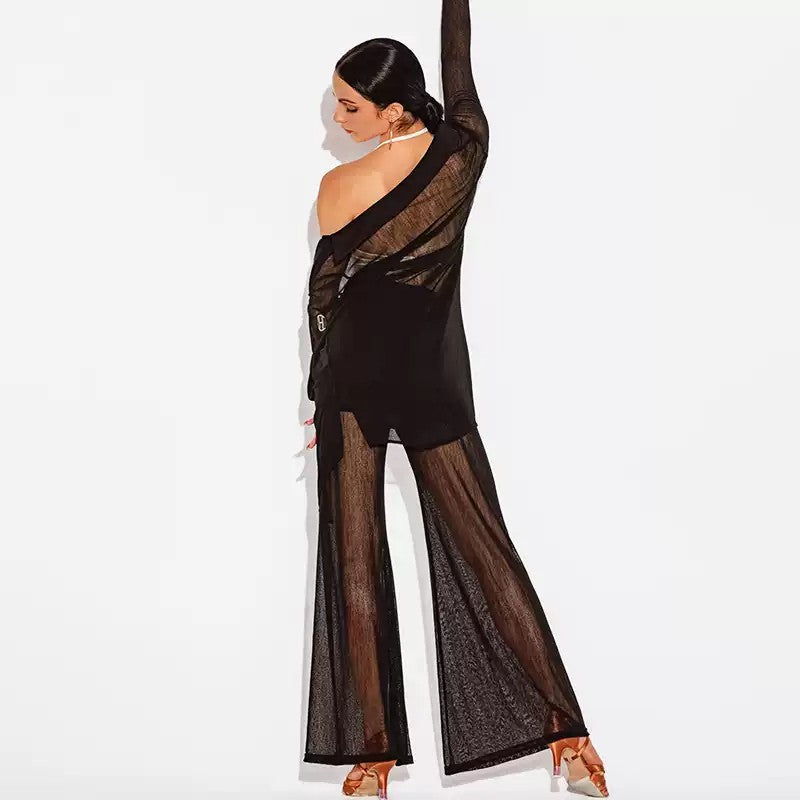
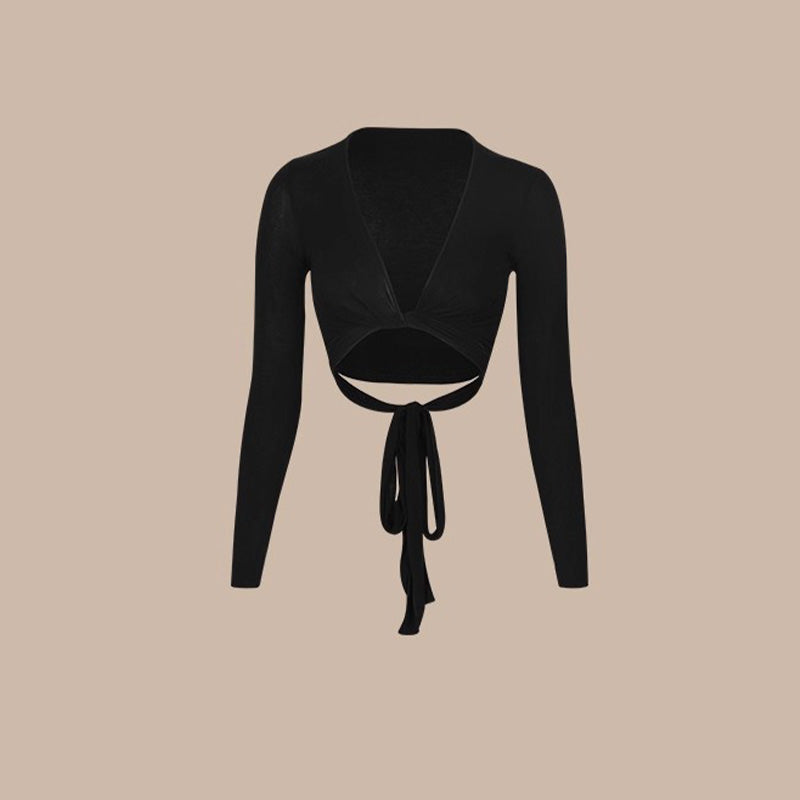
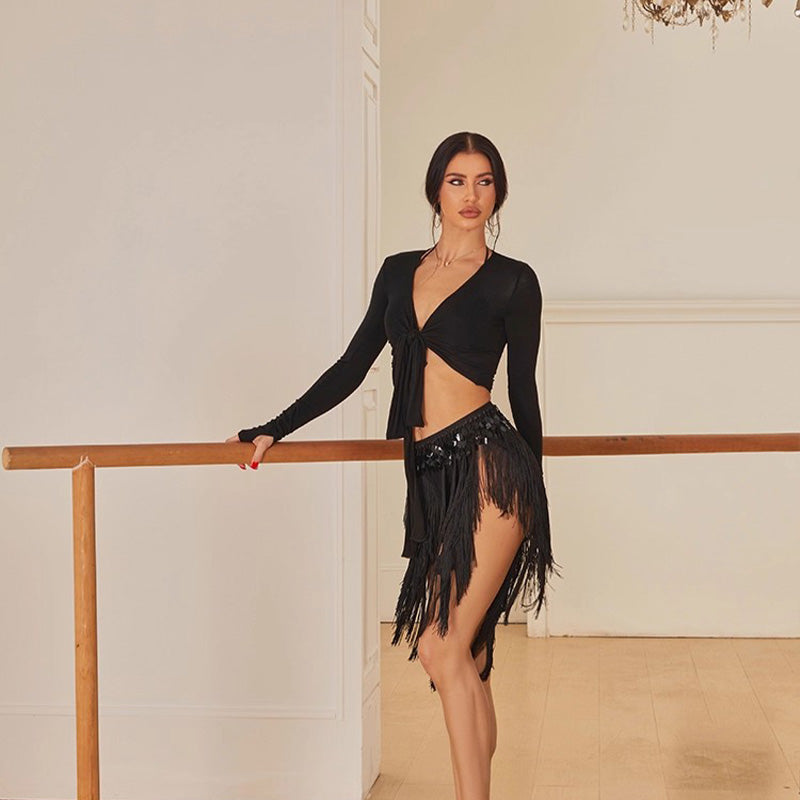
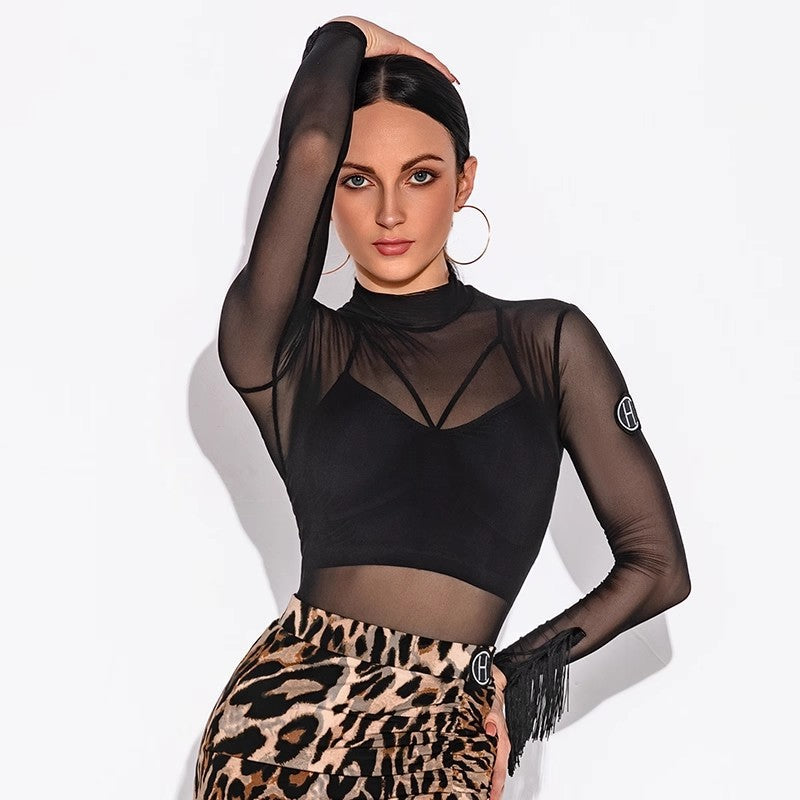
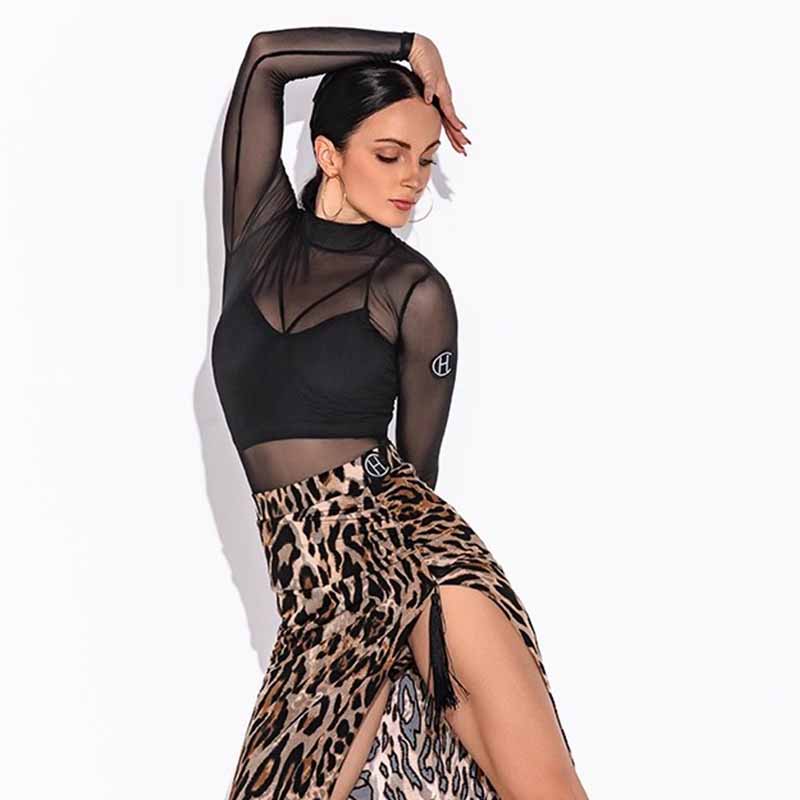
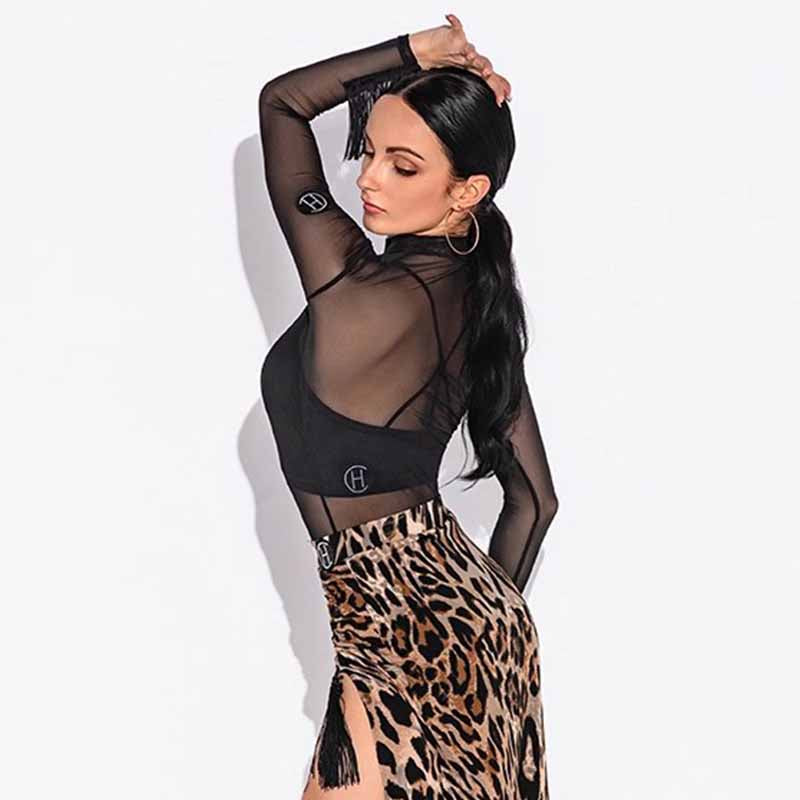
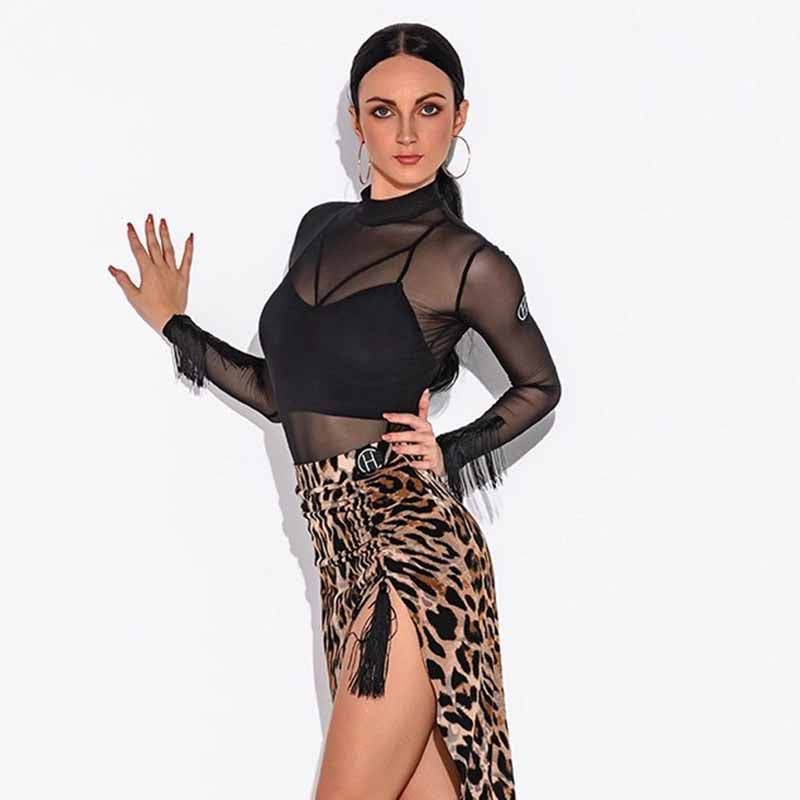
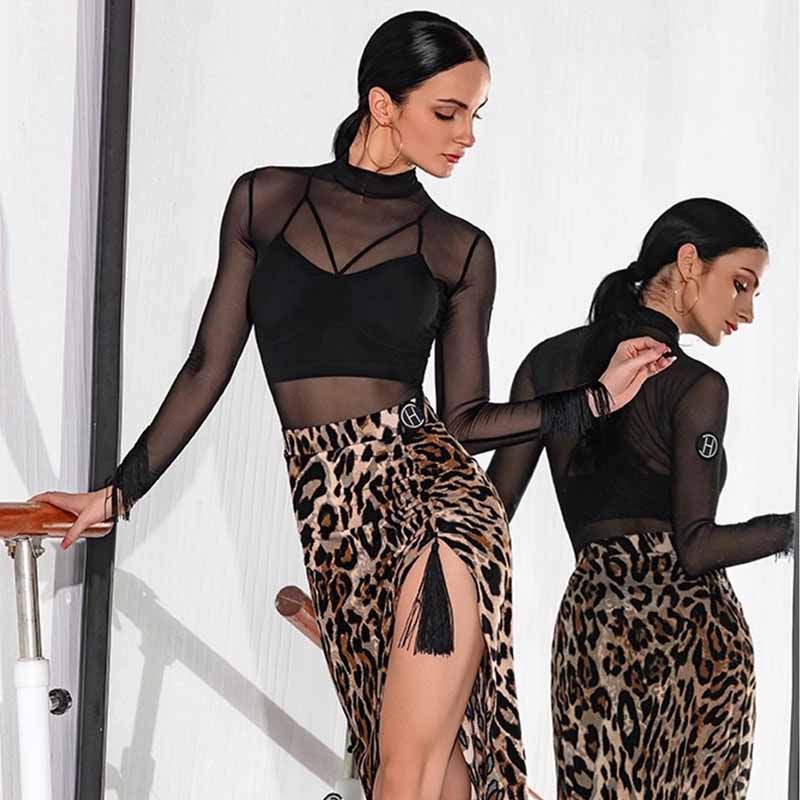
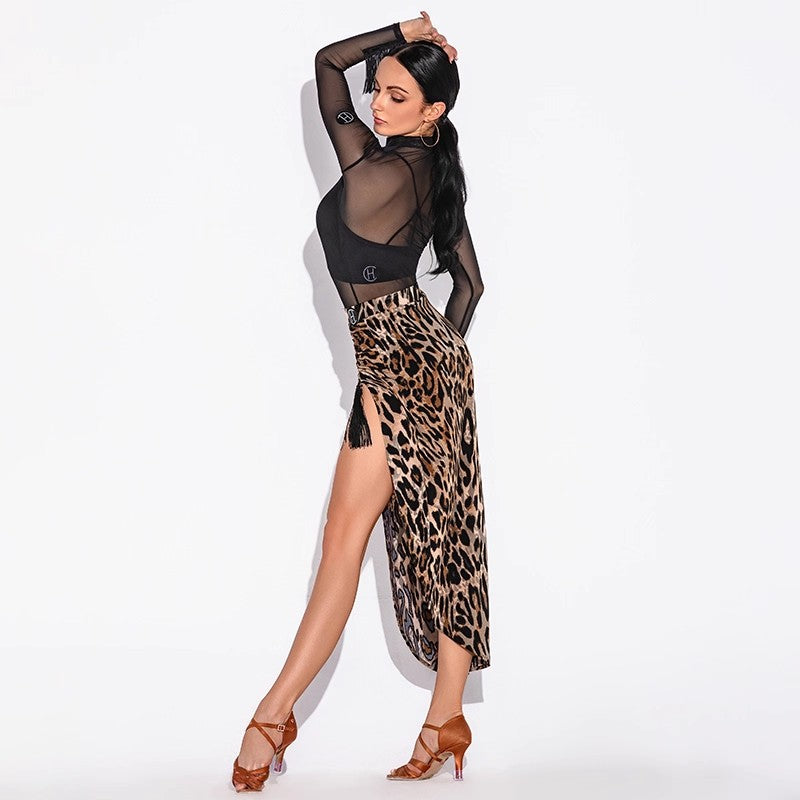
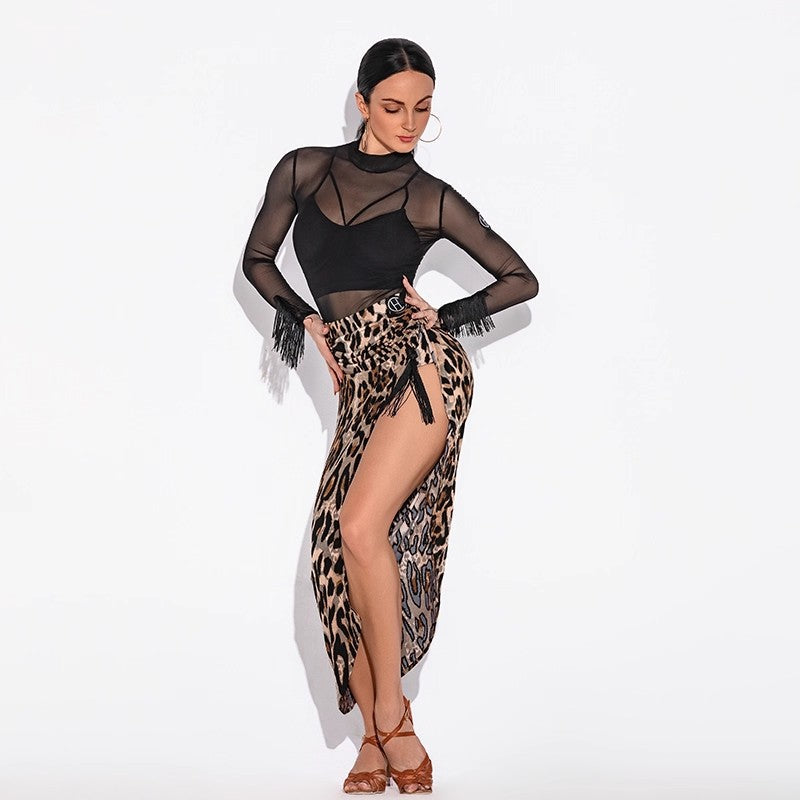
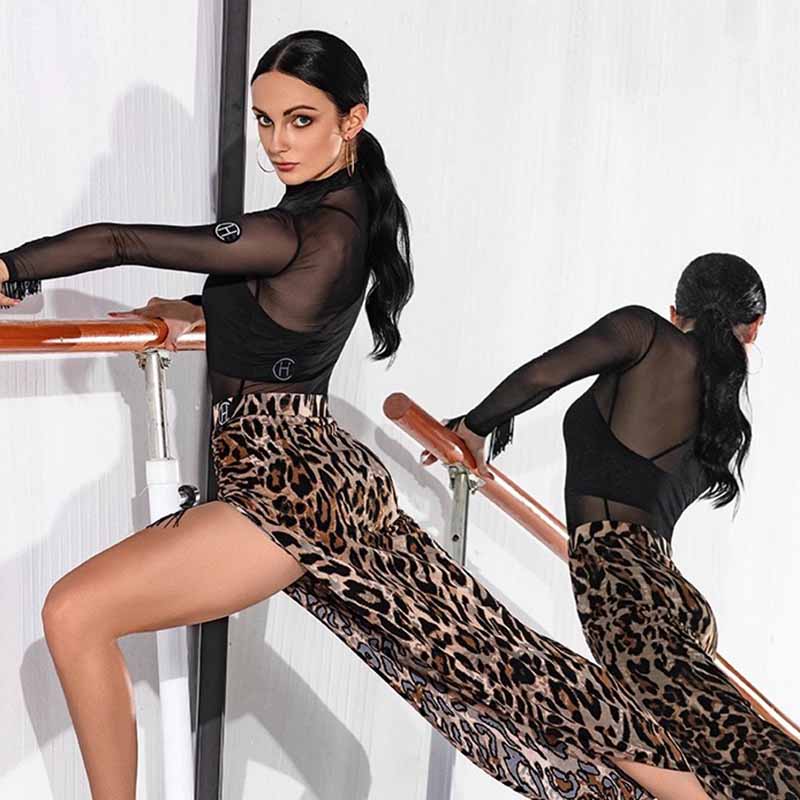
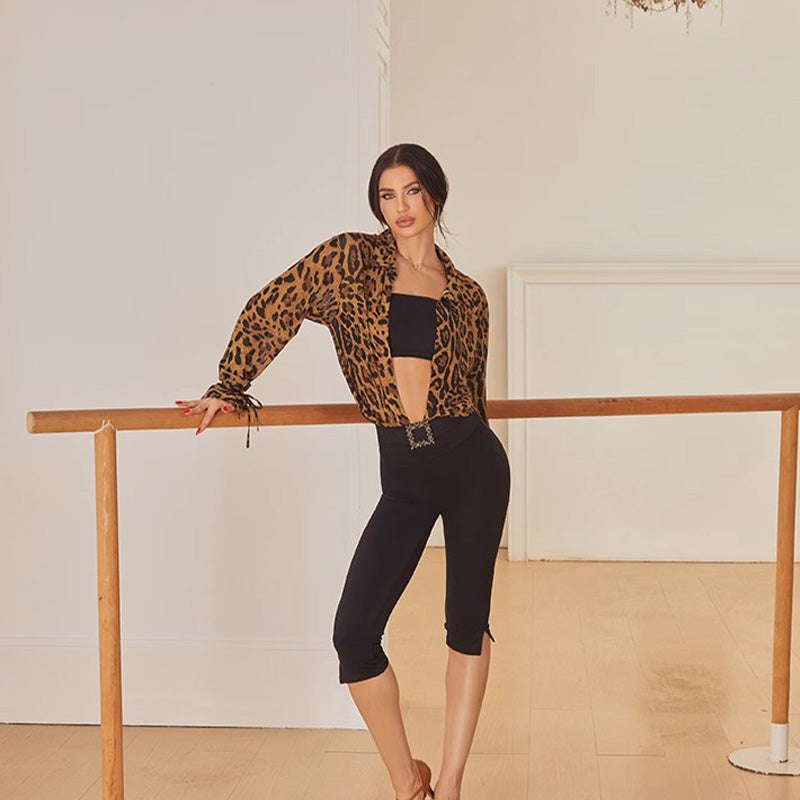
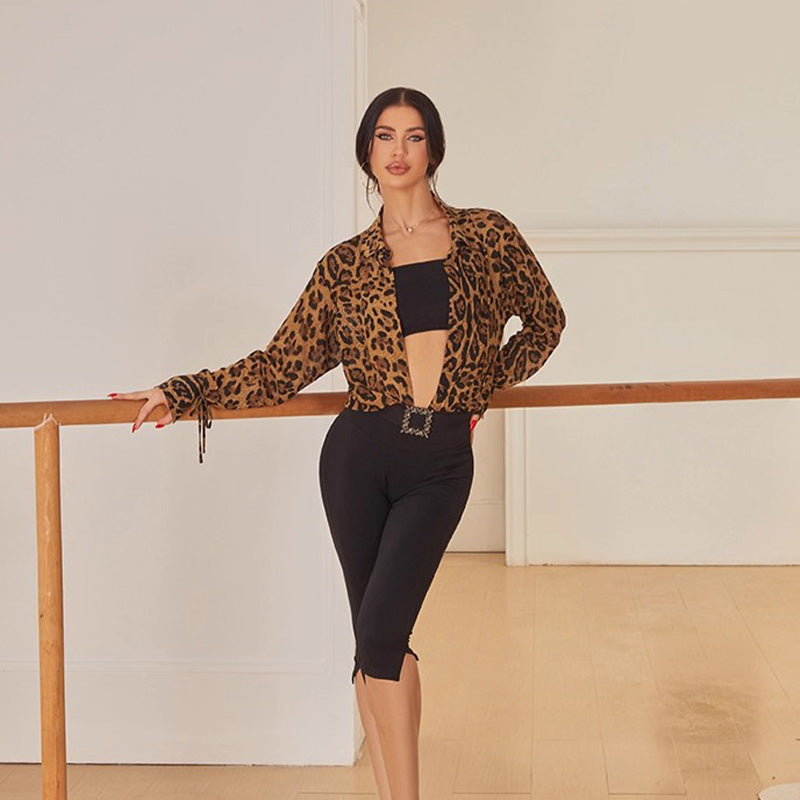
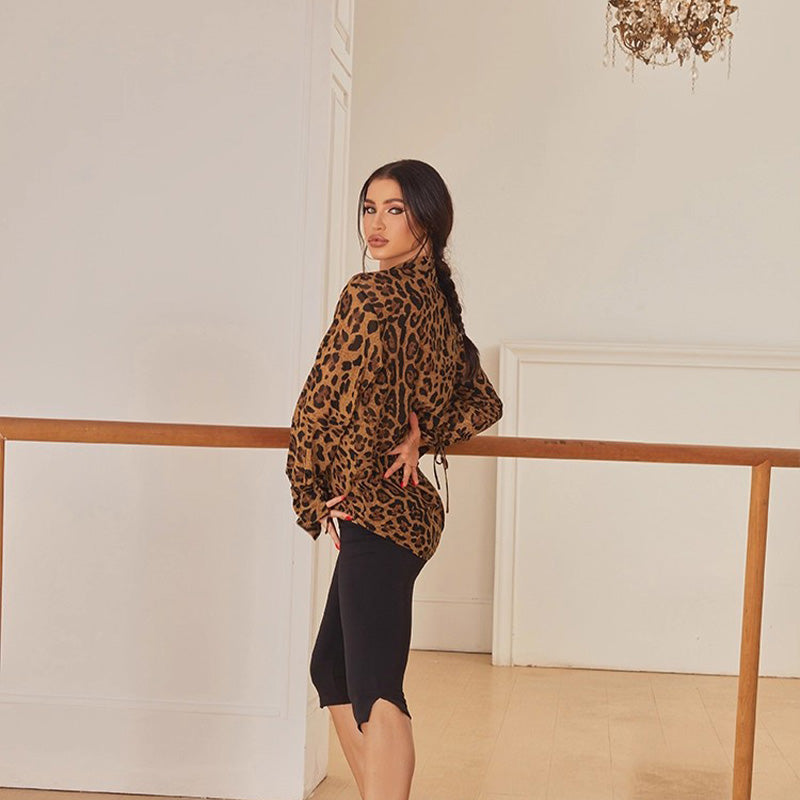
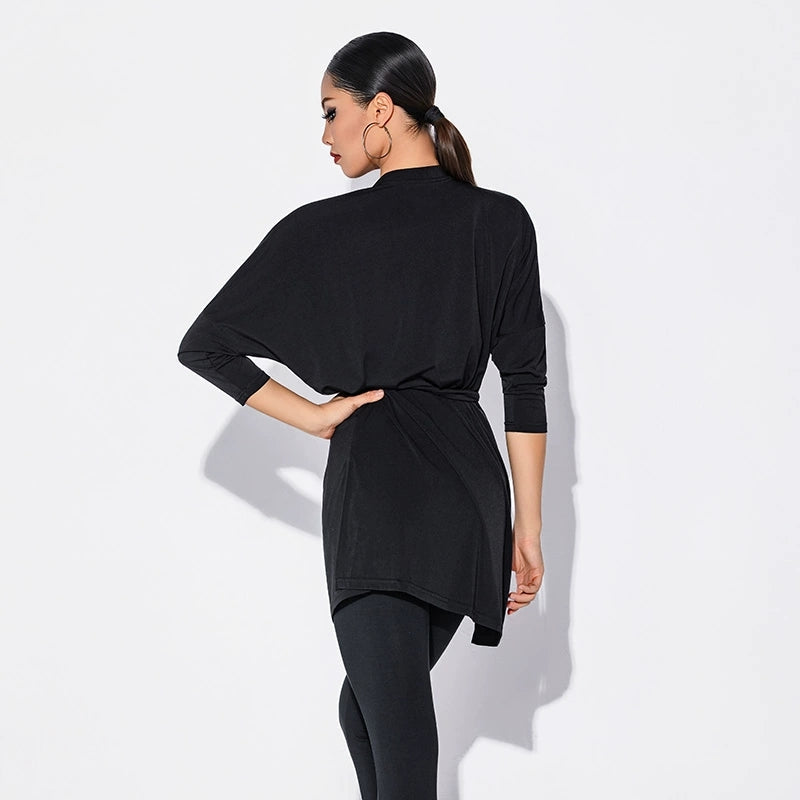
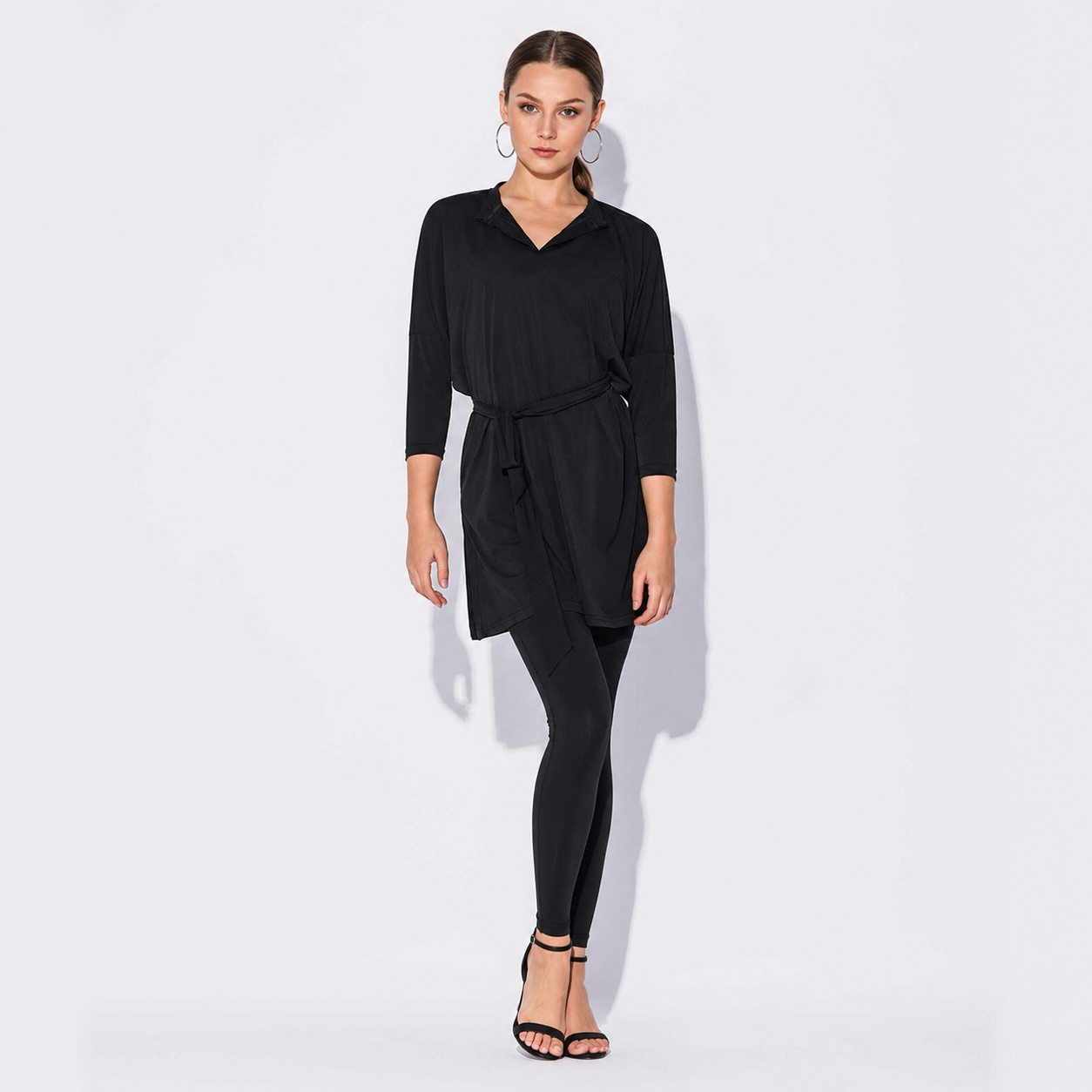
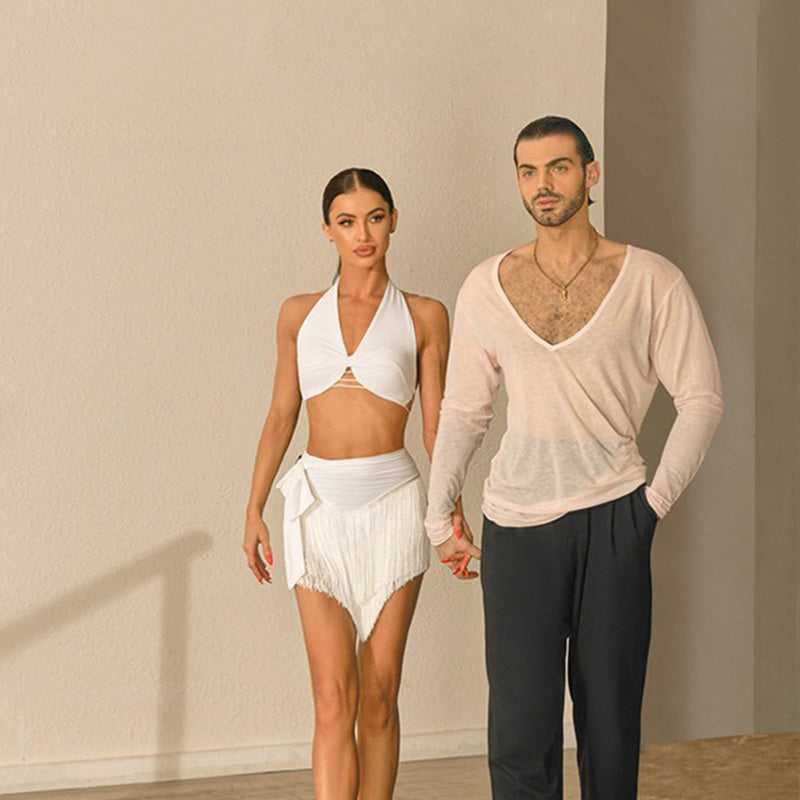
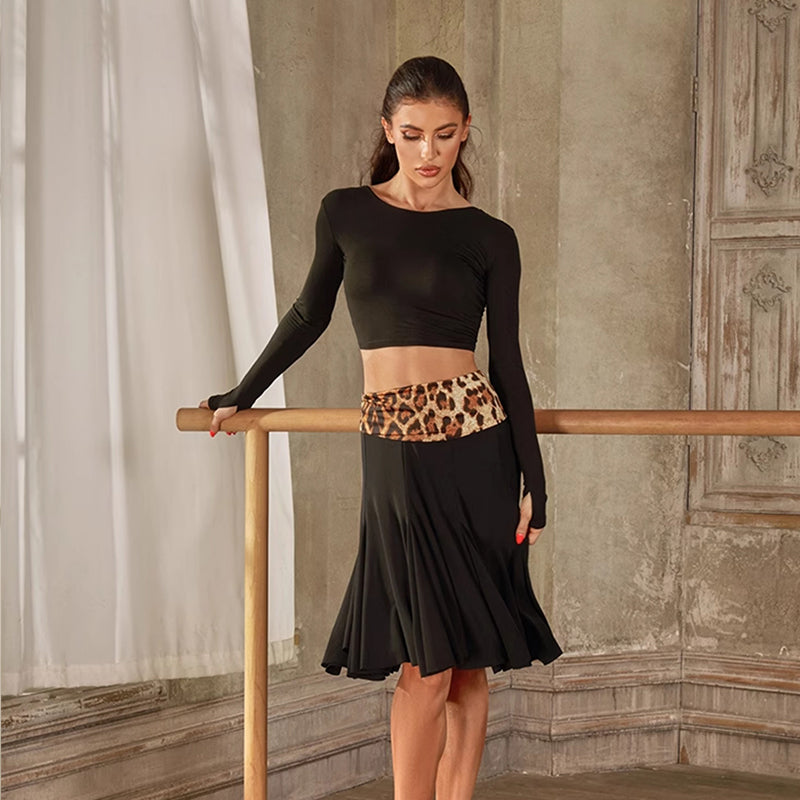
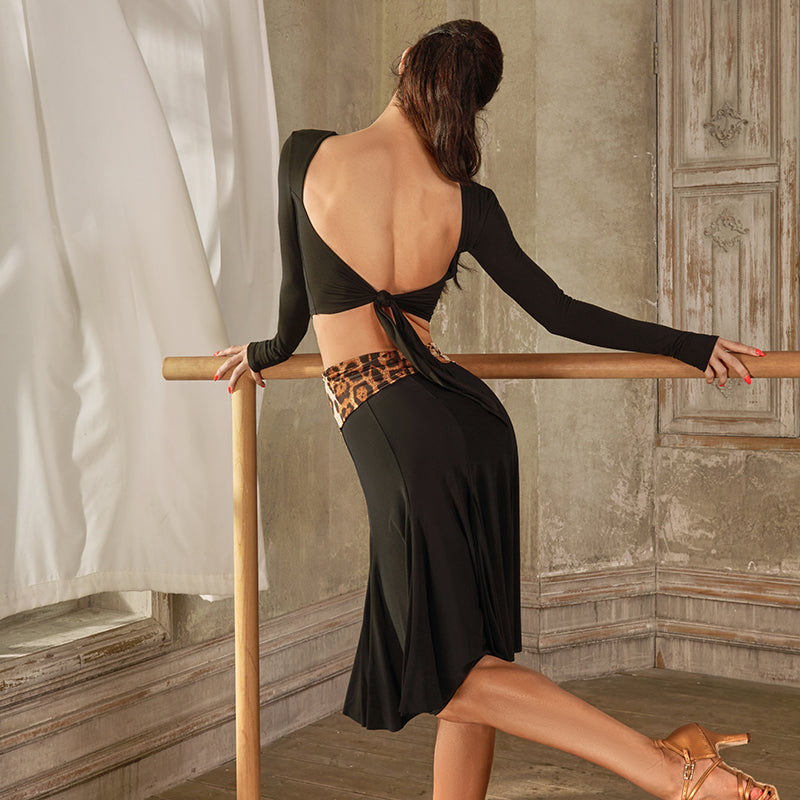
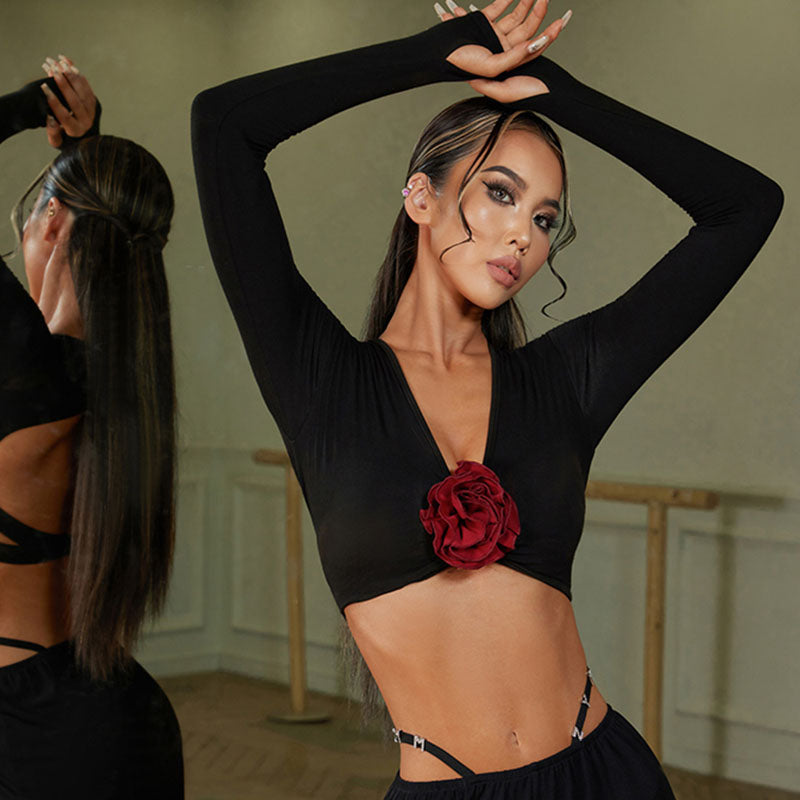
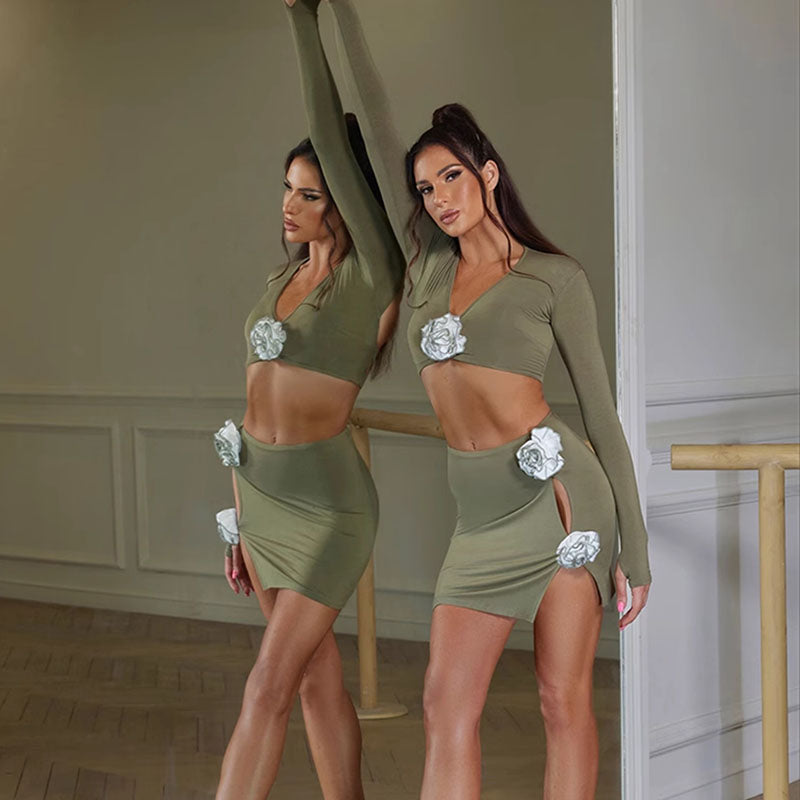
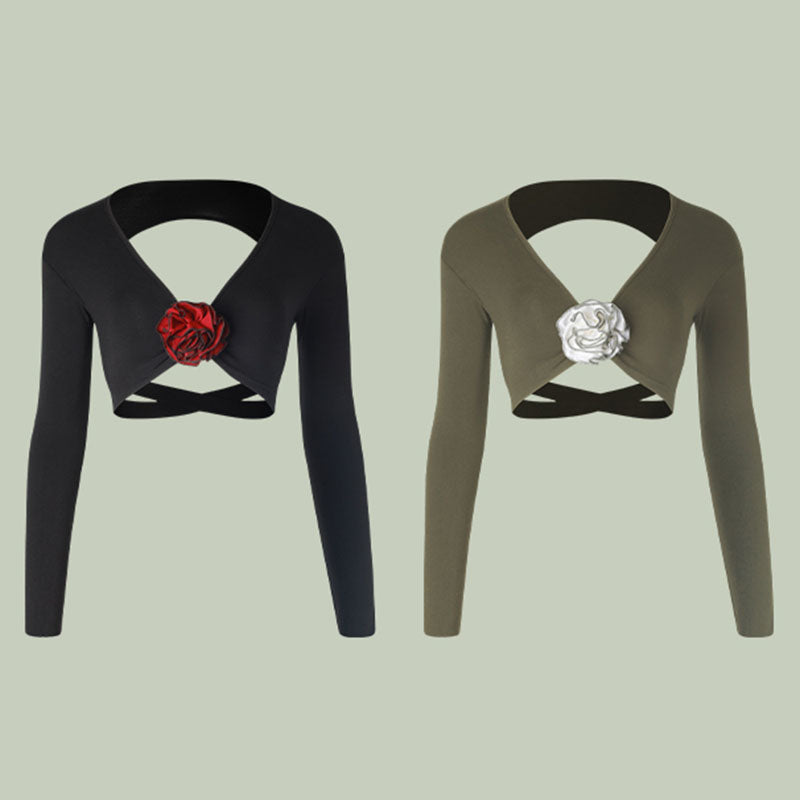
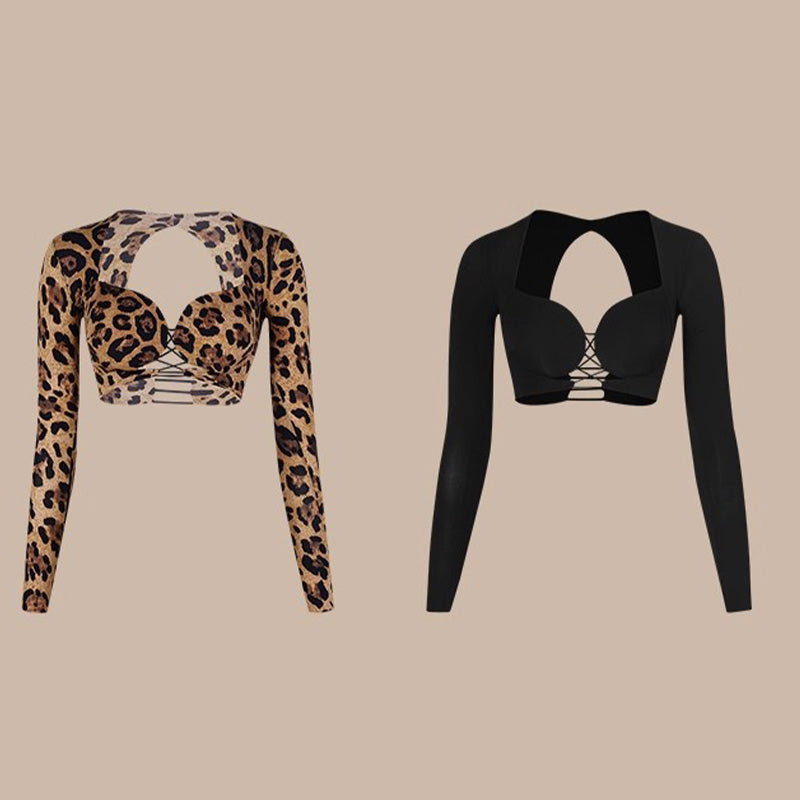
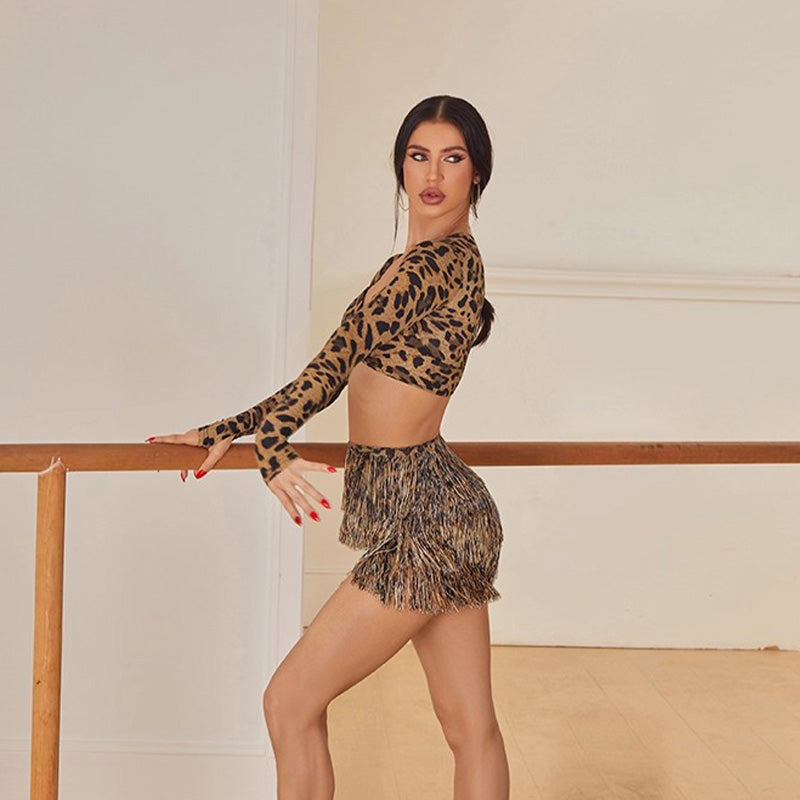
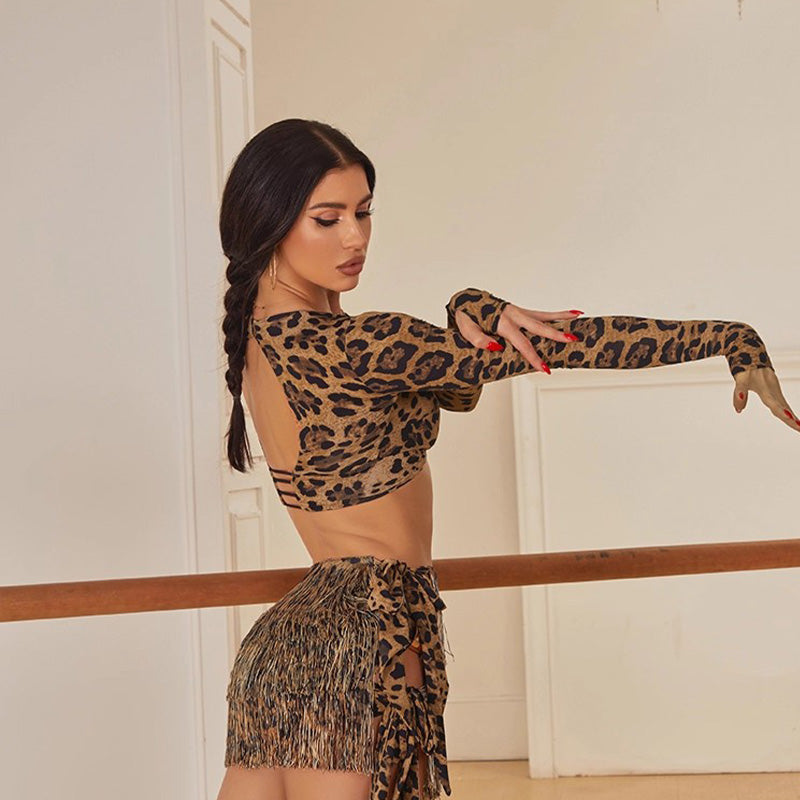
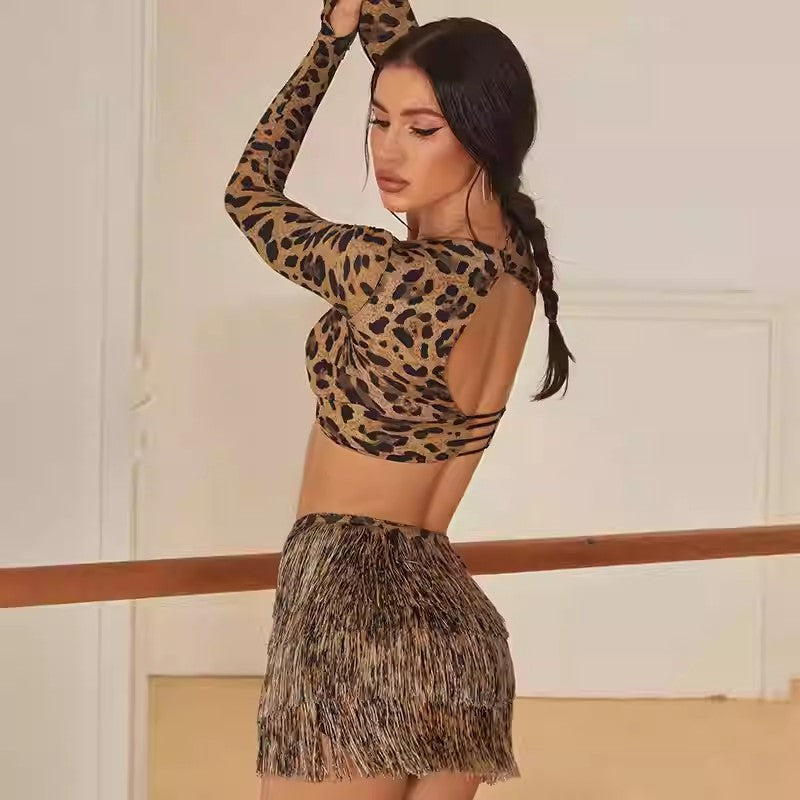
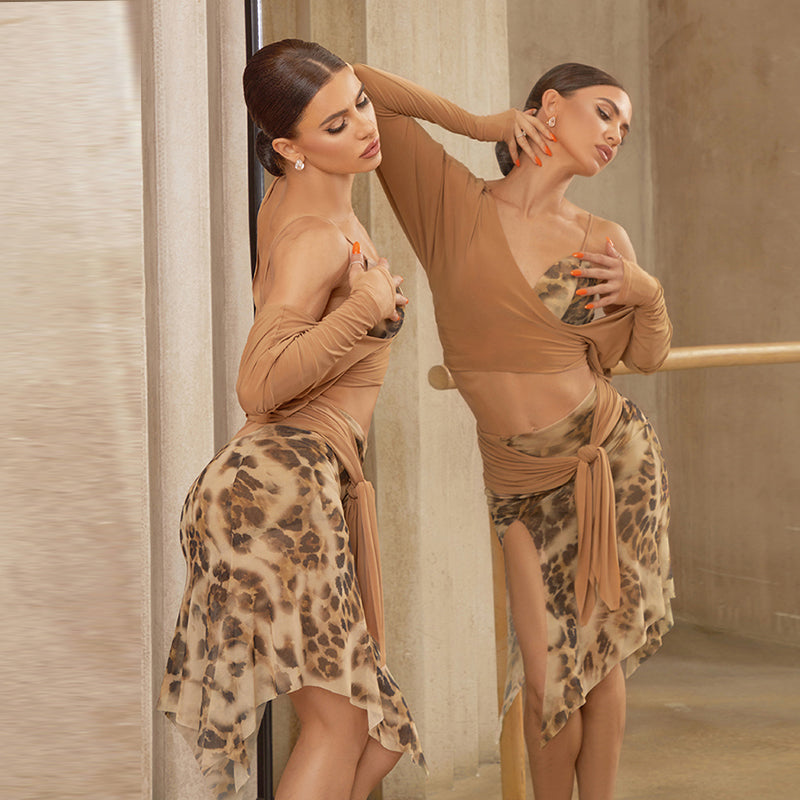
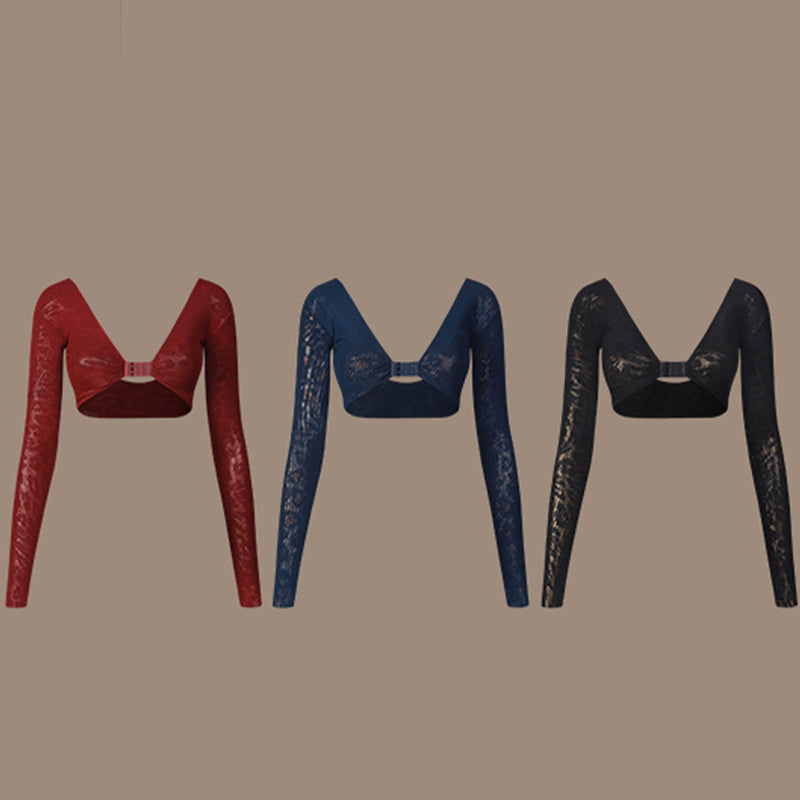
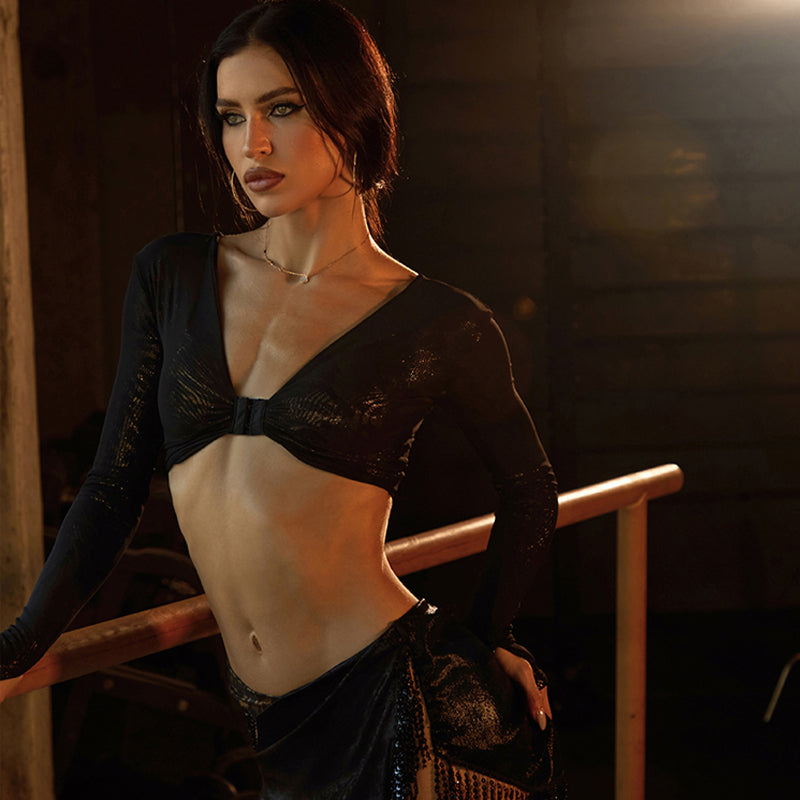
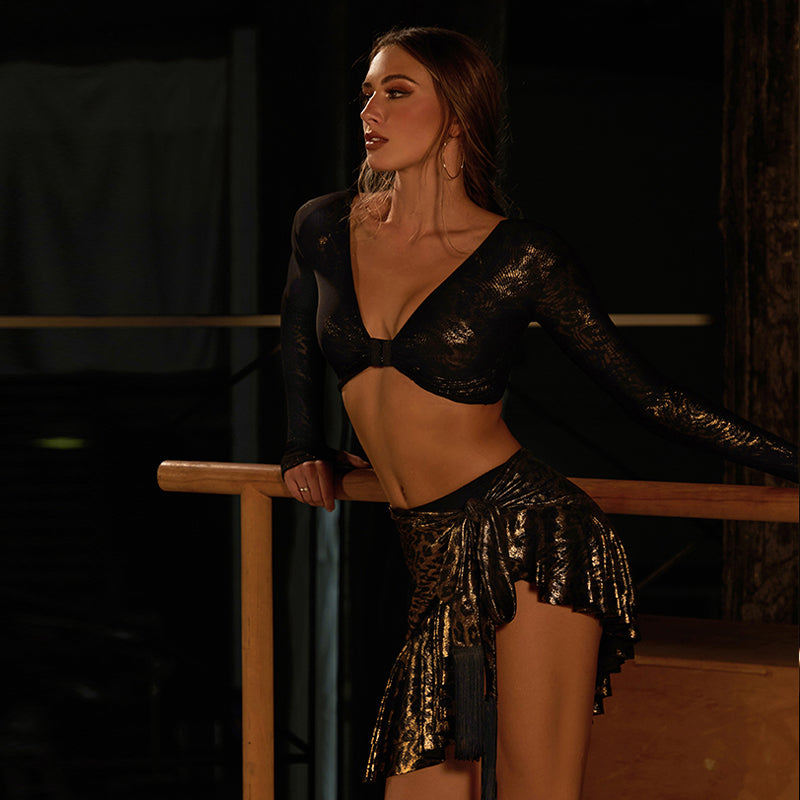
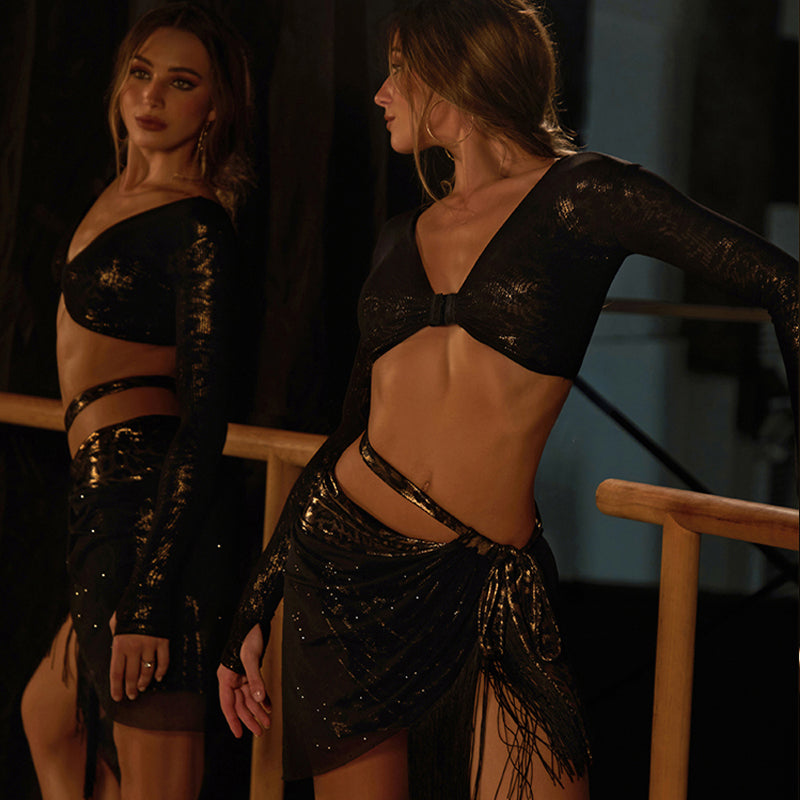
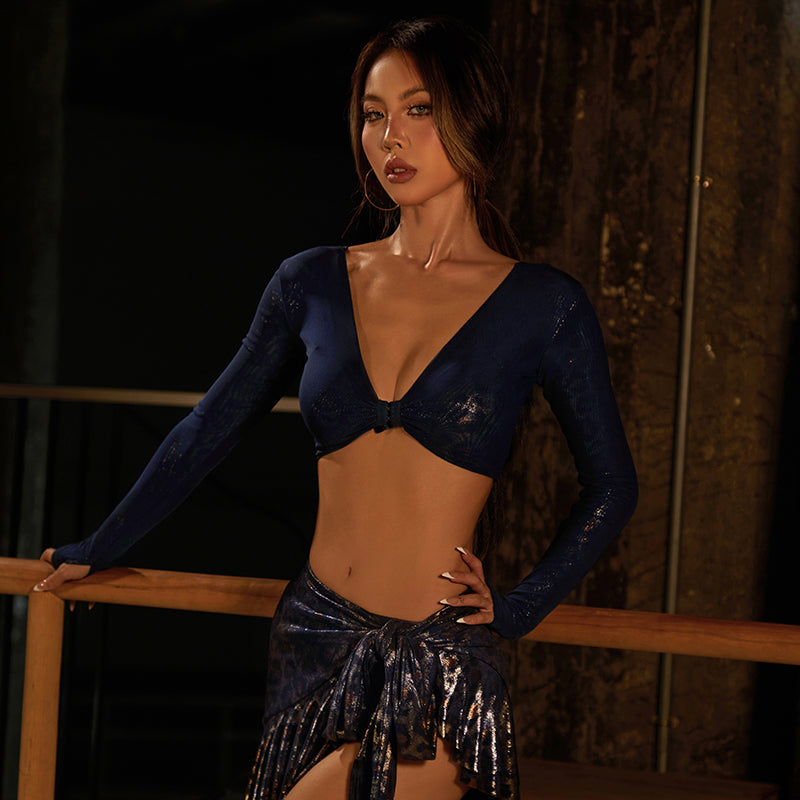
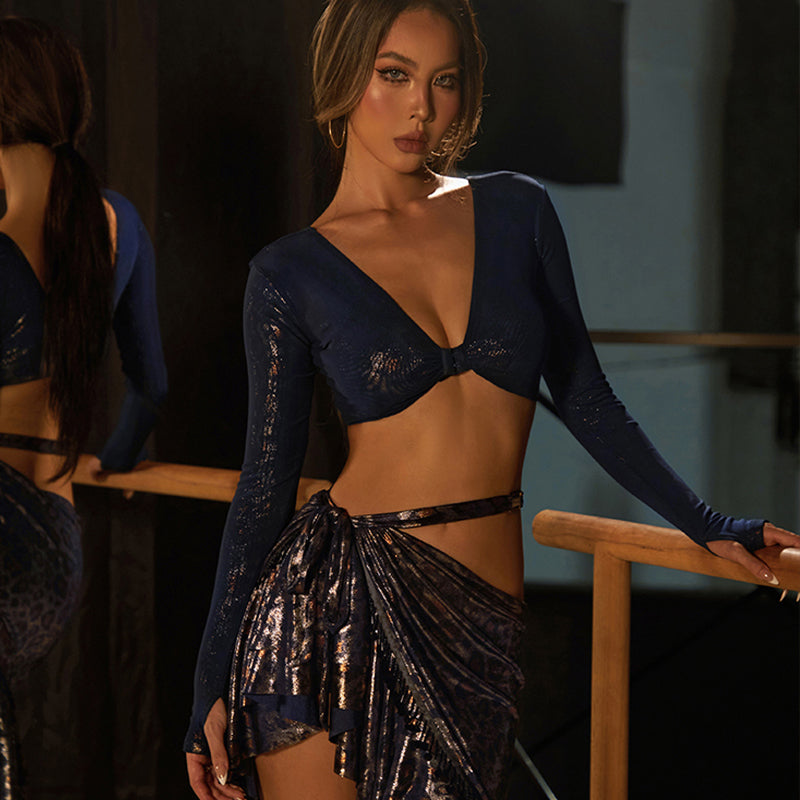
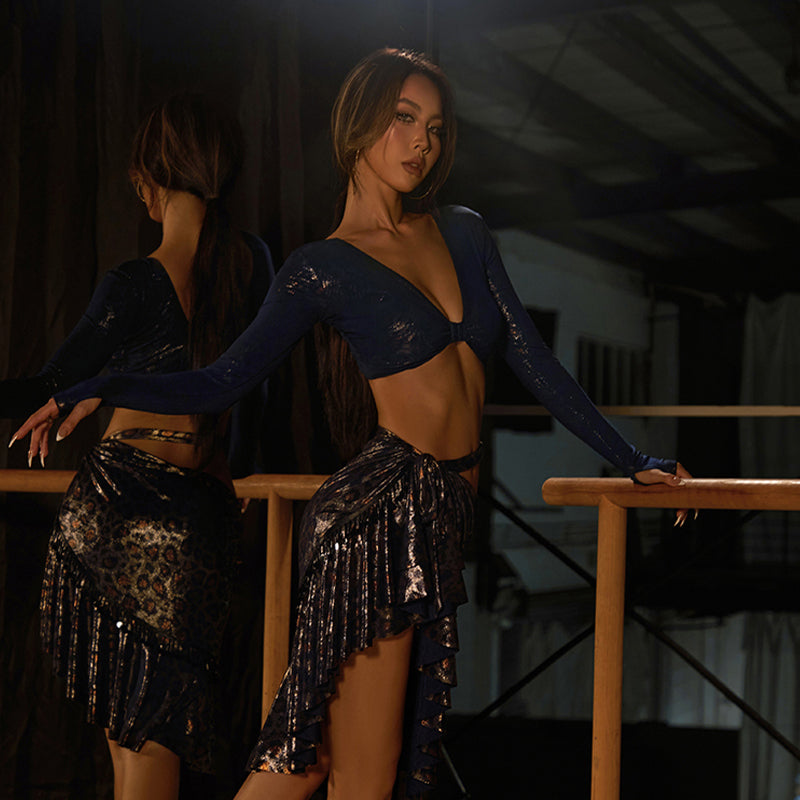
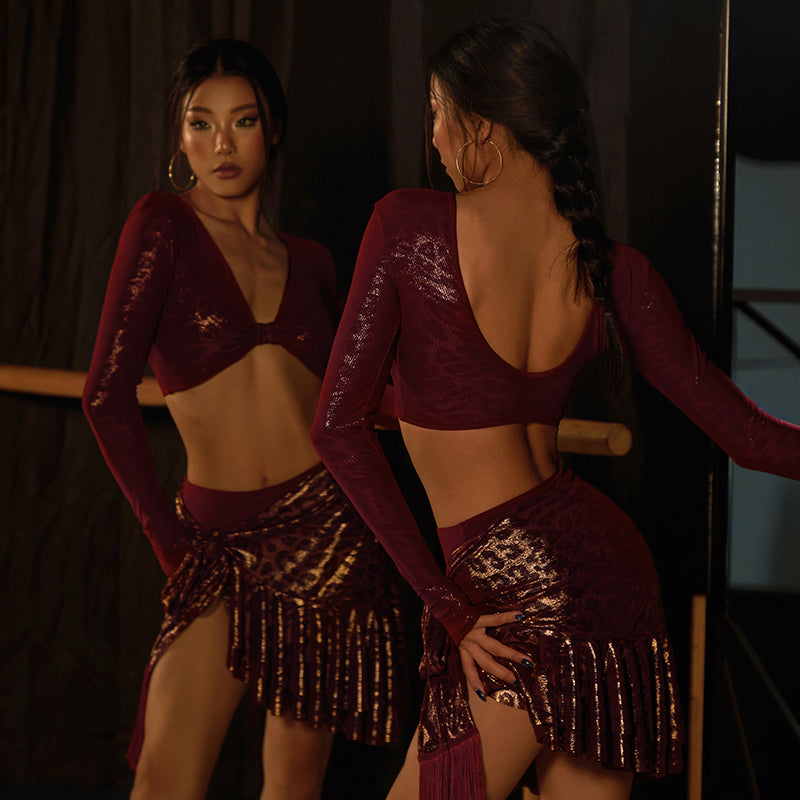
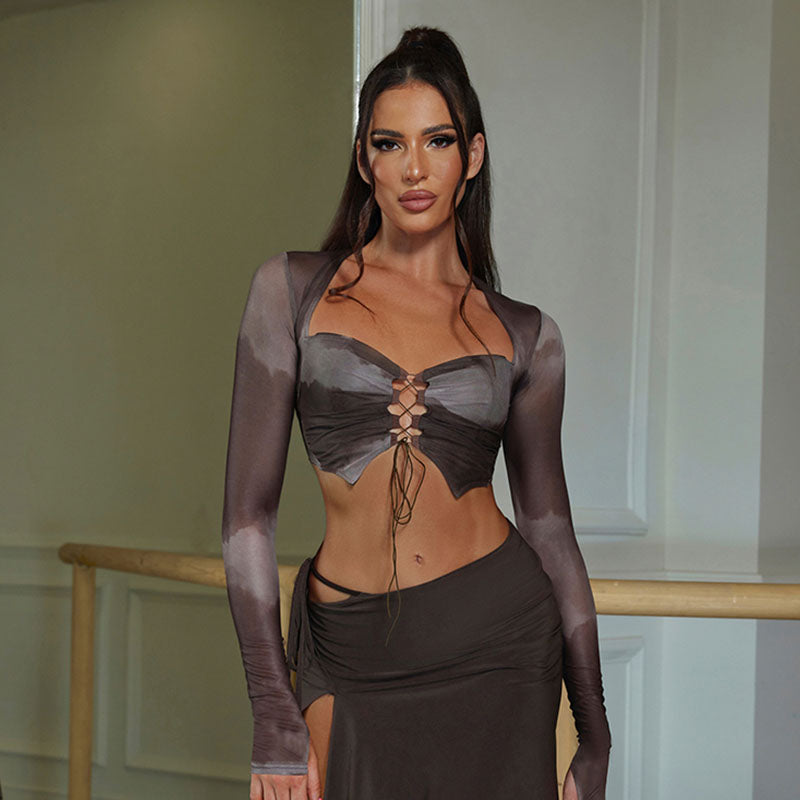
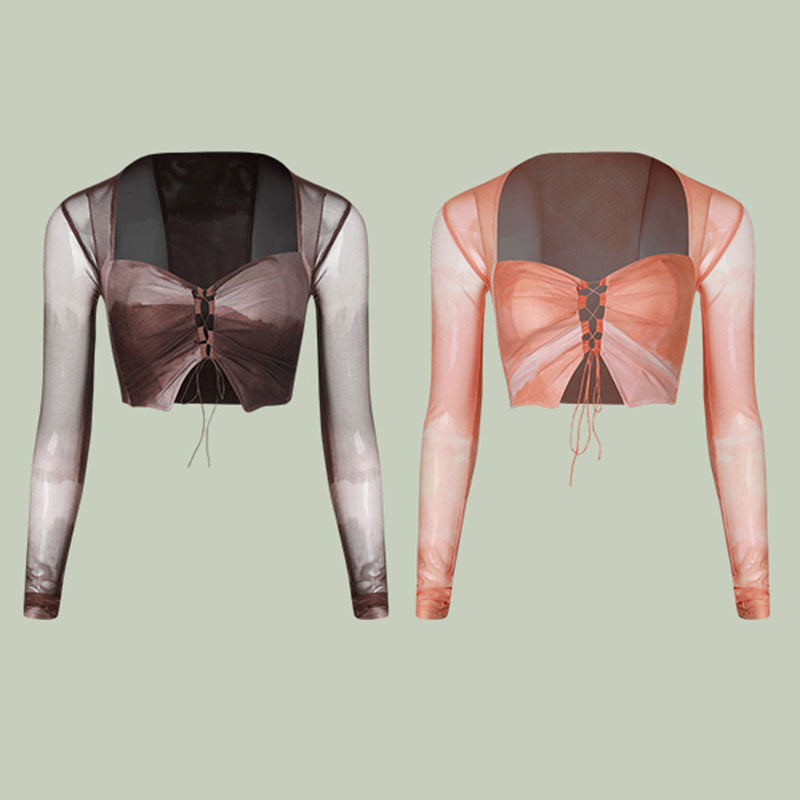
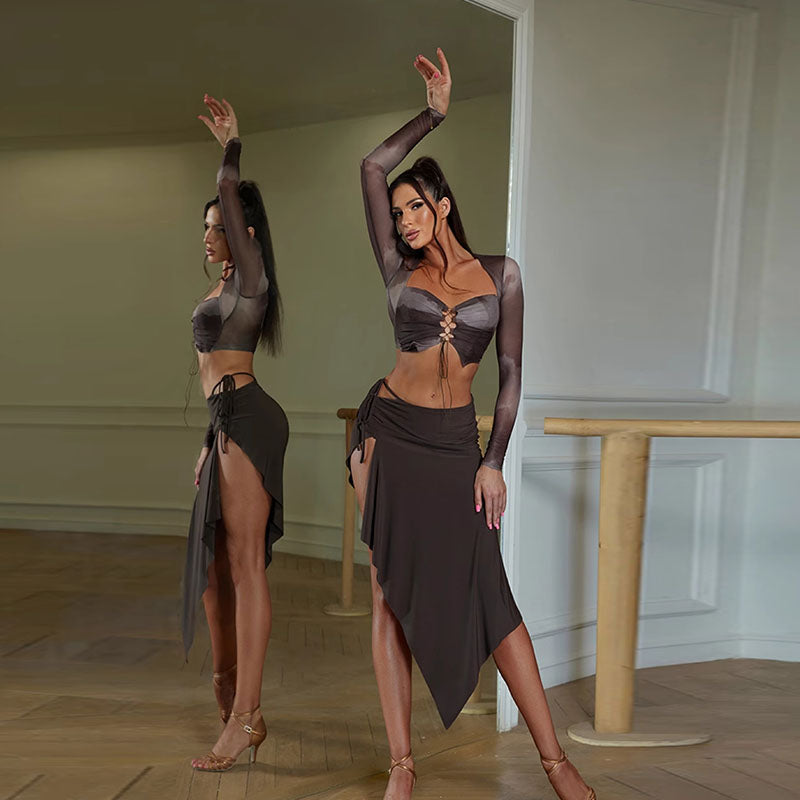
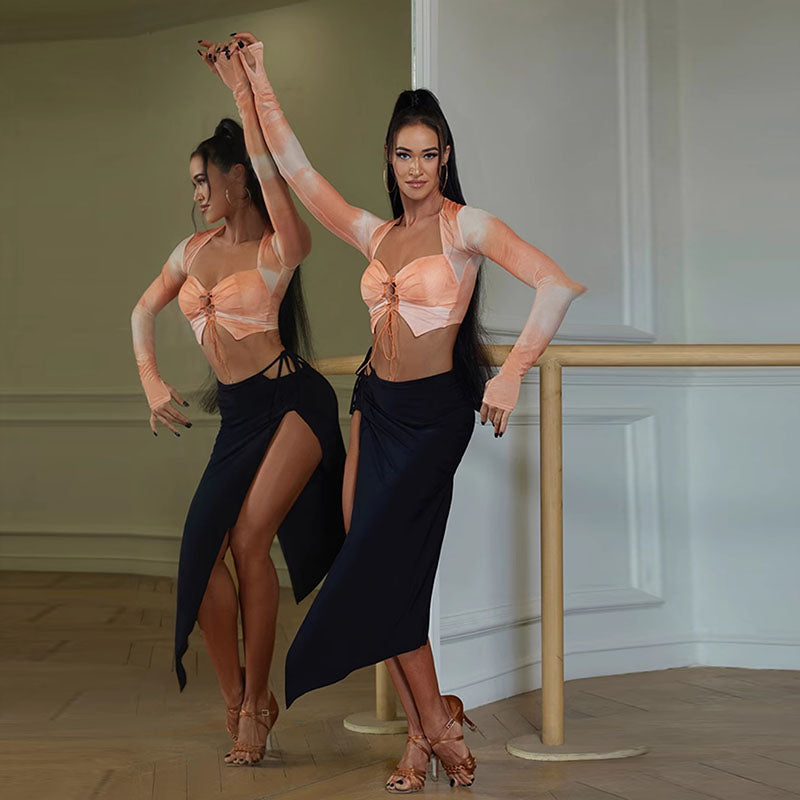
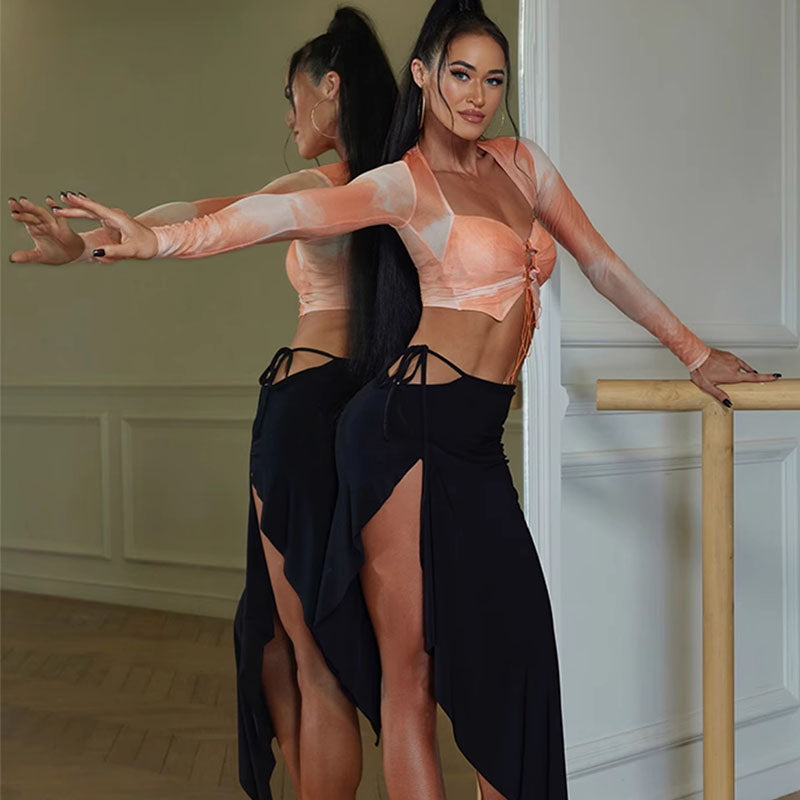
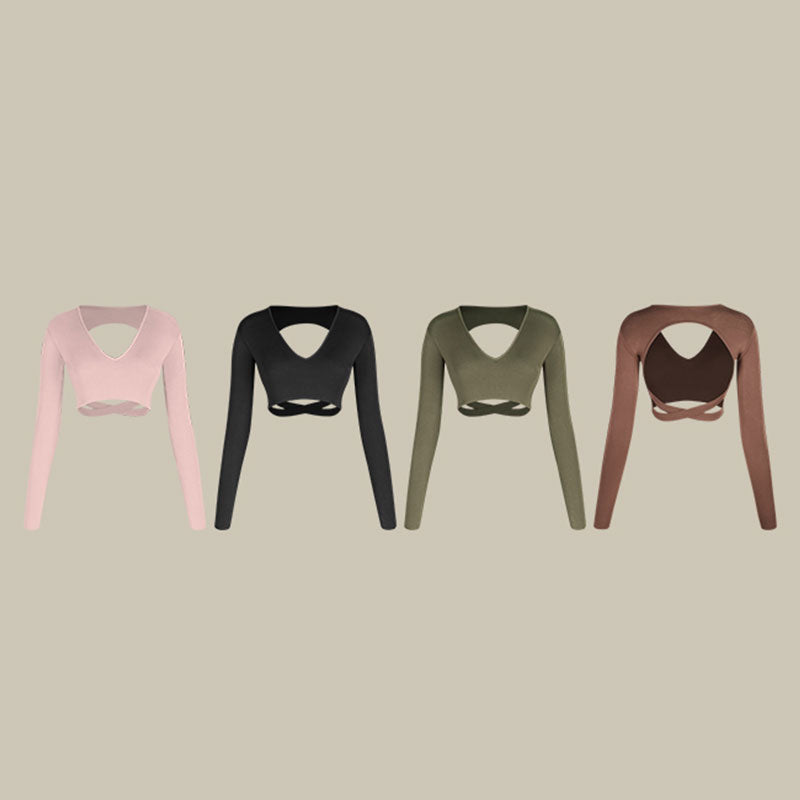
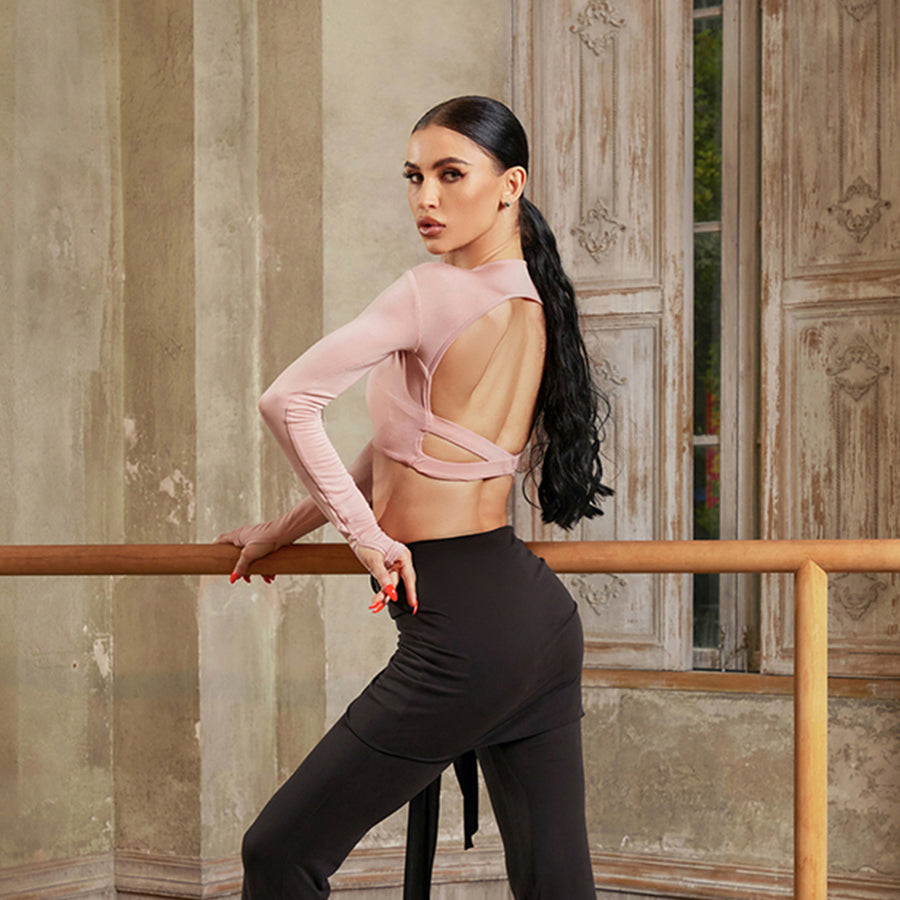
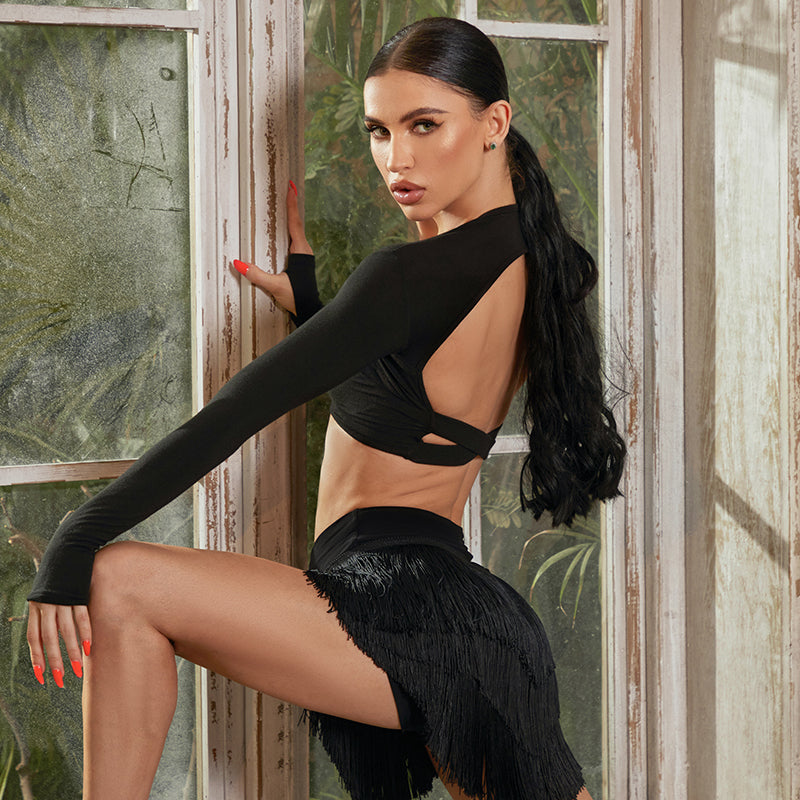
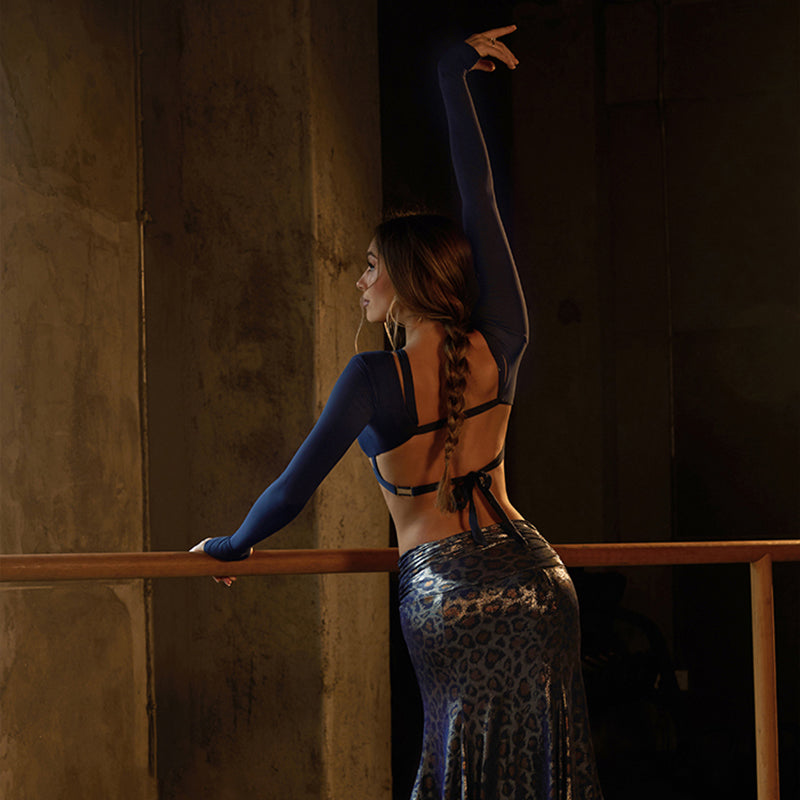
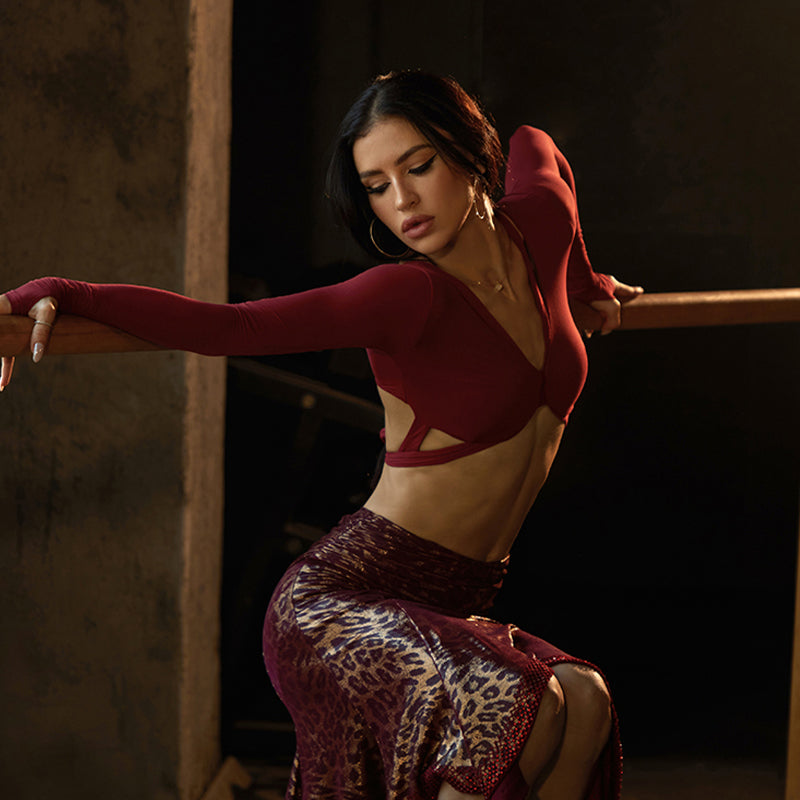
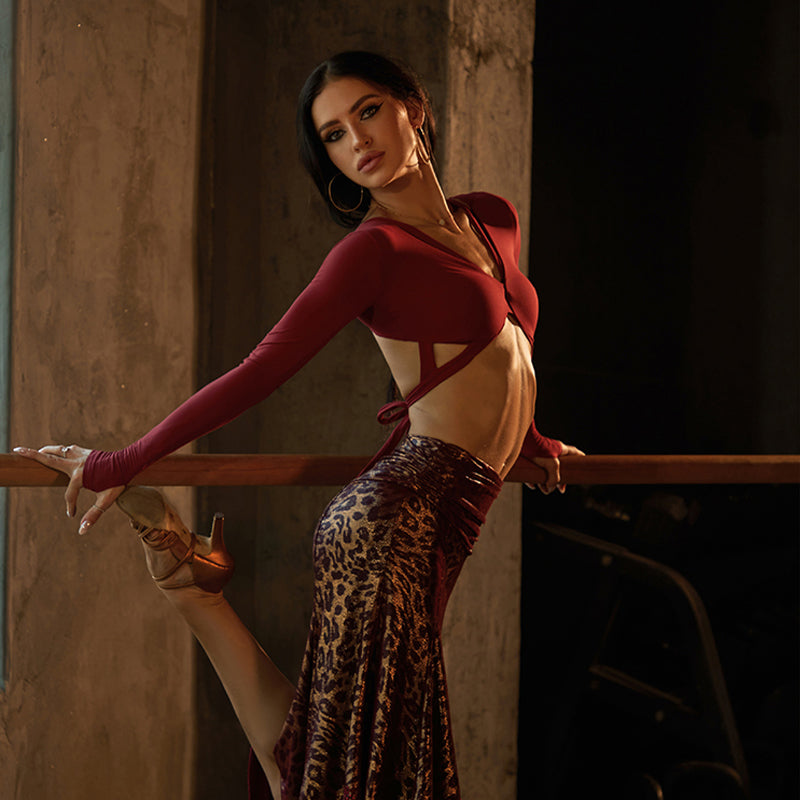
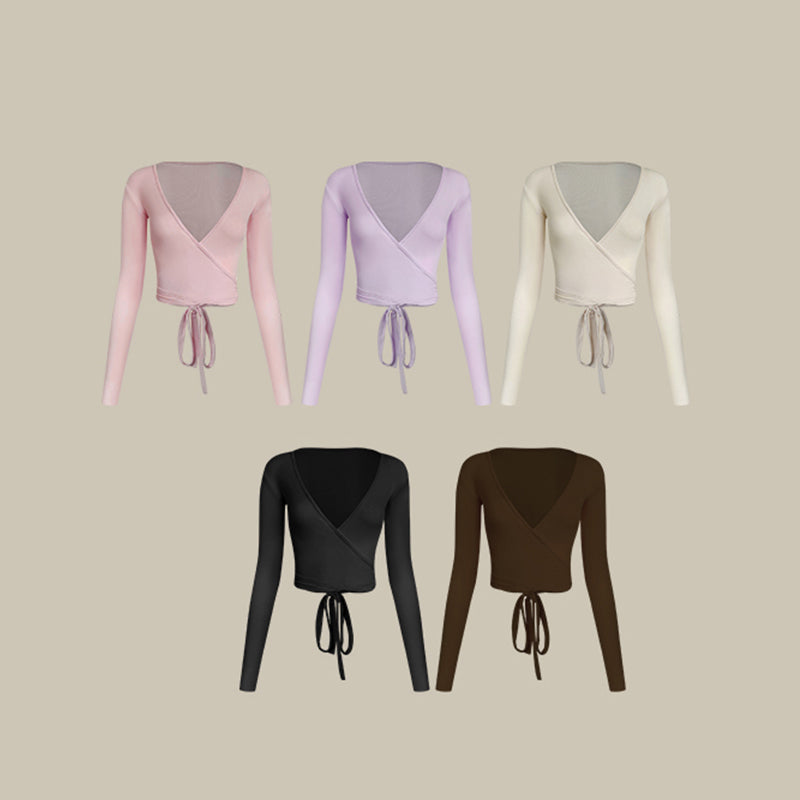
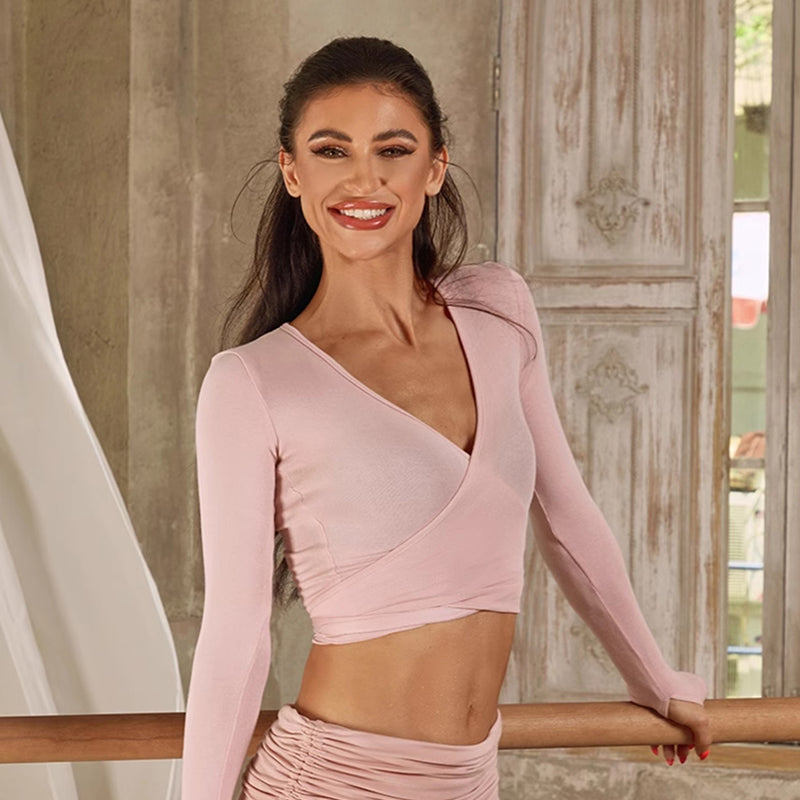
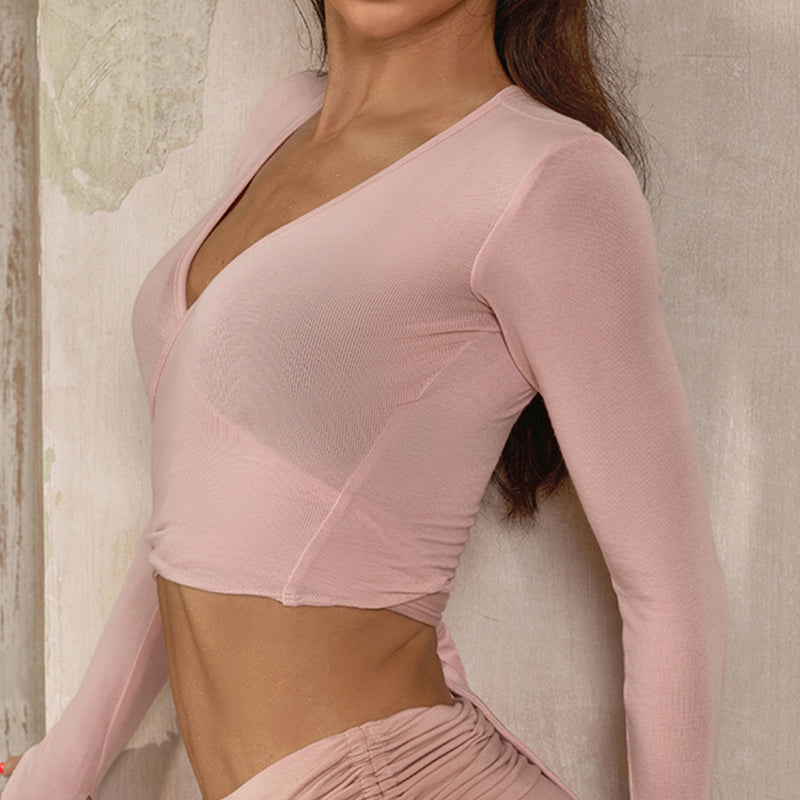
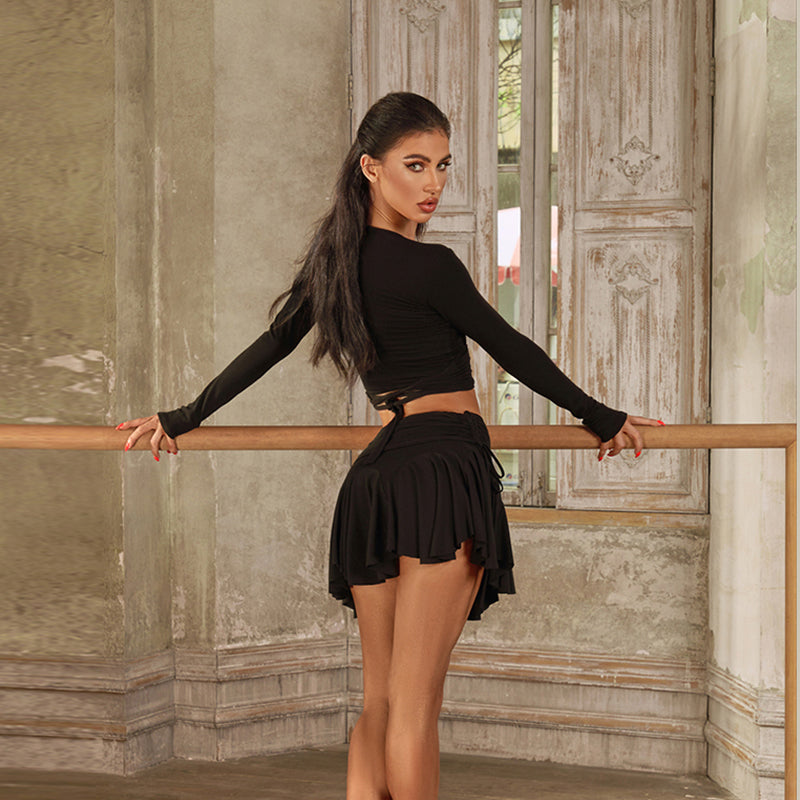
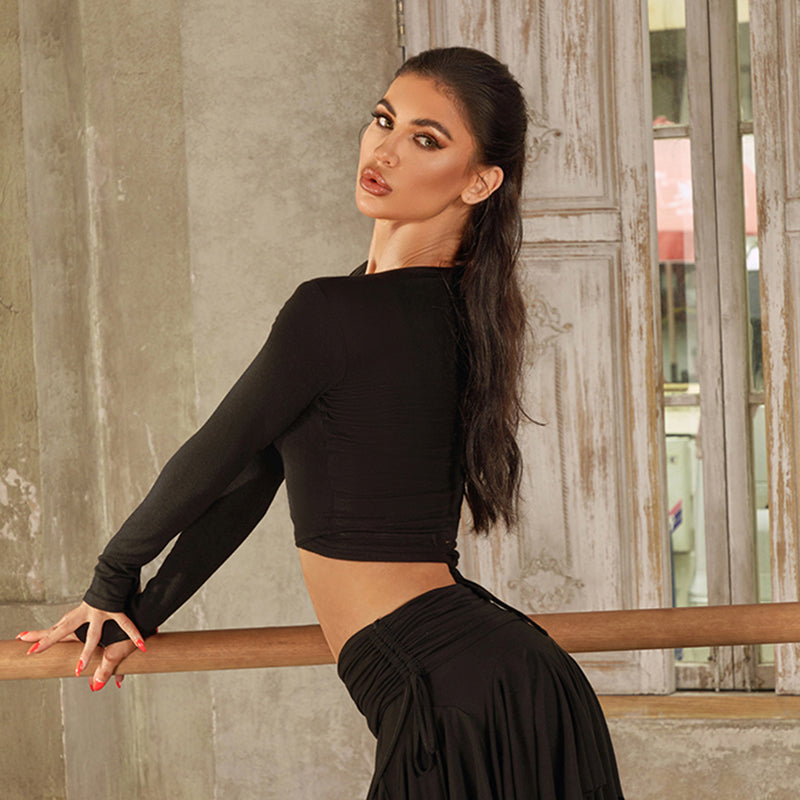
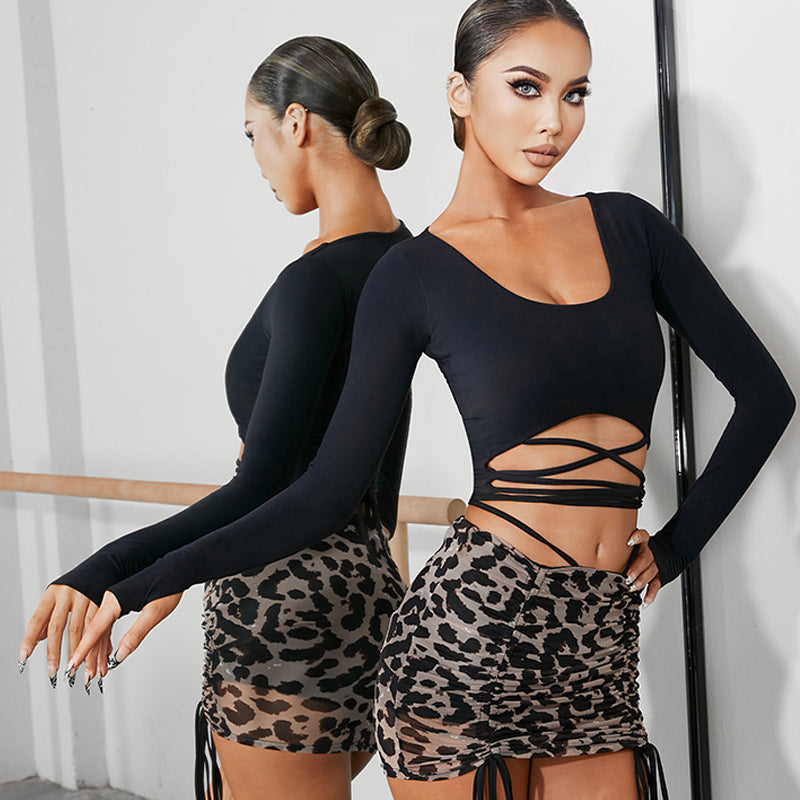
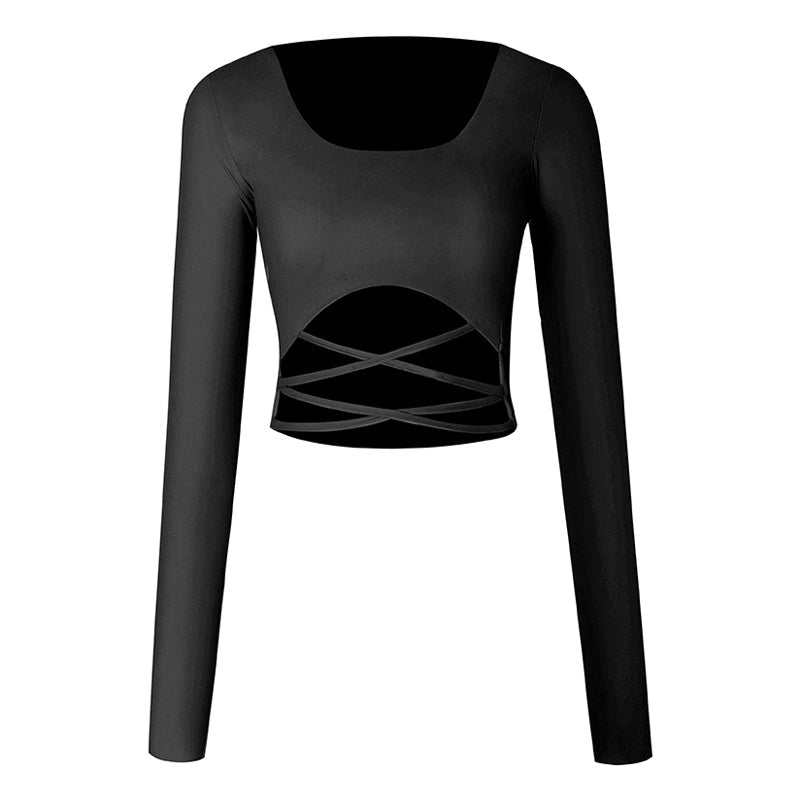
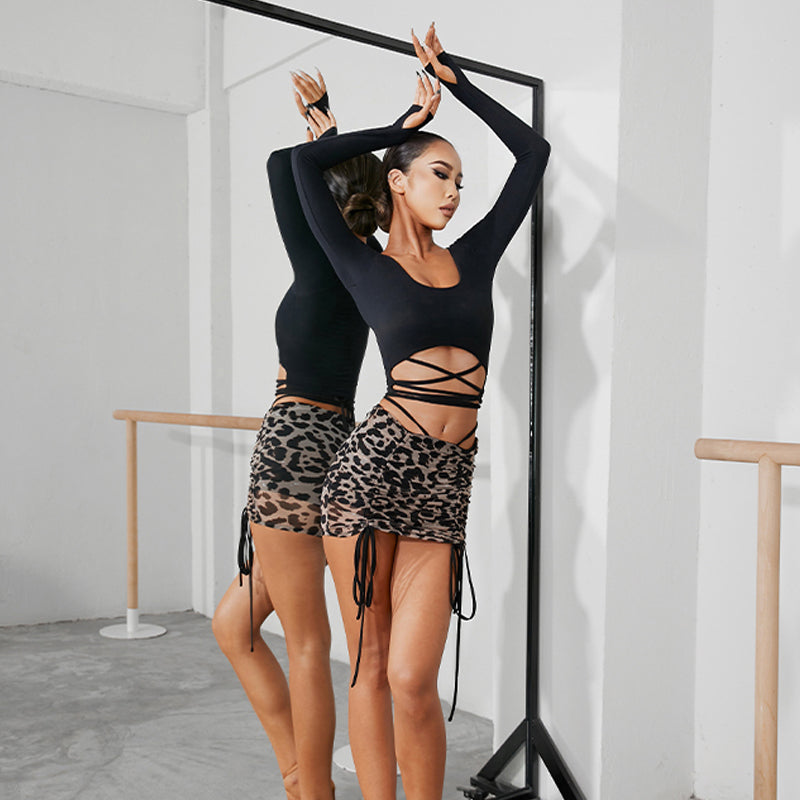
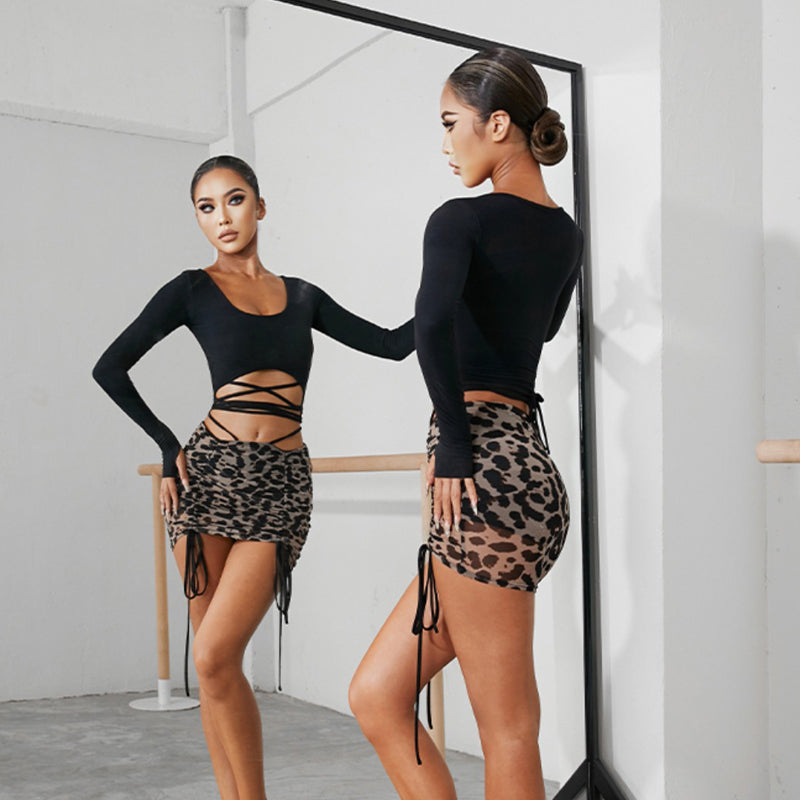
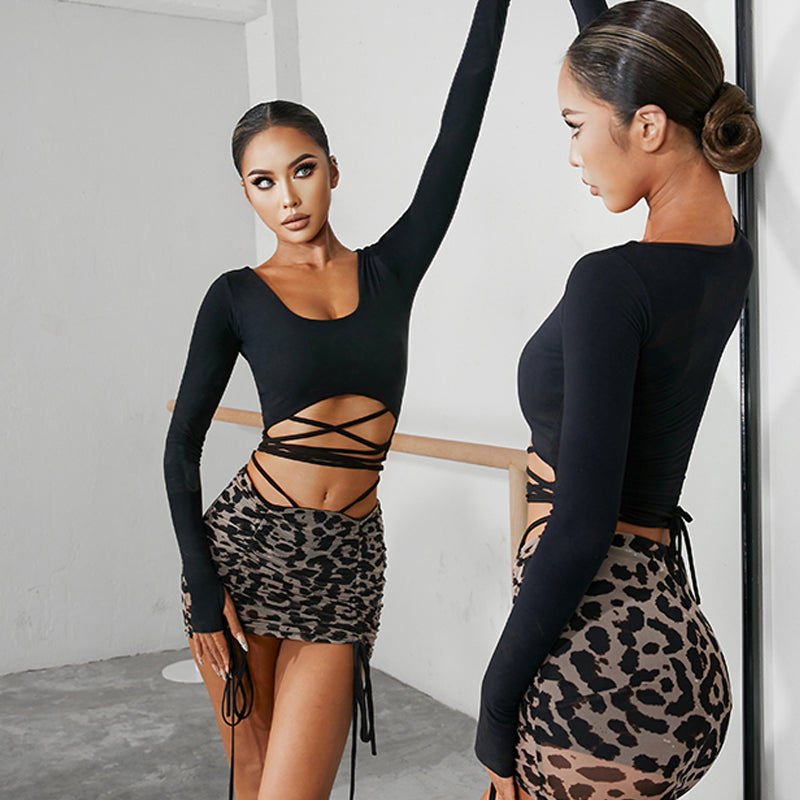
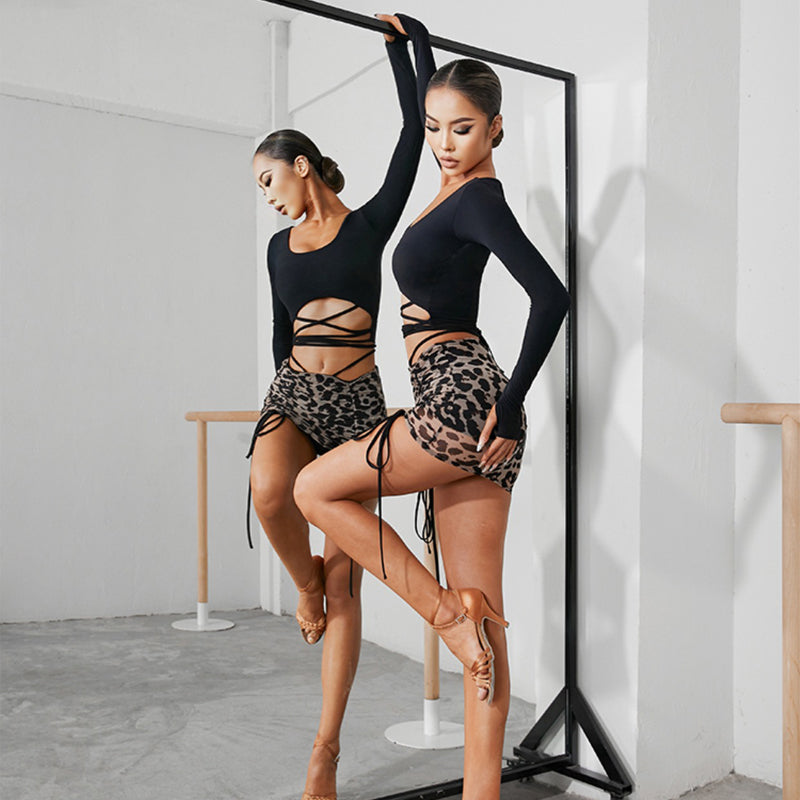
Long-sleeve dance tops are the quietly practical choice and get overlooked because they photograph as more formal. A mesh long sleeve keeps the arm line completely visible while covering it, weighs almost nothing and solves a cold hall in January without a cardigan you then have to take off. Solid long sleeves add warmth and a cleaner line for anyone who prefers the arms covered outright.
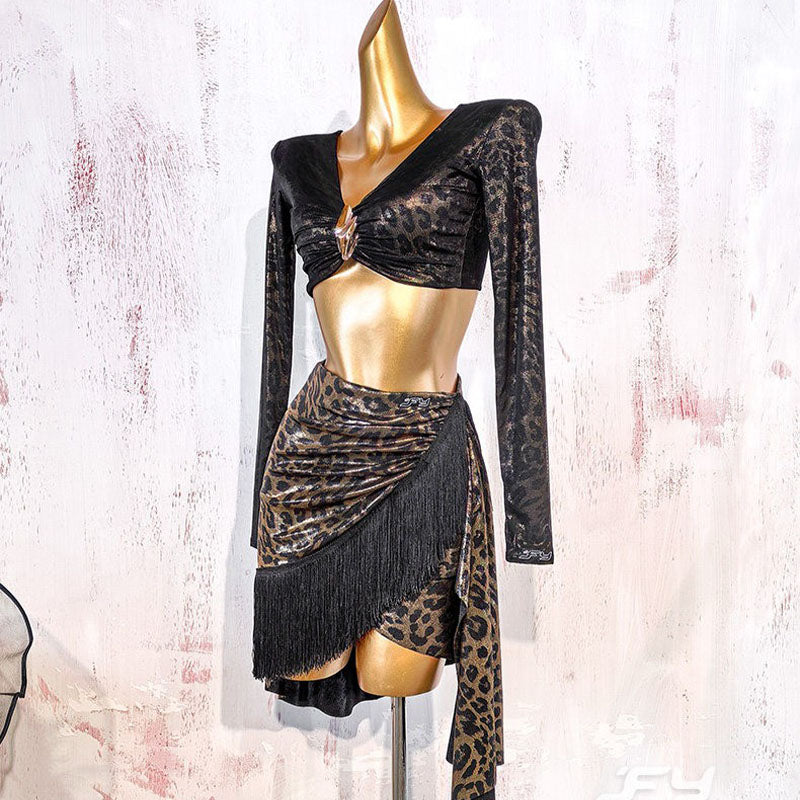
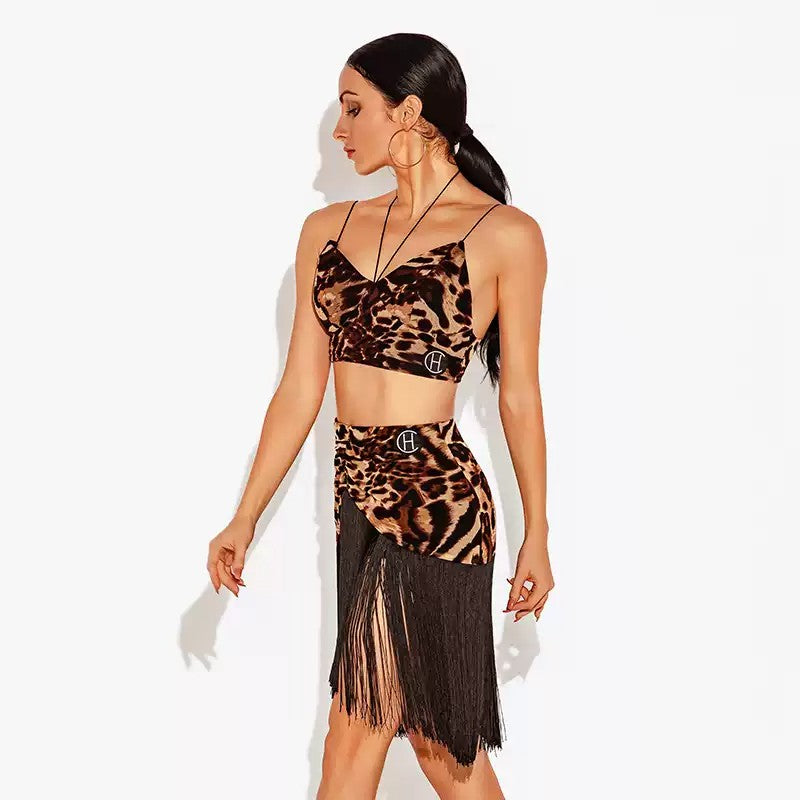
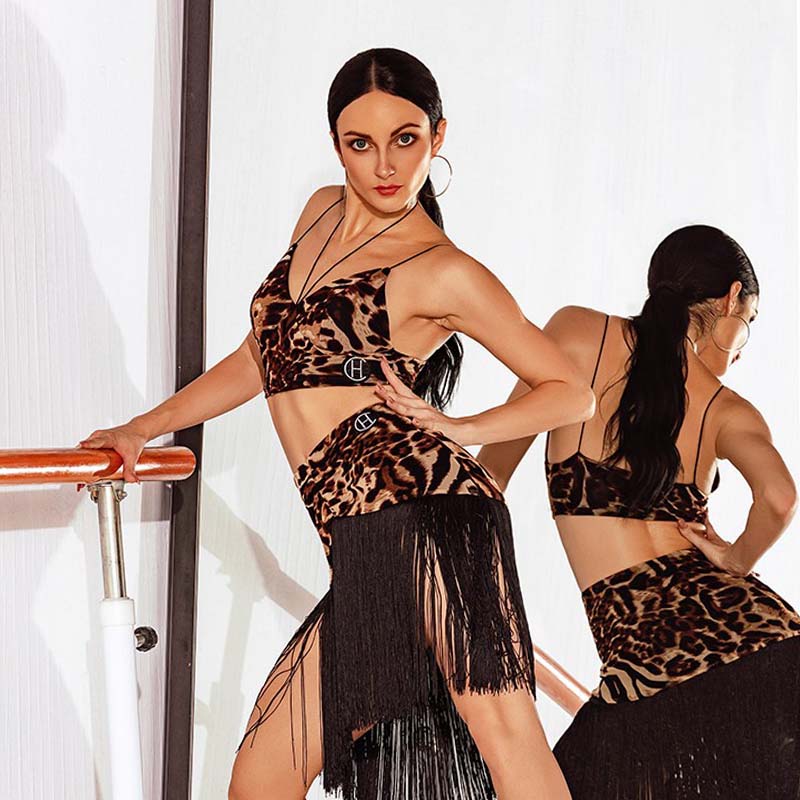
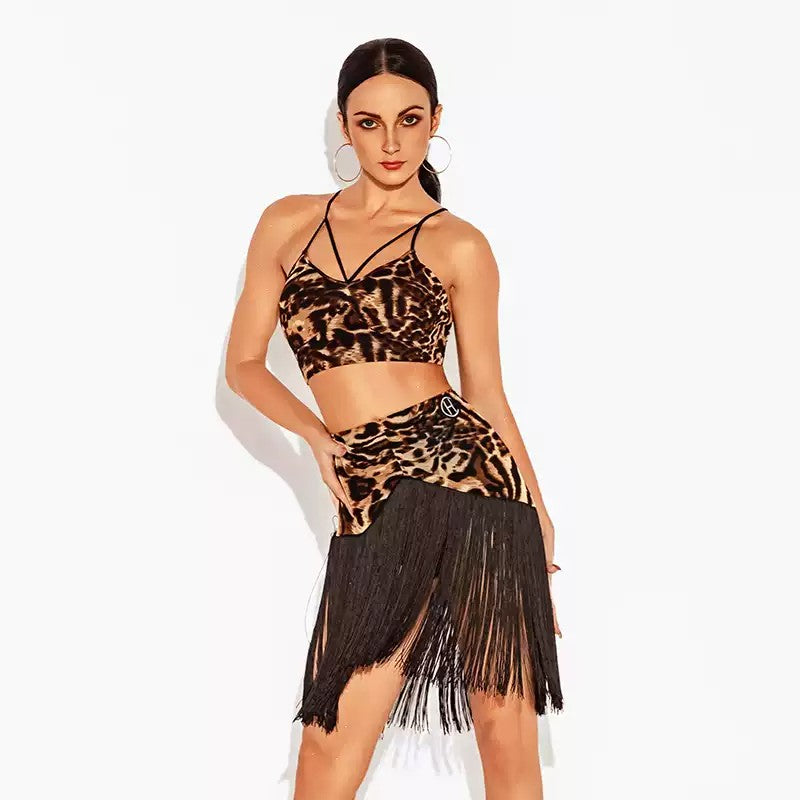
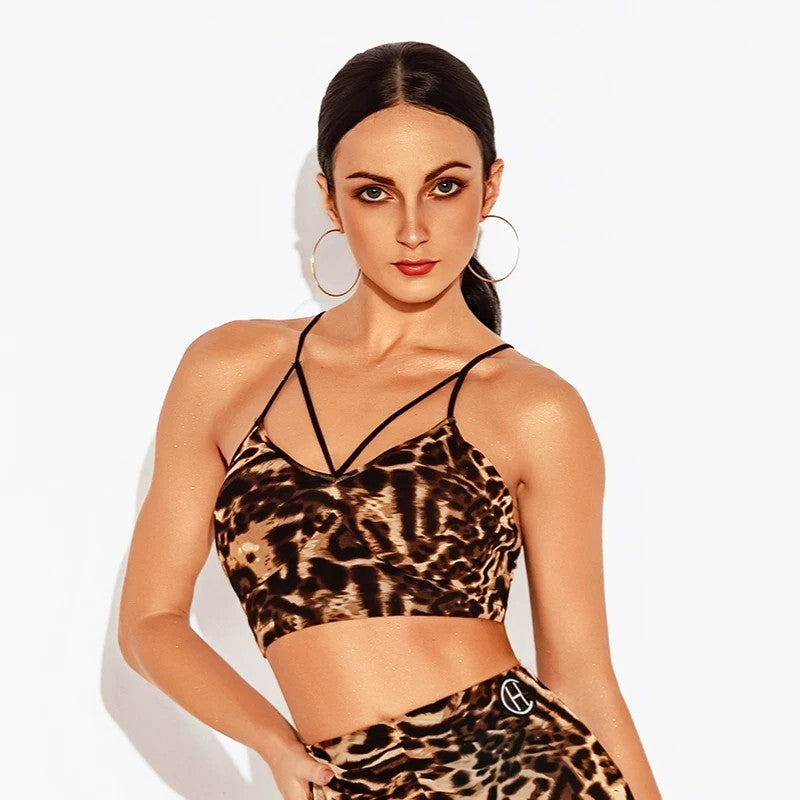
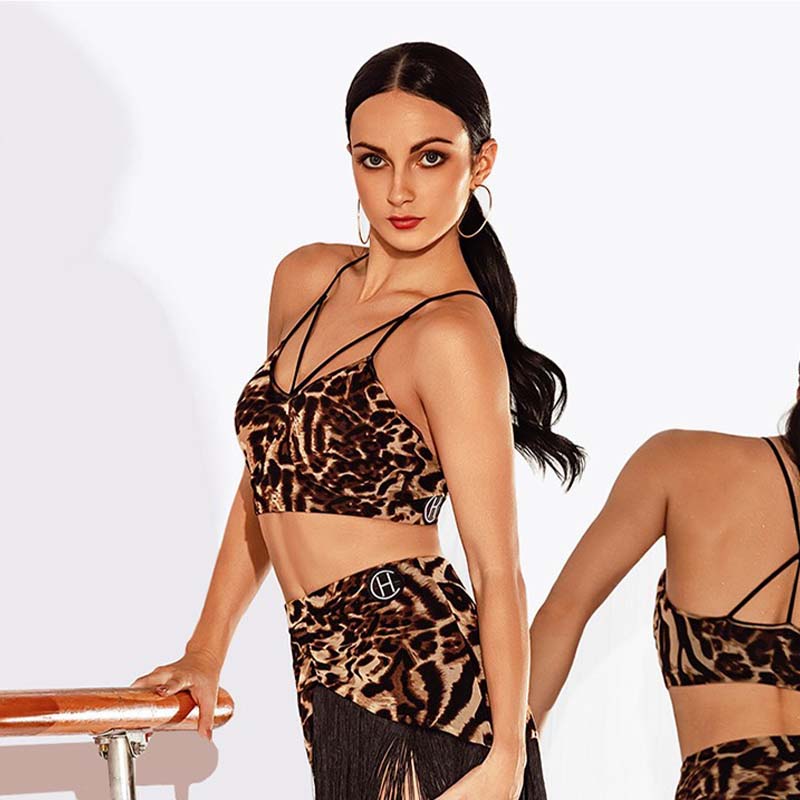
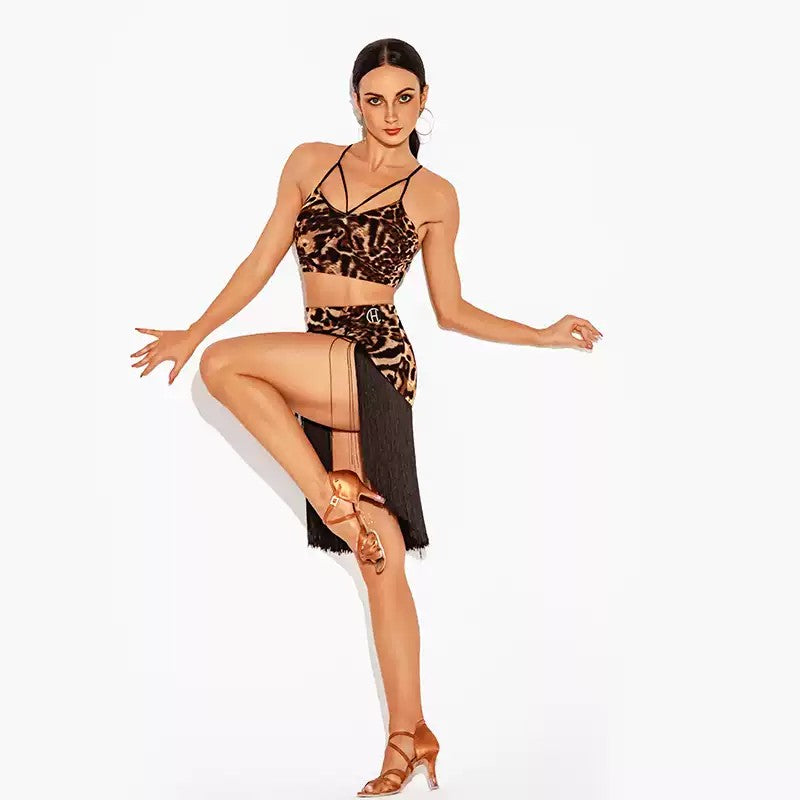
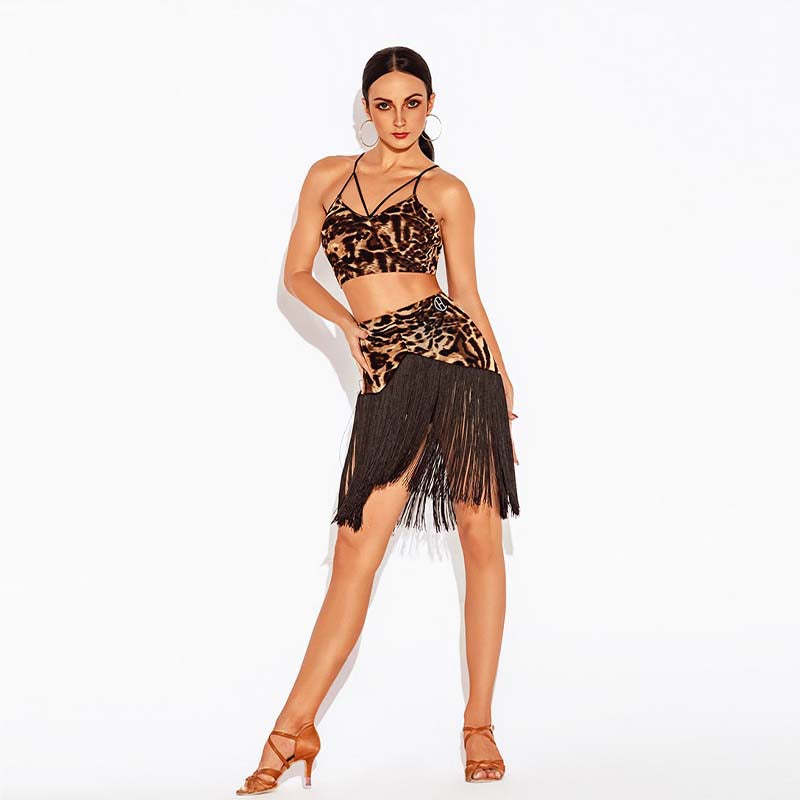
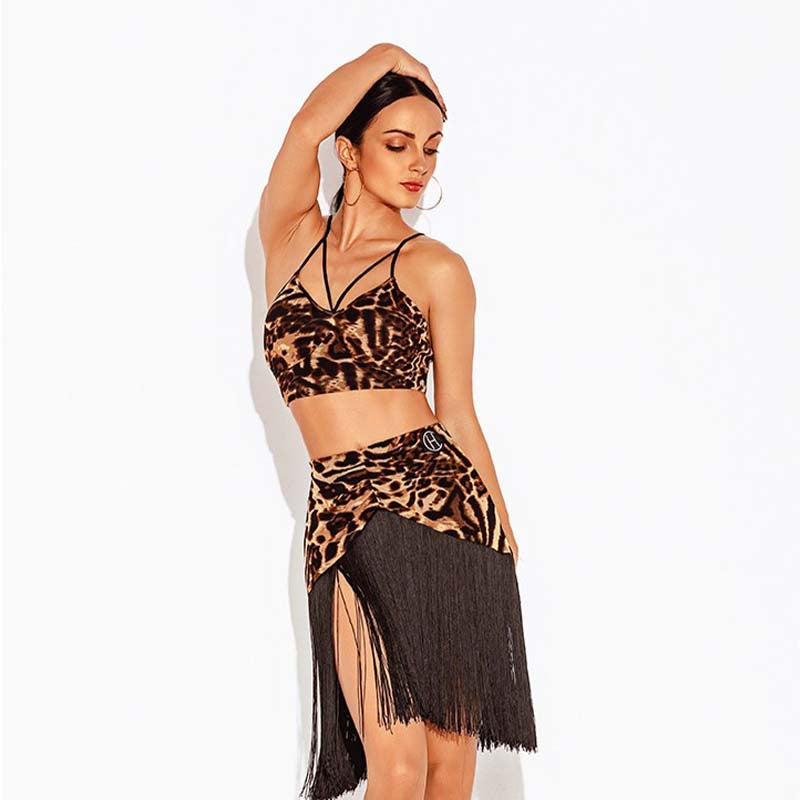
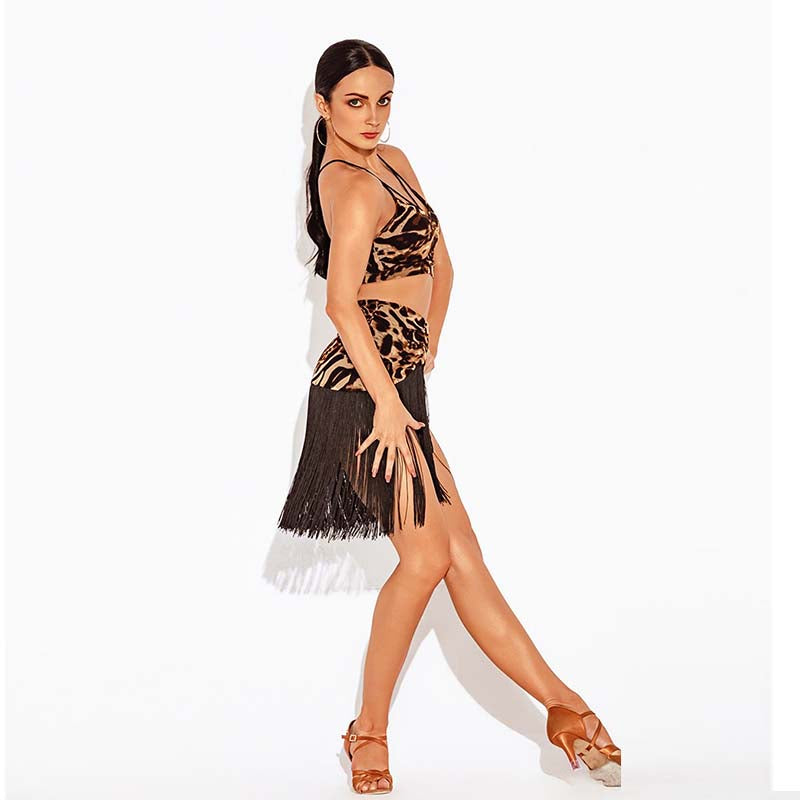
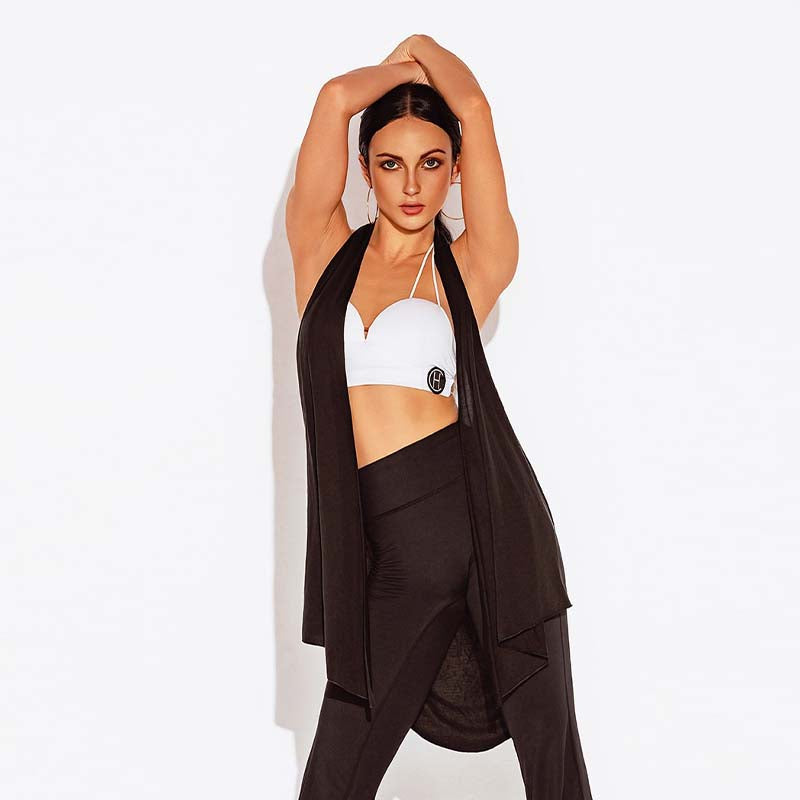
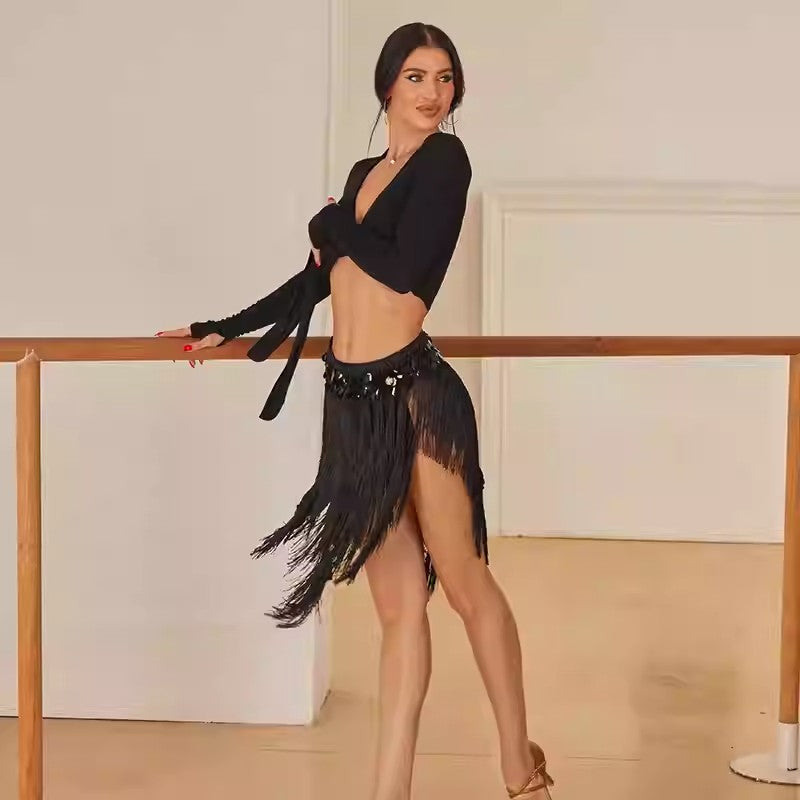
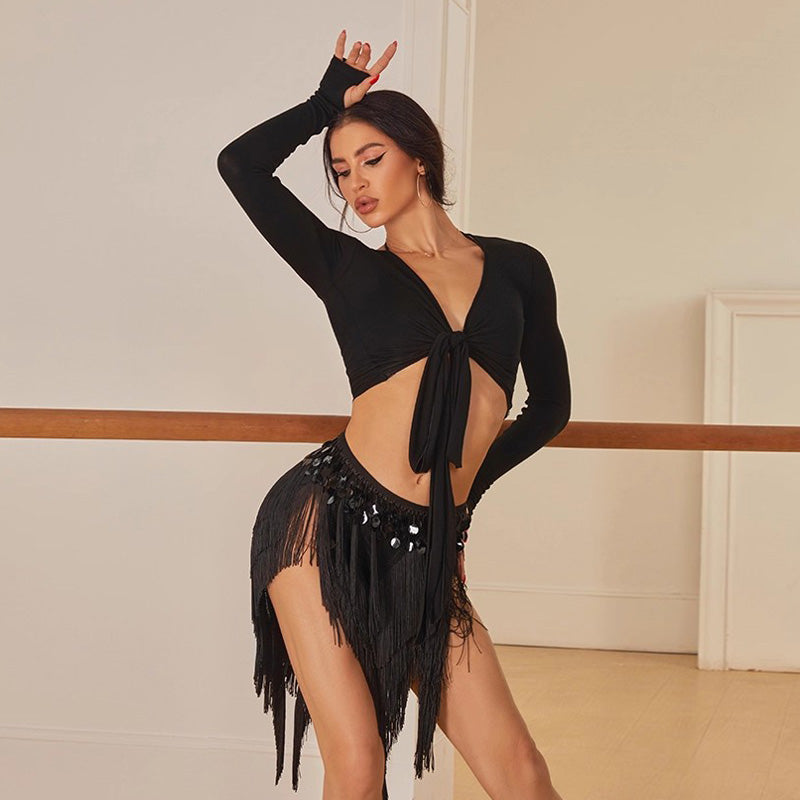
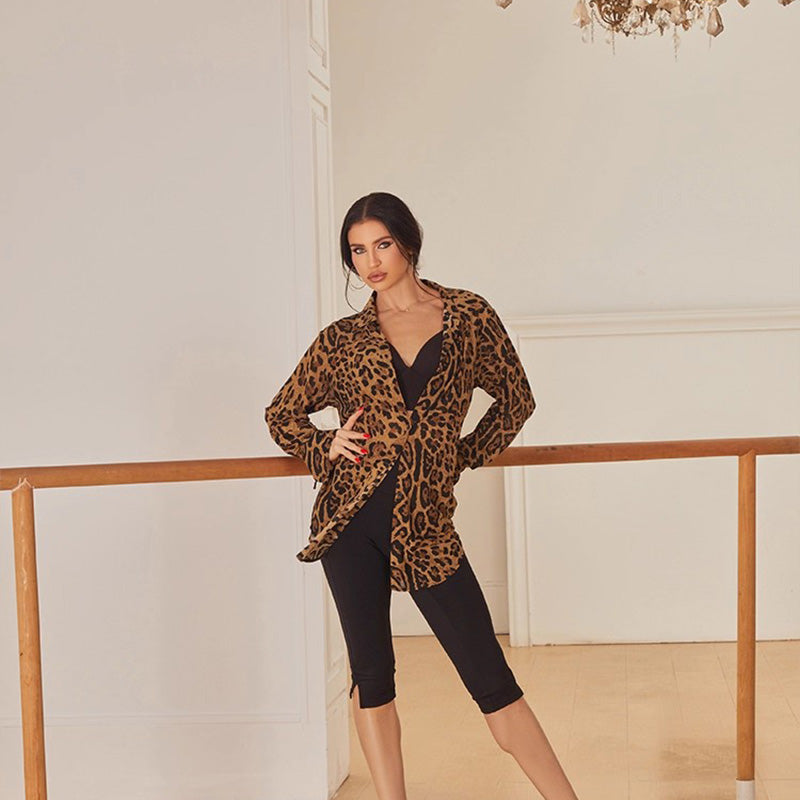
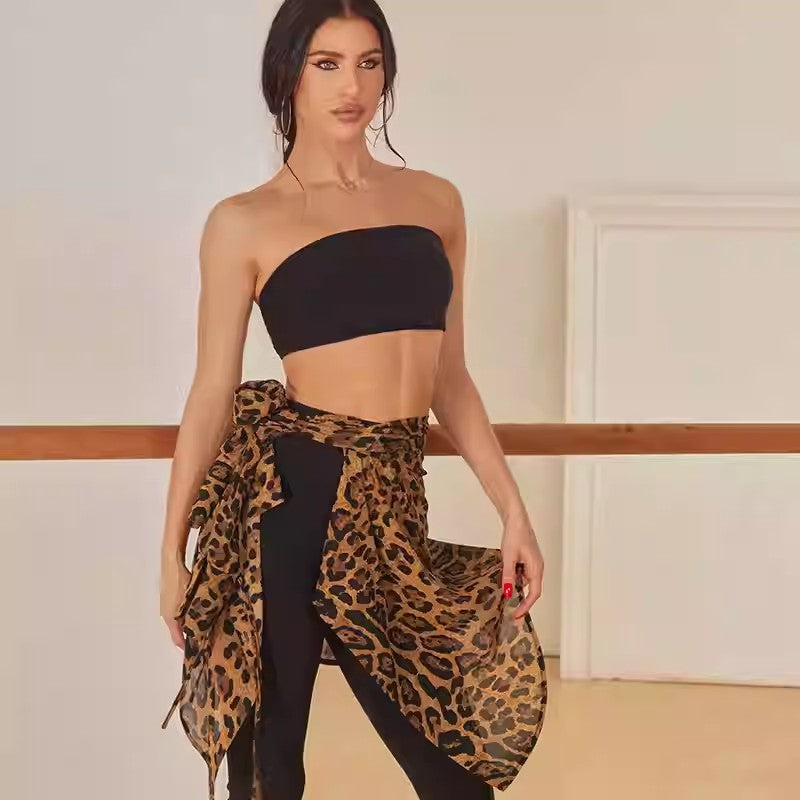
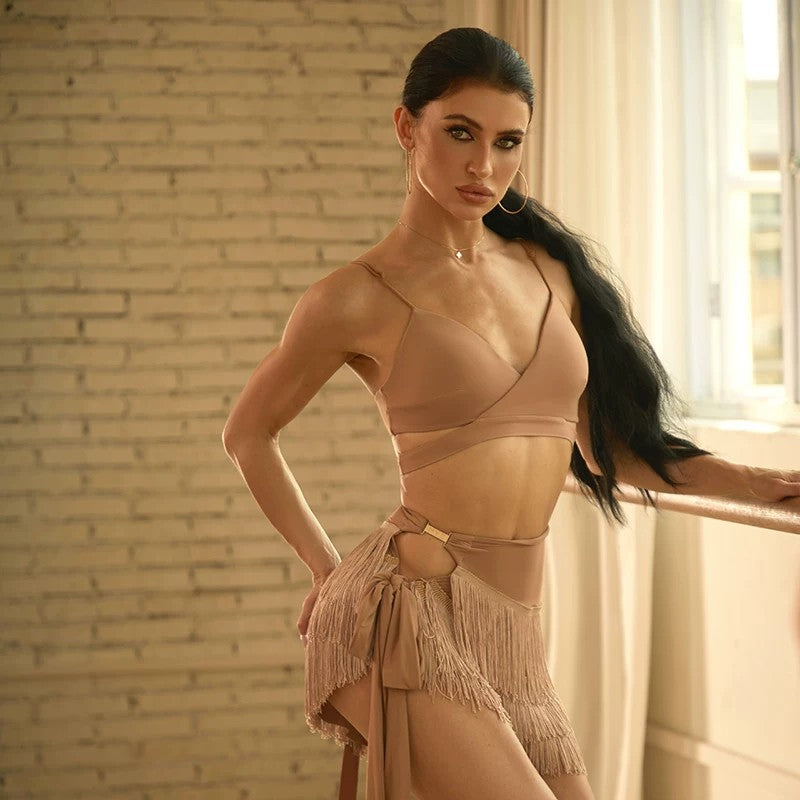
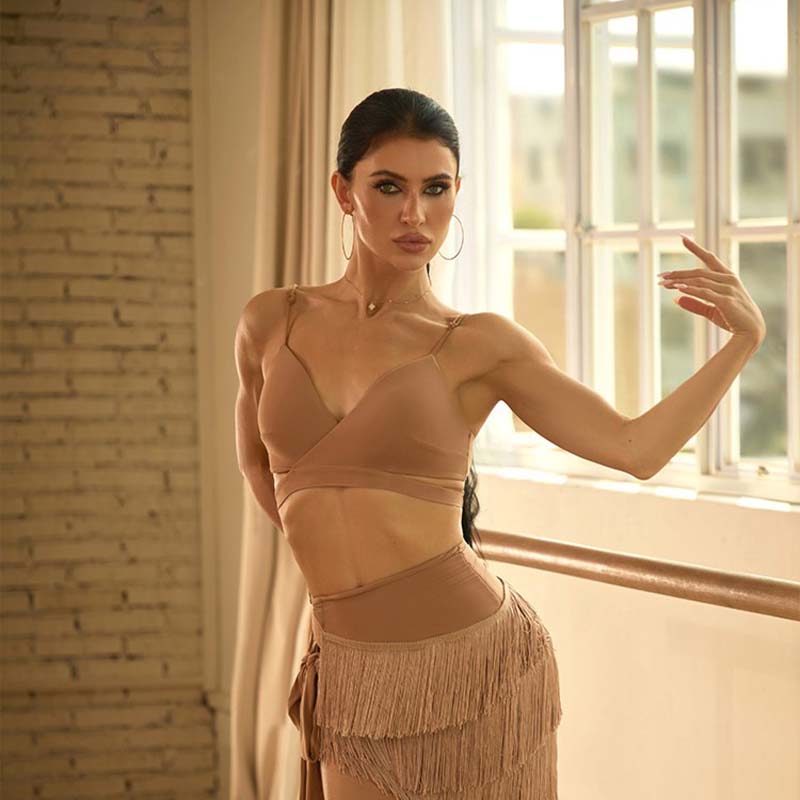
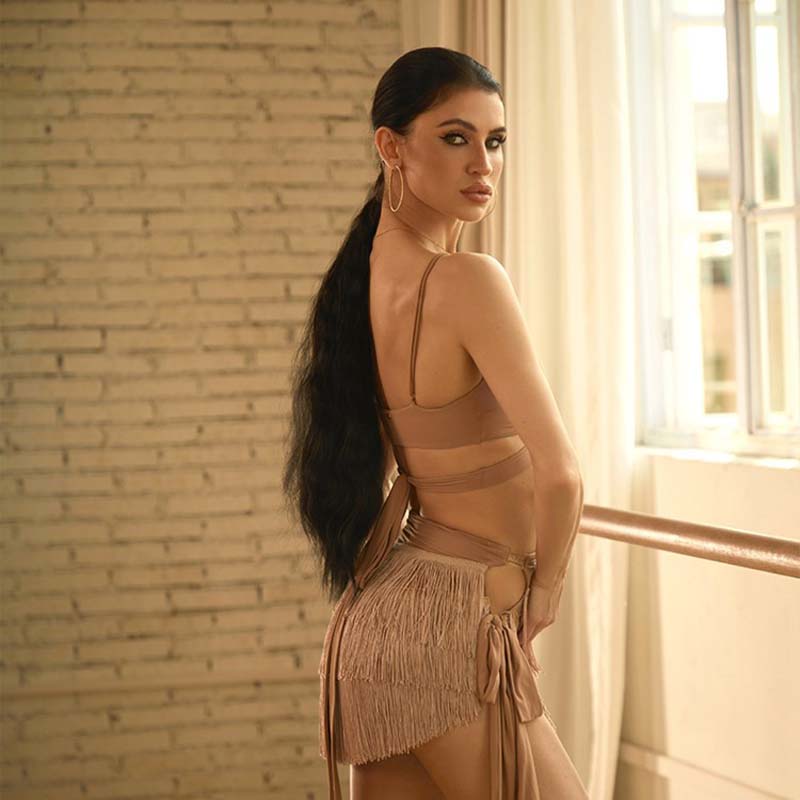
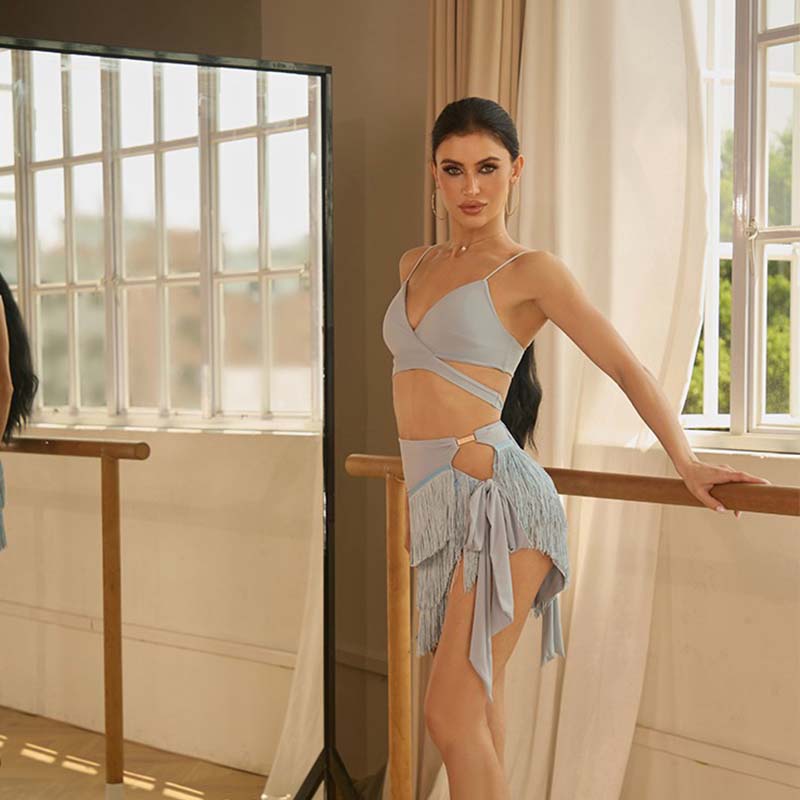
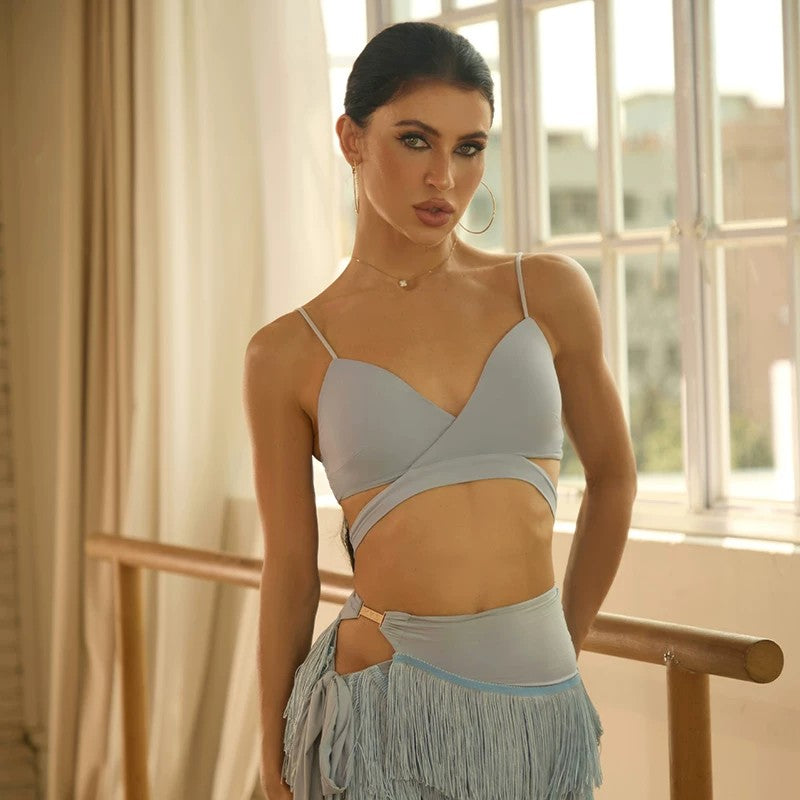
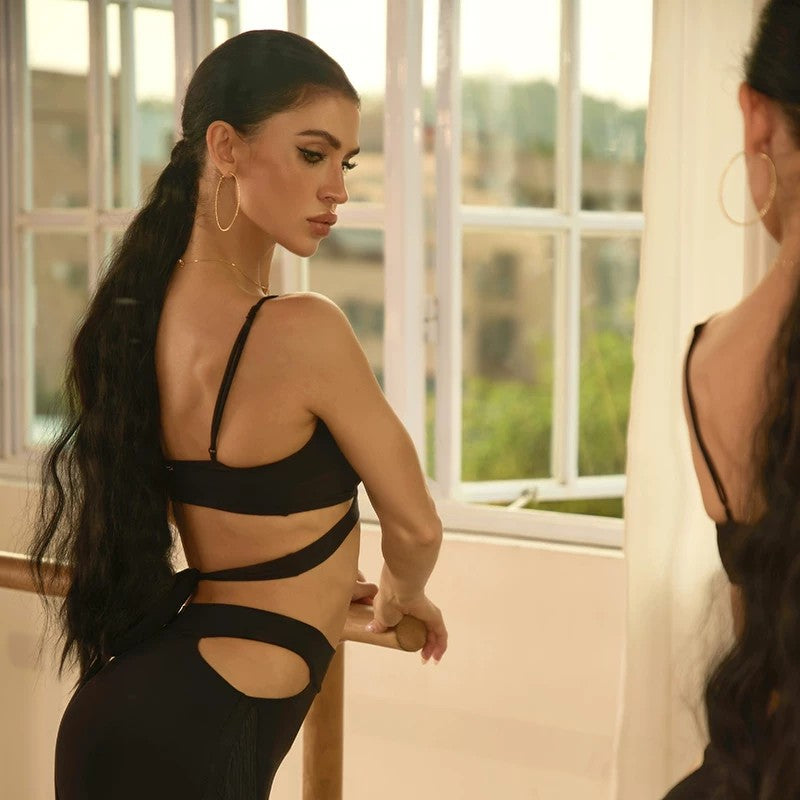
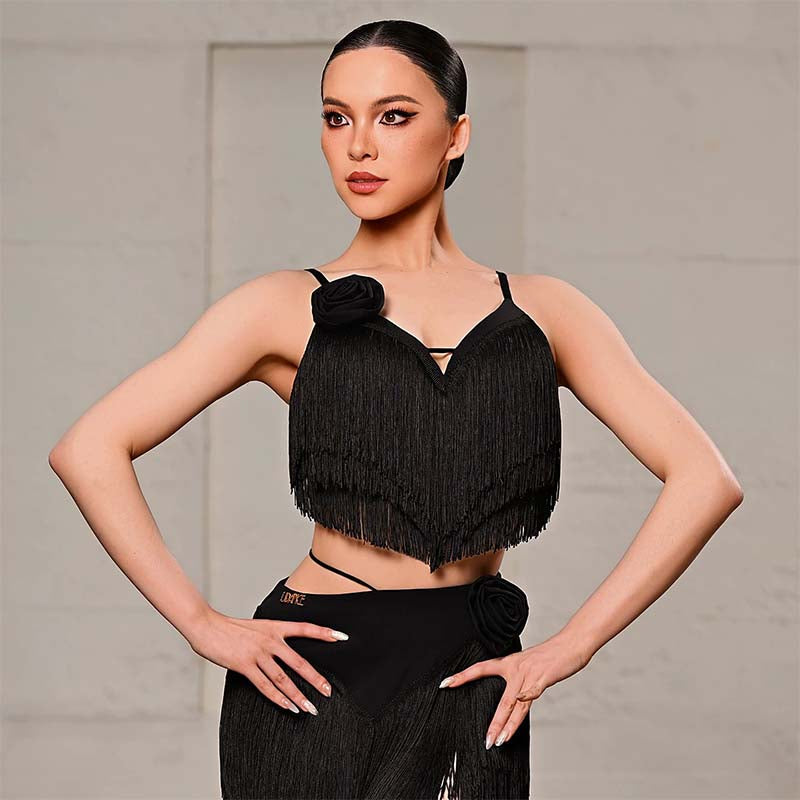
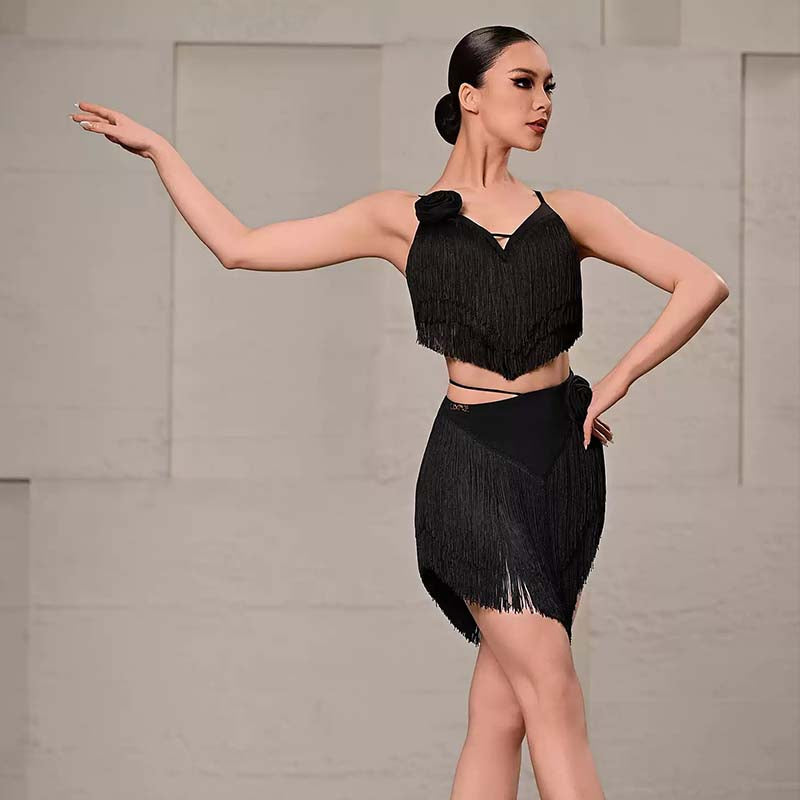
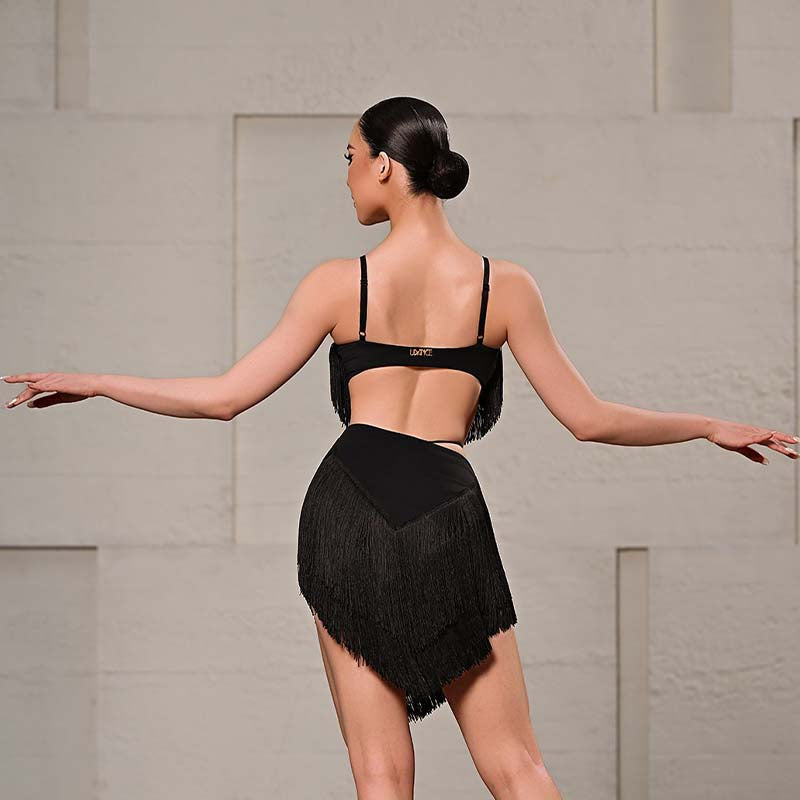
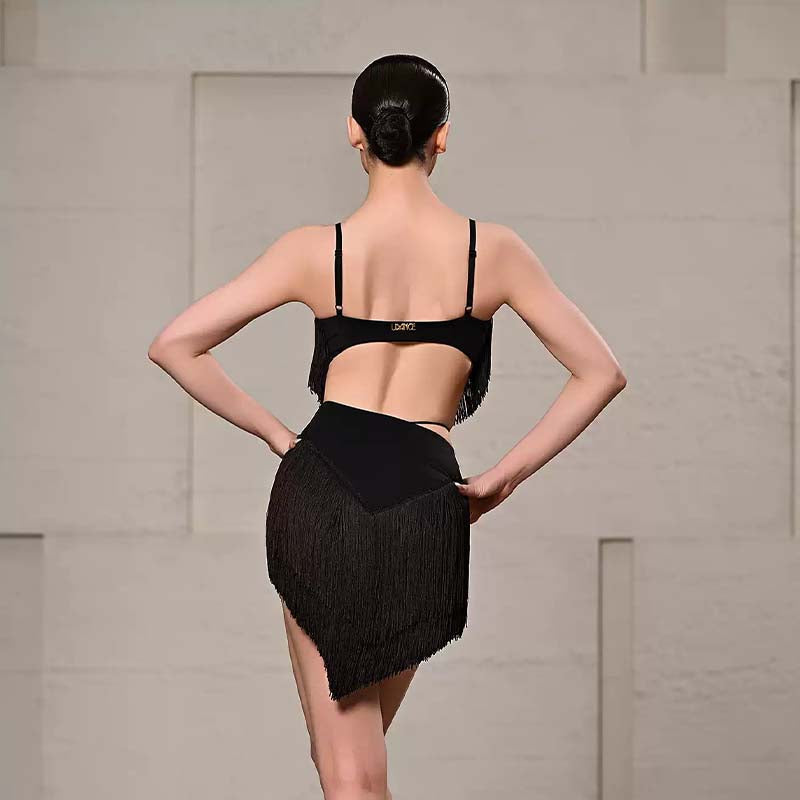
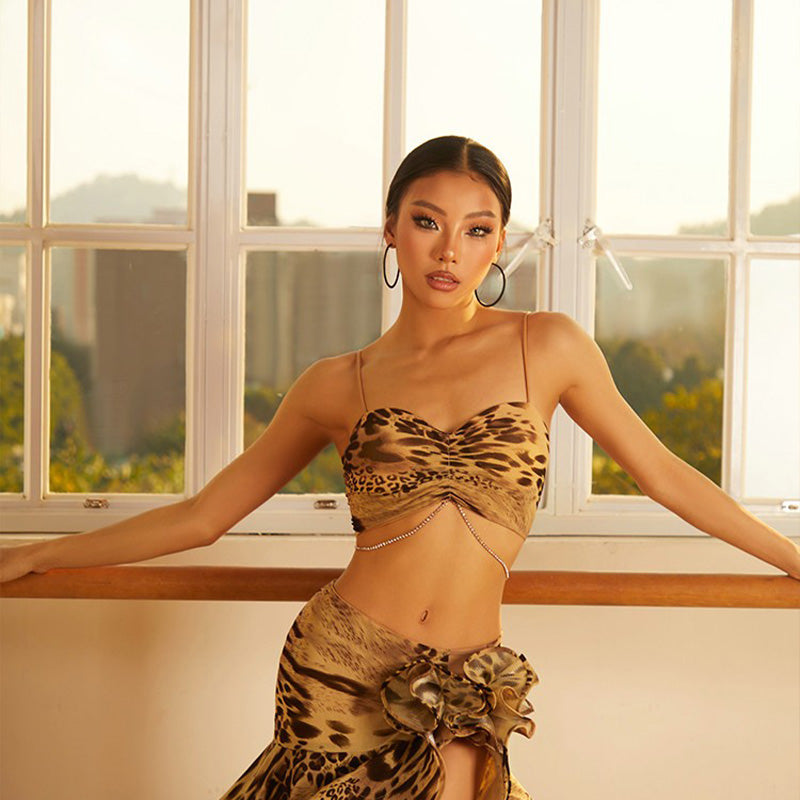
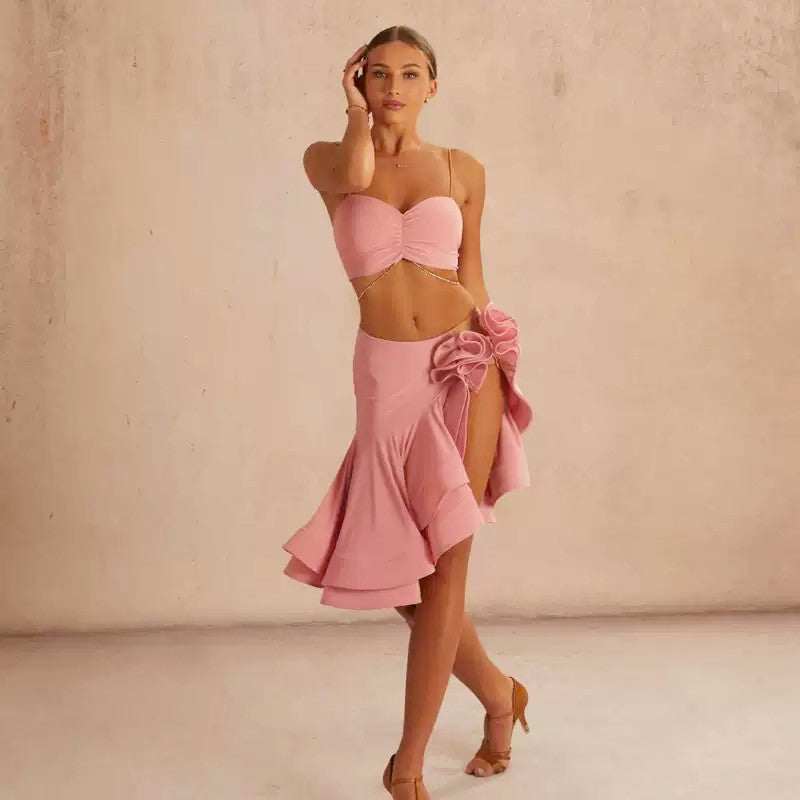
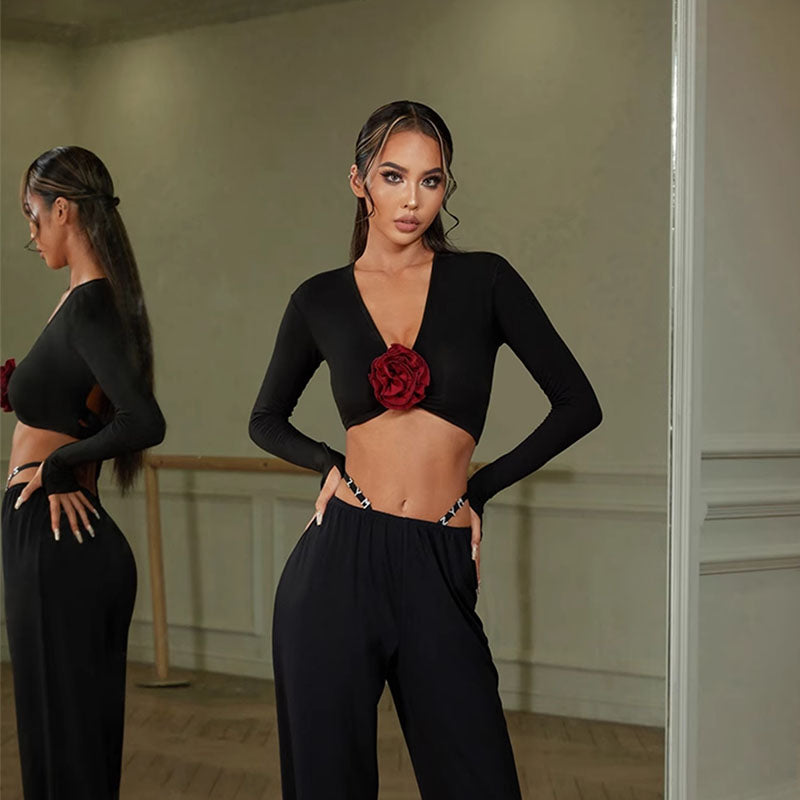
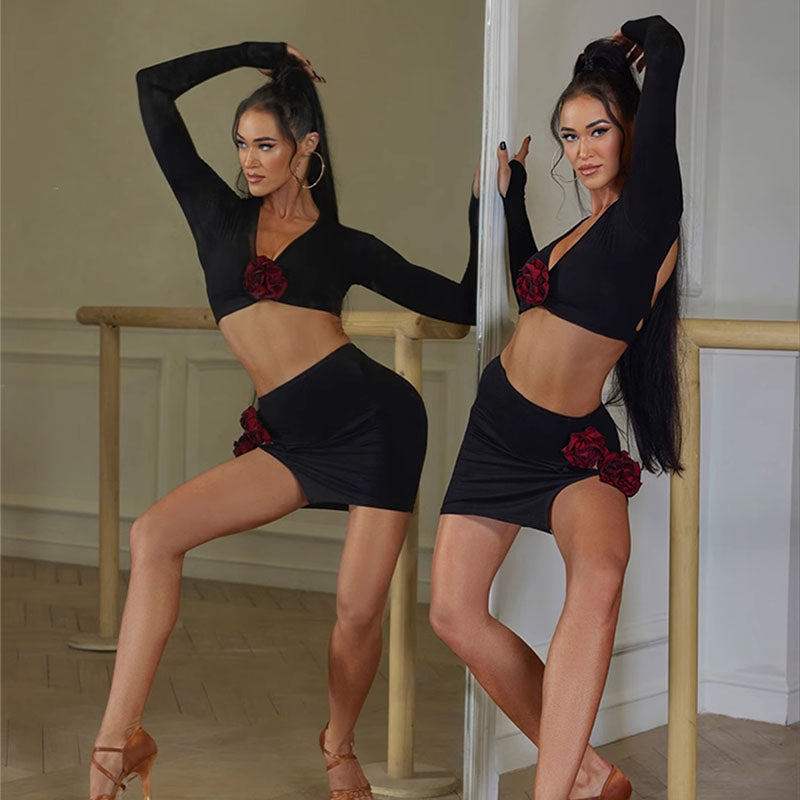
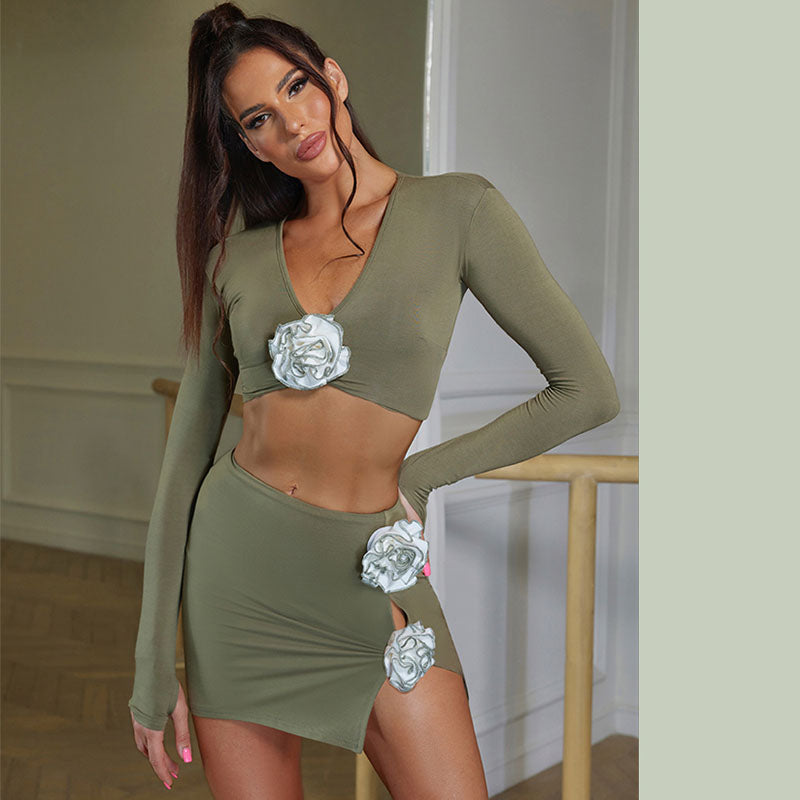
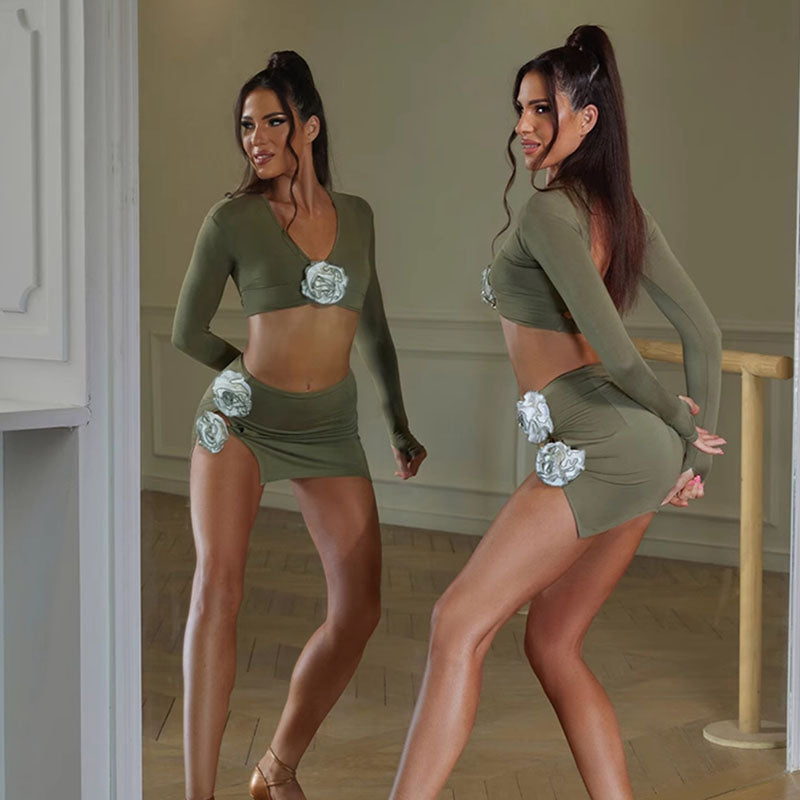
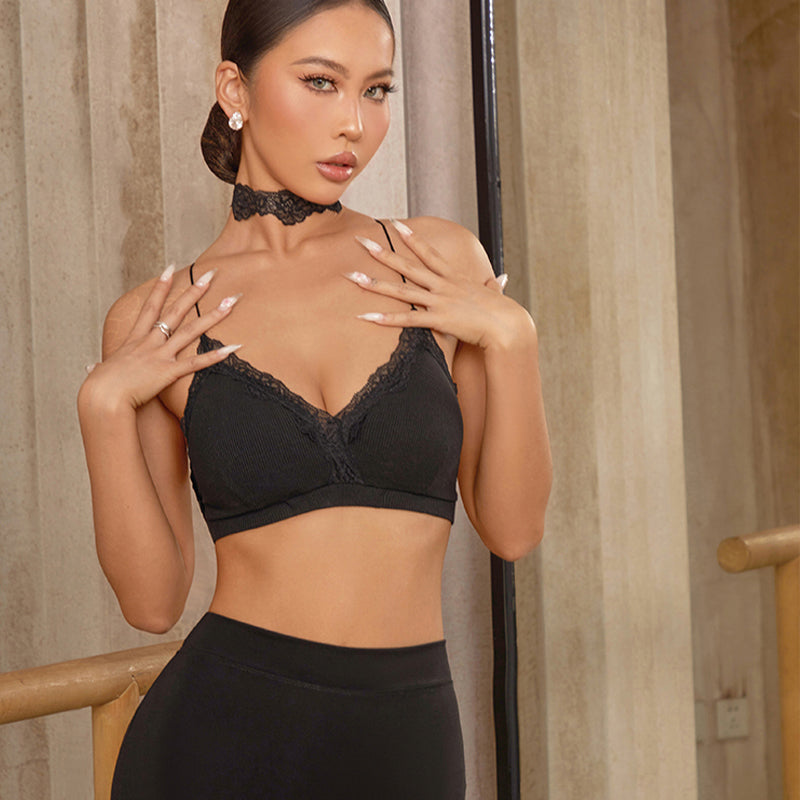
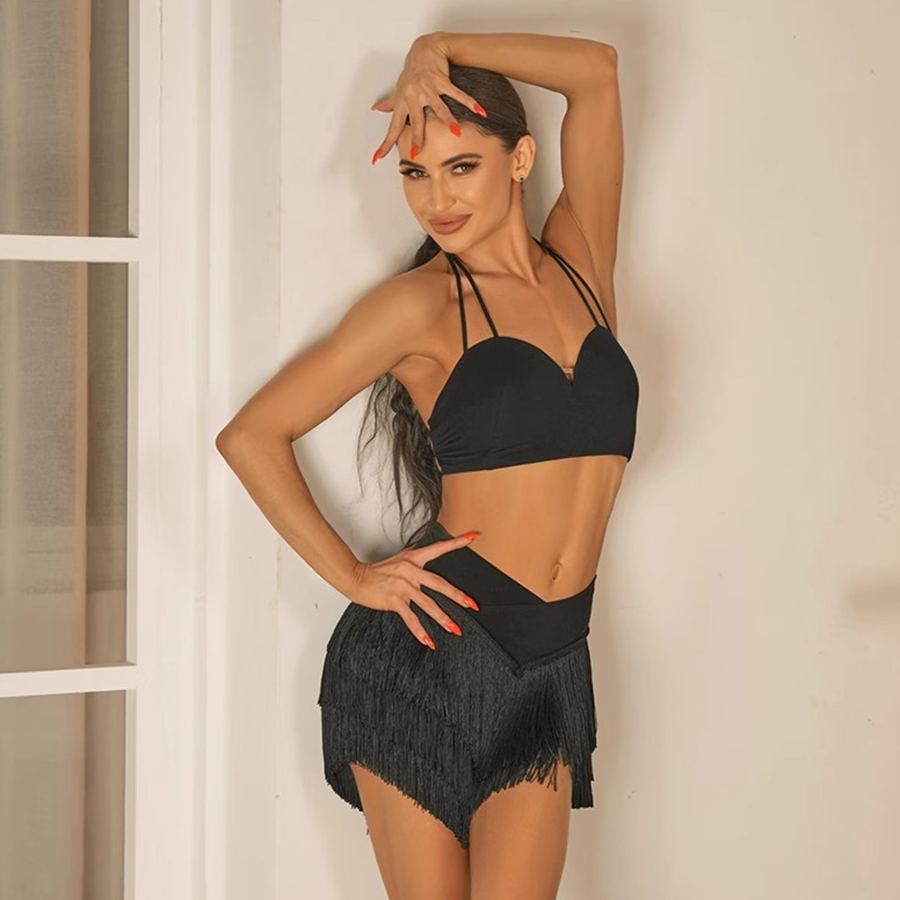
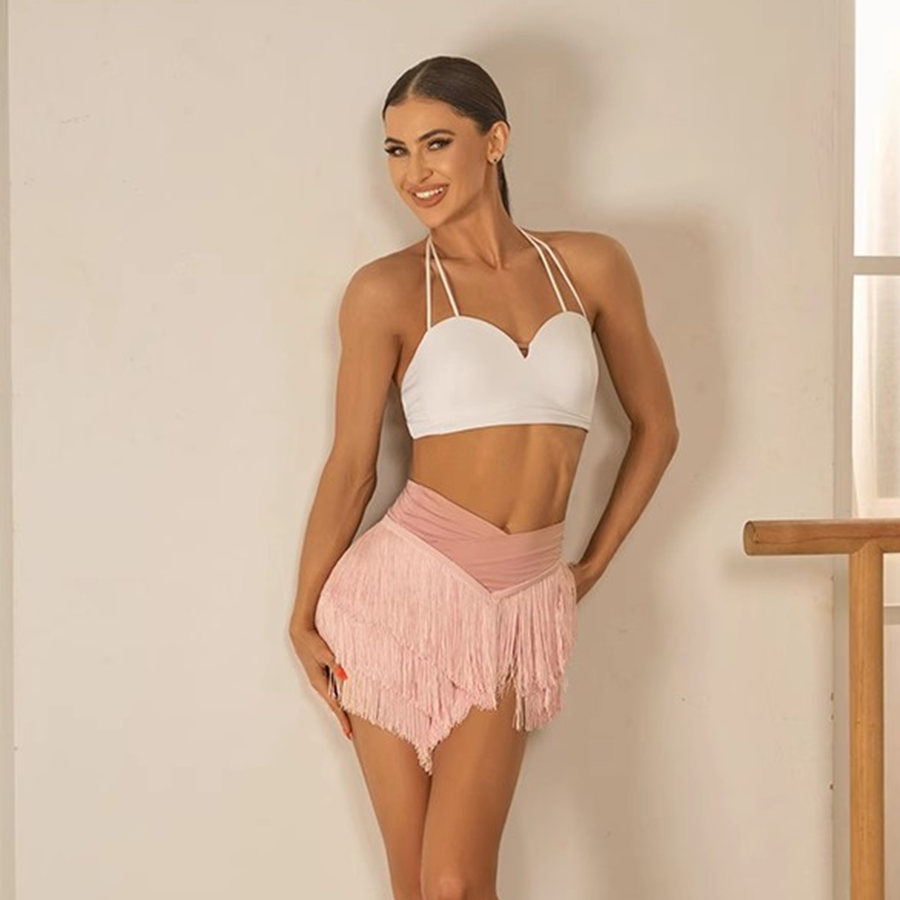
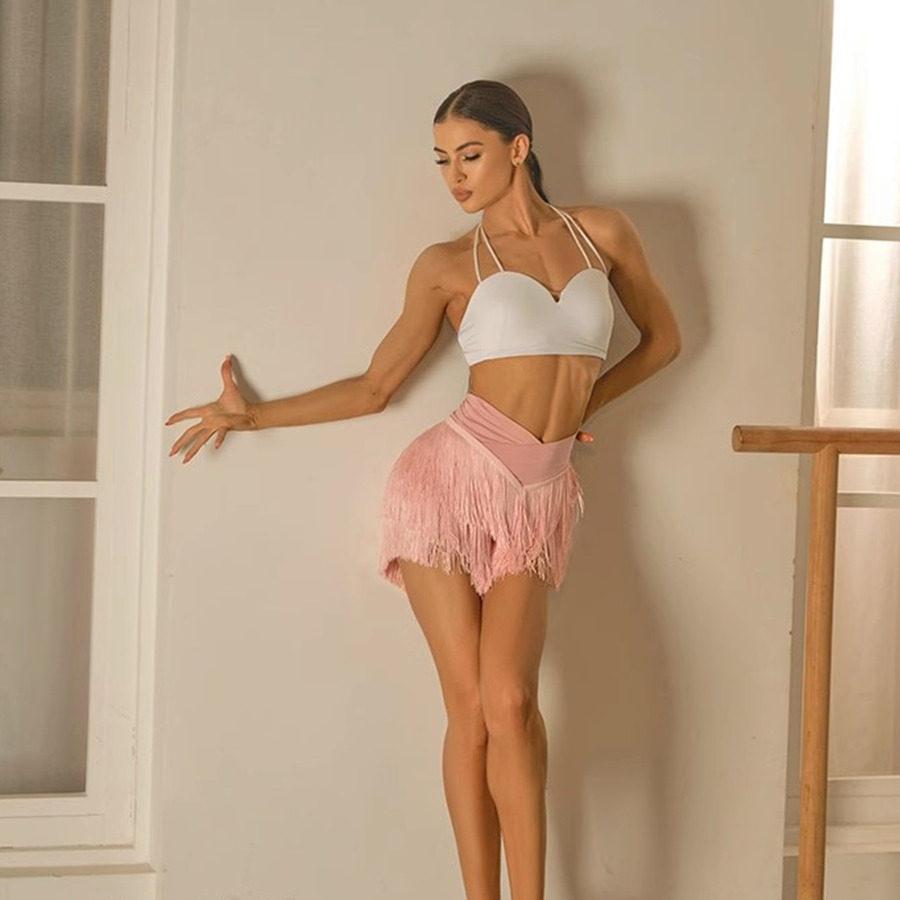
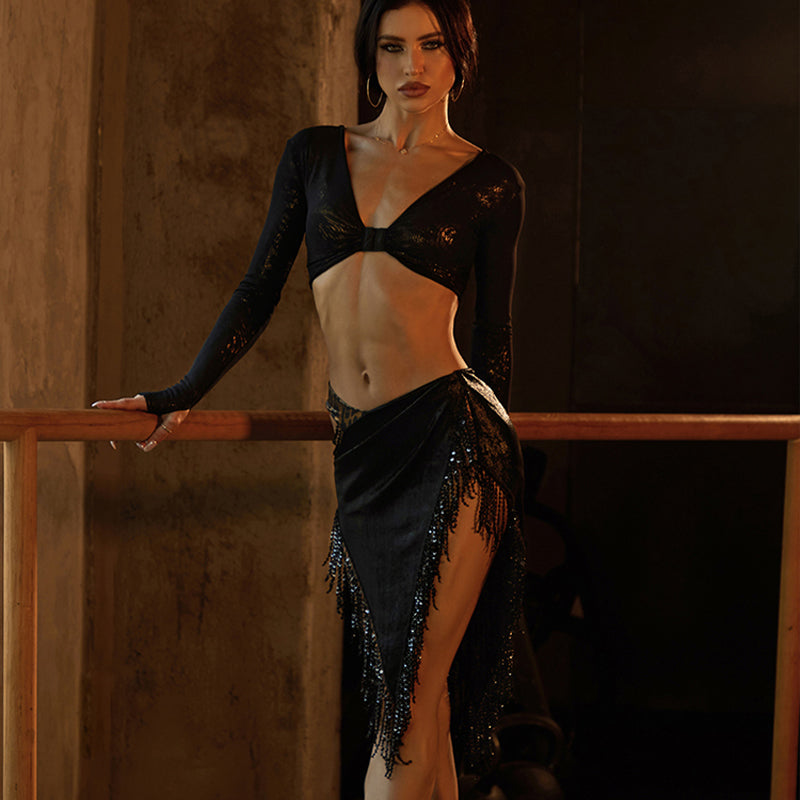
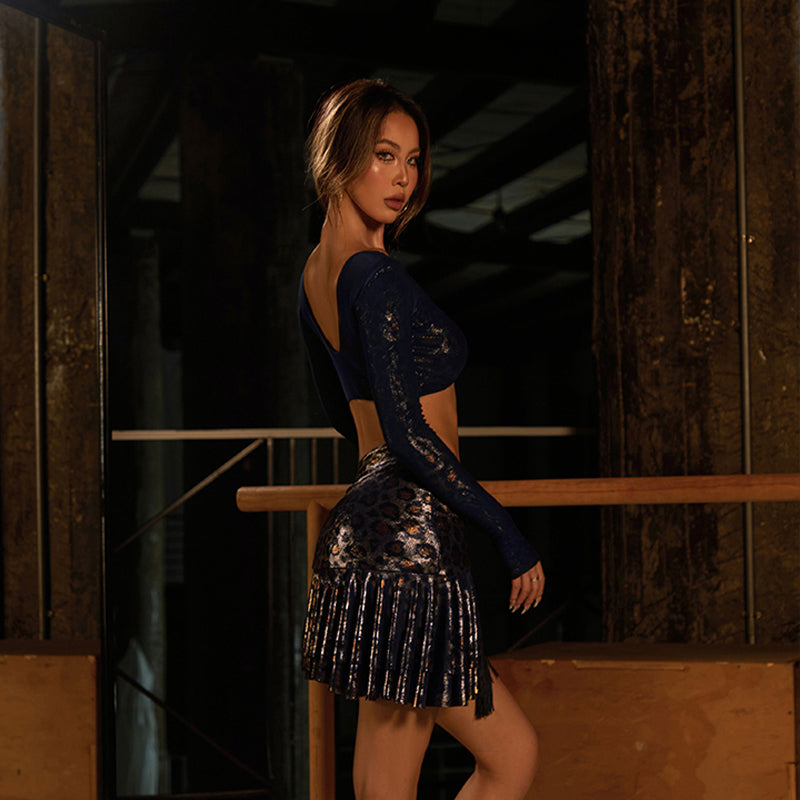
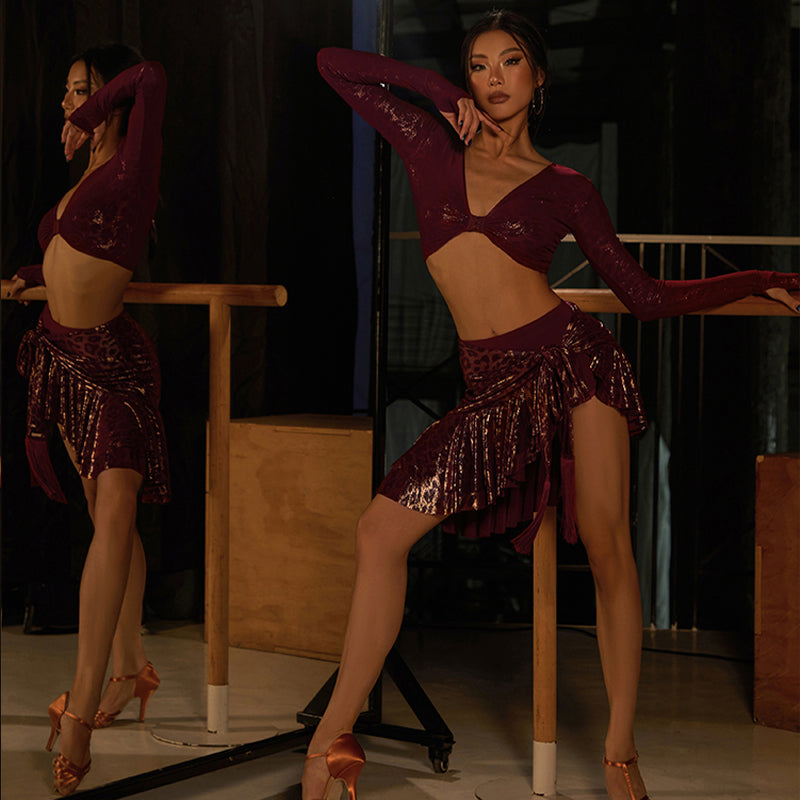
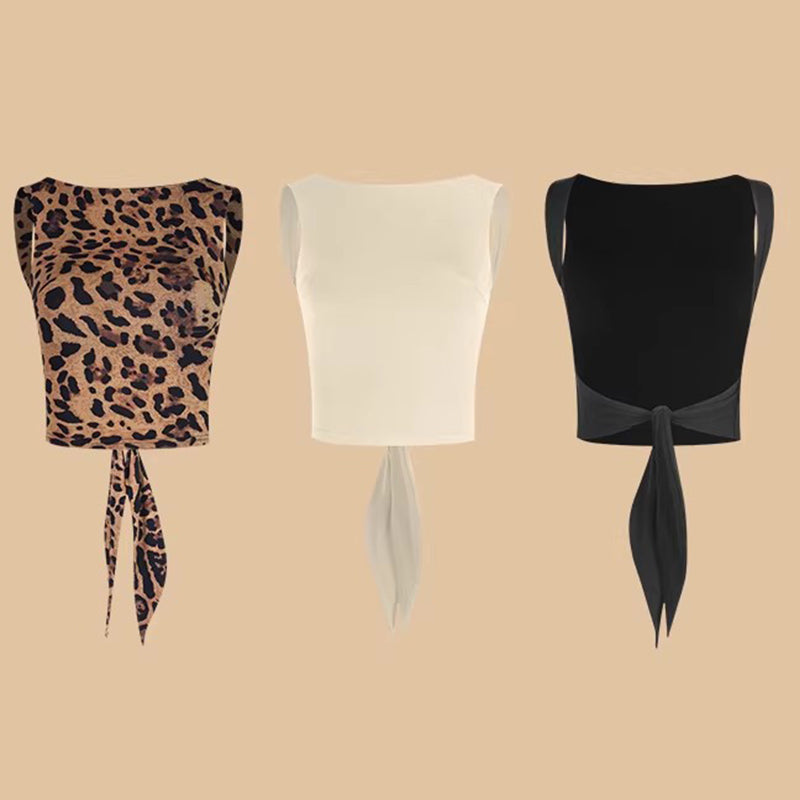
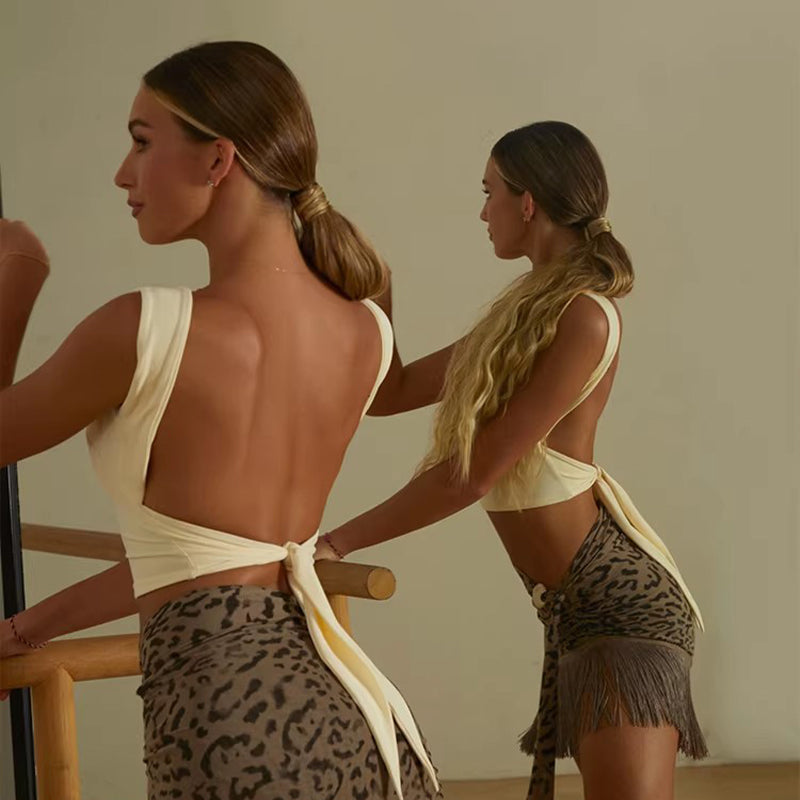
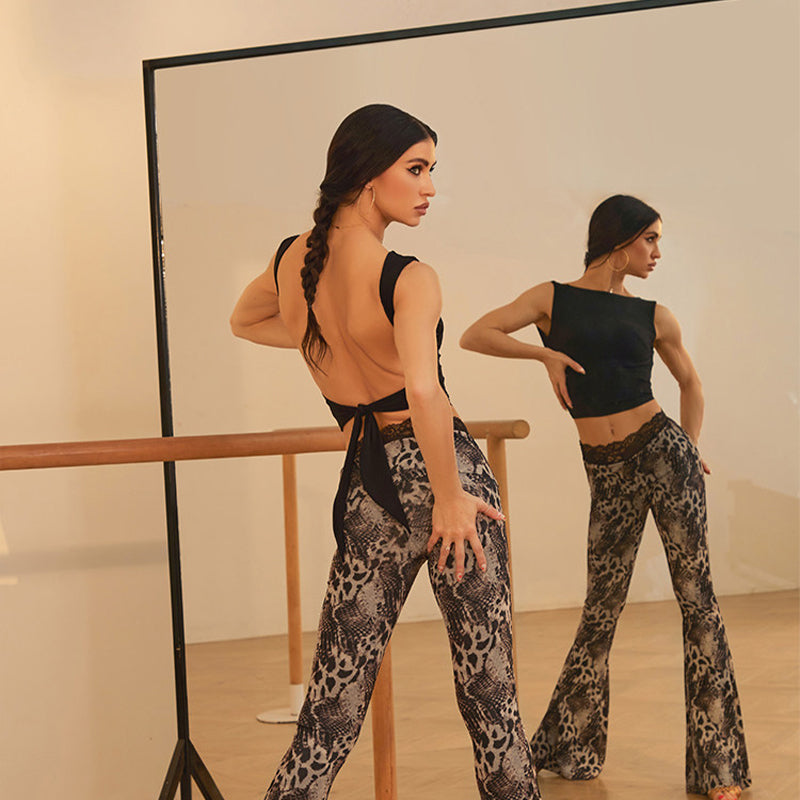
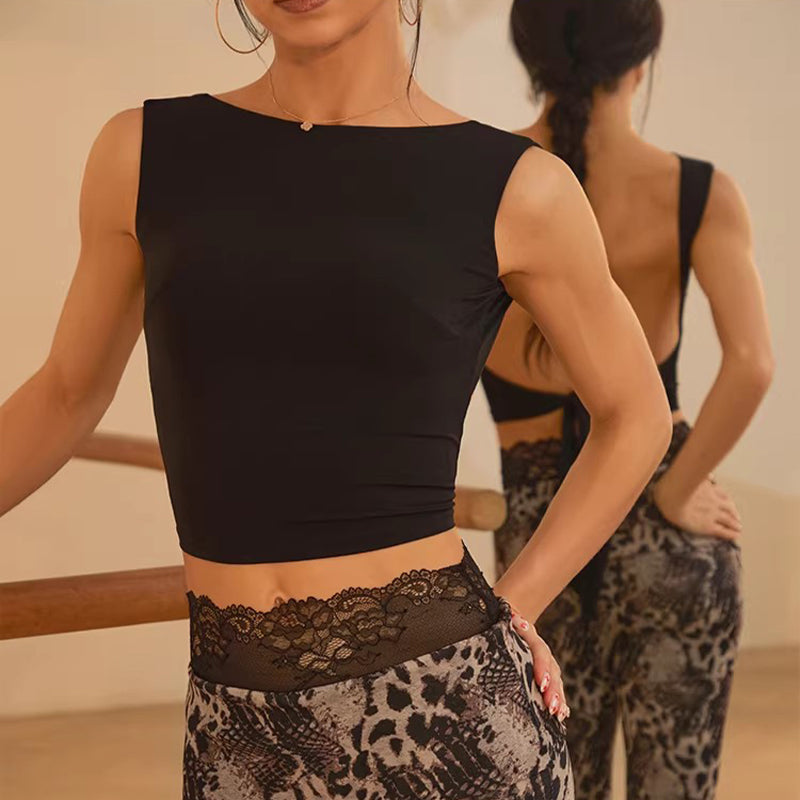
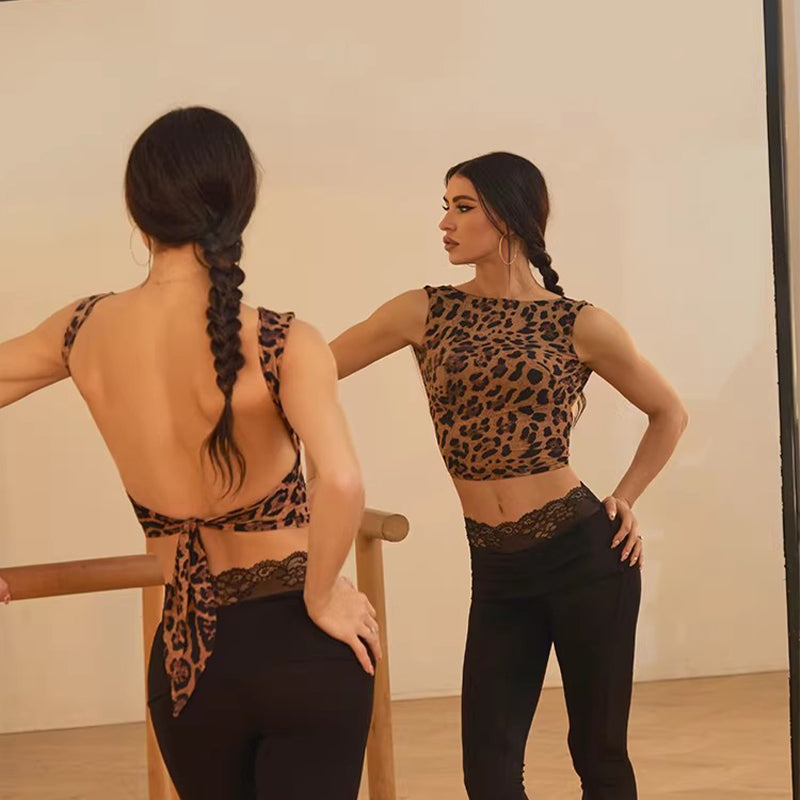
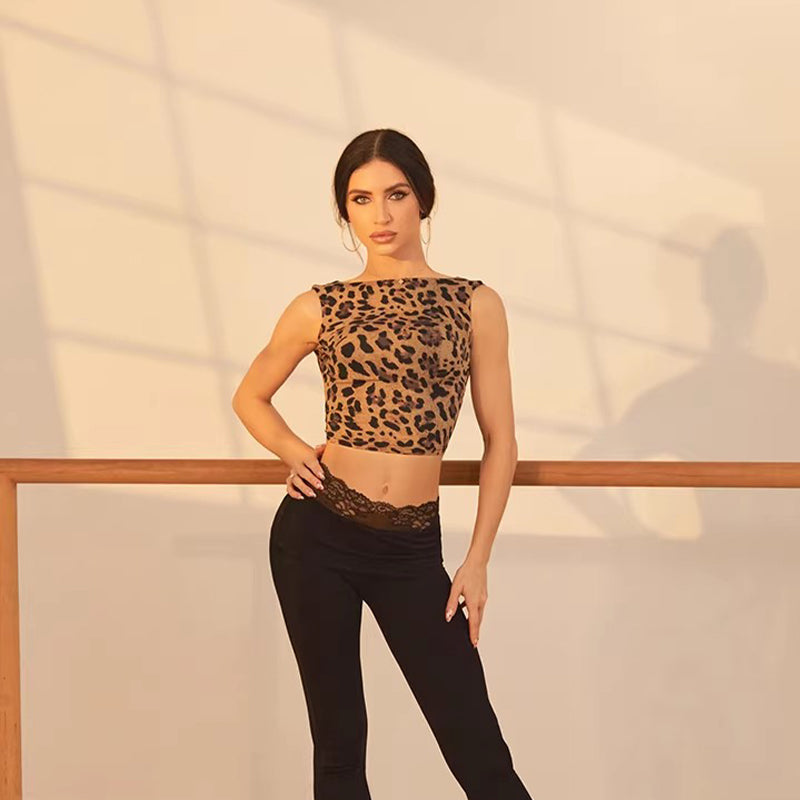
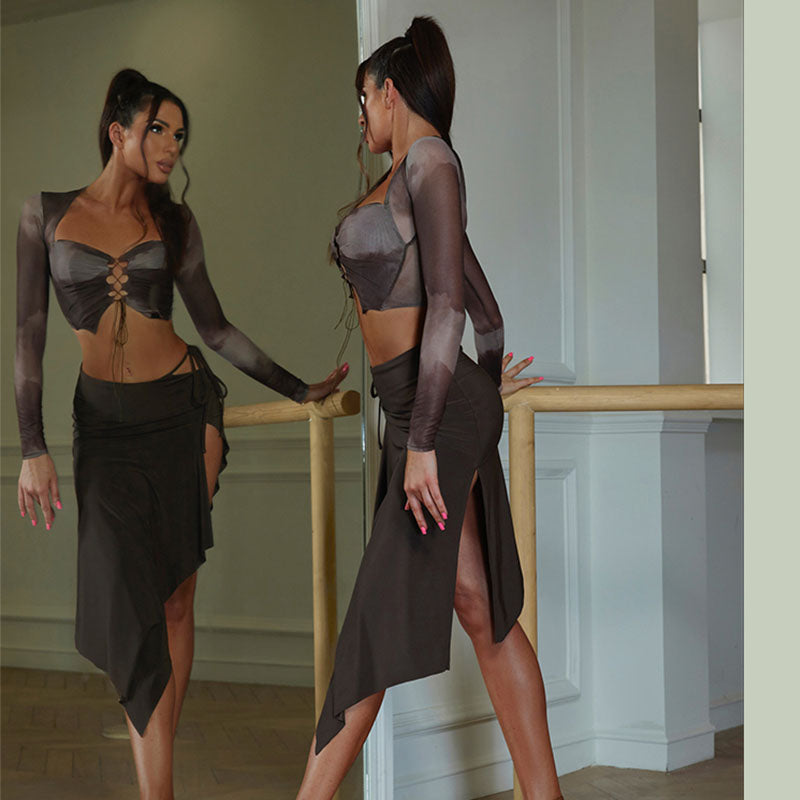
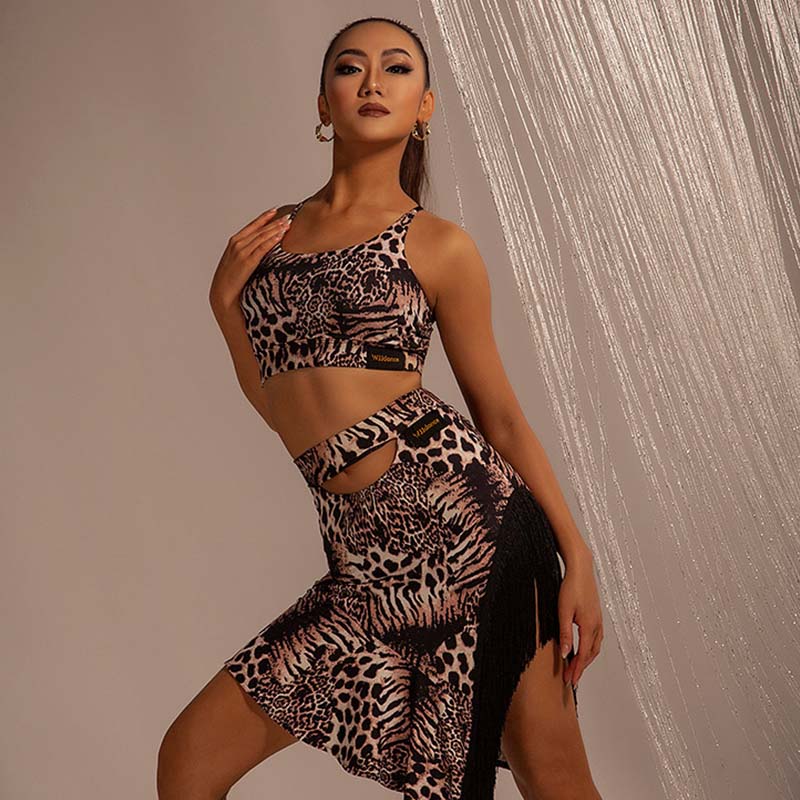
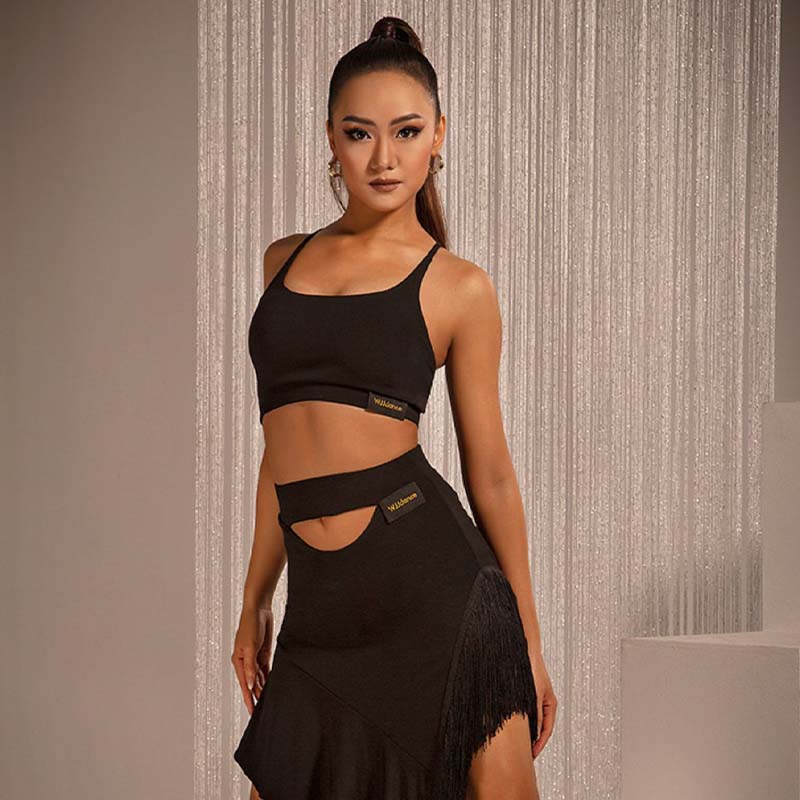
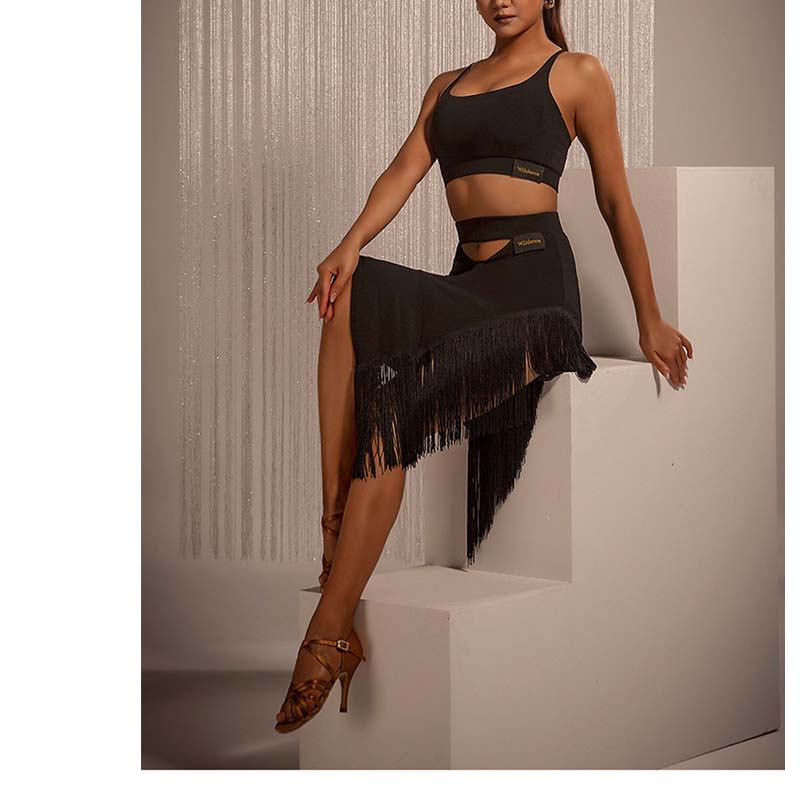
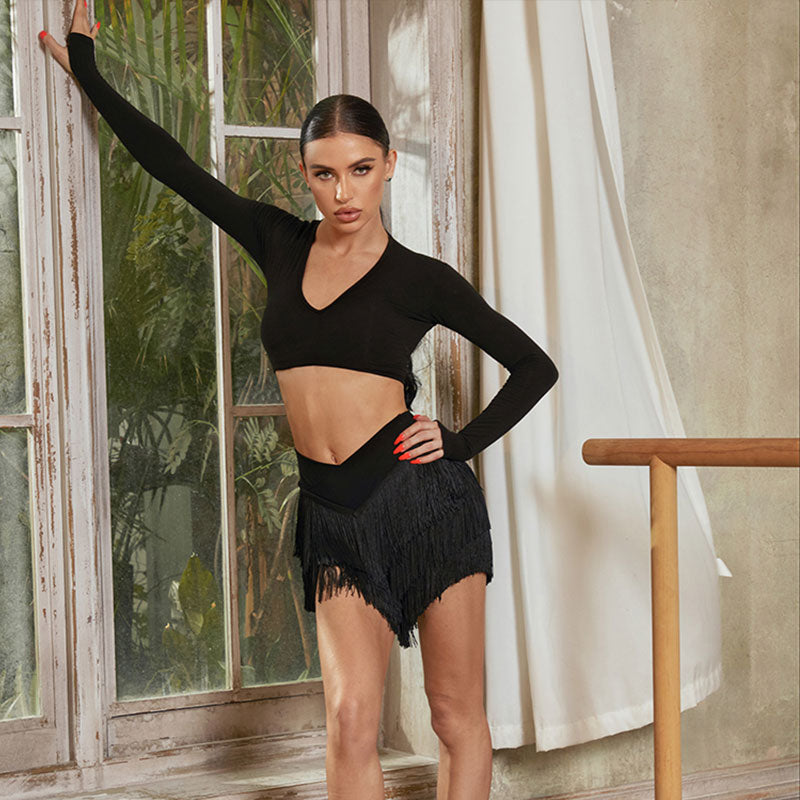
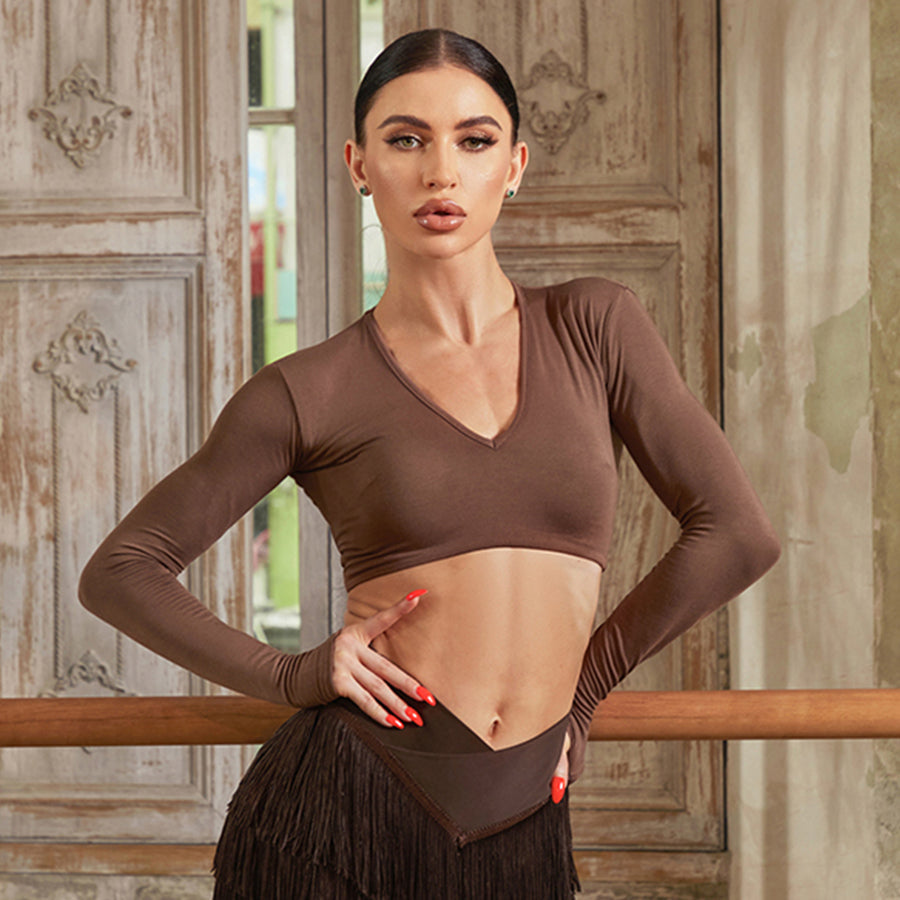
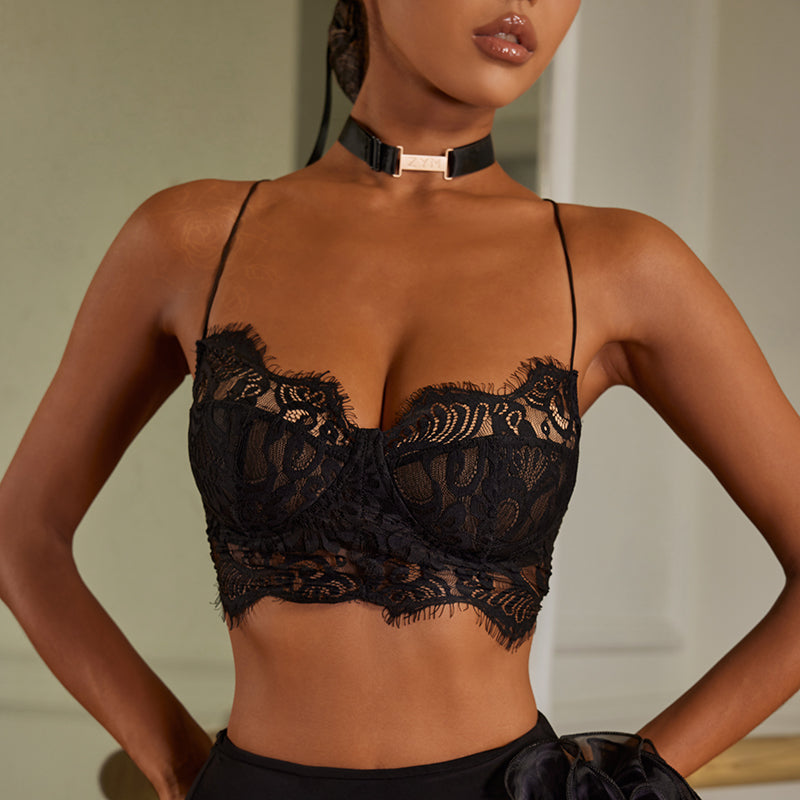
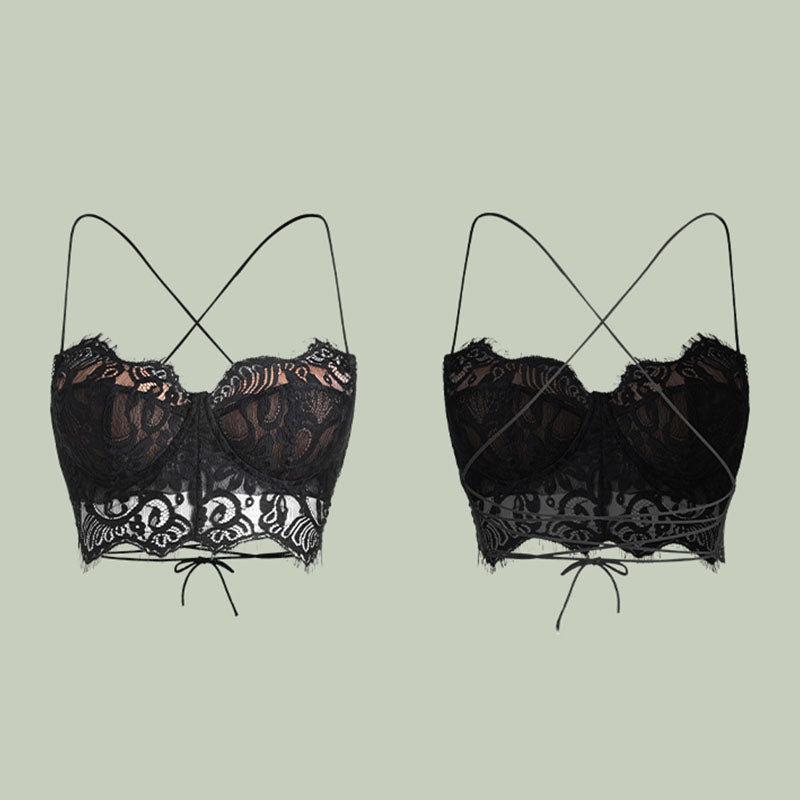
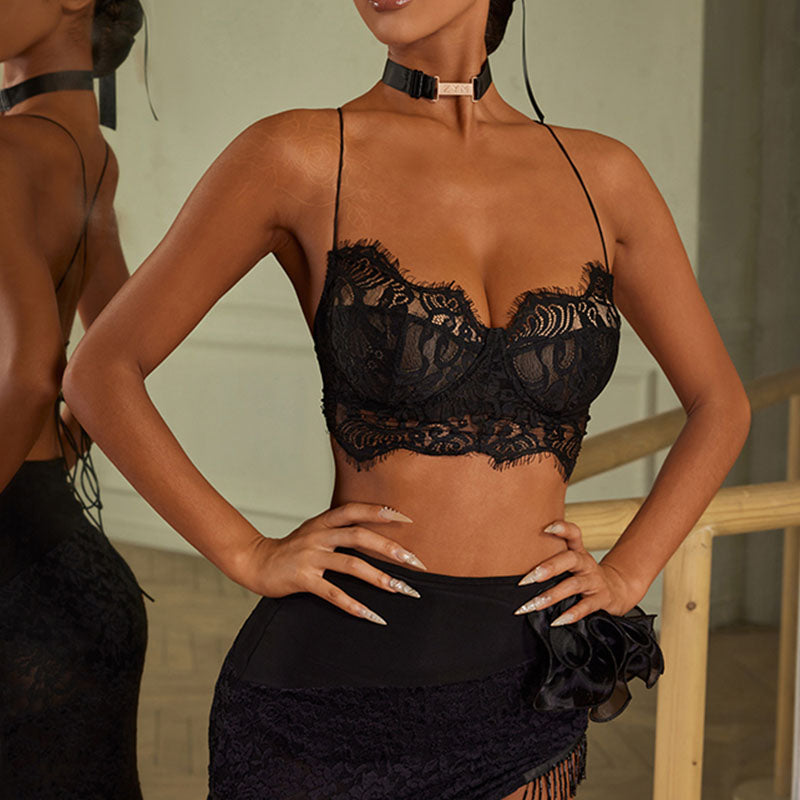
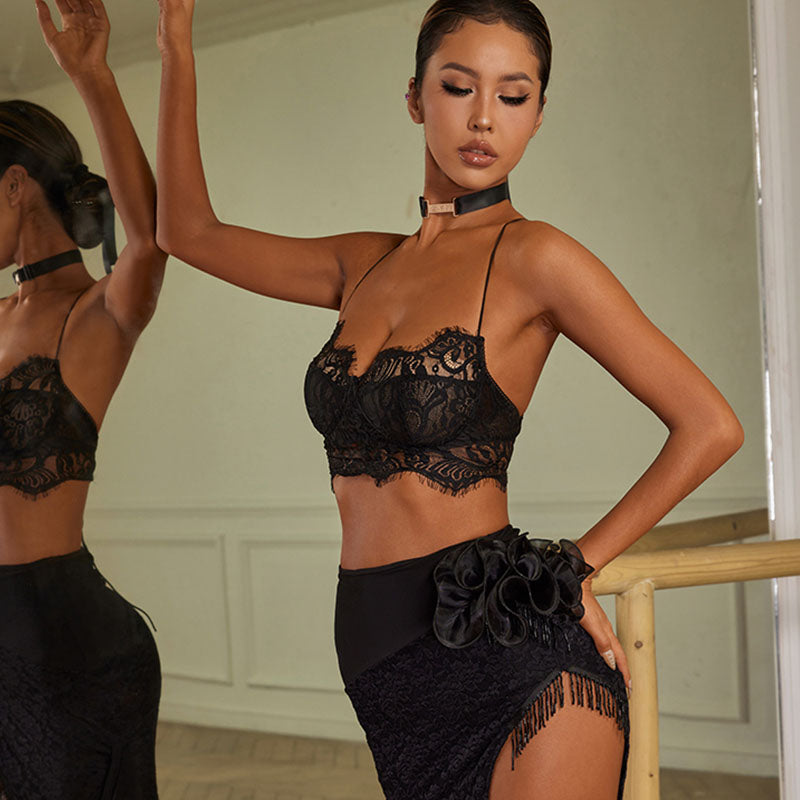
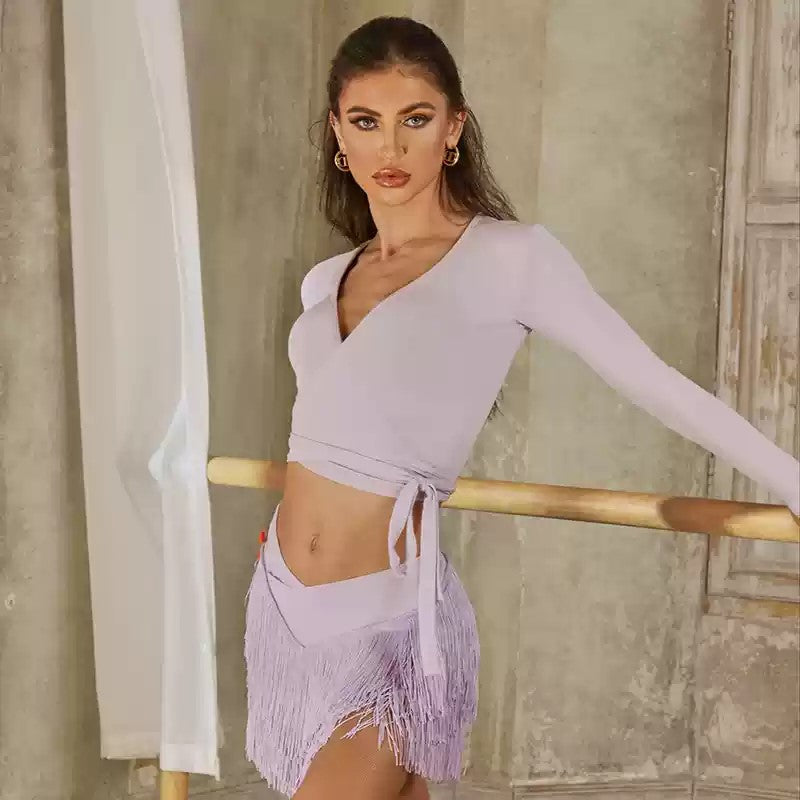
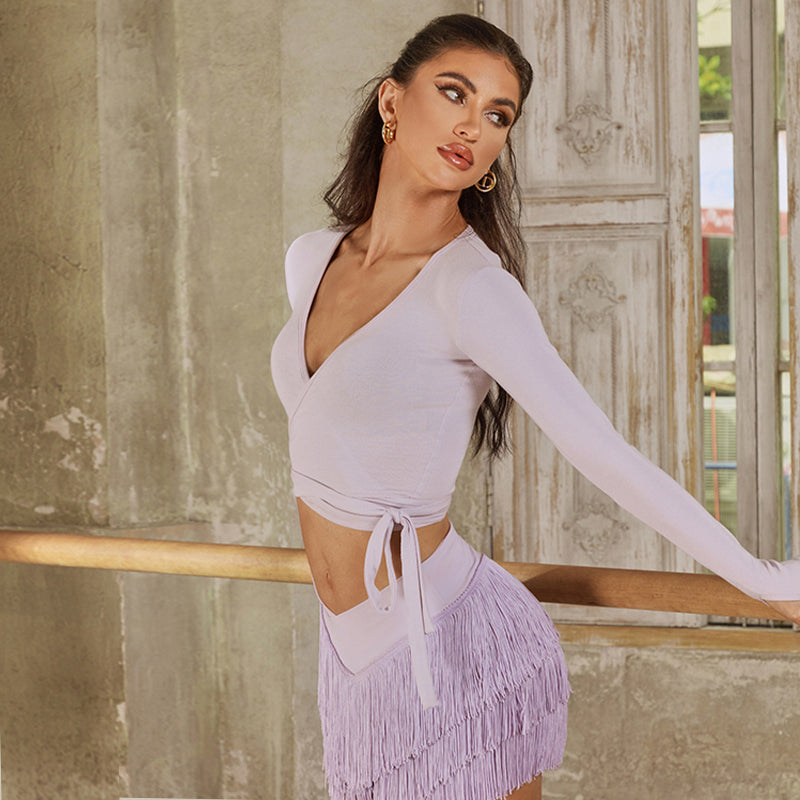
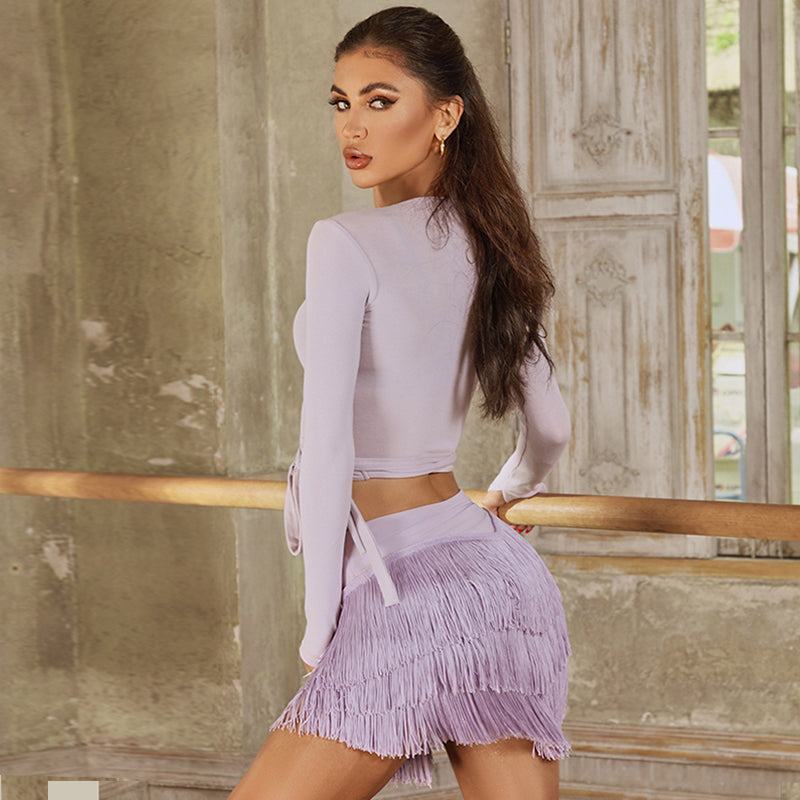
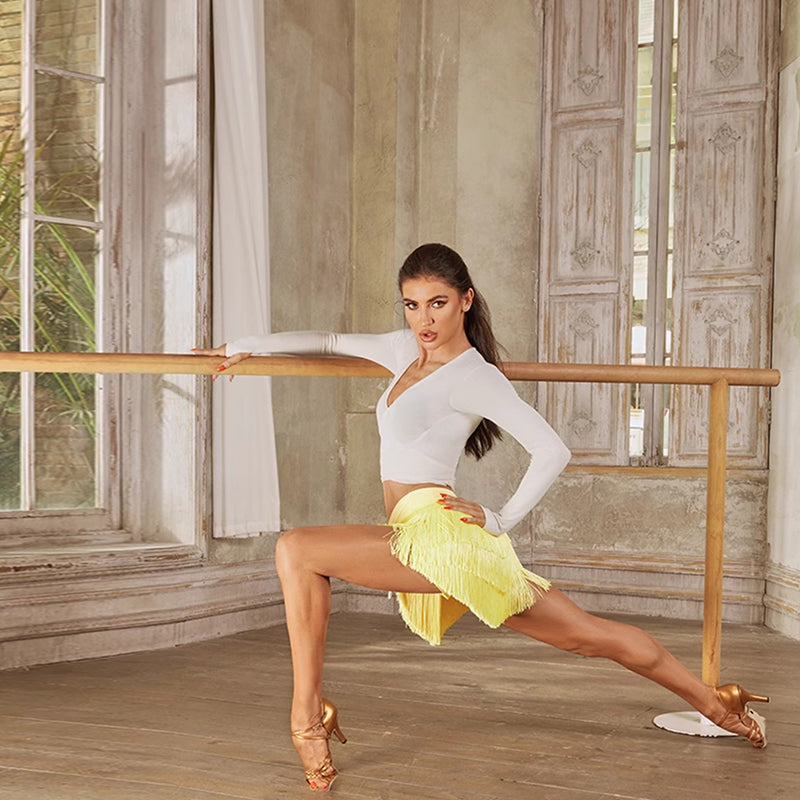
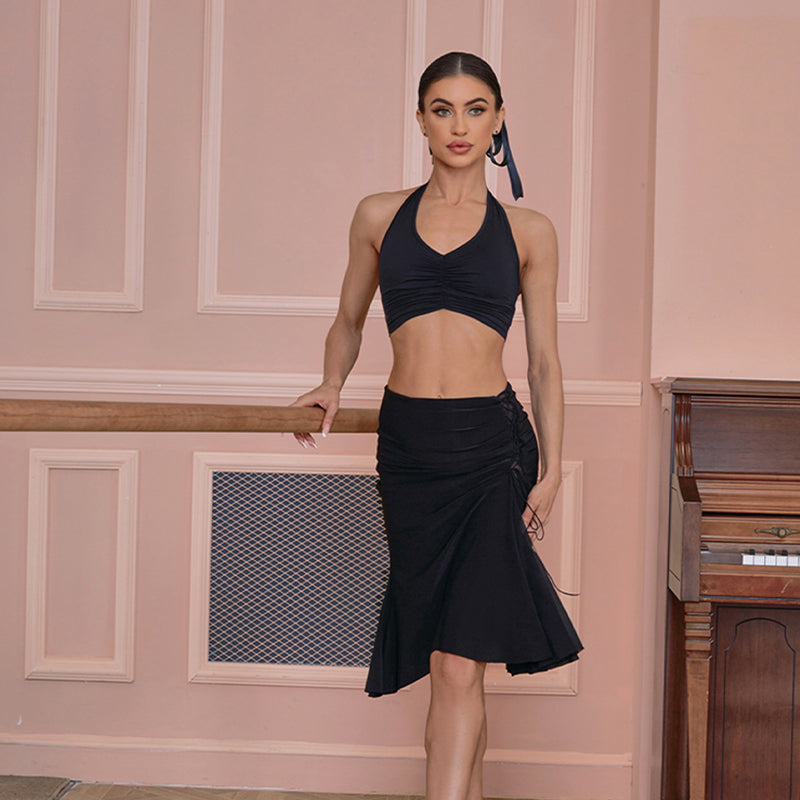
Crop lengths sit at or just above the waist and exist so the waistband of a skirt or trouser stays visible and unbroken — the line is the point, not the exposure, and a crop worn with a high-waisted bottom shows very little skin. Longer tops that finish at the hip are the easier option if you would rather not think about where the waistband lands.
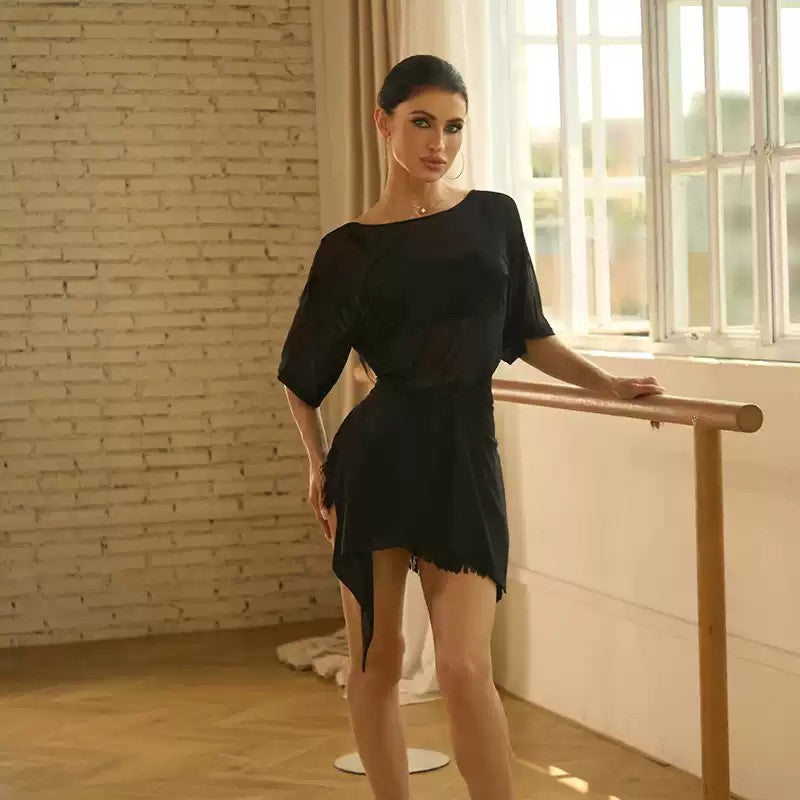
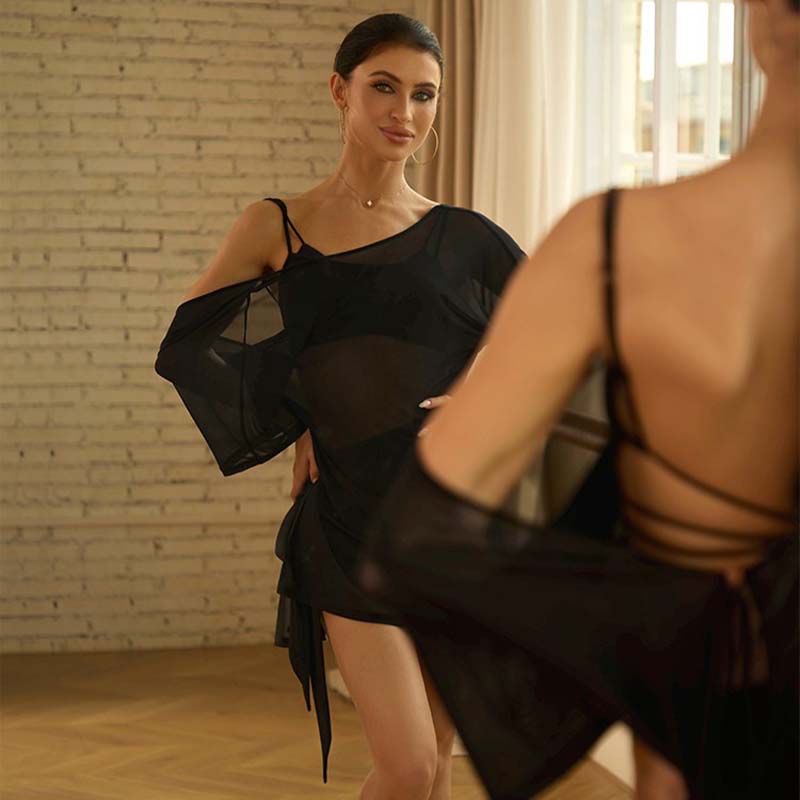
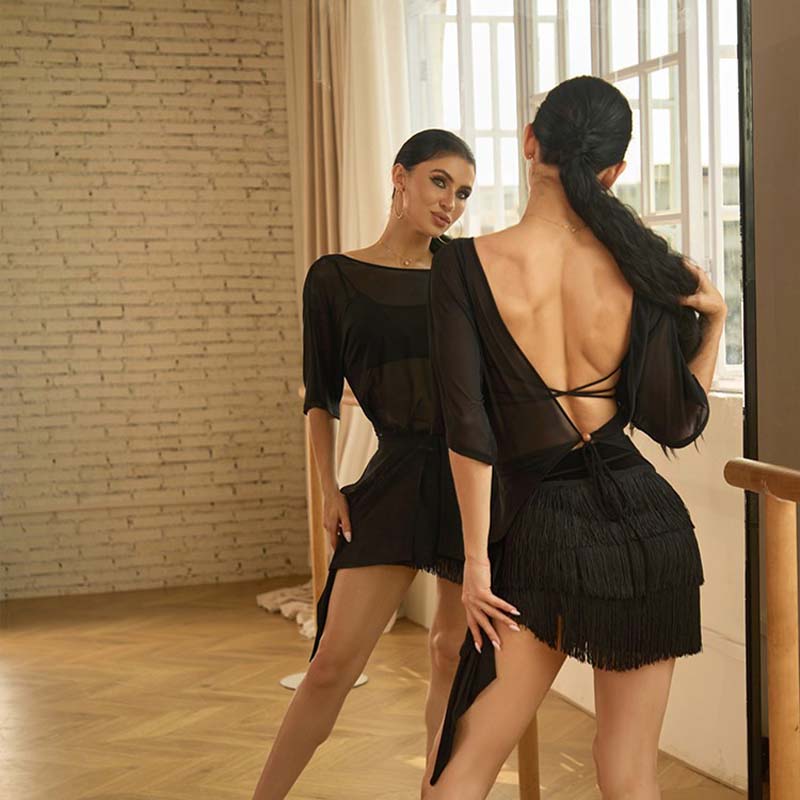
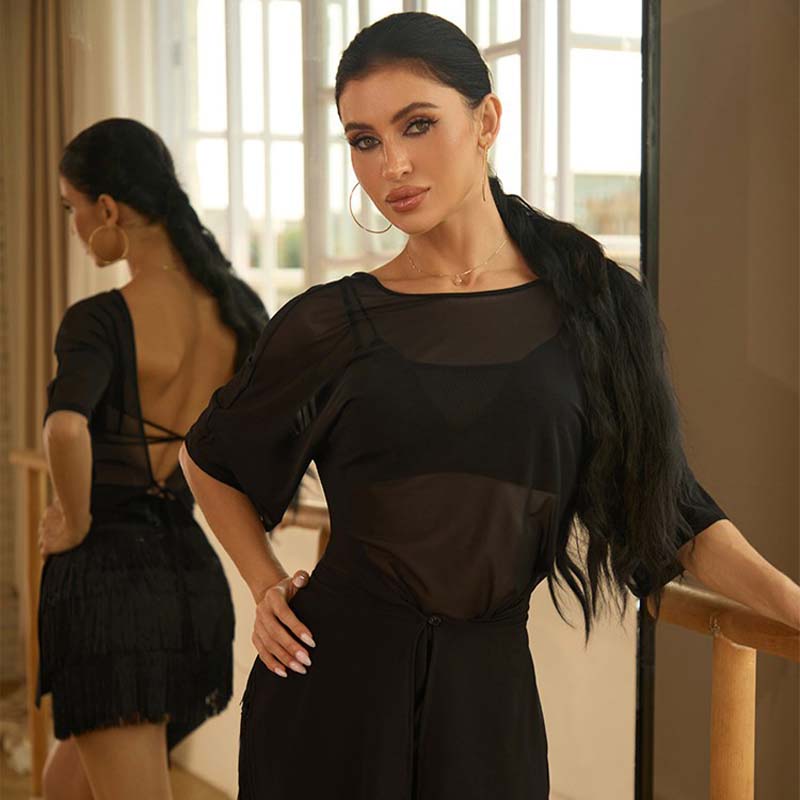
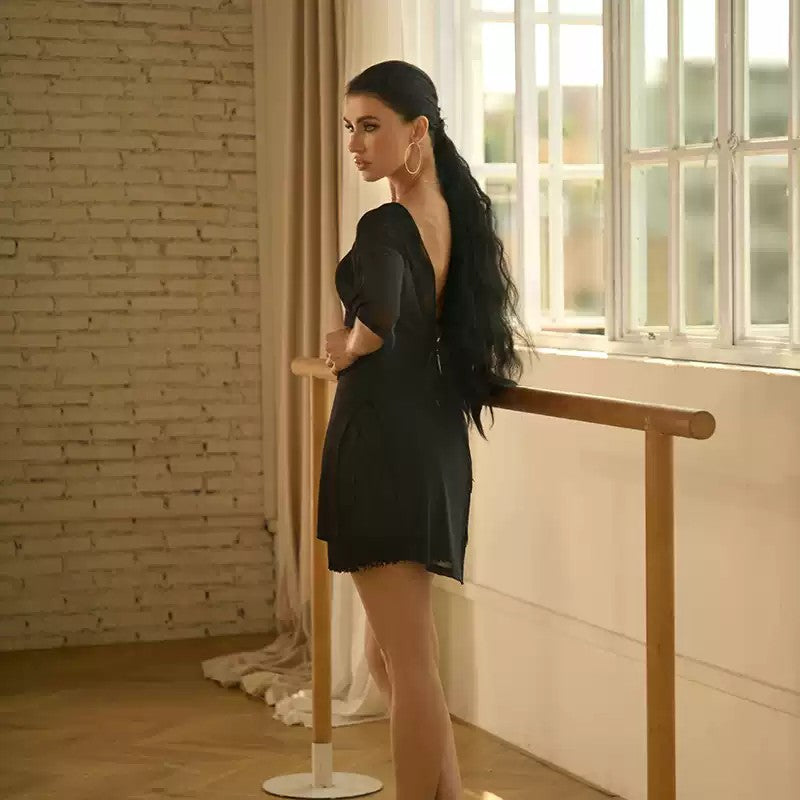
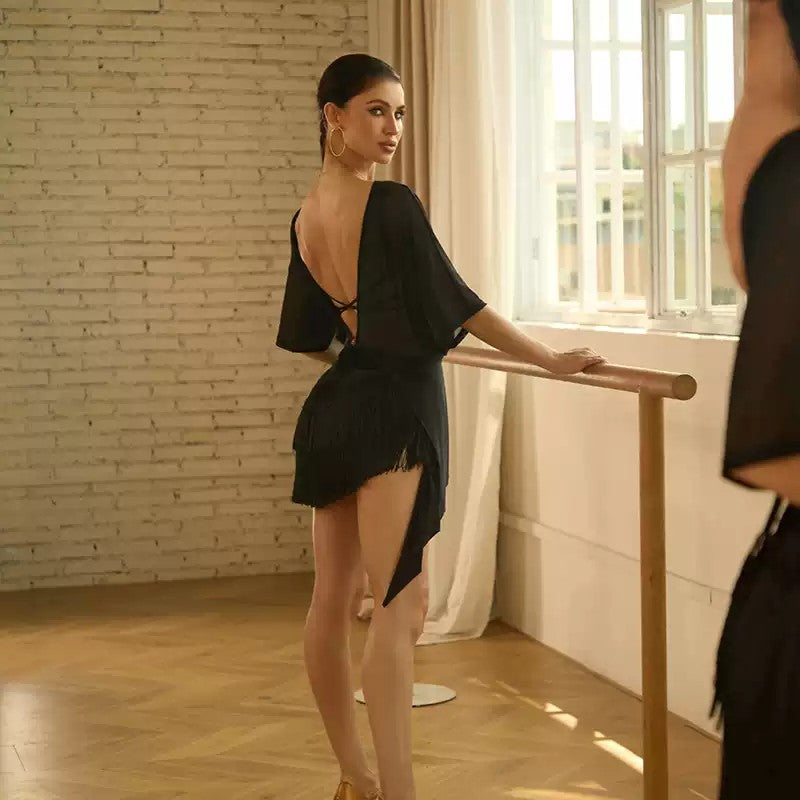
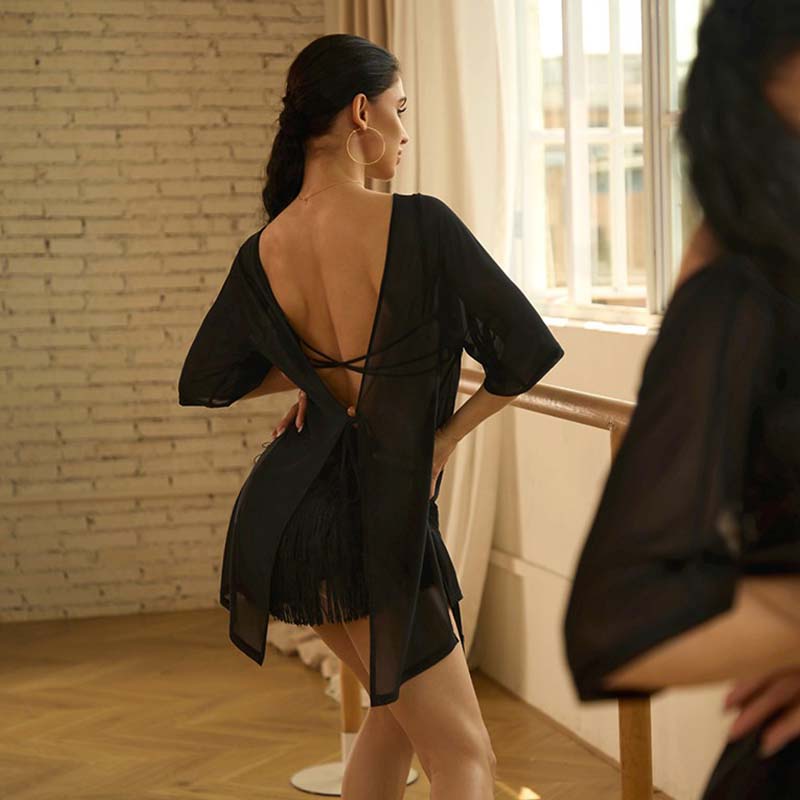
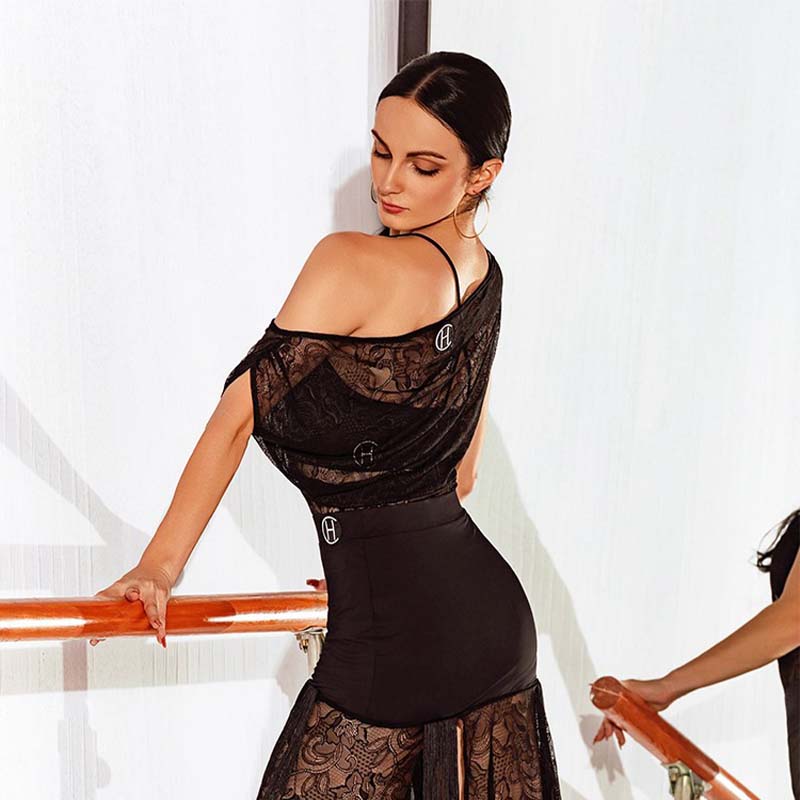
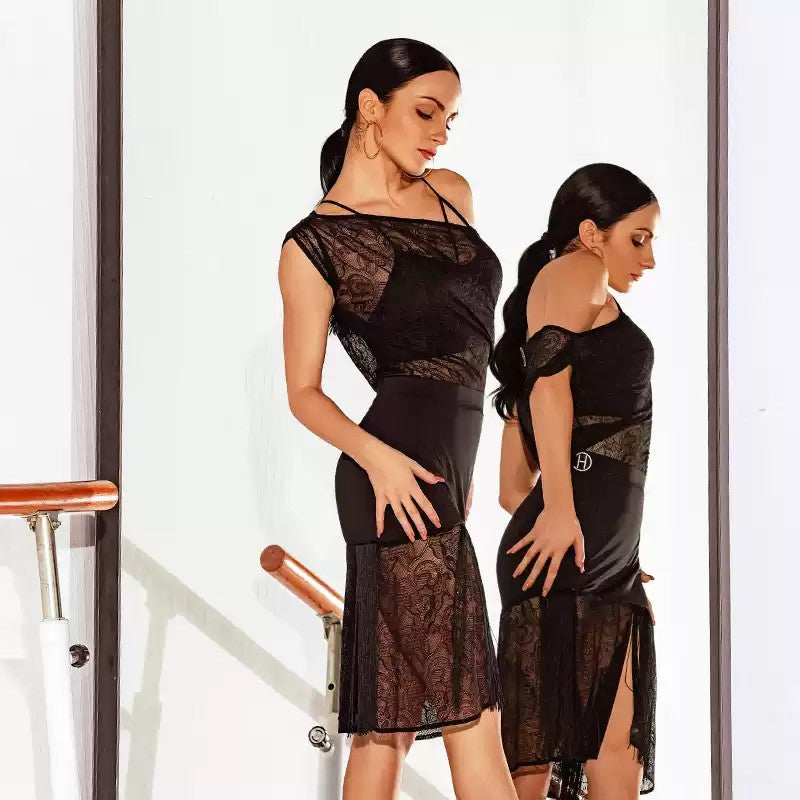
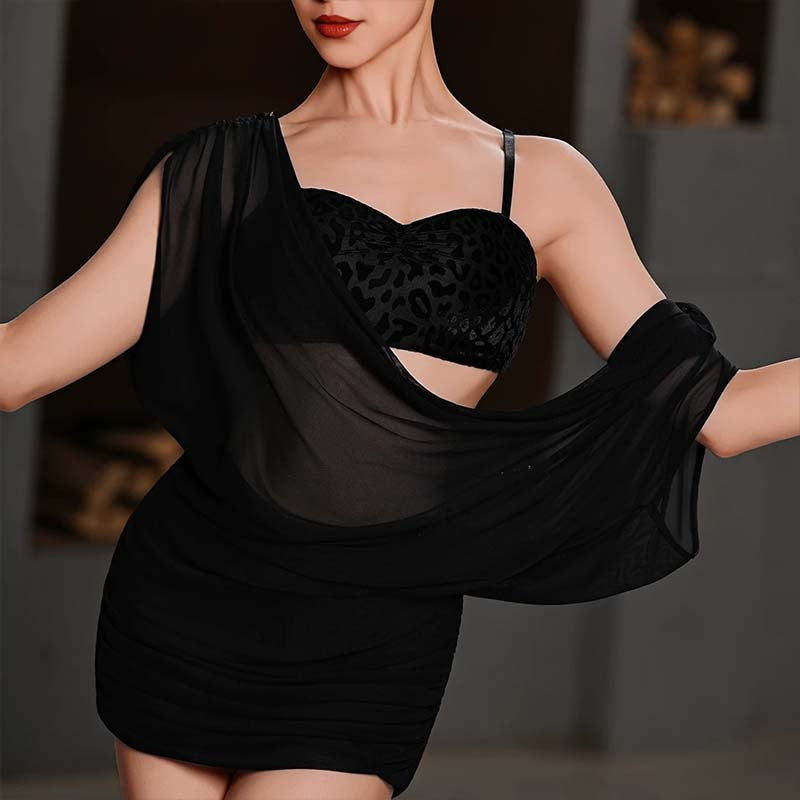
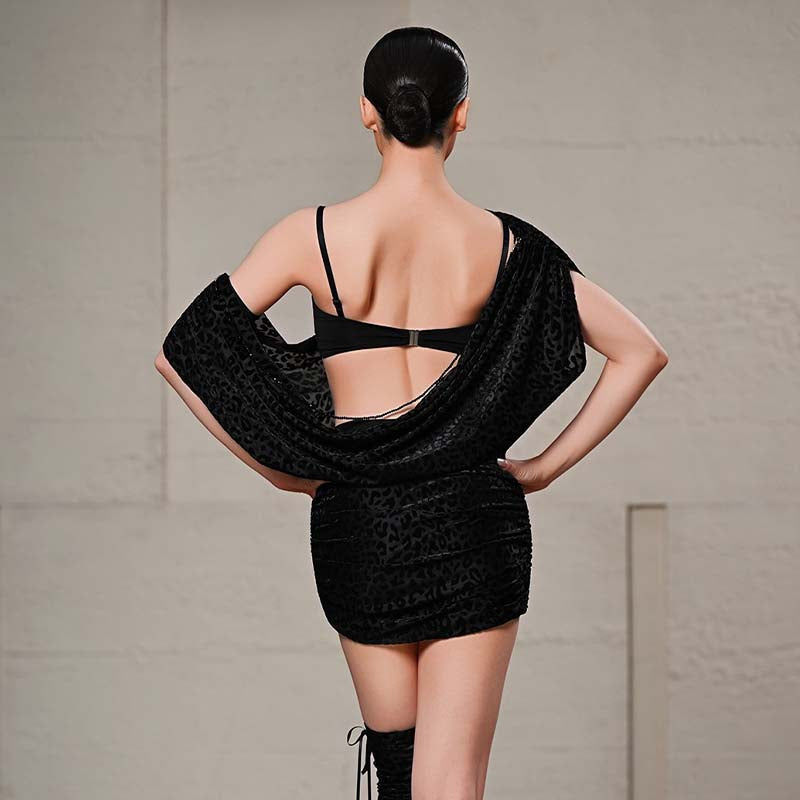
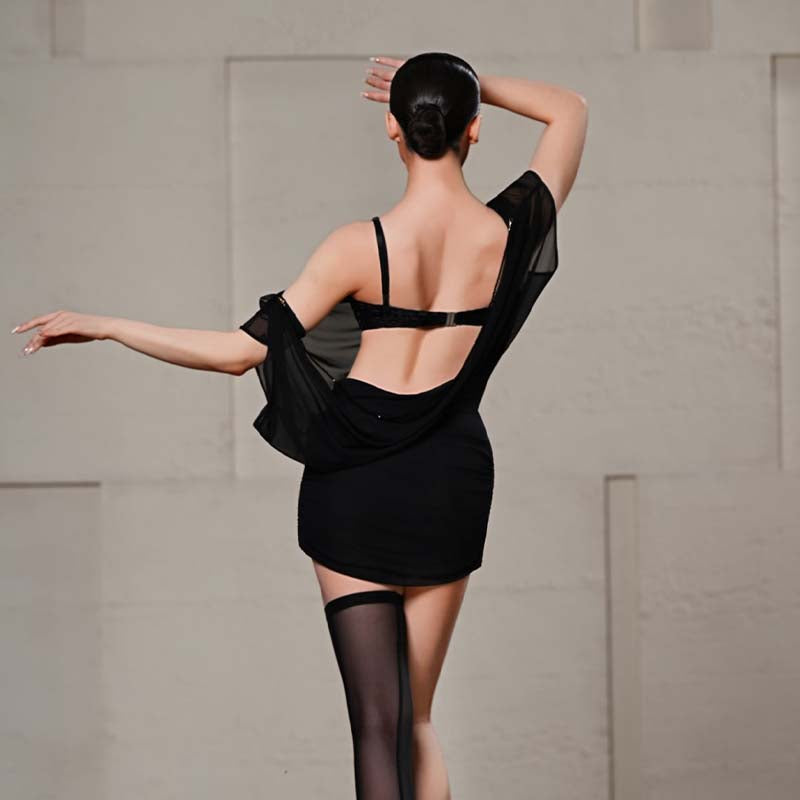
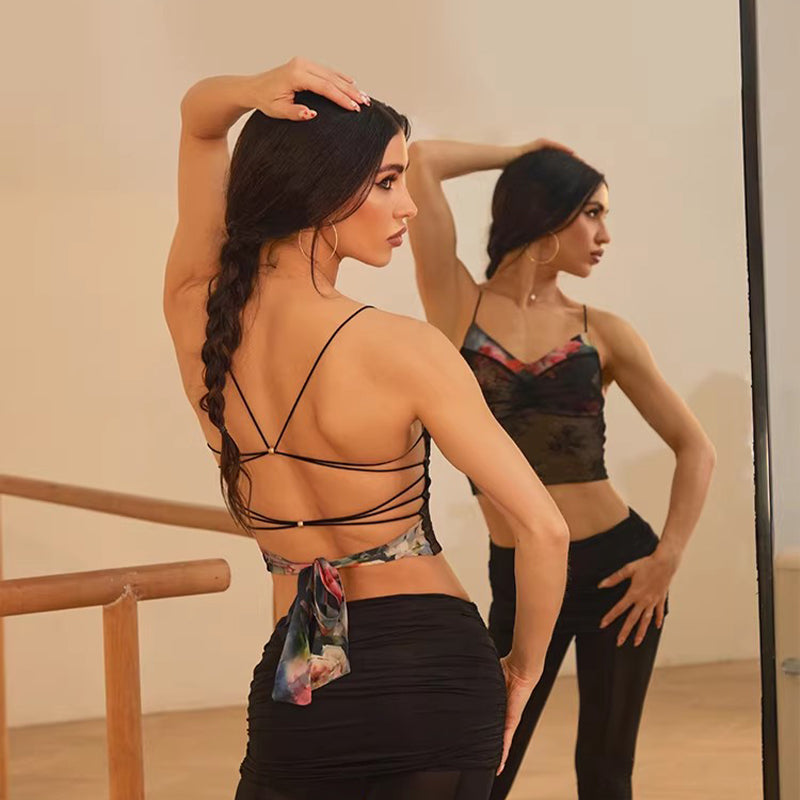
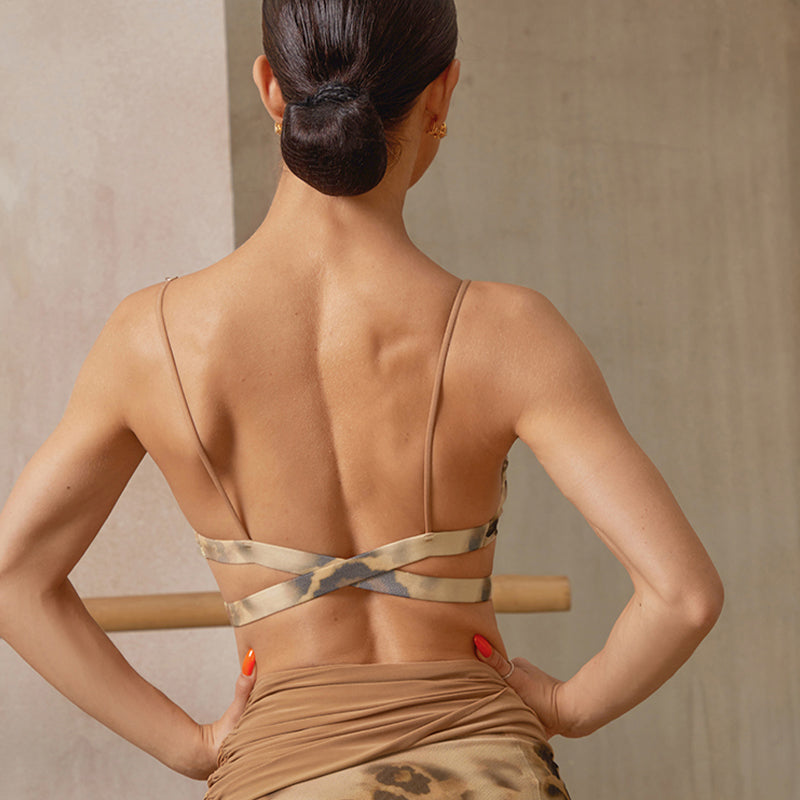
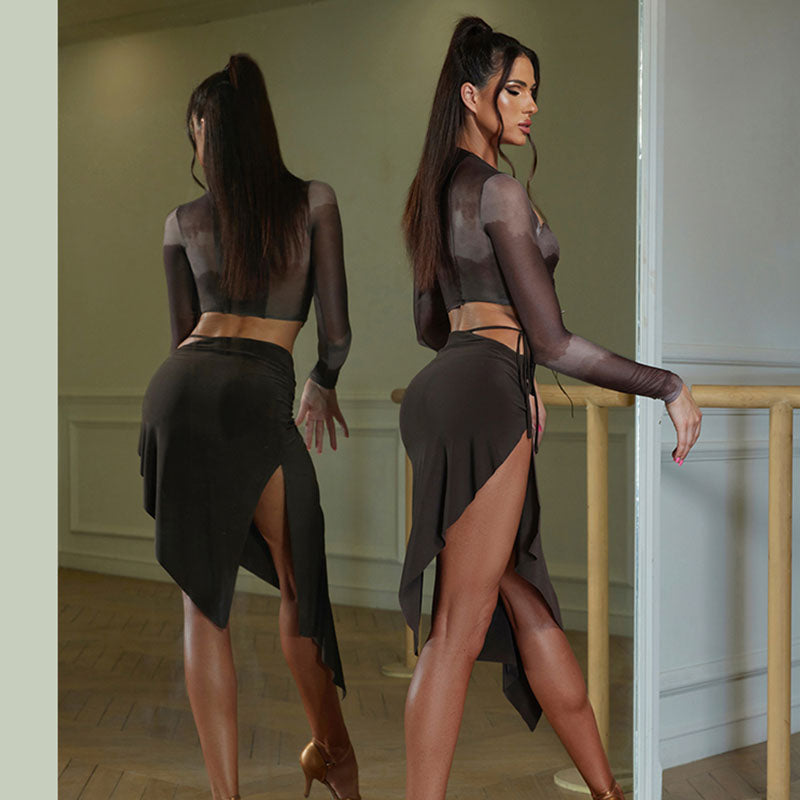
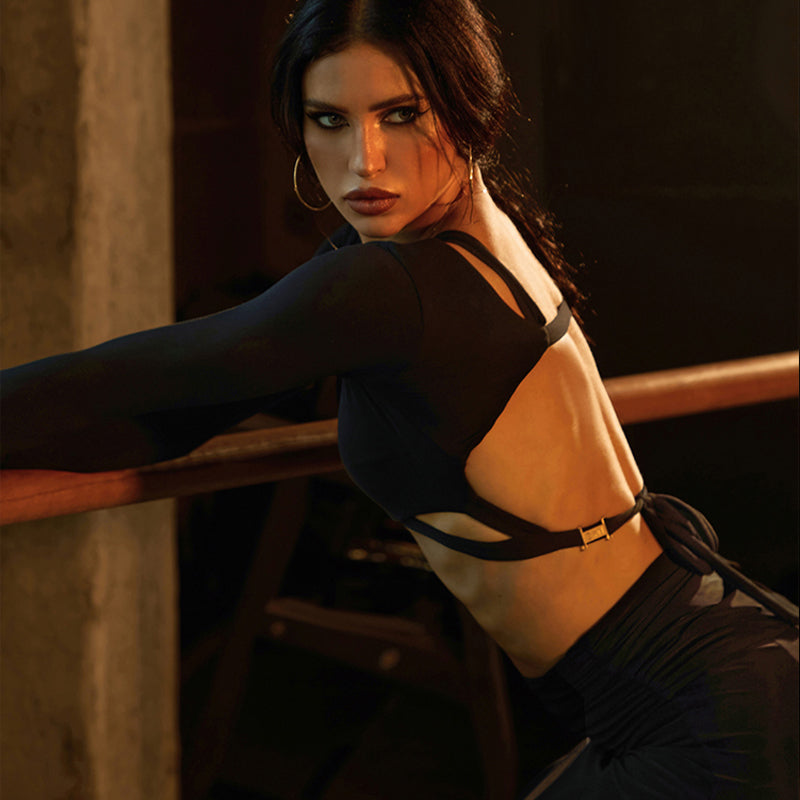
Mesh appears throughout as a yoke, a sleeve or a back panel. It reads as skin from a distance and as a deliberate line up close, and it is the standard way to open a top up without weakening how it holds together.
Ballroom Tops and Latin Tops
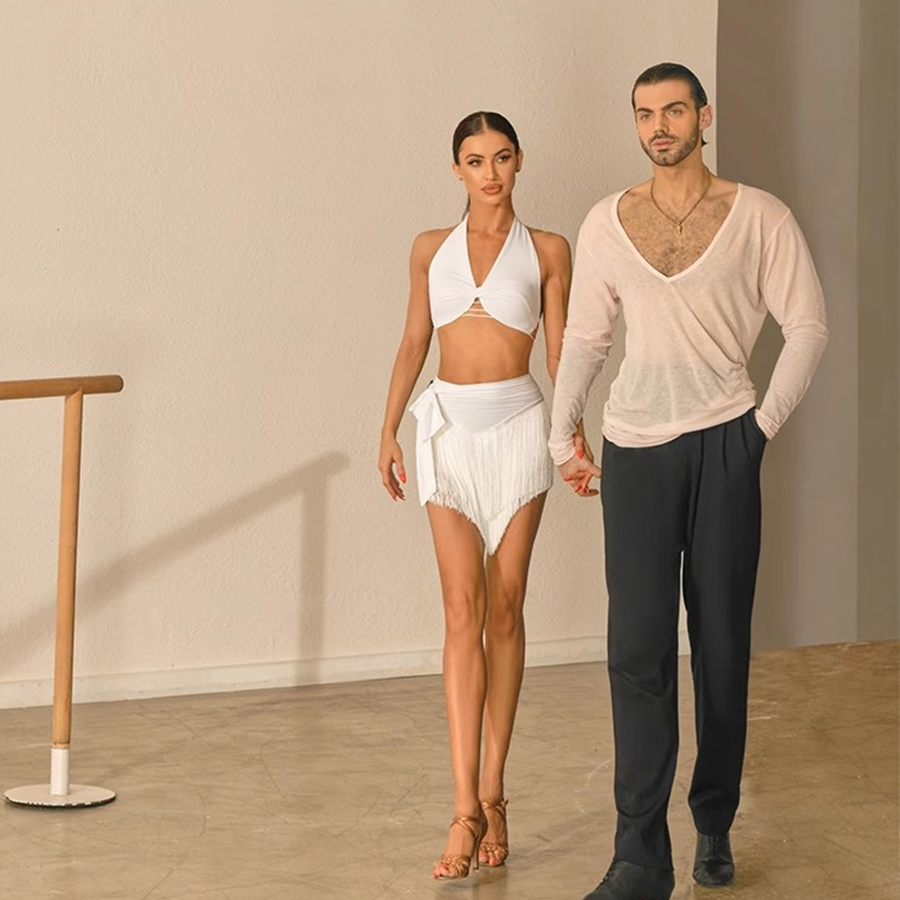
Tops travel between the two families far better than skirts do, which is why this page holds both side by side. The differences are real but narrow: ballroom favours cuts that stay clean under a frame and do not interrupt a long line, while Latin favours cuts that stop at the waist and leave the midriff free to be seen working.
If you already know which floor you are dressing for, ballroom tops and Latin dance tops narrow it down. If you dance both, buy from this page instead — most of what is here works in either room, and the top is the piece you will not need to duplicate.
What It Goes With
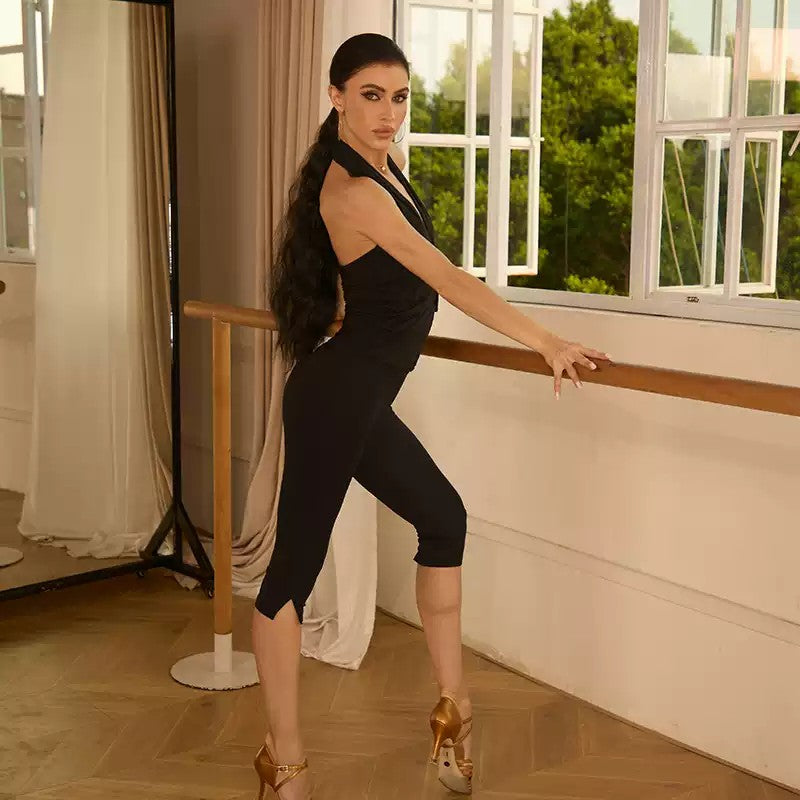
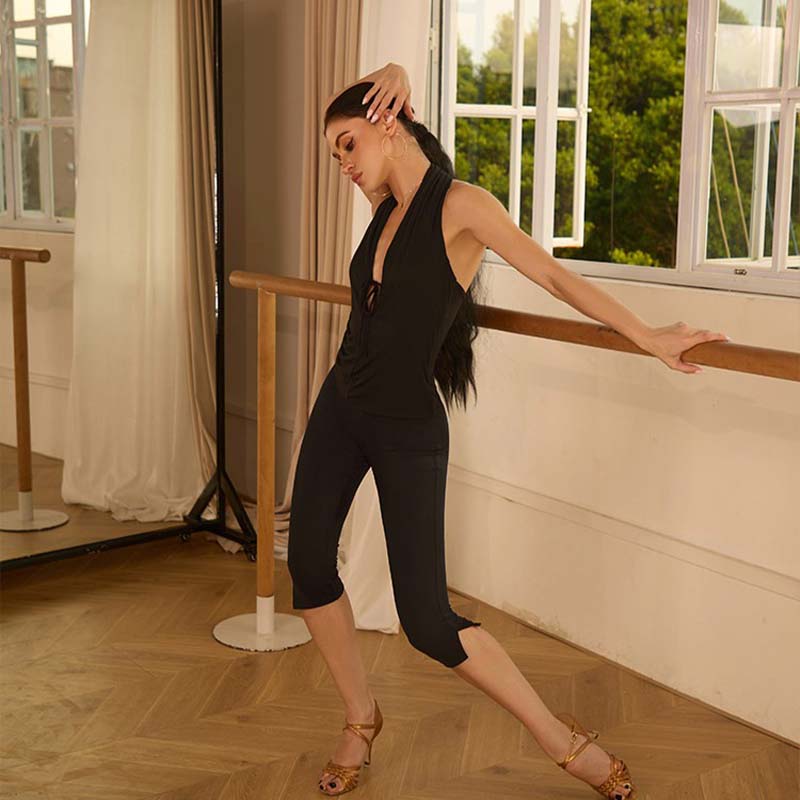
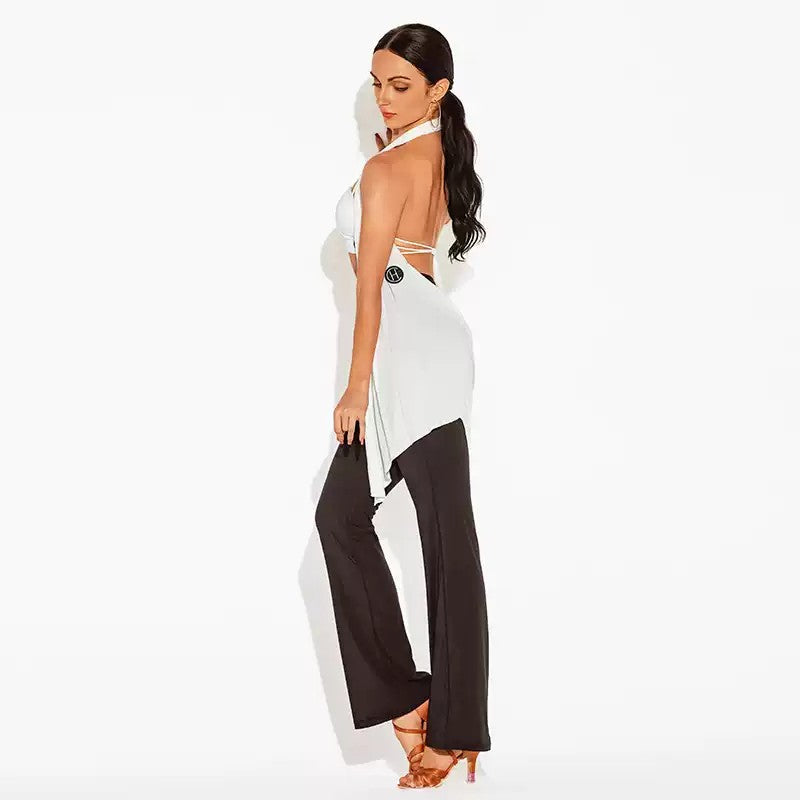
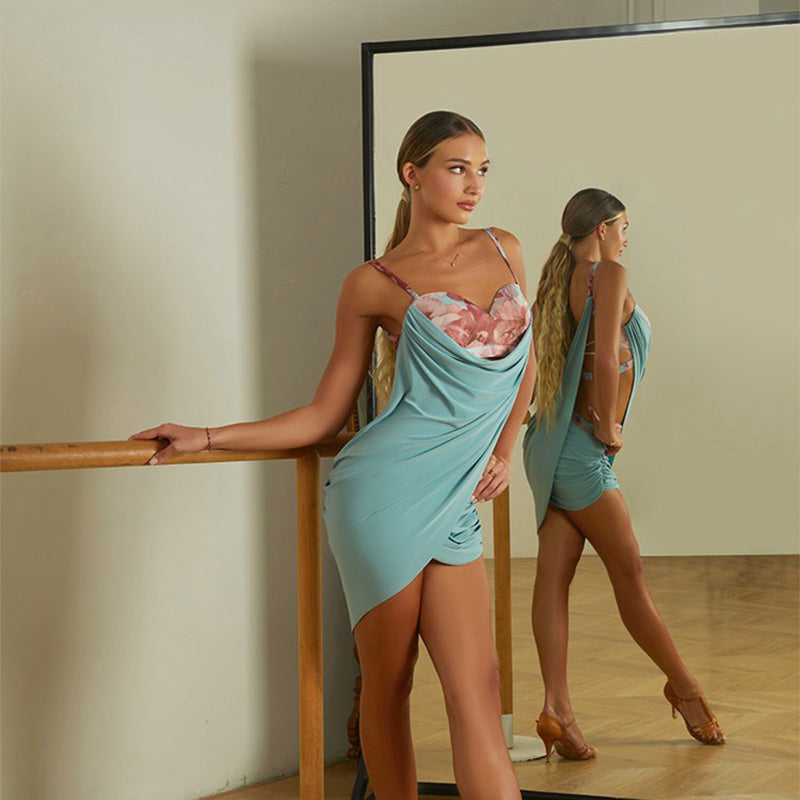
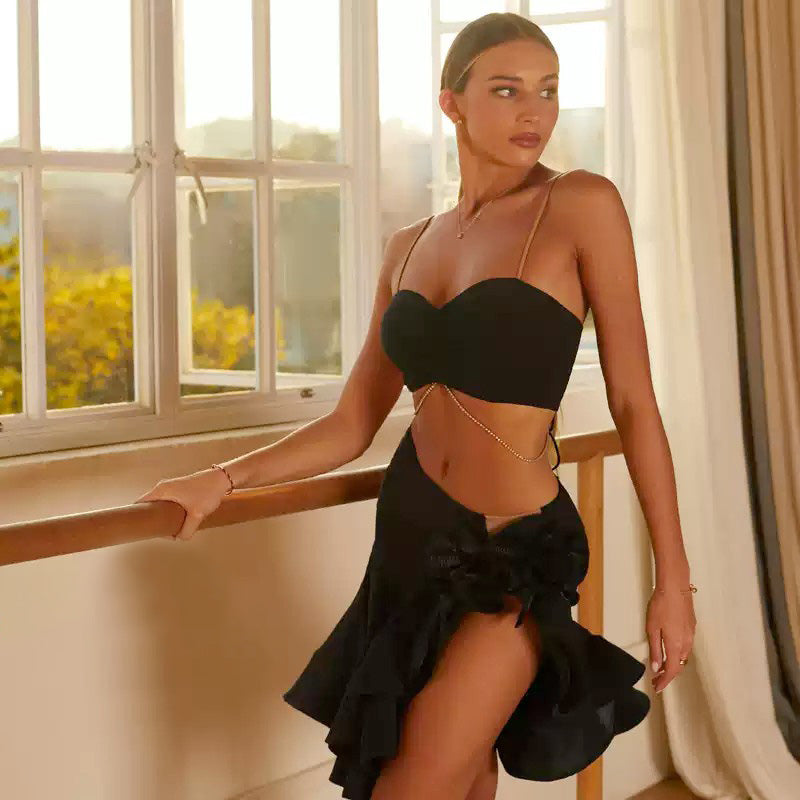
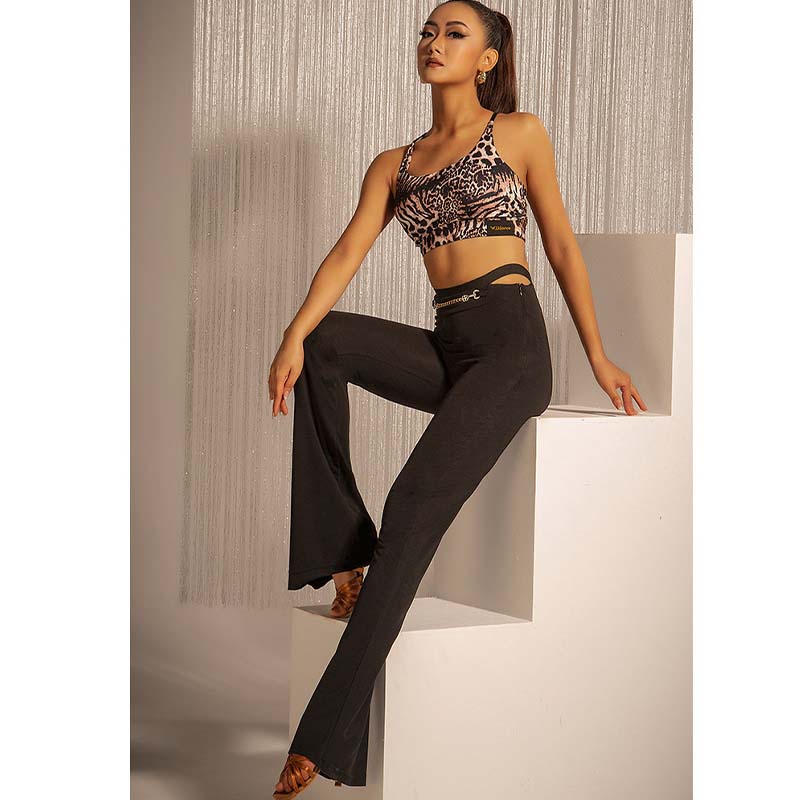
A top needs a bottom and something underneath, and the pairing is where most of the decisions actually live. Over a dance skirt is the classic combination, and a high-waisted skirt with a cropped top is the most forgiving version of it. With dance pants the same top reads completely differently — more contained, better for solo practice and cold studios.
Underneath, a dance bodysuit is the base layer that solves support and tucking in one go, and it turns a sheer or cropped top into something you can wear without thinking about it. When you would rather make one decision instead of three, dance dresses is the other route to the same evening.
Dance Tops: Frequently Asked Questions
What is a dance top?
A fitted top cut for partner dancing rather than for the gym or the street. The differences are armholes that allow full overhead range, stretch fabric that recovers instead of creasing, and hems and necklines designed to stay put through rotation rather than needing adjustment between figures.
What top do you wear with a dance skirt?
A leotard or bodysuit is the most reliable pairing, since it cannot untuck and leaves no break at the waistline. A cropped top over a high-waisted skirt is the next most common, and a longer top that finishes at the hip is the easiest choice if you would rather not think about where the waistband sits.
Are dance tops cropped?
Some are and some are not. Crop lengths exist so the waistband of a skirt or trouser stays visible and the line stays unbroken; paired with a high waist they show very little. Longer cuts finishing at or below the hip are here too, and they behave identically in a hold.
Do long-sleeve dance tops get too hot?
A mesh long sleeve does not — it weighs almost nothing and breathes better than most short-sleeve cotton. Solid long sleeves are warmer, which is the point in an unheated hall and a genuine drawback in a full summer studio. Most dancers who work through a winter own at least one of each.
Can I wear the same top for ballroom and Latin?
Usually, yes. Tops cross between the two families far more freely than skirts do. Ballroom cuts tend to stay cleaner under a frame and Latin cuts tend to stop at the waist, but plenty of styles work in either room, and the top is the piece most dancers do not need to buy twice.
What size dance top should I order?
Order against the size chart on the product page using your bust and underbust measurements rather than your usual clothing size, and check the length if you are between a crop and a full cut. Stretch fabric gives some latitude, and every order carries a money-back guarantee if the fit turns out wrong.