Filters
Color
Sort by

How to choose comfortable ballroom dance shoes for women

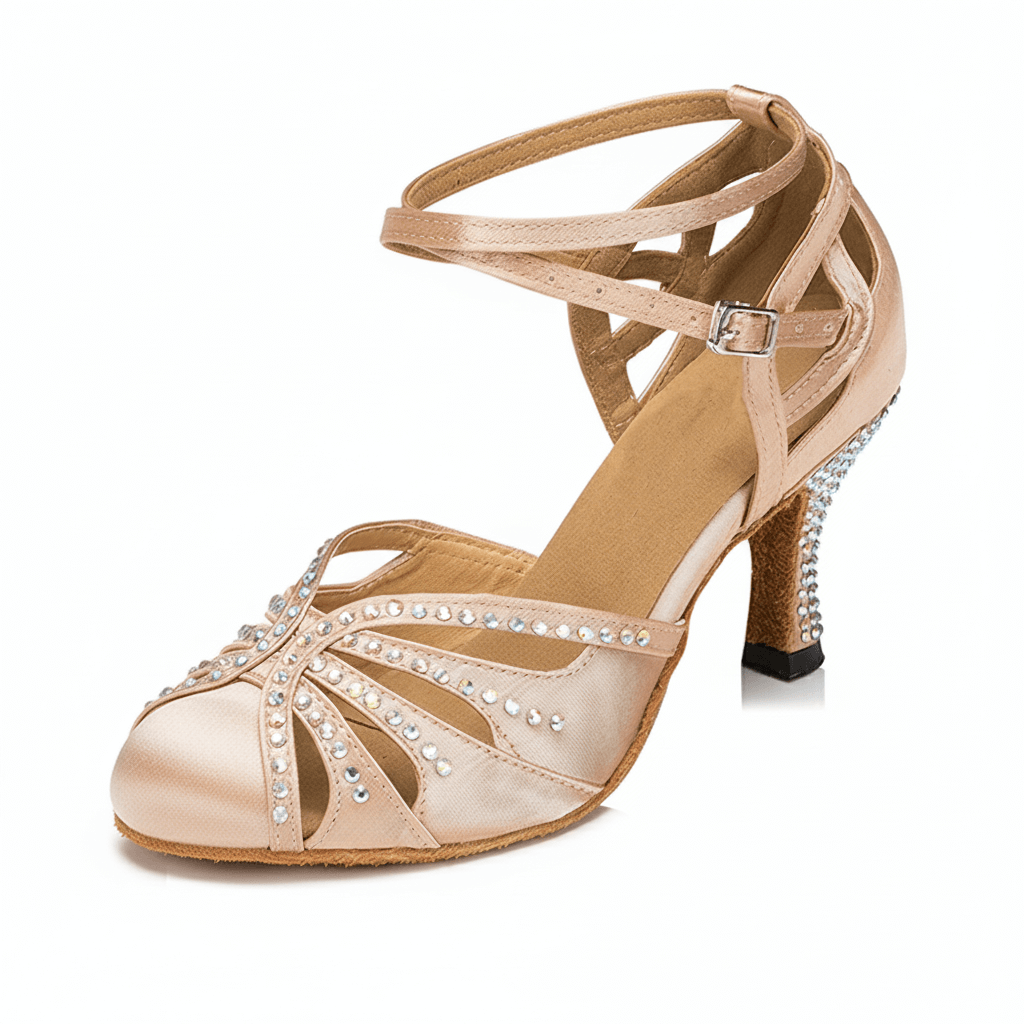
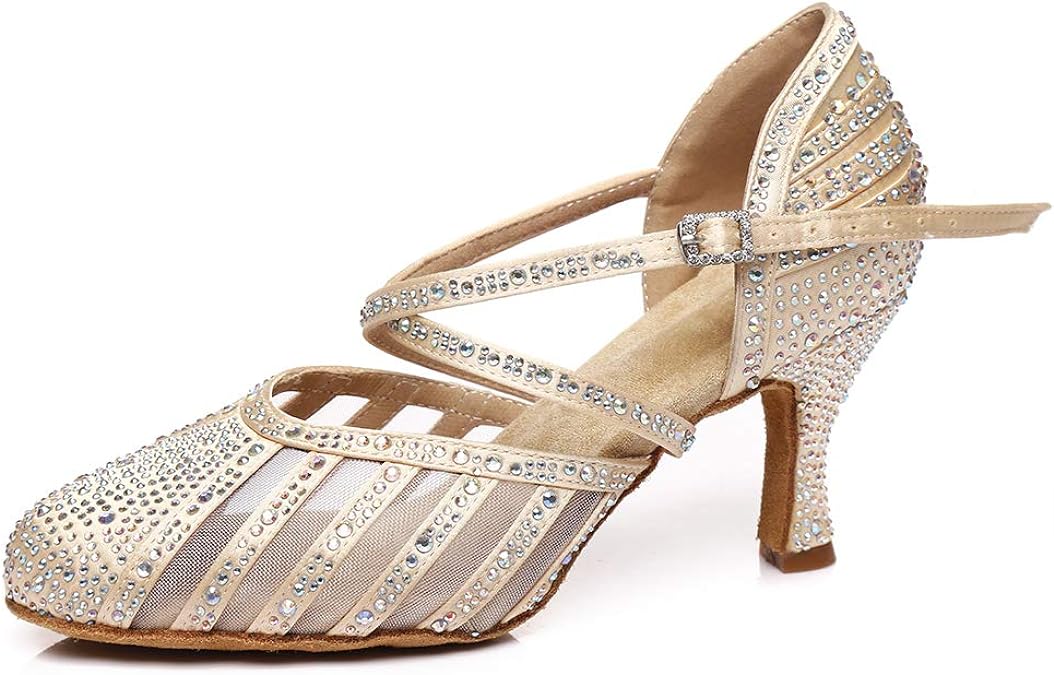
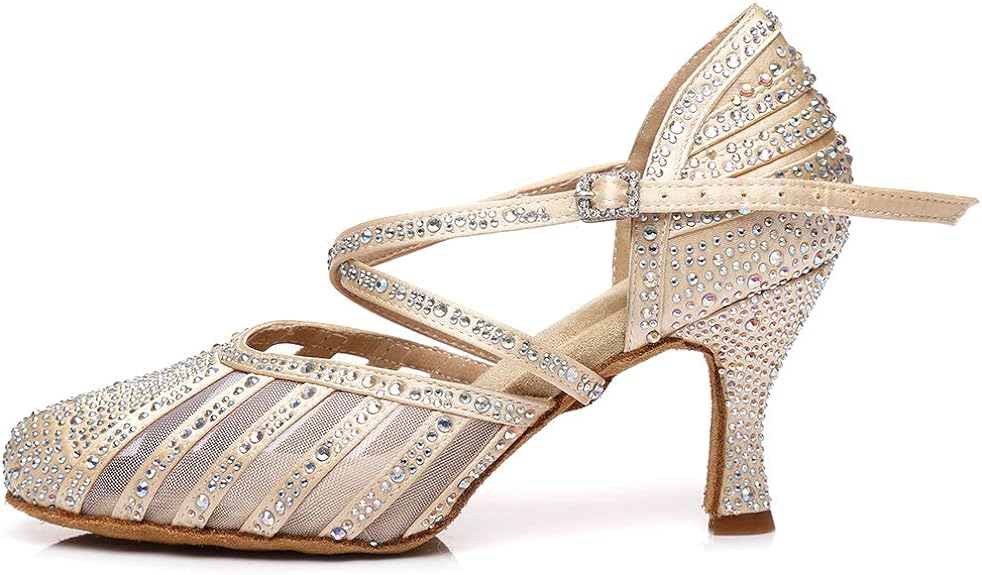
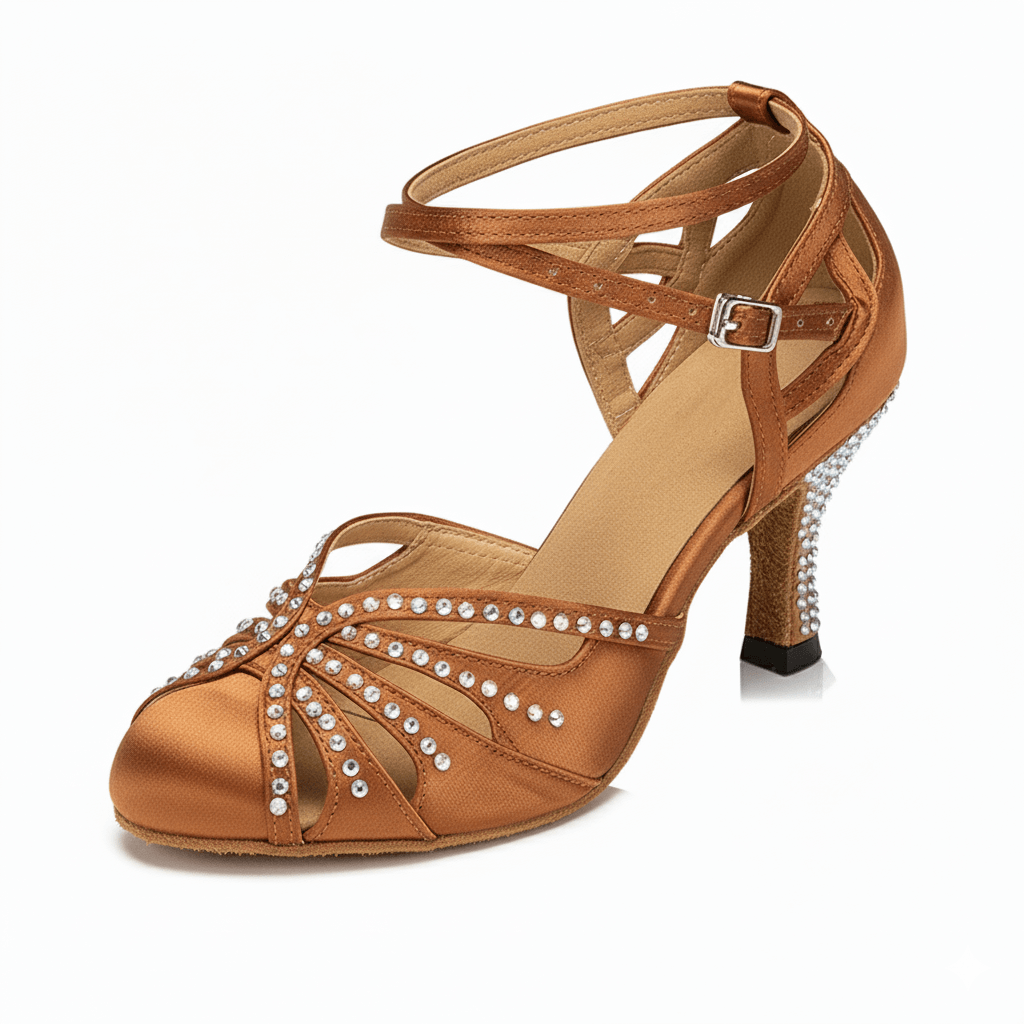
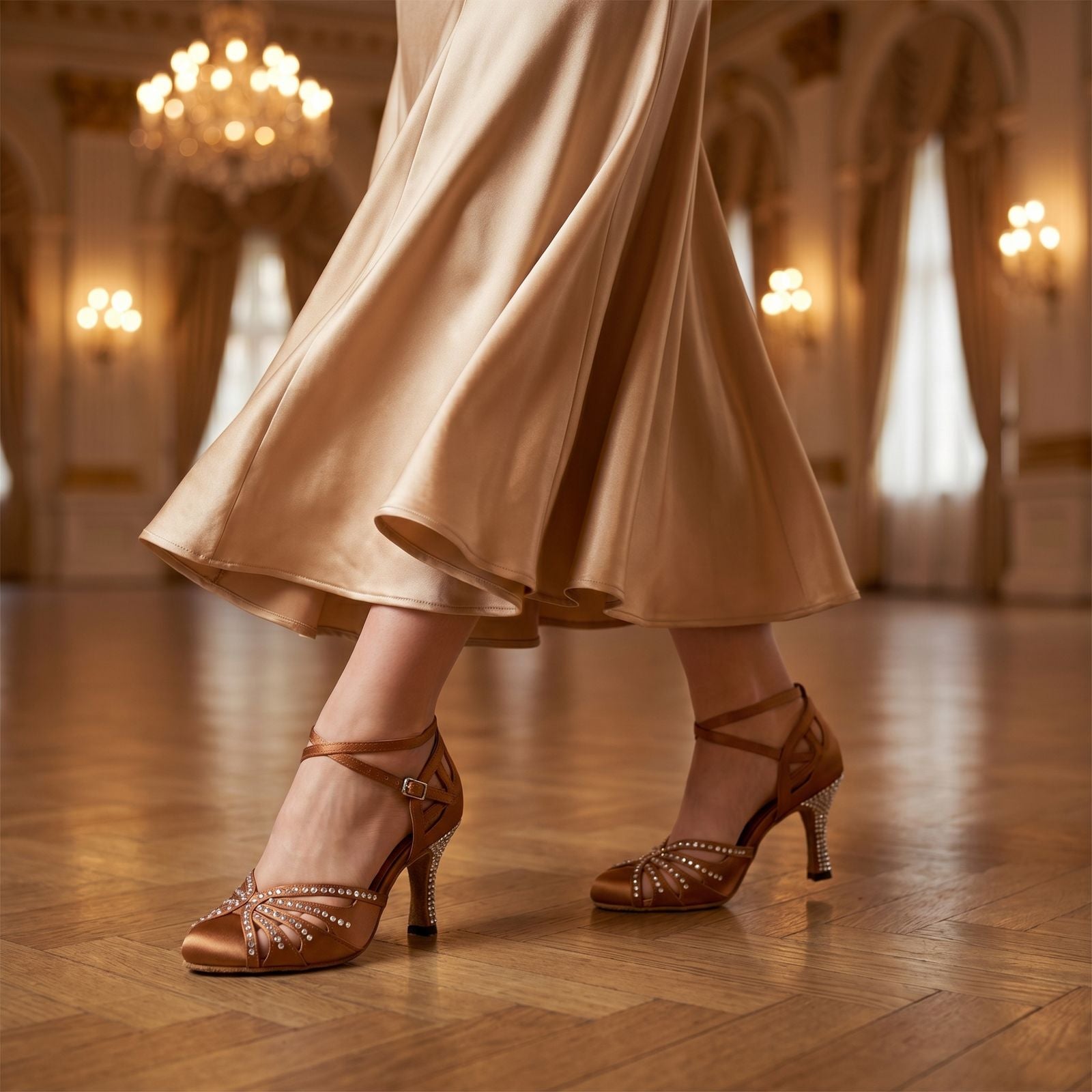
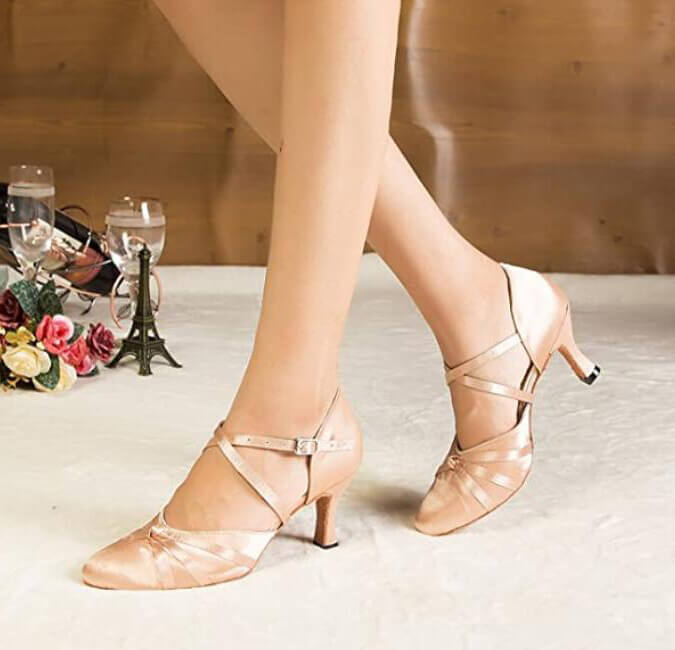
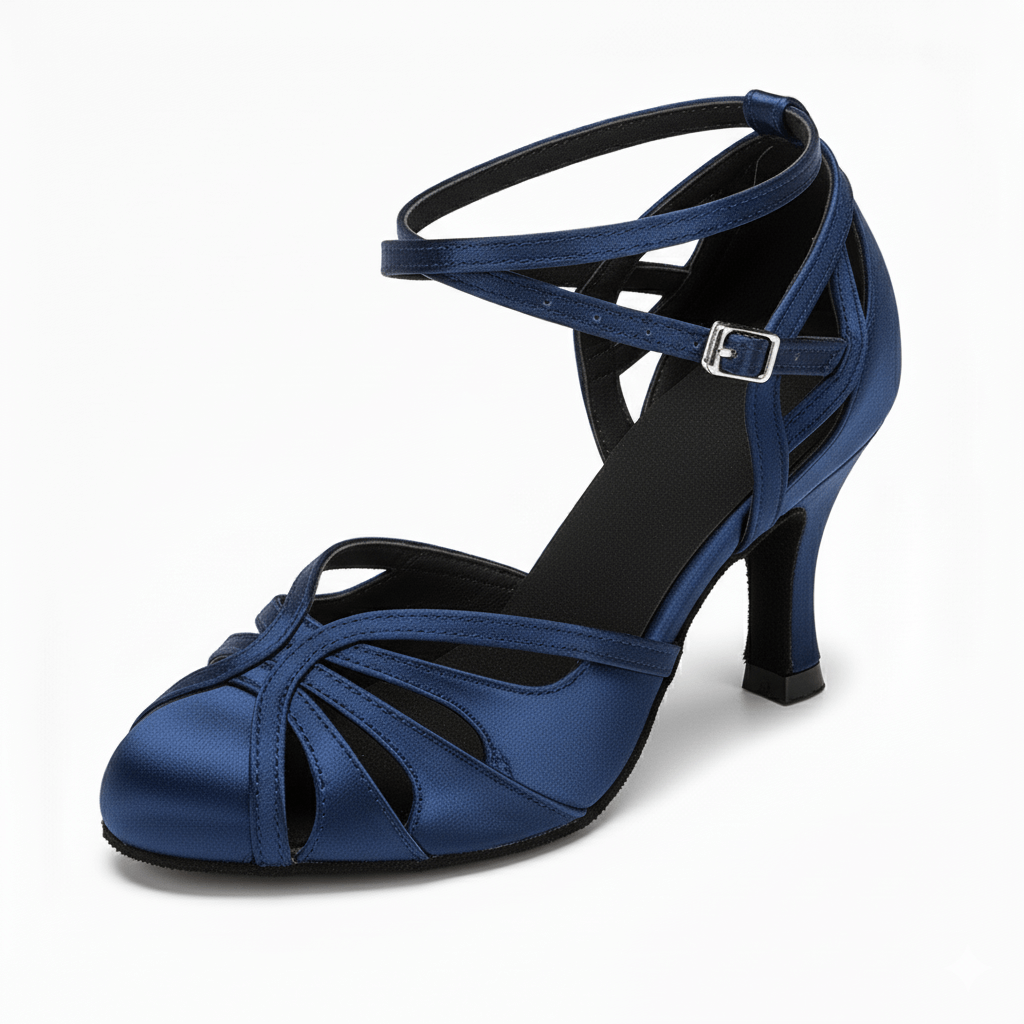
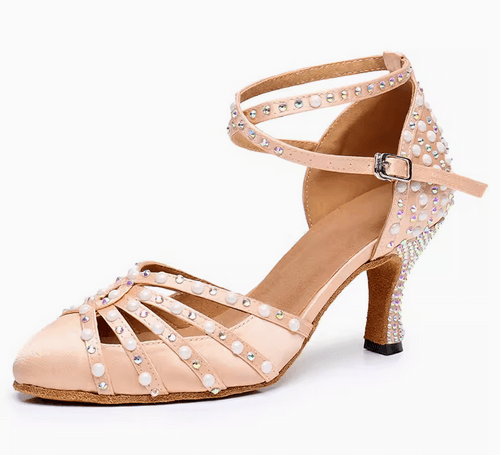
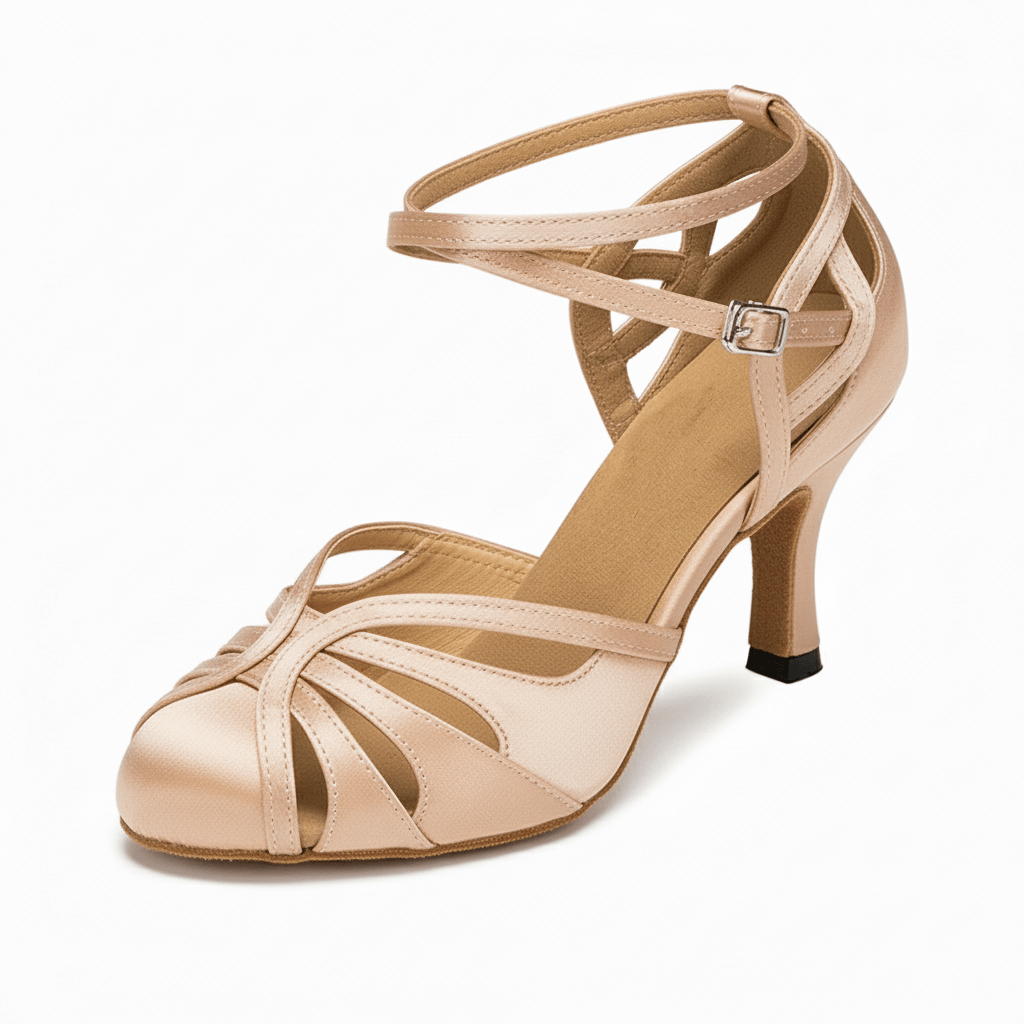
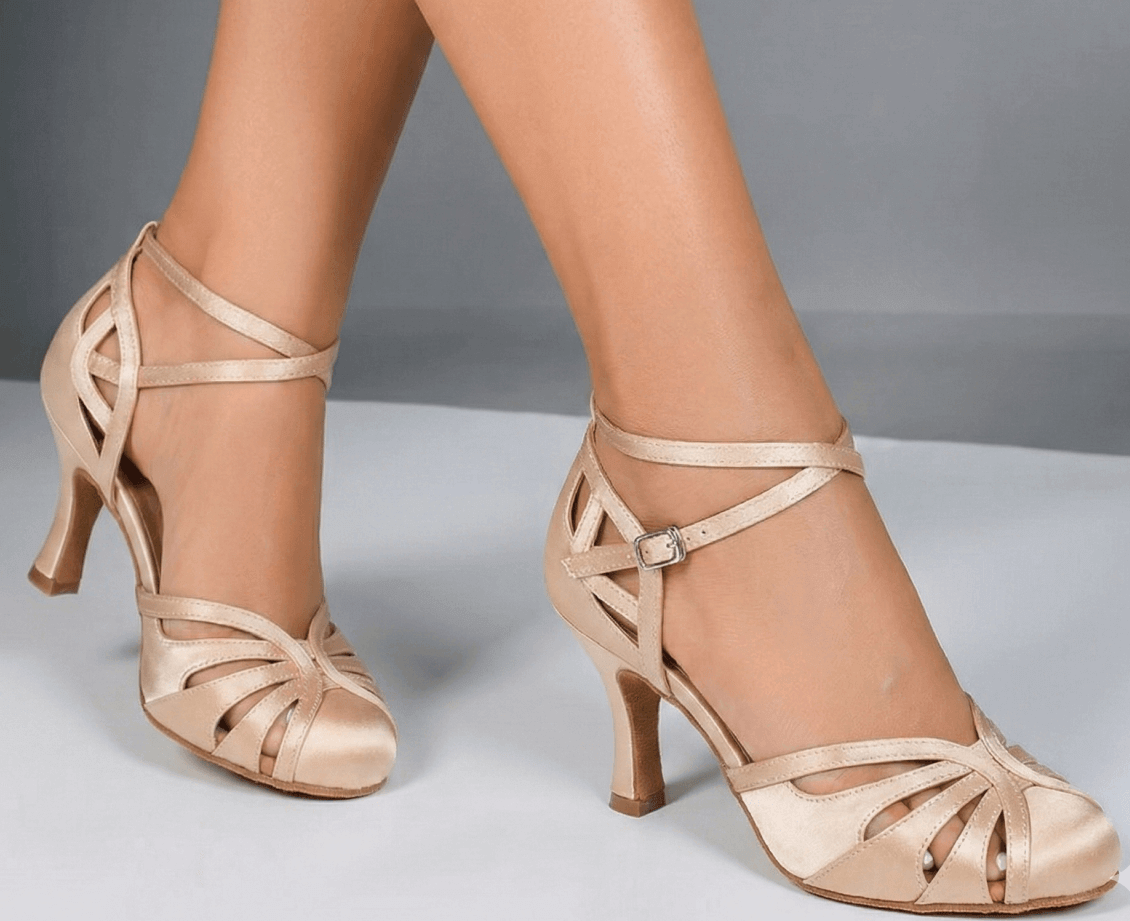
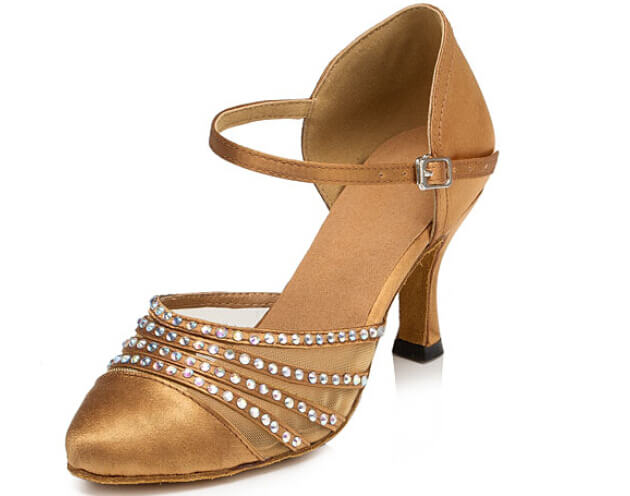
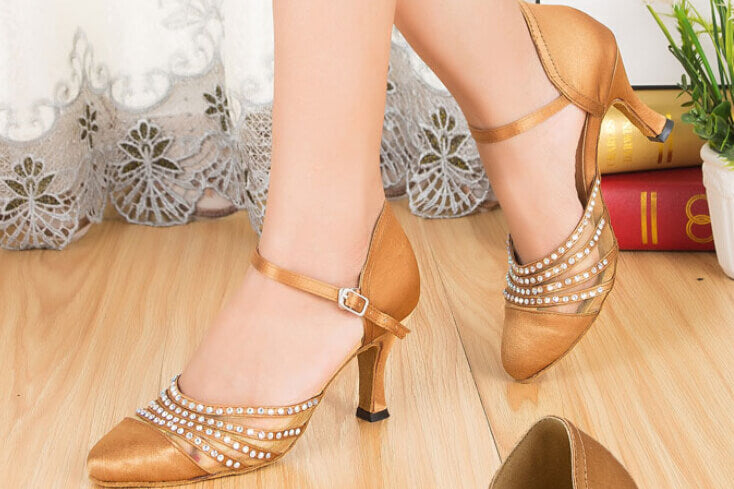
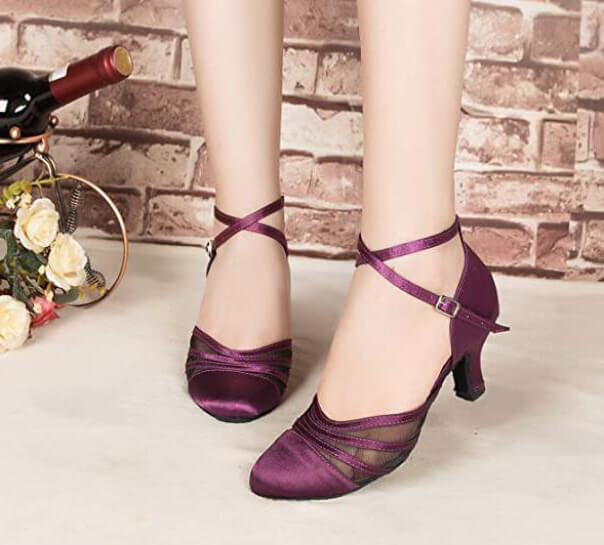
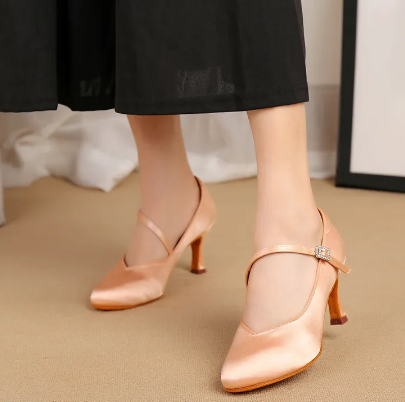
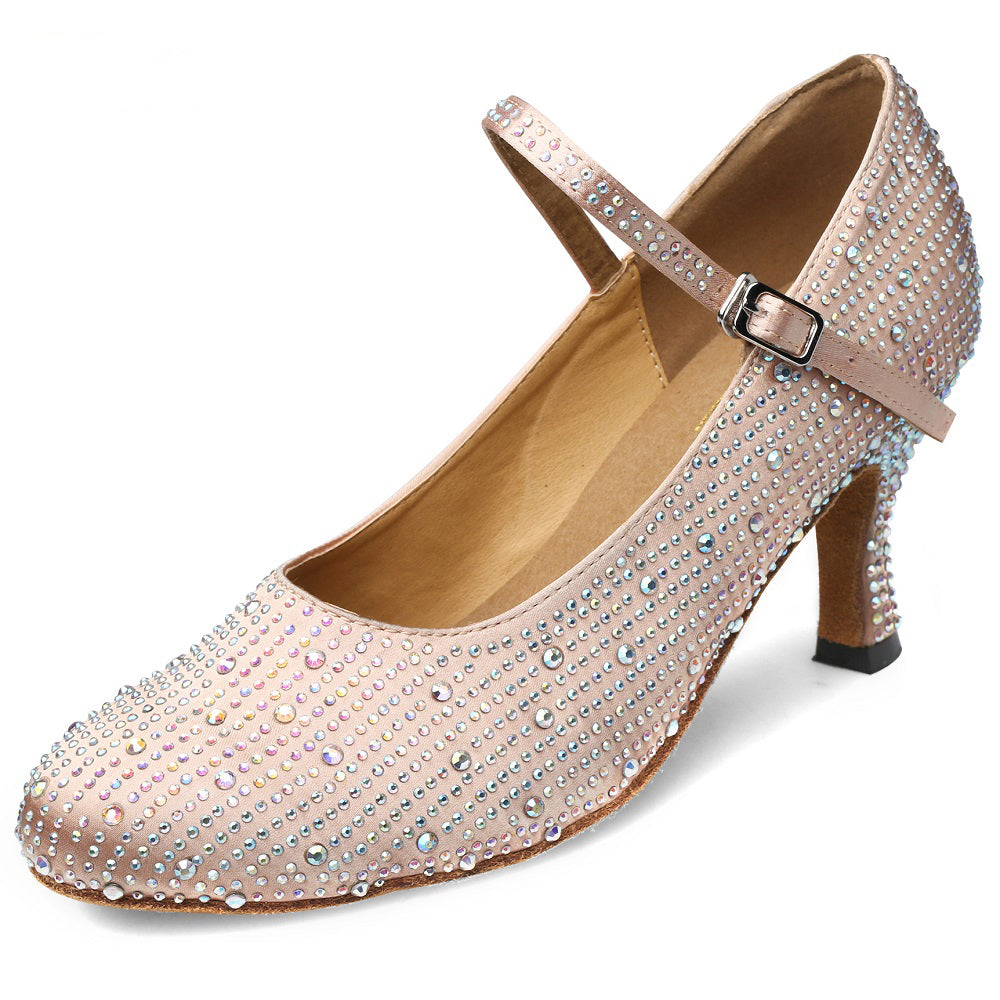
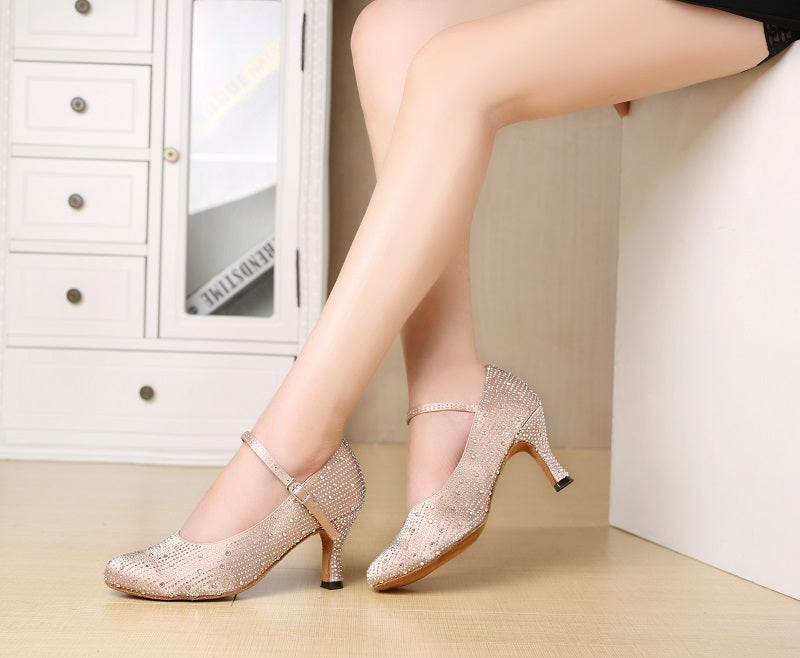
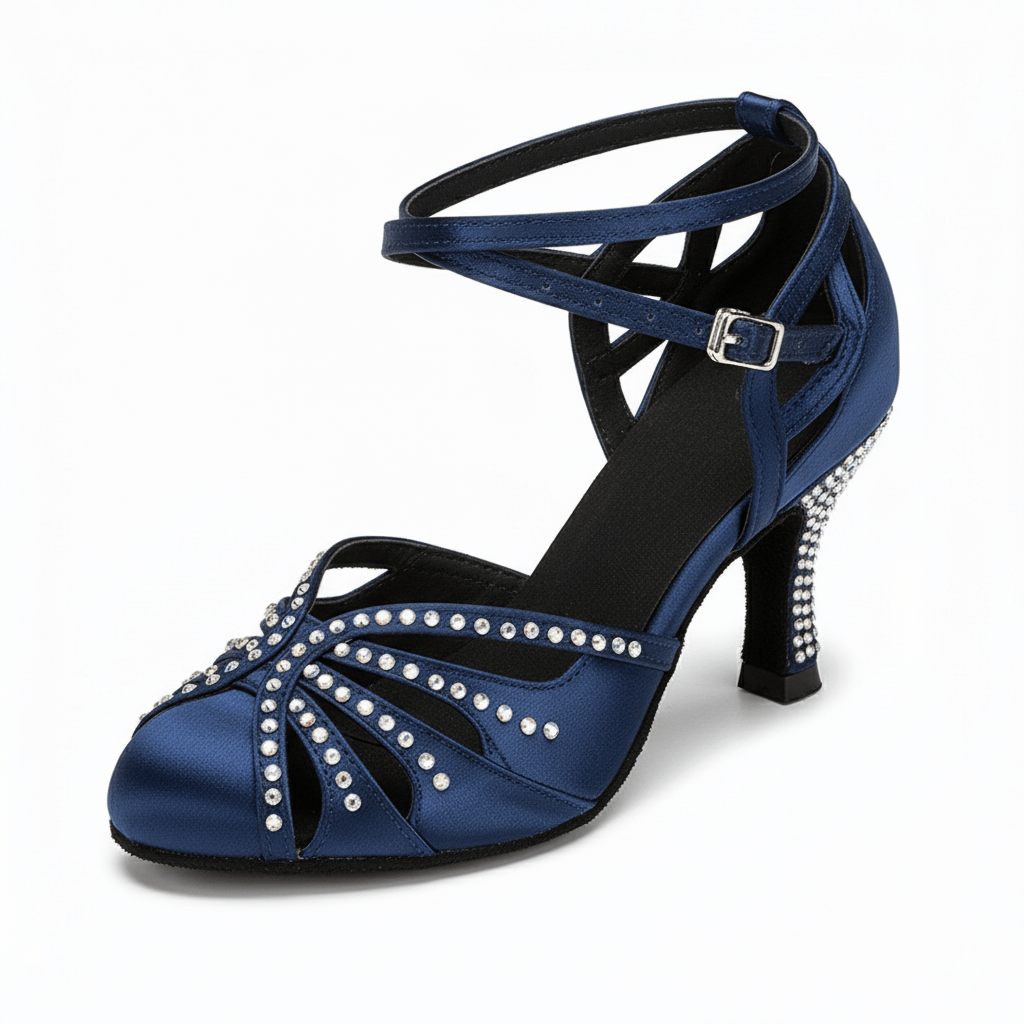
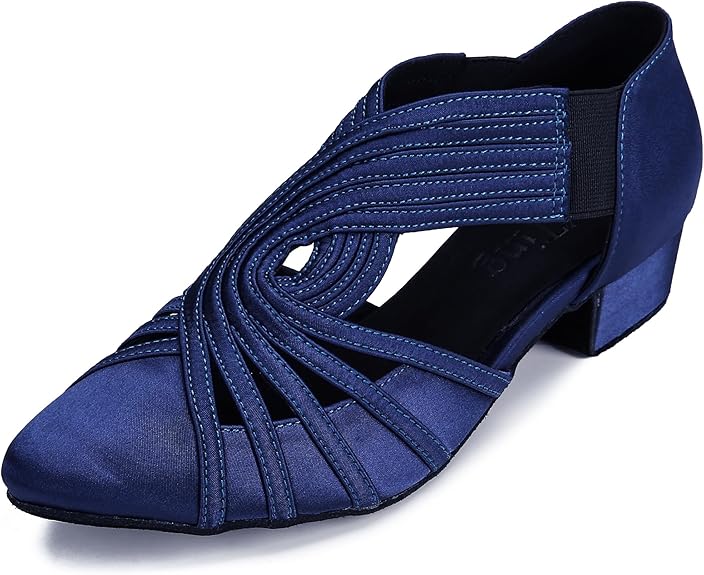
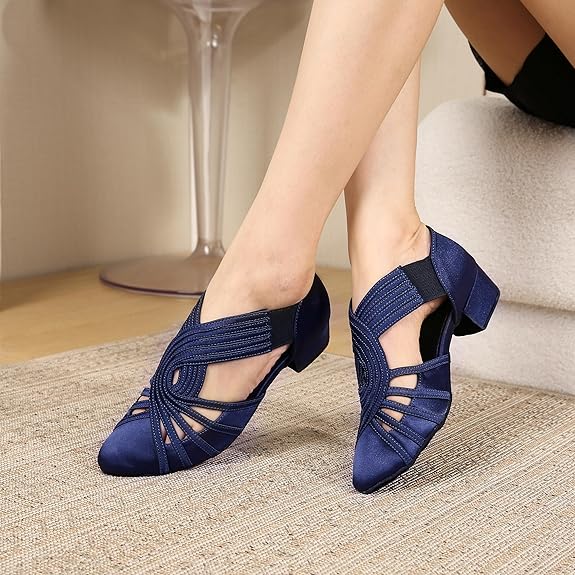
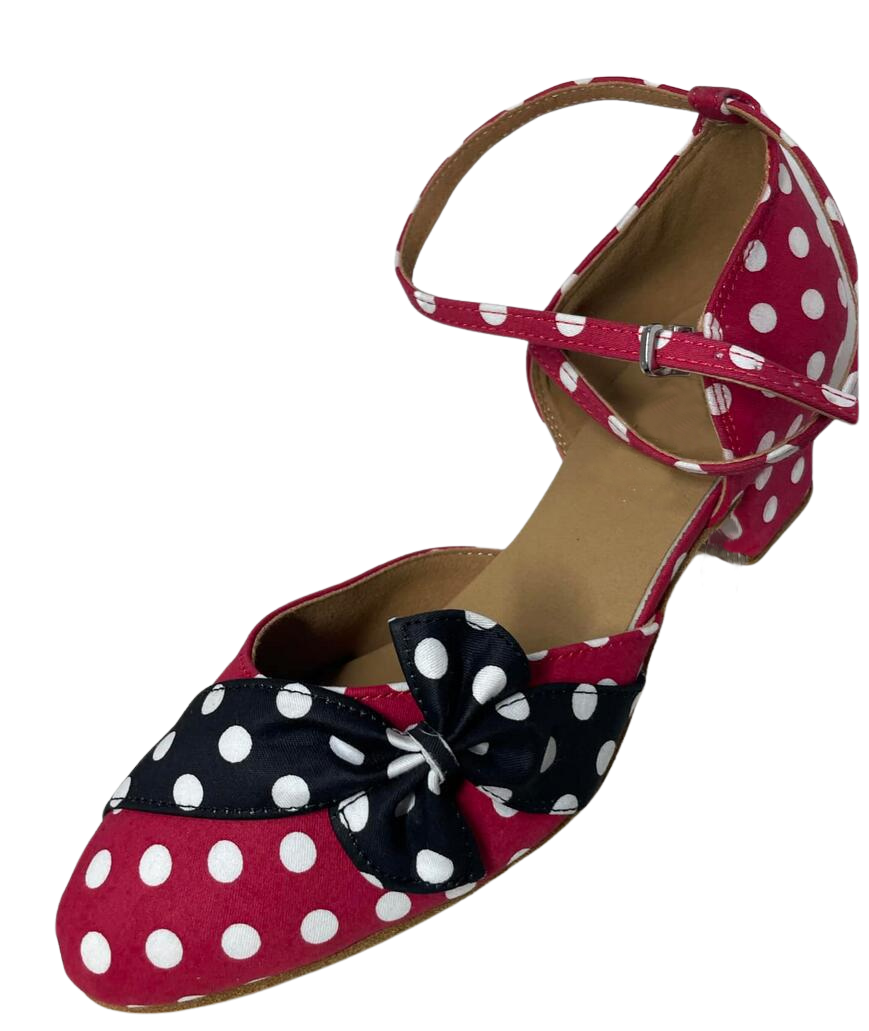
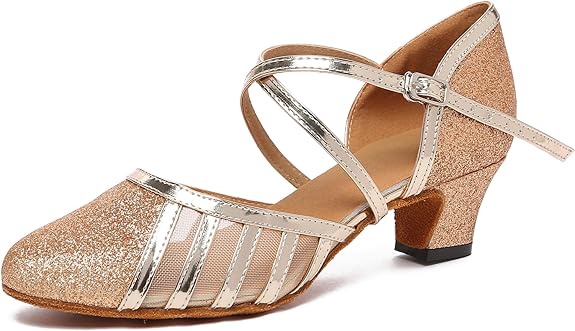
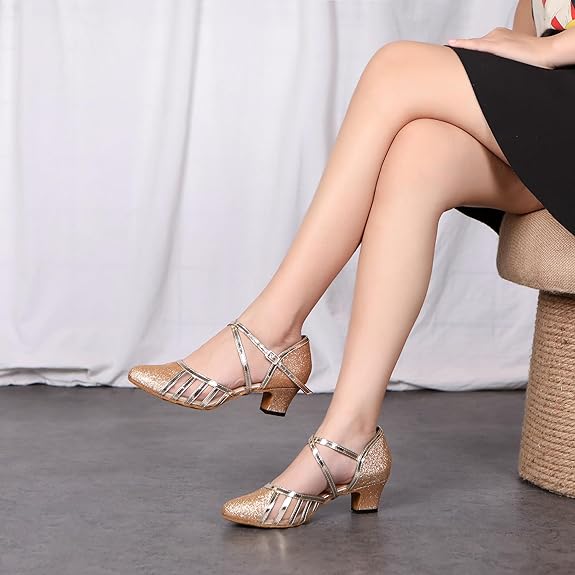
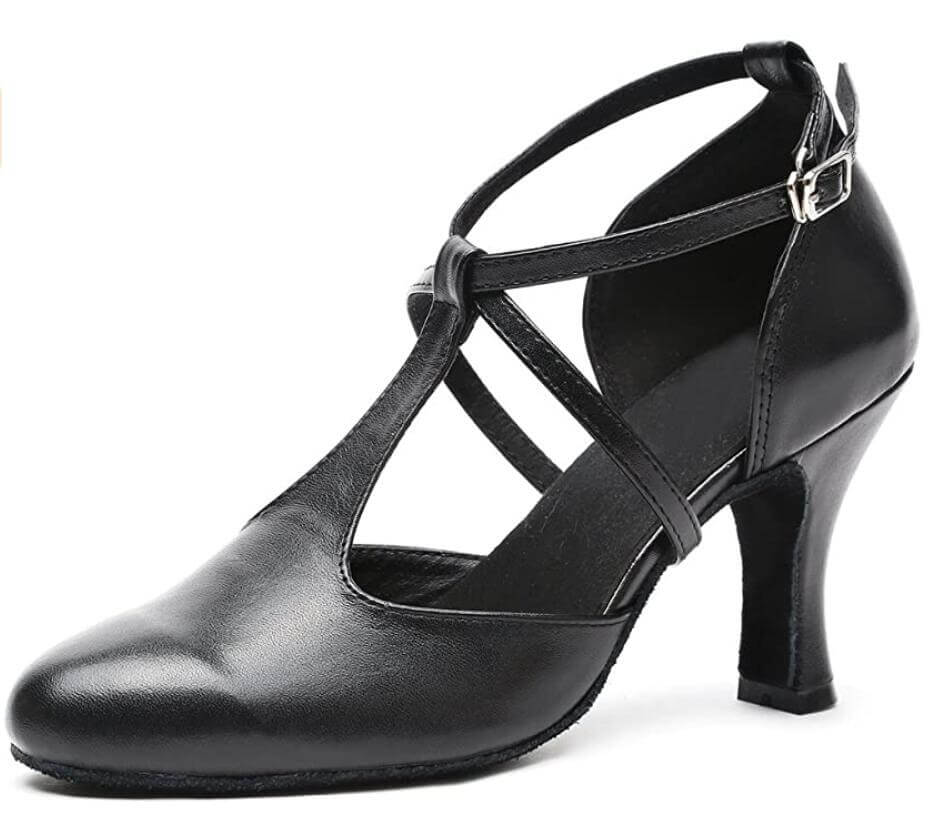
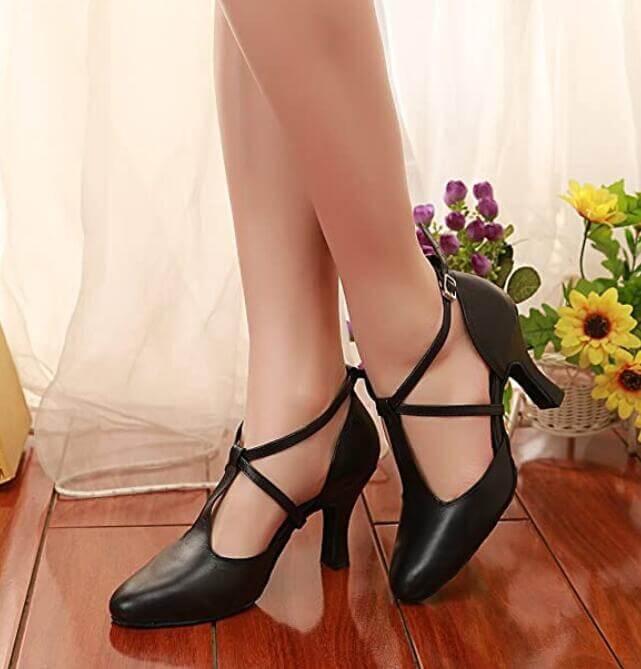
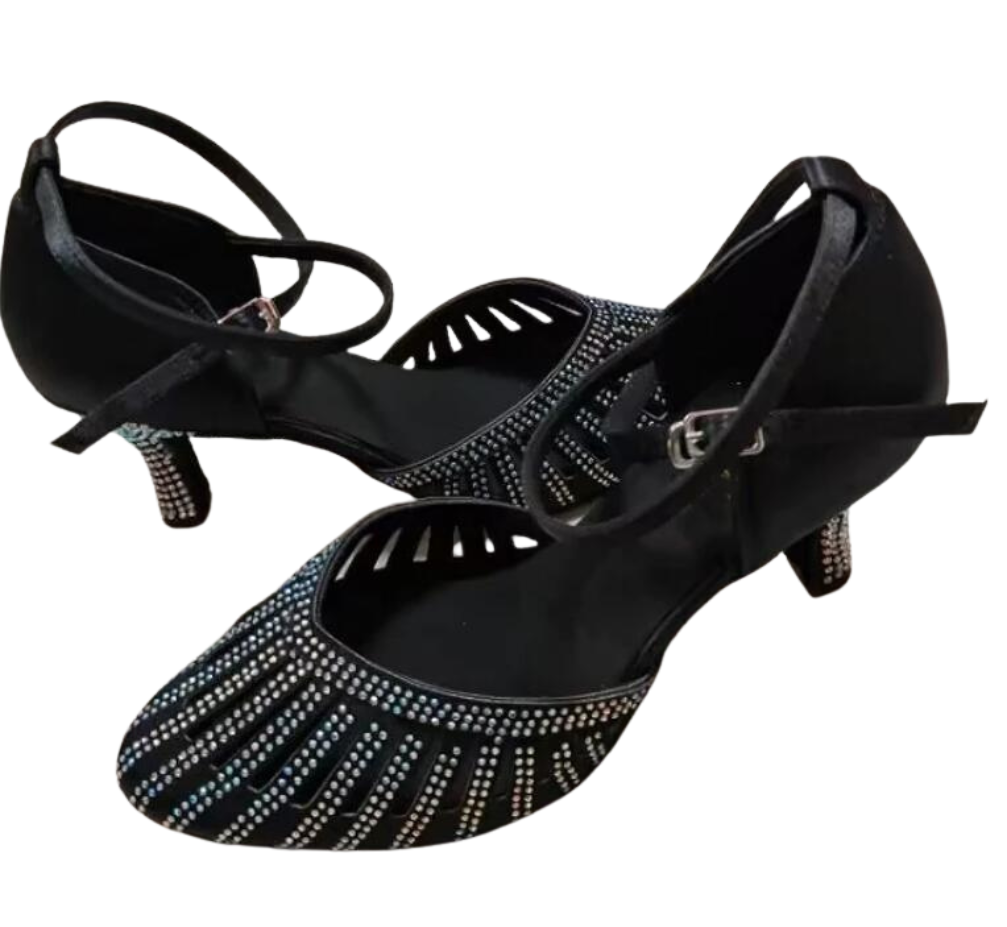
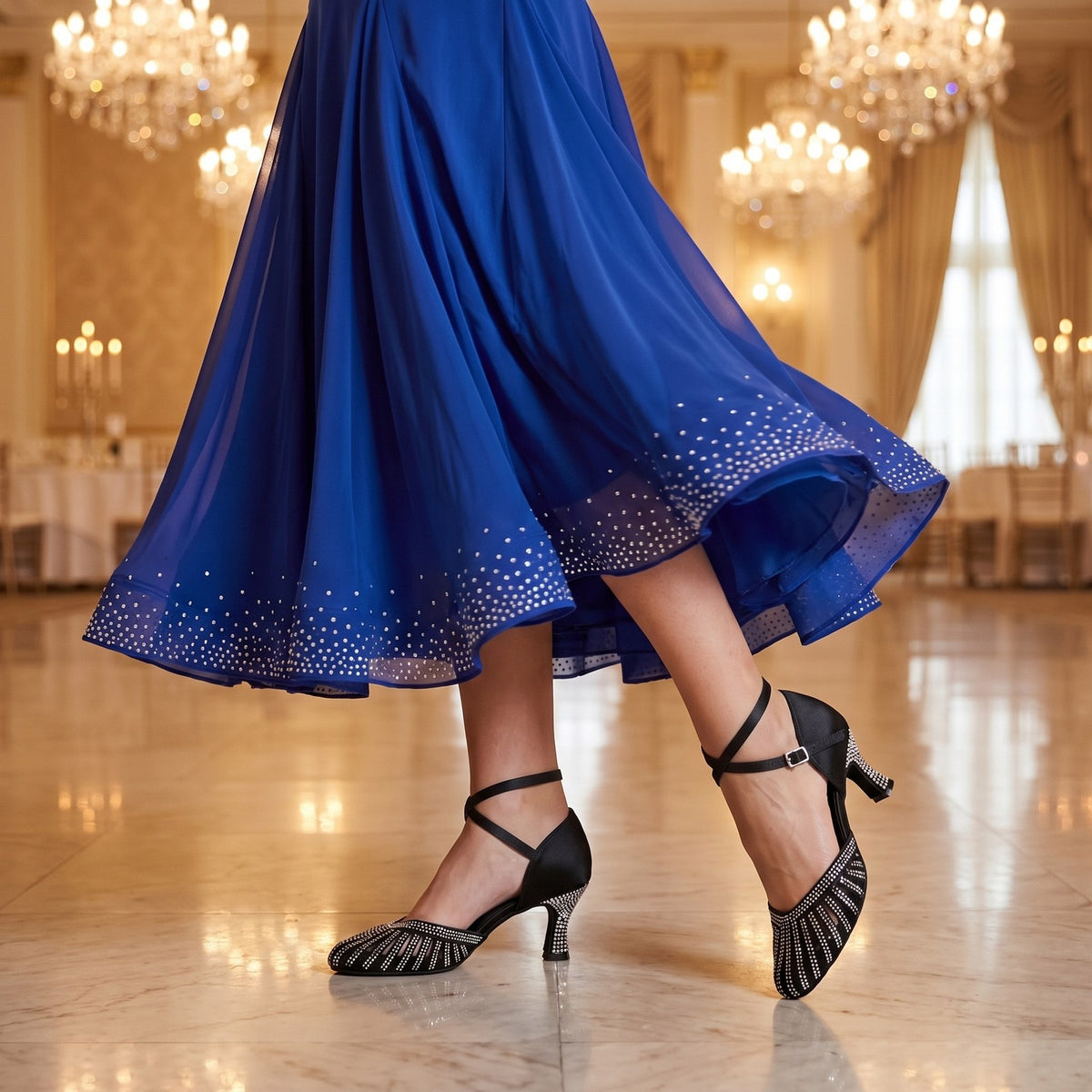
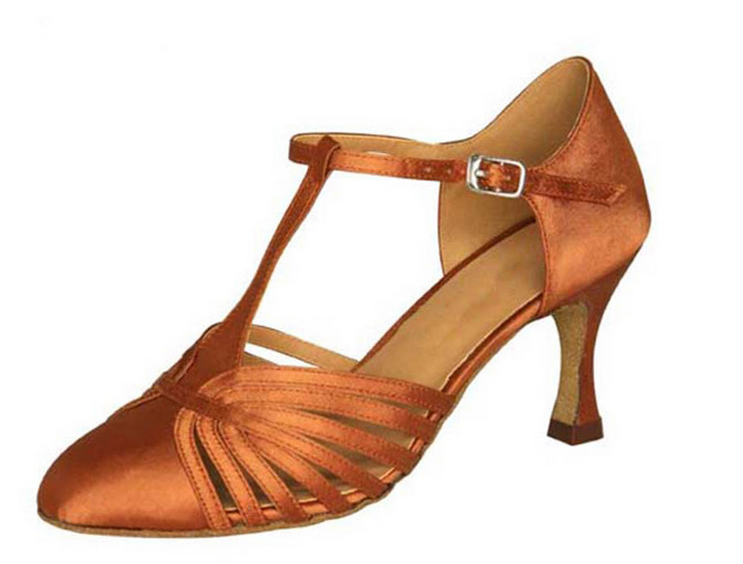
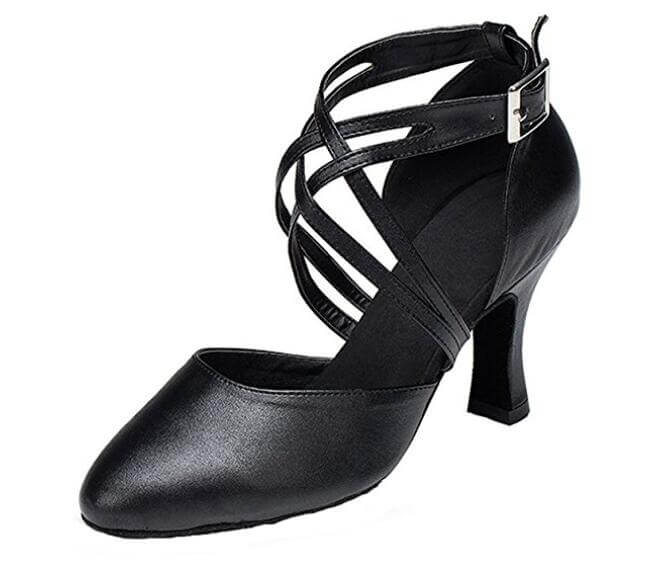
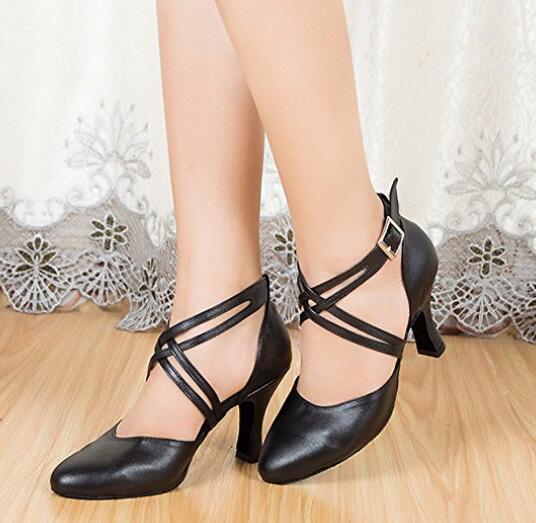
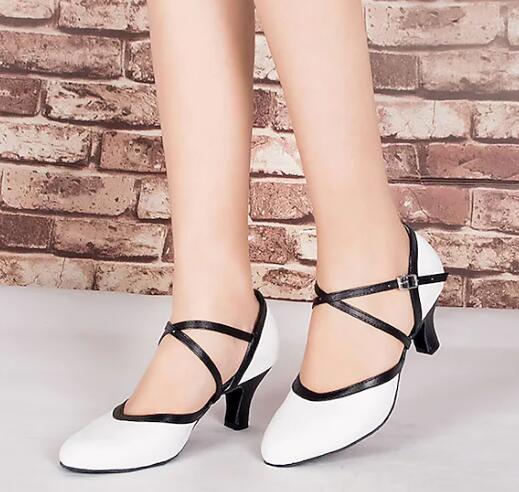
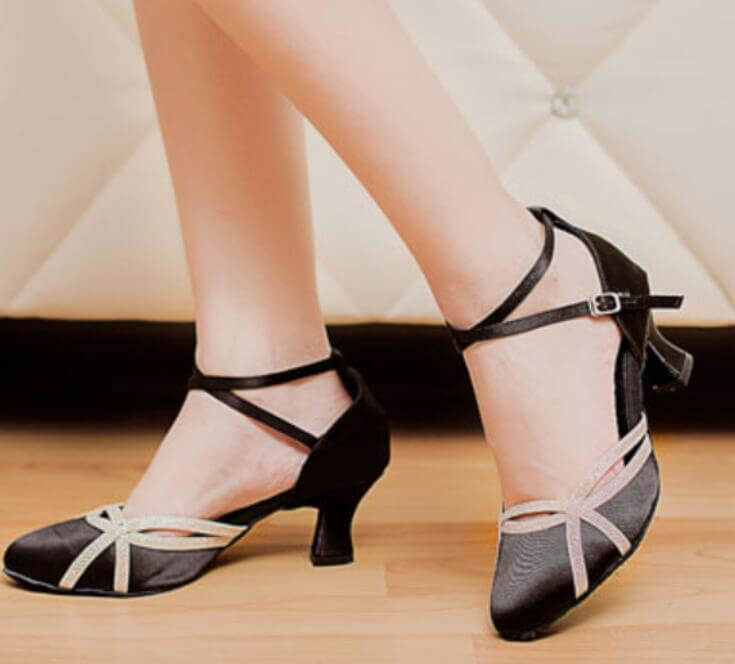
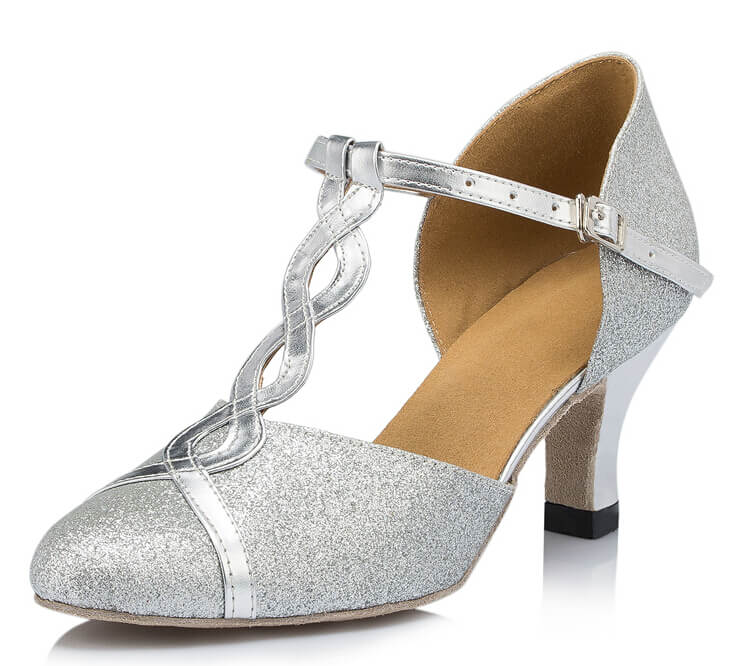
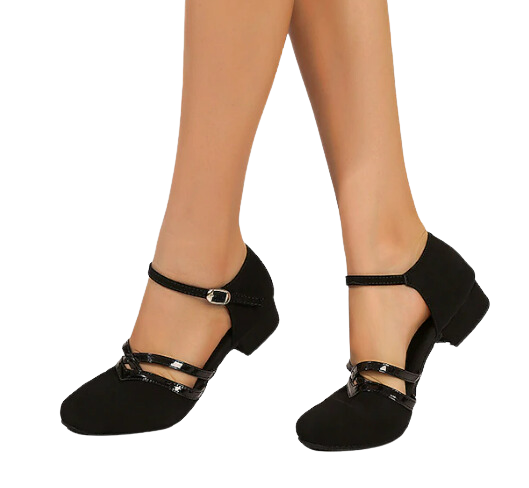
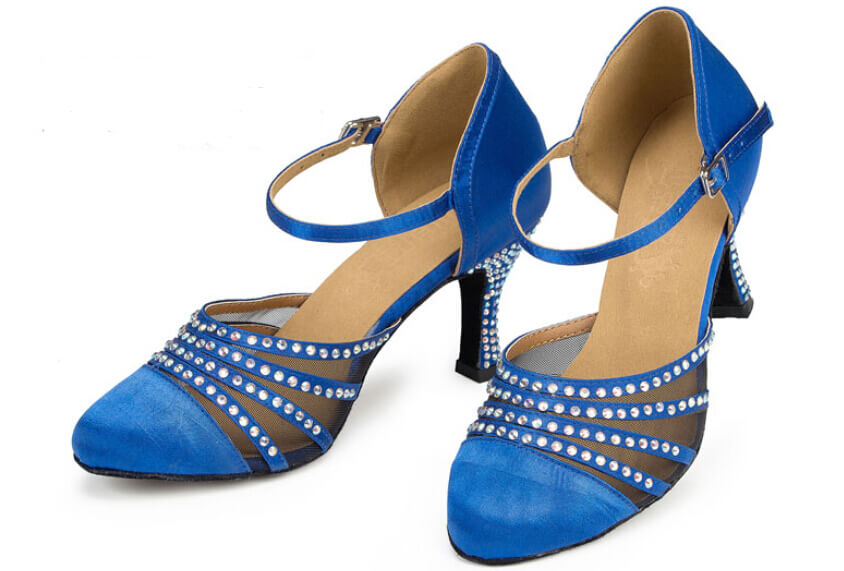
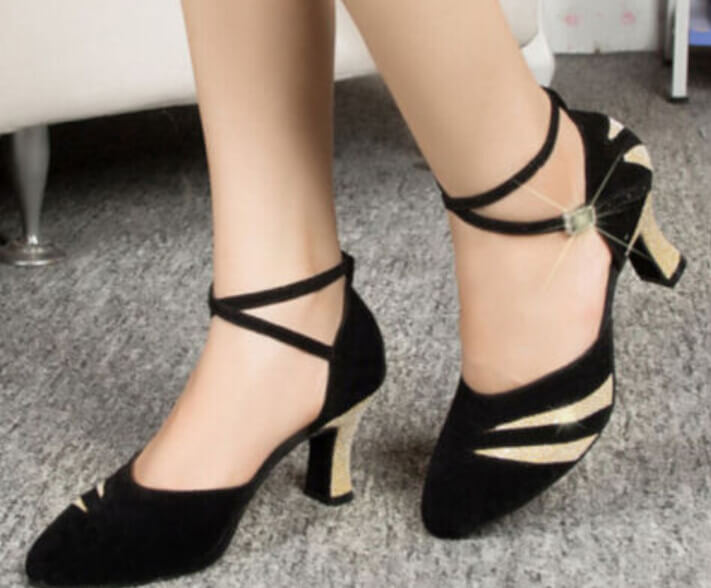
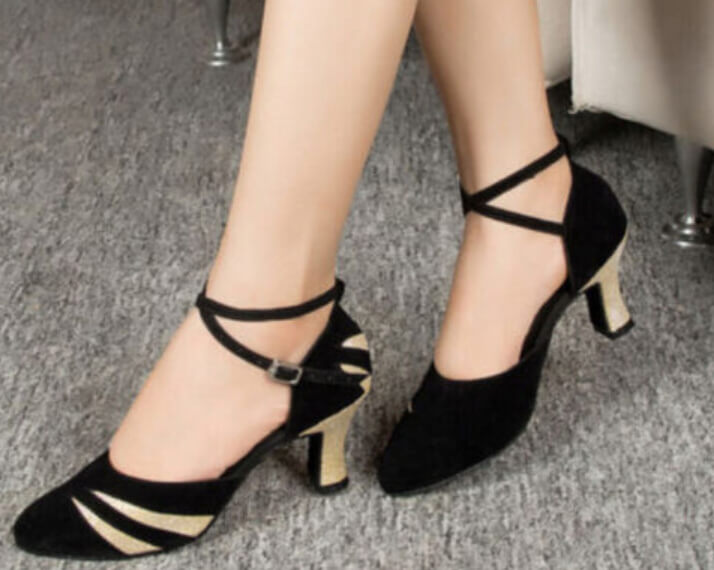
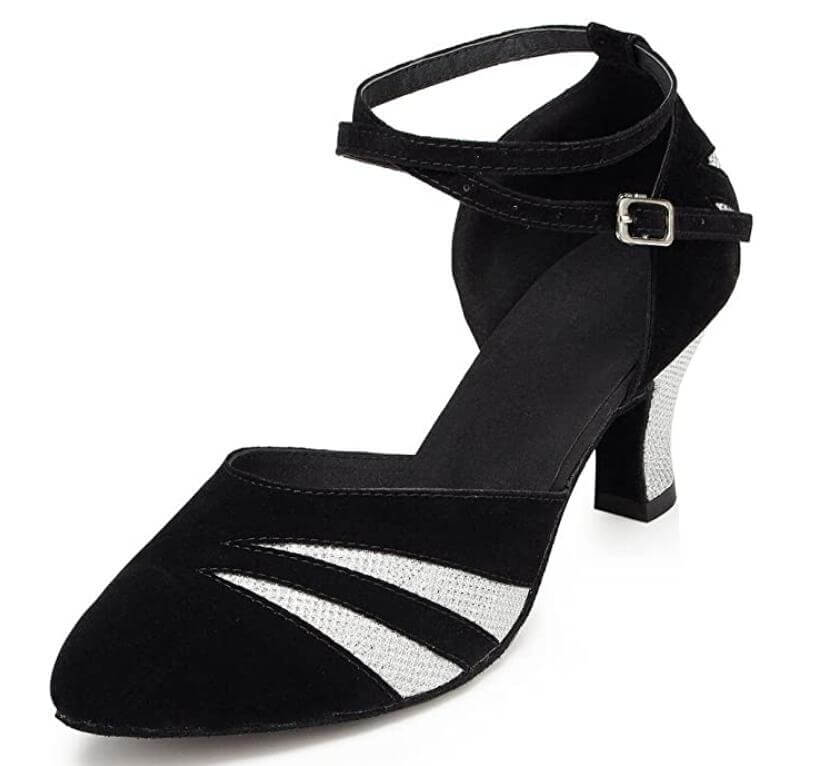
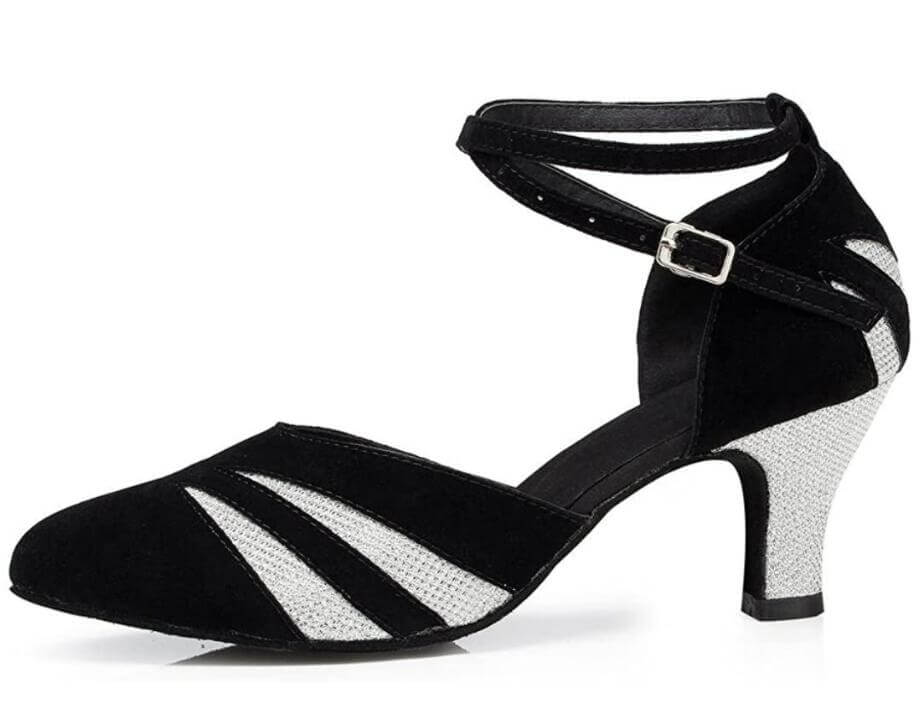
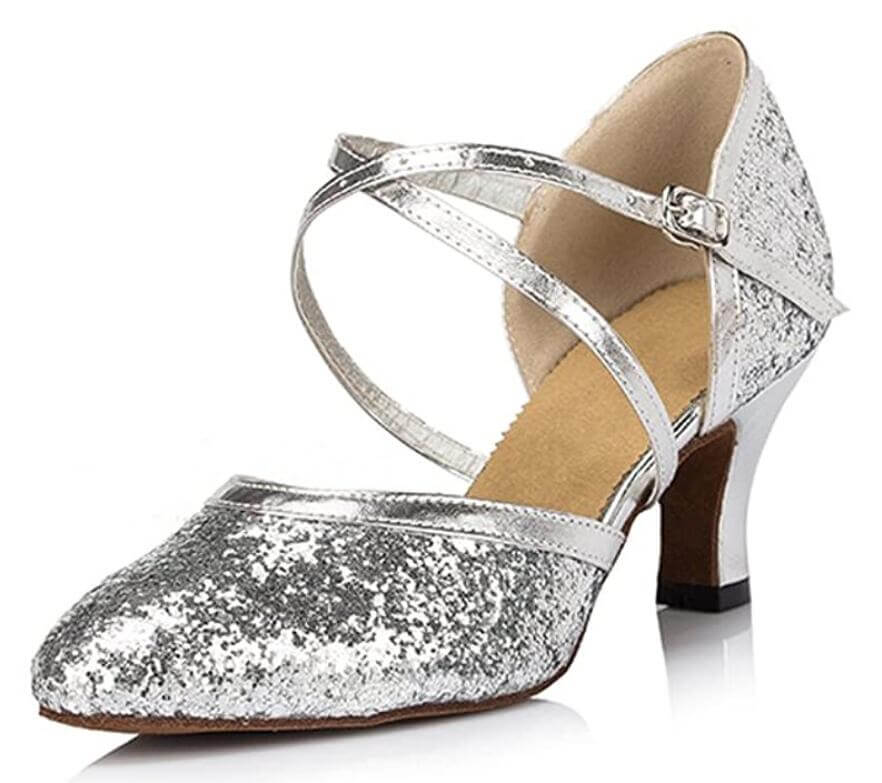
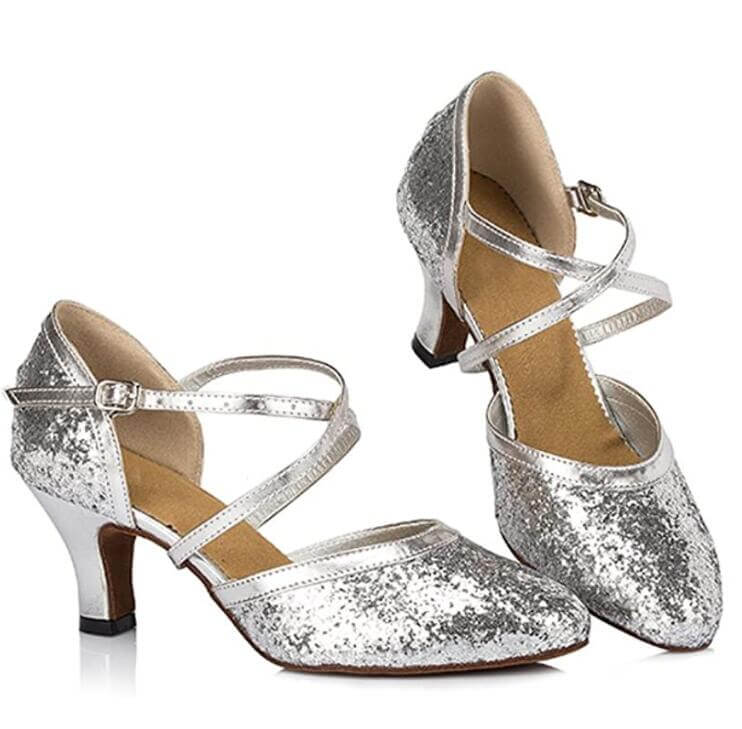
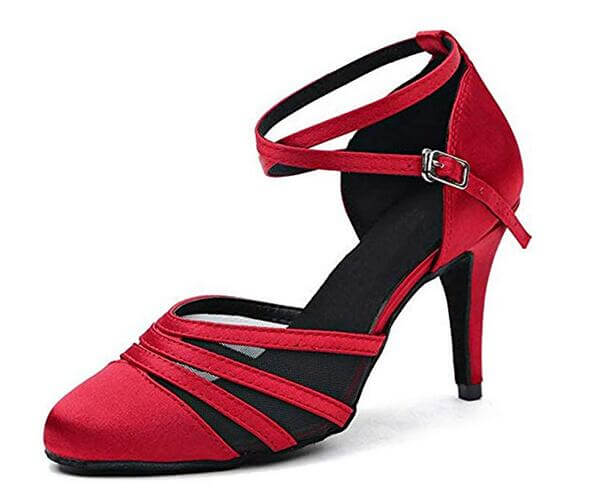
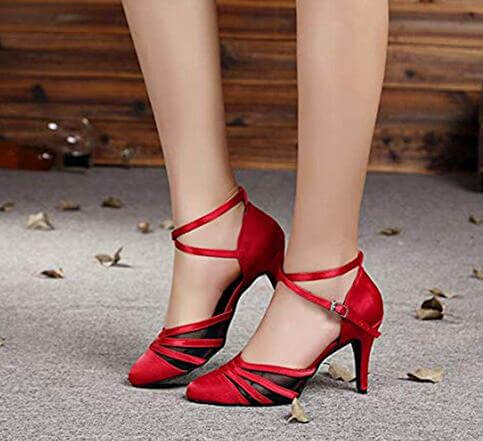
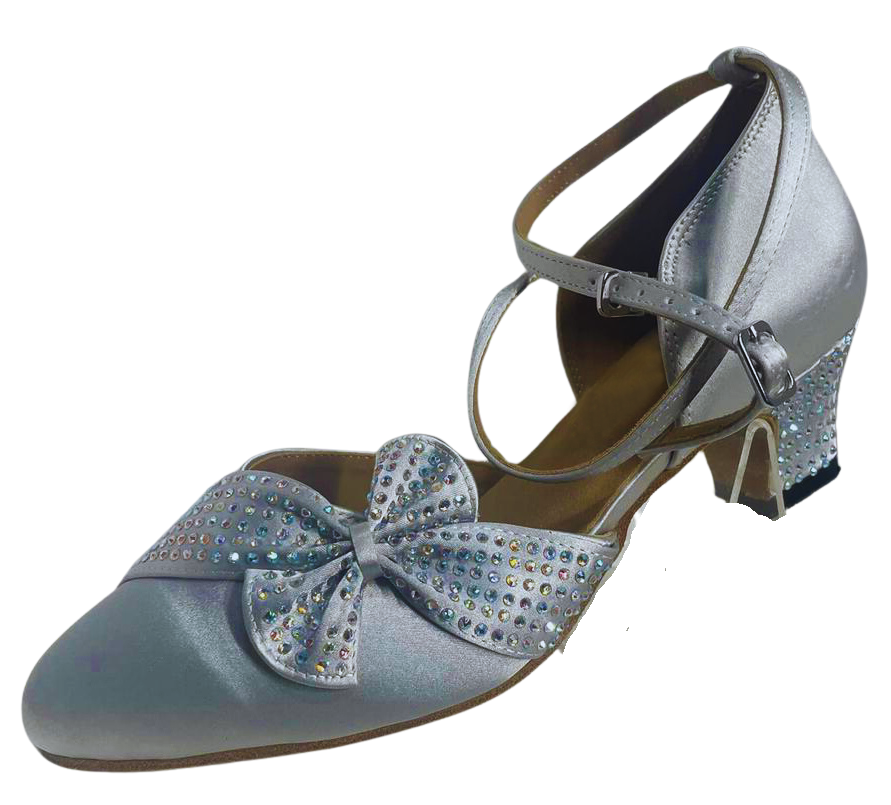
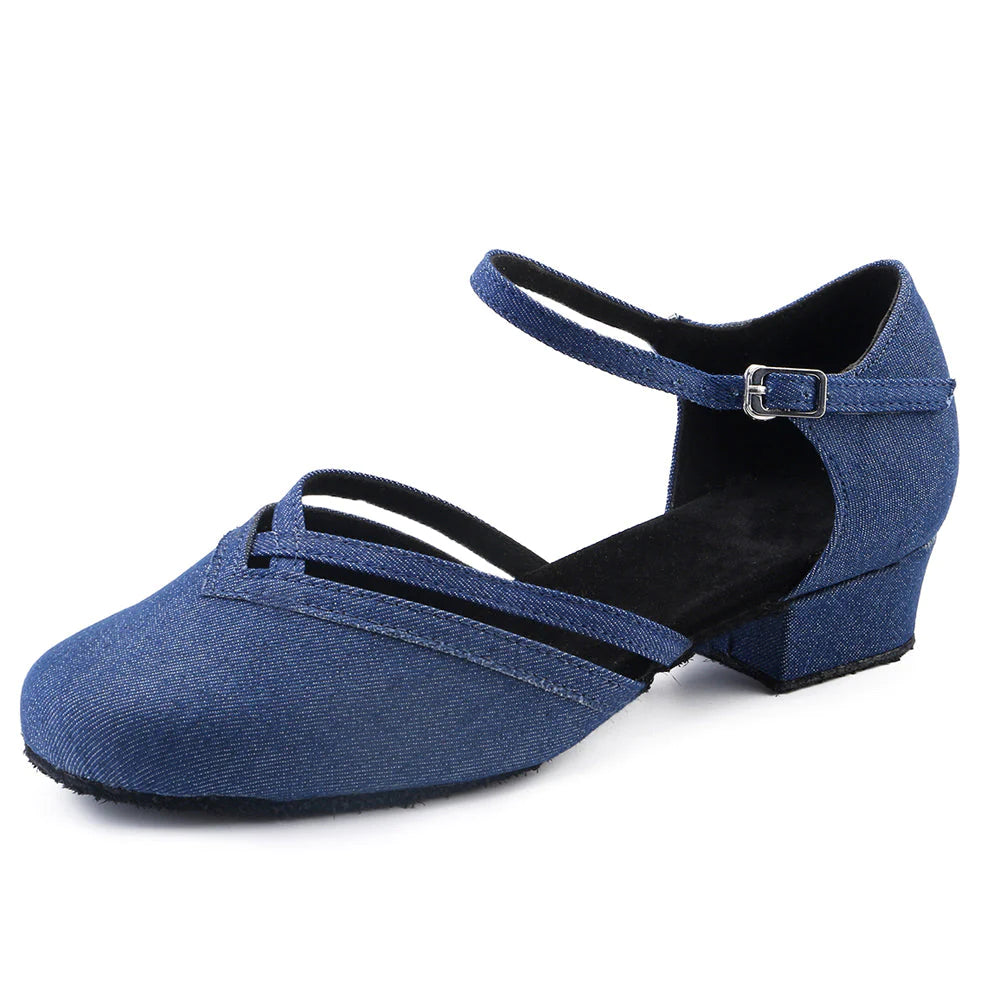
Choose comfortable ballroom dance shoes for women when you need steady balance, closed-toe coverage, and padding that lasts through a full lesson or social. This collection fits dancers working on Waltz, Foxtrot, smooth, and standard routines, where clean footwork and controlled rise-and-fall matter more than flashy open-toe styling. Look for a secure ankle strap, a closed toe box that holds the forefoot, a cushioned insole, and a heel height that matches your current balance. Comfortable women’s ballroom dance shoes should feel snug at the heel, supported under the arch, and stable when you step backward.
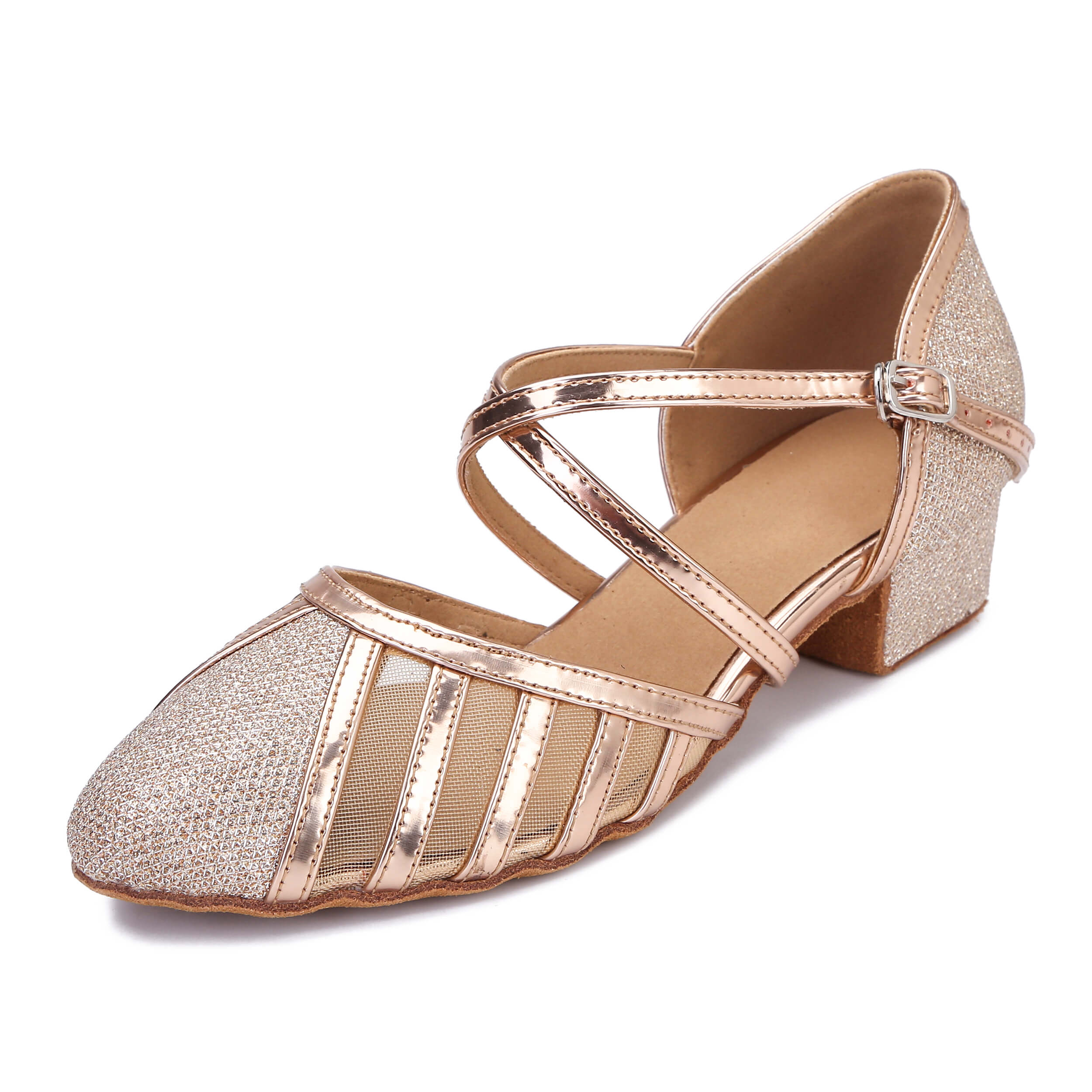
Start with your dance setting. Studio dancers need a suede sole for glide and turn control. Dancers moving between practice rooms, reception halls, and non-studio floors need a street sole. If your feet tire after one class, choose cushioning and arch placement before color or sparkle. TTdancewear builds the decision around your feet, not a fixed factory height.

Heel height: choose 1", 1.5", 2", 2.5", or 3" with purpose

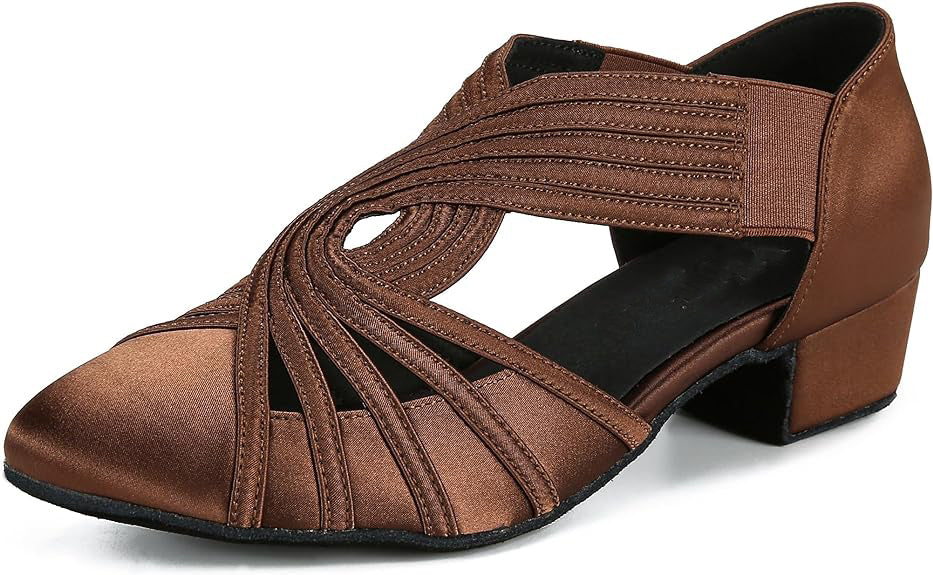
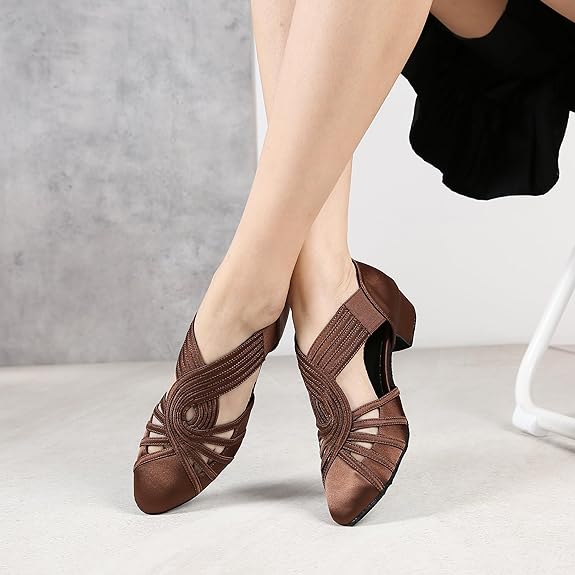
Low heels serve beginners, returning dancers, and comfort-sensitive dancers who want steadiness before presentation. A 1" or 1.5" heel keeps your weight closer to the floor, reduces wobble, and makes backward steps in Waltz and Foxtrot easier to control. Choose this range for weekly lessons, long practice nights, and first socials where confidence matters more than height.

Mid heels serve dancers ready for a longer leg line and a more polished showcase look. A 2" or 2.5" heel adds lift while staying manageable for smooth and standard patterns. A 3" heel belongs on dancers with strong ankles, consistent posture, and experience in sustained frame. TTdancewear offers custom heel heights from 1" to 4", so you do not have to accept the fixed 2.5" height found in many dance shoe lines. Match the heel to your balance today, then move higher when your technique earns it.

Sole type: suede for studio floors, street sole for mixed-use surfaces

Suede soles serve dancers who train on proper studio floors. Choose suede when you need controlled rotation, smooth weight transfer, and enough grip to stop cleanly after a Foxtrot feather step or Waltz natural turn. Brush suede after practice to refresh the nap and keep the sole responsive. Do not wear suede outside; pavement destroys the texture and shortens the shoe’s life.

Street soles serve dancers who wear the same pair on mixed-use surfaces such as event halls, restaurants, wedding venues, or community centers. Choose a street sole when your dance night moves beyond a dedicated studio floor. TTdancewear offers each style with a suede or street sole choice, so select the sole based on where you dance most. Buy suede for lessons and competitions; buy street sole for social events on unpredictable floors.

Fit, width, cushioning, and arch support

Fit matters most for dancers with sensitive feet, bunions, high arches, or narrow heels. Ballroom shoes for women with arch support should place support directly under the arch instead of flattening your foot inside the shoe. Look for a cushioned footbed, a stable heel cup, and straps that pull the shoe into the foot without cutting across the ankle. Cushioned ballroom dance shoes women choose for long practice nights should feel secure on the first walk, with no heel slipping during backward steps.

Select your regular US shoe size as a starting point, then adjust for width and toe shape. TTdancewear offers standard sizing from US 5 to 11 with select wide-width options, giving more room for dancers who need forefoot space without sizing up into heel slippage. Your toes should lie flat inside a comfortable closed toe ballroom dance shoes design, and your heel should stay locked when you rise onto the ball of the foot.

Dance-style fit for Waltz, Foxtrot, smooth, and standard

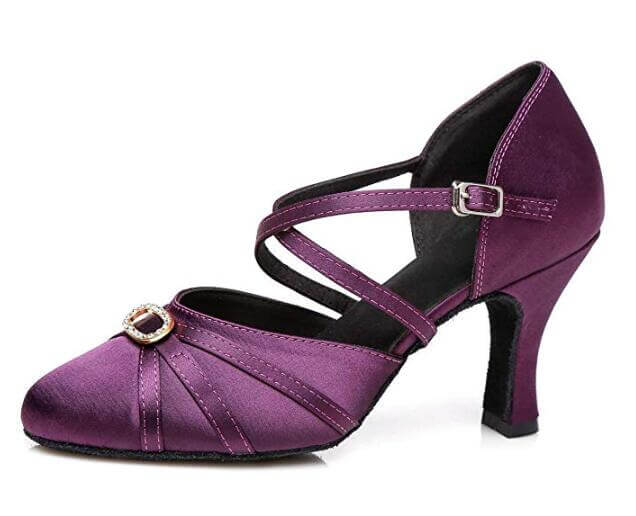
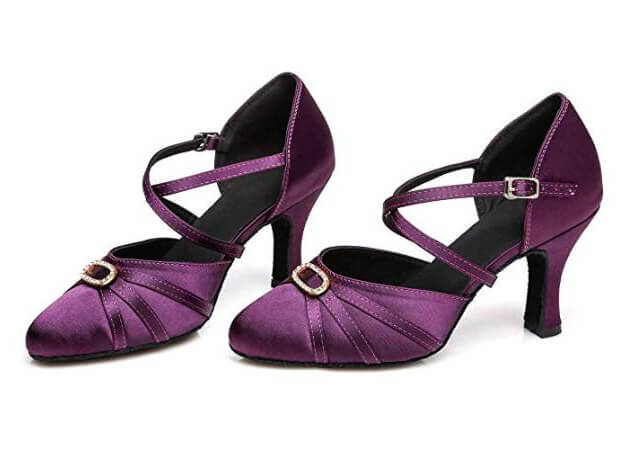
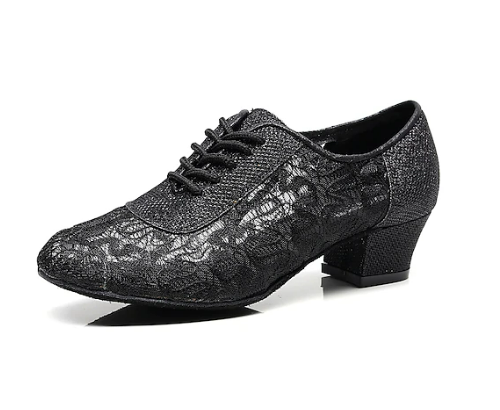
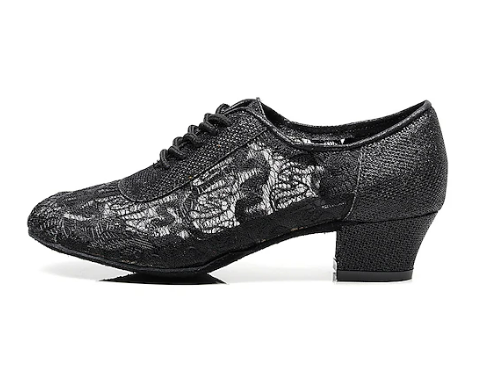
Waltz and Foxtrot require controlled movement, strong frame, and smooth travel across the floor. Closed-toe shoes support these dances because they protect the toes during heel leads, backward steps, and close foot positions. Choose comfortable standard dance shoes for women with a stable heel, secure strap, and a sole that matches your floor. A satin upper gives an elegant showcase look, while leather or mesh details add flexibility and breathability for practice.

Smooth dancers who add open shapes and underarm turns still need grounded balance. Select a 1.5" heel for technique work, a 2" heel for mixed lesson and social use, and a 2.5" heel for stronger presentation. Latin styles such as Cha Cha and Rumba place more weight forward and use different shoe shapes, so keep this collection focused on ballroom, smooth, and standard needs.

Beginner, returning dancer, and performance choices

Women’s ballroom dance shoes for beginners should remove fear from the first step. Choose a 1" or 1.5" heel, closed toe, cushioned insole, and suede sole for studio lessons. This setup gives the stability needed to learn box steps, promenade position, and basic Foxtrot timing without fighting the shoe. Returning dancers should choose the same foundation if ankles or knees feel less confident than before.

Intermediate dancers preparing for showcases and beginner-to-intermediate competitions should choose a 2" or 2.5" heel for a cleaner line while preserving control. Choose 3" only when your posture stays lifted through an entire routine.

Care and longevity for comfortable ballroom dance shoes for women

Protect comfortable ballroom dance shoes for women by separating studio shoes from street shoes. Store suede soles in a shoe bag, brush them after every few practices, and keep them off wet surfaces. Wipe satin uppers with a soft dry cloth after wear, and let leather or mesh sections air out before storing. Do not trap damp shoes in a closed bag overnight.

Rotate pairs if you dance several nights each week. Use suede soles only on studio floors and street soles only where outdoor contact or rough flooring is part of the evening. Replace shoes when cushioning compresses, the heel feels unstable, or the sole no longer grips and releases cleanly. A cared-for pair gives you better balance, cleaner turns, and fewer distractions during Waltz, Foxtrot, smooth, and standard work.

Comparison pointLow heel: 1" to 1.5"Mid heel: 2" to 2.5"
Balance and wobble controlKeeps weight close to the floor; strongest choice for dancers nervous about backward steps and turns.Adds lift while staying controlled for dancers with steady ankles and consistent posture.
Comfort for long lessonsReduces calf strain during 60- to 90-minute lessons, socials, and beginner practice nights.Feels more dressed up for showcases while still practical for a full class or coached round.
Recommended dance useIdeal for learning Waltz boxes, basic Foxtrot timing, smooth frame, and standard fundamentals.Suited to polished Waltz, Foxtrot, smooth showcases, and beginner-to-intermediate competition styling.
Floor and sole pairingPair with suede soles for studio training or street soles for community centers and event venues.Pair with suede soles for stronger glide control; choose street soles for mixed-use social floors.
Learner-friendlinessDirect choice for first pairs, returning dancers, and comfort-sensitive feet needing confidence.Right for dancers ready to improve leg line without jumping straight into a 3" heel.

Frequently asked questions

Are comfortable ballroom dance shoes for women good for beginners?
Yes. Beginners should choose a closed-toe shoe with a 1 inch or 1.5 inch heel, cushioned insole, and suede sole for studio floors. This setup gives stable balance for Waltz boxes, basic Foxtrot steps, and backward movement. Avoid starting in a 3 inch heel until posture and ankle control are consistent.
How do I choose the right ballroom heel height?
Choose 1 inch or 1.5 inch for maximum stability, 2 inch for a balanced lesson-to-social shoe, and 2.5 inch for a more elegant showcase line. Select 3 inch only after you dance full routines without wobbling. Your heel height should match your current balance, not the height another dancer wears.
What sole should I pick for ballroom lessons?
Pick suede soles for dedicated studio floors because suede gives controlled glide for turns and smooth travel. Pick street soles for event halls, restaurants, and mixed-use surfaces where the floor is not a proper dance floor. Keep suede off sidewalks and parking lots because rough pavement damages the nap.
Can I wear closed toe ballroom shoes for Waltz and Foxtrot?
Yes. Closed-toe ballroom shoes are the correct direction for Waltz, Foxtrot, smooth, and standard practice. The covered toe protects the front of the foot during heel leads and close foot positions. Choose a secure strap, cushioned footbed, and a 1.5 inch to 2.5 inch heel based on balance.
Do ballroom shoes for women with arch support feel different from regular heels?
Yes. Dance shoes place support under the arch and secure the heel so the foot moves with the shoe. Regular fashion heels leave more space around the foot and create slipping during backward steps. Look for padding under the ball of the foot, a stable heel cup, and a snug ankle strap.
Should I choose low heel or 2.5 inch ballroom shoes for a showcase?
Choose a low heel if you are still thinking about balance during turns or backward steps. Choose 2.5 inch when your posture stays lifted and your weight changes feel controlled through the entire routine. For a first showcase, practice in the exact heel height for several lessons before performing.