Ballroom Gown Dresses & Ballroom Dresses for Women
Ballroom dresses cut for Standard and Smooth — waltz, foxtrot, quickstep, Viennese waltz and tango. Long sleeves and mesh yokes that keep a closed hold clean, godet and float panels that open on the swing, and hems weighted to fall back into line the moment you close. Amazon's Choice with a money-back guarantee since 2012.
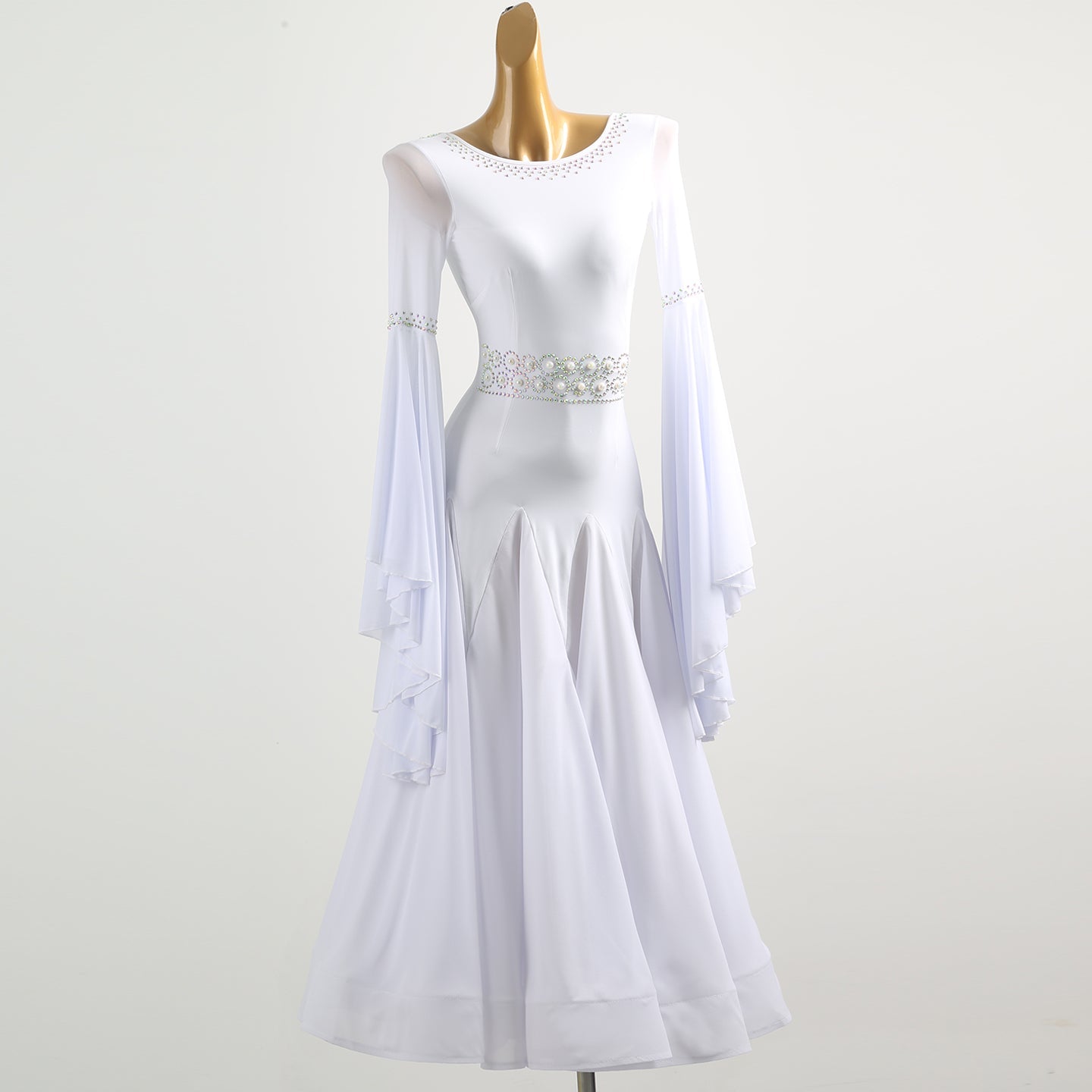
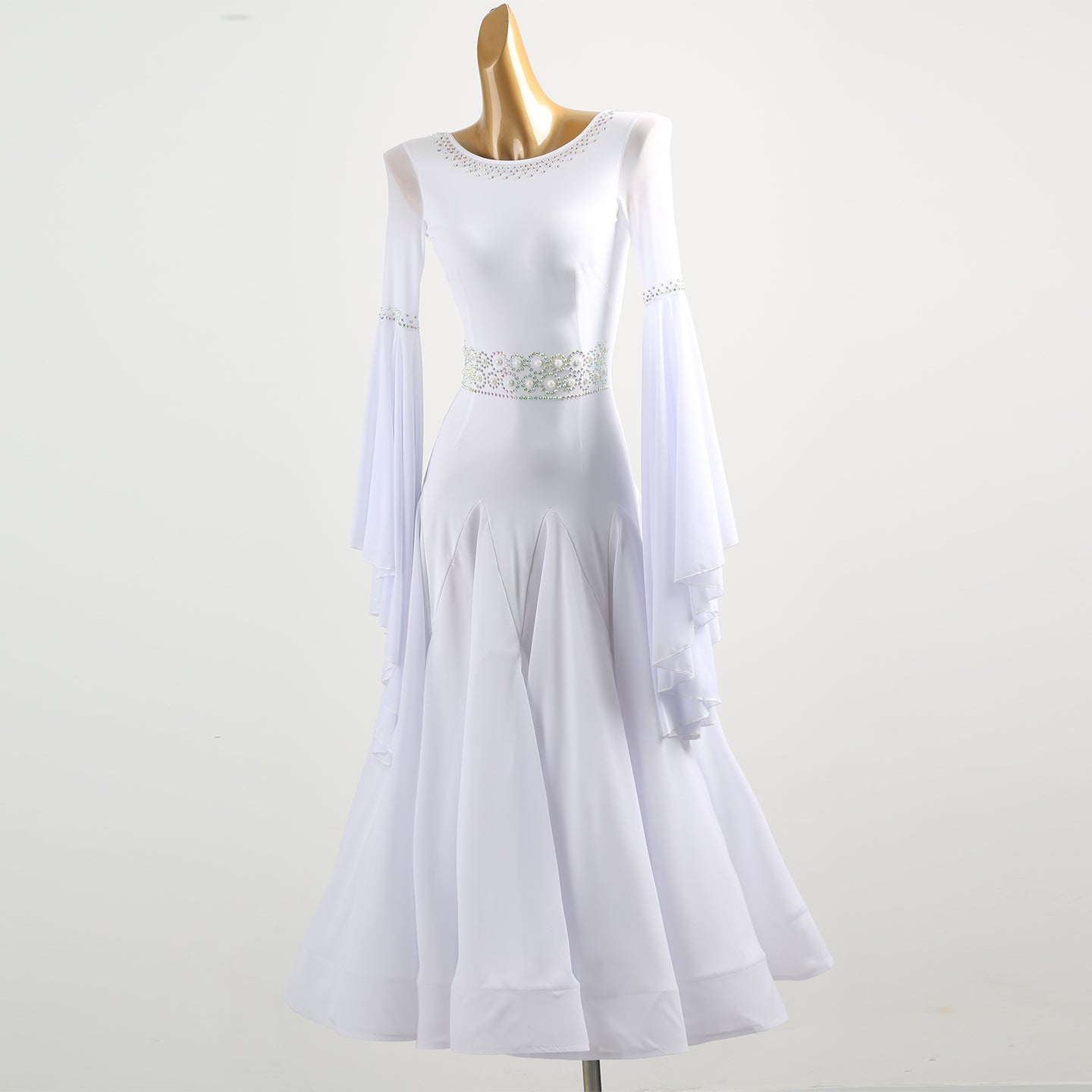
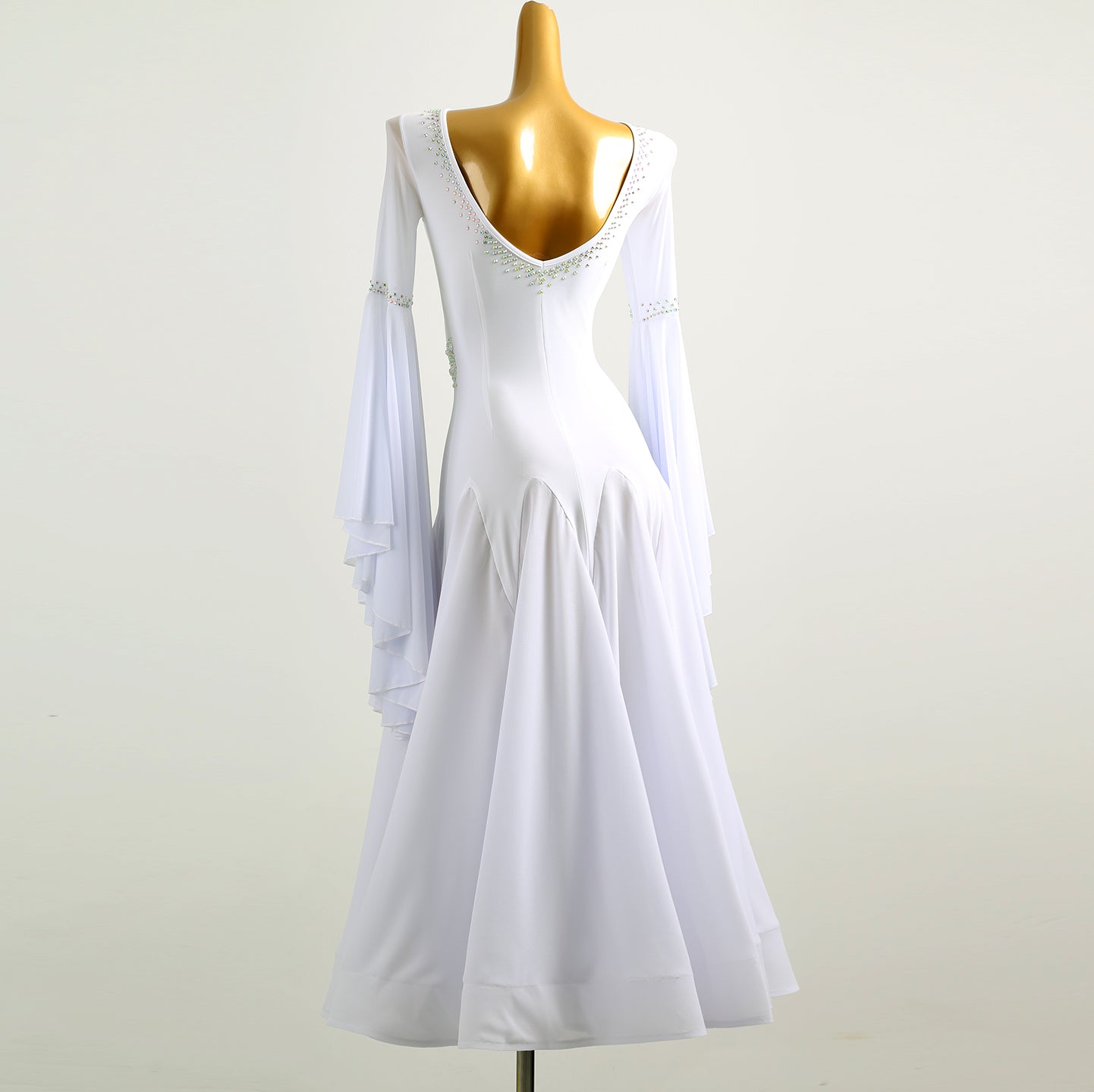
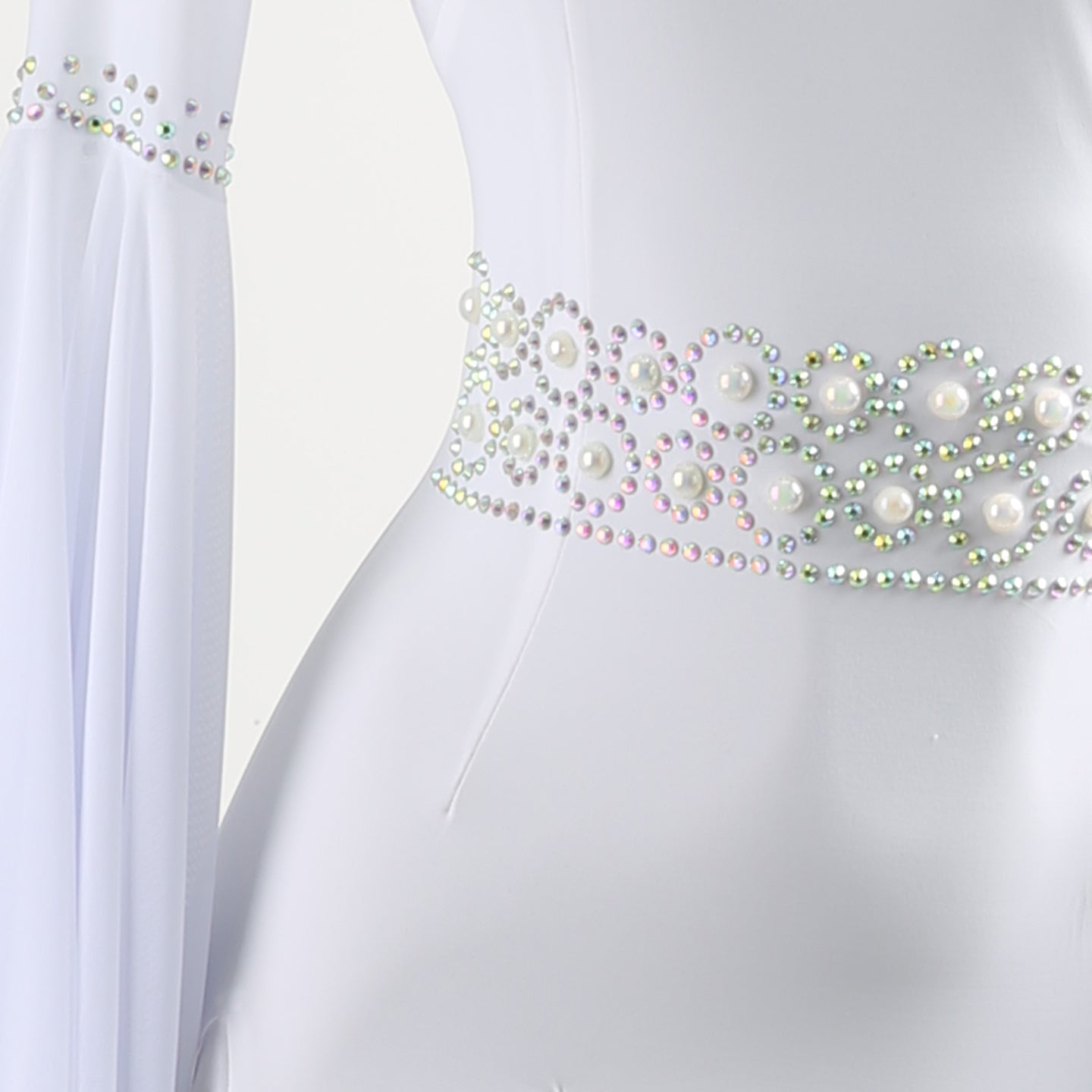
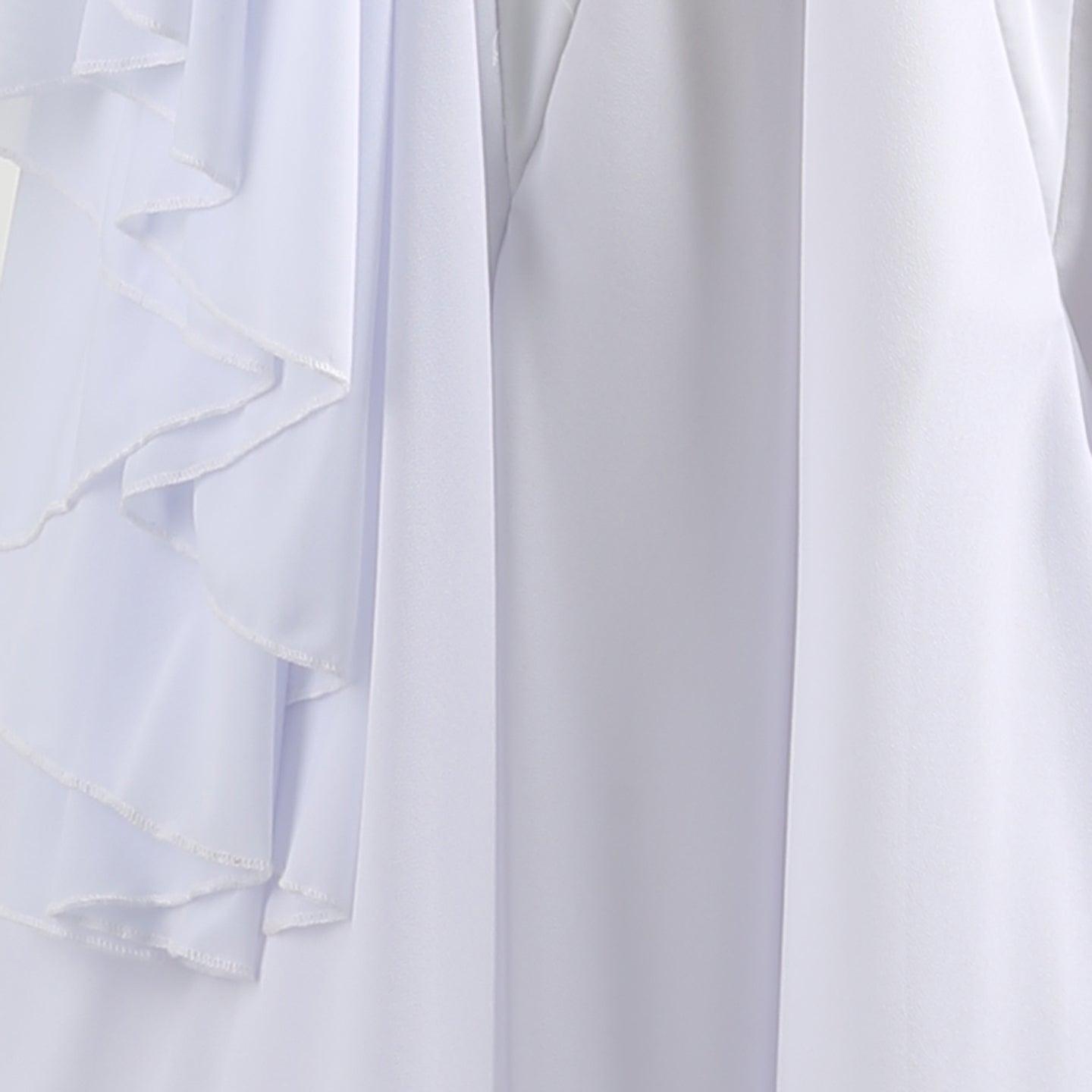
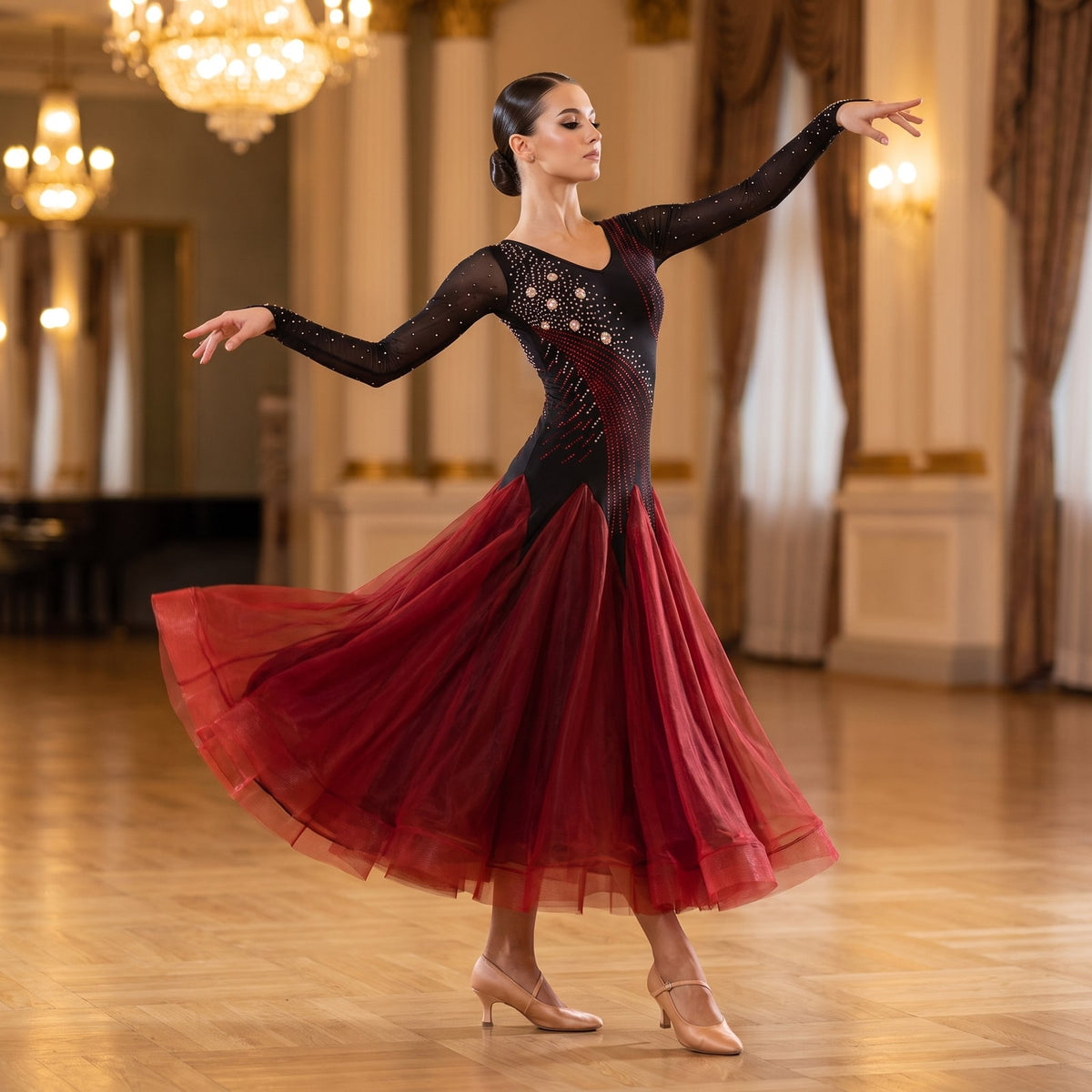
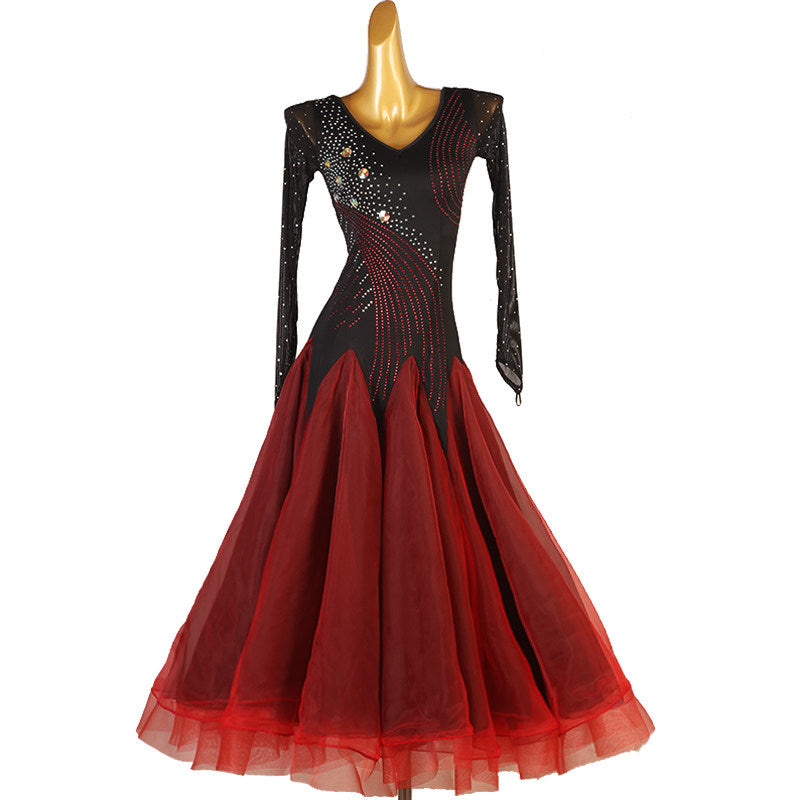
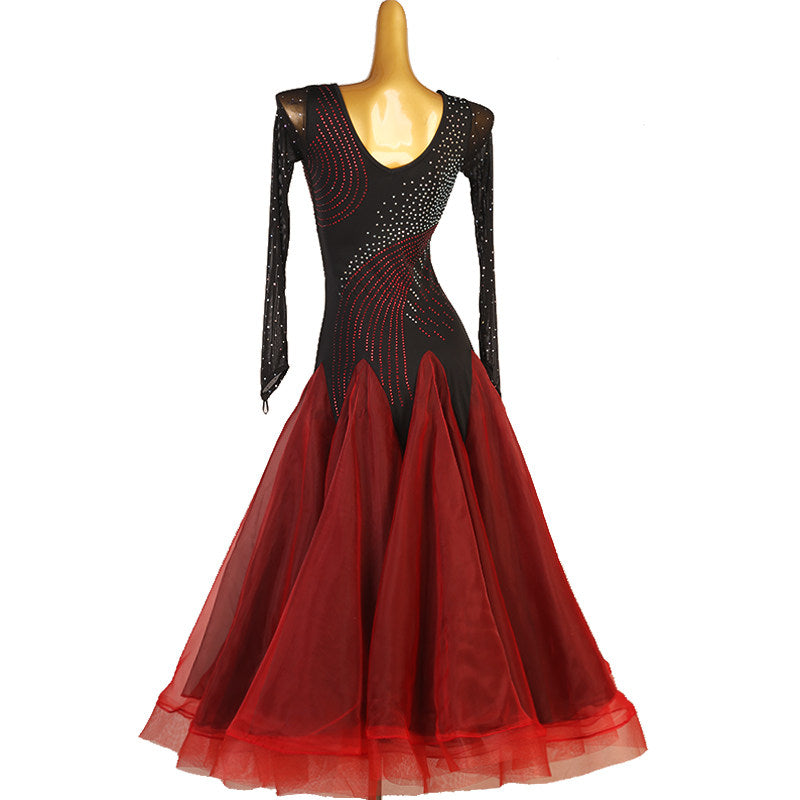
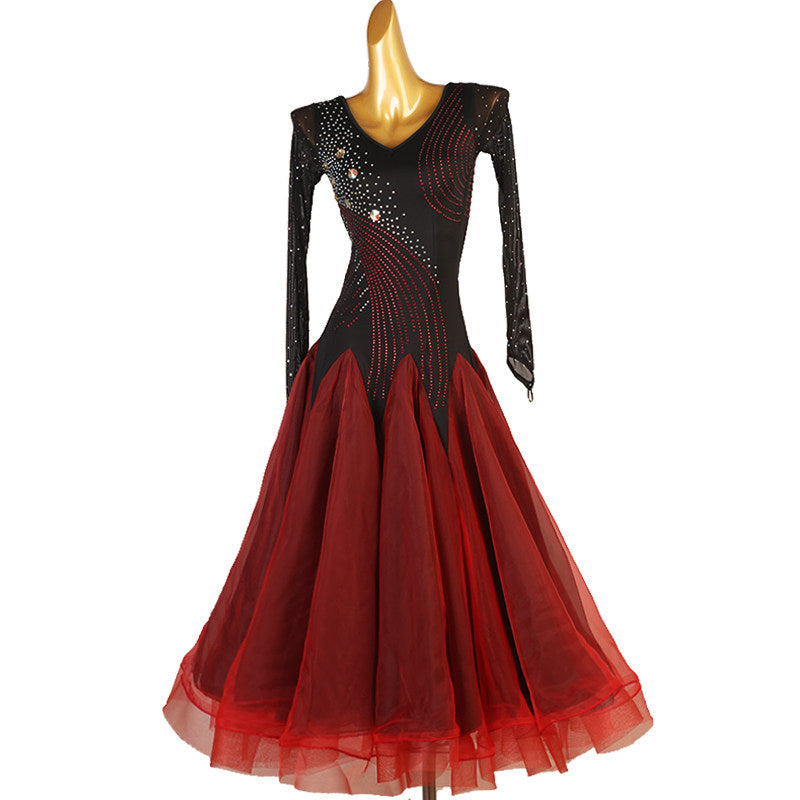
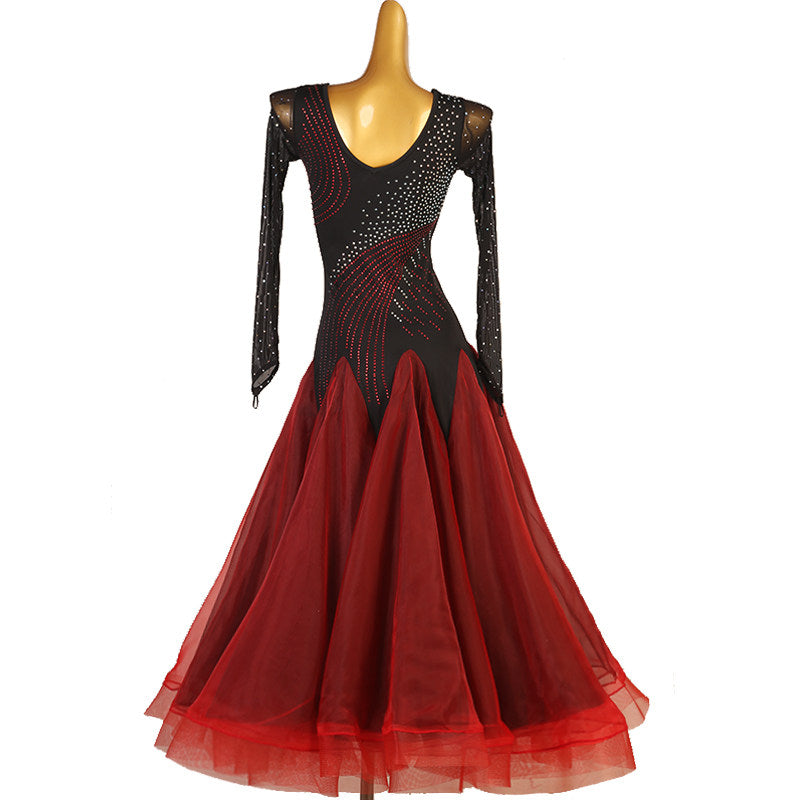
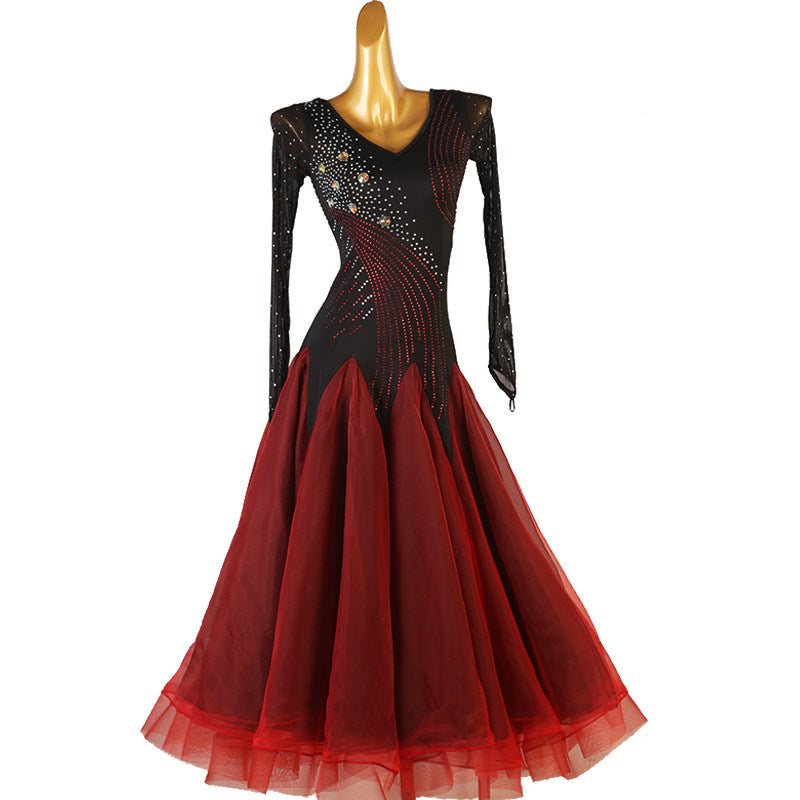
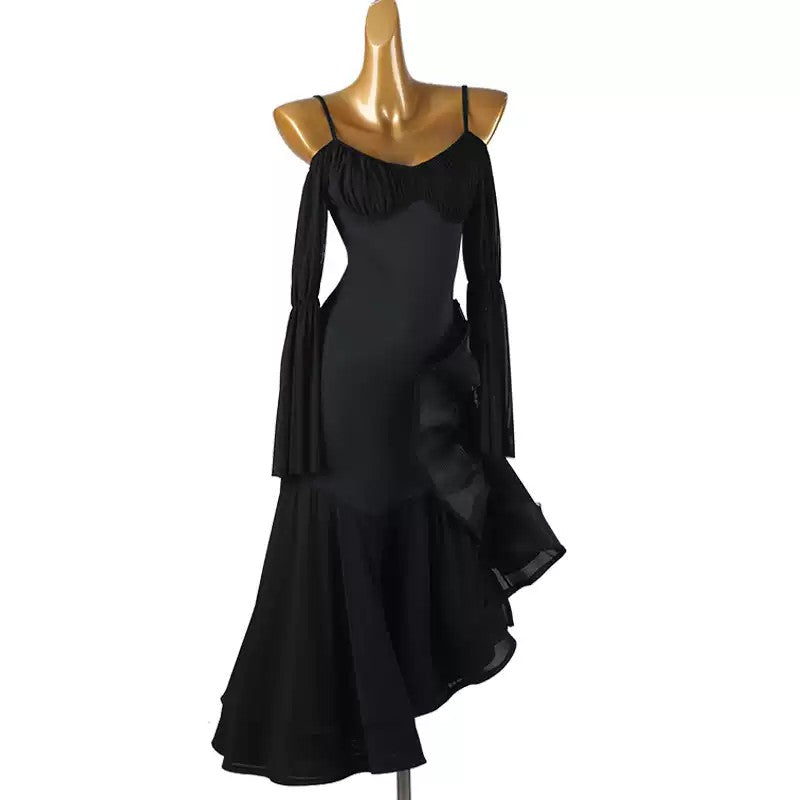
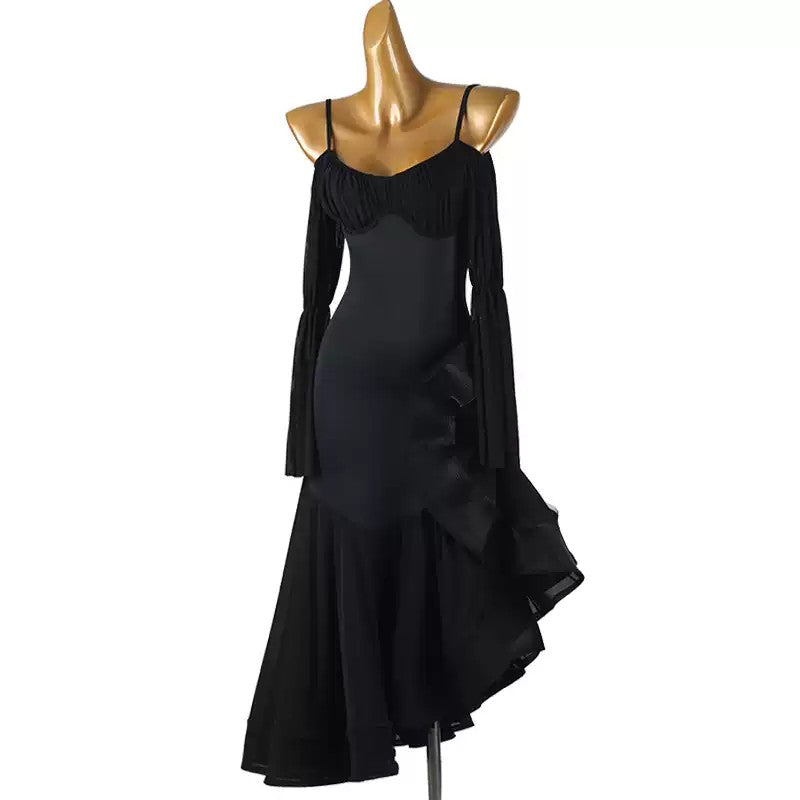
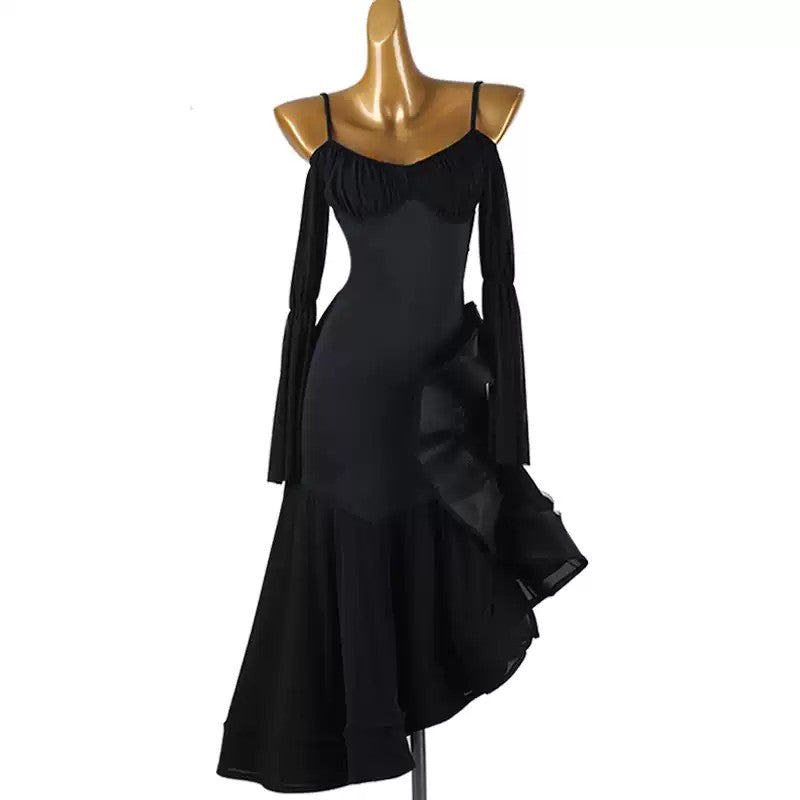
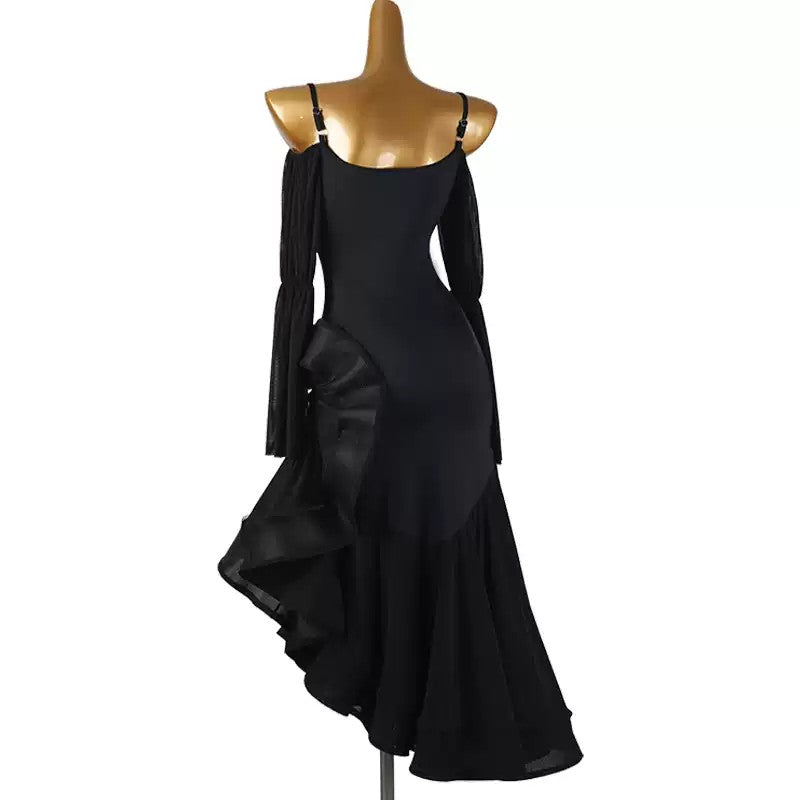
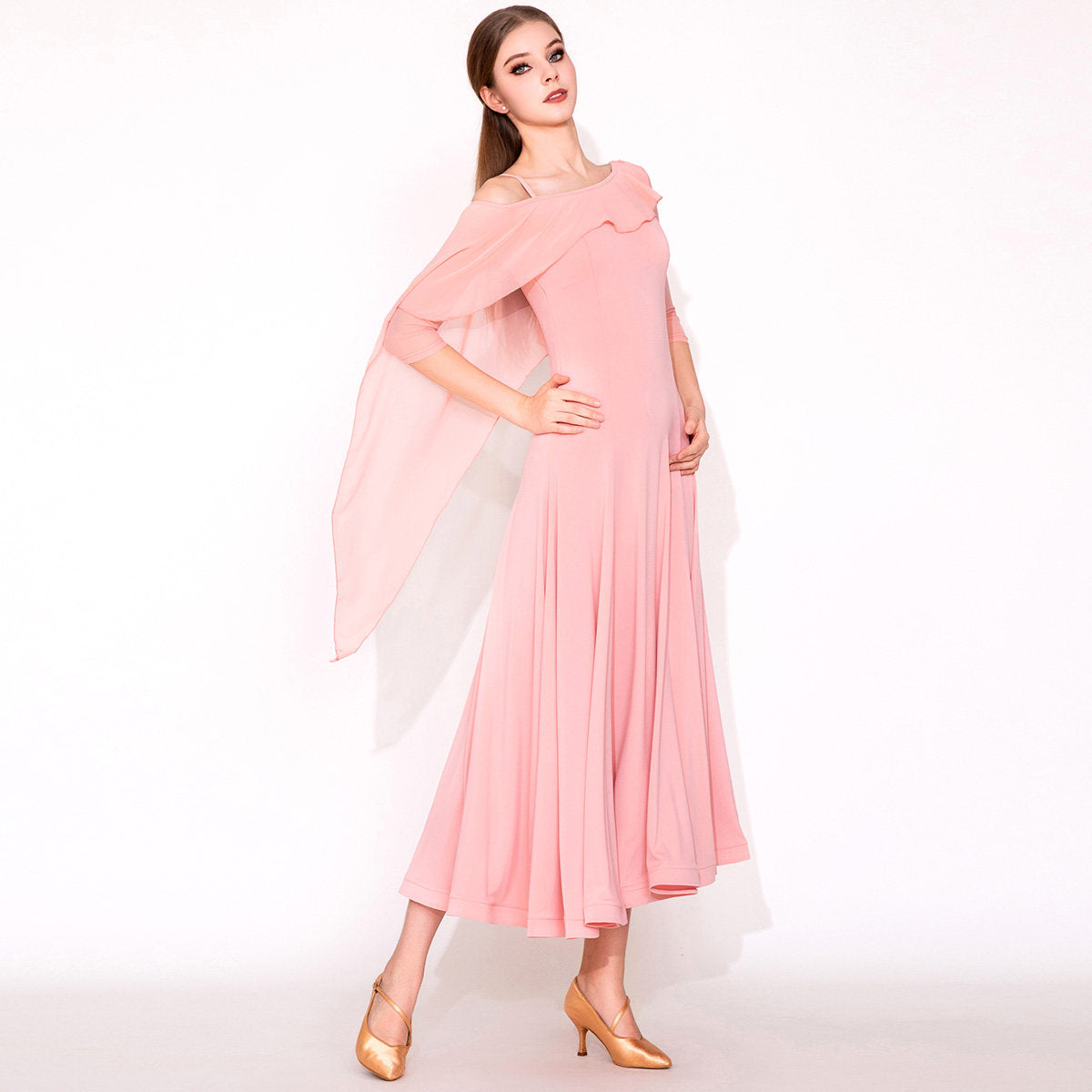
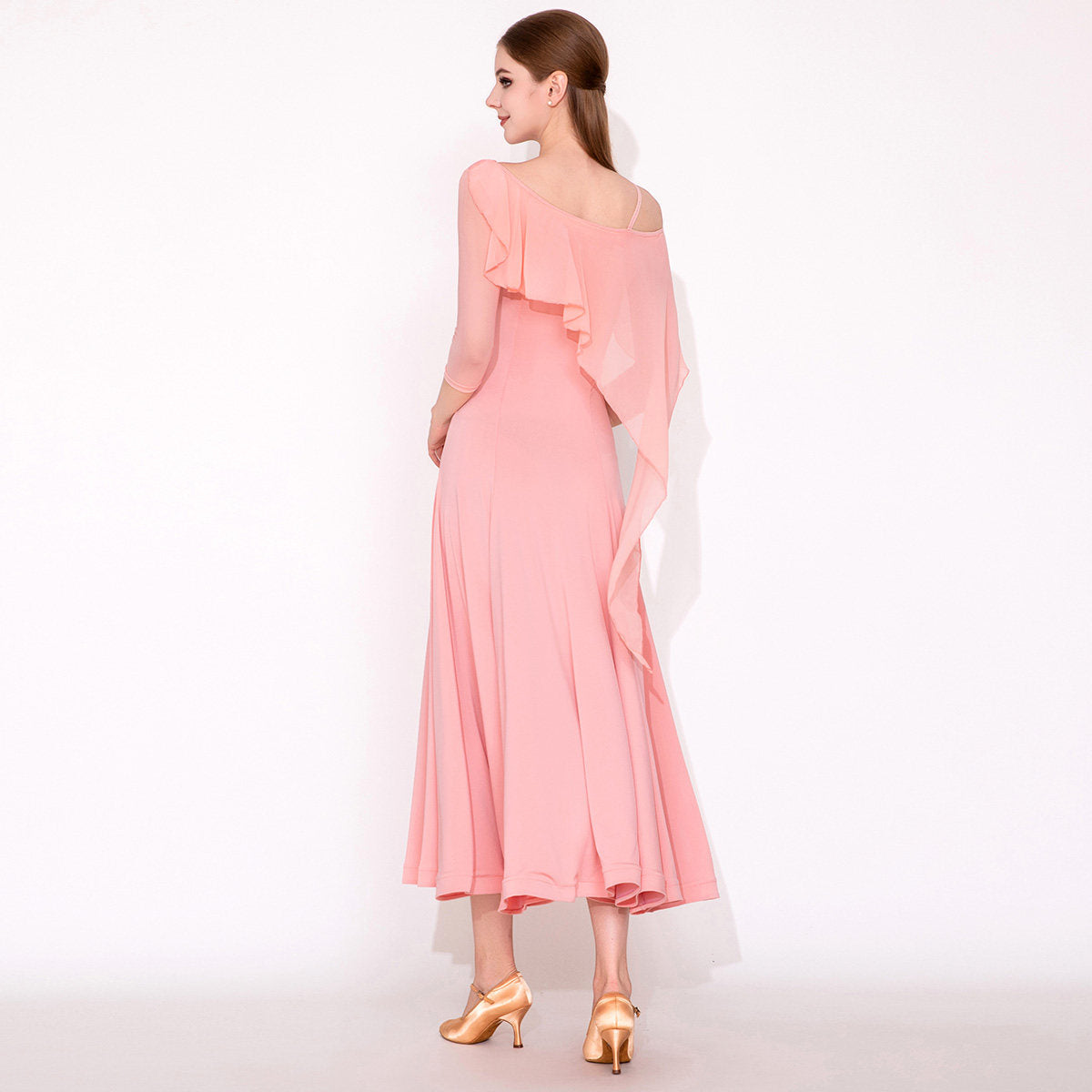
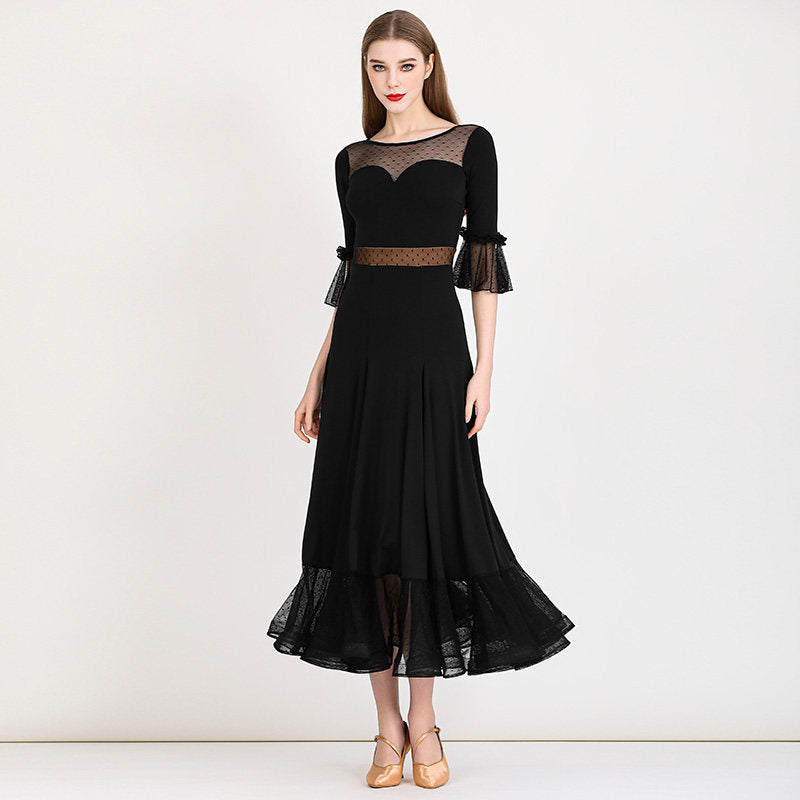
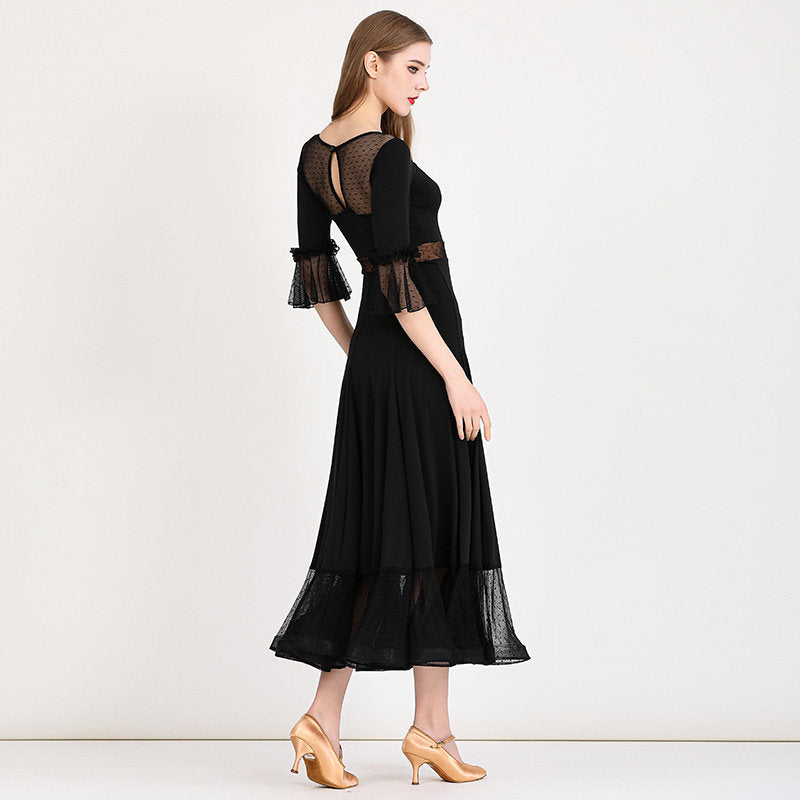
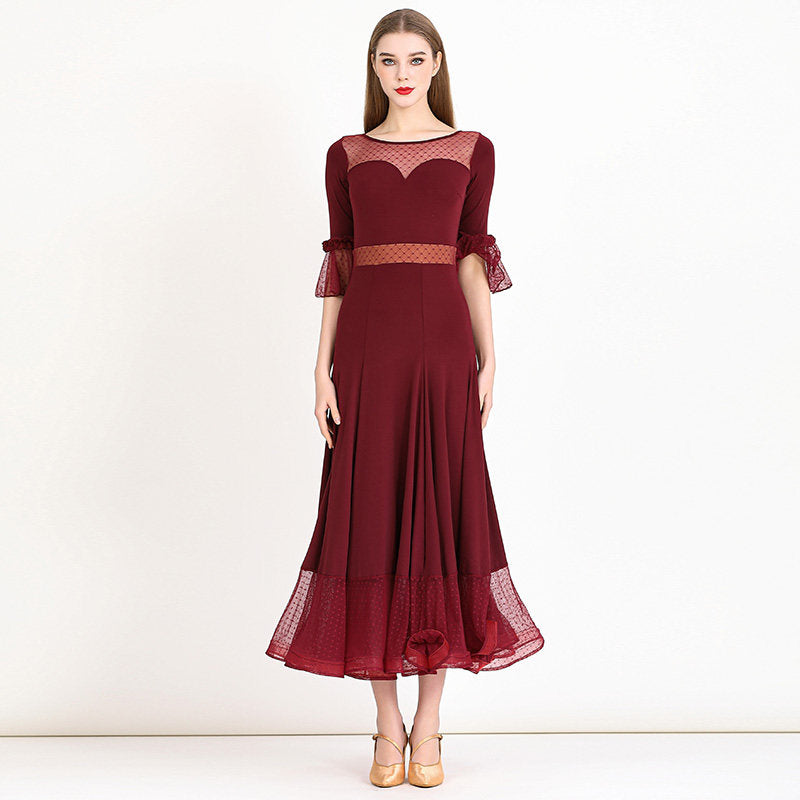
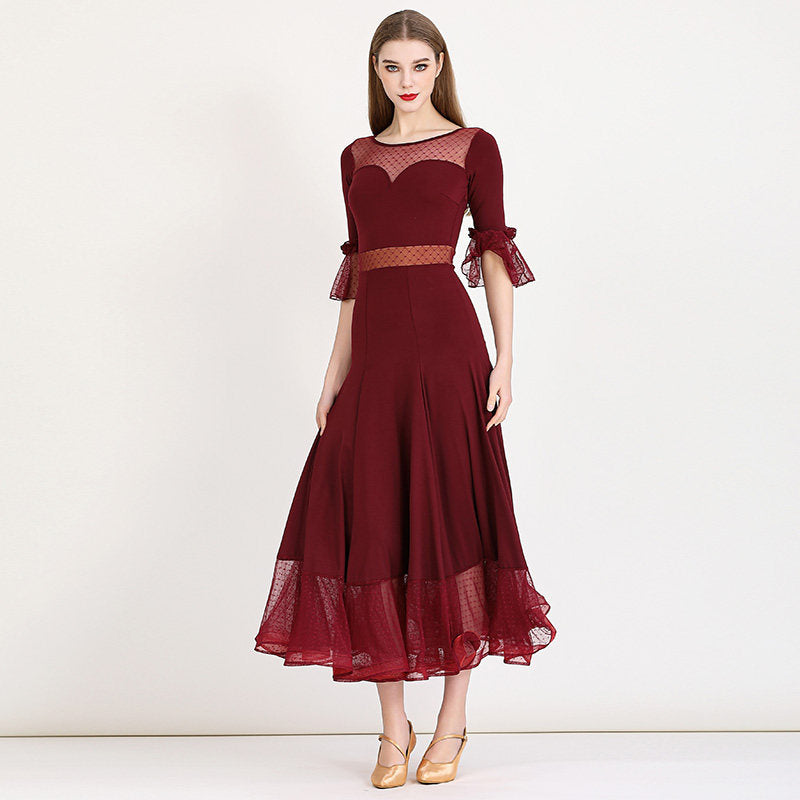
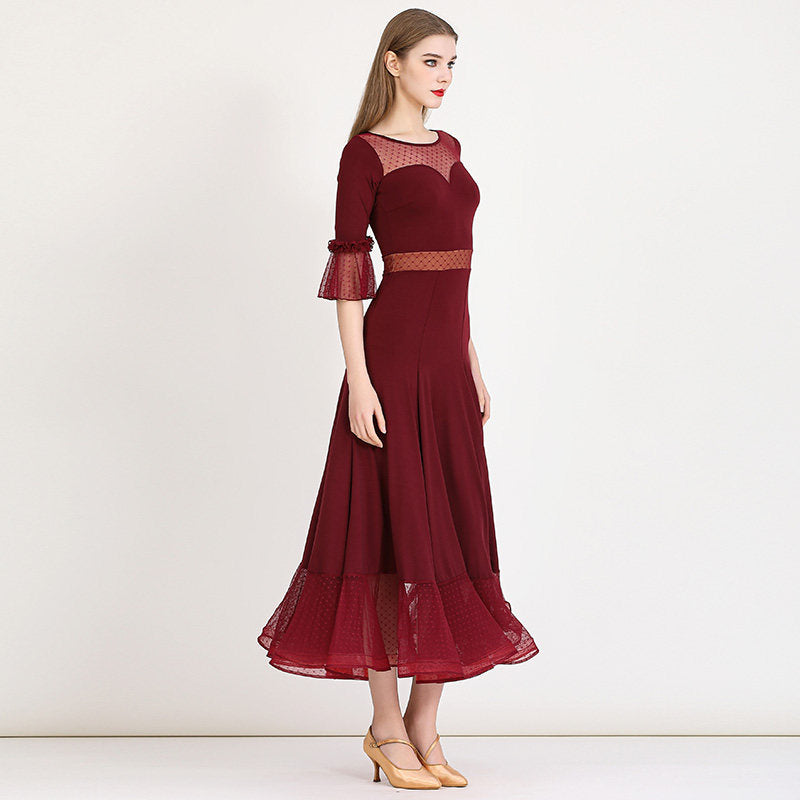
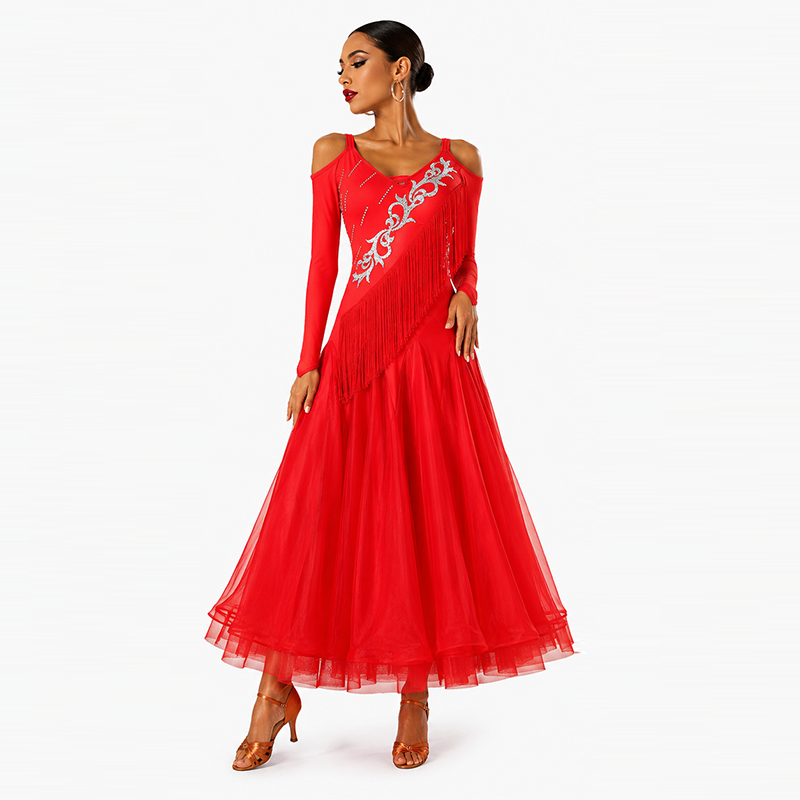
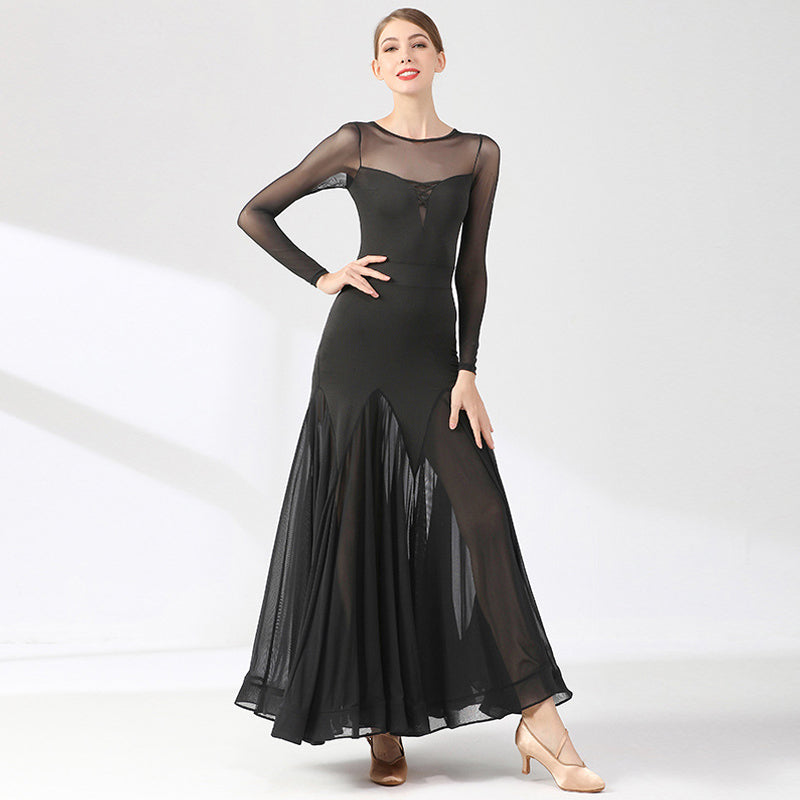
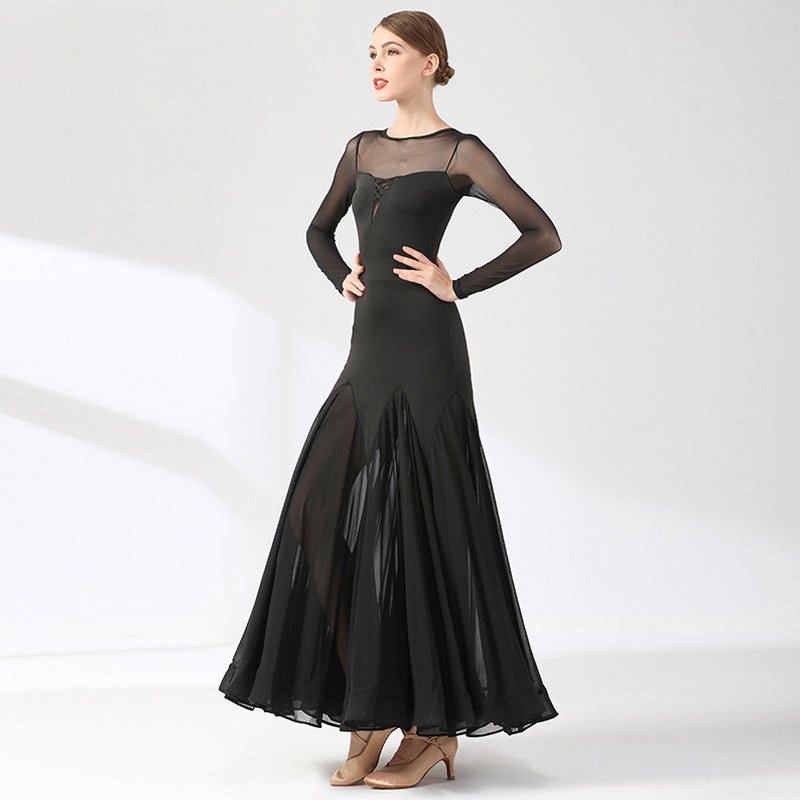
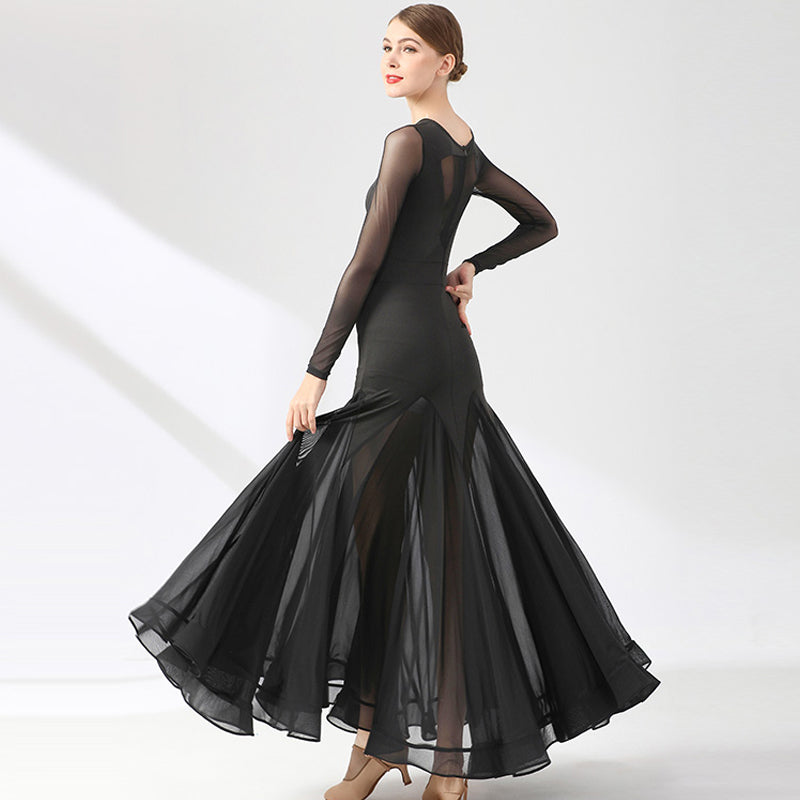
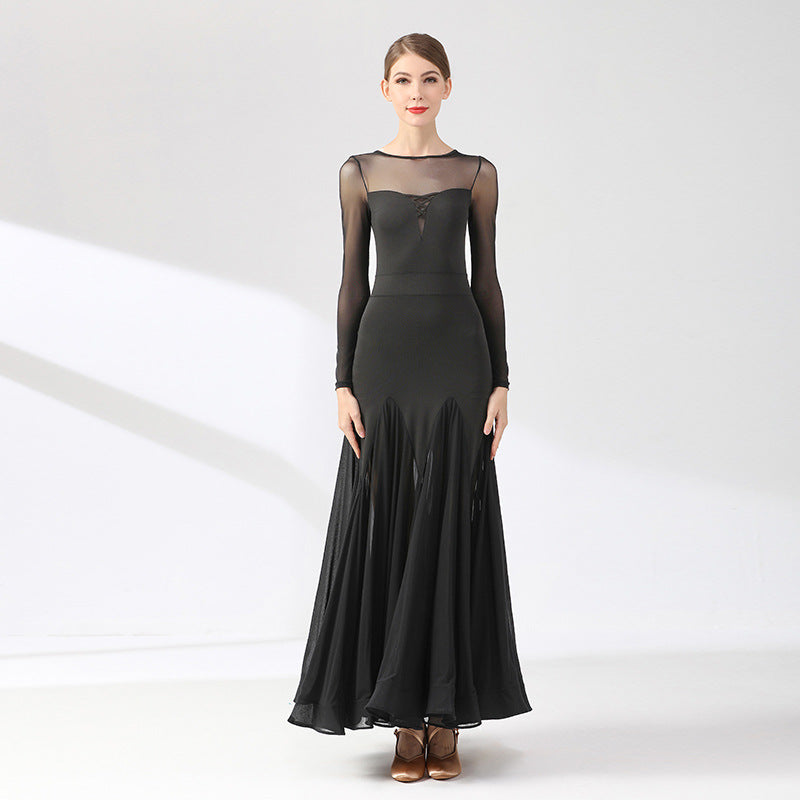
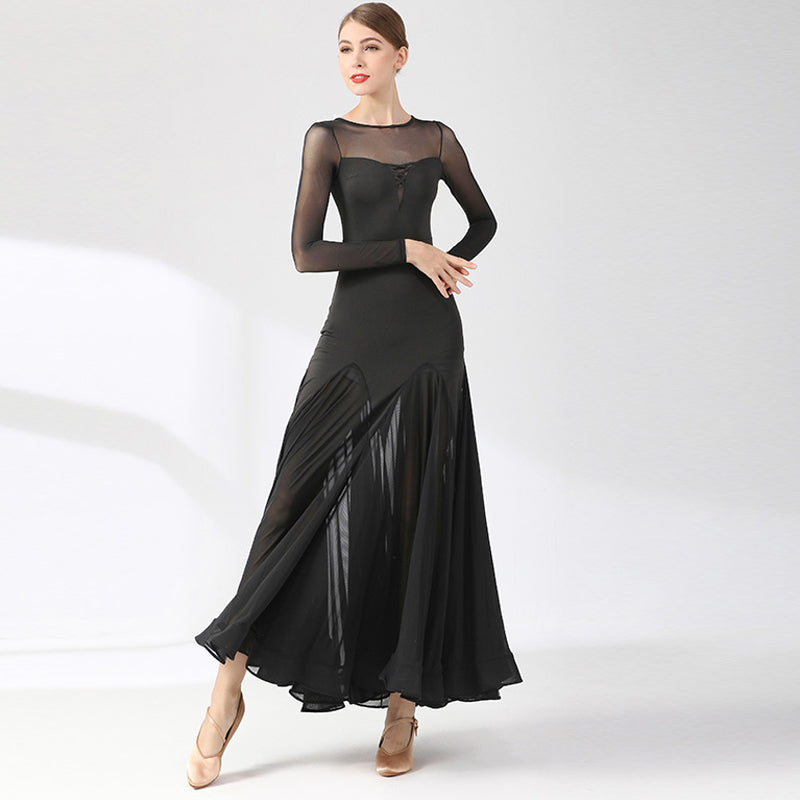
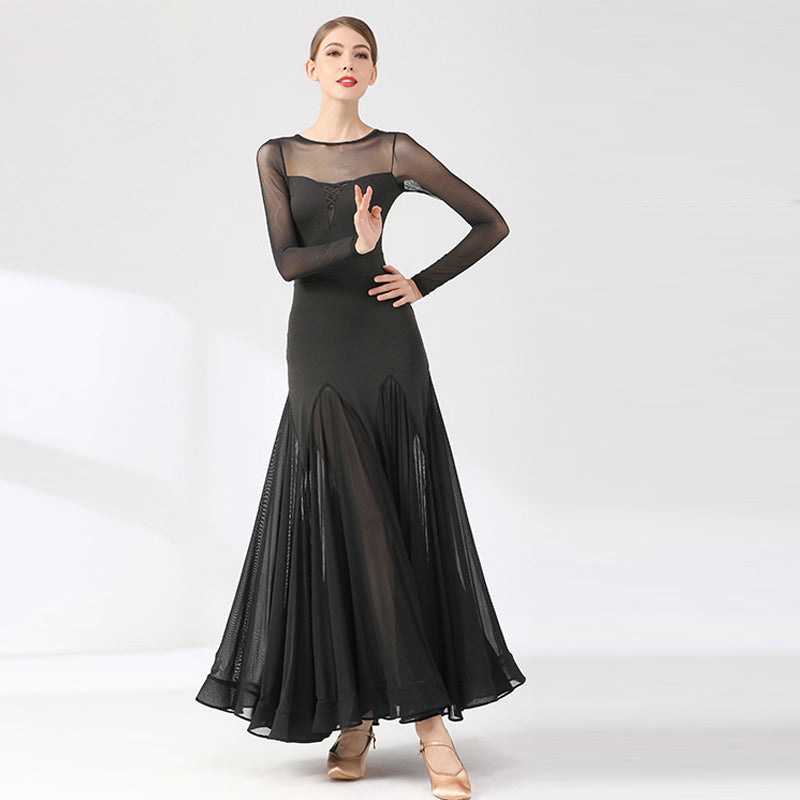
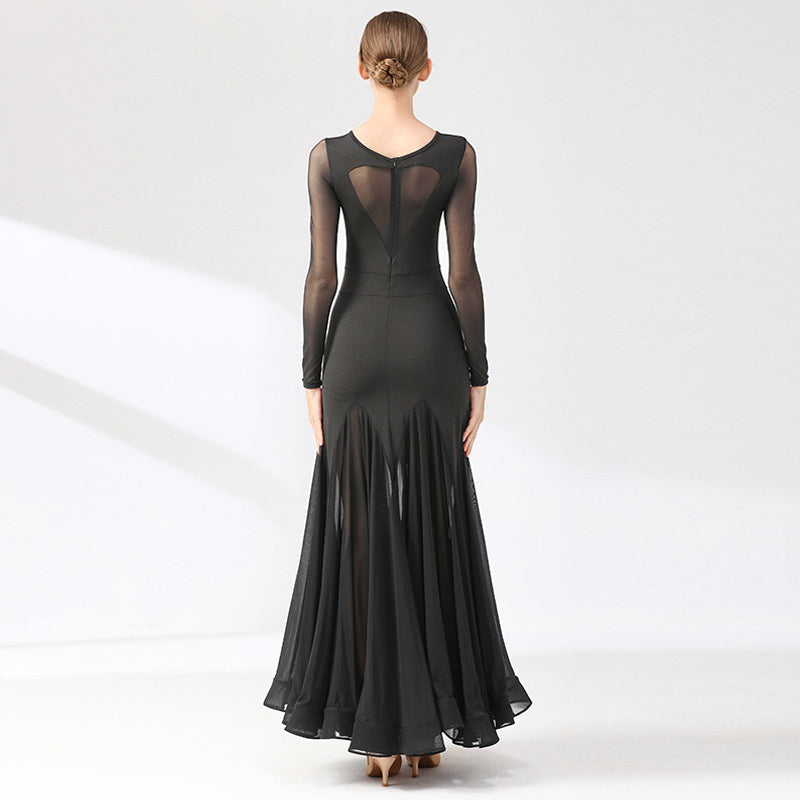


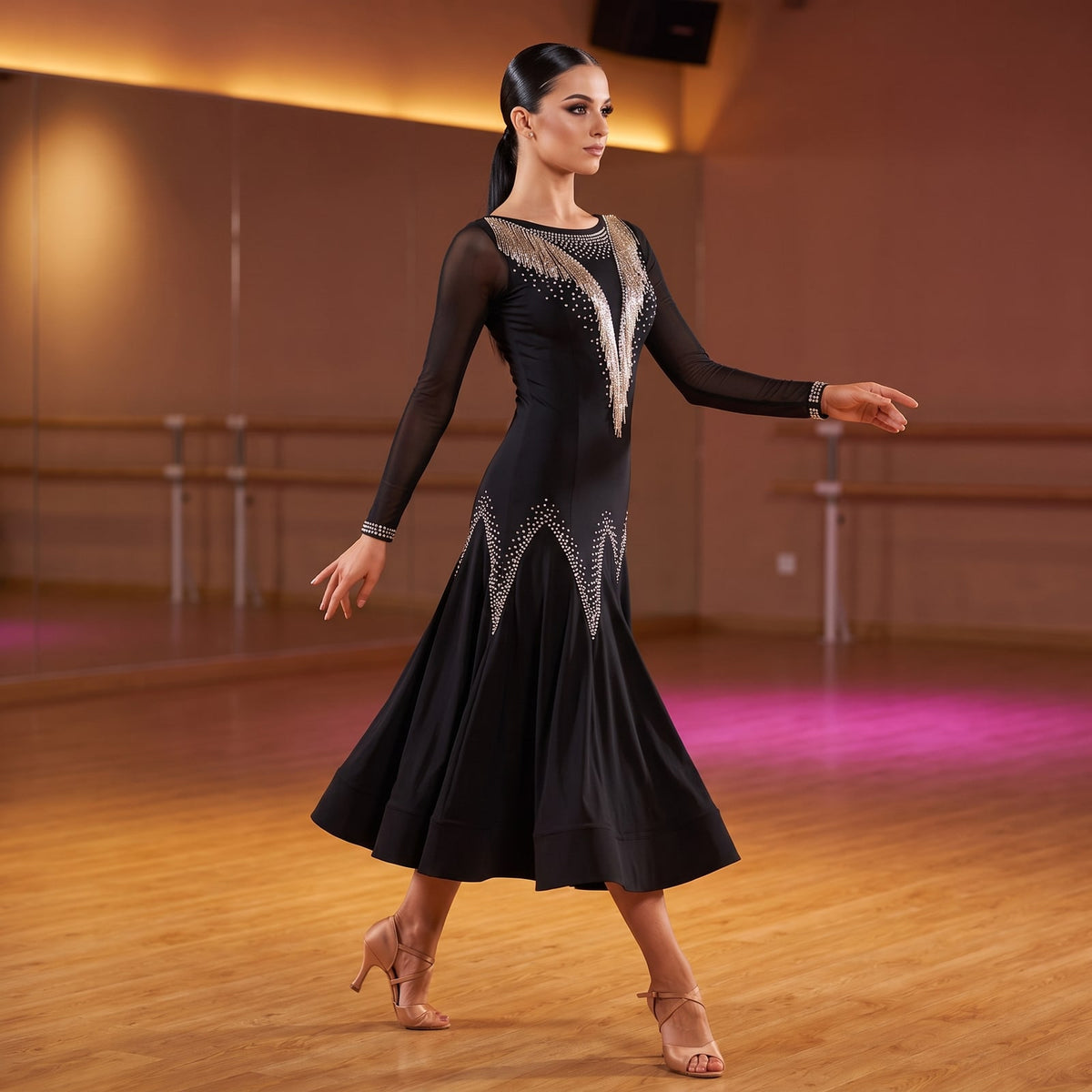
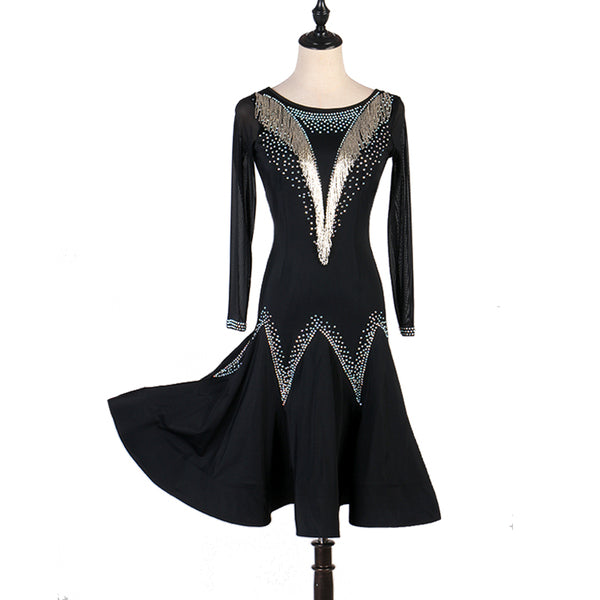
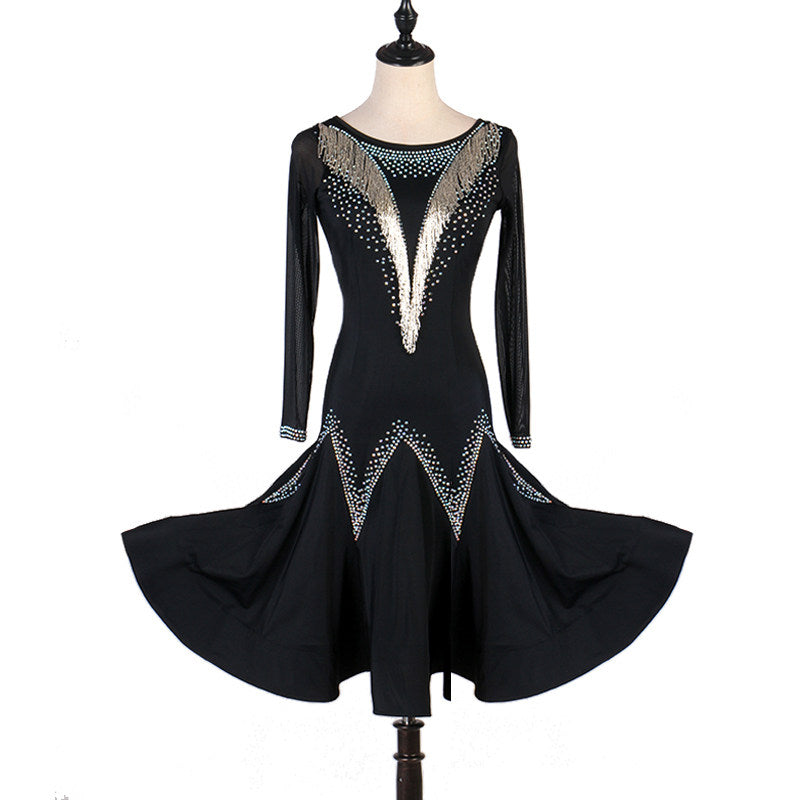
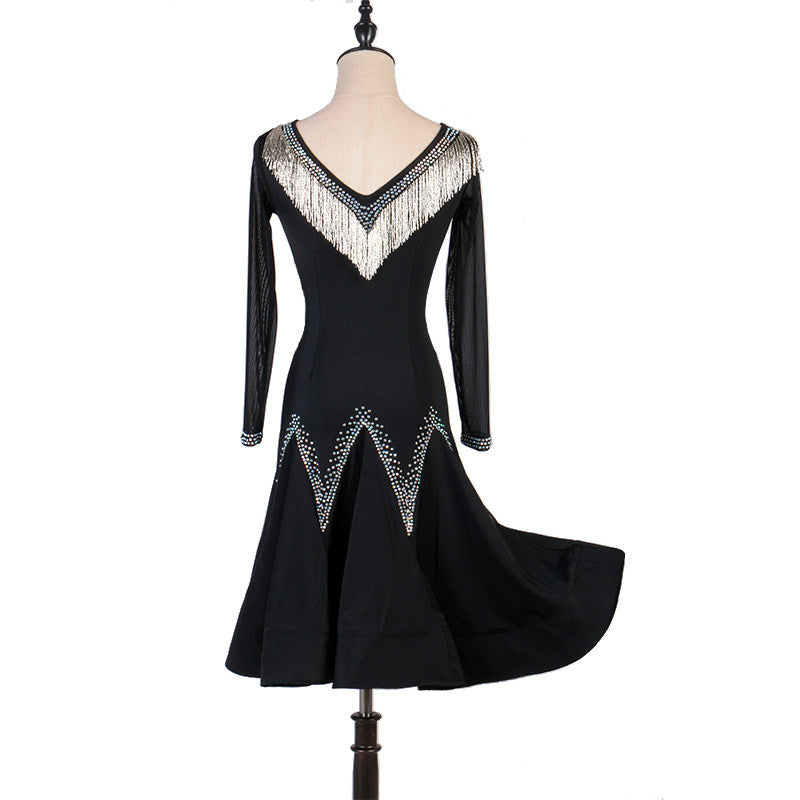
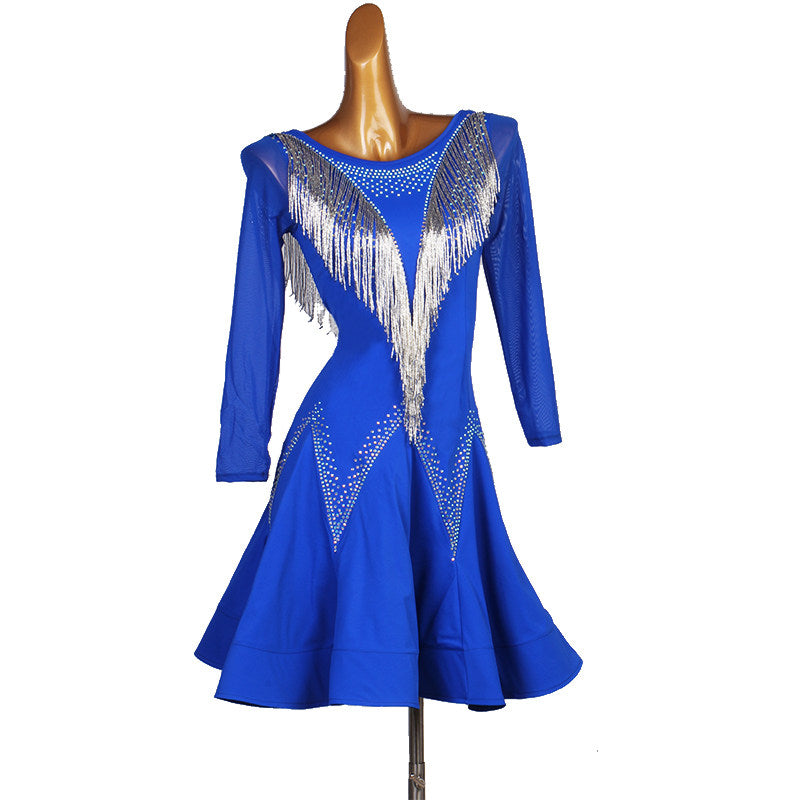
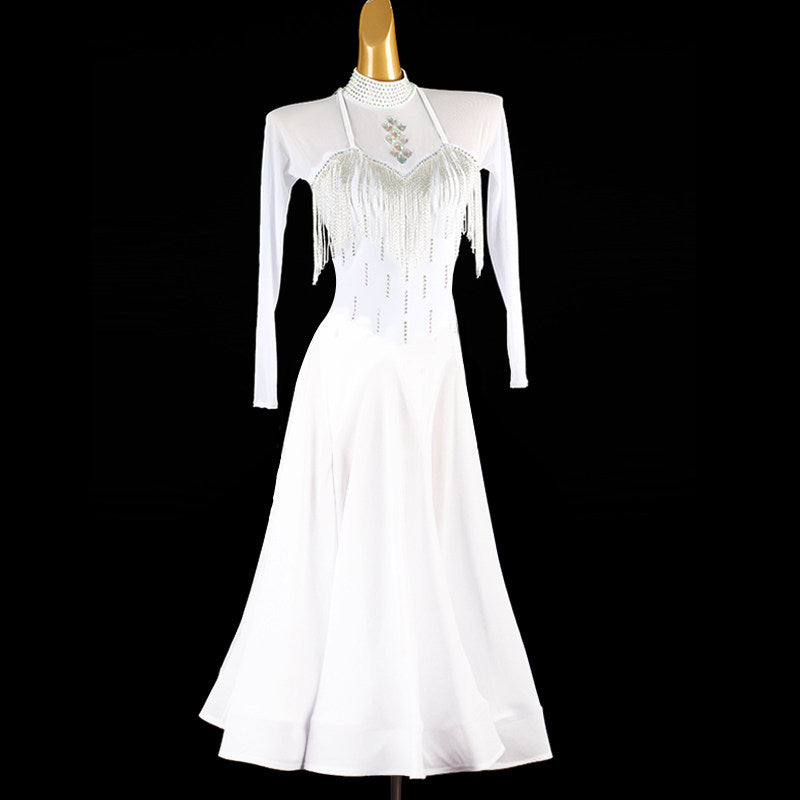
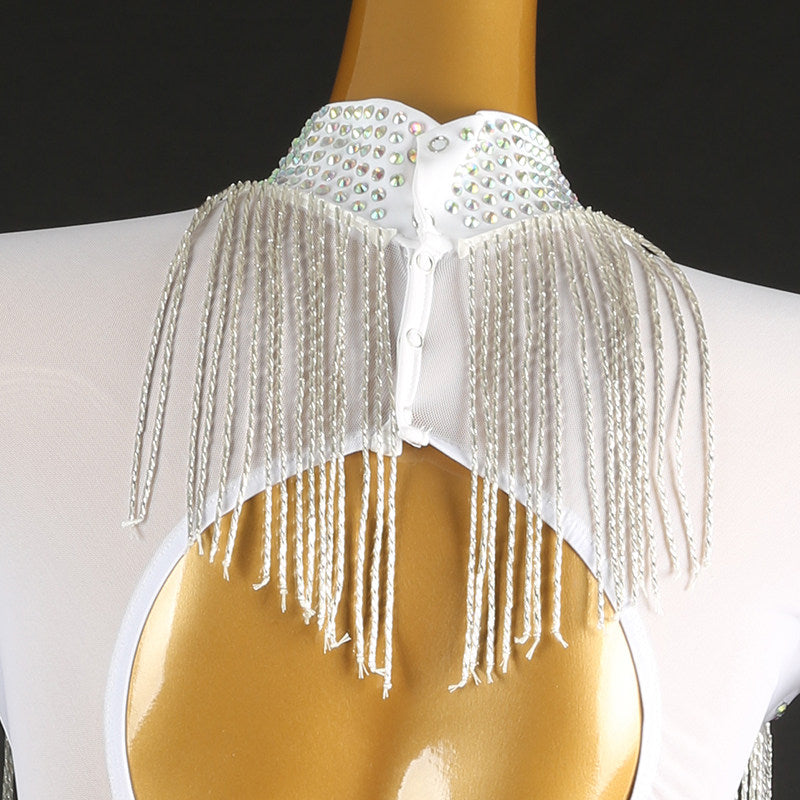
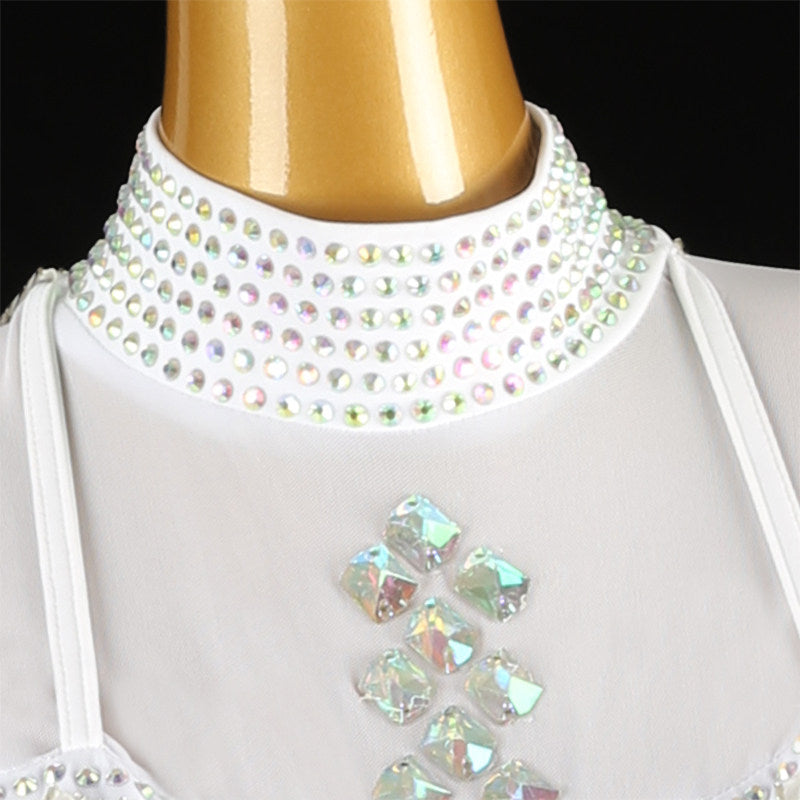
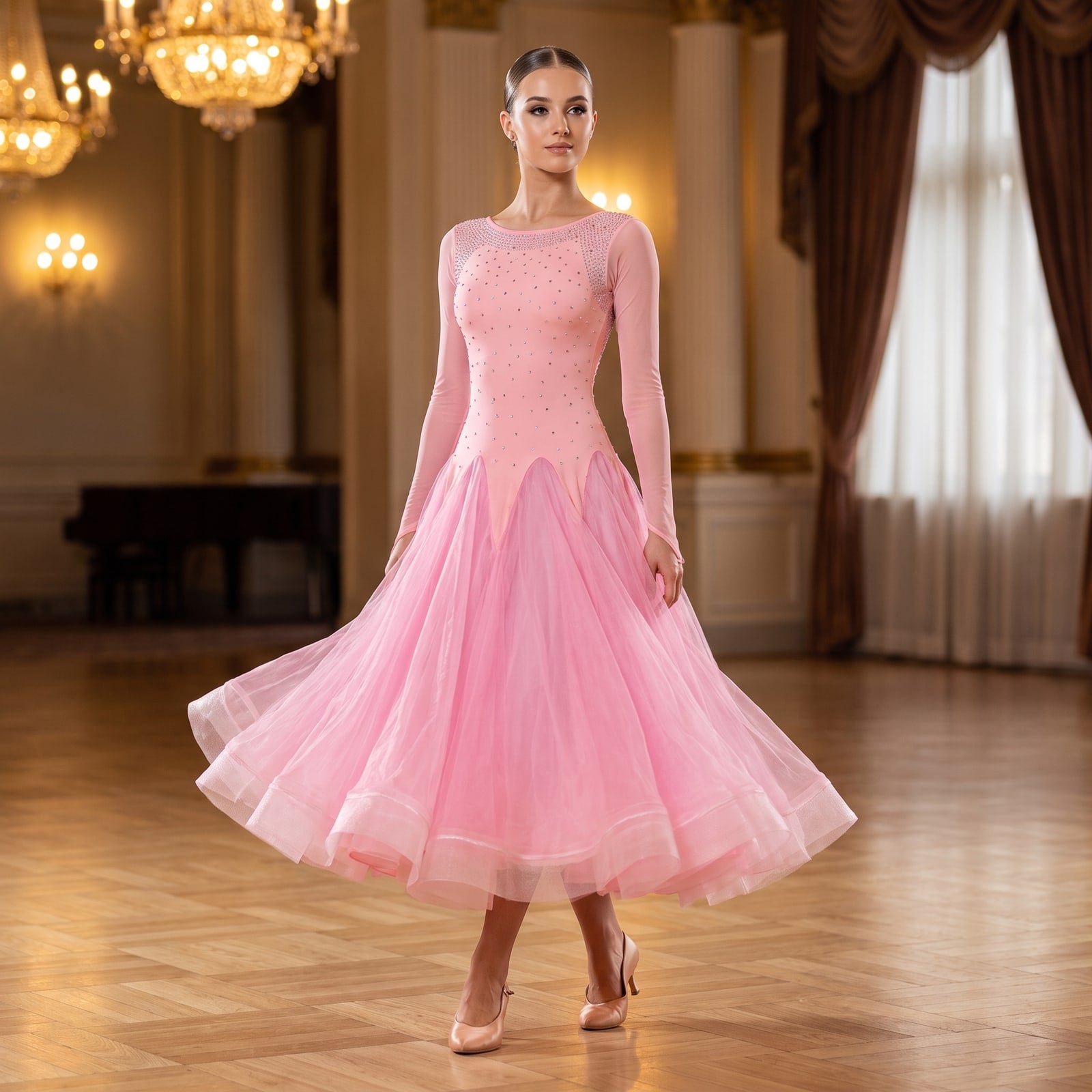
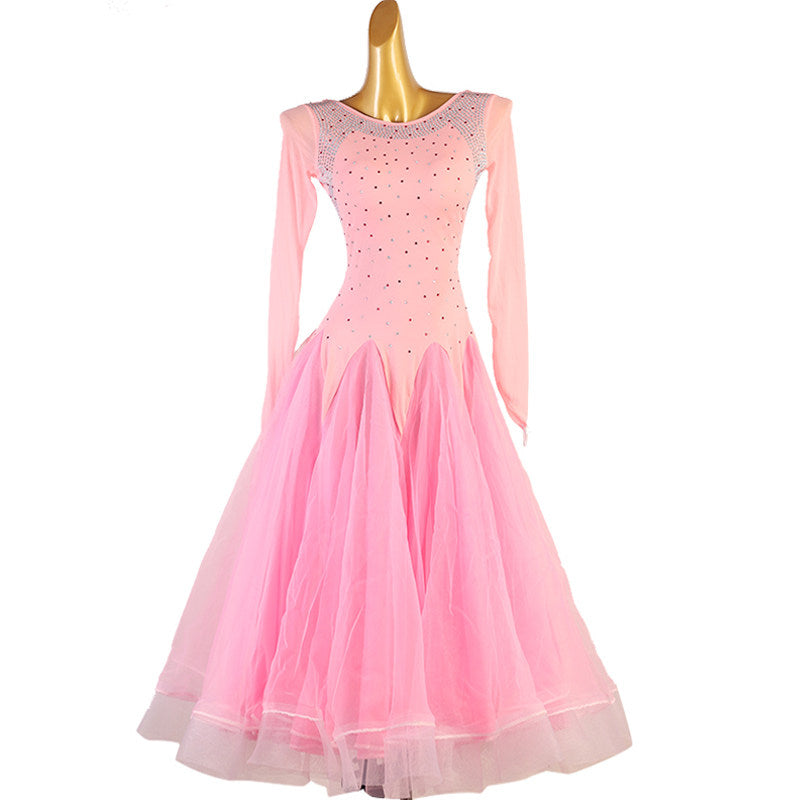
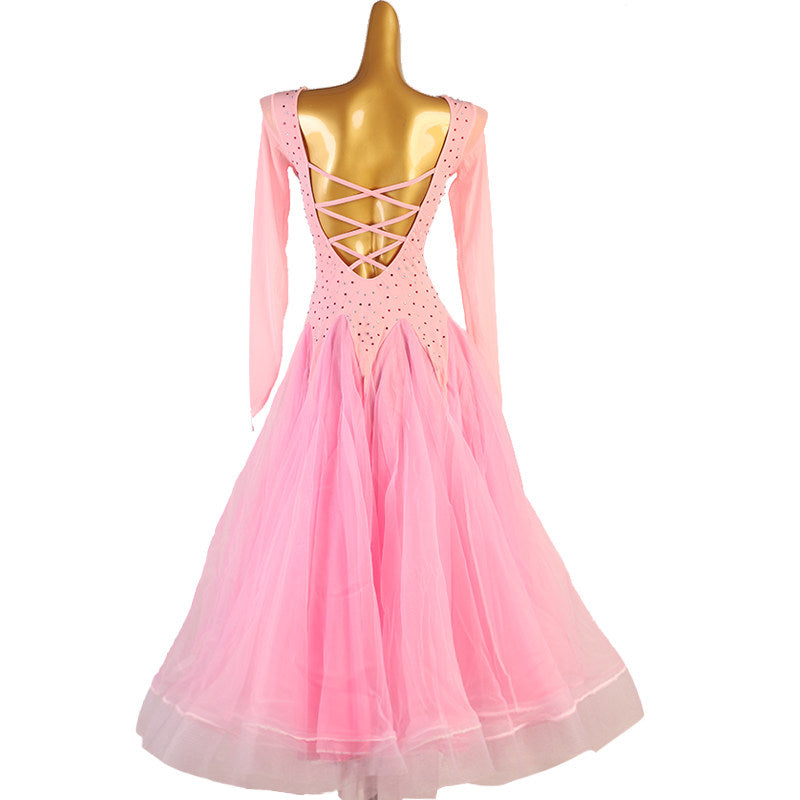
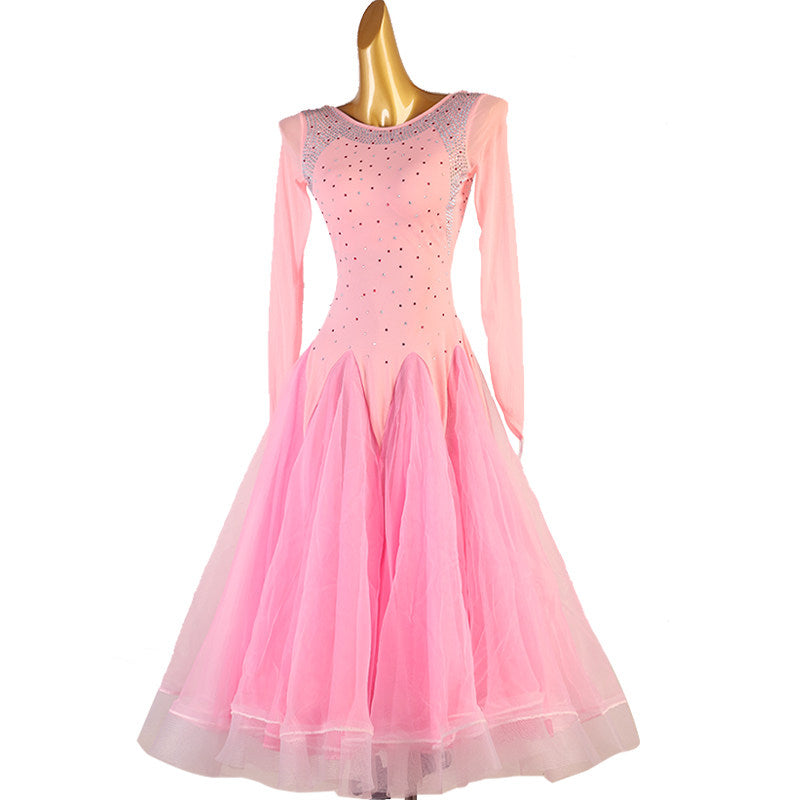
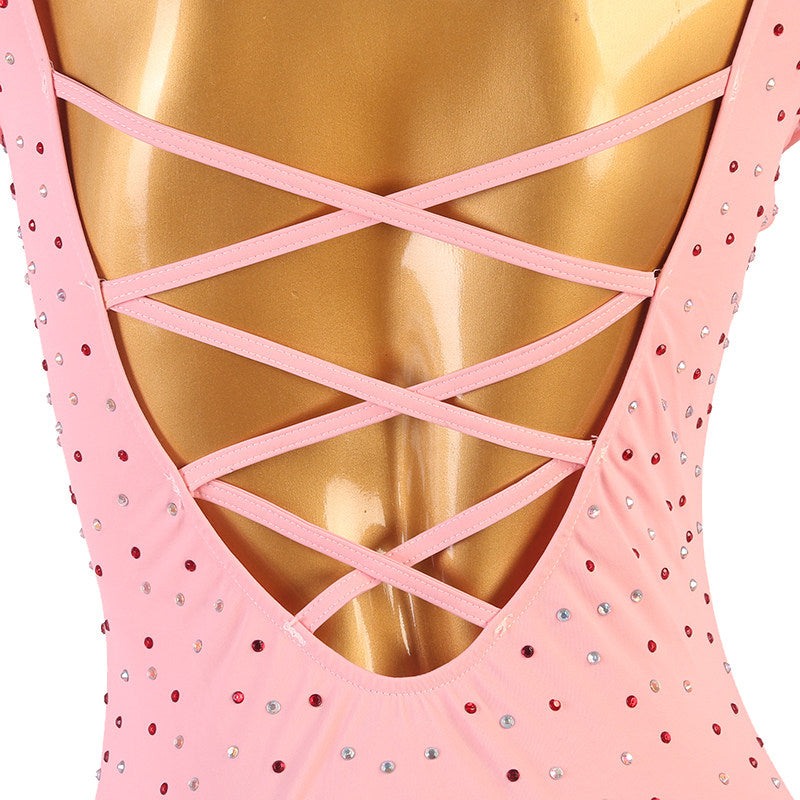
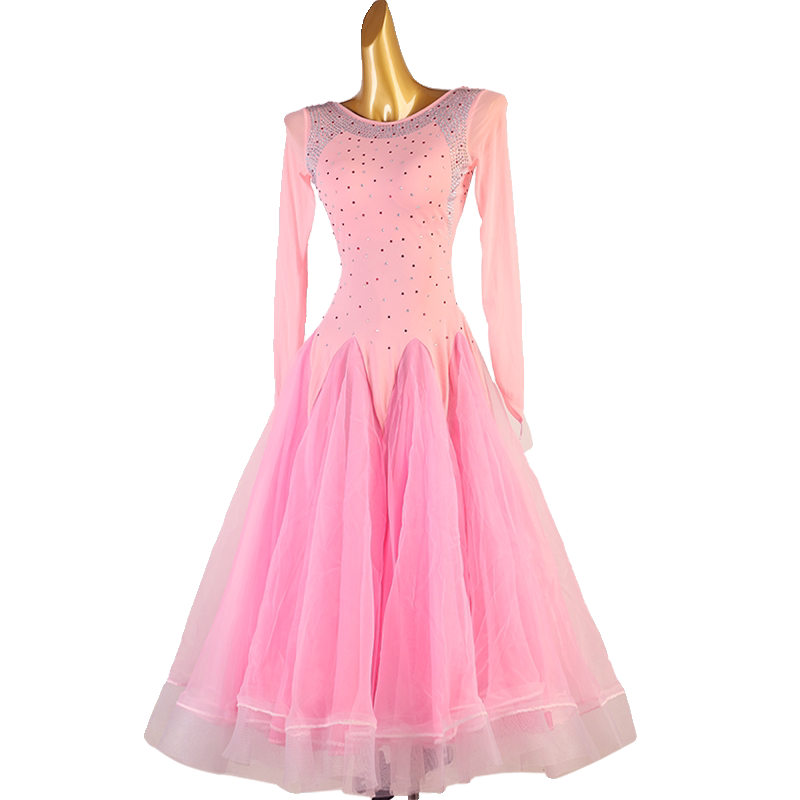
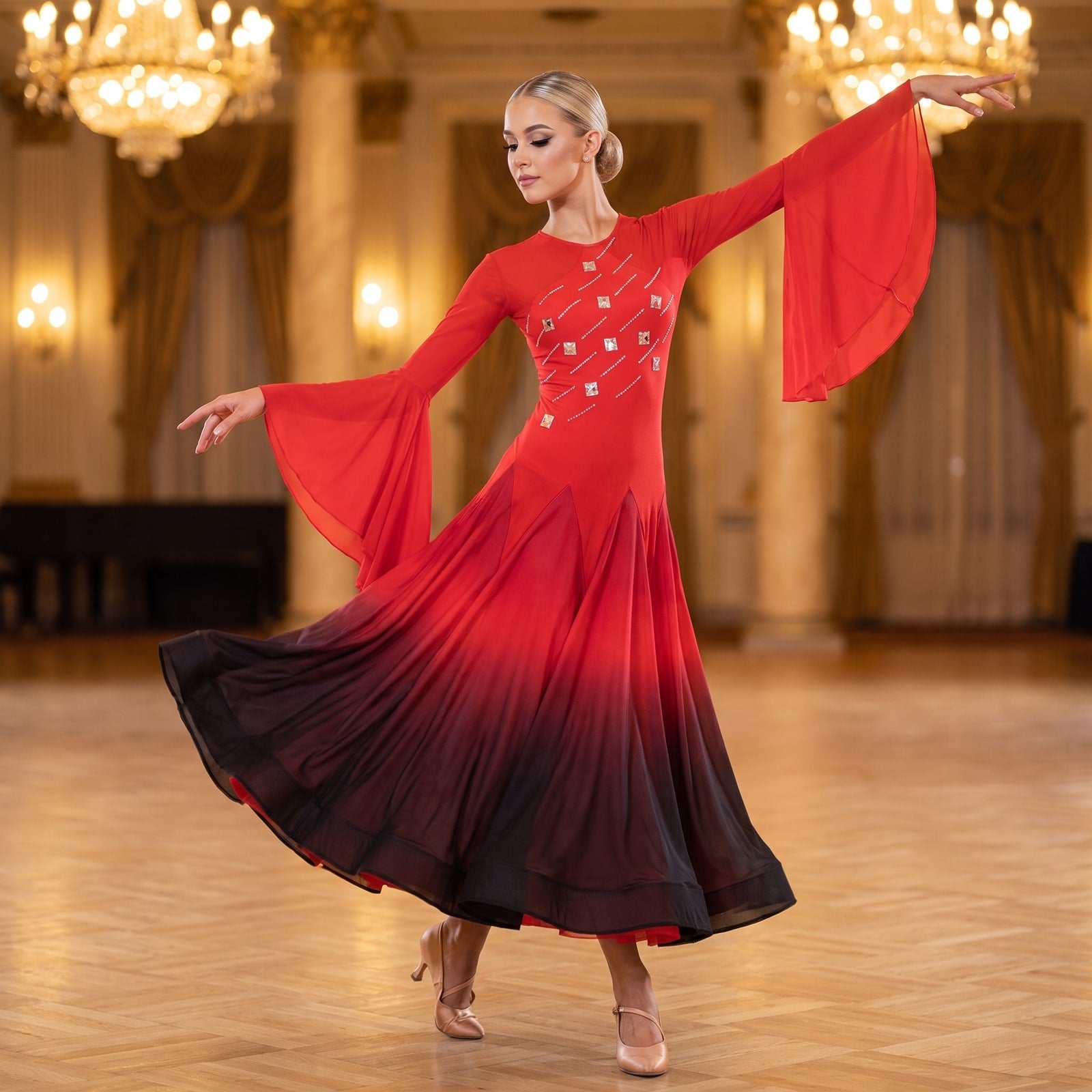
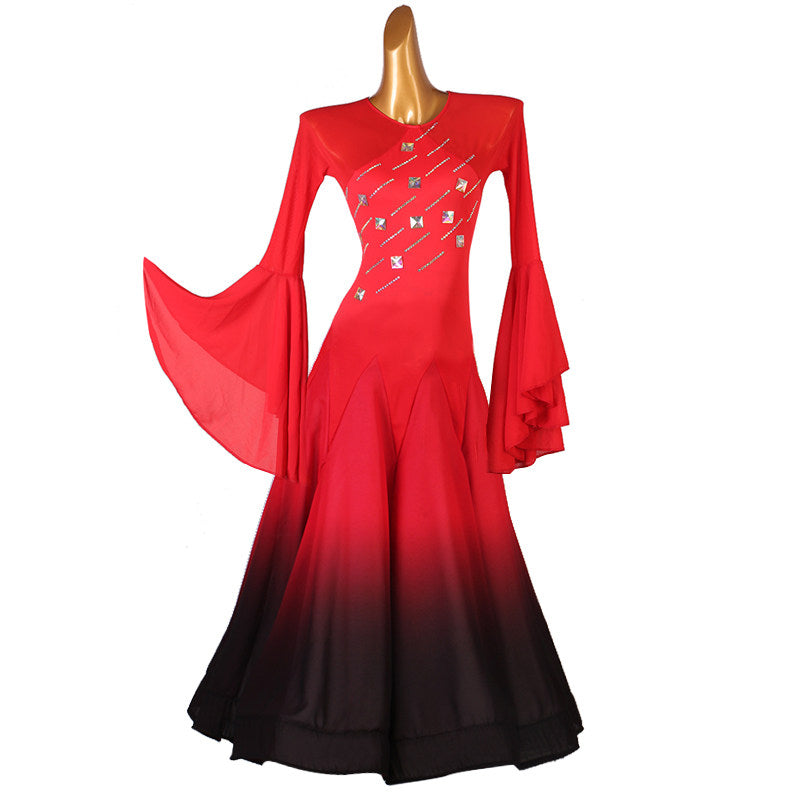
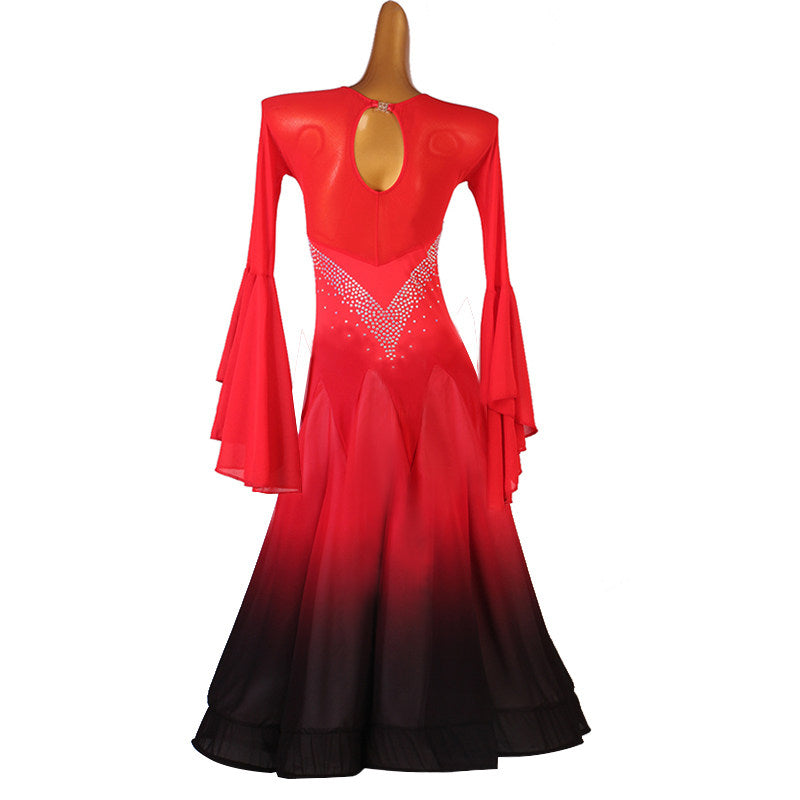
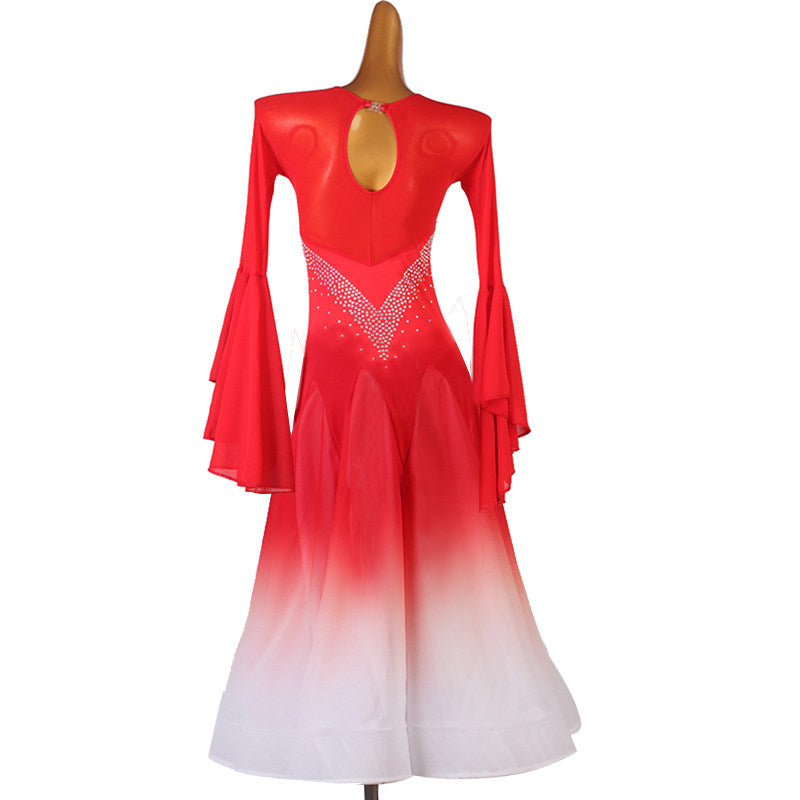
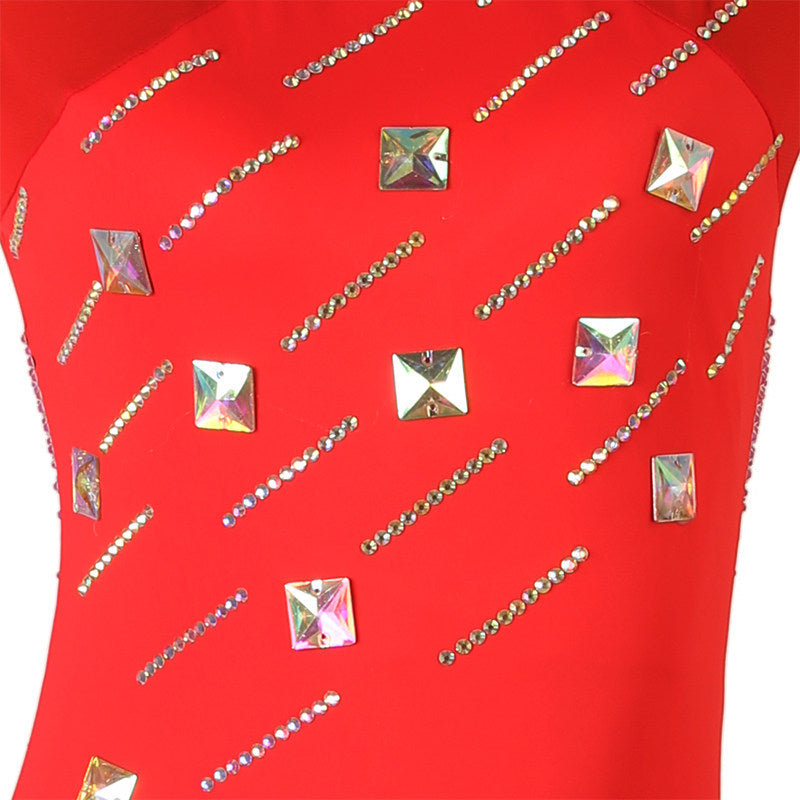
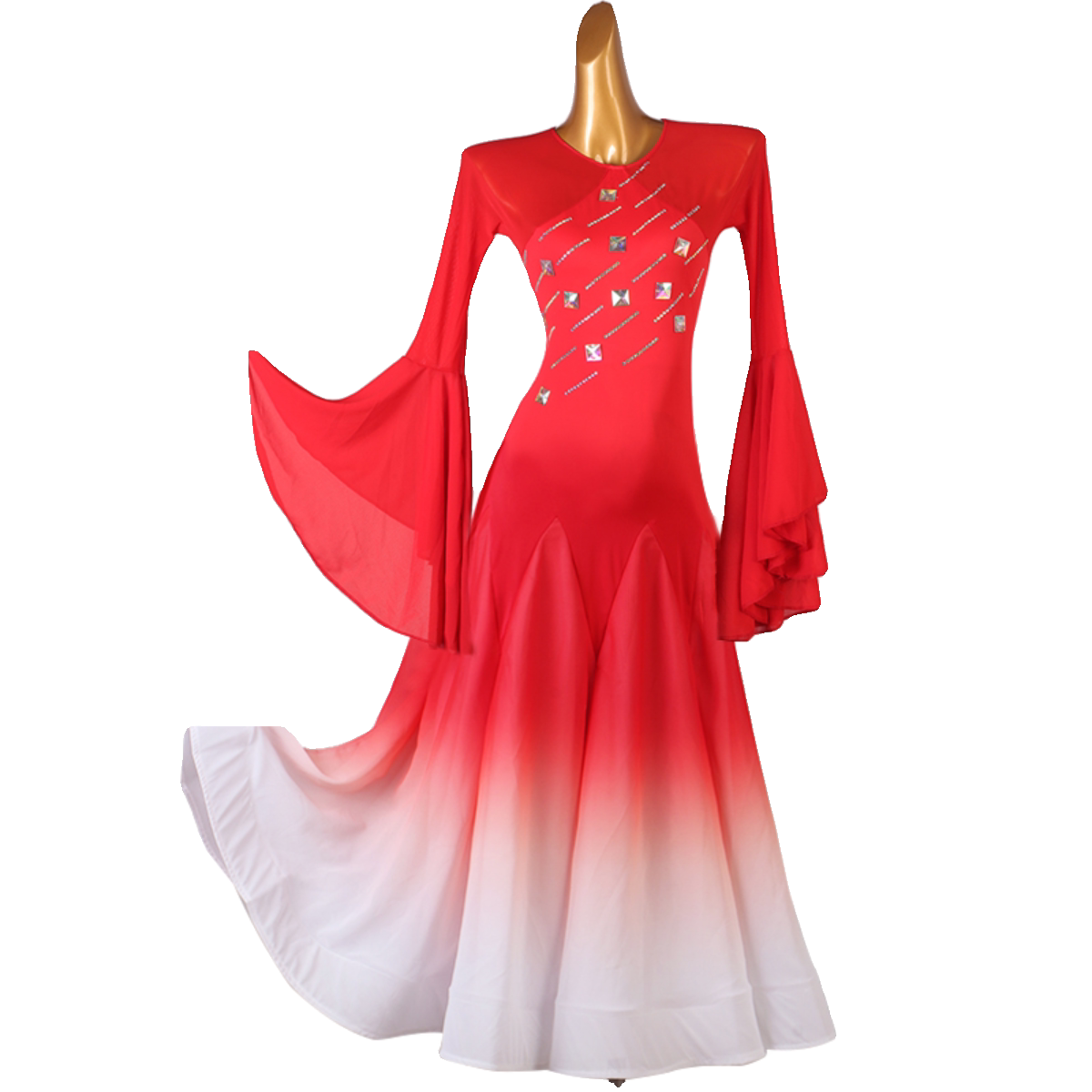
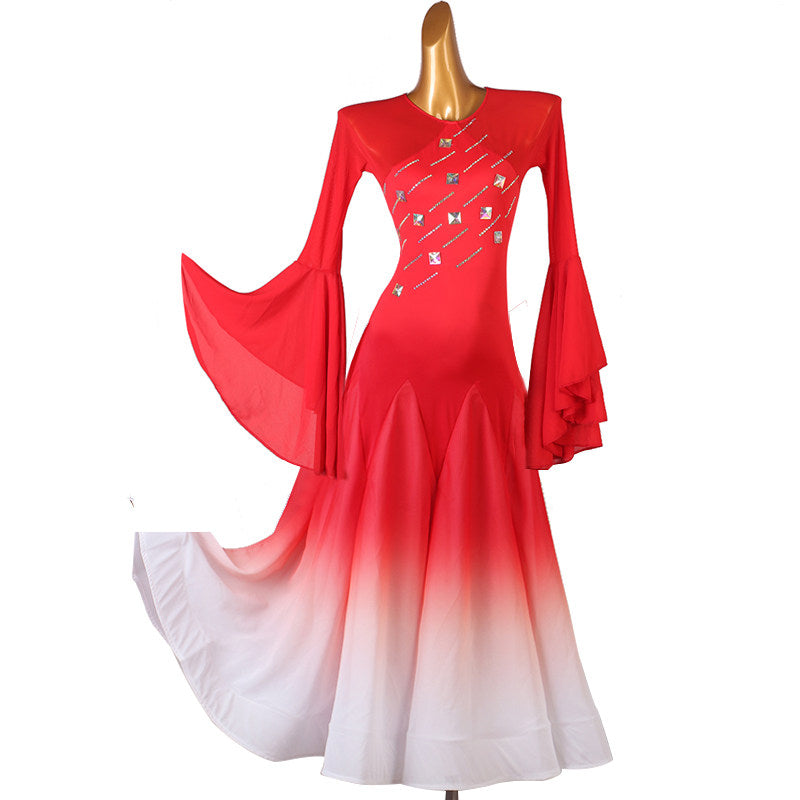
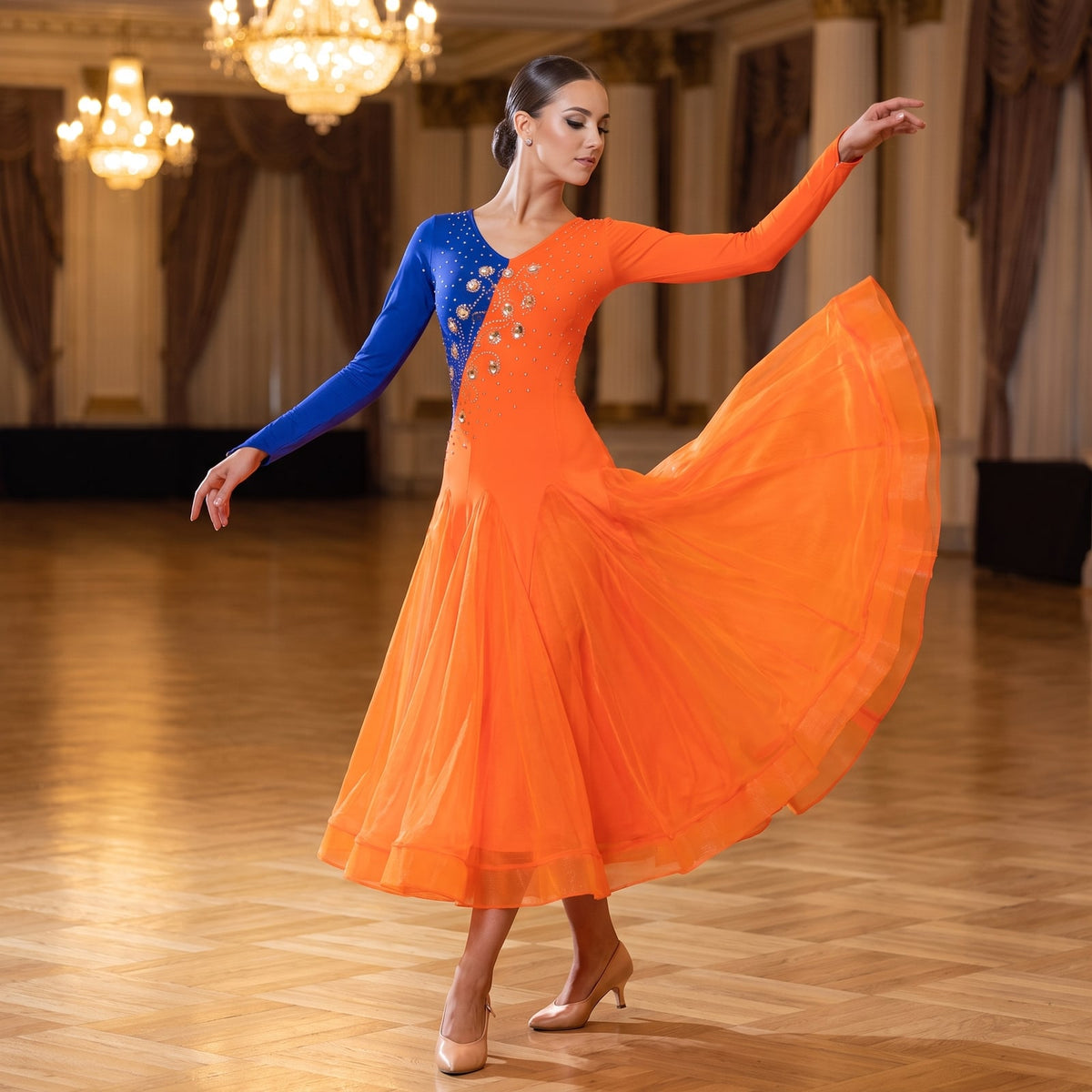
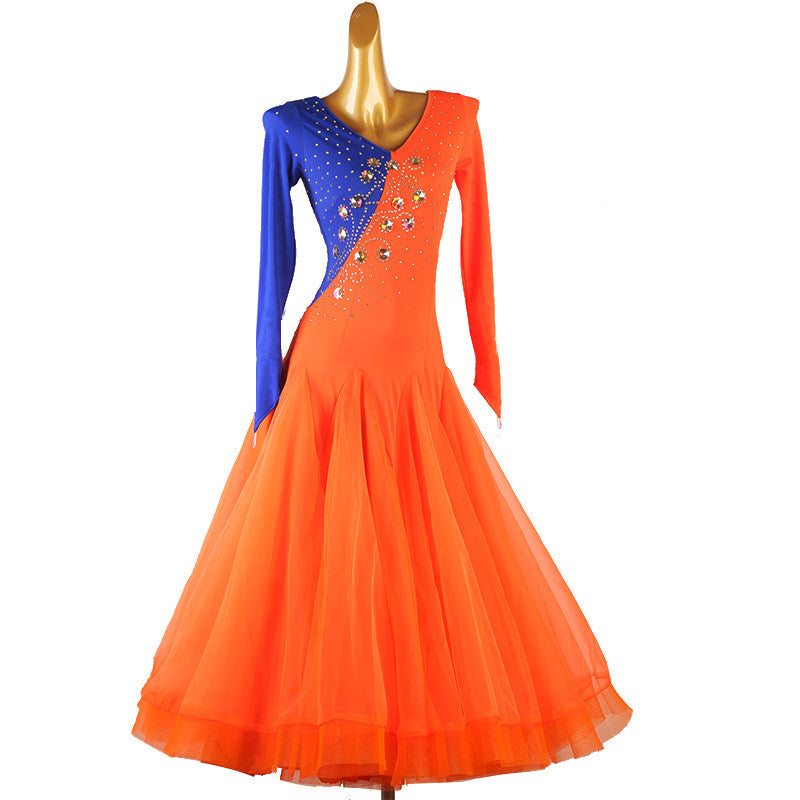
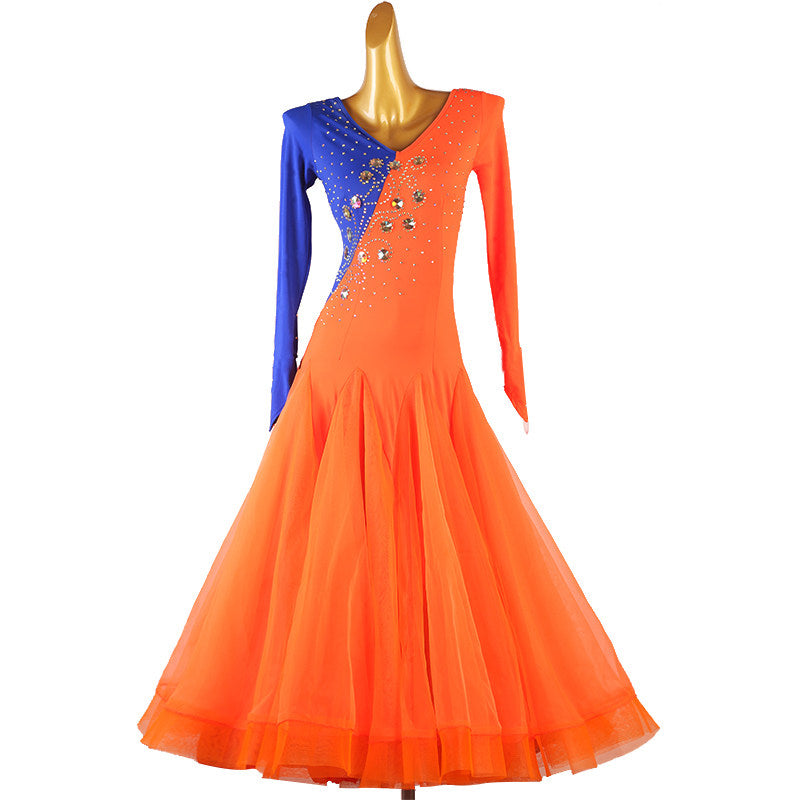
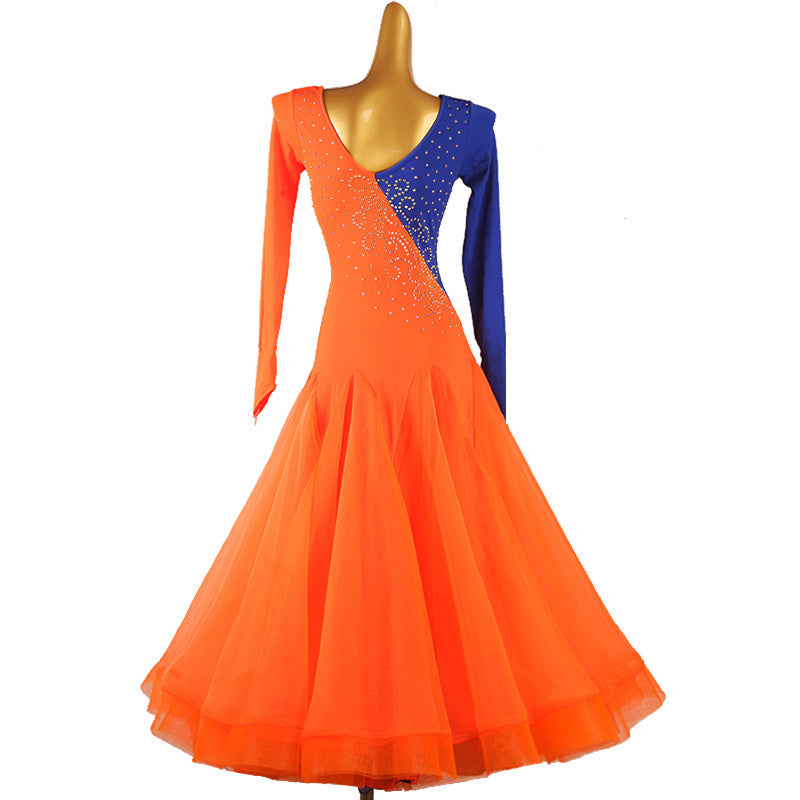
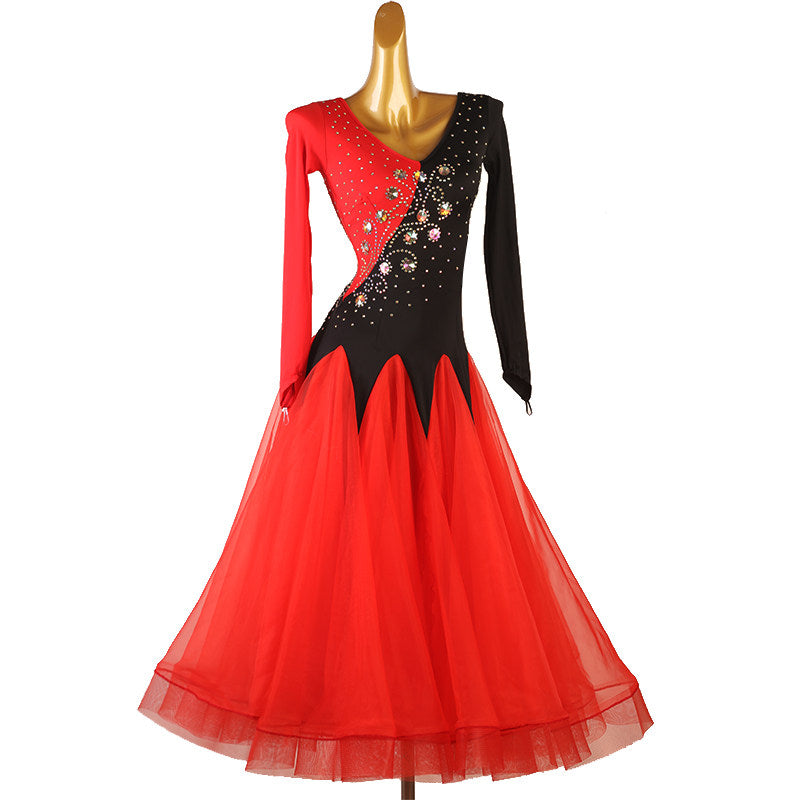
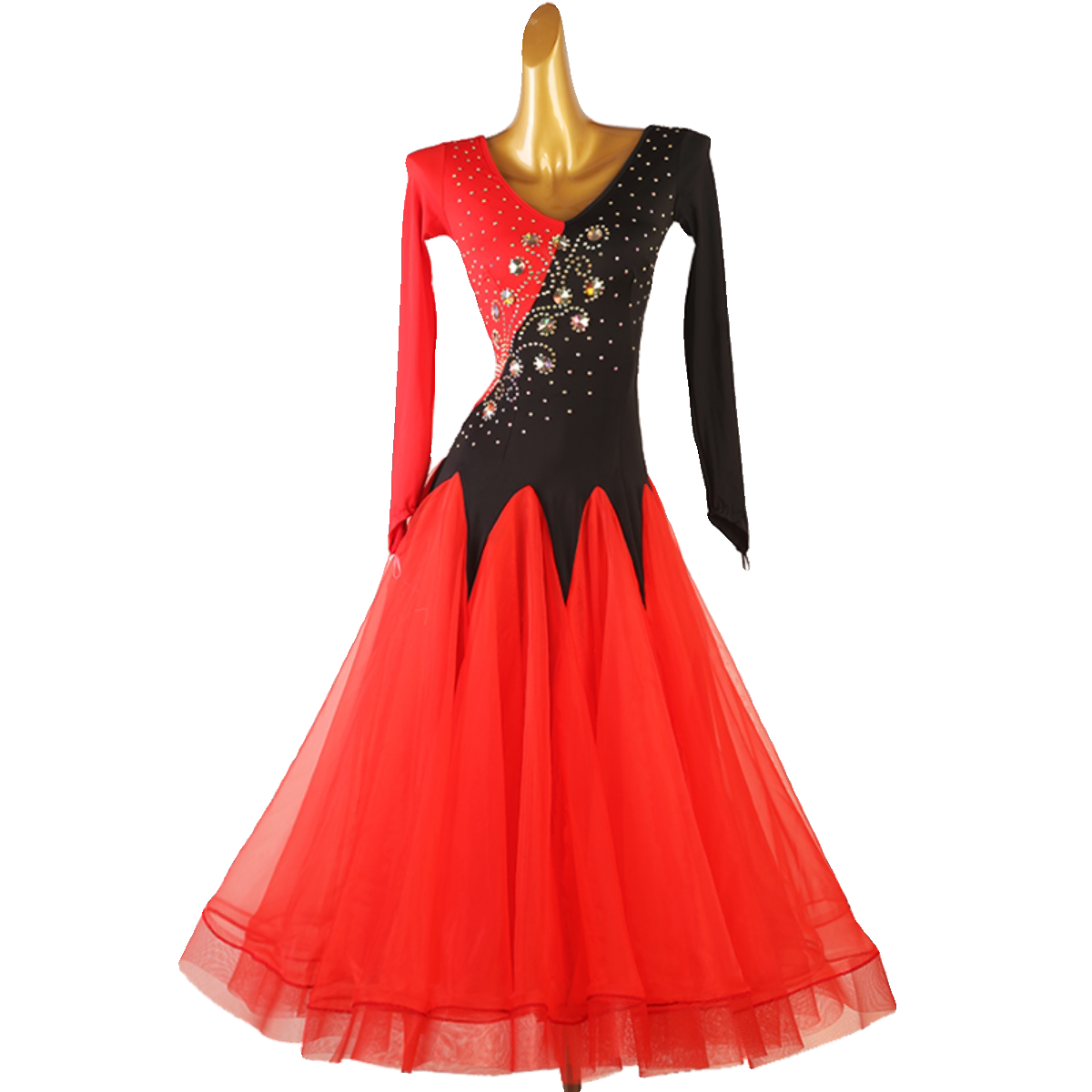
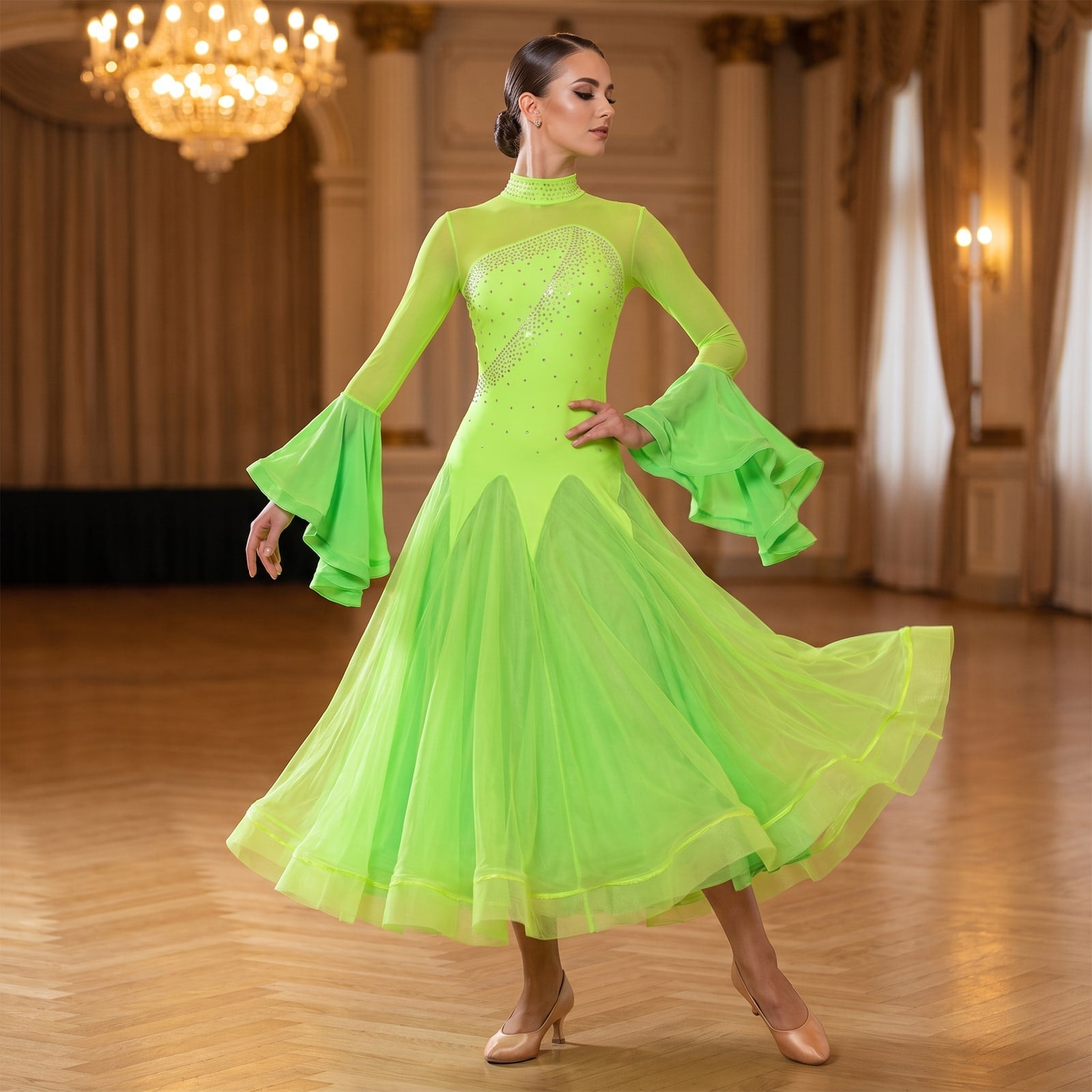
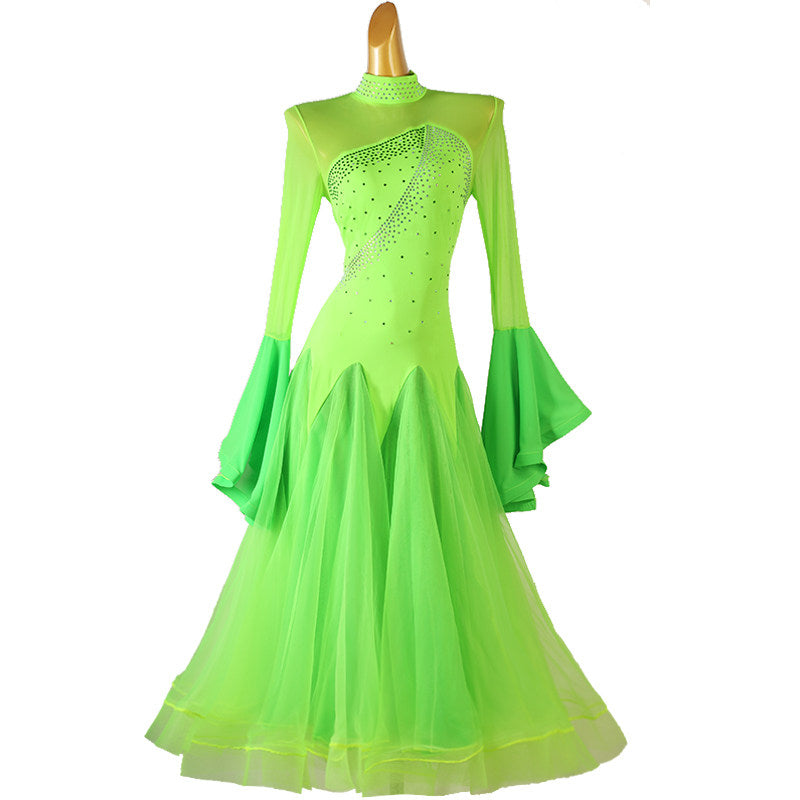
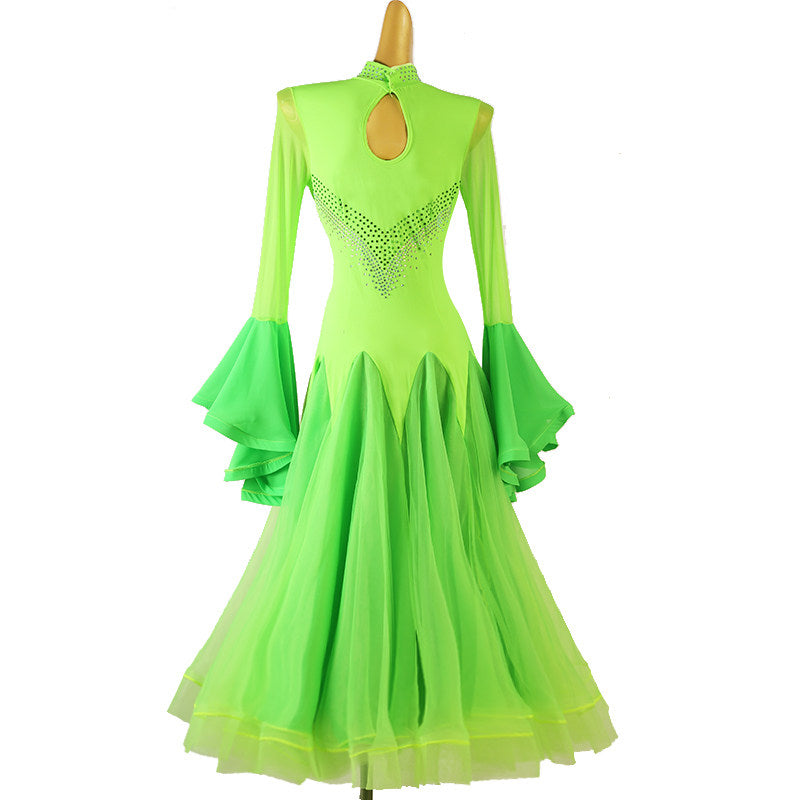
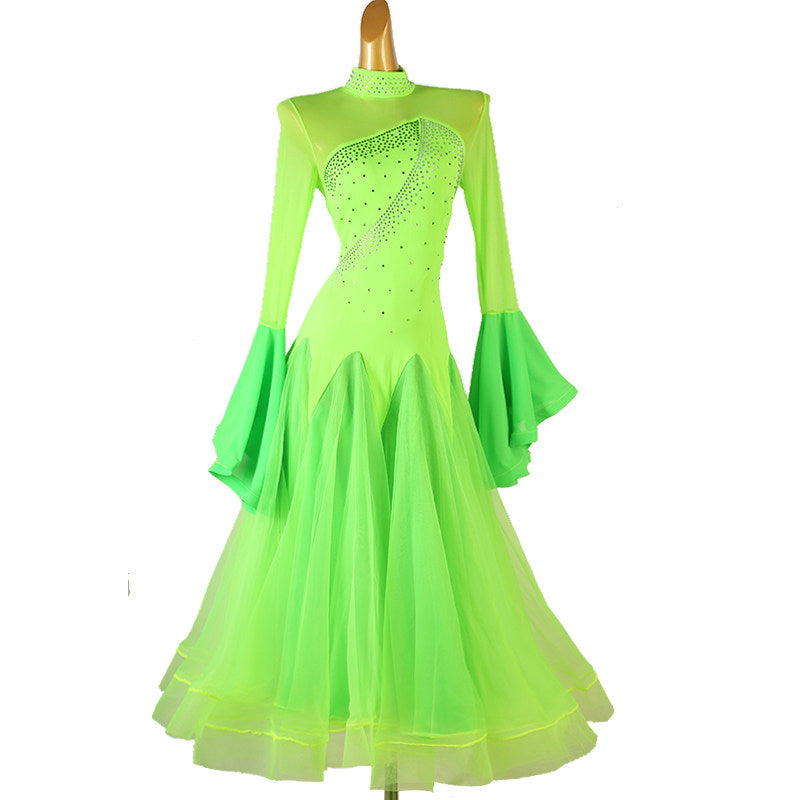
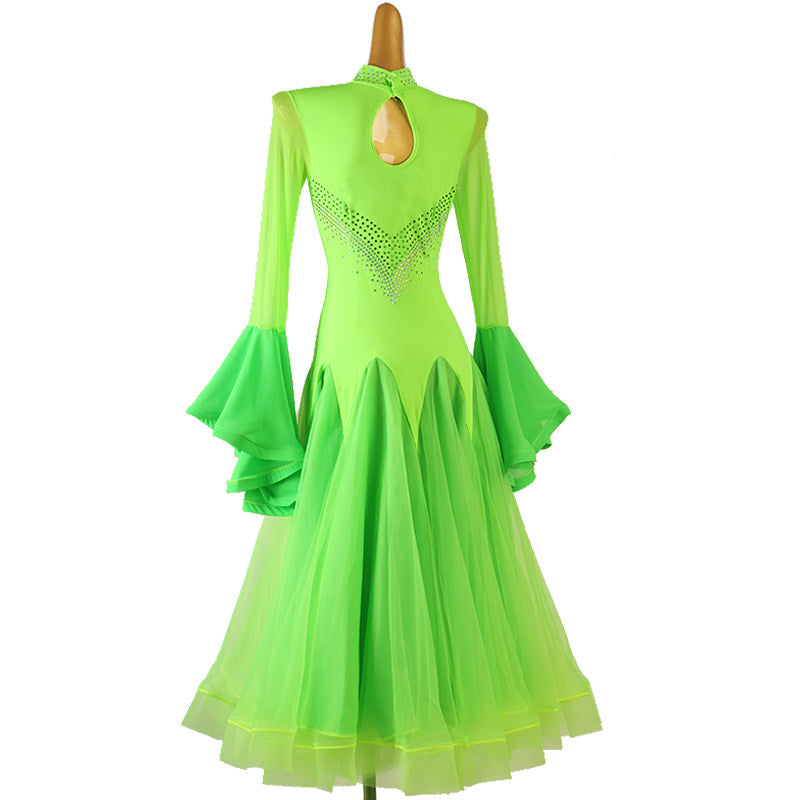
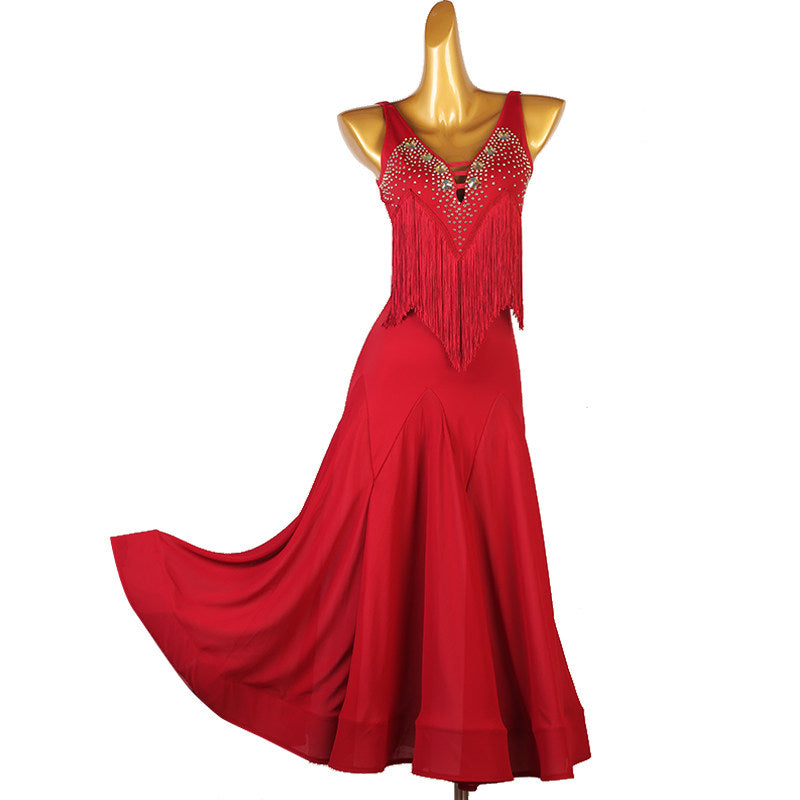
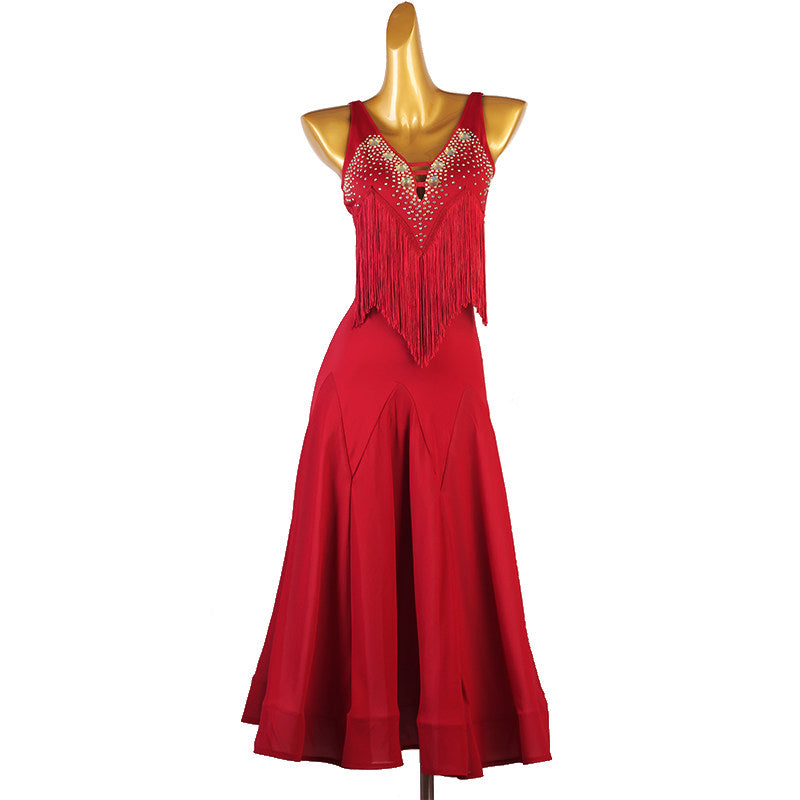
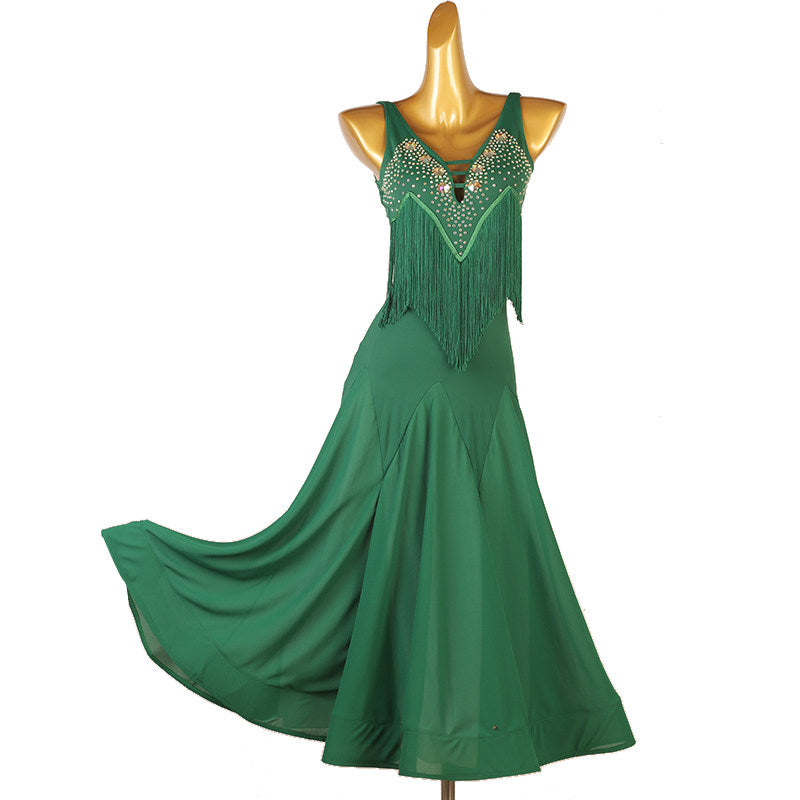
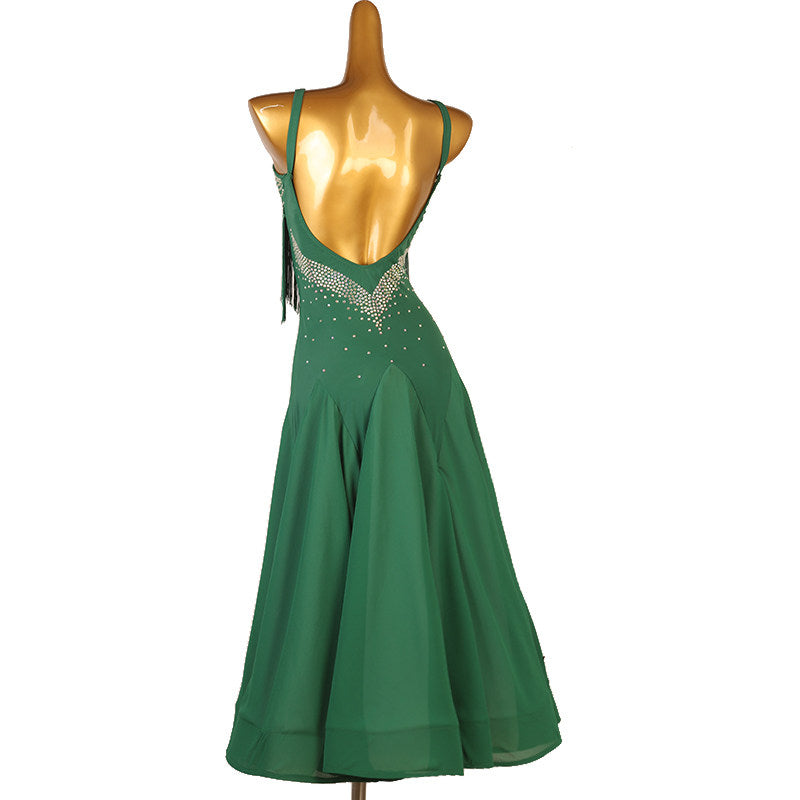
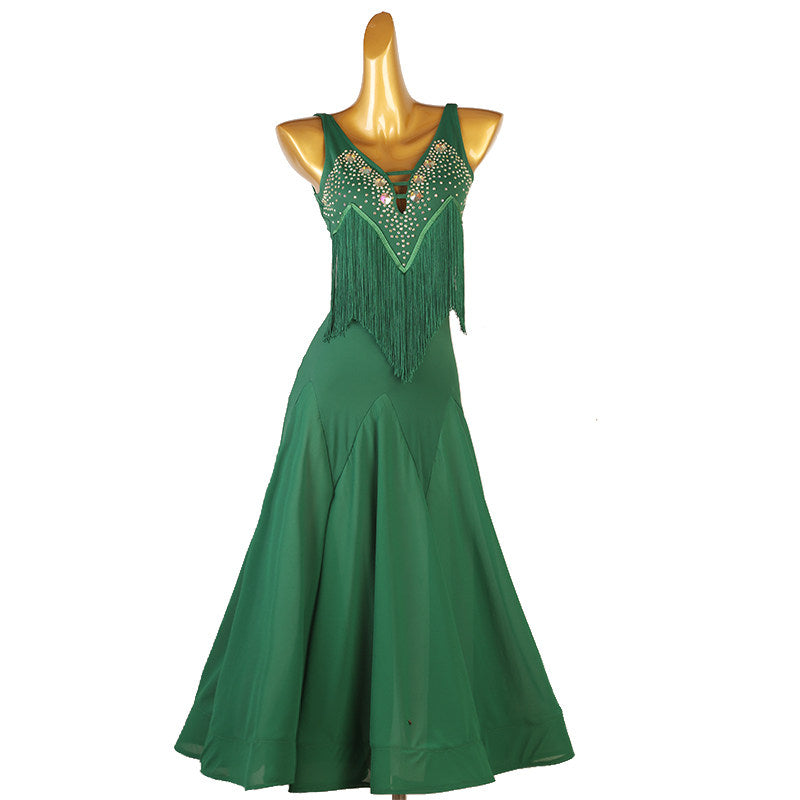
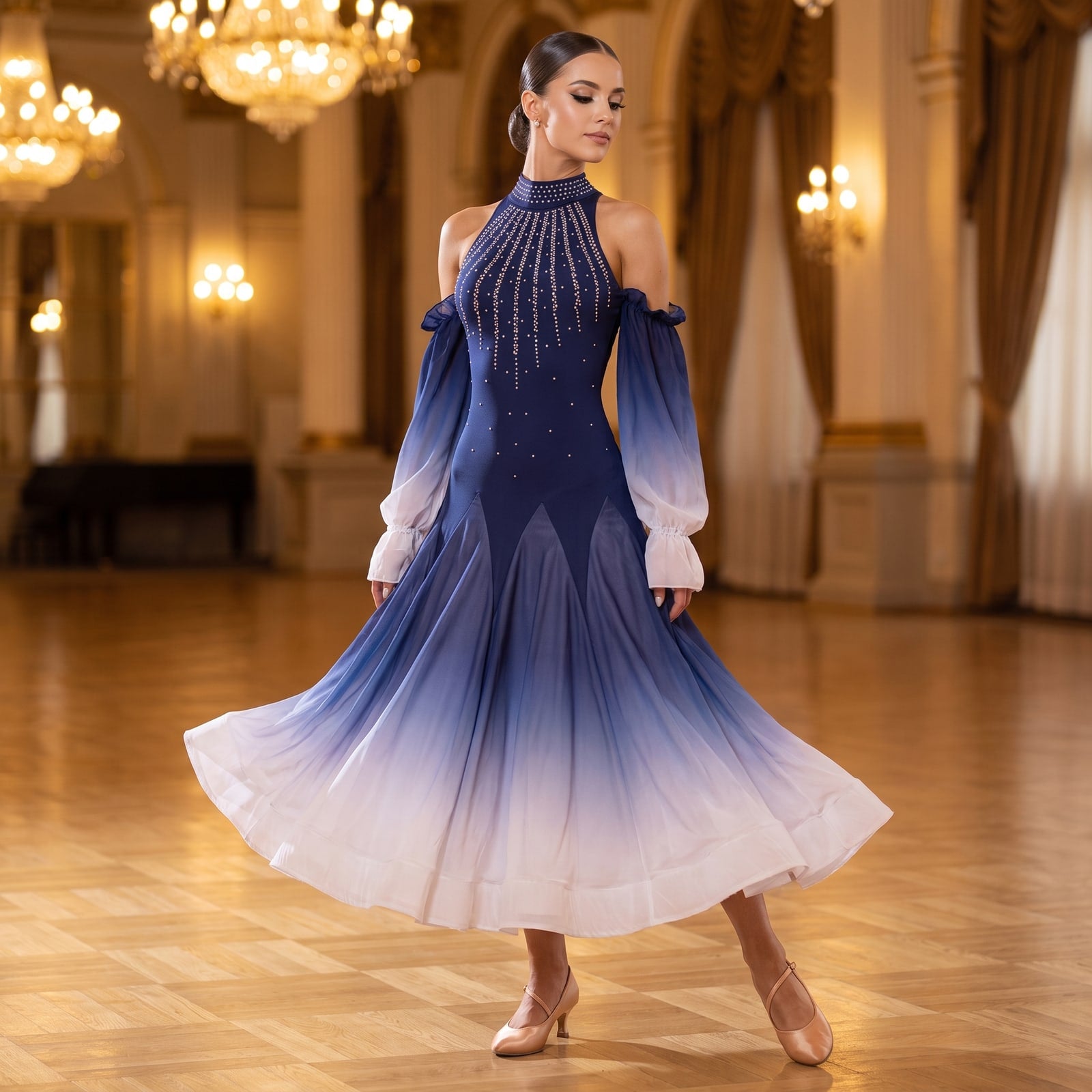
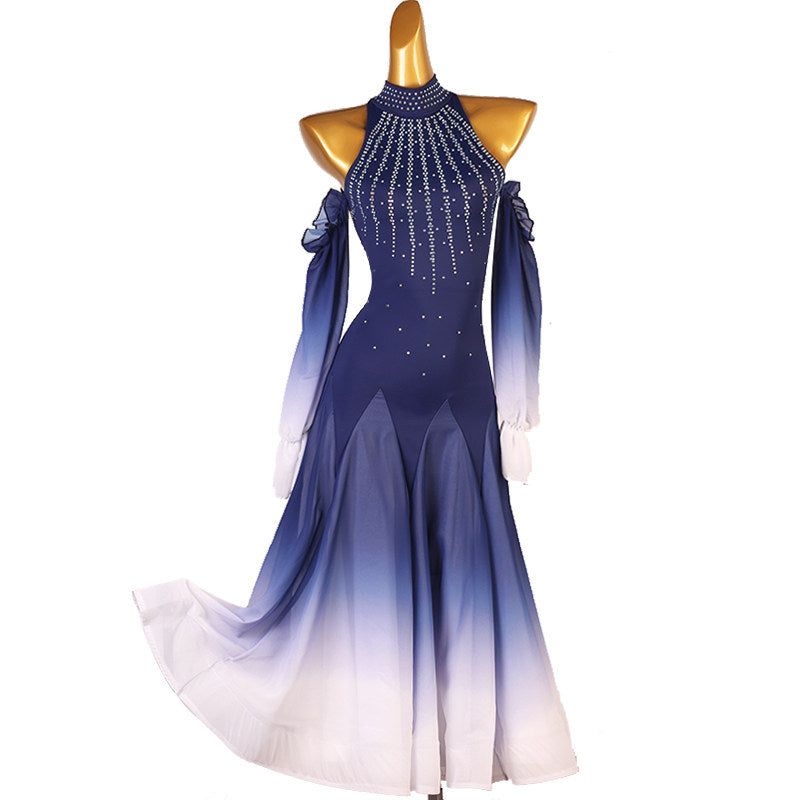
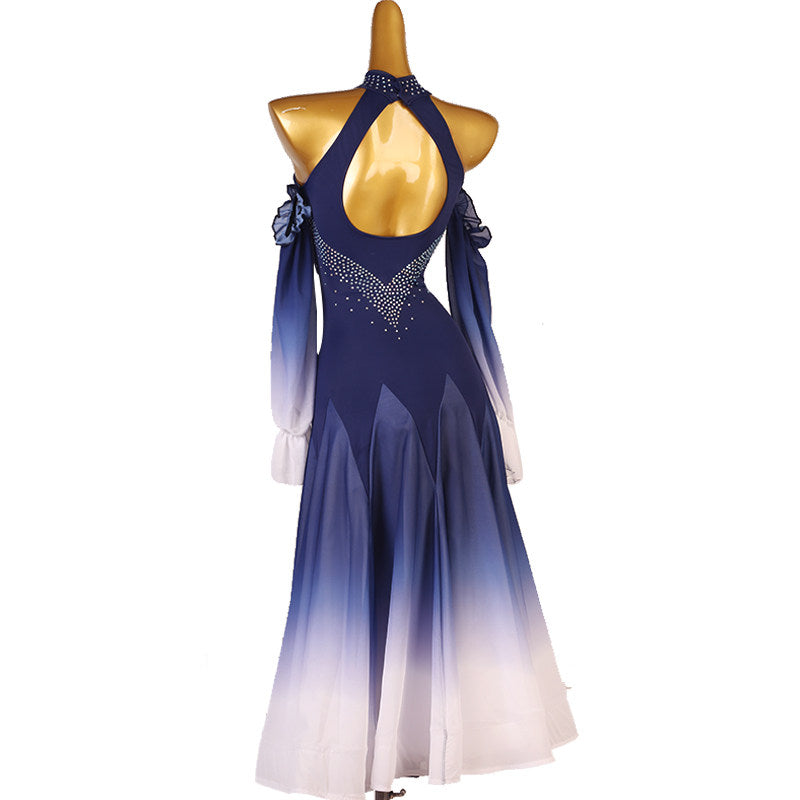
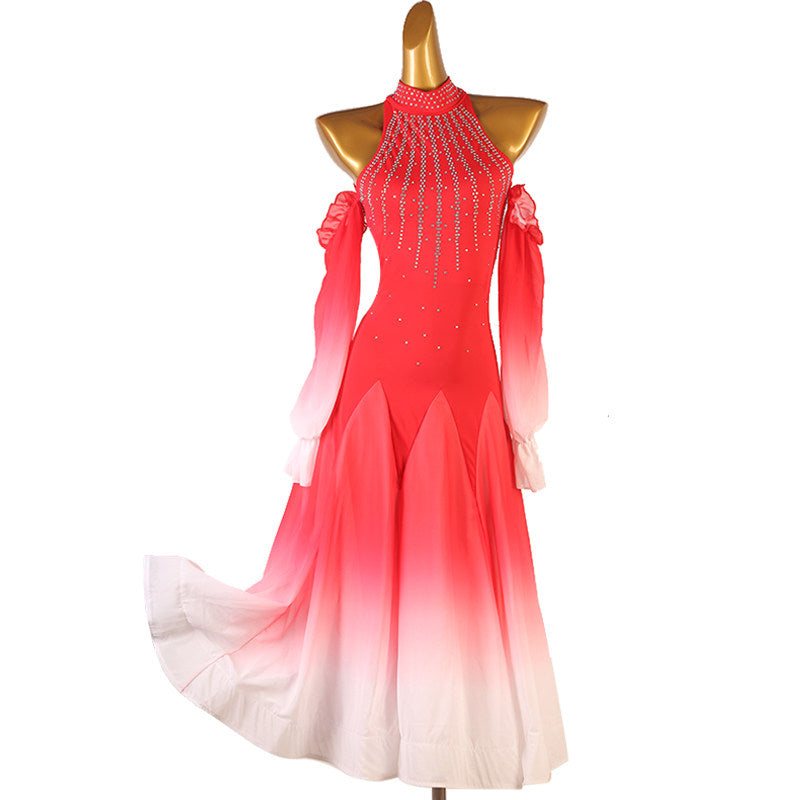
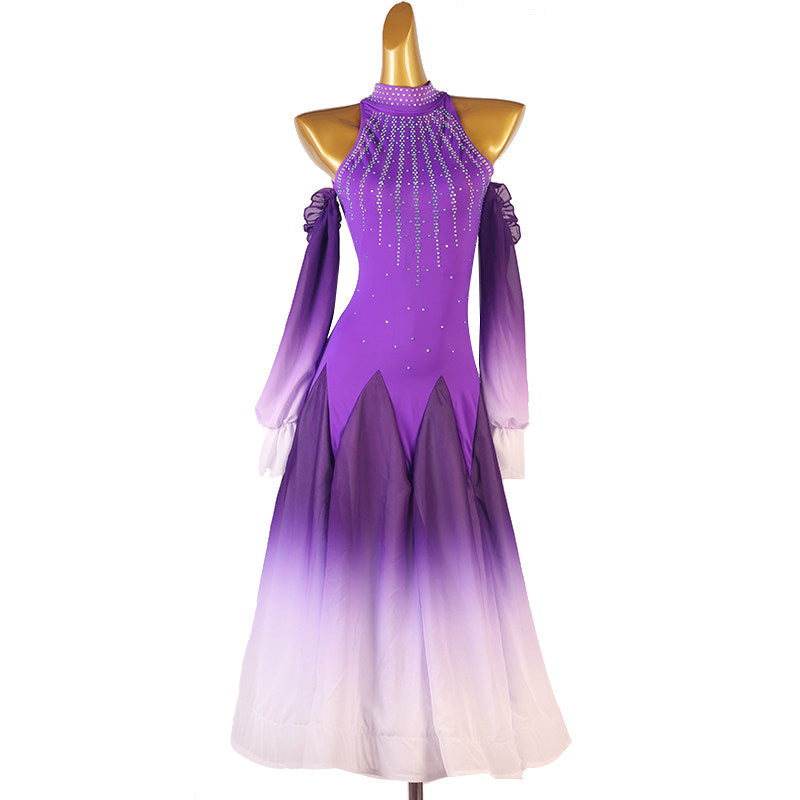
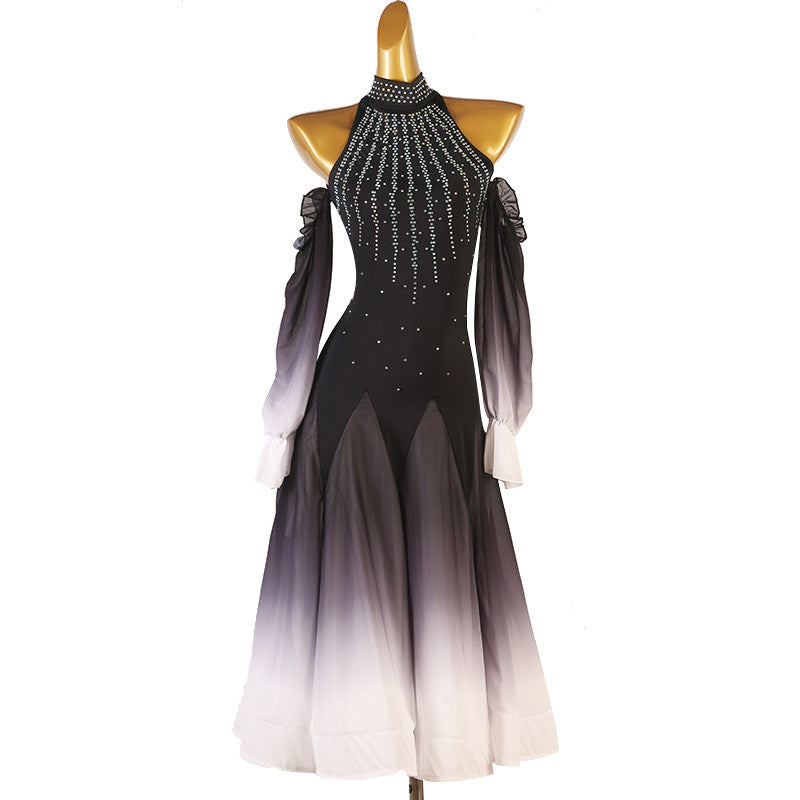
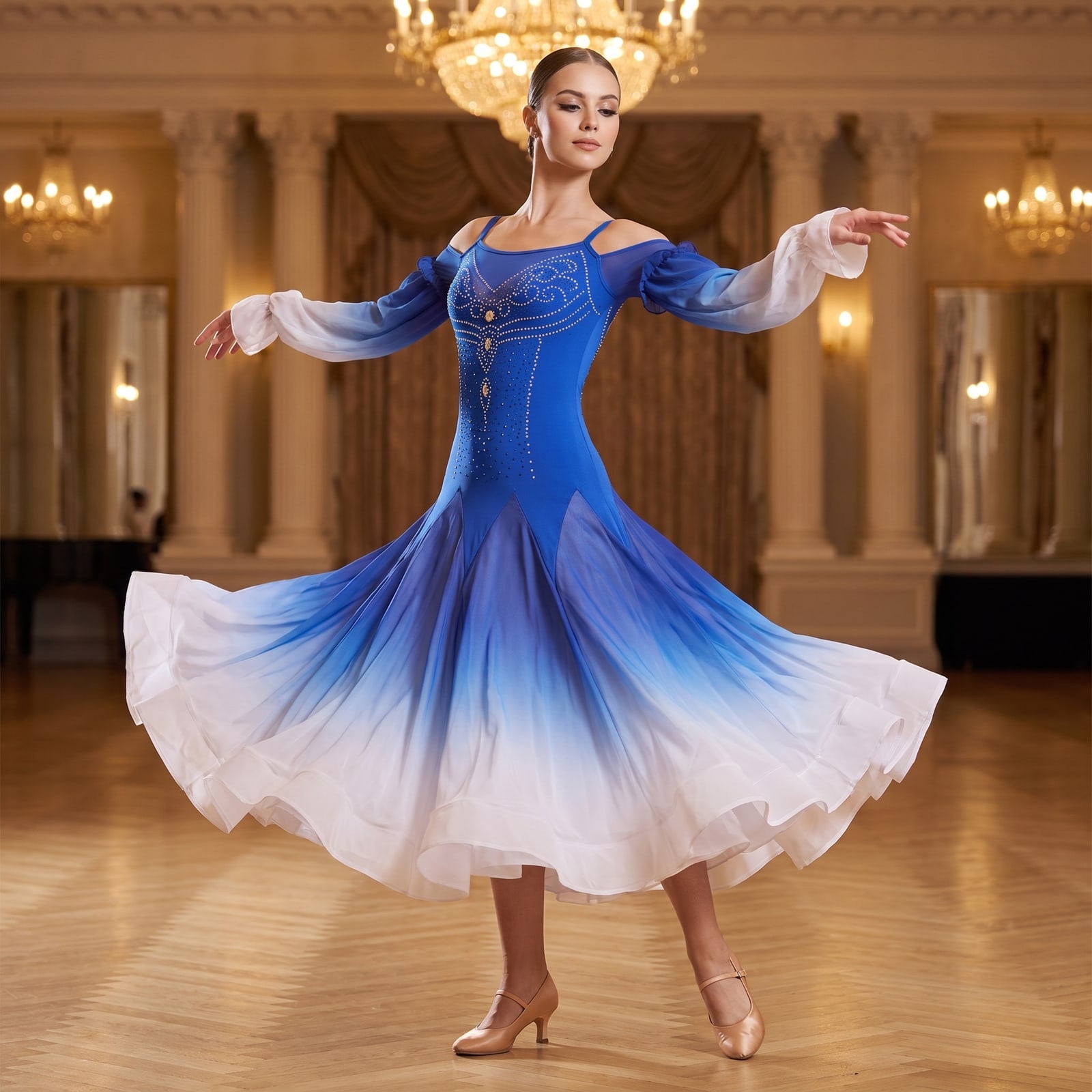
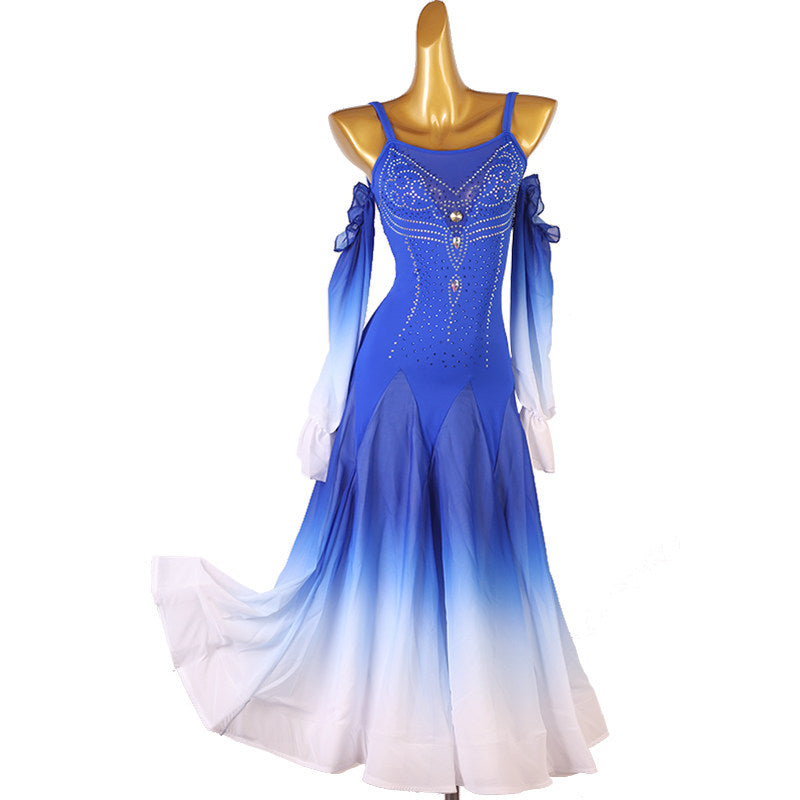
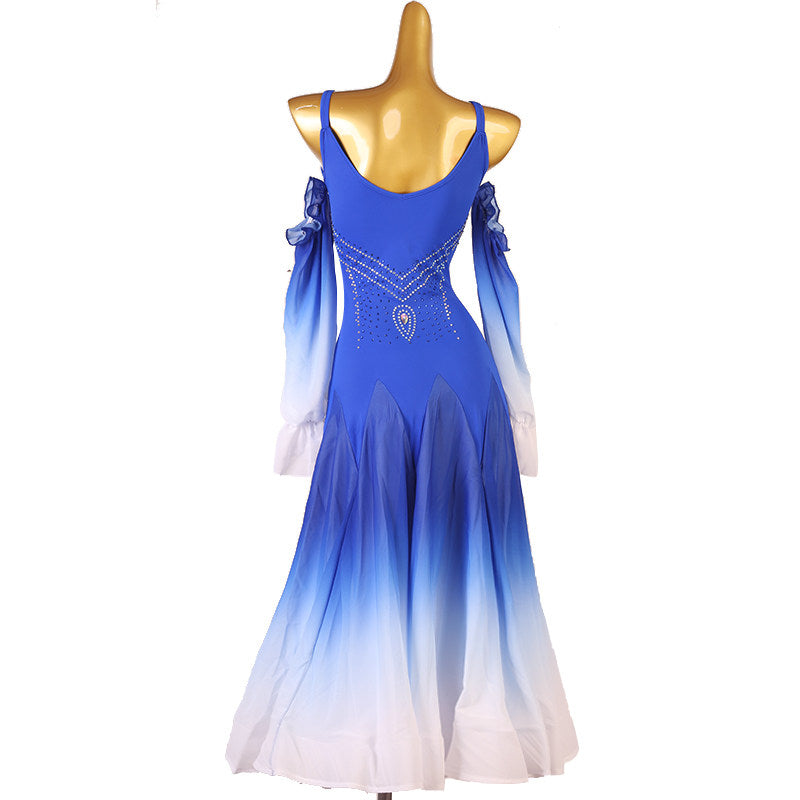
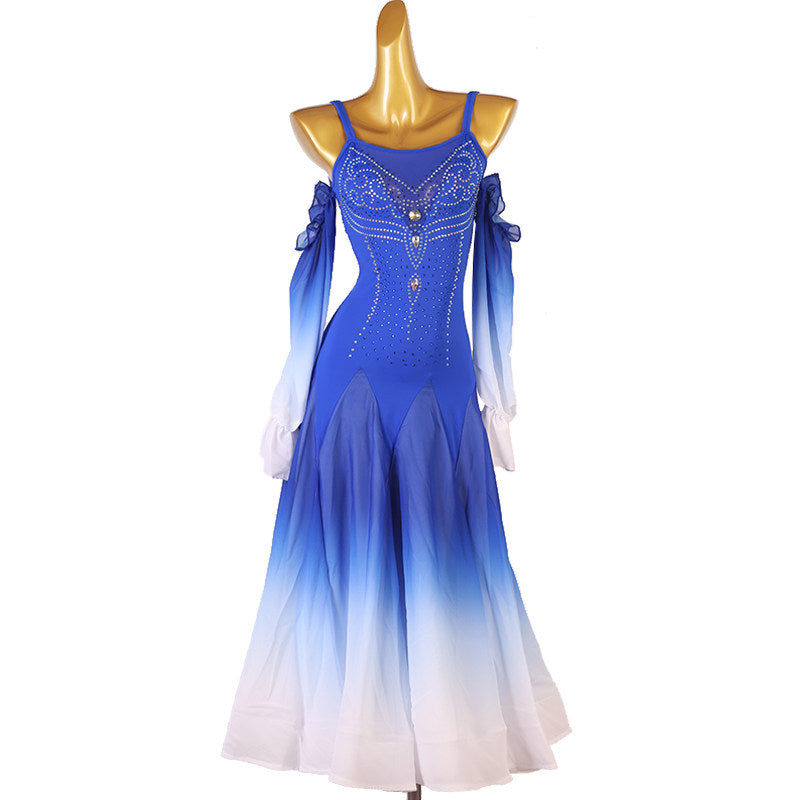
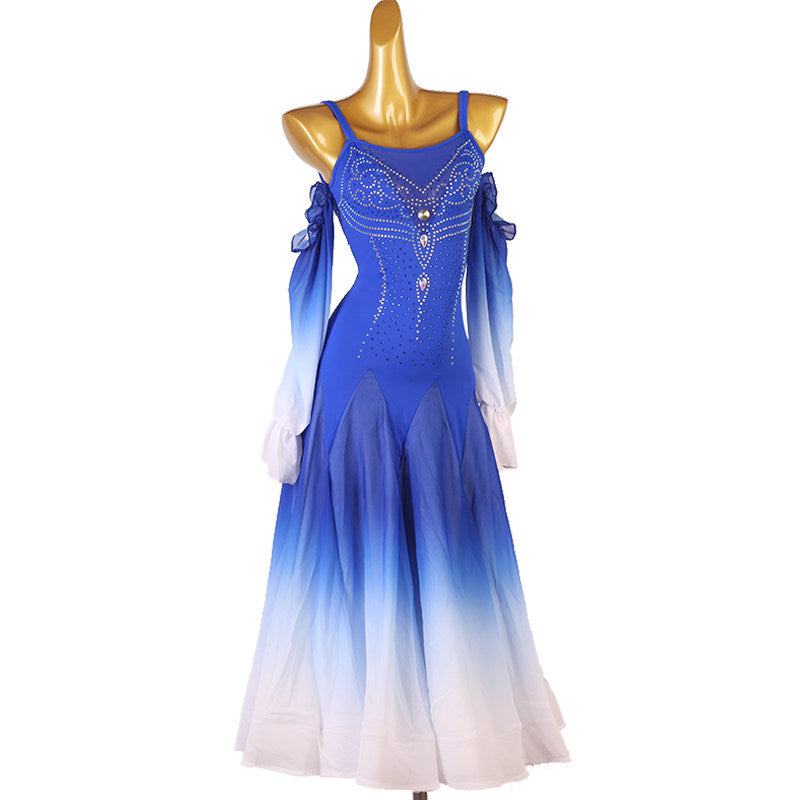
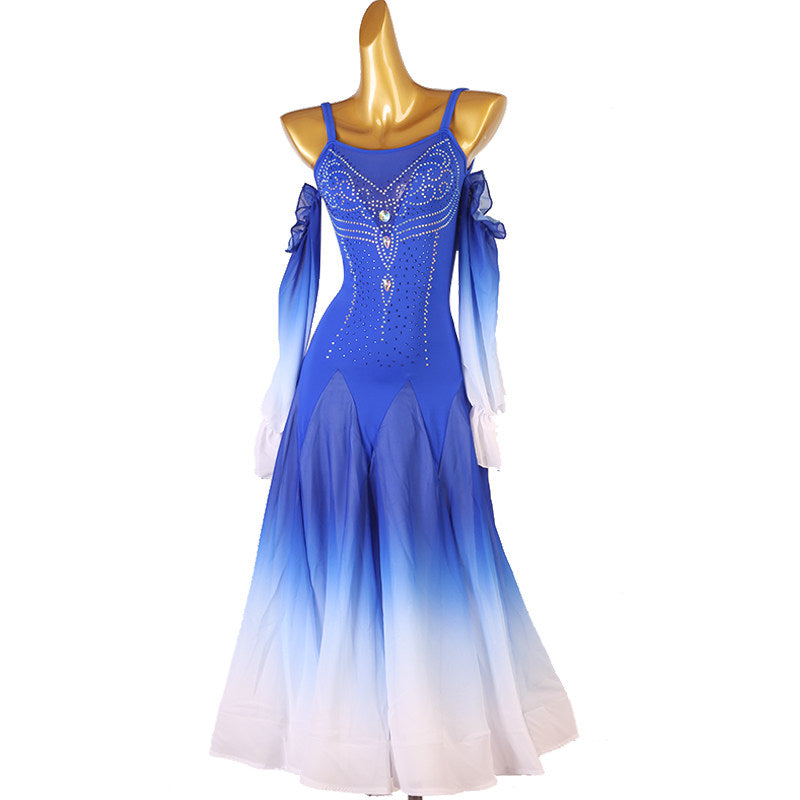
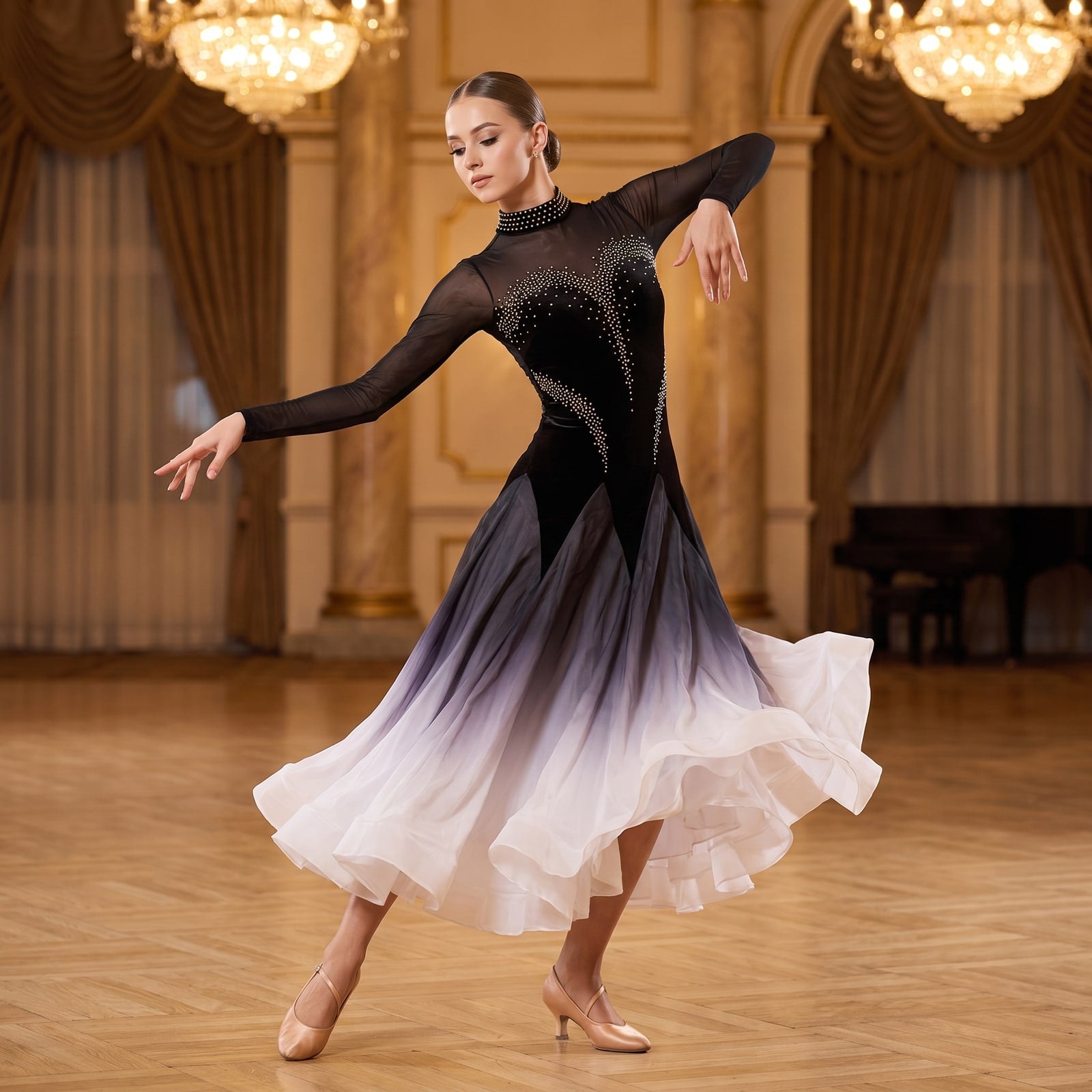
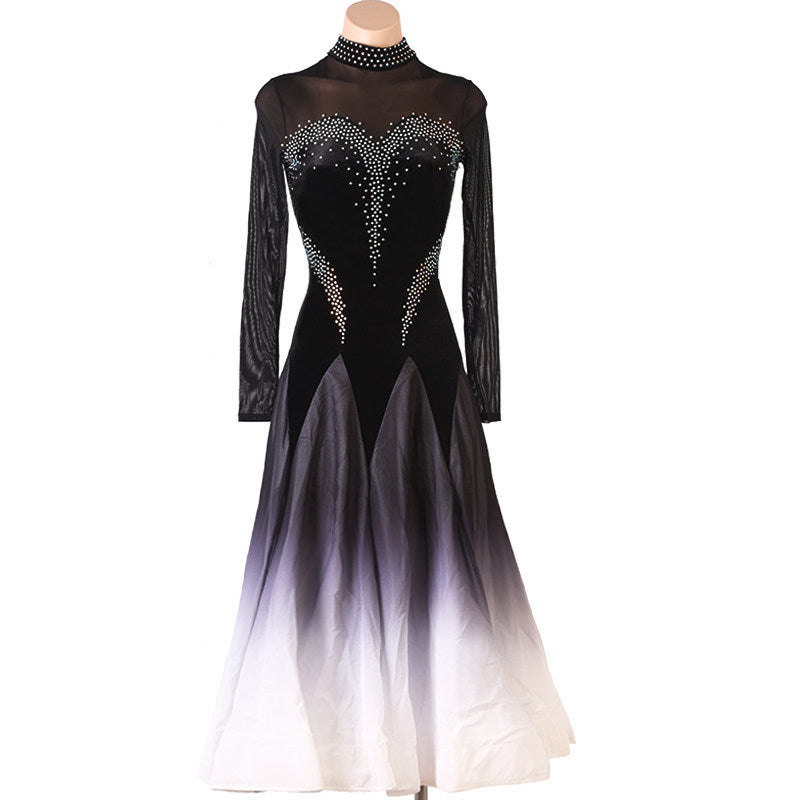
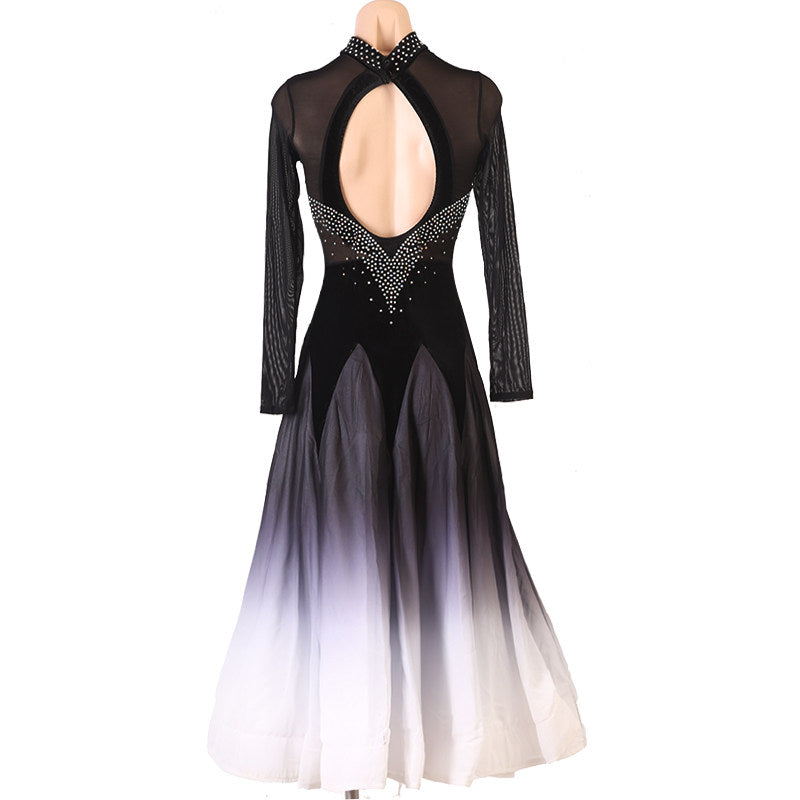
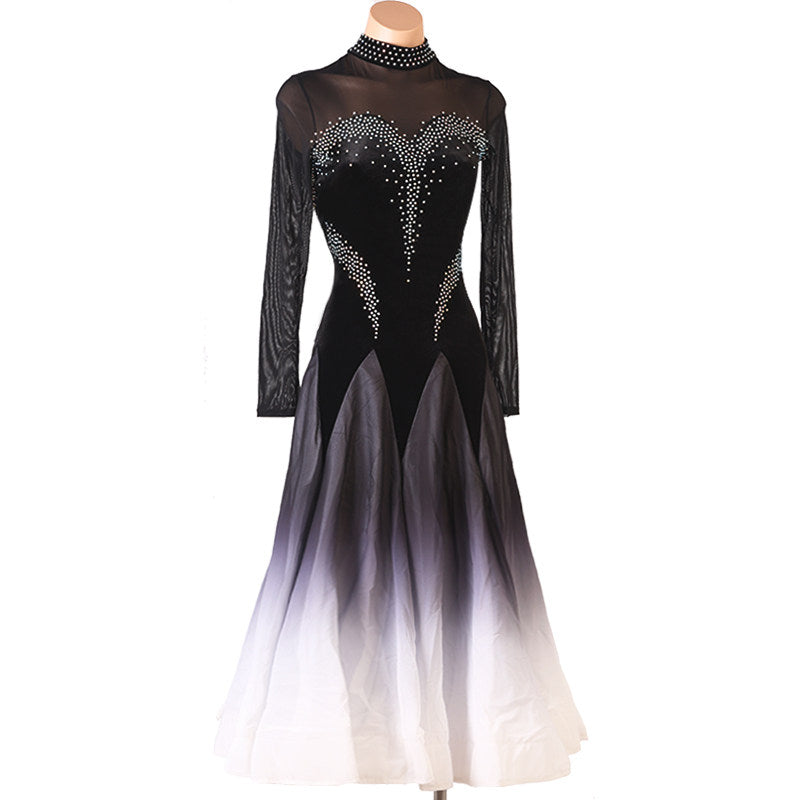
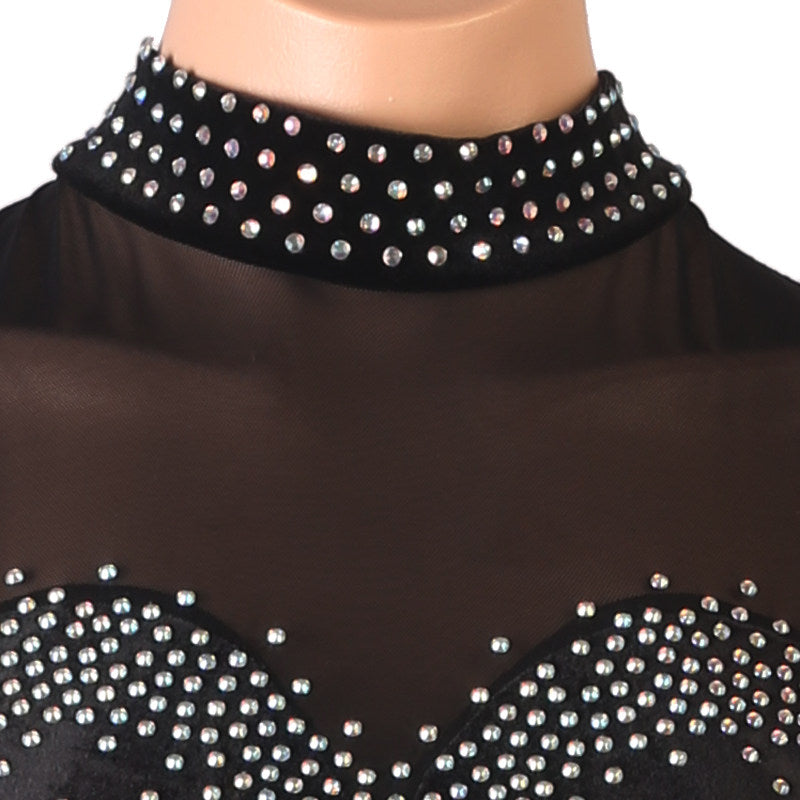
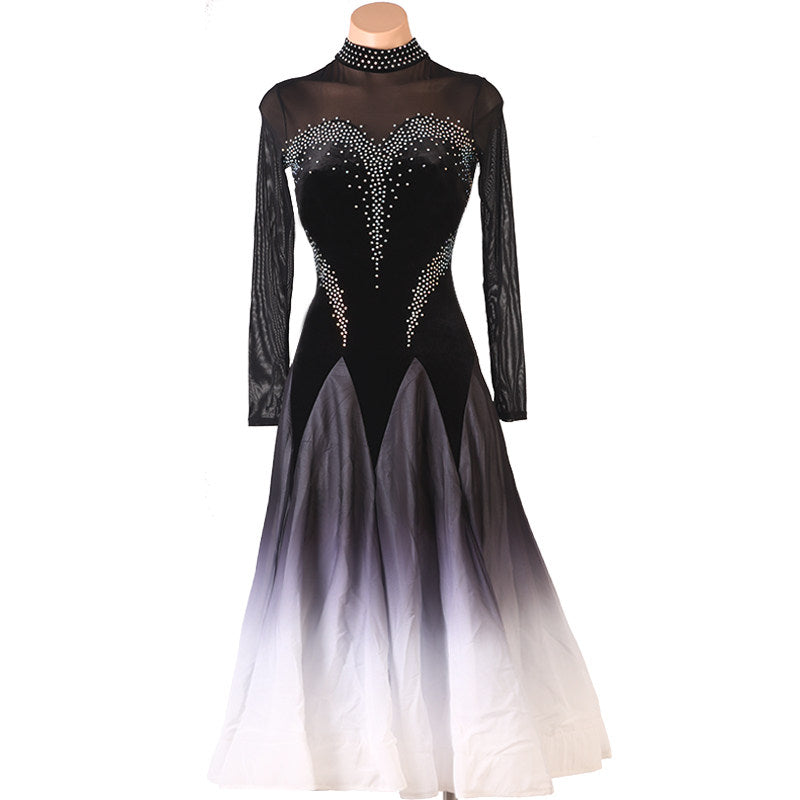
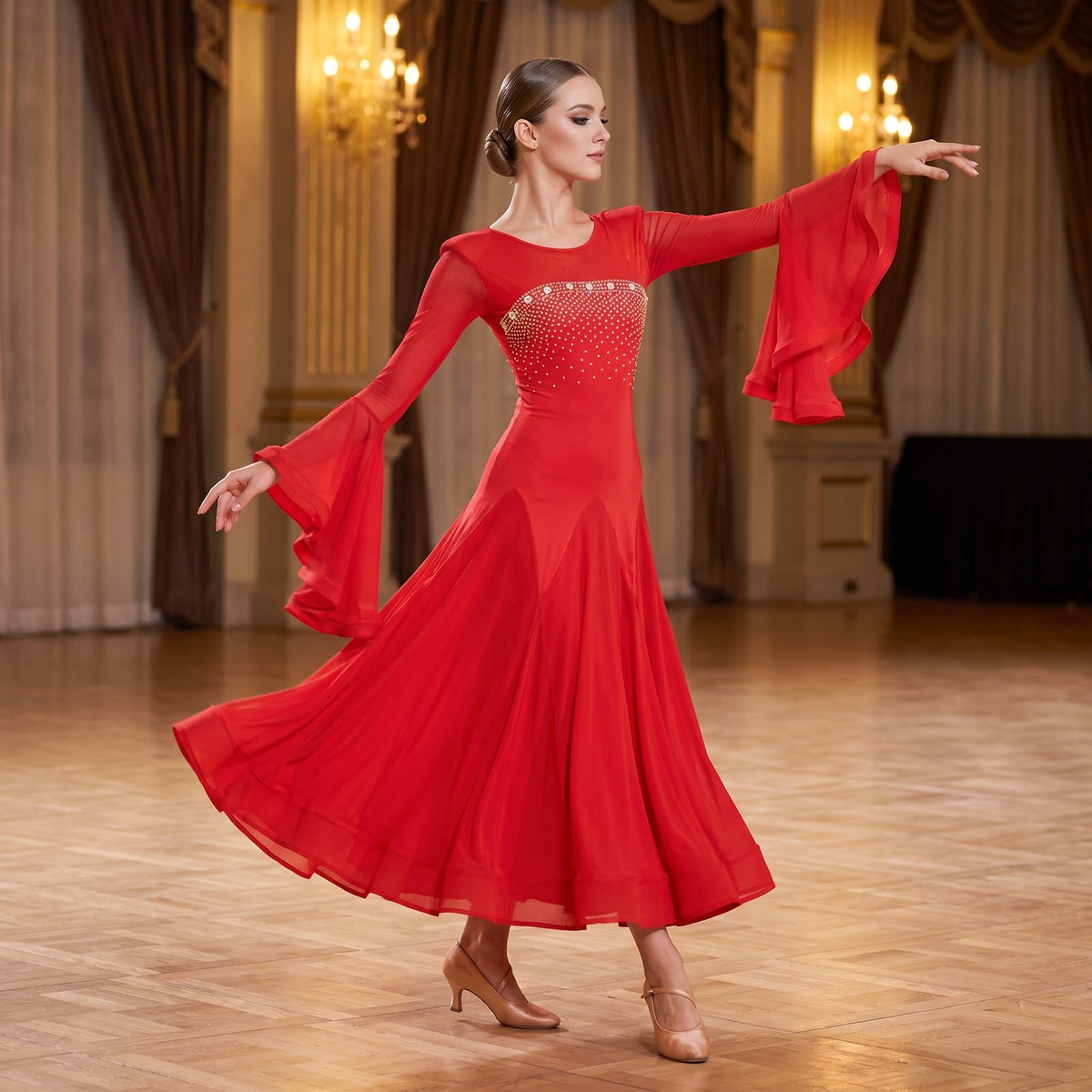
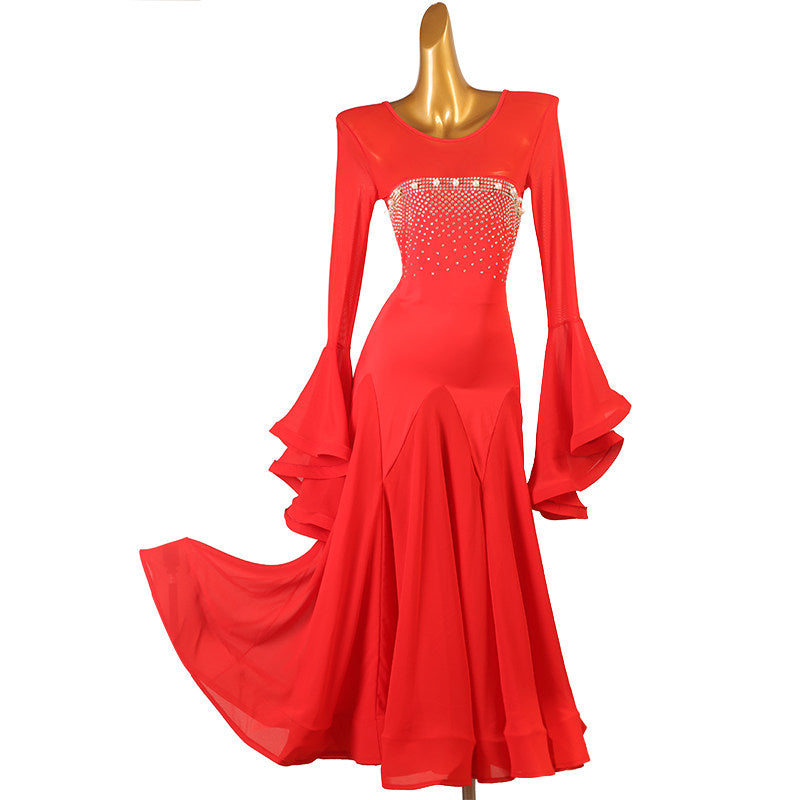
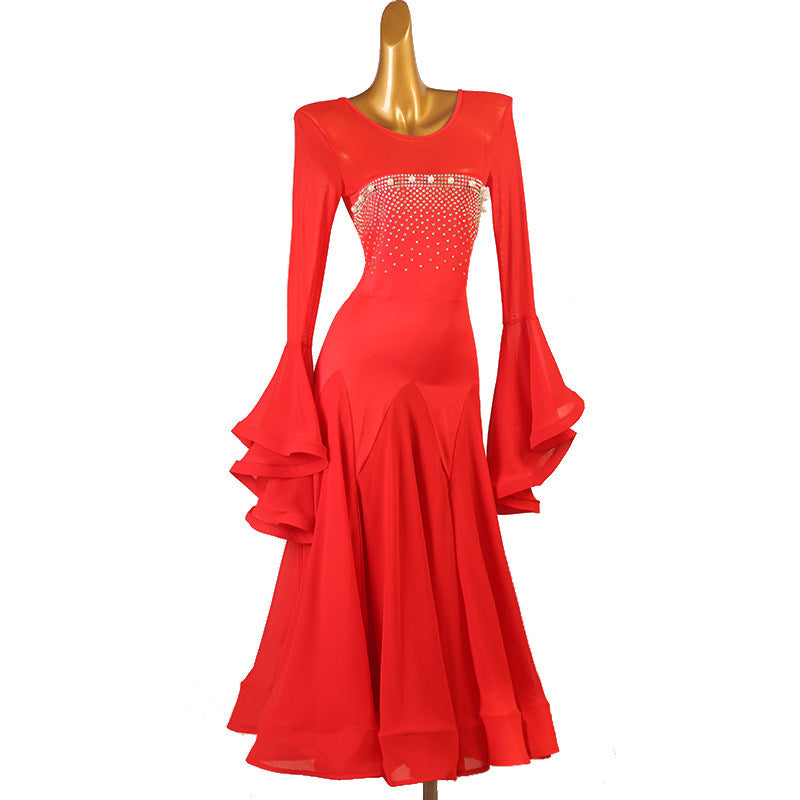
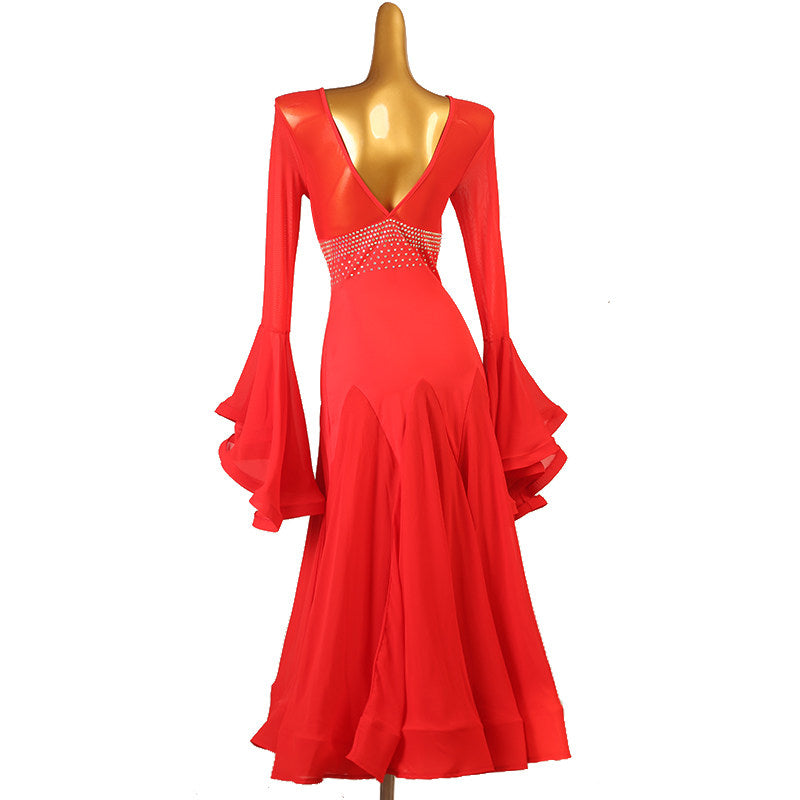
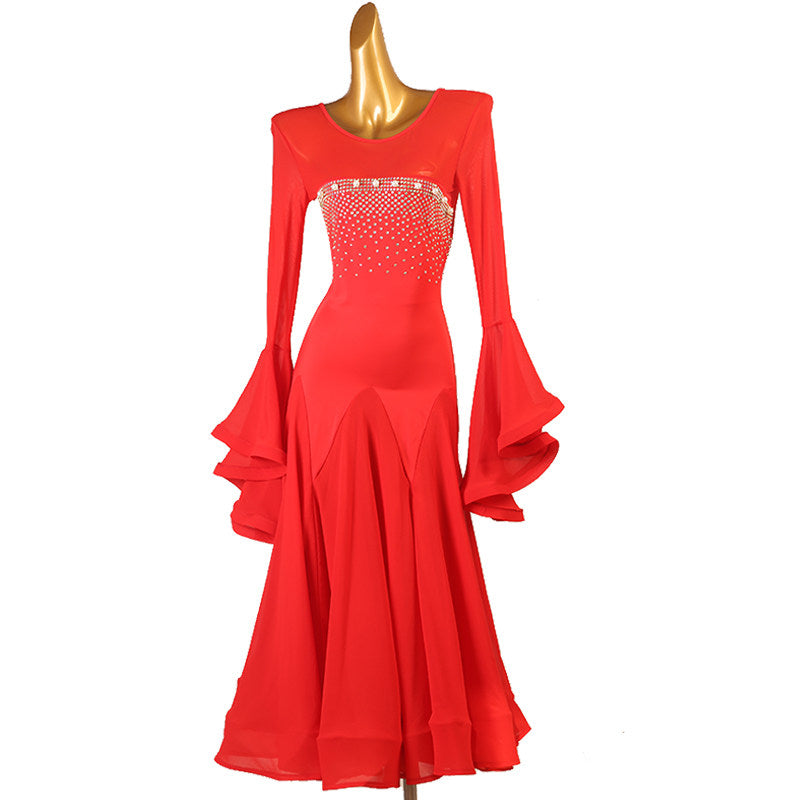
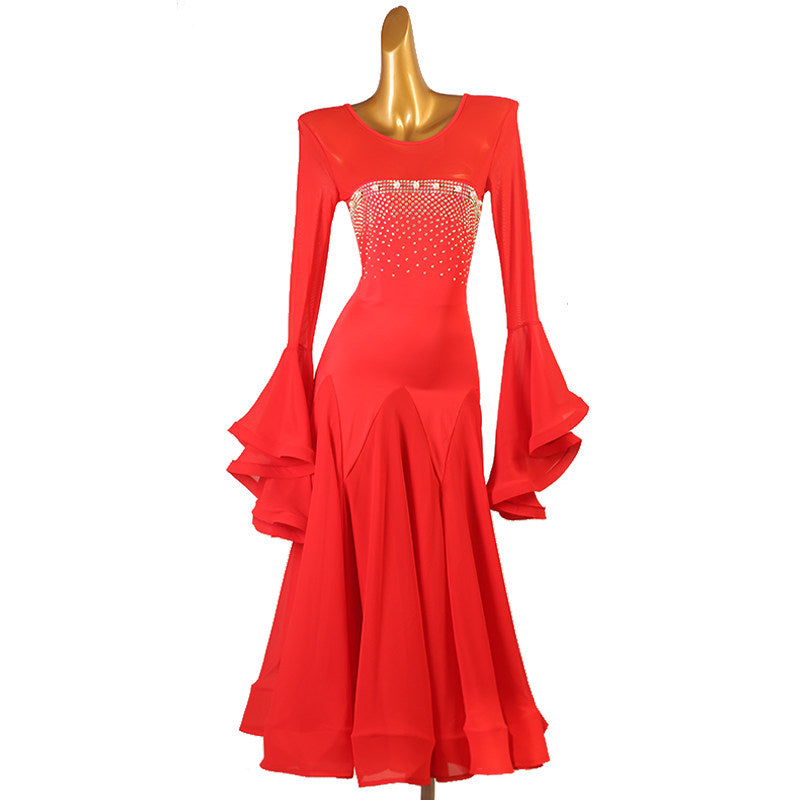
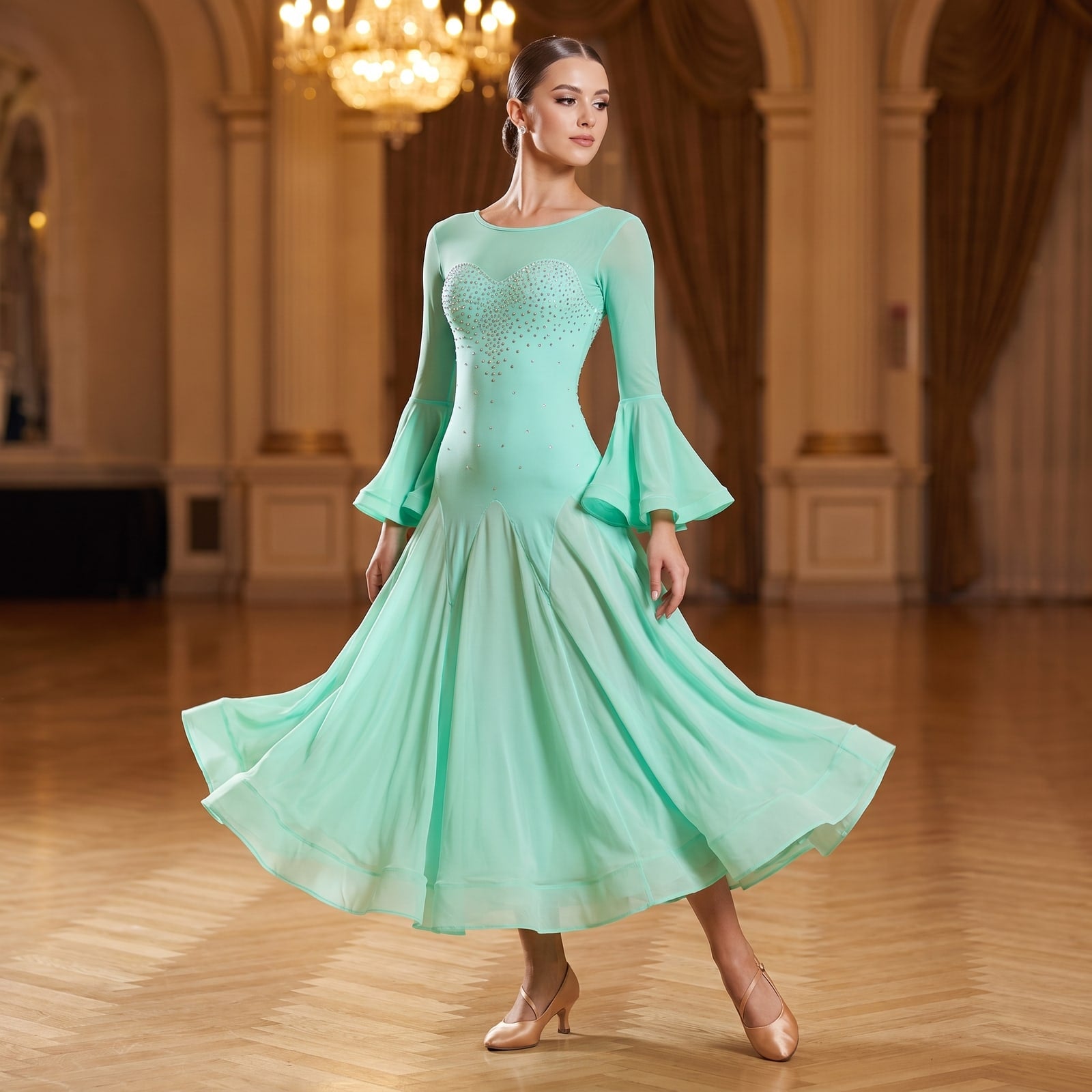
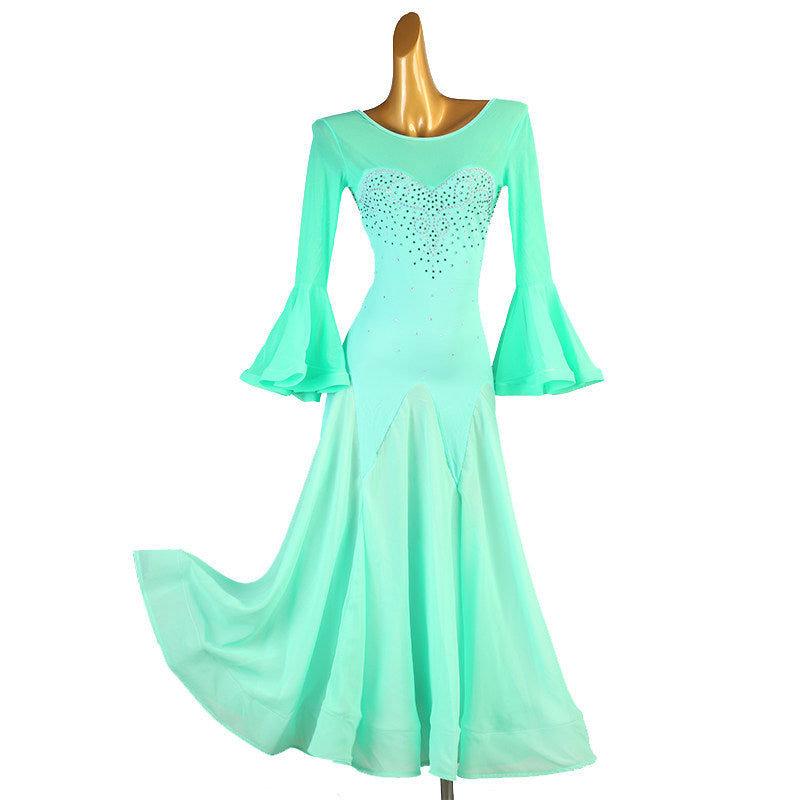
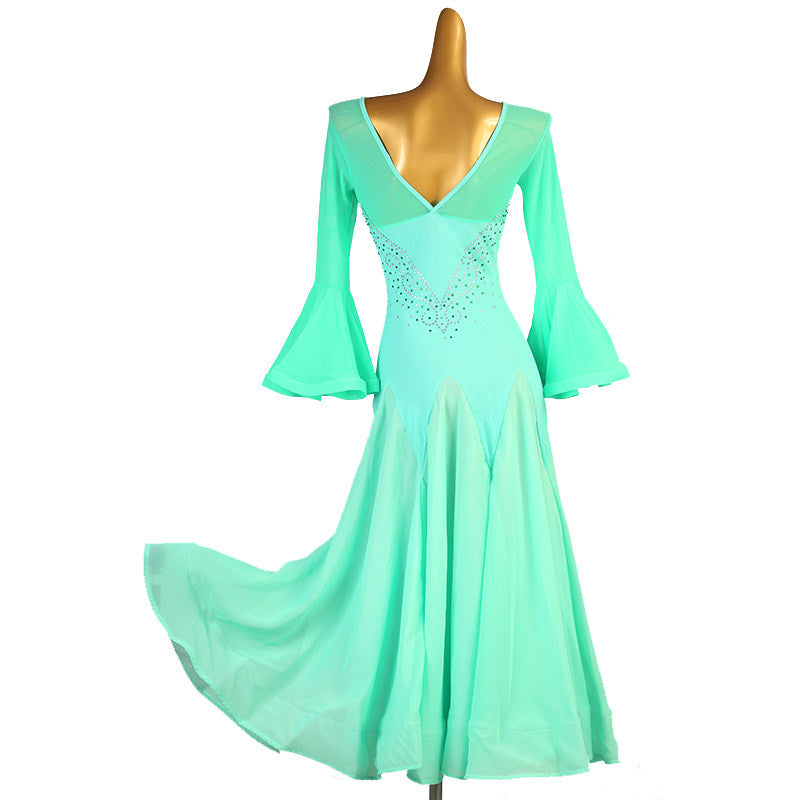
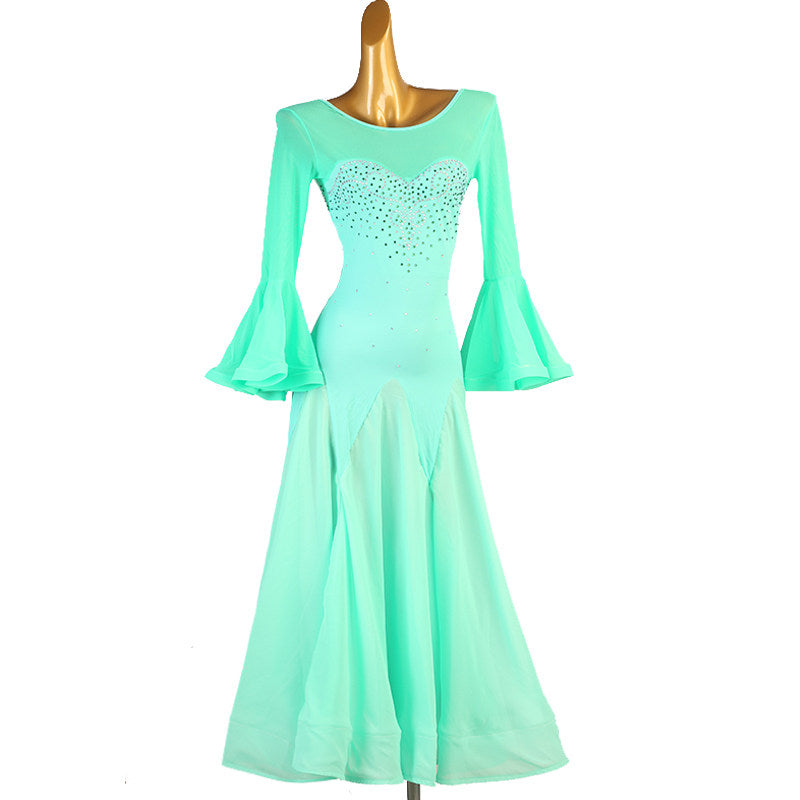
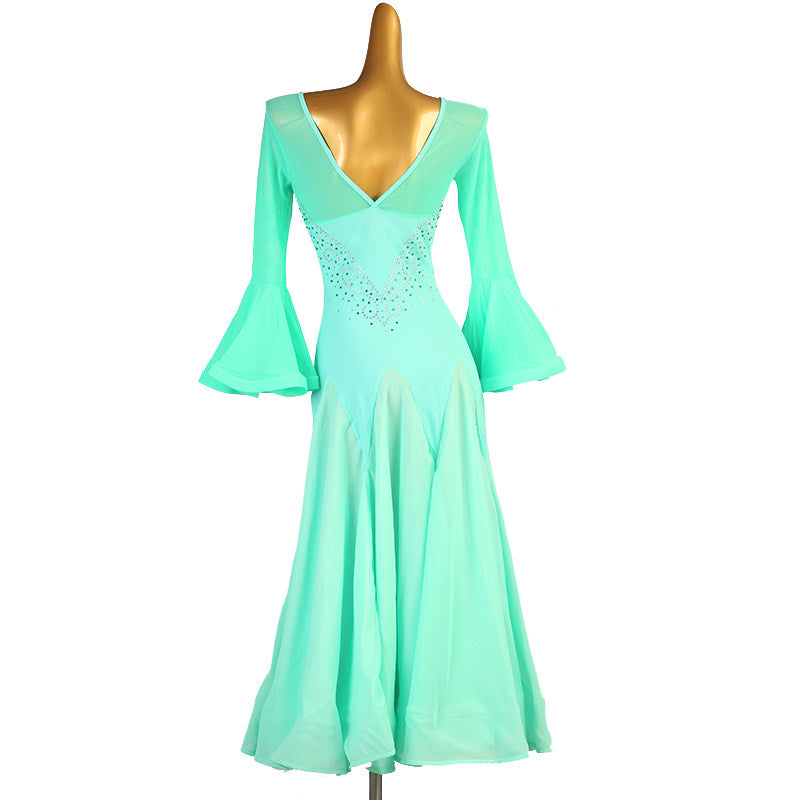
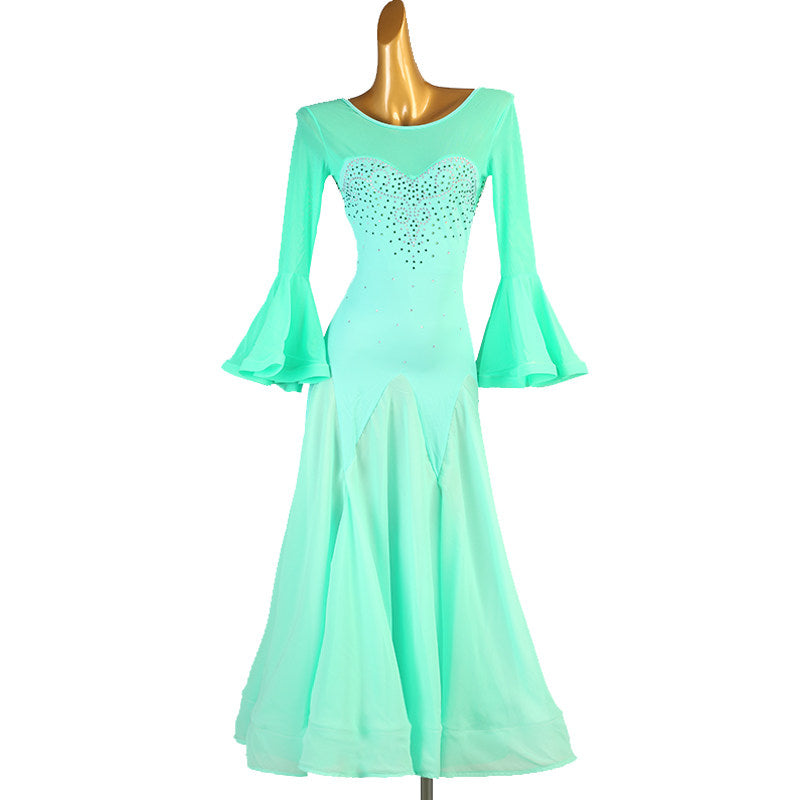
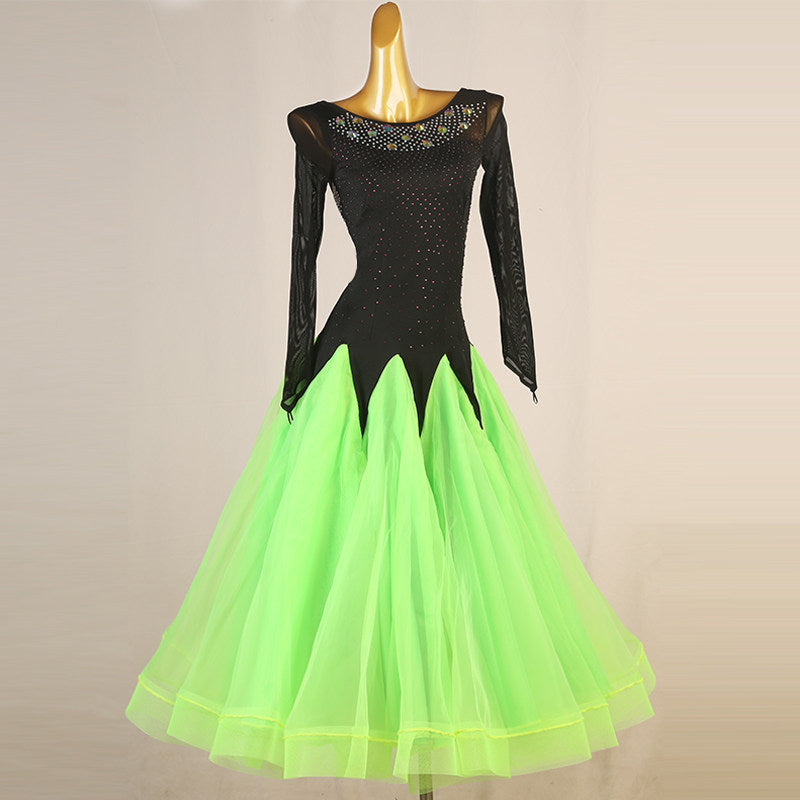
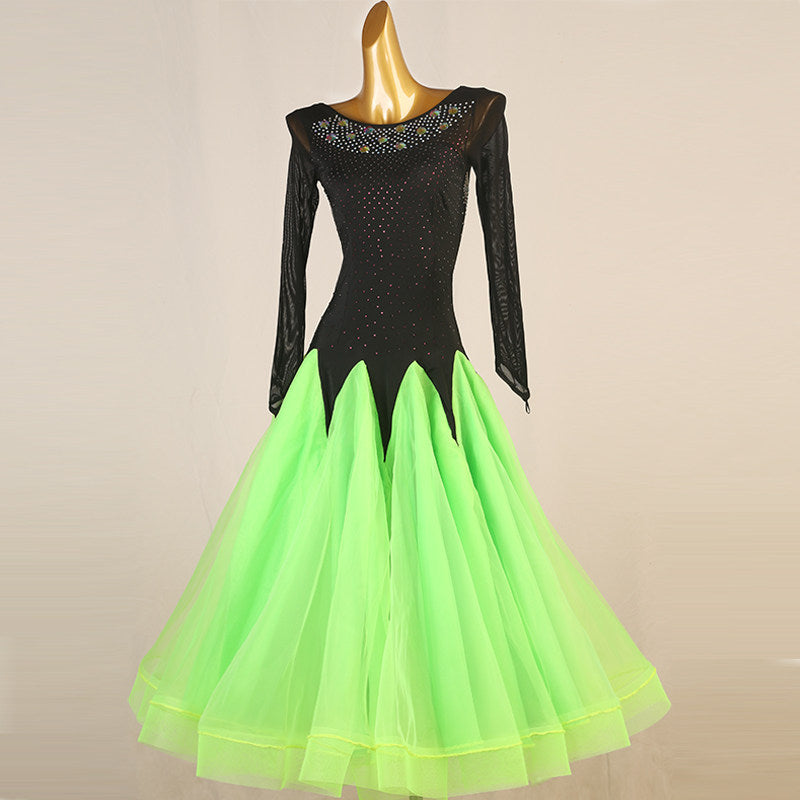
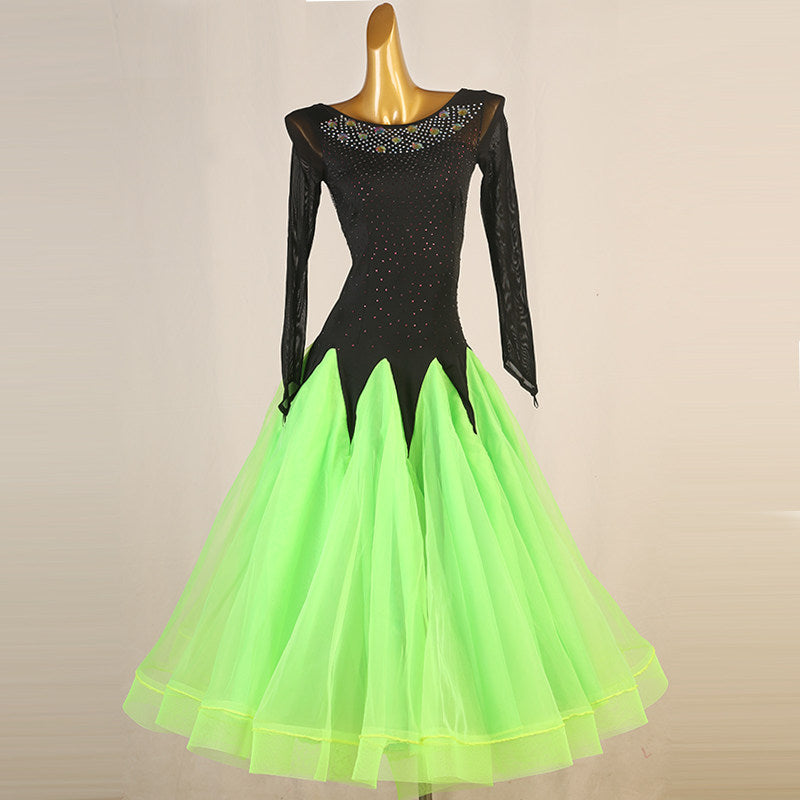
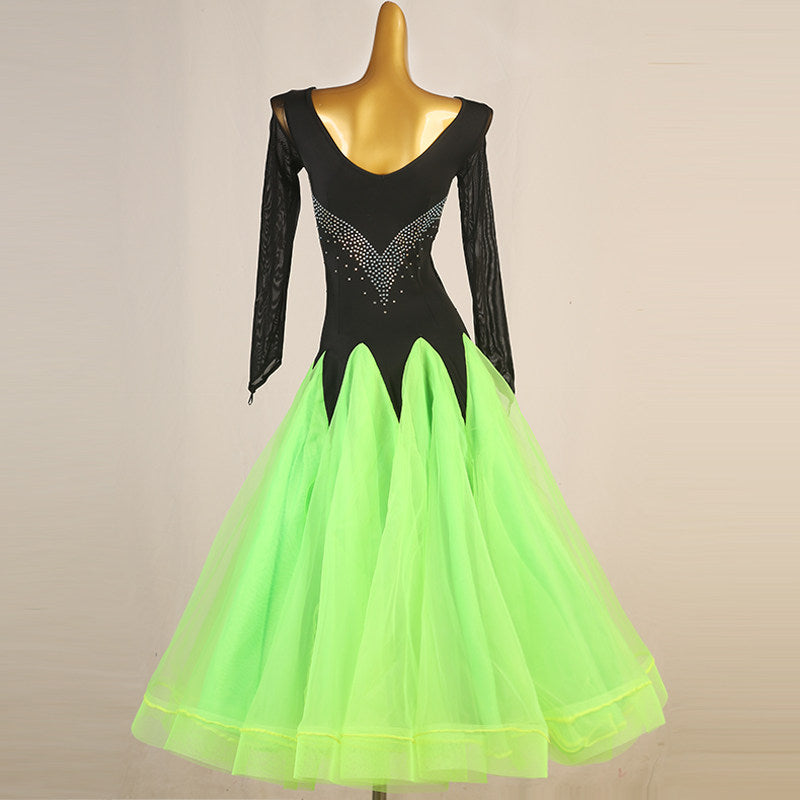
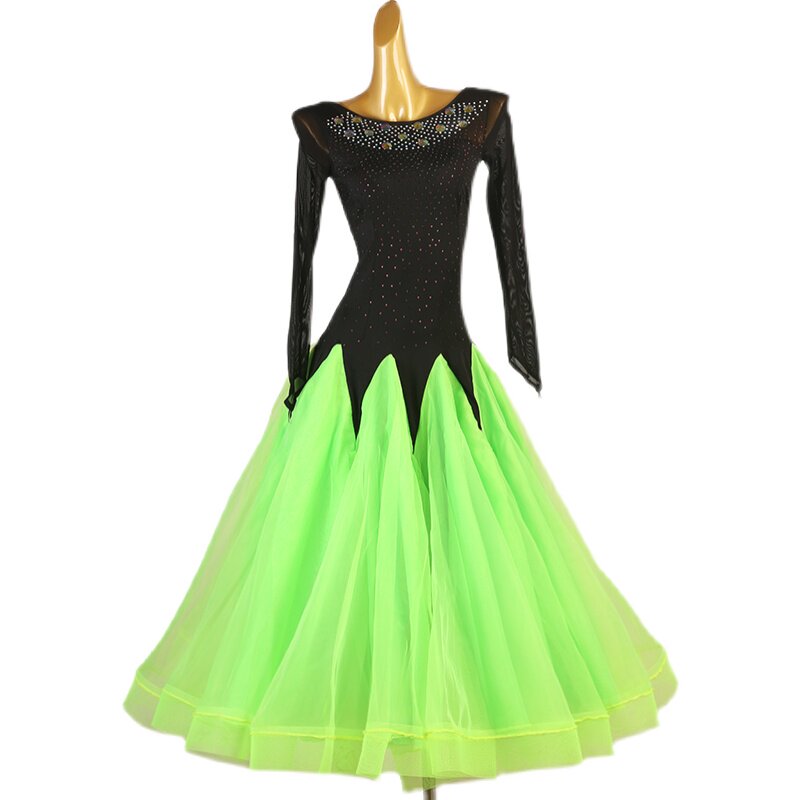
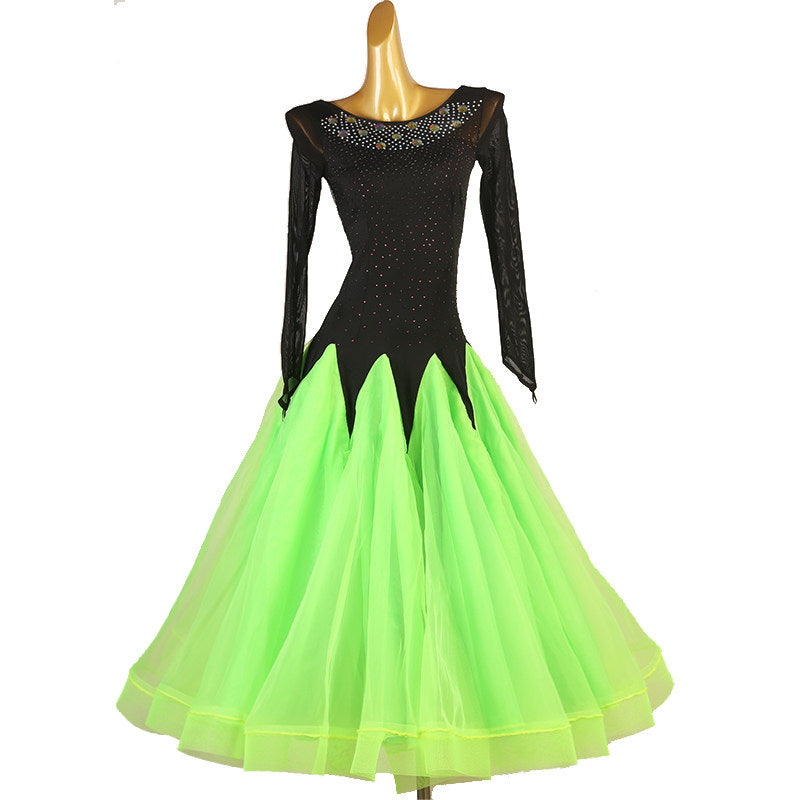
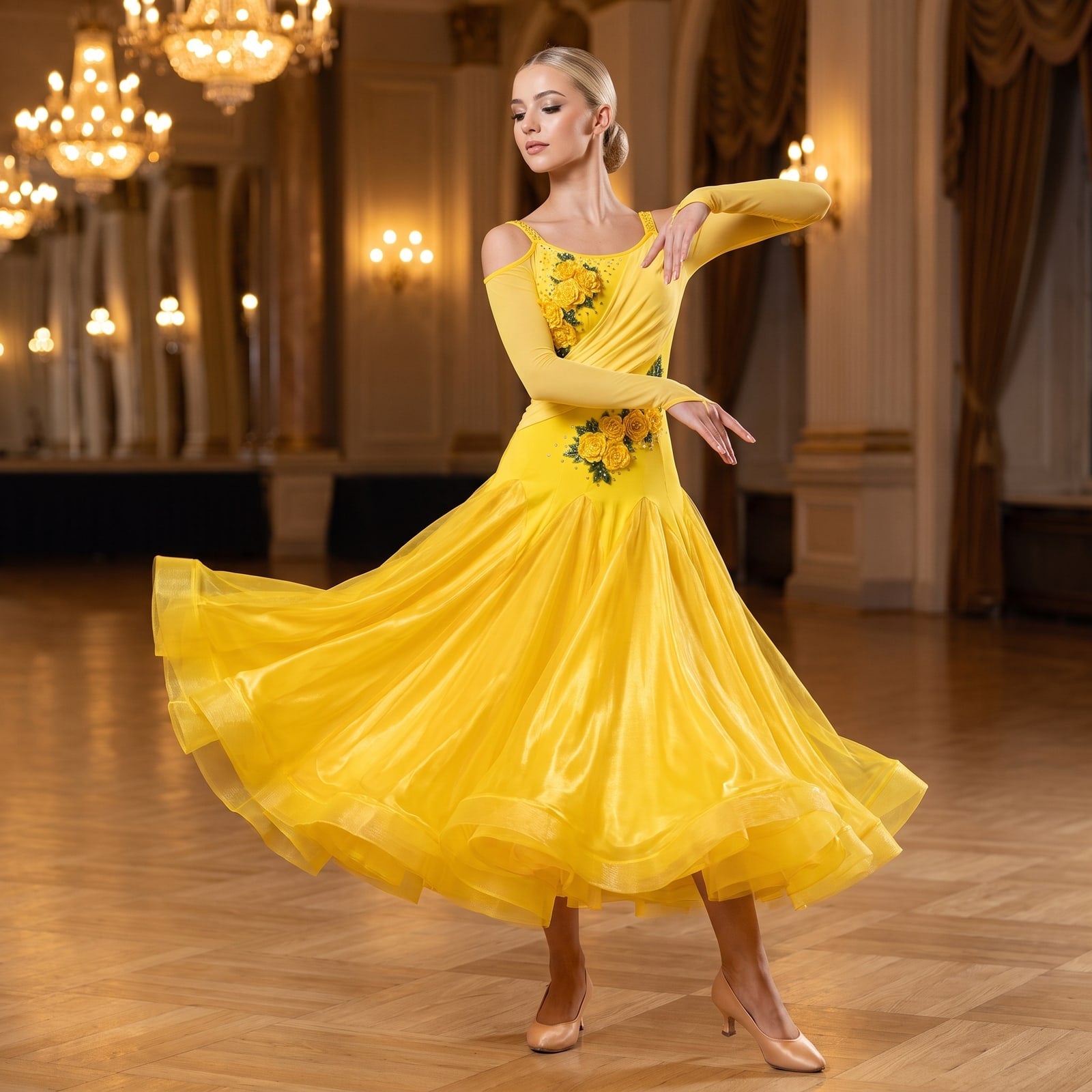
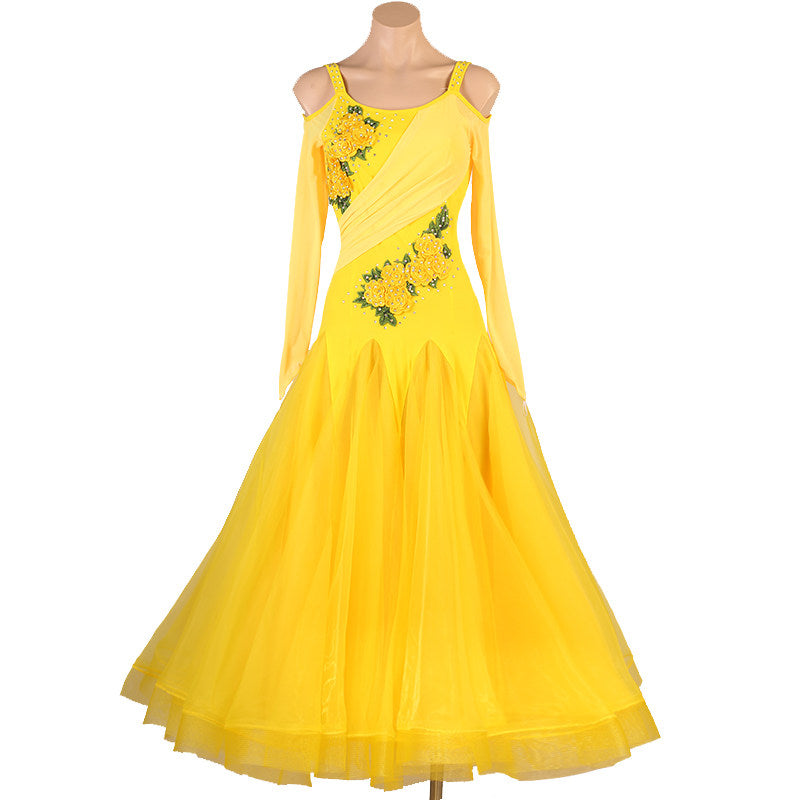
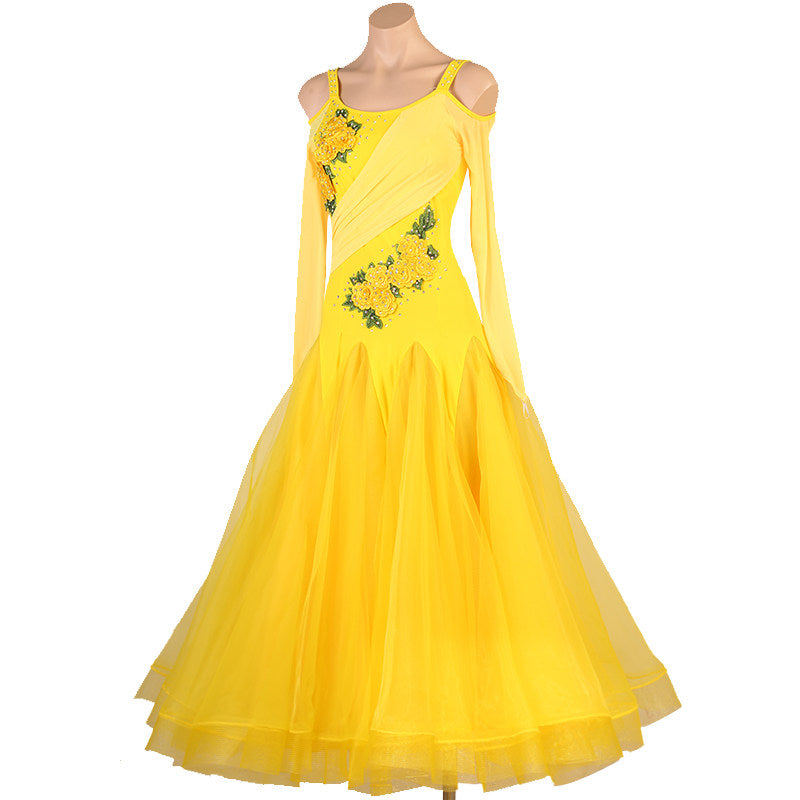
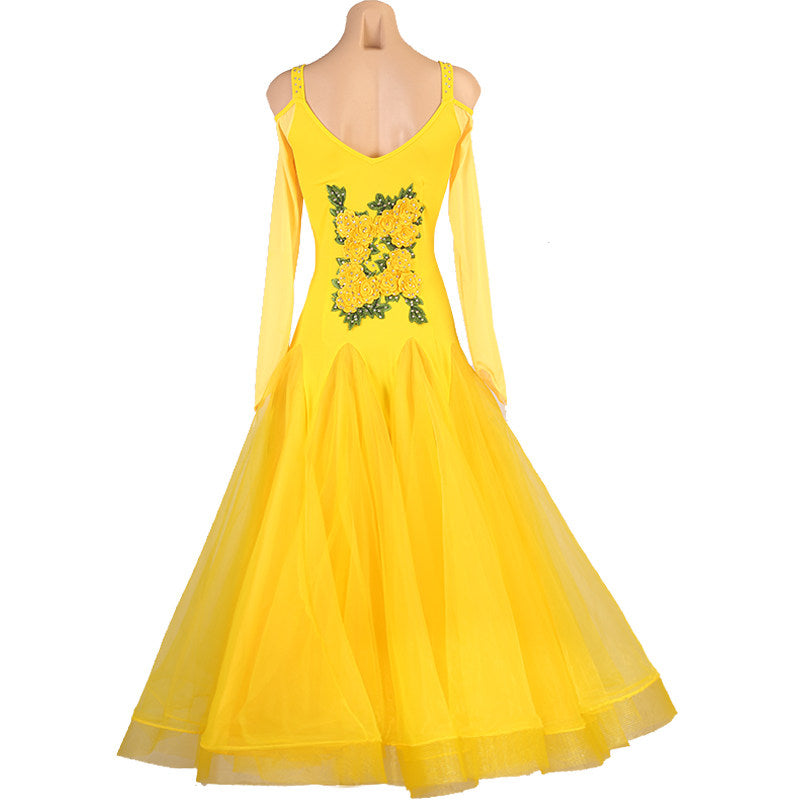
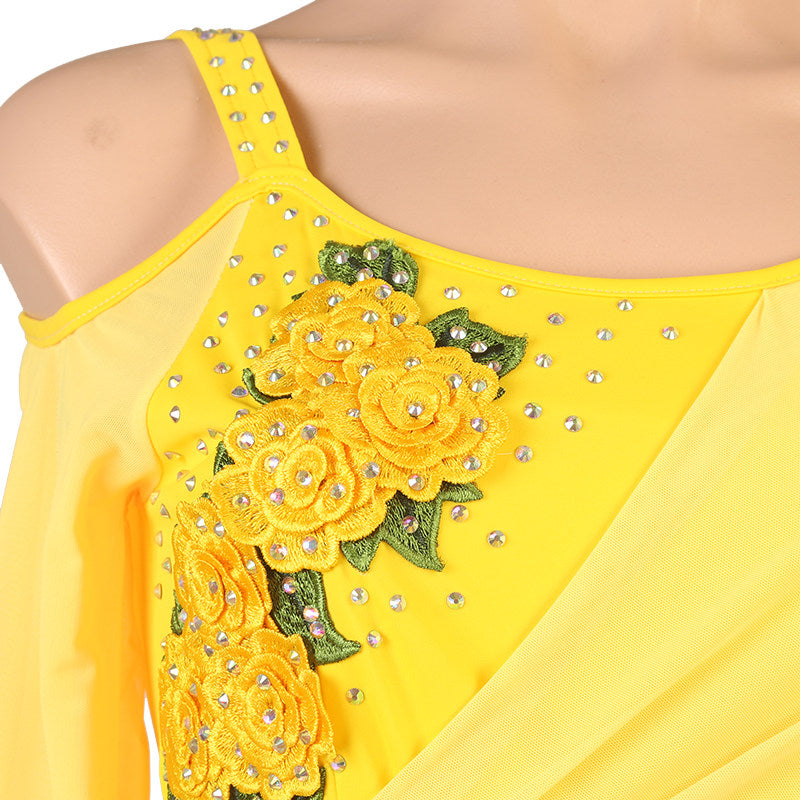
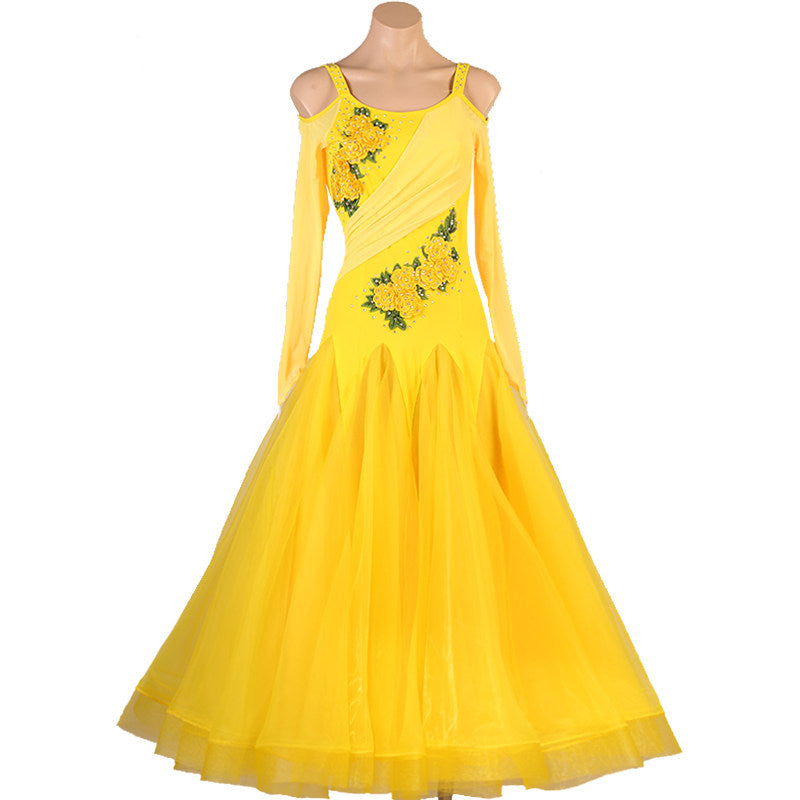
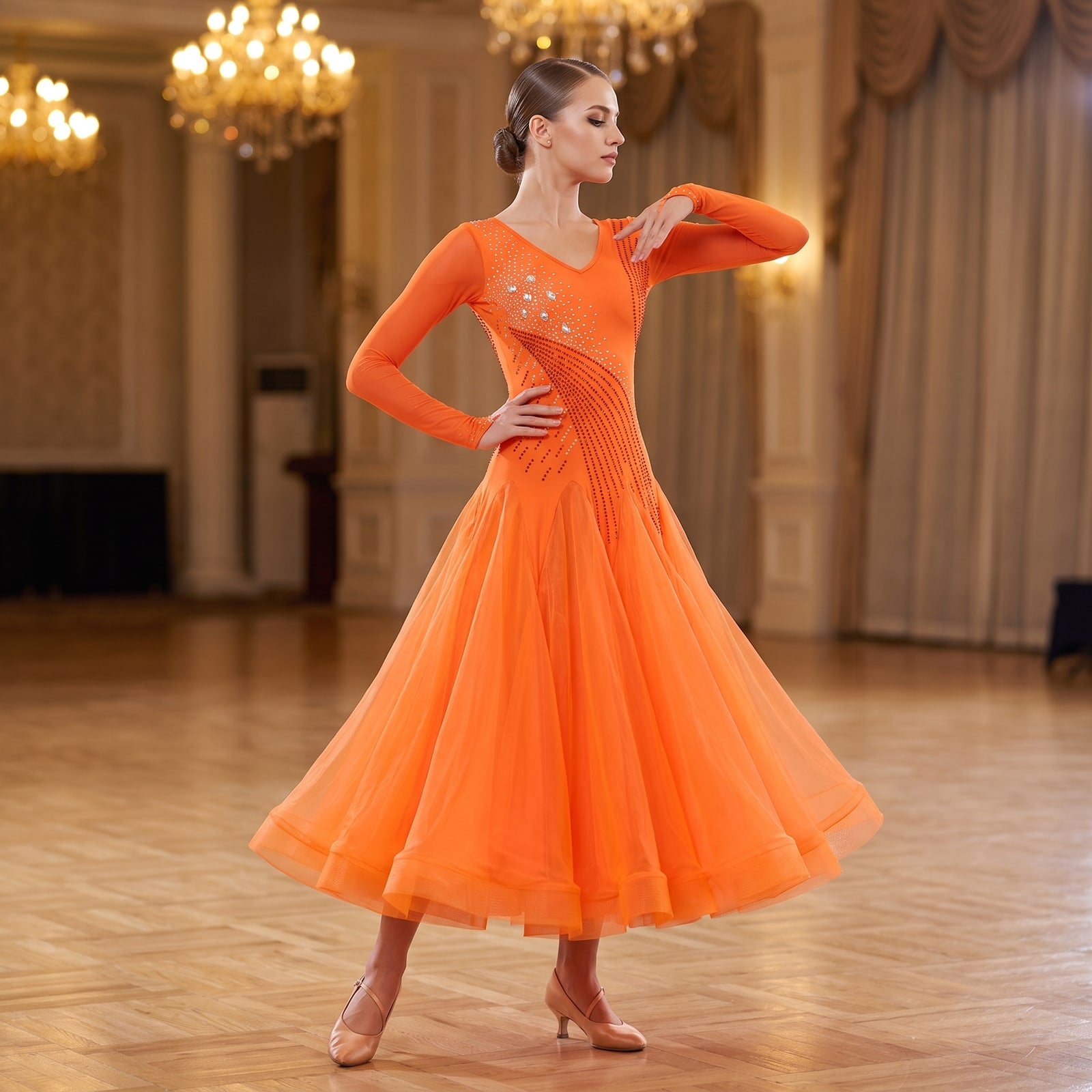
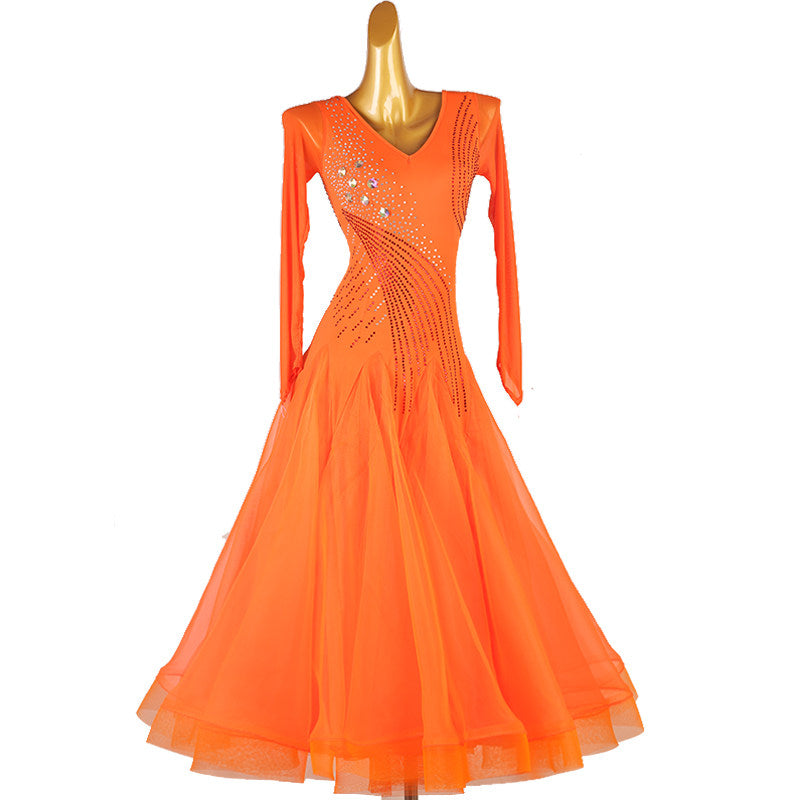
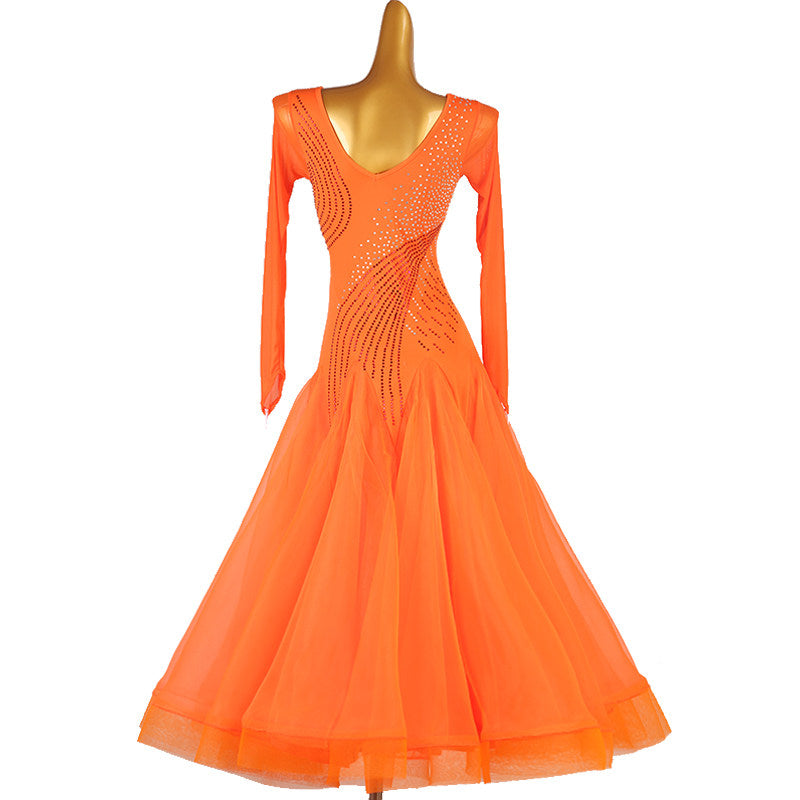
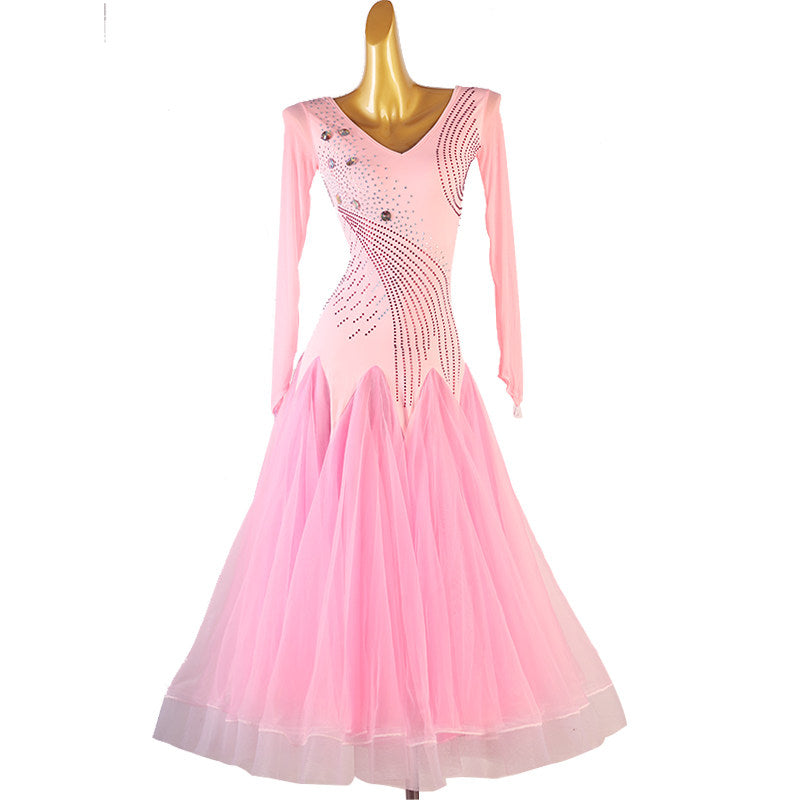
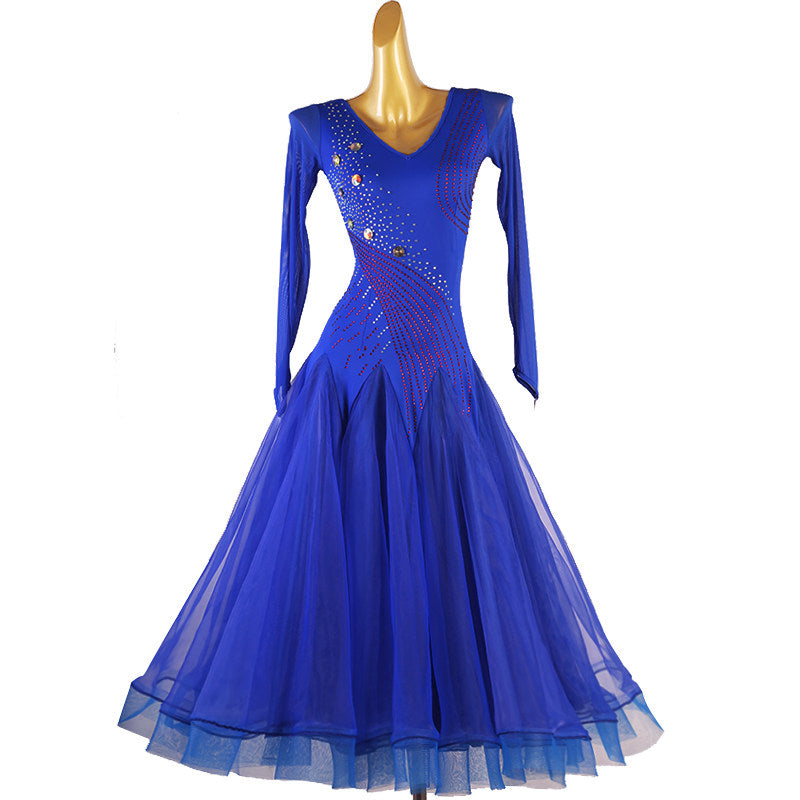
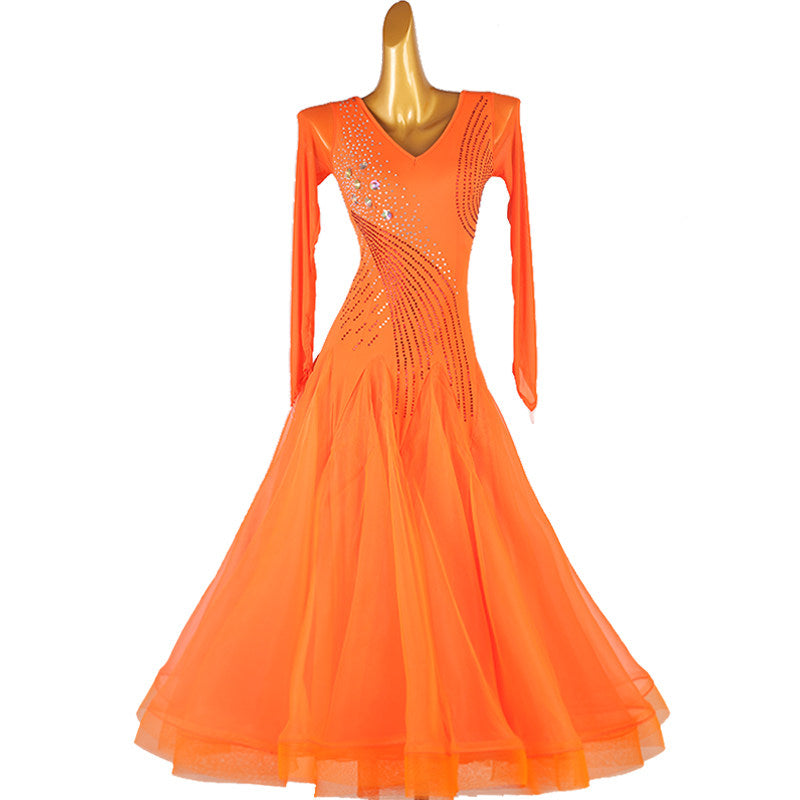
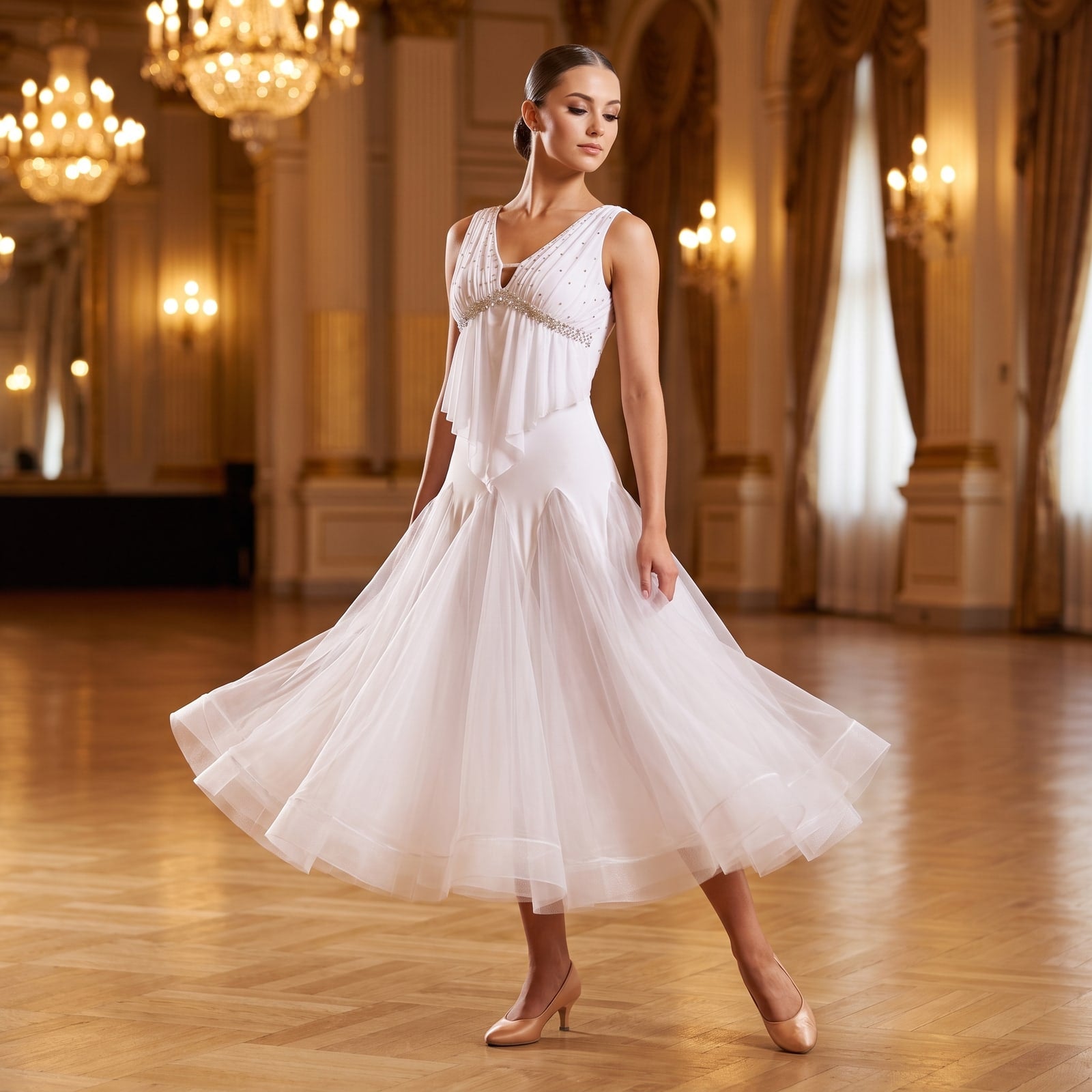
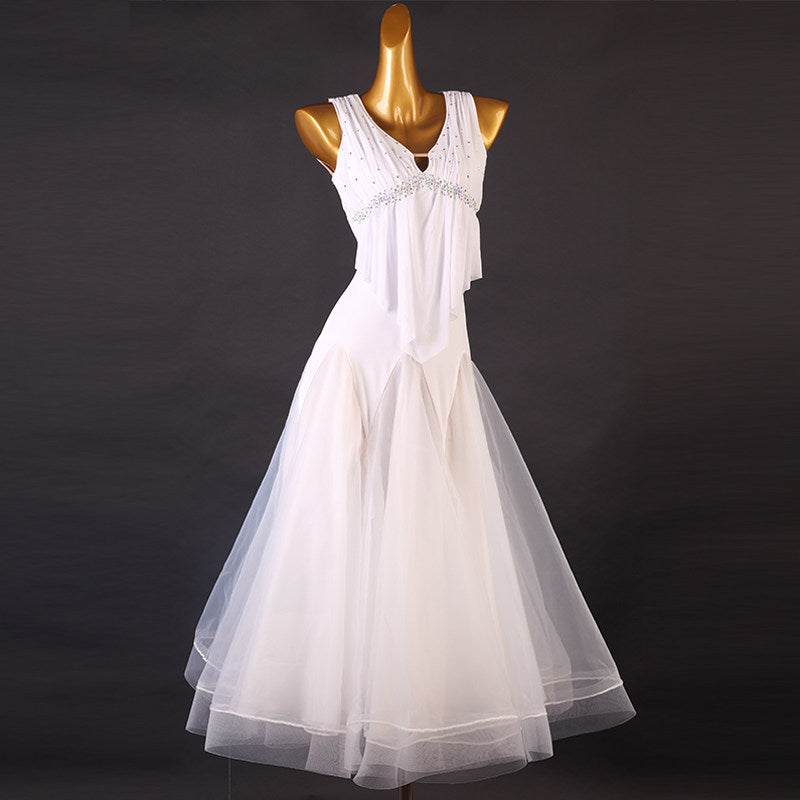
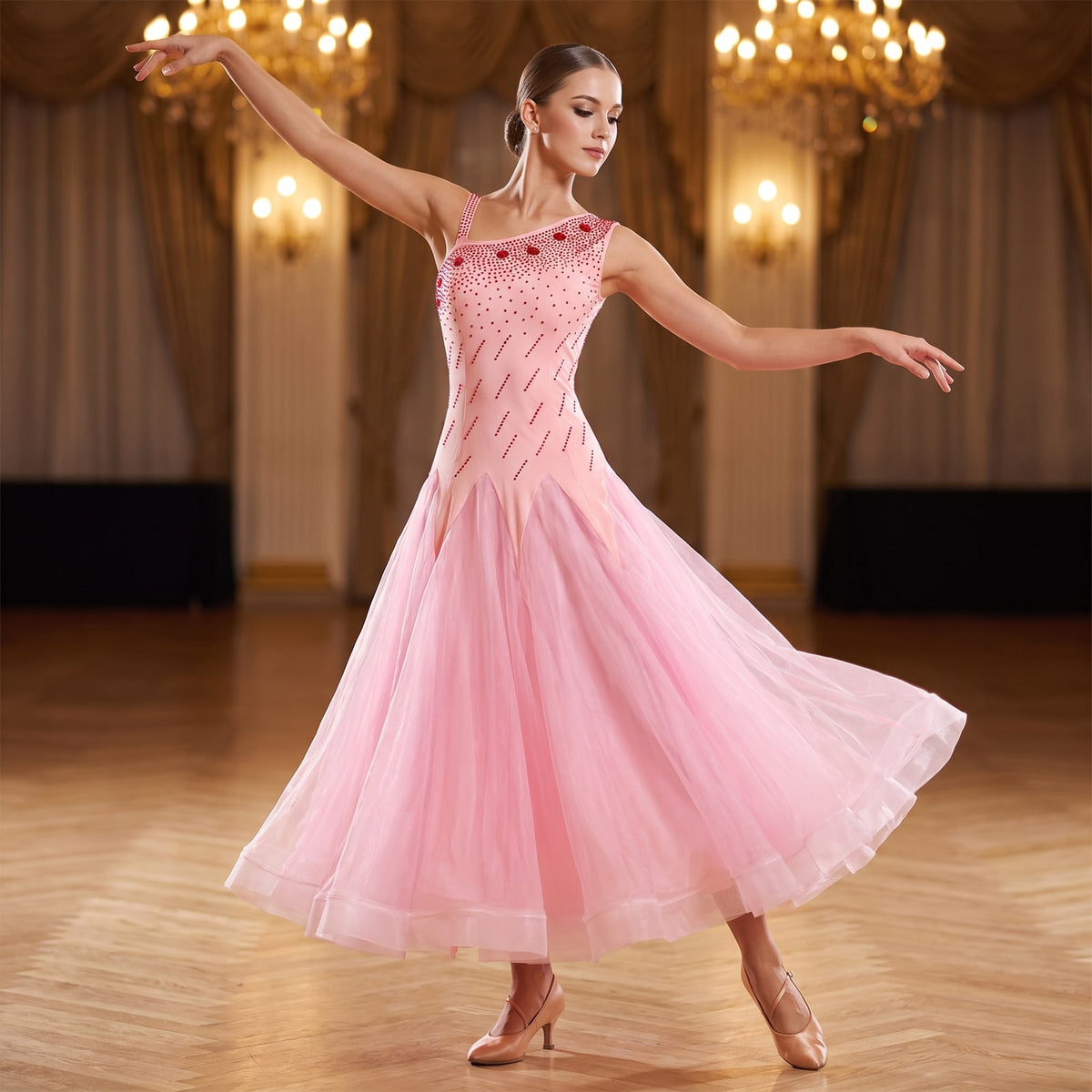
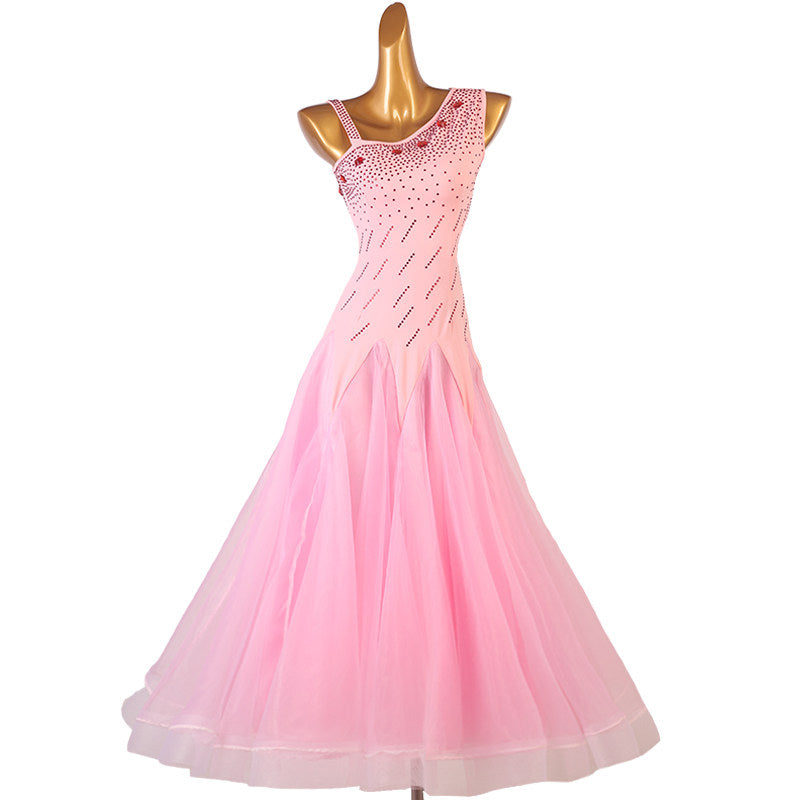
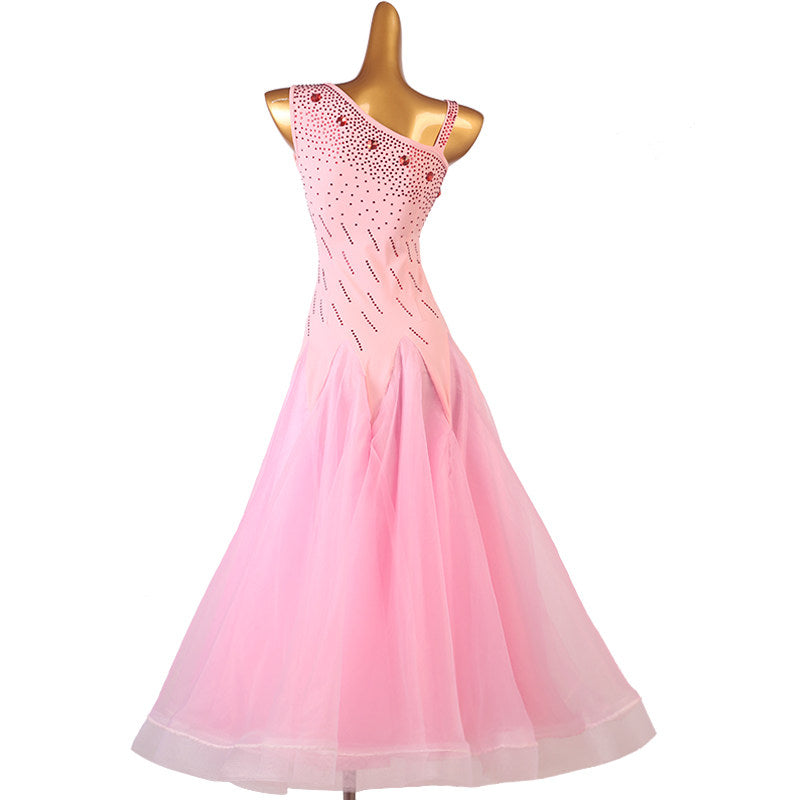
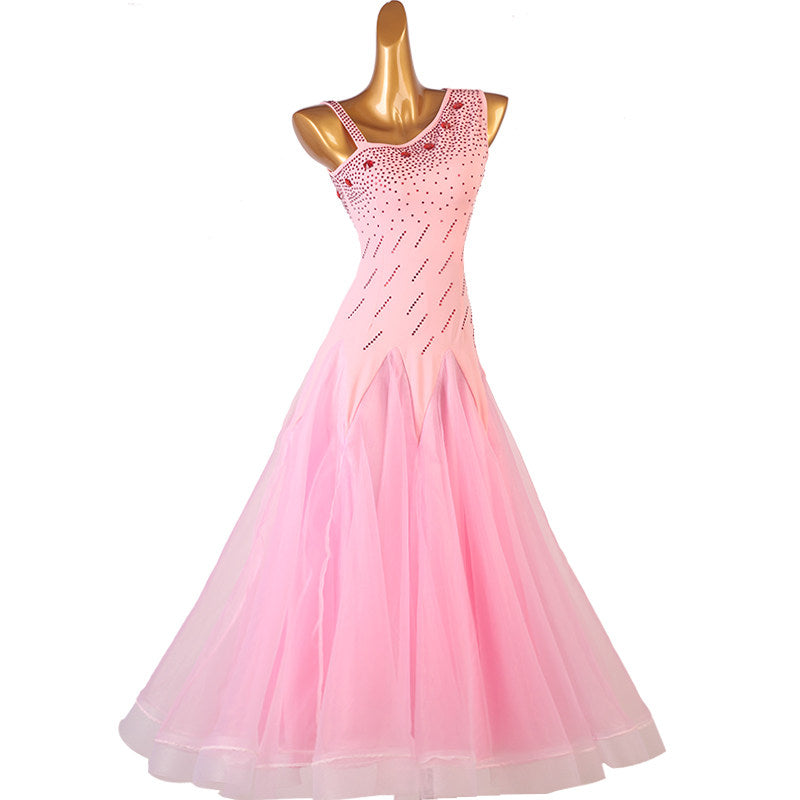
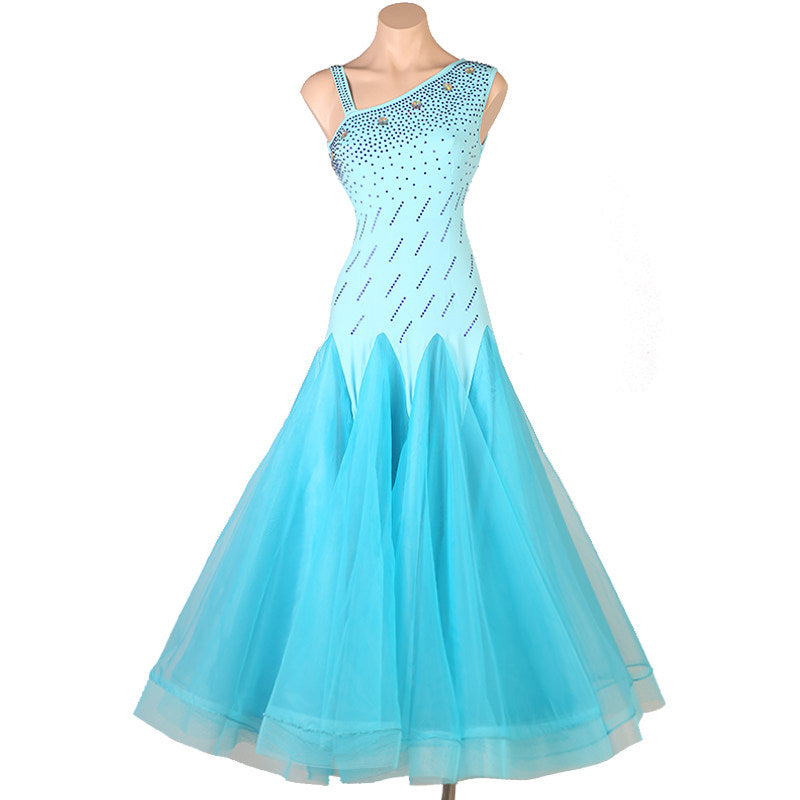
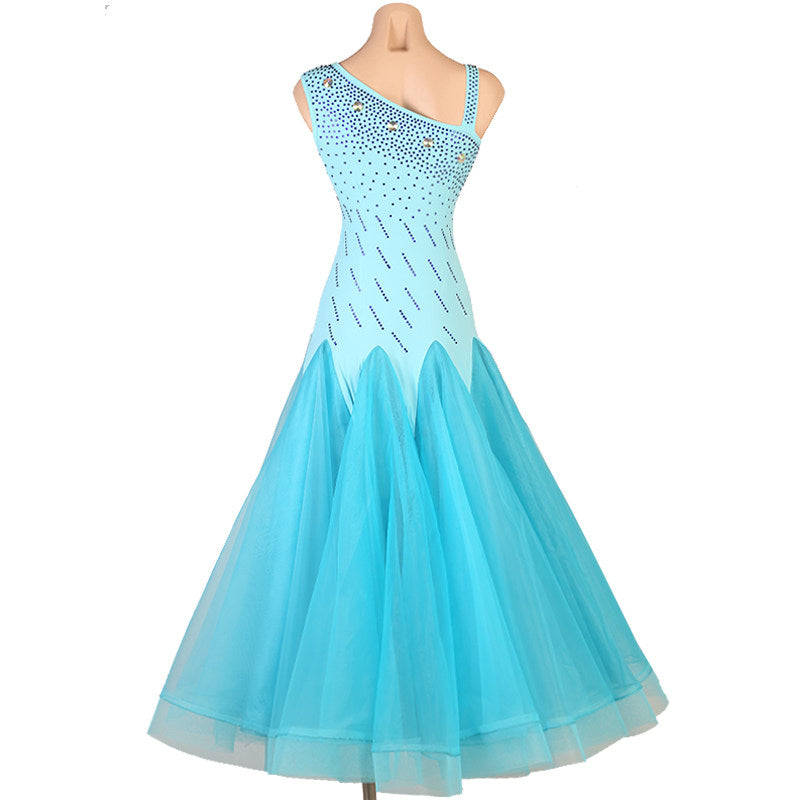
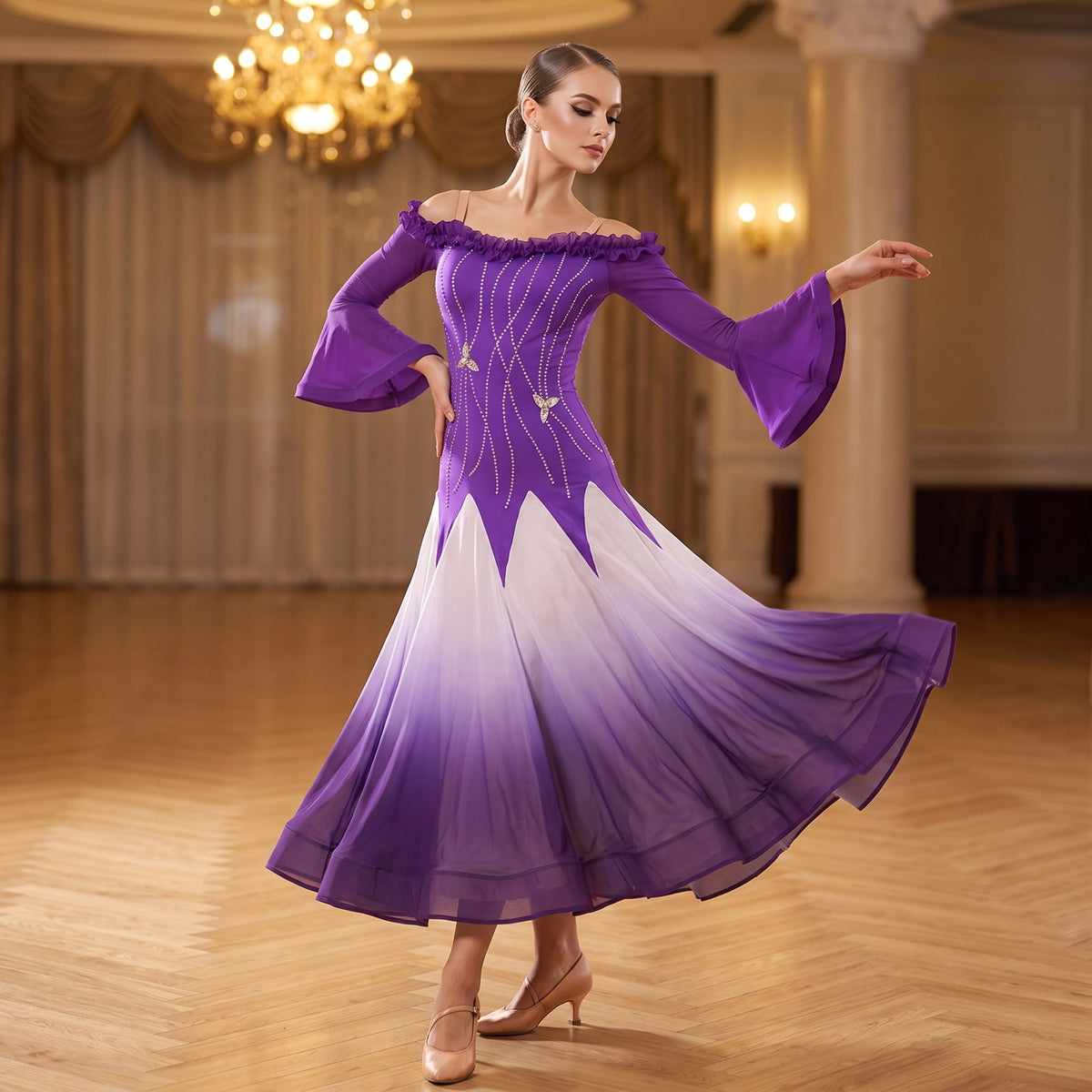
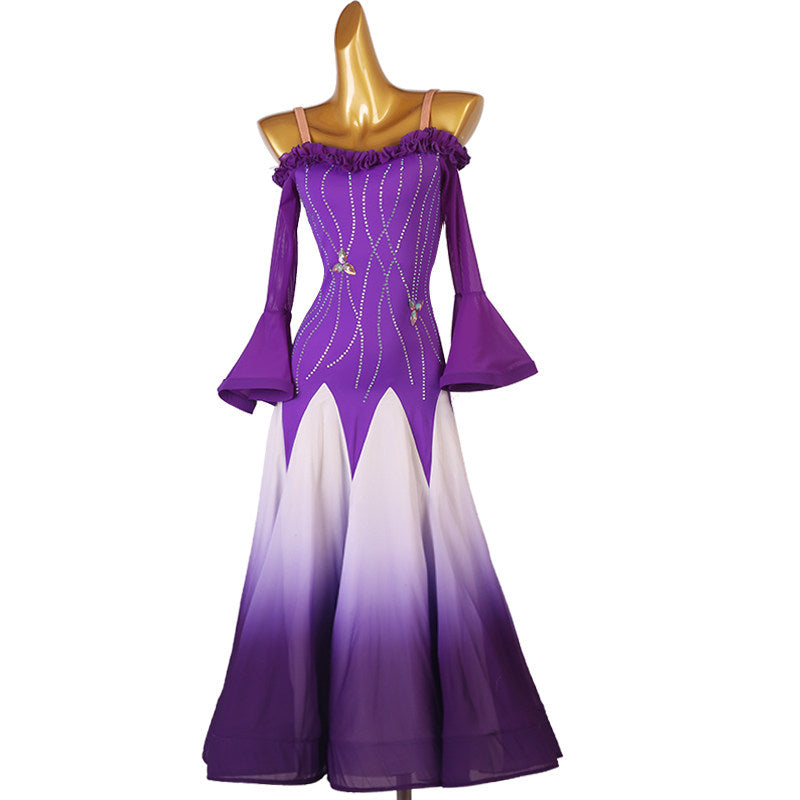
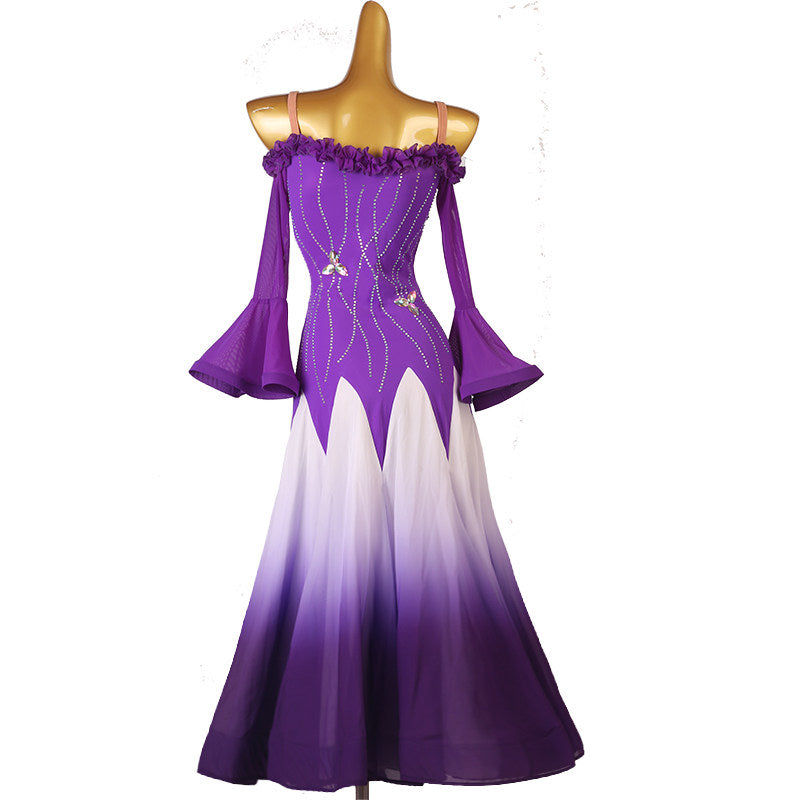
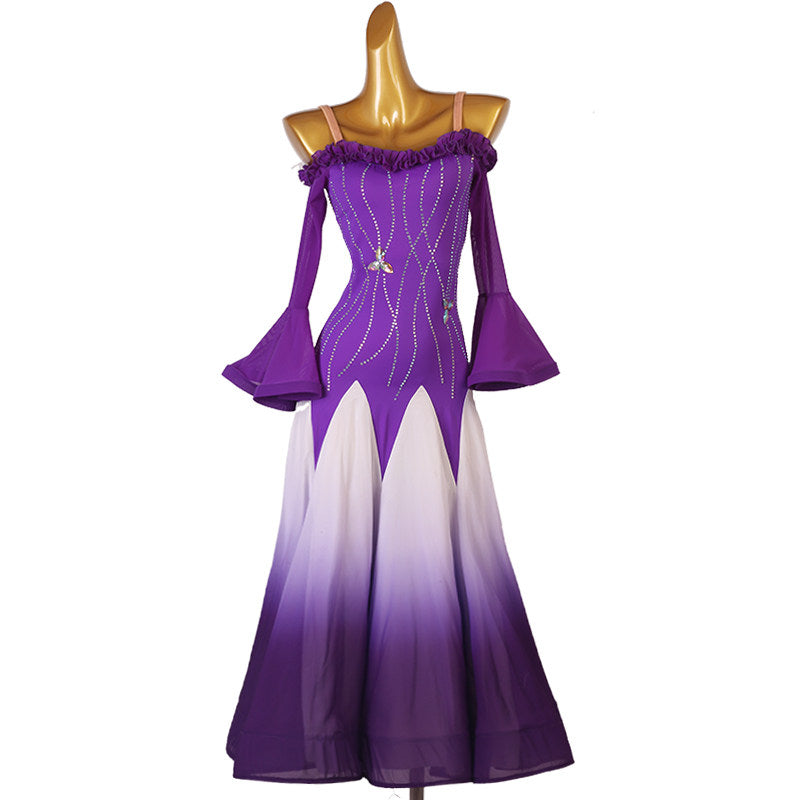
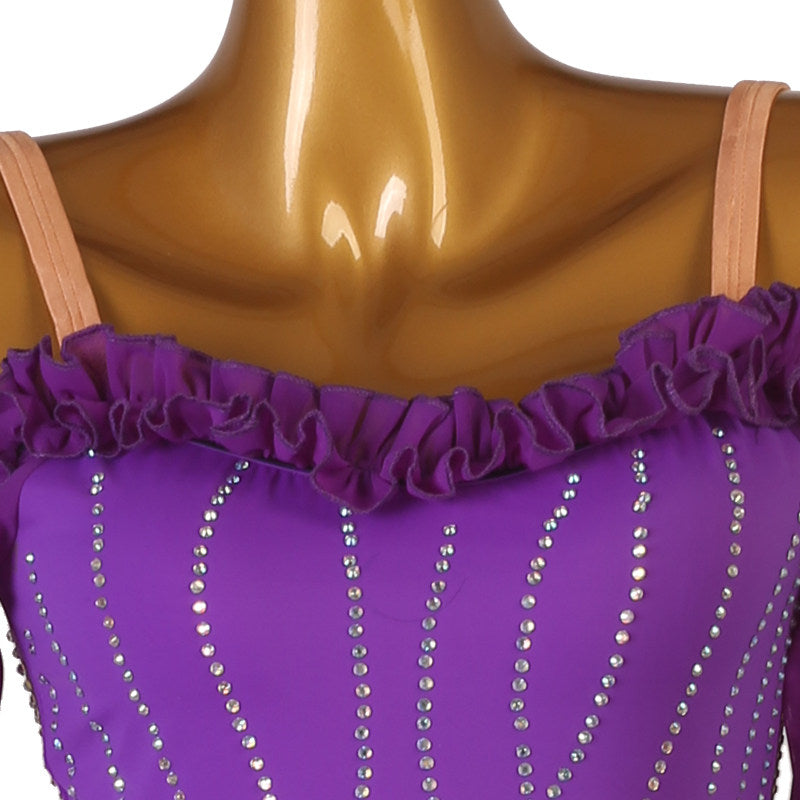
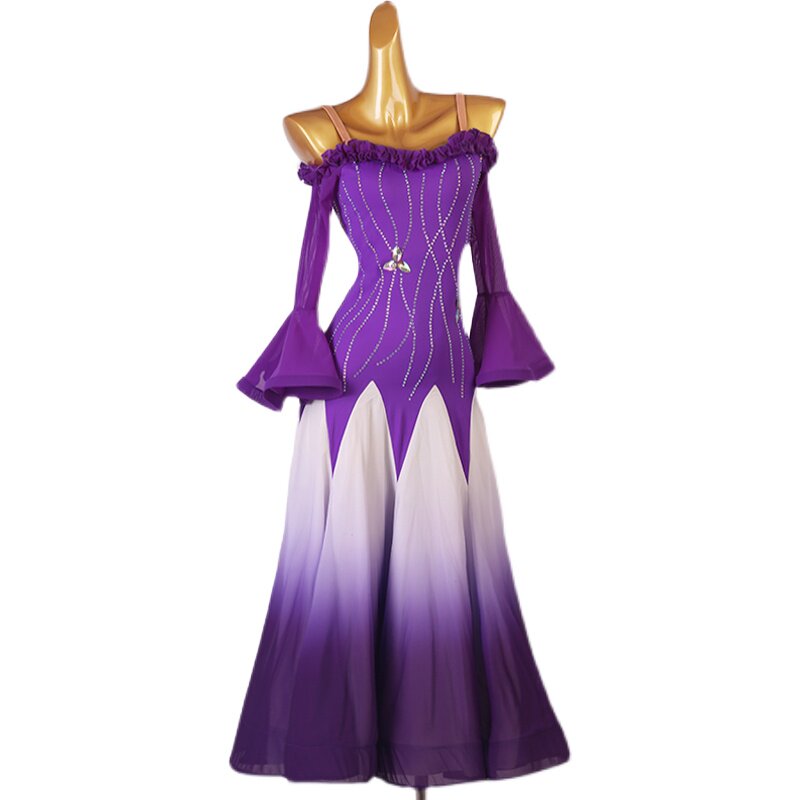
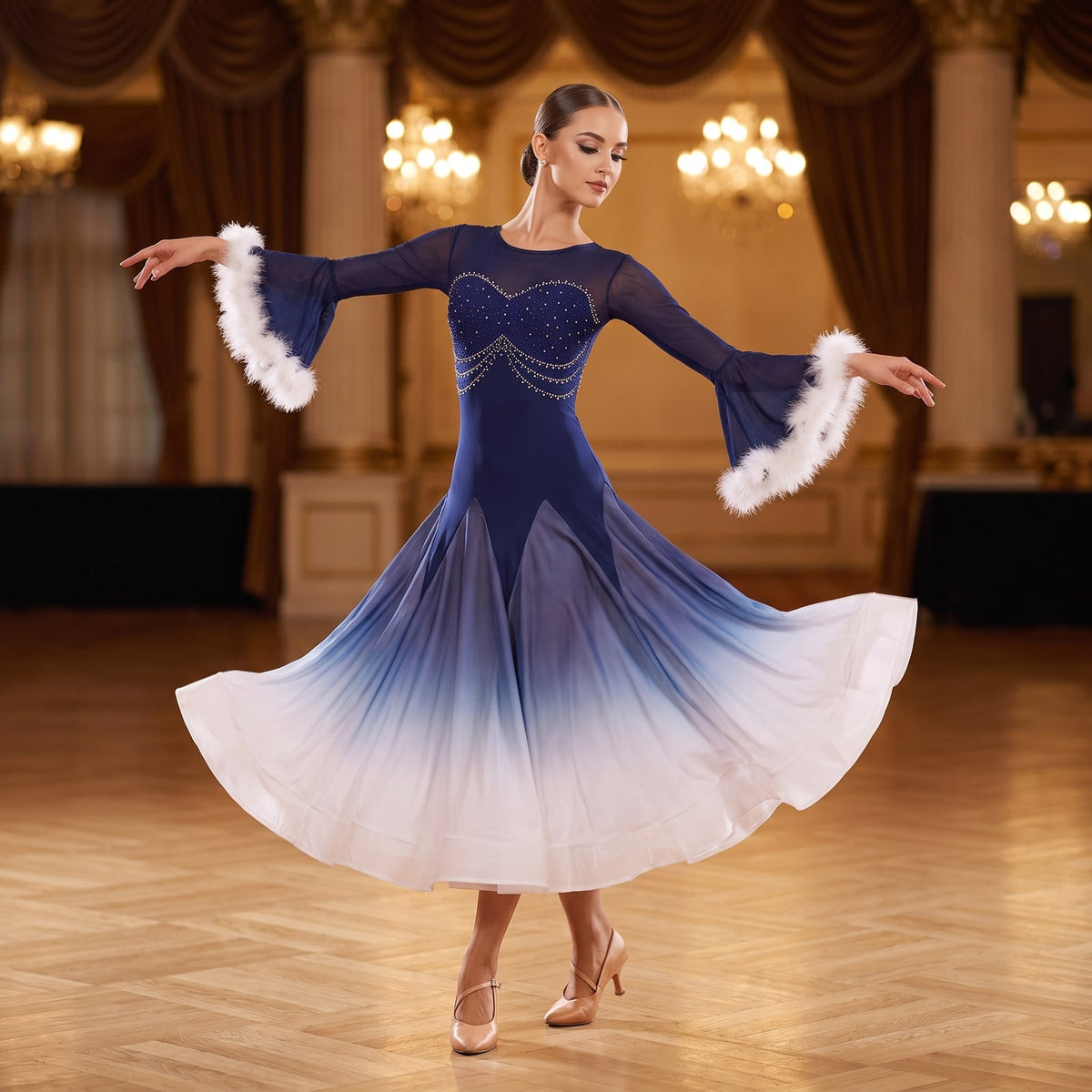
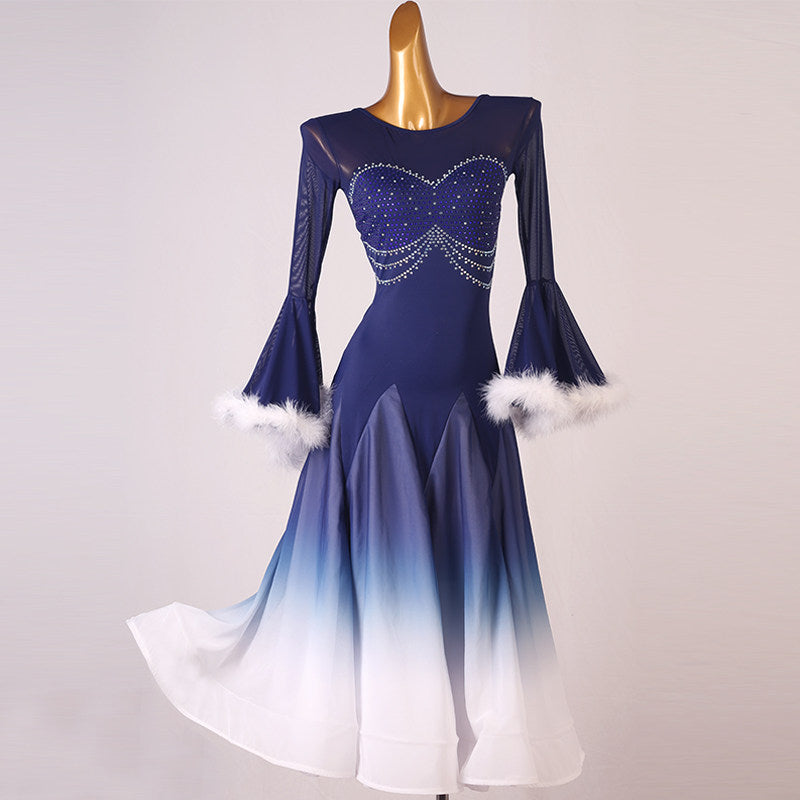
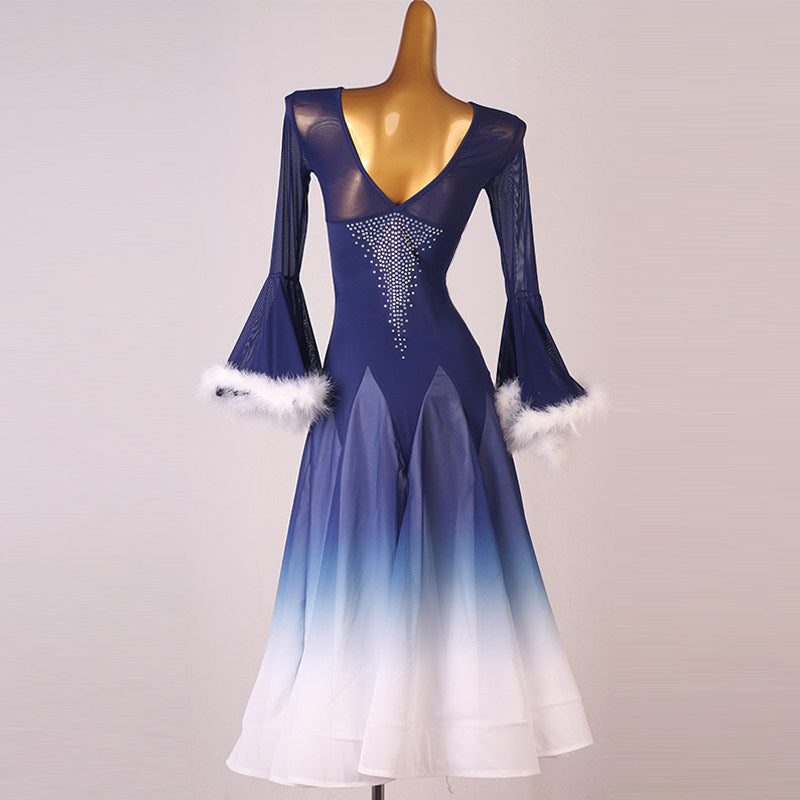
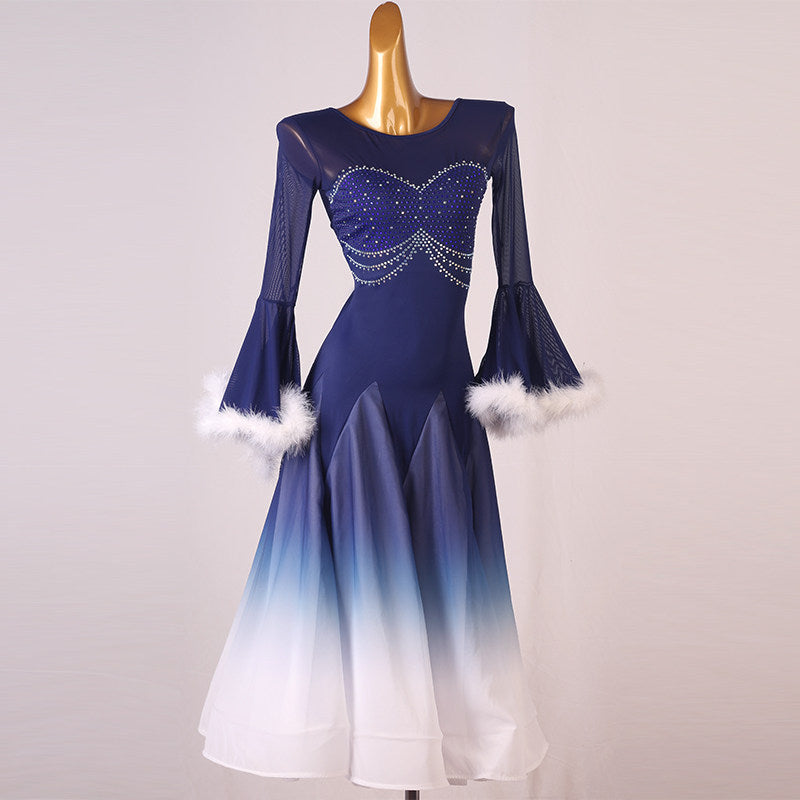
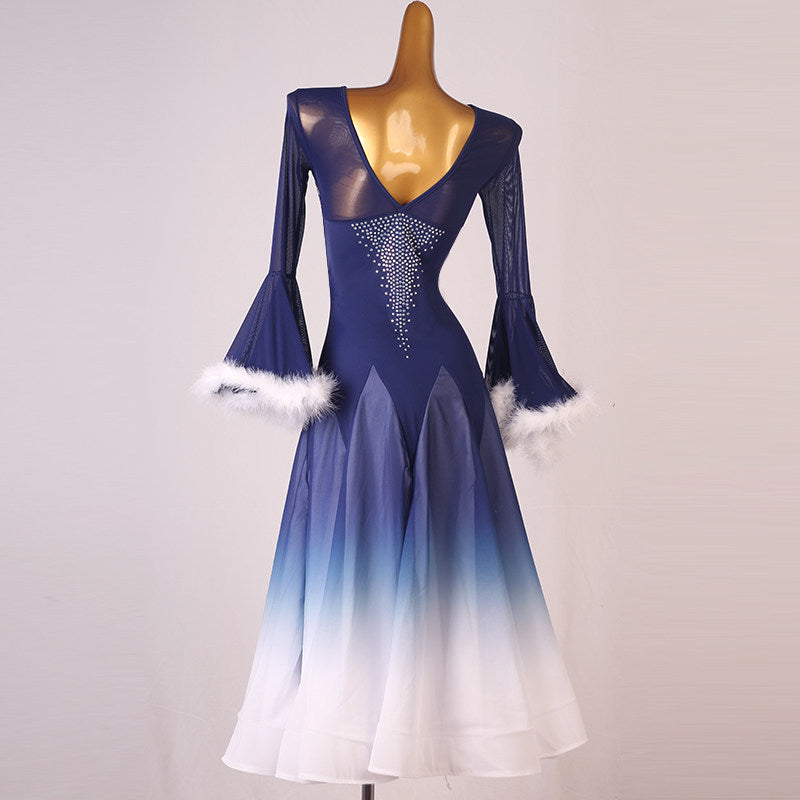
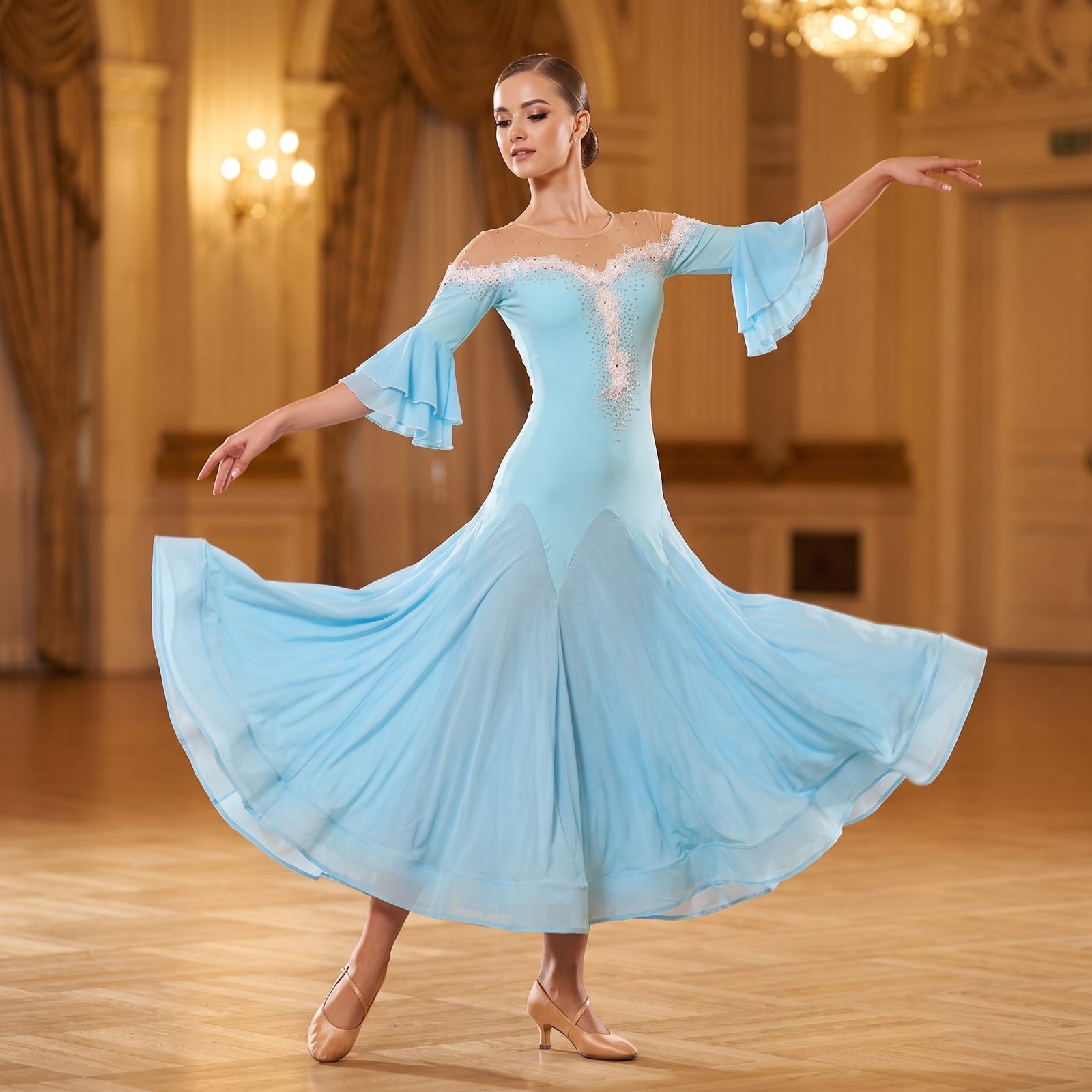
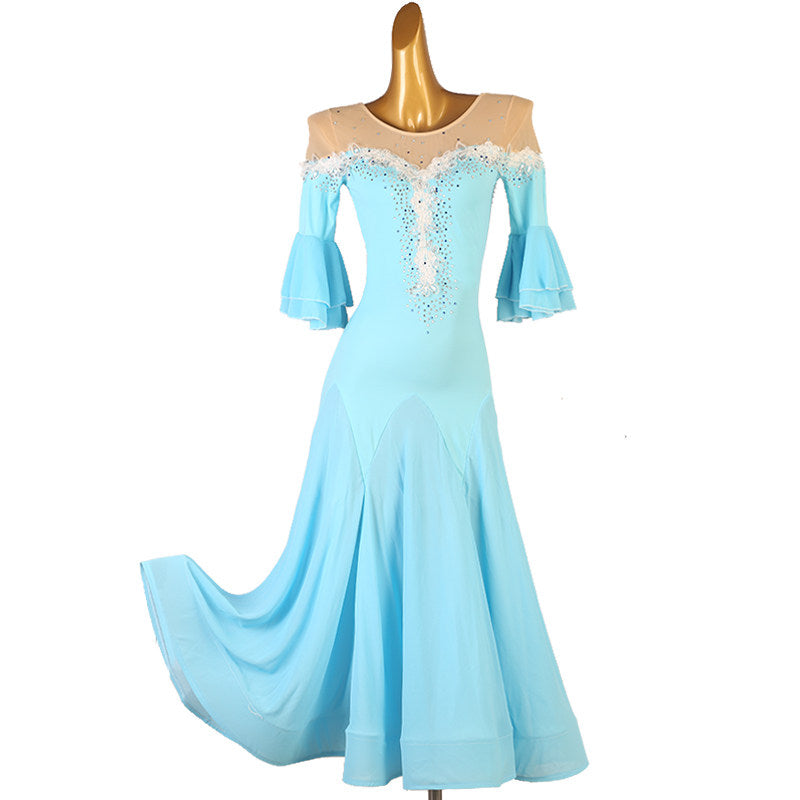
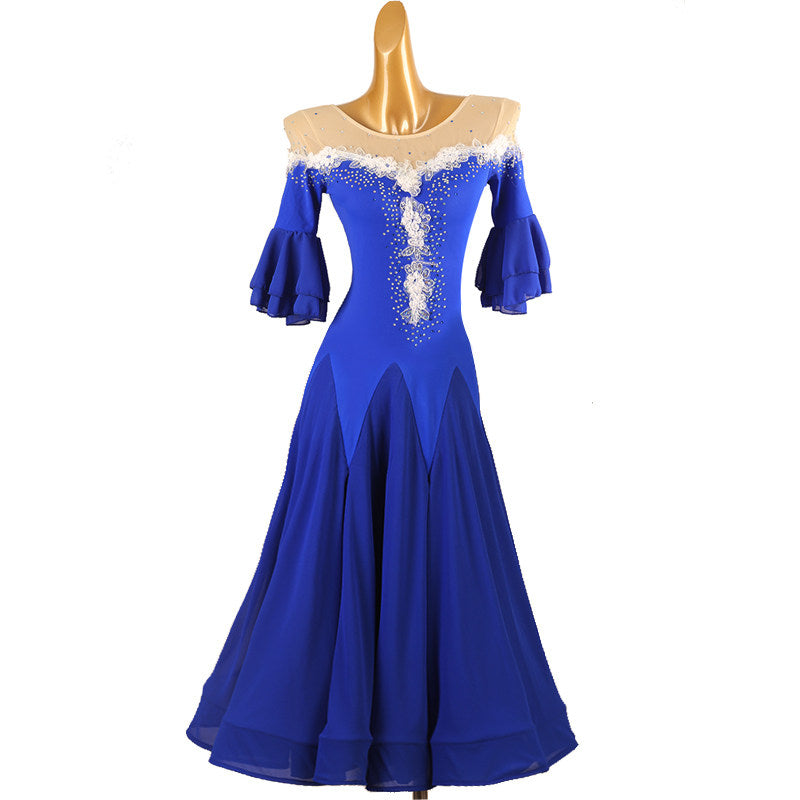
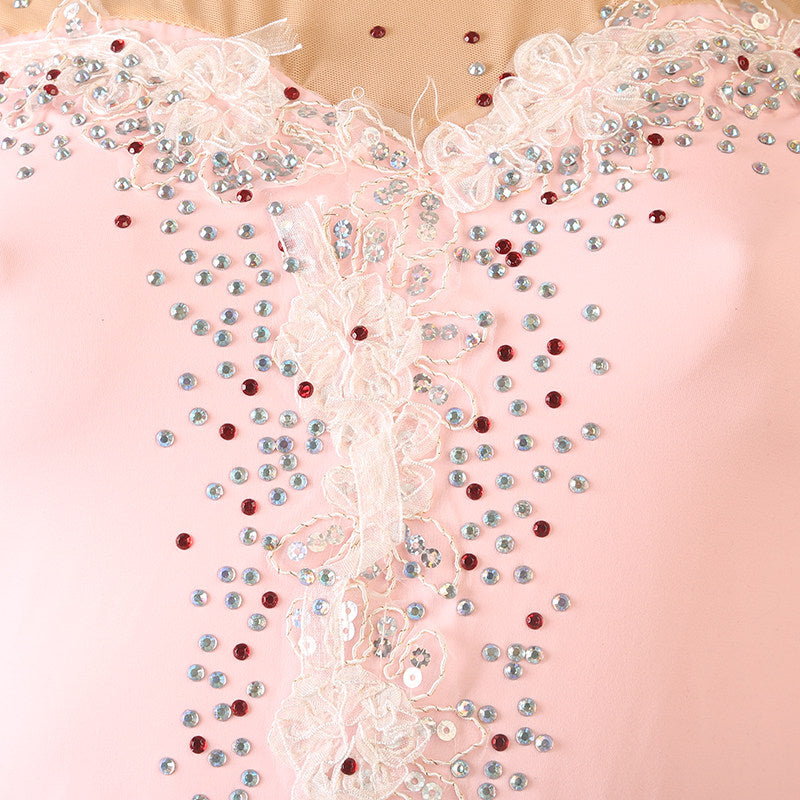
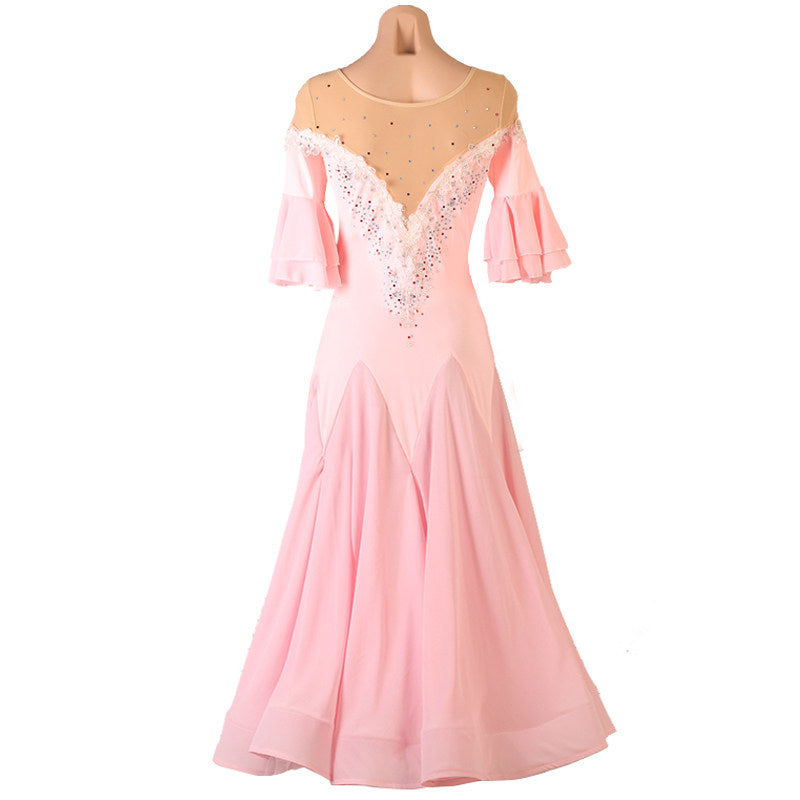
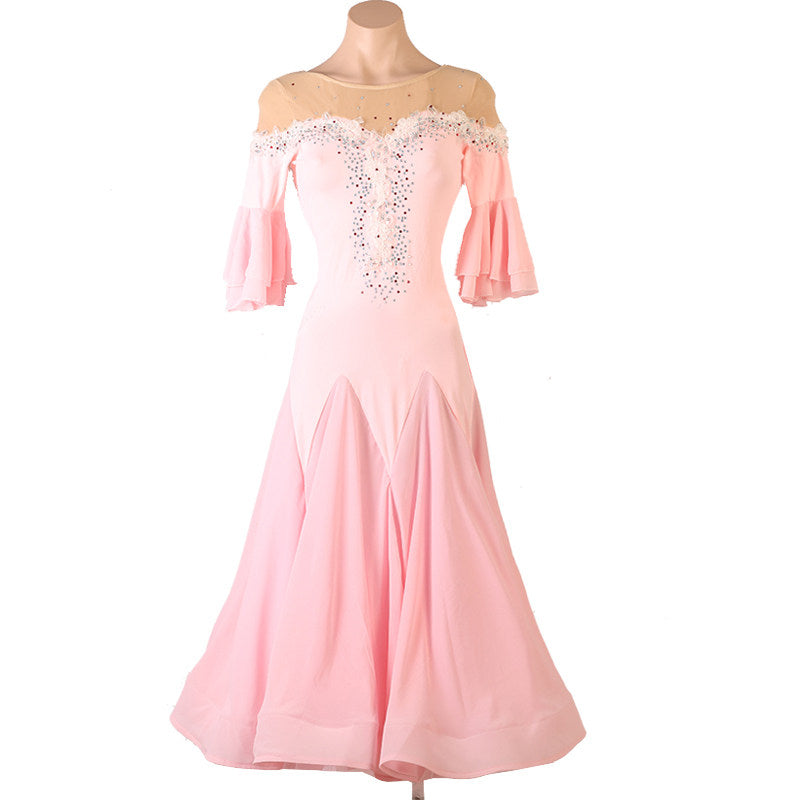
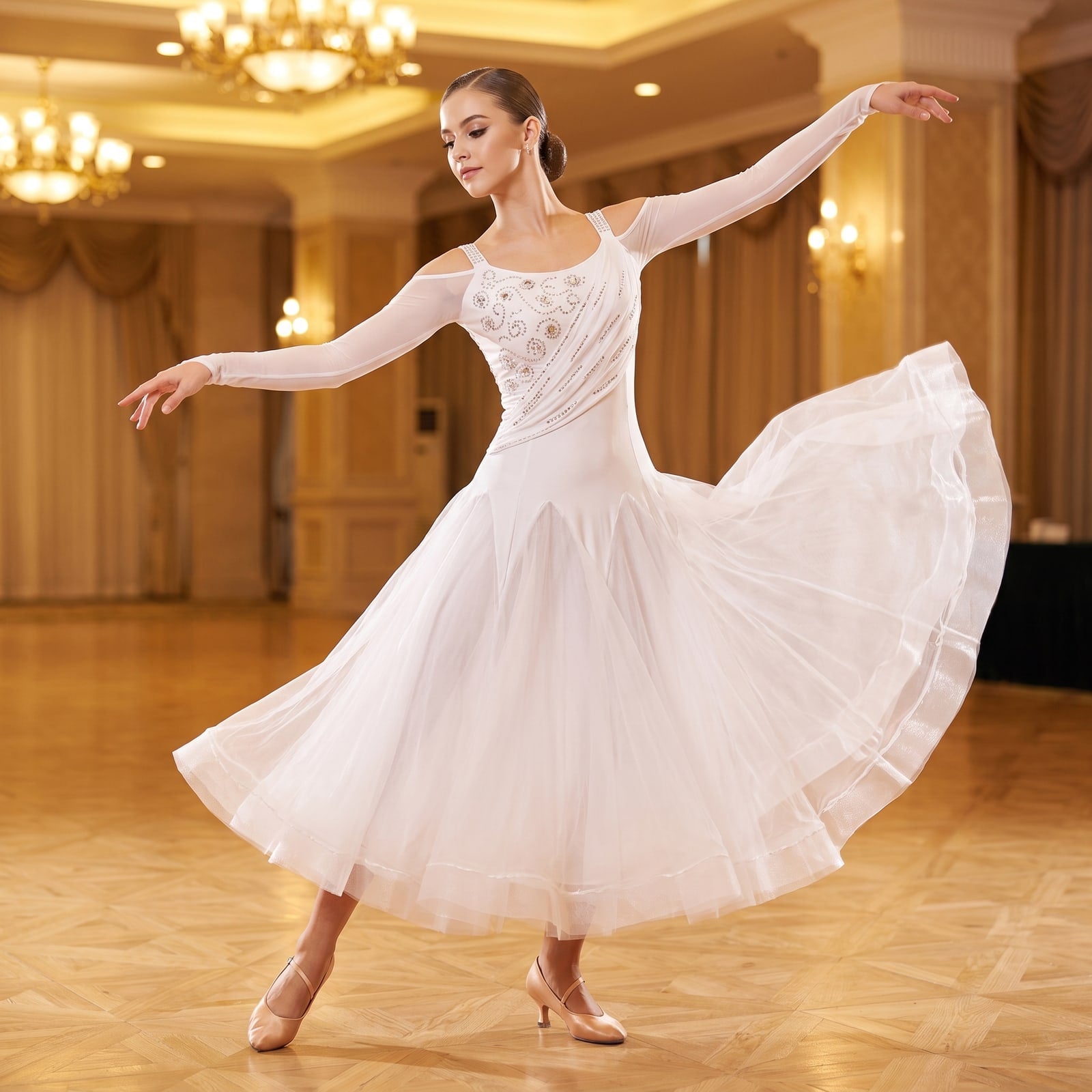
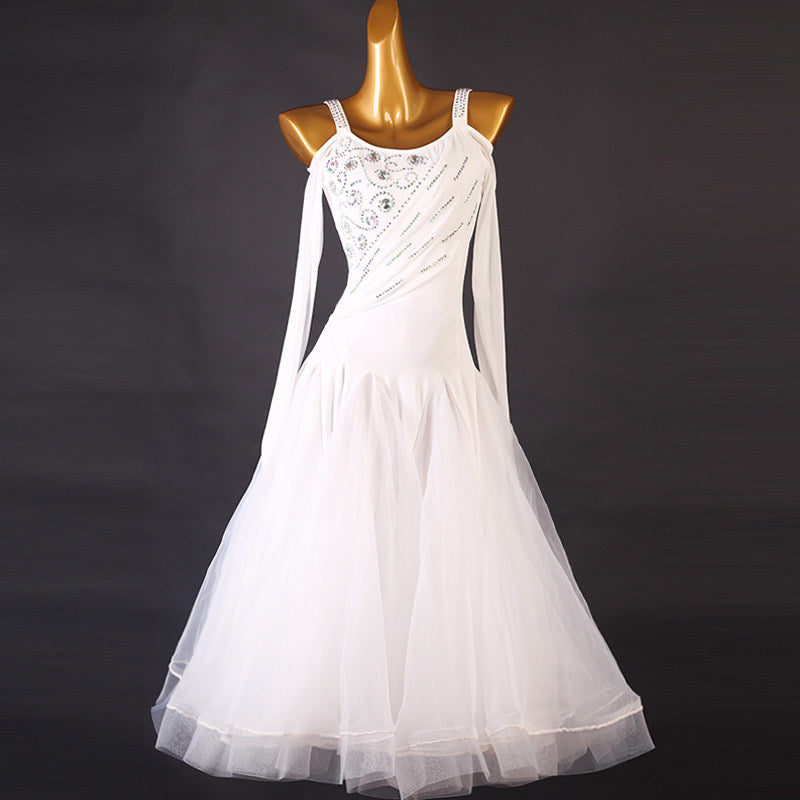
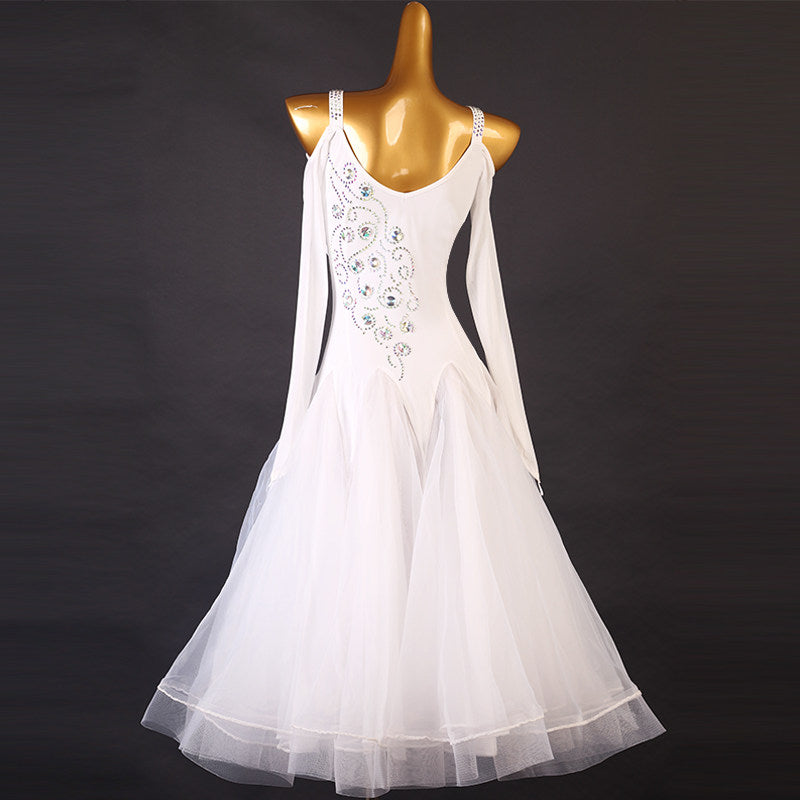
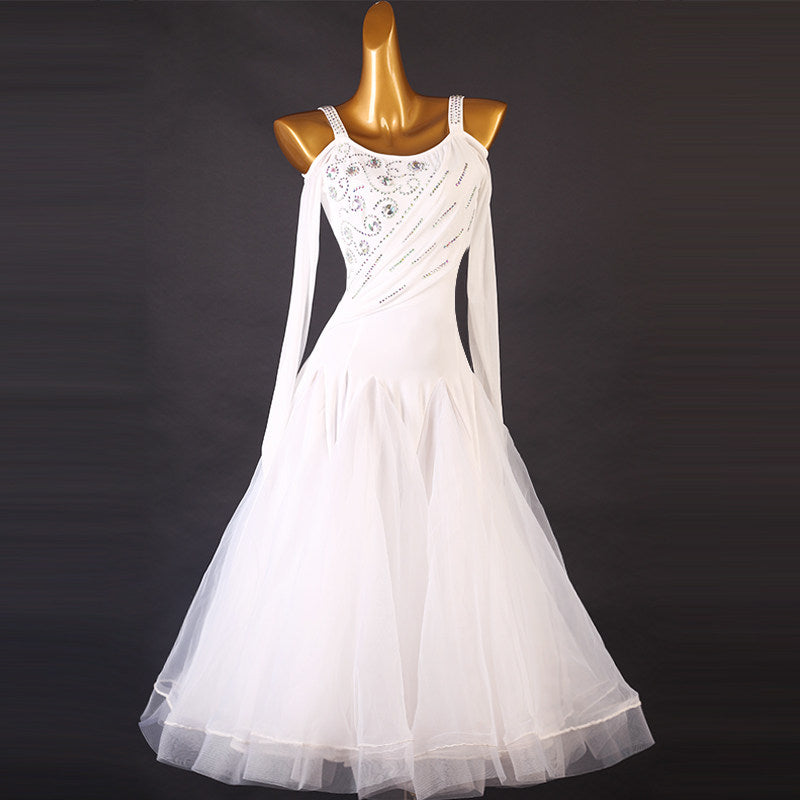
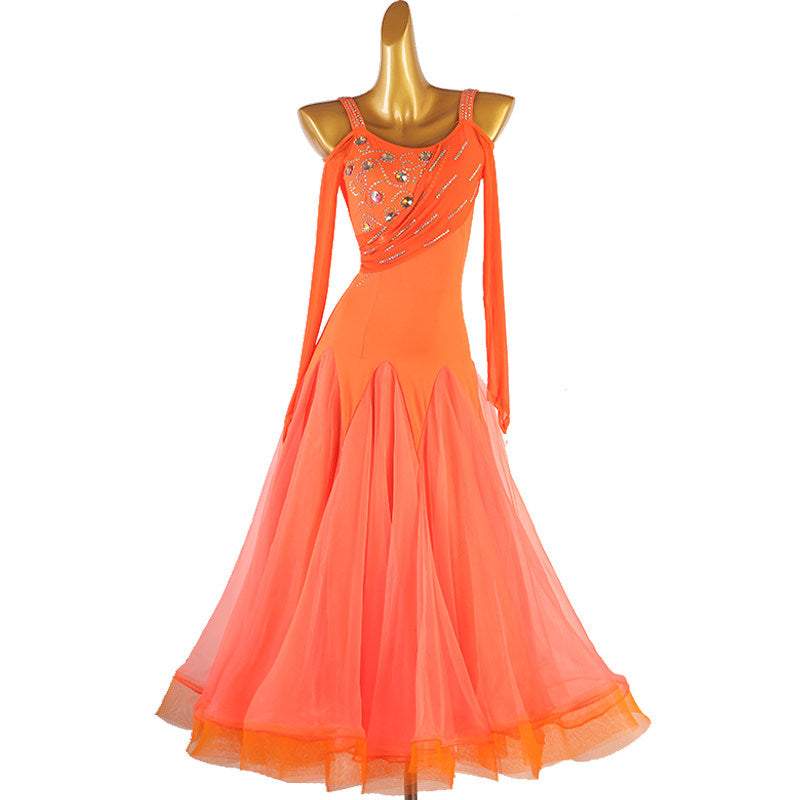
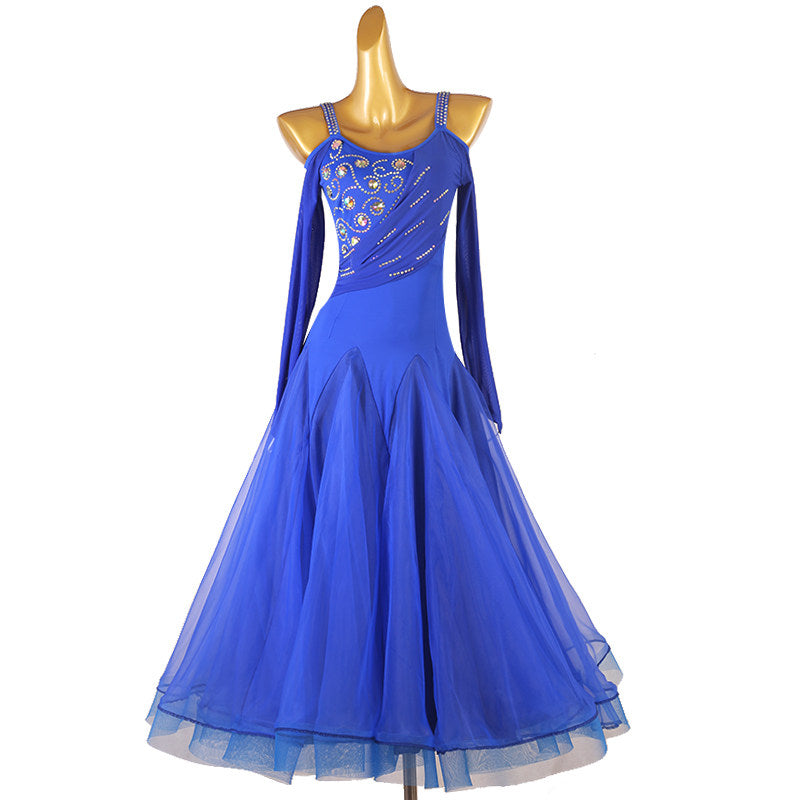
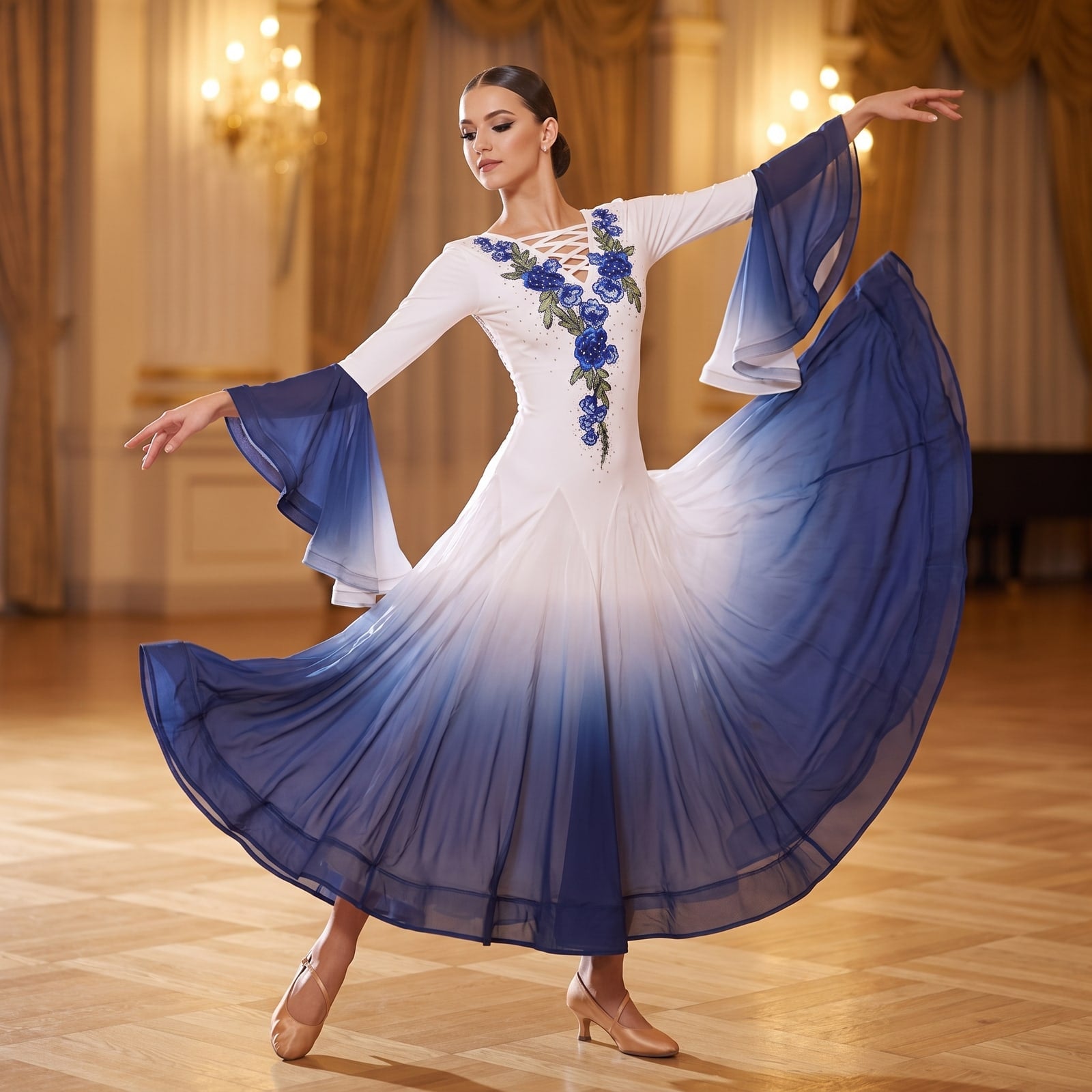
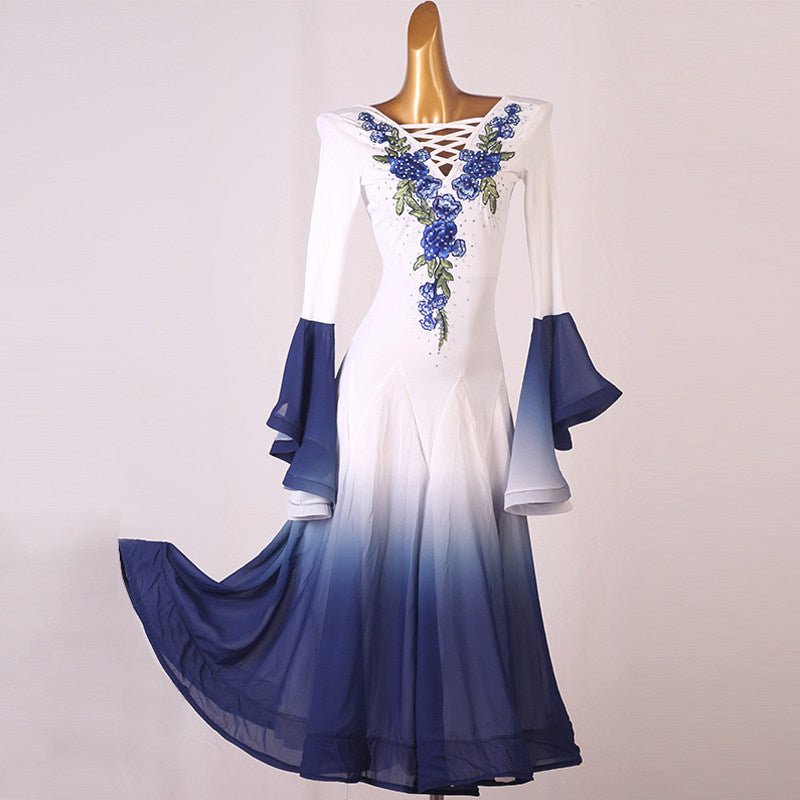
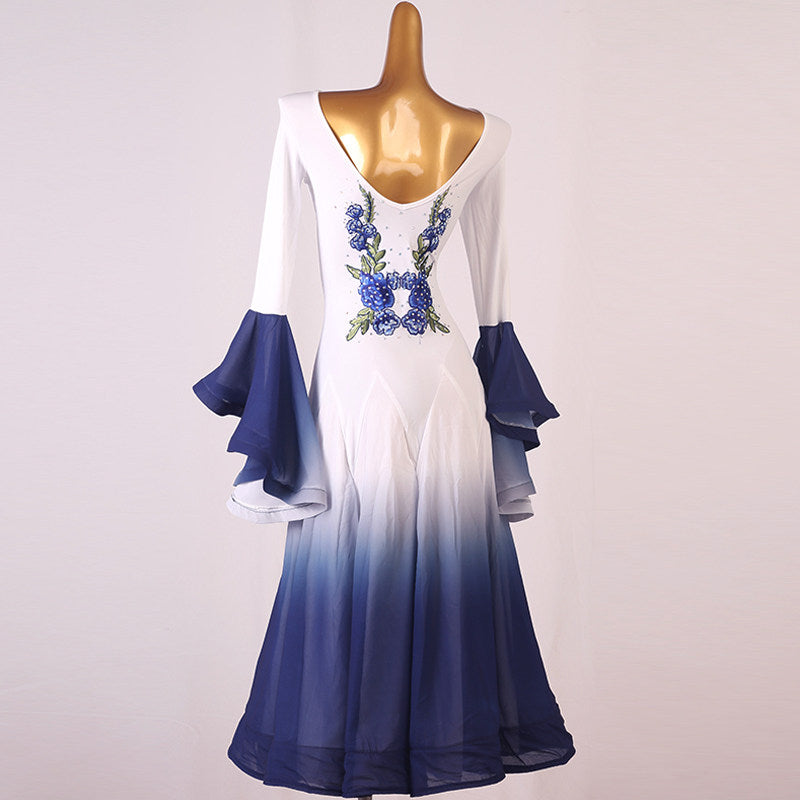
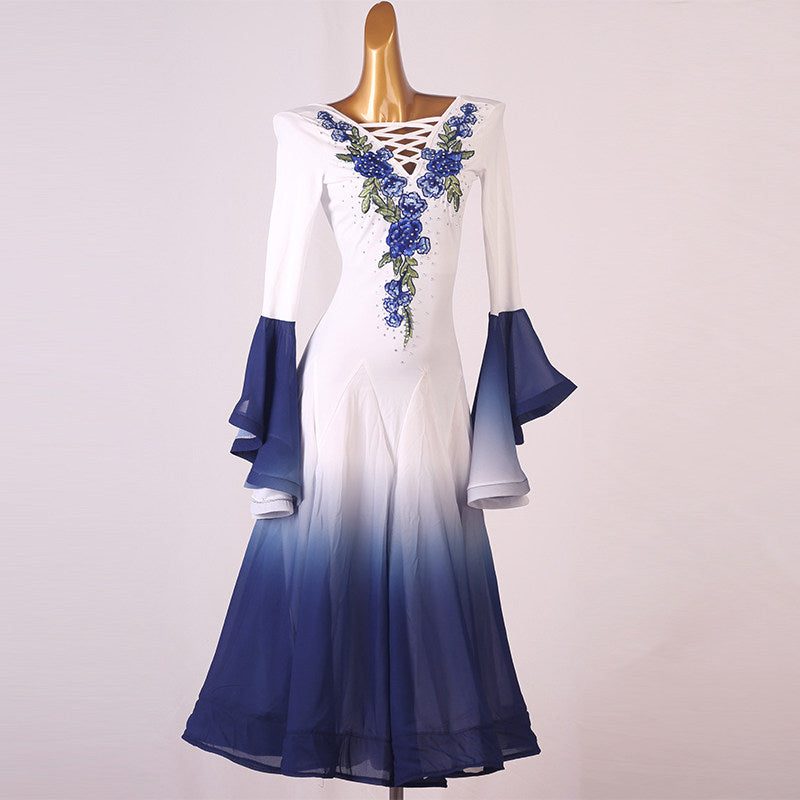
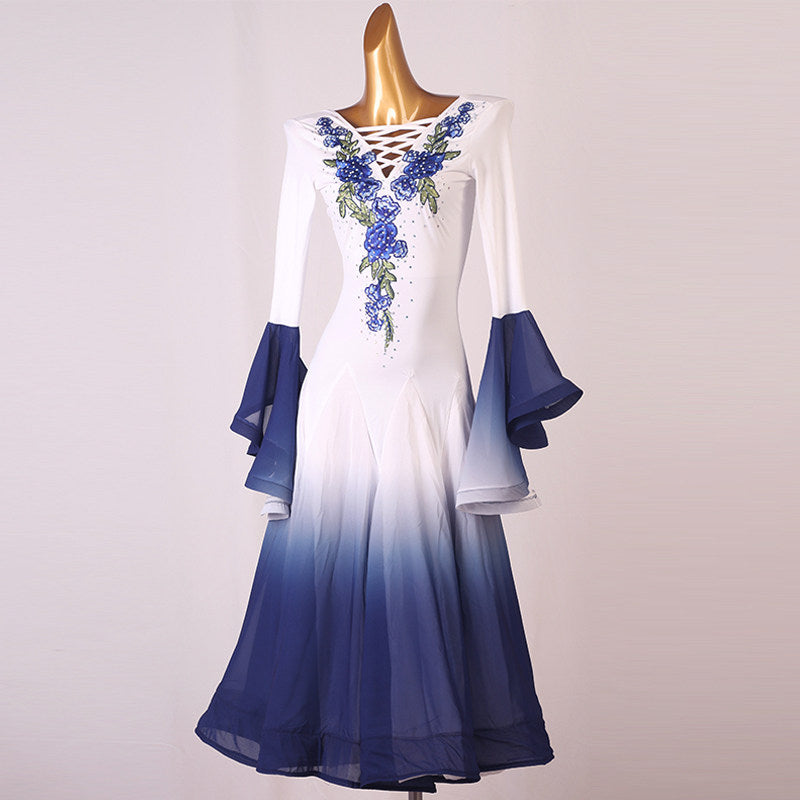
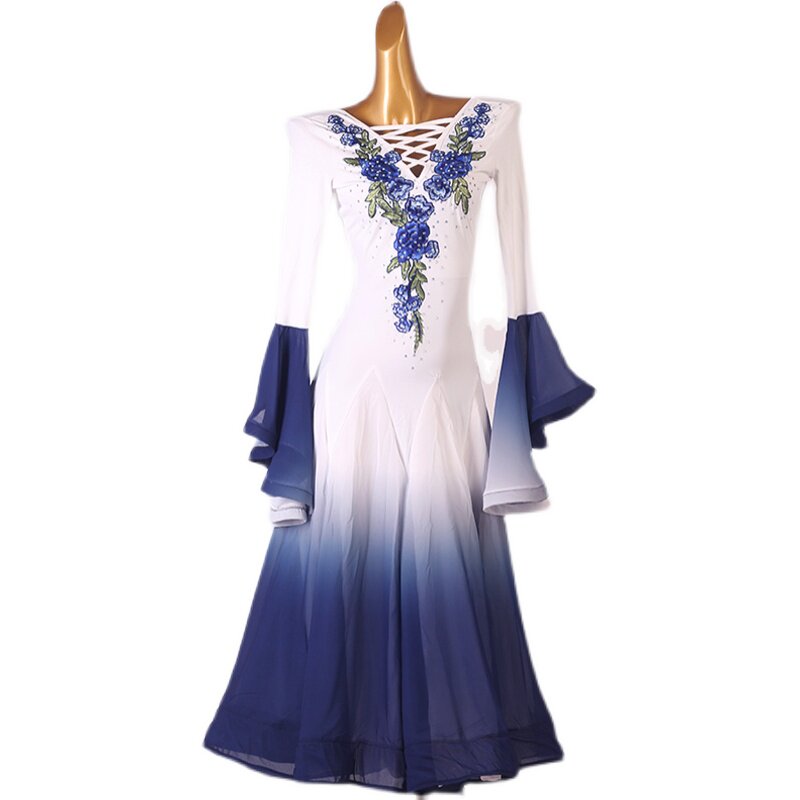
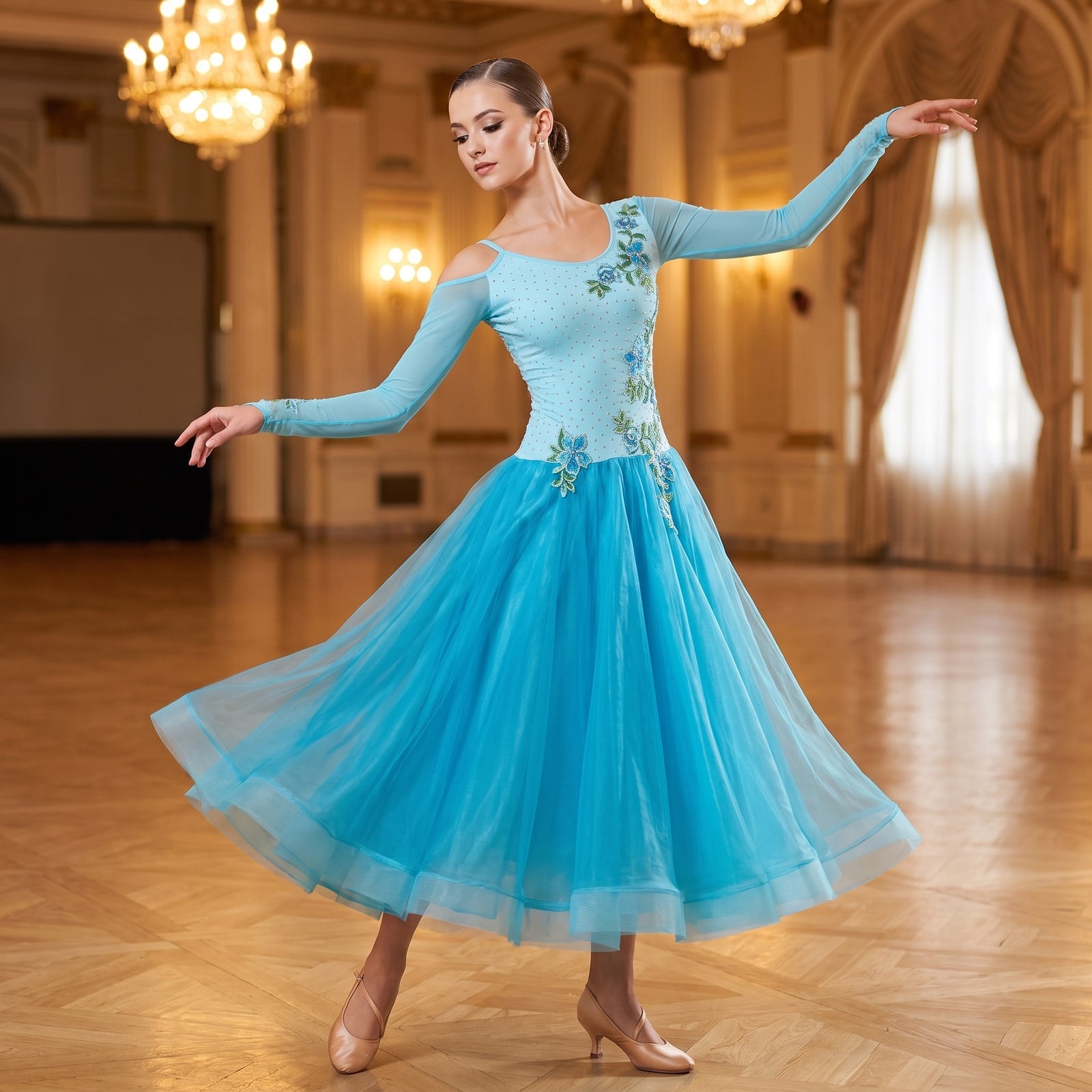
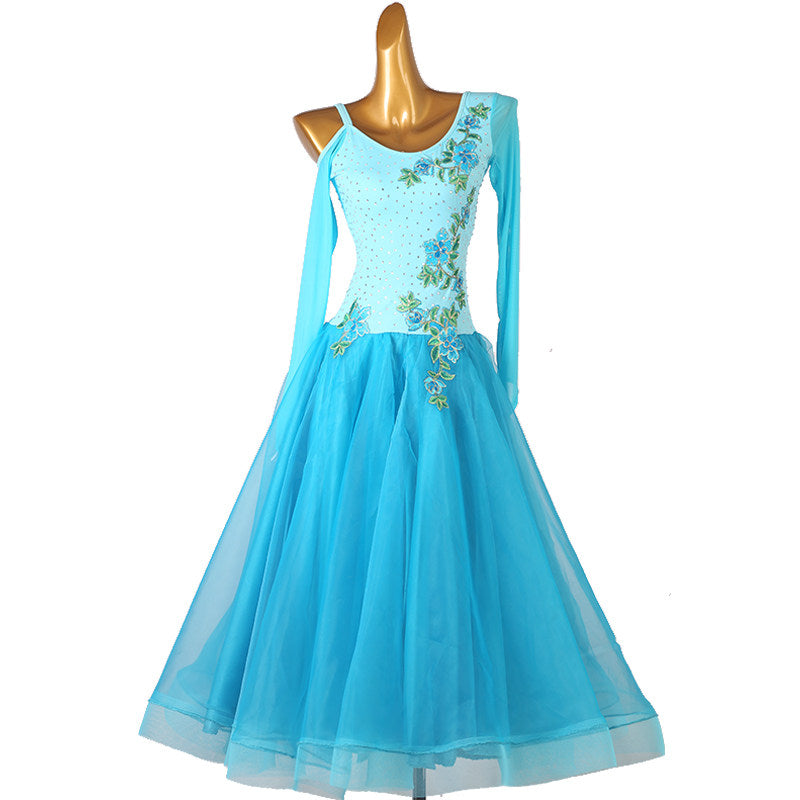
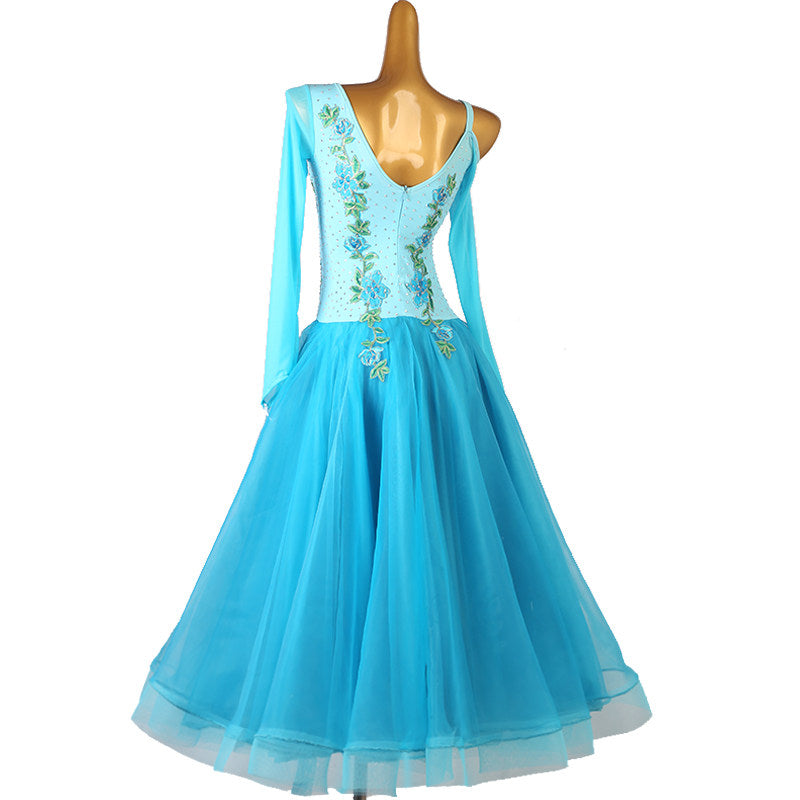
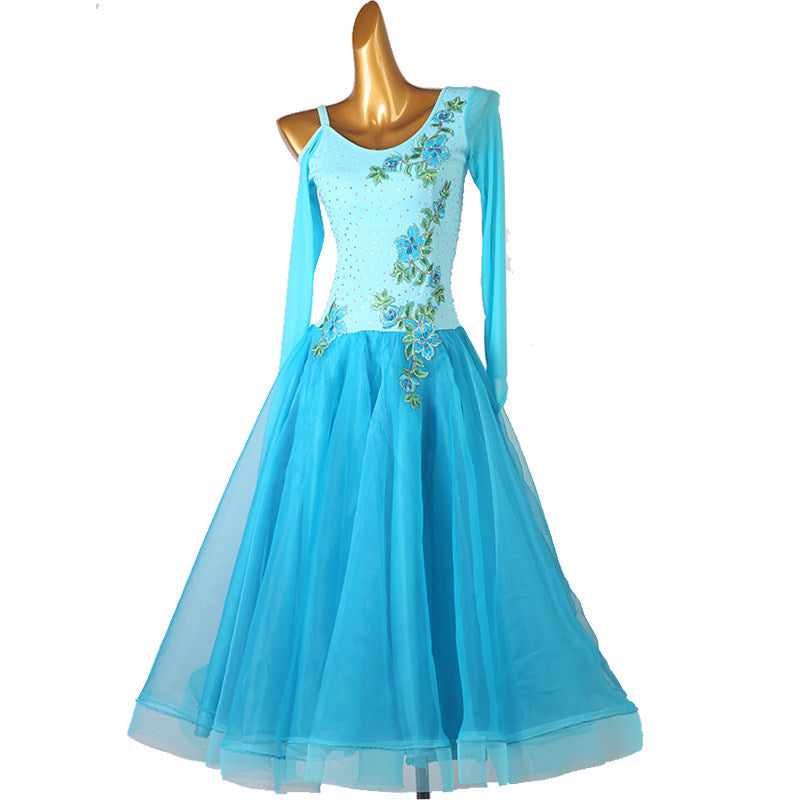
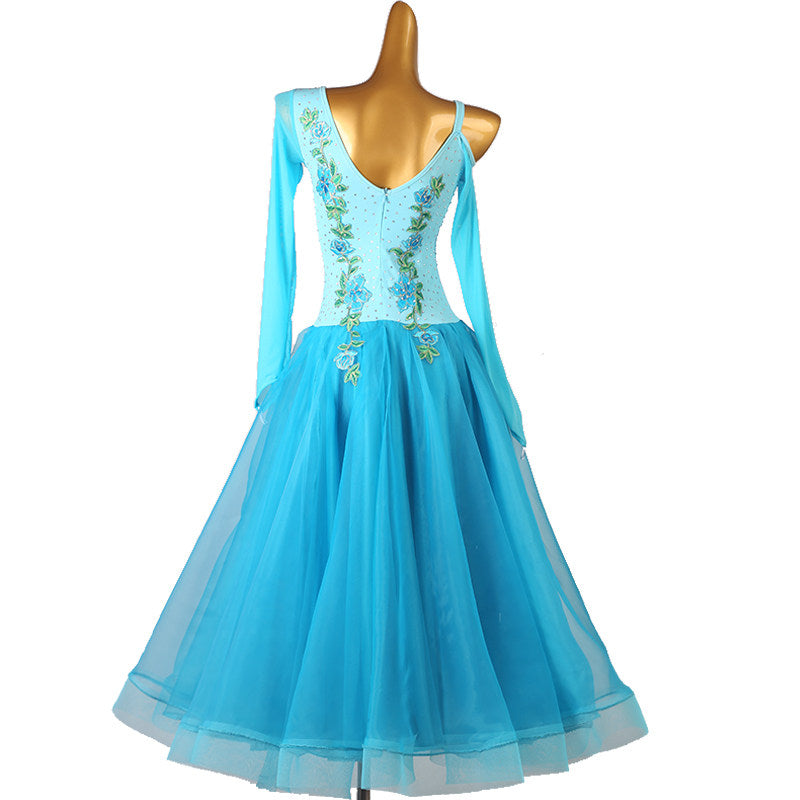
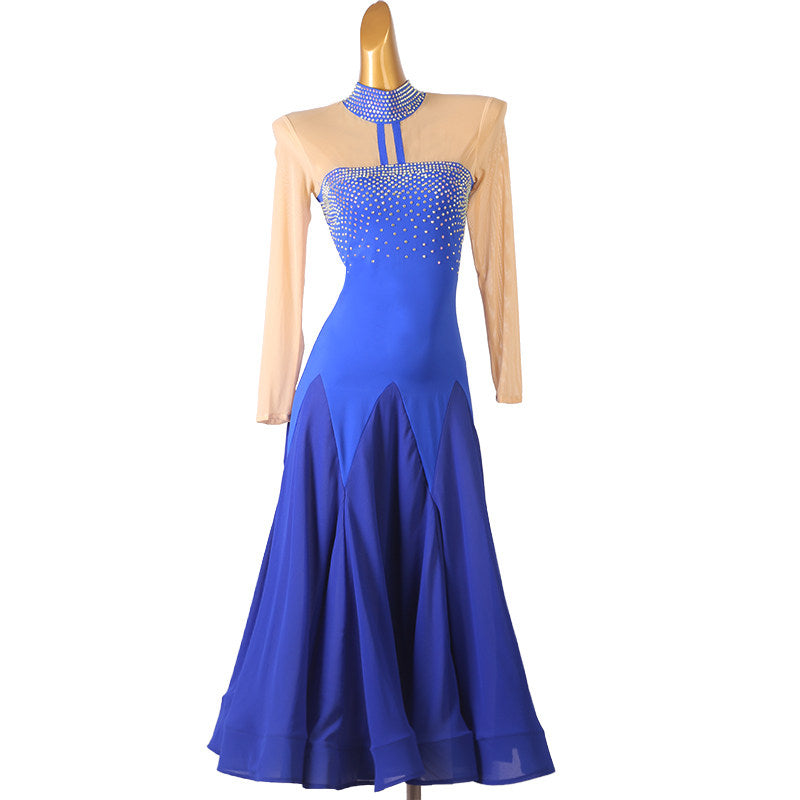
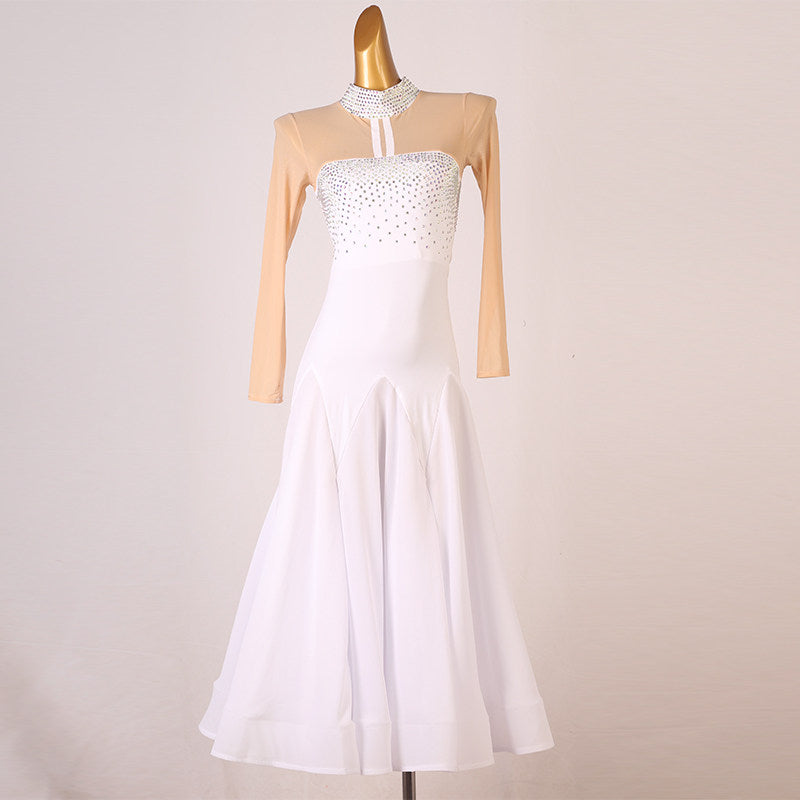
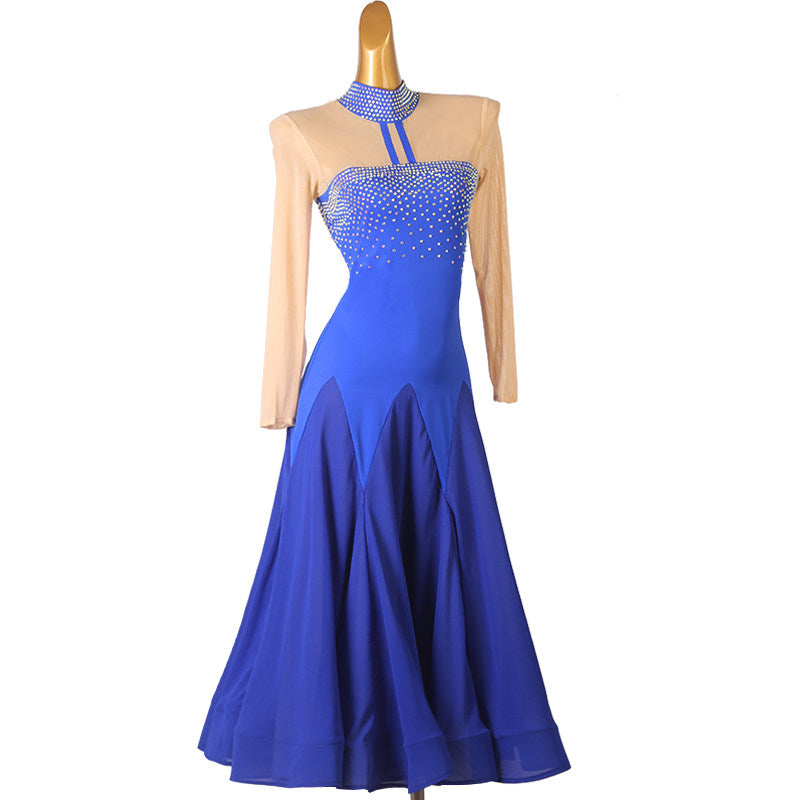
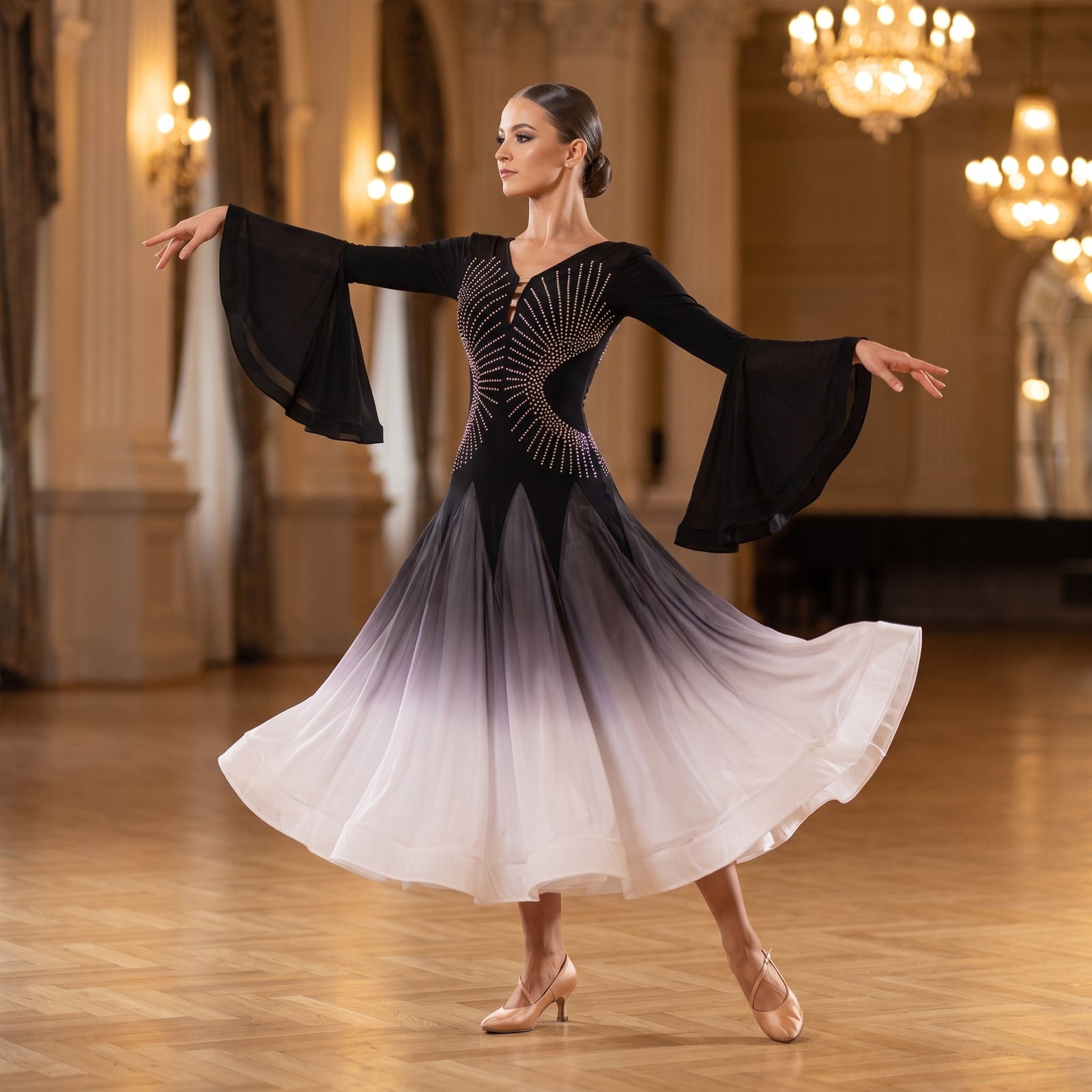
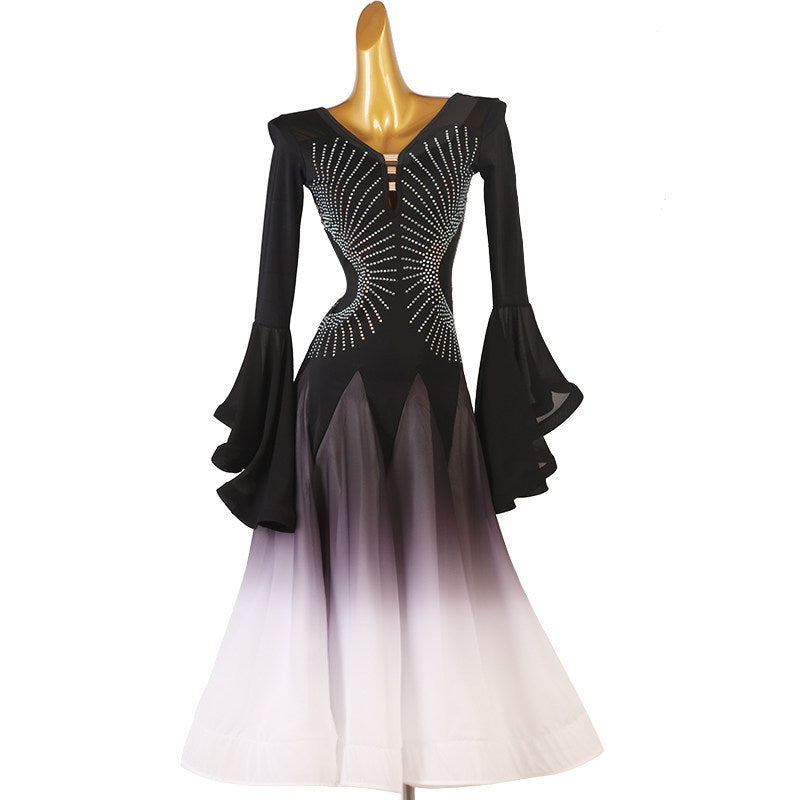
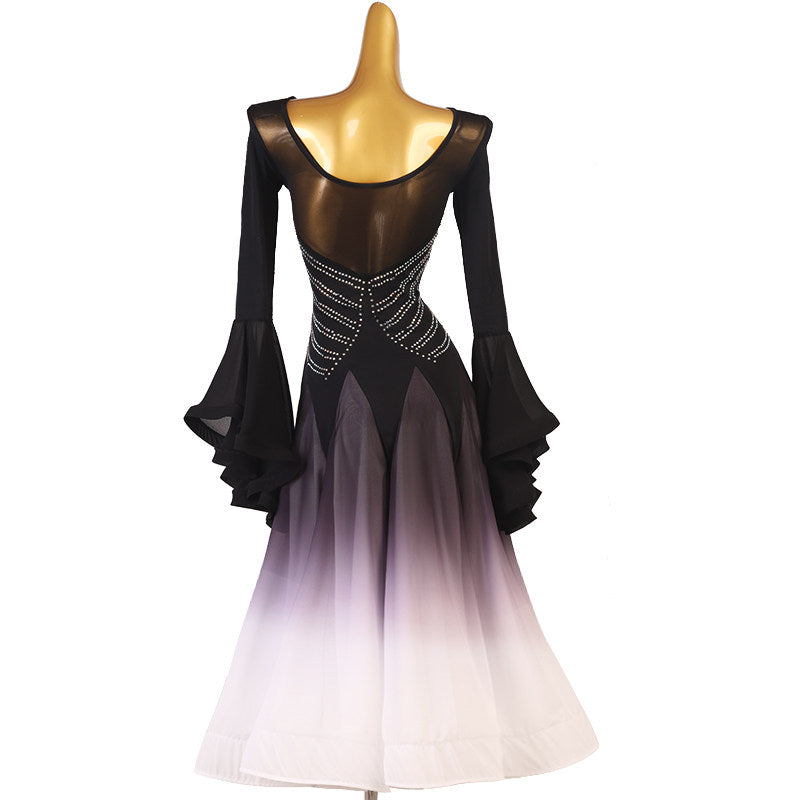
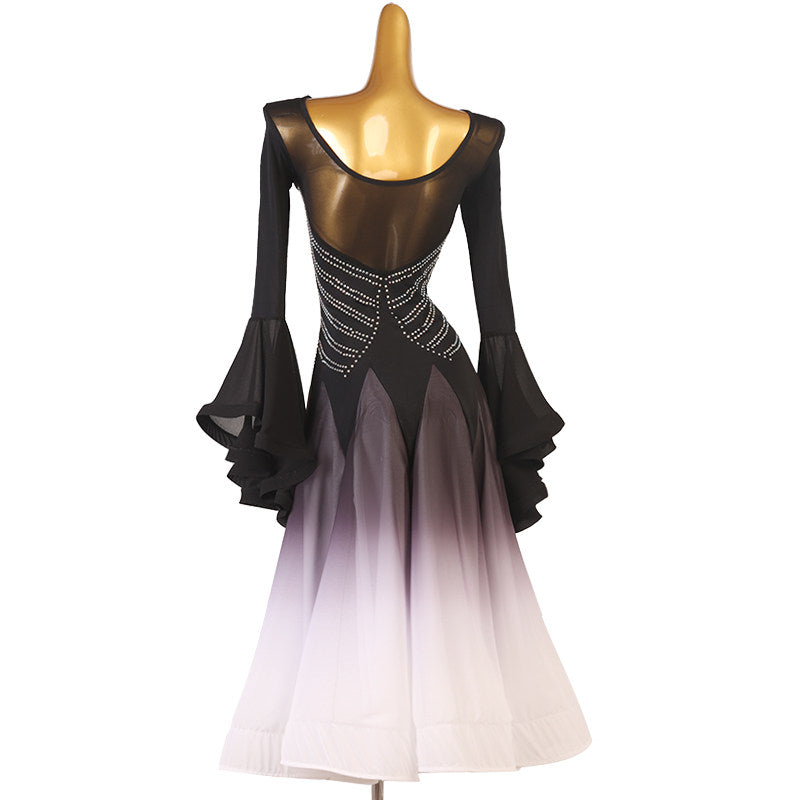
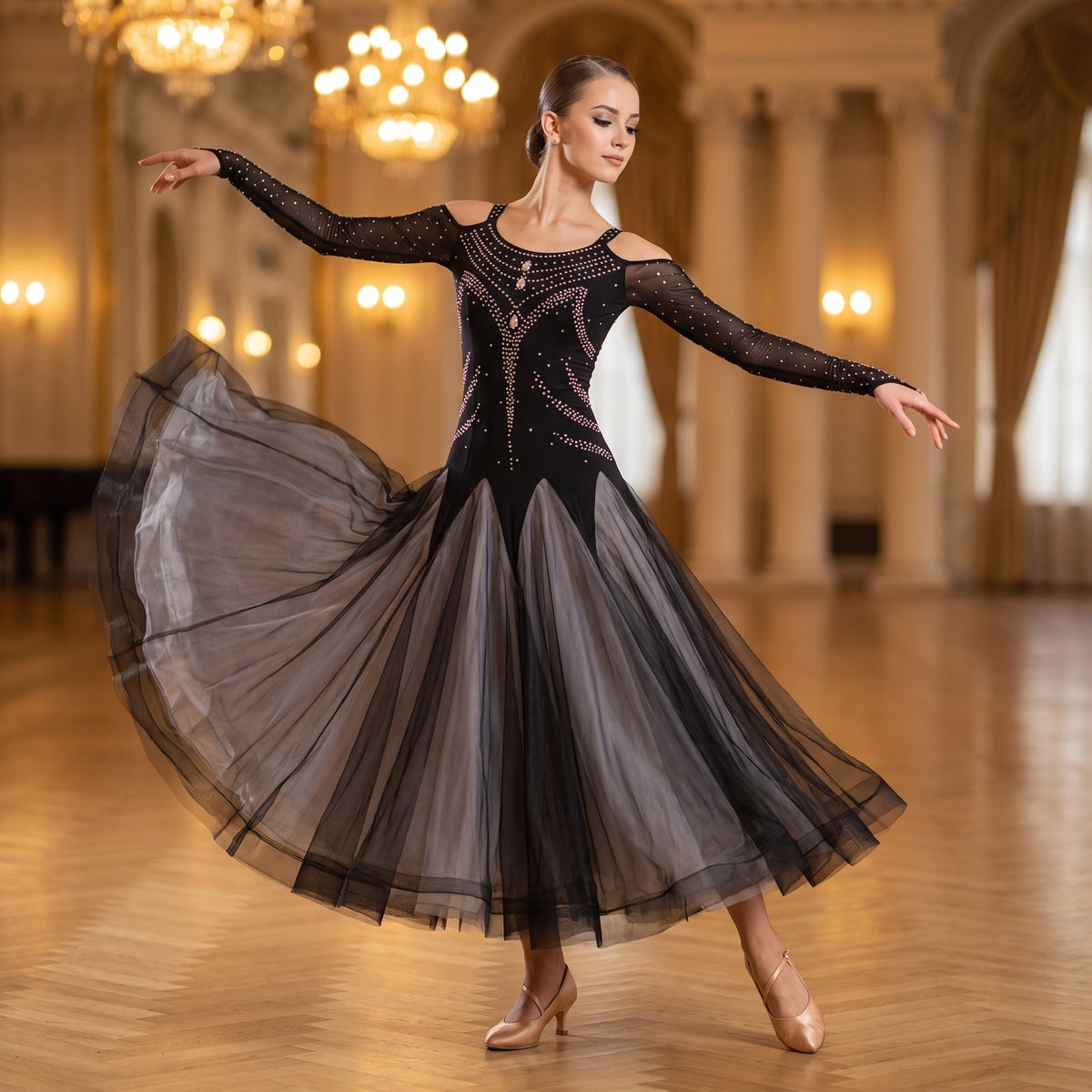
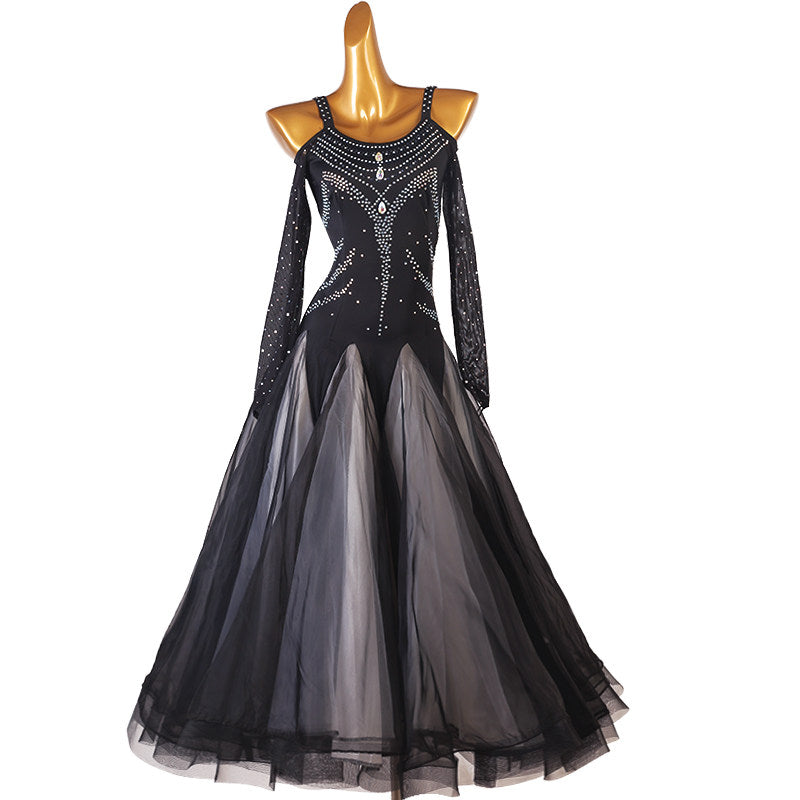
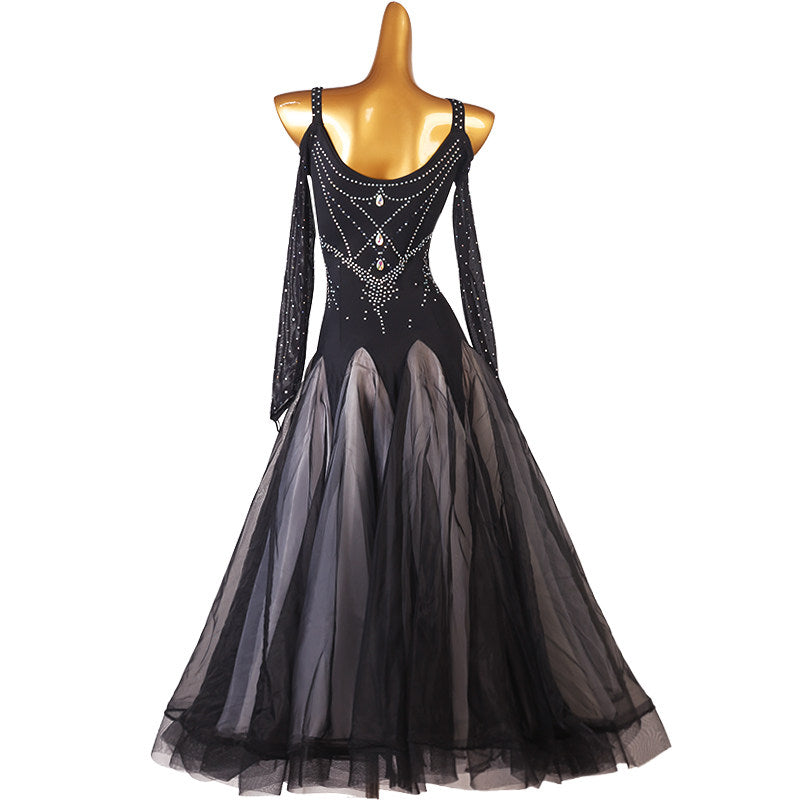
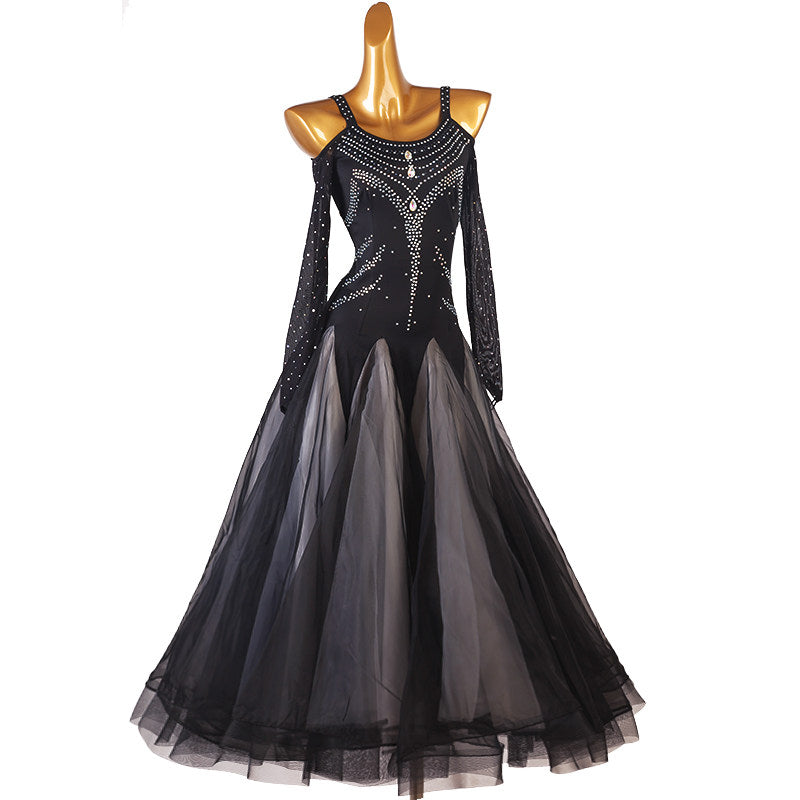
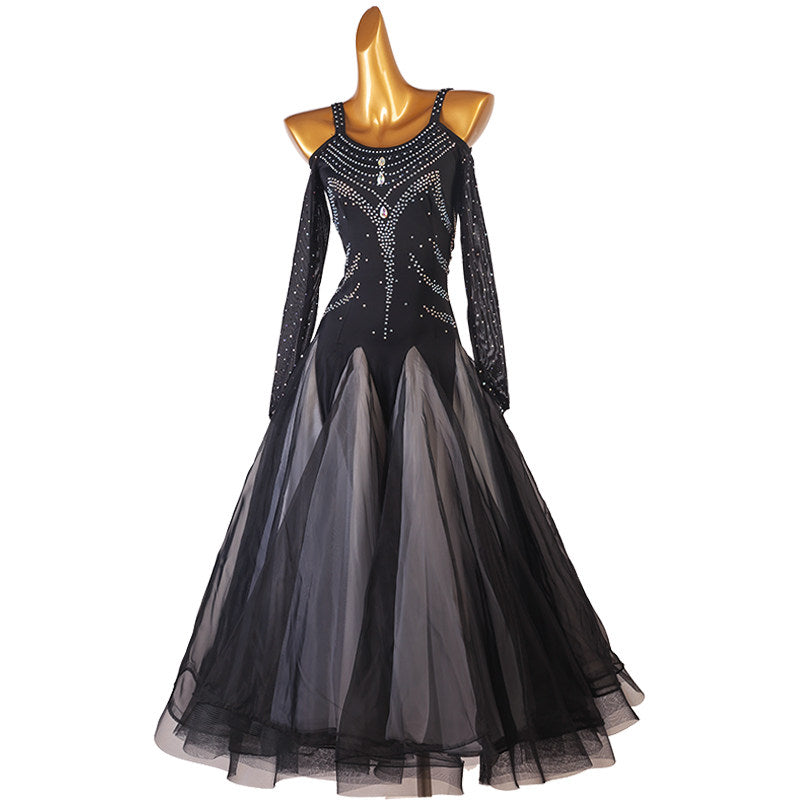
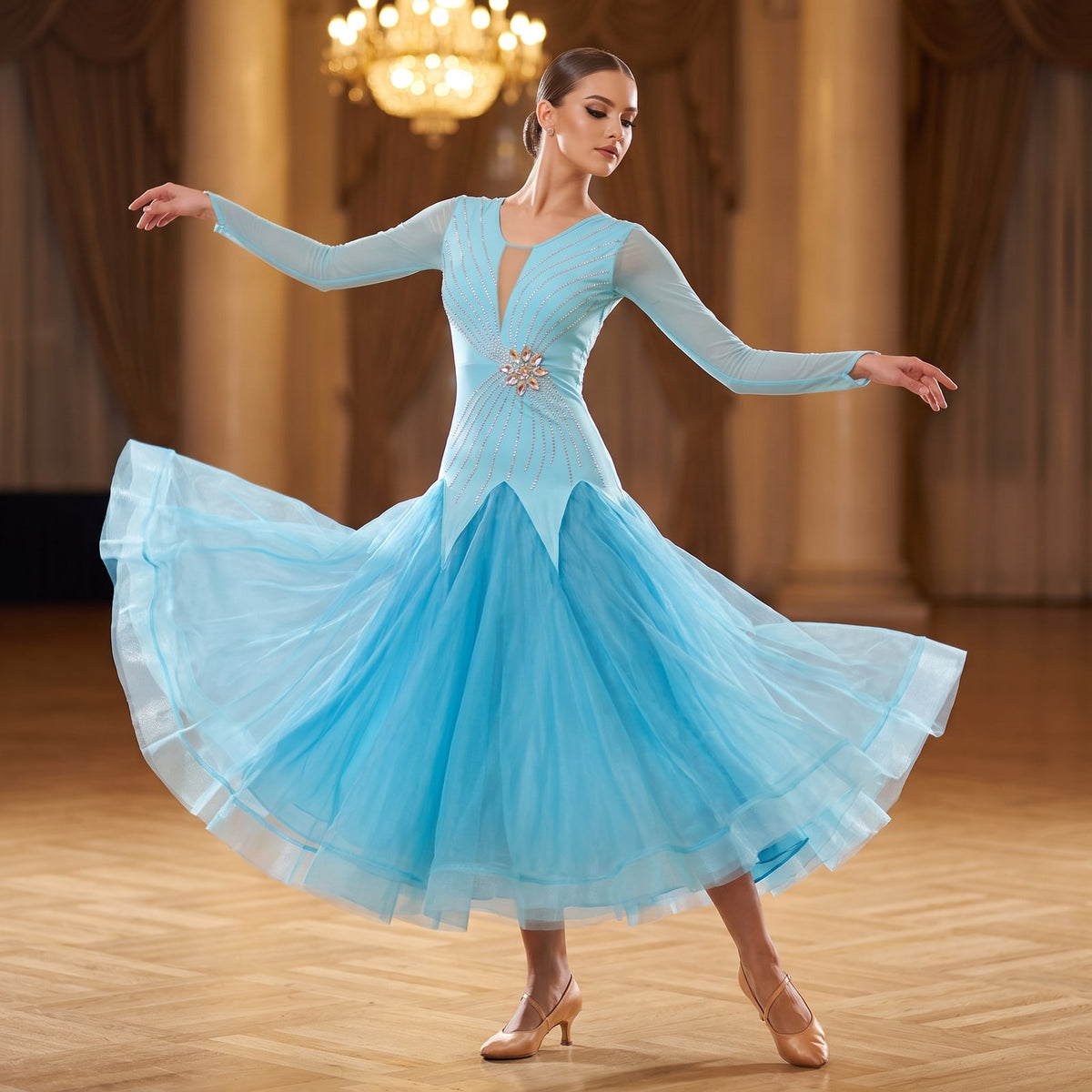
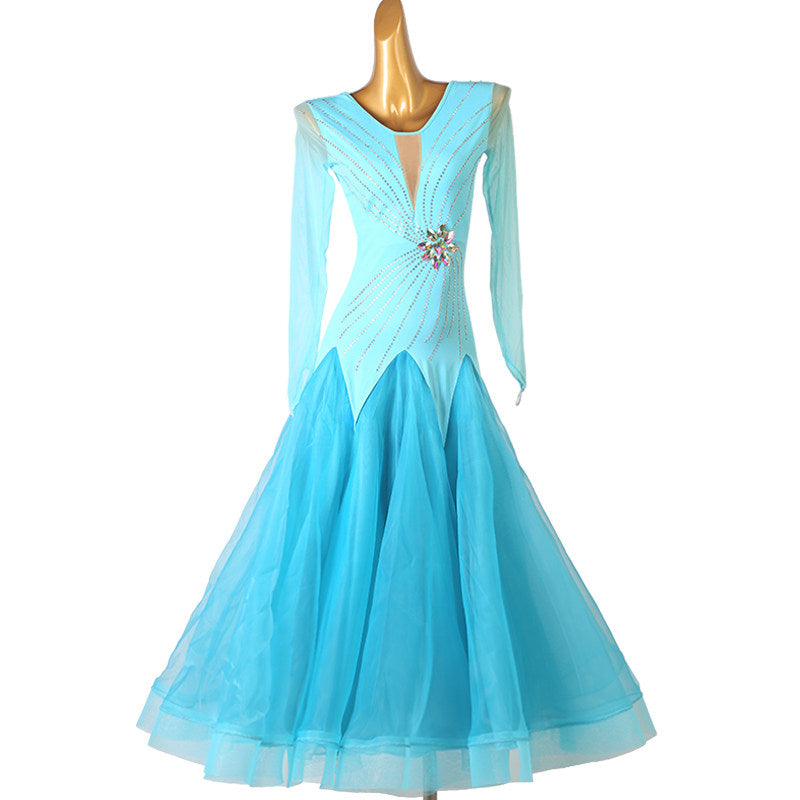
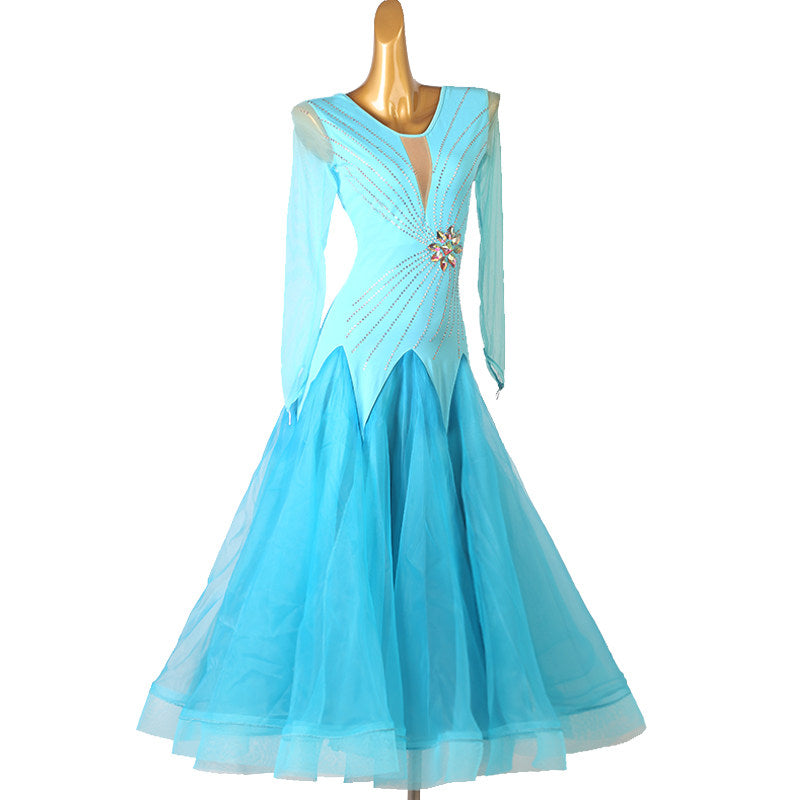
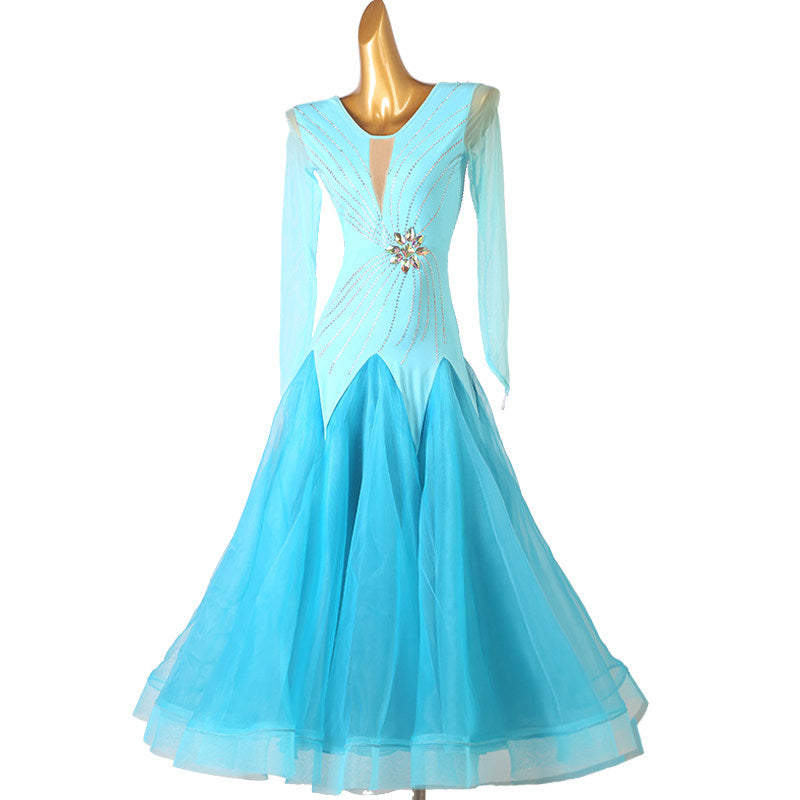
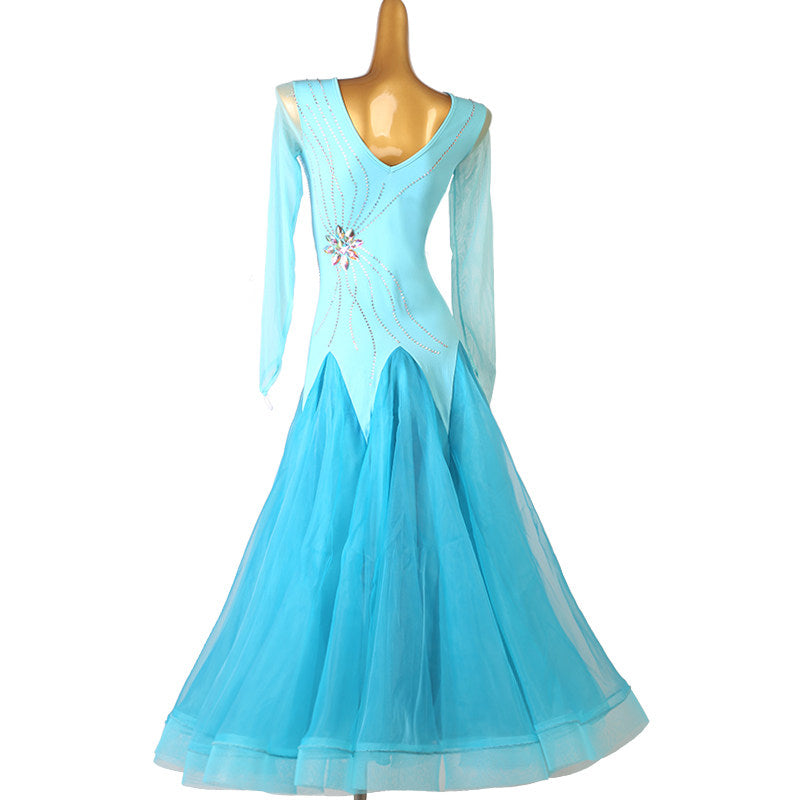
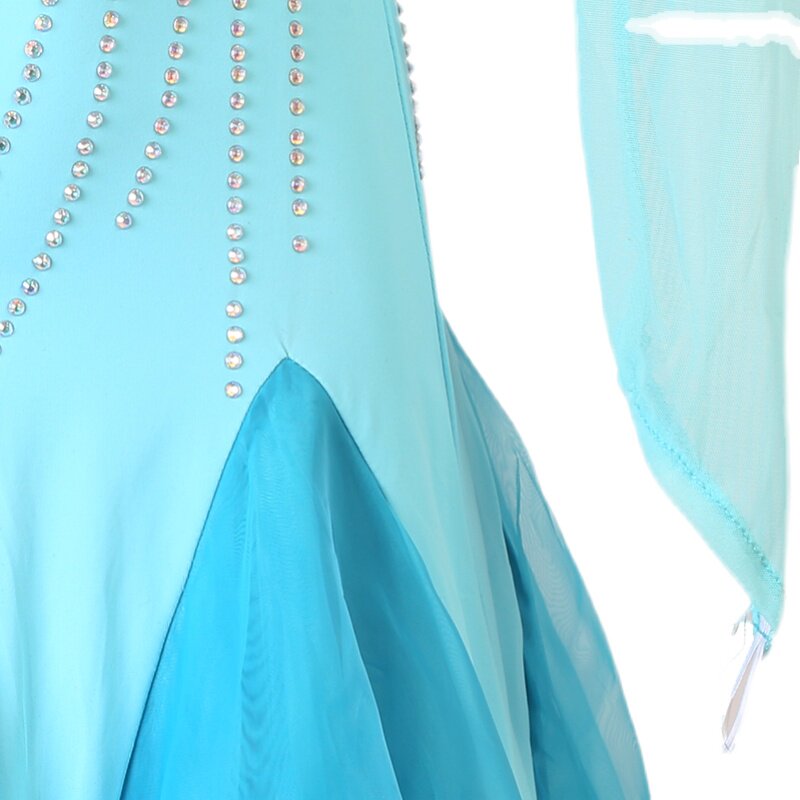
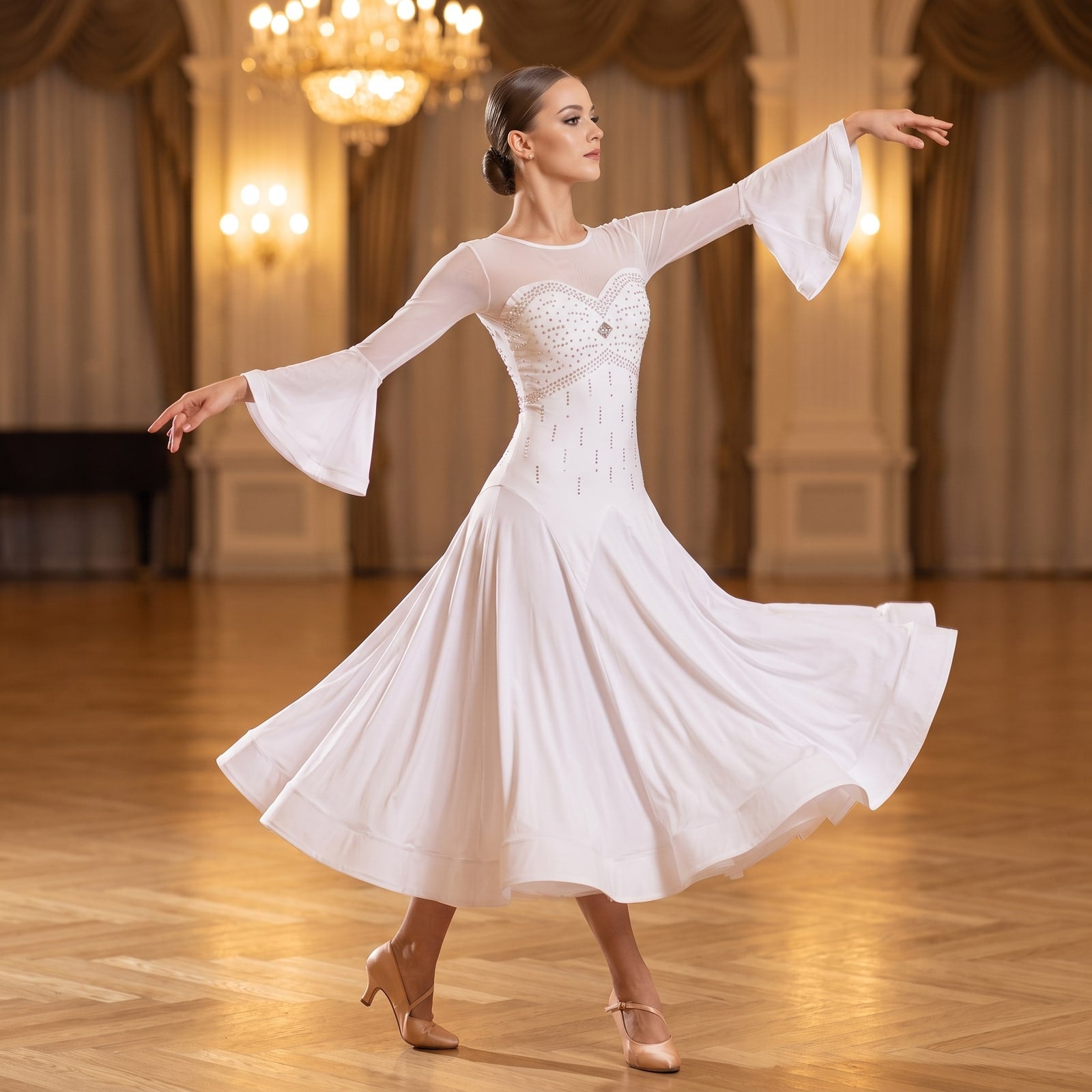
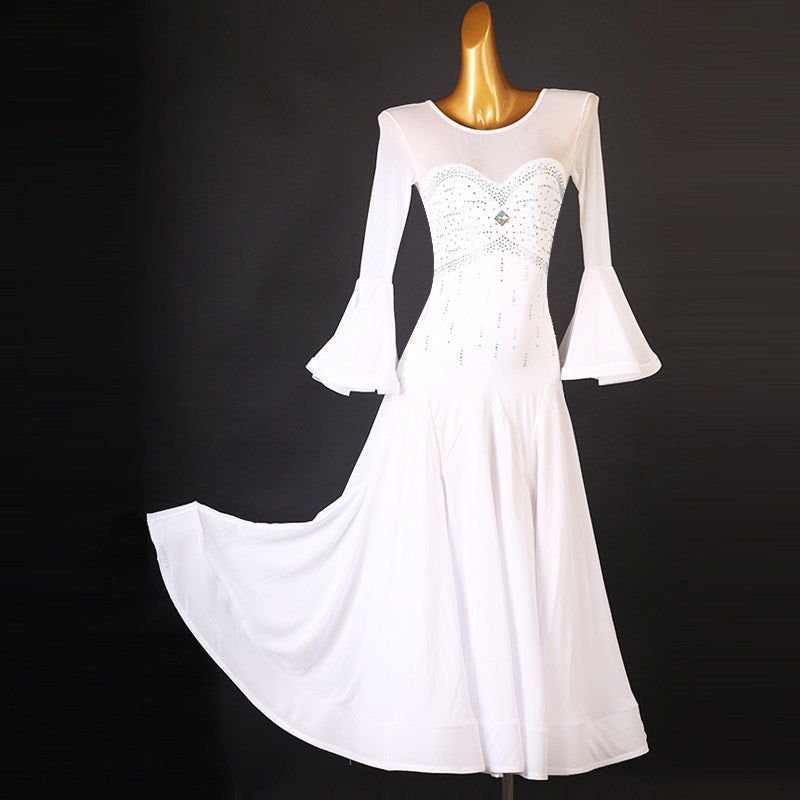
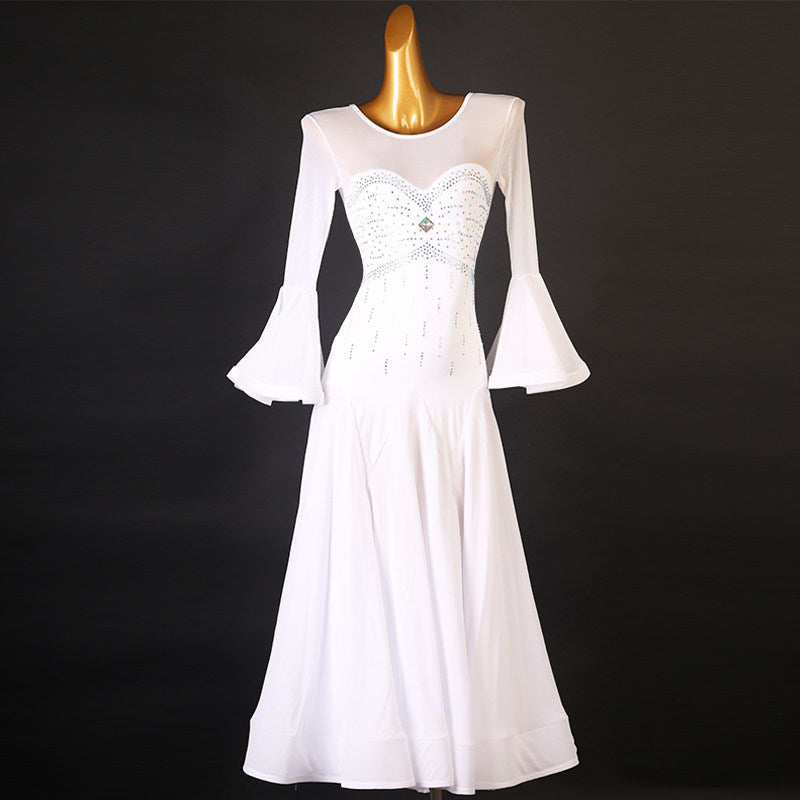
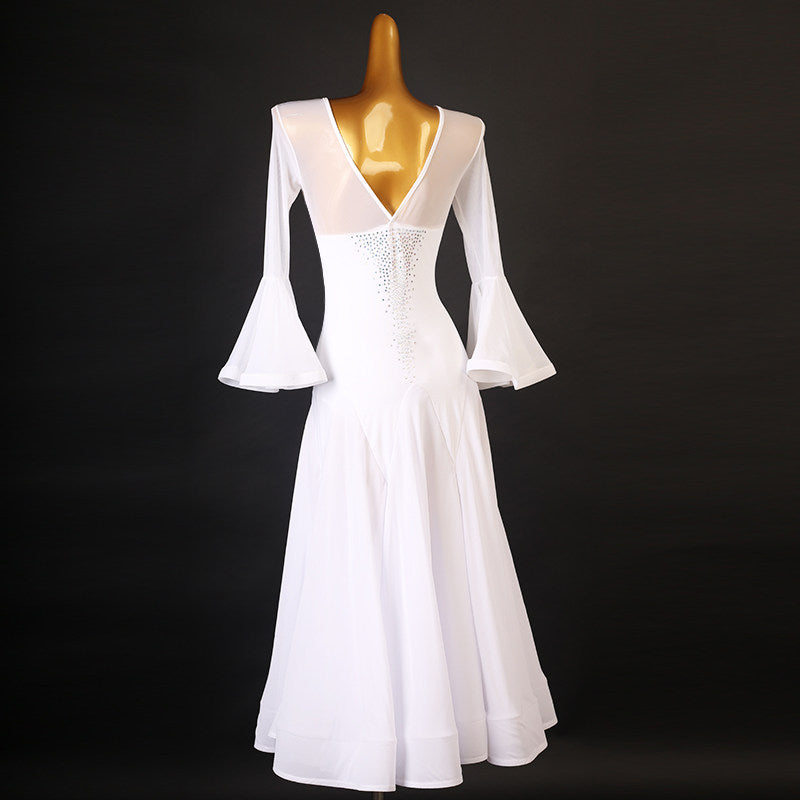
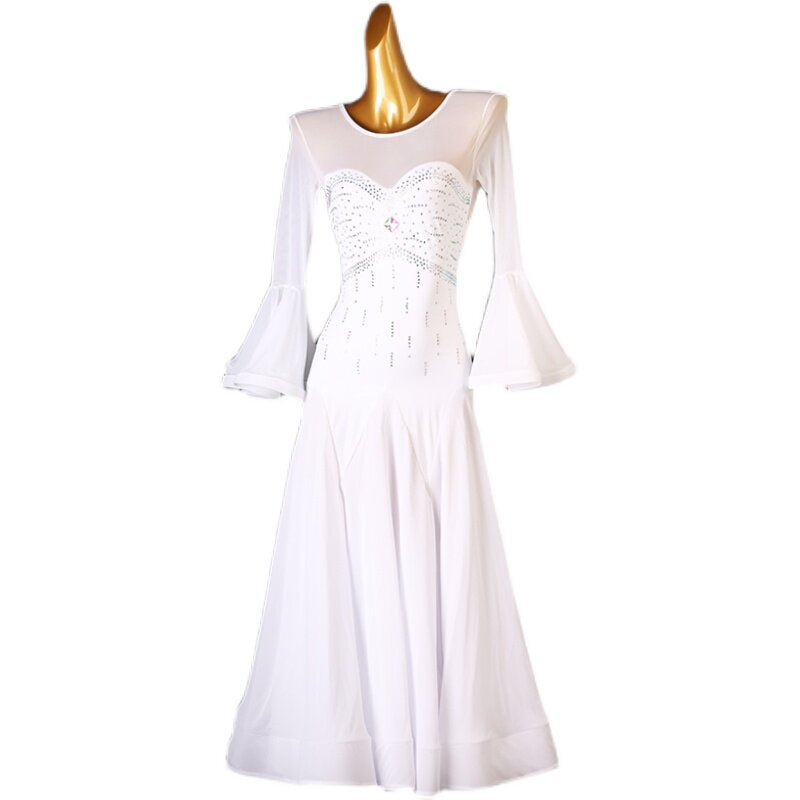
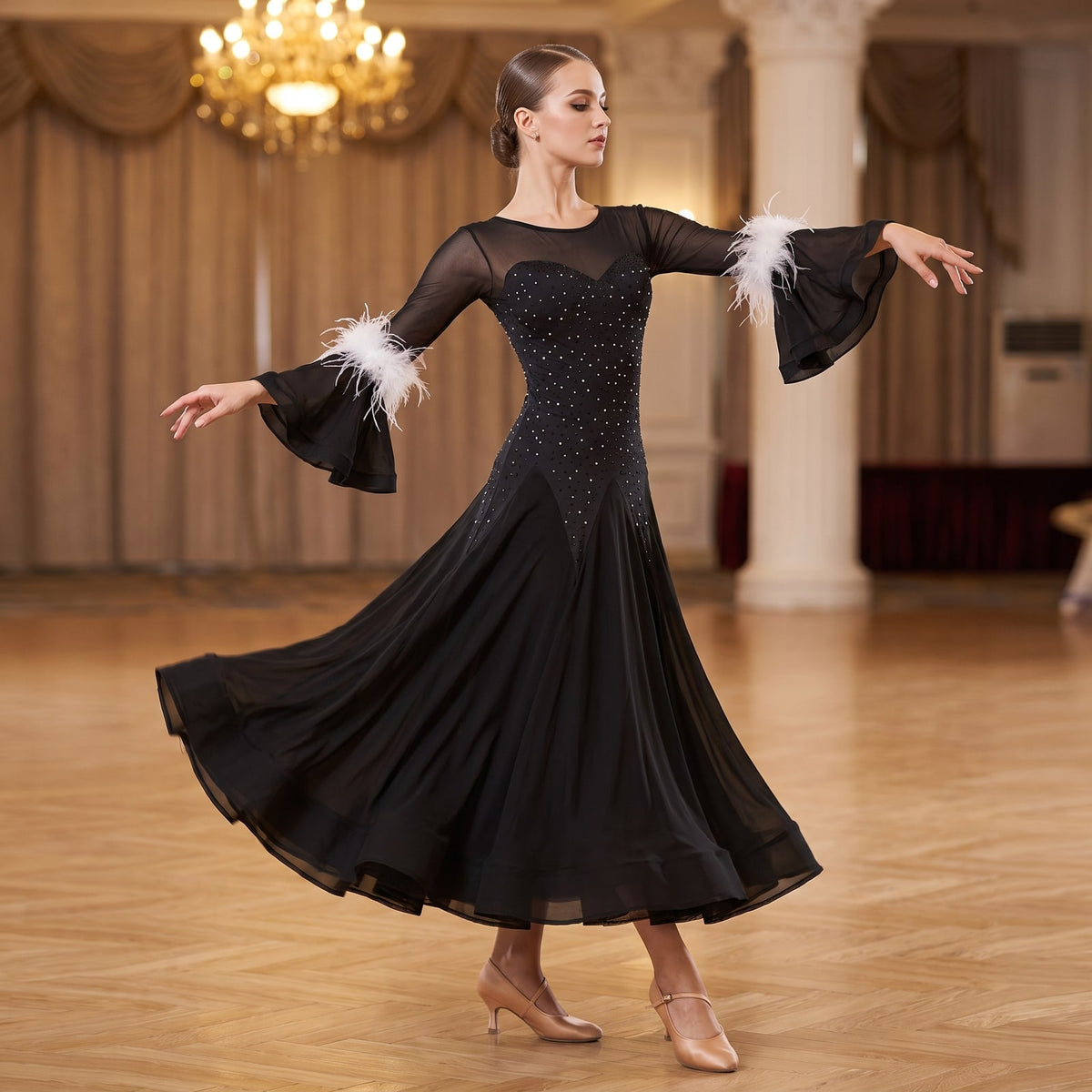
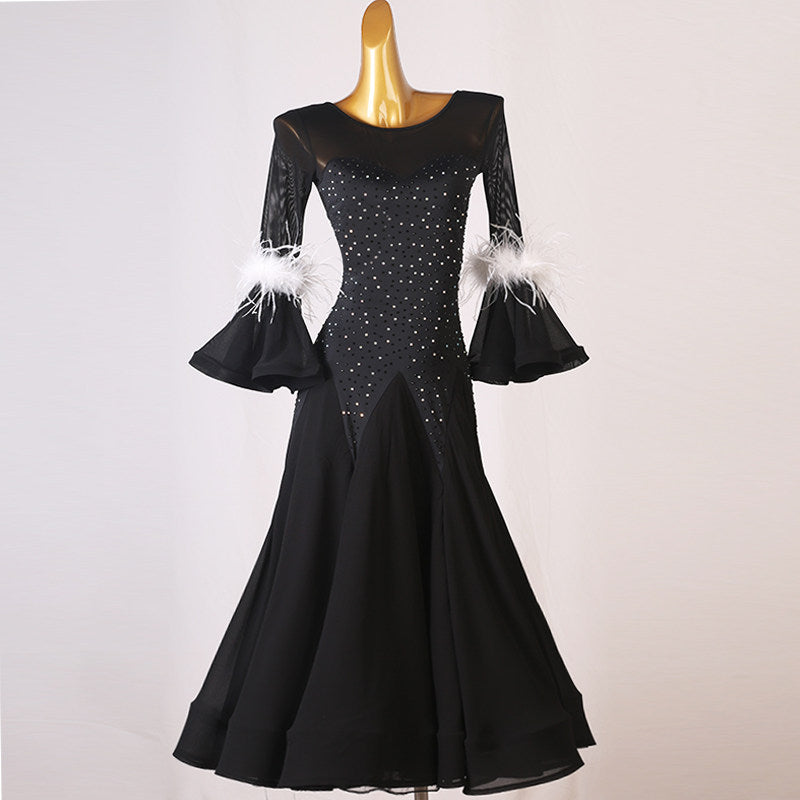
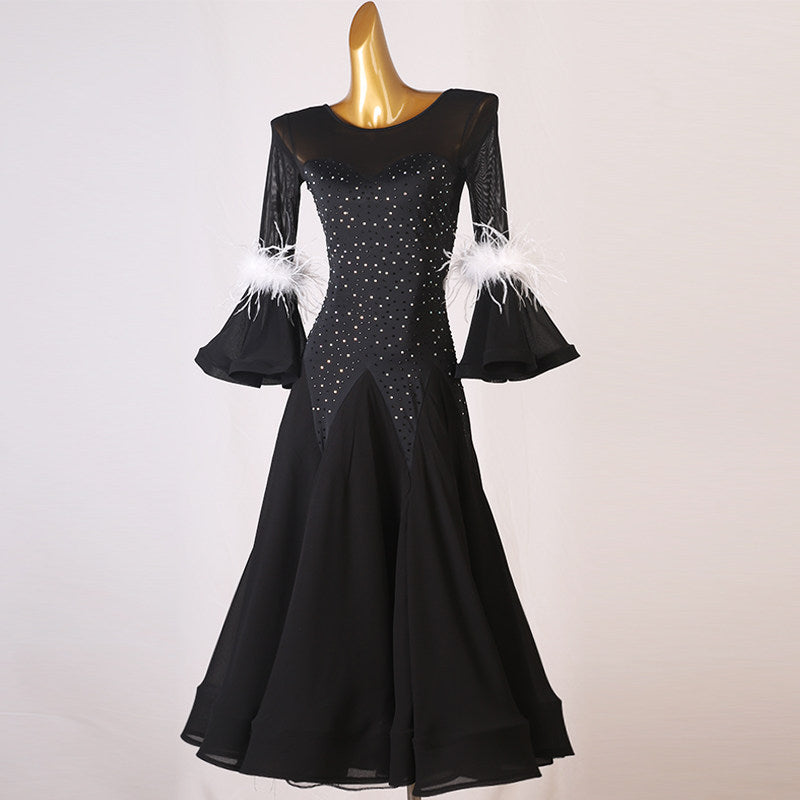
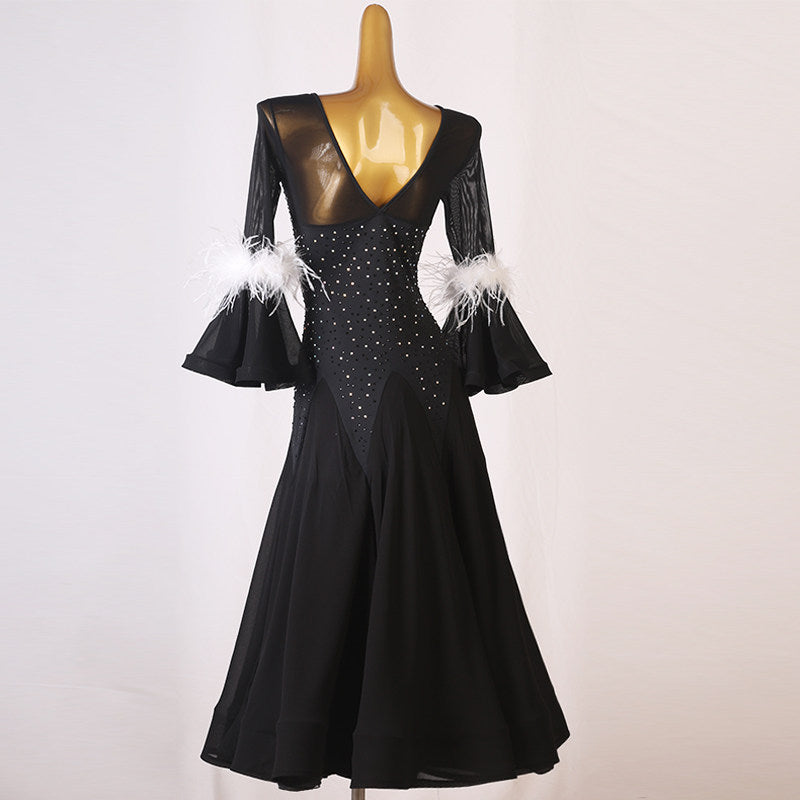
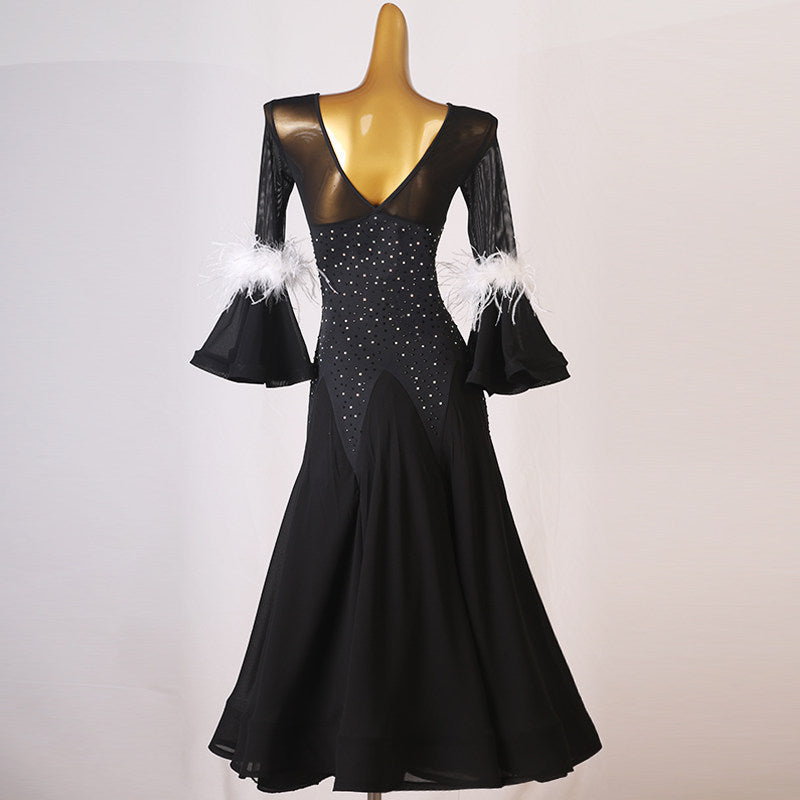
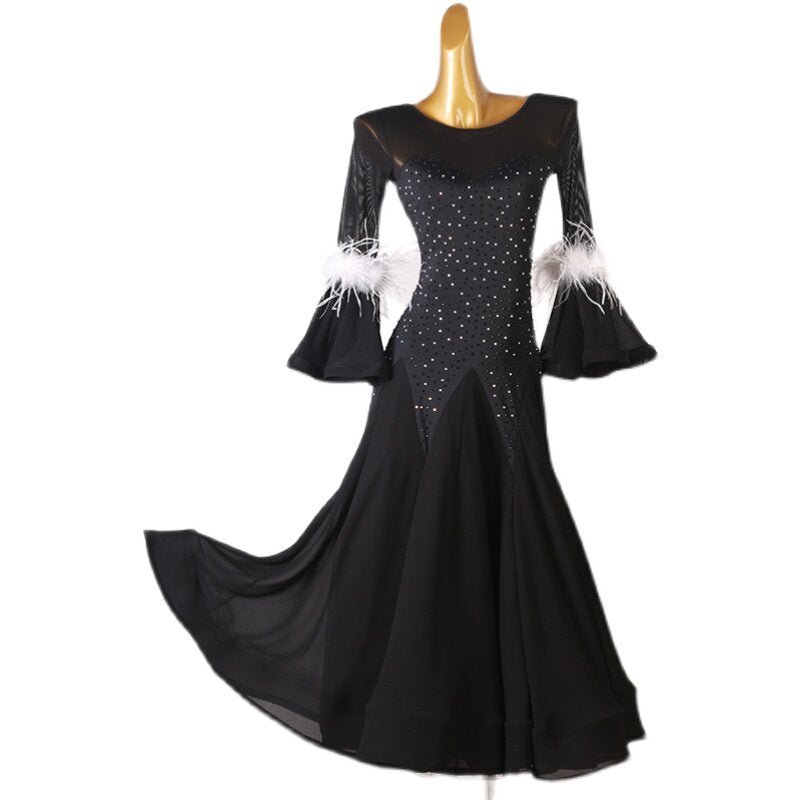
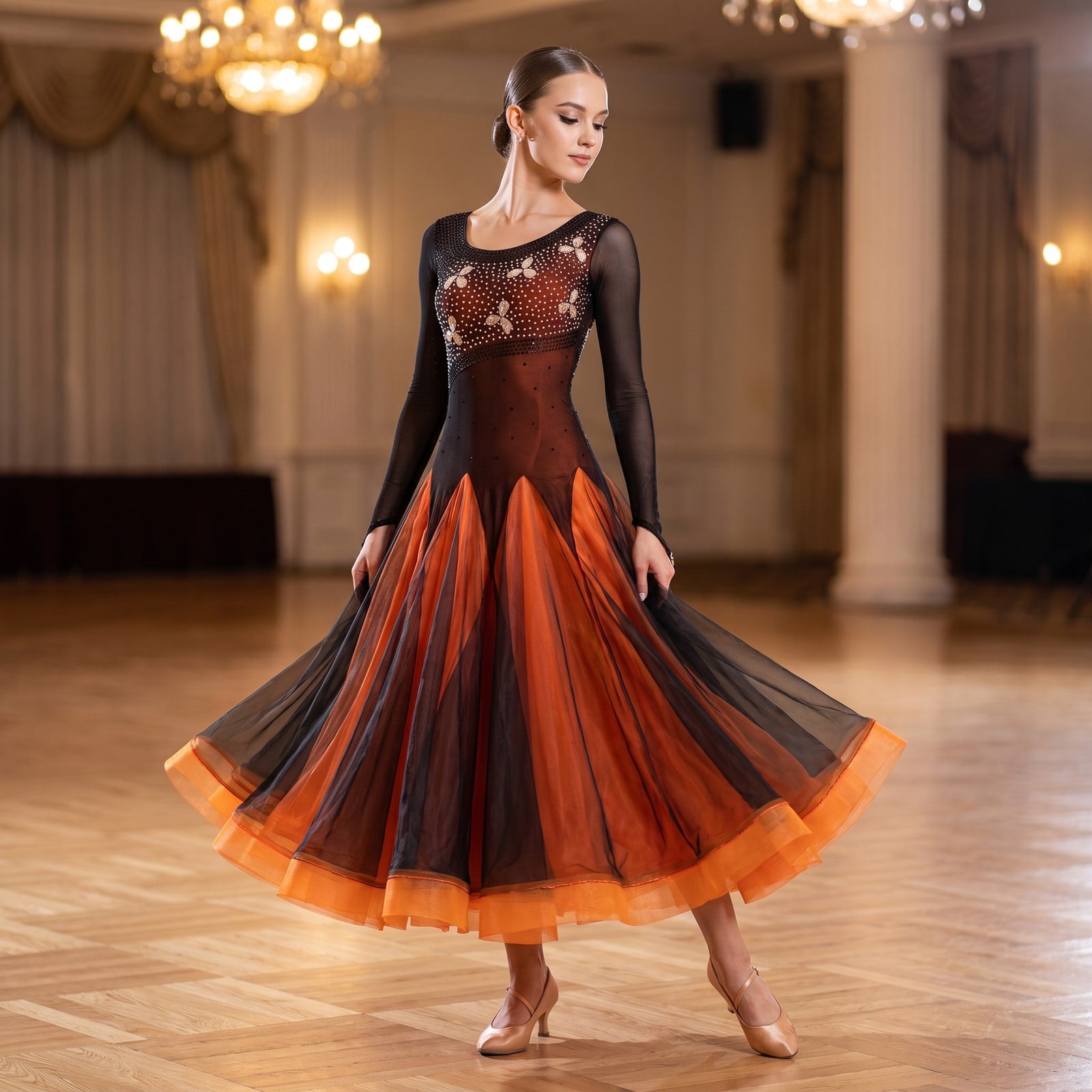
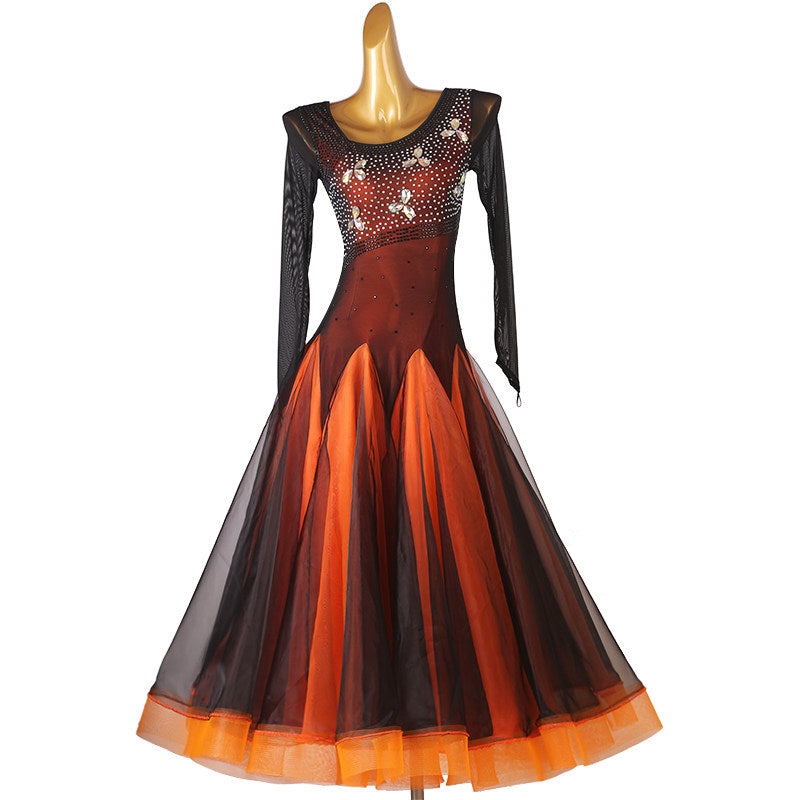
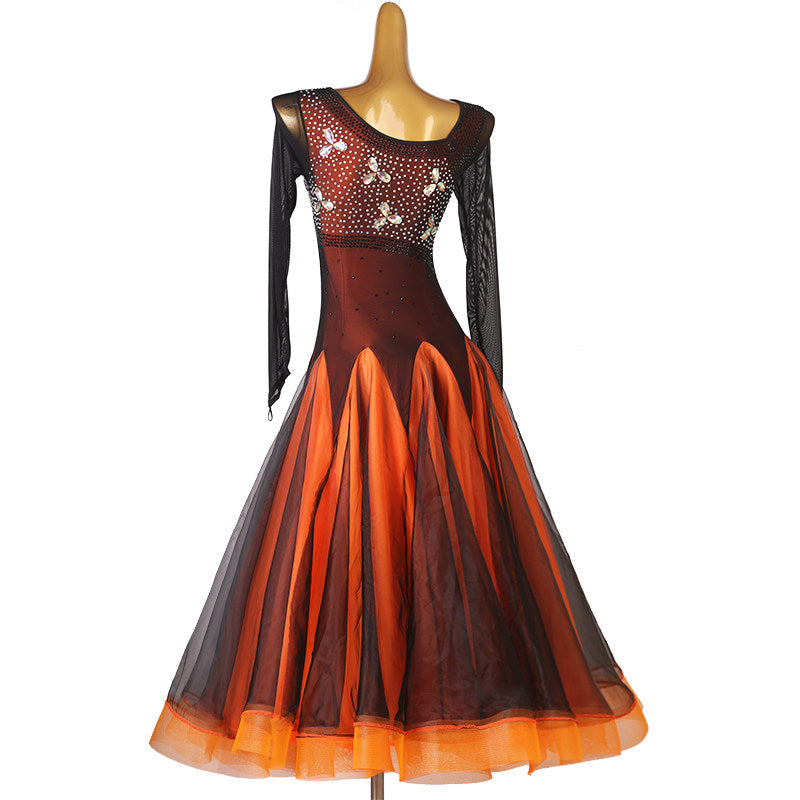
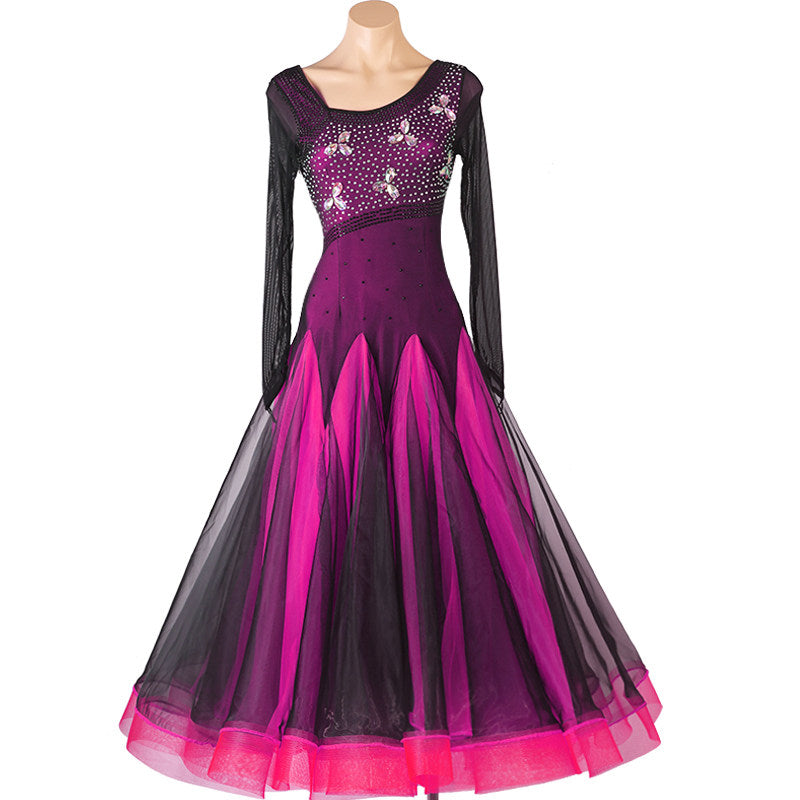
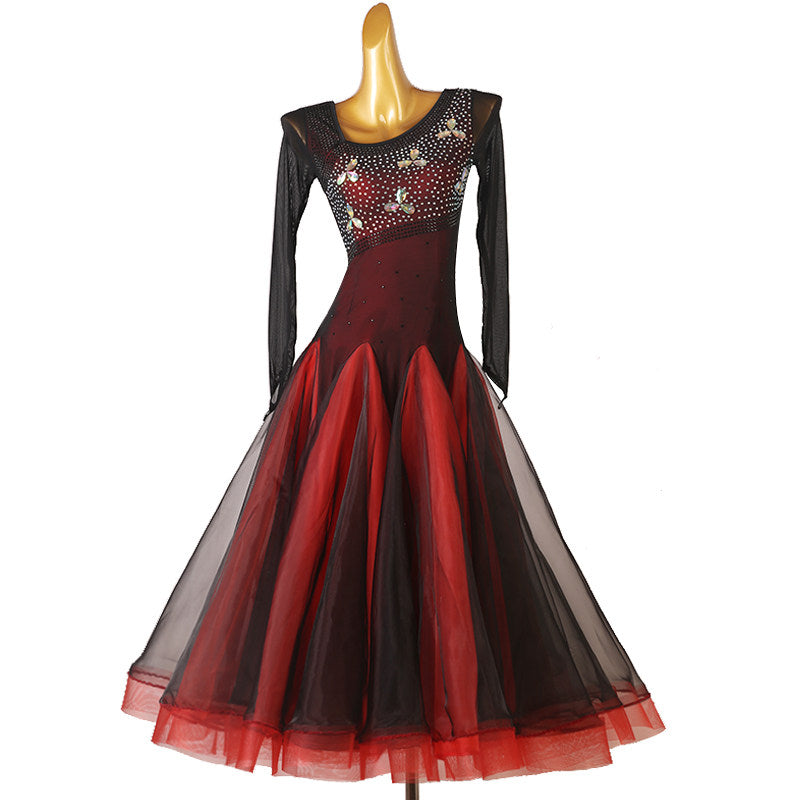
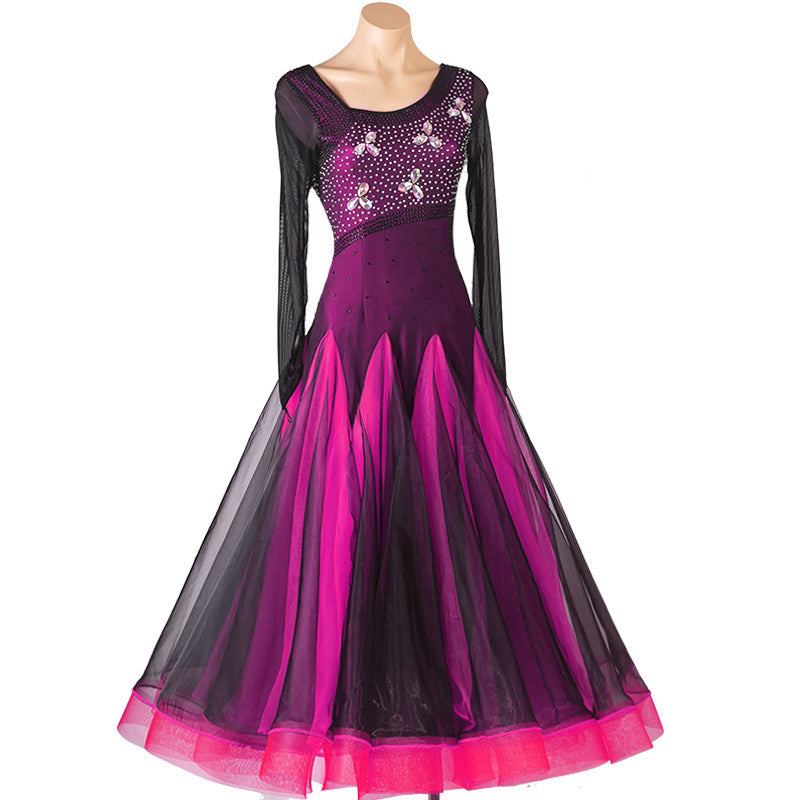
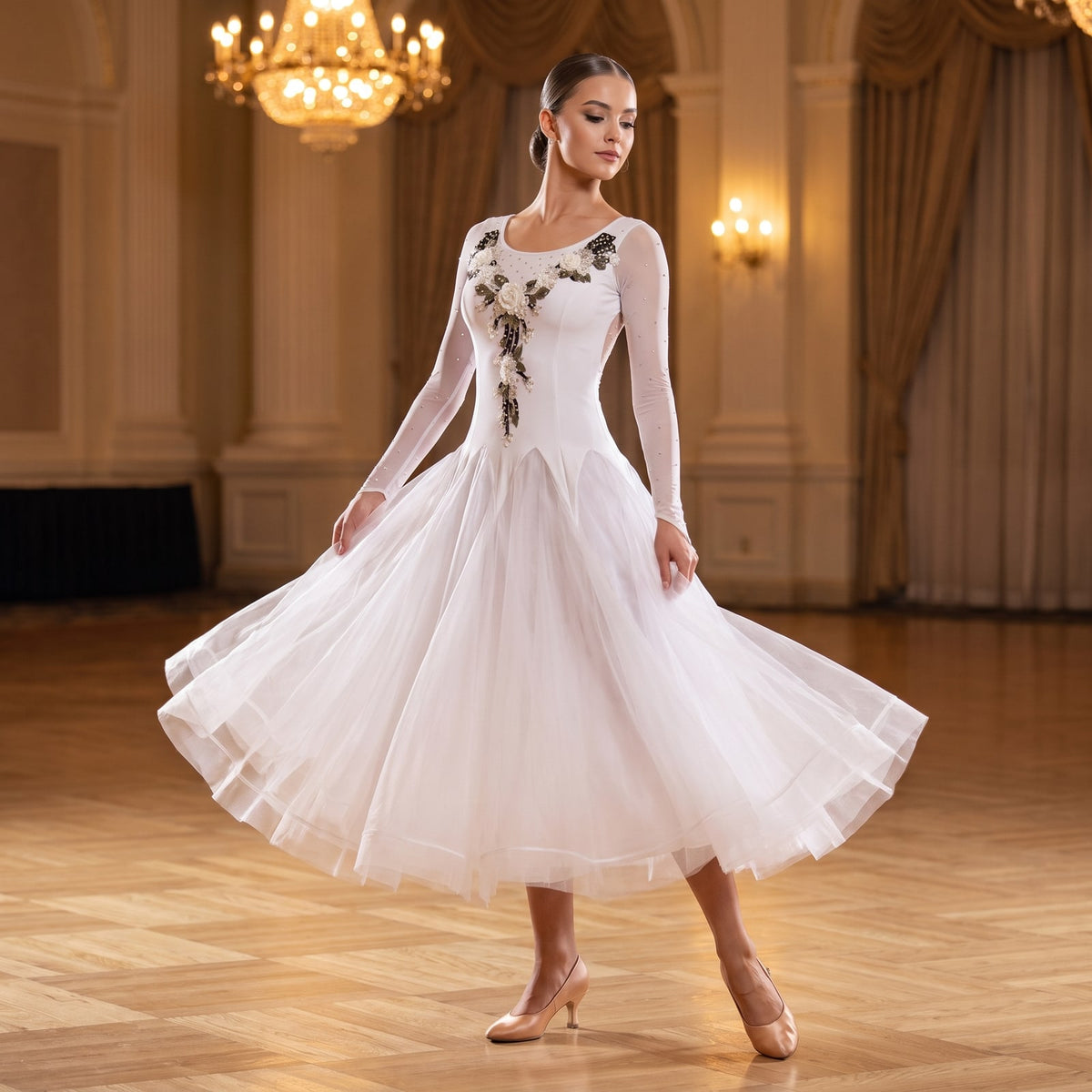
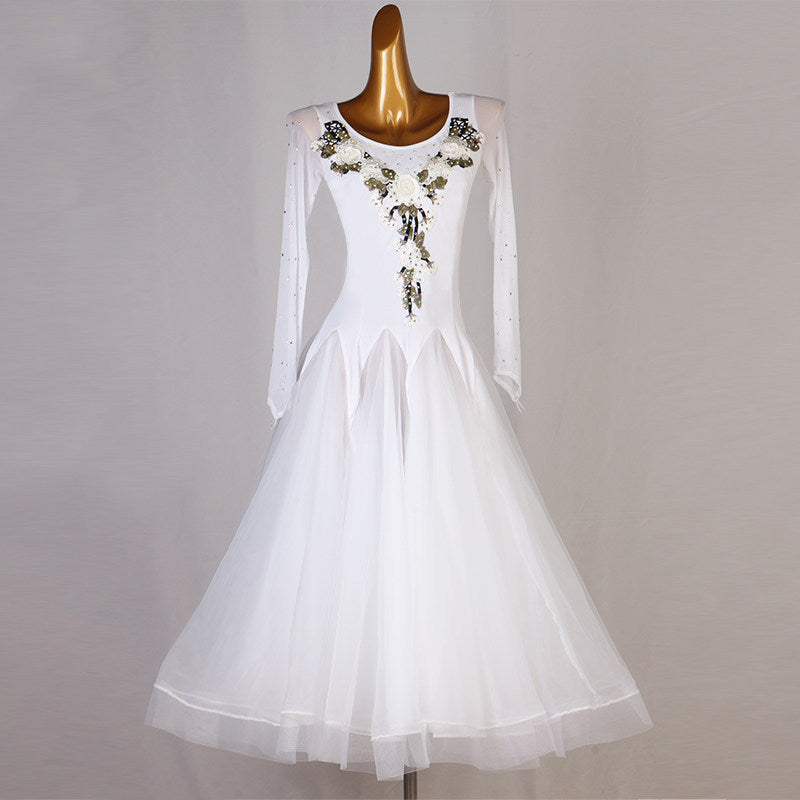
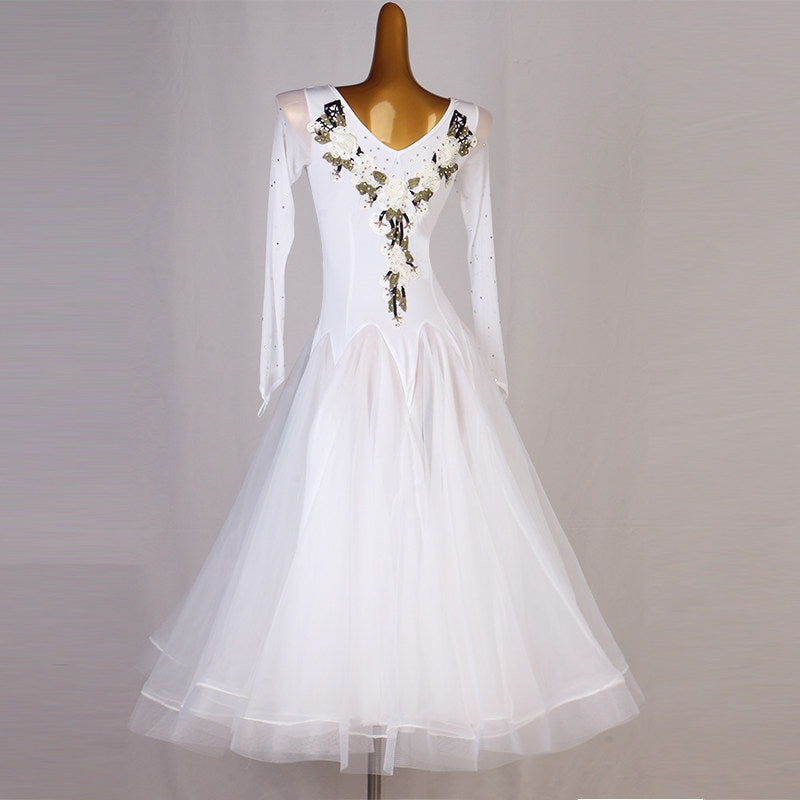
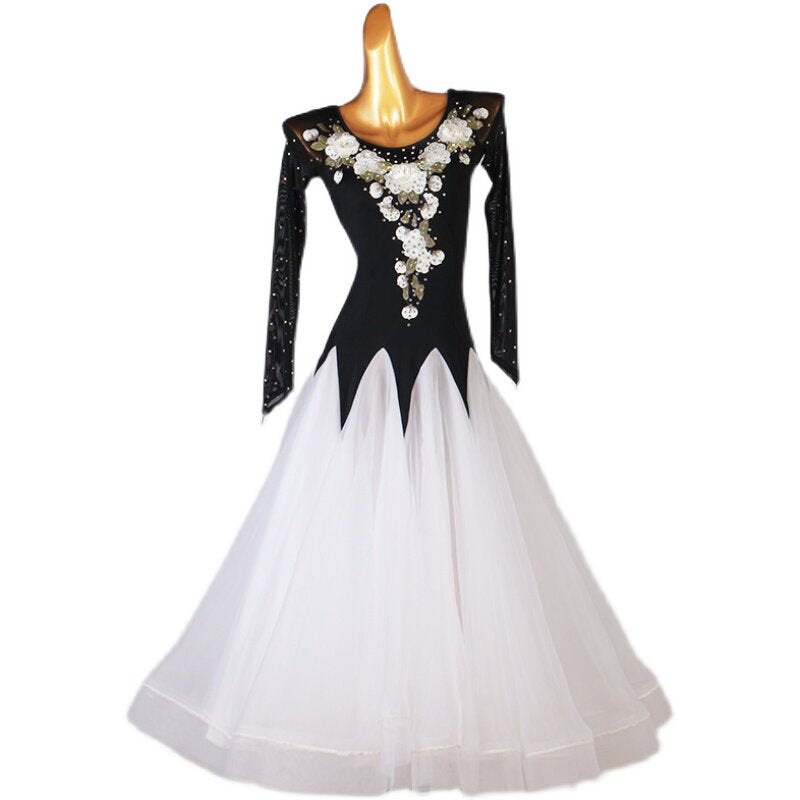
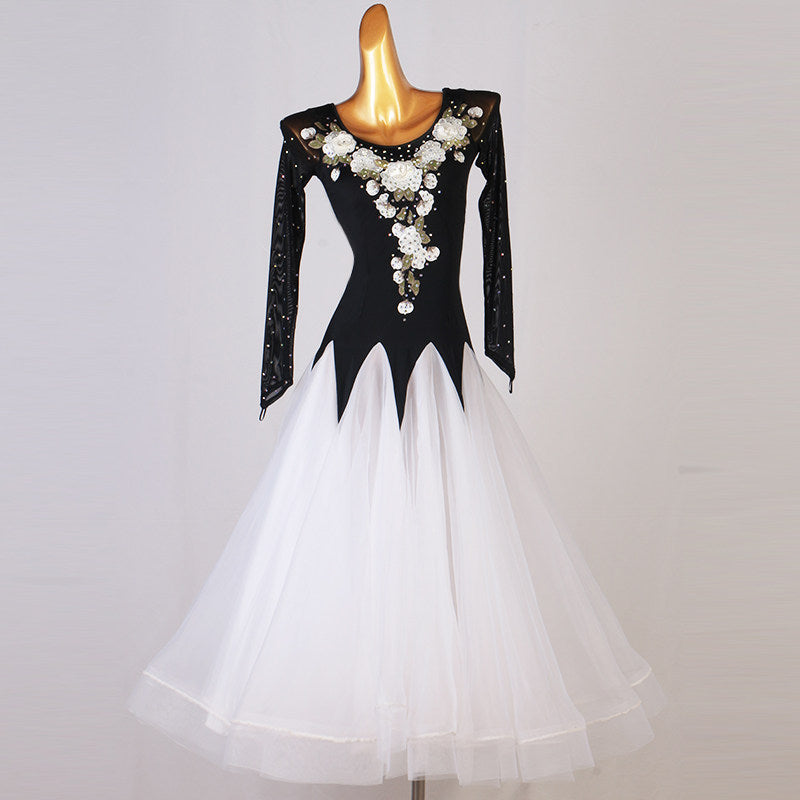
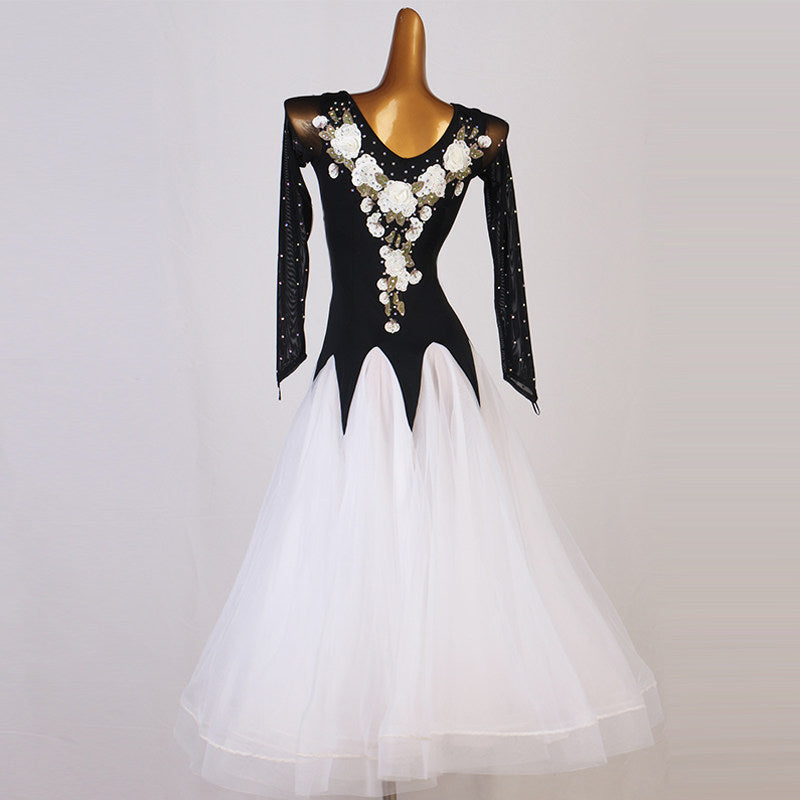
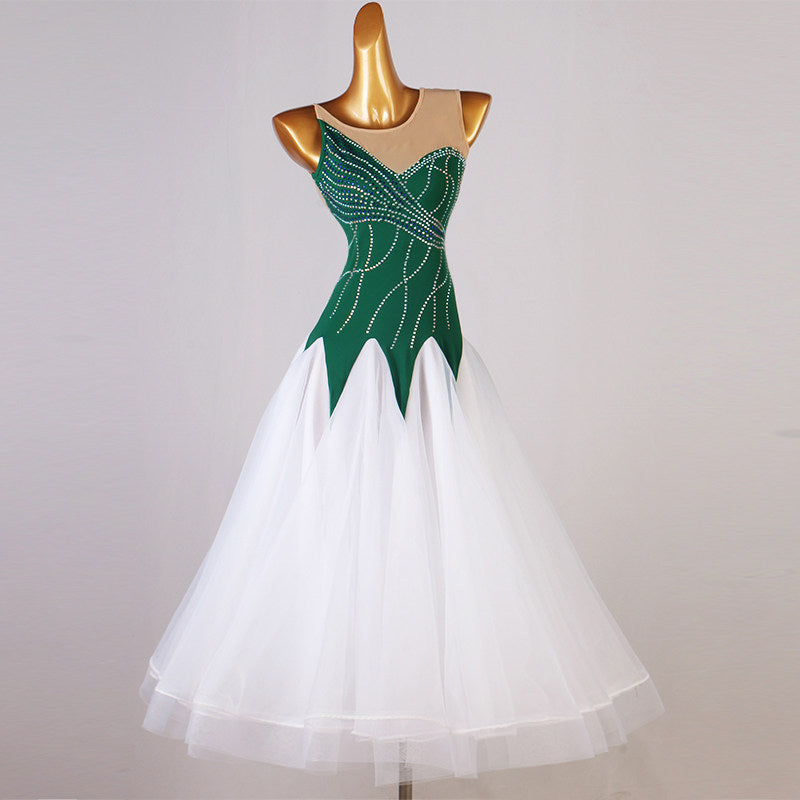
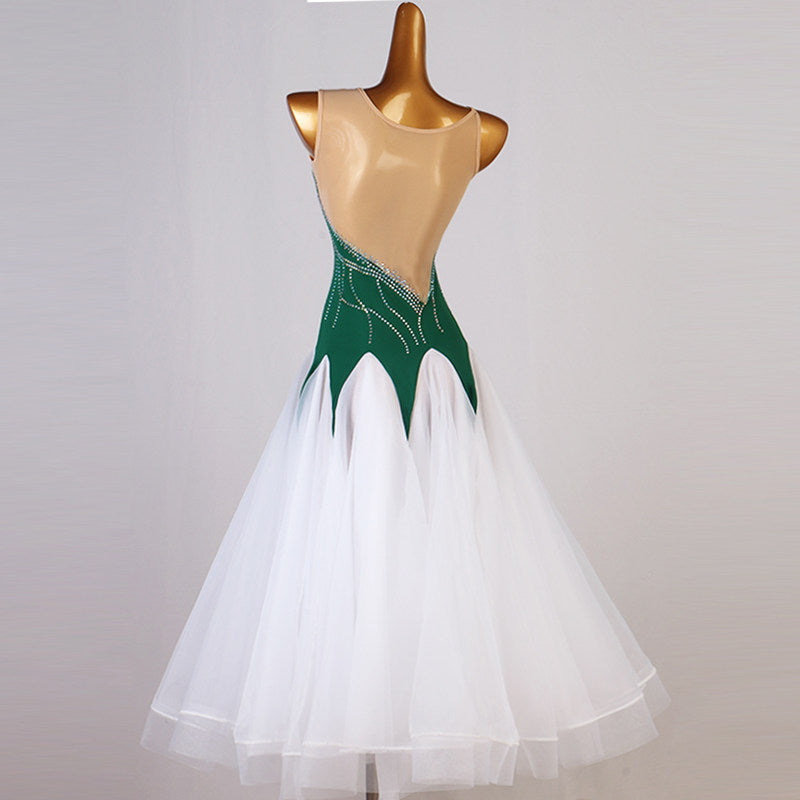
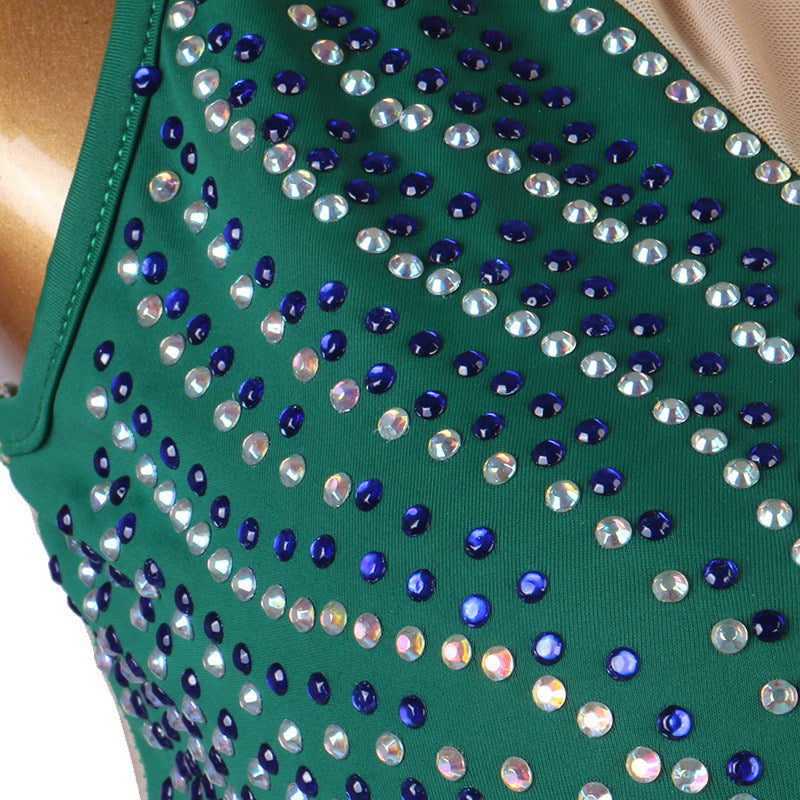
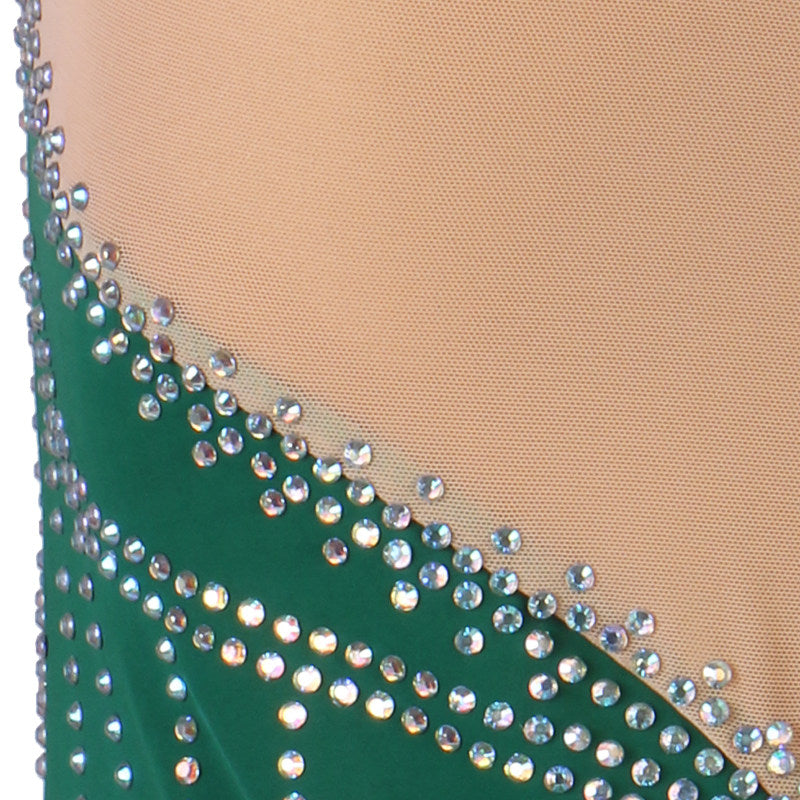
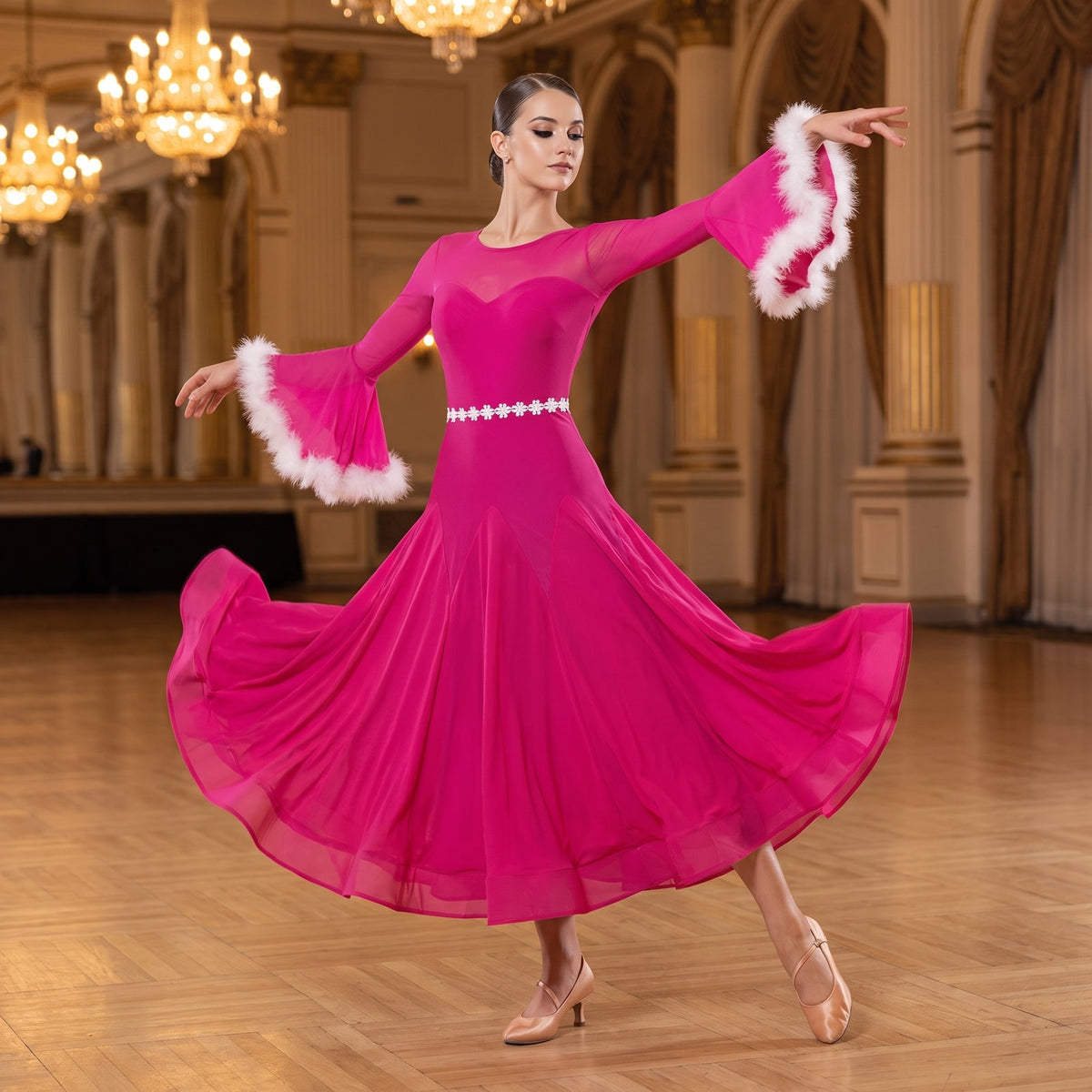
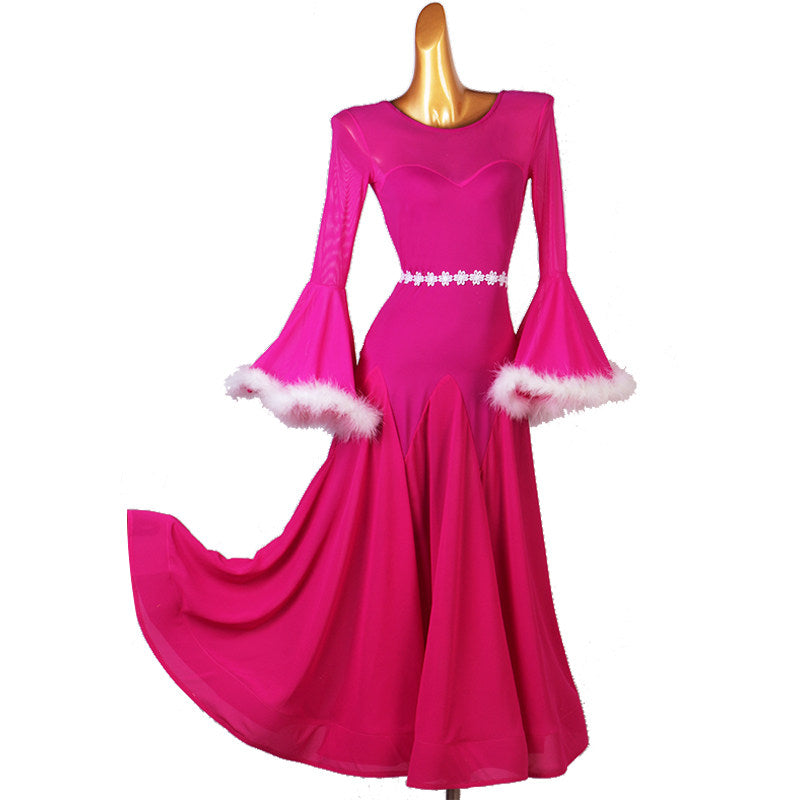
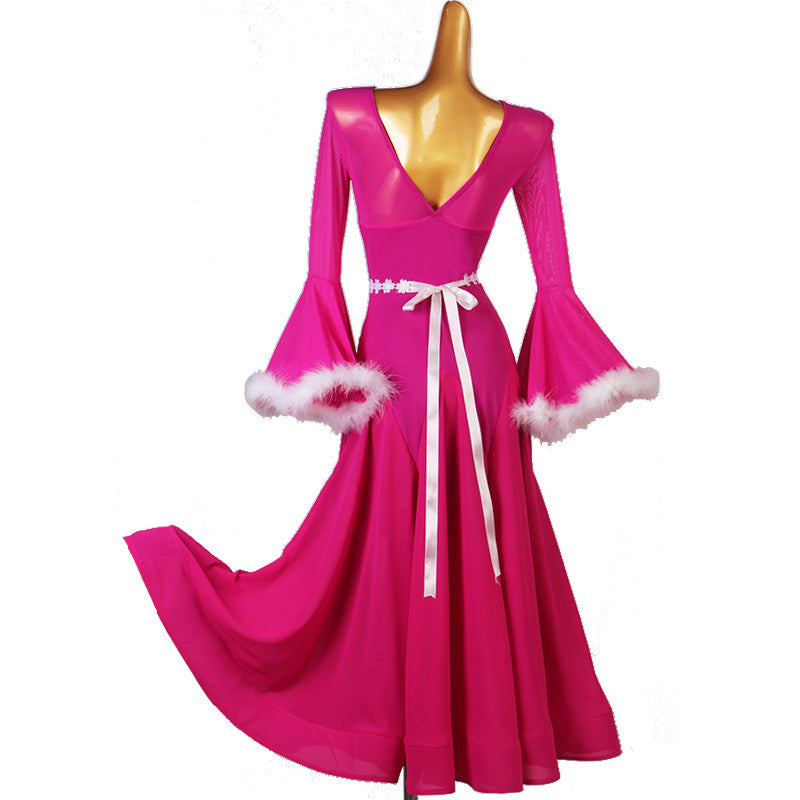
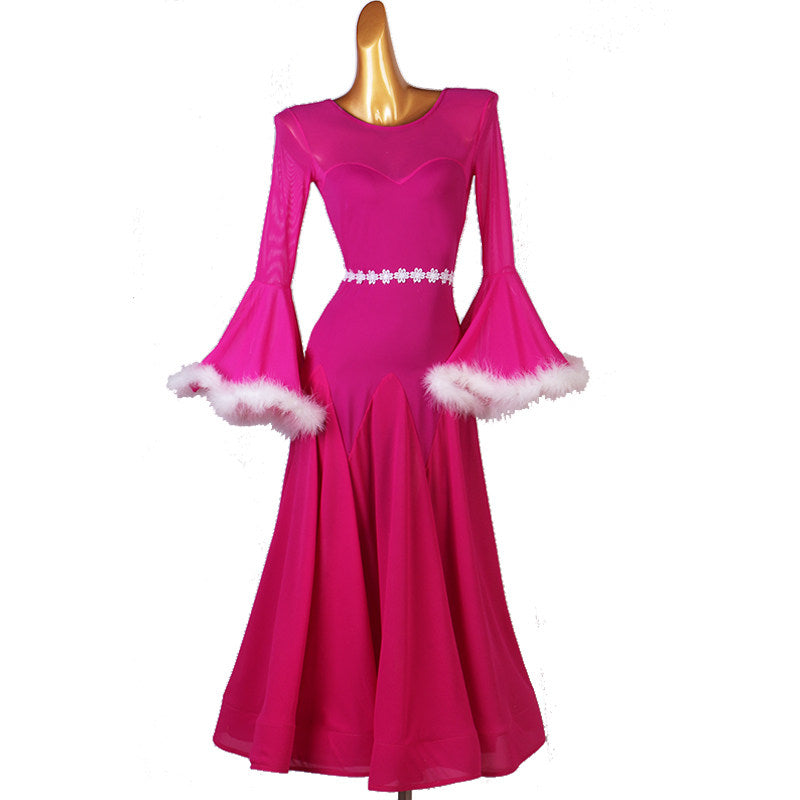
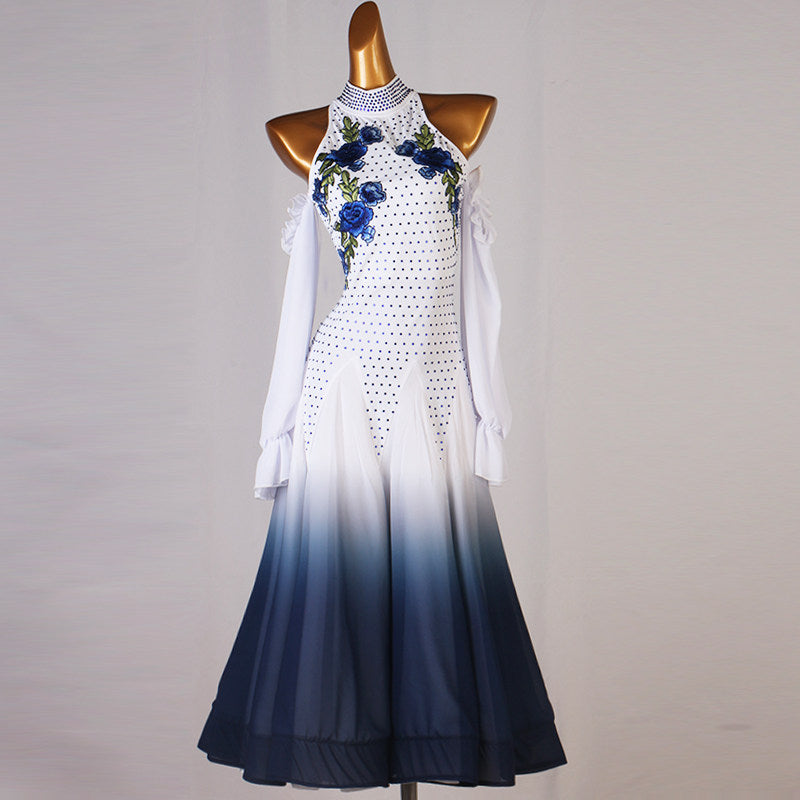
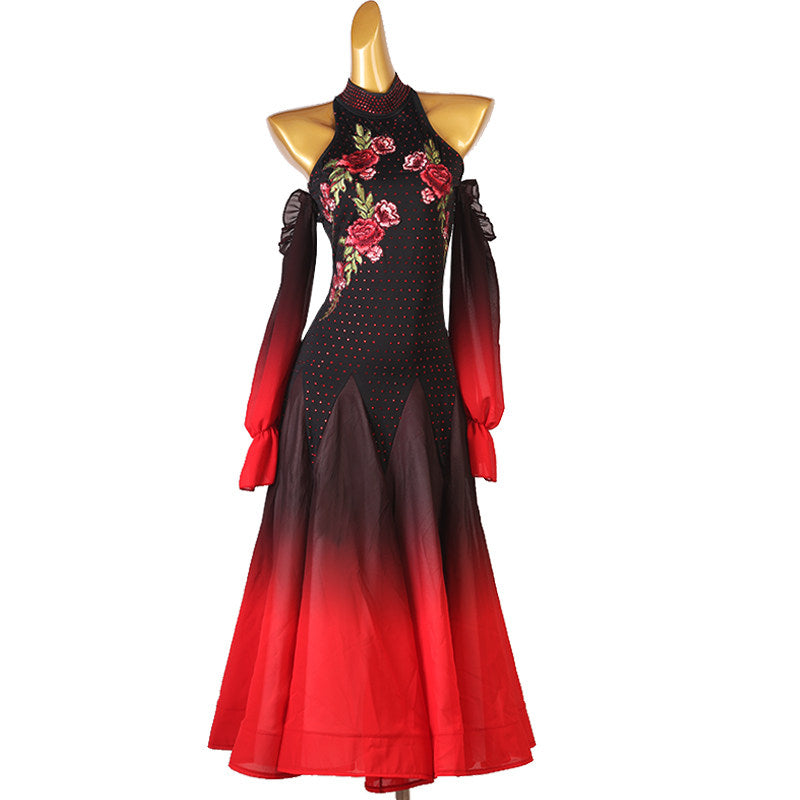
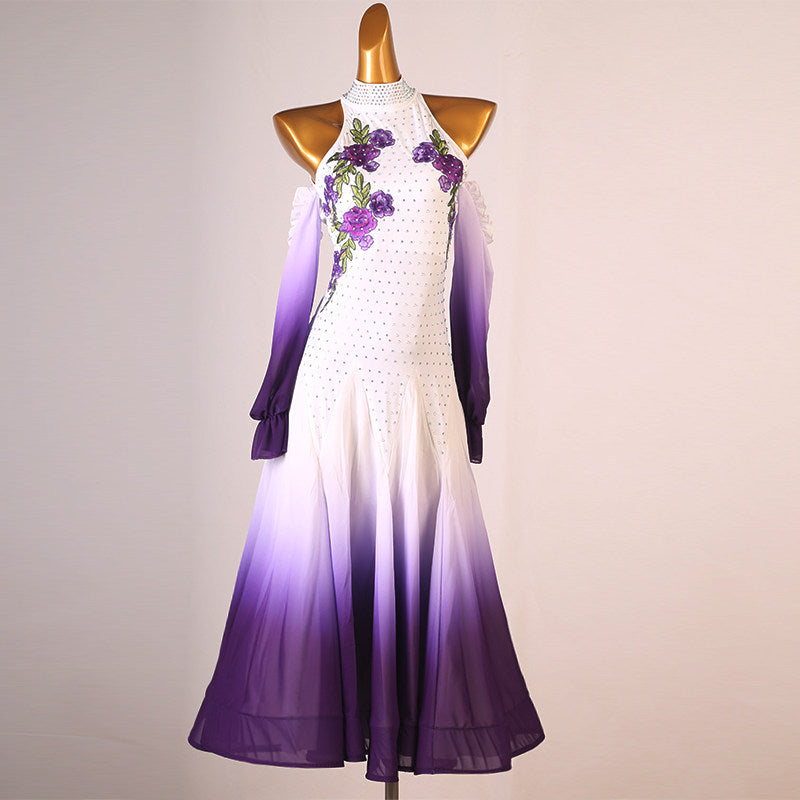
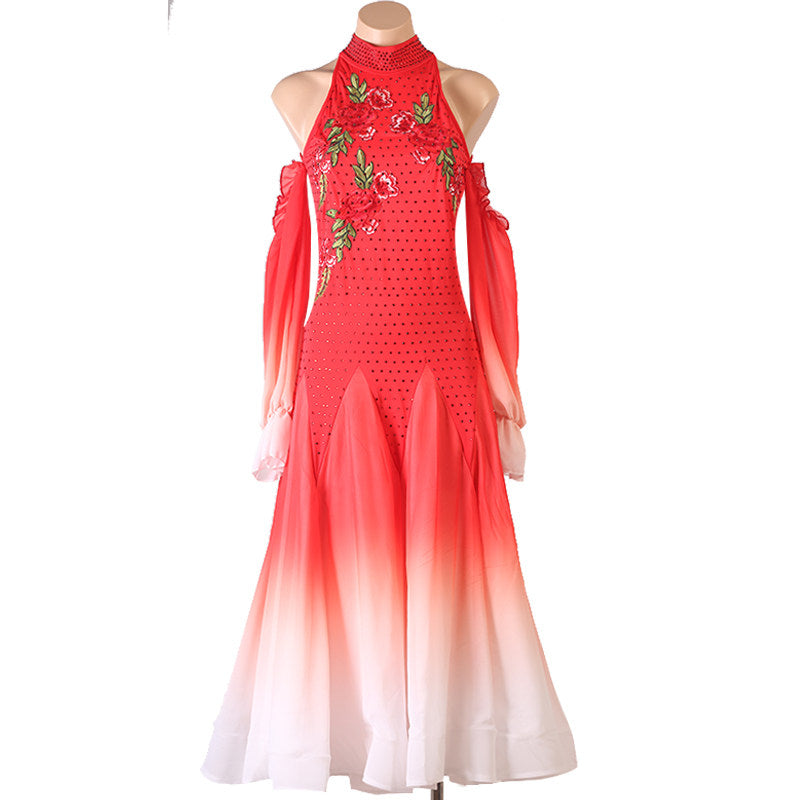
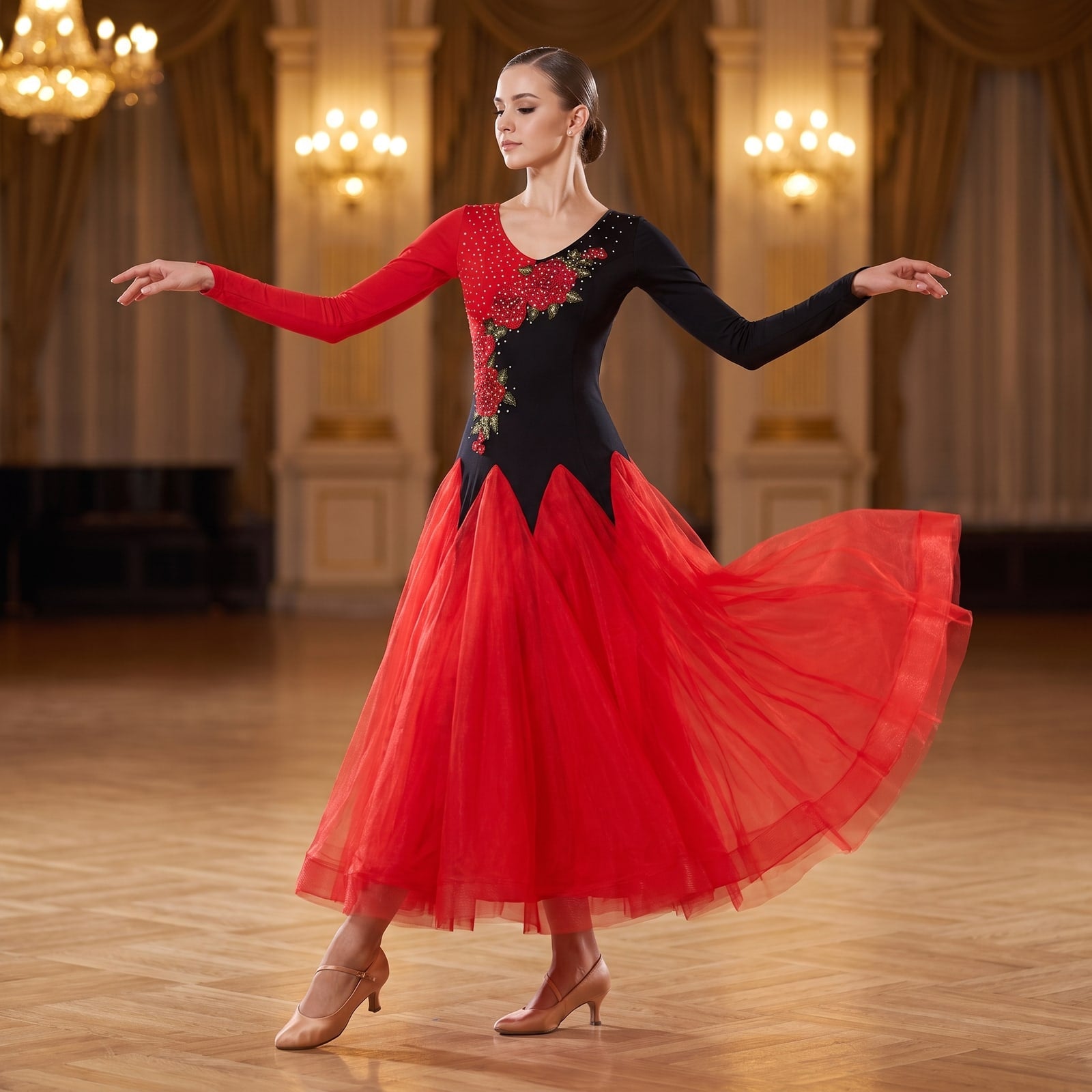
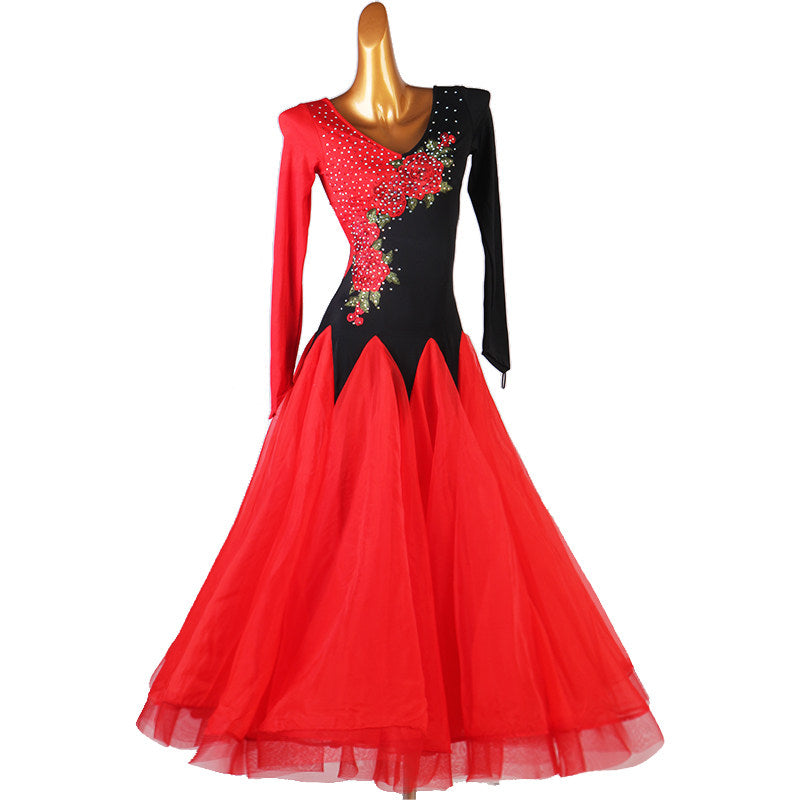
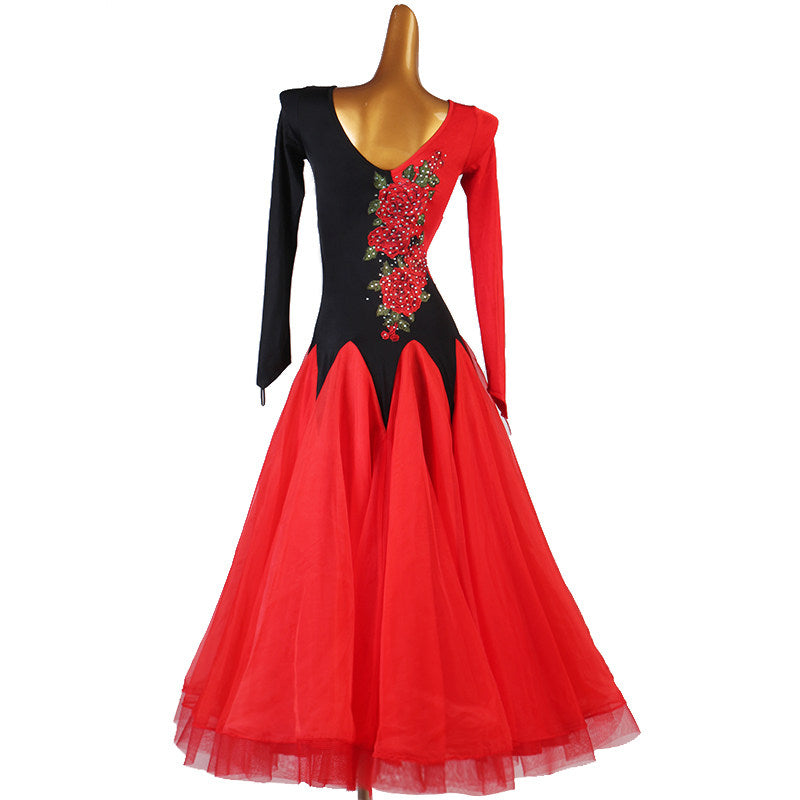
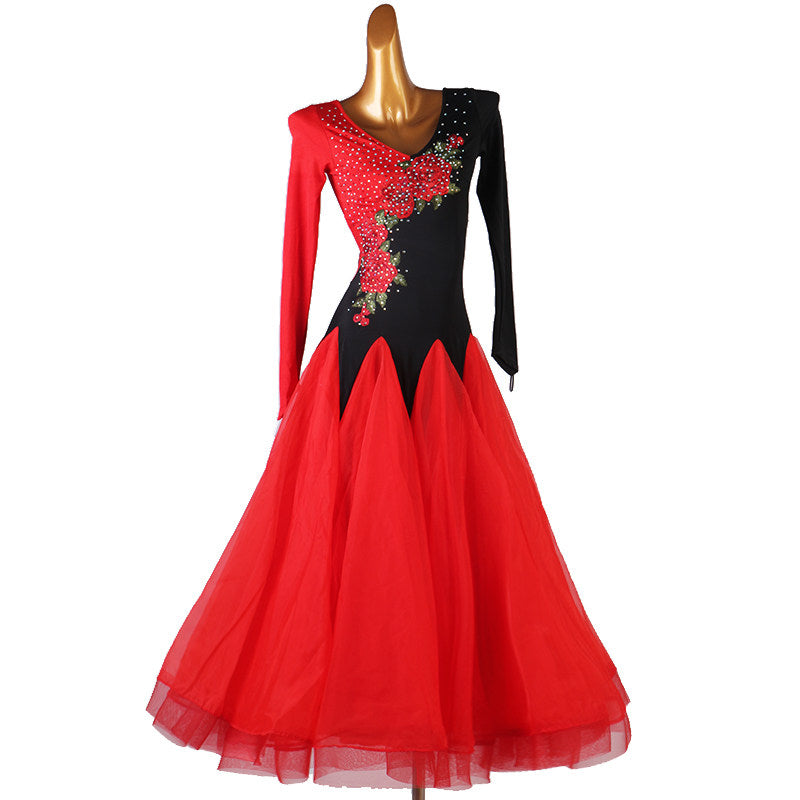
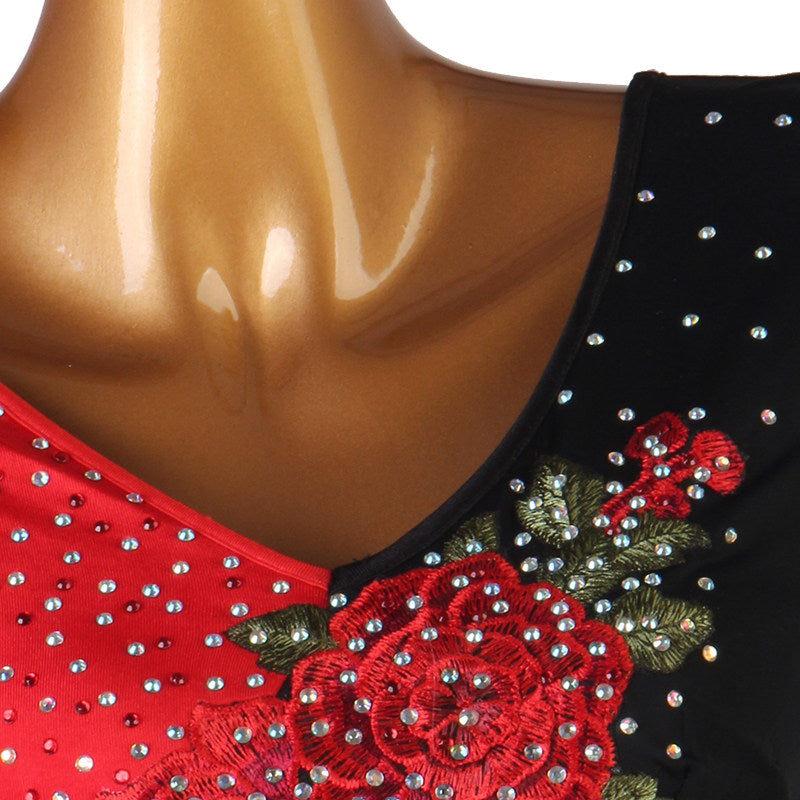
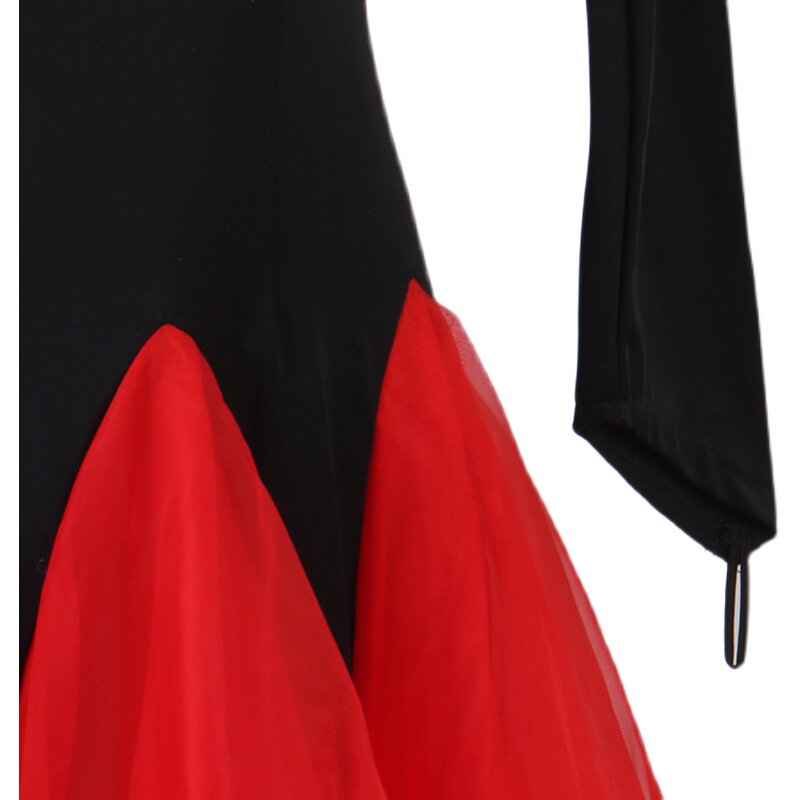
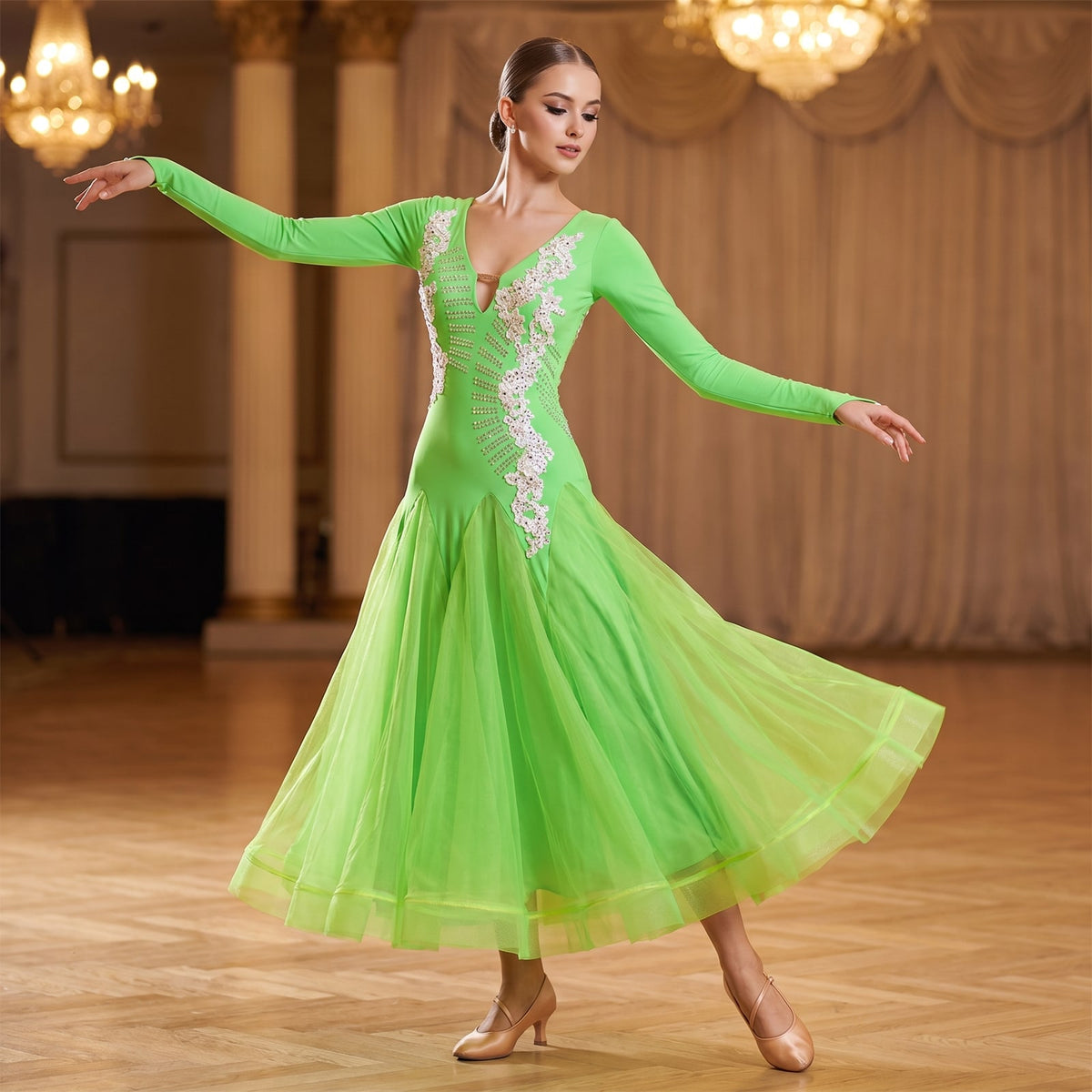
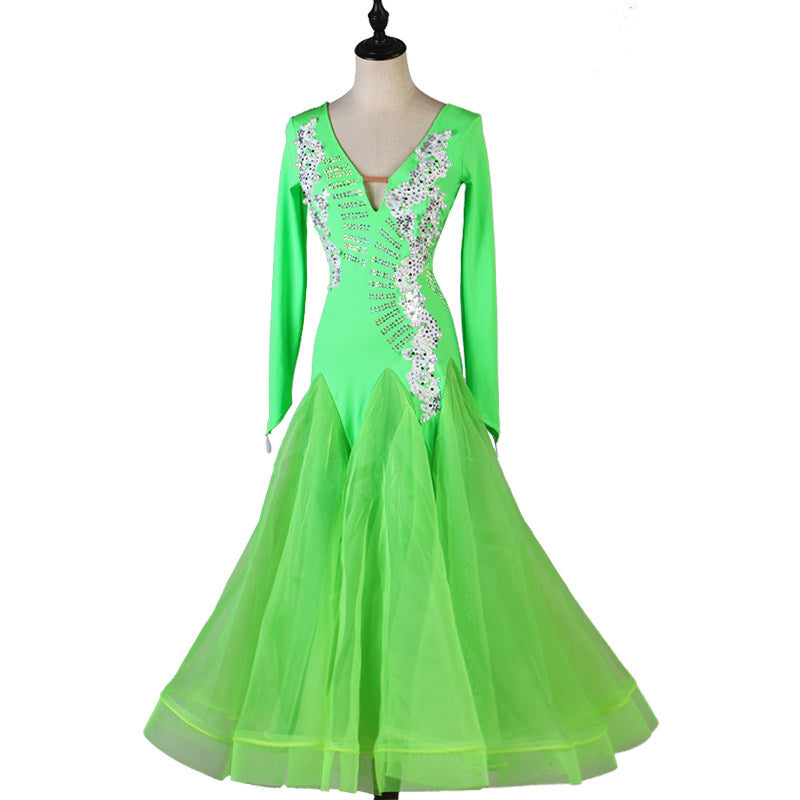
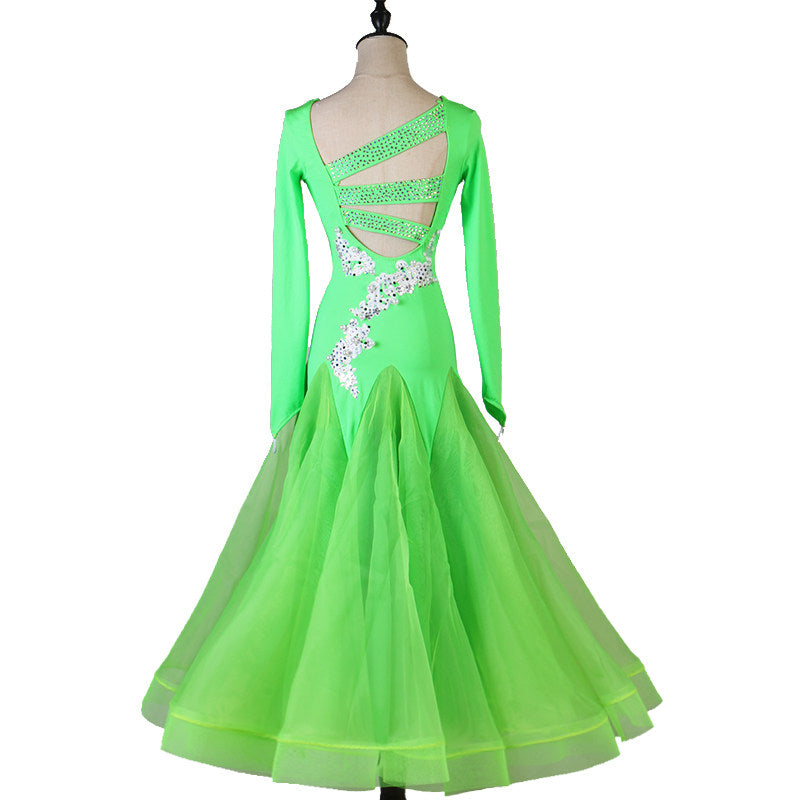
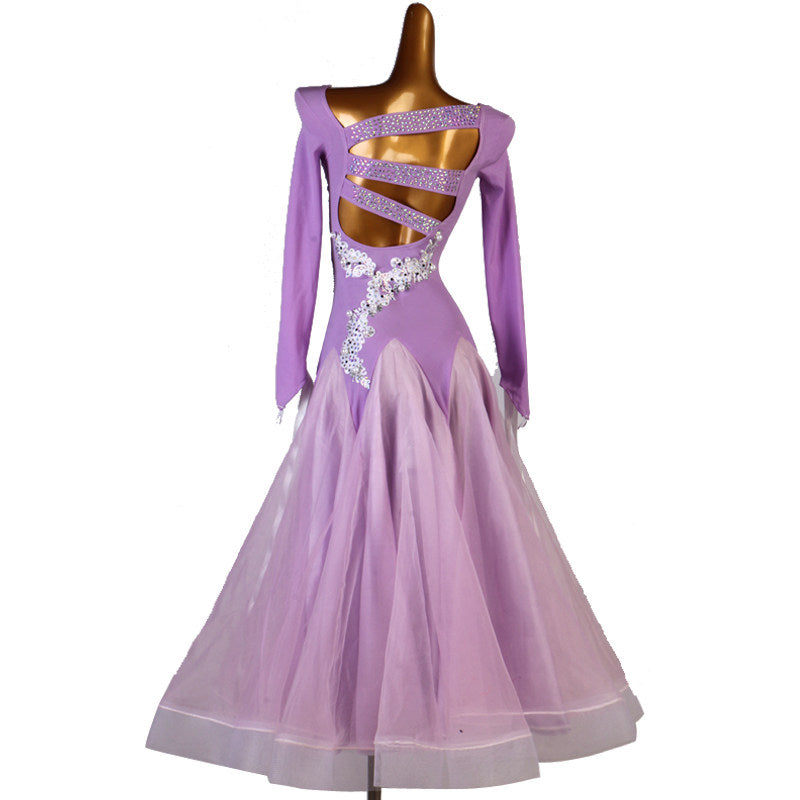
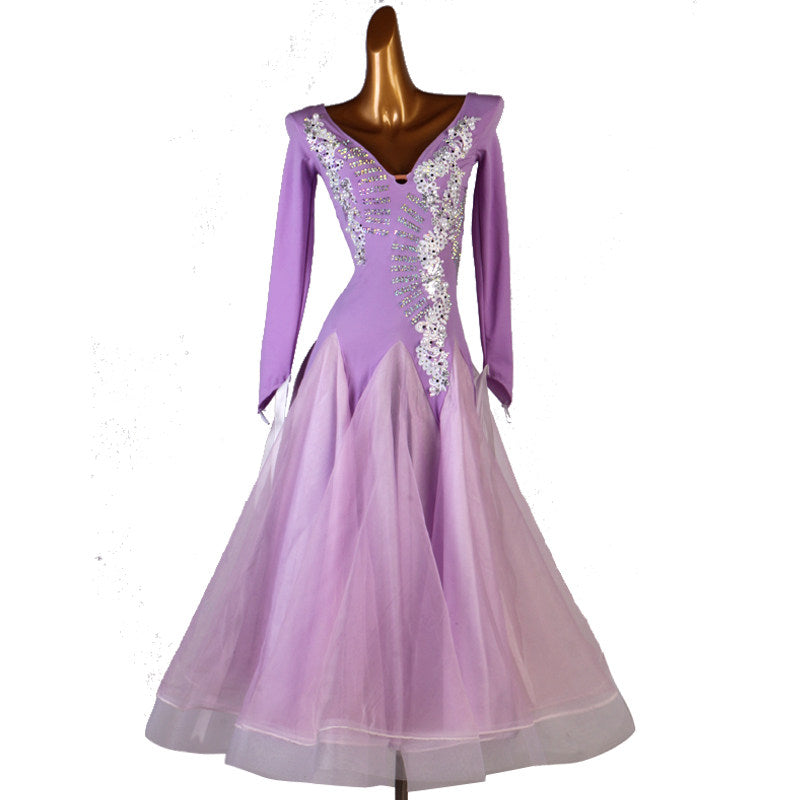
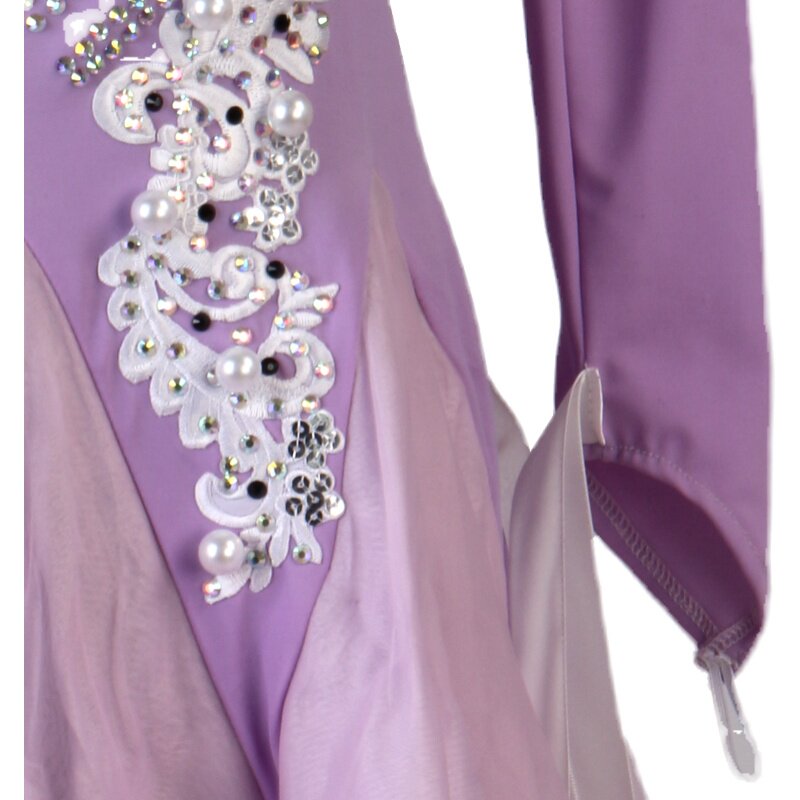
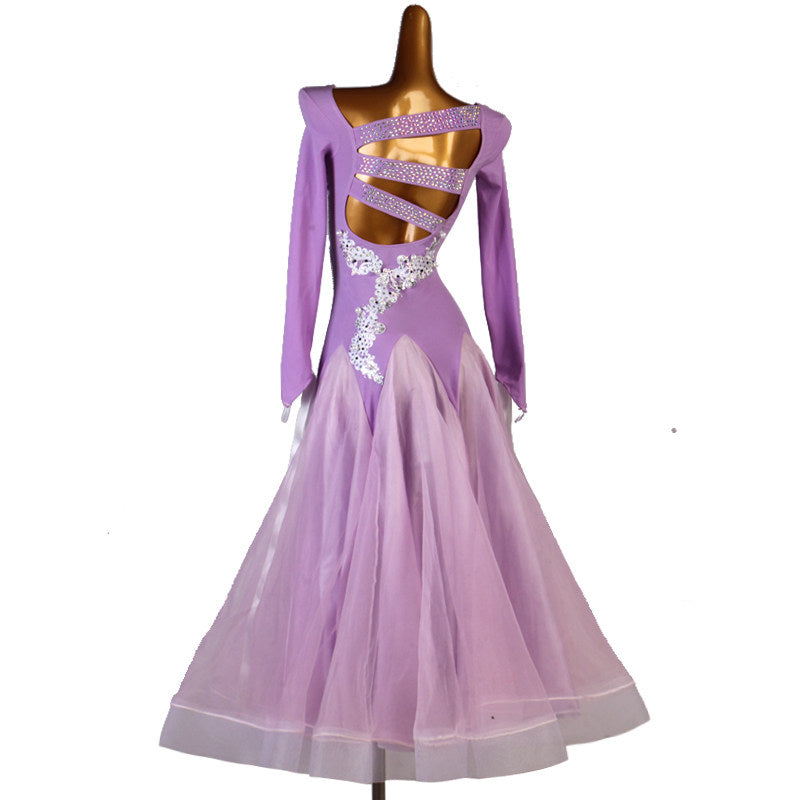
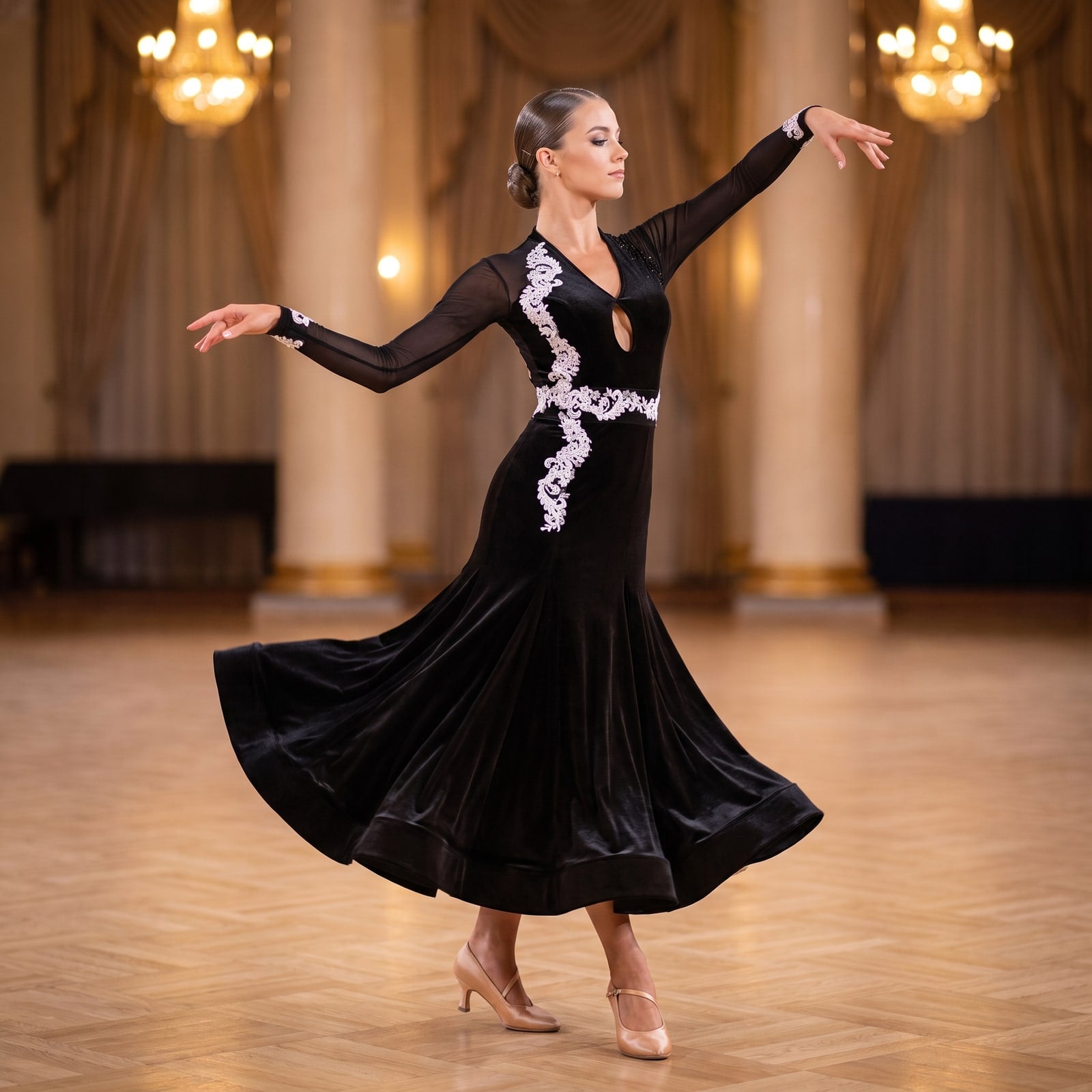
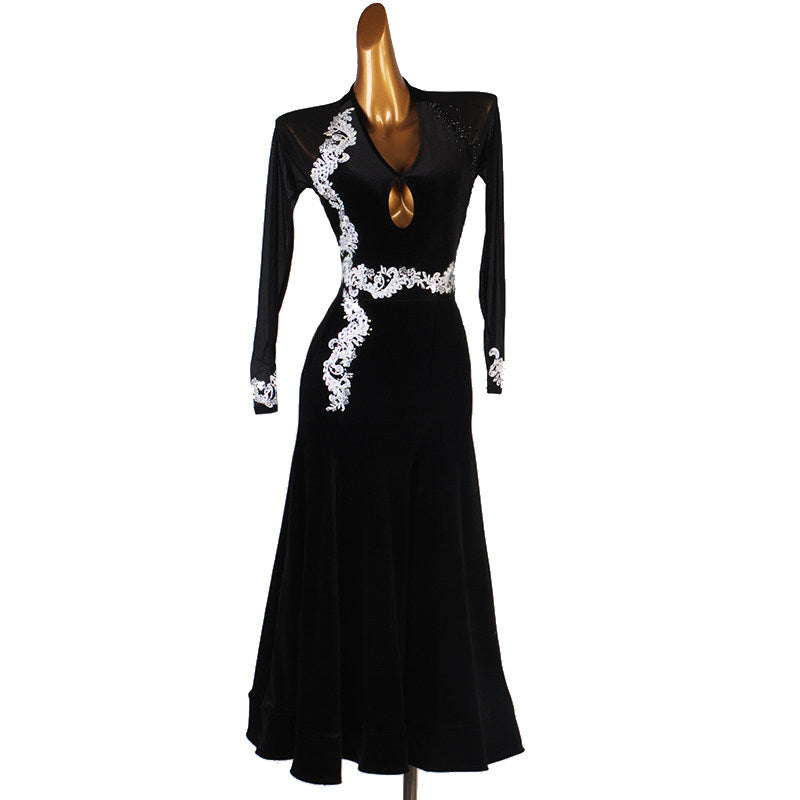
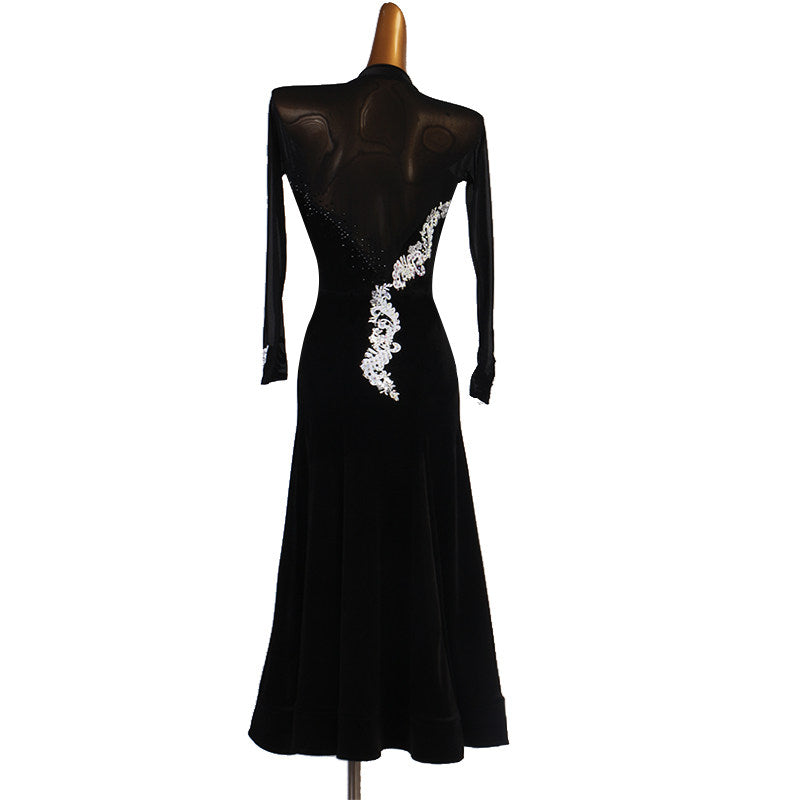
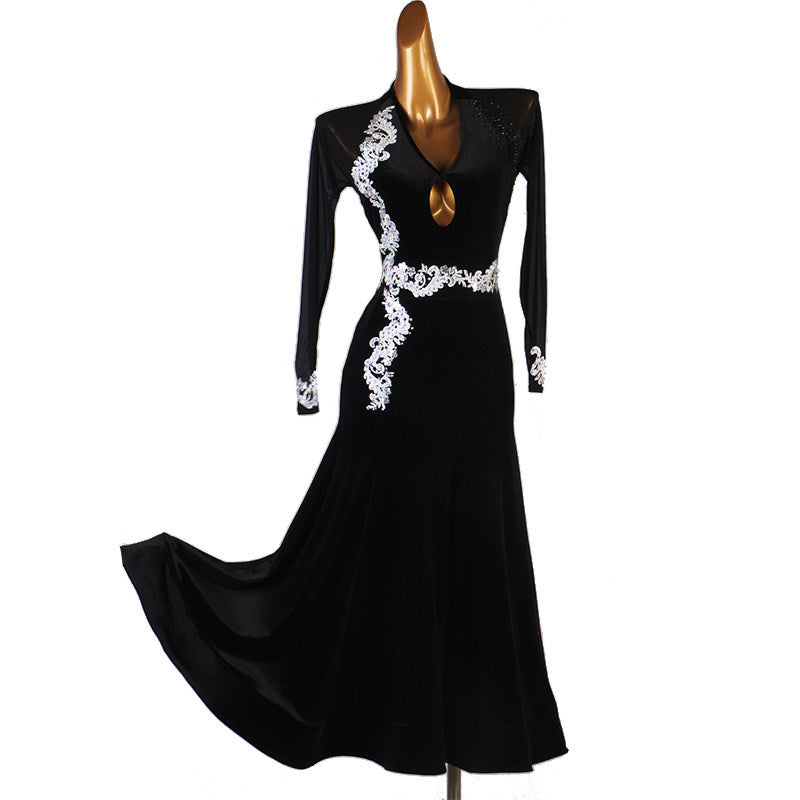
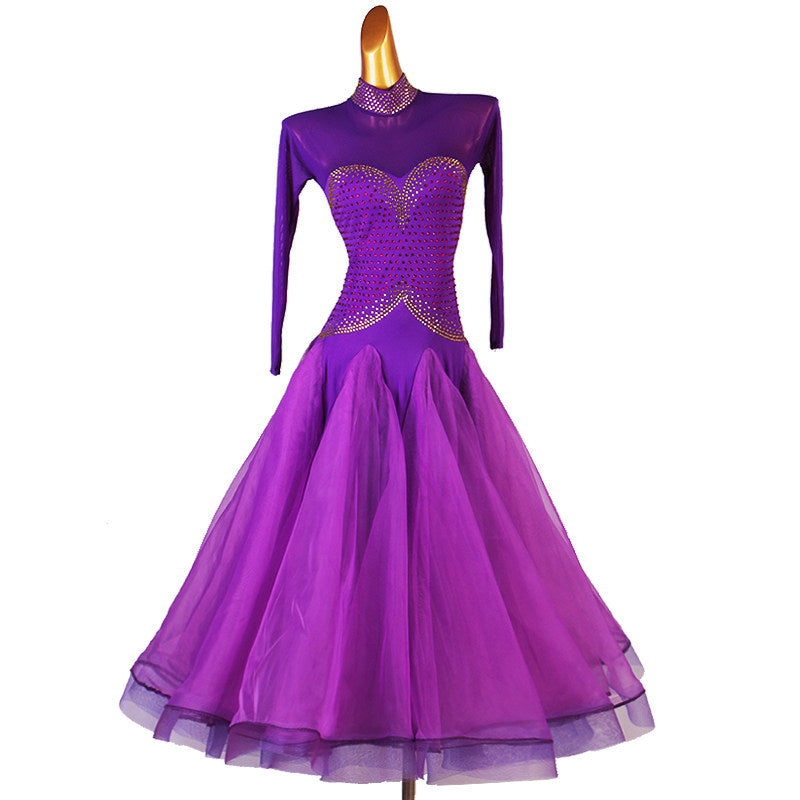
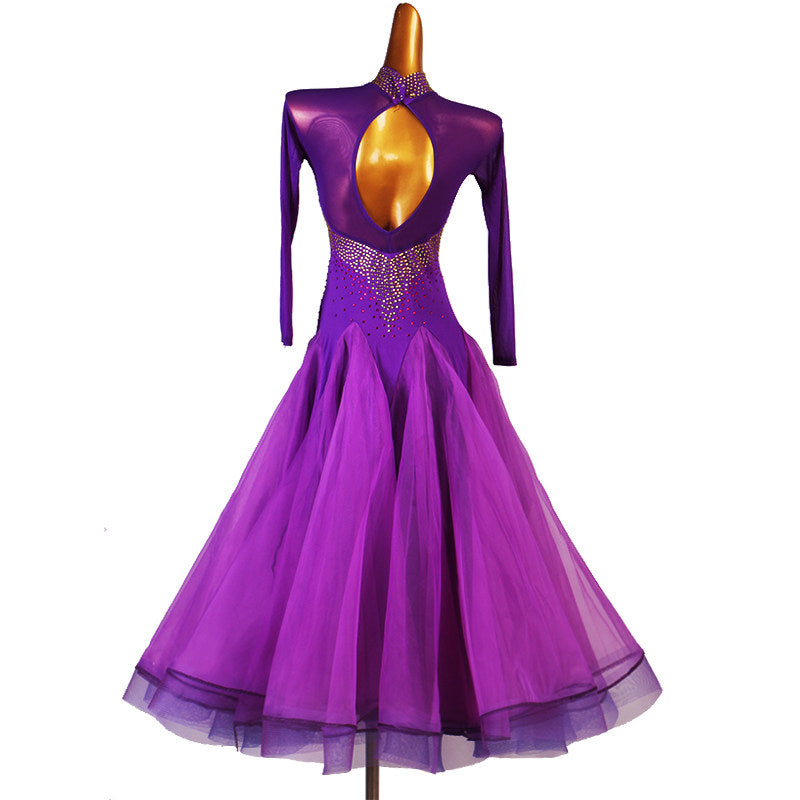
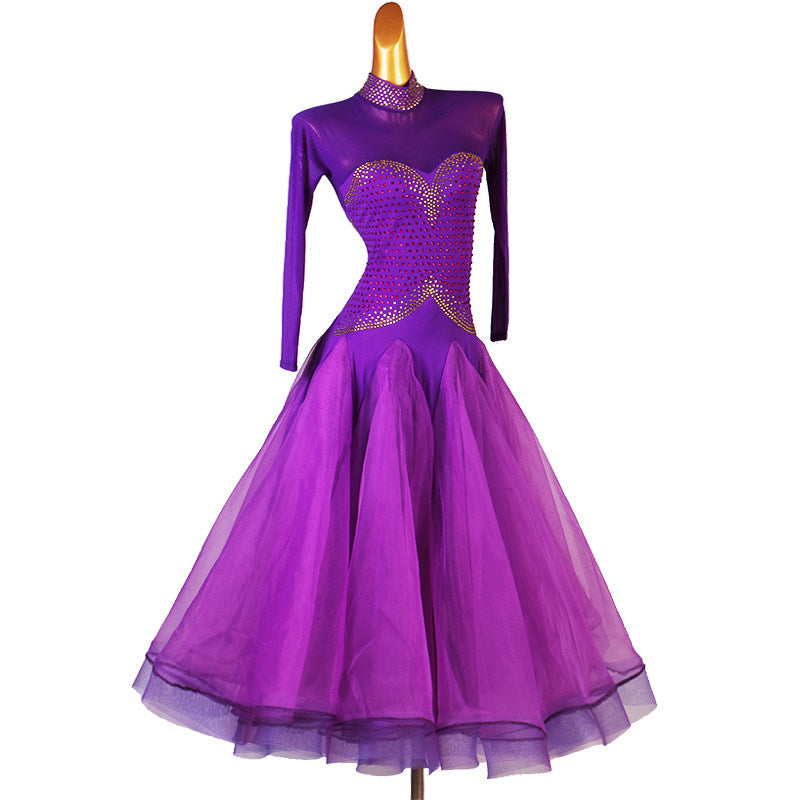
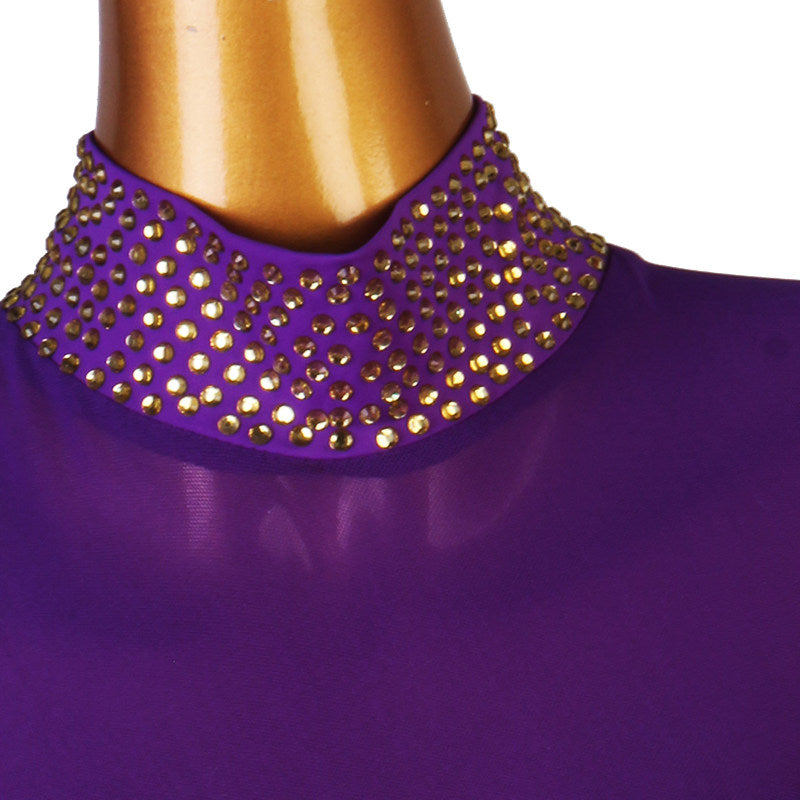
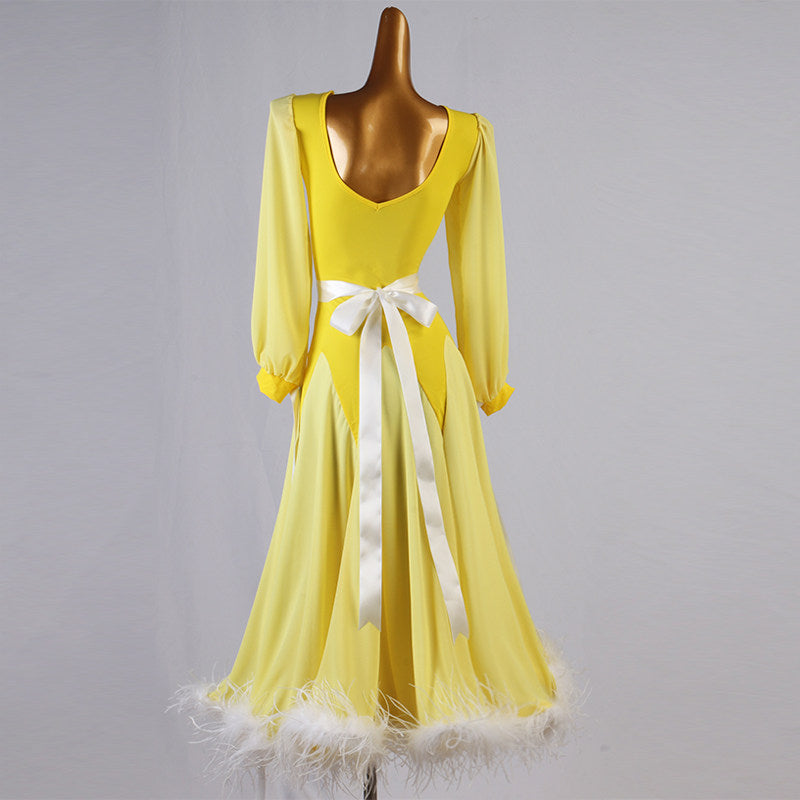
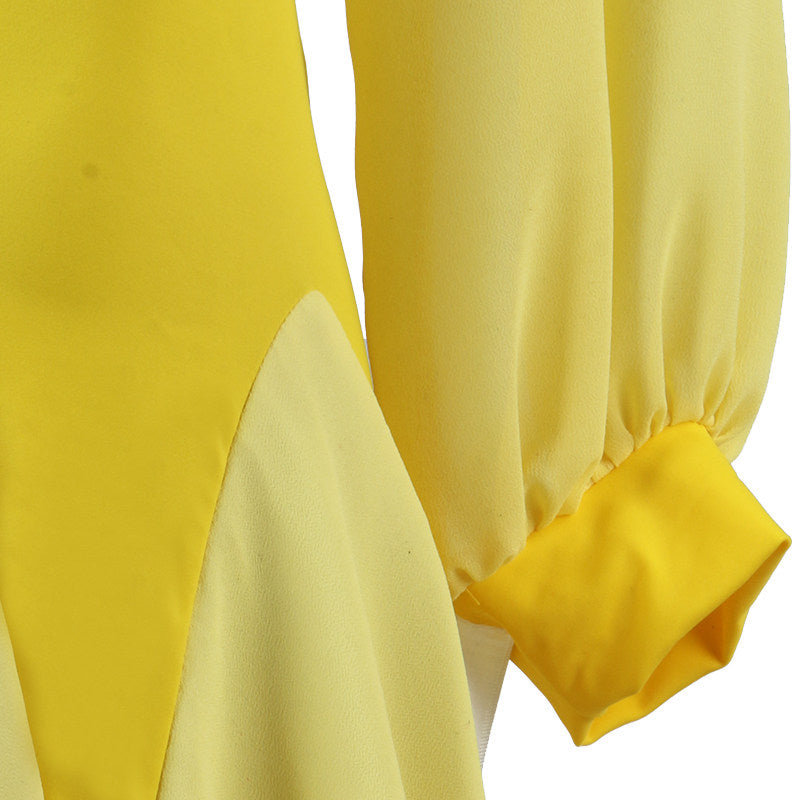
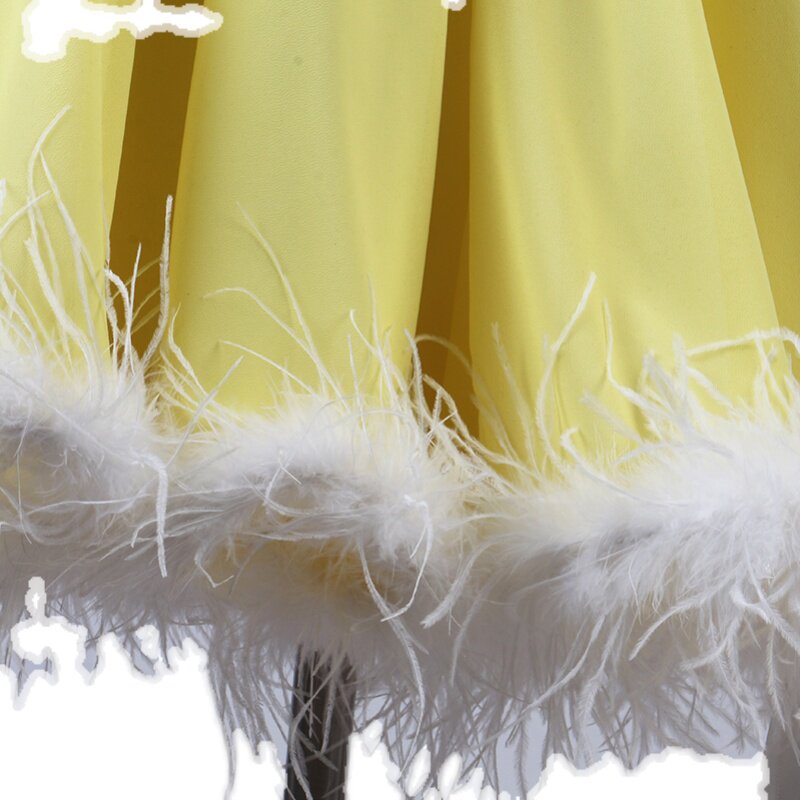
Ballroom Dance Dresses Built for the Line, Not the Pose
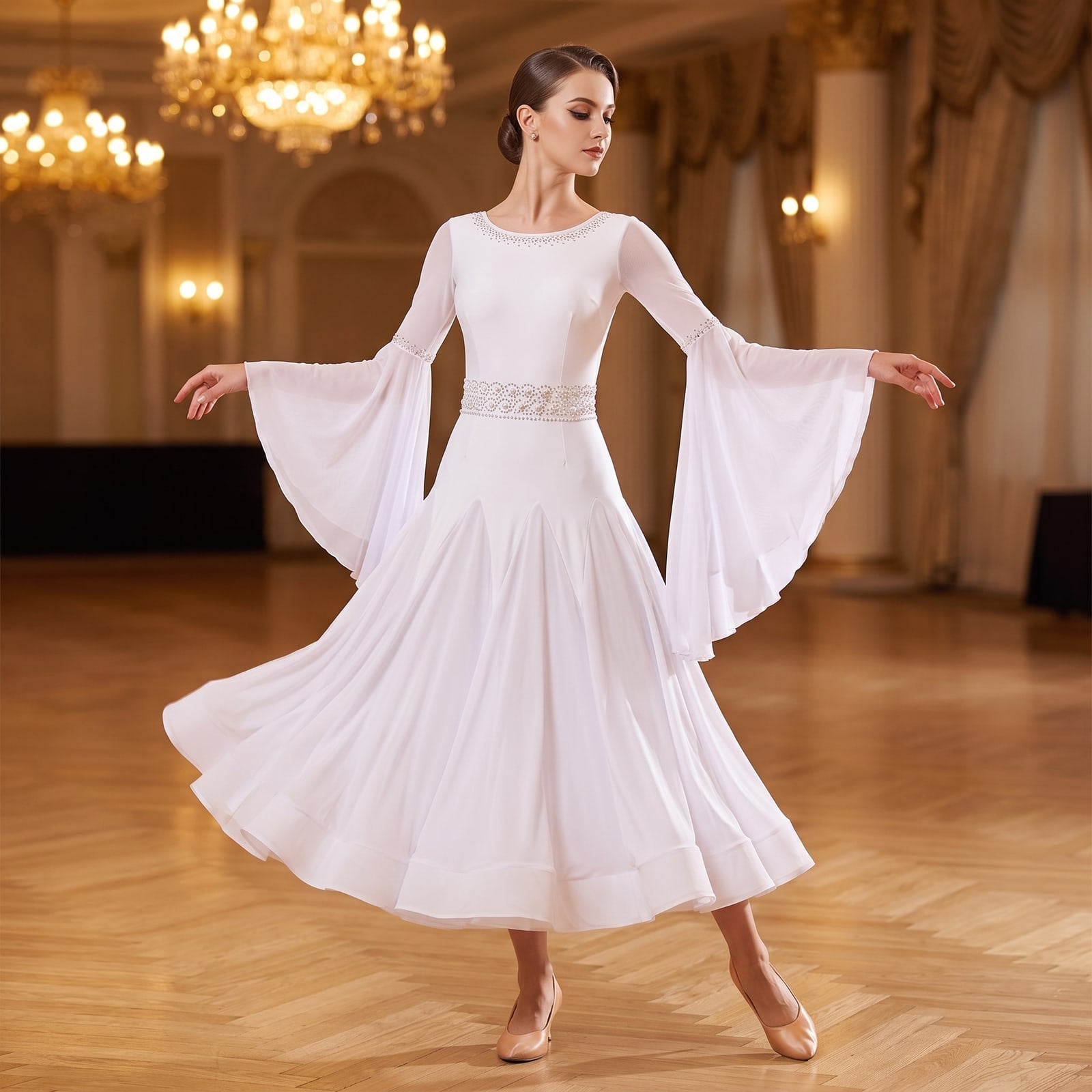
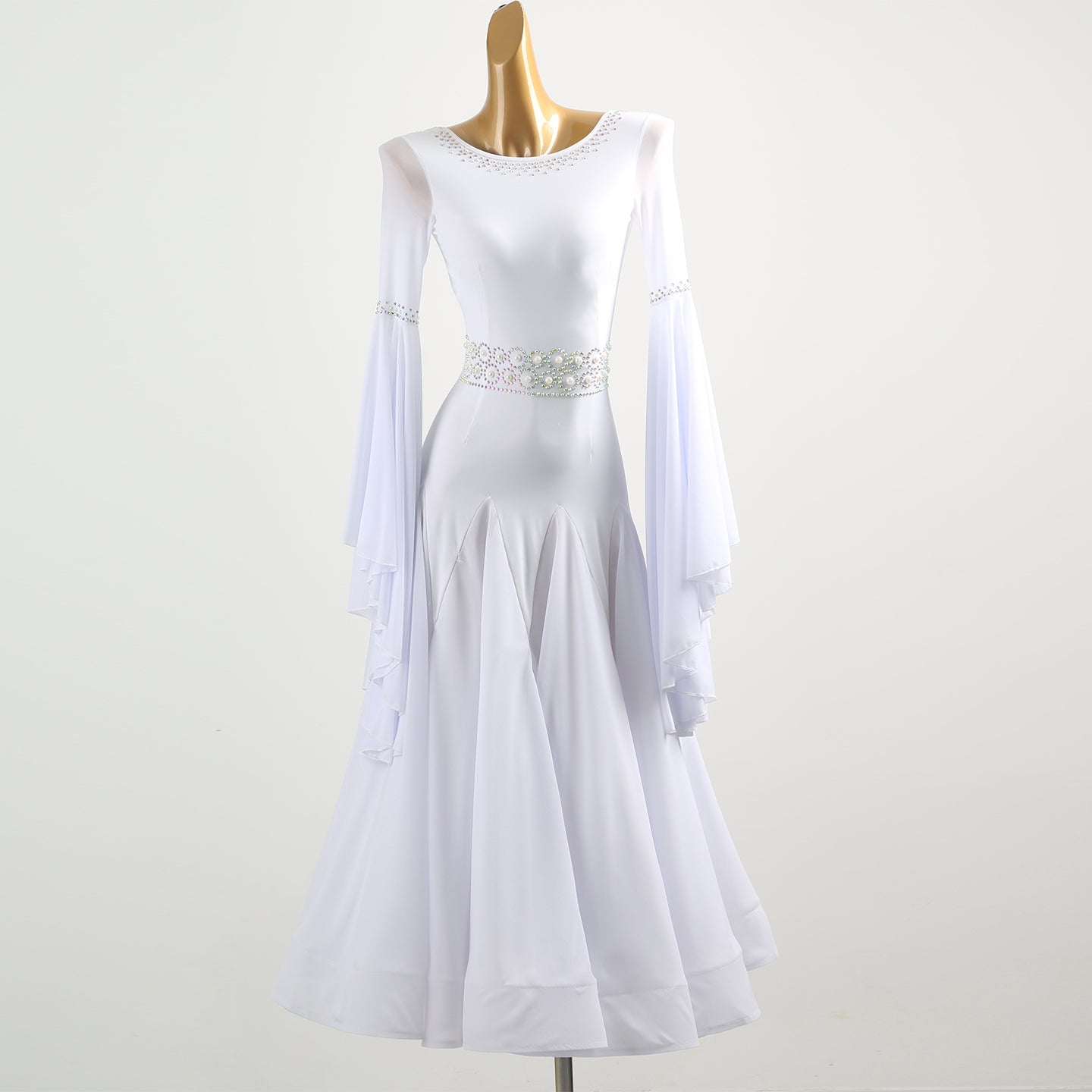
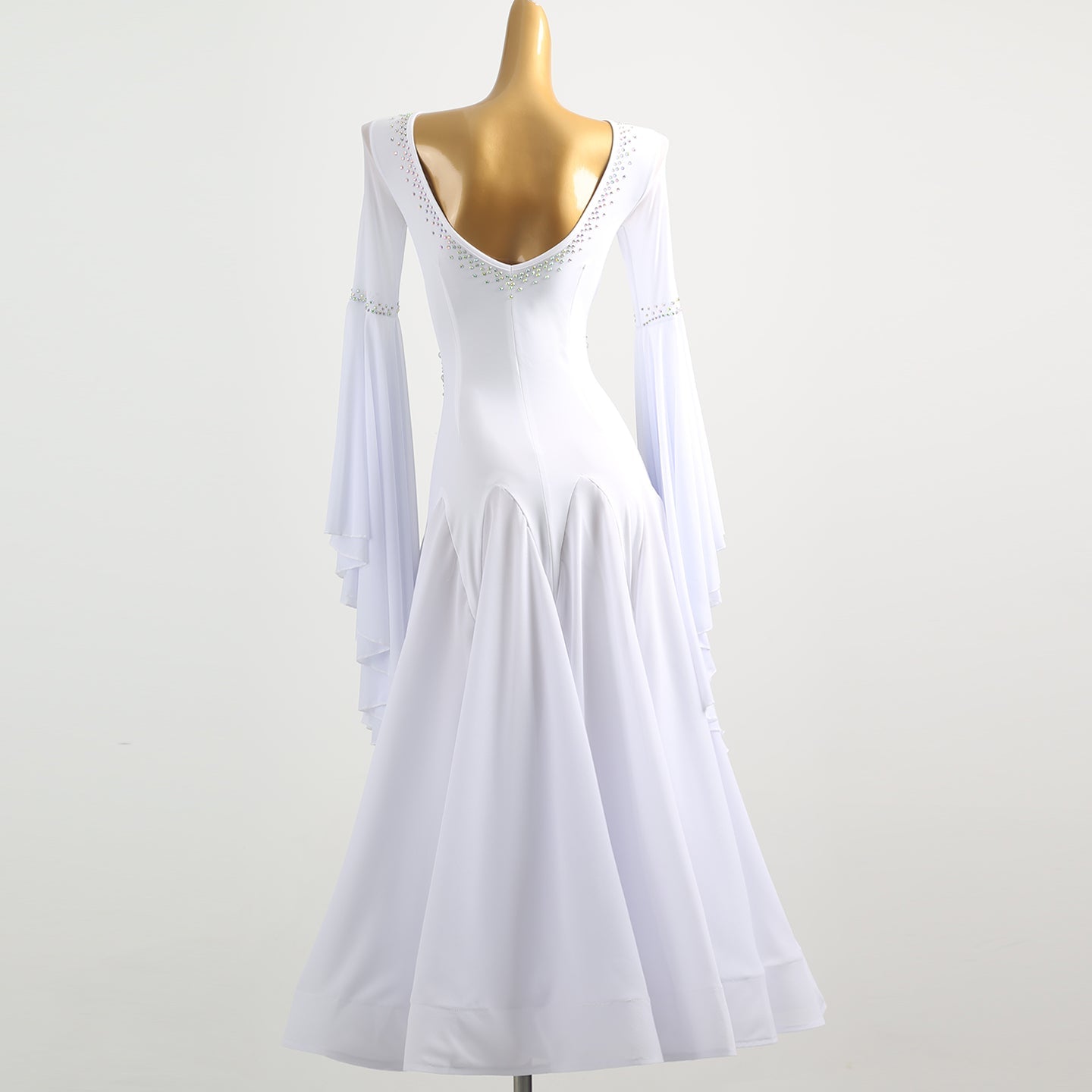
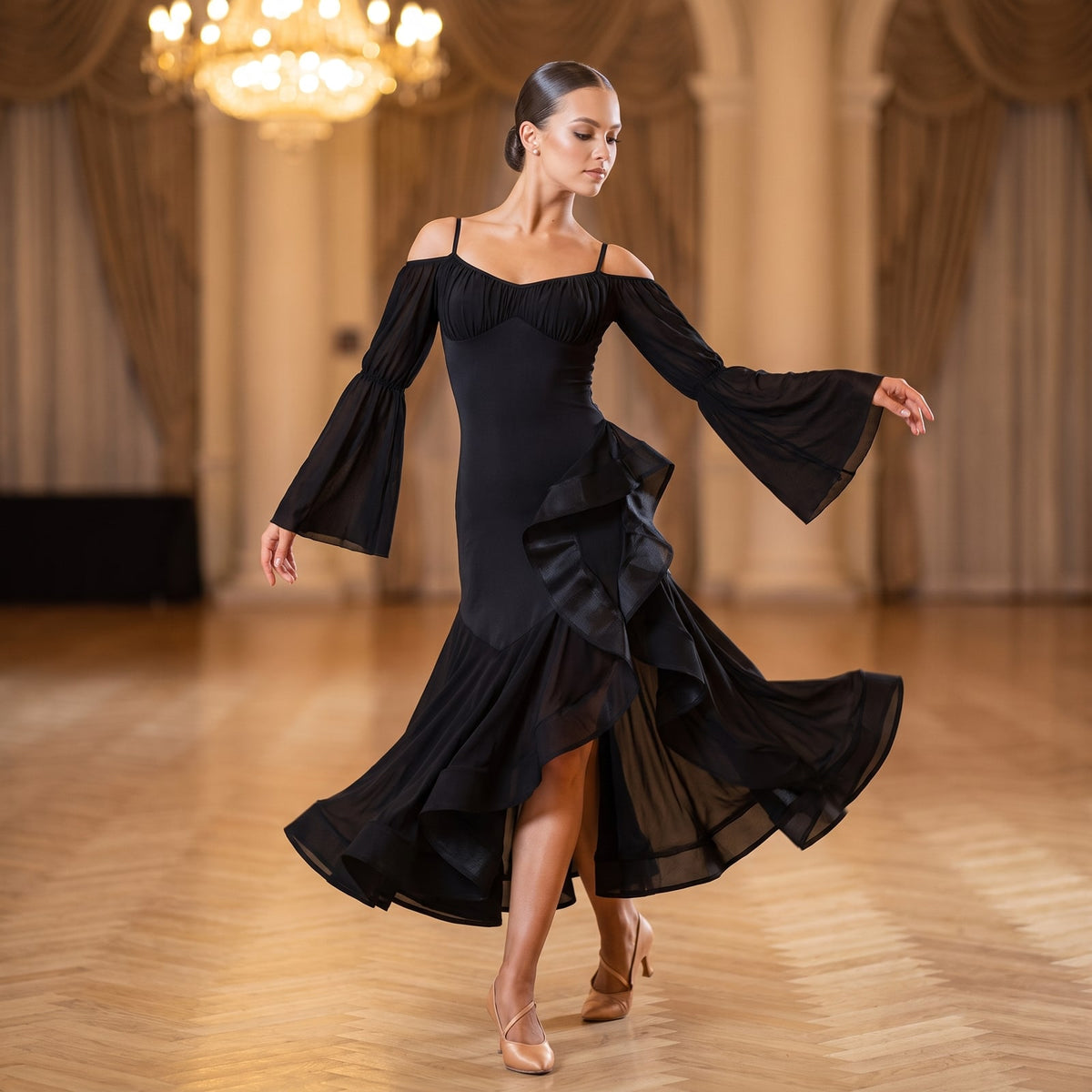
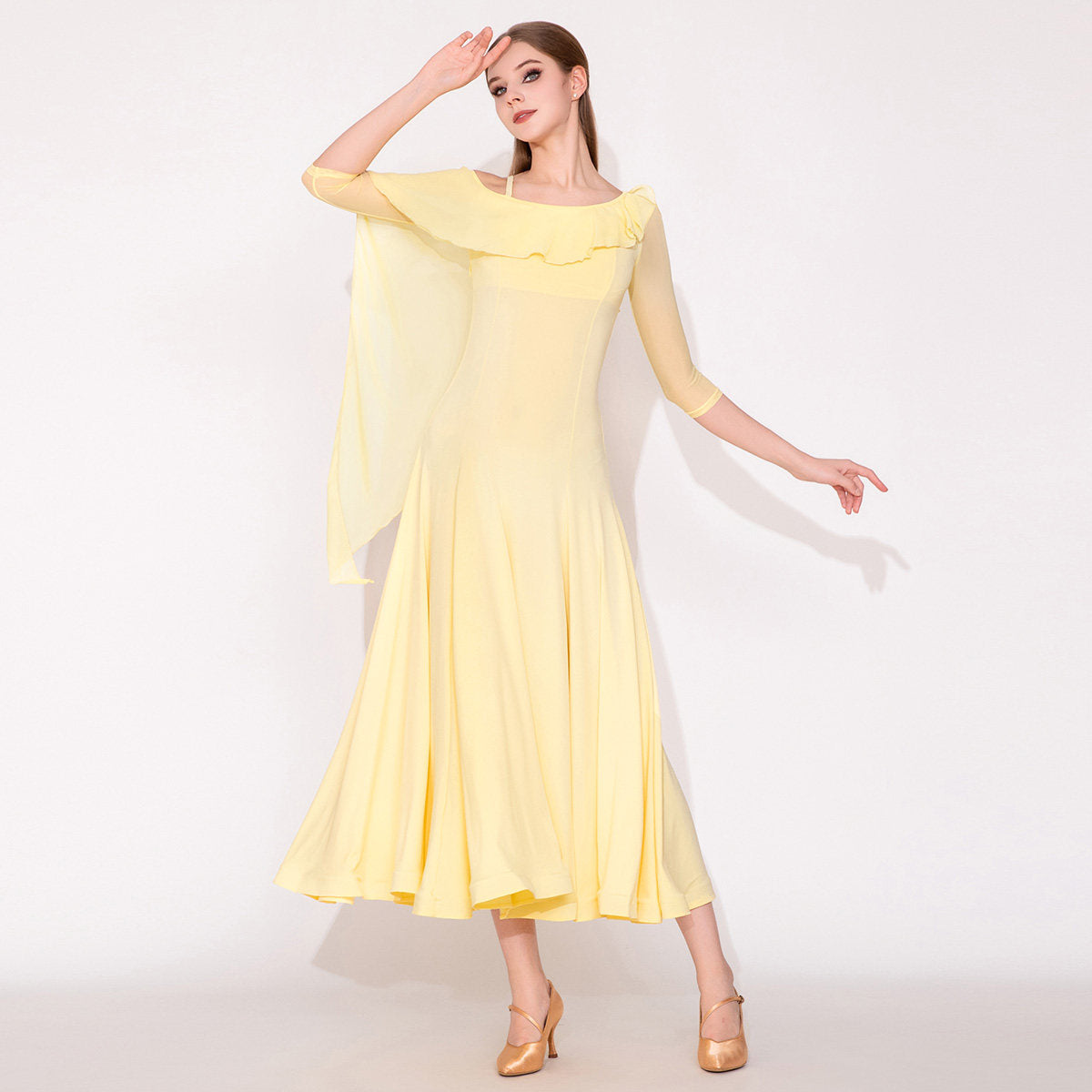
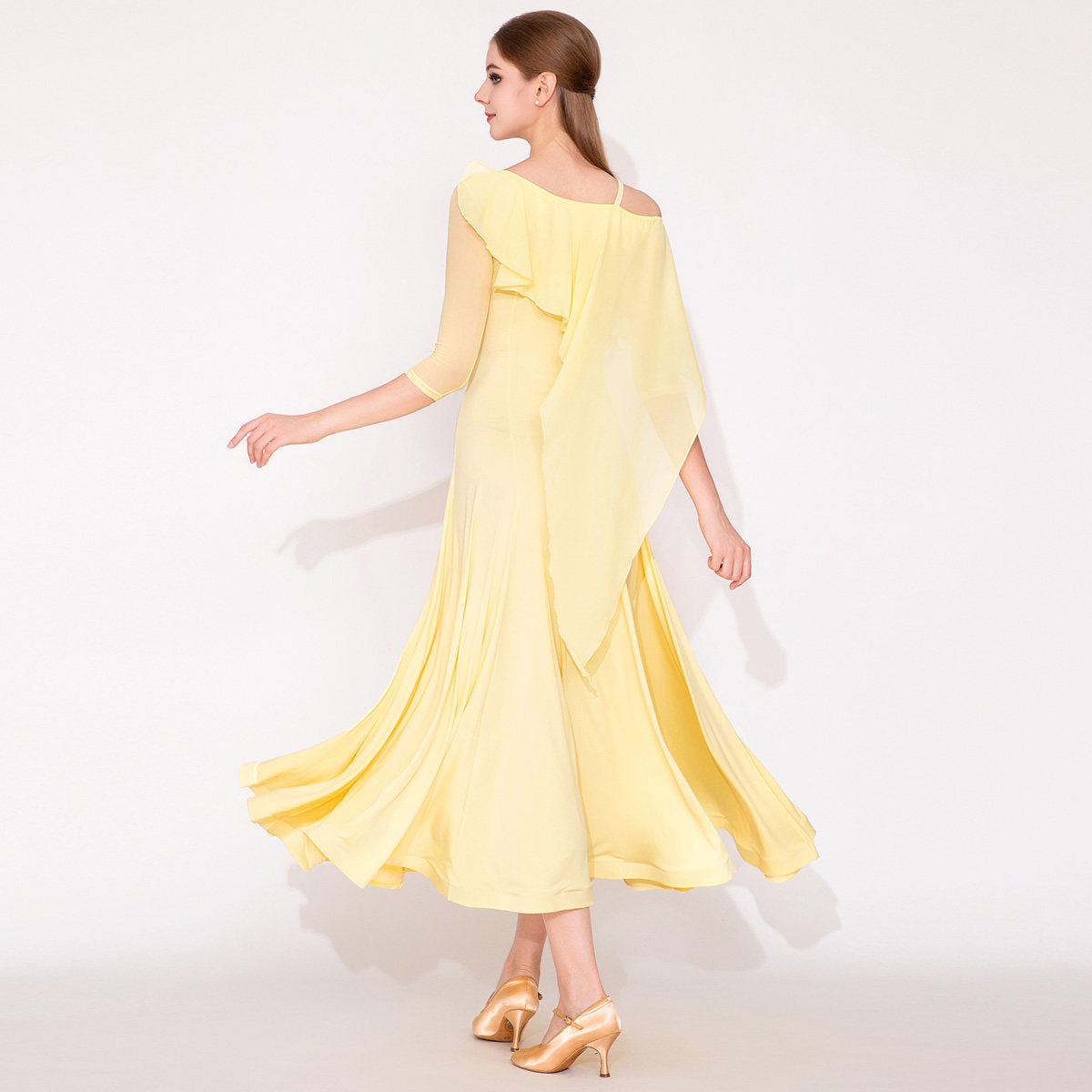
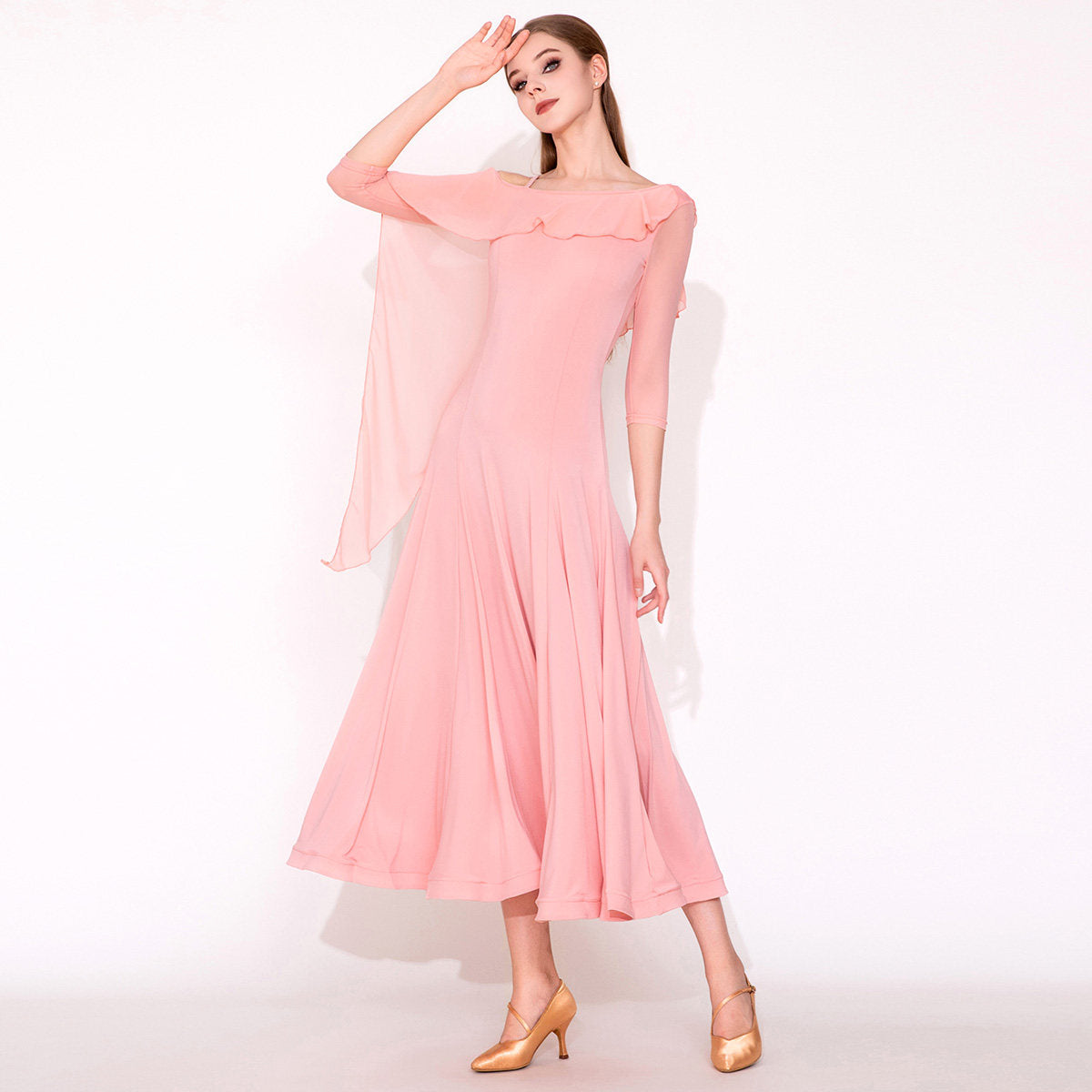
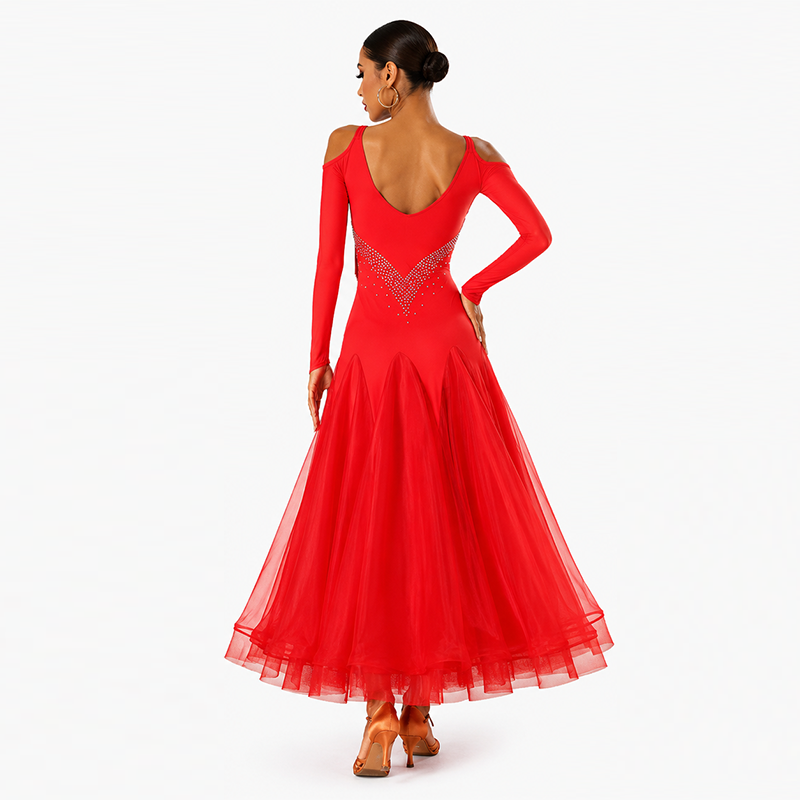
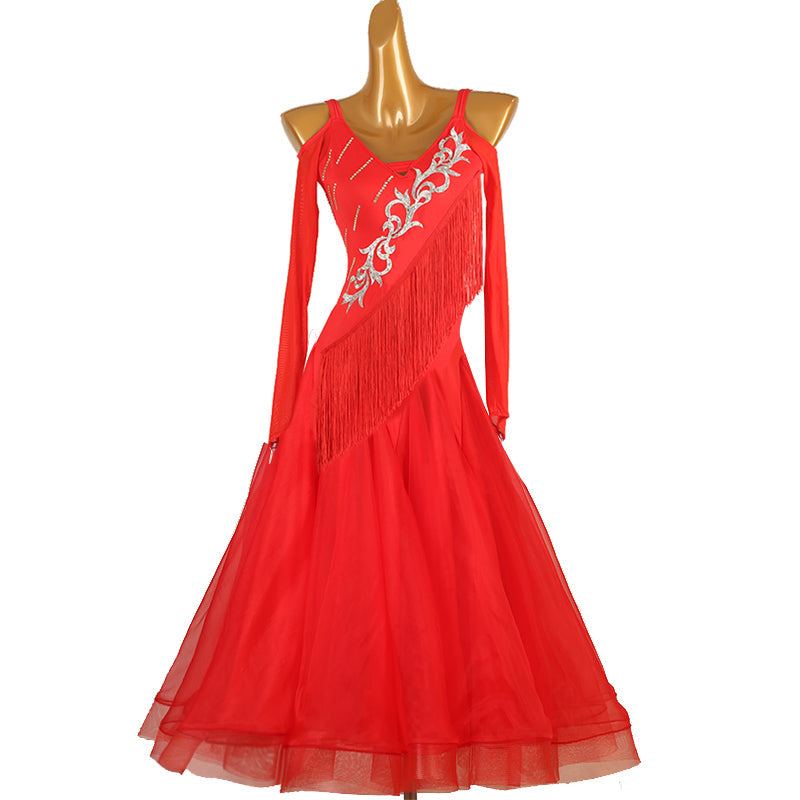
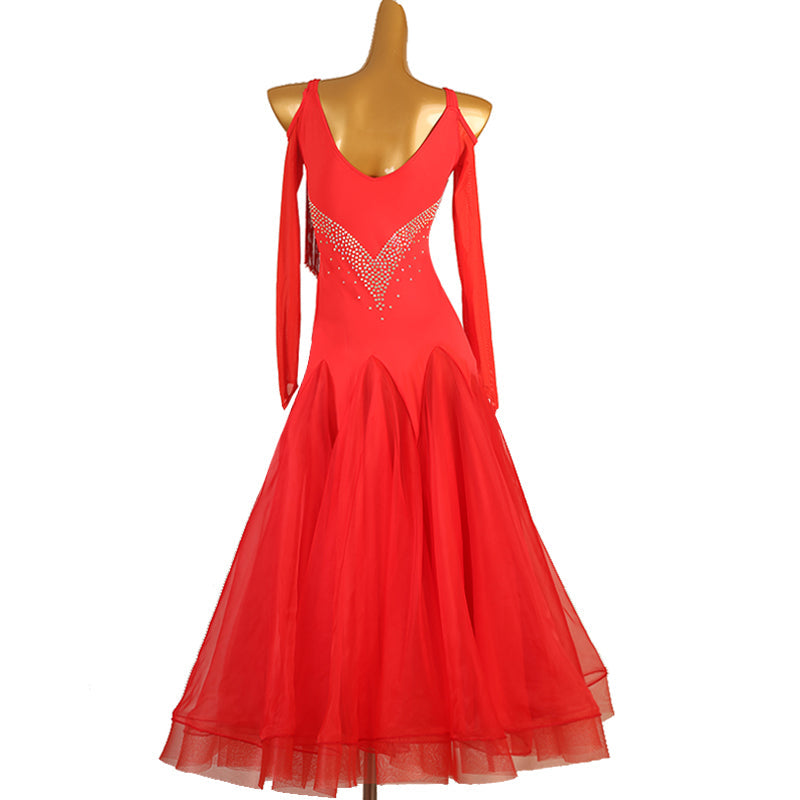
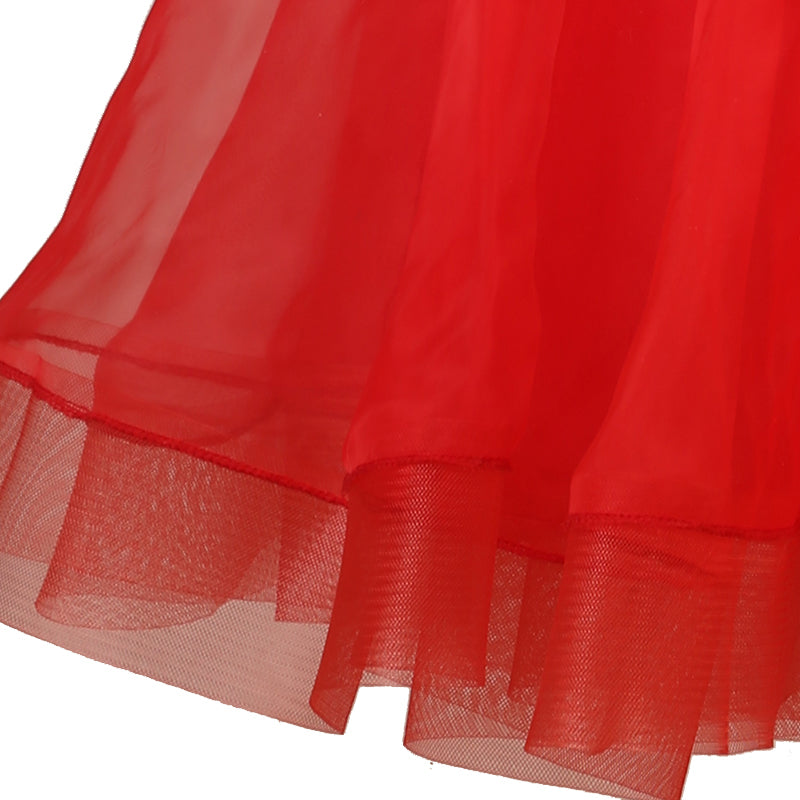
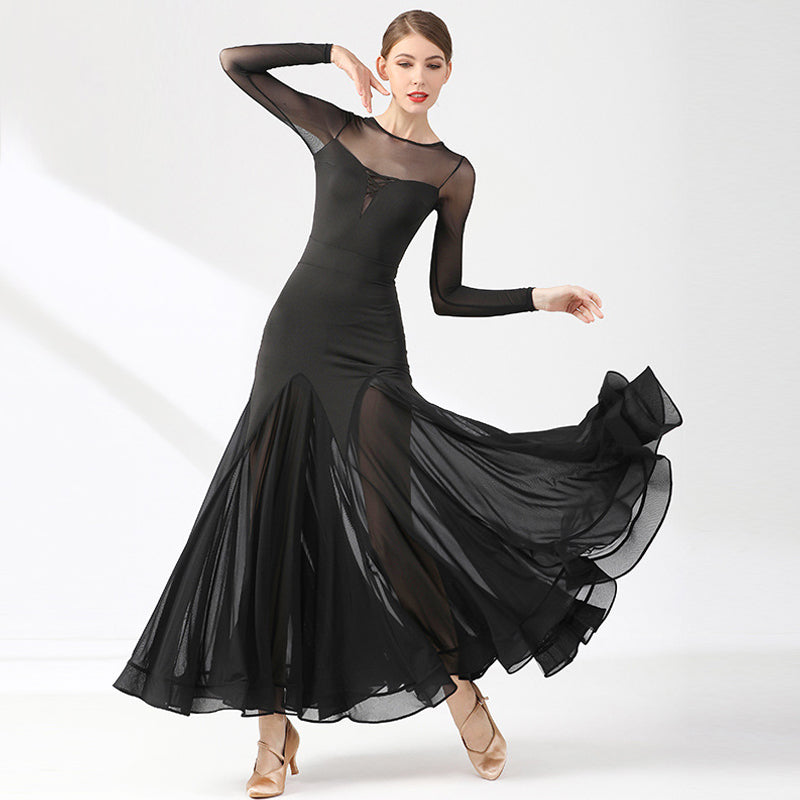
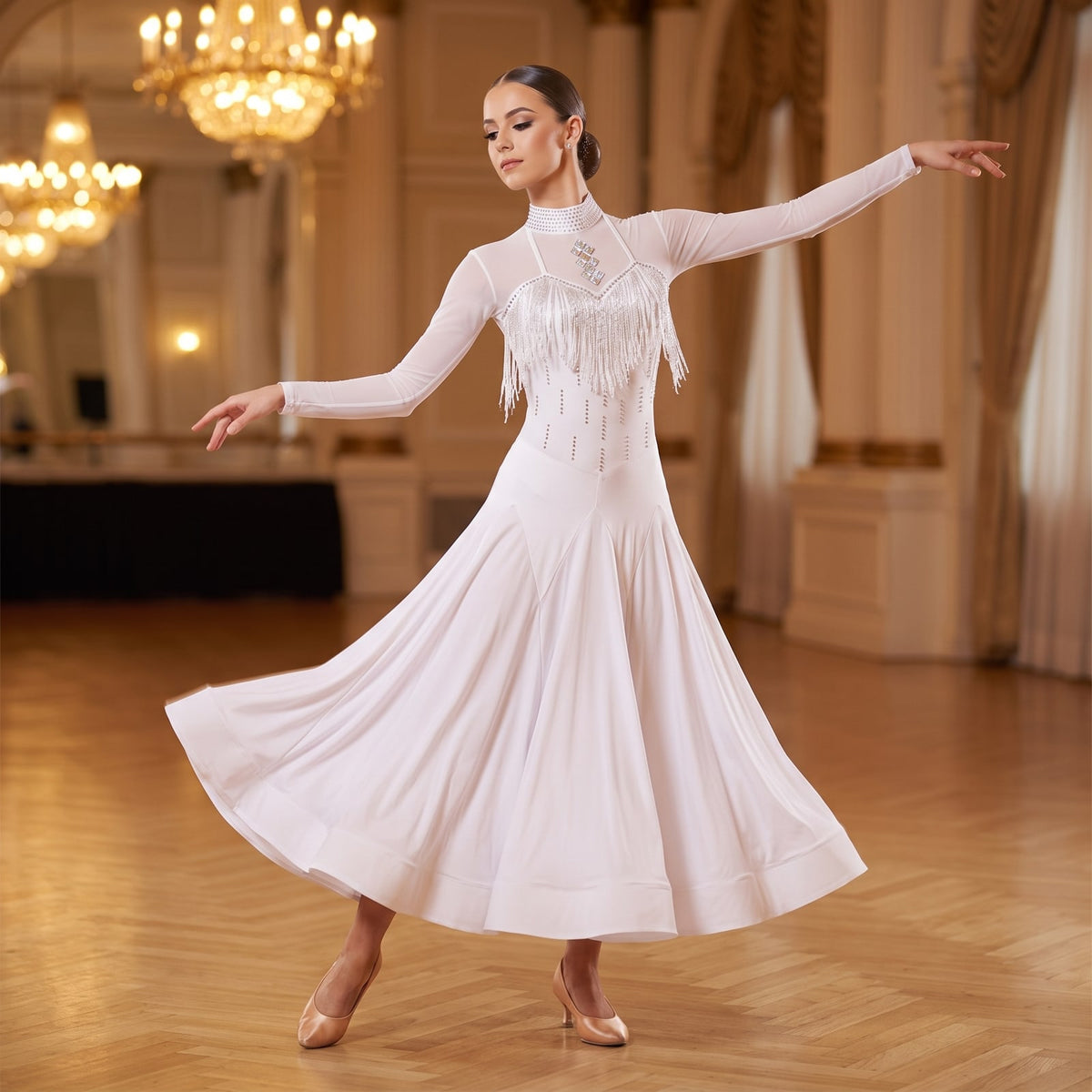
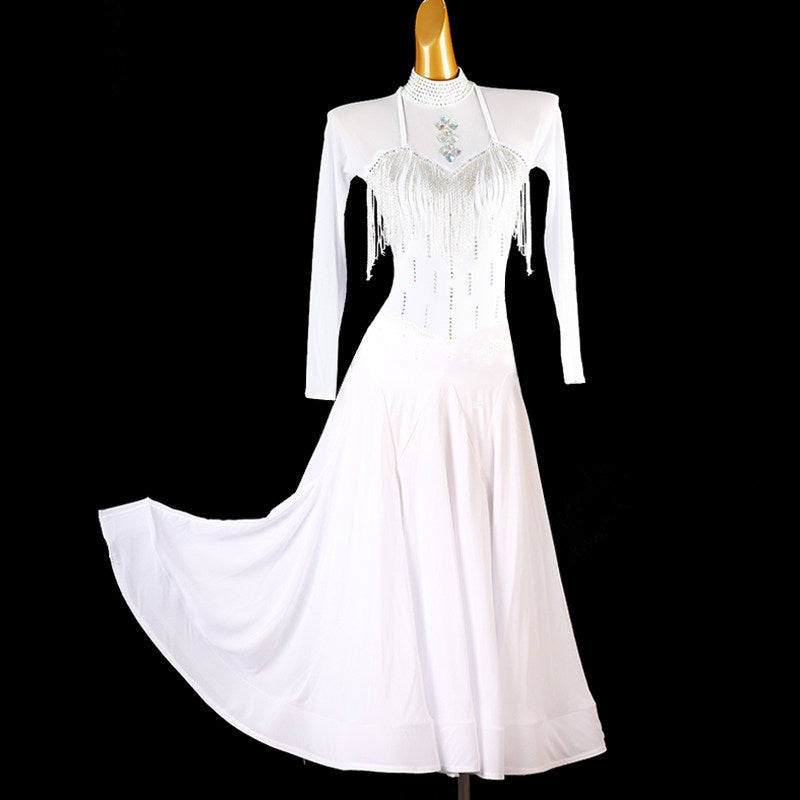
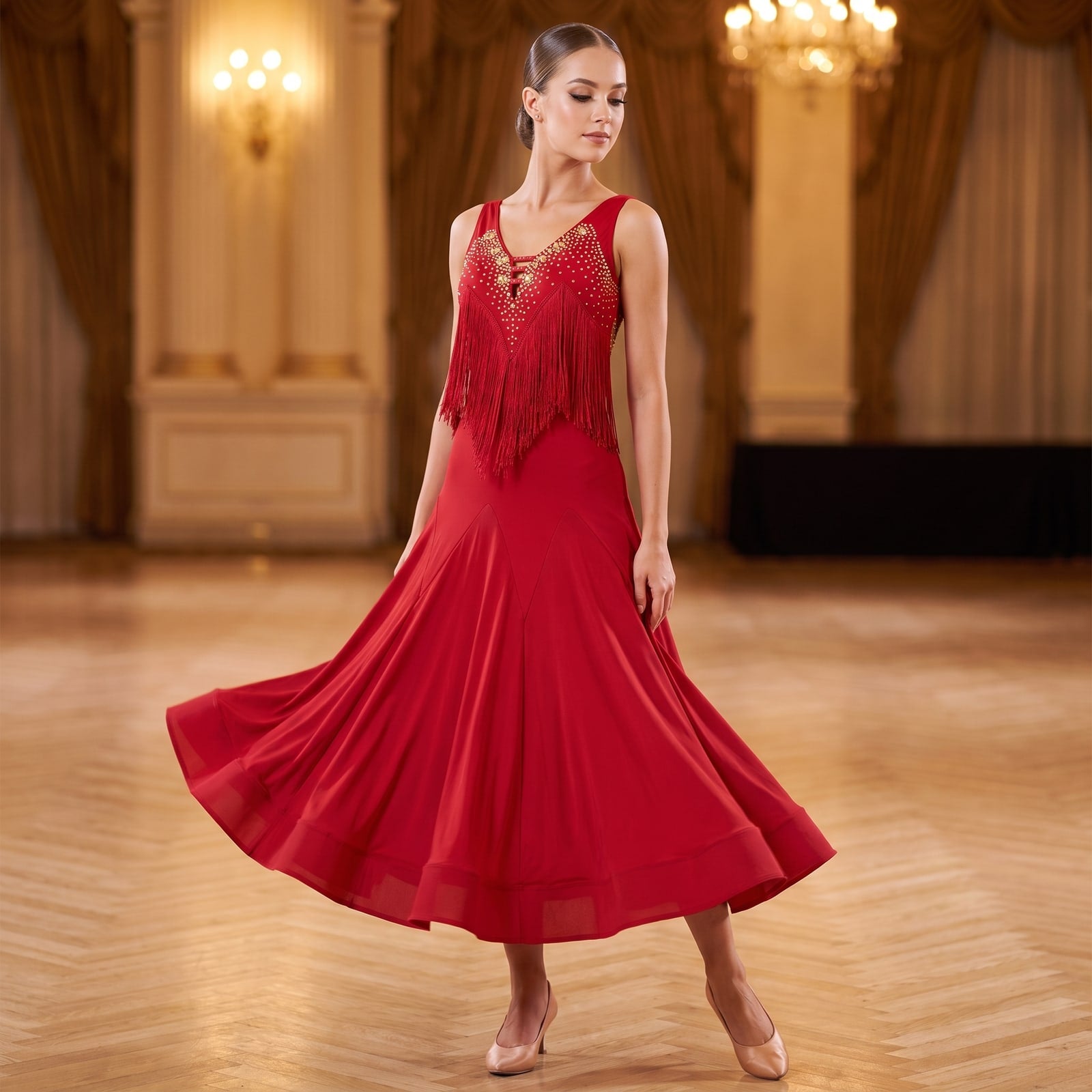
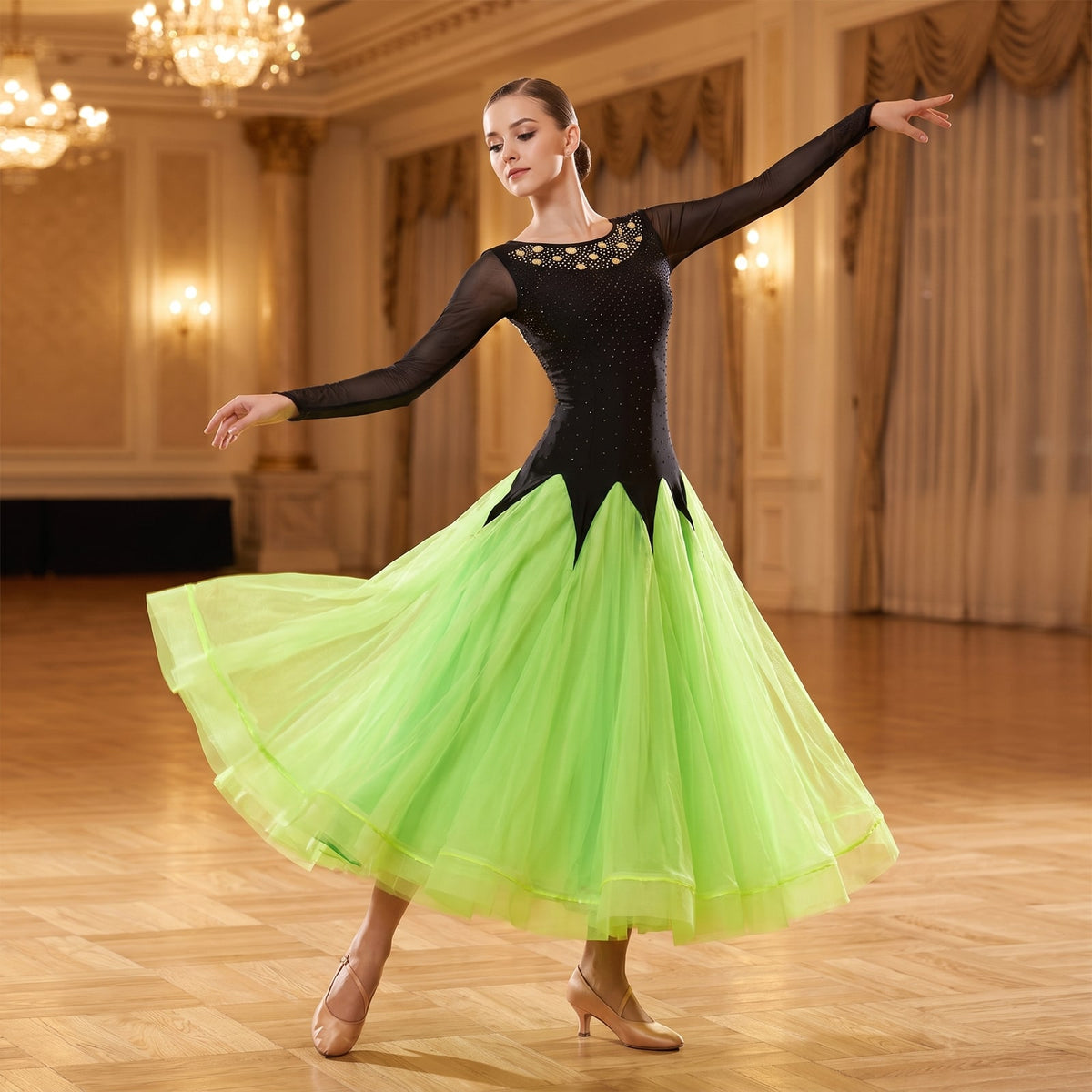
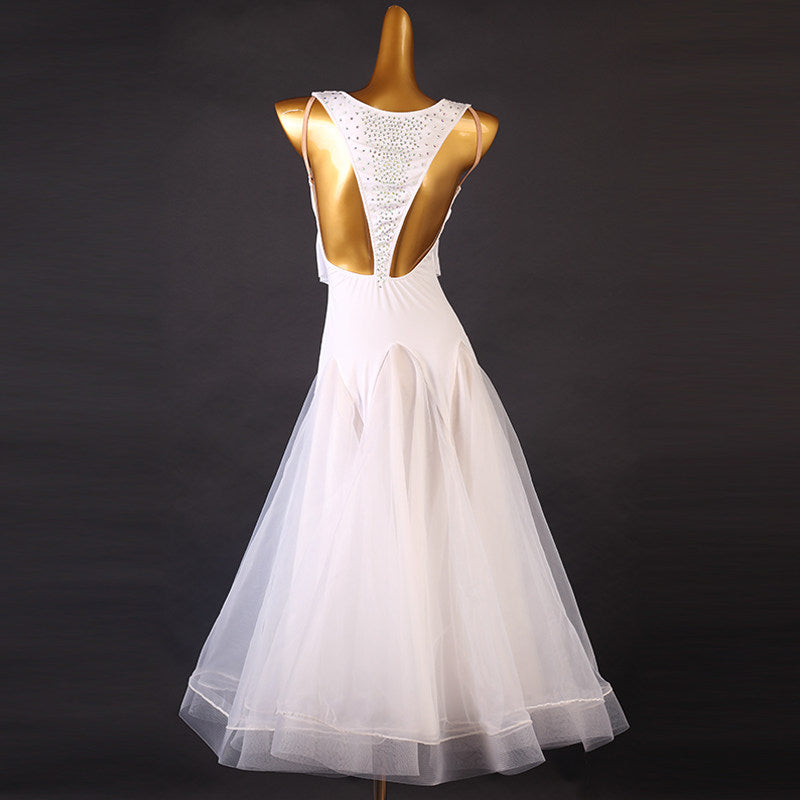
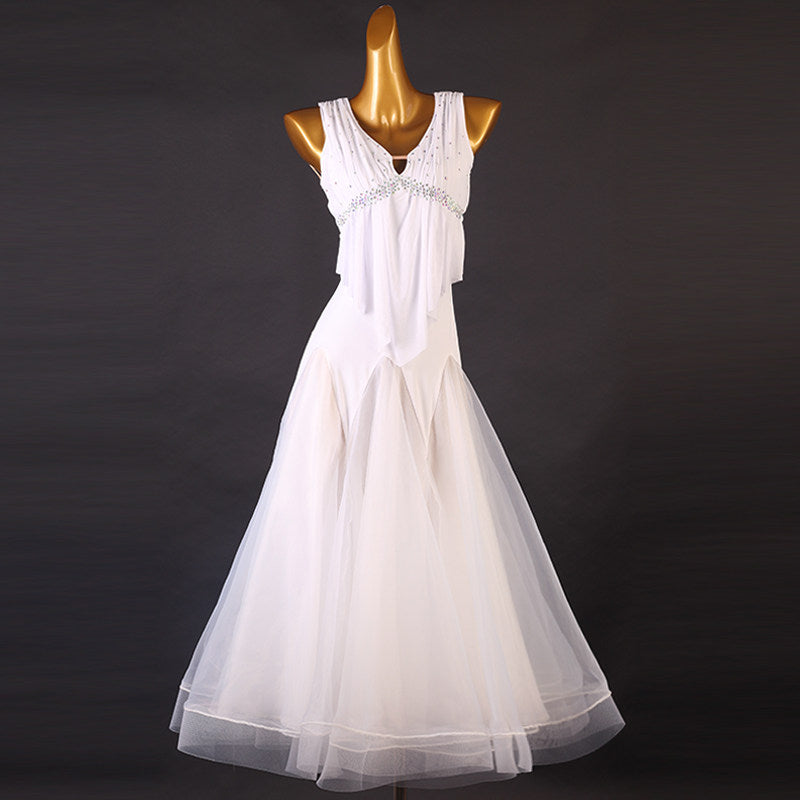
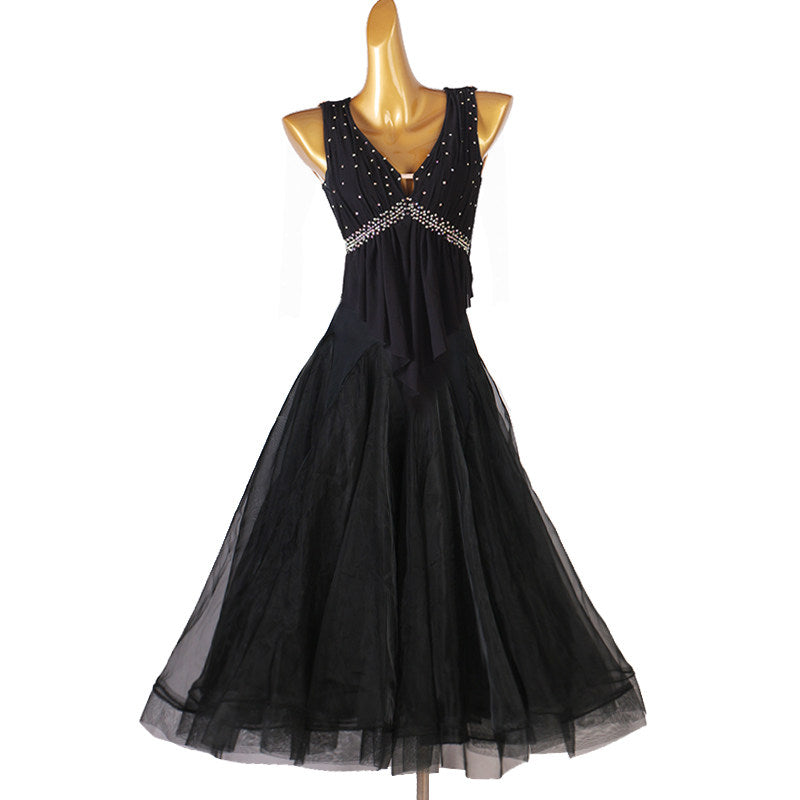
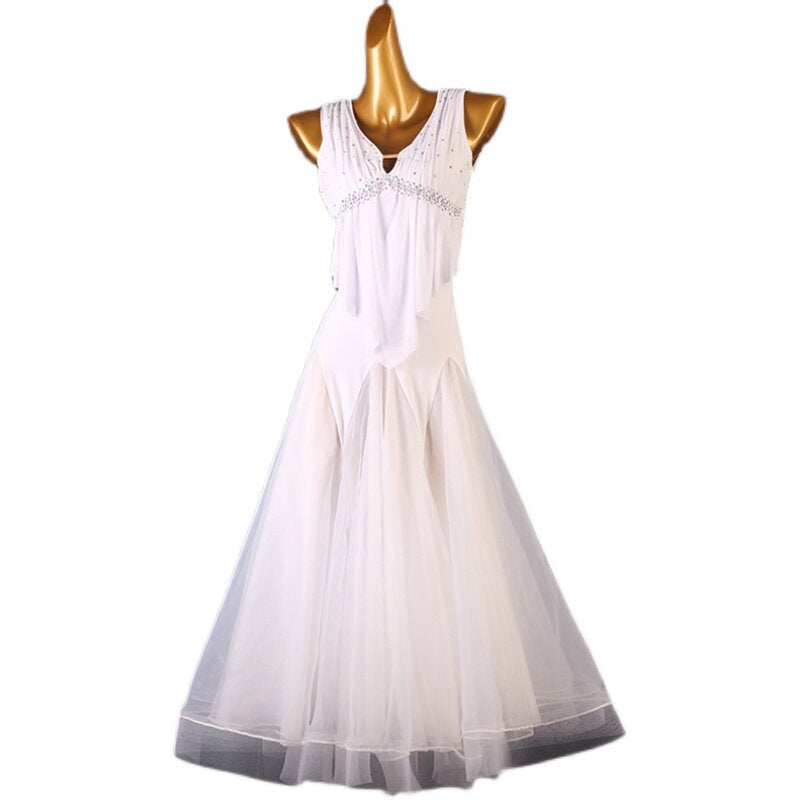
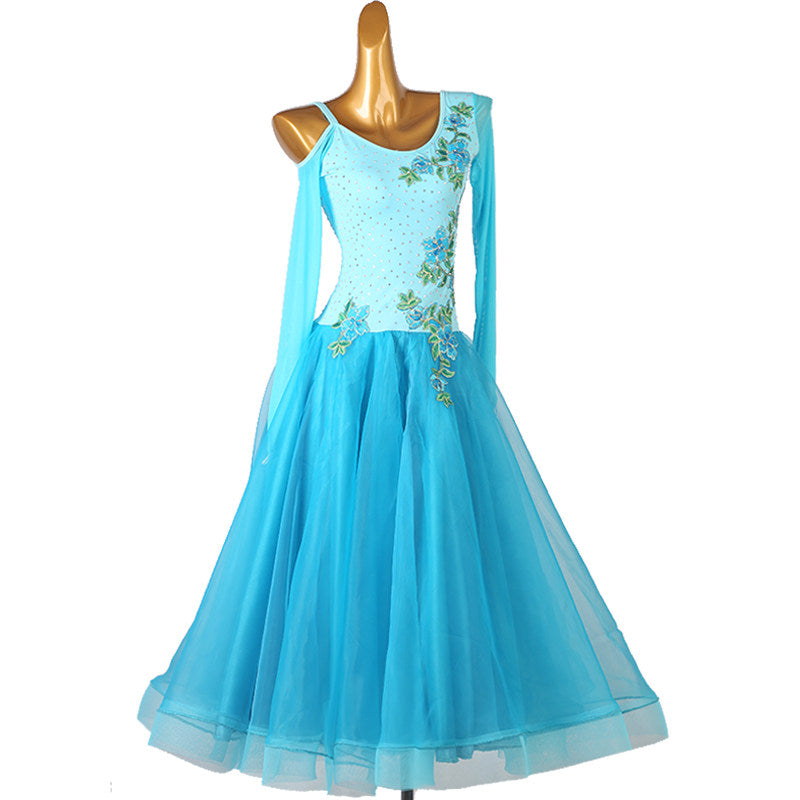
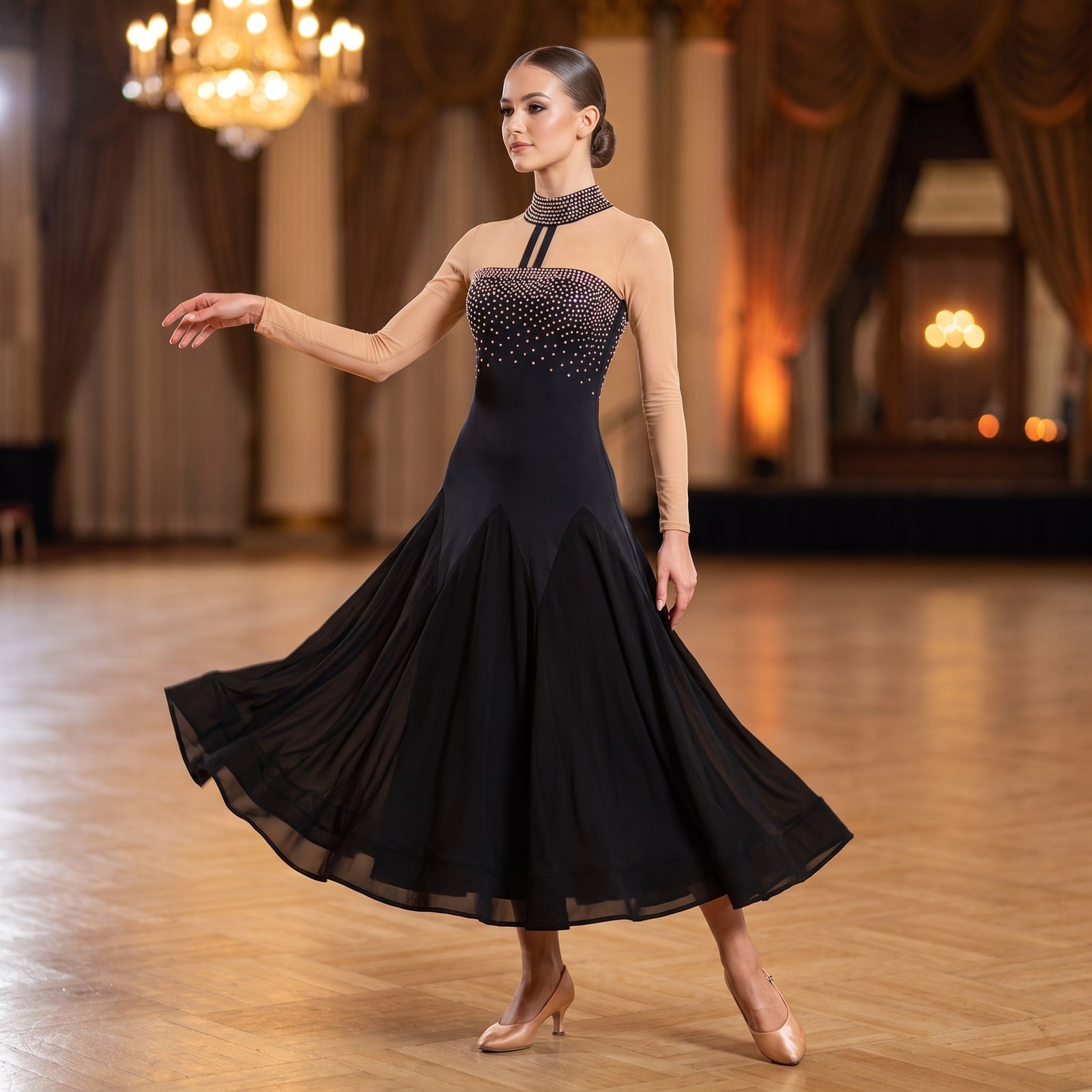
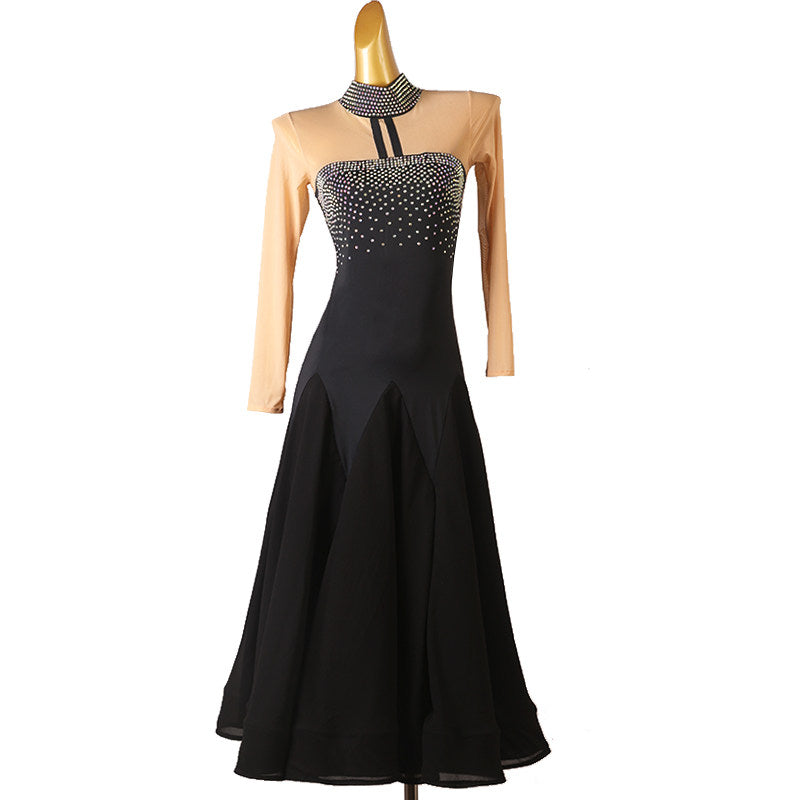
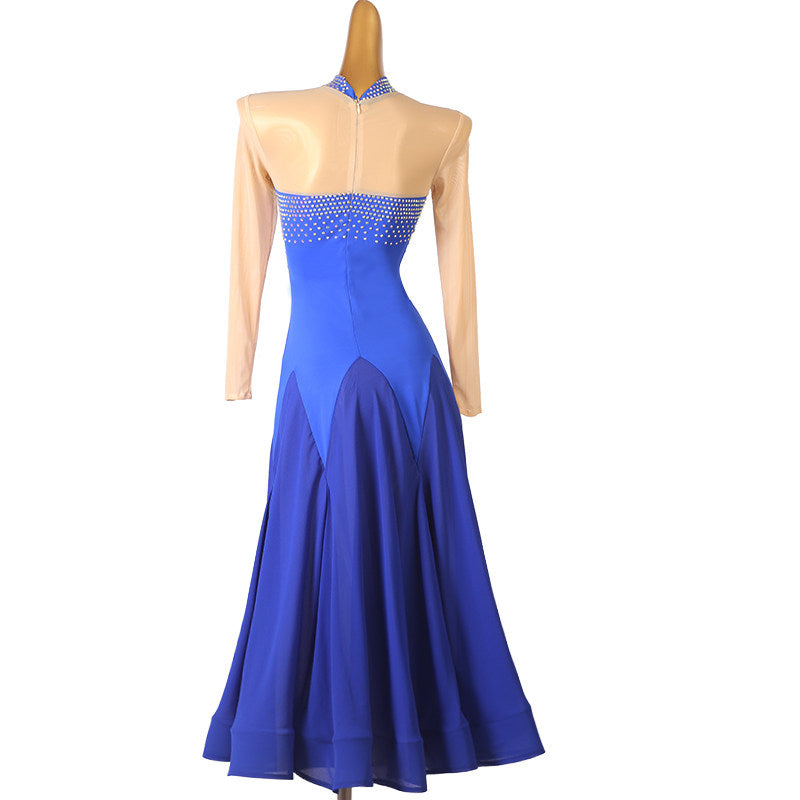
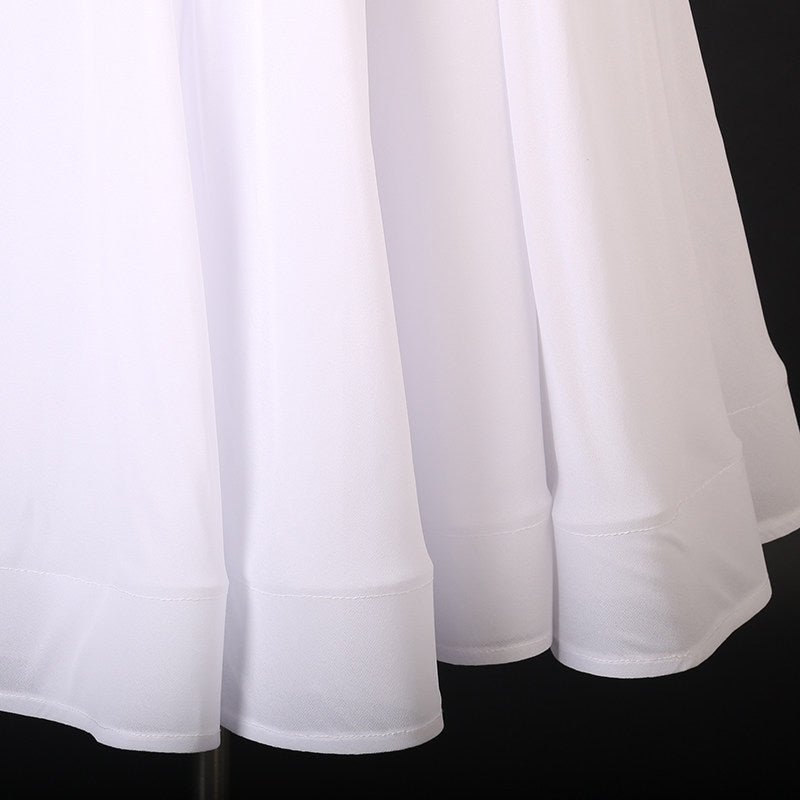
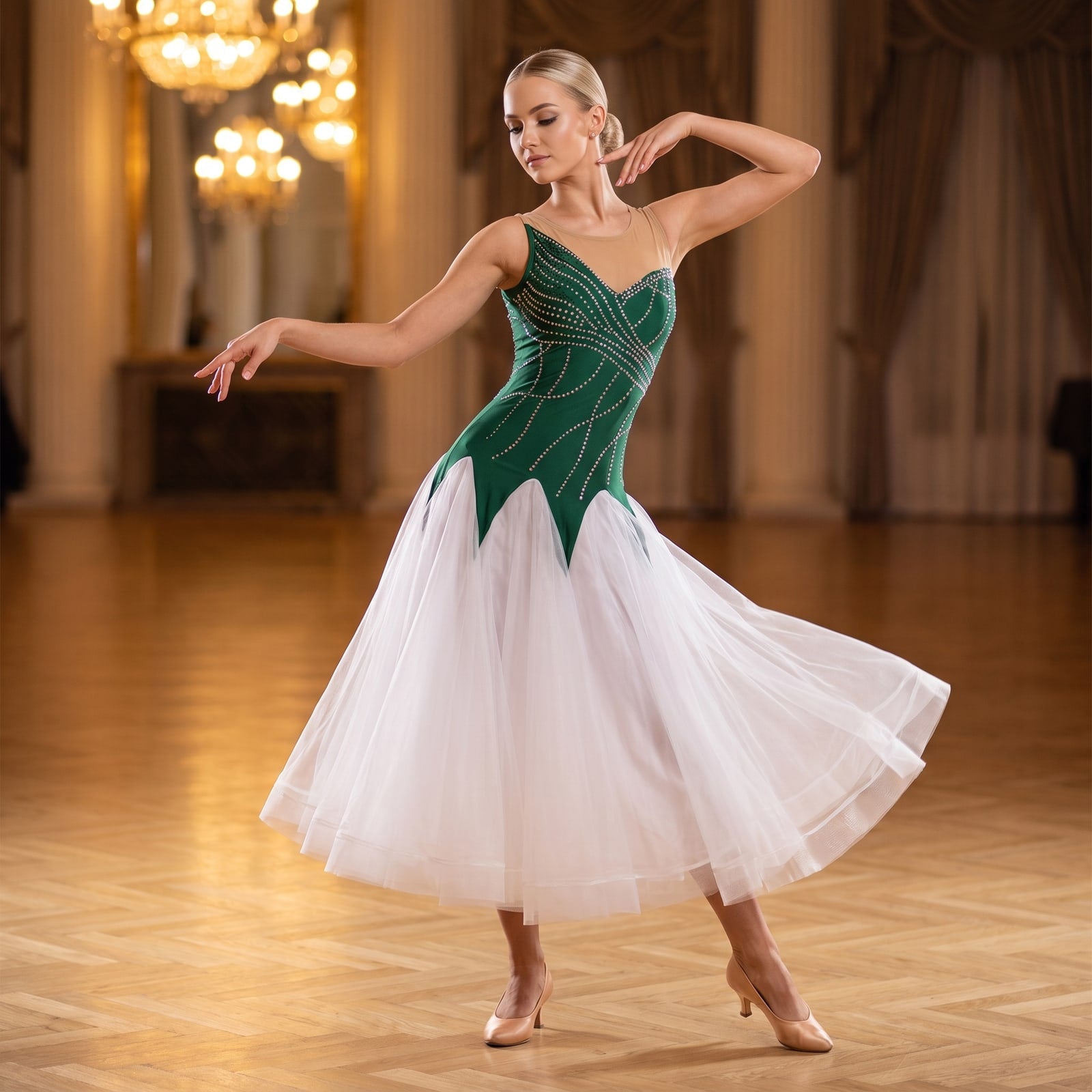
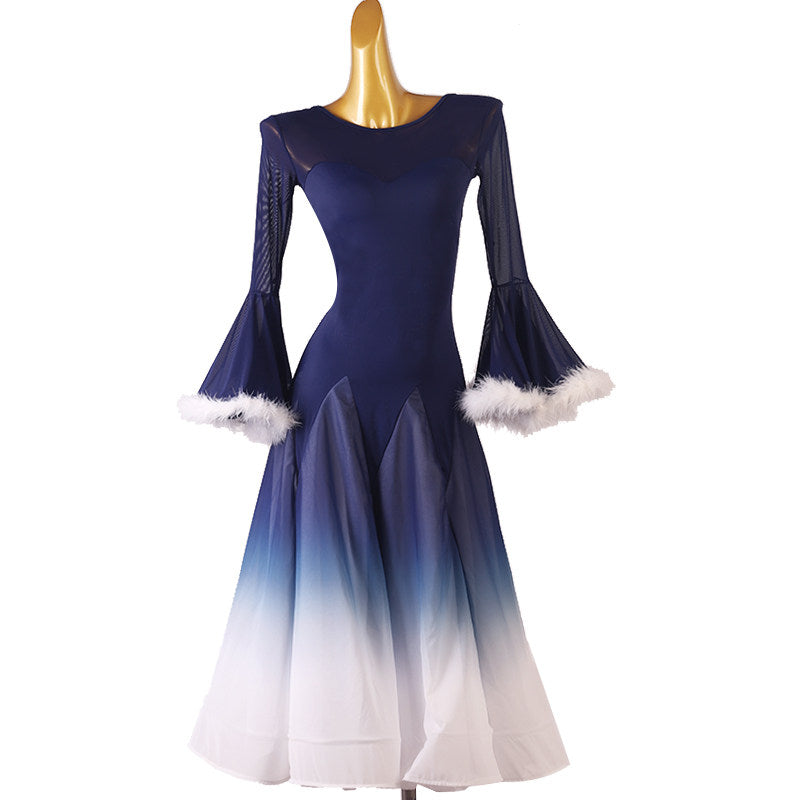
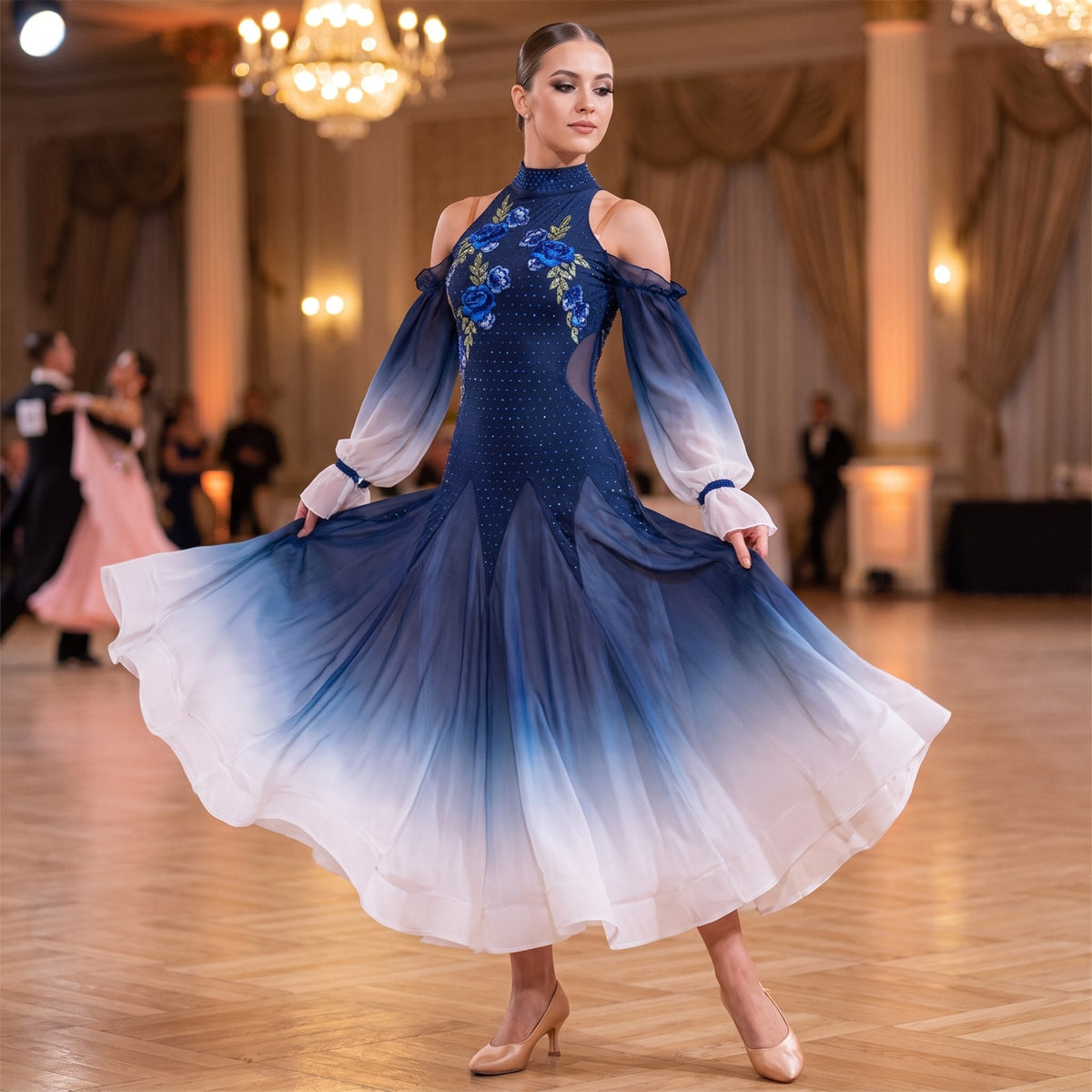
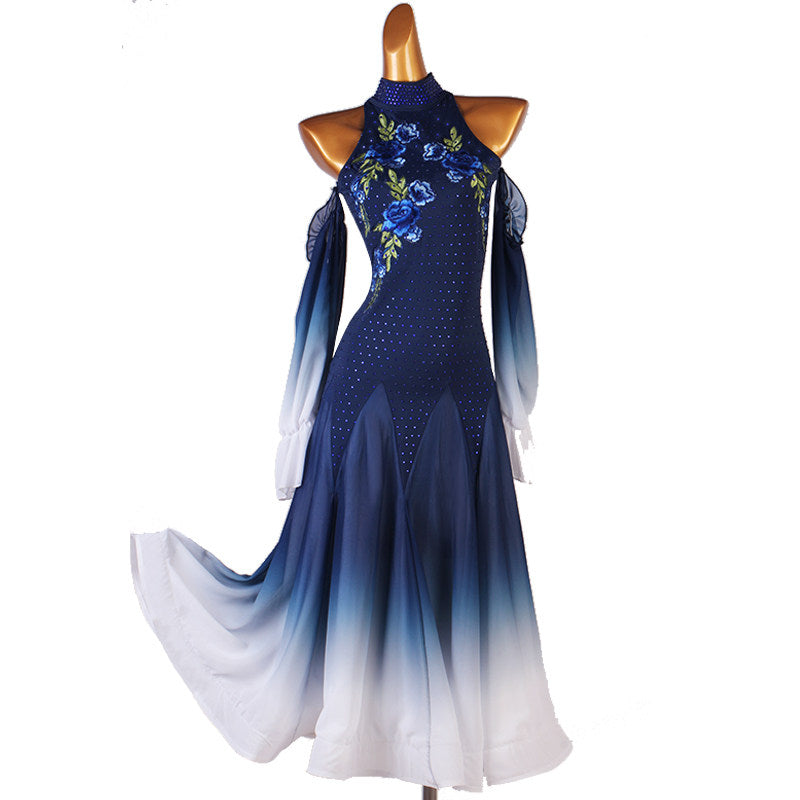
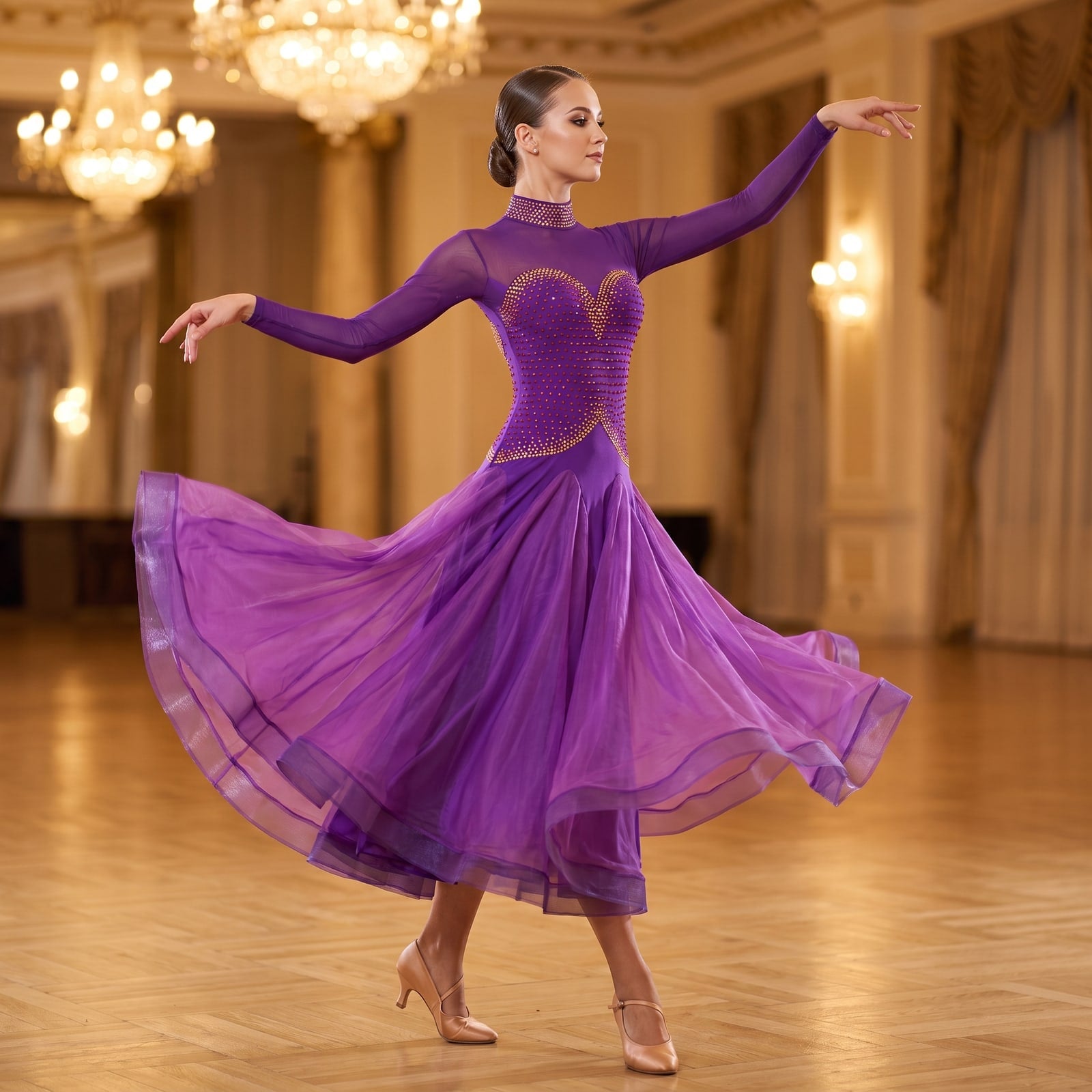
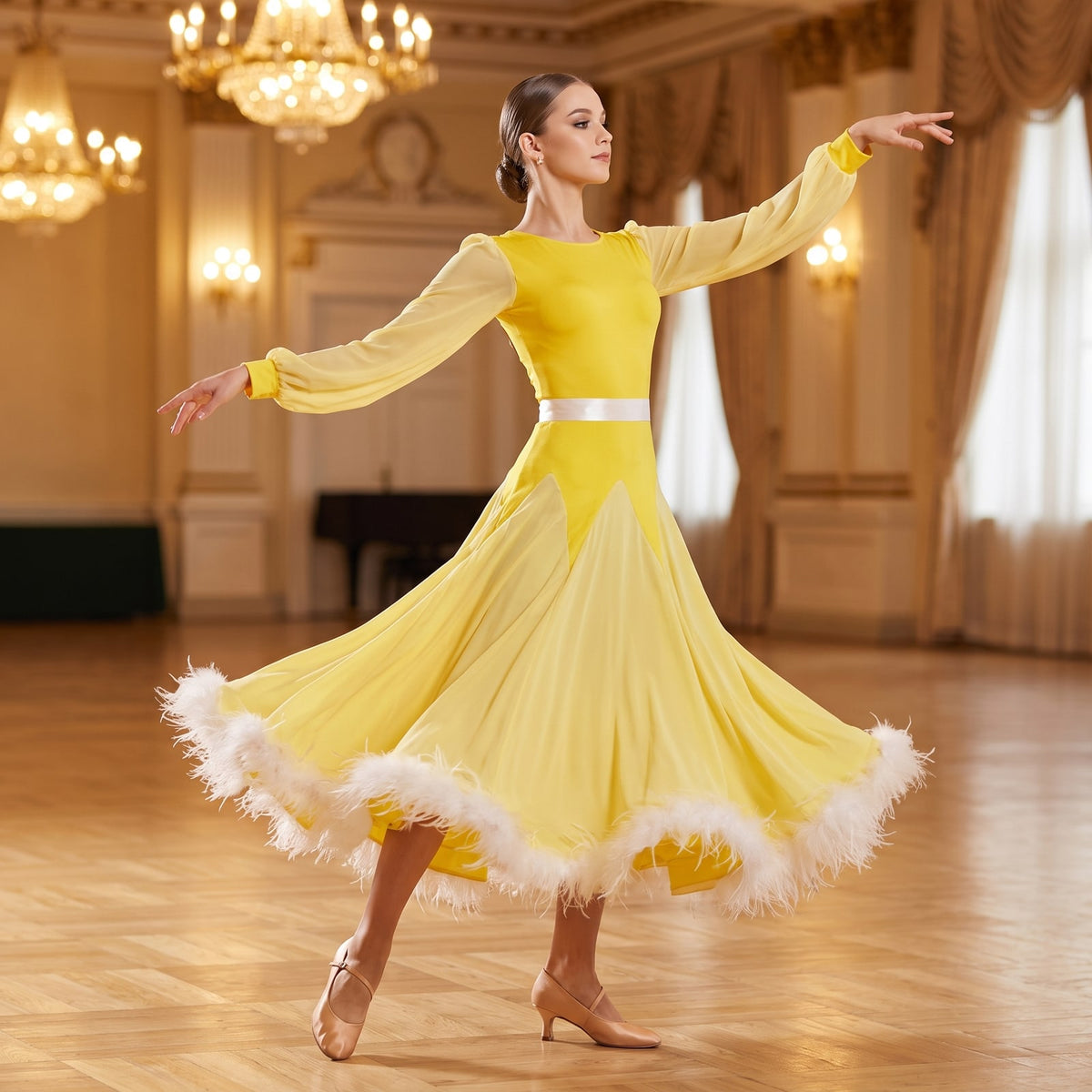
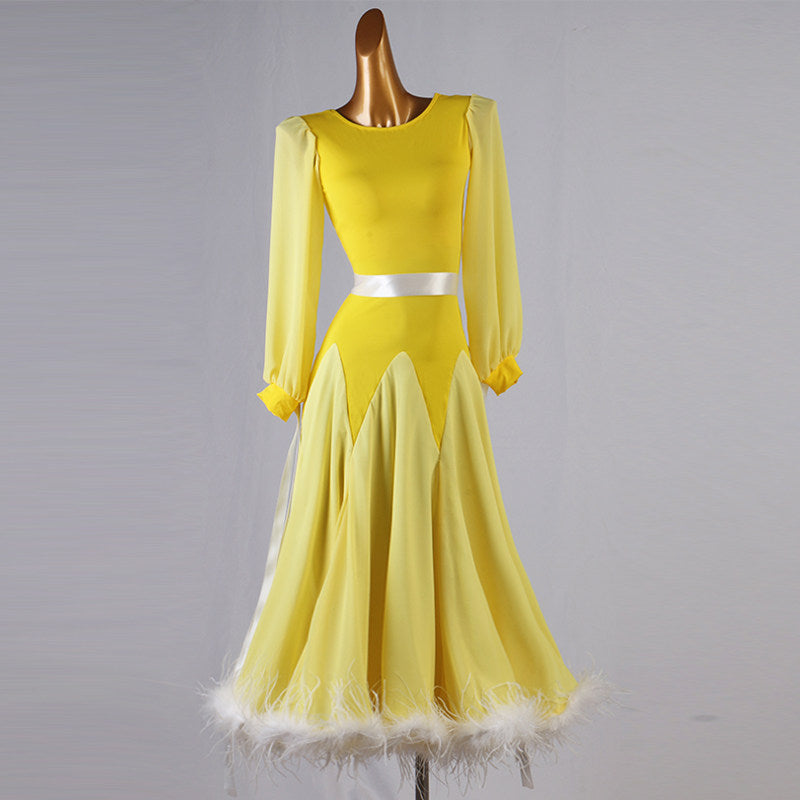
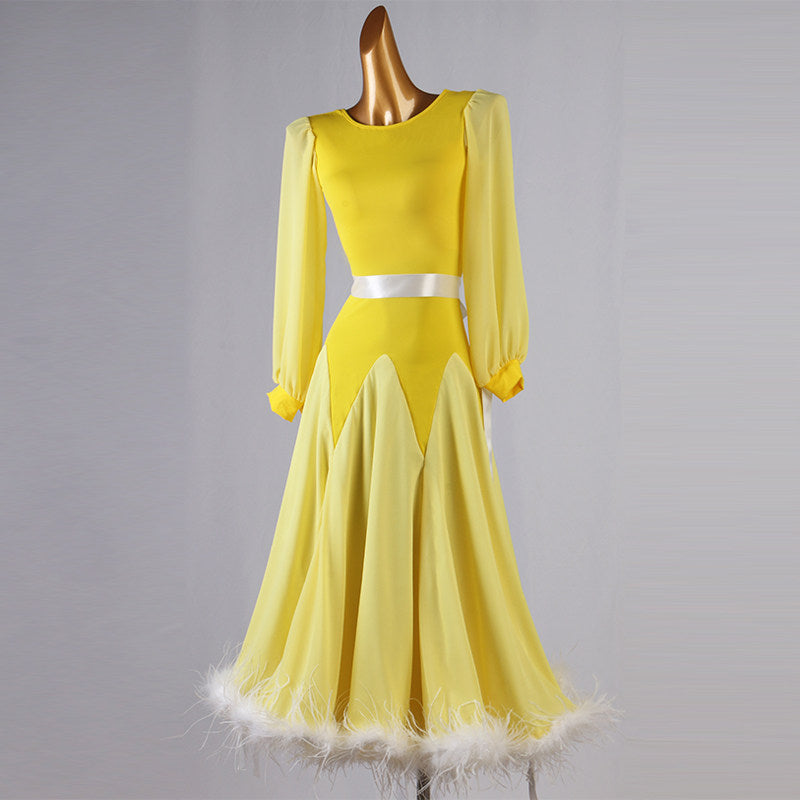
A ballroom dress is judged standing still and it is judged mid-swing, and those are two different problems. Stationary, the dress has to read as one unbroken line from shoulder to hem — which is why so much of what you see here is long-sleeved, high-backed or mesh-panelled rather than strappy. In motion, the same dress has to release. Godets, floats and layered chiffon do that work: they stay flat against the leg through a closed hold and open only when the swing pulls them open. Ballroom dancing dresses that skip the second half look expensive on a hanger and dead on a floor.
Which Ballroom Dress Do You Actually Need?
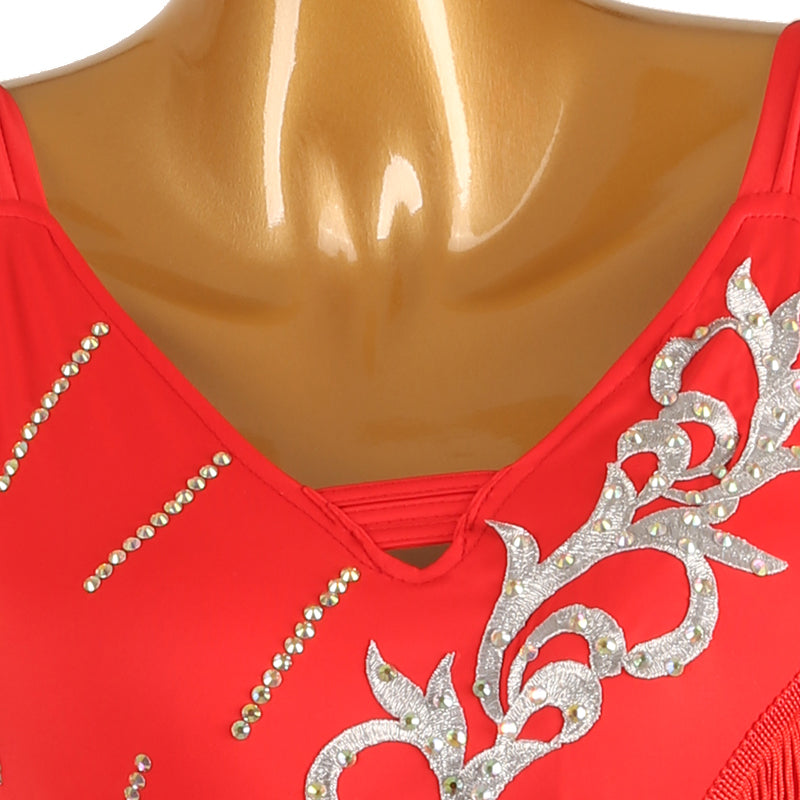
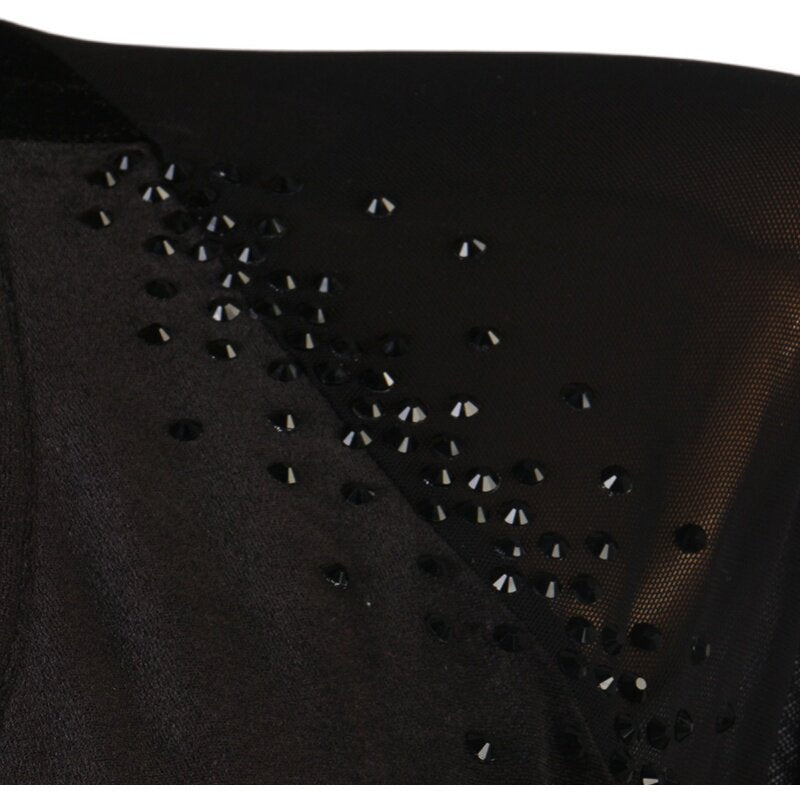
A ballroom practice dress is the one that gets worn to death. Plainer fabric, fewer stones, a cut that survives a weekly lesson and a weekly wash, and a length that clears the heel so you are not stepping on your own hem while drilling heel turns. The gowns built to be judged are a different object — structured through the bodice, stoned for stage lighting, with fuller floats sized to be seen from the back of a hall. Both kinds are on this page. To see only the competition end, use the ballroom competition dresses page, or dancesport dresses for the same thing across Latin as well. Most dancers here own one of each and buy them years apart. If you are shopping your first ballroom dress, start with practice — it teaches you what you actually want in a gown you will compete in.
Sleeves, Backs and Necklines
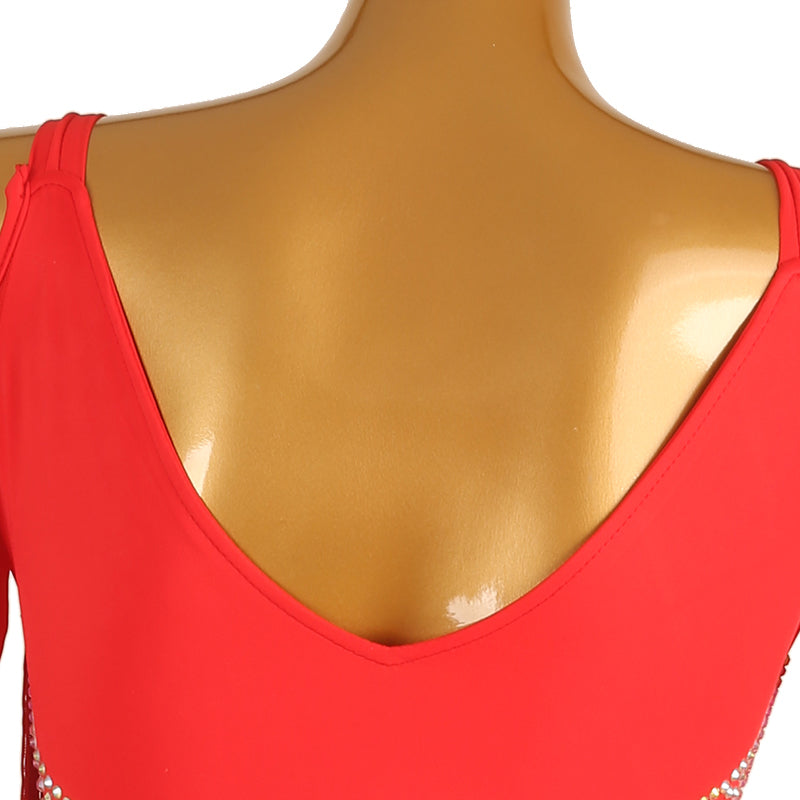
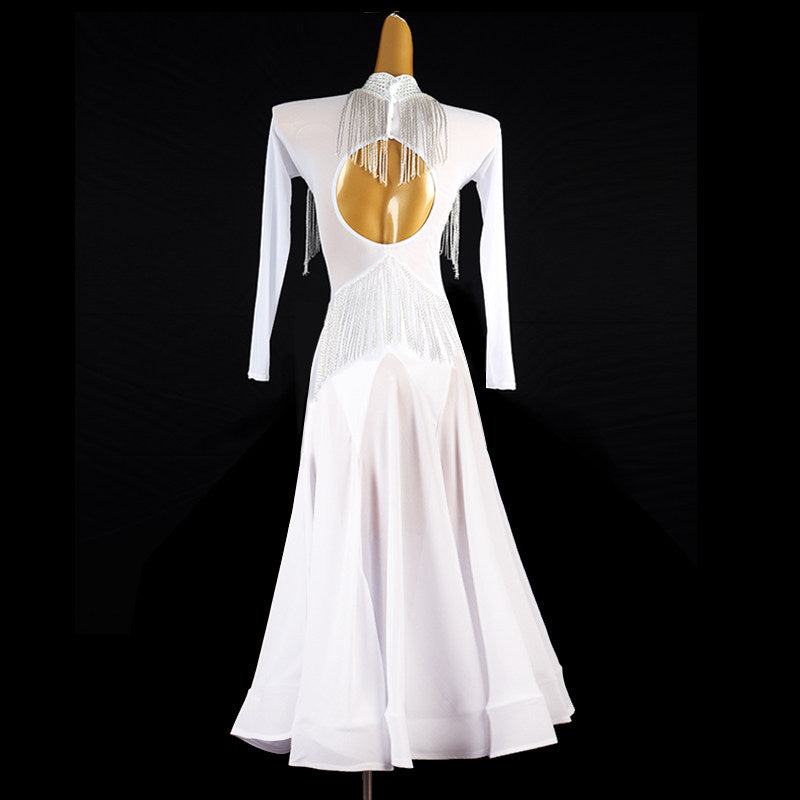
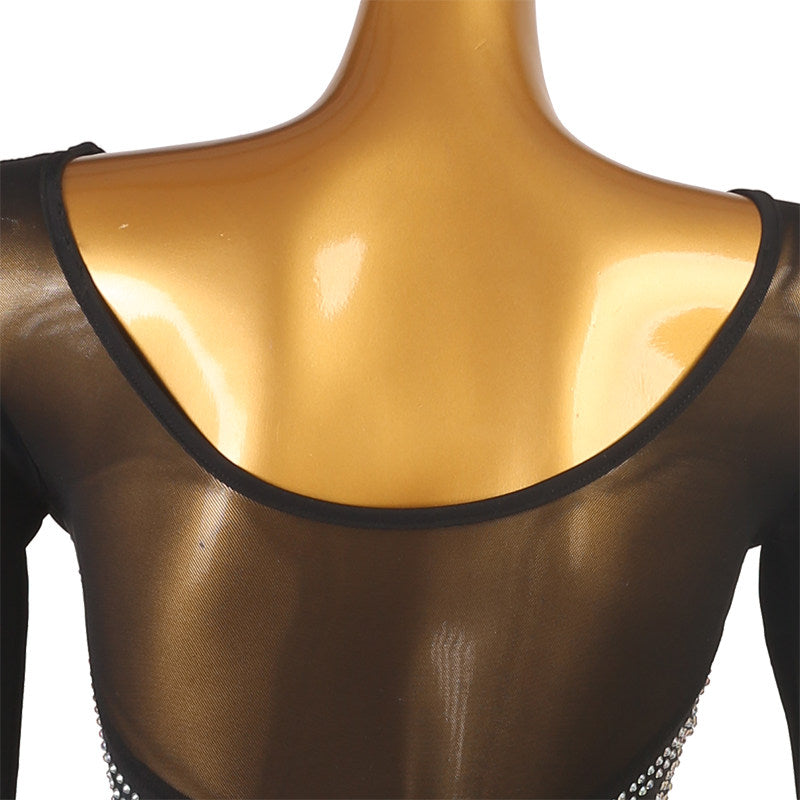
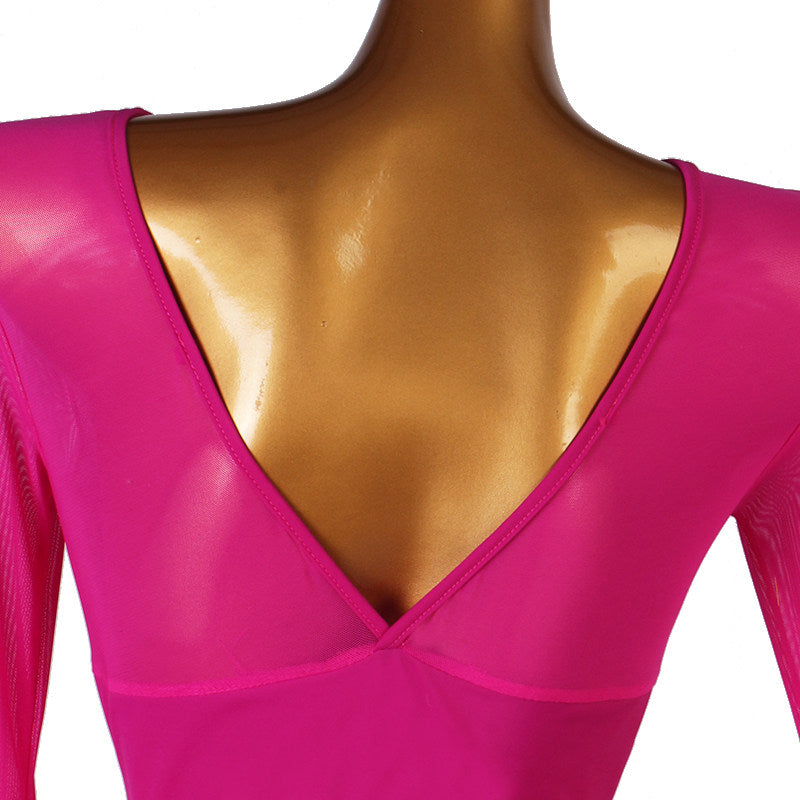
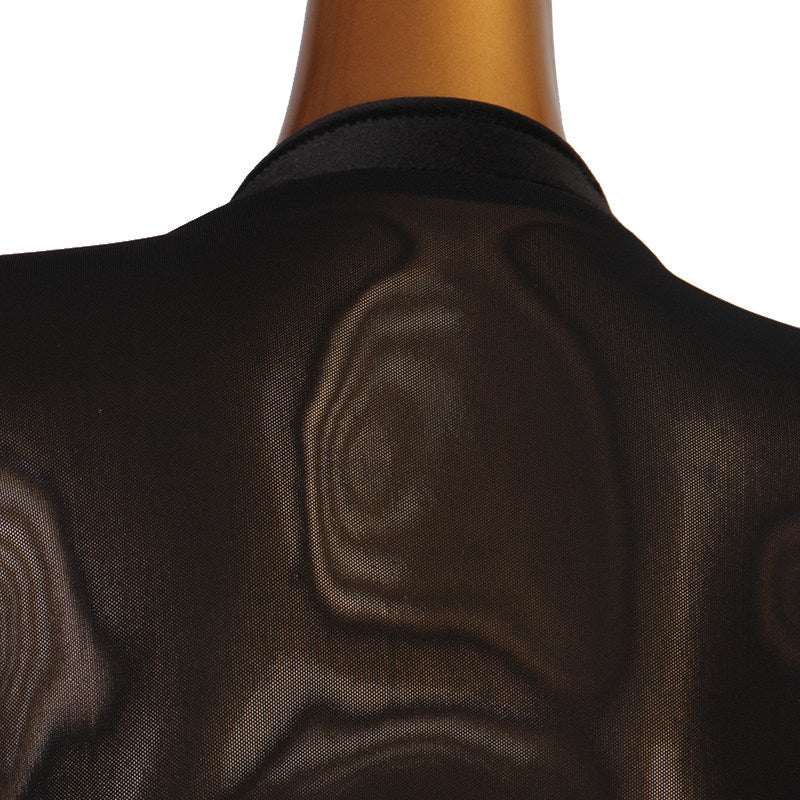
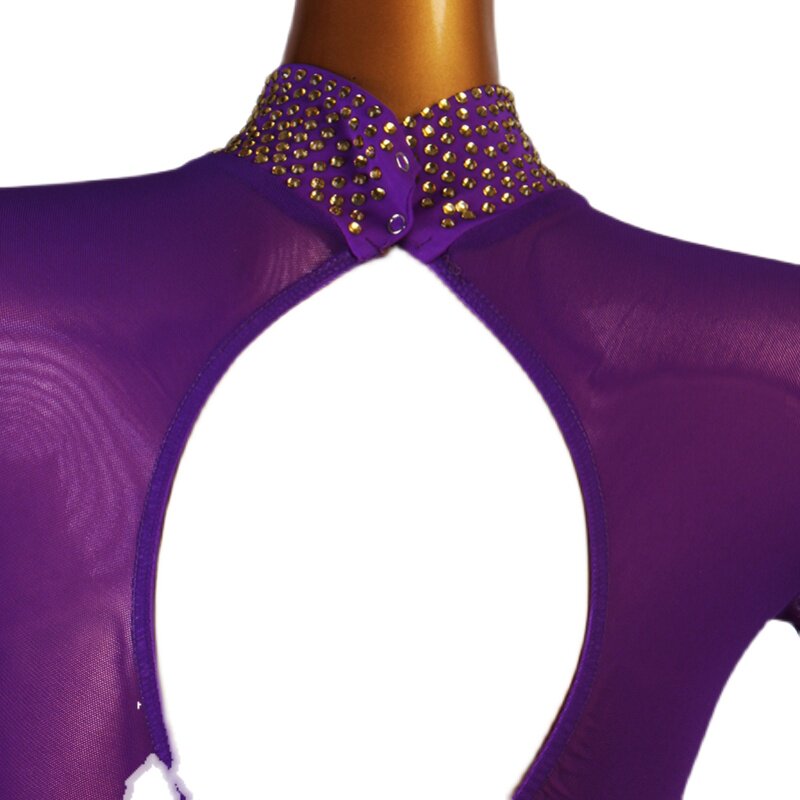
Long sleeve is the default for Standard because it keeps the arm line continuous under a frame; many styles run the sleeve in stretch mesh so it reads as skin at distance without exposing the underarm mid-figure. Sleeveless and half-sleeve styles sit better in Smooth, where the frame opens and closes and a bare arm becomes part of the choreography. Backs run from fully closed to deep scoop — go closed if you are still building frame strength, since an open back gives your partner less to feel.
Sizing and Custom Sizing
Ballroom bodices are cut close on purpose, so order to your measurements rather than your street size and check the size chart on each product page before you choose. Standard sizing runs XS through 2XL with larger sizes on much of the range. A good part of this range also offers custom sizing, which is made to your own measurements — a better route than buying up a size and paying for alterations. Every order is backed by a money-back guarantee, so an exchange is straightforward if the fit is not right.
Ballroom Dresses and Latin Dresses Are Not Interchangeable
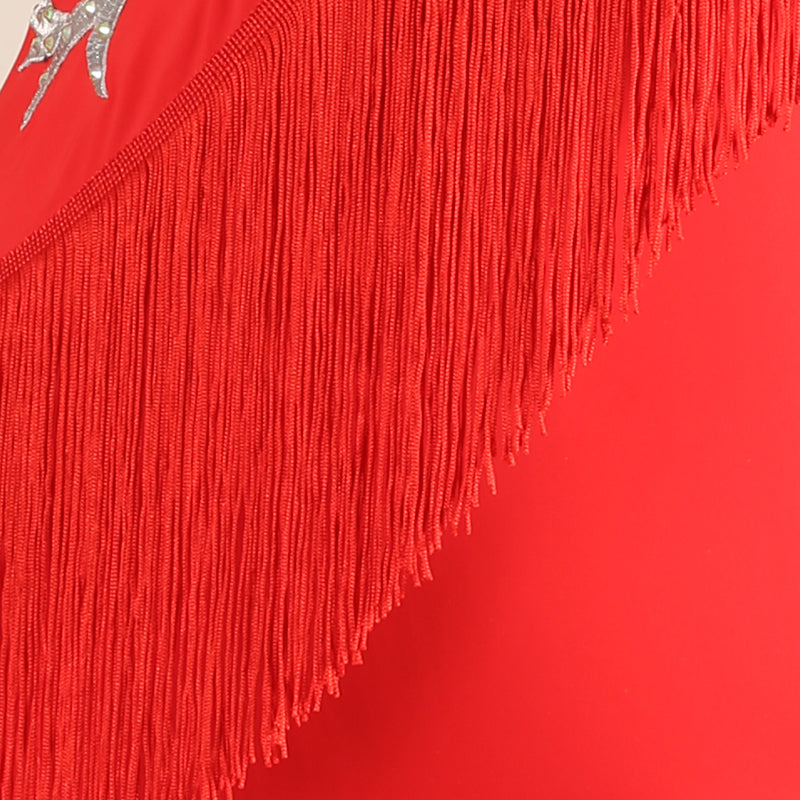
Ballroom (Standard and Smooth) and Latin are separate dance families and the dresses follow. Ballroom is long, floated and built for travelling figures in a closed hold. Latin is short, close through the hip and built to react on the beat — fringe, tassel and split hems. Dancing both does not mean one dress covers both; see the Latin dancewear range for that side of the floor.
Build the Rest of the Outfit
Pair a practice dress with a ballroom bodysuit underneath for coverage, or swap the dress entirely for a ballroom skirt with a ballroom top when you want to mix pieces between lessons. Standard and Smooth are danced in closed-toe shoes with a lower, more stable heel than Latin uses — browse closed toe dance shoes or the ballroom and standard shoe range to finish it. To see every piece that goes into a practice or competition look together, shop all ballroom dance outfits.
If you would rather see every cut we carry side by side instead of only the ballroom half, the wider dance bodysuits, dance tops and dance pants ranges hold both families in one place.
Ballroom Dresses: Frequently Asked Questions
What is a ballroom dress?
A ballroom dress is a full-length or below-knee dance dress cut for Standard and Smooth styles. It is built to hold one clean line from shoulder to hem in a closed hold, then release through godet or float panels as the swing opens. That is what separates it from an evening gown of a similar length.
What is a ballroom practice dress?
A practice dress uses plainer fabric and fewer embellishments and is cut to survive repeated lessons and washing. The structured, stoned gowns made to be judged sit alongside them on this page — to see only those, use ballroom competition dresses.
What length should a ballroom dance dress be?
Long enough to travel with rise and fall, short enough to clear your heel. For most dancers that lands between mid-calf and ankle in heels. If you catch the hem during heel turns, the dress is too long for the shoe you are dancing in.
Should a ballroom dress have long sleeves?
Long sleeves are the default in Standard because they keep the arm line unbroken under a frame, and stretch mesh sleeves give that look without heat. Smooth allows more freedom, so sleeveless and half-sleeve styles are common there.
What size ballroom dress should I order?
Order to your measurements, not your usual street size, and check the size chart on each product page. Standard sizes run XS through 2XL with larger sizes on much of the range. If you fall between sizes or need a closer fit, choose the custom-sizing option where it is offered.
Can I wear a Latin dress for ballroom?
Not for Standard or Smooth. Latin dresses are short and cut for hip action, while ballroom needs length and float to complete the line in a closed hold. Bodysuits and tops cross over between the two; dresses and skirts do not.
Do you ship ballroom dresses internationally?
Yes. TTdancewear ships worldwide and every order is backed by a money-back guarantee, so you can order your size with confidence and exchange it if the fit is not right.