Ballroom & Latin Practice Wear for Women
Dance practice clothes for ballroom and Latin: long practice skirts, short fringe skirts, fitted tops, leotards, high-waisted dance pants and practice dresses, cut to show your line in the mirror and move through a full class. Amazon's Choice with a money-back guarantee since 2012.

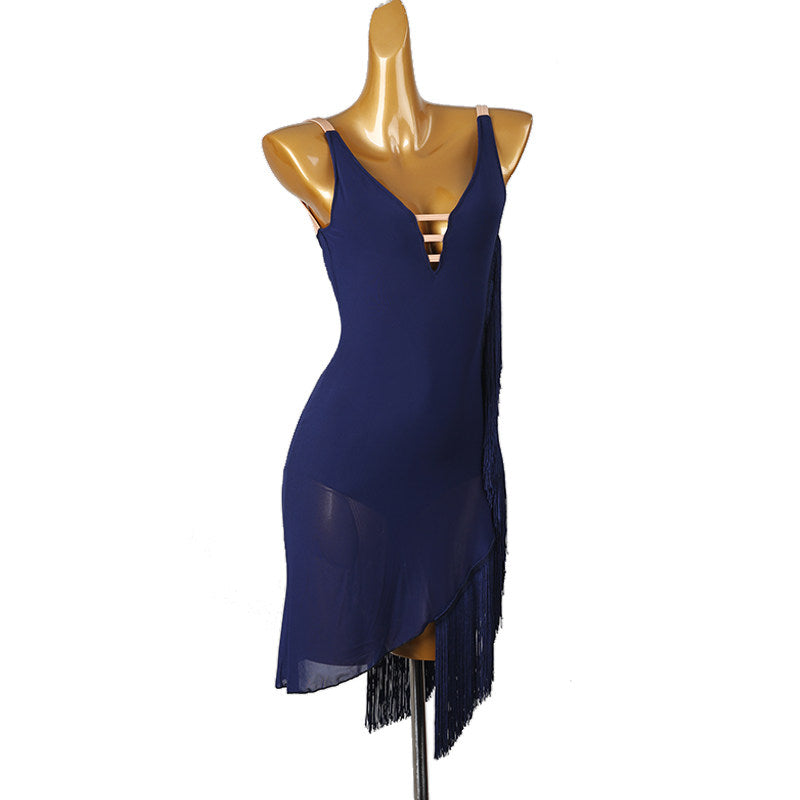
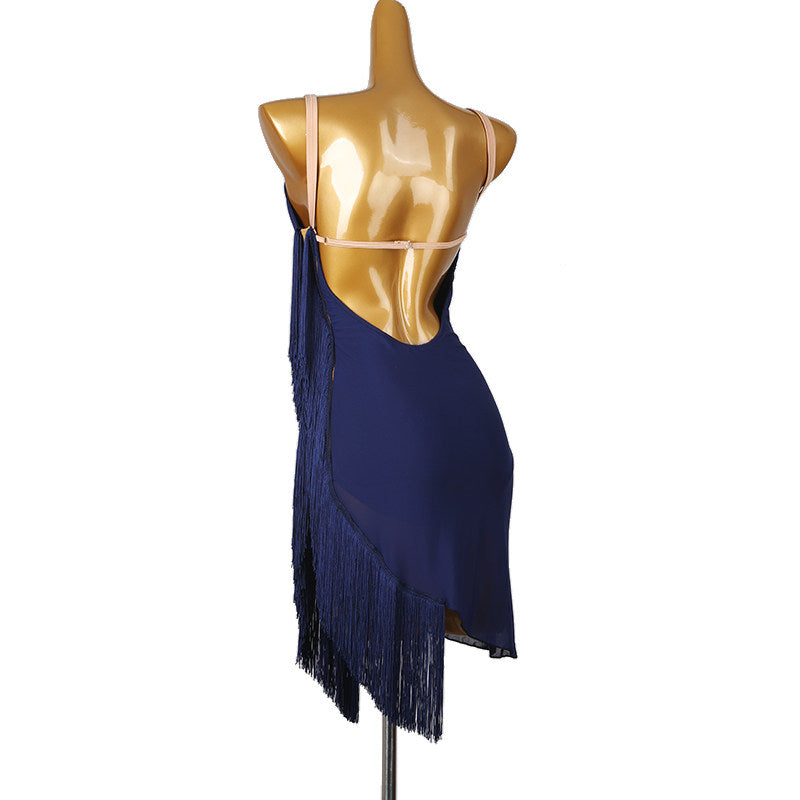

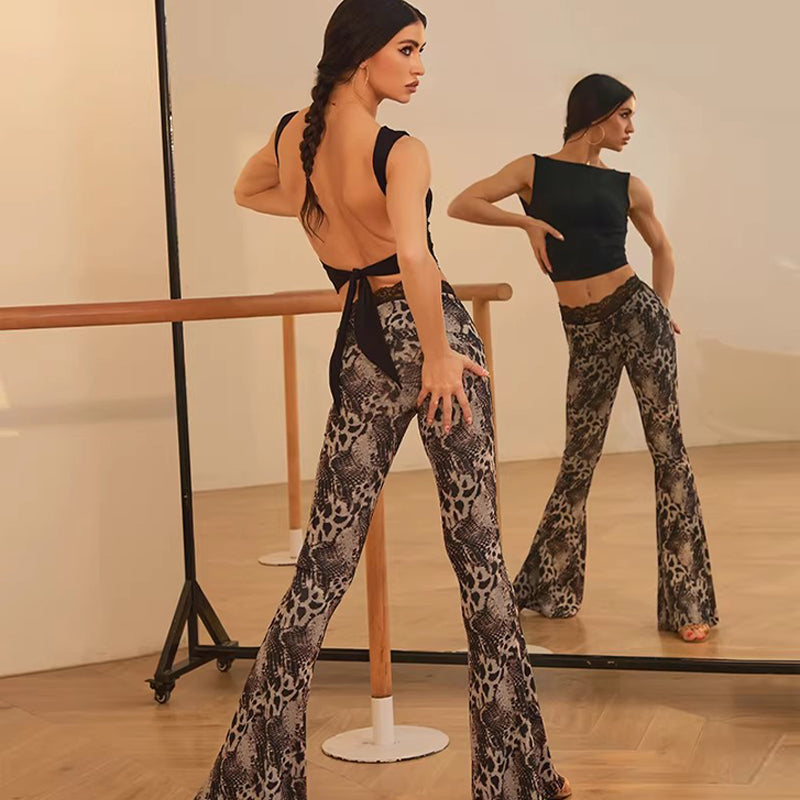
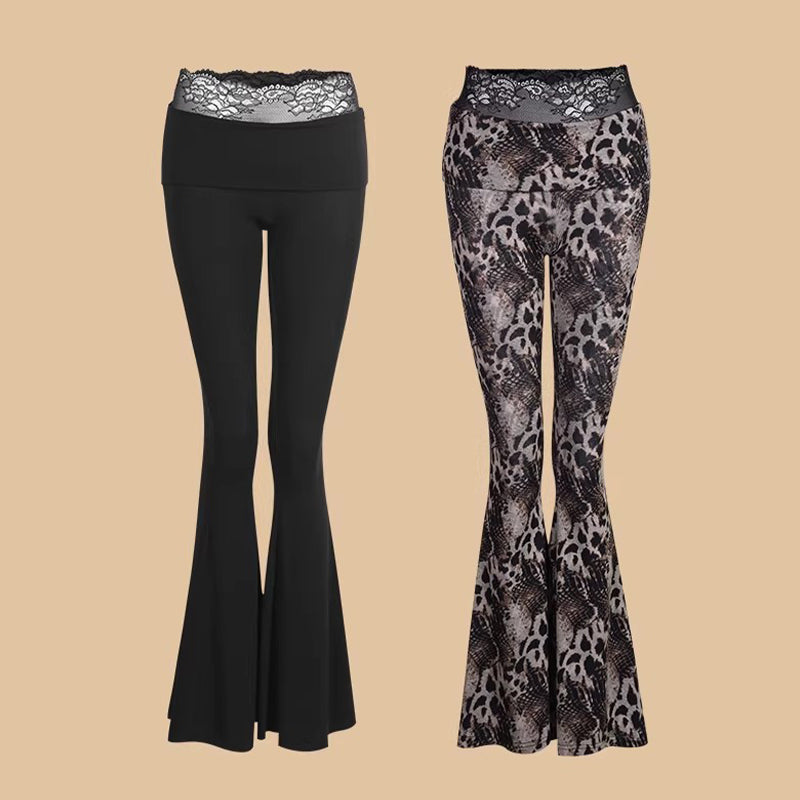
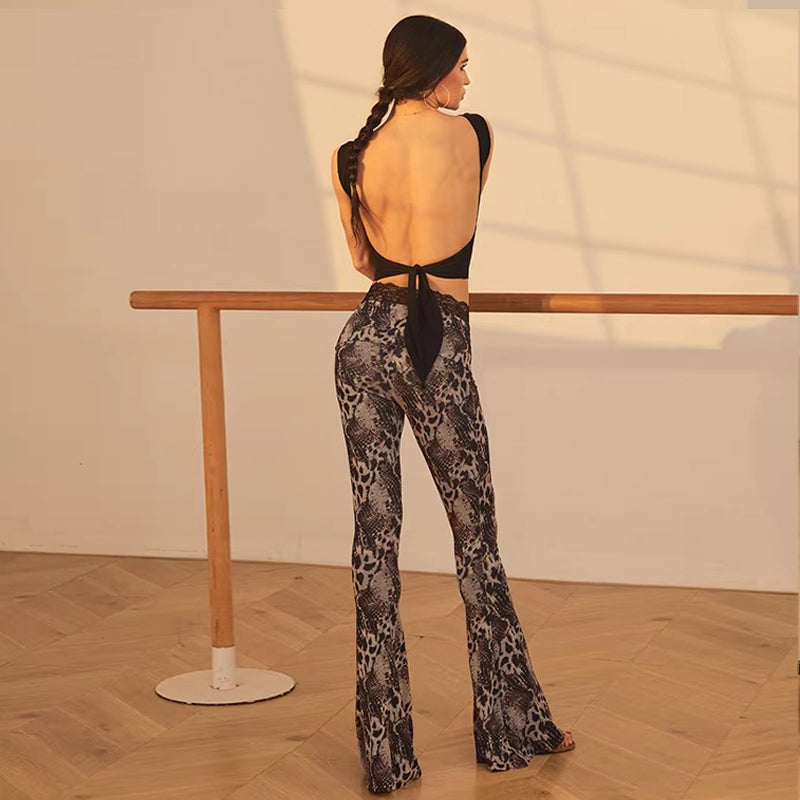
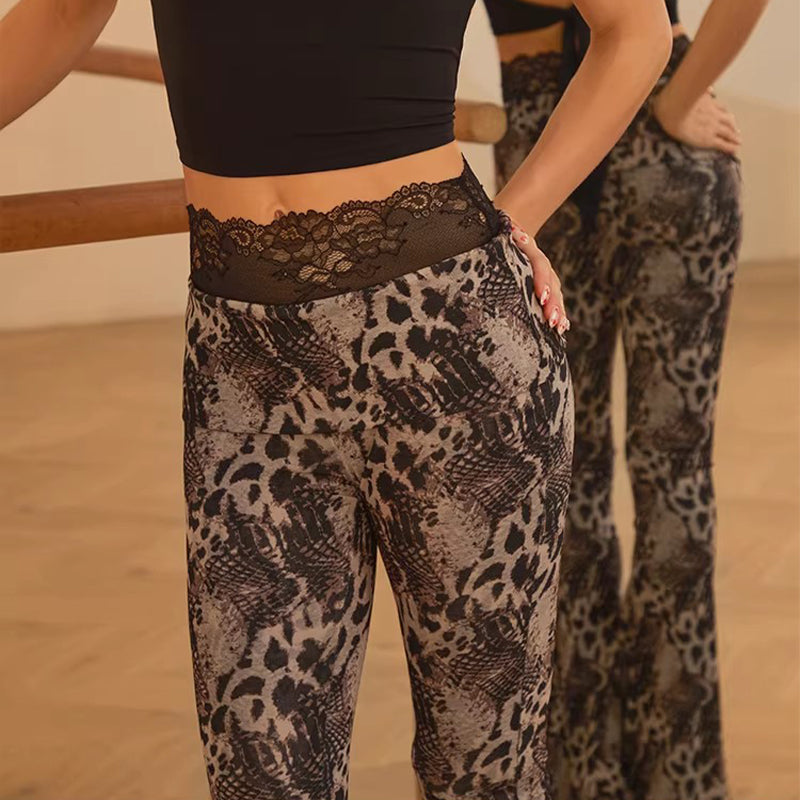
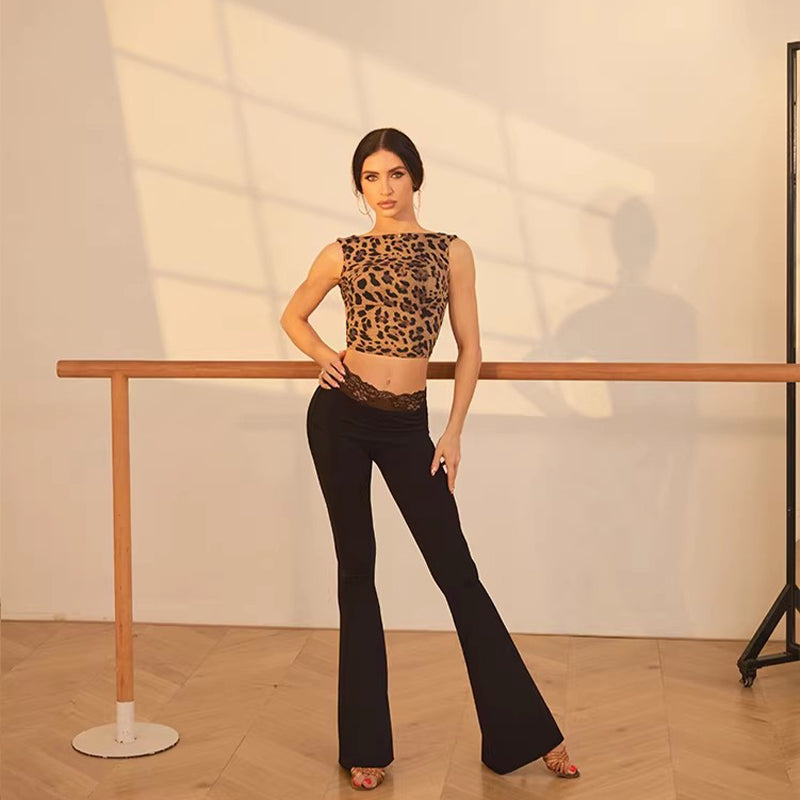
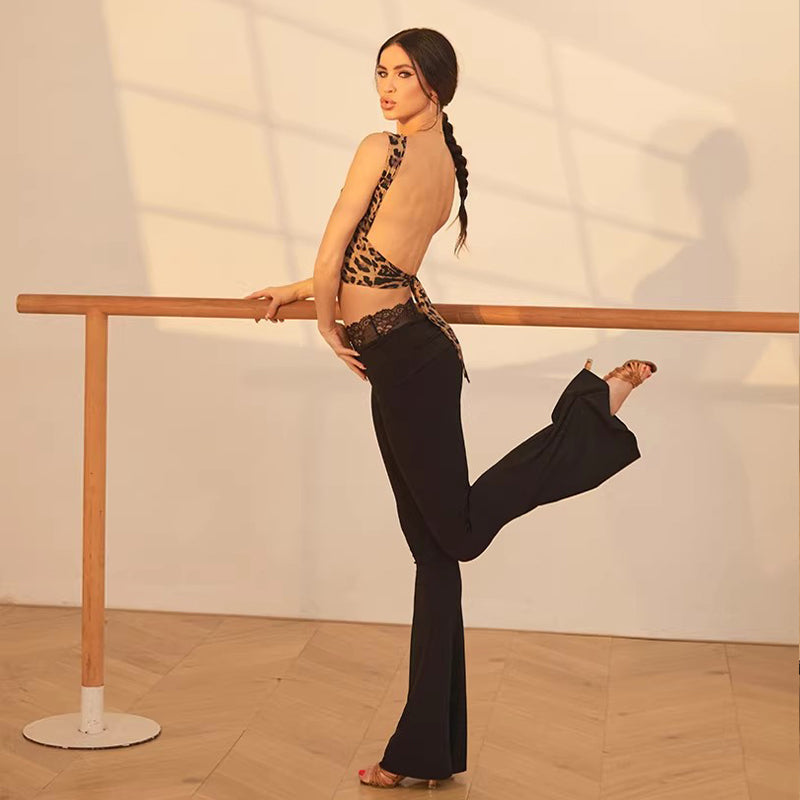
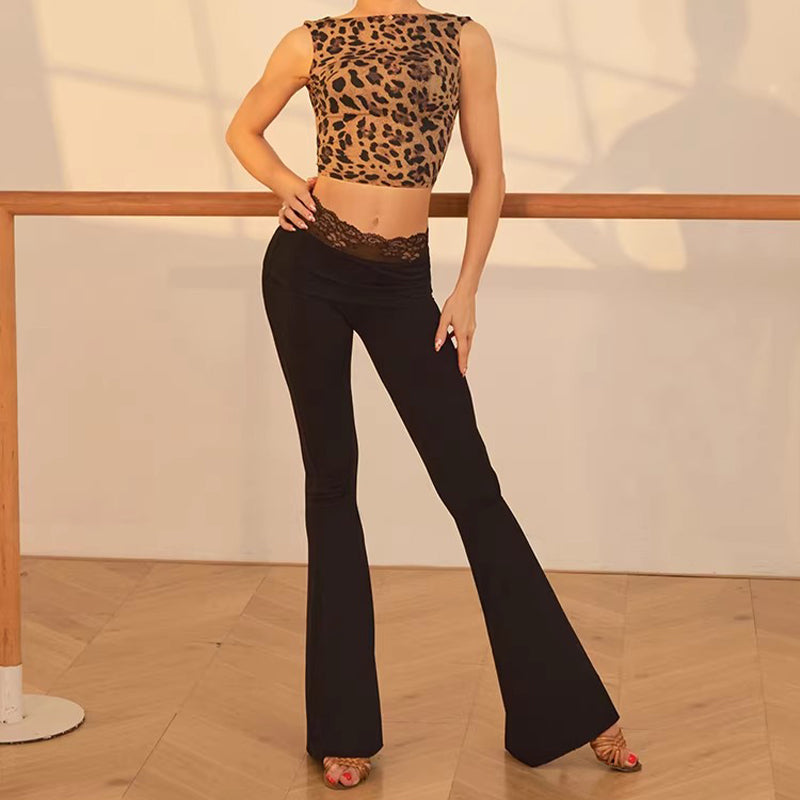
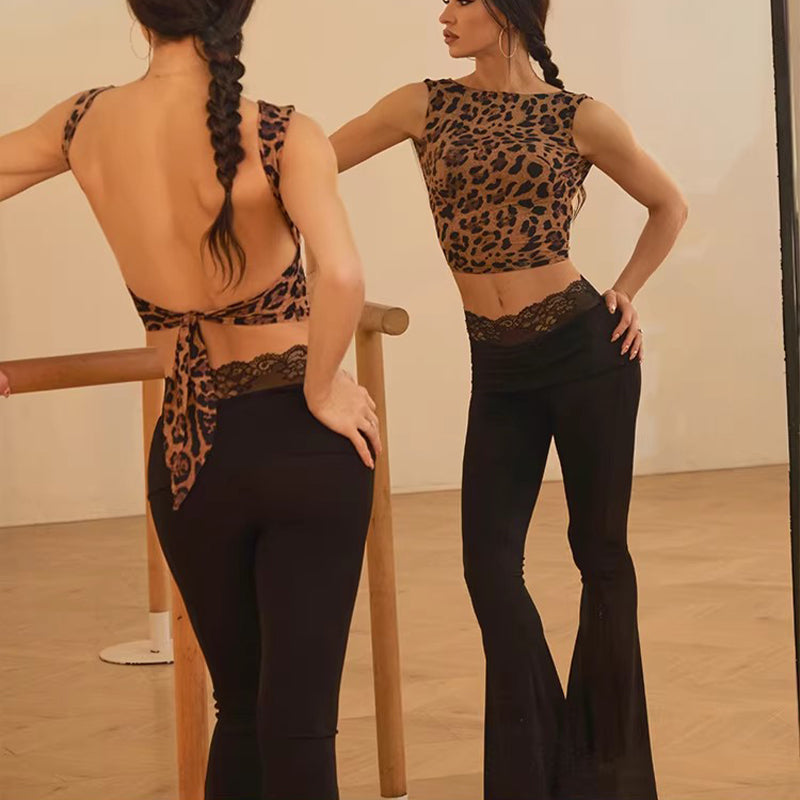
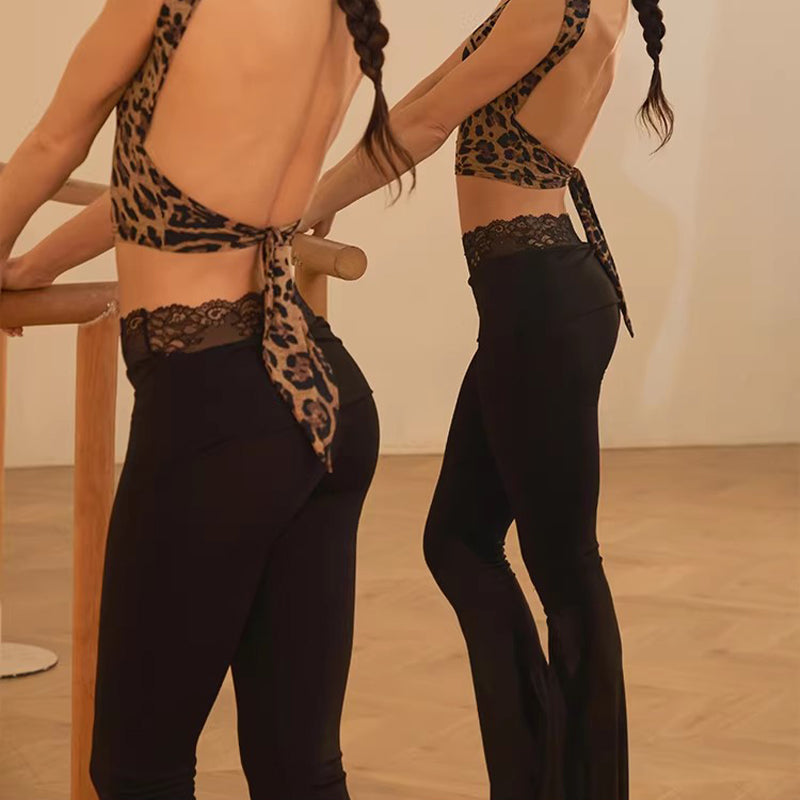
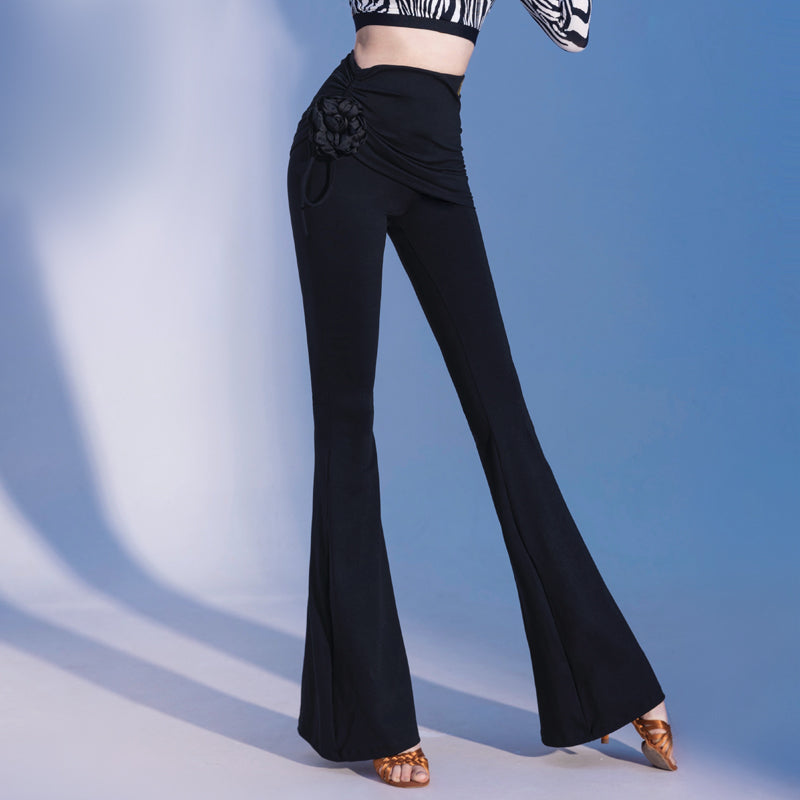

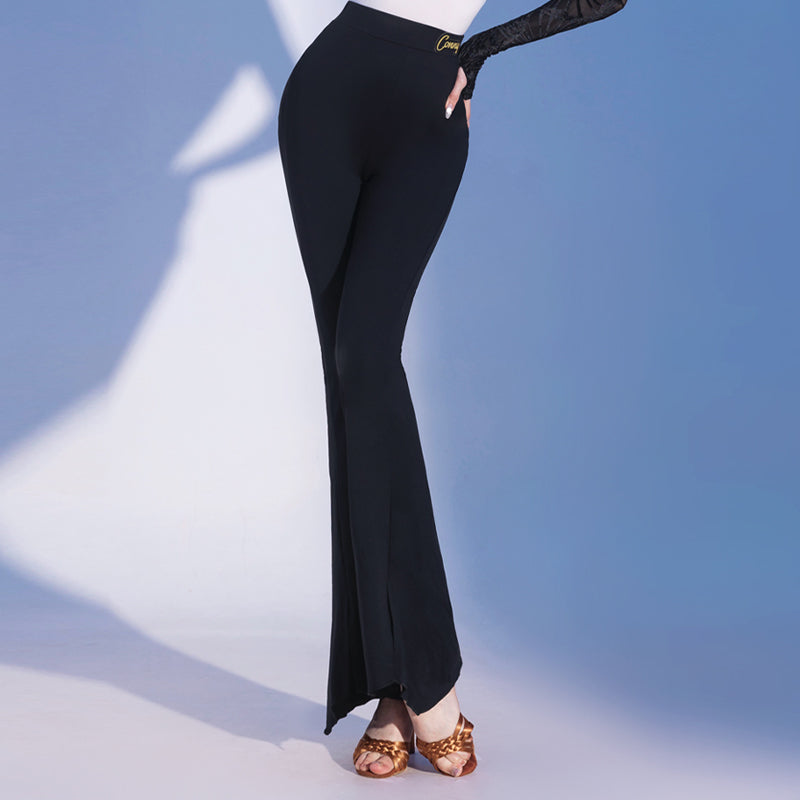

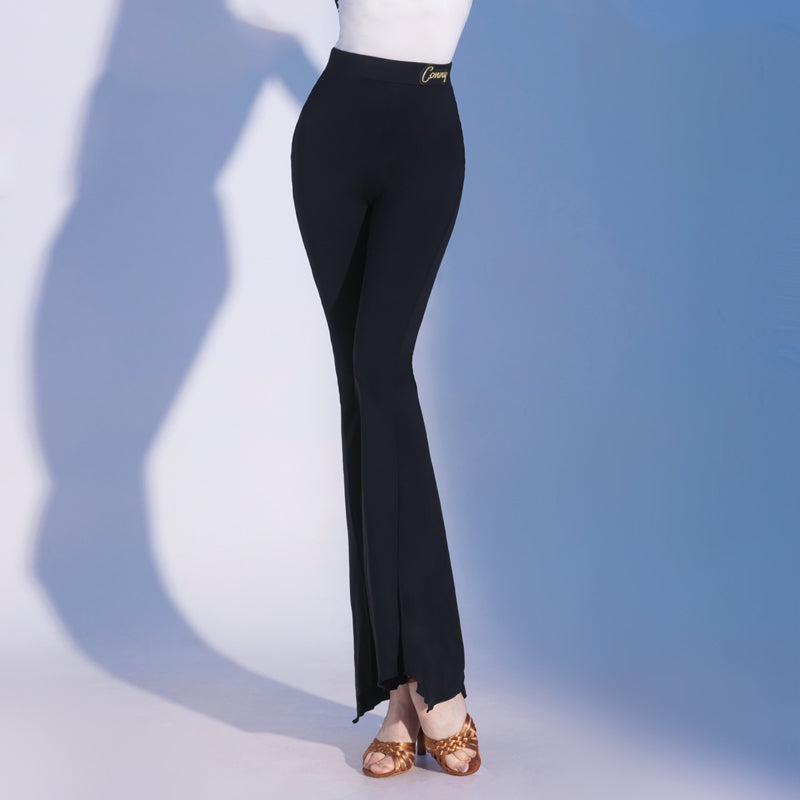
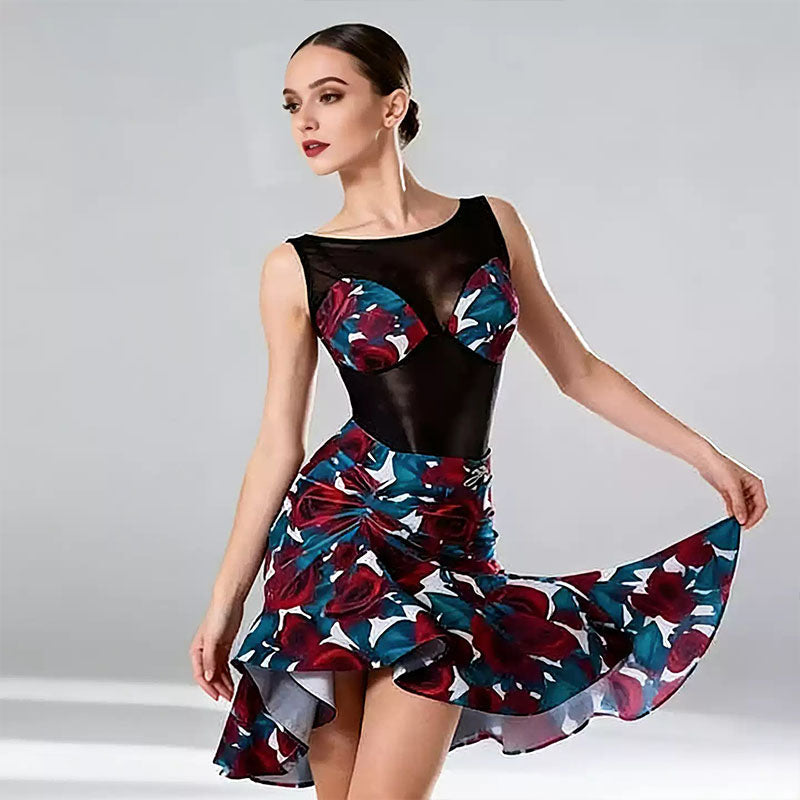
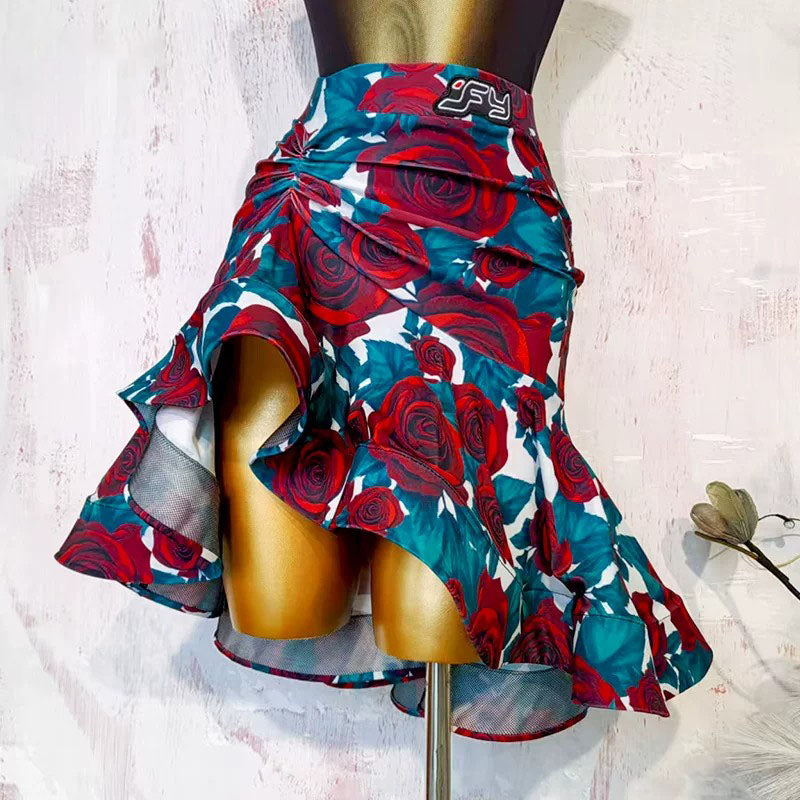
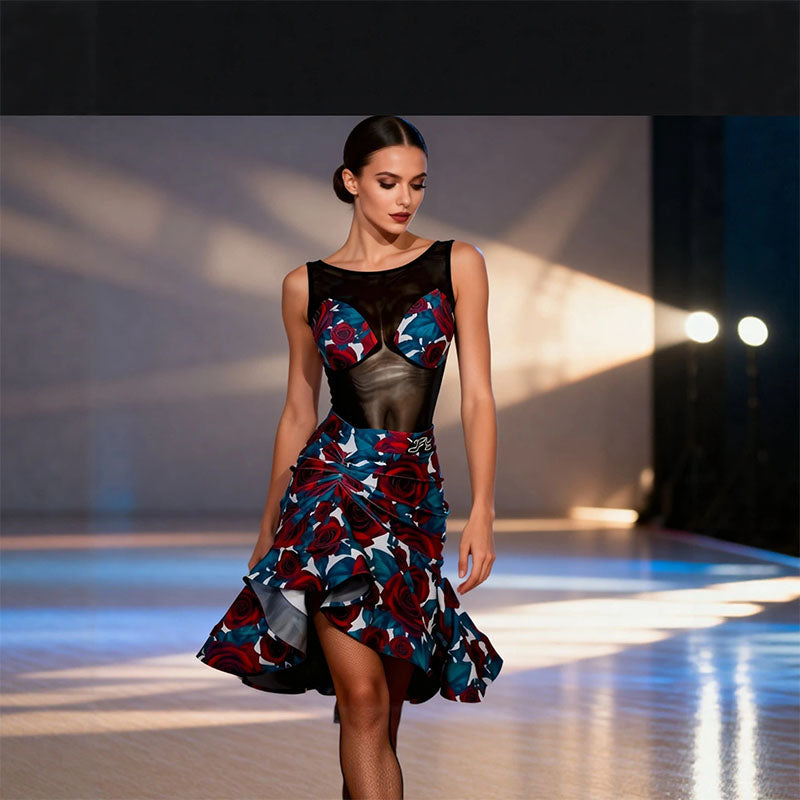
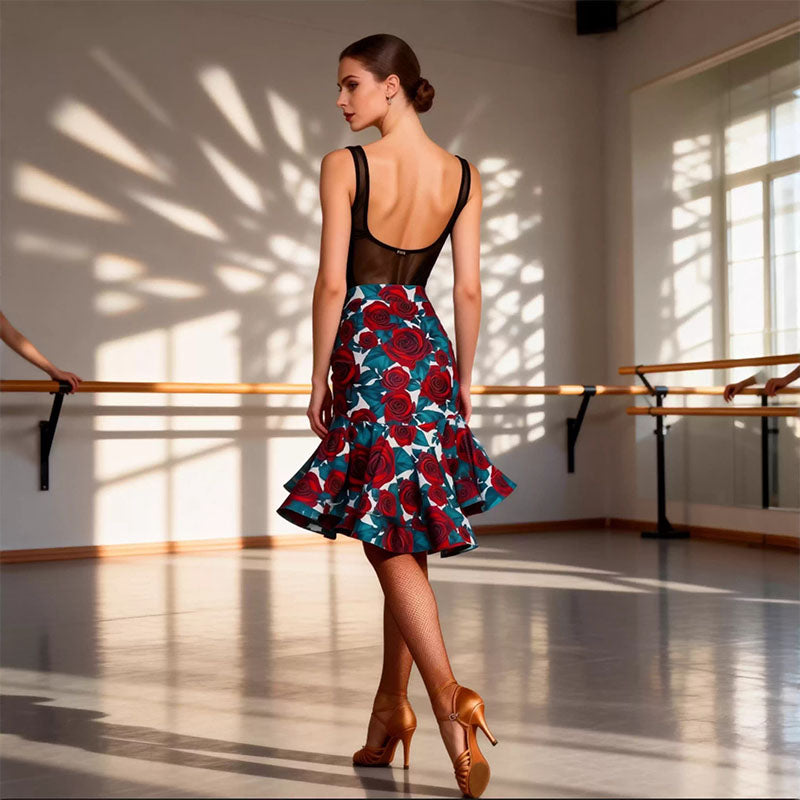
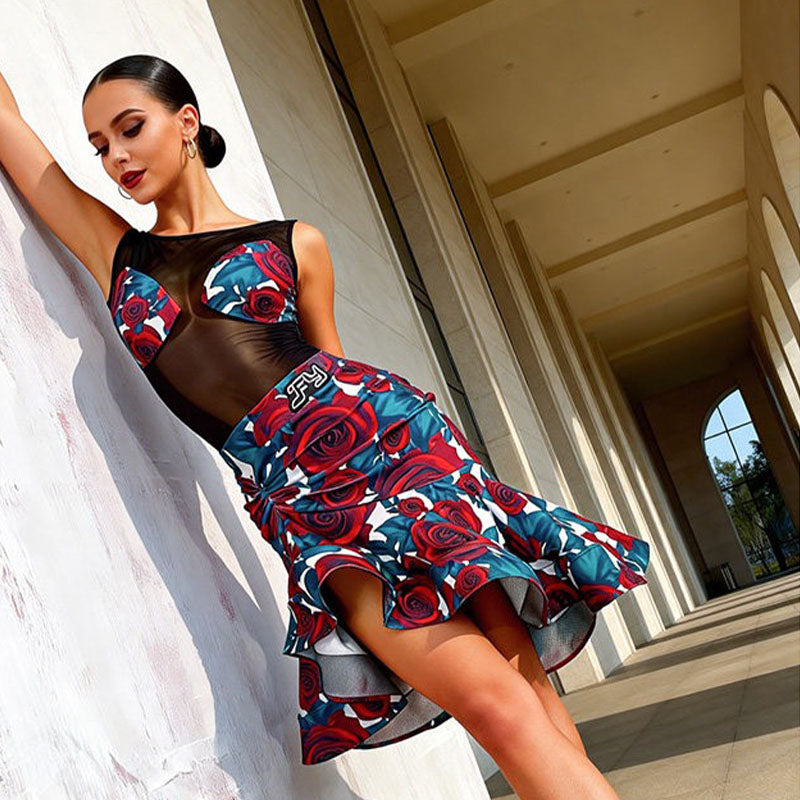
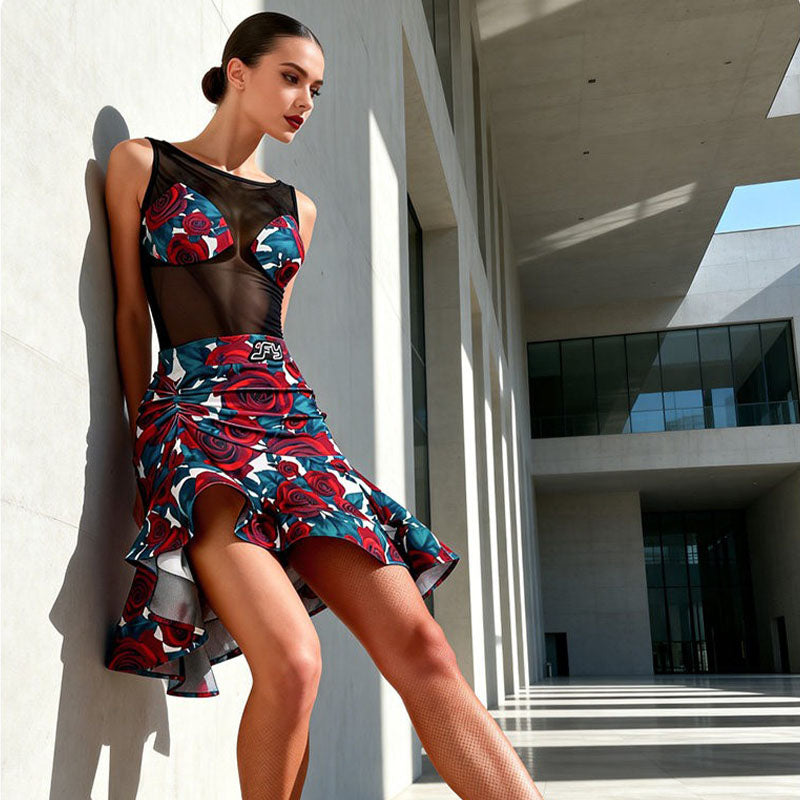
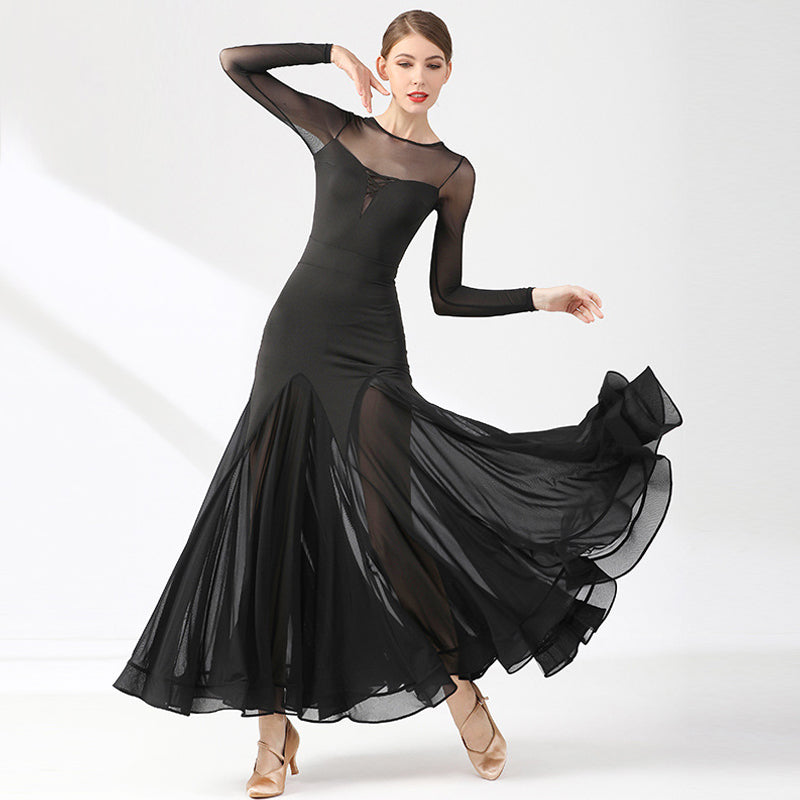
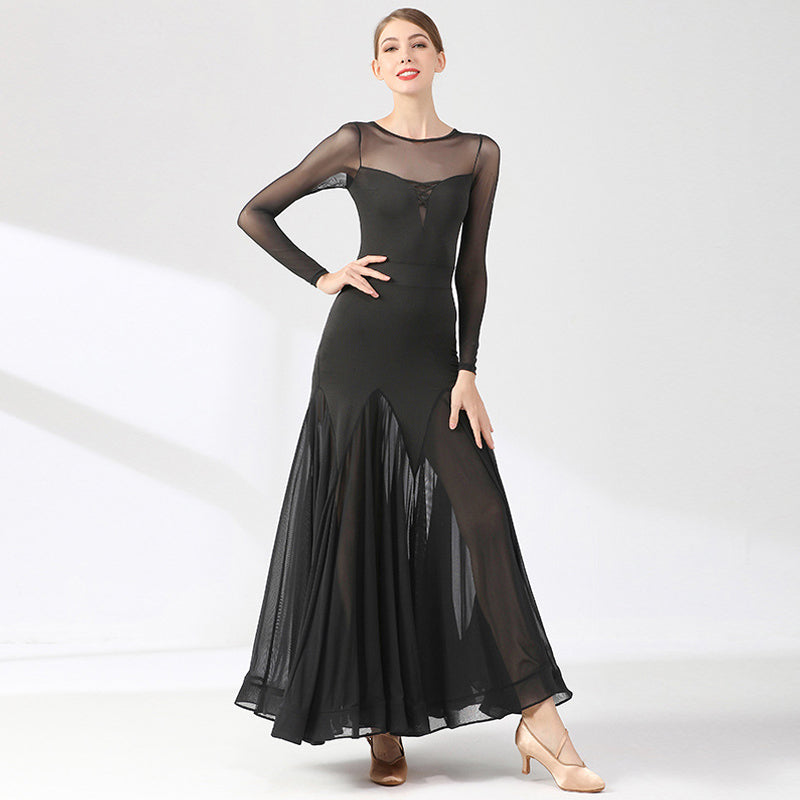
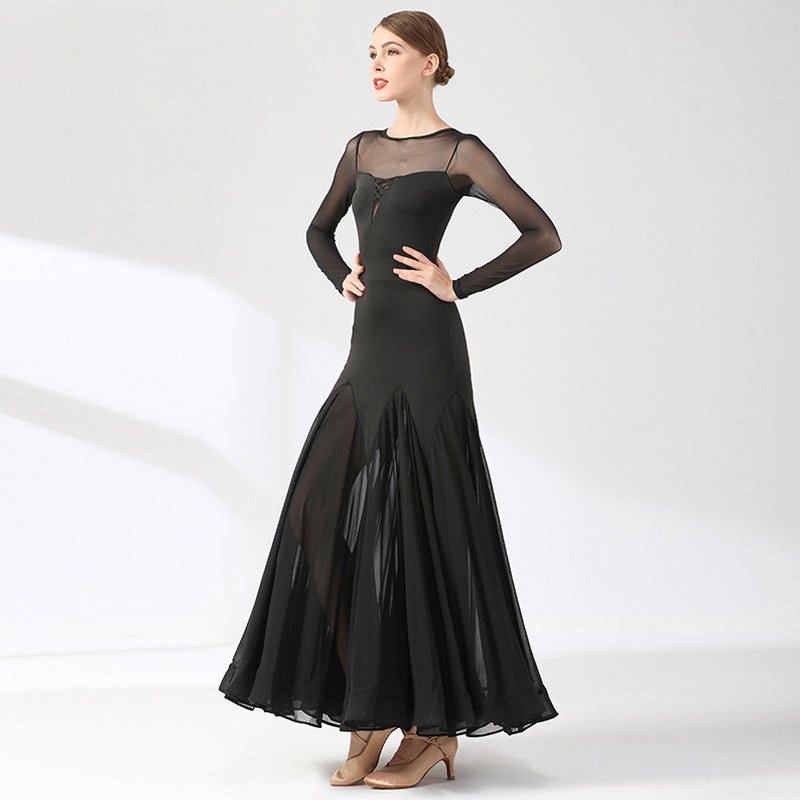
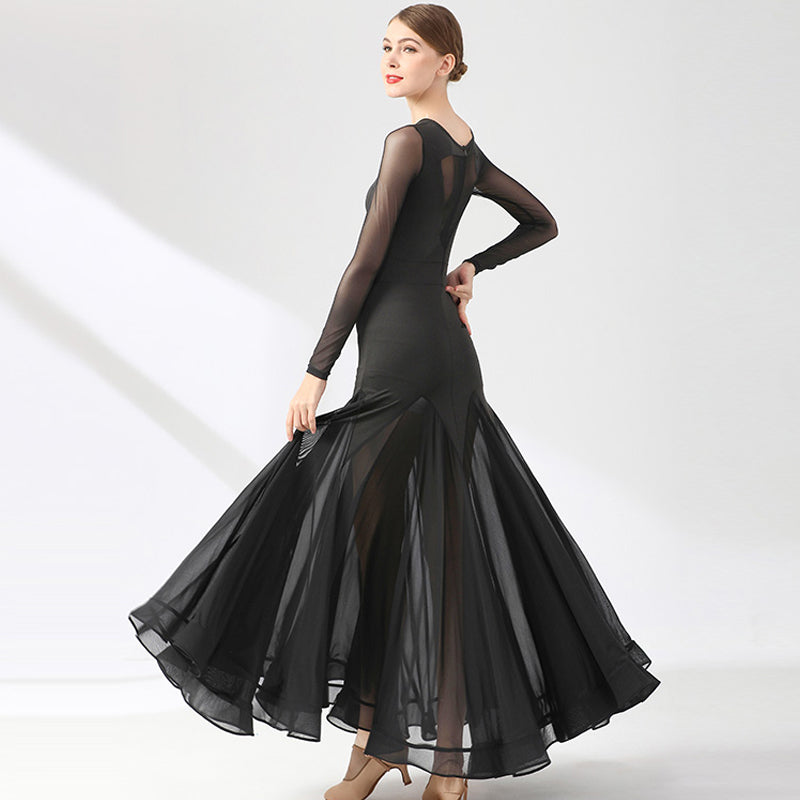
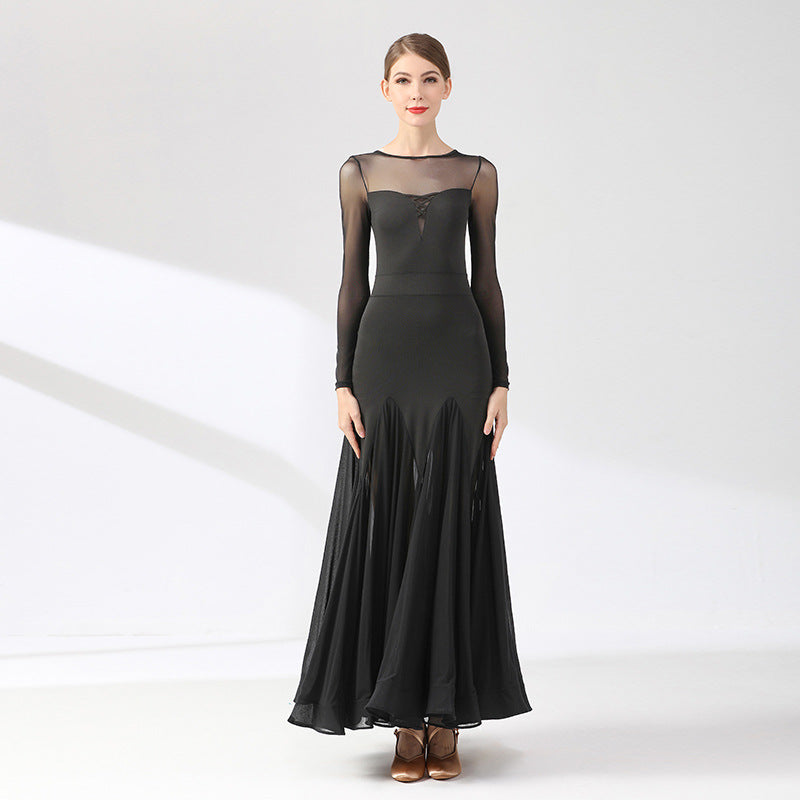
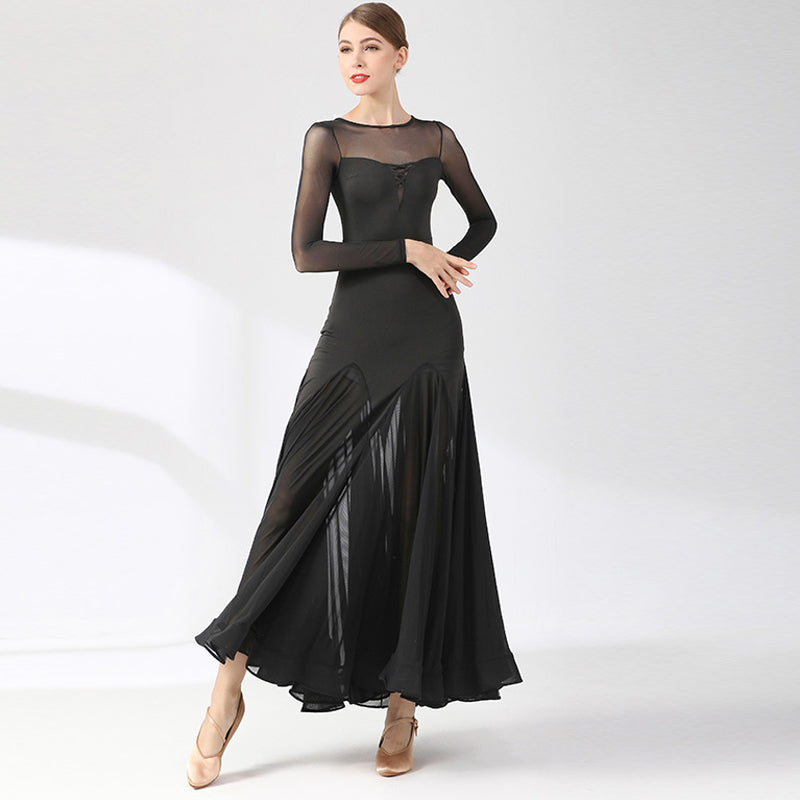
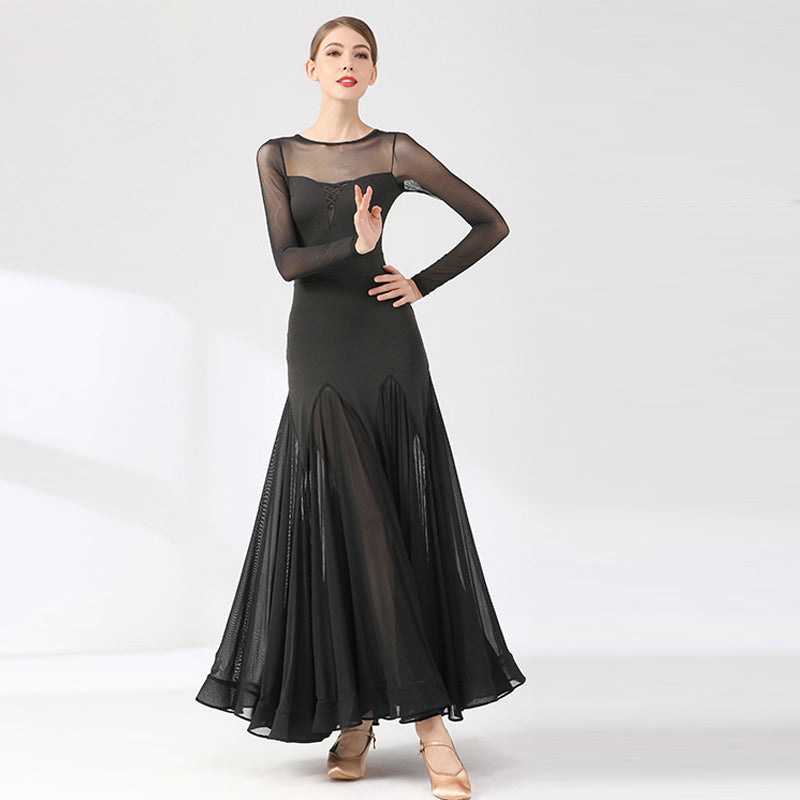
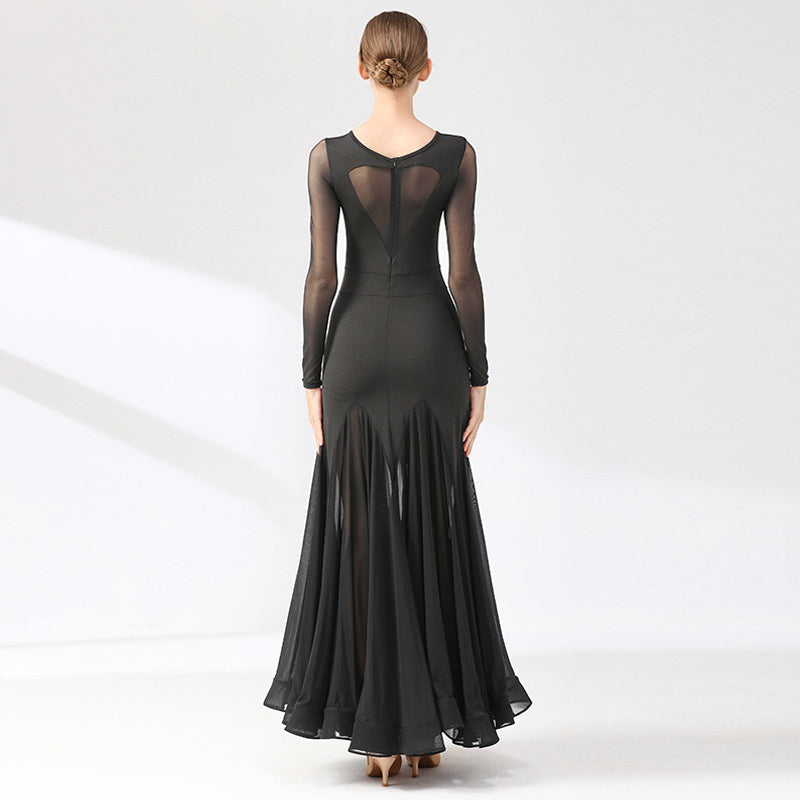
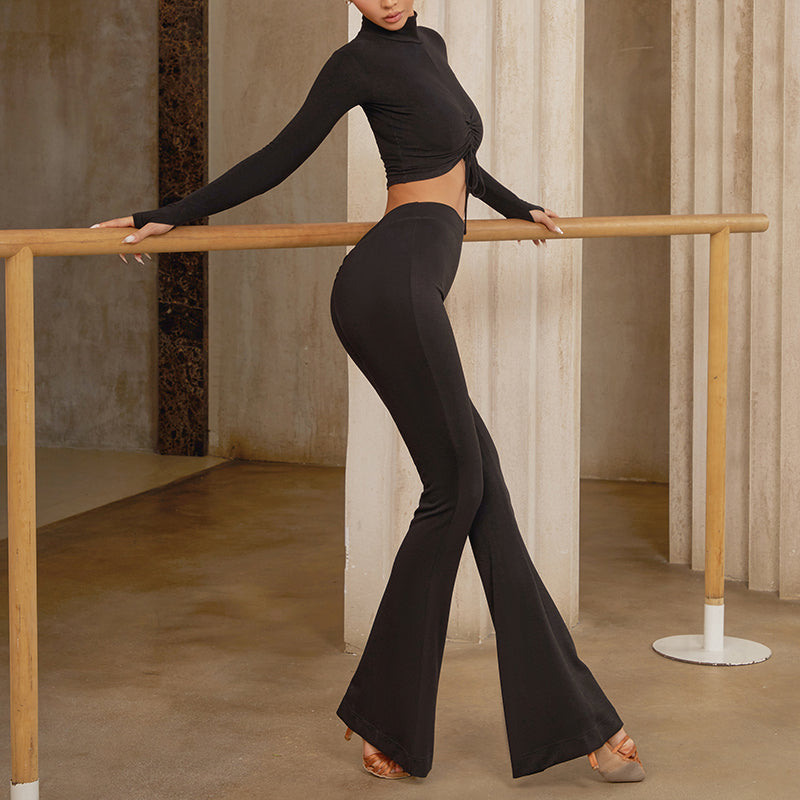
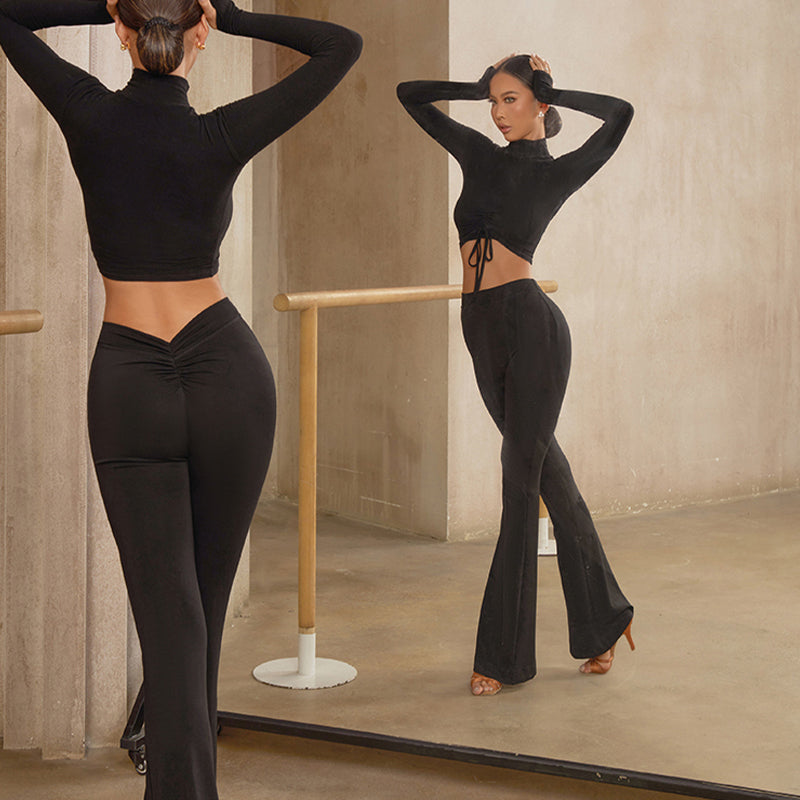
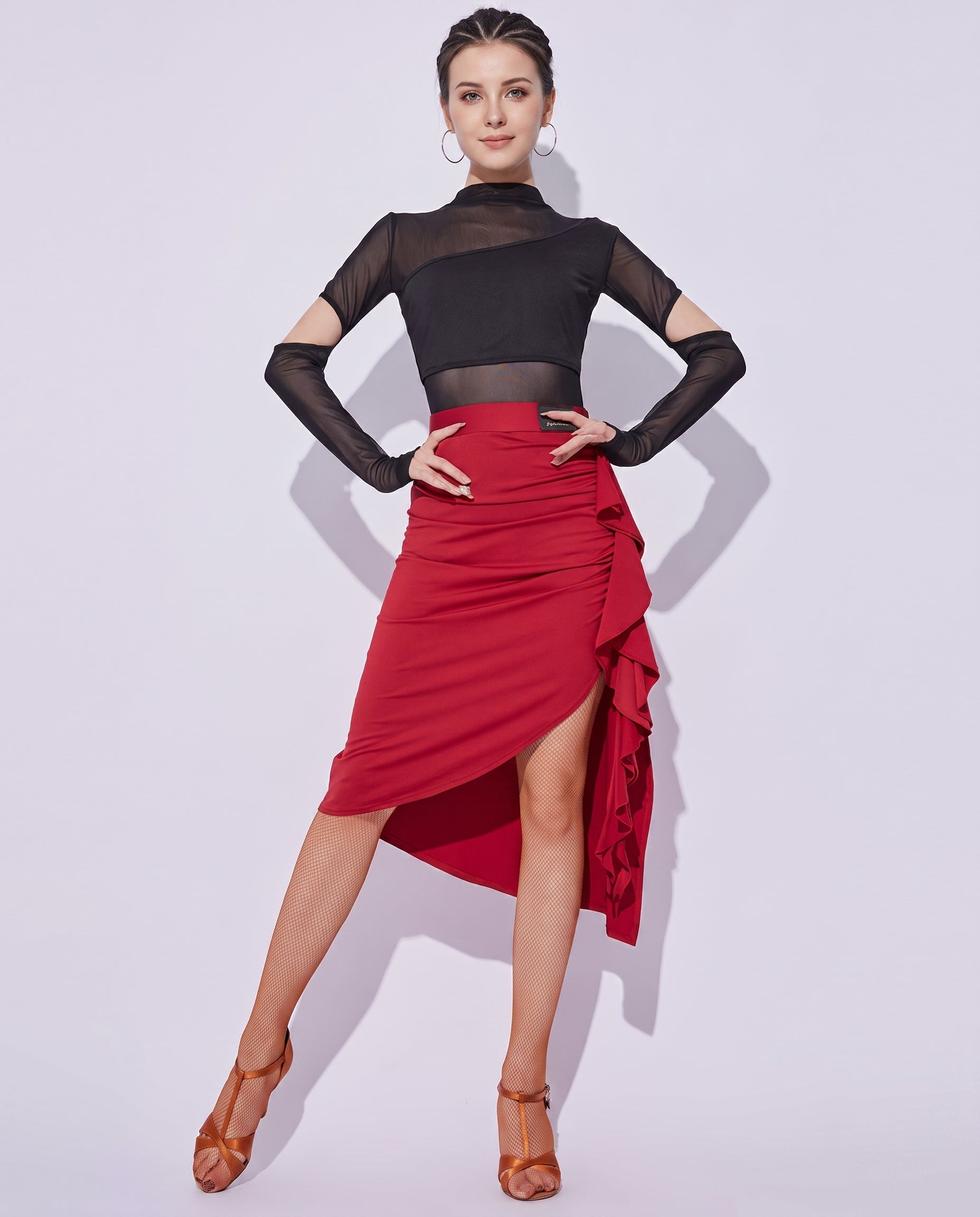
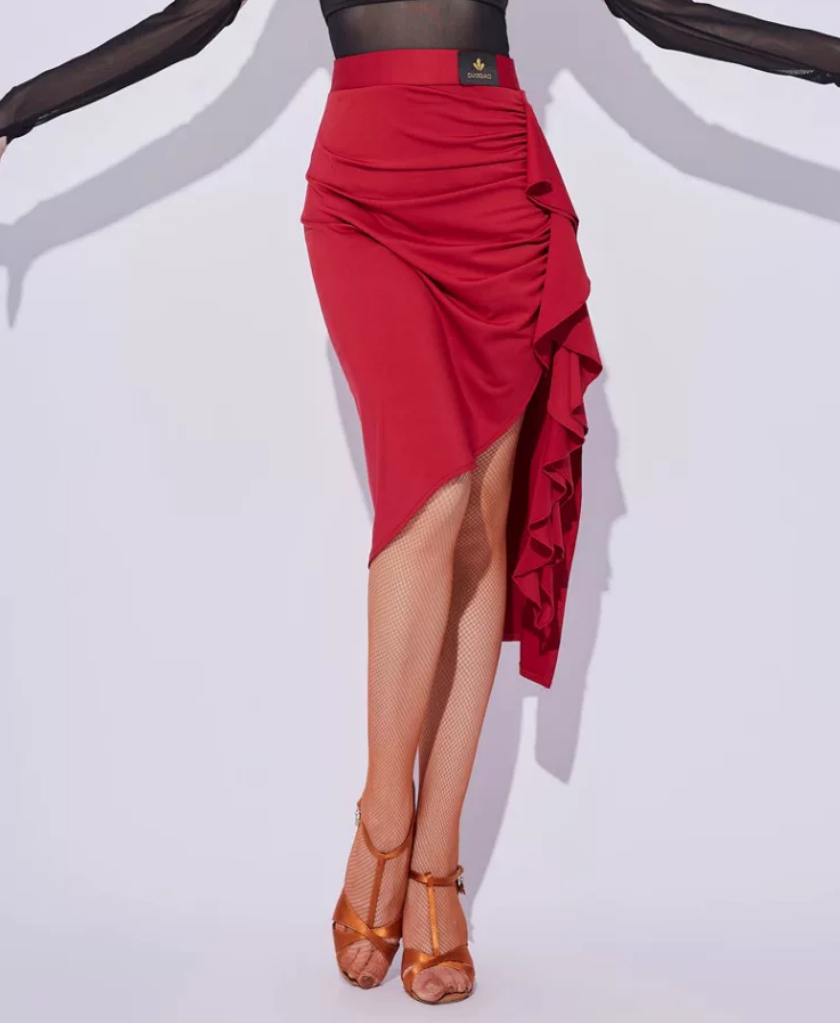
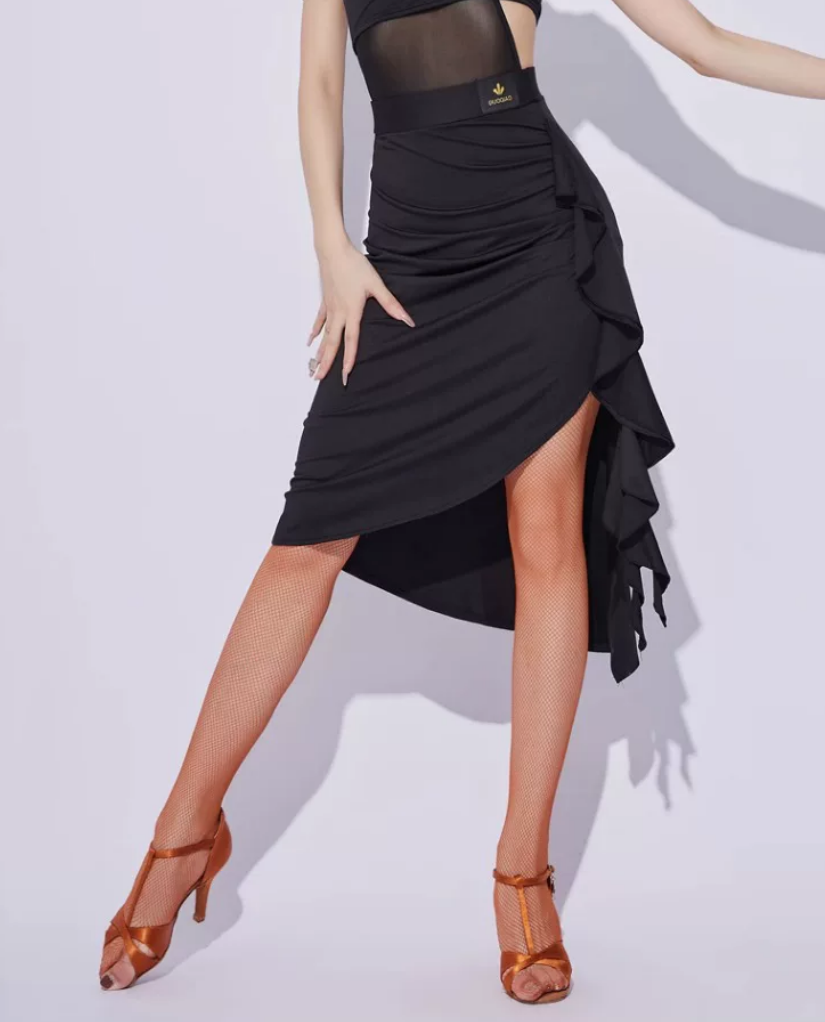
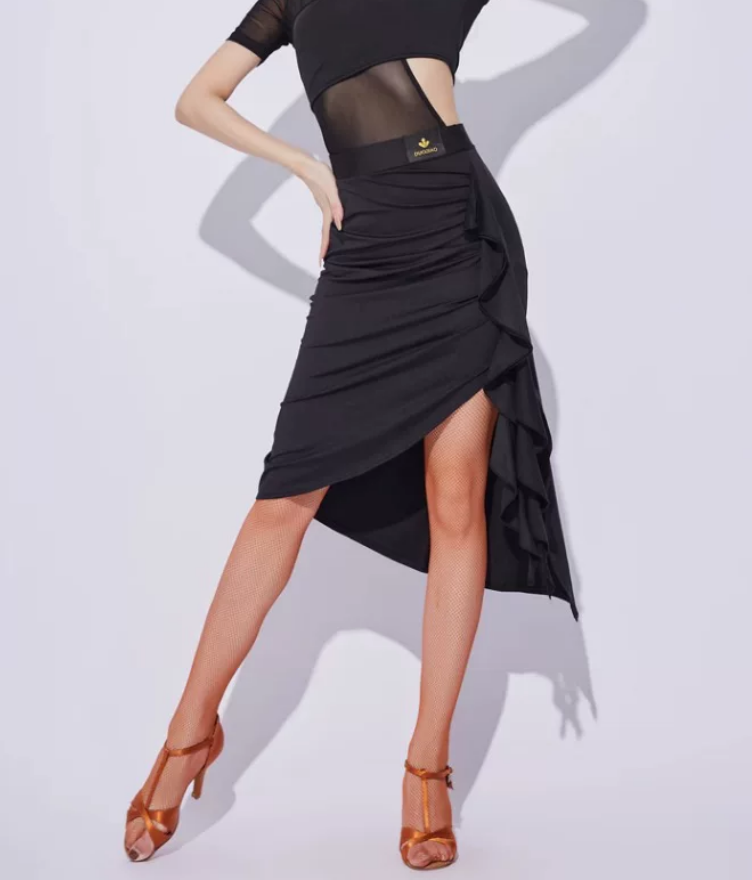
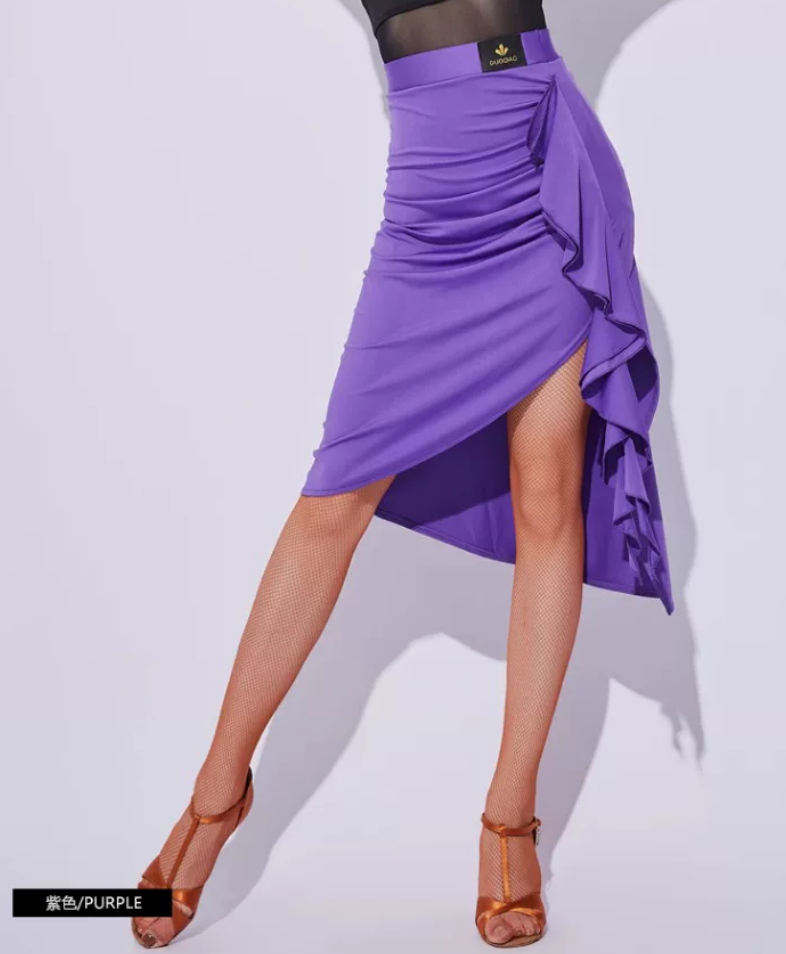
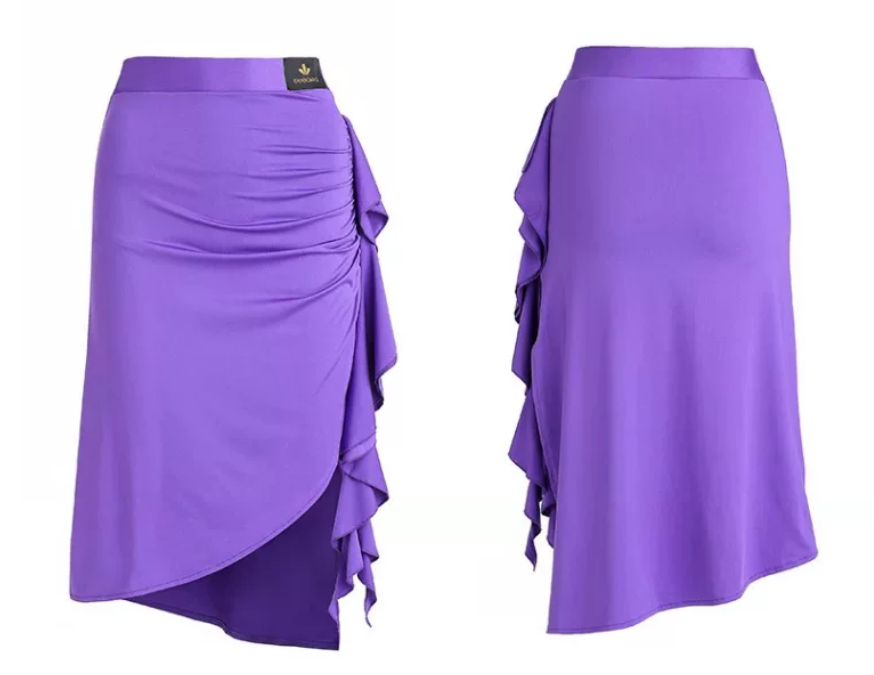
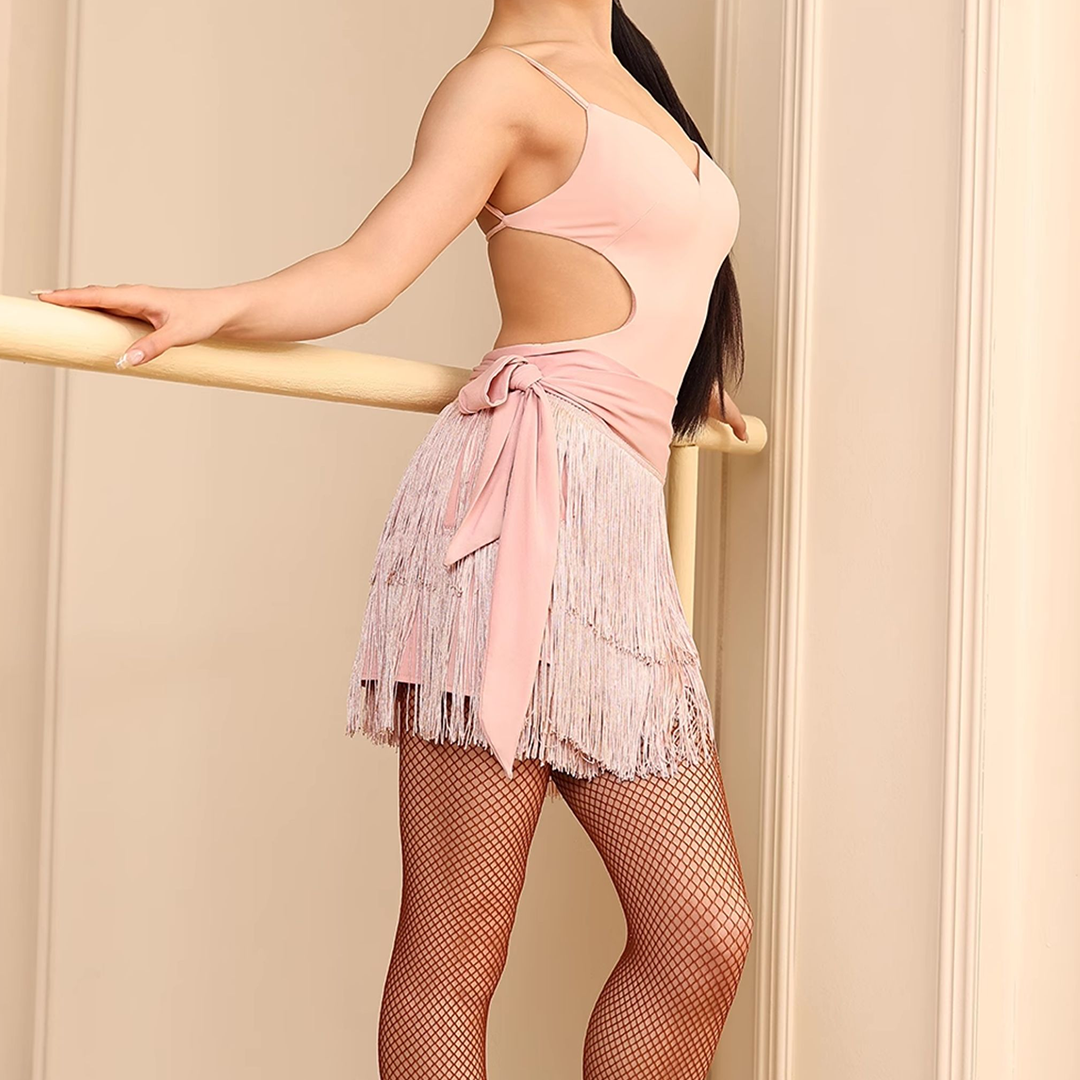
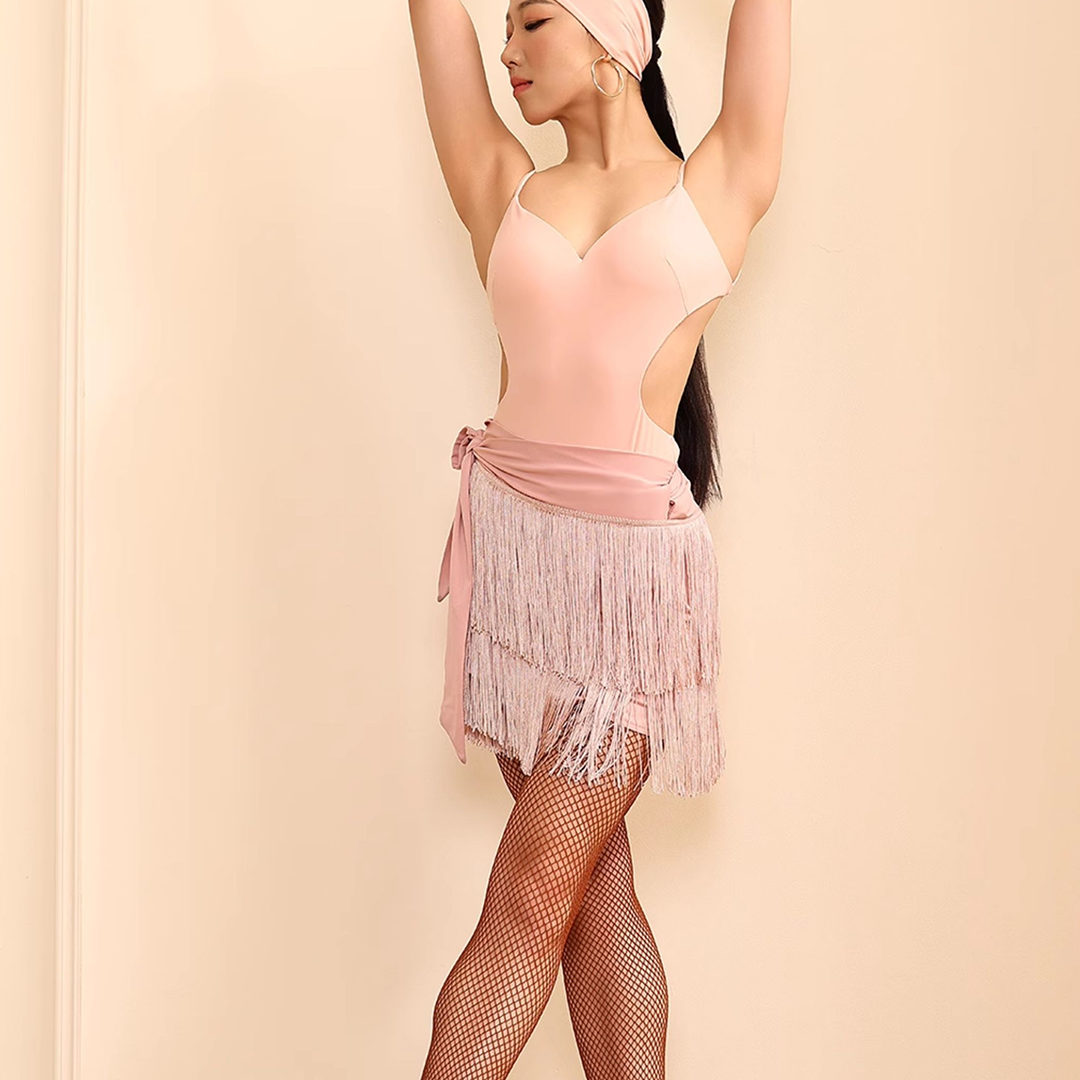
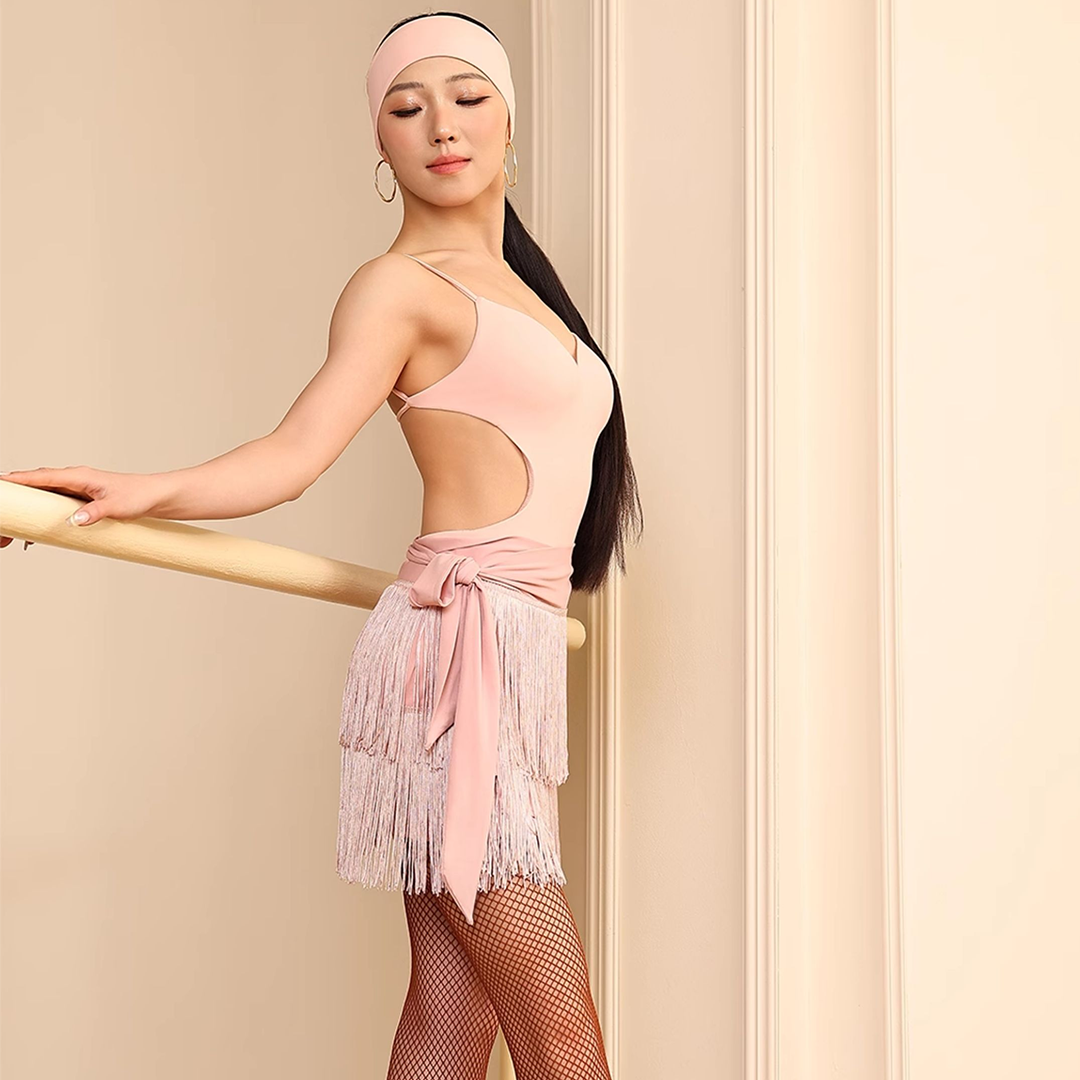
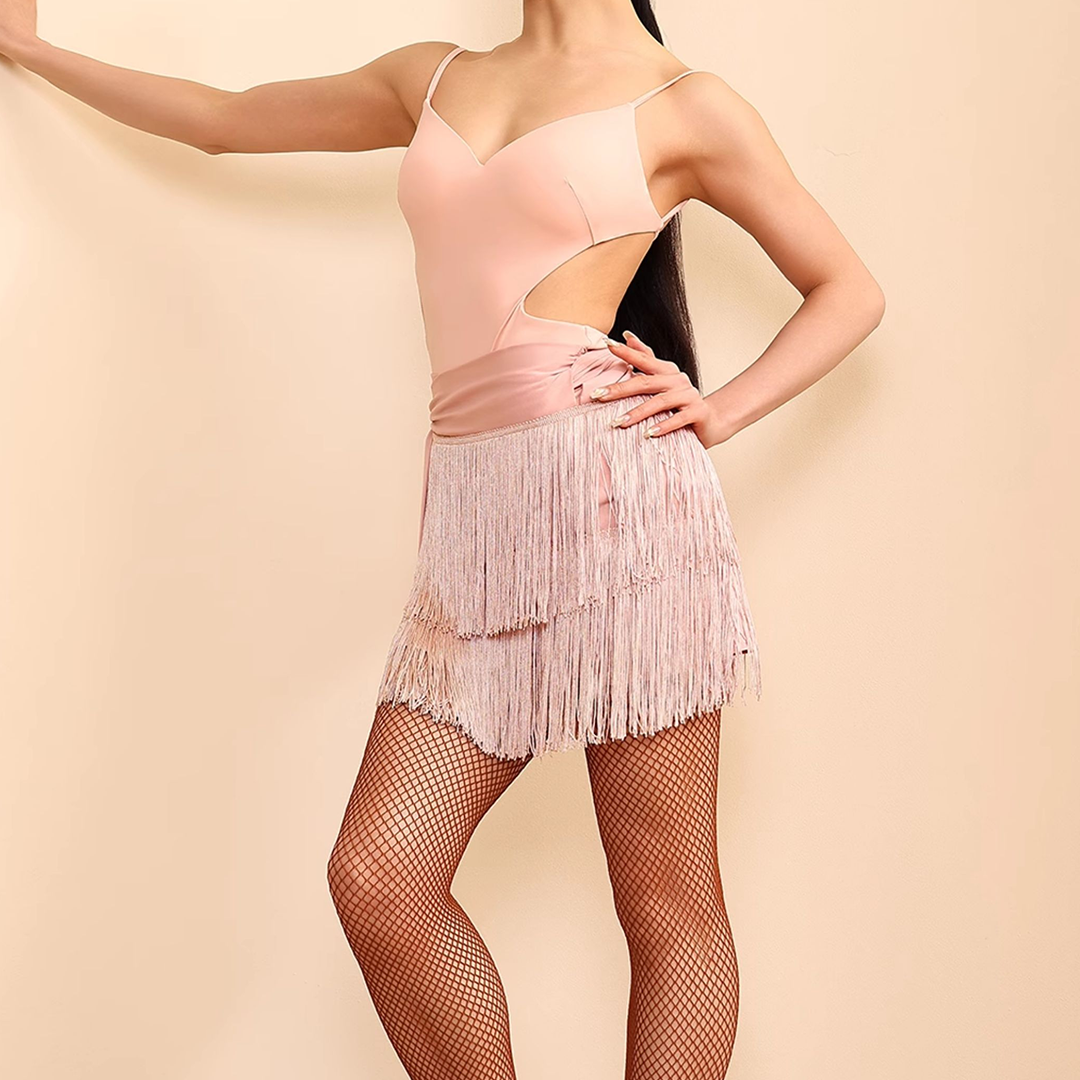
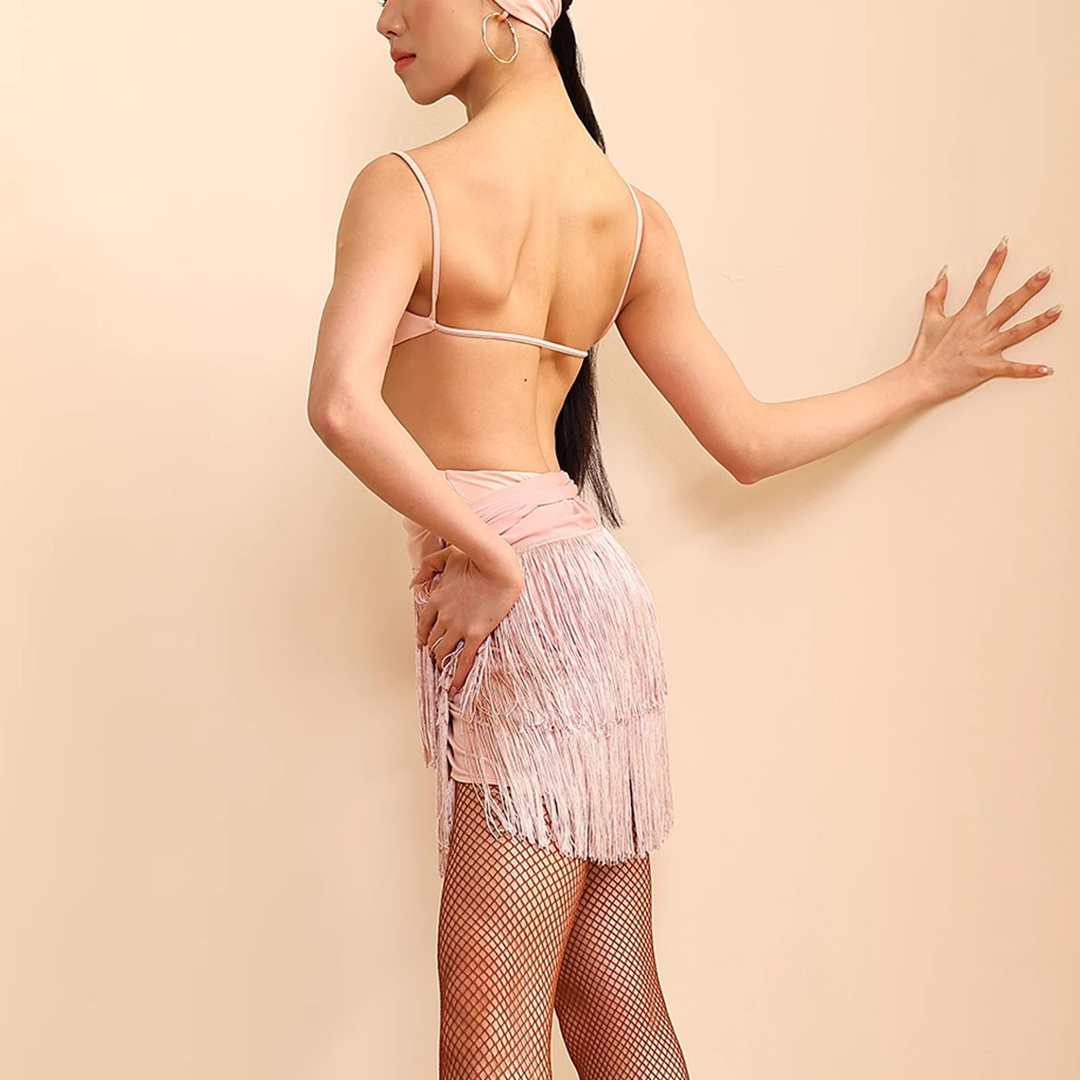
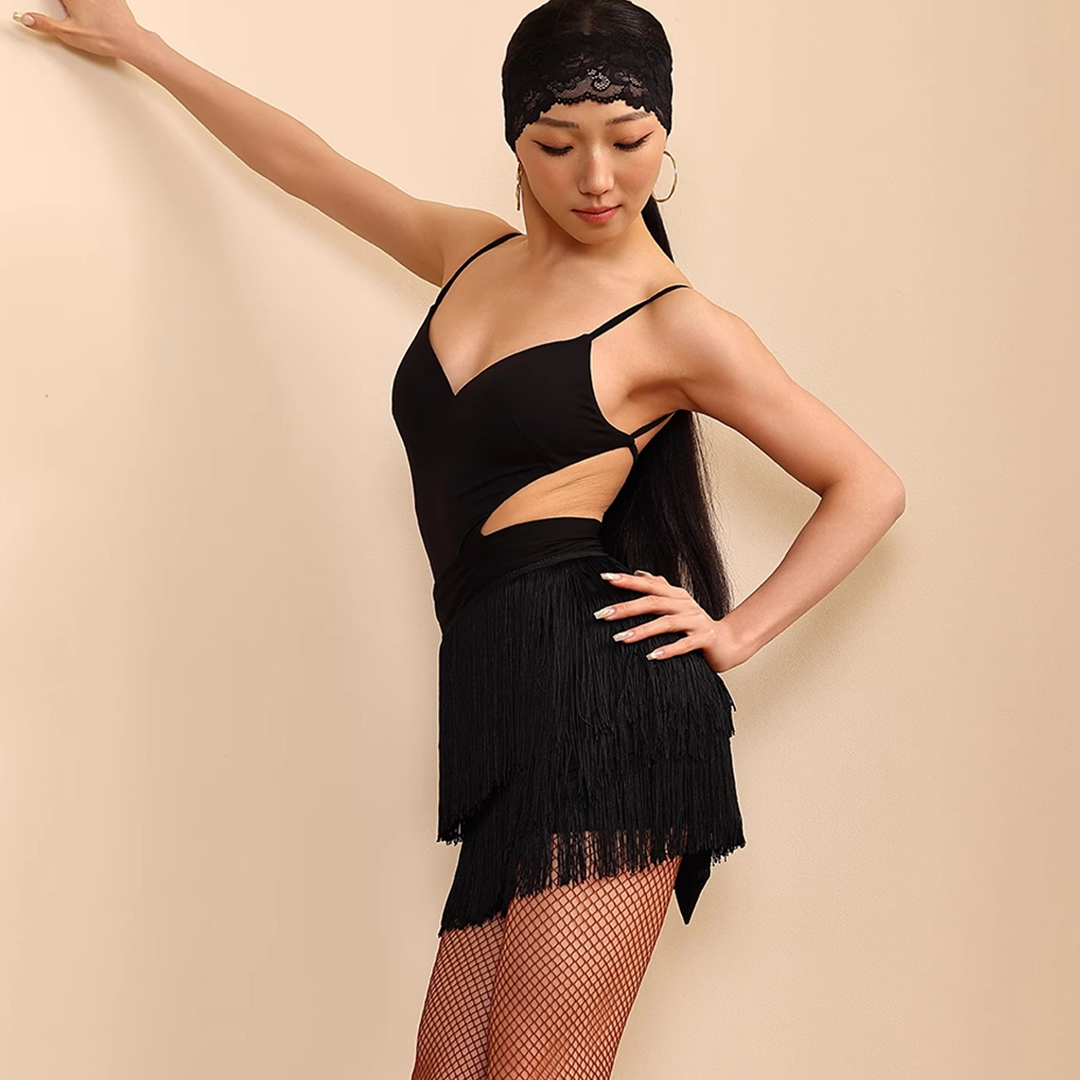
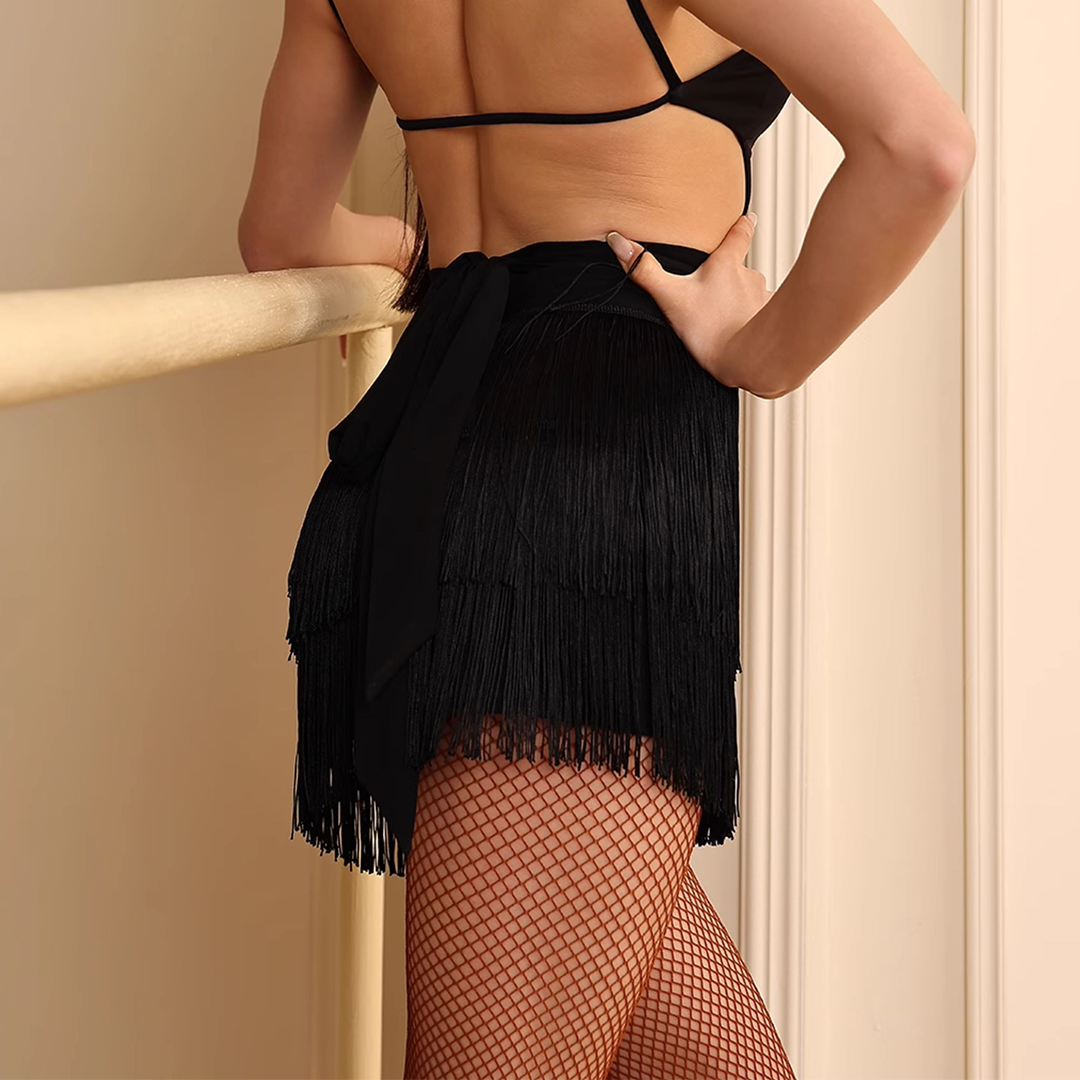
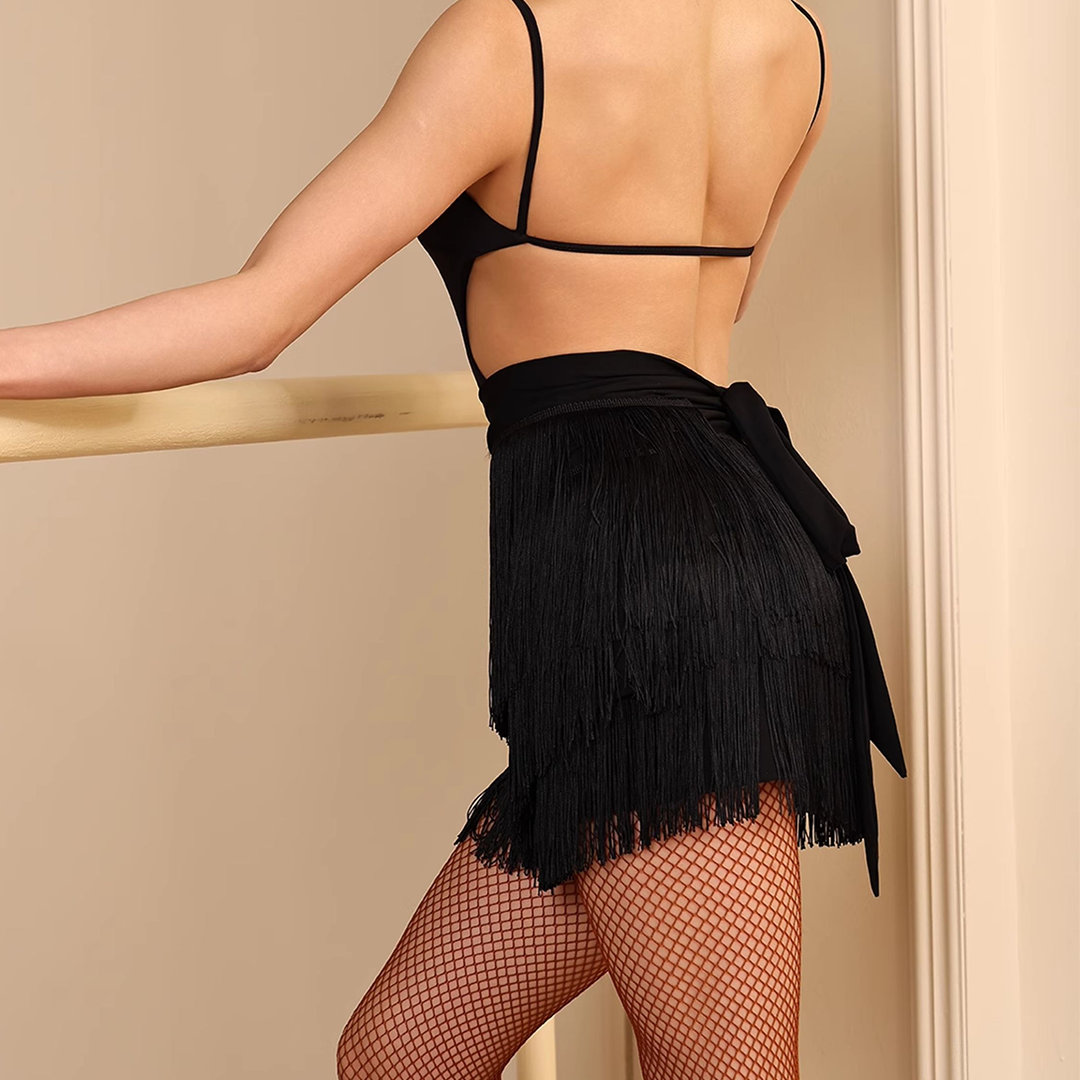
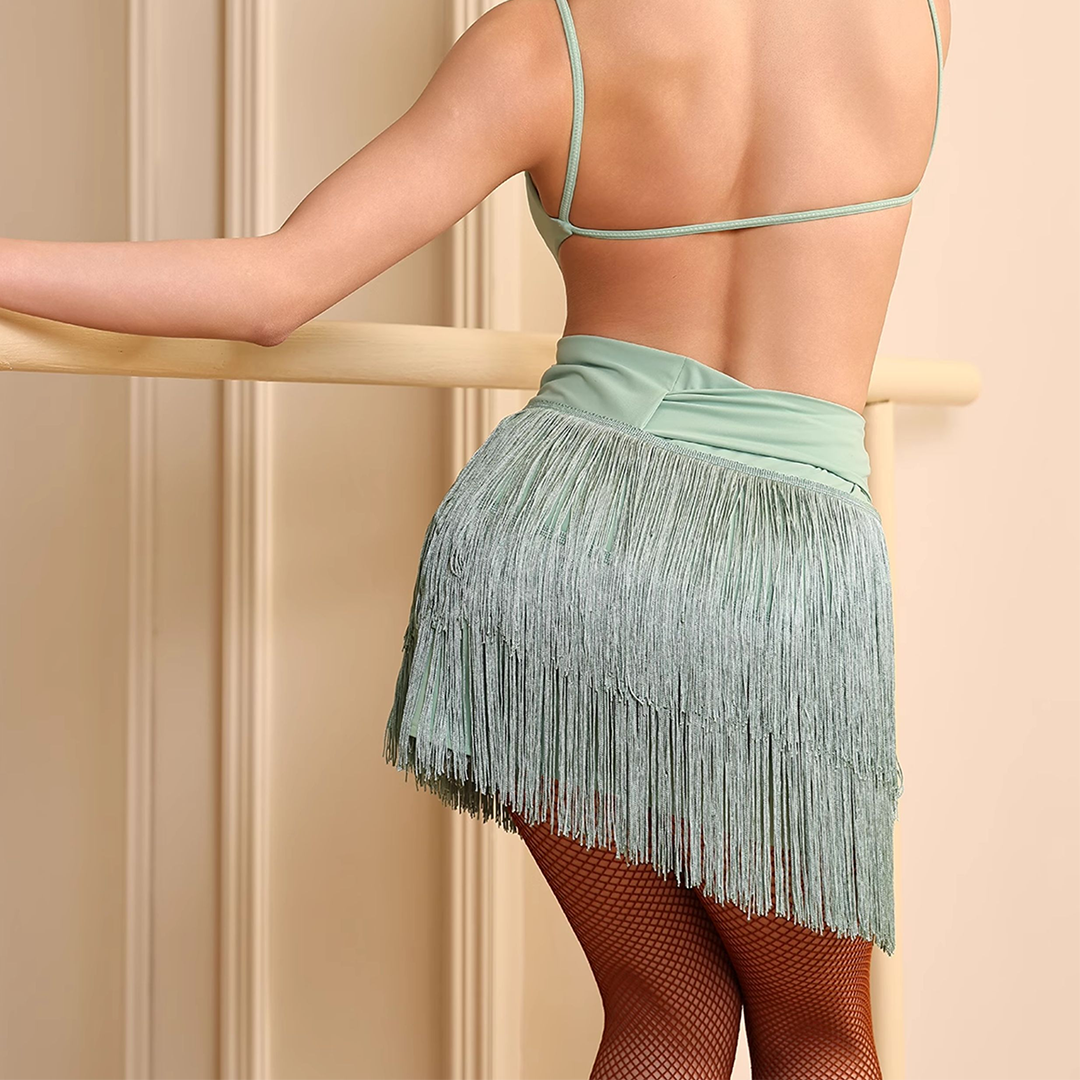
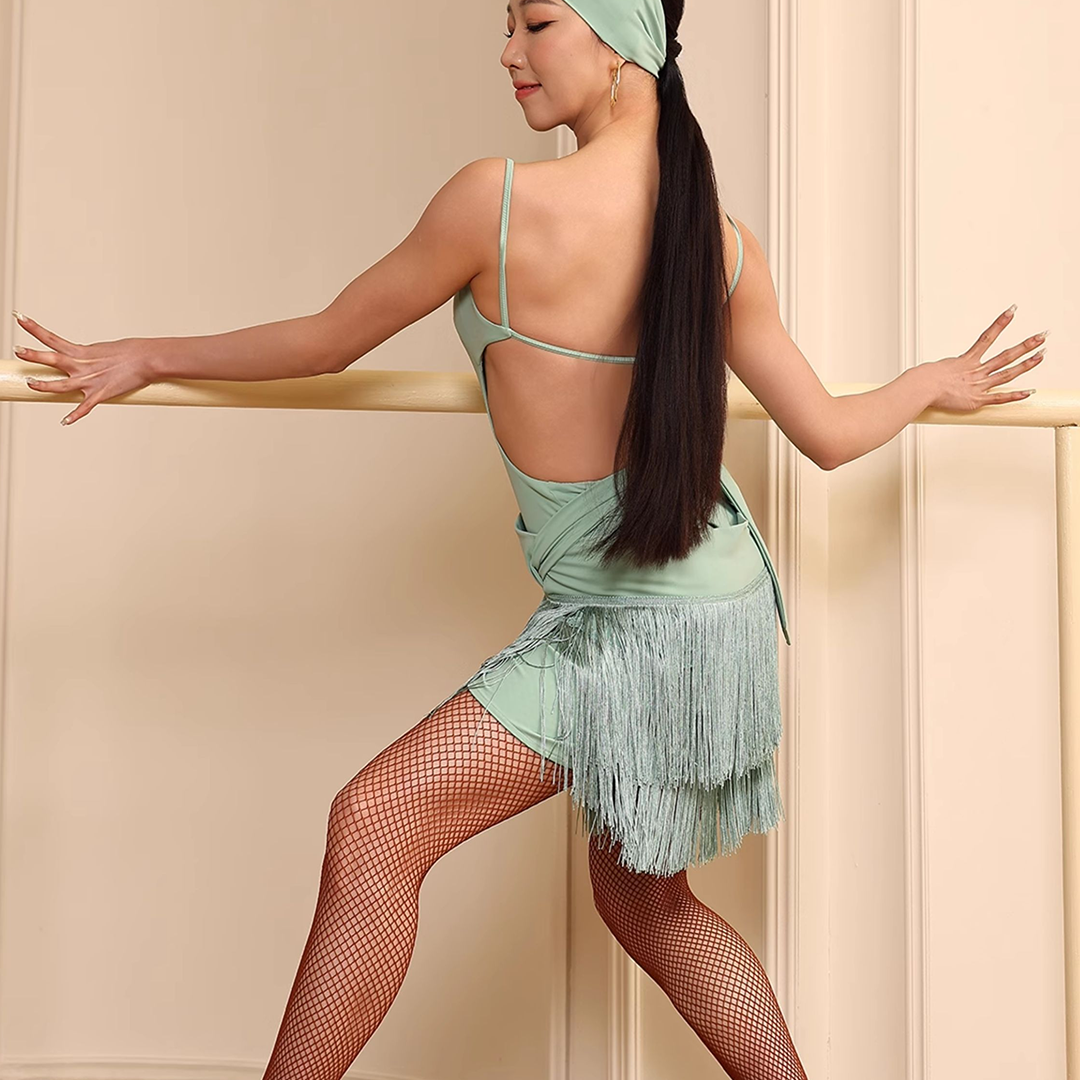
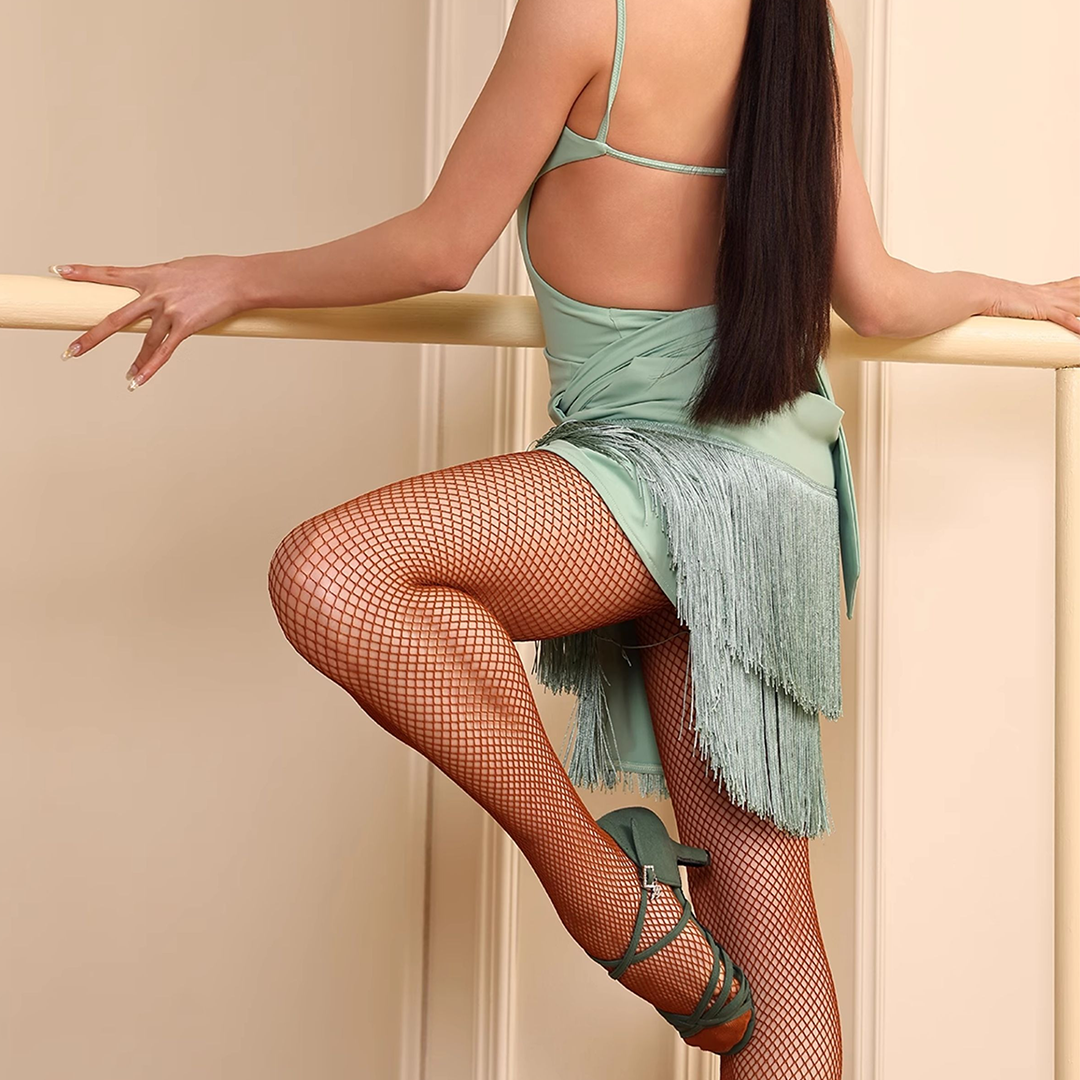
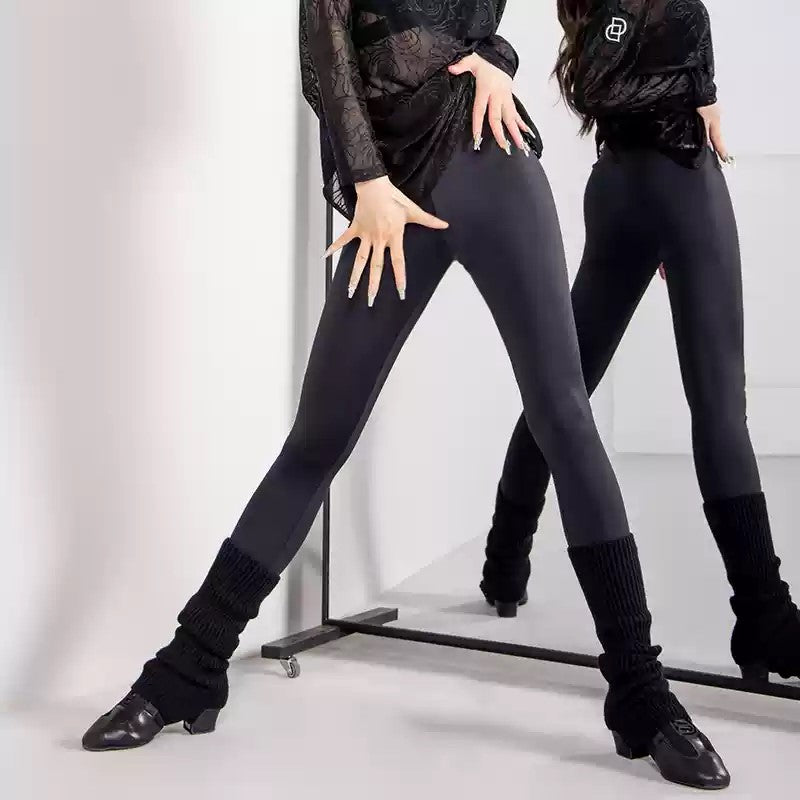
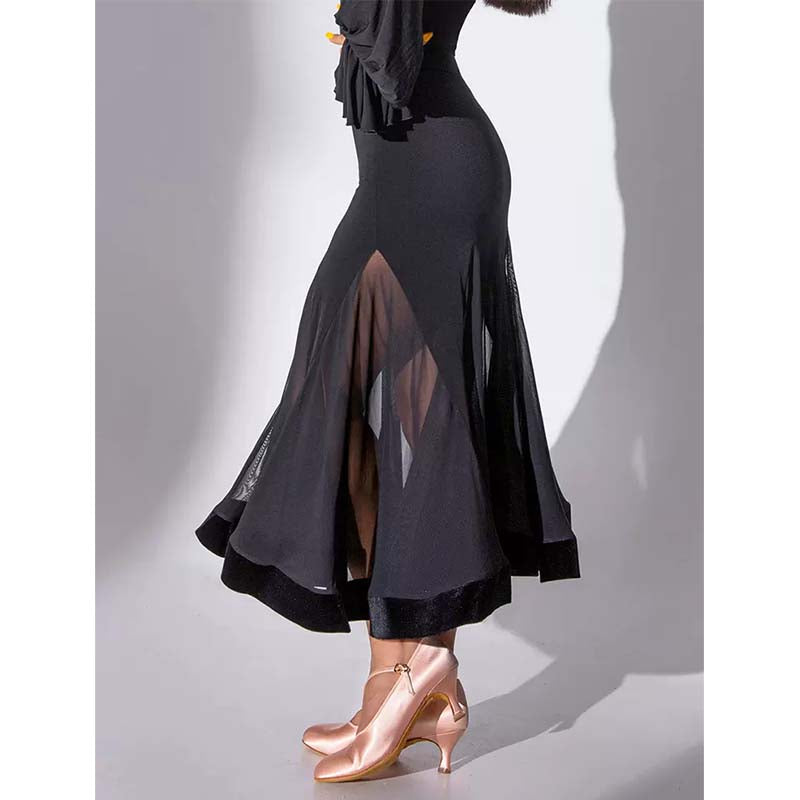
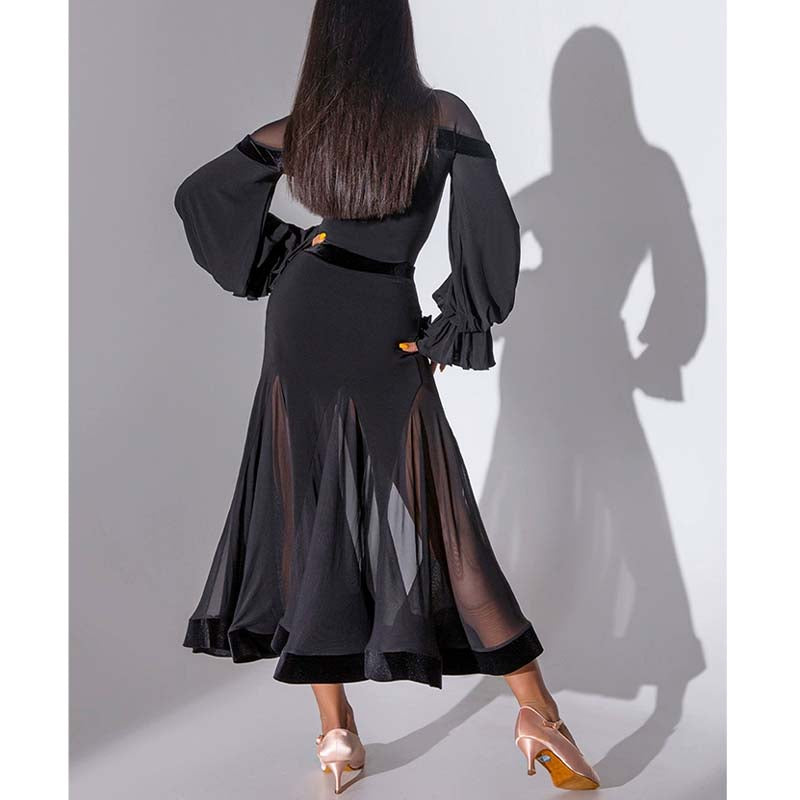
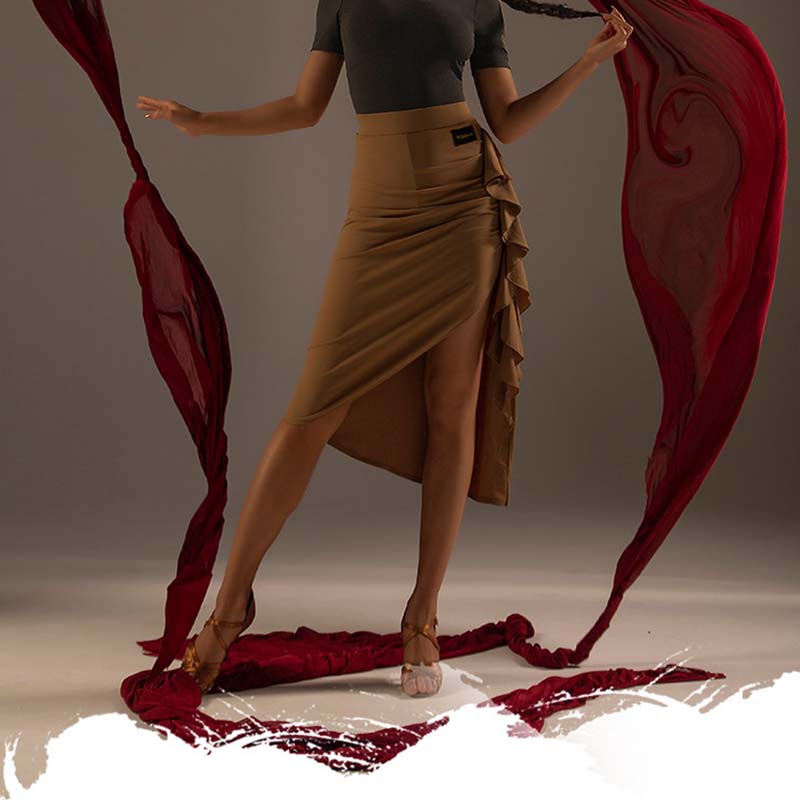

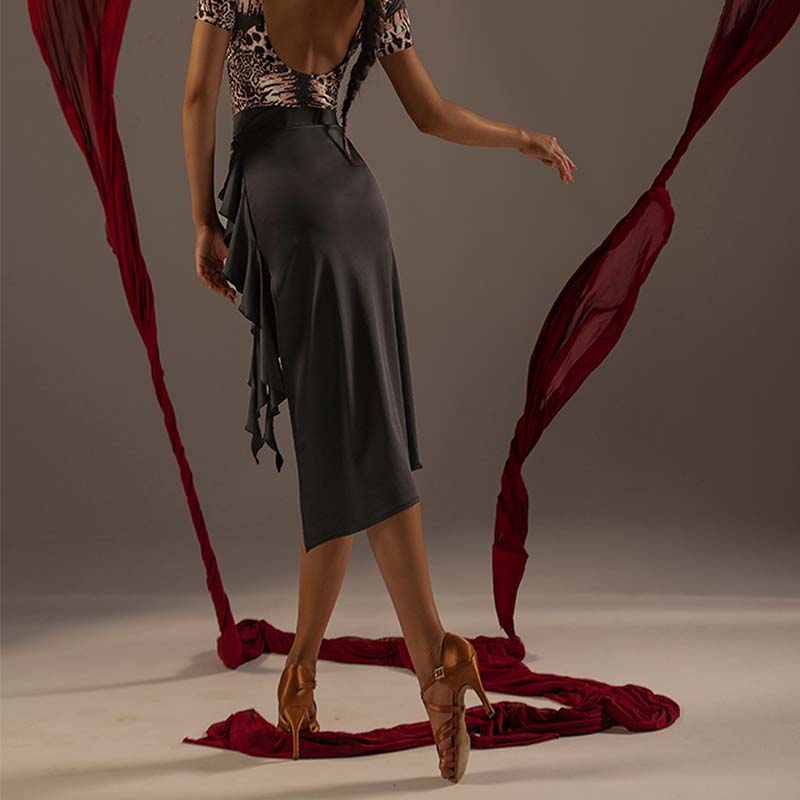
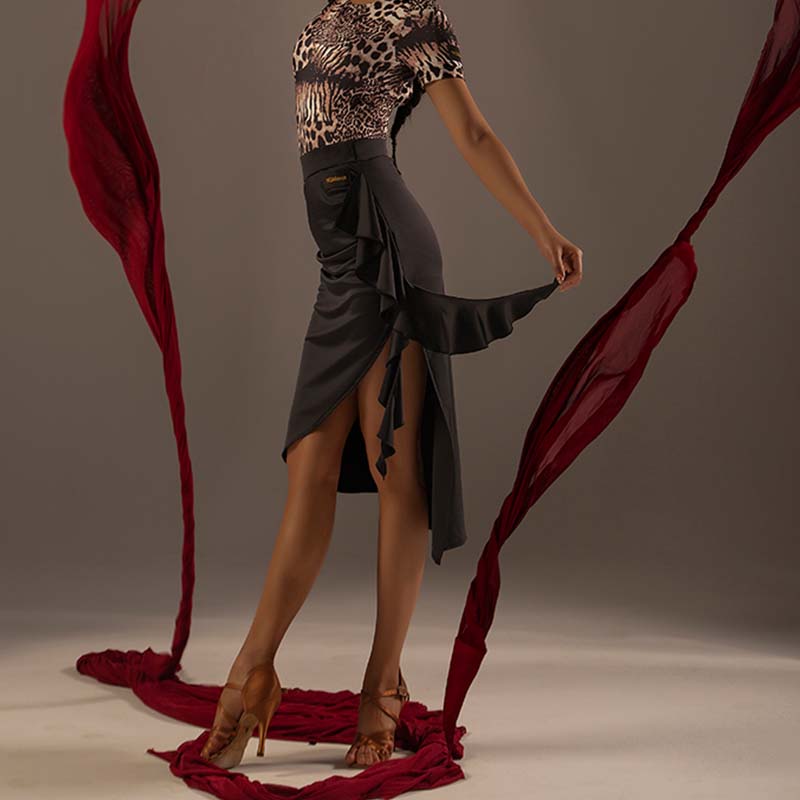

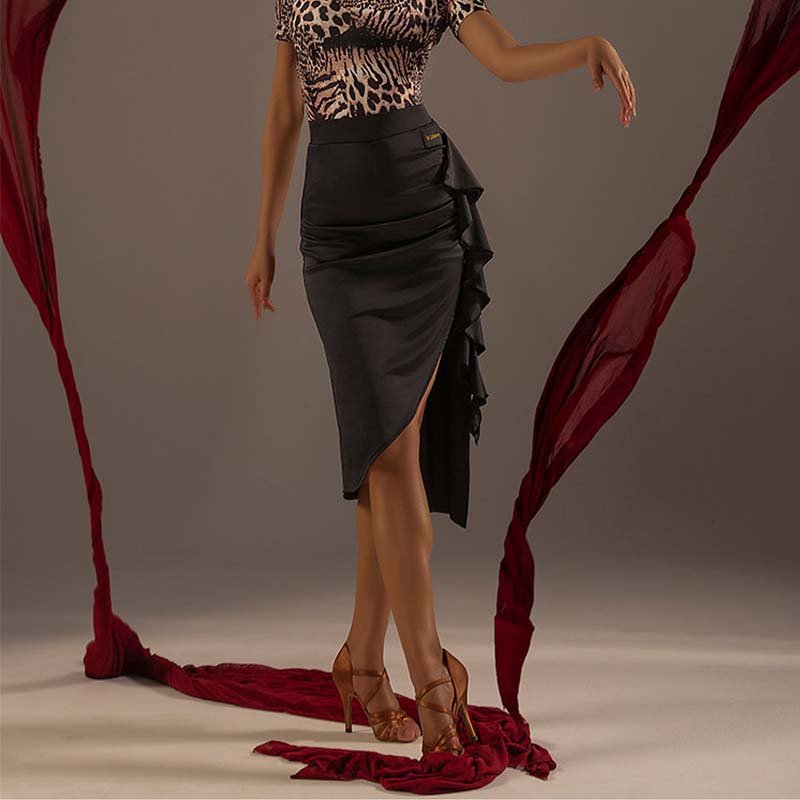
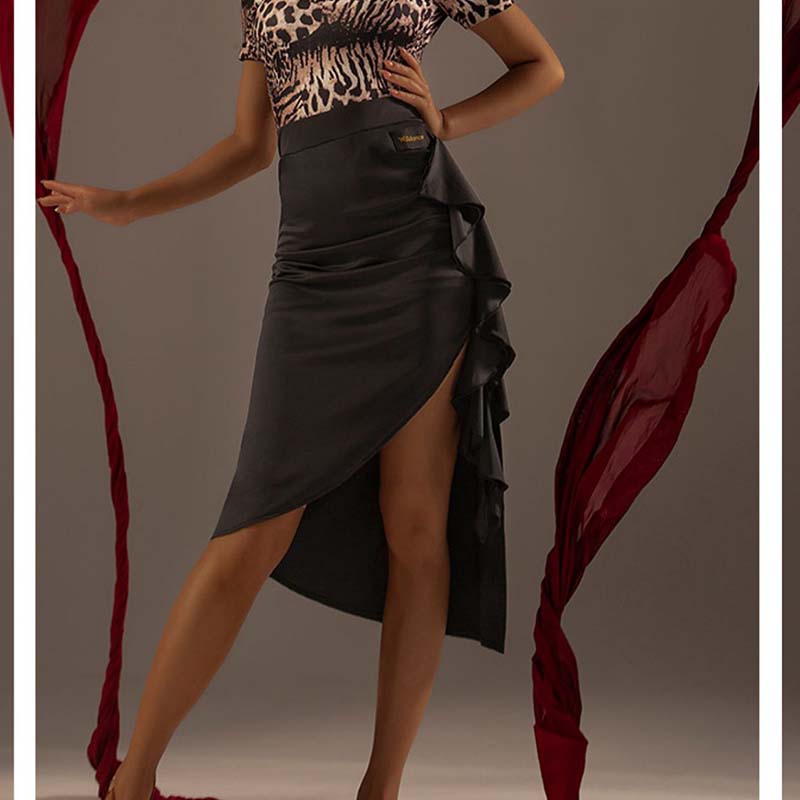

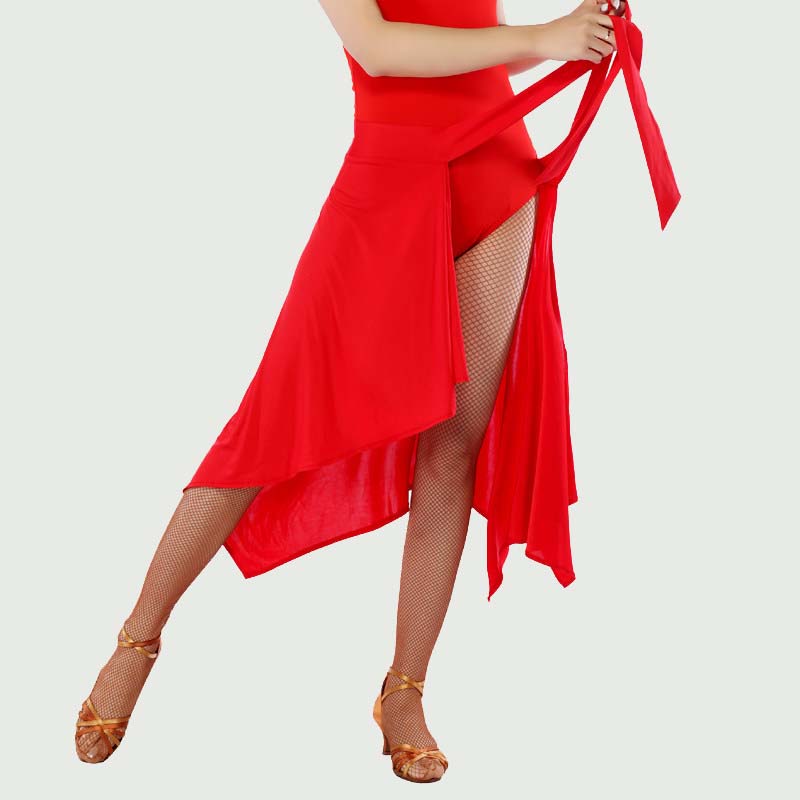
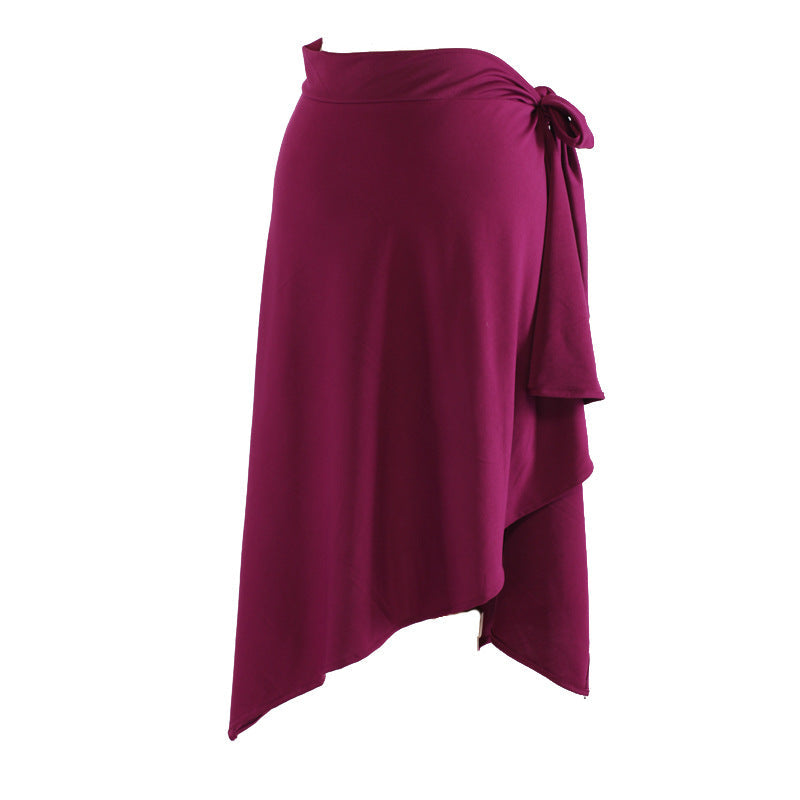

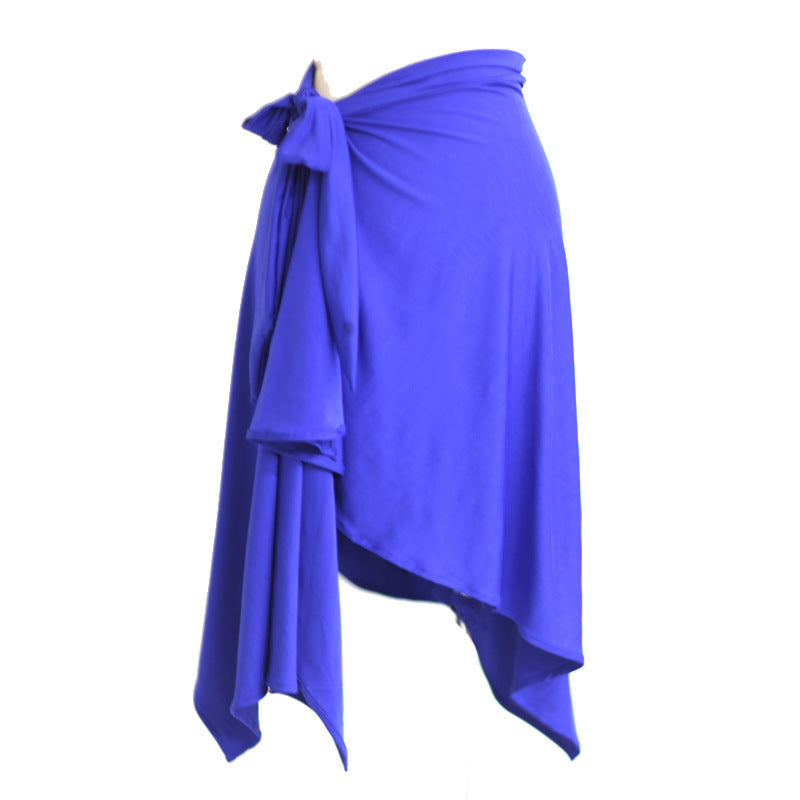
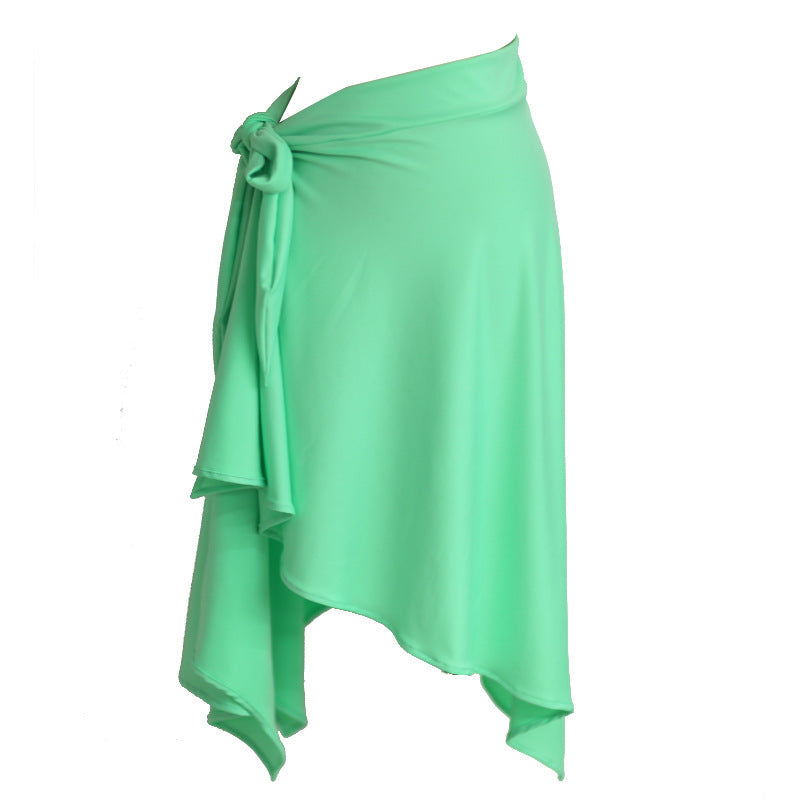

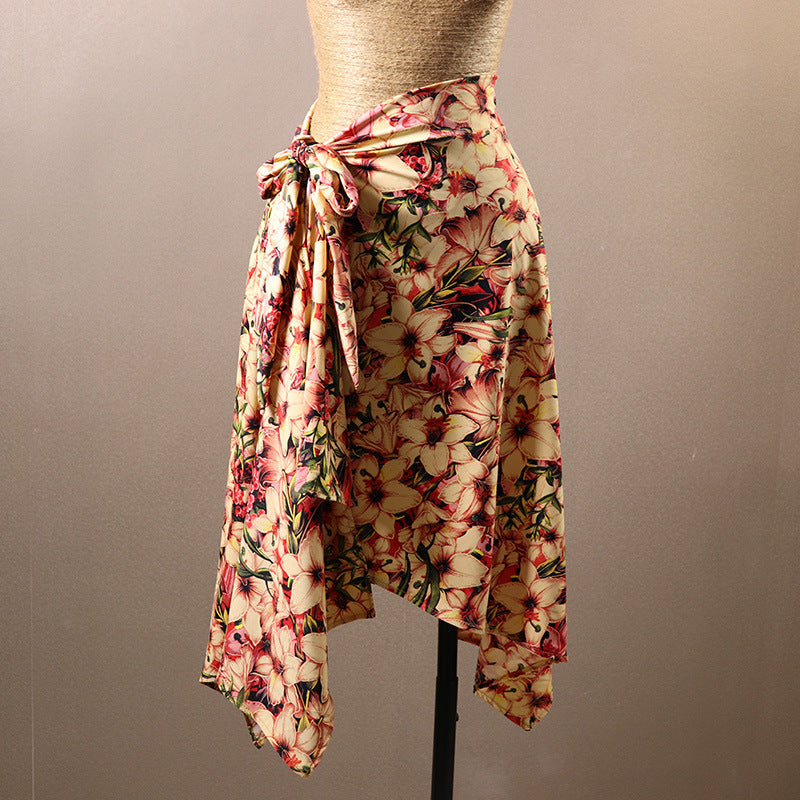

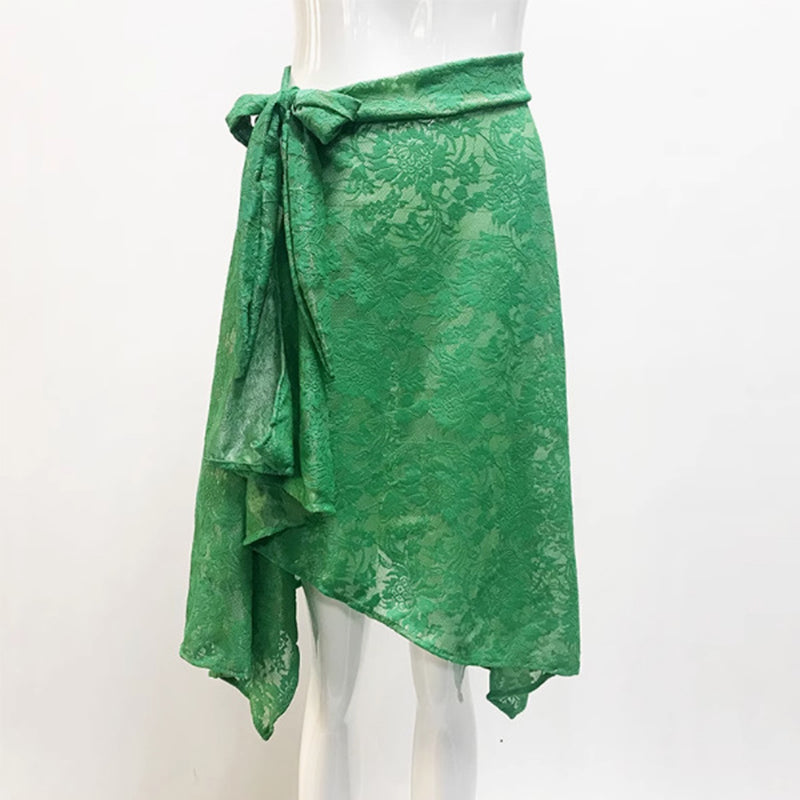
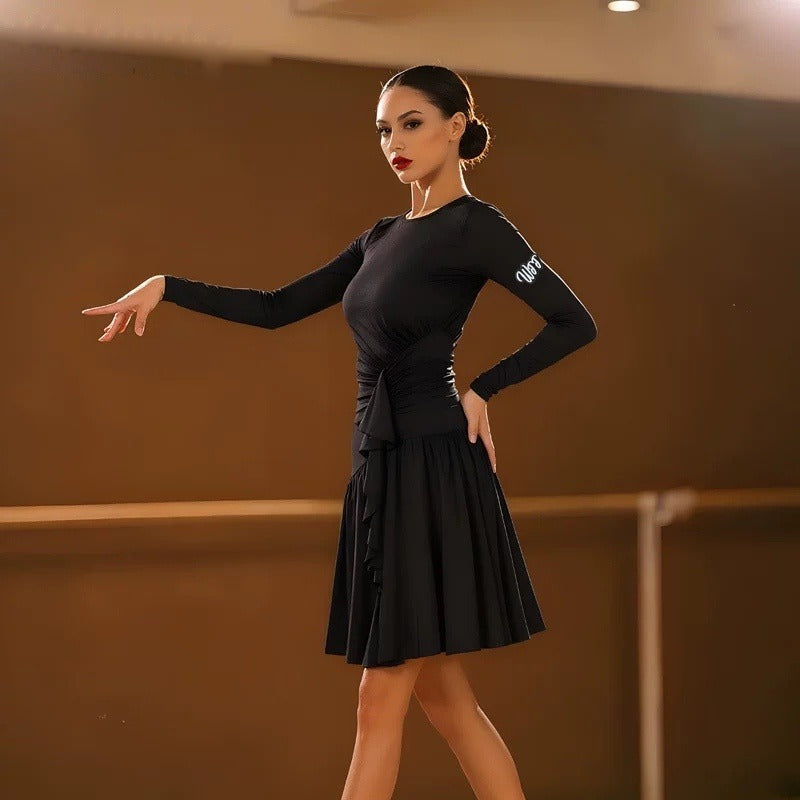
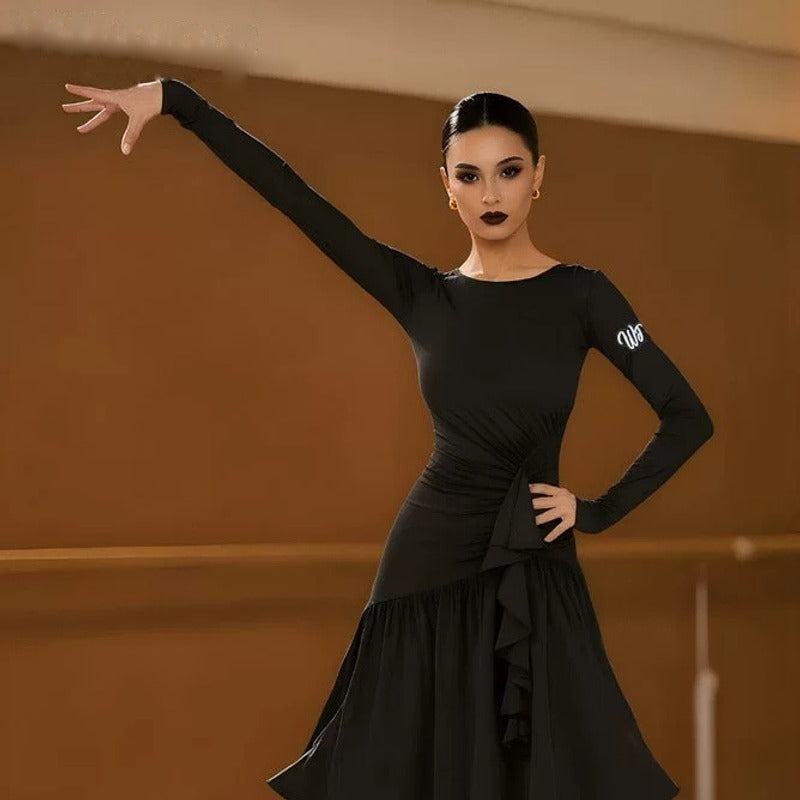
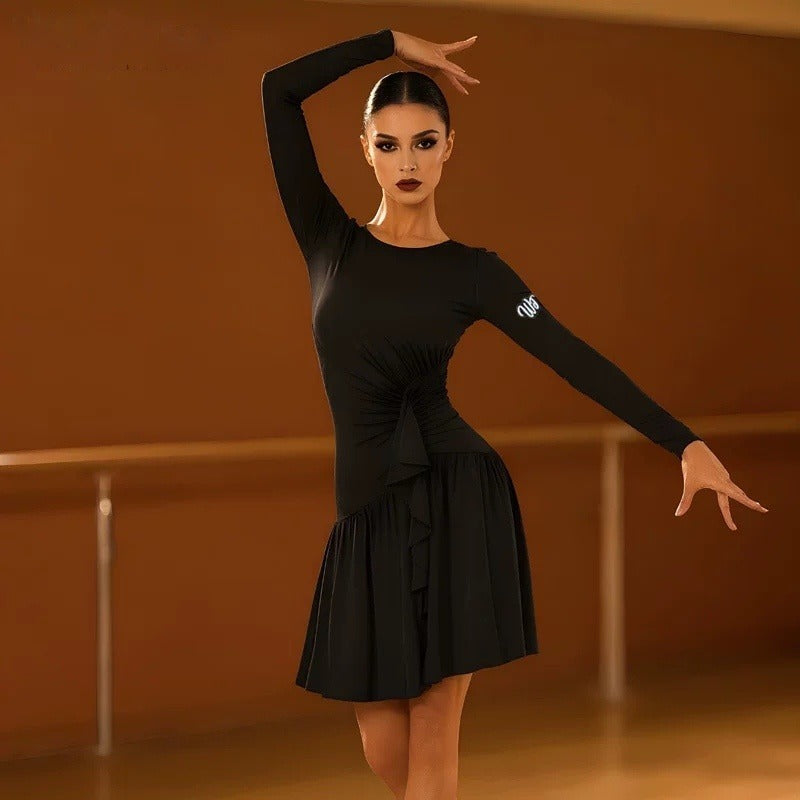
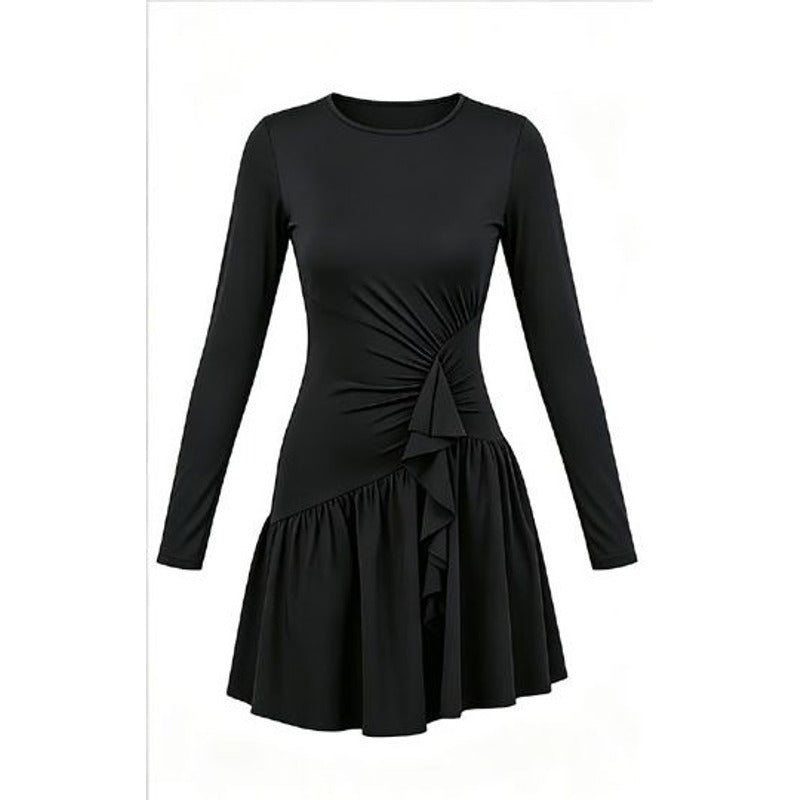
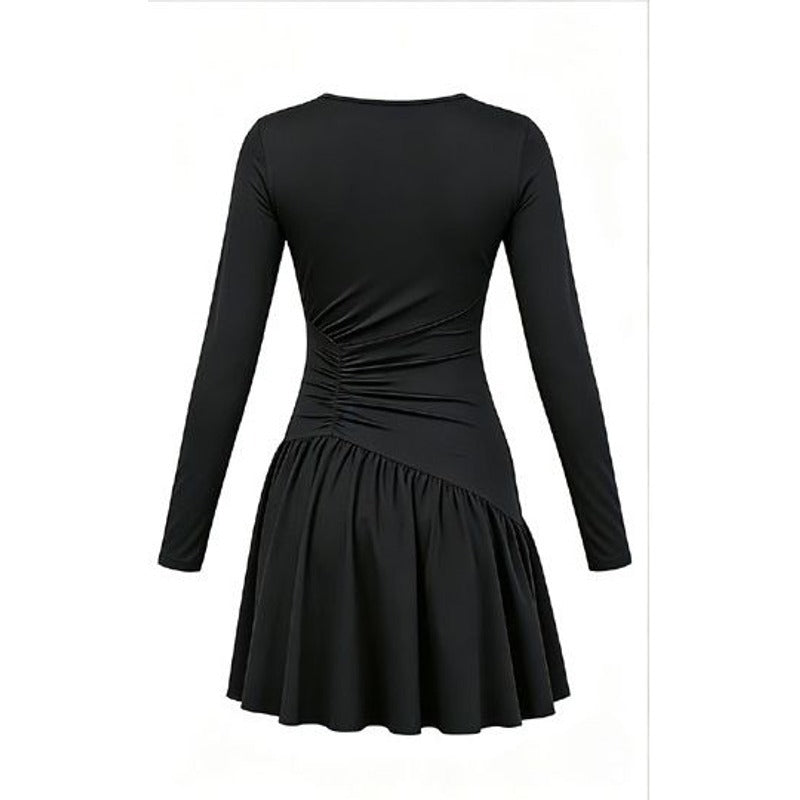
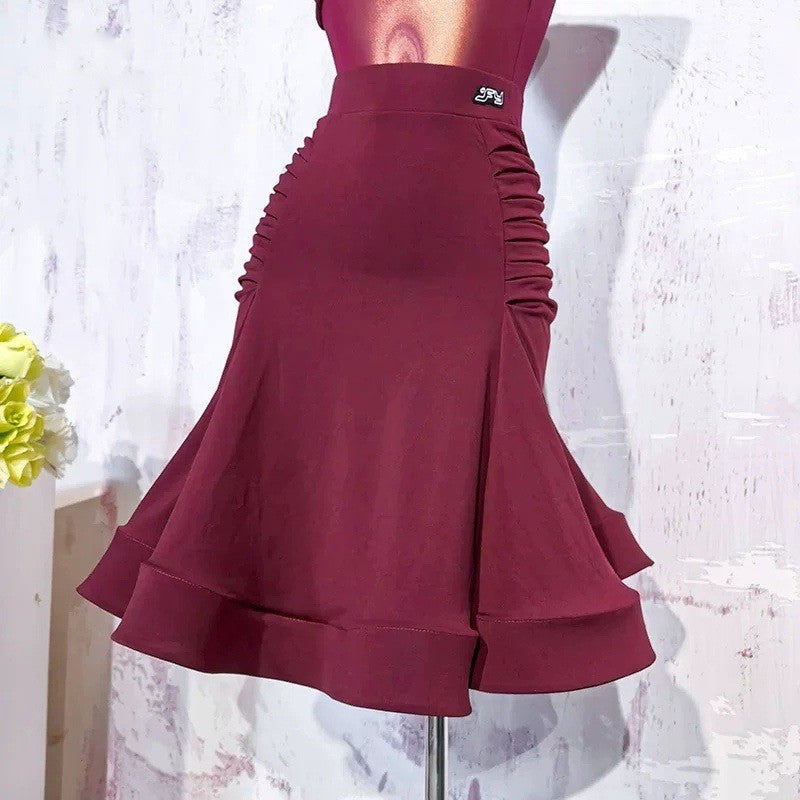
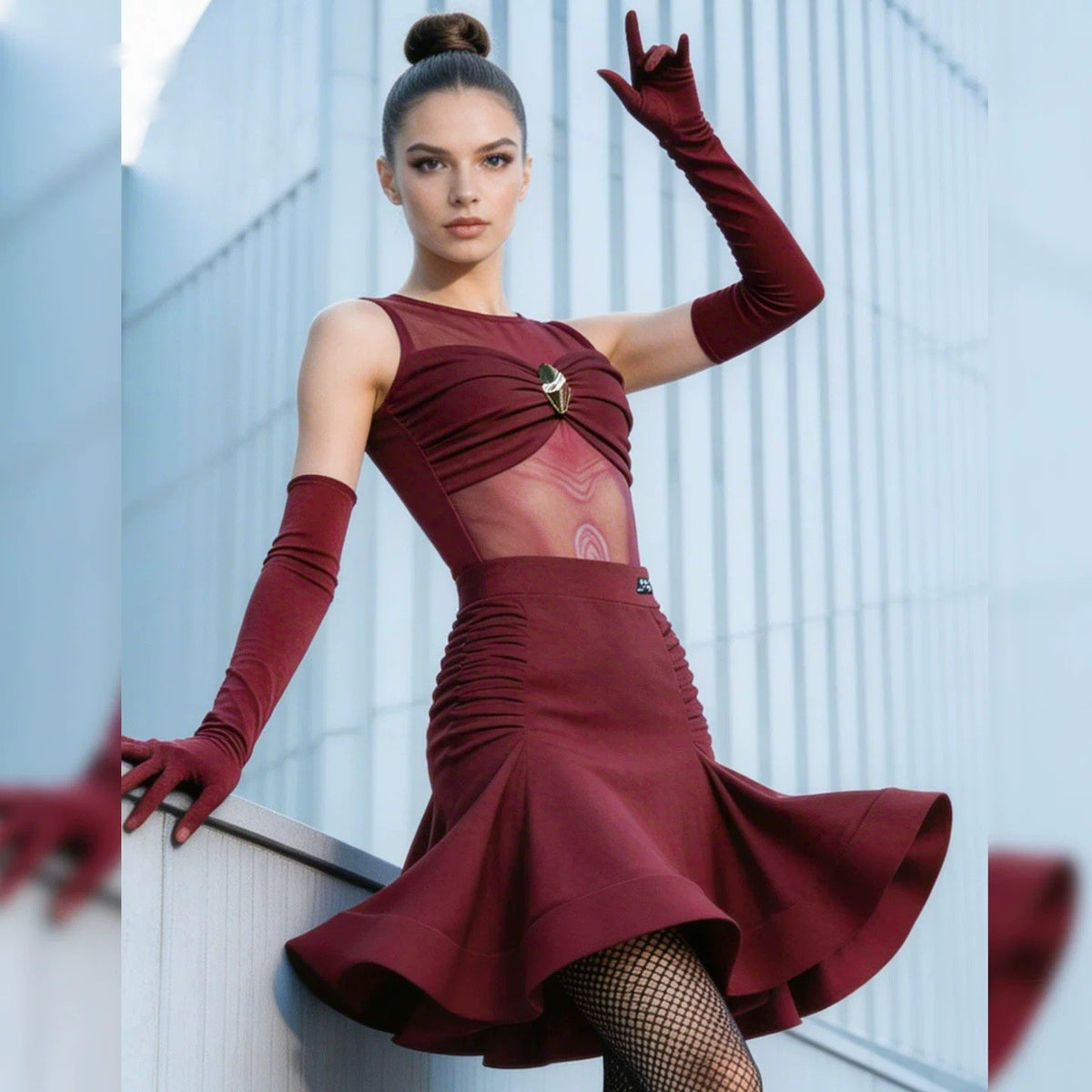
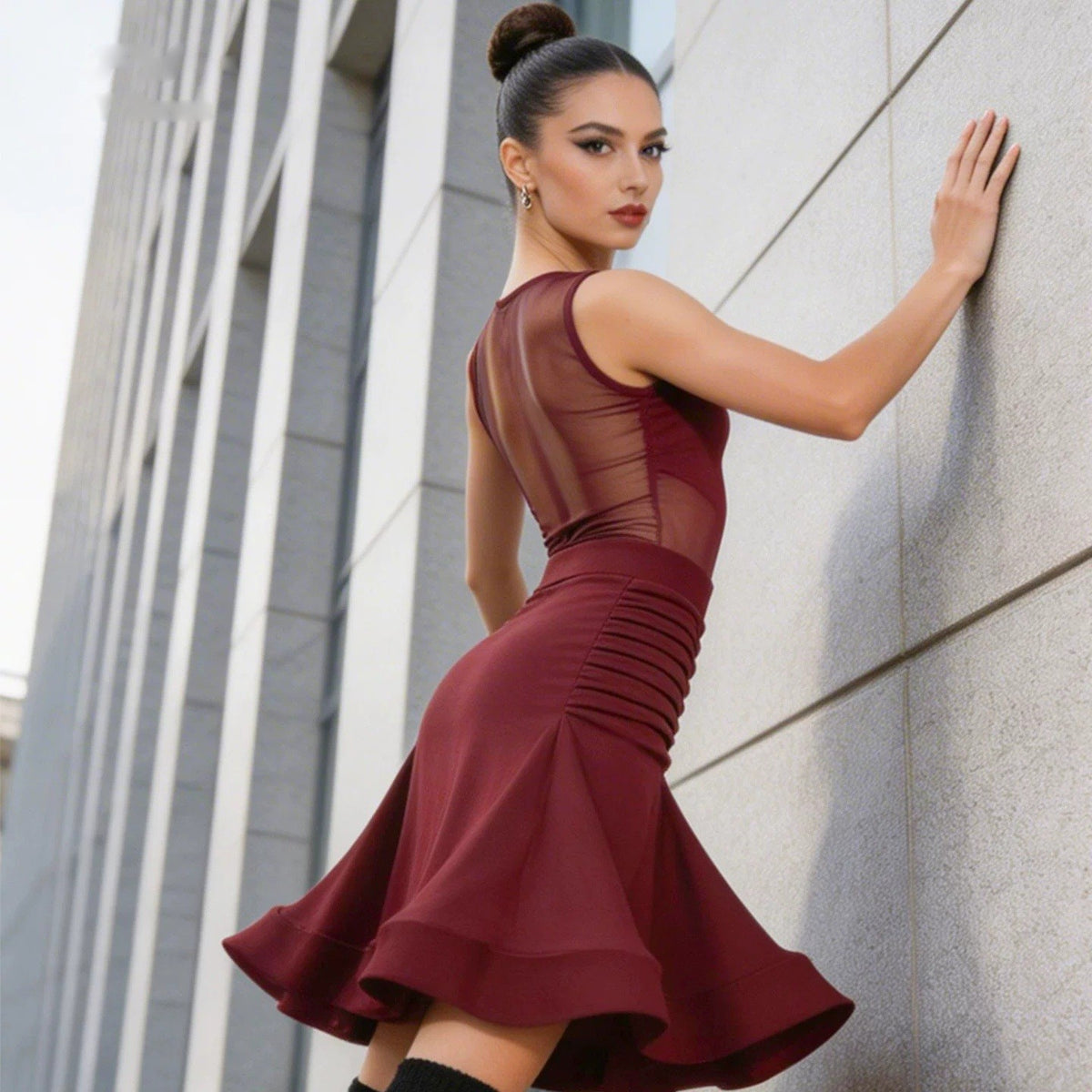


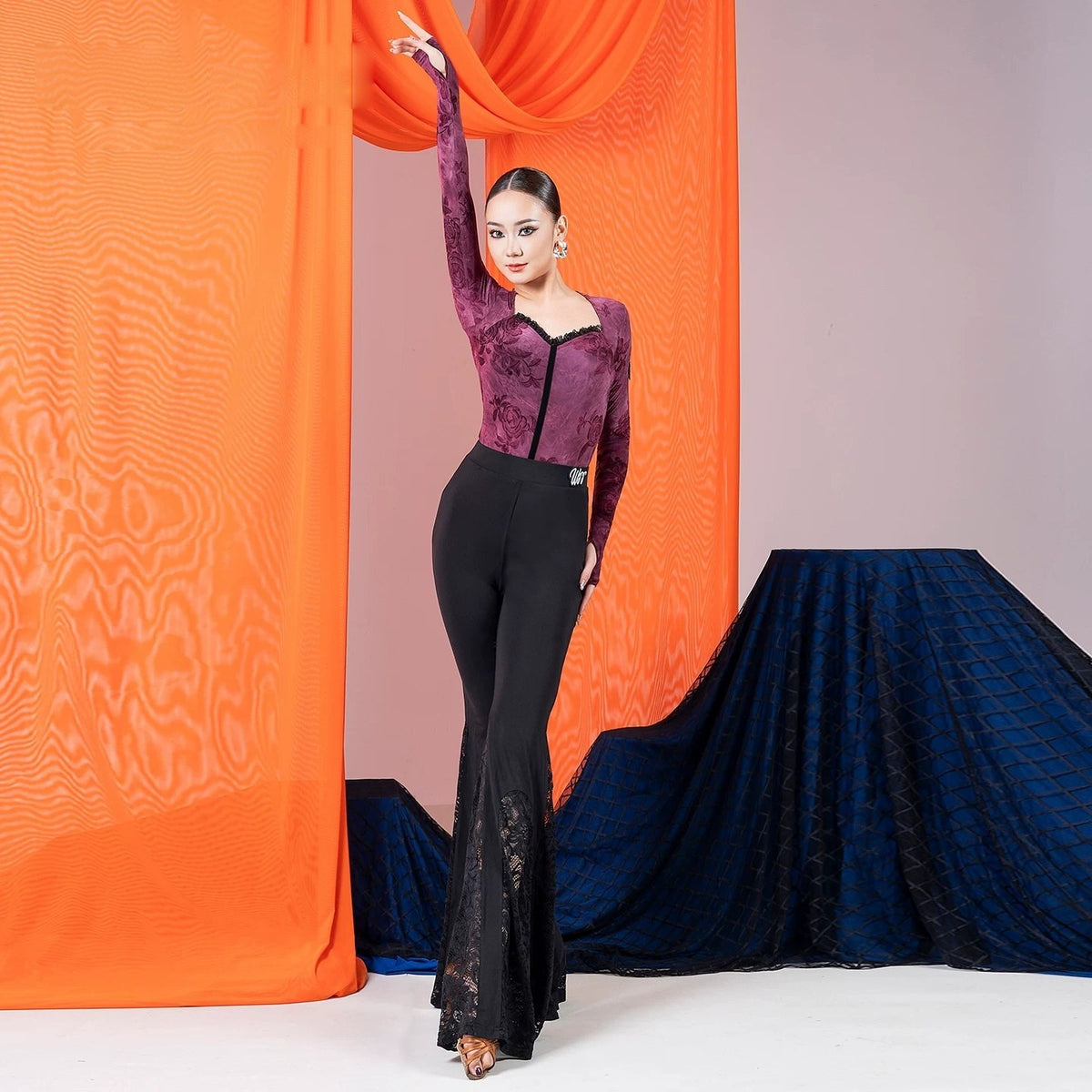
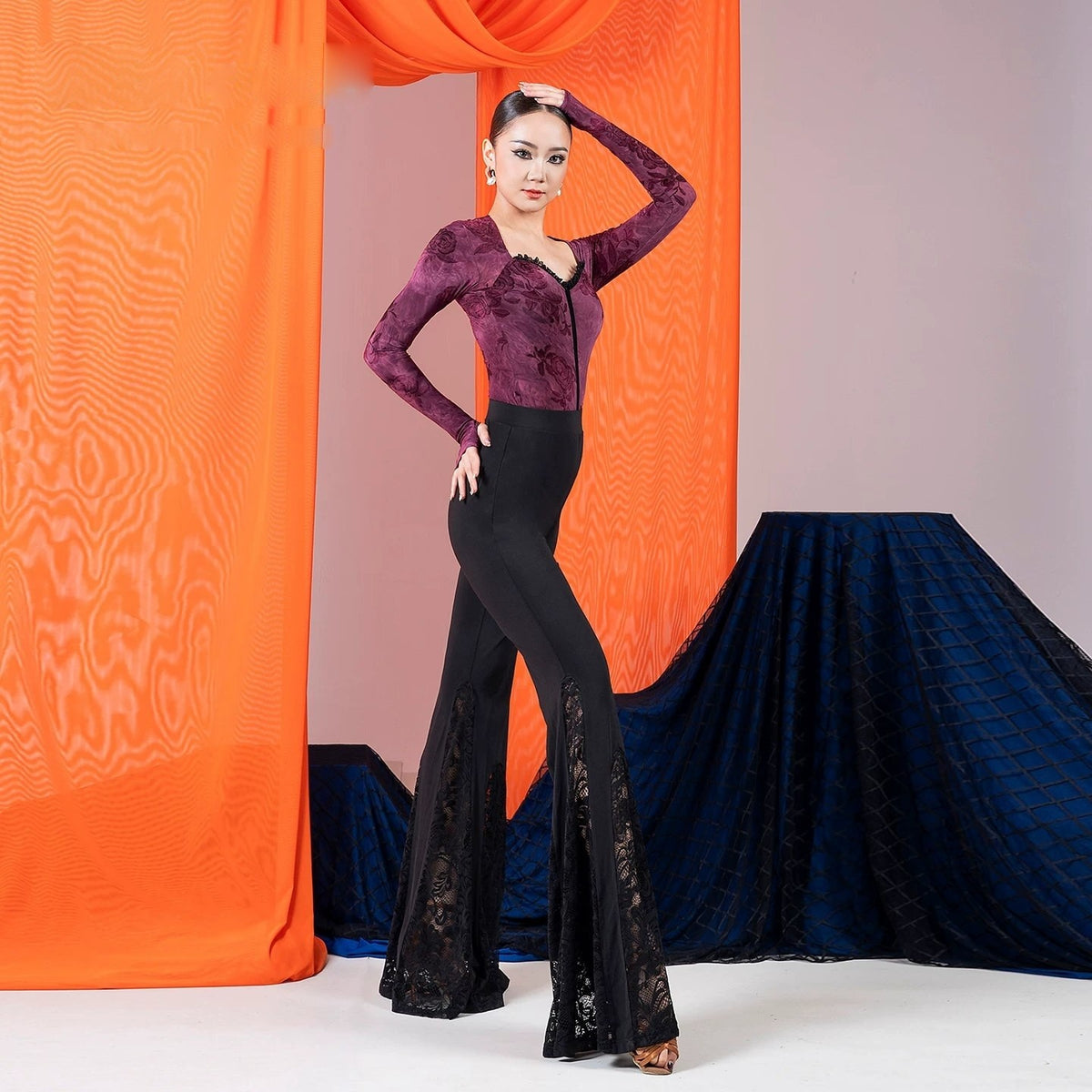
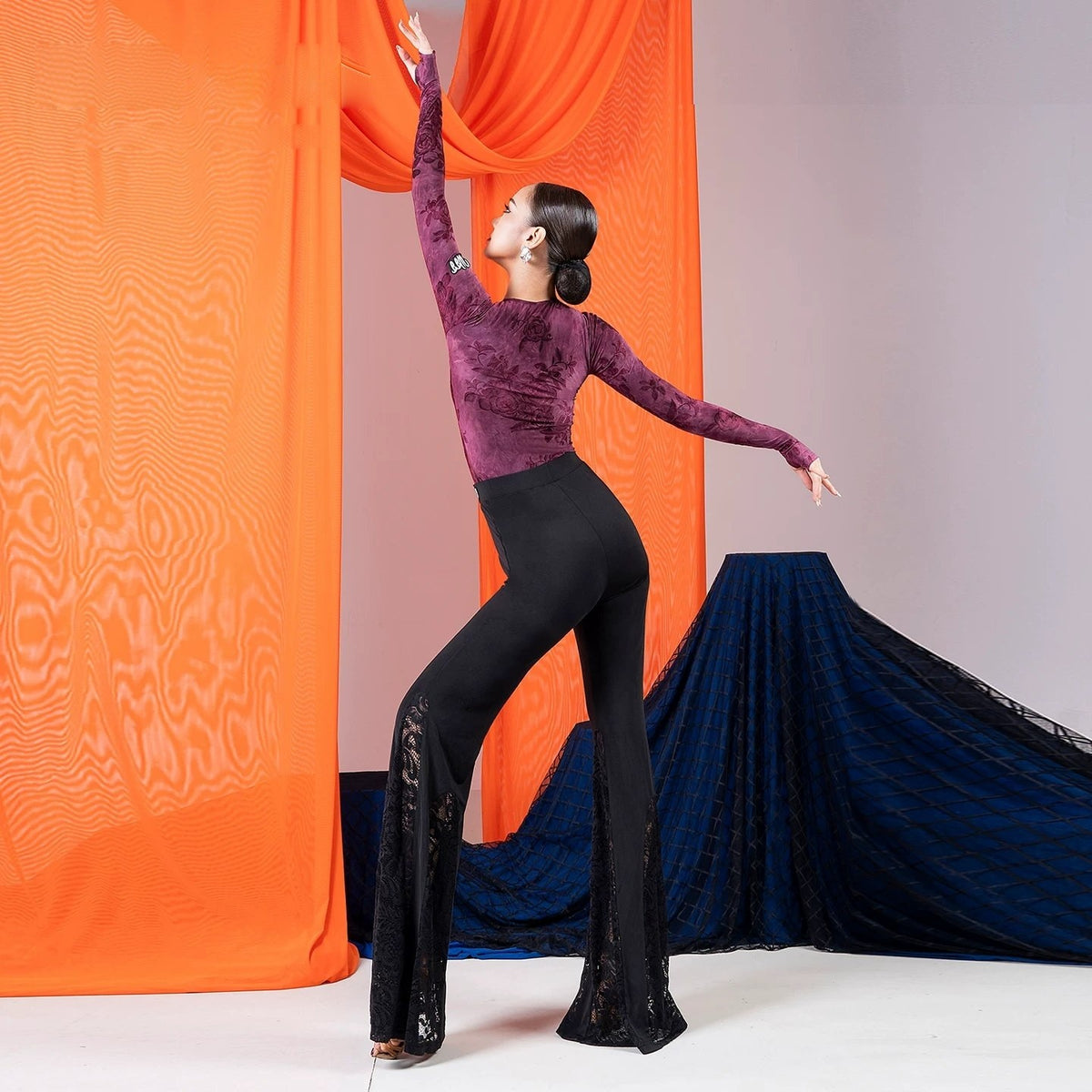
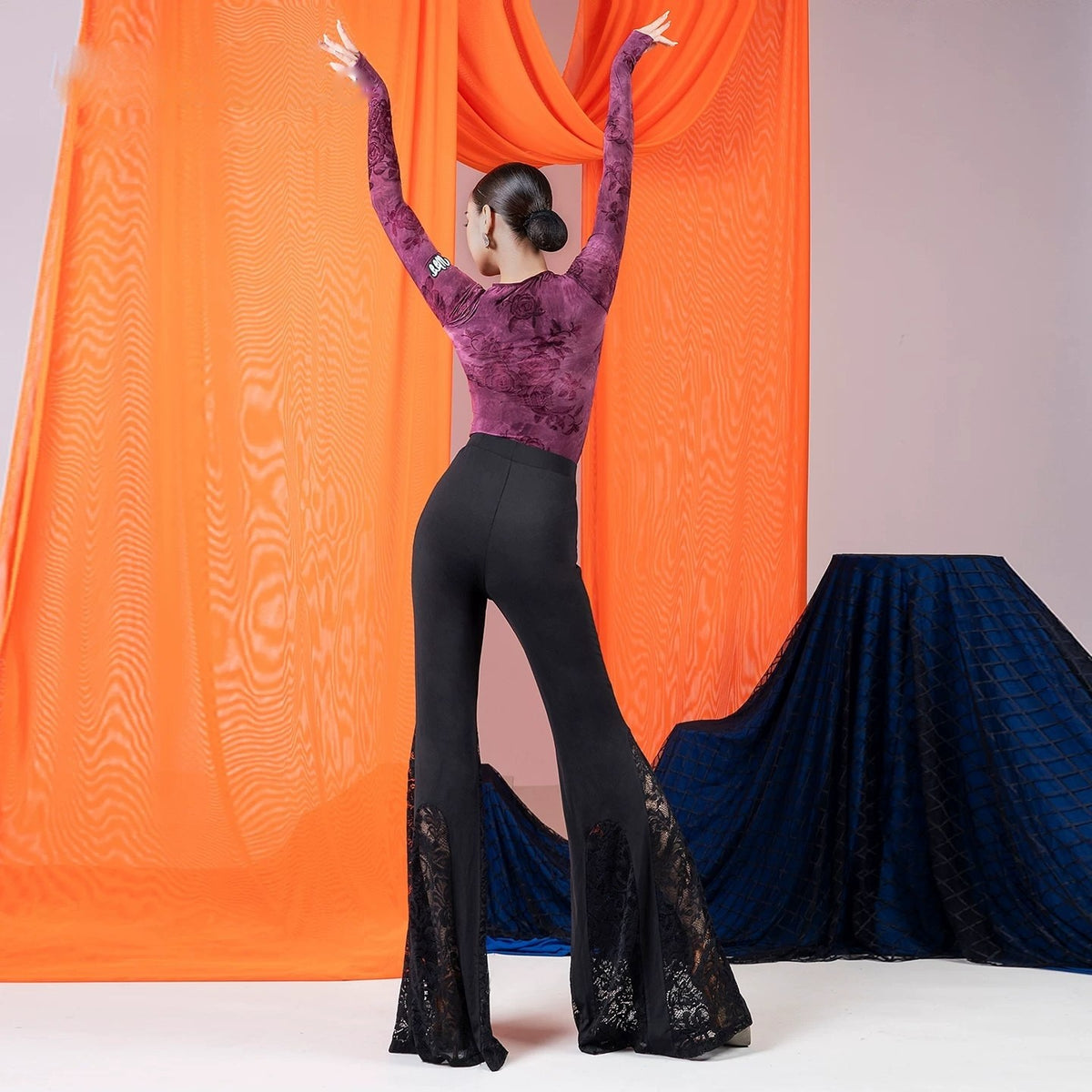
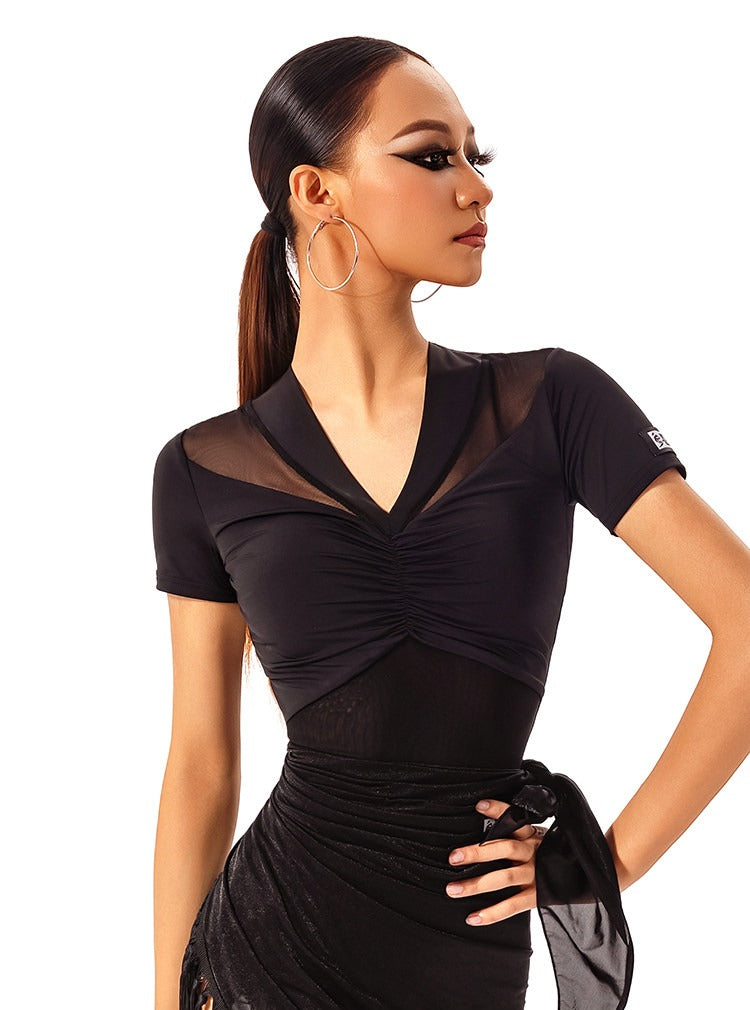
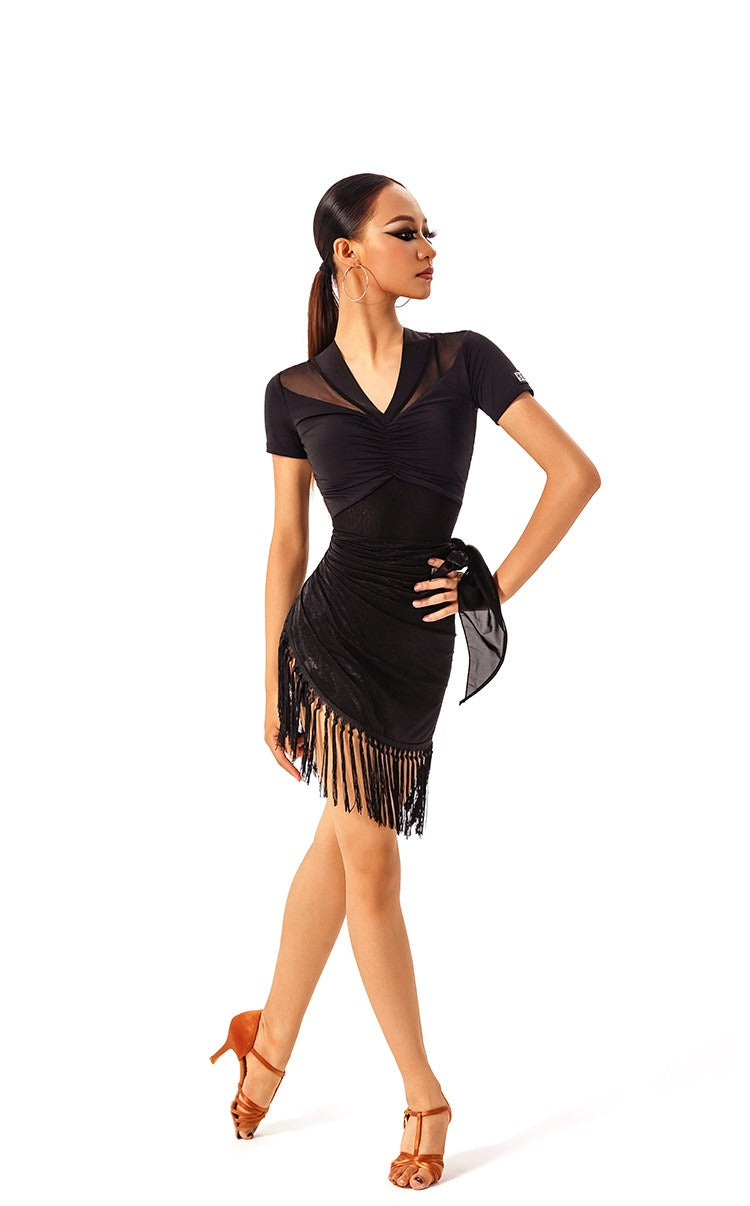
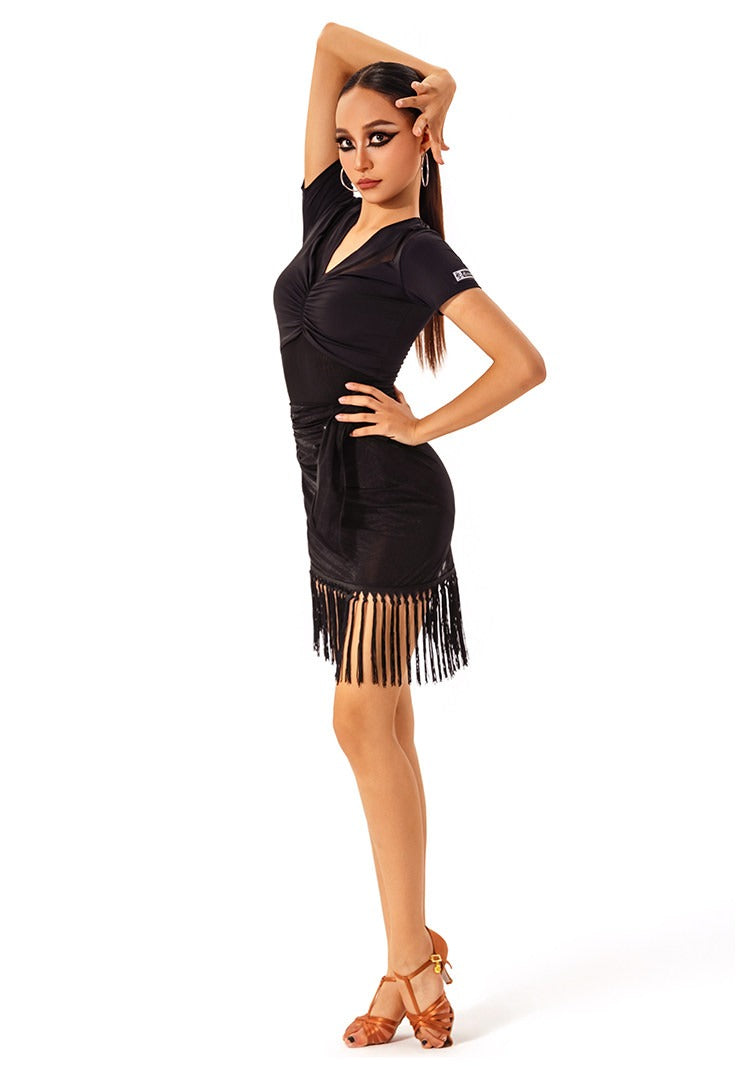
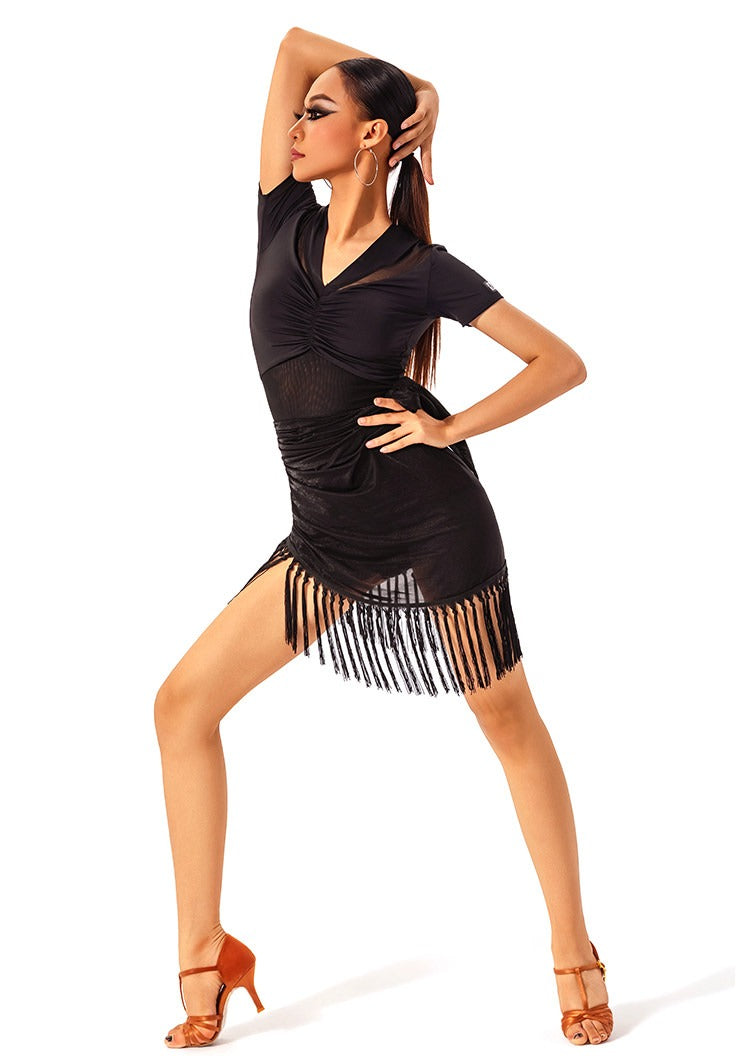
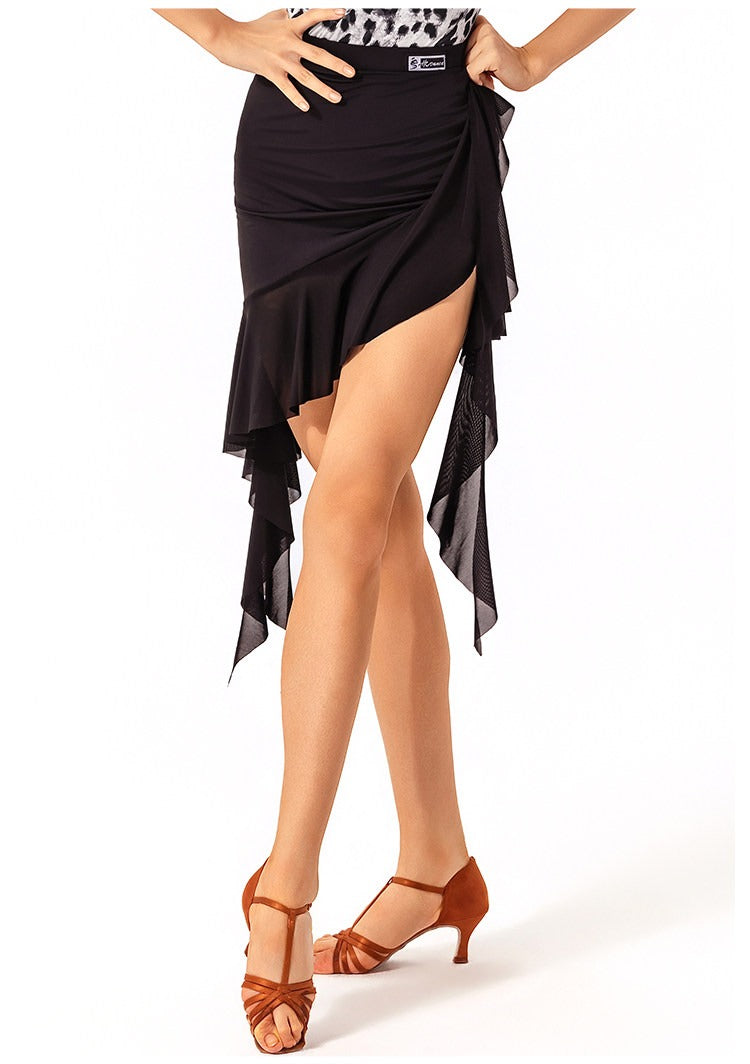
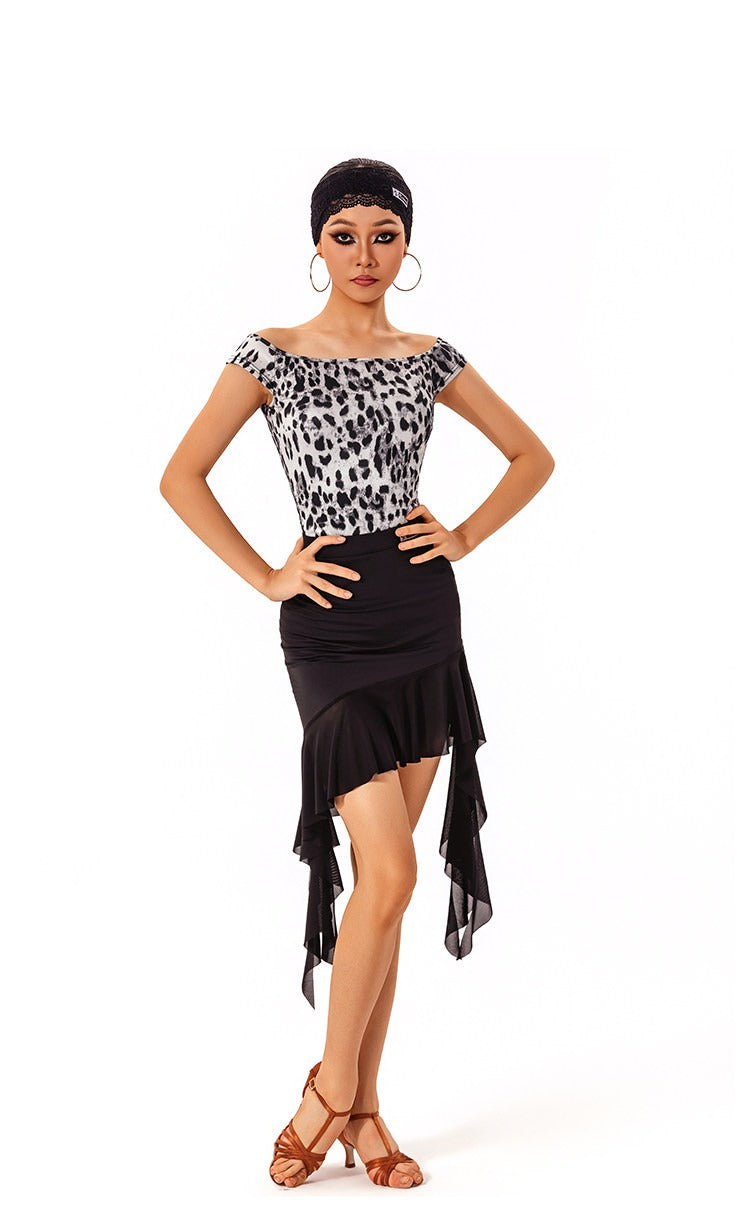
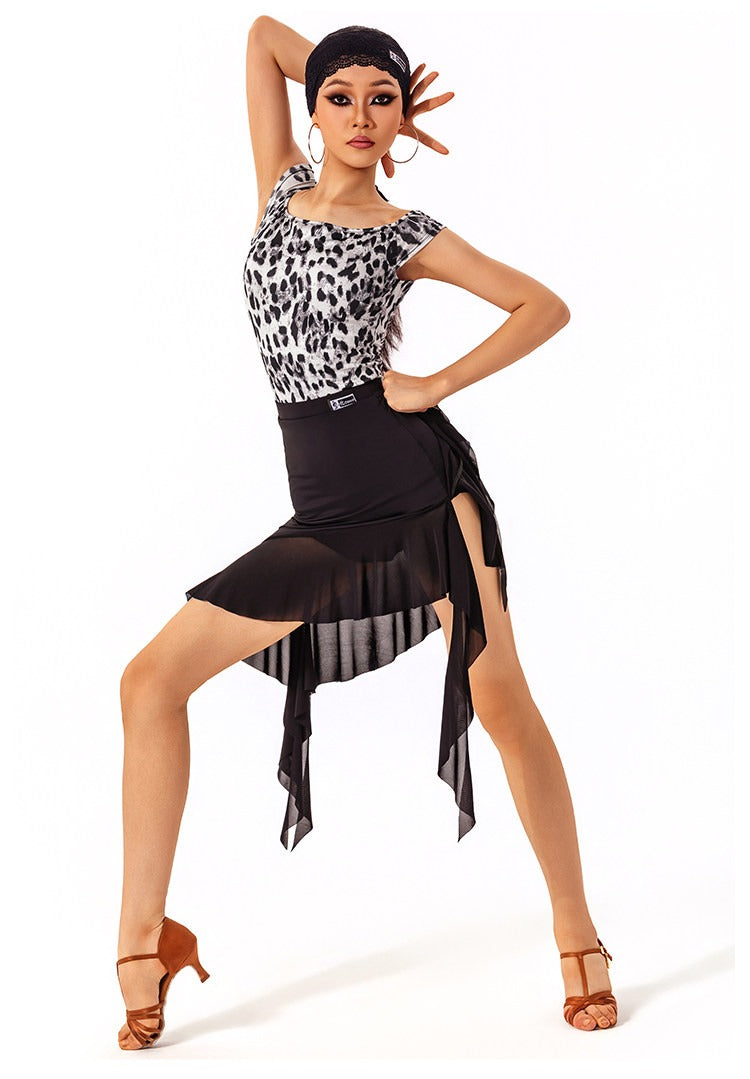
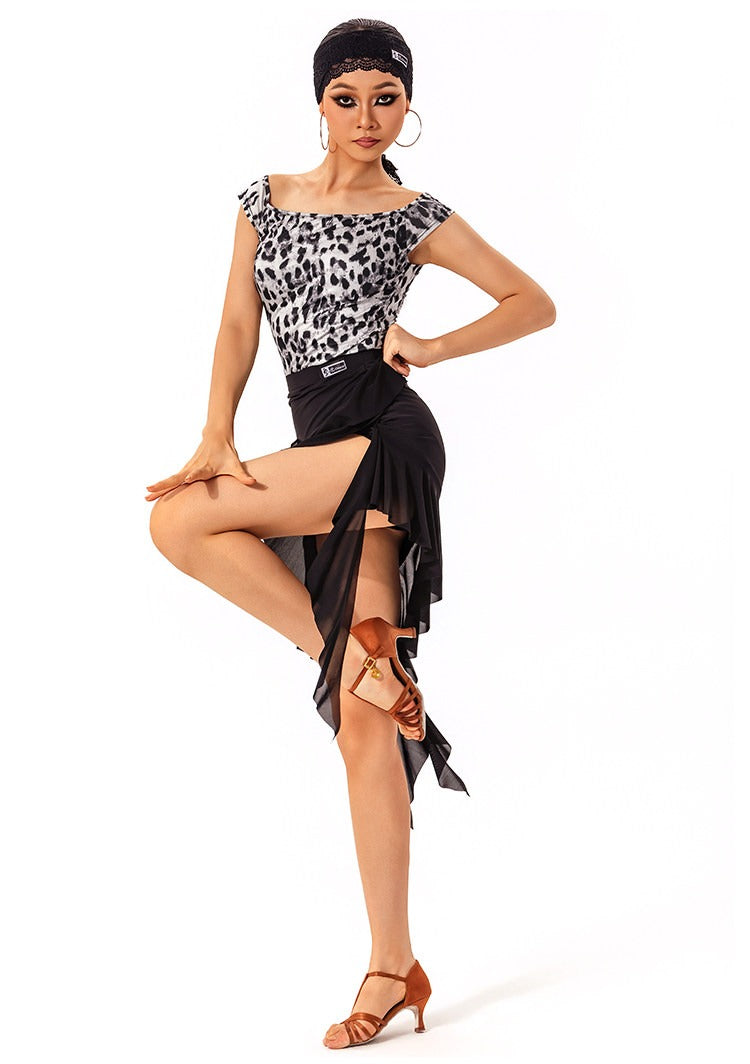
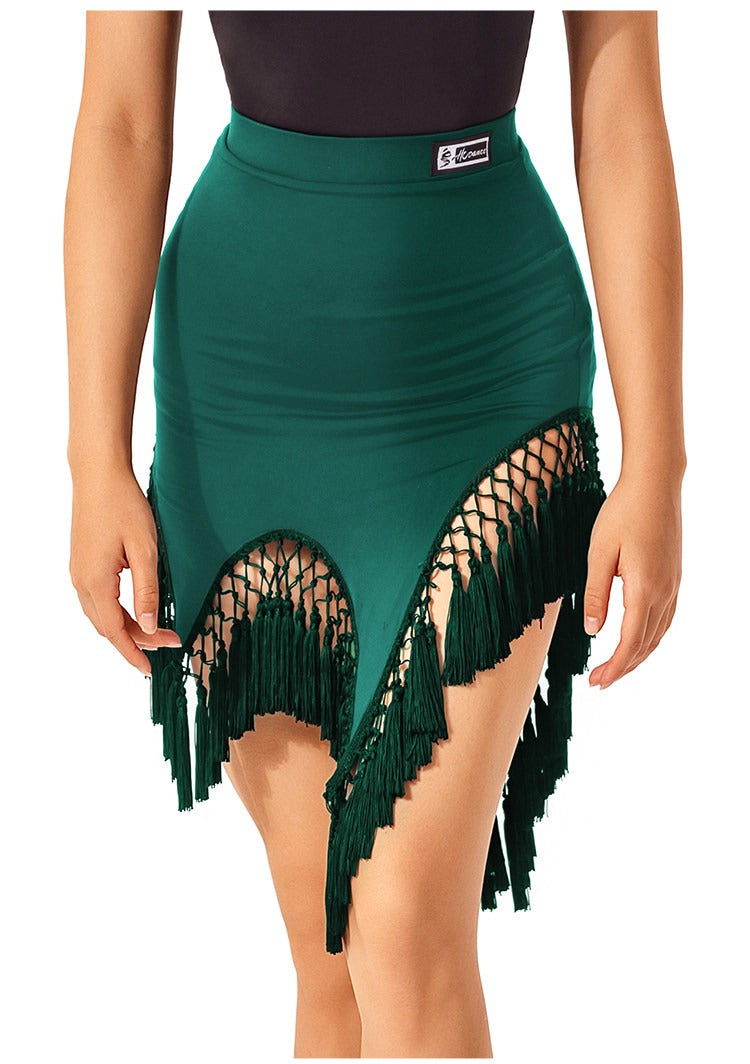
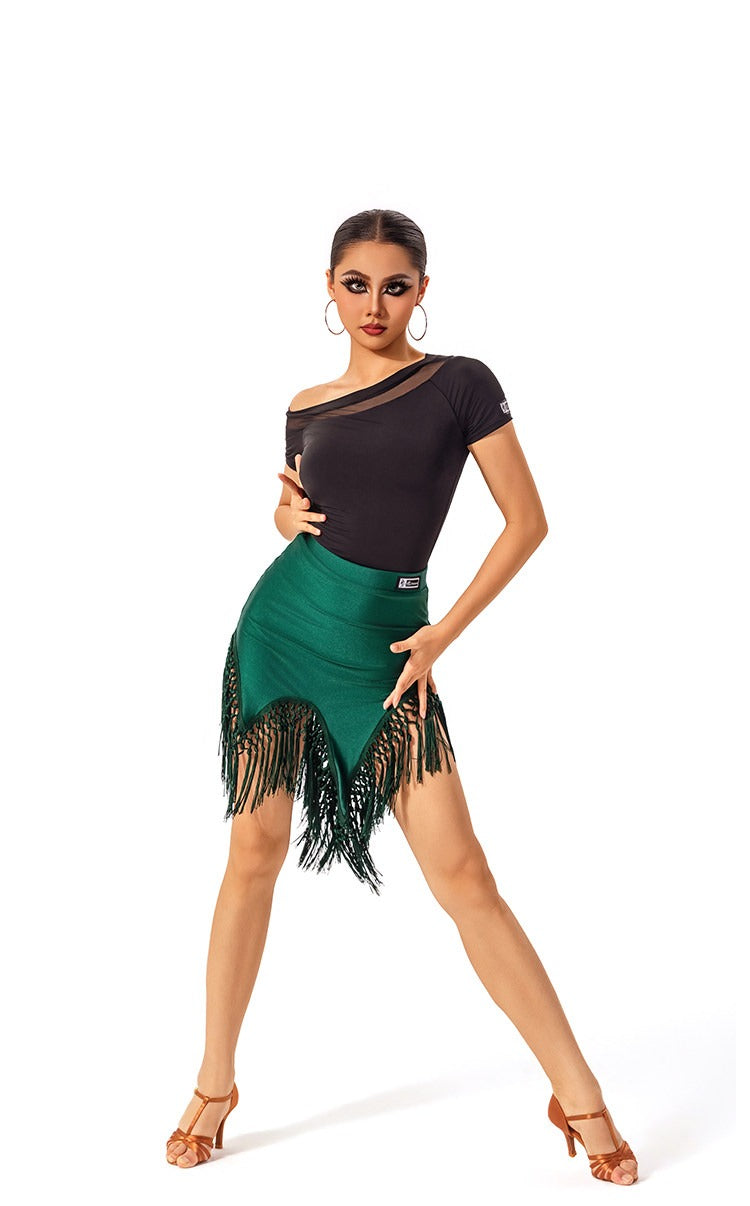
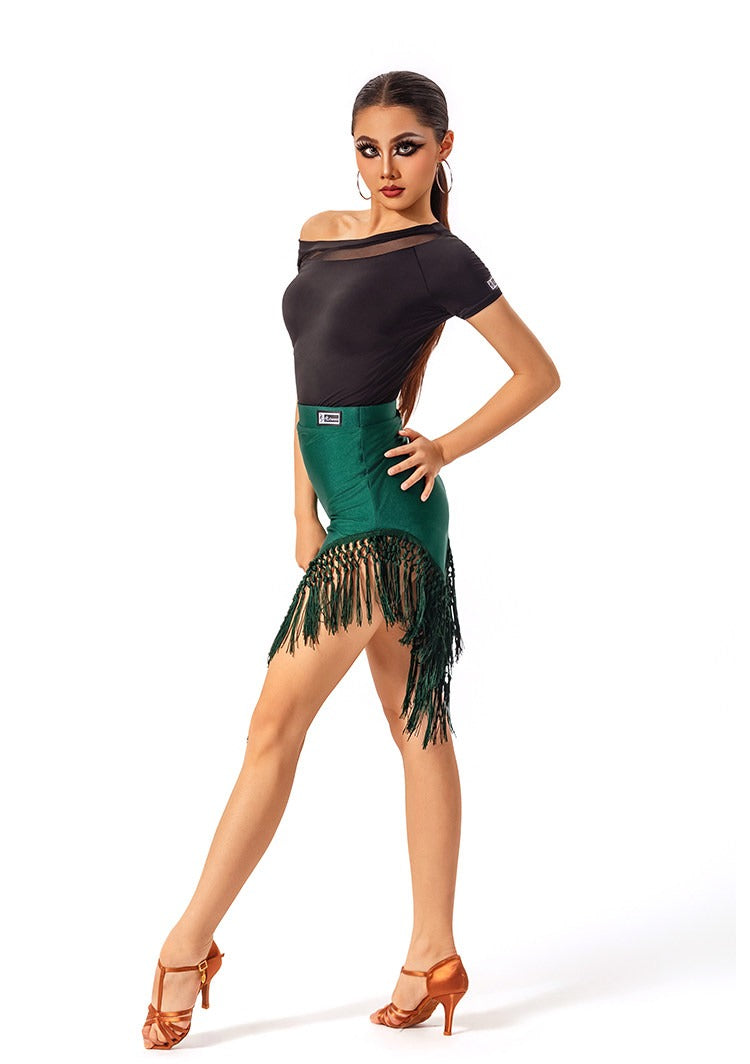
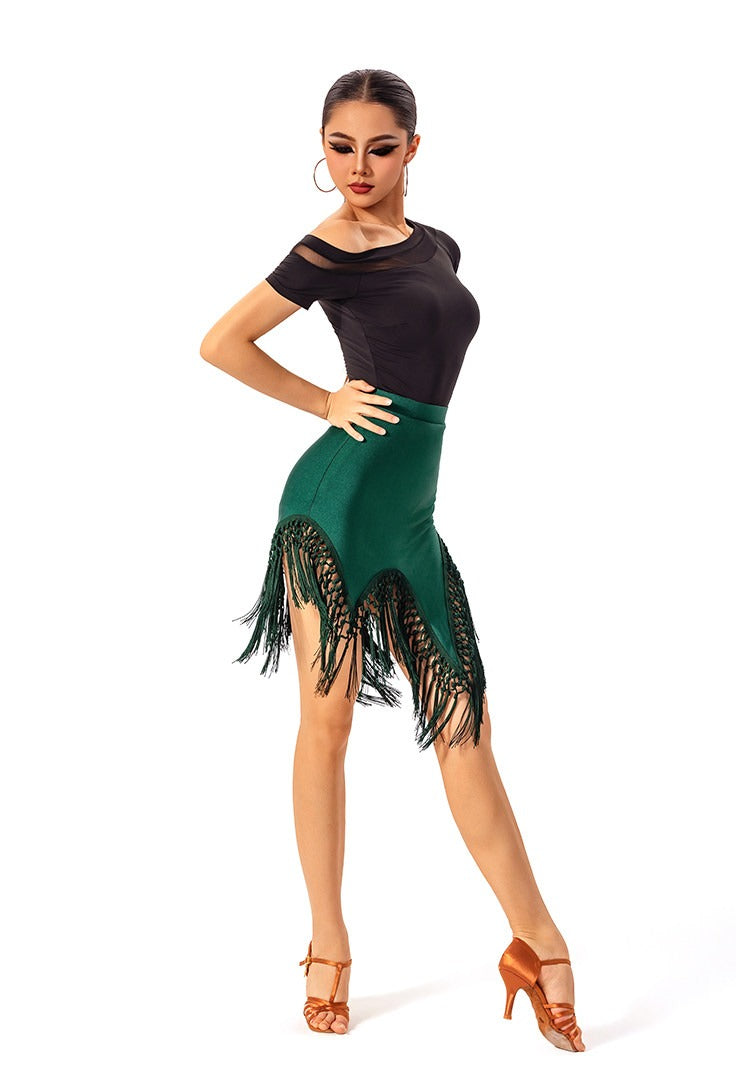
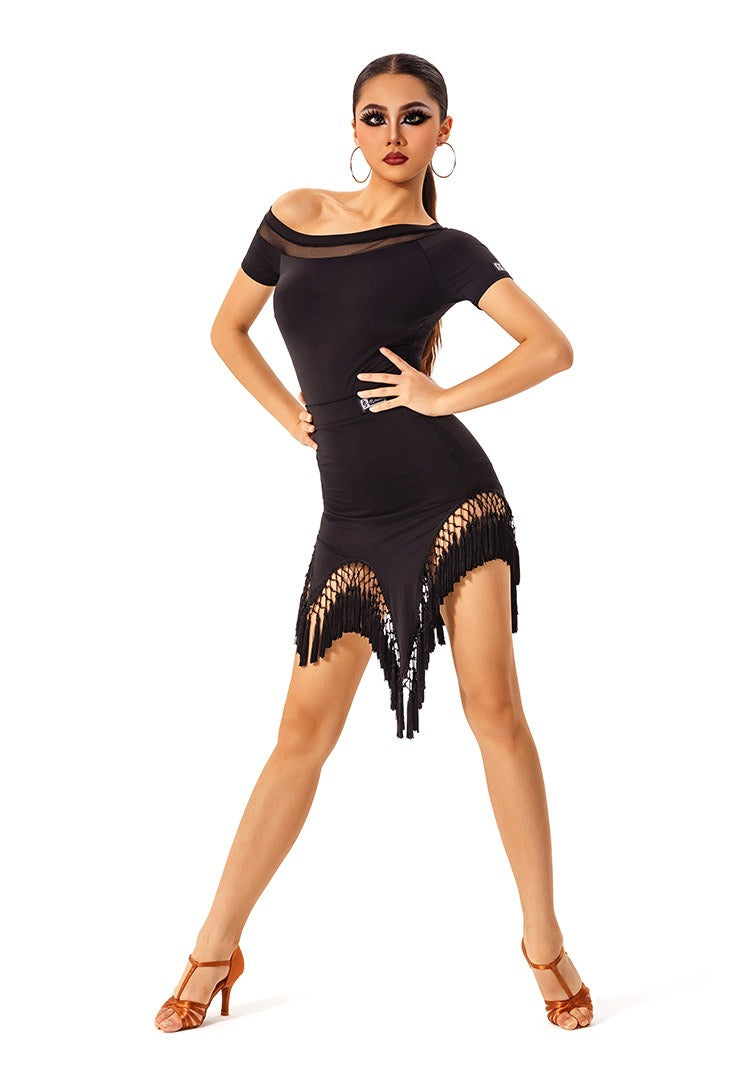
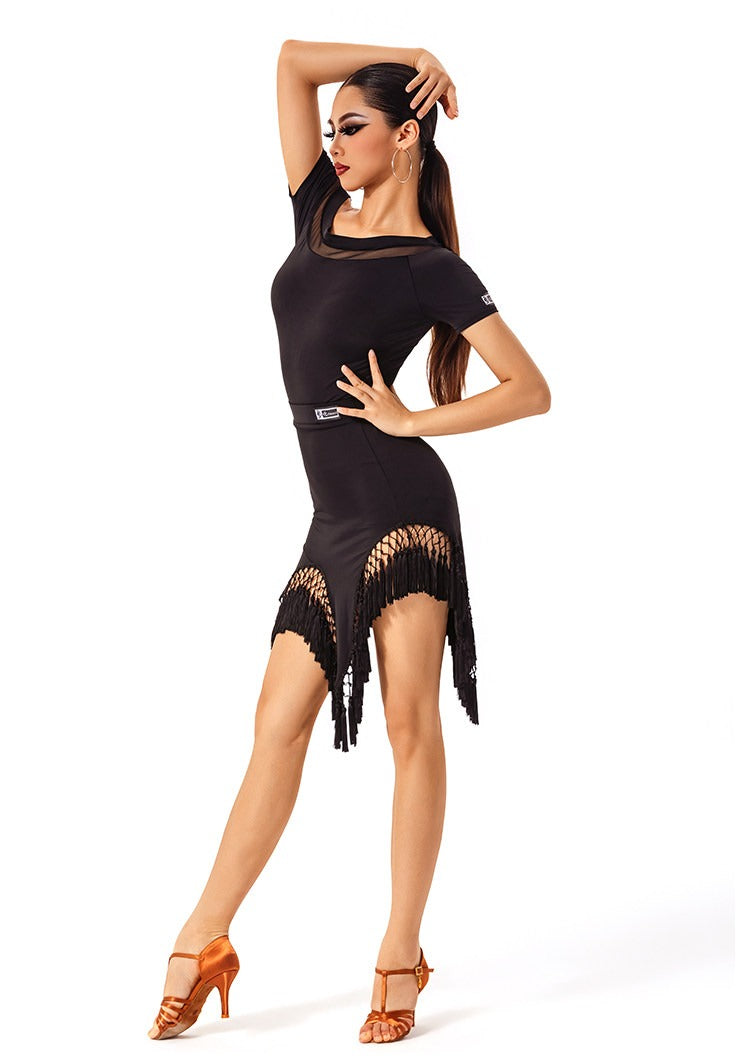
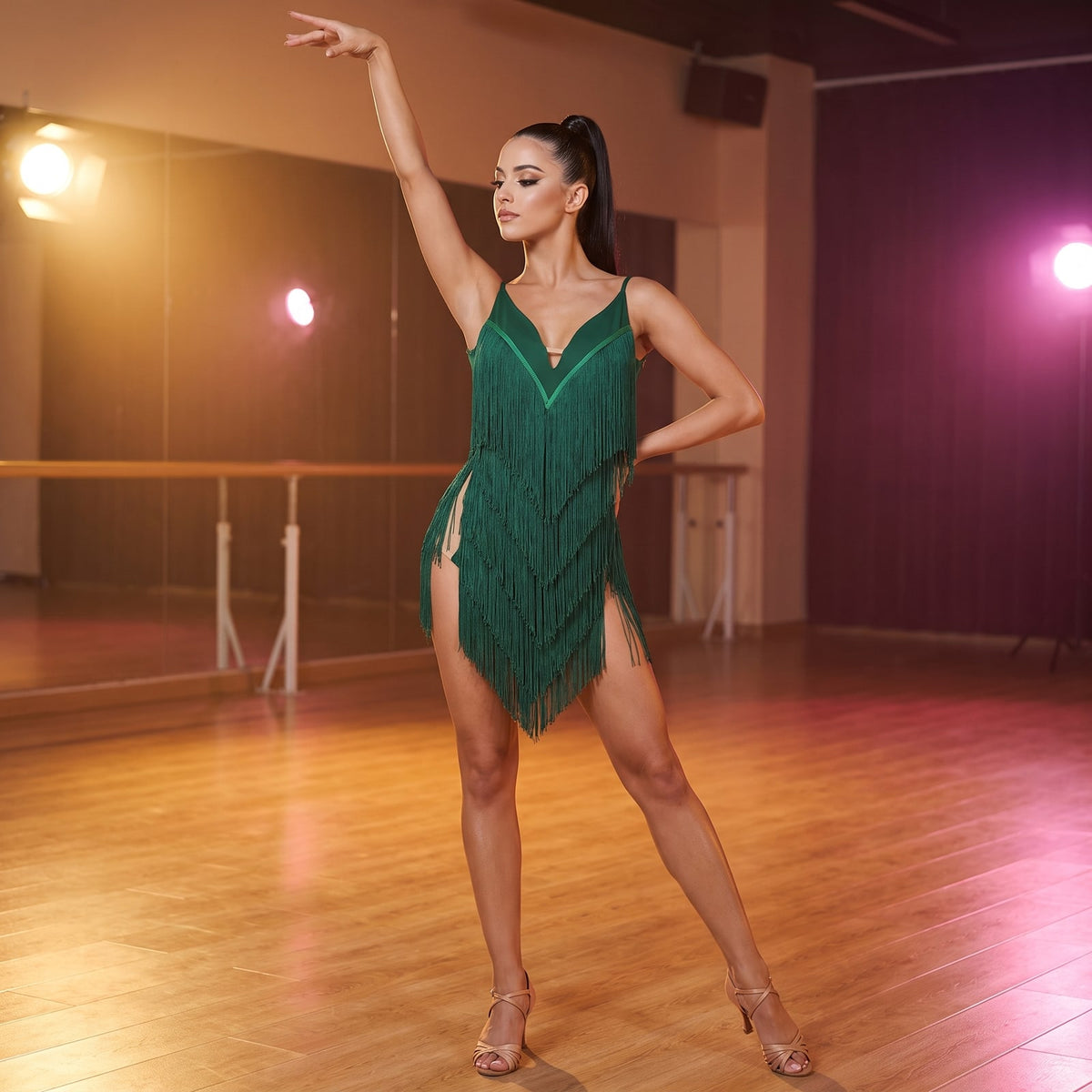




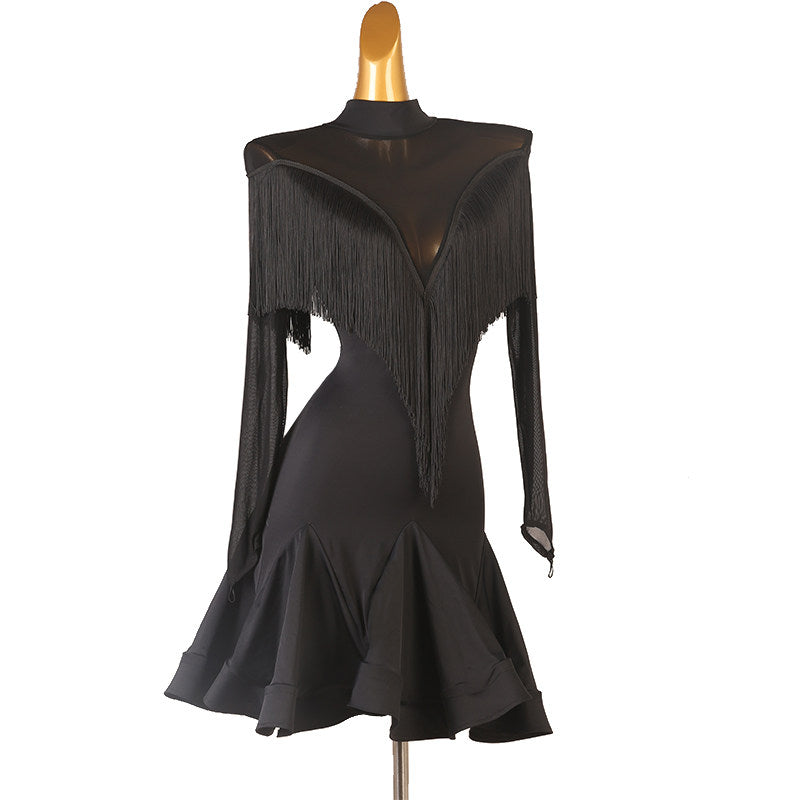
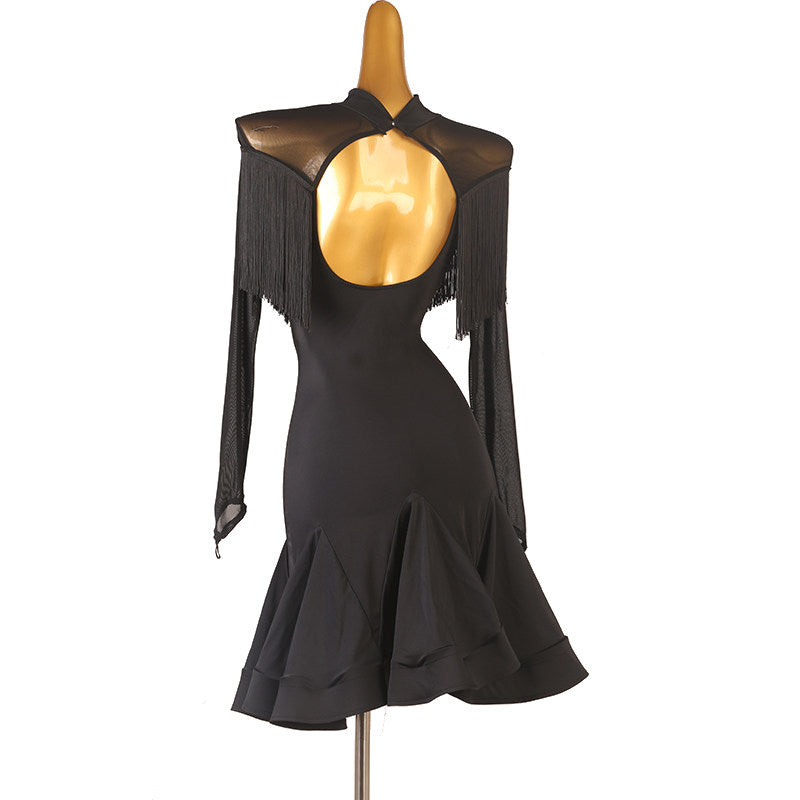
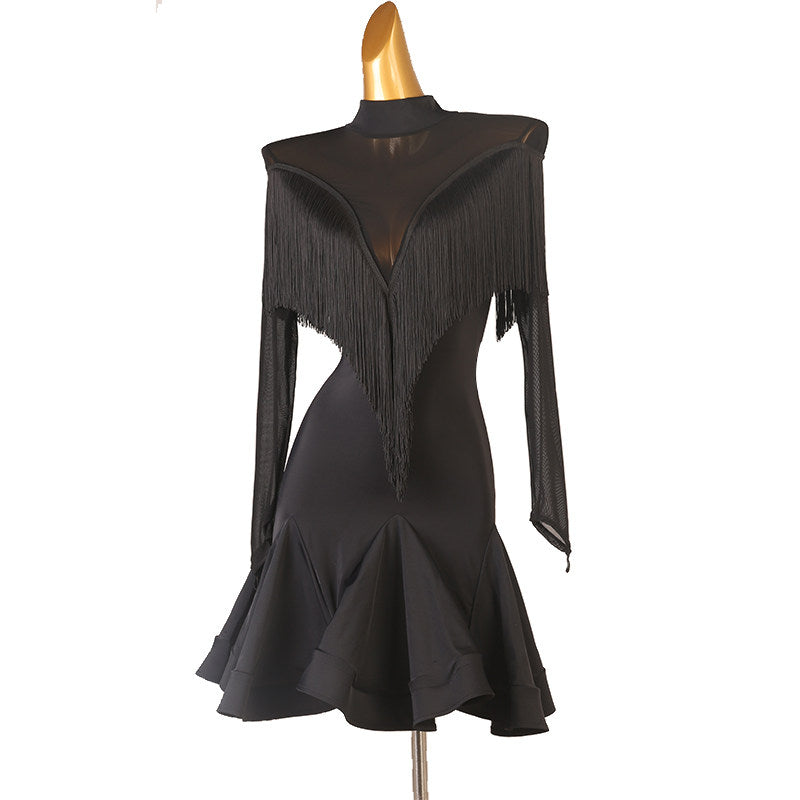
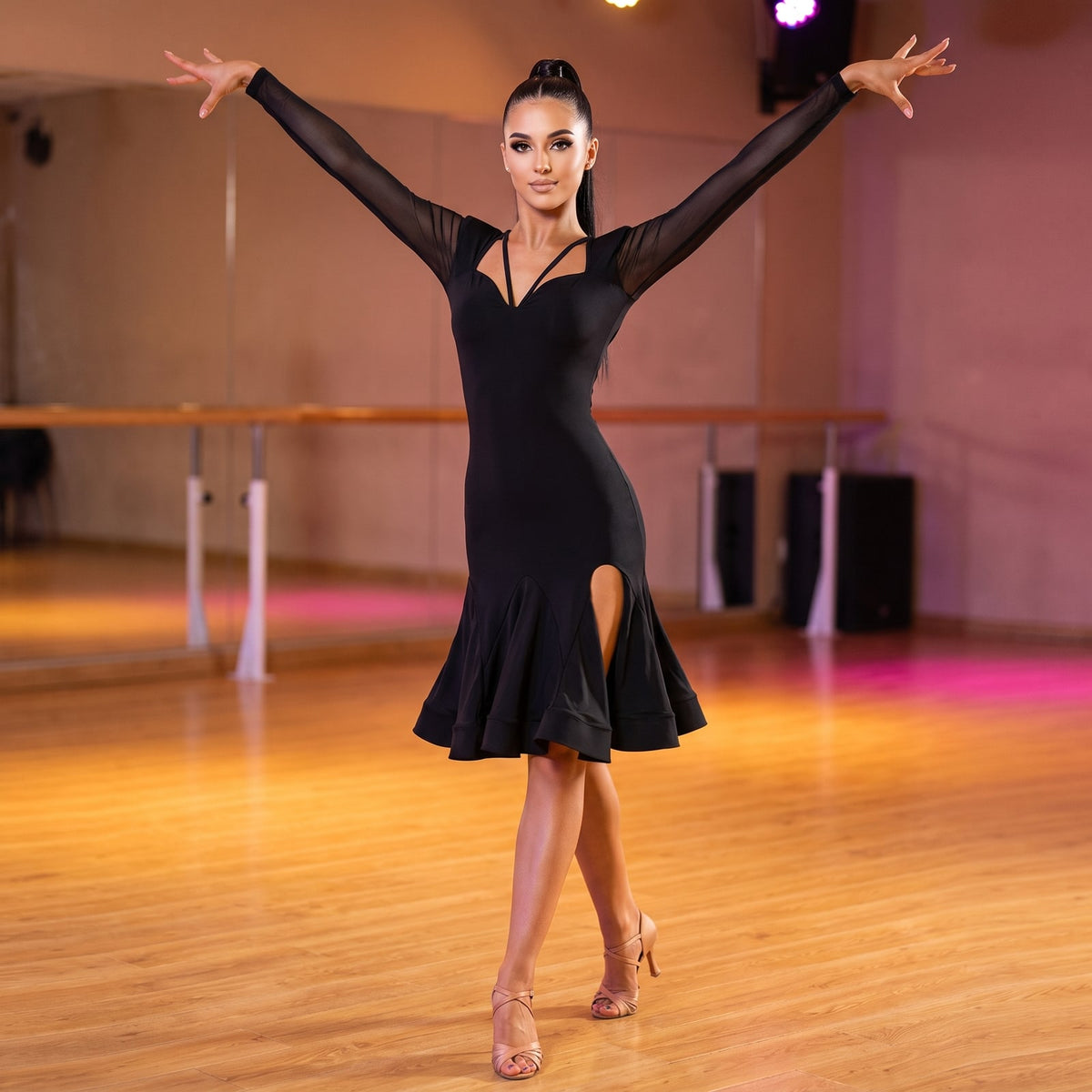
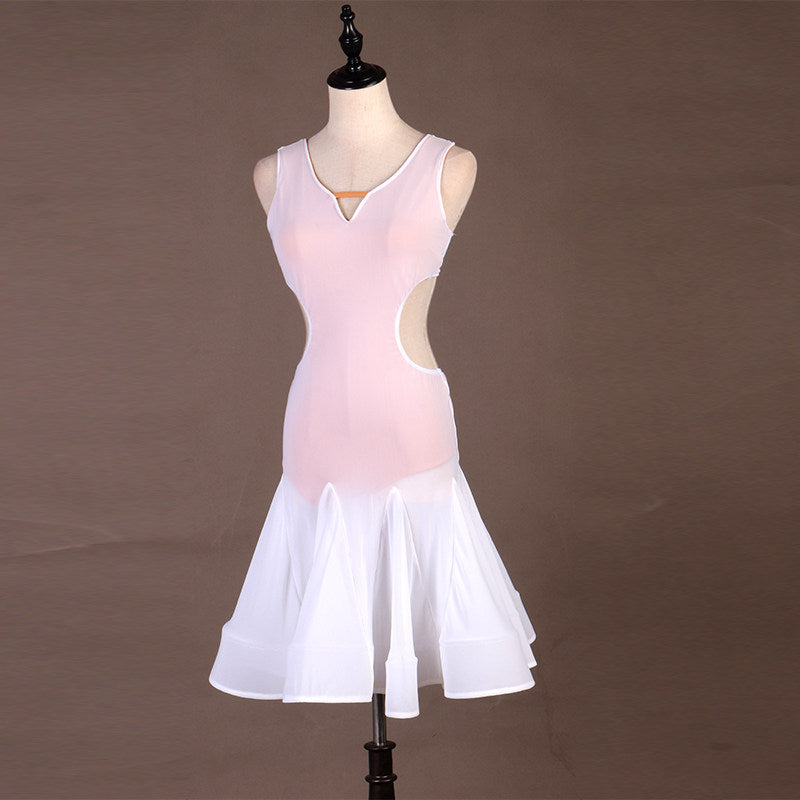
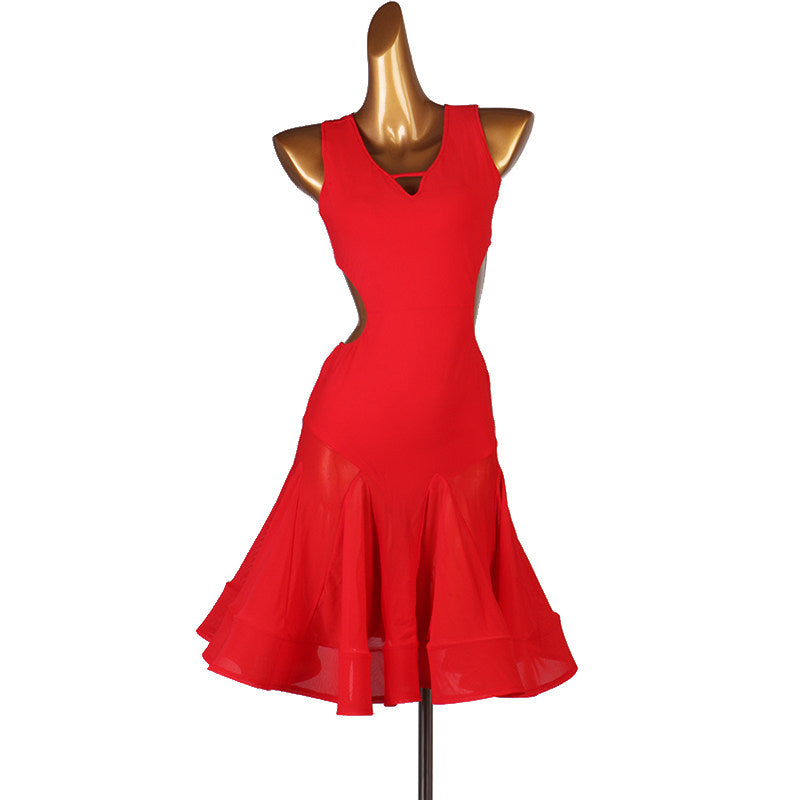
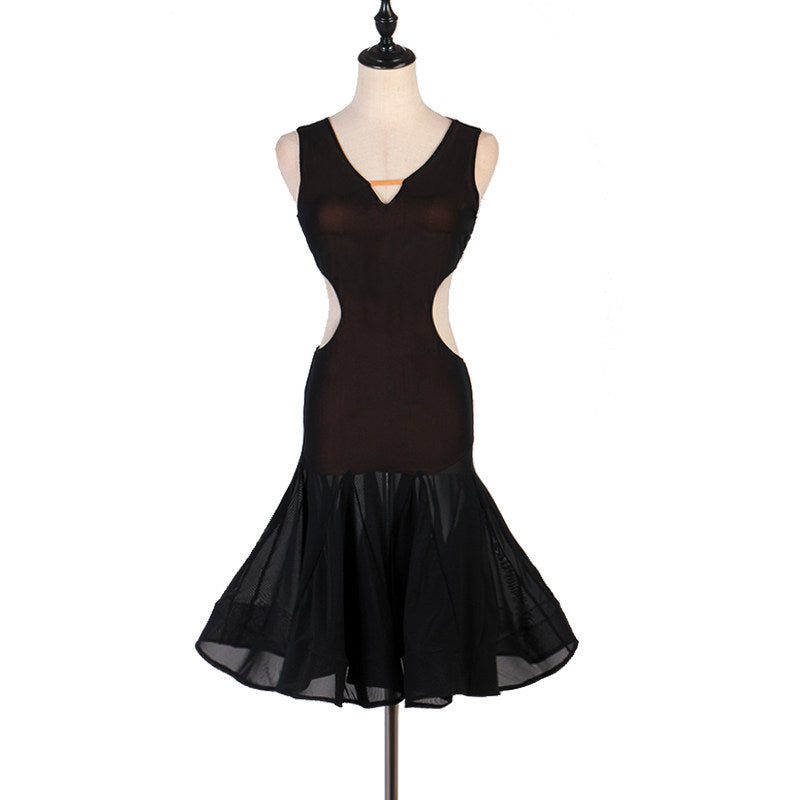
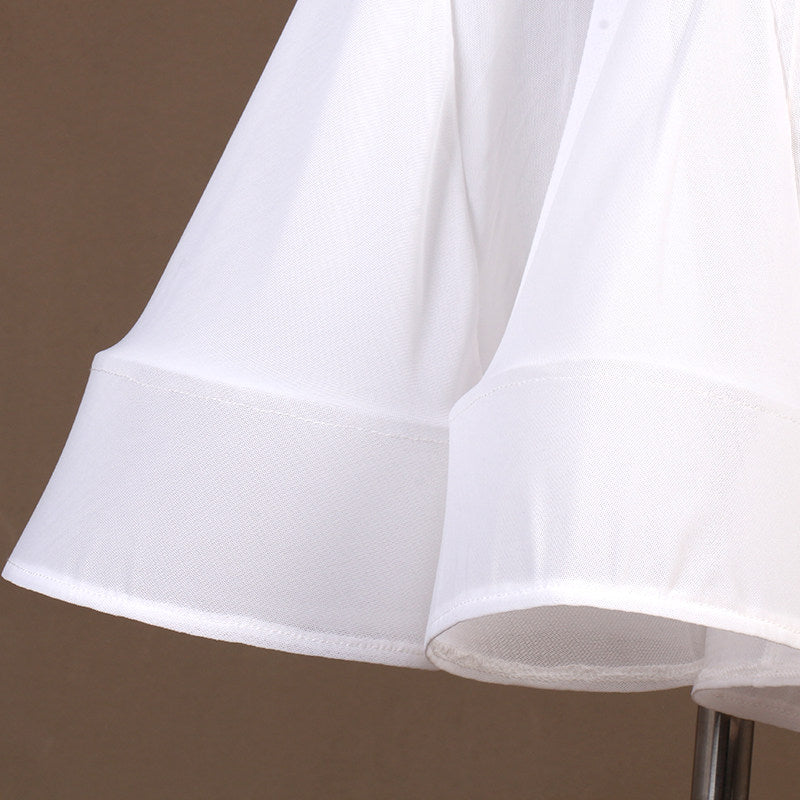
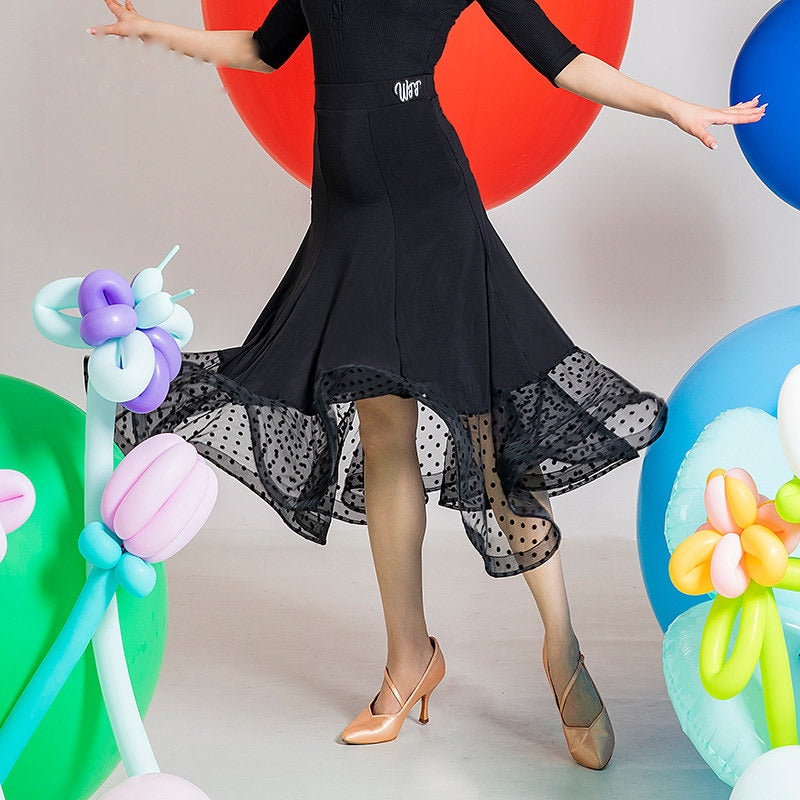
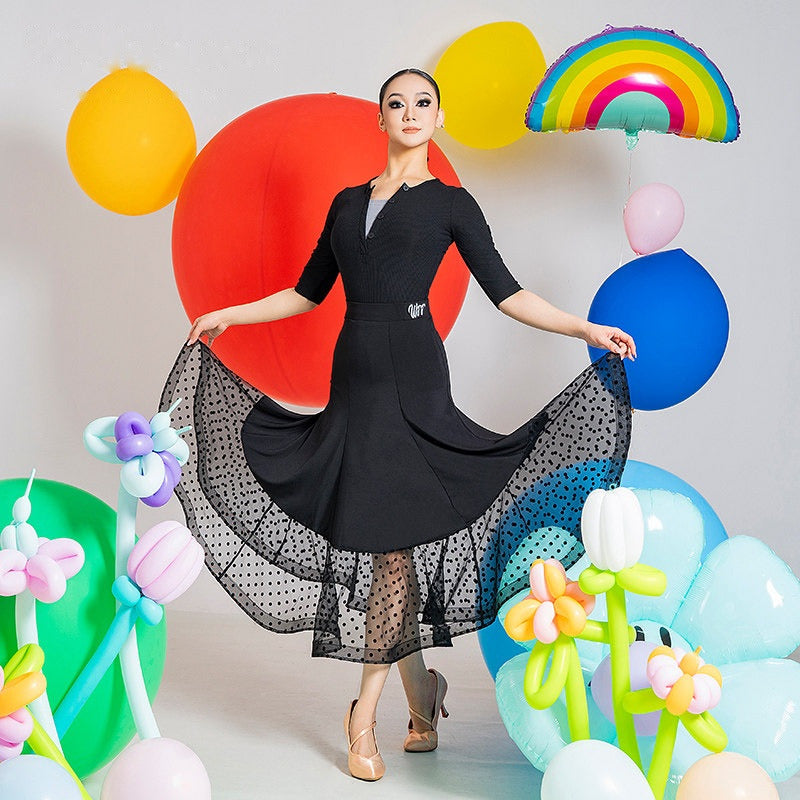
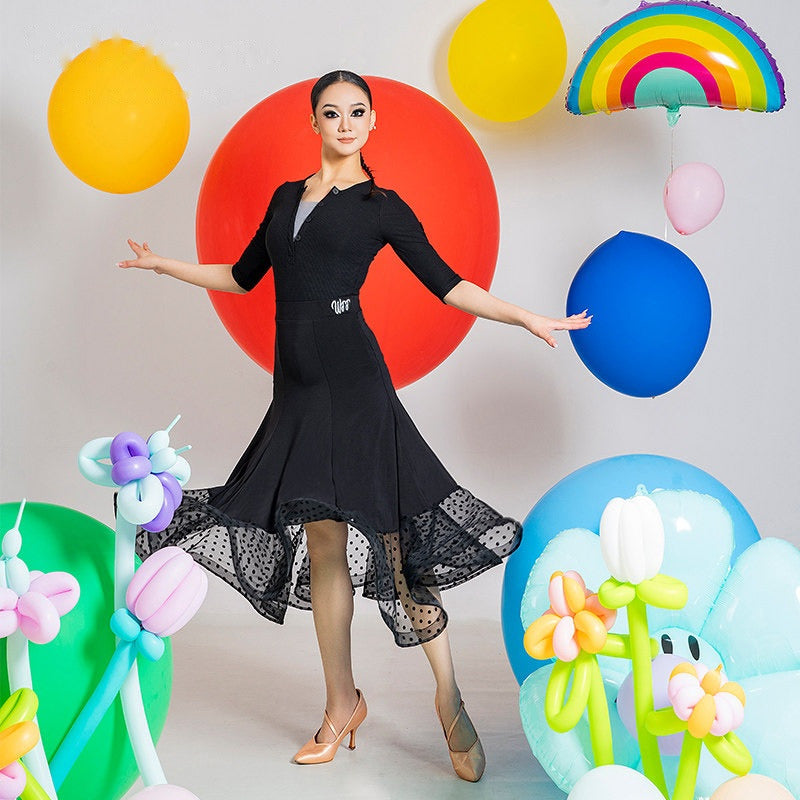
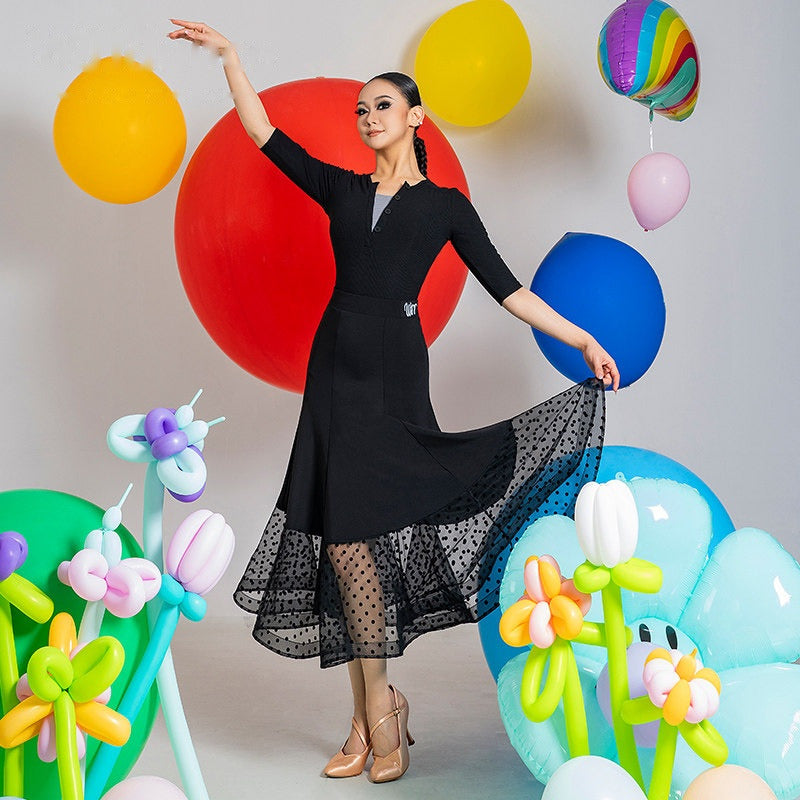
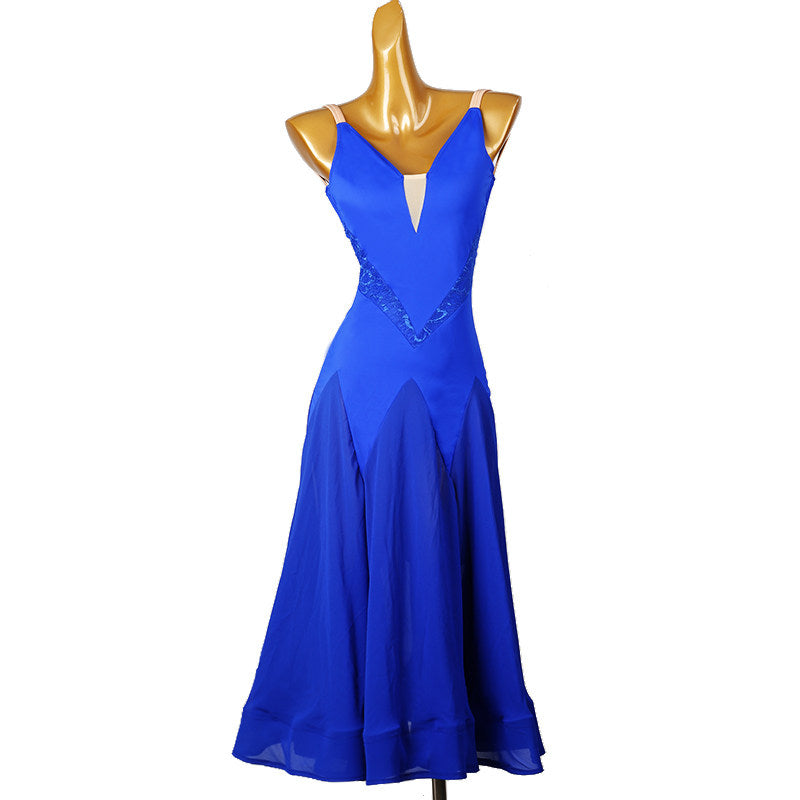
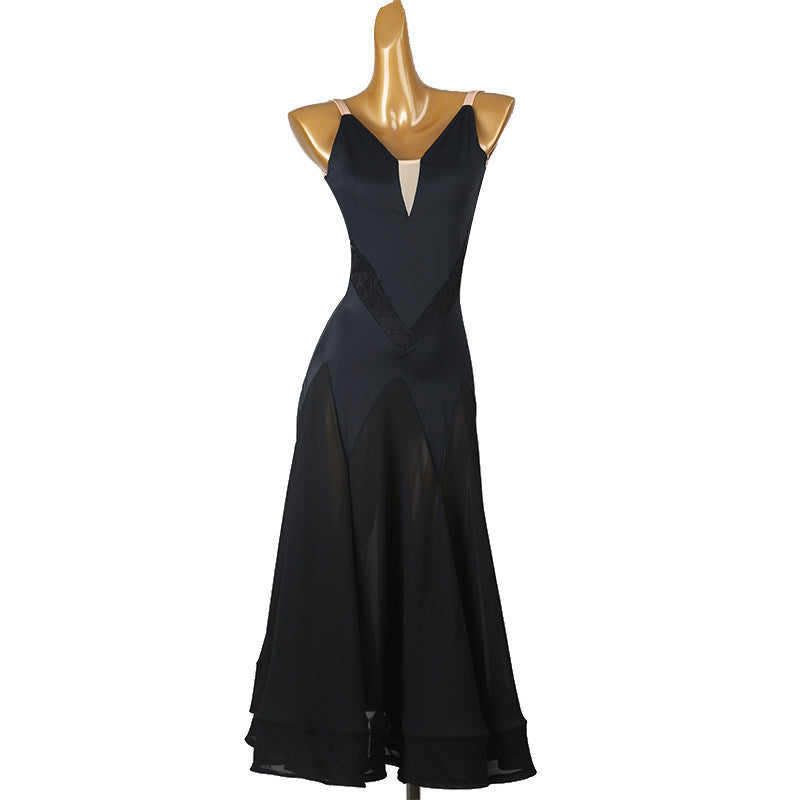
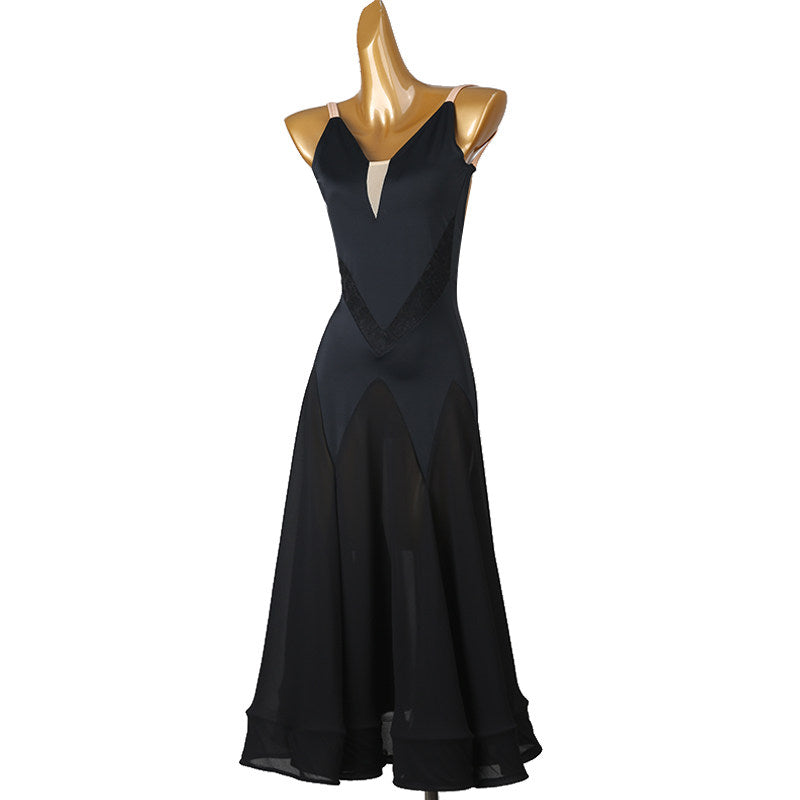
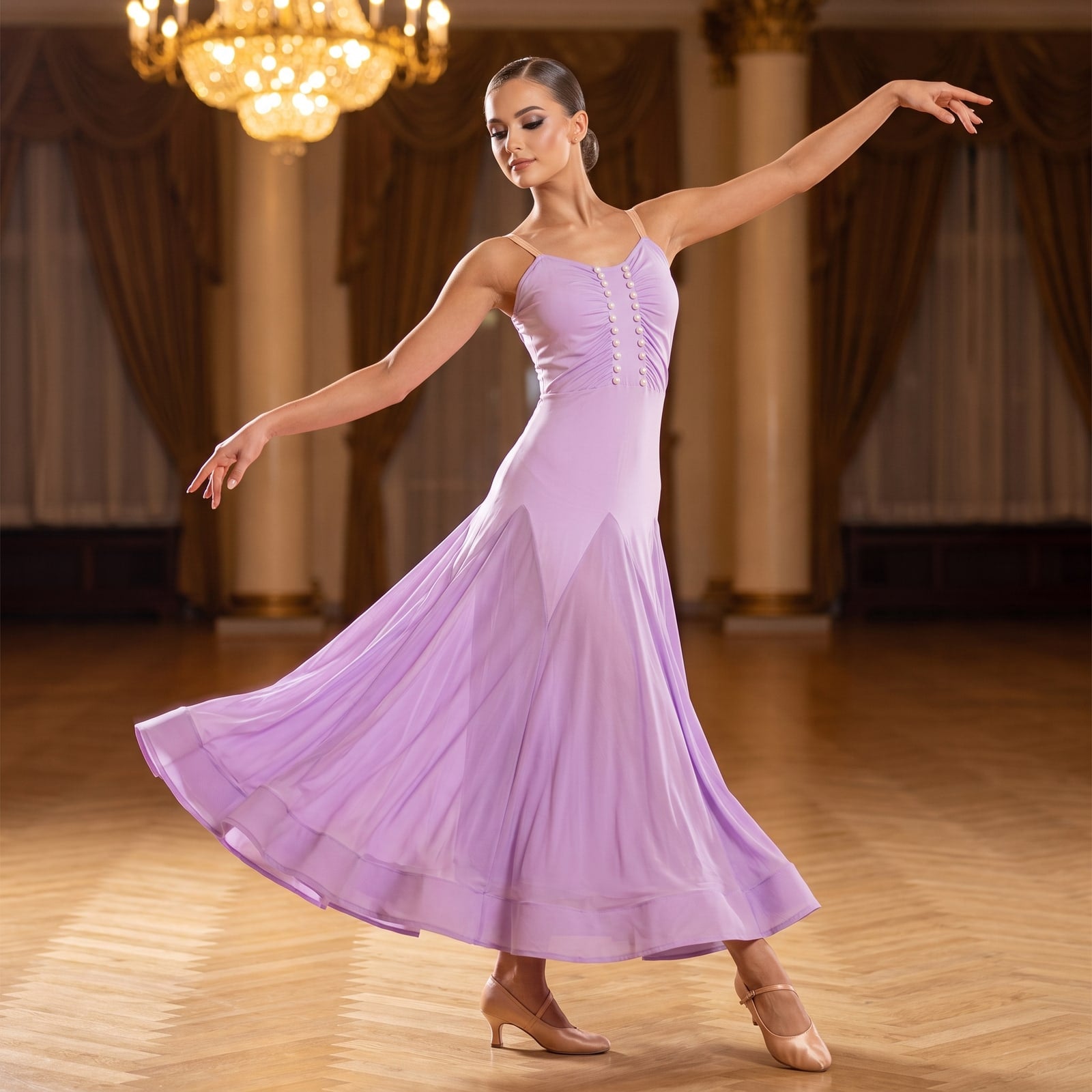
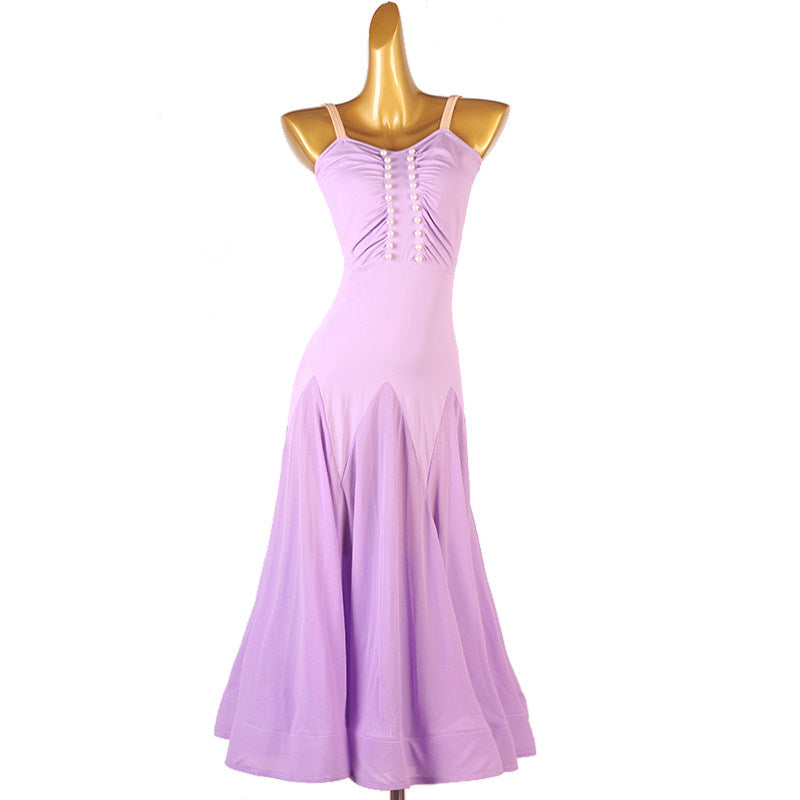
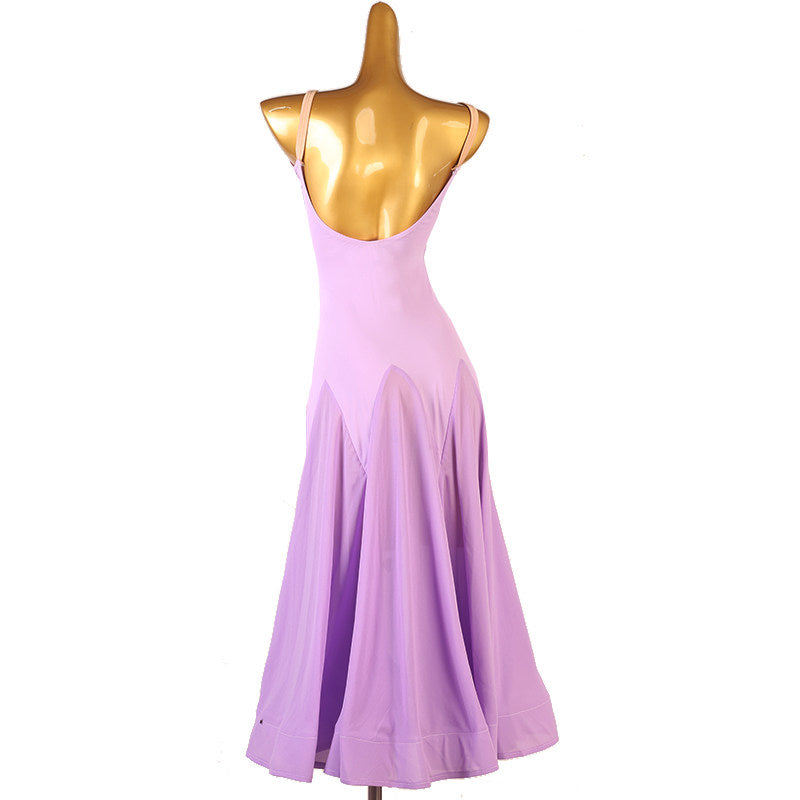
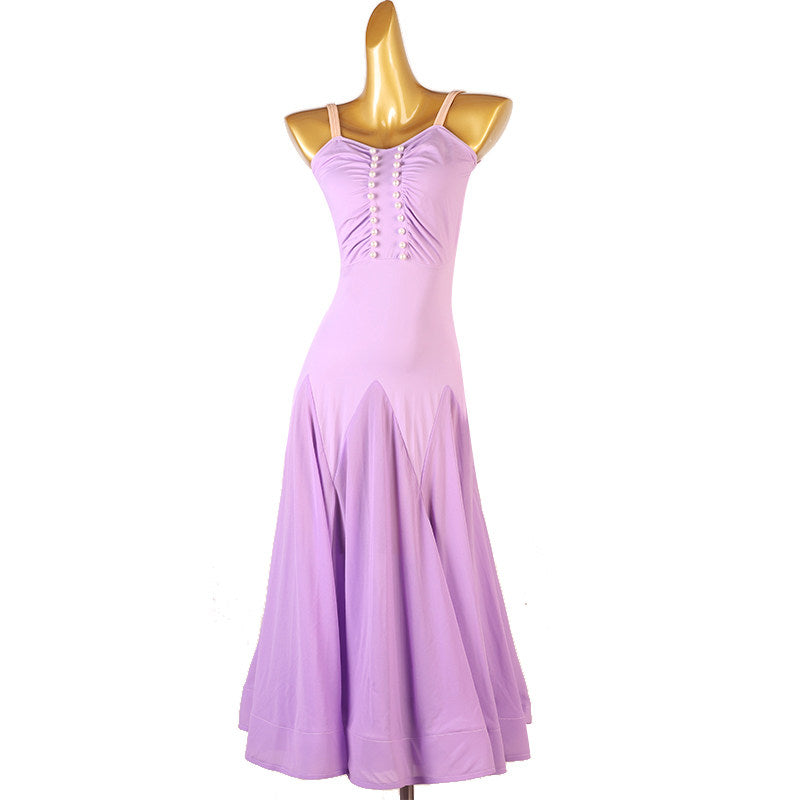
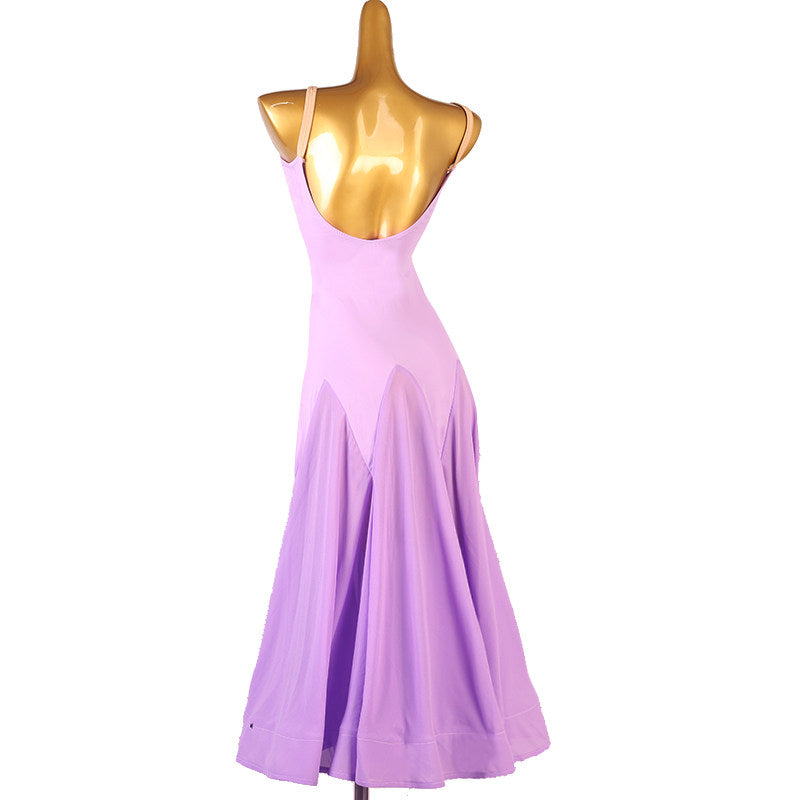
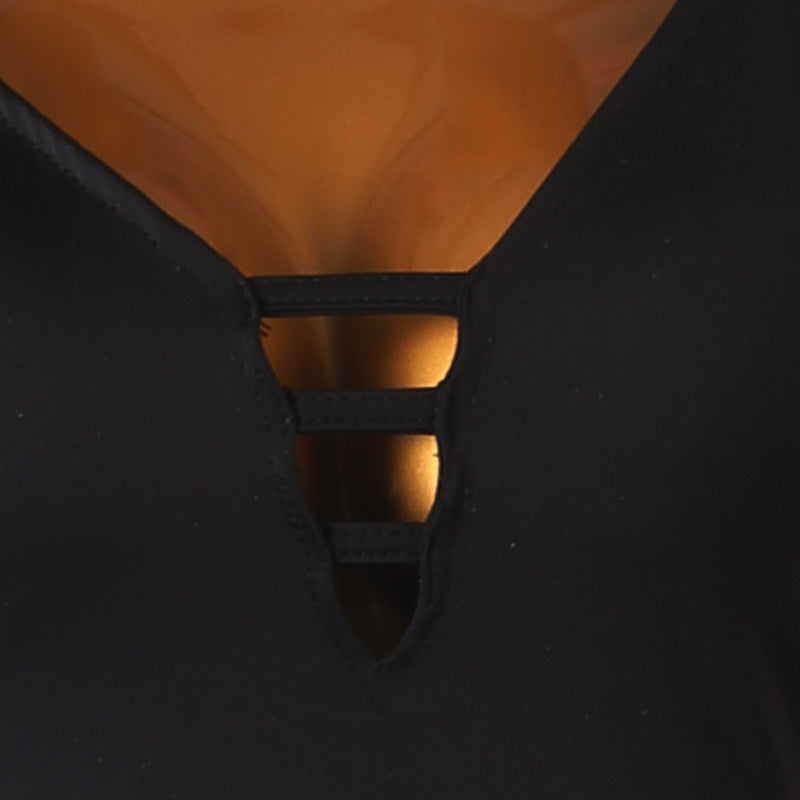
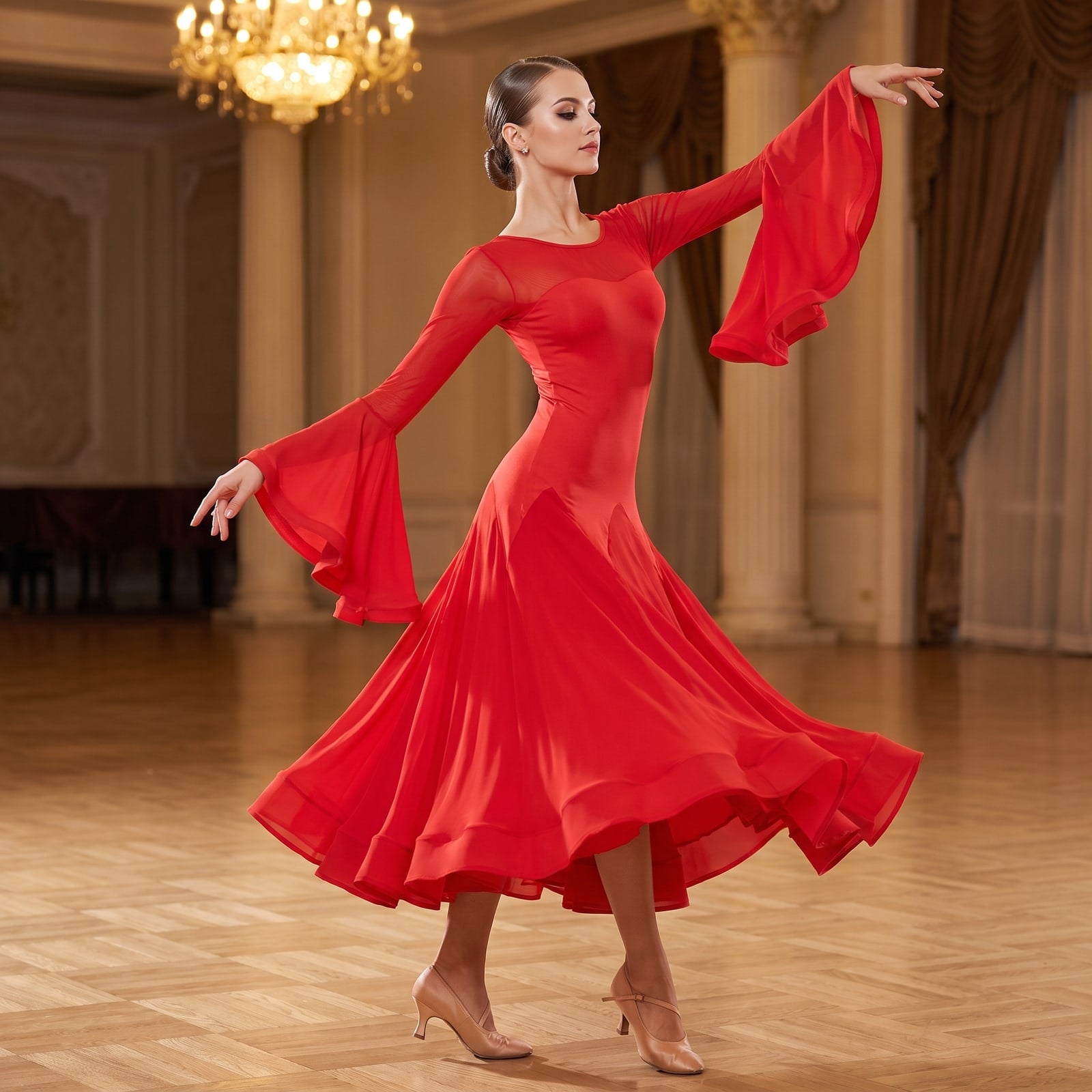
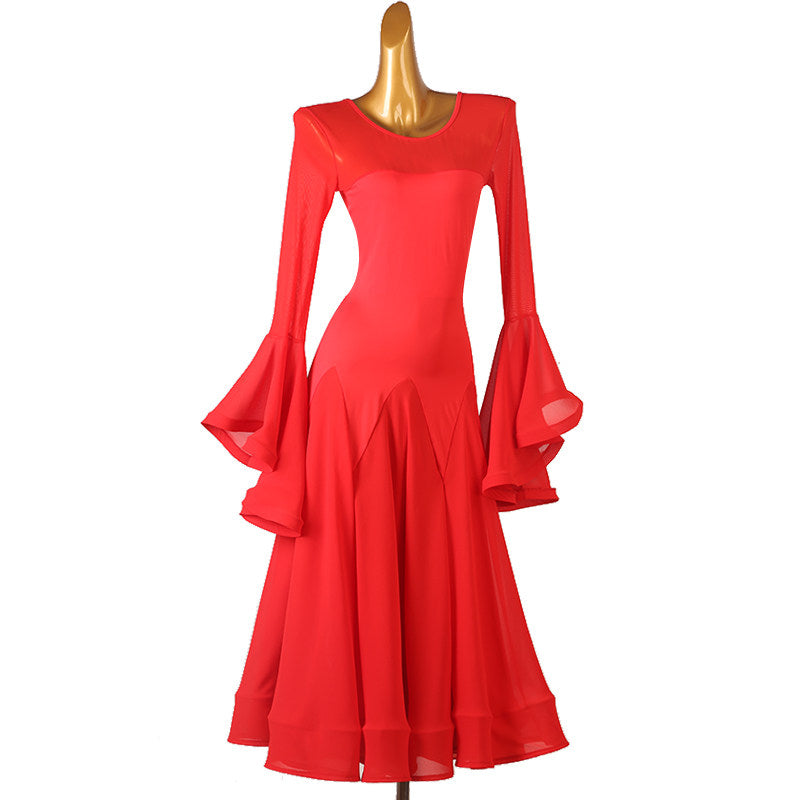
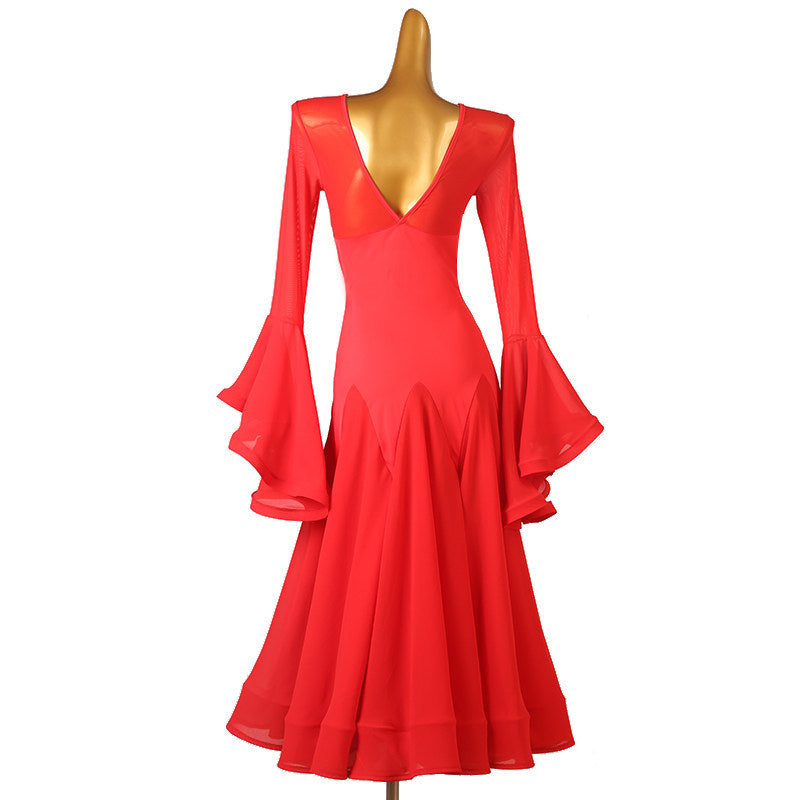
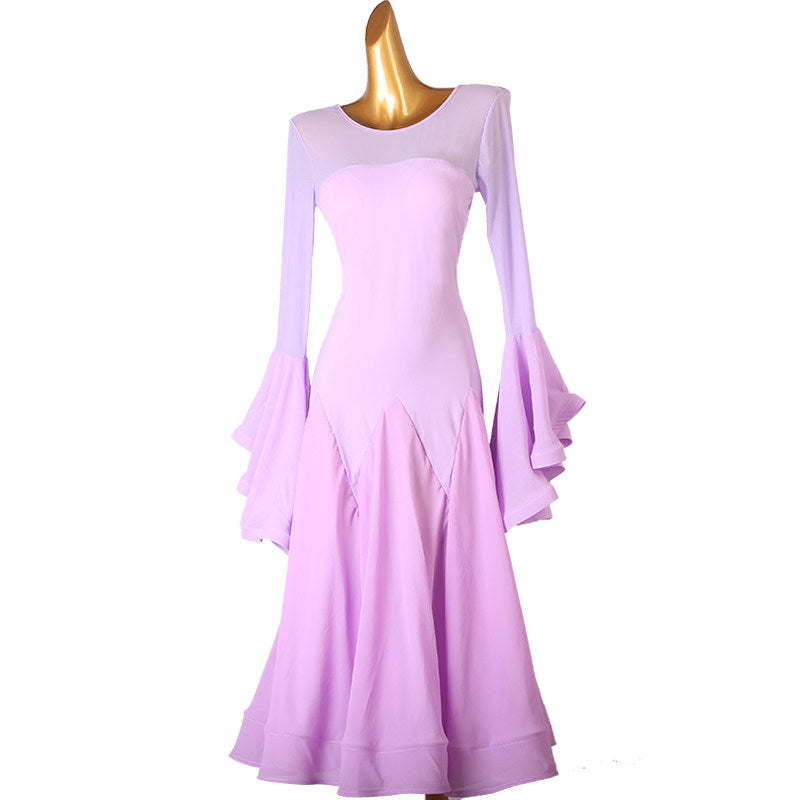
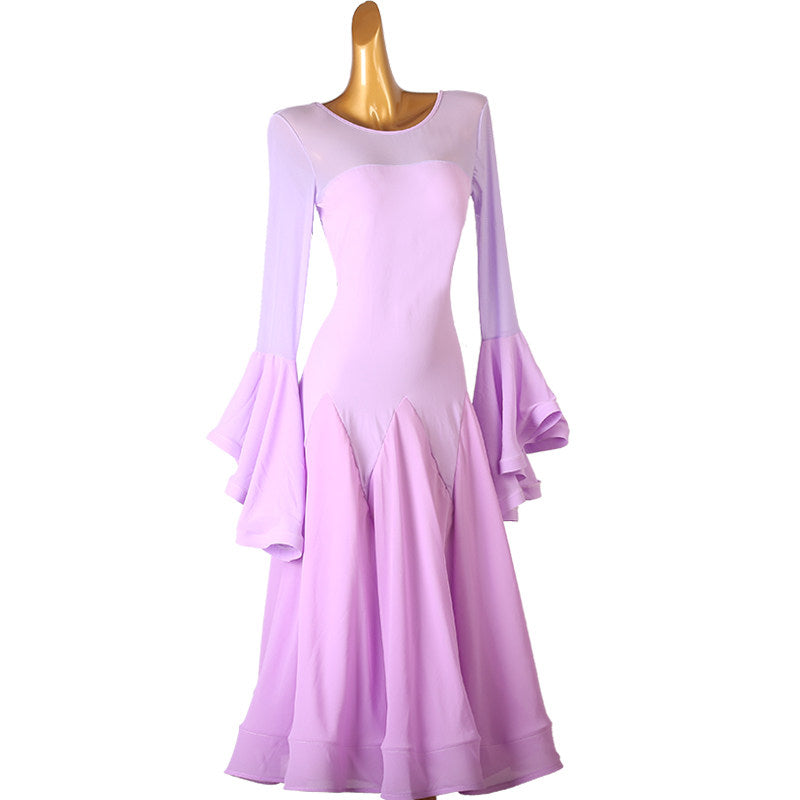
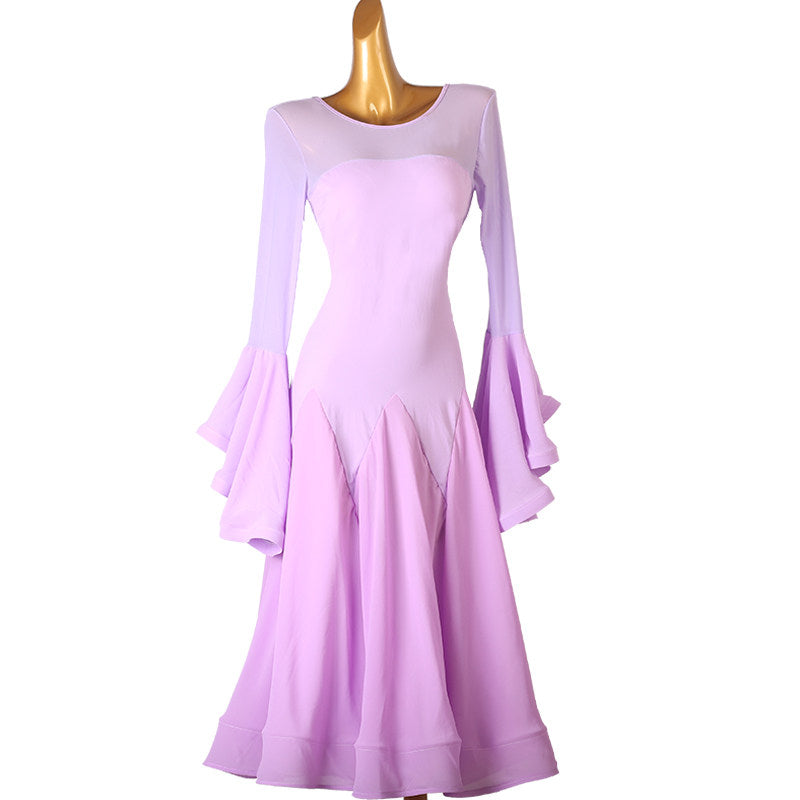
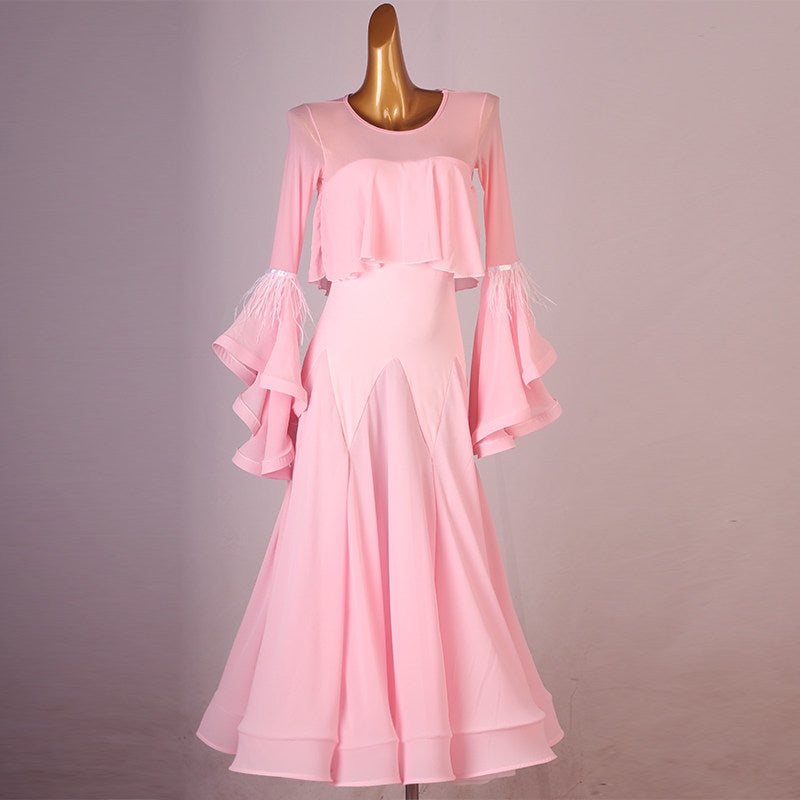
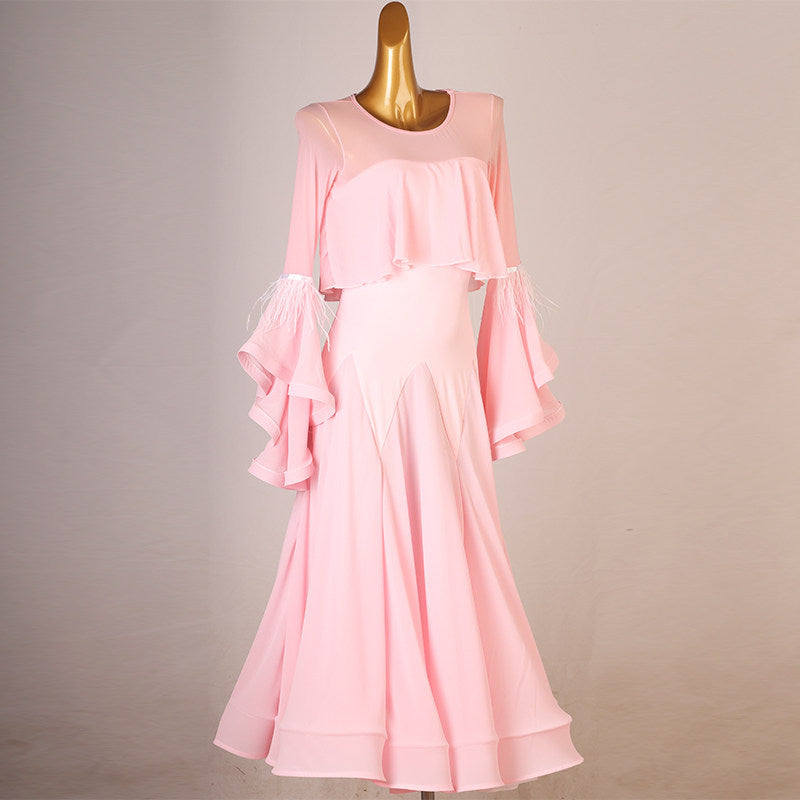
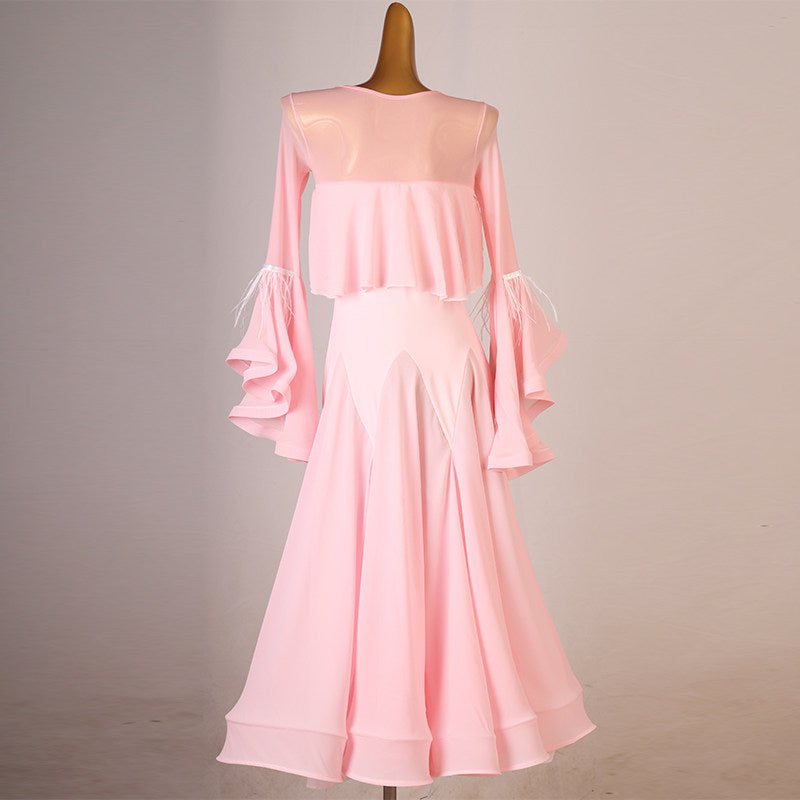
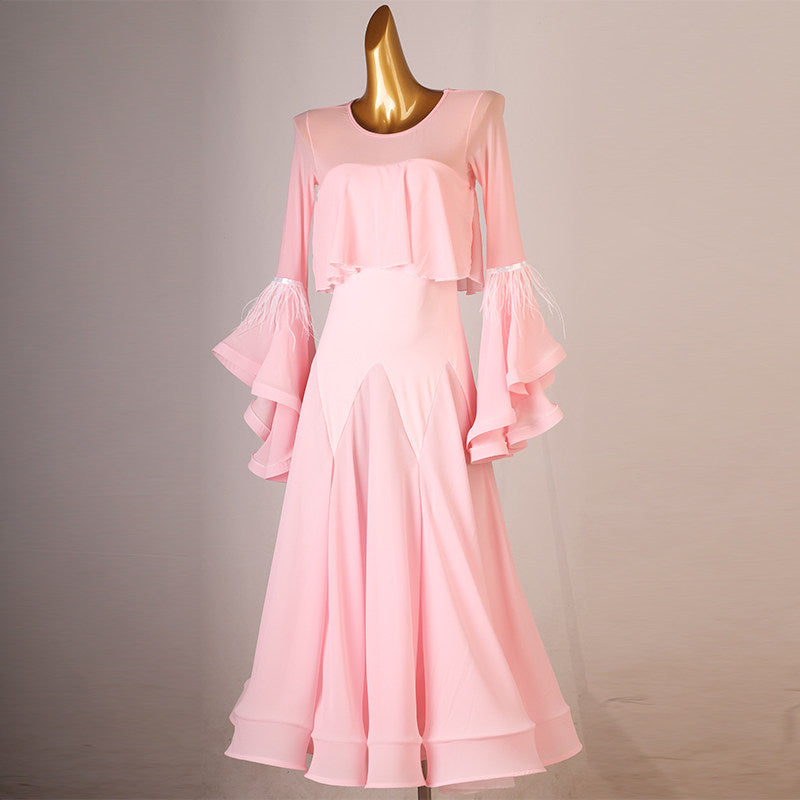
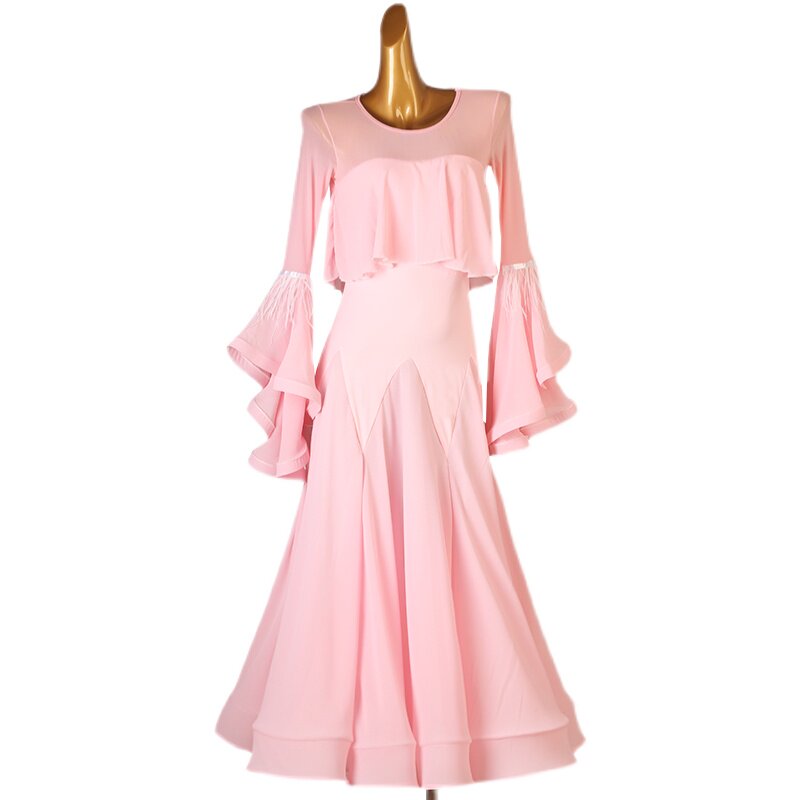
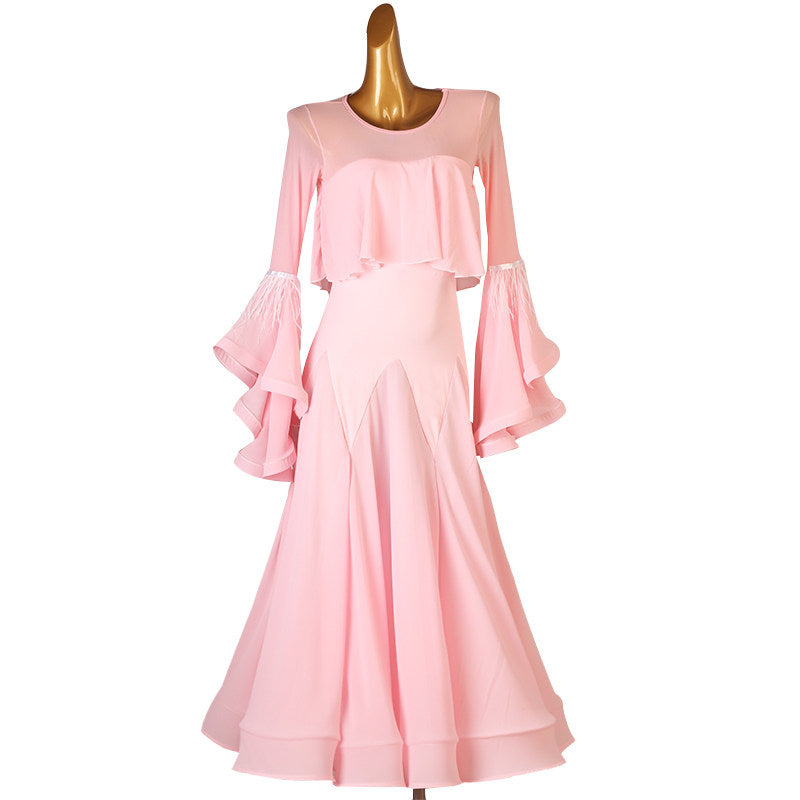
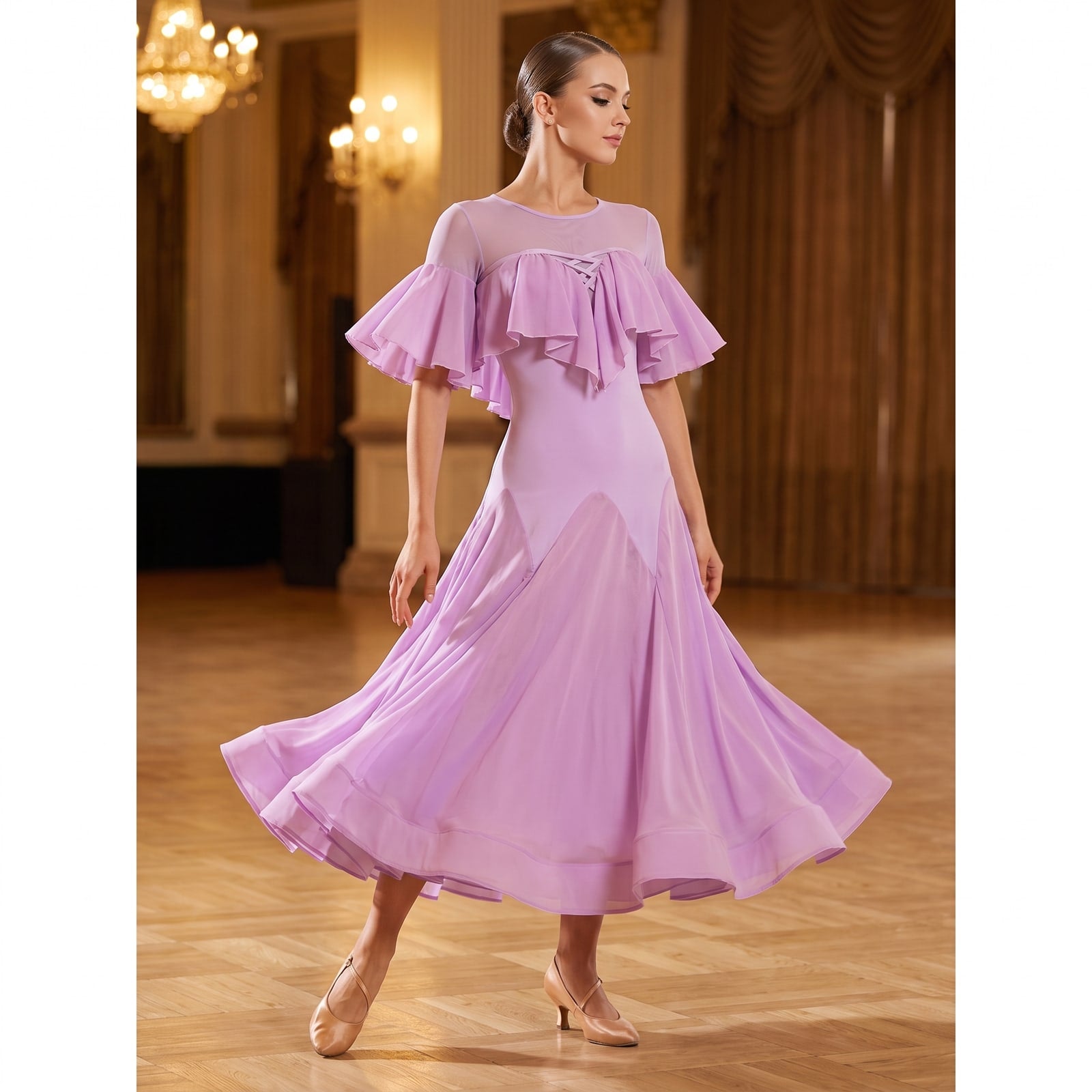
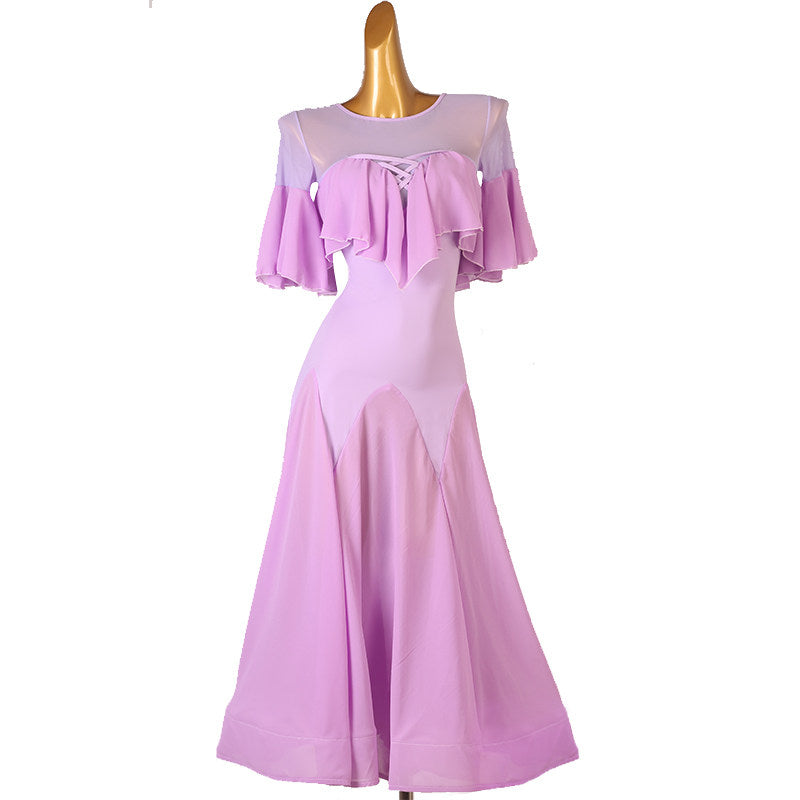
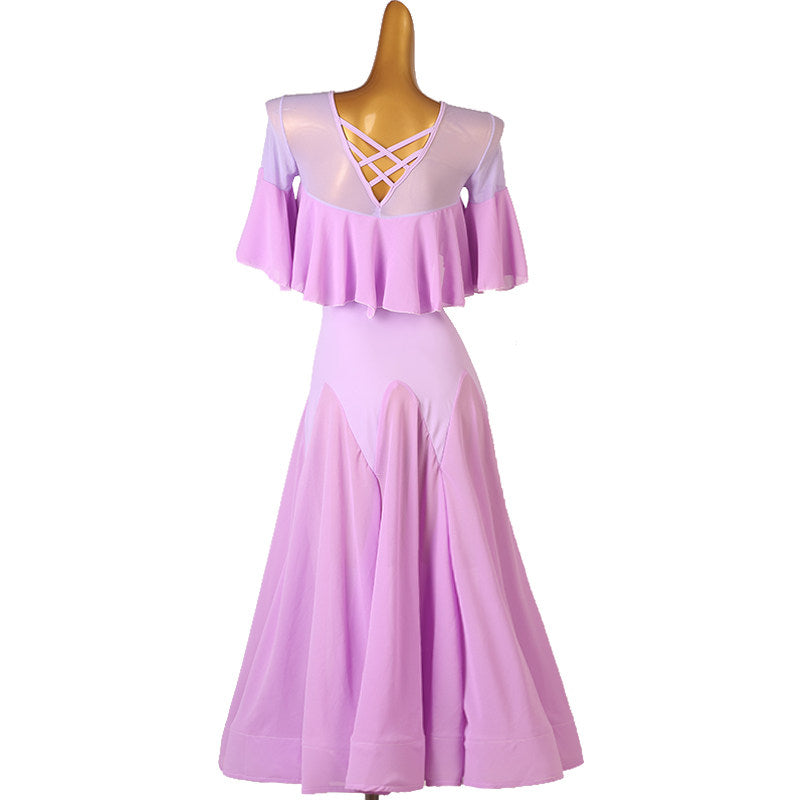
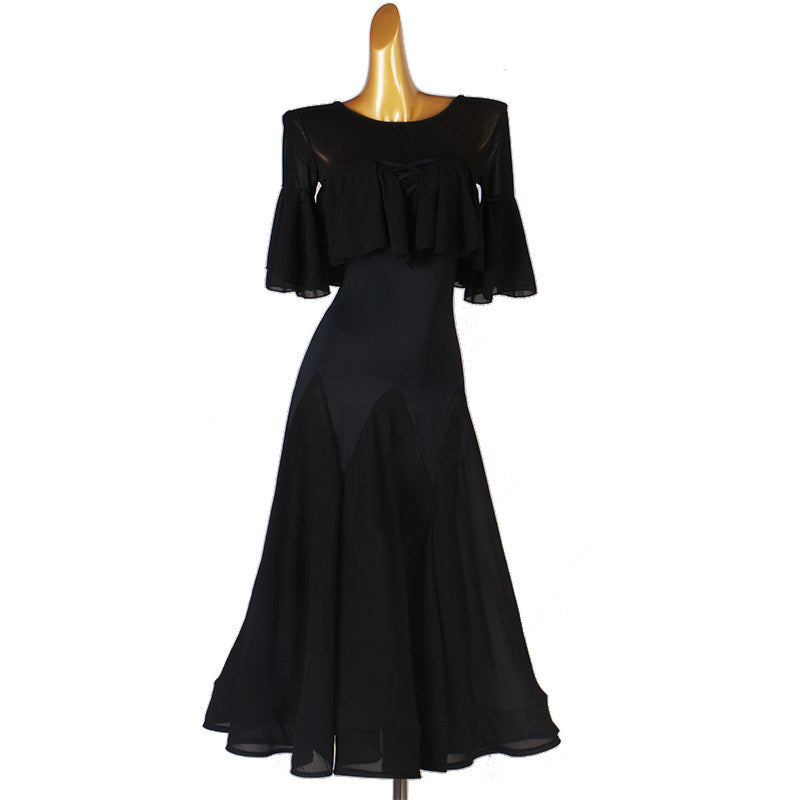
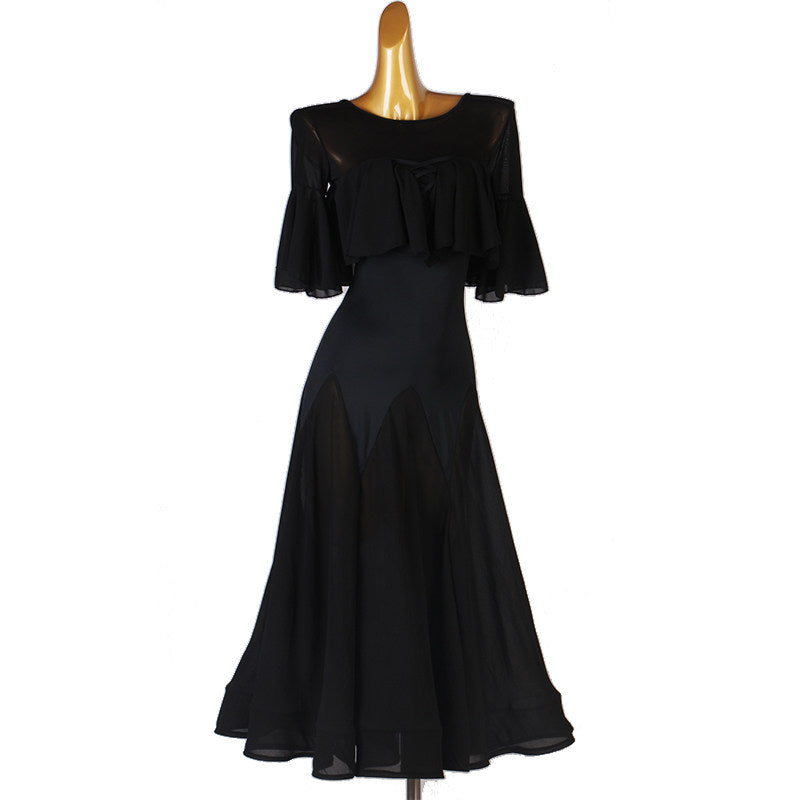
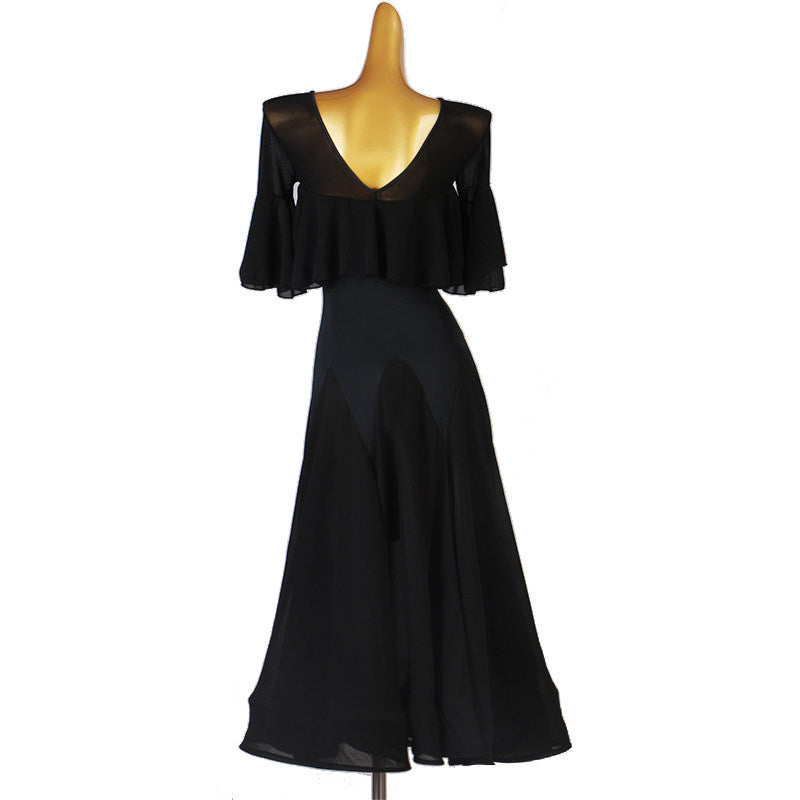
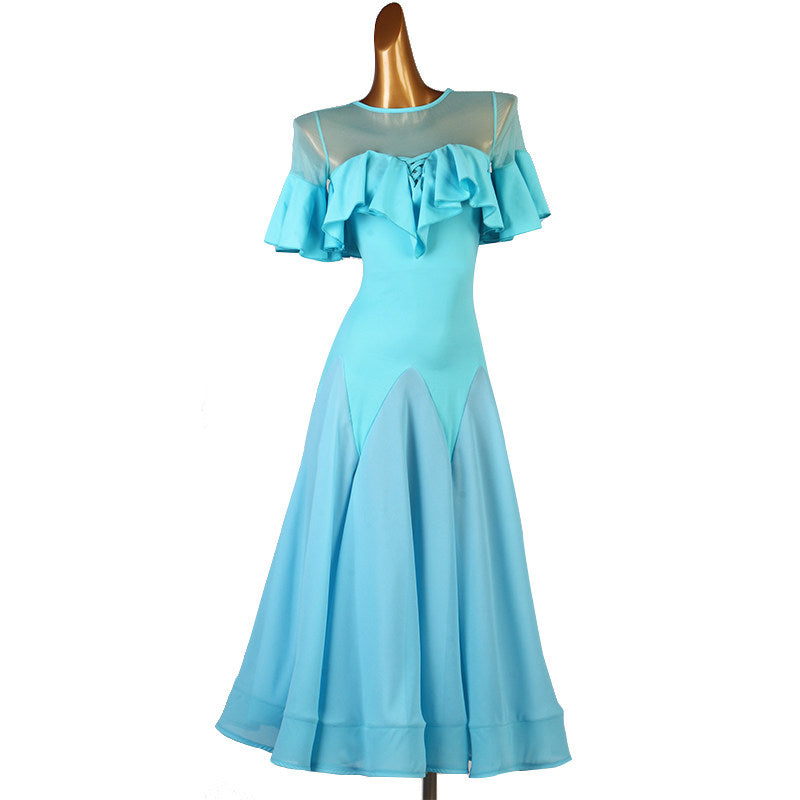
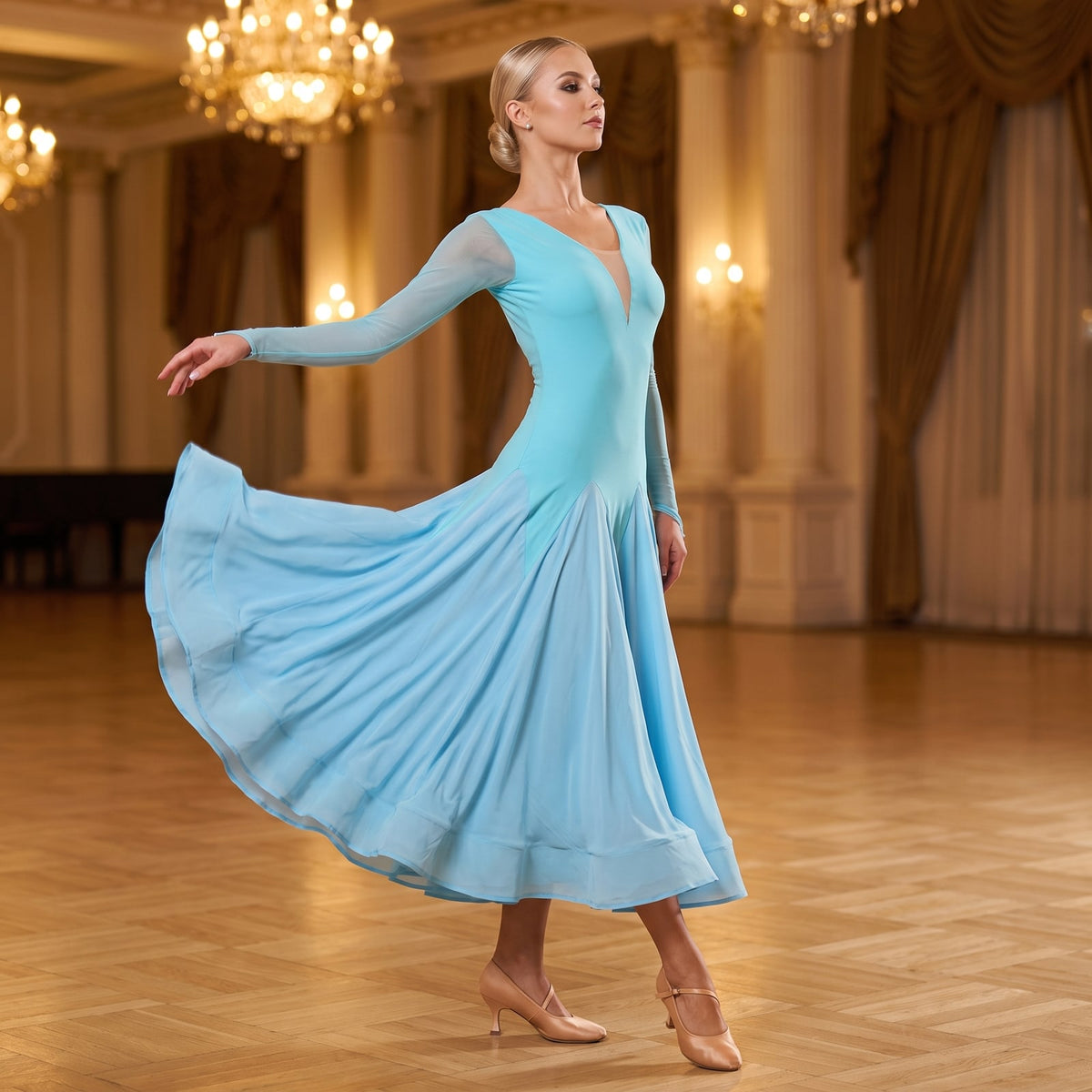
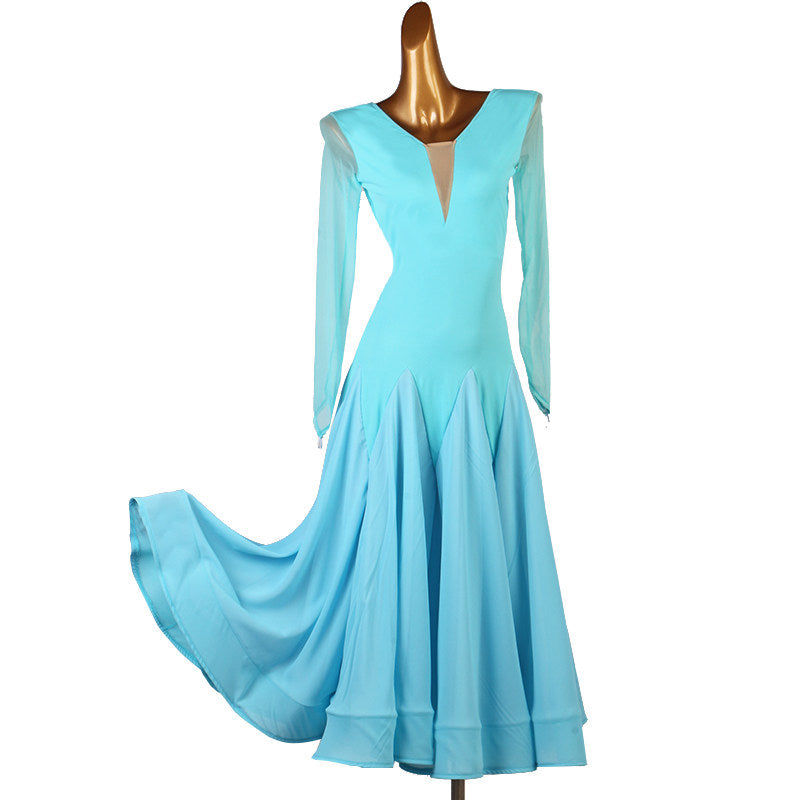
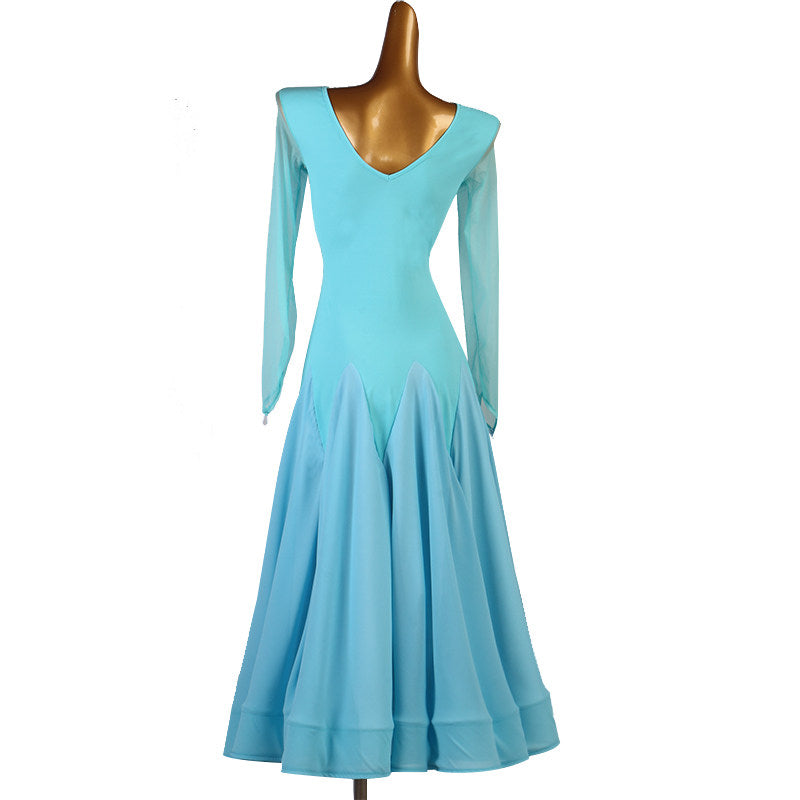
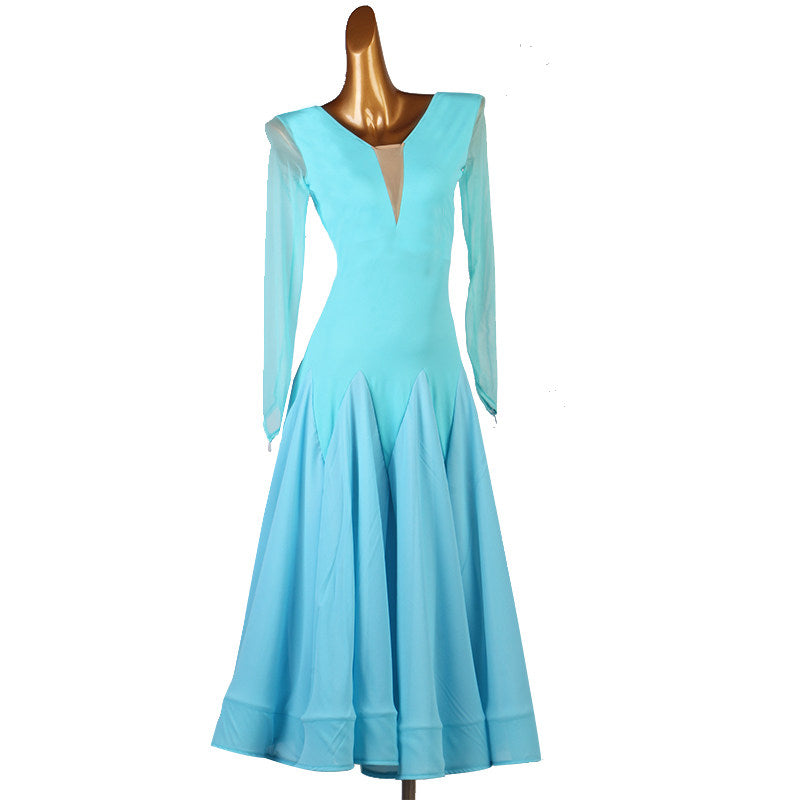
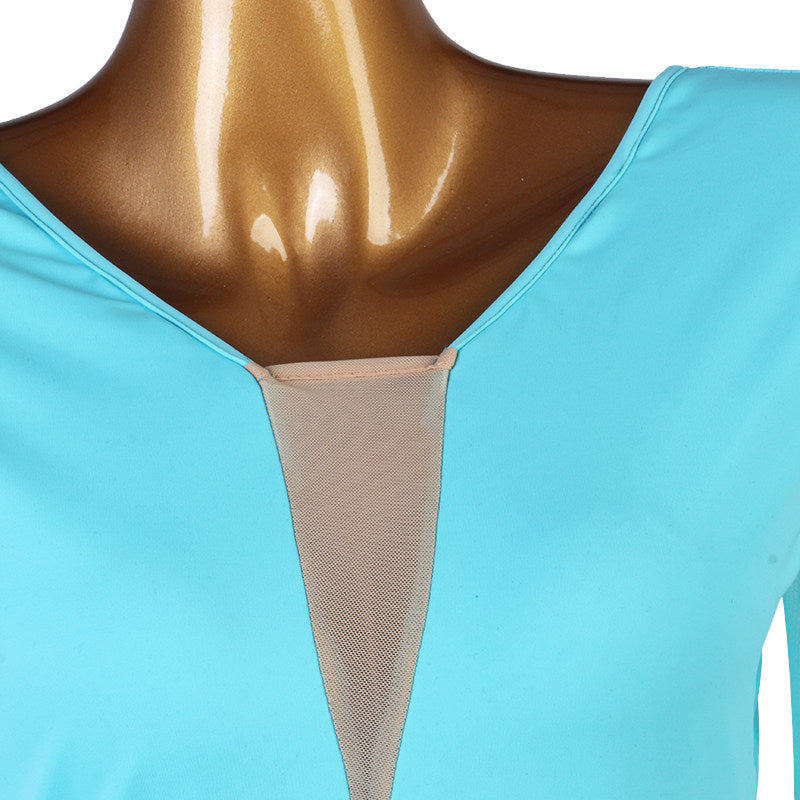
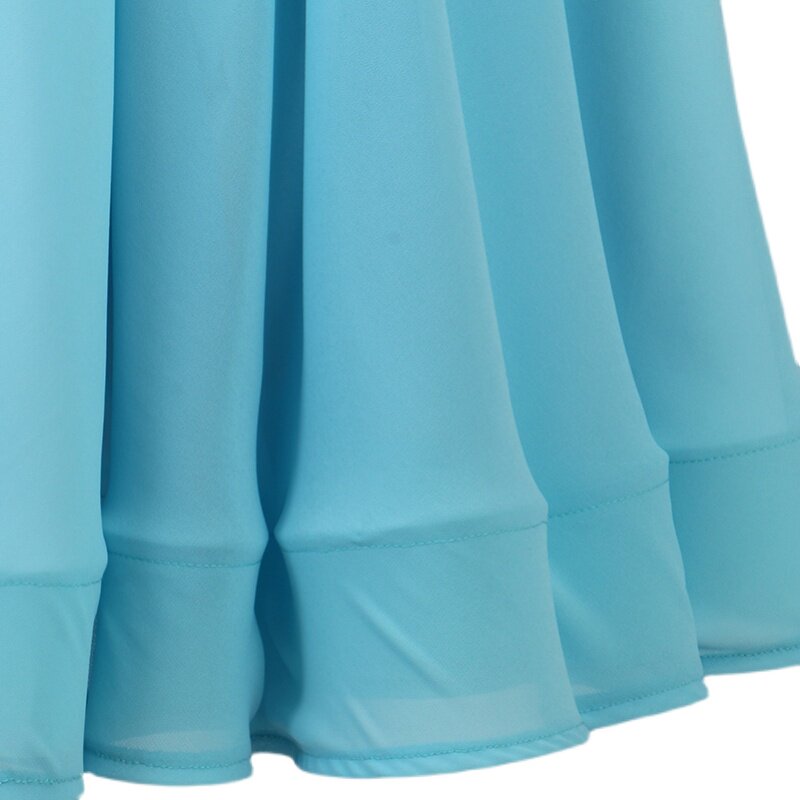
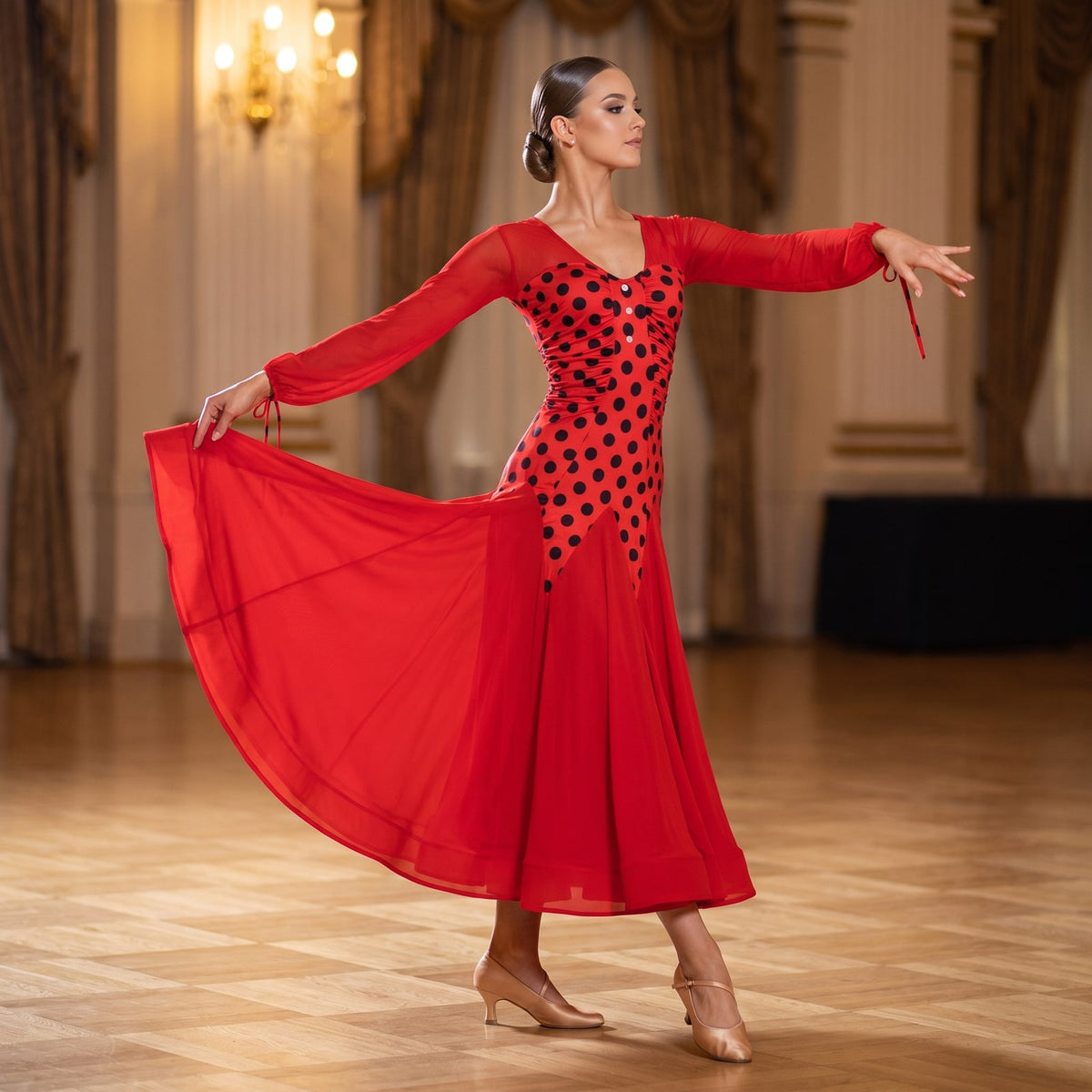
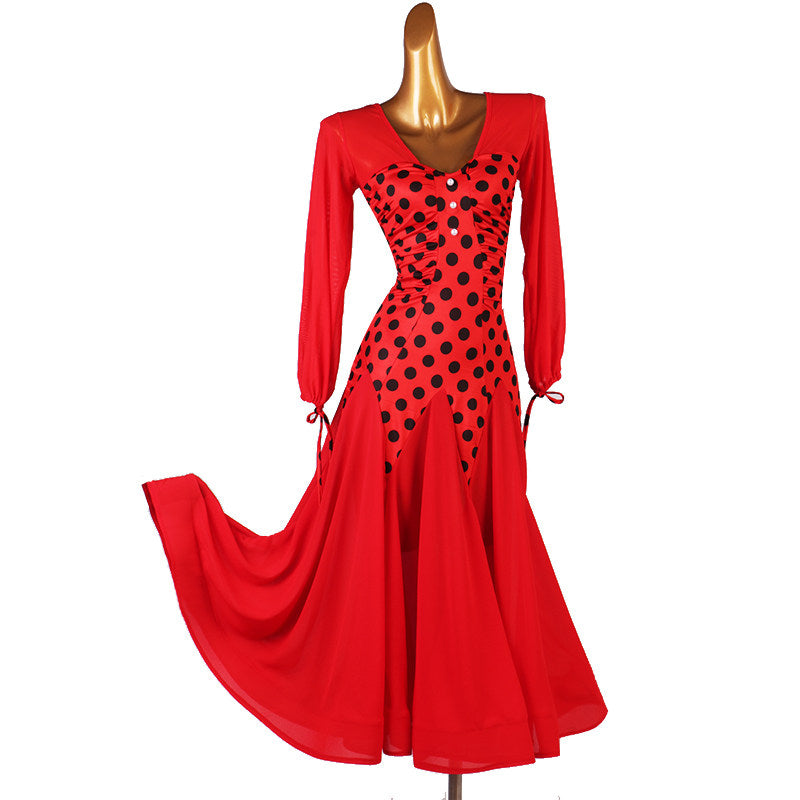
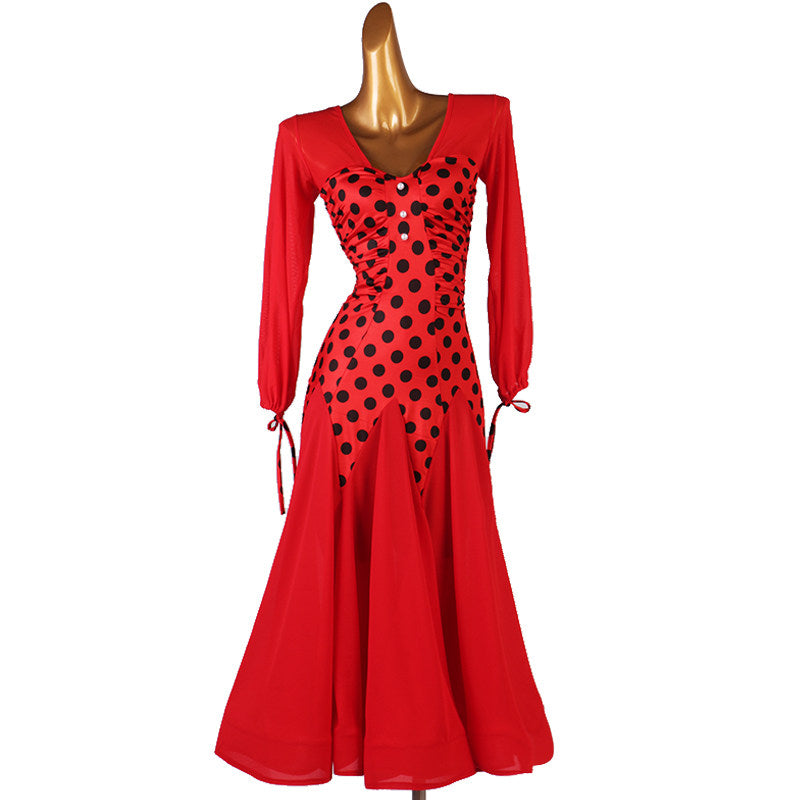
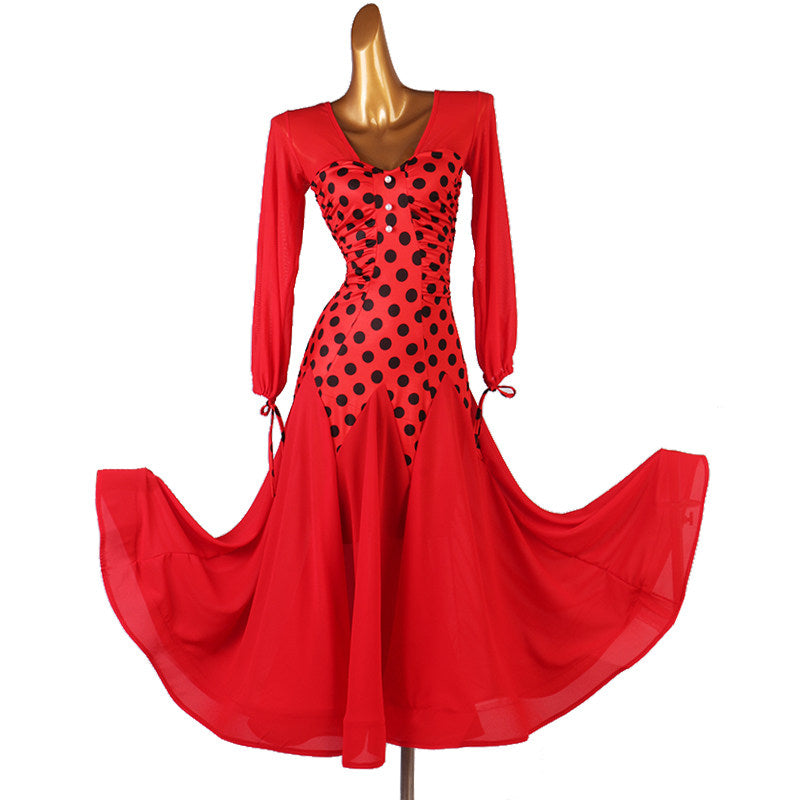
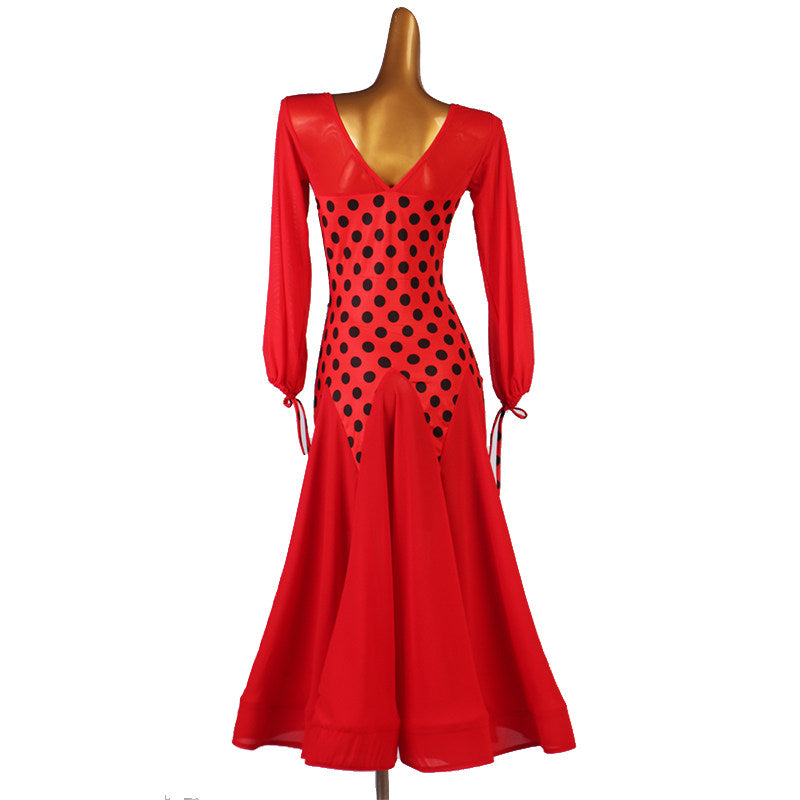
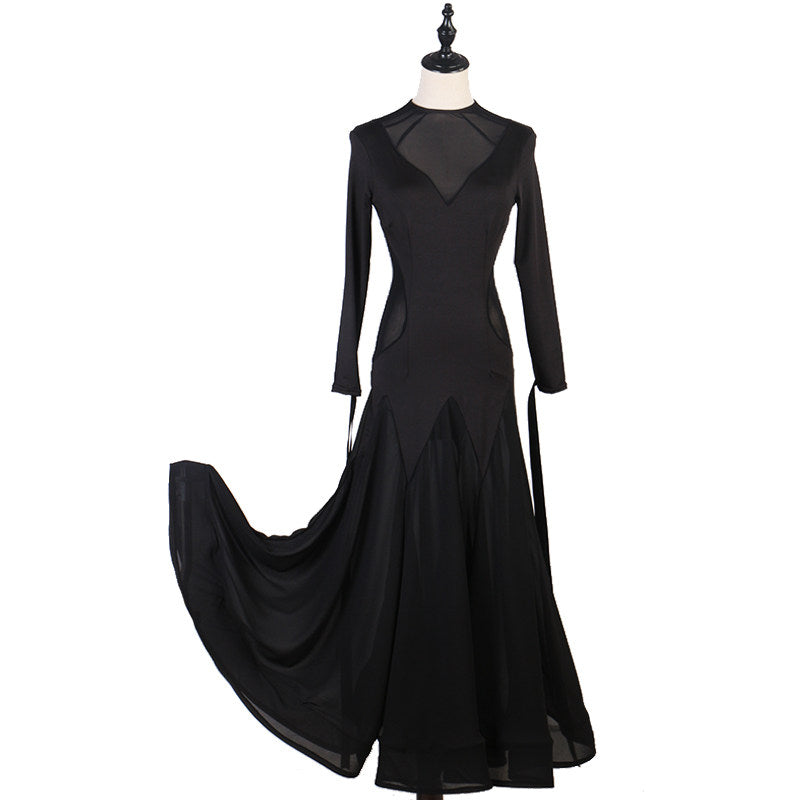
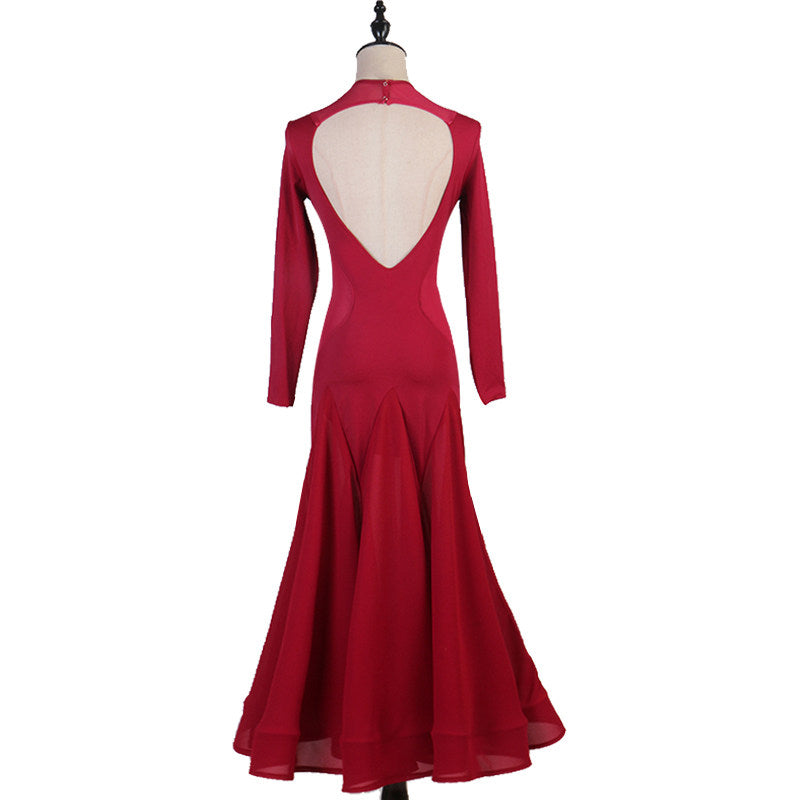
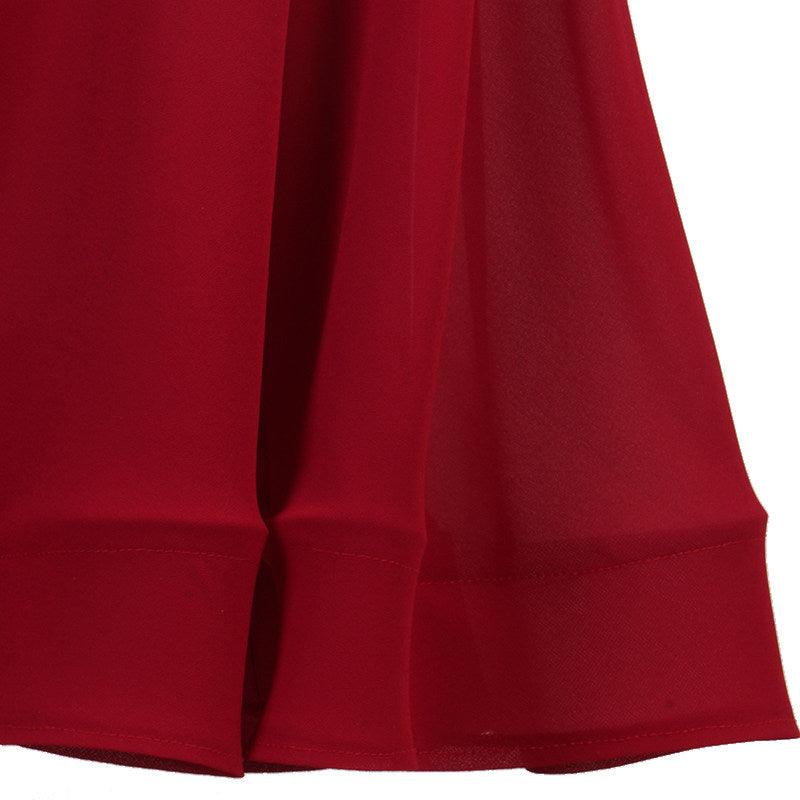
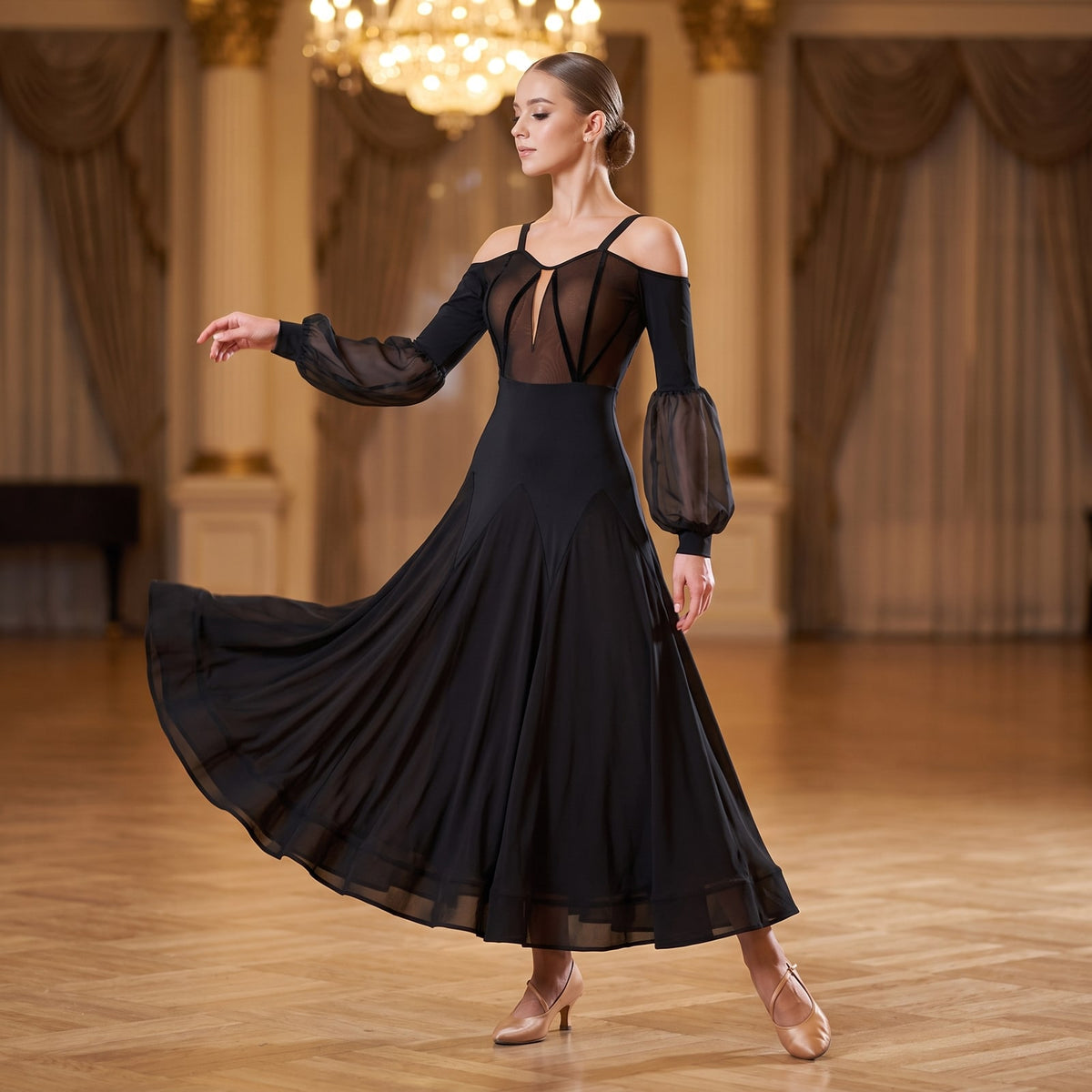
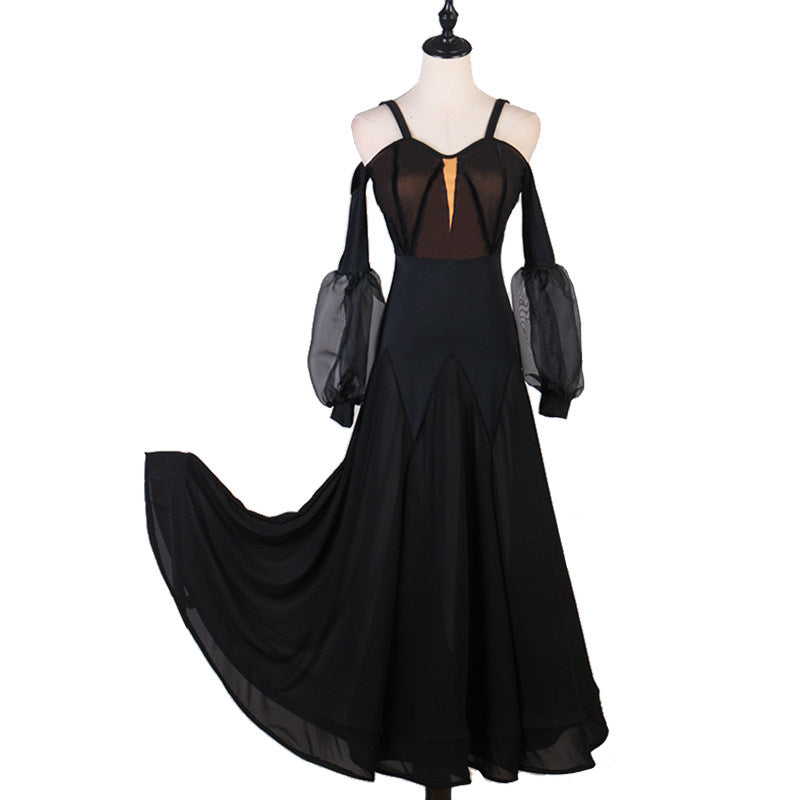
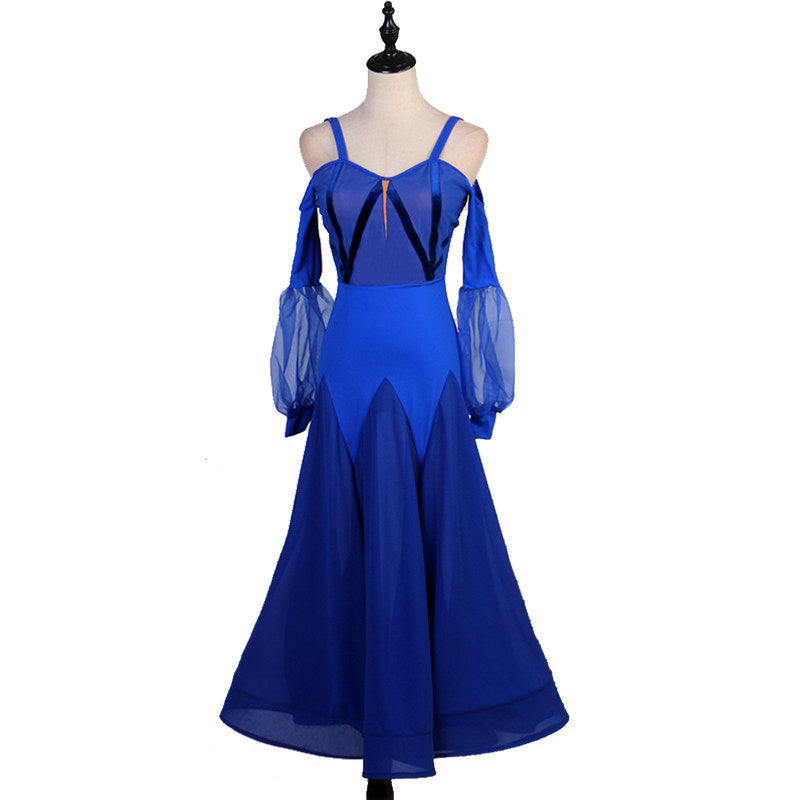
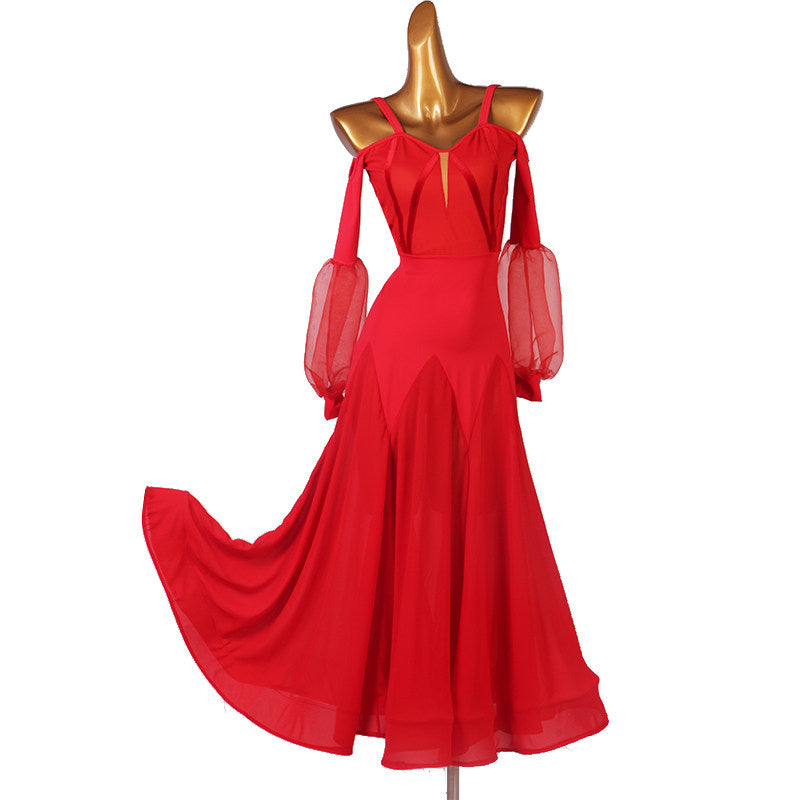
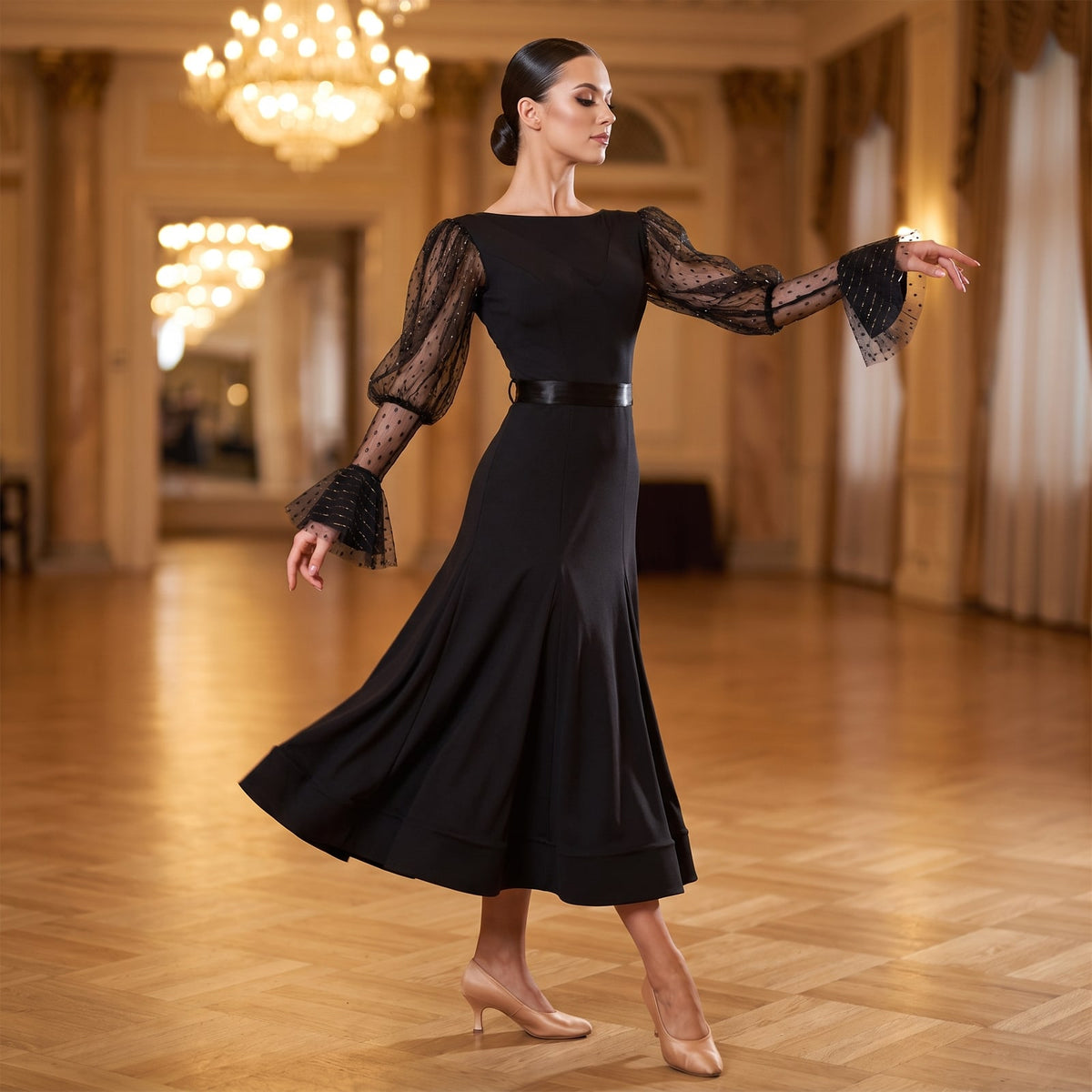
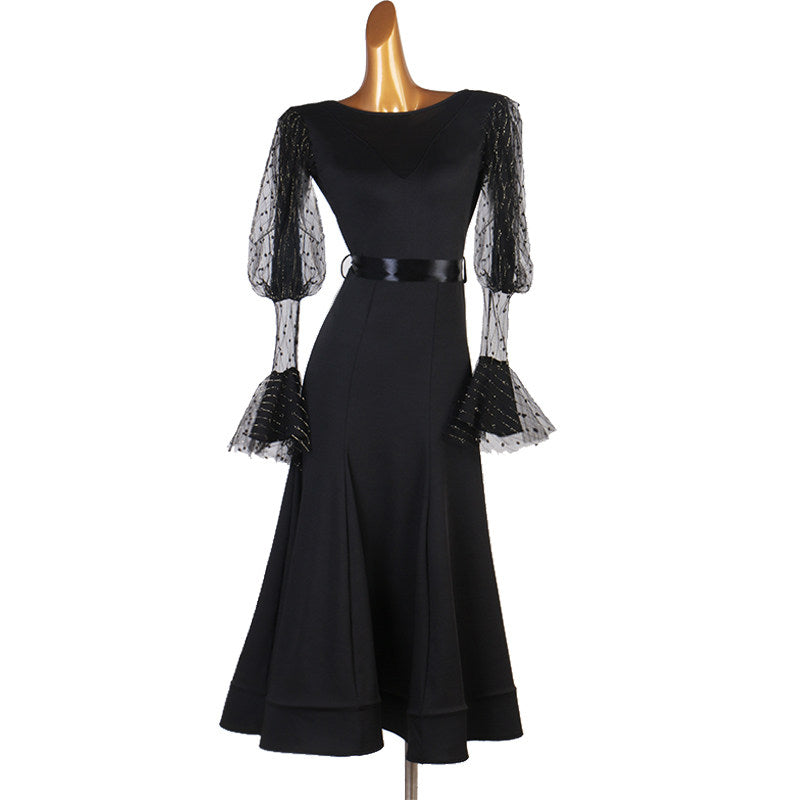
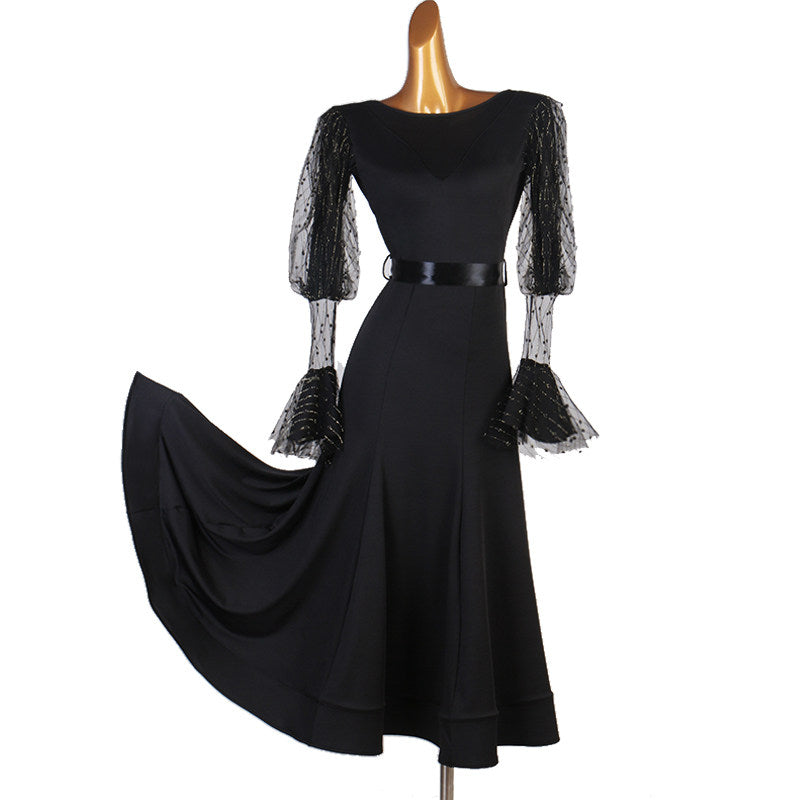
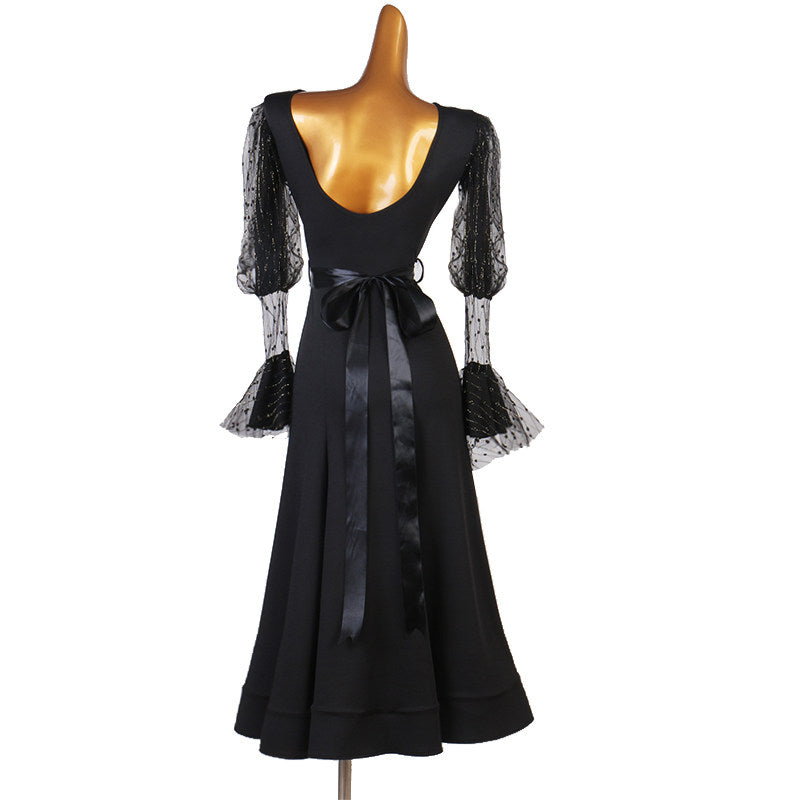
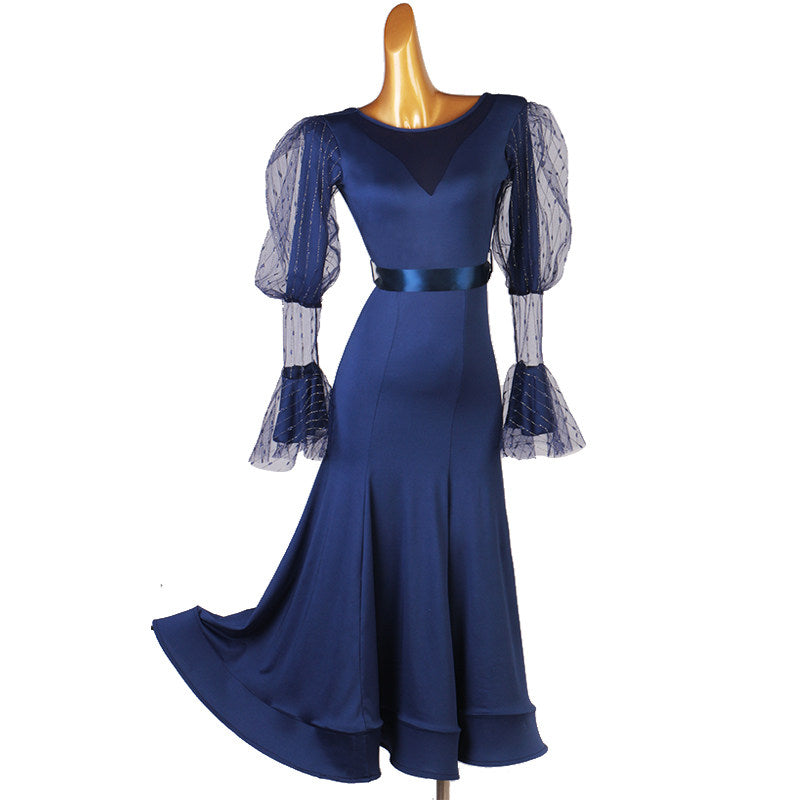
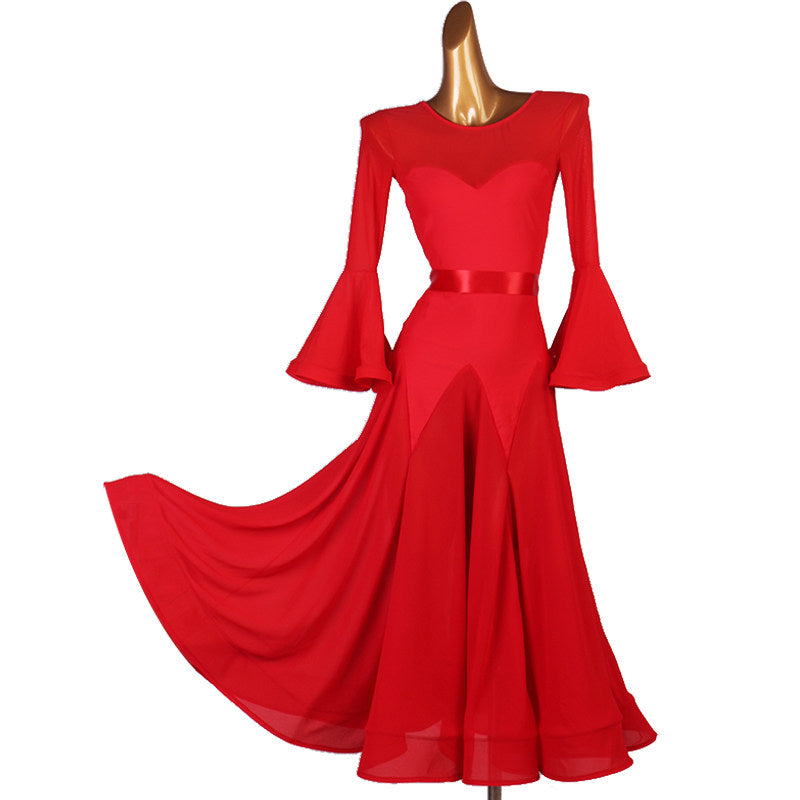
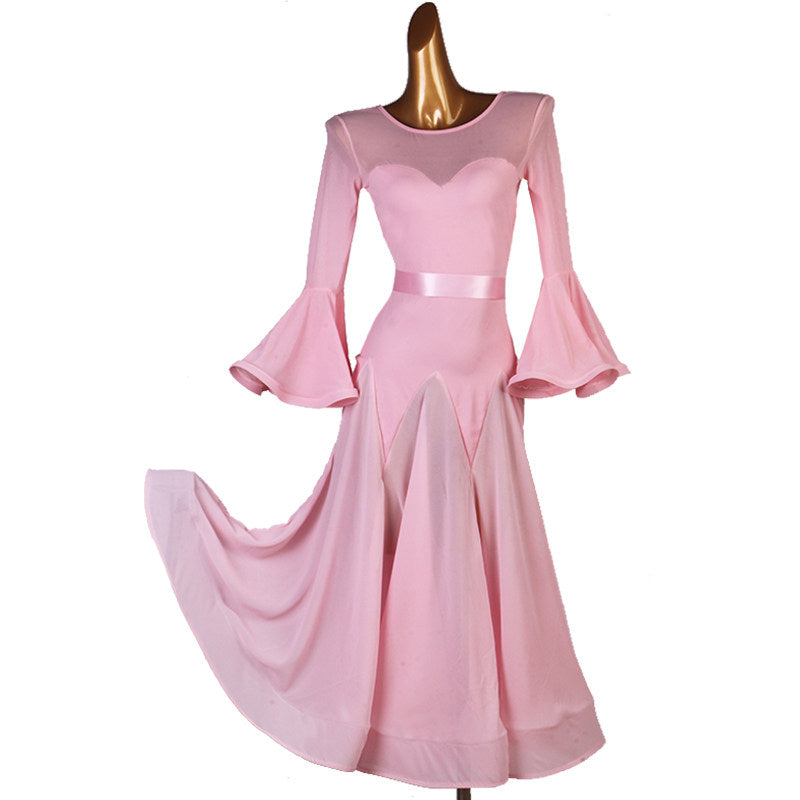
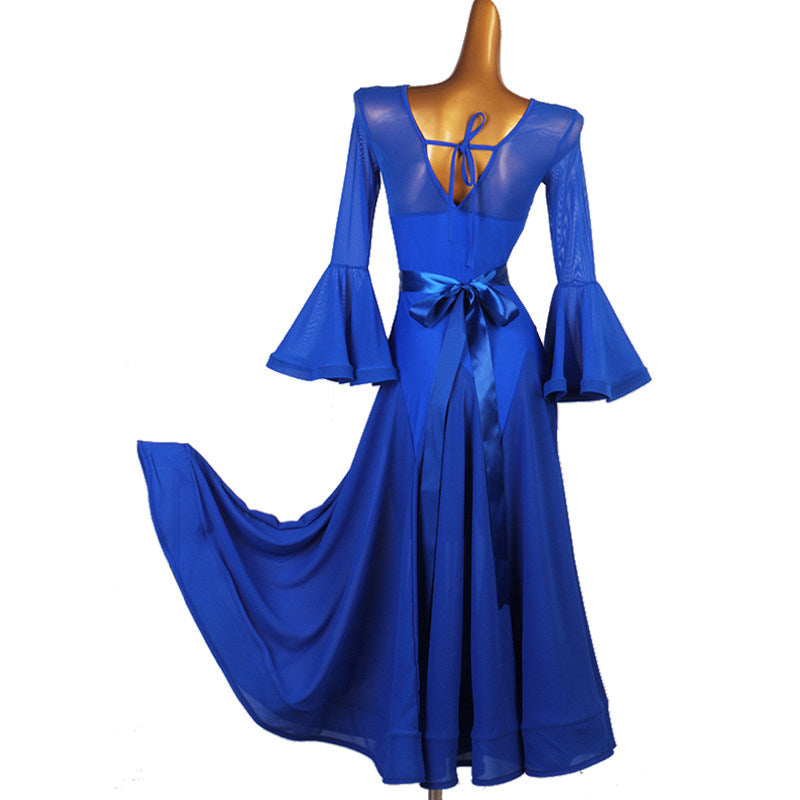
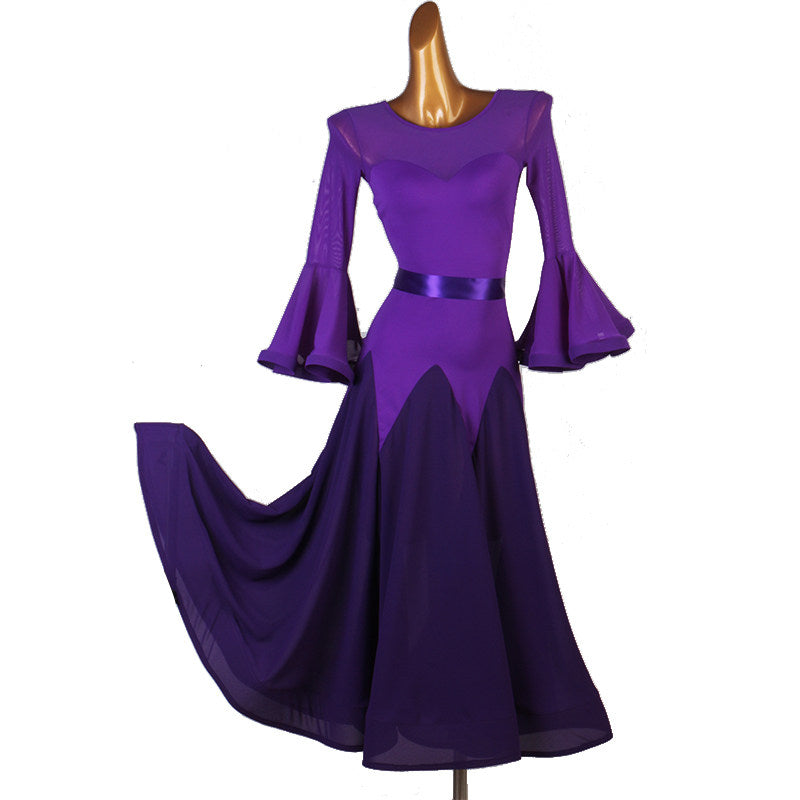
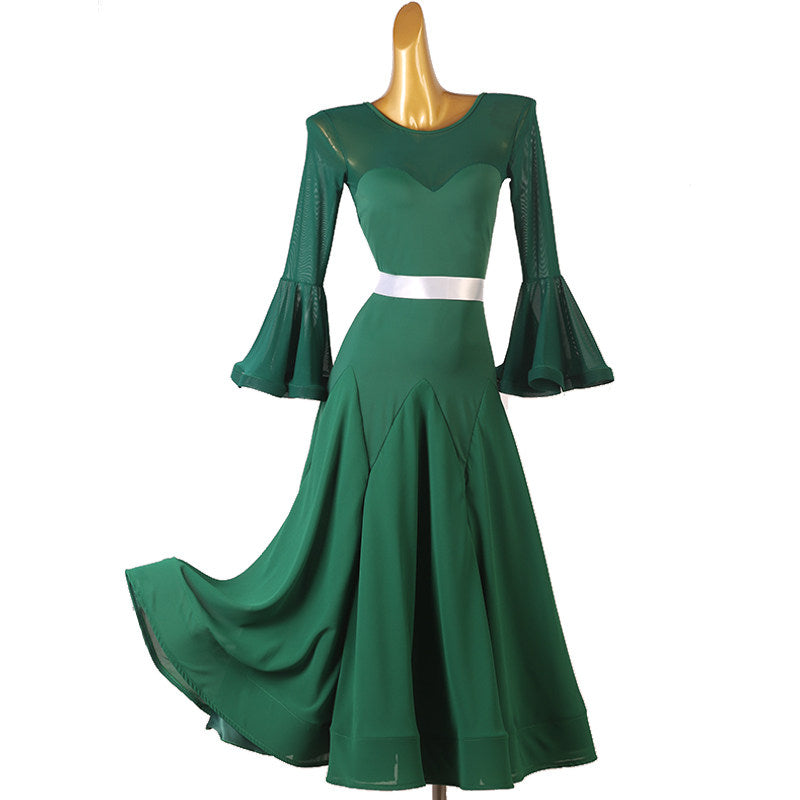
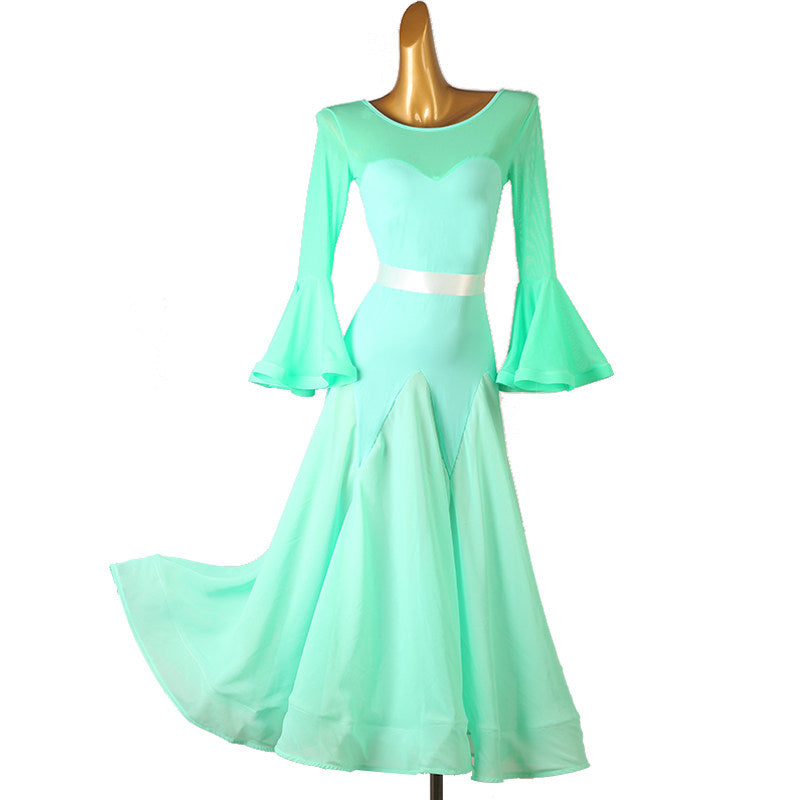
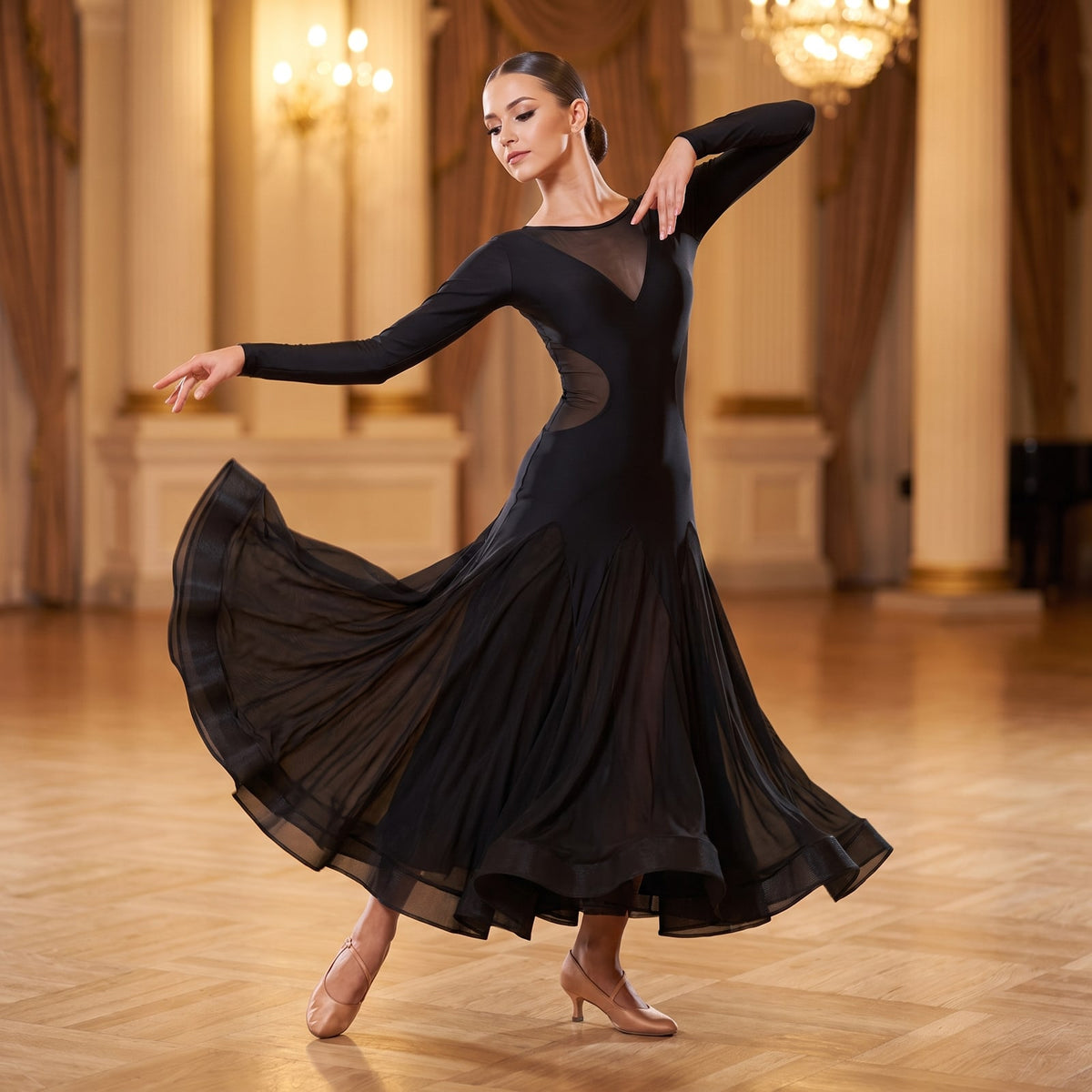
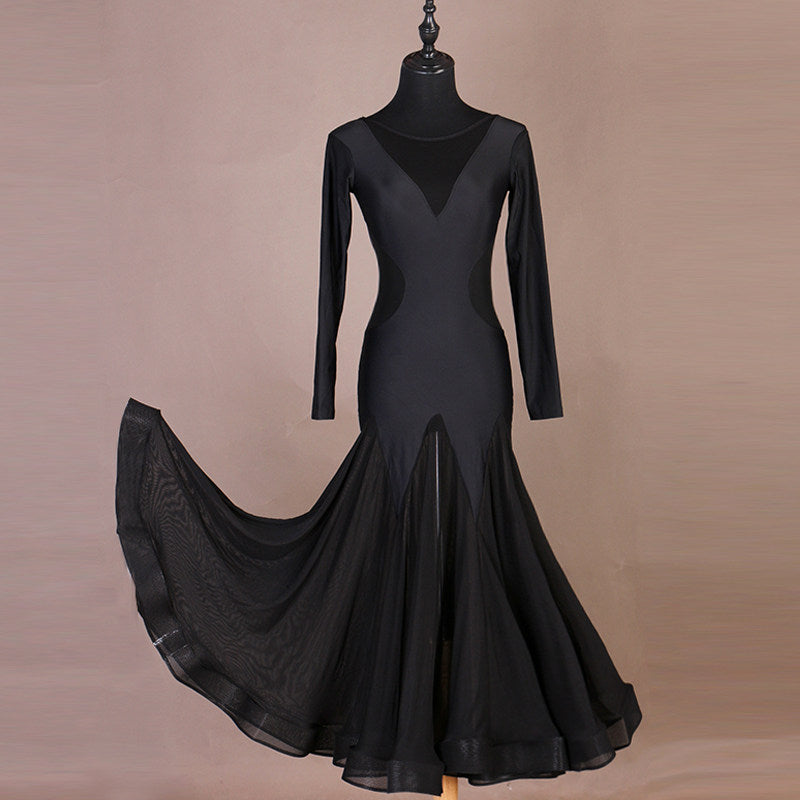
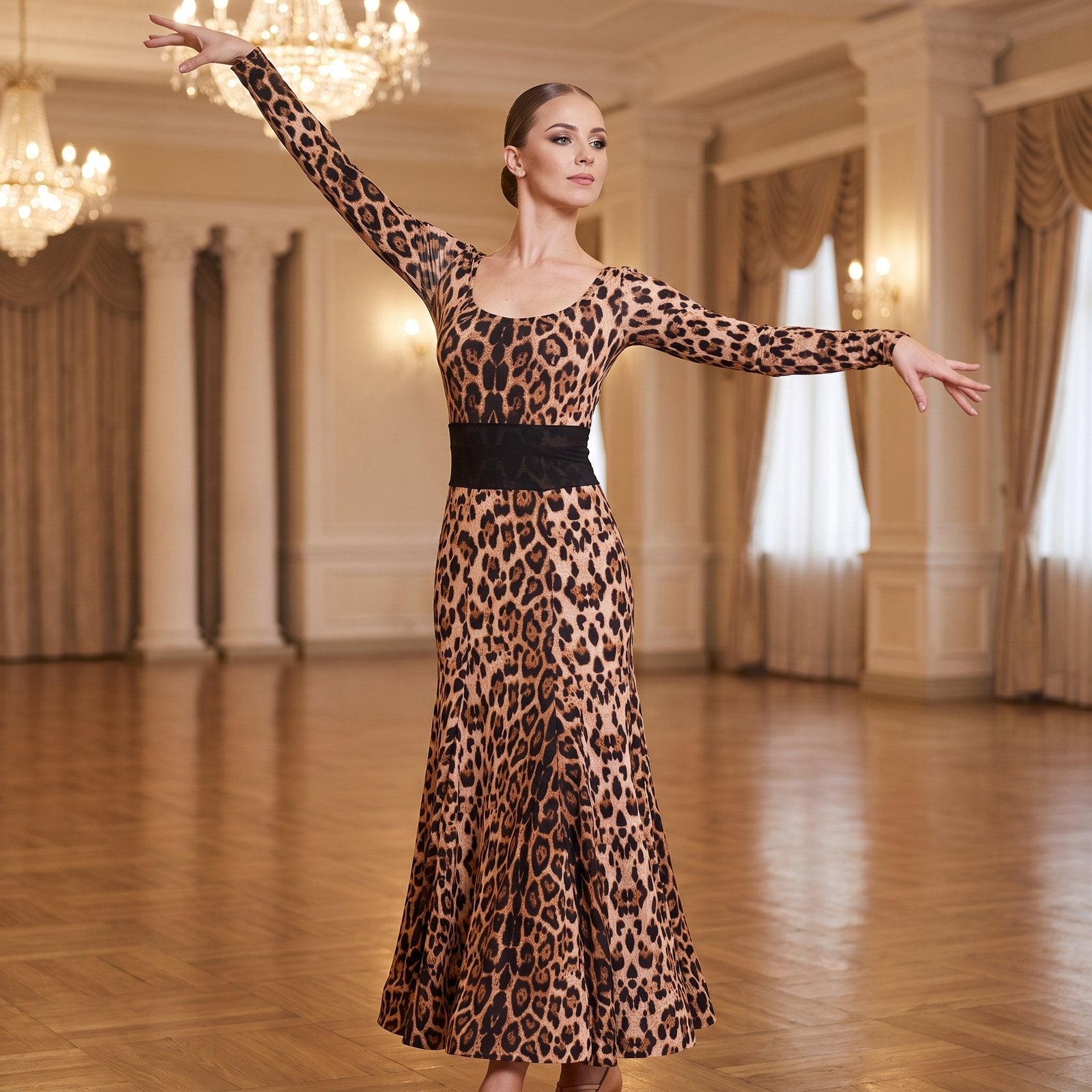
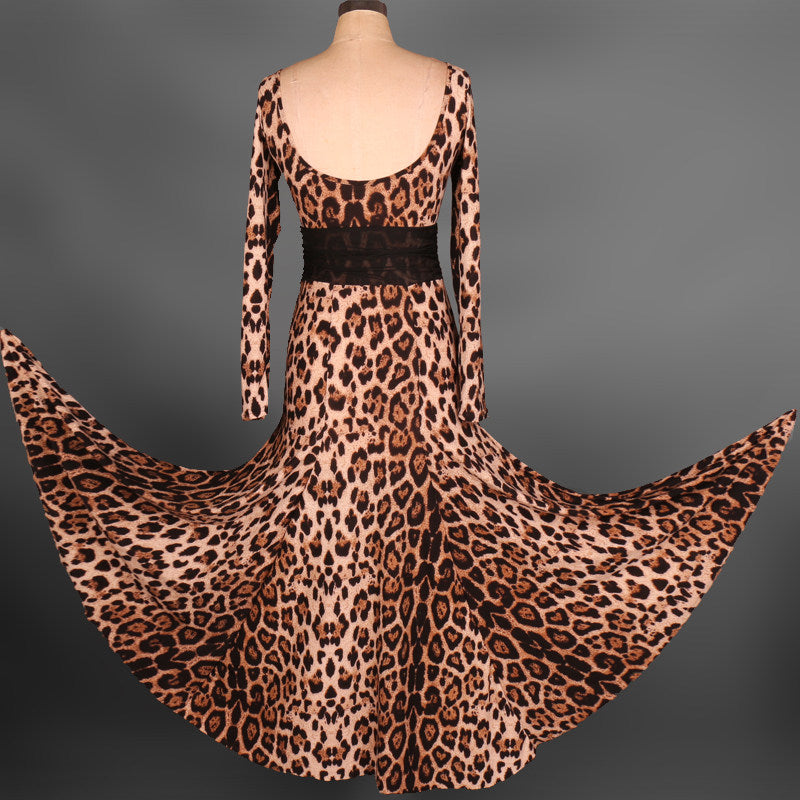
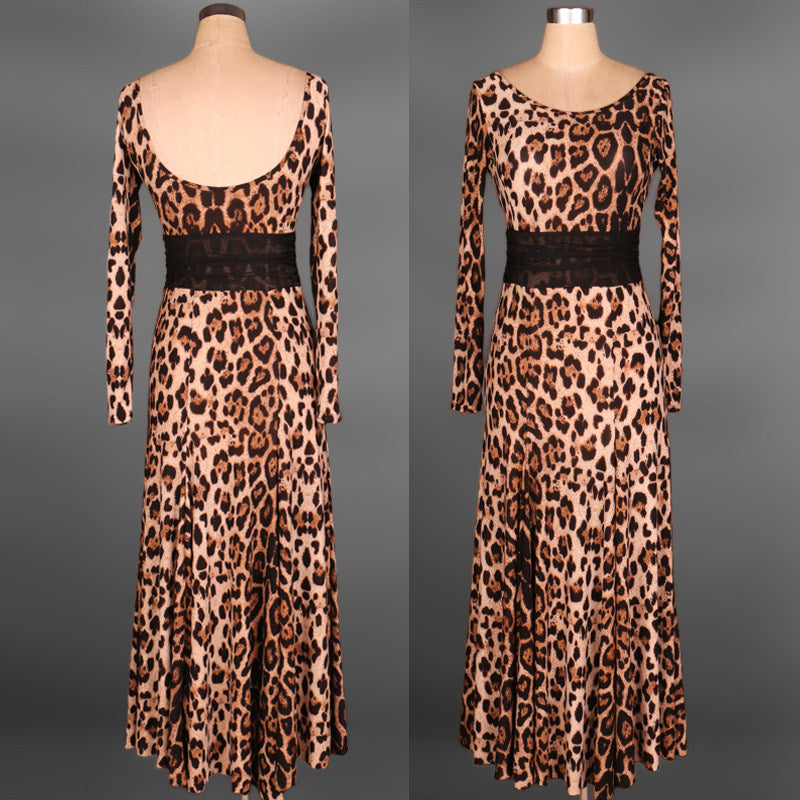
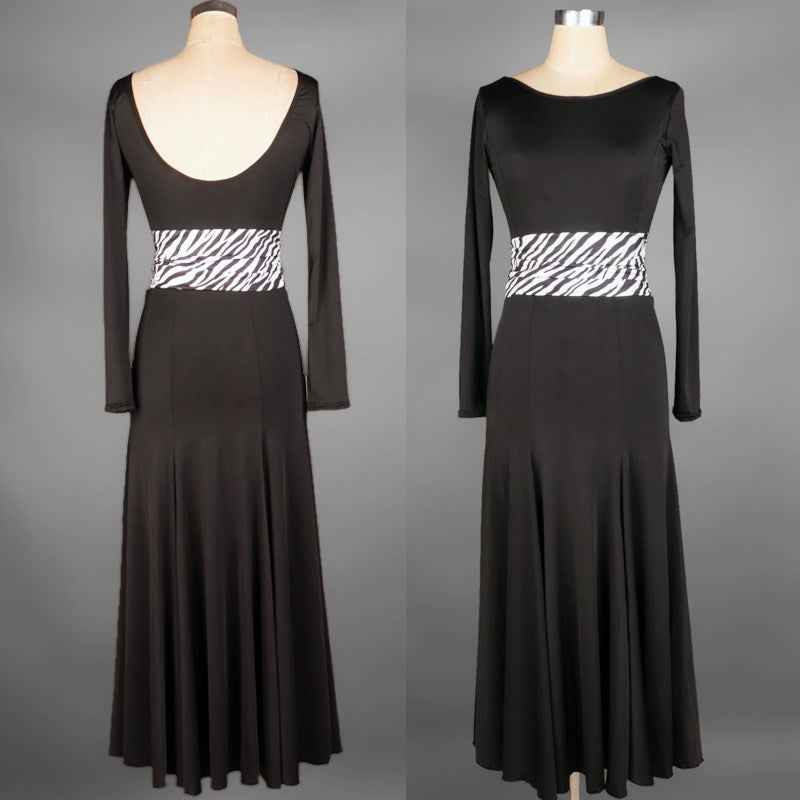
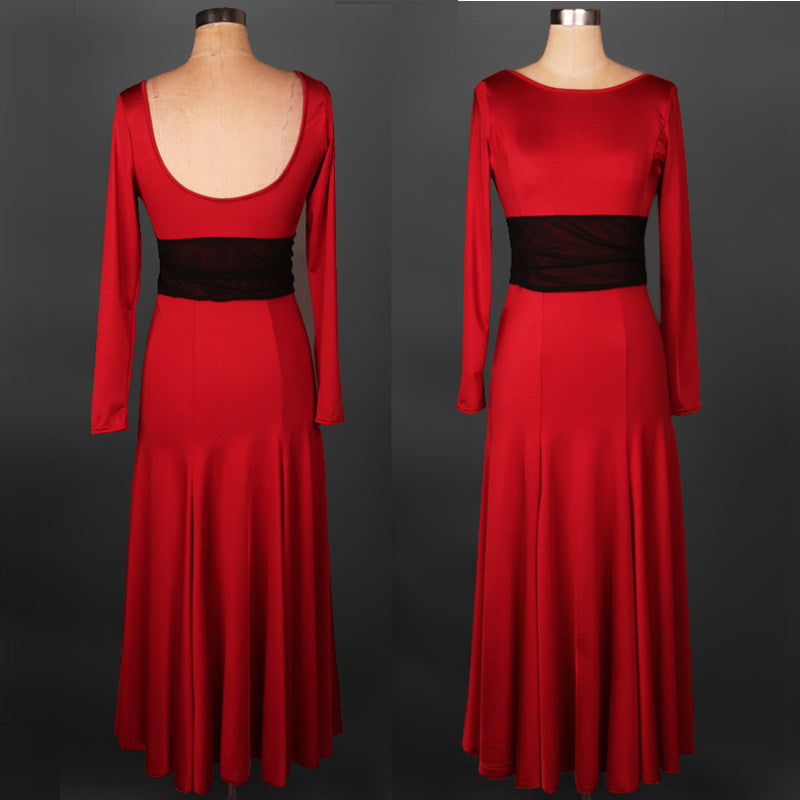
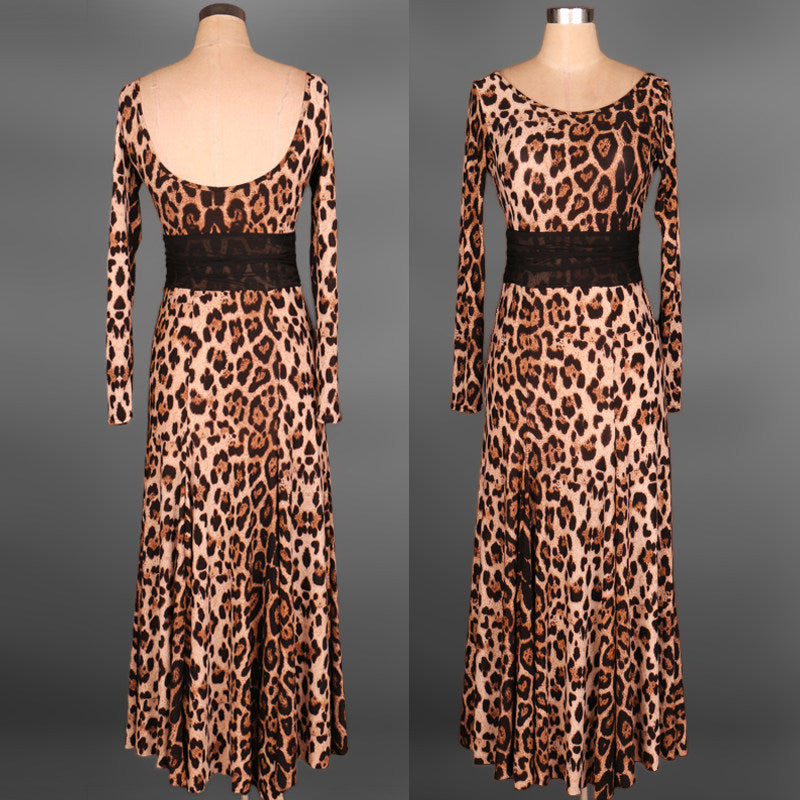
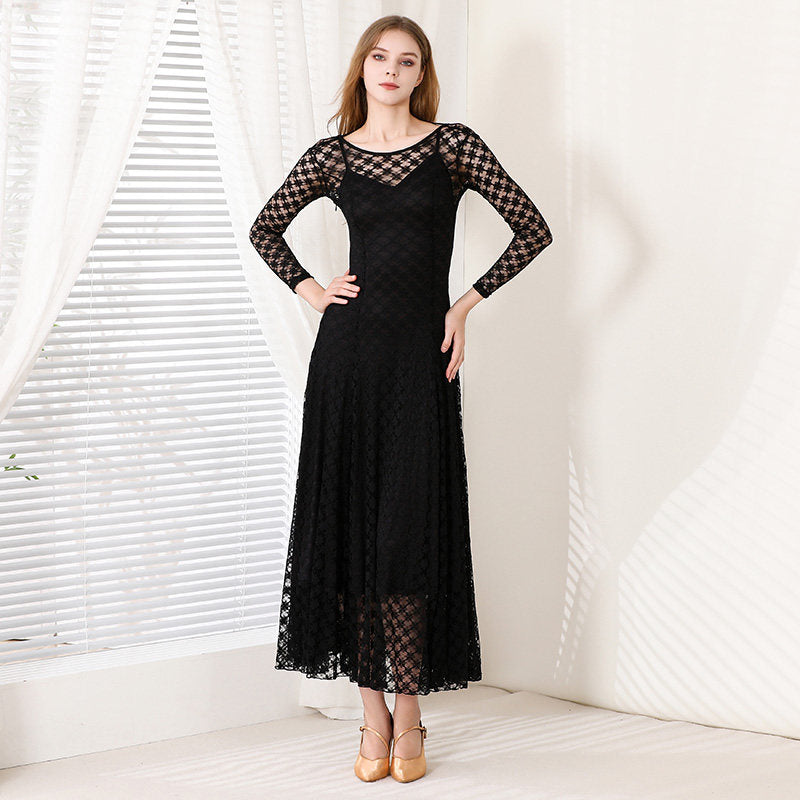
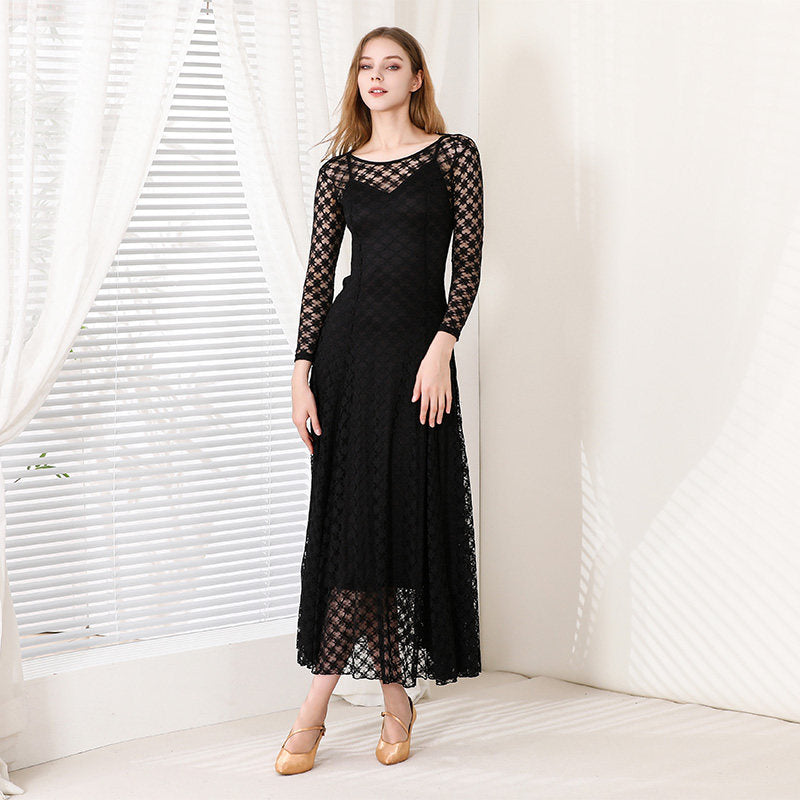
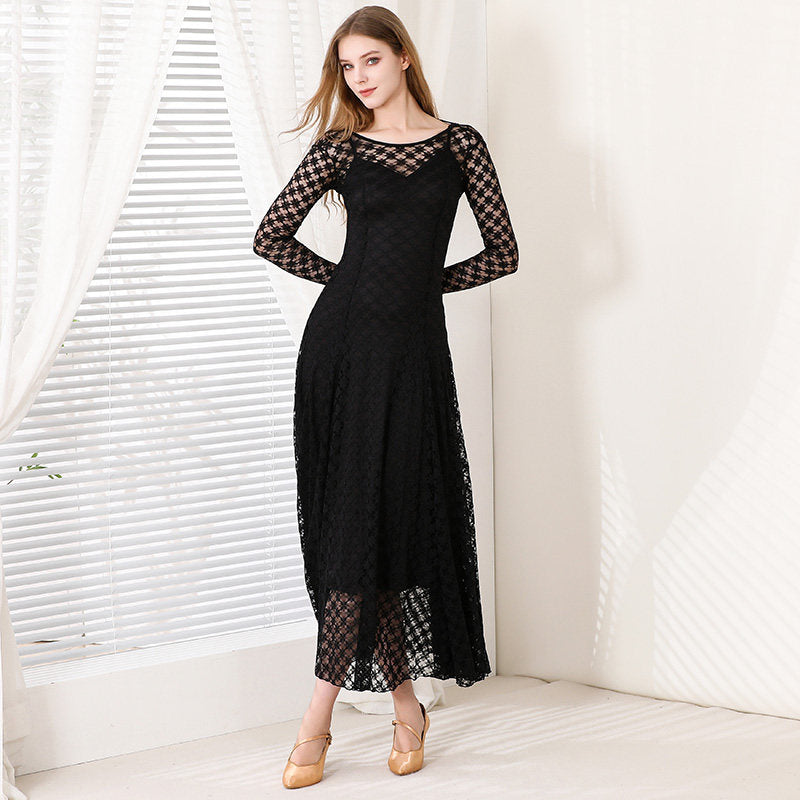
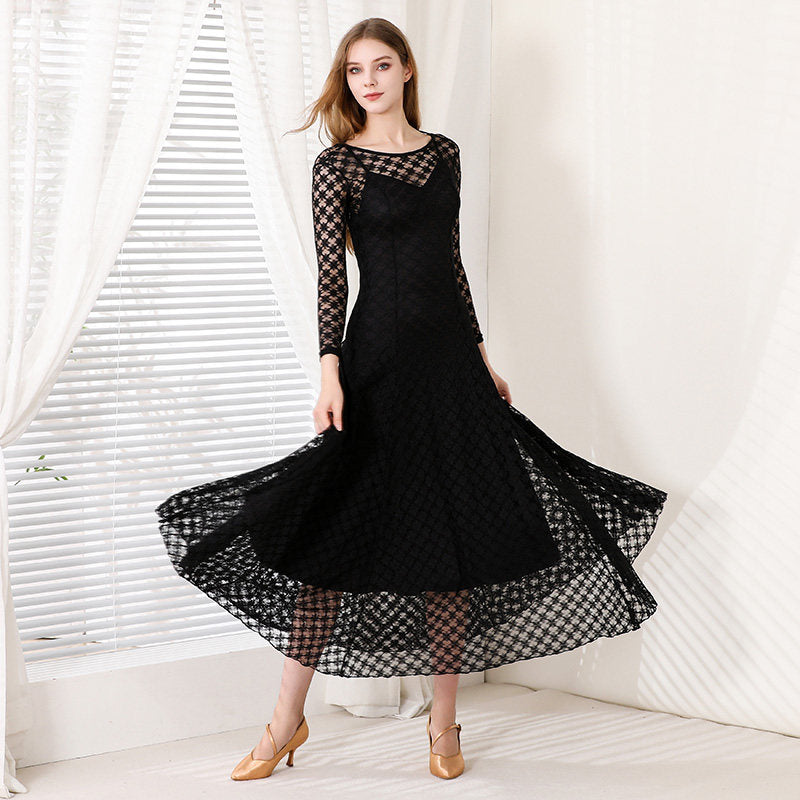
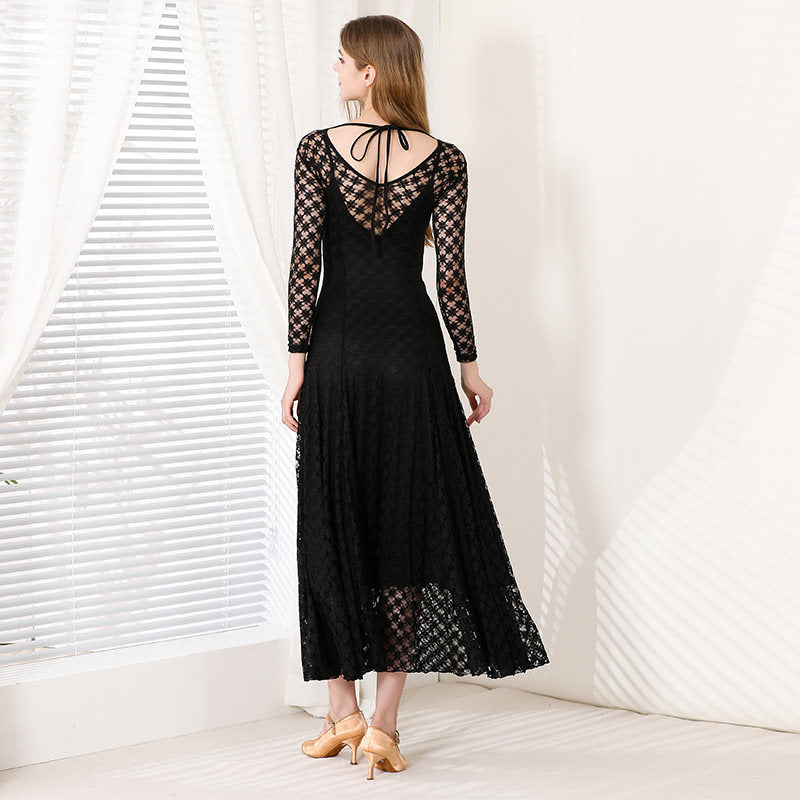
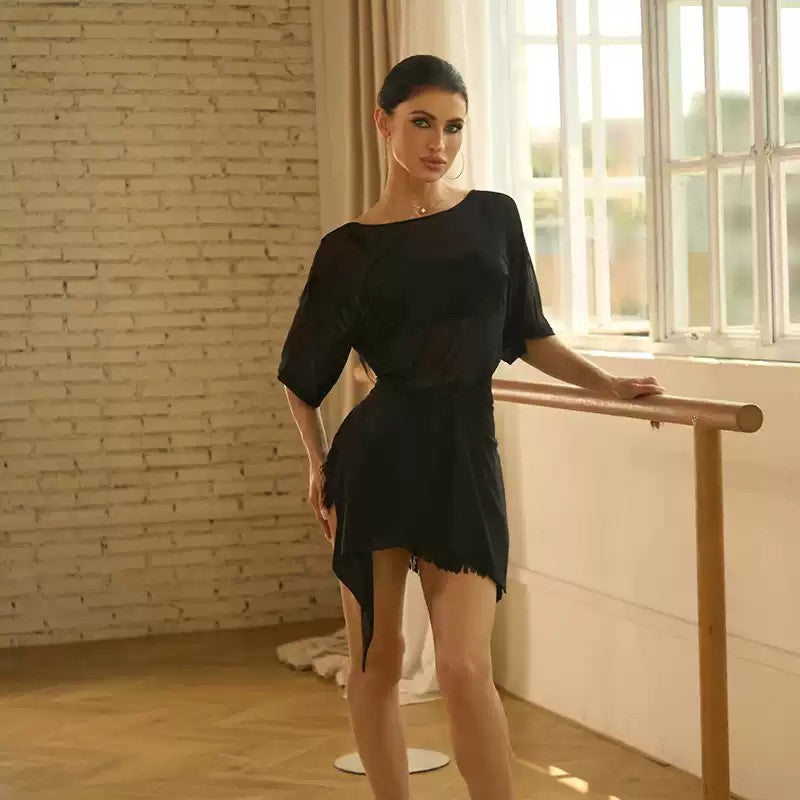
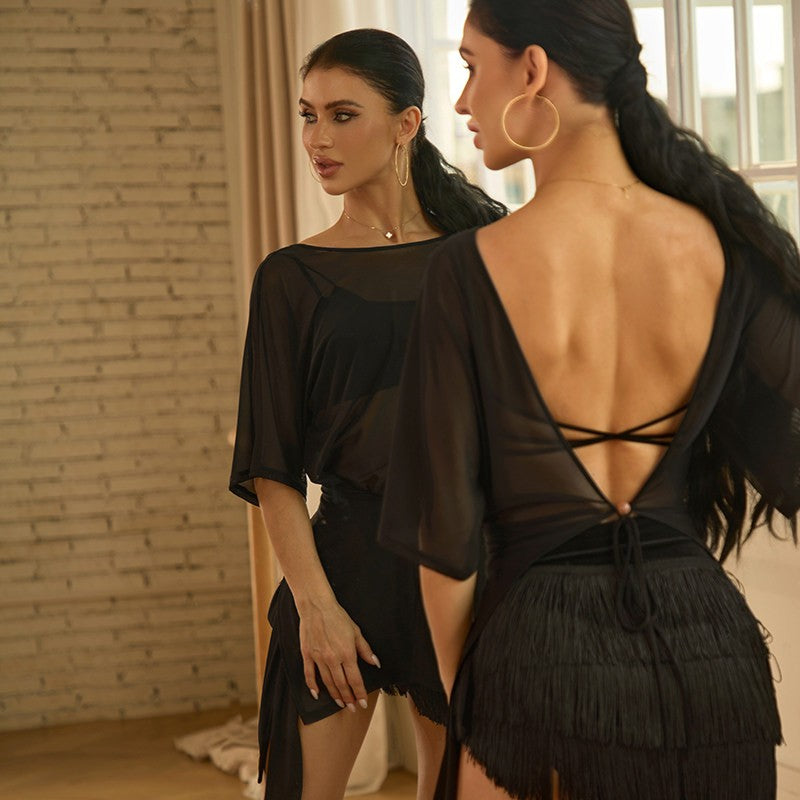
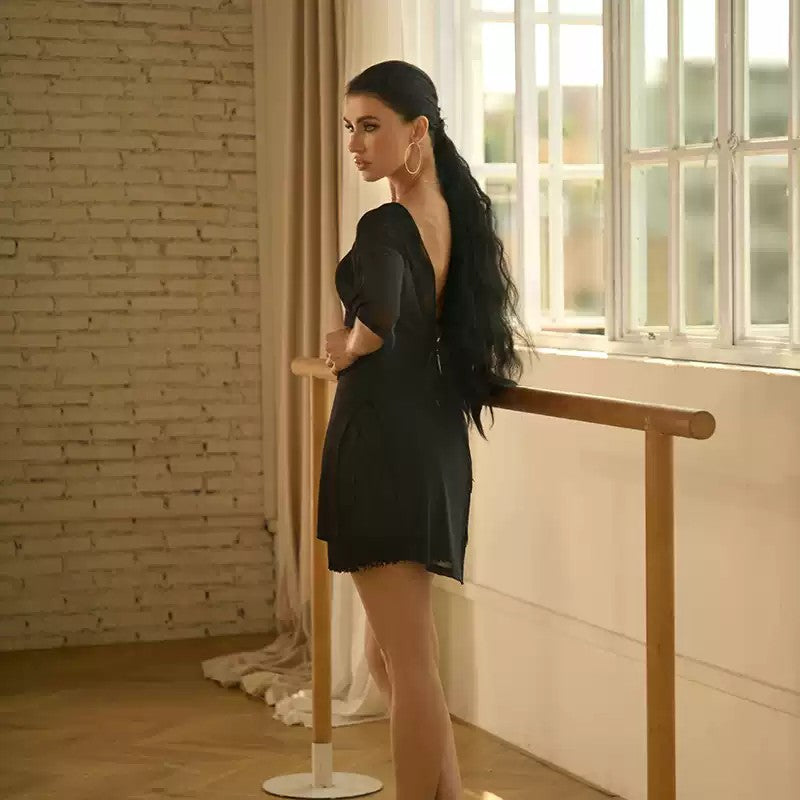
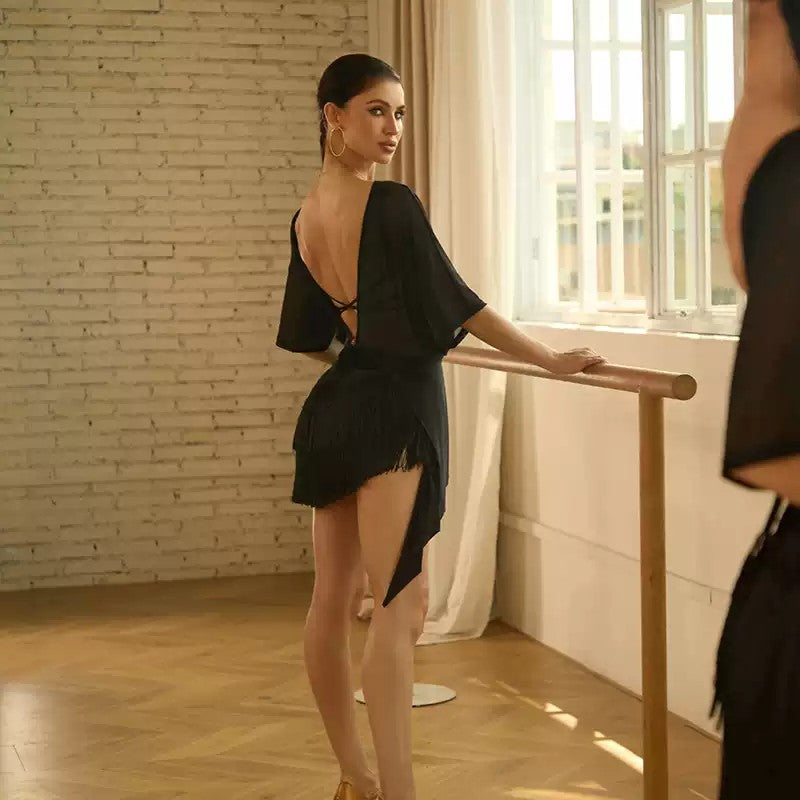
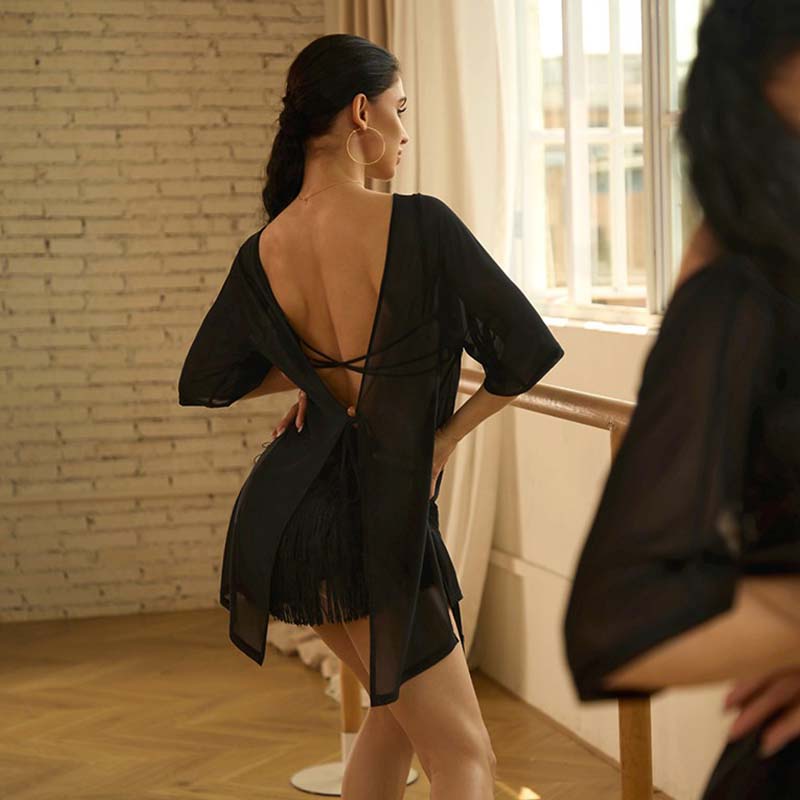
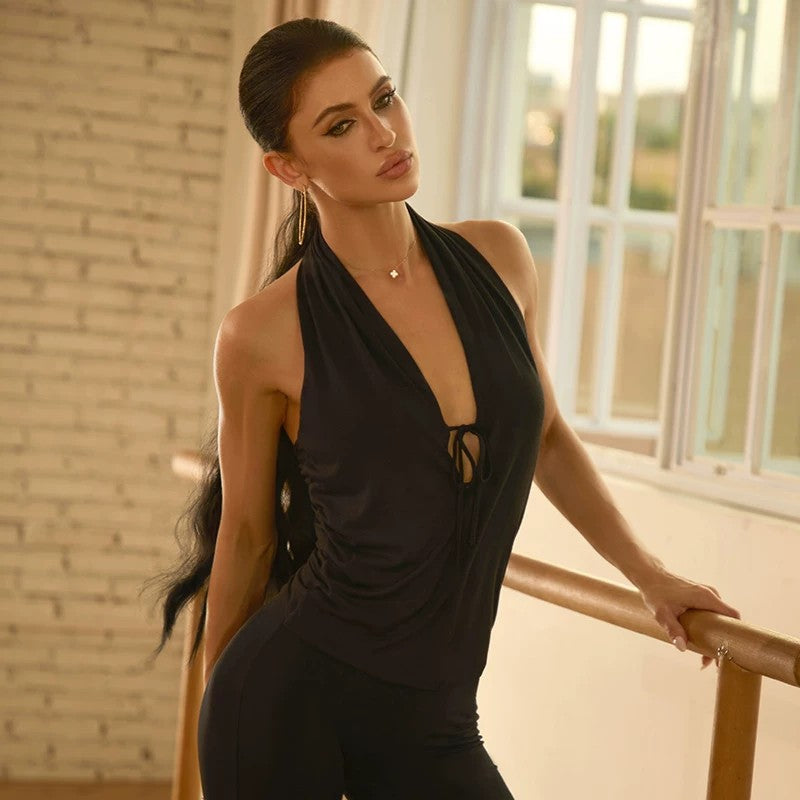
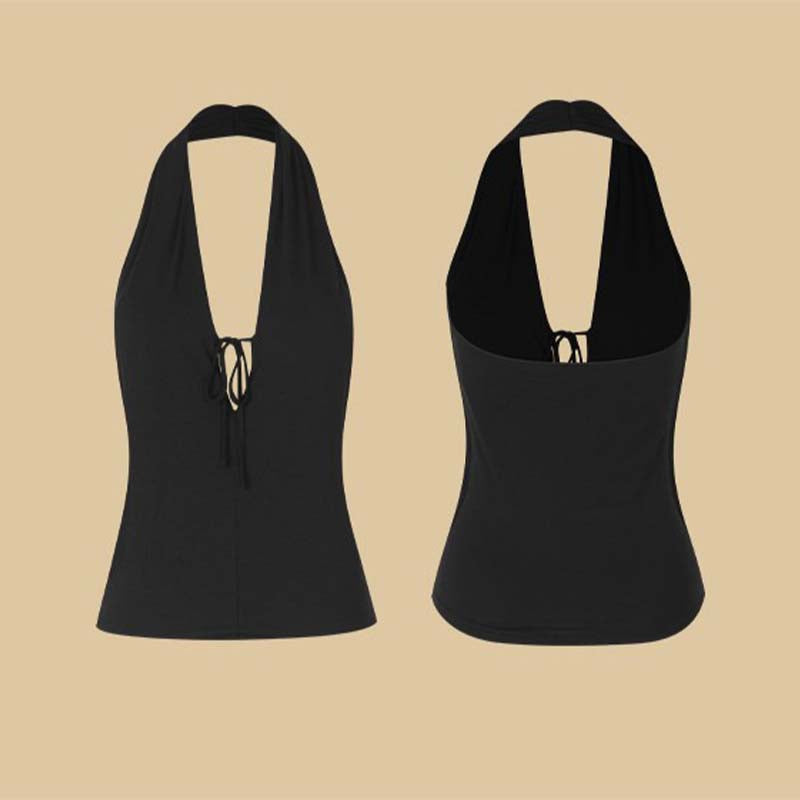
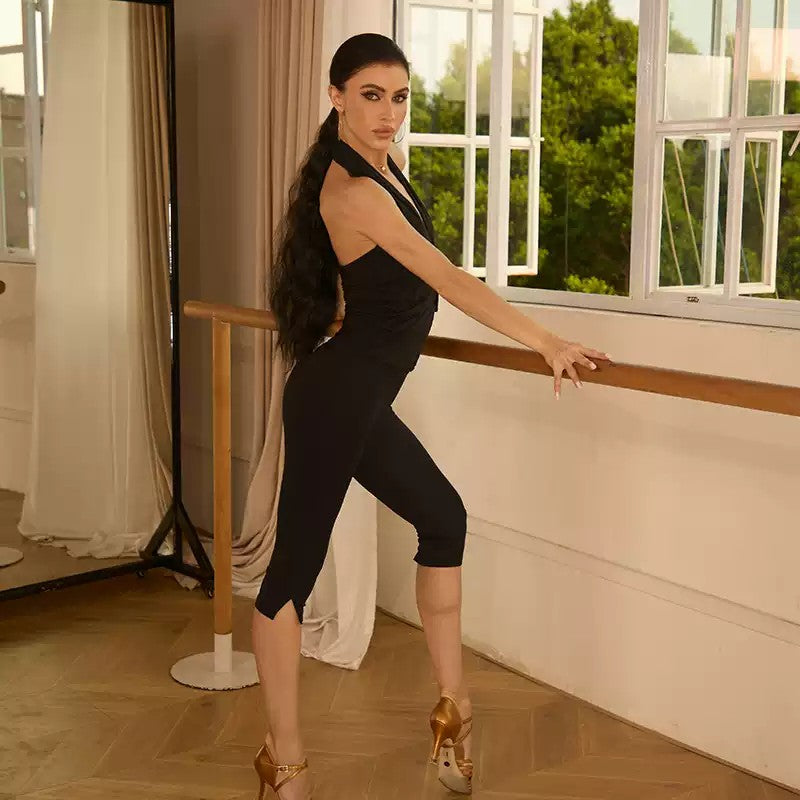
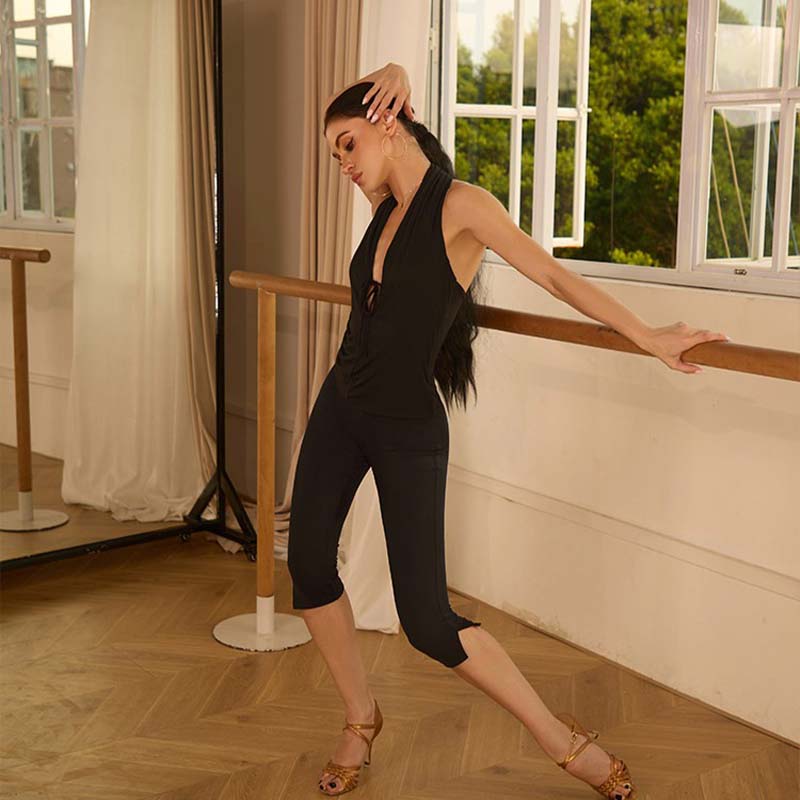
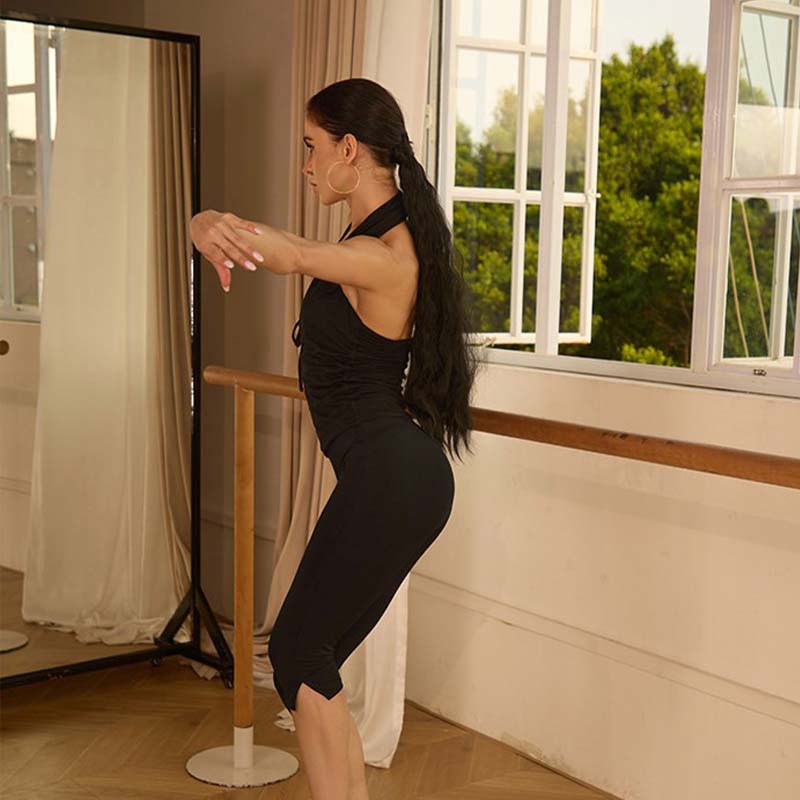
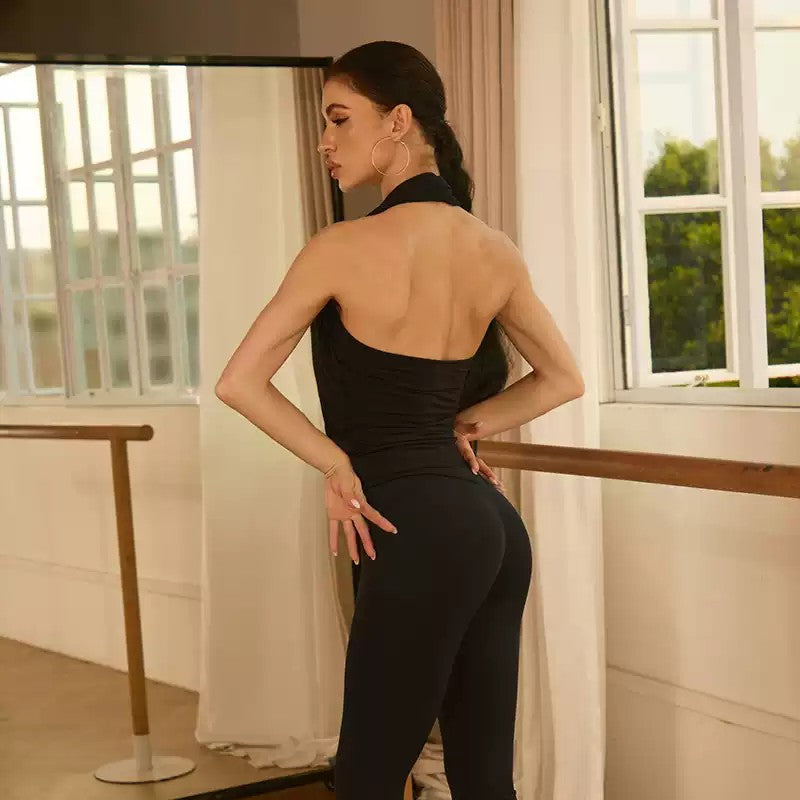
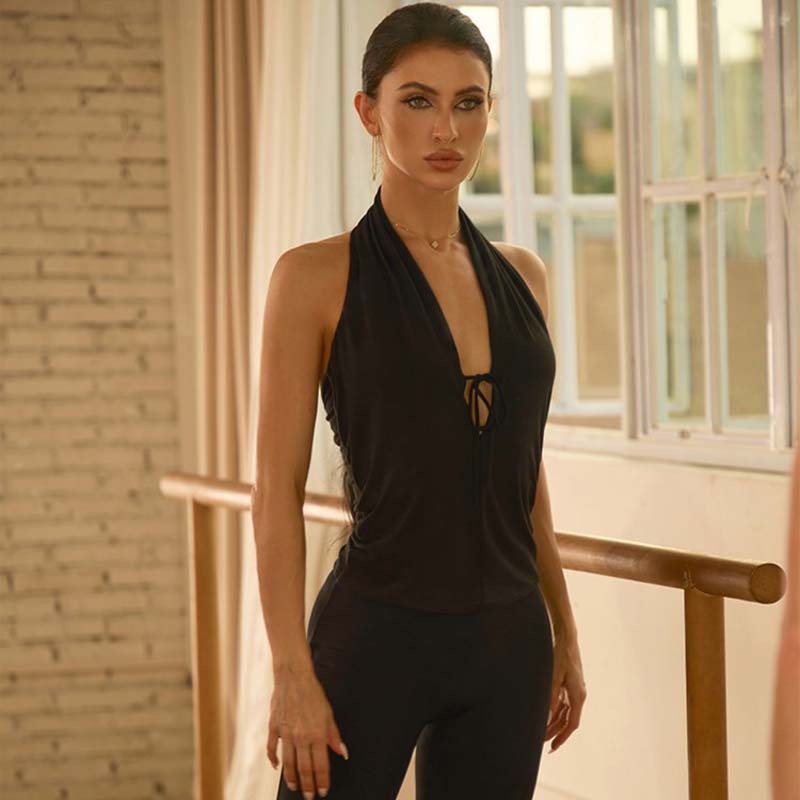
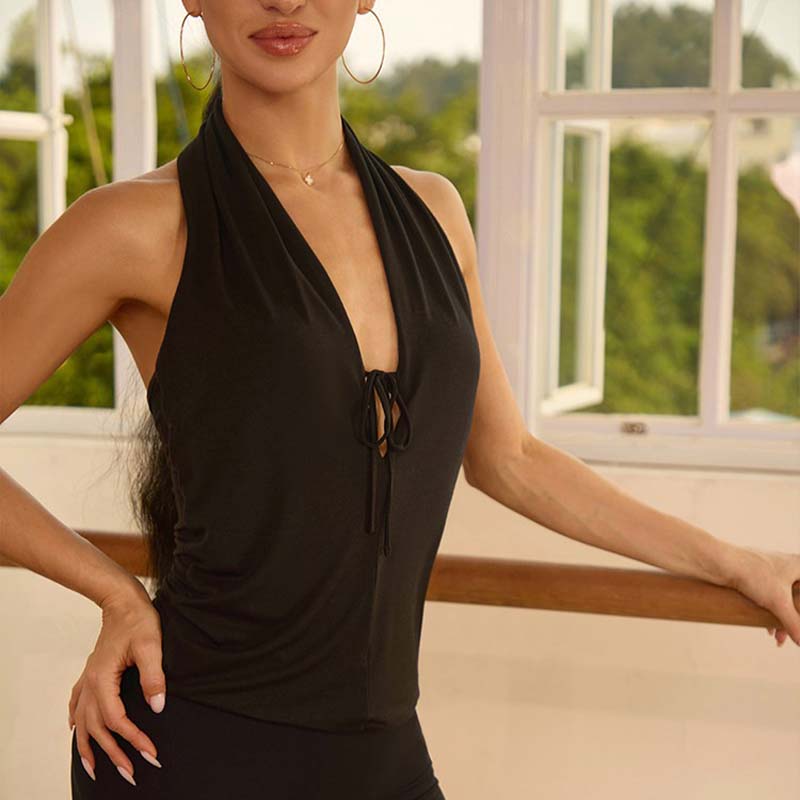
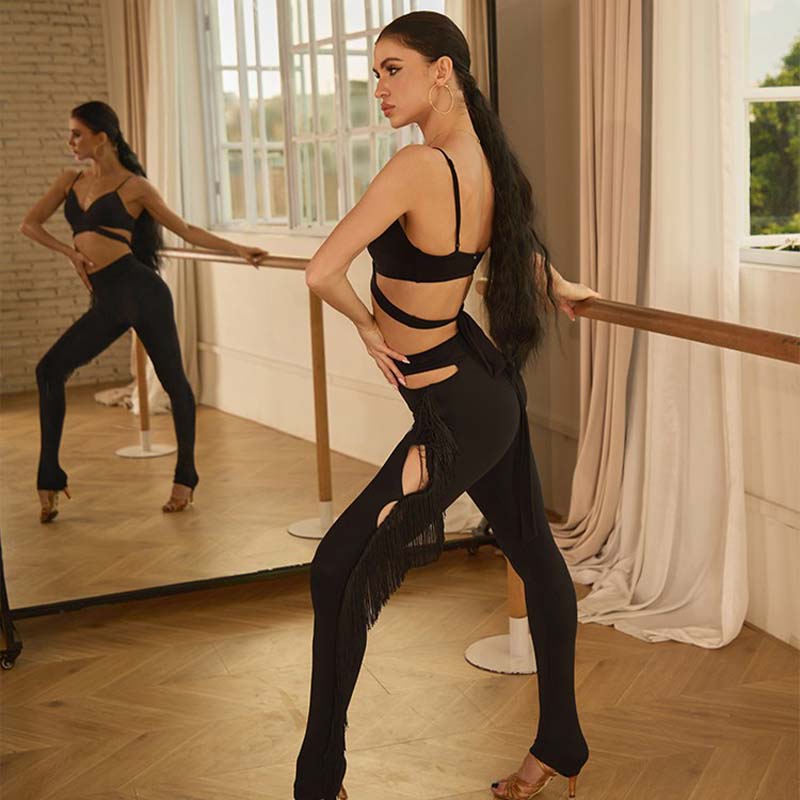
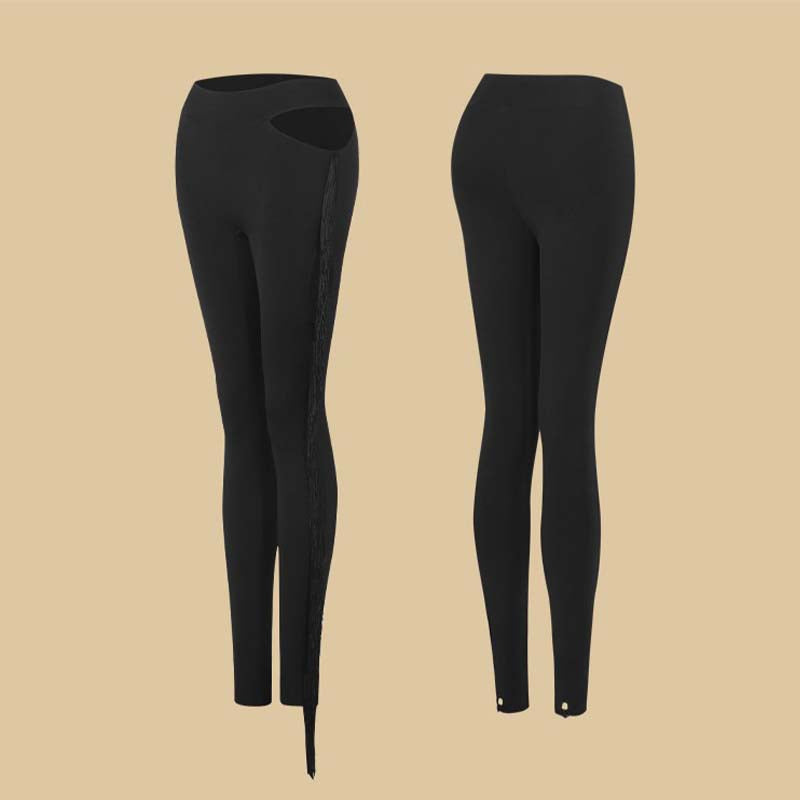
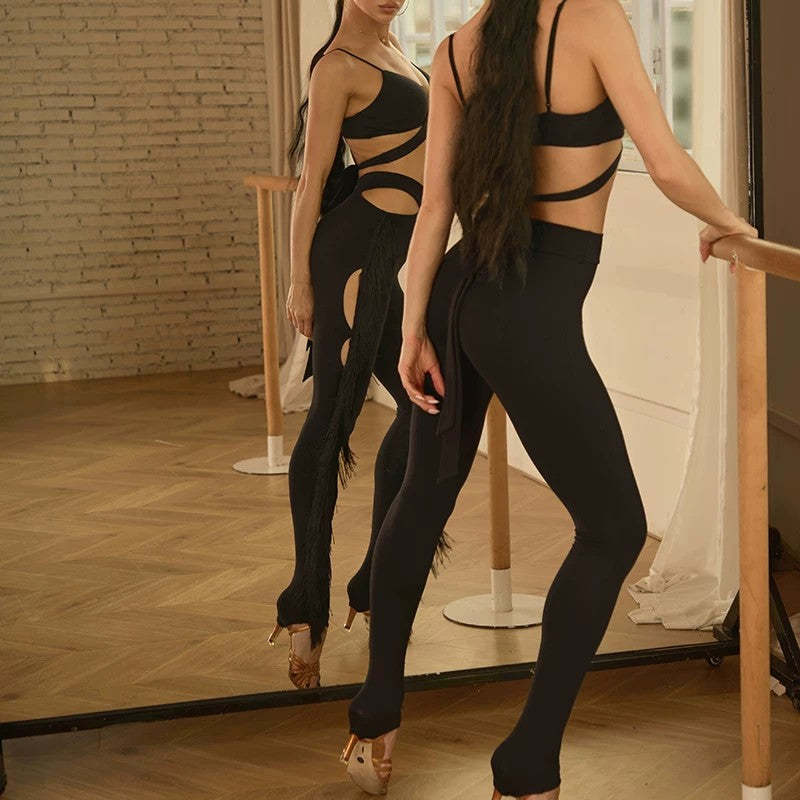
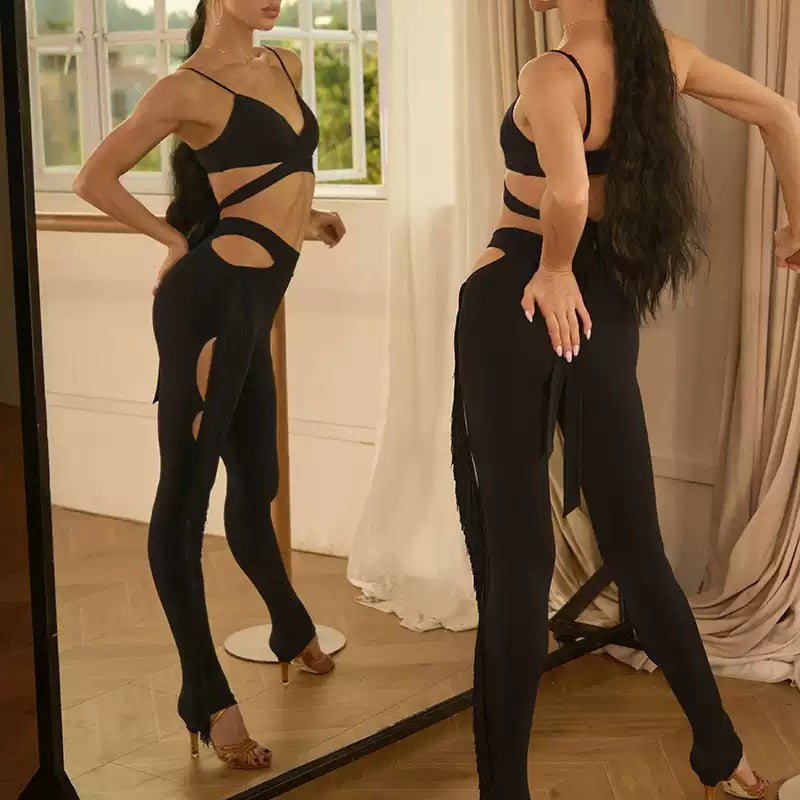
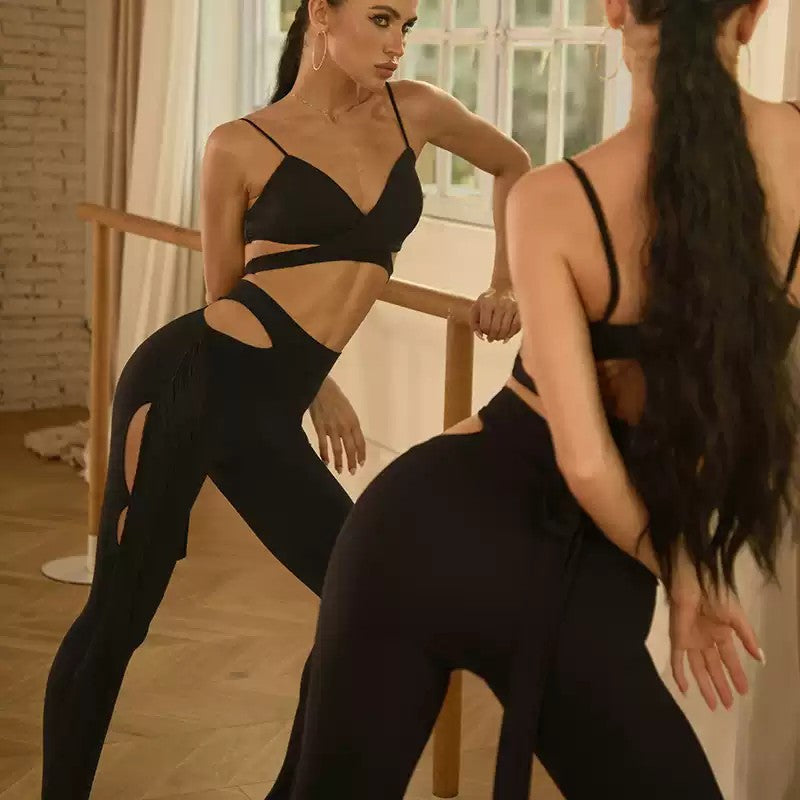
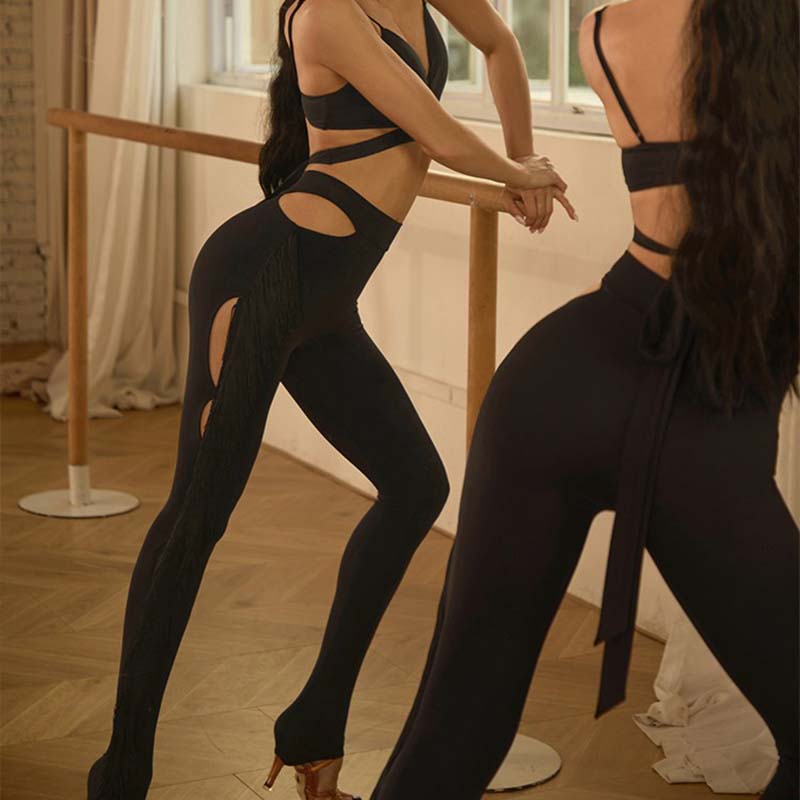
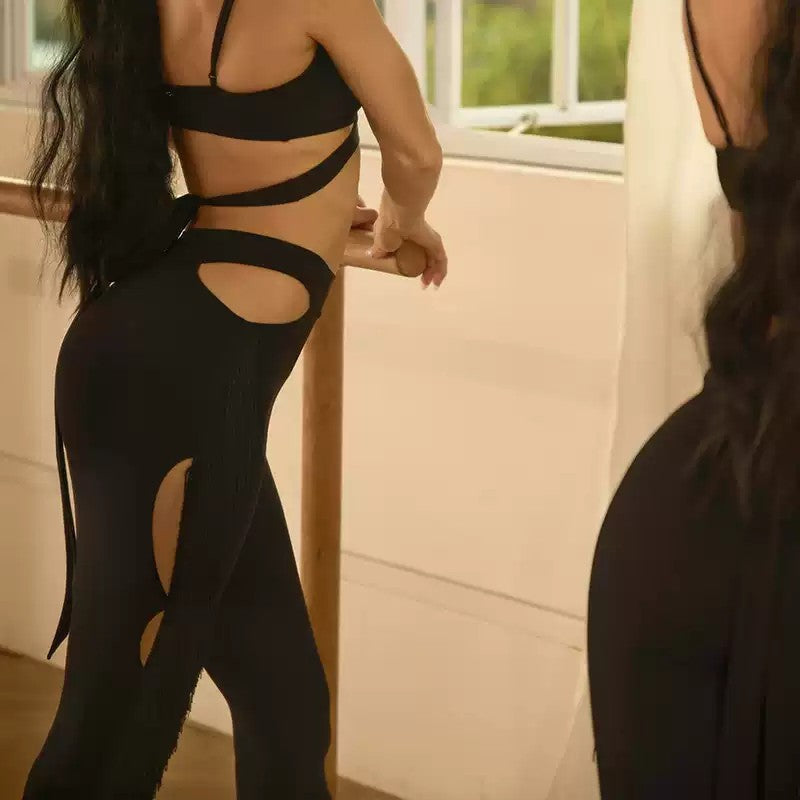
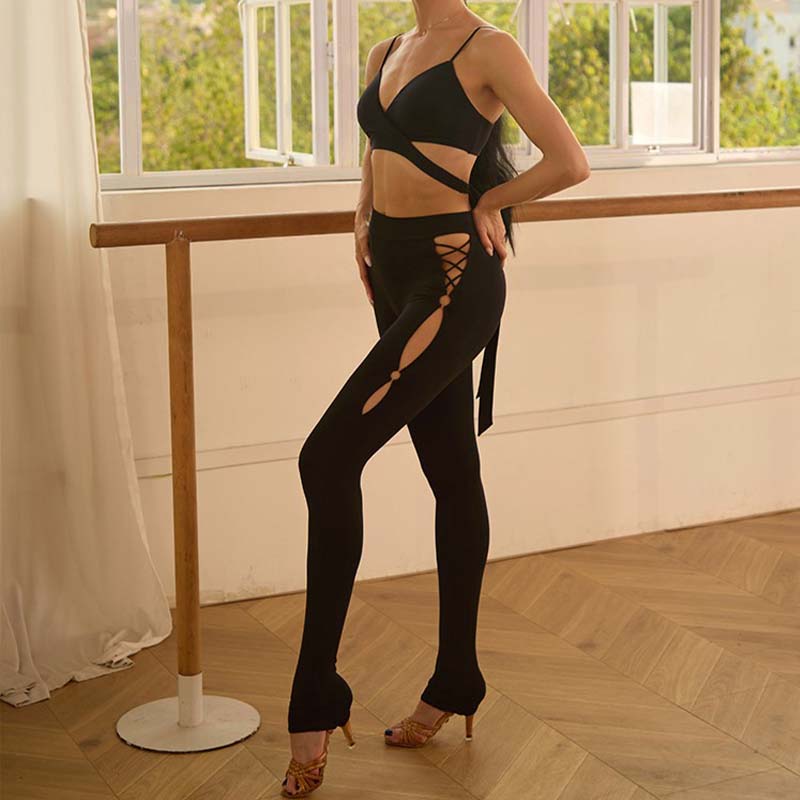
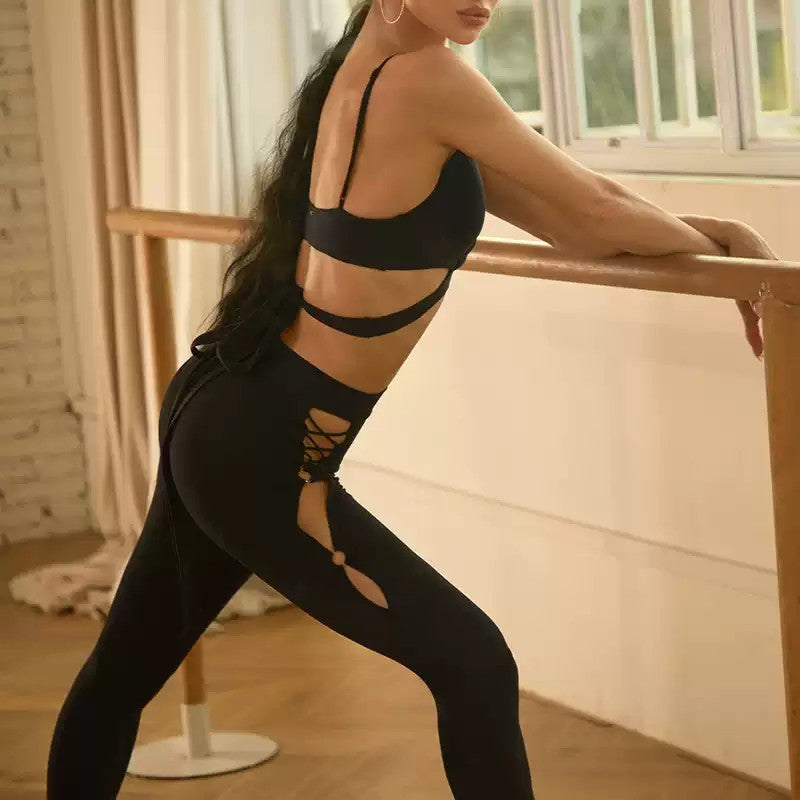
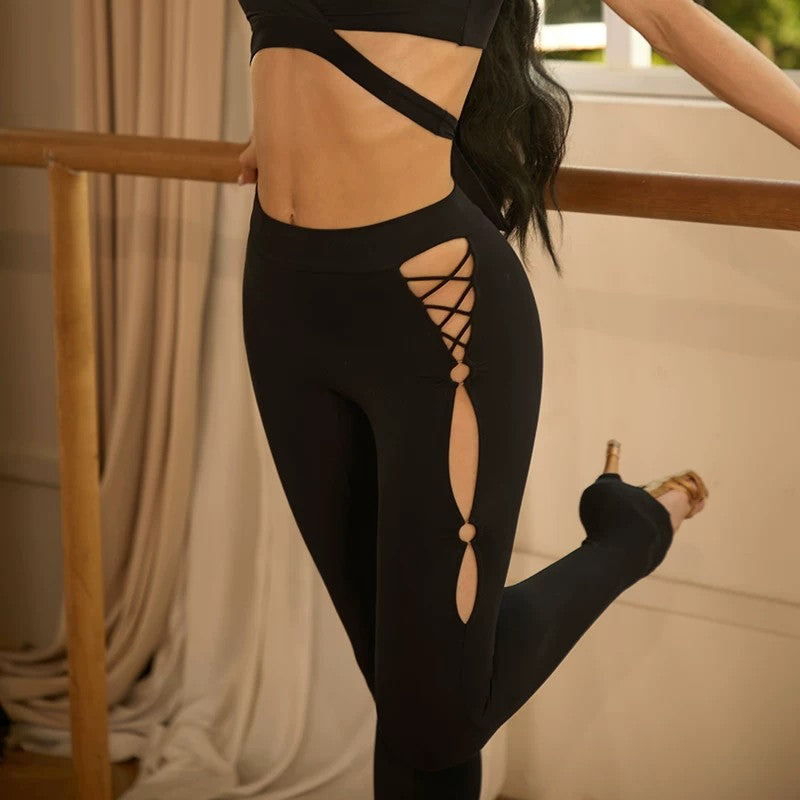
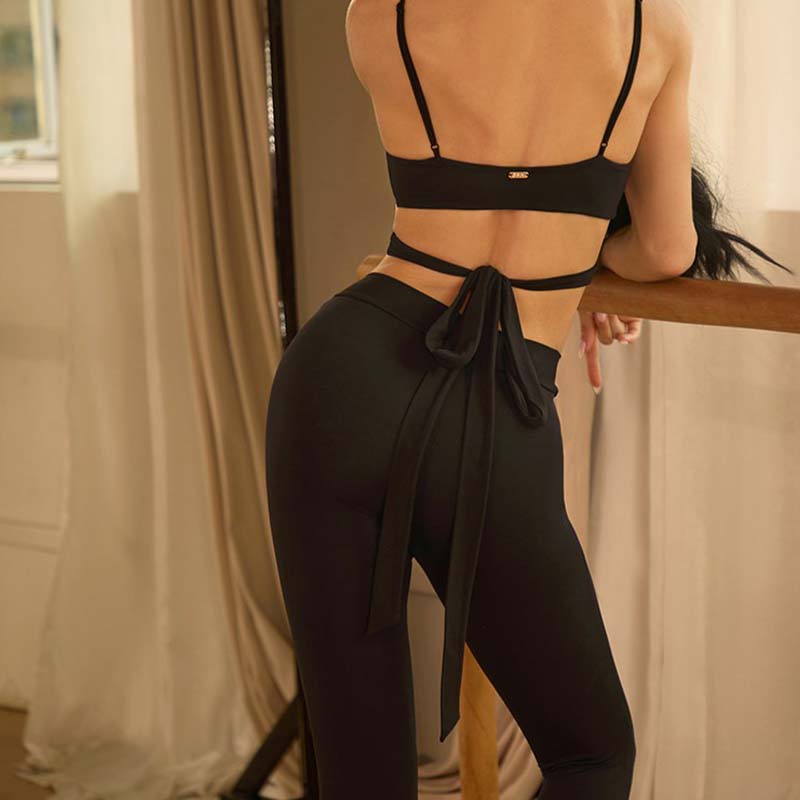
What Dancers Wear to Practice, and Why It Matters
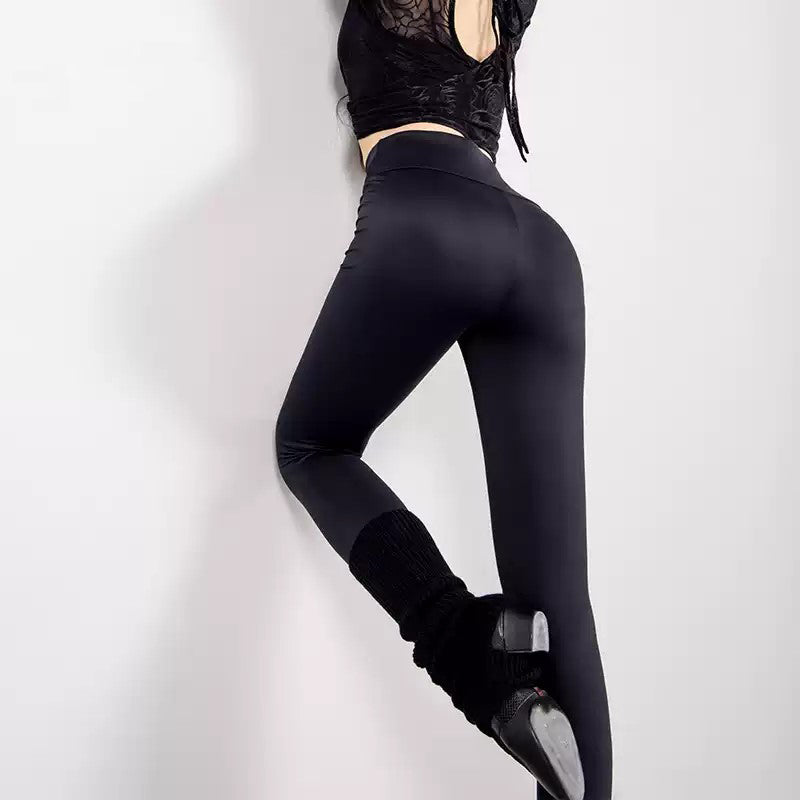
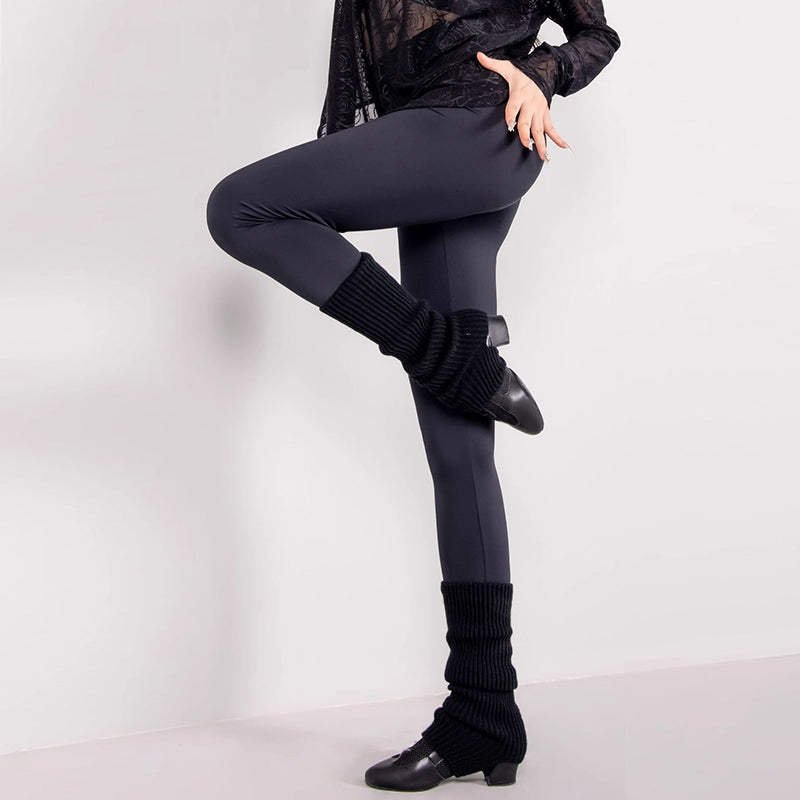
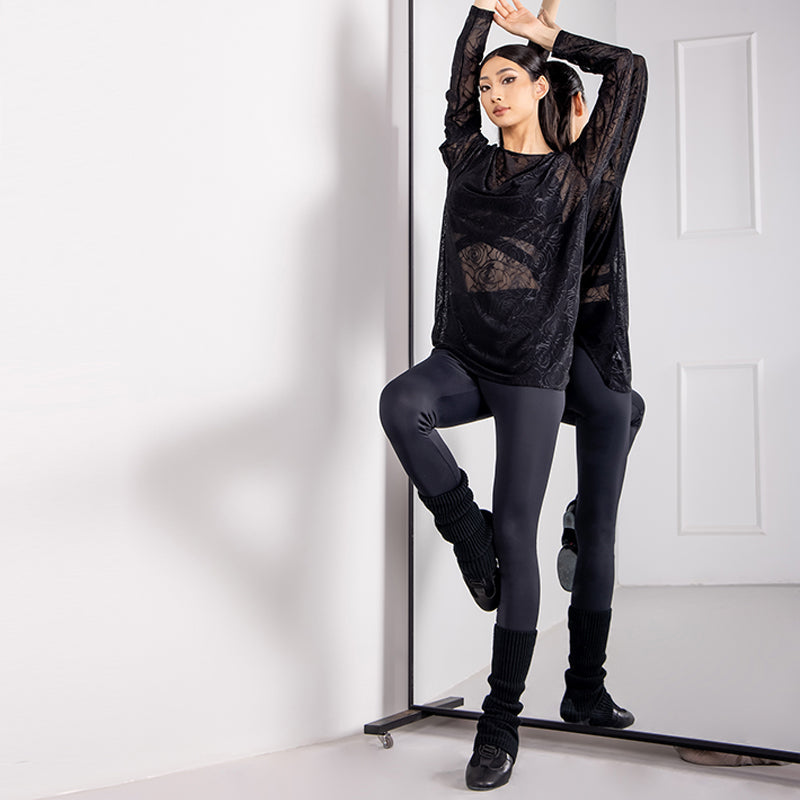
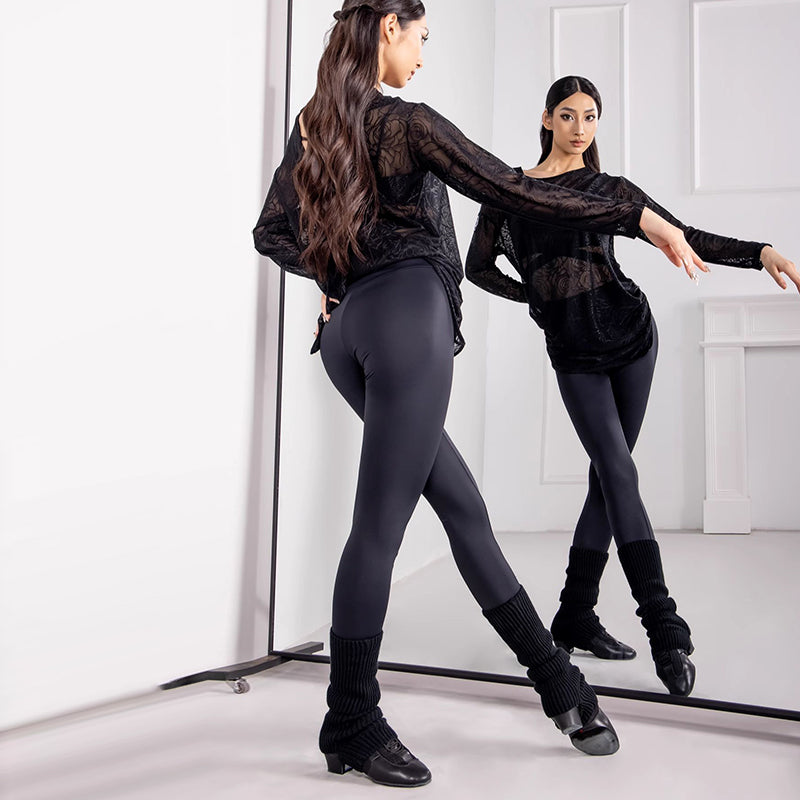
Practice is where most of your dancing happens, so what you wear there does more work than any competition dress. A teacher needs to see your ankles, knees, hips and ribcage to correct them, and you need to see the same things in the mirror. Loose gym clothes hide all of it. Dance practice wear is cut to show the line of the body while still moving freely through a full lesson, a rehearsal or a practice party.
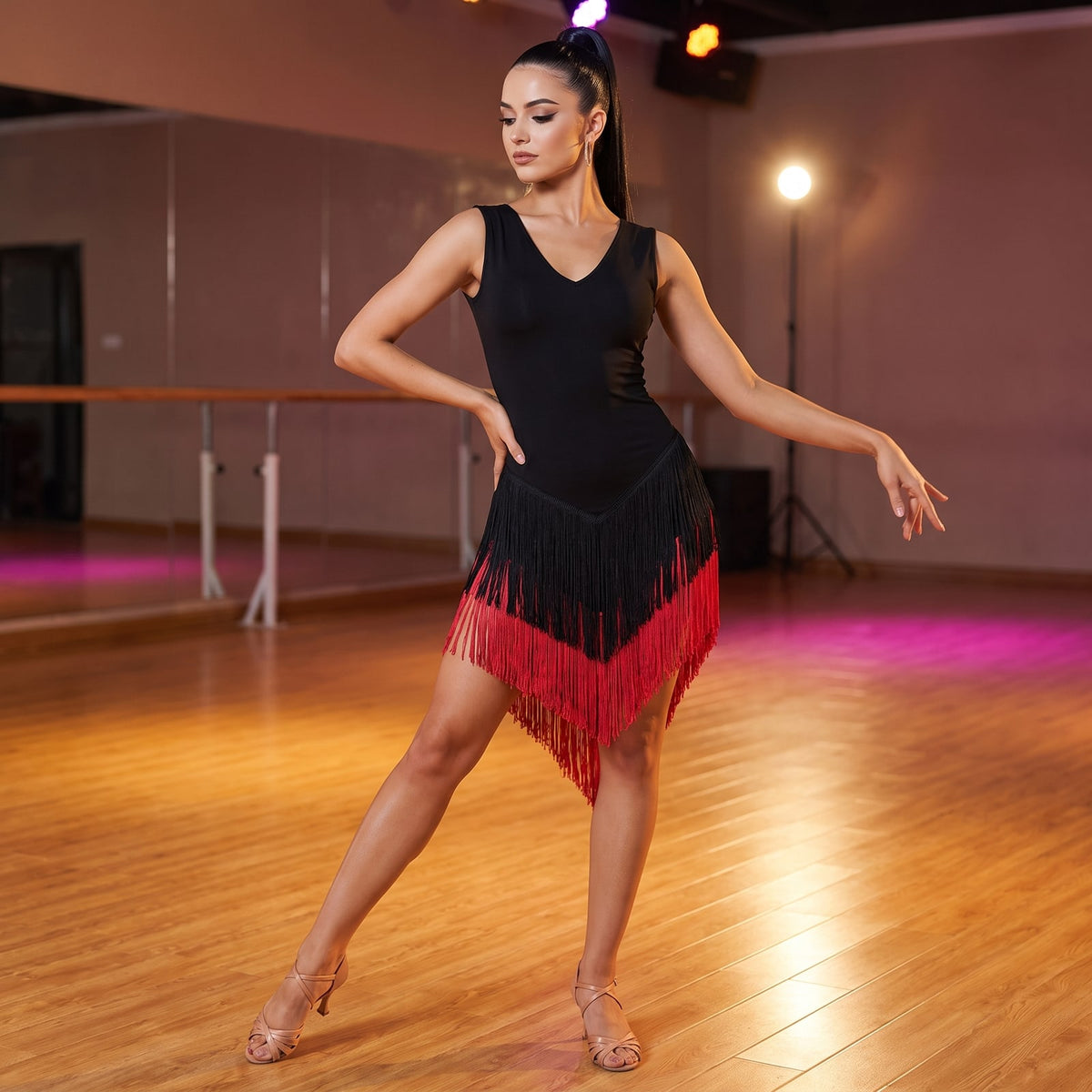
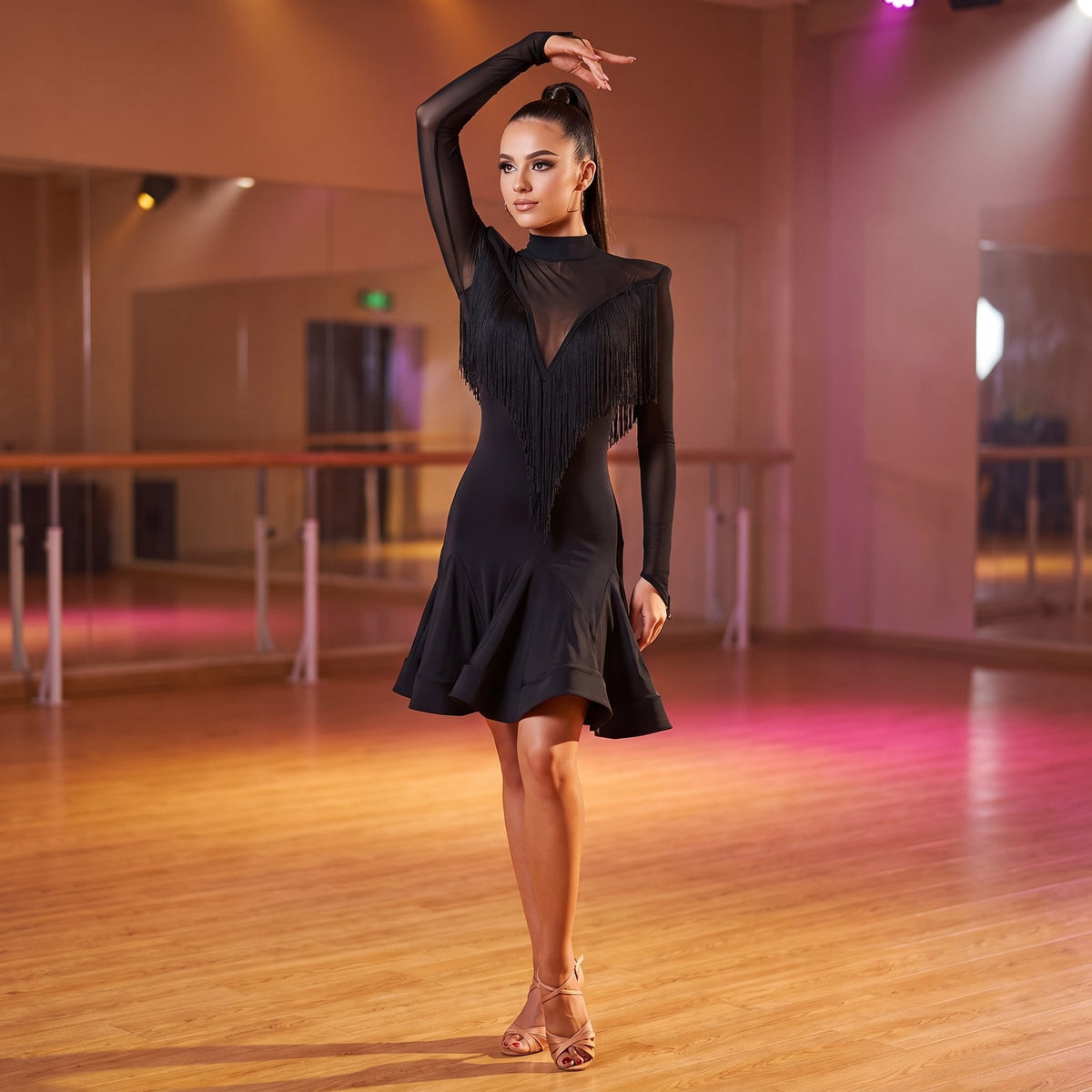
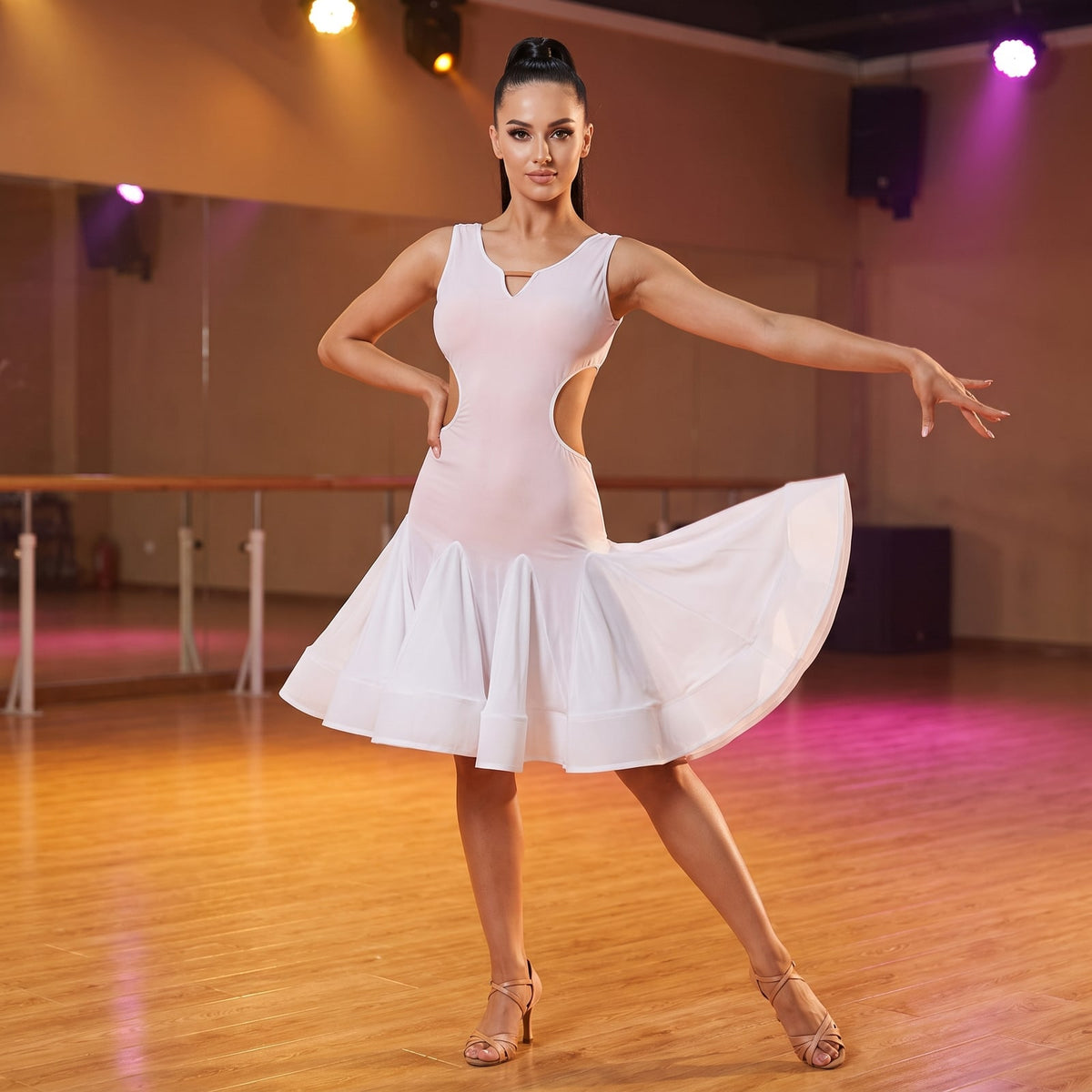
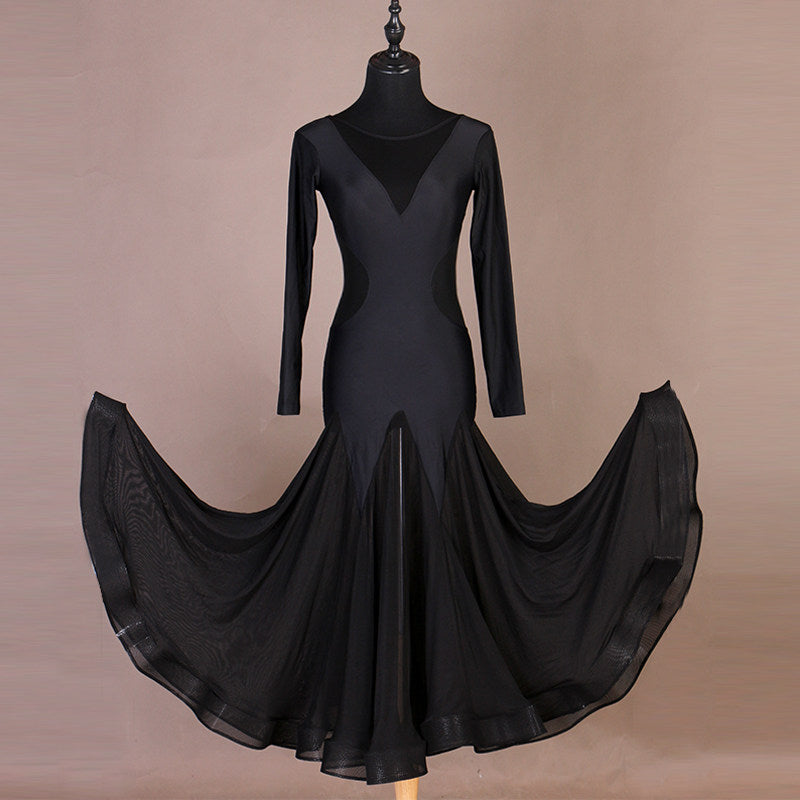
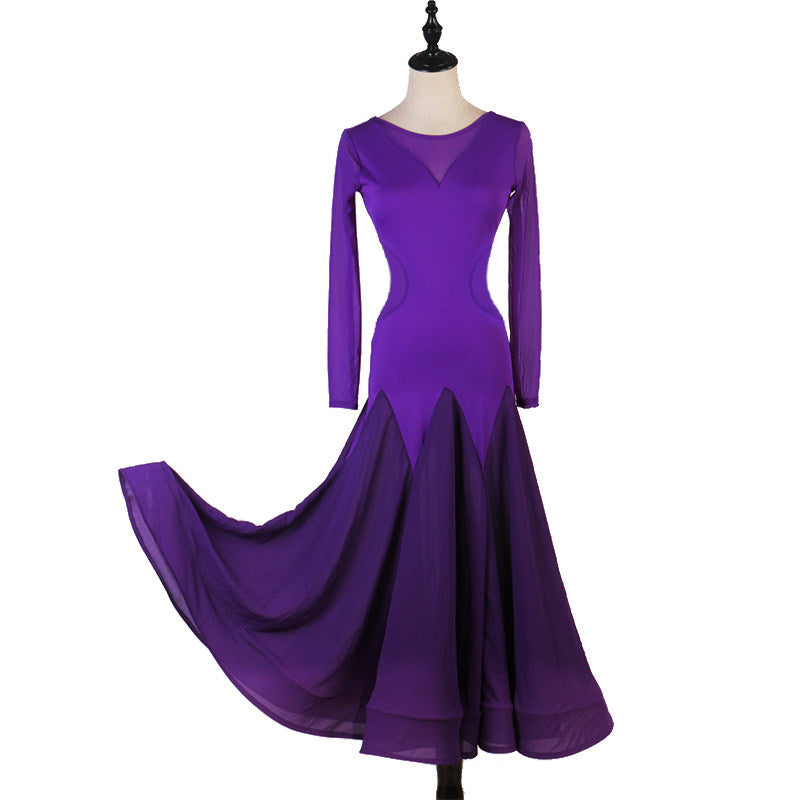
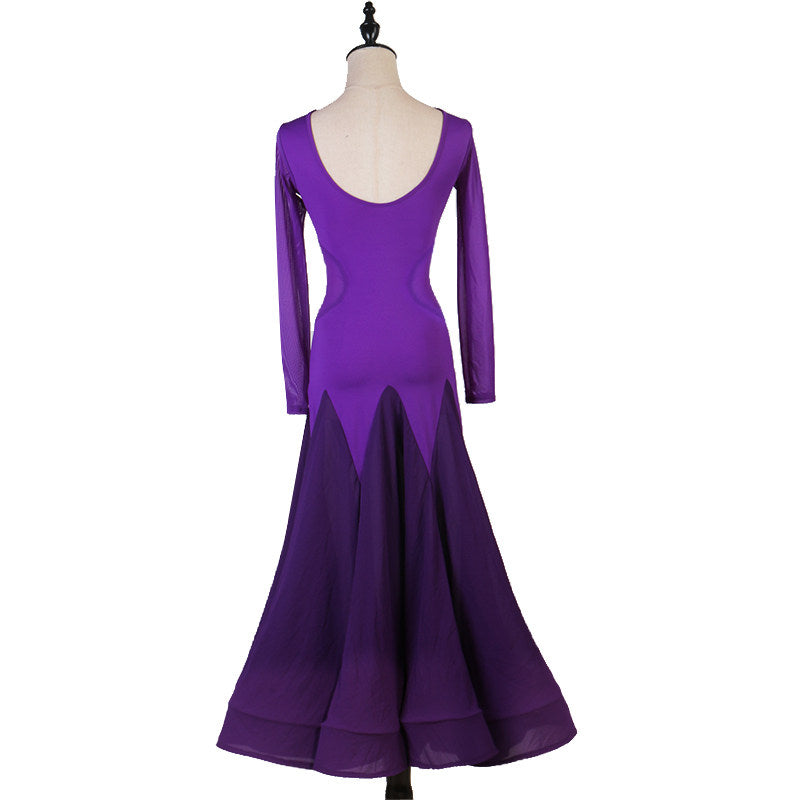
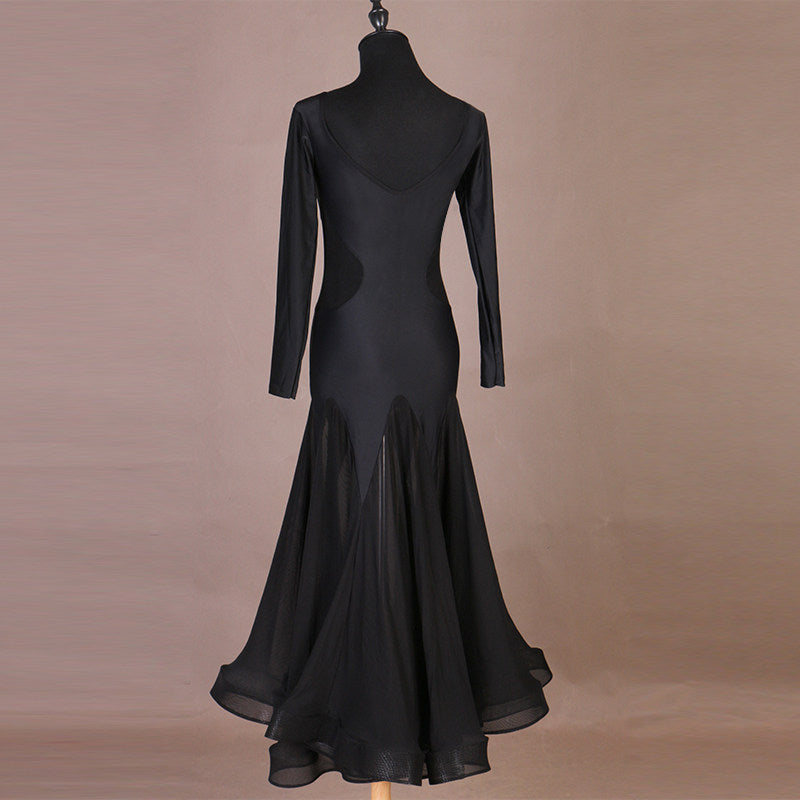
The classic practice outfit is simple: a fitted top or leotard, and a skirt, dance pants or a practice dress over it. Ballroom dancers lean towards long skirts and long sleeves that show the shape of a rise and fall; Latin dancers lean towards shorter hems and open necklines that show hip action and leg extension. Everything in this collection is built around those two needs.
Ballroom Practice Wear: Long Lines and Movement
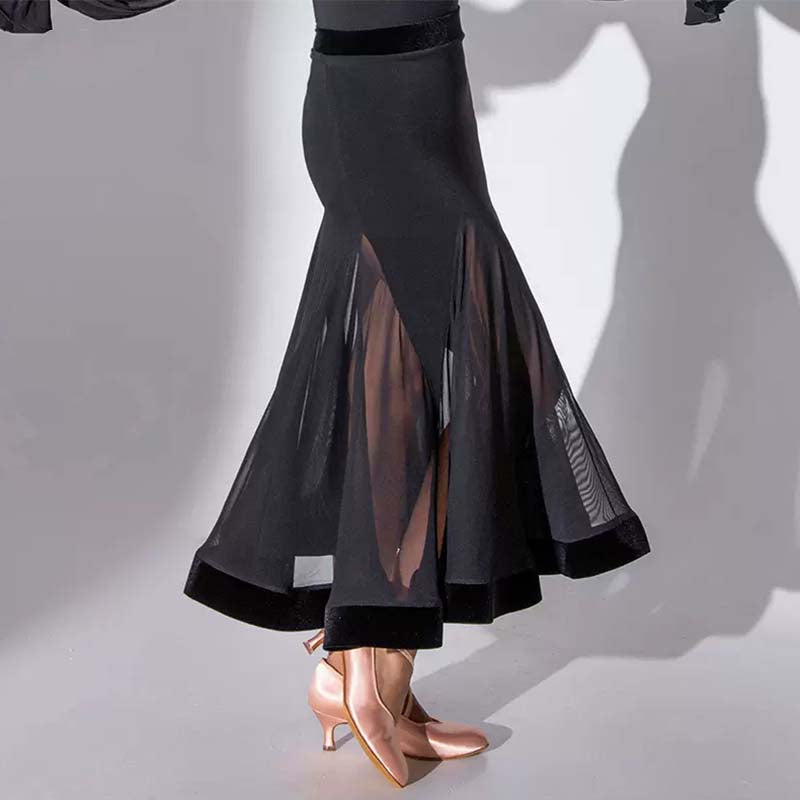
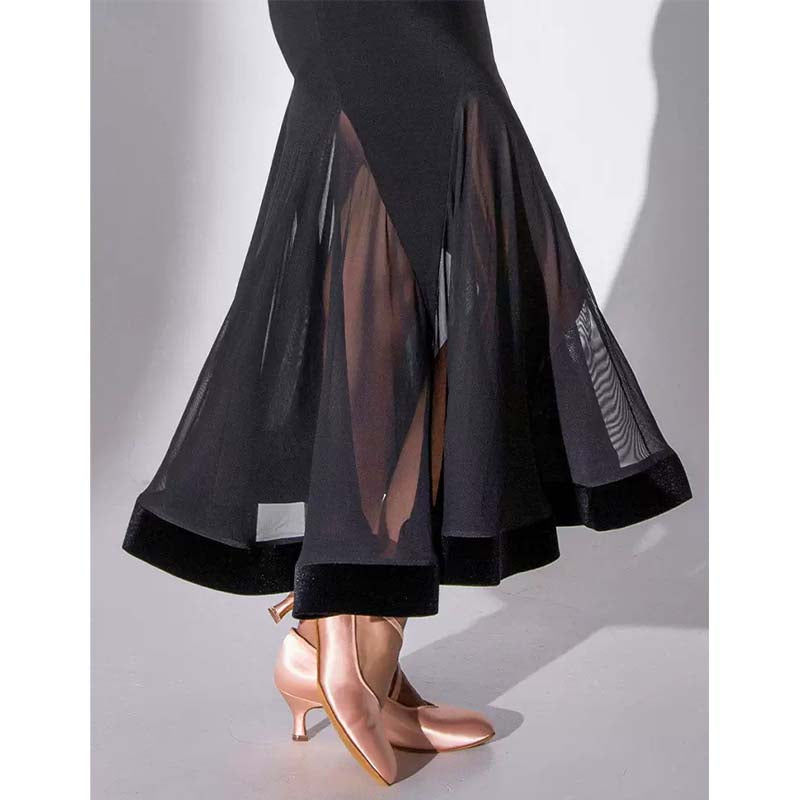
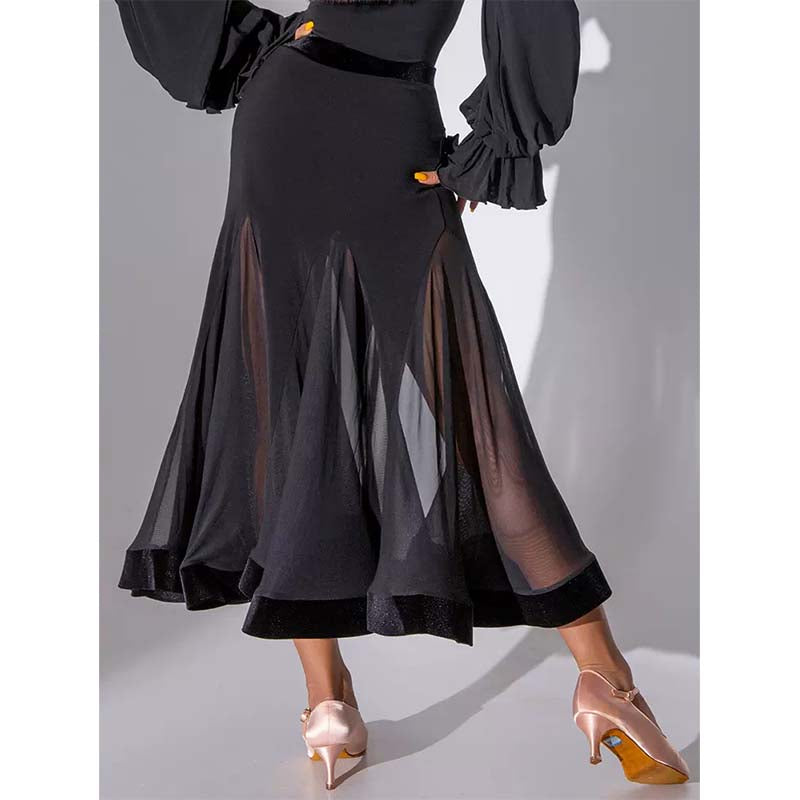
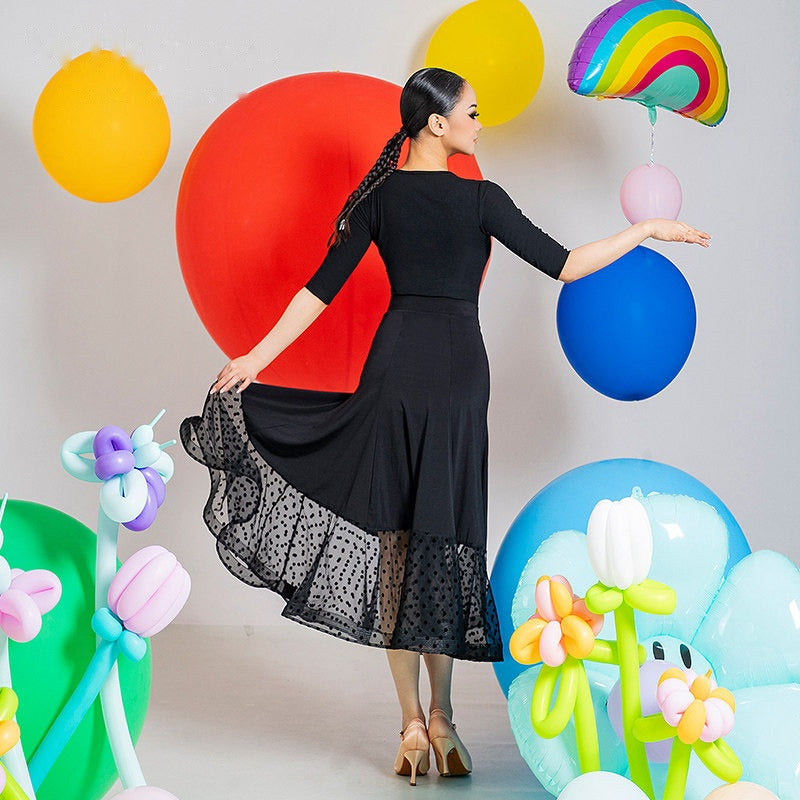
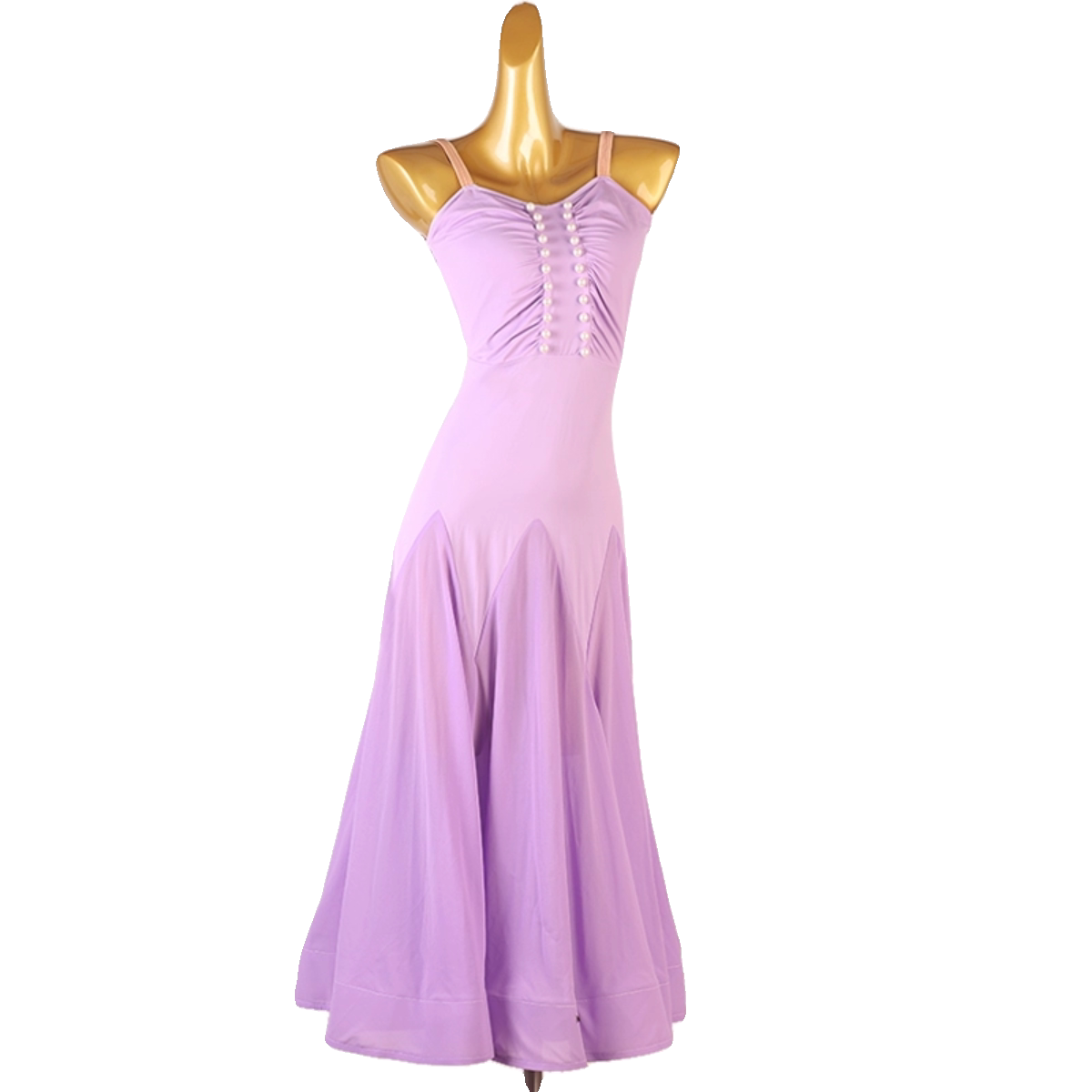
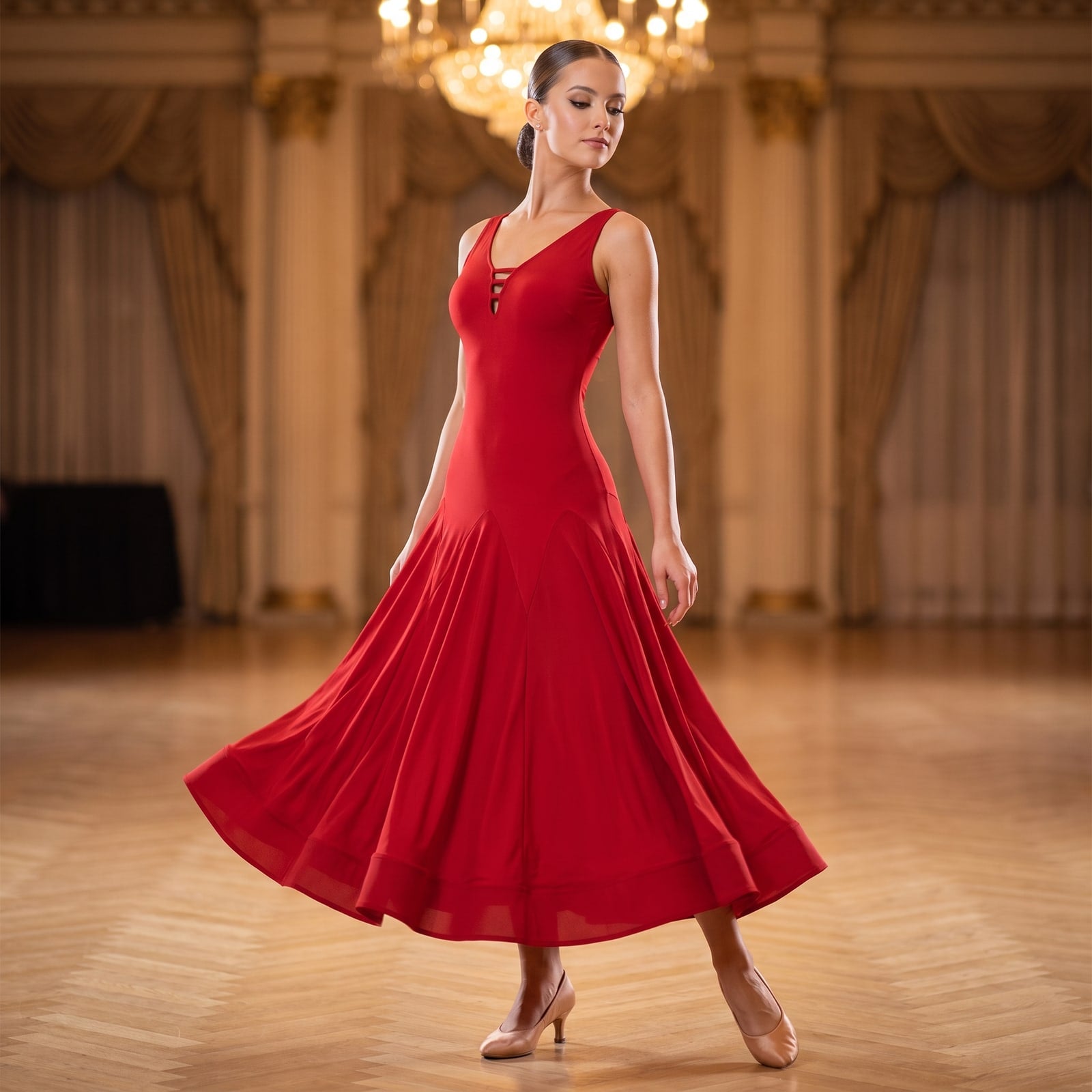
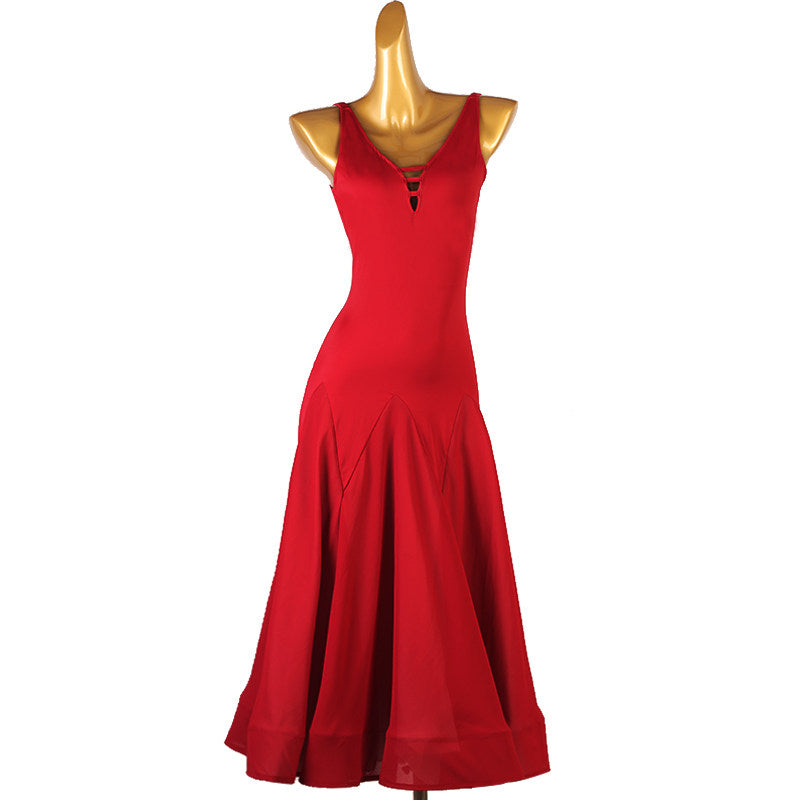
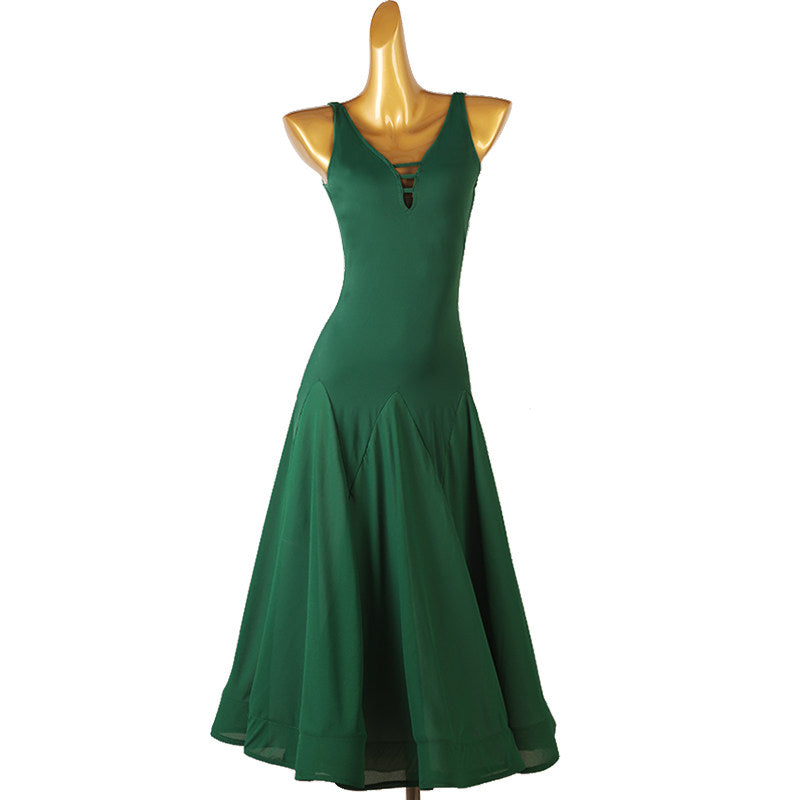
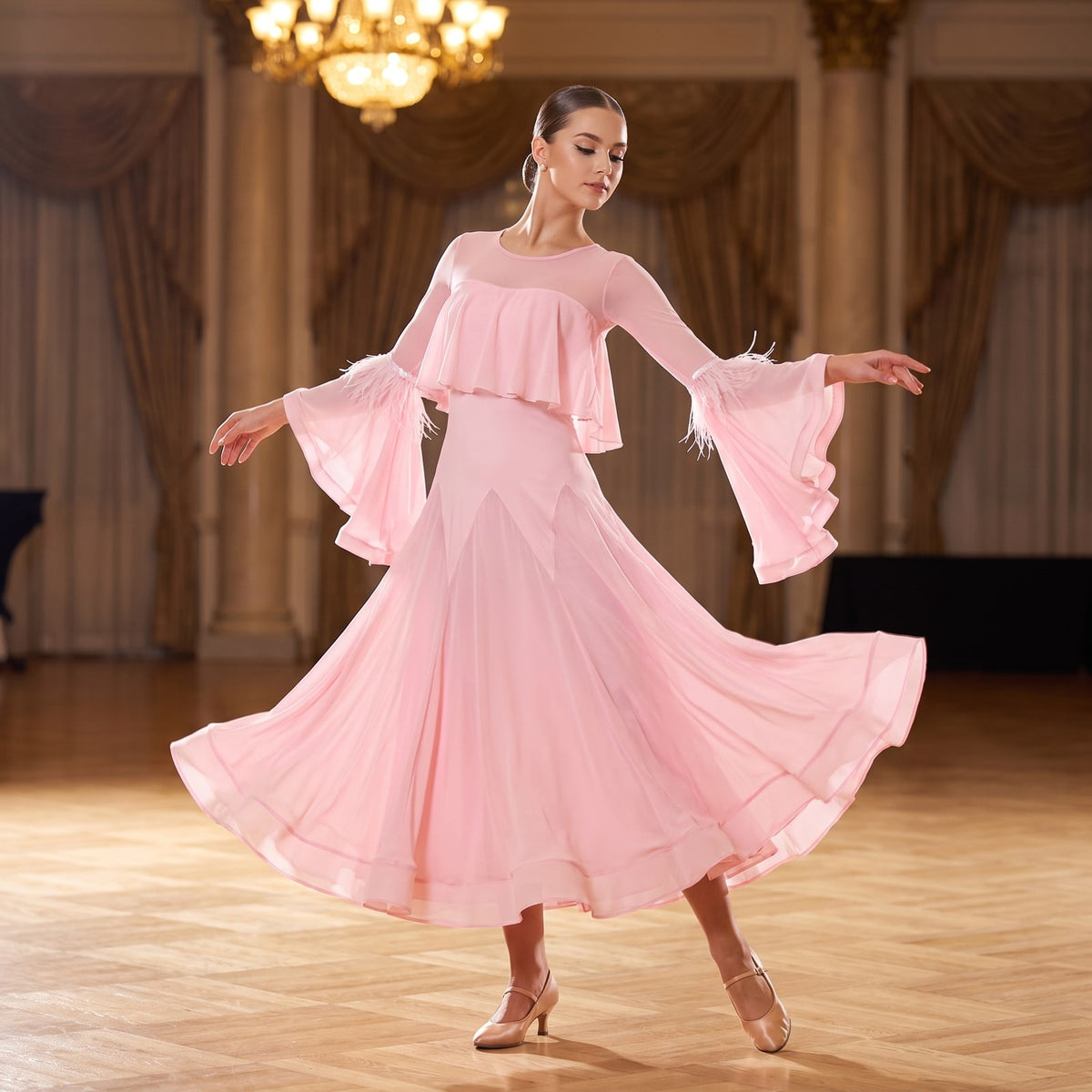
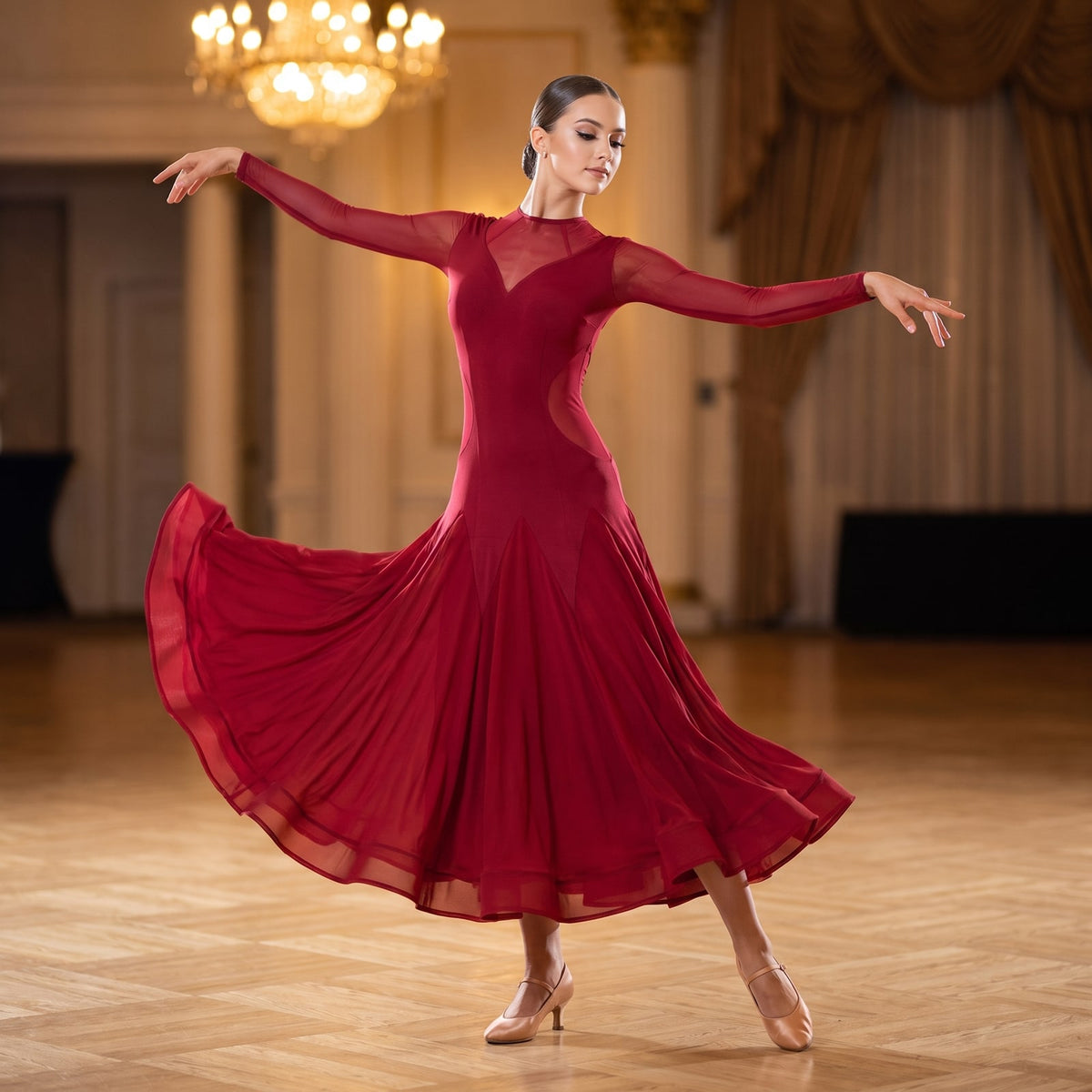
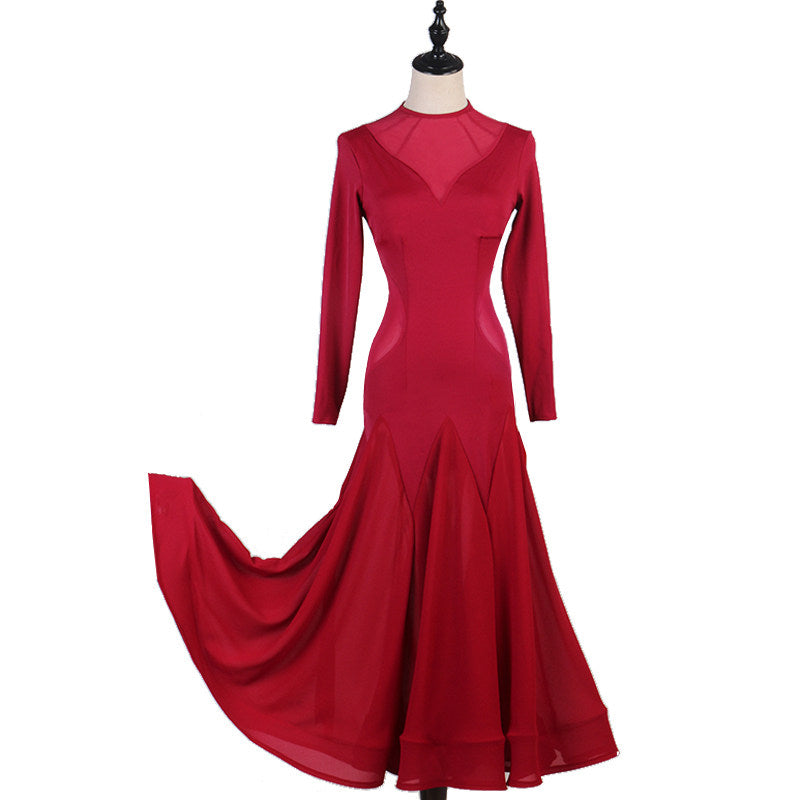
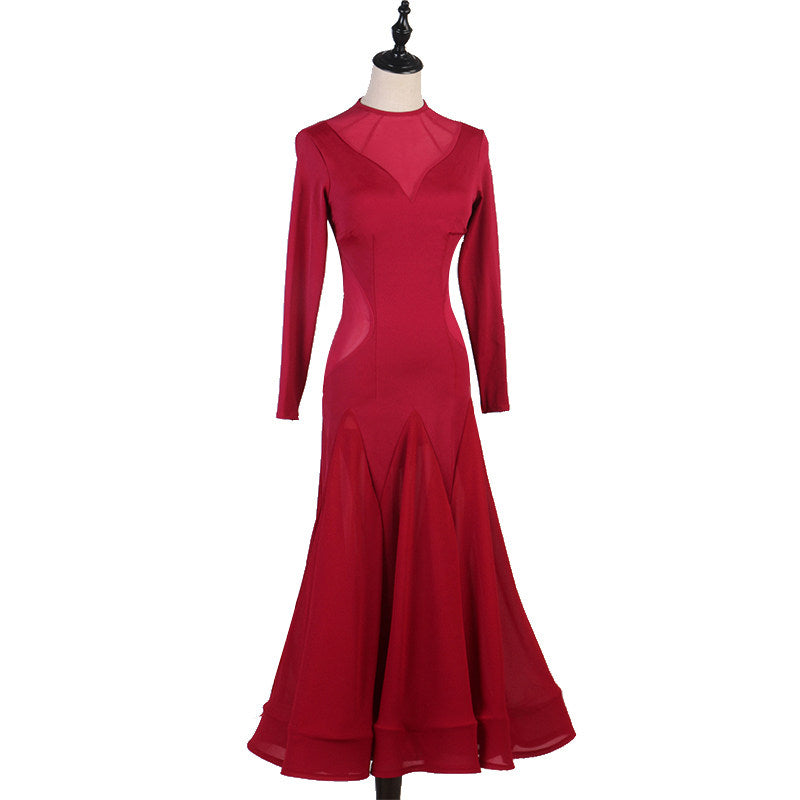
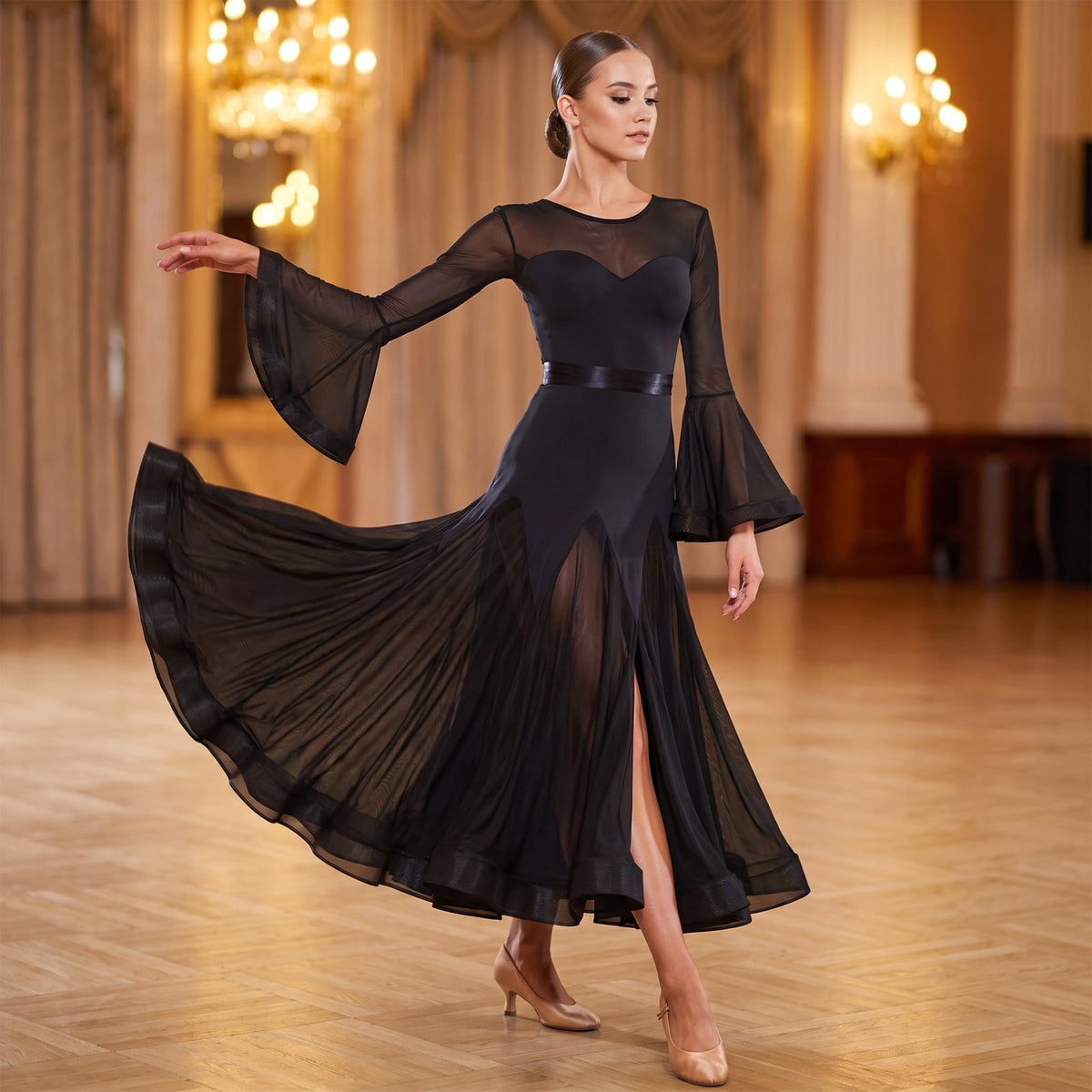
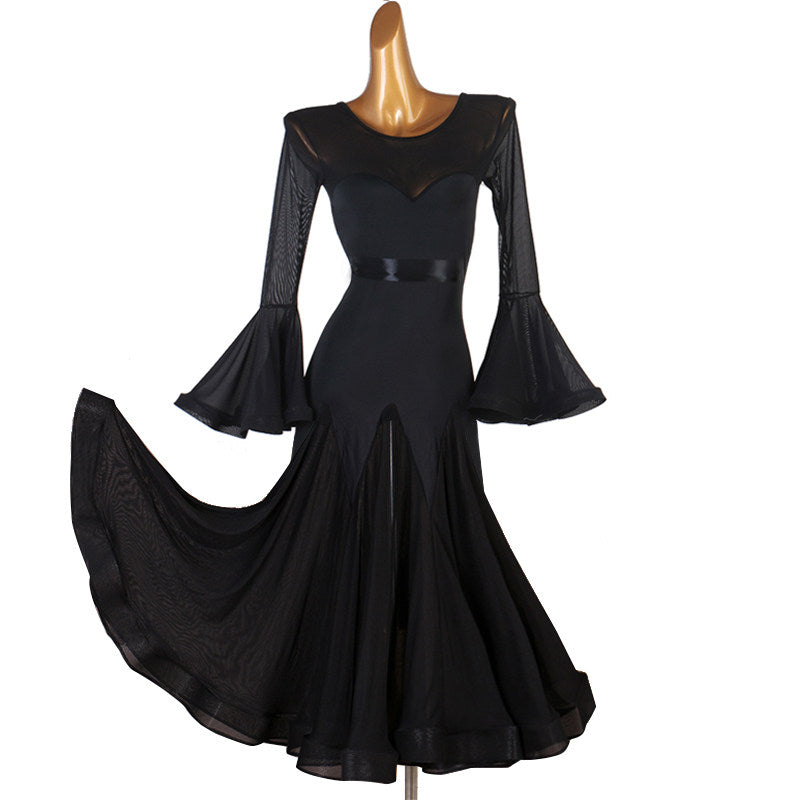
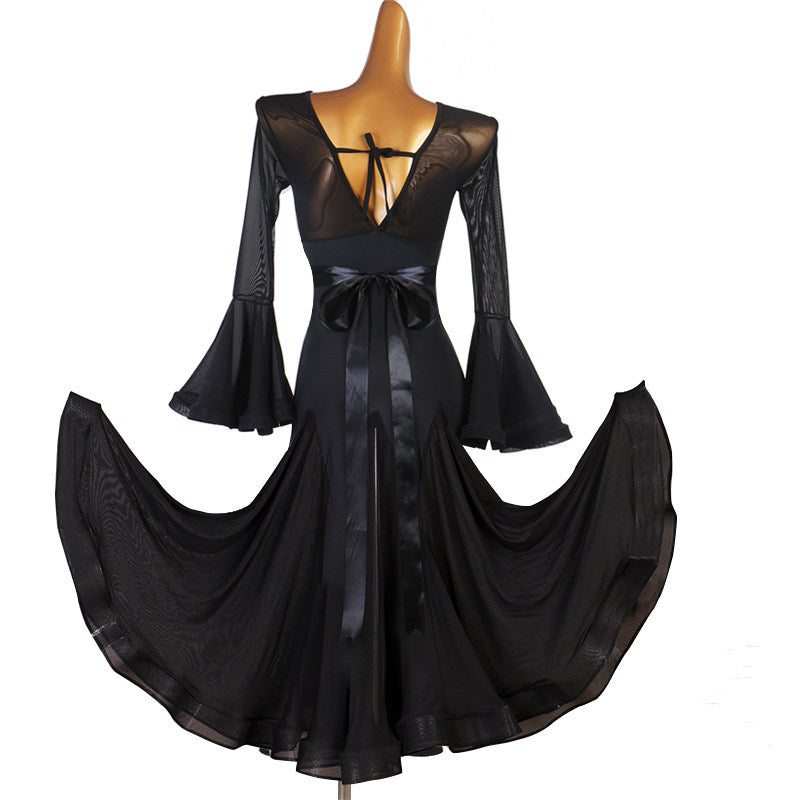
For waltz, foxtrot, tango, quickstep and the American Smooth dances, the goal is a long, connected line from the shoulders to the floor. A long practice skirt with godets, a flared panel or a ruffle hem swings behind the leg the way a ballroom gown would, so you learn to dance with fabric moving around you long before your first competition. That makes ballroom practice skirts the single most useful piece of ballroom practice clothing.
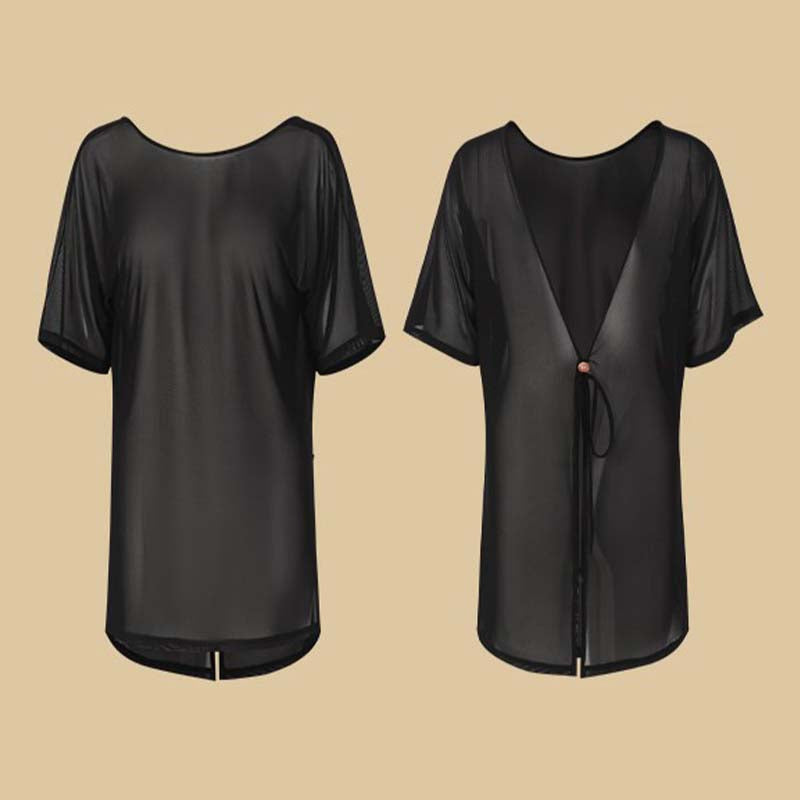
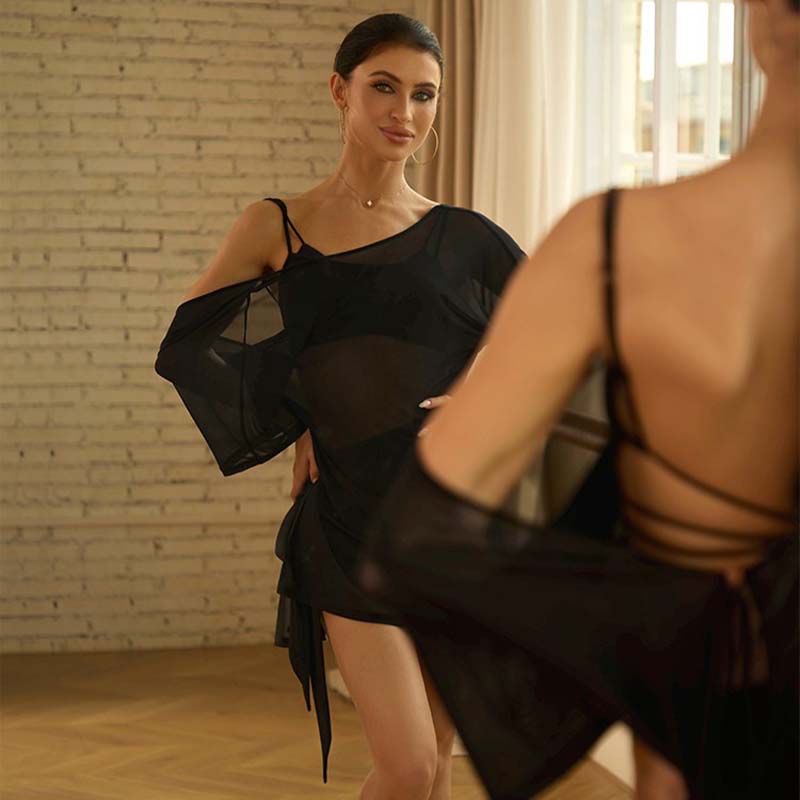
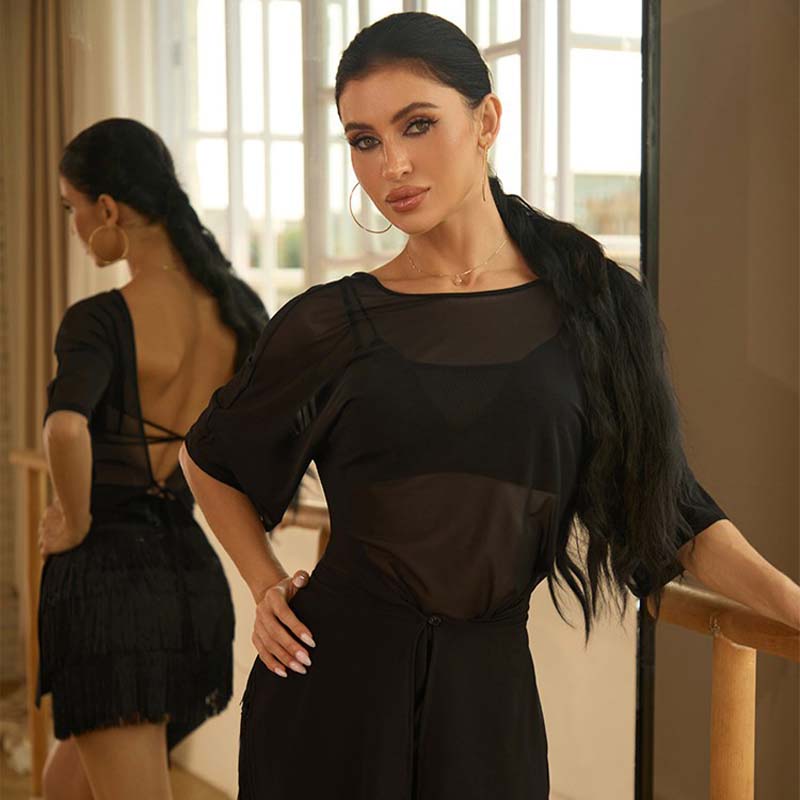
Above the waist, a close-fitting long-sleeve top or leotard lets your teacher see whether your shoulders stay down and your elbows stay up in hold. Chiffon tunic tops and ballroom practice dresses give a softer look for socials and showcases while keeping the same fitted shape through the frame.
Latin Practice Wear: Showing Hip and Leg Action
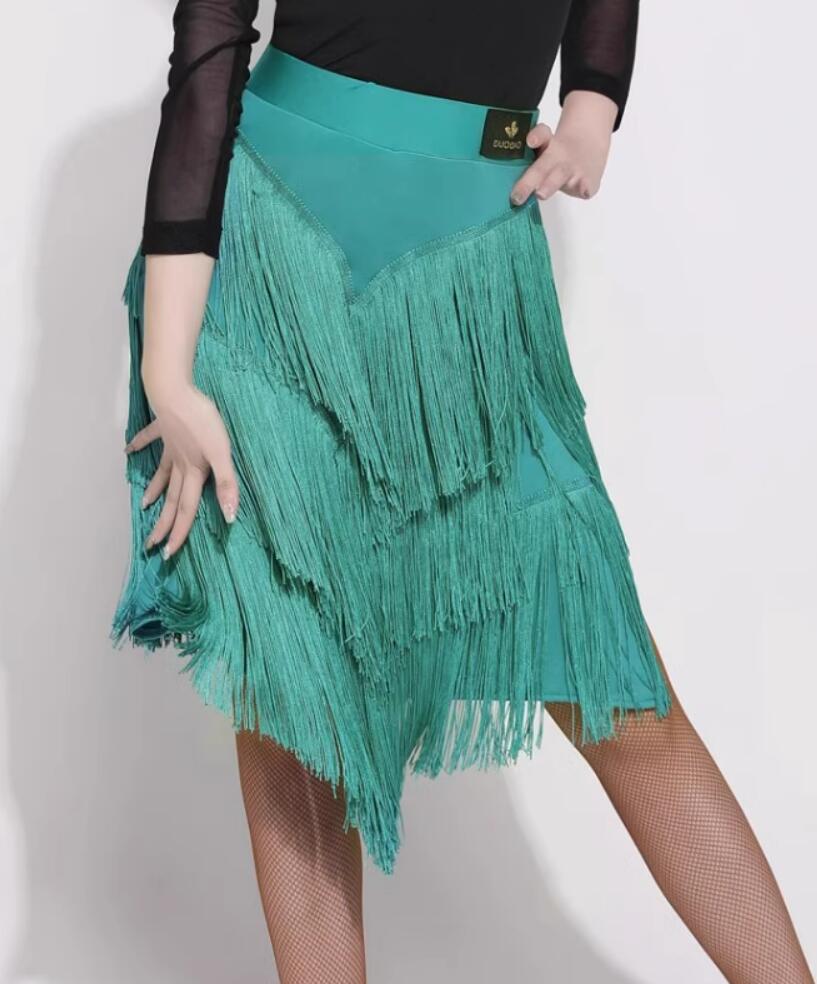
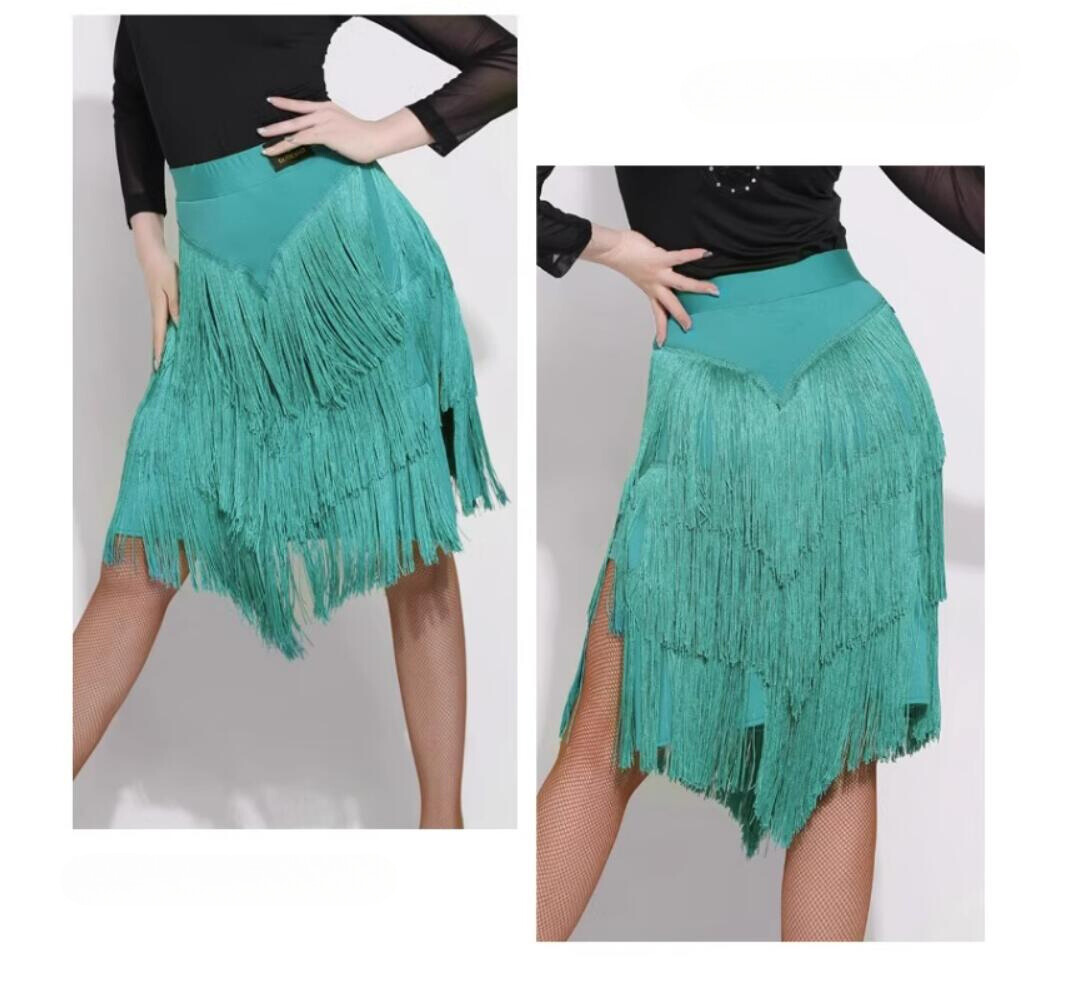
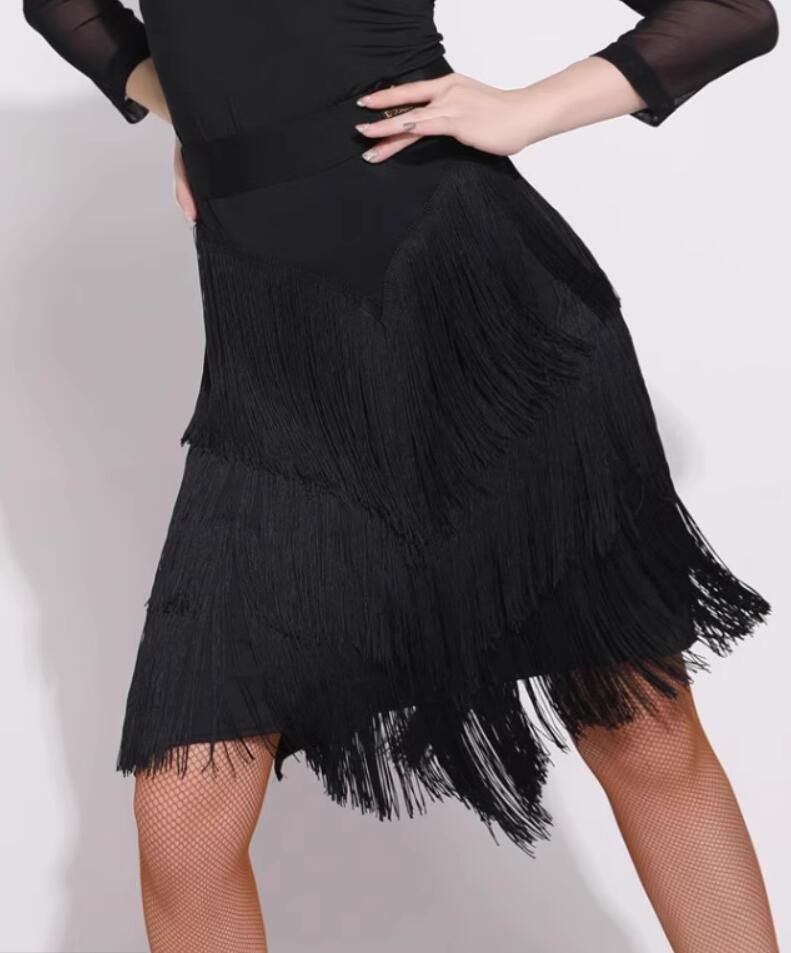
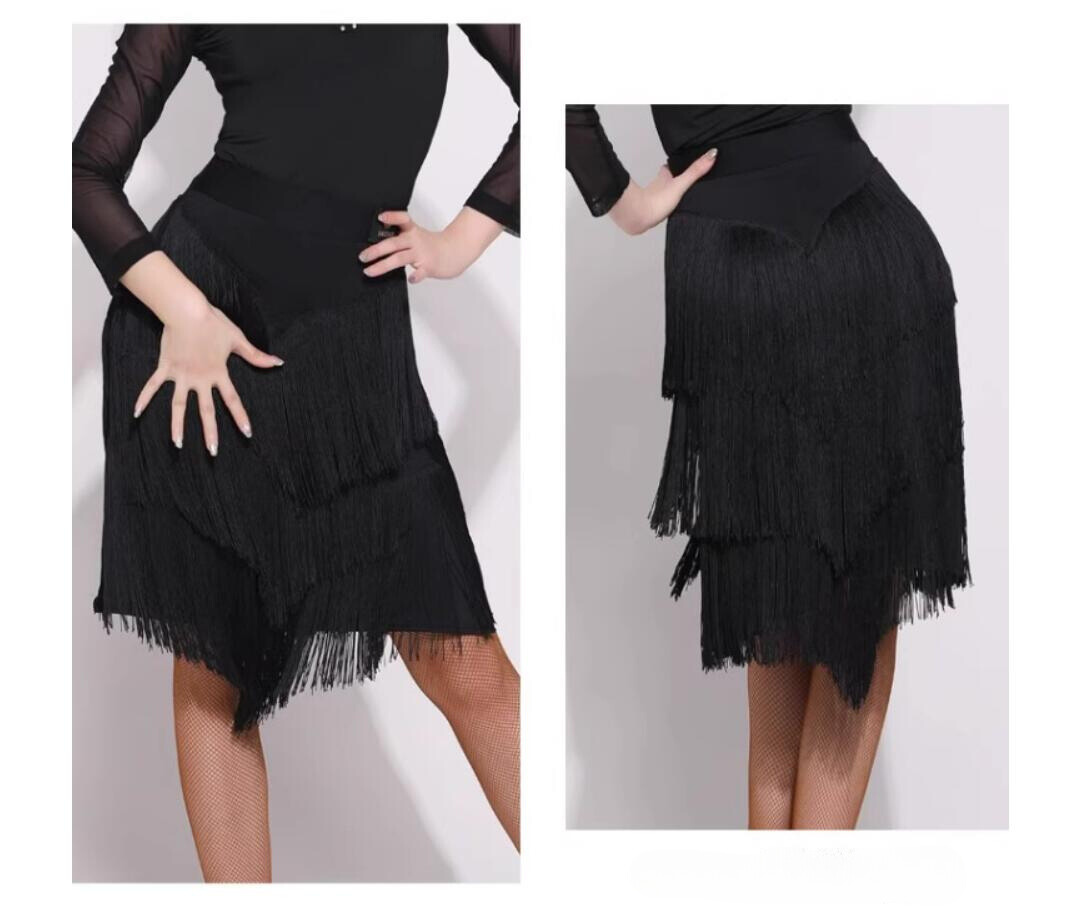
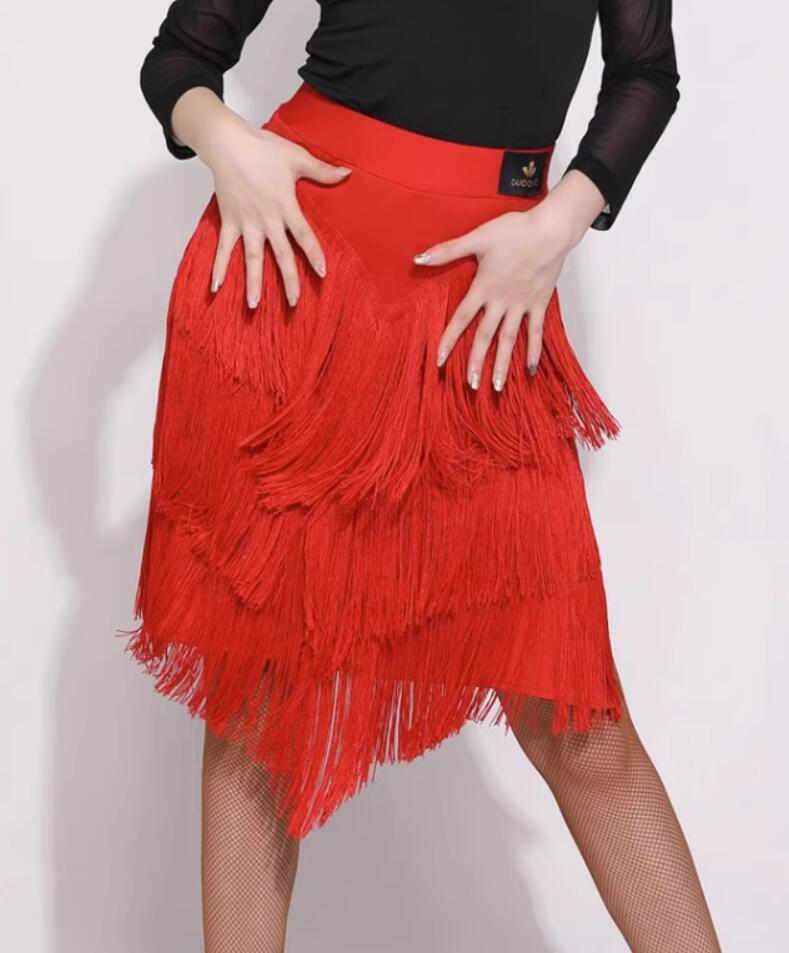
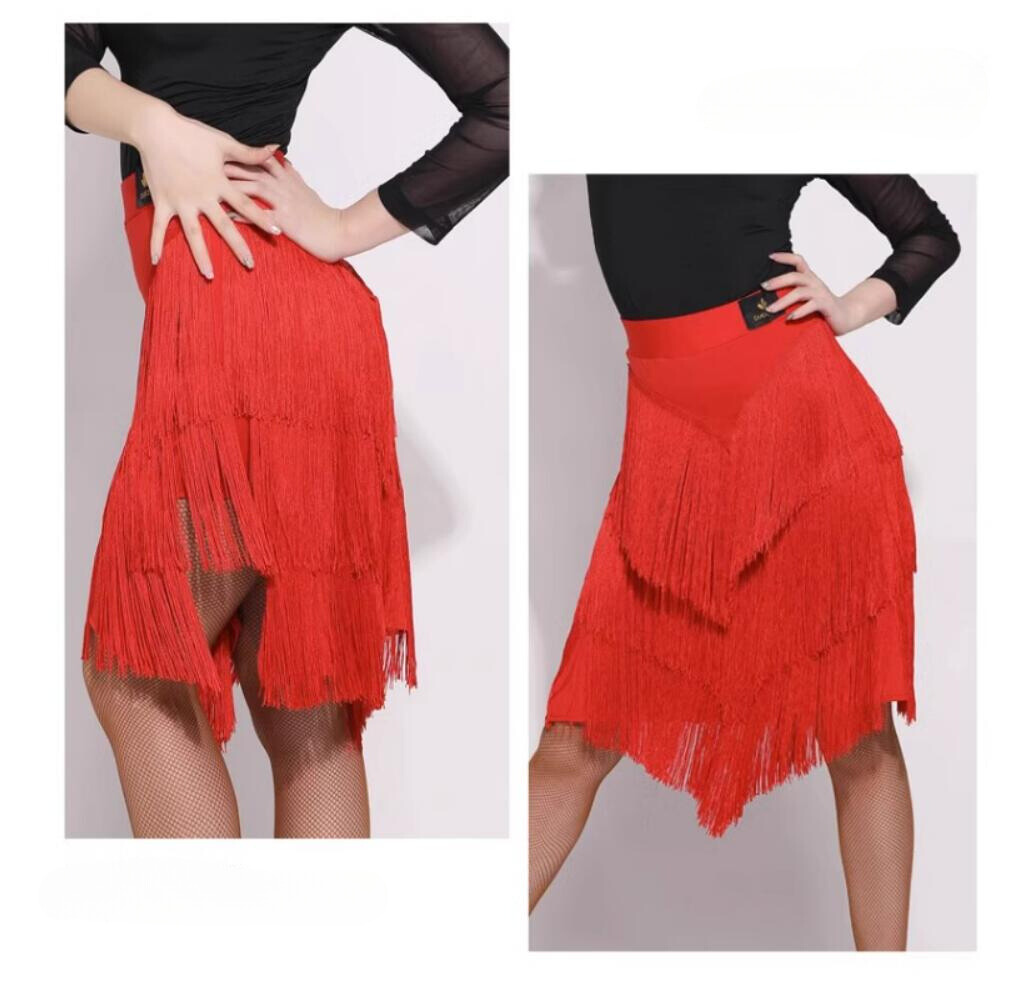
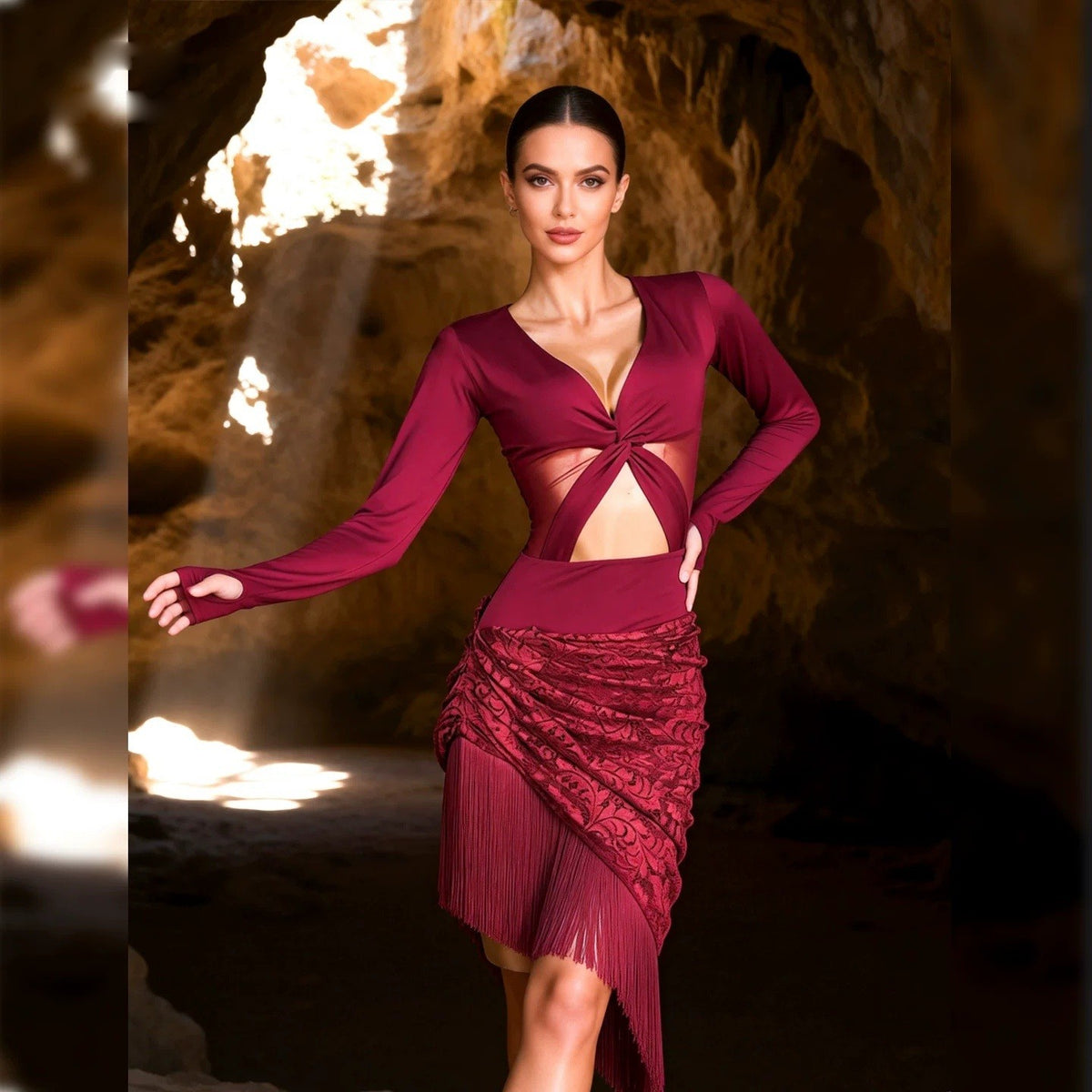
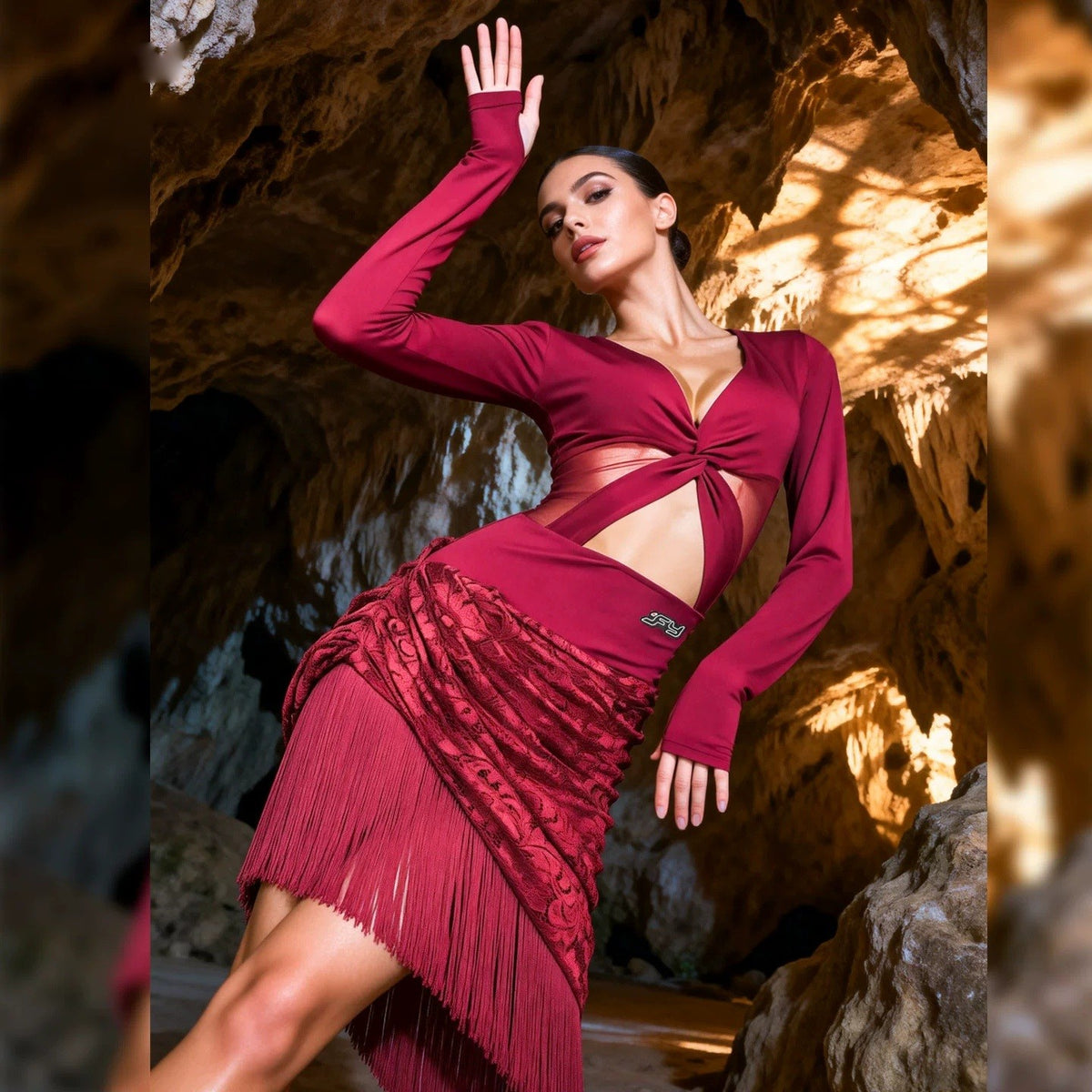
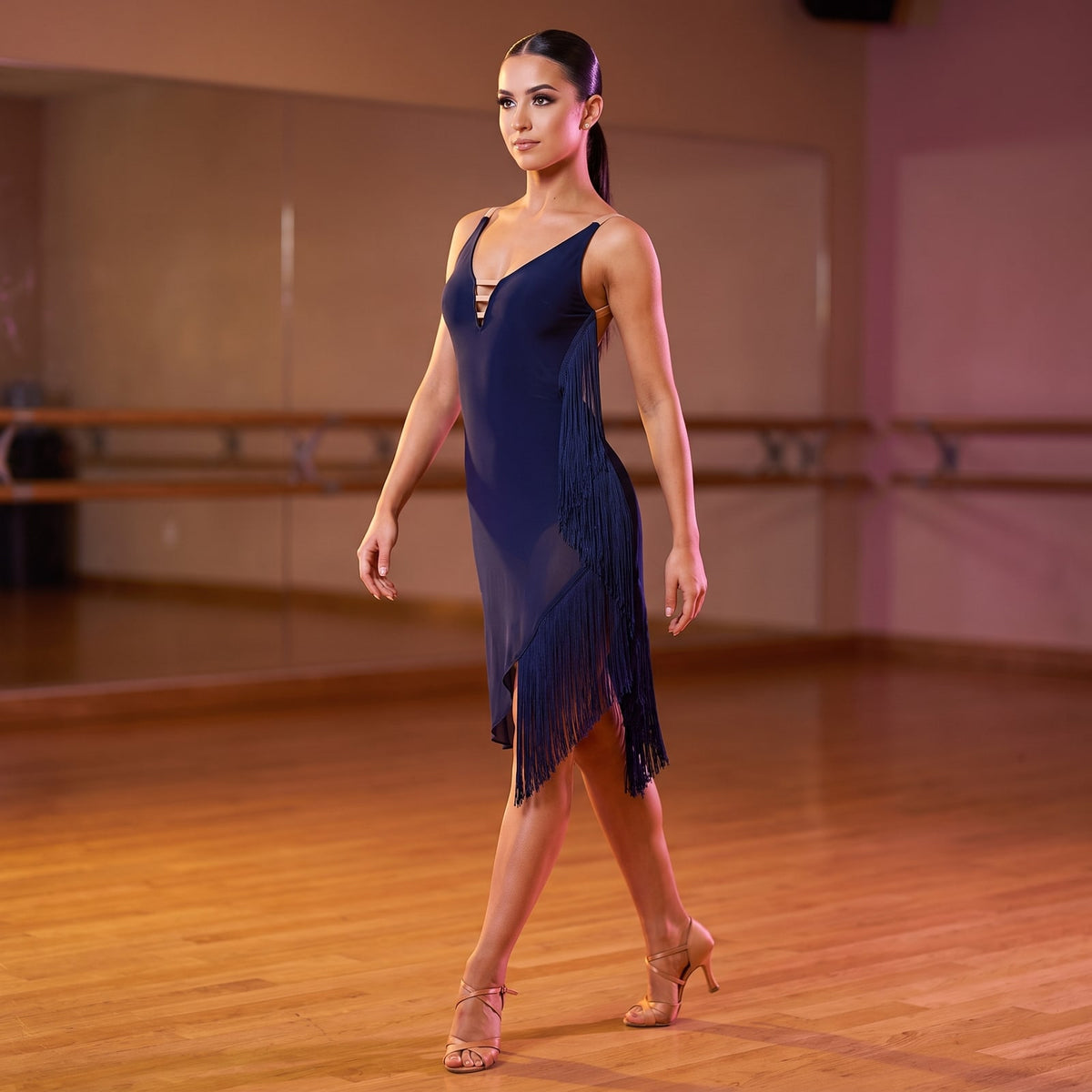
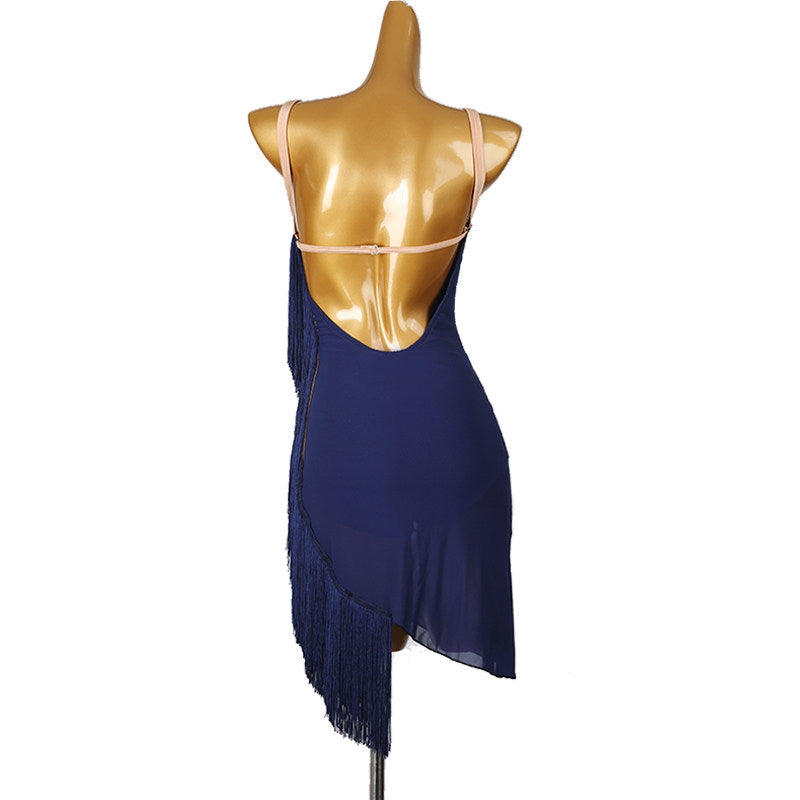
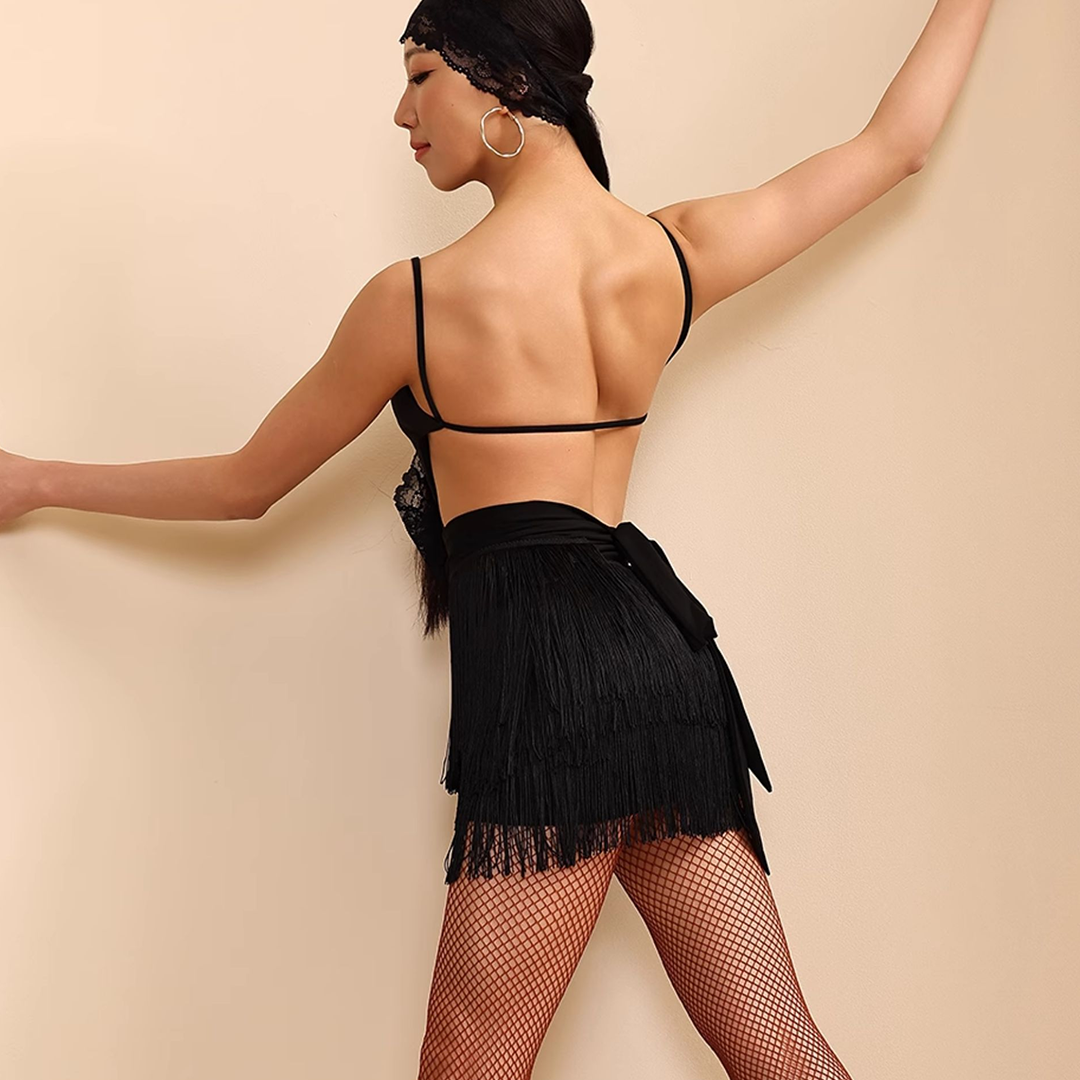
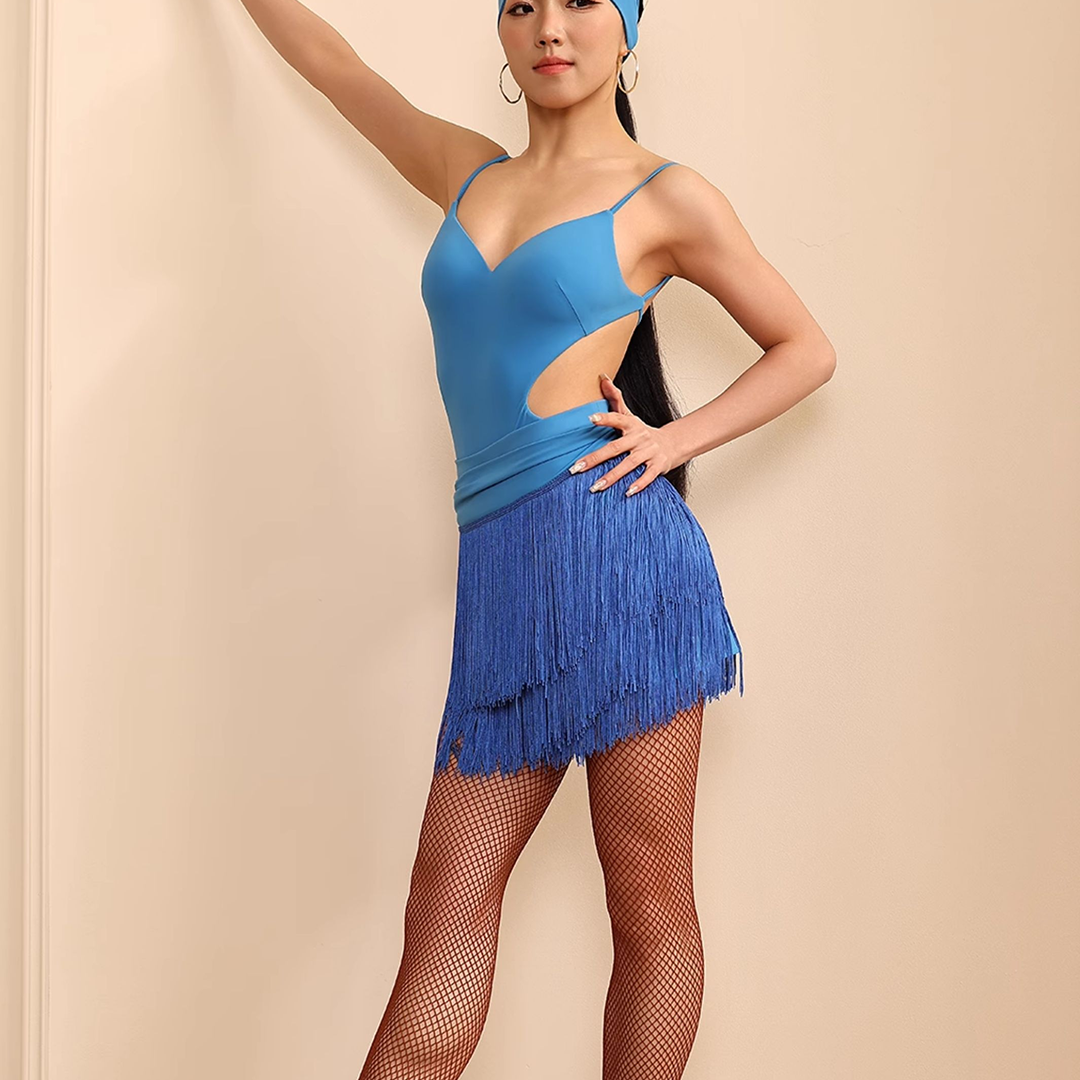
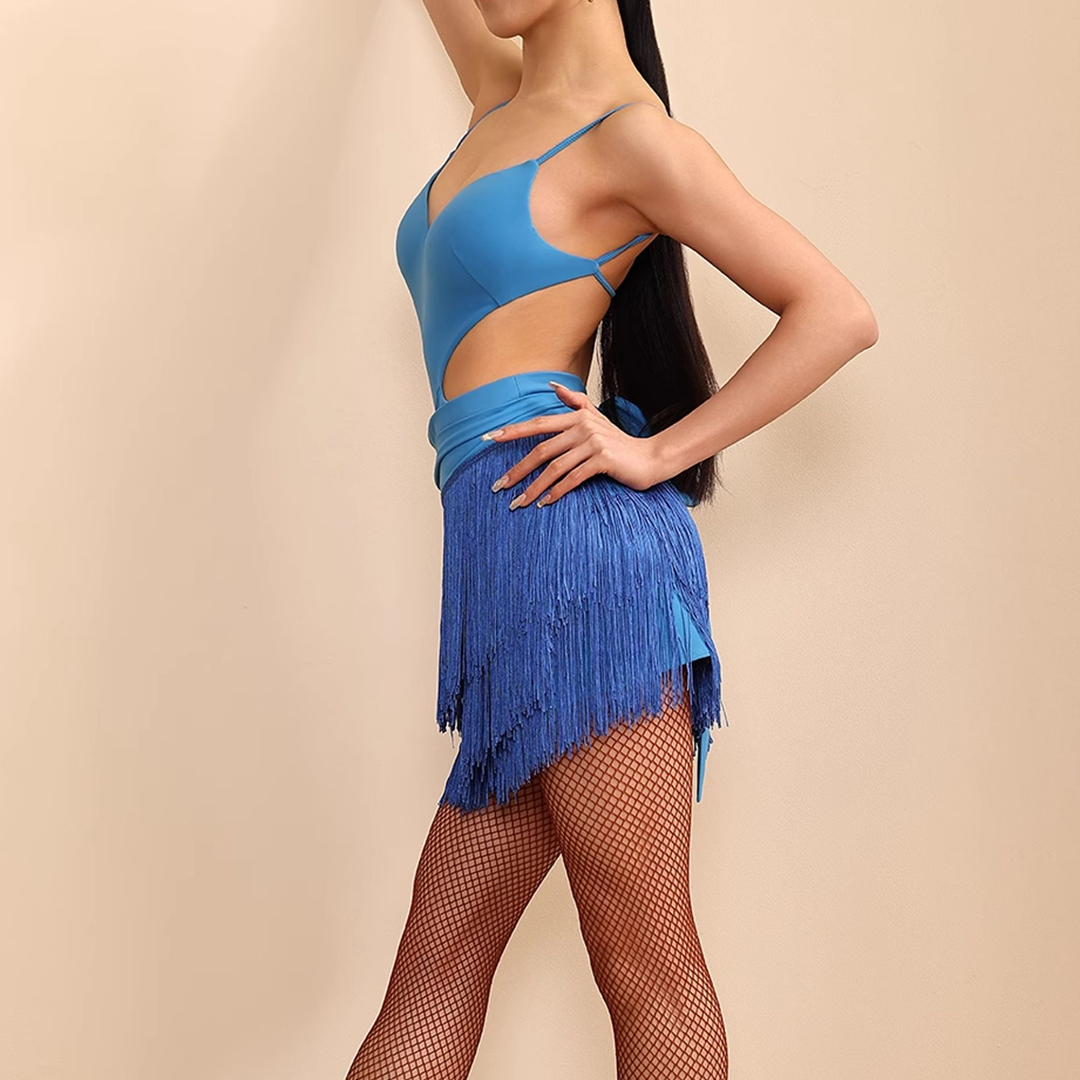
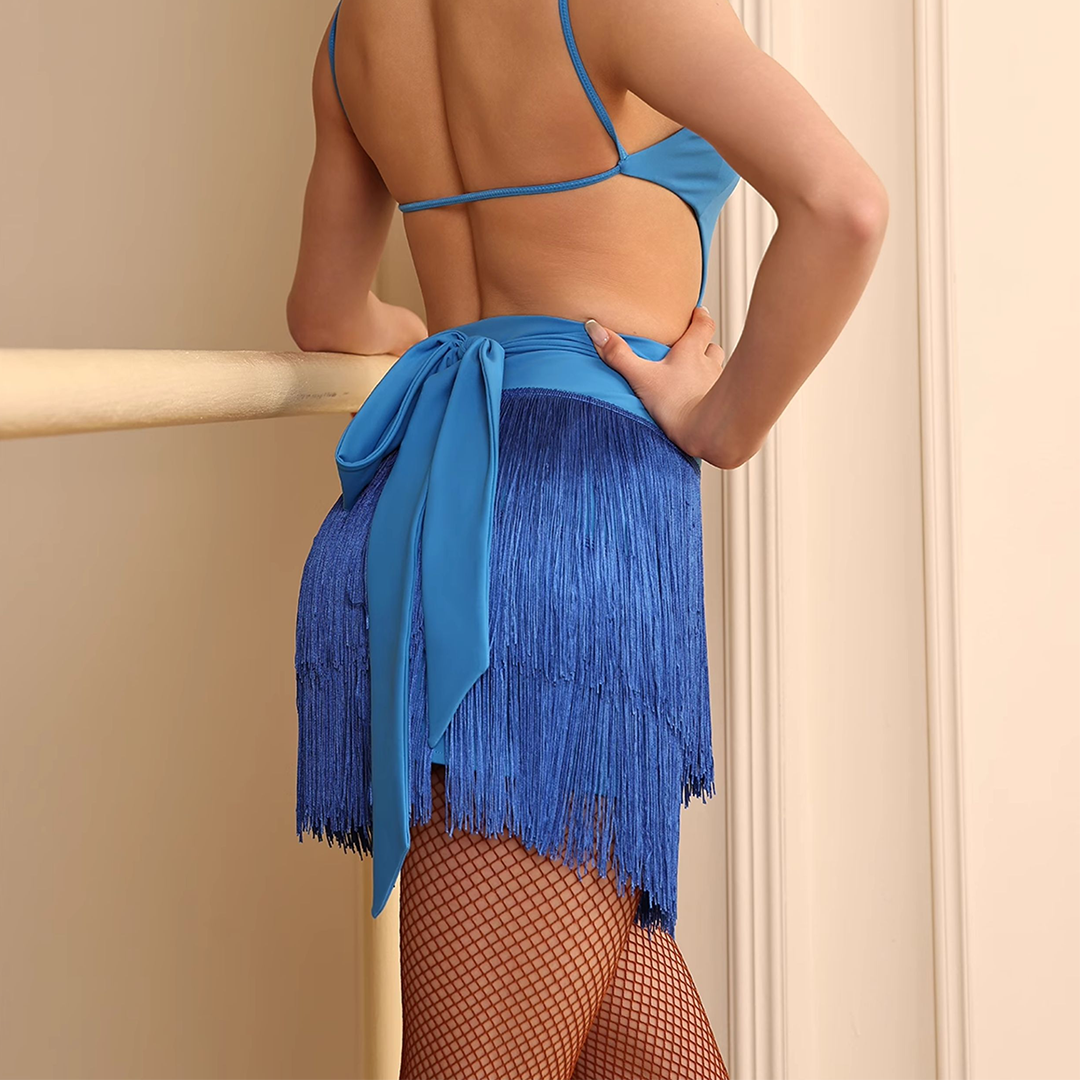
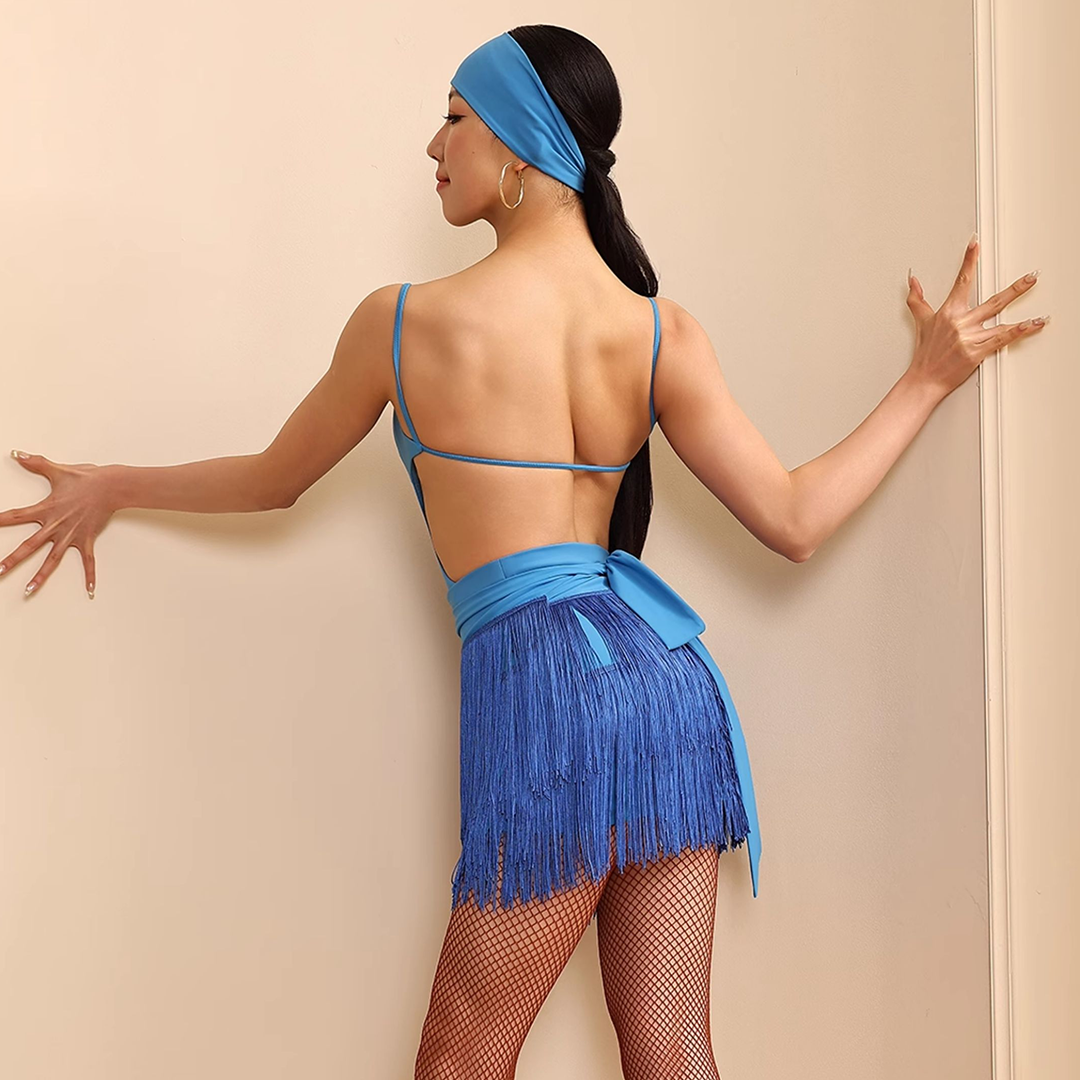
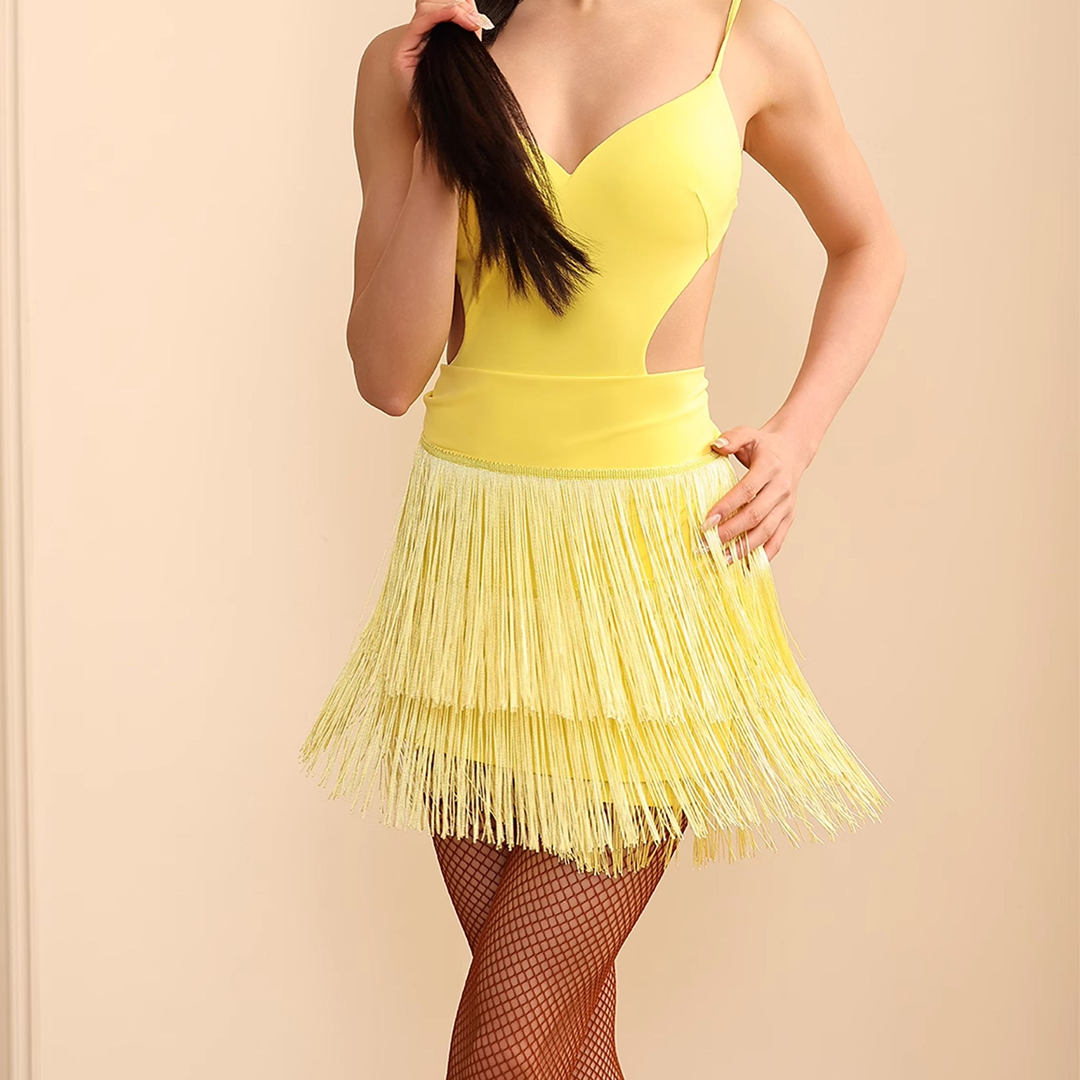
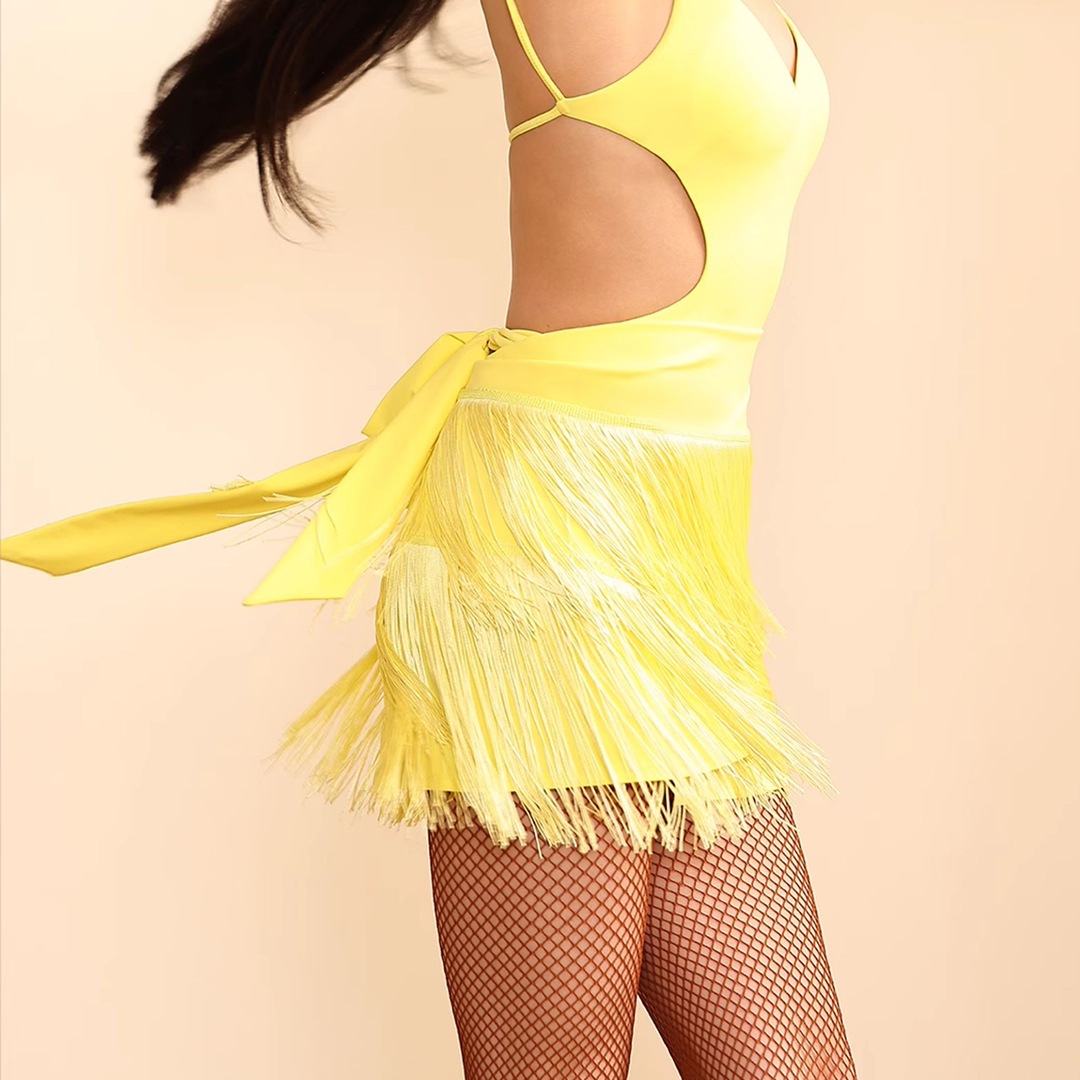
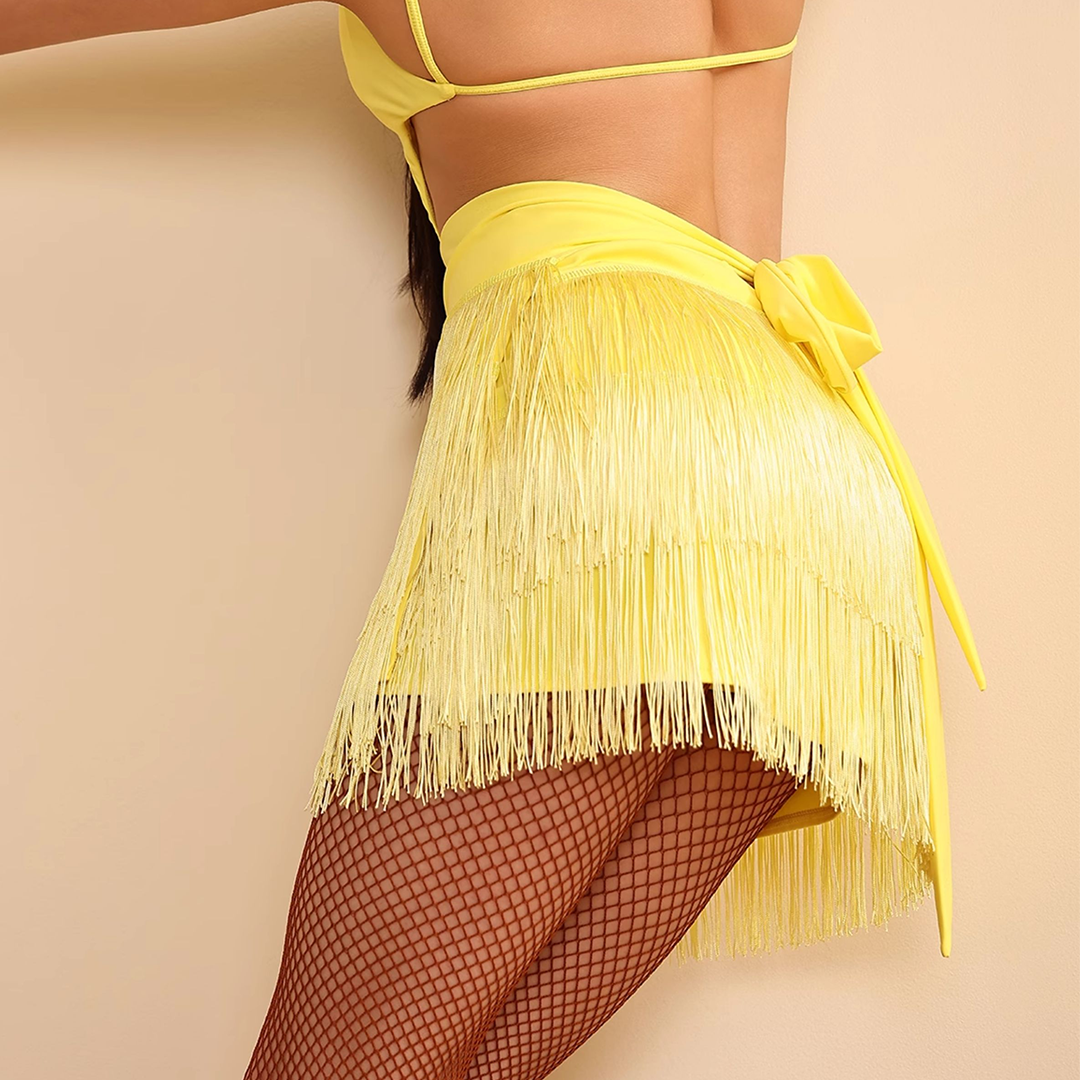
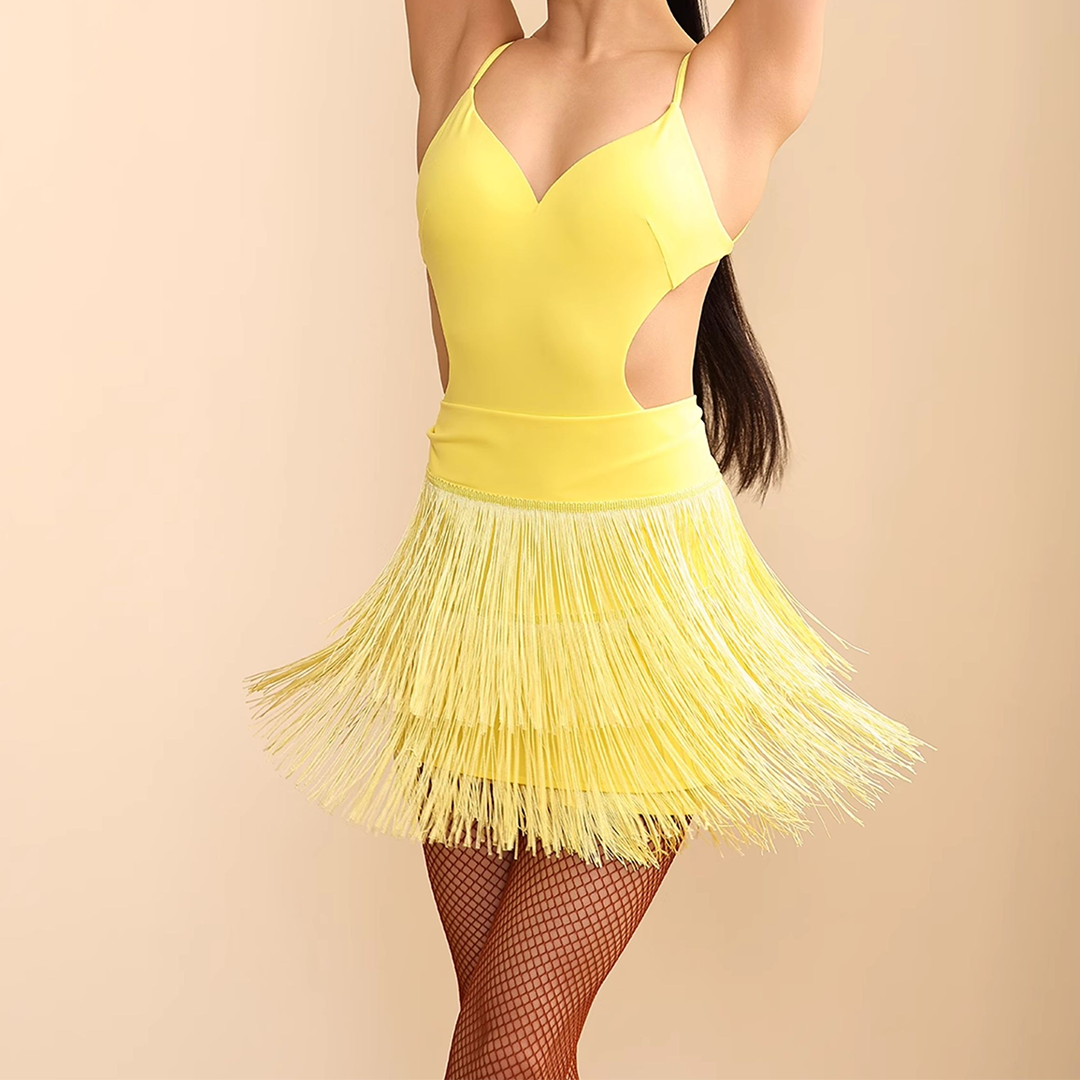
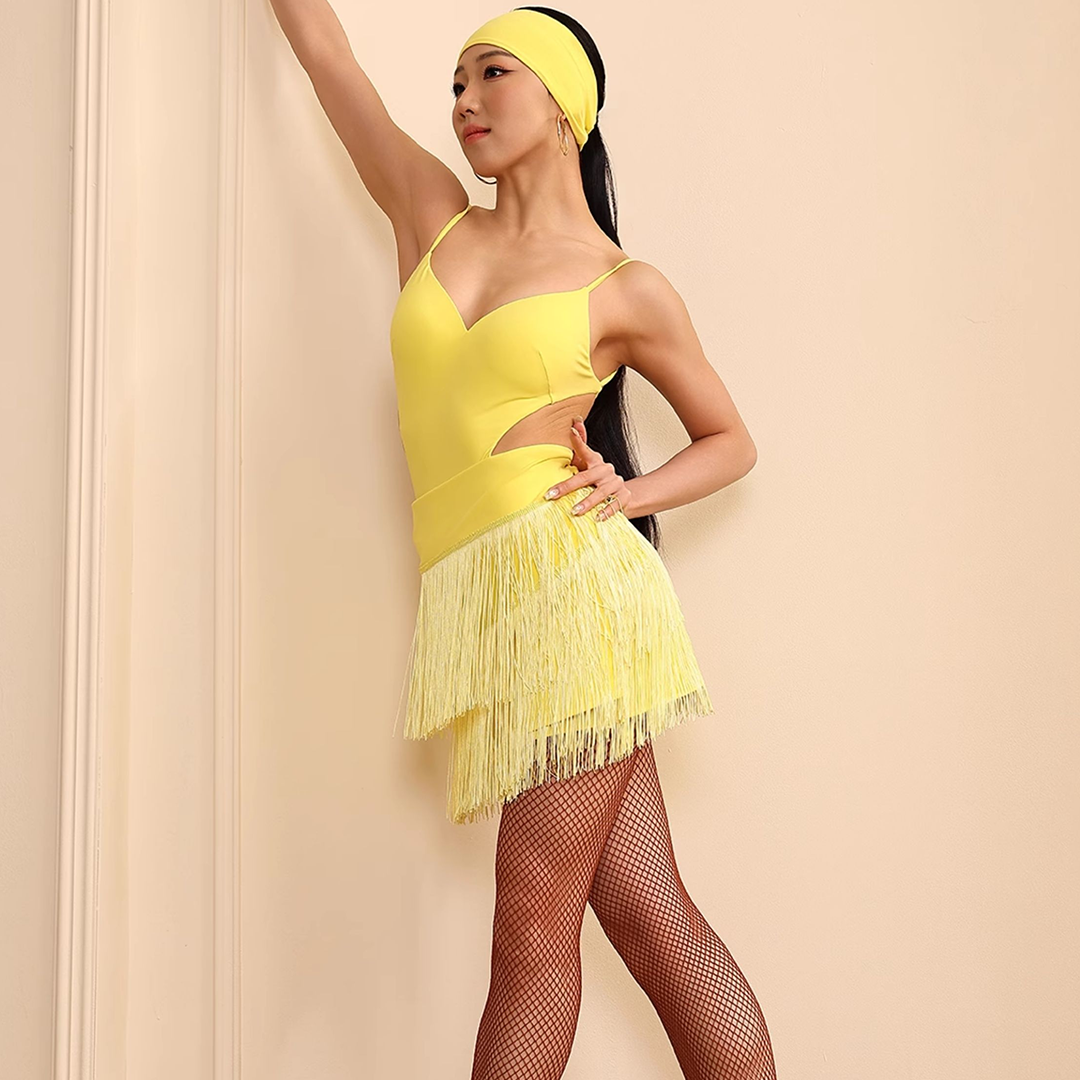
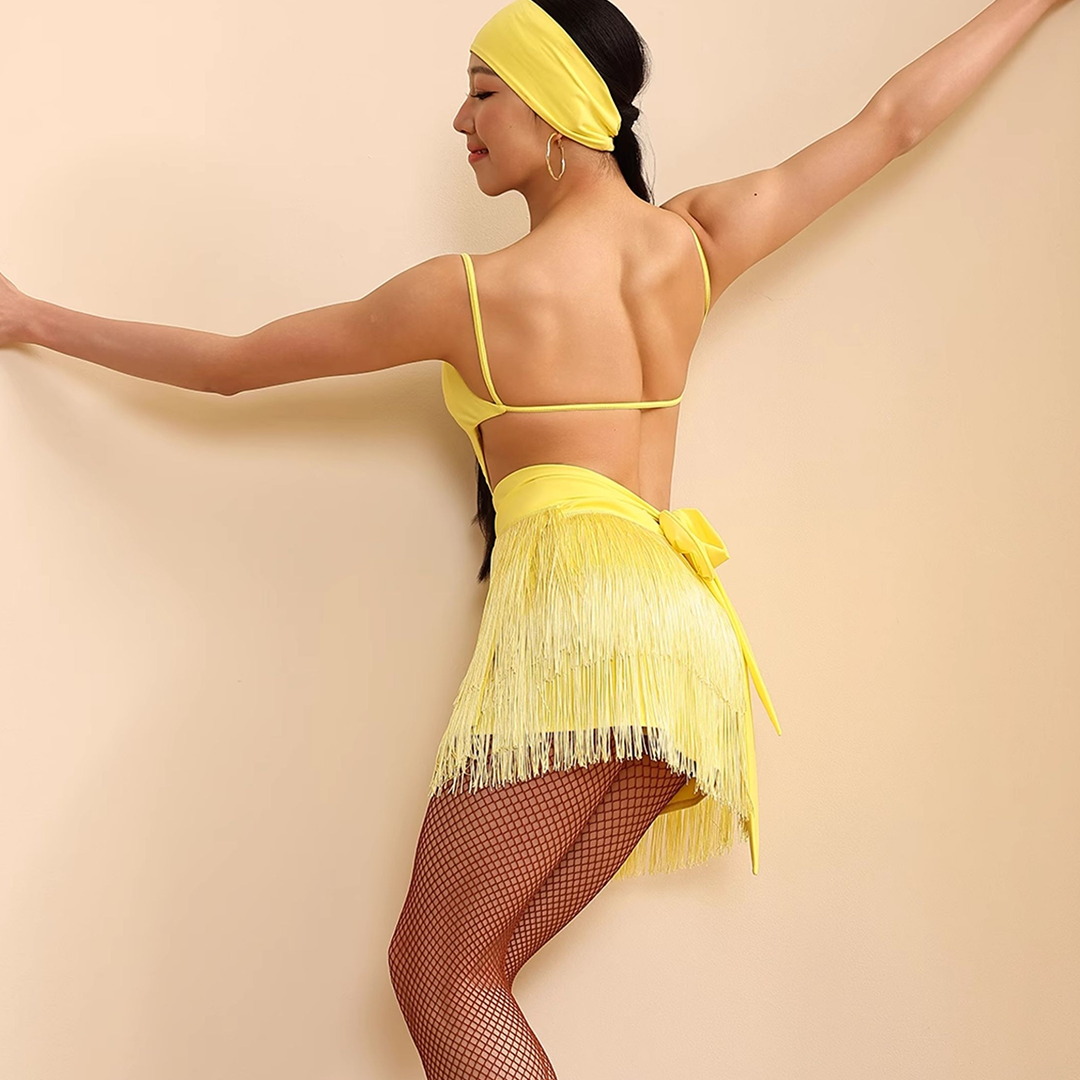
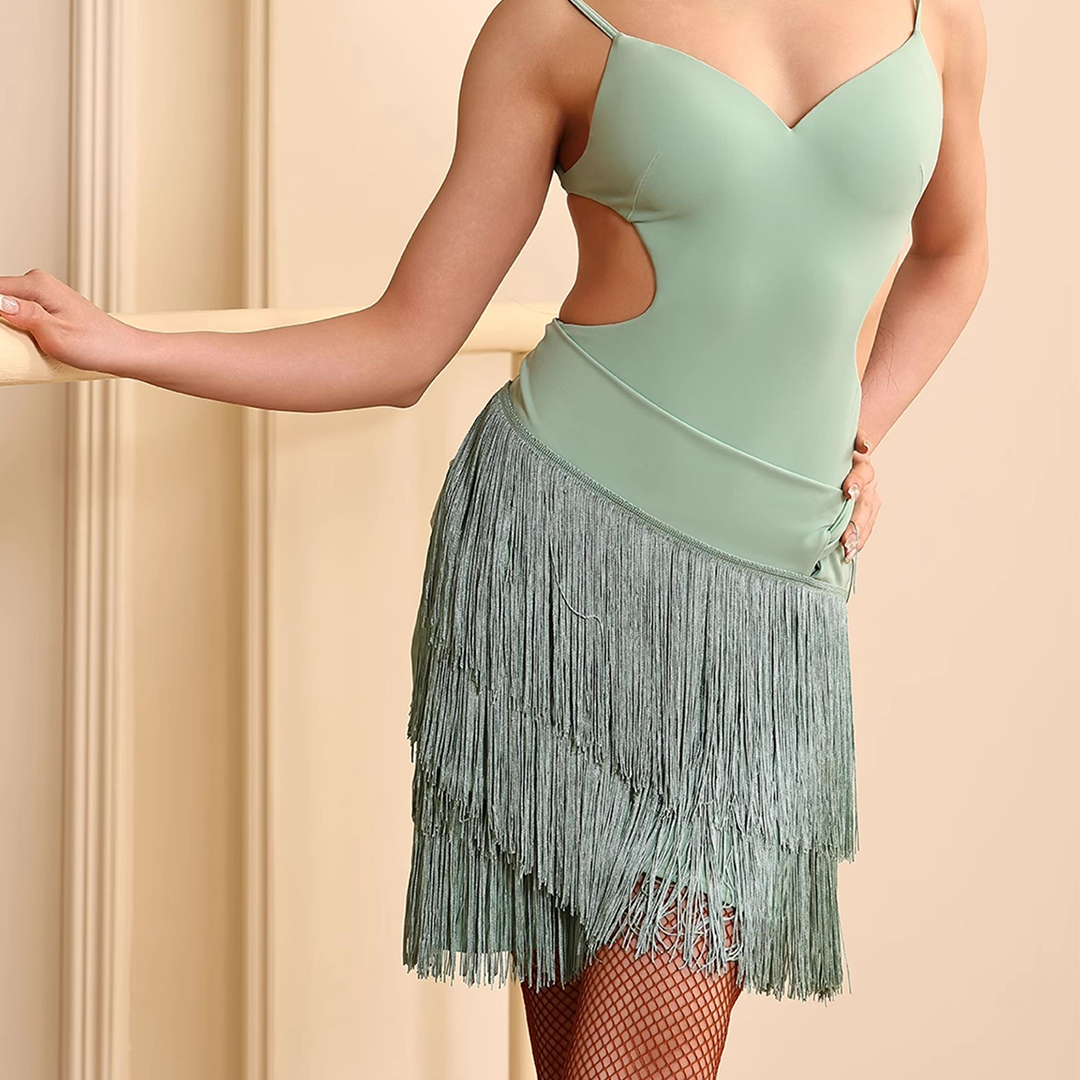
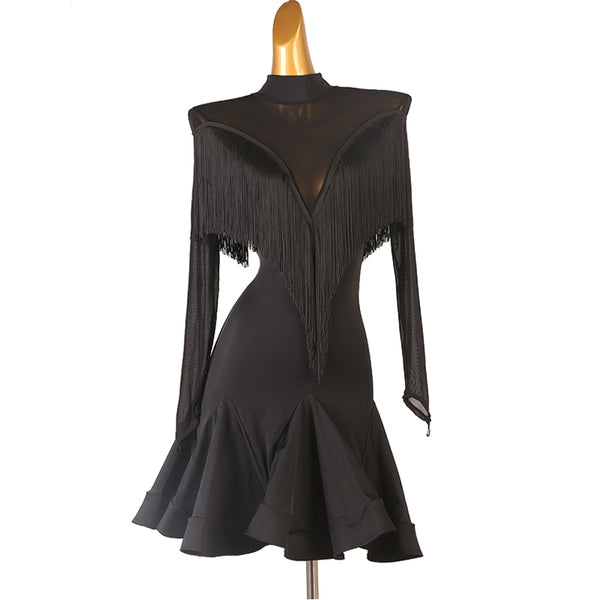
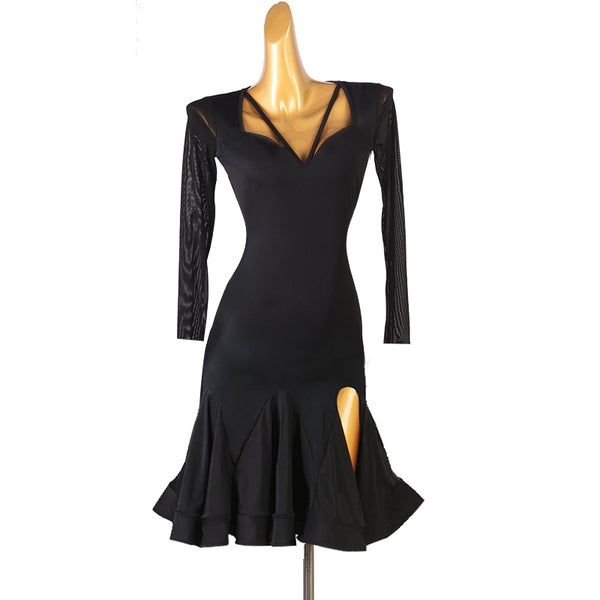
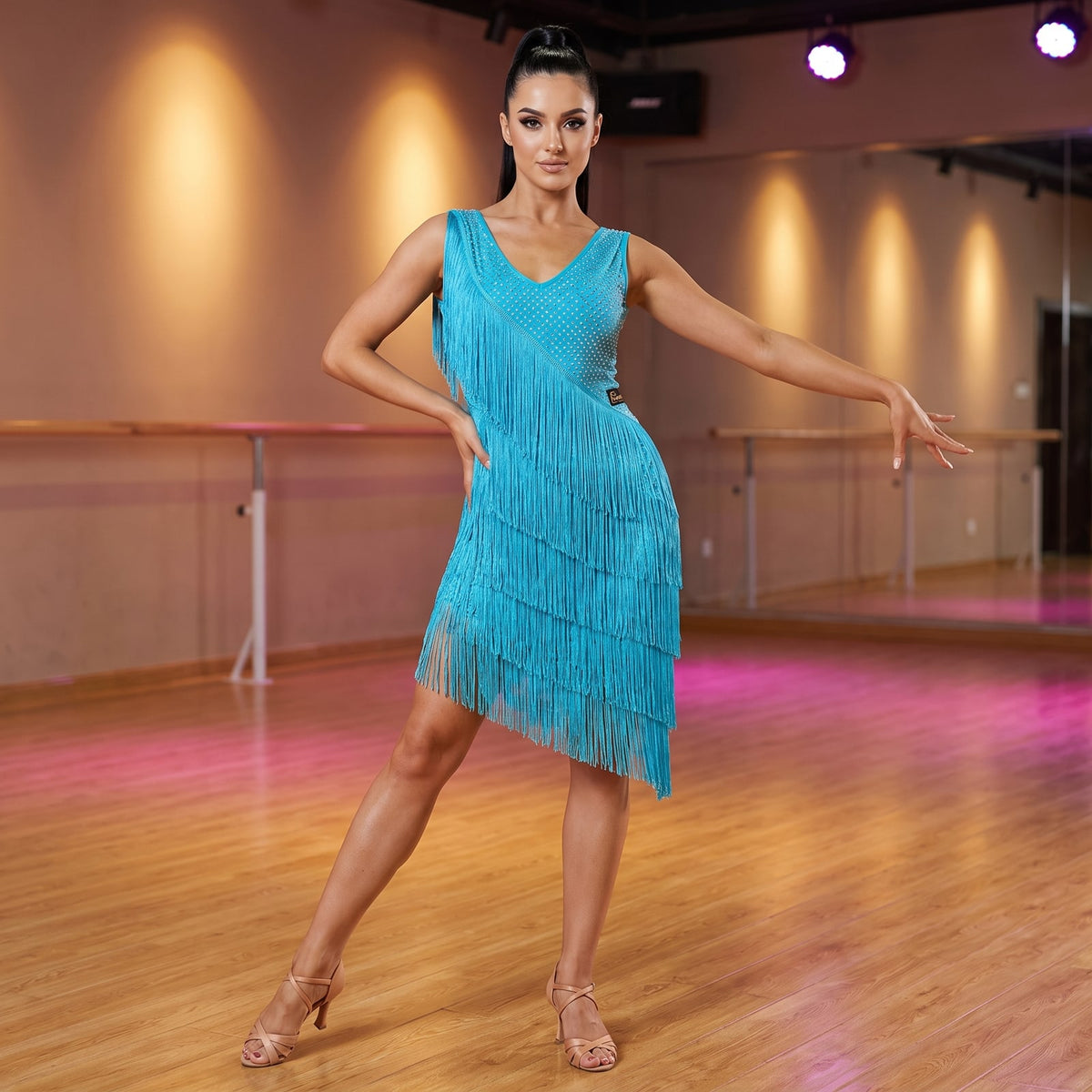
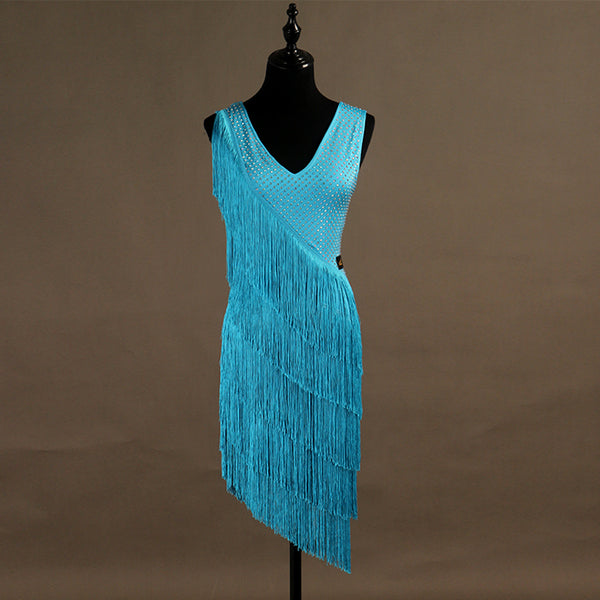
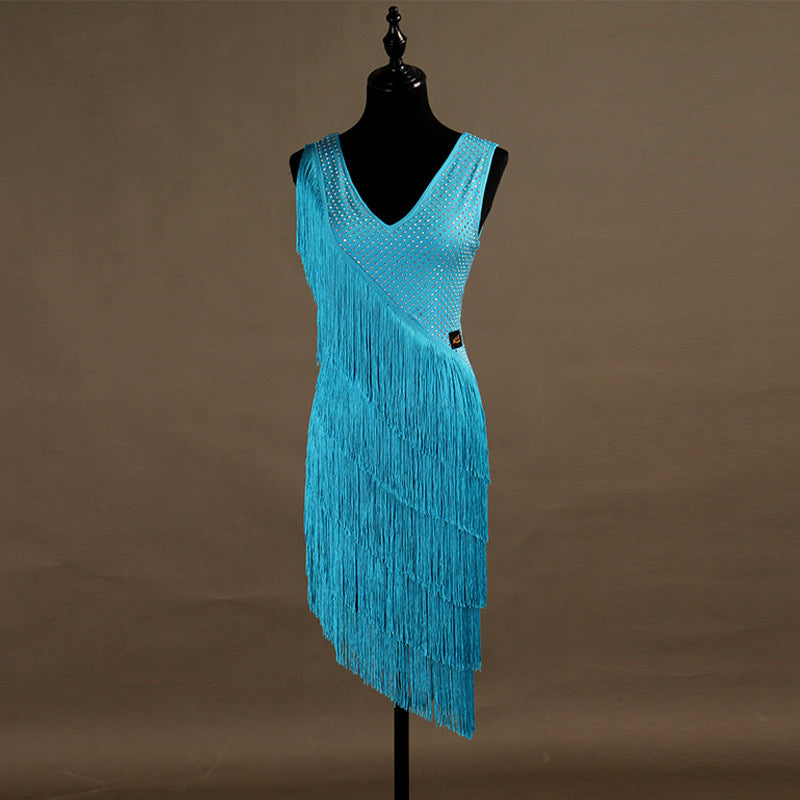
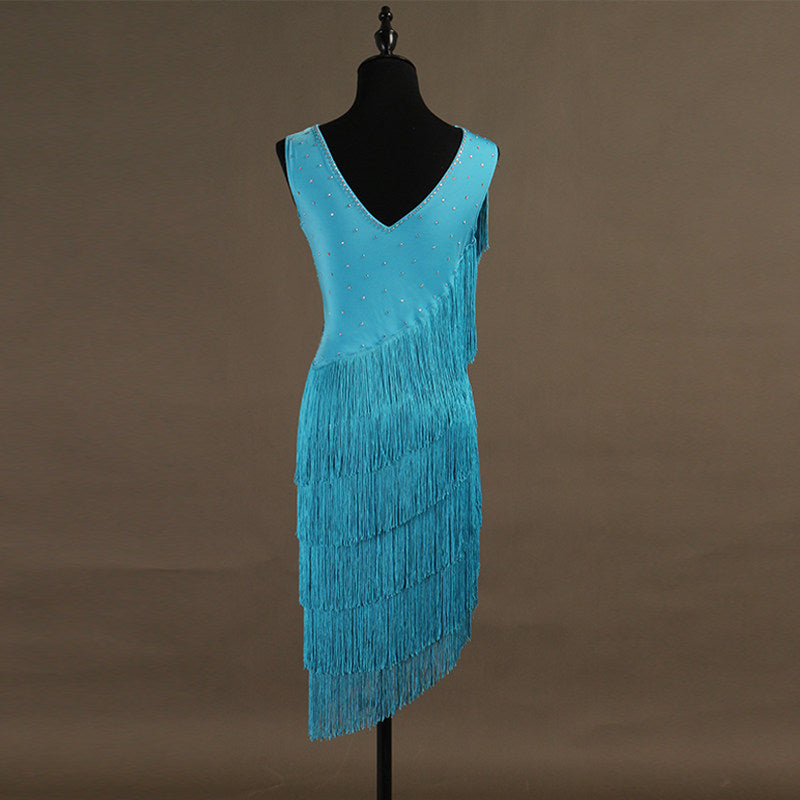
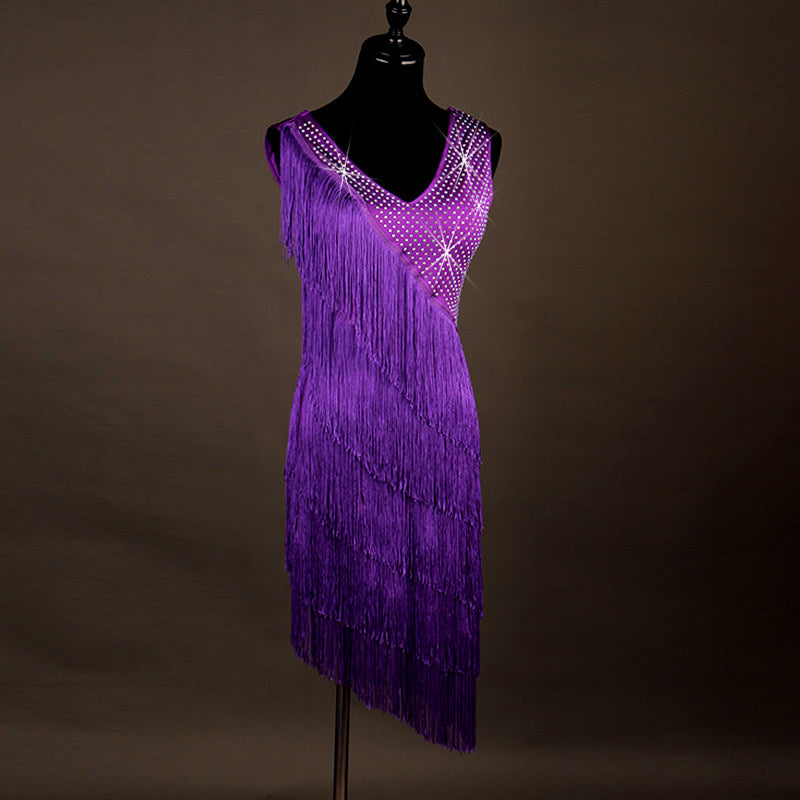
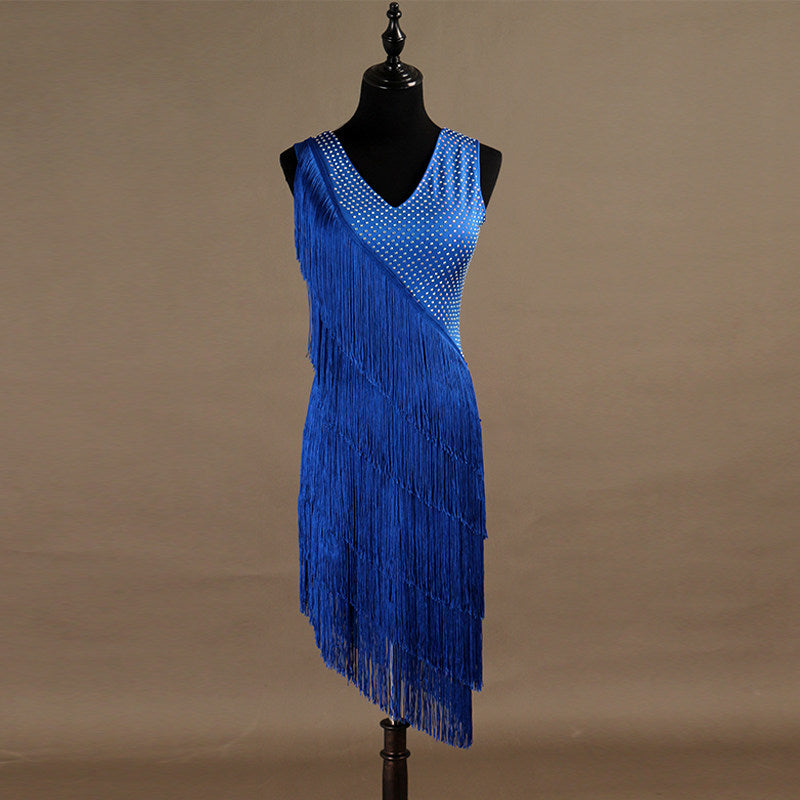
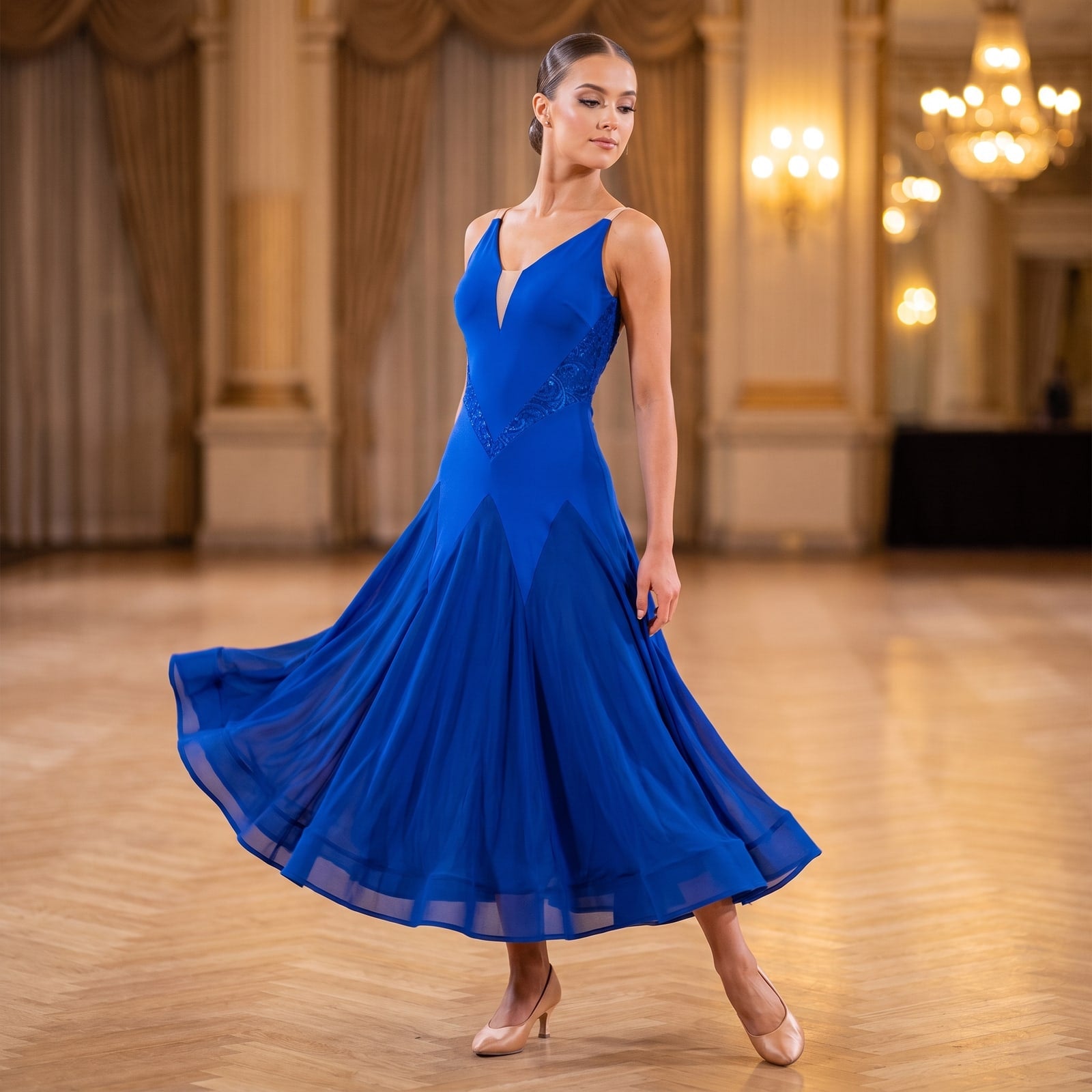
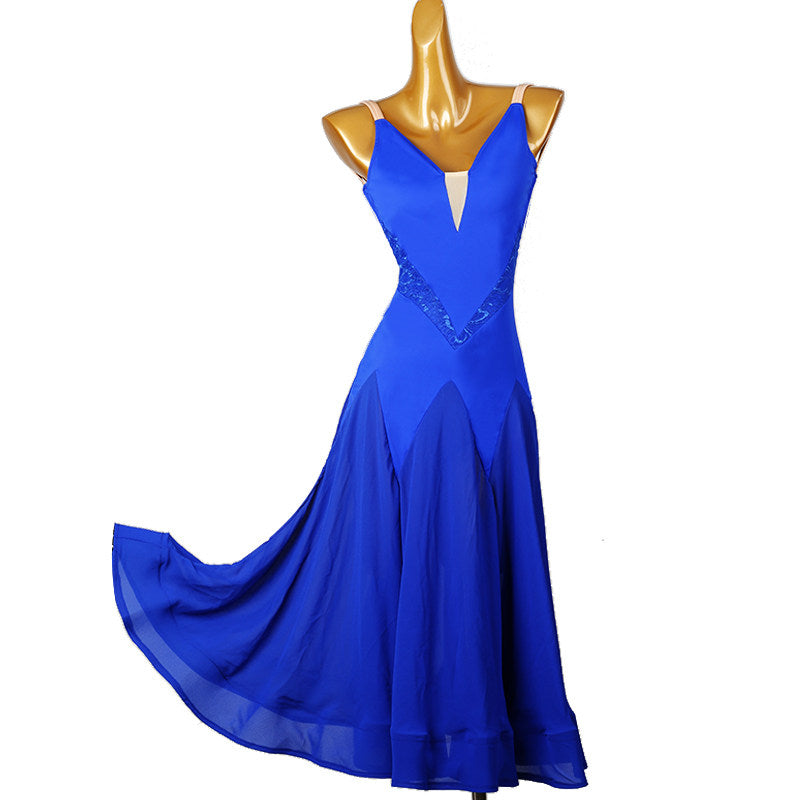
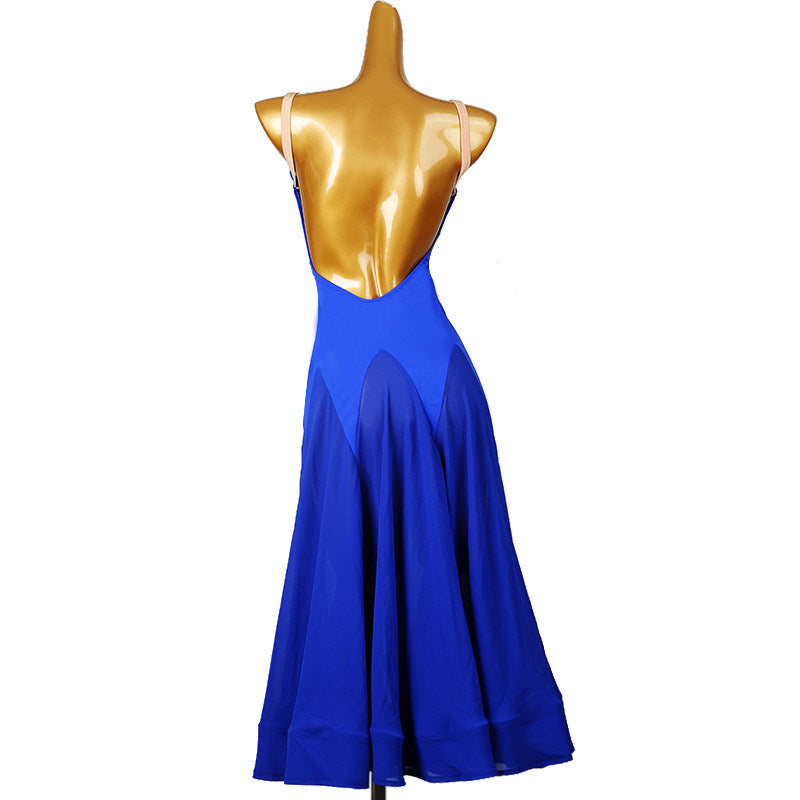
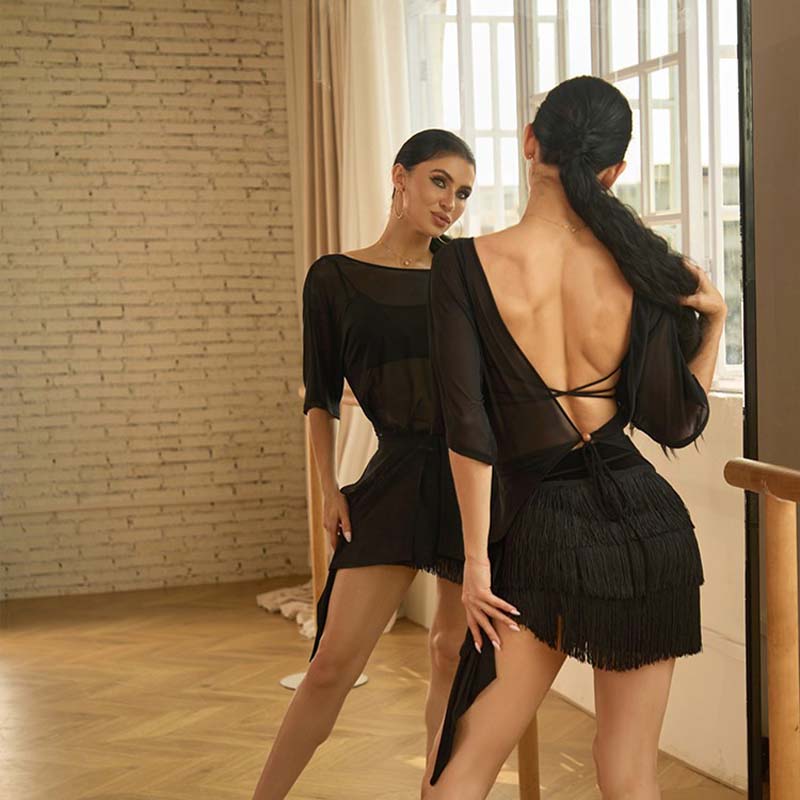
Cha cha, rumba, samba, jive and paso doble are all about what the hips, knees and feet are doing, so Latin practice wear keeps them visible. Short and asymmetric Latin dance skirts sit on the hip and flick with every turn; fringe and tassel hems exaggerate the hip action so you can see it in the mirror. Practice dresses with fluted or fringed hems do the same in one piece.
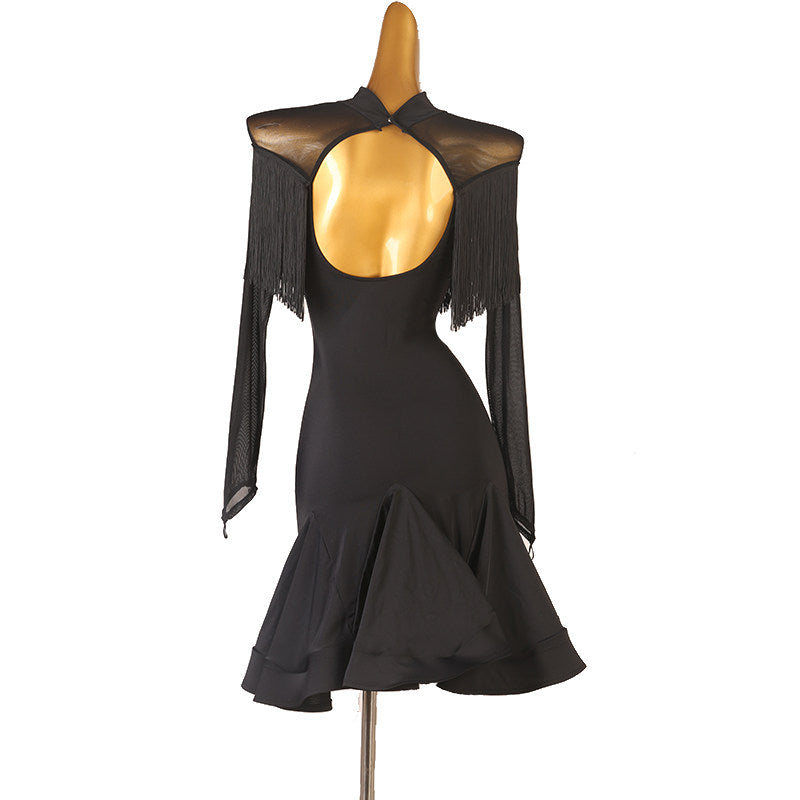
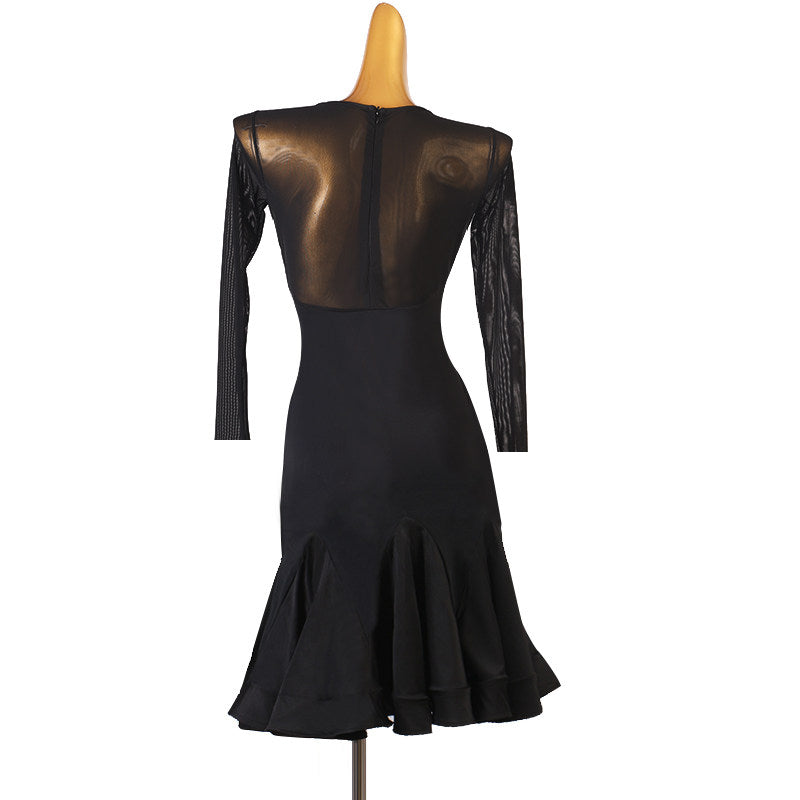
On top, halter necks, crop tops and open backs let a teacher check your posture and ribcage isolation. Many Latin dancers practice in a leotard with a skirt tied over it, because the leotard stays flat and tucked however much the torso twists.
Building a Practice Wardrobe: Tops, Skirts, Pants and Leotards
You do not need a lot of pieces to practice well; you need a few that mix. A good starting set is two tops or leotards, one skirt for your main style and one pair of dance trousers.
Tops and leotards. Dance tops and dance leotards and bodysuits are the base layer. Leotards never come untucked, which is why they are the favorite under a practice skirt.
Skirts. A long skirt for ballroom and a short or asymmetric skirt for Latin. If you dance both, one mid-length wrap skirt is a workable compromise.
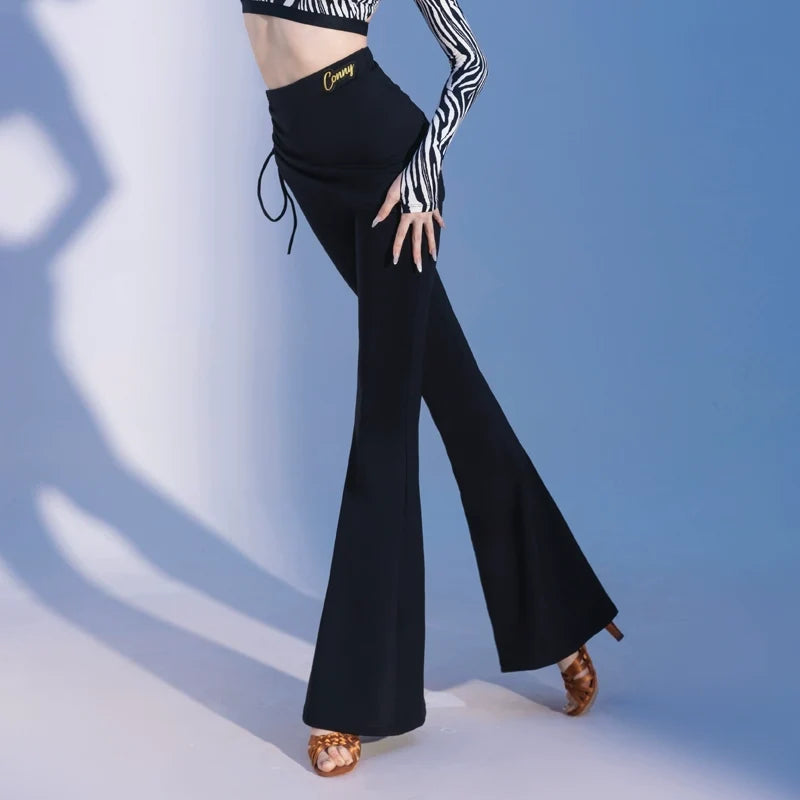
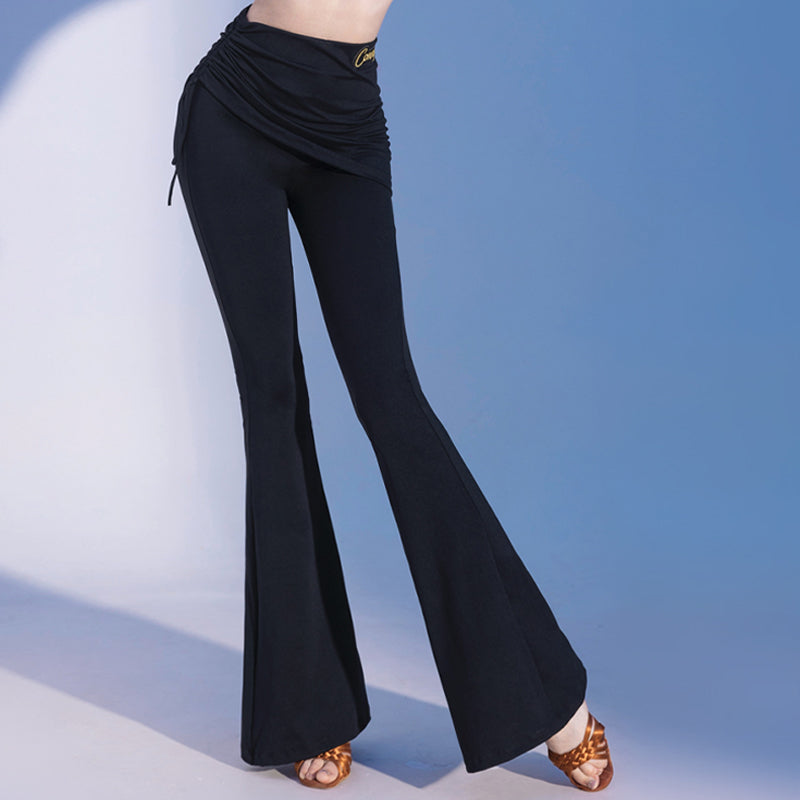
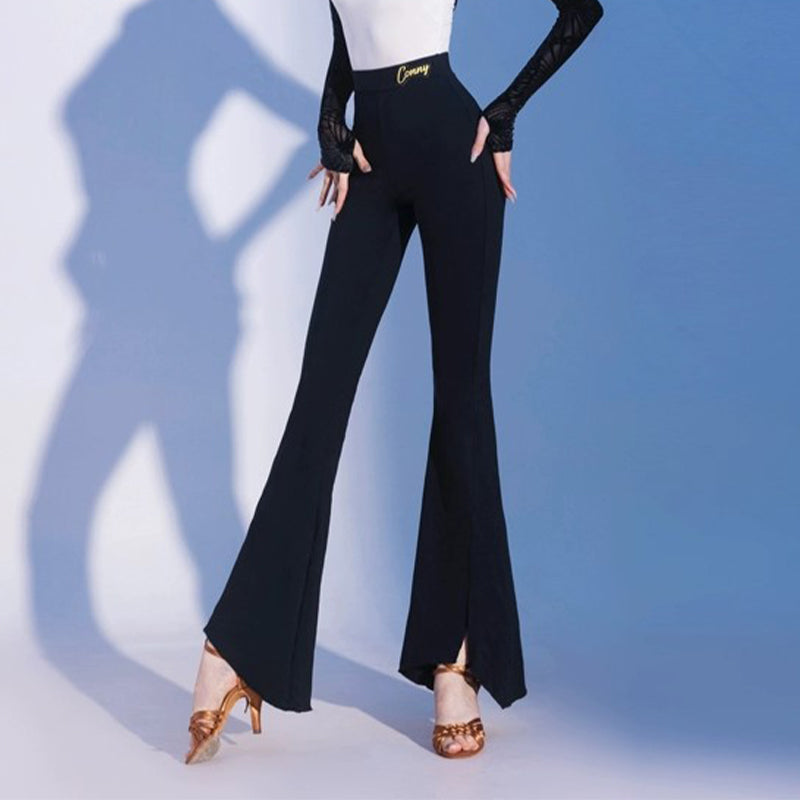
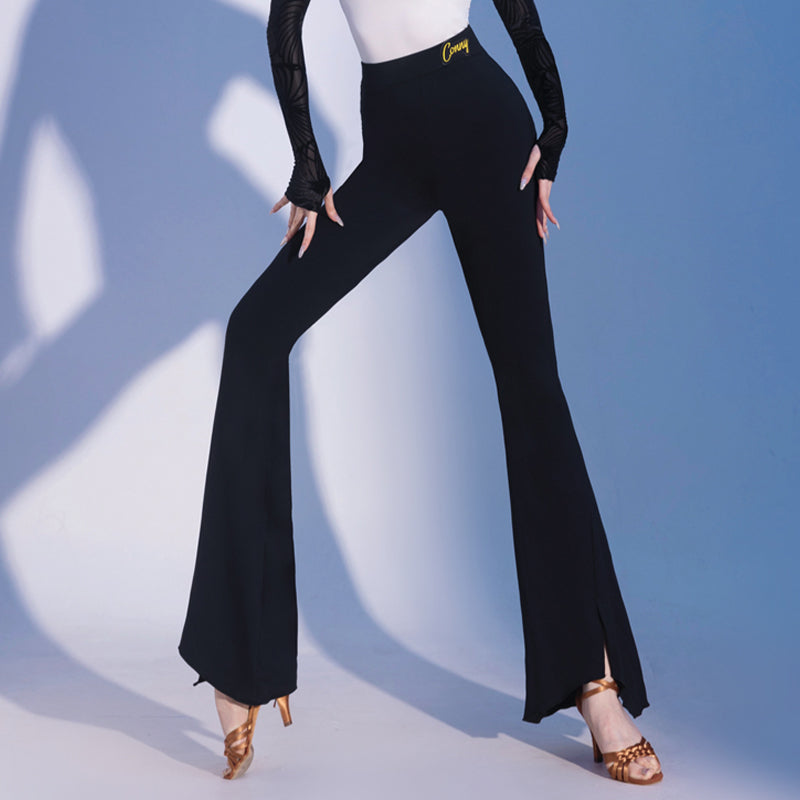
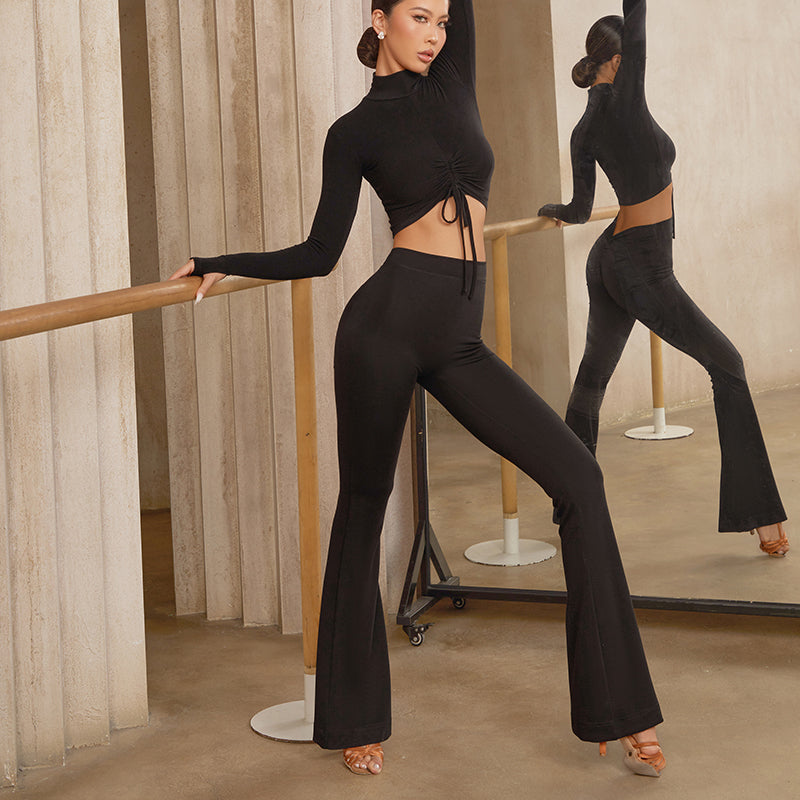
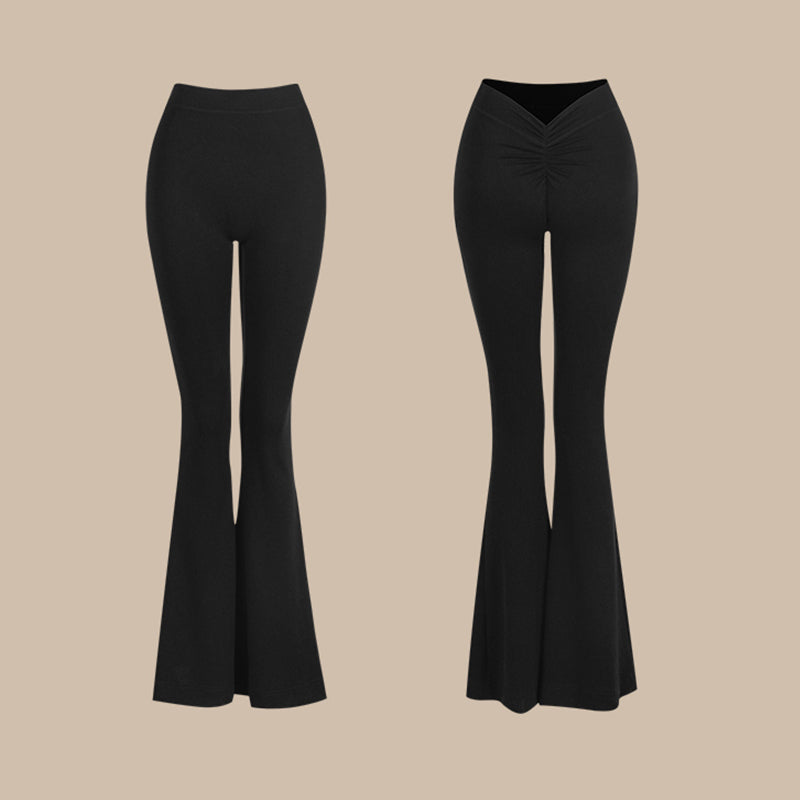
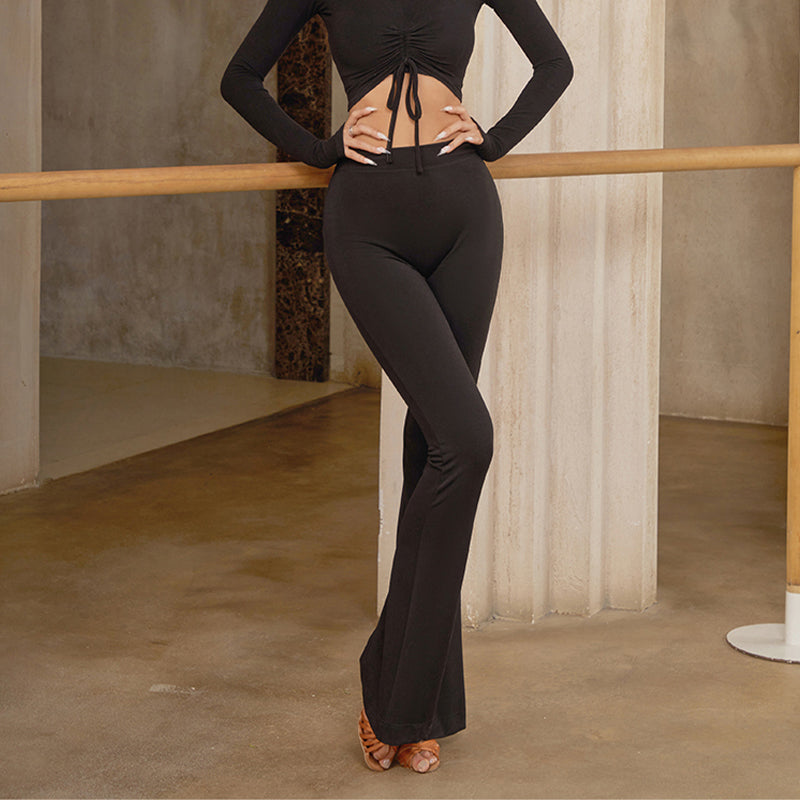
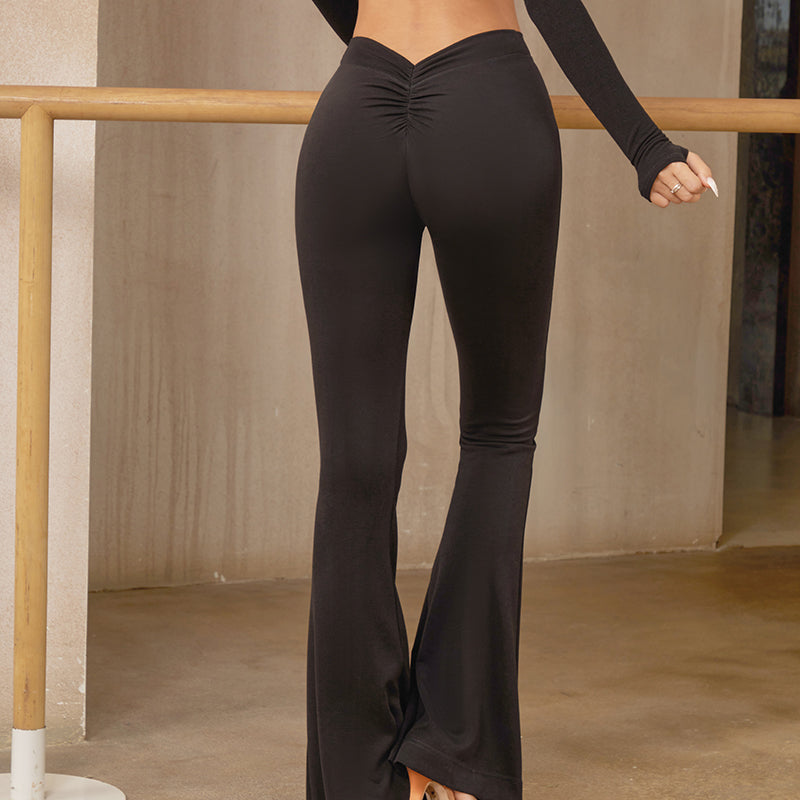
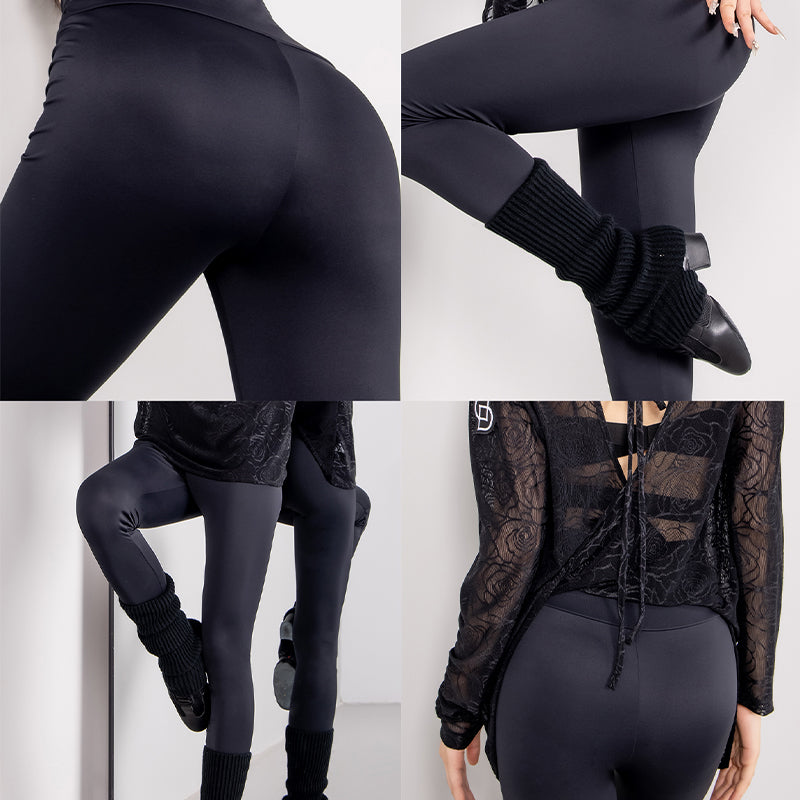
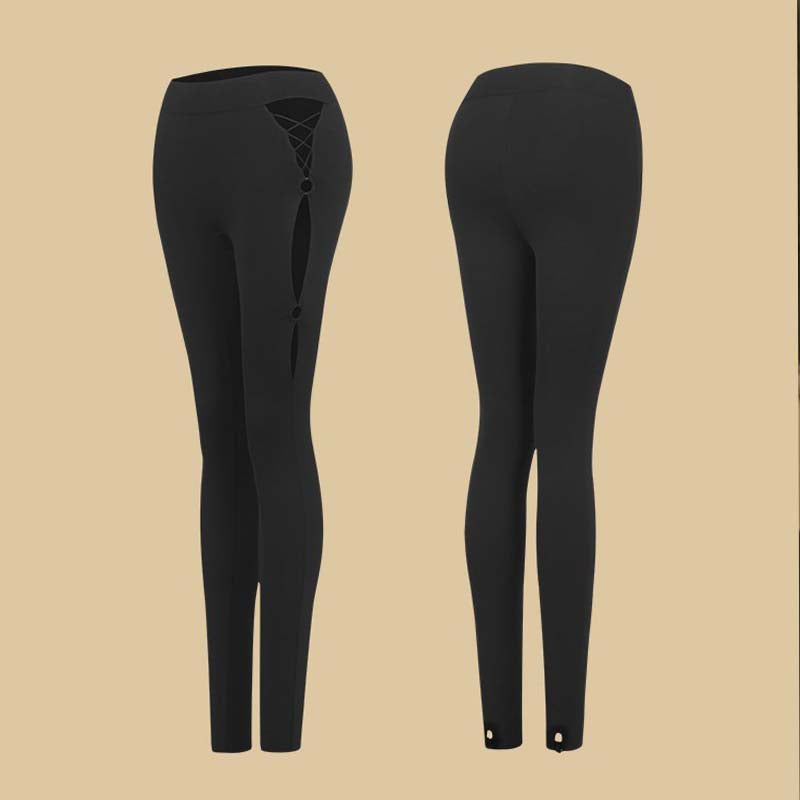
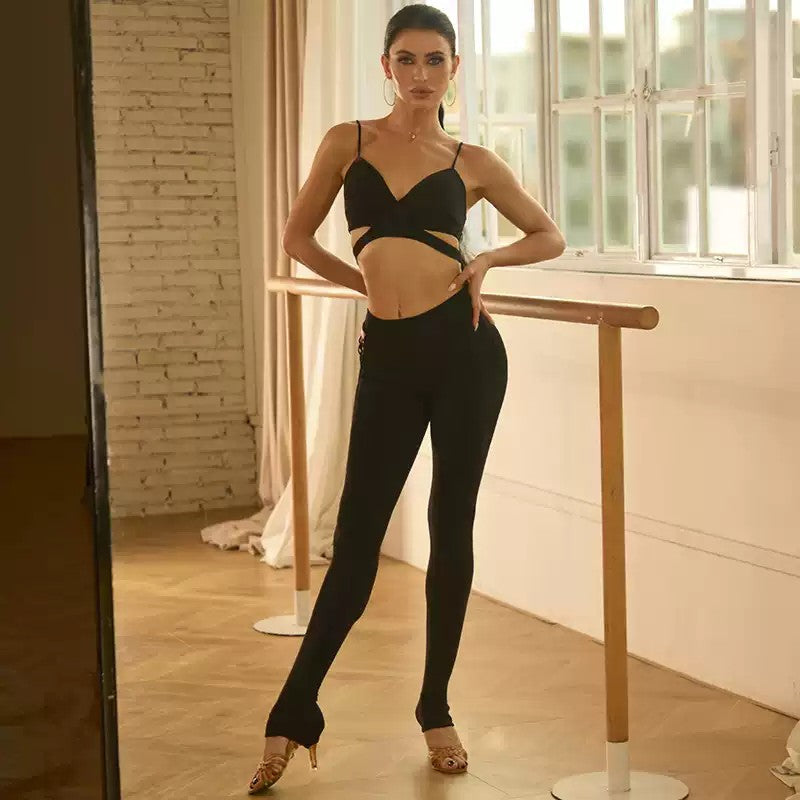
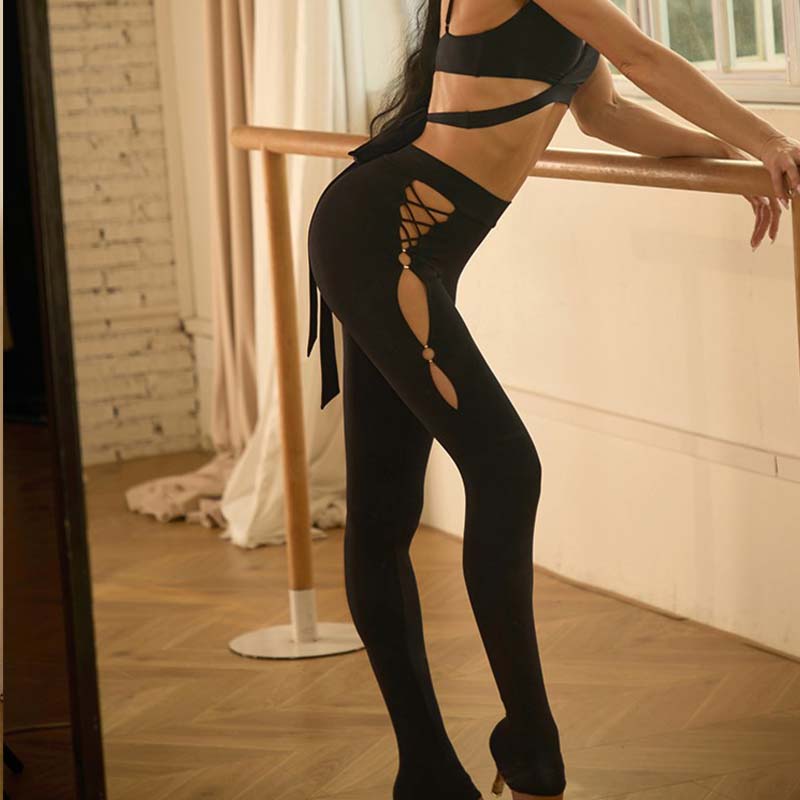
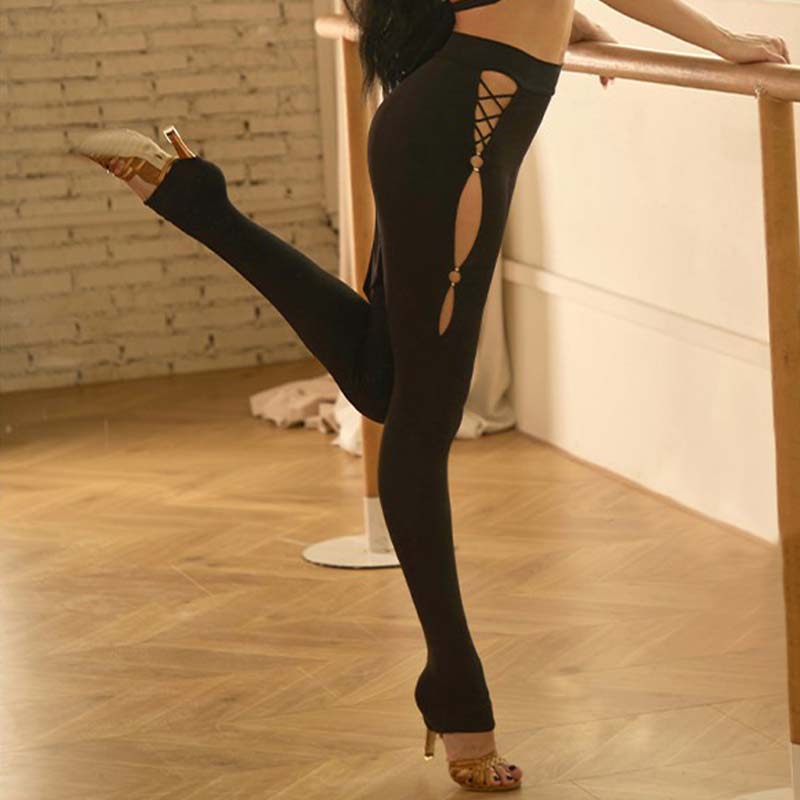
Pants. High-waisted dance pants with a flared or bell-bottom leg are ideal for technique classes and cold studios: the high rise lengthens the leg line and the flare keeps the foot visible.
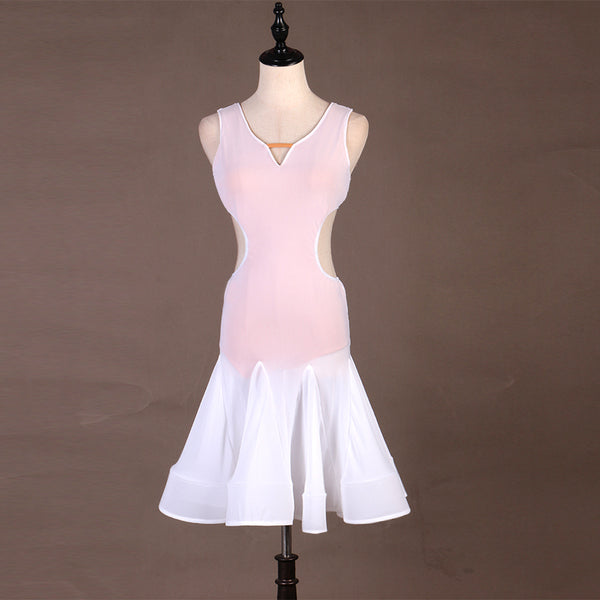
Practice dresses. One-piece options for when you want to change quickly and still look put-together at a practice party or social.
Fabrics That Work for a Two-Hour Class
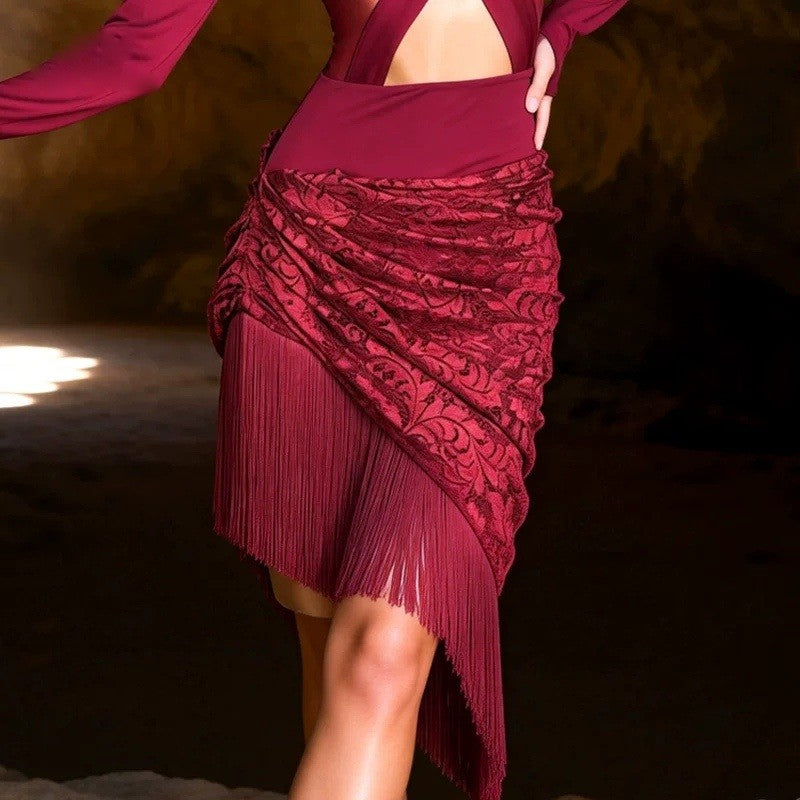
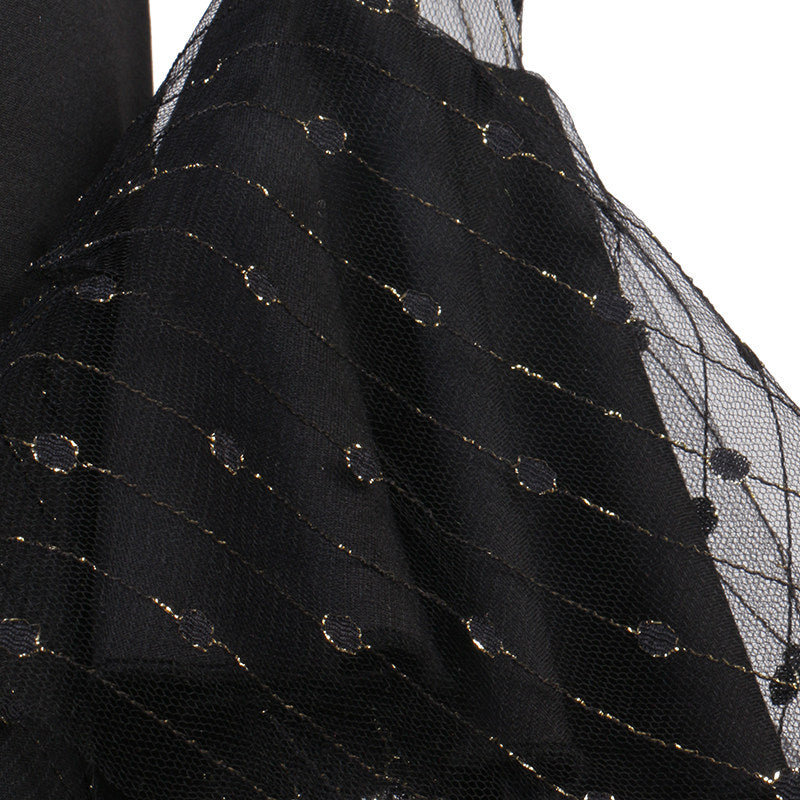
Practice clothes are worn hard and washed often, so fabric choice matters more than it does for a competition outfit. Milk silk and stretch knits breathe well and spring back into shape after being pulled in every direction. Mesh panels and sleeves keep the back and arms cool without hiding the body line. Velvet and lace look richer for socials and showcases but want a gentler wash. Whatever the fabric, look for enough stretch to reach a full extension without the seams pulling.
Wash practice wear inside out on a cold, gentle cycle and let it dry flat or on a hanger. Tumble drying is what stretches elastic waistbands and dulls fringe fastest.
From Practice Floor to Competition Floor
Practice wear and competition wear share the same shapes, which is exactly why practicing in the right clothes pays off. A dancer who has trained in a long, full ballroom skirt already knows how a gown will move; a Latin dancer who has trained in fringe already knows how a stoned Latin dress will swing. When you are ready for the floor, our dancesport dresses carry the same cuts up a level with rhinestones, floats and heavier fringe.
Finish the look with the right shoes: closed-toe ballroom dance shoes for Standard and Smooth, and open-toe Latin dance shoes for Latin and Rhythm.
Dance Practice Wear: Frequently Asked Questions
What should I wear to ballroom dance practice?
A fitted top or leotard with a long practice skirt is the standard ballroom practice outfit. The fitted top lets your teacher see your shoulders and frame, and the long skirt teaches you how fabric moves around your legs. High-waisted dance pants are a good alternative for technique classes.
What should I wear to Latin dance practice?
Most Latin dancers practice in a crop top or leotard with a short or asymmetric skirt, or in a short practice dress. The aim is to keep the hips, knees and feet visible so you and your teacher can check your action. Fringe skirts make hip movement easier to see in the mirror.
What is the difference between practice wear and competition dancewear?
Practice wear uses the same shapes as competition dresses but in simpler, washable fabrics without heavy stonework, so it can be worn every week. Competition dancewear adds rhinestones, floats and heavier fringe for the lights of the competition floor.
Can I wear leggings or gym clothes to dance class?
For a first lesson, comfortable clothes are fine. Once you start working on technique, gym clothes tend to hide the leg and body lines a teacher needs to see, and loose tops come untucked in hold. Dance pants and fitted dance tops fix both problems.
Are these practice clothes good for social dancing?
Yes. Practice dresses, skirts and tops are made to move for hours, which is exactly what a social night or practice party asks for. Lace, velvet and fringe styles dress the look up without losing any movement.
How do I choose my size in dance practice wear?
Measure your bust, waist and hips and compare them with the size chart on each product page rather than your usual clothing size, because dance cuts sit closer to the body. If you are between sizes, choose the larger size for tops and dresses and check the waist measurement for skirts and pants.