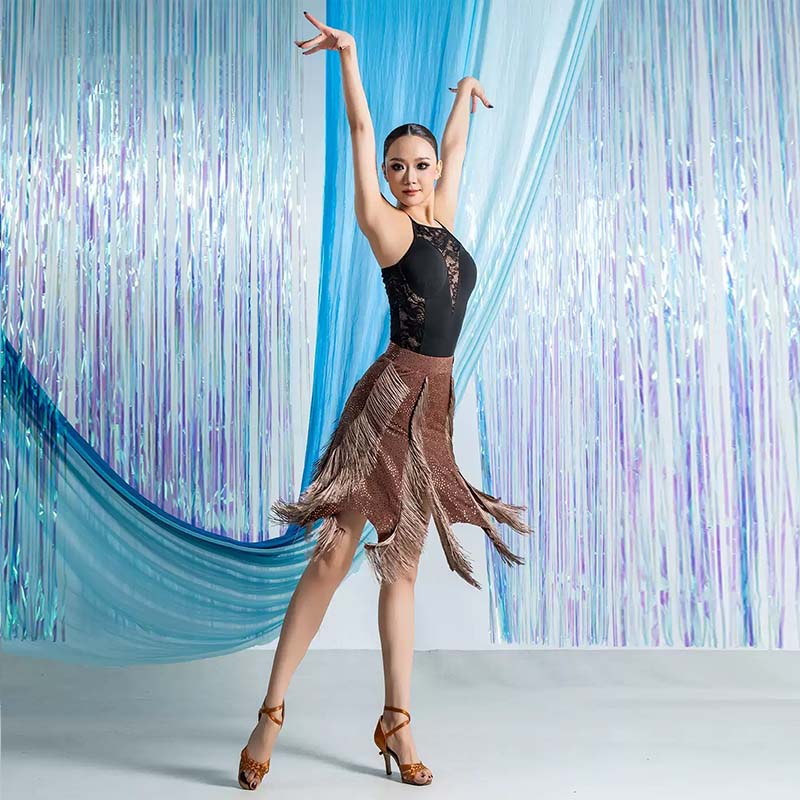
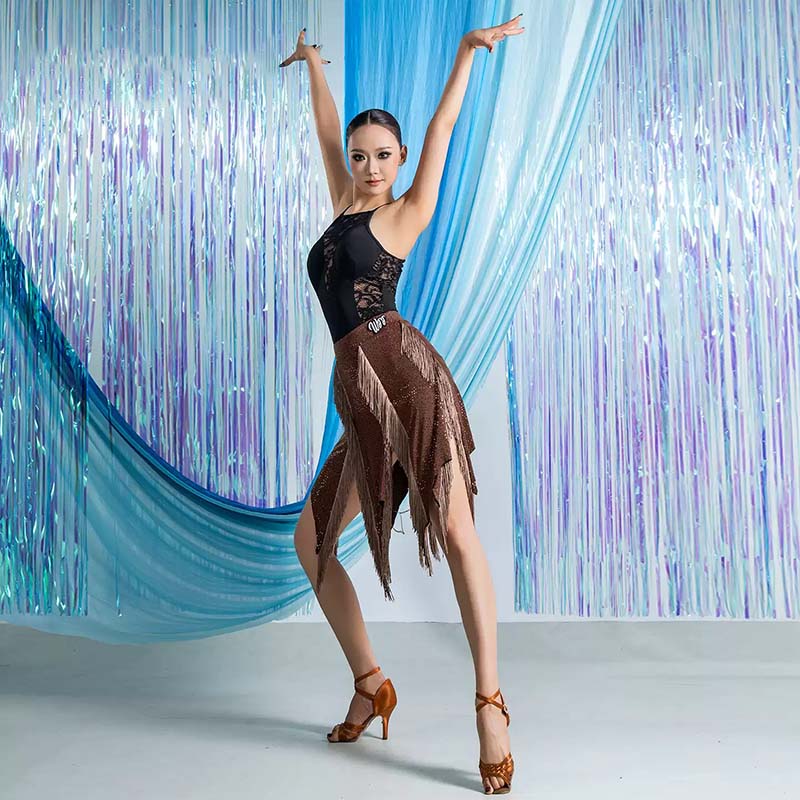
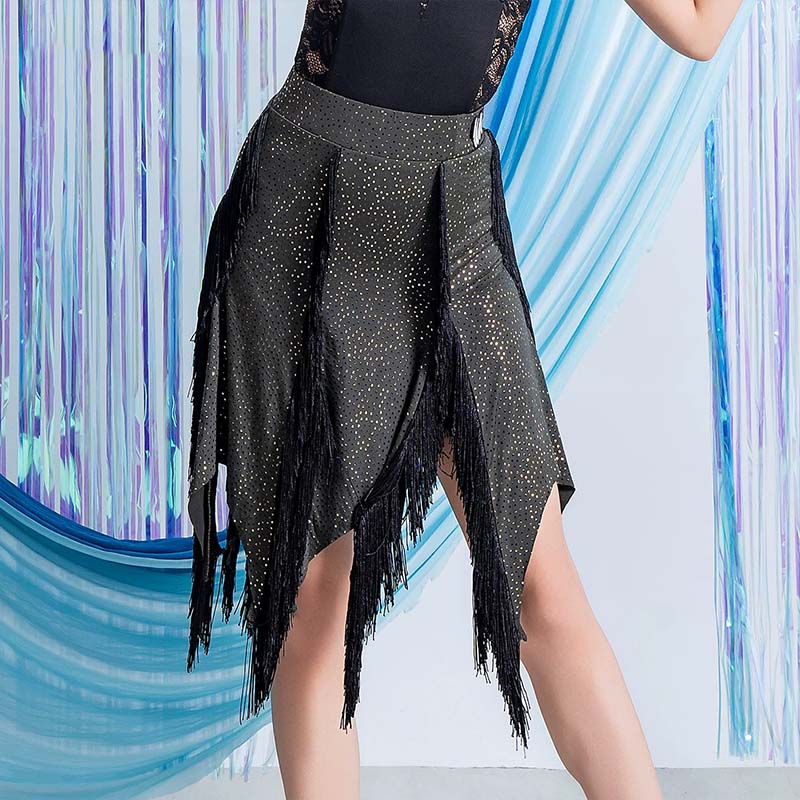
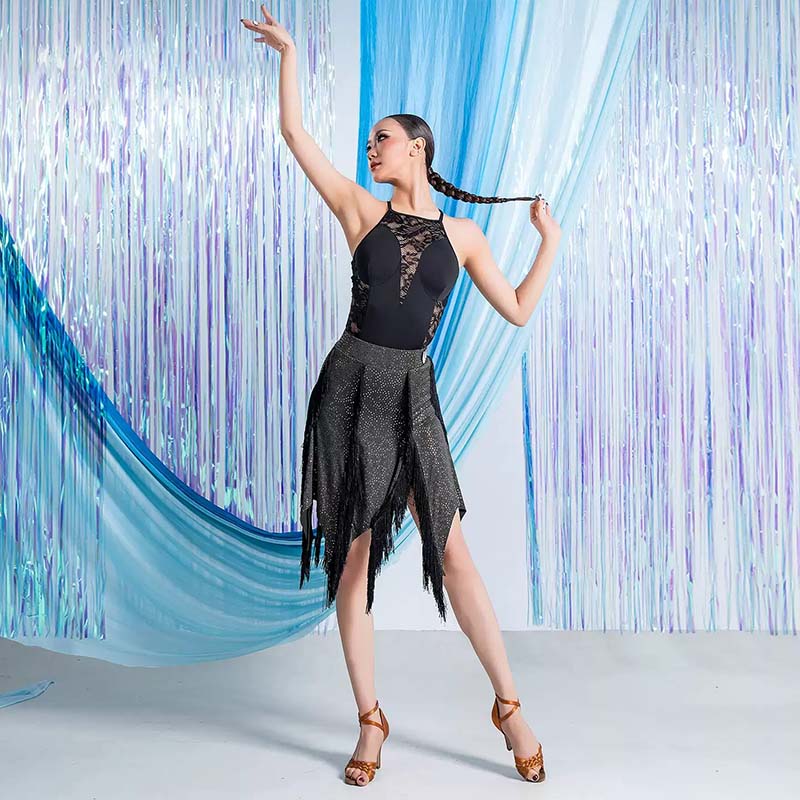
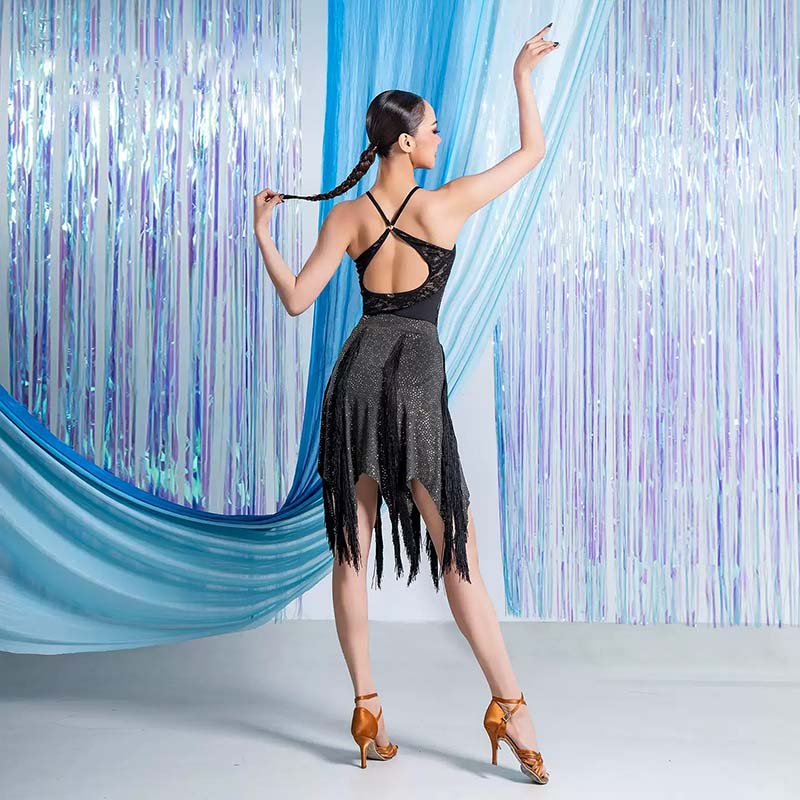
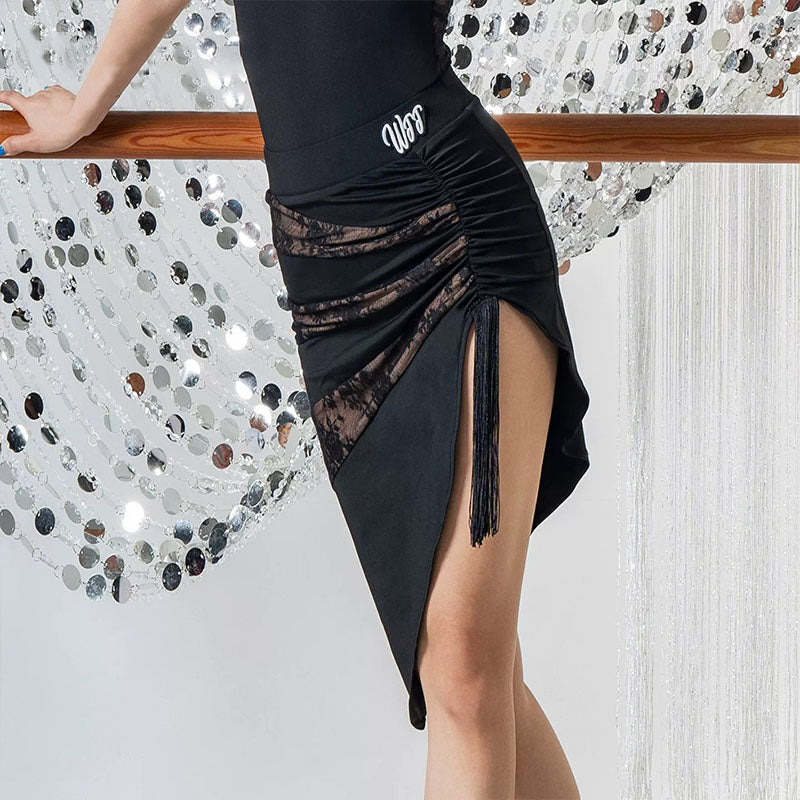
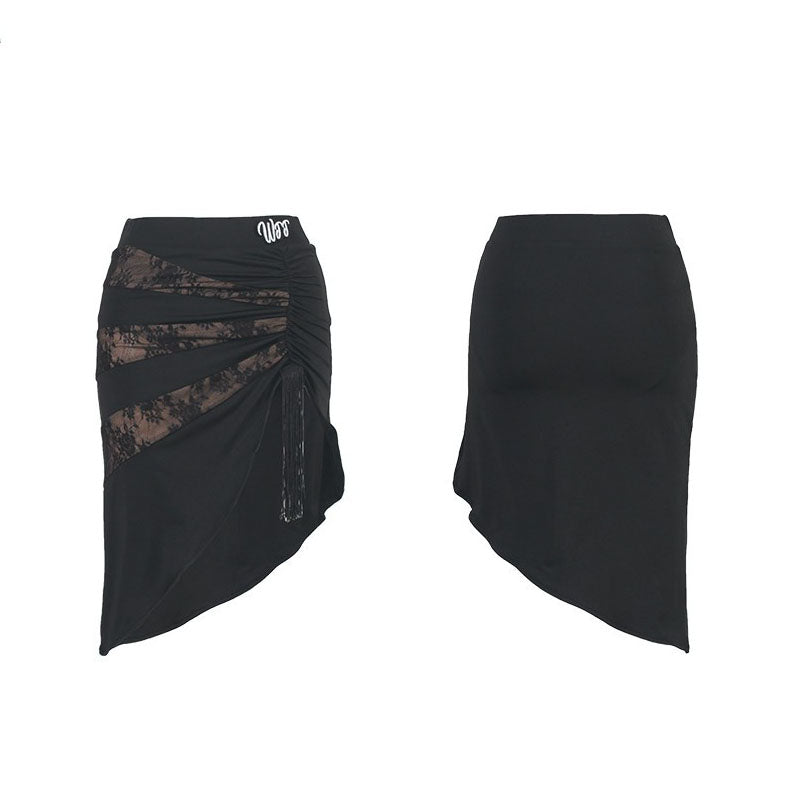
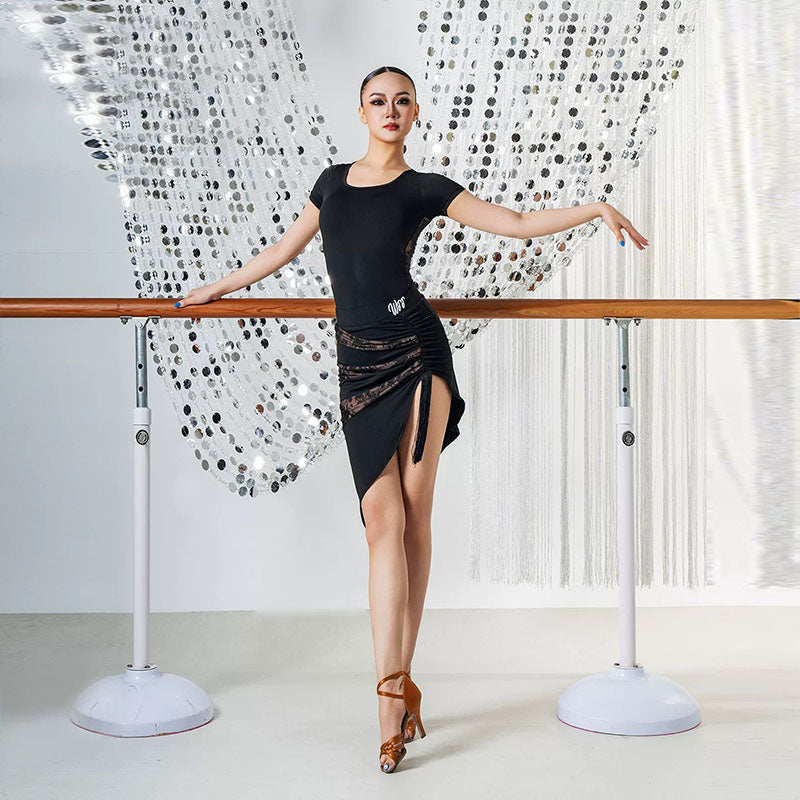
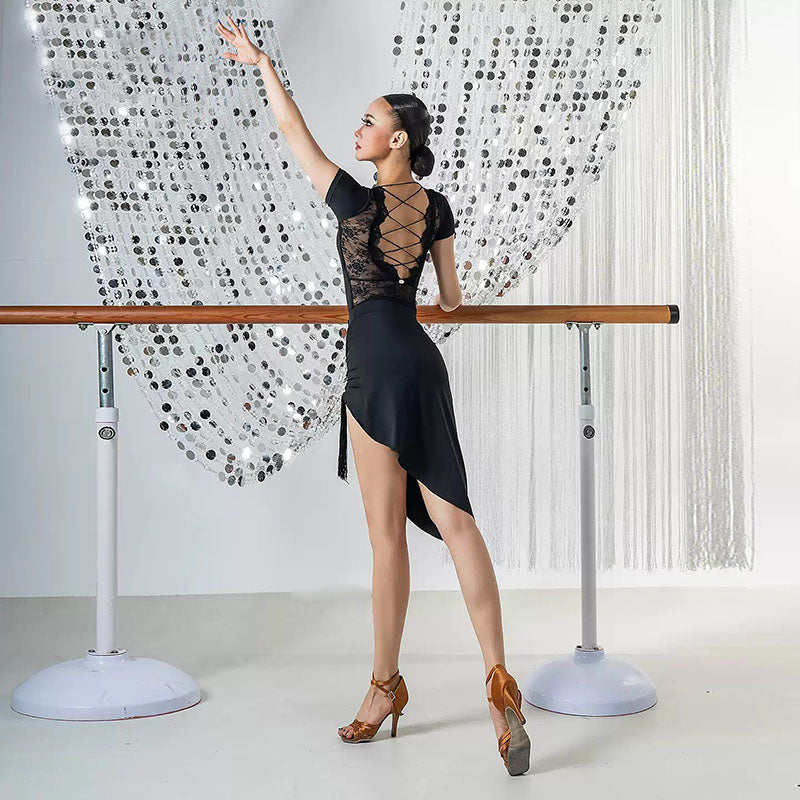
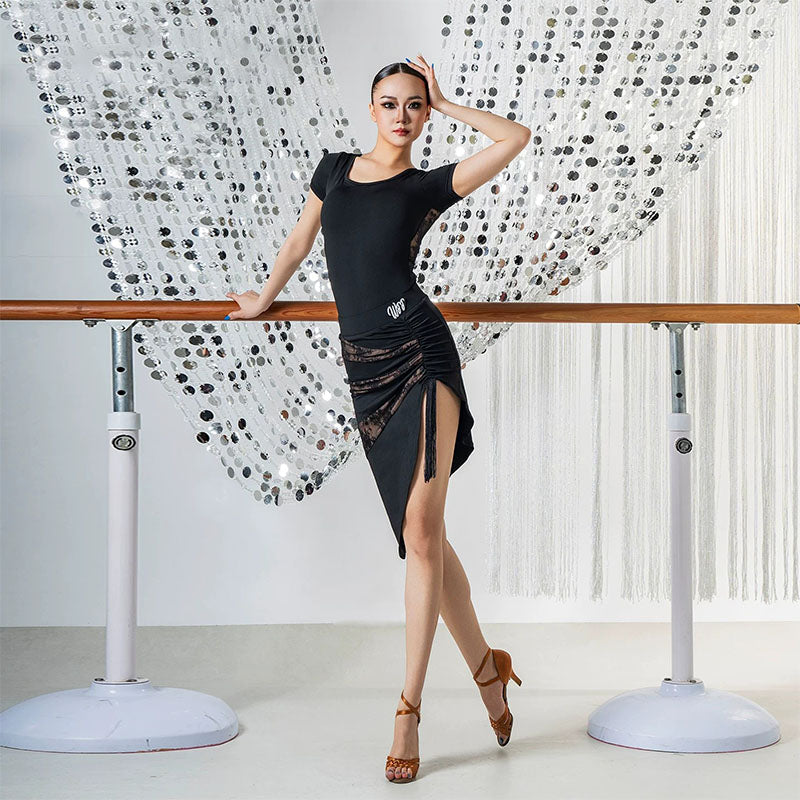
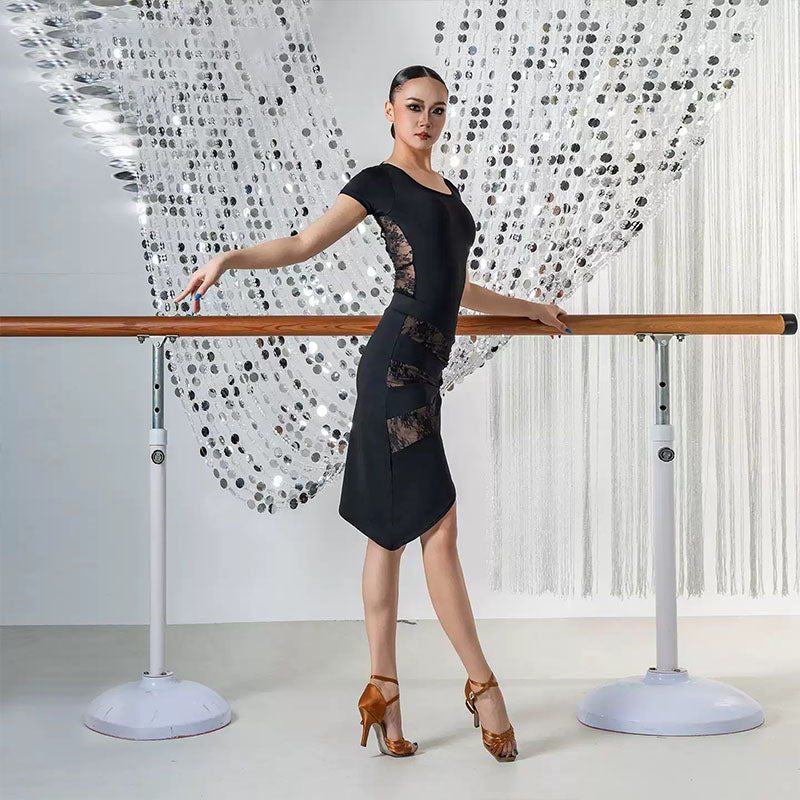
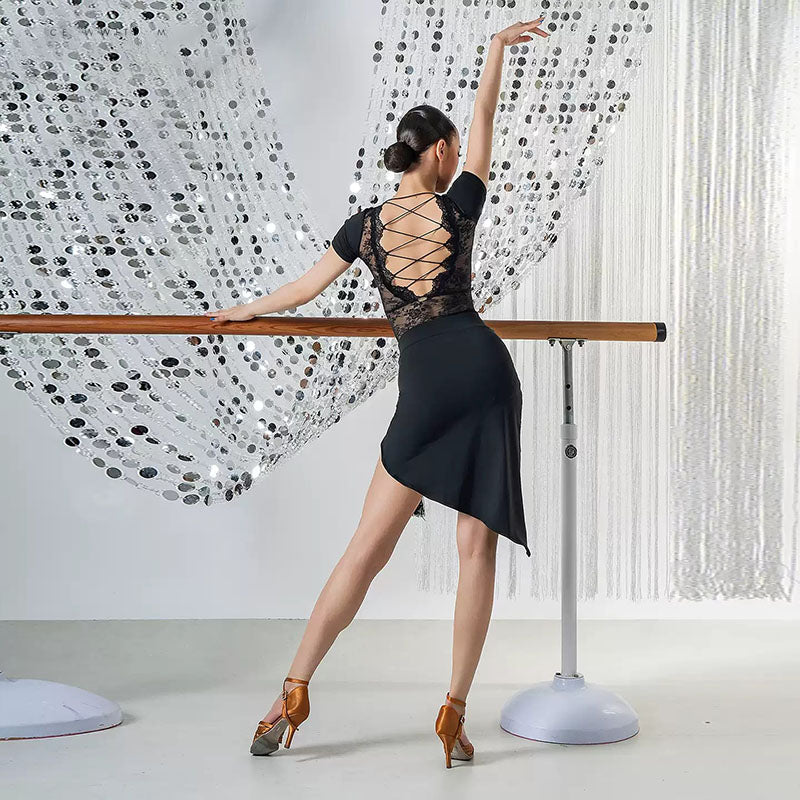

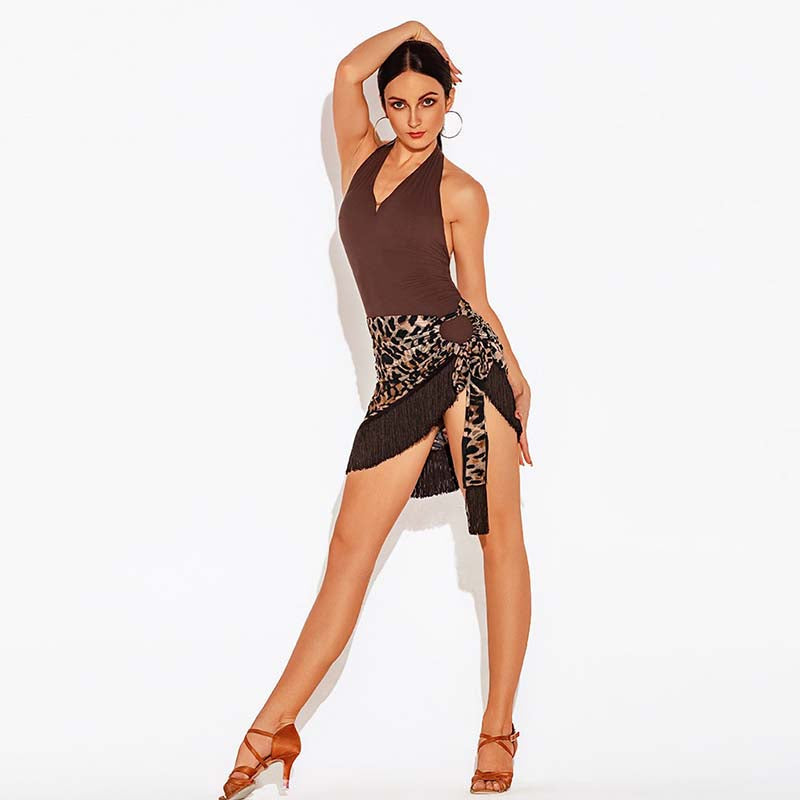
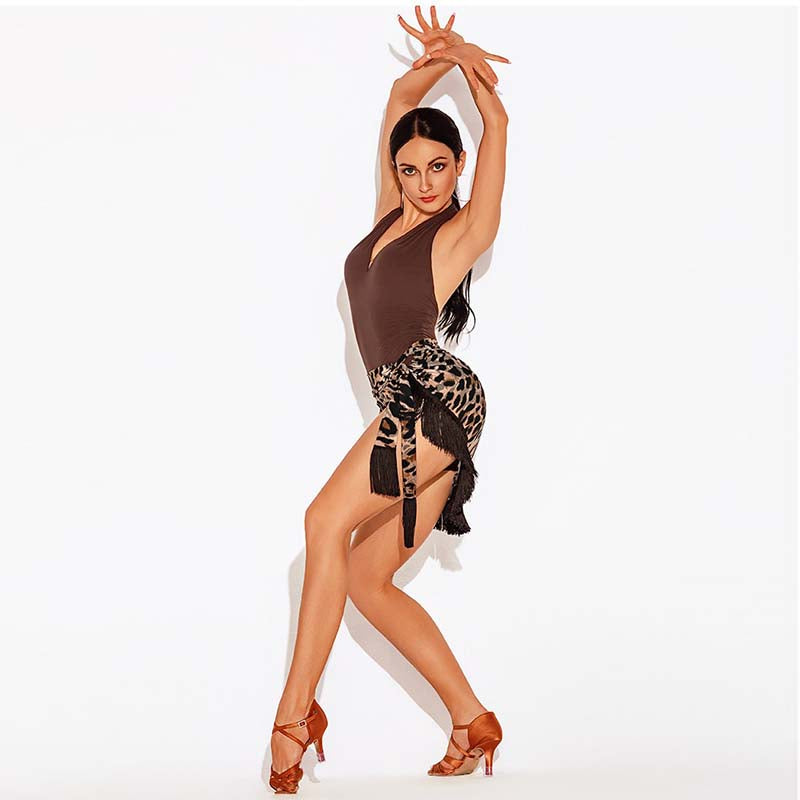
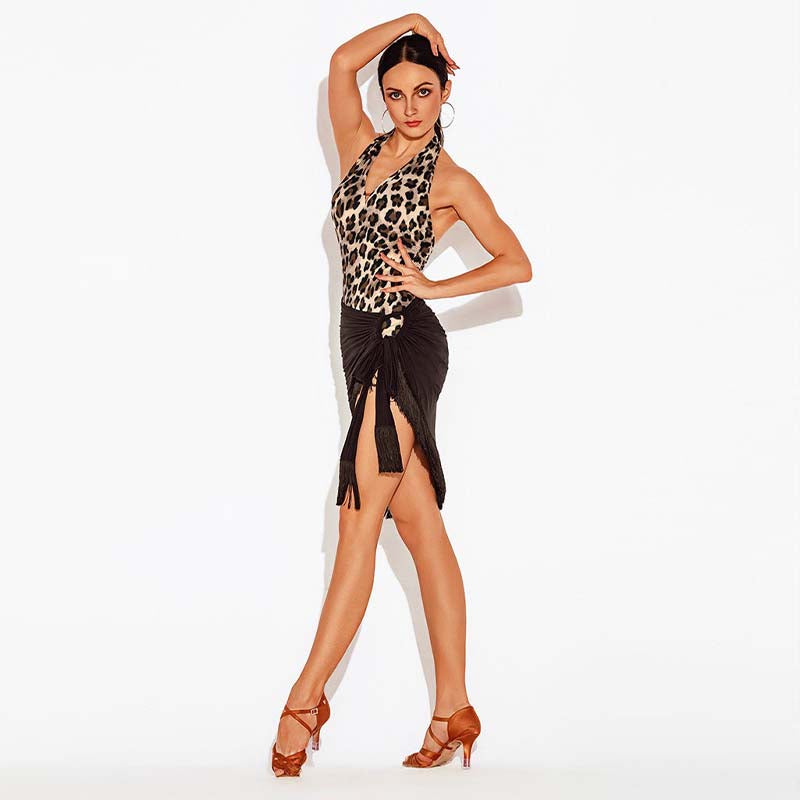
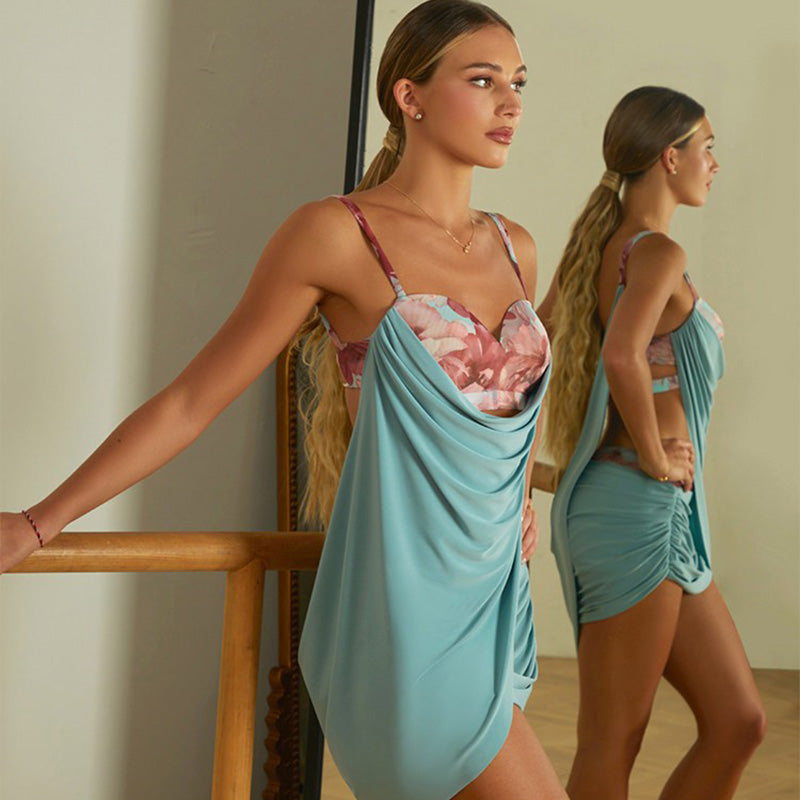
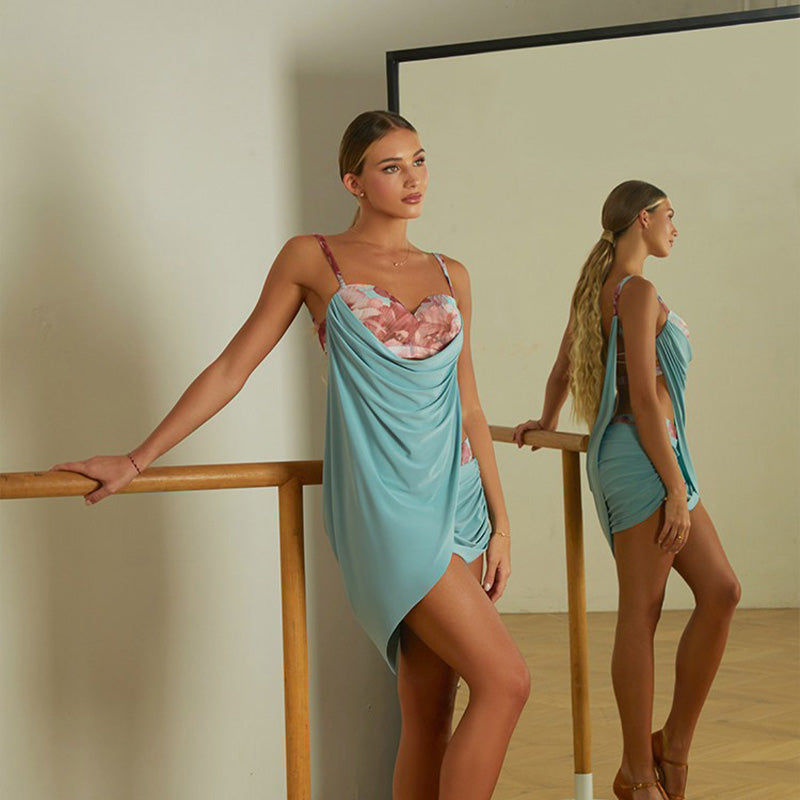
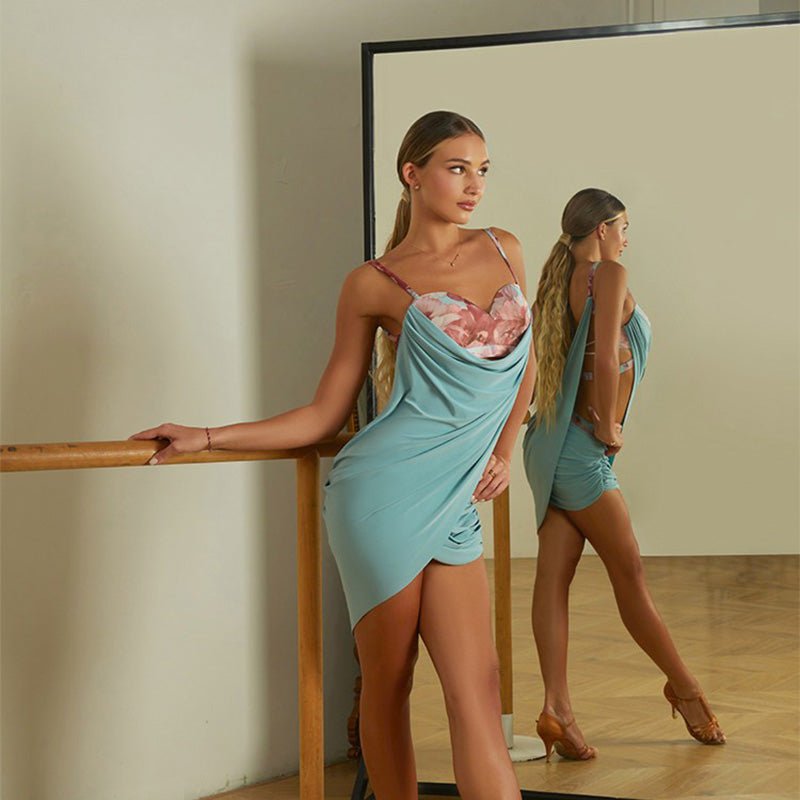
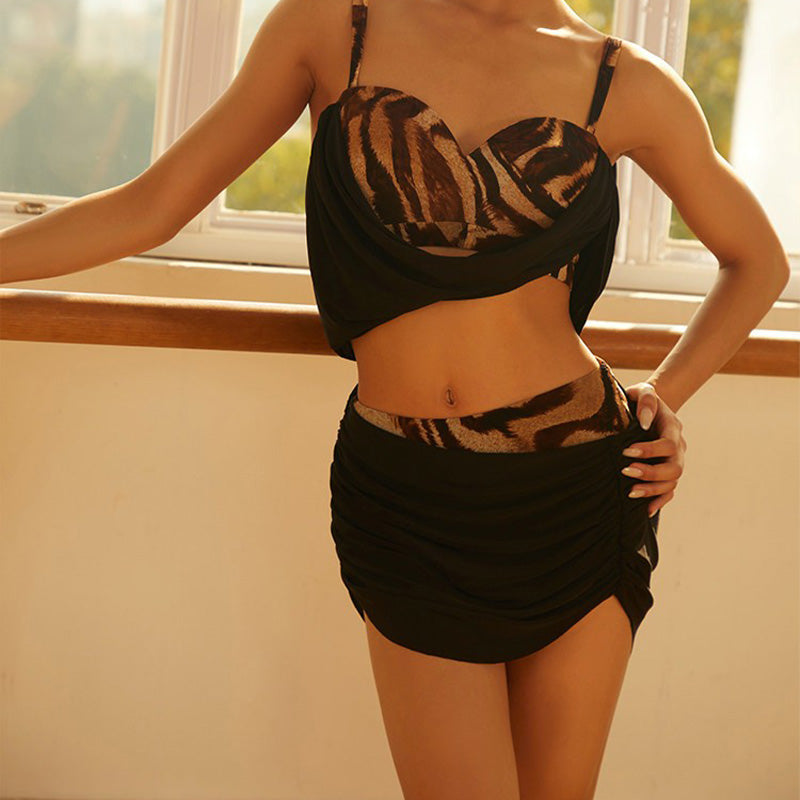
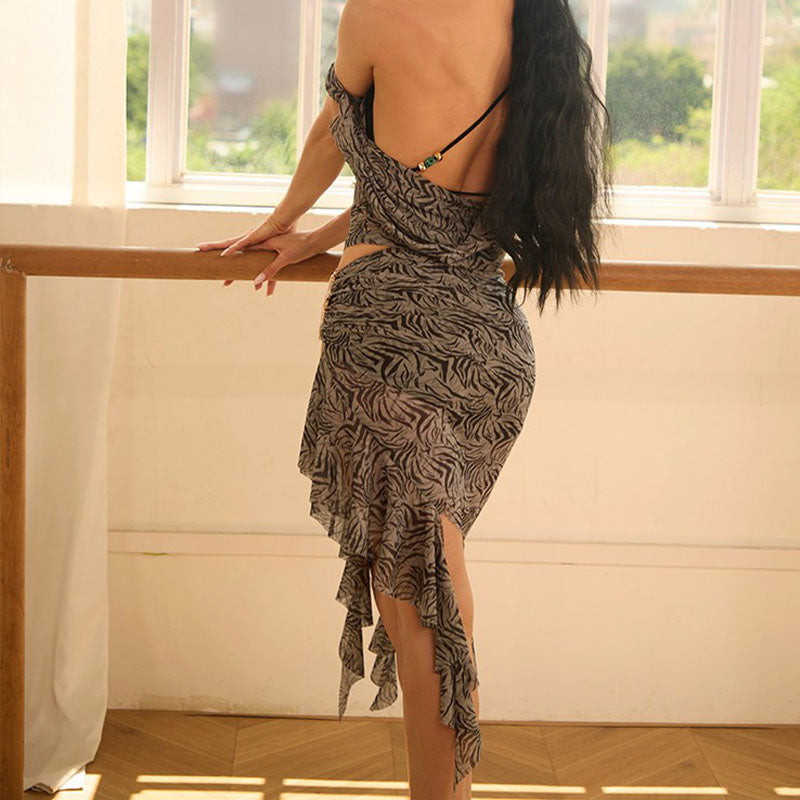
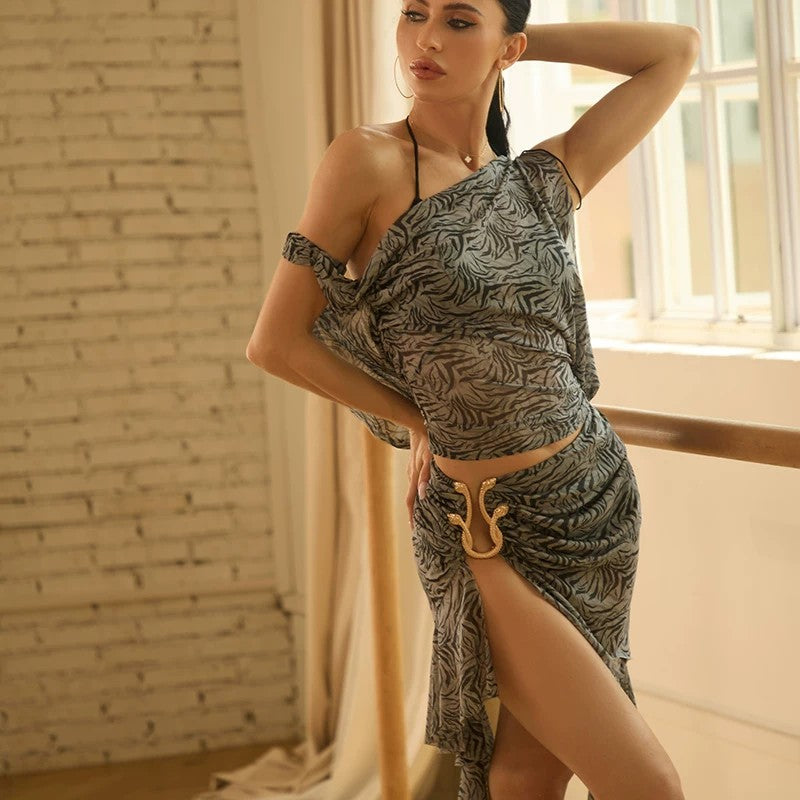
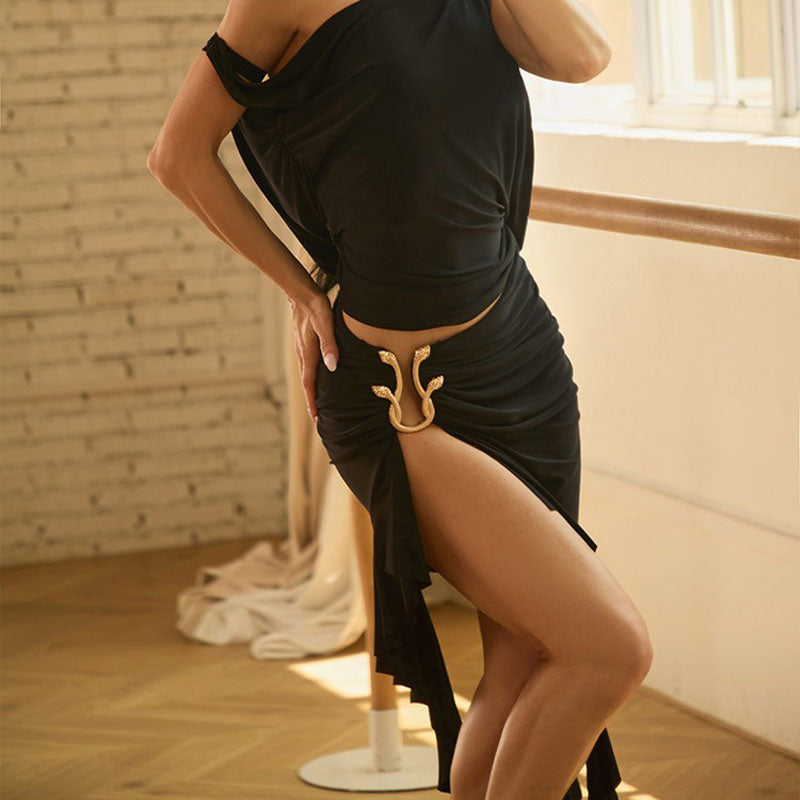
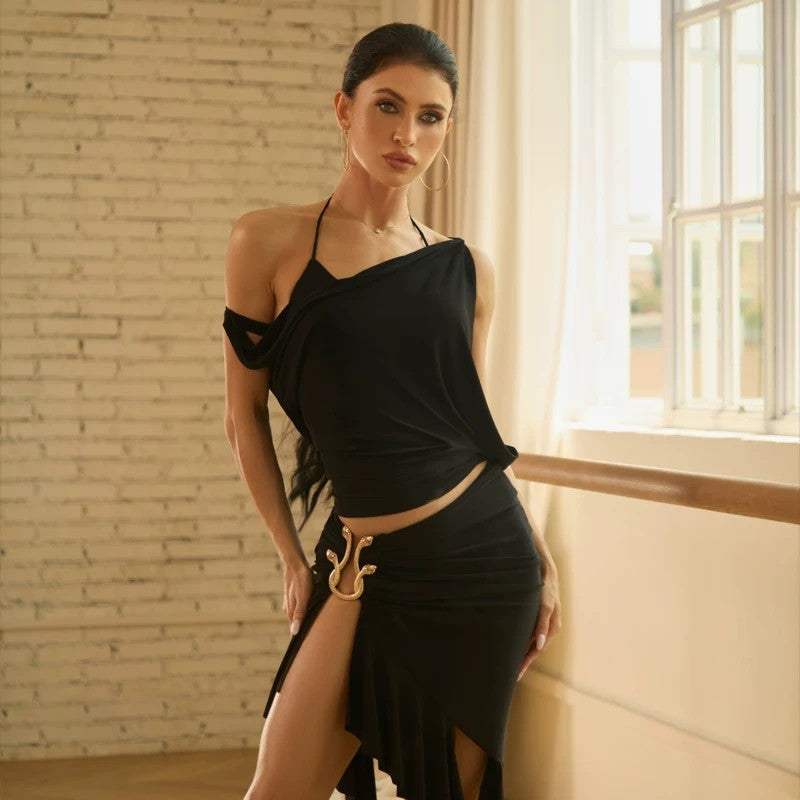
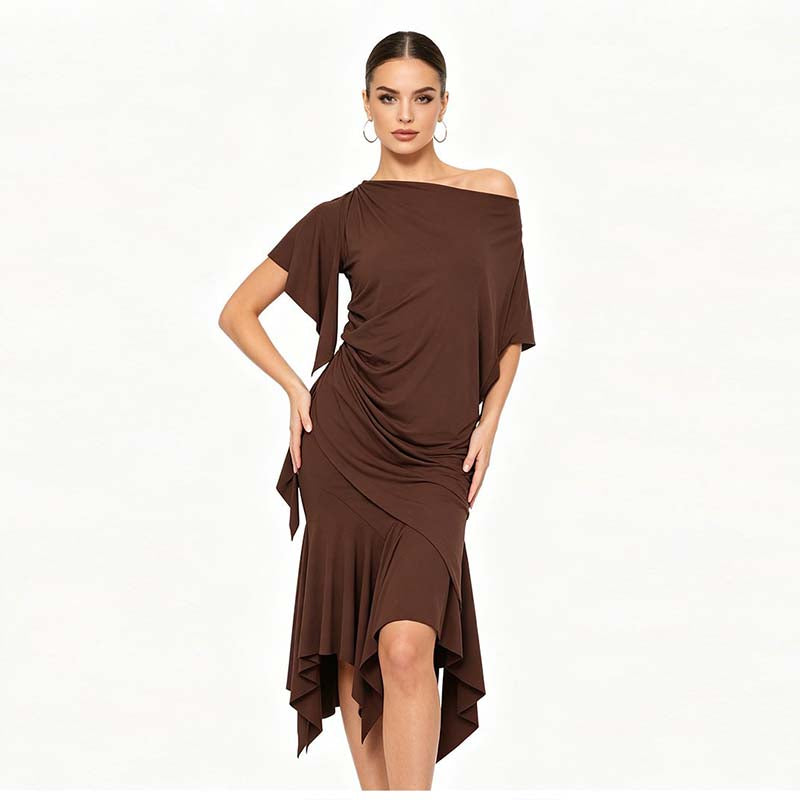
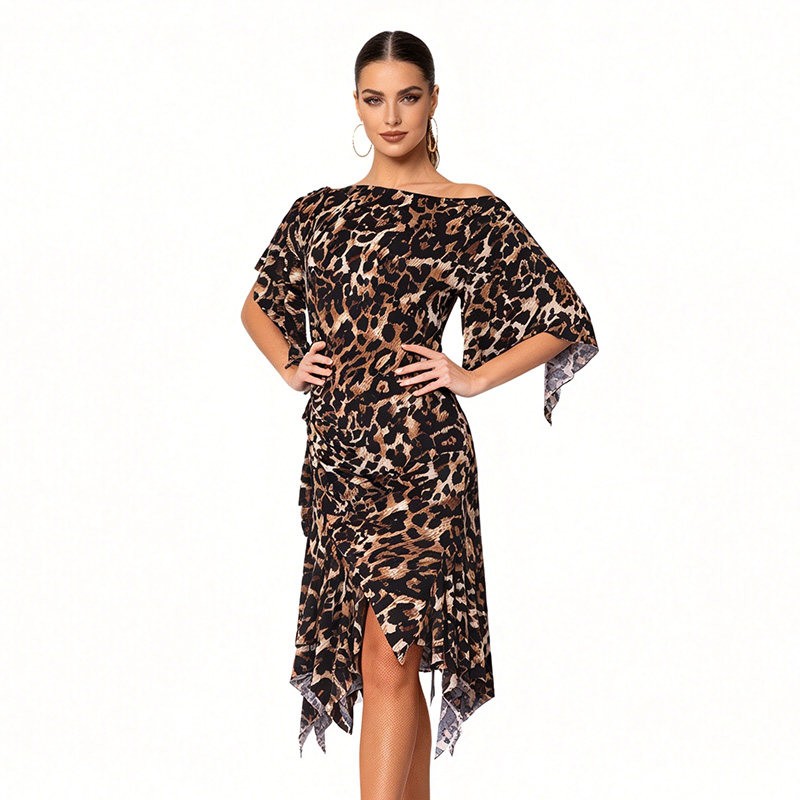
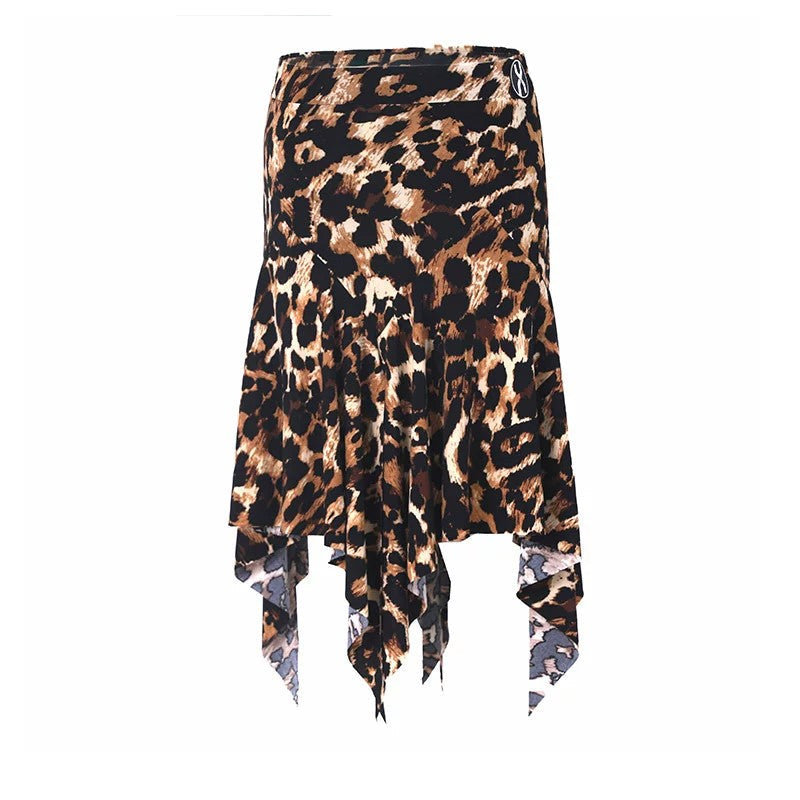
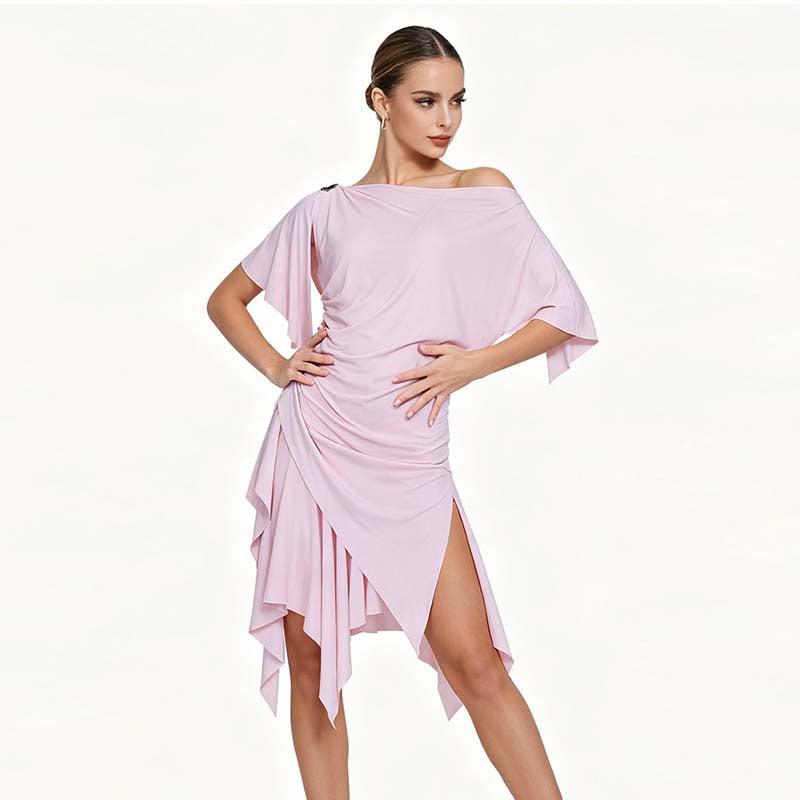
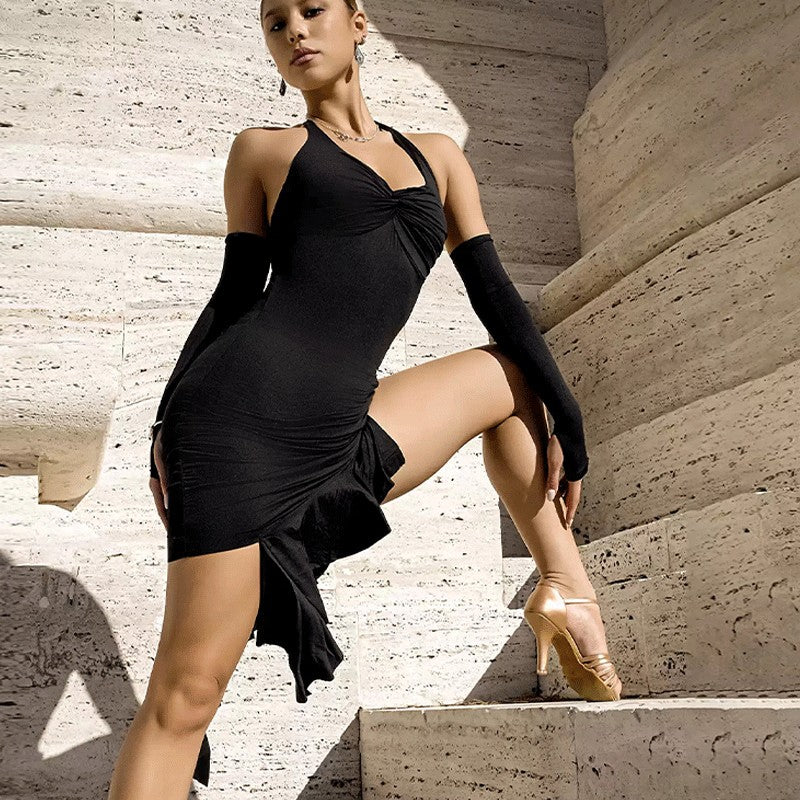
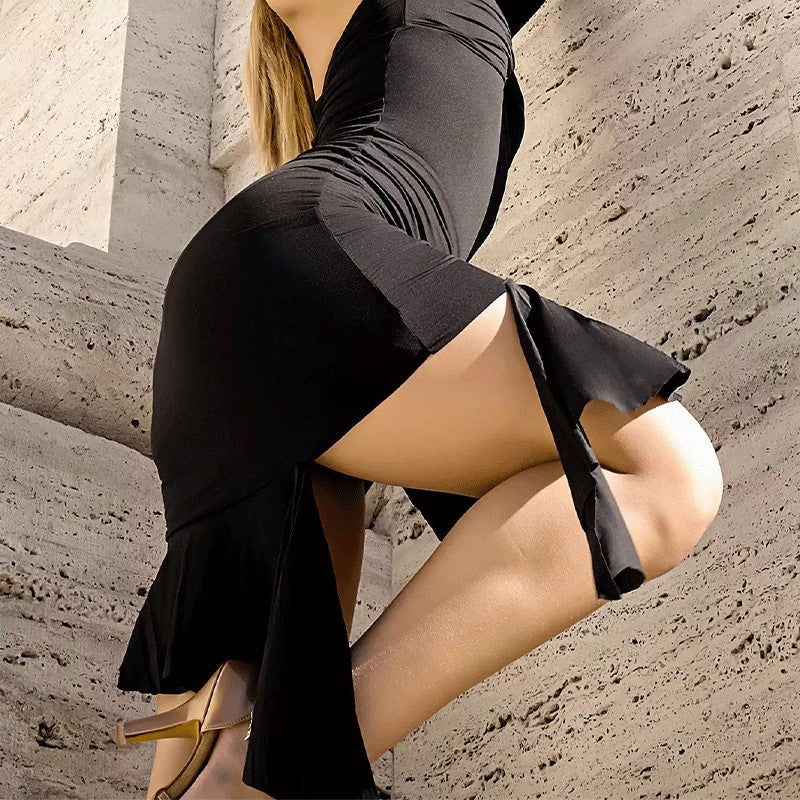
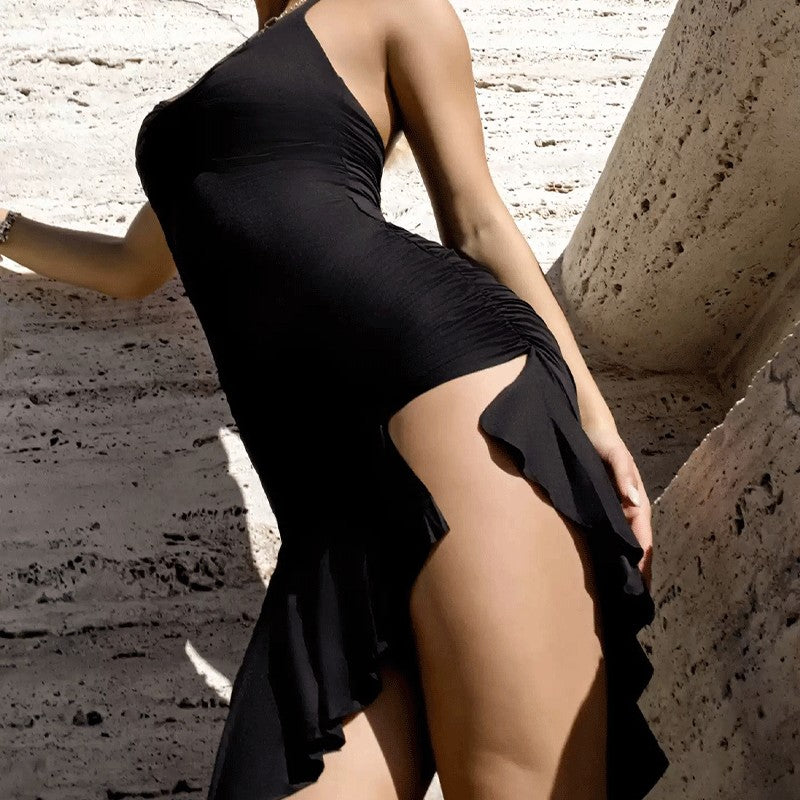
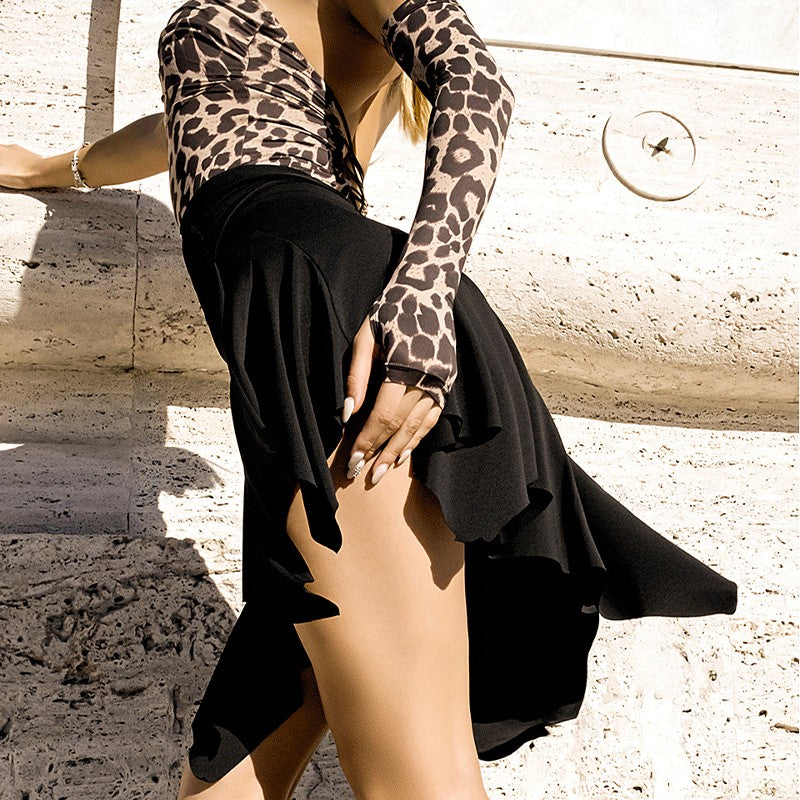


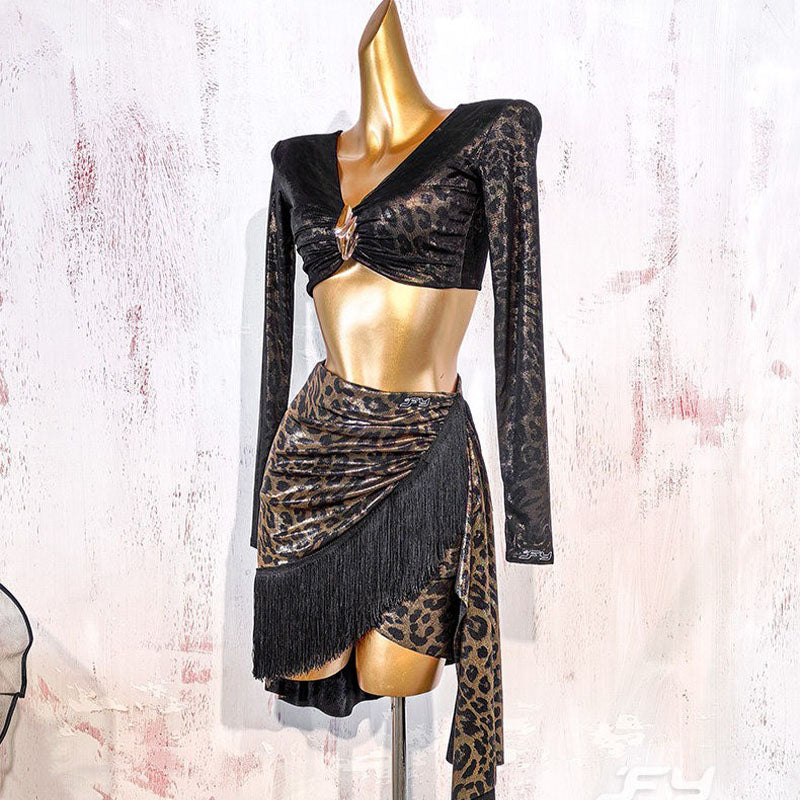
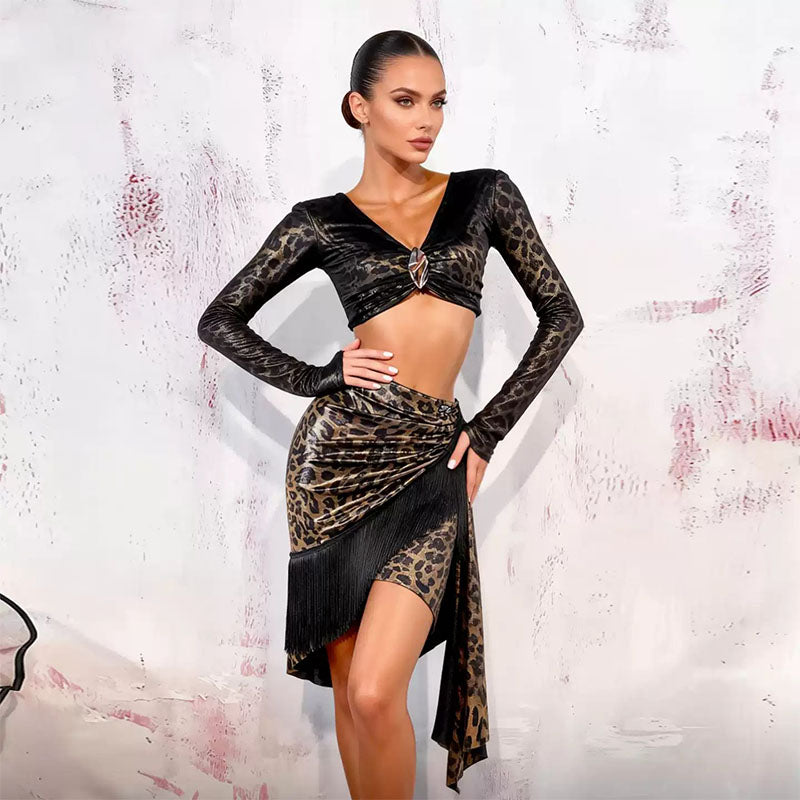
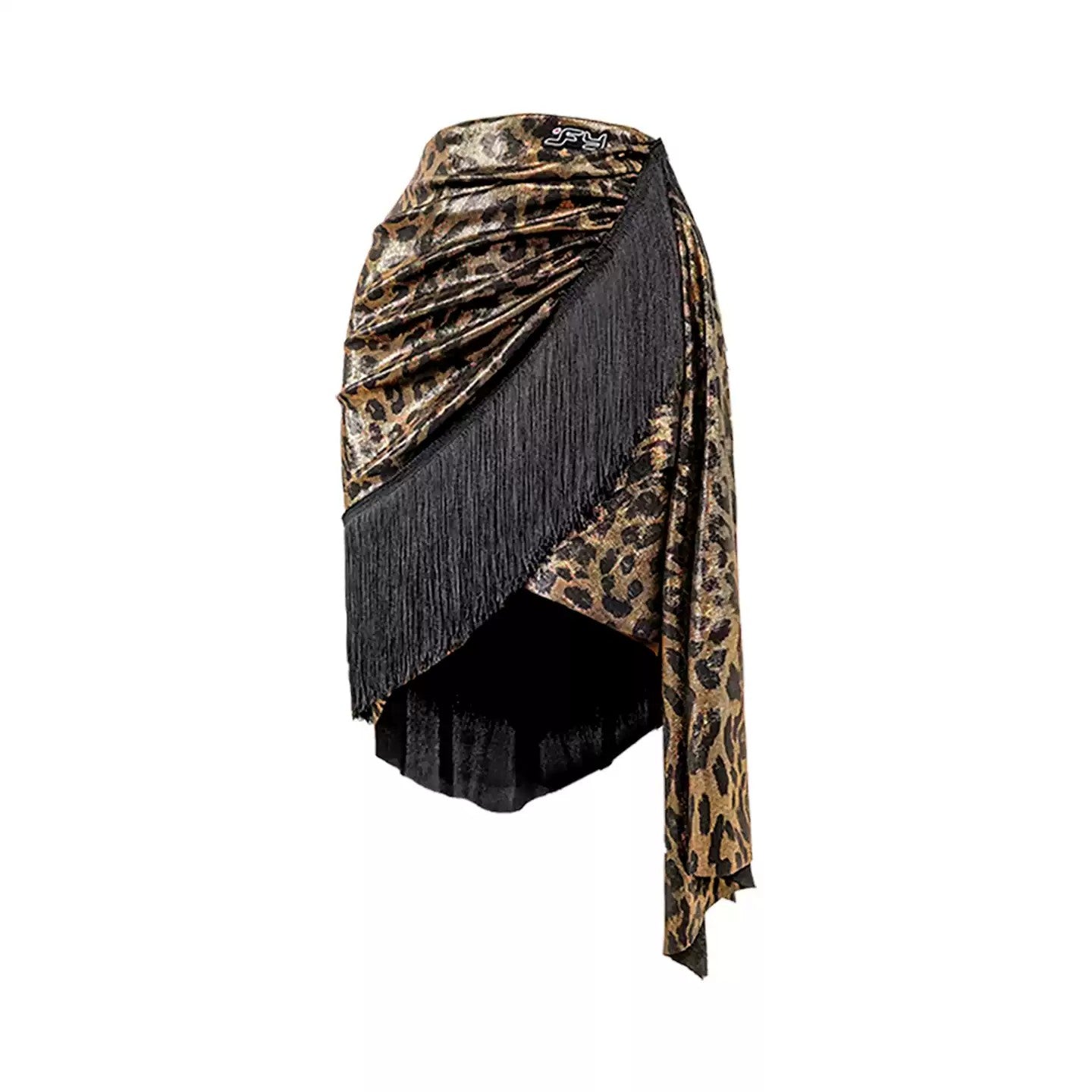
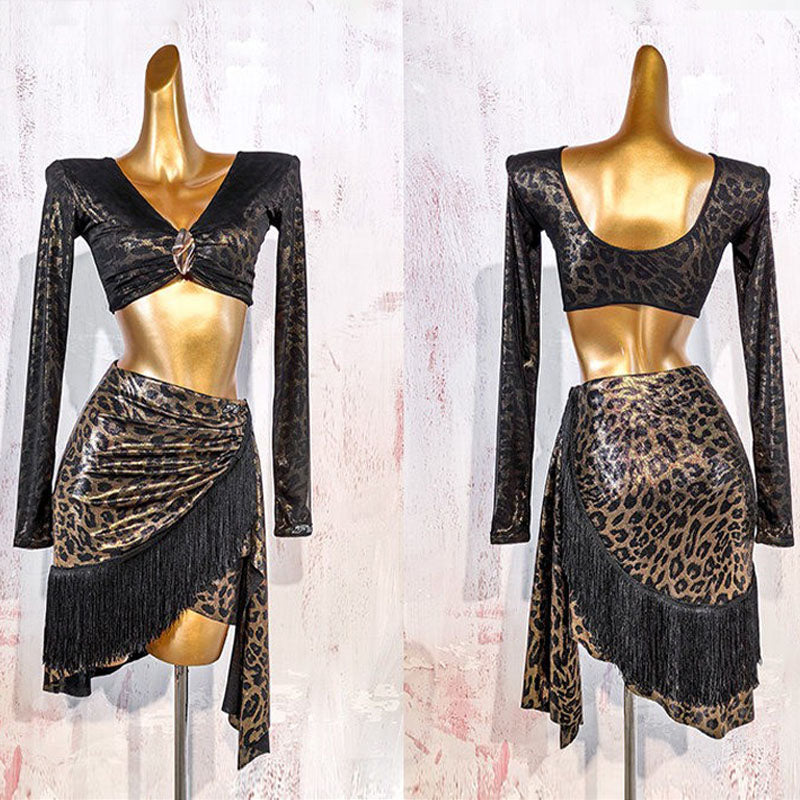
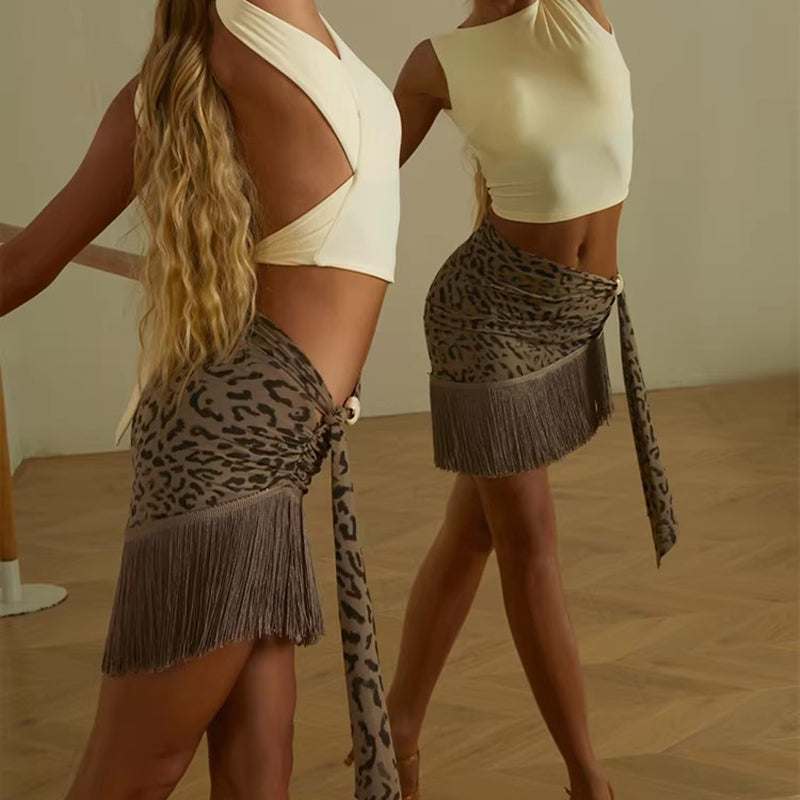
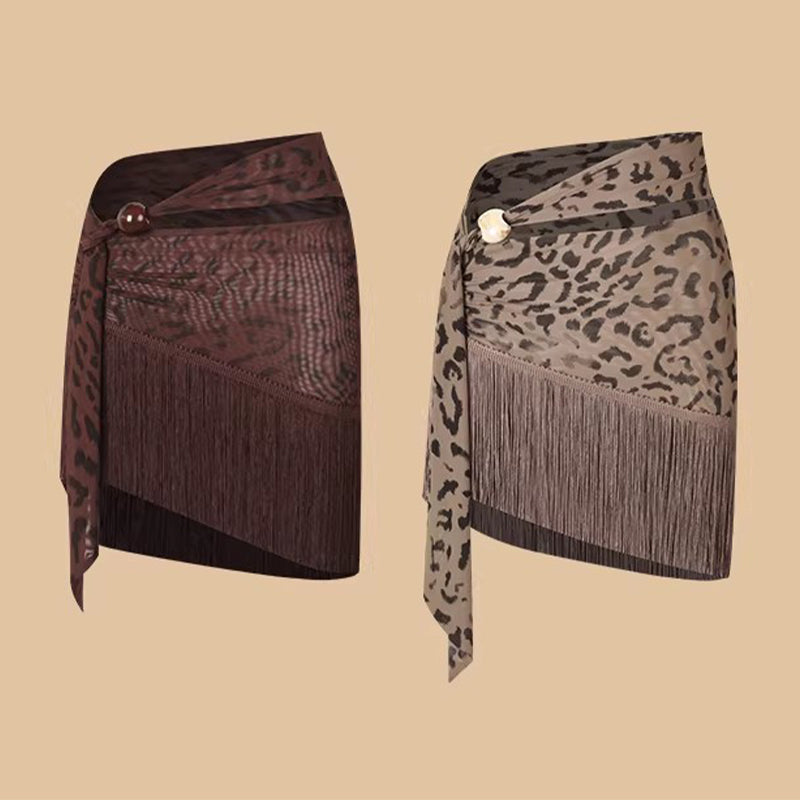
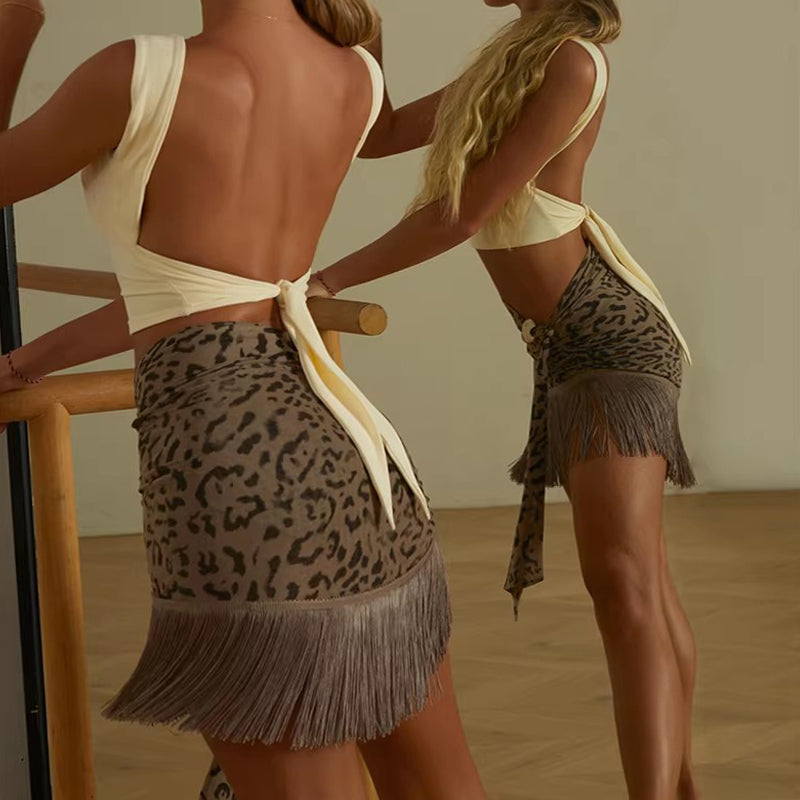
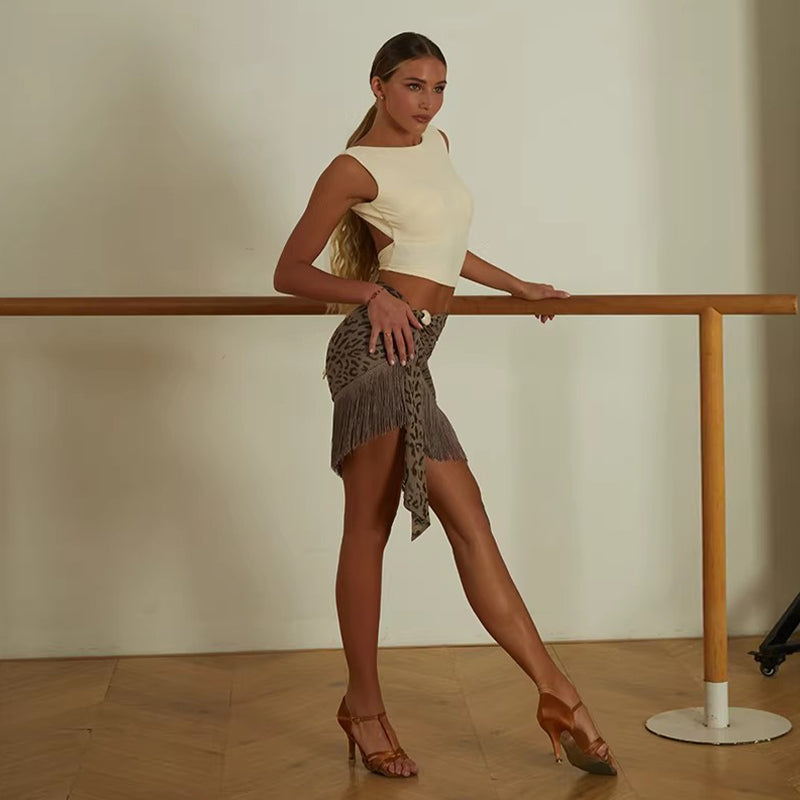
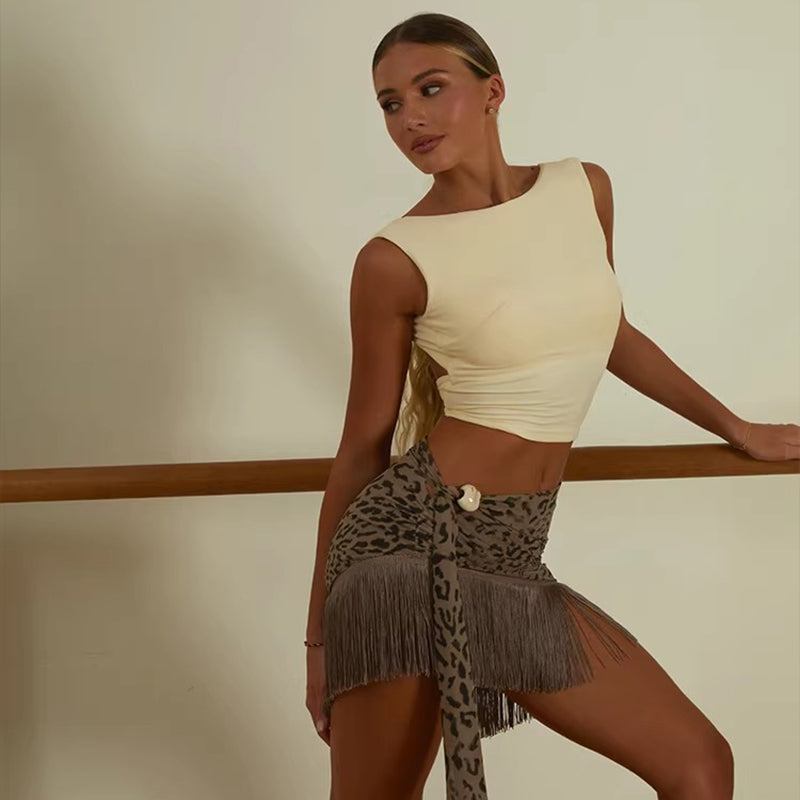
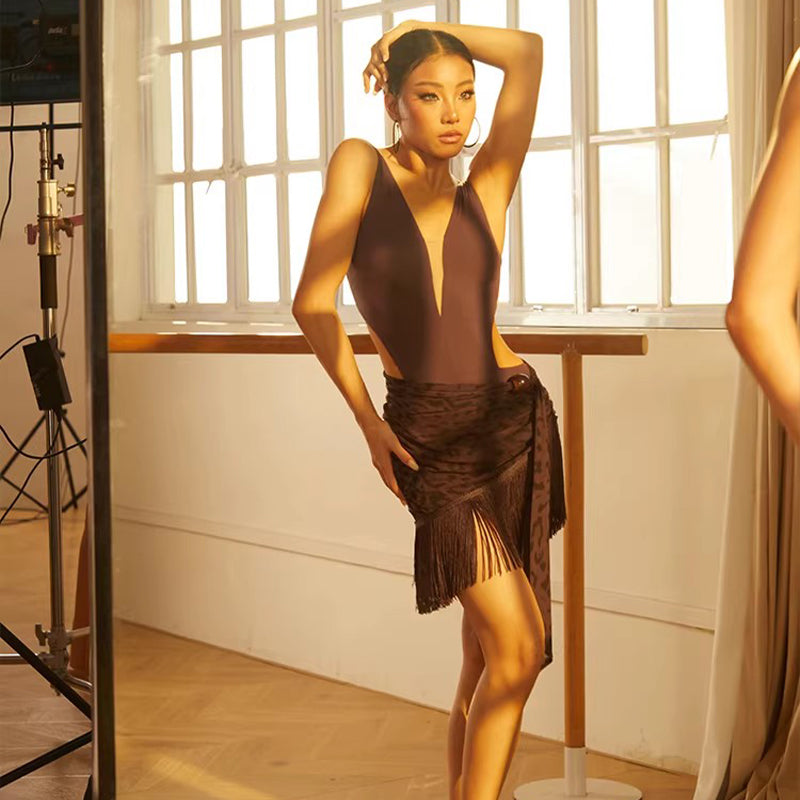
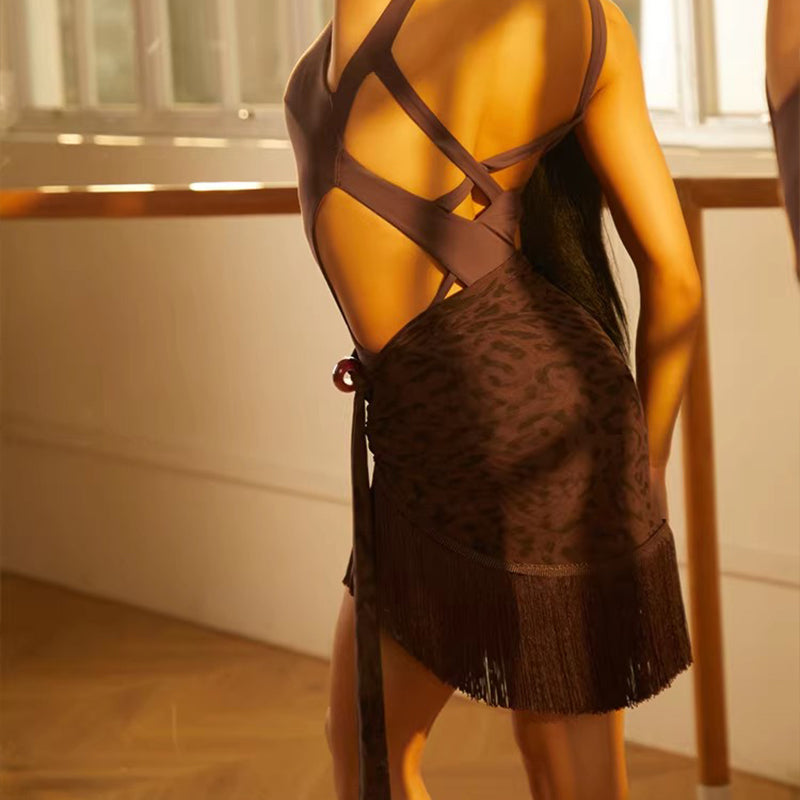

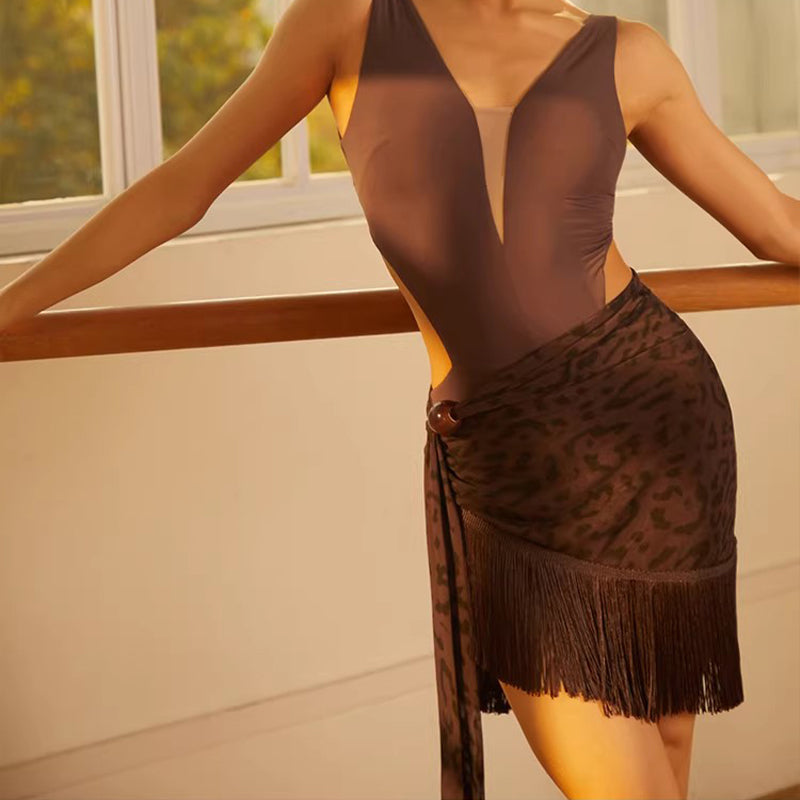
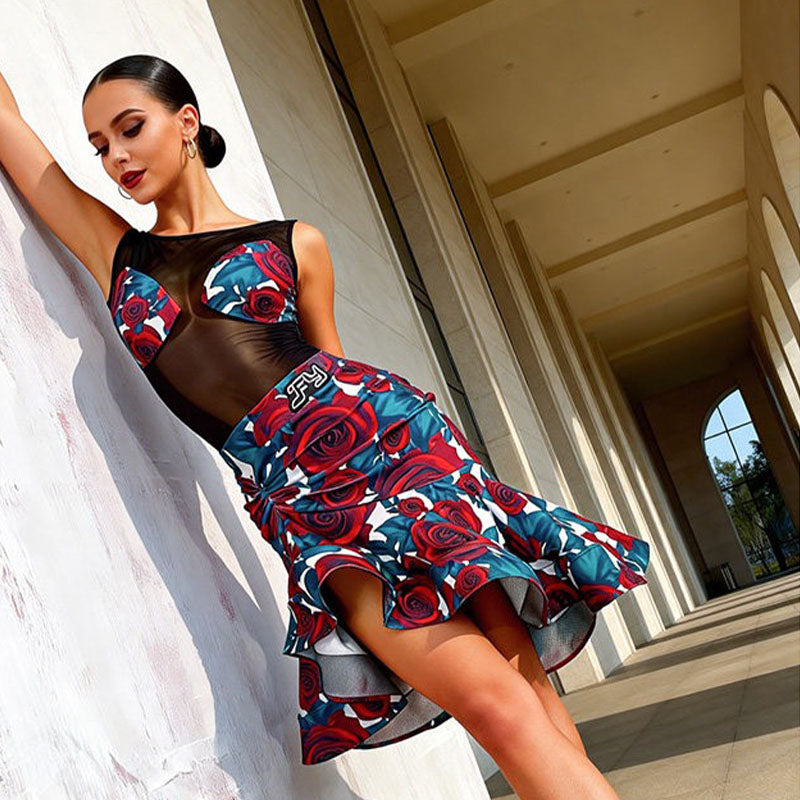
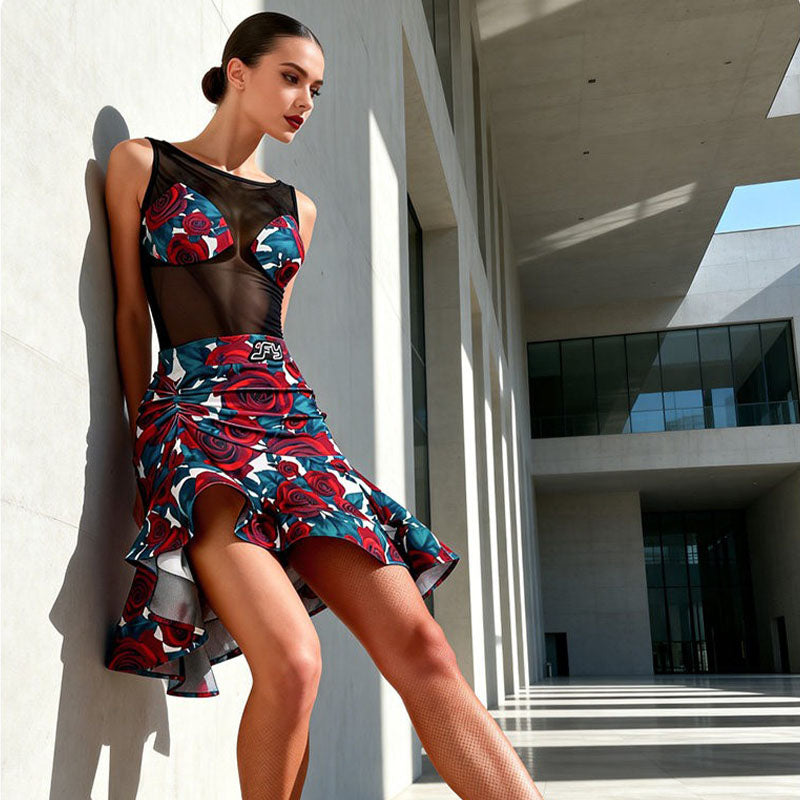
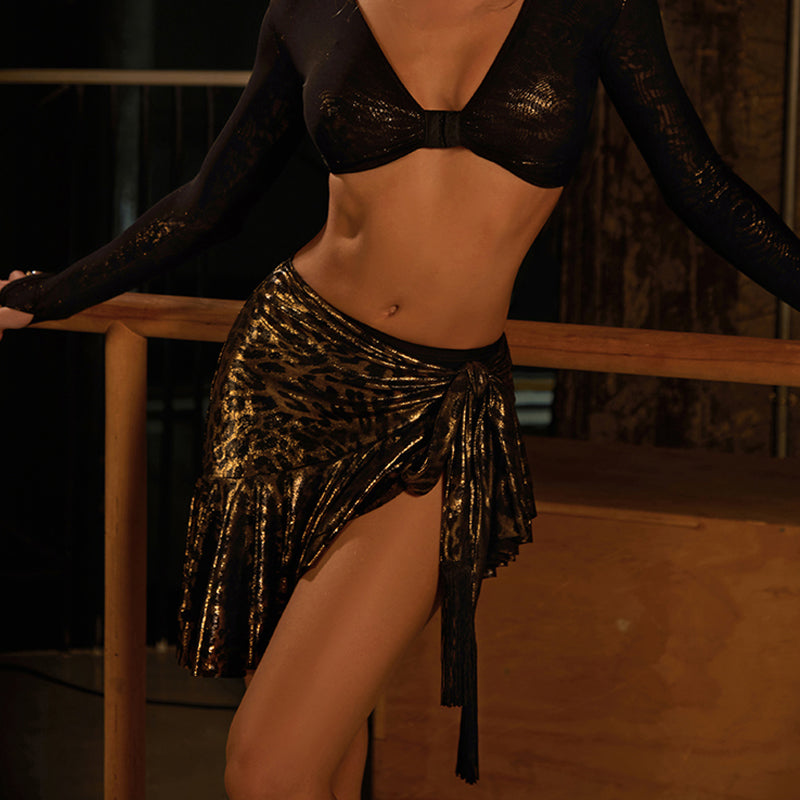
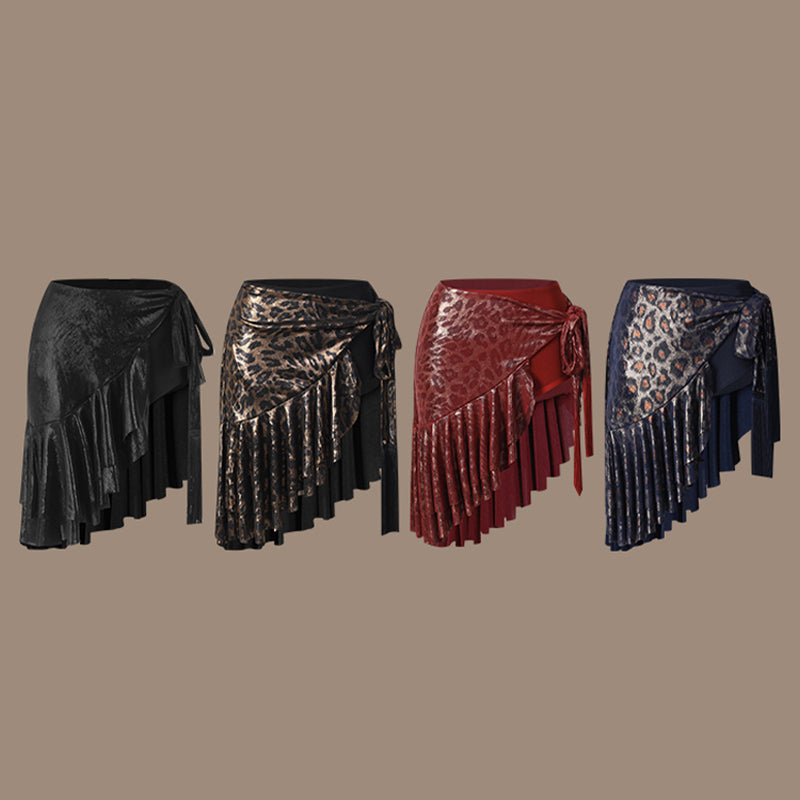
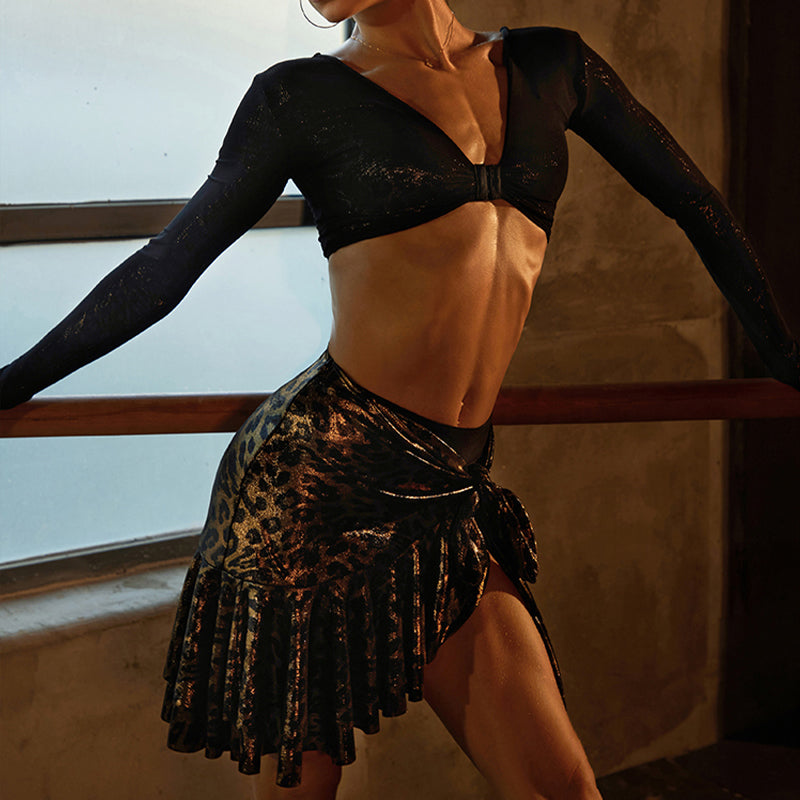
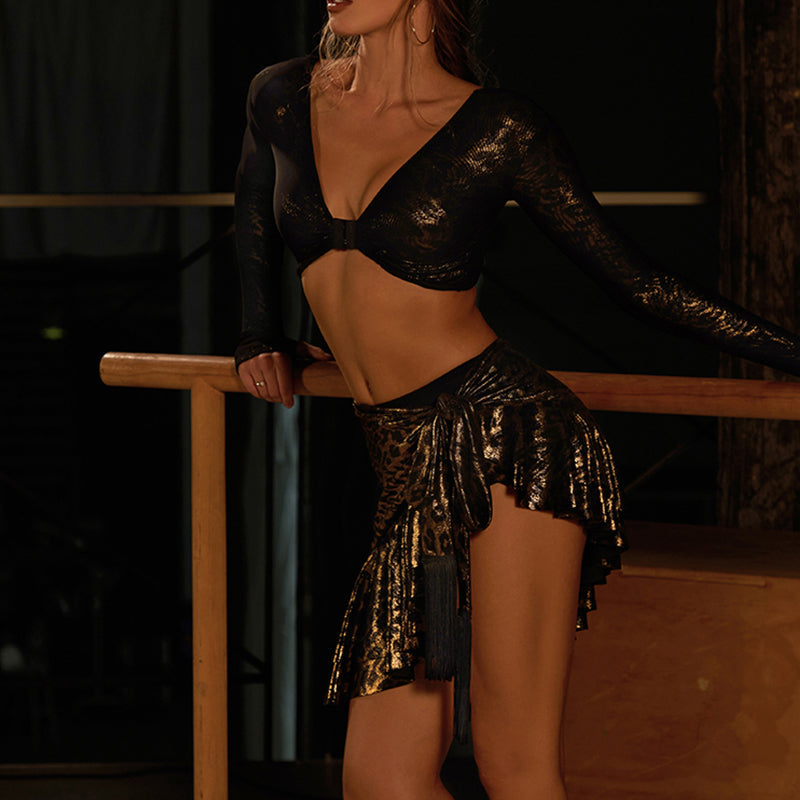
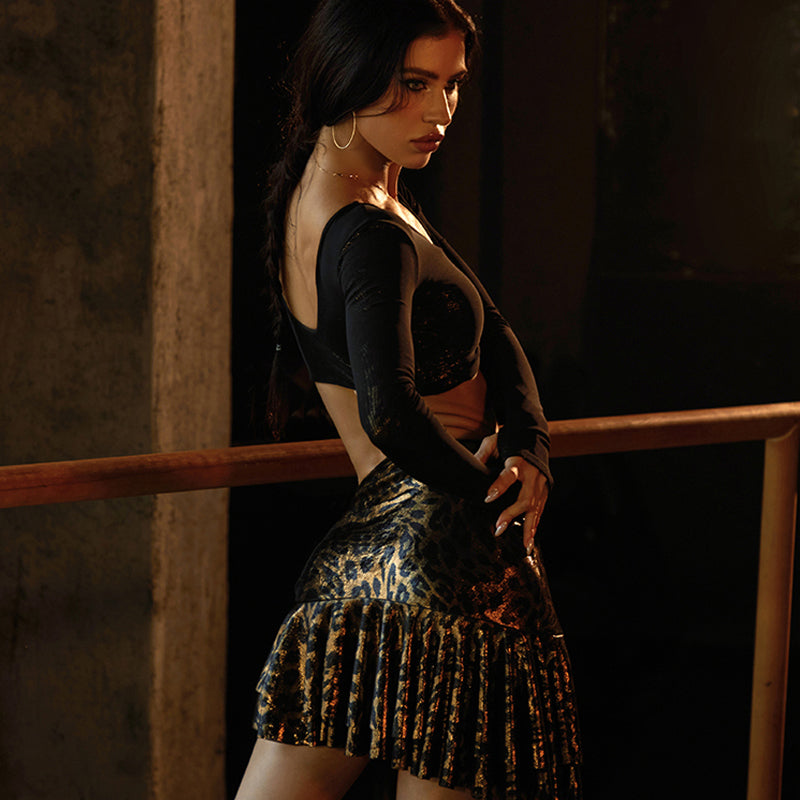
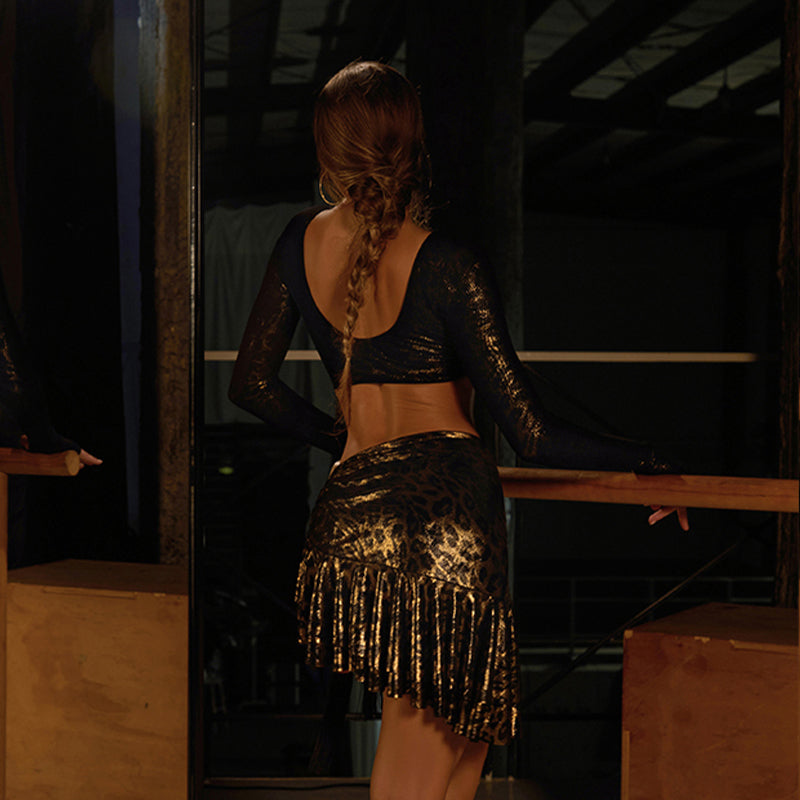
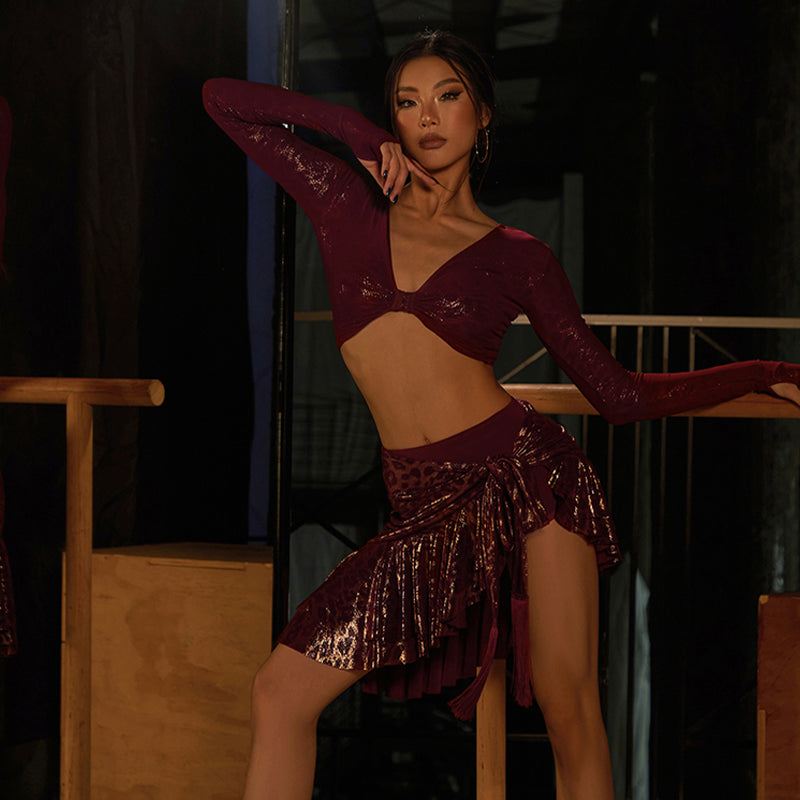
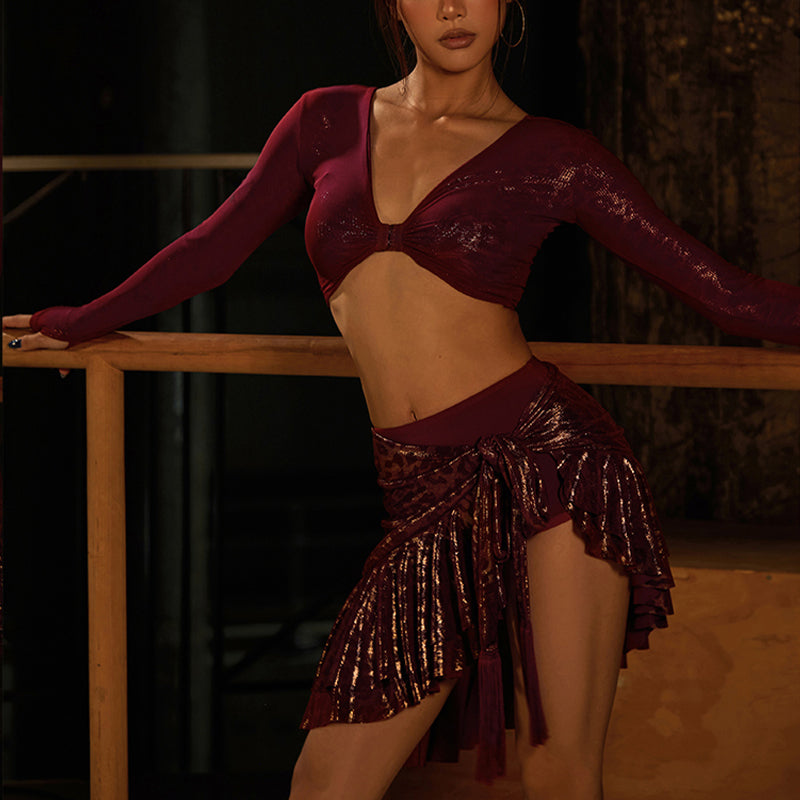
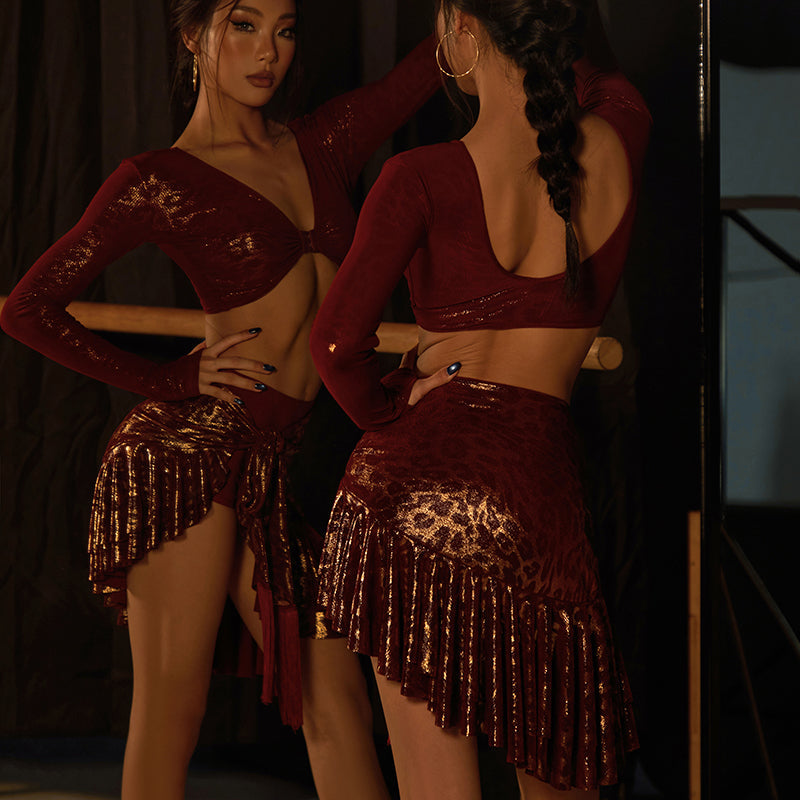
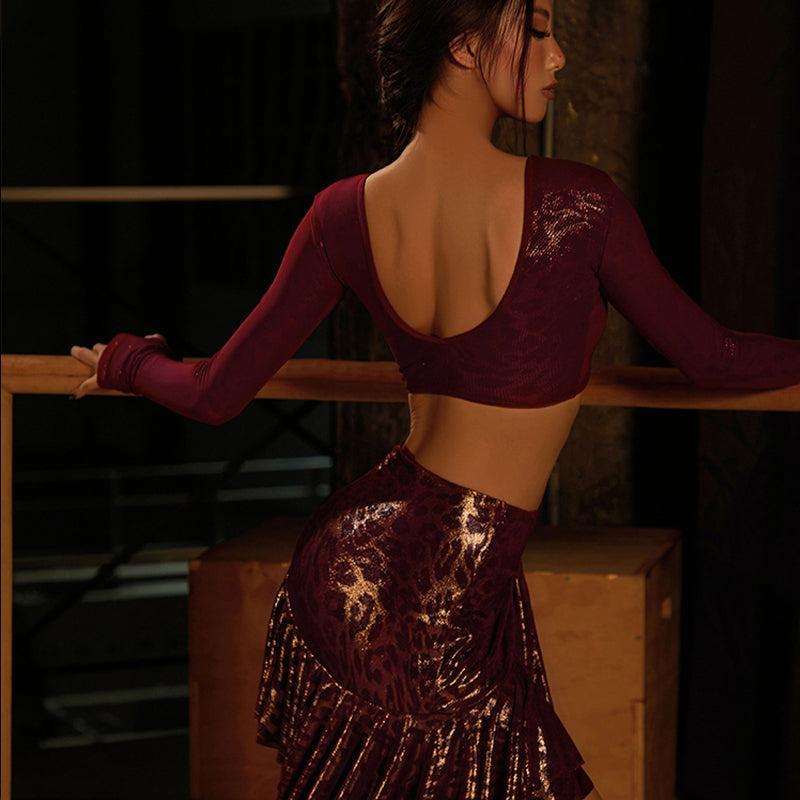
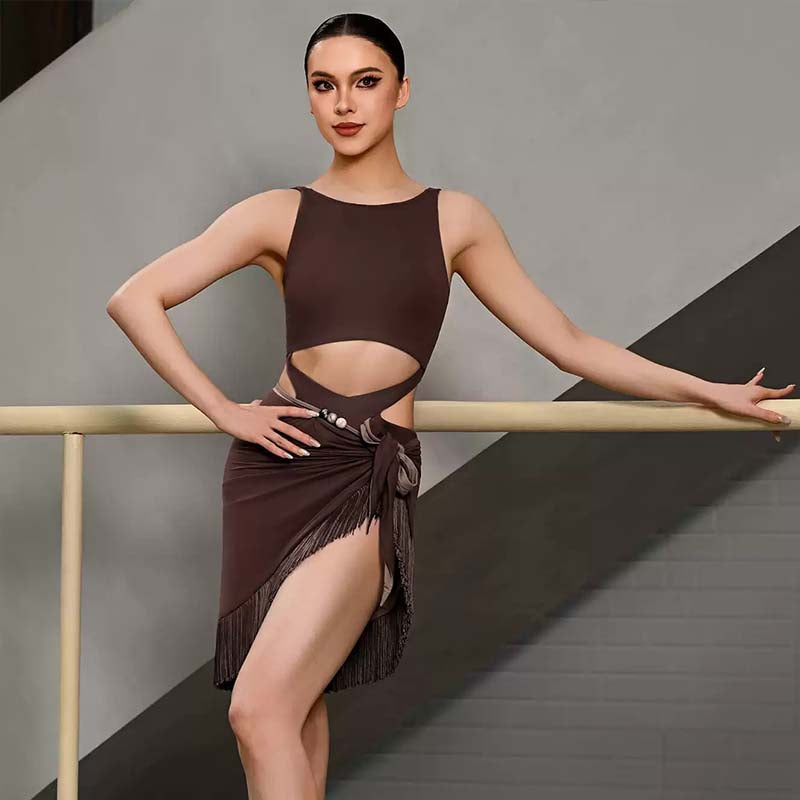
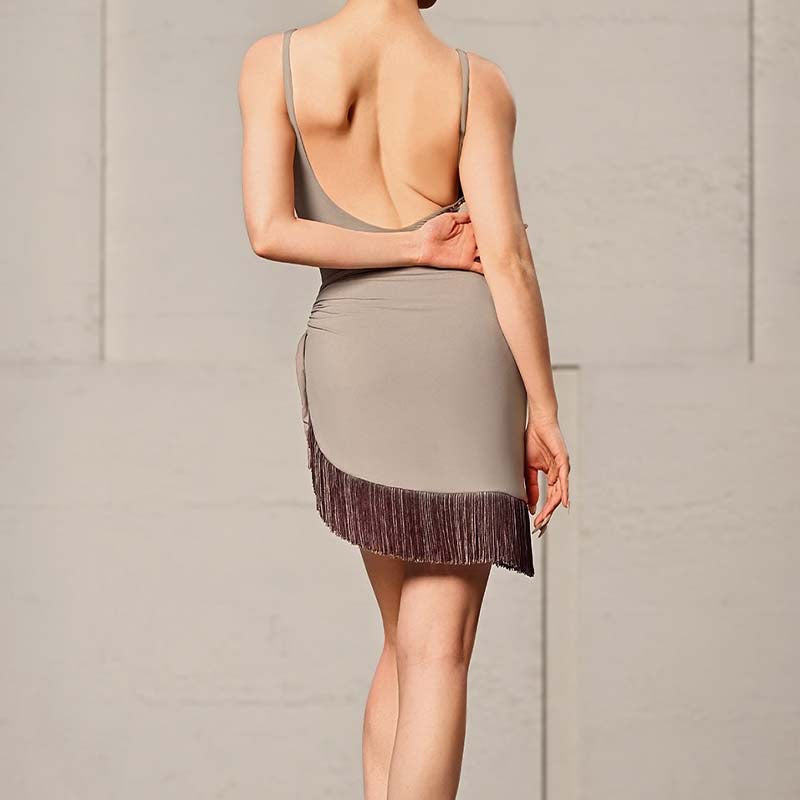
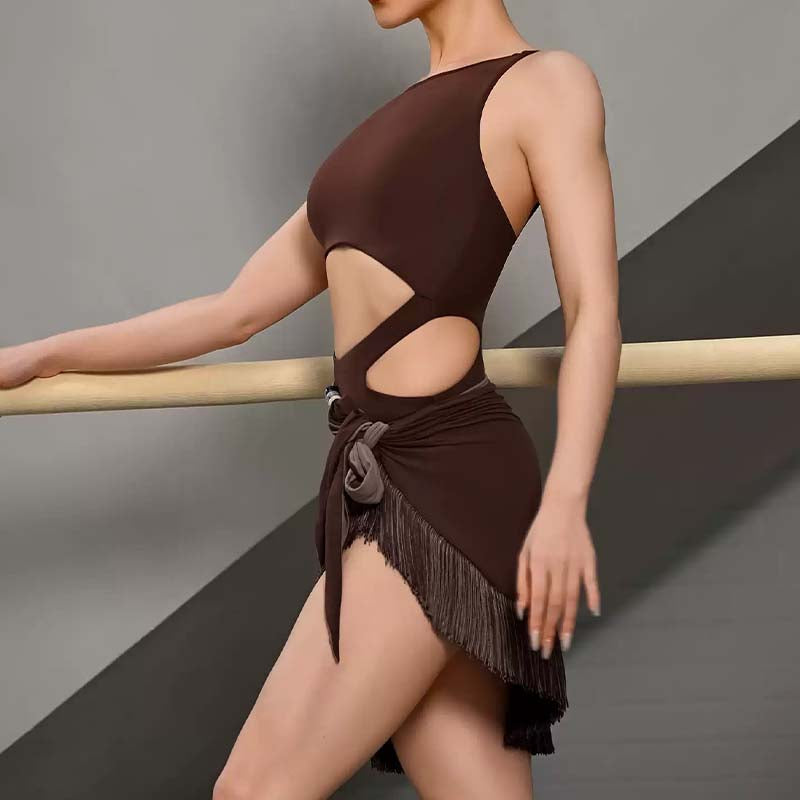
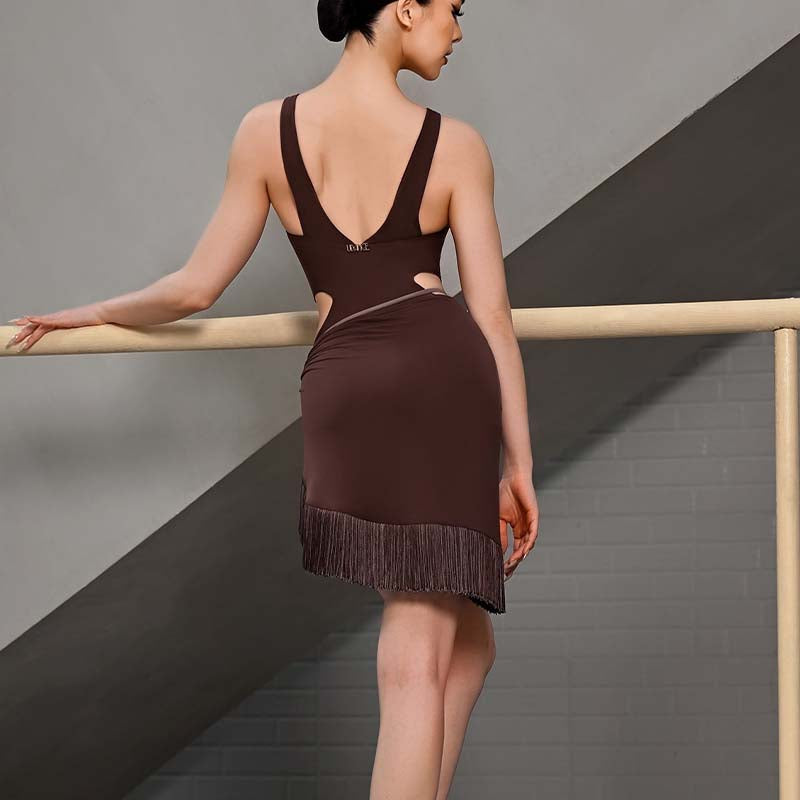

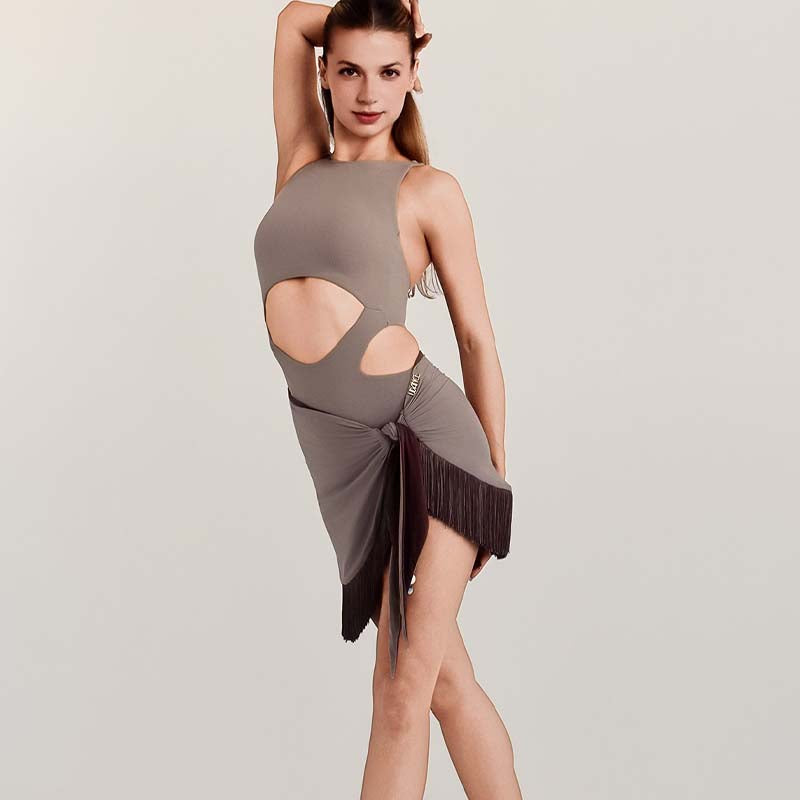
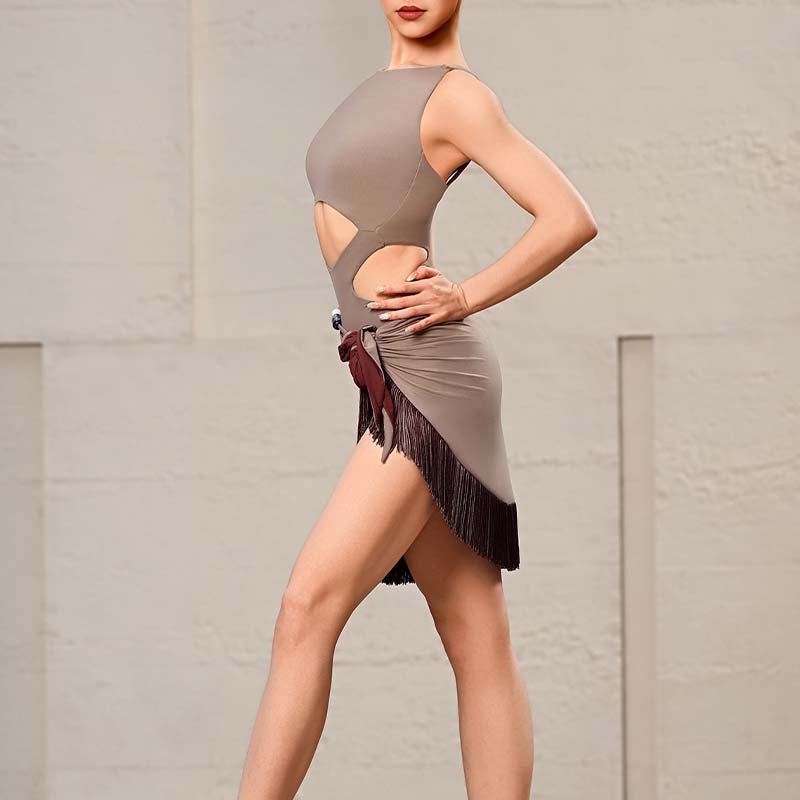
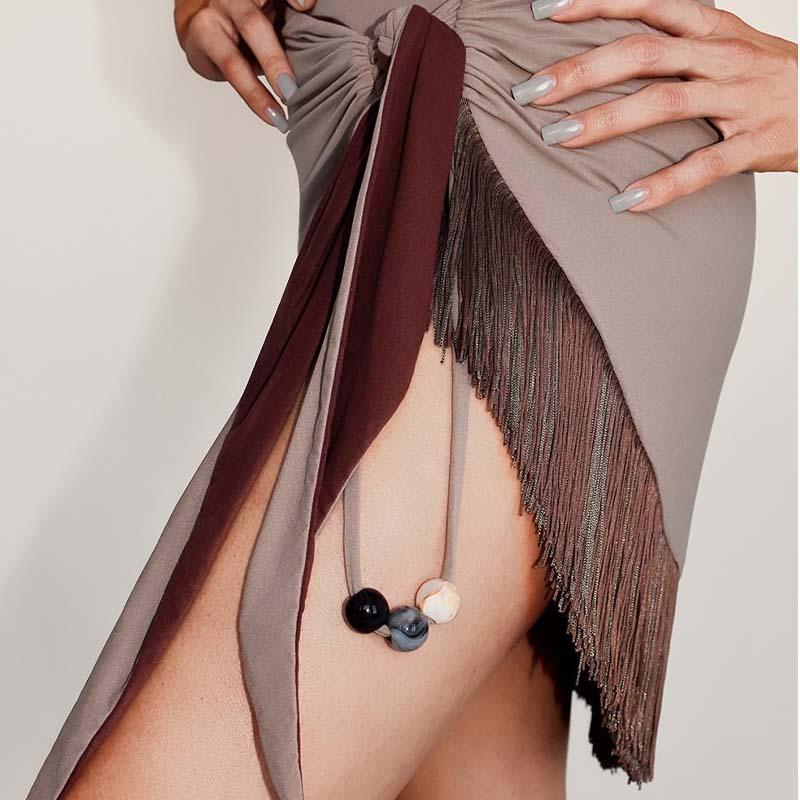
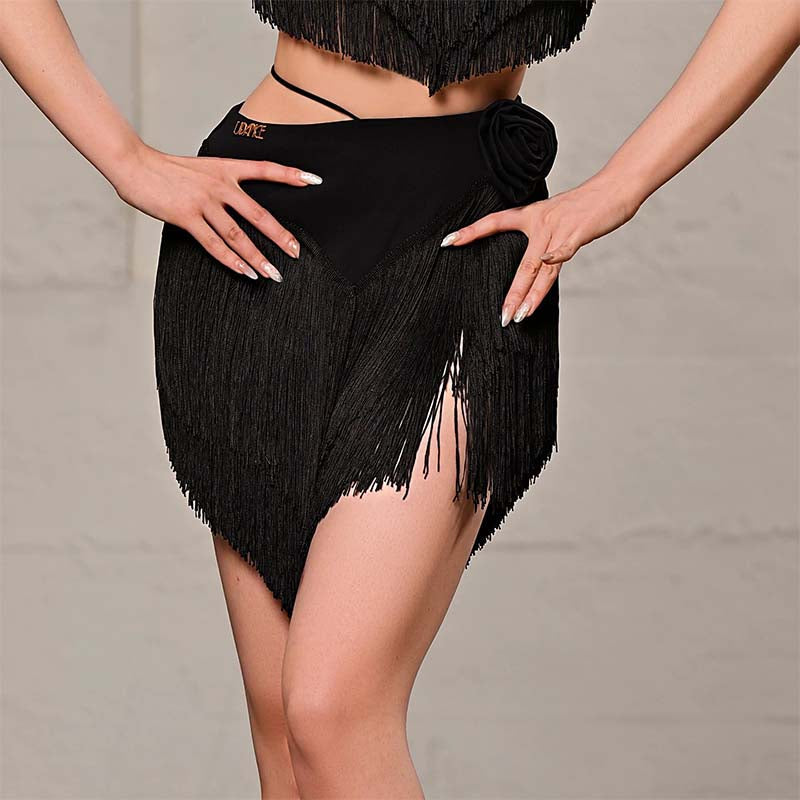
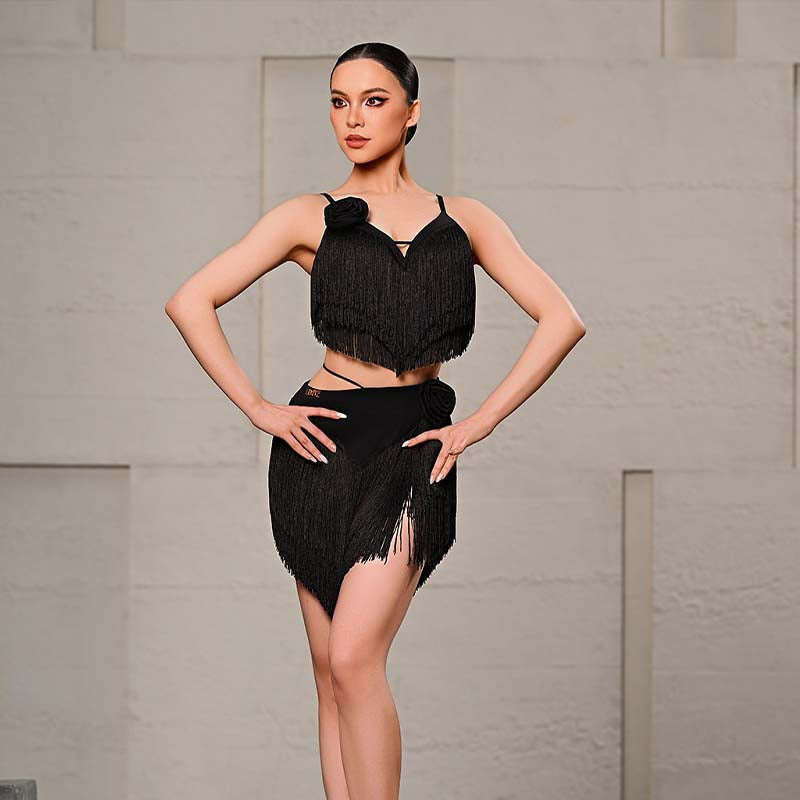
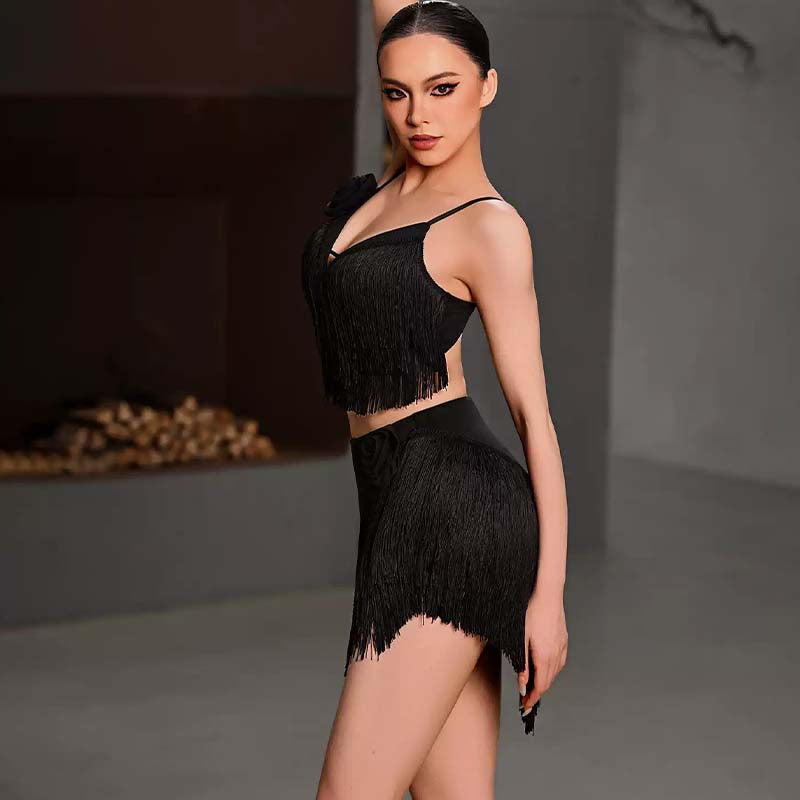
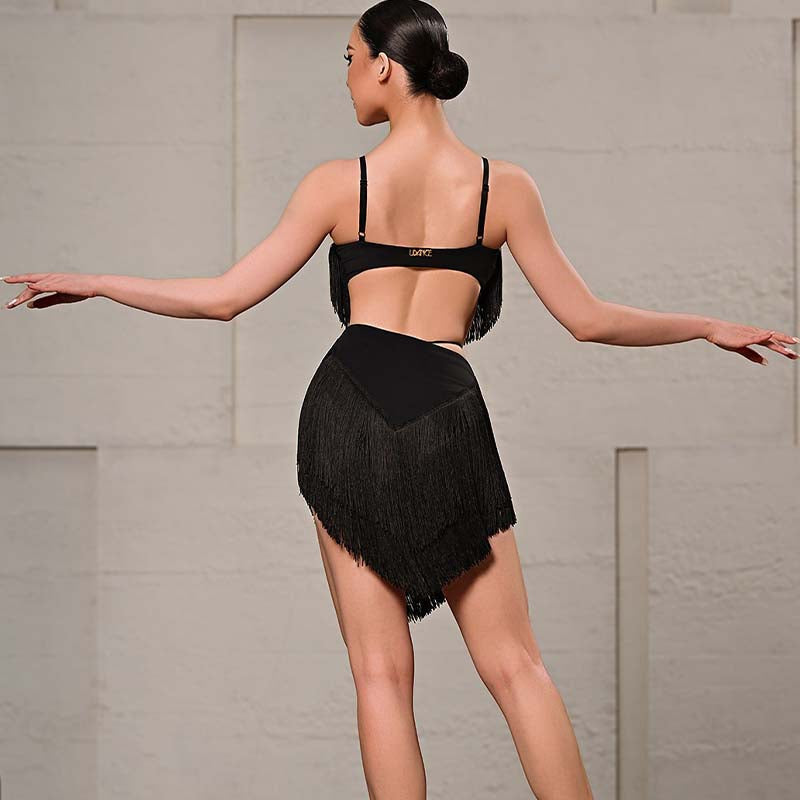
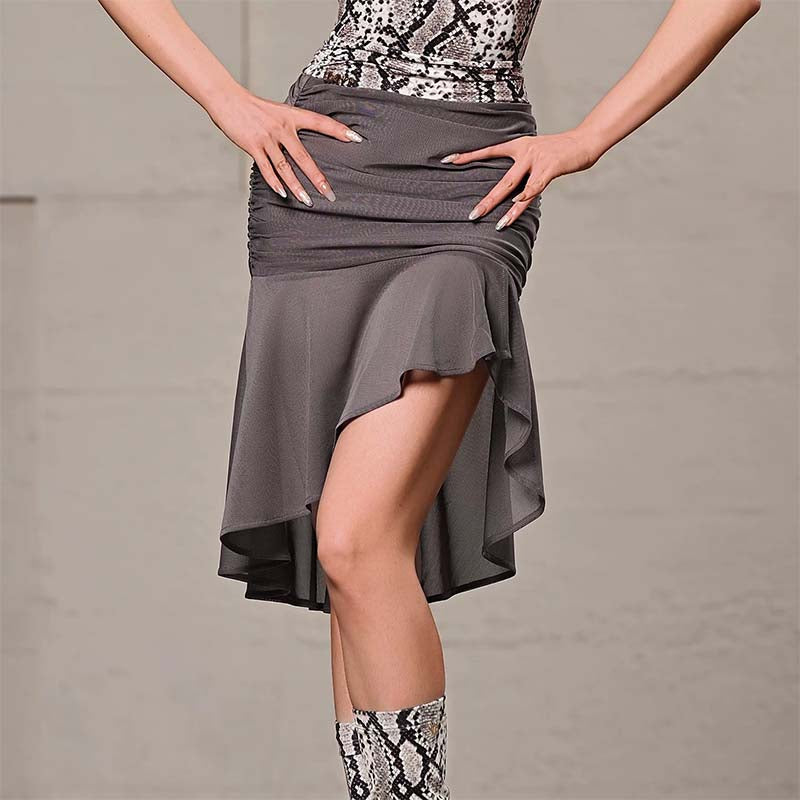
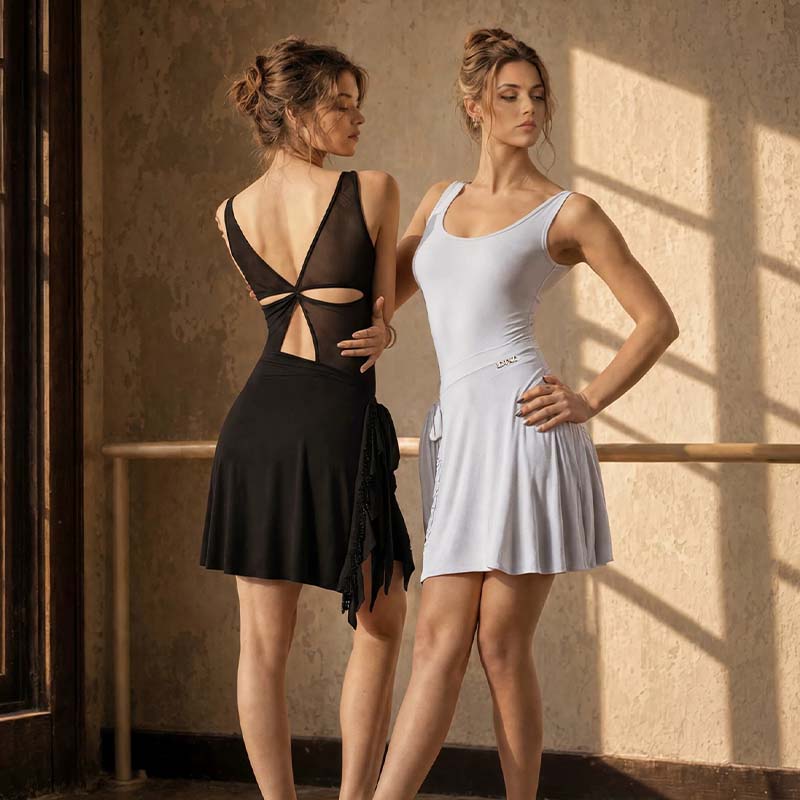
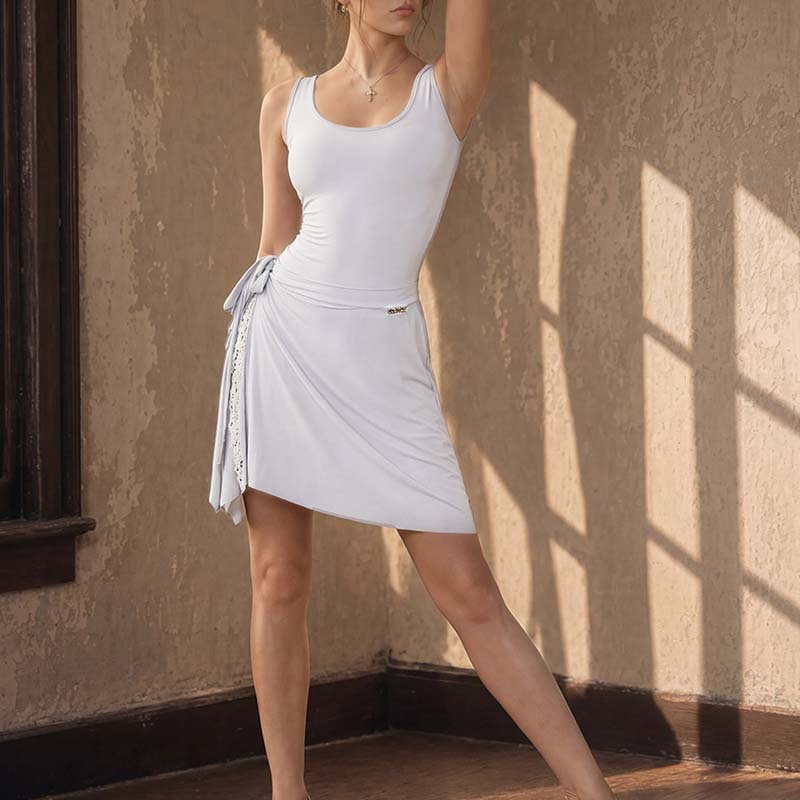
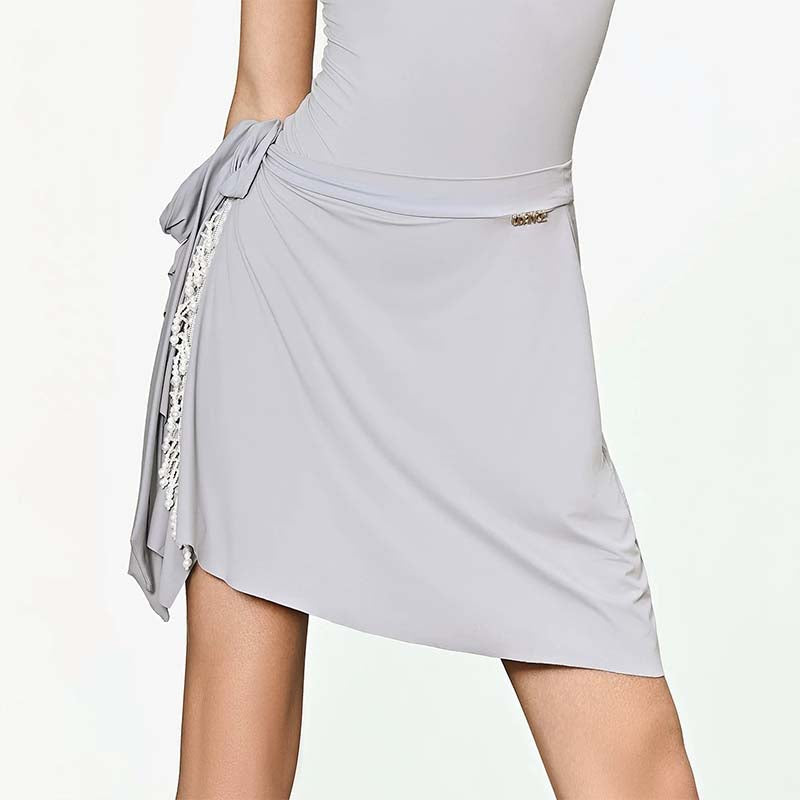
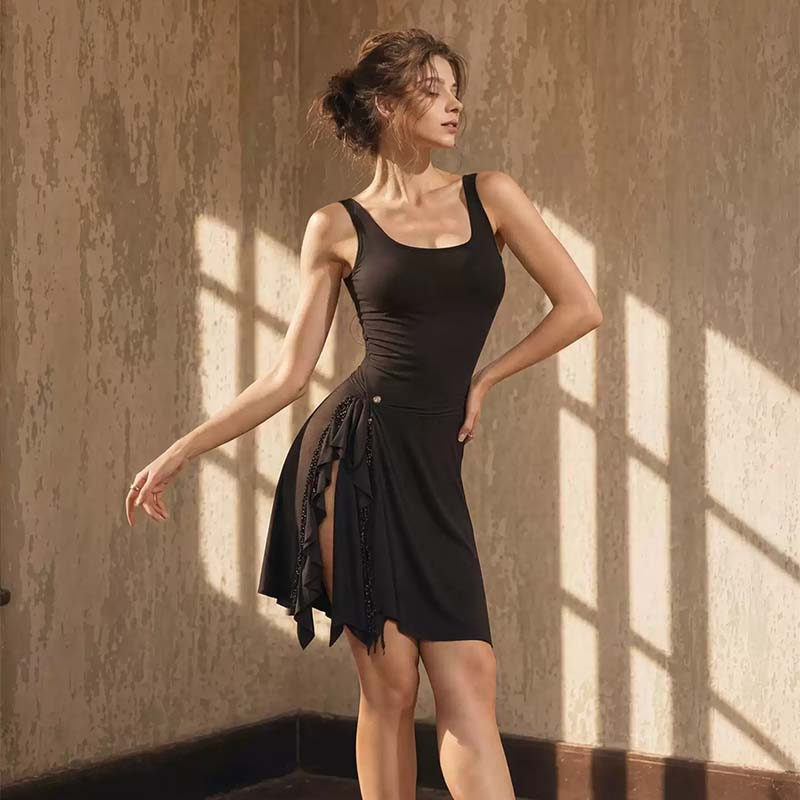

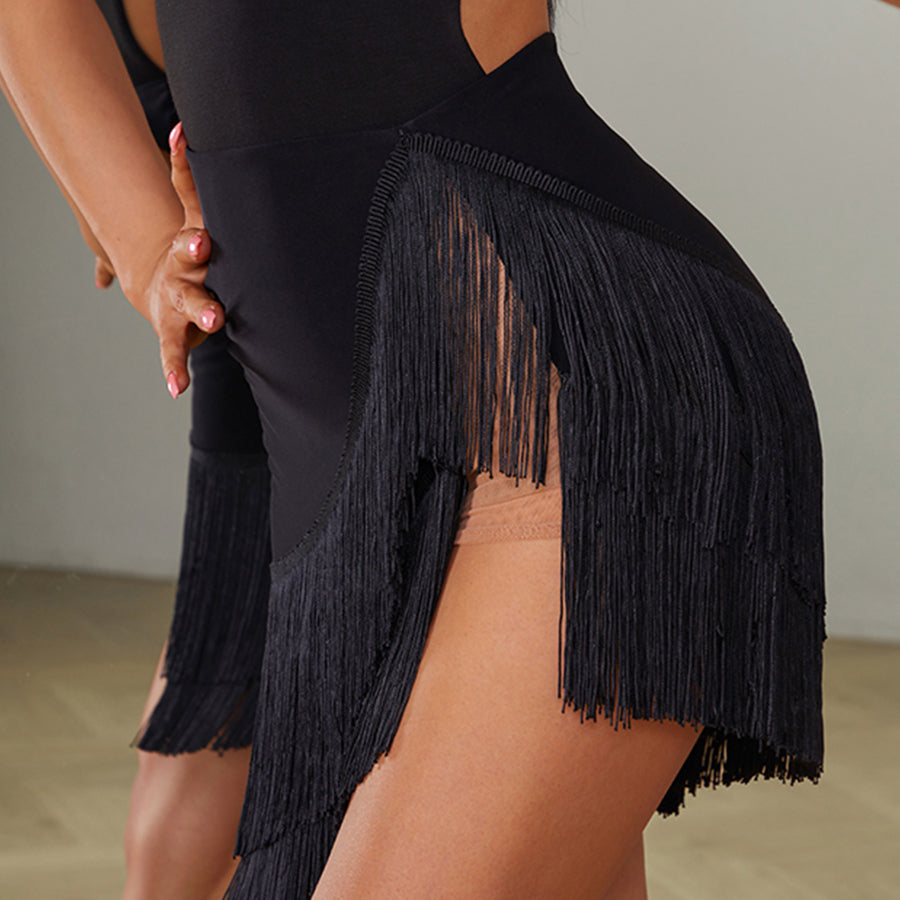
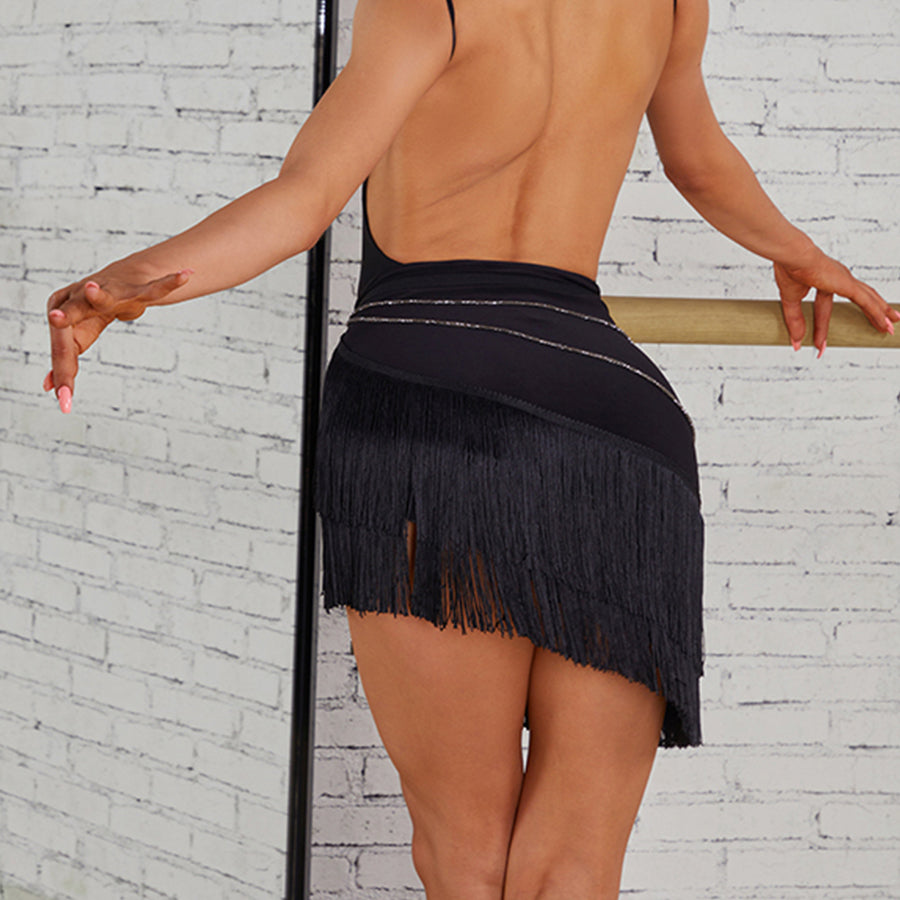
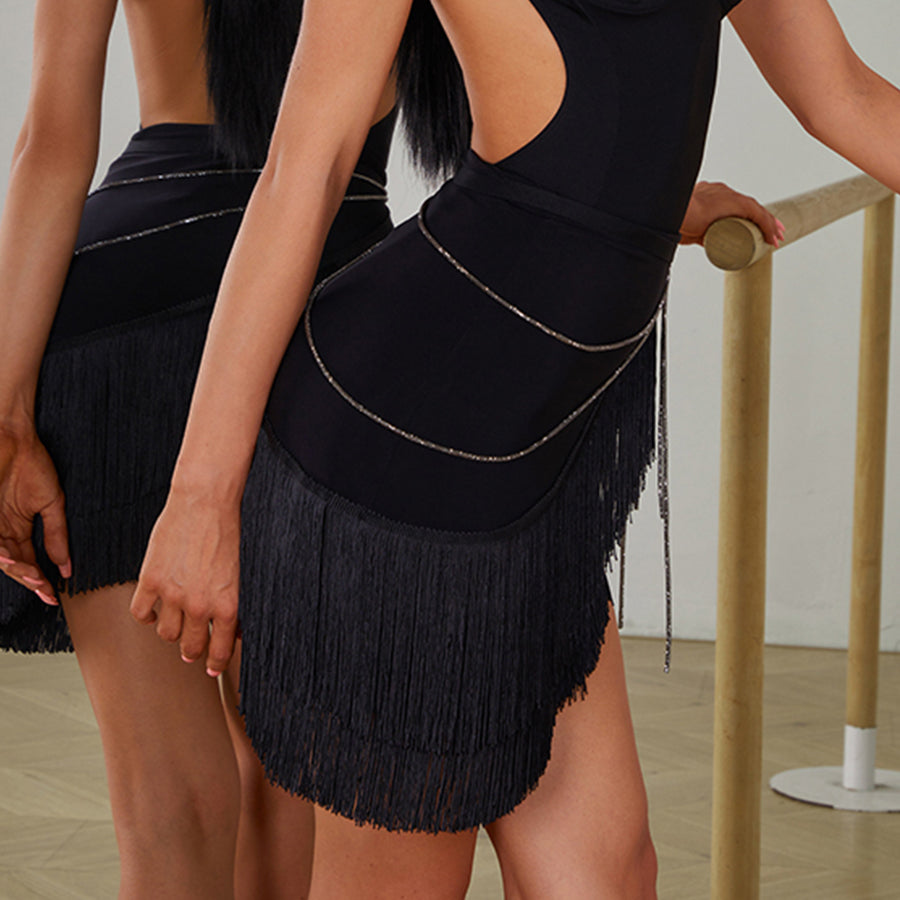
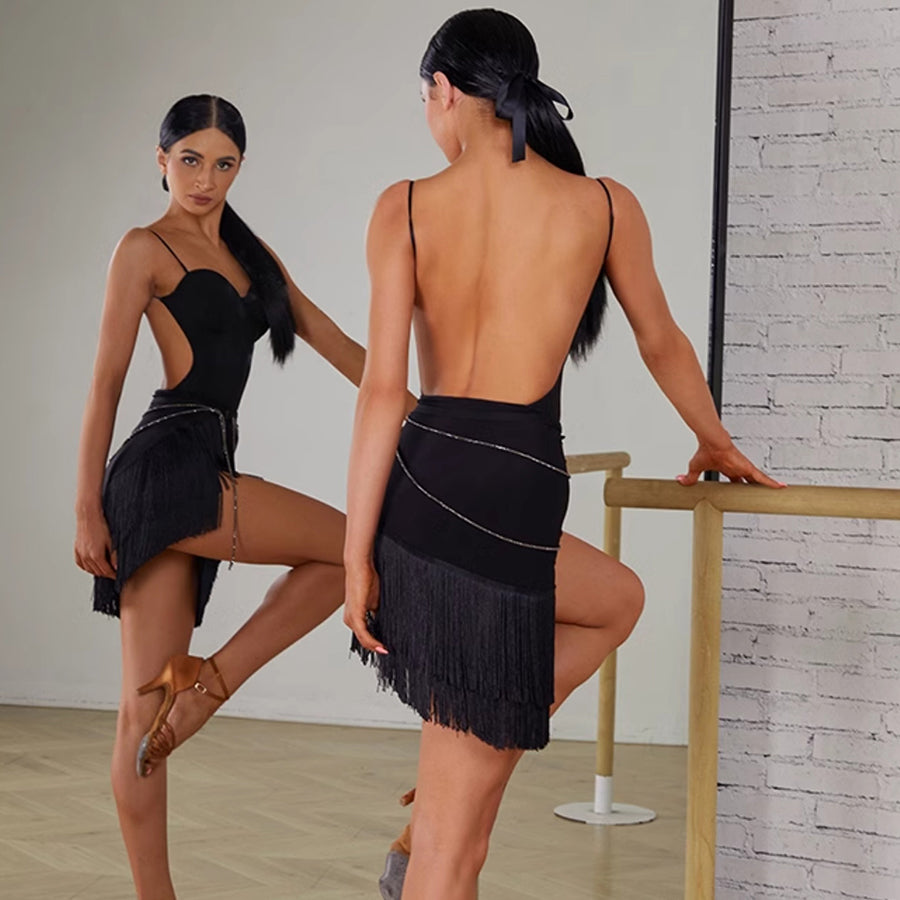
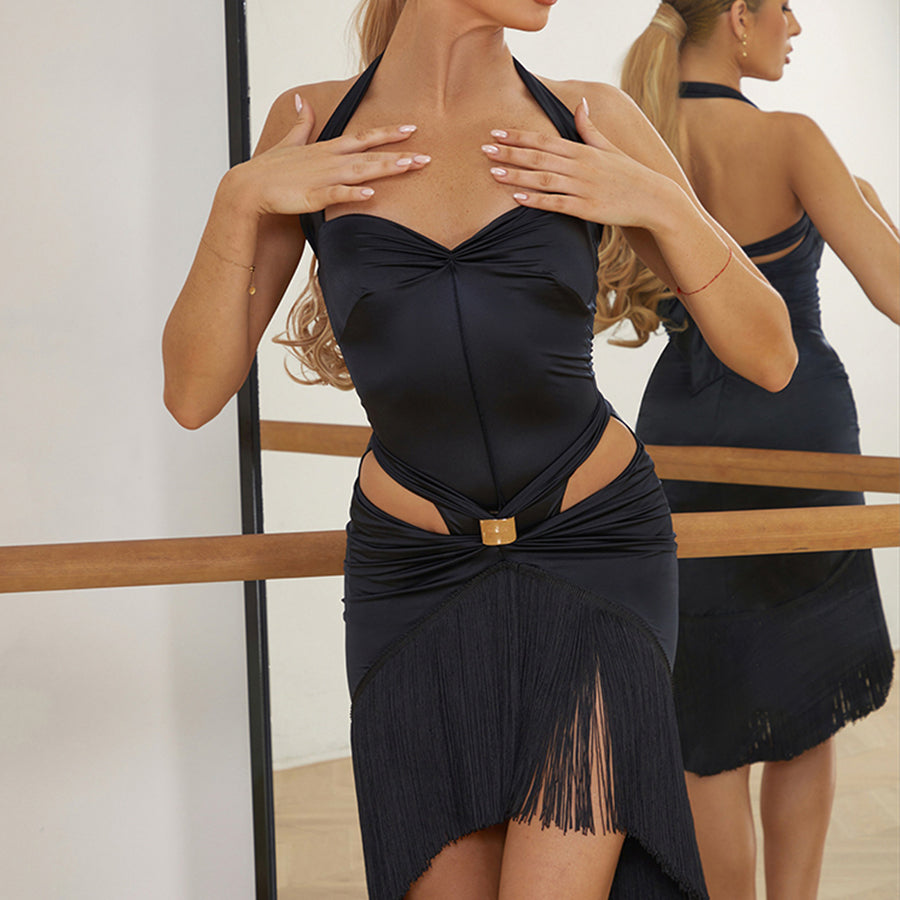
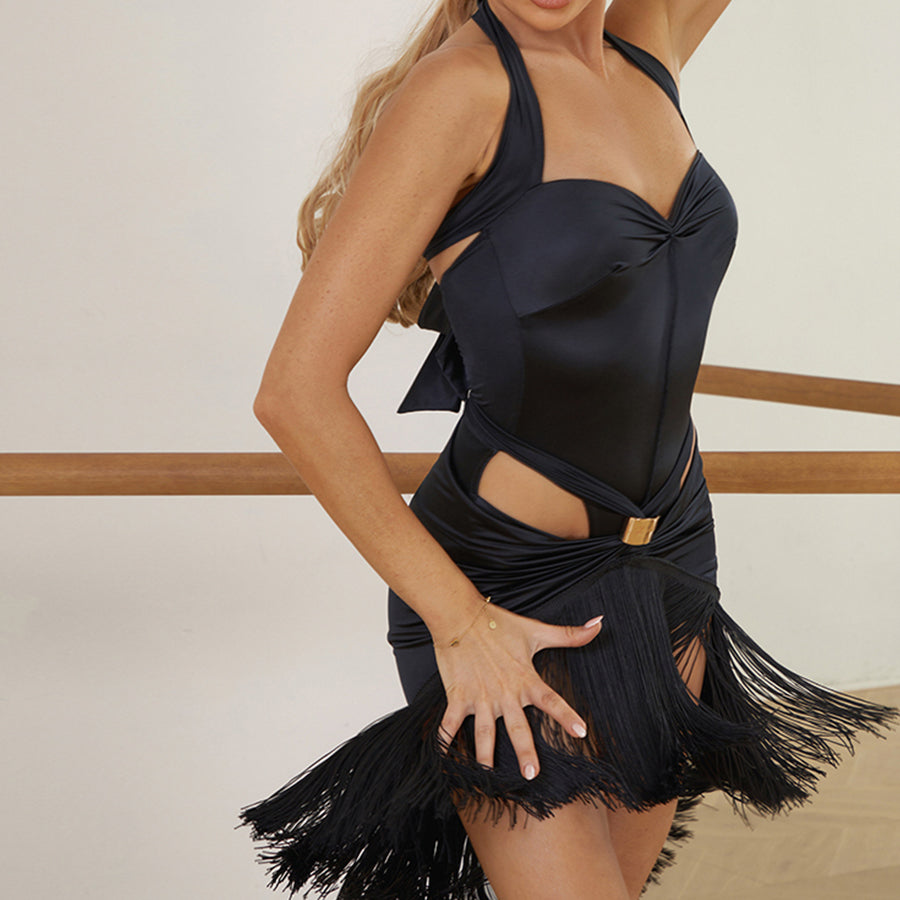
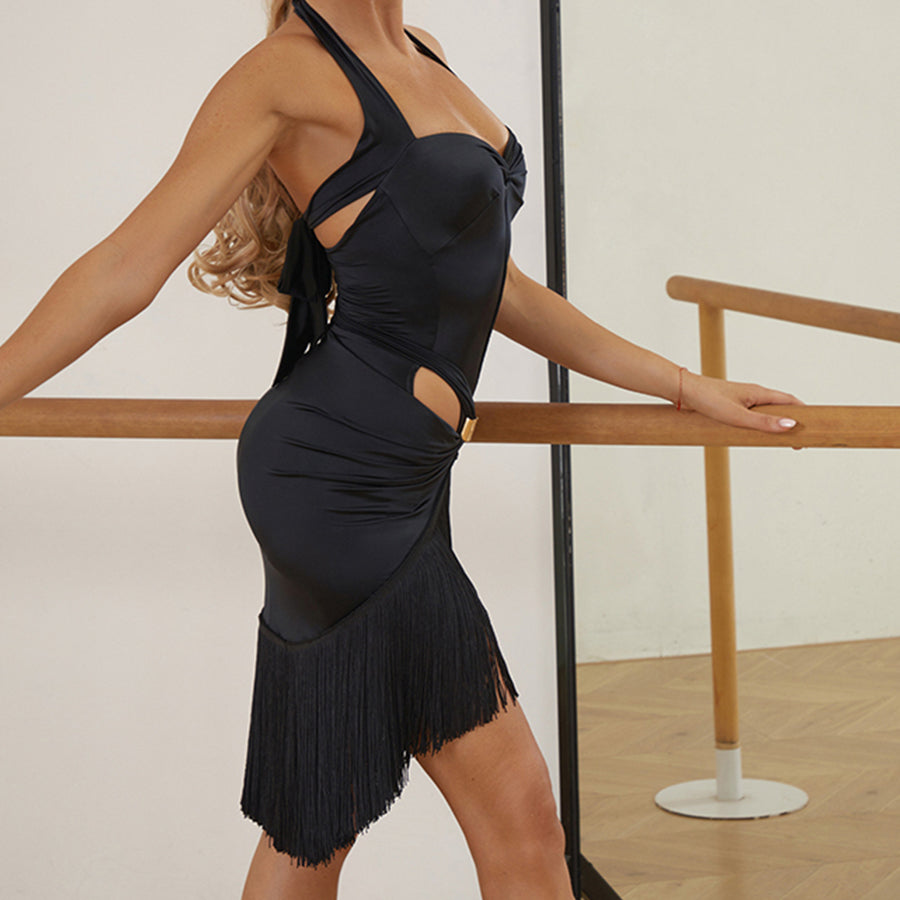
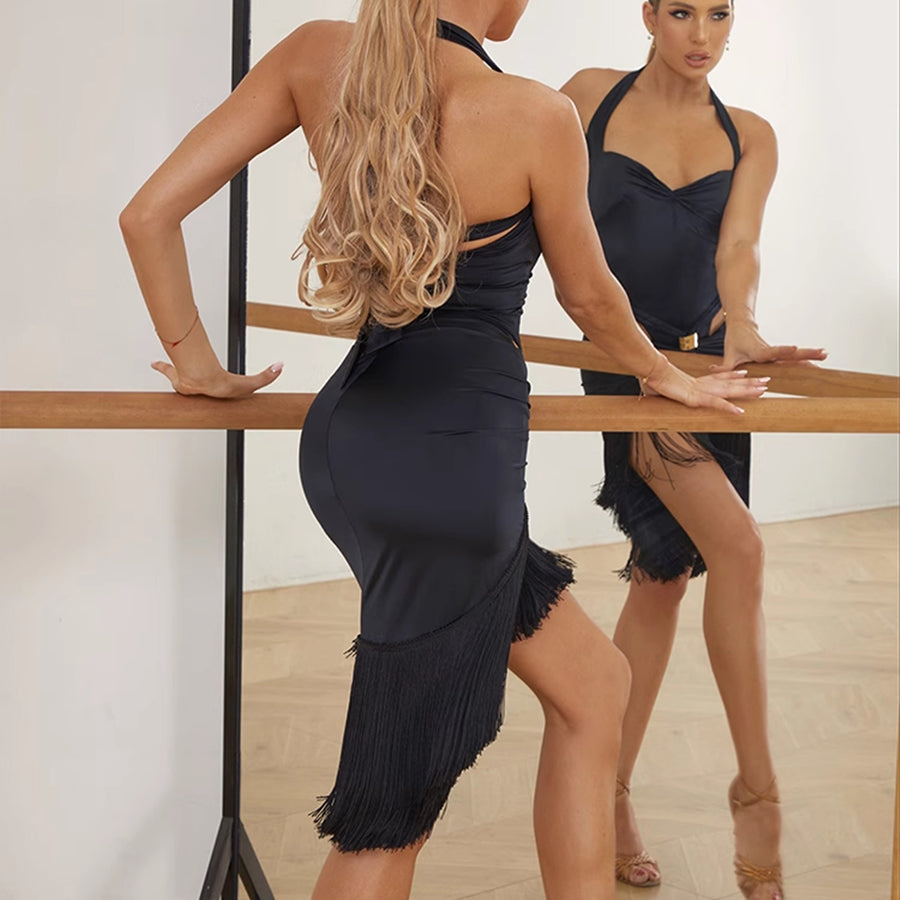




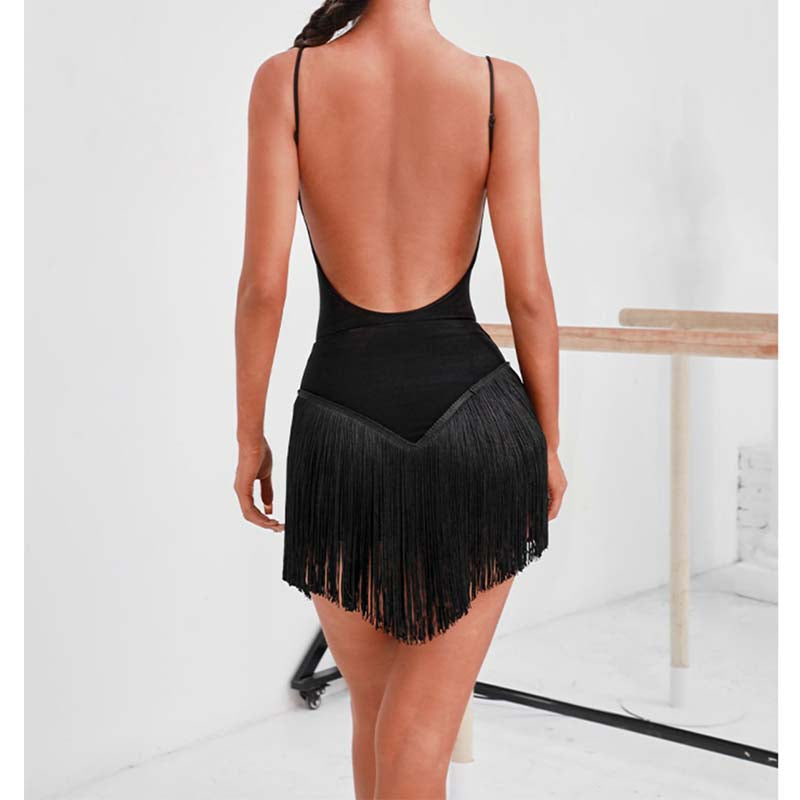

What Dancesport Means, and What It Covers
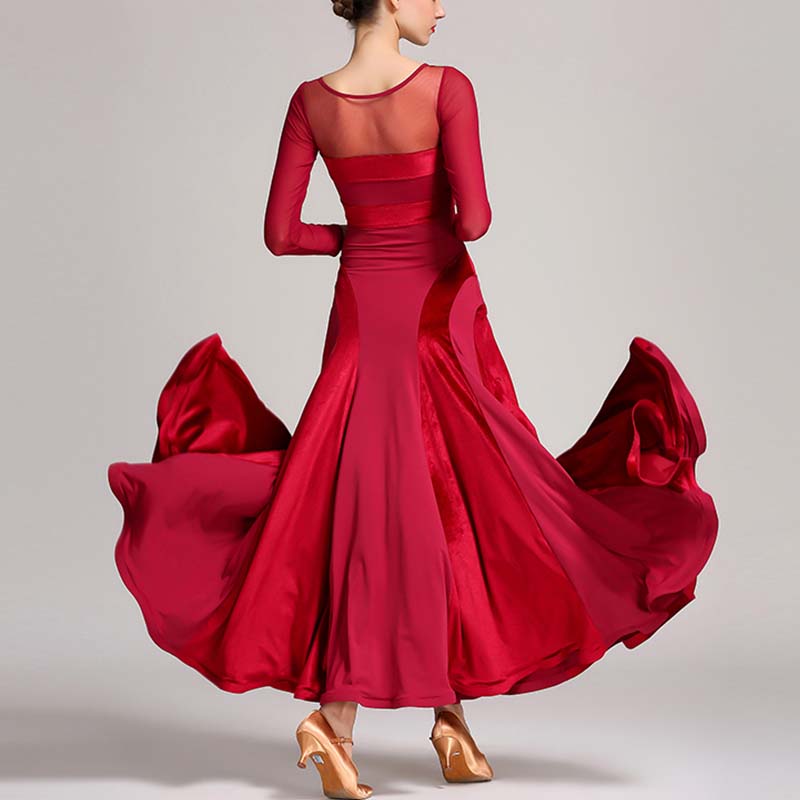
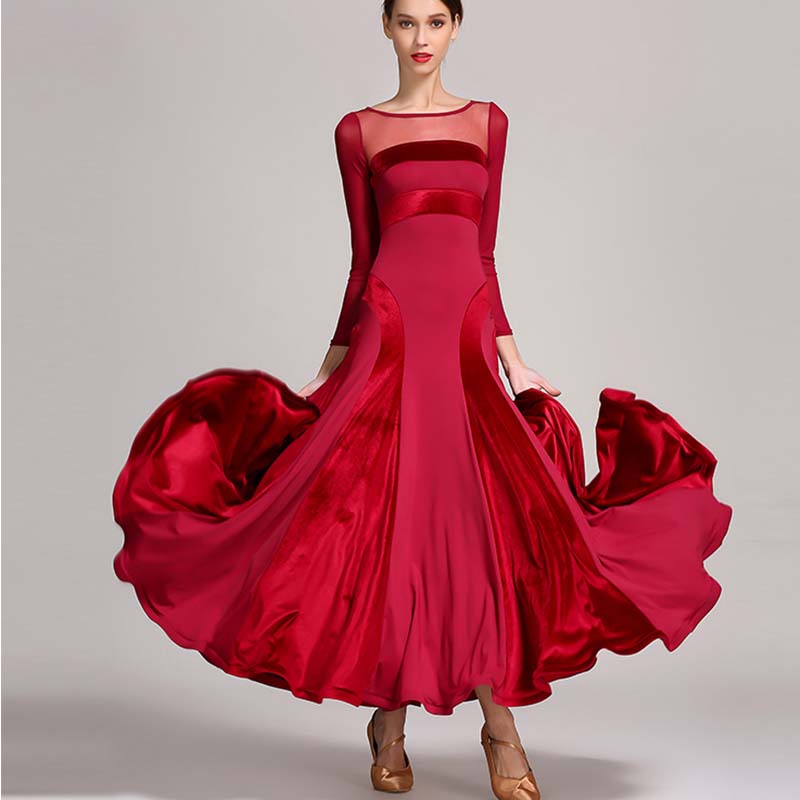
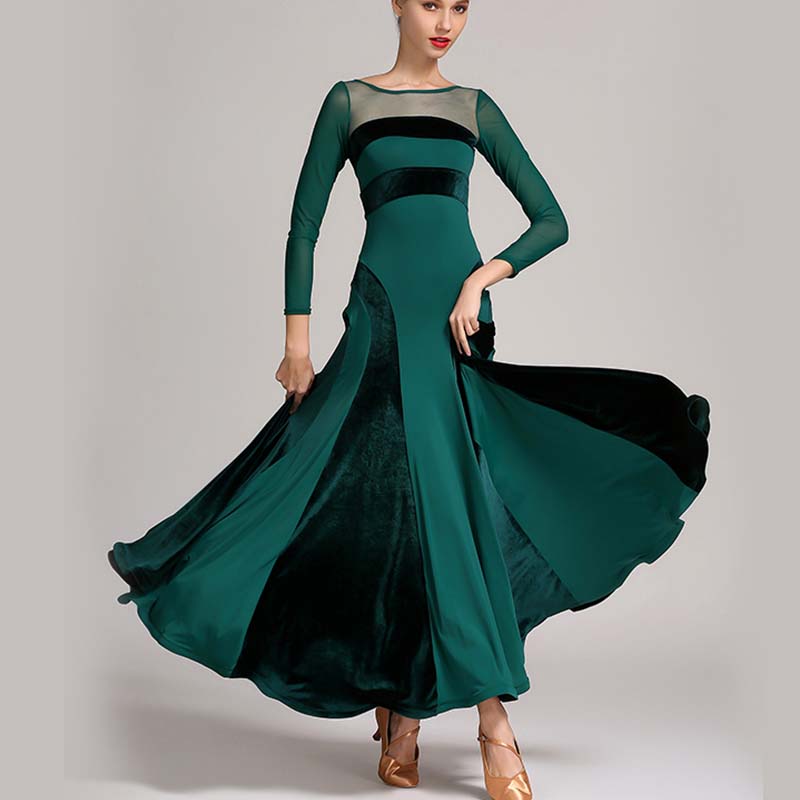
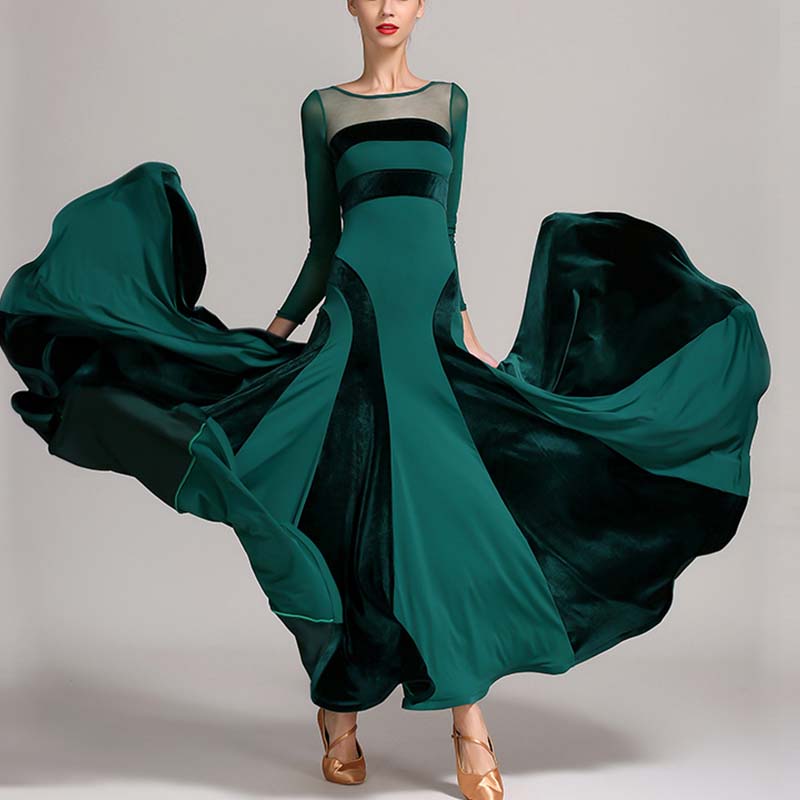
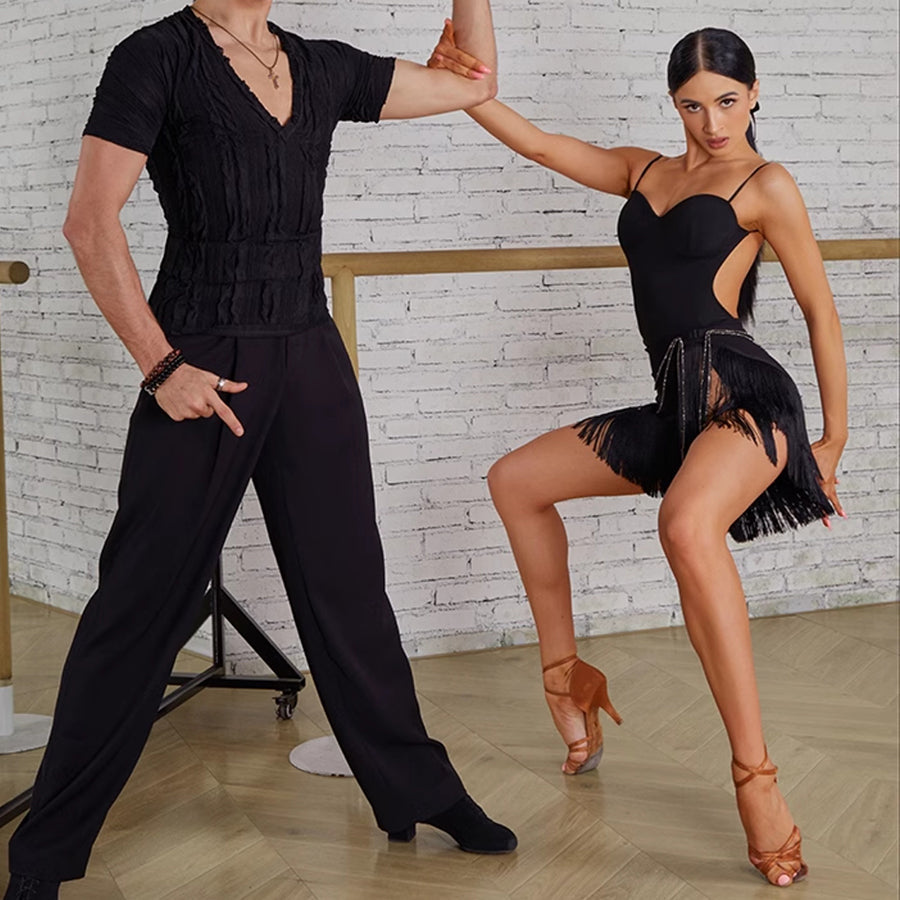
Dancesport is the competitive name for partner dancing — the term the World DanceSport Federation uses, and the one you will see on entry forms and score sheets. It covers two families that look nothing alike on the floor: Standard, danced in a closed hold with continuous travel, and Latin, danced apart and on the beat. Both are dancesport. Neither one is dancesport on its own.
That matters when you shop, because dancesport wear is not a style of garment. It is a category that contains two incompatible wardrobes, plus the practice clothes that serve both. Everything on this page belongs to one of those three groups, and the fastest way through it is to decide which group you are in before you start looking at pictures.
Practice Wear and Competition Wear Are Two Wardrobes
The split people underestimate is not ballroom versus Latin. It is the weekly wardrobe versus the floor wardrobe, and they are bought on completely different logic.
Practice dancewear is judged on how it behaves the fifteenth time you wear it. Fabric that recovers overnight, seams that survive a hot studio, waistbands that do not roll, nothing applied that can scratch a partner or snag on a hold. It is worn twice a week for a term, washed constantly, and shoved damp into a bag. Nothing about it needs to photograph well, and a good practice piece is one you stop thinking about.
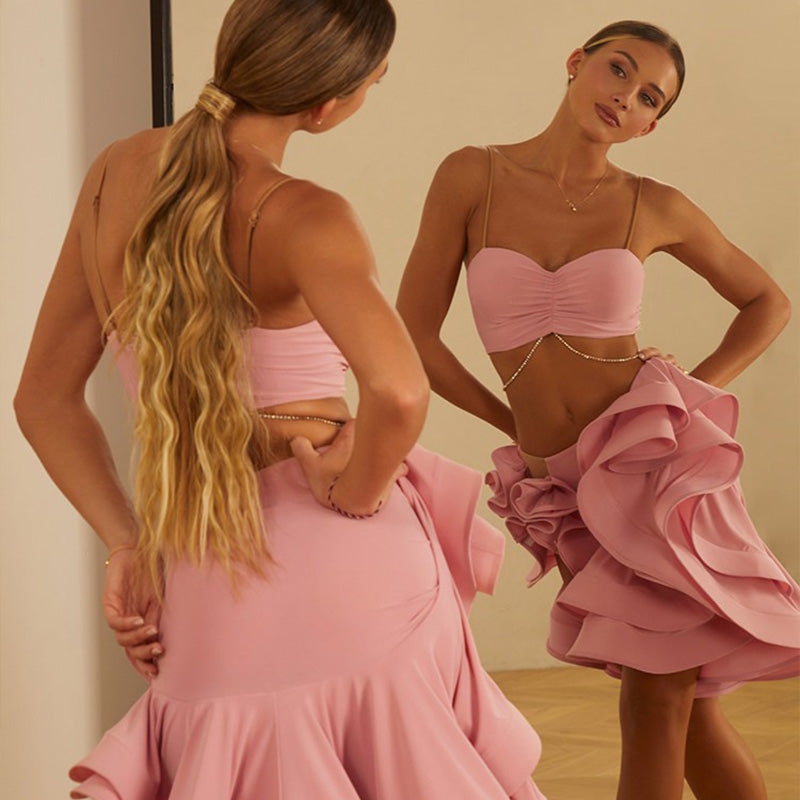
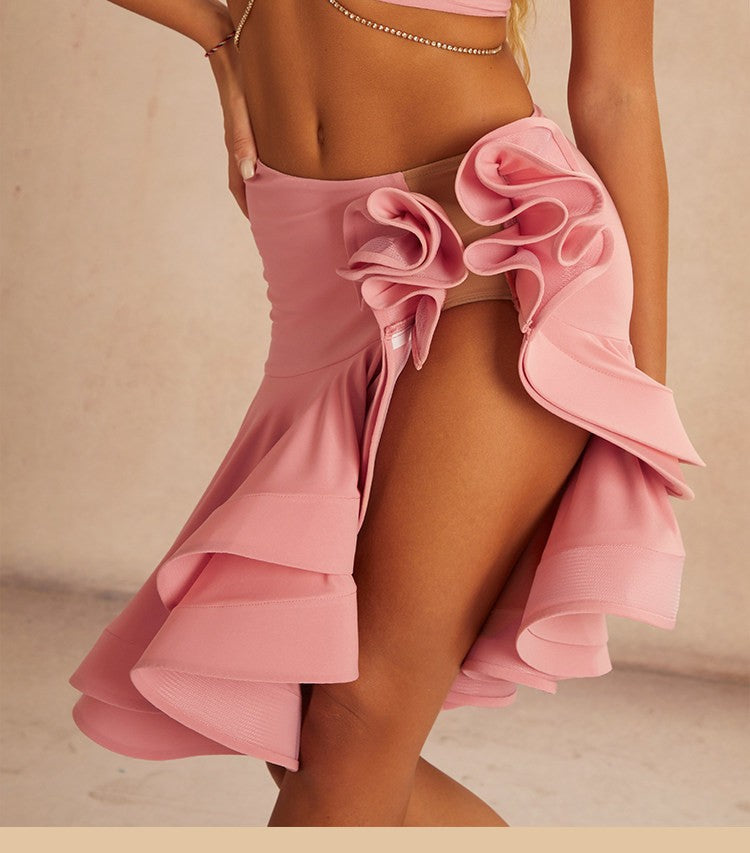
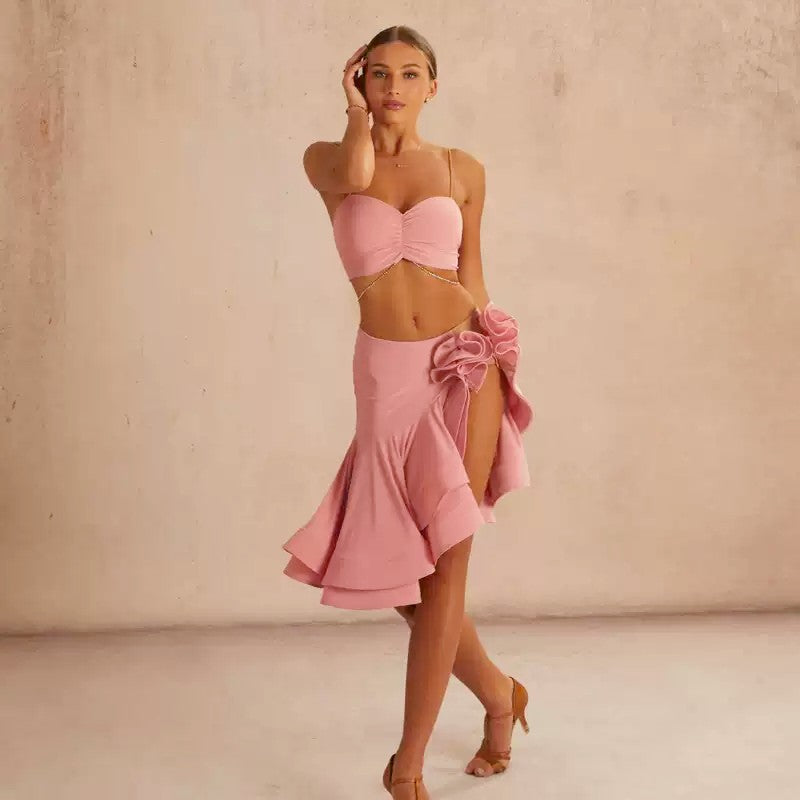
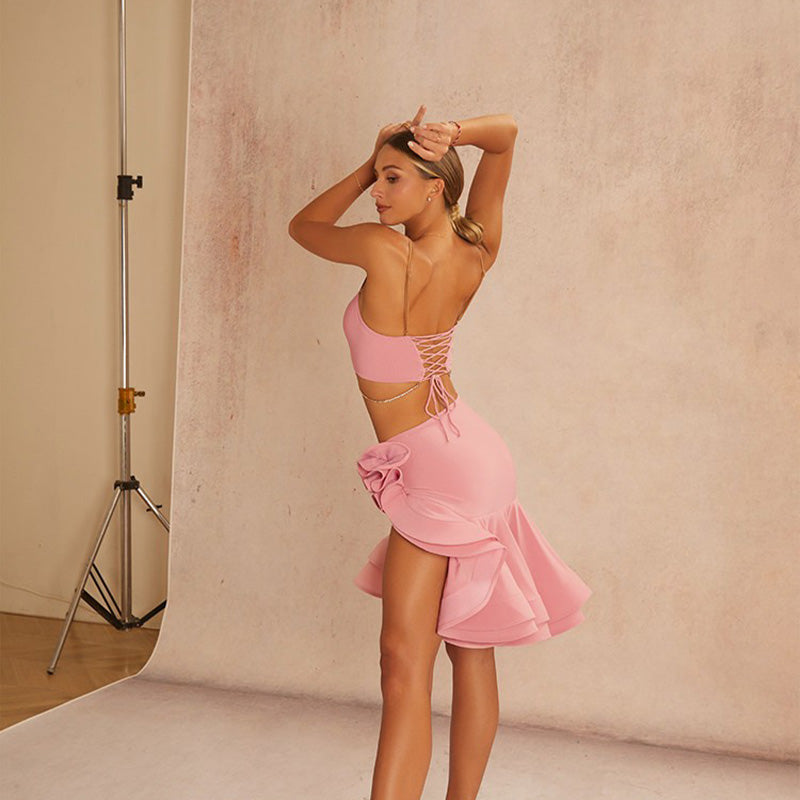
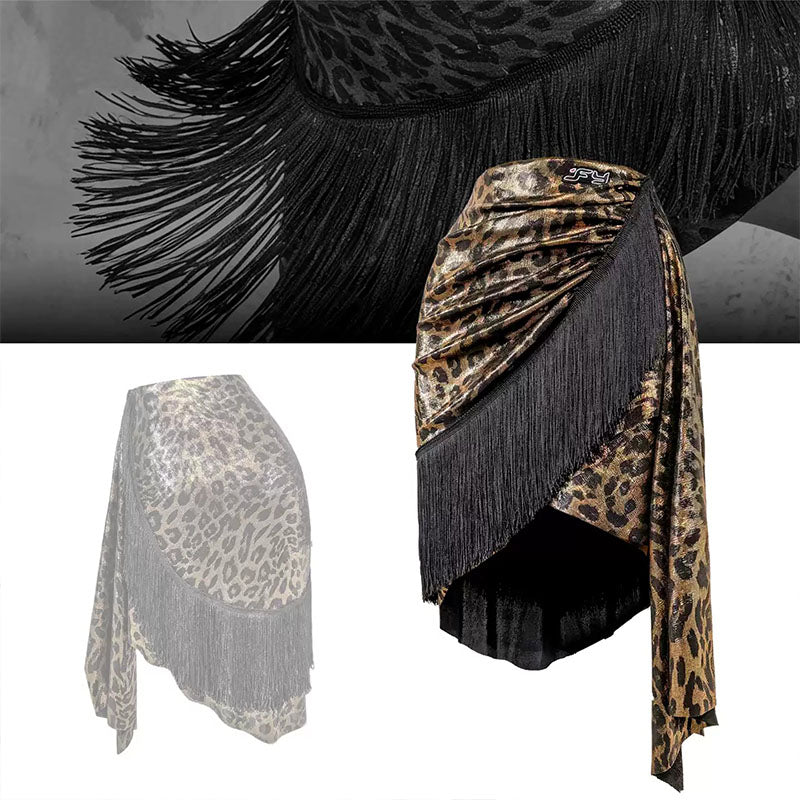
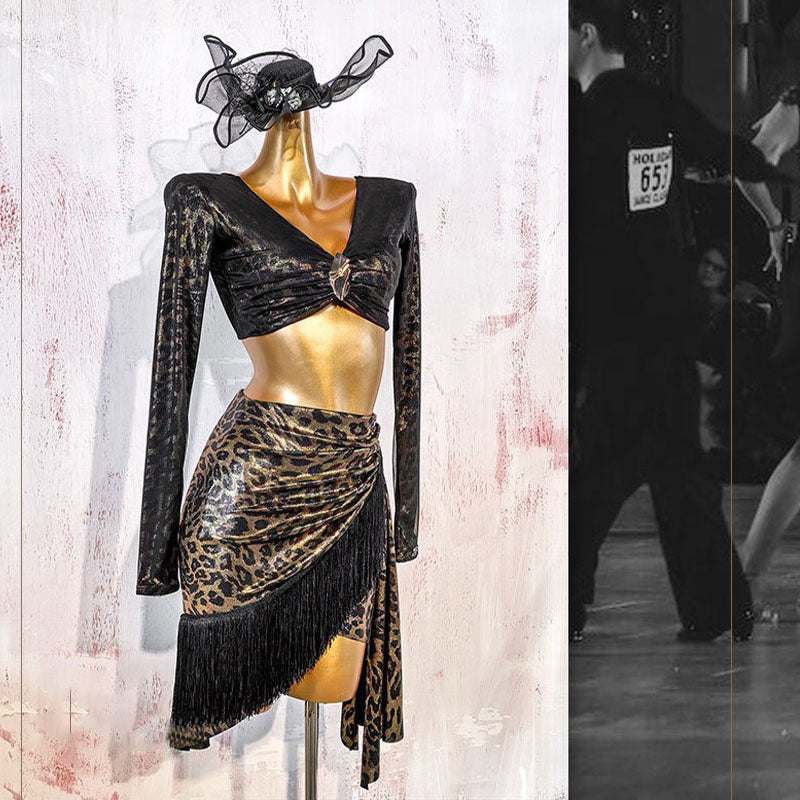
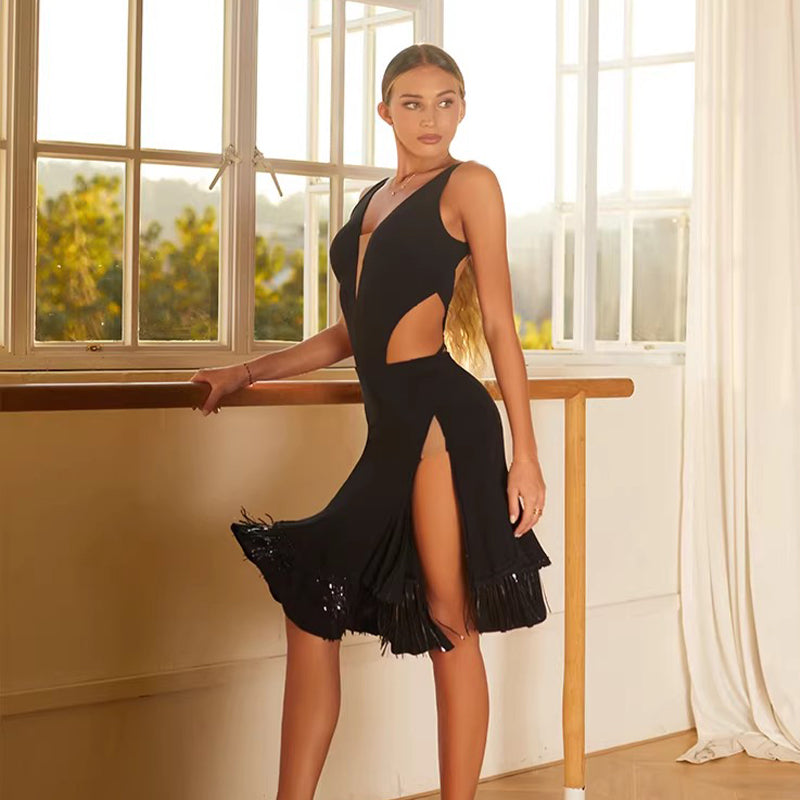
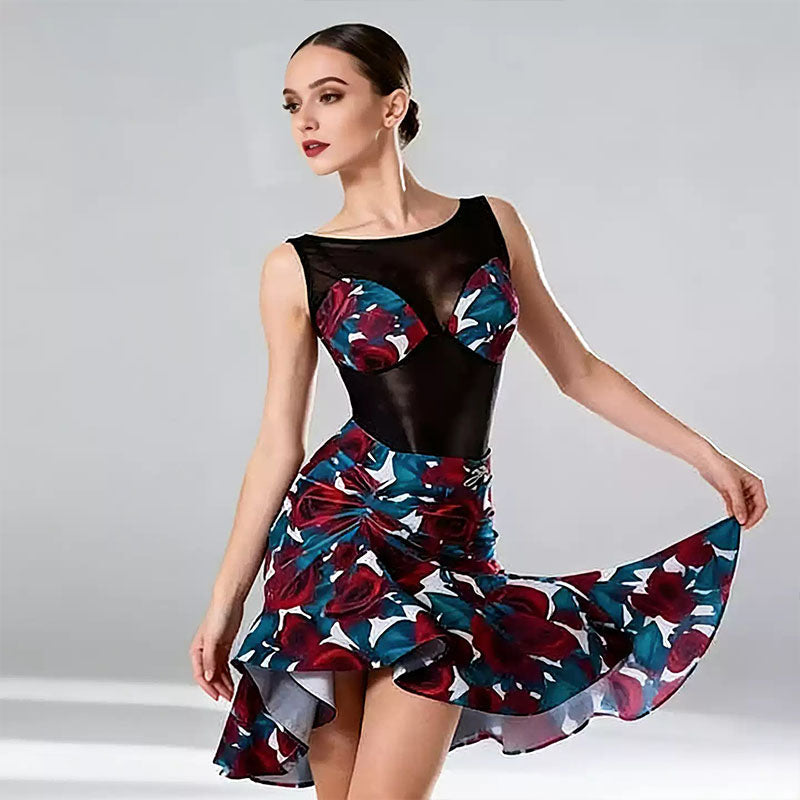
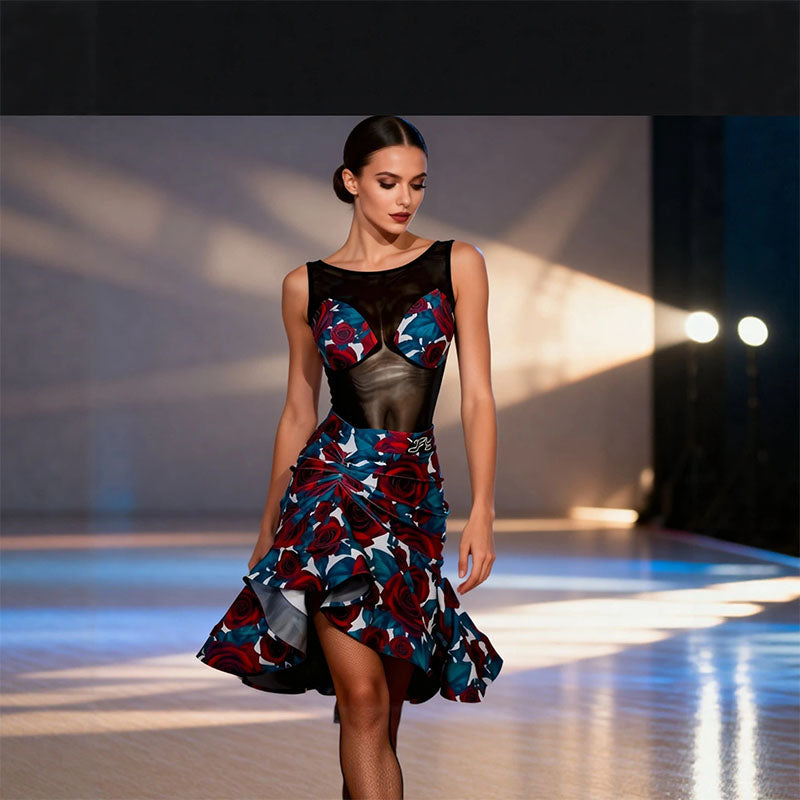
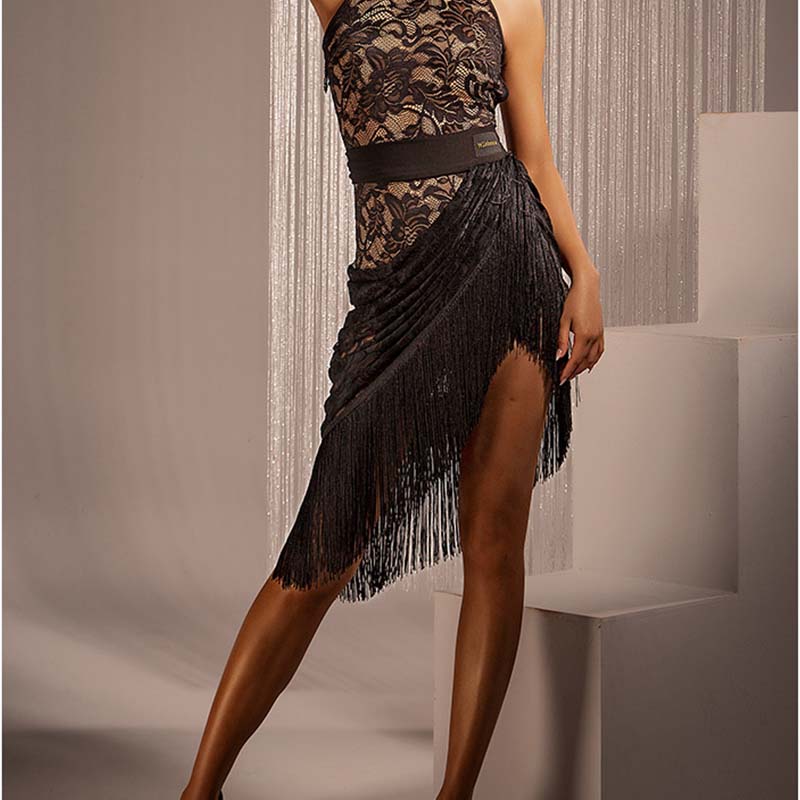
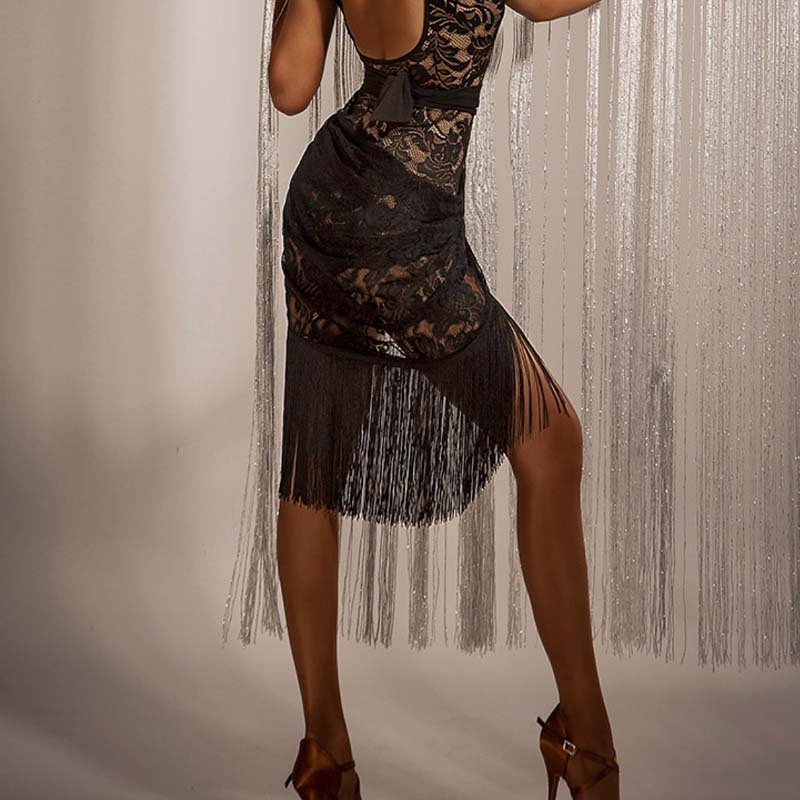
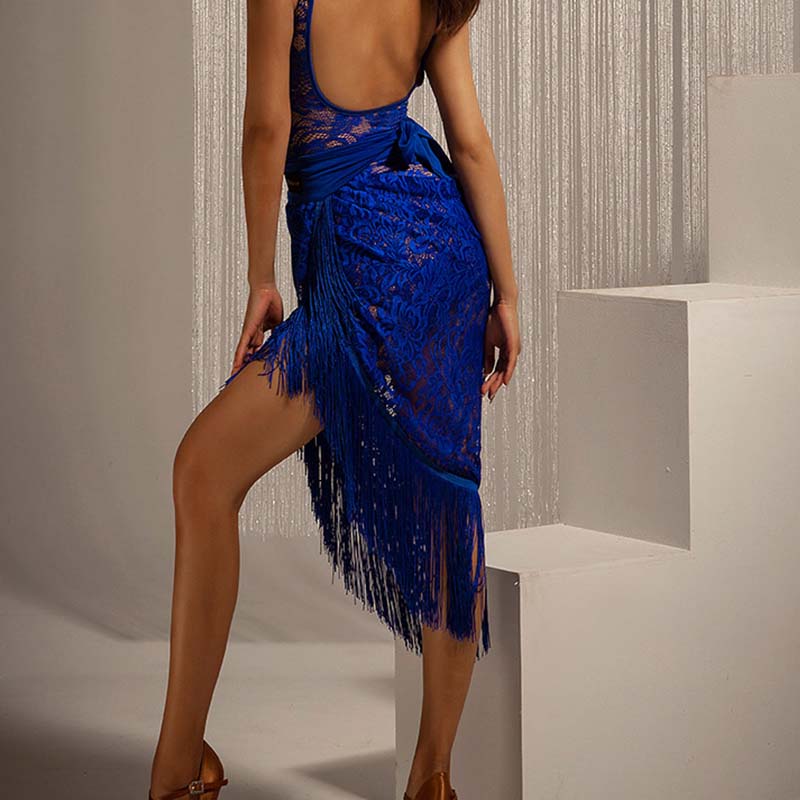
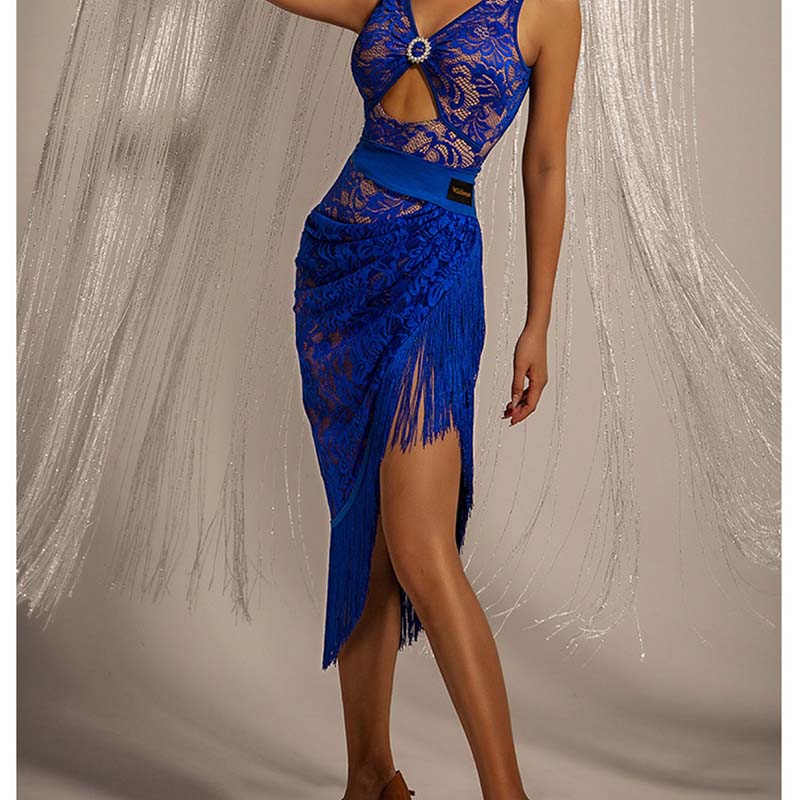
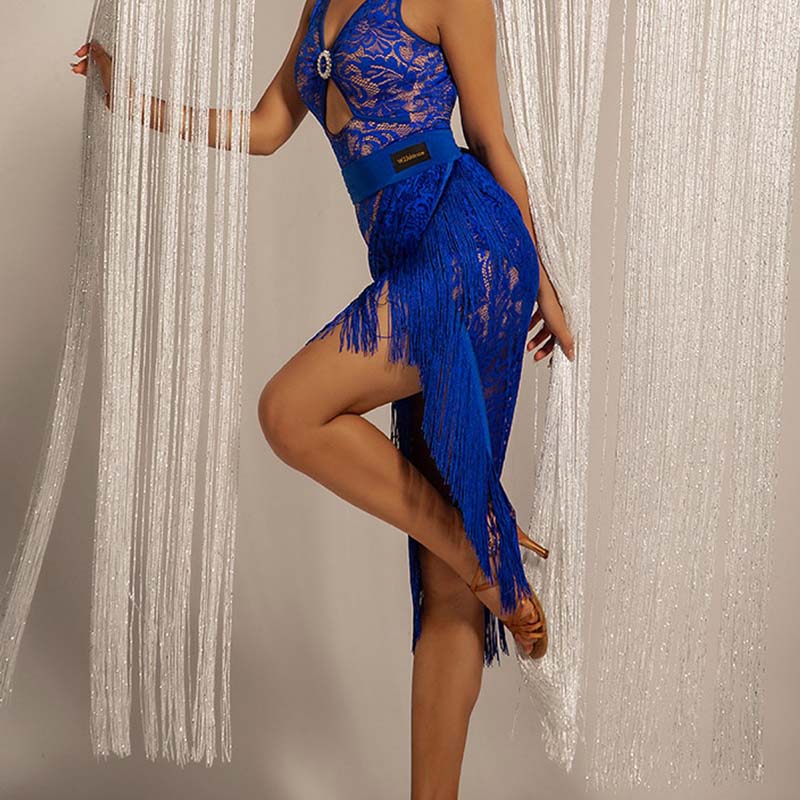
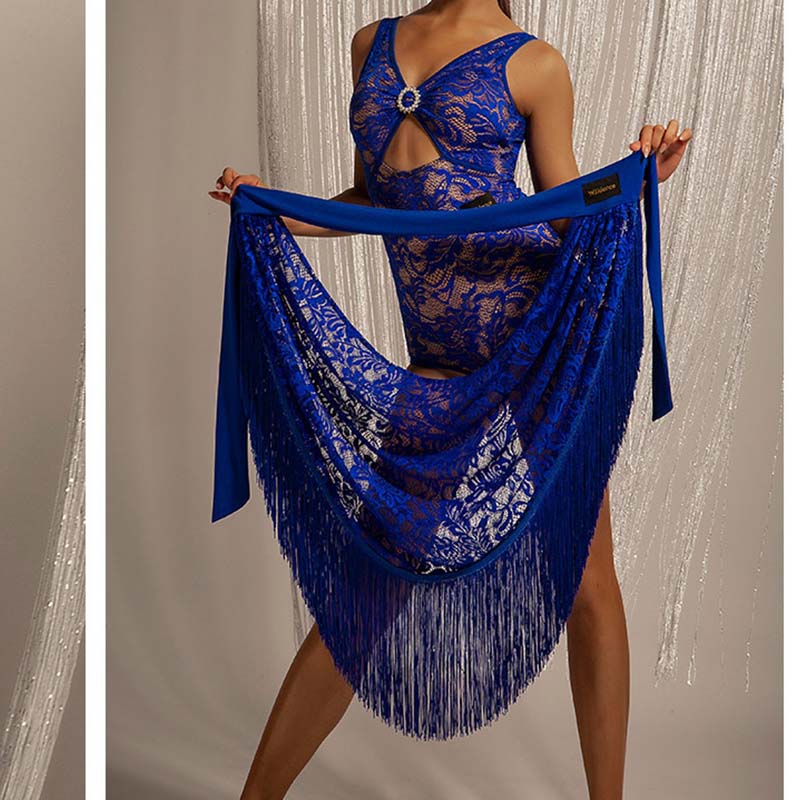
Competition wear is judged on what survives the distance between you and a judge. Stonework dense enough to catch a spot, structure that does not soften halfway through a heat, hems weighted or floated so the movement still reads on camera. It comes out a handful of times a year. Wearing a competition dress to class is one of the fastest ways to ruin one; turning up to a competition in practice fabric is the same misjudgement pointing the other way.
Most dancers need both eventually and only one of them immediately. Which one is immediate depends entirely on whether you have a date in the calendar.
Browse by Dance, or by Garment
There are two sensible ways in, and which one is faster depends on what you already know.
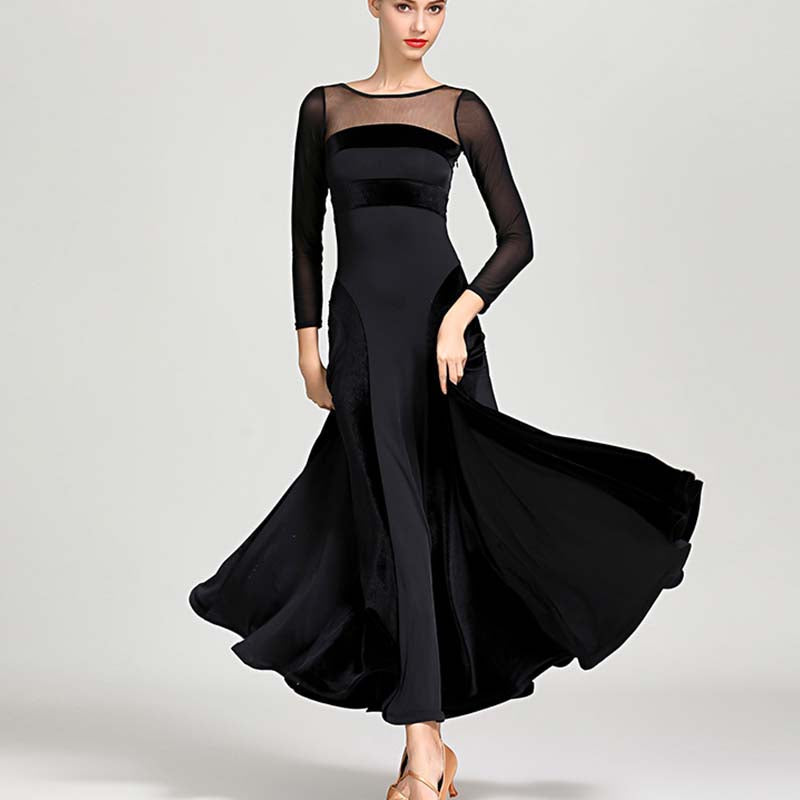
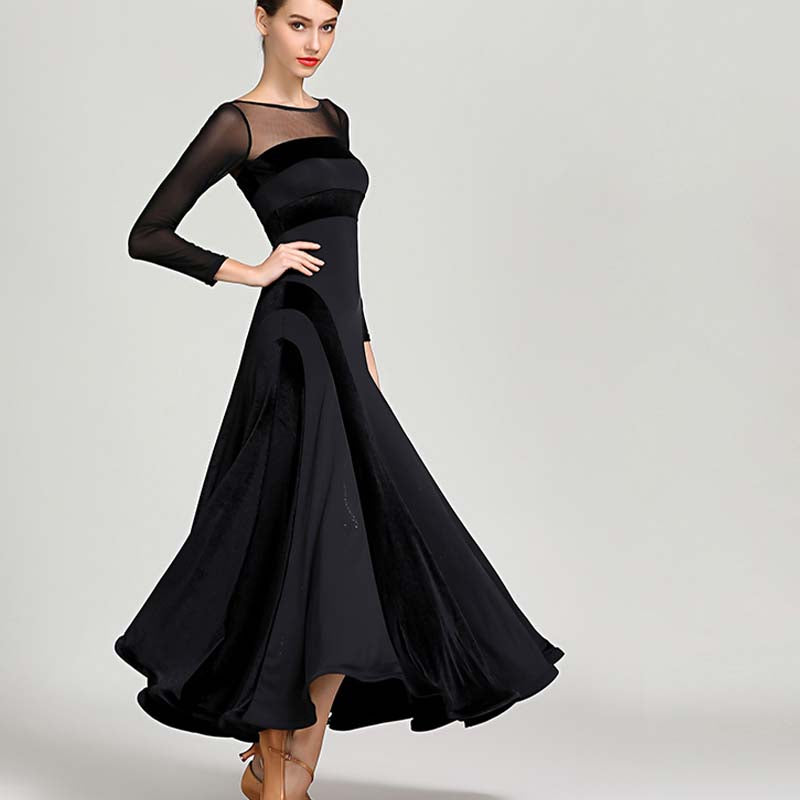
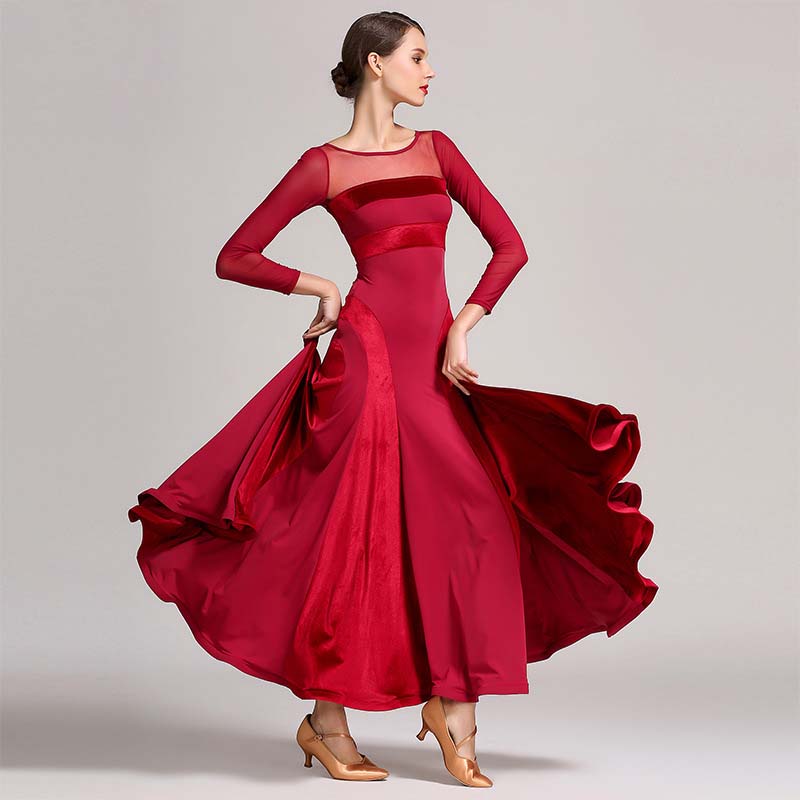
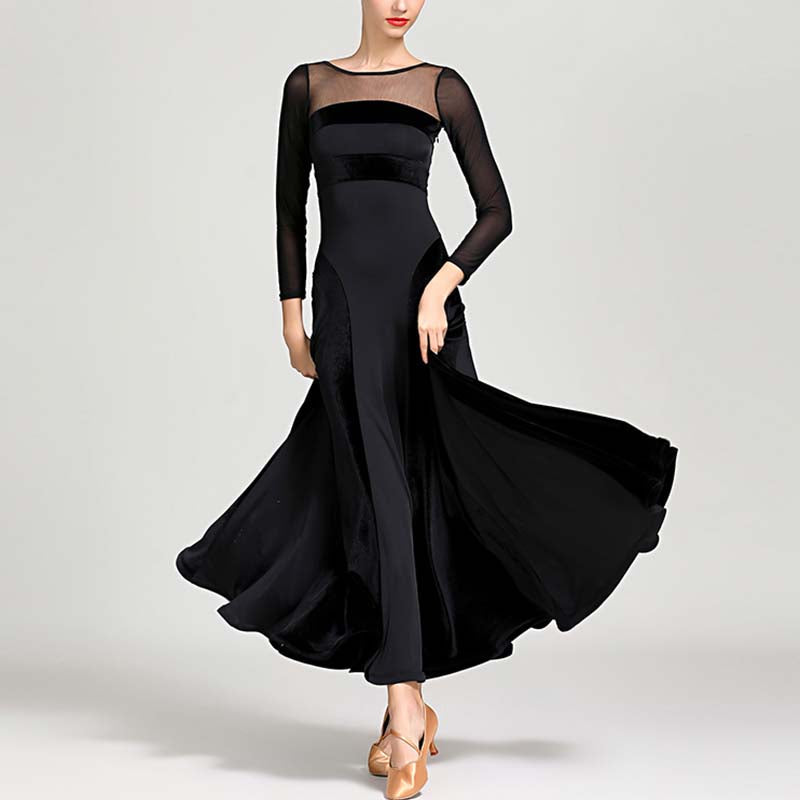
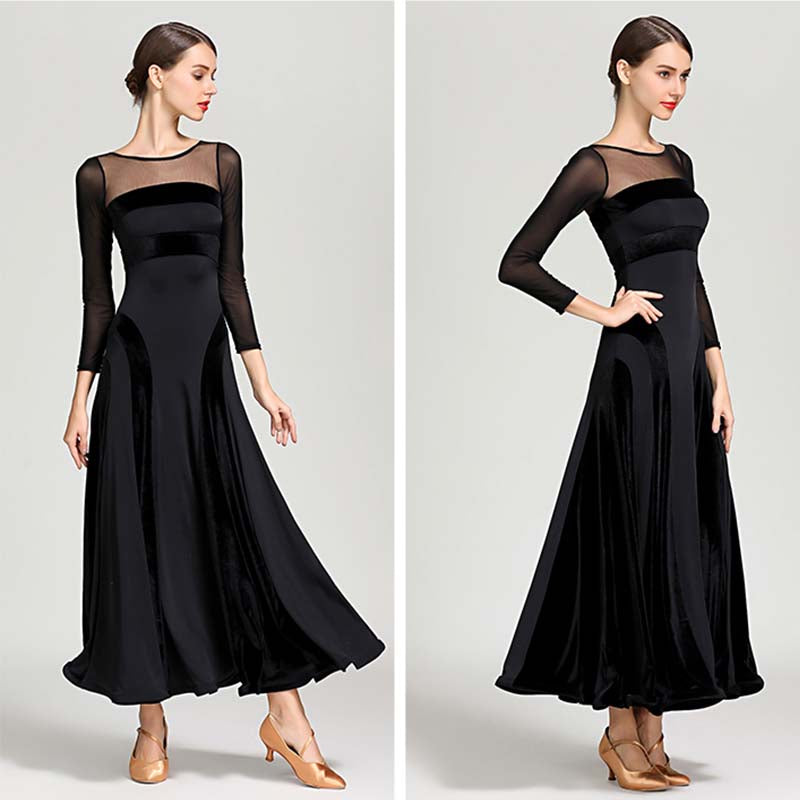
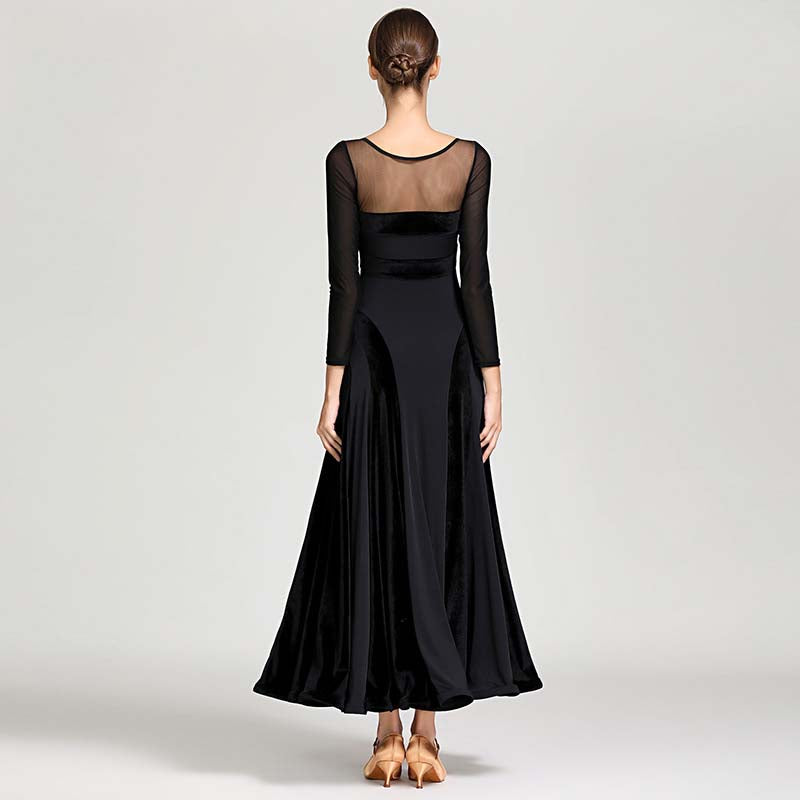
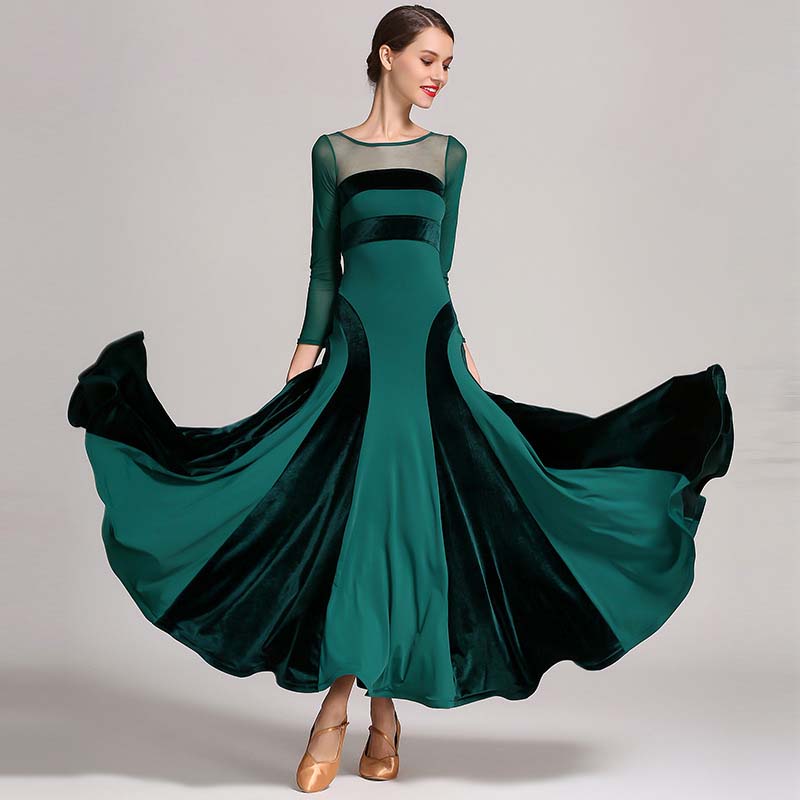
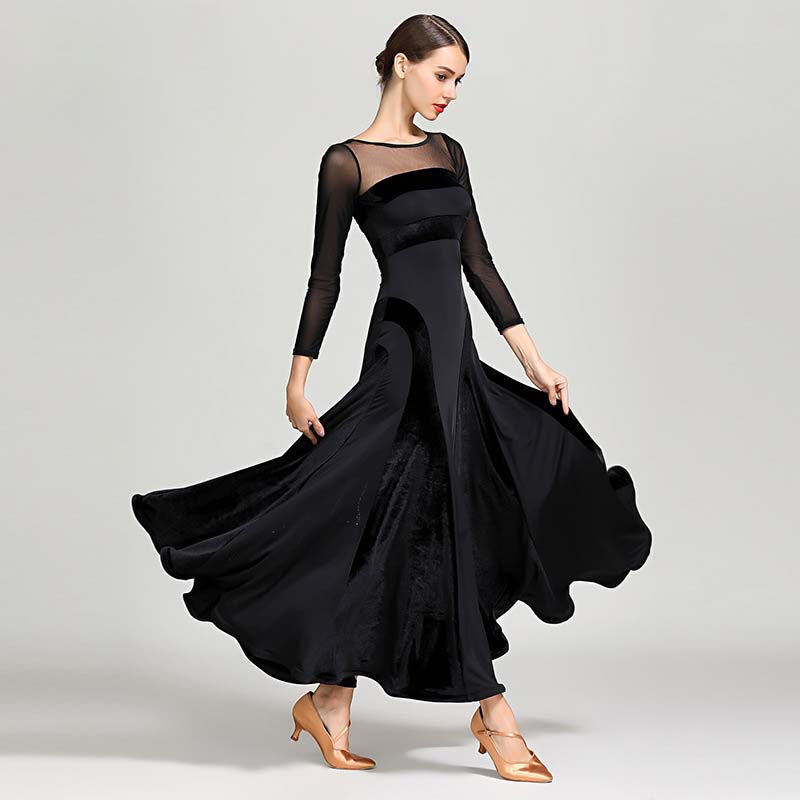
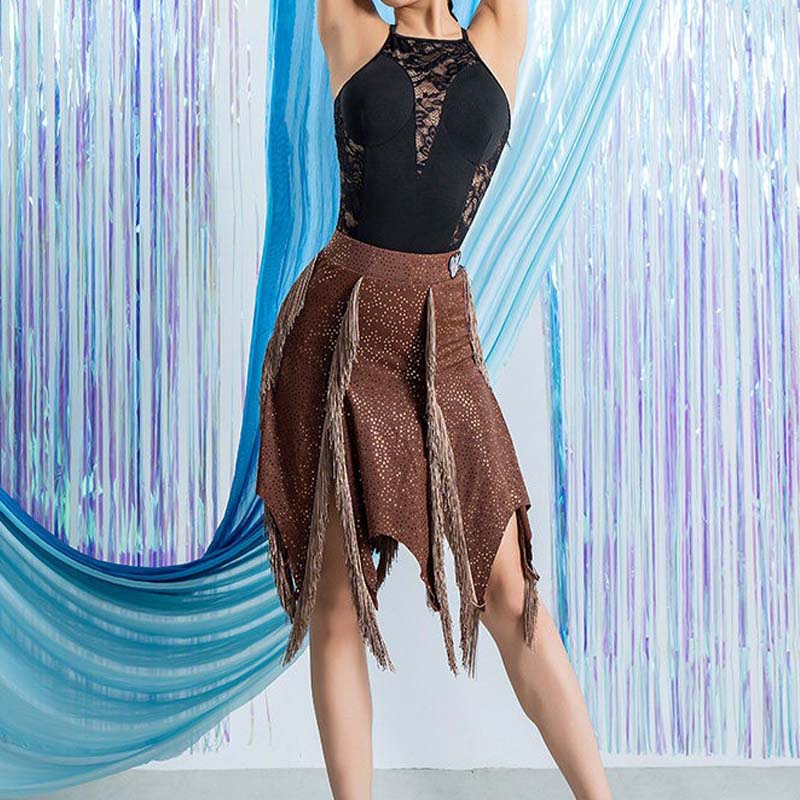
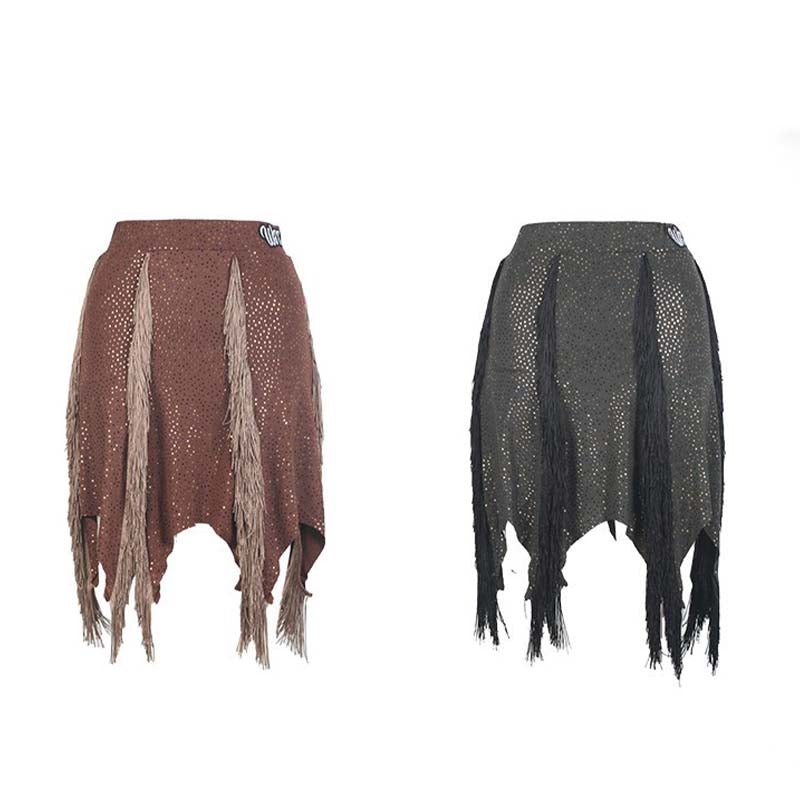
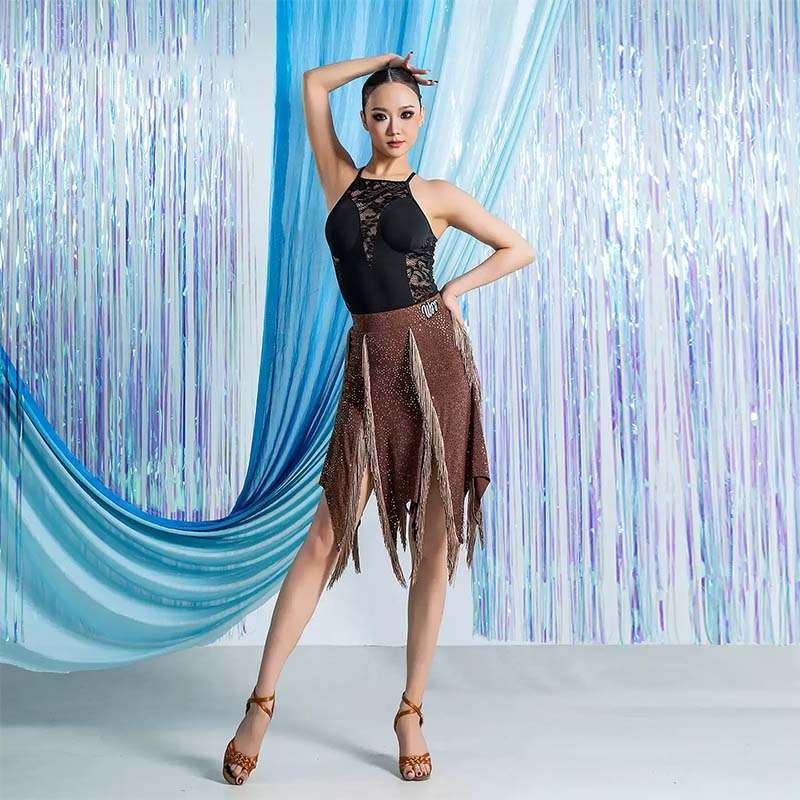
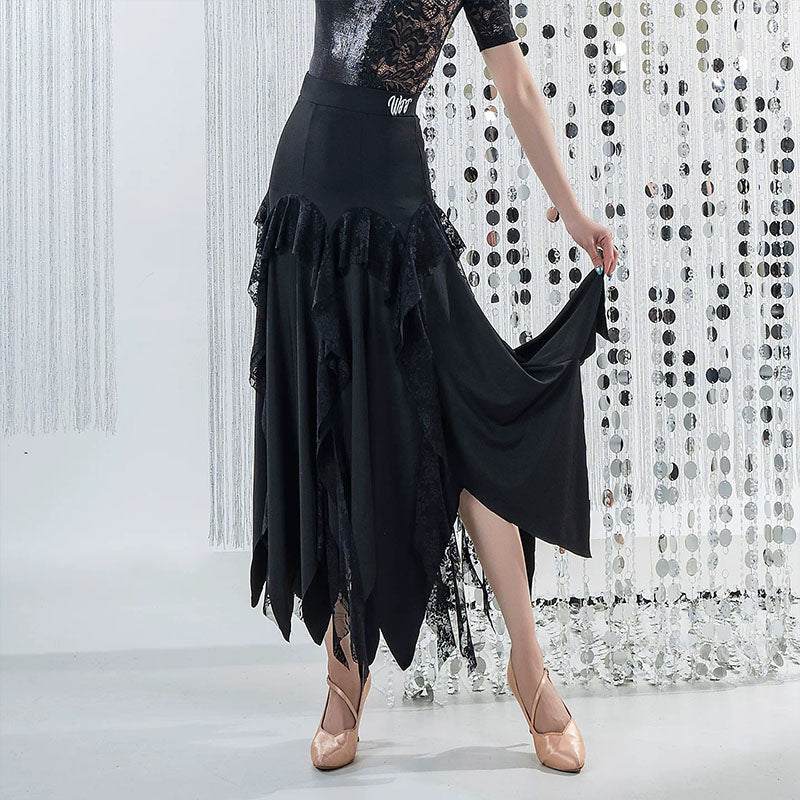
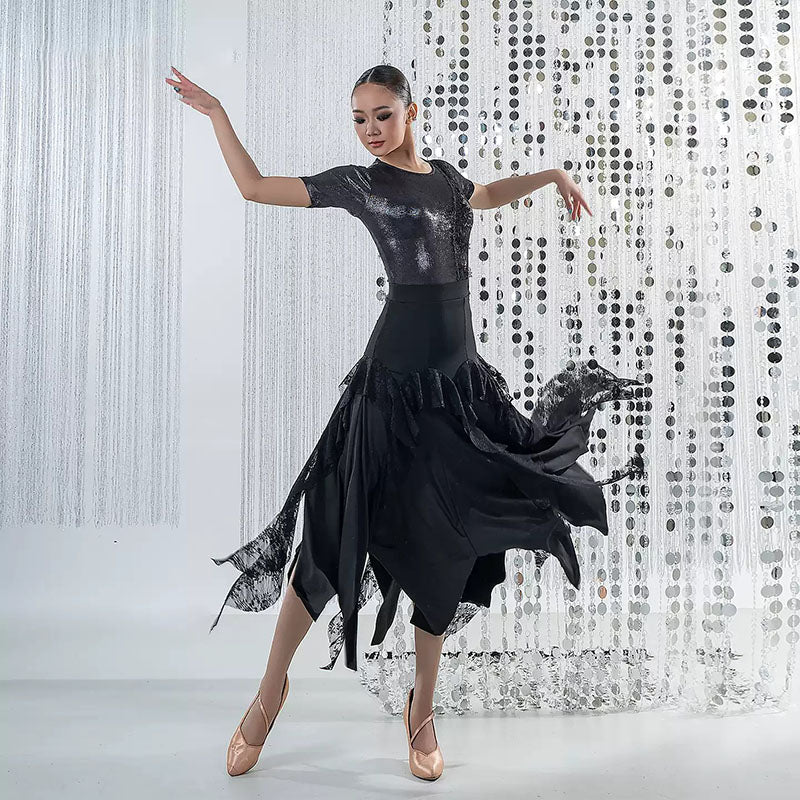
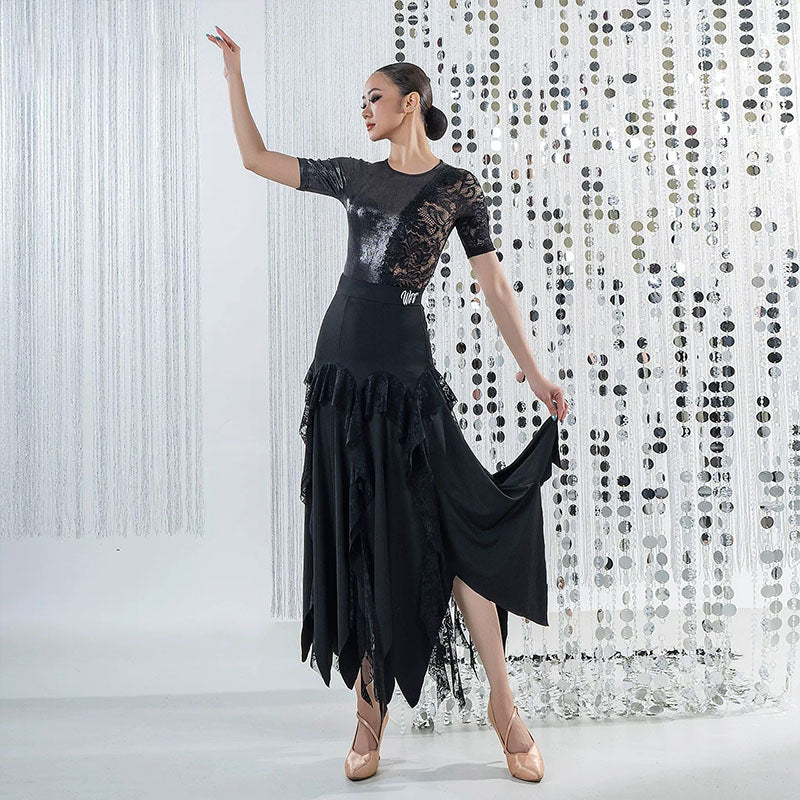
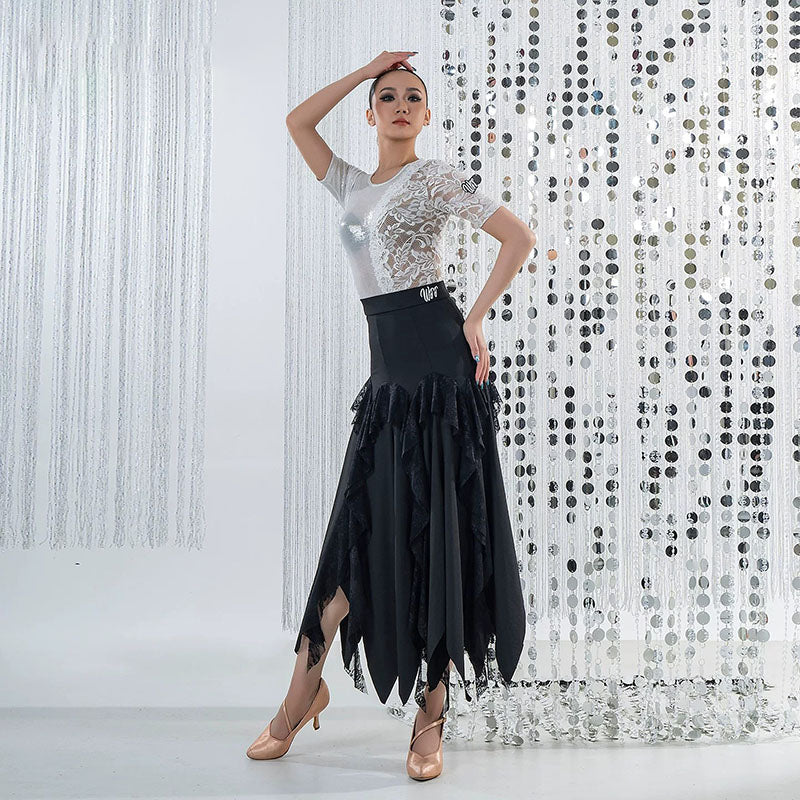
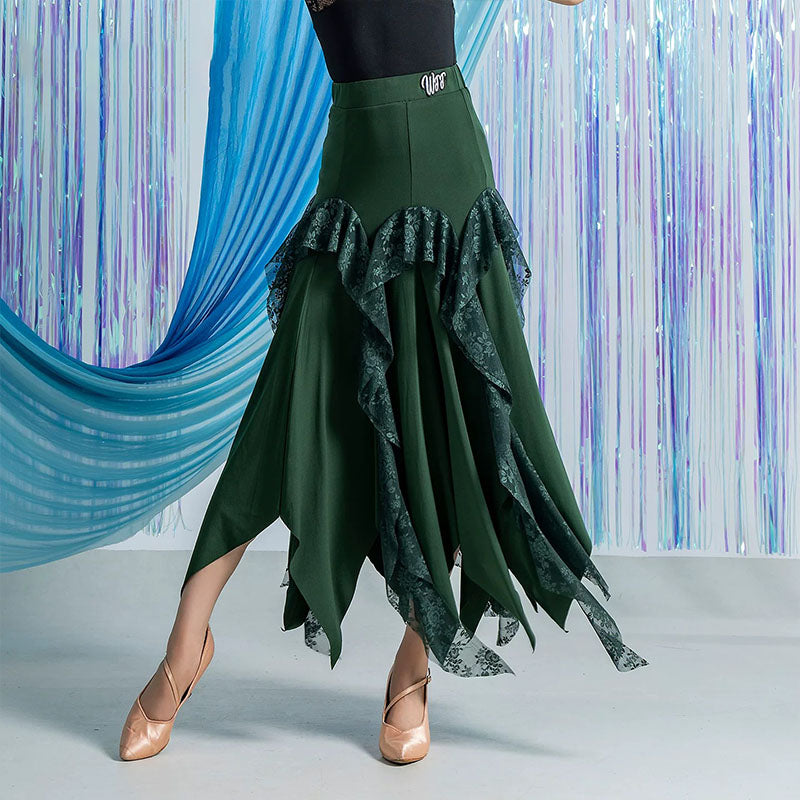
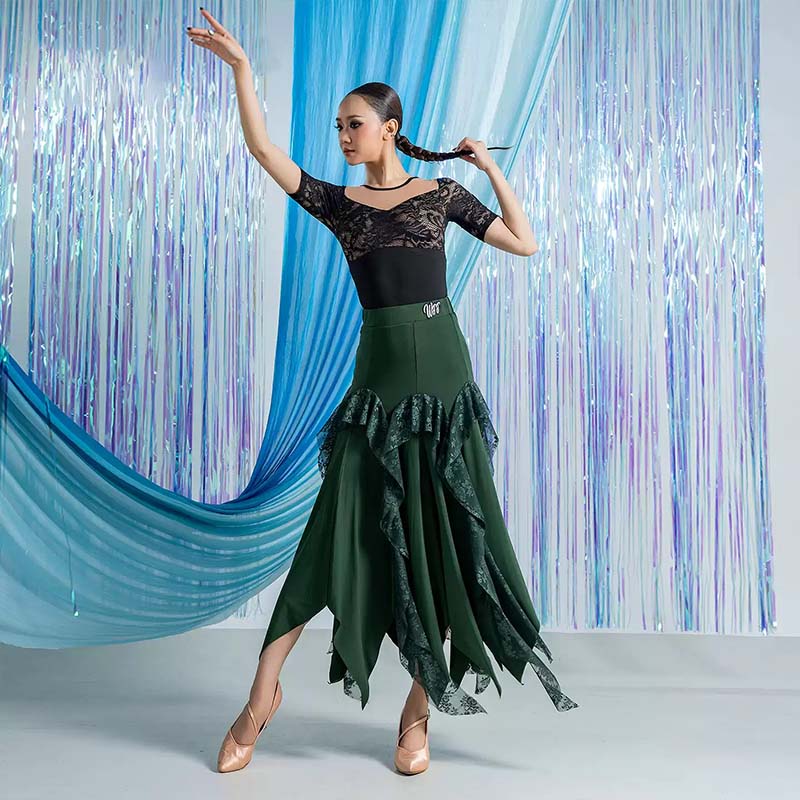
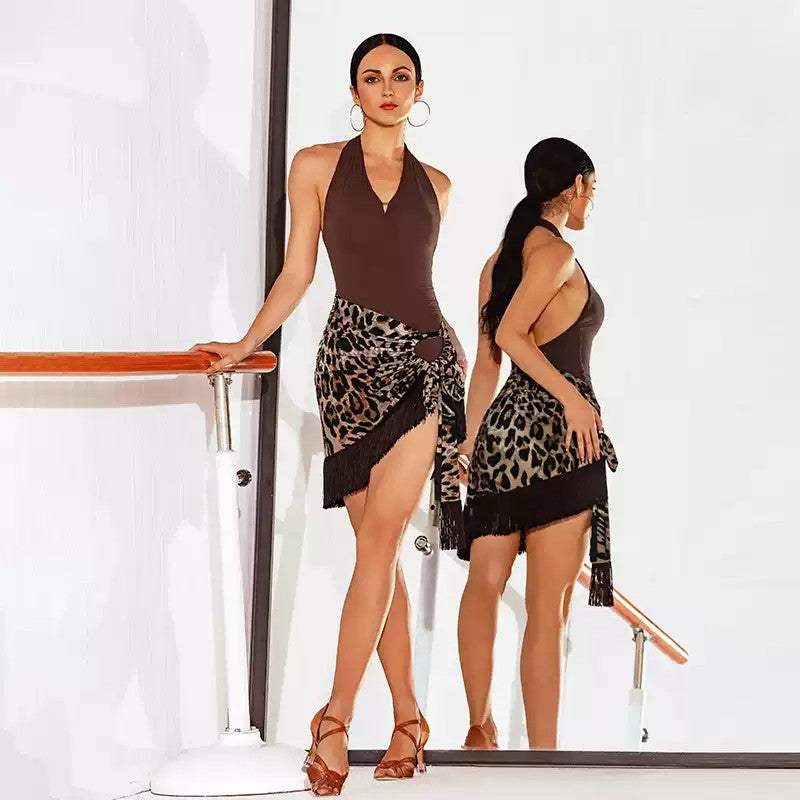
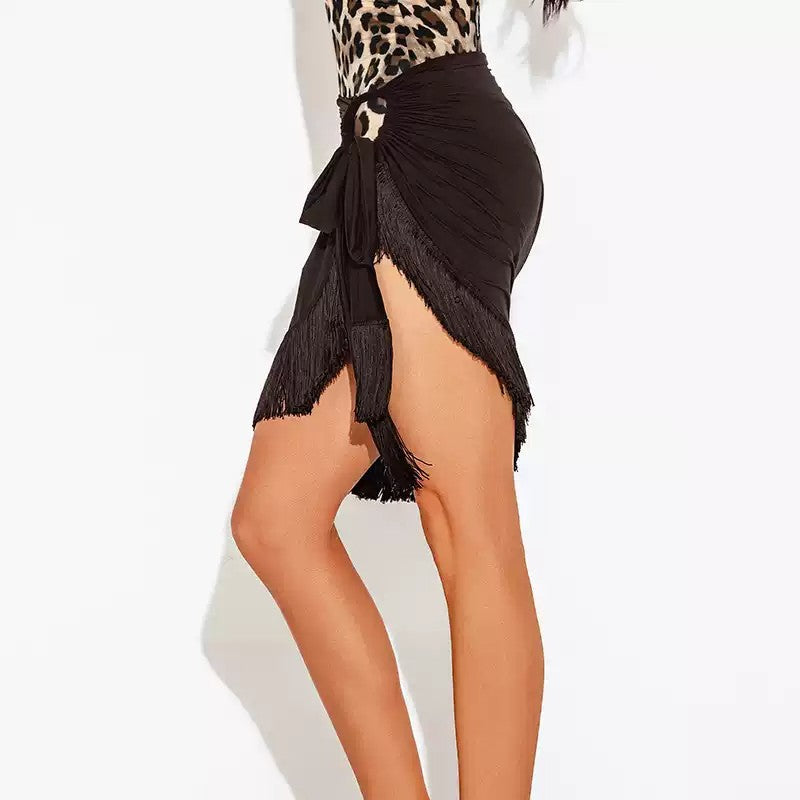
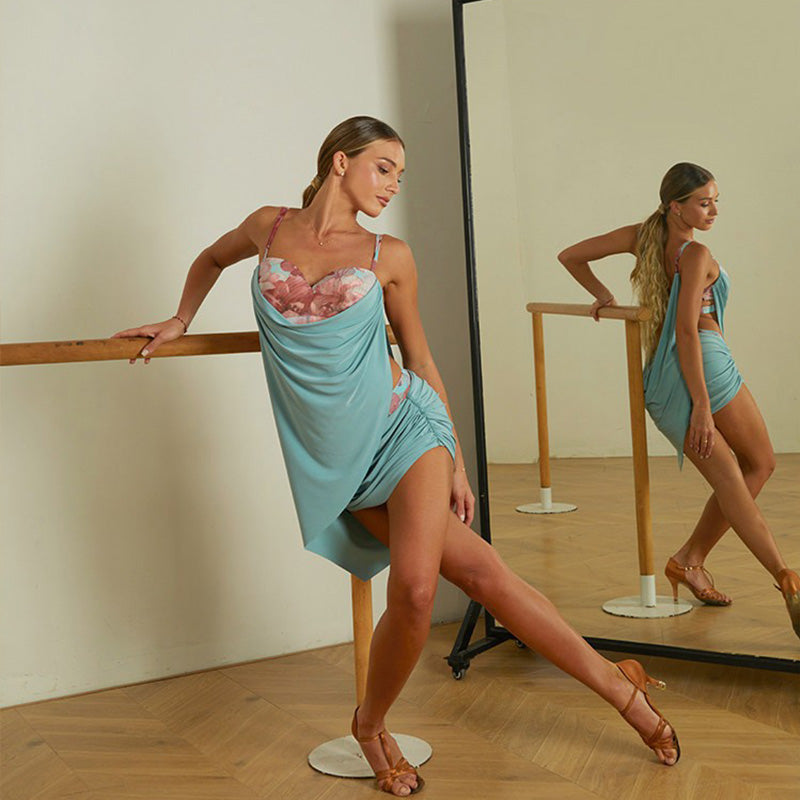
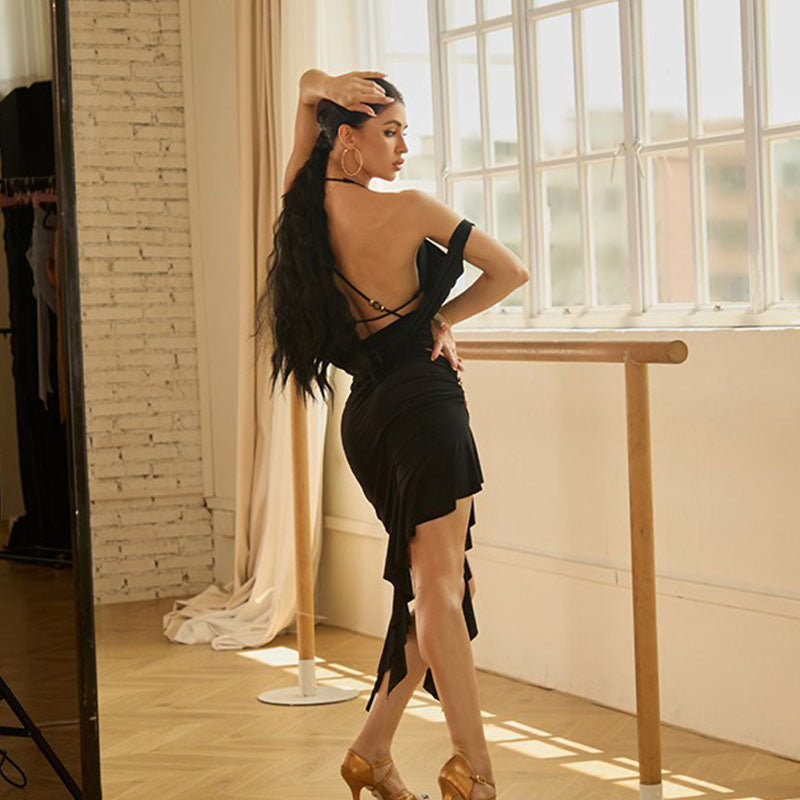
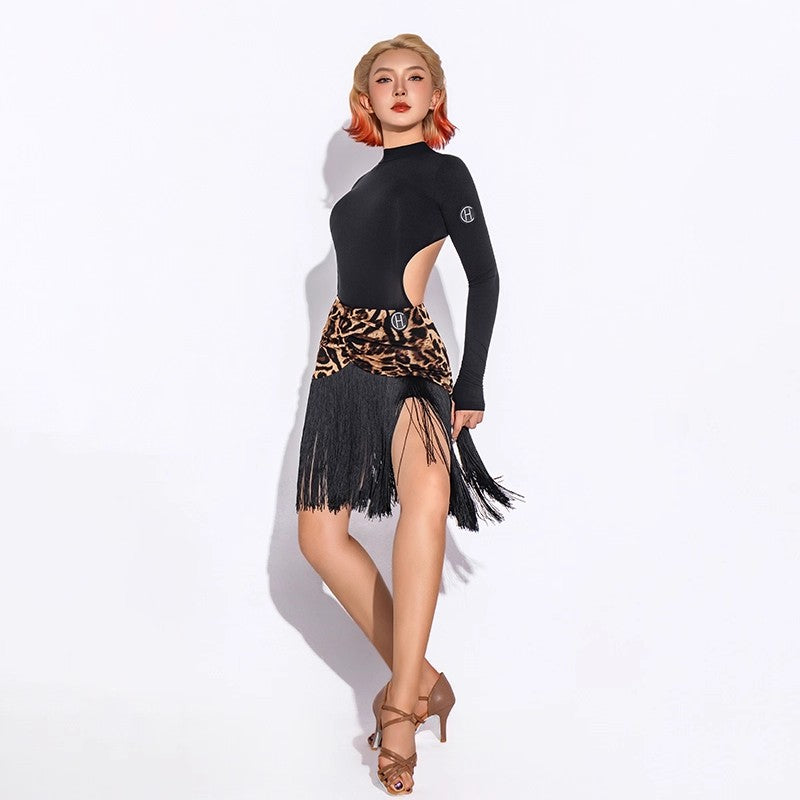
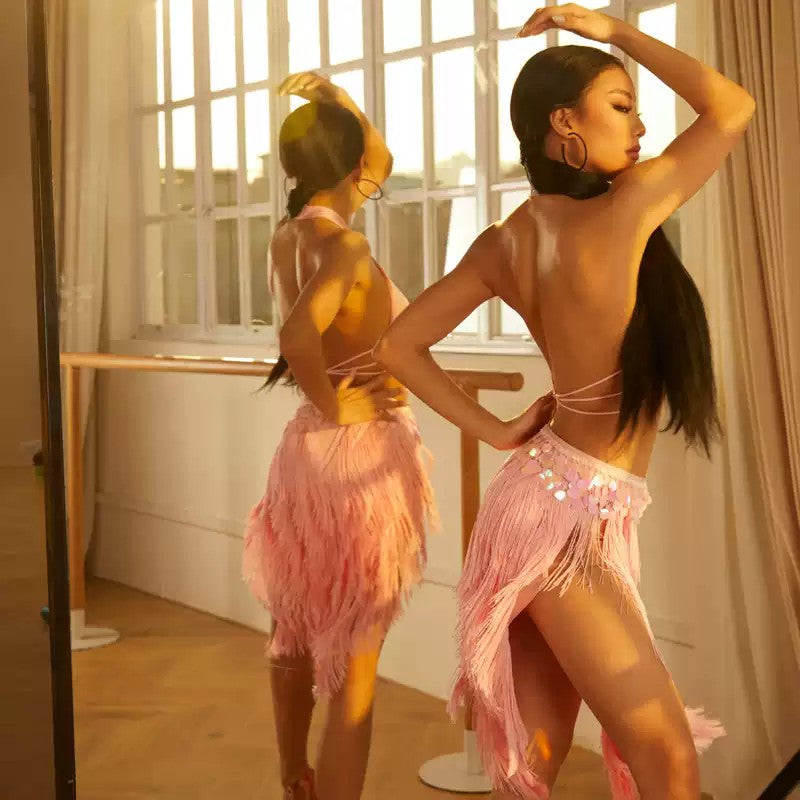
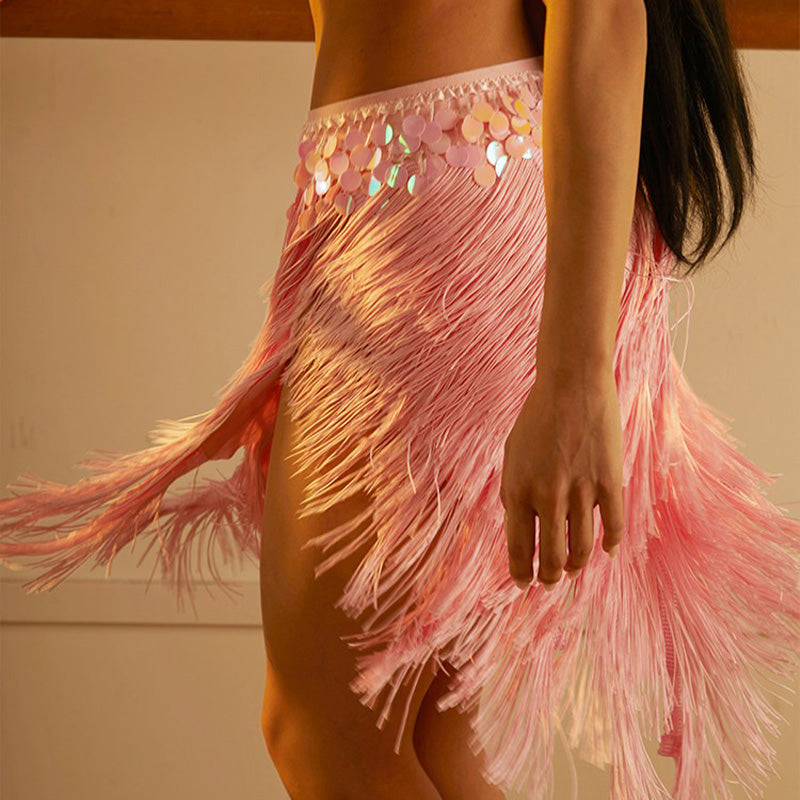
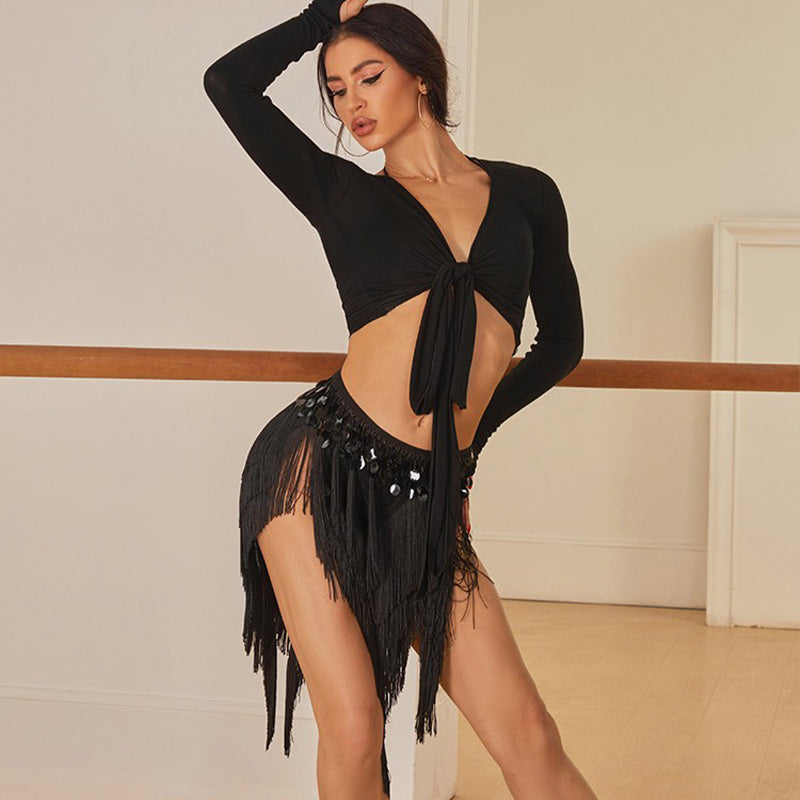
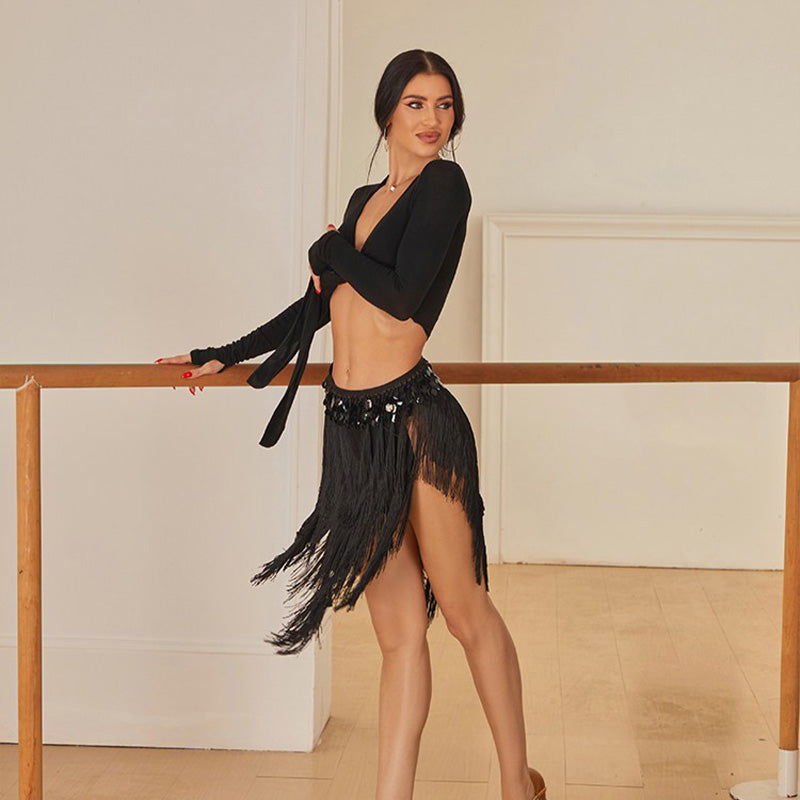
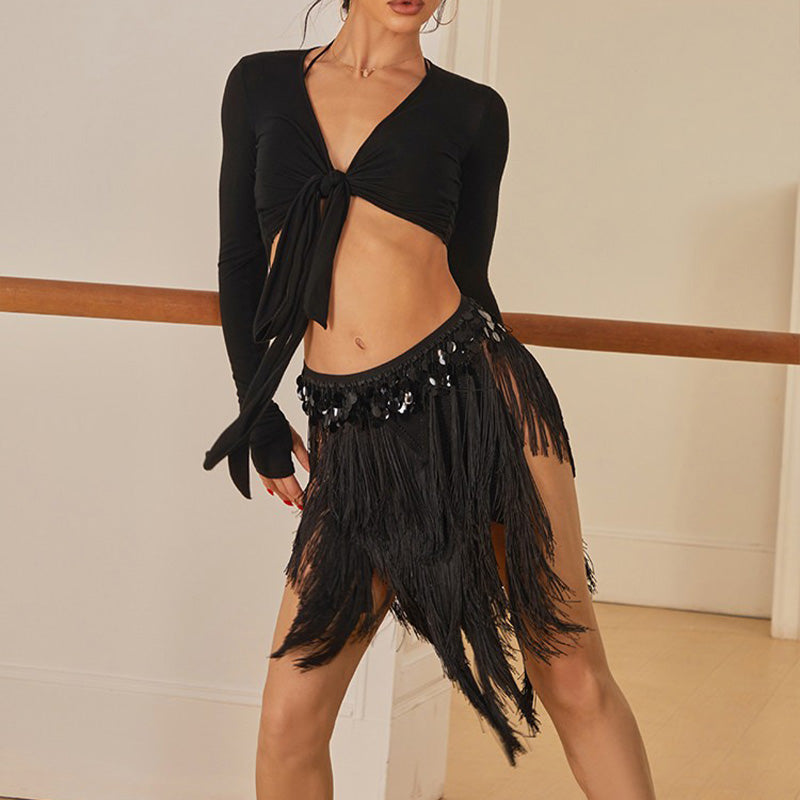
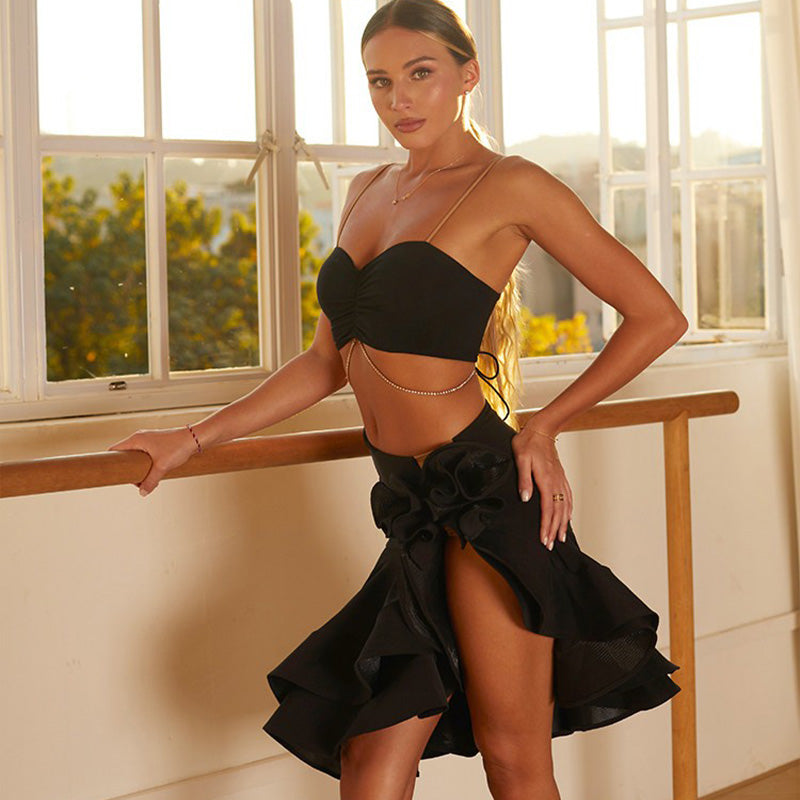
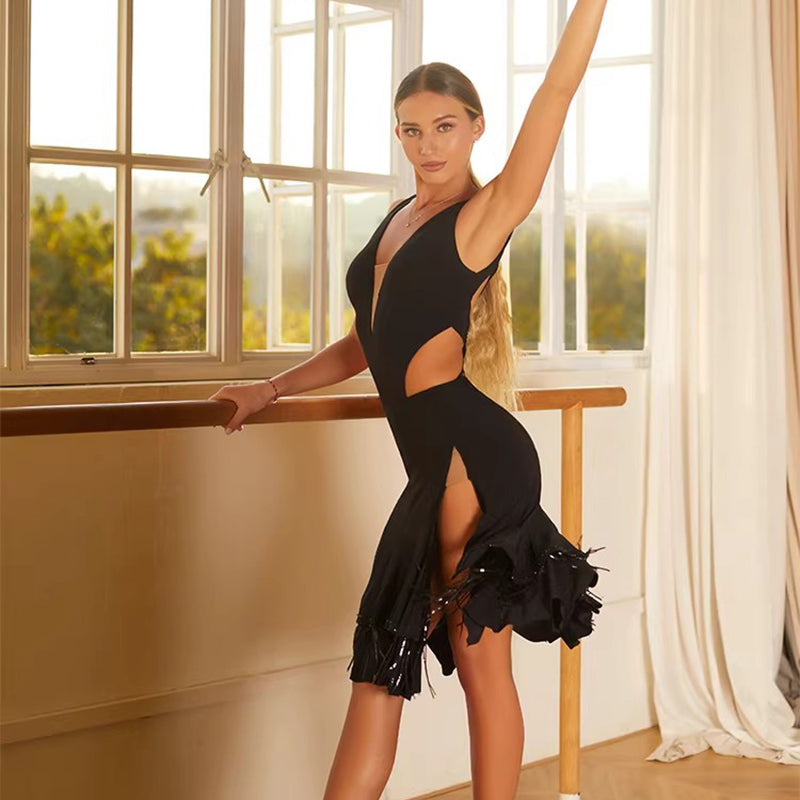
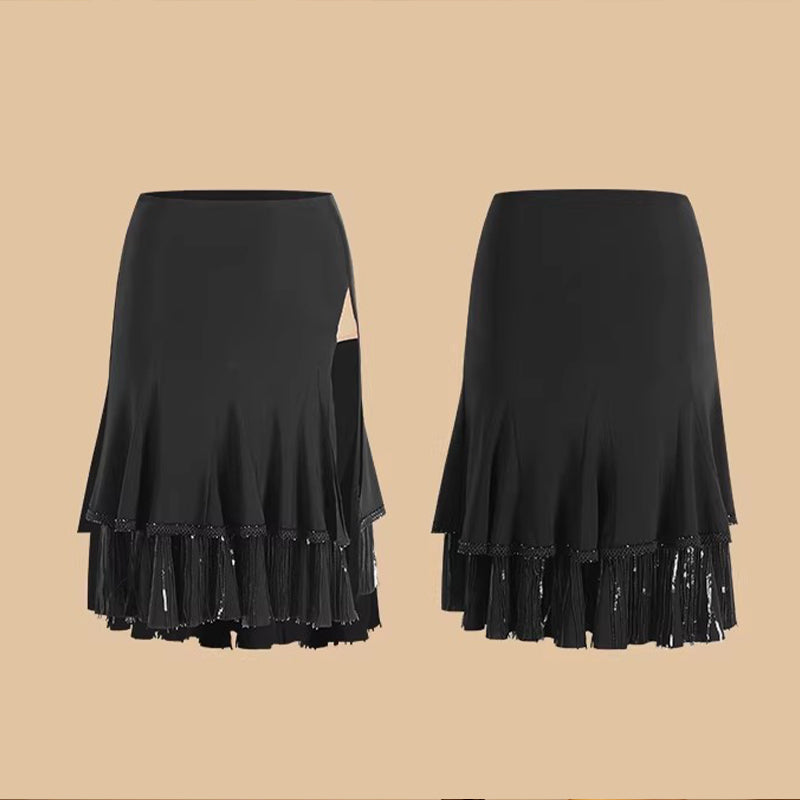
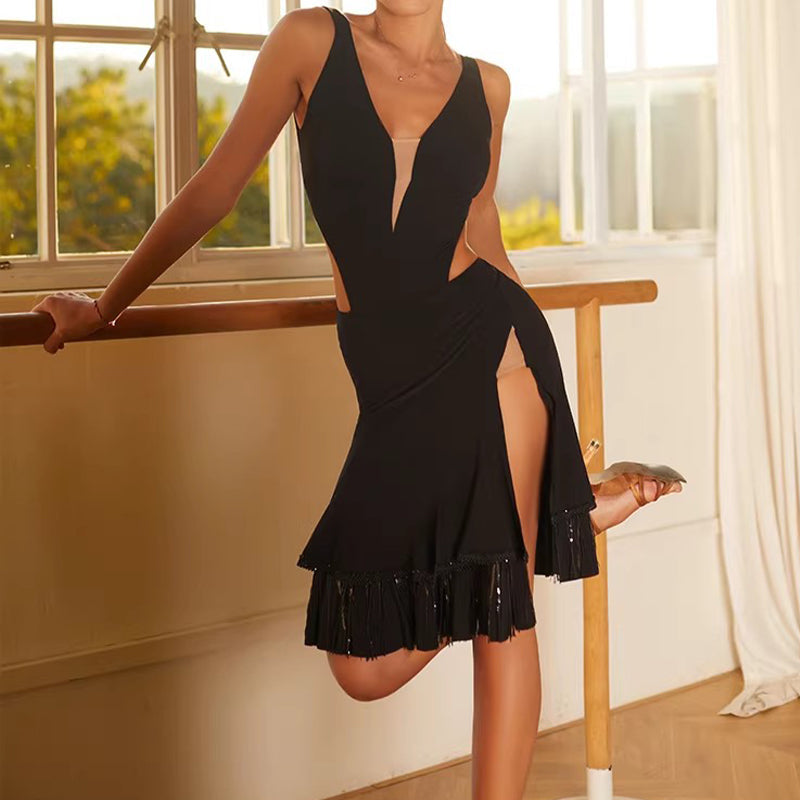
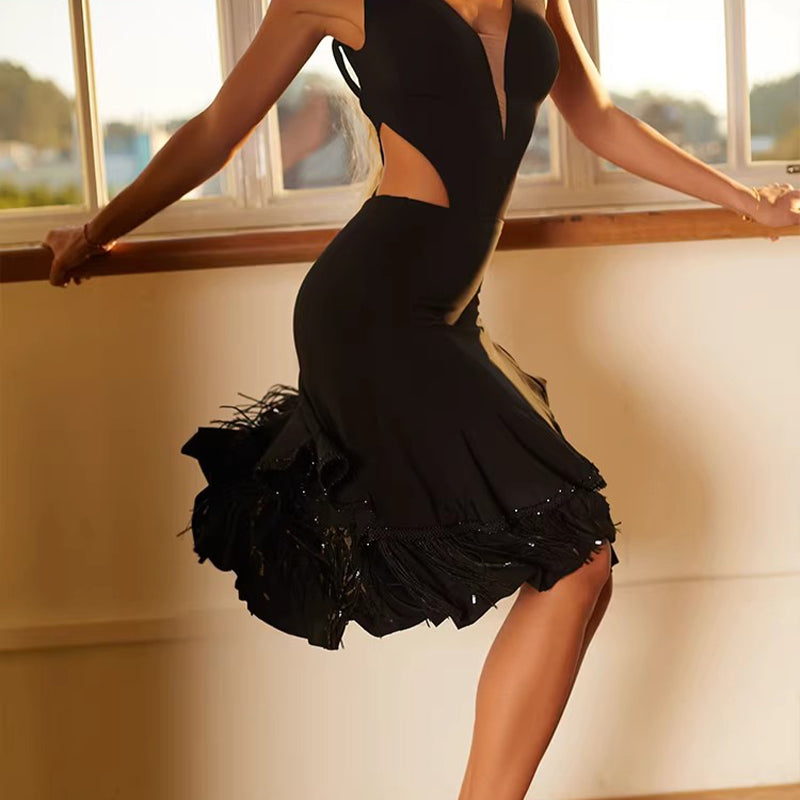
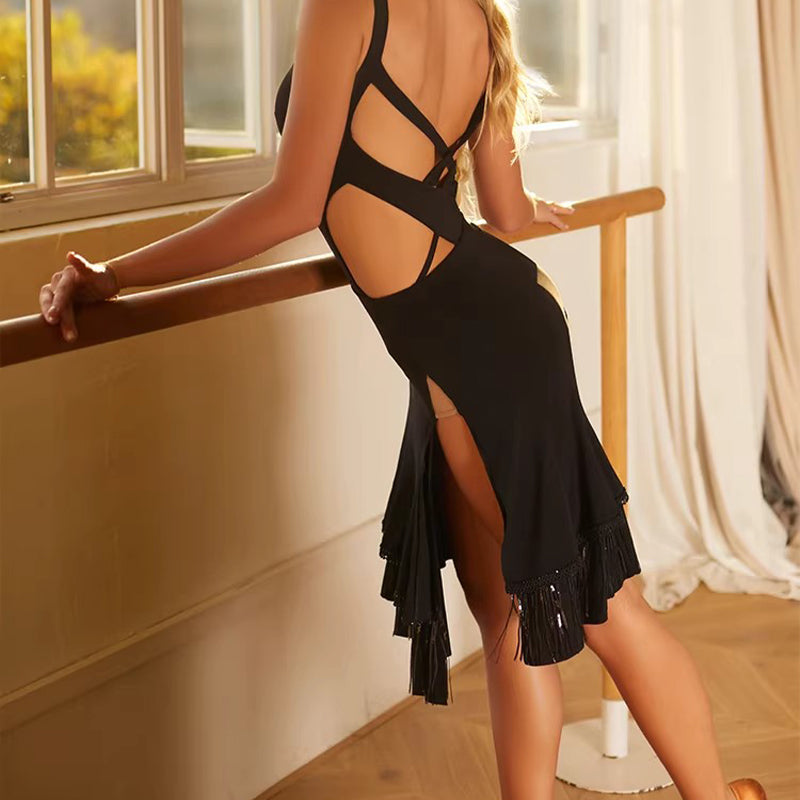
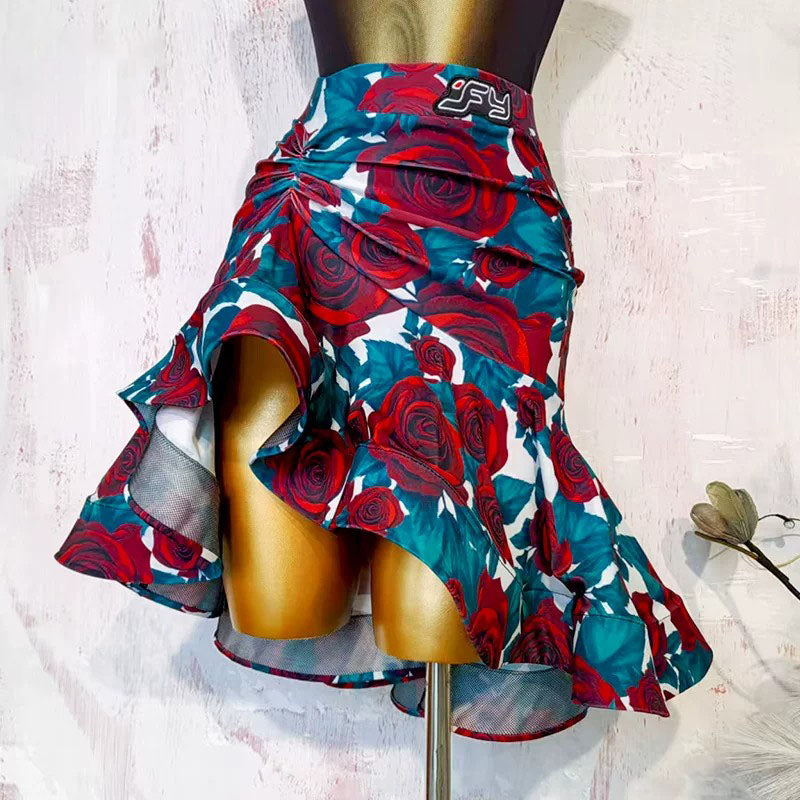
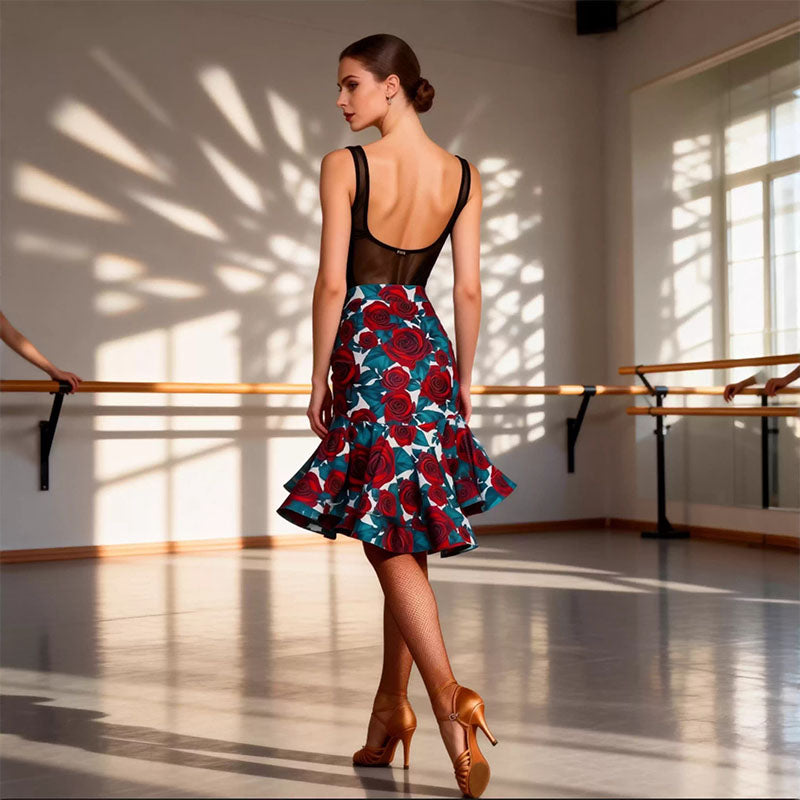
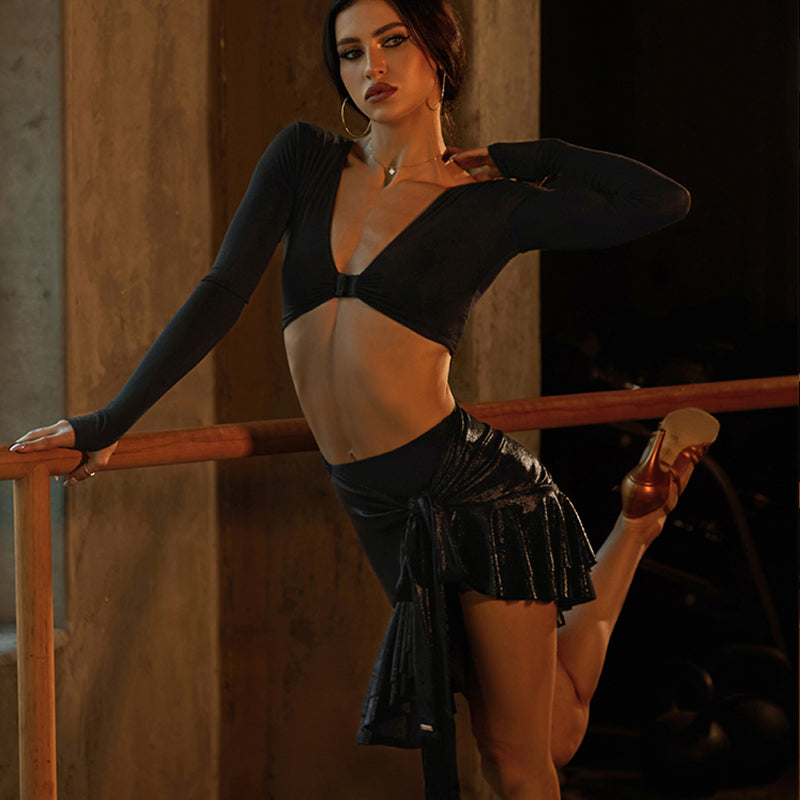
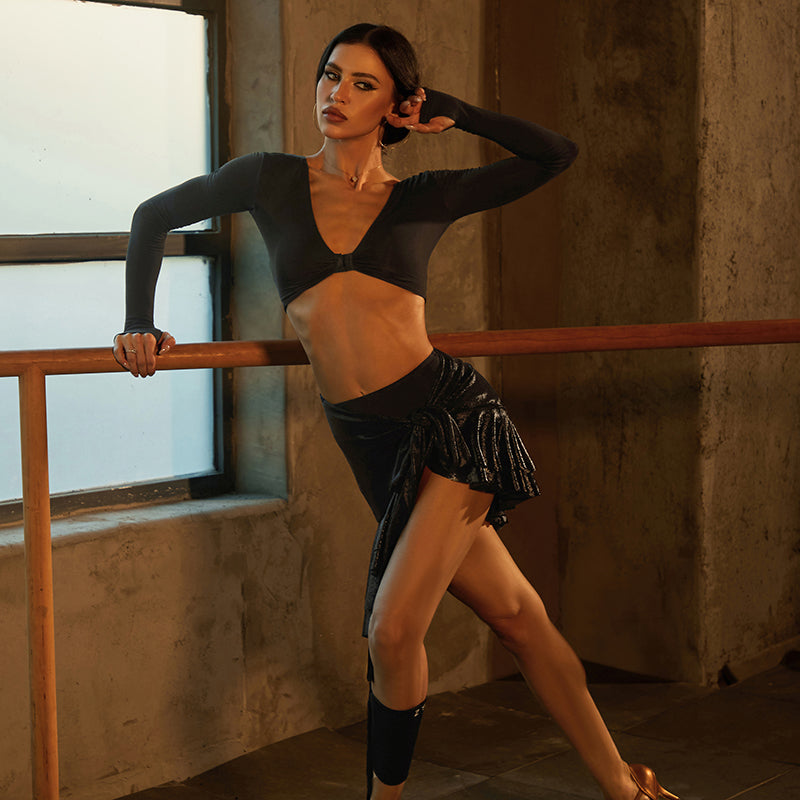
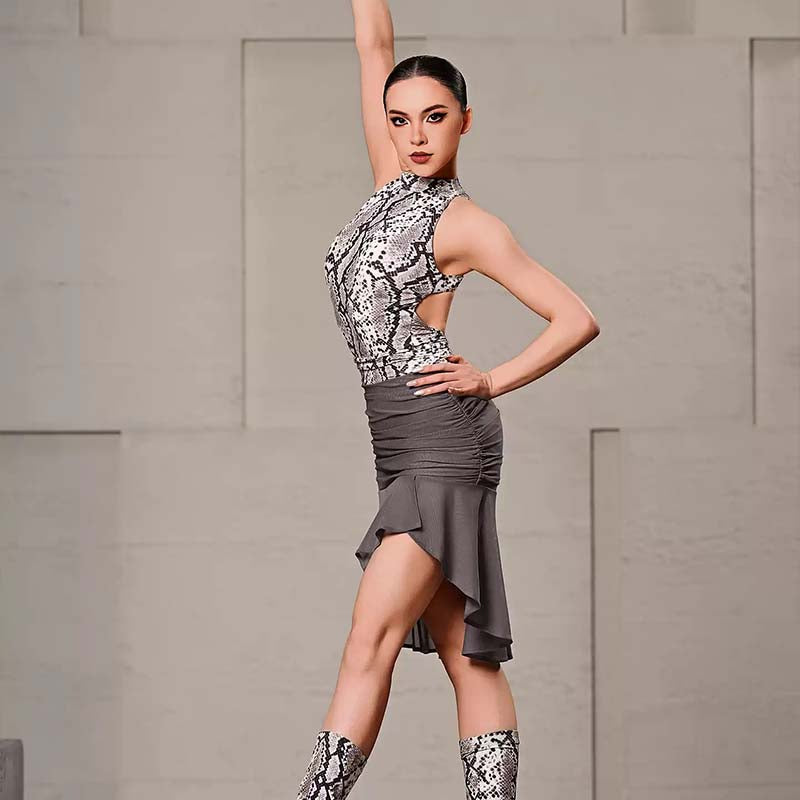
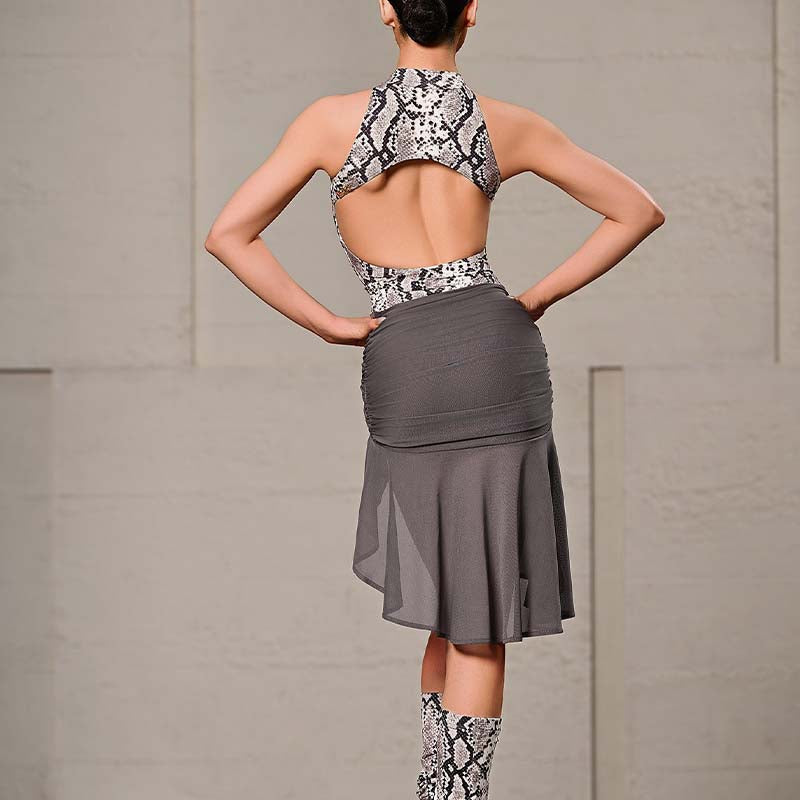
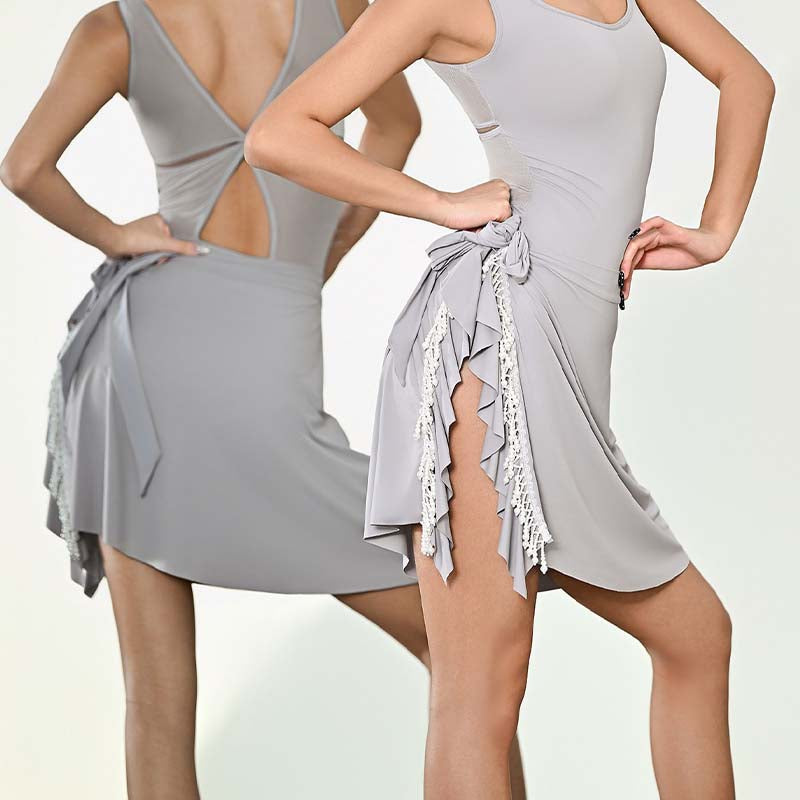
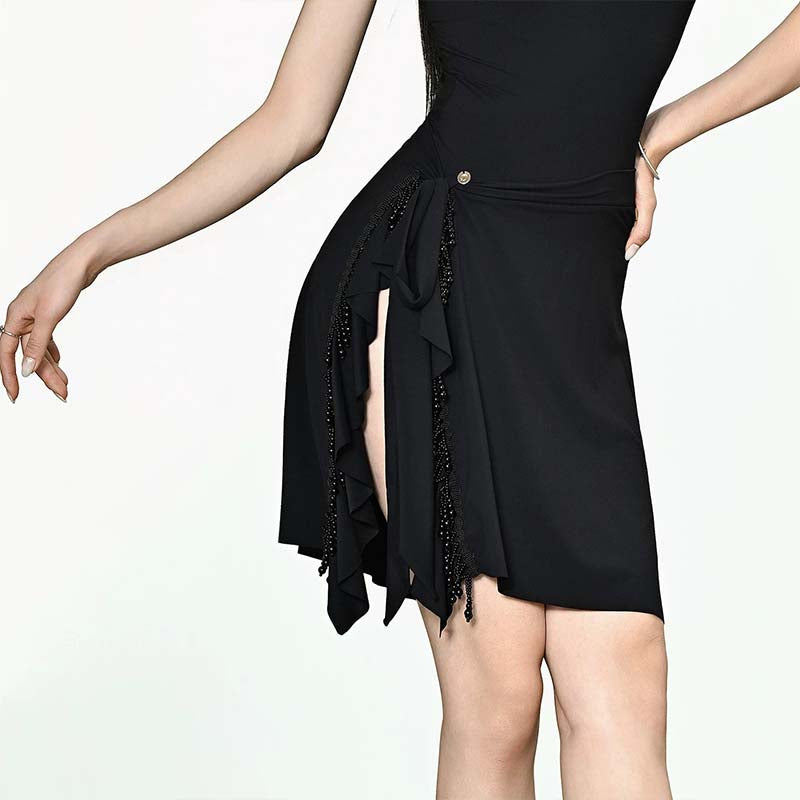
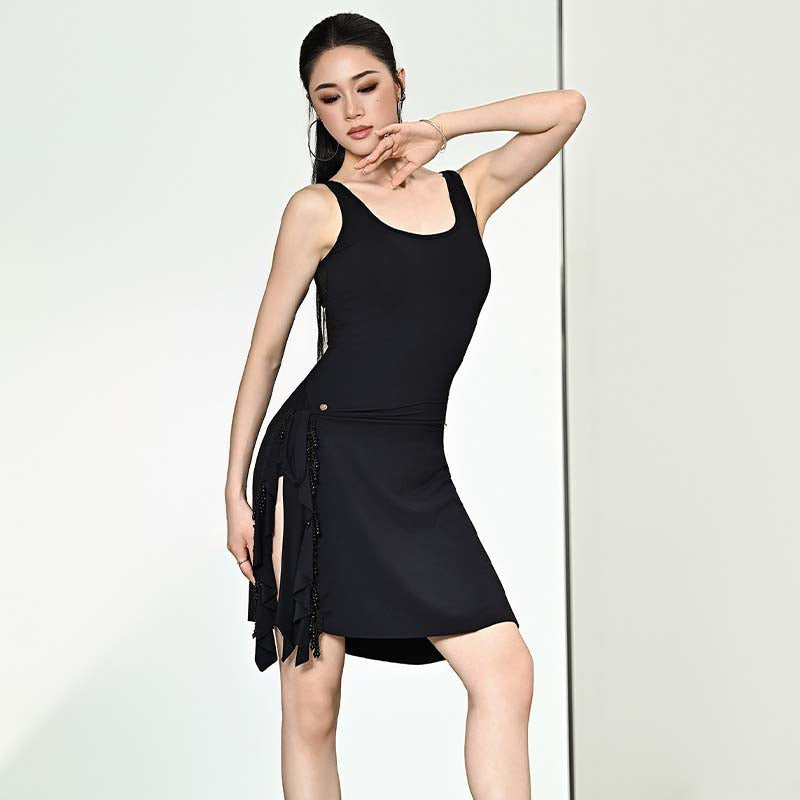
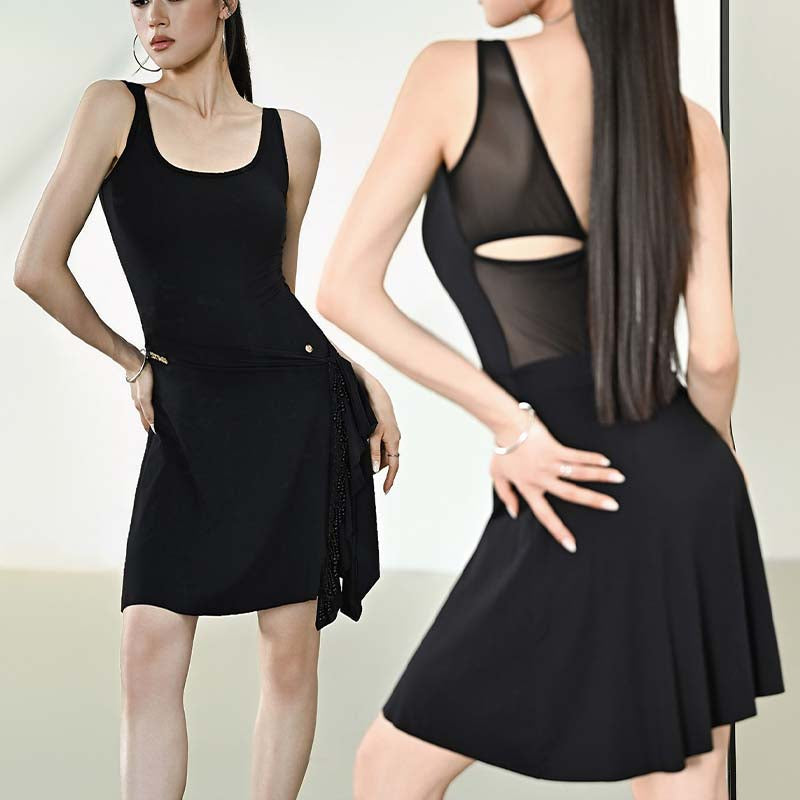
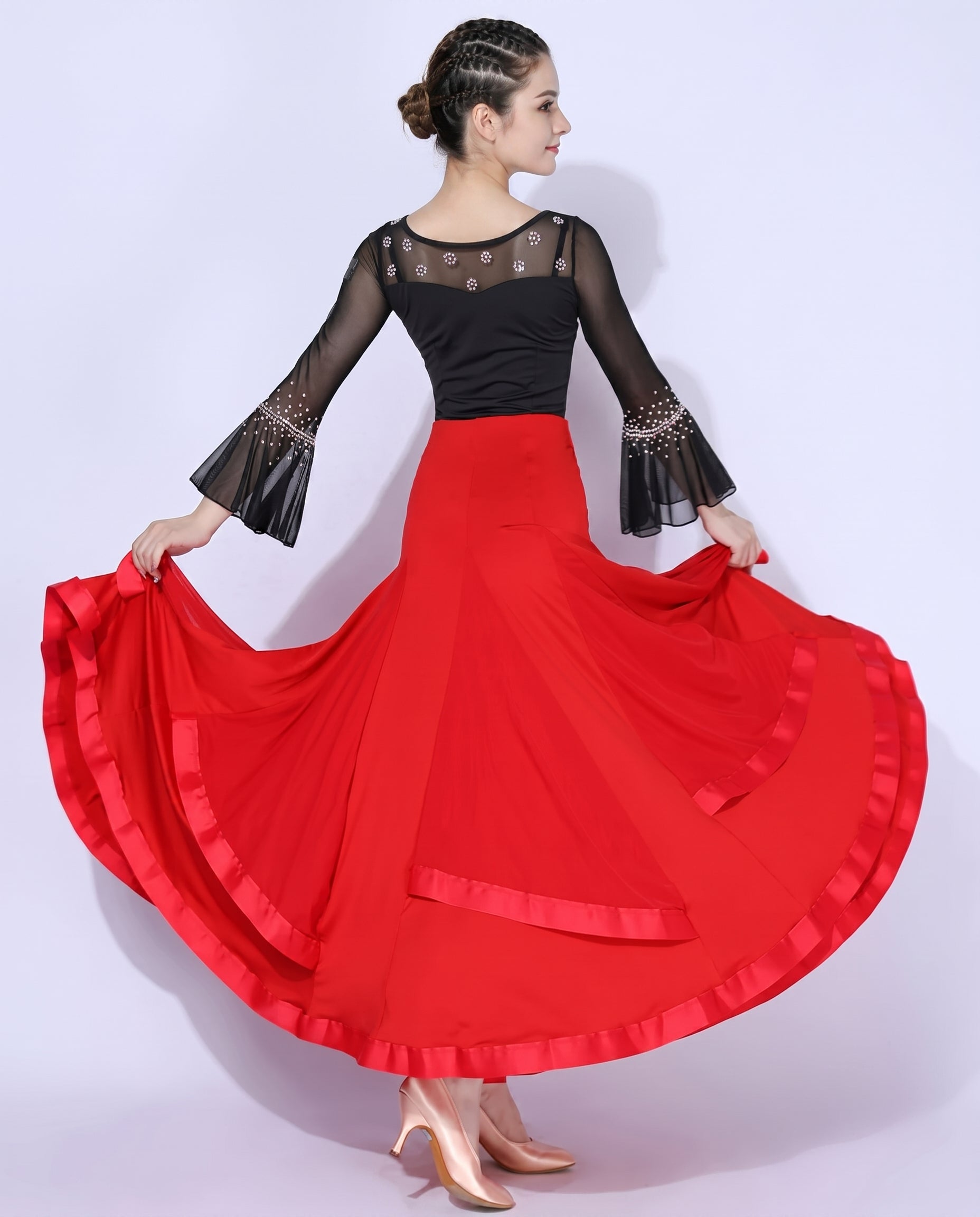
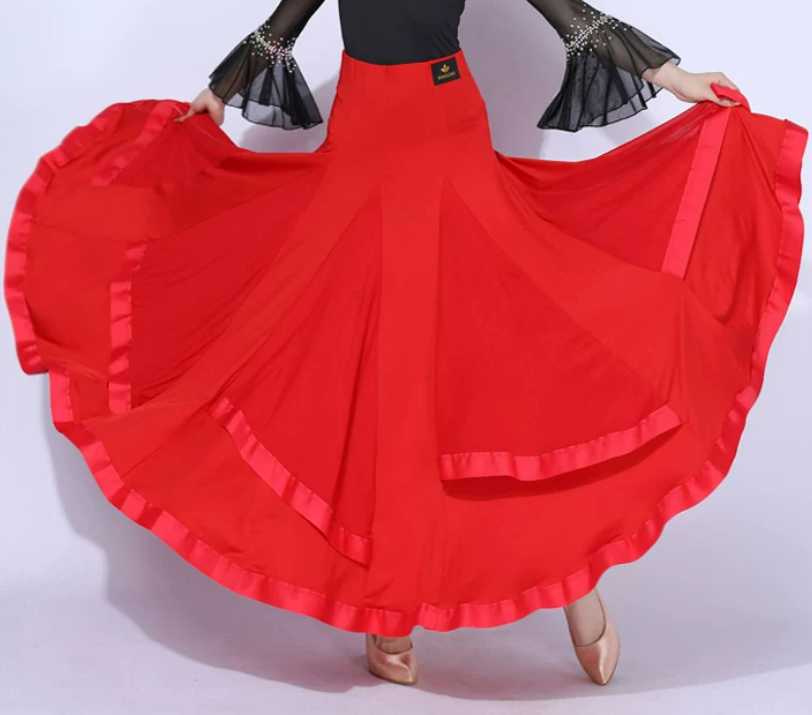
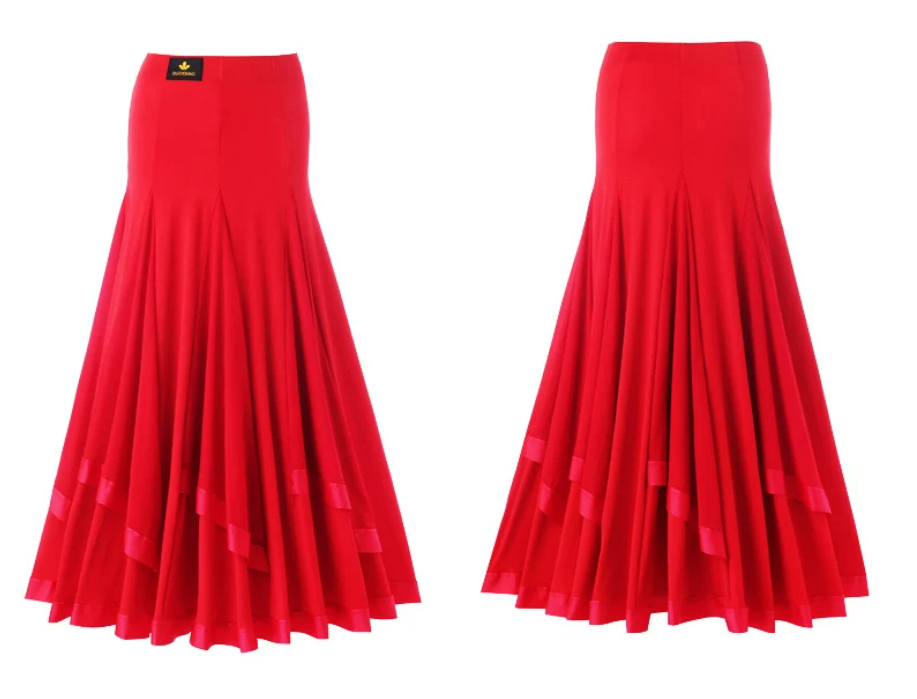
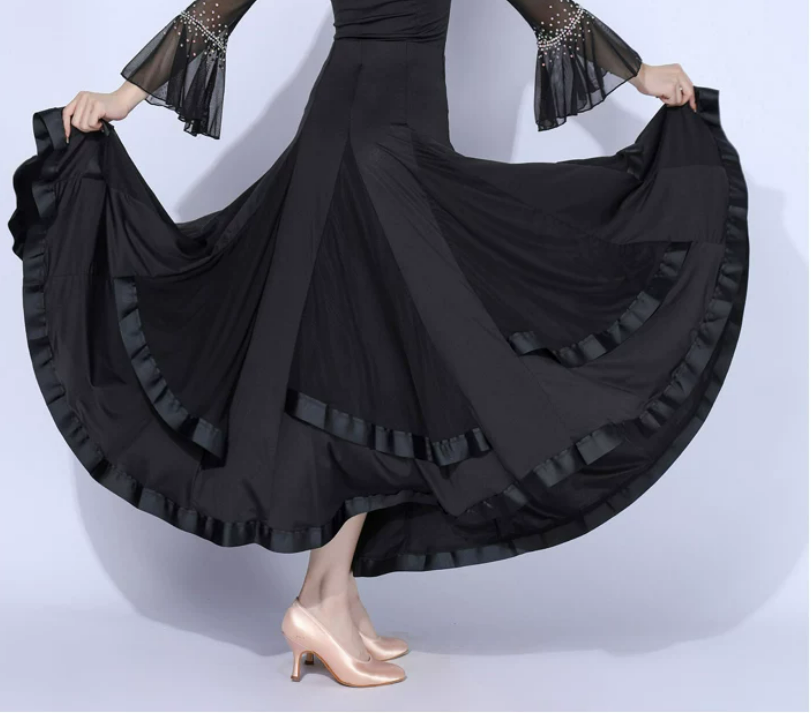
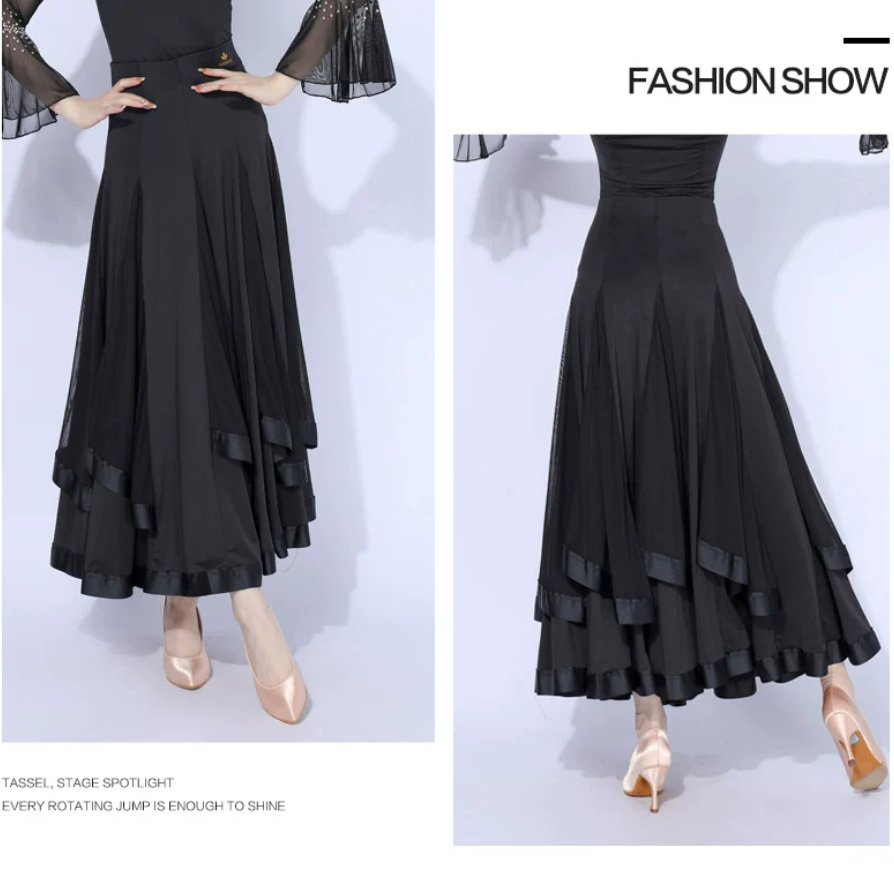
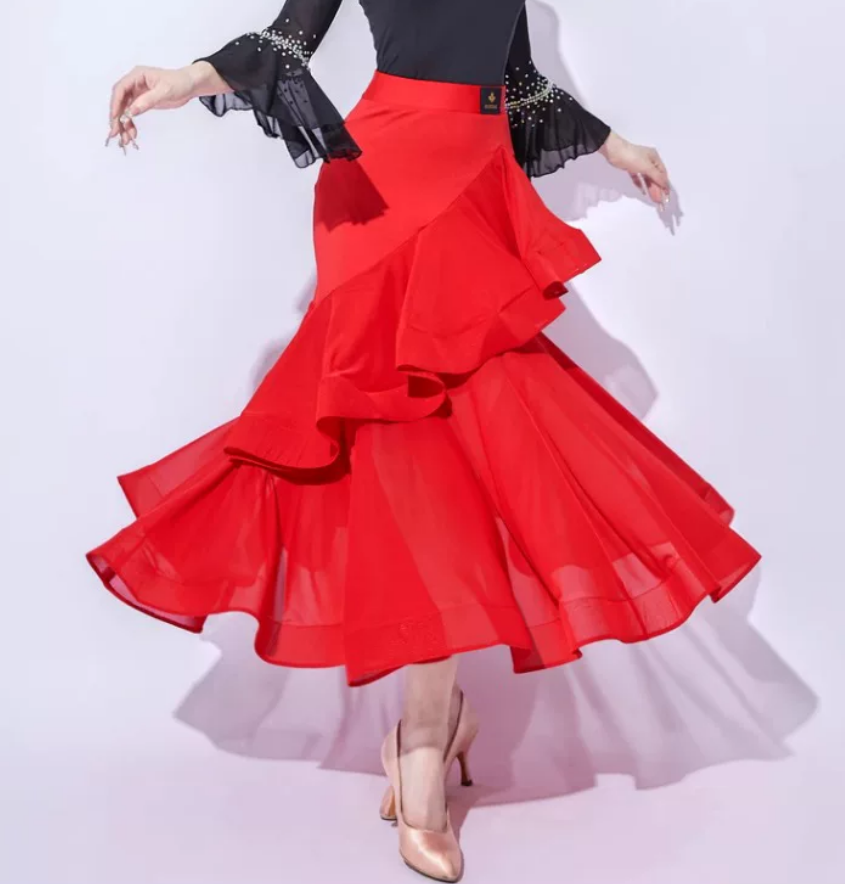
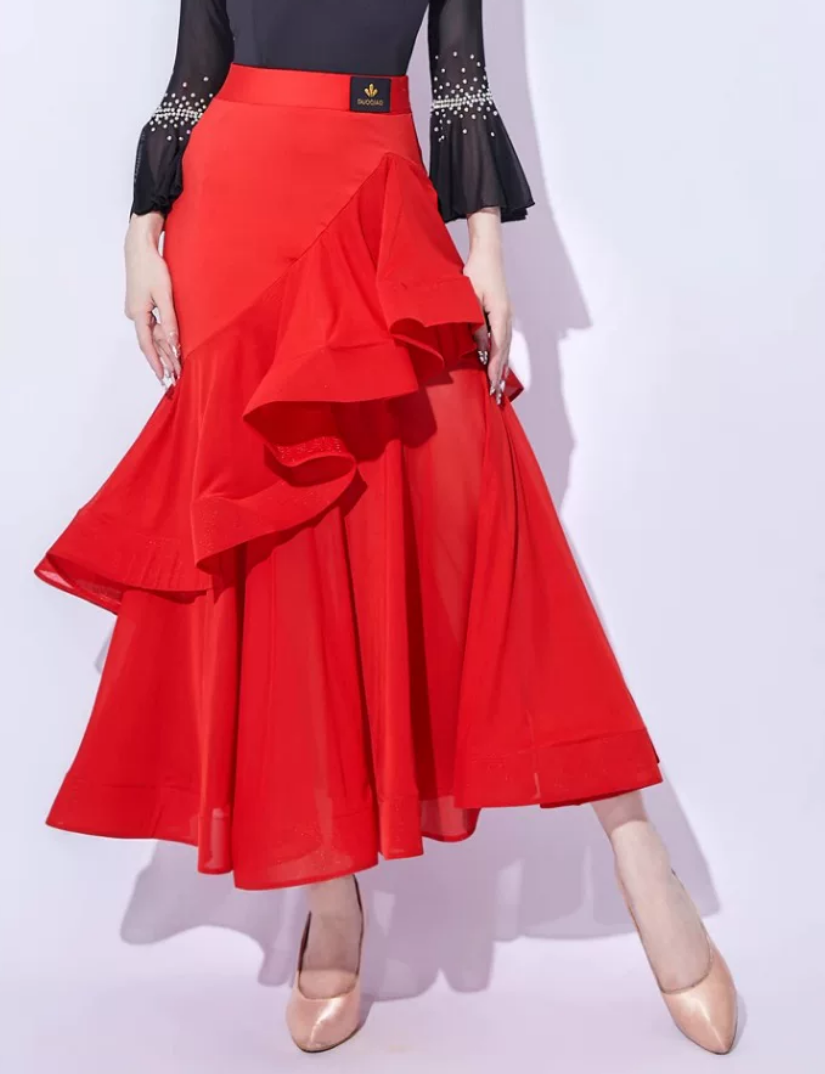
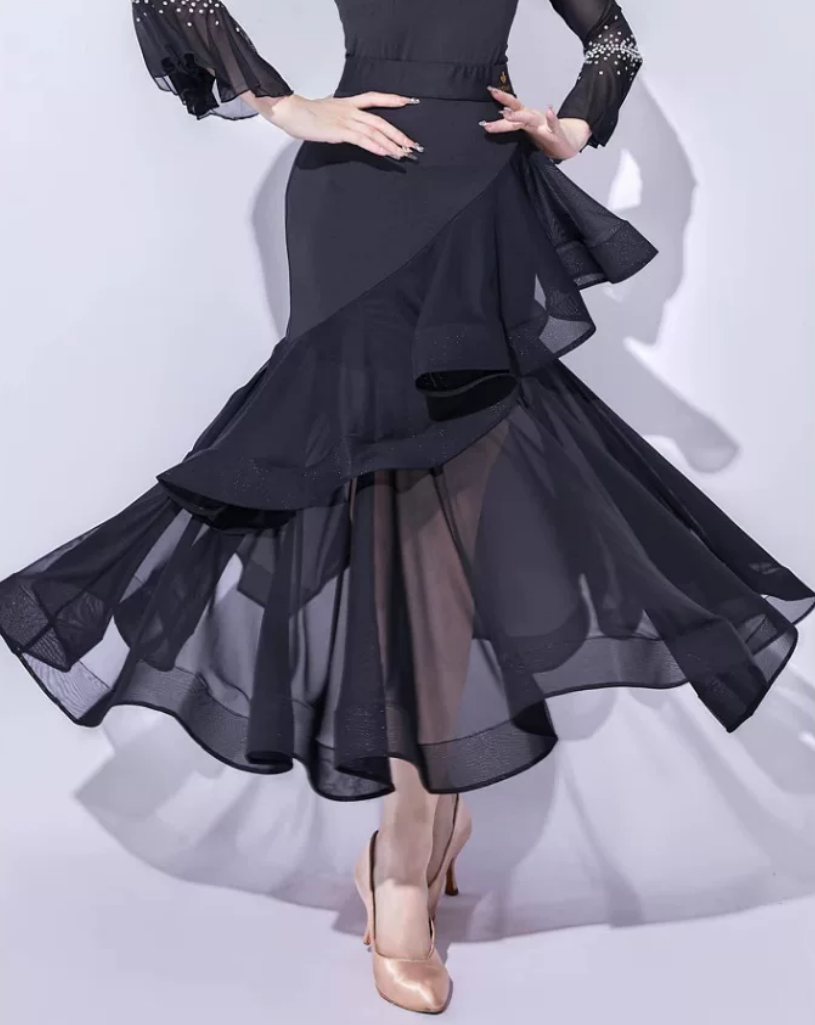
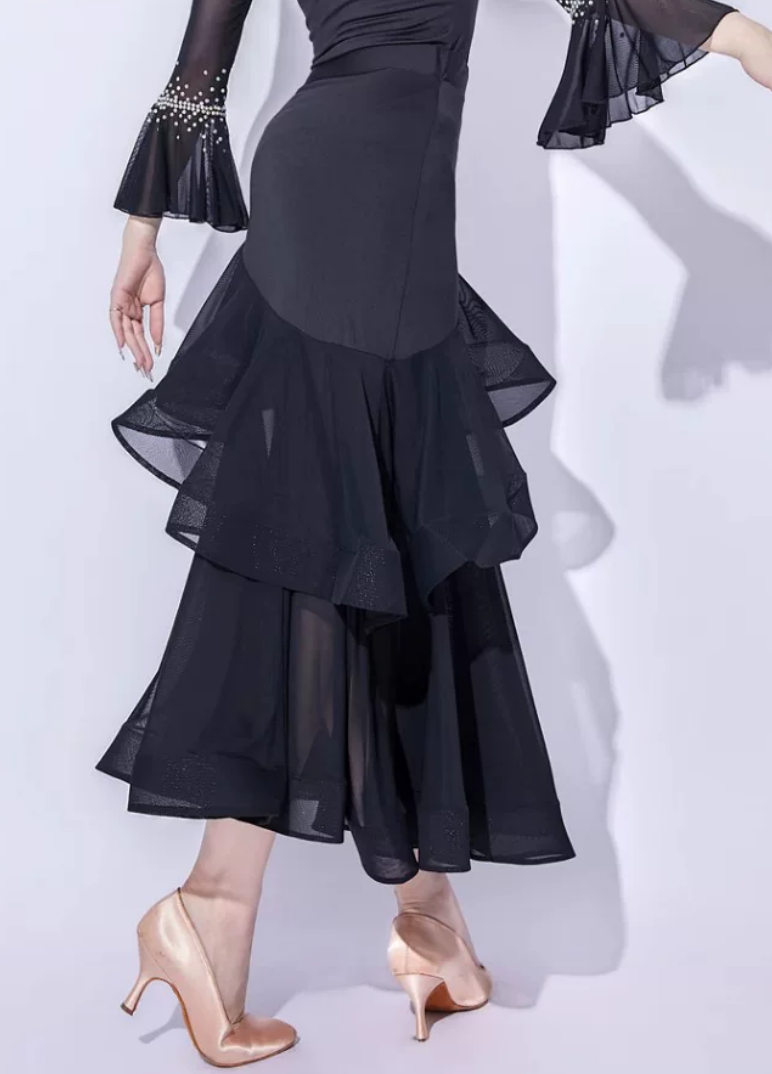
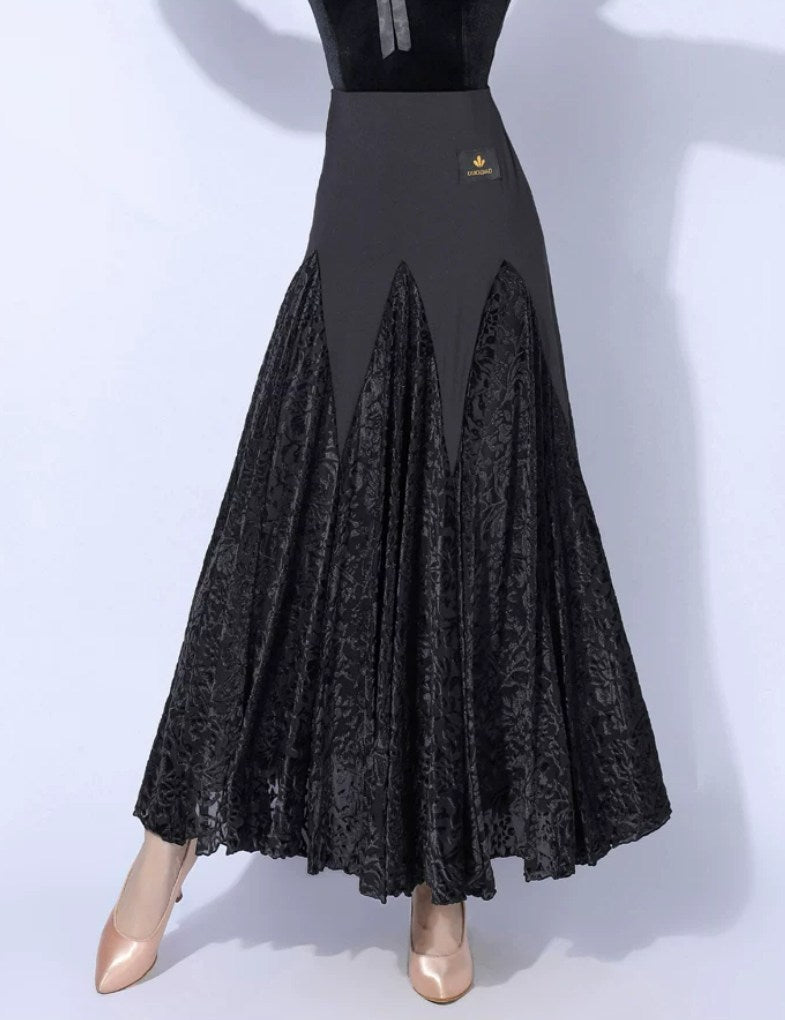
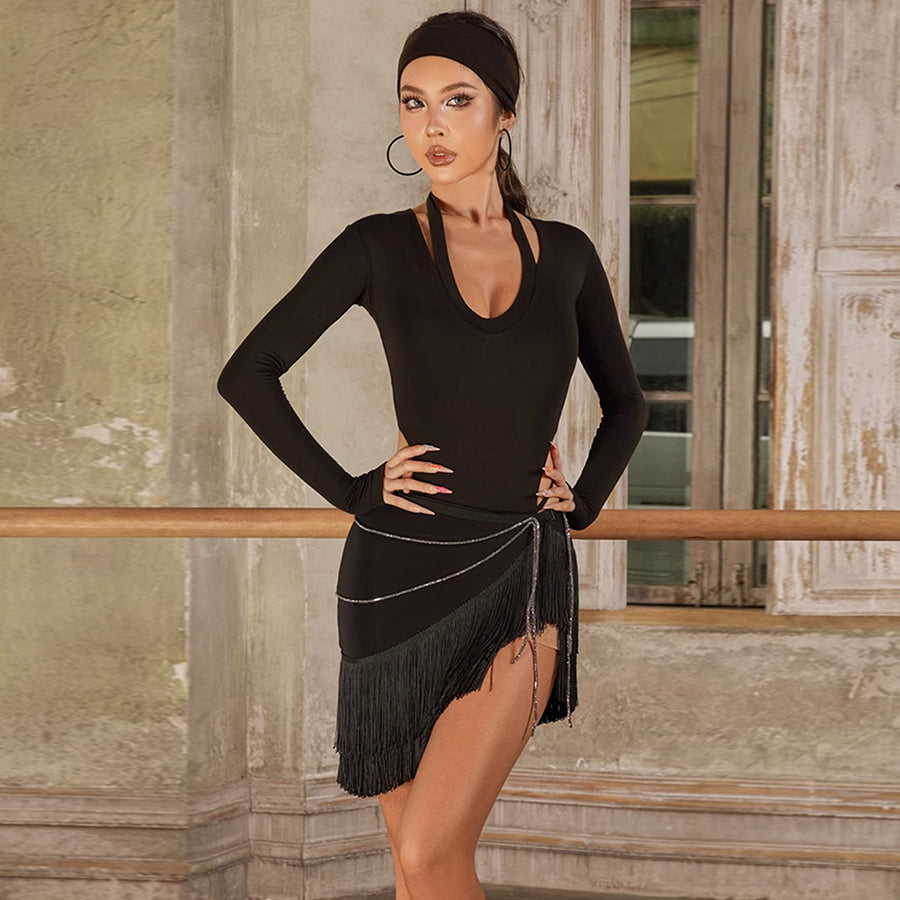
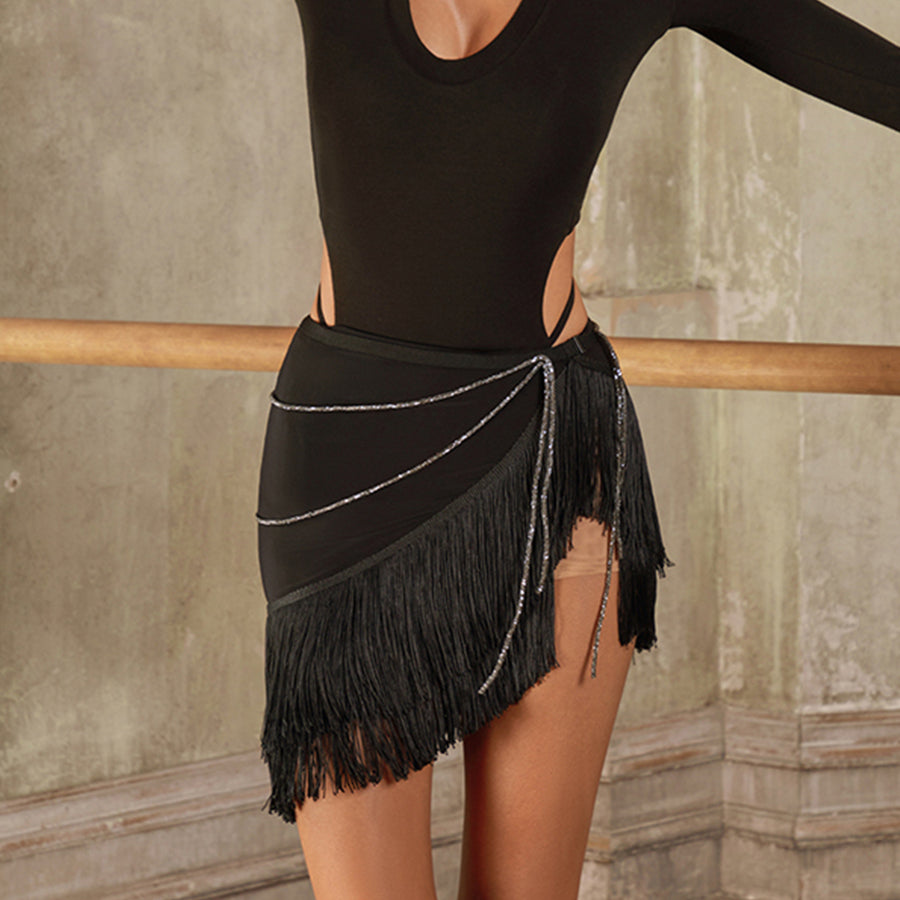
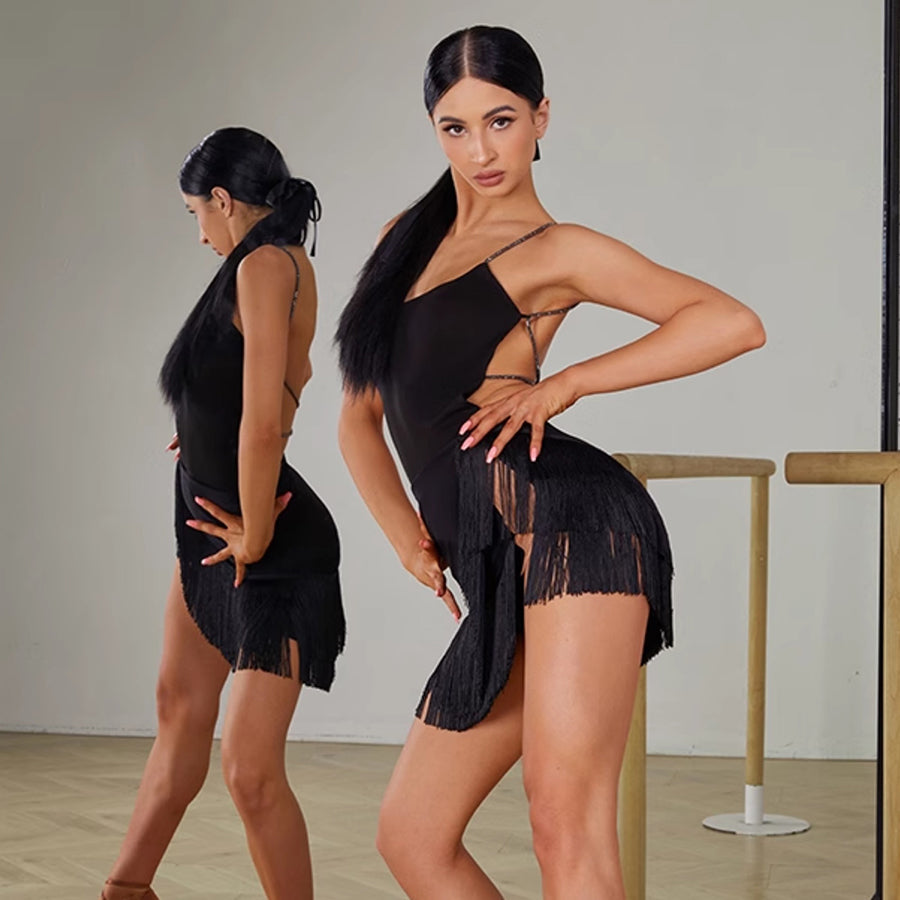
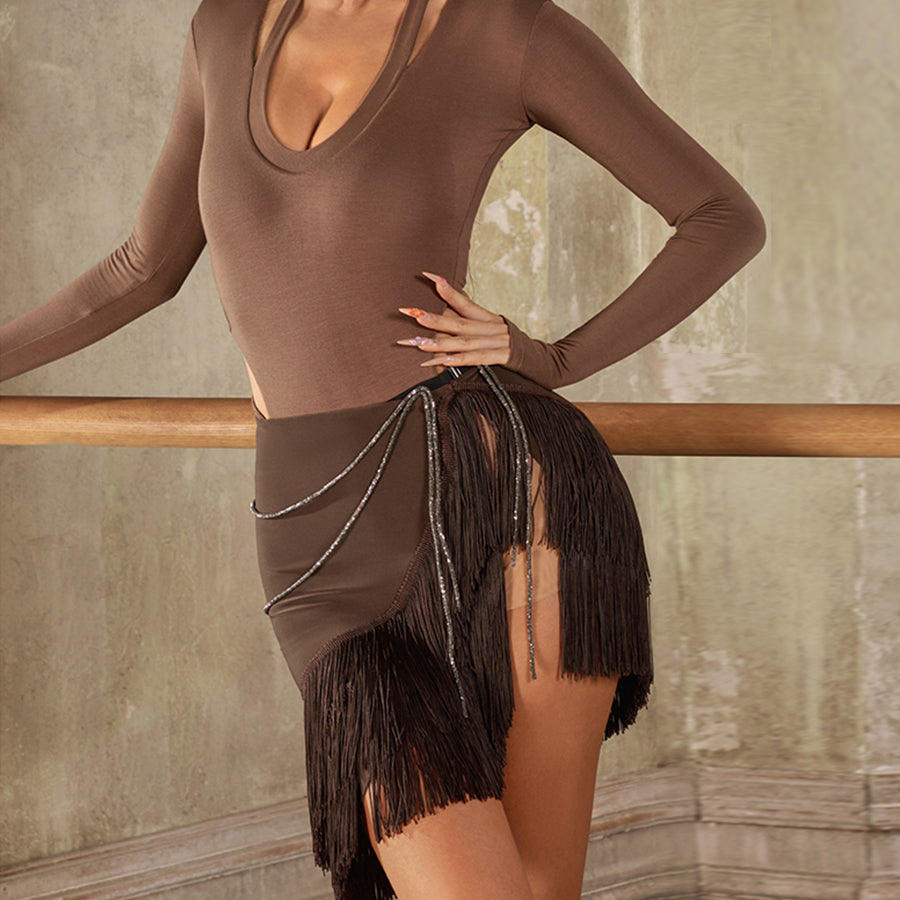
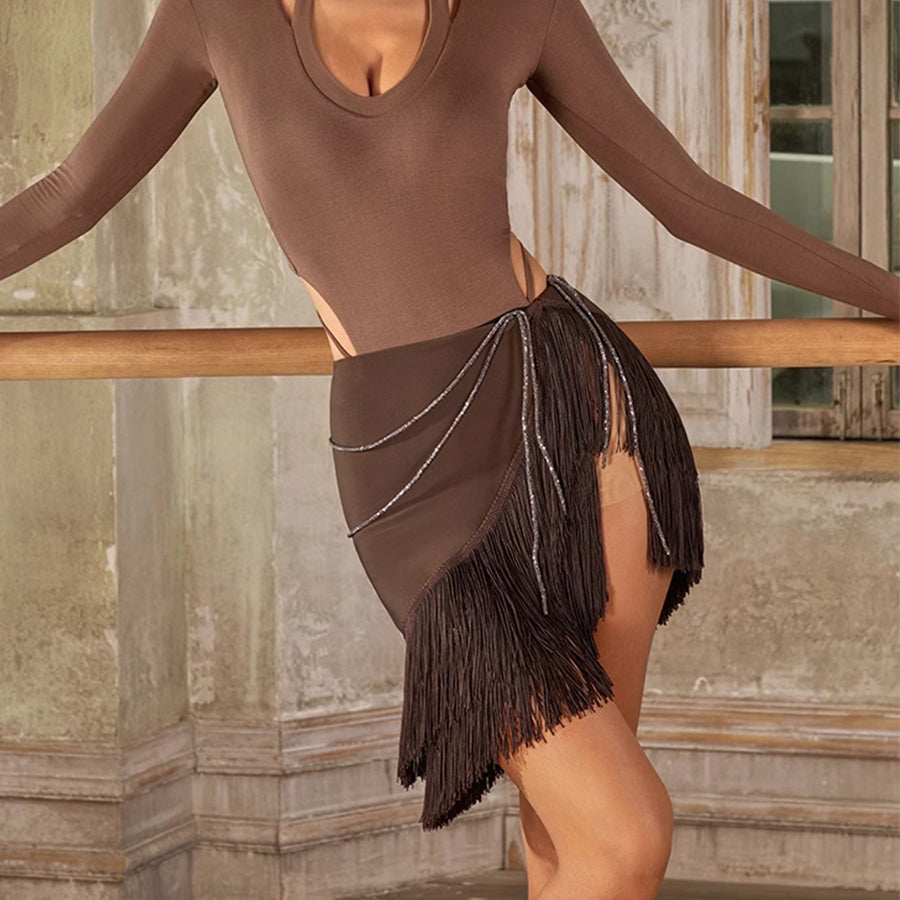
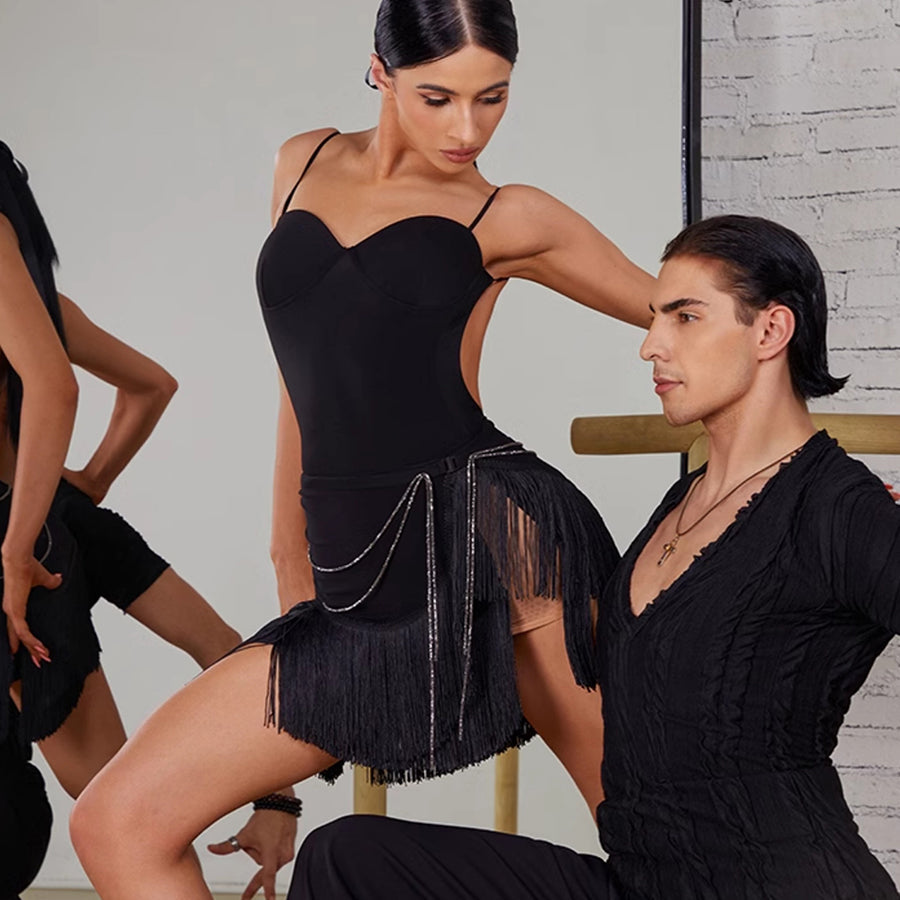
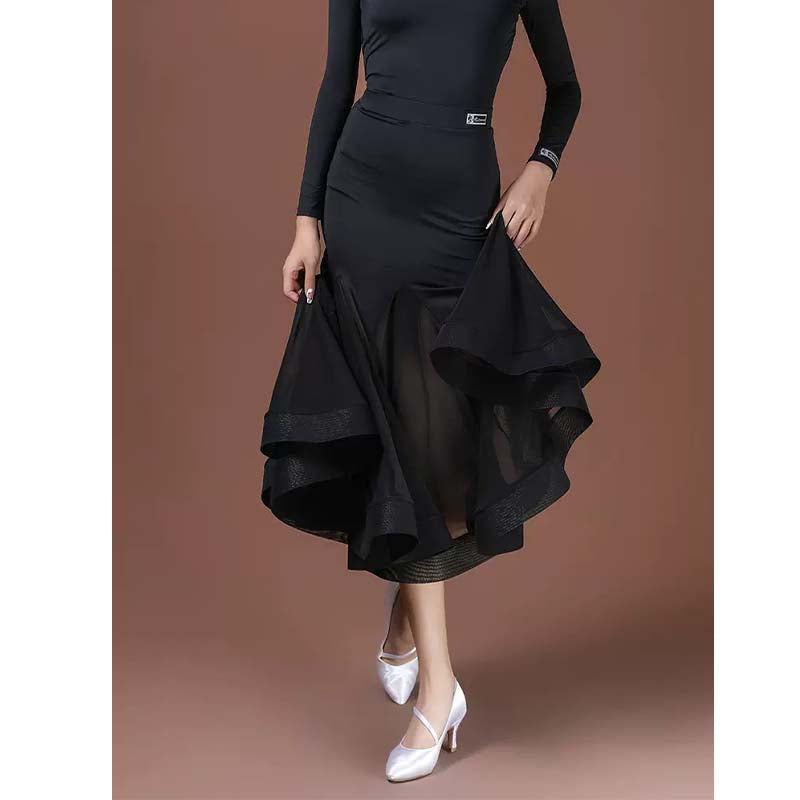
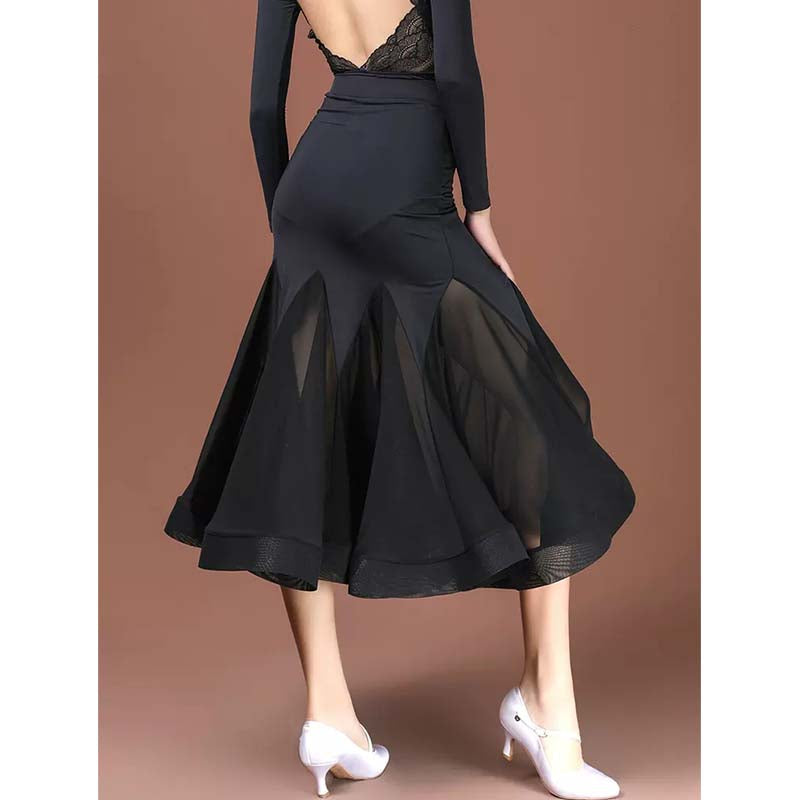
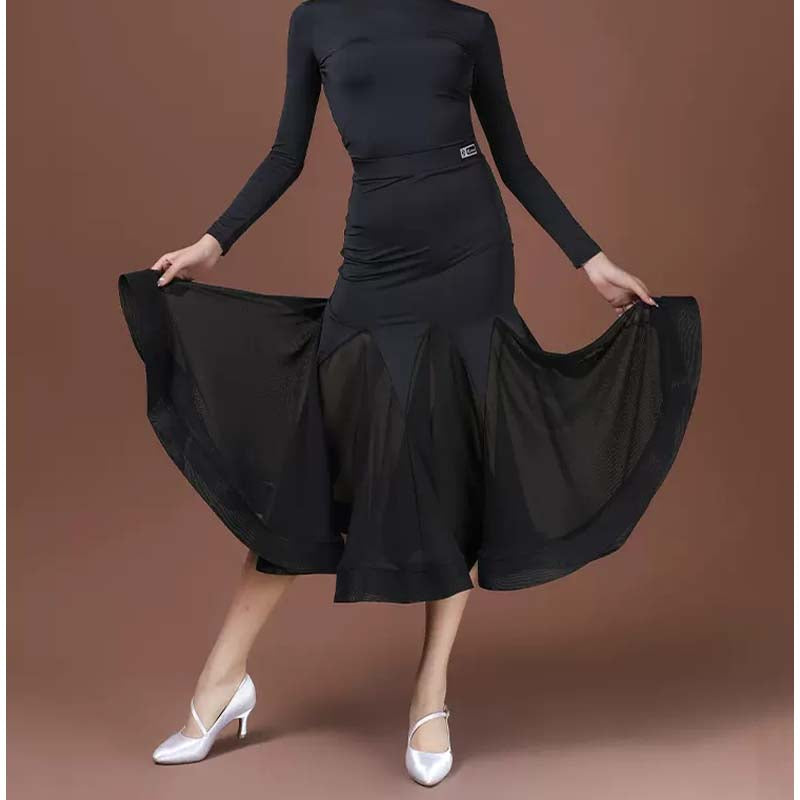
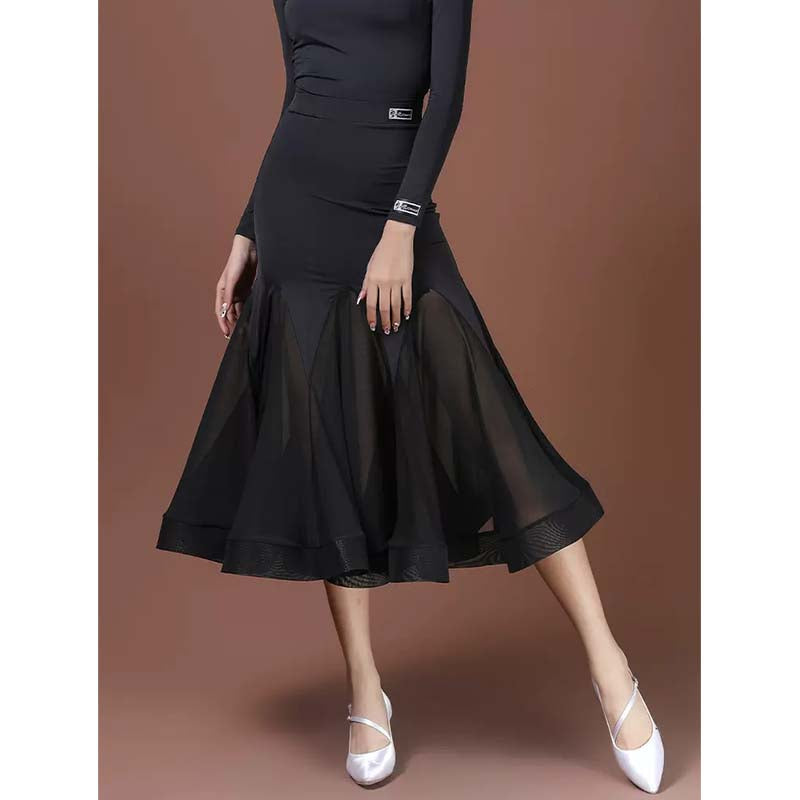
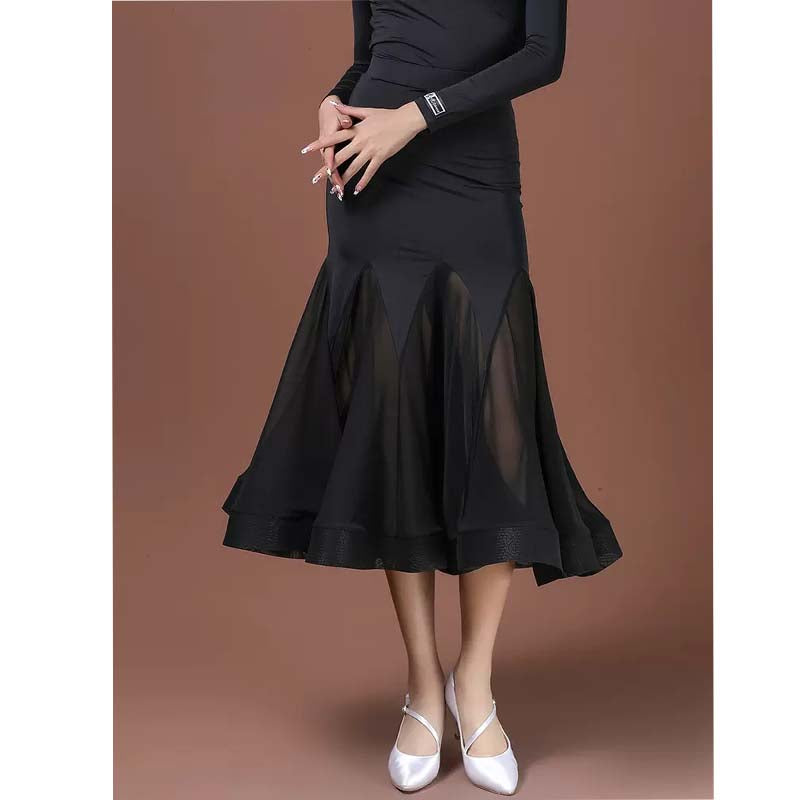
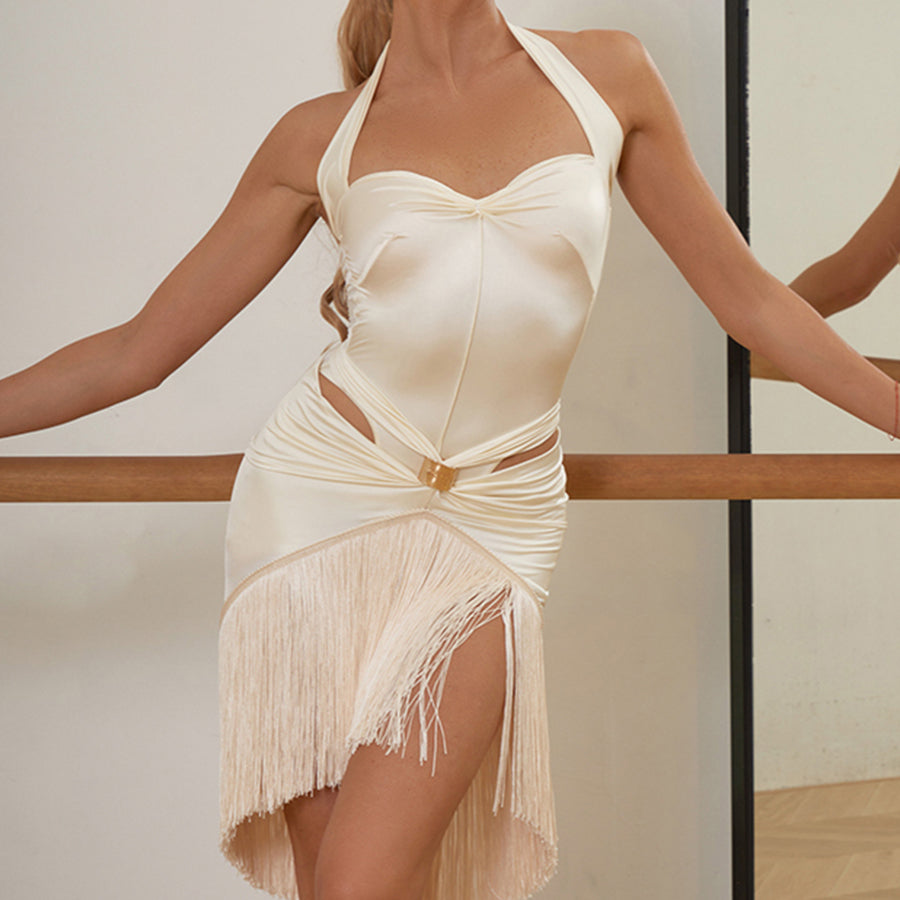
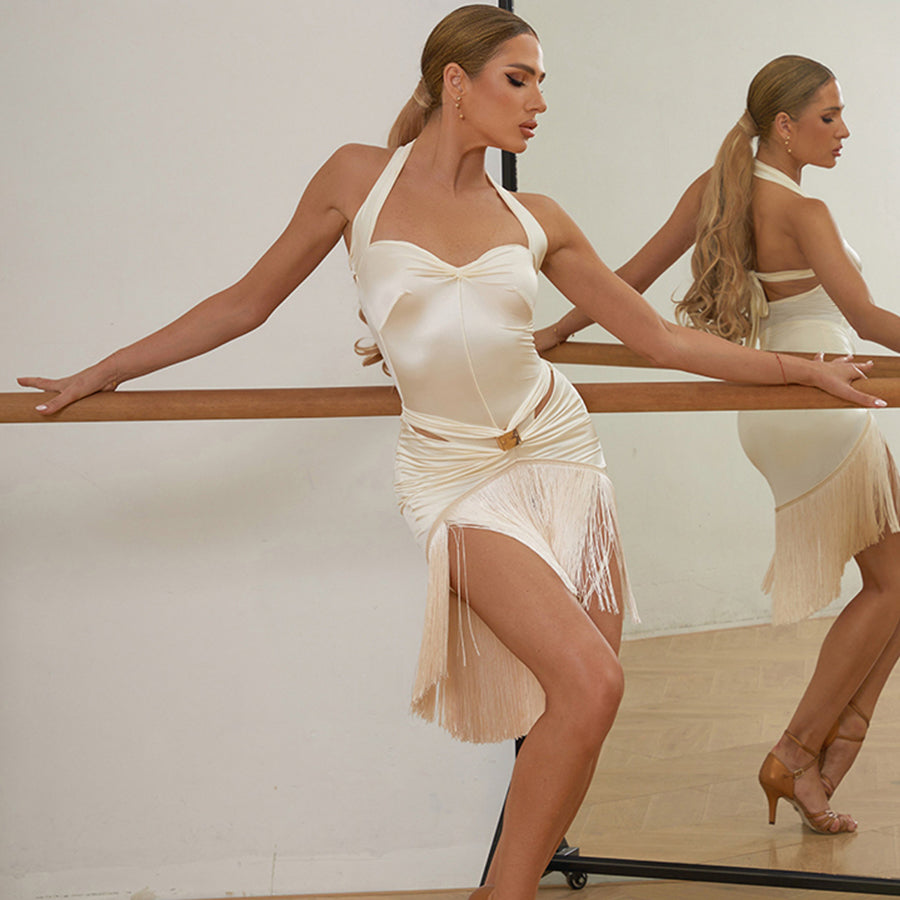
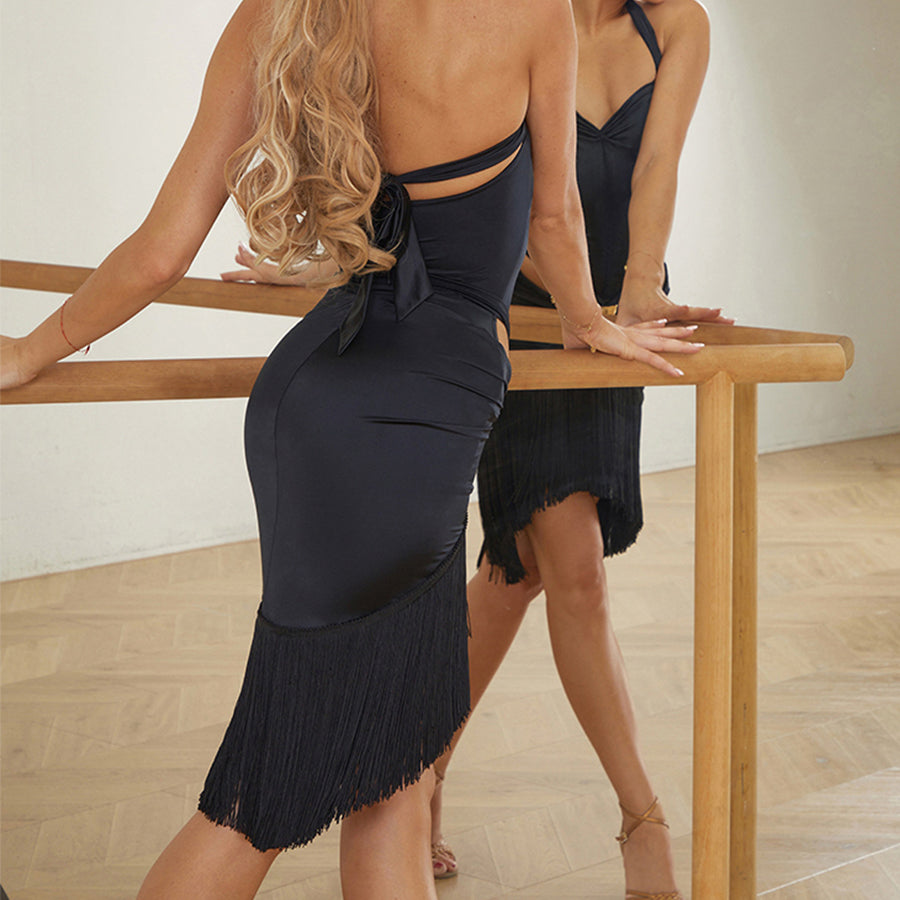
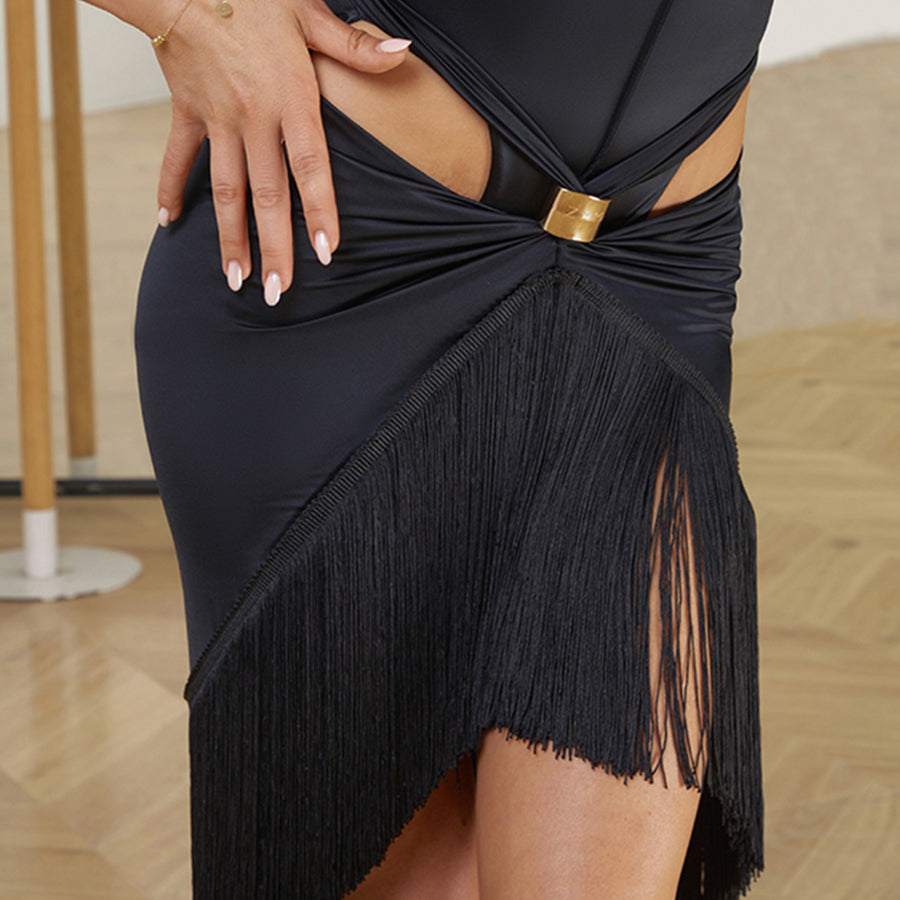
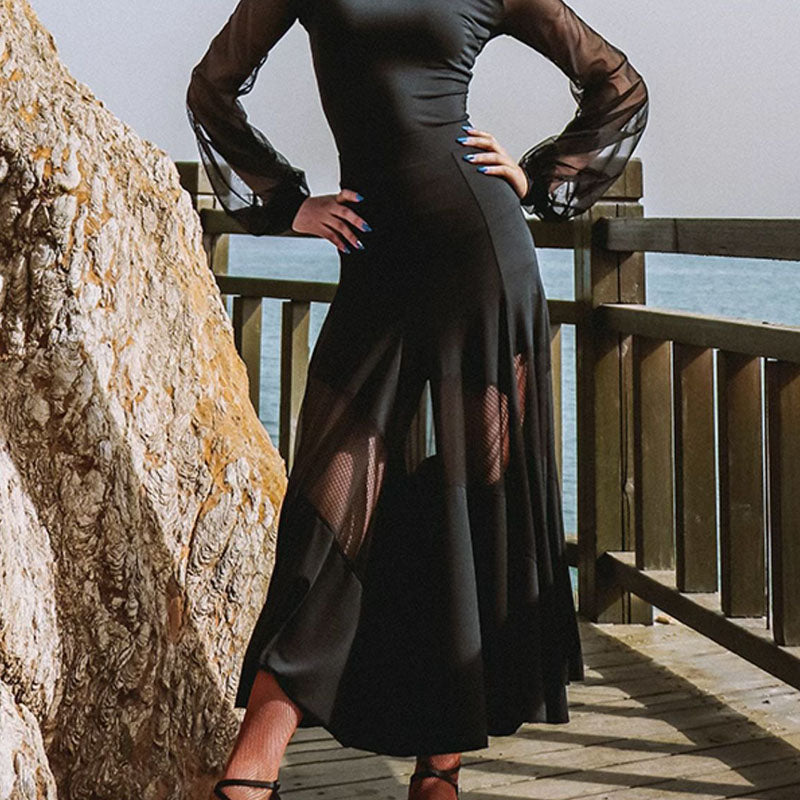
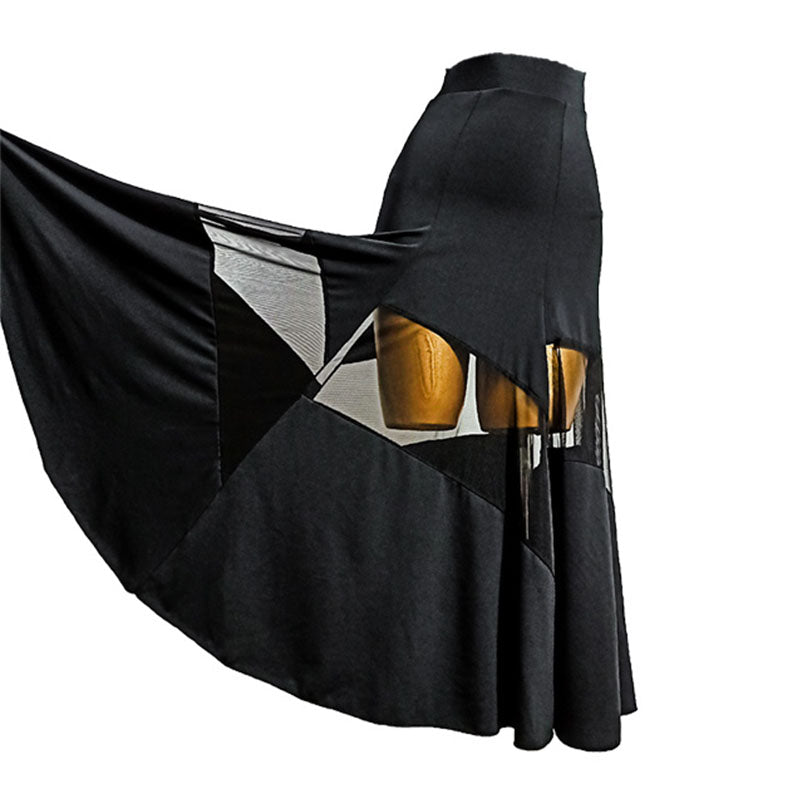
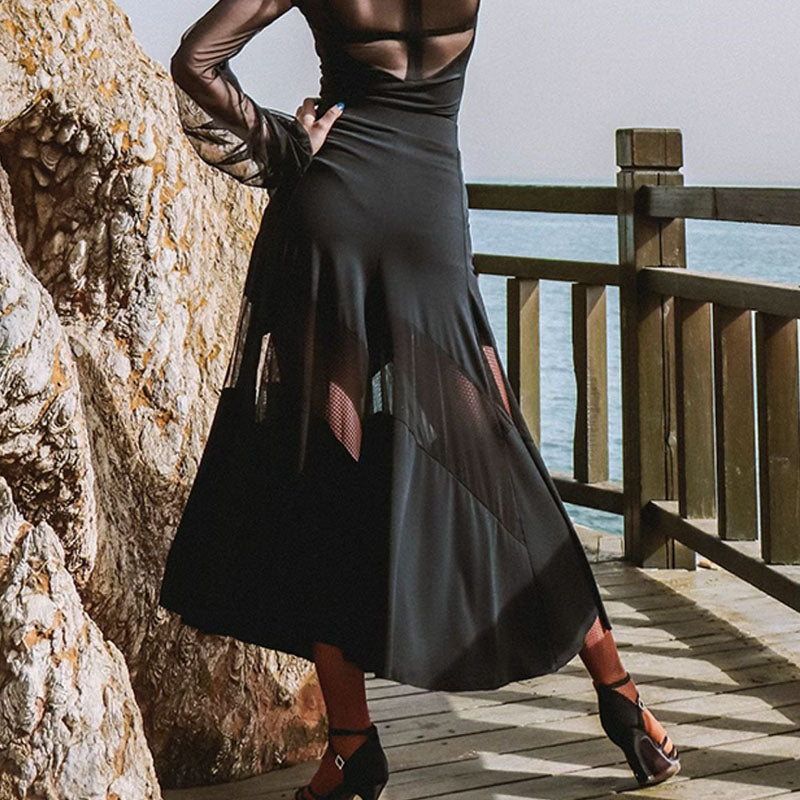
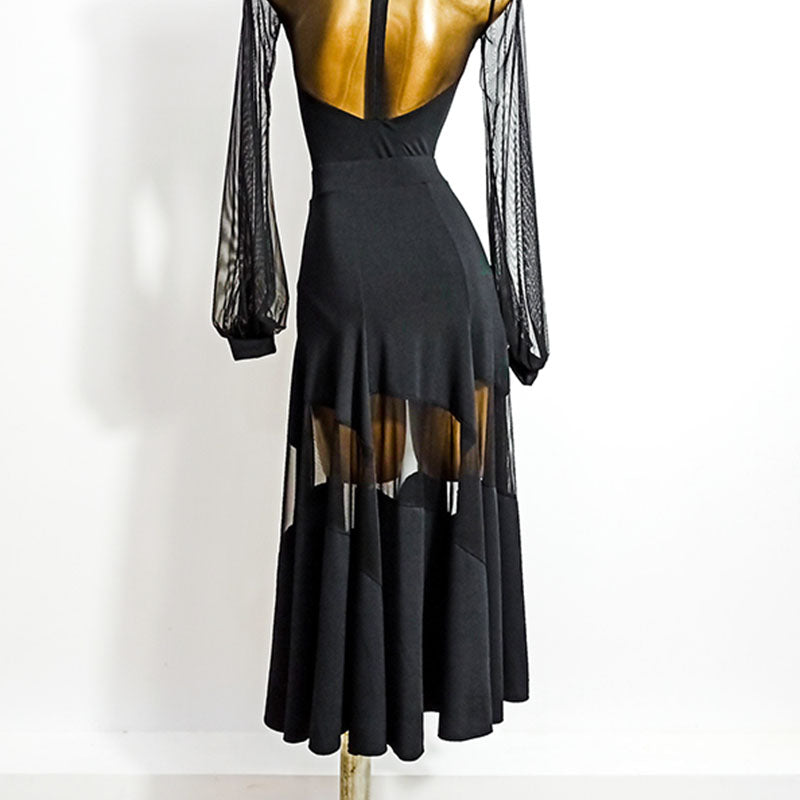
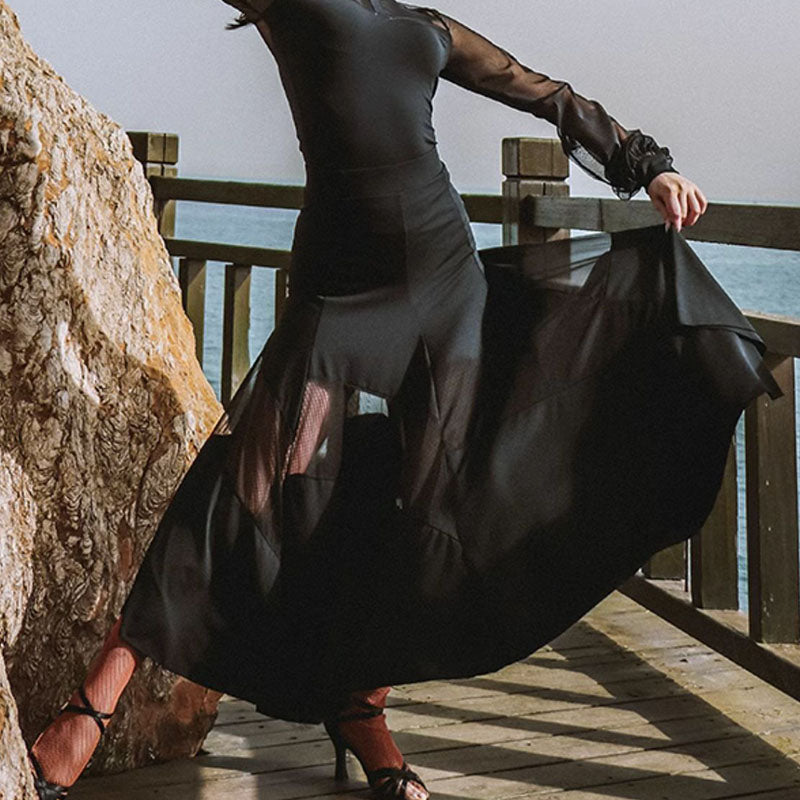
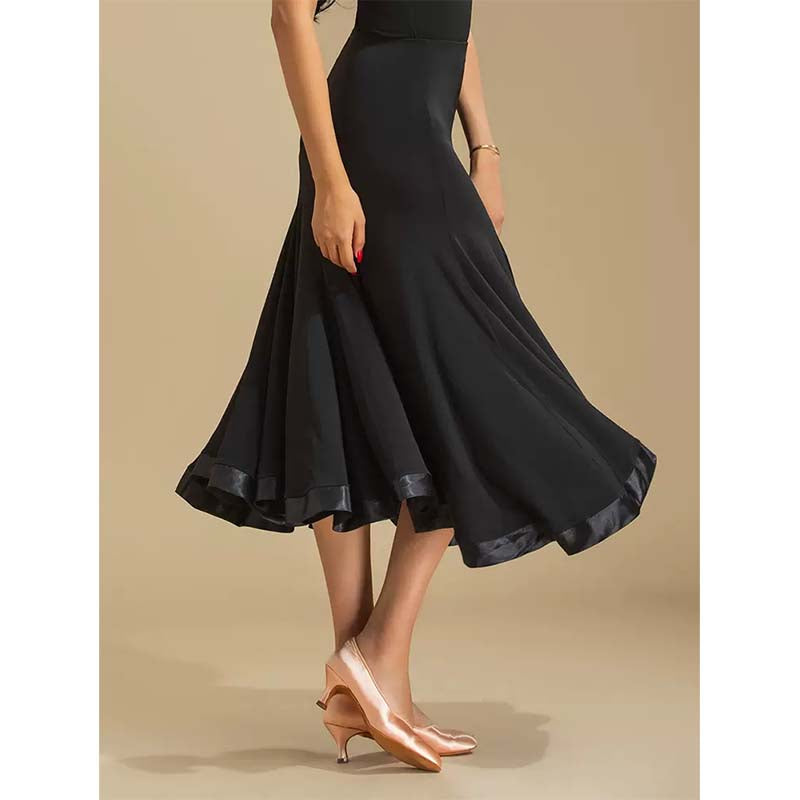
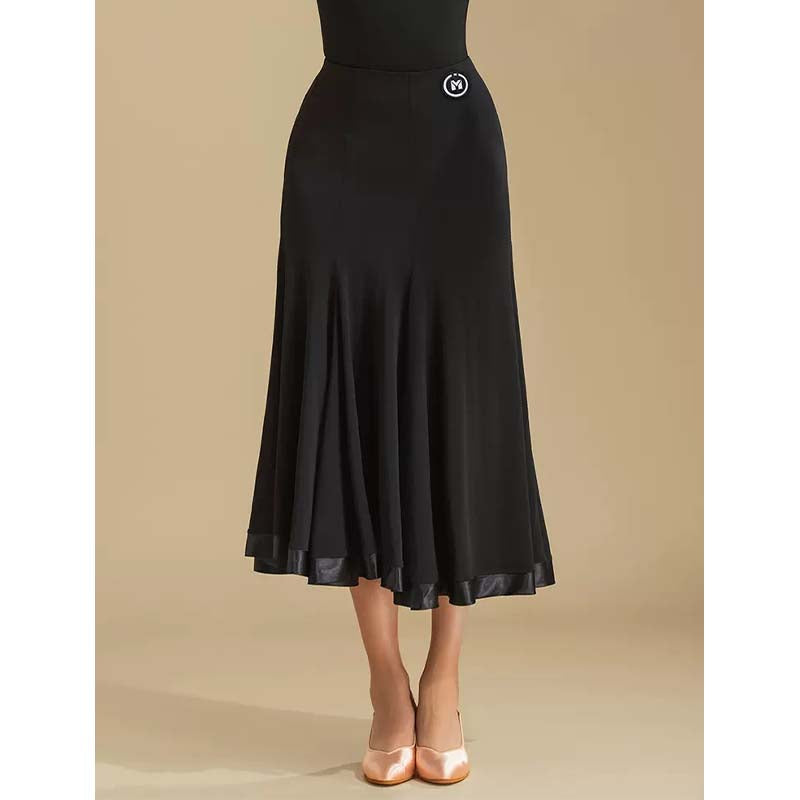
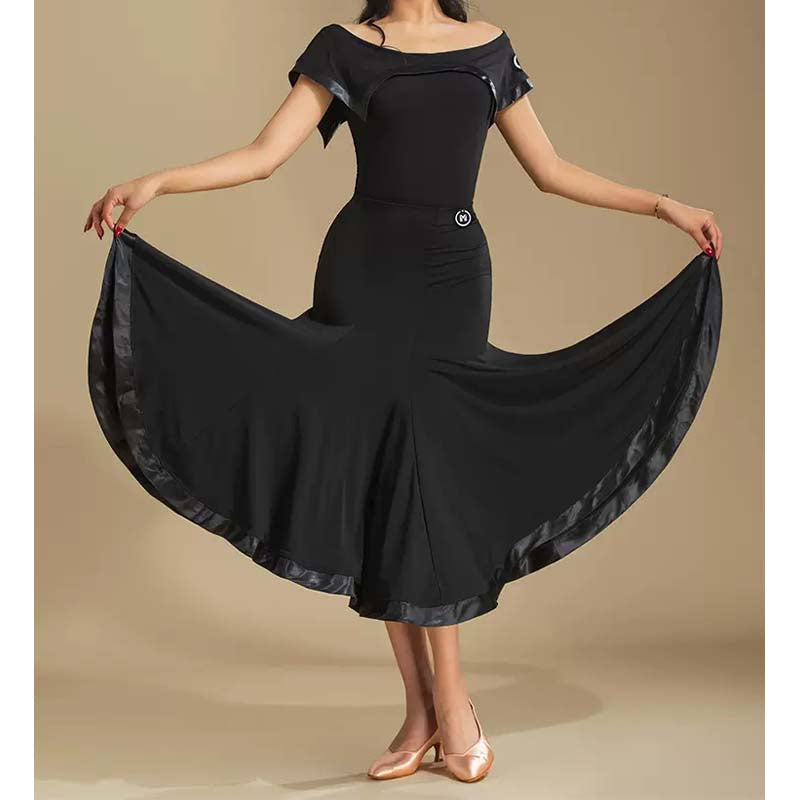
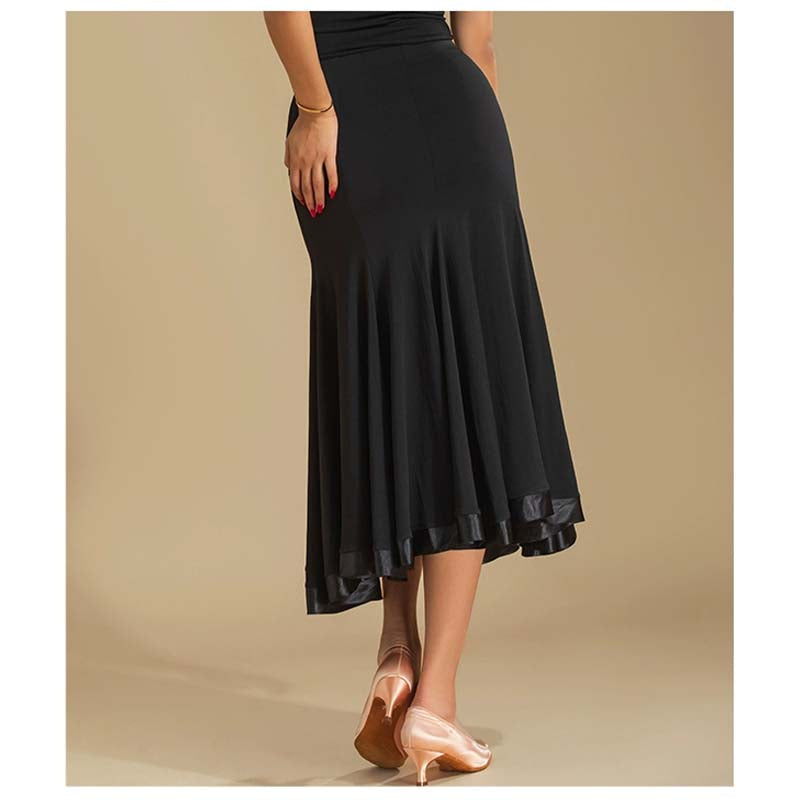
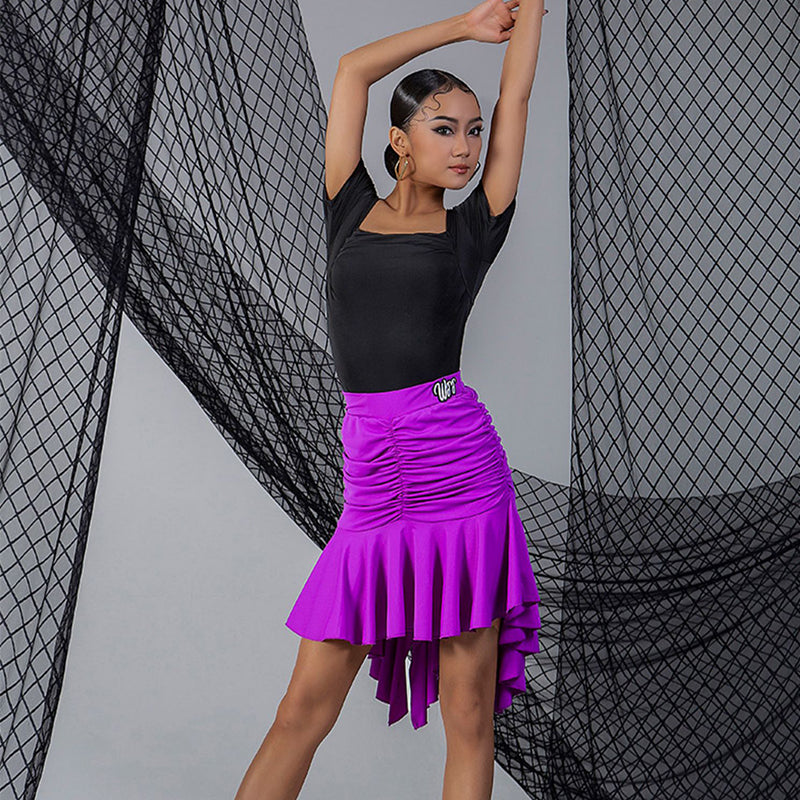
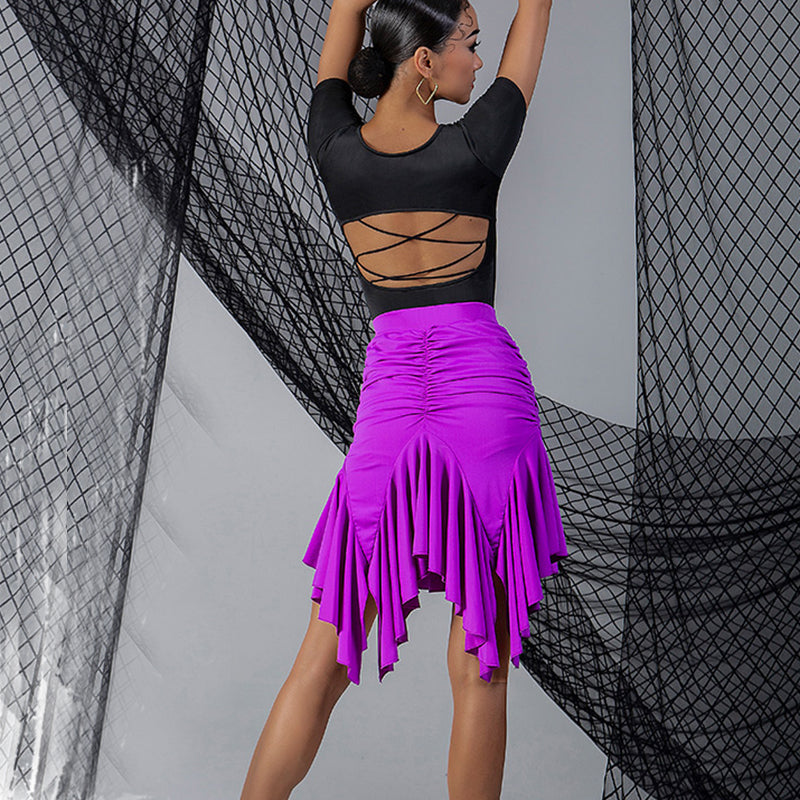
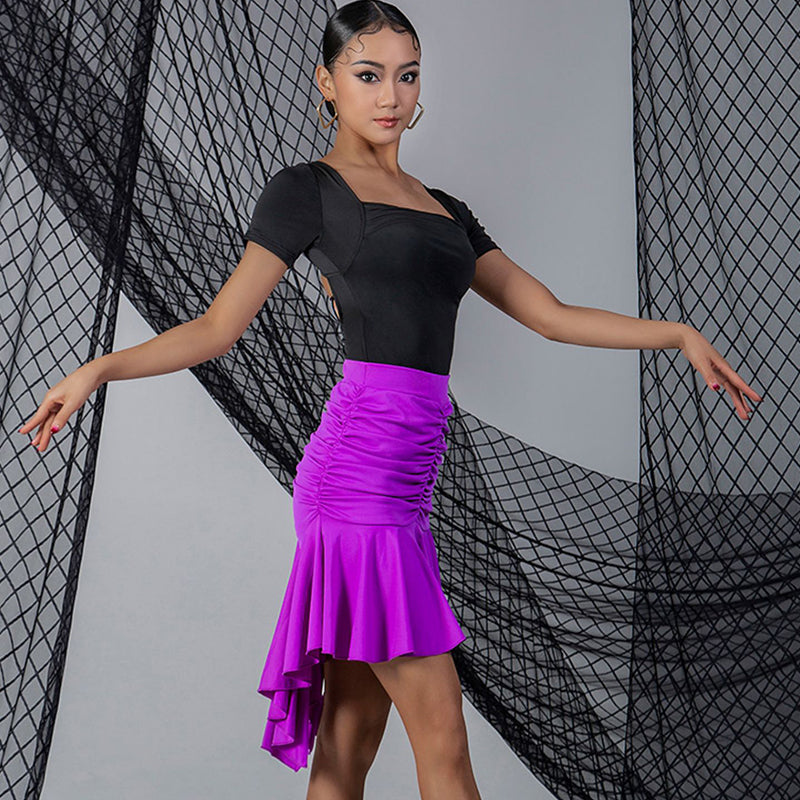
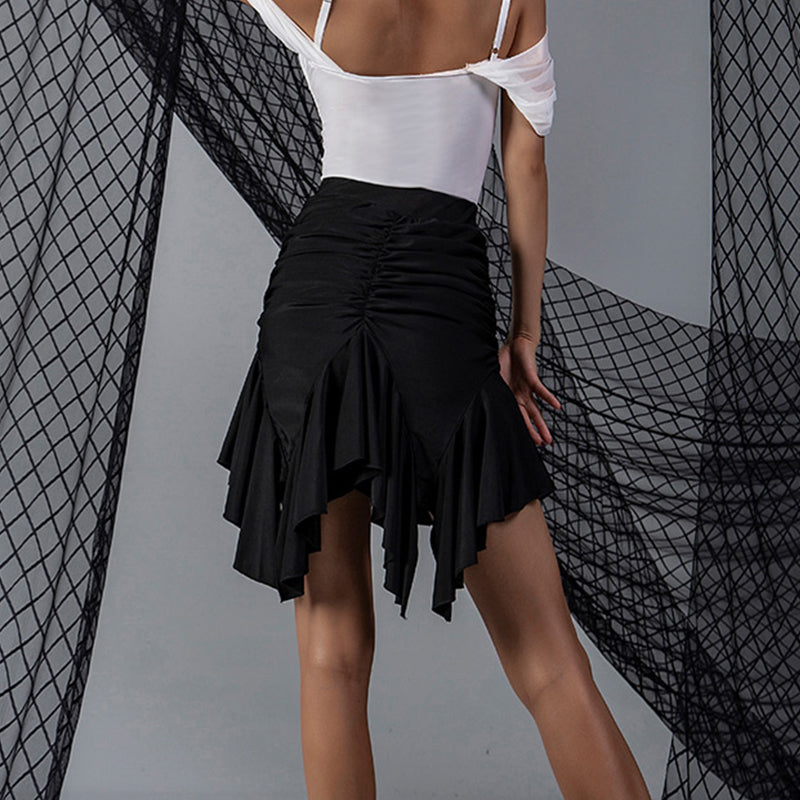
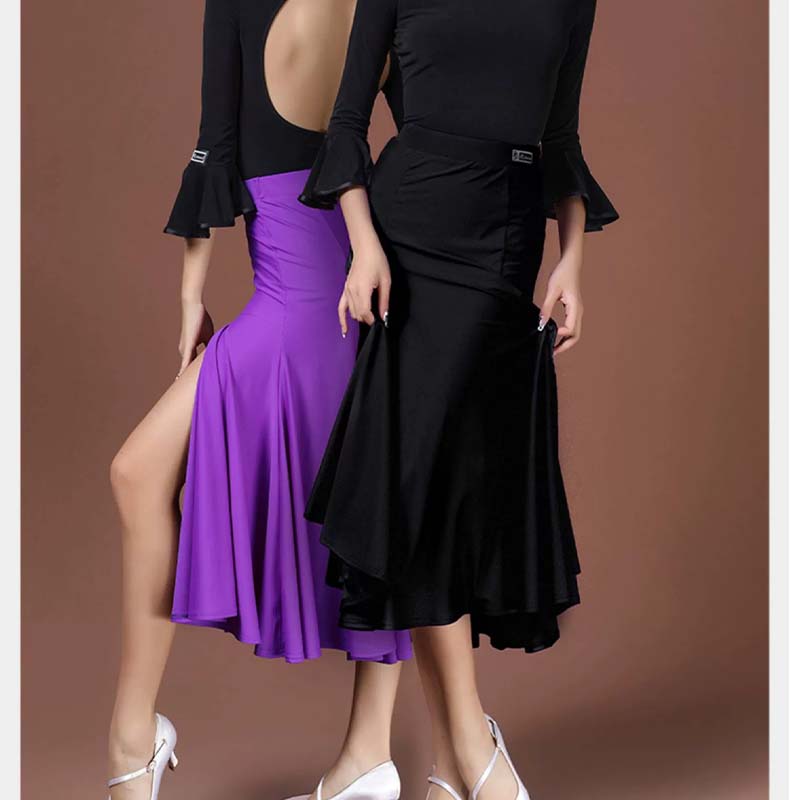
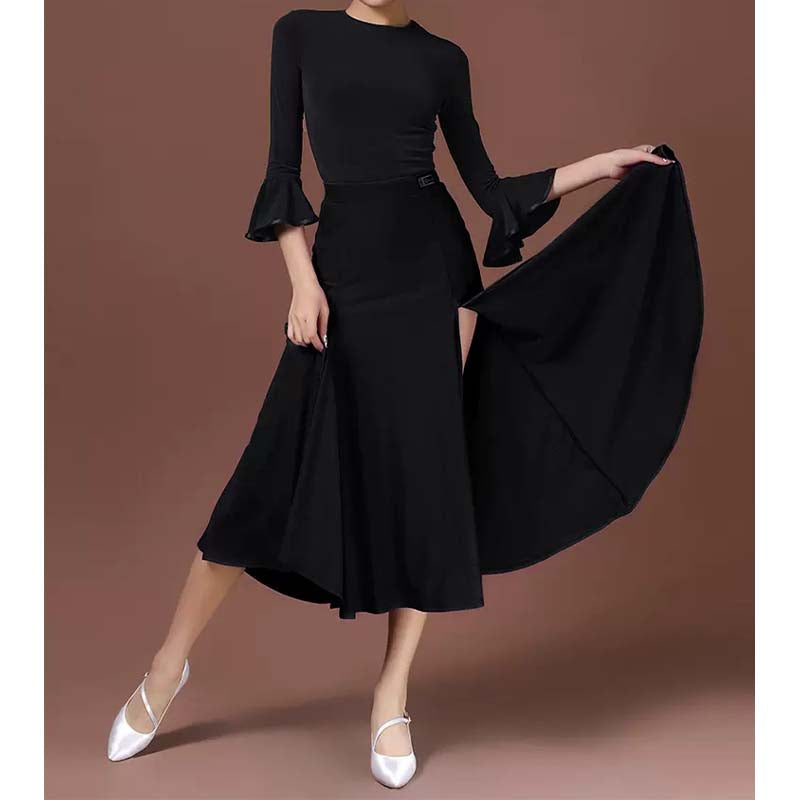
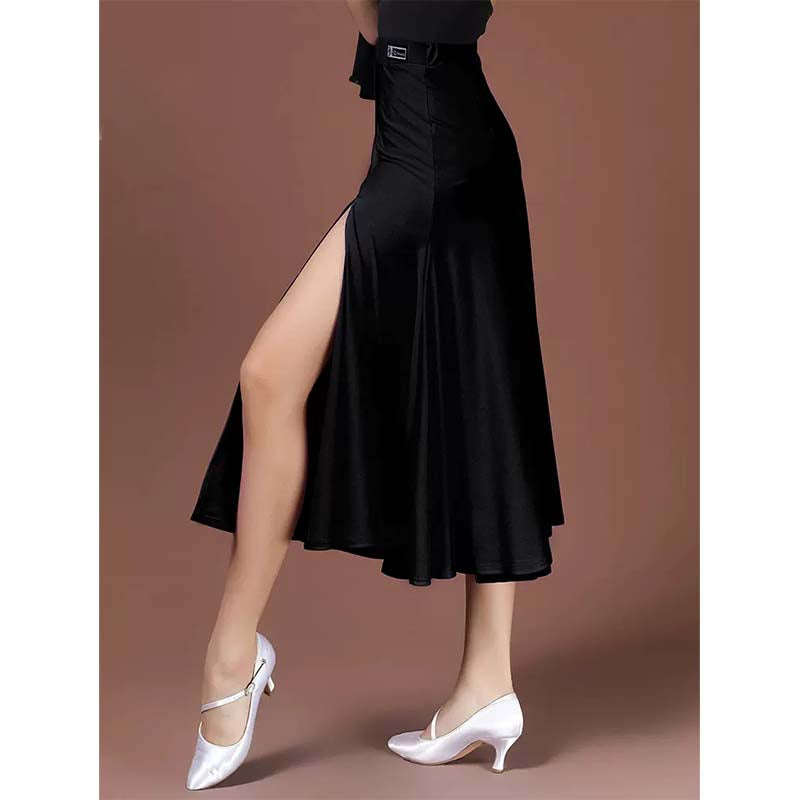
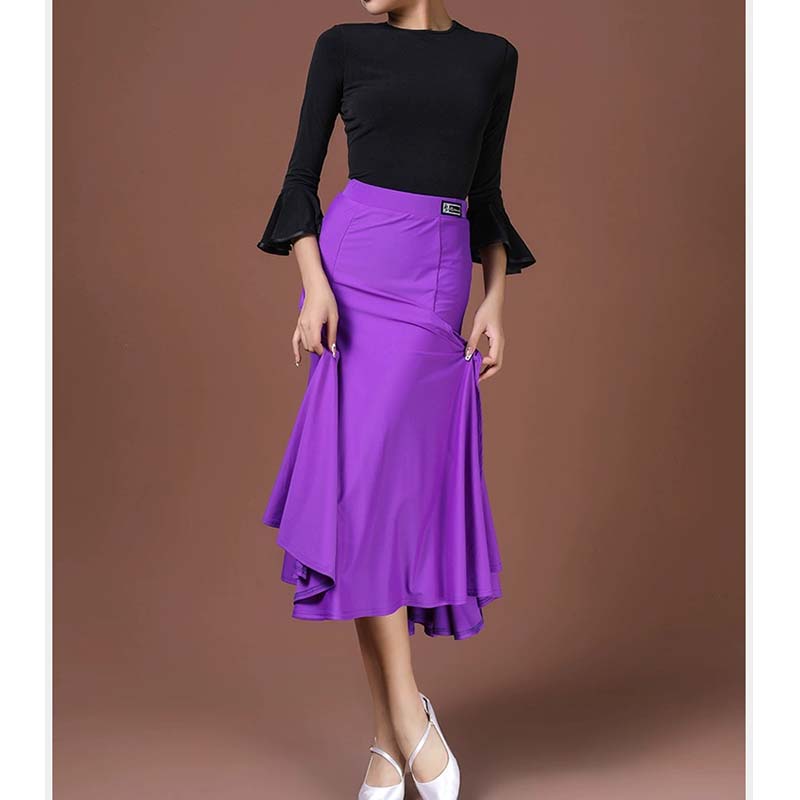
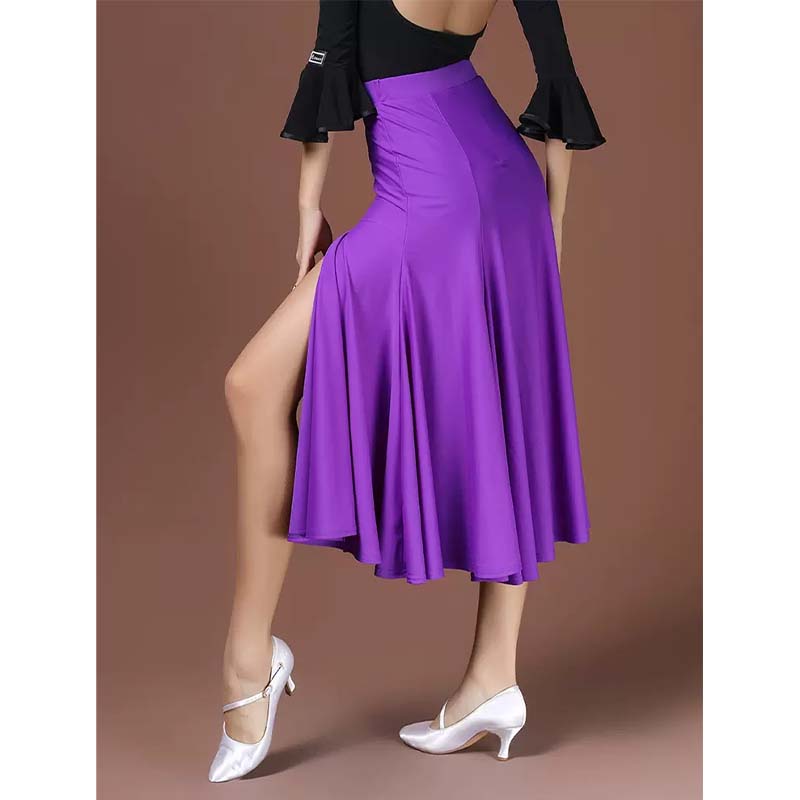
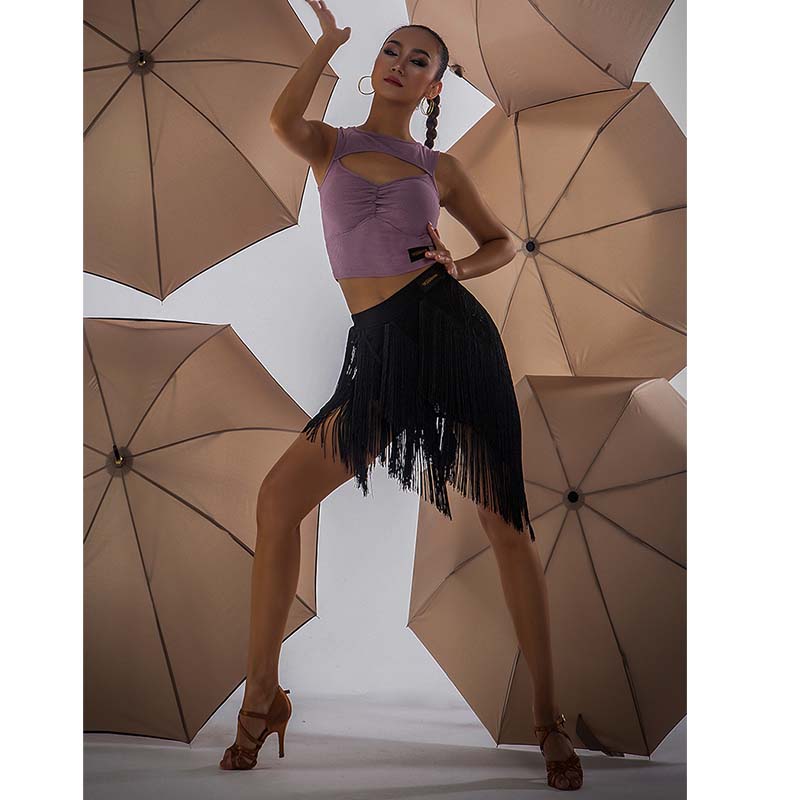
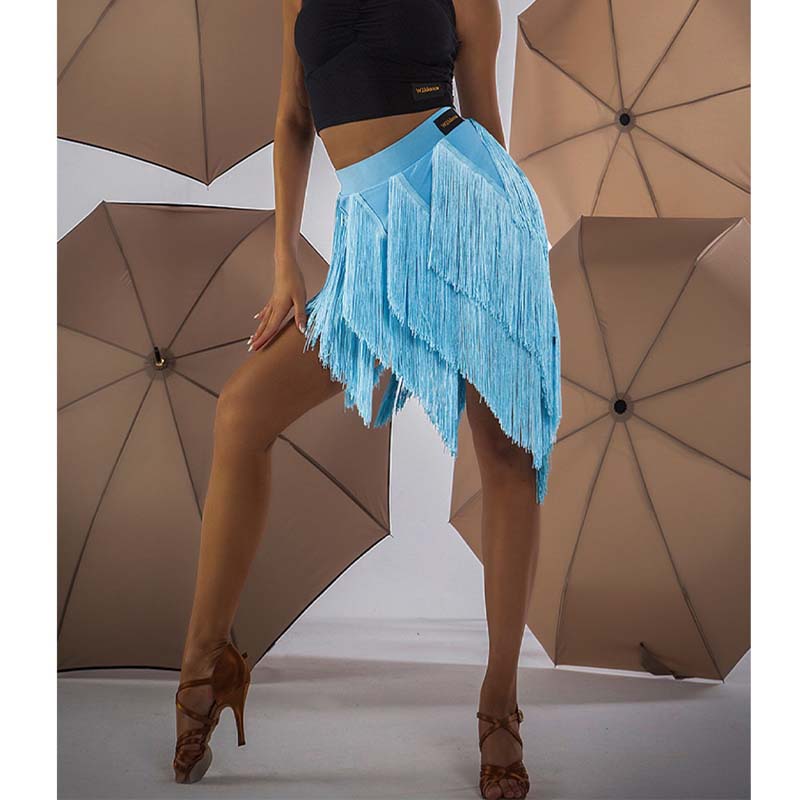
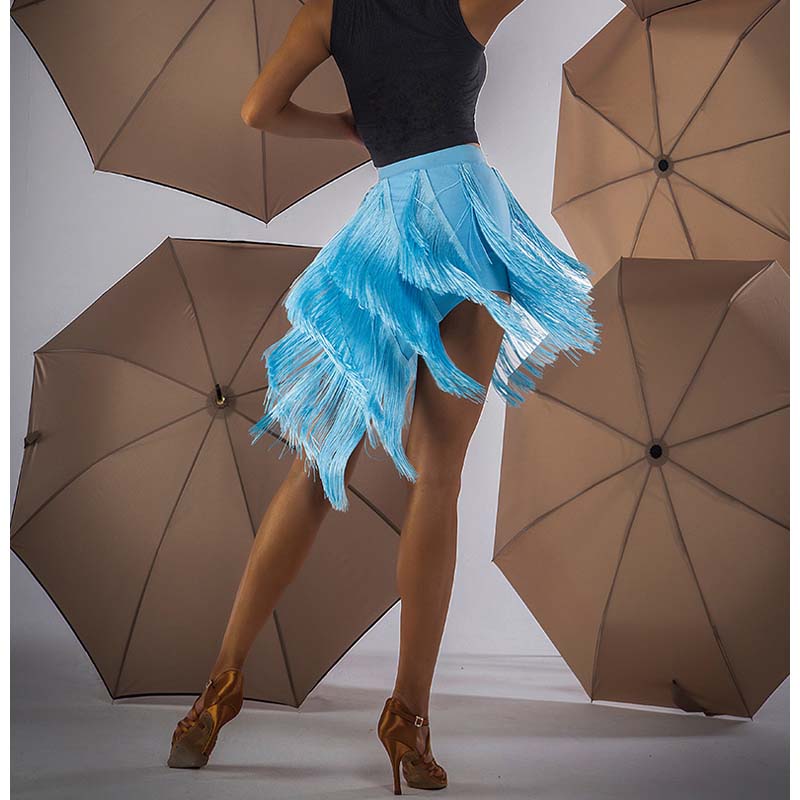
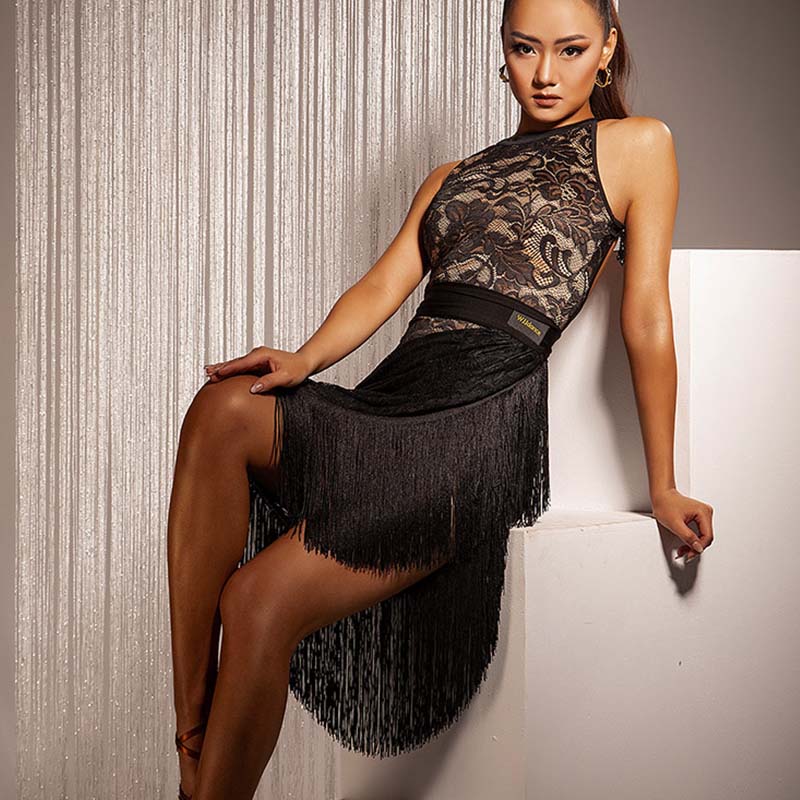
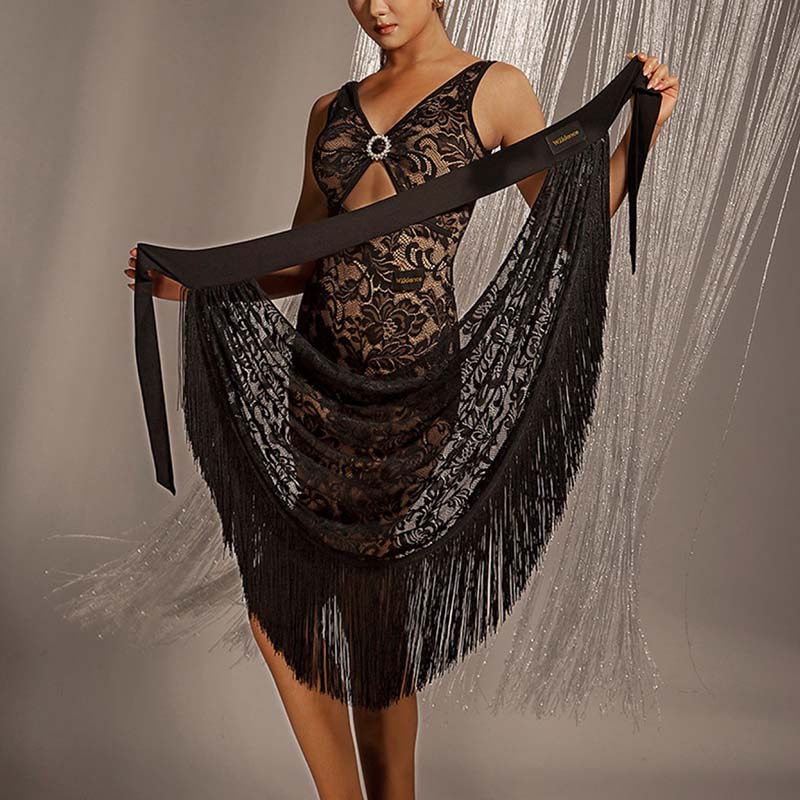
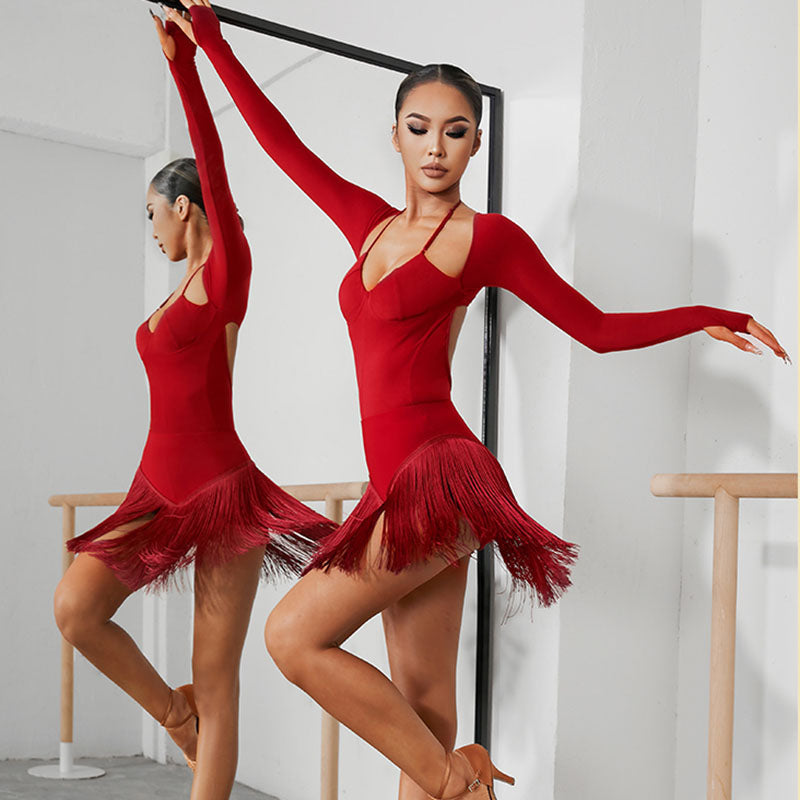
If you know your family, start there. Ballroom dancewear gathers everything cut for Standard — long lines, closed hold, travelling figures. Latin dancewear gathers everything cut to react on the beat. The two overlap far less than newcomers expect; a bodysuit crosses over freely, a skirt almost never does.
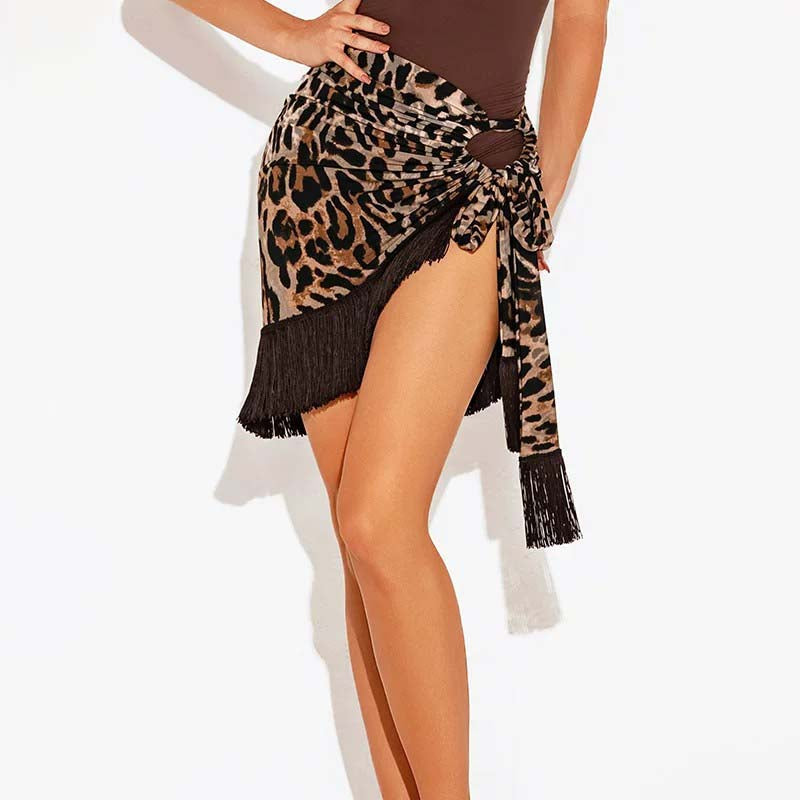
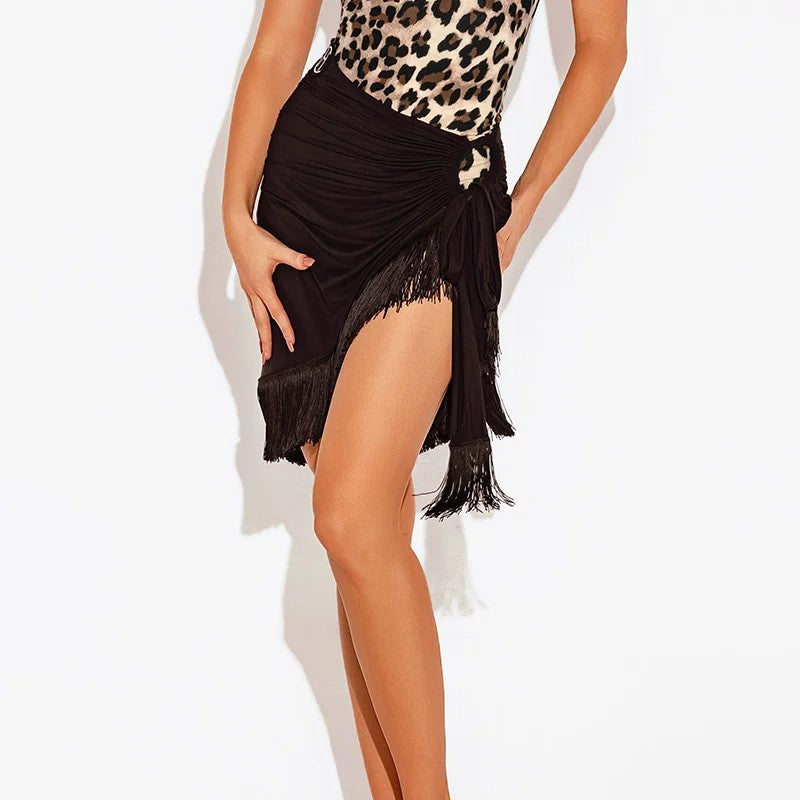
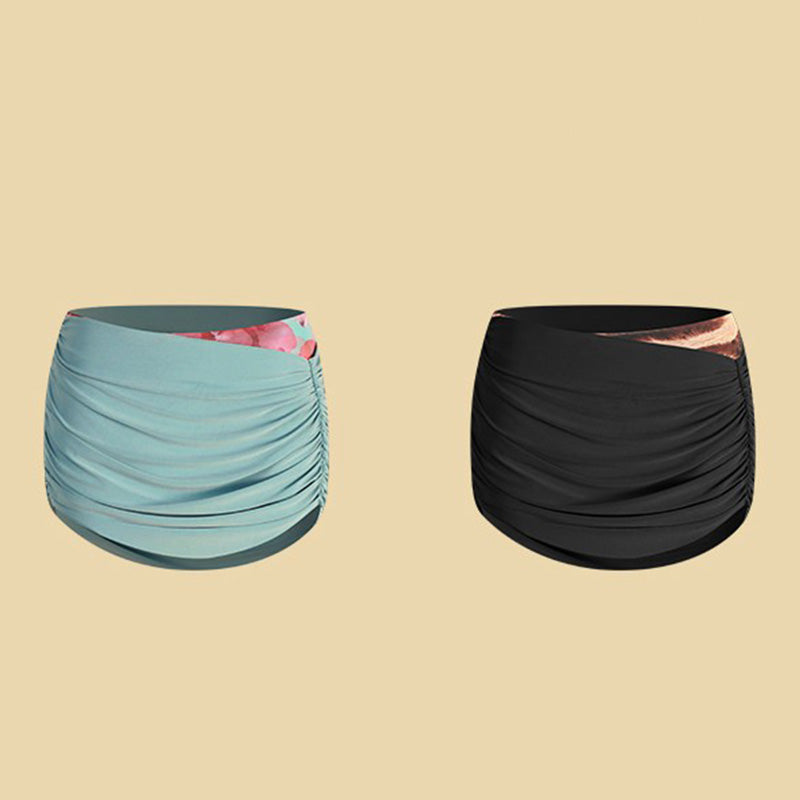
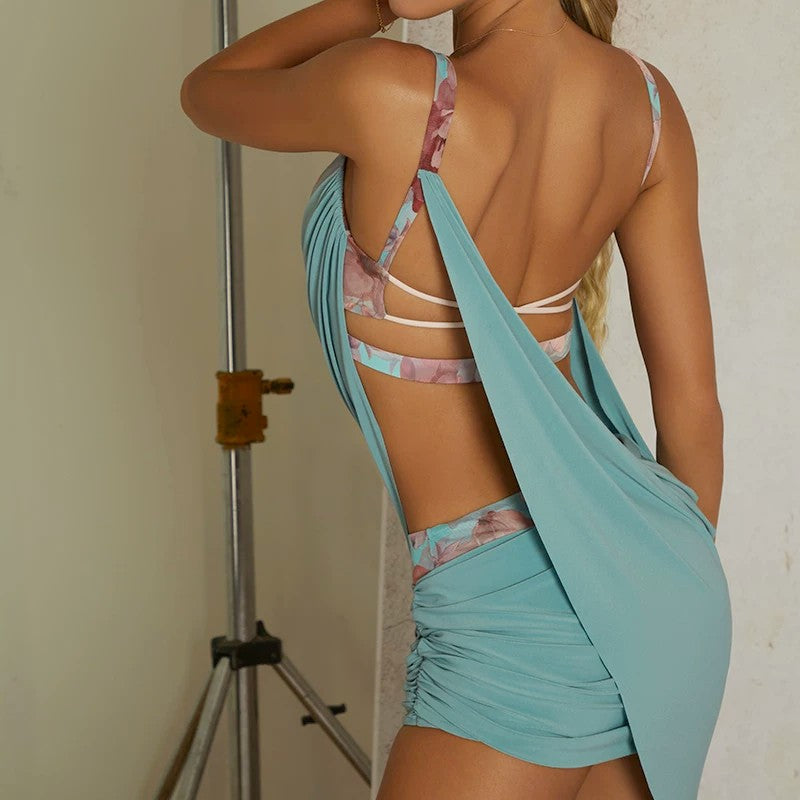
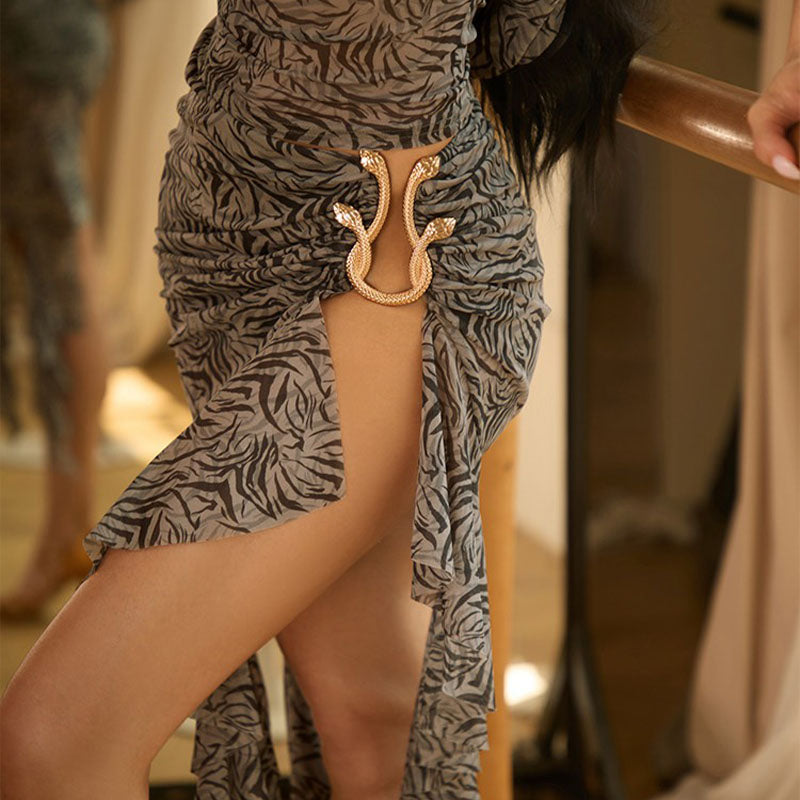
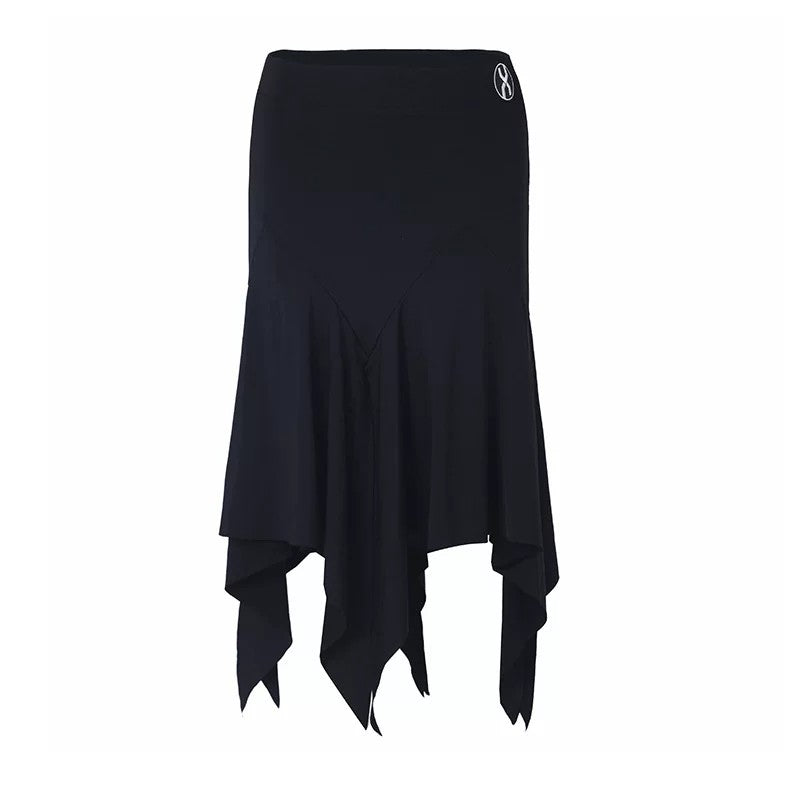
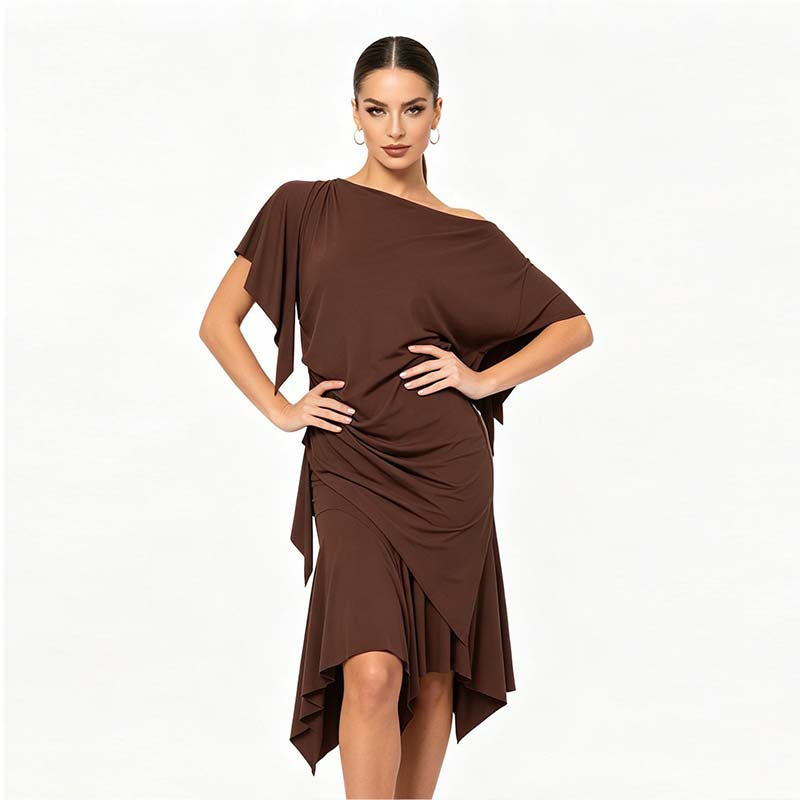
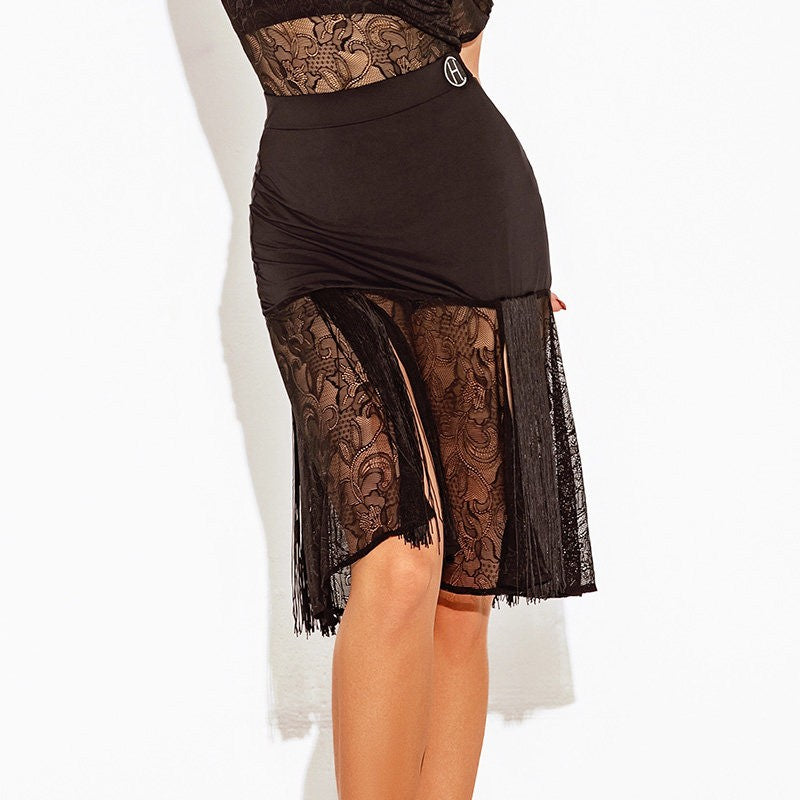
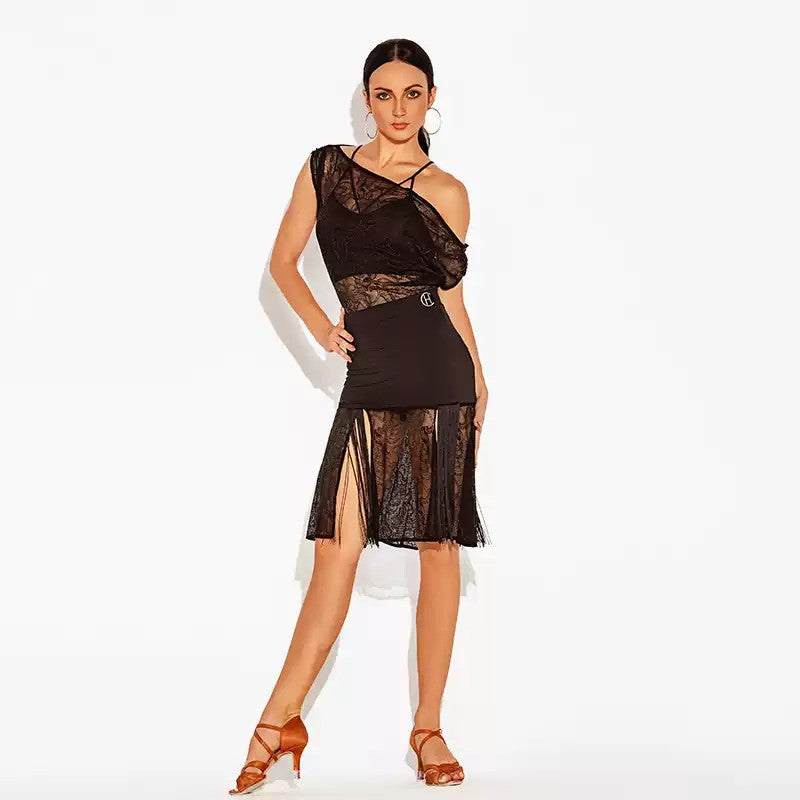
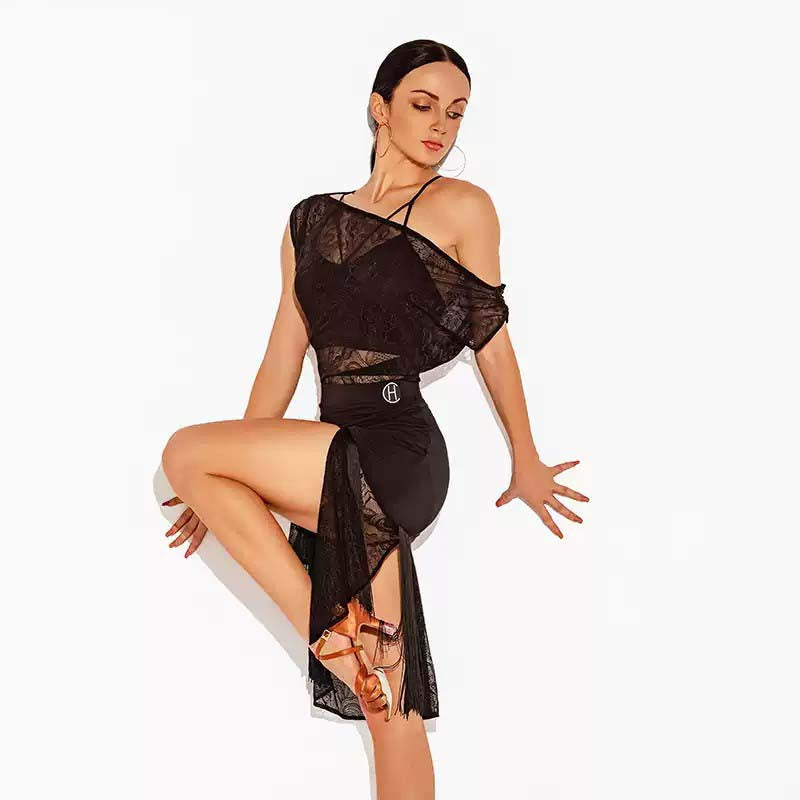
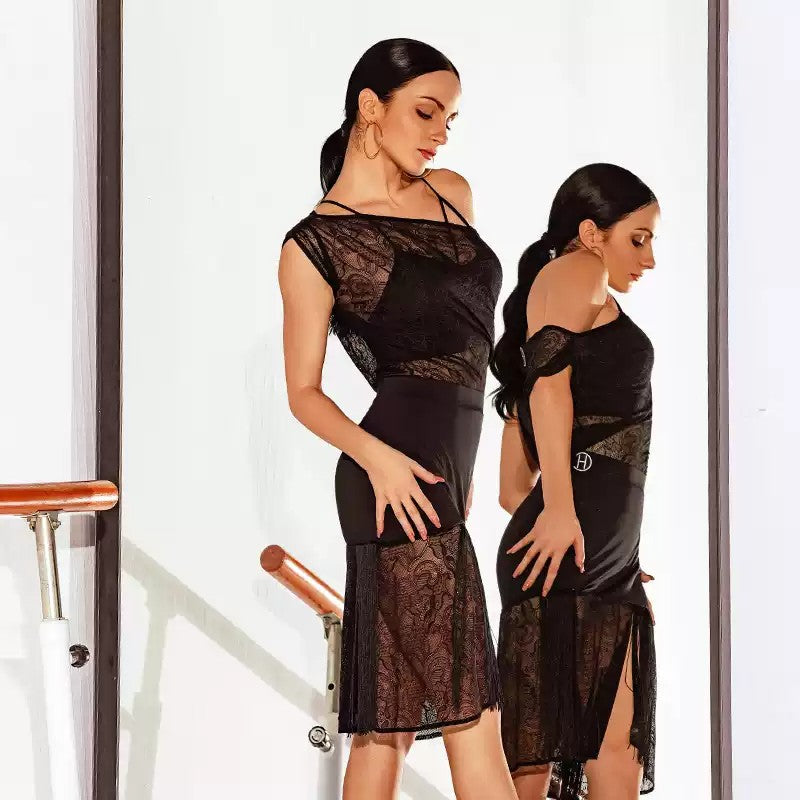
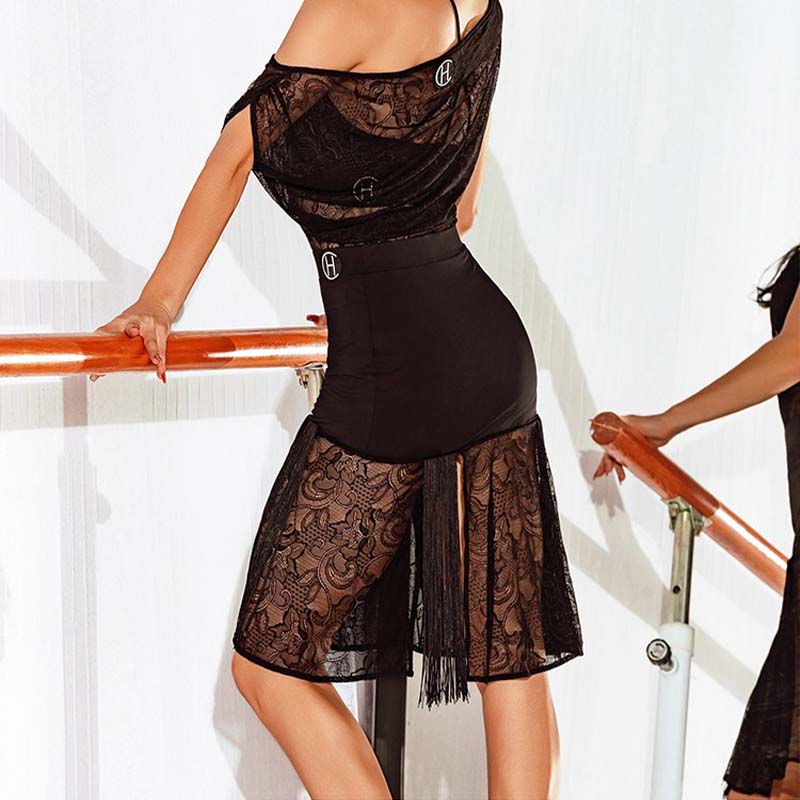
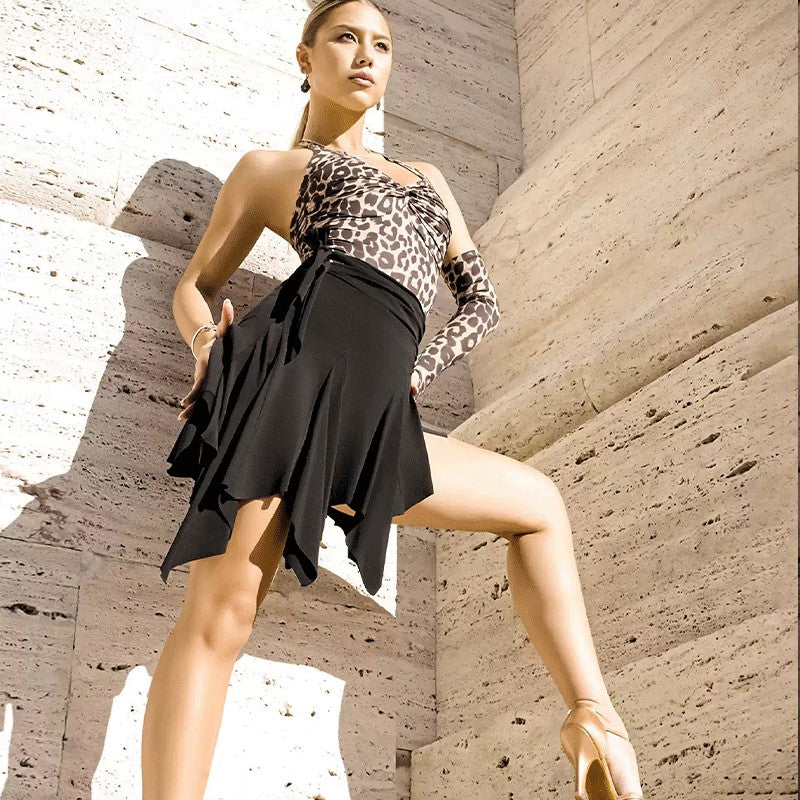
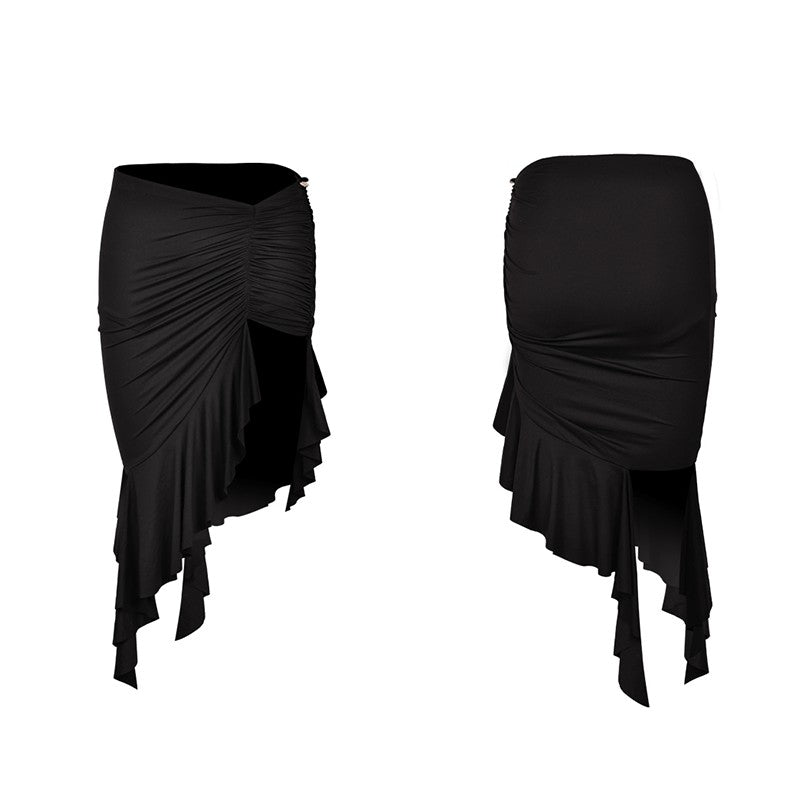
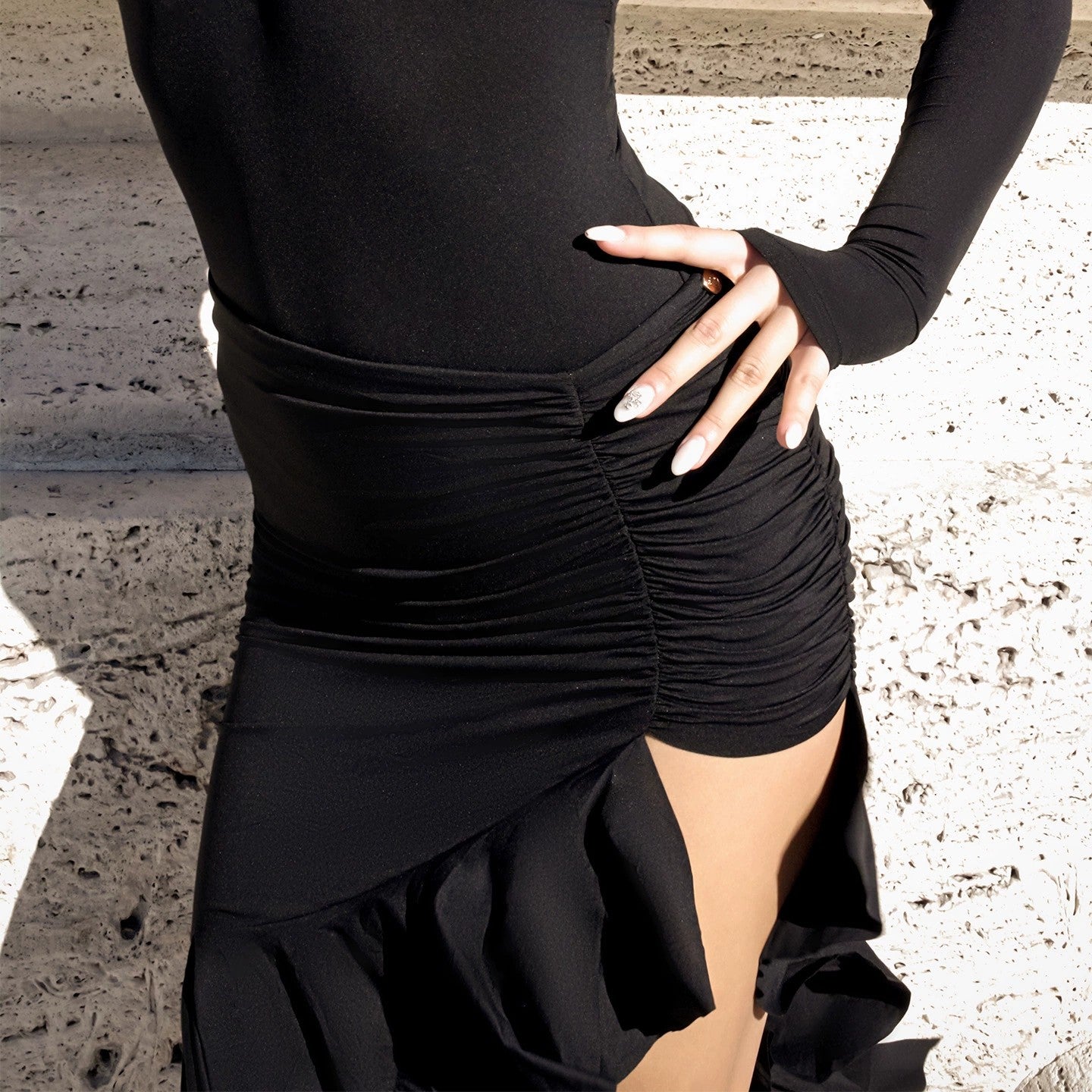
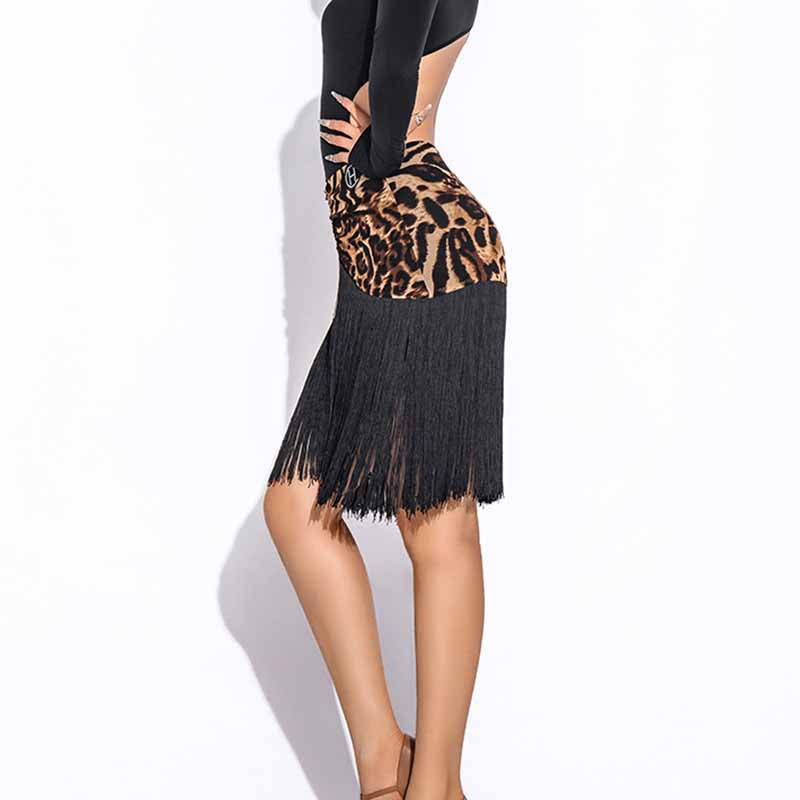
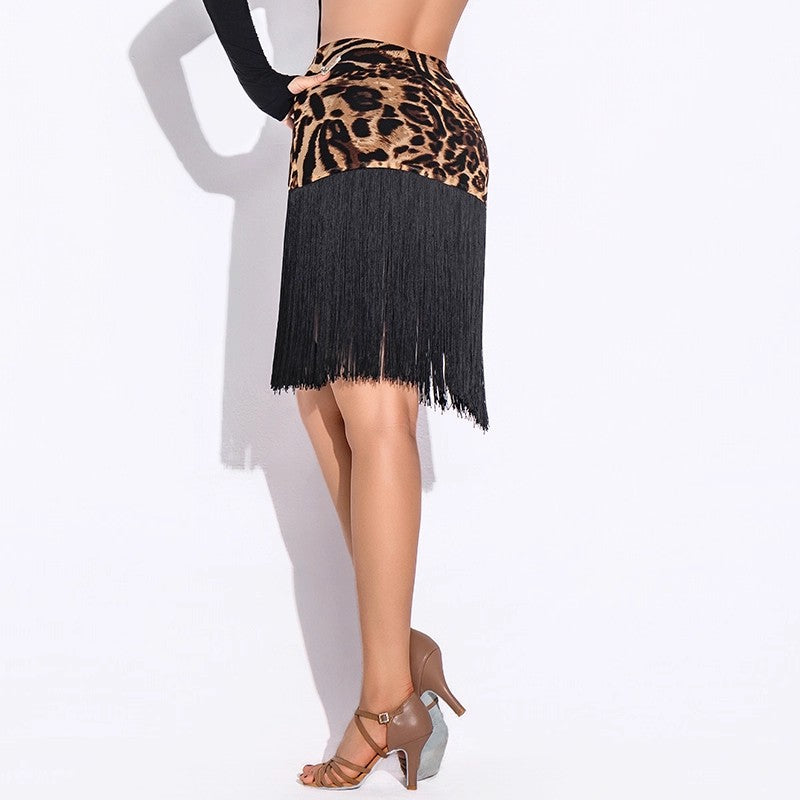
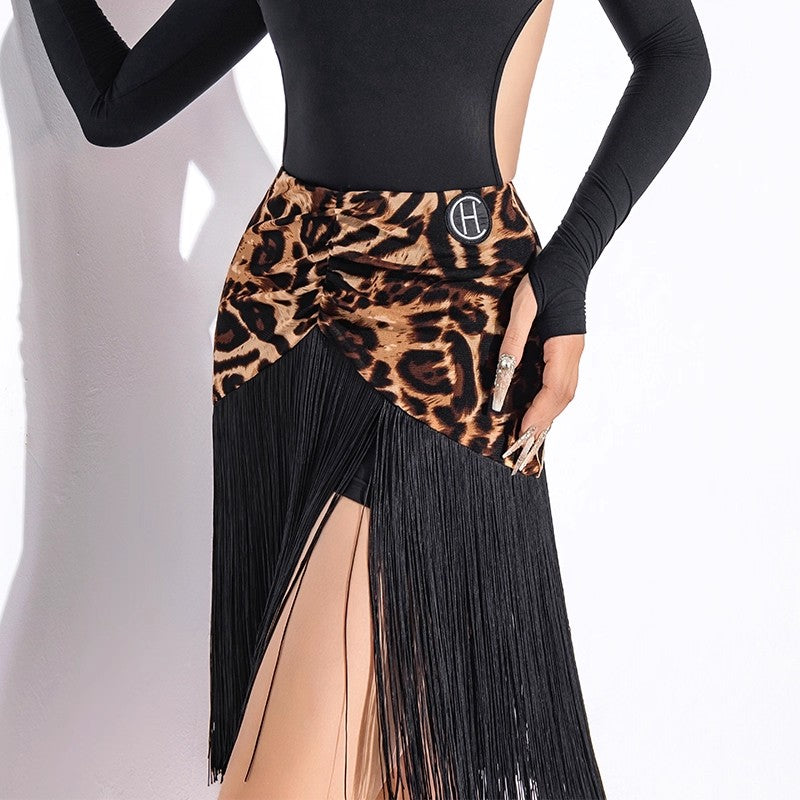
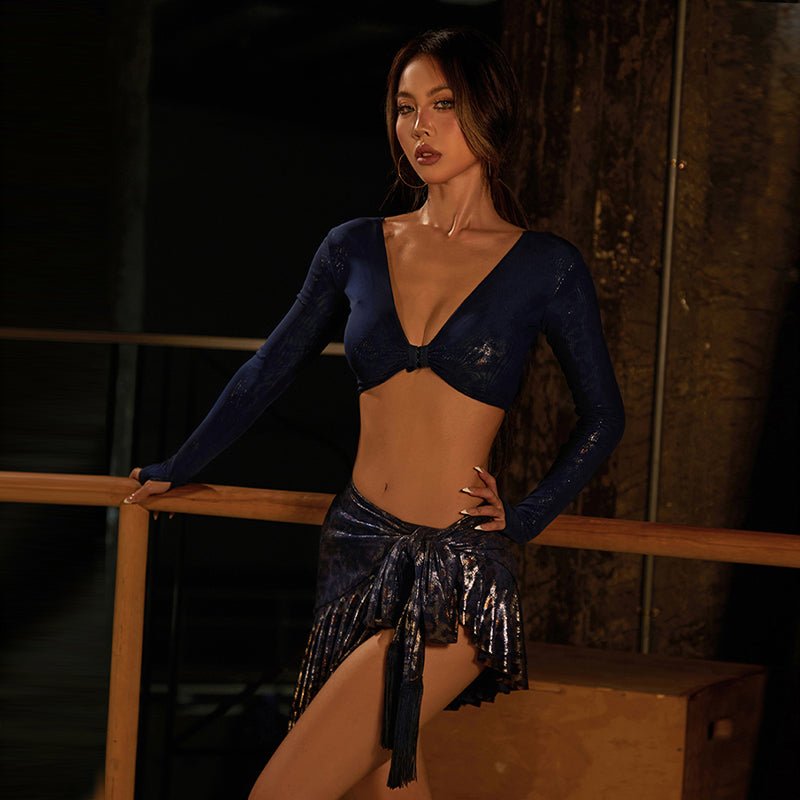
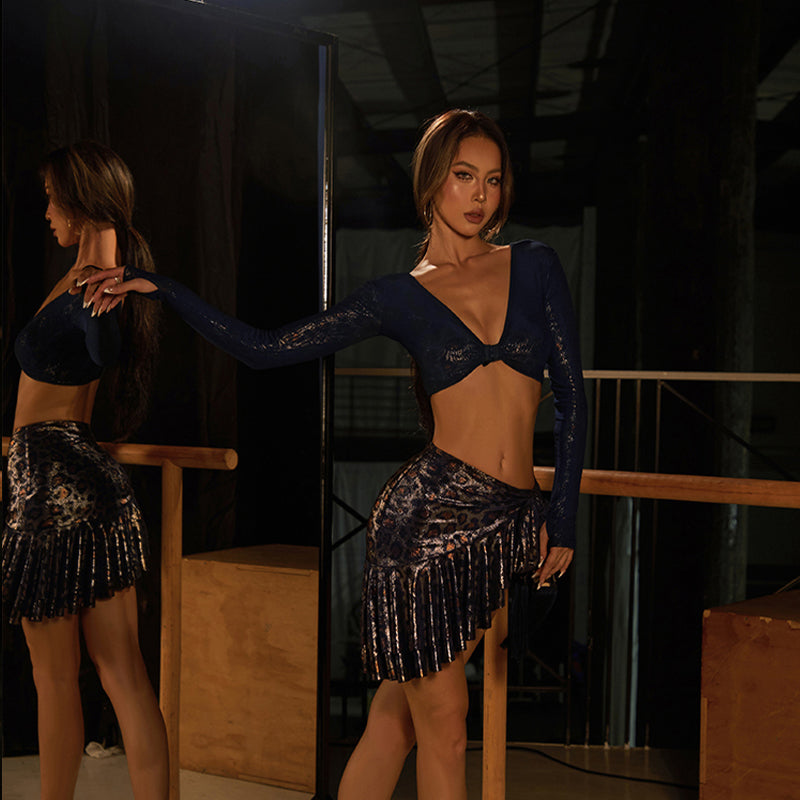
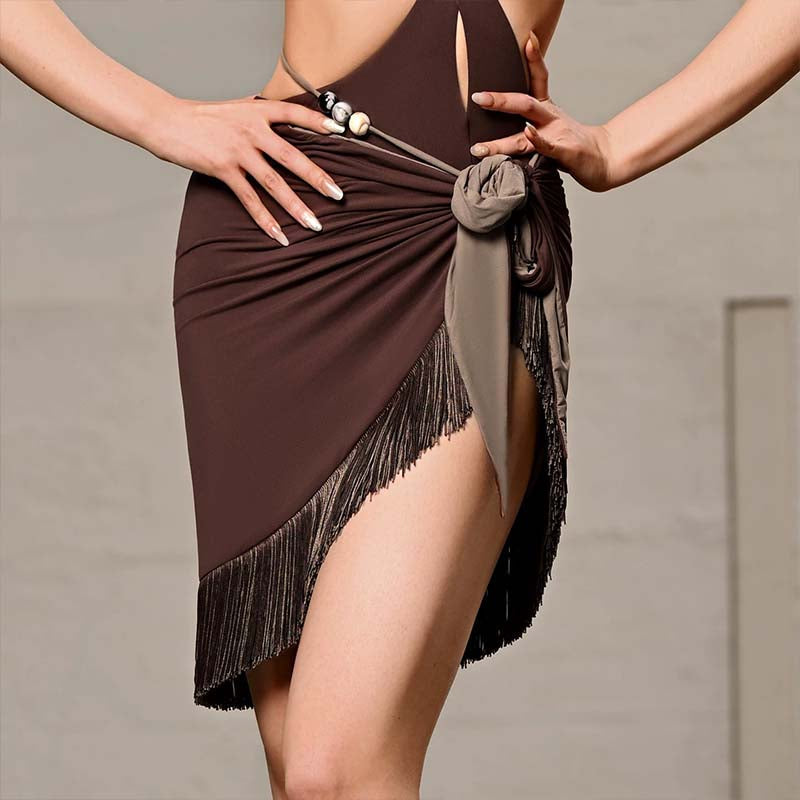
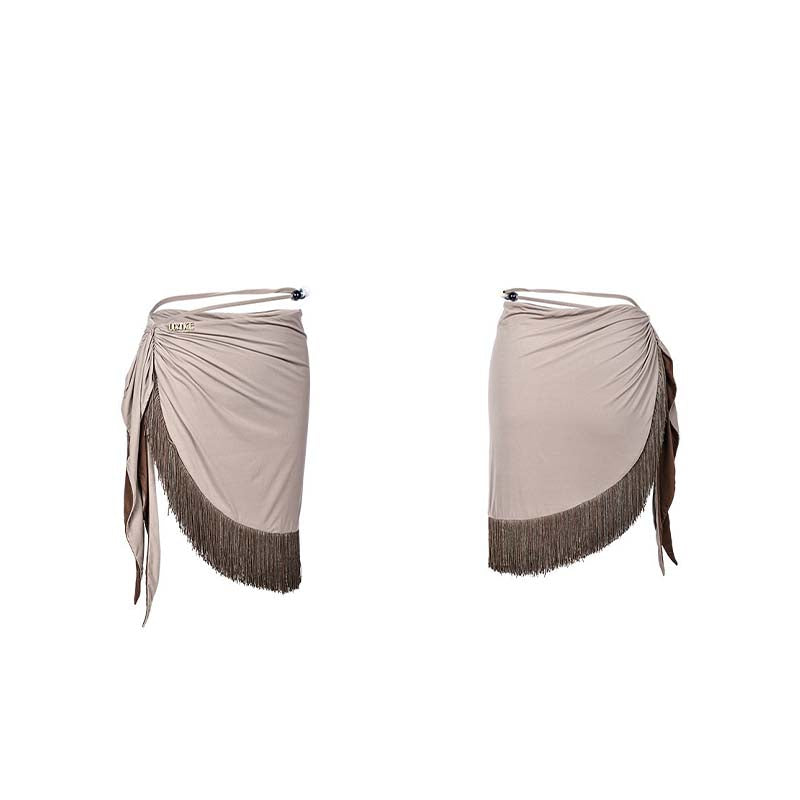
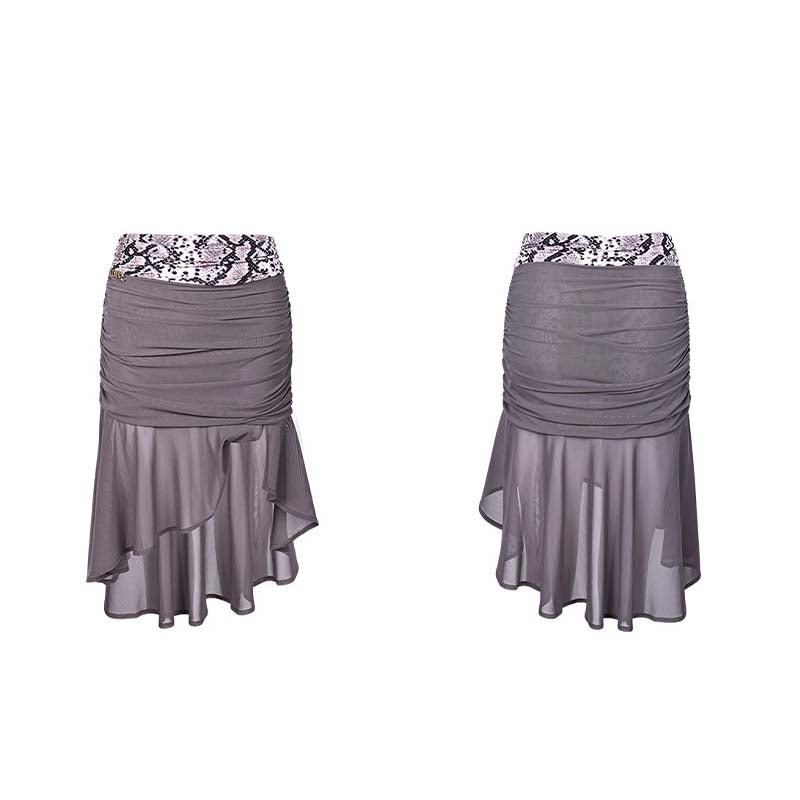
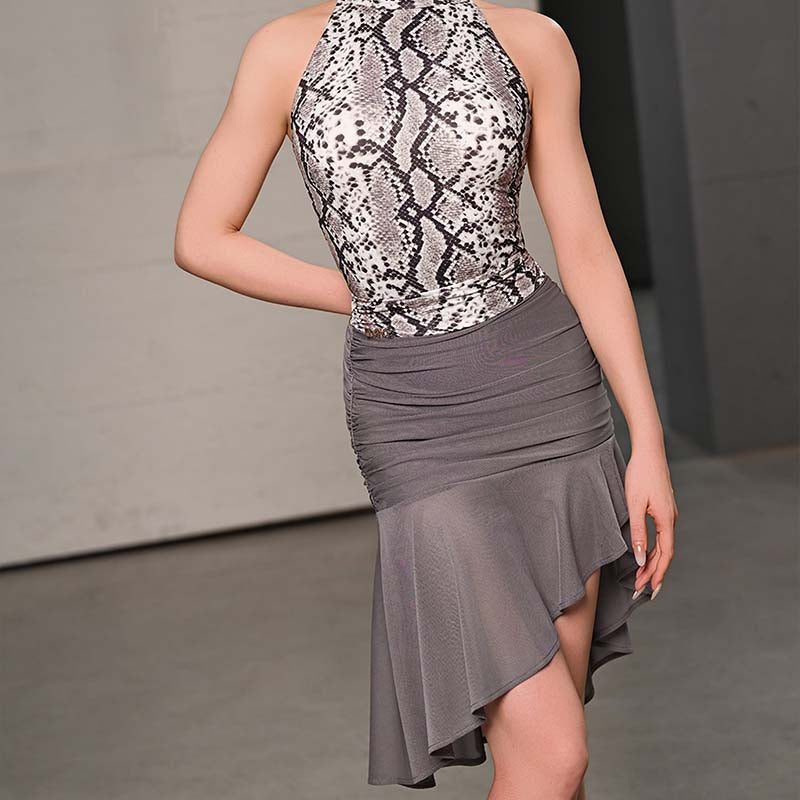
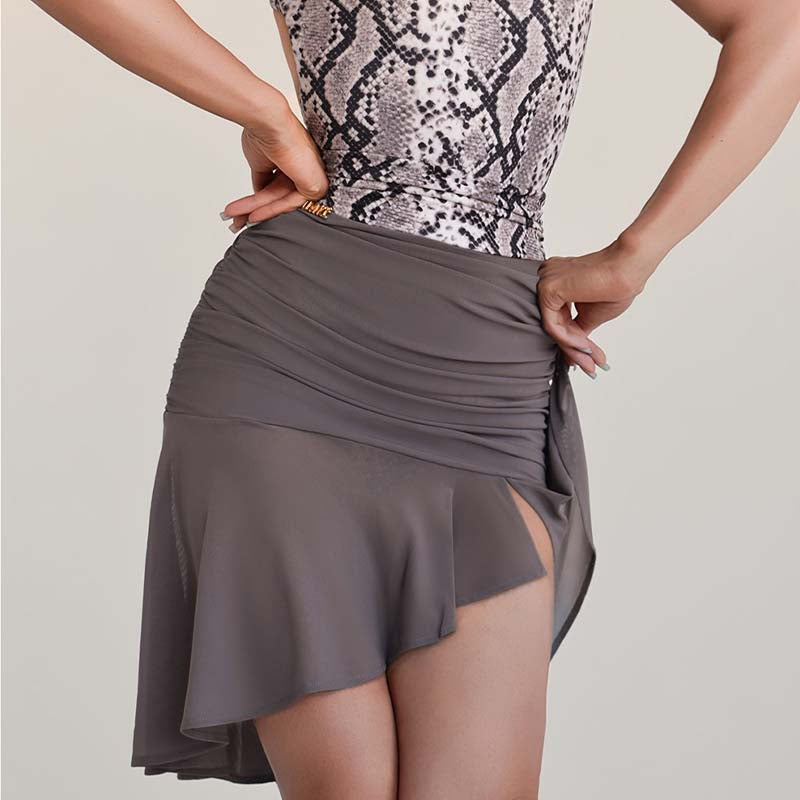
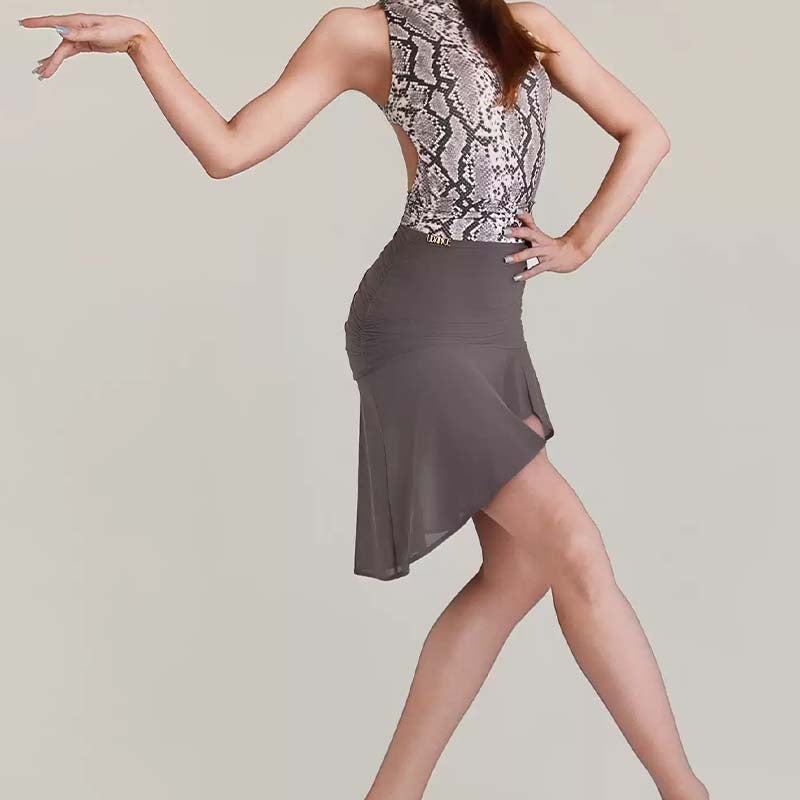
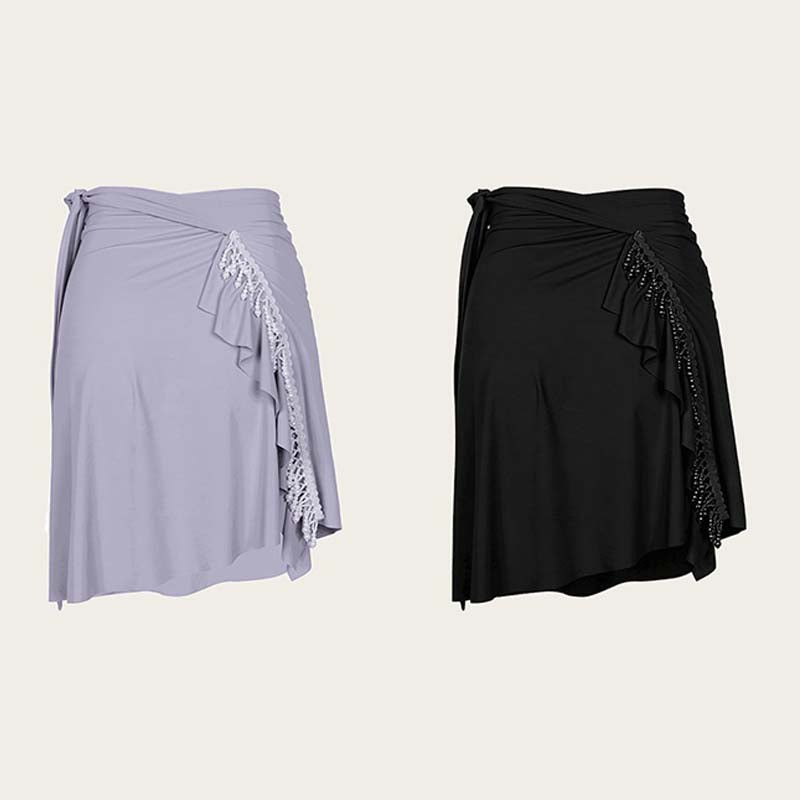
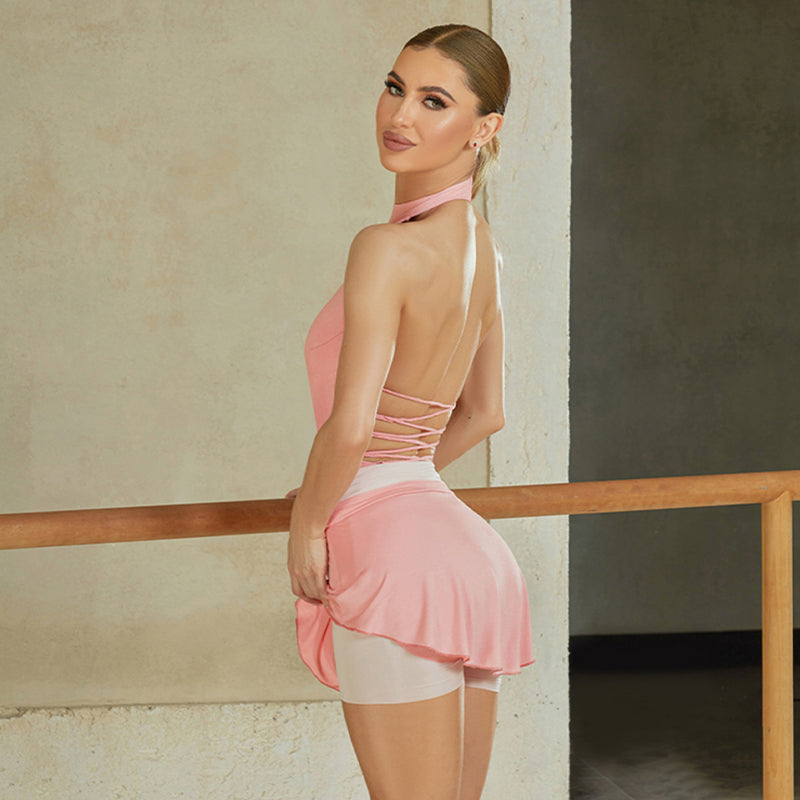
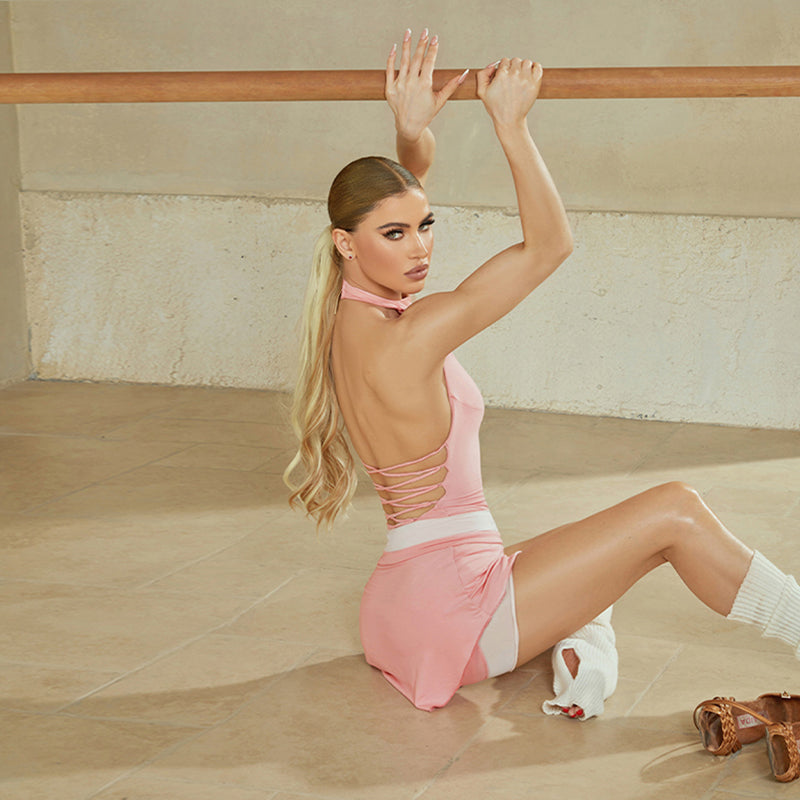
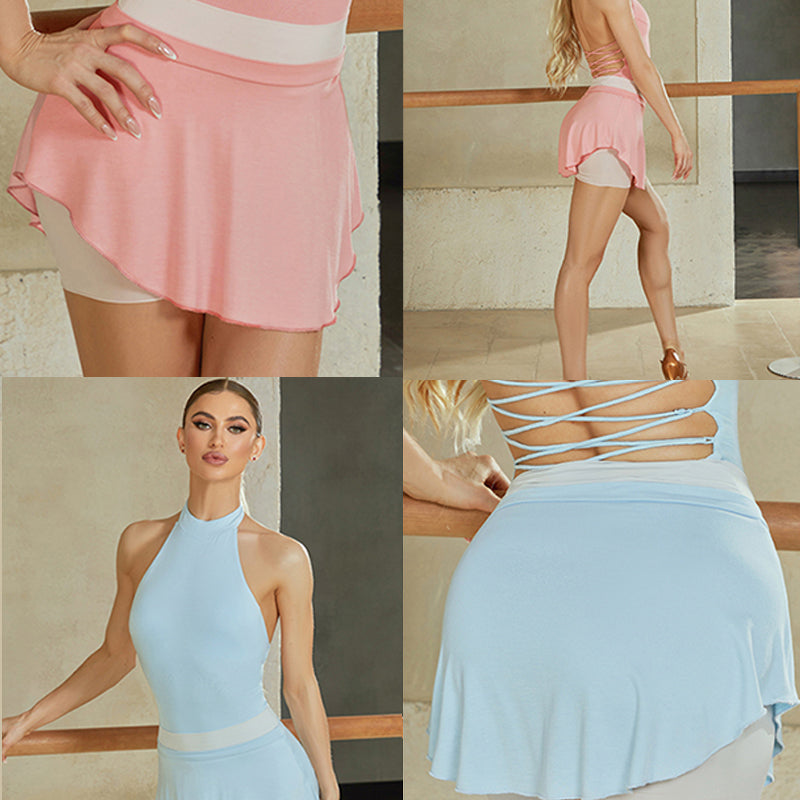
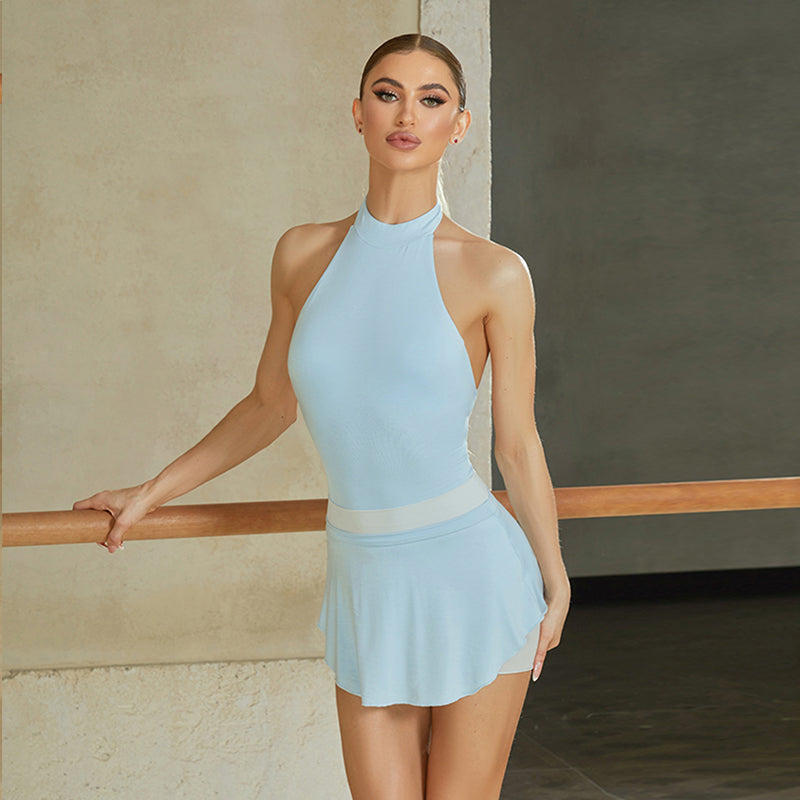
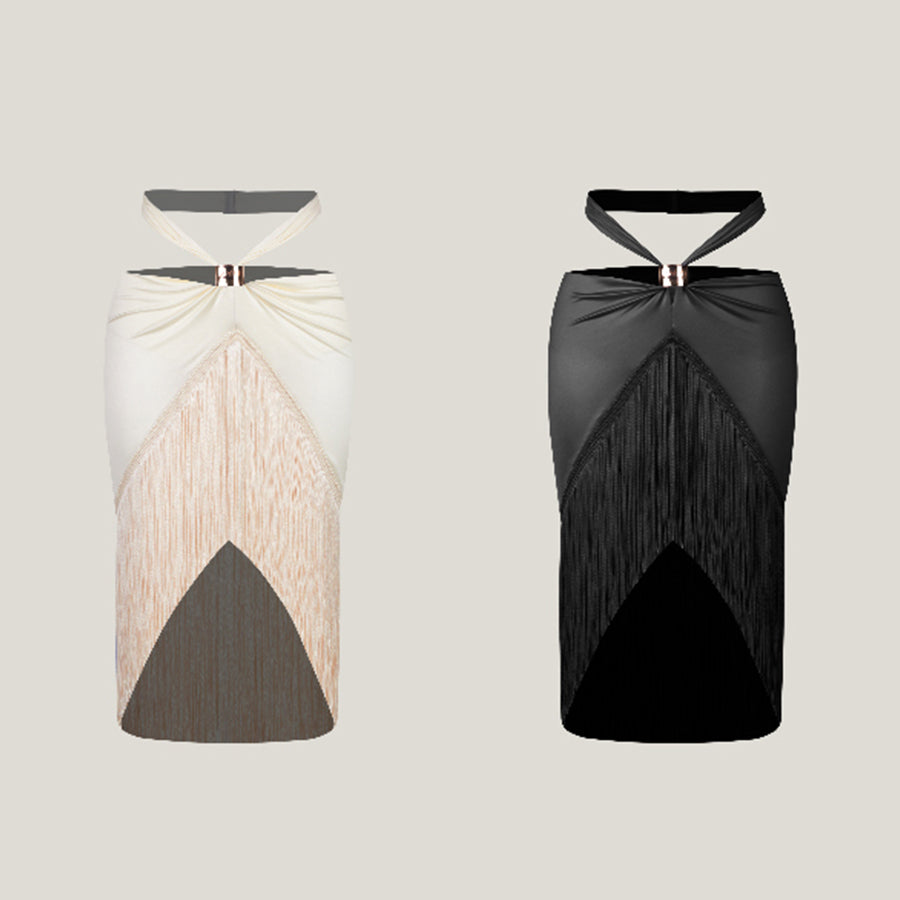
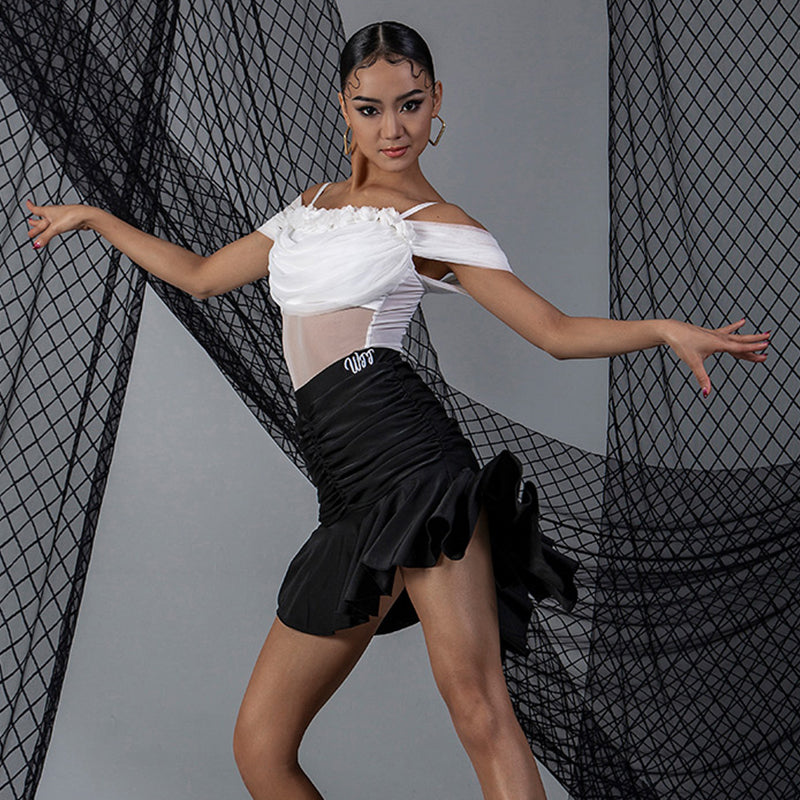
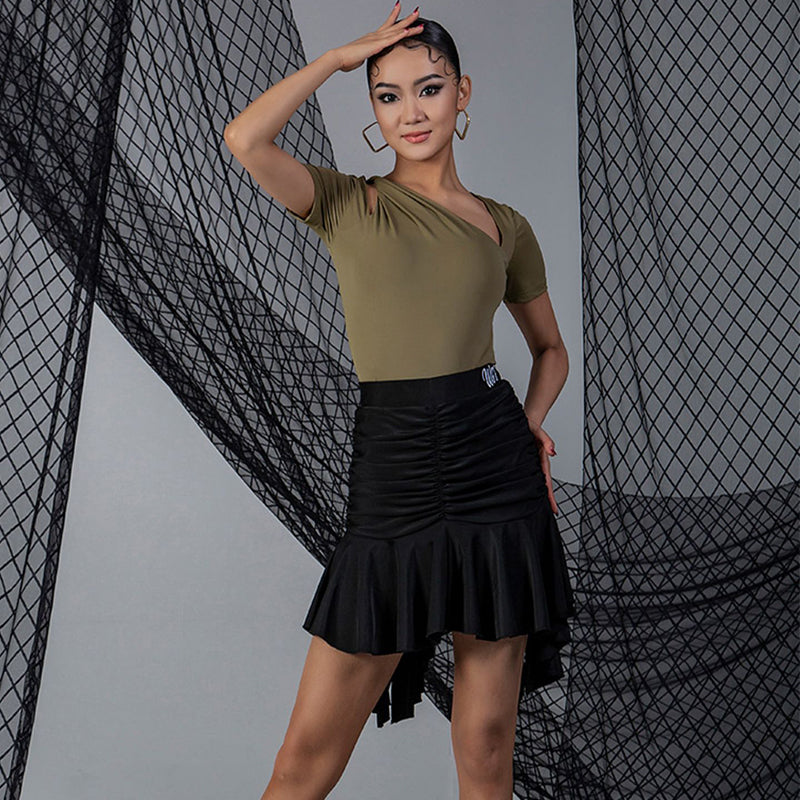
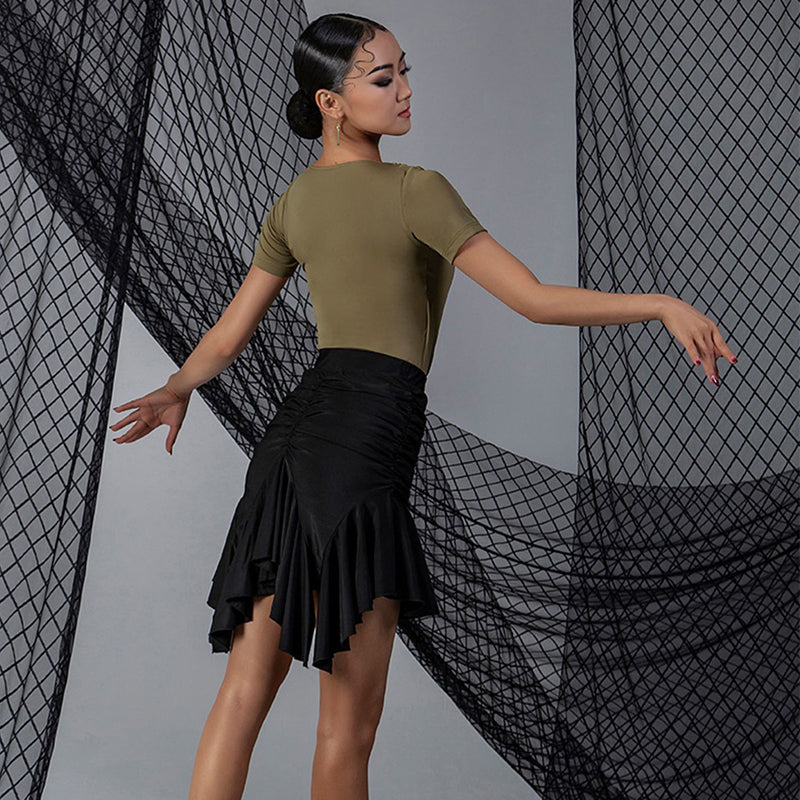
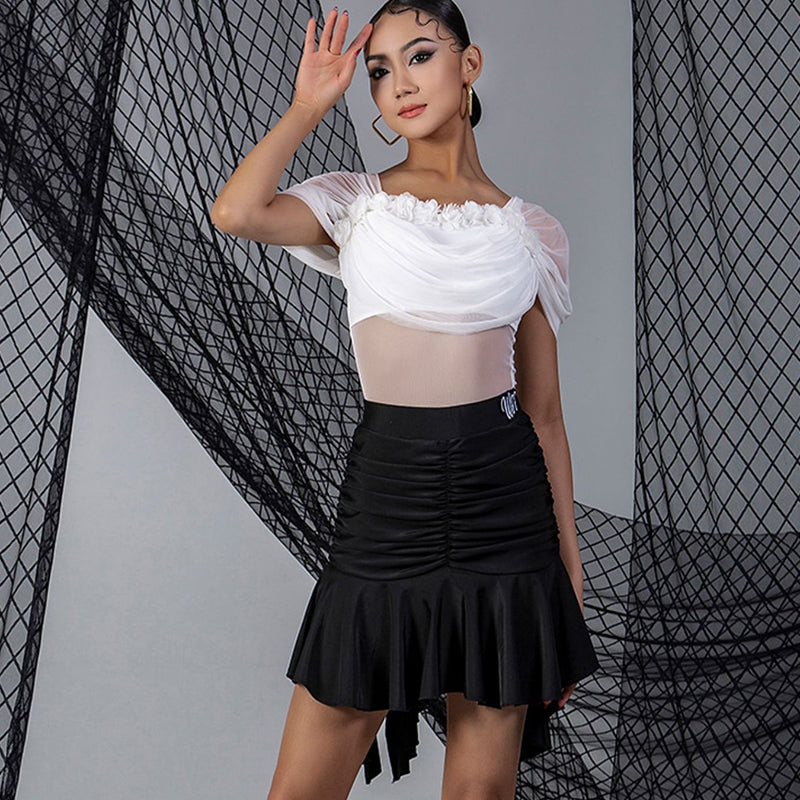
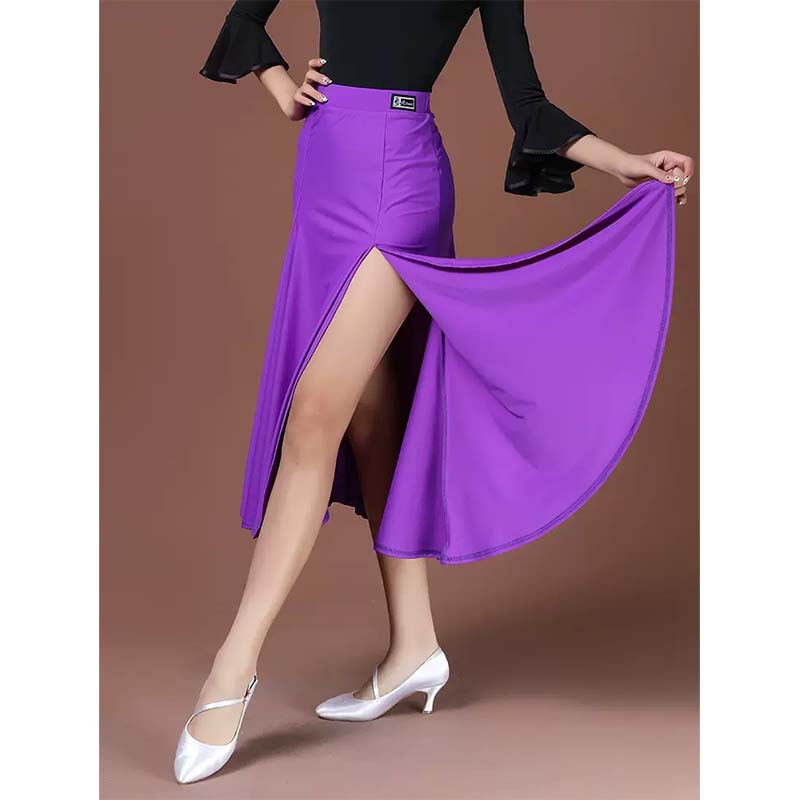
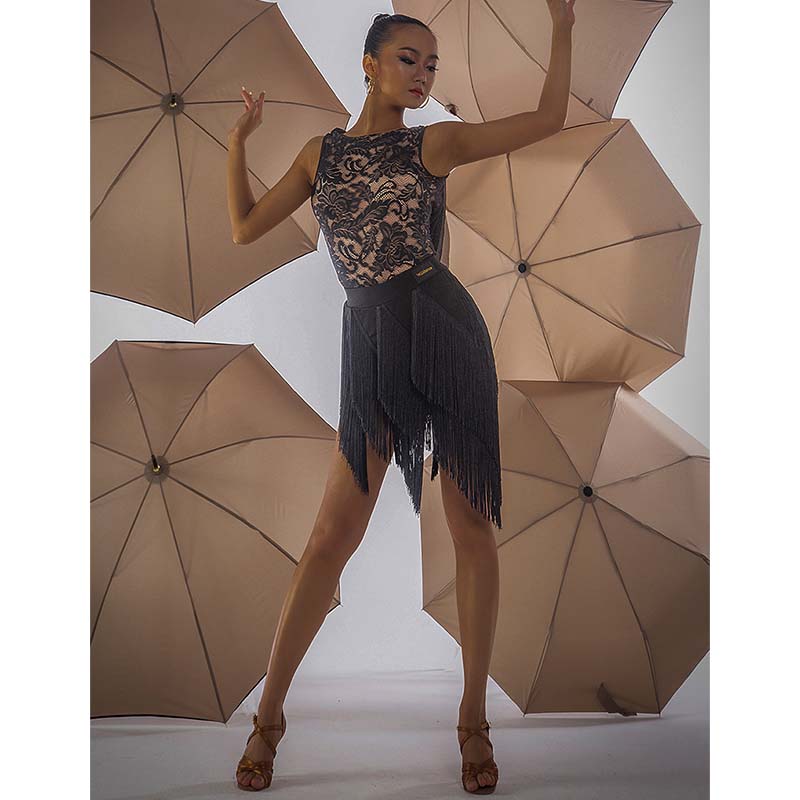
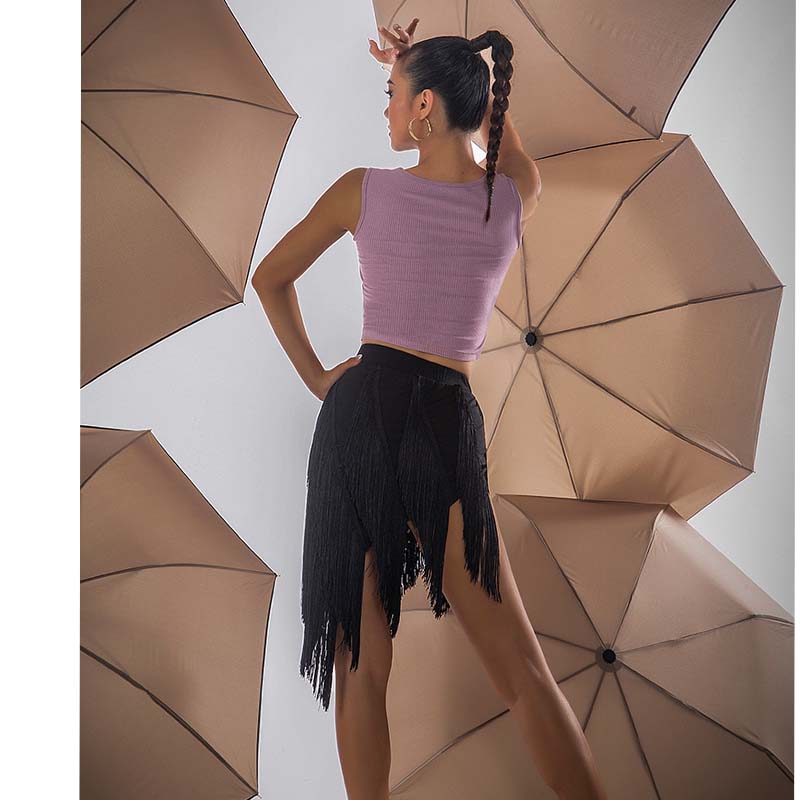
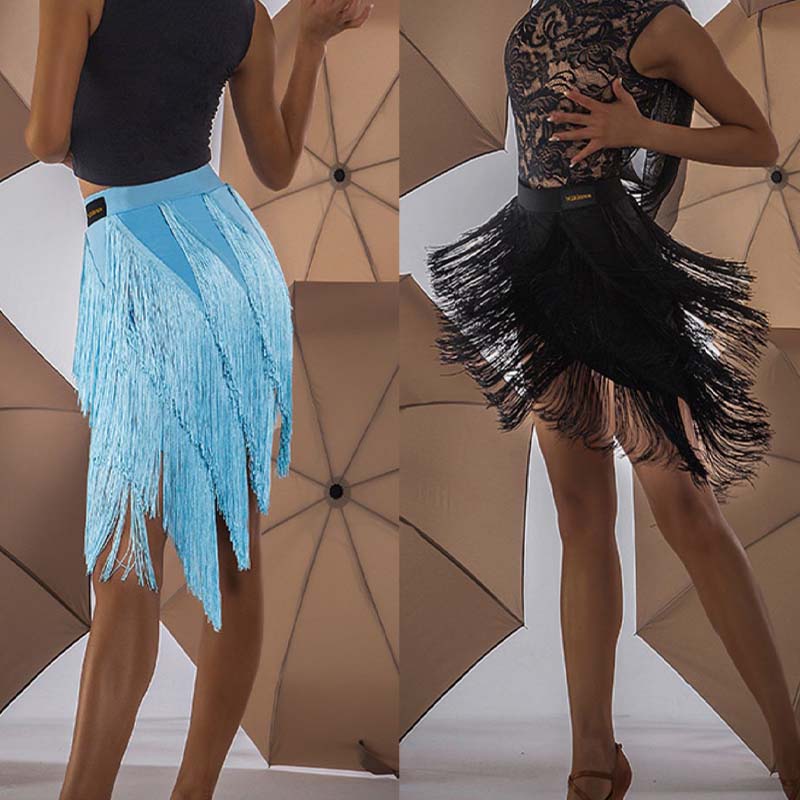
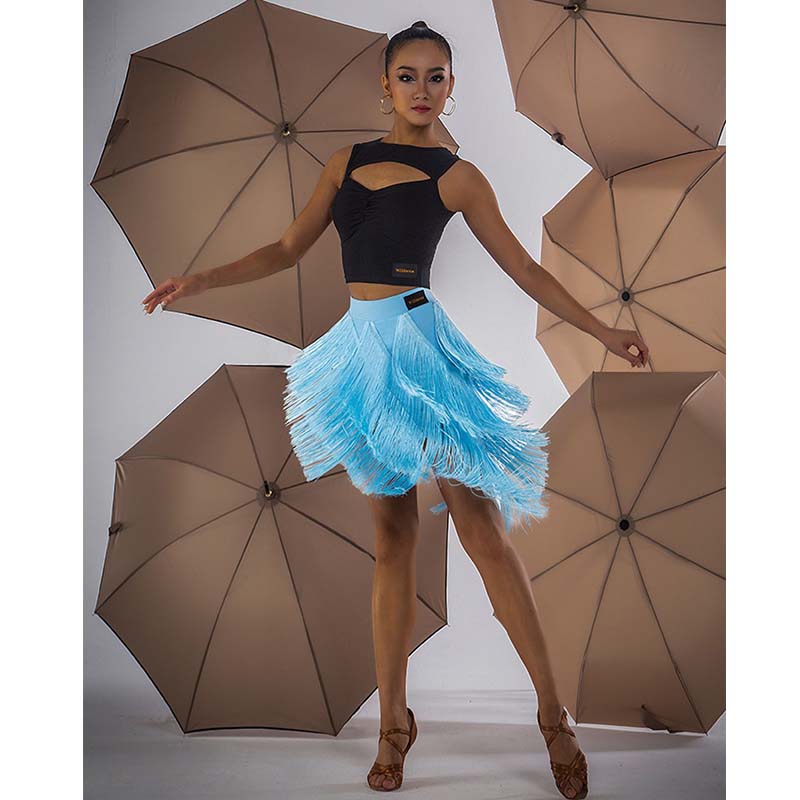
If you know the piece you need, go straight to it: dance dresses, dance skirts, dance tops, dance pants and dance bodysuits each hold both families side by side, which is the better view when you are comparing cuts rather than shopping for a specific floor. Ladies' dancewear is the same range gathered as a women's wardrobe, and men's dancewear covers the shirts and trousers for the other half of the partnership.
Shoes sit outside all of this and are worth settling first, because heel height changes which skirt and dress lengths actually work on you.
The First Term: What You Actually Need
Beginners are usually told to buy far too much. For a first term of group classes the honest list is short: shoes that are actually dance shoes, one bottom that lets you see your own legs move, and a top that stays put when your arms go overhead.
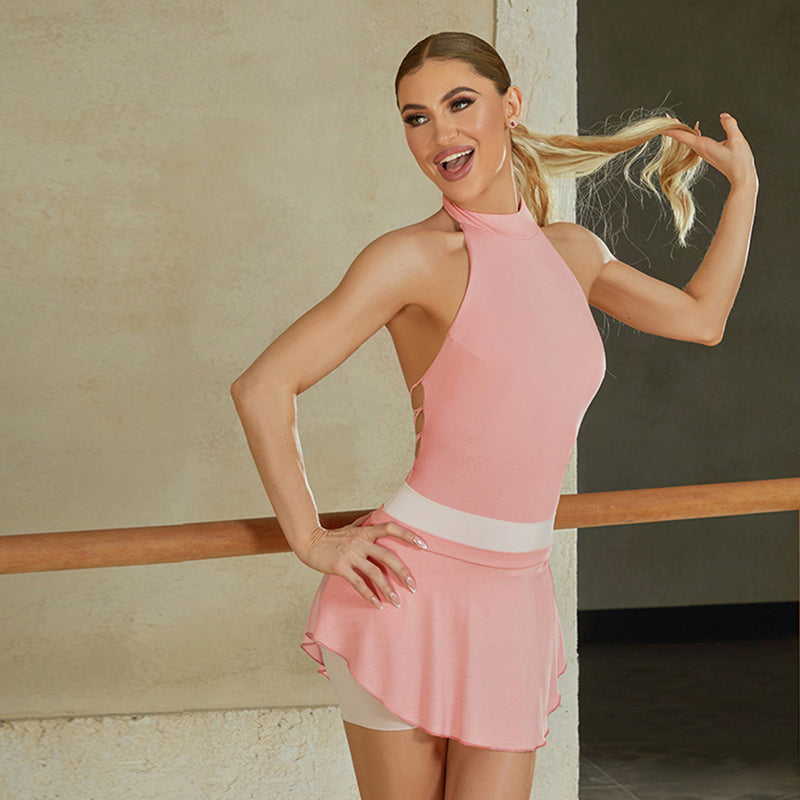
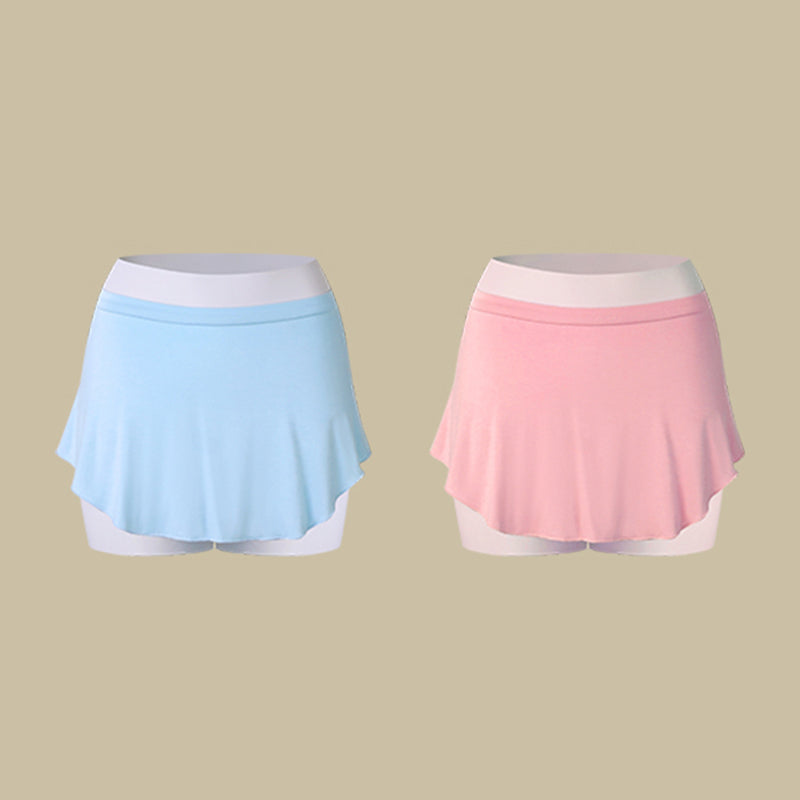
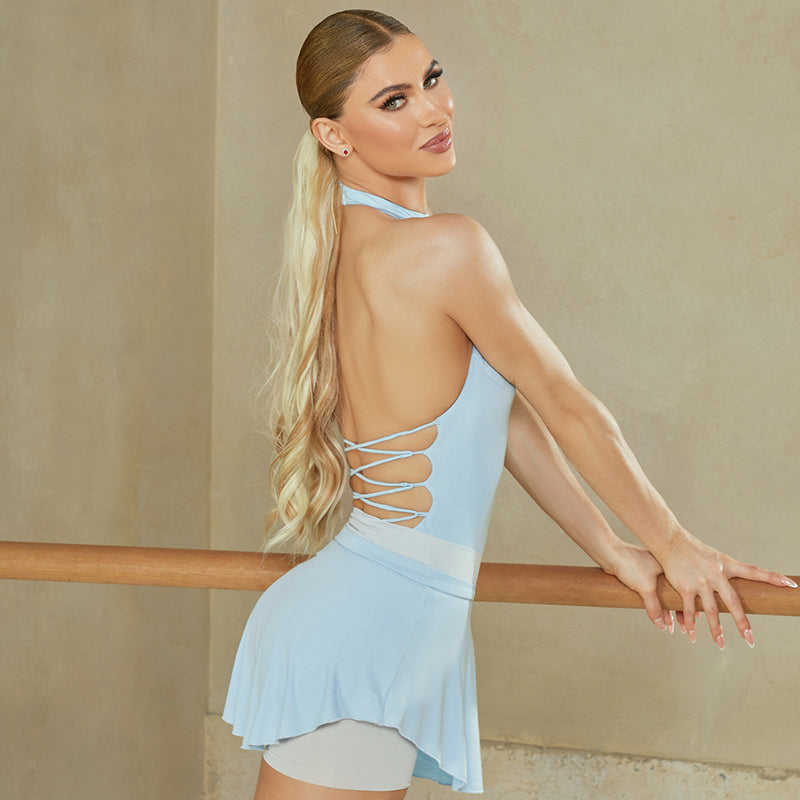
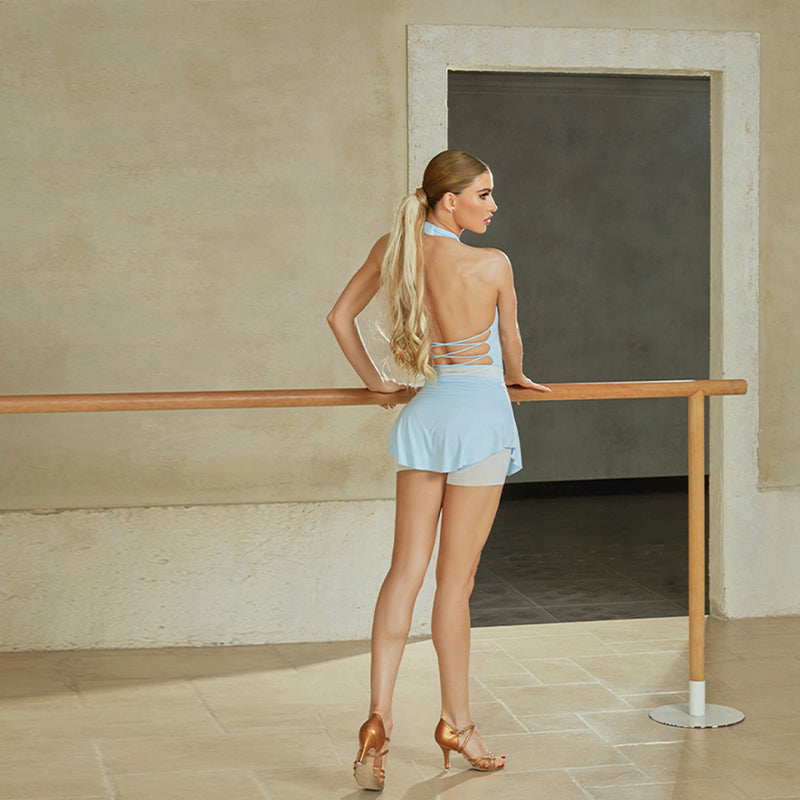
The bottom is the piece that does the teaching. Leggings hide everything a teacher is trying to correct; a skirt or proper dance trousers make rotation, sway and weight transfer visible to you, not just to the room. It is the single change that makes the first few months feel less abstract, and the reason most teachers raise it early.
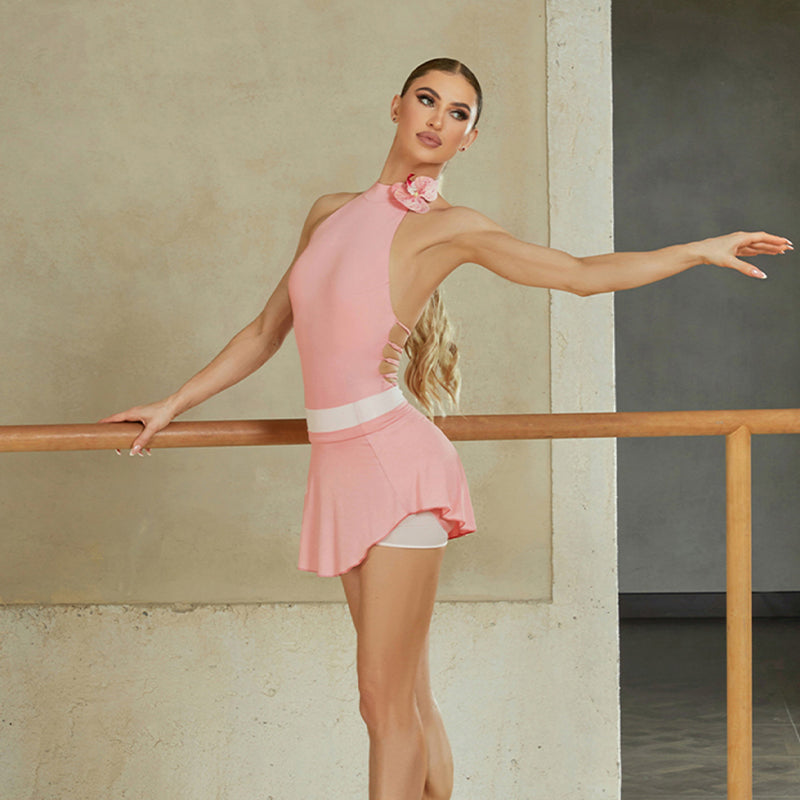
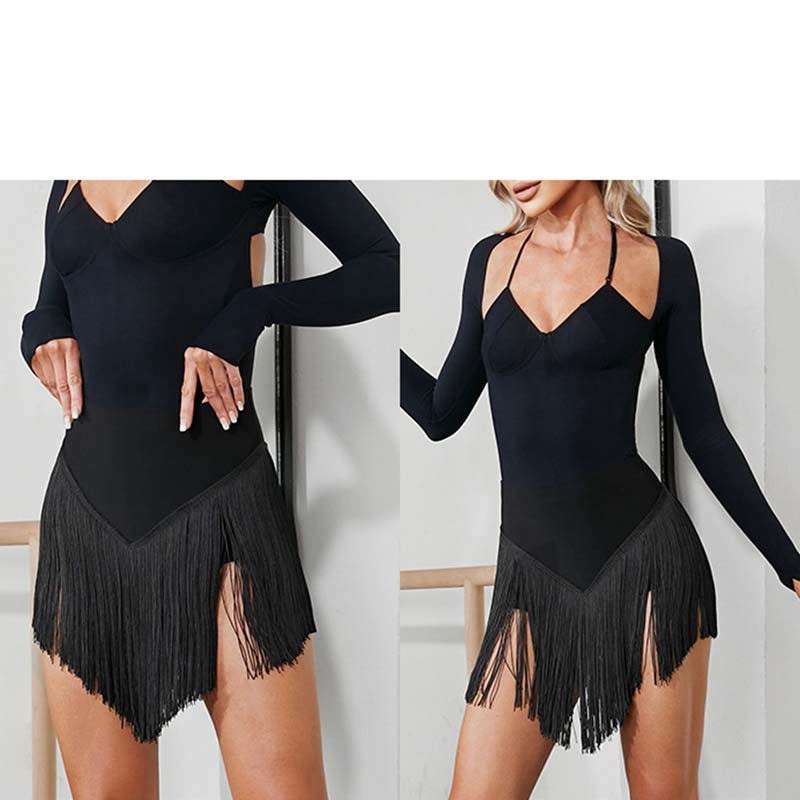
The top matters less than people think, as long as it stays where you put it. A bodysuit is the reliable answer because it cannot untuck, and it leaves an unbroken line from ribs to hem under anything you pair it with. Everything else — second skirt, competition dress, the colour you actually want — is a better decision three months in, when you know which family you are staying with.
Fabric, Recovery and the Laundry Rhythm
Dancewear is mostly stretch knit, and stretch knit lives or dies on elastane. Elastane is what makes a waistband return to shape overnight and a bodysuit still sit flat on the fifteenth wear instead of bagging at the seams. Heat destroys it permanently. Cold wash and hang dry is not a nicety on this category — two passes through a hot dryer and the fit is gone for good, whatever you do afterwards.
The practical consequence is rhythm rather than ritual. If you dance twice a week, you want pieces that dry overnight, which favours mesh, light chiffon and thin technical knits over velvet and heavy jersey. If you dance once a week, heavier fabrics are perfectly manageable and read richer under lights. Buy for the rhythm you actually keep, not the one you intend to keep.
Colour follows the same practicality. Black is the studio default because it goes with everything and stays legible in a mirror. Strong colour earns its place where being seen is the point — a showcase, a social night, a competition floor with twenty other couples on it.
Dancewear: Frequently Asked Questions
What is dancesport wear?
Clothing made for competitive partner dancing, covering both Standard and Latin as well as the practice clothes worn for both. It is a category rather than a style: dancesport includes the long floated skirts of Standard and the short reactive cuts of Latin, which are built to opposite specifications.
What is the difference between practice dancewear and competition dancewear?
Practice pieces are built for repetition — washable fabric, recovery overnight, nothing applied that catches on a partner. Competition pieces are built to read from a distance under stage light, with dense stonework and construction that holds shape through a full heat. Both are here, and most dancers own practice wear long before they need competition wear.
What should a beginner buy first?
Dance shoes, one skirt or pair of dance trousers, and a bodysuit or top that stays put overhead. That covers a full term of group classes. Leave the dress, the second skirt and anything with stonework until you know which family you are continuing with.
Can I wear the same dancewear for ballroom and Latin?
Partly. Bodysuits, tops and most trousers cross over without any problem. Skirts and dresses do not: ballroom cuts are long and built to float through travelling figures, Latin cuts are short and built to react on the beat, and each looks wrong on the other floor. Dancing both families means duplicating the bottom half, not the whole wardrobe.
How do I wash dancewear so it lasts?
Cold water, gentle cycle or by hand, and hang to dry away from direct heat. Heat is what breaks down the elastane that keeps stretch fabric recovering, and that damage is permanent. Rinsing after a hot studio session also matters more than people expect, since sweat degrades elastic faster than wear does.
What size dancewear should I order?
Order against the size chart on each product page using your bust, waist and hip measurements rather than your usual street size, since dance sizing sits closer to the body than everyday clothing. Stretch fabric allows some latitude in either direction, and every order carries a money-back guarantee if the fit turns out wrong.