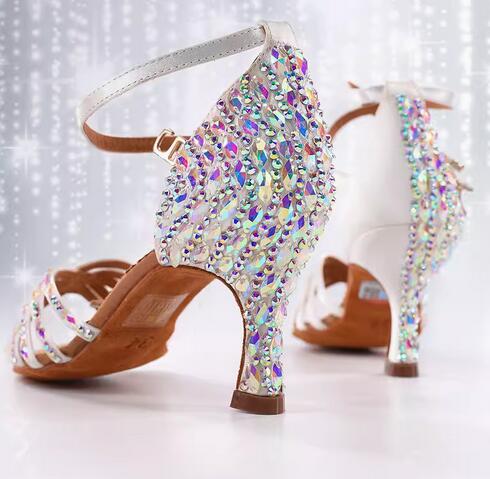
Salsa Dance Dresses for Women
Salsa dresses for social nights, classes and congress performances — wrap fronts and adjustable halters that hold through a full evening of spins, stretch mesh and milk silk that recover between songs, fringe and tassel hems for the stage. Amazon’s Choice with a money-back guarantee since 2012.

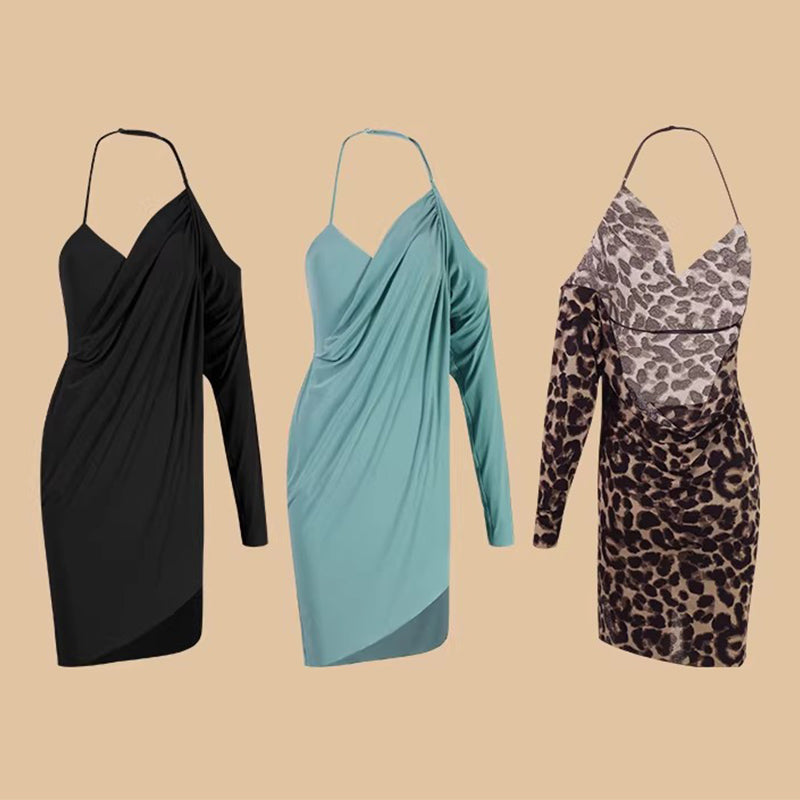


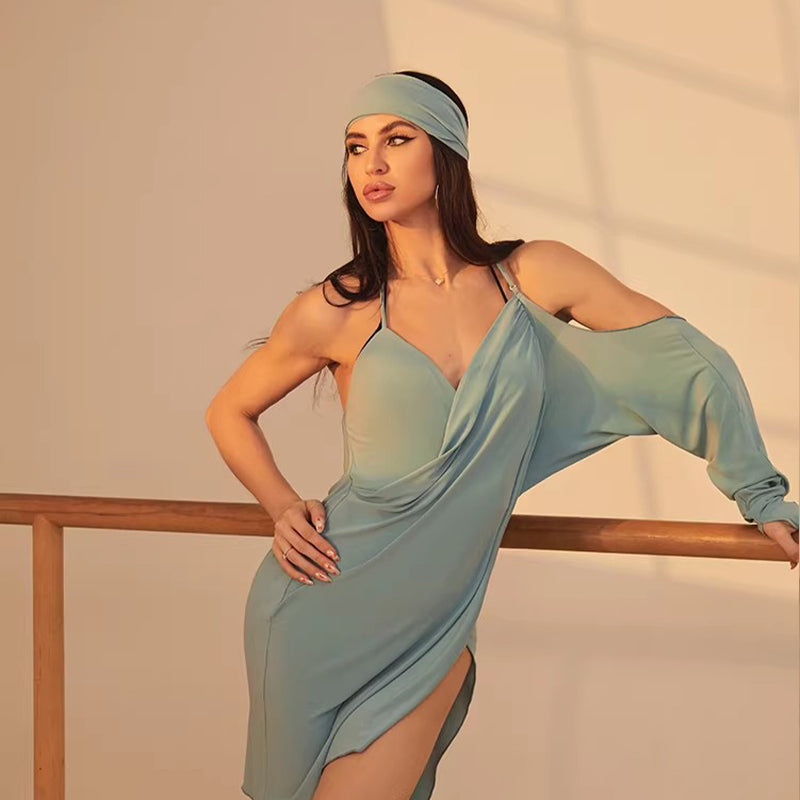


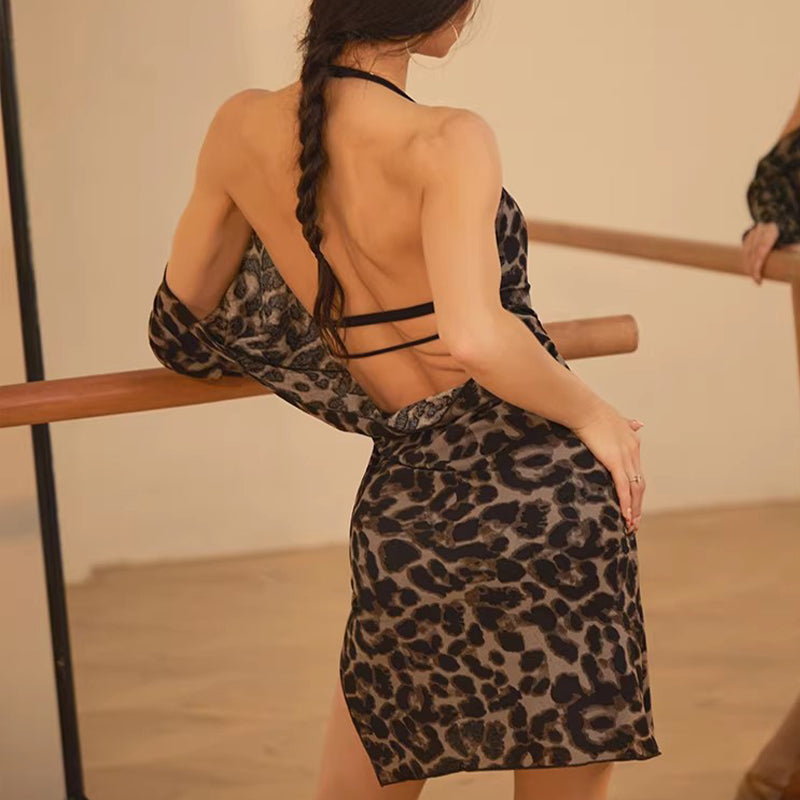










What to Wear Salsa Dancing
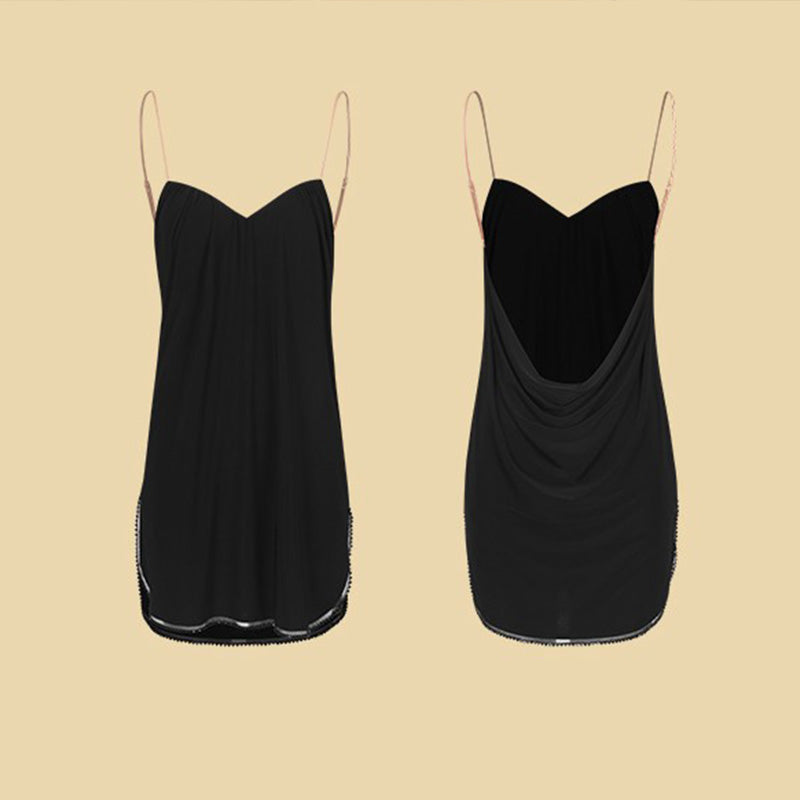
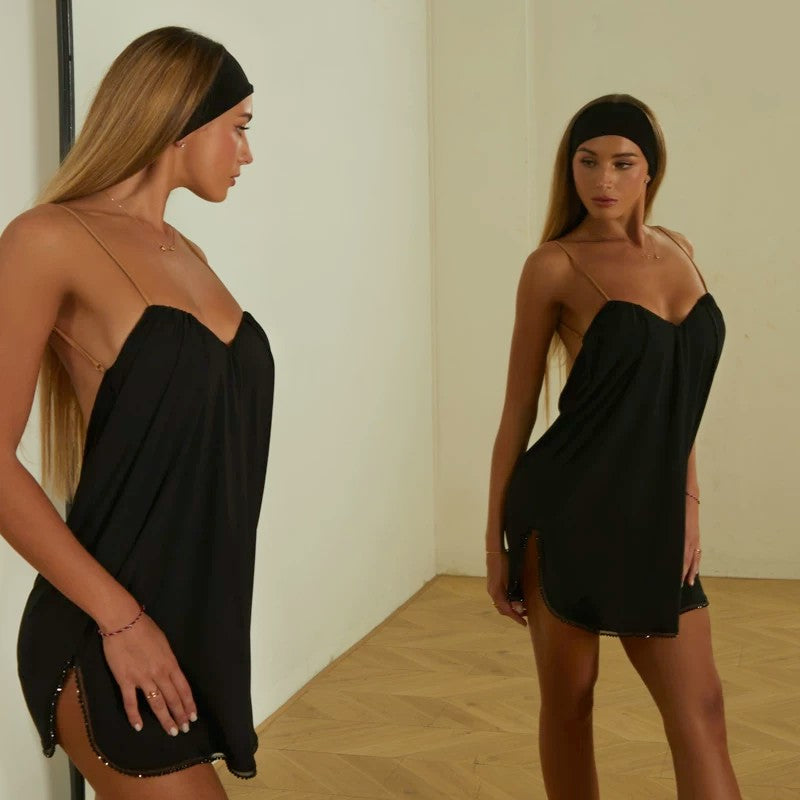
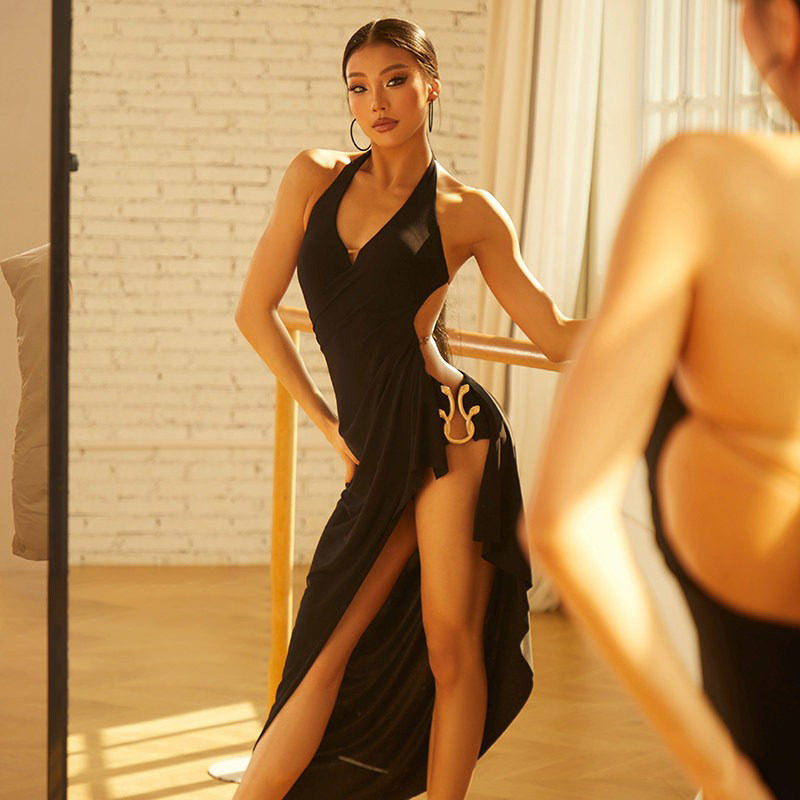
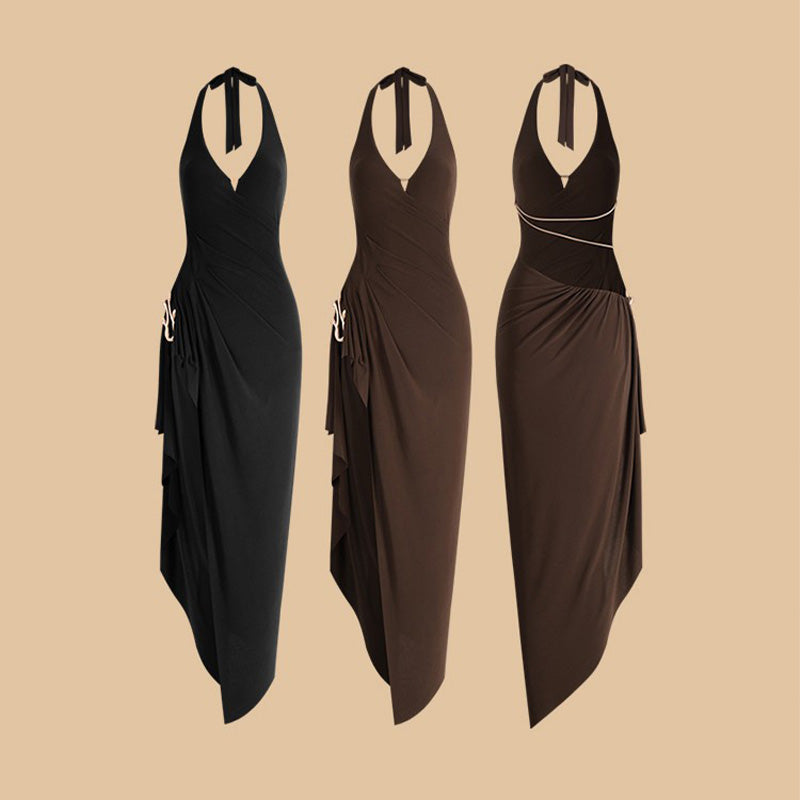
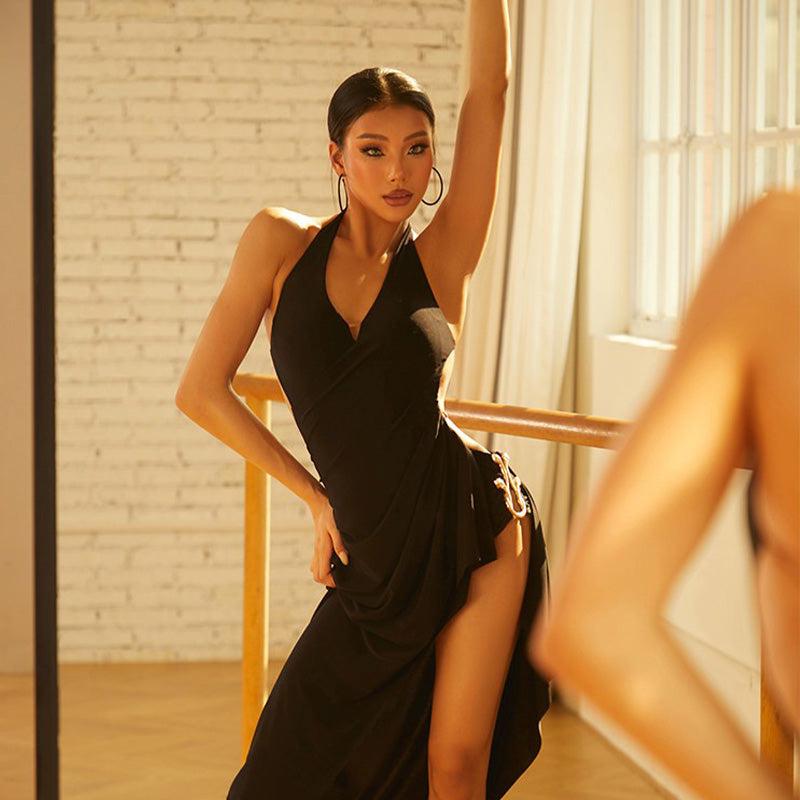
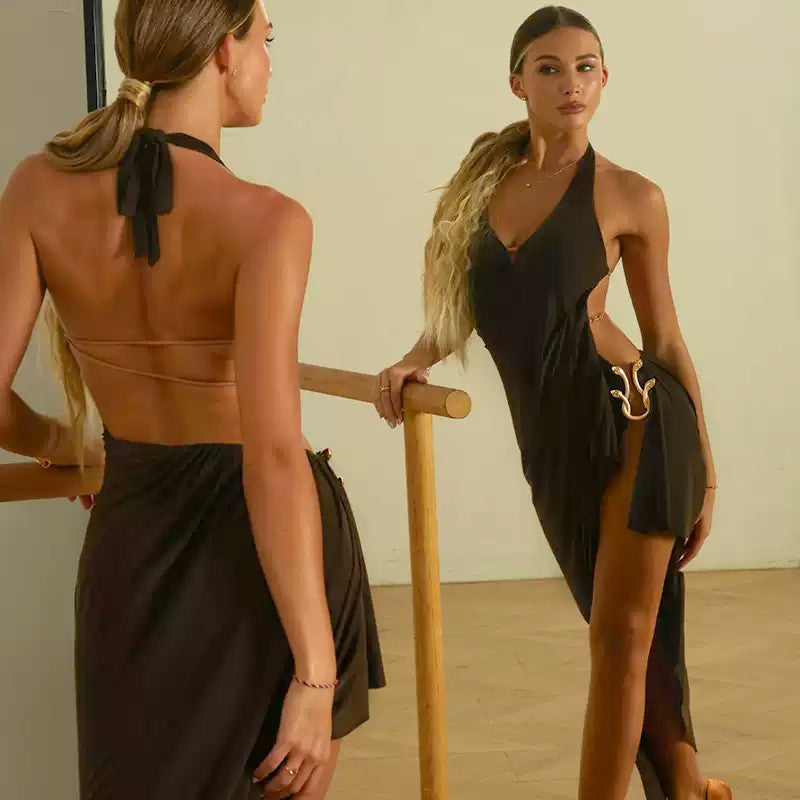
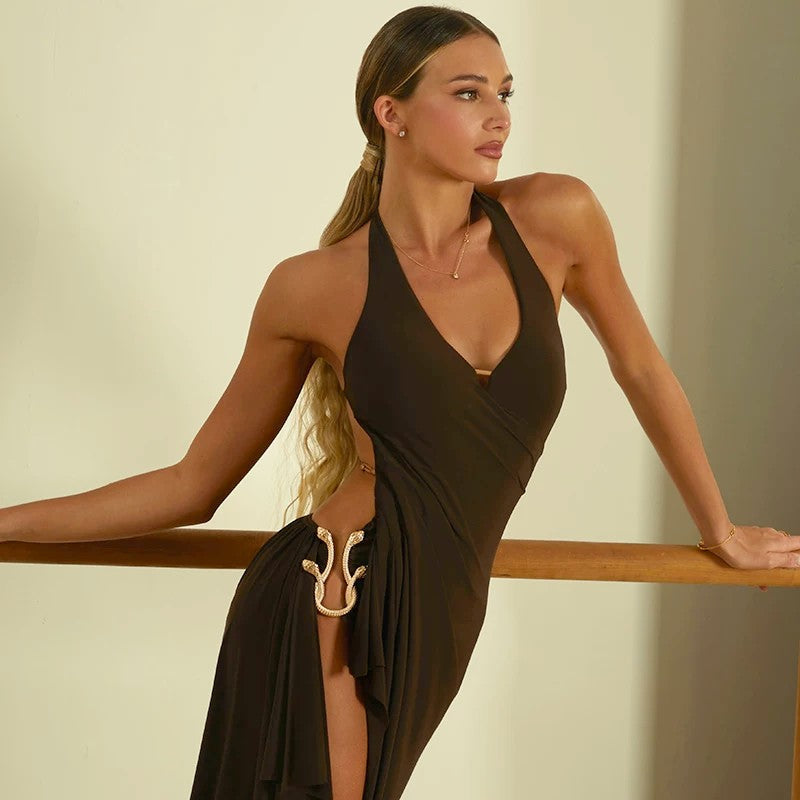
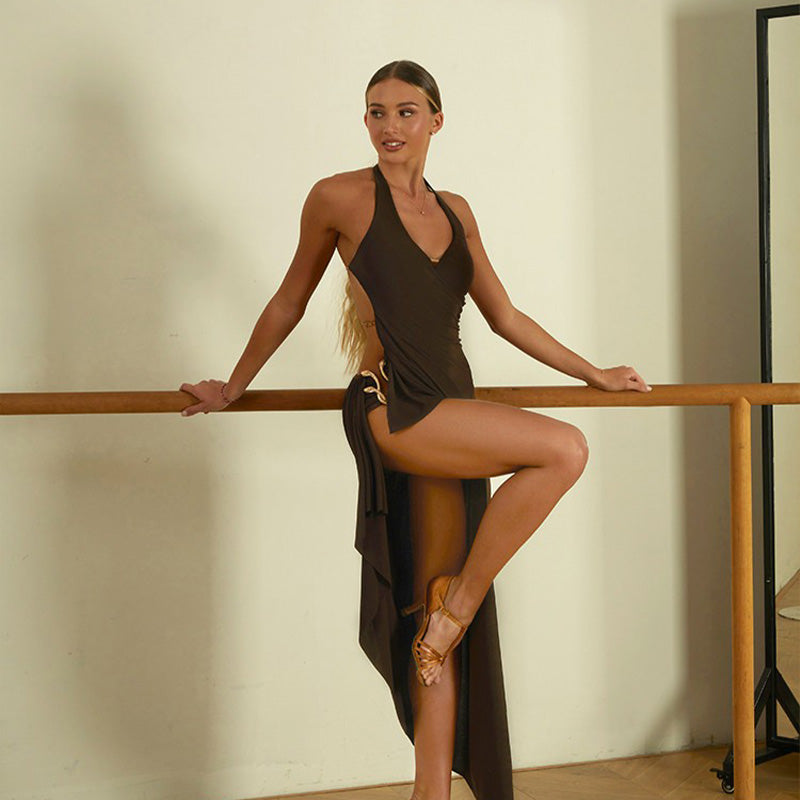
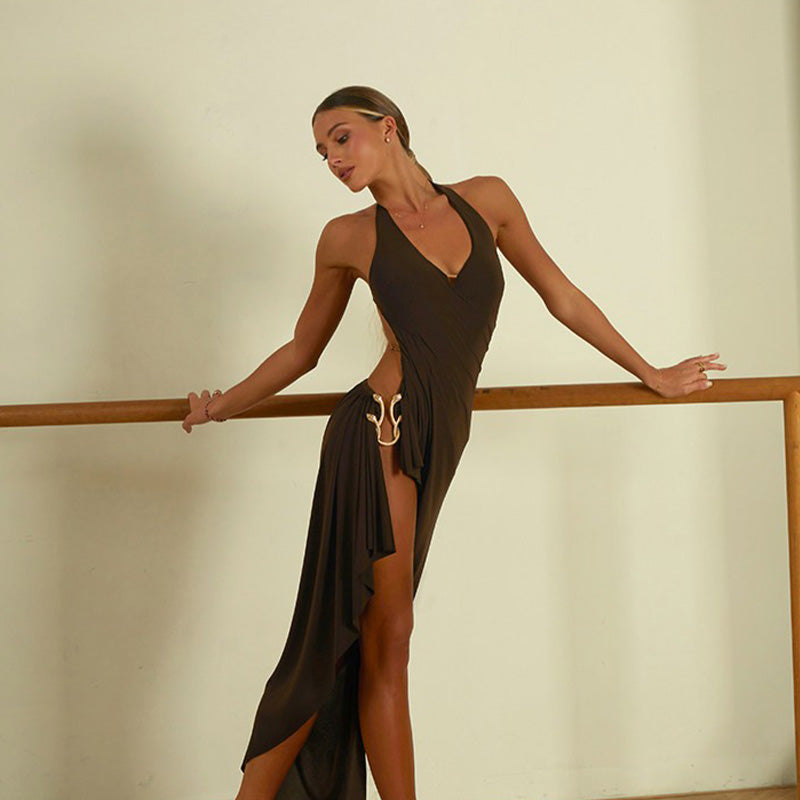
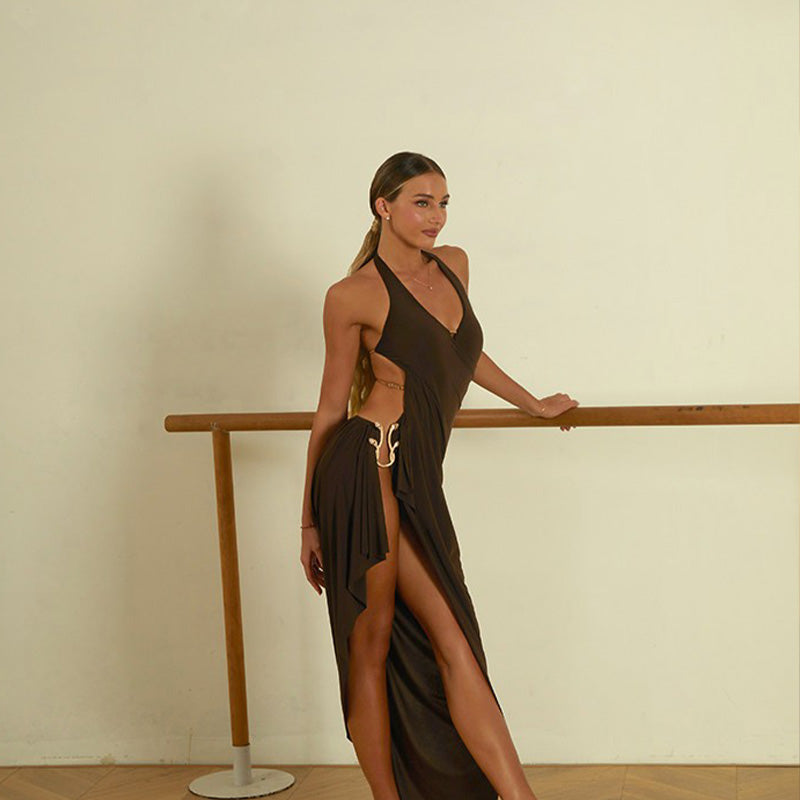
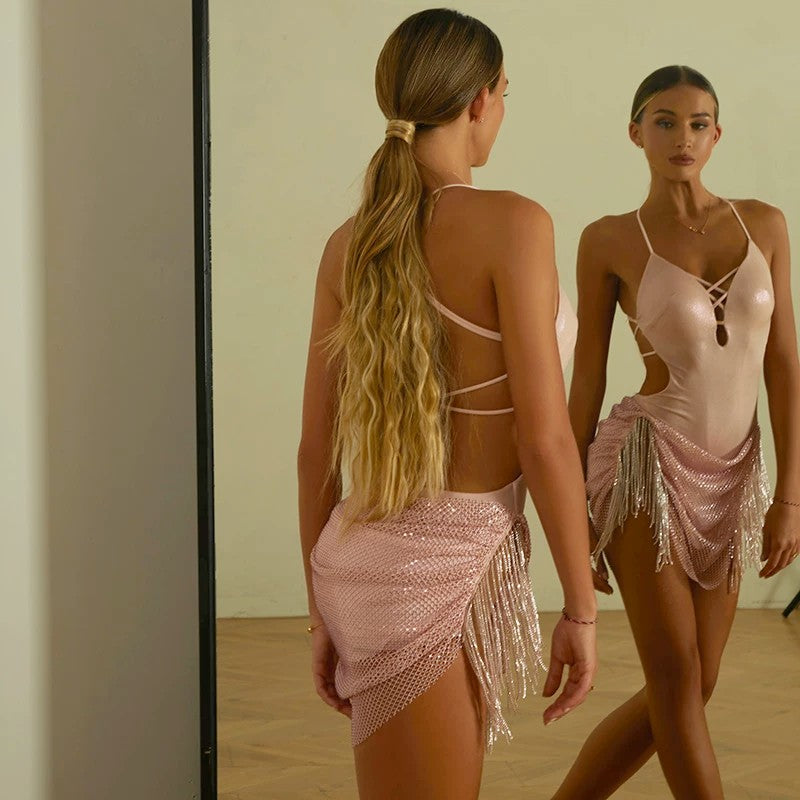
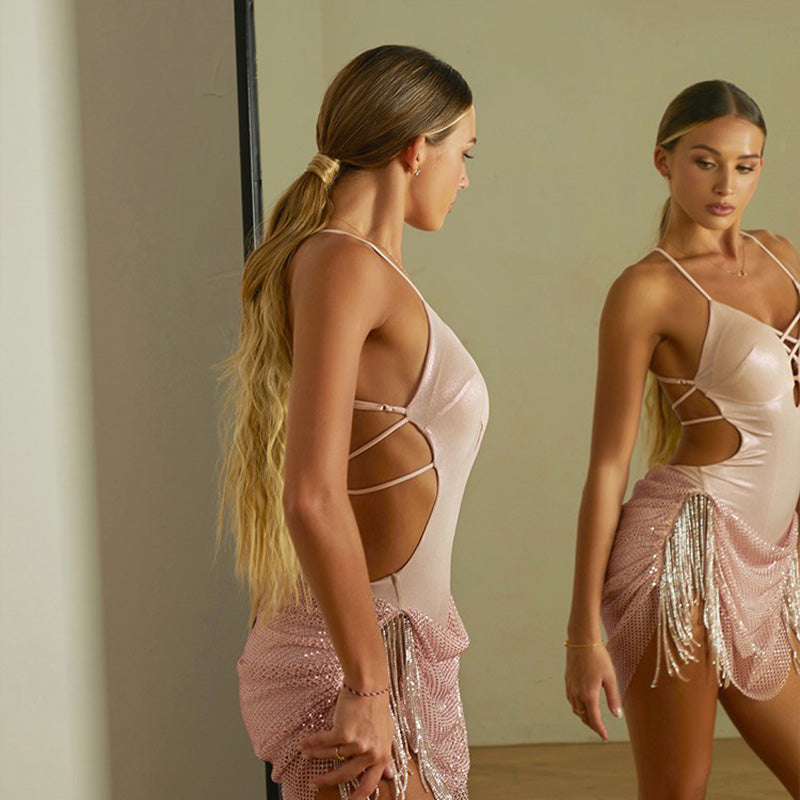
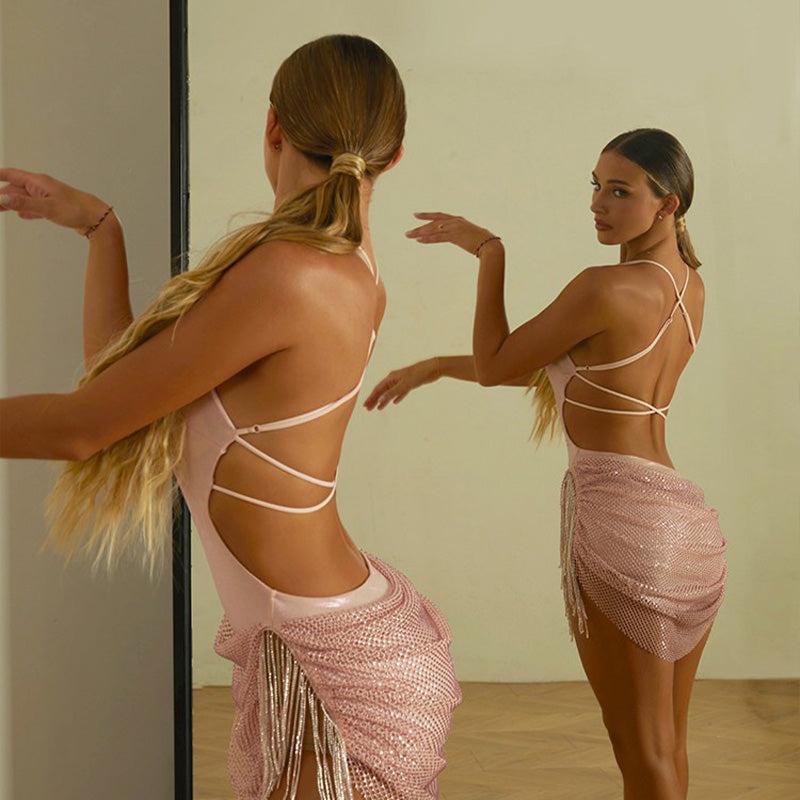
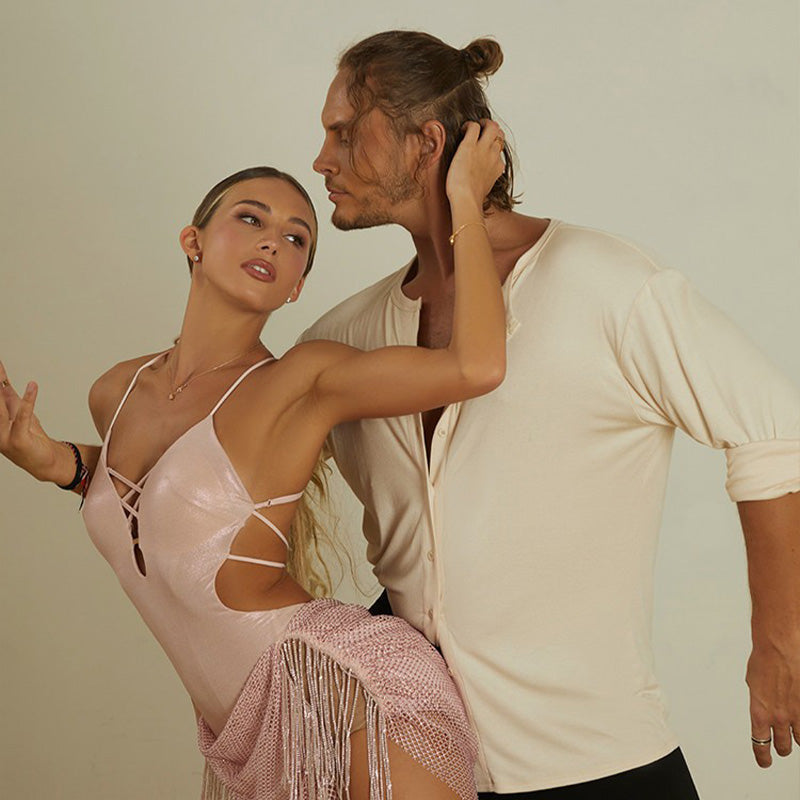
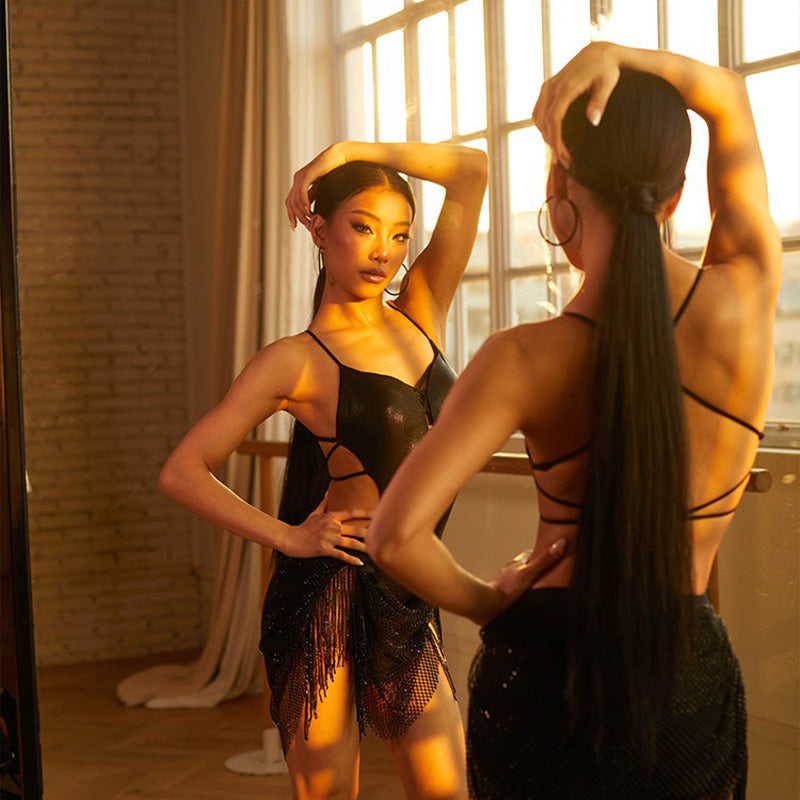
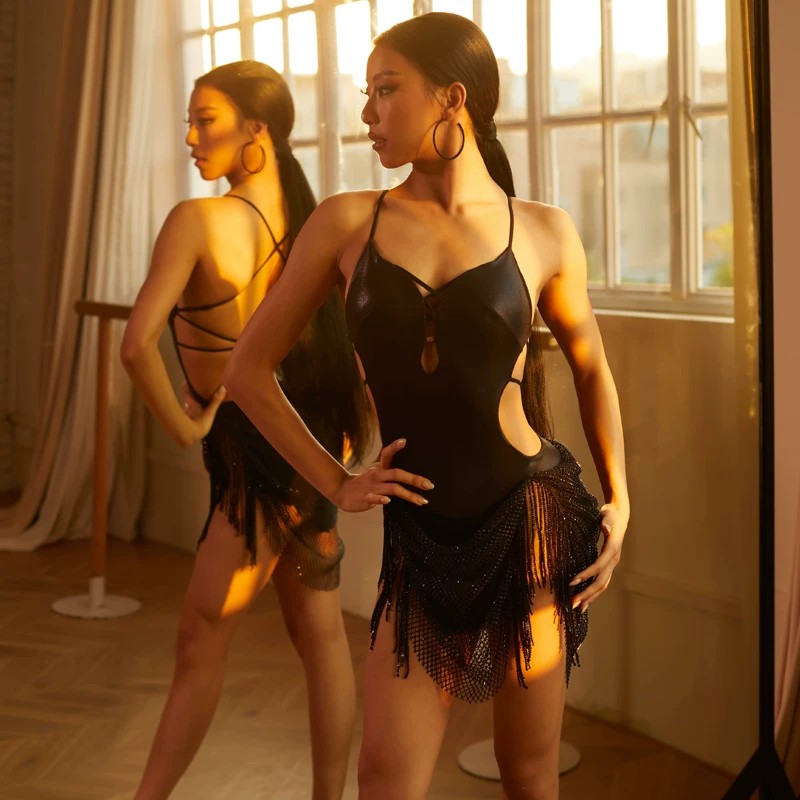
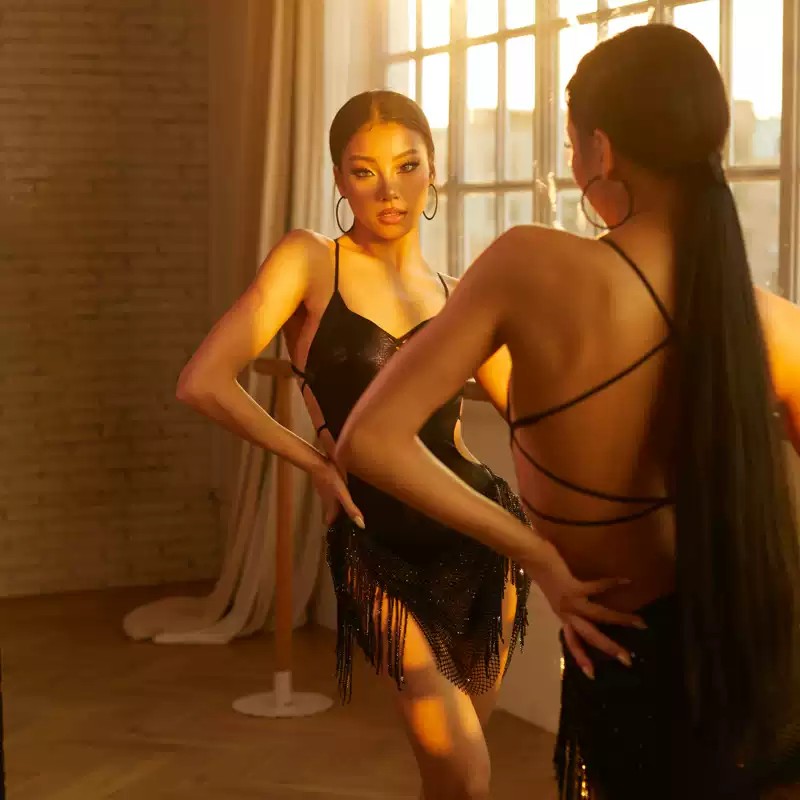
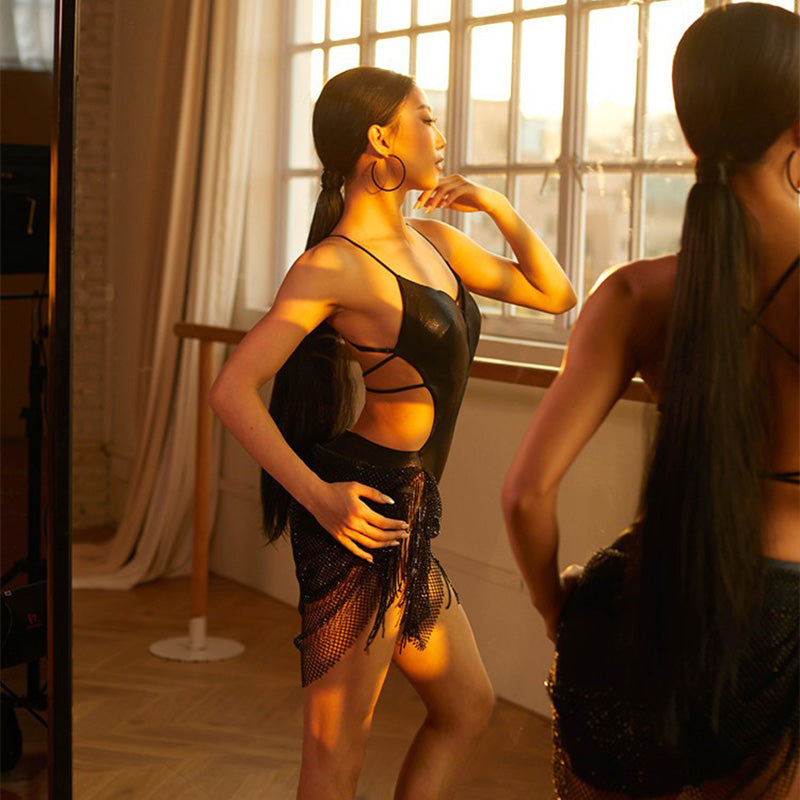
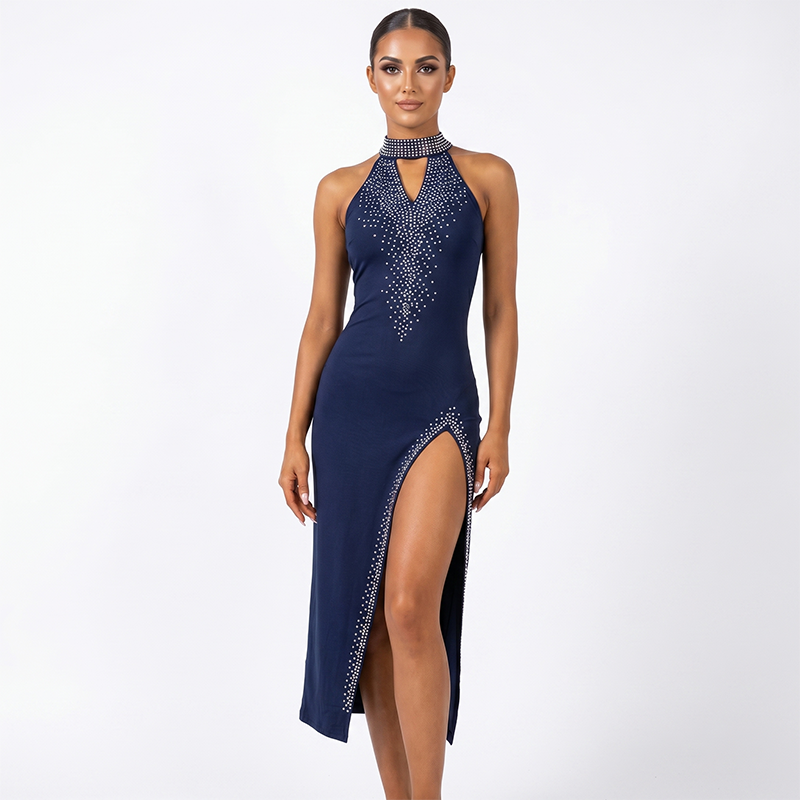
Salsa is danced socially, in a crowded room, for hours at a time — and that changes what the dress has to do. It is not a costume you put on for a two-minute round; it is what you are still wearing at one in the morning after forty partners. So the priorities invert. Security comes first: a neckline that stays where you put it, straps that do not slide off the shoulder when a lead takes a cross-body, a hem that returns after every spin instead of creeping up. Movement comes second, and it comes from the cut — a skirt with enough sweep to open on a turn, a body close enough that your hip action still reads across the floor. Most of what is in this collection is built around that order.
Class, Social Night, Congress Performance
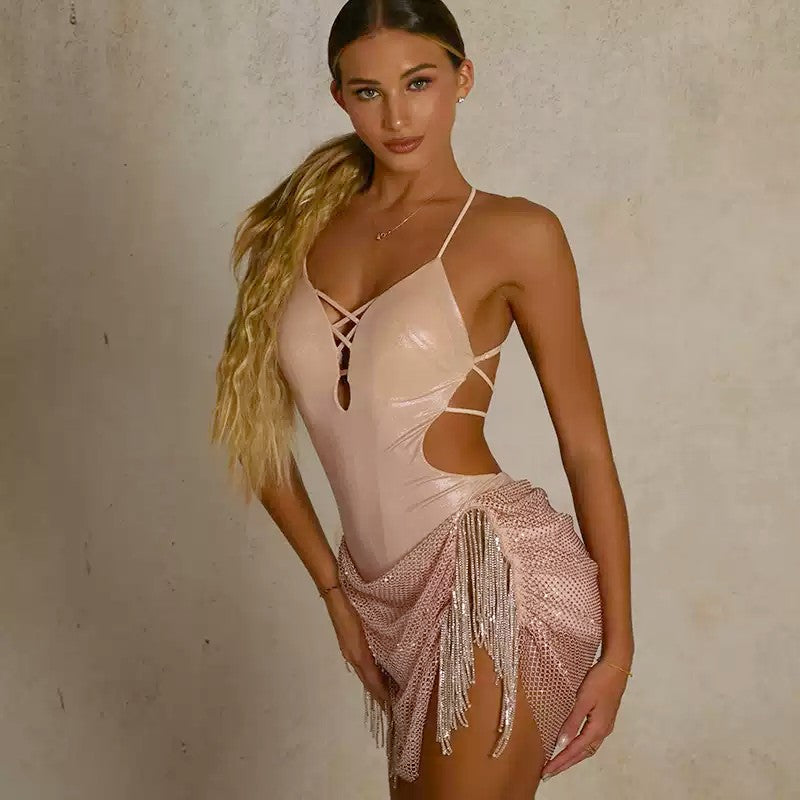
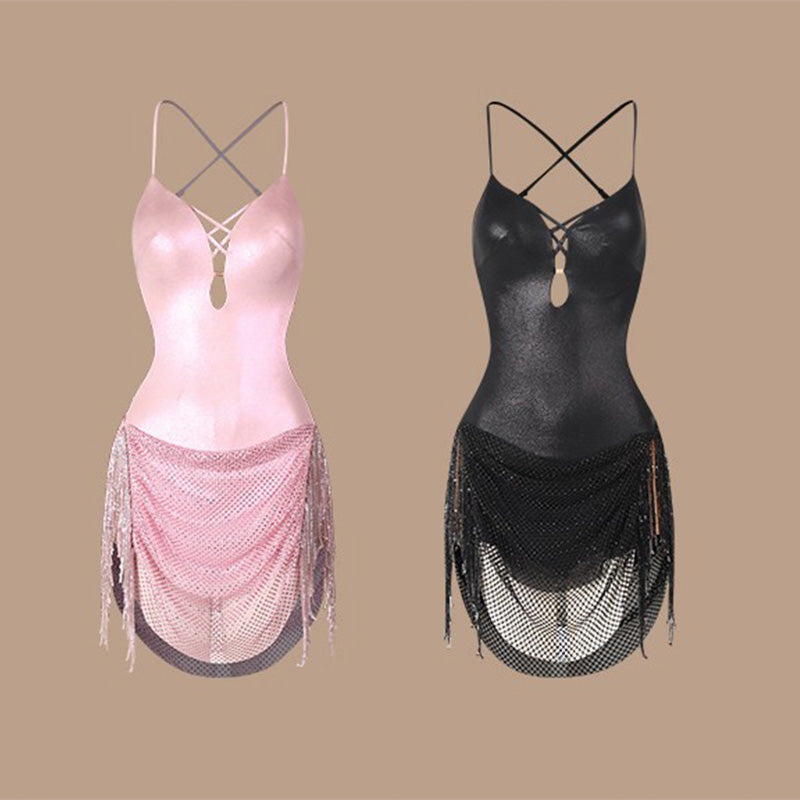
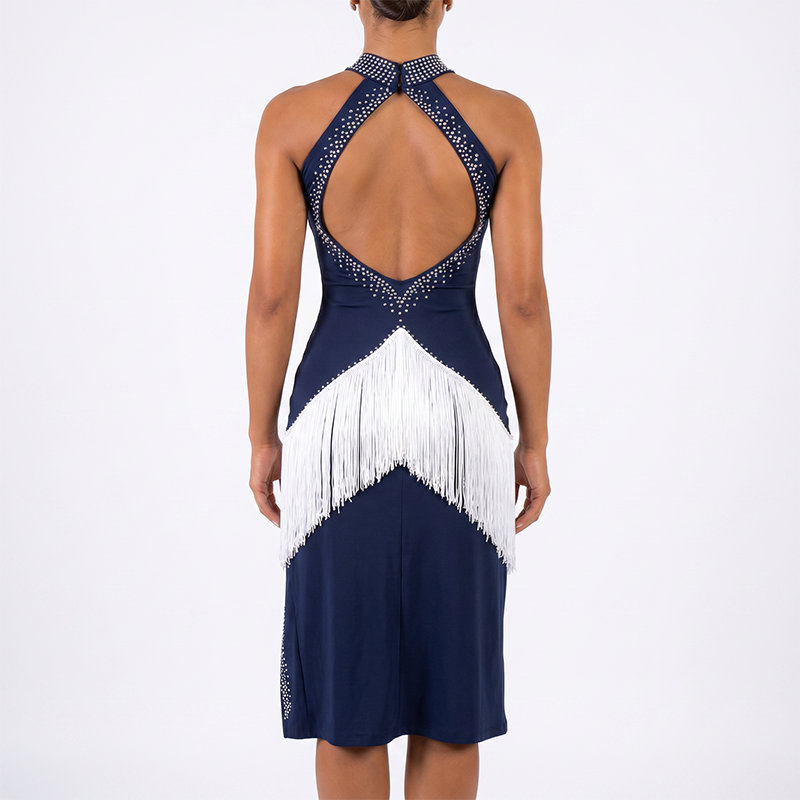
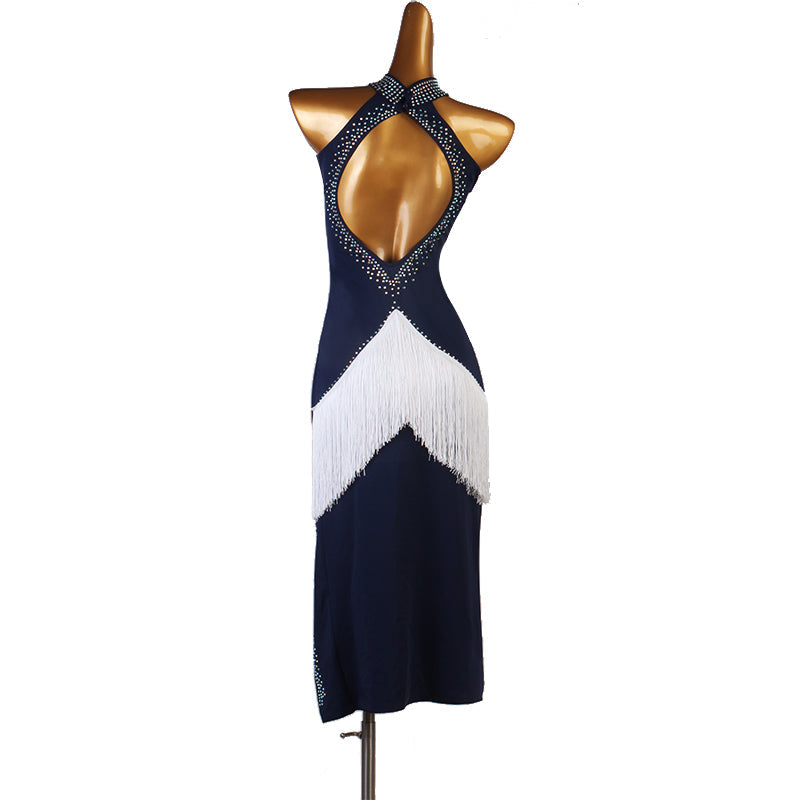
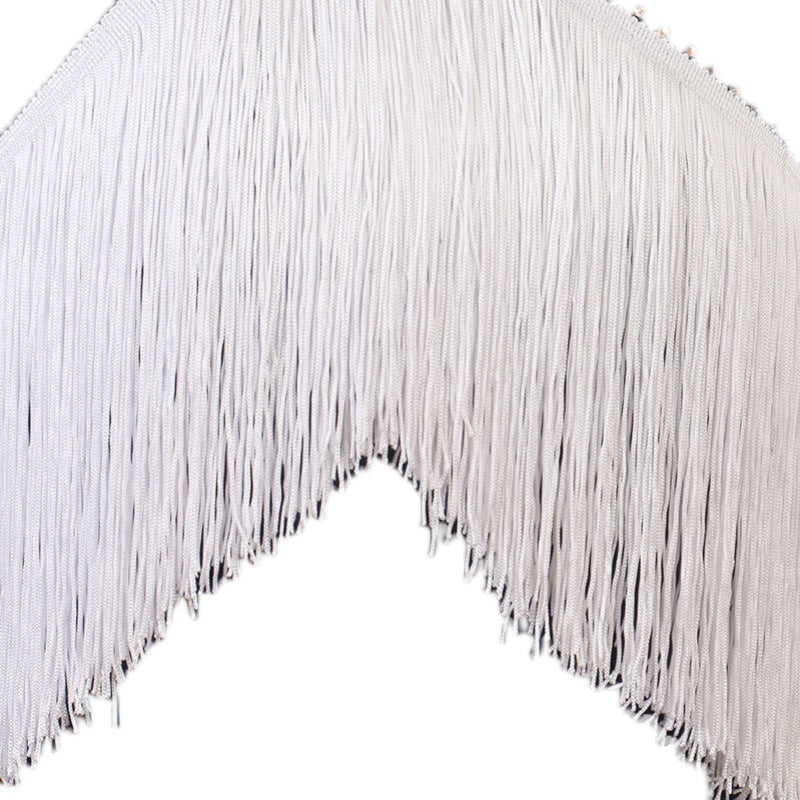
Three different floors, three different answers. For a class, you want the least distracting thing you own: a close, stretchy dress with a covered front, or separates you can layer down as the room heats up. Nothing that needs adjusting while you are learning footwork. For a social night, you can open the back and shorten the hem, because you are dancing rather than drilling — wrap fronts, adjustable halters and mid-thigh hems dominate here for good reason. For a congress performance or team piece, the rules flip toward the stage: fringe, tassel and stoned bodices that carry from the back of a hotel ballroom. Several of the fringe and rhinestone styles here cross straight over into performance use.
The Four-Hour Test
The most common complaint about a salsa dress is not that it looked wrong — it is that it stopped working. Cotton blends hold sweat and go heavy. Woven fabrics with no recovery stretch out across an evening and the whole dress migrates. That is why the fabrics that survive social dancing are the high-recovery knits: milk silk, stretch mesh, wet-look jersey, stretch velvet for cooler rooms. They pull back to shape between songs, they dry between dances, and they do not hold a crease from a lead's hand at your back. If you dance more than one night a week, buy for recovery before you buy for shine.
Length, Straps and the Spin
Hem length is a trade-off you have to make deliberately. Too long and it wraps your legs on fast turns and the footwork disappears. Too short and you will spend the night pulling it down, which is the fastest way to look uncomfortable on a floor. Mid-thigh to just above the knee is where most social dancers land; a high slit buys you the leg line without the ride-up. Straps matter more in salsa than in most partner styles because so much of the dancing happens with a hand on your shoulder blade — halters and cross-back straps stay put where a plain shoulder strap will not. If a style ties at the neck, check that it is adjustable before a long night. And whatever the back does, make sure you can raise both arms over your head without the front moving.
Colour on a Dark Floor
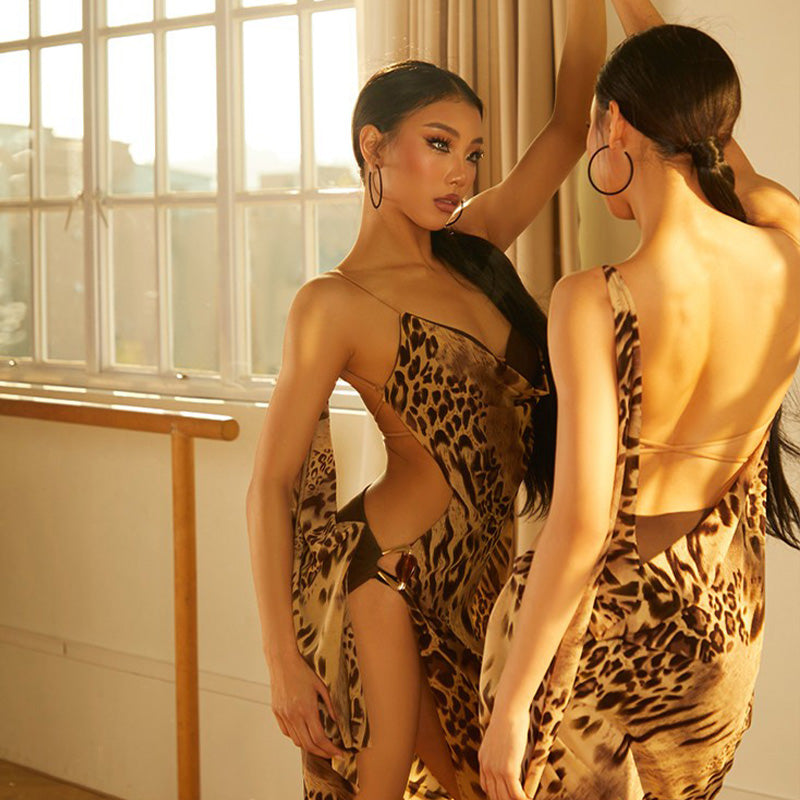
Salsa rooms are dark and lit from above, which flattens most colours and eats detail. Red is the default for a reason — it holds saturation under low light and reads from across the room, and it is the most requested colour in this range. Black is the safe workhorse and the one that lasts longest between washes, but it disappears on a dark floor unless it carries mesh panels, a slit, or something reflective at the hem. White and pale tones photograph beautifully and are the usual choice for performance pieces, but they show everything, so they earn their place on stage rather than at a Tuesday social. Animal print and leopard sit in between: loud enough to be seen, forgiving enough to wear all night.
If a Dress Is Not the Answer
Plenty of regular social dancers never buy a dress at all. A Latin dance skirt over a dance bodysuit gives you far more outfits from the same wardrobe, lets you change the top half when the room gets hot, and solves the ride-up problem entirely because the waistband does the holding. Latin dance tops extend the same idea. Separates are also the easier answer if you are between sizes on top and bottom, which is common and which a one-piece dress cannot accommodate.
Shoes, and Where Salsa Sits Next to Latin
Salsa is danced in an open-toe heel with a flexible suede sole — enough grip to push off a turn, enough slide to spot and stop. Browse salsa dance shoes or the wider Latin and salsa range to finish the outfit. If what you need is a costume to be judged in rather than a dress to social dance in, the Latin dance dresses page is the competition-facing version of this range: shorter, more heavily stoned, cut for rumba, cha cha, samba and jive rounds. Ballroom Standard and Smooth are a separate family again, and those dresses do not cross over — see ballroom dresses for that floor.
Salsa Dance Dresses: Frequently Asked Questions
What do you wear salsa dancing?
Something close-fitting, stretchy and secure that you can dance in for hours without adjusting. For women that usually means a mid-thigh dress with a halter or cross-back strap, or a Latin skirt over a bodysuit. Add an open-toe heel with a suede sole. Avoid anything with a loose neckline, a stiff waistband, or a fabric that holds sweat.
What should a beginner wear to a first salsa class?
Keep it simple and covered. A stretch dress with a secure front, or leggings and a fitted top, plus a low heel you can already walk in. You will be concentrating on footwork, and anything you have to hold in place will get in the way. Save the open backs and the fringe for social nights once you know the room.
How long should a salsa dress be?
Mid-thigh to just above the knee suits most social dancers. Longer than that and the hem catches your legs on fast turns; much shorter and you will be pulling it down between songs. A high slit is the usual compromise when you want a longer hem and still need the leg to show.
Is a salsa dress the same as a Latin competition dress?
They come from the same idea but are tuned differently. A salsa dress is built for a four-hour social night, so it favours secure straps, wearable coverage and fabrics that recover. A Latin competition dress is built to be judged from thirty feet away, so it goes shorter, more stoned and more theatrical. Many styles genuinely work for both, and those are the ones worth buying first.
What colour salsa dress should I choose?
Red if you want to be seen — it survives dim overhead lighting better than anything else and is the most asked-for colour here. Black if you want the dress you will wear most often, ideally with mesh, a slit or a fringe hem so it does not vanish on a dark floor. White and pale shades read best on stage and in photographs, where the lighting is on your side.
What do you wear salsa dancing if you would rather not wear a dress?
A Latin dance skirt over a bodysuit is the standard alternative and arguably the more practical one: the waistband stops any ride-up, you can swap the top half when the room heats up, and you get several outfits out of a few pieces. Fitted trousers with a dance top work too, particularly for classes.
What shoes go with a salsa dress?
An open-toe salsa or Latin heel with a suede sole. The suede is the part that matters — it lets you turn on the ball of the foot without either sticking or sliding out. Street heels have smooth or rubber soles and will do one or the other, which is how ankles get hurt. Heel height is personal; most social dancers settle between two and three inches once they are dancing full nights.
Do you ship salsa dresses internationally?
Yes. TTdancewear ships worldwide and every order is backed by a money-back guarantee, so you can order to the size chart on the product page and exchange it if the fit is not right.