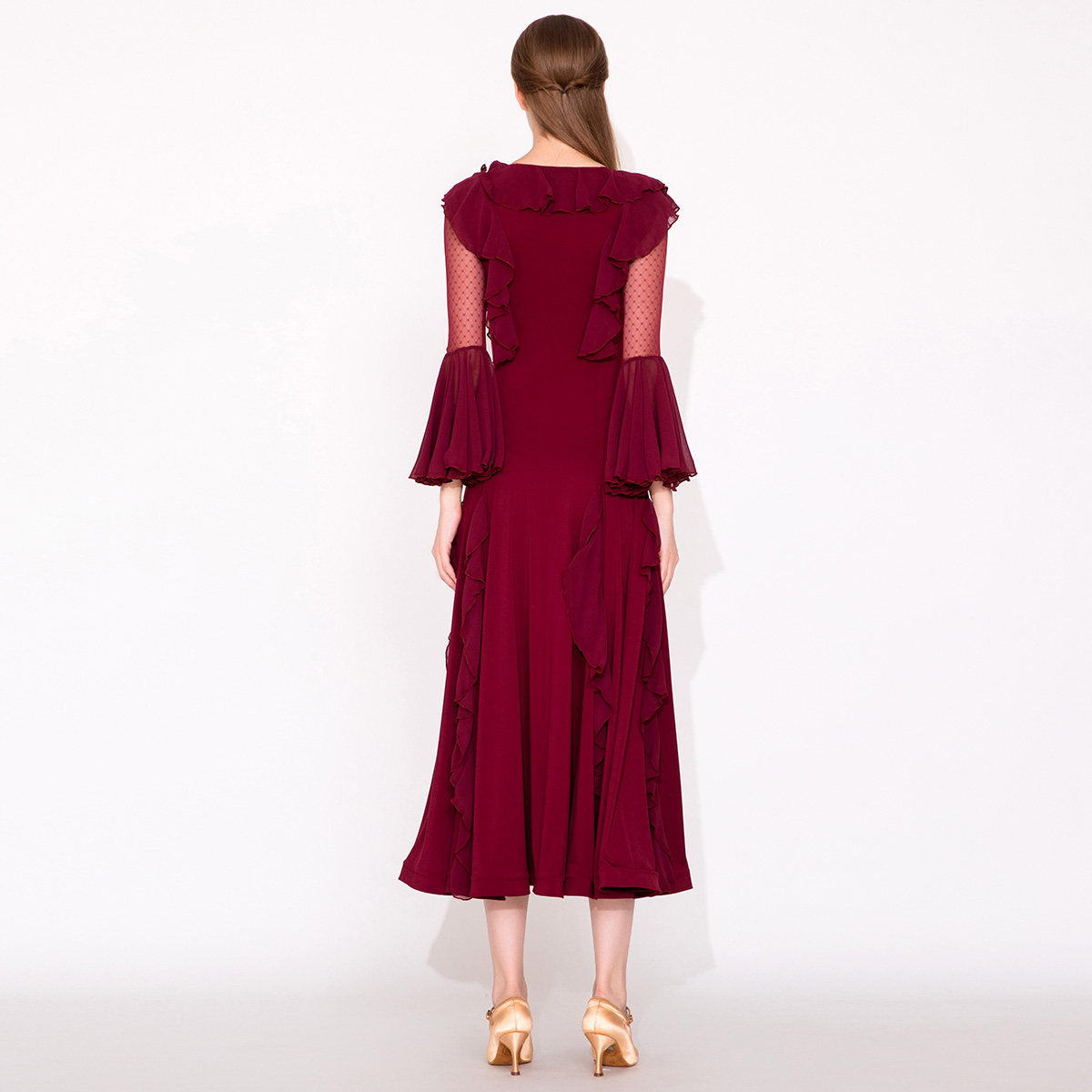
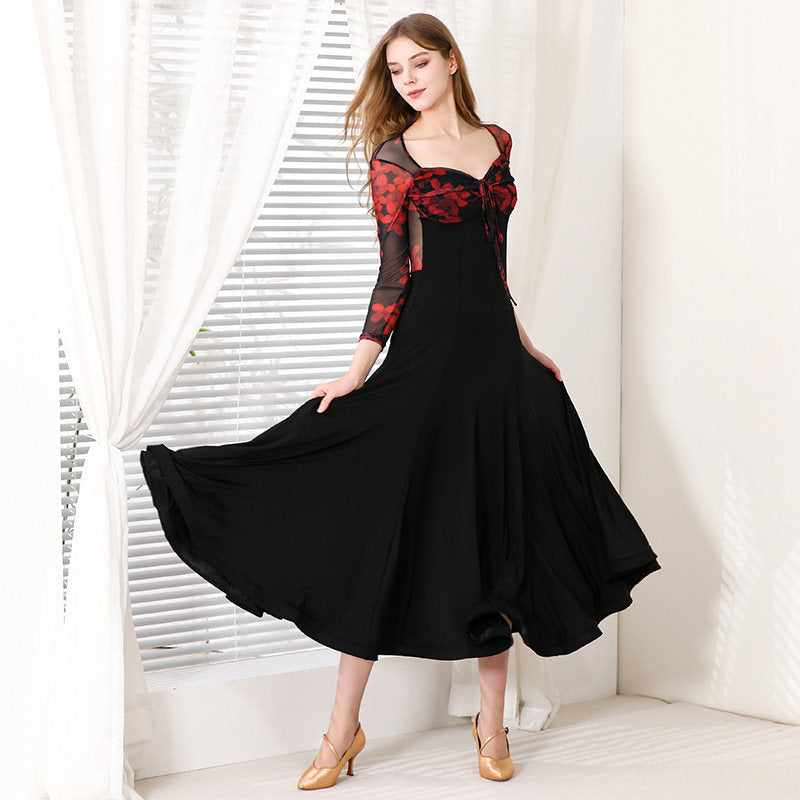
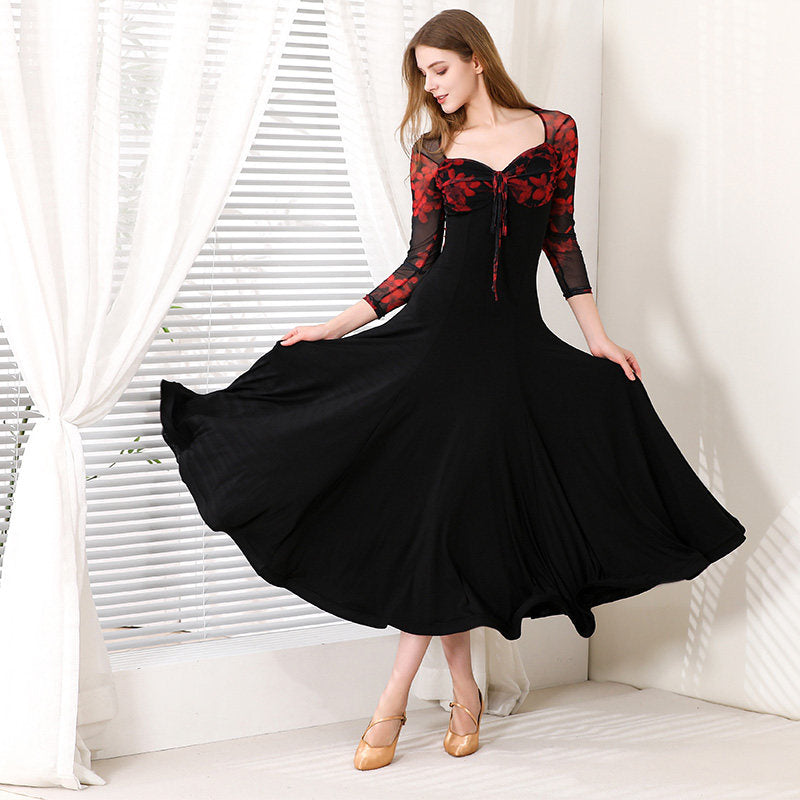
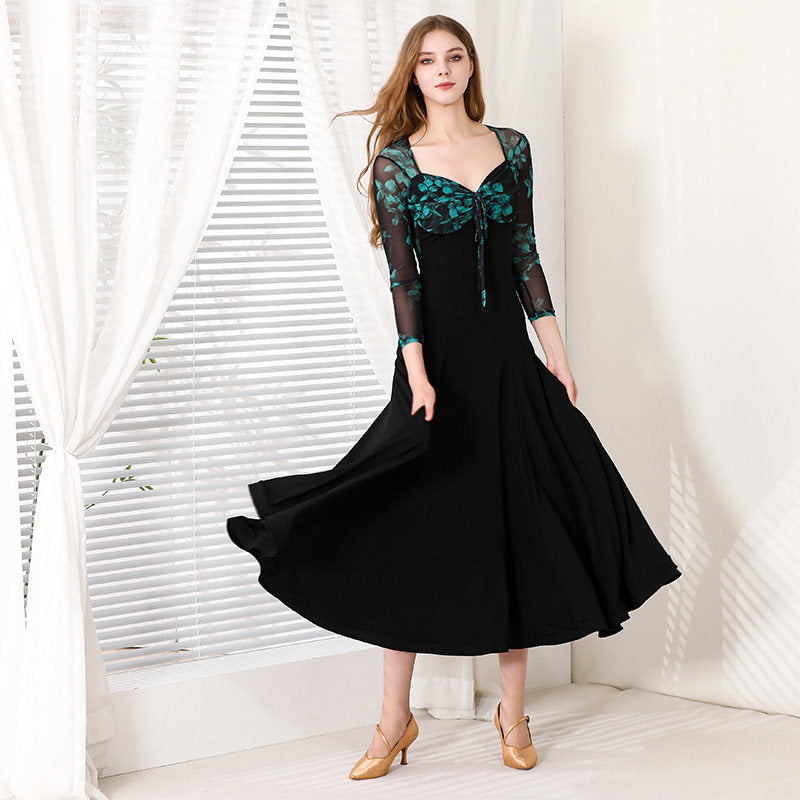
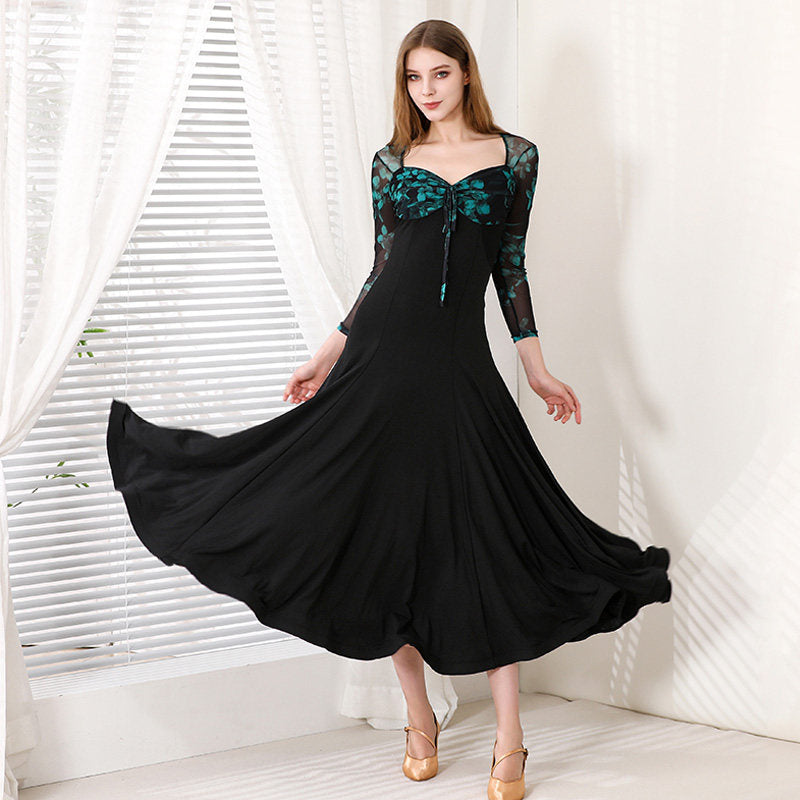
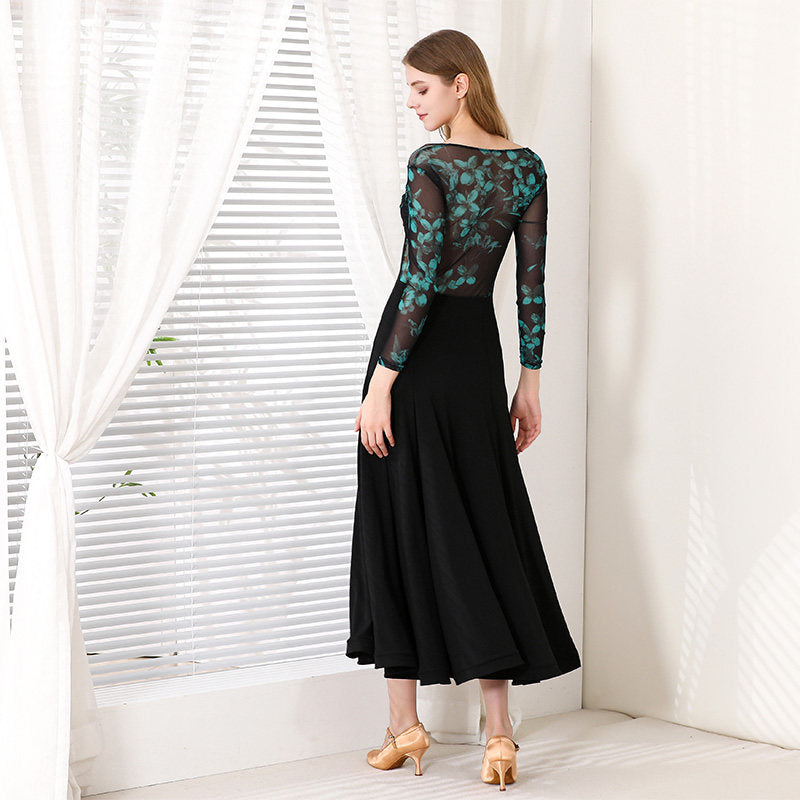
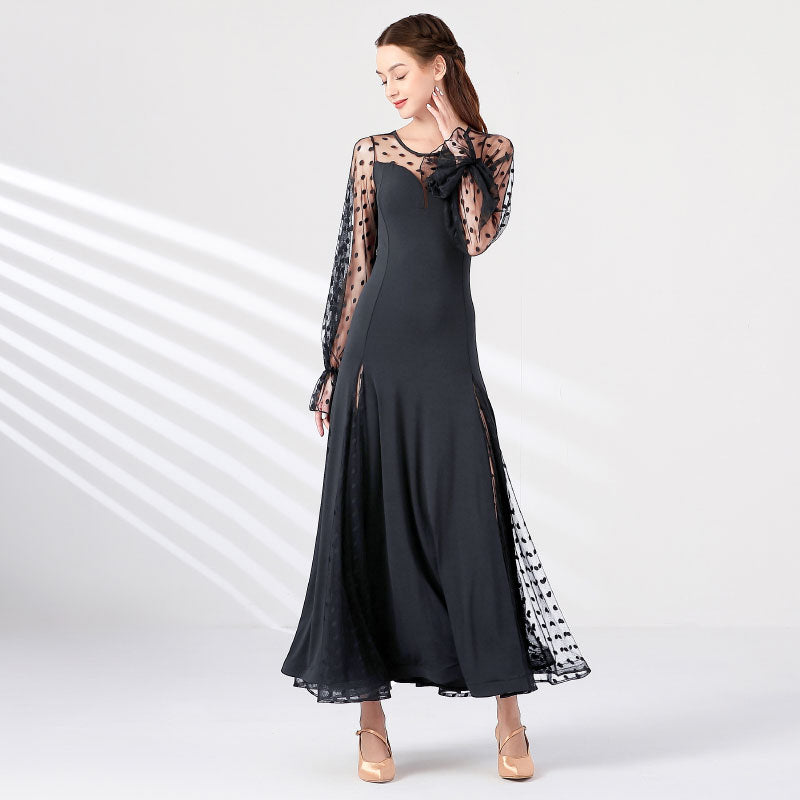
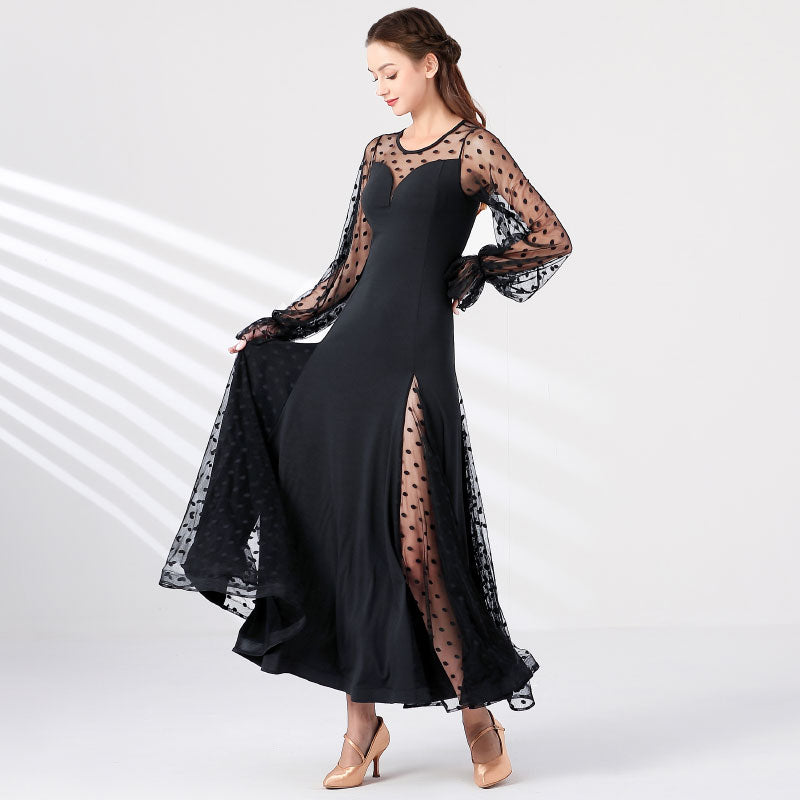
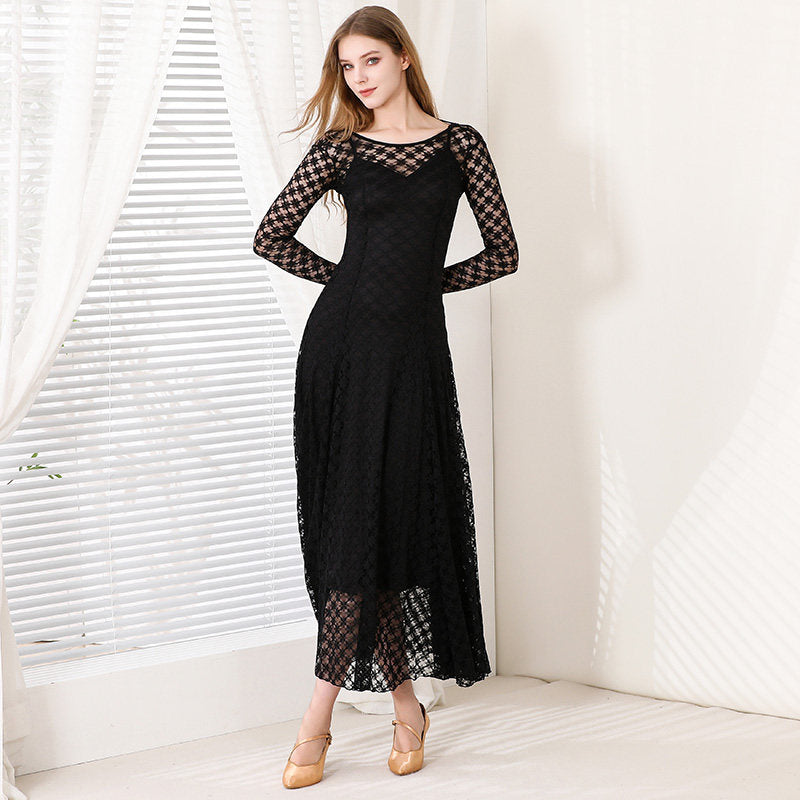
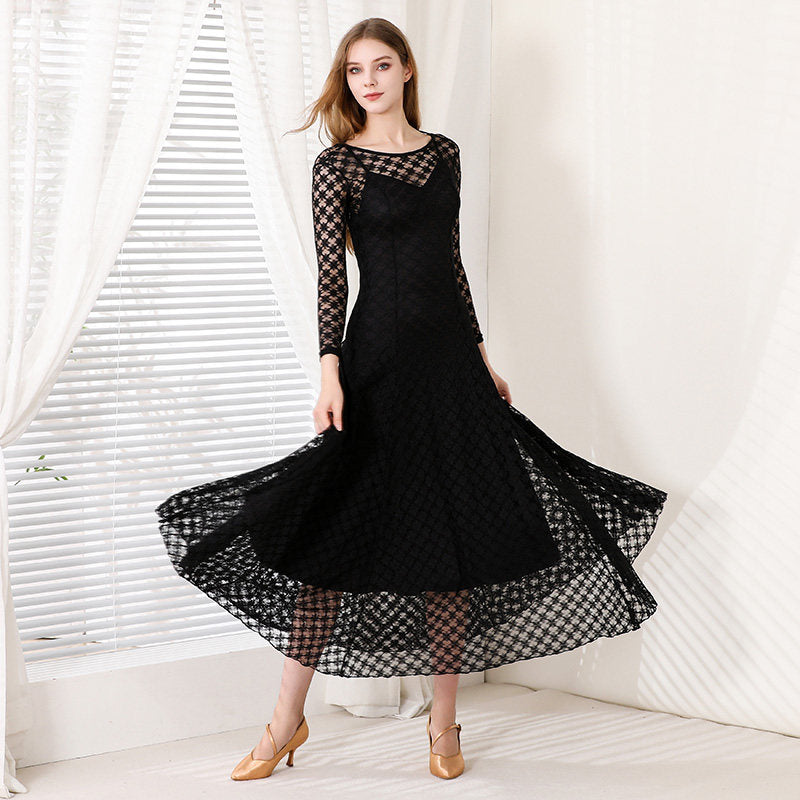
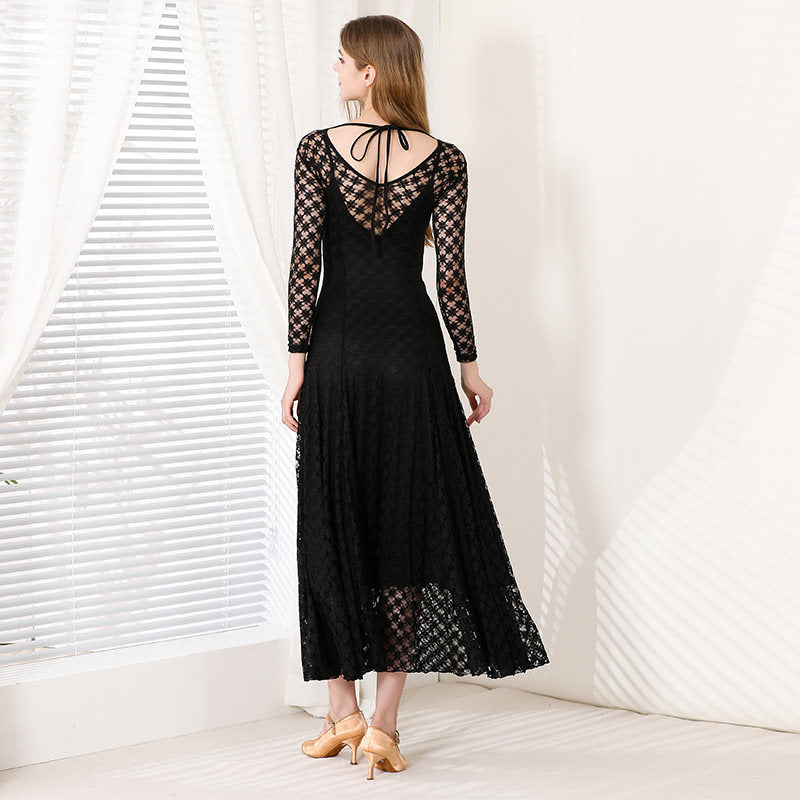
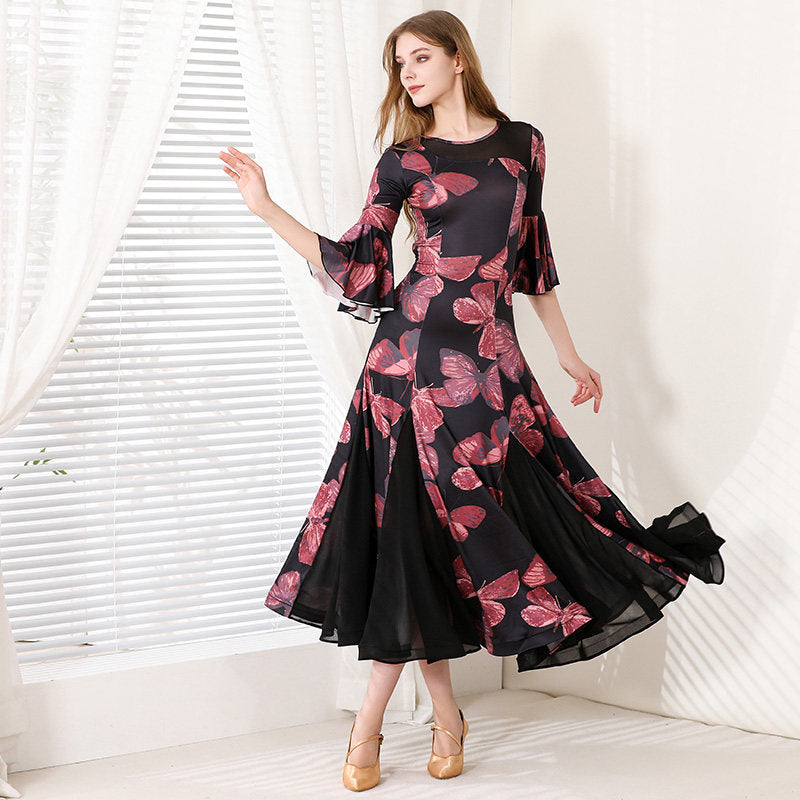
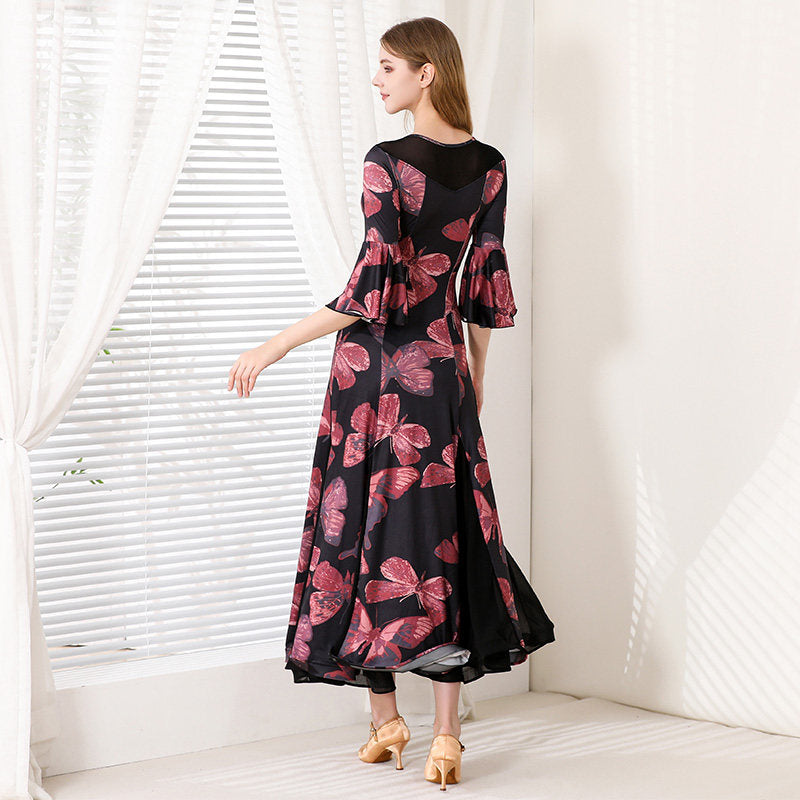
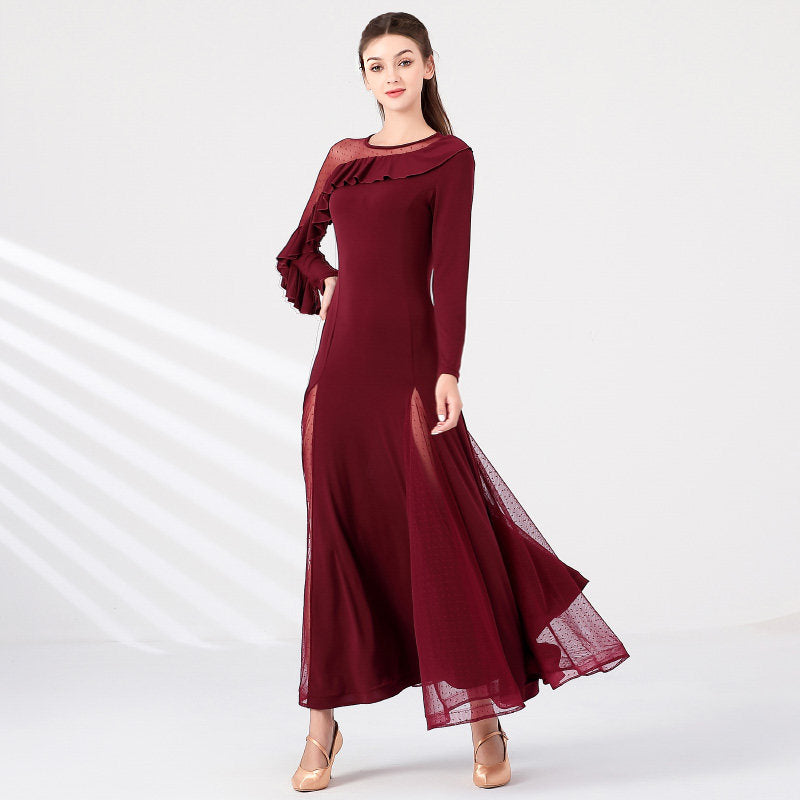
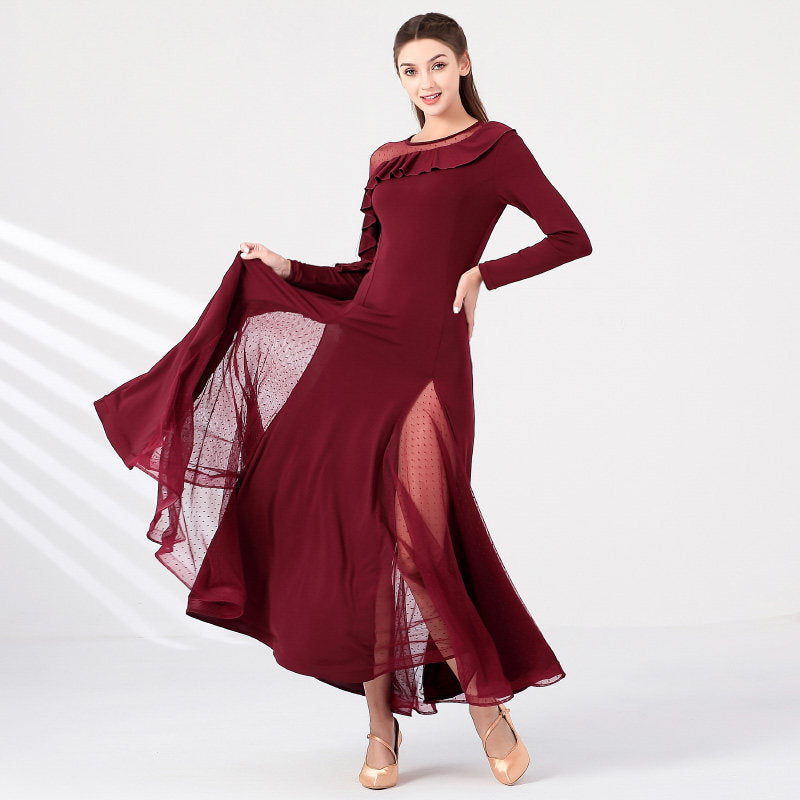
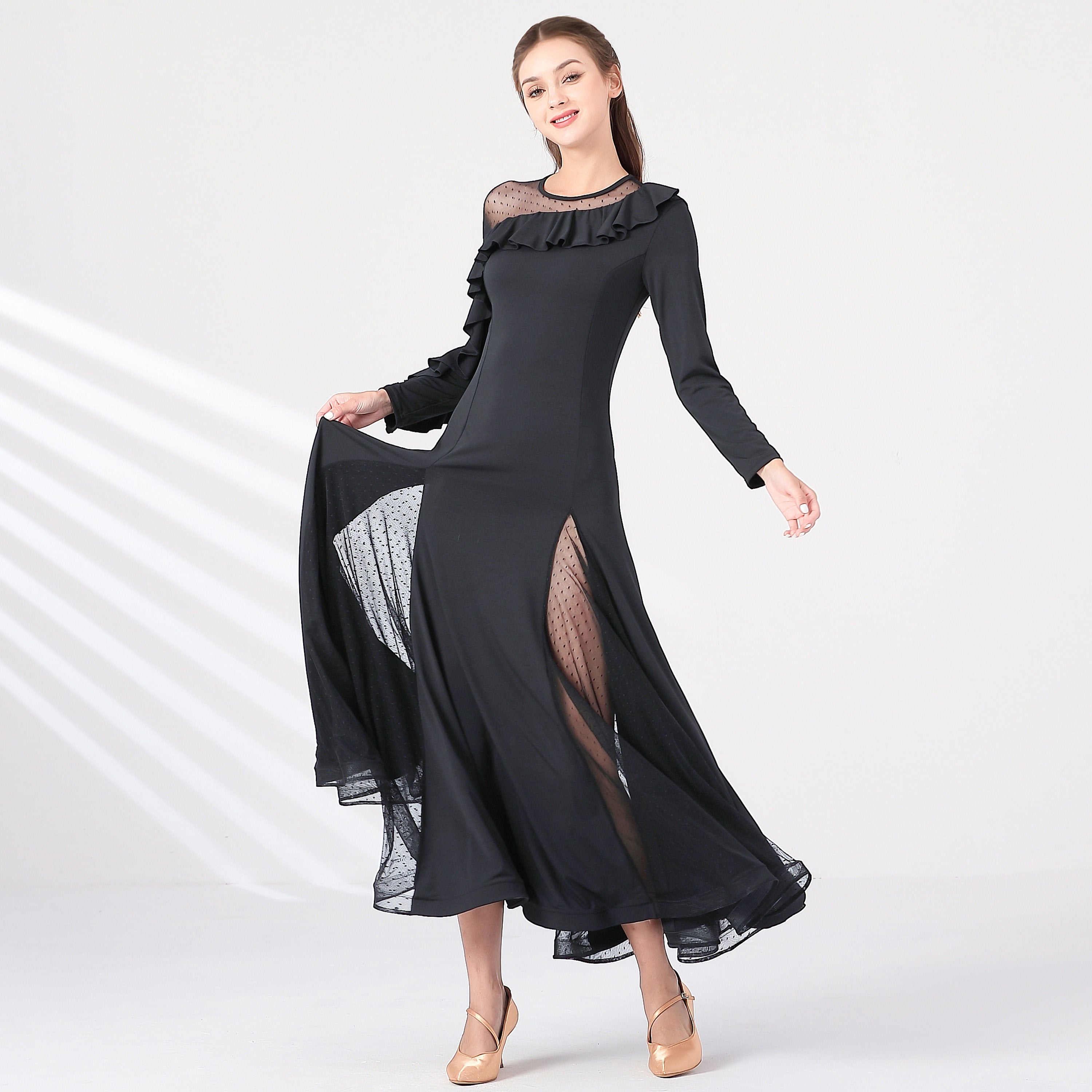




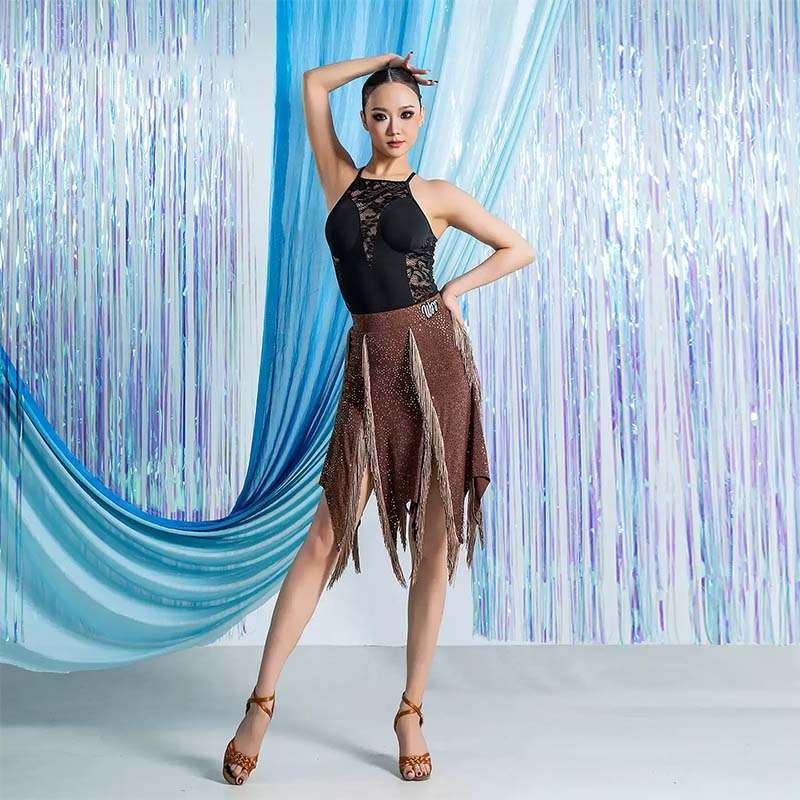
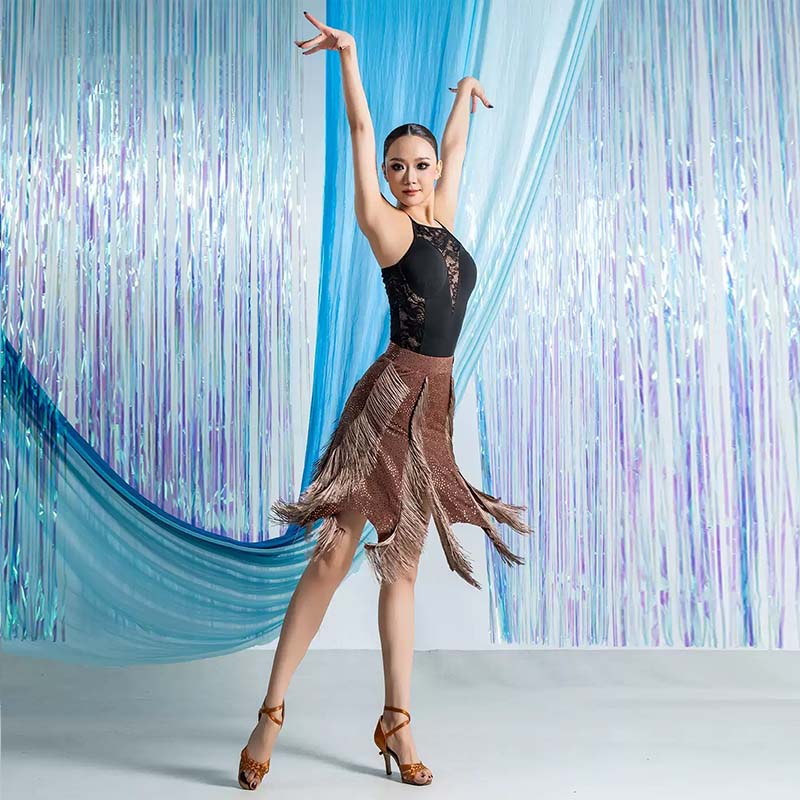
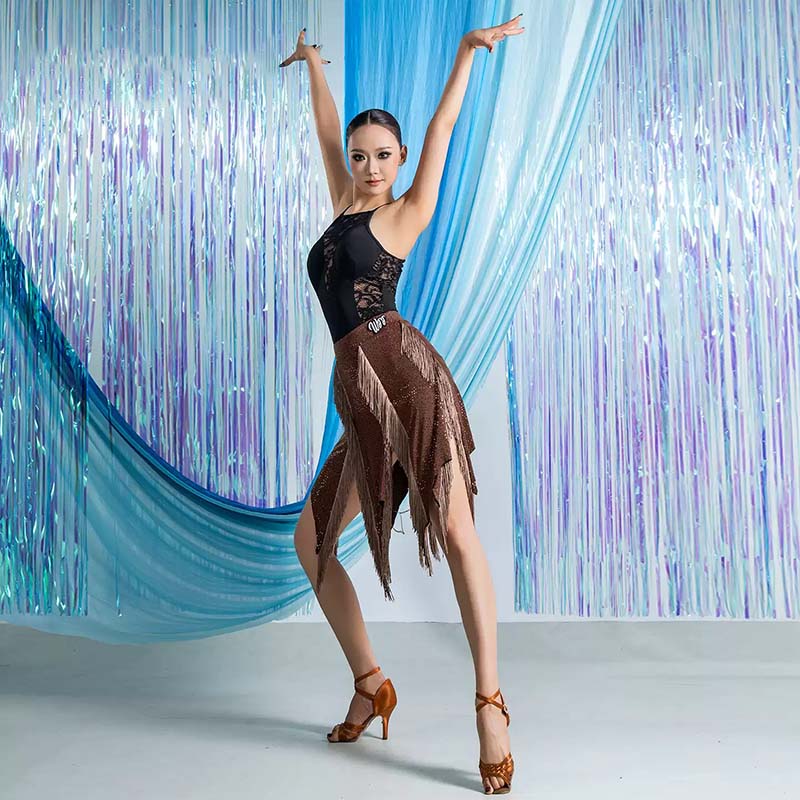
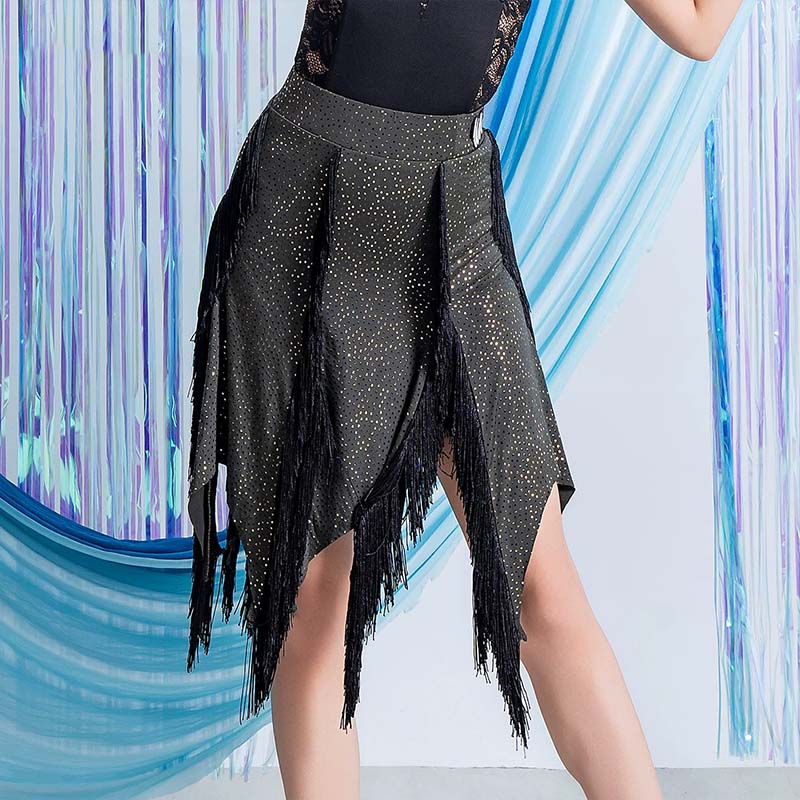
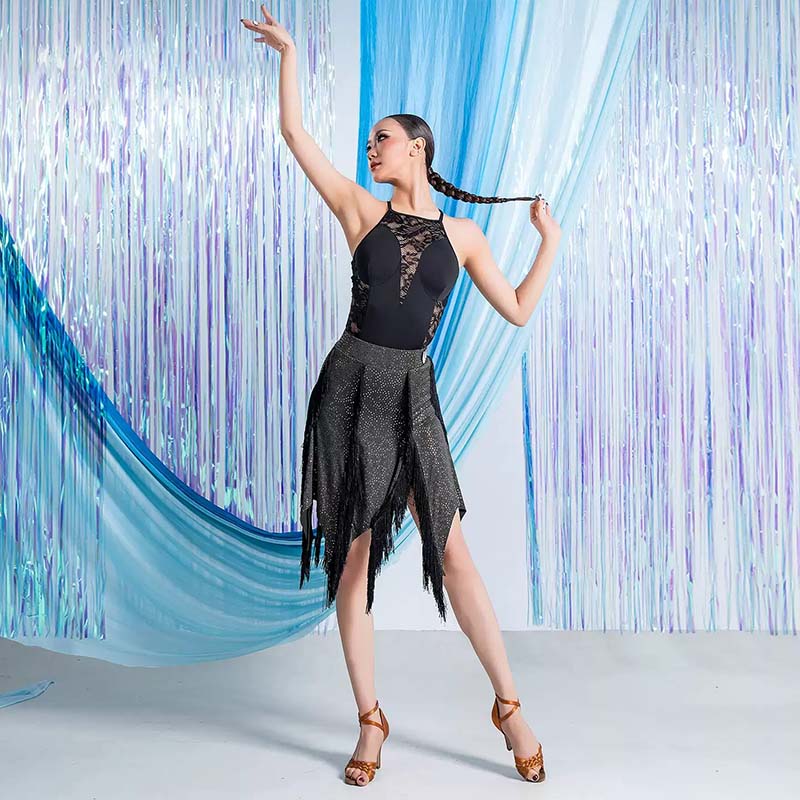
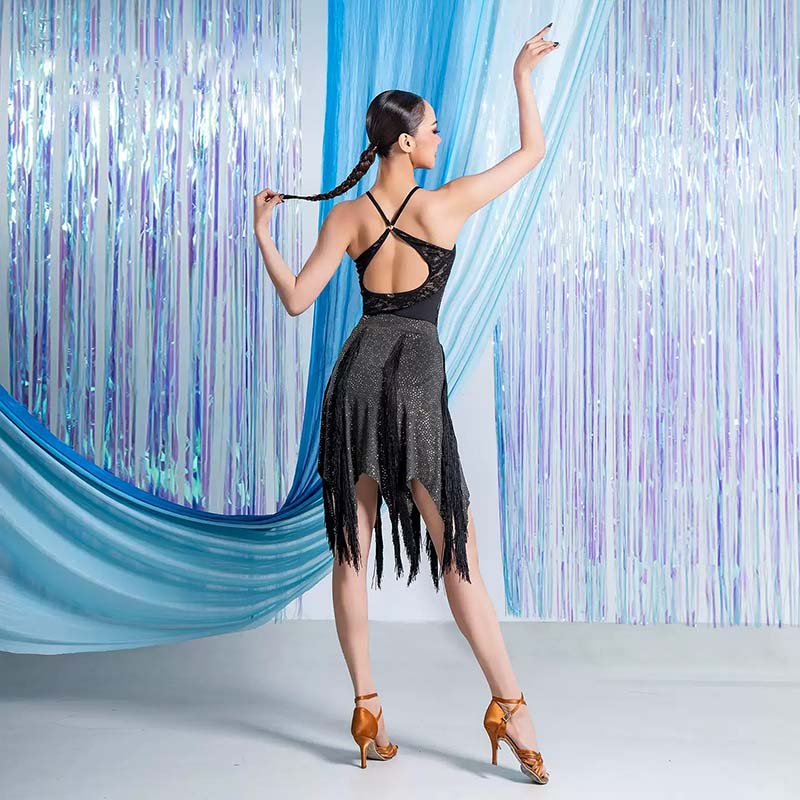
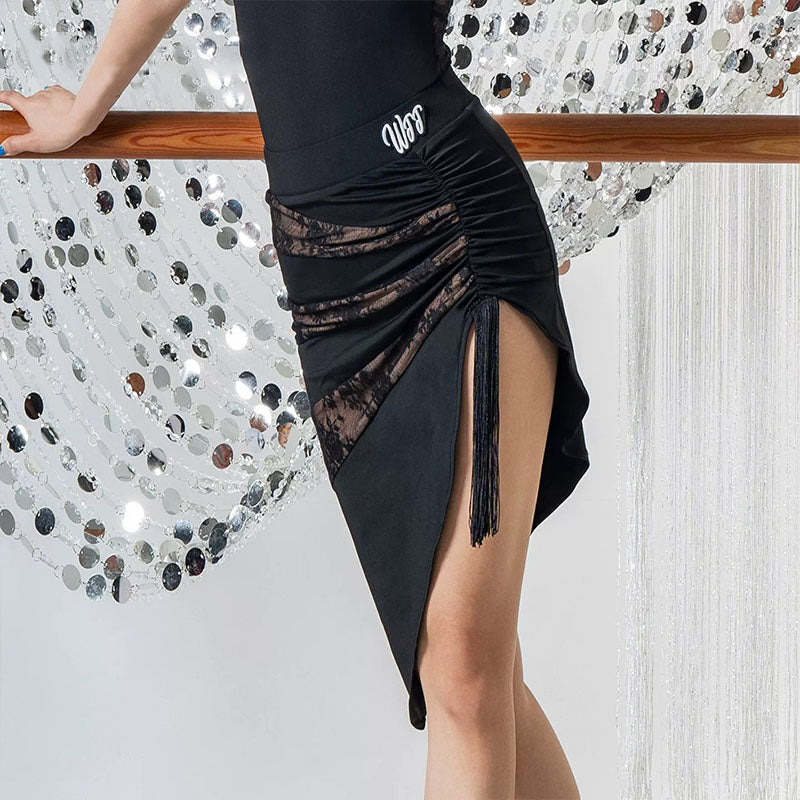
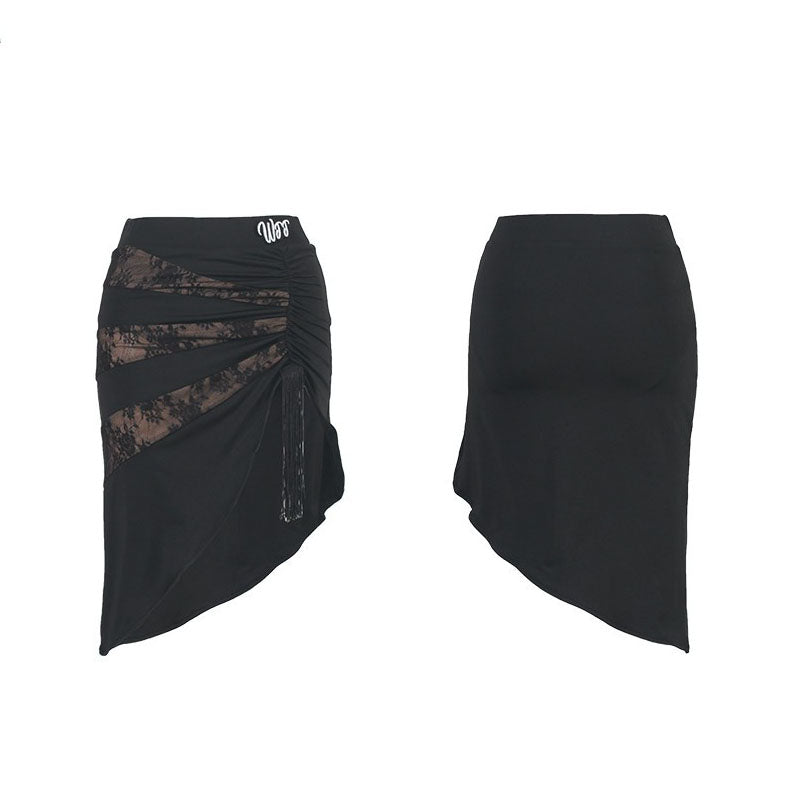

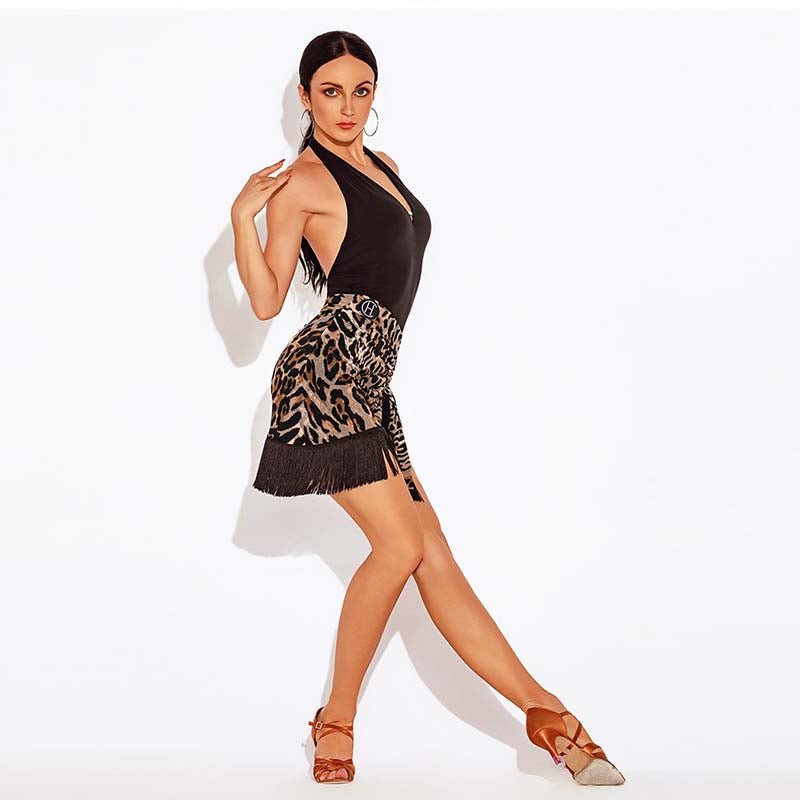
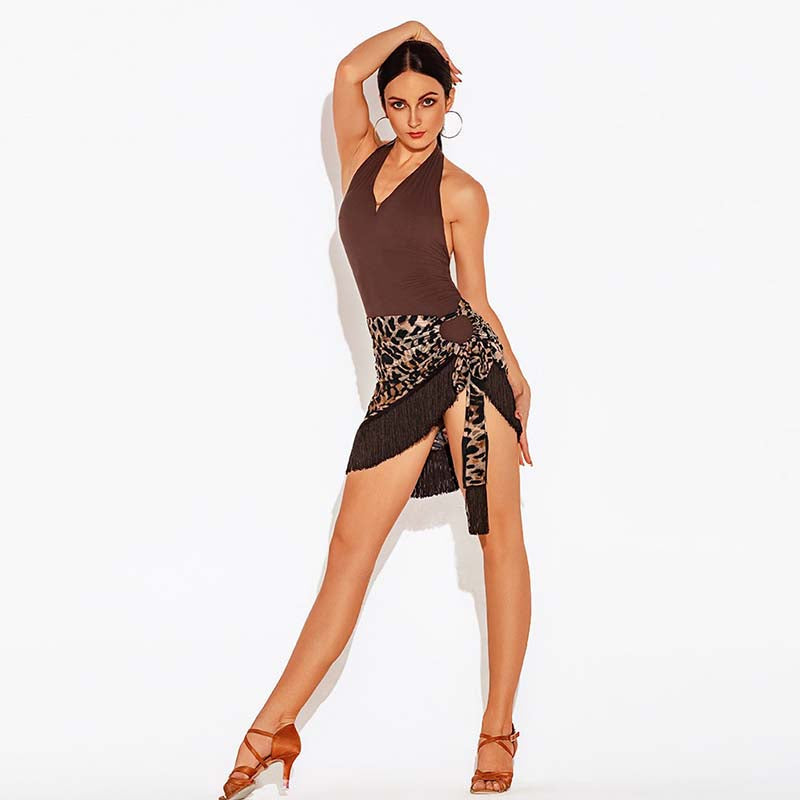
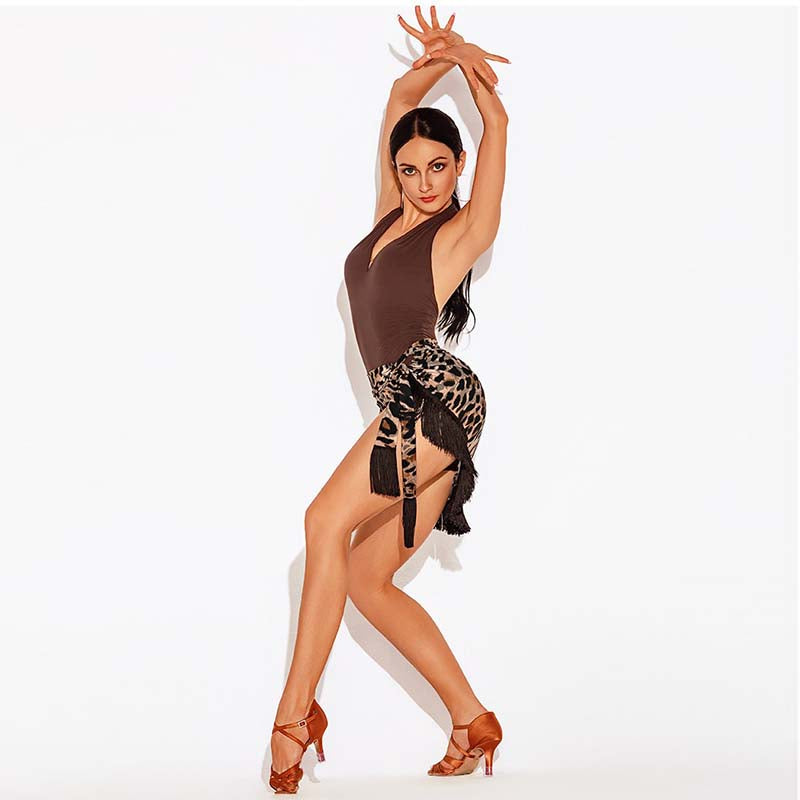
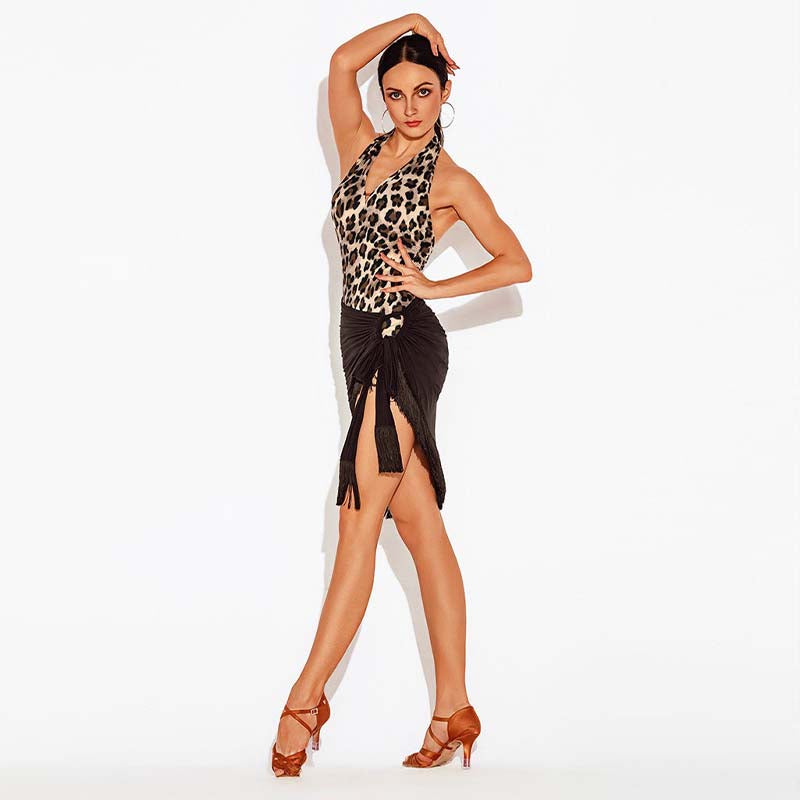
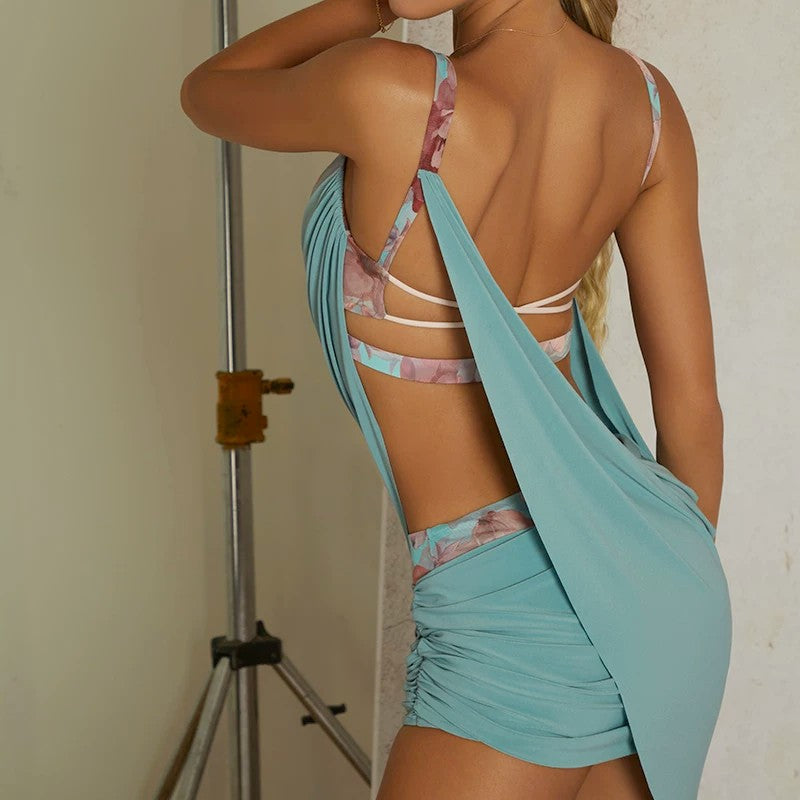
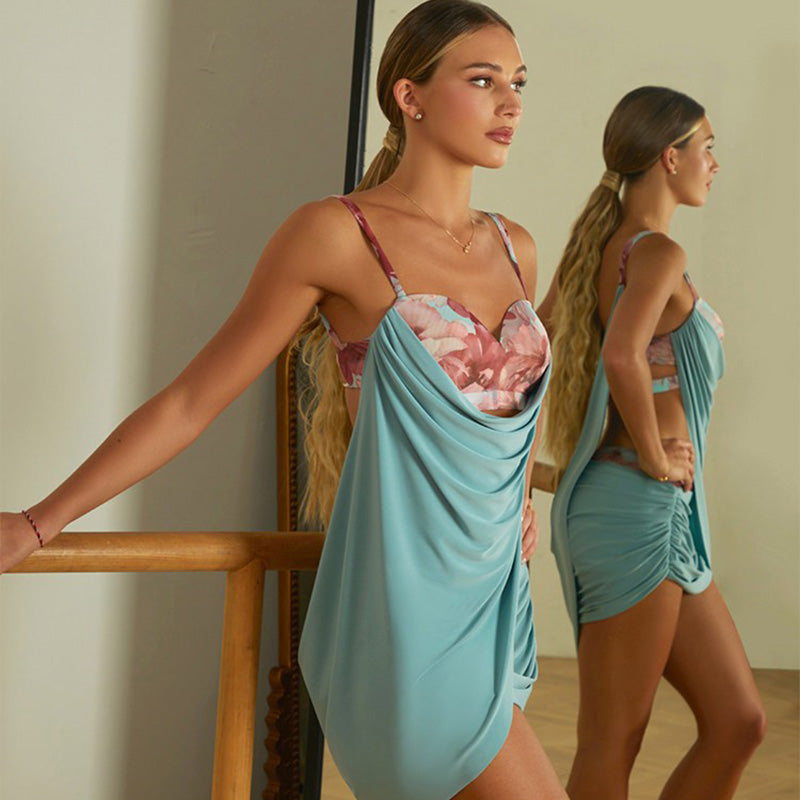
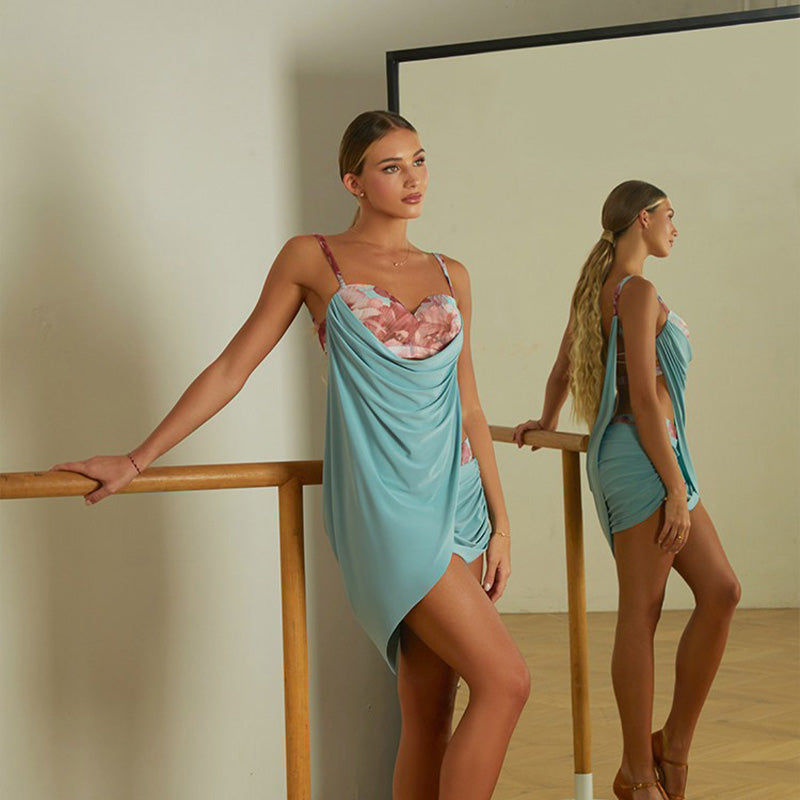
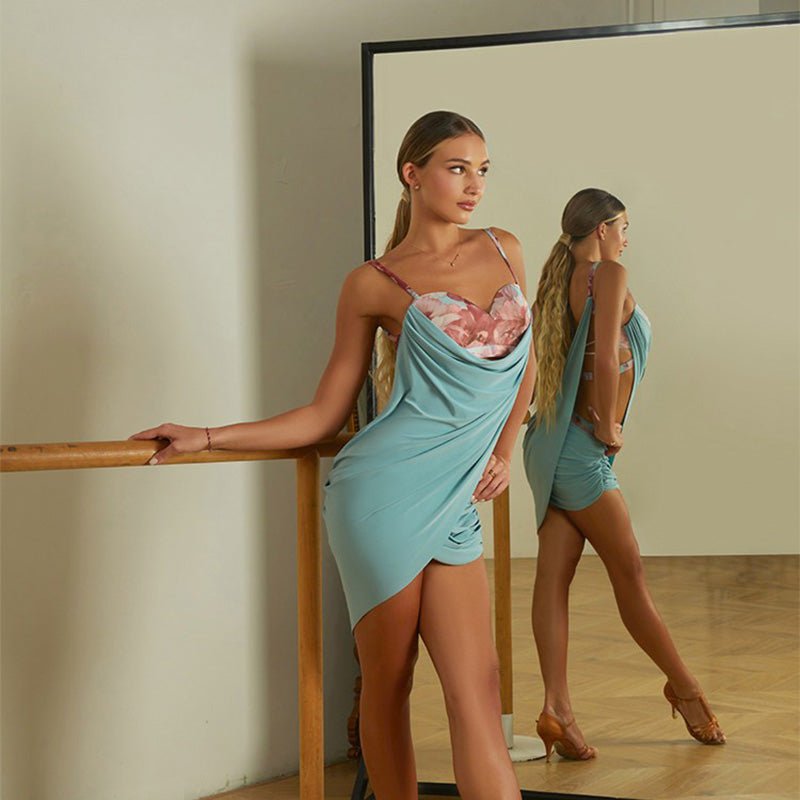
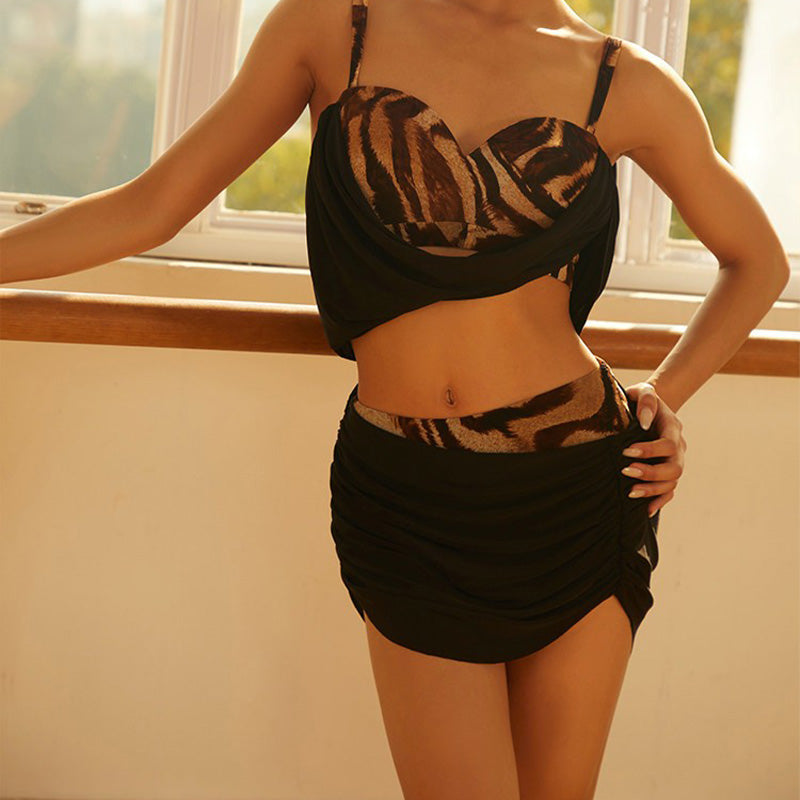
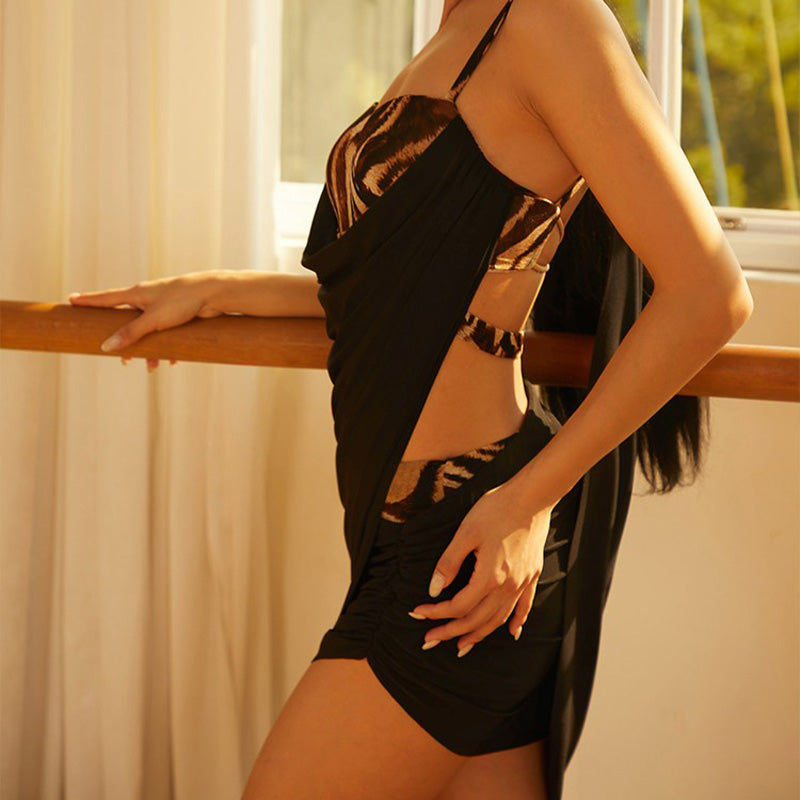
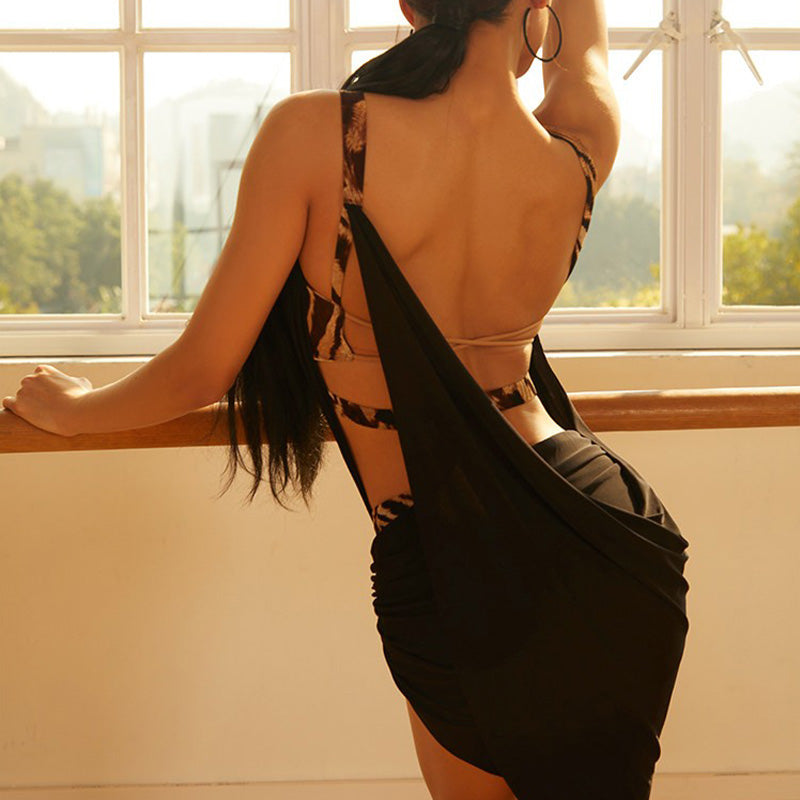
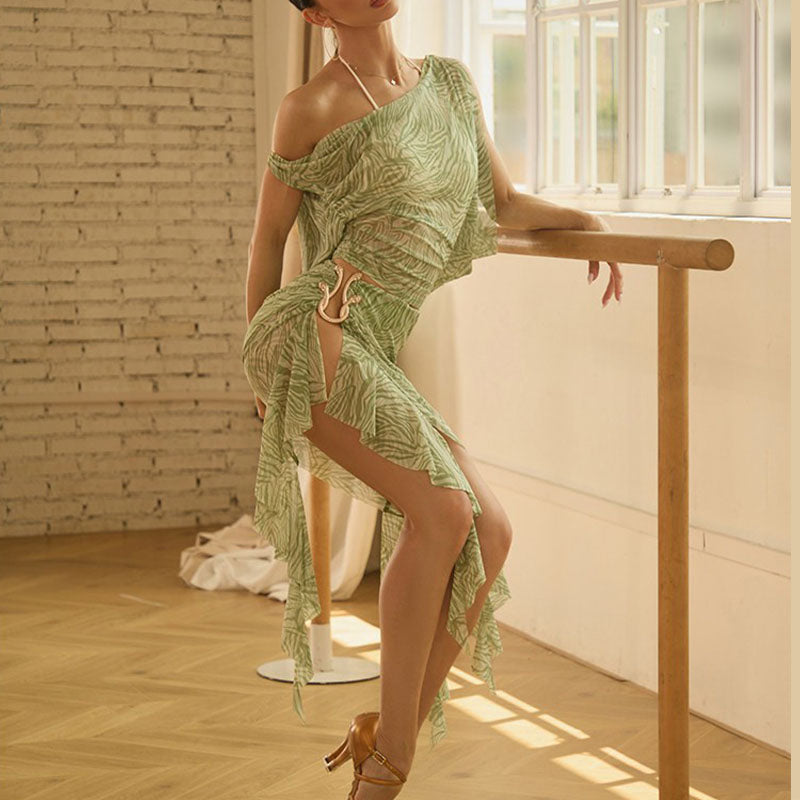
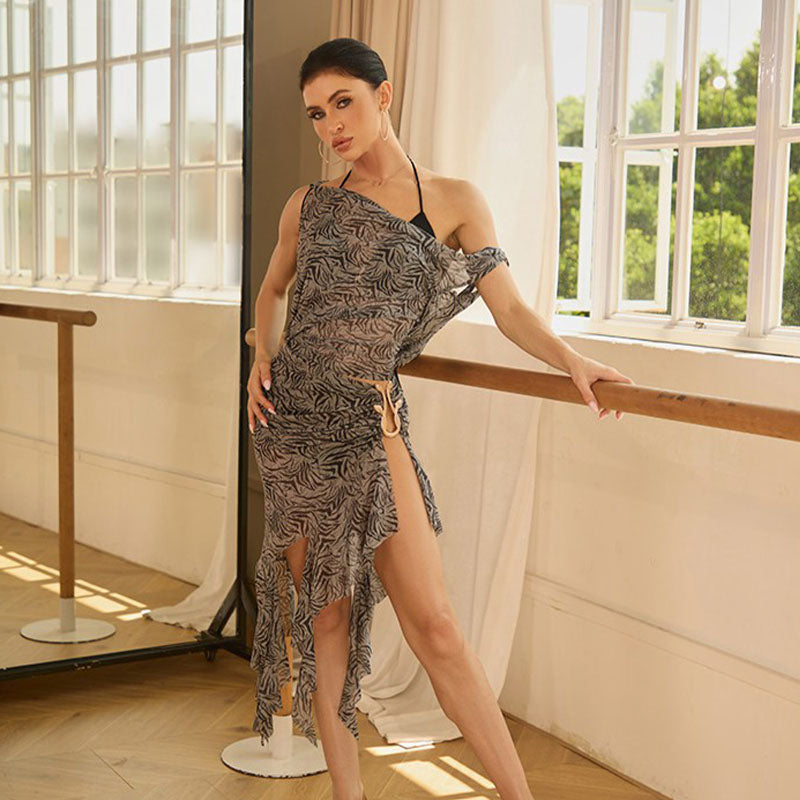
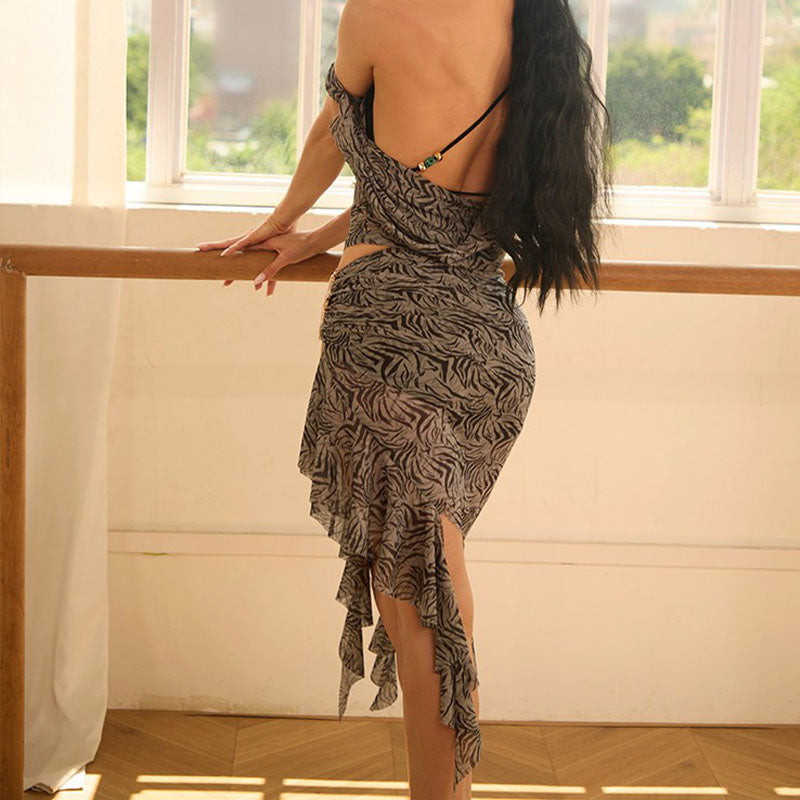
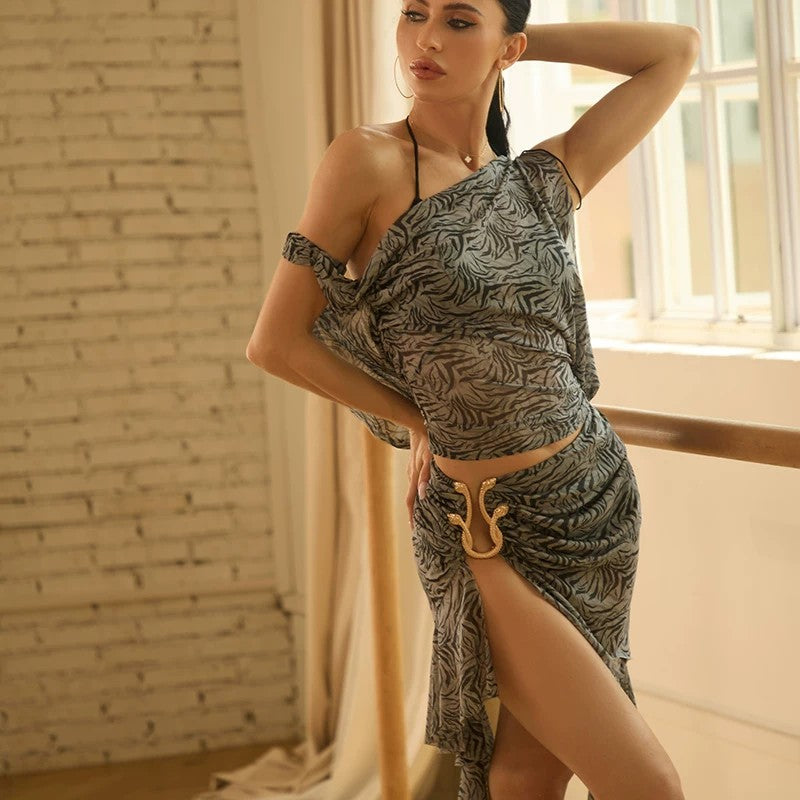
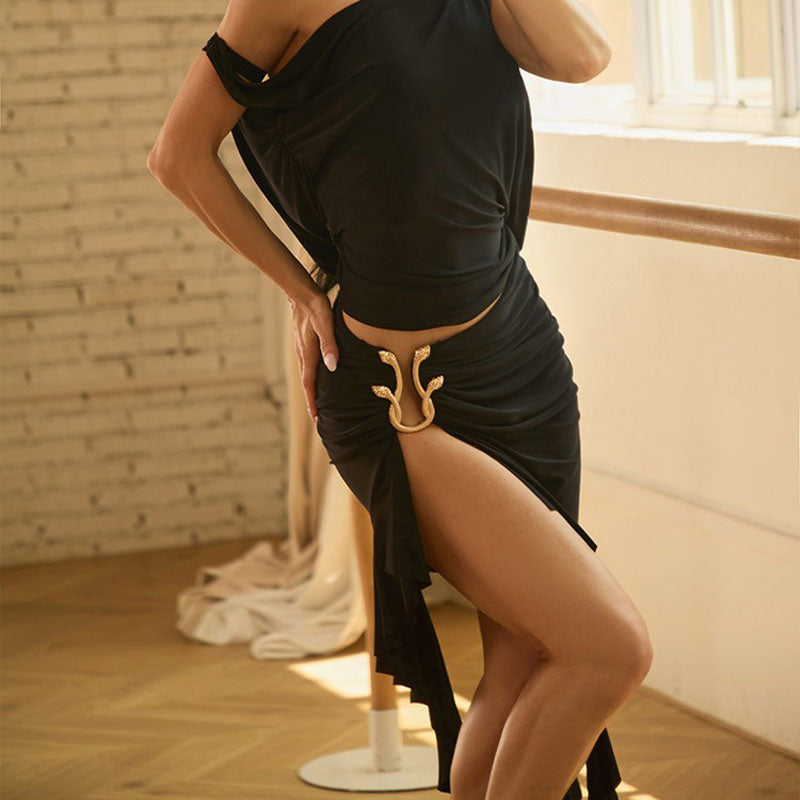
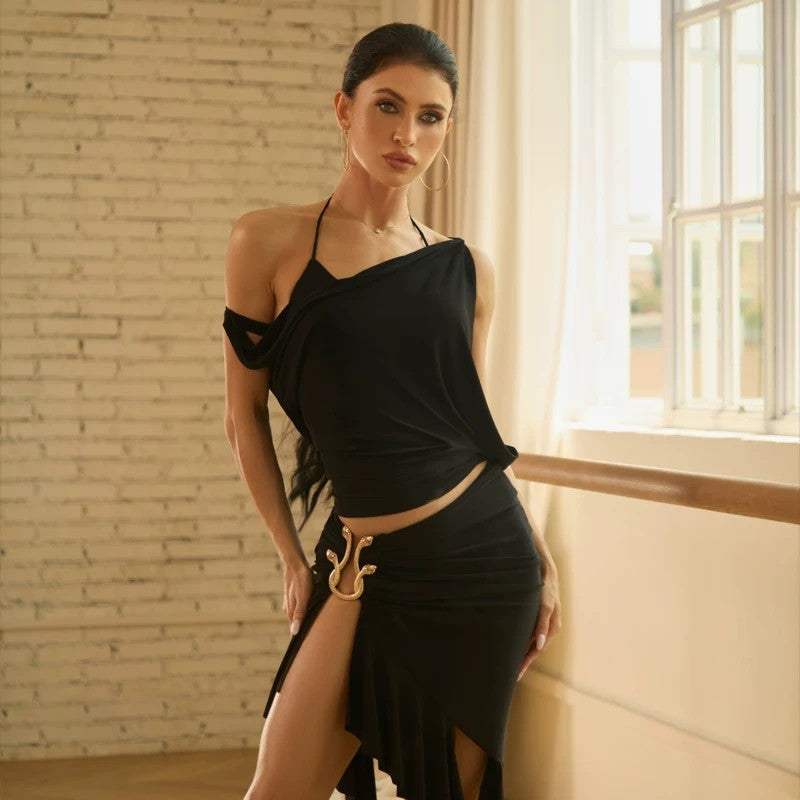
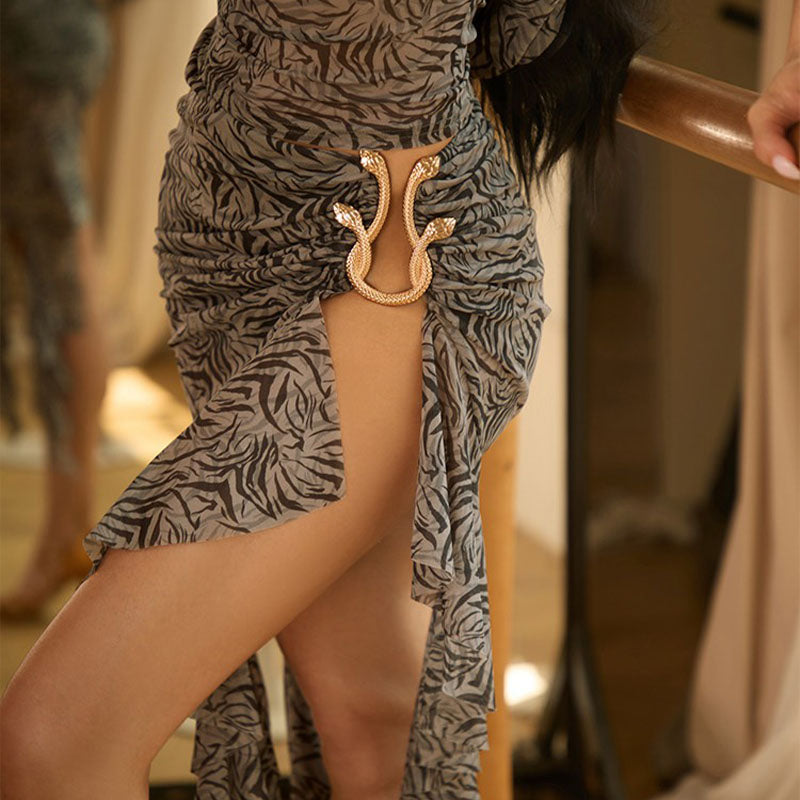
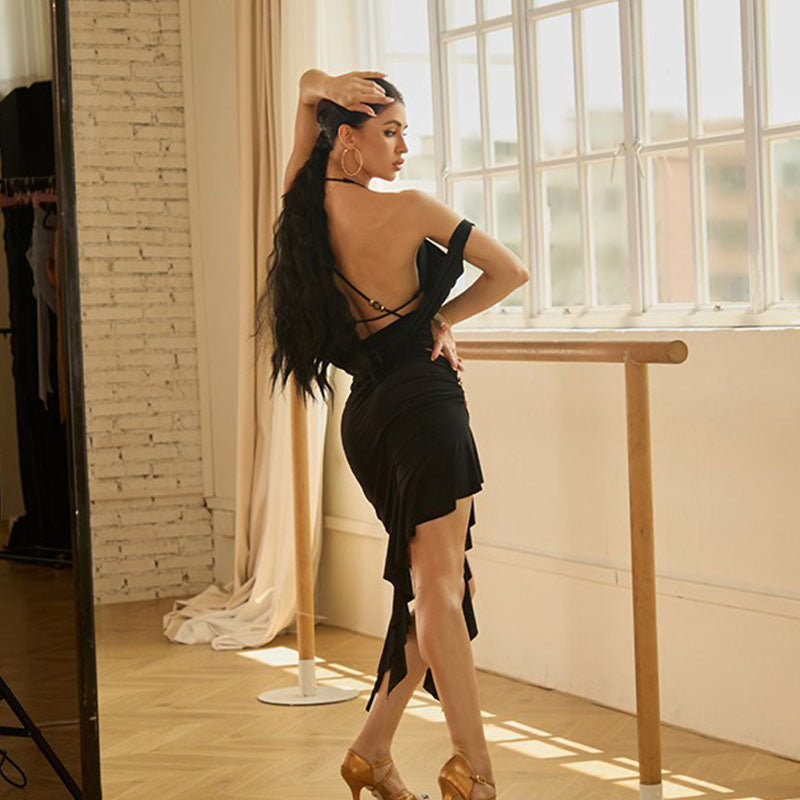
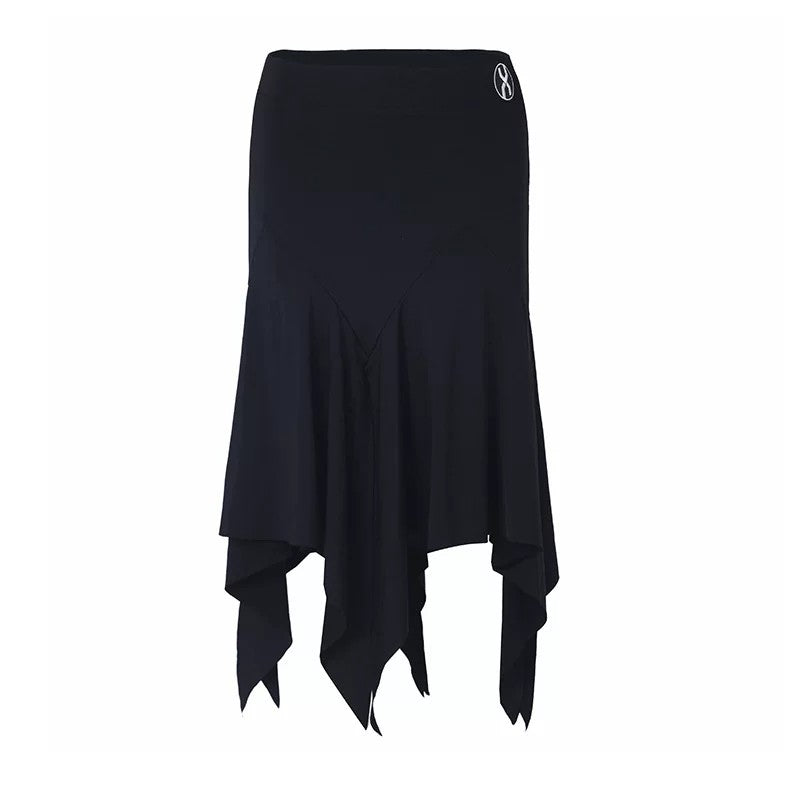
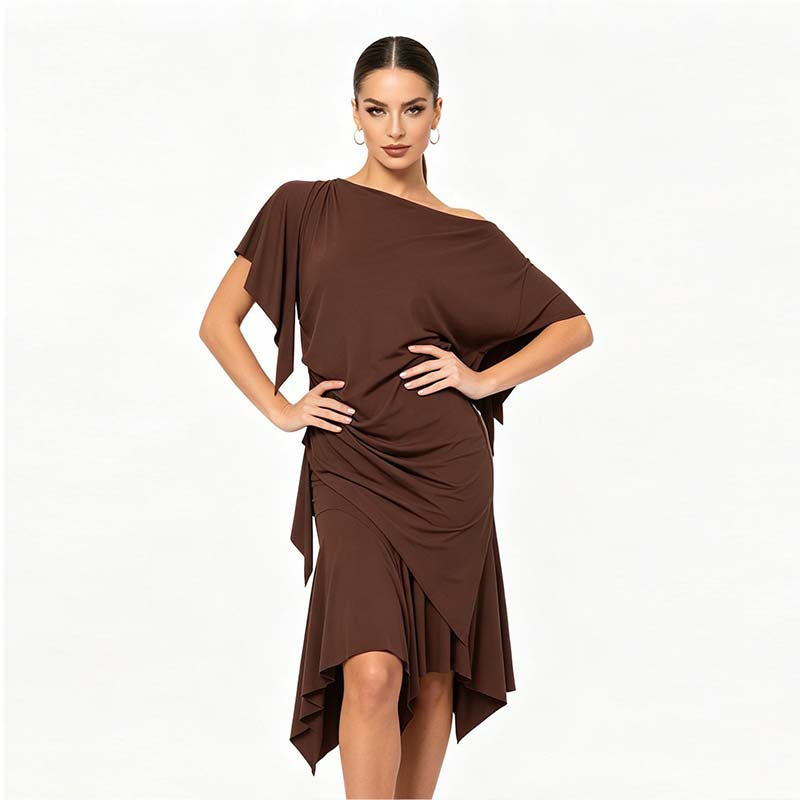
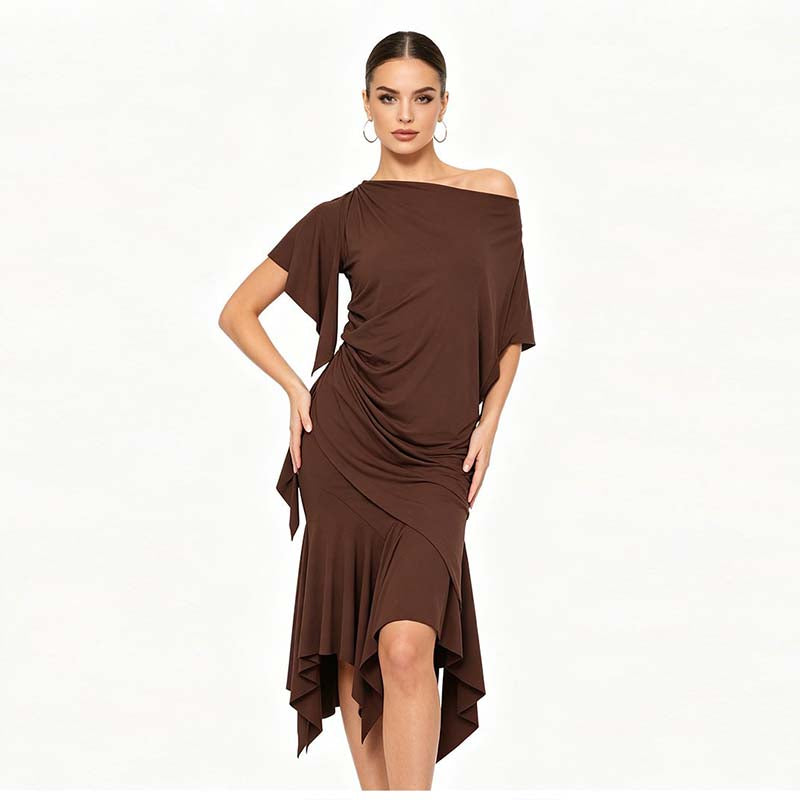
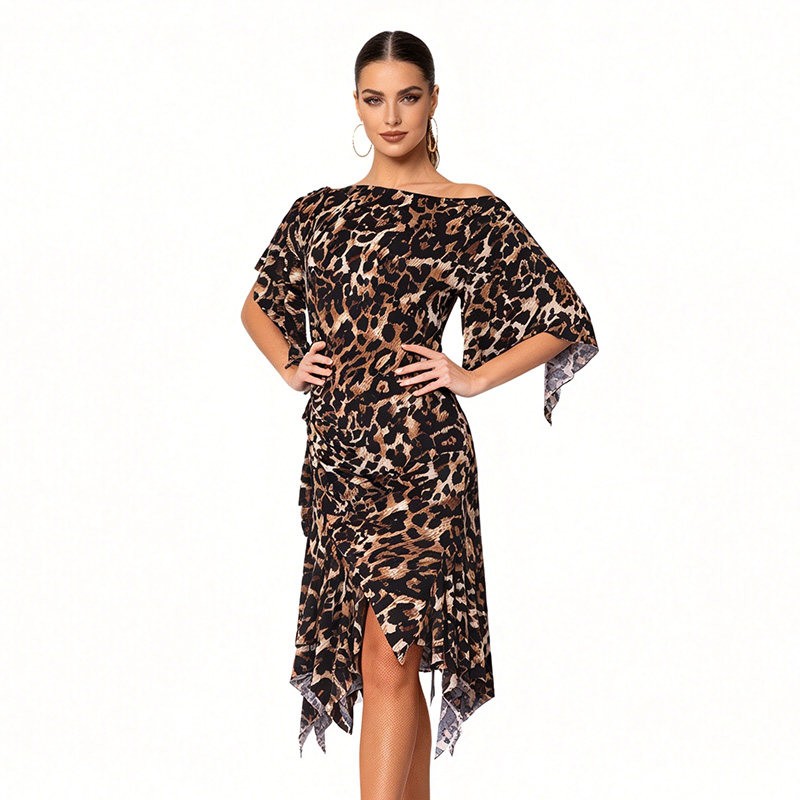
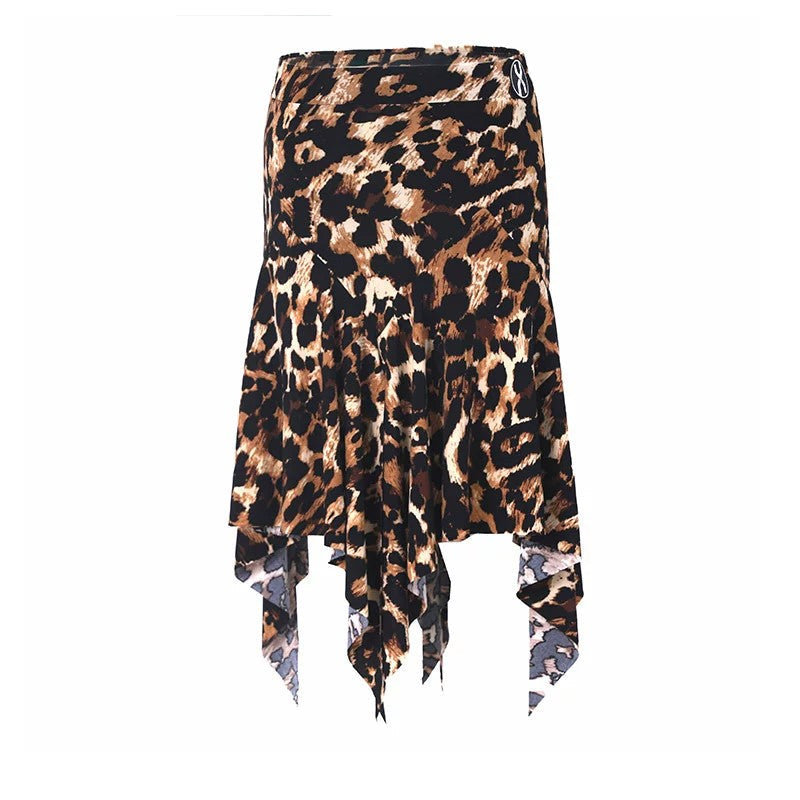
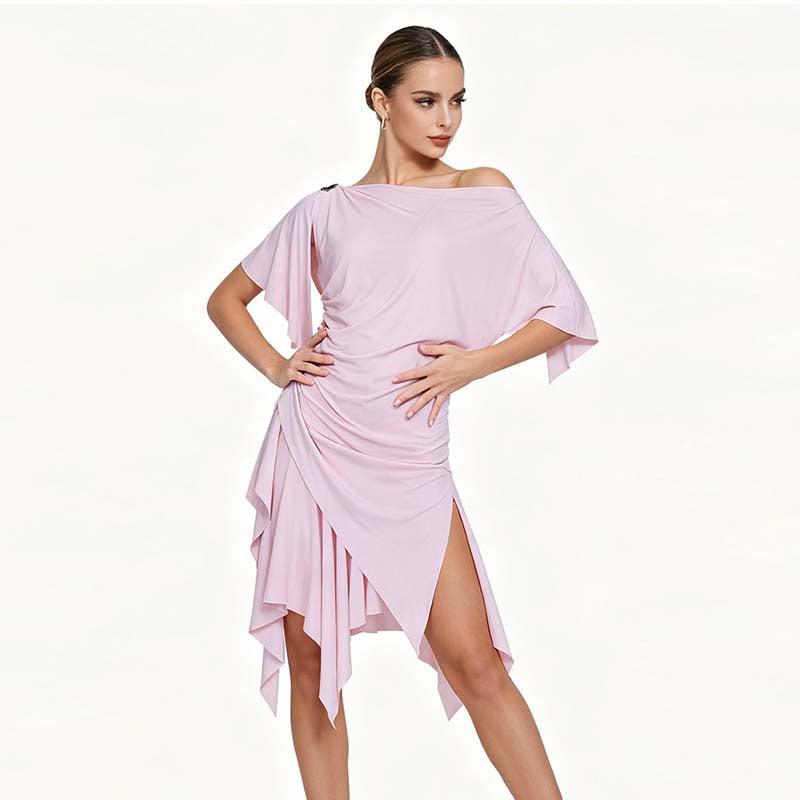
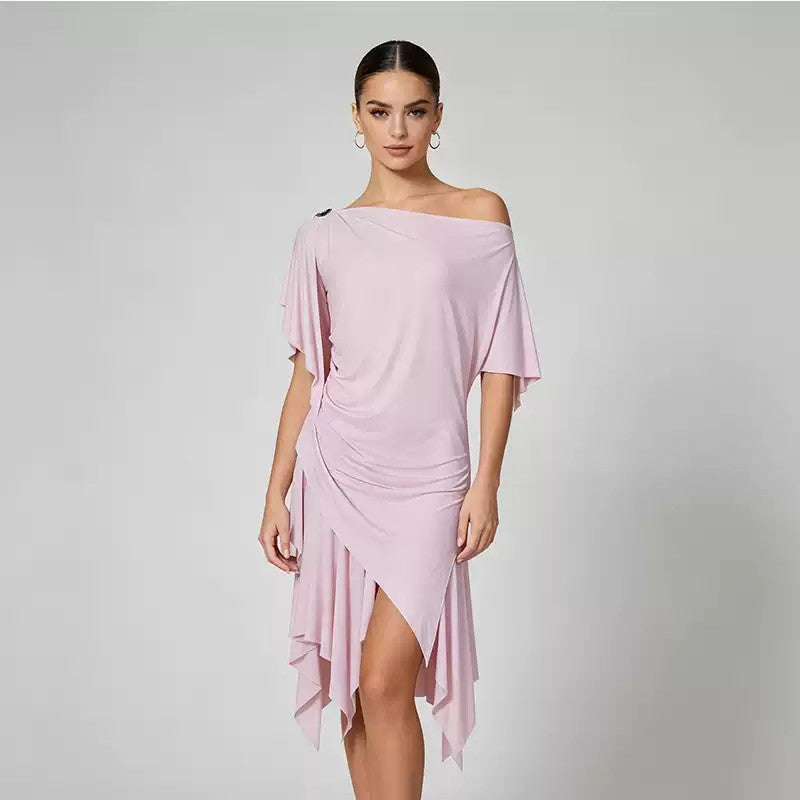
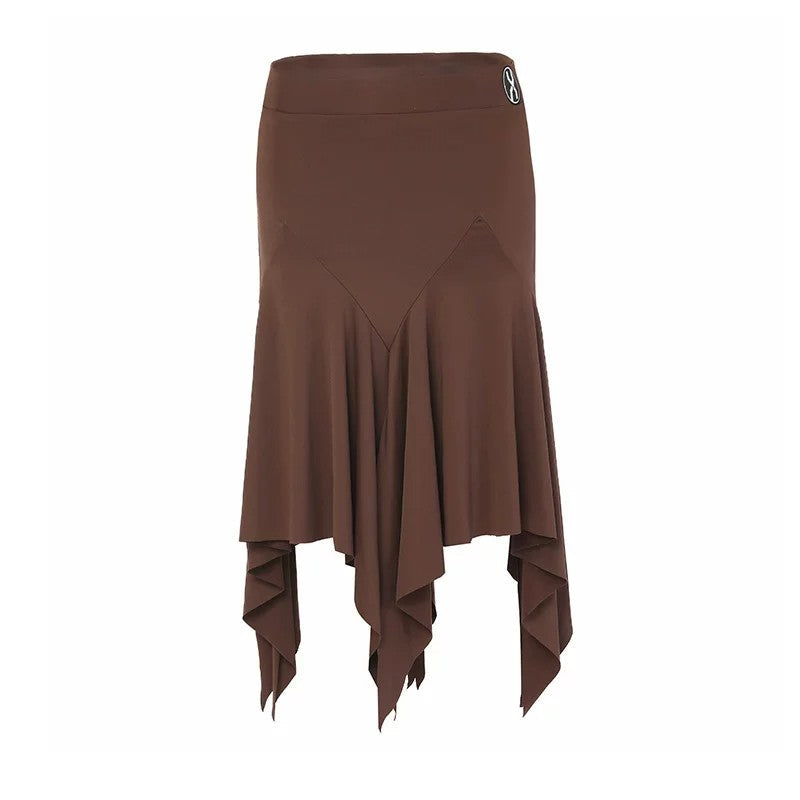
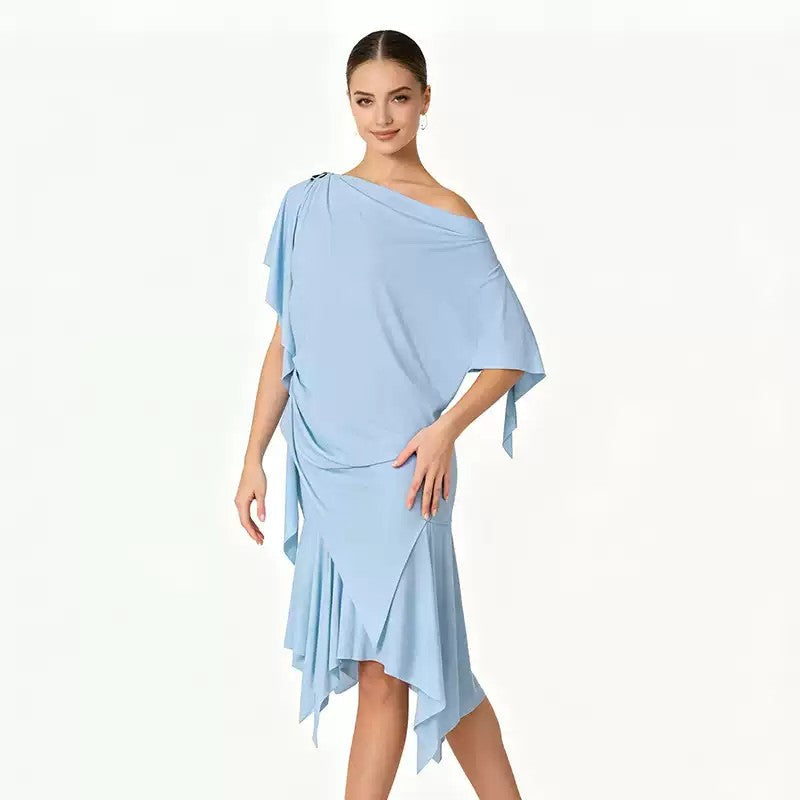
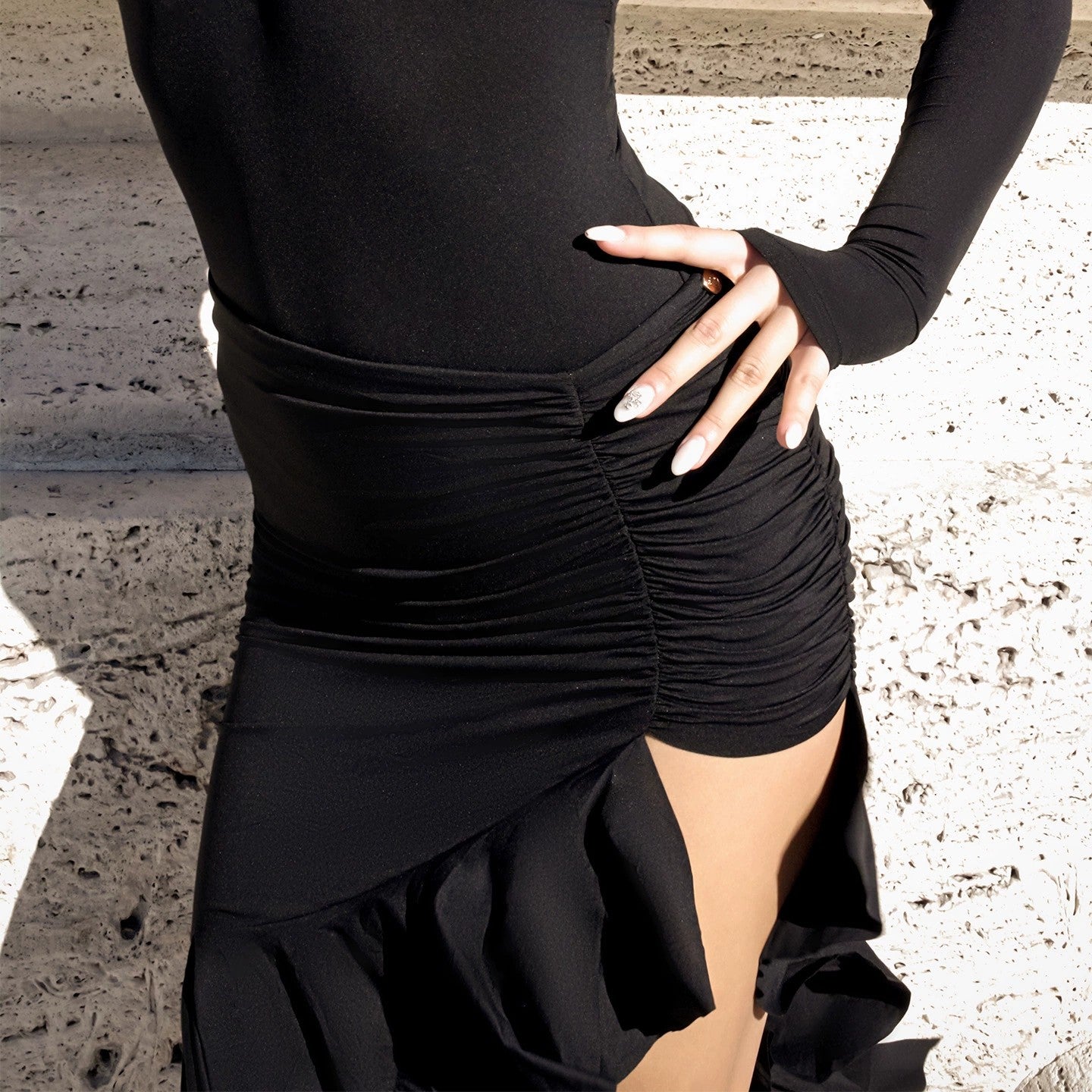
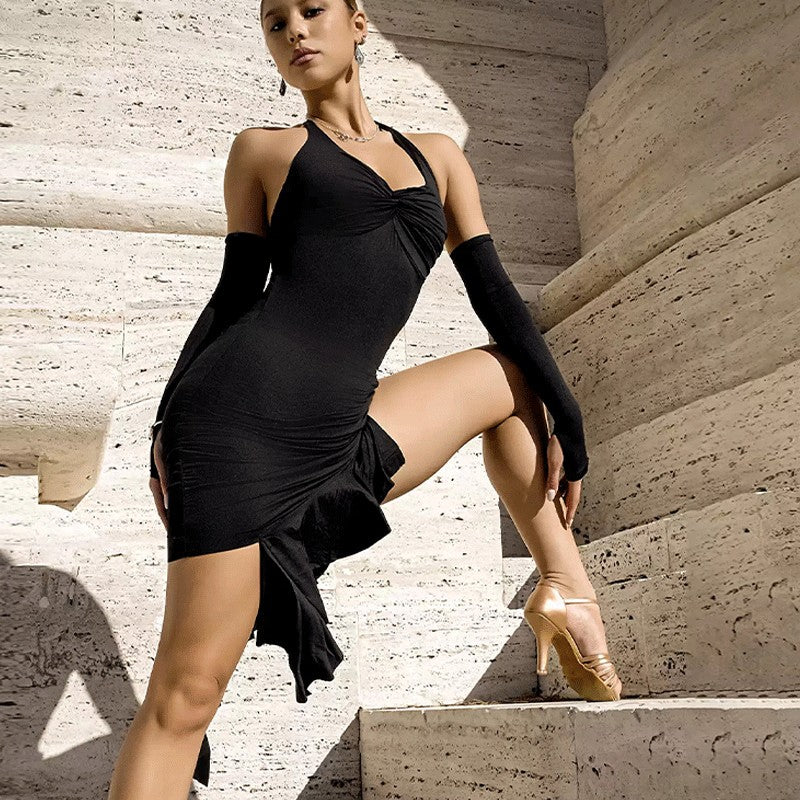
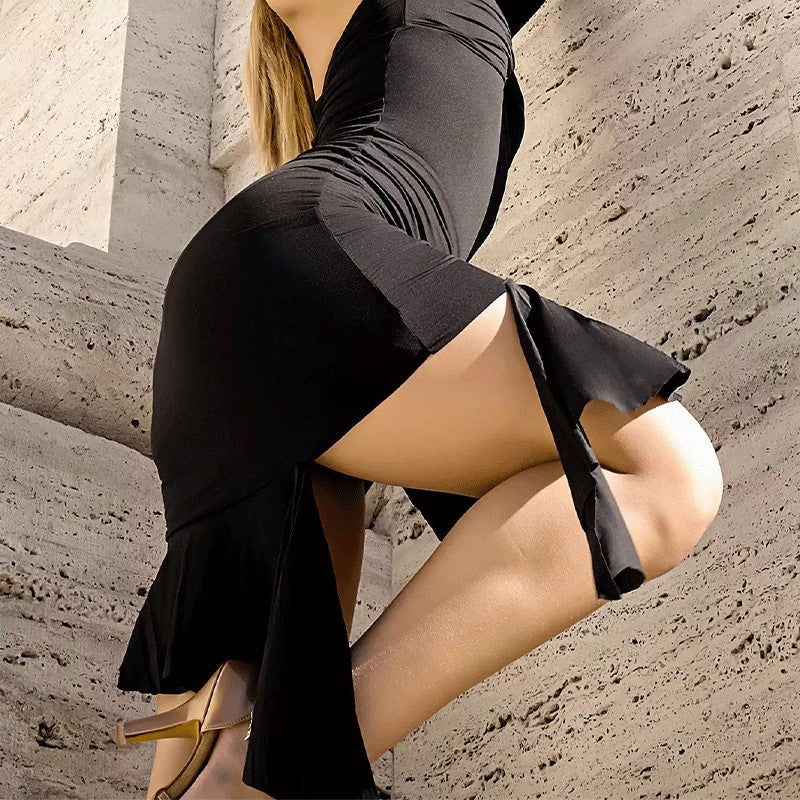
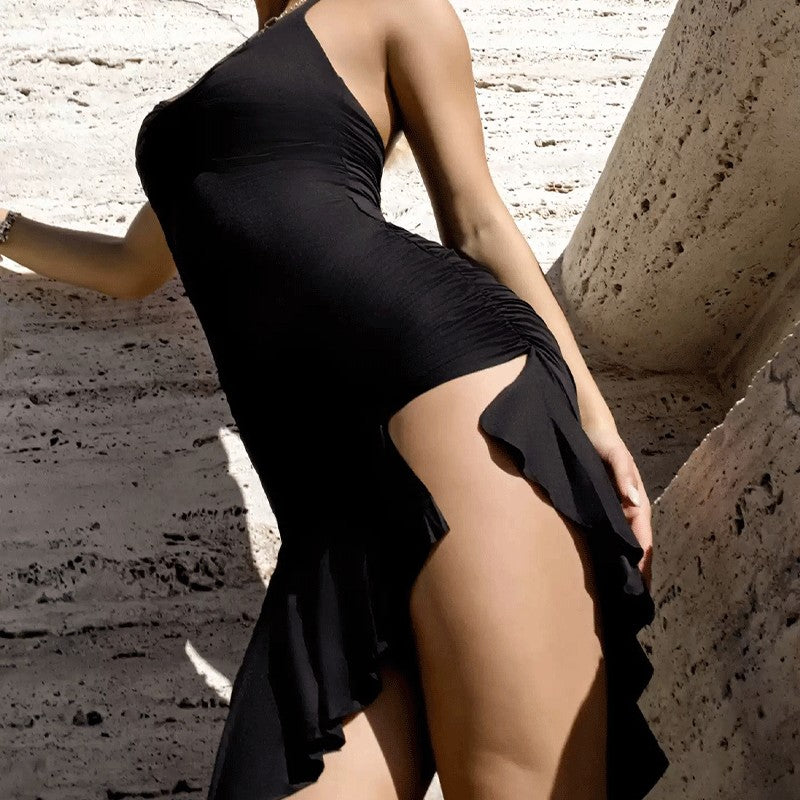
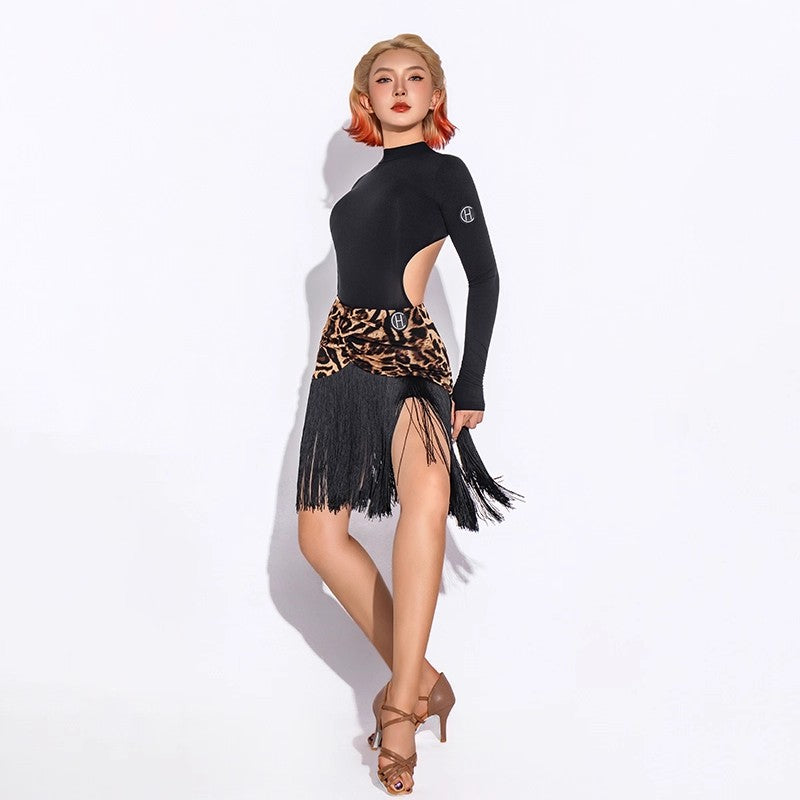
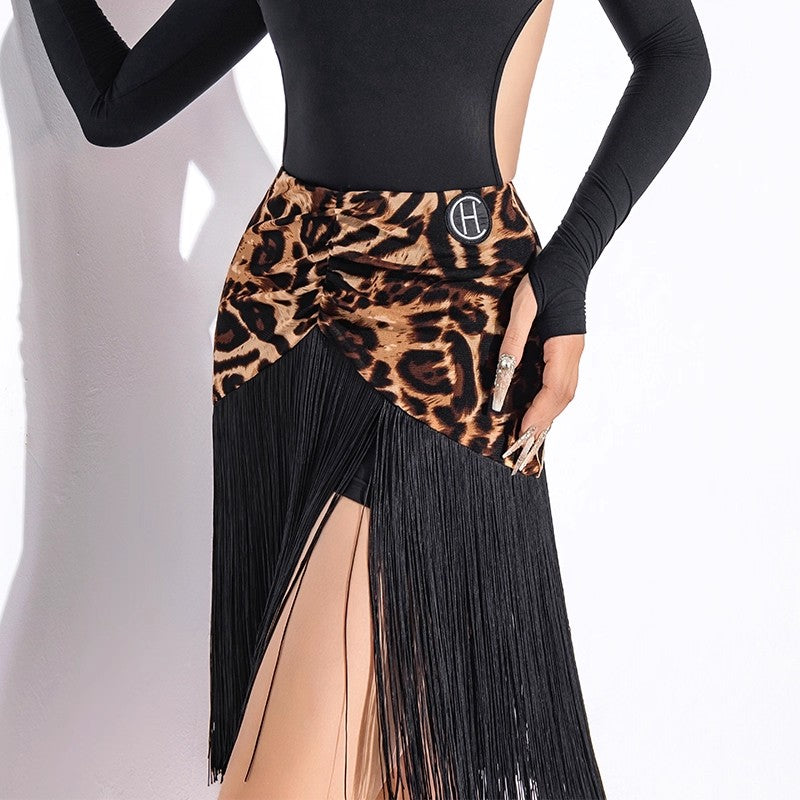
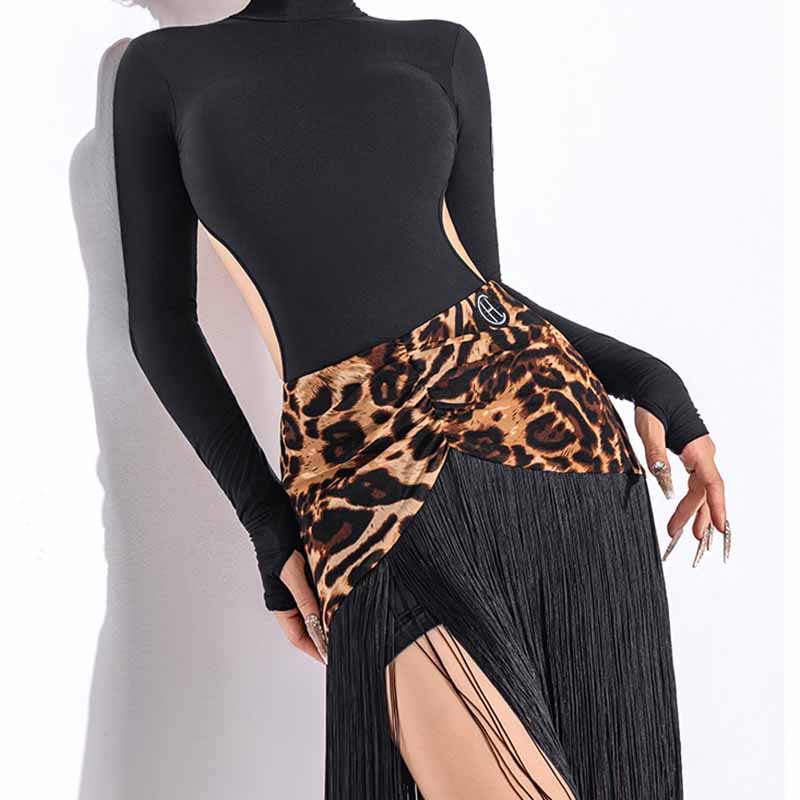
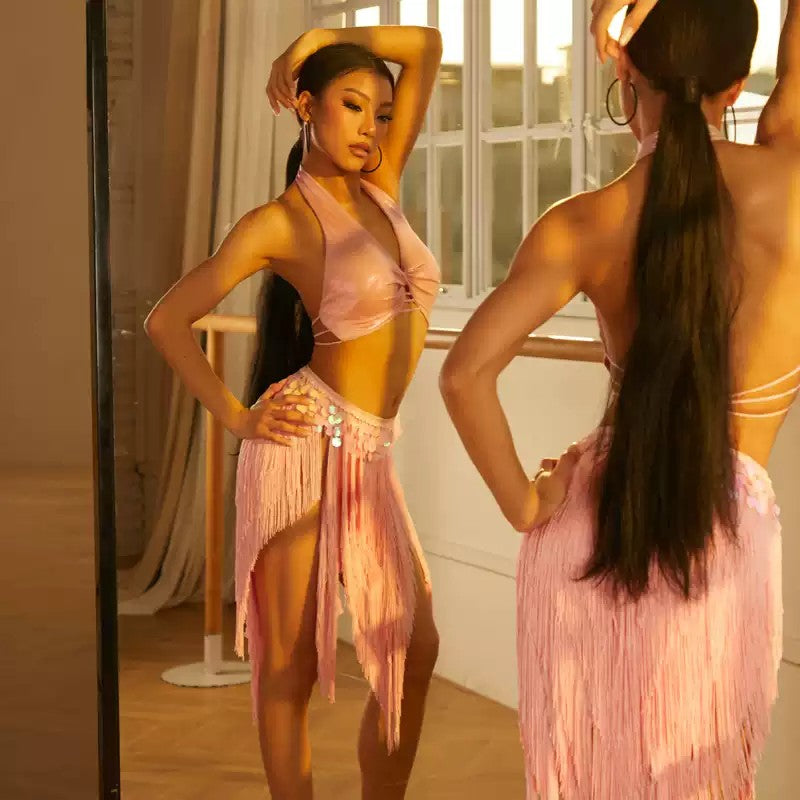

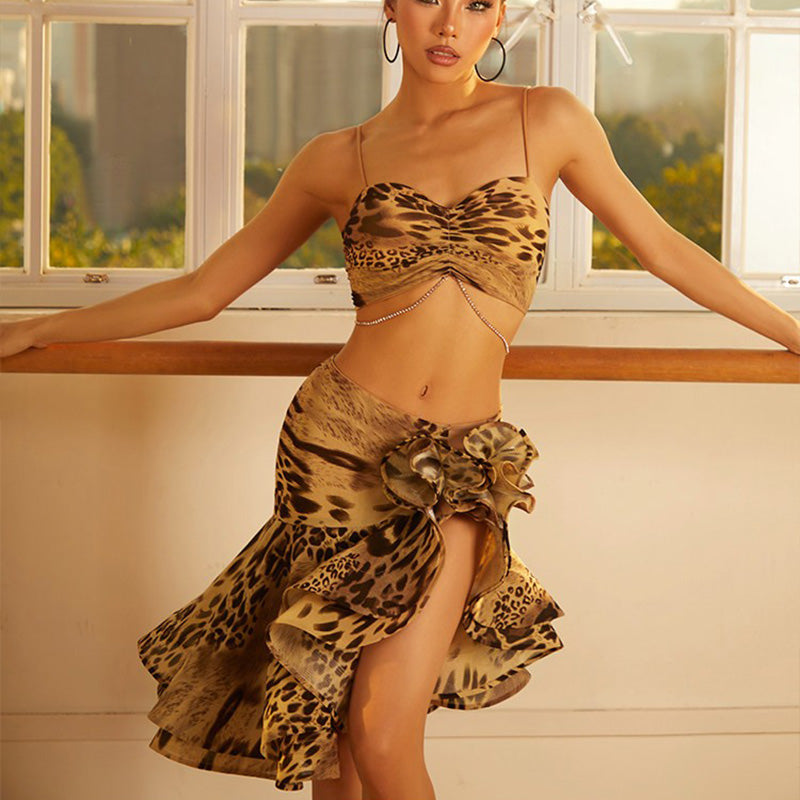
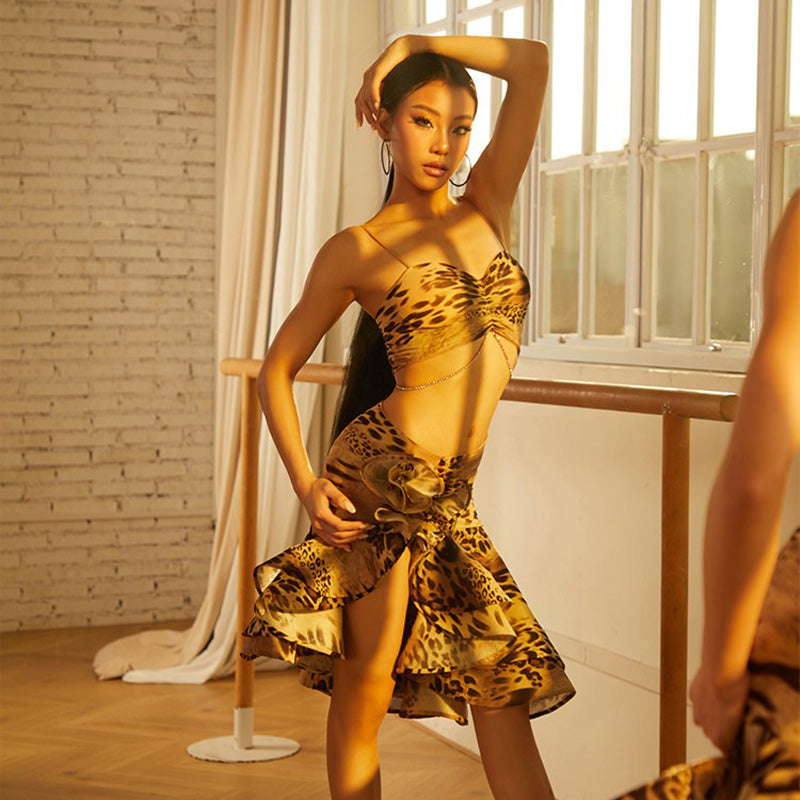
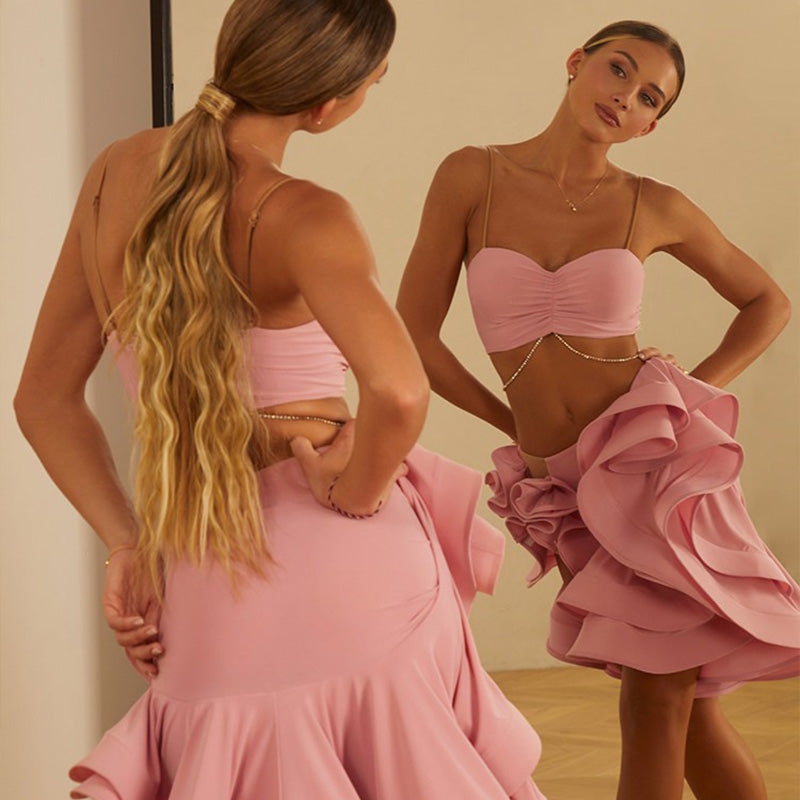
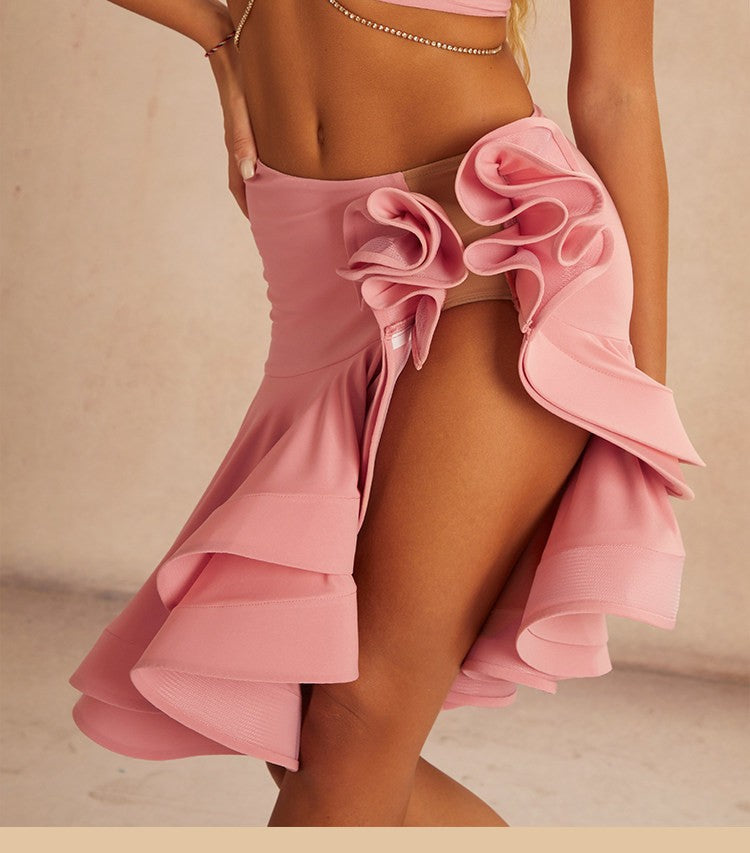
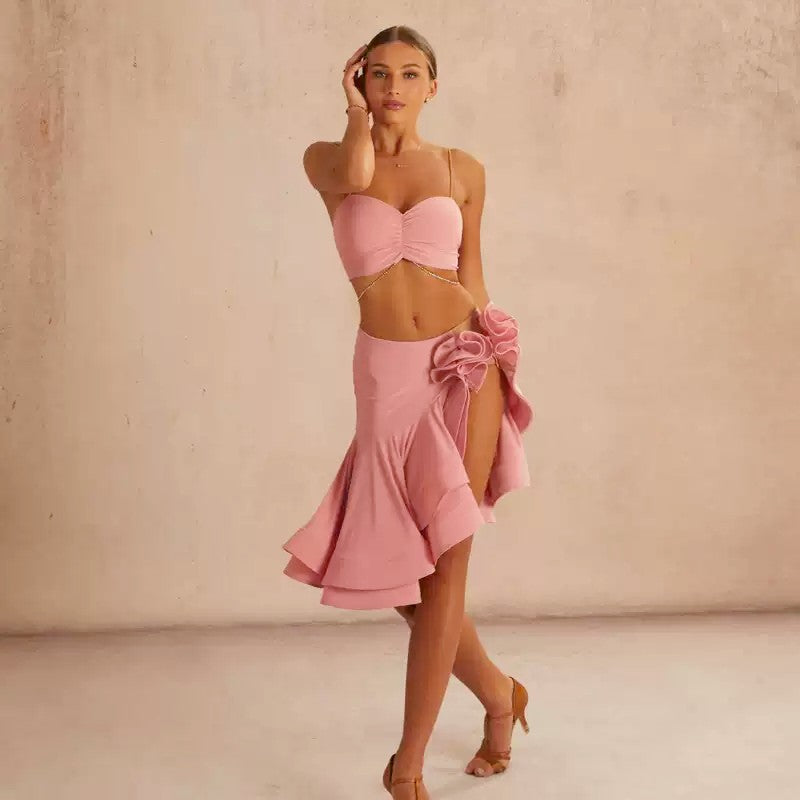
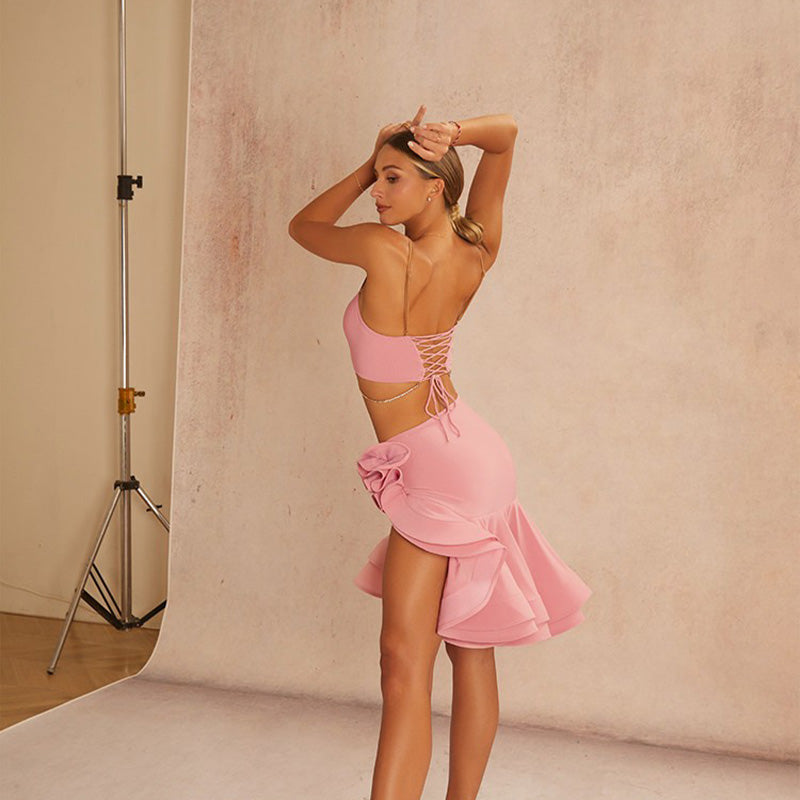
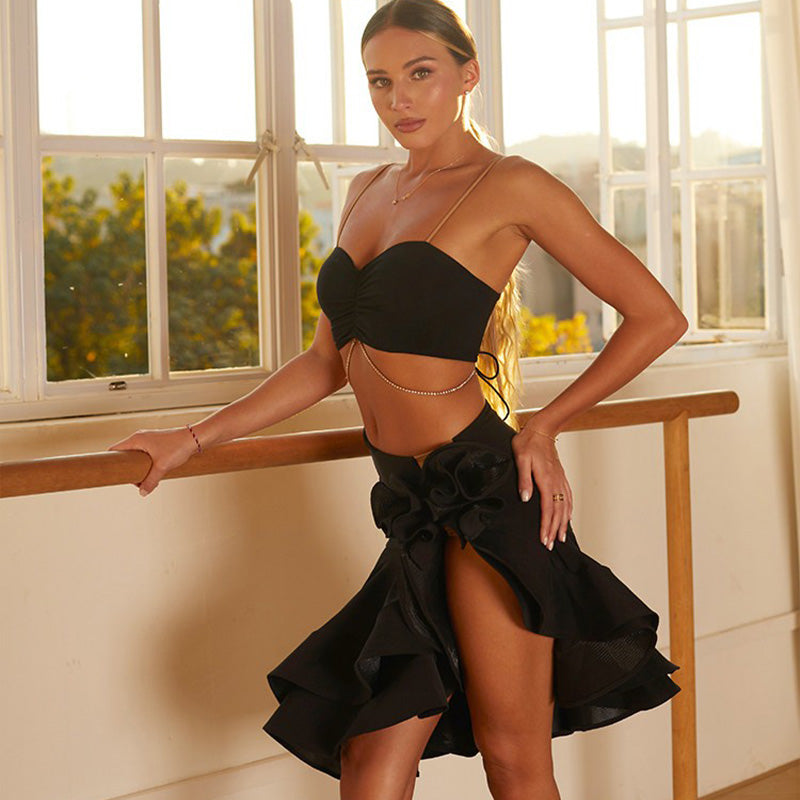
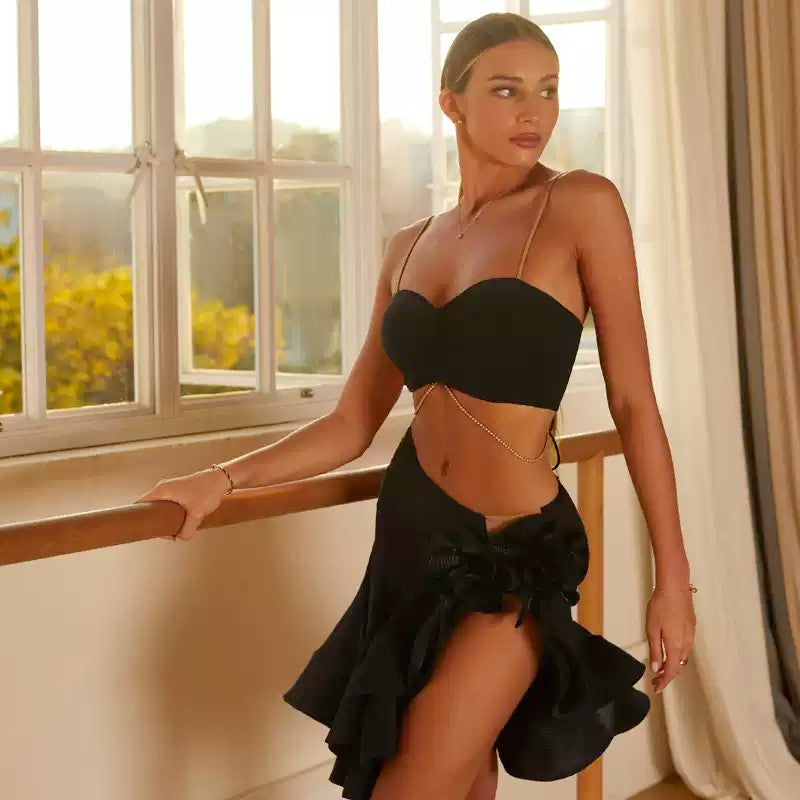
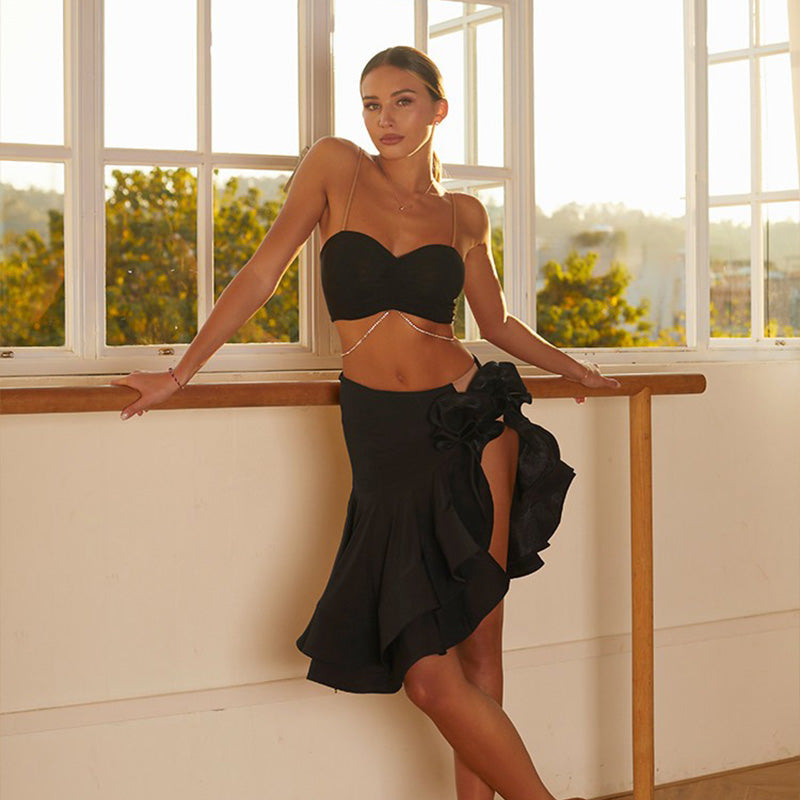
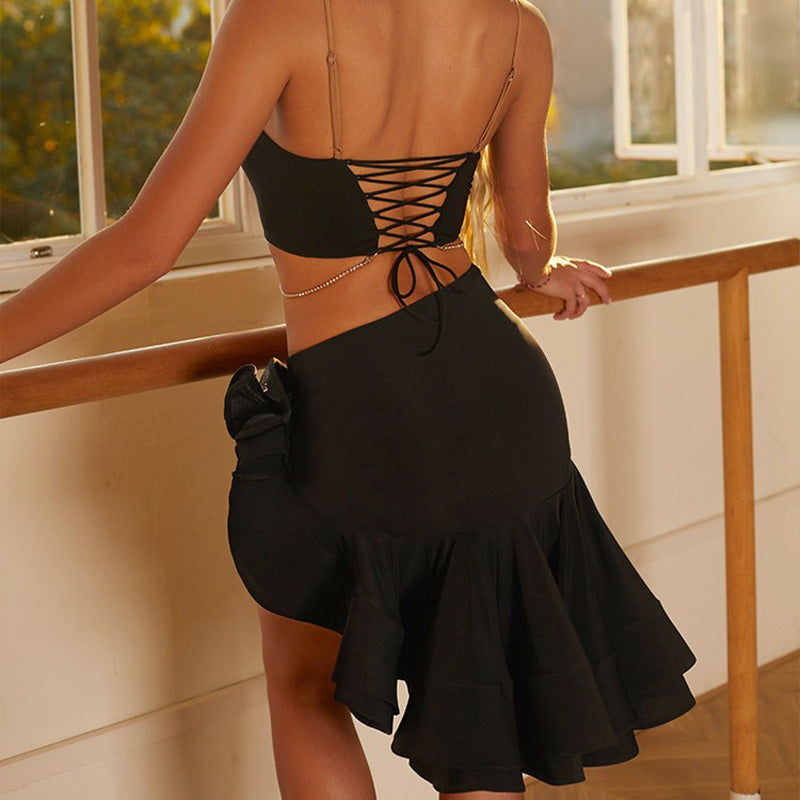
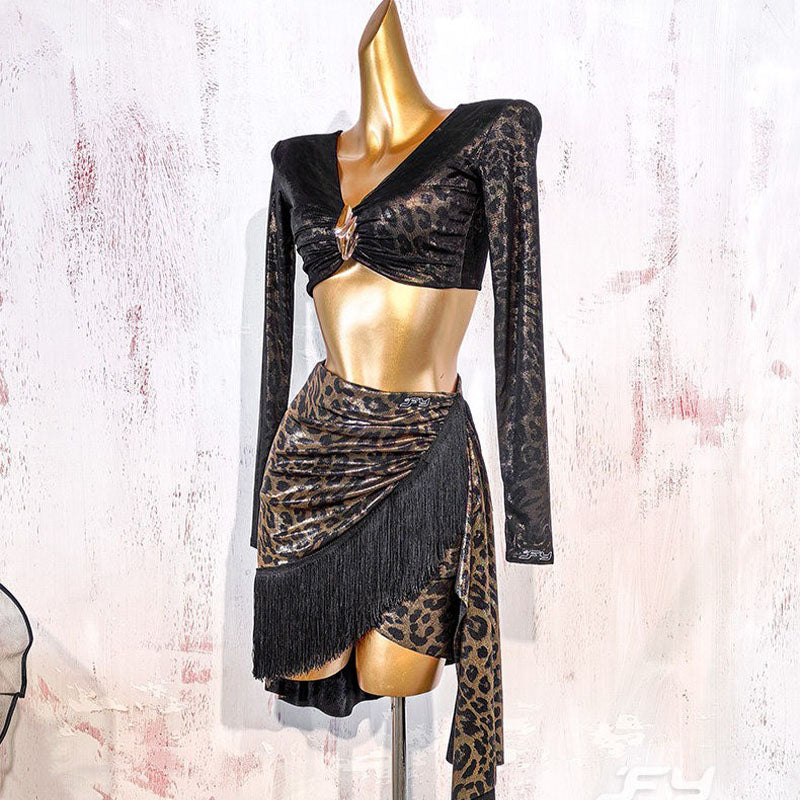
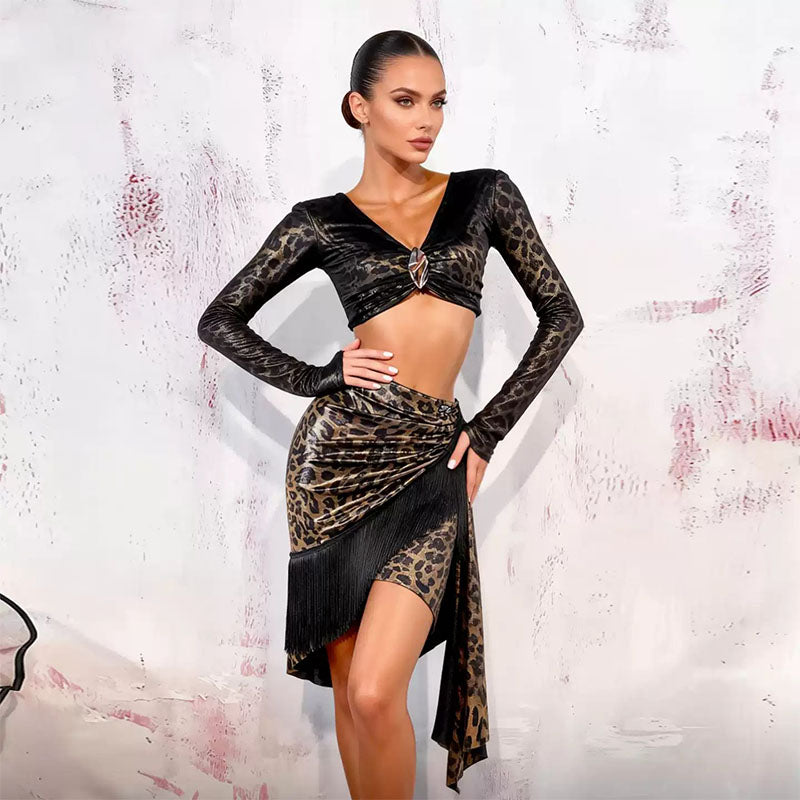
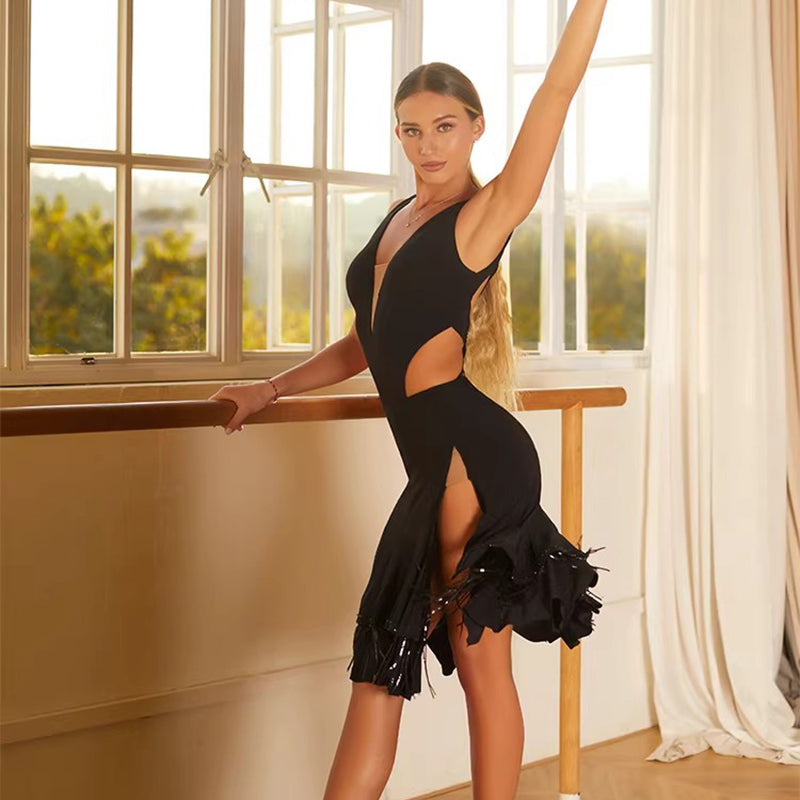
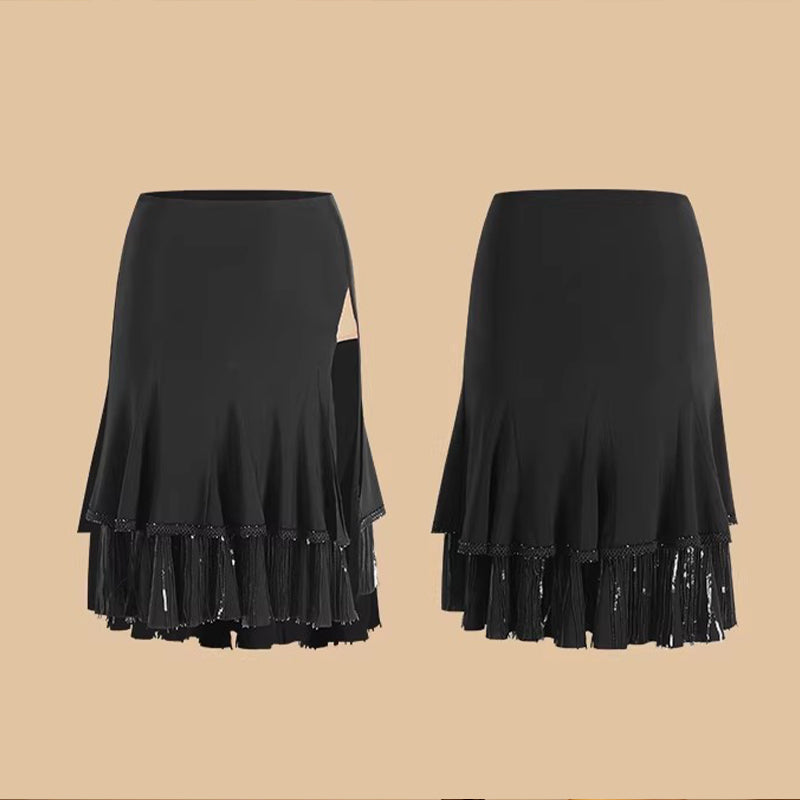
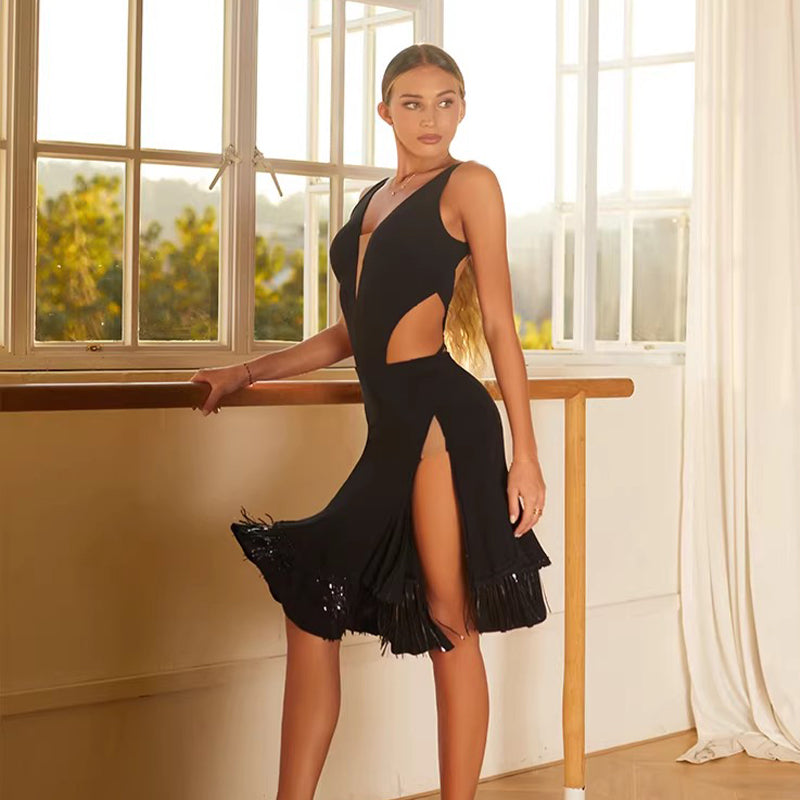
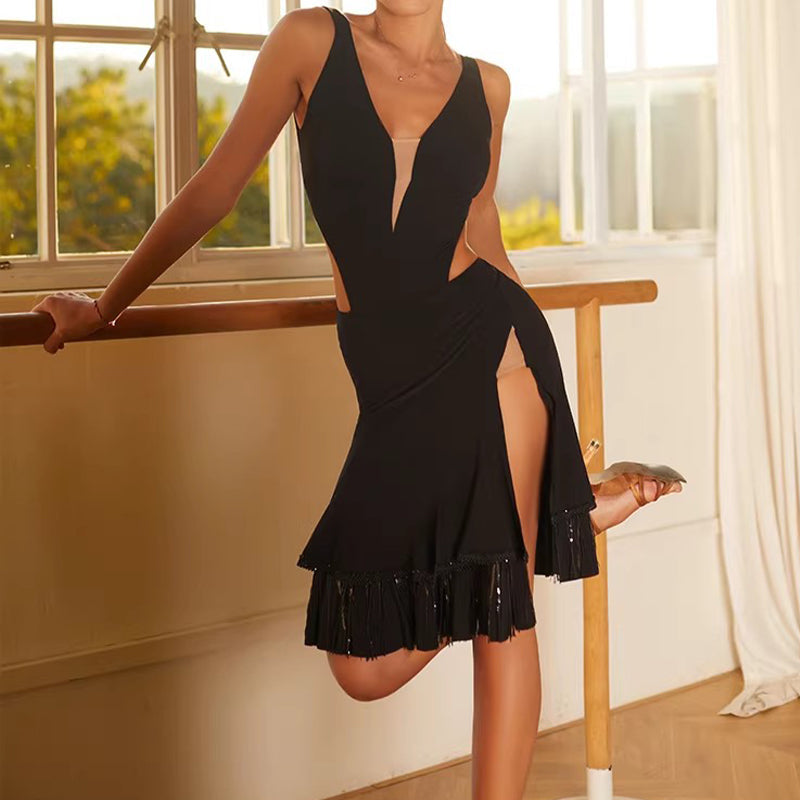
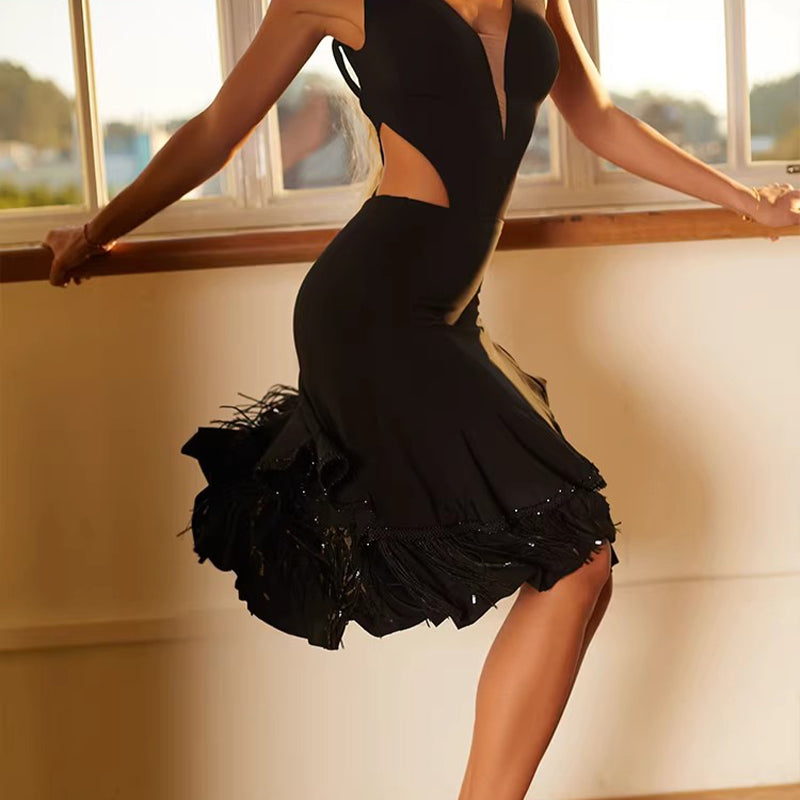
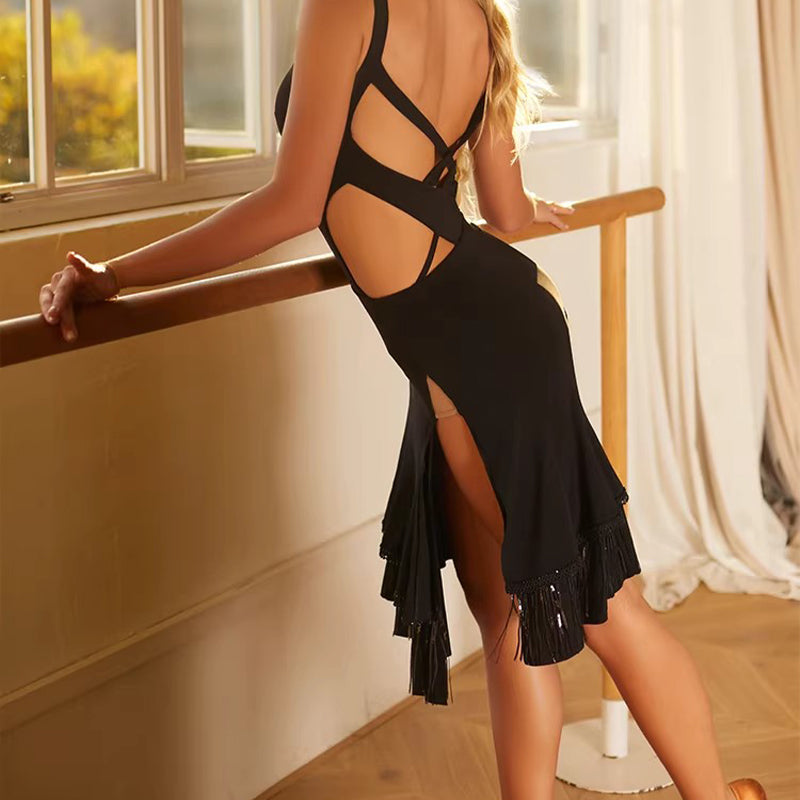
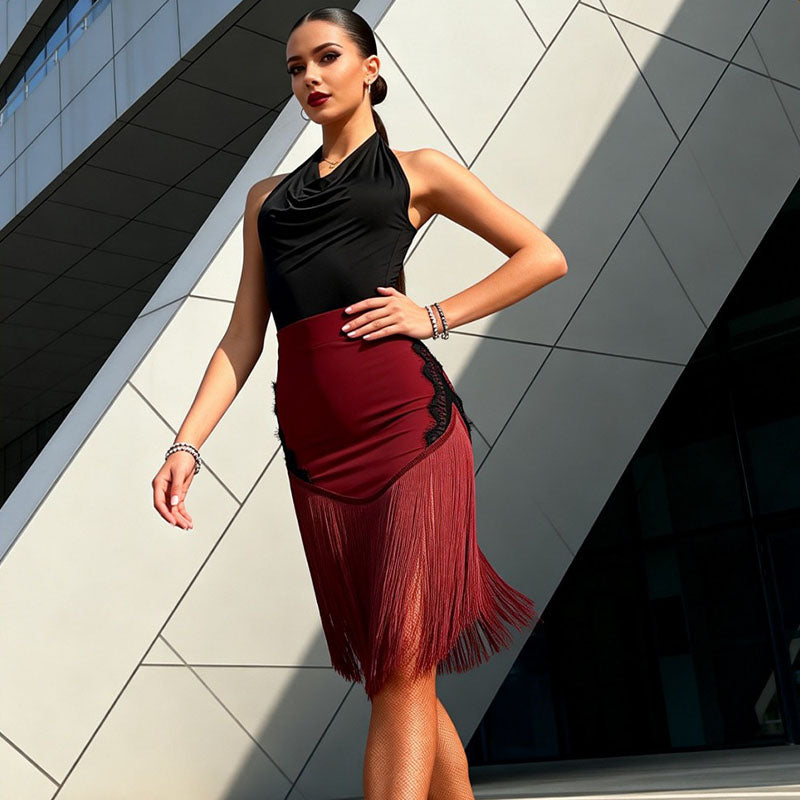
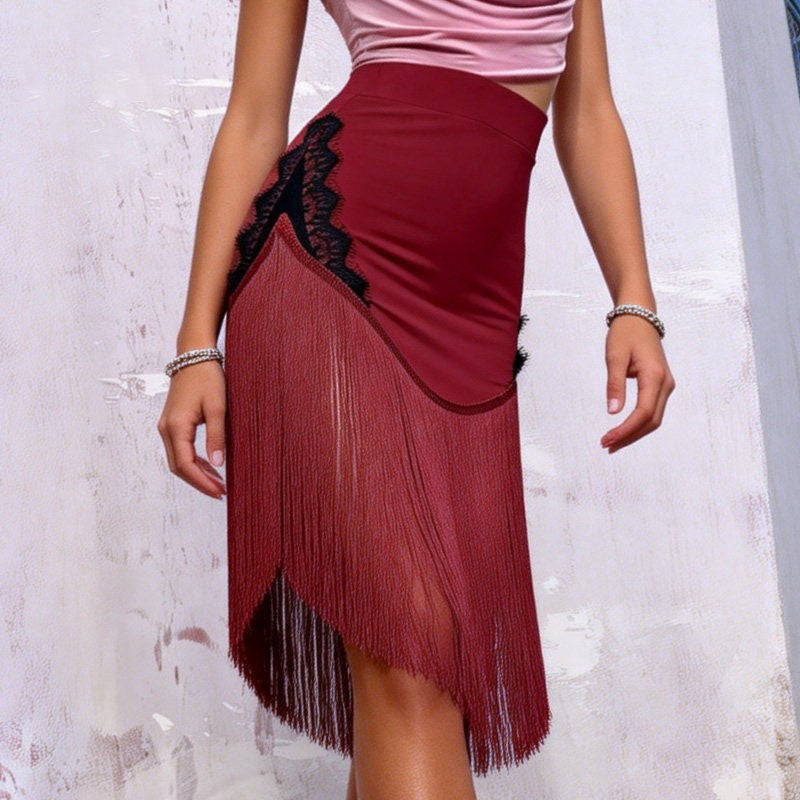
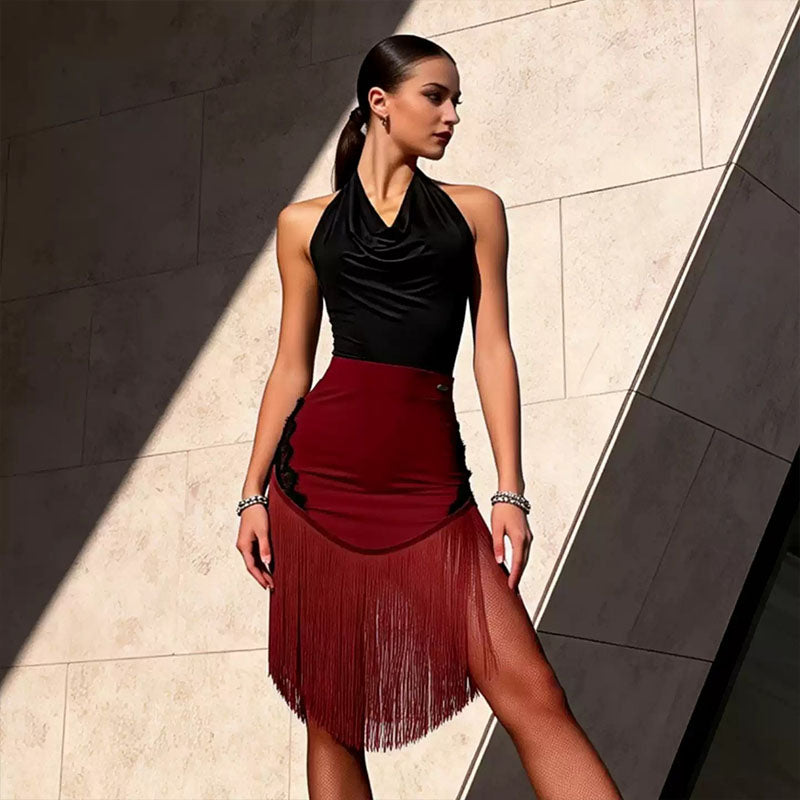
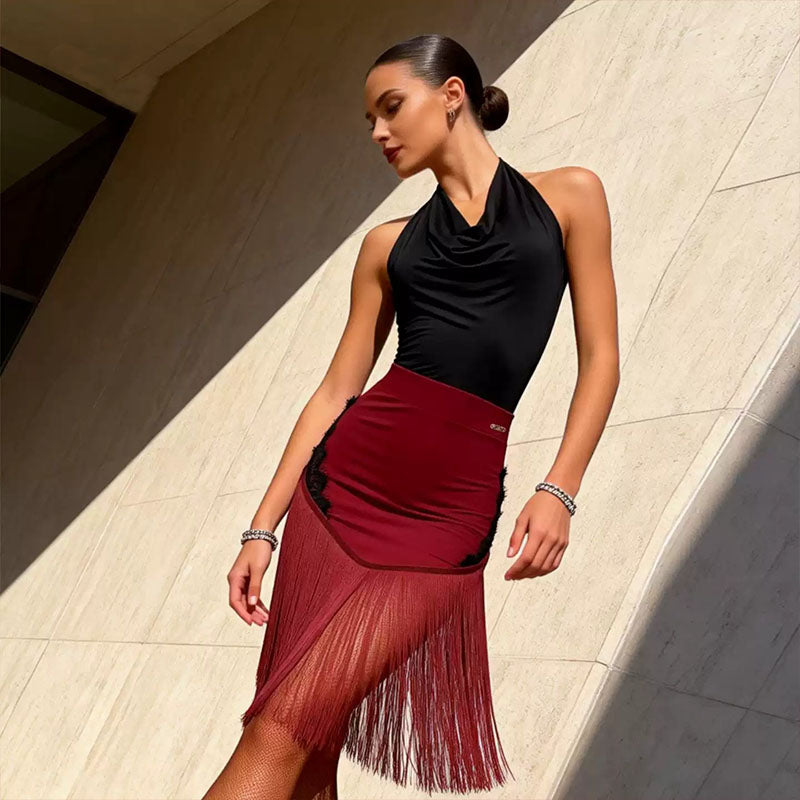
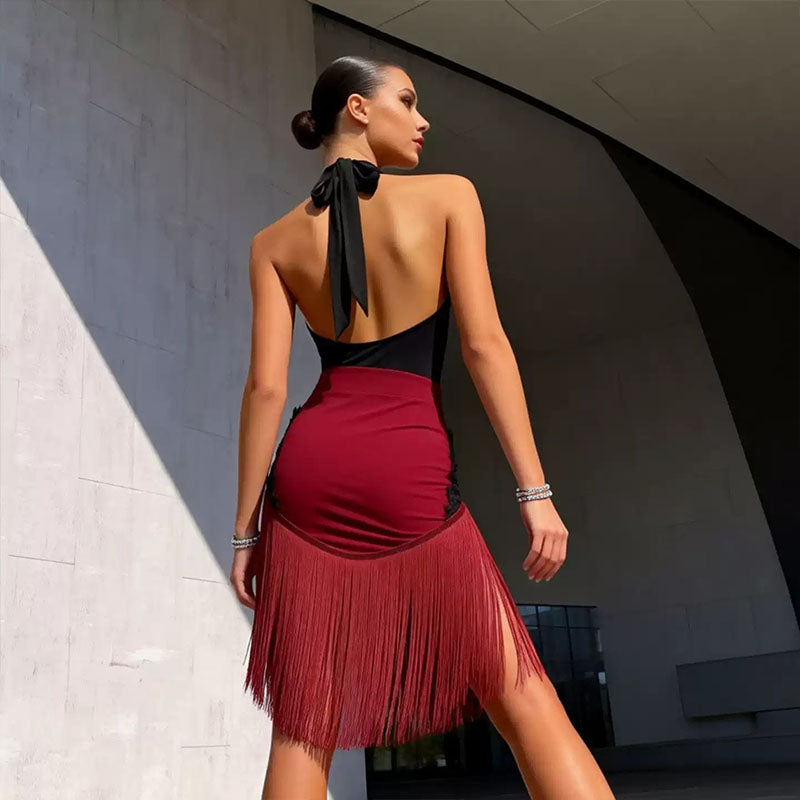
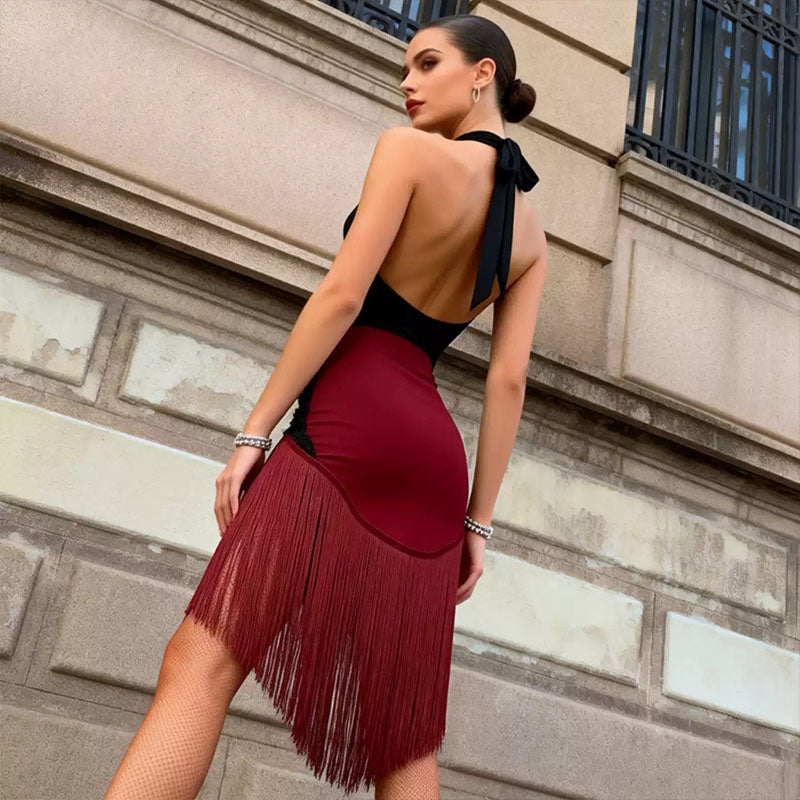
Dance Clothes for Women, in One Place
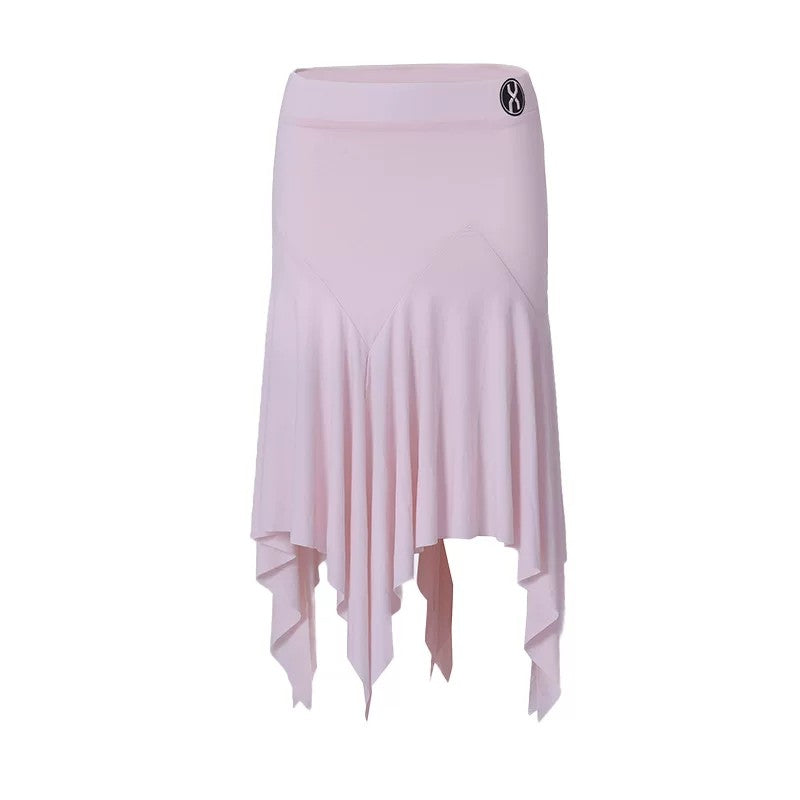
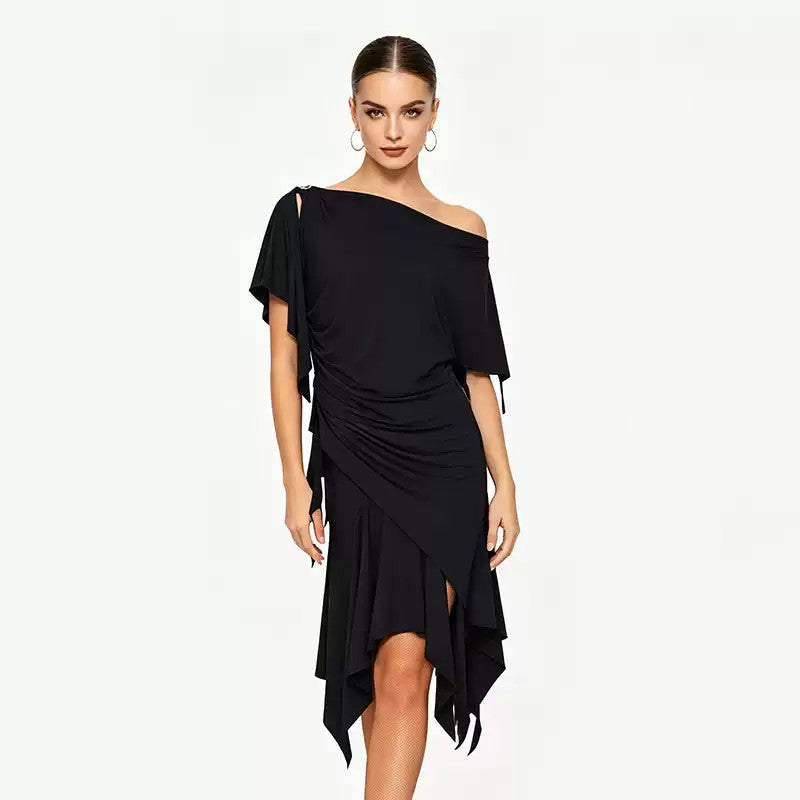
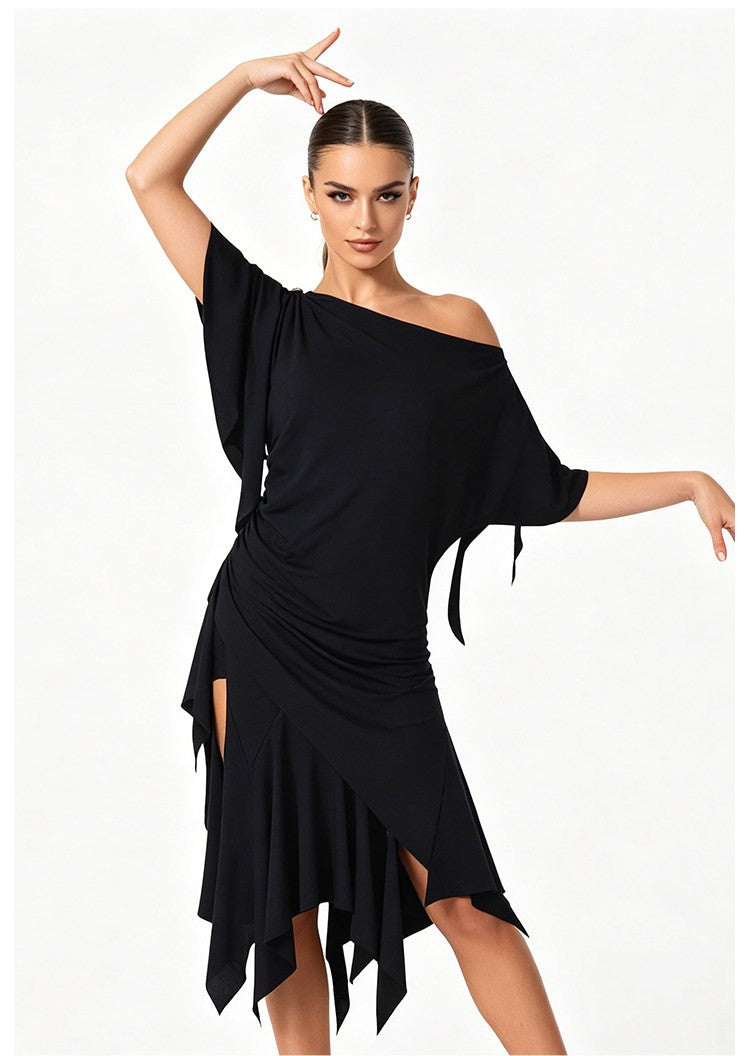
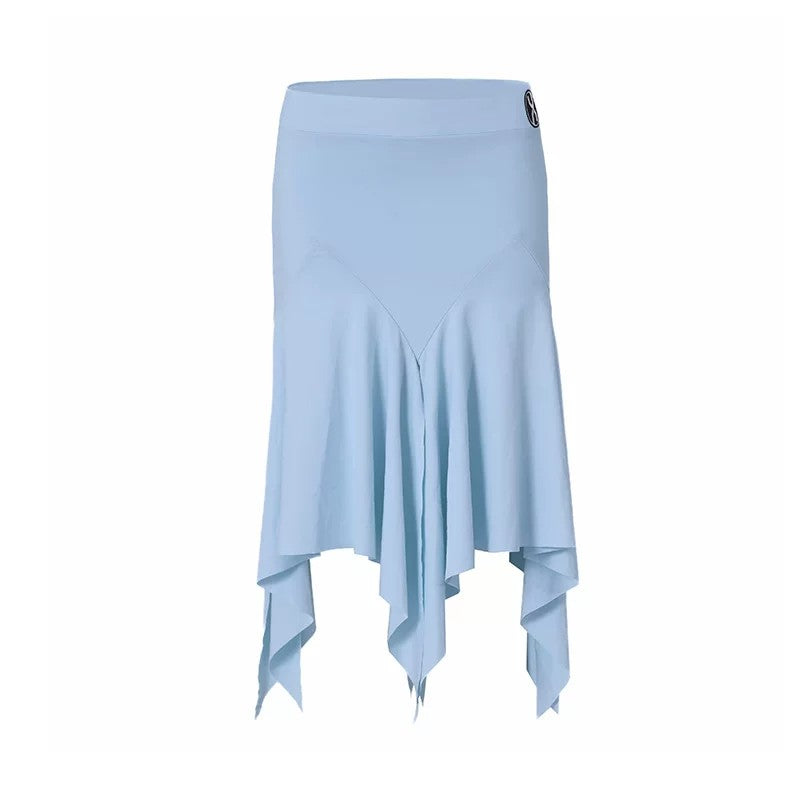
This is the women's side of the range gathered together — every dress, skirt, top, trouser and leotard we stock, without the men's shirts and trousers mixed in. If you are shopping for yourself rather than for a couple, it is the shorter list.
What follows is not about which dance you do; that question is answered on dancewear, where the range is split by family. This page is about the things women ask before they buy and rarely find answered on a product photograph: what holds you up, how much of you it shows, and what to do when your measurements land between two sizes.
Support, and What Actually Holds
The most common reason a piece gets worn once is that it will not stay where it was put, and the fix is almost always decided before you buy rather than after.
Built-in support is the reliable route. A leotard or bodysuit with a shelf lining or removable pads carries you through overhead work with nothing to adjust and no strap showing under a bare shoulder. It is the reason so many dancers own several and treat them as the base layer for everything else.
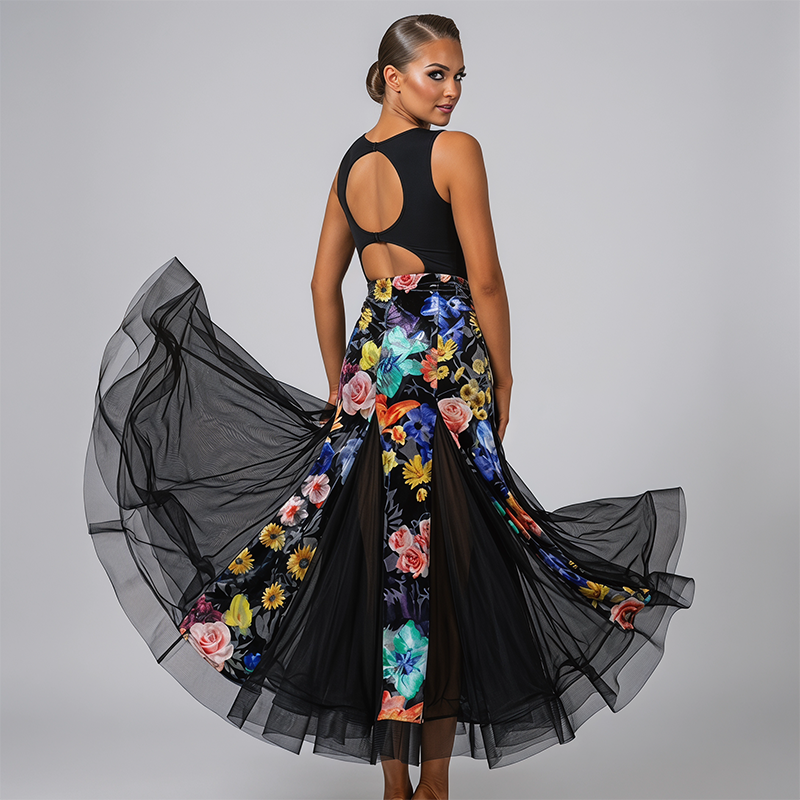
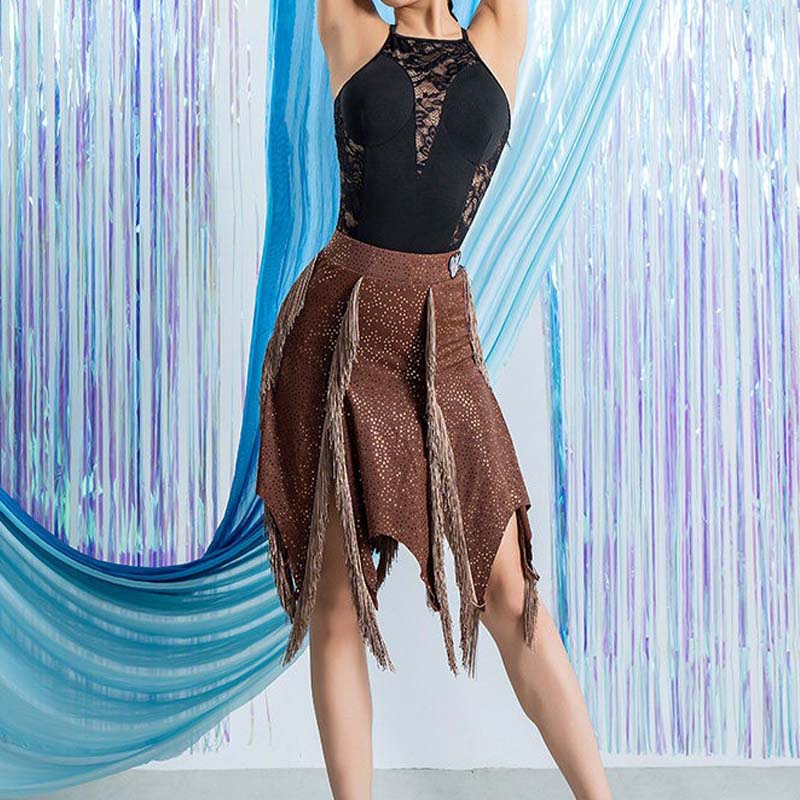
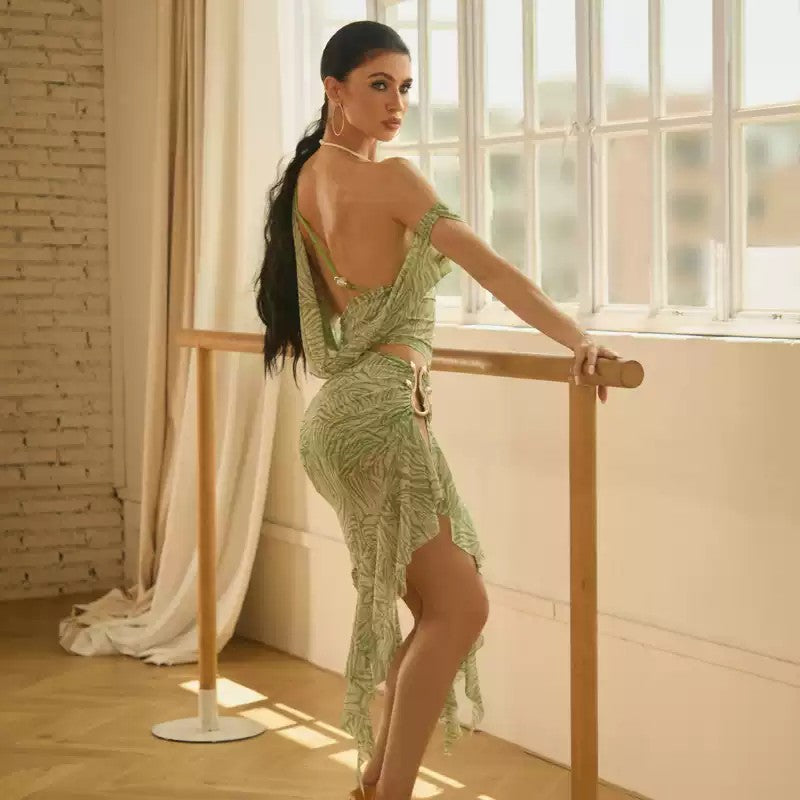
If you prefer a separate bra, the strap route decides the garment rather than the other way round. A halter neck takes a convertible bra or none at all. An off-shoulder or bandeau cut needs a strapless that genuinely holds, which for most people means going down a band size rather than up. A racer or cross back is the easiest of all — a standard bra disappears under it and nothing shifts.
Fuller busts are better served by structure than by tightness. A wide underband, a defined seam under the bust or a boned bodice does more work than a compressive fabric, which tends to flatten rather than lift and gives out first at the seam.
Coverage on Your Own Terms
Dance clothes photograph as more revealing than they wear, which puts a lot of women off cuts that would suit them perfectly.
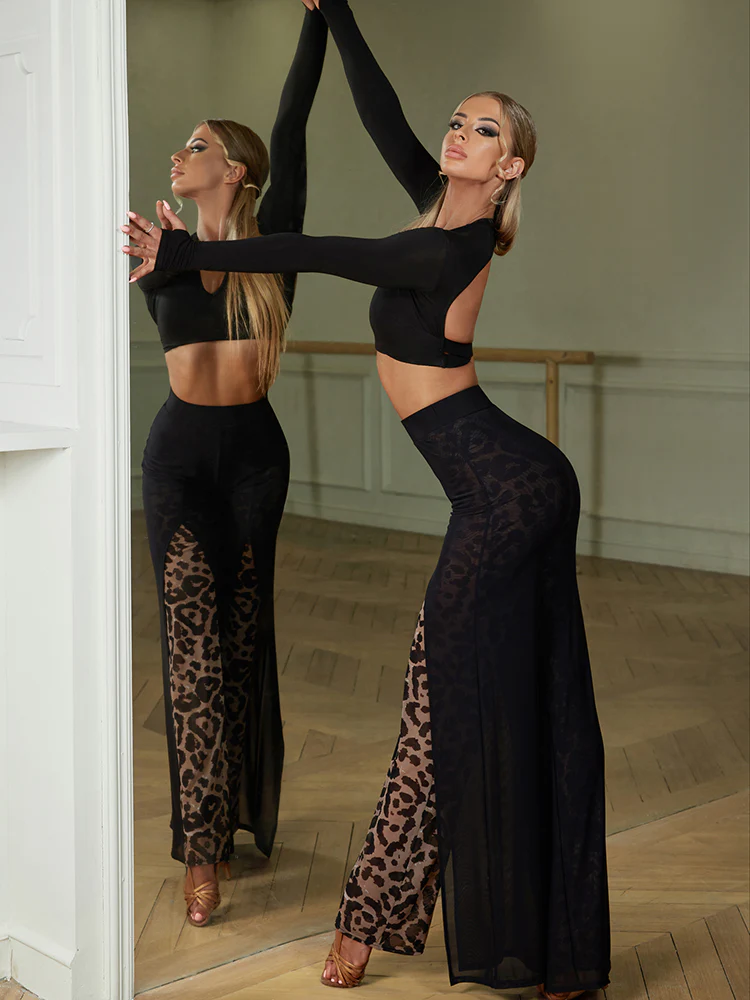
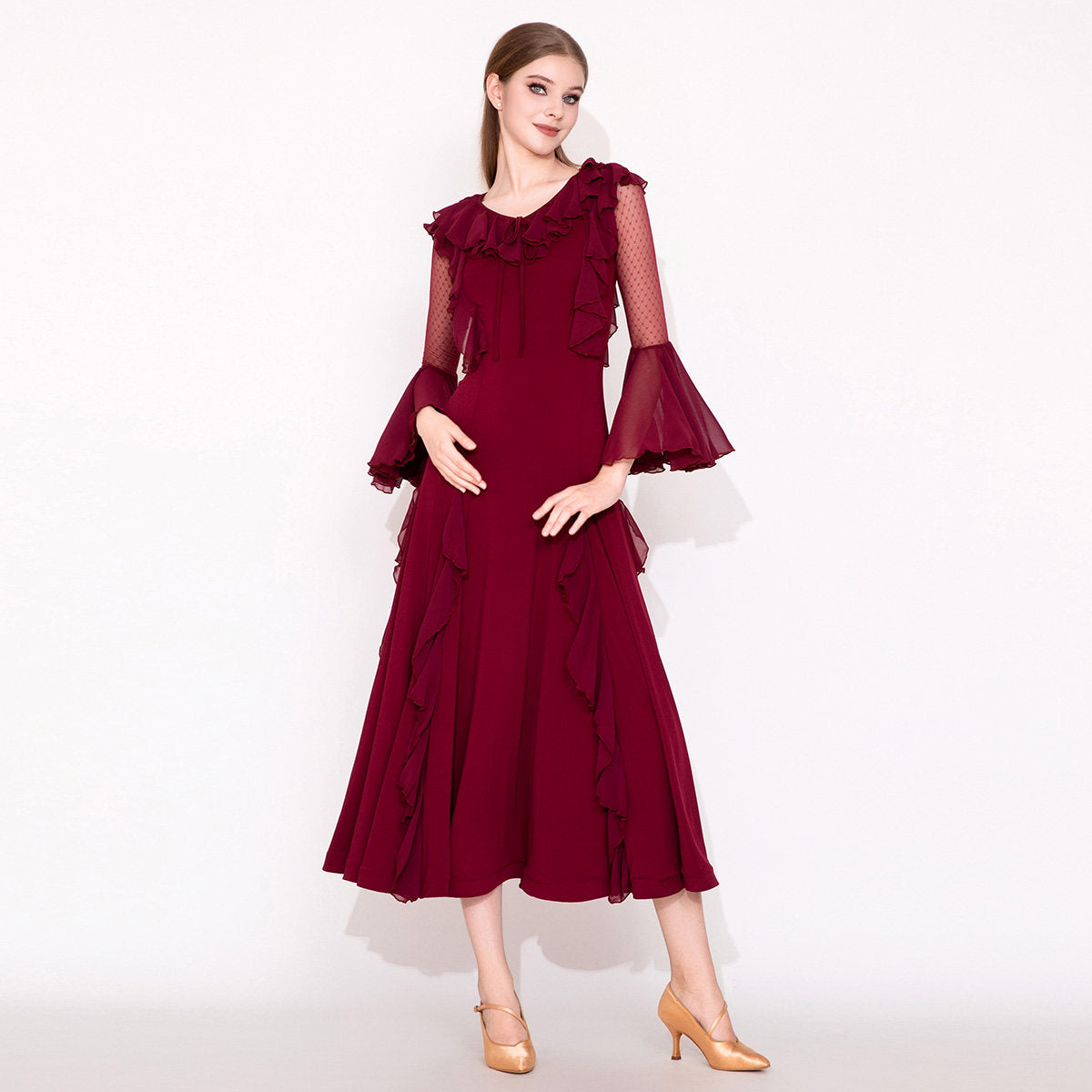
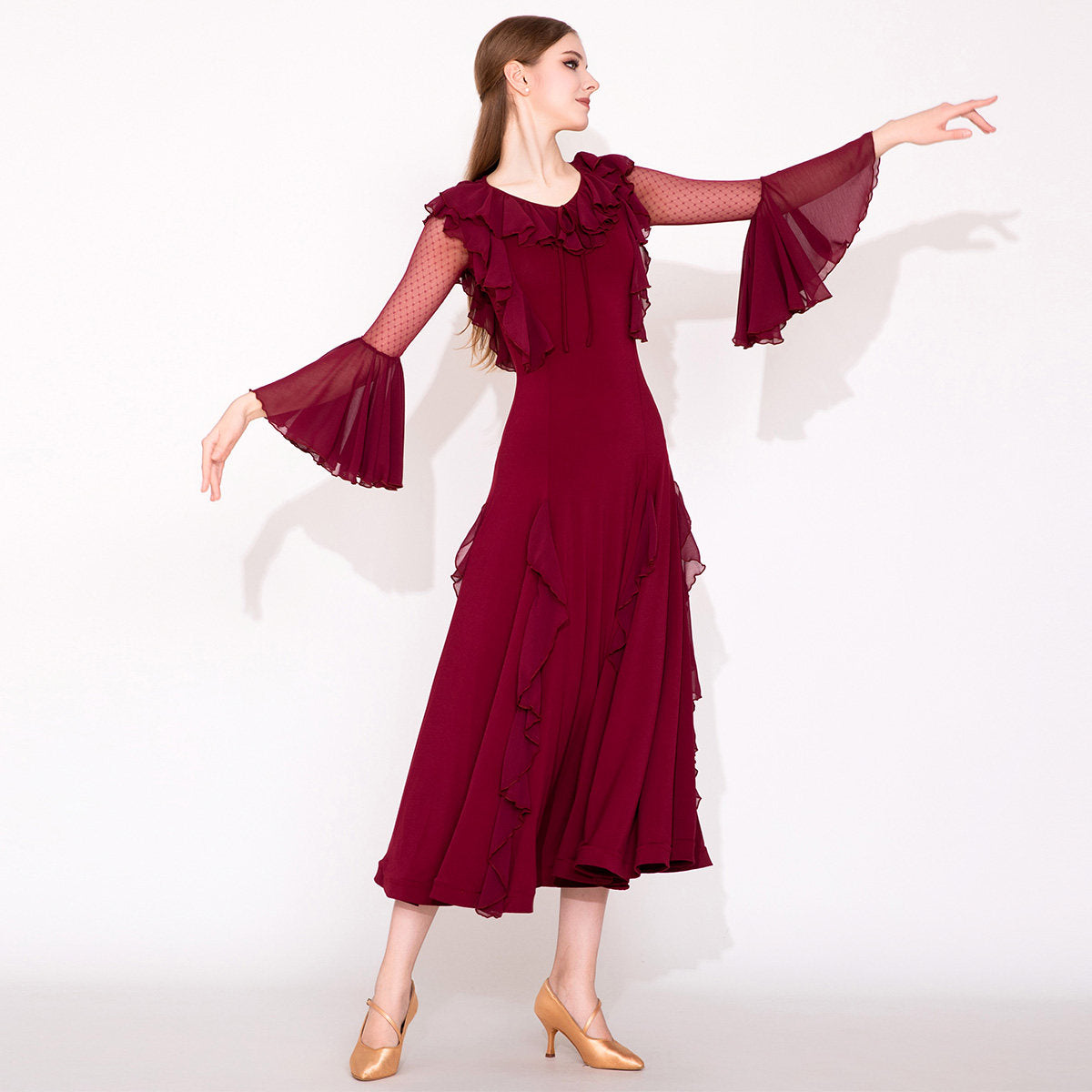
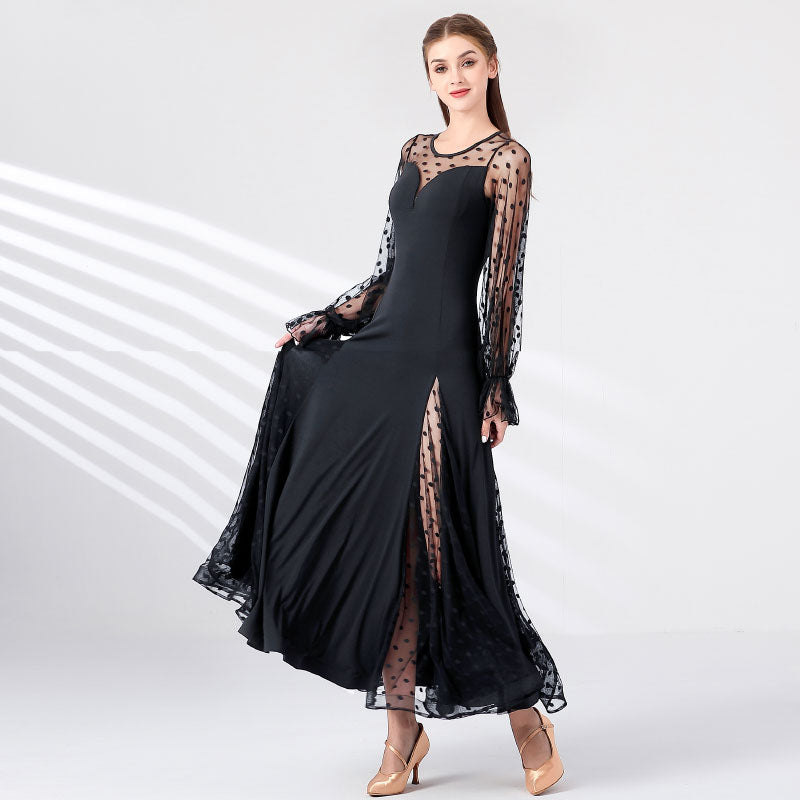
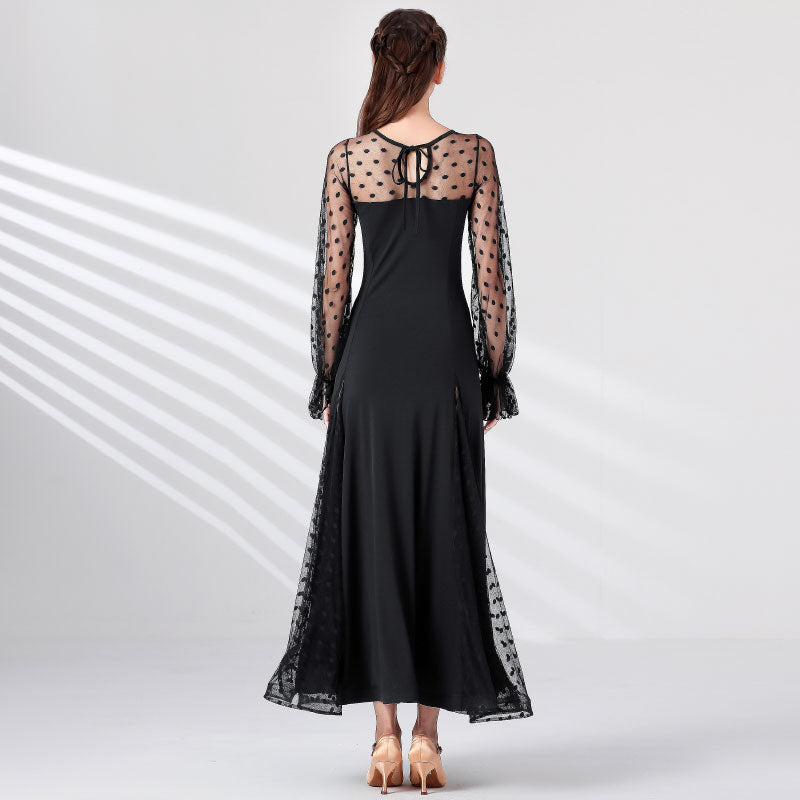
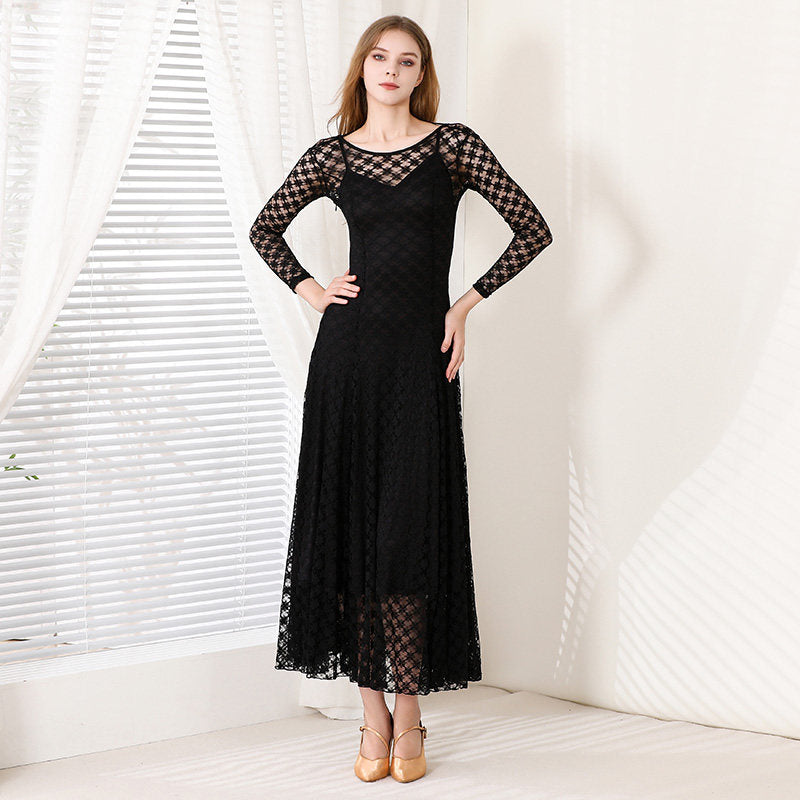
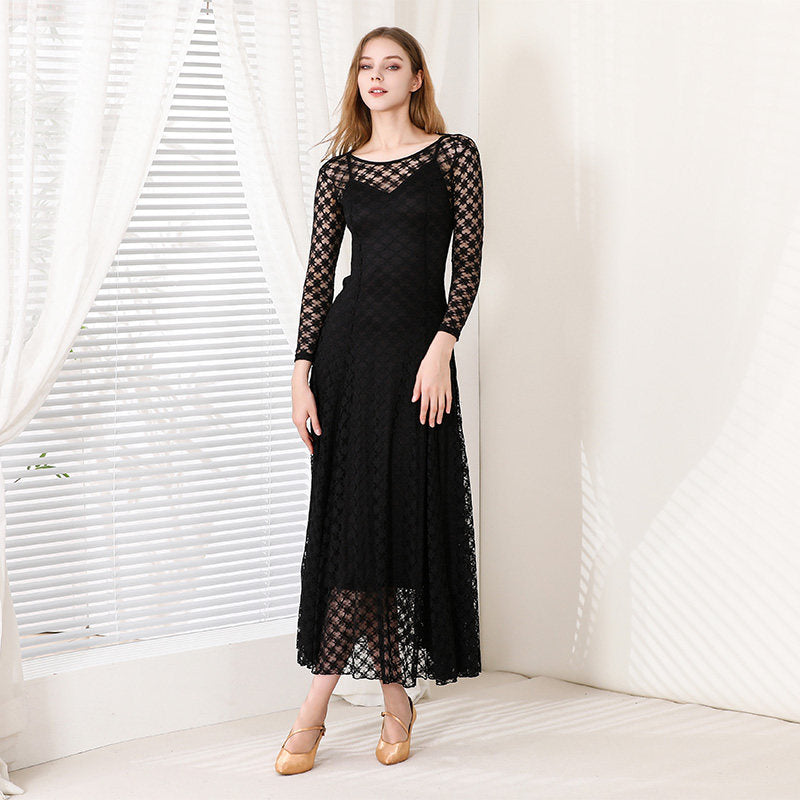
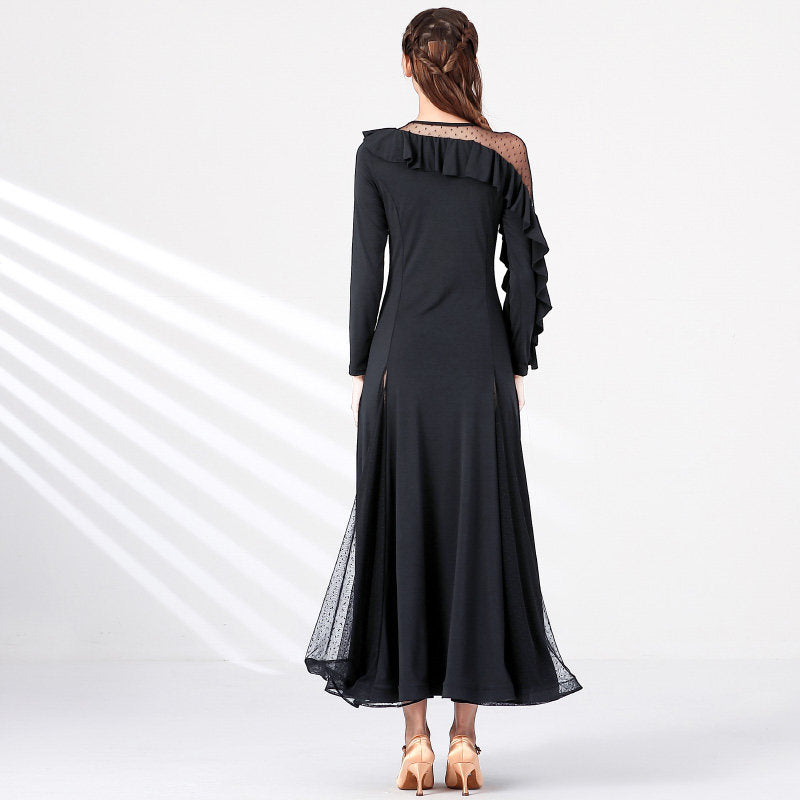
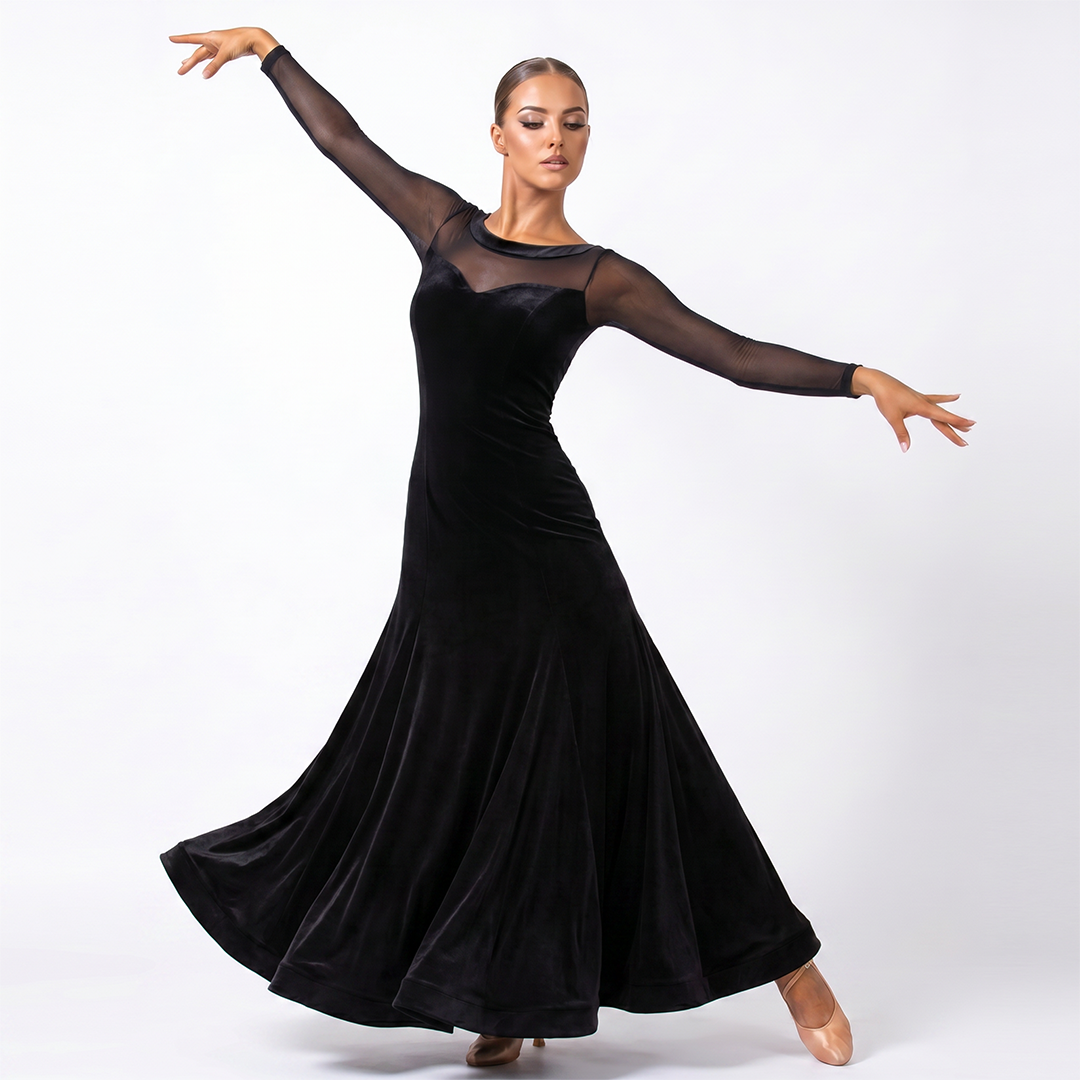
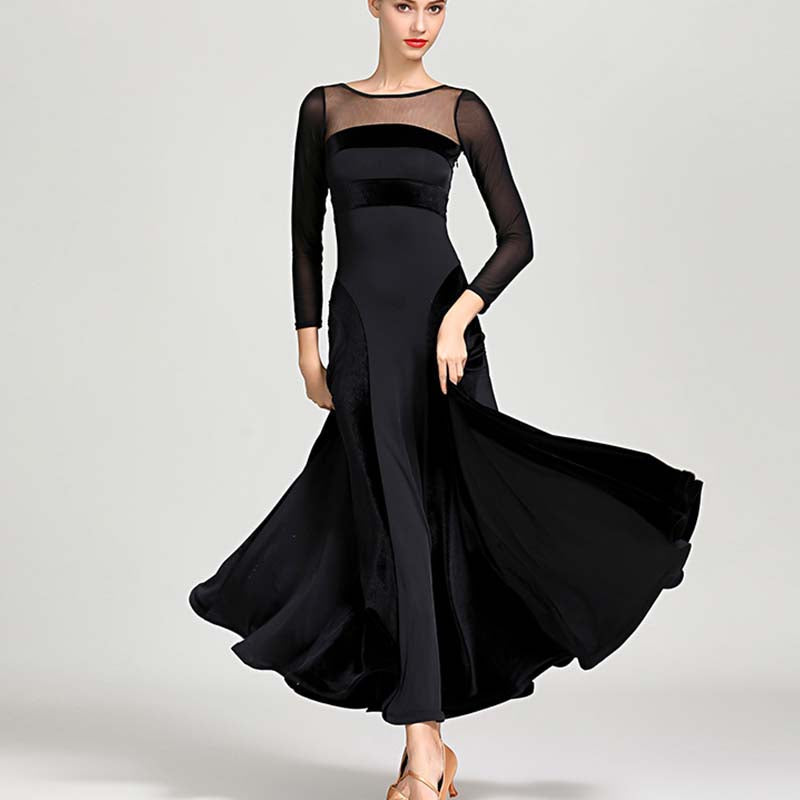
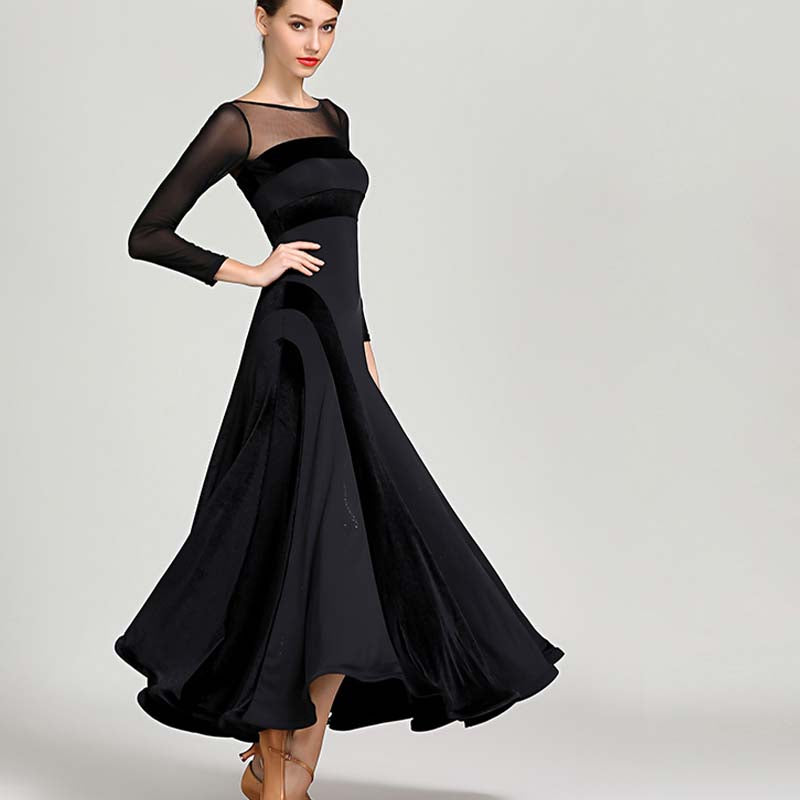
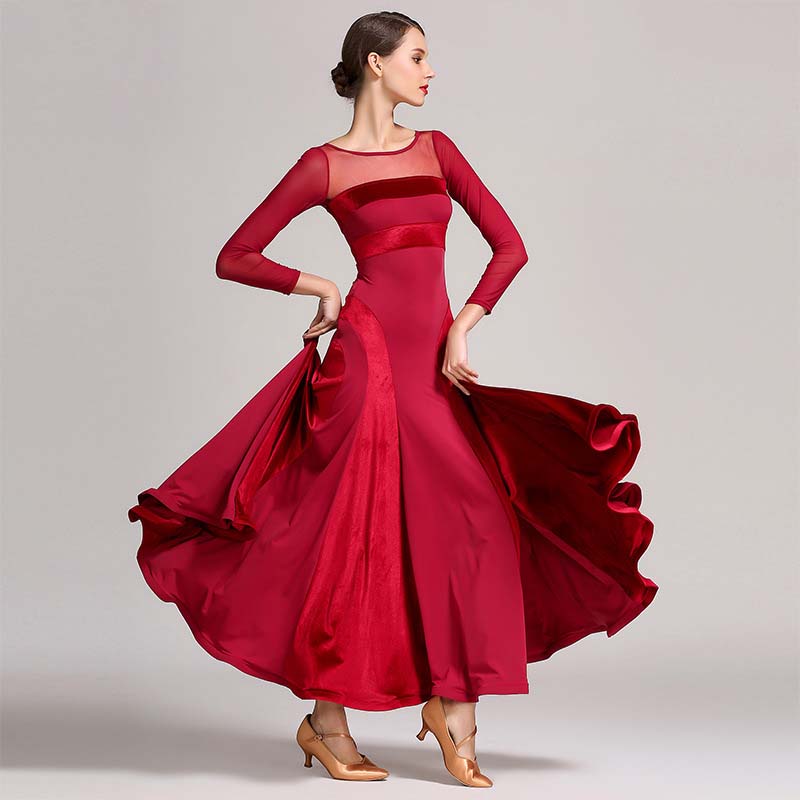
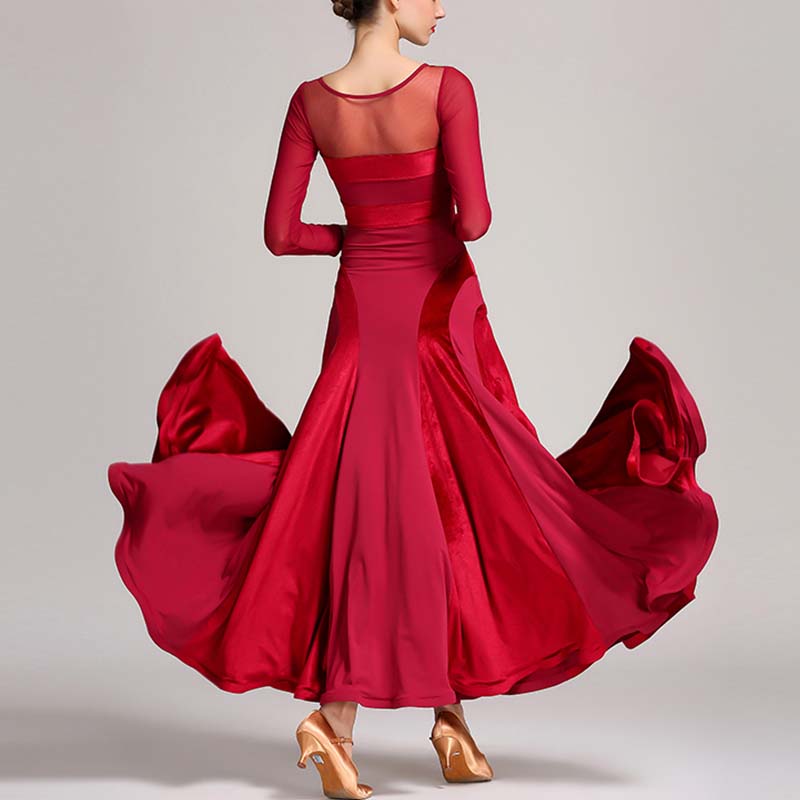
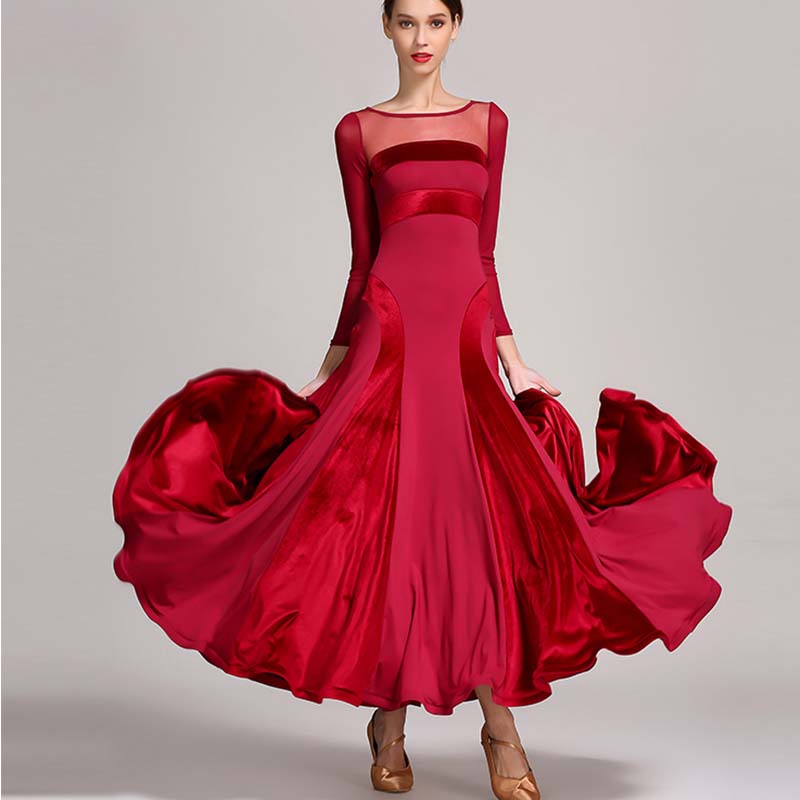
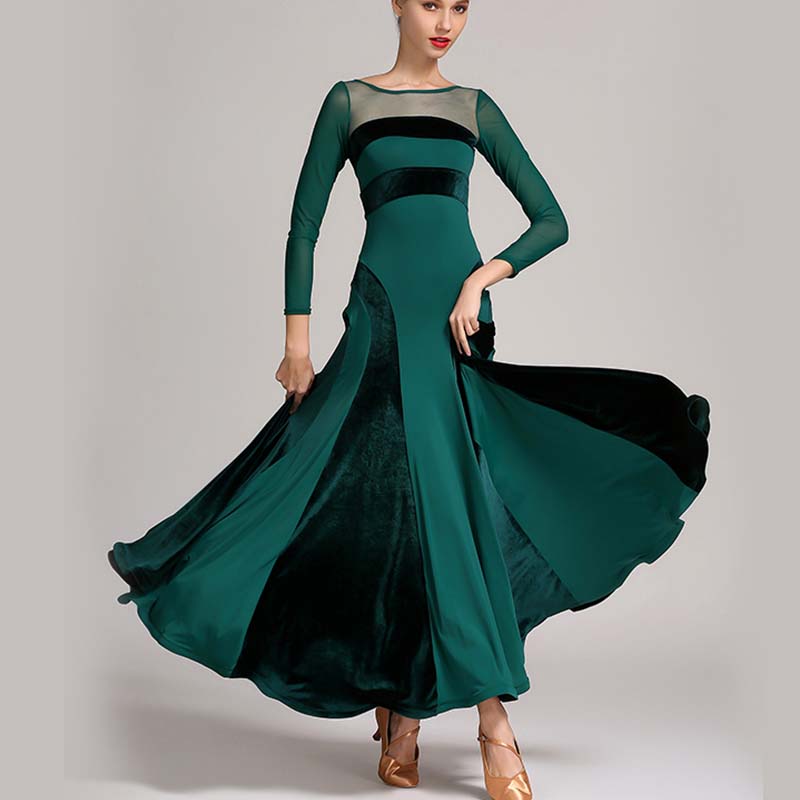
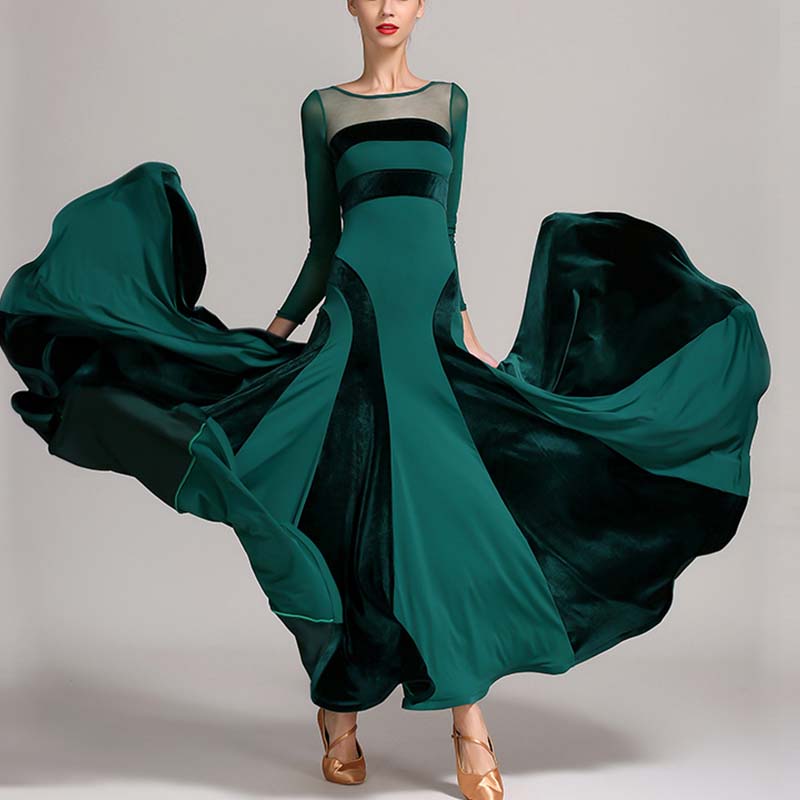
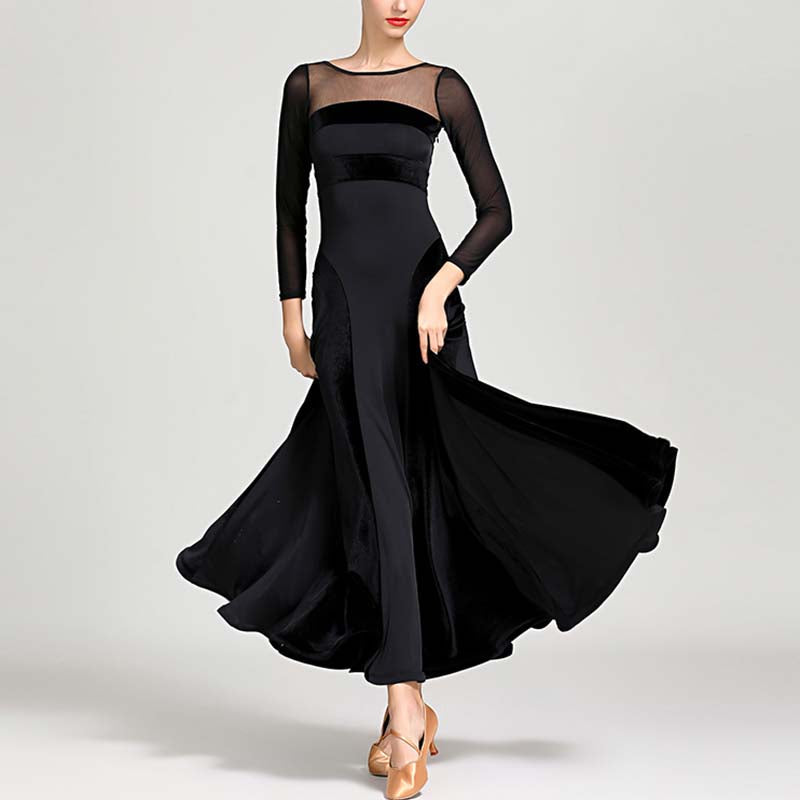
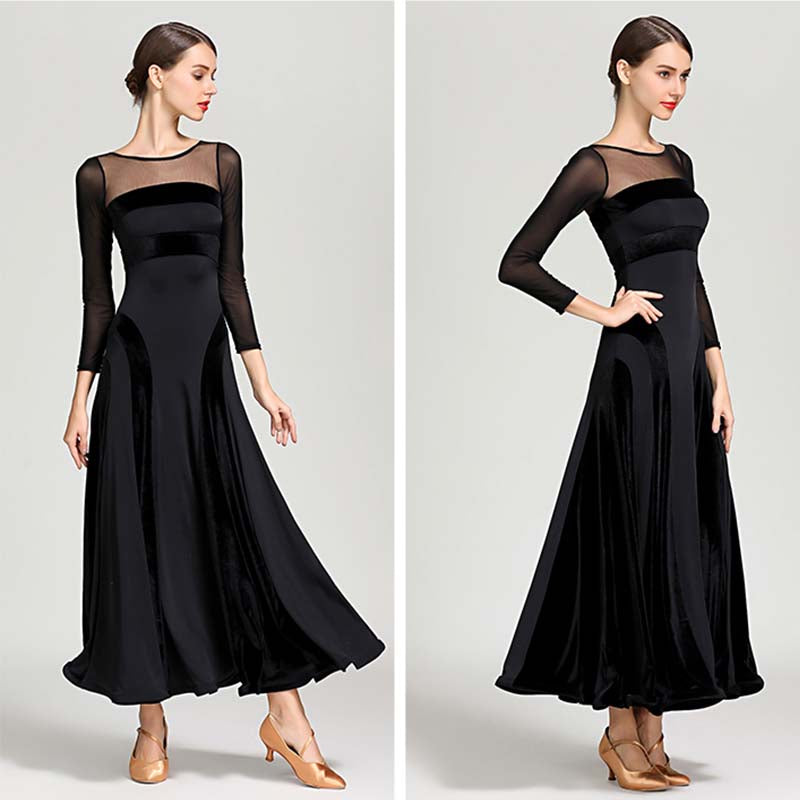
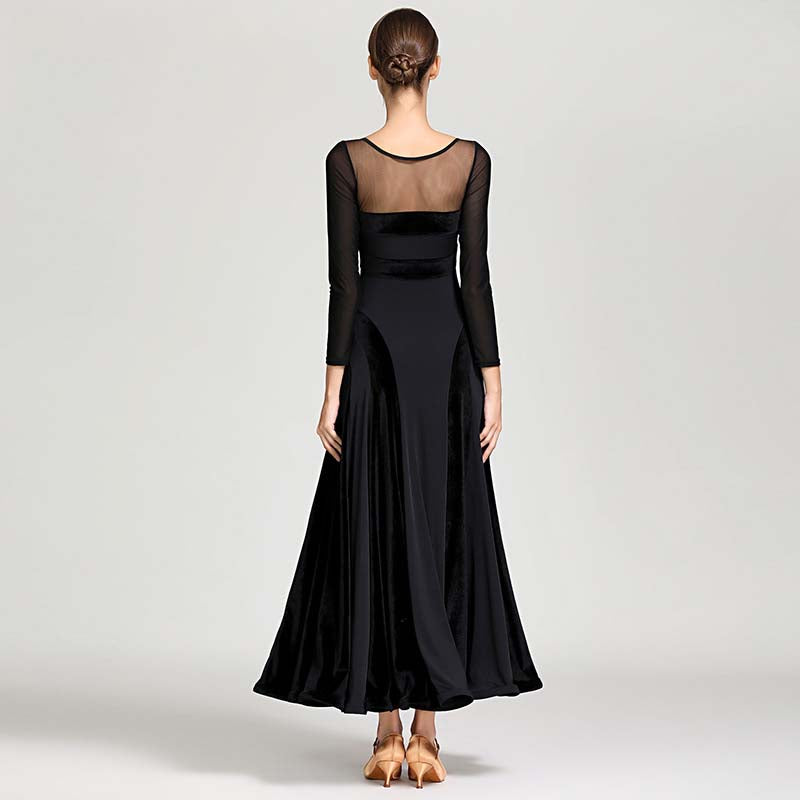
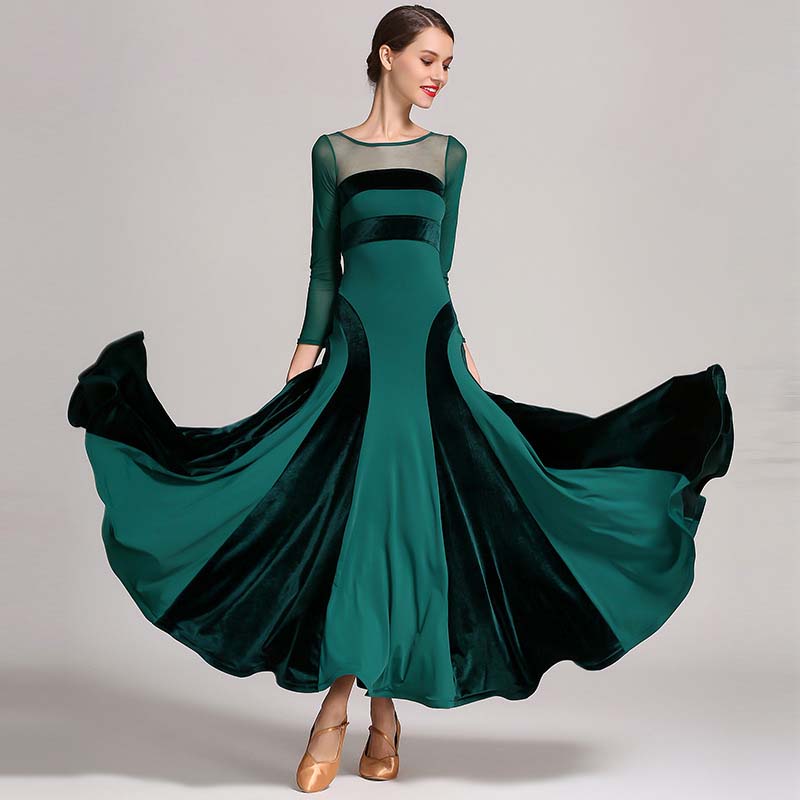
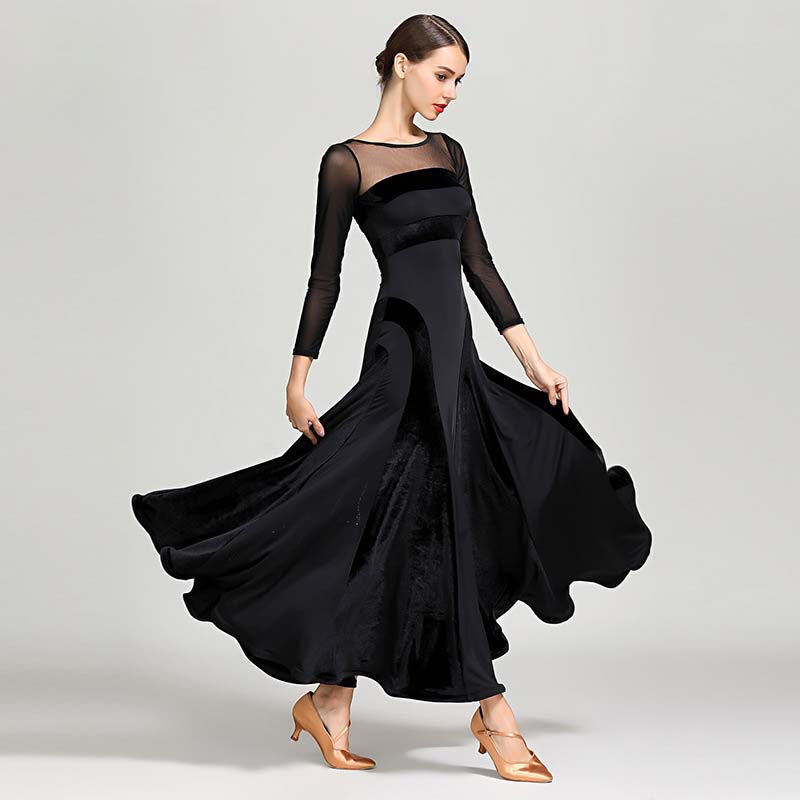
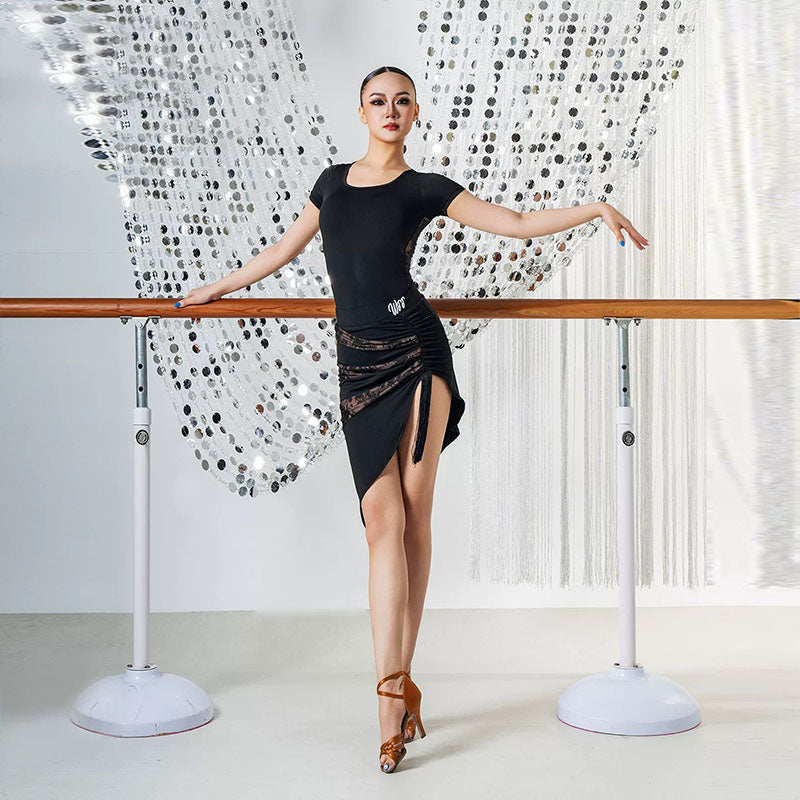
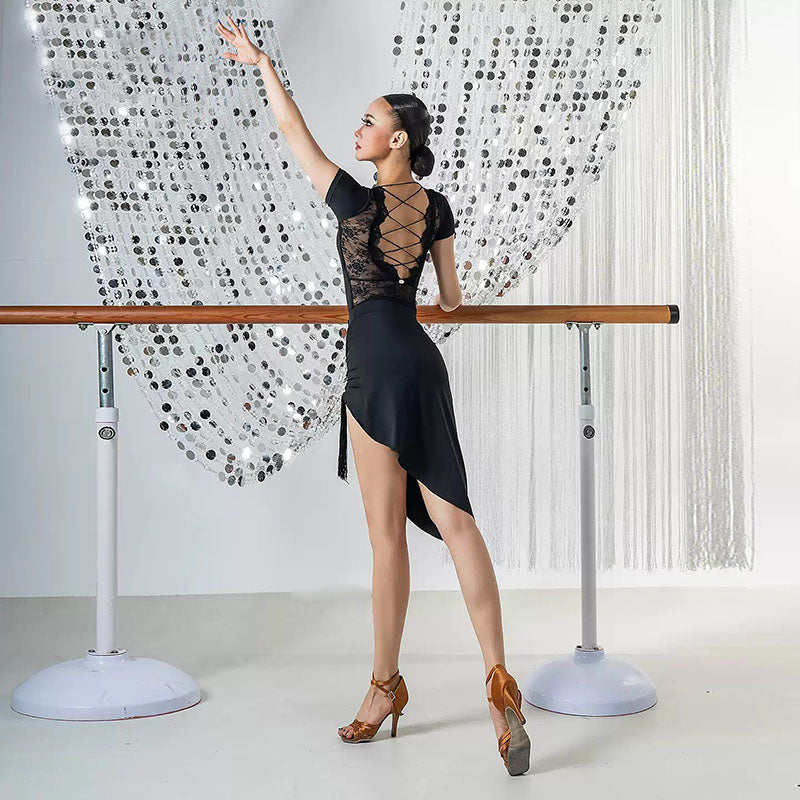
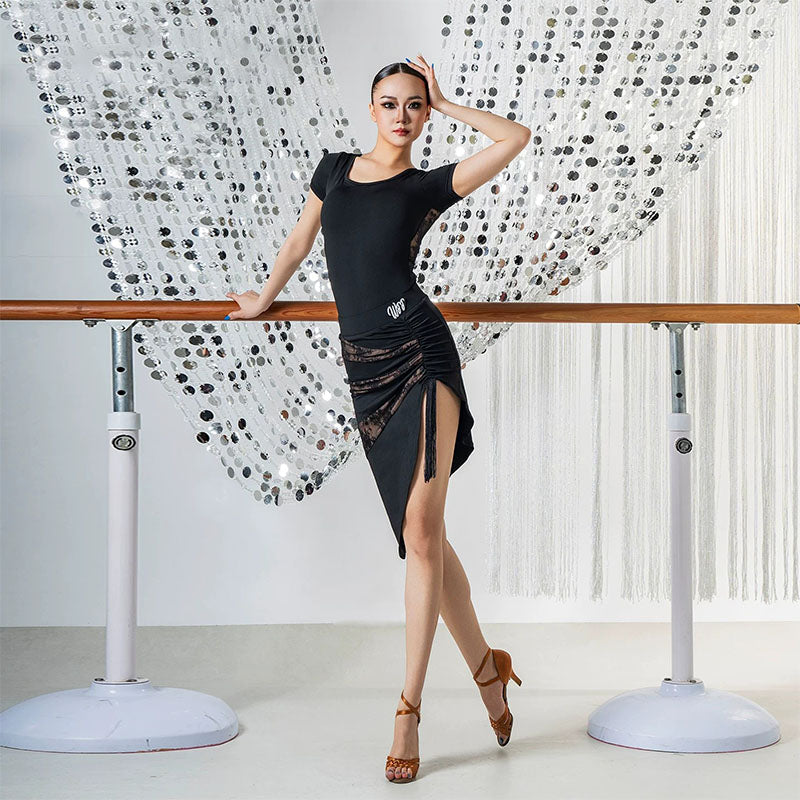
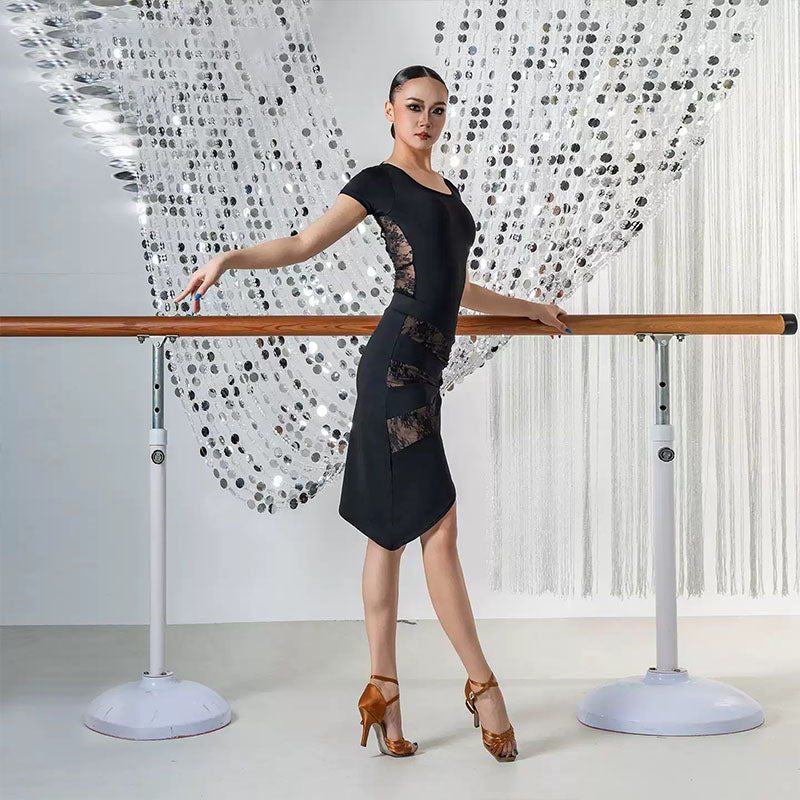
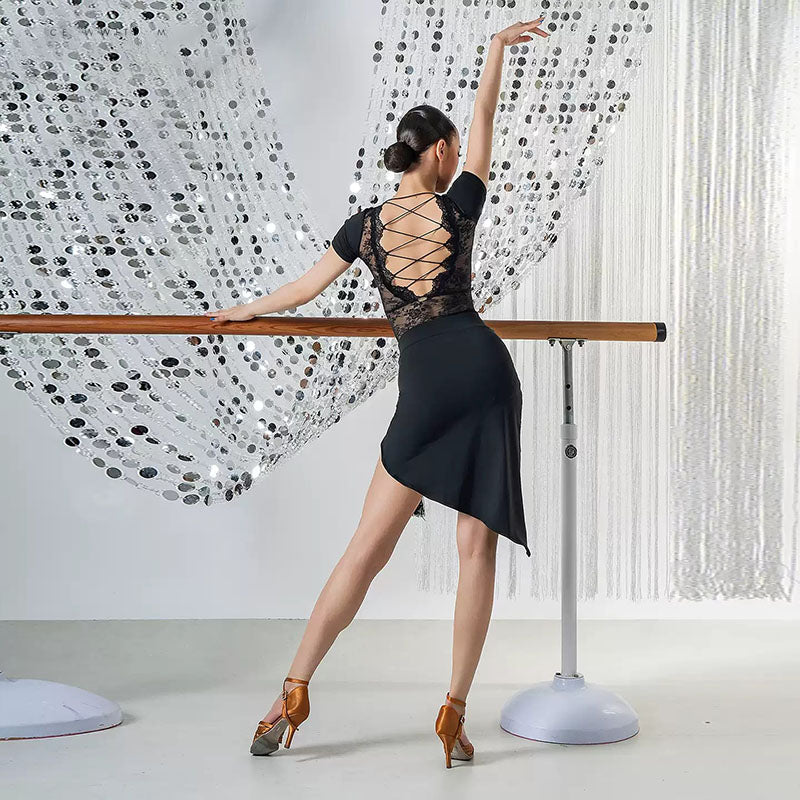
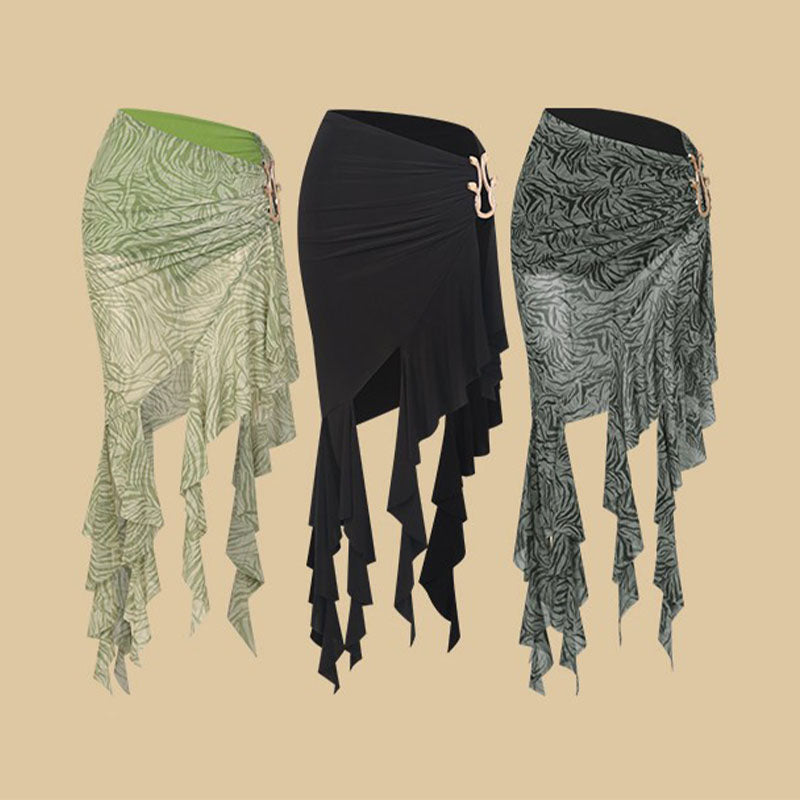
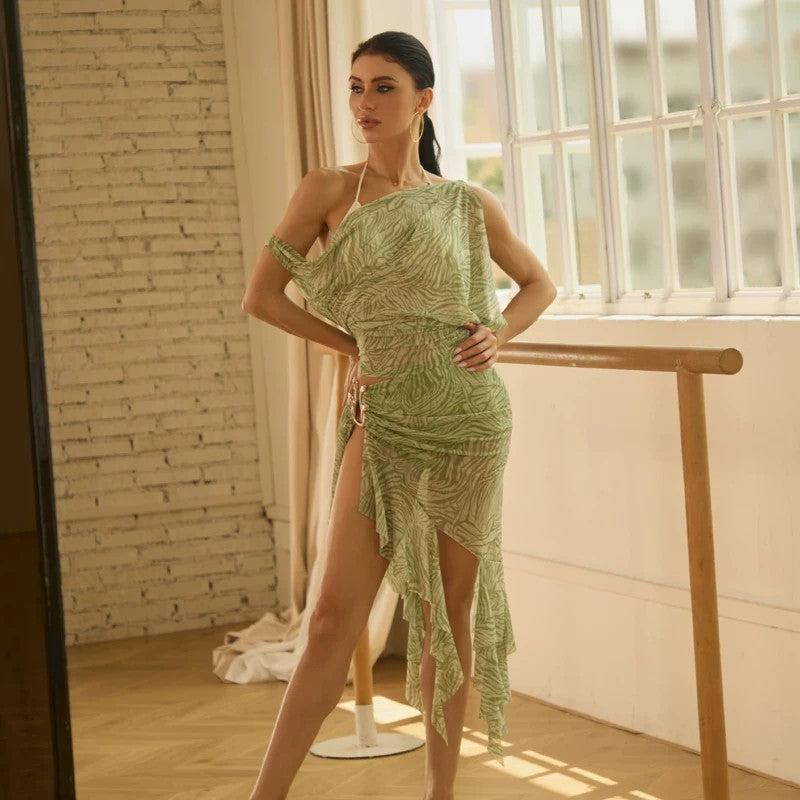
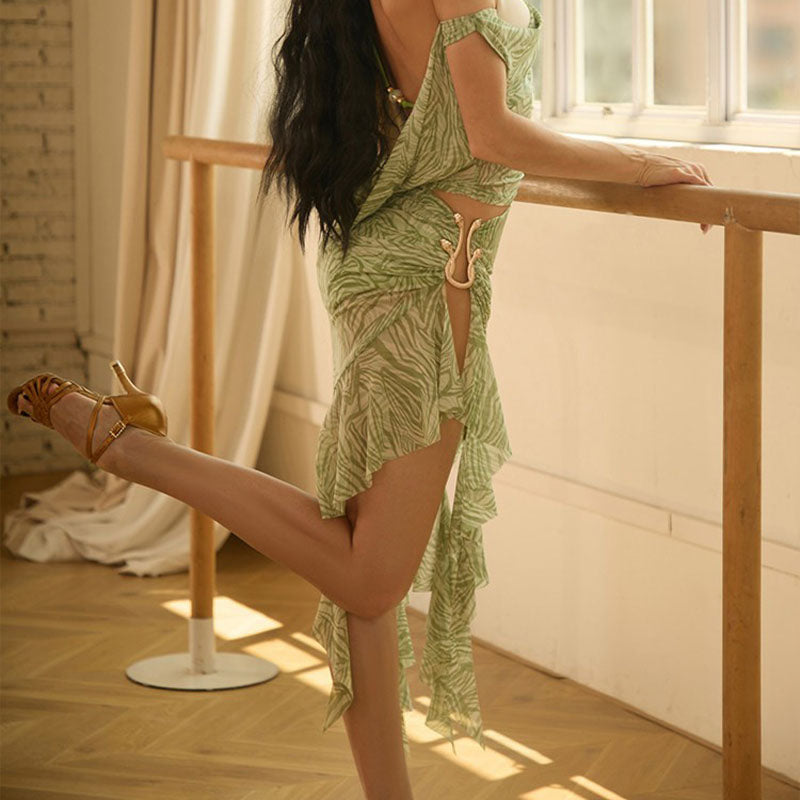
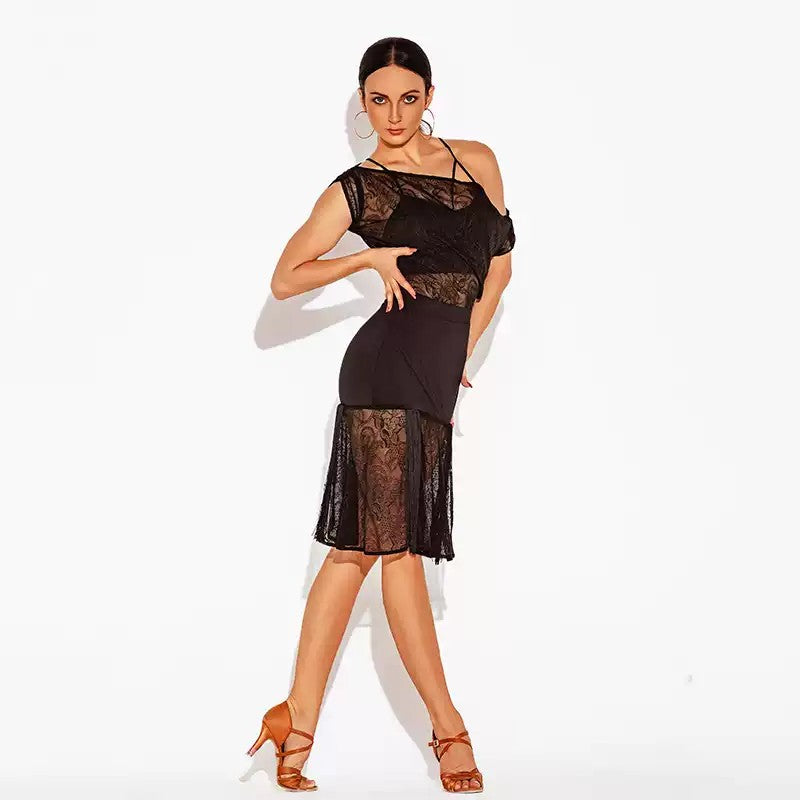
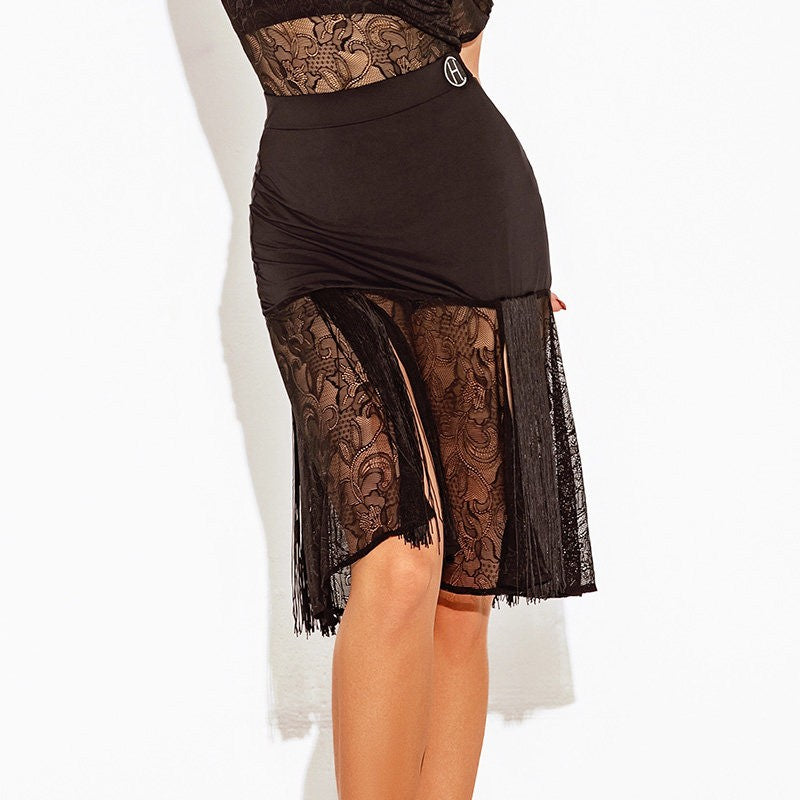
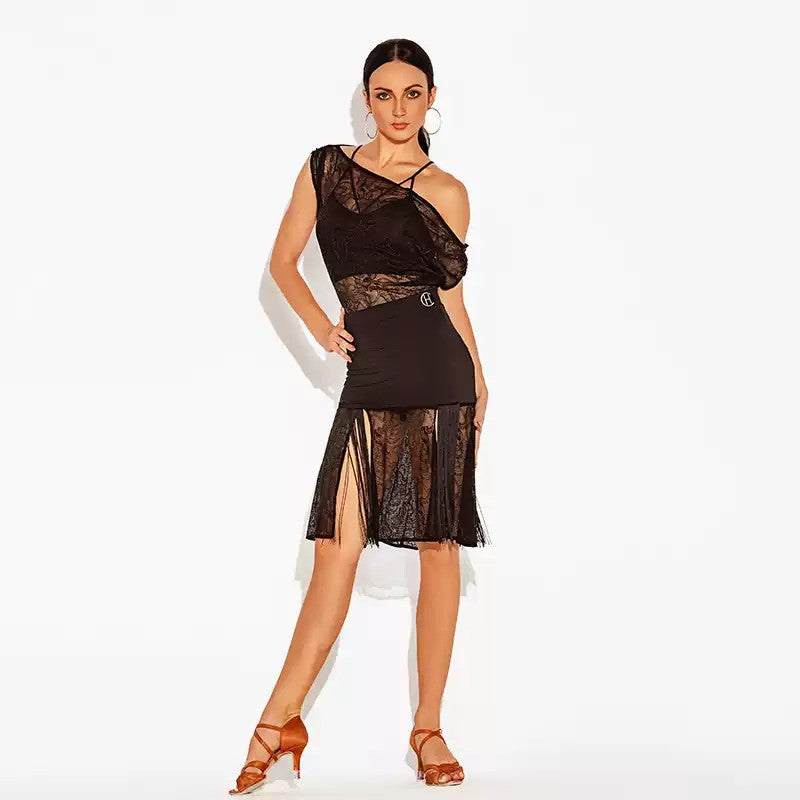
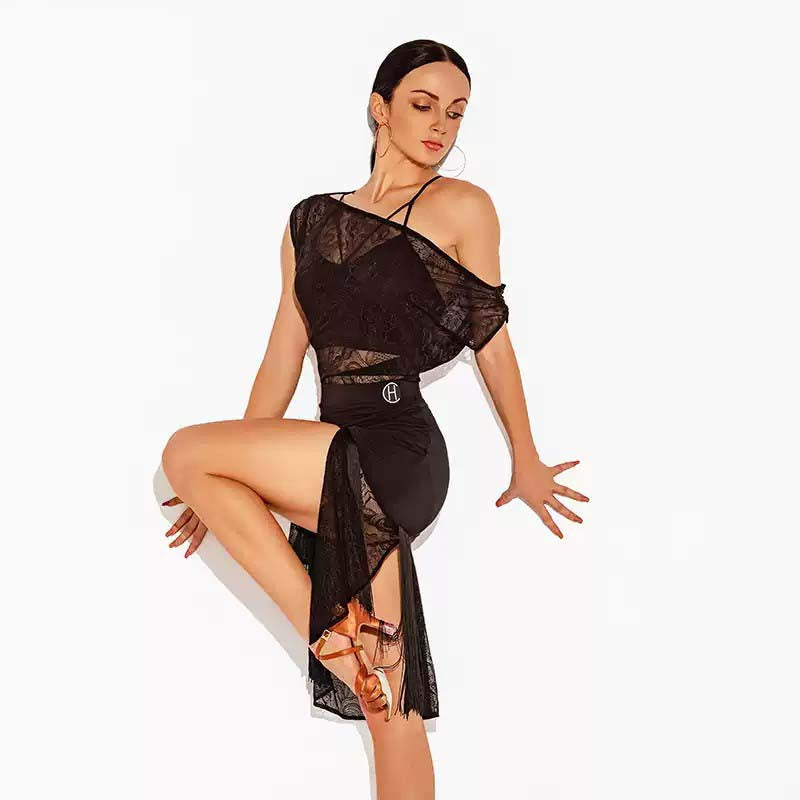
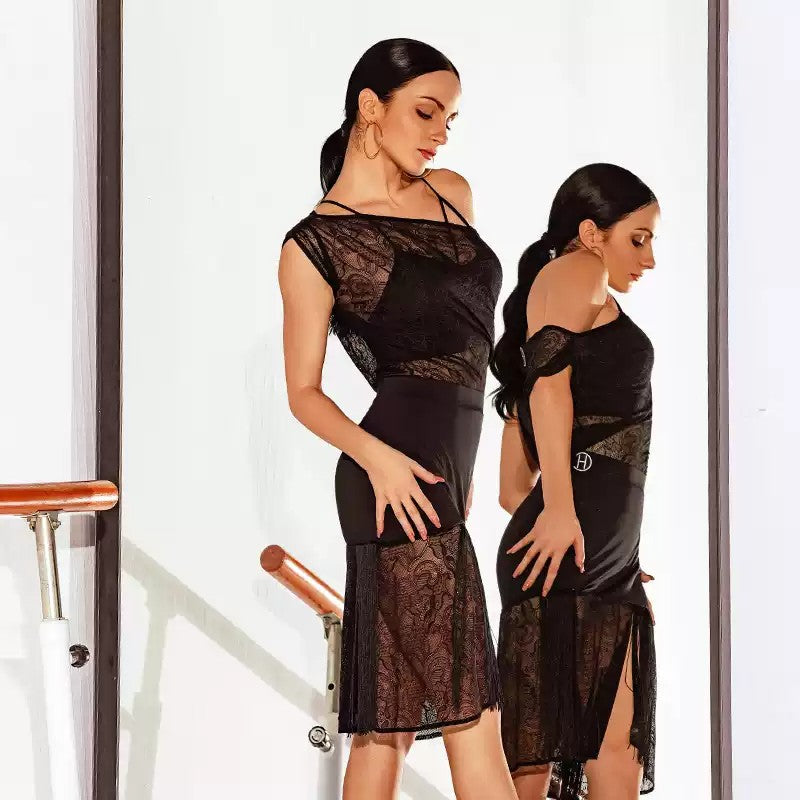
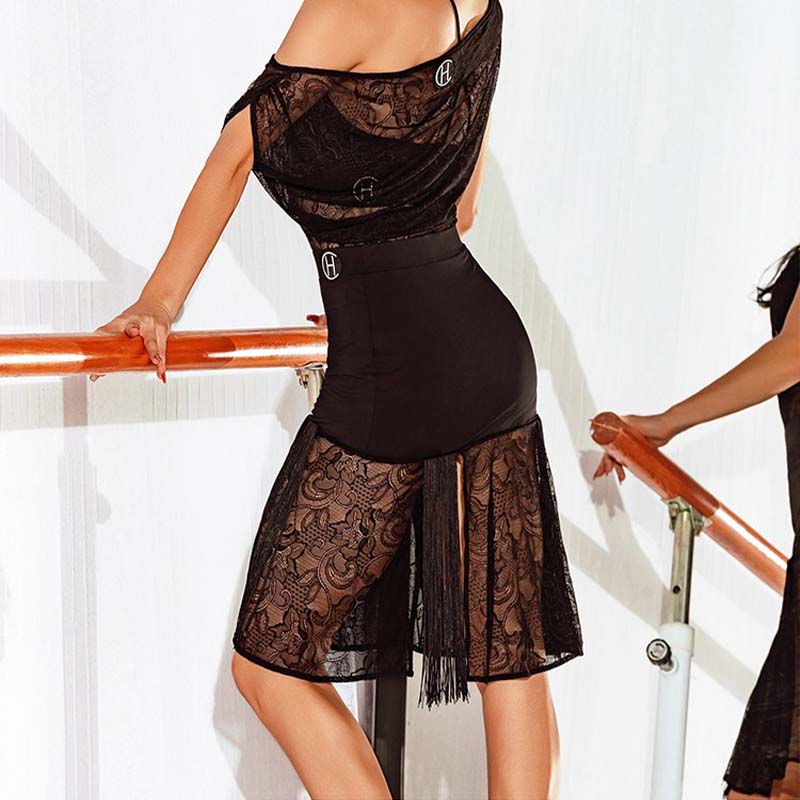
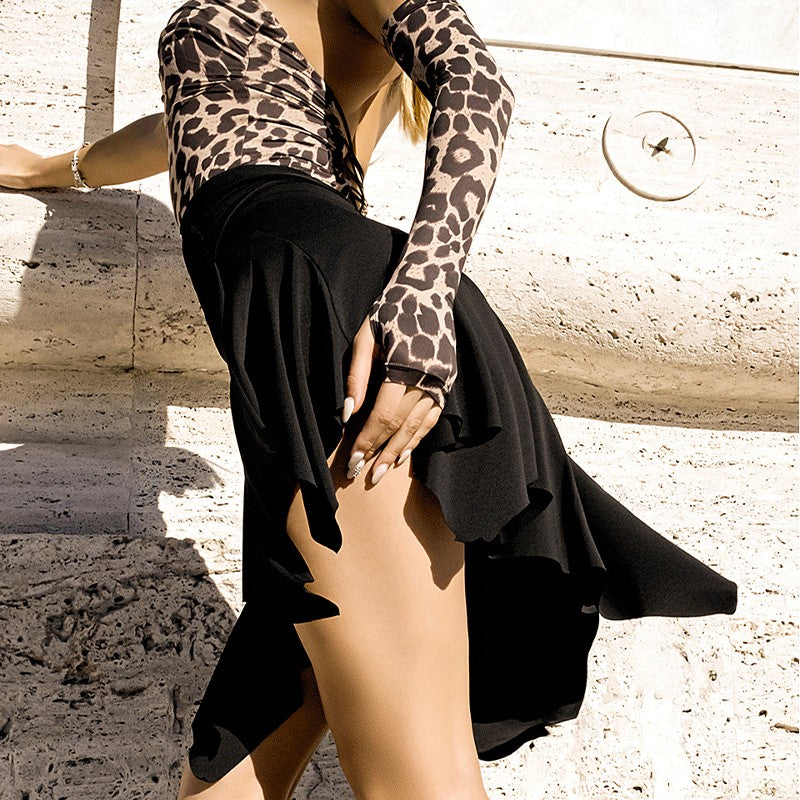
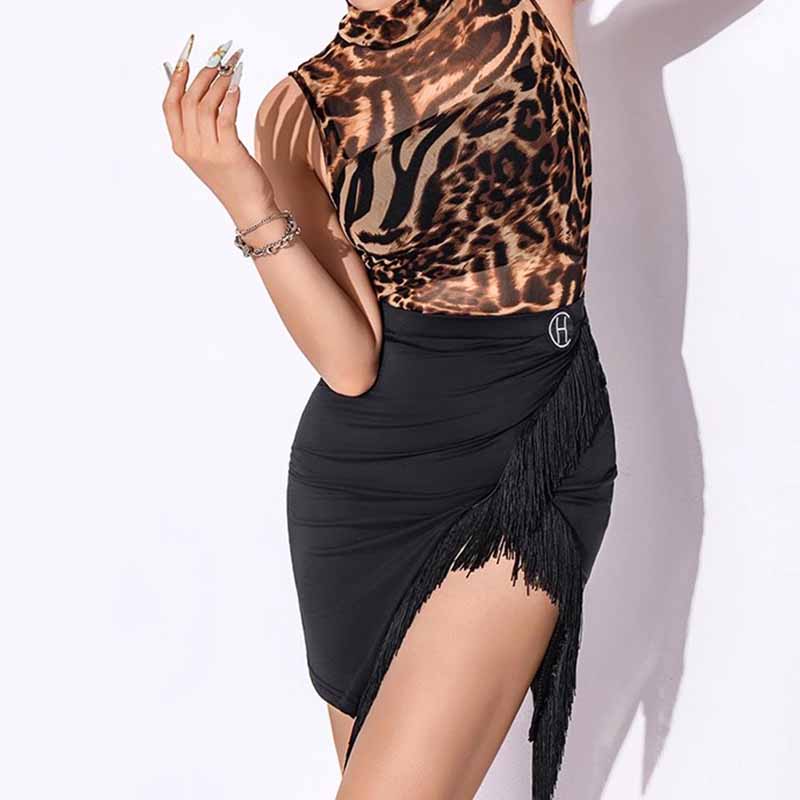
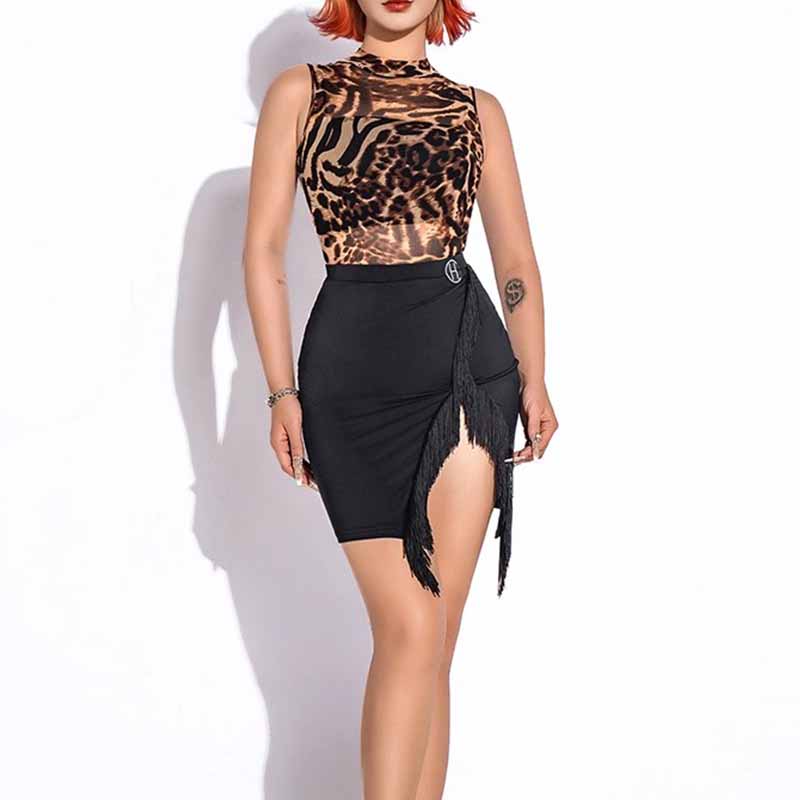
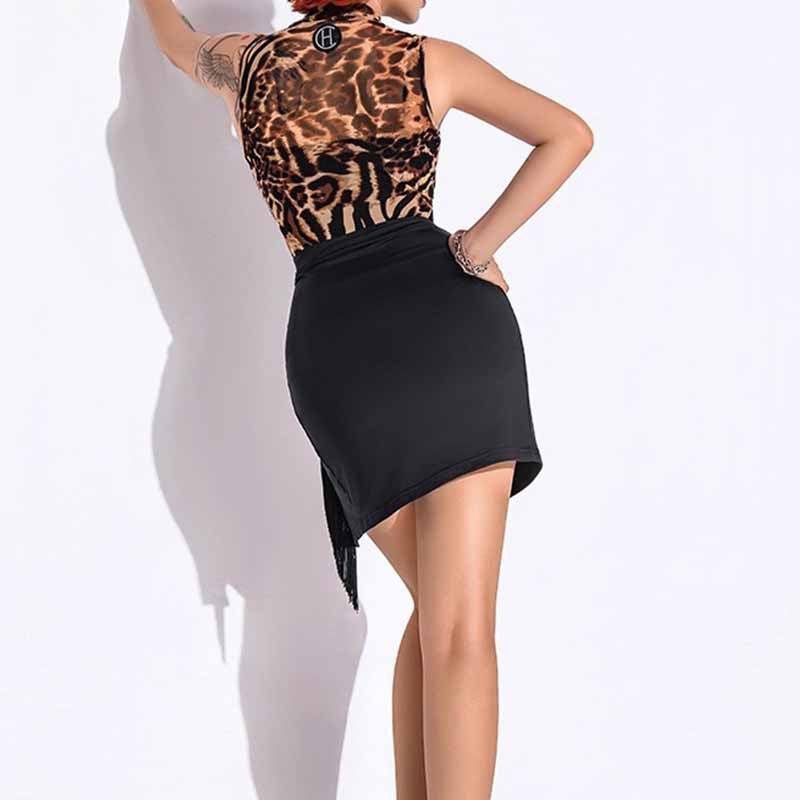
Sheer mesh is the main example. A mesh yoke, sleeve or side panel reads as skin from across a room and as a deliberate line up close, and it is the standard way to get an open look while keeping the piece structurally intact. Lined mesh over the body is opaque in normal light and only reads sheer when the light is directly behind you.
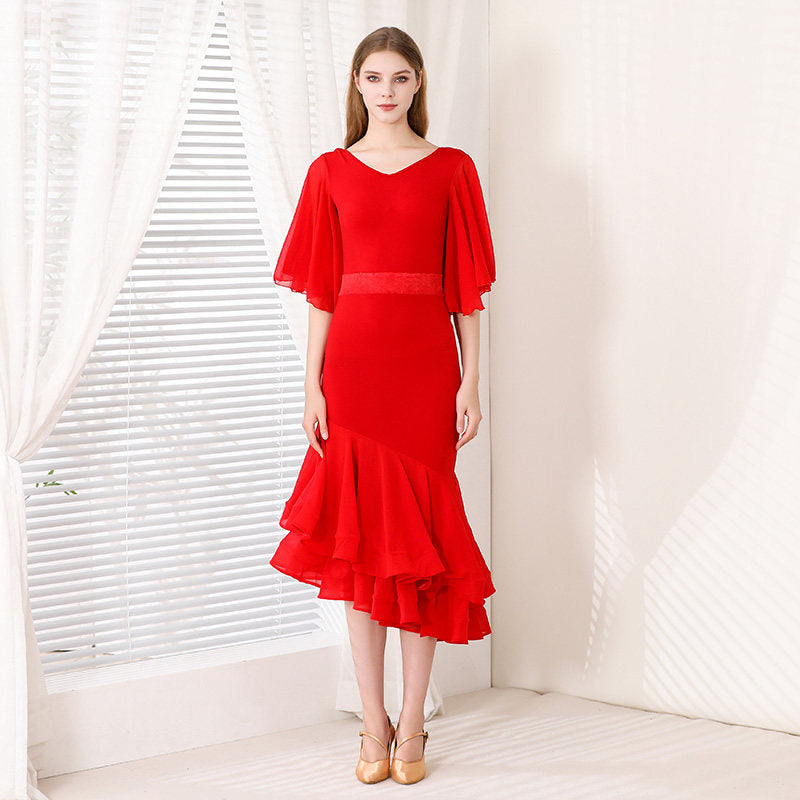
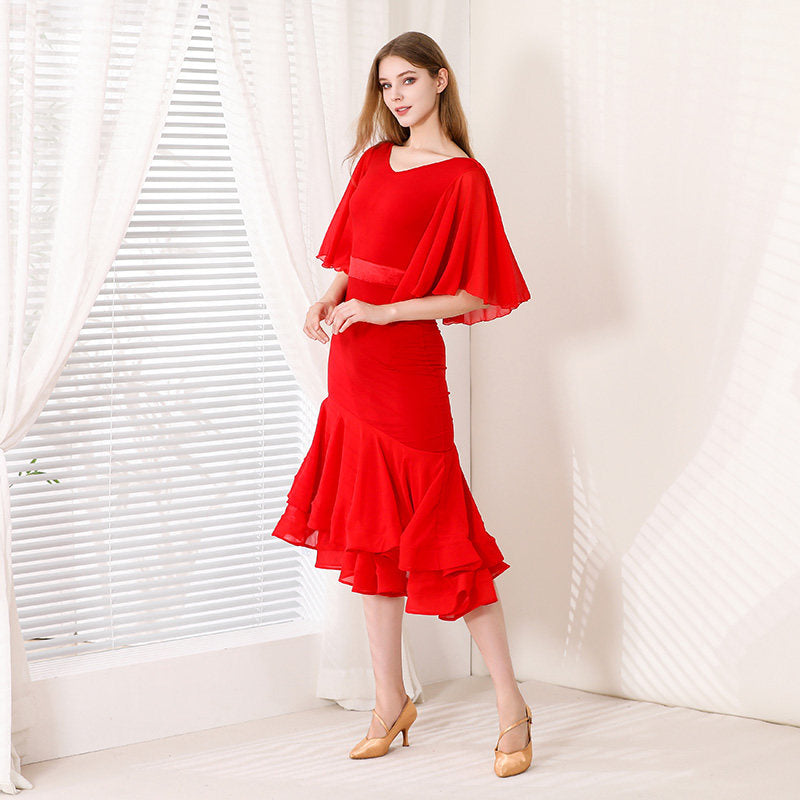
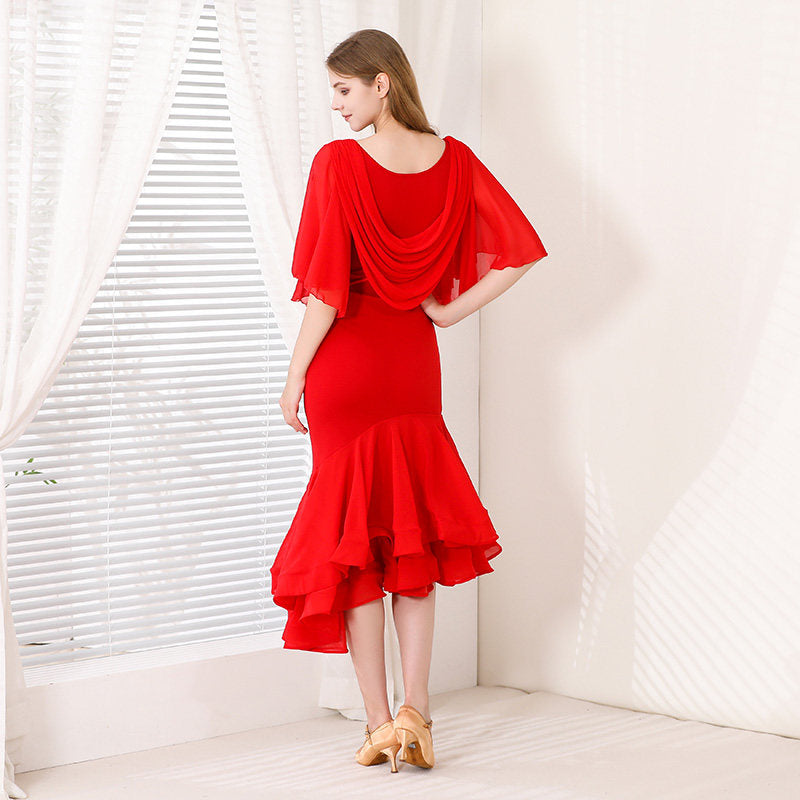
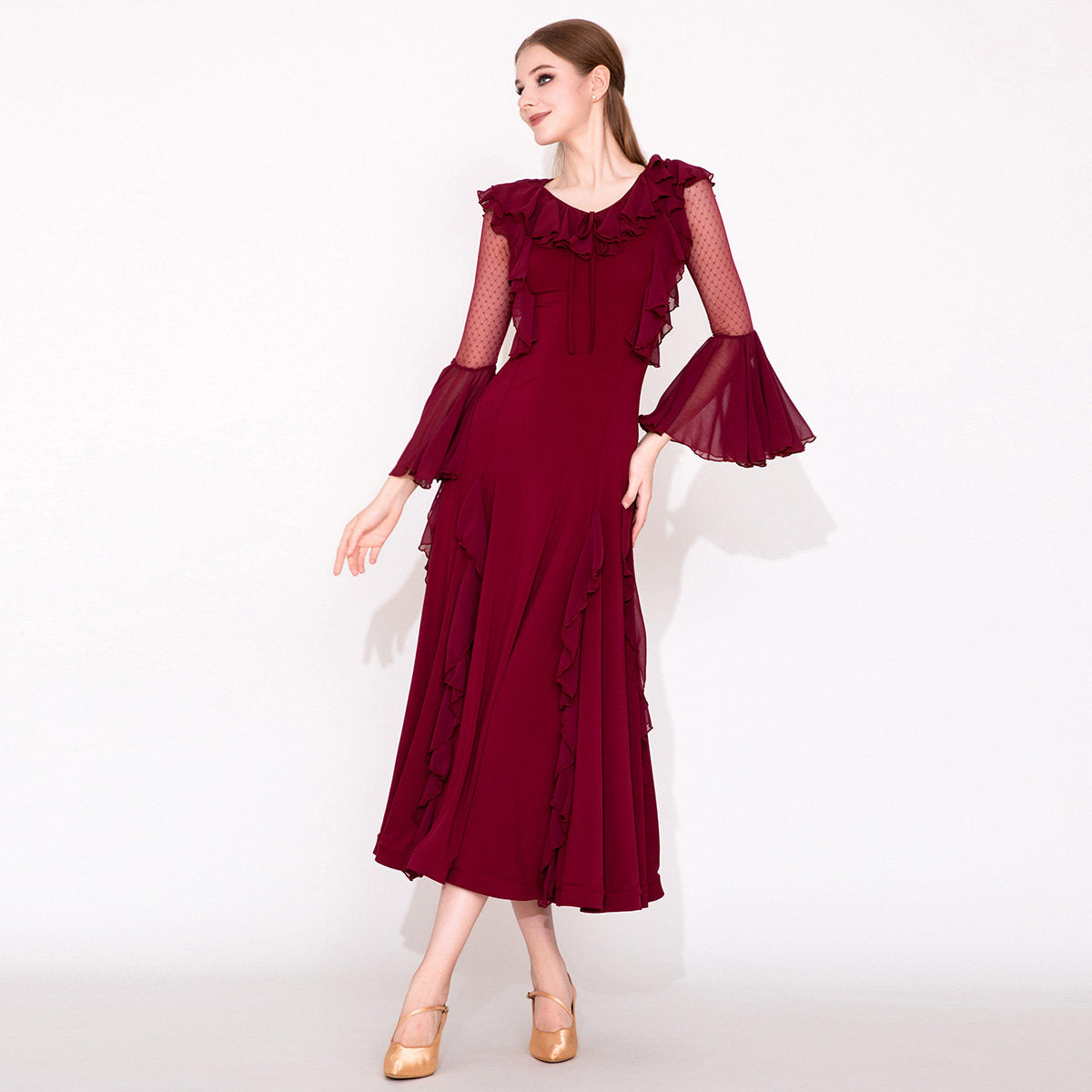
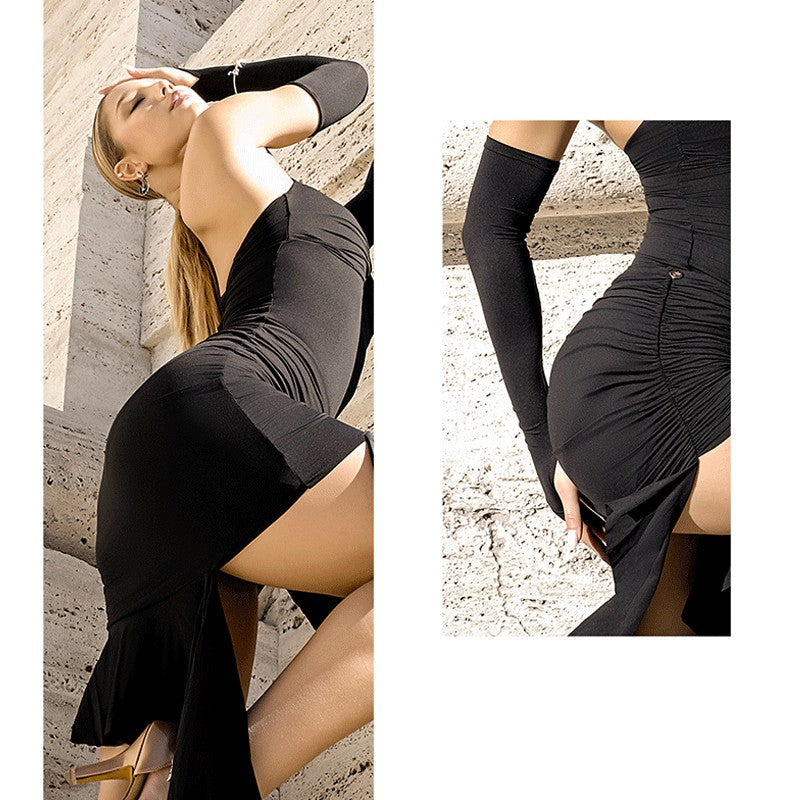
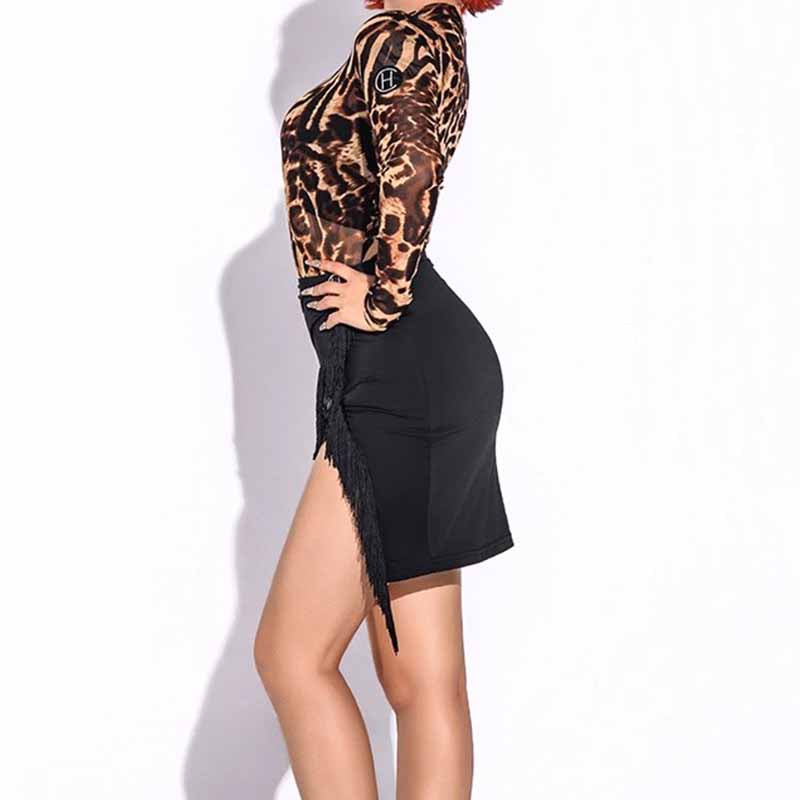
Sleeves are the other lever, and there is more choice than the shop-window styles suggest. Long mesh sleeves keep the arm line visible while covering it. A cap or flutter sleeve softens the shoulder without adding heat. A cold-shoulder or ladder cut opens a small window rather than a whole arm. All of these behave identically in a hold; the difference is entirely how much you want to show.
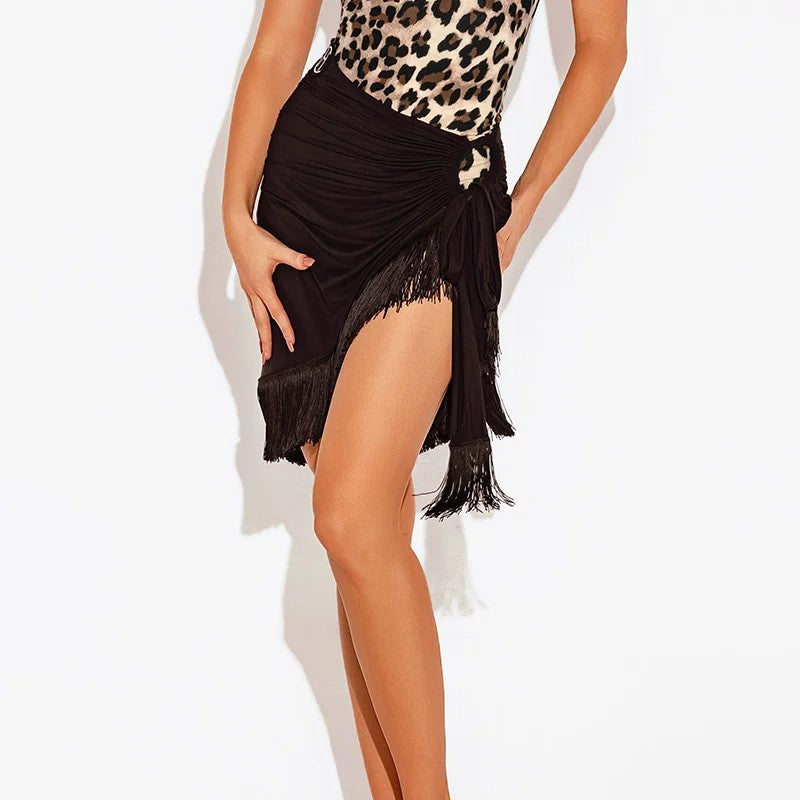
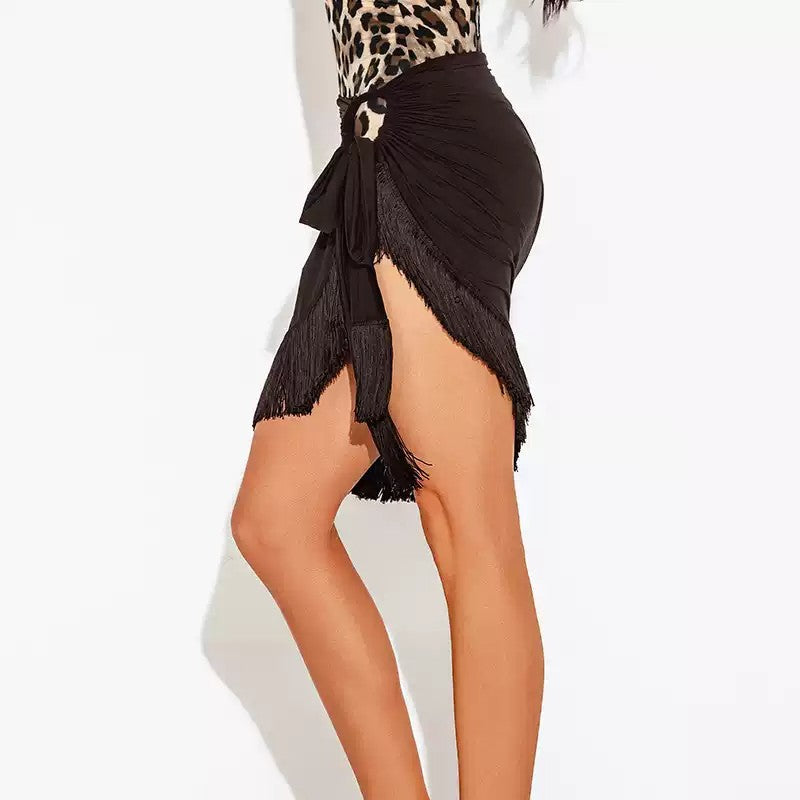
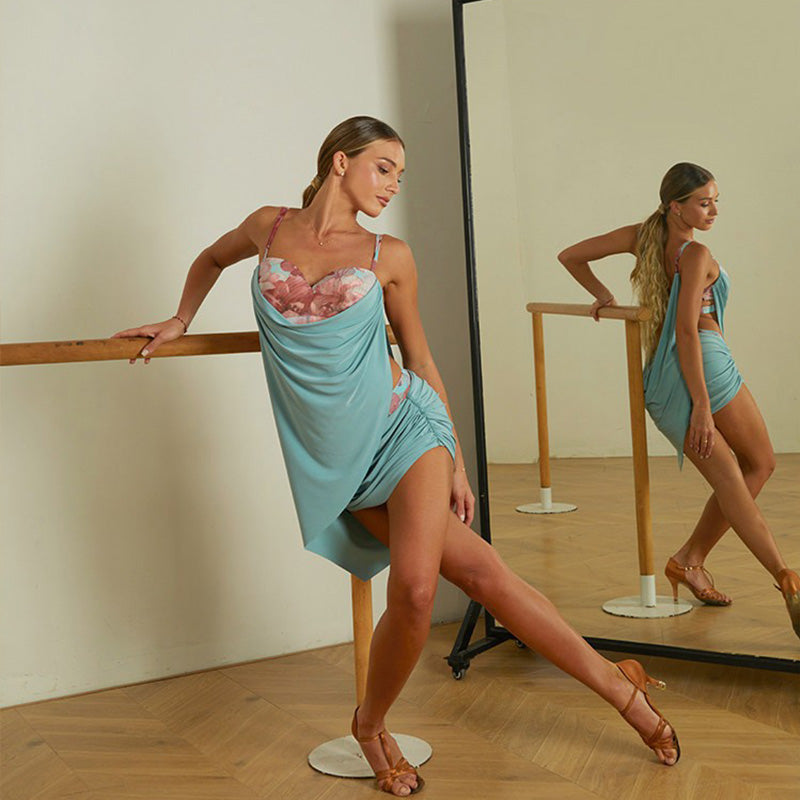
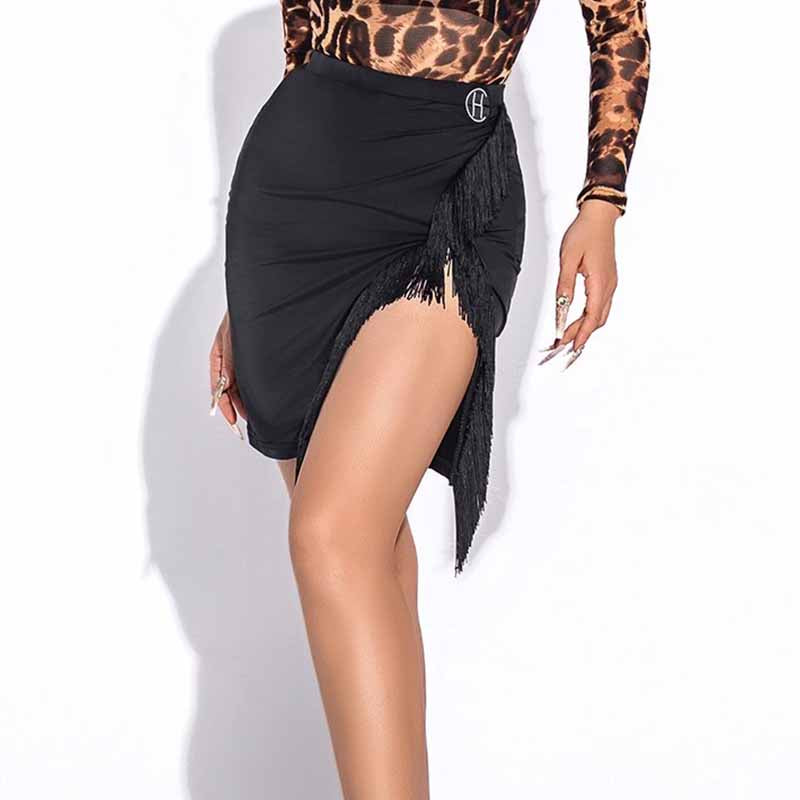
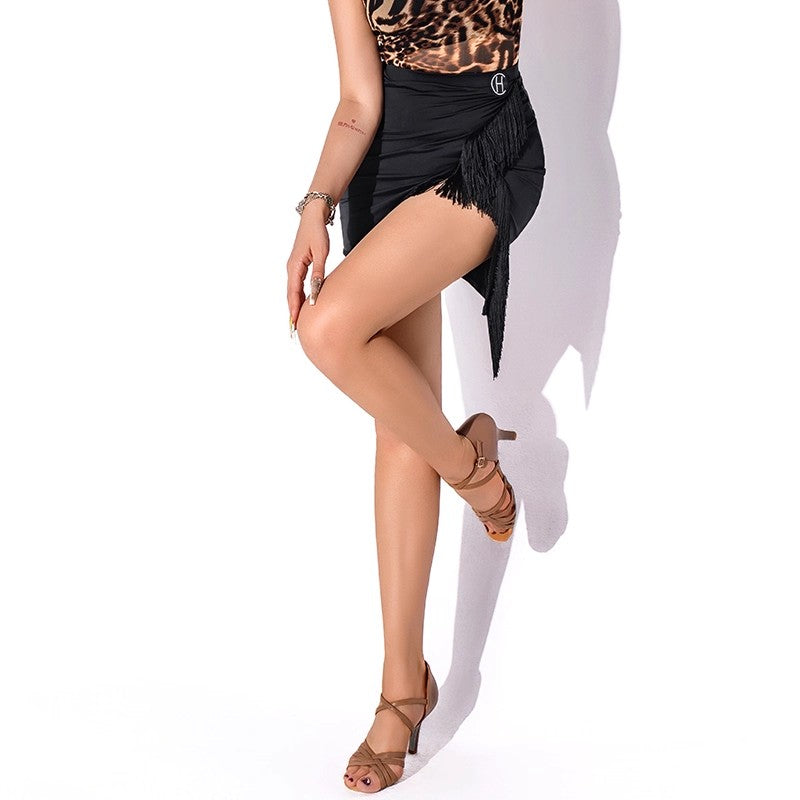
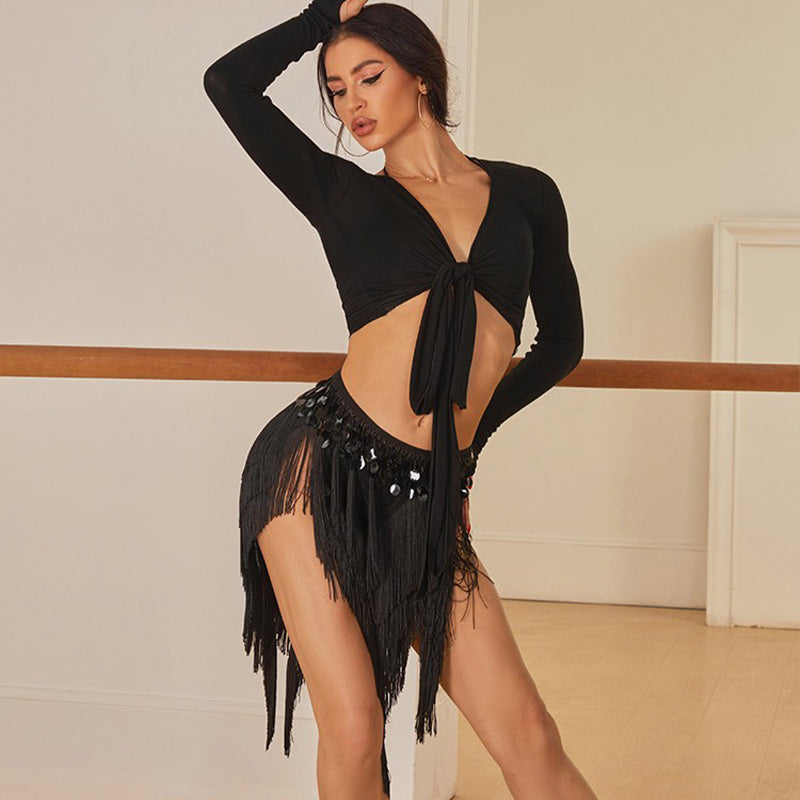
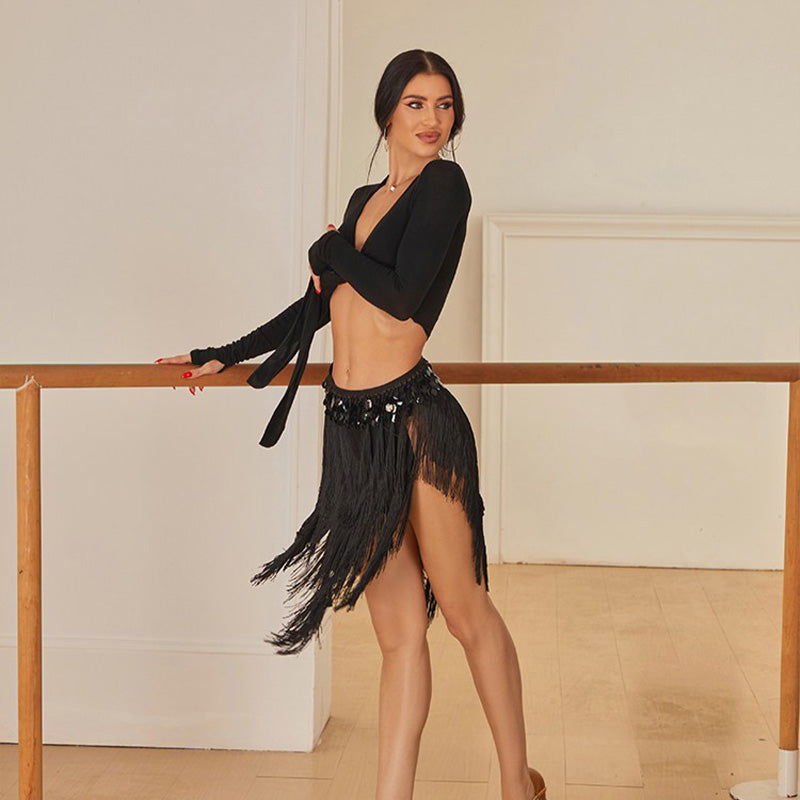
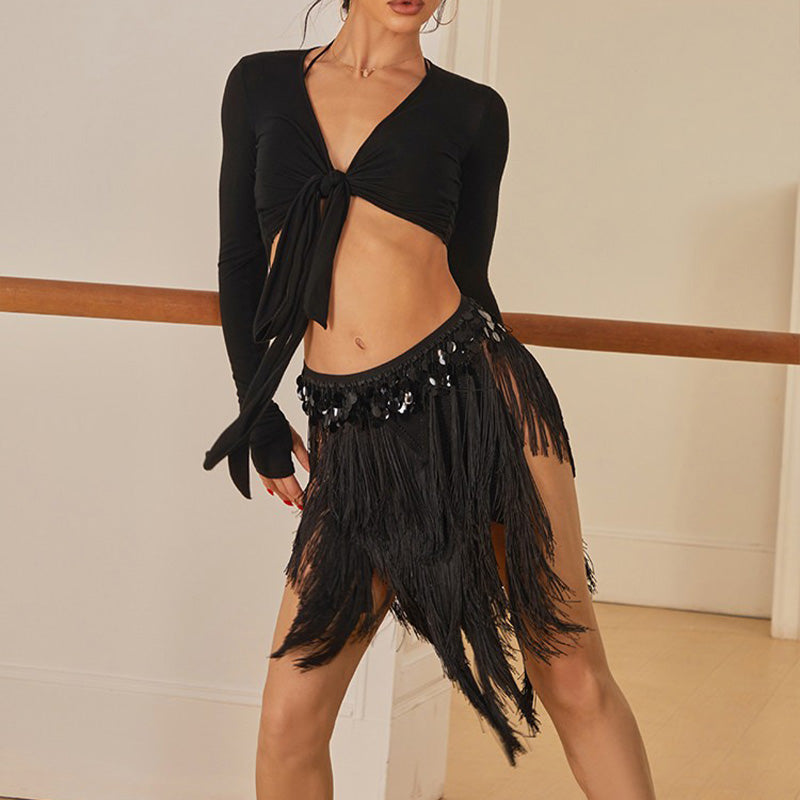
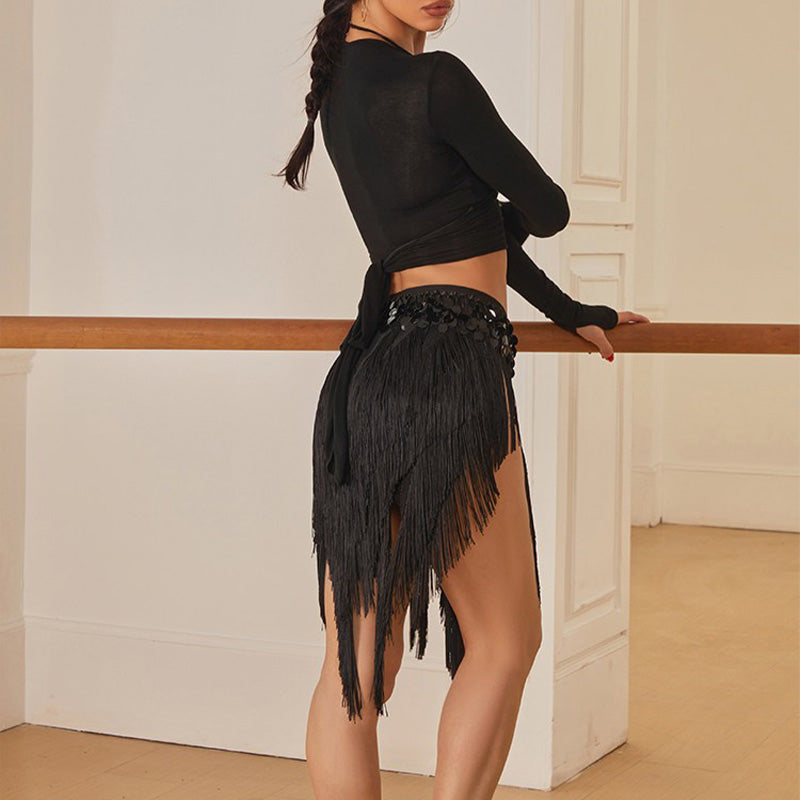
Layering is legitimate, not a compromise. A cropped top over a leotard, a wrap skirt over a short dress, a mesh long sleeve under a sleeveless cut — every one of these is worn regularly at competition level, and none of them changes how the garment moves.
When You Are Between Two Sizes
Dance sizing runs closer to the body than everyday clothing, and it is graded on the assumption that bust, waist and hip move together. Plenty of people are not built that way, which is why the size chart matters more here than a familiar street size does.
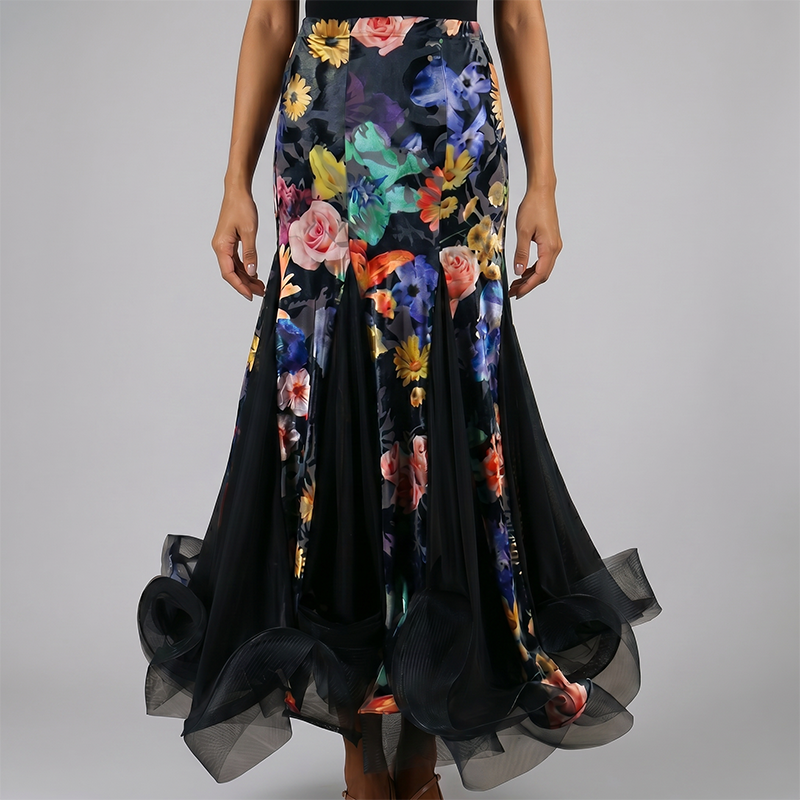
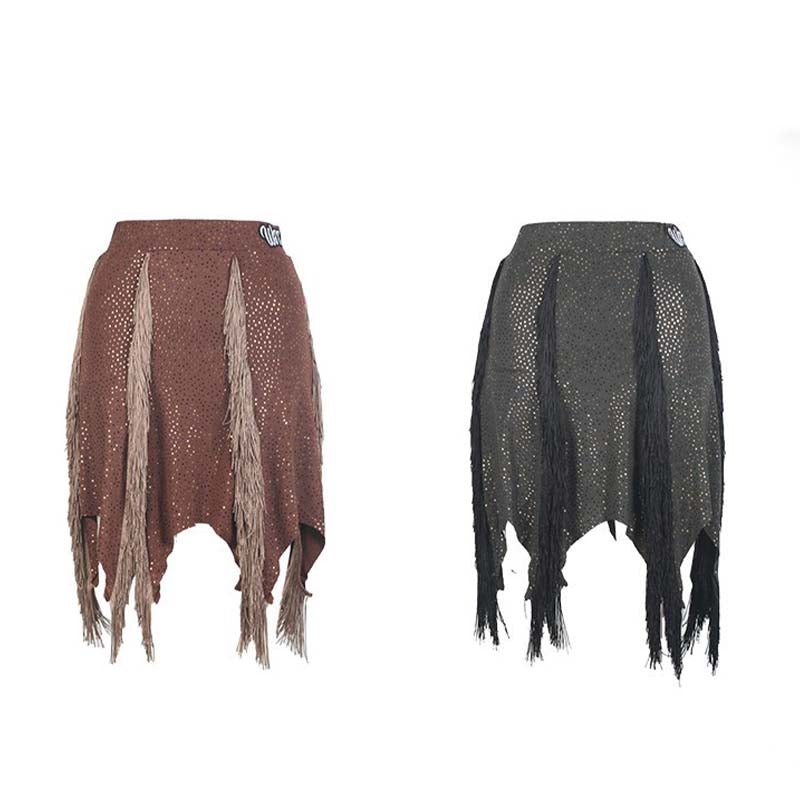
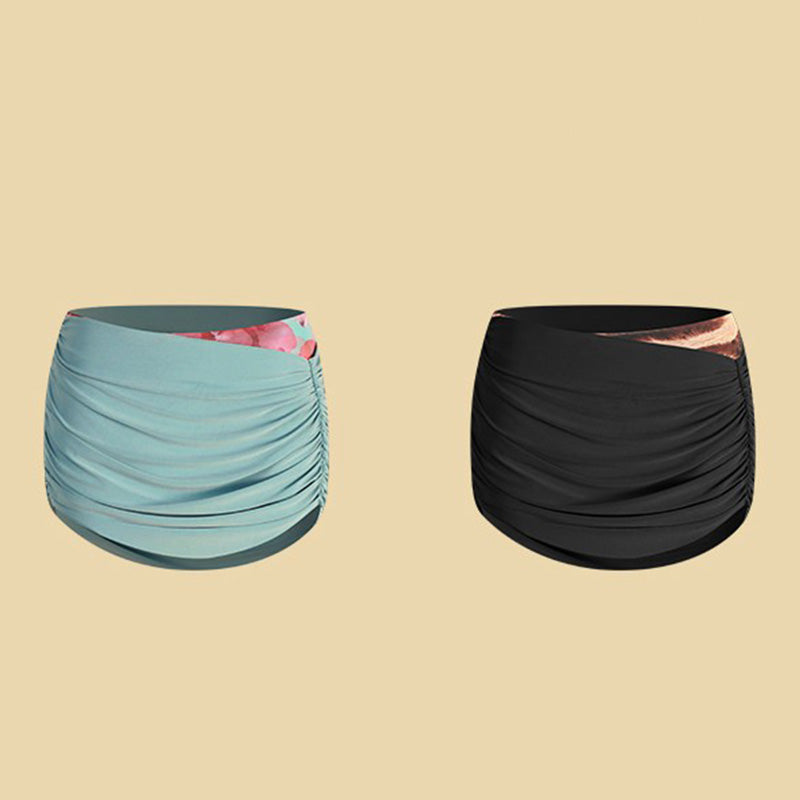
The rule that works: for a one-piece, size to the largest of your three measurements and accept a little room elsewhere, because stretch takes up slack far more gracefully than it survives being over-stretched. For separates, size each half to its own measurement — this is the real argument for a skirt and top over a dress if your top and bottom halves disagree, and it is a wardrobe strategy rather than a fallback.
Length is the measurement people forget. Torso length decides whether a leotard sits comfortably or pulls, and leg length decides where a hem actually lands on you. Measure in the shoes you dance in, since a heel changes the answer by a couple of inches.
From Class to the Rest of the Evening
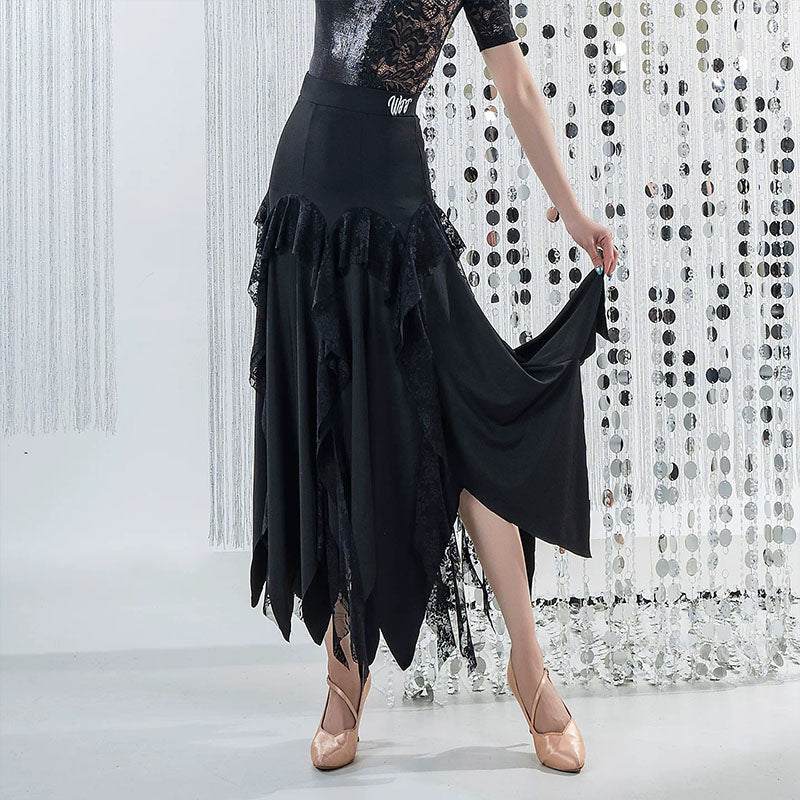
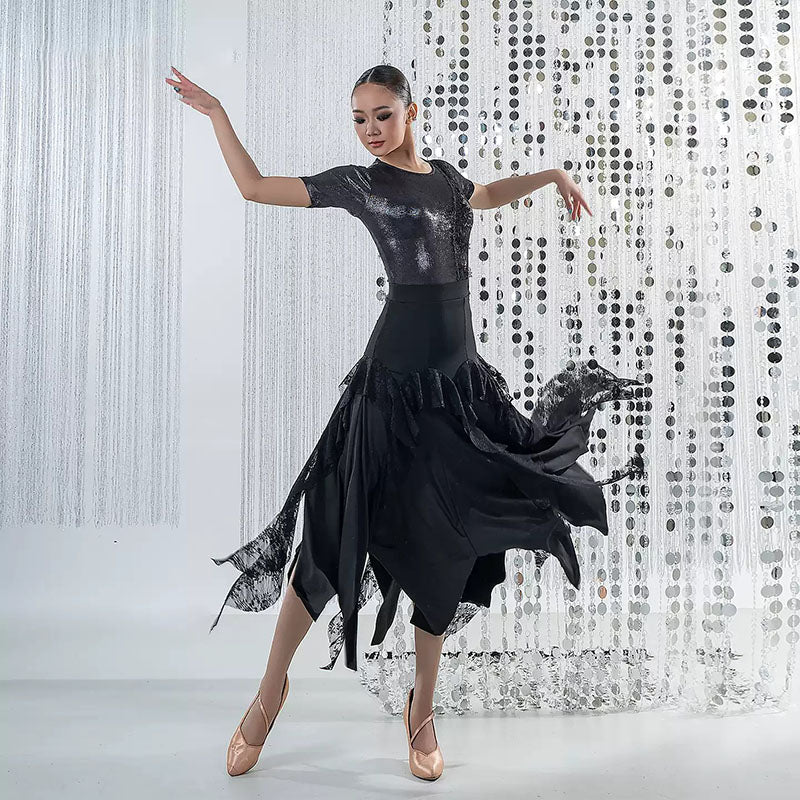
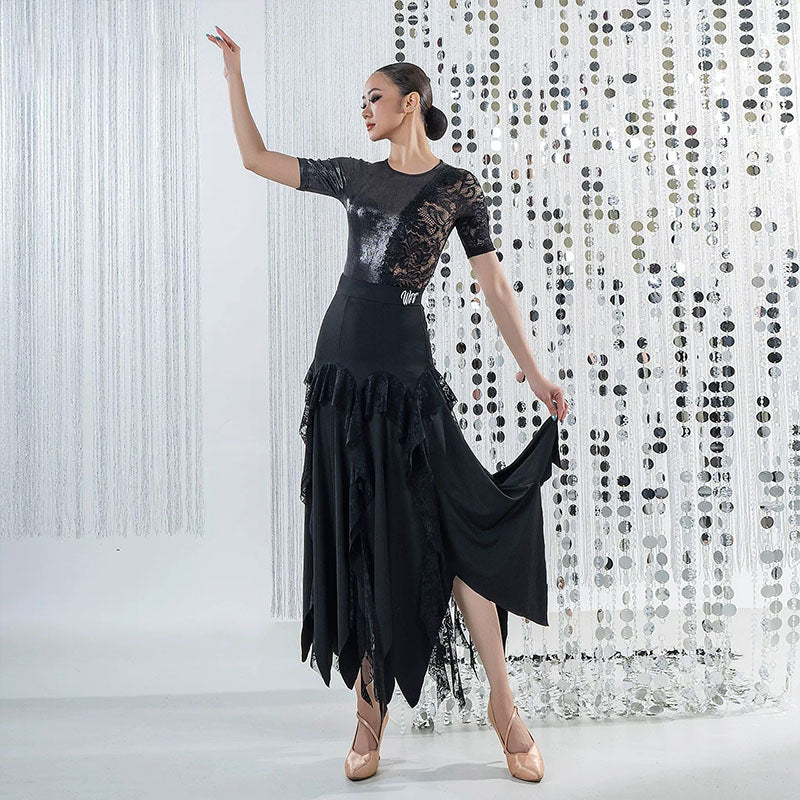
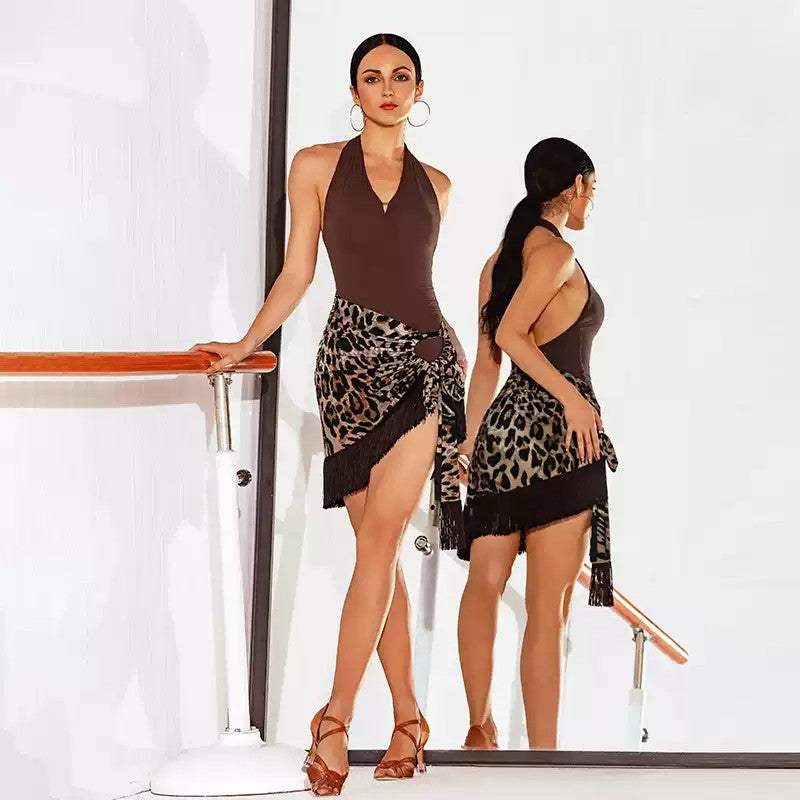
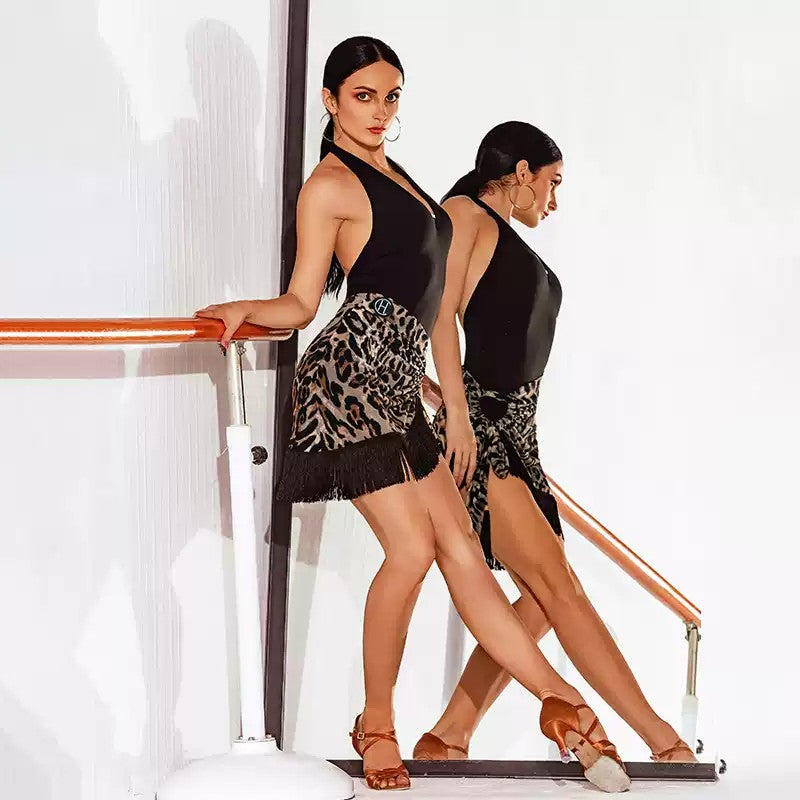
The pieces that get the most wear are the ones that do not announce themselves as dancewear. A dark practice dress reads as a dress. A wrap skirt over the right top goes anywhere. A leotard under a jacket is simply a bodysuit, and nobody in the bar knows otherwise.
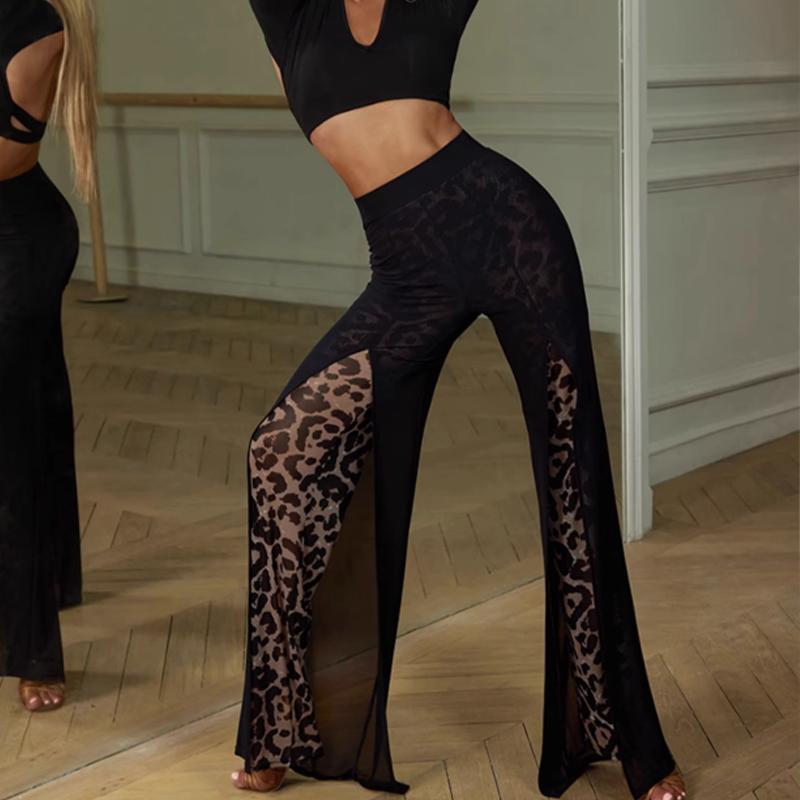
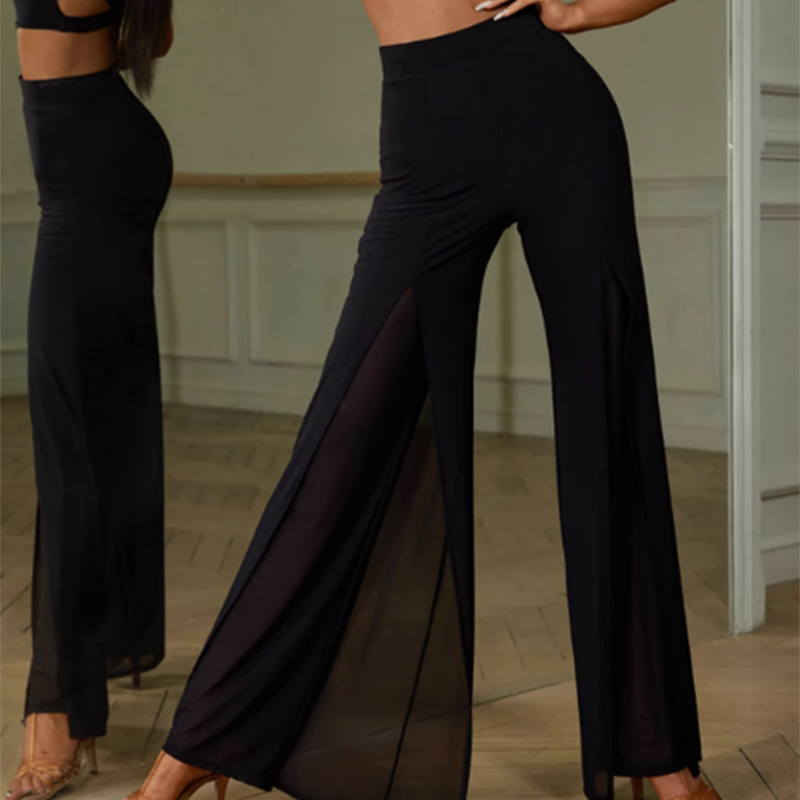
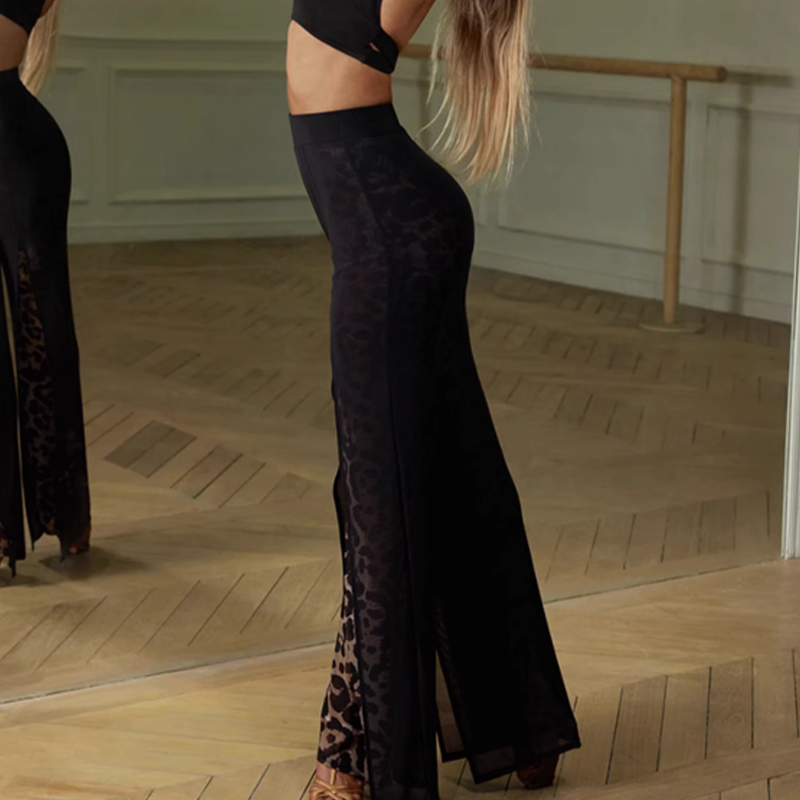
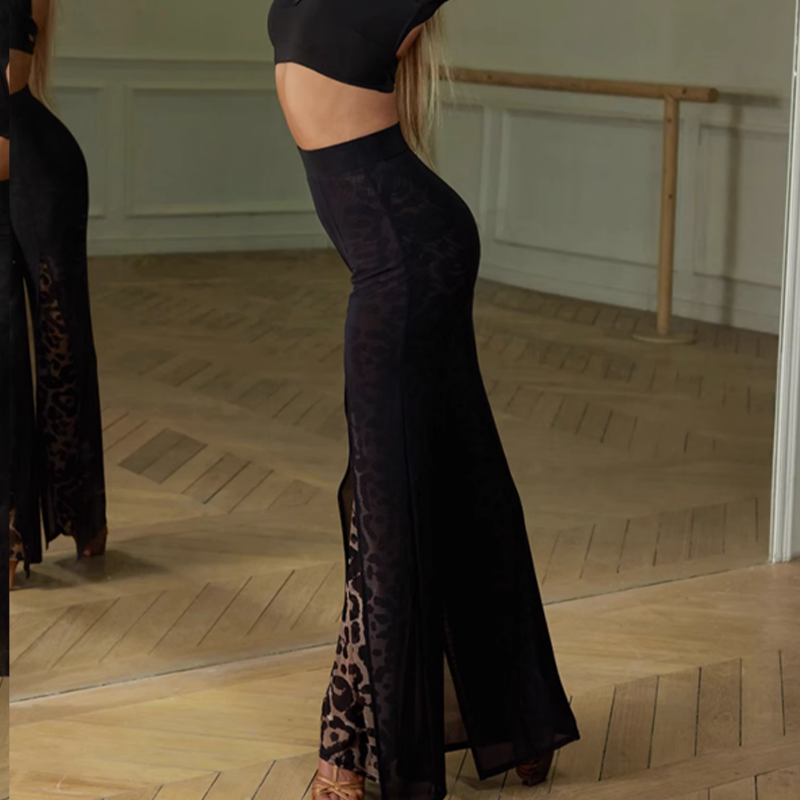
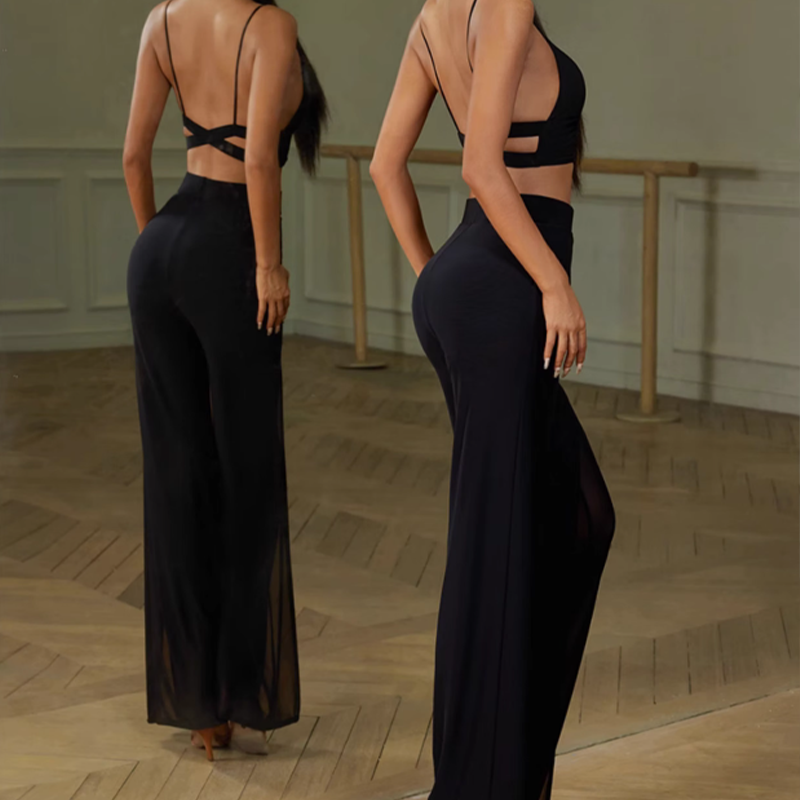
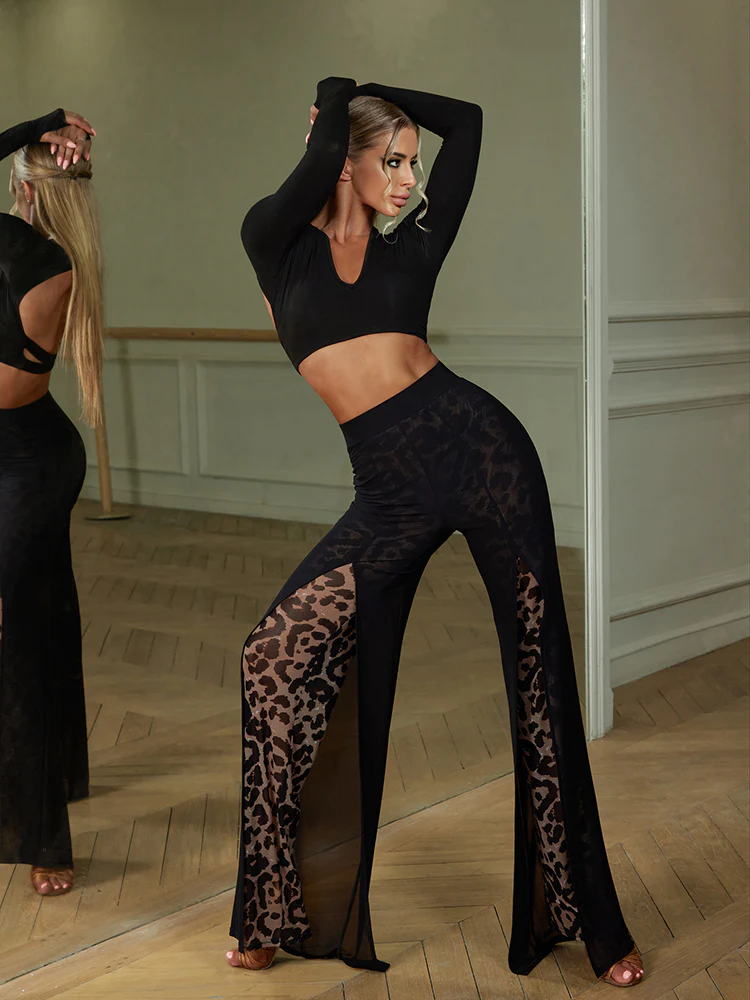
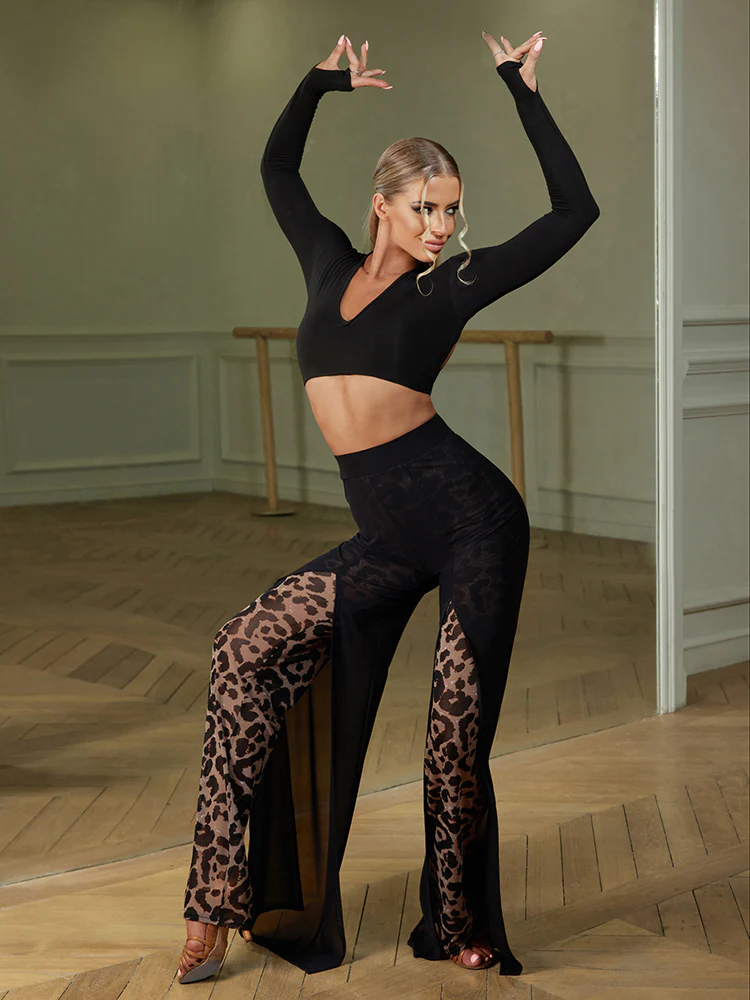
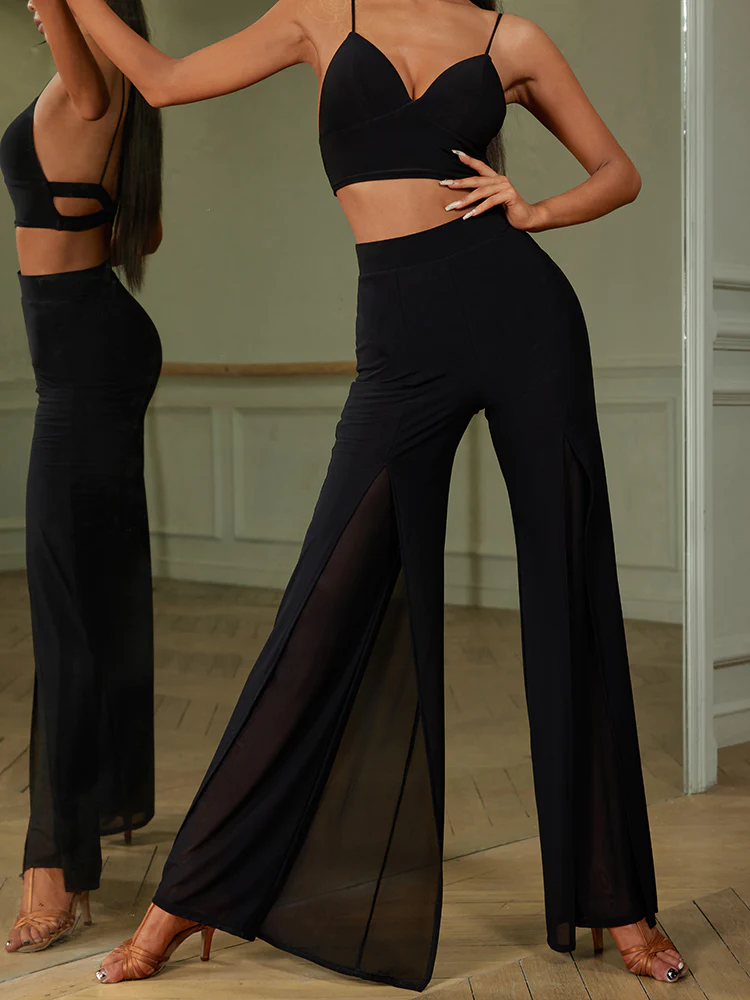
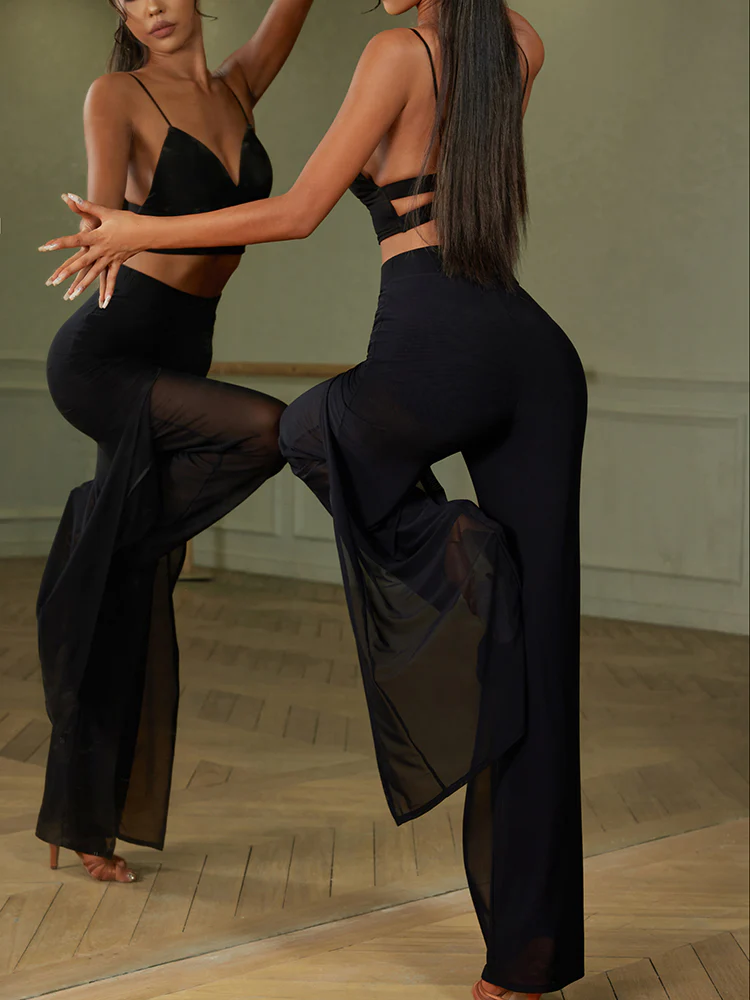
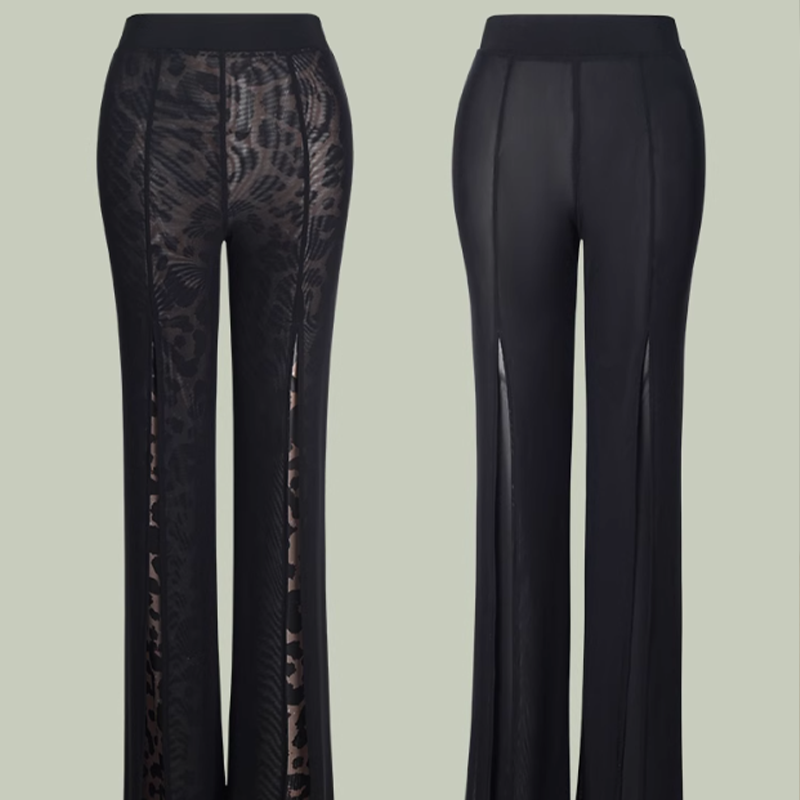
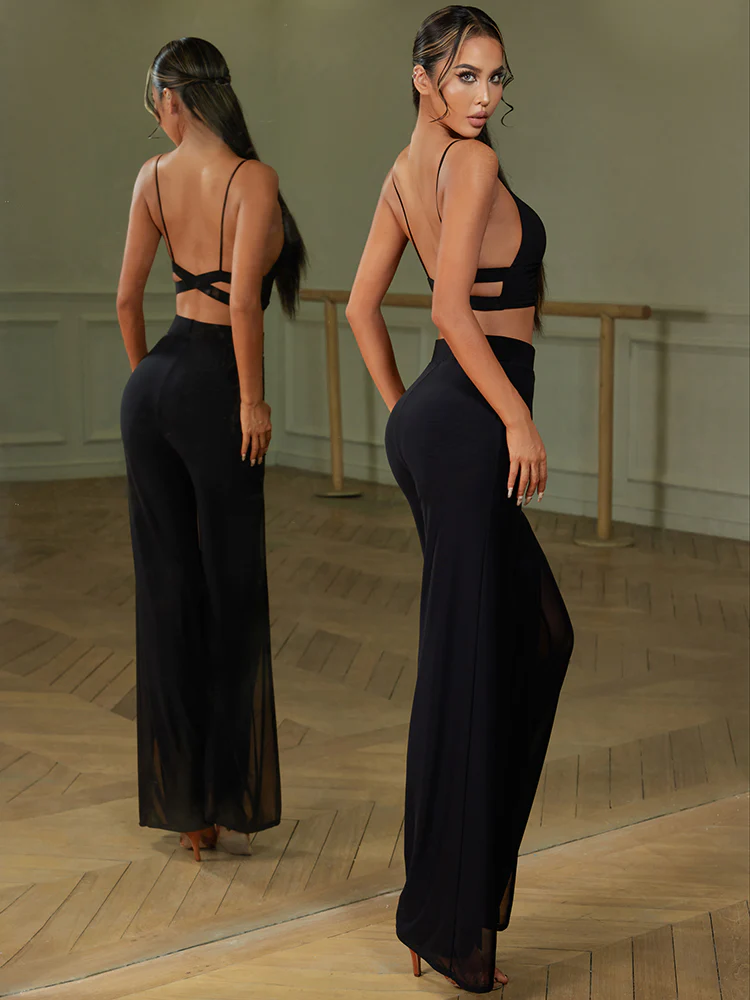
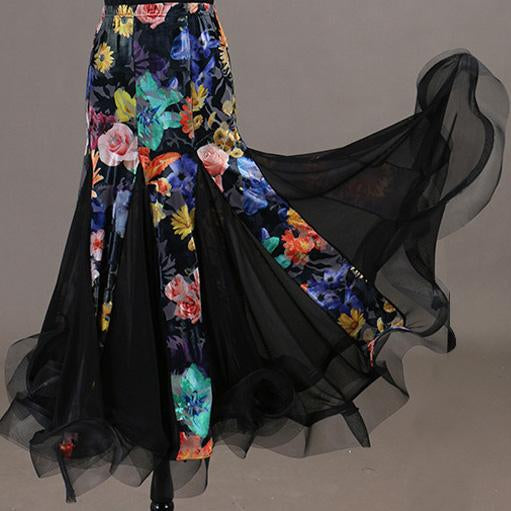
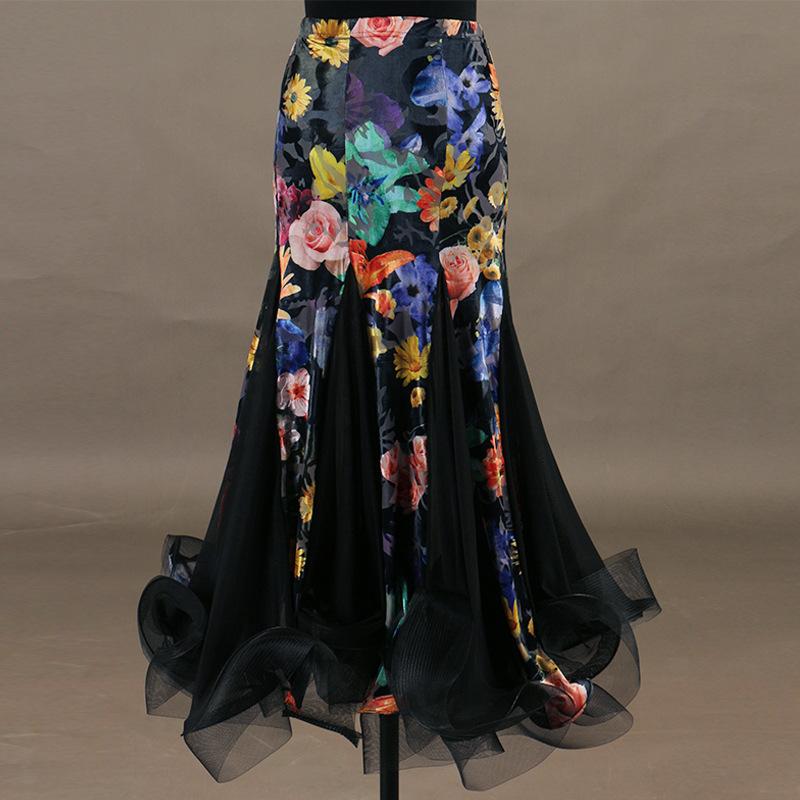
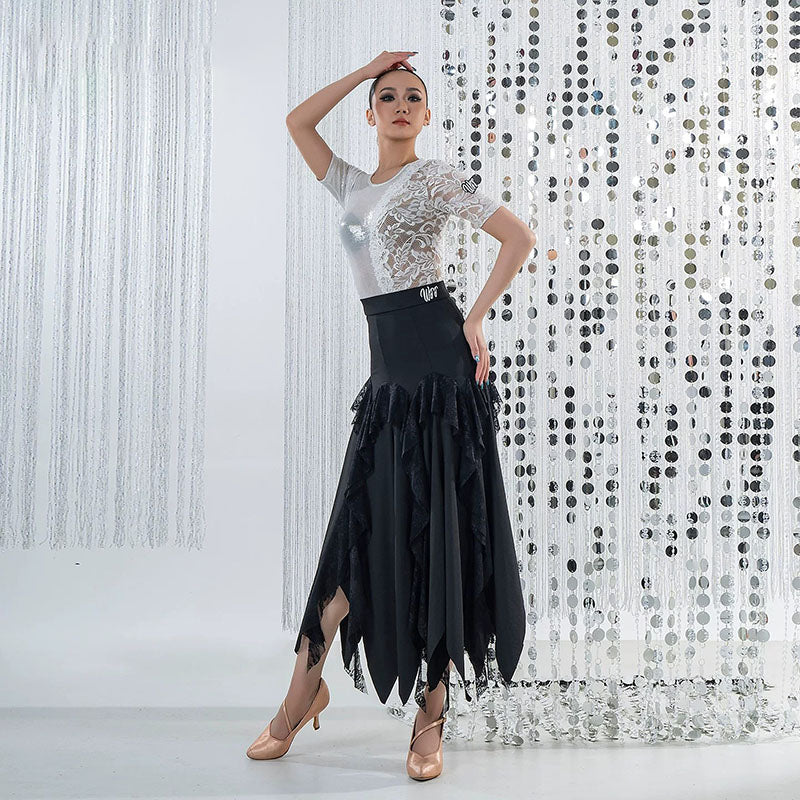
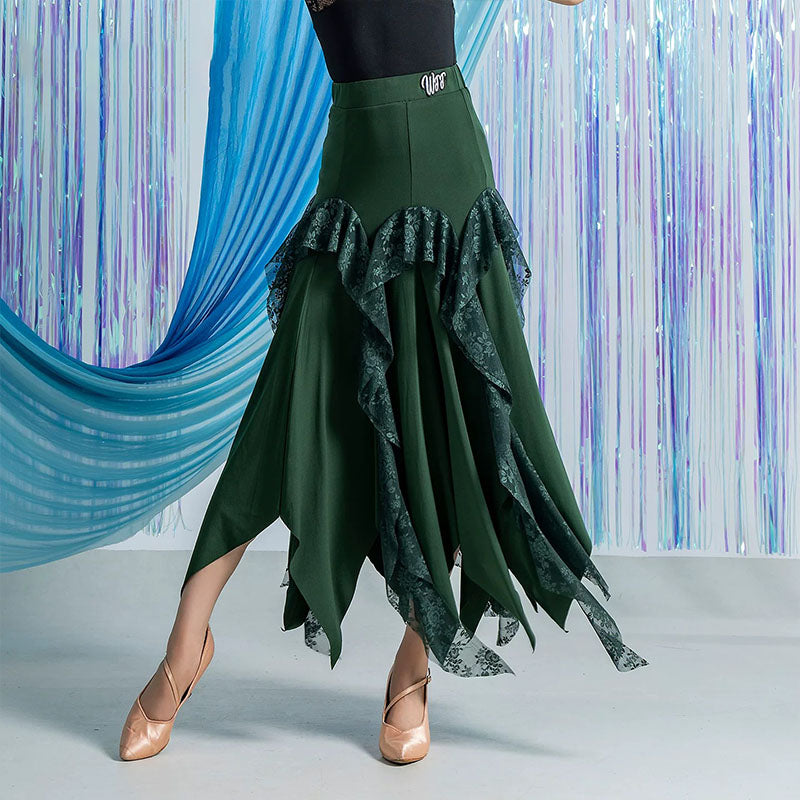
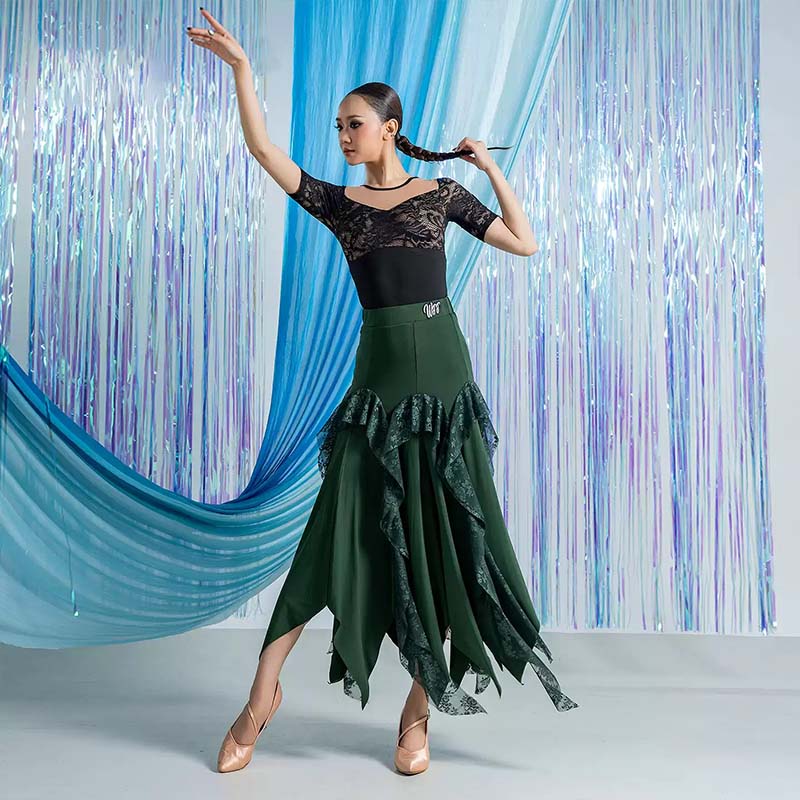
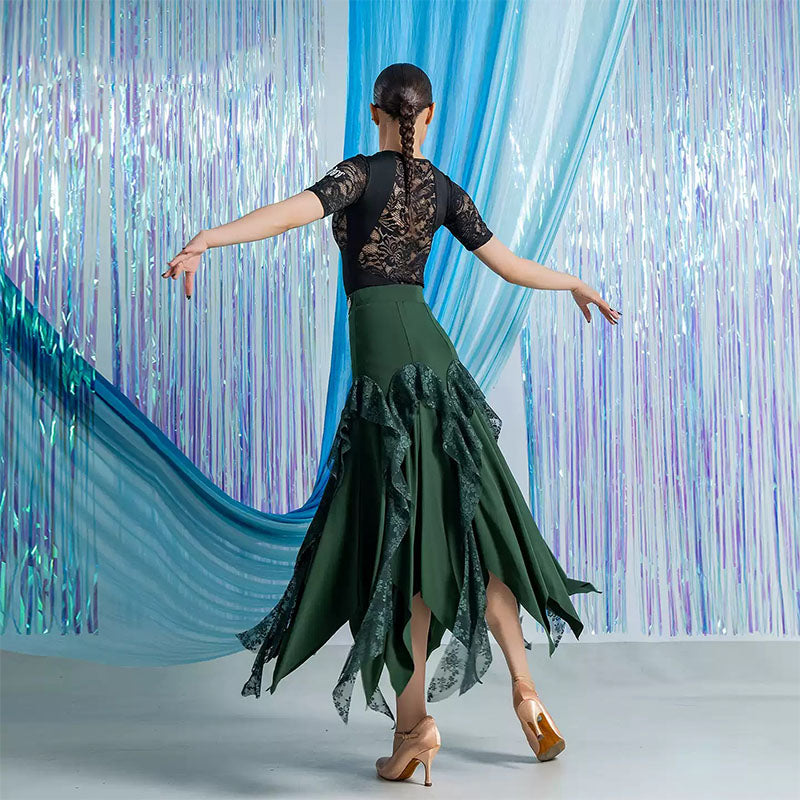
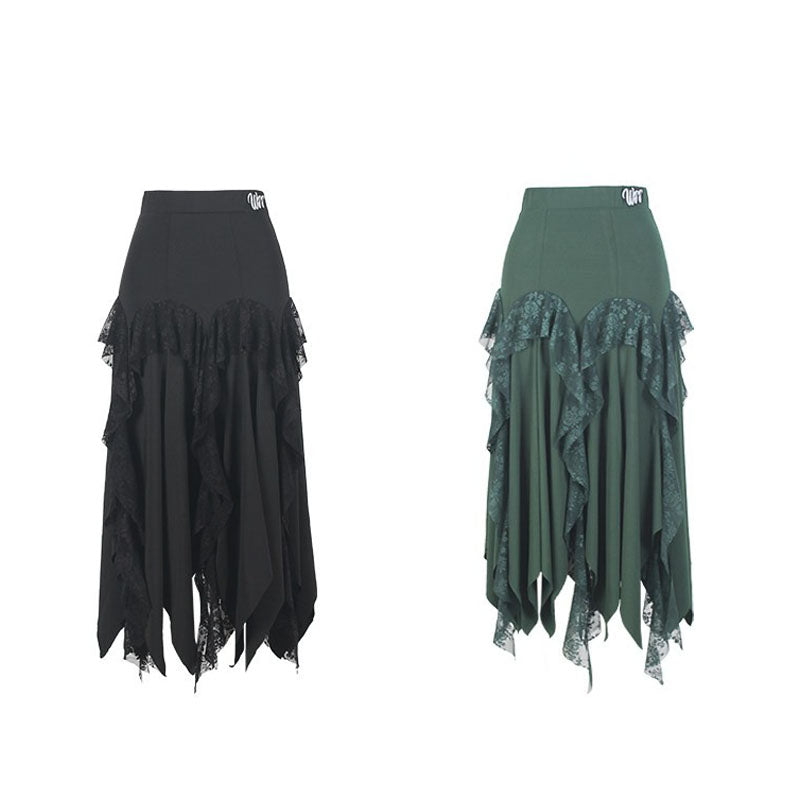
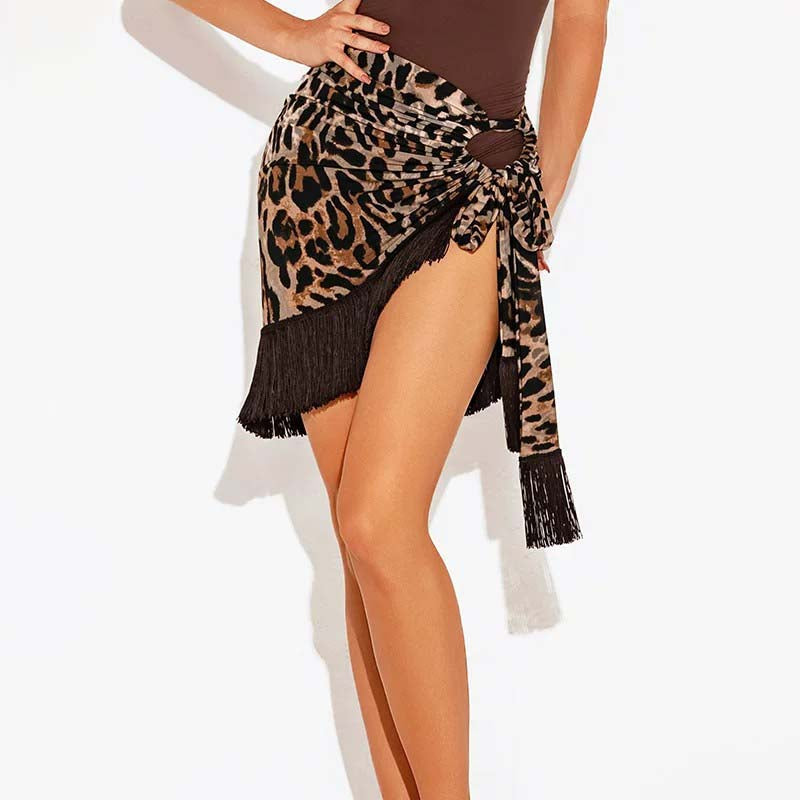
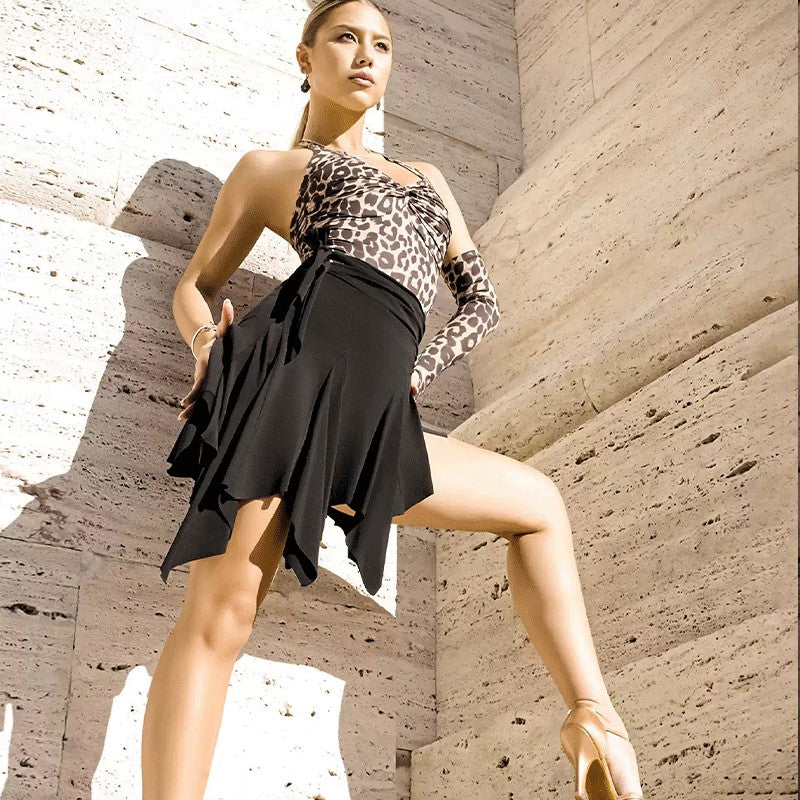
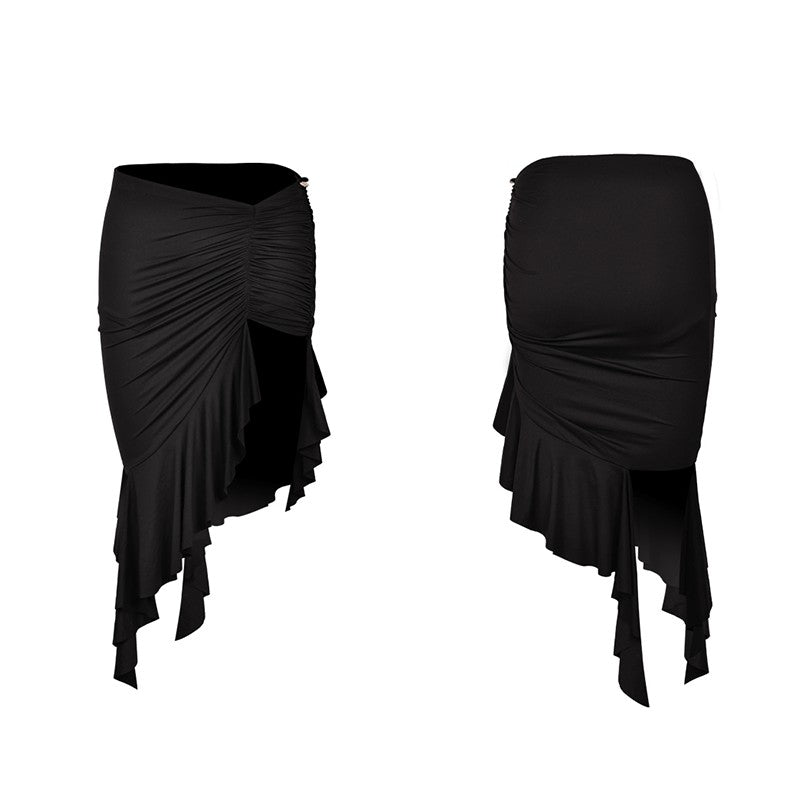
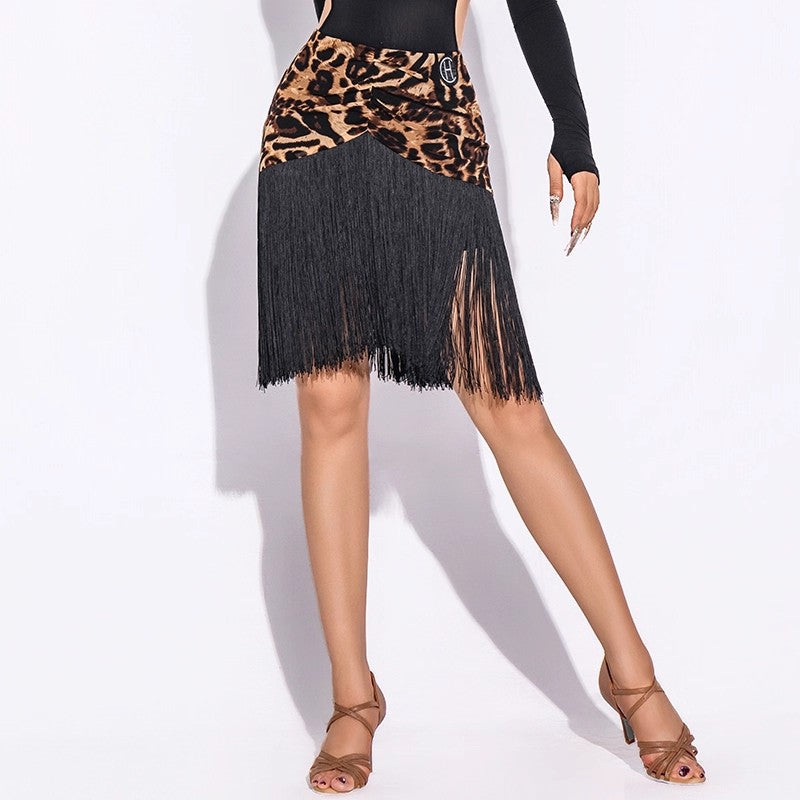
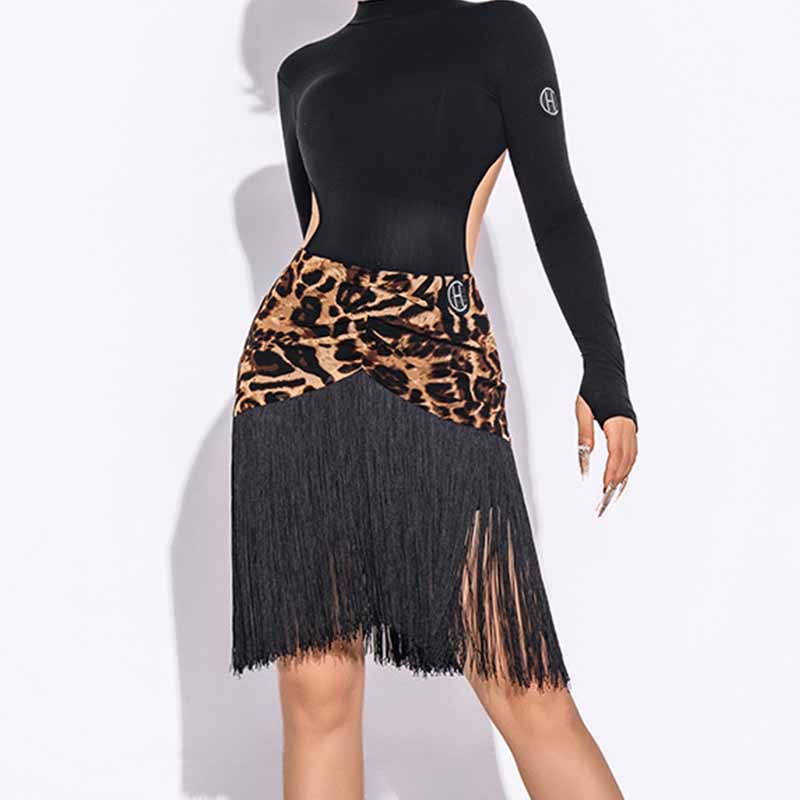
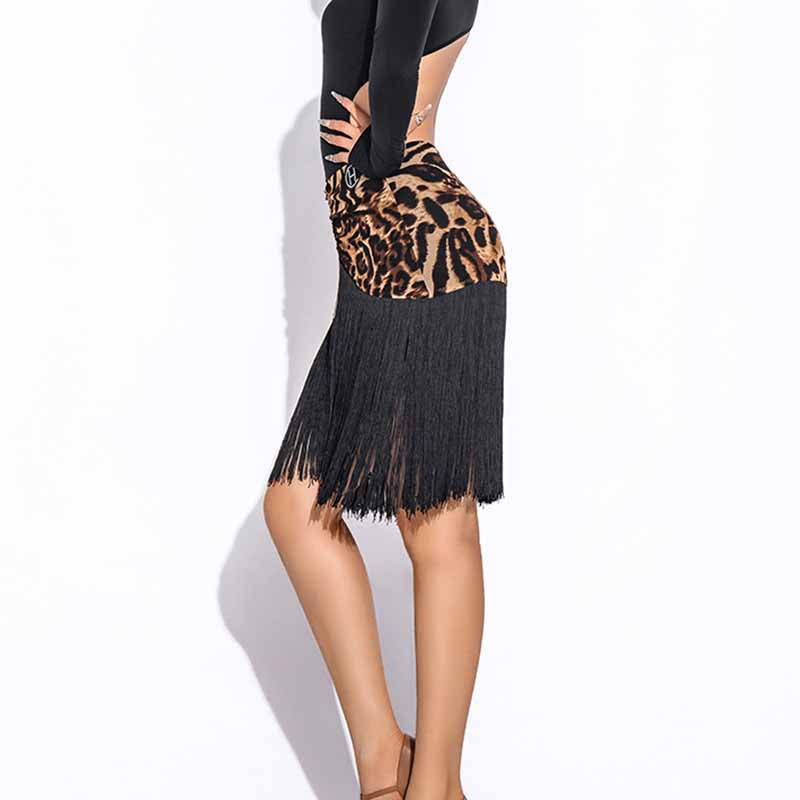
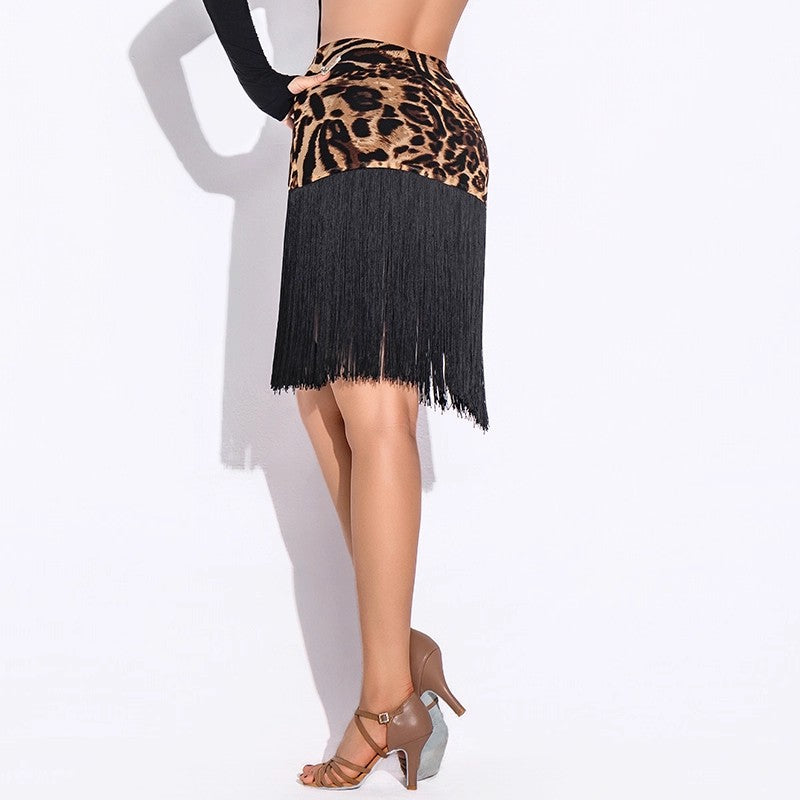
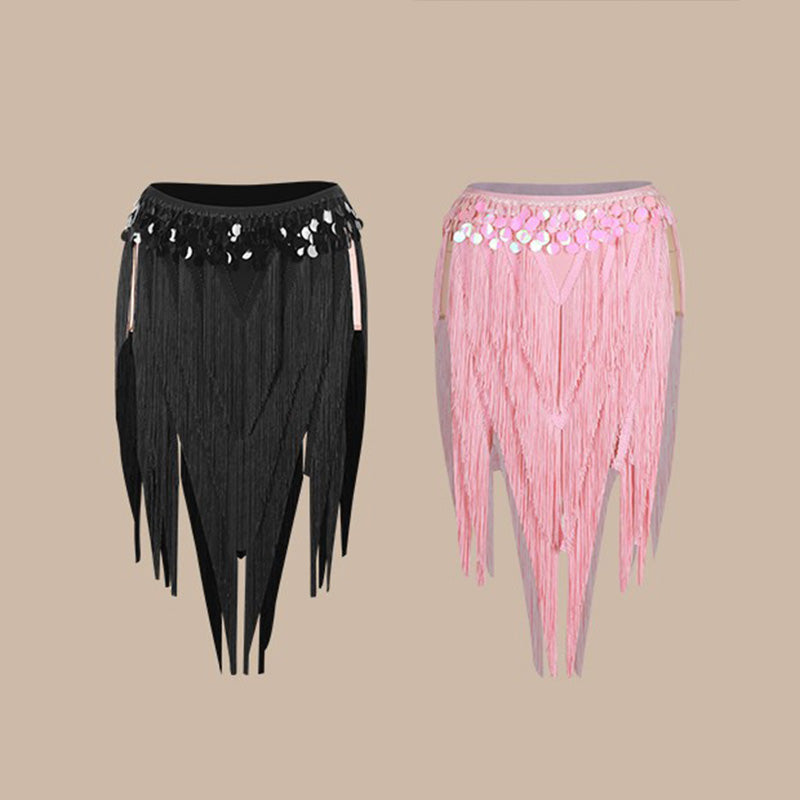
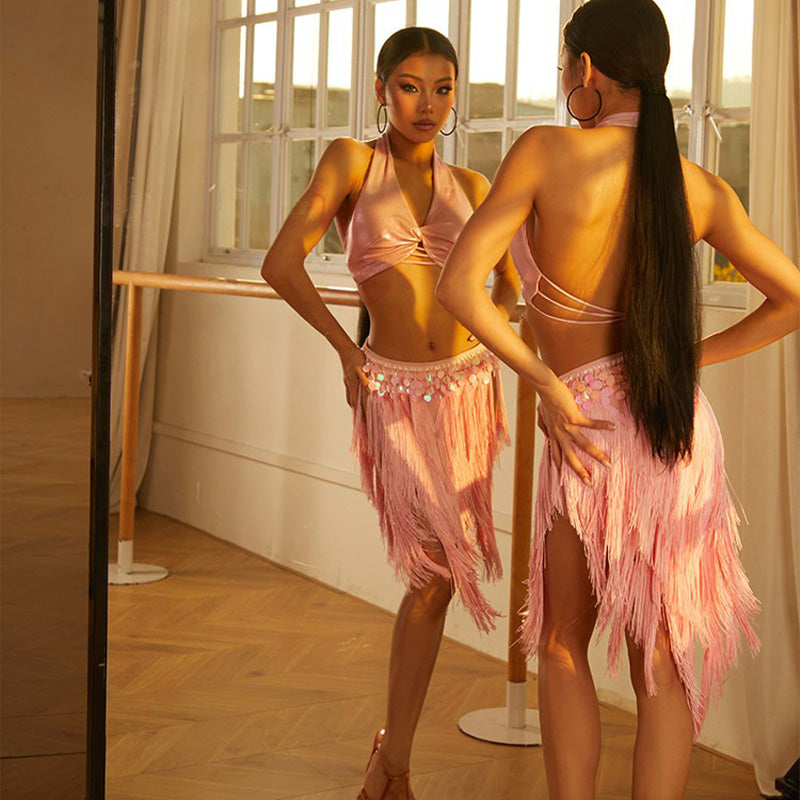
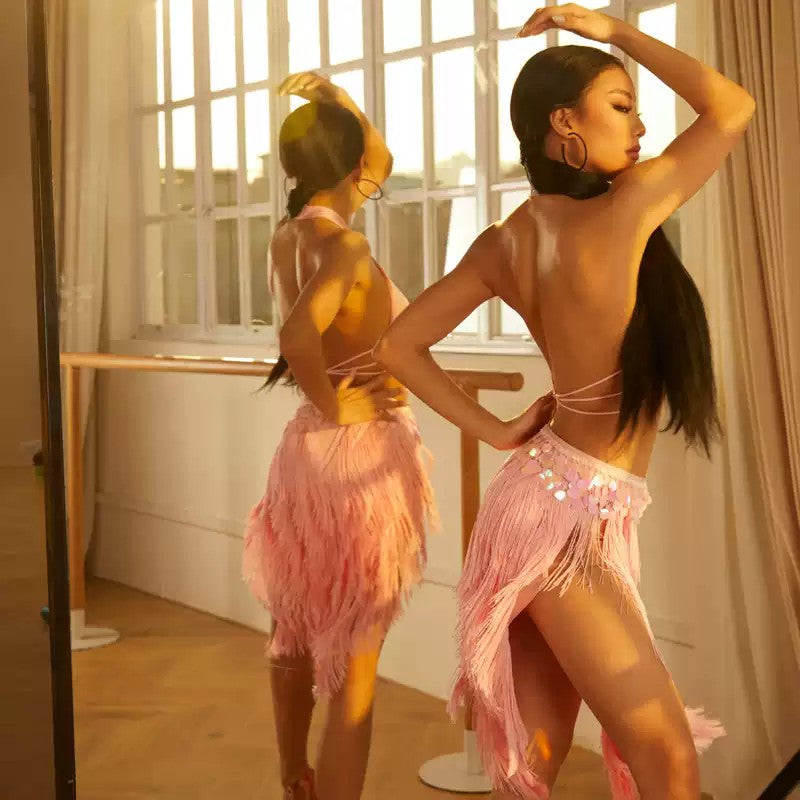
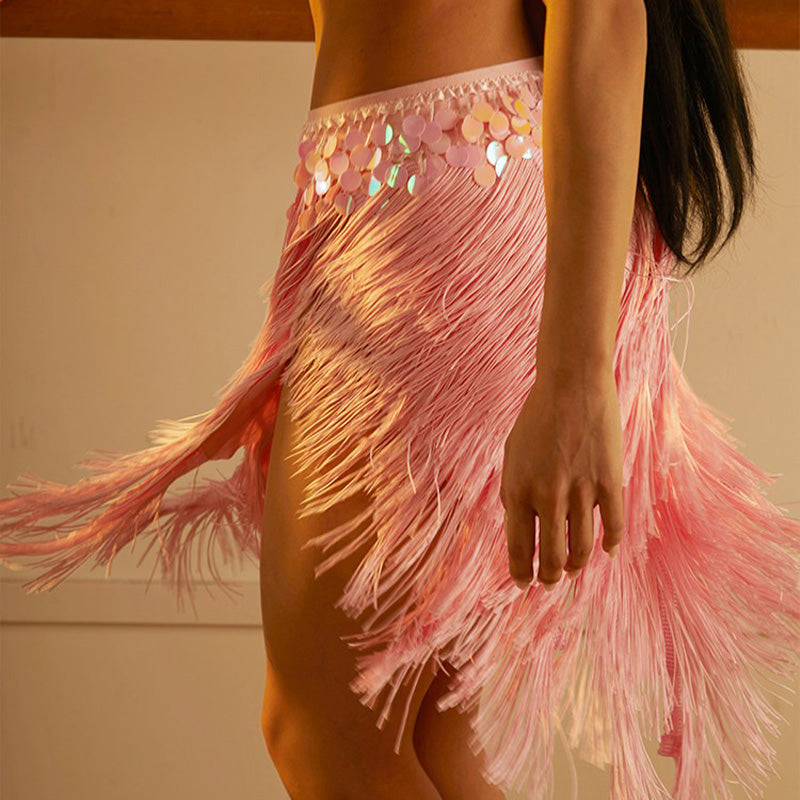
That is worth optimising for, because it changes what you actually get out of a purchase. Start with dance dresses if you want one decision covering a whole evening, or with dance skirts and dance tops if you would rather build several outfits from fewer pieces. Dance bodysuits are the base layer under both. Dance pants cover the cold studios and the solo practice sessions, and they are the piece most women wish they had bought sooner.
Dance Clothes for Women: Frequently Asked Questions
What should a woman wear to a first dance class?
Something that lets you see your own legs move and stays put when your arms go overhead. In practice that means a skirt or dance trousers rather than leggings, and a leotard or fitted top rather than a loose t-shirt. Proper dance shoes matter more than either, since street shoes grip the floor and stop you turning.
What kind of bra do you wear under dance clothes?
Wherever possible, none — a leotard or bodysuit with built-in support is the cleanest solution and the reason most dancers keep several. If you need a separate bra, let the neckline decide it: convertible for a halter, a well-fitted strapless for bandeau and off-shoulder cuts, and any standard bra under a cross or racer back.
Are dance clothes see-through?
Mesh panels are sheer by design, but almost always over a lined body rather than instead of one. In normal room light a lined mesh piece is opaque, and it only reads sheer with light directly behind you. If you want the open look with none of the doubt, choose mesh at the sleeve, yoke or side panel rather than across the body.
What if my top and bottom halves are different sizes?
Buy separates. A skirt sized to your hip with a top sized to your bust fits better than any one-piece compromise, and it gives you more outfits from the same pieces. If you want a dress anyway, size to your largest measurement and let the stretch take up the slack elsewhere.
Can I wear dance clothes outside of class?
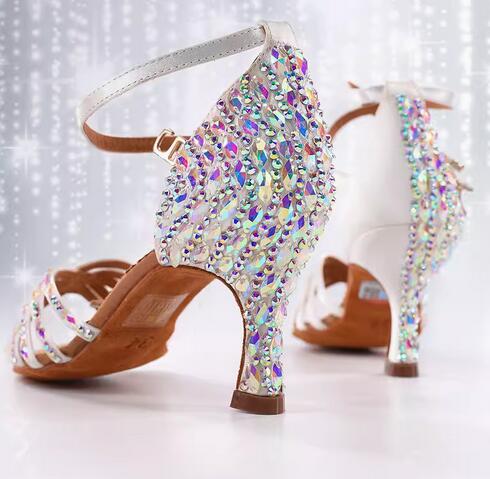
Most of it, yes. Dark practice dresses, wrap skirts and leotards all pass as ordinary clothes, and a great deal of what is here was designed with that in mind. The exception is anything heavily stoned, which is built for a competition floor and looks like it everywhere else.
What size should I order?
Use the size chart on each product page with your own bust, waist and hip measurements rather than your usual clothing size, and measure your torso length too if you are buying a leotard. Stretch fabric gives you some latitude, and every order carries a money-back guarantee if the fit turns out wrong.