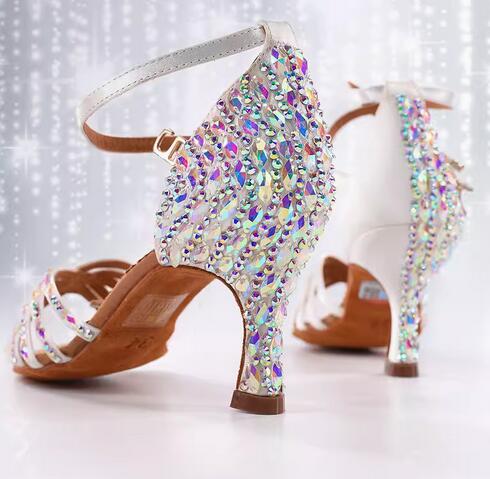
If you want to know how to dance in heels without pain, the first thing to check is not your bravery or your technique. It is the shoe. Most sore feet from dancing in heels come from a mismatch between heel height, fit, and floor grip. Across the thousands of pairs we have shipped, we consistently see that a lower heel, a secure ankle strap, and the right suede sole do far more for comfort than “breaking in” a painful pair. If the ball of your foot aches, your toes feel crushed, or your knees are sore the next day, there is usually a fix.
Why dancing in heels hurts: the 3 most common causes
The most common reason dancing in heels hurts is simple: the shoe is asking too much from your foot and leg. A heel that is too high pushes body weight forward, so the ball of the foot takes the load and the calves work harder. For beginner dancers, 2" to 2.5" is usually a far better starting point than 3" or higher.

The second cause is fit. If the toe box is too narrow, the toes get compressed and the forefoot loses cushioning. That is when the ball of foot pain starts to show up fast, especially in satin or mesh styles with little structure. A snug heel cup, enough forefoot support, and a wide fit option can prevent blisters before they start.
The third cause is balance. If your weight sits too far back, the ankle has to fight for control and the knees absorb more stress. A stable heel shape, such as a block heel or flared heel, can help with heel stability, especially in social and Latin dance shoes. For many dancers, the fix is not “more practice” alone; it is better weight distribution and a shoe that supports the dance instead of fighting it. For this reason, our Low Heel Dance Shoes collection is often the first place beginners feel a real difference.
Painful heels vs comfortable heels for dancing
A painful heel usually has one or more of these problems: too much height, too little support, or the wrong sole for the floor. A comfortable heel for dancing keeps the foot more centered, gives the forefoot a little relief, and stays steady when you turn or change direction. After helping hundreds of dancers choose the right size online, I can say the details matter more than the label.
| Feature | Painful Heel | Comfortable Heel for Dancing |
|---|---|---|
| Heel height | 3"+ for a new dancer | 2" to 2.5" for better control |
| Heel shape | Slim heel that wobbles | Block heel or flared heel for heel stability |
| Forefoot feel | Thin insole, little forefoot cushioning | Light padding or forefoot support |
| Upper fit | Loose straps, heel slip | Secure ankle strap or supportive upper |
| Sole | Wrong grip for indoor floors | Suede sole for controlled glide |
| Toe box | Crushed toes, side squeeze | Roomier toe box and better wide fit |
If you dance on indoor floors, the sole matters as much as the heel. A suede sole gives controlled glide, which is what you want for ballroom and Latin movement. Rubber soles can feel sticky on traditional dance floors, and that extra drag often makes the knees and ankles work harder. For dancers who need a more secure feel, TTdancewear’s Heels Dance Shoes and Latin Salsa collections focus on the support details that reduce foot fatigue.
A secure ankle strap can also change everything. It keeps the foot from sliding forward, which helps reduce toe cramping and rubbing at the heel. If your current shoes leave you sore after short sessions, the problem is often the combination of height, fit, and grip rather than your dancing ability.
How to dance in heels without pain: 6-step technique plan
If you want to know how to dance in heels with minimum pain, start with the shoe and then build the habit around it. Most beginners we work with do better when they follow a simple six-step plan instead of forcing long sessions in aggressive heels.
Start with a 2" to 2.5" heel.
This gives you enough lift for line and shape without overloading the forefoot. A 3" heel is usually too much for absolute beginners.Choose a stable heel shape.
A block heel or flared heel gives more heel stability than a very slim heel. That matters when you turn, pause, or shift direction.Add forefoot cushioning if needed.
A thin pad can reduce ball of foot pain and help if the shoe feels hard under the metatarsals.Fasten the ankle strap firmly.
A secure strap helps prevent side-to-side movement and reduces blisters from friction.Build wear time gradually.
Start with short practice blocks and increase only when your feet and calves recover well the next day.Stretch after dancing.
A quick calf stretch and foot reset can ease tightness and reduce next-day soreness in the arches and knees.

Technique helps, but it cannot fully fix a shoe that is too high or too narrow. That is why a fit-first pair from TTdancewear can be such a practical starting point. If your current pair causes sore feet from dancing in heels, move down to a lower heel before you add more practice time. For many dancers, that single change reduces calf tightness and knee pain after dancing in heels more than any stretch routine.
How to choose the most comfortable heels for dancing
The most comfortable heels for dancing are the ones that fit your foot shape and match your level. Beginners should avoid 3"+ heels and choose a height they can control through turns, pauses, and weight shifts. If you are still building confidence, a 1.5" to 2.5" range is usually easier on the feet and ankles.
| Buying Feature | What to Look For | Why It Helps |
|---|---|---|
| Heel height | 1.5", 2", or 2.5" for newer dancers | Reduces pressure on the ball of the foot |
| Heel shape | Block heel or flared heel | Improves heel stability |
| Upper | Ankle strap, T-strap, or secure vamp | Limits heel lift and rubbing |
| Toe box | Room for toes, especially in wide fit styles | Helps prevent toe compression |
| Sole | Suede sole for indoor dance floors | Gives controlled glide |
| Material | Satin, leather, or mesh with structure | Balances comfort and durability |
Wide feet need extra attention. If the toe box is too narrow, the foot slides forward and the toes get crushed. That is why forefoot support and strap security matter so much. A shoe can look beautiful and still be the wrong fit if it has no room in the front.
For Latin dance shoes, an open-toe flare heel with a suede sole is a strong choice. For ballroom standard, you want a closed-toe shoe with a full suede sole, not a rubber sole. If you are comparing styles online, TTdancewear’s Salsa Dance Shoes and Ladies Shoes pages make it easier to sort by heel height, upper design, and fit notes before you order.
How to reduce foot, ankle, and knee pain while dancing
Foot, ankle, and knee pain often travel together. When the foot gets tired, the ankle loses control. When the ankle loses control, the knees take more strain. That is why the fix is not just “stretch more”; it is better alignment, better support, and better floor contact.
Warm up your calves, arches, and ankles before you dance. A short calf stretch can help the heel sit more naturally, and it can reduce that tight pulled feeling in the back of the leg. If your arches collapse easily, a shoe with some arch support or a firmer shank can help the foot stay organized through turns and rises. That matters in social dancing, where fatigue builds over time.
Weight distribution is another big one. If you sit too far back on the heel, the knees often complain the next day. Keep the pressure centered and let the heel support you without locking the leg. On indoor floors, a suede sole helps you move with control instead of fighting sticky traction. If your current shoes feel unstable, our Salsa Dance Shoes collection is a practical place to look for more secure heel shapes and better surface-specific grip.
Stop if pain turns sharp. Mild fatigue is normal; sharp pain is a warning sign. A shoe that fits properly should support the dance, not force you to brace through every step.
Best shoe features for wide feet and long dance sessions
Wide feet need more than “just size up.” A larger size can leave the heel loose while still crushing the toes. The better fix is a roomier toe box, enough forefoot support, and straps that hold the foot in place without cutting in.
| Need | Best Feature | What to Avoid |
|---|---|---|
| Wide feet | Roomier toe box | Narrow pointed front |
| Heel control | Secure ankle strap | Loose backless fit |
| Long sessions | Lower heel height | 3"+ heels for beginners |
| Less rubbing | Smooth lining and stable upper | Hard seams at the forefoot |
| Better grip | Suede sole | Sticky or overly slick outsole |
For long social dance nights, lower heels usually feel better because they spread pressure more evenly. A 2" or 2.5" heel can reduce forefoot fatigue and help prevent blisters from repeated side-to-side movement. That is especially true if your feet swell a little as the night goes on.
From years of resolving shoes and hearing the same complaints back from dancers, we know the biggest fit mistake is choosing style before structure. If you need more room, use product measurements and size-down guidance instead of guessing. TTdancewear’s Ladies Shoes and Low Heel Dance Shoes collections are useful when you want a more comfortable fit without giving up a polished look.
When to replace your shoes and what to do next
Replace your shoes when the heel feels unstable, the forefoot padding has packed down, or the upper no longer holds the foot securely. If you keep getting blisters in the same spot, or your toes feel cramped even after adjusting straps, the shoe design is probably the issue. Persistent soreness is often a sign that the heel height or toe box is no longer right for your current level.
A good next pair should solve the problem you already know. If the ball of your foot aches, move to a lower heel with more forefoot support. If heel slip is the issue, look for a better ankle strap or a more structured upper. If grip is the problem, choose a suede sole that matches indoor dance floors. TTdancewear’s Best Sellers collection is a smart place to compare proven styles when you want a more comfortable next step.
FAQs
Why is it so hard to dance in heels?
Dancing in heels is hard because the heel shifts your weight forward and asks more from your ankles, calves, and forefoot. A slim heel, poor fit, or the wrong sole can make that much worse. Most beginners do better in 2" to 2.5" heels with a secure ankle strap and a suede sole for indoor floors. If the shoe is stable and the toe box fits well, control improves quickly.
How to dance in heels with minimum pain?
Start with a lower heel, usually 2" to 2.5", and choose a shoe with forefoot support and a secure ankle strap. Build wear time in short sessions instead of long blocks right away. A suede sole helps on indoor dance floors because it gives controlled glide without fighting the floor. After dancing, stretch your calves and feet to reduce tightness the next day.
Does dancing in heels hurt?
It can hurt if the heel is too high, the fit is too narrow, or the shoe lacks support. Mild fatigue is normal, but sharp pain in the ball of the foot, toes, ankles, or knees is a warning sign. A better heel height, a roomier toe box, and a stable heel shape usually make a big difference. TTdancewear focuses on practical dance shoes that support comfort and control.
Why do my knees hurt after dancing in heels?
Knee pain often means your weight is sitting too far back or the heel is too high for your current level. That changes alignment and makes the knees work harder during turns and rises. A lower, more stable heel can reduce that strain. If the pain is sharp or keeps returning, stop and reassess the shoe and your weight placement before the next session.
How long can you wear dance heels before your feet start hurting?
There is no single time limit, because comfort depends on heel height, fit, and how conditioned your feet are. Beginners should start with short practice blocks and increase time gradually. Lower heels with forefoot support usually last longer for social dancing. If pain starts early, the shoe may be too high, too narrow, or not suited to the floor you are dancing on.
How do I choose dance heels for wide feet?
Look for a roomier toe box, enough forefoot support, and a secure strap so the foot does not slide forward. A larger size alone can leave the heel loose while the toes still feel crushed. Use the size chart and product measurements before ordering, especially for satin or mesh styles. TTdancewear’s product details help you narrow down a better fit online without guessing.
Are low heels better for beginners dancing in heels?
Yes. Low heels are usually easier to balance in and less likely to overload the ball of the foot. A 2" to 2.5" heel is a practical starting point for many beginners. A stable heel shape and a suede sole matter just as much as height. If you are building confidence, TTdancewear’s Low Heel Dance Shoes are a sensible place to begin.
Conclusion
The best way to dance in heels without pain is to match the shoe to your foot, your level, and the floor. A lower heel, a stable heel shape, a suede sole, and a secure fit usually solve more problems than pushing through discomfort. If your ball of foot pain, toe compression, or knee soreness keeps coming back, the answer is often a better shoe, not more force. Browse our Low Heel Dance Shoes or Heels Dance Shoes collections to find a pair that supports your dancing from the first step.