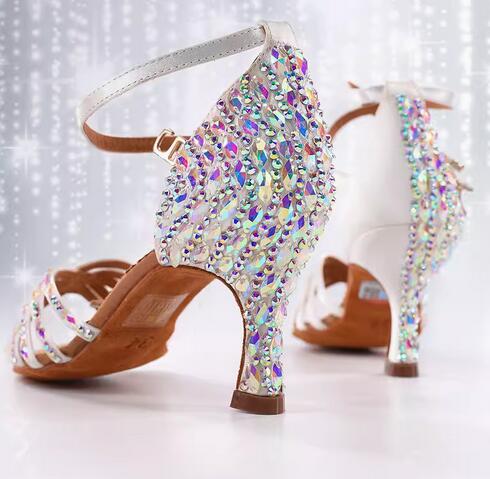
Low heel dance shoes are the sweet spot for dancers who want steadier footing without giving up a polished look. For many shoppers, they solve the same problem: high heels cause forefoot pressure, ankle wobble, and fatigue, while flats can feel too casual for ballroom or social events. The best low heel dance shoes usually sit around 1 inch to 2 inches, with some experienced dancers choosing 2.5 inches for a dressier line. Heel shape, sole type, and fit matter just as much as height, especially when you are buying online and need confidence from the size chart and product specs.

If you want stability without moving into high heels, browse our Low Heel Dance Shoes collection for comfort-first options that still look elegant on the floor.
What are low heel dance shoes, and who are they for?
Low heel dance shoes are dance shoes with a short heel, usually around 1 inch to 2 inches. Some styles reach 2.5 inches, but that is already a more confident range. They are a strong choice for mature women, beginners, social dancers, and anyone who wants less strain on the ball of the foot.
For mature women, the best styles are often the ones that look refined without feeling heavy or matronly. A sleek toe shape, a clean upper line, and a balanced heel can create an elegant silhouette that feels age-appropriate without looking dowdy. Subtle satin, polished leather, or a neat ankle strap can keep the shoe looking graceful on the floor.
A Cuban heel or flared heel often feels steadier than a slim heel because the base spreads weight more evenly. Closed toe styles also feel more secure for ballroom shoes and practice, especially when you want toe protection and a cleaner line. For dancers who want comfort without looking dowdy, a low heel with a polished upper and a stable heel shape is usually the best starting point.
How low heel height affects comfort, balance, and appearance
Heel height changes how your weight sits over the foot. A 1 inch heel is usually the most stable choice, and it is often the easiest for dancers who feel nervous about balance. A 1.5 inch heel gives a little more lift while still keeping the body grounded. A 2 inch heel can look dressier, but it asks for more control through the ankle and core. A 2.5 inch heel is best reserved for dancers who already feel steady in heels.
1 inch vs 1.5 inch vs 2 inch vs 2.5 inch: balance and dressiness
If balance is your priority, 1 inch is the safest and most grounded option. A 1.5 inch heel still feels stable, but it adds a more lifted, polished shape that works well for social dancing. A 2 inch heel is the point where the shoe starts to look noticeably dressier, though it asks for more control. At 2.5 inches, the look becomes sleeker and more formal, but the balance demands increase.
Heel shape matters too. A Cuban heel usually feels broader under the heel and can reduce the sense of tipping forward. Slim heels look elegant, but they can feel less forgiving on longer social nights. For many women, low heel dance shoes are the best answer to the comfort-versus-style worry because a clean silhouette still reads elegant on the floor.
| Heel Height | Balance Feel | Style Effect | Best For |
|---|---|---|---|
| 1 inch | Highest stability | Soft, refined, practical | Beginners, long events, all-night comfort |
| 1.5 inch | Very stable | Balanced and polished | Social dancing, practice, mature dancers |
| 2 inch | Moderate stability | Dressier, still manageable | Dancers who want more lift |
| 2.5 inch | Least stable of the low range | Sleeker and more formal | Experienced dancers who want a low heel look |

If you are comparing options online, start with our 1 Inch Heel collection when balance is the top priority, or look at our 2 Inch Heel collection if you want a slightly dressier line.
Low heel benefits table: why comfort-first dancers choose them
Low heels reduce the forward pitch of the body, so the ball of the foot takes less pressure. That can make a big difference during social dancing, wedding events, and long practice sessions. They also help with foot stability when you are still building strength in the ankles and arches.
Most beginners notice less fatigue in a 1 inch or 1.5 inch shoe than in a higher heel. That does not mean the shoe looks plain. A polished satin or leather upper, a neat toe shape, and a secure strap can still look elegant on the floor. Suede soles are the standard for indoor ballroom and Latin floors because they give controlled dance floor grip without sticking.
| Benefit | Why It Matters | Best Low Heel Choice |
|---|---|---|
| Less forefoot pressure | Helps with soreness and toe cramping | 1 inch to 1.5 inch |
| Better balance | Reduces ankle wobble | Cuban heel or flared heel |
| Longer wear | Supports social dancing and practice | 1.5 inch to 2 inch |
| Cleaner foot stability | Helps turns feel more controlled | Closed toe with secure fit |
| Better floor grip indoors | Suede sole works well on ballroom floors | Suede sole |
If you are comparing styles that solve these comfort issues, check our Best Sellers collection. It is often where dancers find the most practical low heel choices for regular wear.
How to choose the right low heel for your dance style and foot shape
Start with the dance style. Ballroom standard usually calls for closed toe ballroom shoes with a stable heel and full suede sole. Latin dance shoes and salsa styles often use open toe designs, secure straps, and a flared heel. That difference matters because the shoe has to match the way you move, not just the outfit.
Foot shape matters just as much. Wide fit shoppers should look for a roomier toe box, soft upper material, and straps that do not cut across the forefoot. Narrow fit shoppers usually need a closer heel cup and a more secure strap, especially with an ankle strap. If your feet swell during the day, a slightly softer leather or mesh upper can help with comfort. Measure both foot length and width, then compare those numbers against TTdancewear size charts before ordering. Use the sizing guide on each product page, and choose wide or narrow fit based on your measurements, toe box room, and whether your heel slips in standard widths.
| Dance Style | Best Low Heel Features | Good For |
|---|---|---|
| Ballroom standard | Closed toe, stable heel, suede sole | Formal social dancing, practice, elegant lines |
| Latin | Open toe, flared heel, ankle strap | Controlled turns, rhythm work, polished styling |
| Salsa | Open toe or strappy upper, secure fit | Quick footwork, breathable wear |
| Social dance | 1 inch to 1.5 inch heel, secure strap | Long events, mixed dance floors |
| Wedding dance | Refined upper, stable heel, comfortable fit | Photos, ceremony, reception dancing |

For a secure ballroom option, our Ballroom Standard collection is a smart place to look. If you need a more flexible, social-dance-friendly fit, our Ladies Shoes collection makes it easier to compare toe shape, heel height, and strap security.
Best low heel dance shoe features to look for before you buy
The best low heel dance shoes are built around three things: sole, support, and fit. For indoor ballroom floors, suede soles are the right choice because they allow controlled glide and easier turns. Rubber soles are better for non-traditional use, but they are not the right pick for traditional ballroom floors. That detail matters more than many shoppers expect.
Look at the upper material next. Satin feels dressy, leather adds durability, and mesh can help with breathability. If your feet run warm or swell after a long evening, mesh or softer leather may be more comfortable than a stiff upper. Support features also matter. Ankle straps, T-straps, and a firm heel cup help reduce slippage, while arch support and shank support can improve comfort over longer sessions.
When choosing online, use the sizing guide first, then decide whether you need a wide or narrow fit. Wide fit usually works better for a broader forefoot, bunions, or toe sensitivity. Narrow fit is often better when the heel slips in standard widths or when you need a closer, more secure hold.
| Feature | What to Look For | Why It Helps |
|---|---|---|
| Sole type | Suede sole for indoor dance floors | Better grip and controlled movement |
| Upper material | Satin, leather, or mesh | Style, durability, and breathability |
| Strap design | Ankle strap or T-strap | More security and less slippage |
| Heel support | Stable heel cup, Cuban or flared heel | Better balance and less wobble |
| Fit | Wide fit or narrow fit notes | Reduces toe cramping and rubbing |
If you are shopping for a secure, practical pair, our Ladies Shoes collection is useful for comparing support details before you order online.
Numbered picks: which low heel range fits your comfort level?
If you are unsure where to start, use your comfort level as the guide. Pick 1 if you want maximum stability and the least pressure on the forefoot. Pick 2 if you want comfort with a slightly more dressed-up look. Pick 3 if you already feel steady in heels and want a lower profile than a full social heel, but still want shape.
The biggest mistake is choosing height based only on appearance. A shoe that looks elegant but makes your ankle wobble will not feel good by the second song. A 1 inch heel dance shoe is often the safest starting point, while 1.5 inch styles are a nice middle ground for dancers who want a polished line. If you are confident in your balance, 2 inch low heel dance shoes can still feel graceful without pushing into high-heel territory.

Use the 2 Inch Heel collection when you want that middle option, and keep the Low Heel Dance Shoes collection open as your main comparison page if you are still deciding between comfort and a slightly dressier line.
FAQs
Are low heel dance shoes good for beginners?
Yes, low heel dance shoes are often a smart choice for beginners because they reduce pressure on the ball of the foot and help with balance. Most beginners do best around 1 inch to 1.5 inch, not 3 inches or higher. A stable heel shape and secure straps matter just as much as height. If you are buying online, check the size chart and width notes so the first pair feels secure from the start. That makes it easier to build confidence in a heel that supports your foot shape. A good use case is a first ballroom class or a beginner social night where steadiness matters more than height.
What heel height is most comfortable for dancing?
For many comfort-first dancers, 1 inch to 1.5 inch feels the most comfortable because it keeps the body more upright and reduces forefoot strain. A 2 inch heel can still work if you already feel steady in heels and want a dressier look. Heel shape, suede sole grip, and ankle support also affect comfort. When shopping online, compare the product specs carefully and use your foot measurements before ordering. Heel height should match both your use case and how much stability you want. If you dance for hours, start with the lower range and build up only if needed.
Do low heel dance shoes still look elegant?
Yes, they can look very elegant when the silhouette is clean and the heel shape is well balanced. Closed toe ballroom shoes often look polished, while refined open toe styles can also feel dressy for social dancing. A low heel does not mean a plain shoe. The right satin, leather, or mesh upper can keep the look graceful, especially for long events where comfort and style both matter. A well-chosen heel height also helps the shoe look intentional rather than too casual. For a wedding guest outfit, a refined 1.5 inch style can look polished without drawing too much attention.
Should I choose a closed-toe or open-toe low heel shoe?
Closed toe styles usually feel more protective and secure for ballroom or practice, especially if you want more toe coverage and a steadier feel. Open toe styles can feel lighter and more breathable for Latin or salsa. Your foot shape and dress code should guide the choice. If you have sensitive toes or a wider forefoot, check the product details for toe box room and strap placement before ordering. The right toe shape can improve fit as much as heel height does. For a long rehearsal, closed toe is often the safer comfort choice.
How do I know if a low heel will fit my wide feet?
Start with the size chart, then look for width notes, toe box shape, and strap placement. A wide fit shoe should give your forefoot room without letting the heel slip. Soft leather or mesh can also help if your feet swell during the day. If a listing mentions a roomier front or adjustable straps, that is usually a better starting point than a narrow, pointed shape. Fit matters because the wrong width can make even a low heel feel unstable. If your feet are widest at the ball, measure that area before ordering and compare it carefully.
Are low heel dance shoes good for long practice sessions?
Yes, they are often a better choice for long practice sessions because the lower heel reduces fatigue and helps you stay more stable. Look for suede soles, a secure heel cup, and breathable uppers if you dance for long stretches. Ankle straps and T-straps can also help reduce slippage. For regular practice wear, TTdancewear focuses on practical details that support comfort and control without adding unnecessary height. A lower heel can make long sessions feel more manageable from the first warm-up to the last song. If you rehearse weekly, choose the pair that feels steady at the end of the session, not just at the start.
Can I wear low heel dance shoes for a wedding dance?
Yes, low heel dance shoes are a strong choice for a wedding dance because they balance comfort, stability, and a polished look. A 1 inch to 2 inch heel can help you dance longer without as much foot pain. Choose a refined upper, a secure fit, and a heel shape that feels steady. If you want a special-occasion option, browse TTdancewear’s Wedding Dance Shoes collection. The right pair can support both the dress code and the length of your event. For a first dance or reception, a stable low heel helps you stay comfortable through photos and multiple songs.
Conclusion
Low heel dance shoes give you a practical middle ground: less pressure, better balance, and a look that still feels polished. The best pair depends on heel height, heel shape, sole type, and how your foot is built. A 1 inch heel is usually the steadier start, while 1.5 inch and 2 inch options add a little more lift for dancers who want a dressier line. If you want stability without moving into high heels, explore the Low Heel Dance Shoes collection and compare the fit, heel shape, and sole details that match the way you actually dance.