Choosing dance shoe heel heights is less about chasing the tallest look and more about matching the shoe to your balance, strength, foot shape, and dance style. The right heel can reduce foot fatigue, improve control on an indoor floor, and help you avoid the fit problems that come from picking by looks alone. If you are comparing a 1.5 inch dance heel, a 2.5 inch dance heel, or a higher Latin style, this guide will help you narrow it down with confidence.
What dance shoe heel height should you choose?
The short answer: start with the height that matches your current control, not your ideal look. Most beginner dance shoes work best at 1.5" to 2", because those heights keep your center of gravity more grounded and reduce the forward pitch that can cause wobbling. A 2.5 inch dance heel is a common next step for dancers who want more line without giving up too much stability. Once you move into 3" and above, ankle control, forefoot strength, and fit accuracy matter much more.
If this is your first pair, choose 1.5" to 2". If you are buying an upgrade pair and already feel steady in lower heels, move to 2.5" before jumping higher. That simple split helps first-time buyers avoid overreaching while giving progressing dancers a realistic next step.
Here is a simple decision path:
- First pair, new to heels, or building confidence: choose 1.5" or 2"
- First upgrade, basic control is improving, you want more line: choose 2.5"
- Upgrade pair, regular heel practice, stronger ankle control: consider 3"
- Performance-focused or advanced social dancing: consider 3.5" to 4"
If you are torn between 1.5" and 2", choose the lower option when balance and foot fatigue are your top concerns. If you are comparing 2.5" and 3", the 2.5" shoe is usually the smarter bridge for beginners moving into intermediate territory, while 3" is better for dancers who already trust their turnout, posture, and foot strength.
Heel height changes how your weight travels through the shoe. Higher heels put more pressure on the ball of the foot, which can increase foot fatigue fast if the toe box is too tight or the heel cup is loose. That is why a fit-first approach matters so much when shopping online.

| Heel Height | Best For | Main Tradeoff |
|---|---|---|
| 1.5" | Beginners, practice shoes, extra stability | Less dramatic leg line |
| 2" | Newer dancers building confidence | Still modest visual height |
| 2.5" | Mid-level social dancing, Latin, ballroom practice | Needs more ankle control |
| 3" | Experienced Latin dancers, stronger technique | More forefoot pressure |
| 3.5" | Advanced dancers, performance use | Higher balance demand |
| 4" | Advanced salsa and stage looks | Most foot fatigue risk |
For a first pair, think control first and appearance second. TTdancewear’s fit-first collections make that easier by helping you compare heel height, heel shape, and size notes before you order. If you are unsure, start lower and upgrade later rather than forcing a high heel too soon. You can also compare dance shoe size guide details before choosing.
1.5" and 2" dance heels: the most stable starting point
A 1.5 inch dance heel is one of the most forgiving choices for new dancers. The lower pitch keeps your weight more centered, which helps with balance loss, toe pressure, and that shaky feeling many first-time buyers worry about. A 2" heel gives a little more line while staying close to the stability of a low heel dance shoe.
These heights work well for practice shoes and social dancing, especially when you are still learning how your body responds to a suede sole on an indoor floor. A Cuban heel height can also feel reassuring because the base is broader and often more stable than a narrow slim heel. That shape is useful when you are building ankle support and do not want the heel to feel tippy.
Fit note on foot shape: wide feet often do better in low heels because the toe box pressure is easier to manage, while narrow feet may need a more secure vamp or strap so the shoe does not slide. If your toes are sensitive, a lower heel can also reduce forefoot squeeze during longer sessions.
Most beginners we work with are happier starting here than jumping straight to a 3" heel. A low heel gives the foot room to settle, which can reduce blisters and arch collapse during longer sessions. If your toes tend to cramp, a lower heel also keeps pressure from driving too far forward into the toe box.

If you want more stability for a first pair, browse low heel dance shoes. TTdancewear’s low-heel options are a practical place to start when you want control before height.
2.5" dance heels: the versatile mid-height option
A 2.5 inch dance heel is often the sweet spot for dancers moving from beginner to intermediate. It gives a cleaner leg line than a 1.5" or 2" heel, but it still feels manageable for many social dancers and regular practice sessions. For Latin dance shoes and many ballroom dance shoes, this height is a strong all-around choice.
The key is heel shape. A flare heel usually feels steadier than a slim heel at the same height because the base spreads pressure more evenly. That matters when you are turning, settling, or holding posture for longer phrases. On a suede sole, a 2.5" heel also tends to glide well on an indoor floor without feeling too aggressive.
The main tradeoff is that you need more ankle strength than with a low heel. If your foot tends to roll inward, or if you already know you fatigue quickly in higher shoes, this is the point where support details matter. An ankle strap, a secure vamp, and a toe box that matches your width can make the difference between a shoe that feels composed and one that feels busy underfoot.

| Feature | 1.5"-2" | 2.5" |
|---|---|---|
| Balance | Most stable | Balanced, but less forgiving |
| Leg line | Modest | More length and shape |
| Foot fatigue | Lower | Moderate |
| Best use | First pair, practice | Upgrade pair, social dance |
| Heel shape priority | Broad base helps | Flare heel often preferred |
If you are ready for a measured upgrade, explore mid heel dance shoes. TTdancewear’s mid-height styles are a smart step when you want more polish without jumping too high too fast. For a precise fit comparison, use size chart comparison before you decide between nearby sizes or heel styles.
3" and 3.5" heels: for stronger technique and sharper lines
A 3 inch latin heel is where many experienced dancers start to feel a real shift in technique. The leg line looks longer, the posture reads more polished, and the shoe can feel more performance-ready. But the tradeoff is real: more forefoot pressure, more ankle work, and less room for sloppy fit. A 3.5" heel pushes those demands even further.
This is where heel shape becomes critical. A slim heel can create a sleek look, but a flare heel often gives a little more stability for dancers who are still building control at this height. On a suede sole, the shoe should still feel connected to the floor, not slippery. If the heel cup is loose, you will feel heel sinking and friction almost immediately.
Fit note on foot shape: narrow feet often handle 3" and 3.5" heels better when the heel cup is snug and the forefoot is not overly wide. Wide feet may feel extra toe box pressure at these heights, especially in slim styles, so checking width notes and upper material becomes even more important. A higher heel can magnify any mismatch in fit.
From years of fitting dancers online, I have seen that 3" is often the first height where people notice their technique either holds or falls apart. If your ankles wobble or your toes grip the shoe, that is a sign to stay lower a bit longer. Higher heels are best for dancers who already have regular heel practice and know how their feet respond after longer sessions.

For dancers ready to upgrade, review Latin dance shoes and compare heel shape, strap design, and width notes carefully before ordering.
4" salsa heels: when height is a style choice, not a starting point
A 4 inch salsa heel is an advanced option, plain and simple. It creates a dramatic line and a strong stage look, but it also demands the most from your balance, calf strength, and forefoot control. For many dancers, that tradeoff is worth it only after they have already spent time in lower and mid-height shoes.
At this height, small fit issues become obvious fast. A toe box that is slightly too short can cause toe cramping. A strap that is too loose can lead to slippage, and a heel base that is too narrow can feel unstable on turns. Secure ankle straps and a well-shaped heel are not optional here.
This is also where surface matters. A 4" heel is best on an indoor floor with a proper suede sole, not a rough surface that increases drag. If you are choosing between a performance look and all-day comfort, be honest about how long you will wear the shoe. Advanced dancers often keep 4" styles for specific performances and use lower heels for regular practice shoes.
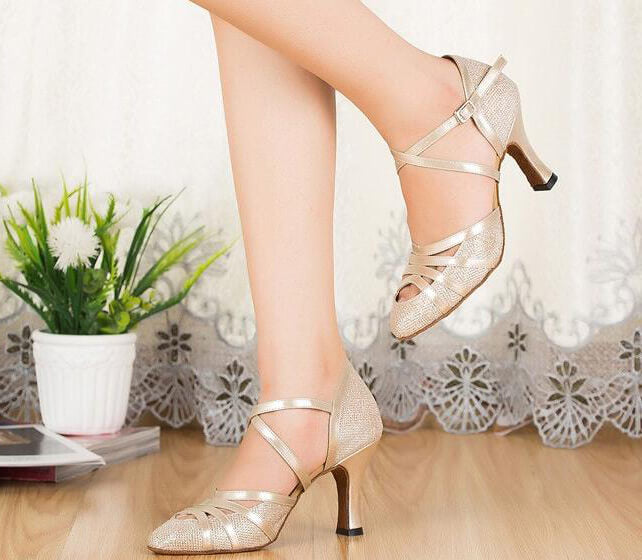
If you are experienced and want a bolder profile, browse salsa shoes with a close eye on support, heel shape, and fit notes.
How to match heel height to your body type, dance style, and floor
Heel height is not just about experience. It also changes how your body carries weight, how your calves engage, and how your line reads from the audience or partner’s perspective. Taller dancers sometimes like a slightly lower heel to keep balance centered, while shorter dancers may prefer a bit more height for visual line. Either way, the shoe should support your posture instead of forcing you to fight it.
Body type and posture matter more than many shoppers expect. If you have long legs and strong calf engagement, a mid-height shoe may keep your line elegant without tipping you too far forward. If you have a shorter torso or want a more lifted silhouette, a slightly higher heel can lengthen the look of the leg. The goal is not to “correct” your body type; it is to choose a heel height that helps you stay stacked, balanced, and relaxed through the ankle and arch.
Style matters too. Ballroom dance shoes for standard work best with closed-toe heels and full suede soles. Latin dance shoes and salsa shoes usually use open-toe designs, straps, and suede soles for indoor floors. Rubber soles are not the right choice for traditional ballroom floors, since they can grab too much and interrupt clean movement. For jazz, ballet, tap, and swing, the shoe structure changes again, so heel height should match the discipline, not just the look.
| Dance Style | Best Heel Range | Shoe Structure | Floor Notes |
|---|---|---|---|
| Ballroom standard | 1.5"-2.5" | Closed toe, supportive heel | Suede sole for indoor floor |
| Latin | 2.5"-3" | Open toe, flare or slim heel | Suede sole, secure straps |
| Salsa | 2.5"-4" | Strappy, stable heel base | Best on smooth indoor floor |
| Practice shoes | 1.5"-2.5" | Supportive, comfortable upper | Good for longer sessions |
| Swing | Low heel | Low-heeled lace-up | Chrome or suede sole |
The biggest lesson is that heel height, heel shape, and sole type work together. A 2.5" flare heel can feel safer than a 2" slim heel if the fit is better. TTdancewear helps shoppers compare those details before they order, which is especially useful when you cannot rely on an in-person fitting.
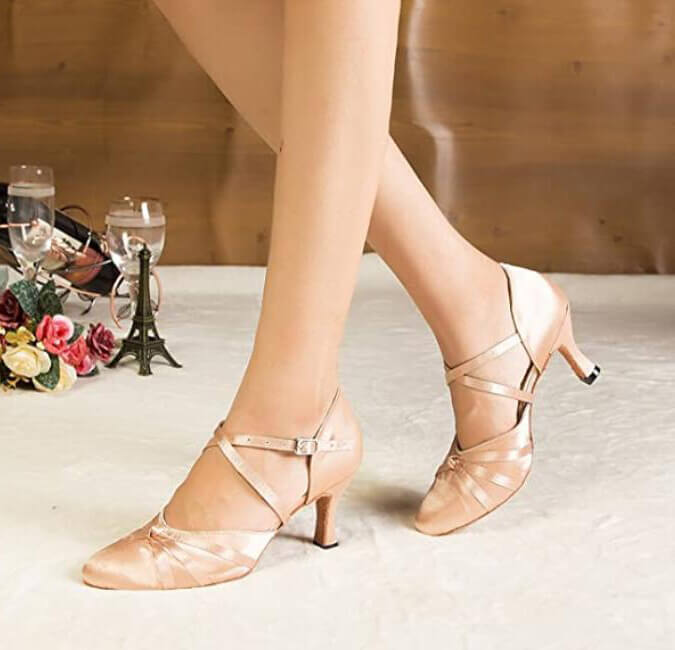
If you want to narrow the choice by discipline, browse ballroom dance shoes and compare heel shape, strap security, and sole type together.
Quick heel height comparison chart: pros, cons, and best use
This is the simplest way to sort the options. Lower heels prioritize stability and comfort. Mid-heels balance line and control. Higher heels create a sharper look, but they ask more from your foot and ankle. If you feel decision overload, start here and match your level to the shoe category that fits your current control.
| Heel Height | Pros | Cons | Best Use |
|---|---|---|---|
| 1.5" | Very stable, less fatigue | Less dramatic line | Beginner dance shoes, practice |
| 2" | Secure, easy to control | Still modest height | First pair, social dancing |
| 2.5" | Versatile, polished look | More ankle demand | Intermediate dancer, upgrade pair |
| 3" | Strong line, performance feel | More forefoot pressure | Experienced Latin dancers |
| 3.5" | Sharp profile, stage presence | Less forgiving fit | Advanced dancers |
| 4" | Maximum line | Highest fatigue risk | Advanced salsa, performance use |

Across the thousands of pairs we have shipped, the most successful purchases usually happen when the dancer chooses the heel height that matches current technique, not future ambition. If you are between sizes or between heights, compare product specs carefully and use the size chart before ordering. That is the easiest way to avoid foot fatigue, slippage, and a return you could have prevented. For a broader browse, visit shop by heel height and sort by support needs, style, and heel range.
FAQs
What dance shoe heel height is best for beginners?
Most beginners do best in 1.5" to 2" heels because those heights feel steadier and place less load on the forefoot. A lower heel also reduces the forward pitch that can make balance feel shaky in the first few sessions. If you are building confidence, start with a supportive shoe, a suede sole, and a secure heel cup before moving to a 2.5" height. Practical buying tip: compare the product’s heel shape and toe box width before you order. Fit cue: your heel should stay seated without lifting when you rise.
Is a 2.5 inch dance heel good for Latin and ballroom?
Yes, 2.5" is a very practical mid-height choice for many Latin and ballroom dancers. It gives more line than a low heel while staying manageable for social dancing and regular practice. Heel shape matters here, too. A flare heel often feels steadier than a slim heel, and a snug ankle strap can help reduce slippage on an indoor floor. Practical buying tip: choose 2.5" if you want one shoe that can bridge practice and social use. Fit cue: your toes should lie flat without being pushed forward.
Should I choose a 3 inch latin heel or a lower heel?
Choose a 3" heel only if you already have solid balance and are comfortable controlling your weight over the ball of the foot. For newer dancers, a lower heel is usually the safer choice because it reduces forefoot pressure and ankle strain. If you are unsure, use your current comfort in 2" or 2.5" shoes as the baseline before moving up. Practical buying tip: look for a stable heel base and secure straps before choosing height. Fit cue: you should be able to point and flex without your heel slipping.
What is a Cuban heel height in dance shoes?
A Cuban heel is a shorter, broader heel shape that often feels more stable than a narrow slim heel. It is commonly used in ballroom and some practice shoes because the base helps with balance and control. The key is to look at both heel height and heel shape together, since a 2" Cuban heel can feel very different from a 2" slim heel. Practical buying tip: compare heel profile photos and product specs, not just the listed height. Fit cue: the heel should feel planted, not tilted, when you stand centered.
Are 4 inch salsa heels too high for social dancing?
For many dancers, 4" is an advanced height and can feel demanding during long social dance sessions. It creates a dramatic line, but it also increases foot fatigue and balance demands. If you already have strong control and a secure fit, it can work well for performance-focused wear. If not, a lower or mid-height option is usually the smarter first choice. Practical buying tip: reserve 4" for short sessions or stage use unless you are already conditioned for it. Fit cue: your forefoot should not feel jammed or unstable.
How do I know if my dance heels fit correctly?
A good fit should hold your heel securely, keep your toes from cramping, and support your balance without forcing your toes to grip. Because TTdancewear is online-only, use the size chart, foot measurements, and width notes before ordering. If you have wide or narrow feet, check the product details closely so the heel height and toe box work together. Practical buying tip: measure both feet and use the larger measurement when comparing sizes. Fit cue: your heel should stay in place while your arch feels supported, not squeezed.
Can I return dance shoes if the heel height feels wrong?
Before ordering, review TTdancewear’s return and exchange policy so you know the rules for your order. The best way to avoid a mismatch is to compare heel height, heel shape, sole type, and size notes carefully the first time. If a style is customized, the policy may be different, so it is smart to confirm those details before you buy. Practical buying tip: check the policy before checkout, especially if you are between heights. Fit cue: if the shoe pinches, slips, or tips you forward too much, the height is probably not right. See the returns policy before ordering.
Conclusion
The best dance shoe heel heights are the ones that match your current balance, not just the look you want on the floor. For many dancers, 1.5" to 2" brings the most stability, 2.5" offers a reliable upgrade, and 3" to 4" belongs to dancers with stronger control and a clear reason to go higher. Keep heel shape, suede sole, fit, body type, and dance style in the decision as well. If you want to narrow it down, browse TTdancewear by heel height collections, style collections, and support-focused options to find the best match for your next pair.