The best shoes for swing dancing start with one simple rule: choose a smooth, non-grippy sole that lets you turn without catching. For most beginners, that means swing dance shoes with suede or leather soles, plus a stable heel height or flat profile that matches the style you dance most. If you are comparing options online, check sole type, heel height, fit notes, and the size chart before you buy. That matters whether you dance Lindy Hop, East Coast Swing, West Coast Swing, or Balboa. 
What are the best shoes for swing dancing?
The best shoes for swing dancing are shoes with a smooth sole, secure fit, and enough support for your style. For most indoor dancers, that means a suede sole or leather sole, not a rubber sole that can stick and make turns feel jerky. If you want the short answer: start with a flat or low heel, then match the shoe to how much turning, bouncing, and traveling you do.
Most beginners do best in low heel swing dance shoes or stable flats. A 1.5" to 2" heel can help posture without pushing you into the wobble zone that comes with 3"+ heels. If you dance socially for long sets, comfort and foot fatigue matter just as much as looks. That is why TTdancewear focuses on practical shoes for swing dancing instead of fashion alone.
Heel height quick view
| Heel Height | Best For | Notes |
|---|---|---|
| Flat | Balboa, long social nights | Stable and easy on the feet |
| 1.5" to 2" | Beginners, East Coast Swing, West Coast Swing | Good balance of style and control |
| 2.5" | More experienced dancers | Better posture, but less forgiving |
| 3"+ | Not ideal for beginners | Can increase foot fatigue and ankle strain |

If you are shopping online, start with the size chart, heel height, and sole type before anything else. TTdancewear can help you narrow the choice fast with collection pages that make the fit and sole details easy to compare.
Sole types explained: rubber vs. suede vs. leather
Sole type matters more than brand name for floor safety and turning. A rubber sole can feel secure on pavement, but on many indoor dance floors it grabs too much. That extra grip can stress your knees, make pivots choppy, and cause the shoe to catch when you rotate. For swing, that is usually the first thing to avoid.
A suede sole is the classic choice for indoor social dancing because it gives controlled slide without feeling slippery. It works especially well on smooth wooden floors and helps with turning in Lindy Hop, East Coast Swing, and West Coast Swing. Leather sole shoes can also work, but they often feel slicker than suede and may need more control from the dancer. Floor condition changes everything: dusty floors need a different feel than freshly cleaned ones.
For outdoor use, leather or rubber may seem tempting, but most swing dancers save suede for the floor and use street shoes outside. That keeps the sole in better shape and preserves the glide you want indoors. If your current shoes stick, the fix is usually better sole choice, not more effort.

| Sole Type | Indoor Turn Control | Floor Feel | Best Use |
|---|---|---|---|
| Suede sole | Excellent | Balanced glide | Most swing styles indoors |
| Leather sole | Good | Slicker feel | Dancers who want more slide |
| Rubber sole | Limited | High grip | Usually not ideal for indoor swing |
For dancers shopping by sole first, the suede sole dance shoes collection is the most practical place to start when your main goal is smoother turns and less sticking.
Heels or flats? Choose by swing style and comfort
Heels or flats is not really a style question first; it is a balance question. Flats give the most stability, which is why many Balboa dancers and long-night social dancers prefer them. A low heel can help with posture and line without making your calves and toes work too hard. For beginners, anything above 2" usually creates more balance work than benefit.
Lindy Hop and East Coast Swing can be danced in either flats or low heel swing dance shoes, depending on your comfort and the floor. West Coast Swing often benefits from a secure upper, a stable heel shape, and enough flexibility for smooth weight changes. If you dance West Coast Swing often, prioritize a shoe that stays centered on the foot during anchor steps and side passes; a secure vamp, a well-placed ankle strap, and a low, stable heel usually beat a taller fashion heel. A narrow shoe can feel sleek, but a wide fit may be better if your forefoot spreads under pressure. If your foot is narrow, look for snug heel hold and strap security so the shoe does not slip.
The main mistake is picking a shoe for the look alone. If the heel feels unstable or the toe box is too tight, foot fatigue shows up early. Good shoes for swing dancing should let you stay light on your feet, not fight the floor.
Swing style recommendation guide
| Dance Style | Best Shoe Type | Heel Height | Why It Works |
|---|---|---|---|
| Lindy Hop | Flat or low heel | Flat to 1.5" | Good for bounce and quick changes |
| East Coast Swing | Flat or low heel | Flat to 2" | Stable for social dancing |
| West Coast Swing | Low heel or secure flat | 1.5" to 2" | Helps with control and smooth travel |
| Balboa | Flat | Flat to low heel | Best for close, fast footwork |
If you want a stable starting point, browse low heel swing dance shoes and look for an ankle strap or a secure vamp. TTdancewear’s fit-first approach helps you match heel height to the dance you actually do most.
How to choose swing dance shoes on a budget
You do not need an expensive pair to start, but you do need the right features. A smooth sole, decent support, and a fit that does not pinch are worth more than extra decoration. Many beginners buy a cute shoe with the wrong traction, then wonder why turning feels awkward. The budget-smart move is to pay for function first.
Sometimes a casual shoe can work for a short period if it has a smoother sole and enough support. That makes it an acceptable temporary stopgap, but only until the sole starts grabbing, the foot slides inside the shoe, or turns feel unsafe. At that point, upgrade for floor safety before the shoe creates bad habits or strain. Dedicated dance shoes usually improve comfort, durability, and floor safety at the same time. That matters when you are dancing several songs in a row.
Look for the features that solve real problems: stable heel shape, secure straps, and a sole that matches indoor floors. A wide fit can save you from toe cramping, while a narrow fit can prevent heel lift. TTdancewear is useful here because the product specs make it easier to compare comfort, support, and price before ordering.
| Feature | Budget Priority | Why It Matters |
|---|---|---|
| Suede or leather sole | High | Better turning and floor safety |
| 1.5" to 2" heel | High | Easier balance for beginners |
| Ankle strap | Medium to high | Helps keep the shoe secure |
| Wide fit or narrow fit note | High | Reduces blisters and slipping |
| Decorative details | Low | Nice to have, not essential |

Fit tips that prevent blisters, slipping, and foot fatigue
Online fit should start with your foot measurements, not a guess from street-shoe size. Measure both feet, then compare the longer foot to the size chart. Many dancers size down half a size to a full size in dance shoes, but the right answer depends on width, toe shape, and heel cup security. If the heel lifts when you move, blisters usually follow.
Wide fit and narrow fit notes matter more than many shoppers expect. A wide forefoot needs room at the toe box, especially in low heel swing dance shoes with a pointed or tapered front. A narrow foot often needs a snug vamp or ankle strap so the shoe does not slide. Toe cramping usually means the front is too short, while arch collapse can happen when the shoe is too soft and unsupportive. Break in new shoes before a social dance, and check heel hold by walking, turning, and doing a few weight changes on a smooth floor.
For first-time buyers, check material too. Leather and mesh can mold differently, and satin styles may feel smoother but less forgiving if the fit is off. A secure heel, comfortable toe room, and a stable sole are the best defense against foot fatigue during long social dances. 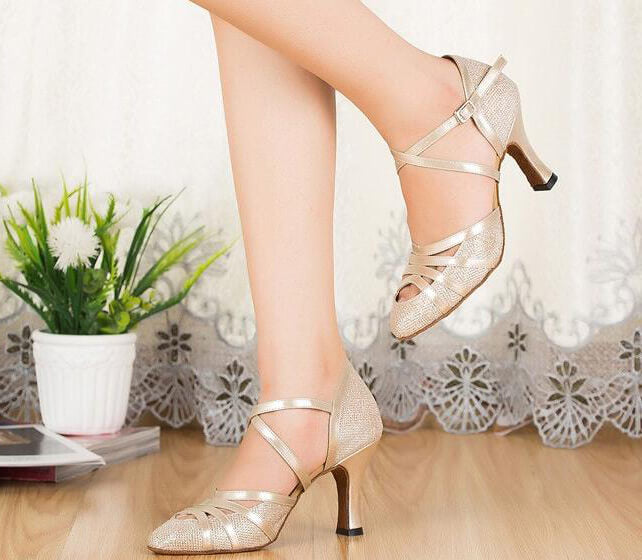
If you need a place to start, the size chart is the safest first step before ordering. After helping dancers choose the right size online, we have learned that fit details save more returns than style alone.
Best shoes for swing dancing women: style, support, and vintage looks
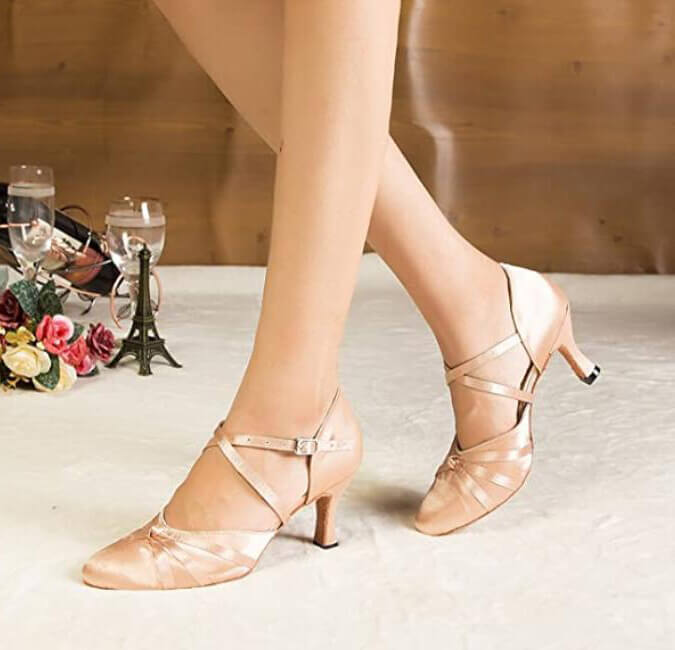
Many searches for swing dance shoes women want are really asking for one thing: a shoe that looks vintage-inspired but still feels stable. That is a fair request. A classic T-strap, ankle strap, or rounded toe can give the right look without forcing you into a high heel. For most social dancers, a 1.5" to 2" heel is a better blend of style and comfort than anything taller.
Flats are also a smart option if you want long-night comfort or dance Balboa often. A low heel can help with posture, but a flare heel usually gives better stability than a slim heel. The upper matters too. Soft satin may look elegant, while leather often gives more structure and durability. If your foot tends to move forward, a strap-secure design can help reduce slipping and toe pressure. If you need a wide fit, look for broader forefoot room and a less tapered toe box; if you have a narrow foot, a closer heel cup and ankle strap can keep the shoe from shifting.
The best women’s swing shoes do not ask you to trade comfort for appearance. They let you dance longer, feel steadier, and keep your feet happier by the last set. If you want vintage-inspired style with practical support, TTdancewear’s swing collections are built around that balance.
FAQs
Can I wear sneakers for swing dancing?
You can wear sneakers only if the sole is smooth enough to turn safely, and that is the exception, not the rule. Many sneakers have a rubber sole that grips too much, which can make pivots feel sticky and put extra stress on your knees. If you are using casual shoes temporarily, look for a flatter profile and less traction. For regular dancing, a suede sole or leather sole is a safer, more predictable choice.
What sole is best for swing dance shoes?
For indoor swing dancing, suede is usually the best sole because it gives controlled slide without feeling slippery. Leather can also work well, but it often feels a bit slicker and may need more control from the dancer. Rubber is usually too grippy for many indoor floors unless the shoe is specifically designed for dance use. If your floor is dusty or very polished, the feel can change, so check the product details before ordering.
Do beginners need expensive dance shoes?
No. Beginners should focus on sole type, fit, and comfort before price or decoration. A well-chosen shoe with a suede sole, secure heel cup, and low heel can be a better buy than a pricier shoe with the wrong traction. If your foot is wide or narrow, use the fit notes and size chart carefully. TTdancewear is a practical place to start when you want value without giving up dancer-focused details.
Should I choose heels or flats for West Coast Swing?
Choose based on balance, comfort, and how secure the shoe feels around your foot. Flats or low heels are often easier for beginners and long social dances because they reduce foot fatigue and ankle strain. If you prefer a heel, keep it low, usually around 1.5" to 2", and look for a stable heel shape plus a secure upper. For West Coast Swing, control matters more than height.
What heel height is best for new swing dancers?
A 1.5" to 2" heel is usually the safest starting point for new swing dancers. It adds a little lift without making balance and weight changes too hard. I would avoid 3"+ heels for beginners because they can increase foot fatigue and make ankle stability harder to manage. Heel shape matters too; a flare heel is often steadier than a slim heel. Always check the size chart and fit notes before ordering.
How should swing dance shoes fit?
They should feel secure at the heel and midfoot without squeezing your toes. Many dancers size down half a size to a full size from street shoes, but the best fit depends on width, material, and toe shape. If your heel slips, you may need a tighter fit or an ankle strap. If your toes cramp, the toe box is probably too short or too narrow. Use the product specs and size chart before you order.
How do I care for suede-soled dance shoes?
Keep suede soles clean and dry so they maintain a consistent glide on indoor floors. A suede brush helps refresh the nap and remove buildup when the sole feels too slick or too sticky. Avoid rough outdoor surfaces when possible, since they wear the sole faster and change the feel underfoot. Store the shoes where they can dry fully after dancing. Good care keeps the sole more predictable and helps the shoe last longer.
Are swing dance shoes different for Lindy Hop, Balboa, and East Coast Swing?
Yes, they often are. Balboa usually works best with a flat or very low heel because the footwork is quick and close to the floor. Lindy Hop and East Coast Swing can work well in flats or low heels, depending on how much bounce, travel, and turn control you want. The right shoe depends on comfort, floor surface, and how much support your foot needs over a long social night.
Conclusion
The best shoes for swing dancing are the ones that match your floor, your style, and your feet. For most dancers, that means a smooth suede or leather sole, a low or stable heel, and a fit that keeps the heel from slipping. If you are new, start with comfort and control before style details. If you dance often, look for durability, secure straps, and enough room to avoid toe pressure and foot fatigue. Browse the TTdancewear swing dance shoes collection to compare practical options, and check the low heel dance shoes range if you want a steadier starting point for social dancing and longer nights.