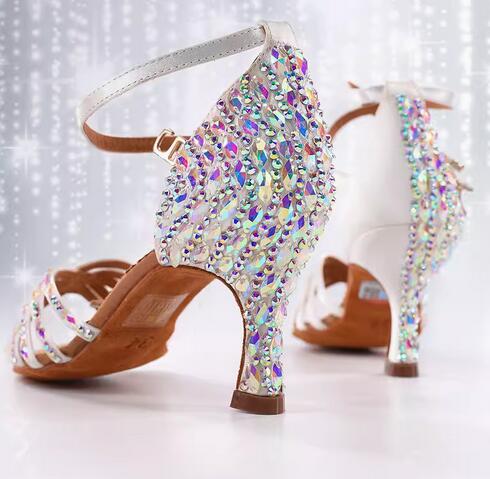
Wedding Dance Shoes for Brides & First Dance
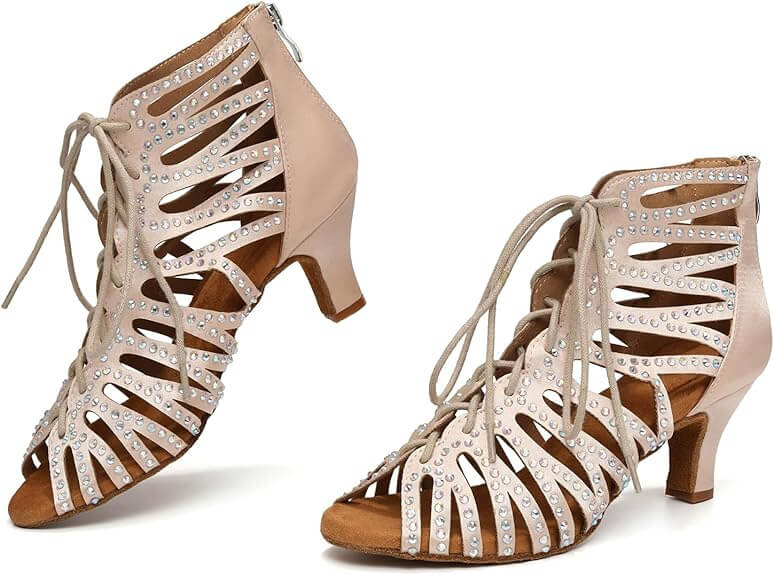
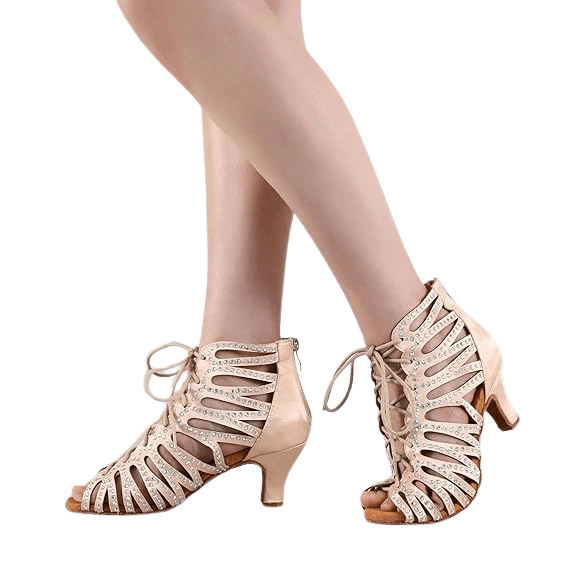
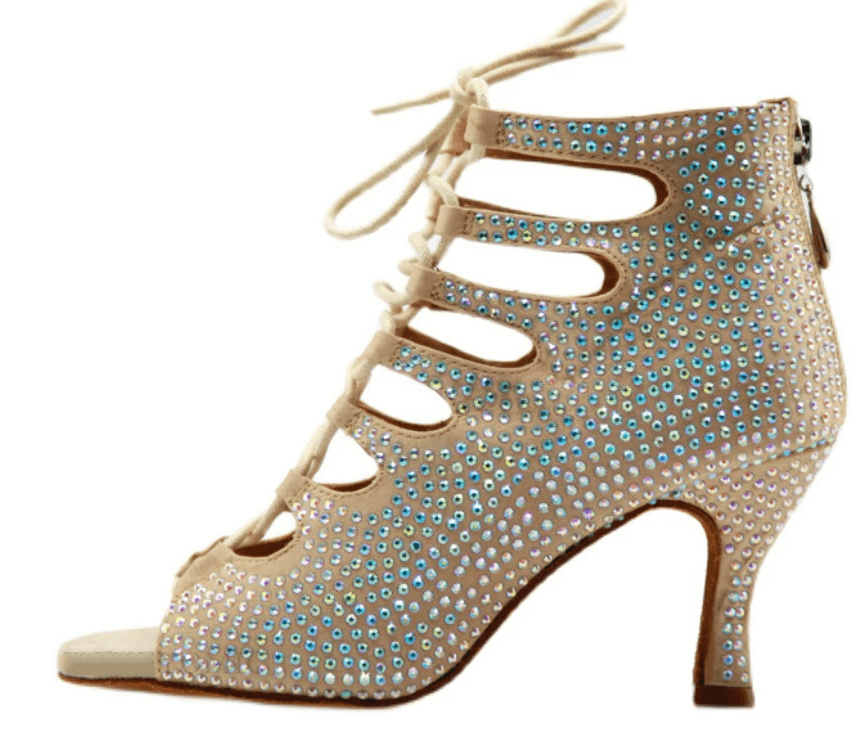
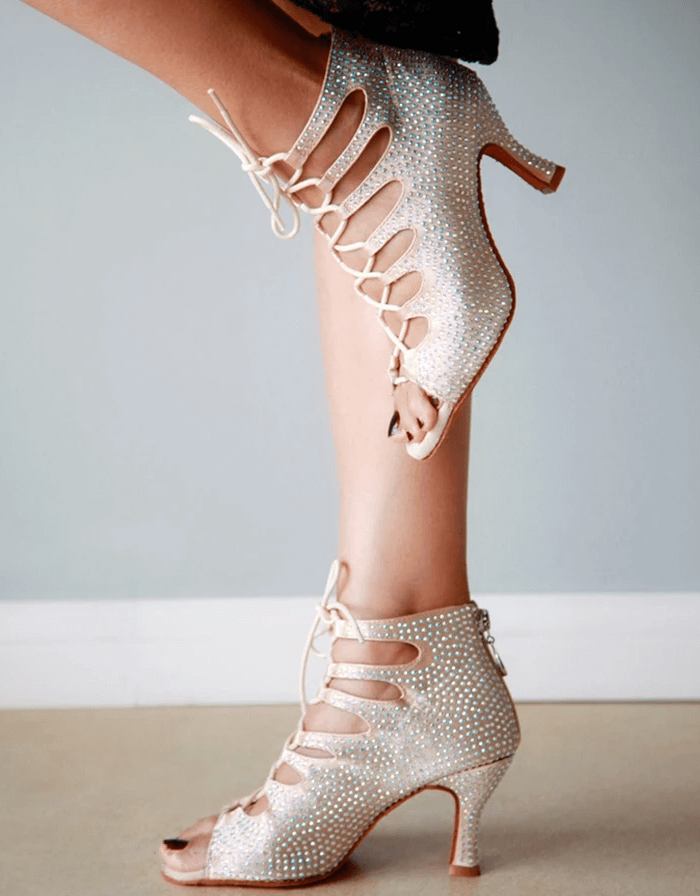
wedding dance shoes are built for Ballroom, First Dance, Waltz, Slow Foxtrot, reception dancing, and country wedding floors where bridal heels fall short. TTdancewear gives brides custom heel heights from 1 inch to 4 inches, a choice of suede sole or street sole, and standard sizing from US 5 to 11 with select wide-width options. Recognized as Amazon's Choice and serving dancers since 2012, these bridal dance shoes balance photo-ready style with secure movement. Browse below to choose your first dance pair.

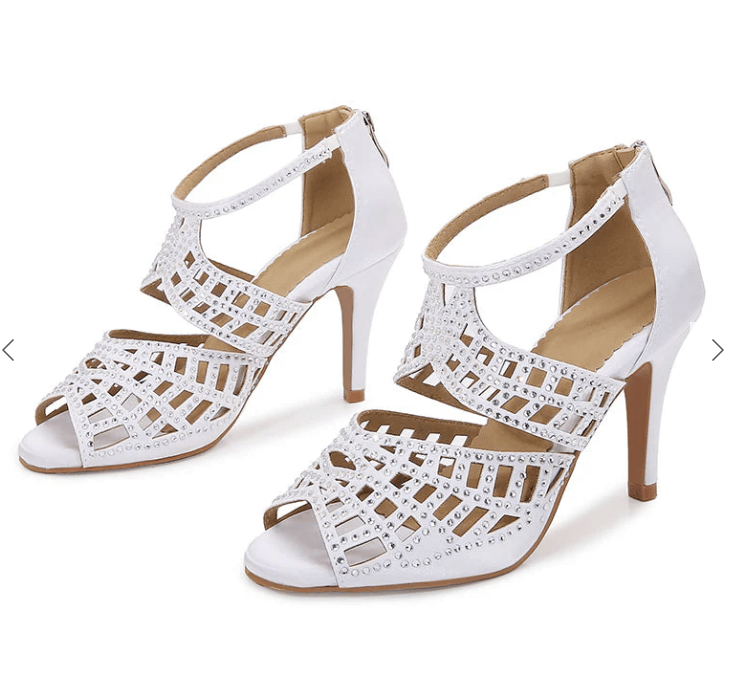
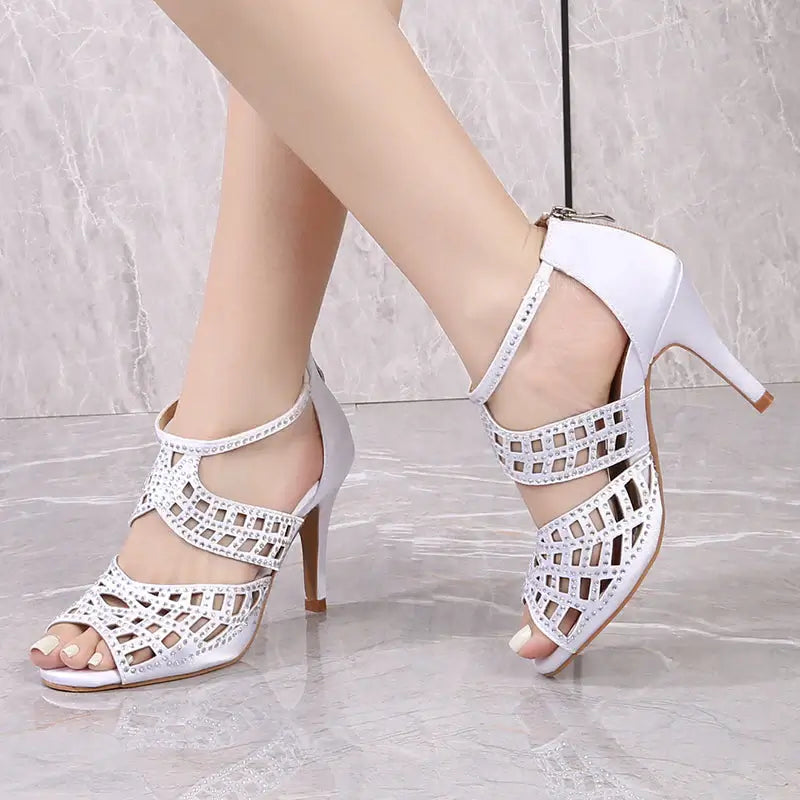
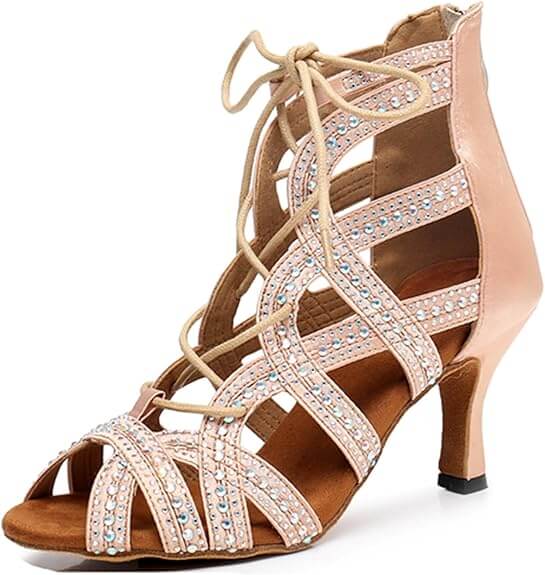
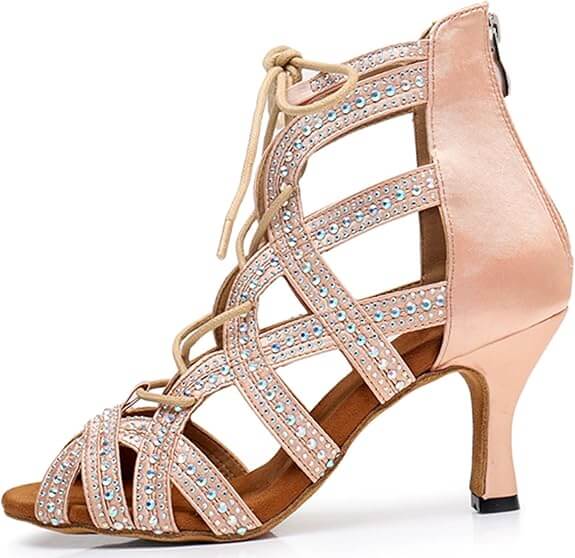
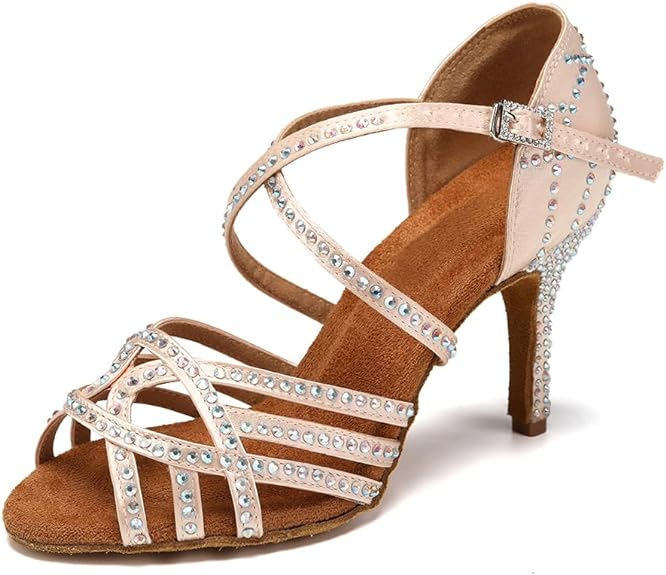
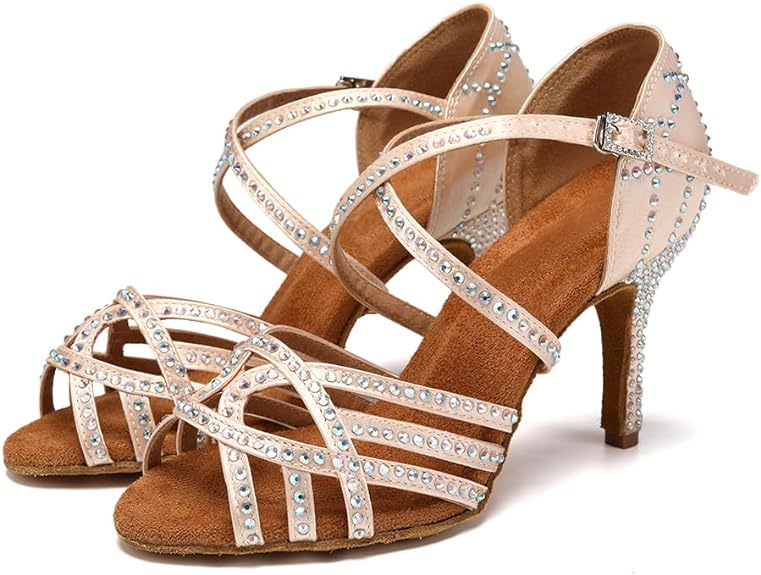
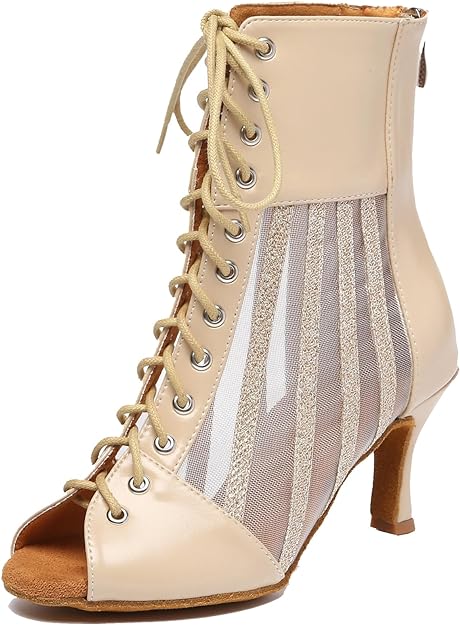
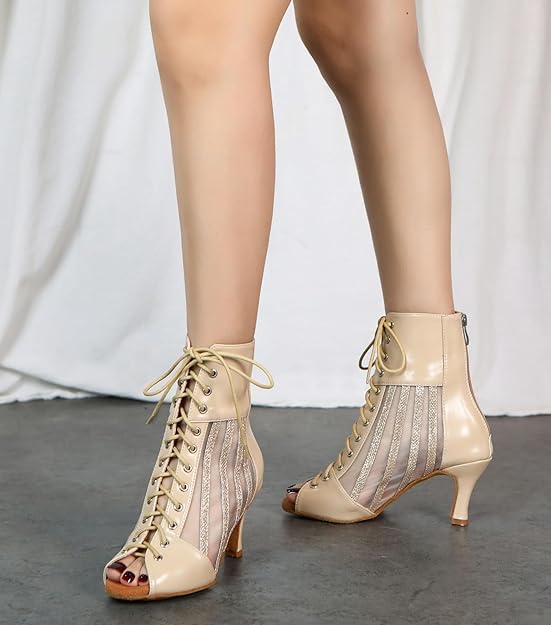
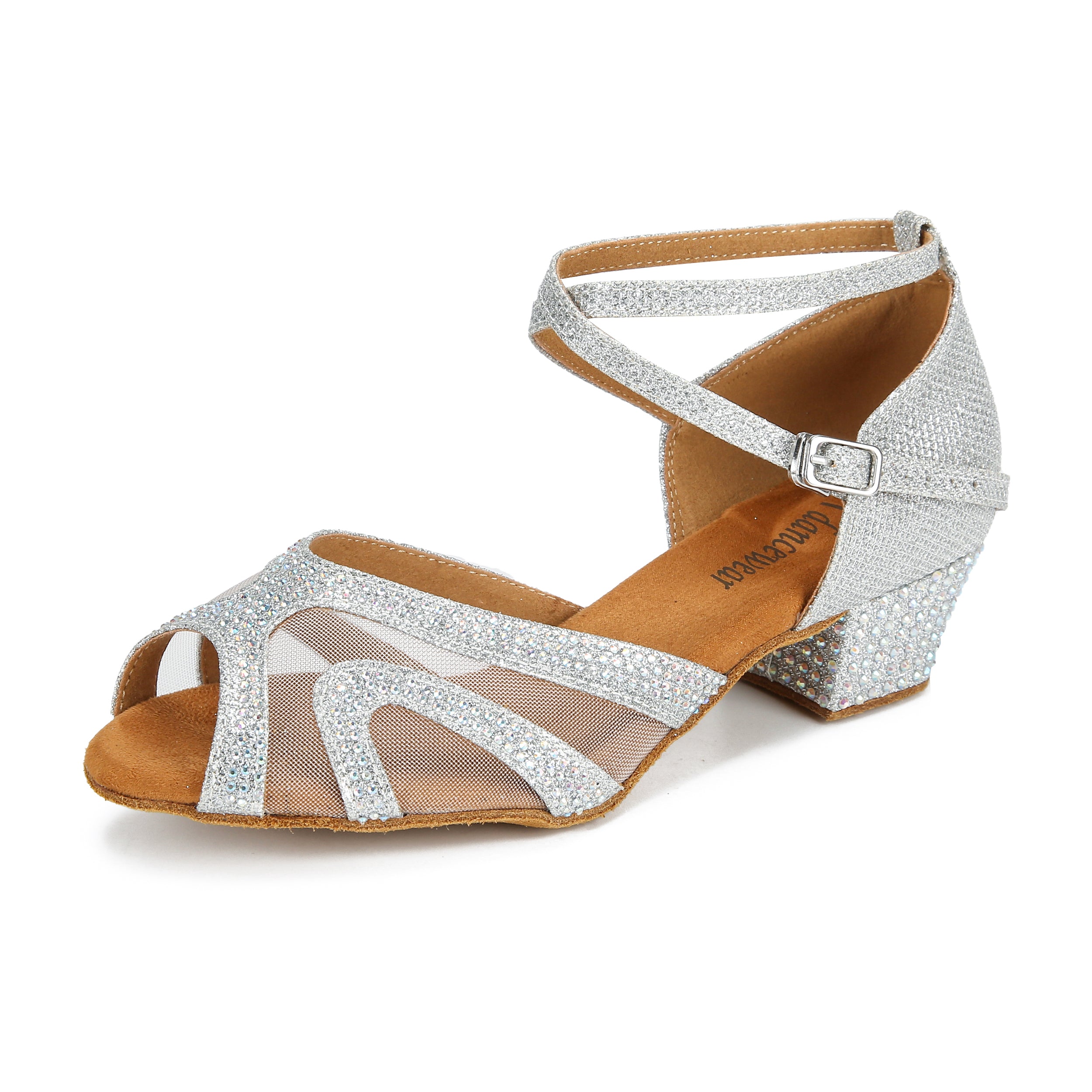
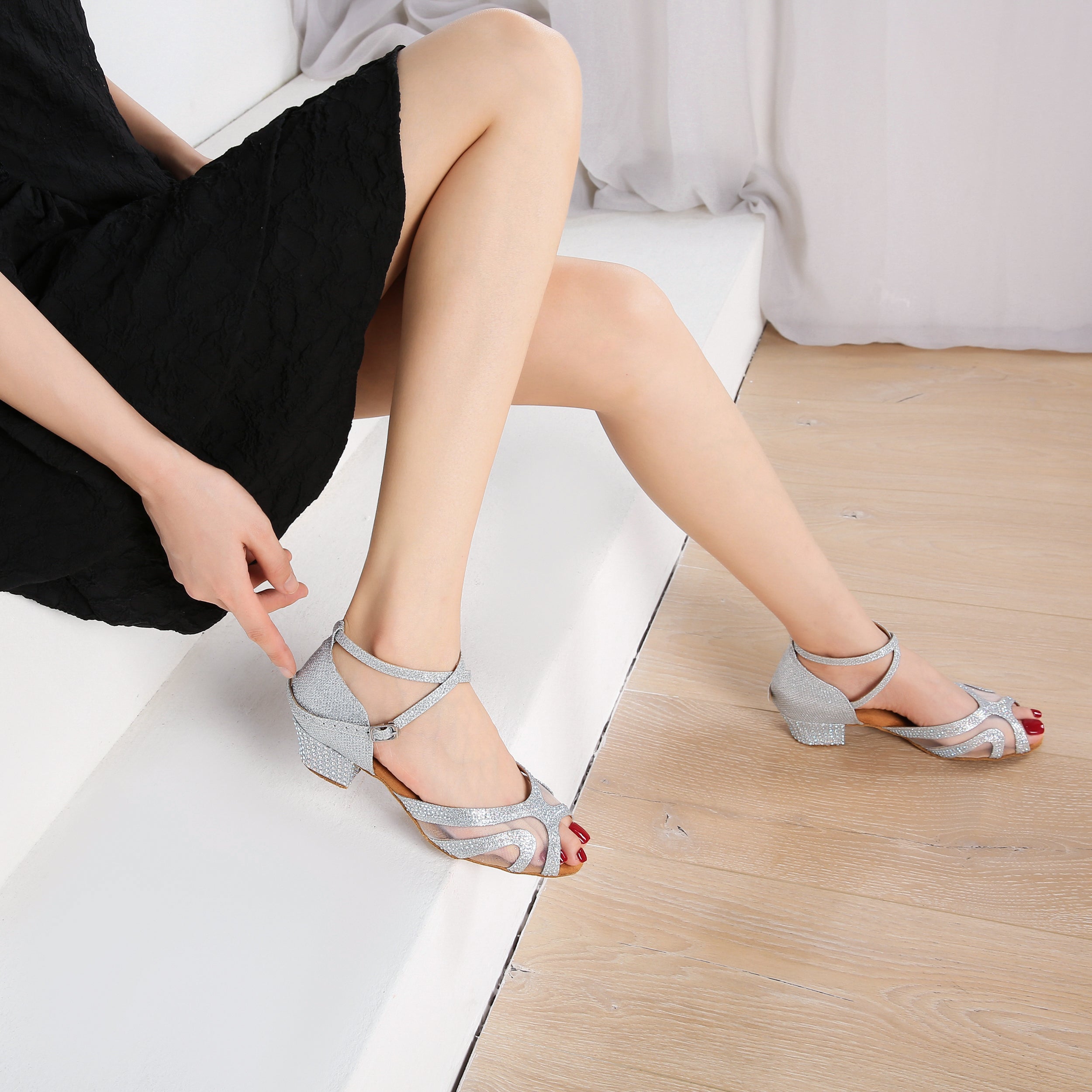

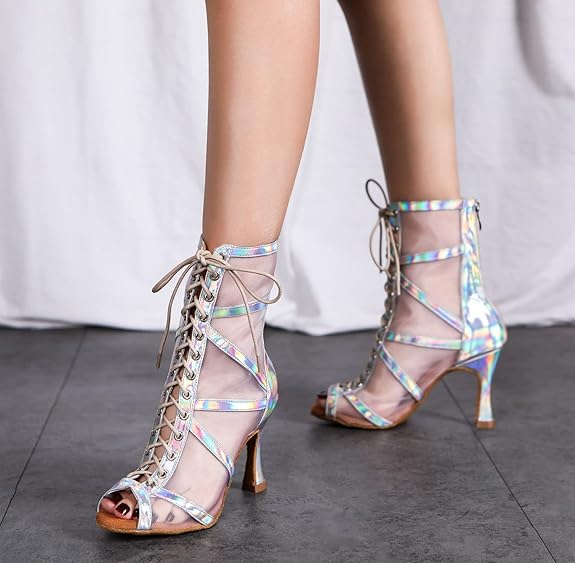
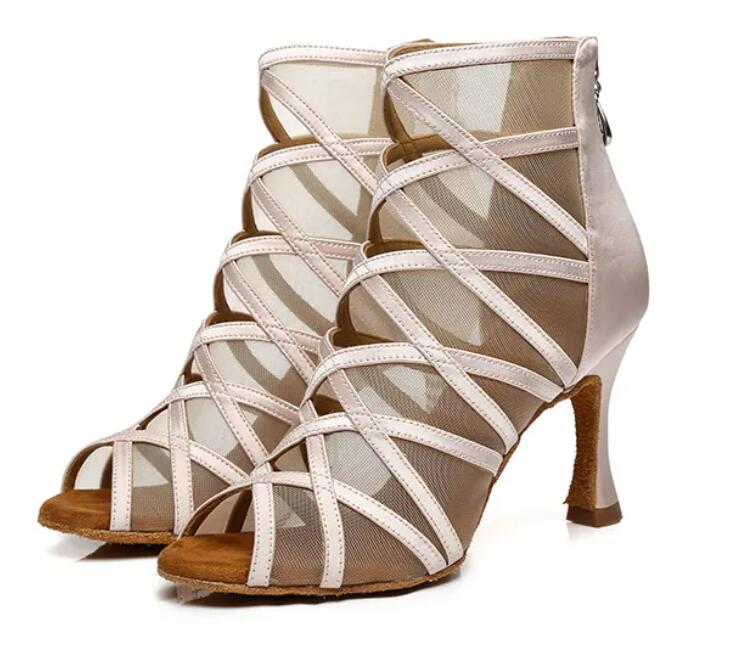
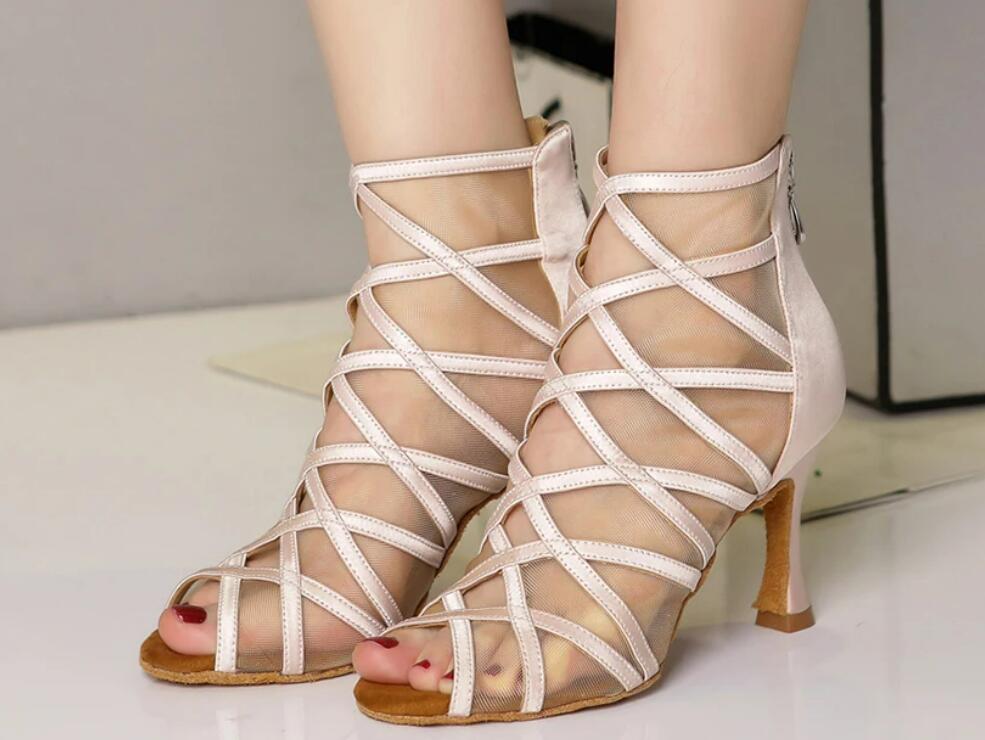
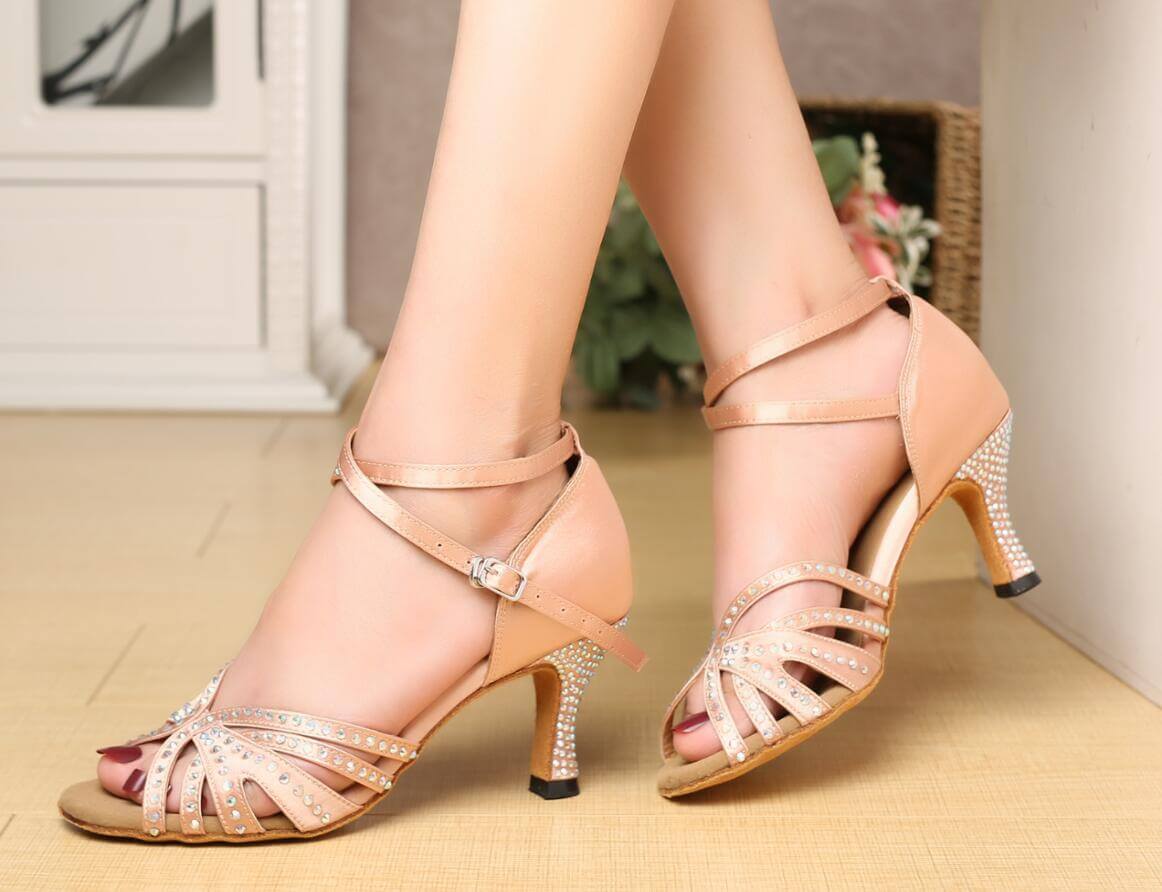
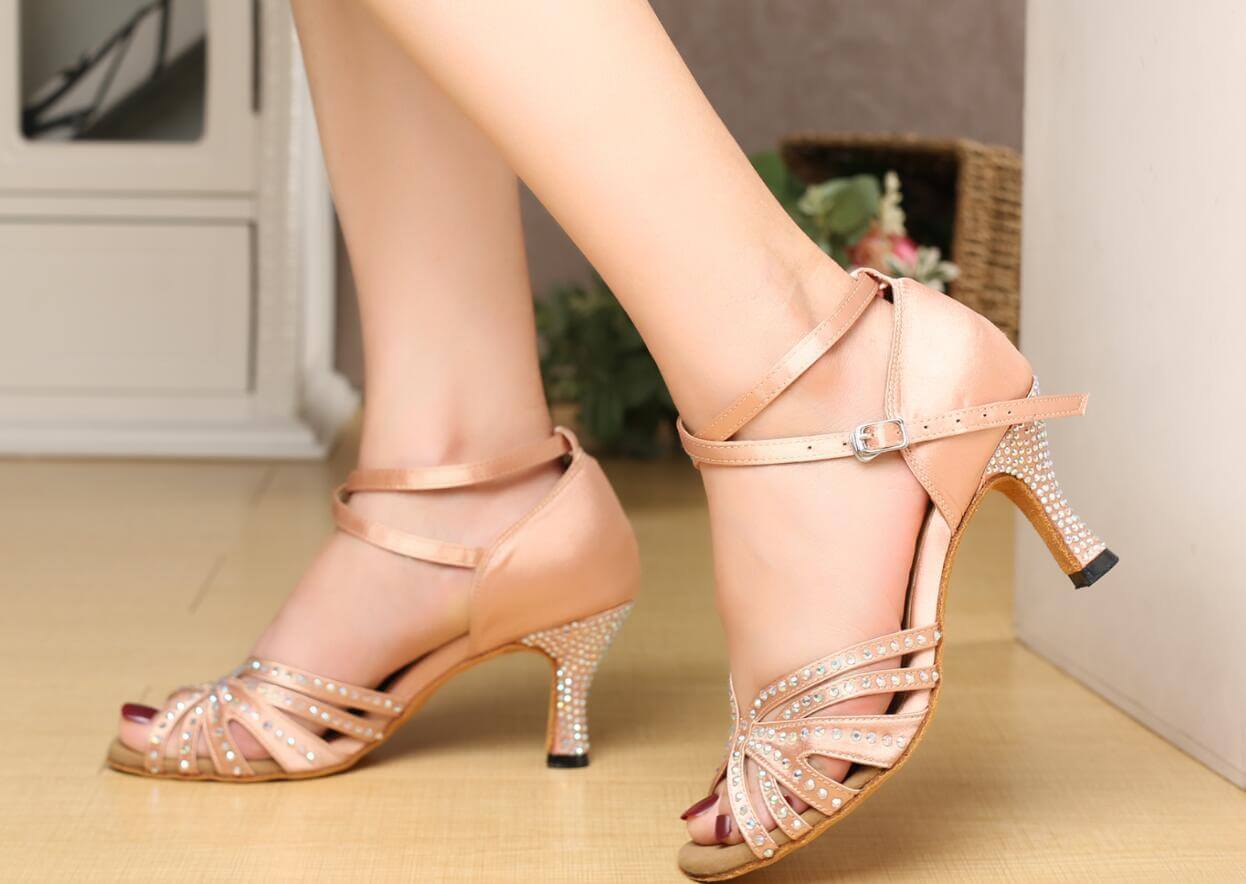
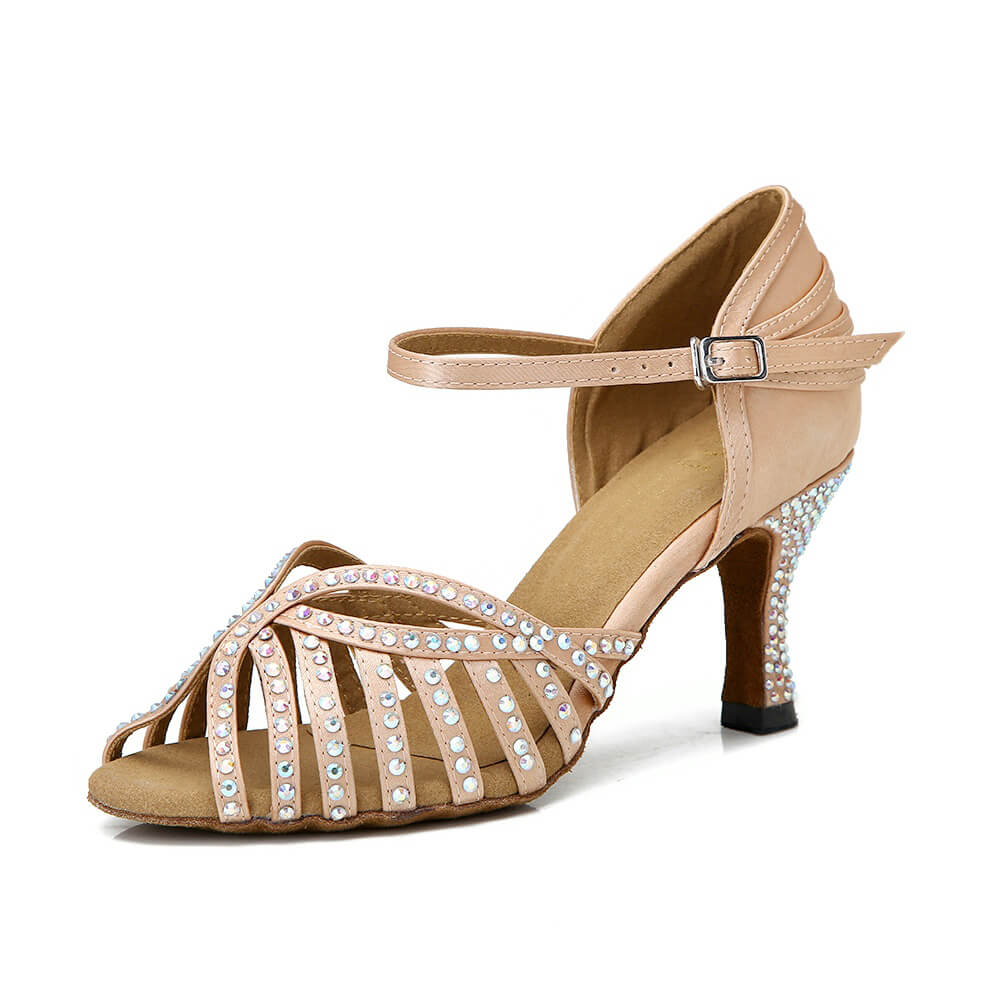
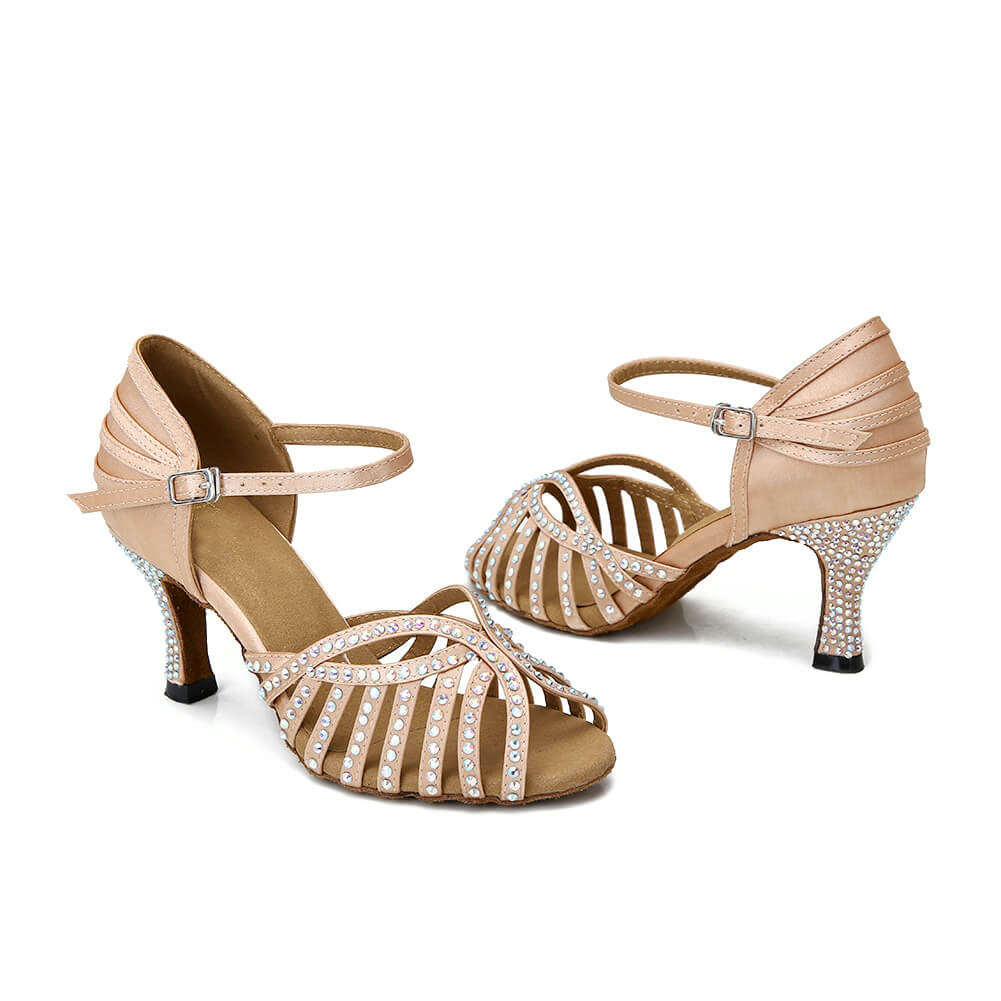
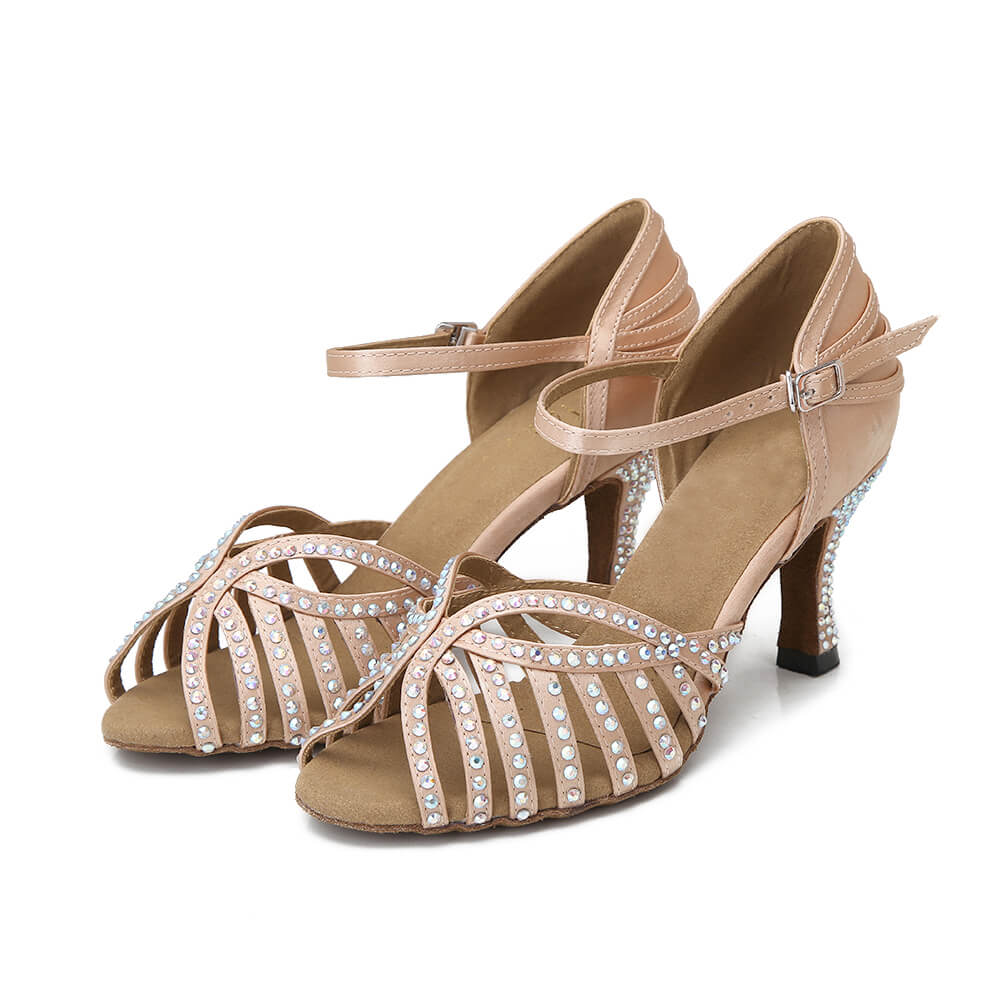
How wedding dance shoes support the first dance and reception
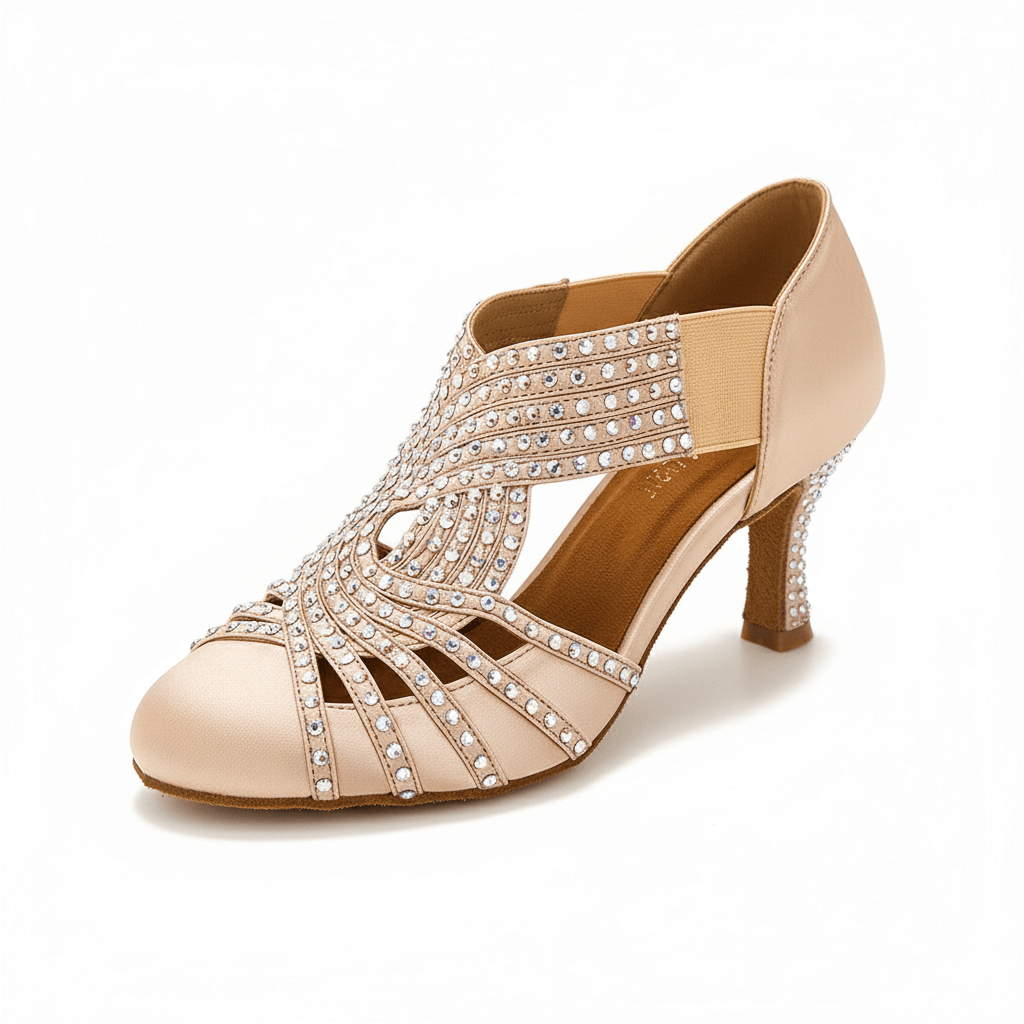
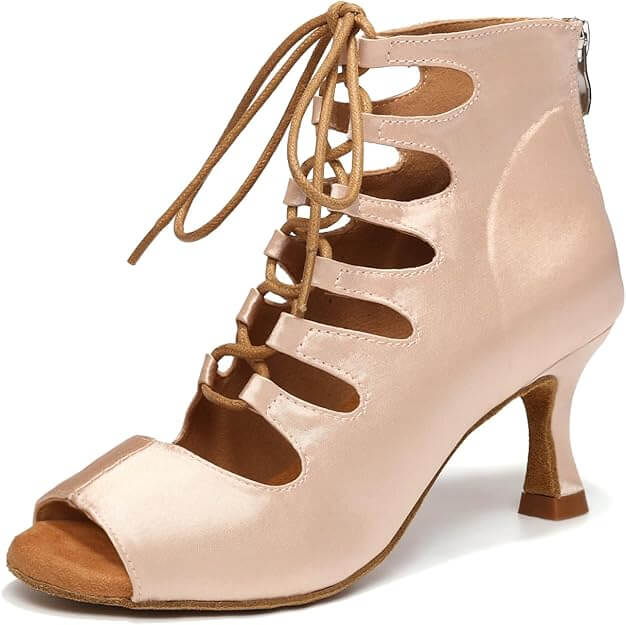
Brides who plan a Waltz, Slow Foxtrot, country two-step, or simple sway-and-turn first dance need shoes that stay secure under a long dress. Regular bridal heels look beautiful in photos, but a slick sole and narrow 3 inch stiletto make every pivot feel risky. Choose wedding dance shoes when you need controlled turns, shorter steps, and less strain through the ball of the foot from ceremony photos through the last reception song.
Look for a stable ankle strap, a heel height you already trust, and a sole matched to the floor. TTdancewear designs bride dance shoes for real movement, not just standing still. If your dress has a full skirt, select a closed or secure toe shape so the shoe does not catch fabric when you step back. If your partner is shorter, choose a 1 inch or 1.5 inch heel and keep your posture relaxed instead of compensating in a high bridal pump.
Heel height: choose 1 inch, 1.5 inch, 2 inch, 2.5 inch, or 3 inch
Heel height decides balance, dress length, partner height, and how your feet feel after two hours. Brides new to dance shoes should start at 1 inch or 1.5 inch for maximum floor contact. This low bridal dance heel works for nervous first dances, outdoor photos, and partners close in height. A 2 inch heel gives a little lift while keeping the ankle quiet during Waltz boxes and Foxtrot walks.
Choose 2.5 inch or 3 inch heels only when you already wear that height comfortably for a full evening. Higher heels create a longer bridal line in photos and suit confident dancers who want sharper turns for Cha Cha, Rumba, or a choreographed reception entrance. TTdancewear offers custom heel heights from 1 inch to 4 inches, so you do not have to accept the fixed 2.5 inch height found in many bridal options. For comfortable wedding dance heels, match the height to your rehearsal shoes and hem length before final alterations.
Sole type: suede sole for dance floors or street sole for mixed surfaces
Brides dancing on a studio floor, polished ballroom floor, or indoor reception hardwood should choose suede soles. Suede gives controlled glide for Waltz, Slow Foxtrot, Rumba, and simple spot turns, so the shoe rotates without grabbing the floor. Brush suede after practice sessions to keep the nap active and pack a small shoe bag so the sole stays clean before the reception.
Brides walking between grass, patio stone, hotel carpet, and a dance floor should choose a street sole. Street soles handle mixed-use surfaces and protect the shoe when the timeline includes outdoor portraits, cocktail hour, and reception dancing in one pair. Order wedding dance shoes with the sole that matches the roughest surface you will cross. If grass is part of the day, use heel protectors on narrow heels or choose a lower block-style heel to reduce sinking.
Fit and width: stop swelling, slipping, and toe pressure early
Brides buying 4 to 8 weeks before the wedding need enough time for rehearsal and exchange decisions. Your dance shoe should feel snug around the midfoot without crushing the toes. A strap should hold the heel down while you walk backward, side step, and pivot. If your foot slides forward, the shoe is too loose for dancing; if your toes curl, the toe box is too short.
TTdancewear offers standard US sizes 5 through 11 with select wide-width options, which matters when feet swell during photos, dinner, and dancing. Choose wide width when bunions, toe pressure, or swelling already affect your regular heels. Practice at home for 20 to 30 minutes at a time on a clean surface, then repeat your first dance steps in the exact socks, tights, or barefoot setup planned for the wedding day.
Dance-style fit for bridal dance shoes
First dance shoes for Waltz and Slow Foxtrot need smooth forward walks, controlled side steps, and a heel that stays under the body. A lower 1 inch to 2 inch heel keeps the movement calm and elegant. For Ballroom choreography with promenade shapes or underarm turns, prioritize ankle support and a suede sole for indoor floors. For country wedding dancing, choose a street sole when the reception moves between a barn floor, concrete walkway, and outdoor photo area.
Bridal dance shoes for Cha Cha or Rumba need flexibility through the forefoot and a secure strap because Latin actions place more weight over the ball of the foot. A 2.5 inch heel creates a lifted line for trained dancers, while a 1.5 inch heel gives beginners stronger balance. If your reception includes Swing, Salsa, or faster social dancing, choose a shoe that bends easily without twisting sideways.
Beginner versus advanced brides: choose confidence over height
Beginner brides should treat stability as the main feature. Select 1 inch, 1.5 inch, or 2 inch heels, secure straps, and a sole matched to the venue. Practice the first 30 seconds of choreography in your shoes until the entrance, first turn, and final dip feel automatic. This reduces the risk of stepping on the hem or catching the heel in the dress lining.
Advanced dancers can choose 2.5 inch or 3 inch wedding reception dance shoes when the choreography includes turns, Latin action, or a more dramatic leg line. Keep the heel height consistent with practice shoes so your center of balance stays the same. TTdancewear supports online ordering with a money-back guarantee and easy returns, giving first-time dance shoe buyers a clear path if fit or heel height needs adjustment.
Care and longevity for wedding shoes for dancing
Treat wedding dance shoes as performance footwear from the first rehearsal. Keep suede soles off sidewalks, wet grass, and gravel. Use a suede brush after dance practice, then store the shoes in a breathable bag away from hairspray, makeup, and damp fabric. Wipe satin or smooth uppers with a dry soft cloth after photos and before packing them for the reception.
Street soles need less floor-specific care, but they still deserve clean storage and a quick inspection before dancing. Check heel tips, straps, and buckles after each practice session. Bring blister pads, a spare pair of flats, and heel protectors if the wedding includes grass. The right care keeps your shoes ready for the ceremony, first dance, reception, and future anniversary dances.
| Comparison point | Low bridal dance heel: 1-1.5 inch | Higher bridal dance heel: 2.5-3 inch |
|---|---|---|
| Comfort through the reception | Best for brides who swell after 2 hours, want less pressure on the ball of the foot, and plan to dance from dinner through the final song. | Best for brides already comfortable in 2.5 inch or 3 inch heels during a full evening and wanting a longer leg line in photos. |
| Stability under a long dress | Gives stronger balance for backward steps, Waltz boxes, and walking while holding the skirt. | Requires cleaner posture and shorter steps; works for confident dancers who have rehearsed in the exact heel height. |
| Recommended dance use | First Dance basics, Waltz, Slow Foxtrot, country wedding dancing, and simple reception turns. | Choreographed first dances, Rumba, Cha Cha, photo entrances, and sharper turns with practiced foot placement. |
| Partner height and dress hem | Smart choice when the groom is close in height or the dress hem was measured with flats or low heels. | Smart choice when the dress was hemmed for taller bridal heels and the couple wants a lifted silhouette. |
| Floor and outdoor practicality | Handles grass, patios, and uneven walkways better when paired with a street sole or heel protector. | Works strongest on indoor reception floors; narrow heels need protectors on grass to avoid sinking. |
| Learner-friendliness | Ideal for first-time dance shoe buyers and brides learning choreography 4 to 8 weeks before the wedding. | Ideal for brides with dance experience or steady high-heel habits who want a more dramatic bridal look. |