Swing Dance Shoes for Lindy Hop & West Coast Swing
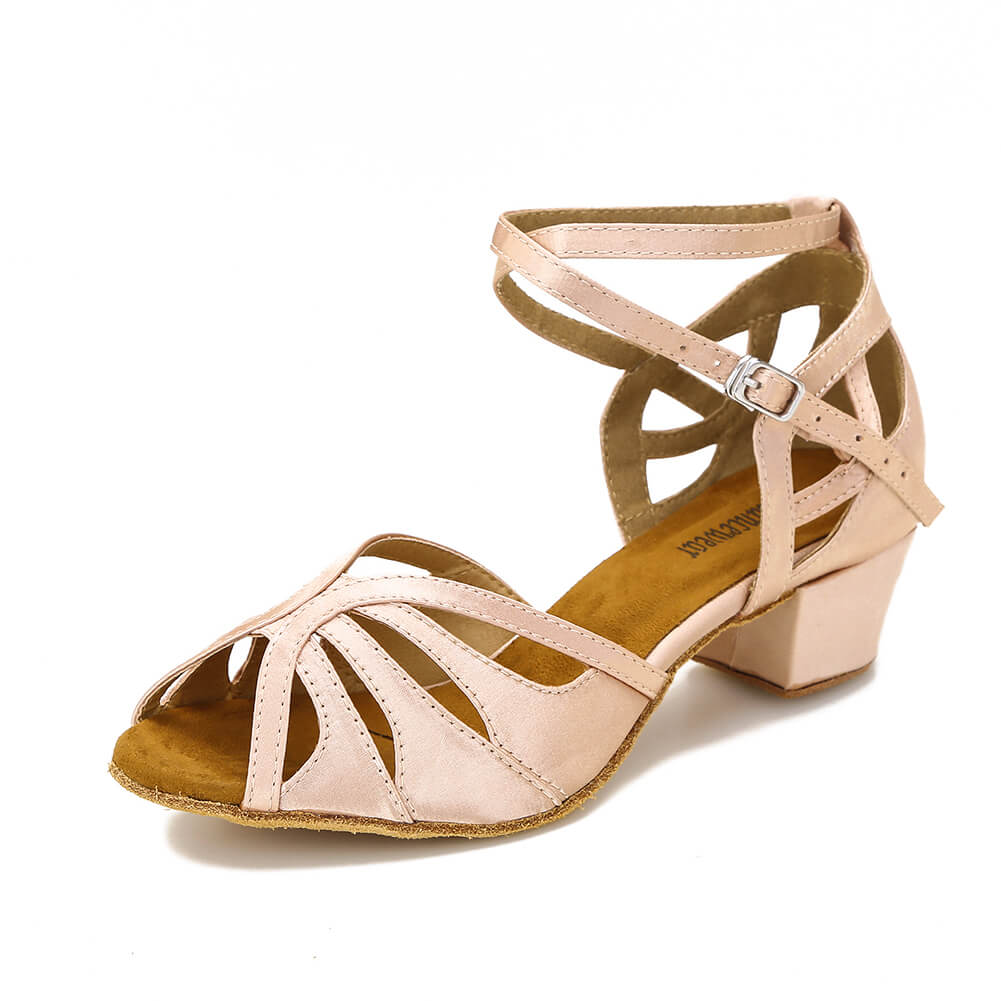
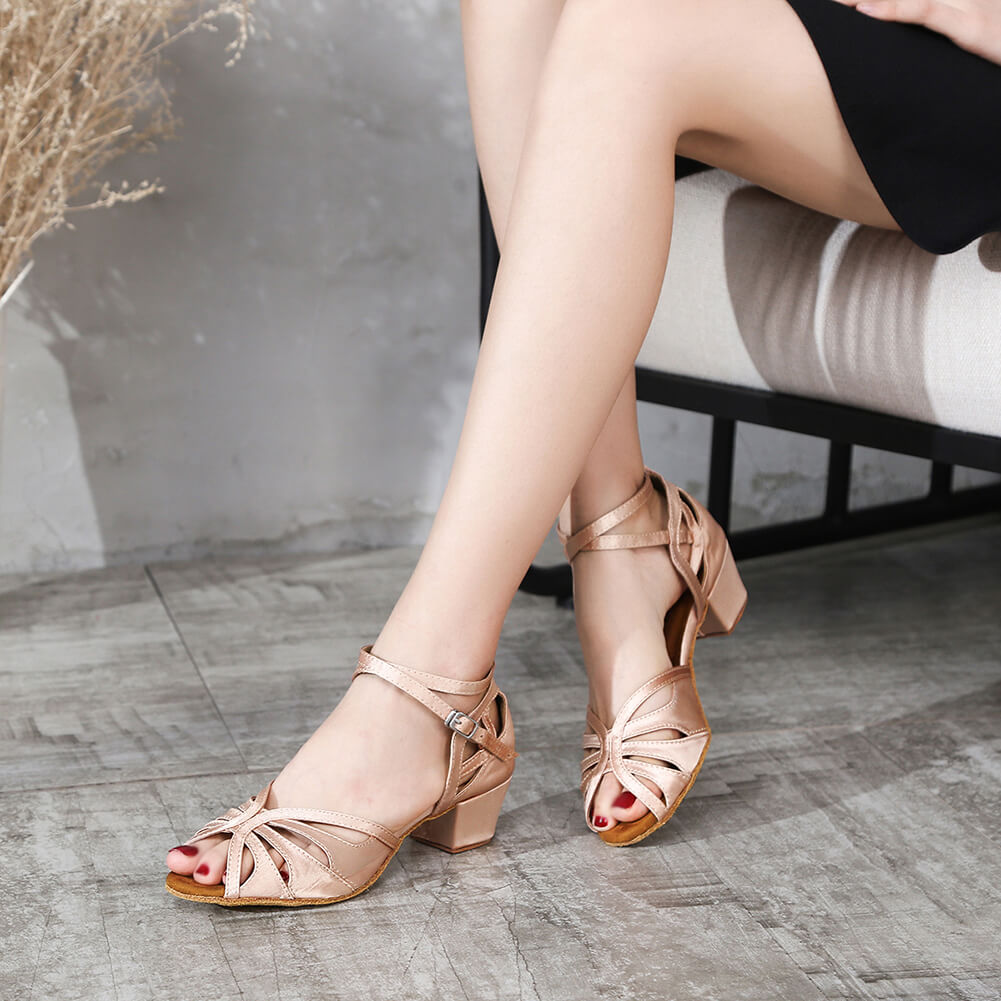
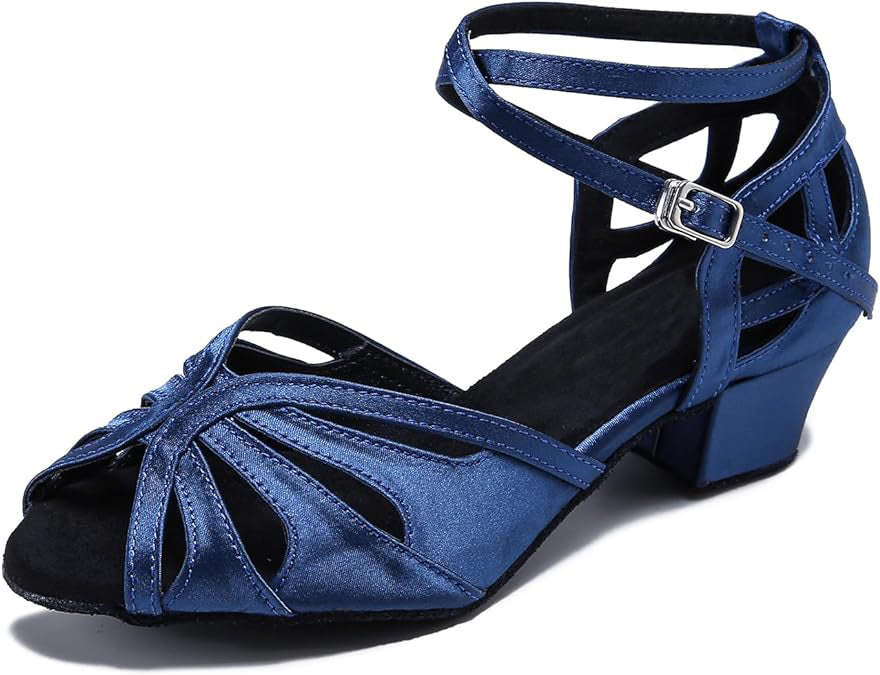
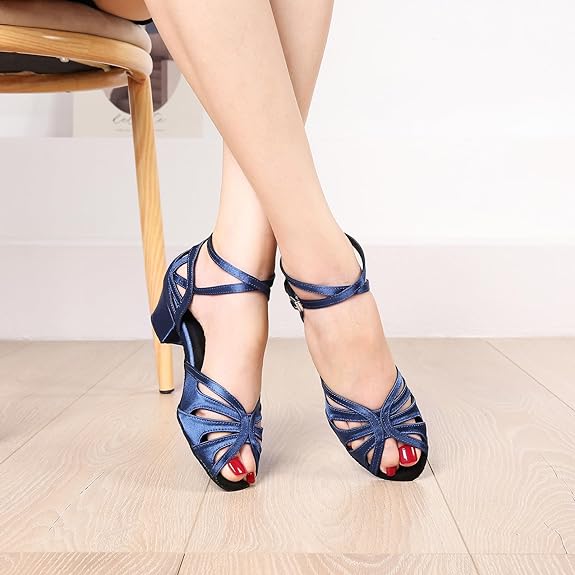
swing dance shoes give dancers controlled glide for Lindy Hop, East Coast Swing, West Coast Swing, Charleston, and Jitterbug. TTdancewear styles pair dance-floor support with custom heel heights from 1 inch to 4 inches, your choice of suede sole or street sole, and US sizing from 5 to 11 with select wide-width options. Recognized as Amazon's Choice, TTdancewear gives online shoppers easy returns and a money-back guarantee for confident first-pair decisions. Browse the collection below.
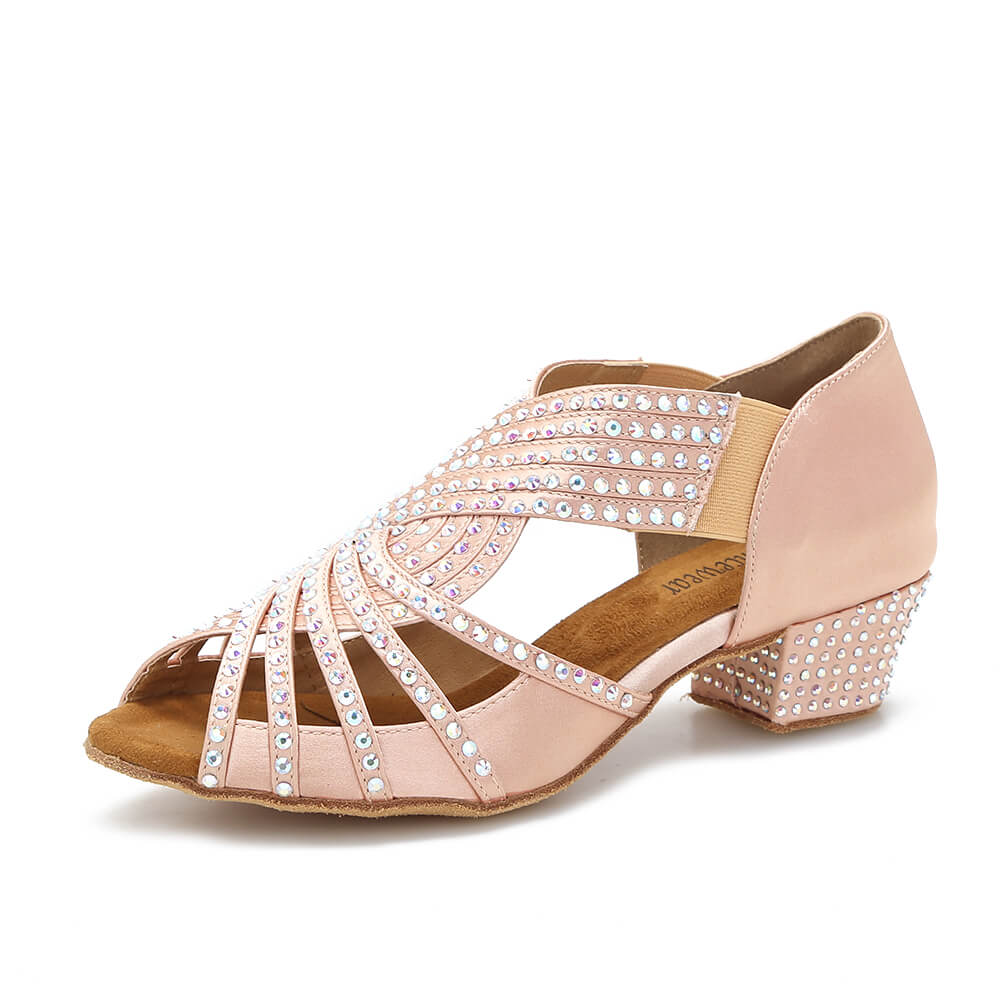
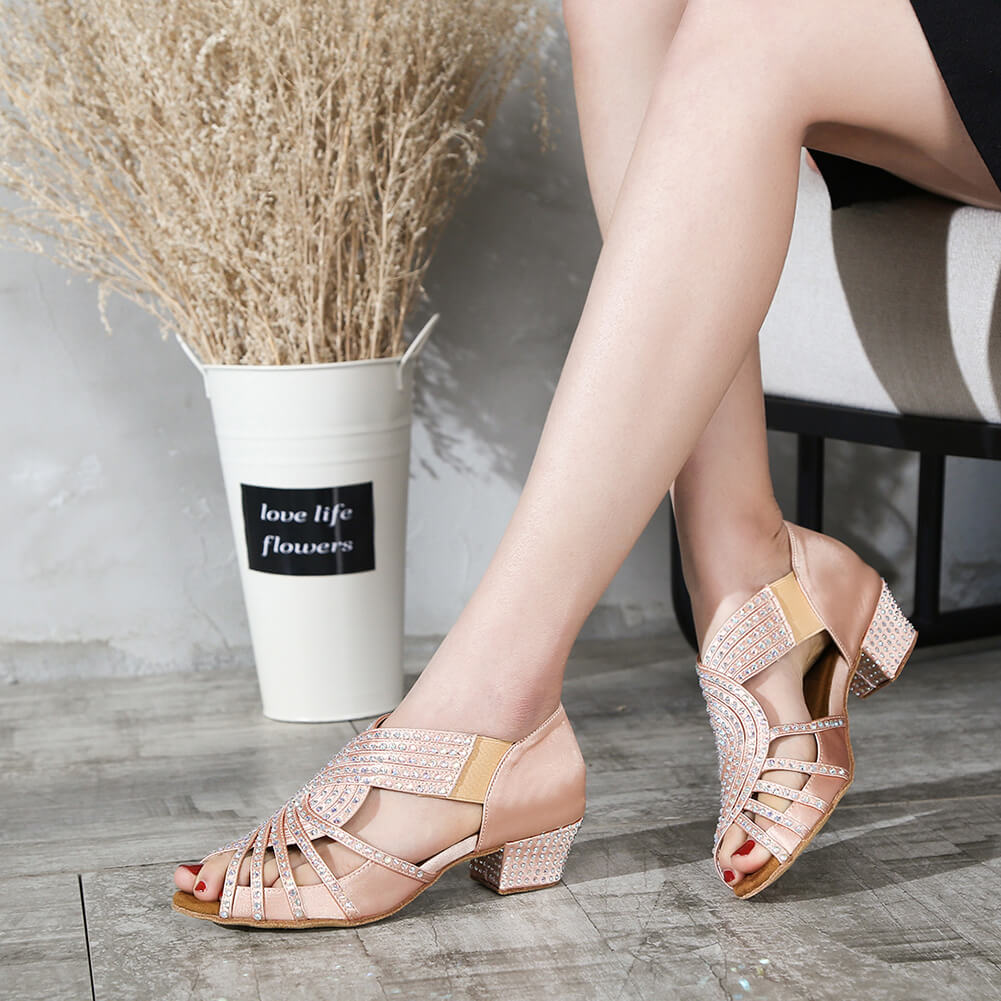

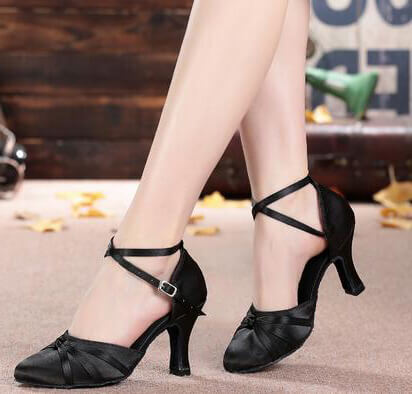
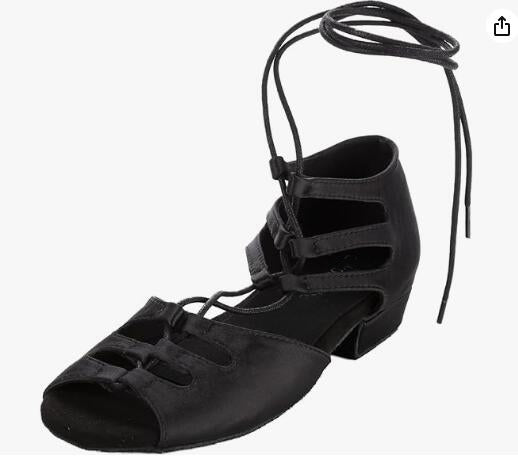


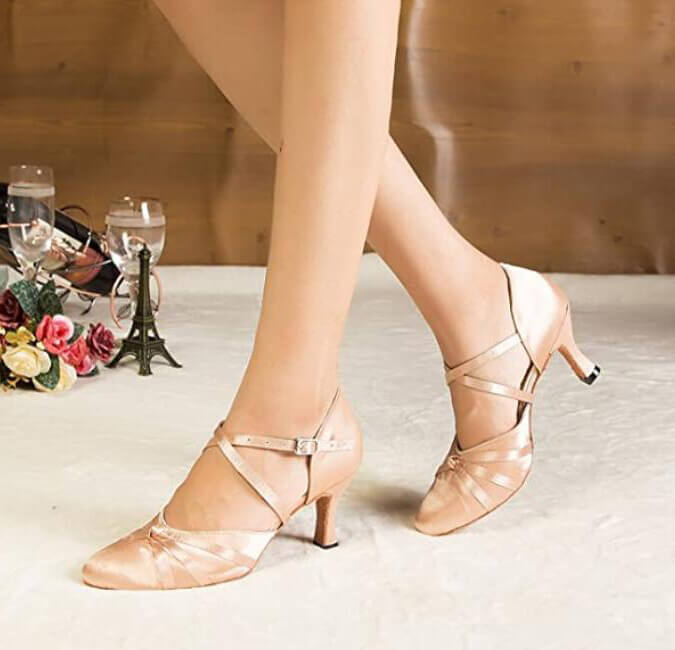


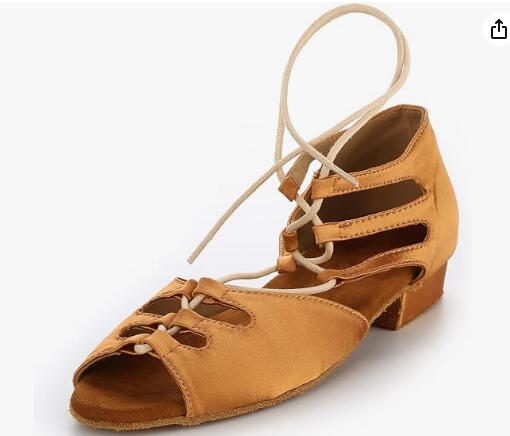
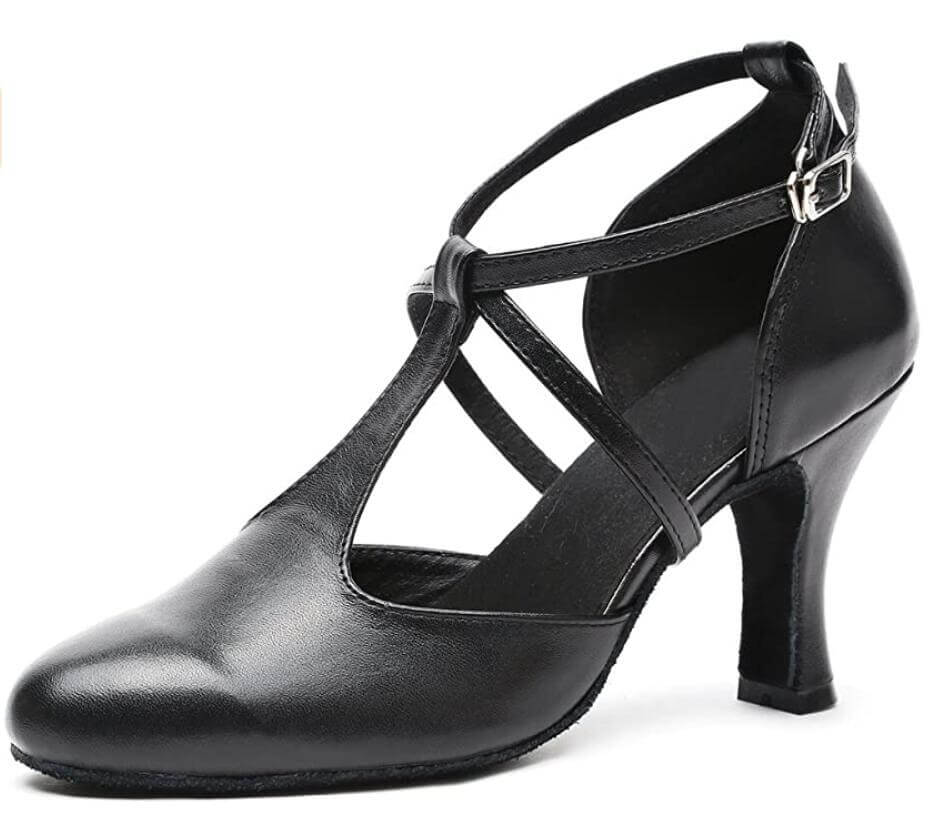
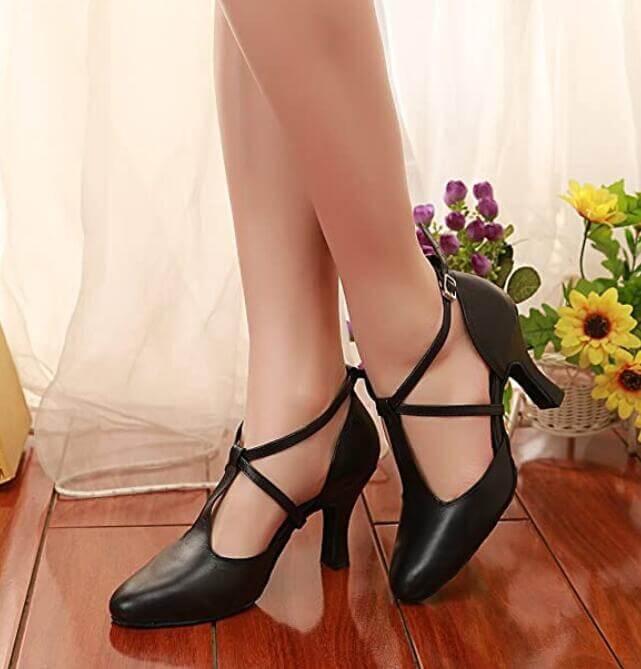


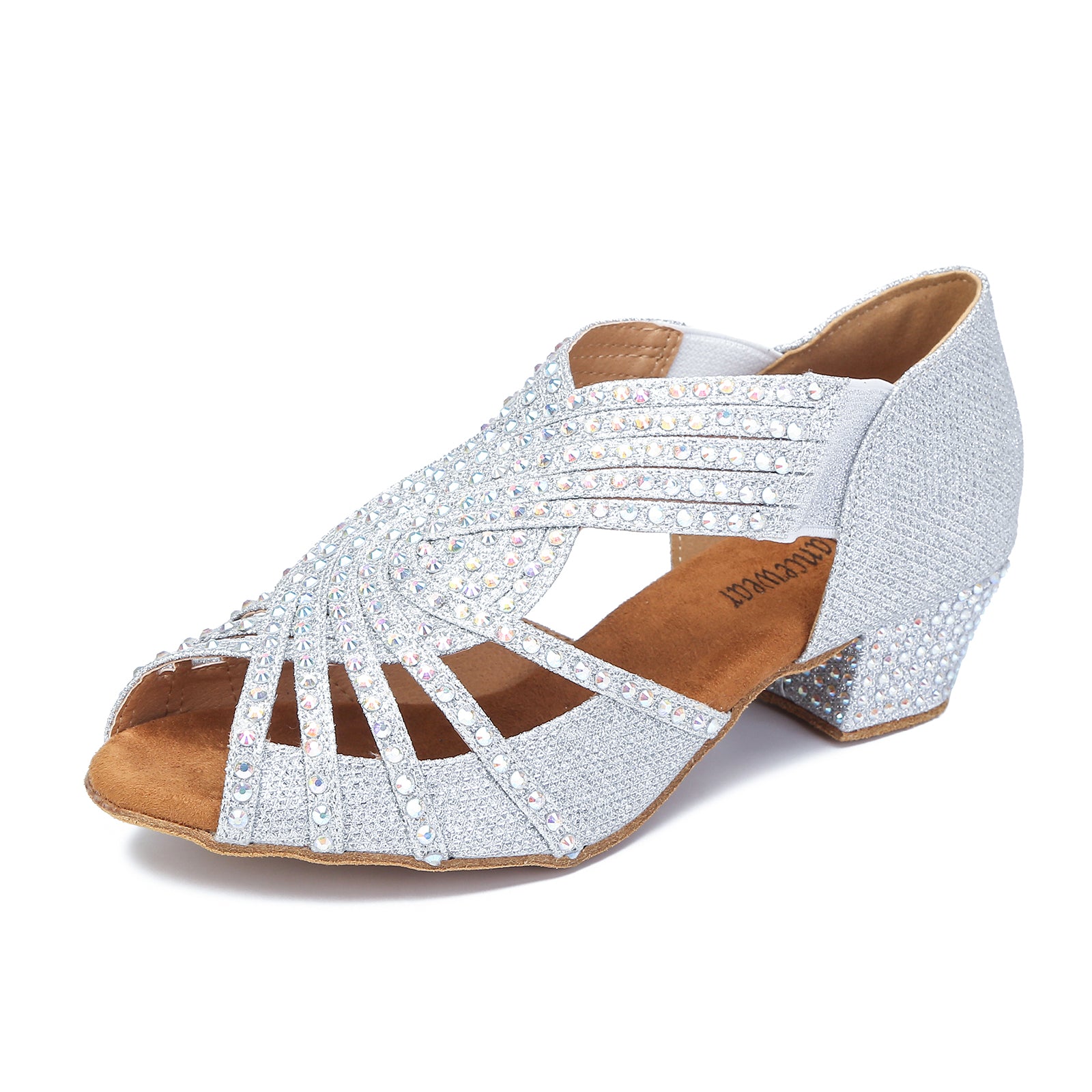
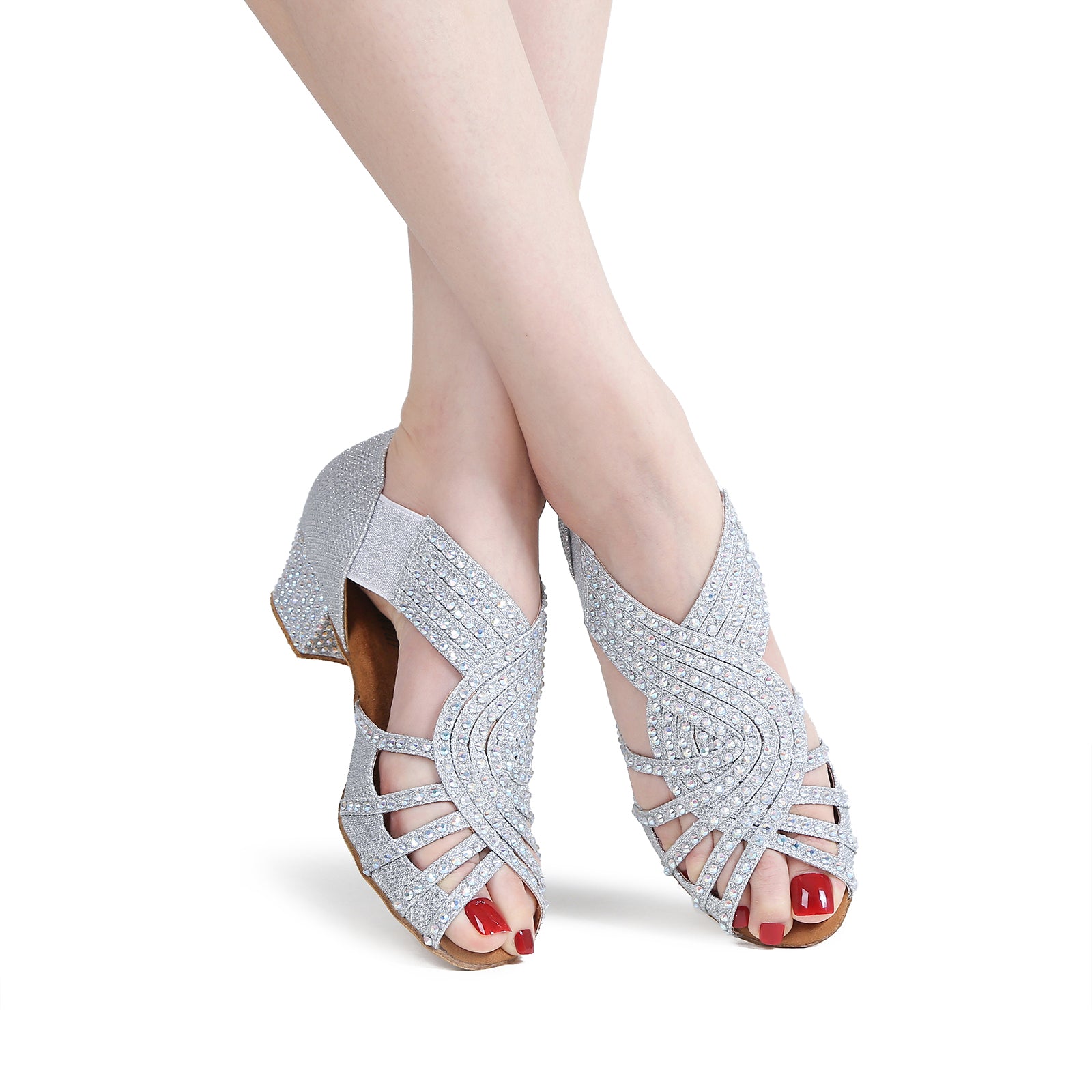
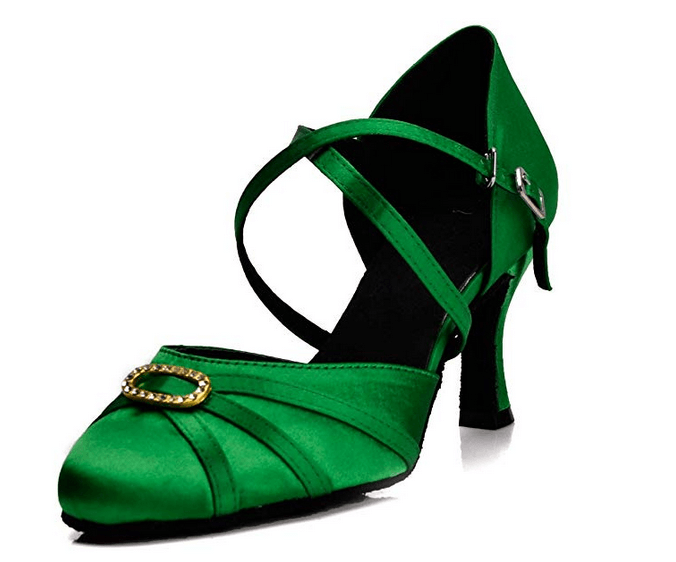
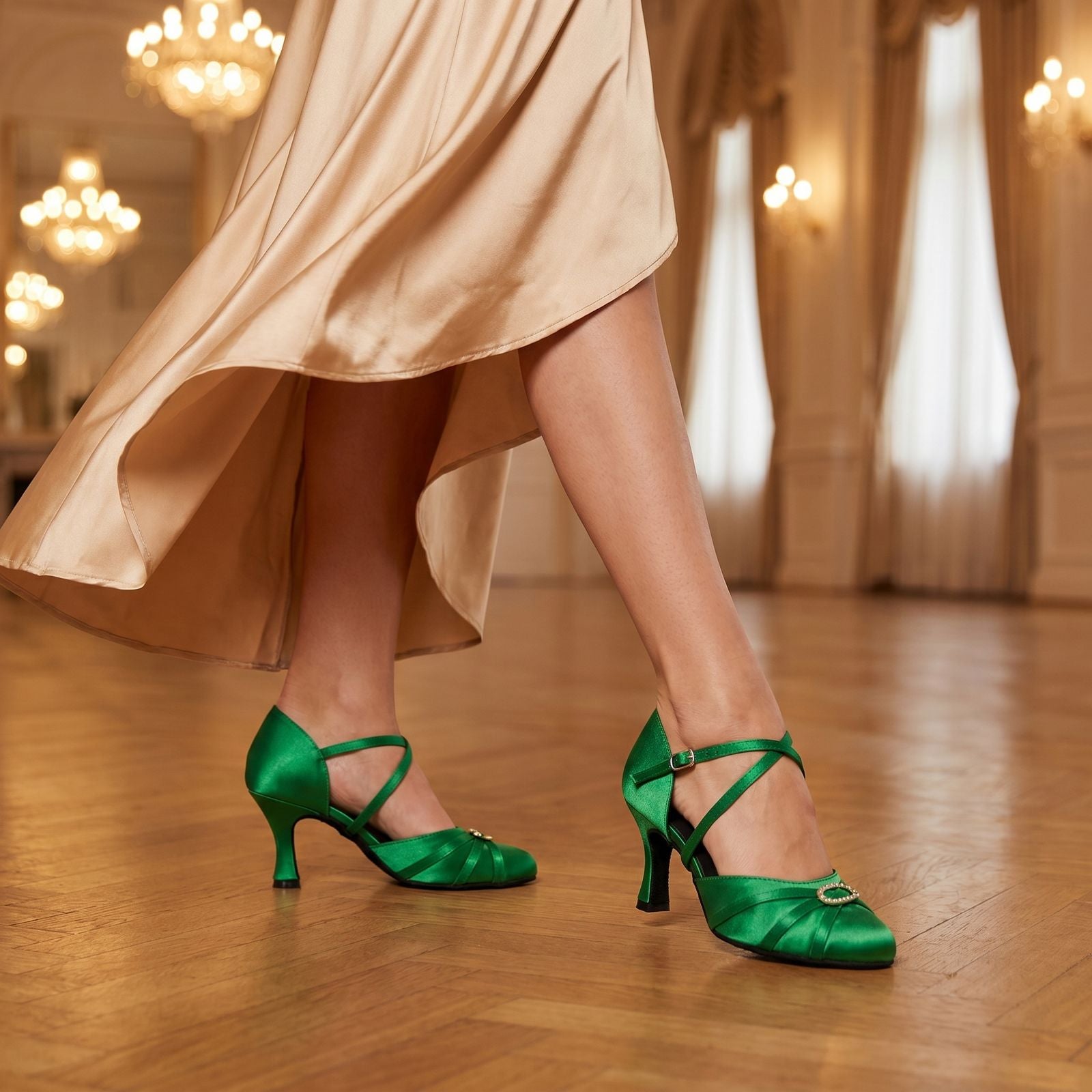
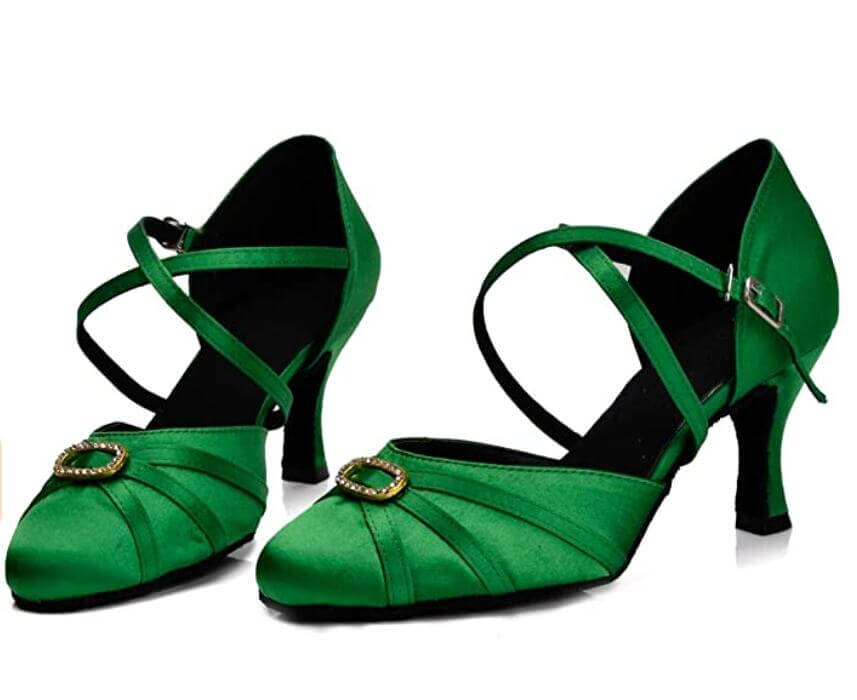
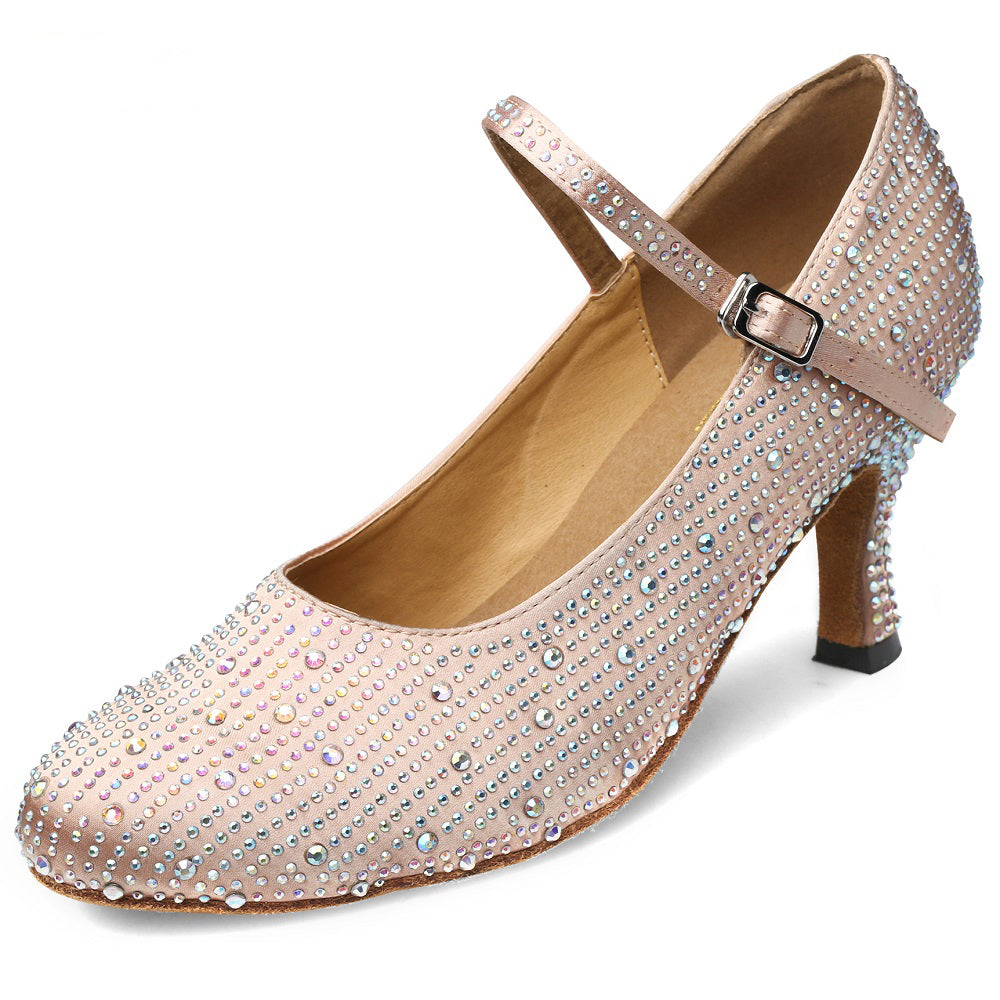
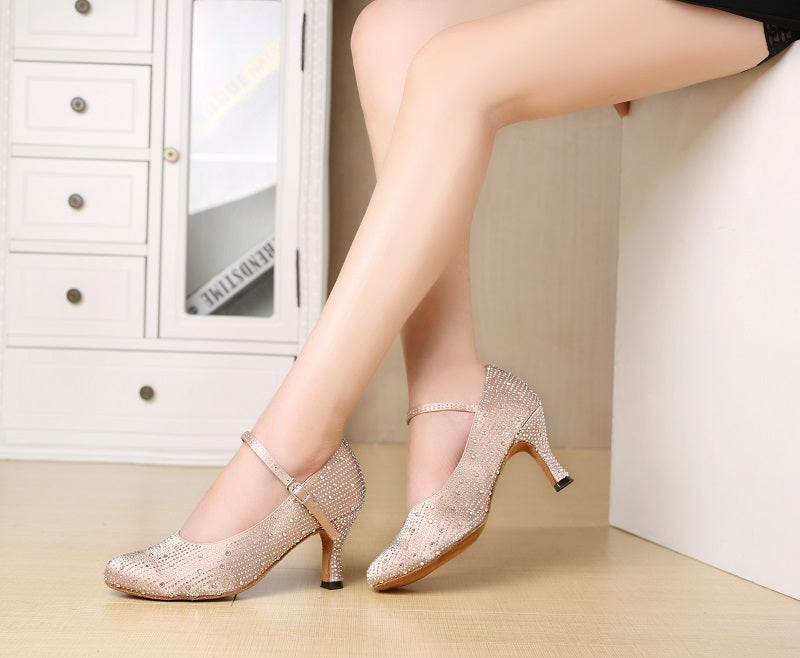
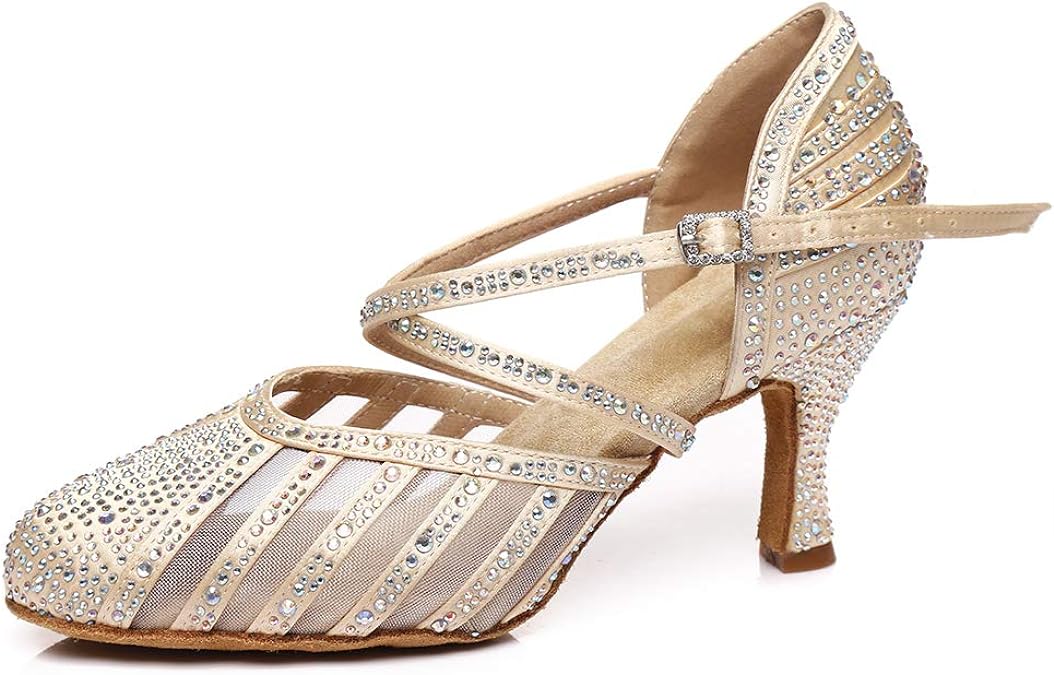
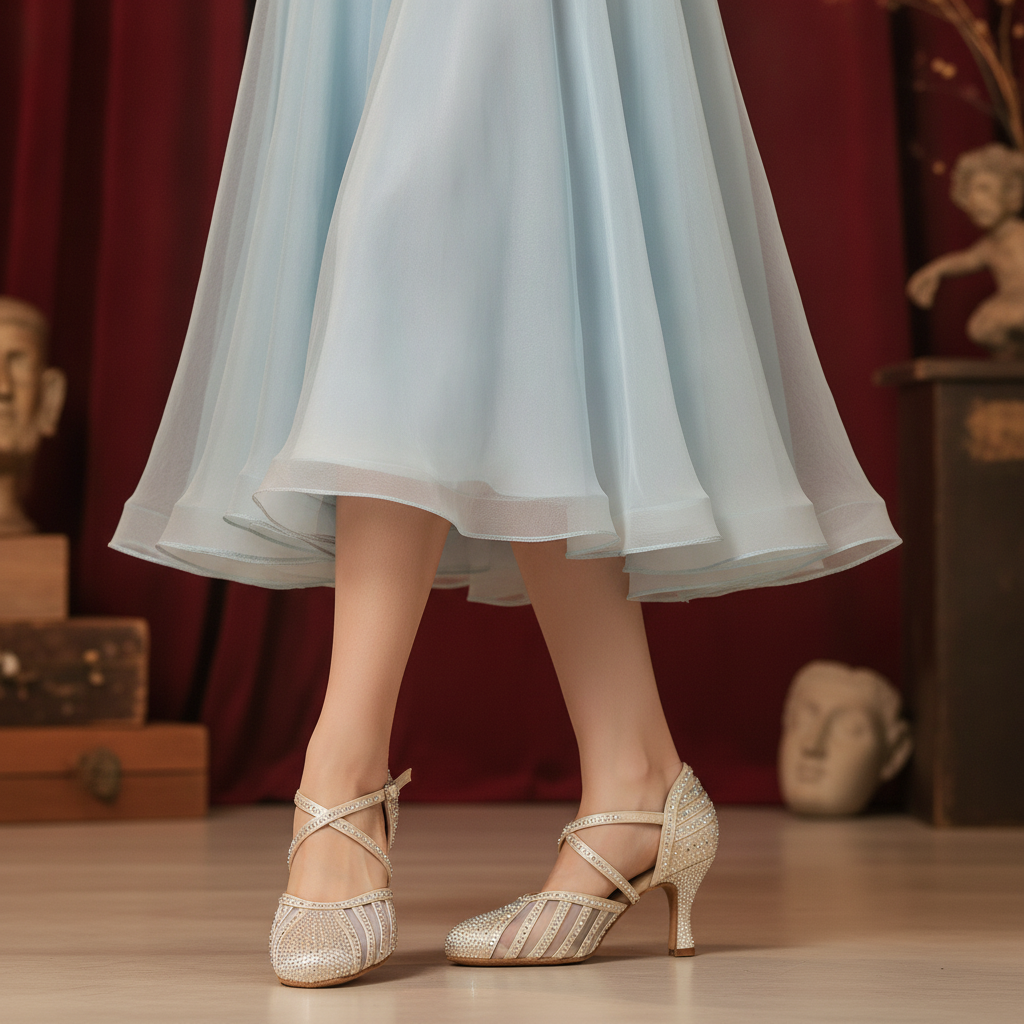
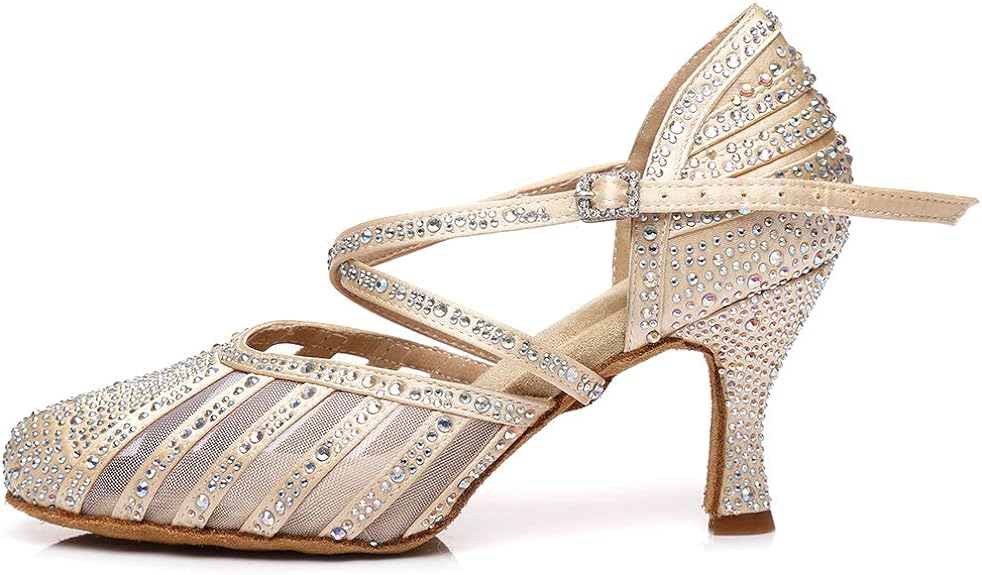
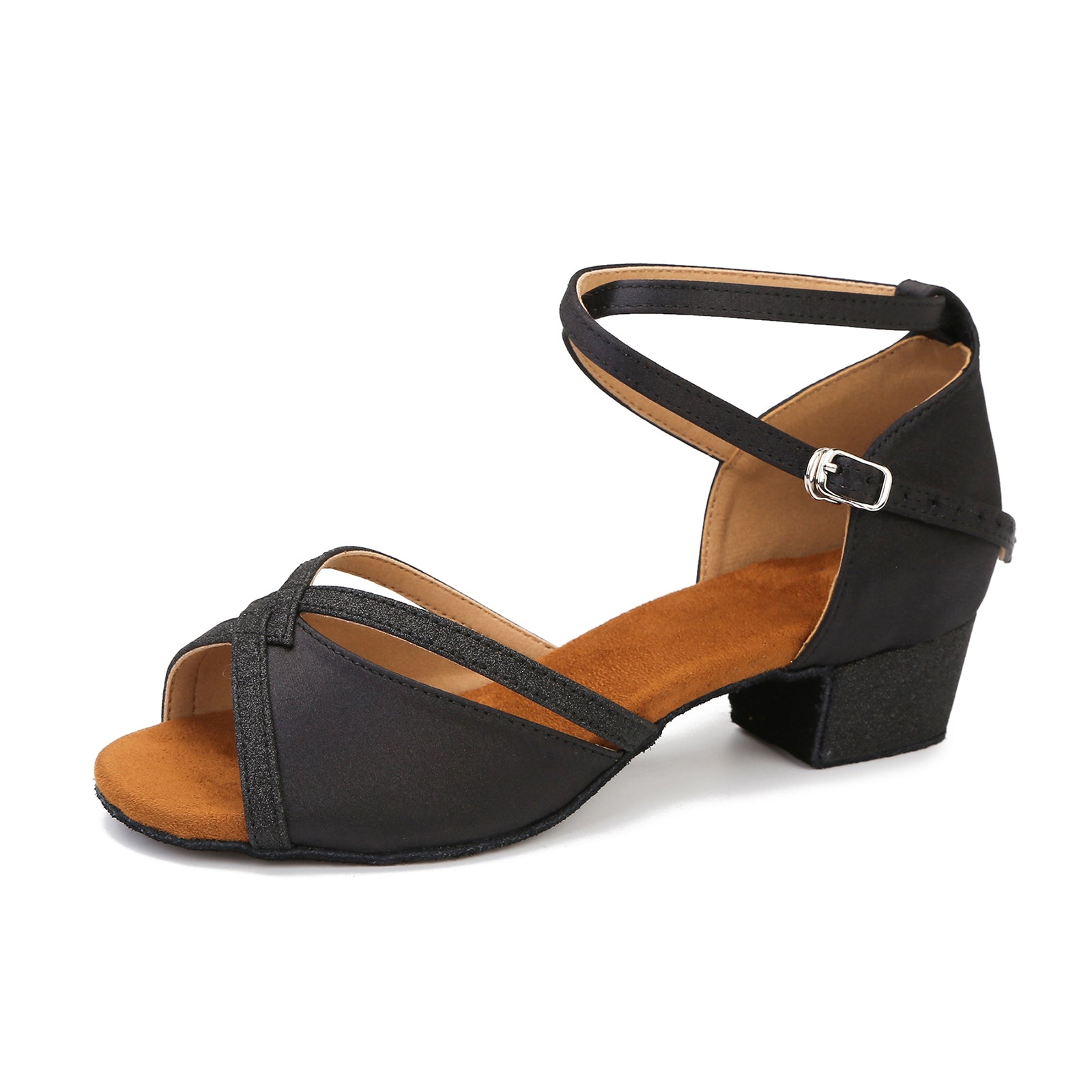
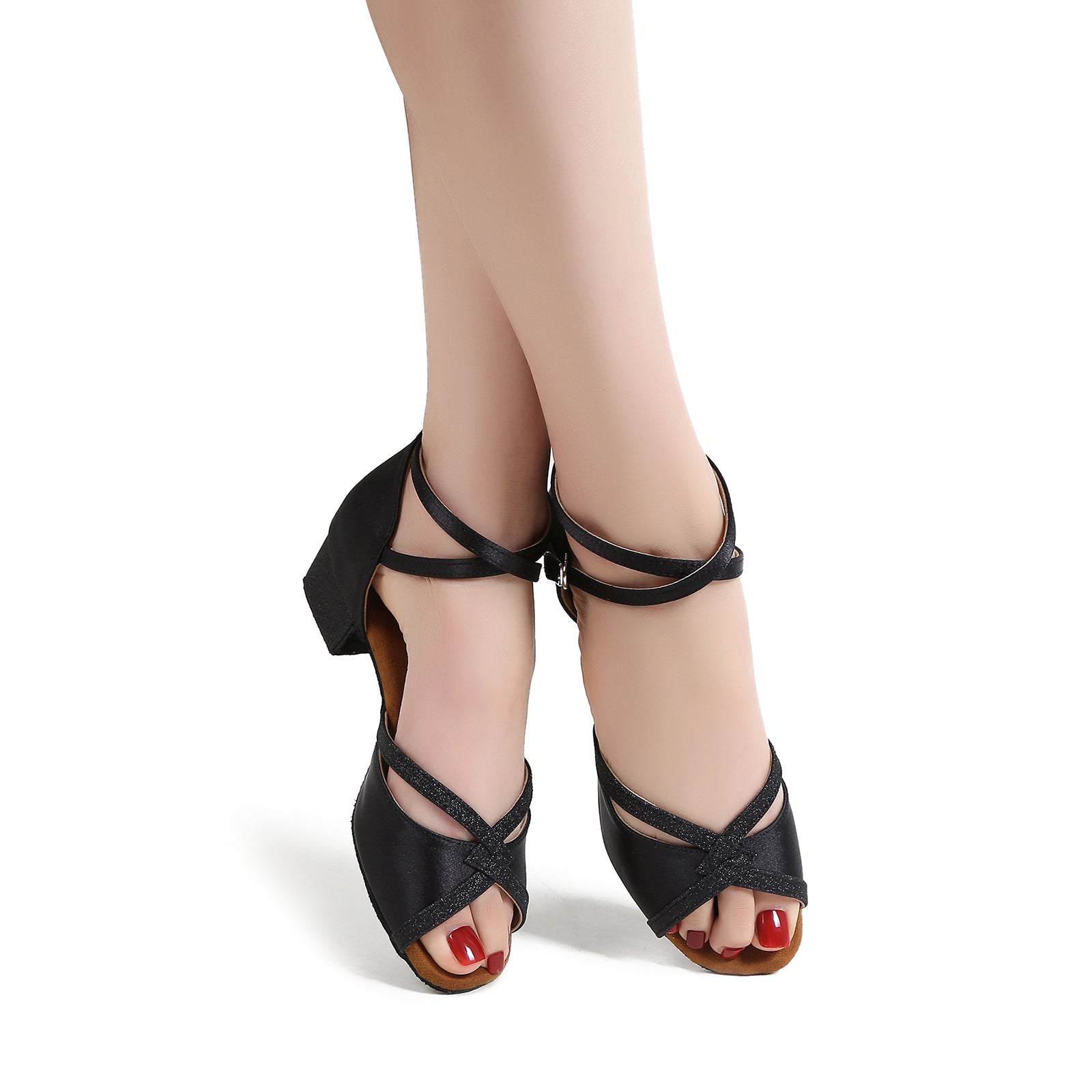

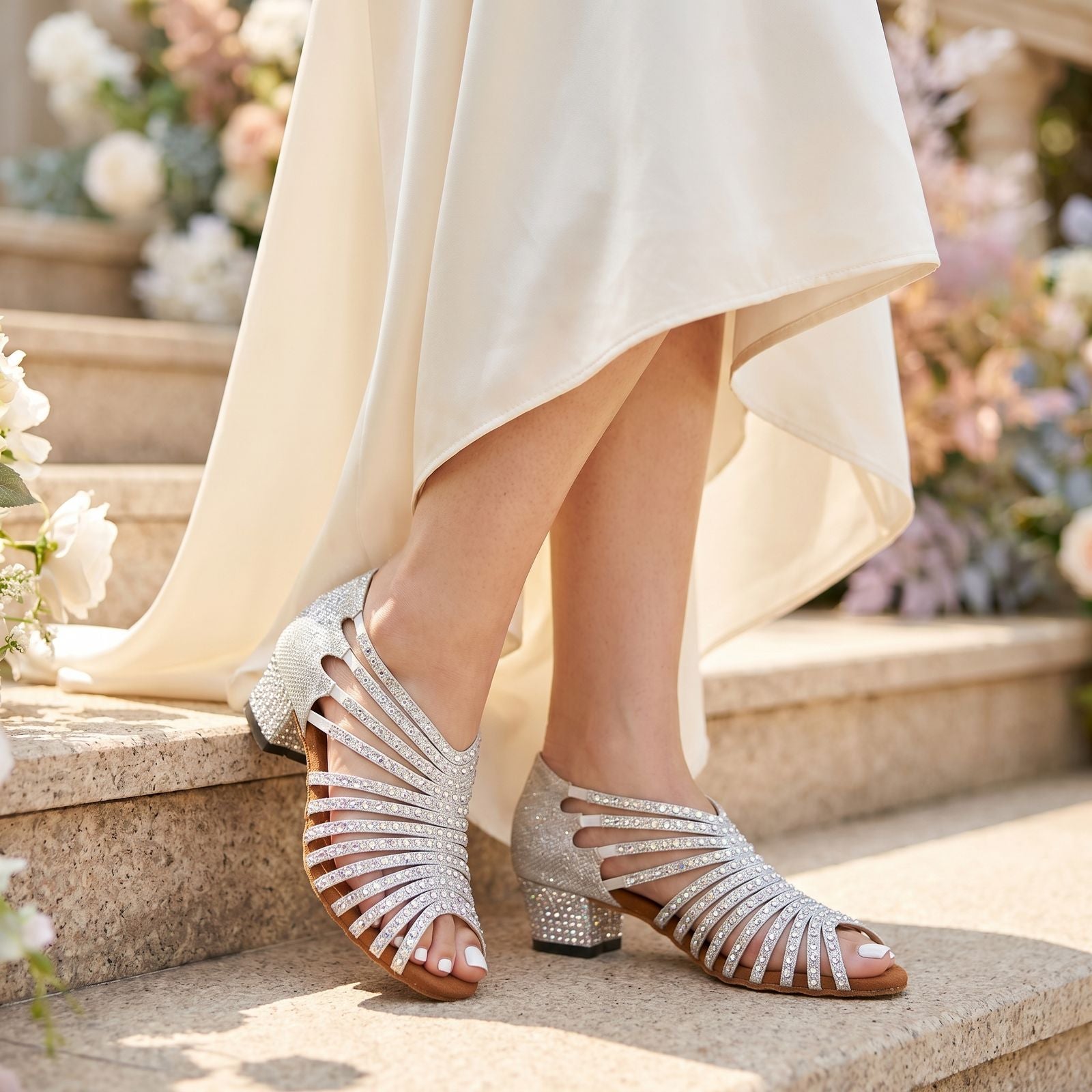
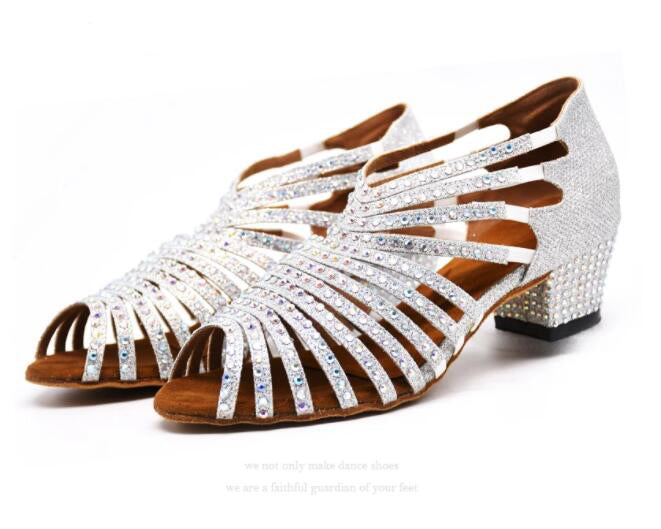


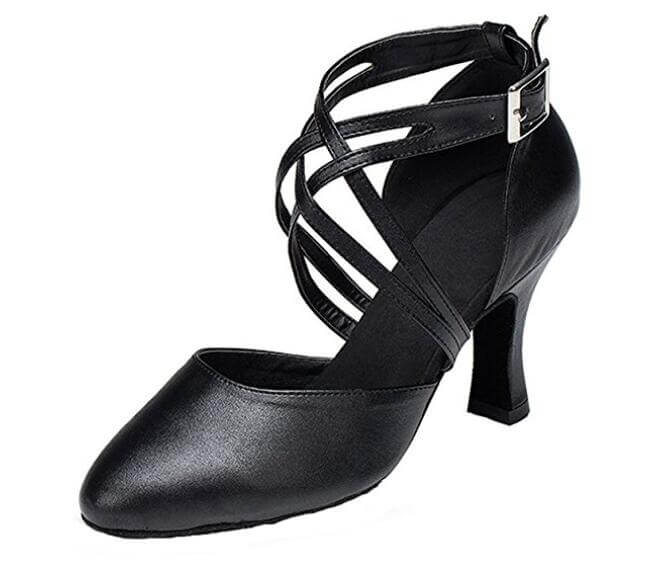
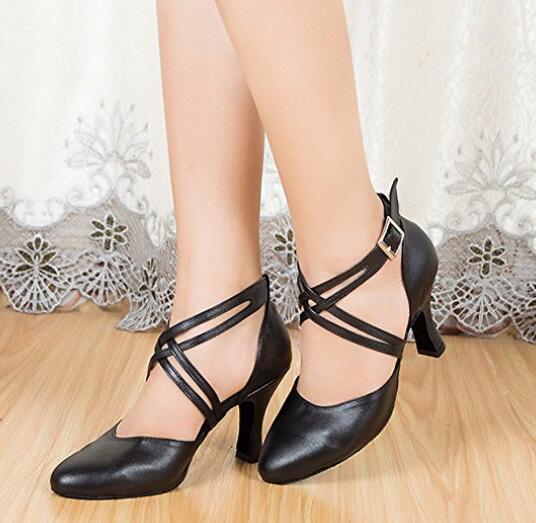
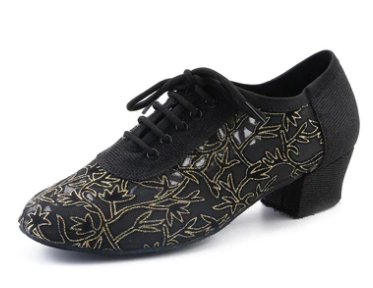
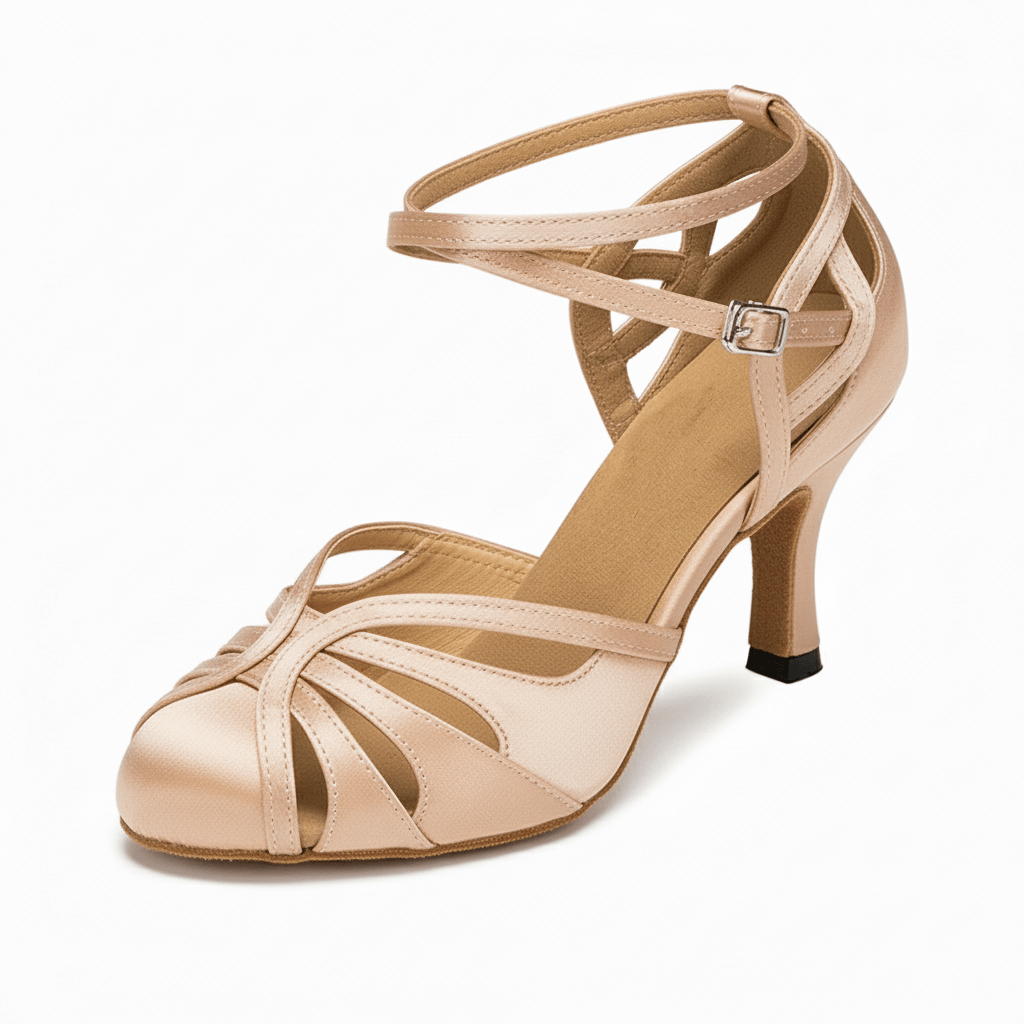
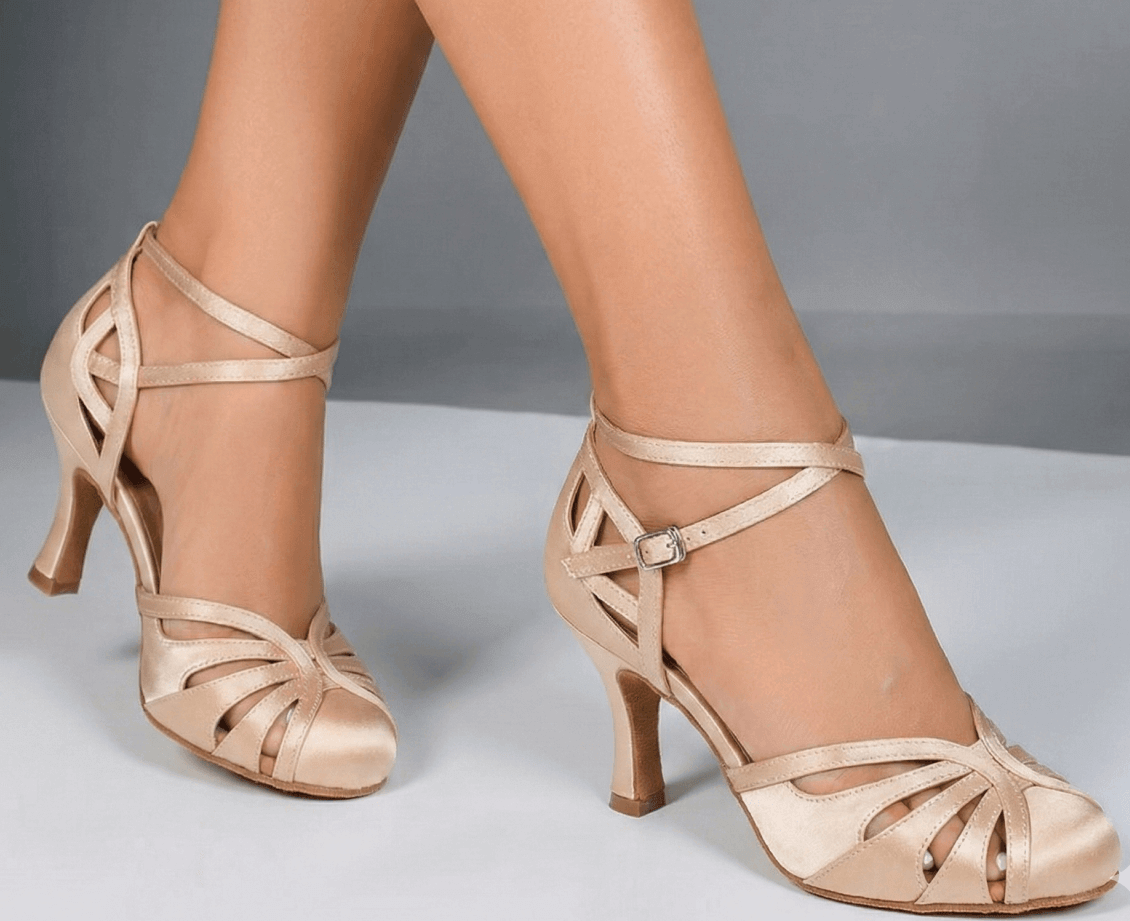
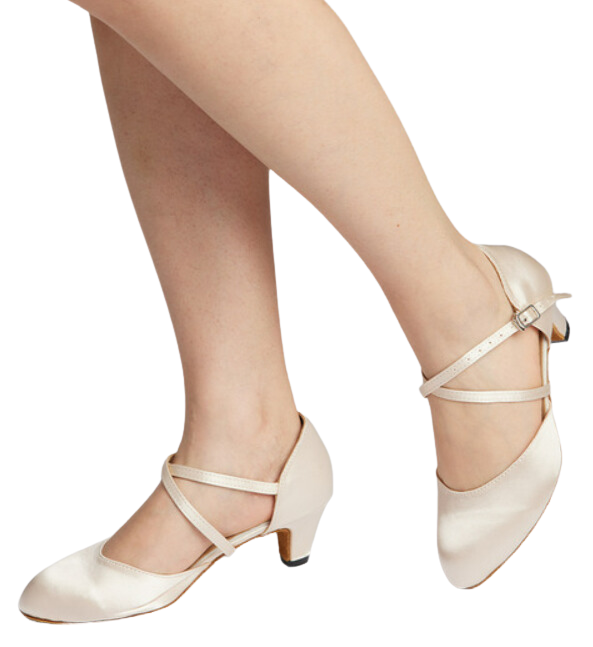
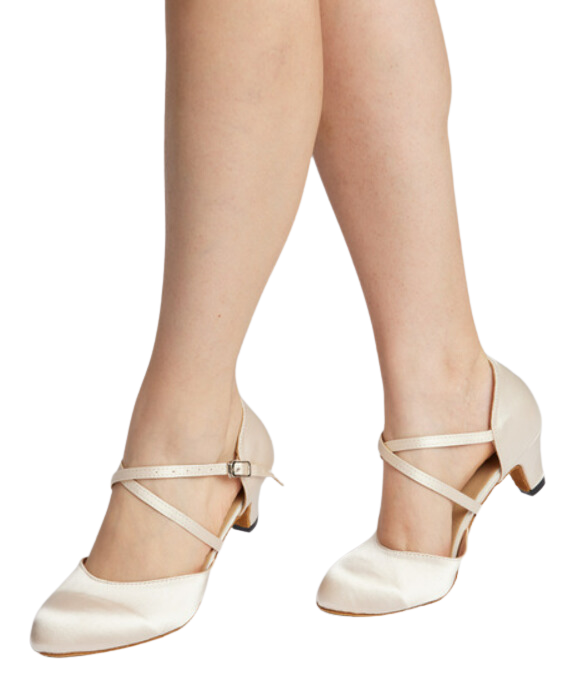
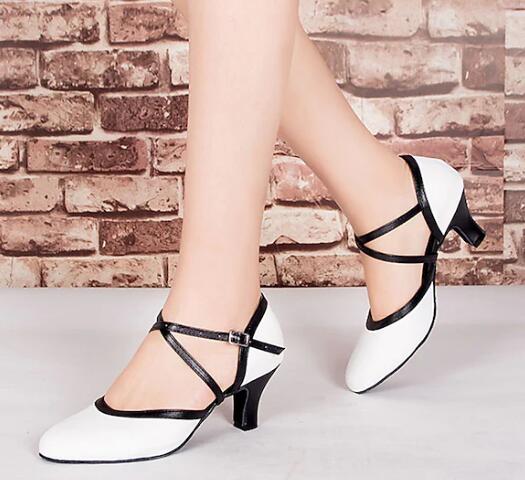
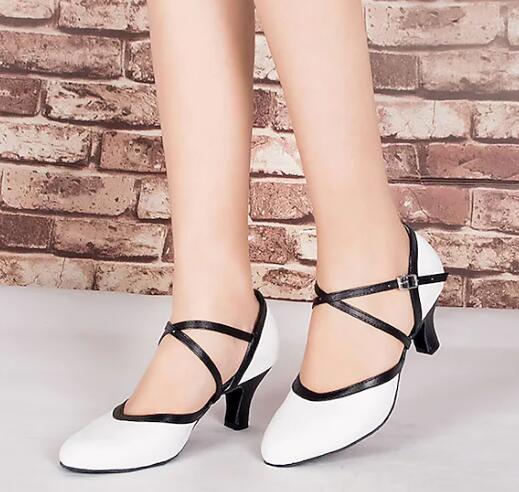
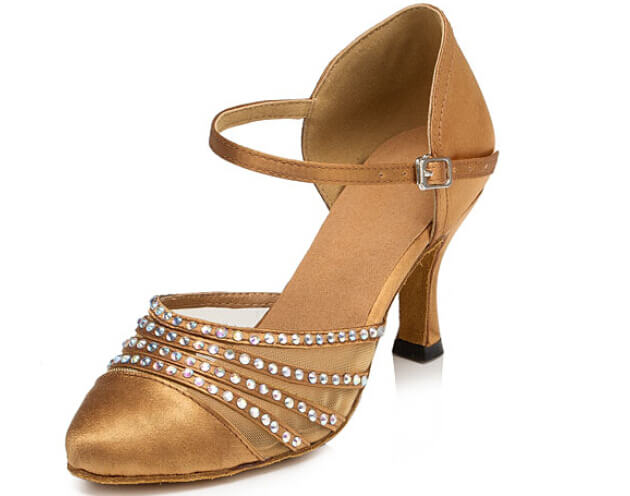
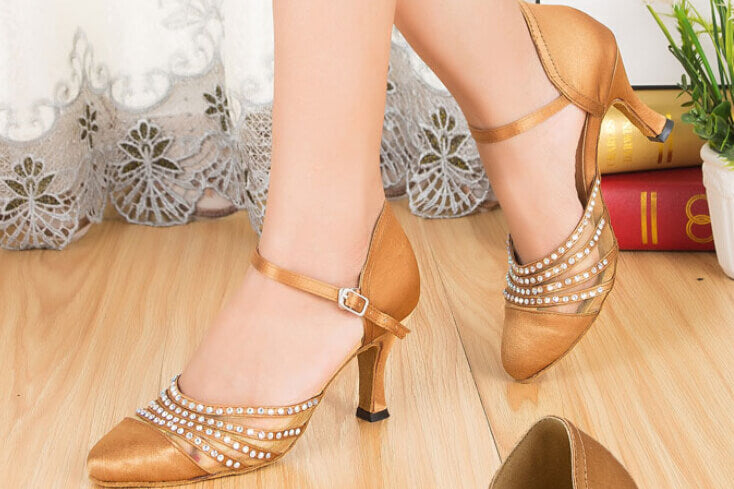
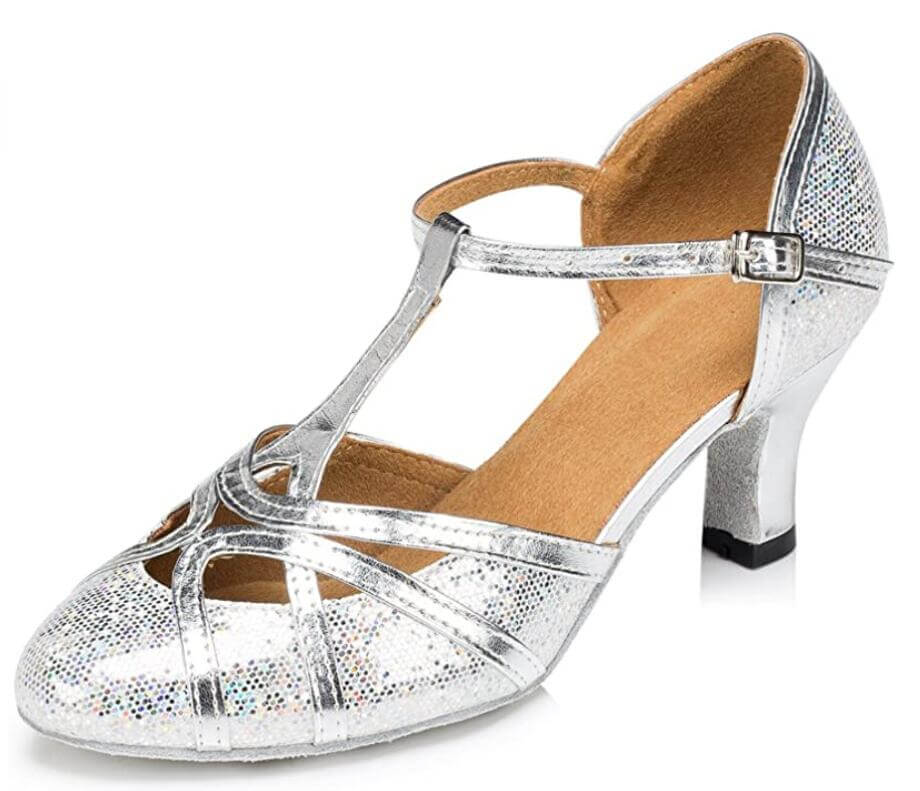
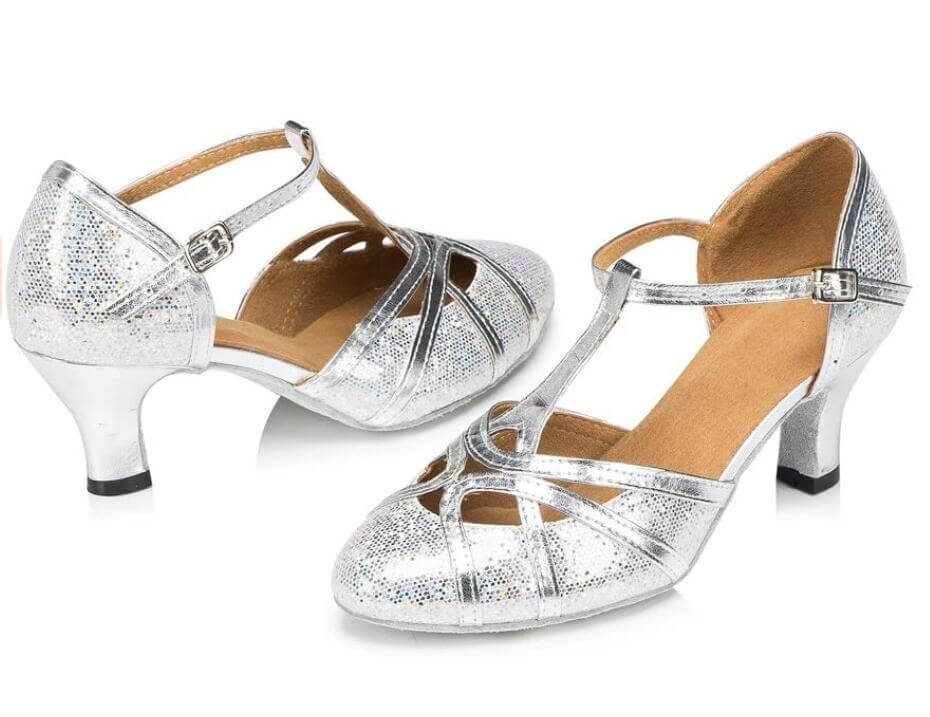
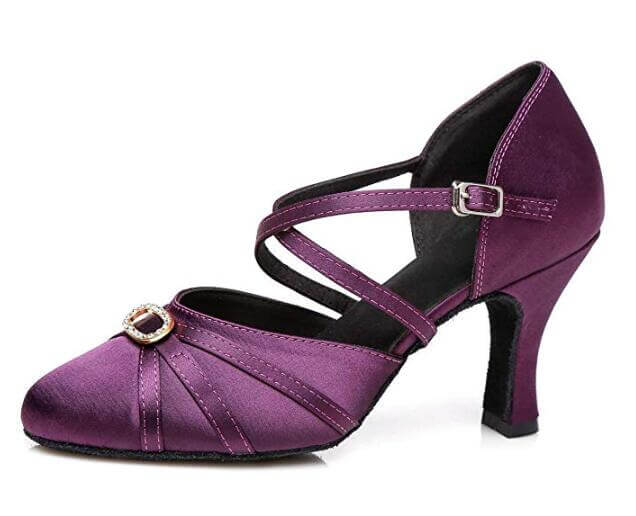
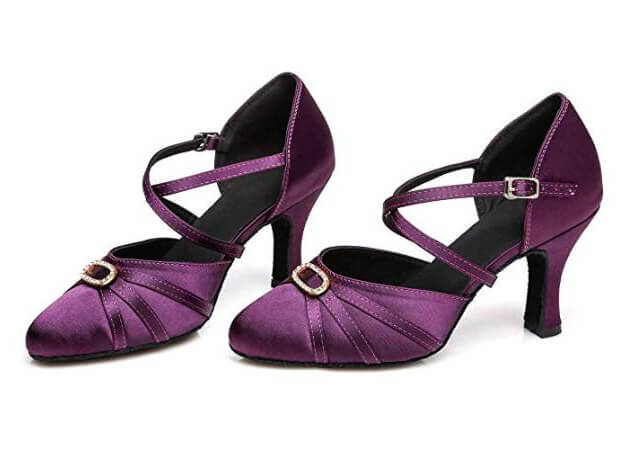
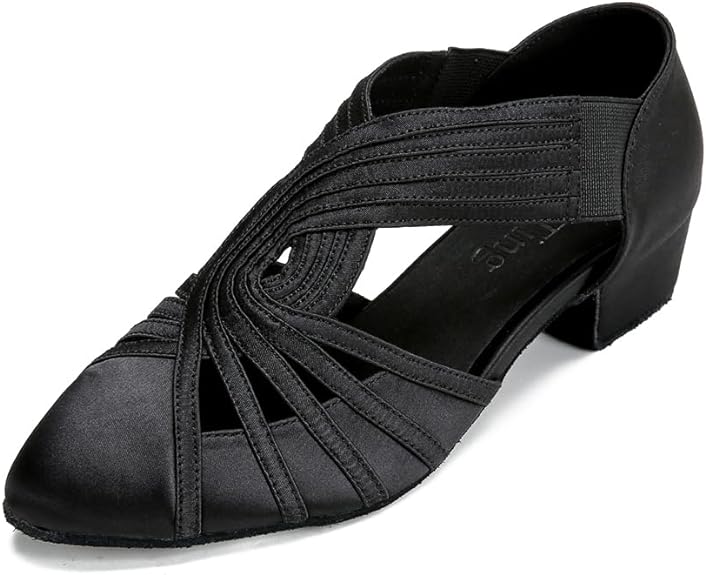
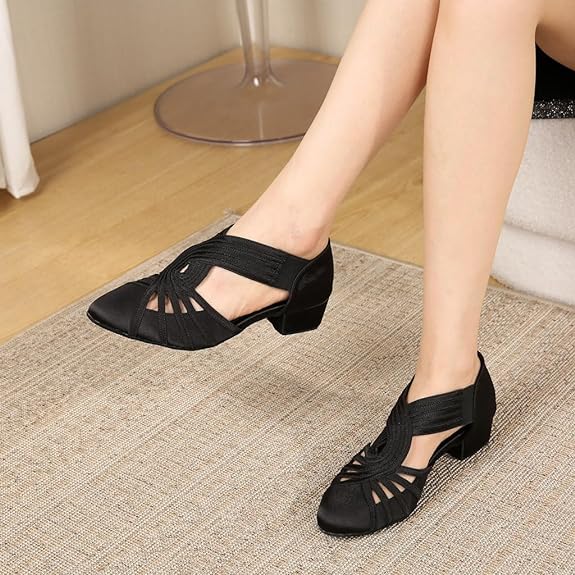
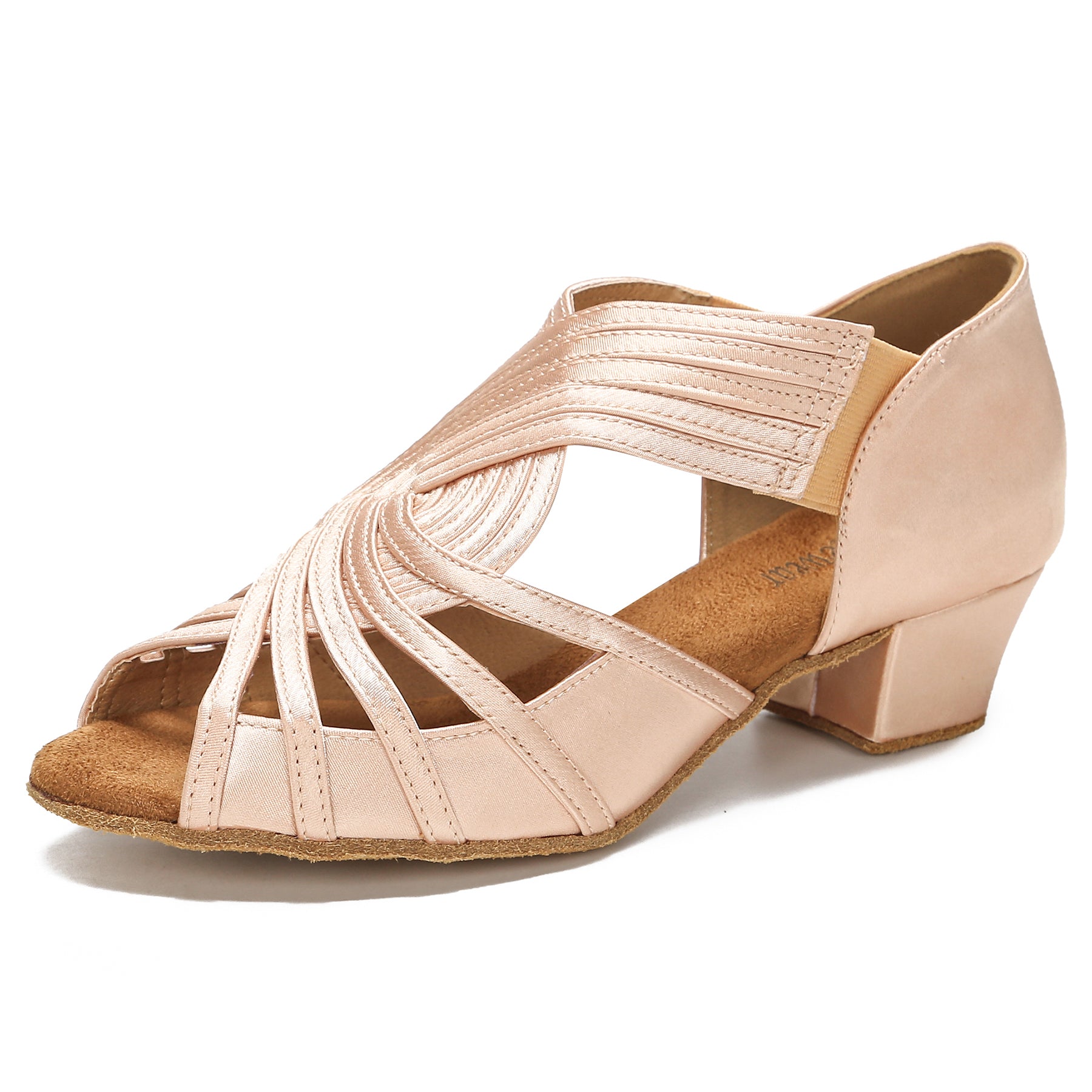
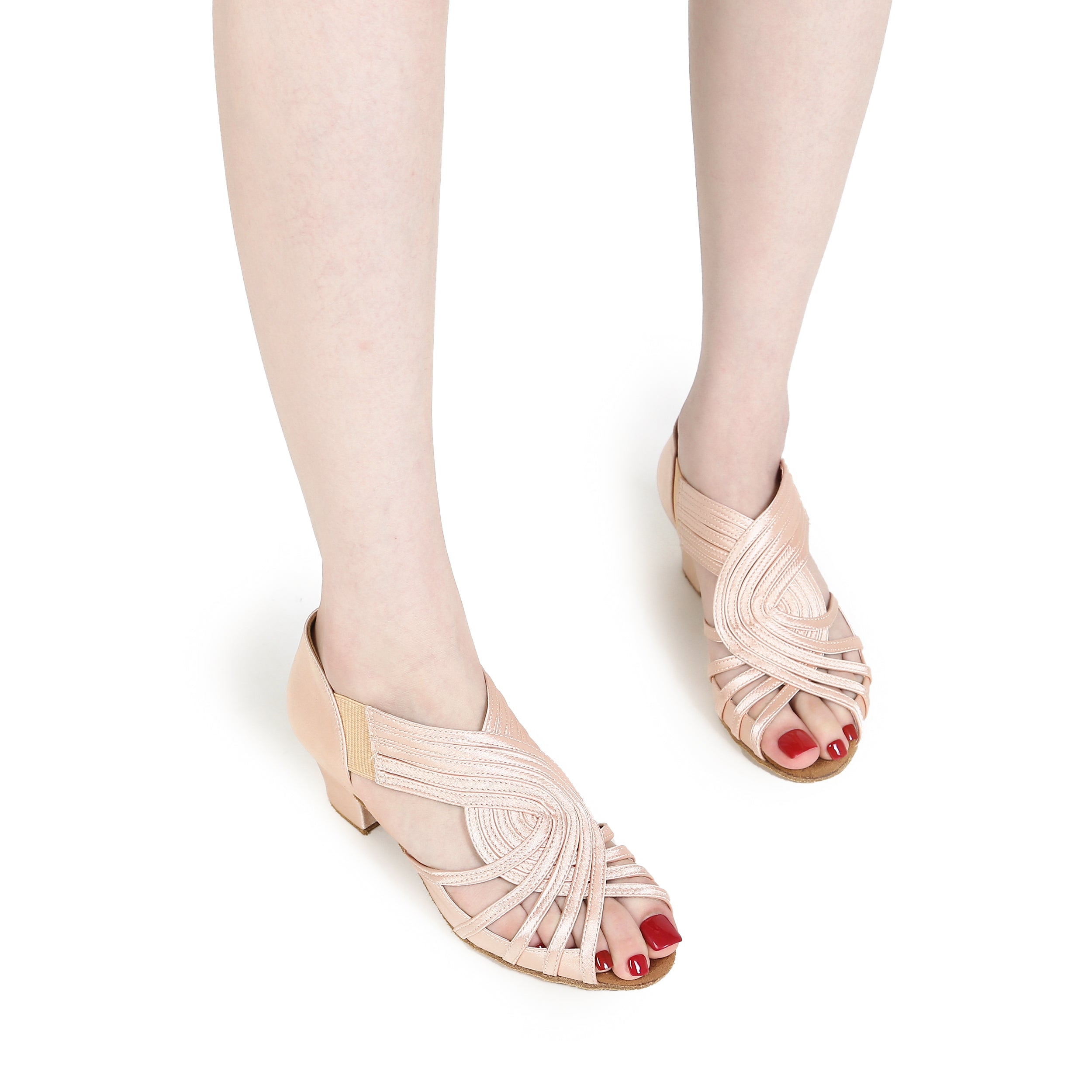
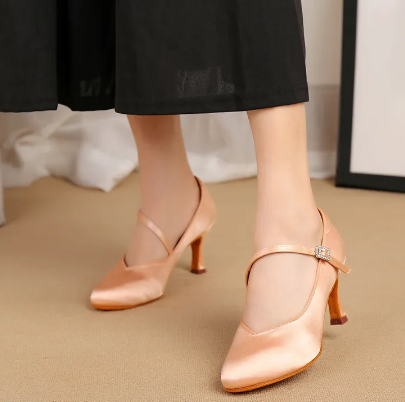
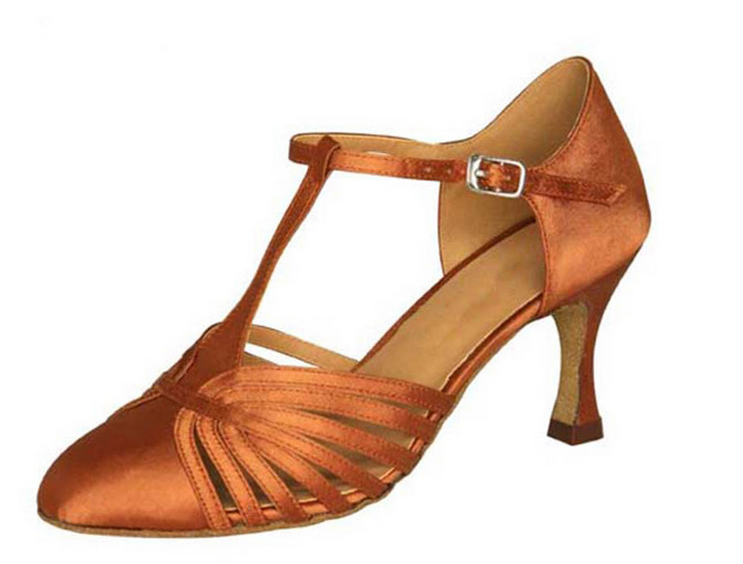
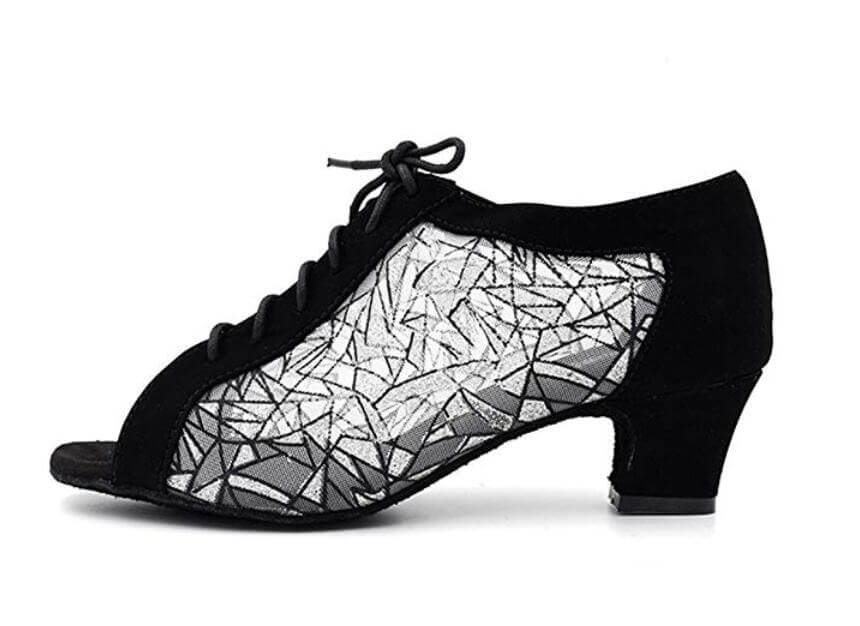
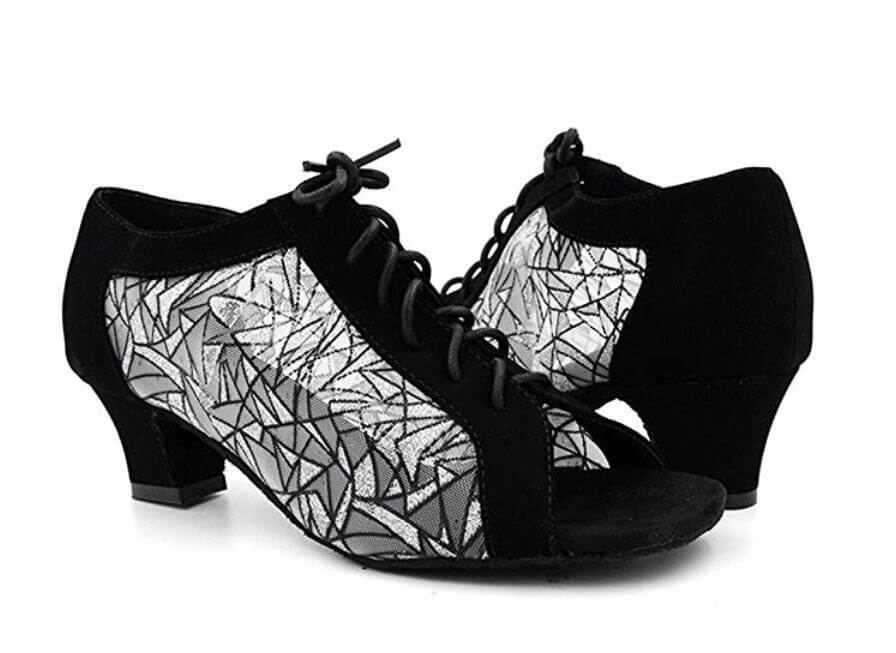
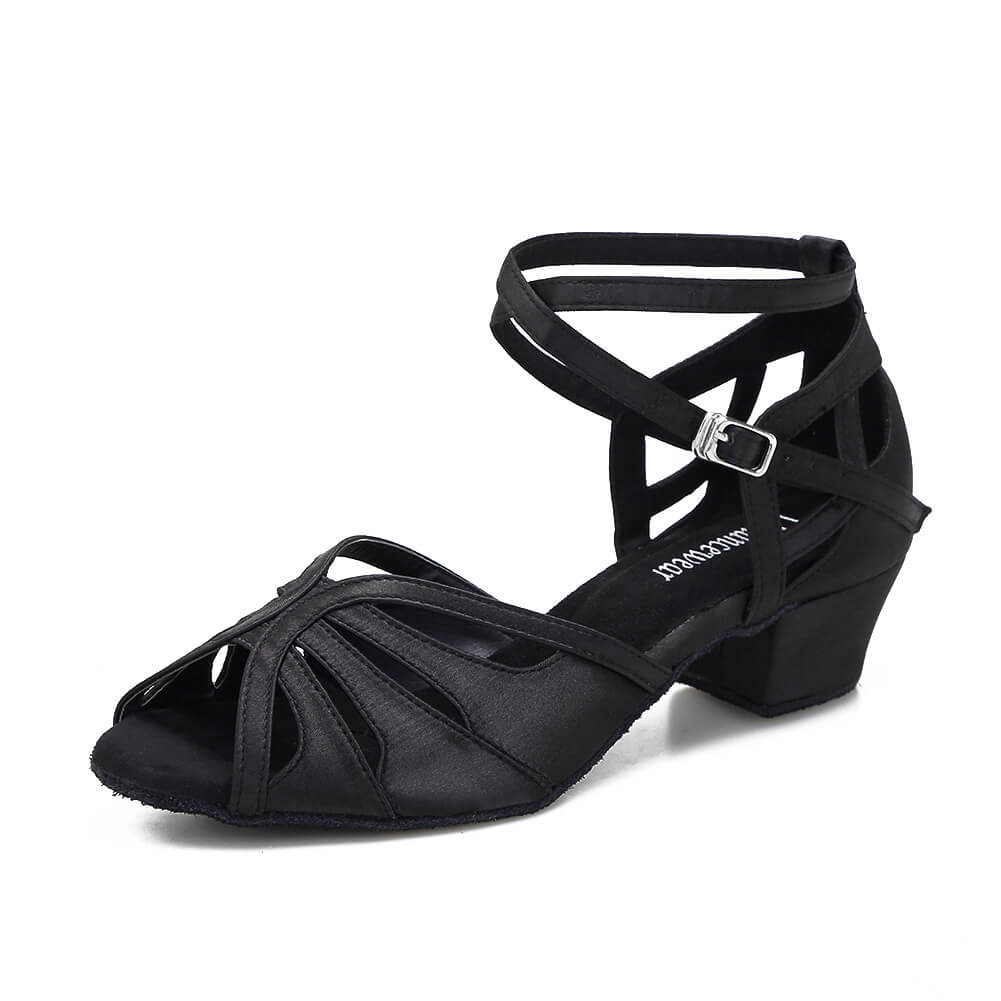
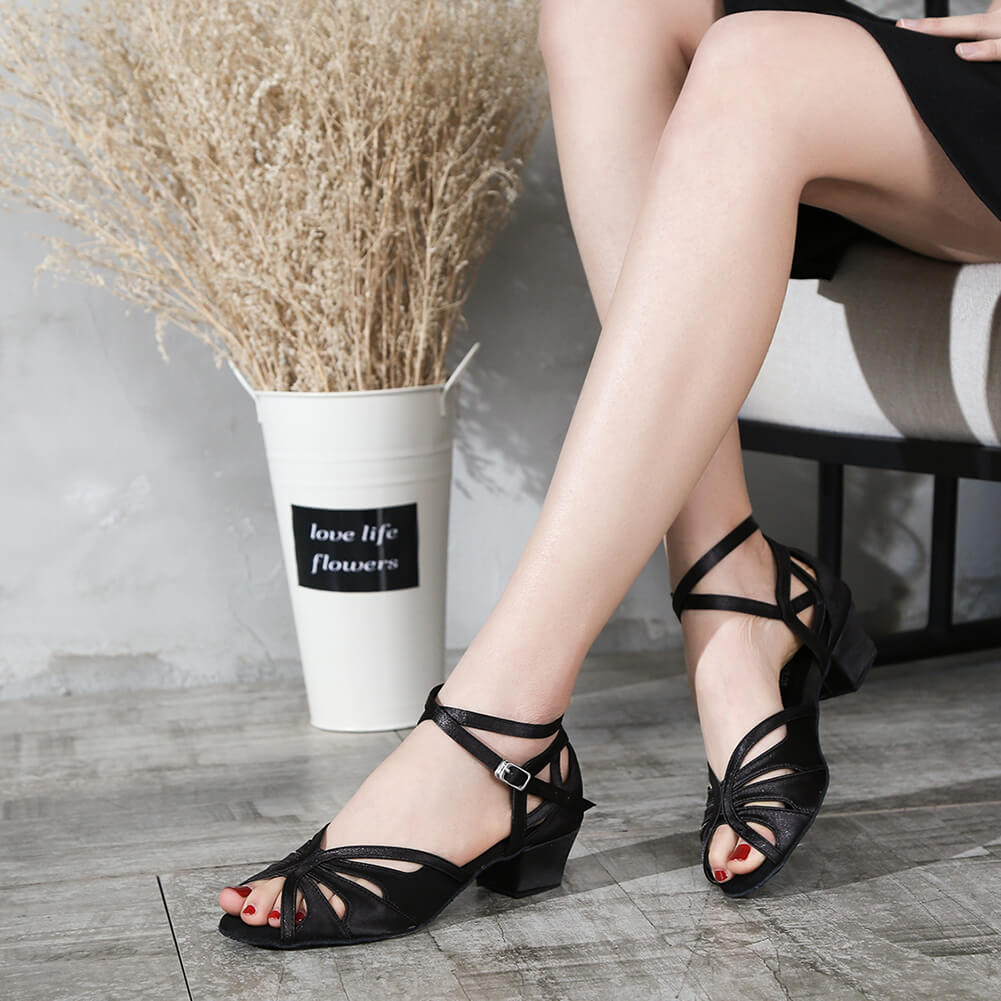
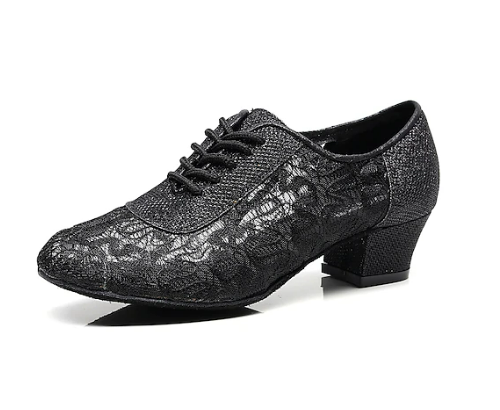
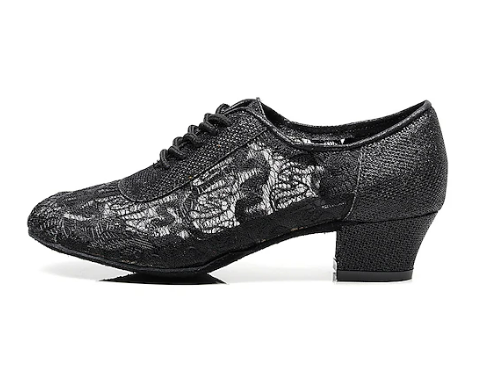
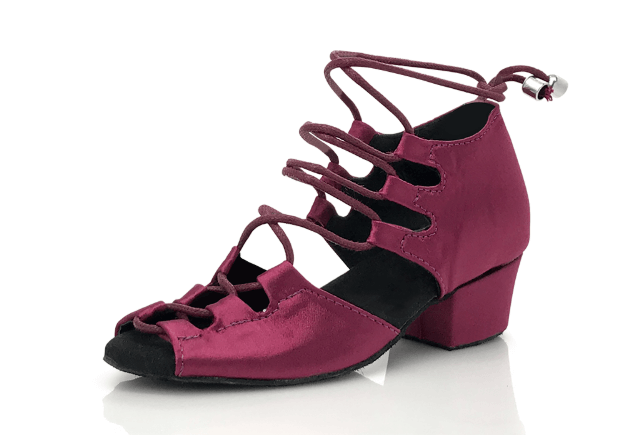
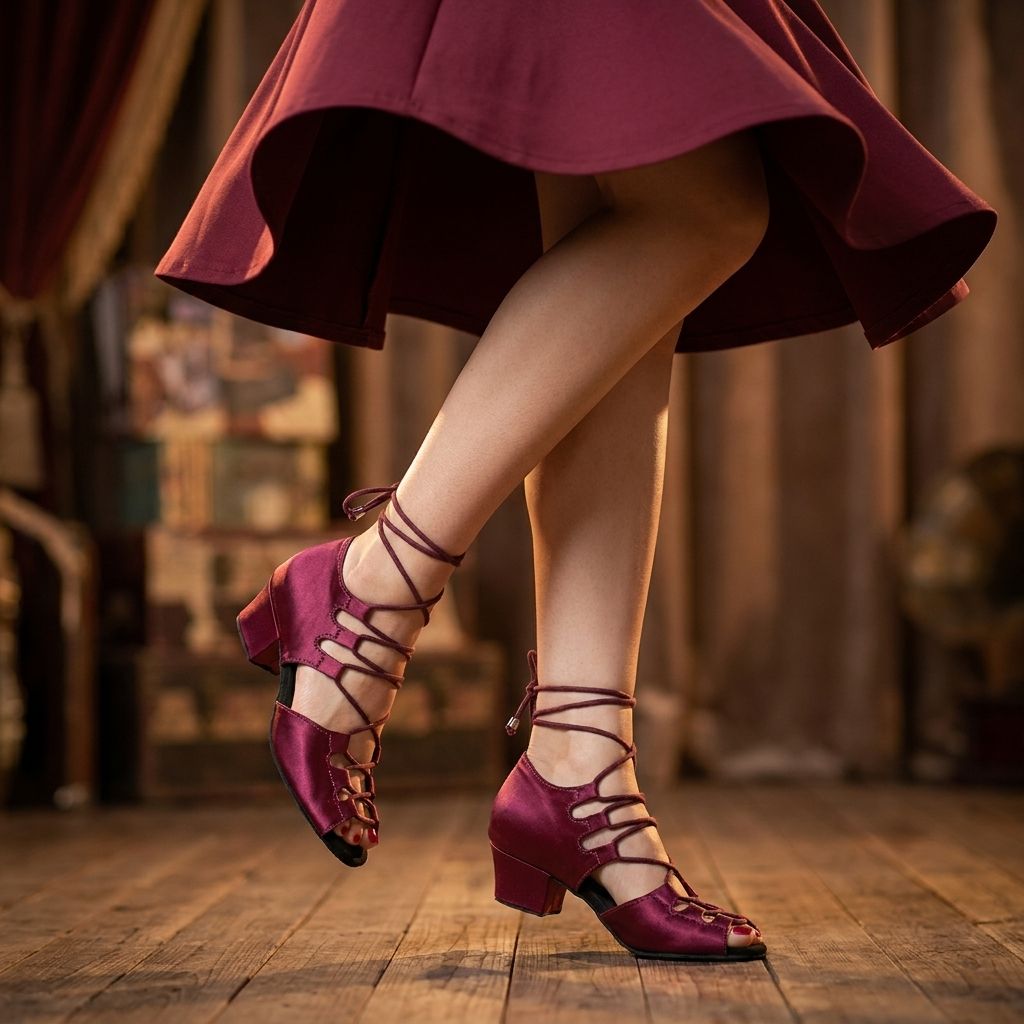
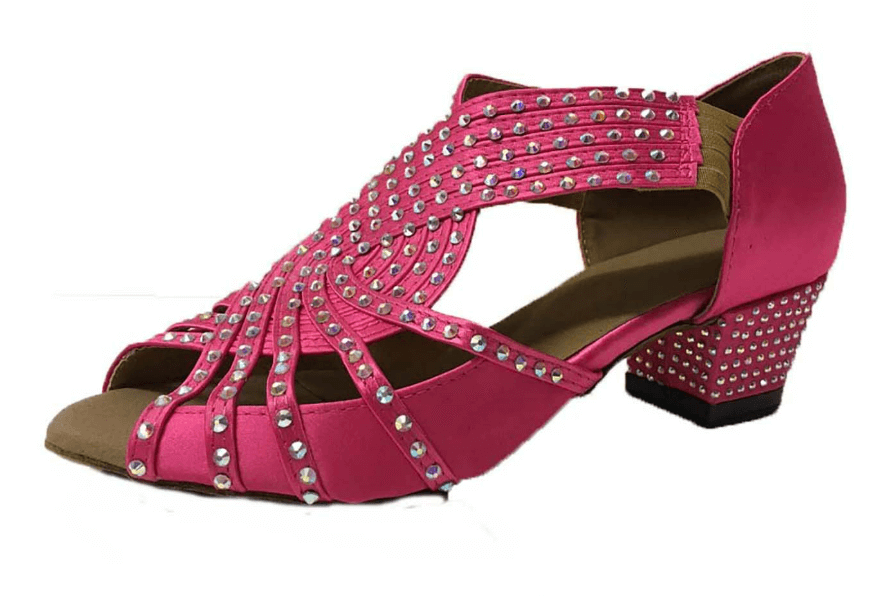
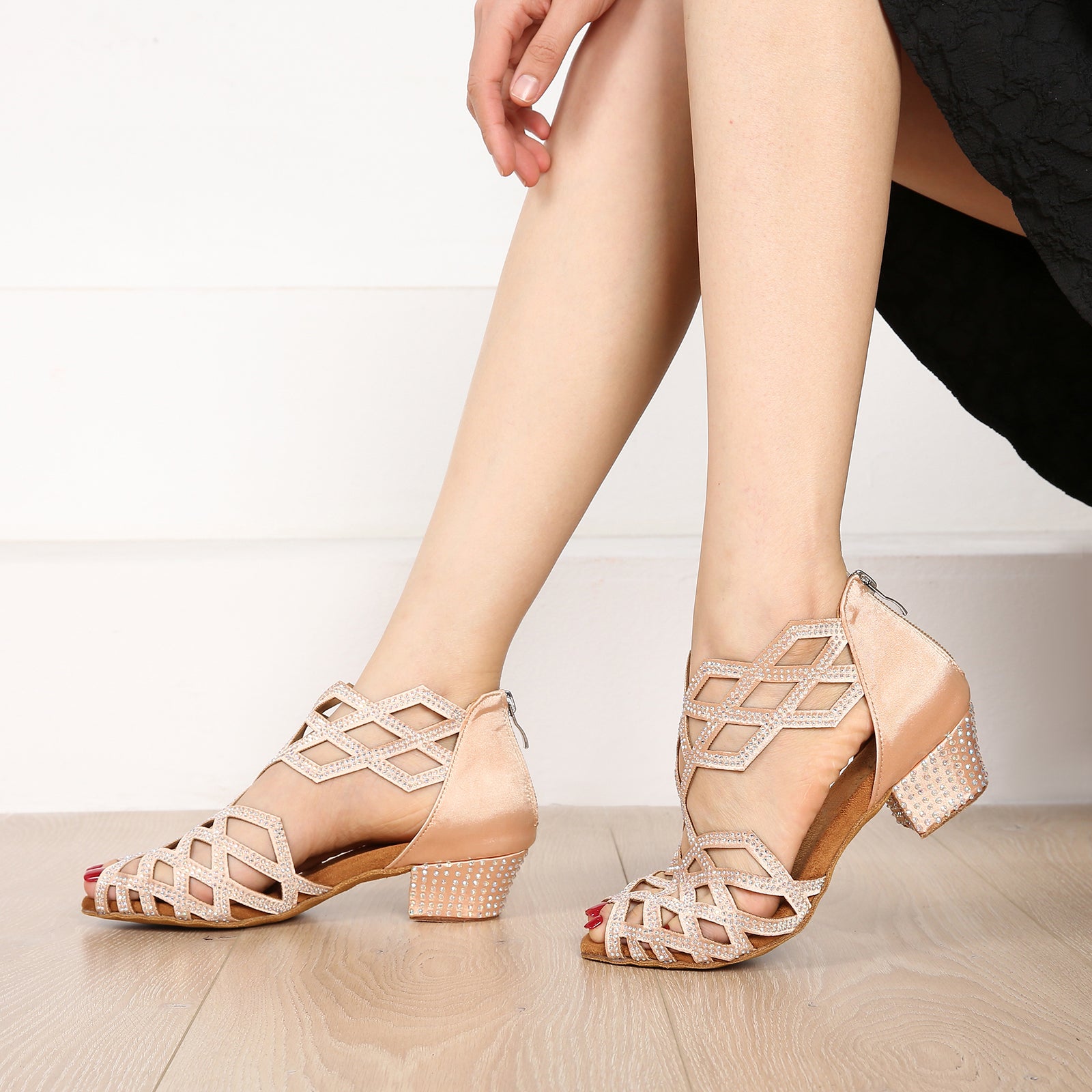
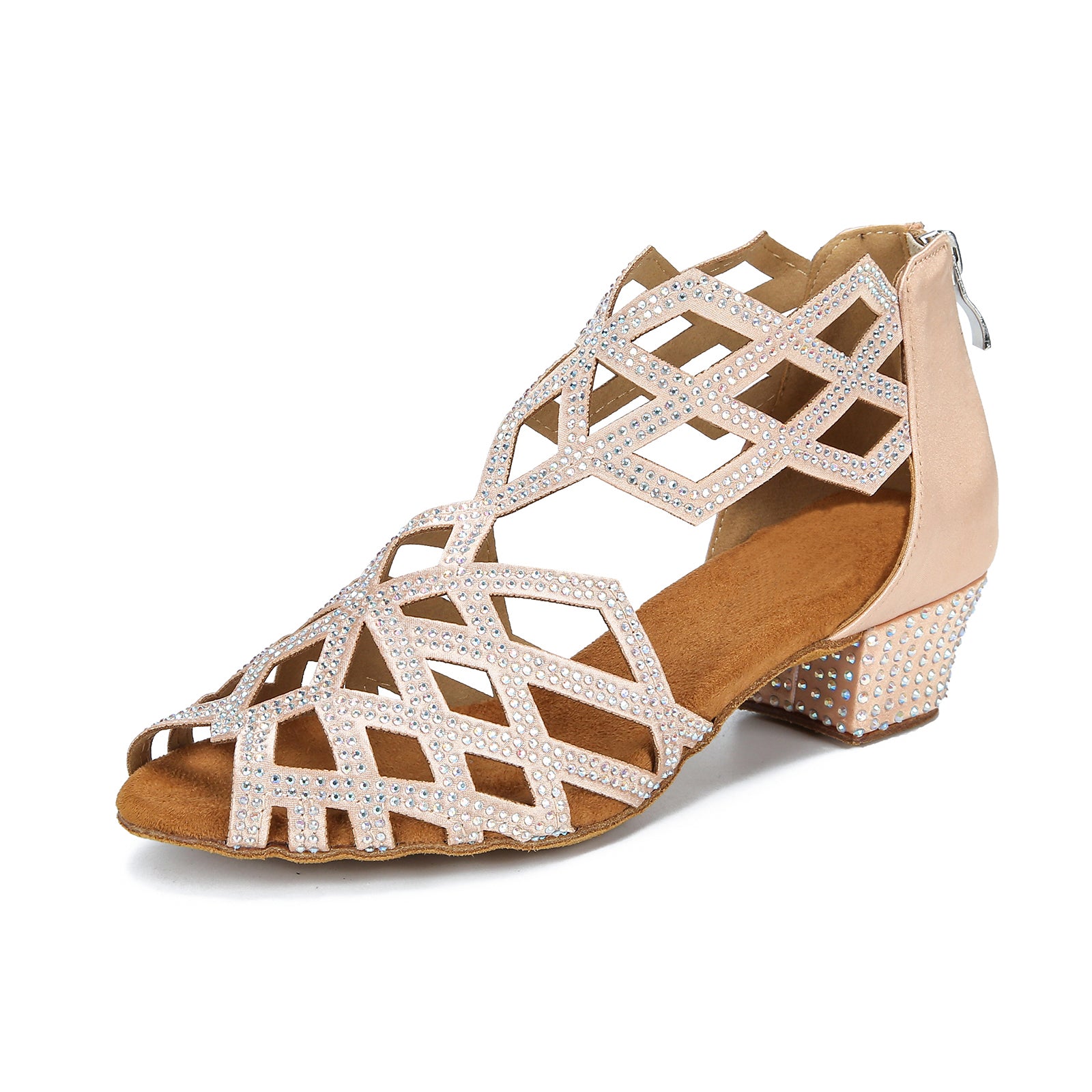
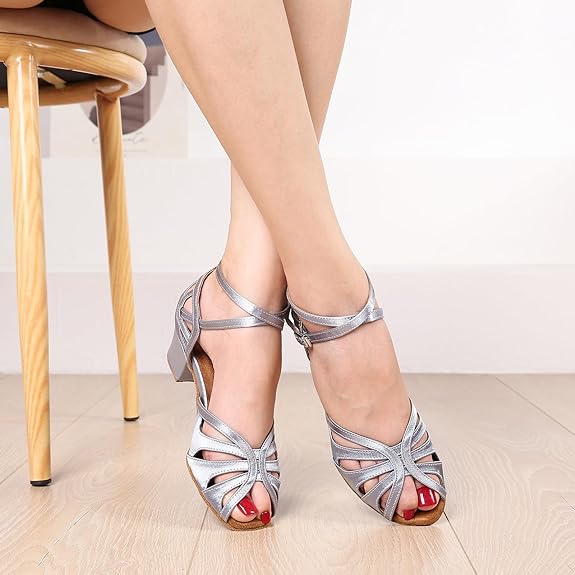
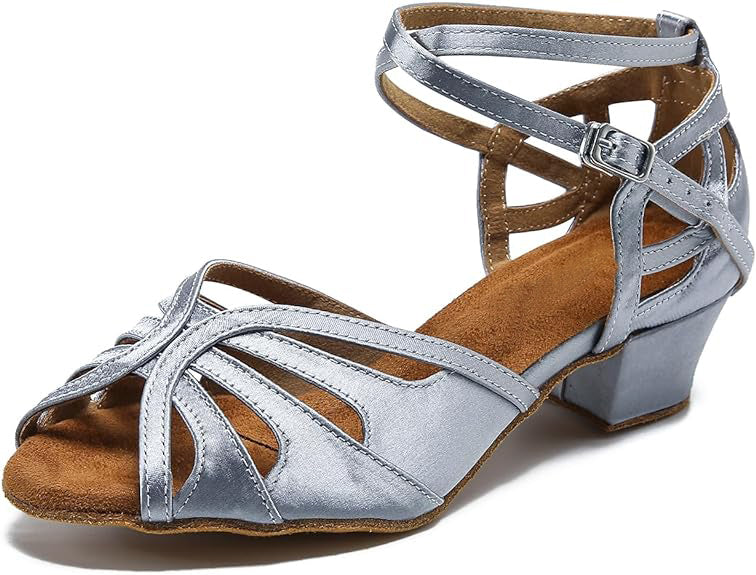
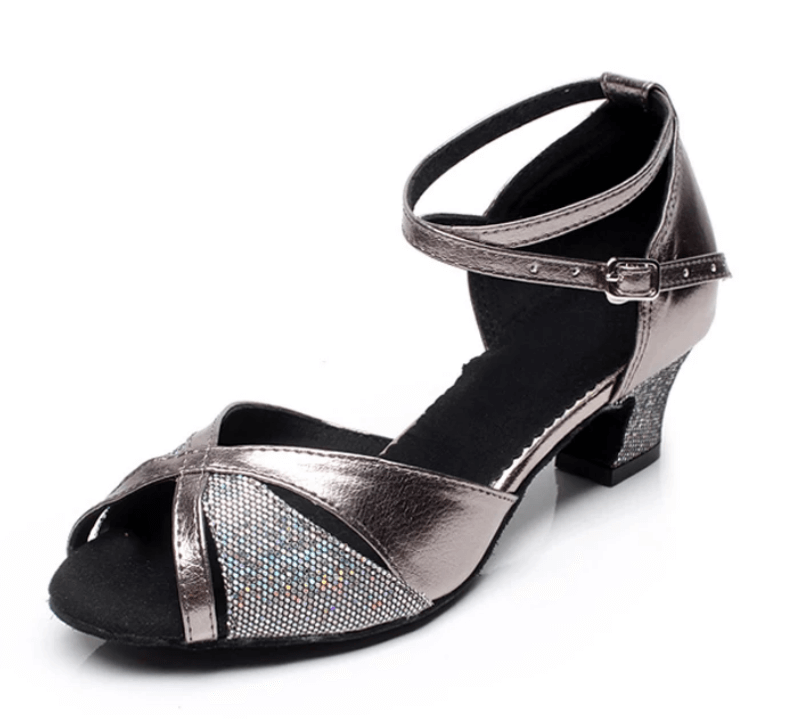
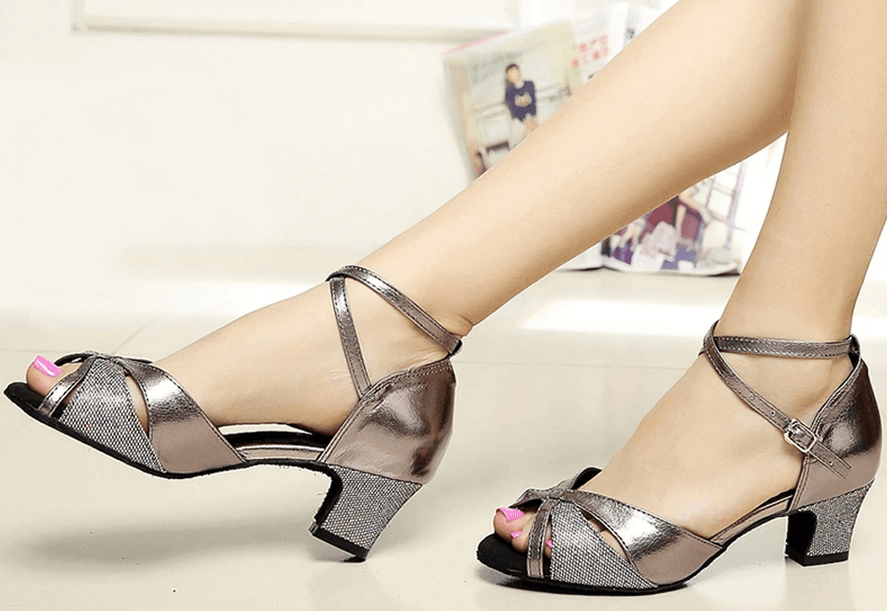


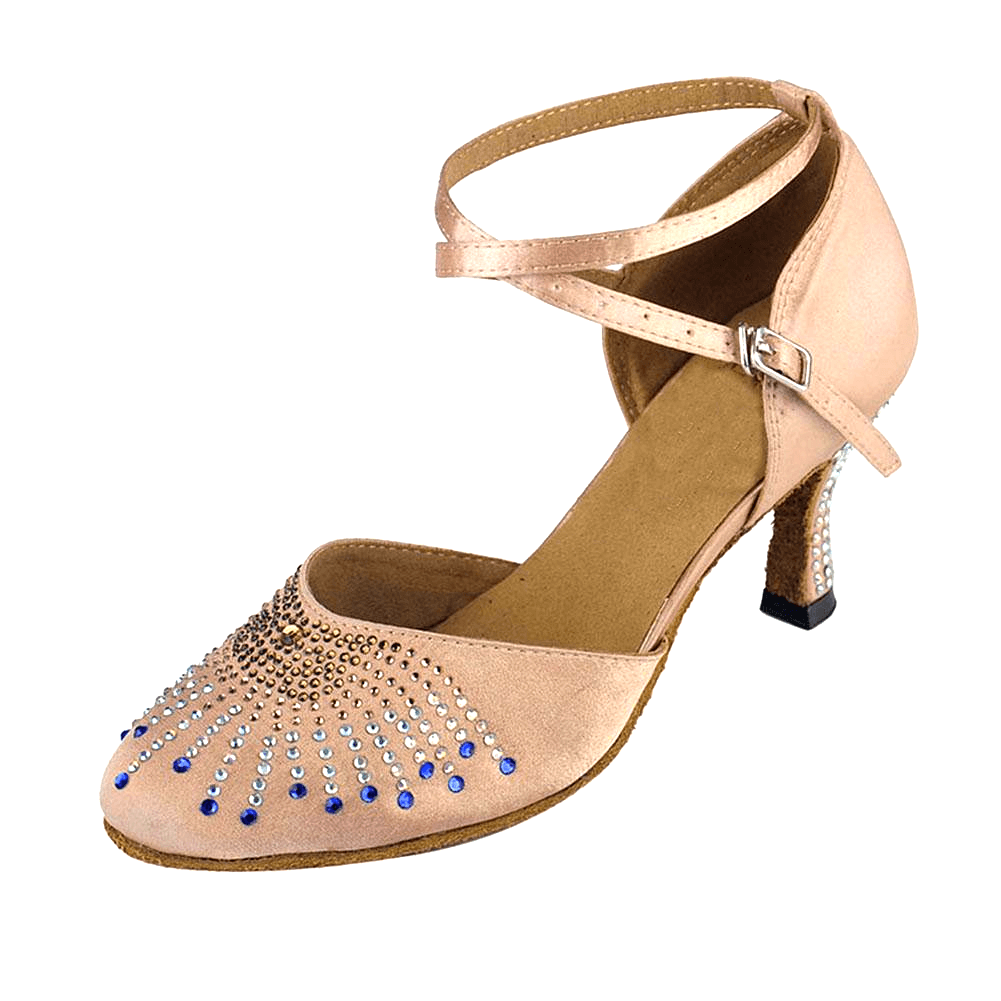
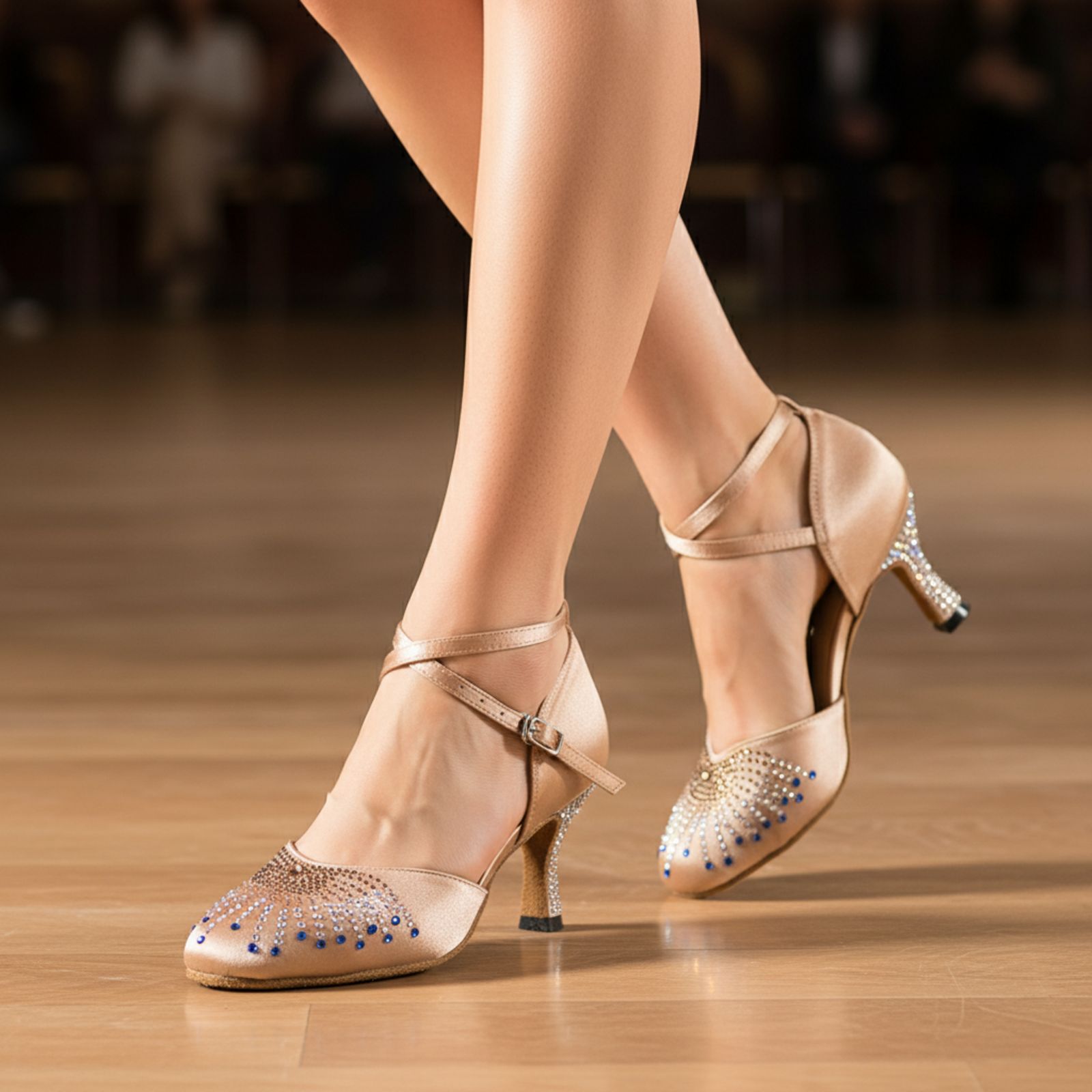
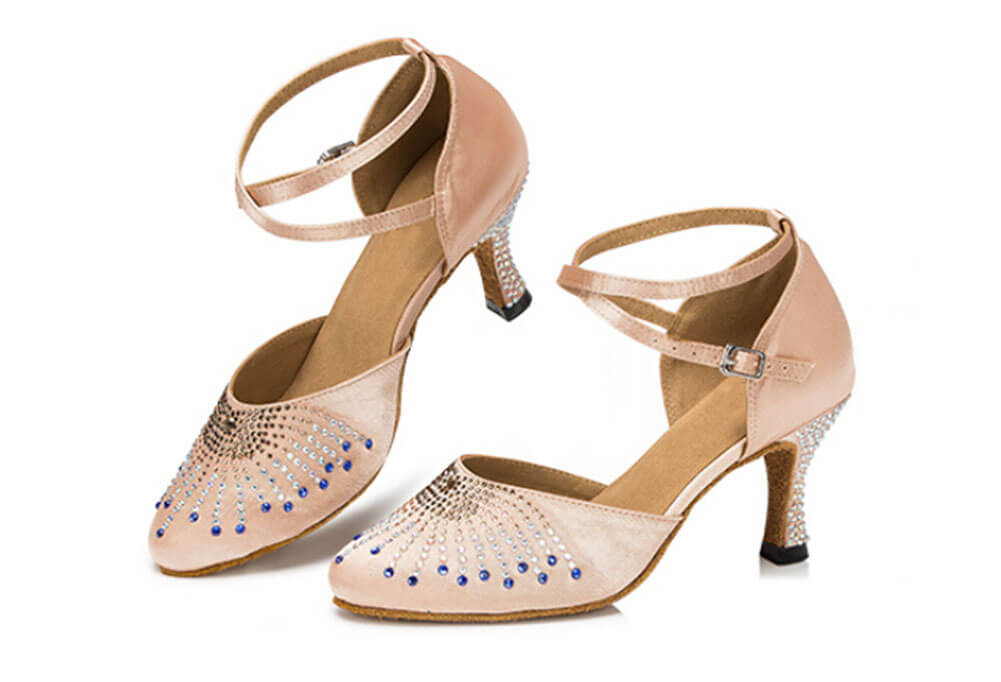
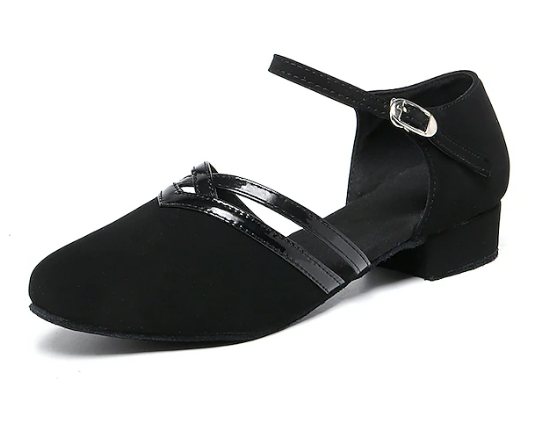
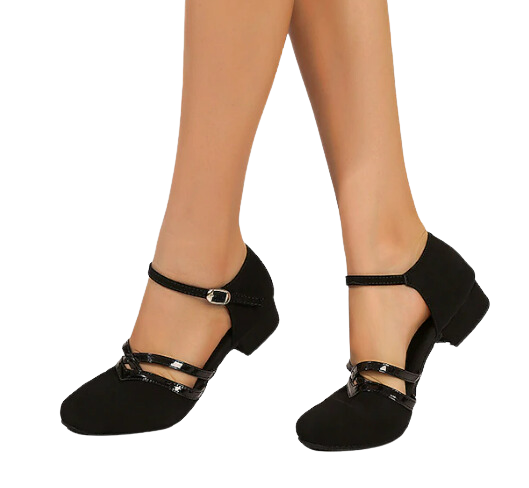
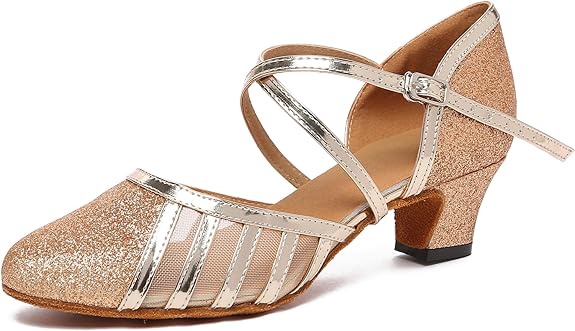
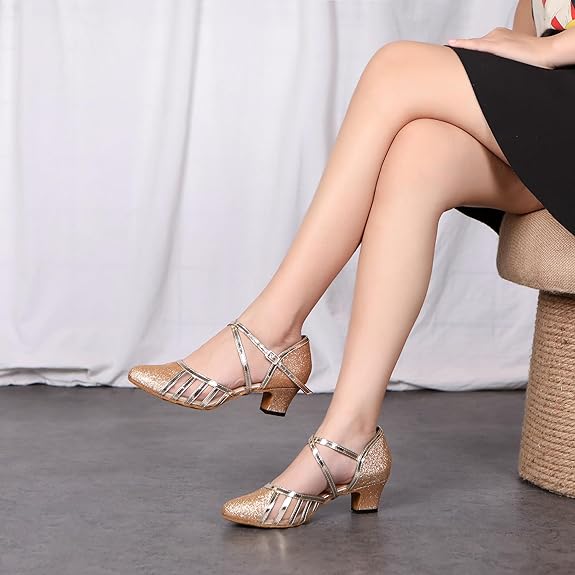
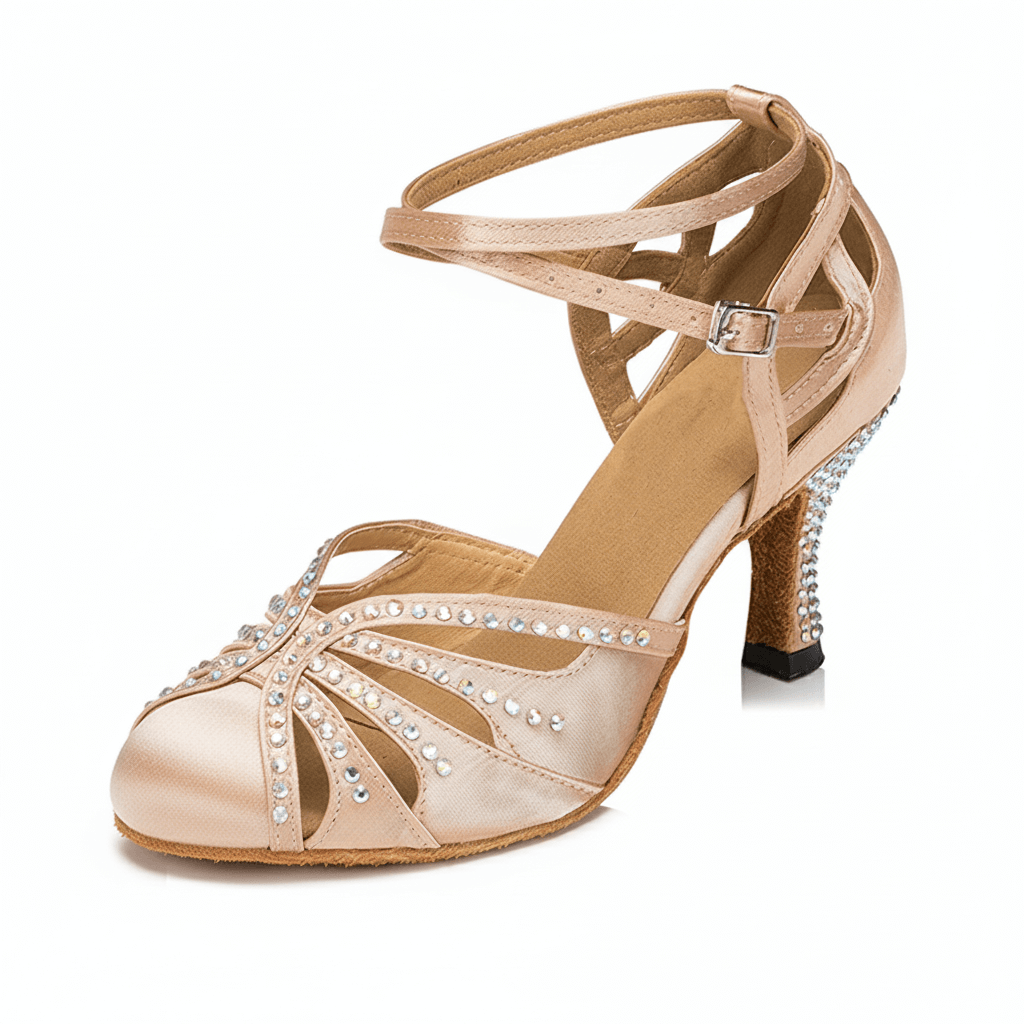
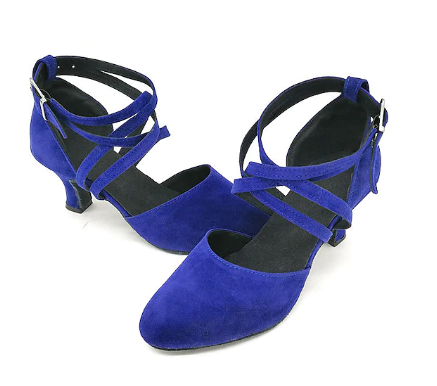
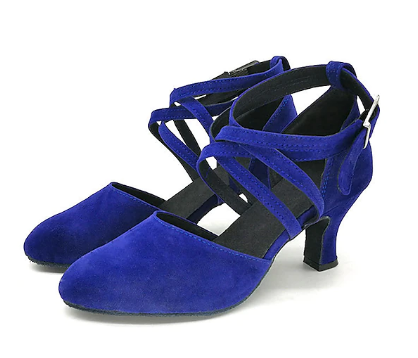
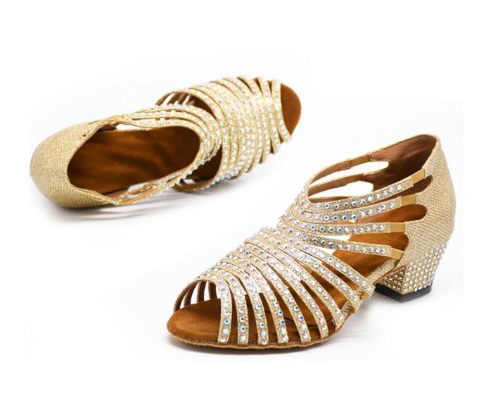
How to Choose swing dance shoes for Your Floor, Level, and Style
Start with where you dance and how much rotation you need. Beginners in a six-week Lindy Hop class need stable shoes that let the foot feel the floor without grabbing. Social dancers at 4-hour events need cushioning through the ball of the foot and a heel that stays quiet under triple steps. Intermediate dancers shopping for shoes for swing dancing should choose the sole first, then heel height, then width.
Look for a secure ankle strap, a flexible forefoot, and a sole that matches your venue. Suede gives smooth pivots on clean studio wood. Street sole gives grip on restaurants, outdoor patios, and mixed social floors. Choose suede for controlled turns and quick weight changes; choose street sole when you walk from the car to the dance floor and need one pair to handle non-studio surfaces.
Choose Heel Height: 1", 1.5", 2", 2.5", or 3"
Heel height decides balance, calf workload, and how quickly you recover after rock steps. New dancers, West Coast Swing leads who wear women's sizes, and anyone returning from ankle discomfort should start at 1 inch or 1.5 inches. These heights keep the body grounded for slot work, sugar pushes, and basic Lindy Hop swing-outs.
Choose 2 inches when you want a little lift without the forward pitch of a Latin heel. Choose 2.5 inches for dancers already confident in turns, swivels, and quick direction changes. Reserve 3 inches for trained dancers who like the look of swing dance heels and already control their center over the ball of the foot. TTdancewear offers custom heel heights from 1 inch to 4 inches, so you are not locked into the fixed 2.5-inch heel that many ballroom styles offer.
Suede Sole vs Street Sole: Match the Shoe to the Surface
Sole choice is the decision that changes the dance most. Suede sole works for clean studio floors, polished wood, and lessons where your teacher wants easy rotation. It supports Lindy Hop, East Coast Swing, Charleston, Jitterbug, Waltz, Foxtrot, Cha Cha, and Rumba when the floor is maintained for dance.
Choose street sole for weddings, bars, restaurants, outdoor decks, and community halls where the floor has dust, moisture, or rough spots. Dancers who feel suede is too fast should brush it less and test pressure through smaller turns before switching shoes. Dancers who feel suede is too sticky should use a suede brush and keep the nap clean. TTdancewear makes each style available with suede or street sole, giving you one design with the surface control you need.
Fit, Width, and Online Sizing Without Guesswork
Women's swing dance shoes should fit snugly through the midfoot with no heel lift. Your toes should lie flat, and the strap should secure the ankle without cutting into skin. A shoe that feels loose at home becomes sloppy during a fast Jitterbug basic; a shoe that cramps the toes causes pain before the second hour of a social.
Measure both feet at the end of the day and choose the larger measurement. If you sit between two US sizes, choose based on width: narrow feet take the smaller size for a performance-style fit, wider feet take the larger size for toe comfort. TTdancewear carries standard US sizes 5 through 11 with select wide-width options. The money-back guarantee and easy returns reduce sizing anxiety when buying online.
Pick by Dance Style: Lindy Hop, West Coast Swing, Charleston, and More
Lindy Hop dance shoes need flexibility for swing-outs, swivels, and kick steps. Choose a lower heel, suede sole, and secure strap when your classes include partner rotation and faster tempos. Charleston dancers need a stable base and a forefoot that bends during kicks, hops, and pulse work.
West Coast Swing dancers need smoother rotation through anchors, whips, and inside turns. West coast swing dance shoes with suede soles feel faster on a studio floor; street soles feel safer on social floors with inconsistent grip. East Coast Swing and Jitterbug dancers should choose cushioning first because the bounce action adds impact. Comfortable swing dance shoes keep the metatarsal area supported so you finish the night with clean timing instead of sore feet.
Beginner vs Intermediate Choices
Beginners need simple decisions: 1 inch or 1.5 inches, secure strap, cushioned insole, and street sole if classes happen on a multipurpose floor. That setup gives confidence during basics, underarm turns, and partner changes. Skip ultra-high heels until balance and timing feel automatic.
Intermediate dancers should refine performance details. Choose suede sole for studio training, 2 inches or 2.5 inches for a lifted line, and a snugger fit for sharper foot placement. If you already know your spins stick during West Coast Swing, move to brushed suede instead of forcing turns in rubber. If you dance Lindy on Friday and ballroom on Sunday, choose a suede-sole style that also handles Waltz, Foxtrot, Tango, Cha Cha, and Rumba.
Care and Longevity for Suede, Satin, Leather, and Mesh
Care starts after every dance. Air shoes fully before storing them, especially satin, leather, and mesh uppers. Keep suede soles off sidewalks, parking lots, and wet floors; grit breaks down the nap and changes the glide. Use a suede brush in one direction to refresh grip, then test with a small pivot before the first song.
Street soles need less brushing, but they still need clean bottoms for safe weight changes. Wipe dust with a dry cloth and check heel tips after long socials. Rotate pairs if you dance several nights a week. Well cared-for swing dance shoes keep their shape longer, protect your knees during repeated turns, and give you consistent feedback from lesson to social floor.
| Comparison point | Suede sole | Rubber street sole |
|---|---|---|
| Recommended floor | Clean studio wood, polished ballroom floors, and maintained dance spaces where rotation matters. | Restaurants, patios, weddings, community halls, and mixed-use floors with dust or uneven grip. |
| Turn control | Smooth glide for spins, swivels, anchors, and quick pivots once the nap is brushed correctly. | More traction under the foot, with slower turns and stronger grip for casual social settings. |
| Dance-style fit | Strong choice for Lindy Hop, West Coast Swing, East Coast Swing, Charleston, Foxtrot, and Cha Cha on proper floors. | Practical choice for Jitterbug nights, wedding dancing, outdoor events, and lessons held on non-studio surfaces. |
| Beginner feel | Requires controlled pressure; brush the sole and practice half-turns before faster spins. | Feels familiar to new dancers who want more grip while learning rock steps and basic turns. |
| Care and durability | Needs a suede brush and must stay off wet pavement, gravel, and sidewalks. | Wipes clean with a dry cloth and handles walking between indoor and outdoor surfaces. |
| Best shopper decision | Choose this for lessons, studio socials, and dancers focused on rotation and technique. | Choose this for one-pair convenience when the floor surface changes during the night. |