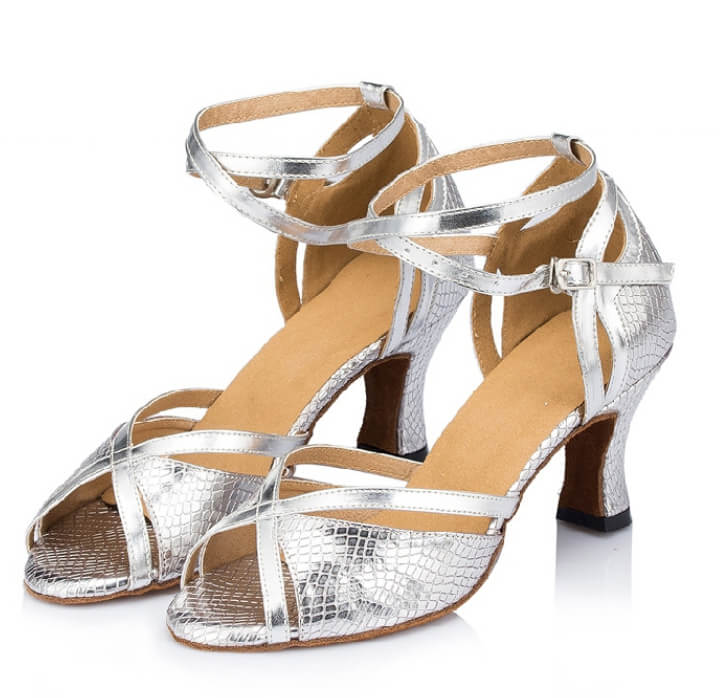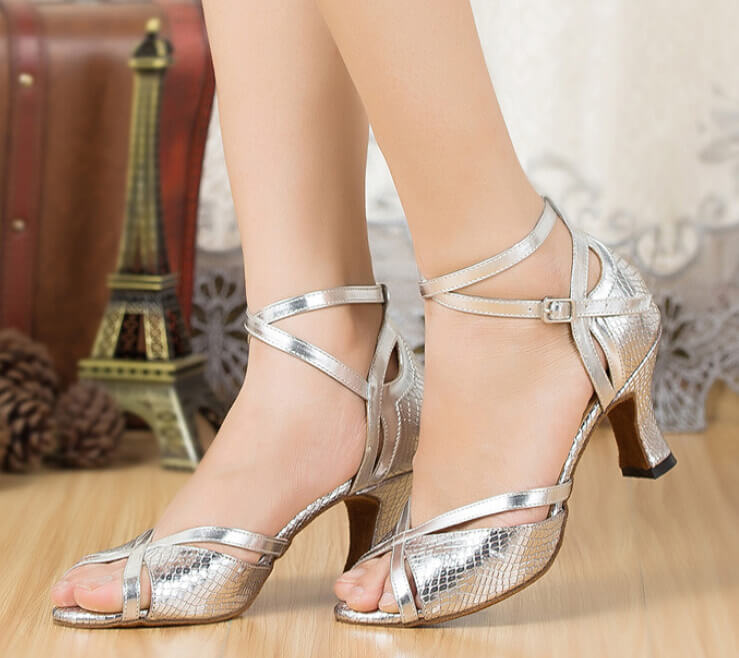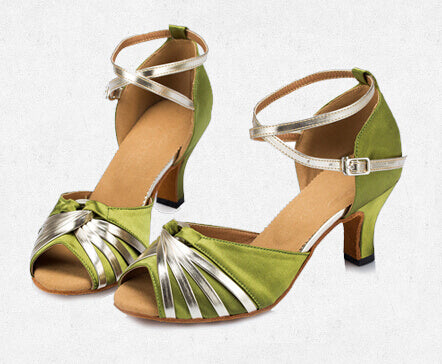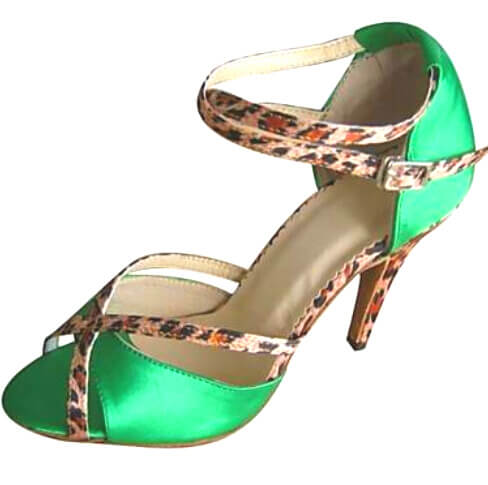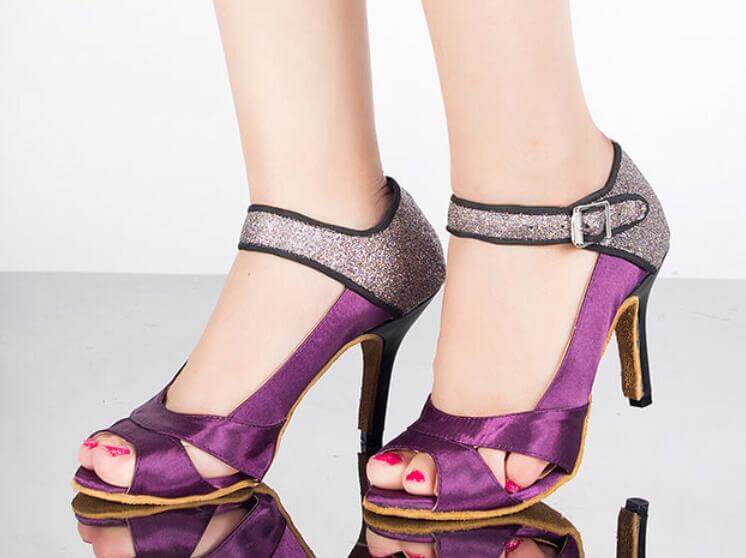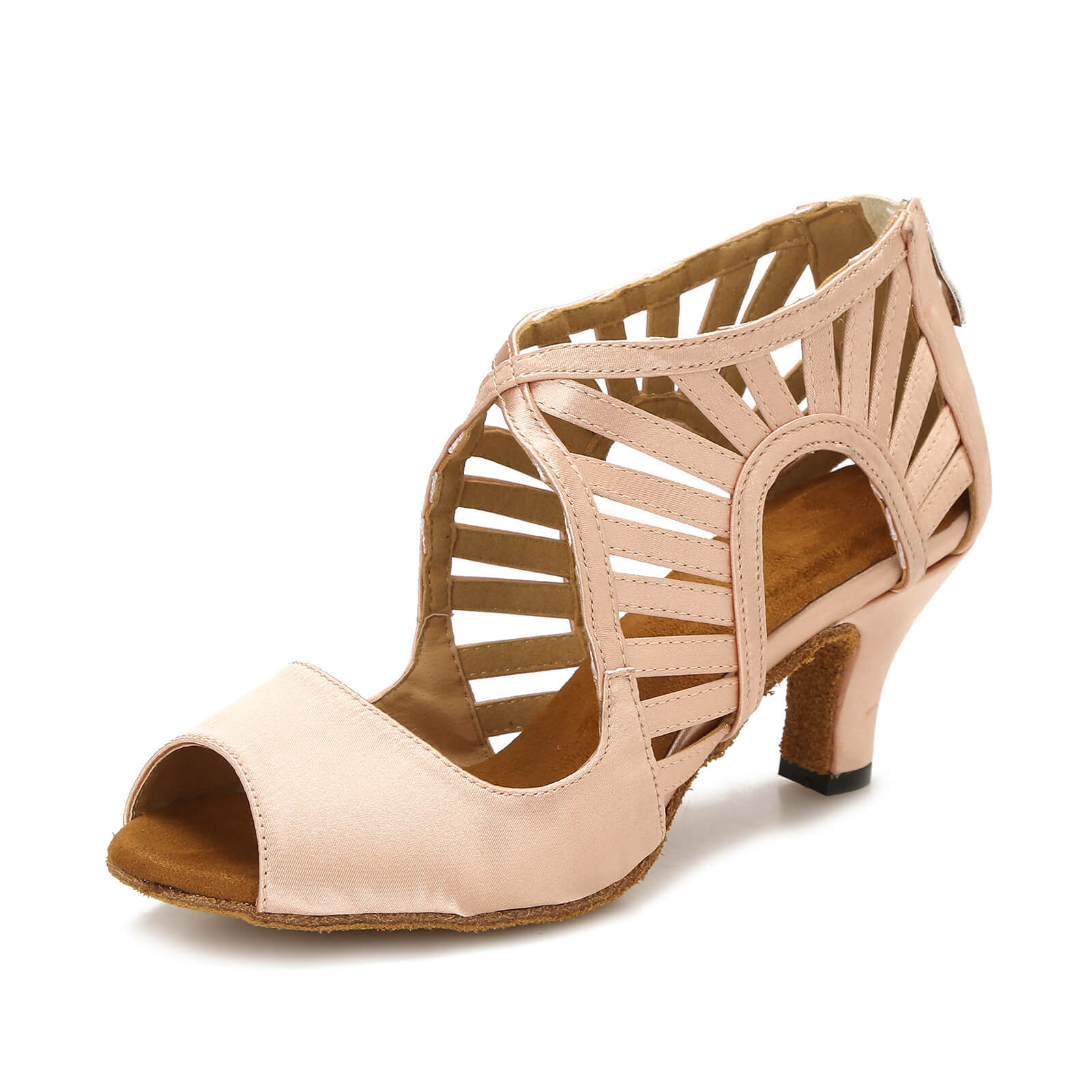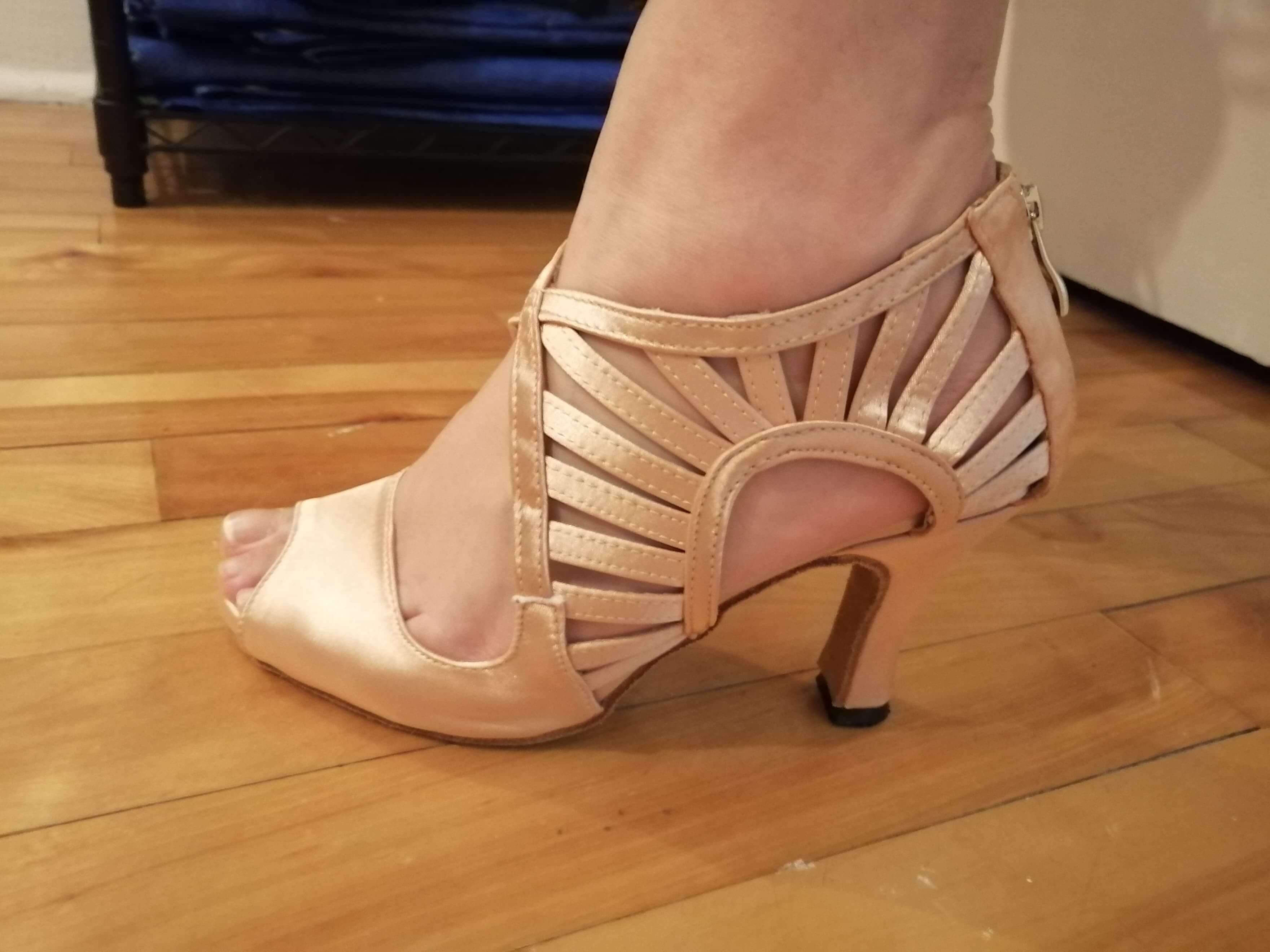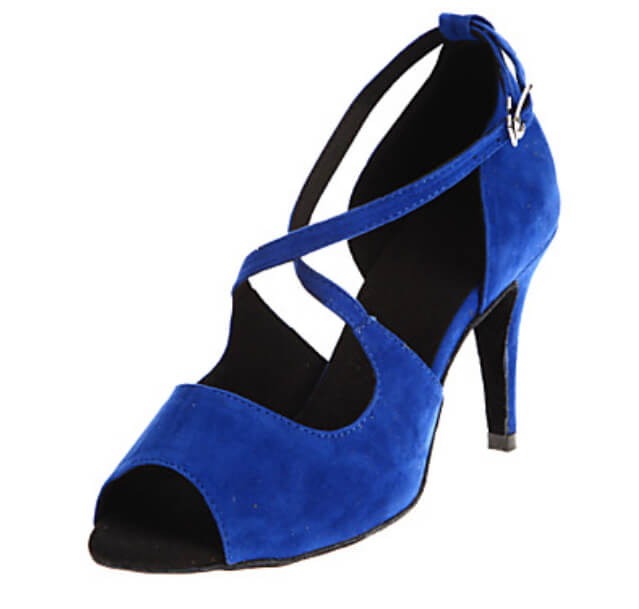
Filters
Color
Sort by

How to choose latin dance shoes by heel height

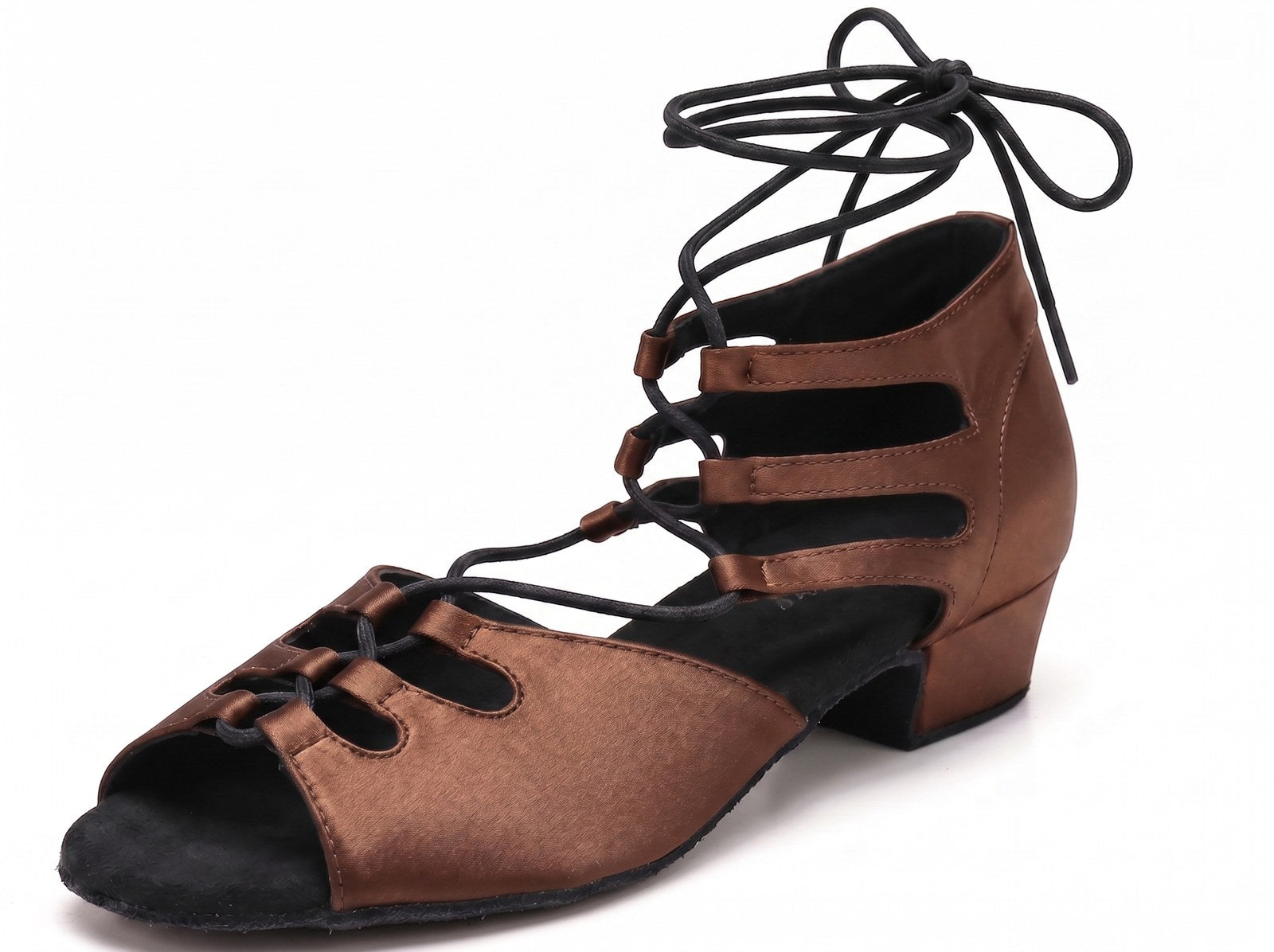
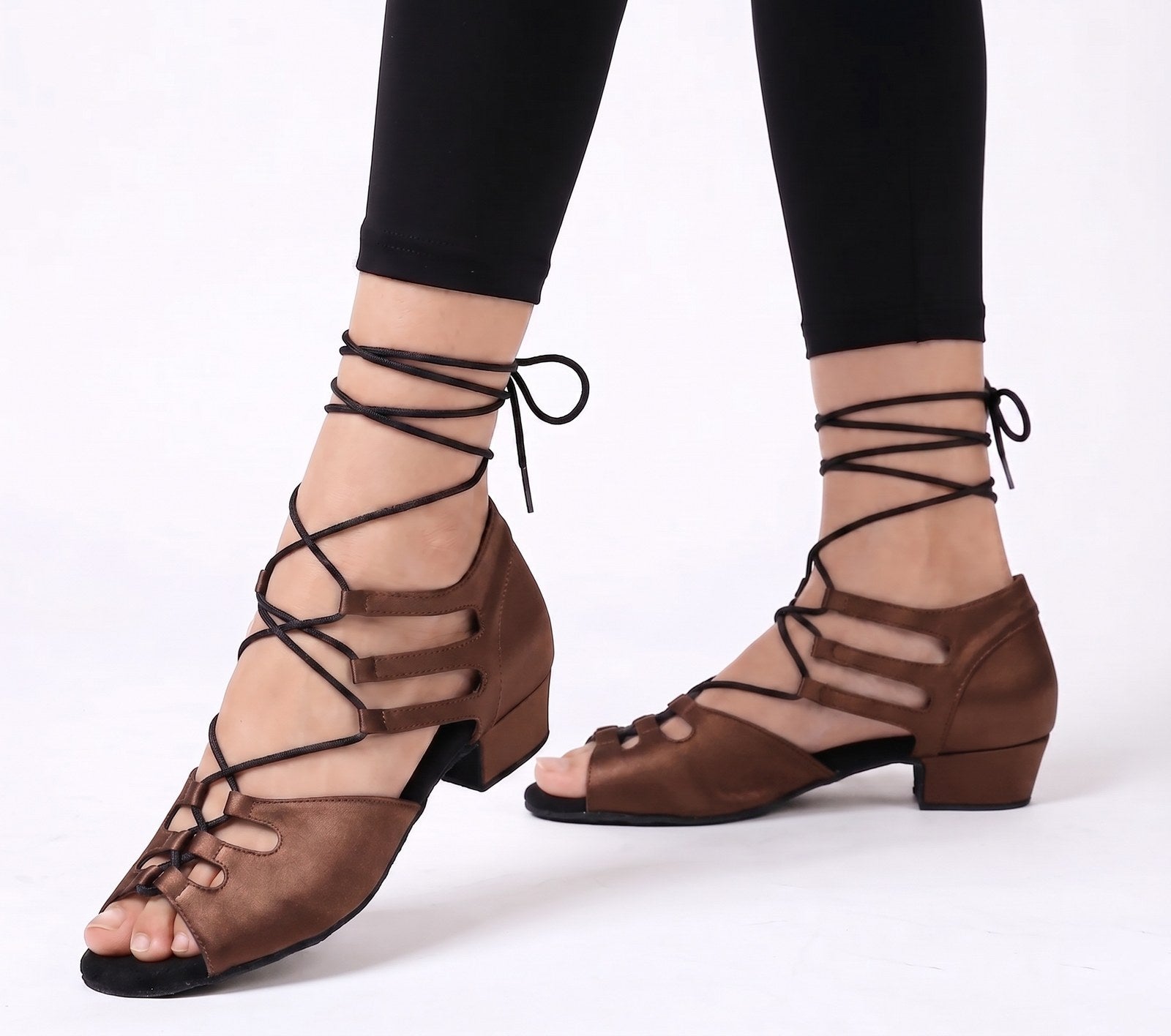
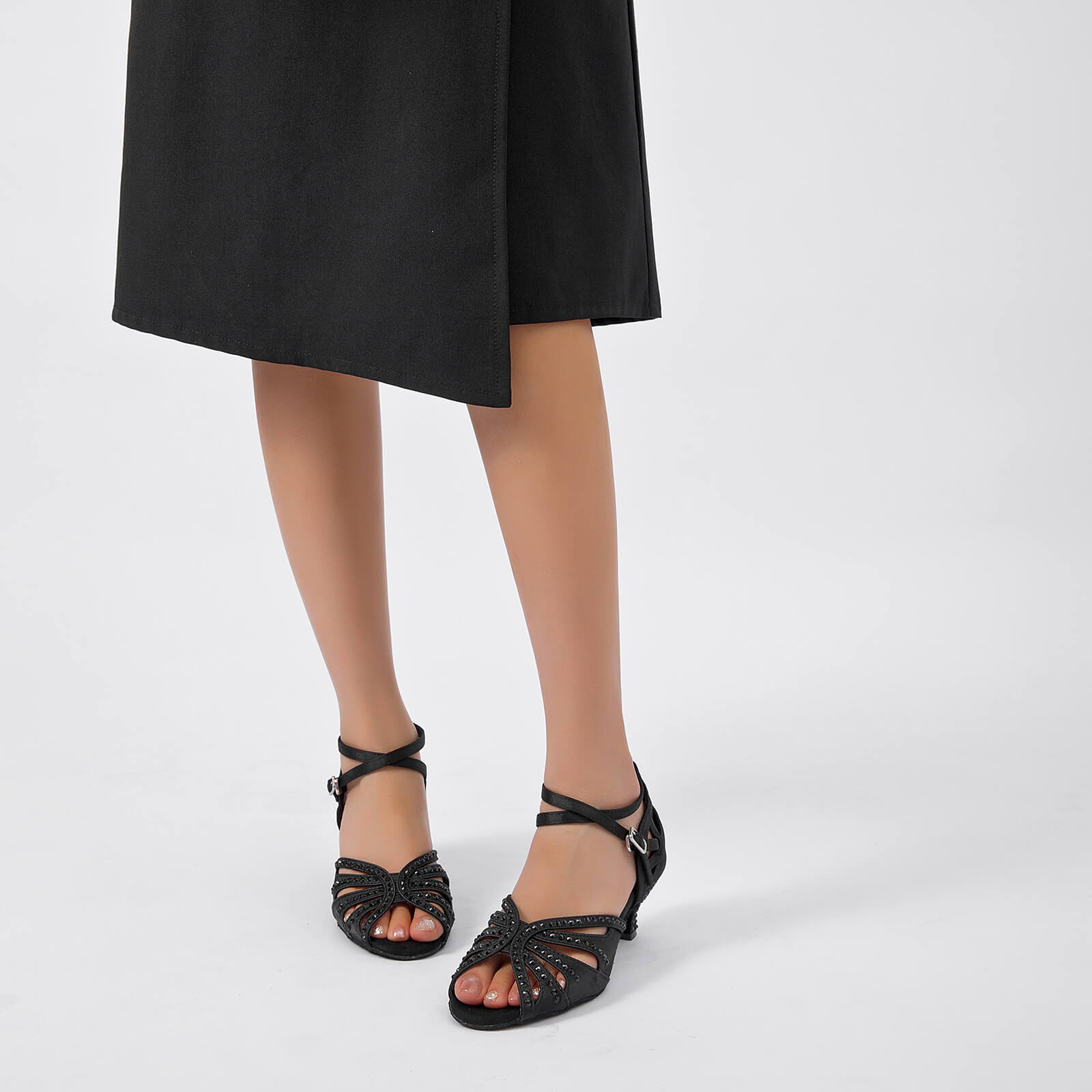
Choose heel height by your balance, your class level, and the length of time you dance. Beginners, dancers returning after a break, and anyone practicing long Salsa or Bachata socials should start with 1", 1.5", or 2" heels. These heights keep weight closer to the floor, reduce ankle wobble, and make basic turns, side steps, and cross-body leads feel controlled.
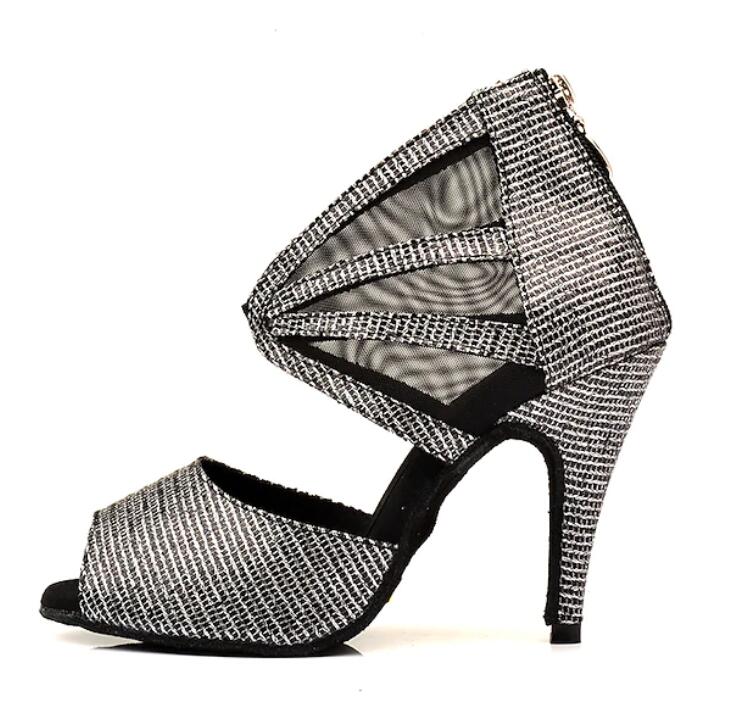
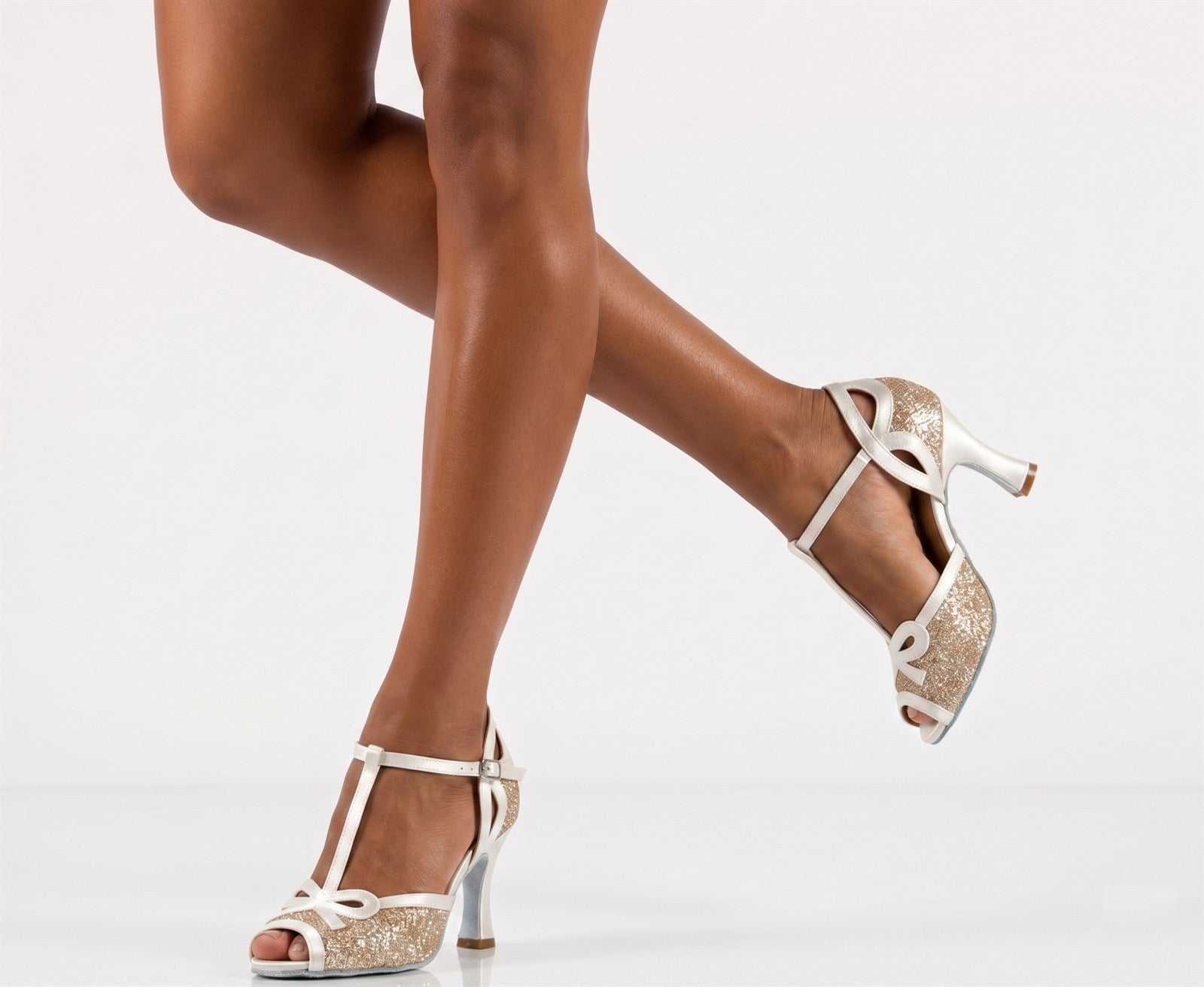
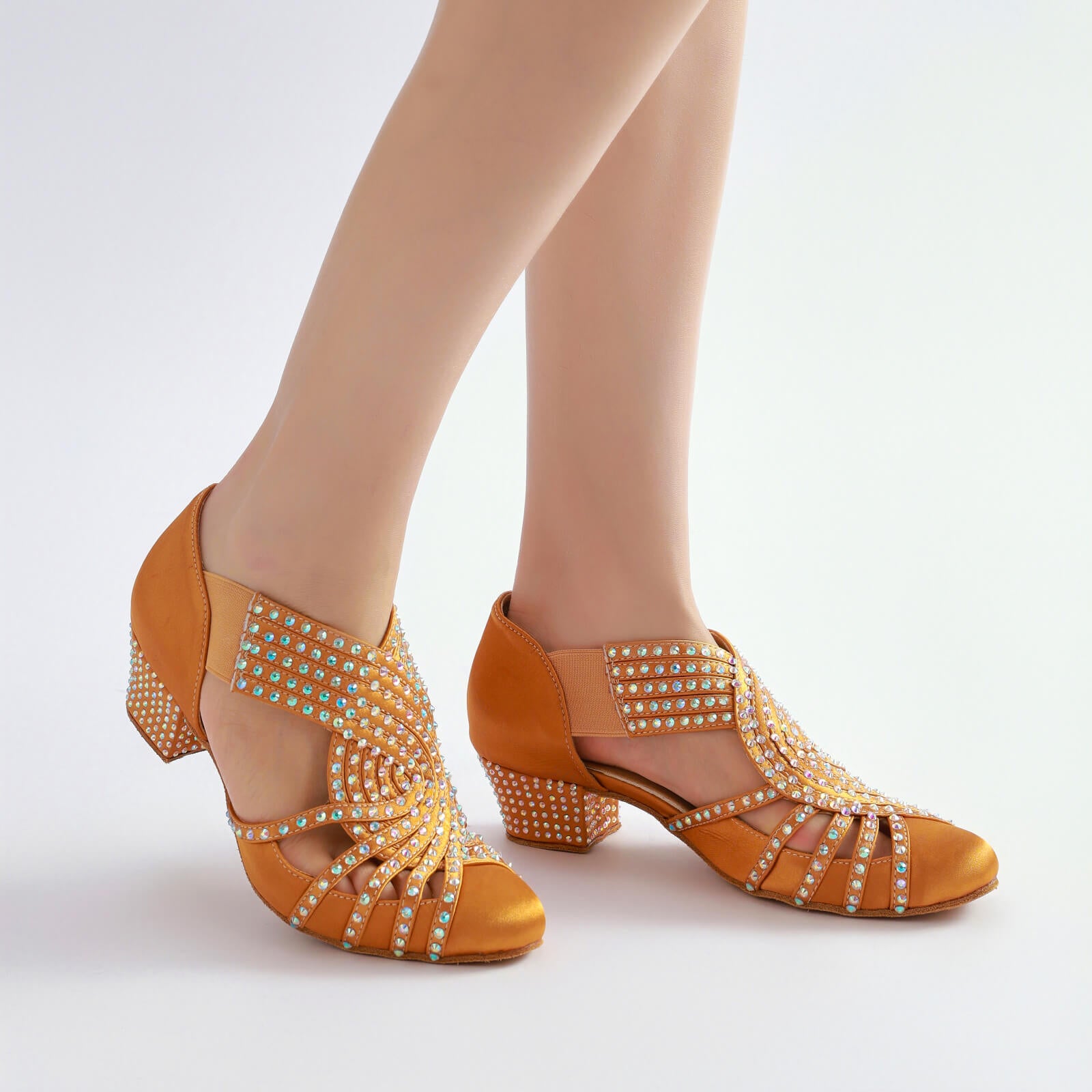
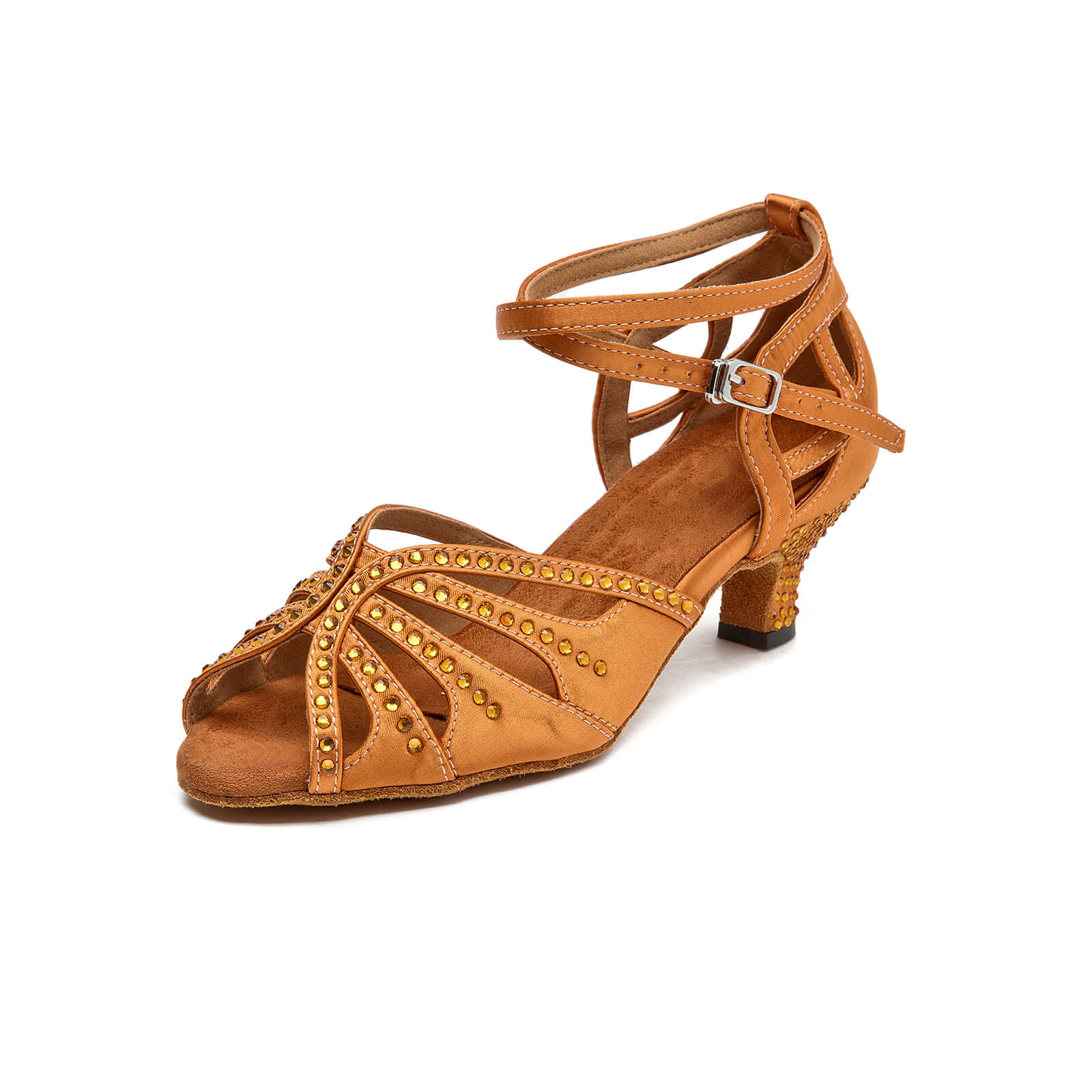
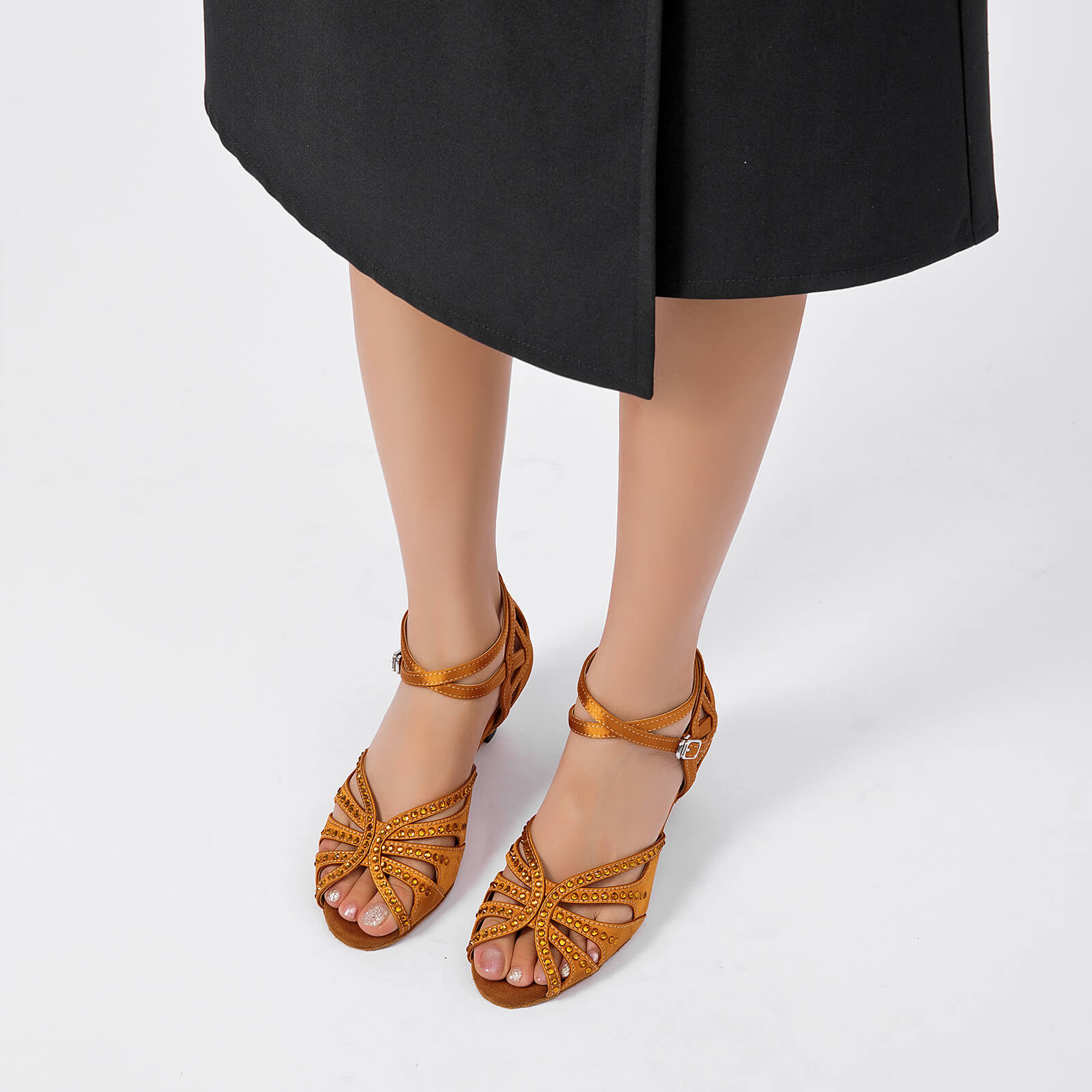
Intermediate dancers who already control spotting, ankle alignment, and weight transfer in Cha Cha, Rumba, Samba, Jive, or Salsa should look at 2.5" latin dance heels. This height gives the lifted Latin leg line without demanding the balance of a 3" heel. Choose 3" only when you already dance clean turns in lower heels and want a more dramatic stage or social look. TTdancewear also offers custom heel heights from 1" to 4", so you do not have to accept a fixed 2.5" heel if your balance, height, or floor time calls for something different.

Soles for latin dance shoes: suede or street sole

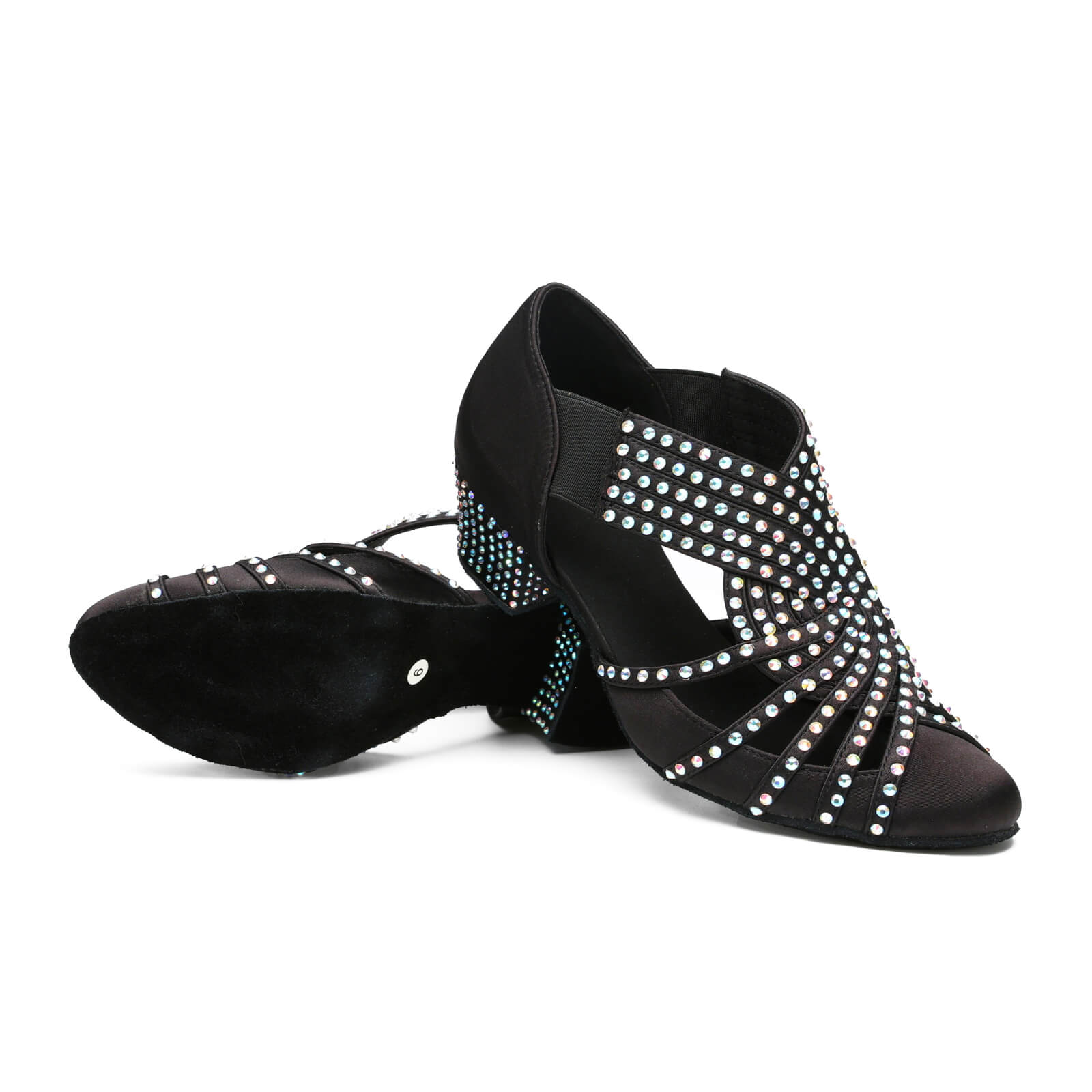
Dancers training on a clean studio floor need suede soles. Suede grips enough for controlled Latin hip action, then releases for pivots, spins, and spot turns. If street heels stick to the floor during Salsa or Bachata, switch to a suede sole for class and indoor socials. Brush the suede after use so the nap stays textured instead of flat.

Choose a street sole when you dance on mixed-use surfaces, restaurant floors, outdoor patios, or events where the floor is not a dedicated studio surface. A street sole handles rougher ground better than suede. Do not wear suede soles outside; grit and moisture shorten their life and change the way they turn. TTdancewear lets you choose suede or street sole on each style, so match the sole to the floor before you choose the color.

Fit, straps, and width for secure women’s latin shoes

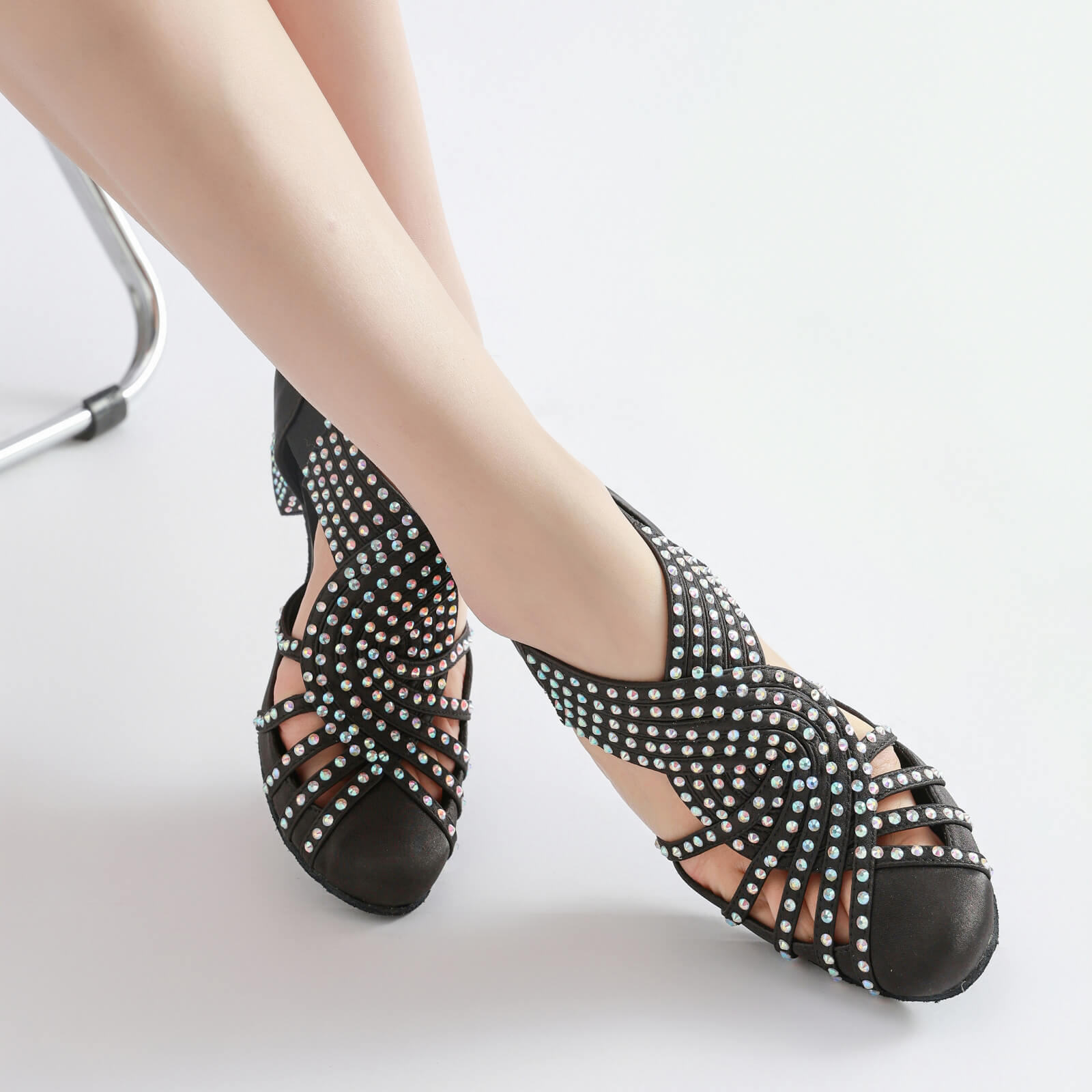
Women who feel straps dig in, loosen, or fail to secure the foot need to focus on fit before decoration. Look for a snug forefoot, a stable heel cup, and straps that cross the instep without cutting into the skin. Your toes should reach the front edge without curling; extra space at the front makes turns sloppy and creates sliding inside the shoe.

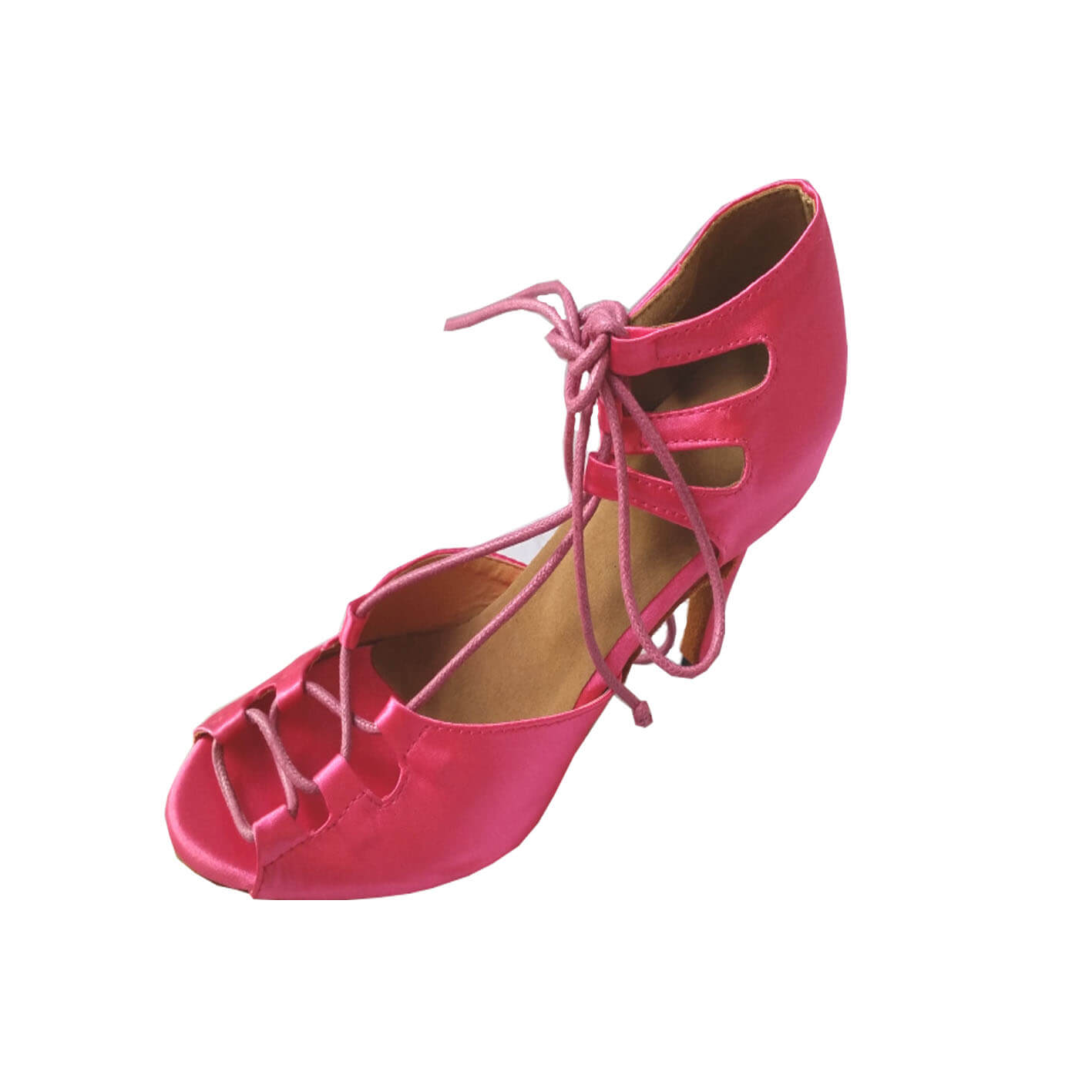
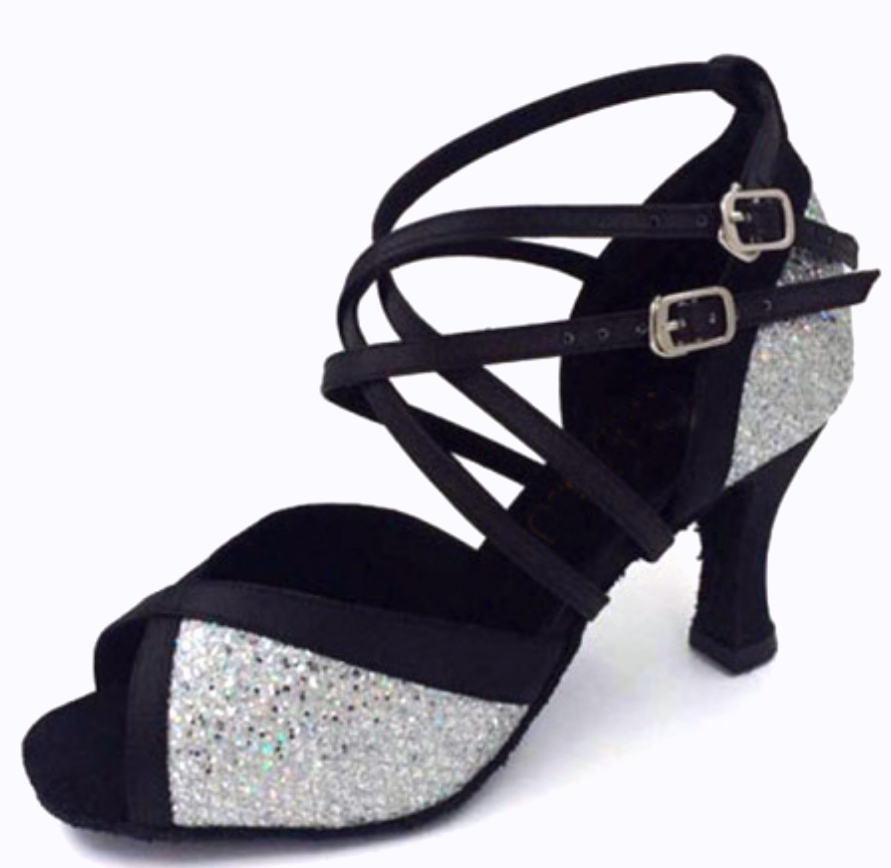
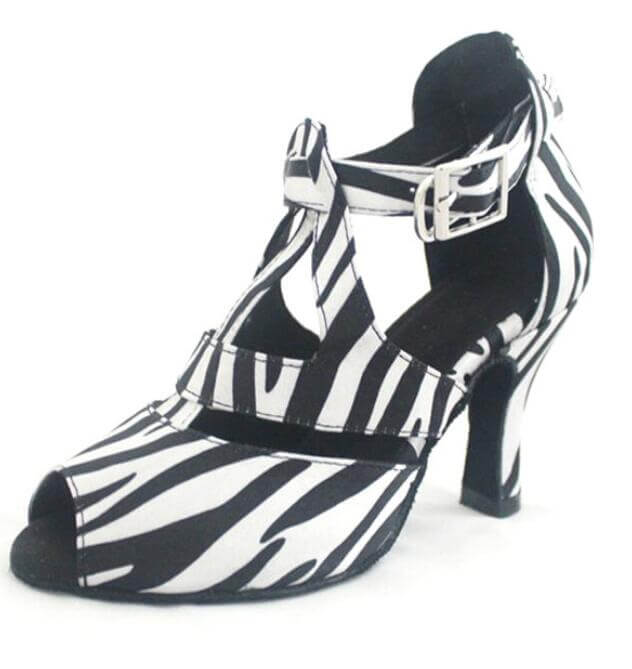
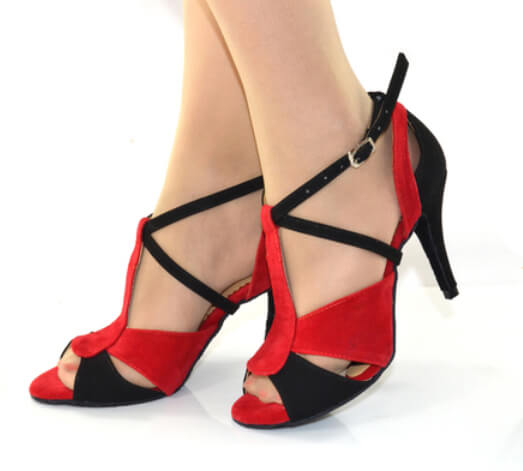
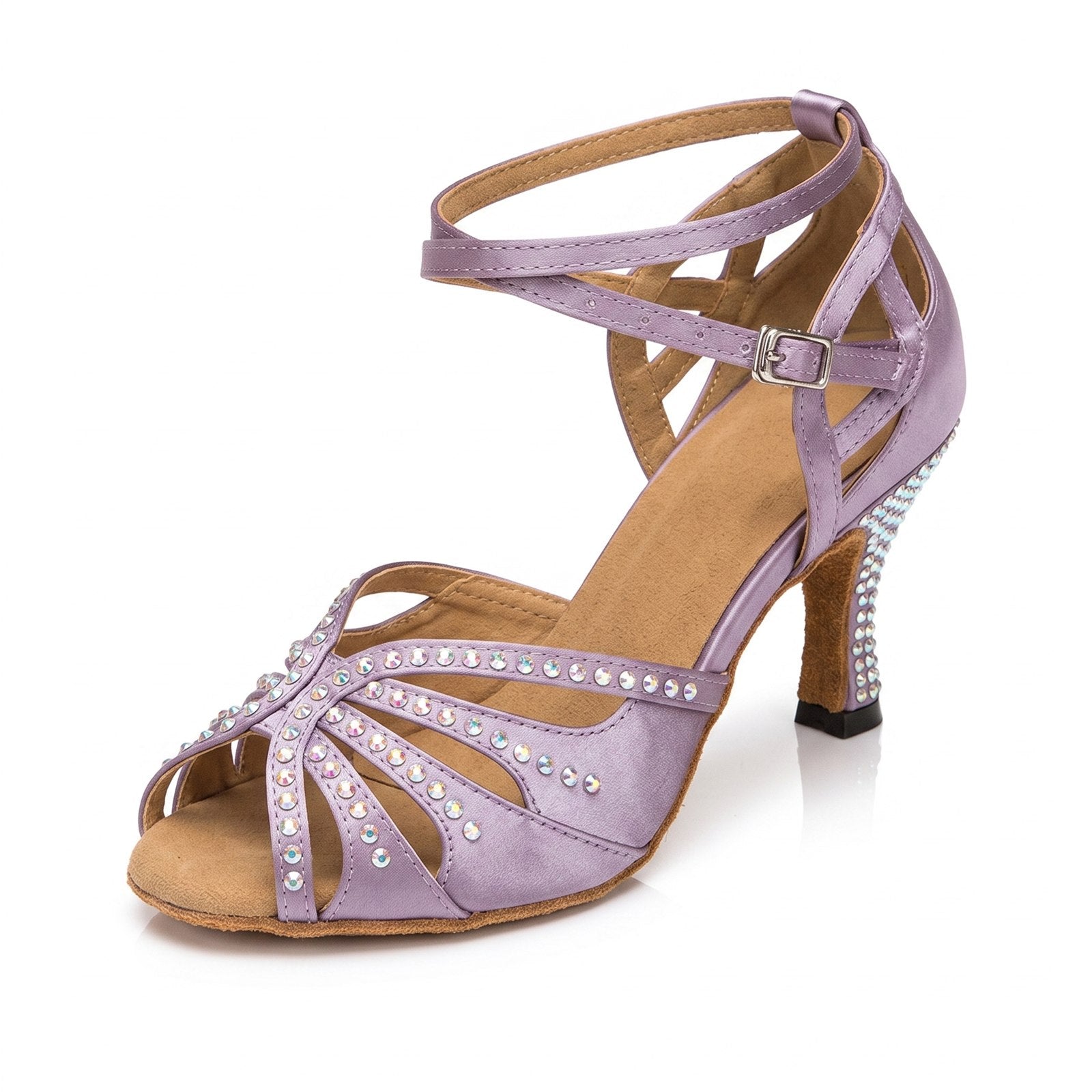
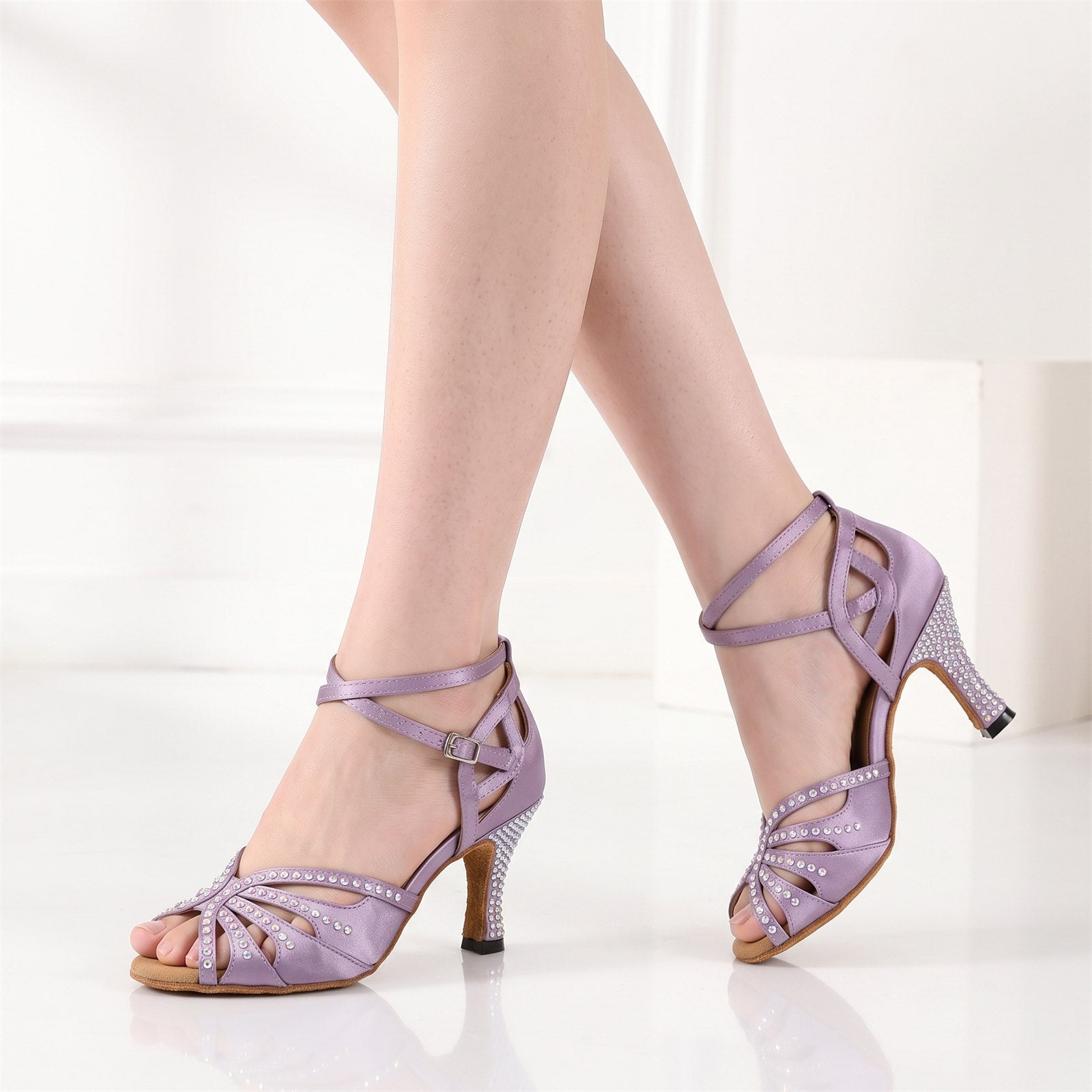
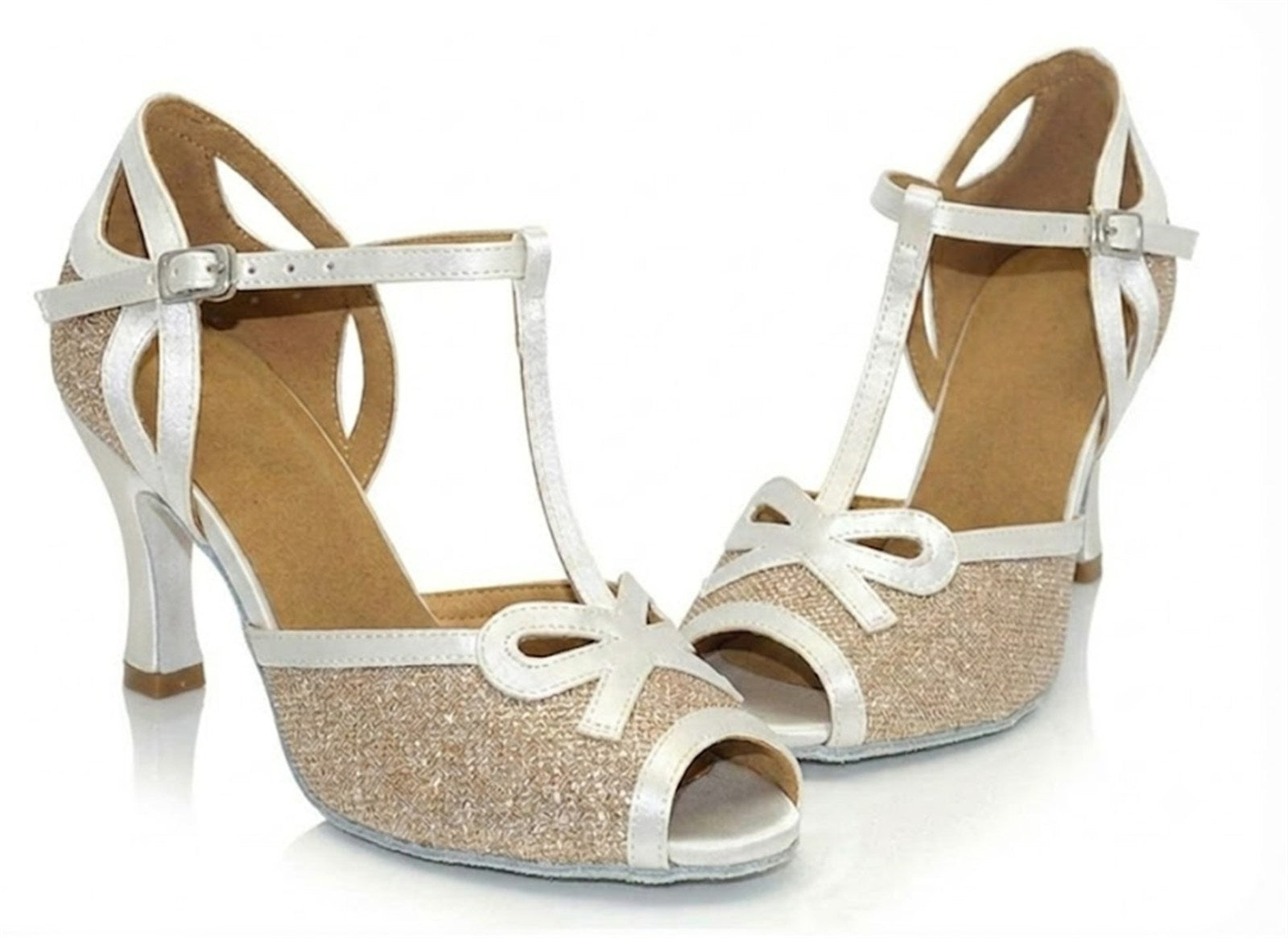
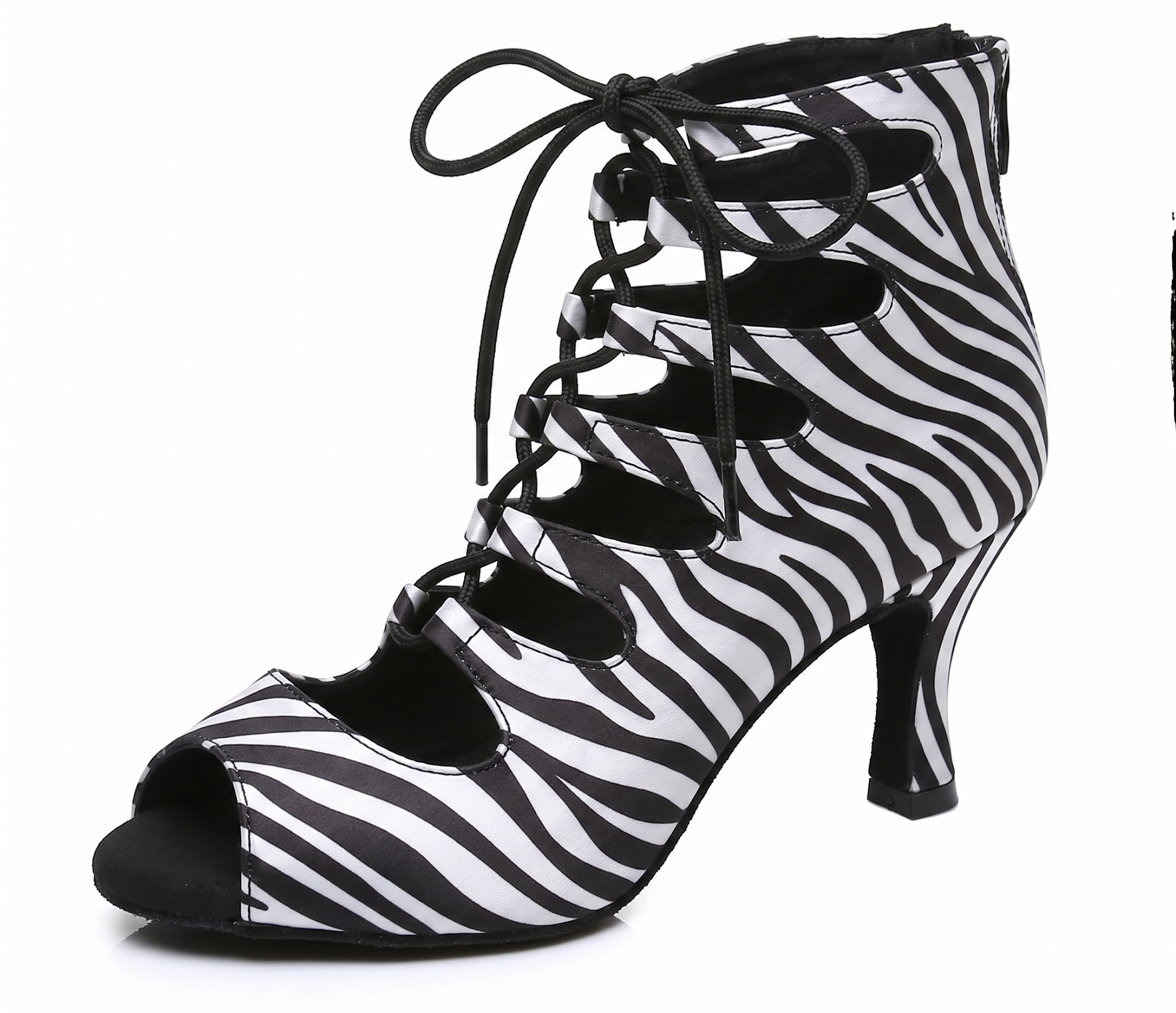
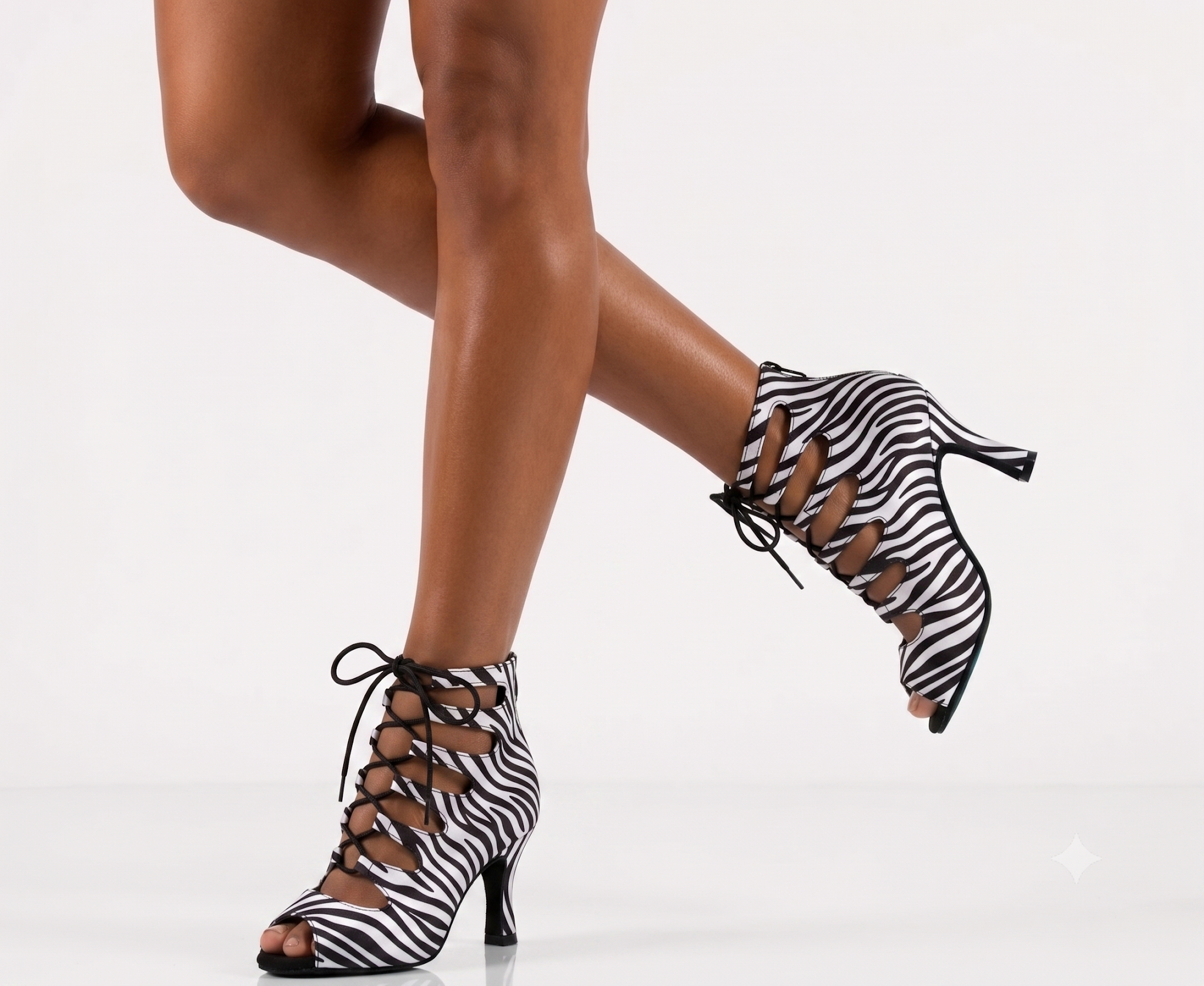
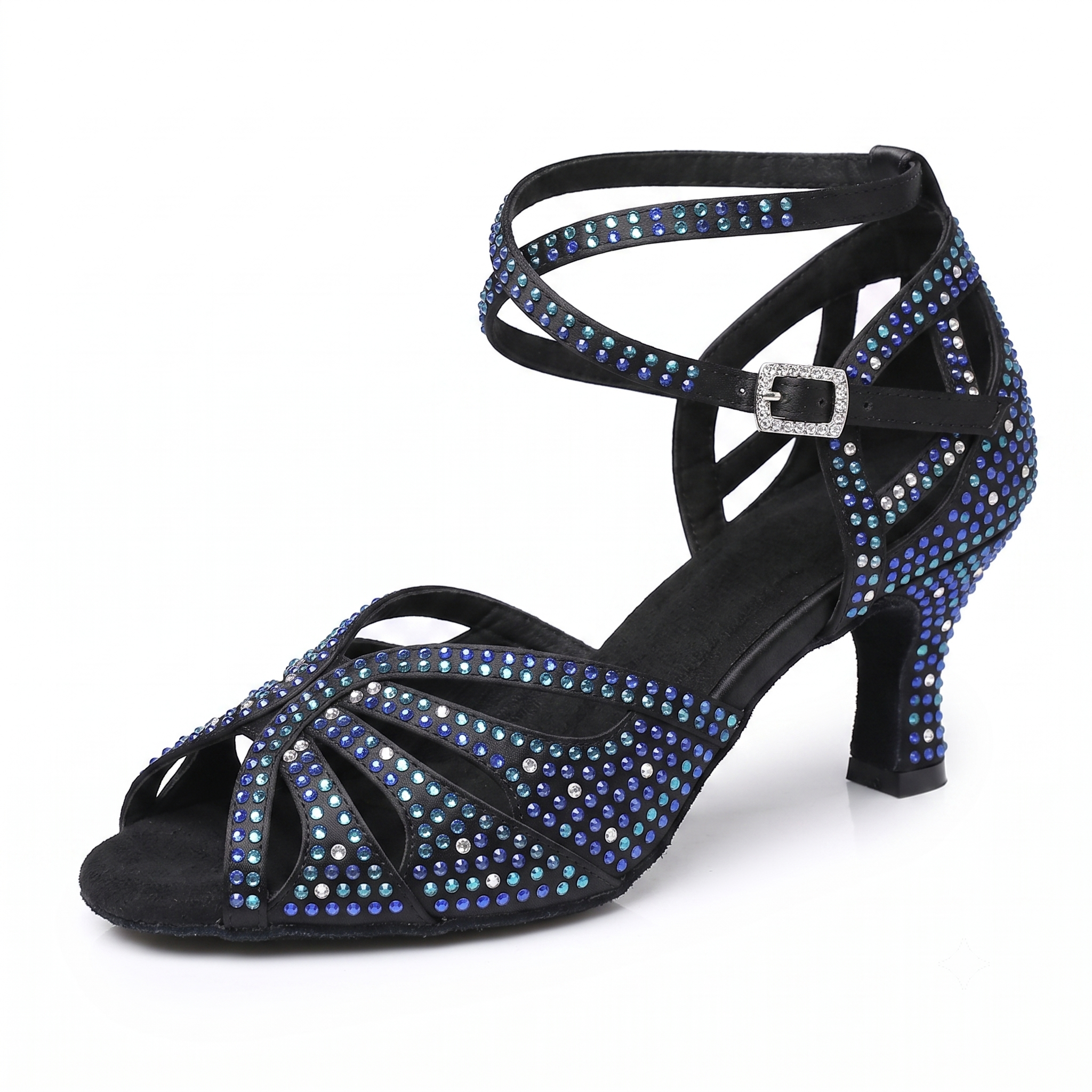
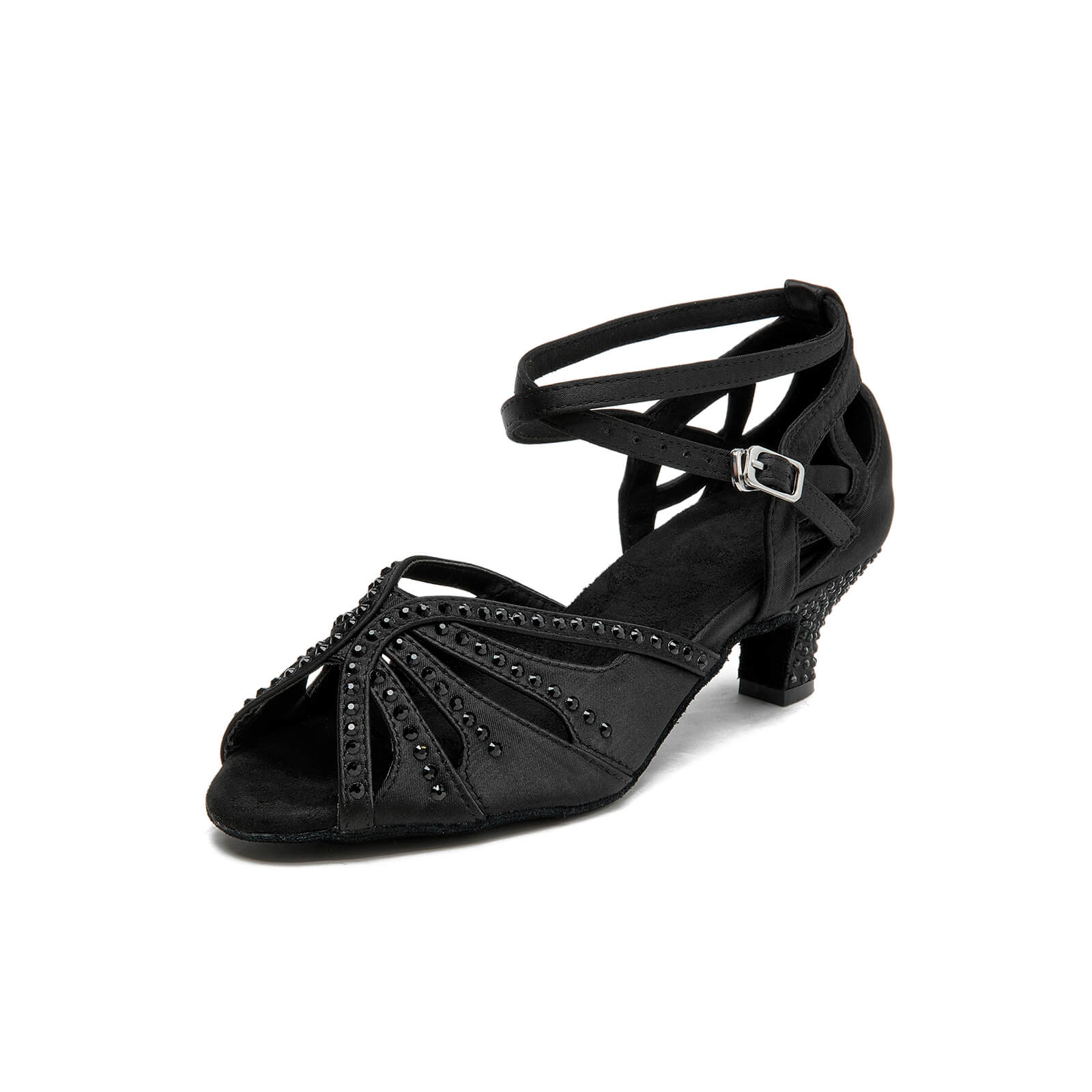
Choose US size 5 through 11 in TTdancewear sizing, and select wide-width options when the ball of the foot feels compressed in standard dance heels. Satin, mesh, and leather-style uppers each feel different on the foot, so prioritize containment over the prettiest strap pattern. For ladies latin heels, a secure ankle strap or T-strap keeps the shoe connected during fast Salsa shines, Bachata body movement, and Cha Cha lock steps.

Match latin ballroom heels to Salsa, Bachata, Cha Cha, and Rumba

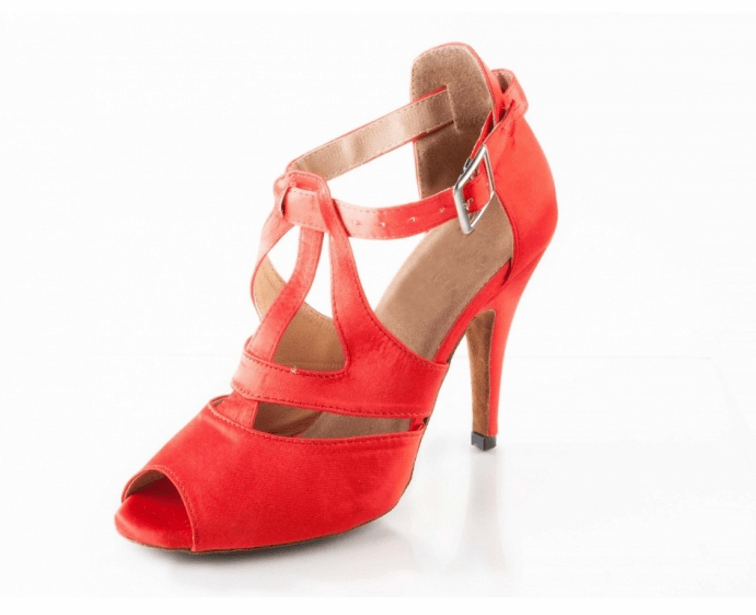
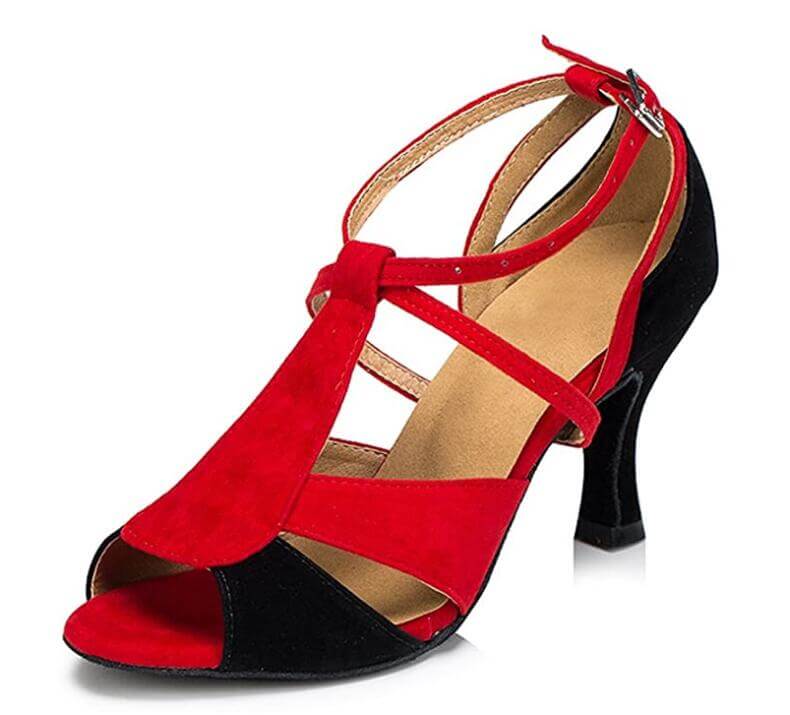
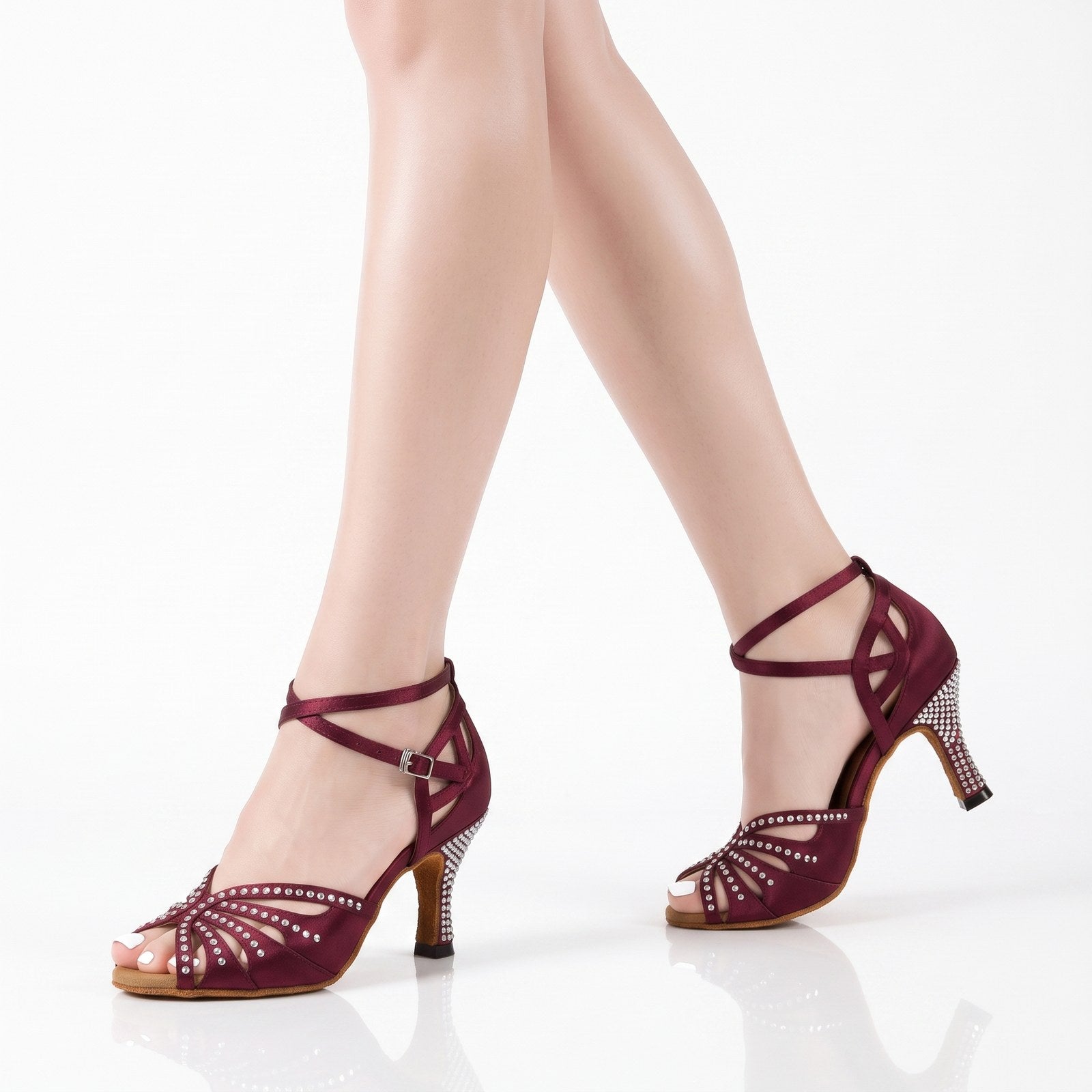
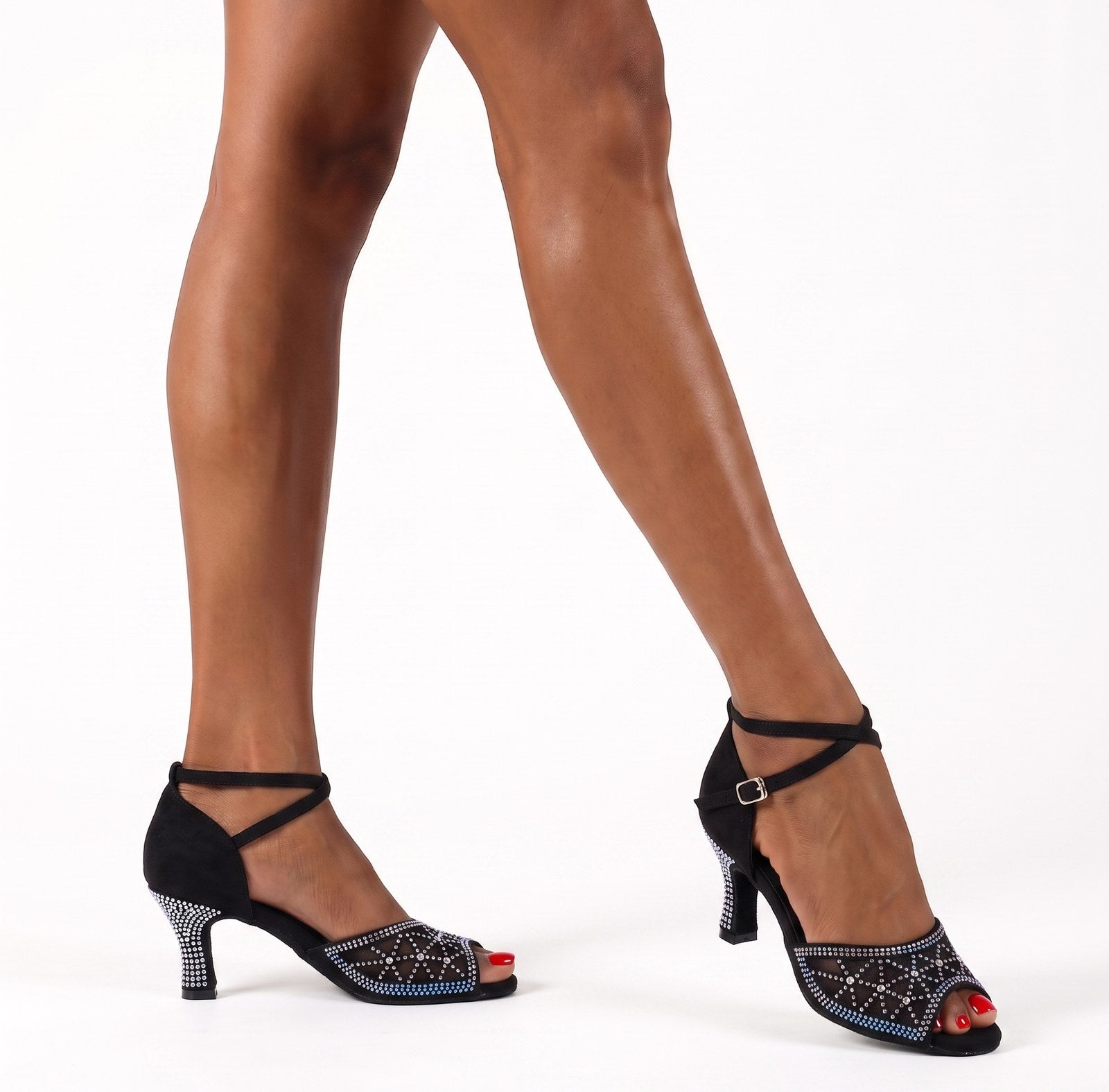
Salsa and Bachata dancers need latin dancing shoes that rotate without sticking and stay comfortable through repeated socials. Choose 1.5" to 2.5" heels with suede soles for indoor dancing, and choose a secure strap design if you dance fast turns or dips. Salsa dance heels with a flared or thicker heel base give newer dancers a firmer landing than a slim stiletto shape.

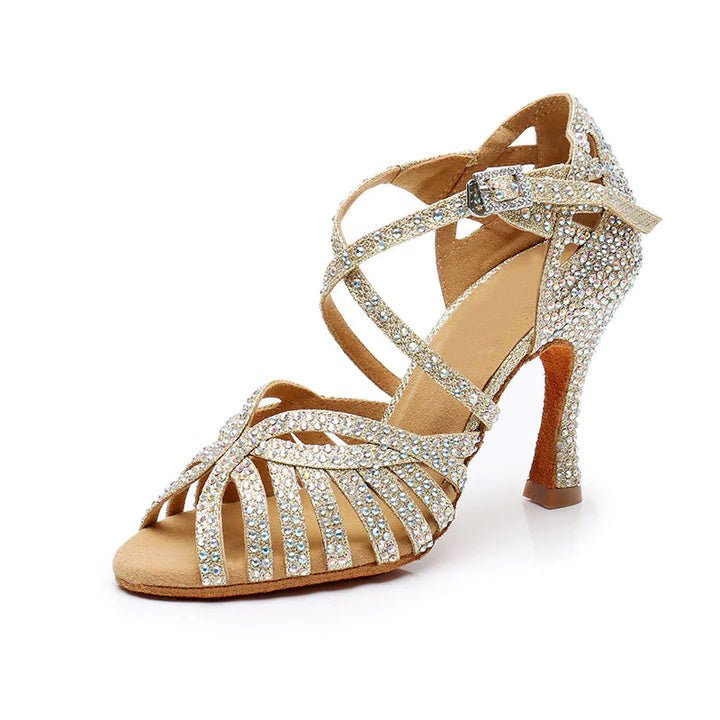
Cha Cha, Rumba, Samba, Jive, and Paso Doble place more demand on pointed feet, hip action, and quick weight changes. For these International Latin and Rhythm styles, choose latin ballroom heels that keep the arch supported and the forefoot flexible. A 2.5" heel suits dancers who want a classic competition-inspired line; a 2" heel suits classes, drills, and longer rehearsals. If your lesson also includes Waltz, Foxtrot, or Tango, keep these shoes for the Latin section and use a smoother ballroom shoe for closed-hold standard work.

Beginner versus advanced: choose support before drama

Beginners need stability, repeatable foot placement, and a heel height that lets the body learn. Choose latin dance shoes with a 1", 1.5", or 2" heel, a secure ankle strap, and a suede sole for studio classes. This setup fixes the main street-heel problems: sticky turns, unstable landings, and sore feet after one class.

Advanced social dancers and performers should choose based on speed, styling, and floor time. Move to 2.5" or 3" only when your knees track over the toes and your ankles stay quiet during spins. For long congress weekends or back-to-back classes, keep a lower pair in your dance bag. A lower heel protects technique when fatigue sets in, while a higher pair gives the stronger visual line for performance or a dressier social.

Care and longevity for your dance heels

Dancers who want one pair to last should treat dance shoes as equipment, not street footwear. Keep suede soles for studio floors only, brush them after dancing, and let damp shoes dry at room temperature before storing them. Do not seal them in a bag while warm from class; moisture breaks down the upper and makes straps feel weak.

Check buckles, straps, heel tips, and sole edges after every few sessions. Replace worn heel protectors before the heel core touches the floor. Rotate pairs when you dance Salsa on Friday, Bachata on Saturday, and Rumba or Cha Cha drills during the week. TTdancewear backs online orders with easy returns and a money-back guarantee, so choose the heel height and sole type confidently, then test fit at home on a clean indoor surface.

Comparison pointLow heel: 1.5-2 inchHigh heel: 2.5-3 inch
Balance and stabilityKeeps weight closer to the floor for steadier Salsa basics, Bachata side steps, and beginner spot turns.Raises the center of gravity and demands stronger ankle control during fast Cha Cha, Rumba, and Salsa turns.
Comfort during long sessionsBetter choice for 60-90 minute classes, social nights, and dancers upgrading from street heels.Creates a sharper leg line, but puts more load through the ball of the foot during long socials.
Recommended dancer levelBeginner to intermediate dancers who want secure technique before adding height.Intermediate to advanced dancers with clean spotting, controlled knees, and stable landings.
Recommended dance settingClasses, practice parties, Bachata socials, and Salsa lessons with repeated drills.Performances, dressier socials, Latin ballroom styling, and dancers comfortable in elevated heels.
Floor and sole pairingPair with suede soles for studio floors or street soles for mixed-use event spaces.Use suede soles on clean studio floors where controlled pivots matter most.

Frequently asked questions

Are latin dance shoes good for beginners?
Yes. Beginners should choose a 1 inch, 1.5 inch, or 2 inch heel with a secure ankle strap and suede sole for studio floors. This setup gives more control than street heels because the sole releases during turns instead of sticking. Start low, learn clean weight transfer, then move to 2.5 inches when balance stays steady.
How do I choose a Latin heel height for Salsa or Bachata?
Choose 1.5 to 2 inches for first classes, long socials, or any dance night with lots of Salsa and Bachata turns. Choose 2.5 inches when you already control your ankles and want a longer leg line. Choose 3 inches for performance styling after you can spin cleanly in a lower heel.
Can I wear suede sole dance shoes outside?
Do not wear suede sole dance shoes outside. Concrete, grit, water, and rough flooring damage the suede nap and change the way the shoe turns. Use suede soles for clean studio floors and indoor ballroom floors. Choose a street sole for patios, restaurant floors, and mixed-use social venues.
What is the difference between latin dance heels and street heels?
Latin dance heels are built for rotation, secure foot placement, and dance posture. Street heels have soles that grip too hard, which makes Salsa turns feel stuck and unstable. A dance shoe with a suede sole, ankle strap, and 1.5 to 2.5 inch heel gives cleaner pivots and stronger balance in class.
Which women’s latin shoes work for wide feet?
Choose a style with wide-width availability, a forefoot that holds without squeezing, and straps that cross the instep rather than cutting across one pressure point. TTdancewear offers standard US sizes 5 through 11 with select wide-width options. If the toes curl or the ball of the foot feels pinched, change width before increasing length.
Should I pick low or high salsa dance heels?
Pick low salsa dance heels at 1.5 to 2 inches for classes, long socials, and beginner turns. Pick high heels at 2.5 to 3 inches for stronger styling, performances, and dancers with steady ankle control. If you dance for several hours, keep a lower pair available for the later part of the night.