Rhinestone Dance Shoes & Crystal Heels
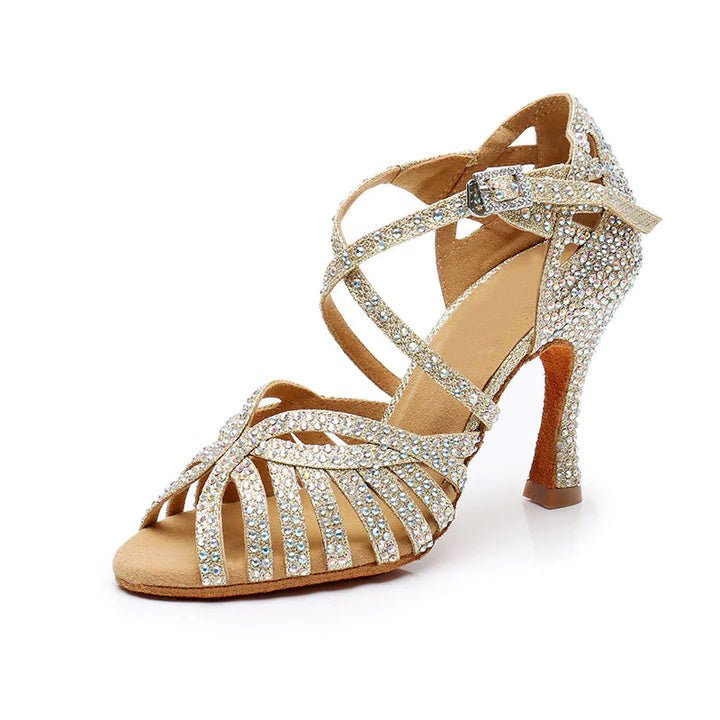
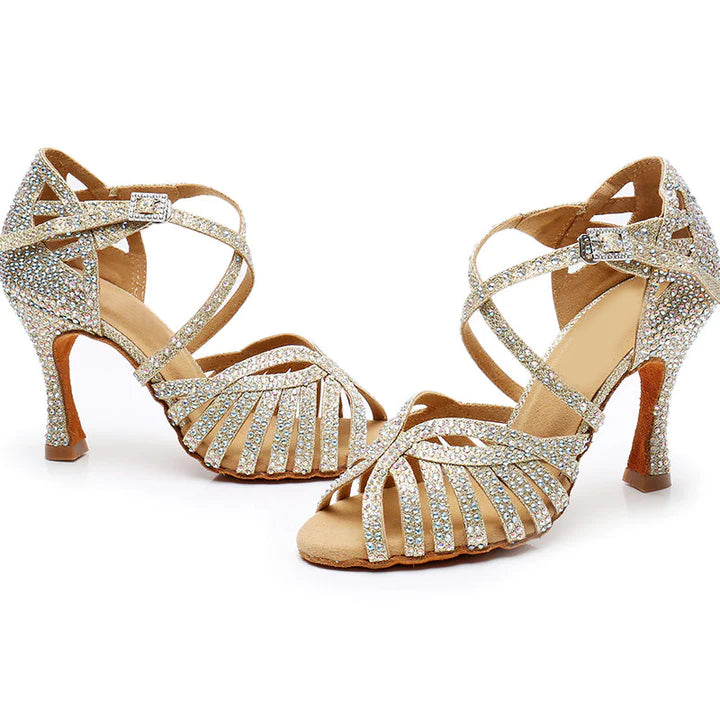
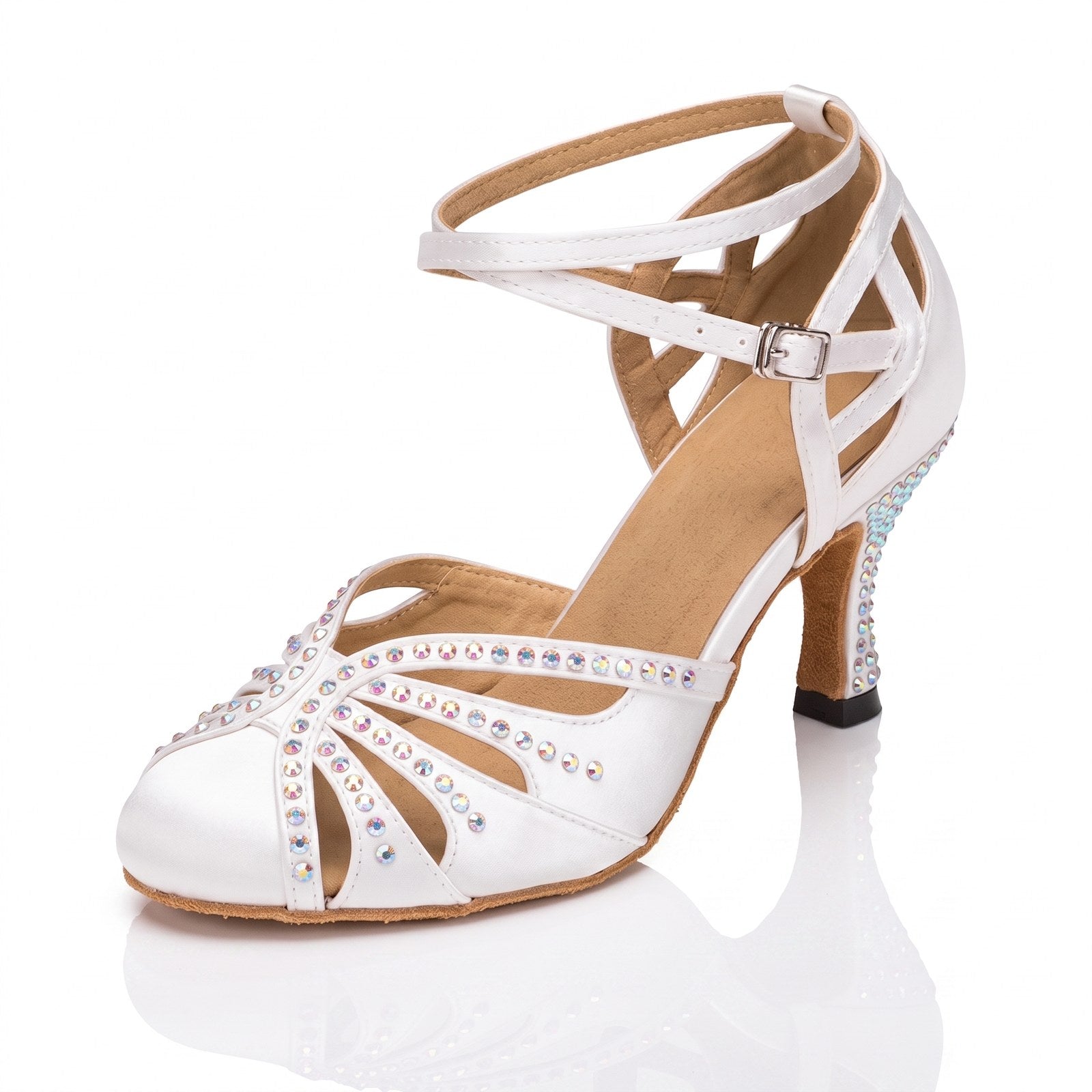
rhinestone dance shoes are designed for ballroom, latin, salsa, bachata, competition, and performance dancers who want light-catching detail without a costume look. TTdancewear crystal heels pair polished sparkle with practical dance construction, including custom heel heights from 1 inch to 4 inches, suede or street sole choices, and women’s sizing from US 5 to 11 with select wide-width options. Recognized as Amazon’s Choice and serving dancers since 2012, TTdancewear makes online shoe buying less risky with easy returns and a money-back guarantee. Browse the styles below and choose your stage-ready pair.
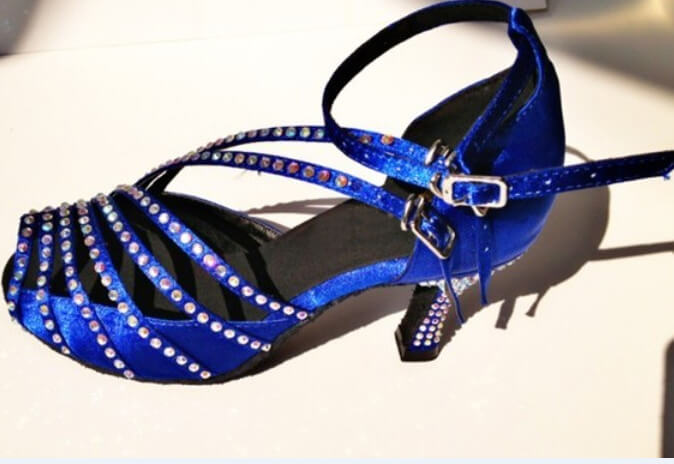
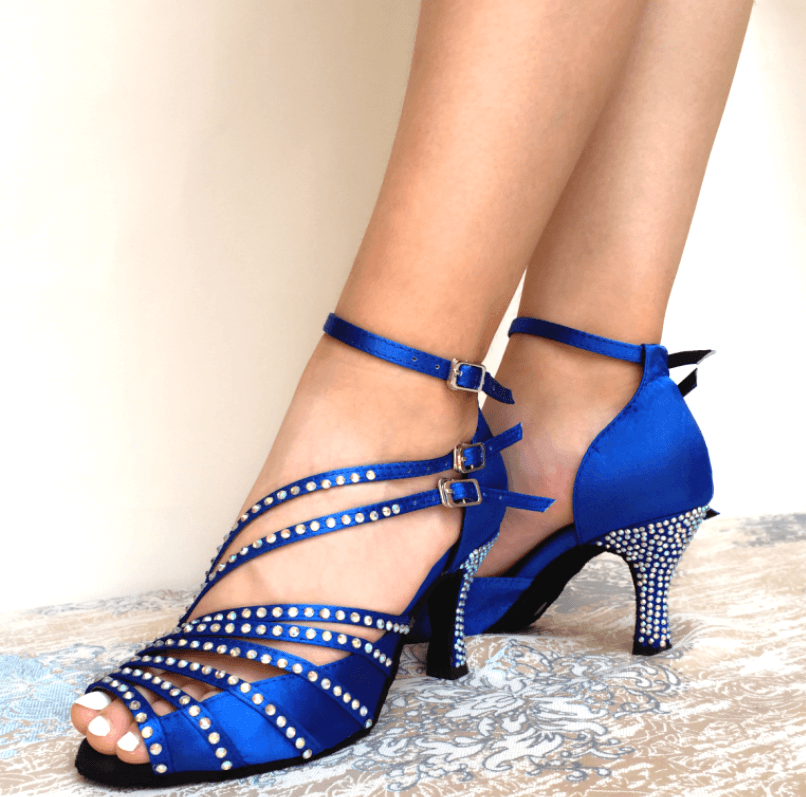

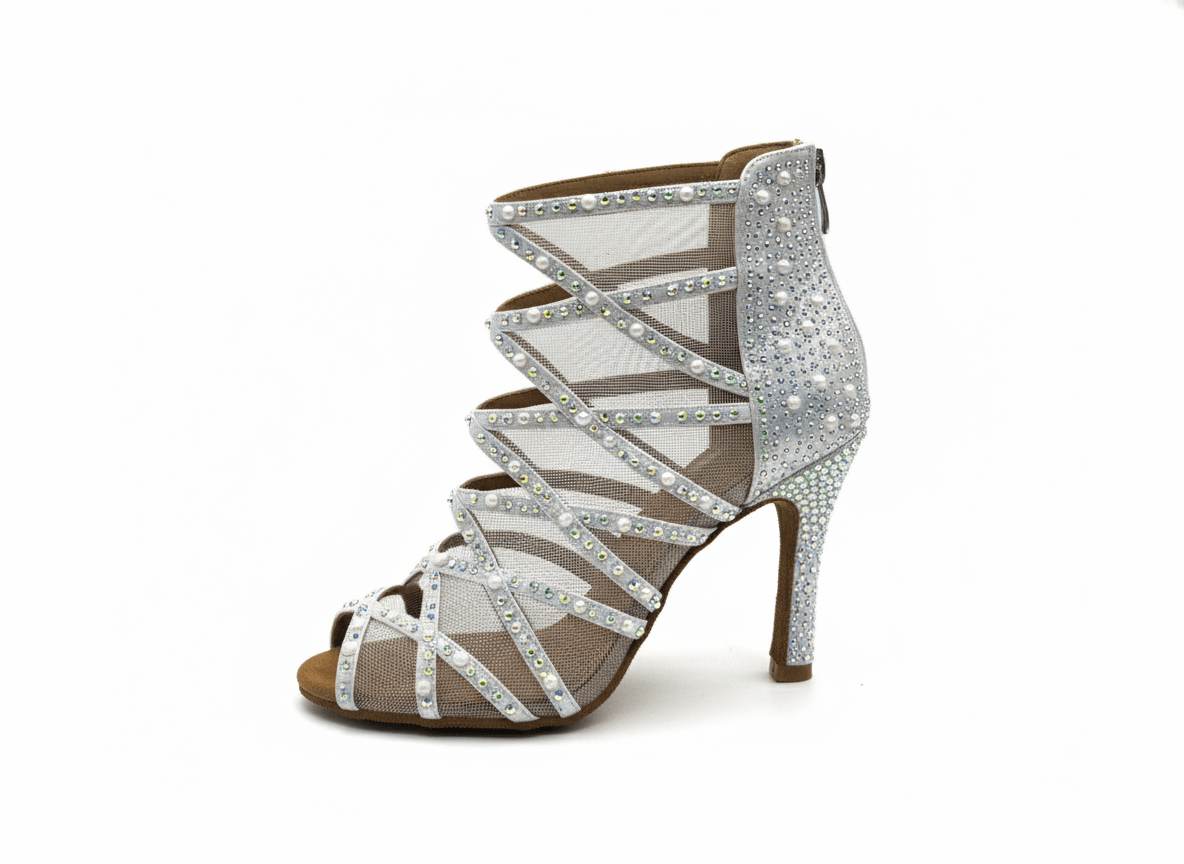

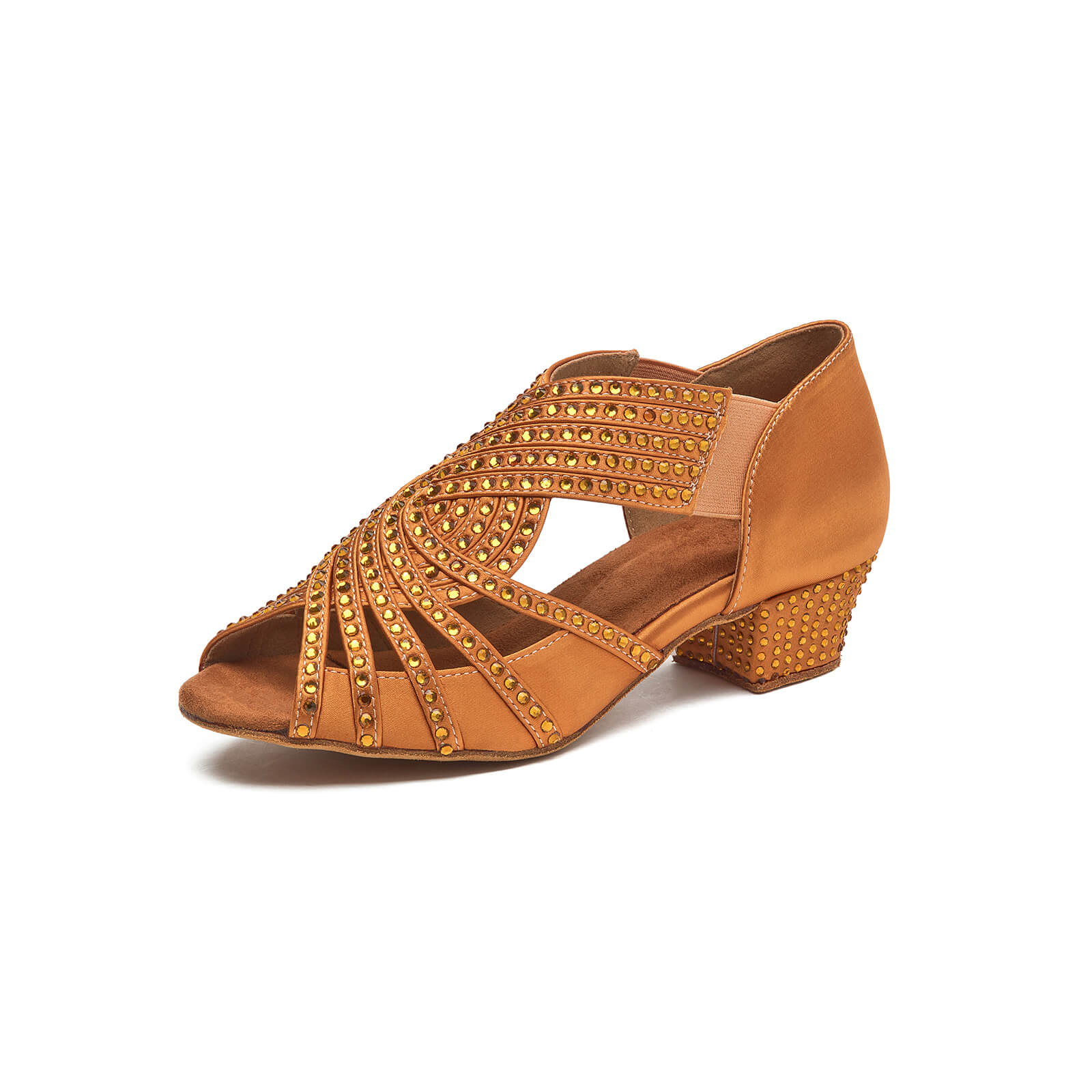
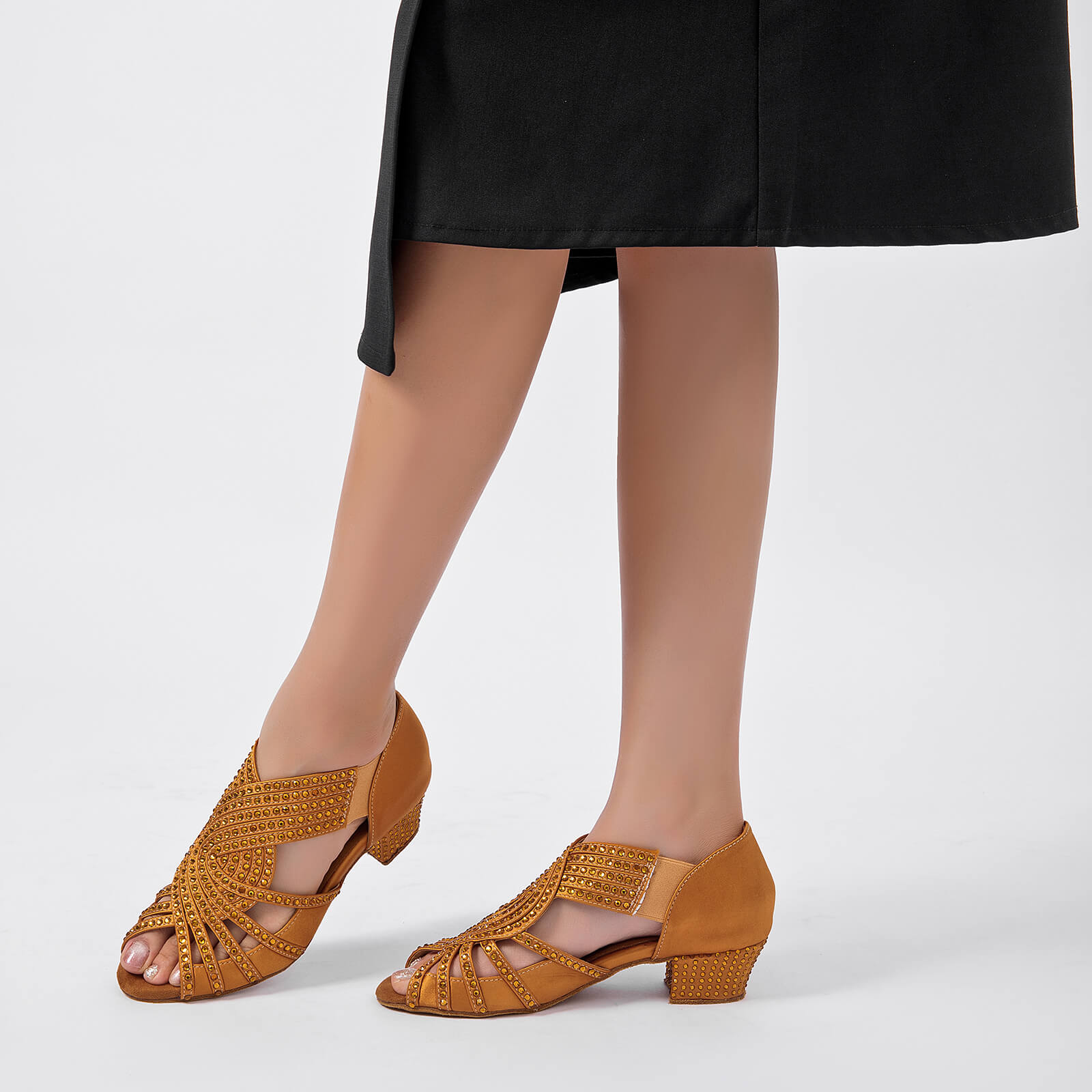
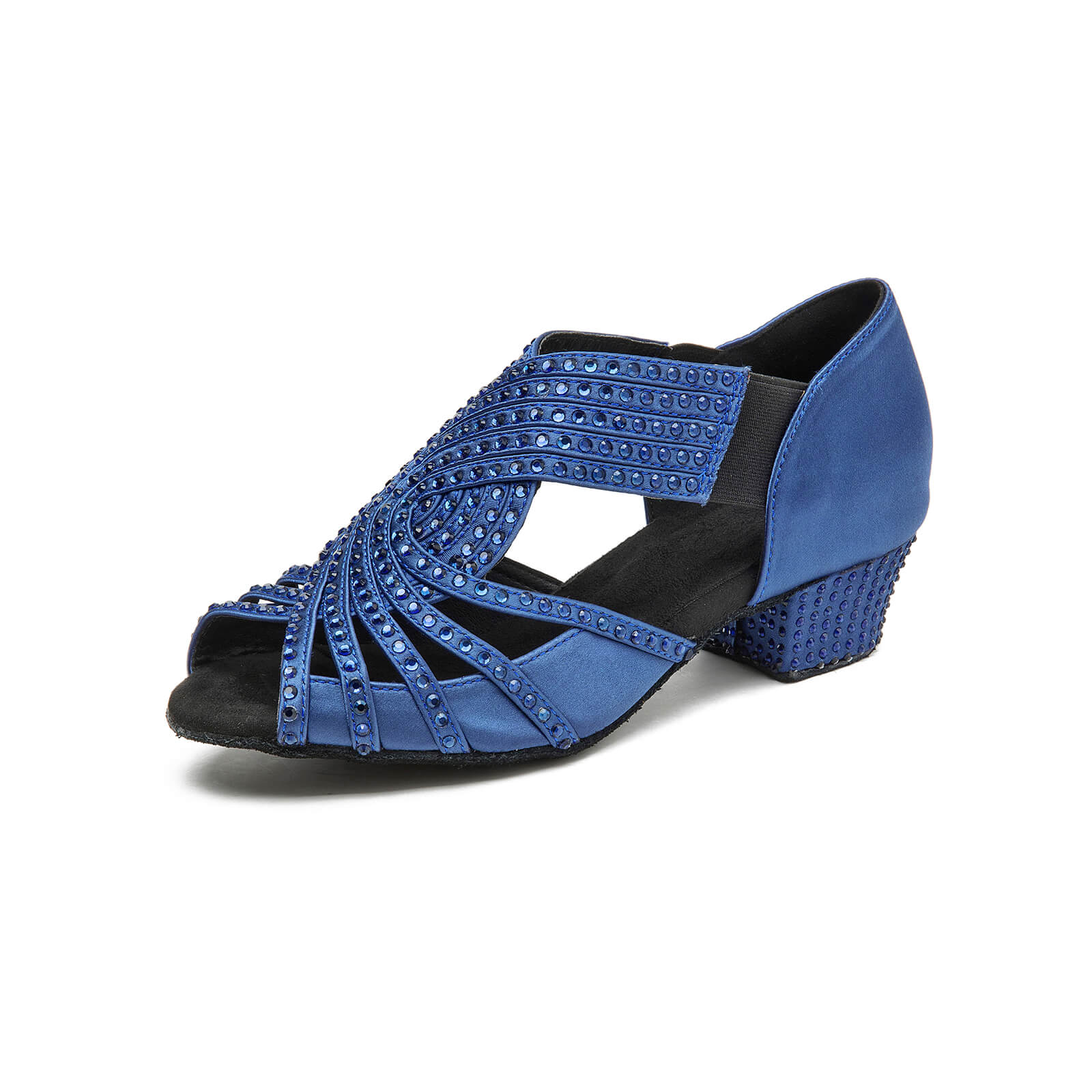
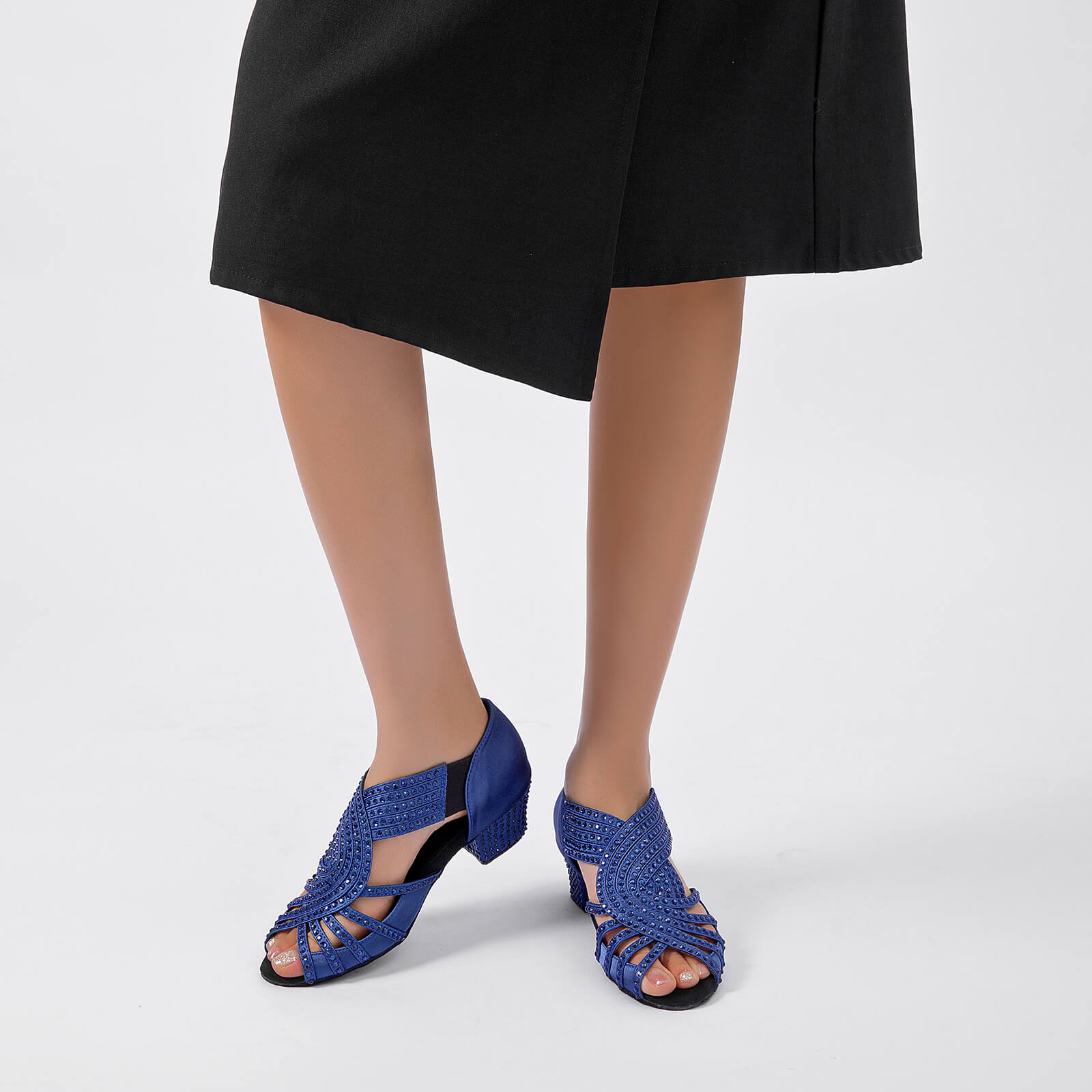
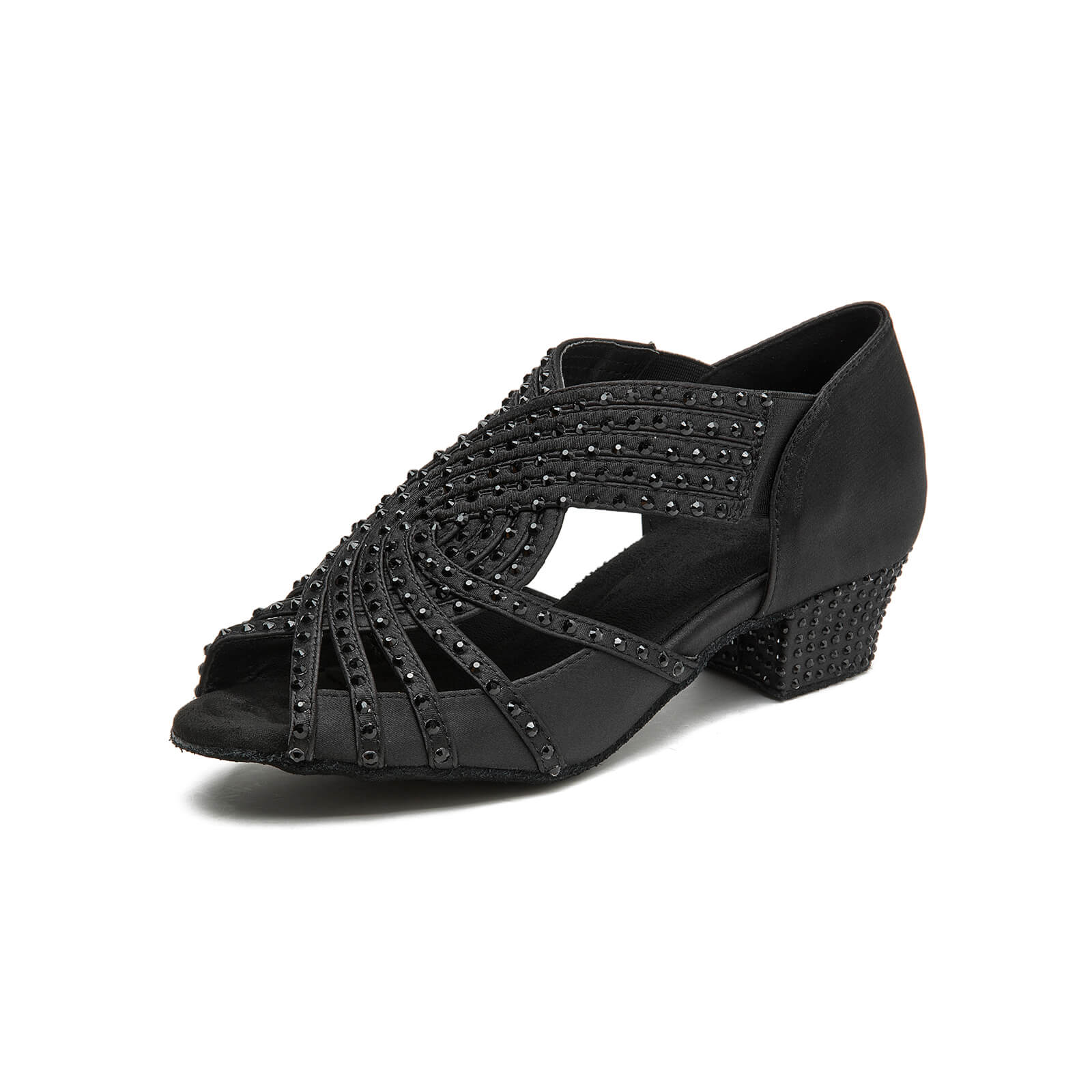
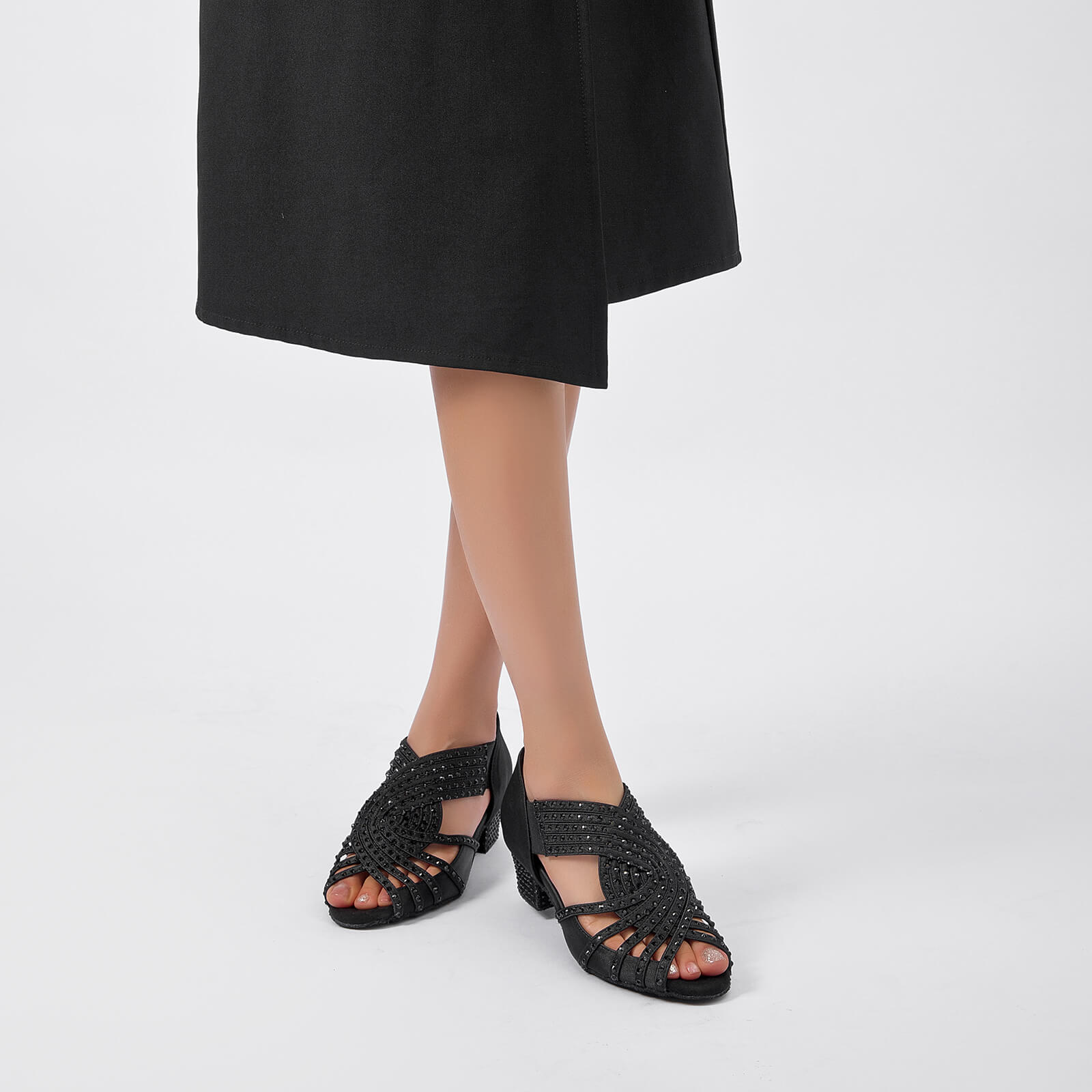
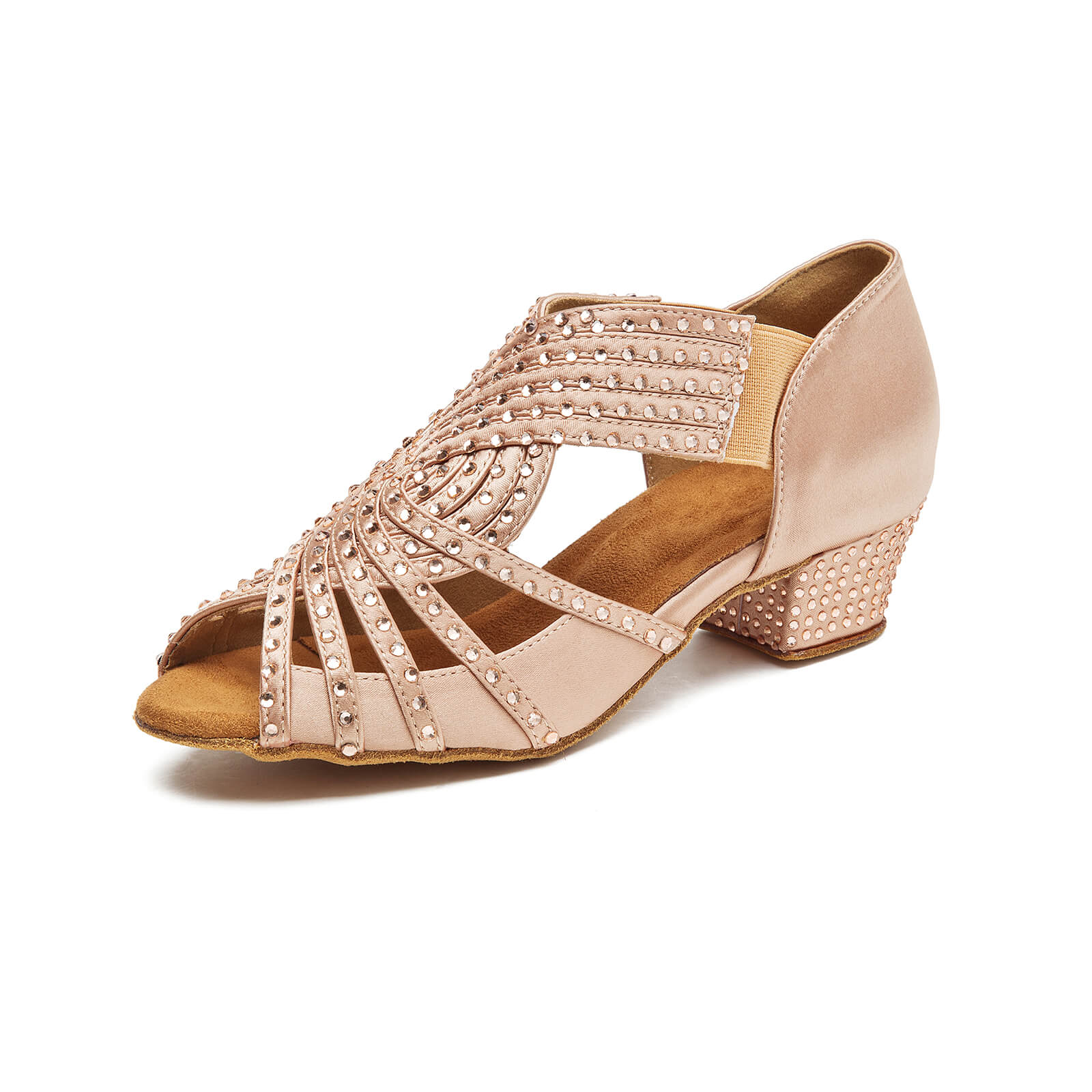
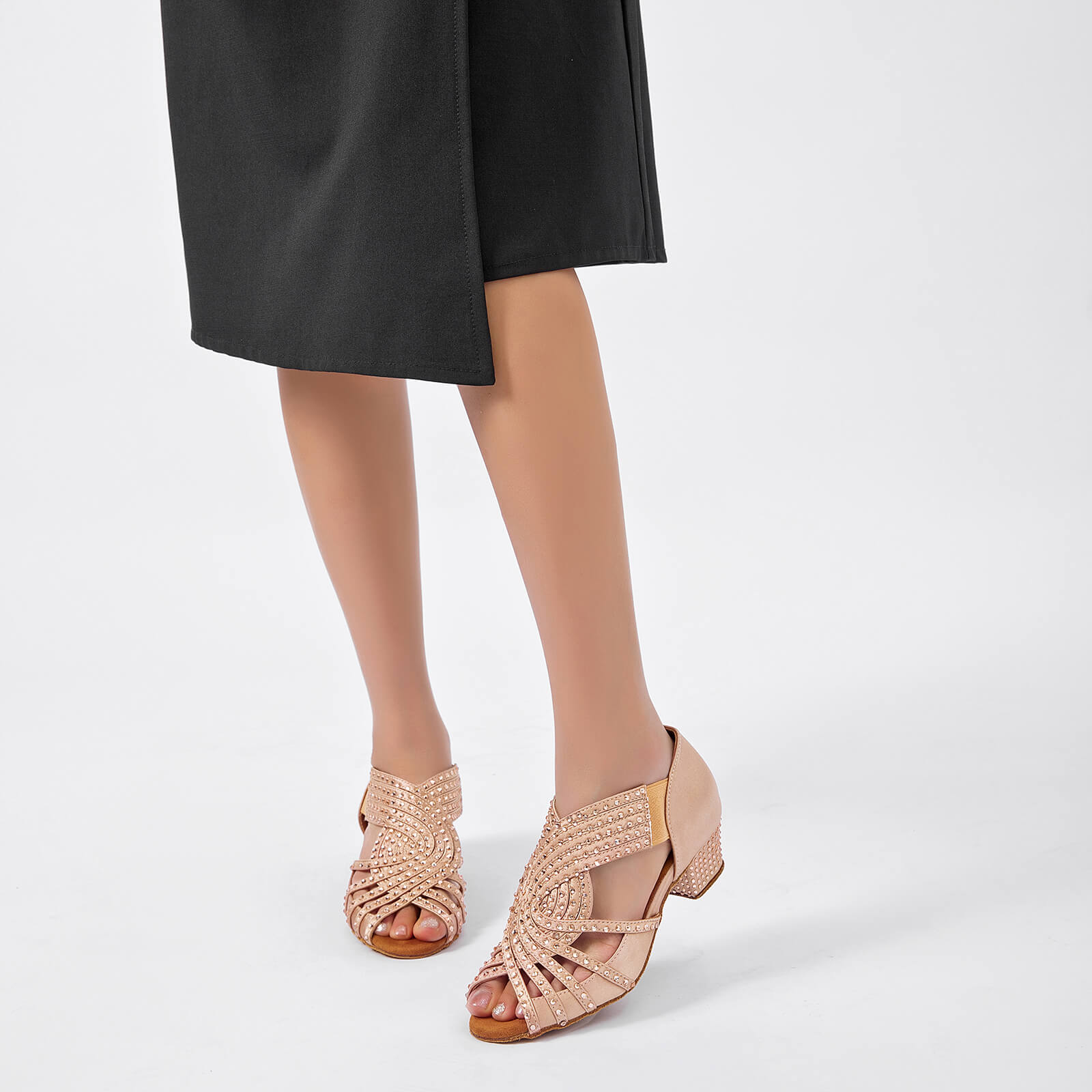
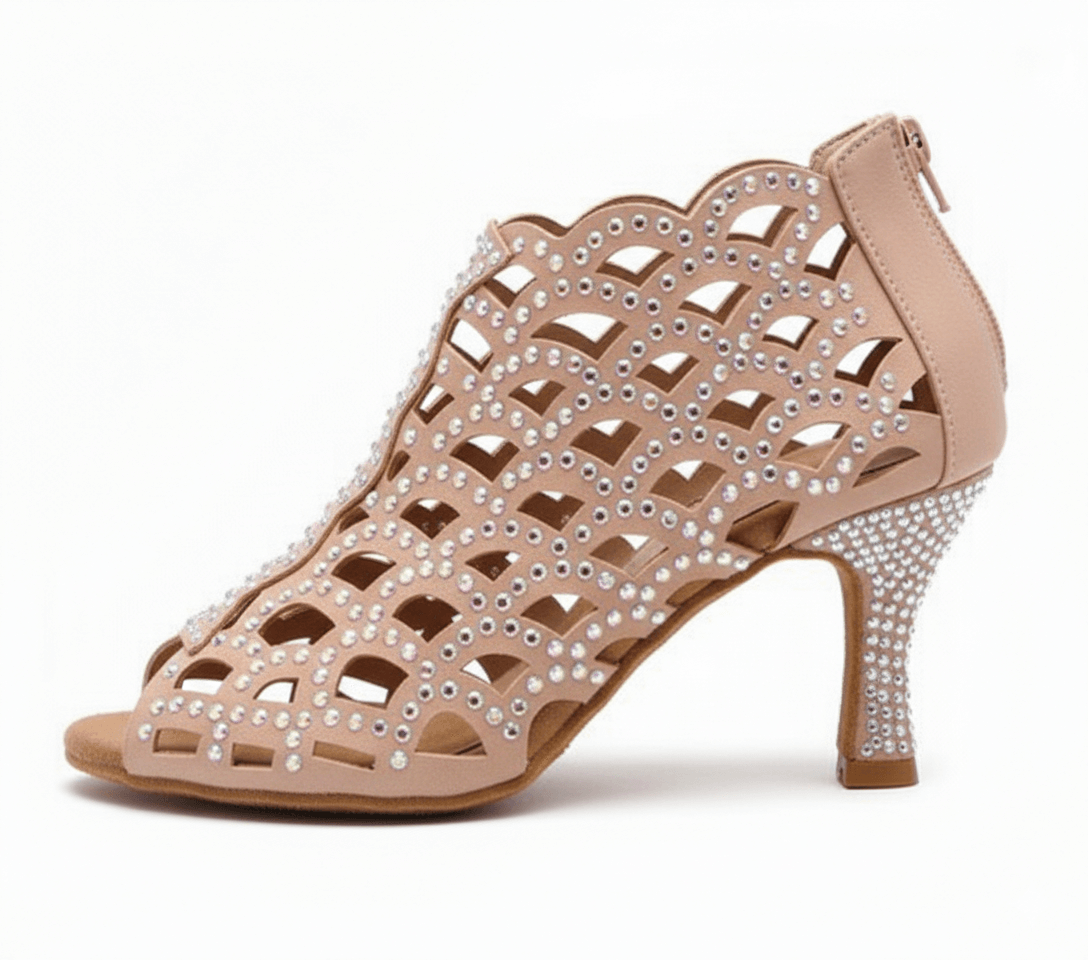
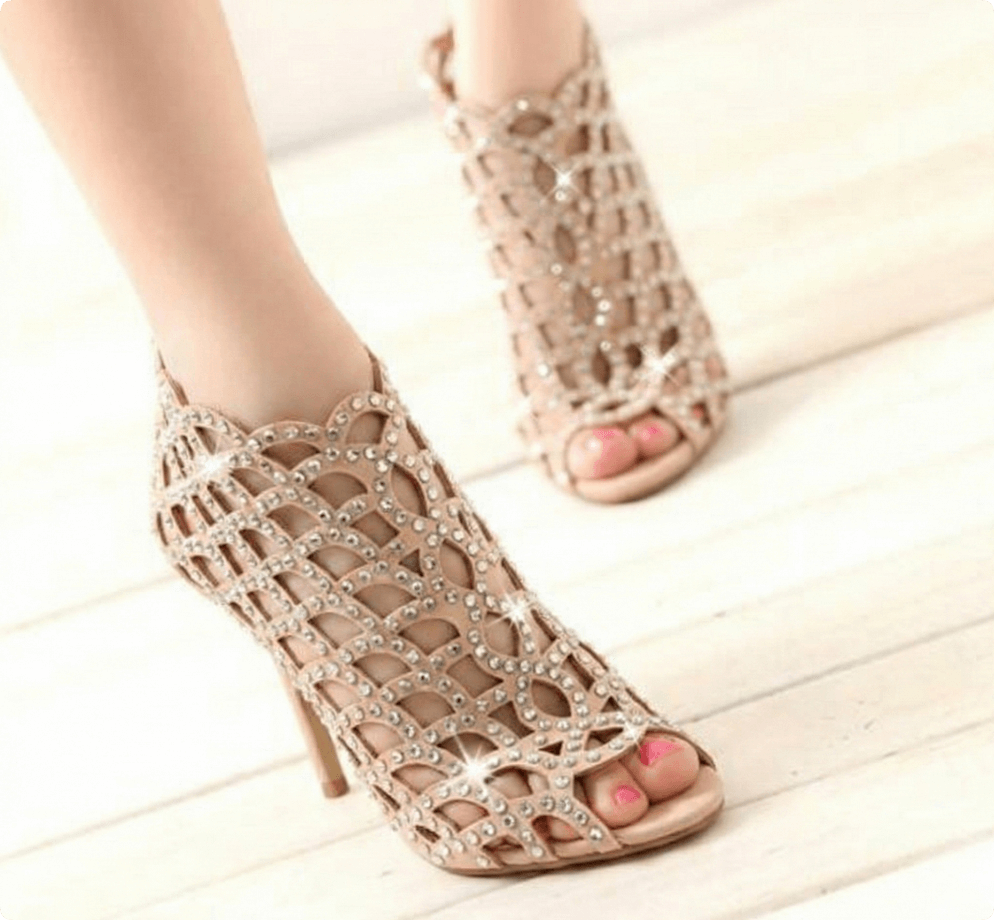
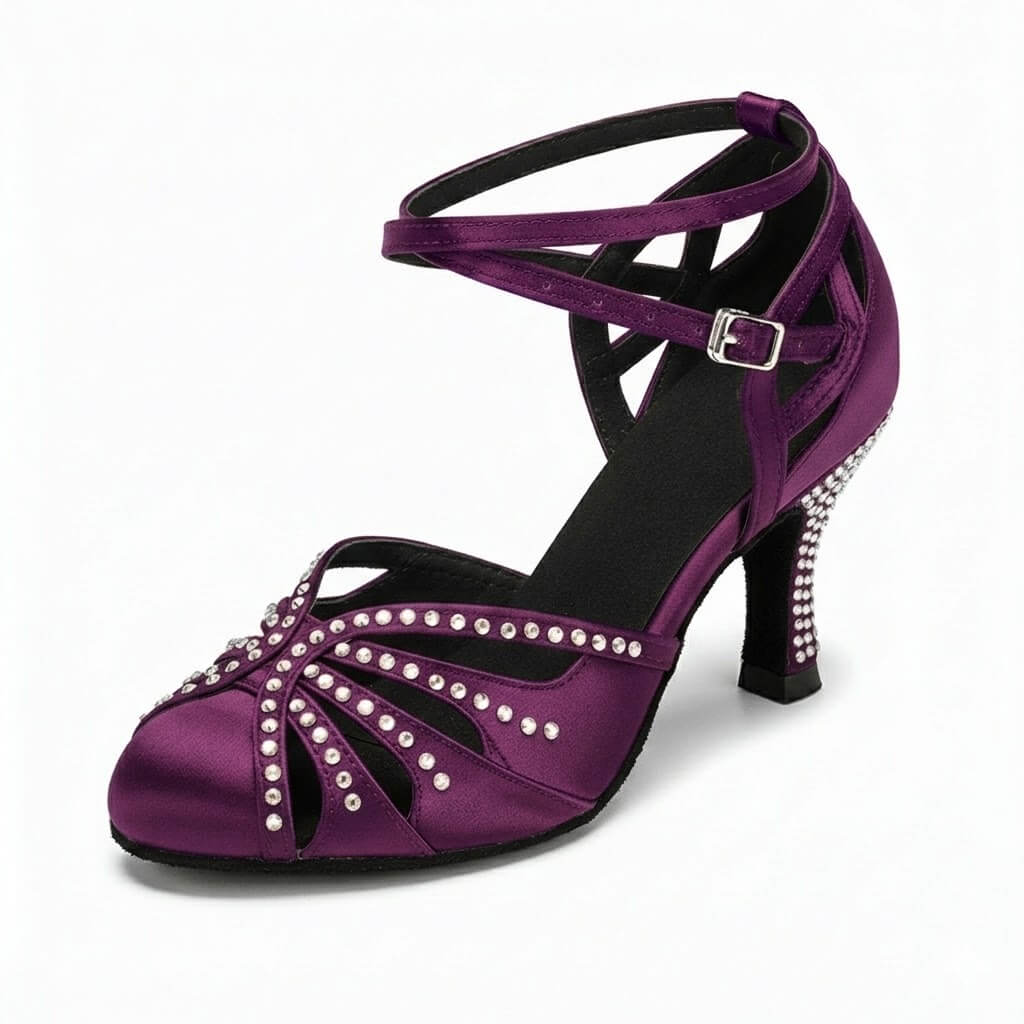
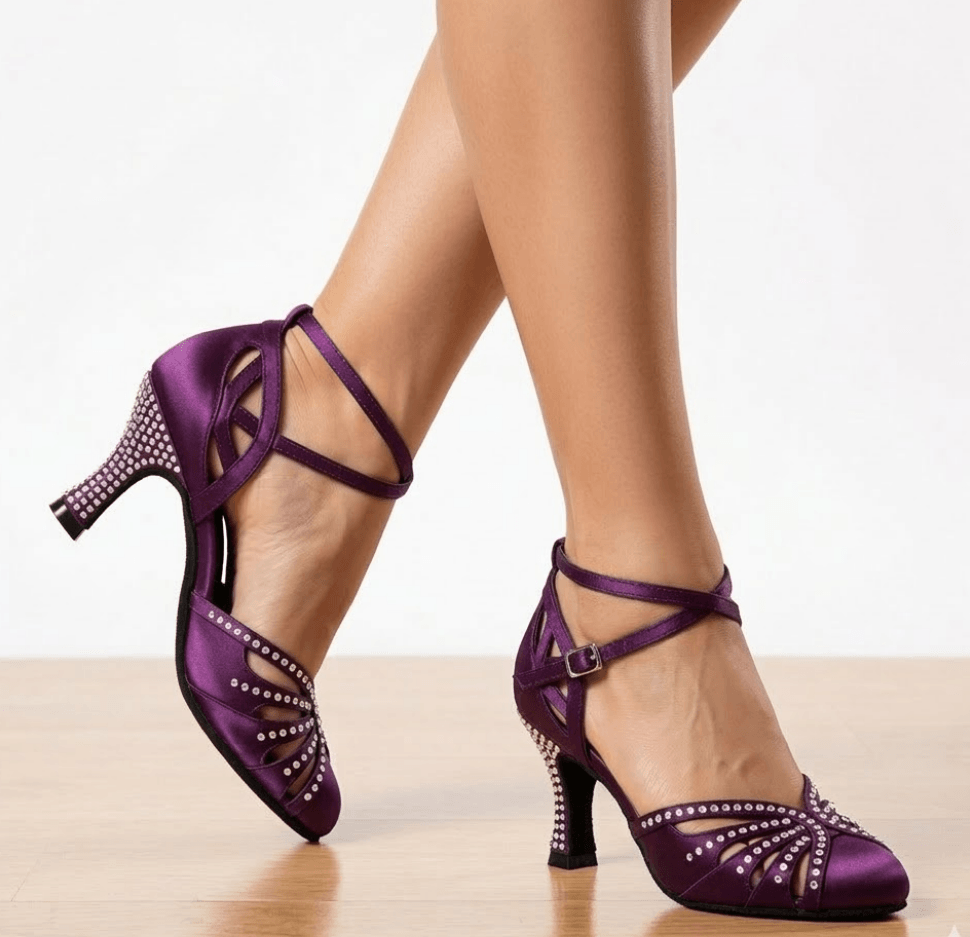
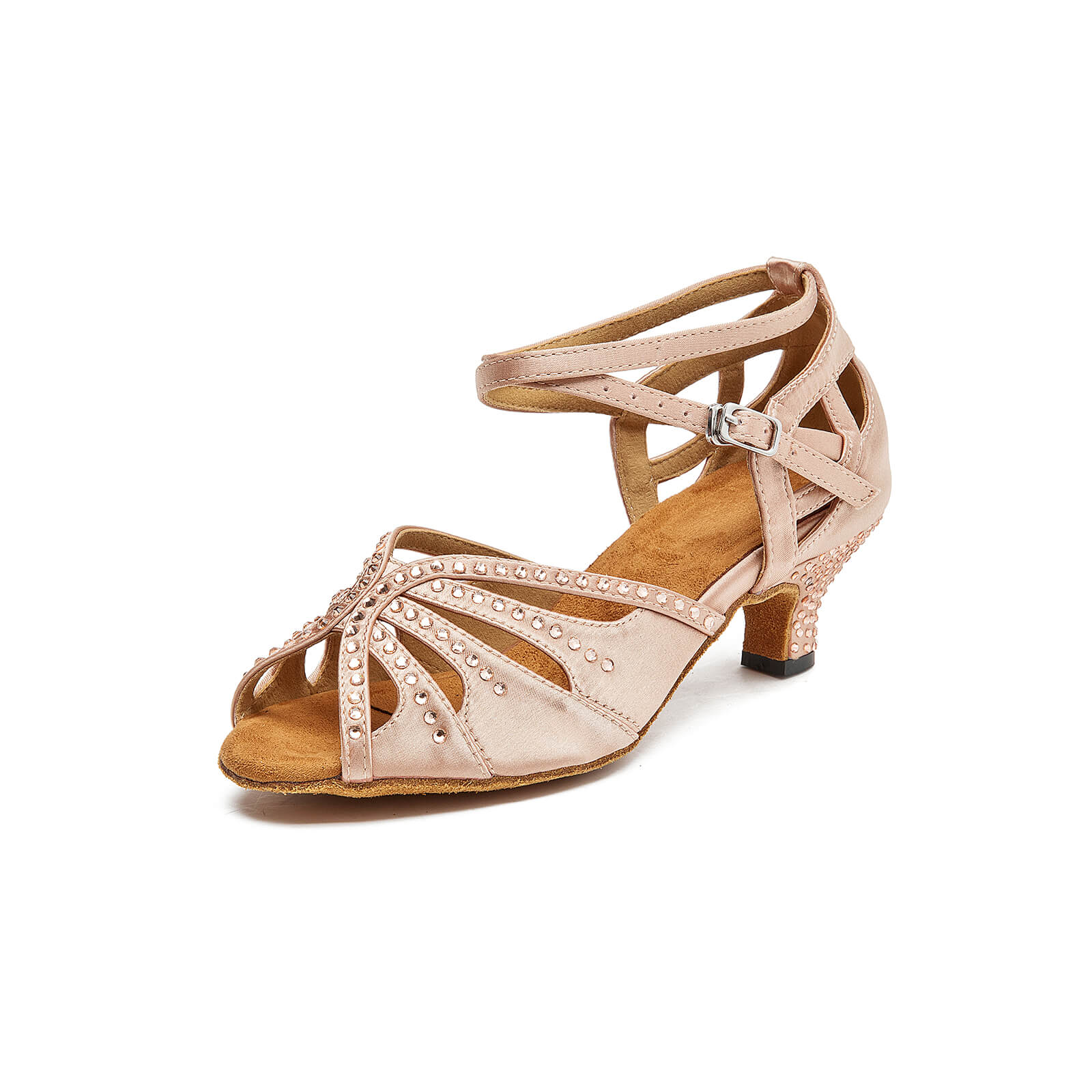
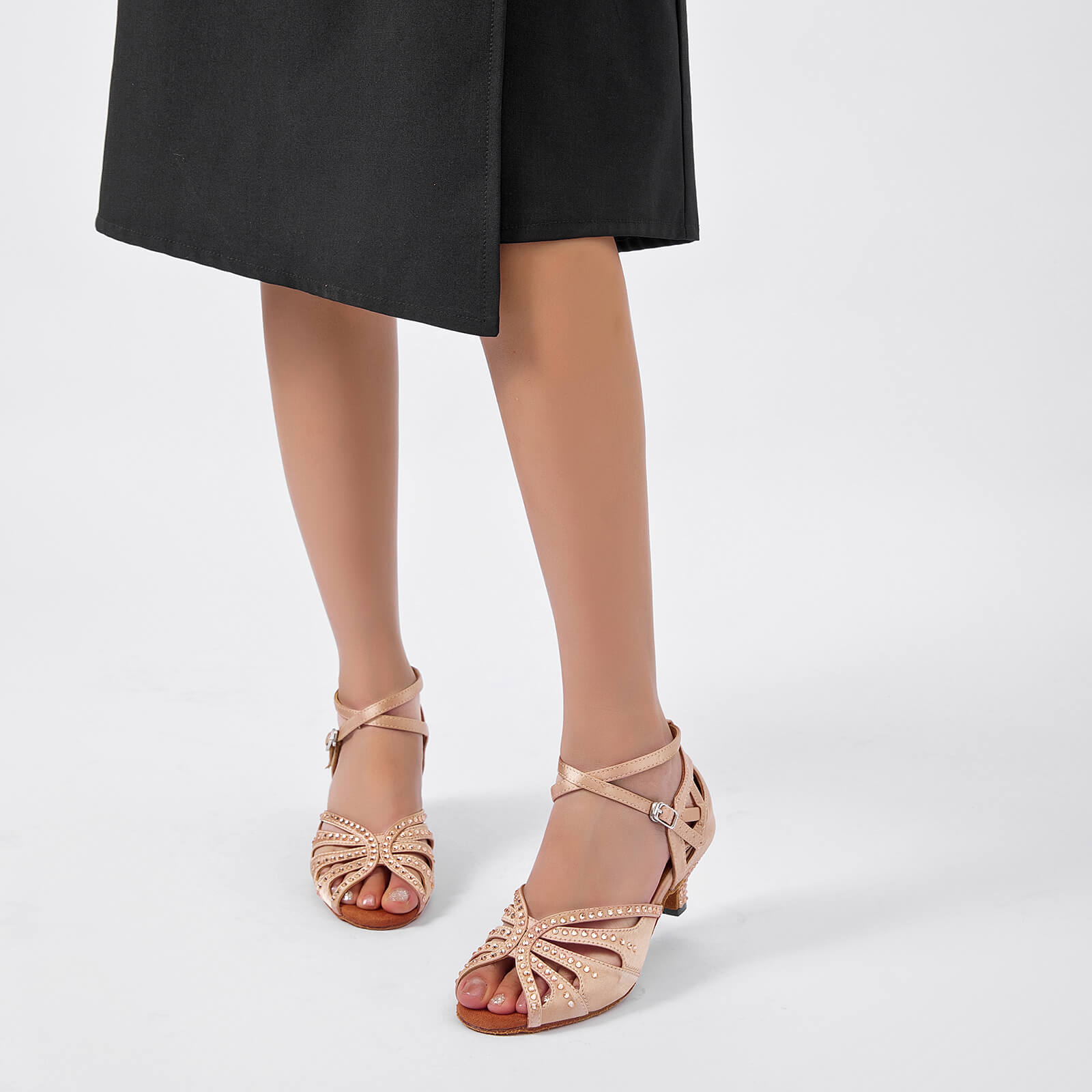
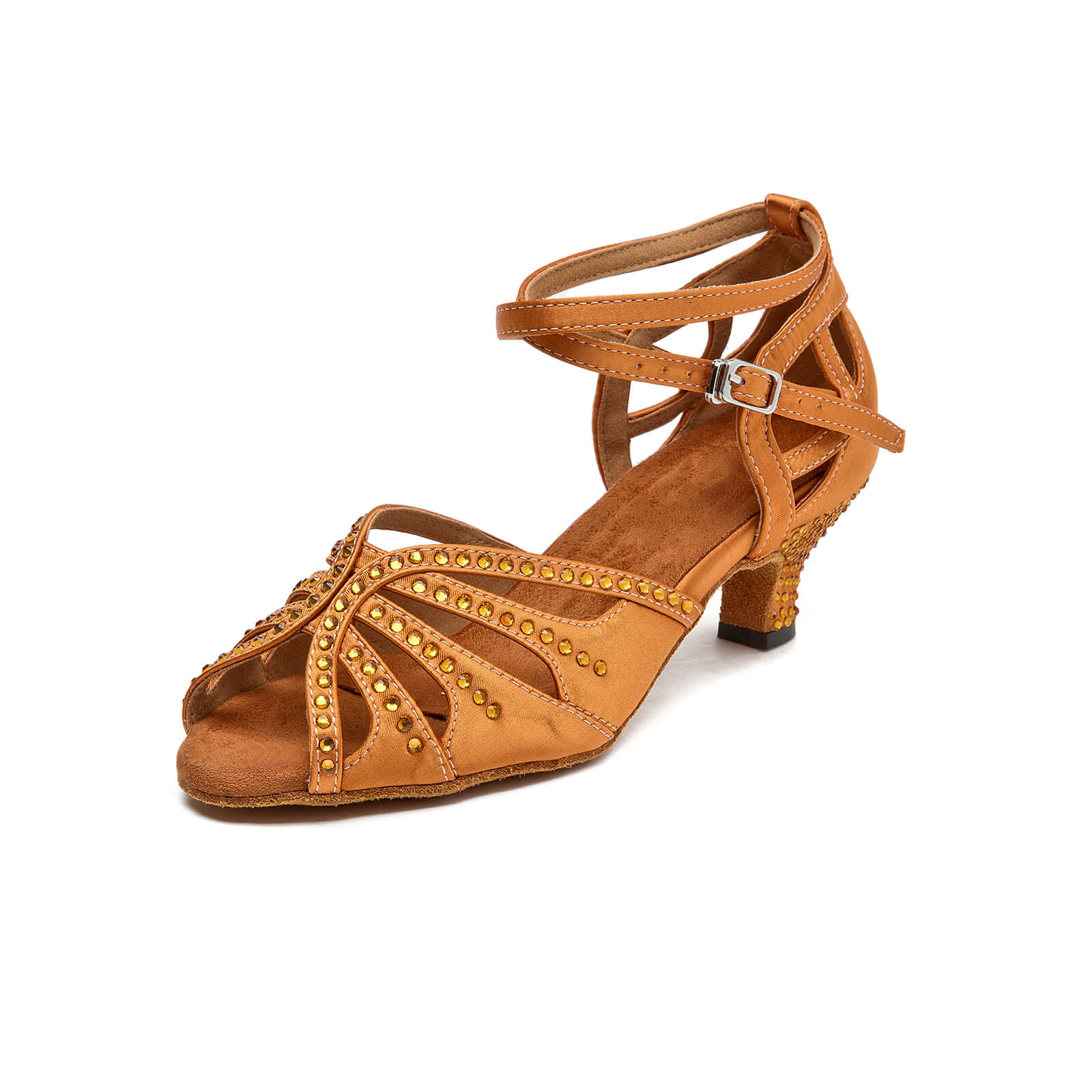
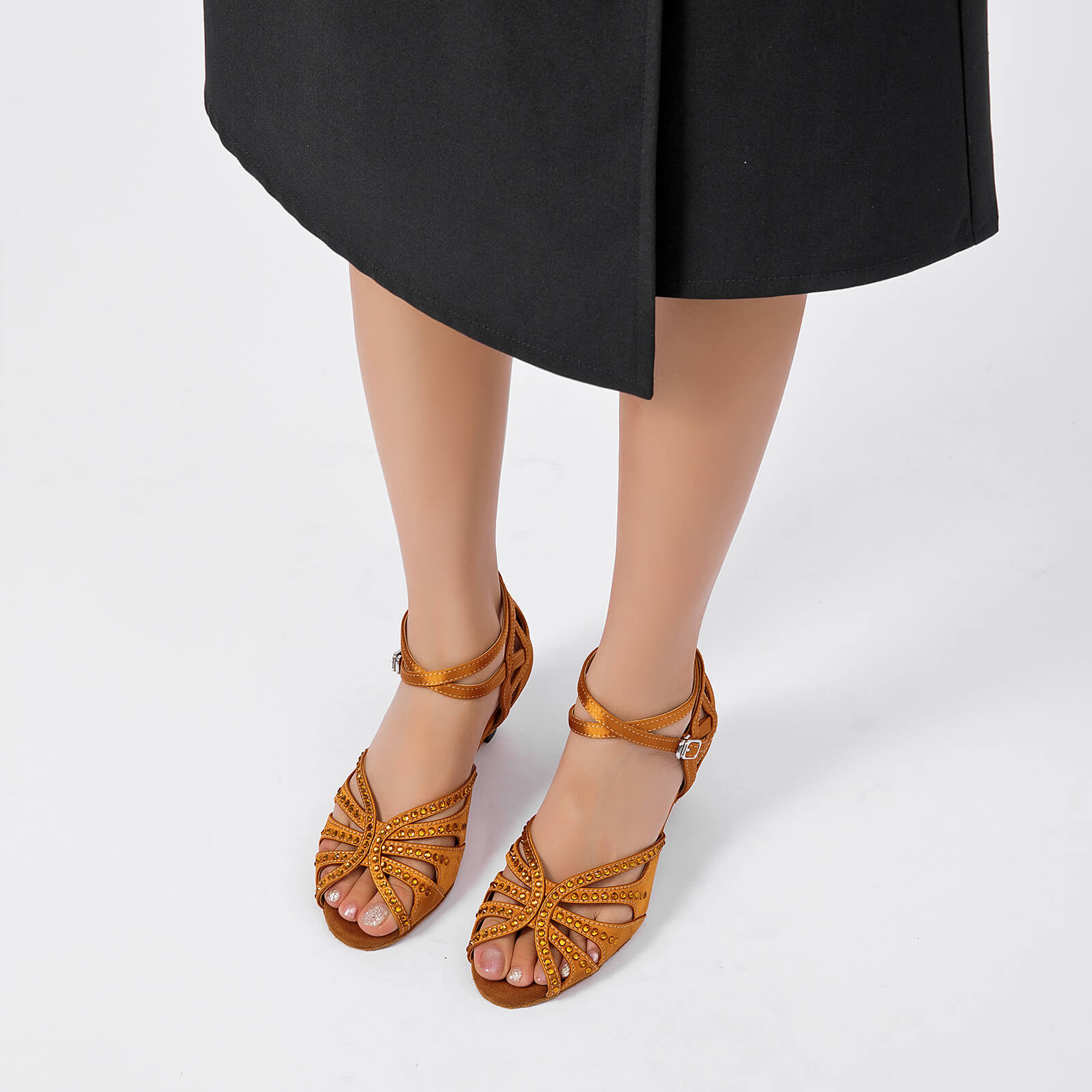
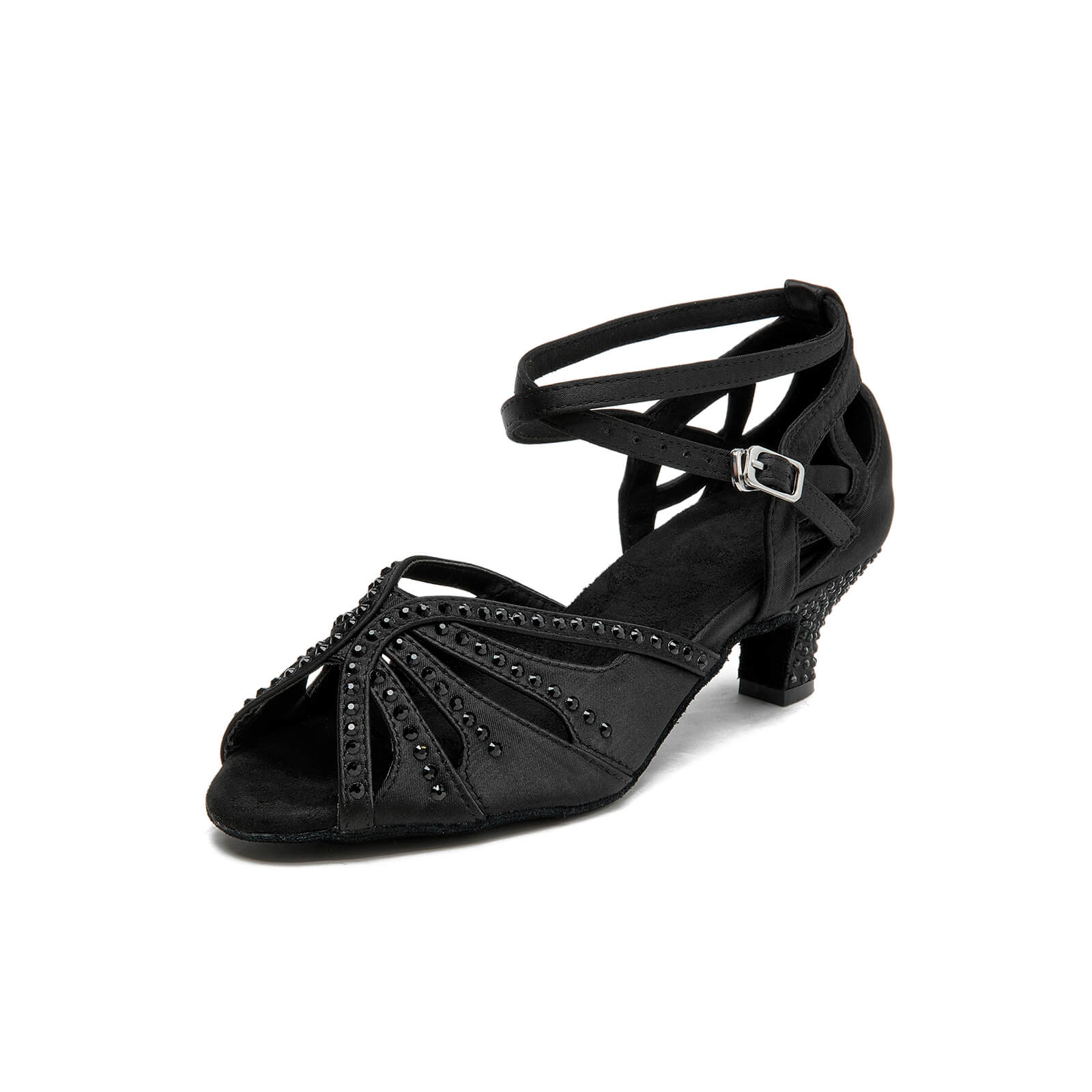
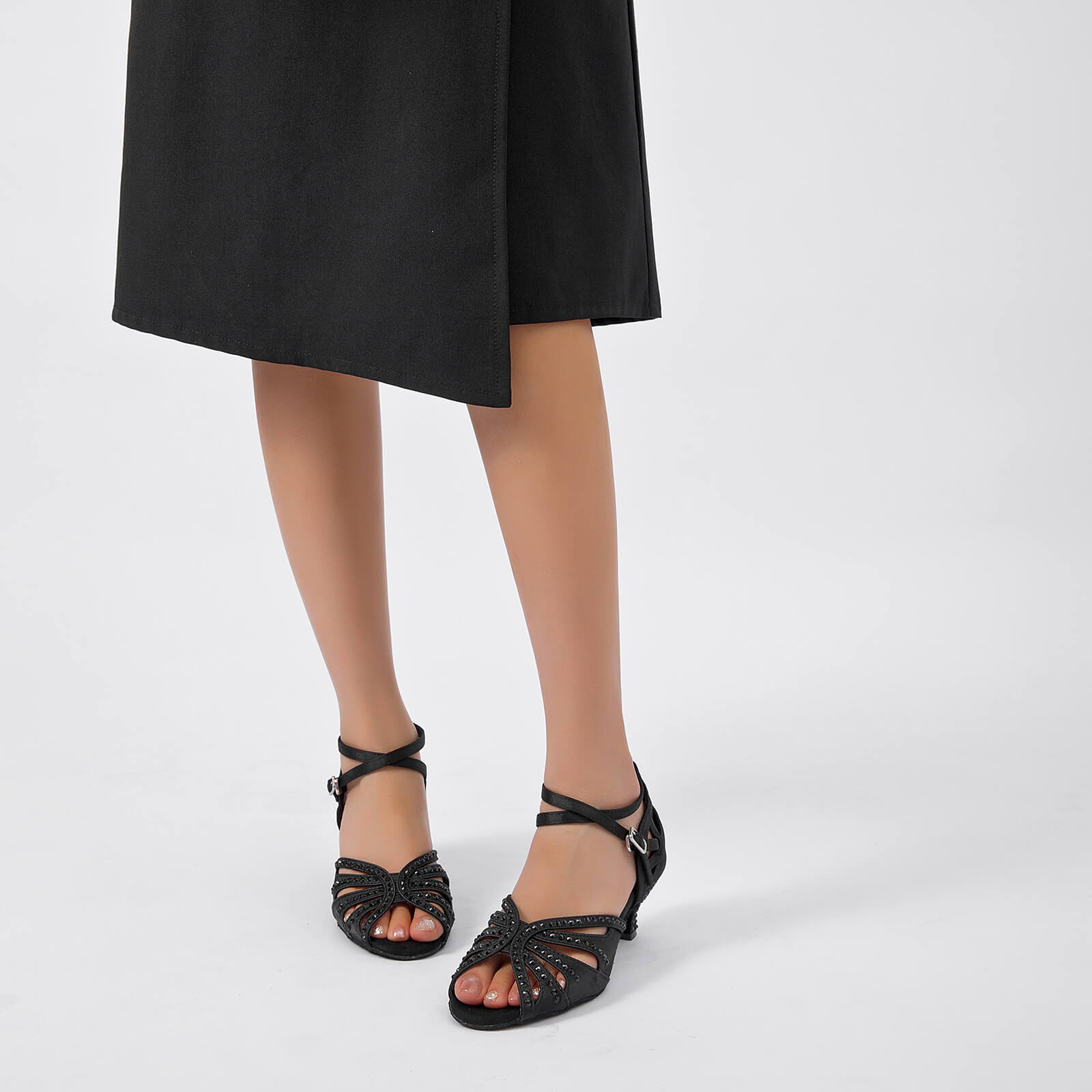
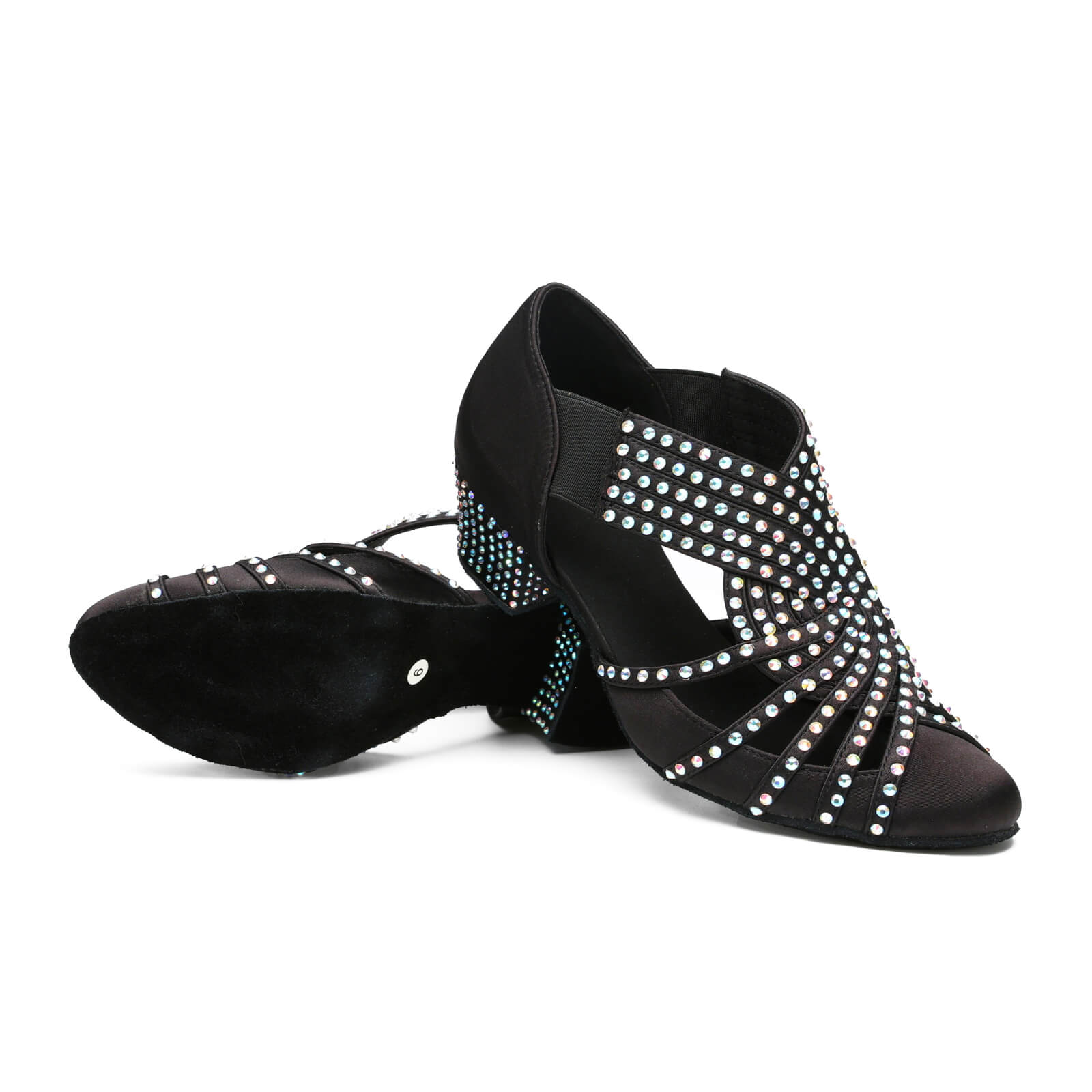
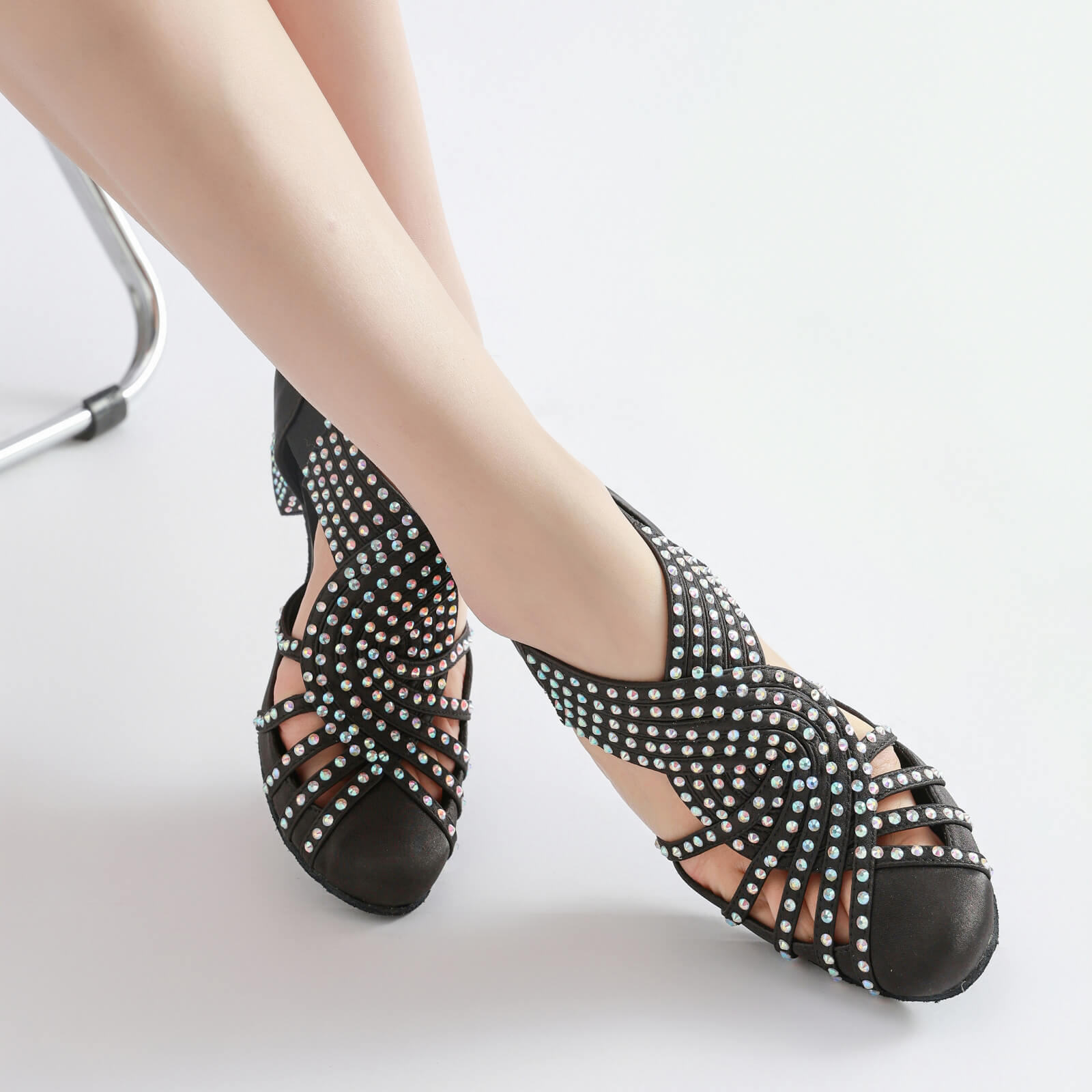
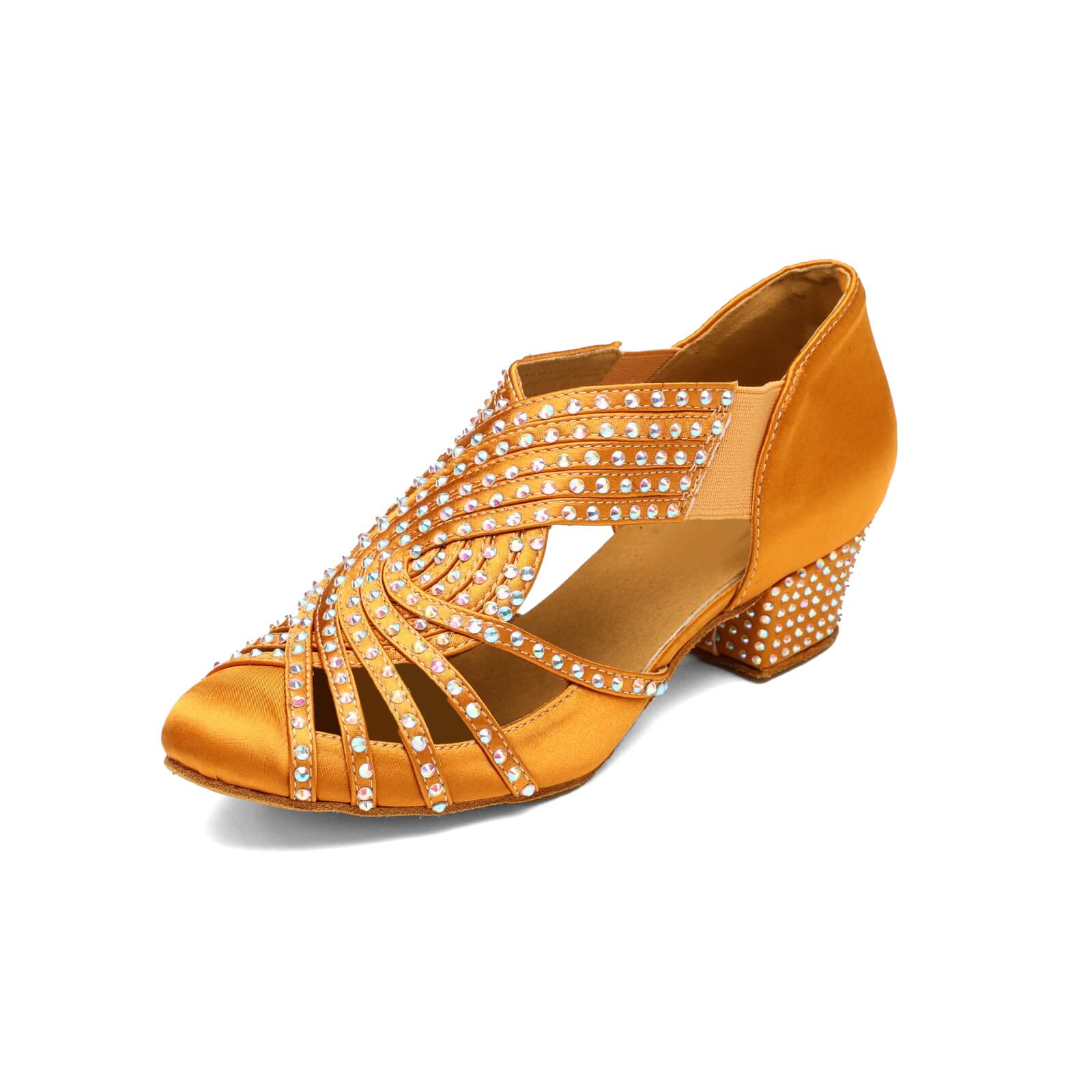
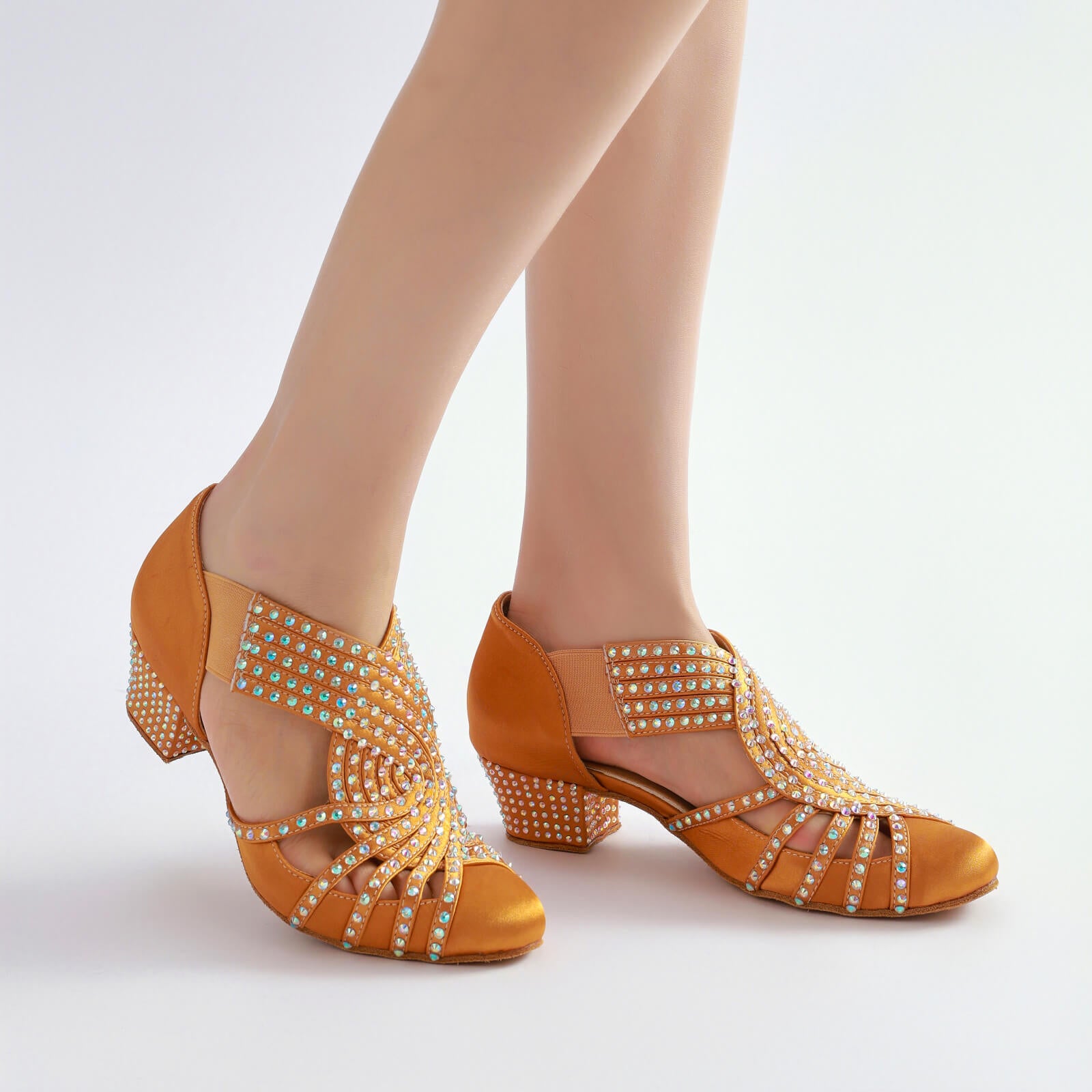
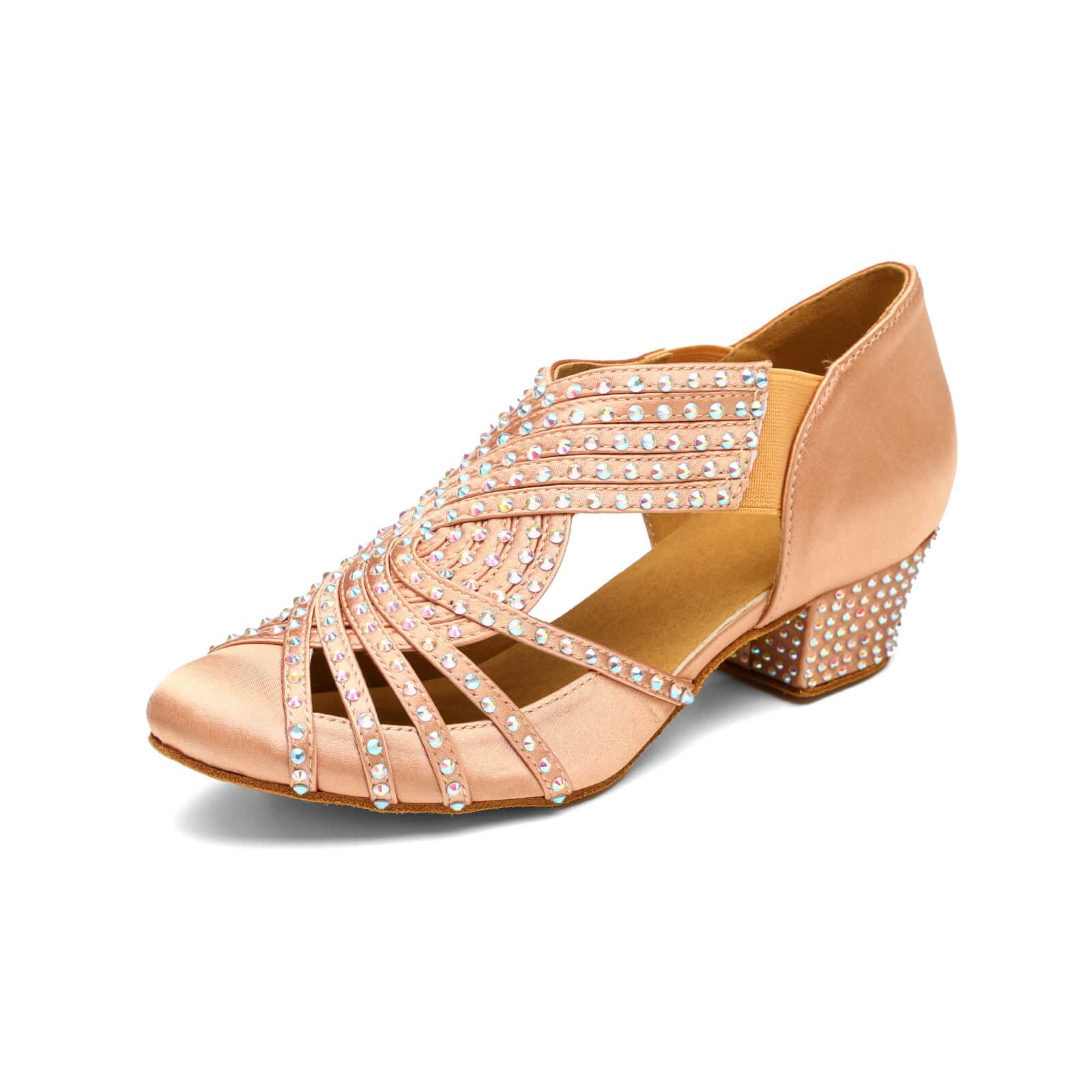
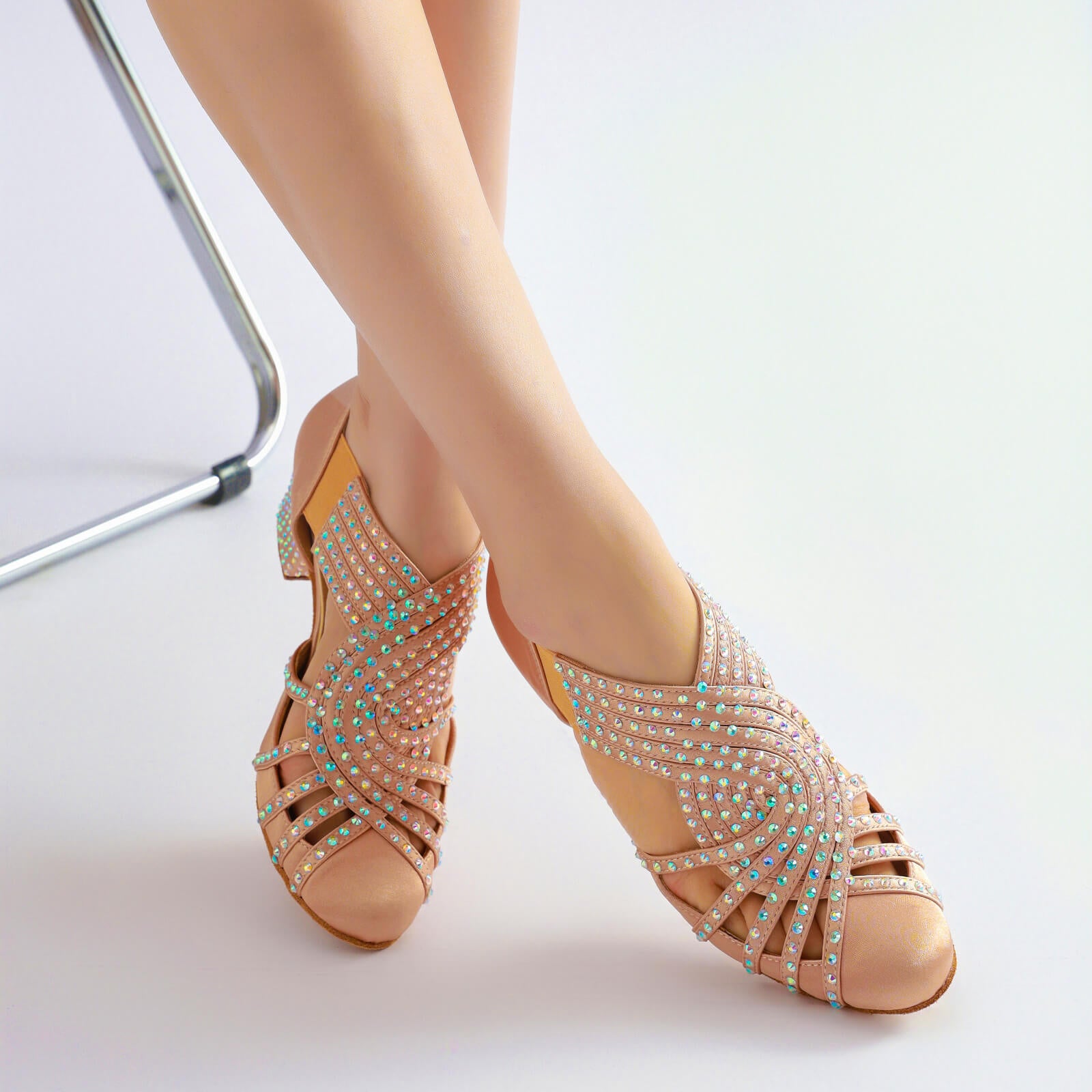
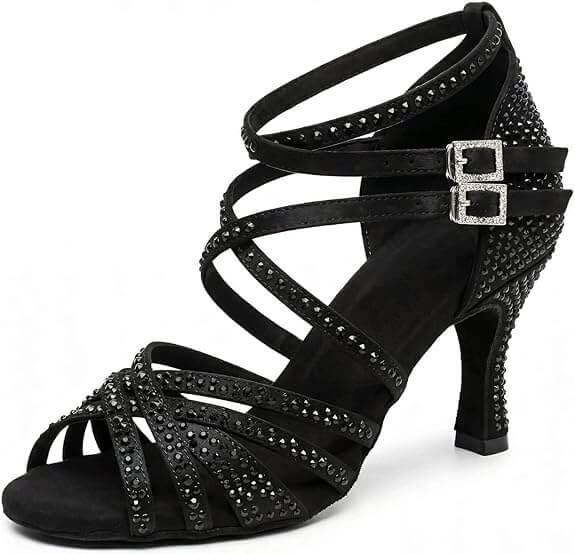
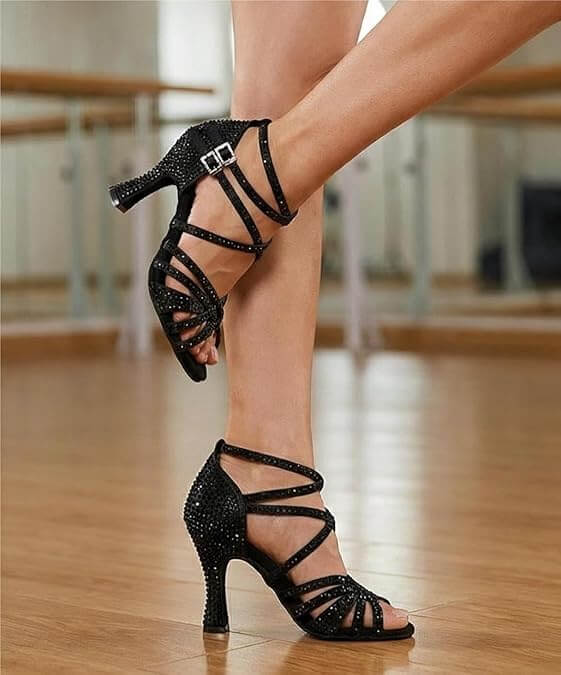
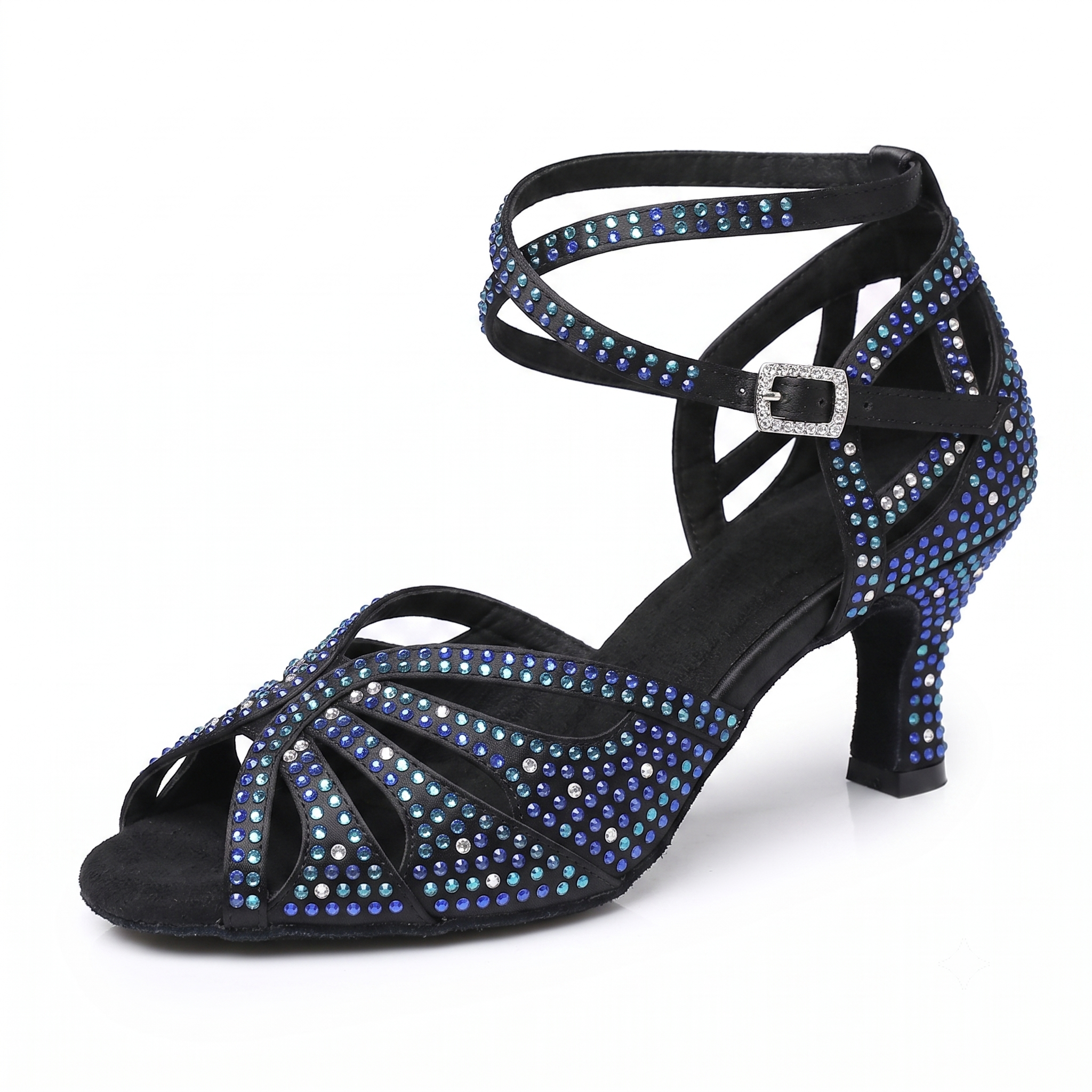
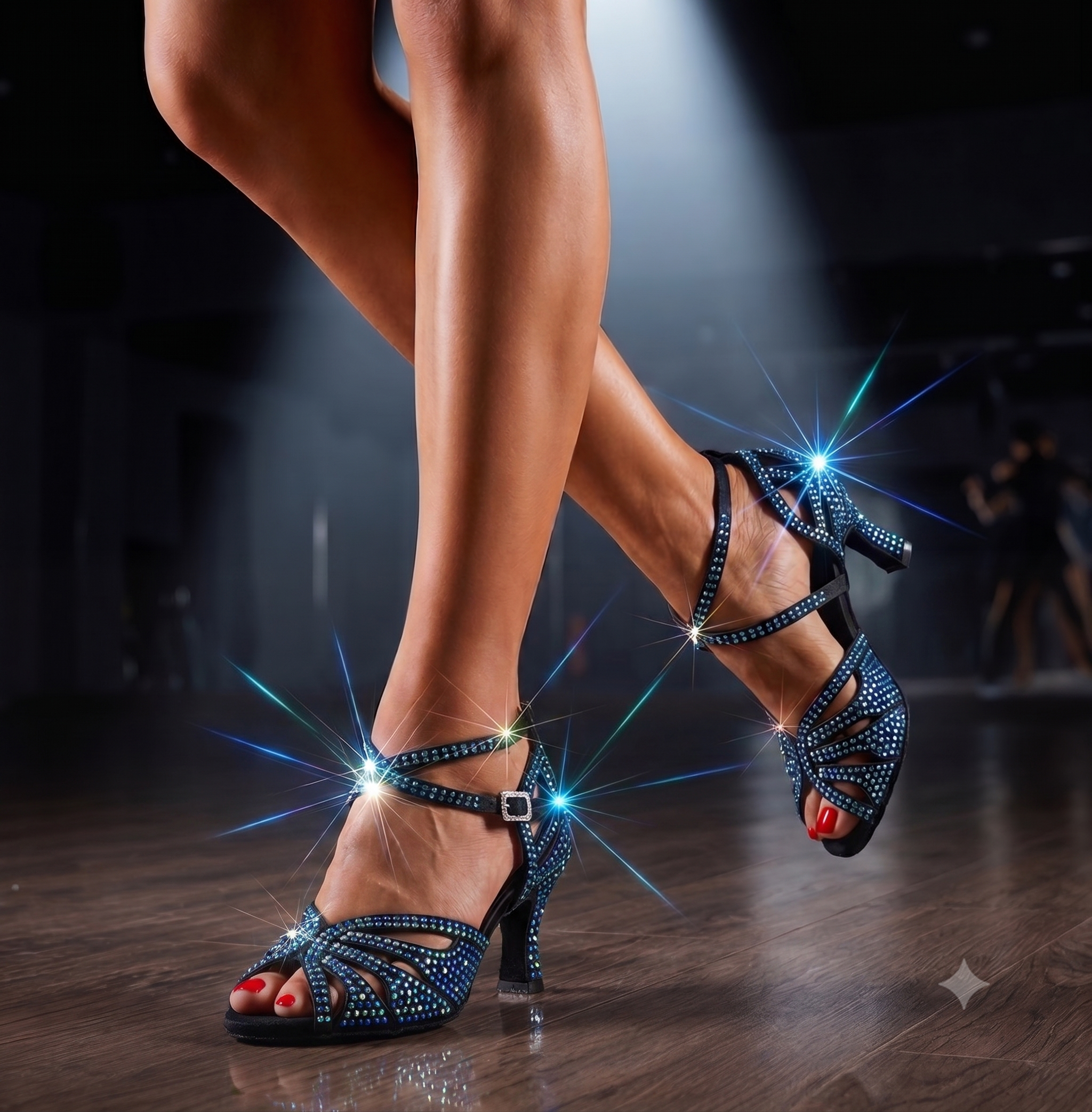
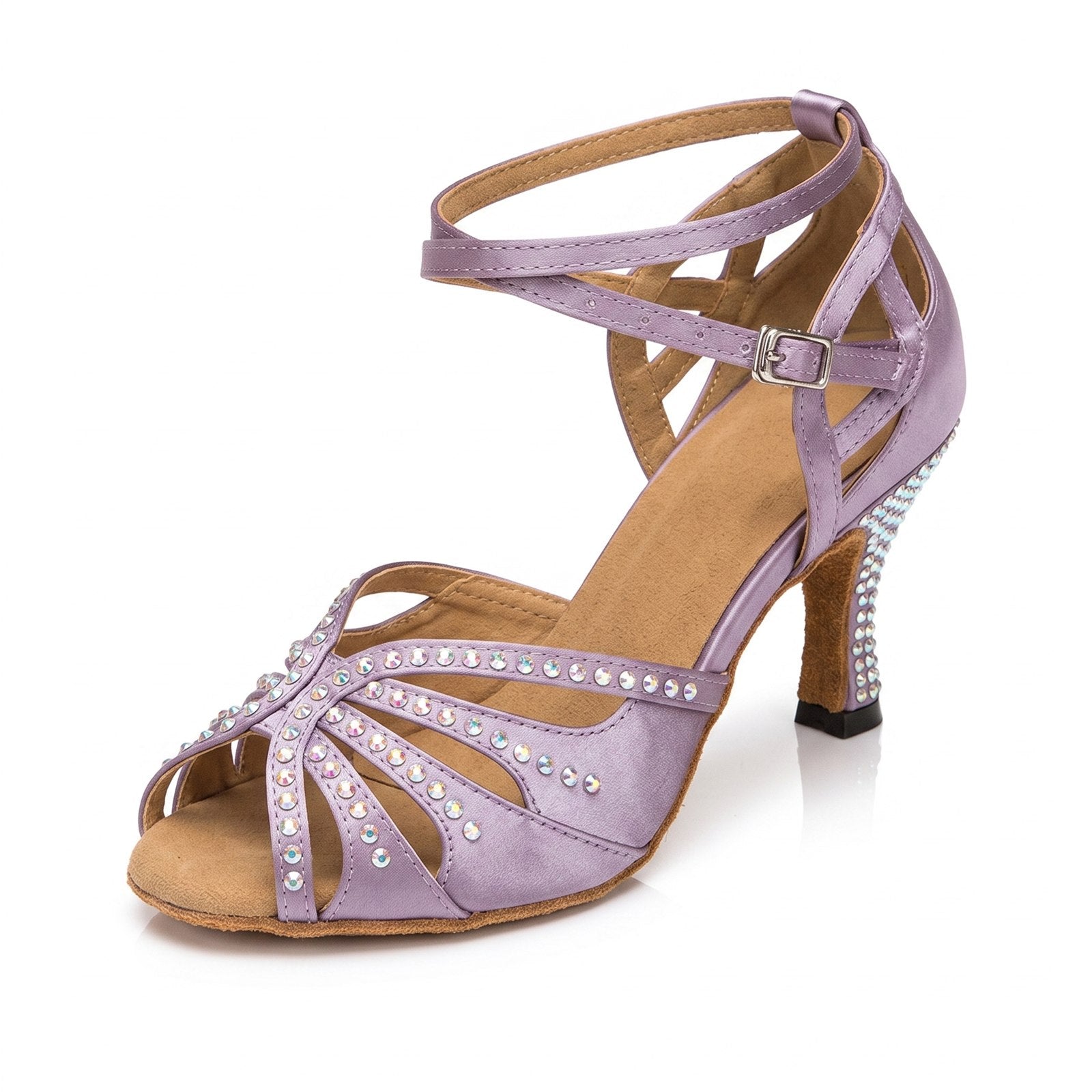
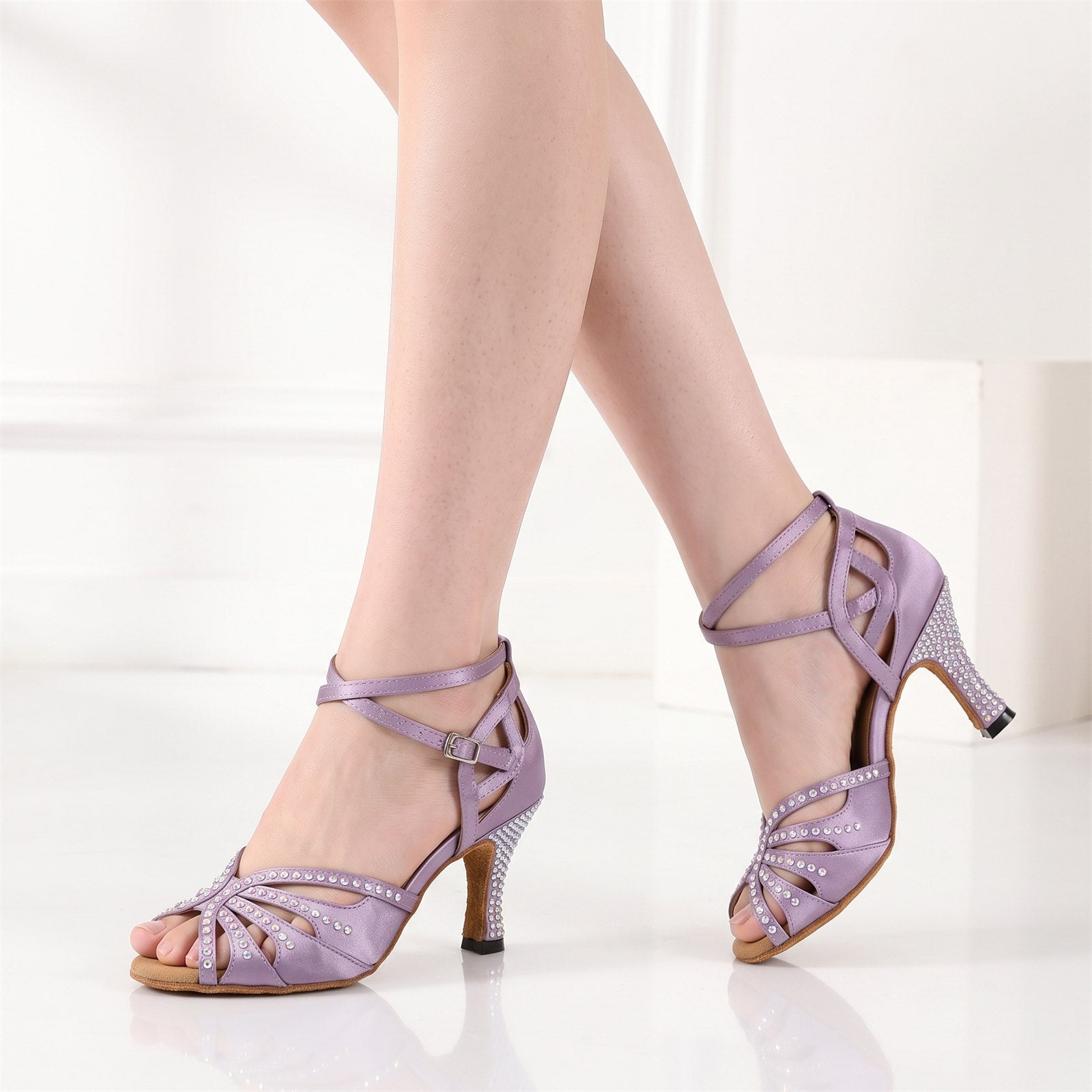
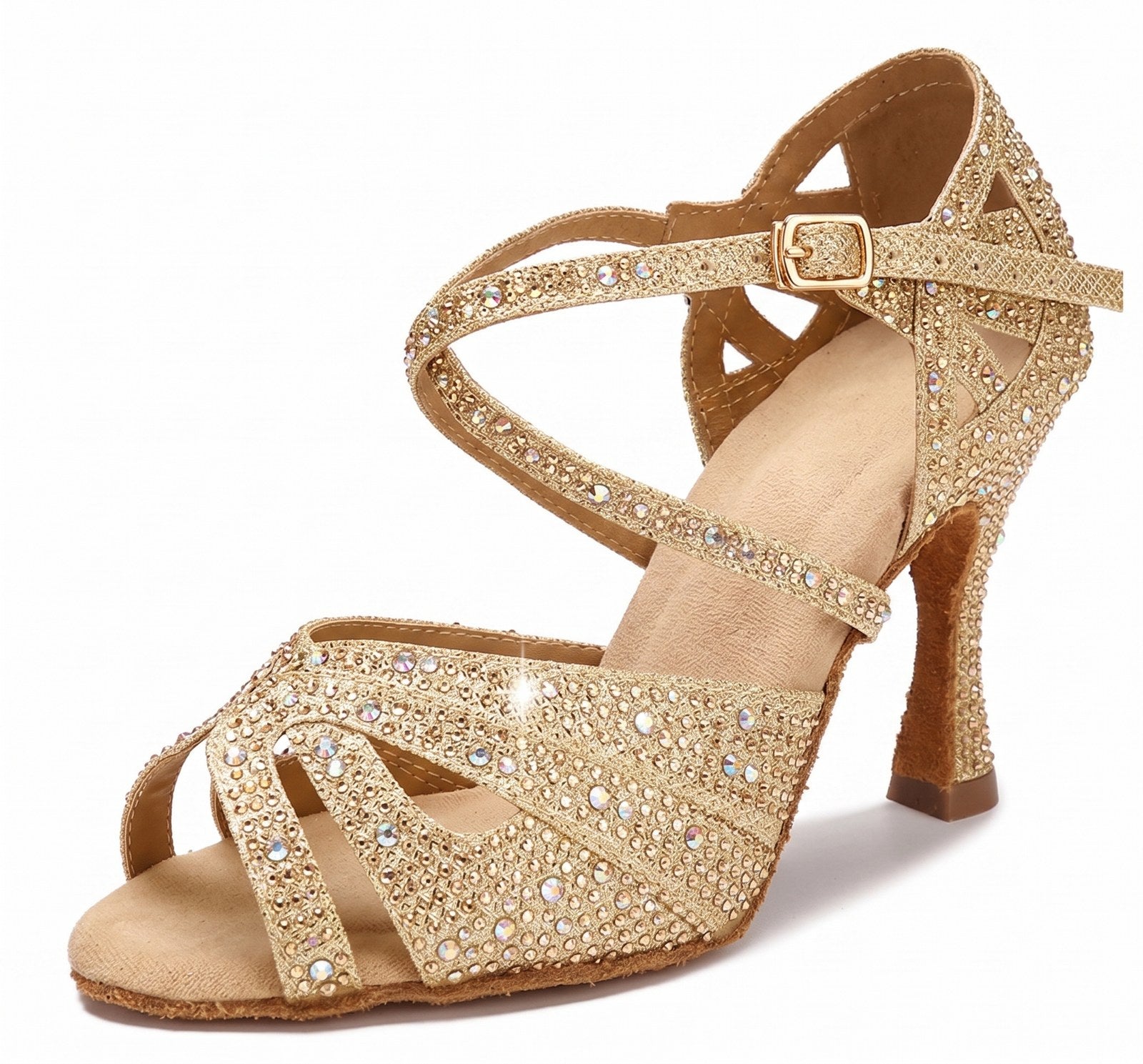
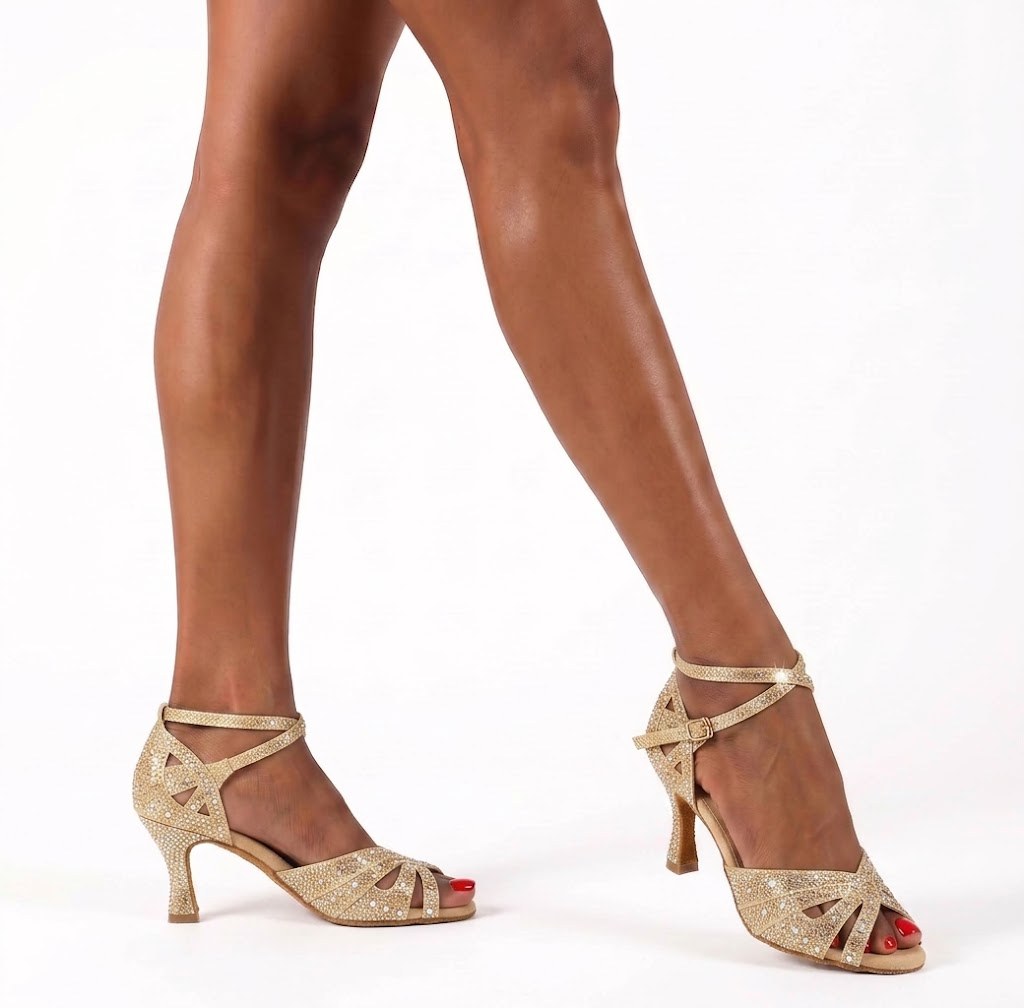
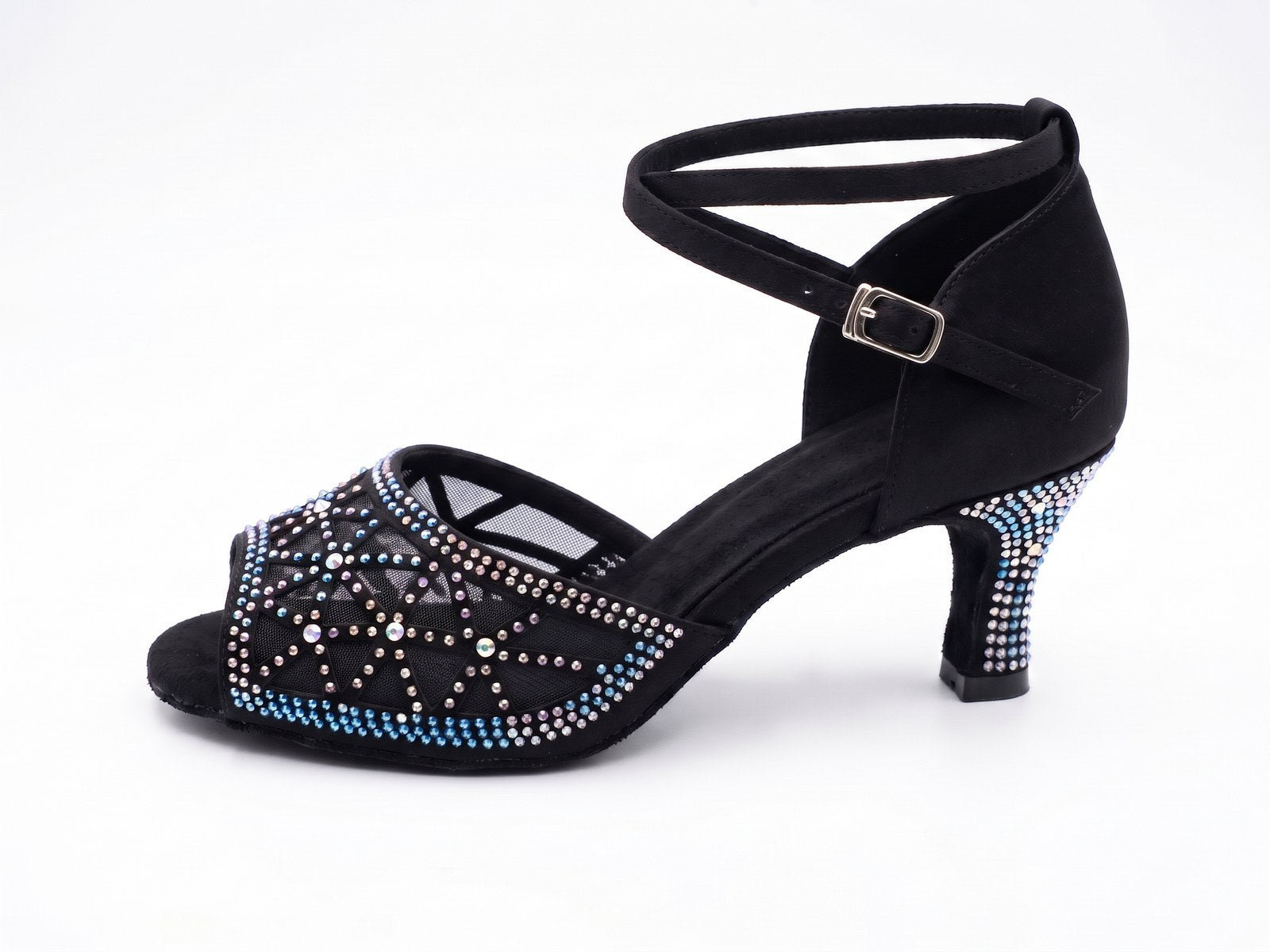
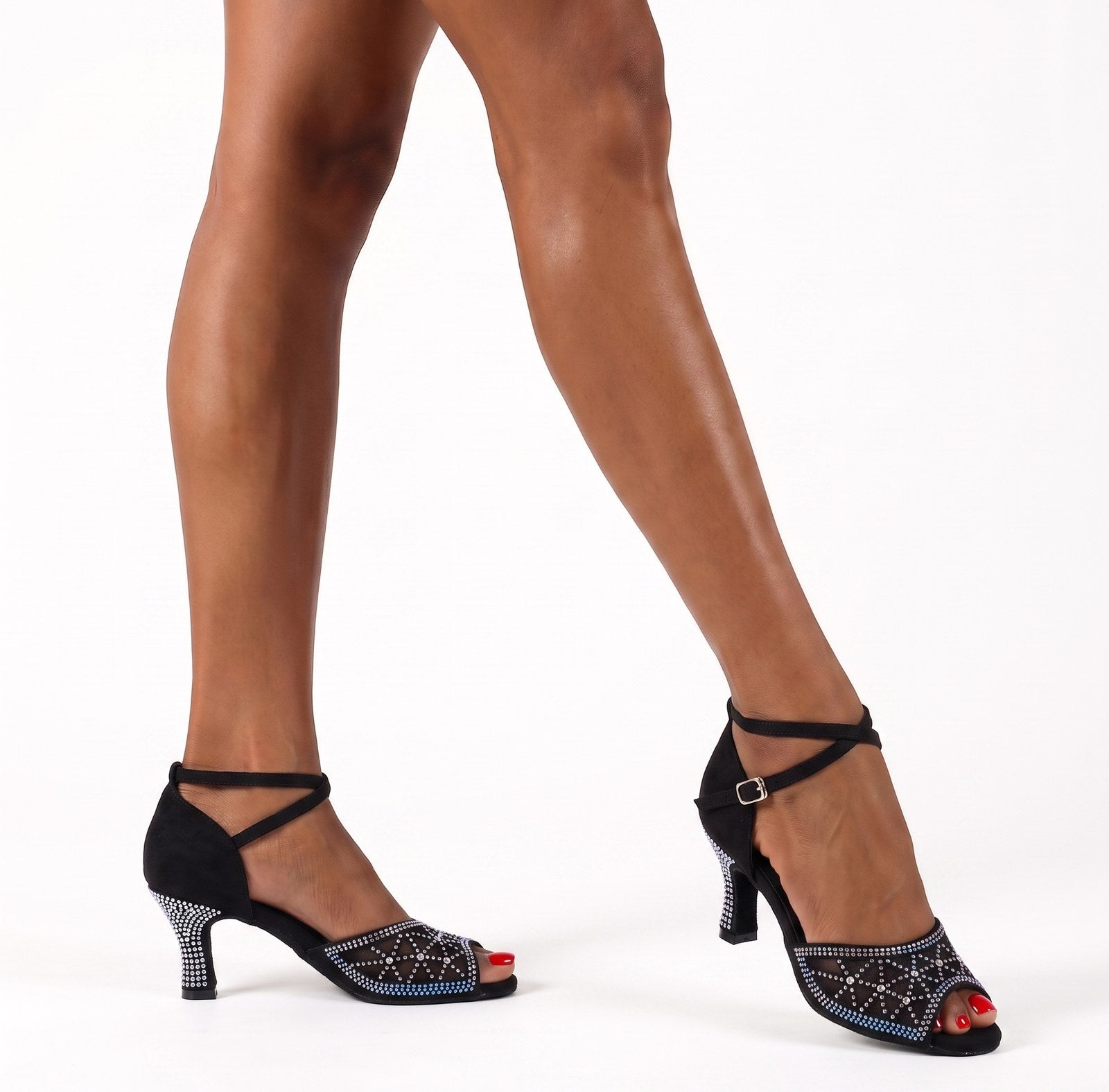
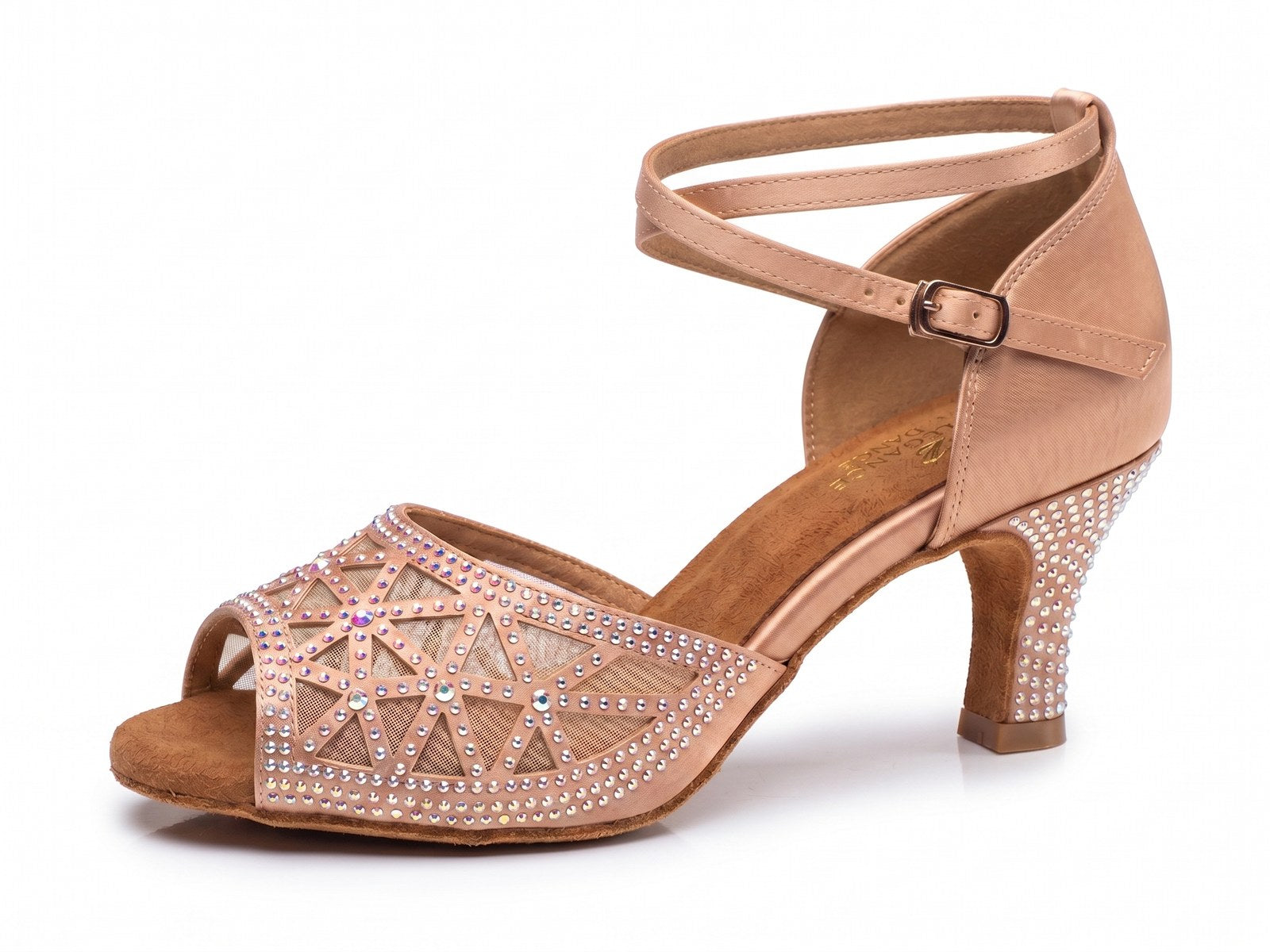
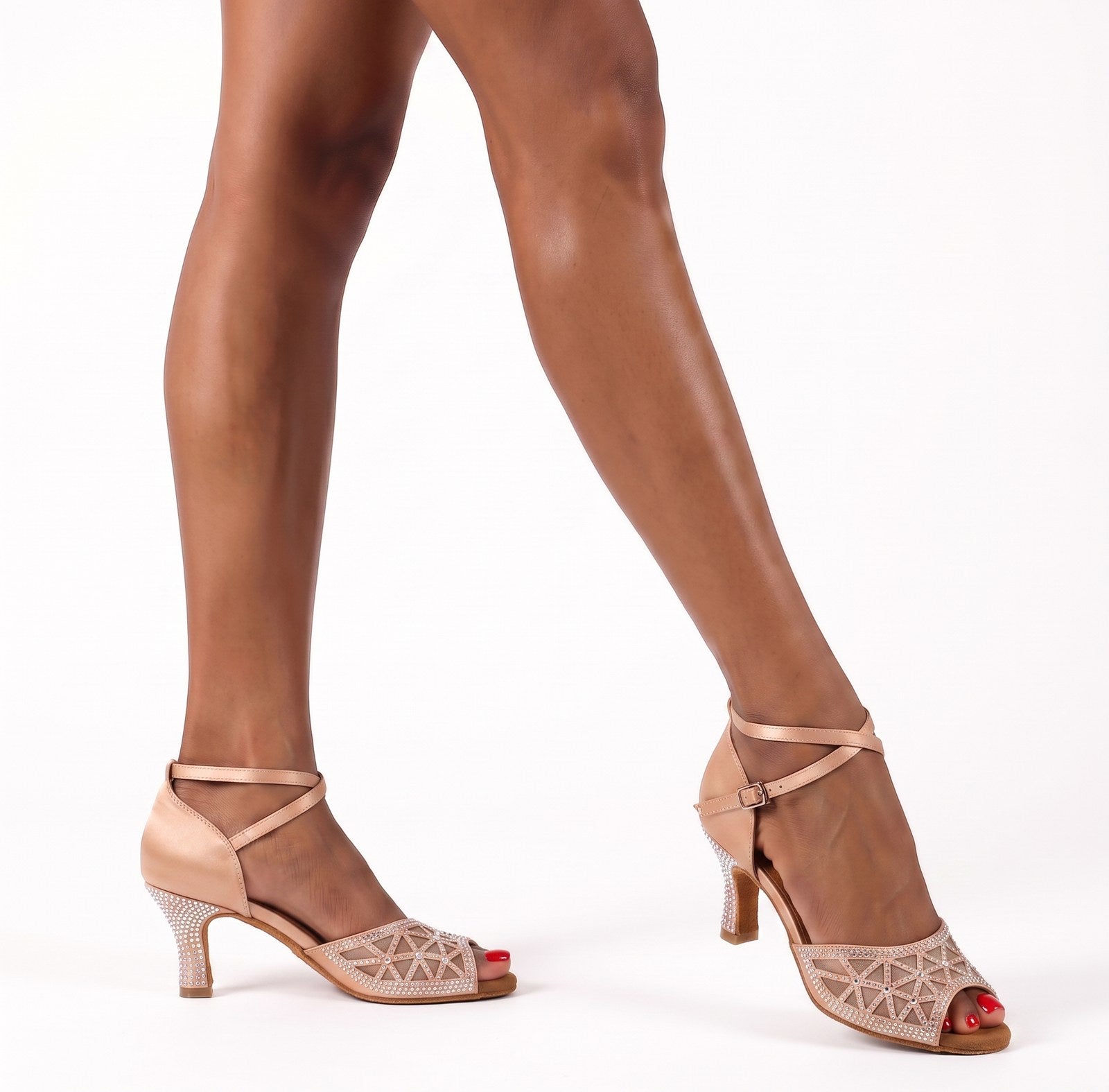
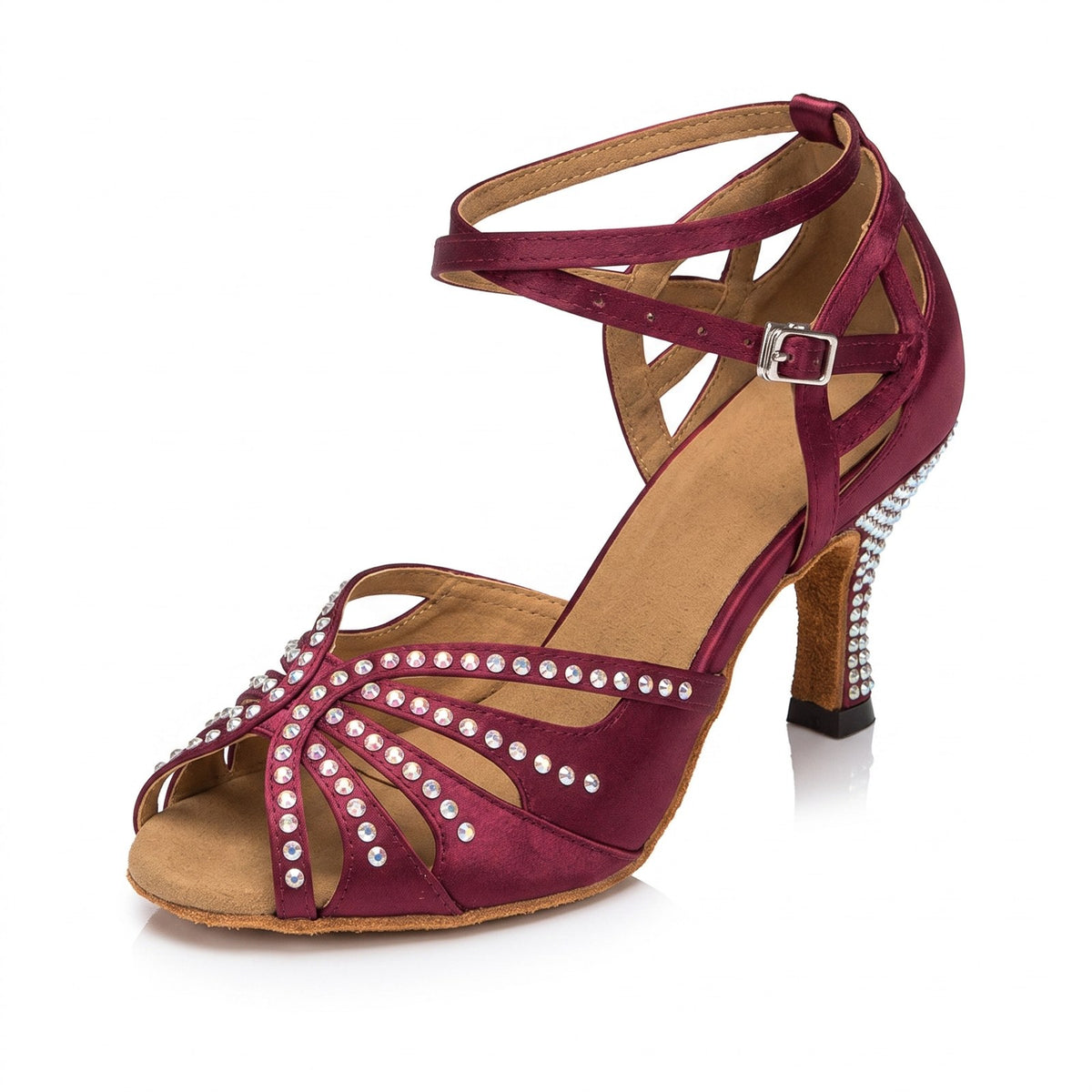
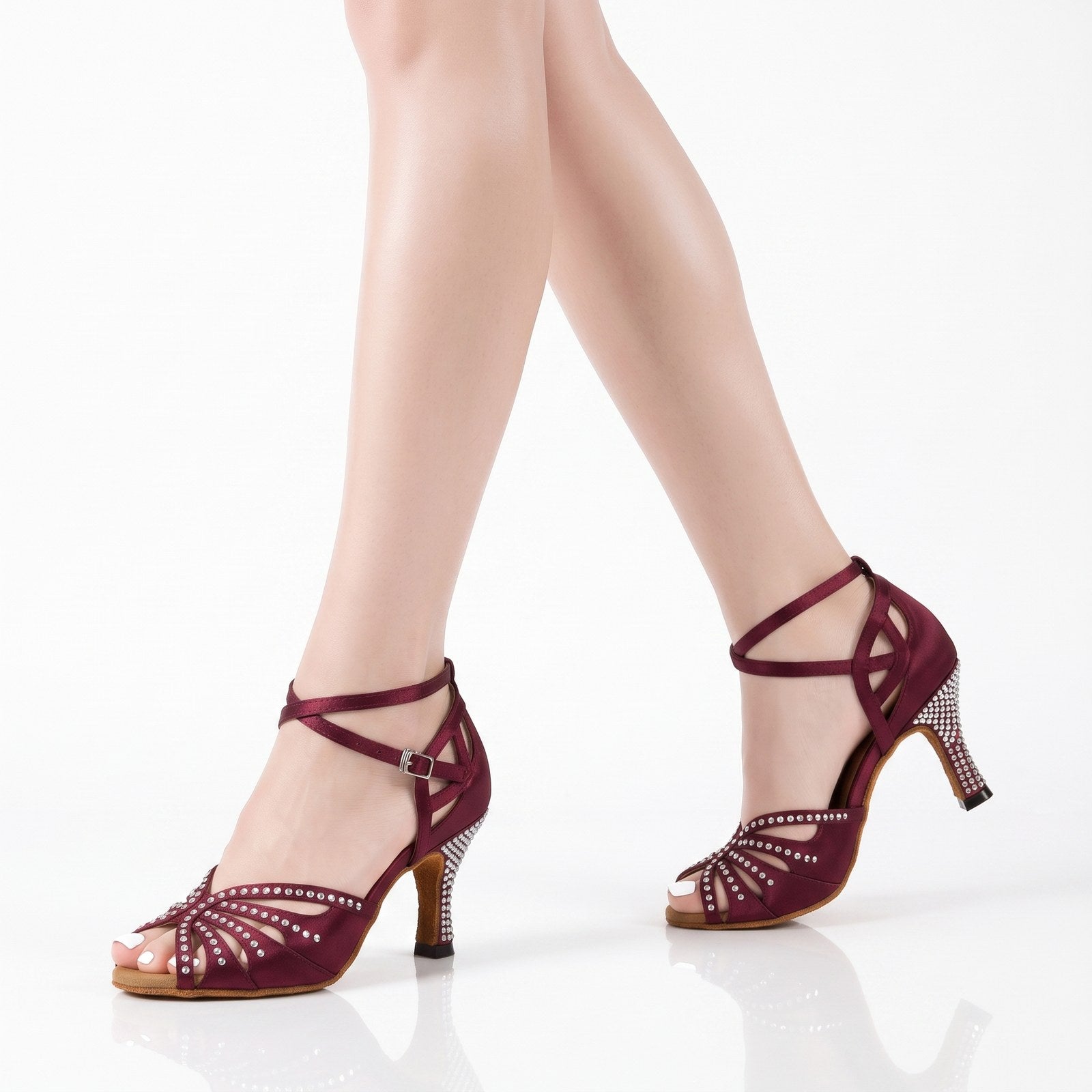
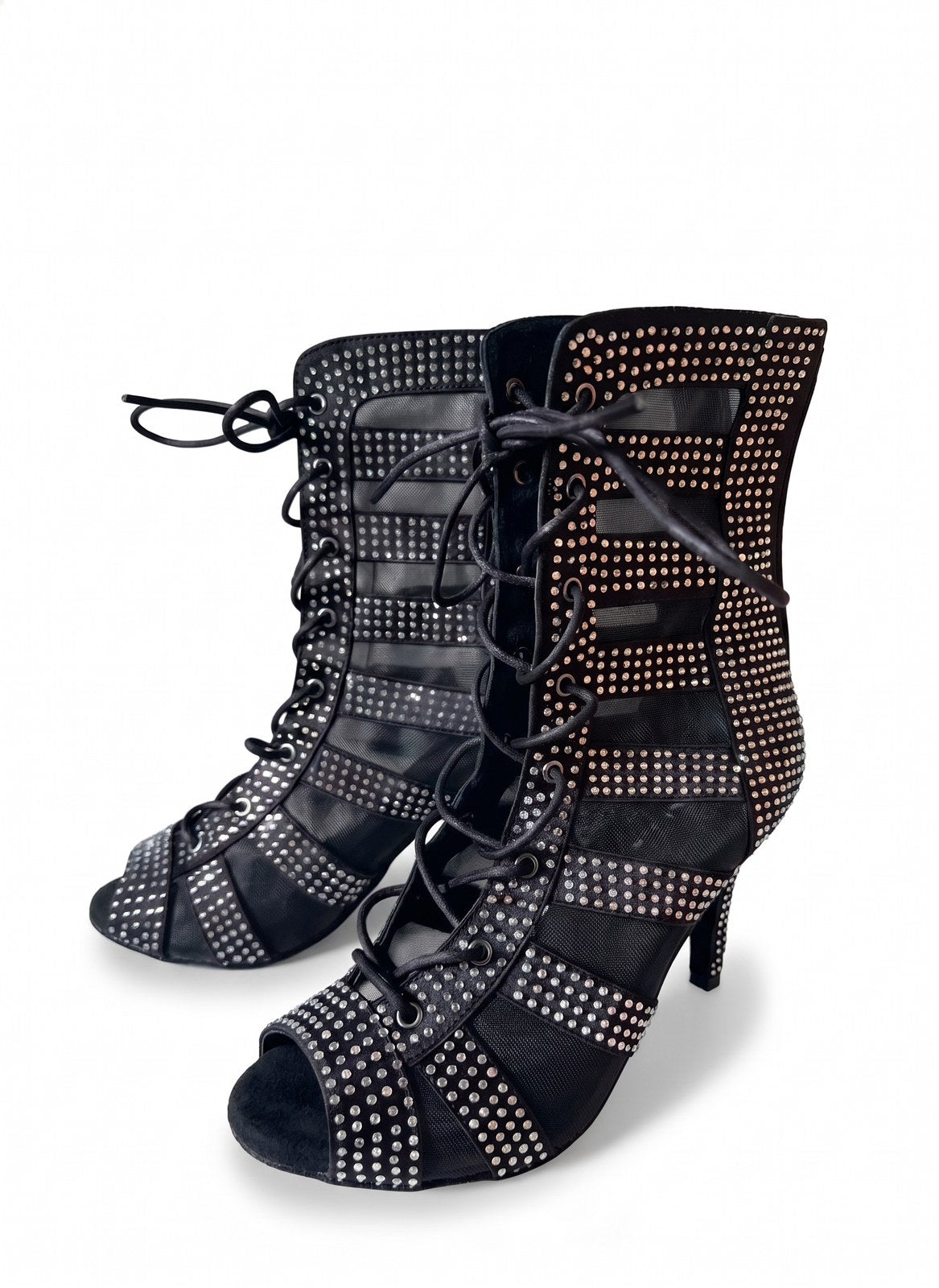
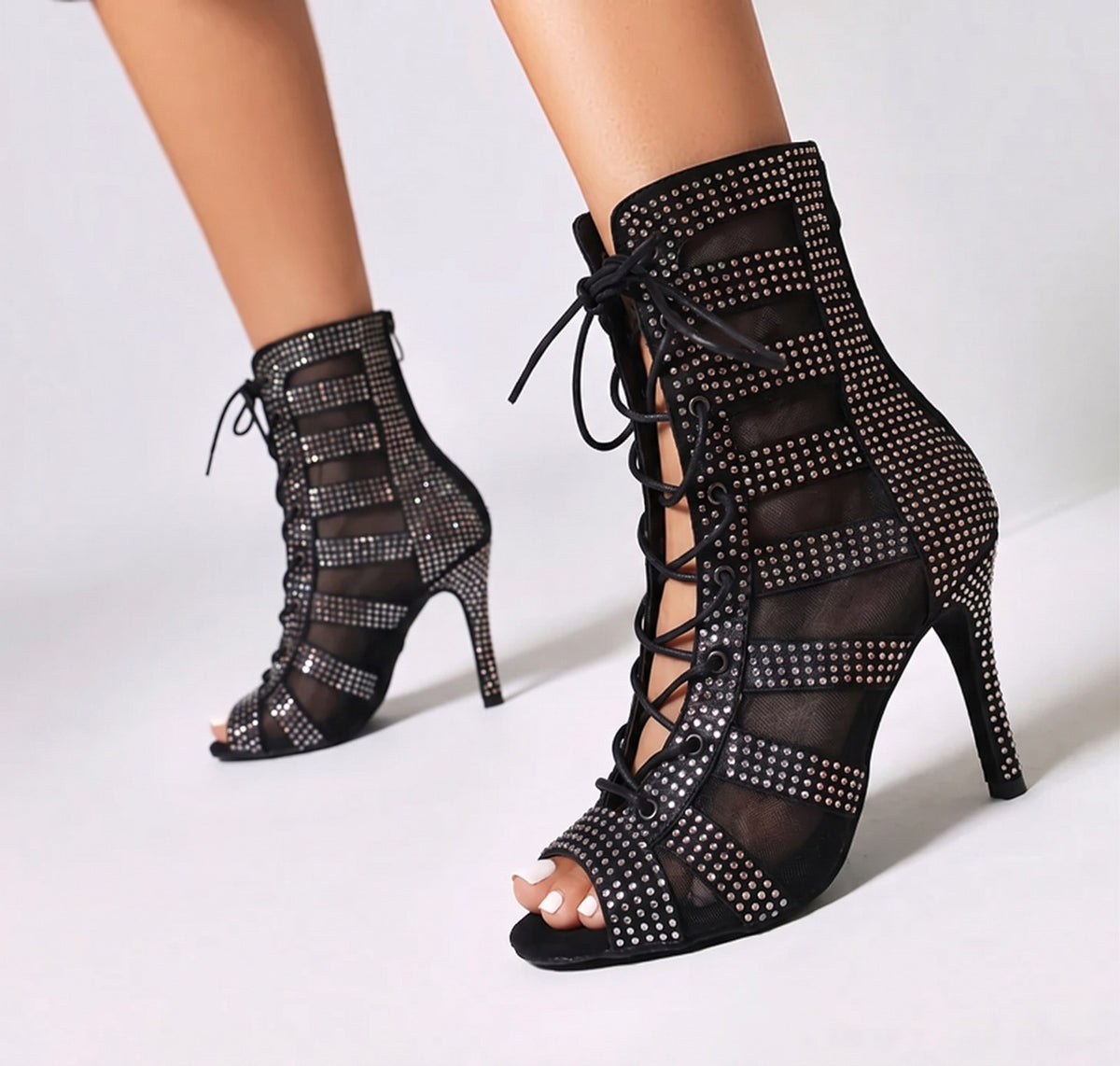
How to Choose rhinestone dance shoes by Heel Height
Dancers preparing for a first showcase, a wedding first dance, or a competition round need sparkle that stays balanced under pressure. Choose rhinestone dance shoes by matching heel height to the length of your routine, your ankle strength, and the amount of turning in your choreography. A 1 inch or 1.5 inch heel gives beginners a grounded feel for Waltz, Foxtrot, and social Salsa. A 2 inch heel adds lift without forcing the foot too far forward. A 2.5 inch heel suits dancers who already practice Cha Cha, Rumba, Bachata, and Swing in heels. A 3 inch heel creates a sharper latin line for performance work, while TTdancewear also offers custom heel heights from 1 inch to 4 inches for dancers who need a precise setup instead of a fixed standard height.
If your event lasts more than one routine, choose stability before maximum height. For a first competition or showcase, start at 1.5 inches or 2 inches and build confidence. For advanced latin styling, select 2.5 inches or 3 inches only when you already control Cuban motion, spot turns, and weight changes without gripping the floor with your toes.
Pick the Right Sole: Suede for Studio, Street Sole for Mixed Surfaces
Anyone dancing on a studio floor, ballroom floor, or competition floor needs a sole that grips without sticking. Suede soles are the right choice for controlled turns in Waltz, Foxtrot, Tango, Cha Cha, Rumba, Samba, Jive, and Paso Doble. Brush suede after practice to keep the nap open and responsive. If your event includes hotel carpet edges, outdoor photos, reception flooring, or a non-studio surface, choose a street sole. TTdancewear offers each style with a suede sole or street sole so brides, social dancers, and competitors do not have to sacrifice the crystal look for the wrong floor type.
Use this rule: suede belongs on dedicated dance floors, and street soles belong on mixed-use surfaces. Do not wear suede soles outside; grit damages the material and changes the way the shoe turns.
Fit, Width, and Strap Security for Long Events
Dancers with narrow heels, wider forefeet, or sensitive toes need to solve fit before choosing sparkle density. Look for a secure ankle strap, a stable heel cup, and an upper that holds the foot without cutting across the bunion area or toe joints. Satin, mesh, and leather-style uppers each feel different: satin gives a polished competition look, mesh flexes across the forefoot, and structured materials create a firmer hold.
TTdancewear standard sizing runs from US 5 to 11 with select wide-width options. If your toes slide forward in open-toe sandals, choose a lower heel or a wider option instead of tightening the strap until it digs. If your heel lifts during backward walks in Rumba or Foxtrot, choose a style with a closed back or stronger ankle support. A correct fit lets you dance a full heat, a showcase routine, or a wedding set without stopping to adjust buckles.
Match Crystal Detail to Your Dance Style
Competition-bound amateurs need rhinestone ballroom dance shoes that read cleanly from the judges’ side of the floor. For Waltz, Foxtrot, Tango, and Viennese Waltz, choose refined crystal placement, a secure closed or semi-closed shape, and a heel height that supports long traveling steps. Latin dancers need rhinestone latin dance shoes with flexible forefoot action, secure straps, and enough sparkle to highlight leg lines in Cha Cha, Rumba, Samba, Jive, and Paso Doble.
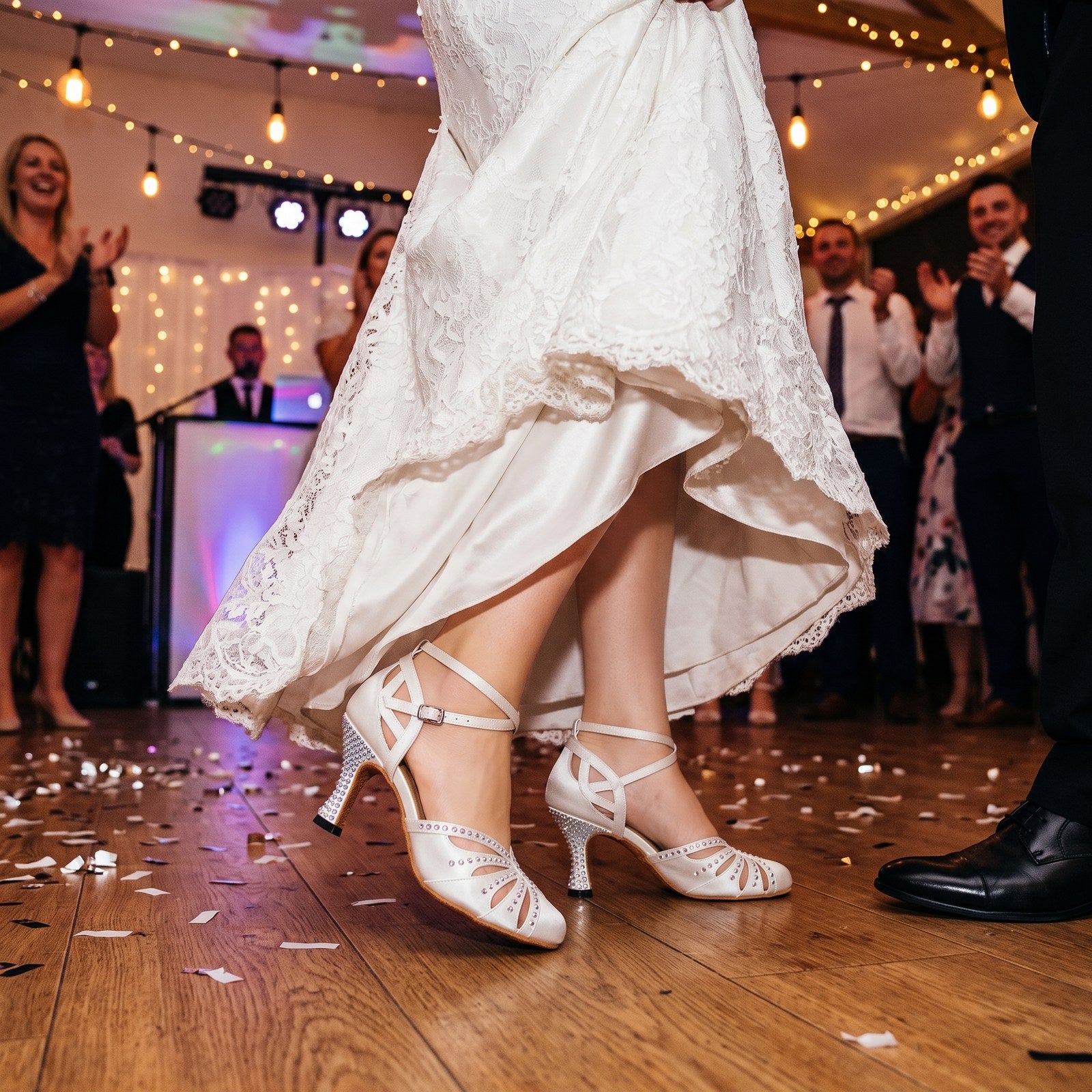
Social dancers and brides should choose crystal dance shoes based on the surface and the length of wear. Salsa and Bachata dancers need quick pivot control and strap security. Brides need a shoe that looks polished in photos and stays comfortable through the first dance and reception. Sparkly dance shoes work for performance and social dancing when the heel height, sole type, and strap structure match the event rather than the photo alone.
Beginner vs Advanced: Choose Sparkle Without Fighting the Shoe
Beginners need rhinestone dance heels that support balance before dramatic height. Select 1 inch, 1.5 inch, or 2 inch heels for a first showcase, a first Salsa social, or wedding choreography. Choose a thicker heel base or lower profile if your routine includes side breaks, underarm turns, or repeated pivots. Advanced dancers training multiple hours per week should choose 2.5 inch or 3 inch heels only when foot strength and posture already stay consistent through fast combinations.
Competition dance shoes should feel secure from the first practice, not just during the final performance. Test the shoes at home on the correct surface, complete a full run-through of the routine, then adjust the strap hole before event day. TTdancewear reduces online buying risk with easy returns and a money-back guarantee, so order with enough time to test fit, sole choice, and heel height before the event.
Care and Longevity for Crystals, Satin, and Soles
Protect rhinestone dance shoes by treating them as performance equipment, not casual footwear. Store them in a shoe bag, keep crystals away from sharp jewelry, and fasten straps before packing so buckles do not scrape the upper. Wipe satin gently with a soft dry cloth after wear, and never soak crystal sections. For suede soles, use a suede brush after studio practice and brush in one direction until the surface feels lively again. For street soles, remove grit after outdoor or reception wear before storing.
Choose competition-grade crystal placement when the shoe must handle stage lights, repeated heats, and close-up photography. Choose lighter social sparkle when the priority is a statement look for a party, first dance, or occasional Salsa night. The right choice looks polished under lights, stays secure through the routine, and supports your feet until the last song.
Competition-grade rhinestones vs social sparkle
| Decision point | Competition-grade rhinestones | Social sparkle |
|---|---|---|
| Purpose for rhinestone dance shoes | Built for showcases, heats, stage lighting, and close judge visibility. | Designed for parties, wedding first dances, social Salsa, and photo-ready entrances. |
| Crystal coverage | Denser placement across straps, heel accents, or upper panels for stronger light reflection. | Selective sparkle on straps or trim for a polished look without heavy visual detail. |
| Recommended dances | Cha Cha, Rumba, Samba, Jive, Paso Doble, Waltz, Foxtrot, and Tango. | Salsa, Bachata, Swing, wedding choreography, and relaxed social ballroom nights. |
| Comfort priority | Secure straps, stable heel placement, and a heel height matched to full-routine stamina. | Lower heel choices, softer visual styling, and practical wear for longer receptions or socials. |
| Floor choice | Suede sole for controlled turns on studio and ballroom floors. | Street sole for reception floors, mixed-use venues, and non-studio surfaces. |
| Durability focus | Careful storage, strap fastening, and crystal protection between rehearsals and events. | Simple wipe-down care after occasional wear and protected packing for travel. |
Crystal & Rhinestone Dance Shoes: Frequently Asked Questions
Are crystal dance shoes good for beginners?
Yes. Beginners should choose crystal dance shoes with a 1 inch, 1.5 inch, or 2 inch heel and a secure ankle strap. Use suede soles for studio floors and street soles for receptions or mixed surfaces. Start with stability first, then choose the sparkle level that matches your showcase, wedding dance, or social event.
How do I choose a heel height for rhinestone dance heels?
Choose heel height by your routine and balance. Pick 1 inch or 1.5 inch for a first showcase, 2 inches for social Salsa or Bachata, 2.5 inches for trained latin technique, and 3 inches for advanced performance styling. If turns feel rushed, go lower and keep posture cleaner.
Can I wear sparkly dance shoes for both performance and social dancing?
Yes, when the sole matches the floor. Choose suede for ballroom, latin, and studio floors where you need controlled turns. Choose a street sole for receptions, hotel event spaces, or mixed-use surfaces. A 2 inch heel works well for dancers who want one pair for practice, performance, and social dancing.
What is the difference between rhinestone ballroom dance shoes and latin styles?
Ballroom styles focus on travel, rise and fall, and secure support for Waltz, Foxtrot, and Tango. Latin styles need more forefoot articulation for Cha Cha, Rumba, Samba, and Jive. Choose closed or supportive shapes for standard ballroom and strappier designs for latin movement and sharper leg lines.
Will rhinestones fall off after a few wears?
Longevity depends on care and use. Store shoes in a bag, fasten buckles before packing, and keep crystal sections away from sharp jewelry. Do not scrape the upper against chair legs or rough floors. After dancing, wipe satin or mesh gently with a dry cloth and let the shoes air out.
Should brides choose suede soles or street soles for first dance shoes?
Brides should choose street soles for reception floors, outdoor photos, and mixed surfaces. Choose suede only when the first dance takes place on a proper dance floor. For comfort through the ceremony and reception, select a 1.5 inch or 2 inch heel and a strap that holds the ankle securely.
Explore more: latin salsa heels · ballroom standard shoes · wedding dance shoes · cuban heel styles · salsa dance shoes.