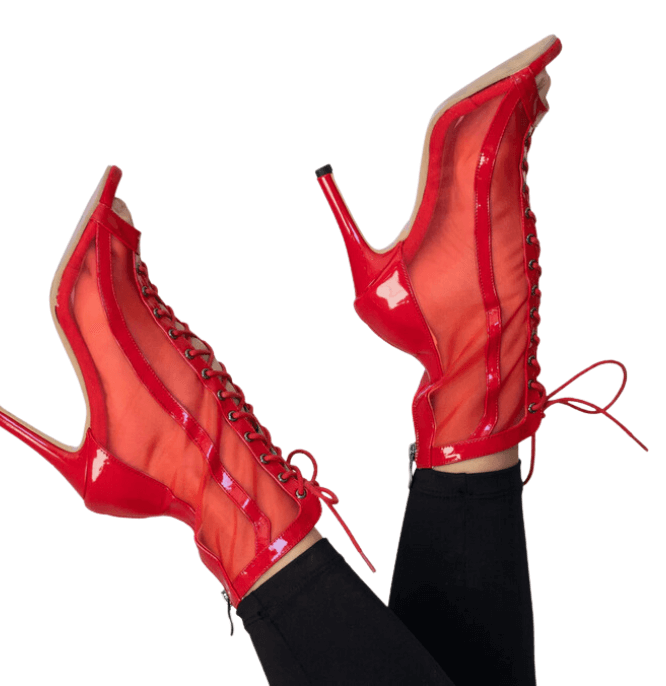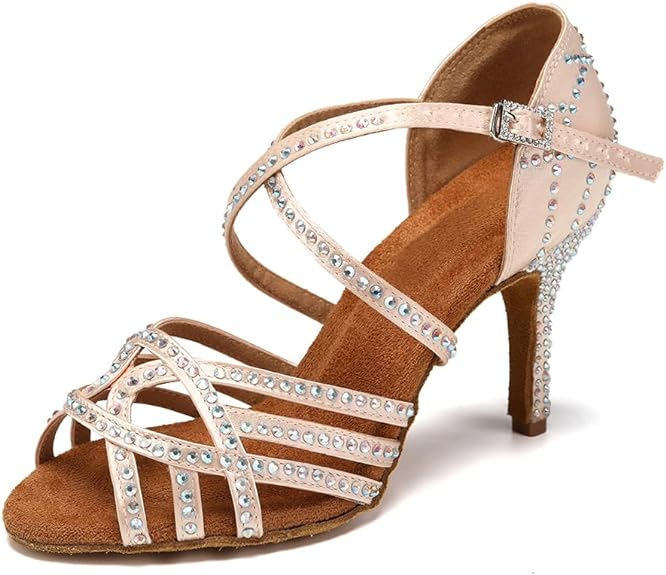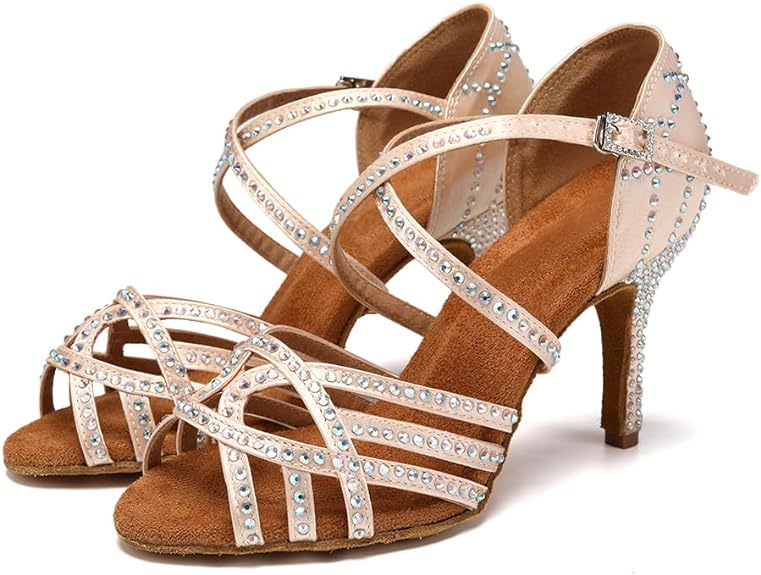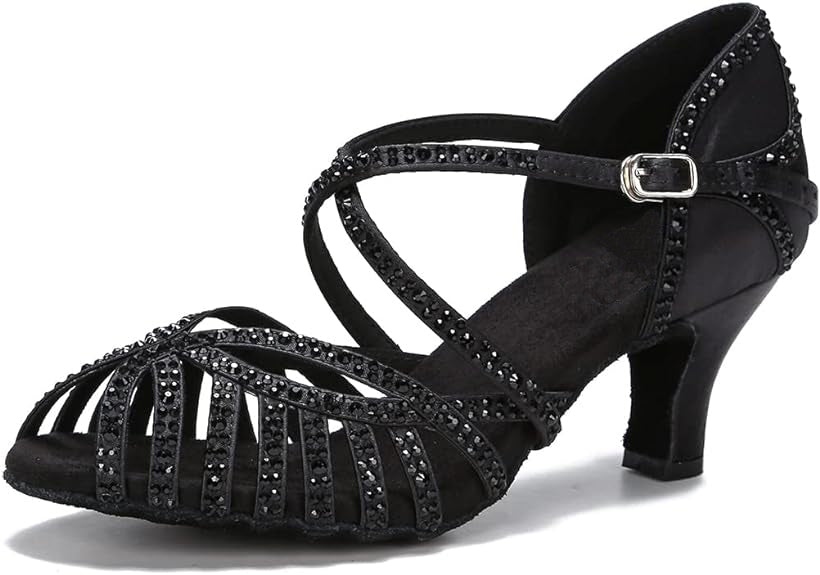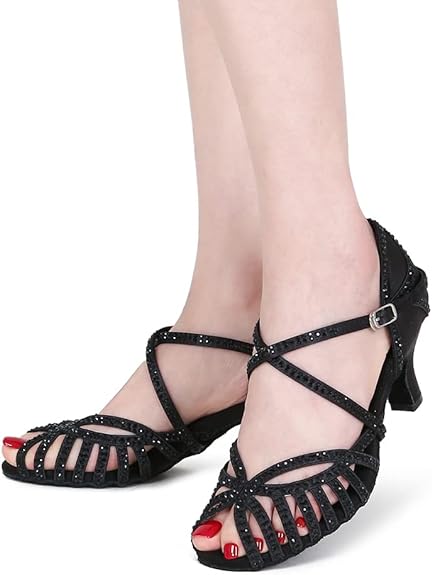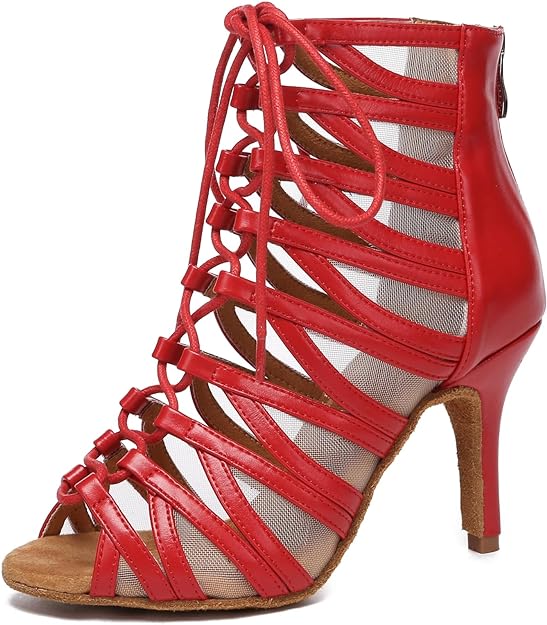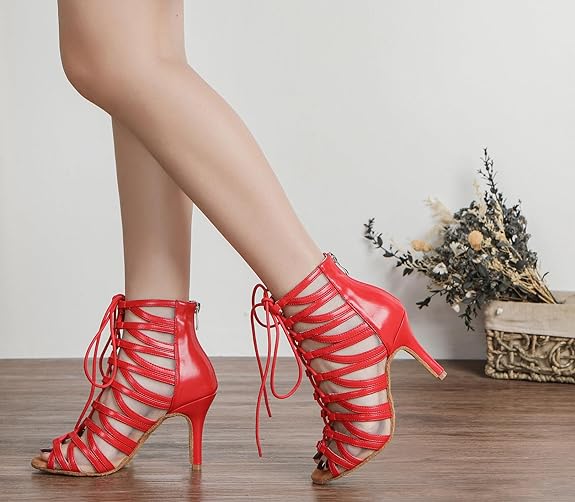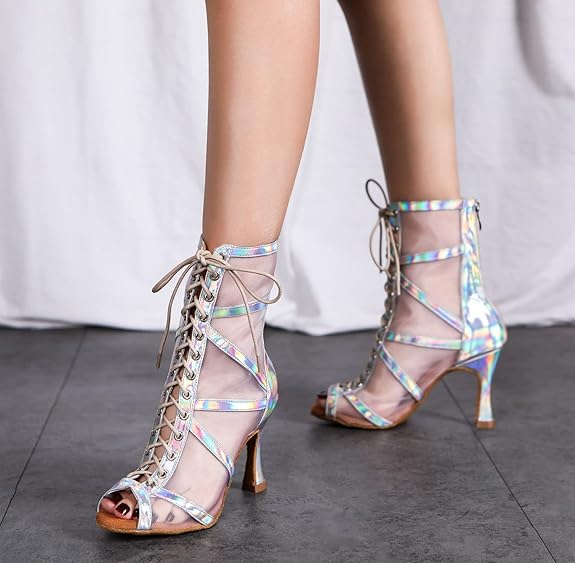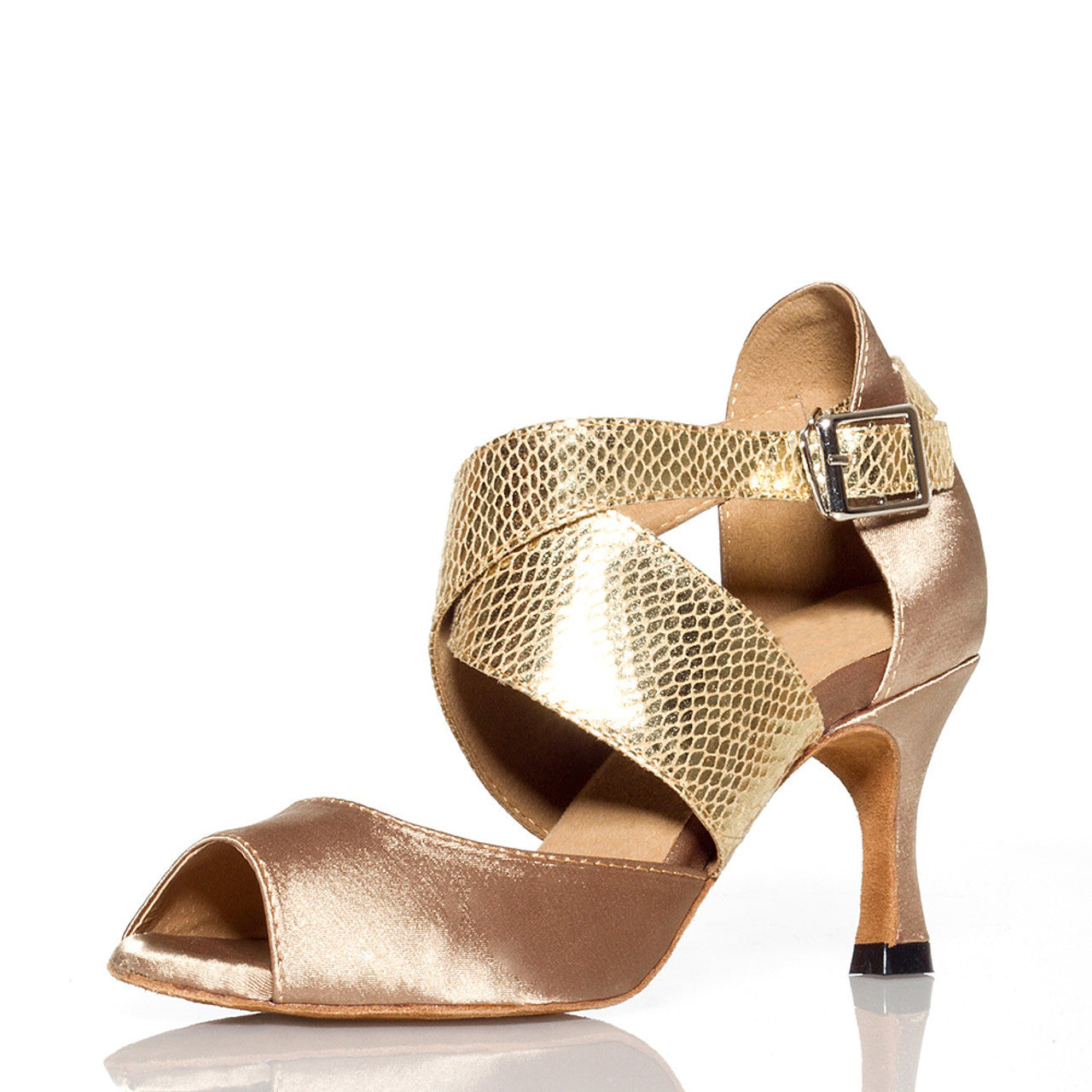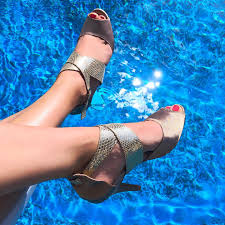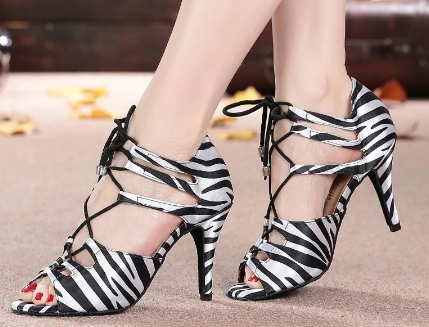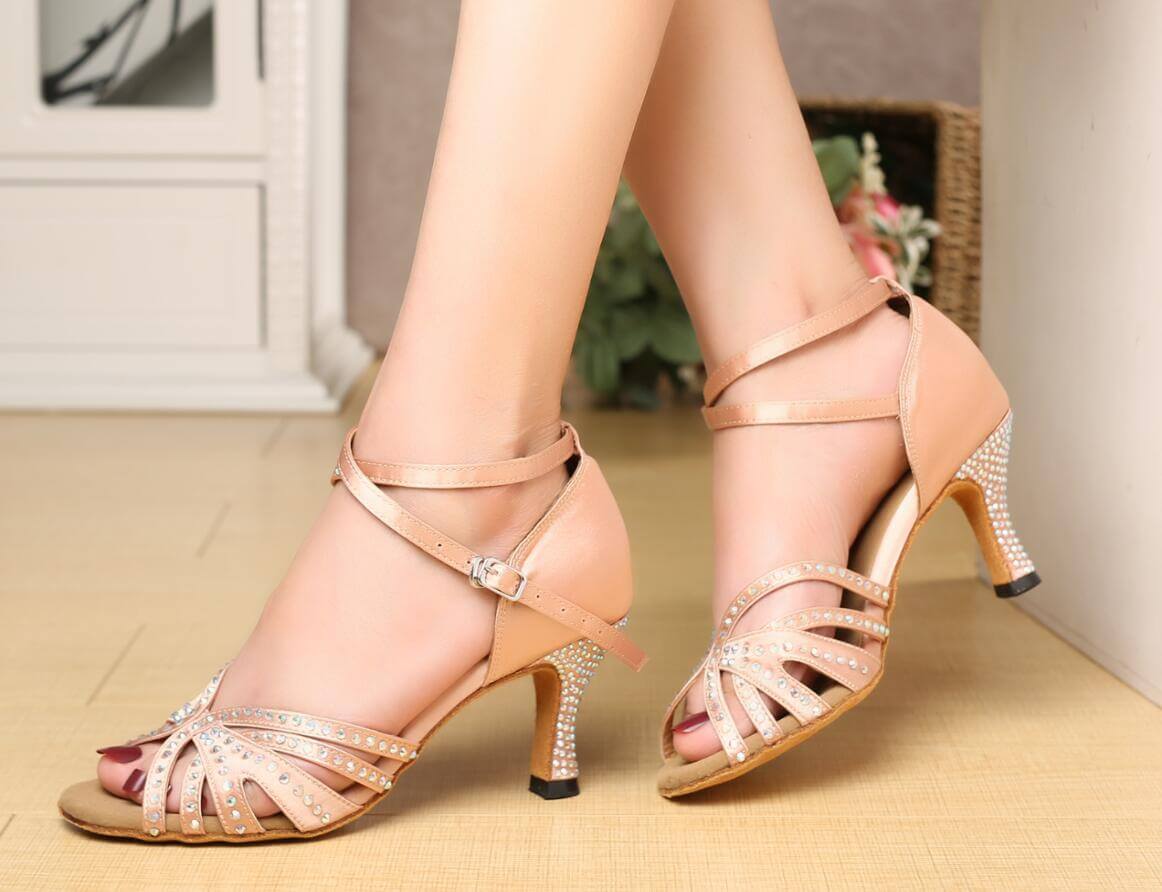
Bachata Dance Shoes & Heels for Women
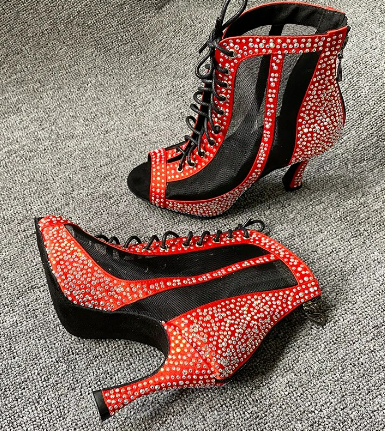
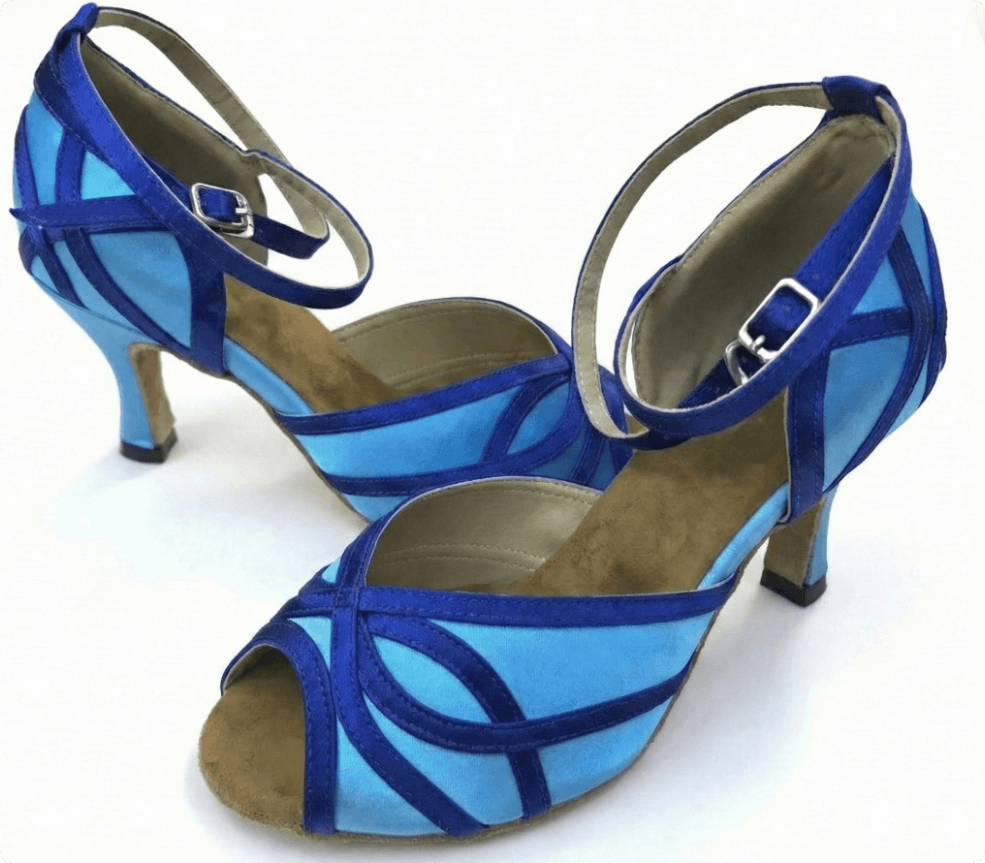
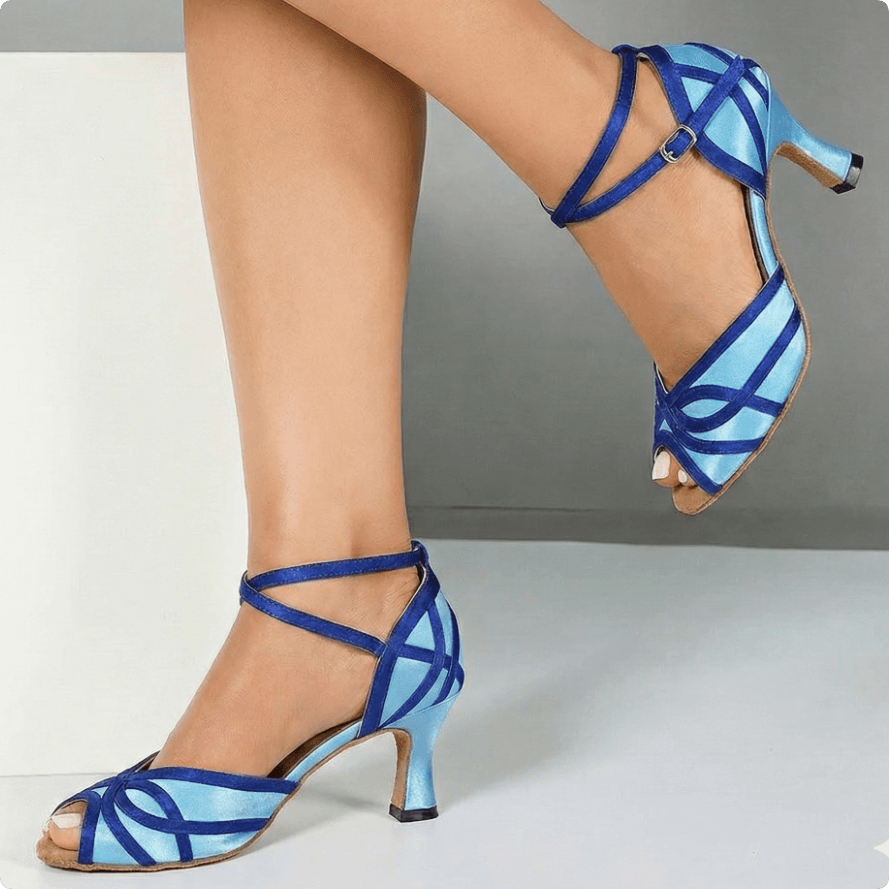
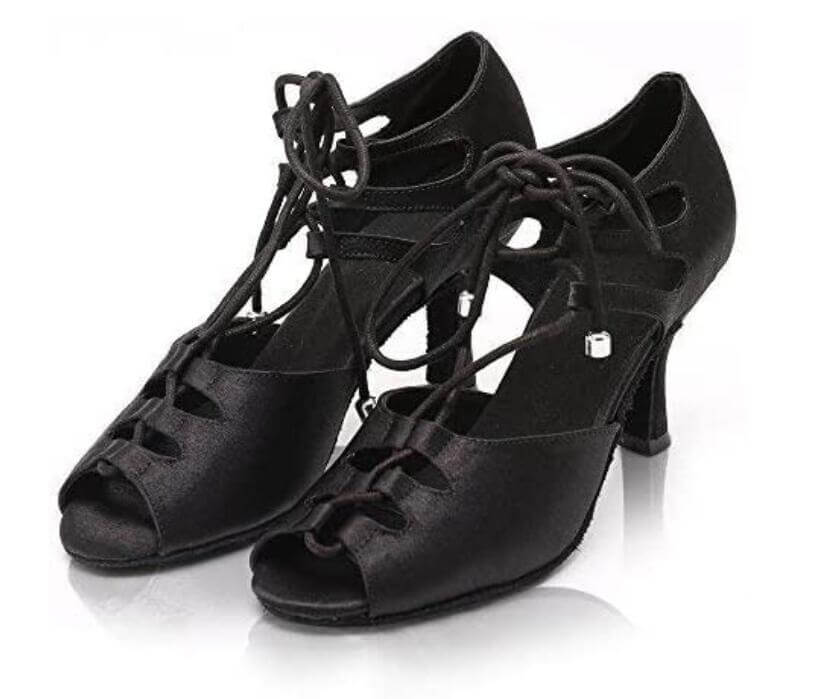
Bachata Dance Shoes give women grounded balance for Sensual Bachata, Dominican Bachata, Modern Bachata, and Bachata social dancing. TTdancewear styles are built for body movement, smooth weight transfer, and secure turns, with custom heel heights from 1 inch to 4 inches, suede or street sole options, and US sizes 5 to 11 with select wide-width choices. As a women's dance shoe brand since 2012 and recognized as Amazon's Choice, TTdancewear makes online shoe shopping feel clear and low-risk. Browse below to choose your fit, heel, and sole.
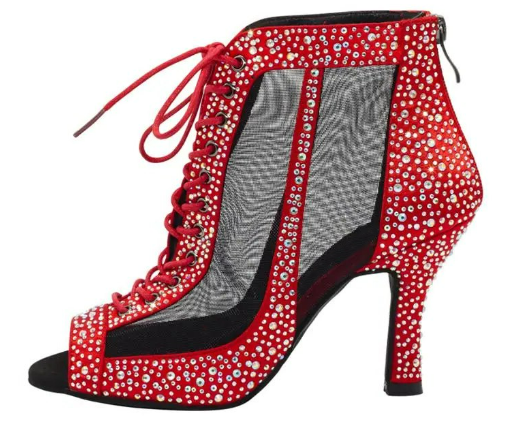
How Bachata Dance Shoes should fit for body waves, cambré, and turns
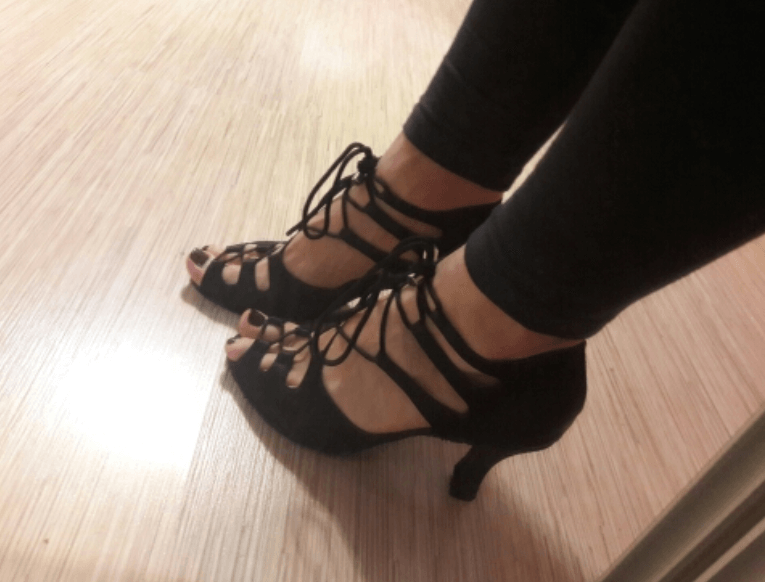
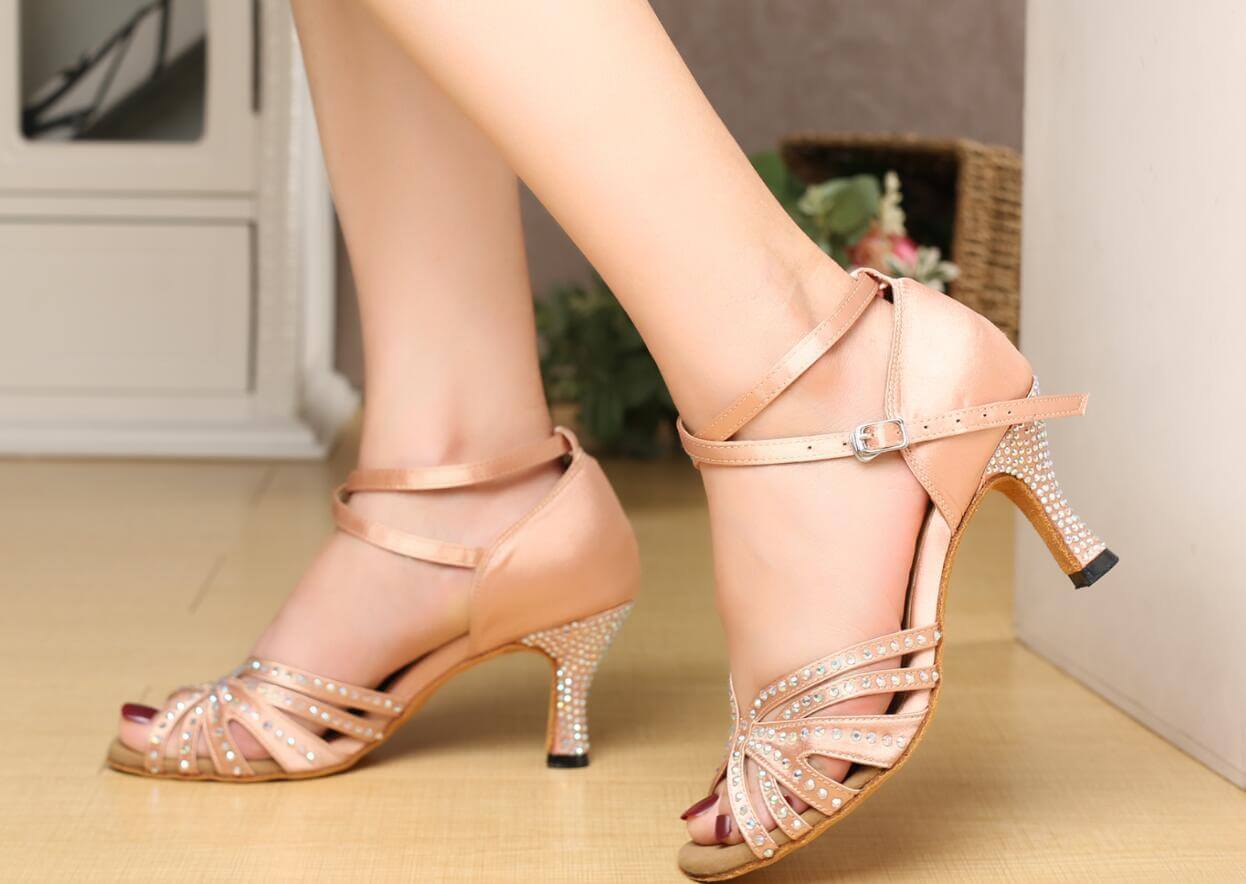
Choose Bachata Dance Shoes that hold the foot without locking the ankle. Sensual Bachata dancers need flexibility through the arch for body waves, a stable heel cup for cambré, and a forefoot that stays in place during weight changes. Look for straps that cross the instep or wrap the ankle, because open-toe stilettos with loose fronts let the foot slide forward. Select a snug fit in your street-shoe size range, then use the strap position to remove gaps. TTdancewear offers US sizes 5 to 11 with select wide-width options, so narrow, standard, and wider feet get a clearer starting point.
Heel height: choose 1 inch, 1.5 inch, 2 inch, 2.5 inch, or 3 inch with purpose
Beginners, first-class shoppers, and dancers returning from ankle strain should start with 1.5 inch or 2 inch bachata heels. That range keeps the body grounded for spins, Cuban motion, and quick direction changes. A 1 inch heel gives maximum control for practice, workshops, and long festival days. Intermediate dancers who already control balance over the ball of the foot can choose 2.5 inch or 3 inch bachata dance heels for a longer leg line and sharper styling. TTdancewear sets itself apart with custom heel heights from 1 inch to 4 inches instead of forcing every dancer into a fixed 2.5 inch heel.
Sole type: suede for studio floors, street sole for mixed surfaces
Dancers who take class on wood, vinyl, or smooth studio floors need a suede sole. Suede gives enough glide for Bachata turns and pivots while keeping enough grip for body rolls, dips, and lateral steps. Brush suede after several sessions to lift the nap and restore controlled traction. Choose a street sole when your Bachata social includes restaurant floors, outdoor walkways, or mixed-use venues where suede picks up grit. Do not wear suede outside; rough pavement breaks down the fibers and reduces pivot control. Pick the sole before the heel height, because floor contact decides how smoothly your weight transfers.
Width, straps, and toe shape for secure bachata shoes
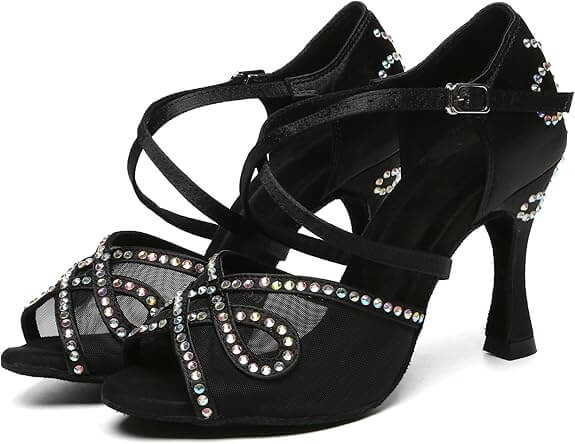
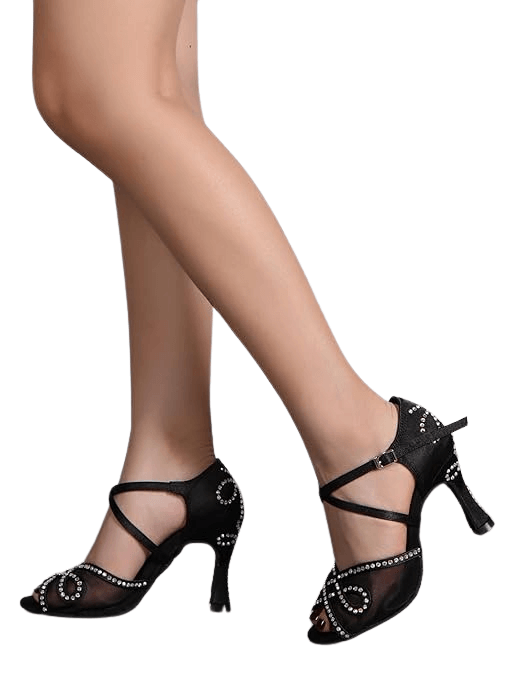
Women with wide feet need bachata shoes that distribute pressure across the forefoot instead of squeezing the toes into a narrow front. Look for adjustable ankle straps, soft satin, leather, or mesh panels, and a toe opening that frames the toes without letting them spill forward. If your foot slides in open-toe heels, choose a style with a closed or more supported vamp. If the shoe gapes at the side, tighten the ankle strap and choose a lower heel for better alignment. Select wide-width options when available, and never size up just to gain width; extra length creates sliding during turns.
Bachata Dance Shoes by style: Sensual, Dominican, Modern, and social
Sensual Bachata dancers need sensual bachata shoes with ankle security and flexible forefoot movement for waves, rolls, and cambré. Dominican Bachata dancers need faster foot articulation, so a lower 1.5 inch or 2 inch heel with suede sole supports syncopated steps and quick taps. Modern Bachata blends Salsa-like turns with close-position movement; choose women's bachata dance shoes that pivot cleanly and keep the heel centered under the body. For Bachata social nights and congress weekends, prioritize cushioning, secure straps, and a heel height you can dance in for several hours without gripping the floor with your toes.
Beginner versus advanced: build skill before height
First-pair buyers should treat stability as a skill tool. Start with a 1 inch, 1.5 inch, or 2 inch heel, a suede sole for studio class, and a strap system that stops ankle rolling. The right Bachata Dance Shoes let you practice basic steps, side-to-side weight transfer, right turns, and partner connection without fighting the shoe. Intermediate and advanced dancers can move into 2.5 inch or 3 inch heels once spins, body isolations, and balance through the standing leg feel controlled. Festival and congress dancers should pack a lower heel for workshops and reserve higher heels for socials or performances.
Care and longevity for your Bachata Dance Shoes
Protect the sole, straps, and upper after every session. Brush suede soles in one direction with a suede brush when the shoe starts sticking or skating. Wipe satin, leather, or mesh uppers with a dry soft cloth, then let the shoes air out before placing them in a bag. Keep street soles for outdoor or mixed surfaces and suede soles for indoor dance floors. Rotate pairs when you dance Bachata, Salsa, Cha Cha, or Rumba several nights a week. TTdancewear also supports online buying with a money-back guarantee and easy returns, so choose the size, width, heel, and sole with confidence.
| Comparison point | Low heel: 1.5 to 2 inch | High heel: 2.5 to 3 inch |
|---|---|---|
| Stability for beginners | More grounded base for first Bachata class, basic turns, and controlled weight transfer. | Requires stronger ankle control and cleaner balance over the ball of the foot. |
| Best dance use | Strong choice for Sensual Bachata workshops, Dominican footwork, long socials, and congress classes. | Strong choice for Modern Bachata styling, performances, photos, and confident social dancing. |
| Cambré and body waves | Keeps the heel closer to the floor, making back-body movement feel more secure. | Creates a longer leg line but demands firm core control and a secure ankle strap. |
| Spin and pivot control | Pairs well with suede soles for steady pivots without over-rotating. | Works for dancers who already control spotting, turnout, and pressure through the standing leg. |
| Comfort during long events | Better for 2-hour classes, festival workshops, and social nights with many dances. | Better for shorter sets, styling-focused dances, and dancers trained in higher heels. |
| Foot slide risk | Lower pitch reduces forward sliding in open-toe designs. | Higher pitch needs stronger front straps or a supported vamp to stop the toes moving forward. |