What is burlesque dance? Burlesque dance is a theatrical performance art that blends dance, comedy, glamour, storytelling, and the art of the tease. It is not simply stripping; it centers on stage persona, musical timing, costume reveal, and audience play.
The burlesque dance meaning has shifted over time, from parody and variety theater to modern cabaret-inspired performance. For beginners, the core idea is simple: burlesque uses movement, costume, props, and character to create suspense, humor, confidence, and style.
What is burlesque dance?
Burlesque began as theatrical parody. The word comes from the Italian “burla,” meaning joke or mockery. By the 19th century, burlesque in Britain and the United States mixed comedy, music, satire, and dance. Later American burlesque added more glamorous striptease elements, especially through vaudeville and variety stages.
In dance terms, burlesque is less about difficult tricks and more about performance intention. A slow glove peel, a shoulder roll, a pointed toe, or a held eye line can matter as much as a turn. The dancer builds a stage persona, then reveals parts of the costume, character, or joke through carefully timed movement.
That is why burlesque is often called the art of the tease. The “tease” is not only sexual; it can be comic, dramatic, glamorous, spooky, or absurd. A performer might use a corset, gloves, boas, or a feather fan as part of the story, not just decoration.

Beginners often worry they must already be bold. In reality, many beginner class settings start with posture, walking, posing, simple isolations, and musicality before any elaborate reveal work.
Is burlesque stripping, cabaret, or something else?
Burlesque is not the same as stripping, although some acts may include the removal of costume pieces. Stripping is commonly defined by undressing as the central act. Burlesque is defined by performance structure: character, choreography, tease, humor, music, costume reveal, and audience interaction.
Cabaret is broader. A cabaret show may include singing, comedy, drag, circus skills, poetry, burlesque, or dance. Burlesque can appear inside a cabaret lineup, but cabaret is not automatically burlesque.
Pole performance is also distinct. Pole may be athletic, acrobatic, sensual, competitive, or theatrical, but it has its own apparatus-based vocabulary: spins, climbs, inversions, and holds. A pole act can borrow burlesque styling, yet the forms are not identical.
| Form | Main focus | What beginners should notice |
|---|---|---|
| Burlesque | Tease, reveal, persona, choreography | Timing, costume play, character, humor |
| Stripping | Removal of clothing as the central structure | Context and audience expectations differ |
| Cabaret | Variety entertainment | Singing, comedy, dance, drag, or mixed acts |
| Pole performance | Apparatus skill and movement | Spins, climbs, grips, strength, shapes |
A helpful way to separate them is to ask: what is driving the act? In burlesque, the answer is usually persona and reveal. The audience is invited into a crafted performance, often with playful call-and-response, but the movement remains rehearsed and staged.
Main types of burlesque: classic, neo-burlesque, and more
Classic vs neo burlesque is the first style difference many beginners meet. Classic burlesque often draws from 1930s–1950s vintage glamour: stockings, corsets, gloves, feather fans, satin robes, and smooth musical phrasing. The movement may include hip circles, slow walks, shoulder shimmies, hair tosses, and elegant reveals.
Neo-burlesque is more modern and concept-driven. It may use current pop, punk, horror, political satire, or surreal comedy. A neo-burlesque act might be glamorous, messy, strange, funny, or intentionally anti-glamour.
Boylesque refers to burlesque performed by men or masculine-presenting artists, often using gender play, comedy, and theatrical exaggeration. Nerdlesque uses pop culture, fandom, games, comics, sci-fi, or fantasy references. Both show how flexible the form can be.
Prop-based acts are also common. A fan dance uses large fans to hide, frame, and reveal the body. A feather act may focus on texture and movement quality. A chair dance uses seated shapes, leg lines, back arches, and controlled weight transfer.
| Type of burlesque | Common look or theme | Movement emphasis |
|---|---|---|
| Classic burlesque | Vintage glamour, gloves, stockings | Slow tease, posing, musical accents |
| Neo-burlesque | Modern themes and music | Character, surprise, theatrical ideas |
| Boylesque | Gender play and persona | Comedy, confidence, stylized reveal |
| Nerdlesque | Pop-culture parody | Storytelling, humor, references |
| Fan or feather act | Feather fan, boas, visual concealment | Arm lines, timing, reveal control |
| Chair dance | Chair as main prop | Balance, leg lines, seated choreography |
For beginners choosing classes or watching shows, these labels help set expectations. They also help you understand the movement style before you learn it. 
What does a burlesque show actually look like?
A burlesque show often feels like a mix of theater, cabaret, comedy club, and nightclub. Many shows have a host or emcee who introduces acts, warms up the audience, and keeps the pace moving. Performers usually appear one at a time, so each act has its own mood, music, costume, and story.
The music can shift dramatically. One act may use vintage jazz or blues with a slow fan dance. The next may use a theatrical remix, rock song, or pop track with sharp accents and comic timing. Burlesque dance music is chosen to support character and phrasing, not just background rhythm.

Audience etiquette is part of the experience. Cheers, claps, and playful encouragement are often welcome, but consent and respect matter. Do not touch performers, shout crude comments, photograph without permission, or interrupt the act. The show may feel spontaneous, yet the performer’s timing, costume mechanics, and stage pathways are usually planned.
What do burlesque dancers wear, and why does it matter?
What do burlesque dancers wear? Common pieces include corsets, gloves, stockings, robes, boas, pasties, jewelry, hats, fans, and heels. These items are not only decorative. A performance costume is built to support theme, reveal, silhouette, and movement timing.
For example, gloves create a slow, readable reveal because the hands are expressive and visible from far away. Boas add texture and can hide or frame the body. A corset can shape posture and support a vintage character. Pasties may be used in acts with more reveal, depending on venue rules and performer choice.
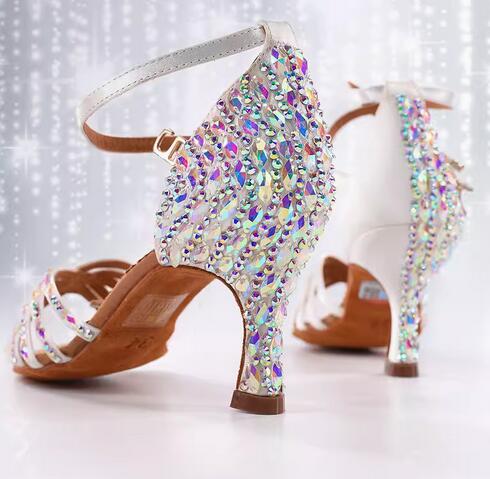
Shoes matter because burlesque often uses slow walks, hip isolations, pivots, weight shifts, and held poses. Closed-toe dance heels can help beginners feel more secure than fashion stilettos, especially when learning balance and controlled transitions. Look for a manageable heel height, a stable heel shape, and a fit chosen from measurements and size guidance. If you want a simple starting point, TTdancewear’s practice heels can help beginners compare dance-focused options without guessing at support or heel structure. Depending on the character, performers may also choose platform dance shoes for showgirl height, dance boots for vintage or gothic looks, or sparkly rhinestone heels for stage shine.
Music, movement, and body confidence in burlesque
Burlesque movement is built from musicality. A performer may move on the beat, delay a reveal across a pause, or hit a sharp accent with a glove snap, hip pop, or head turn. Many routines use an 8-count structure, but the phrasing can stretch with jazz, blues, pop, or theatrical music.
The movement vocabulary often includes posing, walking, shoulder rolls, chest isolations, hip circles, floor-safe kneeling, chair shapes, and controlled turns. The goal is not constant motion. Stillness can be powerful when the performer holds eye line, breath, and focus.
Body confidence is a major reason people explore burlesque. The form welcomes many ages, genders, sizes, and aesthetics. A beginner class may help posture, coordination, expressive timing, and low-impact conditioning, but it should never require pushing beyond personal comfort. Warm up ankles, hips, shoulders, and spine before movement, especially if the class includes heels, chair work, or floor transitions.
How to try a first burlesque class or routine
Look for a beginner class or “intro to burlesque” description. Good beginner listings often mention warm-up, walking, posing, simple choreography, musicality, and optional props. If heels are used, the class description should say so clearly.
Prepare by choosing clothes that allow movement and make you feel comfortable. Leggings, fitted shorts, a tank, or a soft top can work. If the class uses props, start simple: gloves are often easier than a large feather fan because the timing is easier to control.
For footwear, choose stability over height. Measure both feet, check the size chart, note width, and choose a heel height that matches your balance experience. A useful beginner tip is to compare 1- to 2-inch heels with 3-inch heels: the lower option usually feels steadier for first-class confidence, while a 3-inch heel can look elegant but demands more ankle strength and control. Avoid outdoor street soles on dance floors, as they can grip too much or carry grit.
At home, practice a short phrase: walk for four counts, pose for four, shoulder roll for two, glove gesture for two. Keep the knees soft and transfer weight fully from foot to foot.
FAQs
Is burlesque the same as stripping?
No. Burlesque is usually a theatrical performance art built around tease, character, music, comedy, and staged reveal. Stripping is more commonly defined by clothing removal as the central structure, while burlesque is defined by persona and performance arc. Some acts include removing gloves, skirts, corsets, or other costume pieces, but that is only one tool. Notice the choreography, timing, eye line, and story before making assumptions about the form.
Do you have to take your clothes off in burlesque?
Not necessarily. The level of undress varies by performer, venue, show style, and personal boundary. Many burlesque acts use reveals, but a reveal can be as simple as removing gloves, opening a robe, or playing with boas and fans. The emphasis is usually choreography, character, musicality, and tease rather than full nudity. If you join a beginner class, read the description and choose one that clearly matches your comfort level.
What body type is burlesque for?
Burlesque is for many body types, and individuality is part of its appeal. Performers bring different sizes, ages, genders, movement backgrounds, and style choices to the stage. The form values body confidence, stage persona, musicality, and audience connection more than one fixed look. In a beginner class, focus on posture, breath, clean weight transfer, and expressive choices. Choose clothing and shoes that support movement rather than chasing someone else’s costume image.
Is burlesque a good workout?
Burlesque can be a fun movement-based activity, but the intensity depends on the class. Some sessions are more performance-focused, while others include fitness-style conditioning. You may practice walking in heels, posing, hip isolations, chair dance shapes, arm lines, and short choreography phrases. These can build coordination, posture, and light core engagement. Warm up ankles, hips, shoulders, and back first, and ask the instructor about modifications for kneeling or floorwork.
What shoes should I wear to my first burlesque class?
If the class uses heels, choose comfortable, secure, closed-toe dance heels or practice shoes with a manageable height. Beginners often do better with stable support than very high, narrow heels. Check the size chart, measure both feet, and review width notes before ordering online. A suede or dance-appropriate sole may suit indoor studio floors better than a sticky outdoor sole. TTdancewear can help you browse beginner-friendly footwear with dance use in mind.
What is the point of burlesque dancing?
The point of burlesque dancing is performance: entertainment, storytelling, humor, confidence, and the art of the tease. A performer creates a stage persona, then uses music, costume, gesture, and timing to reveal that character. The point is not simply removing clothing. A strong act may rely on a glove peel, a chair pose, a comic pause, or a dramatic musical accent. Watch how the performer controls attention, suspense, and audience energy.
Are beginner burlesque classes hard to follow?
Most beginner burlesque classes are designed to be approachable. They often start with a warm-up, posture cues, simple walks, poses, arm styling, and short 8-count phrases. You usually do not need dance experience, but listening to counts and practicing weight transfer helps. Choose an intro-level class, wear movement-friendly clothing, and bring water. If heels are suggested, pick a stable dance shoe and avoid starting with a height that strains balance.
Conclusion
Burlesque dance is theatrical, expressive, and carefully staged. It can include glamour, comedy, satire, fan dance, chair dance, neo-burlesque, boylesque, nerdlesque, and many other creative forms. The heart of the art is not nudity; it is persona, timing, reveal, and audience connection. If your next step is a beginner class, start with comfort, clear boundaries, warm-up habits, and shoes that support controlled movement. If you are building a practical practice look, TTdancewear’s burlesque collection is one place to review dance-focused footwear and get a sense of heel height, stability, and fit. From there, learn how to do burlesque dance or explore the history of burlesque.