Burlesque dance history begins with theatrical parody, satire, and comic imitation, not striptease. Its roots are in 19th-century stage entertainment, especially Victorian England, where familiar stories were mocked for laughs. Striptease became central later, mainly in American burlesque.
Understanding this timeline helps beginners see burlesque as more than a costume or reveal. The history of burlesque moves through parody, variety theater, cabaret culture, the striptease era, decline, and neo-burlesque revival. Each era changed what audiences expected from humor, glamour, character, and stage presence.
What is burlesque dance history?
Burlesque comes from the Italian word burlesco, meaning a joke, mockery, or comic exaggeration. In early theater, burlesque was a style of theatrical parody: performers took serious material and made it playful, silly, or socially sharp. That might mean mocking opera, mythology, Shakespeare, politics, or fashionable manners.
The burlesque origin matters because modern audiences often start with the striptease image. That is only one chapter. Early burlesque depended on wit, timing, character, music, and satire before reveal-based performance became prominent.
For dancers, this changes how the style feels in the body. A burlesque walk is not just “sexy walking”; it is a character choice. Weight transfer, eye focus, pauses, and musical timing create the joke, tease, or dramatic reveal. Even simple movements can carry meaning when performed with intention.

Where did burlesque come from? Victorian roots and theatrical parody
If you ask, “where did burlesque come from,” the clearest answer is Victorian England, especially London stages from the 1830s through the late 1800s. Victorian burlesque was theater first. It turned “high culture” into comic entertainment by making grand subjects ridiculous.
A serious opera could become a playful spoof. A Greek myth could be rewritten with modern slang. Shakespearean drama might be interrupted by topical jokes, song, and exaggerated gesture. Audiences enjoyed recognizing the original story while laughing at how boldly it was rearranged.

Lydia Thompson and her troupe, the British Blondes, helped carry this form to New York in 1868. Their performances were controversial because women took bold comic control onstage, used physical confidence, and mocked social rules. That transatlantic move shaped American burlesque and changed the art form’s public image.
How burlesque evolved in America from variety theater to tease
In America, burlesque absorbed the energy of popular entertainment. It moved through clubs, touring circuits, and vaudeville-adjacent stages, where audiences expected fast variety: comedy sketches, singers, chorus lines, novelty acts, and glamorous personalities. The tease became more visible, but it did not erase comedy.
What made the shift nuanced was how parody, chorus lines, and tease coexisted. A show might open with comic imitation, move into a synchronized chorus number, and then spotlight a solo performer whose teasing timing held the audience’s attention. In other words, American burlesque did not simply abandon its joke structure; it layered sensuality on top of ensemble entertainment and satire.
American burlesque worked because it mixed contrast. A performer could enter with elegant posture, break into a joke, then use a slow glove peel or hip accent as punctuation. Musicality mattered: pauses, syncopation, and eye contact helped the audience anticipate the next reveal.
| Era | Main Stage Form | What Changed for Audiences |
|---|---|---|
| Victorian burlesque | Parody theater | Serious stories became comic satire |
| Early American burlesque | Variety theater | Comedy, chorus work, and novelty acts expanded |
| Vaudeville-era overlap | Mixed entertainment bills | Burlesque shared space with singers and comics |
| Tease-focused acts | Glamour and reveal | Personality and sensual timing became stronger |

The striptease era and burlesque’s Golden Age
The 1920s to 1940s are often called the Golden Age of burlesque because striptease, comedy, and stage glamour became closely linked. During this period, the public image of burlesque shifted strongly toward sensual reveal, but strong performers still relied on wit and persona.
Gypsy Rose Lee is the classic example. Her fame came not only from removing costume pieces, but from timing, intelligence, and controlled audience attention. She used pauses like punchlines. A shoulder turn, glove gesture, or spoken aside could be as important as the reveal itself.
Bettie Page belongs slightly differently in the story. She is better known as a pin-up icon than as a stage historian of burlesque, but retro burlesque and costuming often reference her image. That distinction helps avoid flattening burlesque into one look. The era was theatrical, polished, and commercially complex.
Why burlesque declined mid-century and returned as neo-burlesque
Burlesque declined after mid-century for several reasons: changing entertainment tastes, censorship pressure, competition from film and television, and shifting laws around adult performance. Many venues closed or changed format. By the late 20th century, classic burlesque survived more as memory, iconography, and scattered performance tradition.
Neo-burlesque history begins mainly in the 1990s as a revival and reinvention. It did not simply copy the past. Modern performers brought back glamour, comedy, fan dance, costuming, character work, and performance art while adding contemporary views on body image, gender, and self-expression.
Figures such as Dita Von Teese, Dirty Martini, and Immodesty Blaize helped make neo-burlesque visible to new audiences. Their work shows how the form can honor vintage cabaret while still feeling modern.
| Period | Why It Mattered | Key Performance Focus |
|---|---|---|
| Mid-century decline | Live burlesque lost major venues | Survival through nostalgia and niche stages |
| 1990s revival | Performers rebuilt the form | Homage, reinvention, and theatricality |
| Modern neo-burlesque | Wider identities and styles entered | Character, costume, comedy, and reveal |
What burlesque means today for performers and fans
Today, burlesque is not one body type, one costume, or one fixed movement style. It can include dance, lip sync, comedy, fan work, chair work, theatrical reveal, and spoken character. The common thread is intentional performance: the audience is invited into a joke, fantasy, critique, or celebration.
Respectful modern burlesque recognizes its layered history. It is not only removal of clothing, and it is not only vintage glamour. It is a staged conversation between performer and audience, shaped by timing, posture, costuming, and point of view.
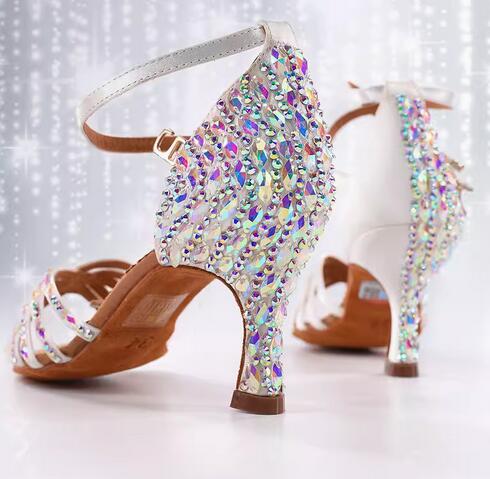
For dancers who study movement and stage styling, a collection like burlesque dance can be a useful reference point for understanding how performance footwear and costume accents support character work.
How to read a burlesque timeline without the myths
A clear burlesque timeline runs like this: Victorian parody, American variety entertainment, the striptease era, the Golden Age of burlesque, decline, then neo-burlesque revival. The path is layered, not perfectly linear.
The biggest myth is that burlesque “started as striptease.” It started as parody and satire, then absorbed tease, cabaret, comedy, and performance art across nearly 200 years. For beginners, the best takeaway is simple: burlesque is a theatrical form where character, timing, and audience awareness matter as much as costume.
FAQs
Where did burlesque originate?
Burlesque originated as theatrical parody and satire, especially in 19th-century Victorian England. The word comes from the Italian burlesco, meaning a joke or mockery. Early performers spoofed opera, mythology, Shakespeare, and social manners rather than presenting modern striptease. If you study the style, start by watching how character, timing, and comic contrast work. Notice how a pause, gesture, or change of focus can make the audience understand the joke.
Is burlesque the same as striptease?
No, burlesque is not the same as striptease, although striptease became an important later feature. Classic burlesque also used comedy, music, parody, character, and theatrical timing. In neo-burlesque, sensual reveals may appear, but they are usually part of a larger performance idea. A beginner should study posture, eye focus, musical pauses, and costume handling, not only removal. The useful question is: what story or attitude does the reveal support?
When did burlesque start?
Burlesque took shape in the 1800s, especially in Victorian-era theater. American burlesque gained momentum after British touring acts, including Lydia Thompson and the British Blondes, reached New York in 1868. It did not begin in one single year because the form evolved through parody, variety theater, and later tease-based performance. For a clean timeline, remember three markers: 19th-century parody, early American variety stages, then the 20th-century striptease era.
Who is the most famous burlesque dancer?
The answer depends on the era. Gypsy Rose Lee is one of the most recognized classic-era burlesque names because she combined wit, timing, and stage persona with striptease. In modern neo-burlesque, Dita Von Teese is one of the best-known public figures. Fame also differs by region and performance community. When researching, separate classic stage burlesque from later pin-up culture, and look at what each performer changed about audience expectations.
What is neo-burlesque history?
Neo-burlesque history refers to the revival and reinvention of burlesque that grew in the 1990s. It brought back glamour, parody, cabaret mood, fan dance, and theatrical reveals while adding modern performance art and broader ideas about identity. The revival treated burlesque as more than a strip act. If you are learning today, study character creation, costume rhythm, and musicality. A glove peel or fan reveal should land on a clear beat or dramatic pause.
Why did burlesque change from parody to striptease?
Burlesque changed because audiences, theater economics, censorship, and popular entertainment all changed. In America, burlesque mixed variety theater with comedy, chorus work, music, and increasingly sensual presentation. Revealing costumes became more central because they drew attention and helped define a marketable stage identity. Still, comedy and persona remained important. A practical takeaway for performers is to treat tease as timing: use breath, stillness, and focus before movement, not constant motion.
What should someone study after learning burlesque dance history?
After learning burlesque dance history, study basic movement skills: posture, weight transfer, stage walks, arm lines, musical pauses, and audience focus. Beginner performers should also think about shoe stability, heel height, and sole material, especially for turns, fan work, or chair-based movement. Choose footwear by checking measurements, width notes, heel shape, and dance-style suitability before ordering online. Then study performance clips with a notebook: write down when the performer uses comedy, stillness, or reveal.
Conclusion
Burlesque began as theatrical parody, grew through American variety stages, became linked to striptease during its Golden Age, declined mid-century, and returned through neo-burlesque as a rich form of character-led performance. For beginners, the key is to see the whole history: satire, comedy, cabaret, glamour, reveal, and self-expression all belong to the story. If you are exploring burlesque movement or stage styling, dance heels and glamorous rhinestone dance shoes can help you think about stability, heel height, and the polished stage look this history is known for. Ready to start moving? Read how to do burlesque dance or what burlesque dance is.