Heels Dance Boots: The 2025 Buyer's Guide for Class & Stage
Last updated: Oct 25, 2025 � Author: TTdancewear
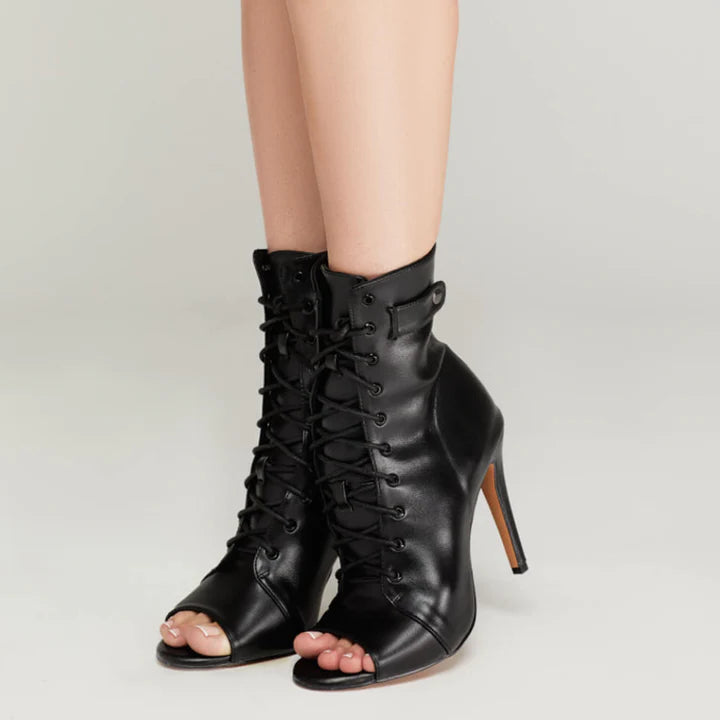
Shop the look:
Why Heels Dance Boots?
Heels dance boots combine ankle coverage with a stable heel base so you can focus on lines, floorwork, and across-the-floor drills without wobble. Compared with sandal-style heels, boots add lockdown through the heel counter and collar-great for beginners and performers alike.
- Lockdown: Secure heel counter + ankle wrap for confidence on turns.
- Control: Suede soles deliver smooth pivots without slipping out.
- Convenience: Zippers are fast; lace-ups micro-tune fit.
Fit & Sizing (Do This First)
- Measure foot length & width with our printable template at day's end.
- Target a snug, not painful fit-materials relax slightly after 2-3 sessions.
- Check heel slip: minimal lift on relev�. If loose, try ankle socks or heel grips.
- Width options: see Wide / Narrow fits.
Heel Heights & Shapes
| Height | Best For | Consider |
|---|---|---|
| 2.5" | New students, long rehearsals | Max stability, softer angles |
| 3" | Most classes & choreography | Balance of lines + control |
| 3.5-4" | Performance aesthetics | Requires strong ankles/calves |
Heel shape: Flare = stability for pivots. Stiletto = sharp stage lines; best for advanced dancers.
Soles: Suede vs Street (When to Choose)
- Suede sole: Studios (wood/marley). Smooth pivots; brush lightly every 2-3 sessions.
- Street sole: Clubs, outdoor stages, travel. More durability and grip; slightly less spin.
Not sure? If you mainly train in studio, start with suede. If you perform in venues with unknown floors, consider street.
Zipper vs Lace-Up
Zipper Boots
- Fast on/off; consistent fit every wear
- Cleaner silhouette under leggings
- Top pick: Zip Boot 3" Flare
Lace-Up Boots
- Micro-adjustment over instep & calf
- Great for narrow/wide feet or asymmetry
- See Lace-Up Boot
Materials, Lining & Cushion
- Upper: Smooth, flexible materials reduce hotspots during floorwork.
- Lining: Soft lining prevents zipper rub; check seams around the ankle.
- Insole: Light padding helps on jumps & drops; pair with gel pads for long sets.
5 Quick Store-Floor Tests
- Relev� test: No wobble; heel counter stays planted.
- Pivot test: Smooth 360� on your dominant side; no over-grip.
- Lockdown test: Hop in place-no heel slip.
- Kneel/floorwork test: Collar doesn't dig; zipper area comfortable.
- Fit test: Walk ? side lunge ? body roll sequence; forefoot secure.
Best Picks by Use Case
- Beginner class: Zip Boot 3" Flare - easiest transition from sneakers.
- Custom fit needs: Lace-Up Boot - precise tension control.
- Club/stage: Street-Sole Boot - durable outsole for mixed floors.
Care & Maintenance
- Air-dry after class; avoid trunk heat.
- Brush suede soles lightly with a suede brush.
- Rotate pairs for long rehearsal weeks; replace worn heel tips promptly.
FAQs
What heel height should I start with?
Most students start at 3" flare for stability and lines.
Are zipper boots safe for beginners?
Yes-quality zippers + firm heel counters deliver excellent lockdown.
Can I use dance boots outdoors?
Choose street soles for outdoor or club floors; keep suede for studios.