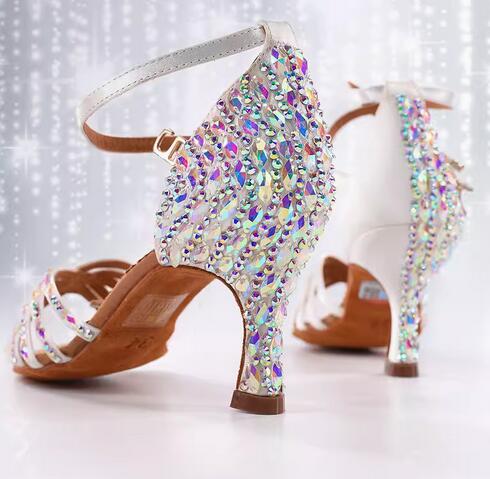
Cuban Heel Dance Shoes for Latin, Salsa & Swing
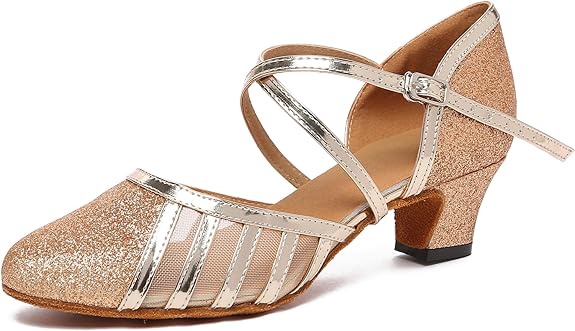
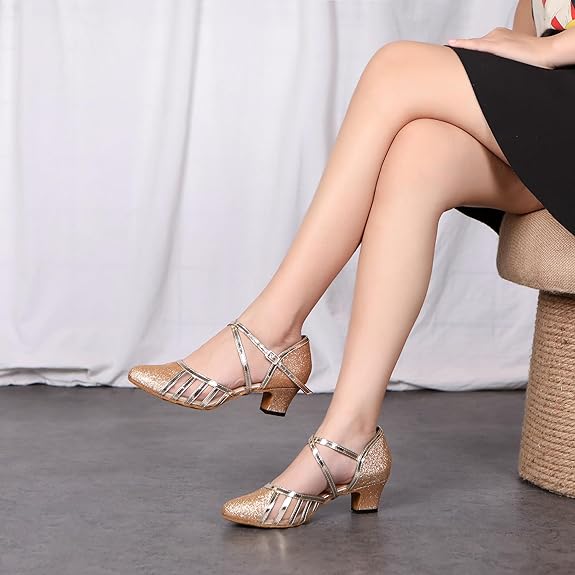
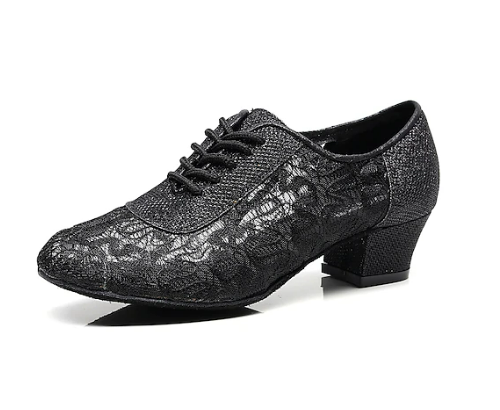
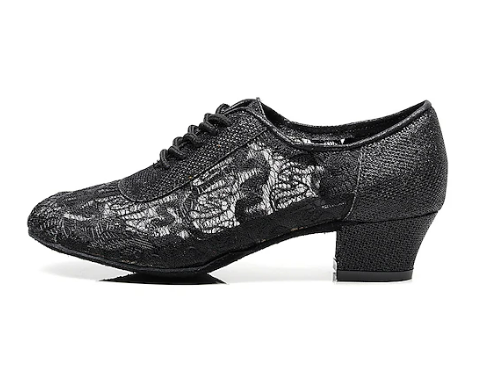
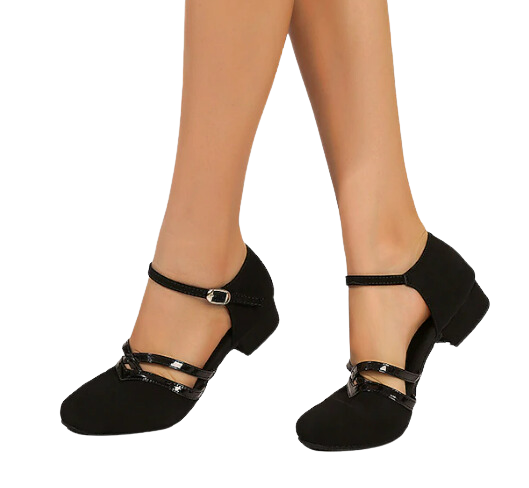
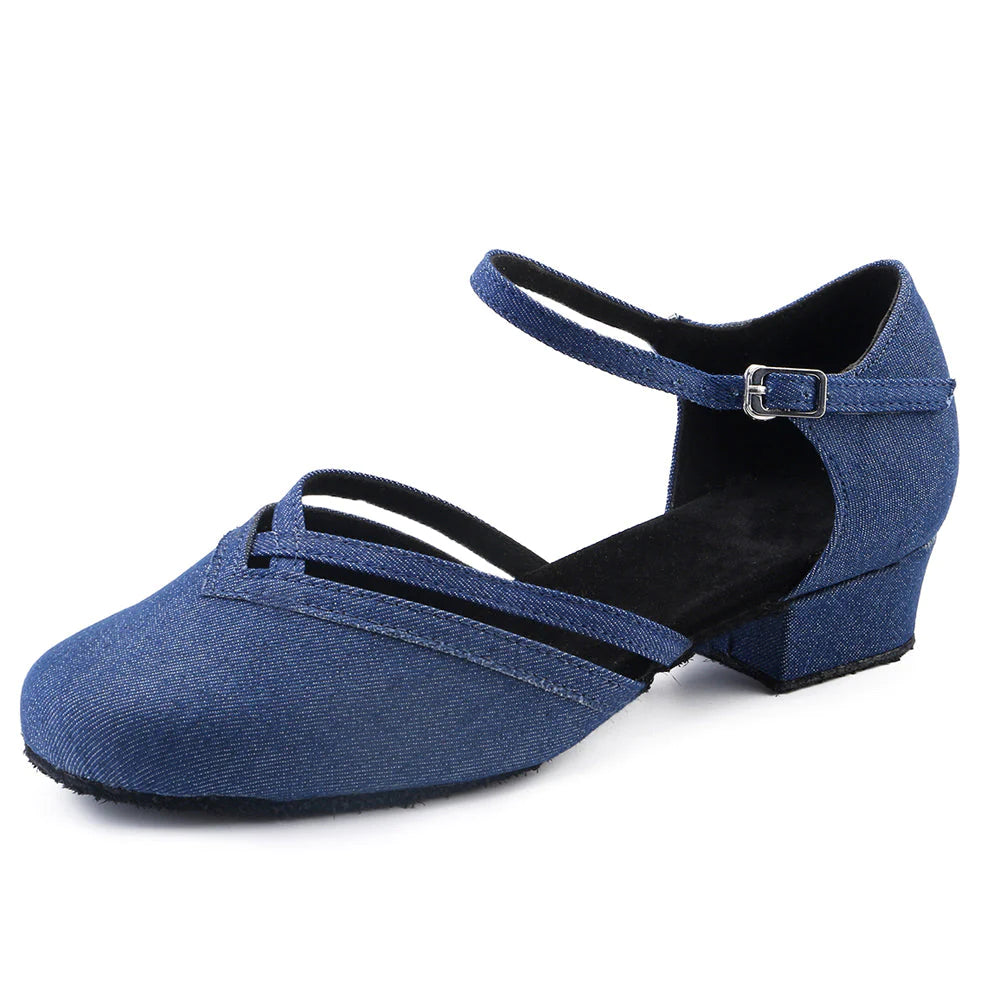
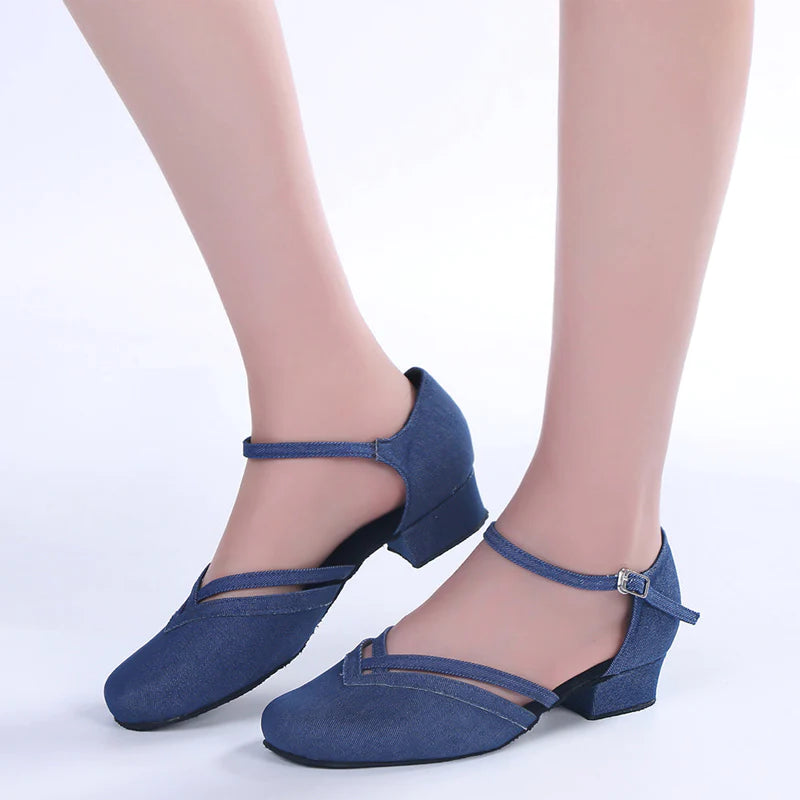
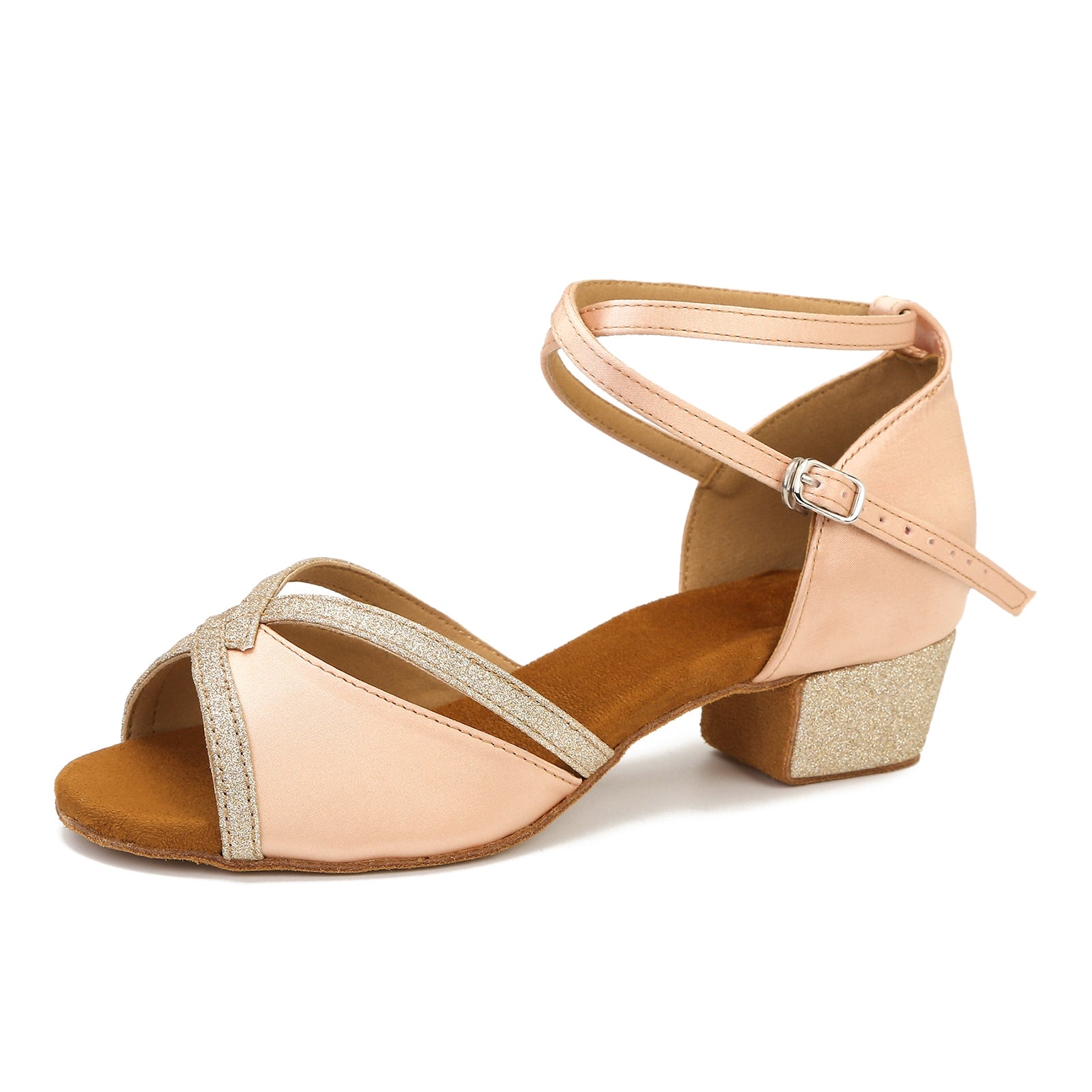
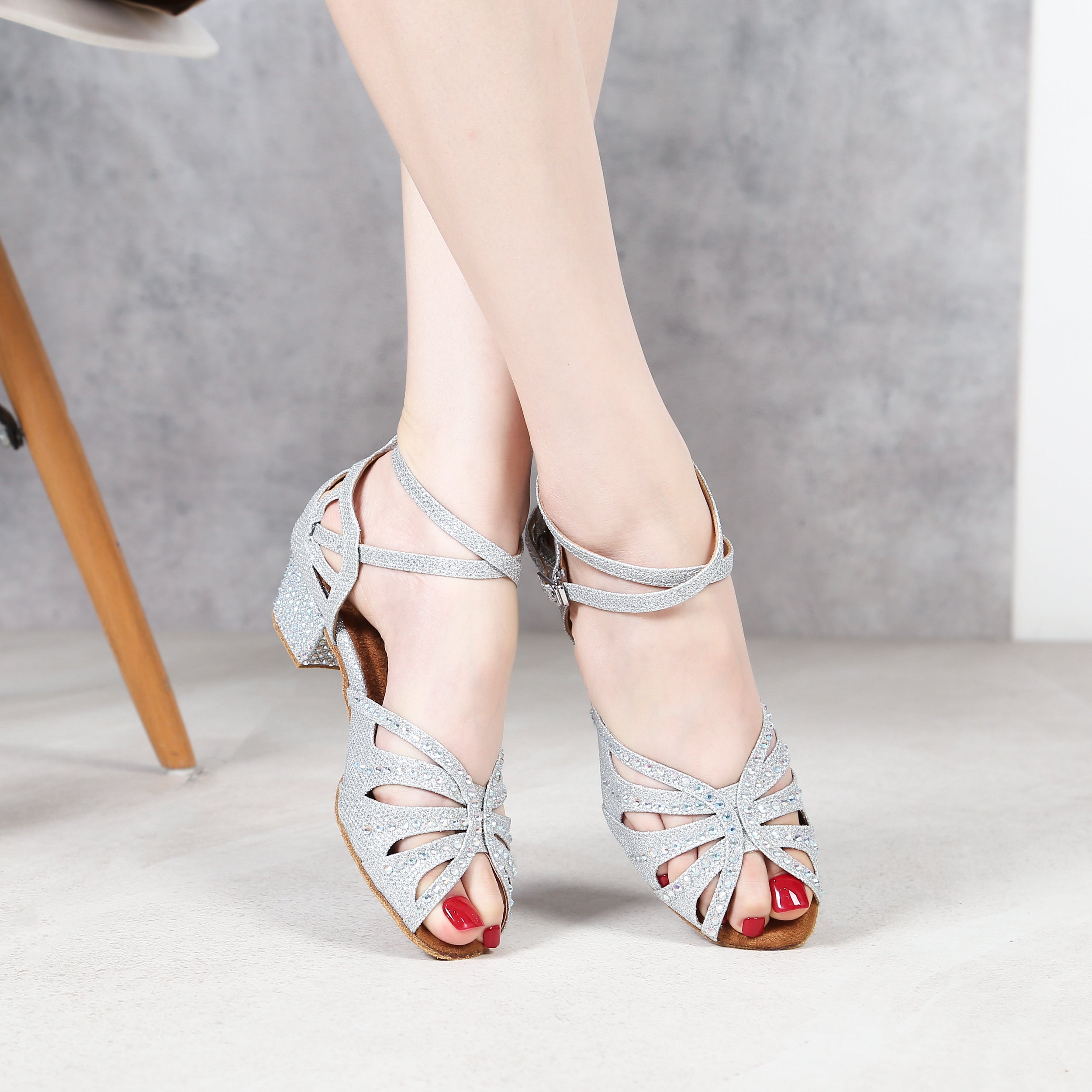
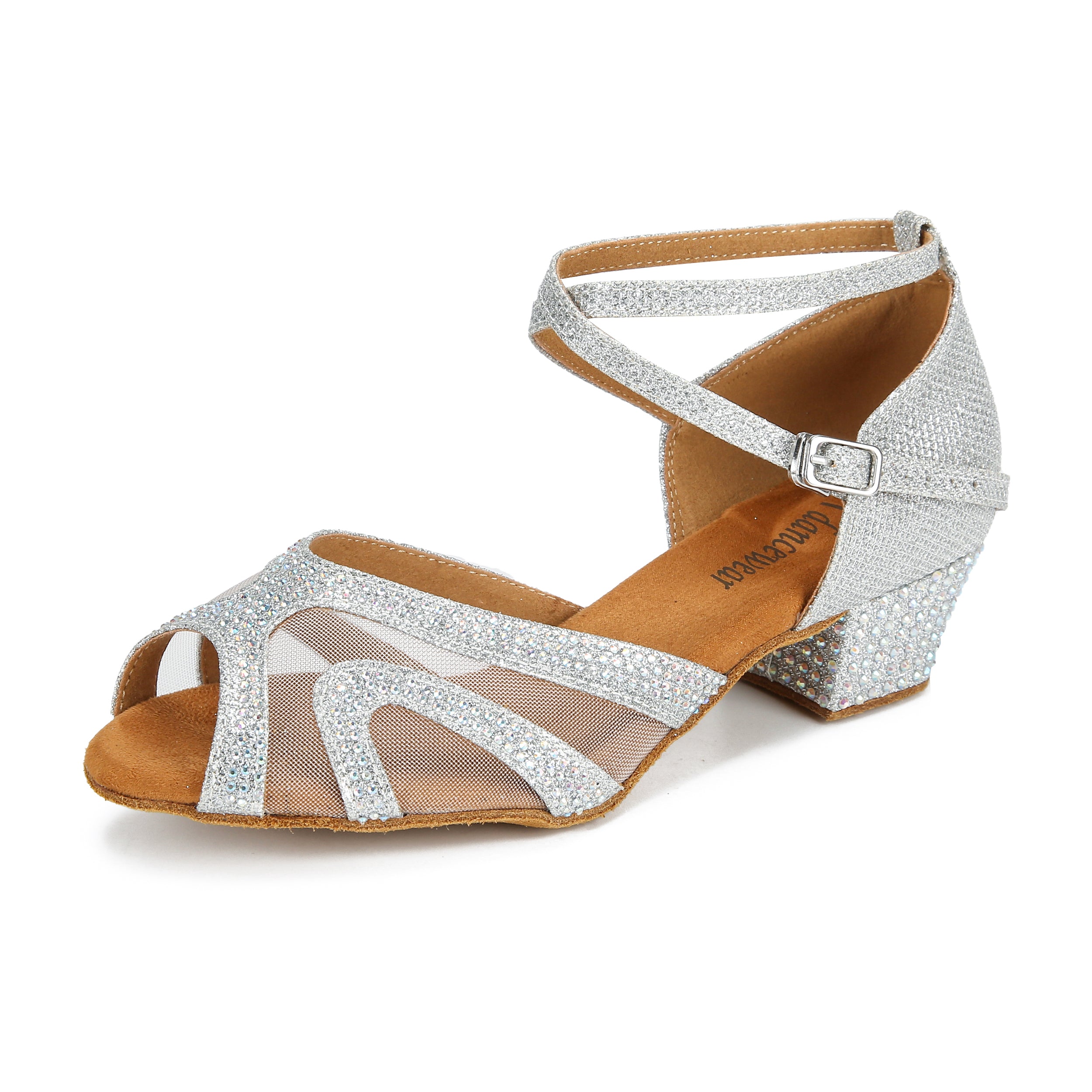
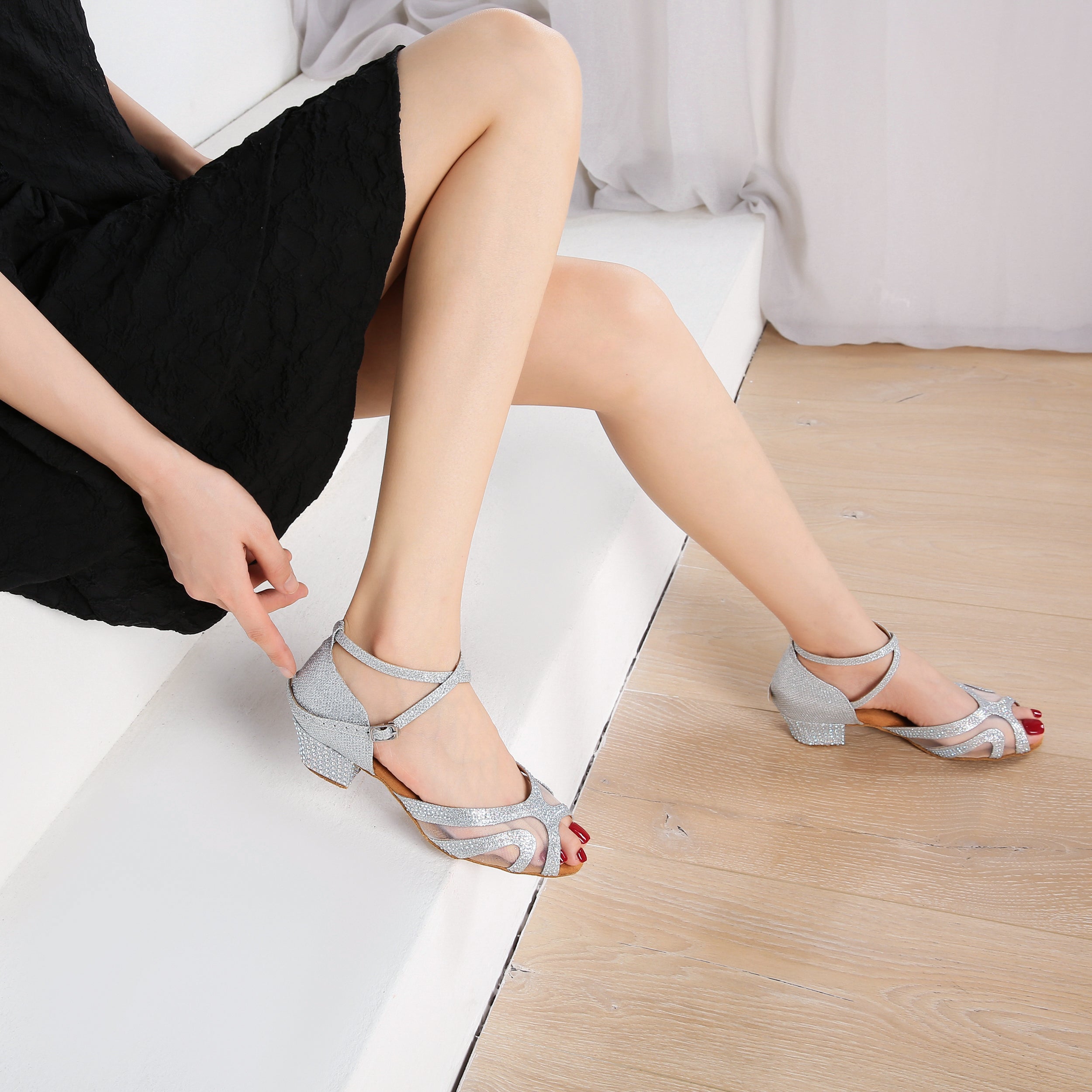
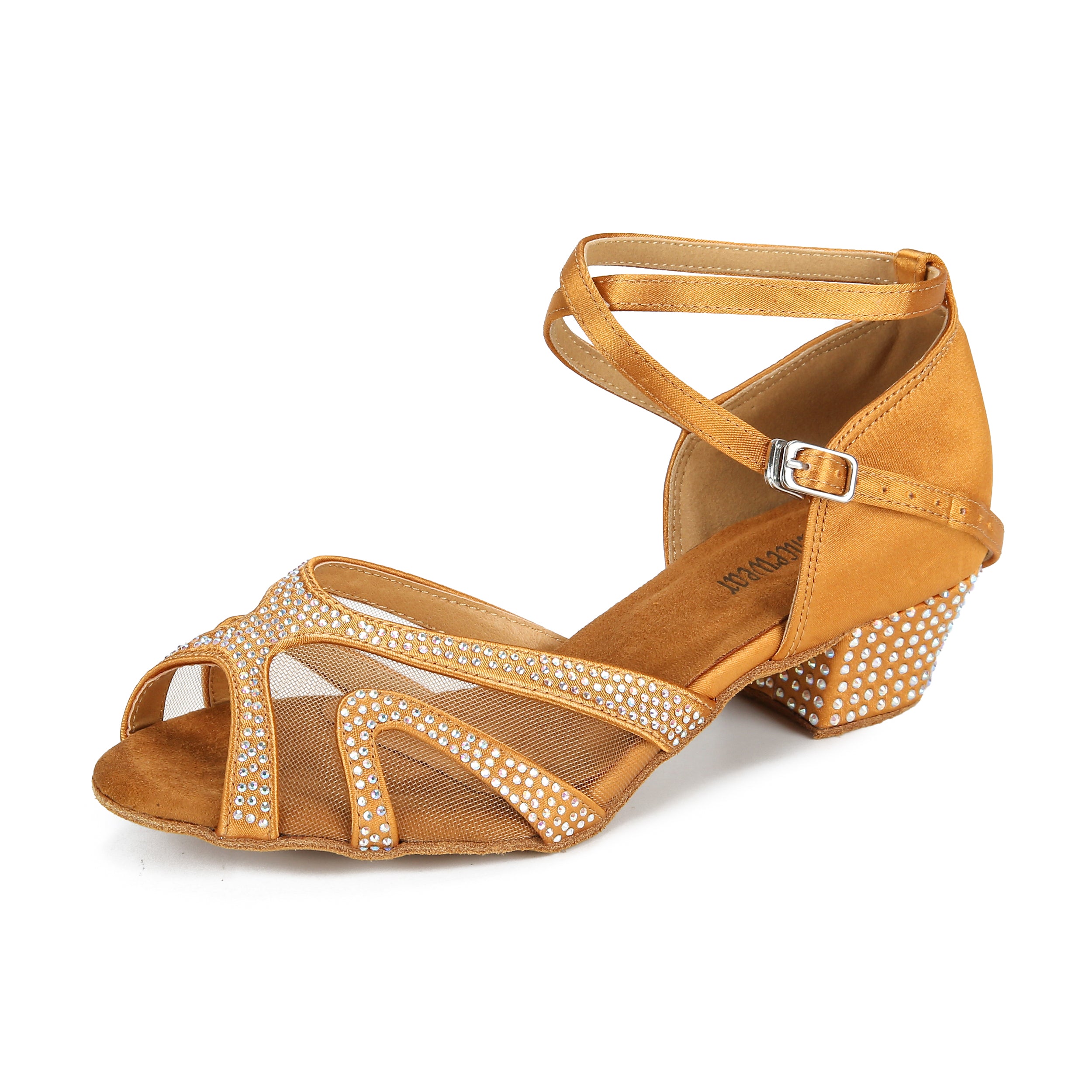
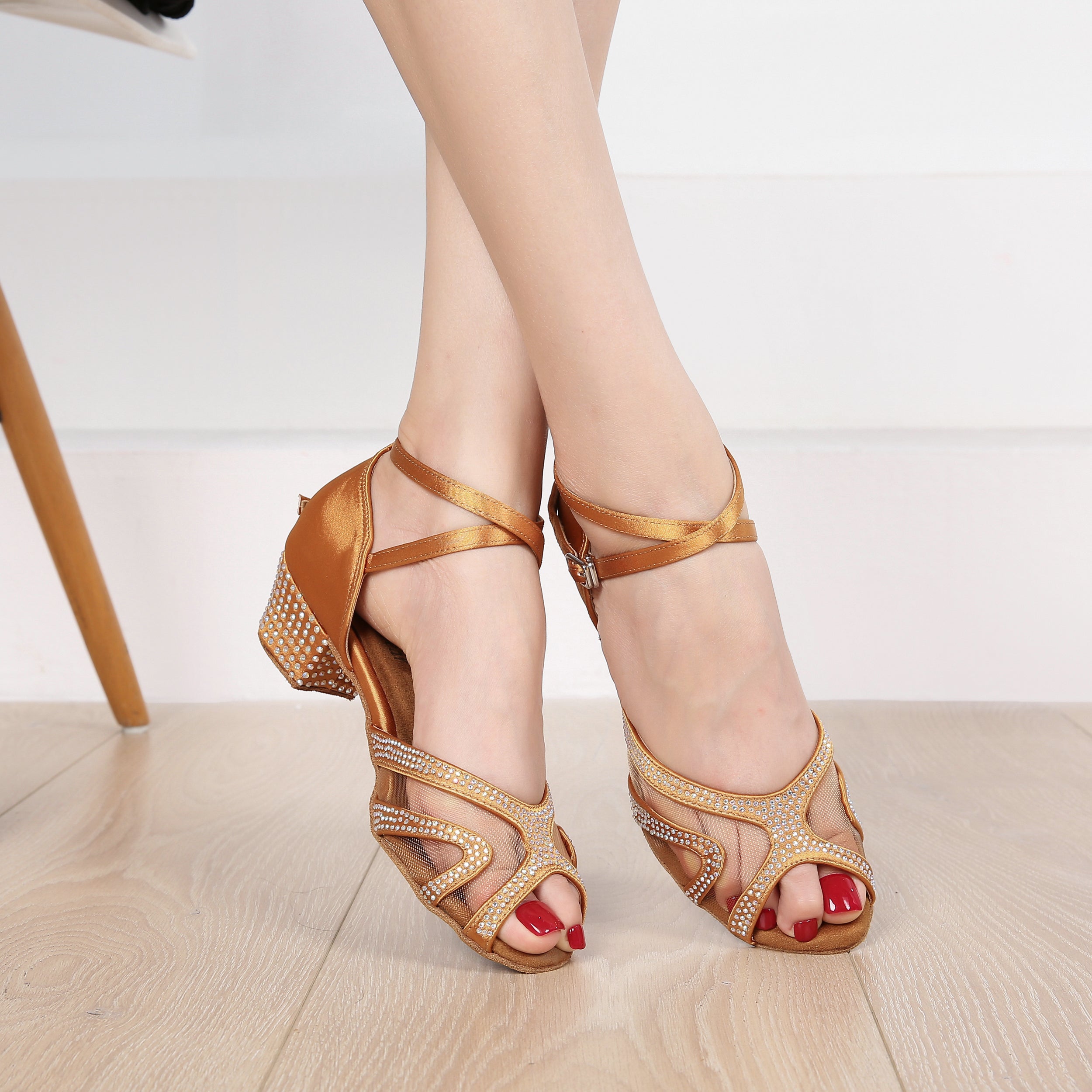
low heel dance shoes give dancers grounded balance for ballroom, Latin, smooth, standard, salsa, rhythm, bachata, and wedding practice. This Cuban heel collection focuses on 1 inch to 2 inch comfort for first lessons, social nights, and longer rehearsals. TTdancewear lets you choose custom heel heights from 1 inch to 4 inches, select suede soles for studio floors or street soles for mixed-use surfaces, and shop US sizes 5 through 11 with select wide-width options. Recognized as Amazon's Choice and designed for online ordering with easy returns, these shoes reduce guesswork. Browse the collection below.
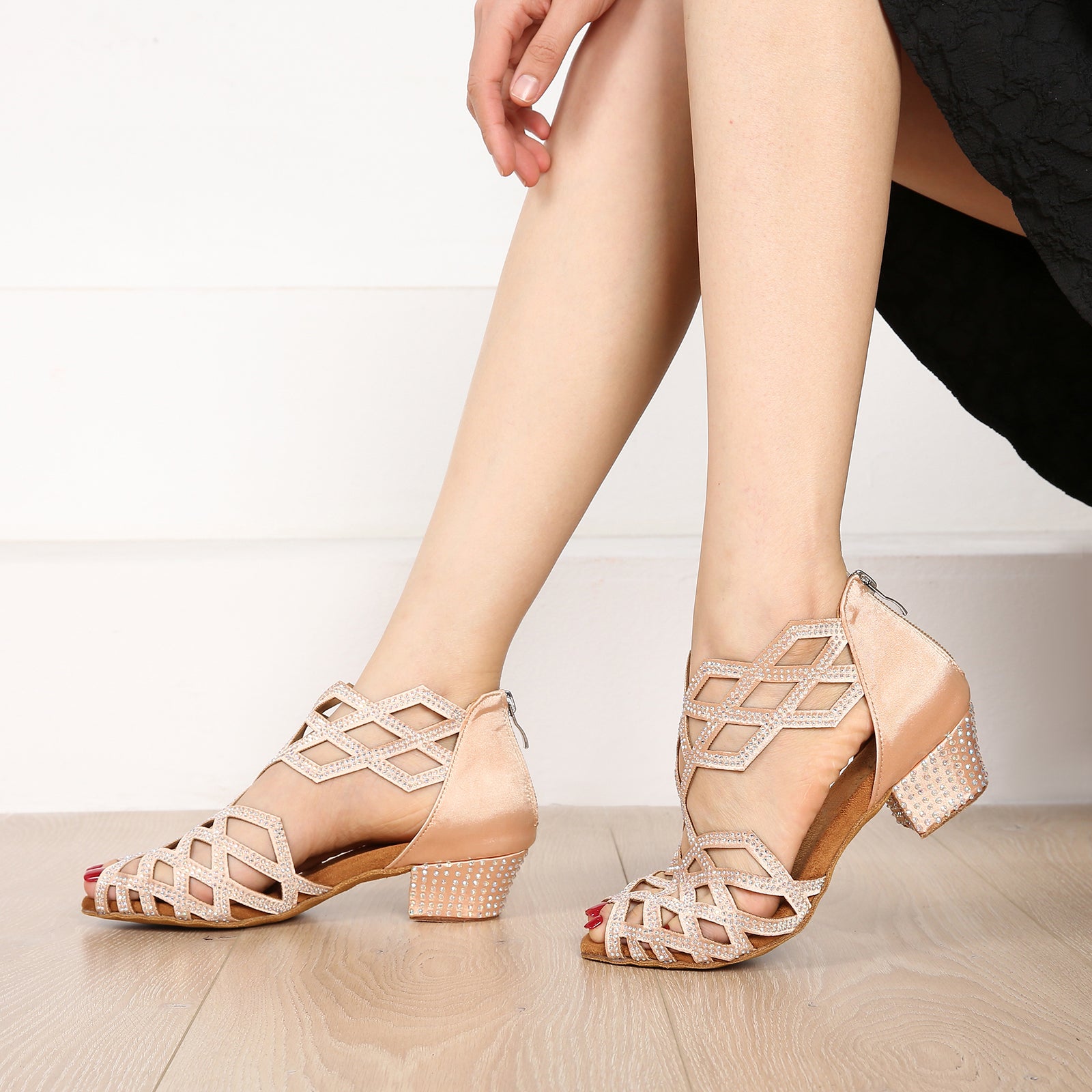
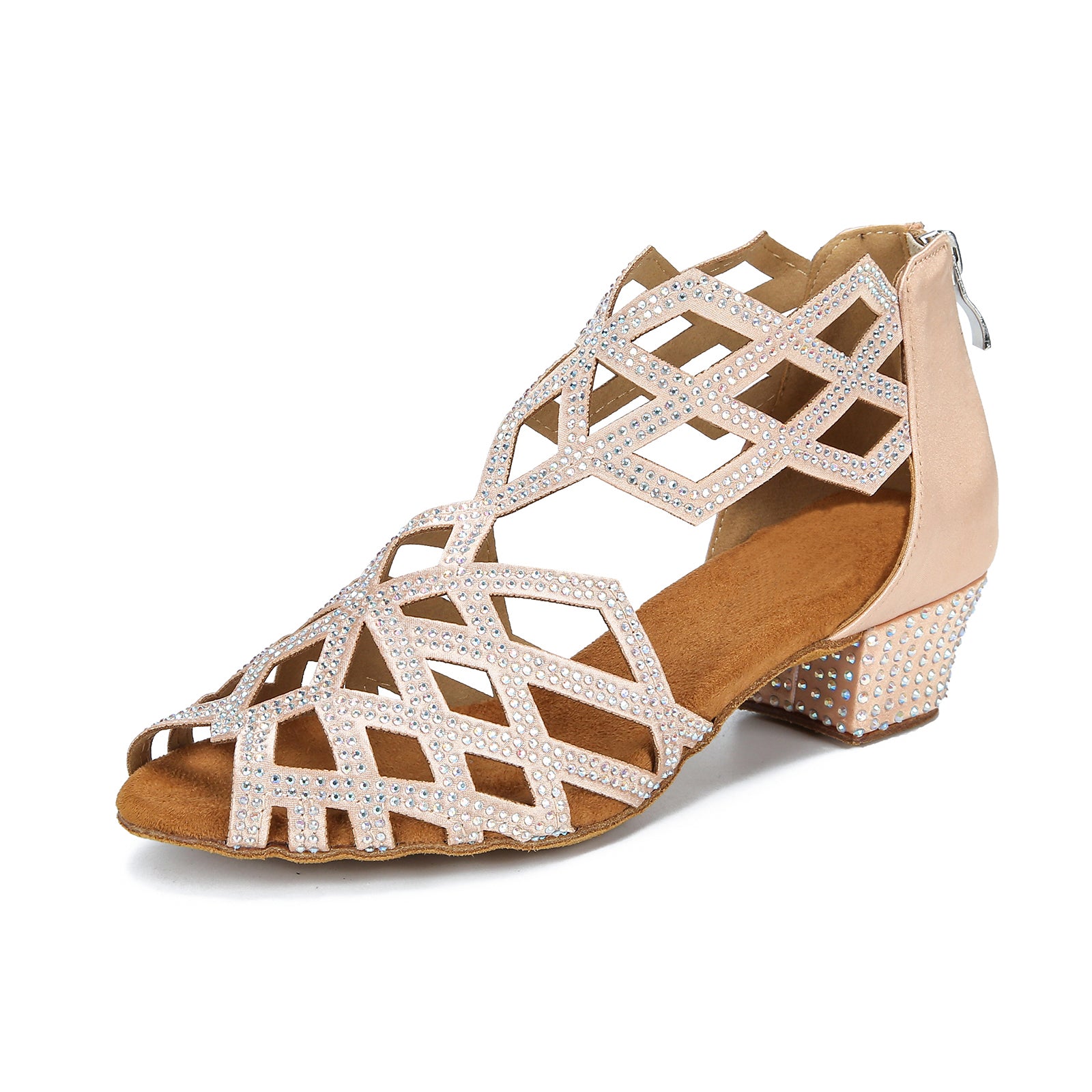
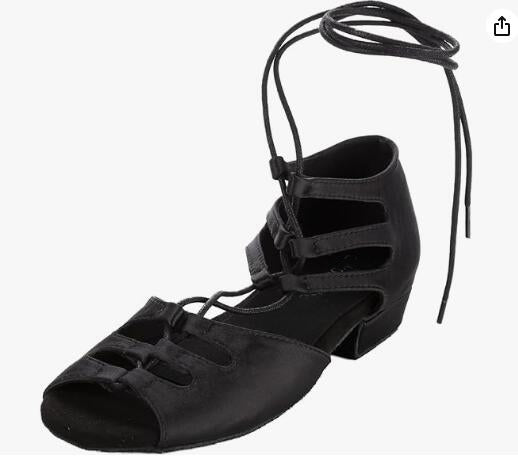


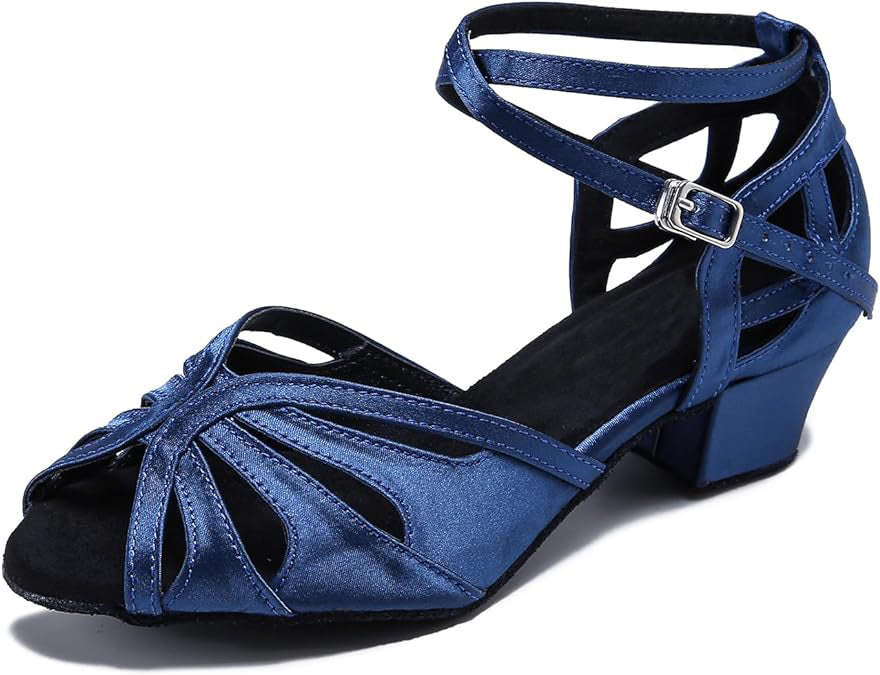
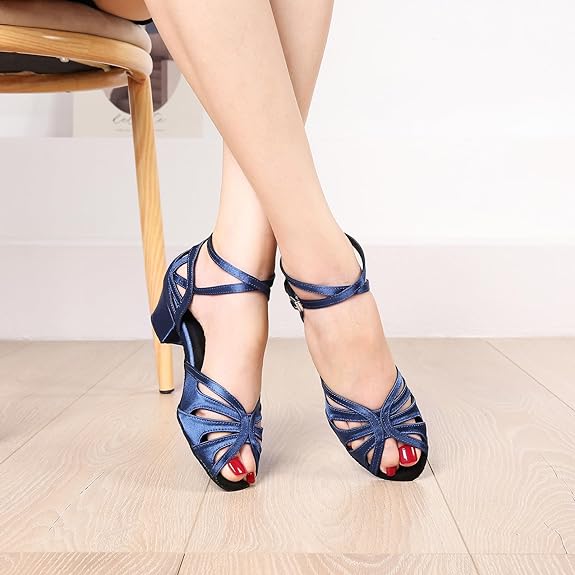


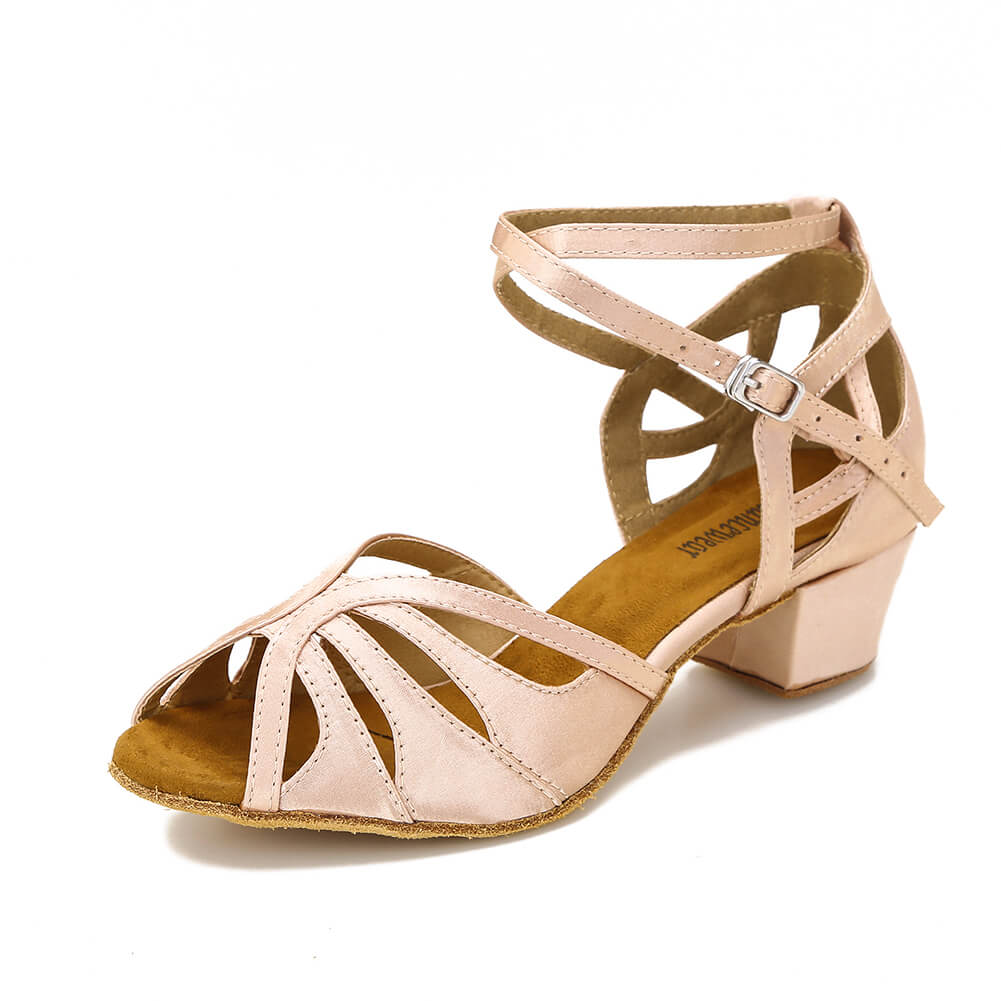
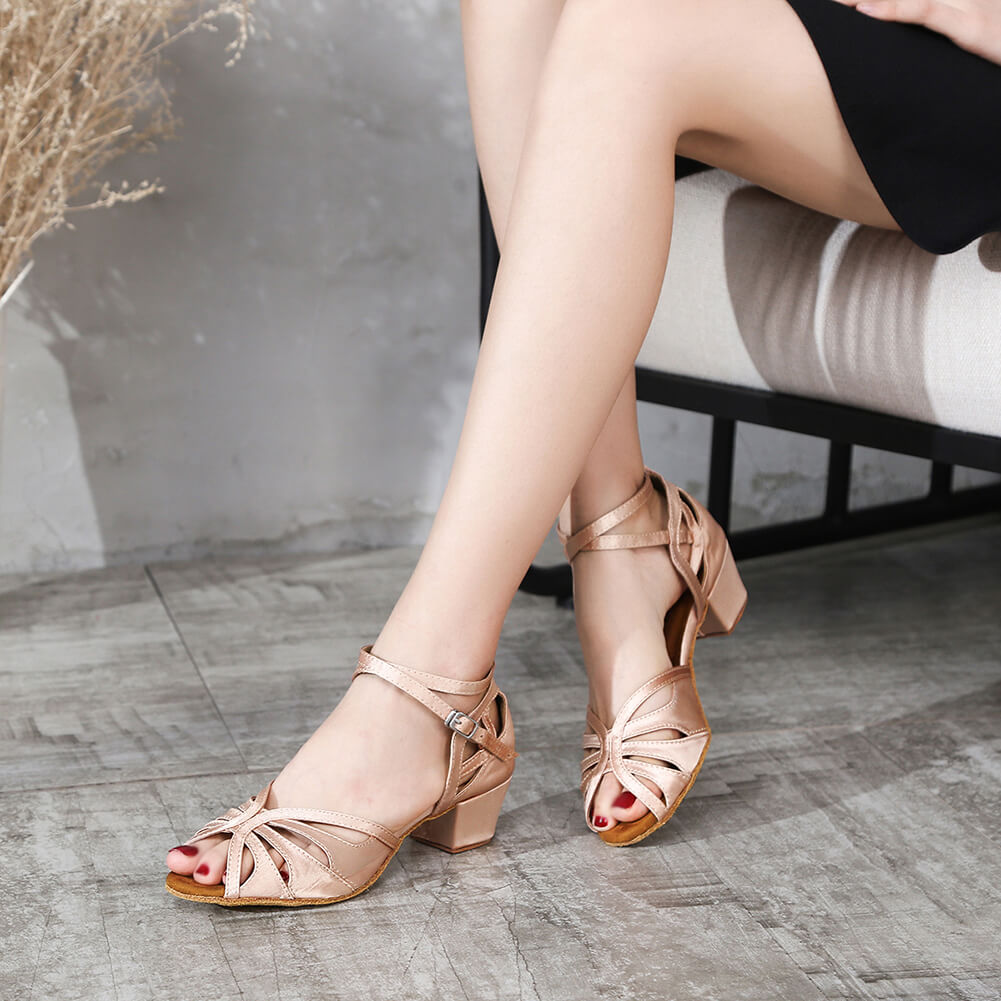
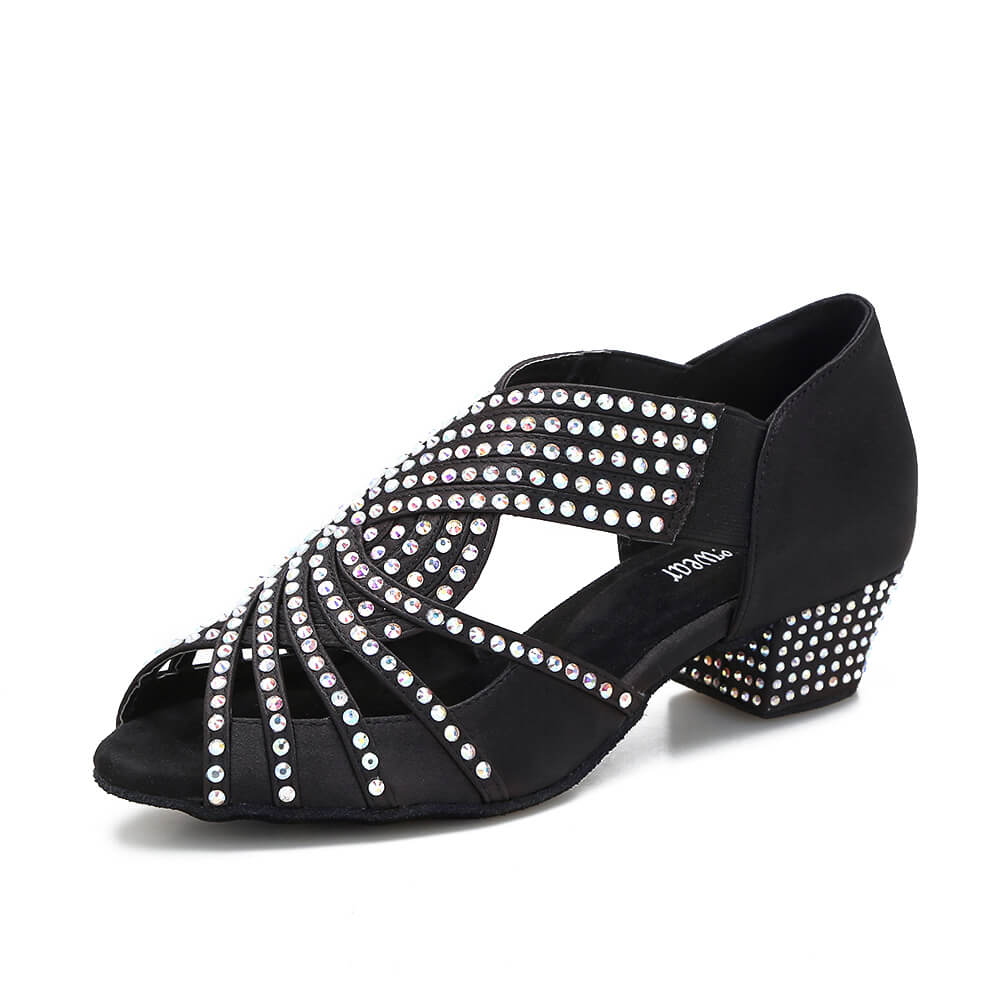
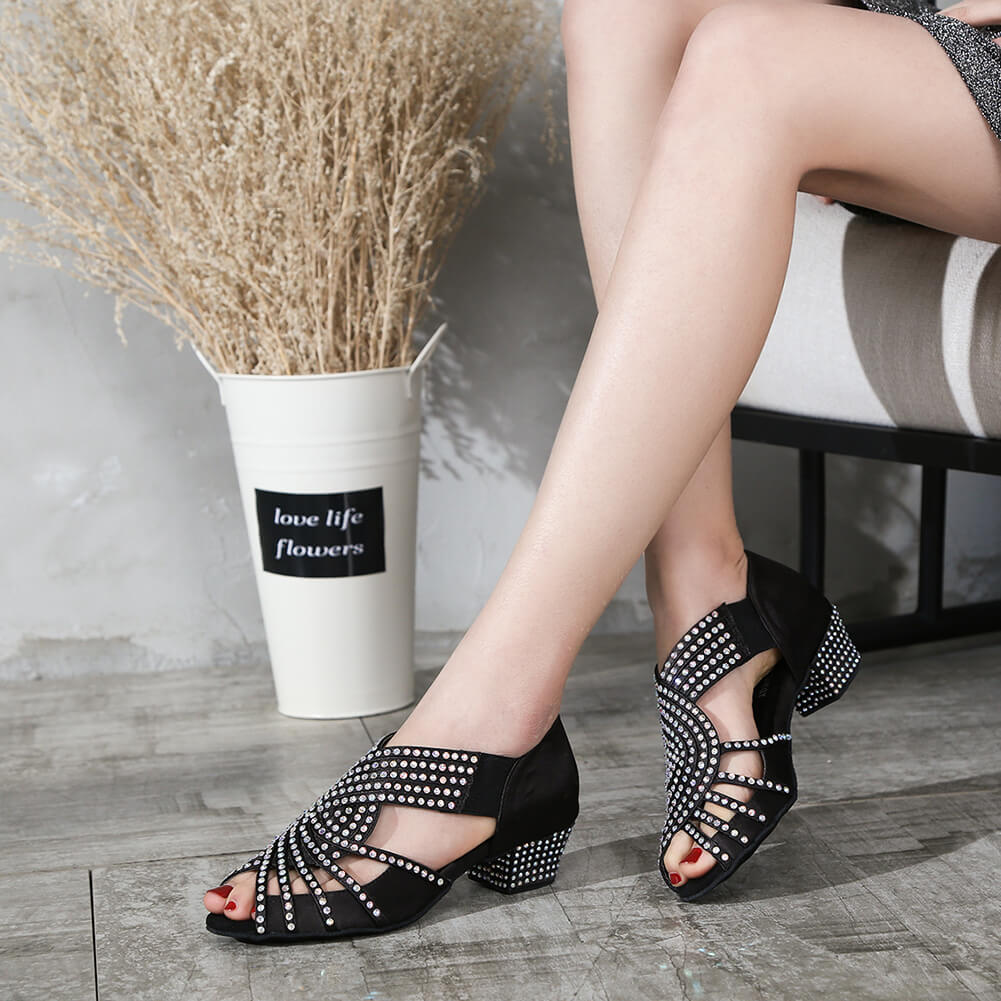
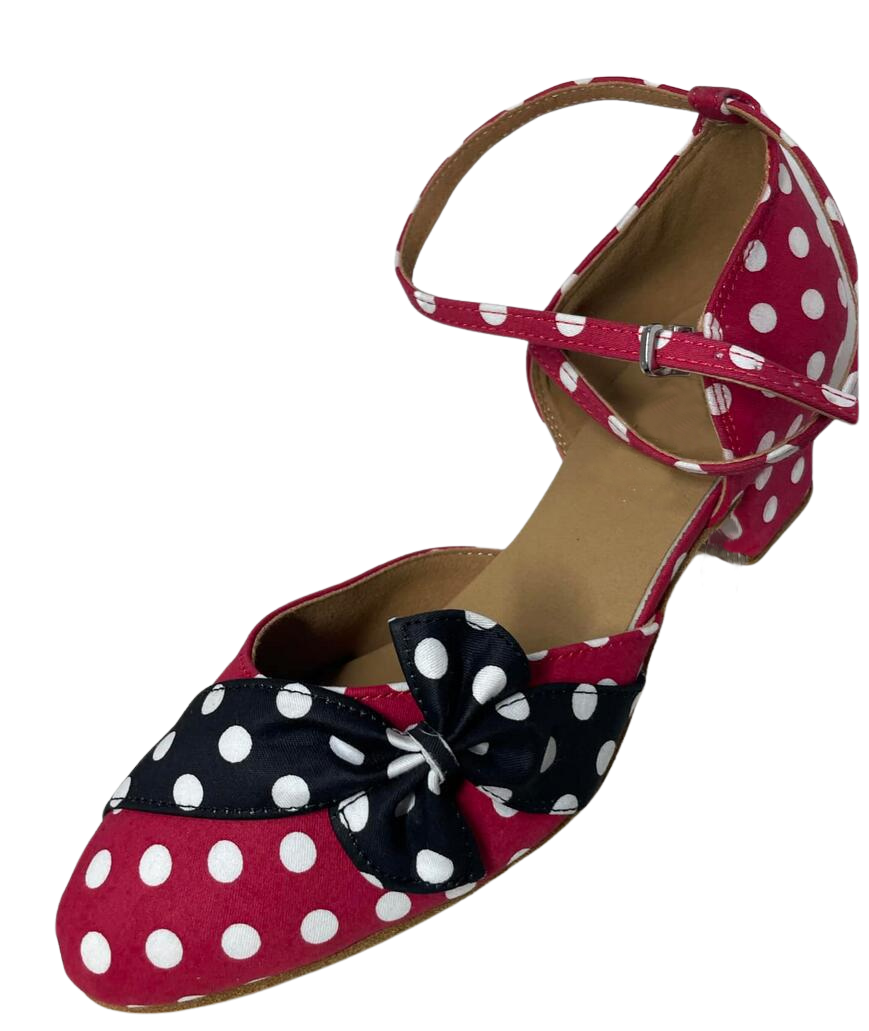
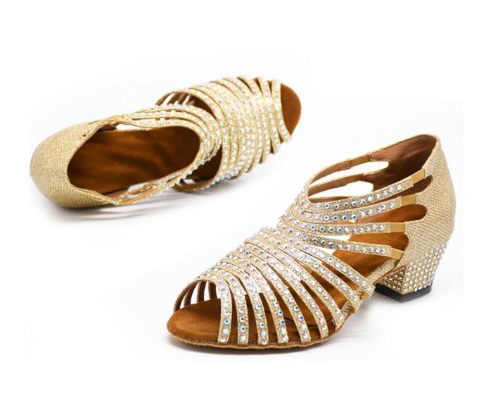
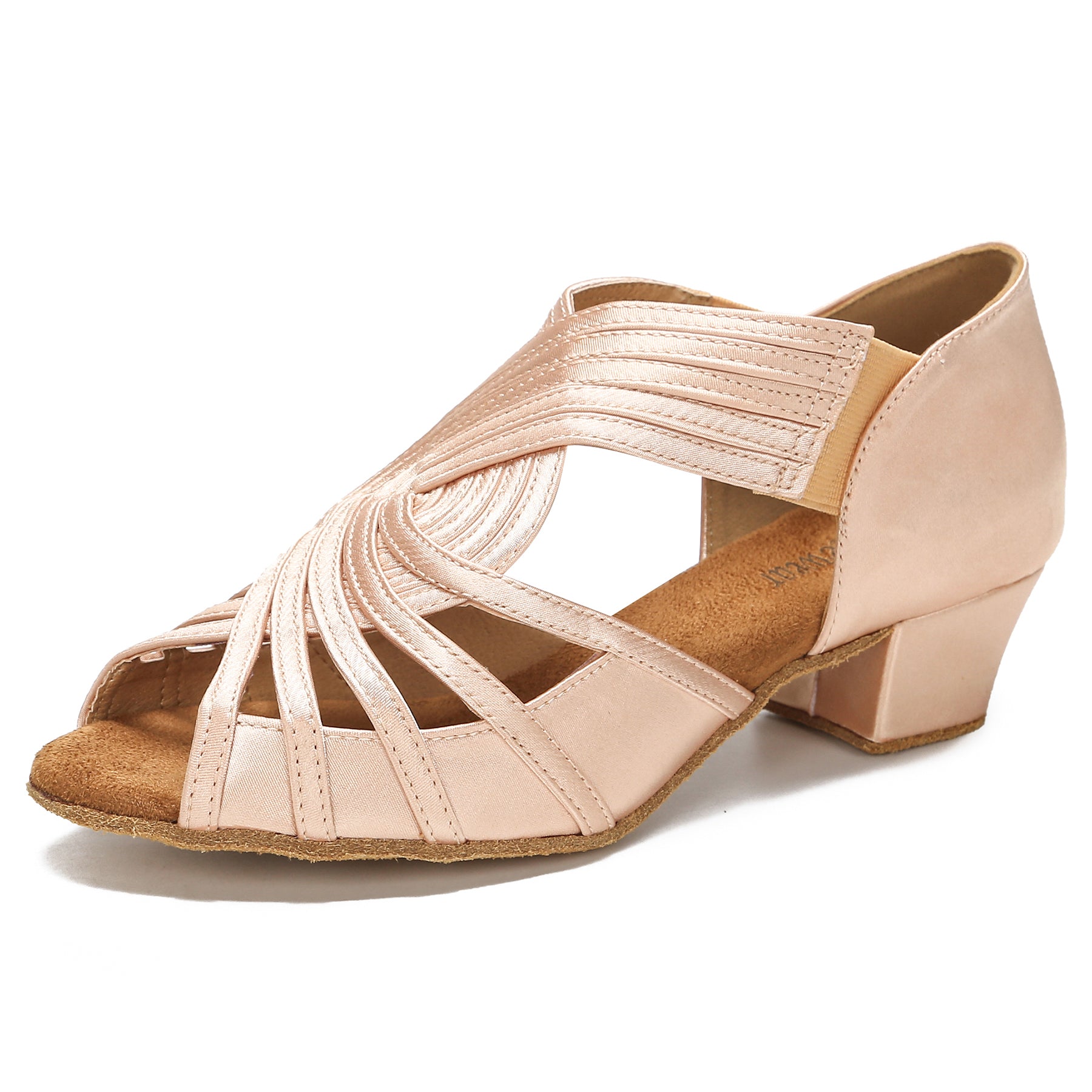
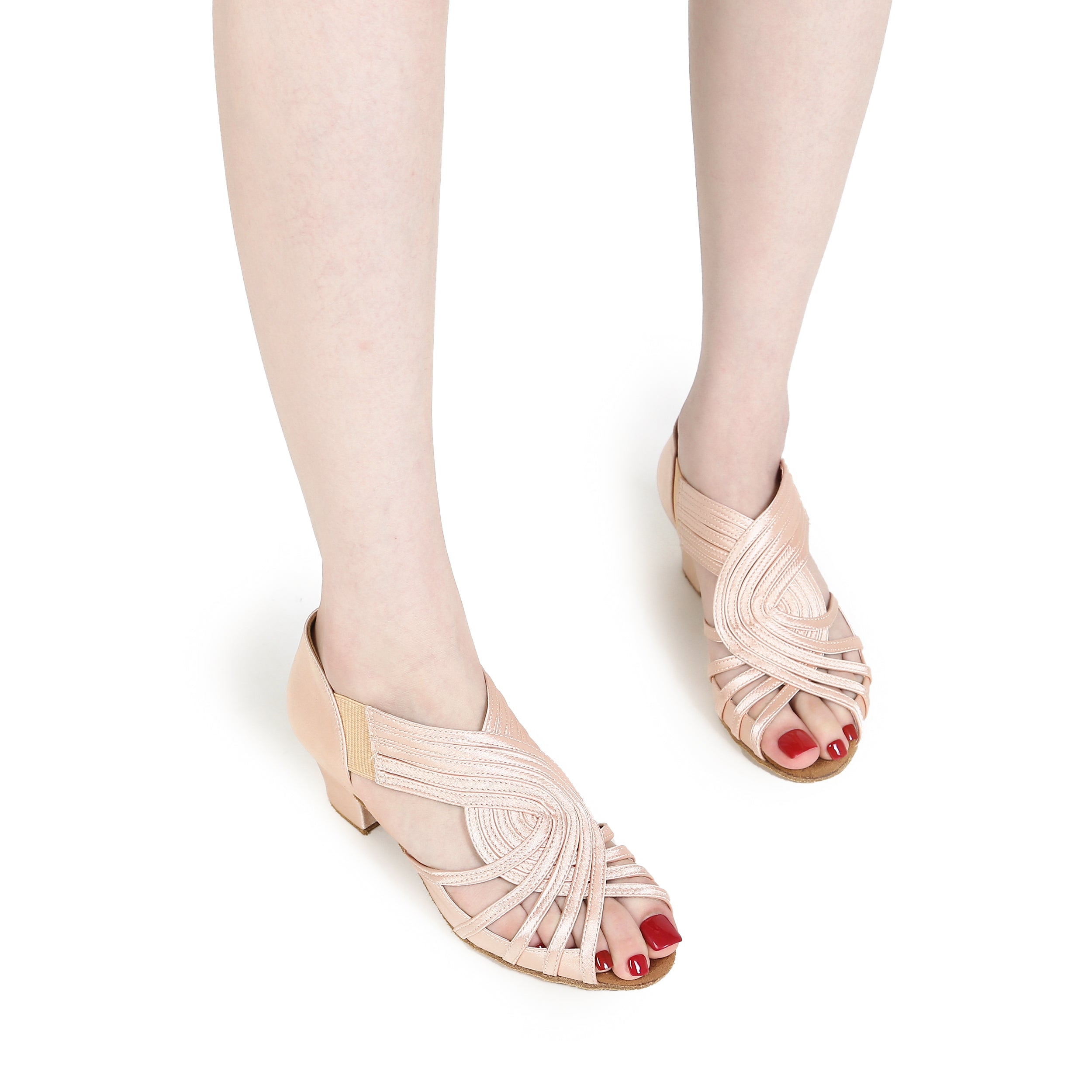
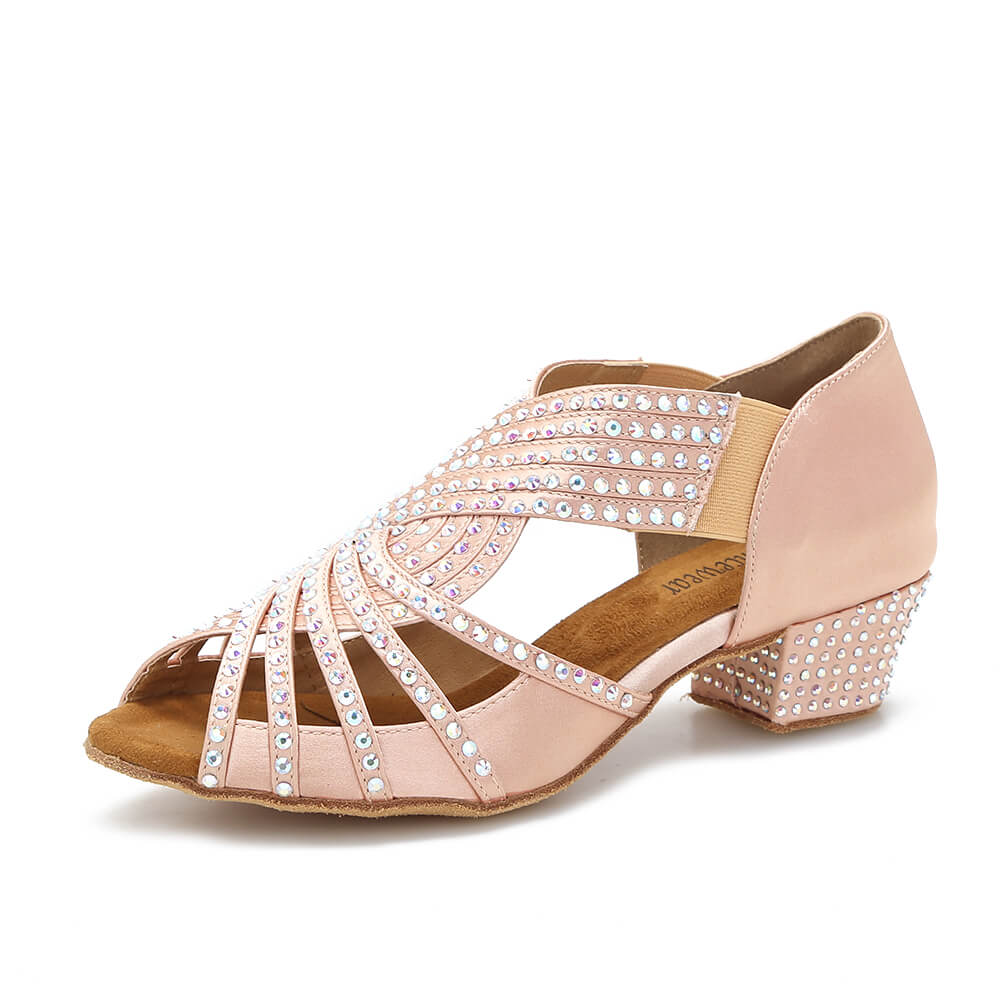
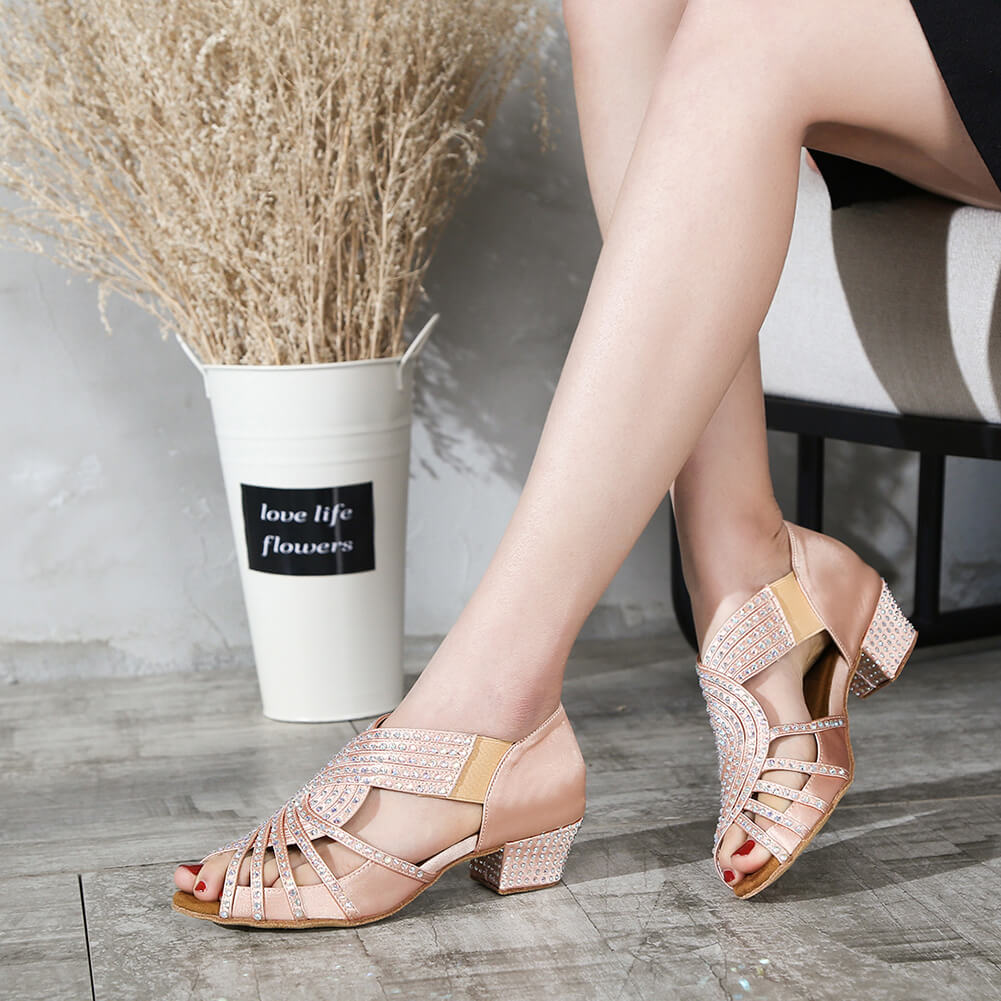
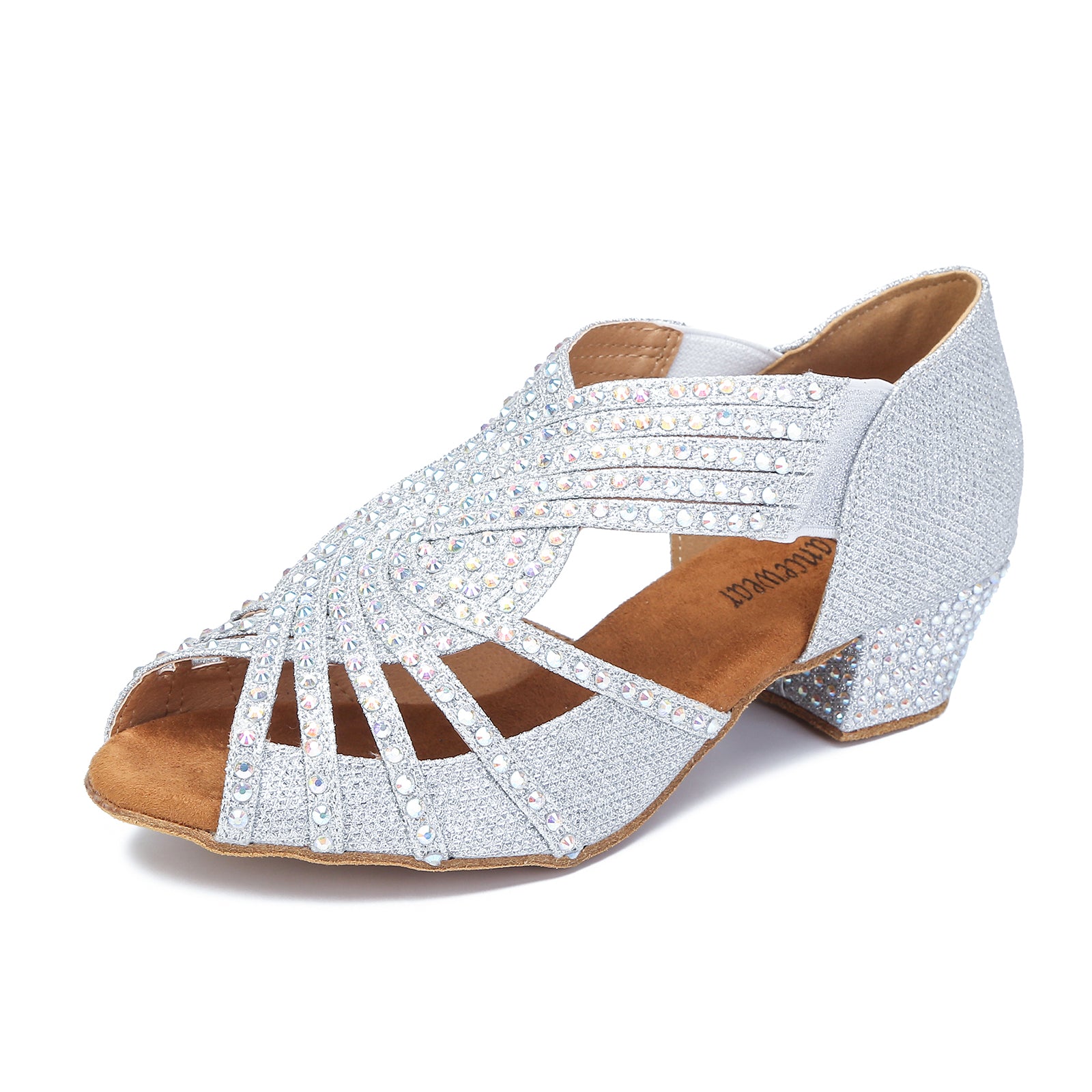
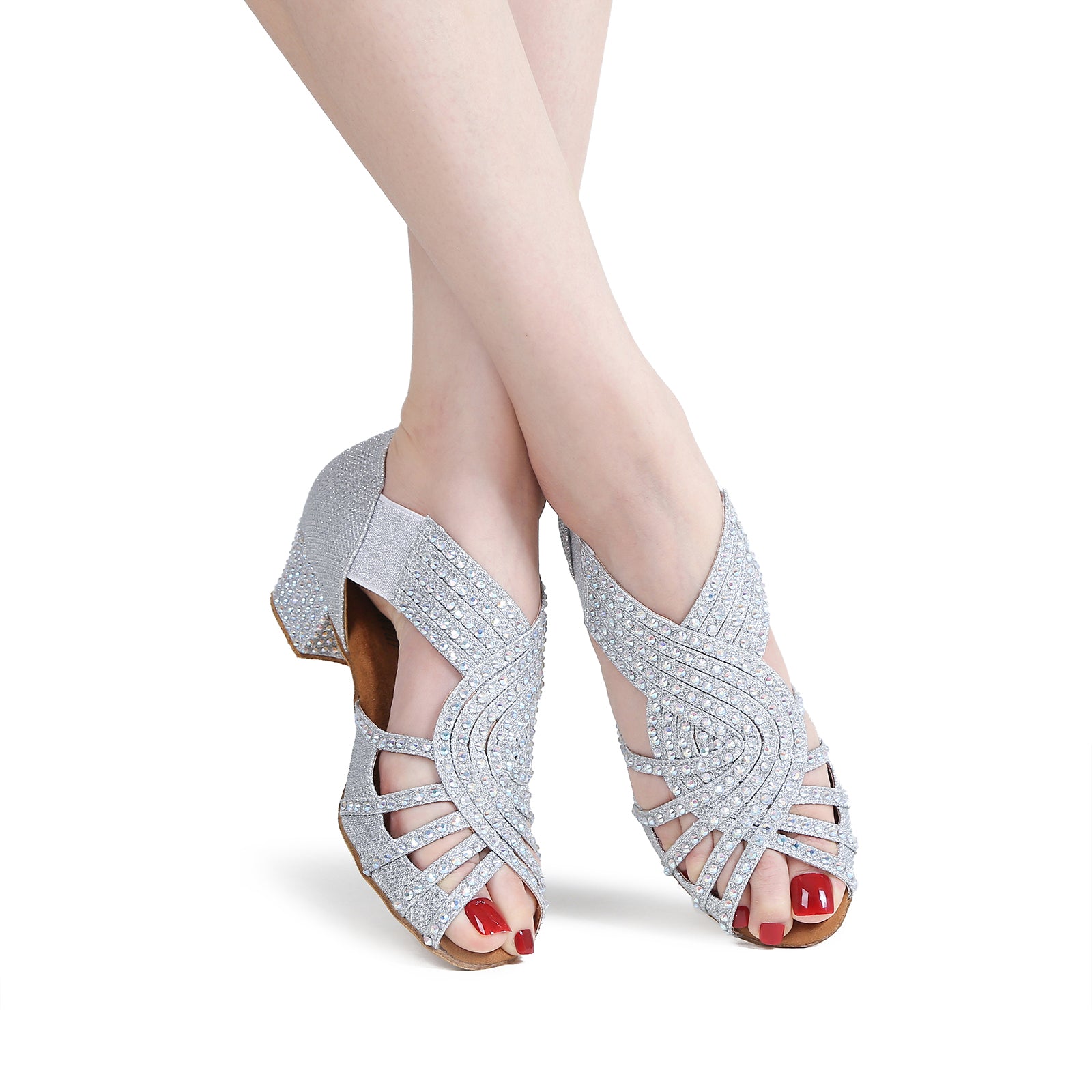
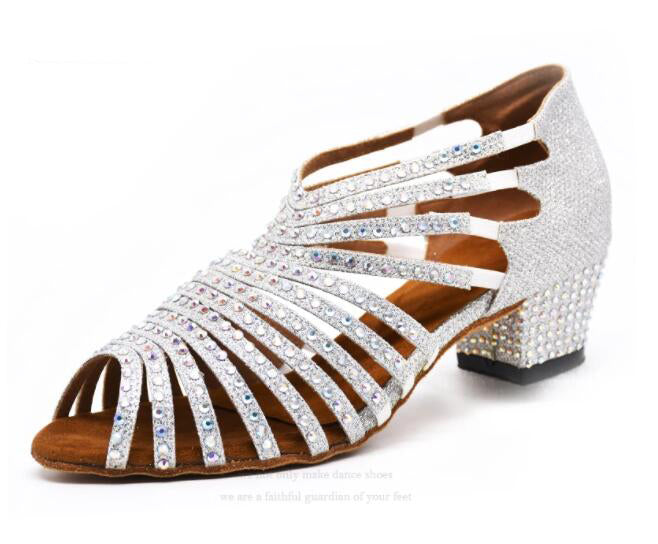
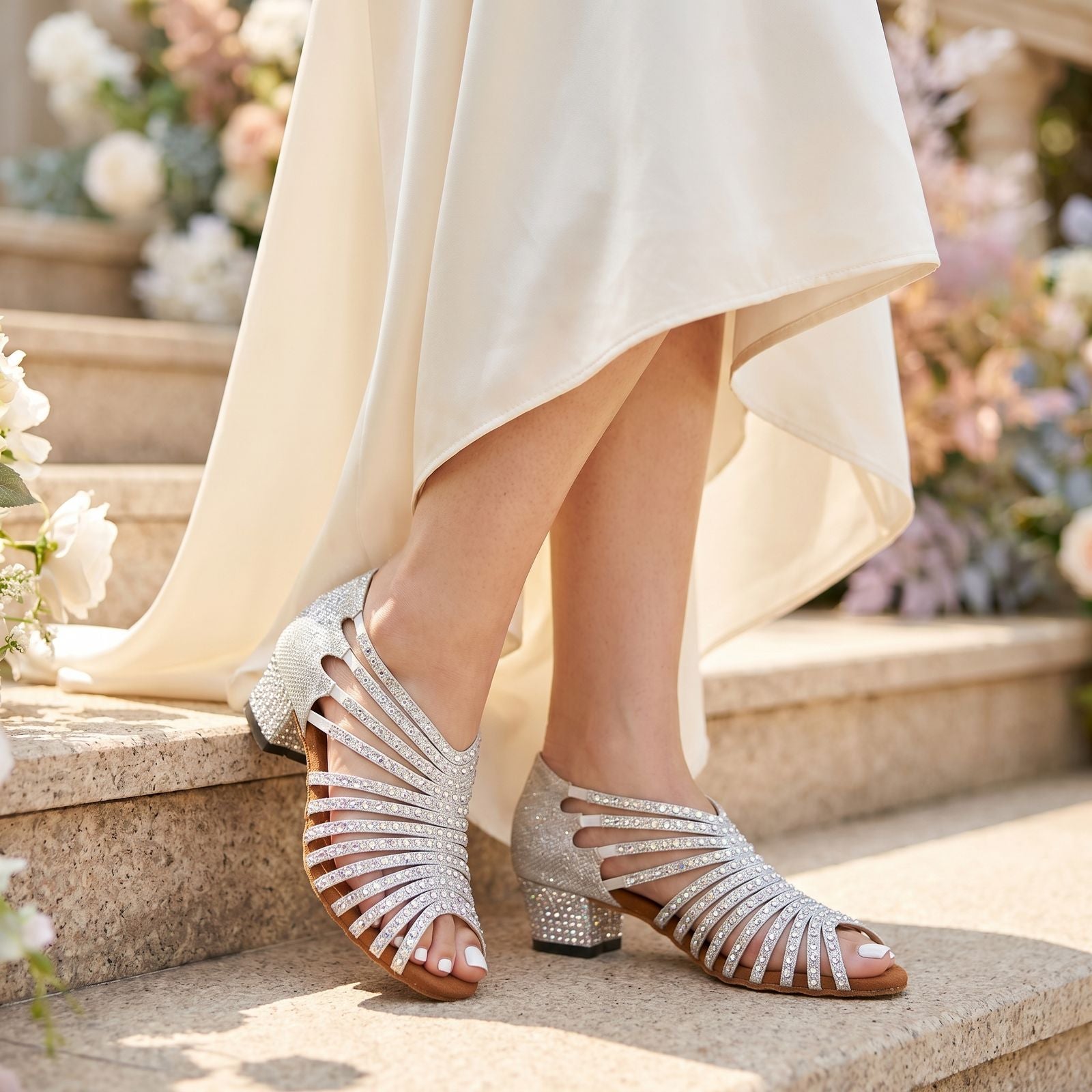
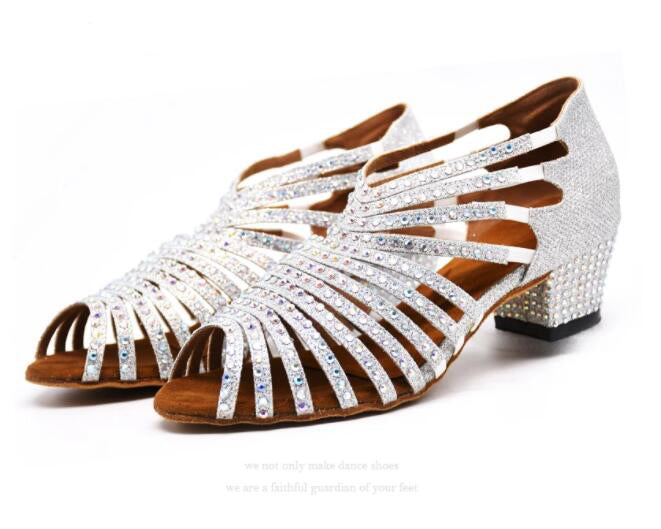
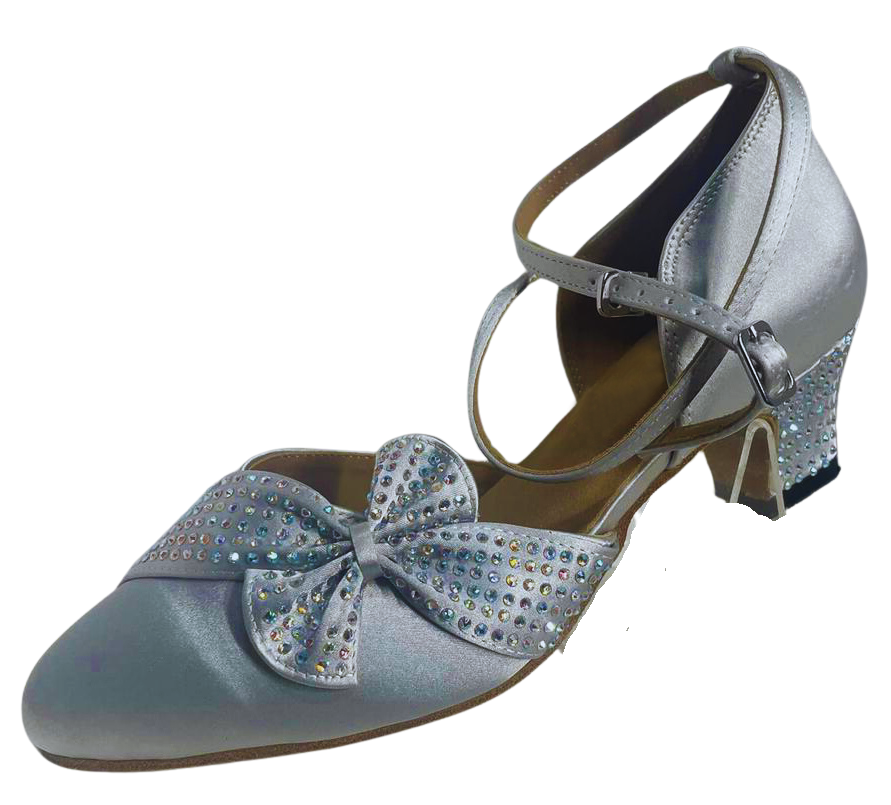


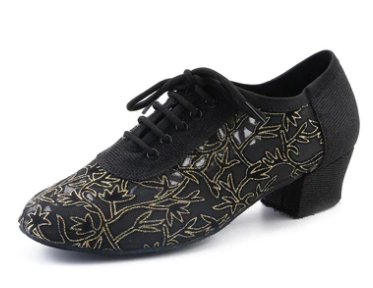
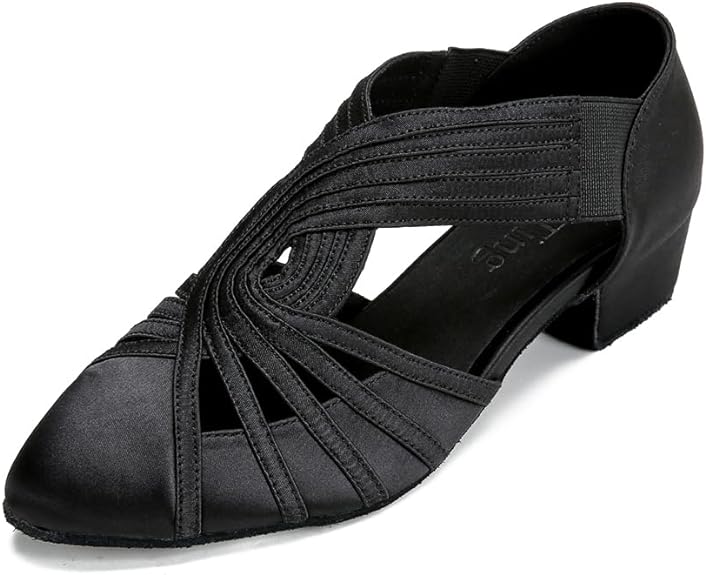
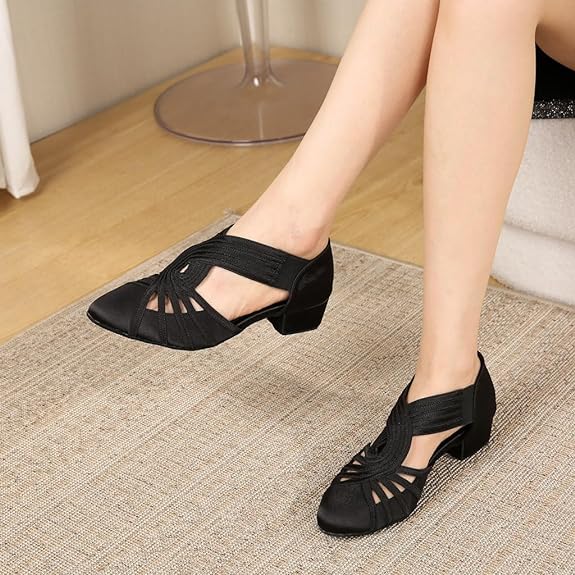


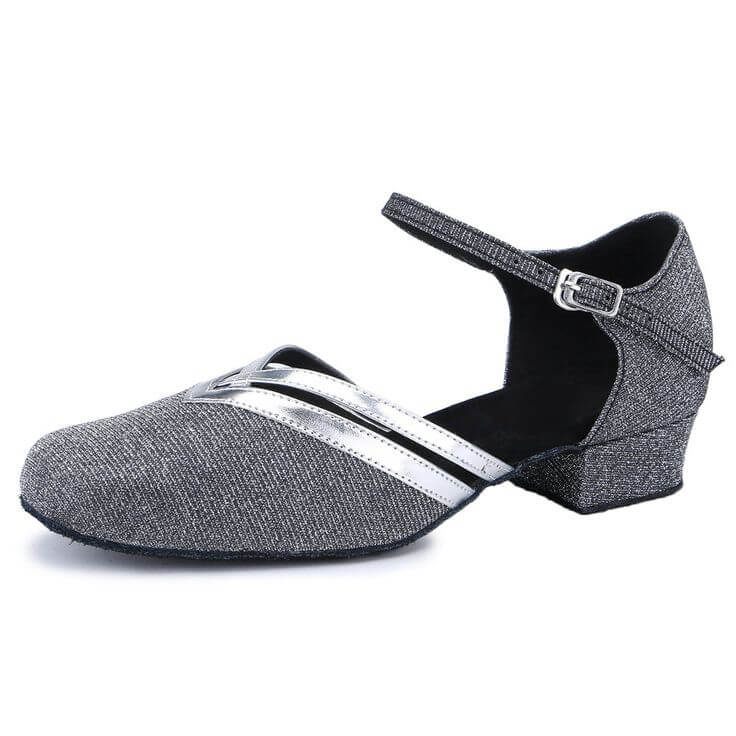
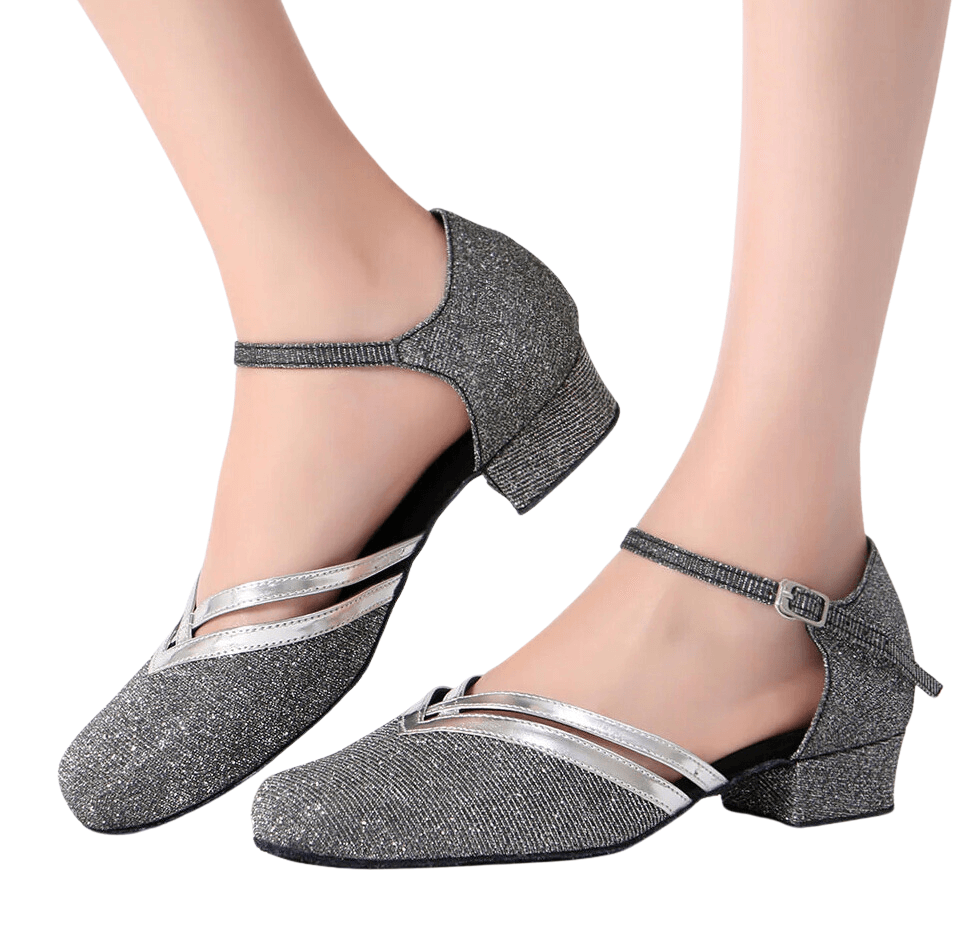
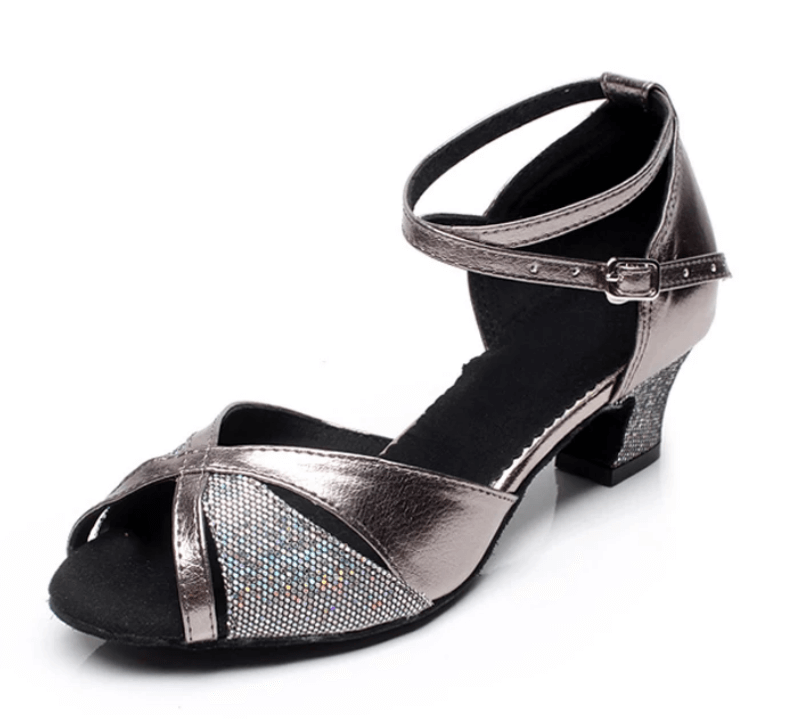
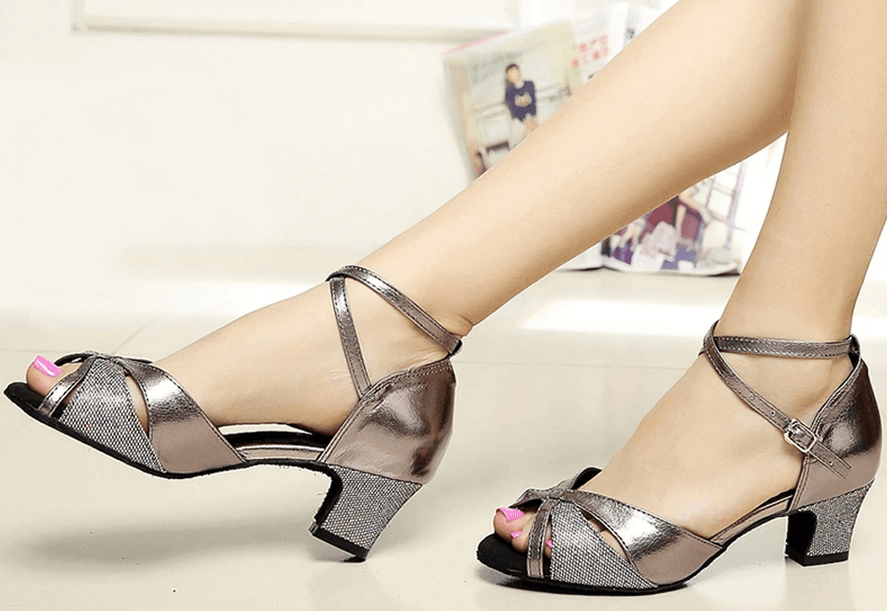
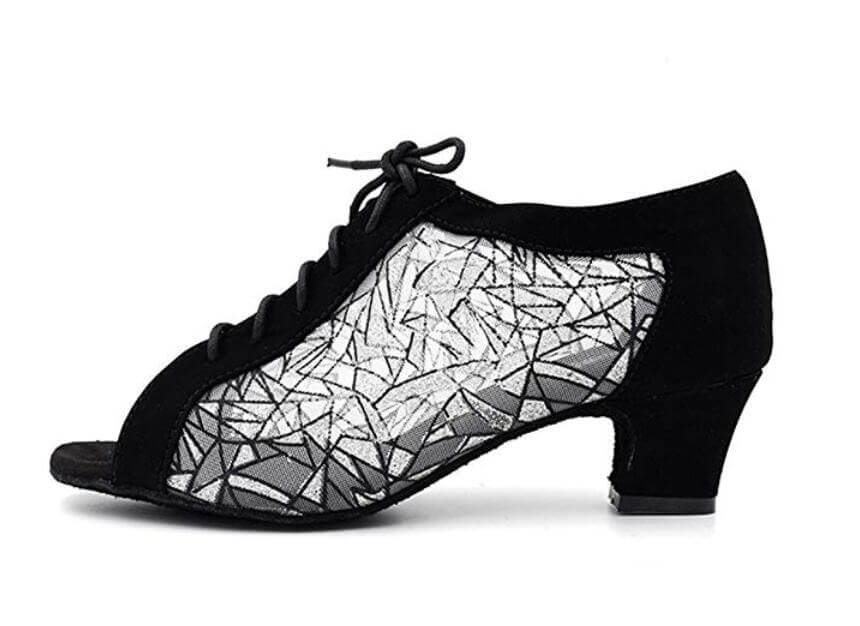
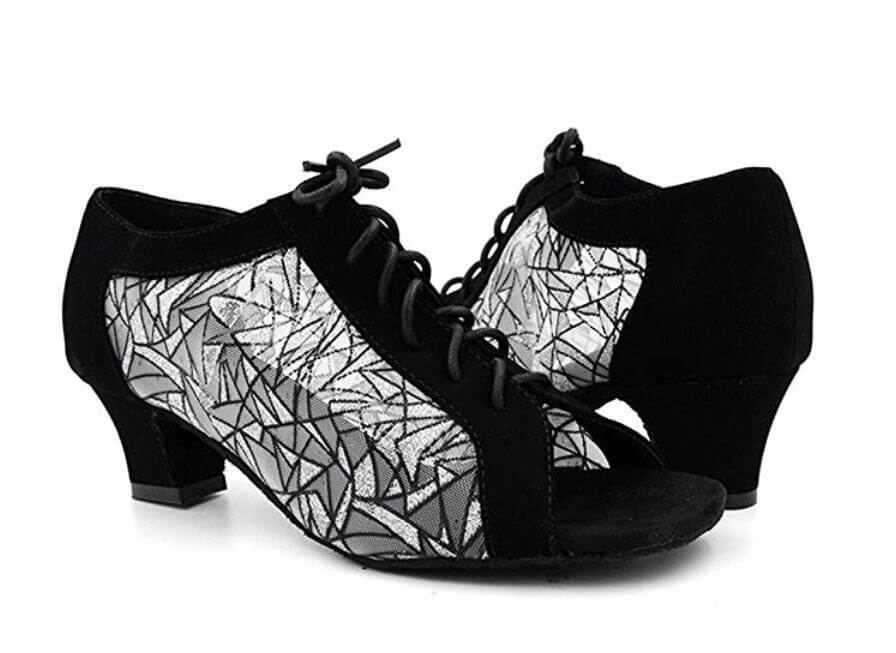
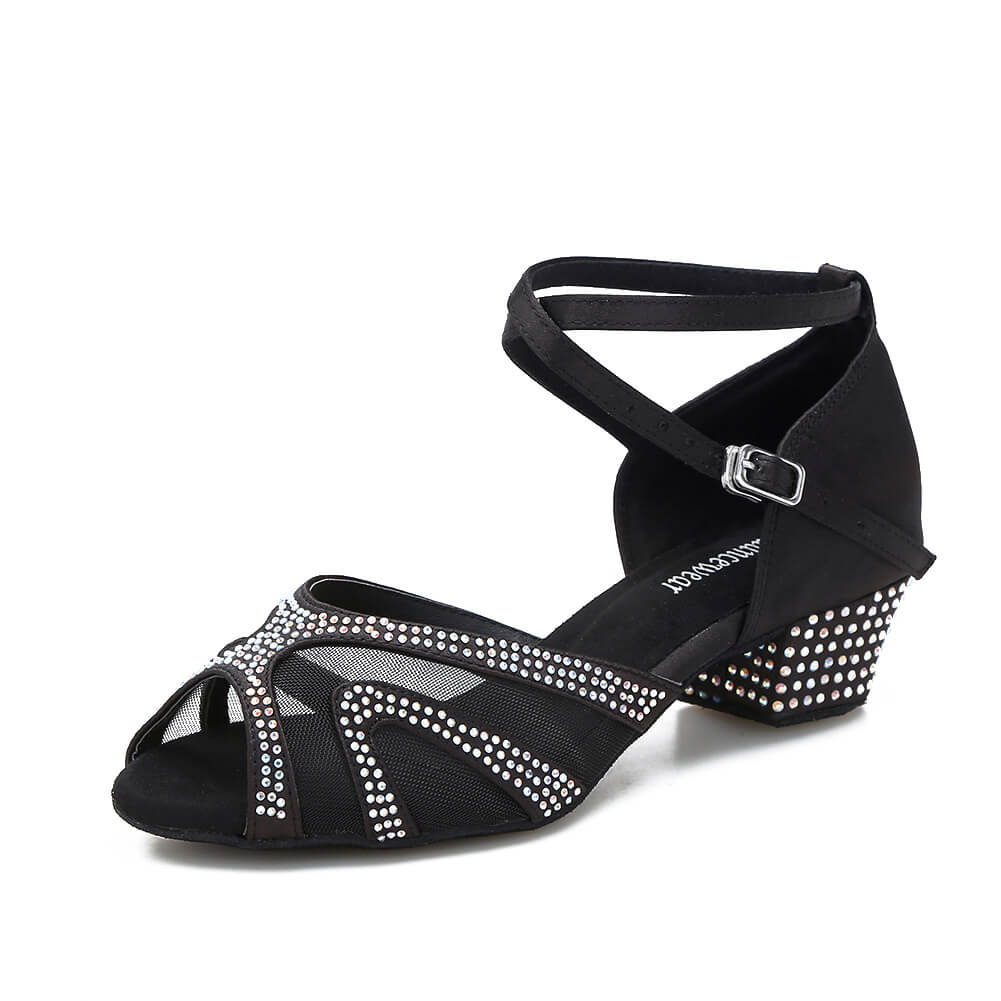
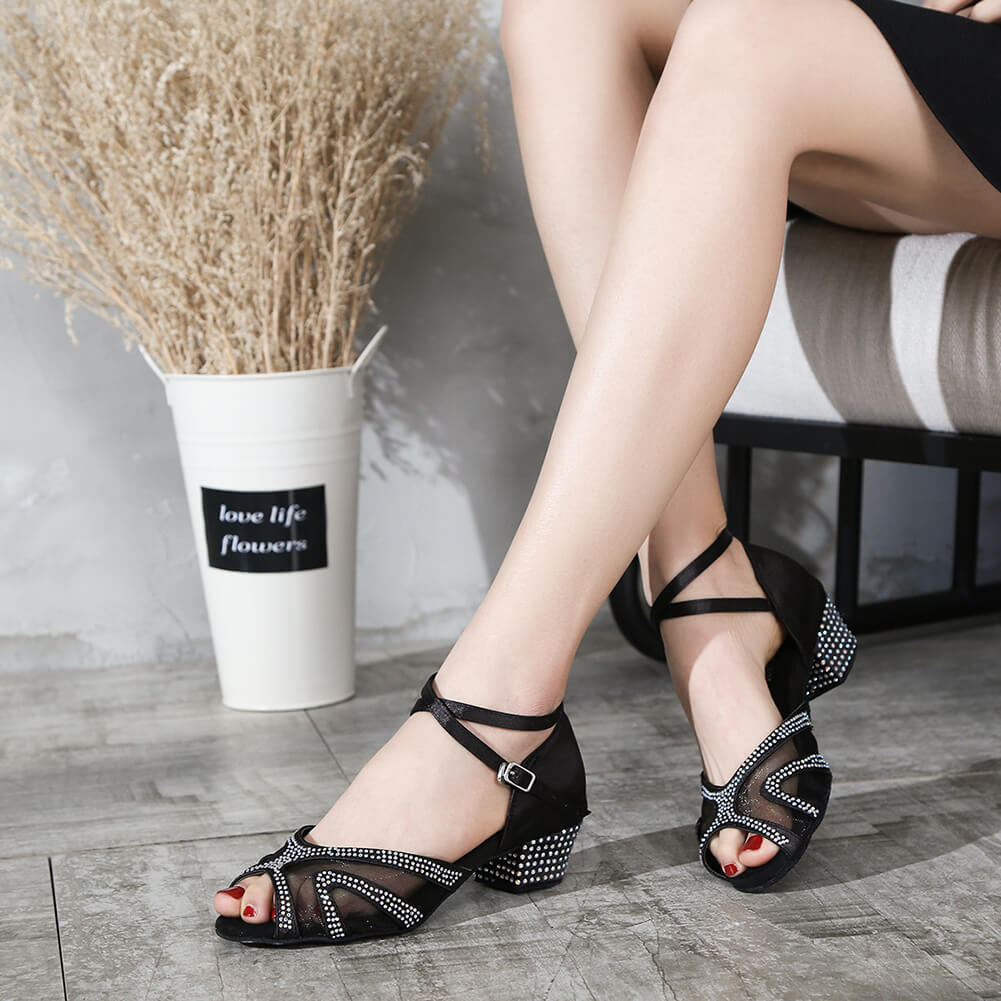
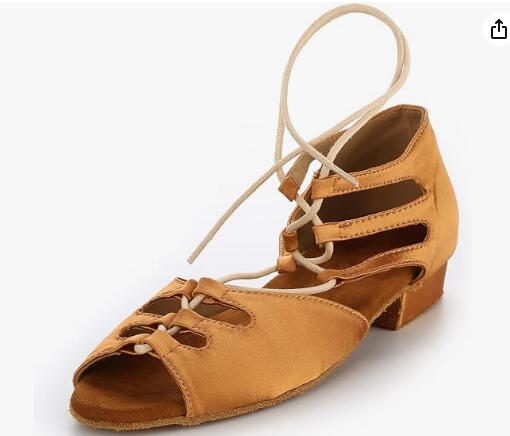
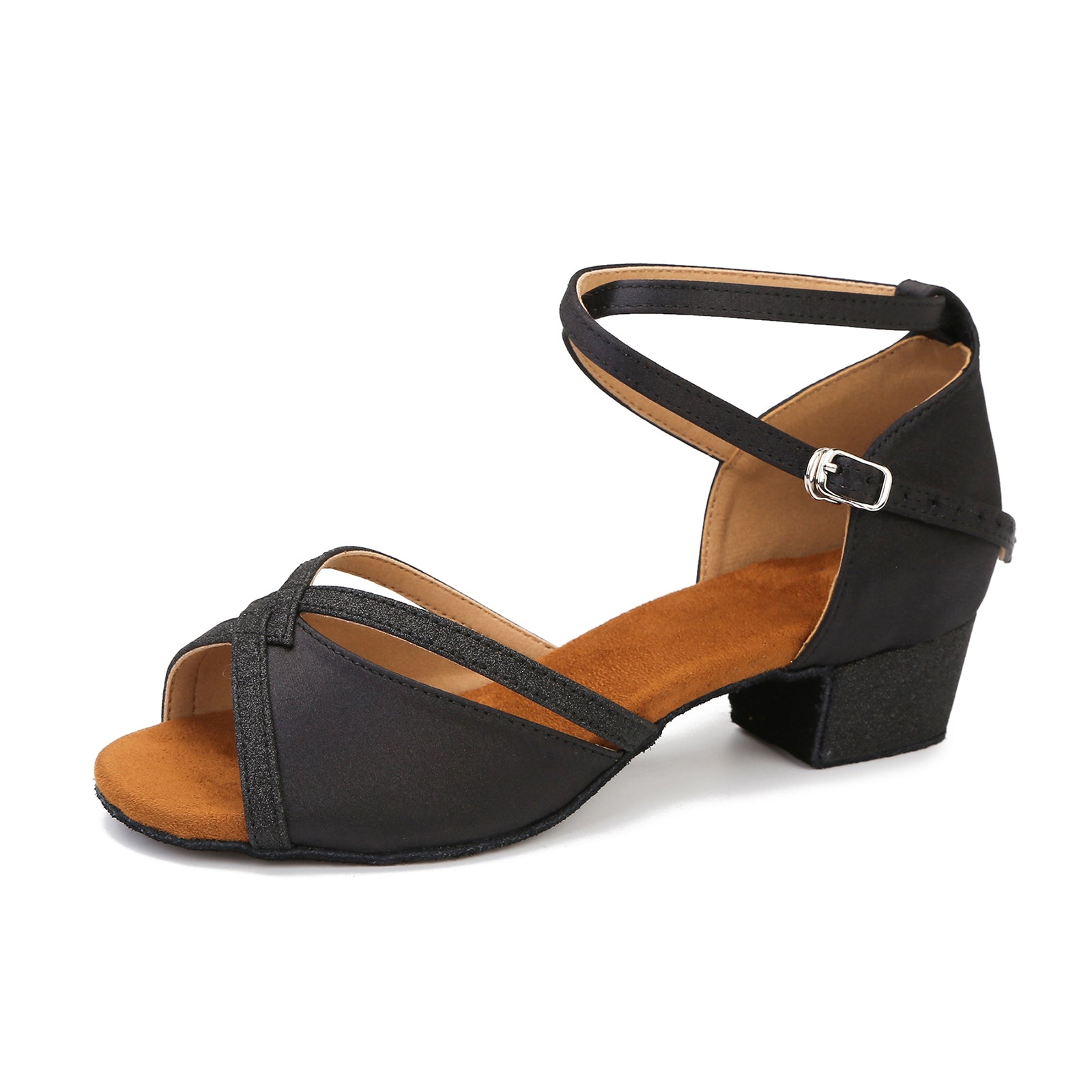
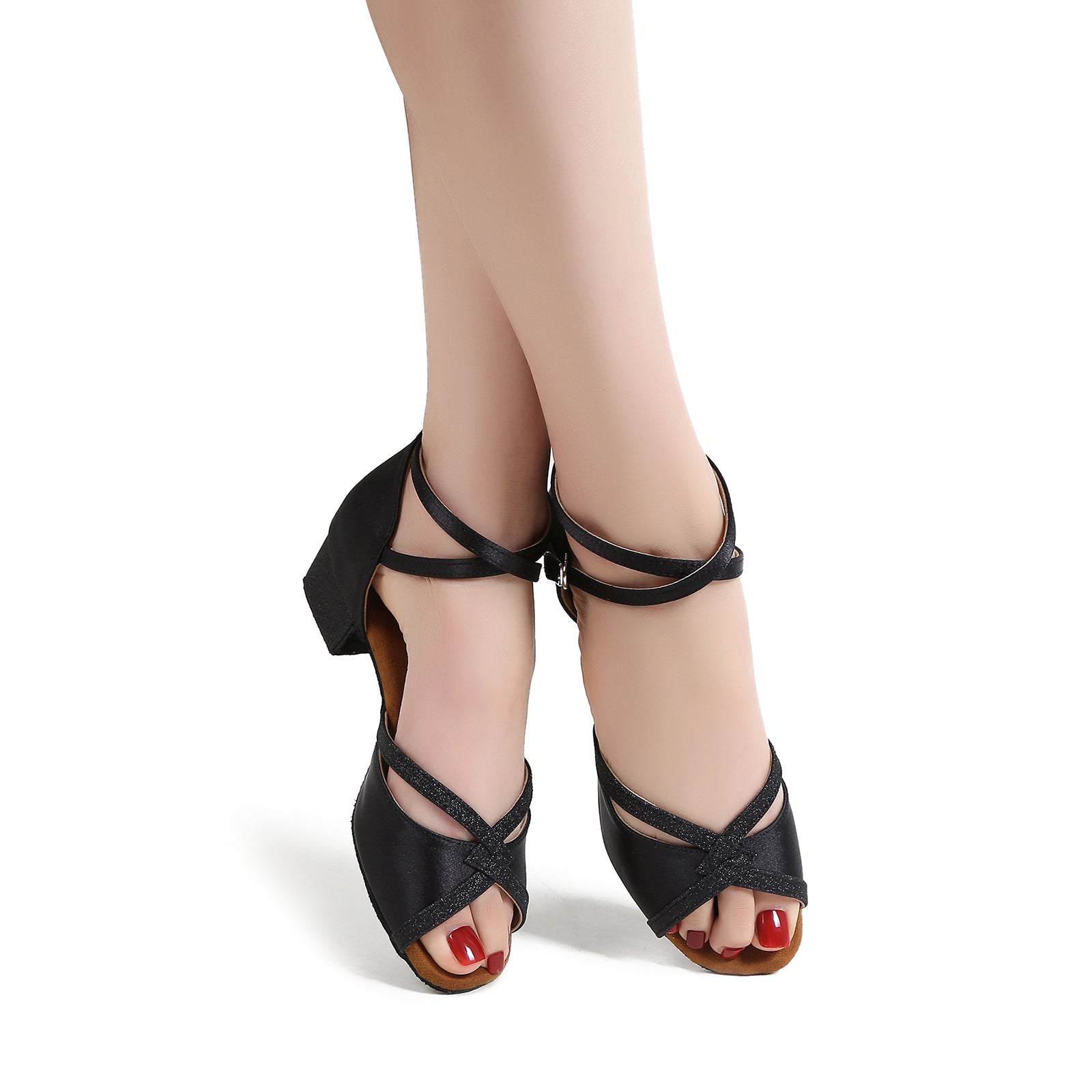
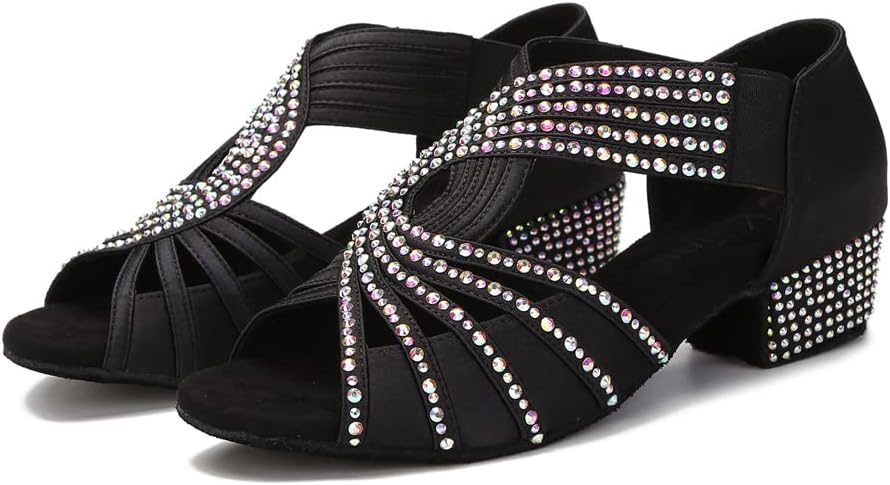
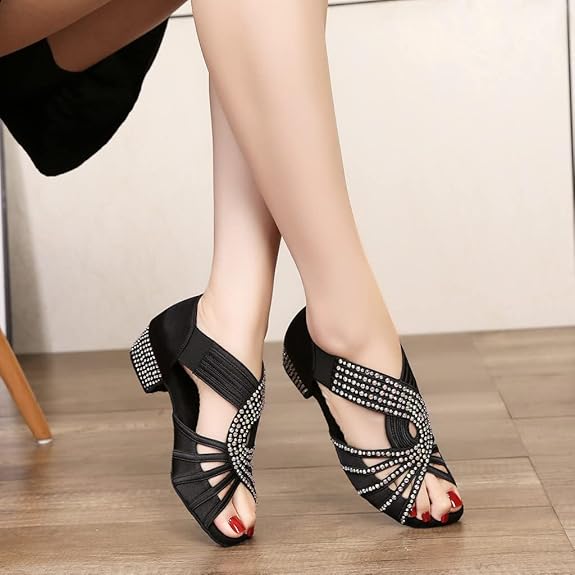
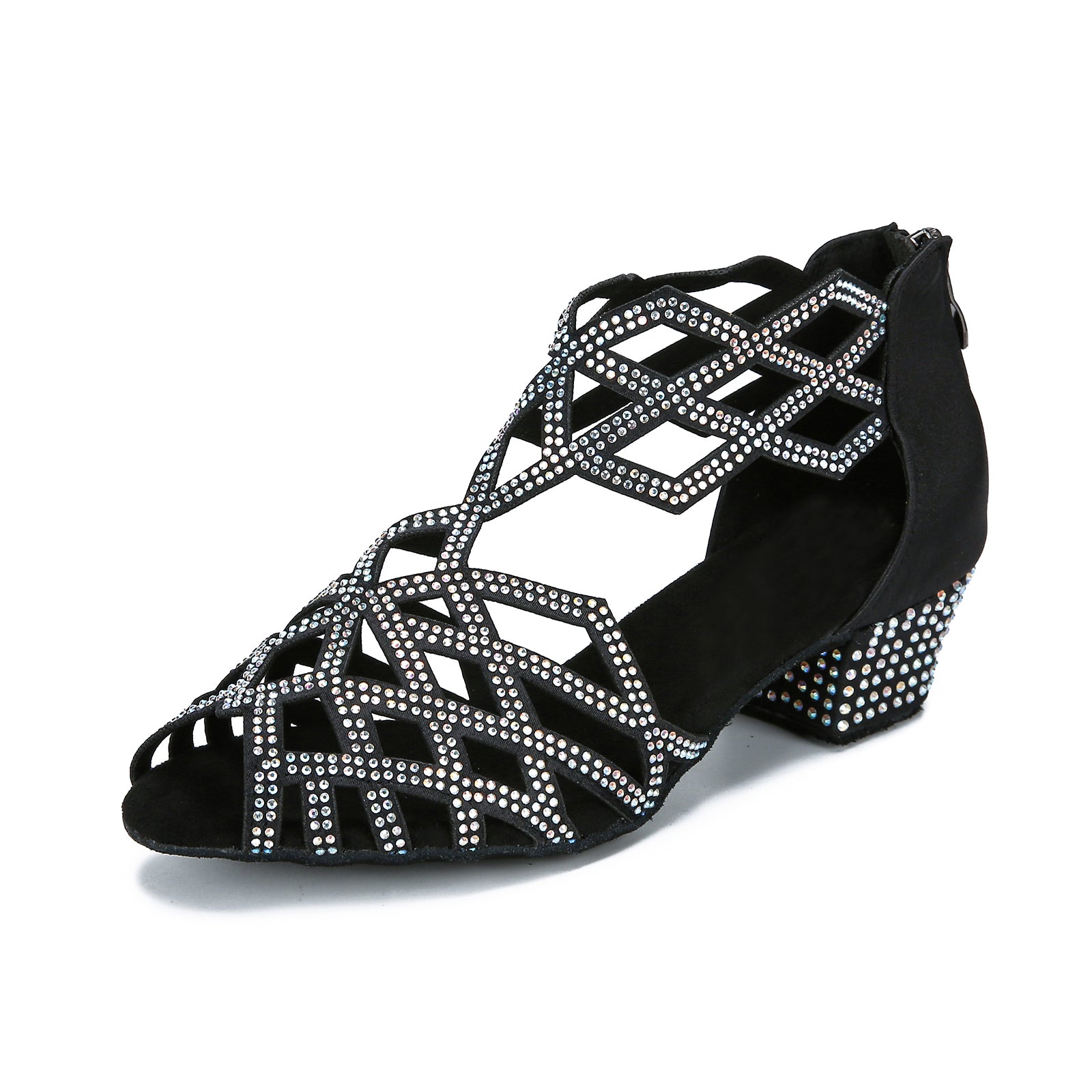
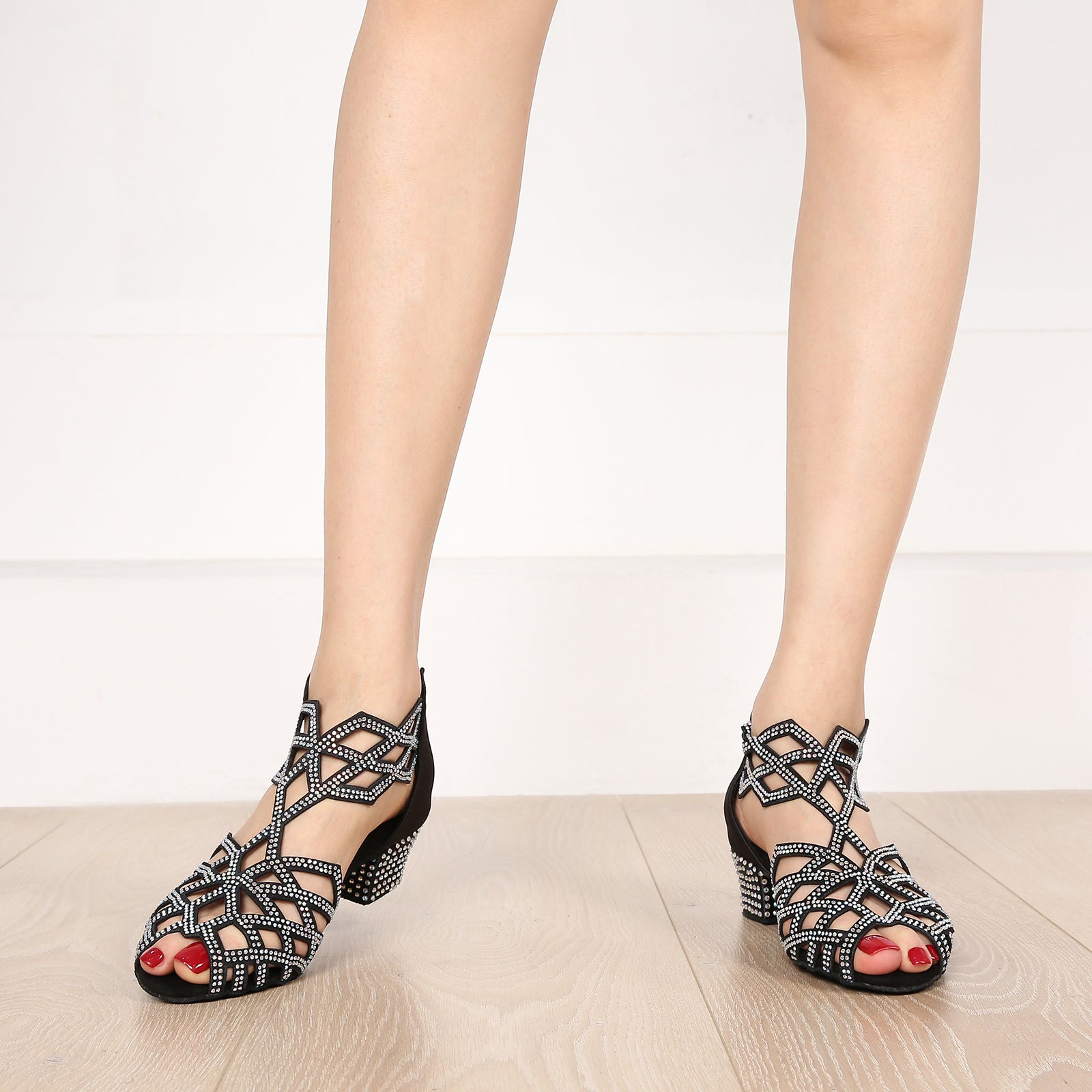
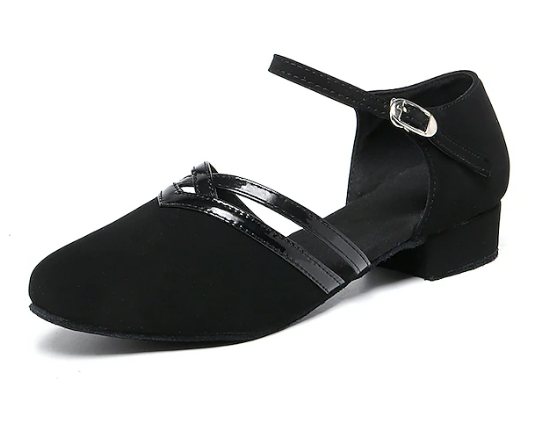
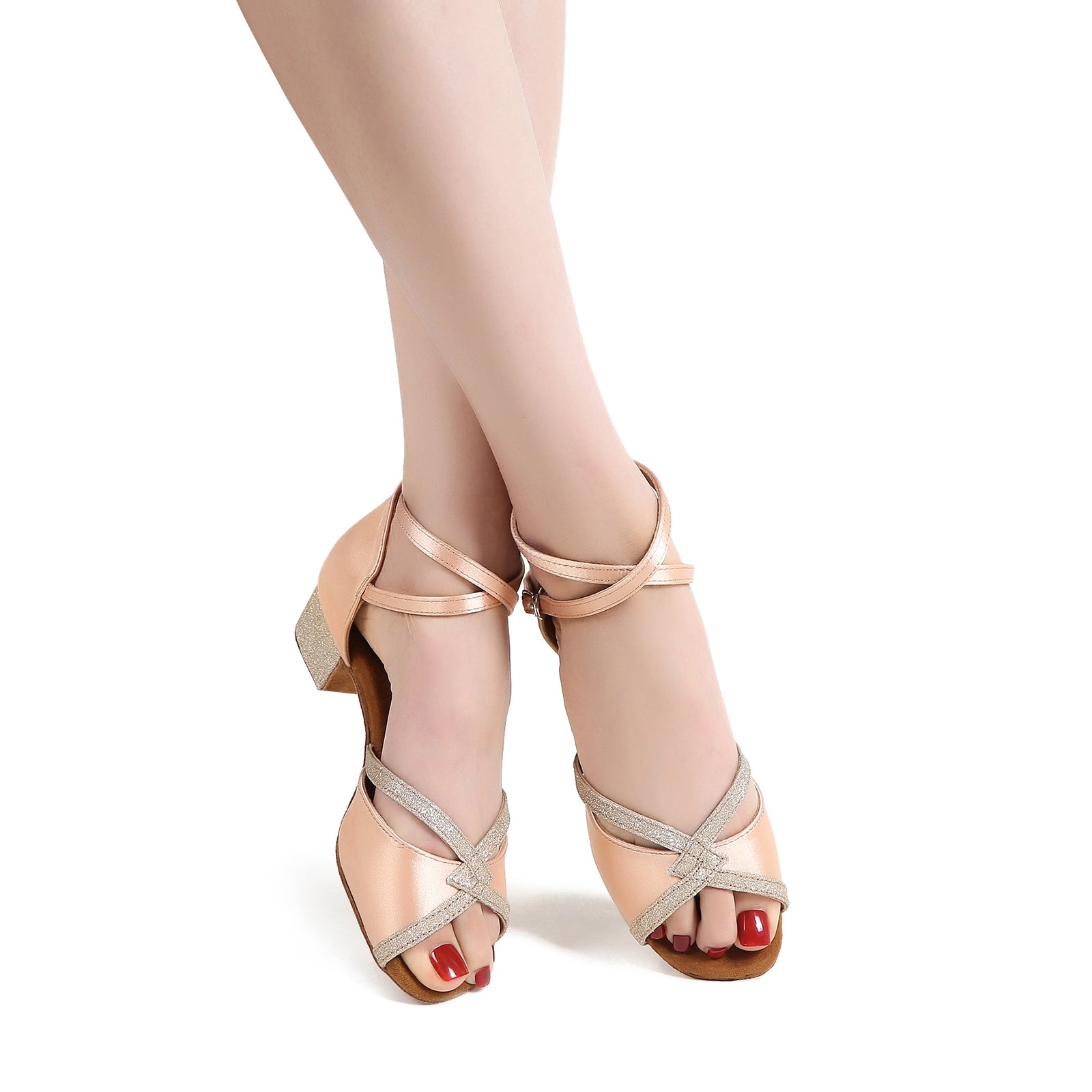
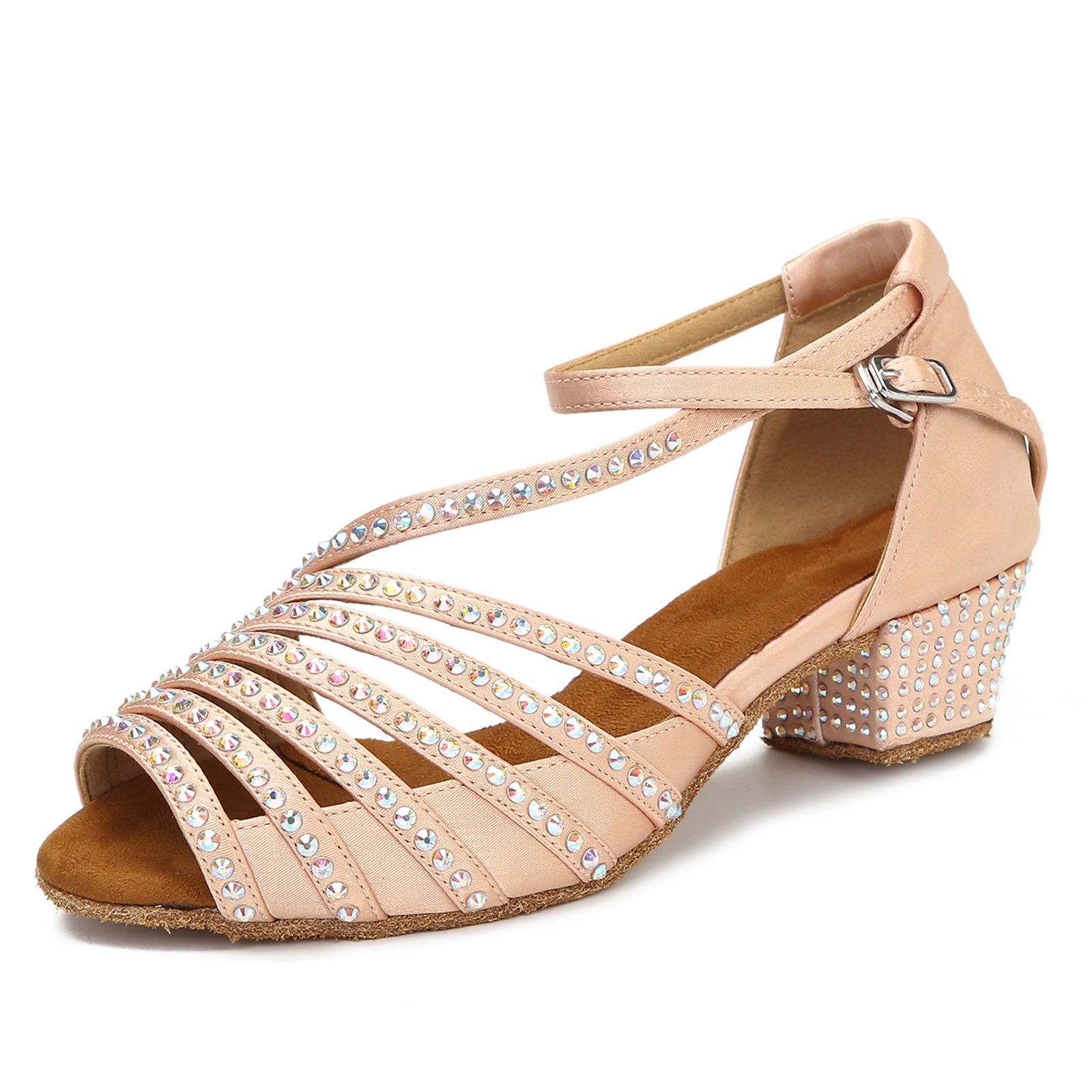
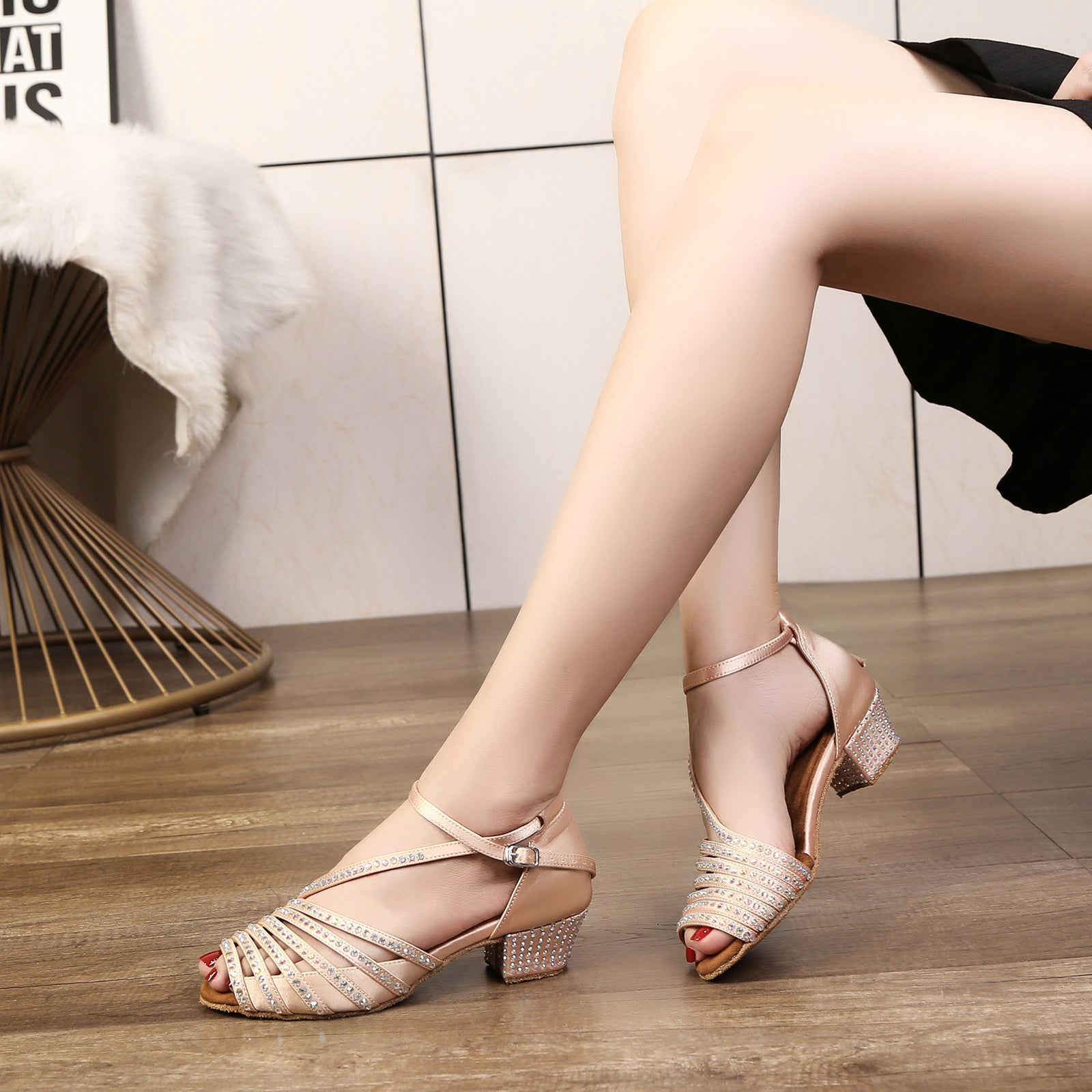
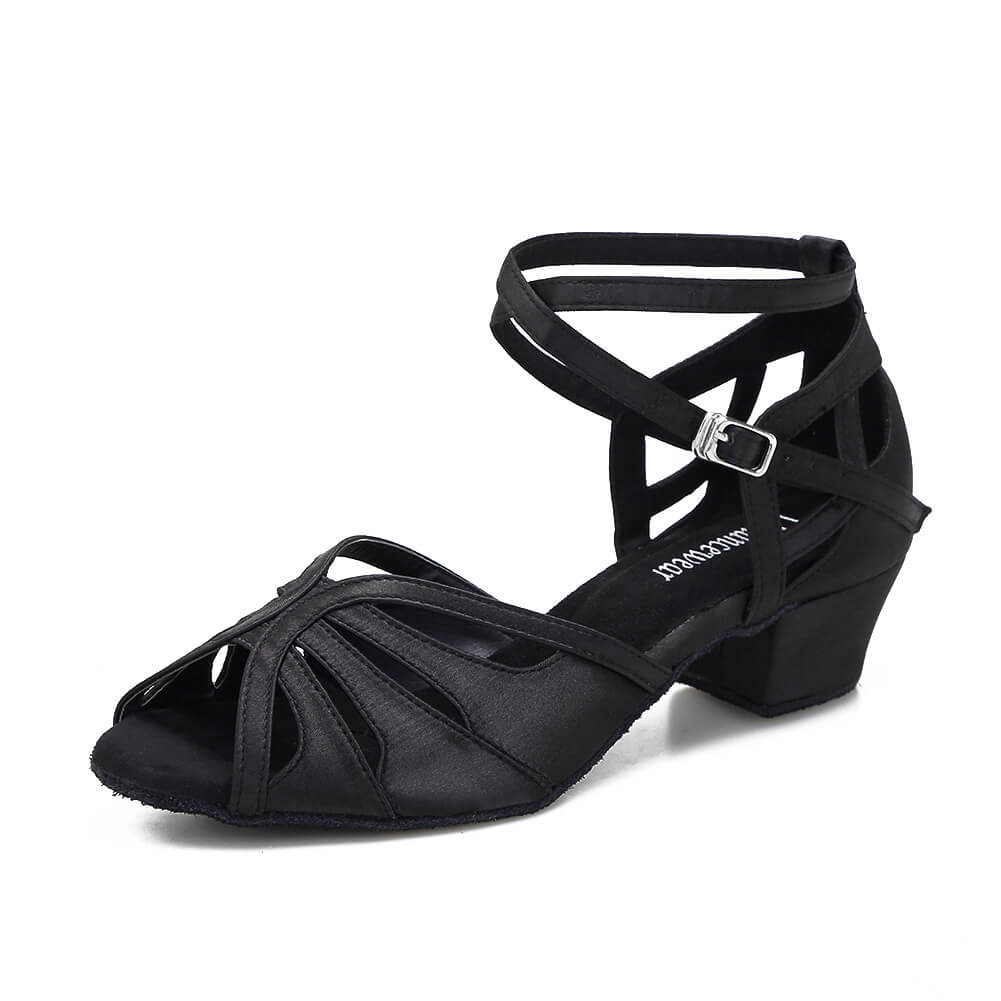
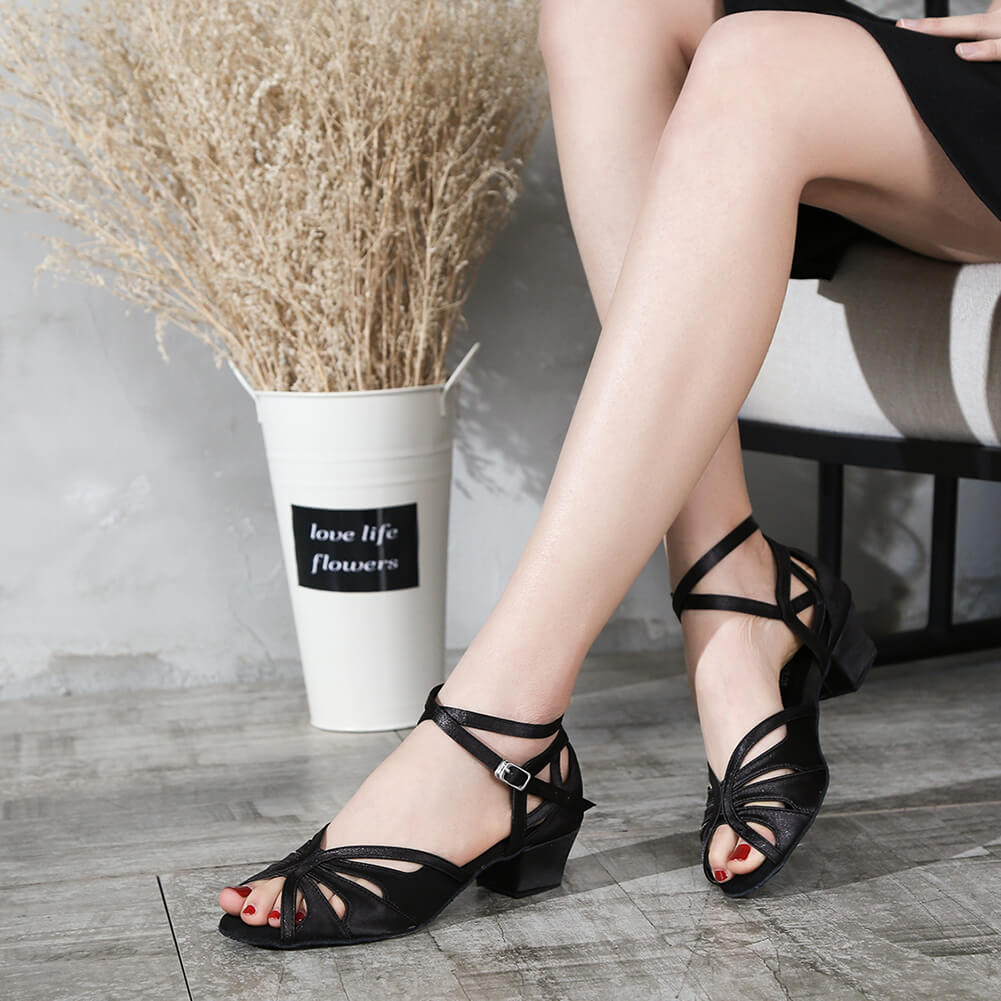
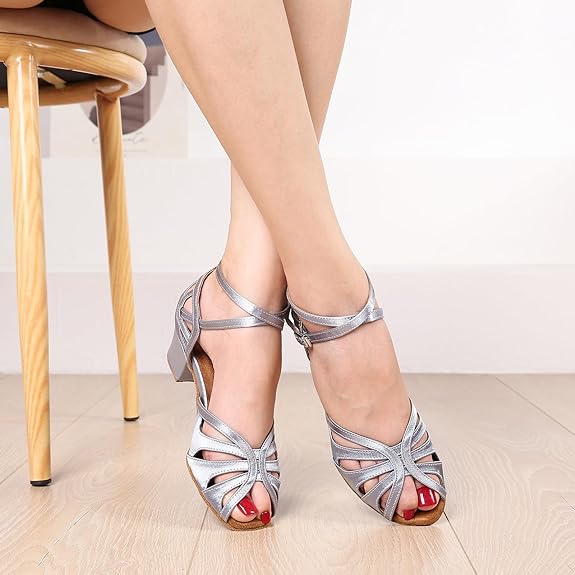
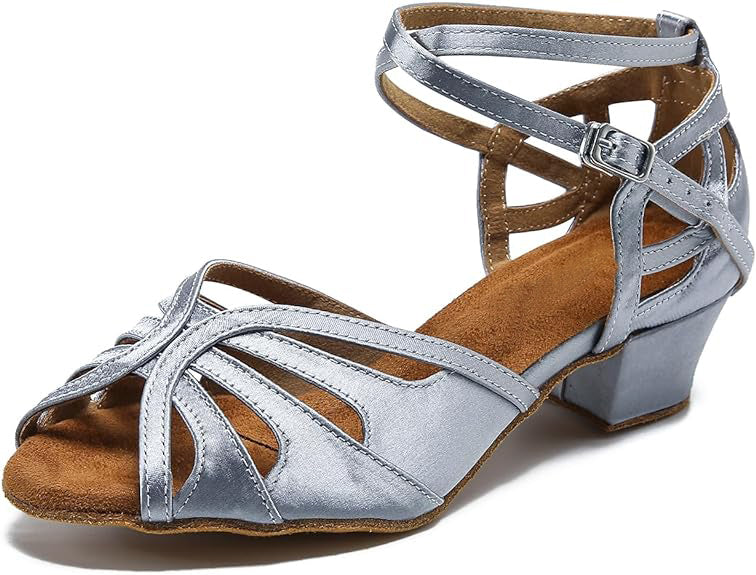
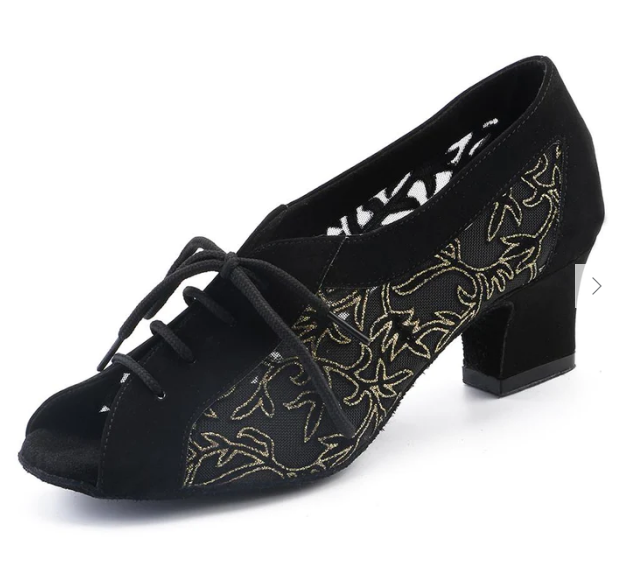
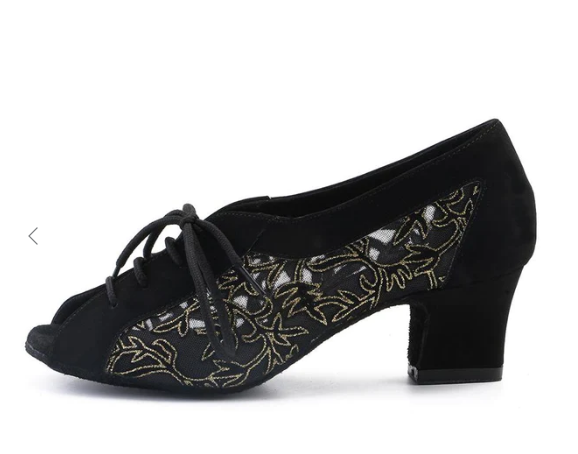
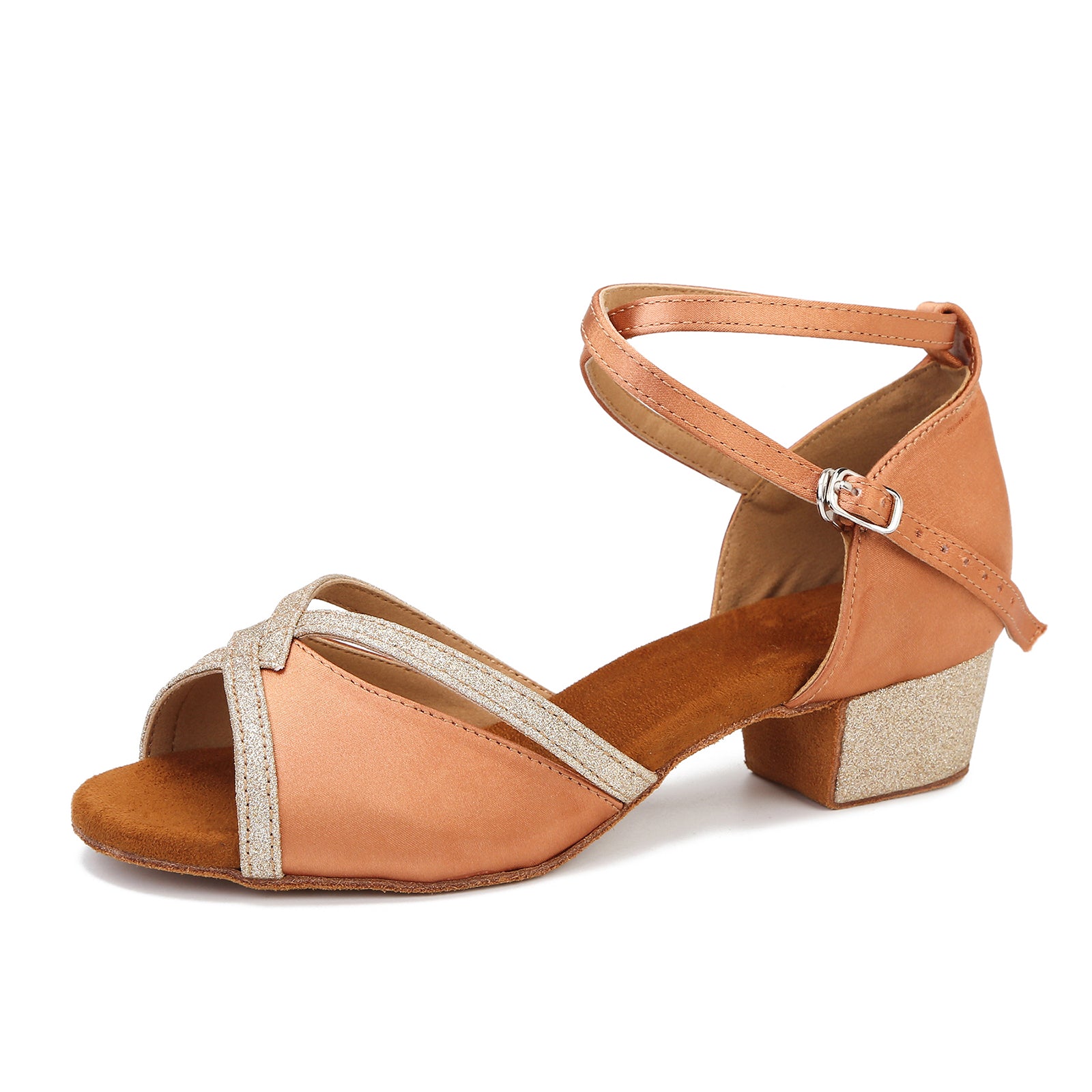
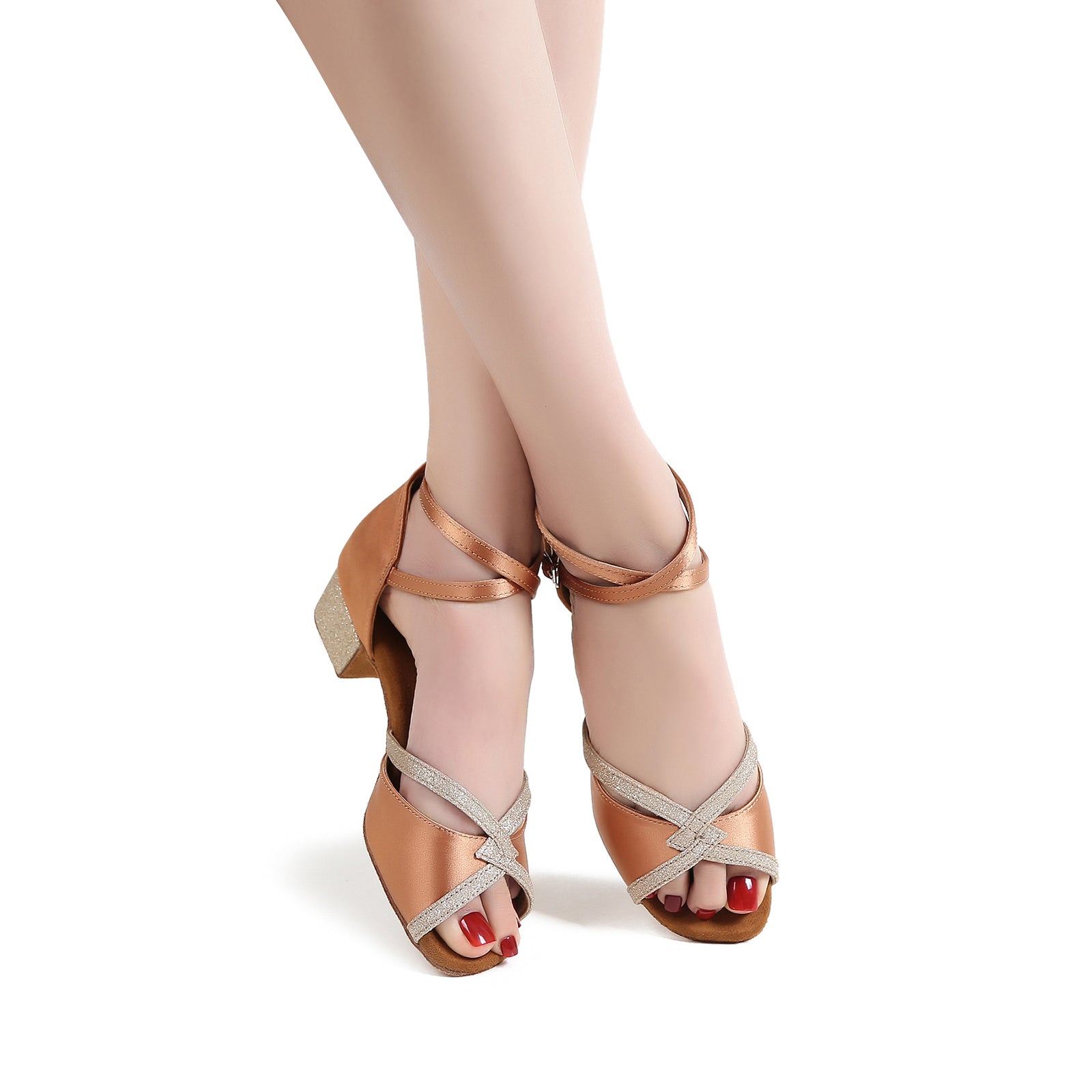
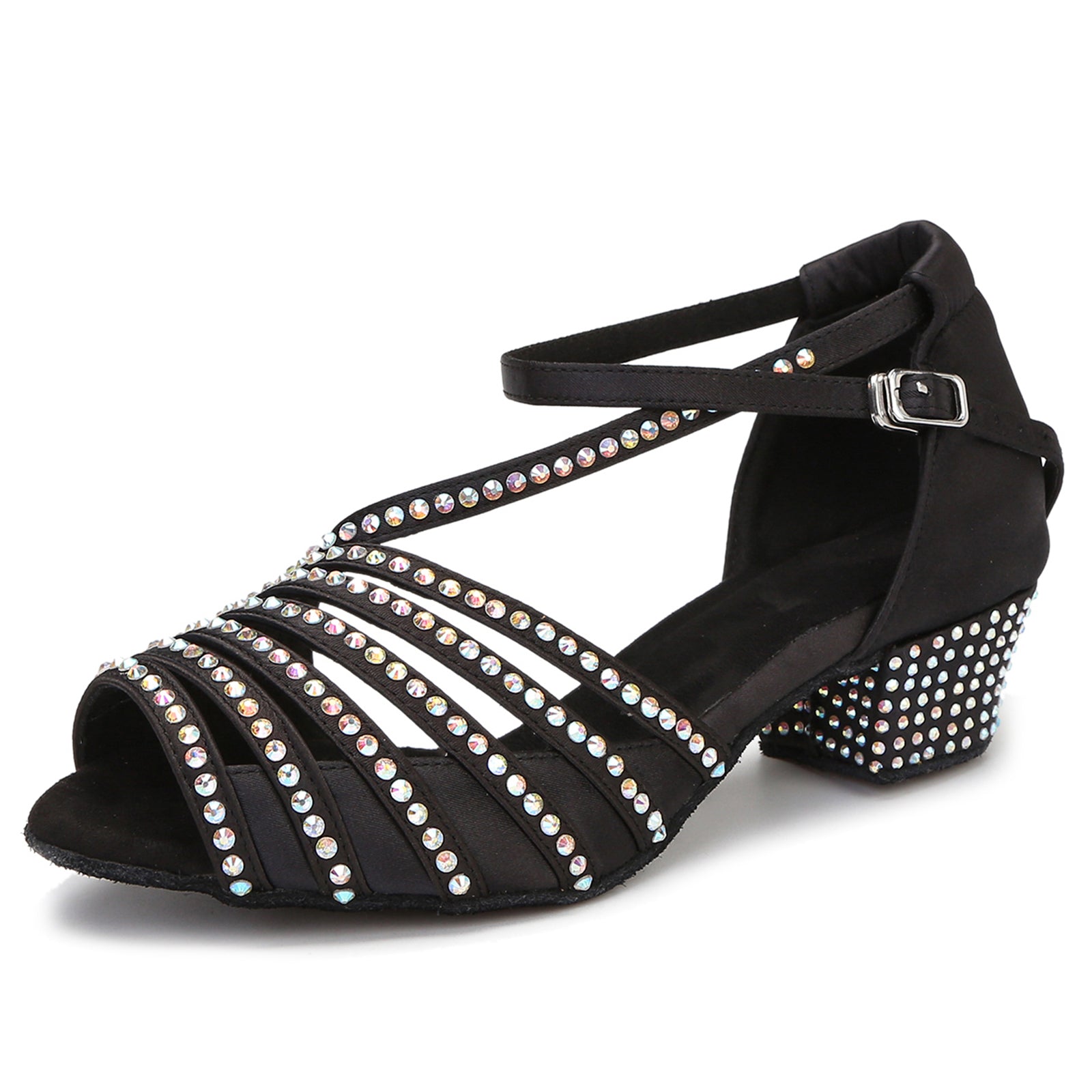
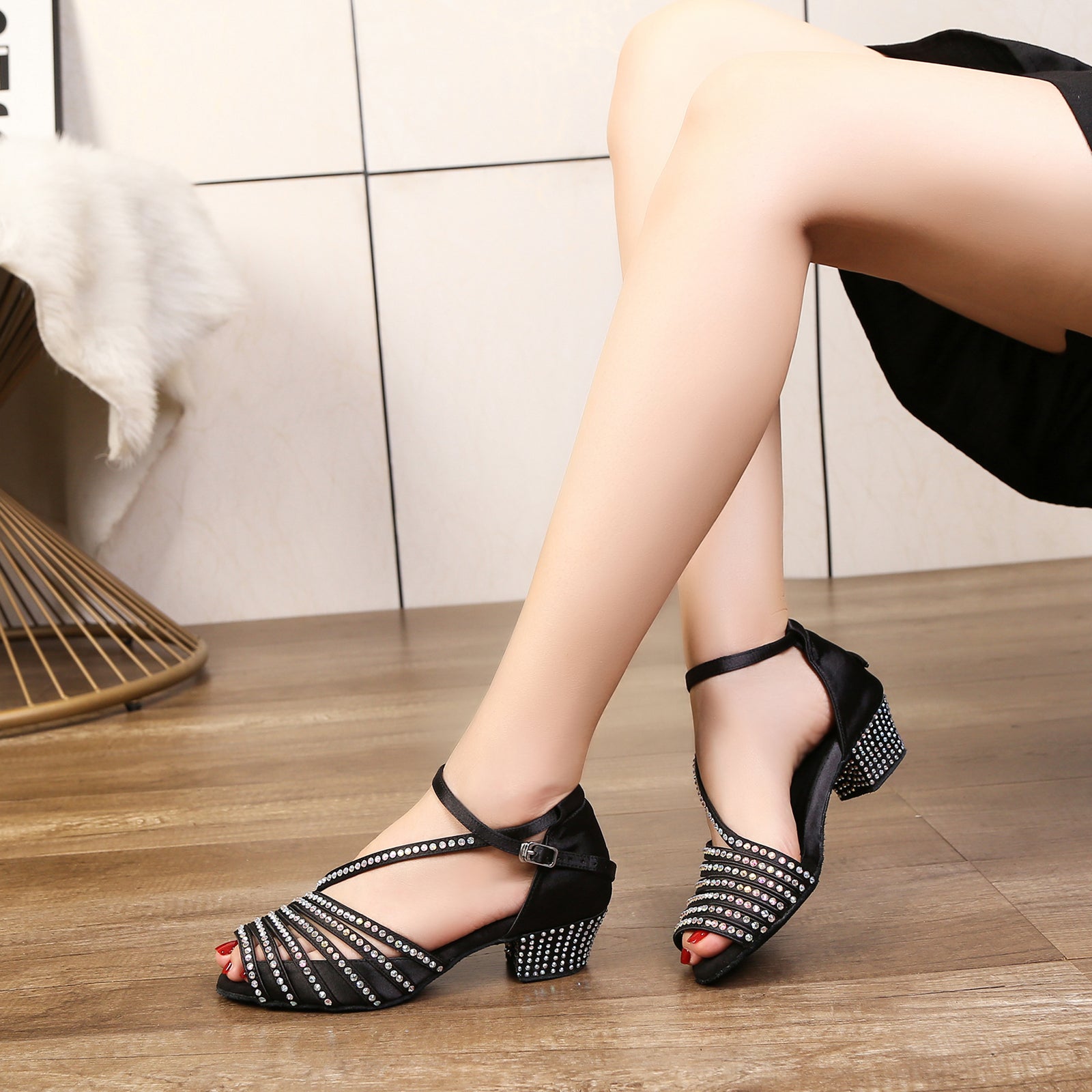
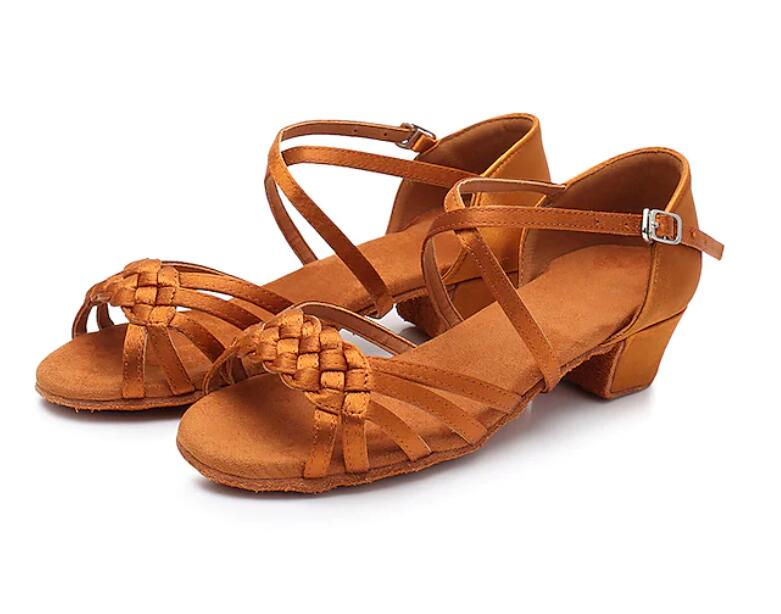
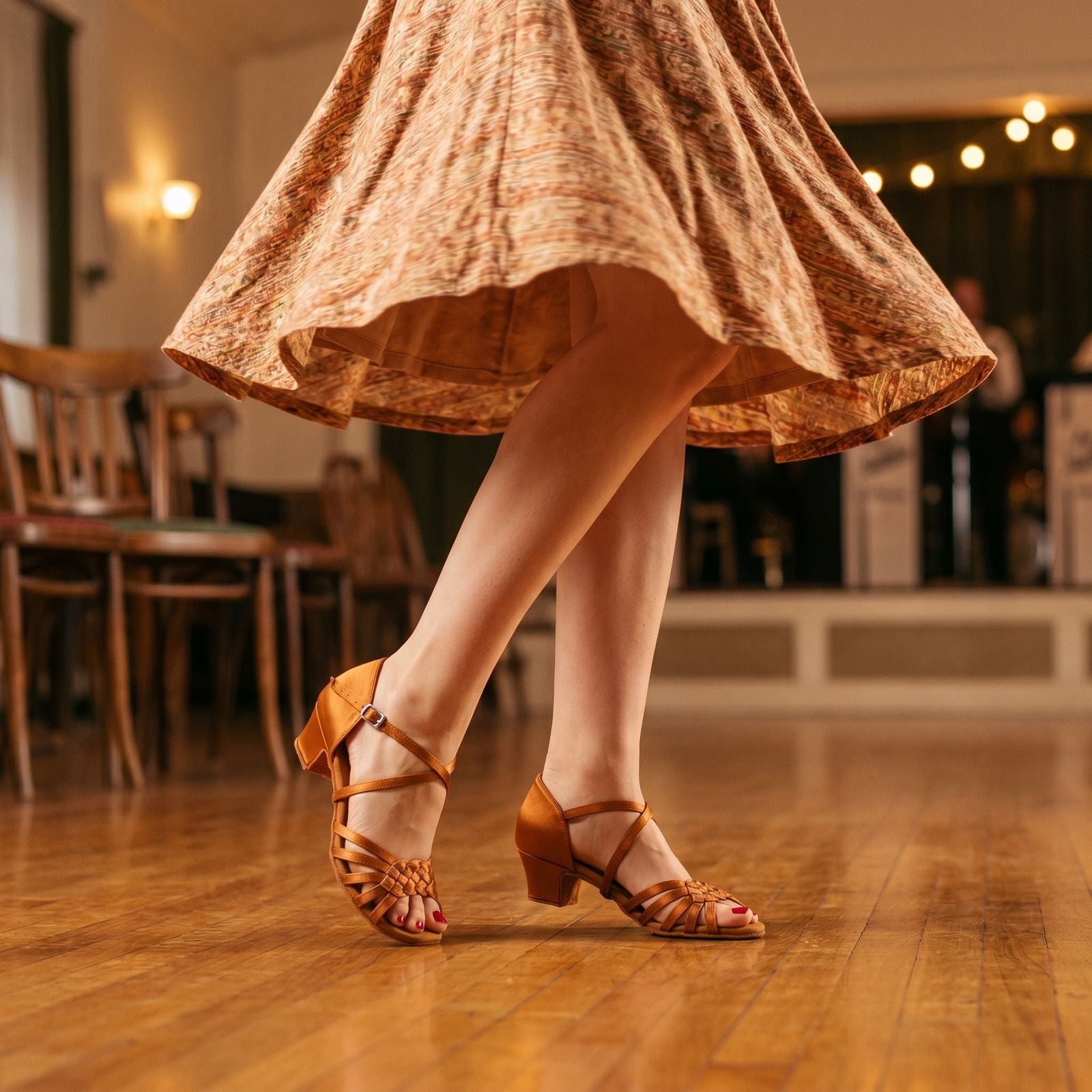
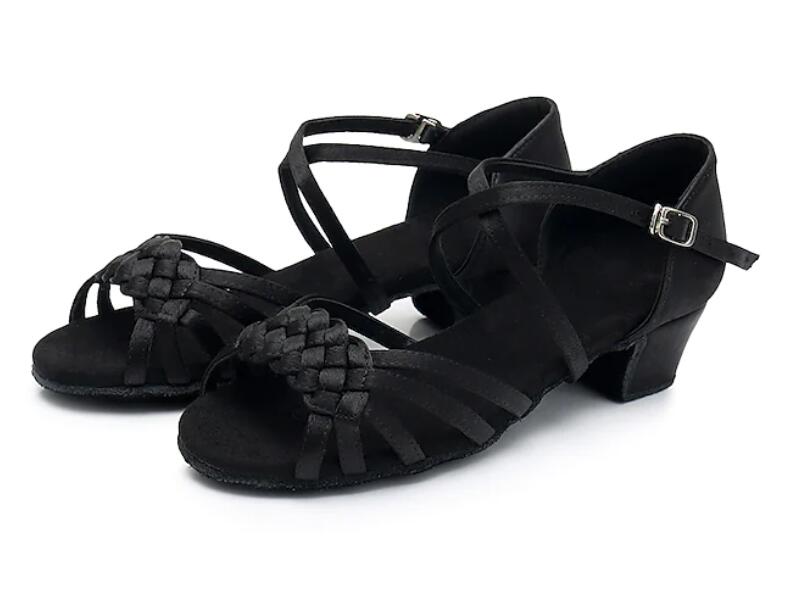
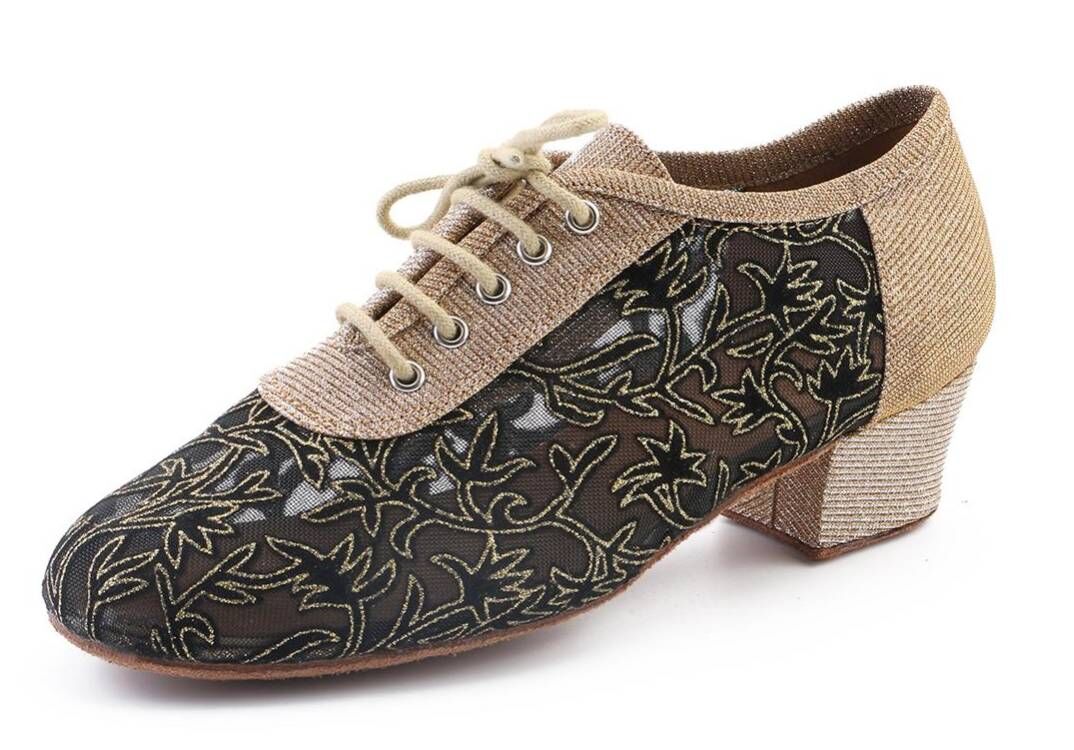
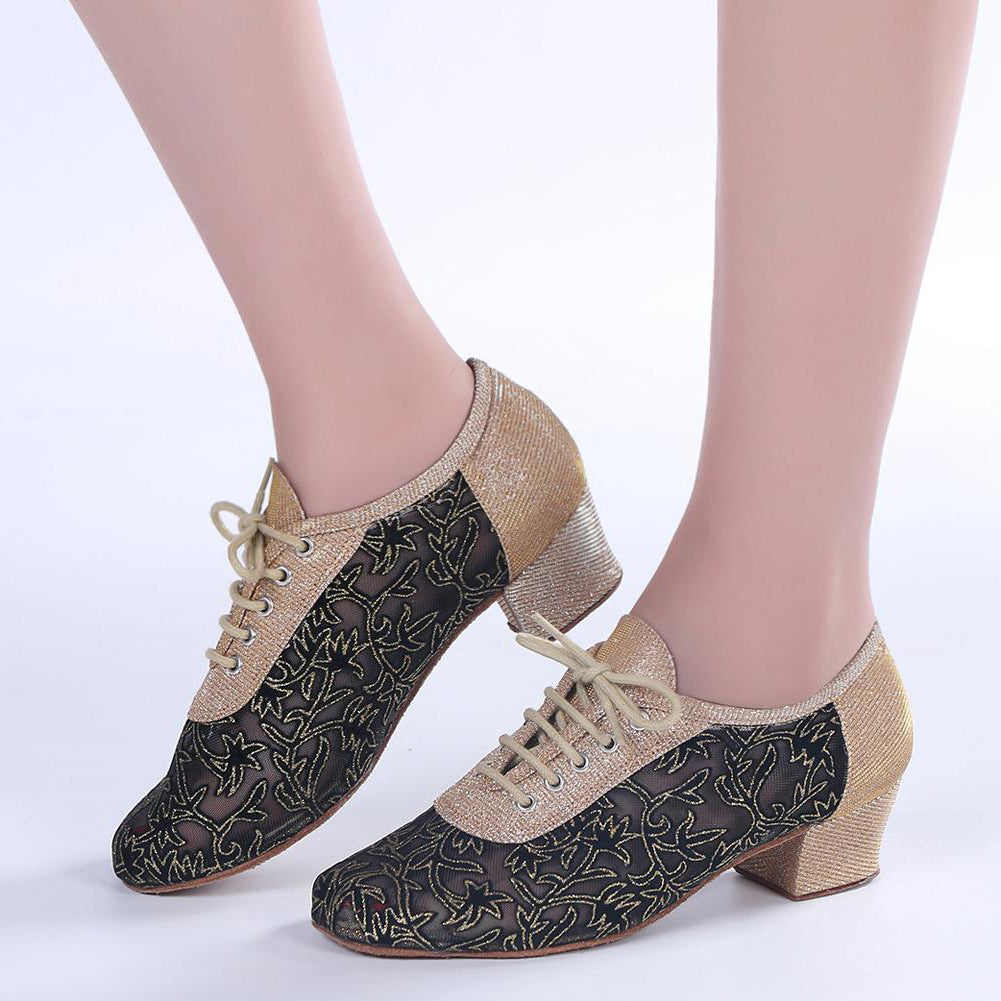
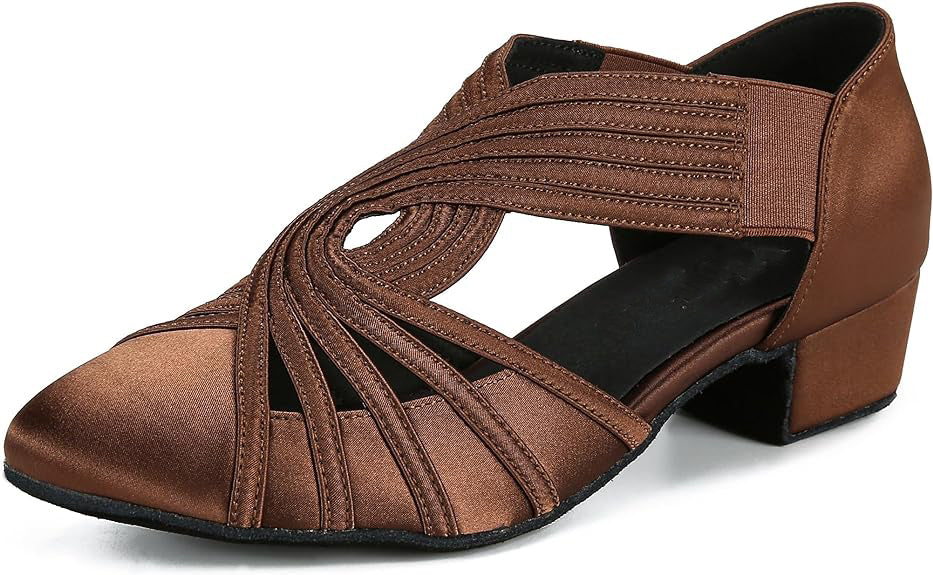
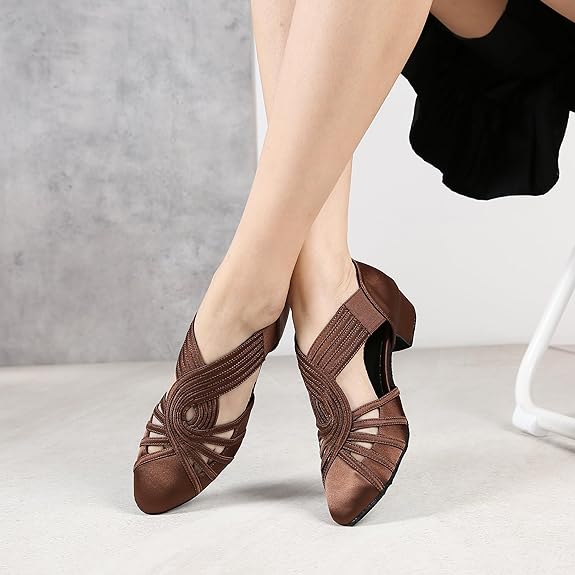
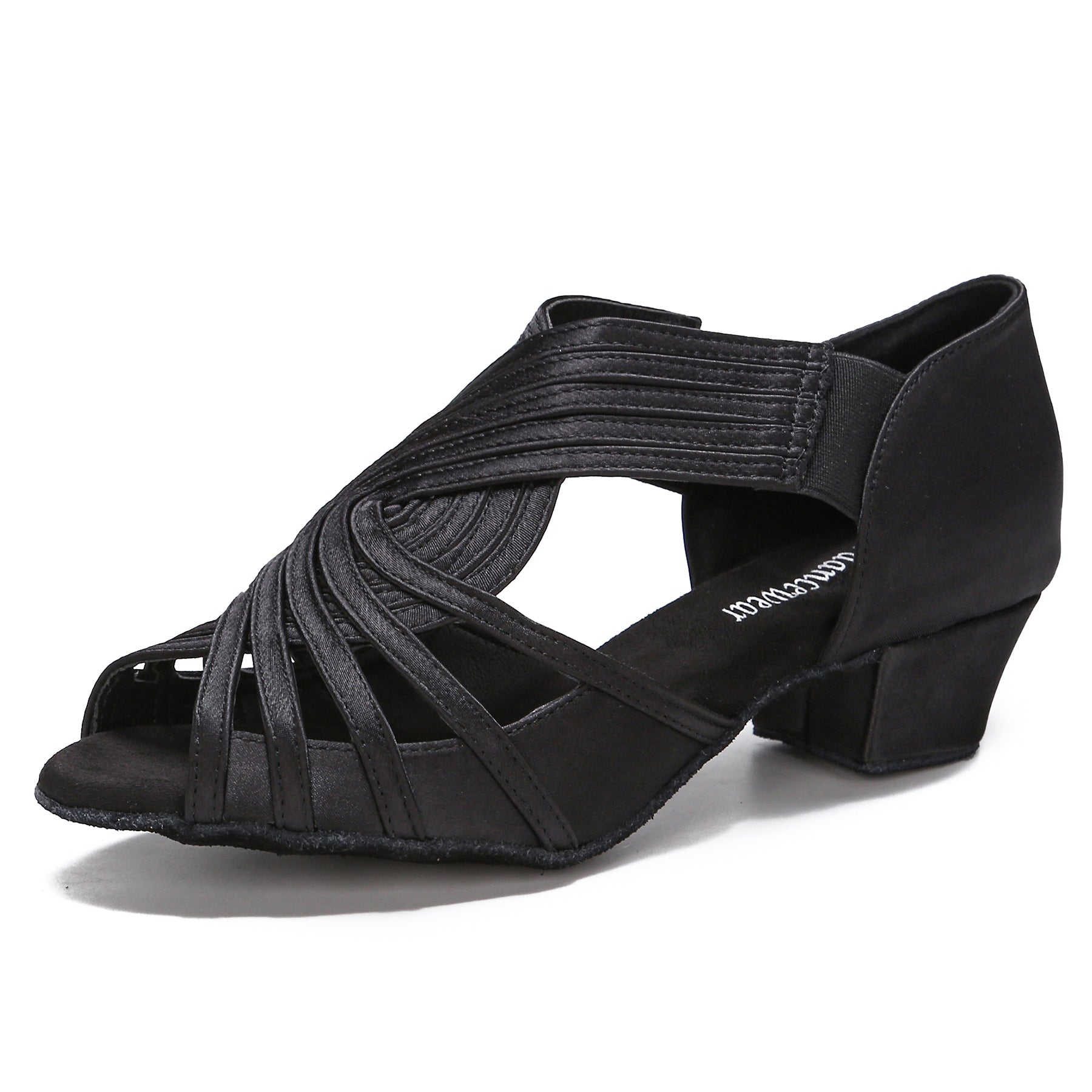
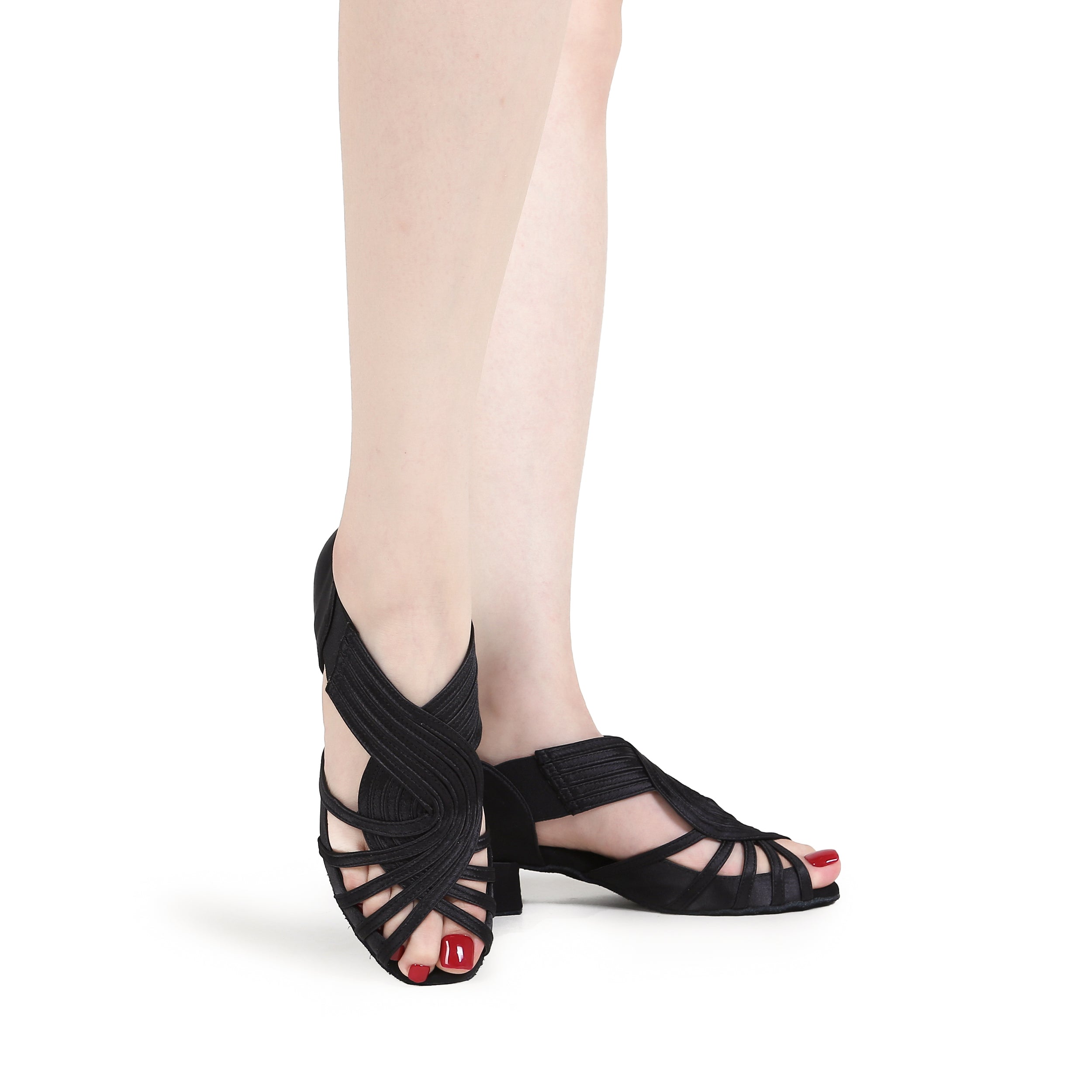
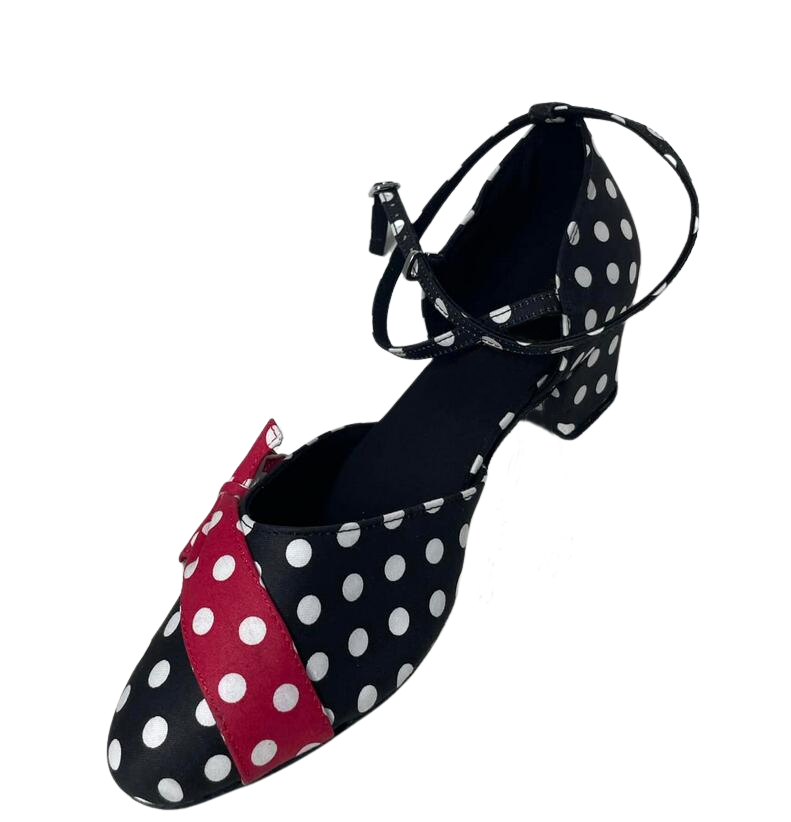
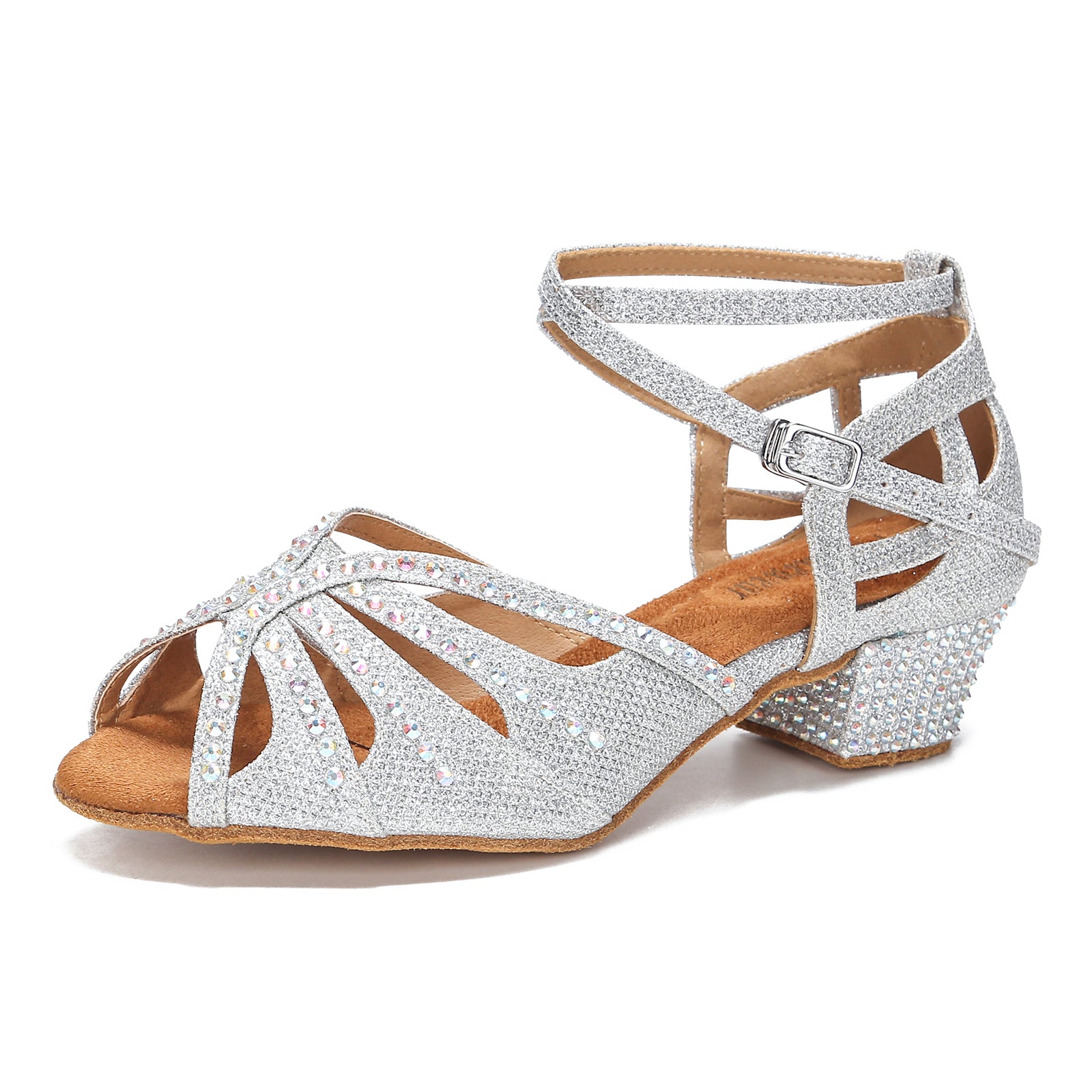
How to Choose low heel dance shoes by Heel Height
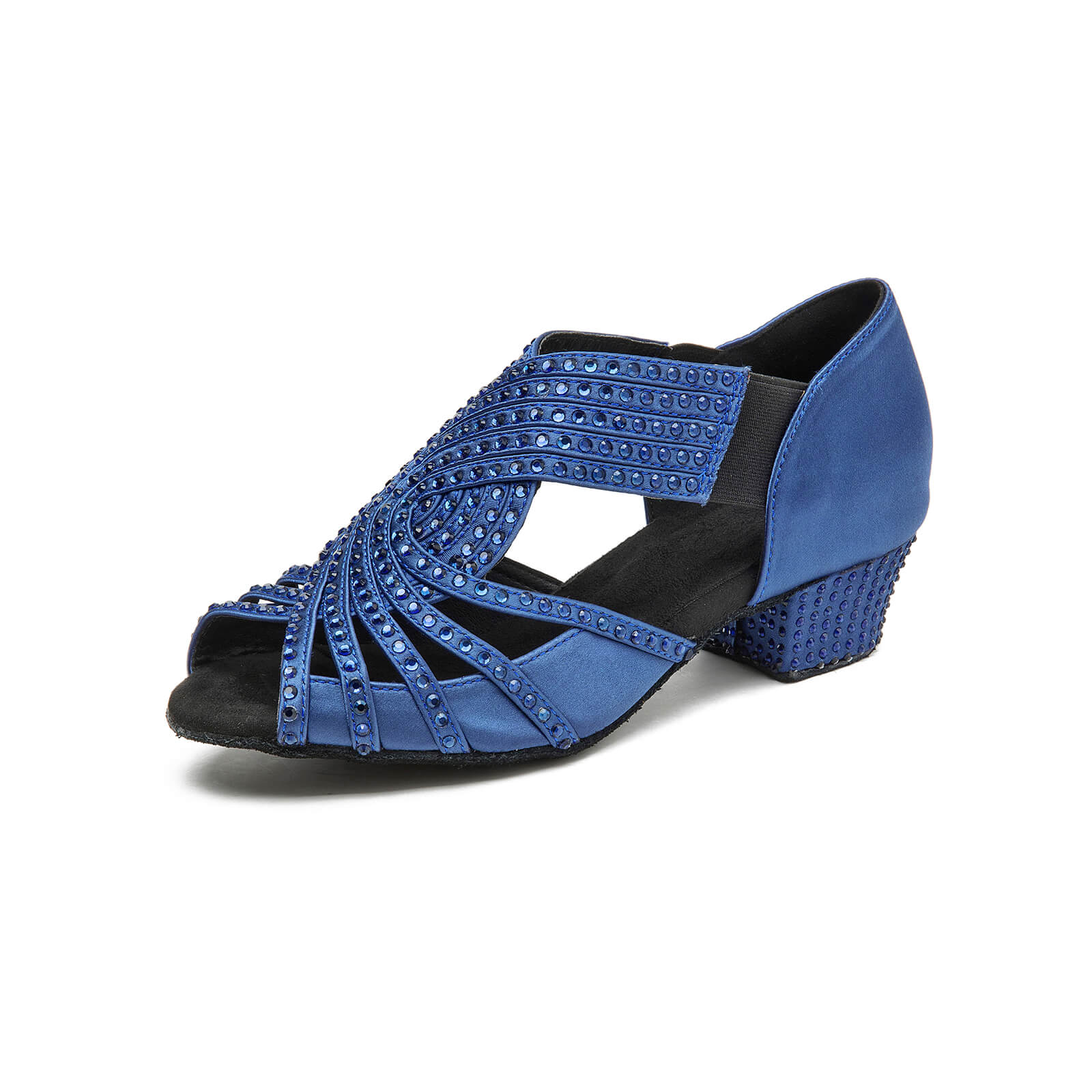
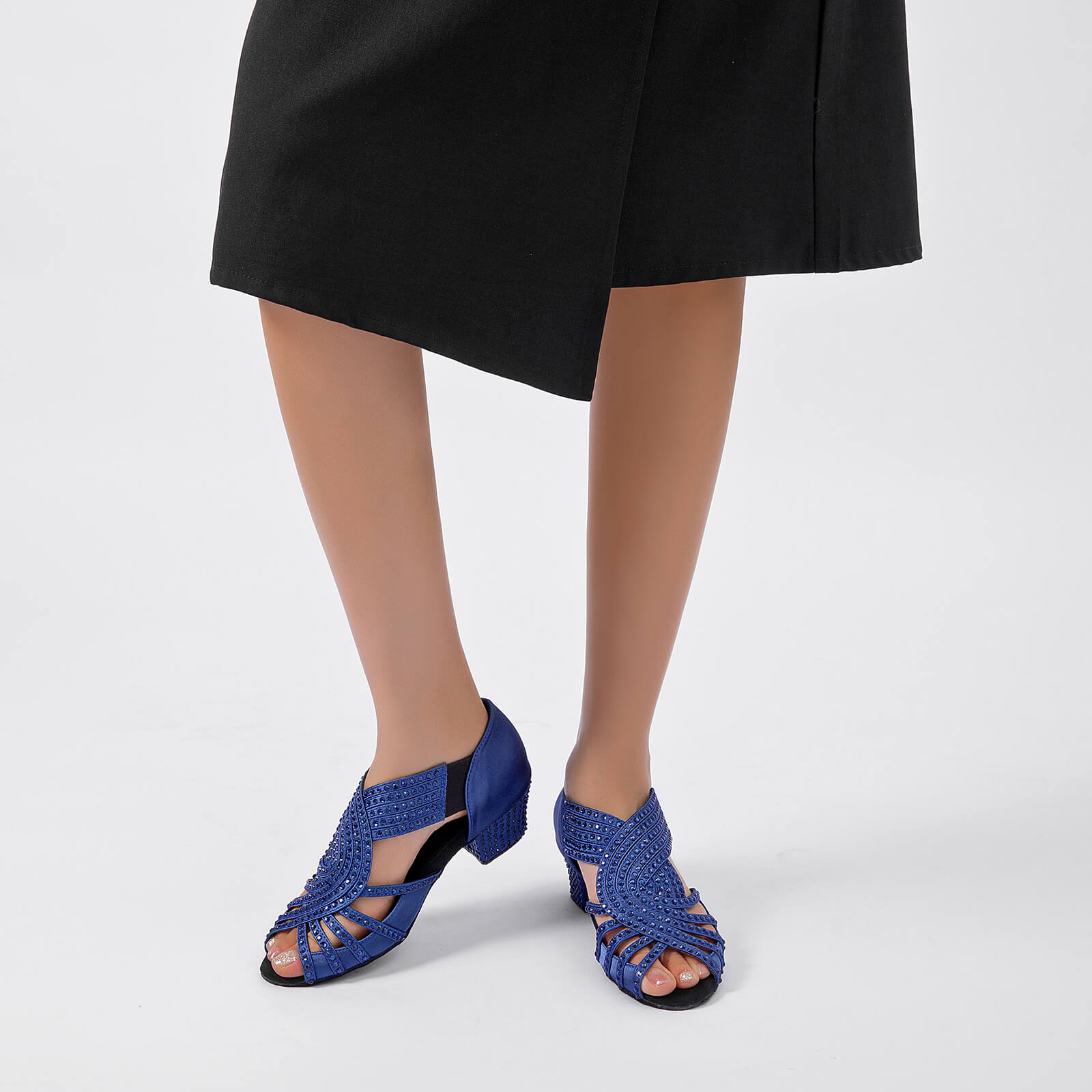
Beginners, dancers with knee sensitivity, brides preparing for a reception, and anyone nervous about twisting an ankle need a heel height that supports balance before style. Start with 1 inch if you want the most grounded feel for your first Waltz, Foxtrot, Salsa, or Bachata lesson. Choose 1.5 inch dance shoes when you want a true Cuban heel shape with more lift than a practice shoe but less pitch than a stiletto. Choose 2 inch dance shoes when your teacher wants a stronger Latin line for Cha Cha, Rumba, or Swing without the pressure of a 2.5 inch heel.
Use 2.5 inch and 3 inch heels when your ankles, calves, and turns already feel controlled through a full class. A higher heel shifts weight forward and asks more from the ball of the foot, the knee, and the ankle. For low heel dance shoes for ballroom, the 1 inch to 1.5 inch range gives new dancers the clearest floor connection. TTdancewear also offers custom heel heights from 1 inch to 4 inches, so you do not have to accept a fixed 2.5 inch option when your body needs something lower.
Cuban Heel Dance Shoes Explained Without the Guesswork
Cuban heel dance shoes use a broader, block-like heel profile that feels steadier than a narrow stiletto. This shape is the standard look for many men buying Latin dance shoes, and it is also a smart choice for women who prefer stability over height. Look for a heel that sits directly under the body, a secure ankle strap or closed-back fit, and a sole that matches your floor. Cuban heel ballroom dance shoes work for rhythm dances because they keep weight centered for Cha Cha, Rumba, Swing, Salsa, and Bachata.
Choose the Cuban heel when high heels make you shorten your steps or grip with your toes. Pick 1.5 inches for your first pair if your teacher said to start low and every search result shows stilettos. Pick 2 inches when you already dance a full class without knee pain and want a more lifted posture.
Suede Sole or Street Sole: Match the Shoe to the Floor
Studio dancers need suede soles because suede grips and glides on wood and marley dance floors. Suede gives you enough traction for forward walks, side steps, and controlled turns without sticking. Brush suede after class to restore the nap and keep the turning surface clean. Do not wear suede soles on wet sidewalks, gravel, or rough concrete; those surfaces damage the fibers and shorten the life of the shoe.
Choose a street sole when your dancing moves between a wedding venue, restaurant, outdoor path, or social floor that is not a dedicated studio. Street soles handle mixed-use surfaces better than suede and make sense for brides, wedding guests, and salsa nights outside a formal ballroom. TTdancewear offers each style with a suede or street sole choice, so select the sole by the surface first, then choose heel height.
Fit, Width, and Support for Sensitive Feet and Knees
Dancers with bunions, wider forefeet, knee sensitivity, or long rehearsal days need a fit that holds the heel without squeezing the toes. Look for a snug midfoot, secure ankle strap, and enough toe room to spread pressure across the forefoot. If your toes curl to hold the shoe on, the fit is wrong. If your heel lifts with every basic step, tighten the strap or choose a more secure style.
TTdancewear carries standard US sizes 5 through 11 with select wide-width options. For comfortable ballroom dance shoes low heel shoppers, size by your dance fit, not by a loose street-shoe habit. Dance shoes should feel secure from the first box step because extra space turns into sliding, blisters, and unstable turns.
Dance-Style Fit: Ballroom, Latin, Salsa, Bachata, and Weddings
Ballroom and smooth dancers need a stable base for Waltz, Foxtrot, and Tango. A 1 inch or 1.5 inch Cuban heel keeps the foot grounded during heel leads, side steps, and frame work. Latin and rhythm dancers need quick weight changes for Cha Cha, Rumba, Samba, Jive, and Swing; a 1.5 inch or 2 inch heel gives lift without forcing the ankle forward. Salsa and Bachata dancers benefit from a secure strap and a sole that turns cleanly through pivots and shines.
Wedding-prep brides should choose a street sole if the reception includes tile, carpet edges, patios, or a mixed venue floor. Choose satin when you want a dressier look, leather for a structured feel, and mesh when breathability matters during long practice sessions.
Beginner Versus Advanced: Choose Stability First, Height Later
Beginners need a shoe that makes practice safer and more repeatable. Start with ballroom dance shoes low heel designs if you are learning timing, posture, and partner connection. A lower heel lets you feel the floor, finish turns, and practice for a full hour without fighting the shoe. Advanced dancers move to 2.5 inch or 3 inch heels only after the ankle stays aligned through spins, spot turns, and Cuban motion.
If knees hurt after class in stilettos, step down immediately. Your shoe should support training, not distract from it. Ladies low heel dance shoes flat dance shoes searches point to the same need: less pitch, more control, and a shoe that keeps the body over the foot.
Care and Longevity: Protect the Heel, Sole, and Upper
Keep suede soles for indoor dance floors and brush them after each studio session. Wipe street soles after outdoor use so grit does not scratch indoor floors later. Air shoes out after class instead of sealing damp satin, leather, or mesh in a bag. Fasten straps before storing them so buckles do not scrape the upper.
Rotate pairs when you train several times per week, especially if you use one pair for Salsa socials and another for ballroom lessons. Inspect heel tips before they wear down to the nail. Replacing worn heel tips keeps balance consistent and protects floors. Buying online feels easier when the risk is lower; TTdancewear backs orders with a money-back guarantee and easy returns, so choose the heel, sole, and fit that match your dancing now.
| Comparison point | Low heel: 1 to 1.5 inch Cuban heel | High heel: 2.5 to 3 inch Latin heel |
|---|---|---|
| Balance and ankle stability | Places weight closer to the floor for steadier box steps, bachata basics, and first turns. | Pushes weight forward and demands stronger ankle control through spins and Latin hip action. |
| Comfort during longer sessions | Reduces forefoot pressure during a full class, wedding rehearsal, or social dance night. | Creates more pressure on the ball of the foot and calf during extended practice. |
| Recommended dance use | Works well for Waltz, Foxtrot, beginner Salsa, Bachata, Swing, and wedding dance prep. | Suits experienced Cha Cha, Rumba, Samba, Jive, and performance-focused Latin routines. |
| Floor and sole pairing | Pairs with suede soles for studio floors or street soles for mixed wedding and social surfaces. | Performs best on controlled studio floors with clean suede soles and trained balance. |
| Learner-friendliness | Gives first-time dancers confidence when teachers recommend starting low. | Rewards advanced dancers who already maintain posture, turnout, and controlled landings. |