How burlesque dance shoes should support your act

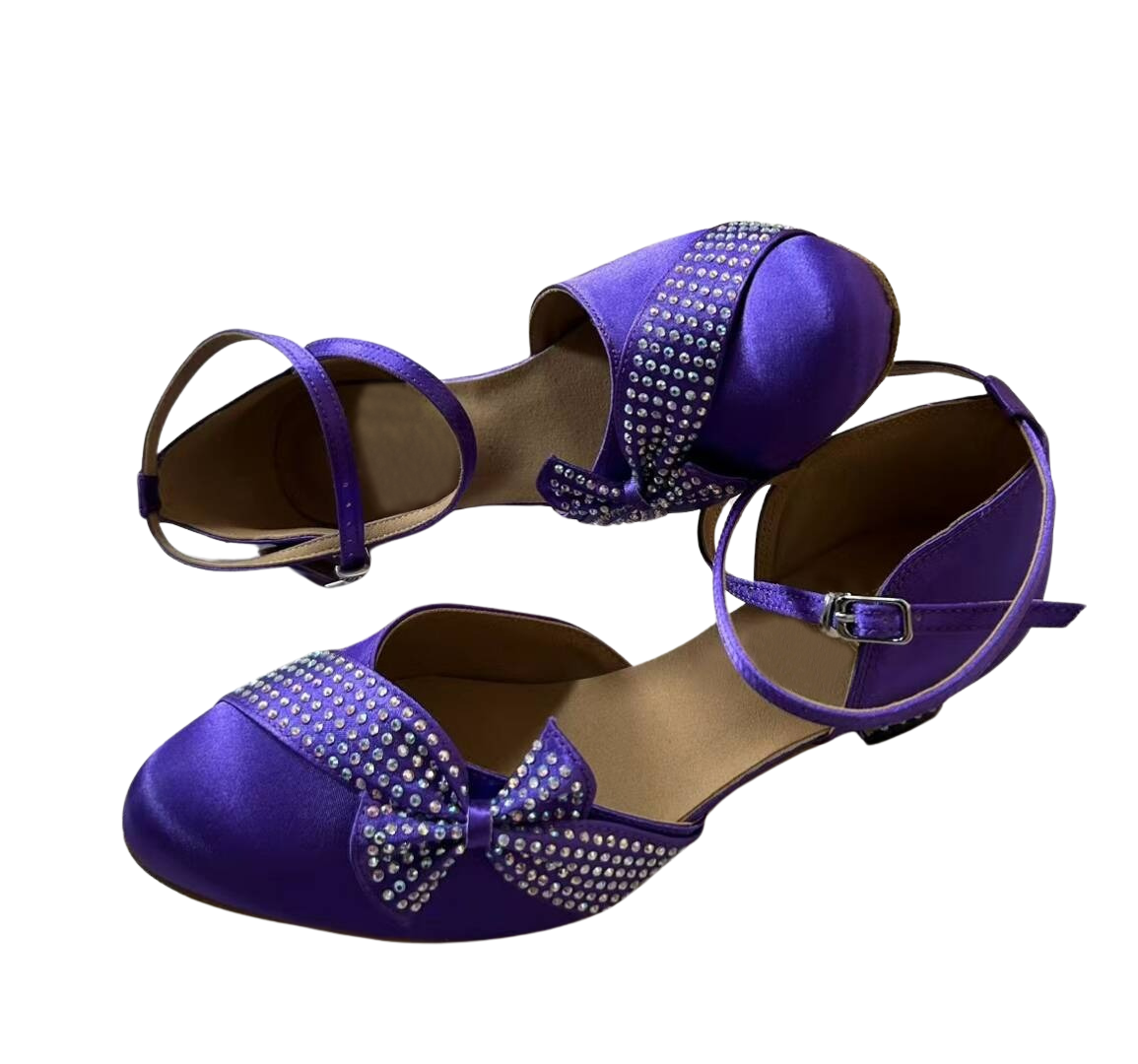
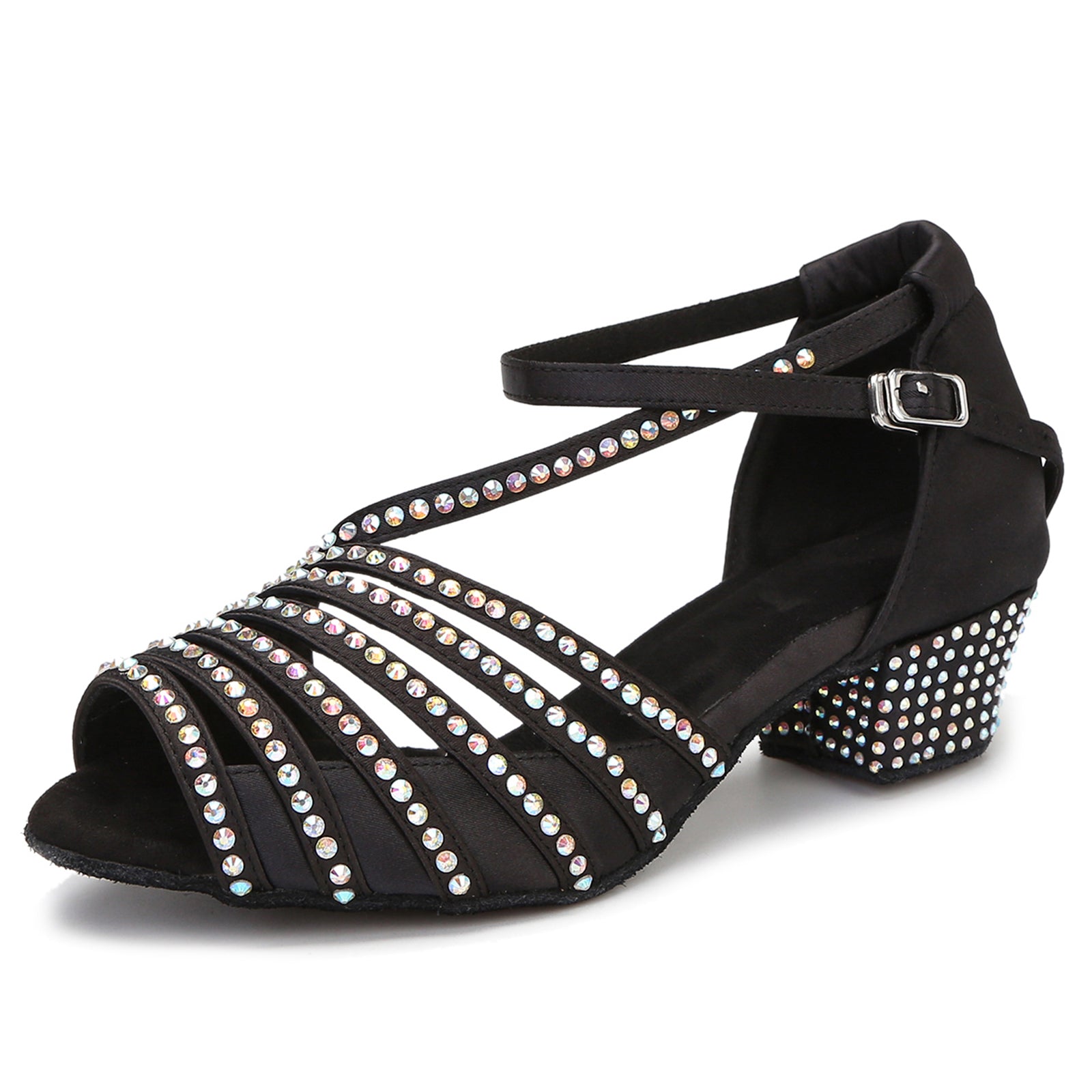
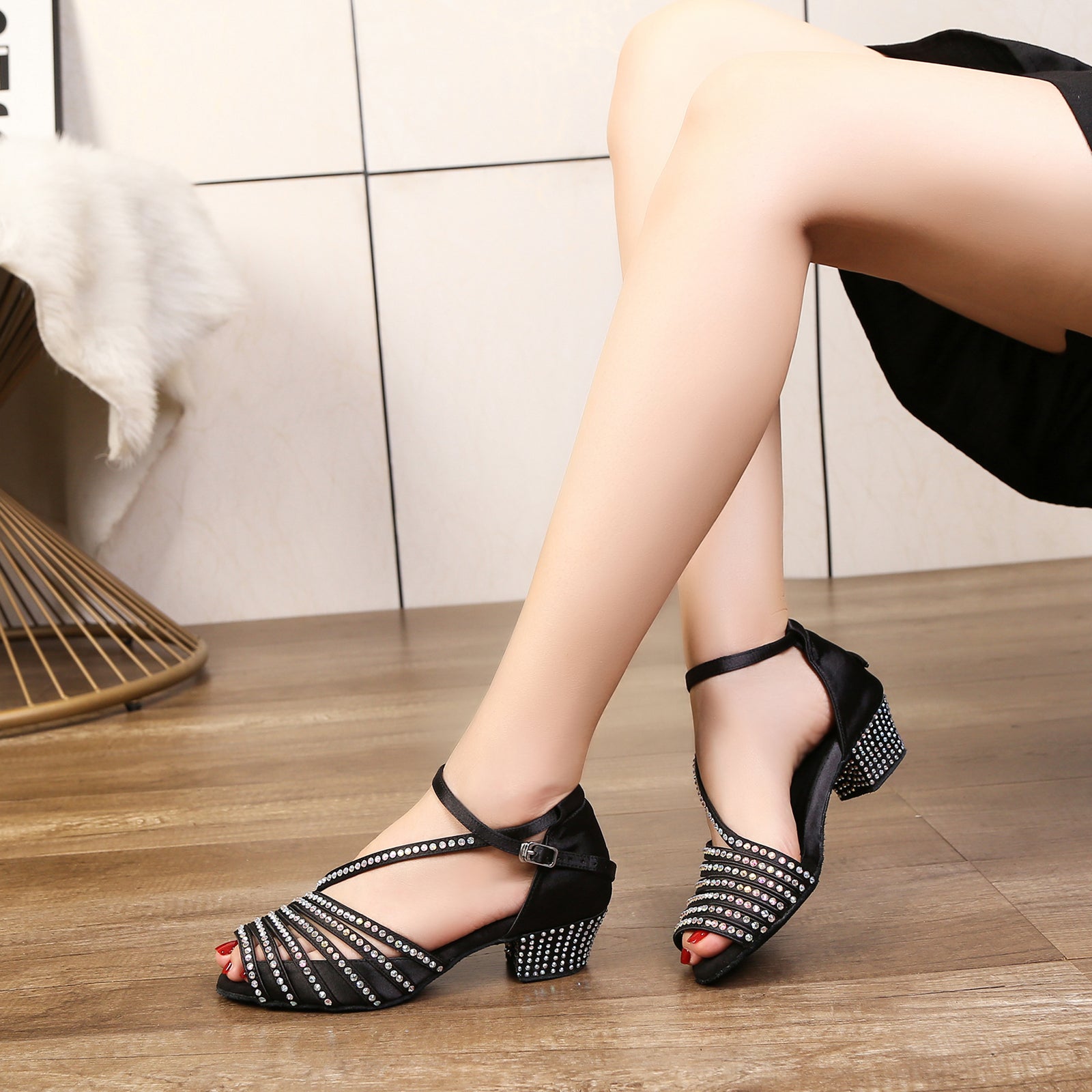
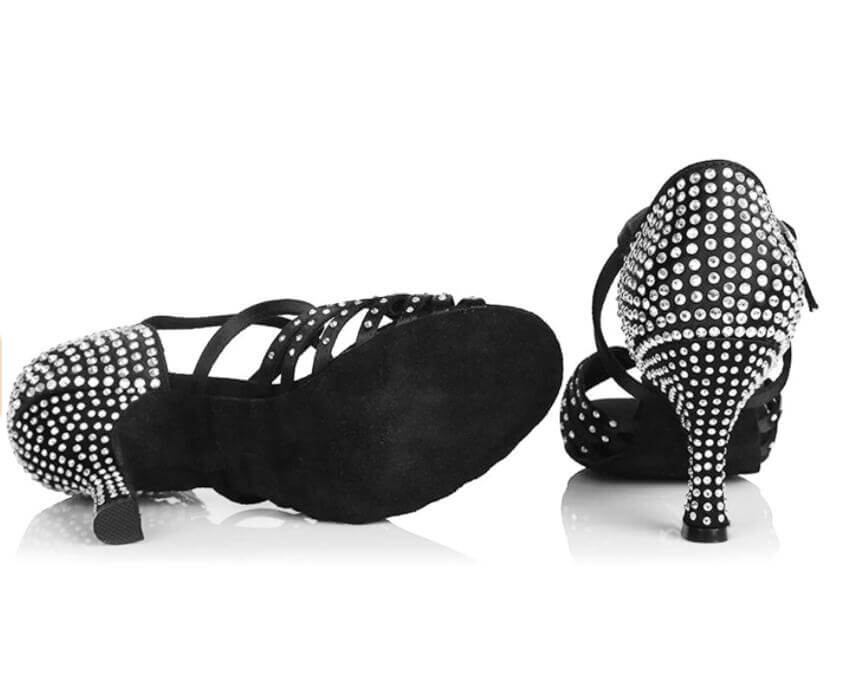
New and intermediate performers need shoes that hold the foot through walks, reveals, chair work, floor transitions, and final poses. Street stilettos slide on polished stages, twist during pivots, and punish the ball of the foot during a 5-minute number. Choose burlesque dance shoes for controlled weight changes, secure ankle support, and a sole matched to the floor. Look for a padded insole, a heel placed under your center line, and a strap or bootie upper that locks the foot down without cutting the skin.

TTdancewear gives online shoppers practical control over the fit: custom heel heights from 1 inch to 4 inches, a choice of suede sole or street sole on each style, US sizes 5 through 11, select wide-width options, easy returns, and a money-back guarantee. That matters when your act moves from backstage hallways to a stage, studio, or cabaret floor.

Choose heel height: 1", 1.5", 2", 2.5", and 3" options

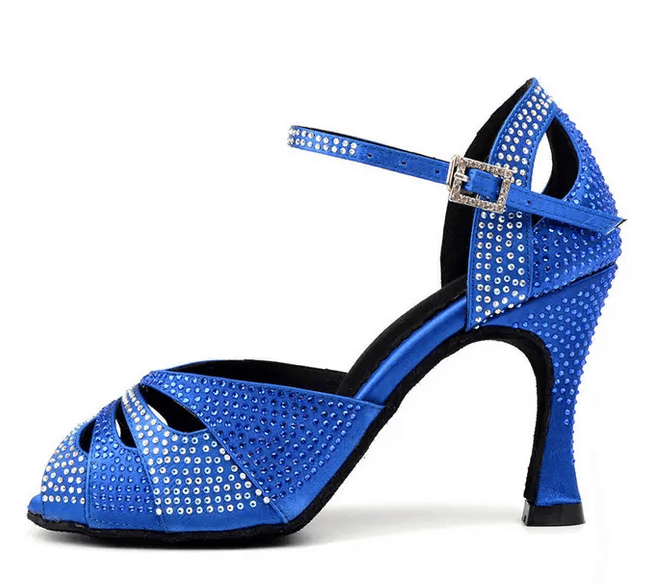
Choose heel height by skill level and choreography, not ego. A 1-inch or 1.5-inch Cuban heel serves beginners, practice sessions, long rehearsals, and performers building ankle strength. It keeps the heel low enough for clean walks, hip circles, chair work, and slow peels. A 2-inch heel adds shape without forcing the knee forward. A 2.5-inch flare heel gives classic burlesque dance heels a grounded base for struts, turns, Rumba-style hip action, and Cabaret numbers.

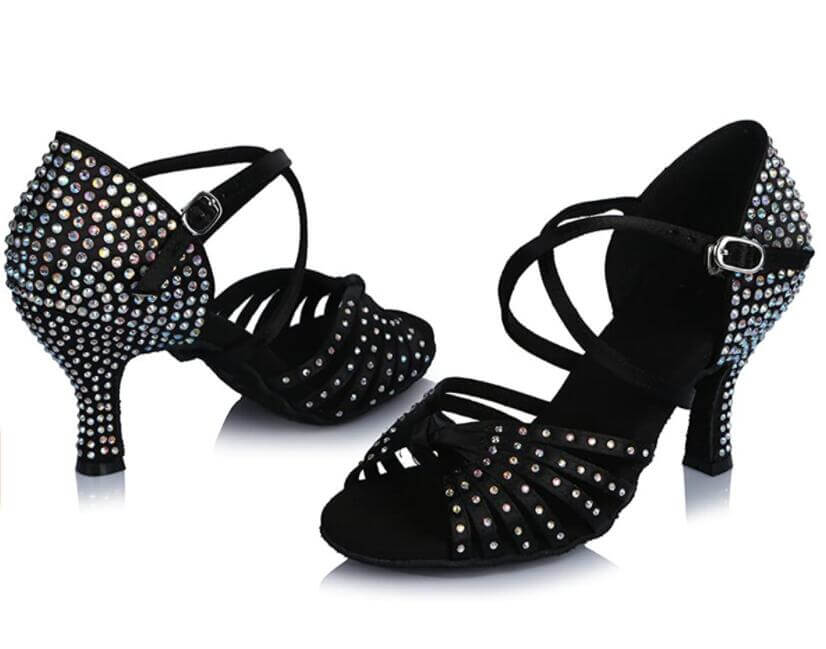
A 3-inch stiletto fits neo-burlesque, drag performance, and Heels Dance choreography where the line of the leg drives the look. Use it after you control weight placement in a lower heel. A 3.5-inch or taller platform belongs to showgirl, Samba platform, and high-impact stage concepts; the platform raises height while reducing the foot angle compared with a non-platform stiletto. If your routine includes fast pivots or repeated dips, stay at 2.5 inches or lower until your balance feels automatic.

Pick the sole for studio, stage, or street-to-stage use

Suede sole burlesque dancing shoes grip studio wood and Marley-style dance floors while still allowing controlled turns. Choose suede for rehearsals, Heels class, choreography sessions, and indoor stages where you need traction without sticking. Brush suede after class to lift the nap and remove dust; store the shoes away from wet pavement.

Street sole shoes serve mixed-use surfaces: backstage corridors, photo shoots, restaurant cabaret floors, drag dressing-room runs, and entrances where changing shoes breaks the flow of the act. A rubber street sole gives more protection outdoors and on rougher floors. Leather sits between suede and rubber; it glides more than rubber and gives a polished dress-shoe feel. If your number starts offstage and travels to the performance area, choose a street sole. If your work stays on a dance floor, choose suede.

Fit, width, and secure closure choices

Fit decides whether your performance feels sharp or strained. Your toes should lie flat, the heel cup should hold without lifting, and the strap should close on a center hole rather than the last hole. For swollen feet after rehearsals or wider forefeet, wide burlesque dance shoes reduce pinching across the metatarsals and keep rhinestone or satin uppers from digging into skin. Select wide width when your everyday heels pinch at the little toe or leave red marks across the ball of the foot.

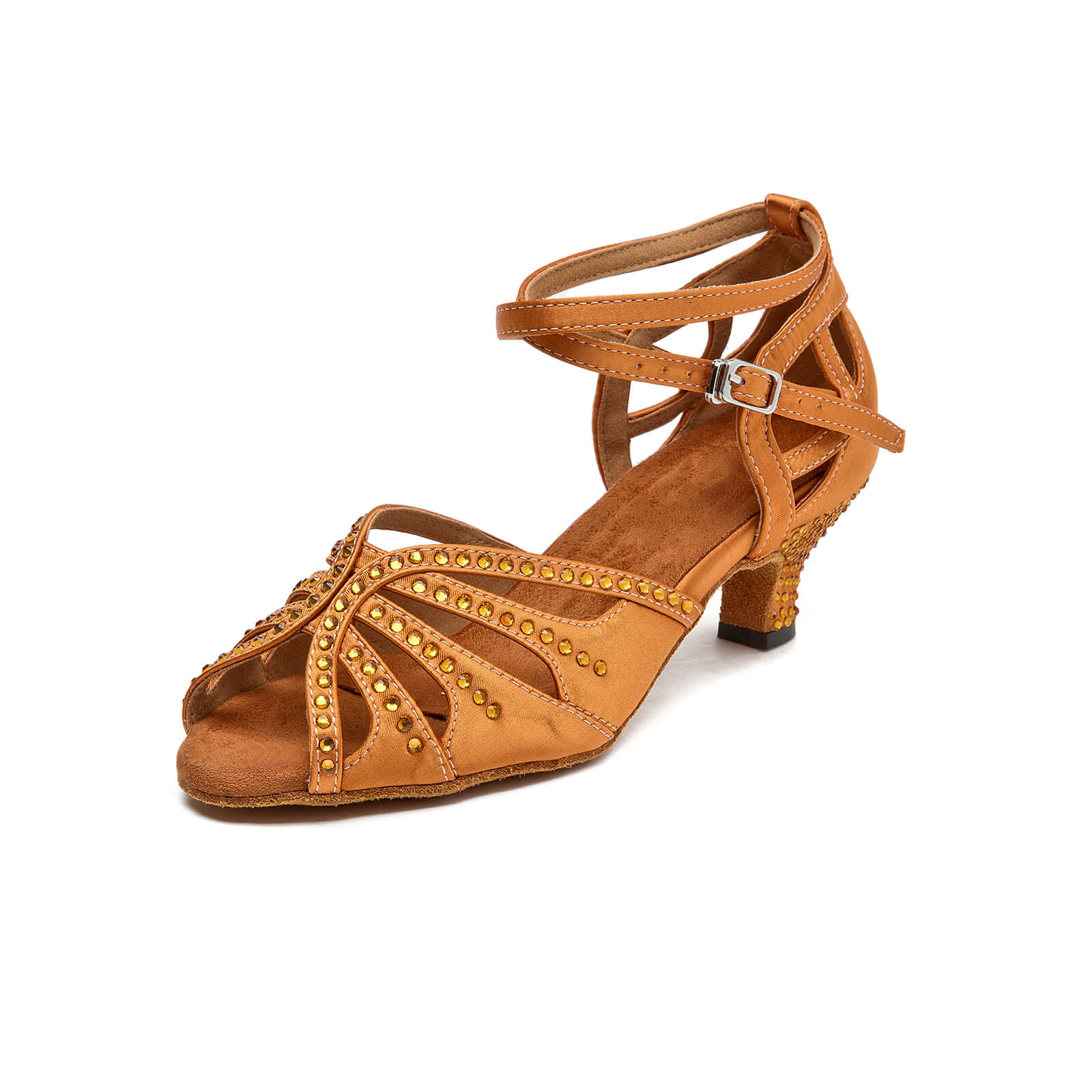
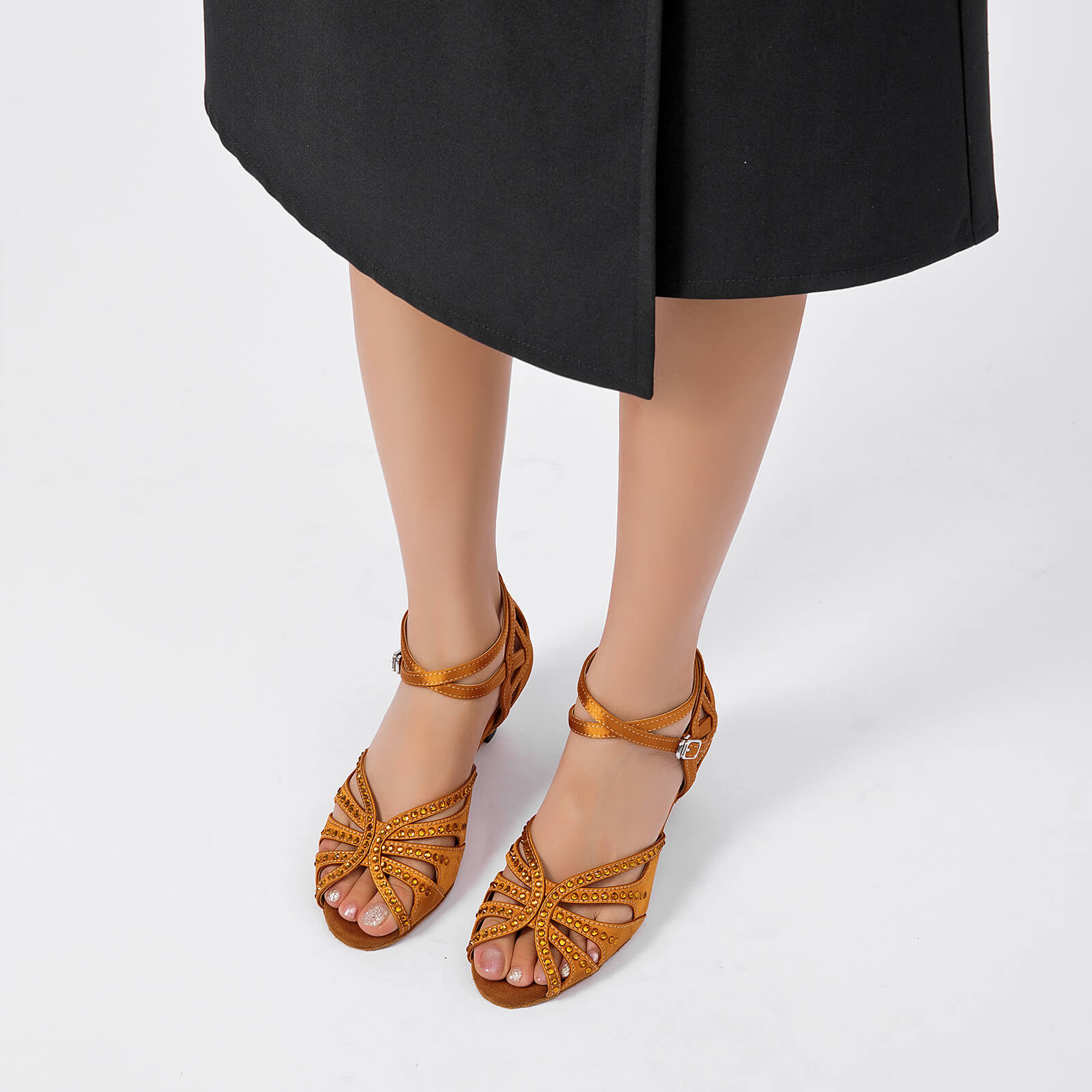
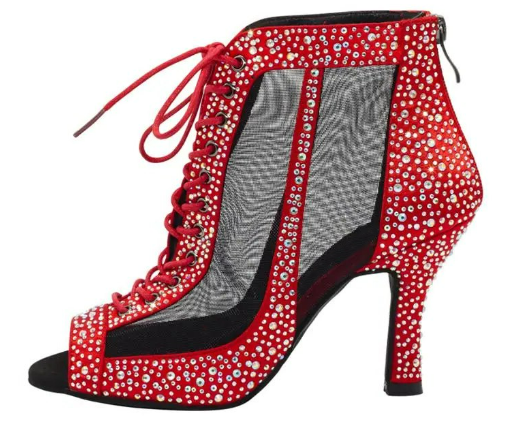
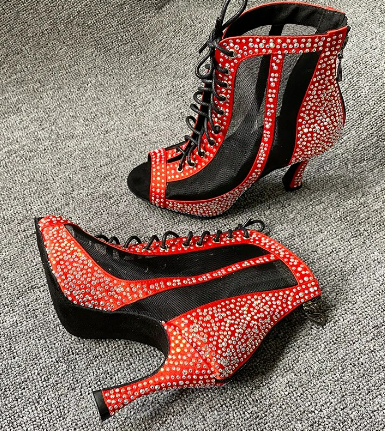
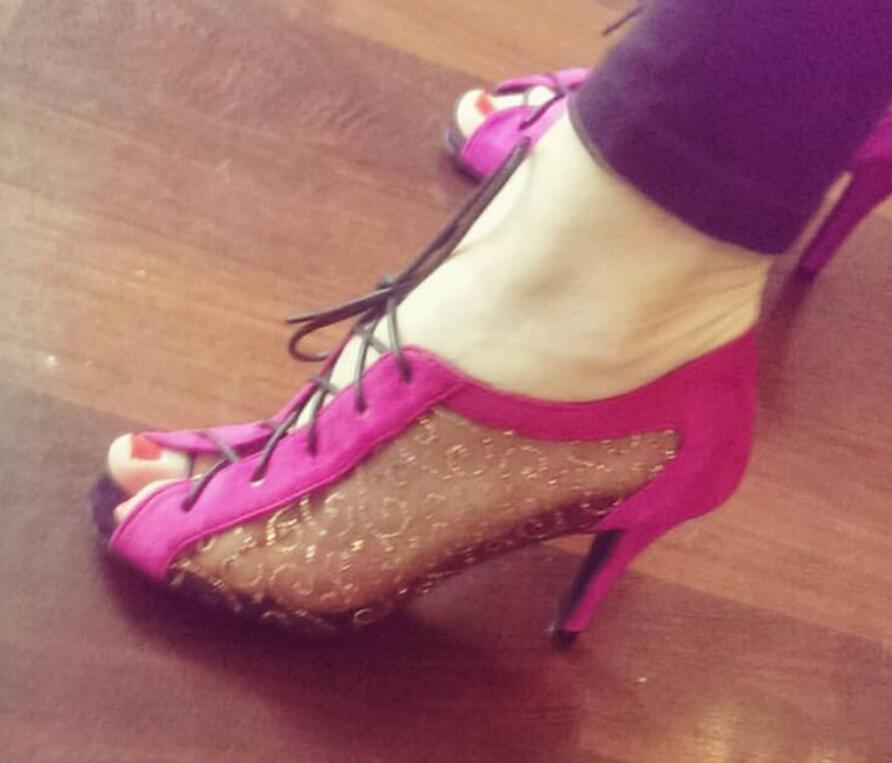
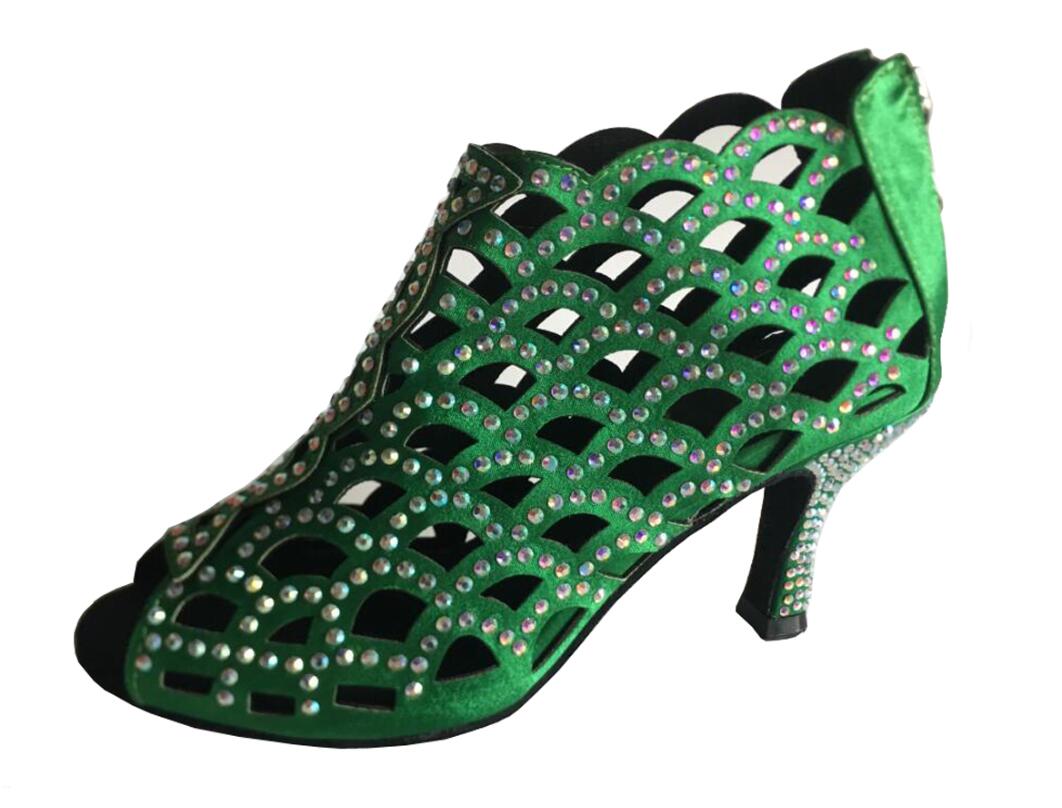
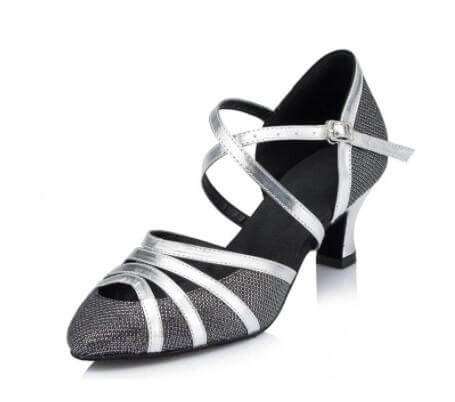
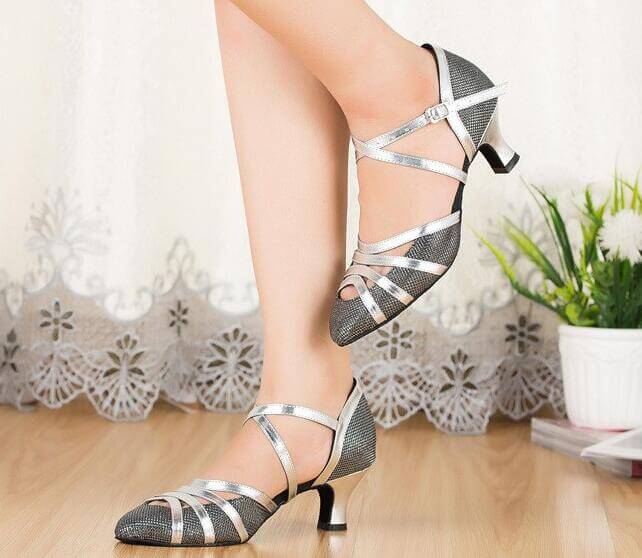
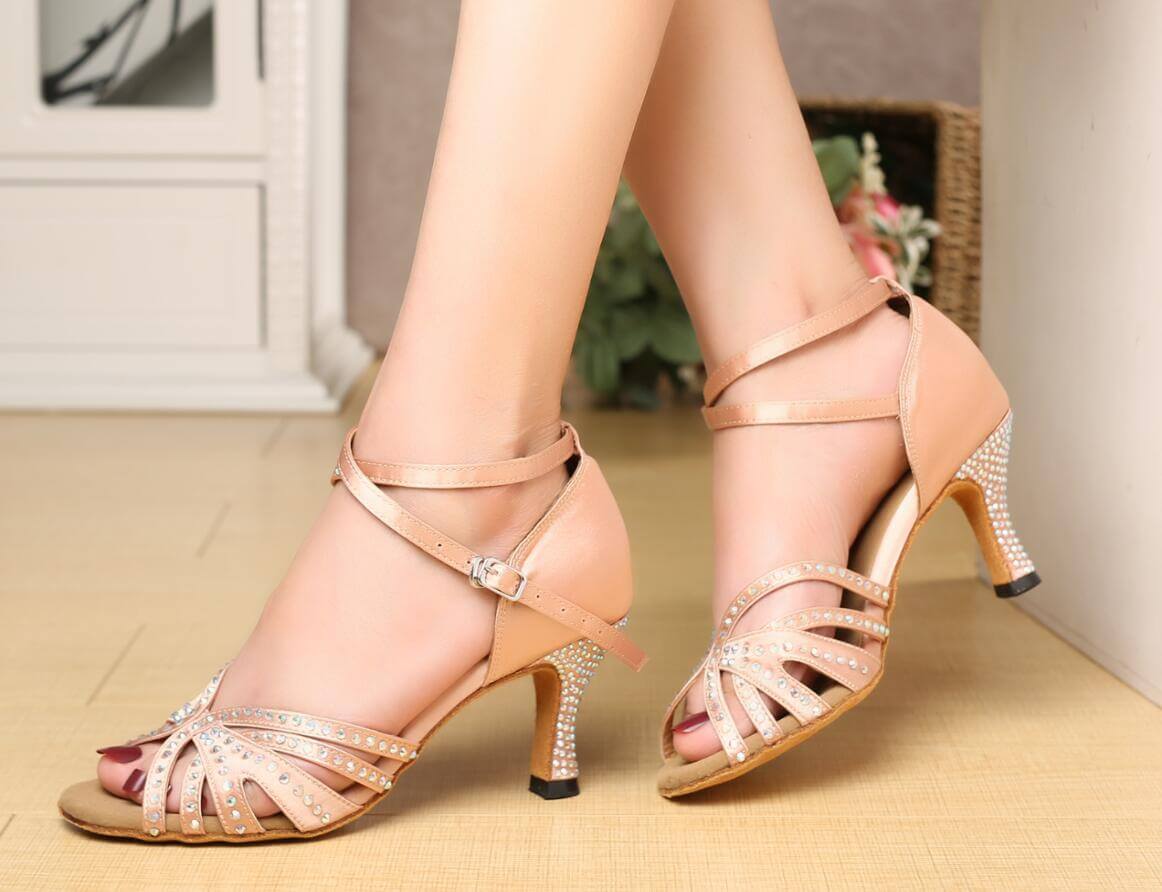
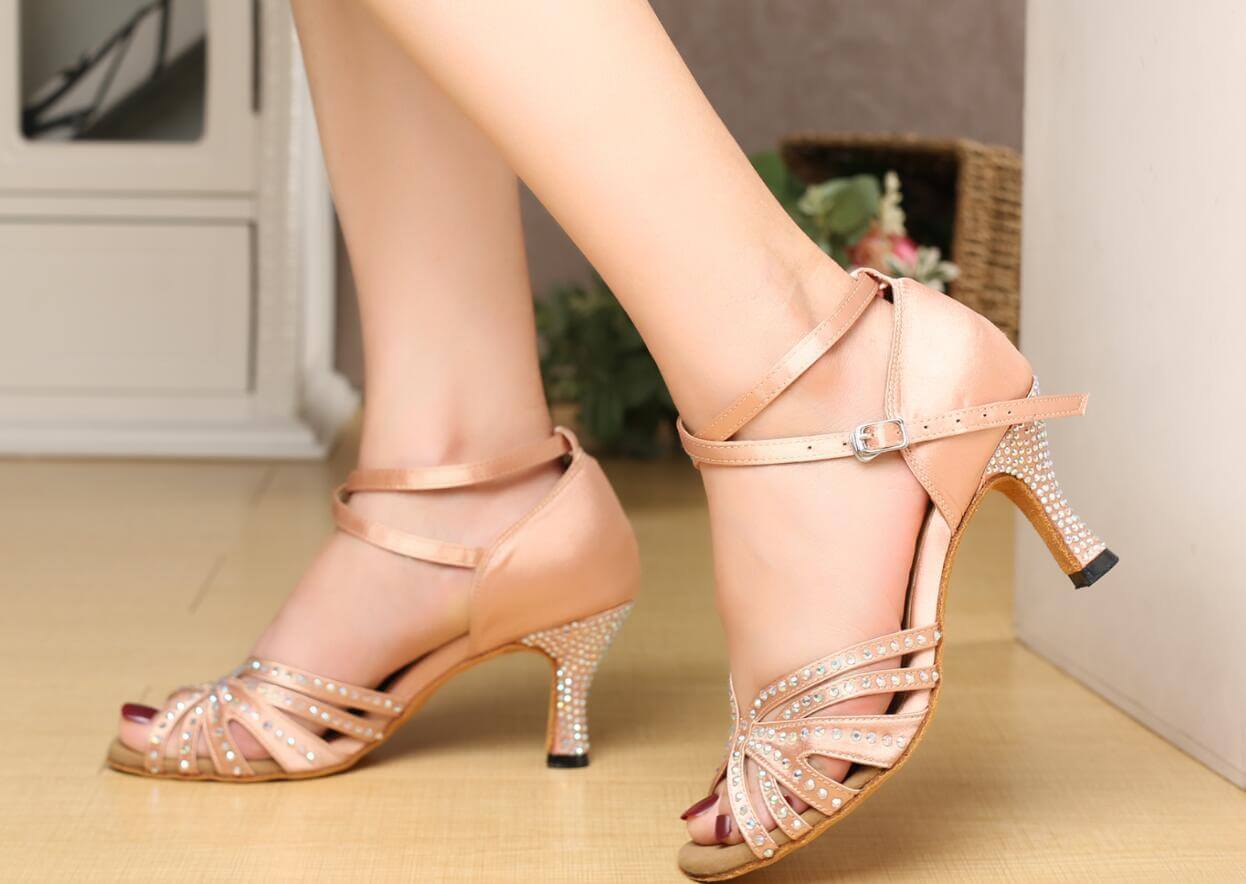
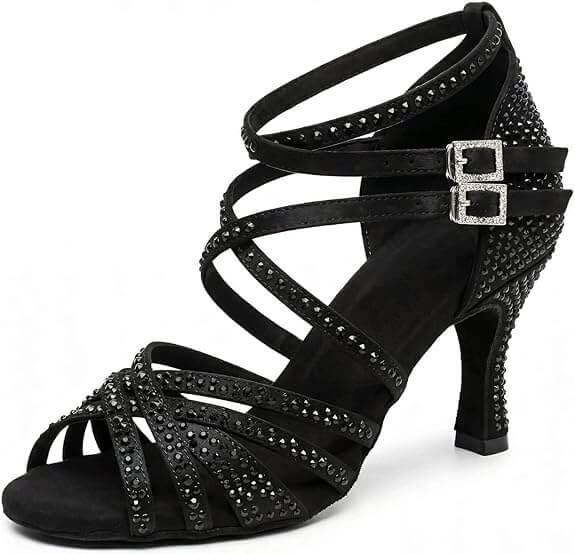
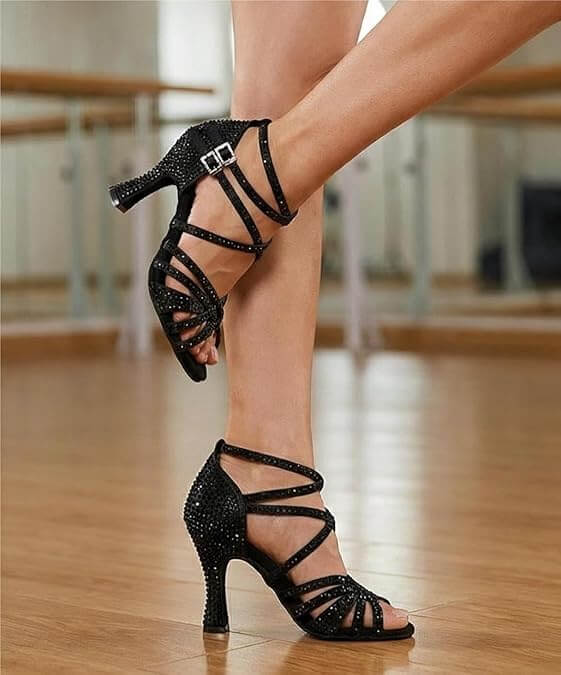
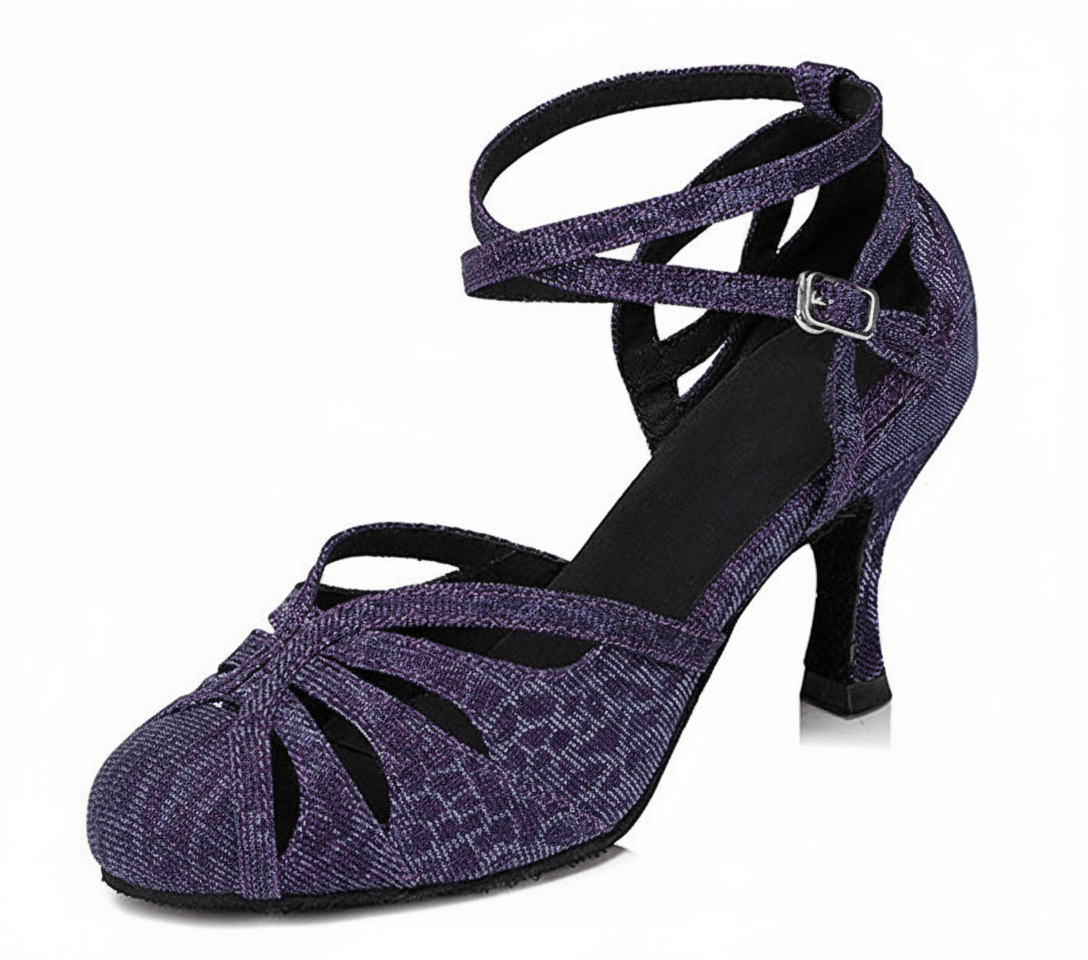
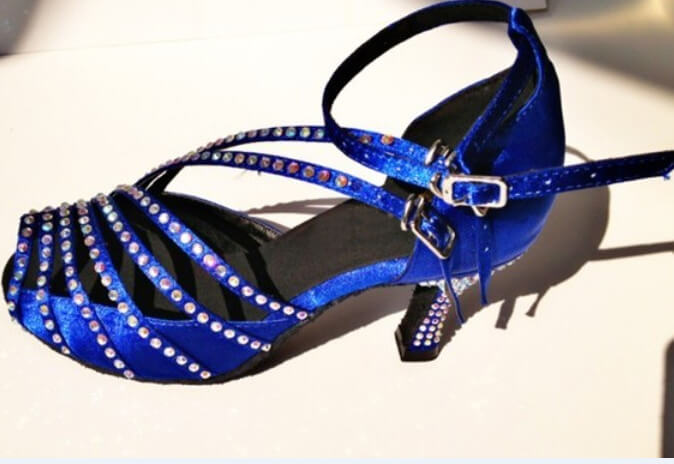
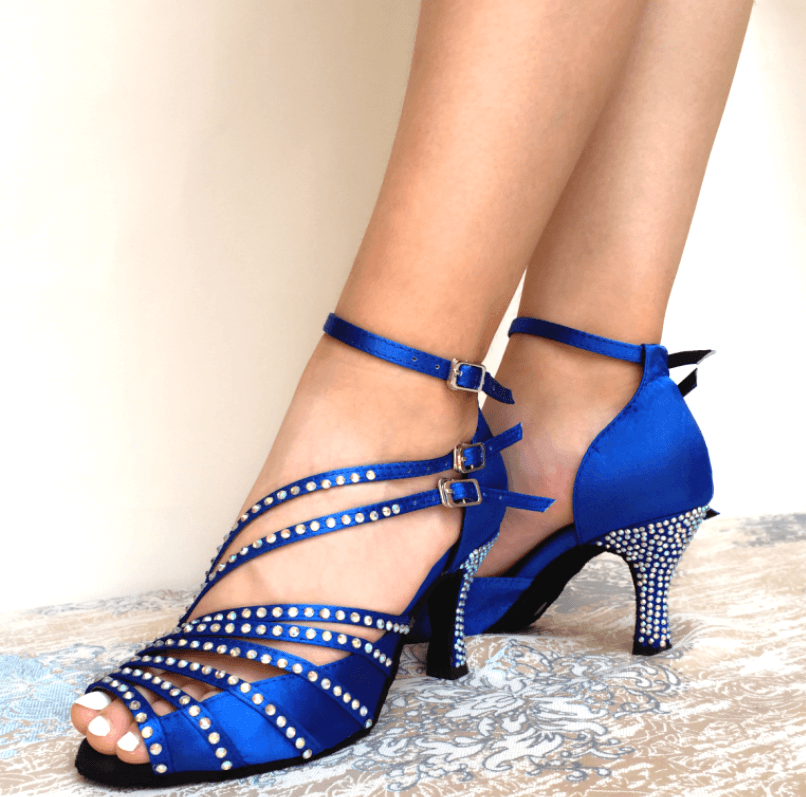
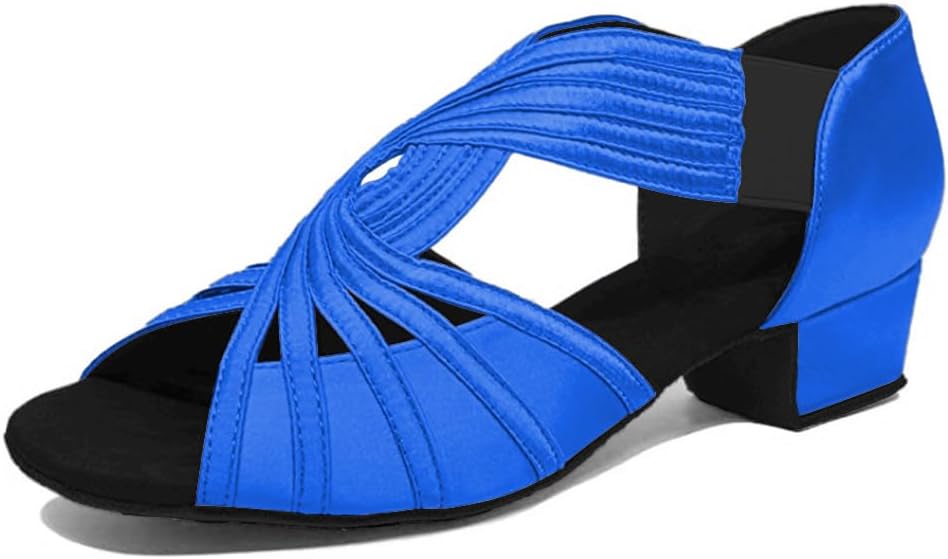
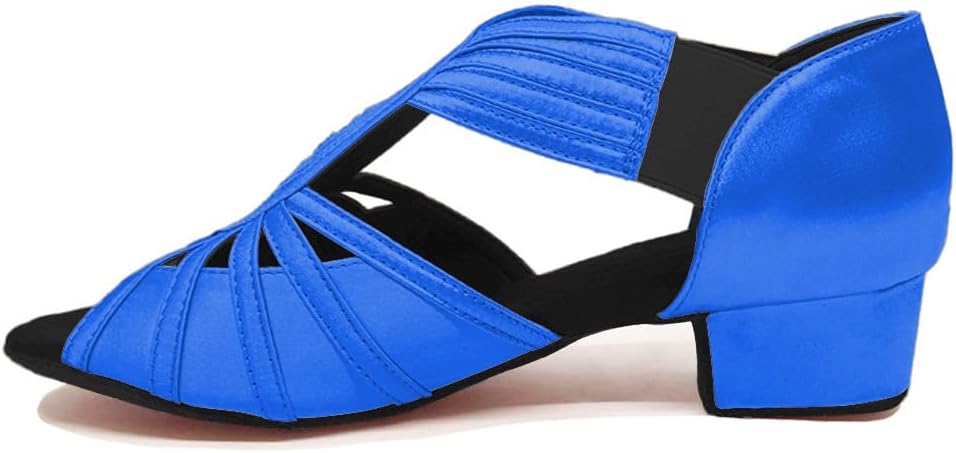
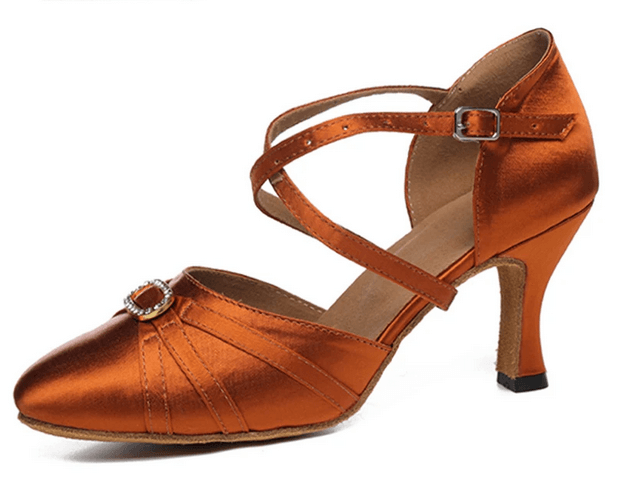
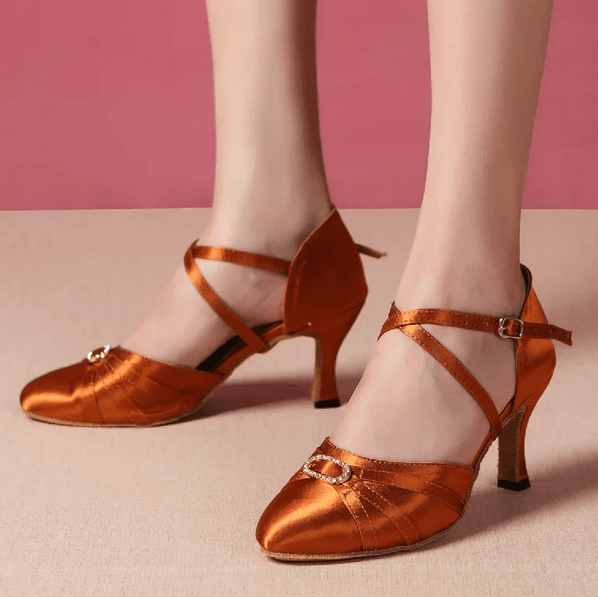
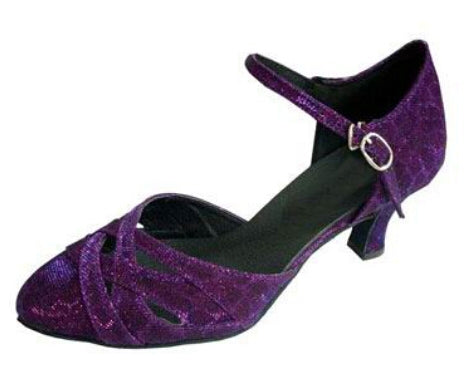
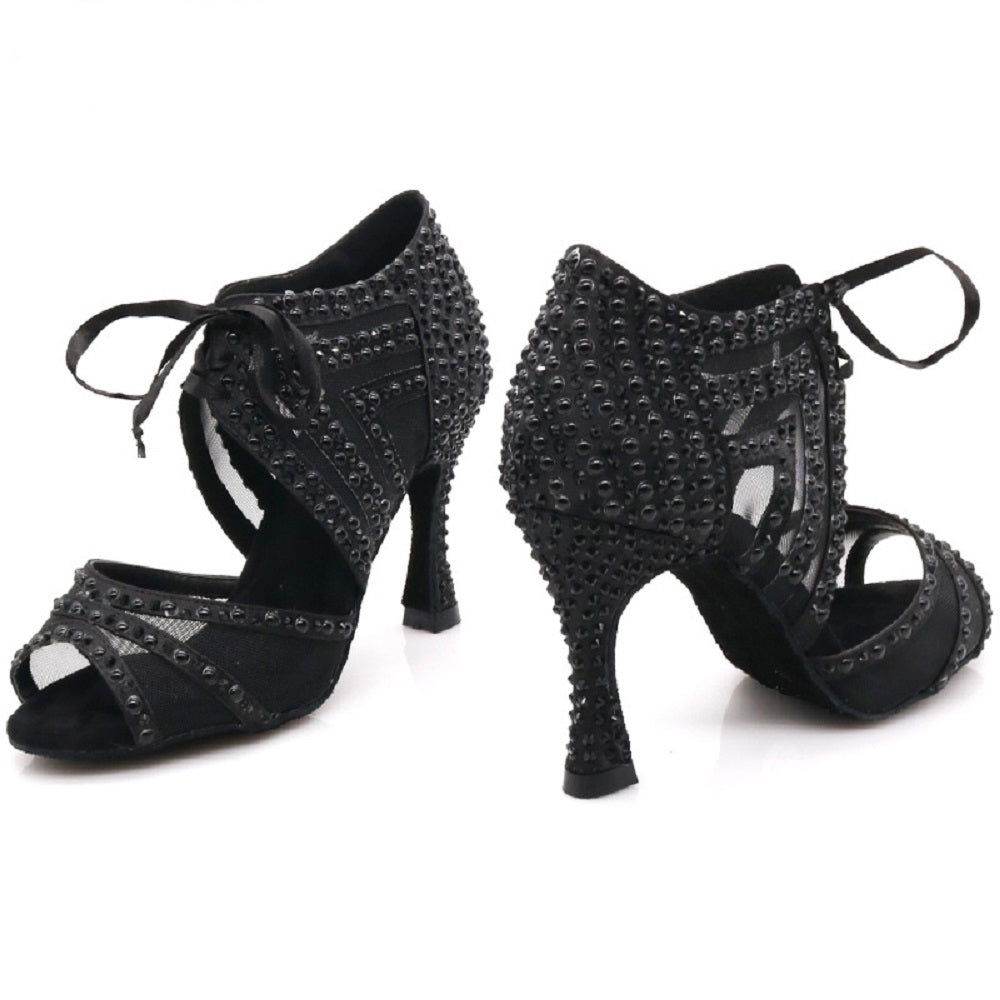
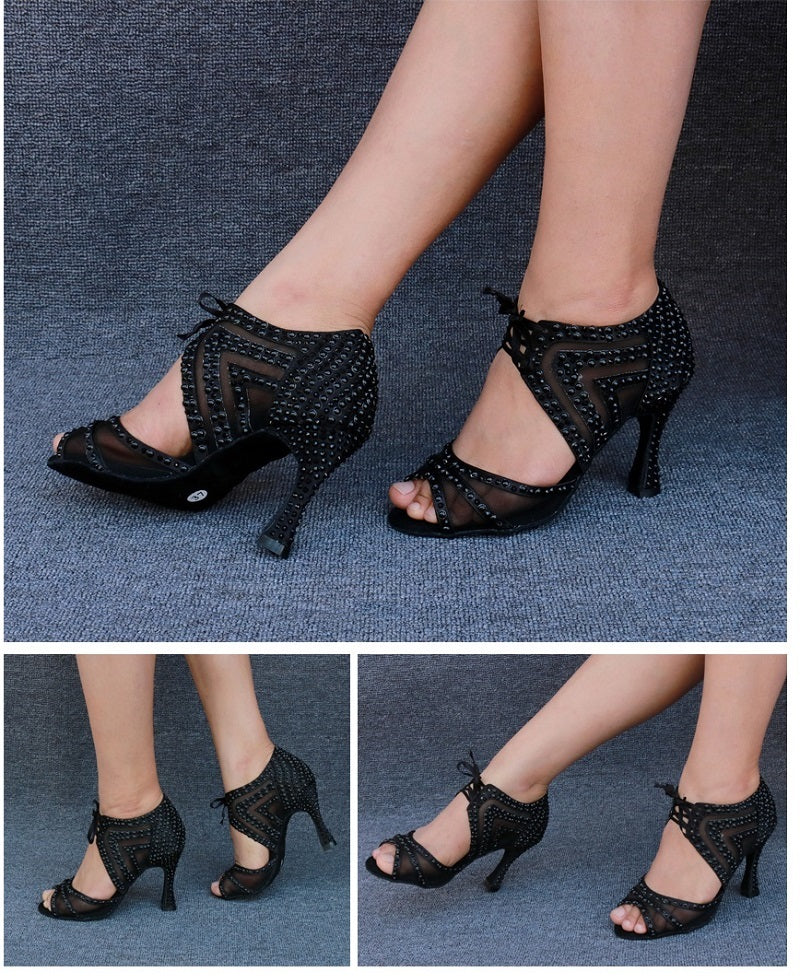
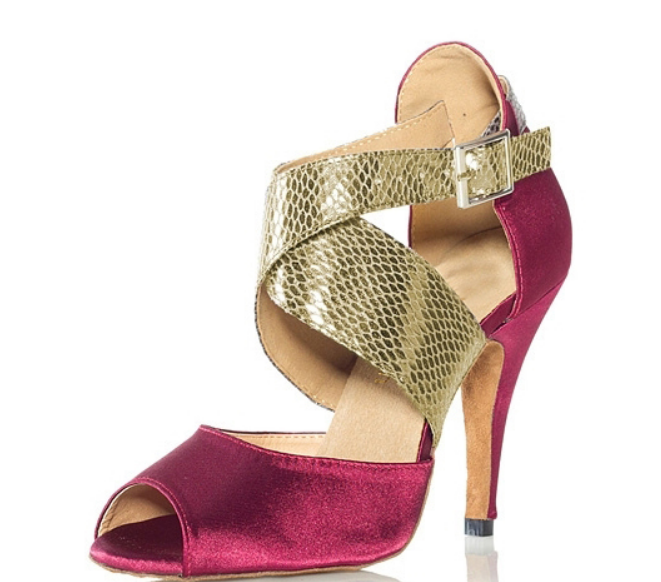
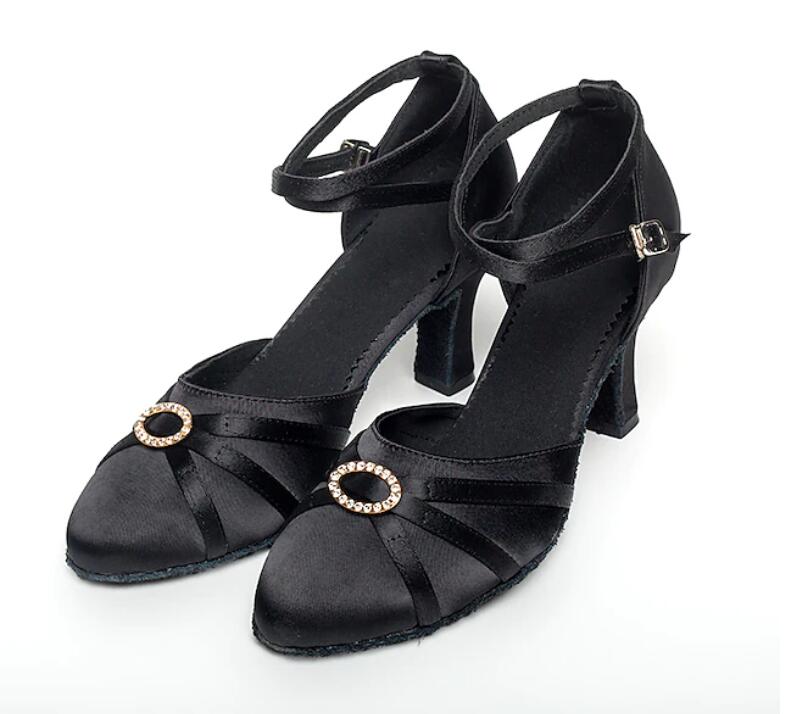
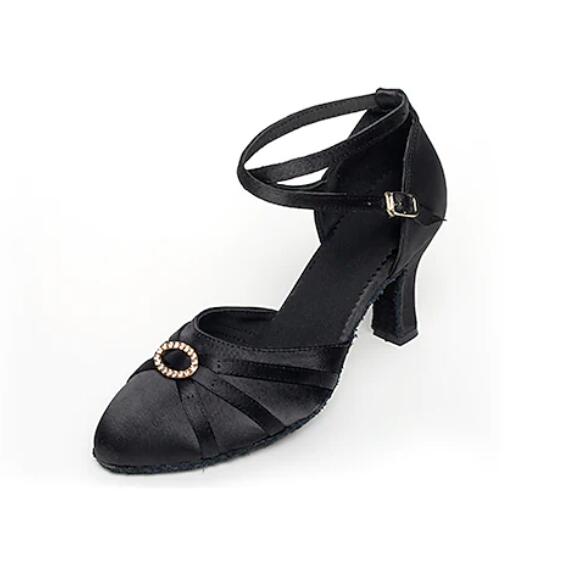
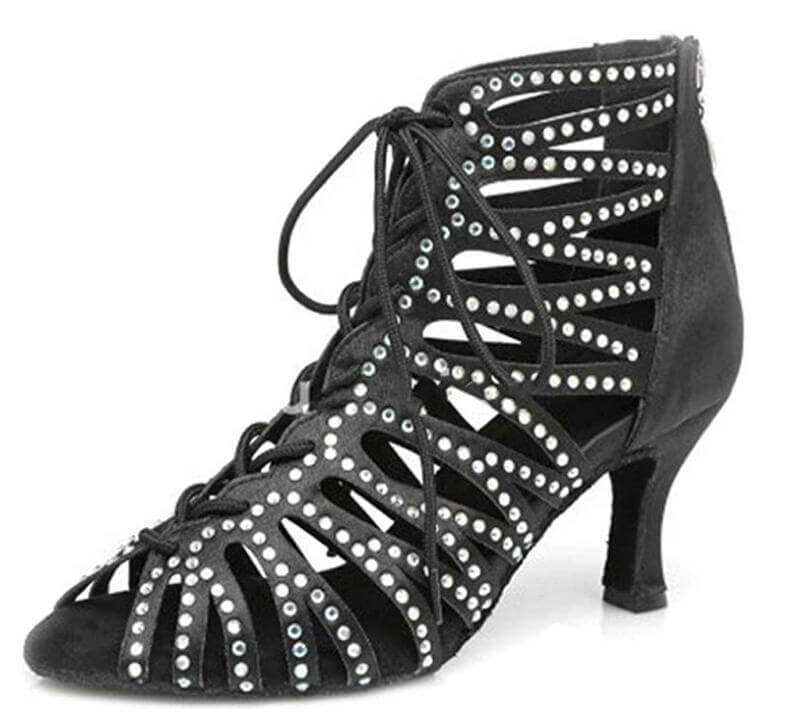
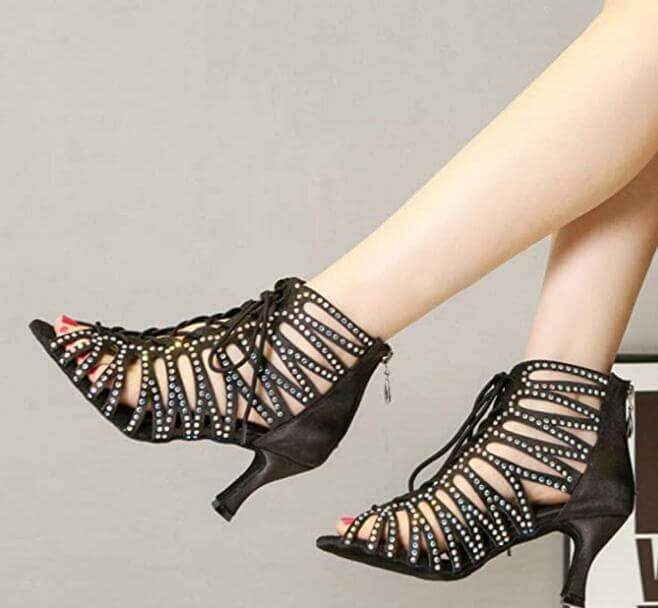
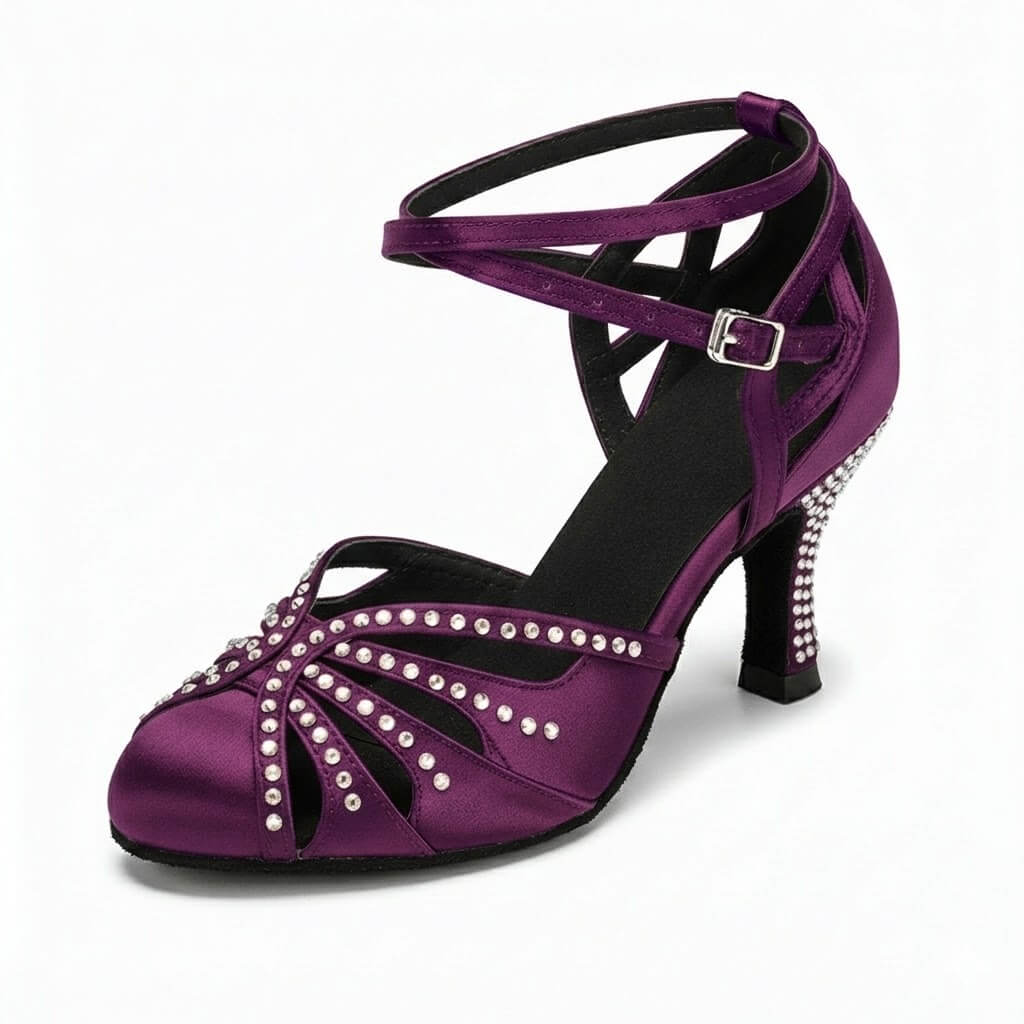
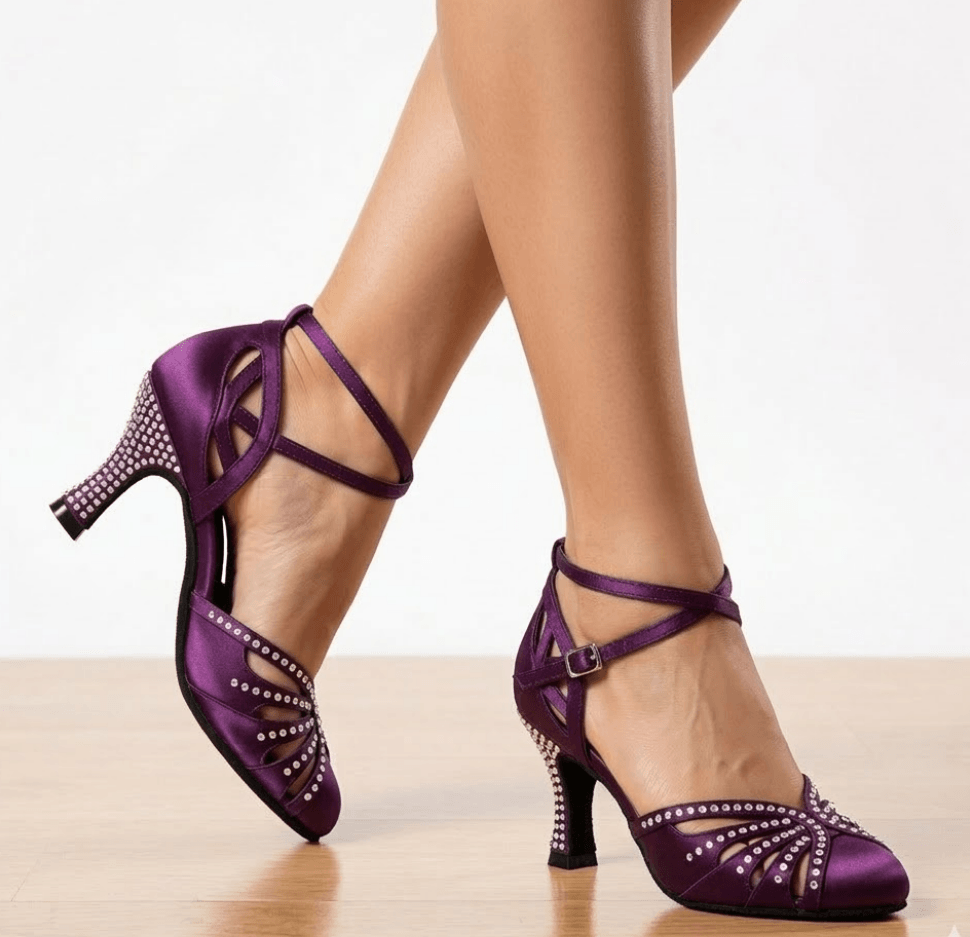
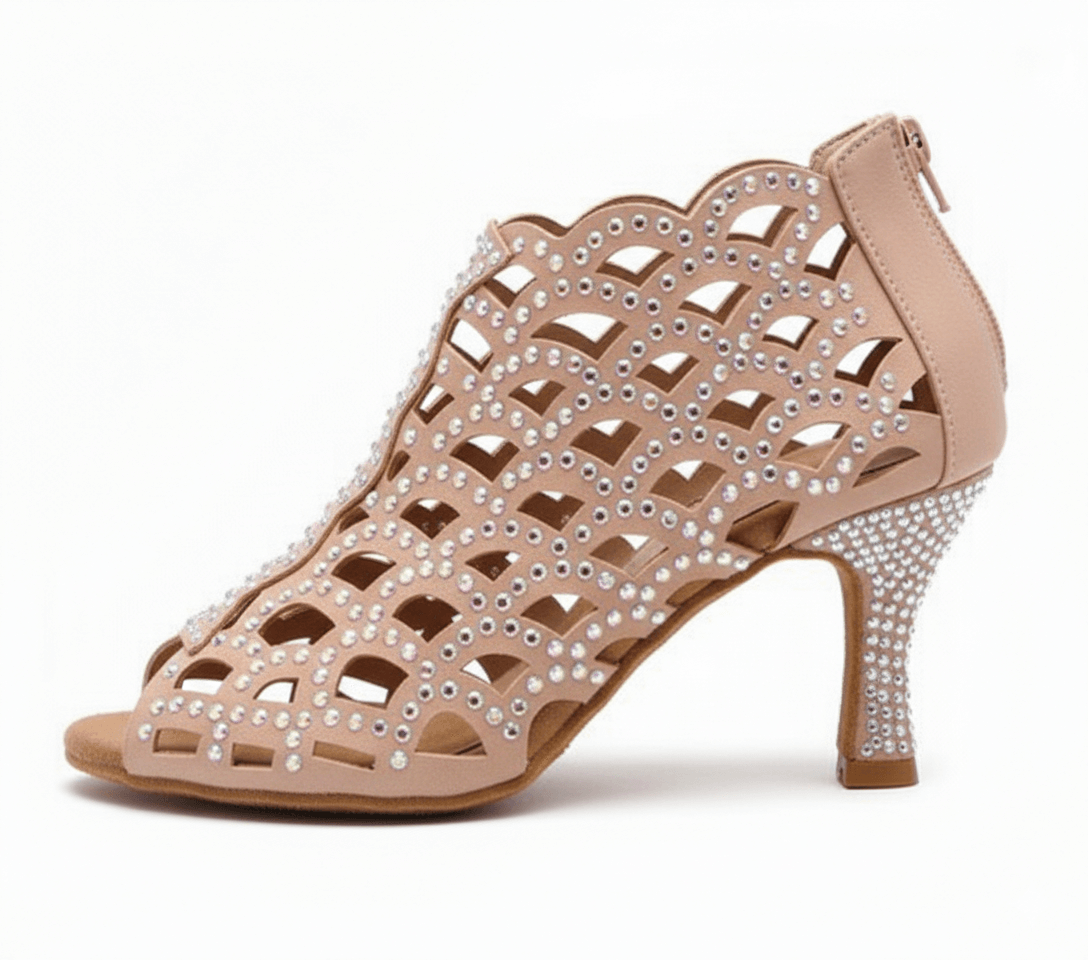
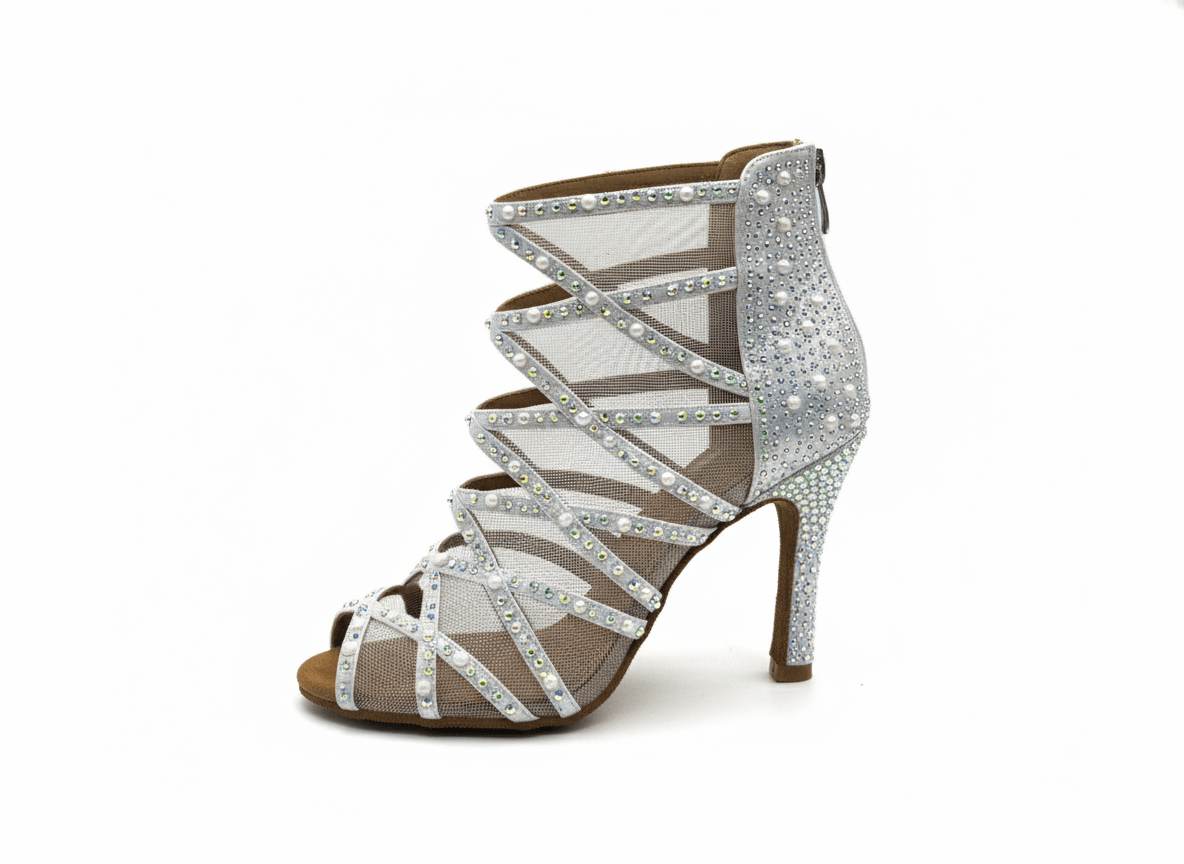
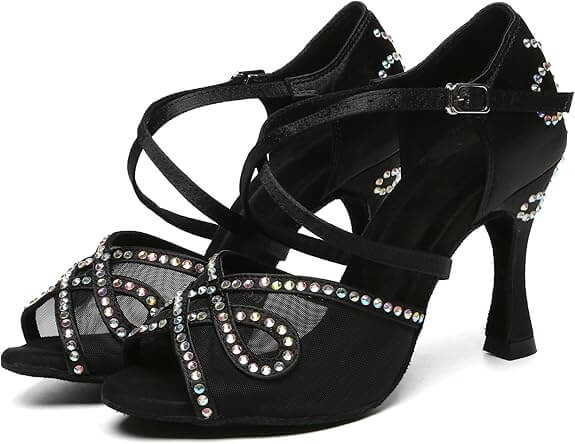
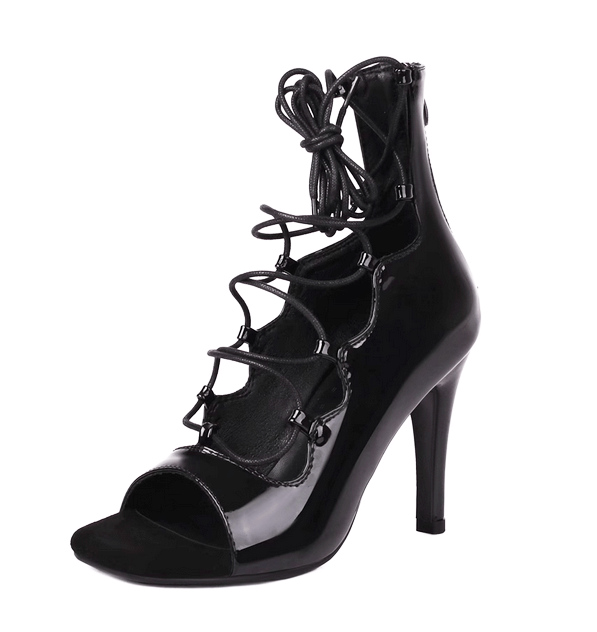
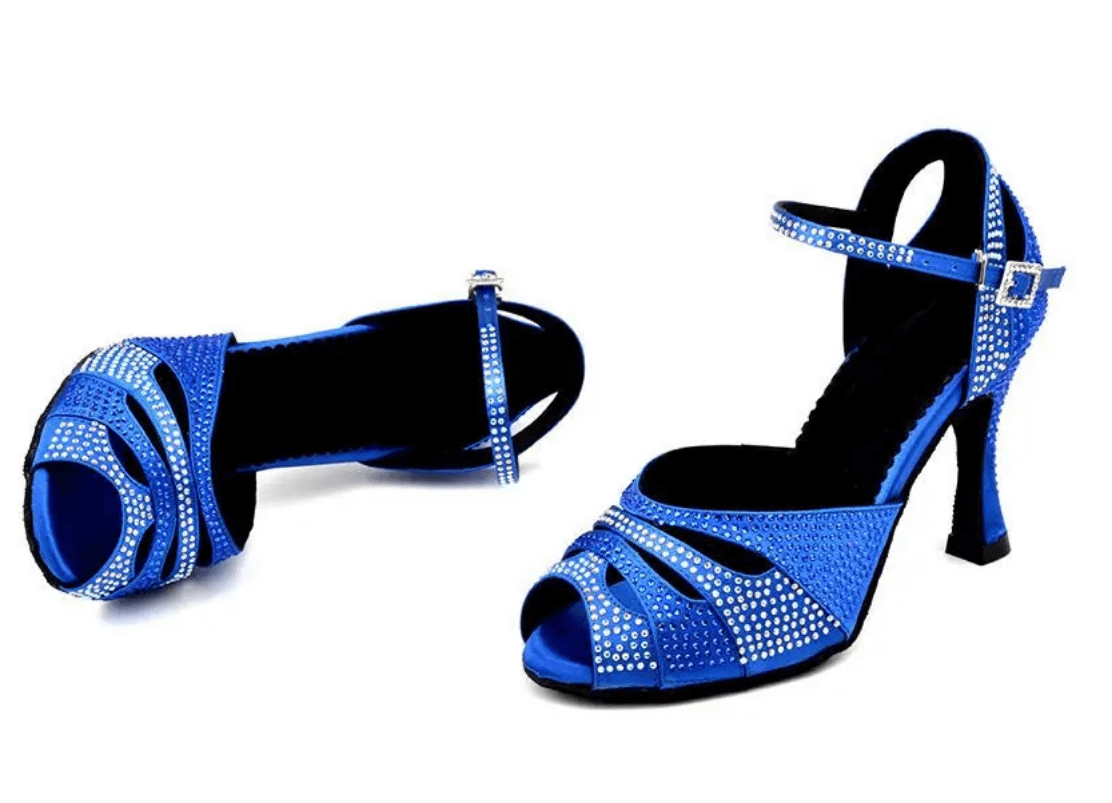
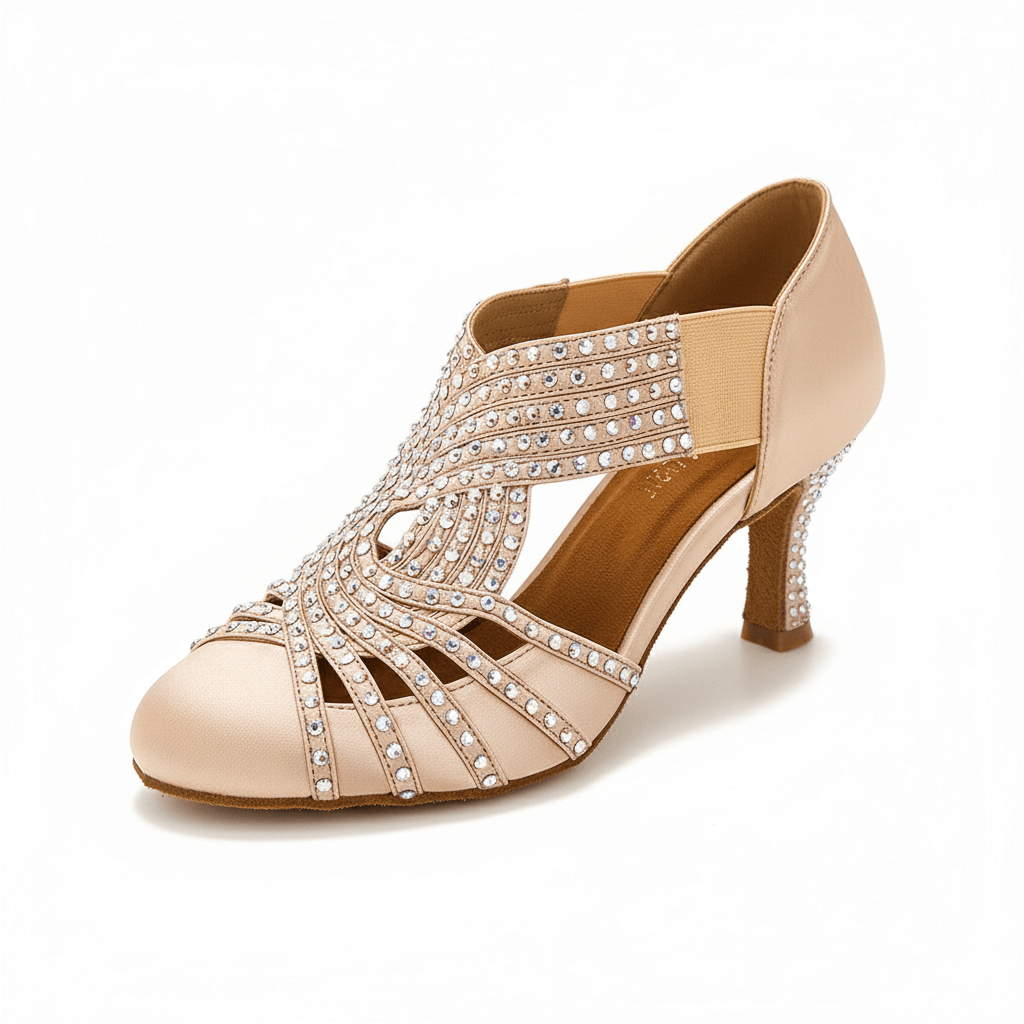
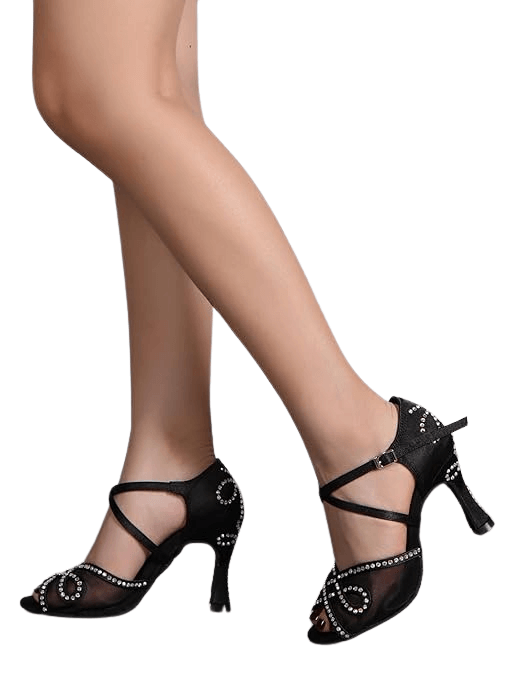
T-straps suit dancers who want a vintage line and extra front-foot security. Ankle straps suit classic burlesque dancer heels and keep the heel seated through slow walks, reveals, and turns. Stretch bootie uppers wrap the arch and ankle for neo-burlesque, Heels class, and drag performance where floorwork and fast transitions demand a closer hold.

Match shoe style to Burlesque, Heels Dance, Samba, and Cabaret

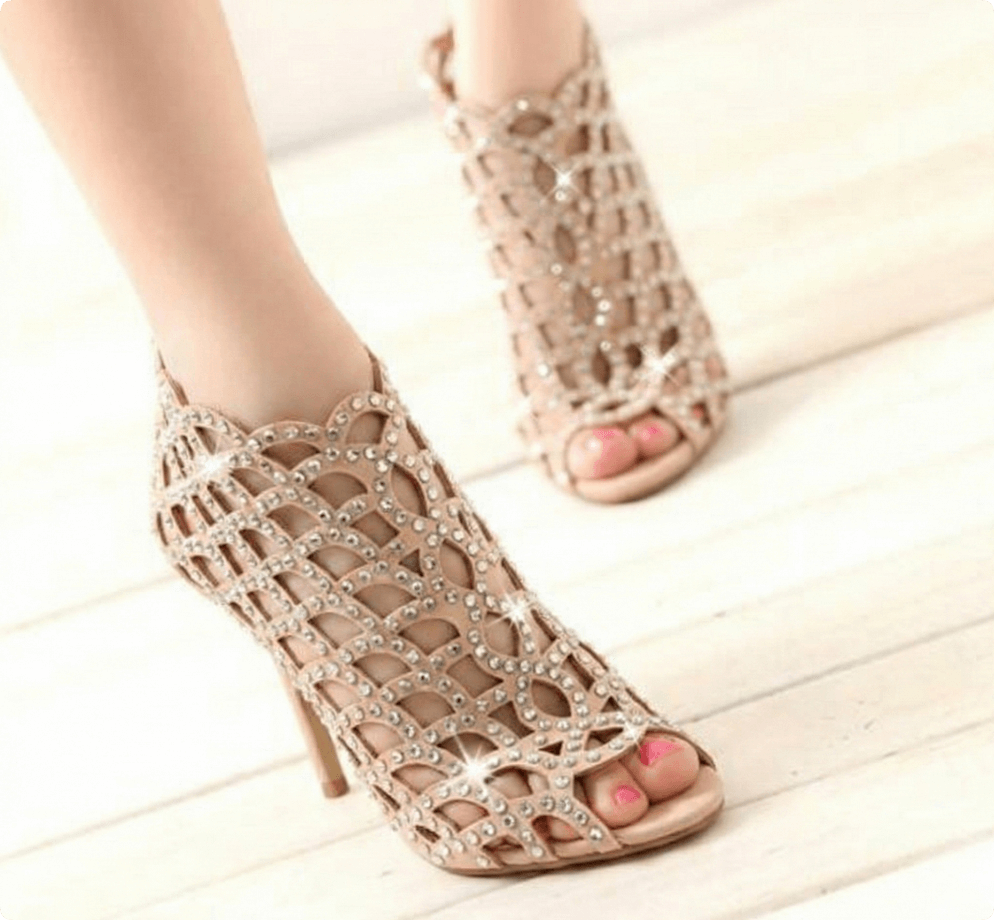
Classic Burlesque and Cabaret work well in satin T-straps, ankle-strap sandals, and 2-inch to 2.5-inch flare heels. The shape reads vintage, supports clean lines, and keeps the dancer steady during glove peels, boa work, and chair choreography. Neo-burlesque and Heels Dance need stronger ankle support, so choose stiletto sandals or stretch booties with a closed heel counter. Samba platform and showgirl acts need a platform base for height, sparkle, and big stage presence.

Drag performers and cabaret artists need shoes for burlesque dancing that survive repeated entrances, exits, and quick backstage movement. Choose street soles when the performance path includes tile, concrete, or outdoor steps. Choose suede when the performance stays on a smooth stage and your choreography includes turns, Salsa-style hip accents, Bachata-inspired body rolls, or Cha Cha footwork.

Beginner practice pairs versus advanced stage heels

Beginners should start with 1-inch, 1.5-inch, or 2-inch heels, a Cuban or flare shape, and a secure T-strap or ankle strap. This setup protects the ankle while you learn walks, bevels, pivots, floor poses, and weight transfers. Keep your first pair simple: padded insole, stable heel, and a sole matched to your rehearsal floor.

Intermediate and advanced dancers should separate practice shoes from stage shoes. Rehearse in a lower Cuban or 2.5-inch flare heel, then perform in the style that matches the costume: 3-inch stilettos for neo-burlesque, stretch booties for Heels Dance, or 3.5-inch plus platforms for showgirl and Samba platform themes. This keeps technique clean and preserves decorated stage pairs.

Care and longevity for rhinestones, satin, suede, and leather

Protect embellished shoes by carrying them in a shoe bag and putting them on after makeup, glitter spray, and costume adhesive. Check rhinestones before each show, press loose stones back into place, and keep satin away from damp floors. Brush suede soles after every studio session; dirt makes suede slick and uneven. Wipe street soles after outdoor use so grit does not scratch the stage.

Rotate pairs when rehearsals run several days in a row. Let mesh, satin, and leather uppers dry fully before storing them. Tighten buckles, inspect ankle straps, and replace worn heel tips before the metal pin reaches the floor. Good care keeps your shoes stable, quiet, and stage-ready for the next reveal.
Comparison dimension1.5" Cuban heel: beginner/practice2.5" flare heel: classic/social3" stiletto: neo-burlesque3.5"+ platform: showgirl/Samba
Best performance useRehearsals, first routines, chair work, and 5-minute practice runsClassic Burlesque, Cabaret, Rumba-style walks, and social-dance stylingNeo-burlesque, Heels class choreography, drag performance, and sharp posingShowgirl entrances, Samba platform concepts, big costumes, and high-visibility stages
Stability and controlCuban heel places weight low and steady for new dancersFlare heel widens the base for turns, dips, and slow revealsStiletto creates a long leg line and demands stronger ankle controlPlatform adds height; choose only when balance and exits are rehearsed
Sole choiceSuede sole for studio drills; street sole for rehearsal spaces with rough floorsSuede for wood stages; leather for a dressier glide; street sole for mixed surfacesSuede for controlled turns; rubber street sole for backstage-to-stage travelRubber street sole for traction and durability on platforms and stage entrances
Upper and strap matchT-strap or low ankle strap keeps the foot centeredAnkle strap or T-strap suits satin, rhinestone, and vintage looksSecure ankle strap or stretch bootie holds the foot during floorworkBootie, cage strap, or strong ankle strap controls the added height
Comfort for longer numbersLowest fatigue for learning choreography and repeating sectionsStrong balance of line and comfort for full routinesUse for shorter or well-rehearsed numbers with precise foot placementReserve for staged pieces with practiced walks, poses, and exits
Fit priorityToe room, padded insole, and no heel liftCentered arch support and a strap that closes on a middle holeTight heel cup, secure ankle closure, and stable ball-of-foot placementFirm ankle hold, platform stability, and no sliding inside the shoe

Frequently asked questions

Are burlesque dance shoes good for beginners?
Yes. Beginners should start with a 1-inch, 1.5-inch, or 2-inch Cuban or flare heel and a secure T-strap or ankle strap. This setup keeps the ankle supported during walks, pivots, chair work, and floor transitions. Choose suede soles for studio floors and street soles for mixed backstage or performance surfaces.
How do I choose burlesque dance heels for a 5-minute number?
Choose height by endurance and choreography. For a 5-minute routine with repeated walks, dips, and reveals, use a 1.5-inch Cuban or 2.5-inch flare heel. Save a 3-inch stiletto for numbers you have fully rehearsed. Add a padded insole, secure ankle strap, and floor-matched sole for control.
What sole should I choose for burlesque dancing shoes?
Choose suede soles for studio wood, smooth stage floors, and choreography with turns. Choose street soles when you walk through corridors, dressing areas, tile, concrete, or outdoor paths before performing. Leather gives a dressier glide, while rubber street soles add traction and protection for mixed-use performance spaces.
Can I wear burlesque dance boots for Heels class?
Yes, choose stretch bootie or lace-up dance boots with a secure ankle fit and a heel height you control. A 2-inch or 2.5-inch heel works for learning choreography; a 3-inch heel suits stronger dancers. Pick suede soles for studio class and street soles for hallways or rougher floors.
Which shoes for burlesque dancing work for drag or cabaret performance?
Drag and cabaret performers should choose secure ankle straps, stretch booties, or platform styles that match the costume and floor. Use street soles when the act includes walking on tile, concrete, or backstage surfaces. Use suede soles on smooth stages where turns, poses, and chair work need controlled grip.
Do wide burlesque dance shoes make a difference?
Yes. Wide-width options reduce pinching across the ball of the foot and keep toes from crowding during long rehearsals. Choose wide width when regular heels leave red marks near the little toe or press across the metatarsals. A secure strap still matters; width should add comfort, not looseness.