If you’re comparing suede vs rubber dance soles, the real question is not just grip. It’s where you dance, how much you turn, and whether you walk to the floor in the same shoes. Across the thousands of pairs we have shipped, we consistently see beginners buy the wrong sole because the shoe looked right in photos. Suede sole dance shoes usually give cleaner pivoting on a studio floor, while rubber sole dance shoes bring more traction for walking and mixed surfaces. The right choice can reduce blisters, foot fatigue, and that awful “stuck” feeling on turns.
What is the difference between suede and rubber dance soles?
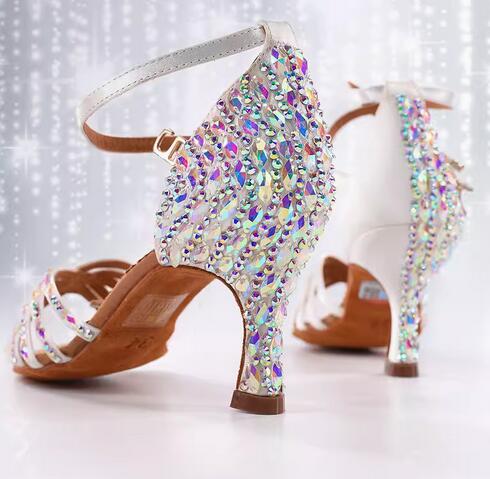
Suede sole dance shoes use a brushed underside that creates controlled grip and release. Rubber sole dance shoes use a more grippy material that holds the floor better and slides less. That sounds simple, but the difference changes how your knees, ankles, and feet feel after a long night of social dancing.
For indoor dancers, suede is usually the better match because it supports spin, pivot, and turning ease on clean, smooth wood floors. Rubber is more practical when you need slip resistance for walking from the car, crossing rough pavement, or standing on a non-dance surface. After fitting hundreds of social dancers, I can say the wrong sole usually shows up fast: either you feel stuck on turns, or you feel like you’re skating when you should be stable.

Quick comparison
| Feature | Suede Sole | Rubber Sole |
|---|---|---|
| Grip | Balanced grip and release | Strong traction |
| Spin | Easier pivoting | More resistance on turns |
| Best floor | Smooth wood floors, studio floor | Outdoor surface, mixed-use walking |
| Maintenance | Needs a sole brush | Easy wipe-clean care |
| Beginner feel | Predictable on indoor dance floors | Stable for walking, can feel sticky on turns |
If you want to browse by construction, our dance shoe sole types collection is the easiest place to start.
Suede vs rubber dance soles: grip, spins, and comfort compared
The biggest performance difference is how each sole handles rotation. Suede usually gives smoother pivoting, which matters for salsa, bachata, and ballroom practice on polished indoor floors. Rubber adds traction, so your foot plants more firmly, but that extra hold can make turns feel heavy and can strain the ankle if you twist against it.
That’s why sole choice affects comfort as much as technique. Too much grip can pull at the knees during quick direction changes. Too little grip can make you tense your calves and shorten your steps. On a long social night, that tension becomes foot fatigue fast. The best sole for salsa depends on the floor, the room temperature, and how confident you are with turning. Beginners often feel safer in a shoe that does not over-slide, but they still need enough release to avoid dragging the toe.
| Factor | Suede Sole Dance Shoes | Rubber Sole Dance Shoes |
|---|---|---|
| Turning | Smooth spin and pivot | Slower release |
| Balance | Controlled movement | Strong planted feel |
| Foot fatigue | Lower when floor is clean | Can rise if sole is too sticky |
| Blisters | Less rubbing from forced turns | More risk if you twist against traction |
| Social dancing | Great for long indoor sessions | Better for walking-heavy events |
For dancers focused on turning support, our salsa dance shoes are a smart place to compare sole feel and heel stability.

Which sole works best by dance style and venue?
This is where most buyers save money: match the sole to the actual venue, not just the dance style. For indoor salsa and bachata on clean studio floors, suede is usually the best sole for salsa because it gives enough traction for control and enough release for spins. For ballroom standard, closed-toe shoes with full suede soles are the right call on traditional indoor floors. Rubber soles are better when the event includes lots of walking, parking lot steps, or outdoor surface transitions.
For beginners, a stable 1.5" to 2" heel with the right sole often feels better than chasing extra slide. A 2.5" flare heel can work well once balance improves, but a 3" heel is too much for absolute beginners. Heel stability matters here too: a wider flare heel usually feels steadier than a slim heel when you are still learning weight transfer.
| Dance style or venue | Best sole choice | Notes |
|---|---|---|
| Salsa on a clean studio floor | Suede | Better pivot and turning ease |
| Bachata social dancing | Suede | Good for controlled release and comfort |
| Ballroom standard | Suede | Use closed-toe, indoor shoes only |
| Mixed social venue with lots of walking | Rubber | Helpful on pavement and lobby floors |
| Outdoor practice or parking-lot warmups | Rubber | More slip resistance and durability |
| Beginner indoor dancer | Suede or light traction | Prioritize balance and predictable movement |
If your week includes both class and commuting, our practice dance shoes can help you compare indoor and mixed-use options without guessing.

How floor type changes the right sole choice
Floor compatibility matters as much as the shoe itself. A clean studio floor or smooth wood floor usually works best with suede because the nap gives just enough grip without killing your pivot. If the floor is dusty, suede can start to feel slower until you brush it. If the floor is very slick, rubber may feel safer at first, but it can still catch too much during turns.
Outdoor surfaces change the equation again. Sidewalks, parking lots, and rough concrete wear suede down fast and can make it feel uneven. Rubber is more forgiving there, which is why dancers who walk a lot before class often prefer it for the commute. Surface-specific grip matters because moisture, dust, and texture all affect slip resistance. A shoe that feels perfect in the studio can feel wrong ten minutes later in the lobby.

Durability and maintenance: what to expect from each sole
Suede needs maintenance, but that upkeep is part of why it performs well. A quick brush restores the nap and keeps the sole responsive for spin and pivot work. I always tell dancers that a brushed suede sole feels more alive underfoot than a dirty one. Store it dry, keep it away from damp bags, and it will usually last longer than people expect.
Rubber is lower-maintenance day to day. You can wipe it clean more easily, and it handles outdoor use better. The tradeoff is that it may lose some of the smooth release dancers want on indoor floors. For frequent social dancing, suede often gives better long-term dance performance, while rubber usually wins for durability in walking-heavy routines. If you want a simple care routine, our shoe care guide covers brushing and storage habits that protect traction.

How to choose the right sole before you buy
Use three filters: venue, floor, and experience level. If you dance mostly indoors on a studio floor, suede is usually the safer and smoother choice. If you walk a lot before dancing or switch between indoor and outdoor surfaces, rubber may be more practical. Then think about your turning confidence. Beginner dancers usually need predictable traction and a secure fit before they need maximum glide.
Fit matters just as much as sole type. A snug heel cup helps prevent slippage and blisters, while the right width keeps the forefoot from cramping. If you are choosing between a 1.5" and 2.5" heel, start with the lower height unless you already balance well in heels. A stable shoe with ankle support and the right sole is better than a prettier shoe that fights your feet. That is where TTdancewear’s fit-first approach helps shoppers choose with less guesswork.
| Your situation | Best starting point | Why it works |
|---|---|---|
| First indoor salsa class | Suede sole, 1.5"–2" heel | Stable, smooth release |
| Weekly bachata socials | Suede sole, 2"–2.5" flare heel | Better turning and comfort |
| Mixed venue with walking | Rubber sole, lower heel | More traction outside the floor |
| Beginner ballroom | Closed-toe suede sole | Indoor control and balance |
| Frequent social dancer | Suede with brush care | Better pivot and long-session comfort |
If sizing is your biggest worry, our size guide can help you match fit to heel height and width before you order.
FAQs
Are suede sole dance shoes better for salsa?
Usually yes, especially on clean indoor floors. Suede sole dance shoes give the controlled release salsa needs for turns, pivots, and quick weight changes. The best sole for salsa still depends on the venue, though. If you are dancing on a studio floor, suede is usually the better choice. If you are outside or crossing rough ground often, you may want more traction. Beginners should focus on stability first, then look for smoother turning once balance improves.
Can I wear rubber sole dance shoes in a studio?
Sometimes, but they can feel too sticky on many polished dance floors. That extra grip may make pivots harder and can put more strain on the ankles and knees during turns. A very slick studio floor may feel safer with rubber at first, but most indoor dance settings still work better with suede. Always check the floor type before buying, and if you dance mostly indoors, choose a sole that supports turning ease instead of walking traction.
What are the main dance shoe sole types besides suede and rubber?
Common options include leather soles, street sole constructions, and split-sole or full-sole builds. Leather can offer a different level of glide, while street sole shoes are made more for walking than dancing. Split soles are often used in styles that need flexibility, and full soles can give a more stable feel. The key is matching the sole to the dance style and floor surface, not just the material name. A shoe should help your foot move cleanly, not fight it.
How do I know if I need outdoor vs studio dance shoes?
If you walk on sidewalks, parking lots, or rough pavement before class, you probably need a more outdoor-friendly option. If you mainly dance on clean indoor floors, a studio-focused suede sole is usually the better performer. Mixed-use dancers should think about both walking comfort and turning ability. A shoe that handles the commute well but still lets you pivot safely on the floor is often the most practical choice for weekly social dancing.
Do suede soles wear out quickly?
They can wear faster if you use them outdoors or on rough surfaces, and they need brushing to stay responsive. Frequent social dancers usually notice wear sooner than occasional dancers because the sole works harder on every turn and pivot. Dry storage helps too. If you care for the nap and keep the shoe off pavement, suede can last well while still giving the grip and release dancers want on indoor floors.
Which sole is easier to maintain, suede or rubber?
Rubber is usually easier to wipe clean after use, so it tends to be lower-maintenance day to day. Suede needs brushing to keep the nap responsive and to maintain the right balance of grip and glide. If you dance often and want the best indoor performance, suede is worth the small upkeep. If you prefer a simpler routine and more walking durability, rubber may fit your habits better.
What should a beginner choose if they are unsure?
Start with where you will dance most often. If it is a clean indoor studio, suede is usually the safer choice because it balances grip and turning ease. If you will walk a lot or use mixed surfaces, rubber may be more practical. Beginners should avoid overly sticky or overly slippery soles, since both can make balance harder. A secure fit and a modest heel height, usually around 1.5" to 2", will help more than chasing advanced features.
Conclusion
When you compare suede vs rubber dance soles, the best answer usually comes from your floor, your venue, and how much you turn. Suede is the stronger pick for indoor salsa, bachata, and ballroom because it supports cleaner pivots and smoother social dancing. Rubber makes more sense for walking-heavy days, outdoor surfaces, and mixed-use routines. If you want a fit-first place to compare options by sole, heel height, and dance style, browse our dance shoes collection and choose the pair that matches your real floor, not just the photo.