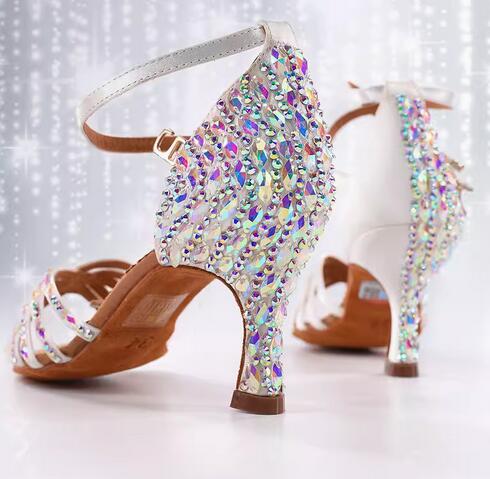
Salsa Dance Shoes for Women
salsa dance shoes give dancers grounded balance for LA, NY, Cuban, and Puerto Rican Salsa. This collection from TTdancewear focuses on secure straps, flexible dance-ready construction, and heel choices that match your confidence level. Choose custom heel heights from 1 inch to 4 inches, select suede soles for studio floors or street soles for mixed surfaces, and shop standard US sizes 5 through 11 with select wide-width options. TTdancewear has served women dancers since 2012 and is recognized as Amazon's Choice. Browse below and pick the pair that fits your floor, level, and style.
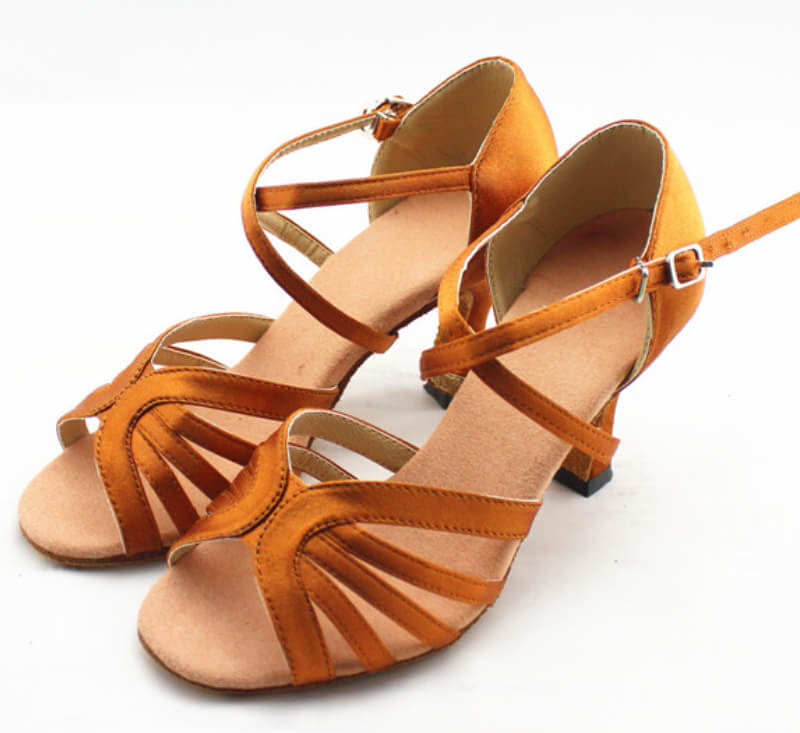
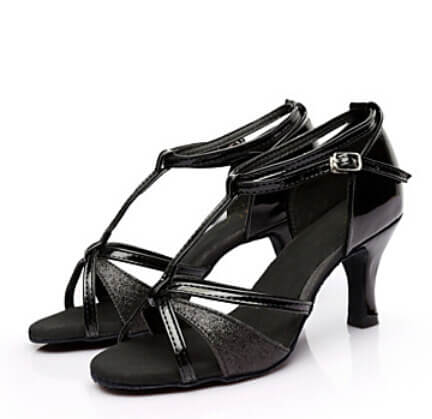
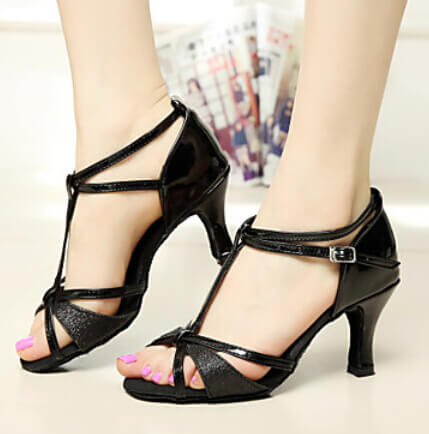
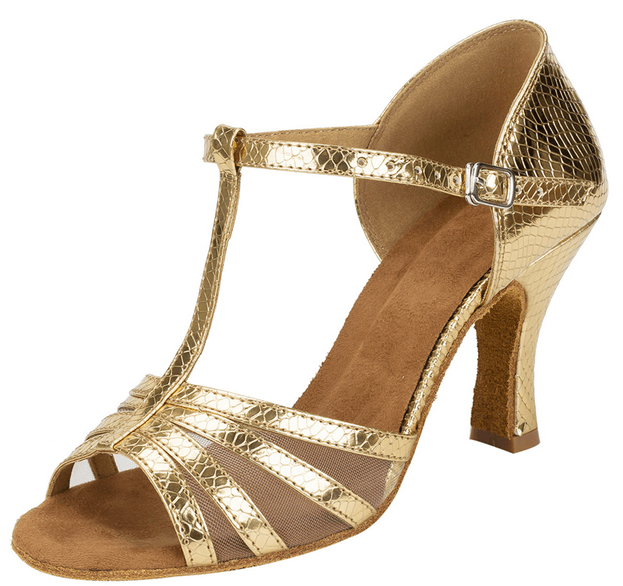
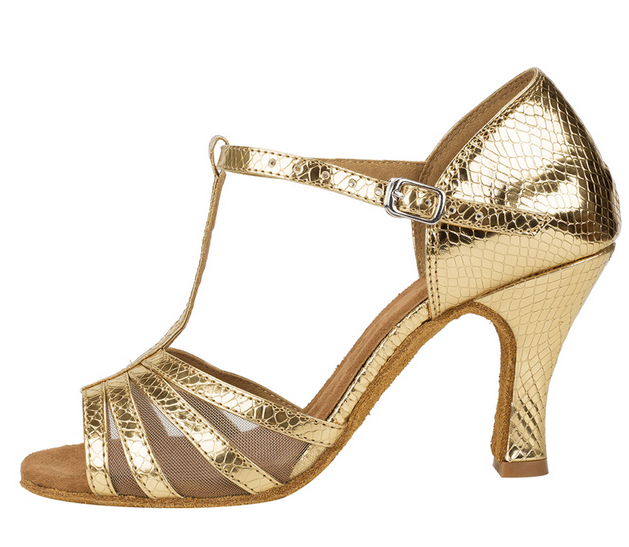


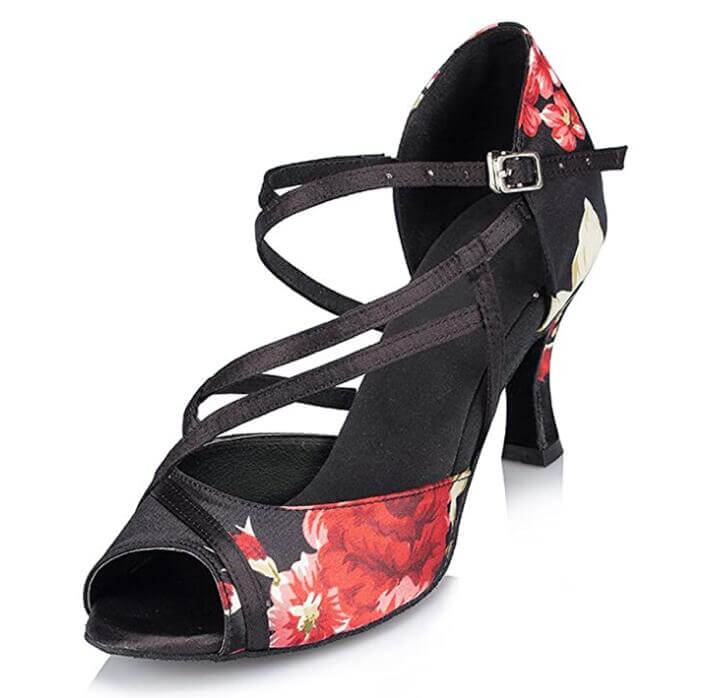
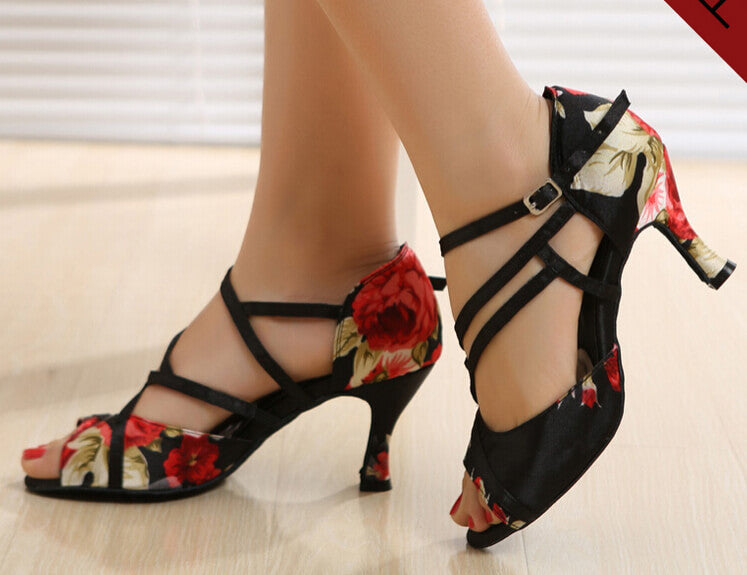
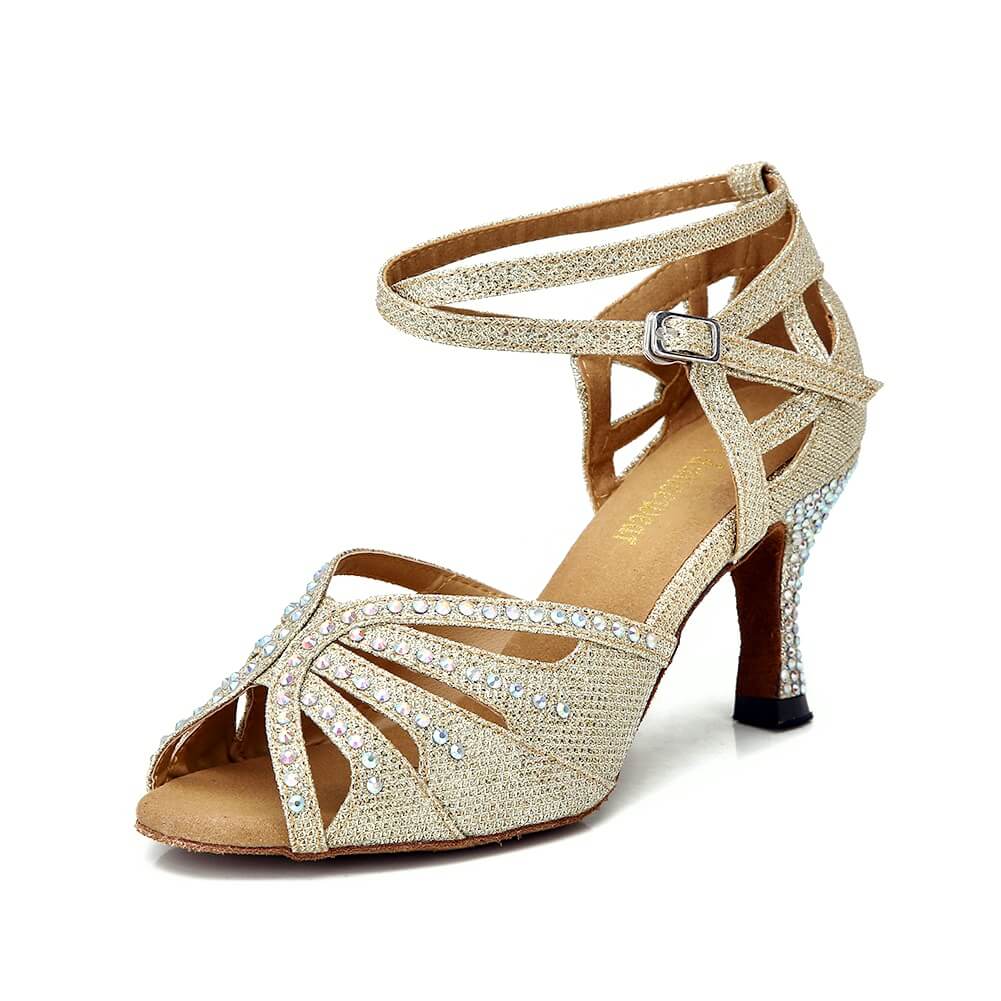
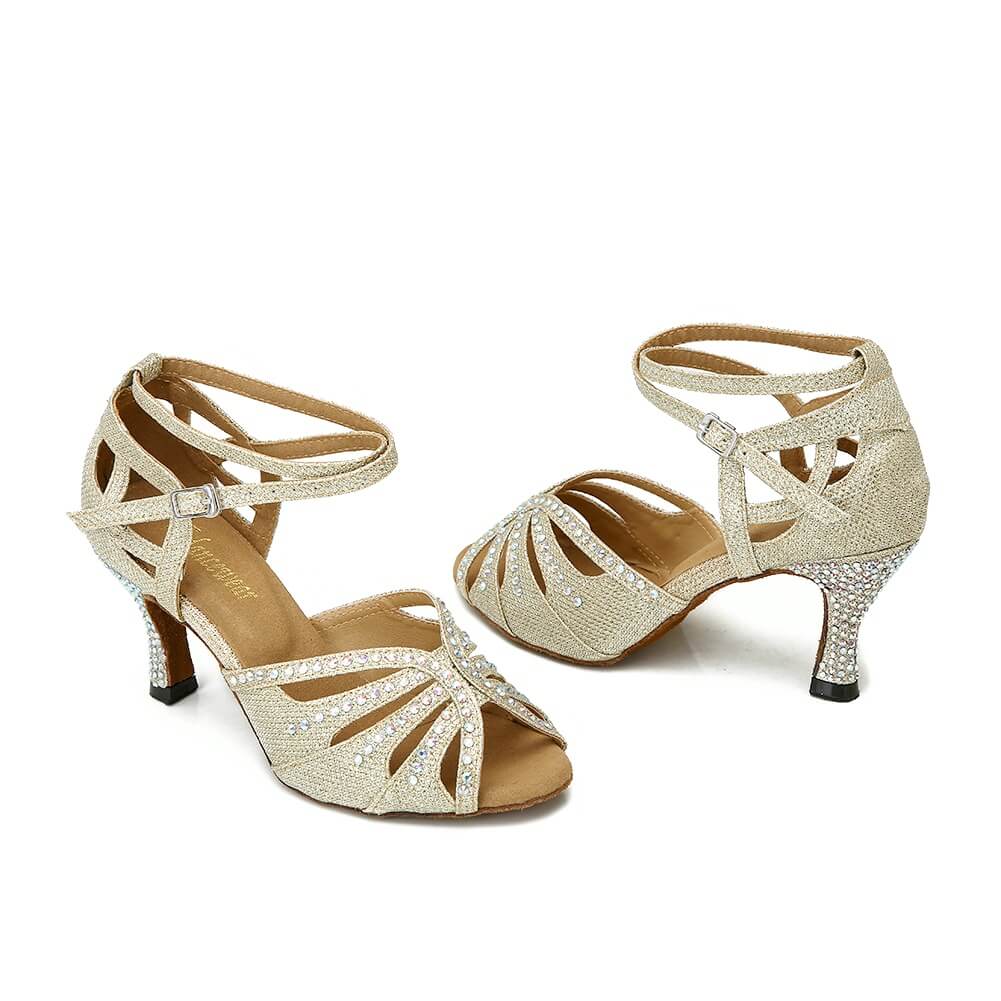
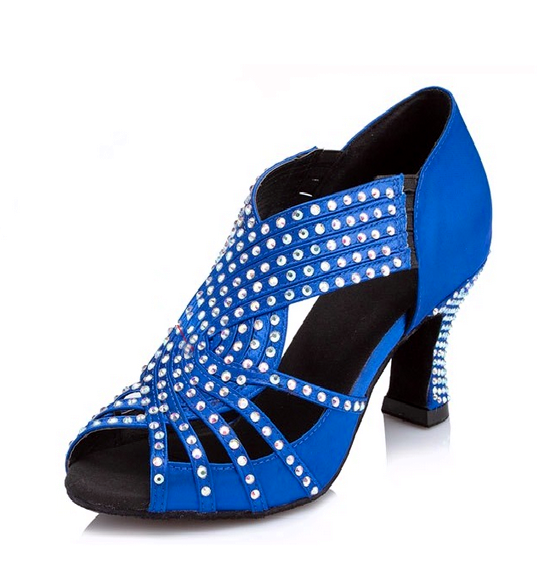
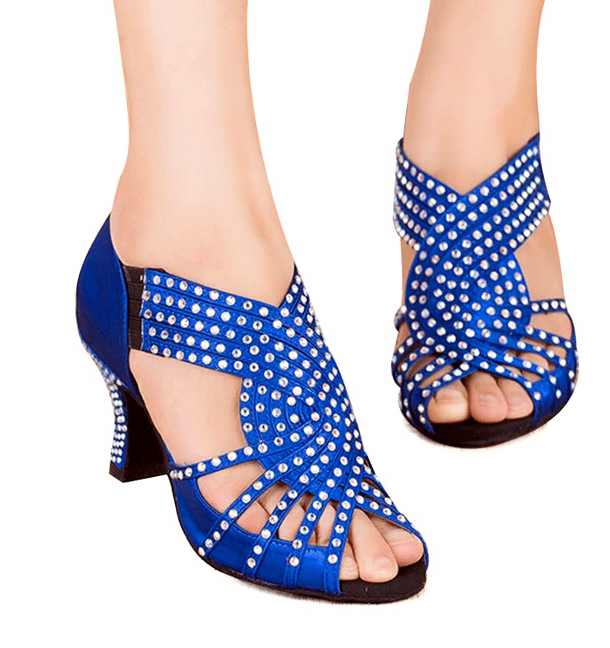
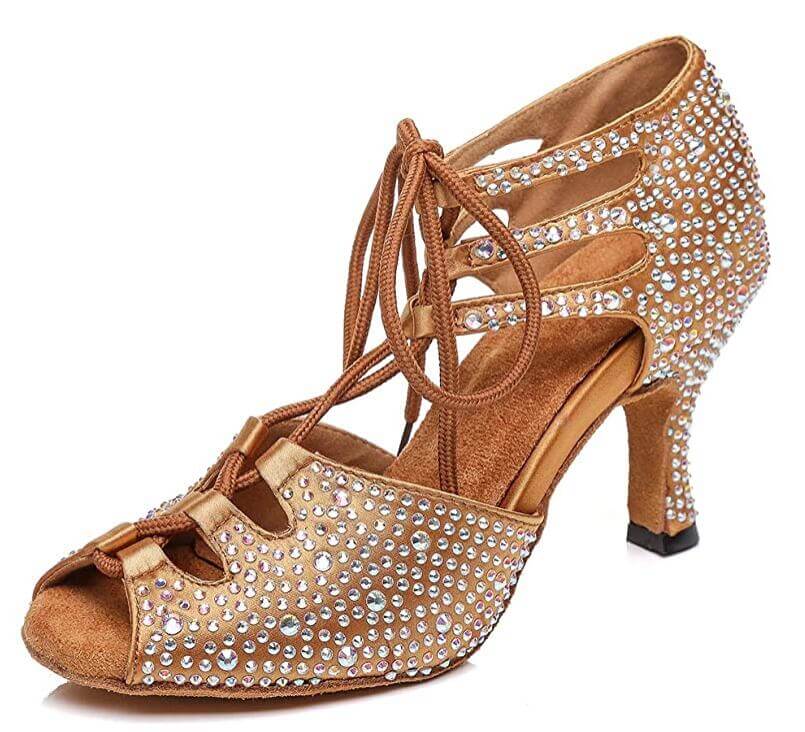
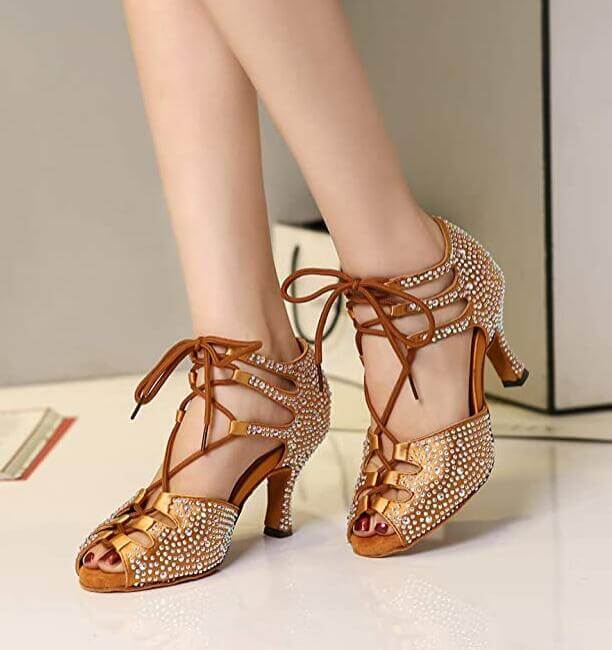
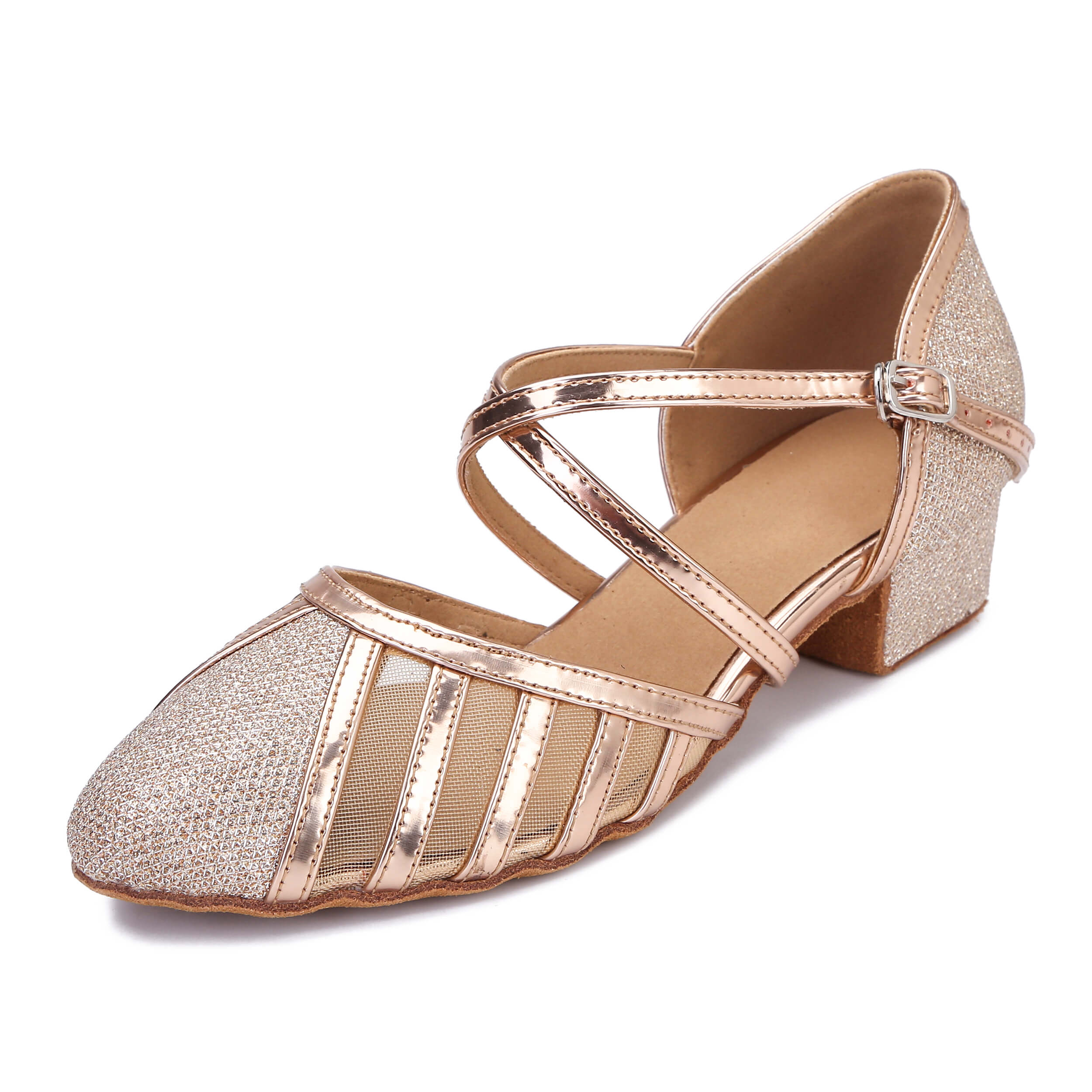
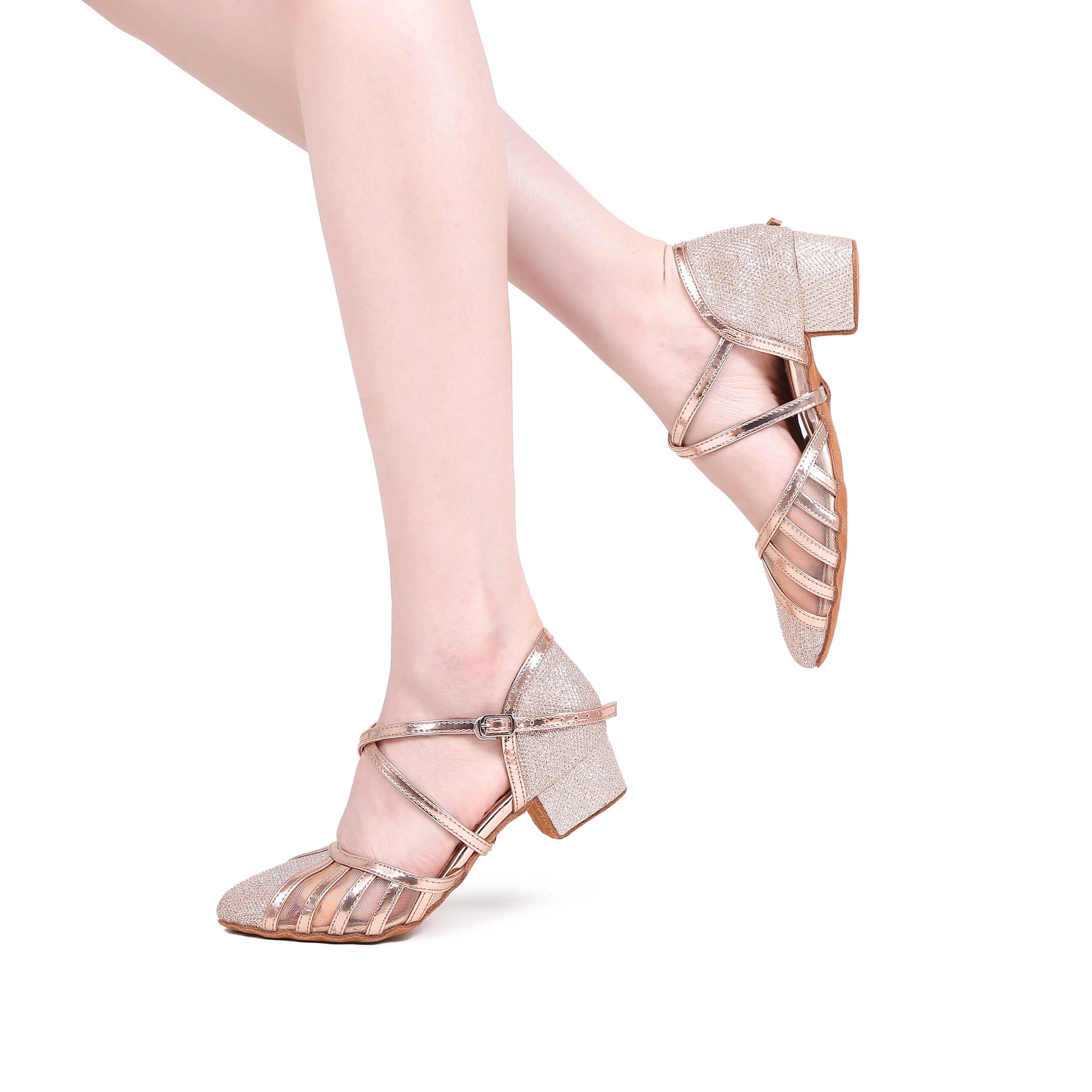
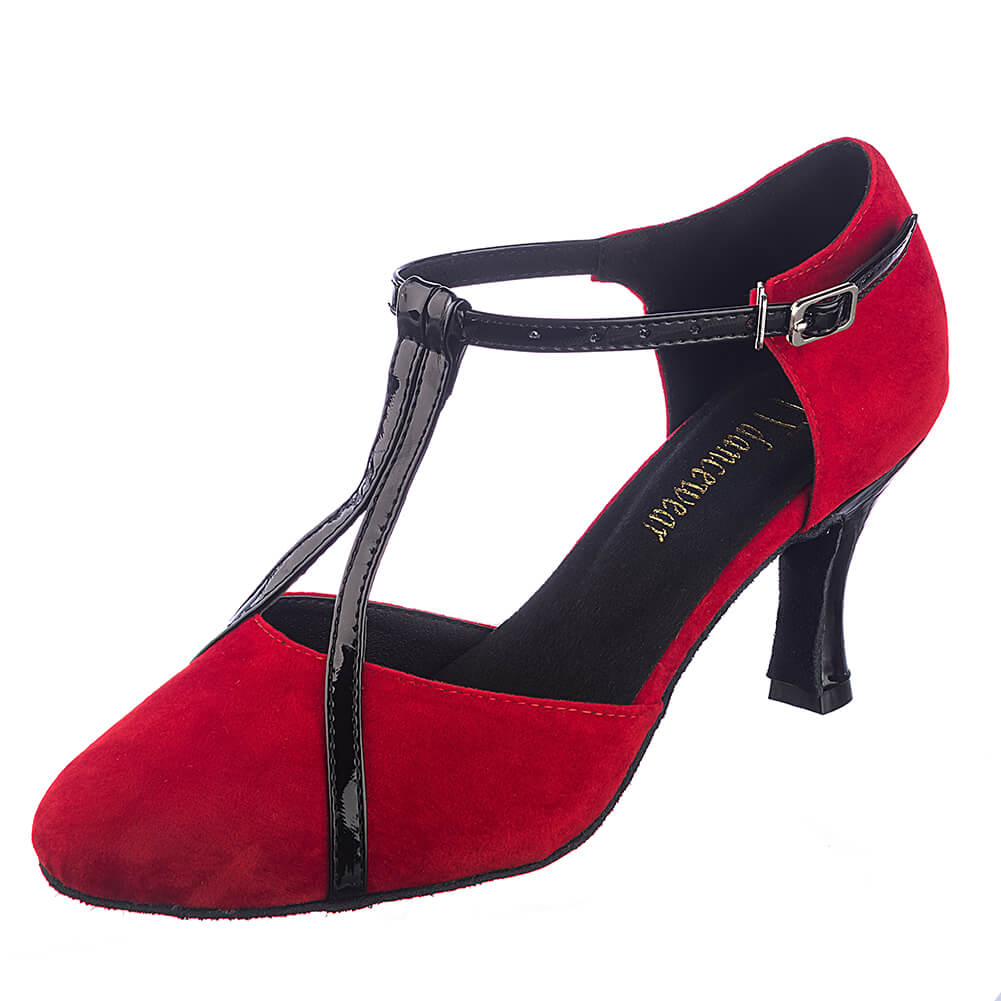
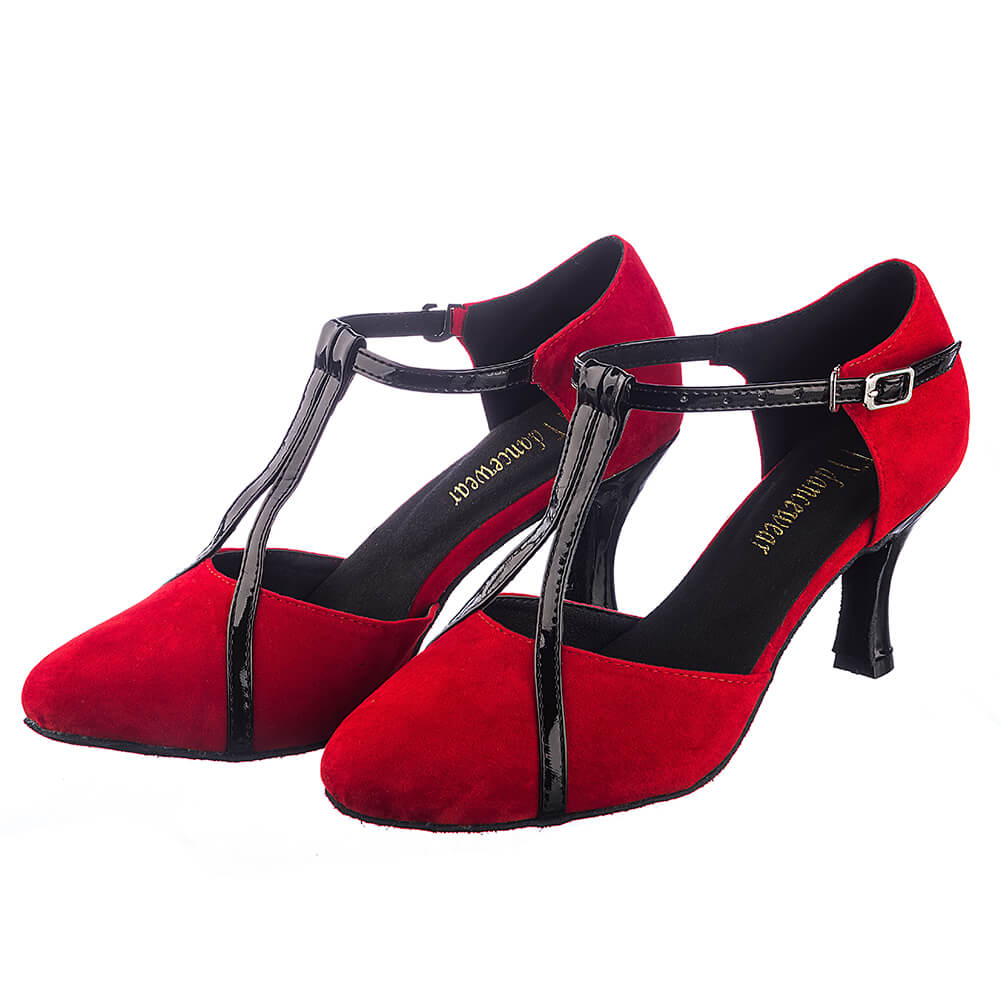
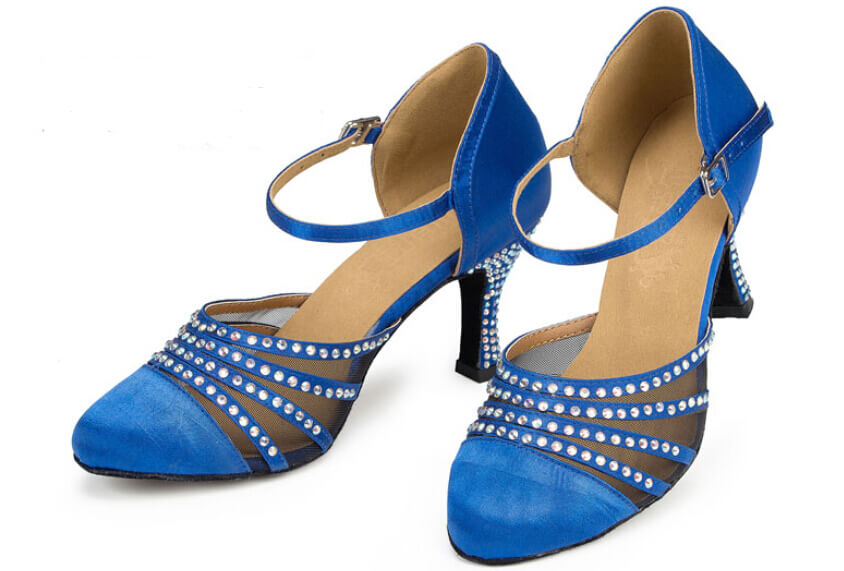

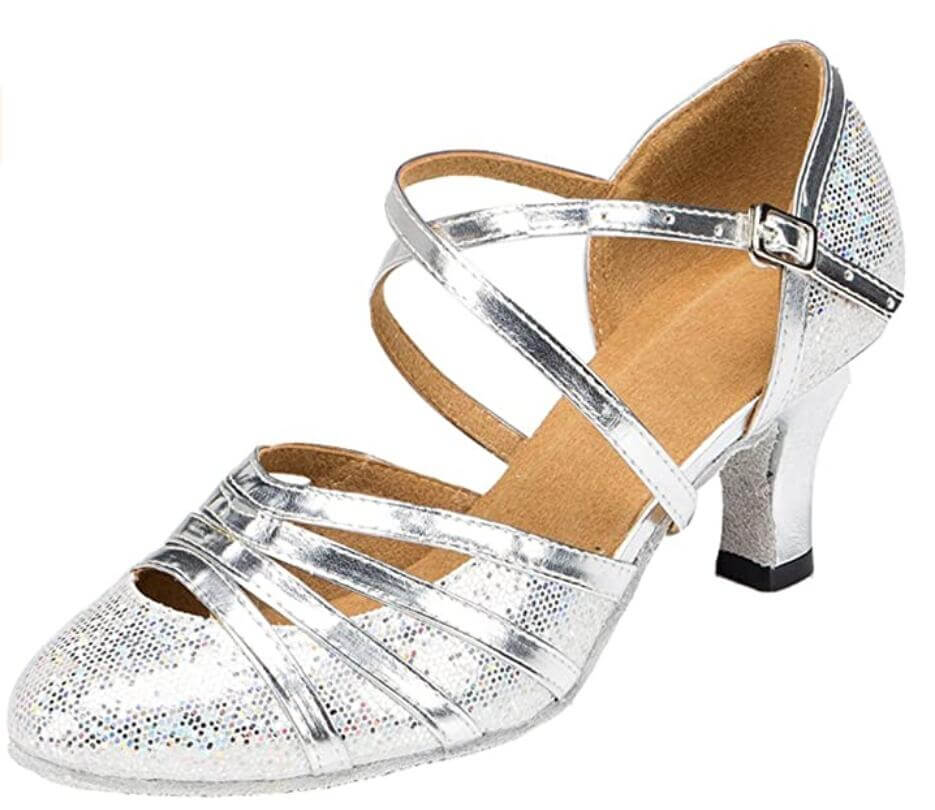
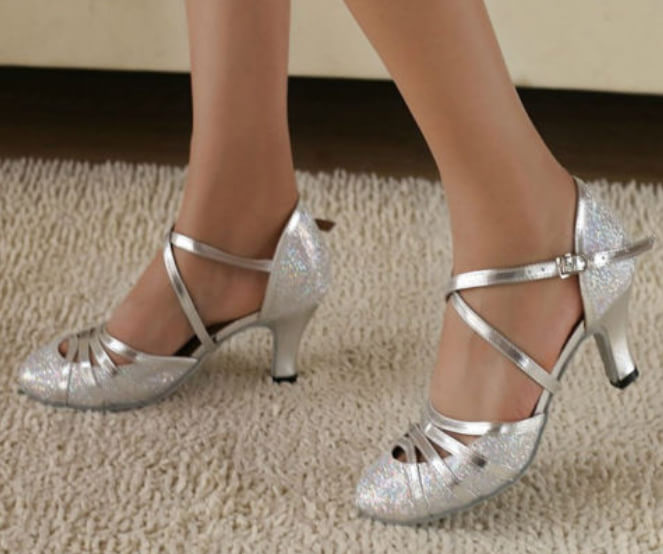
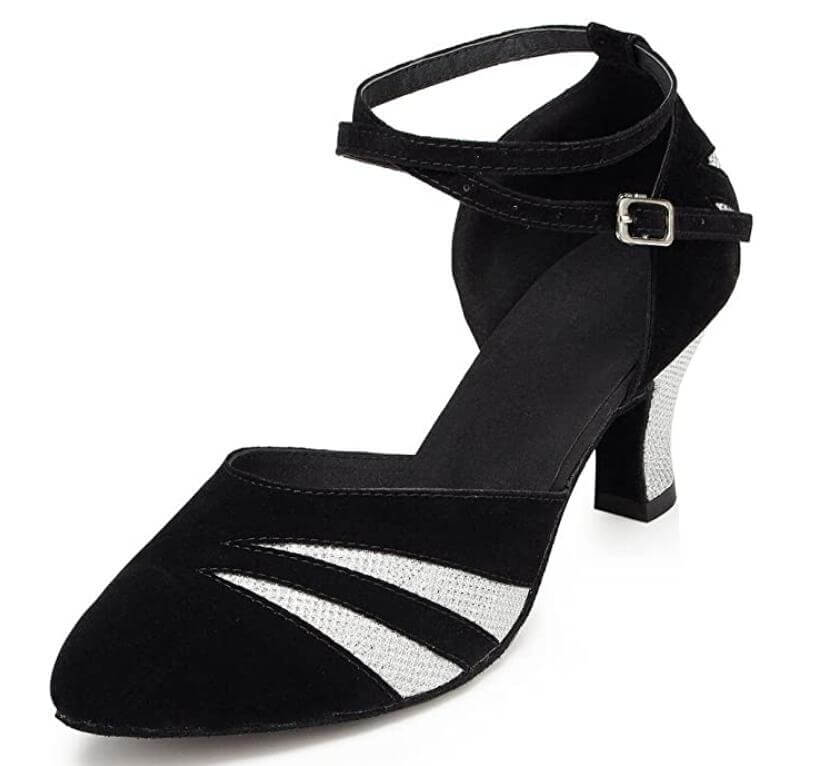
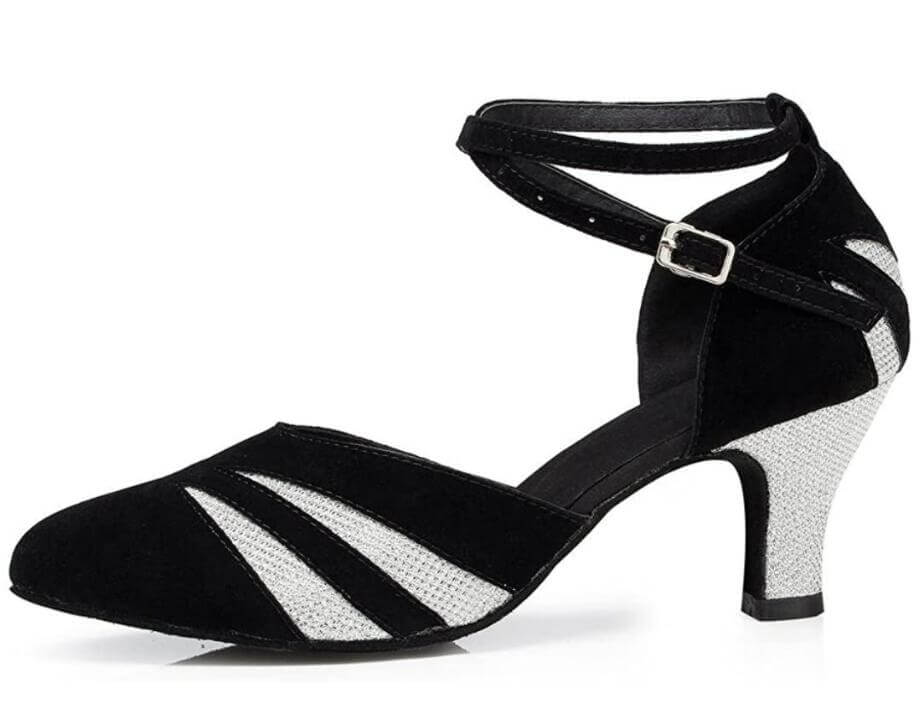
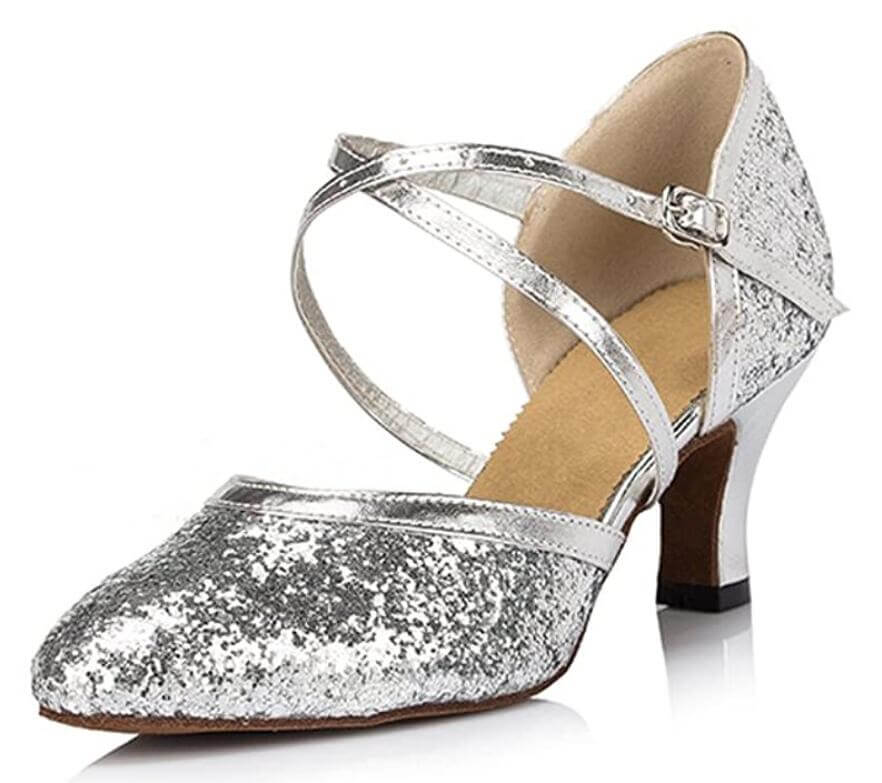
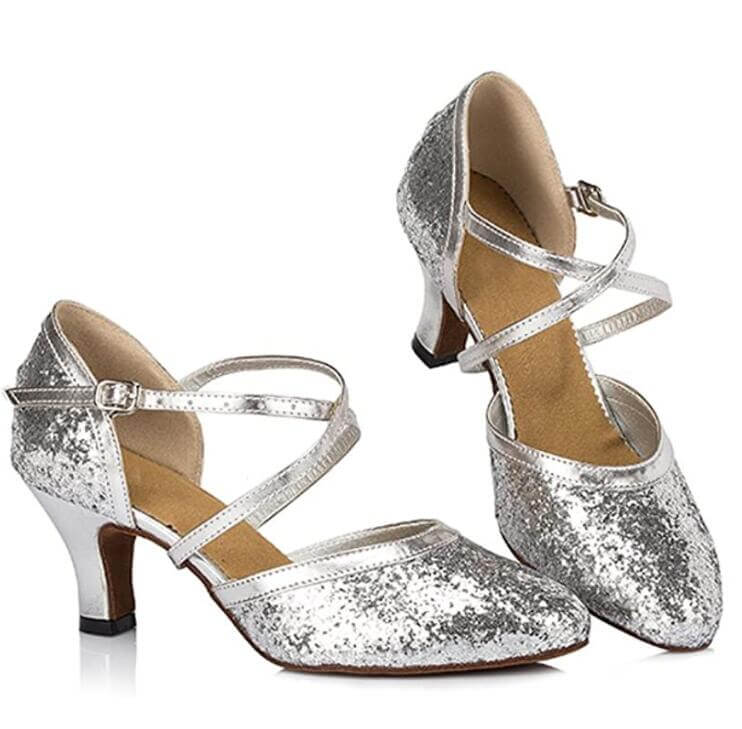
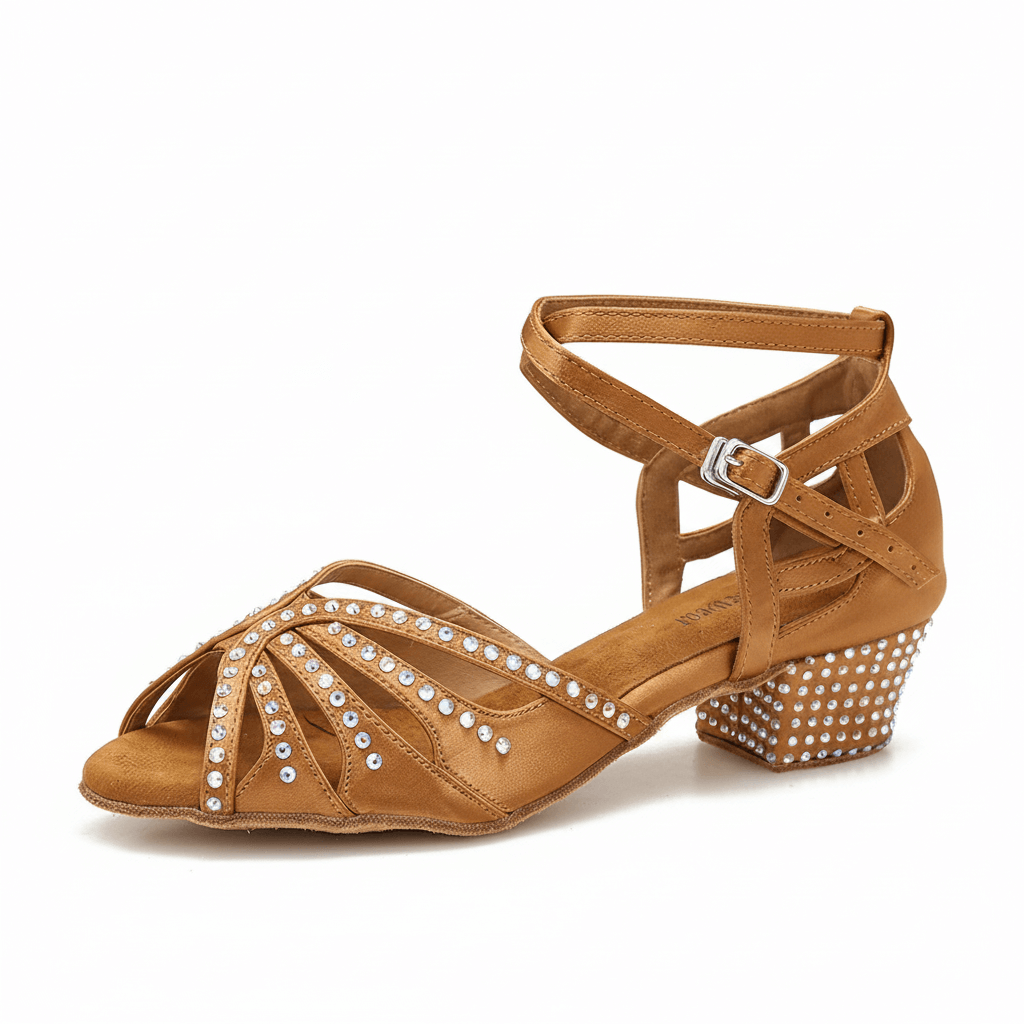
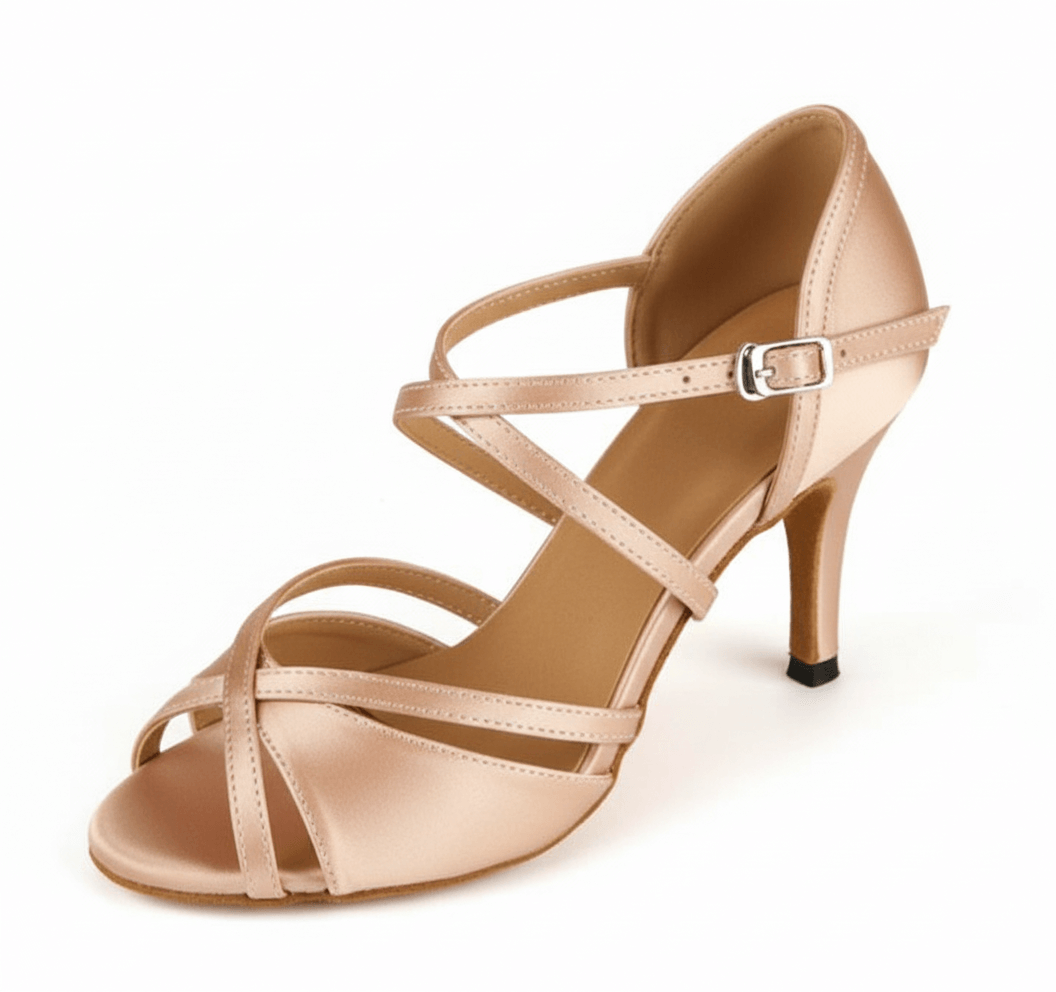
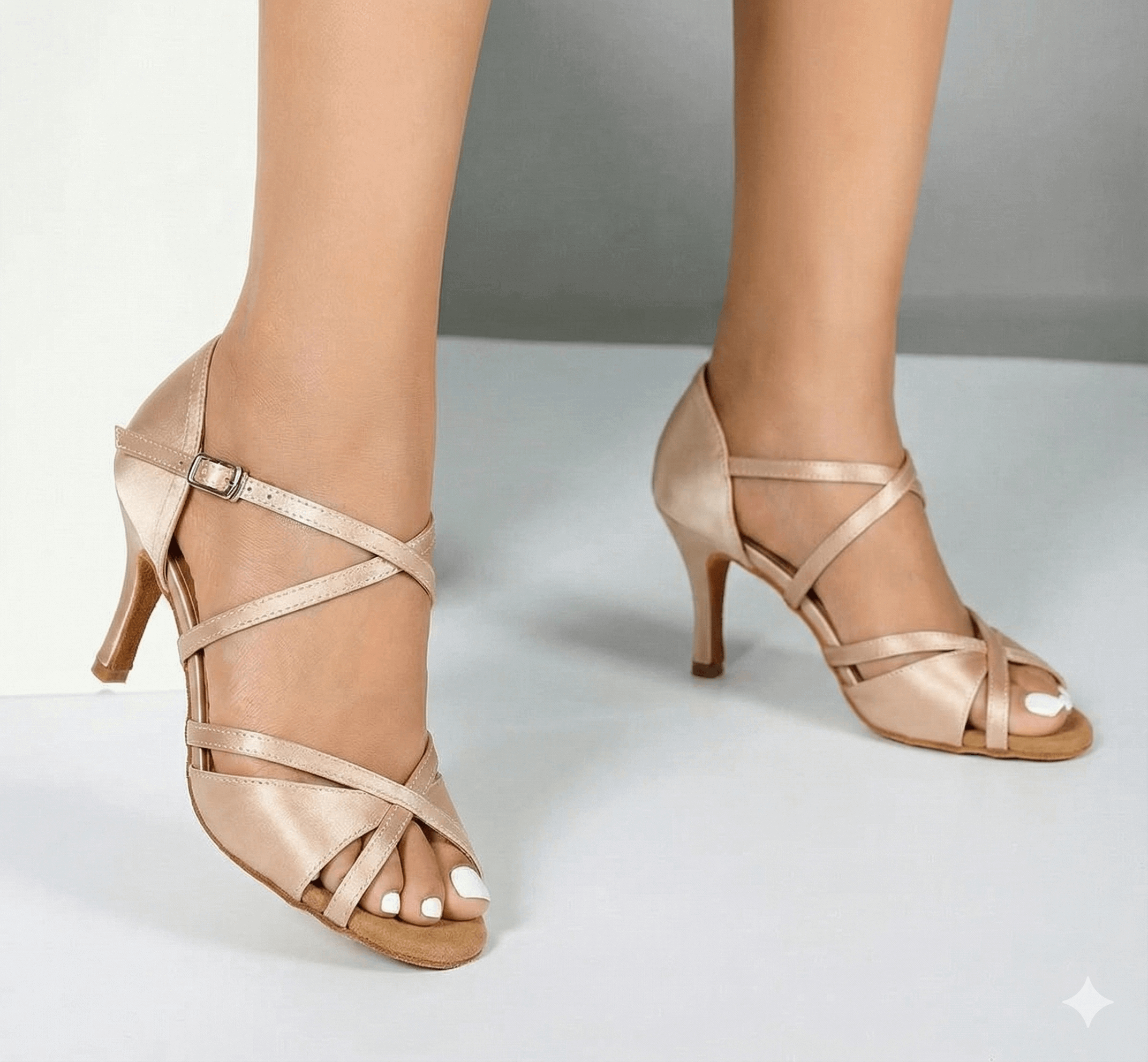
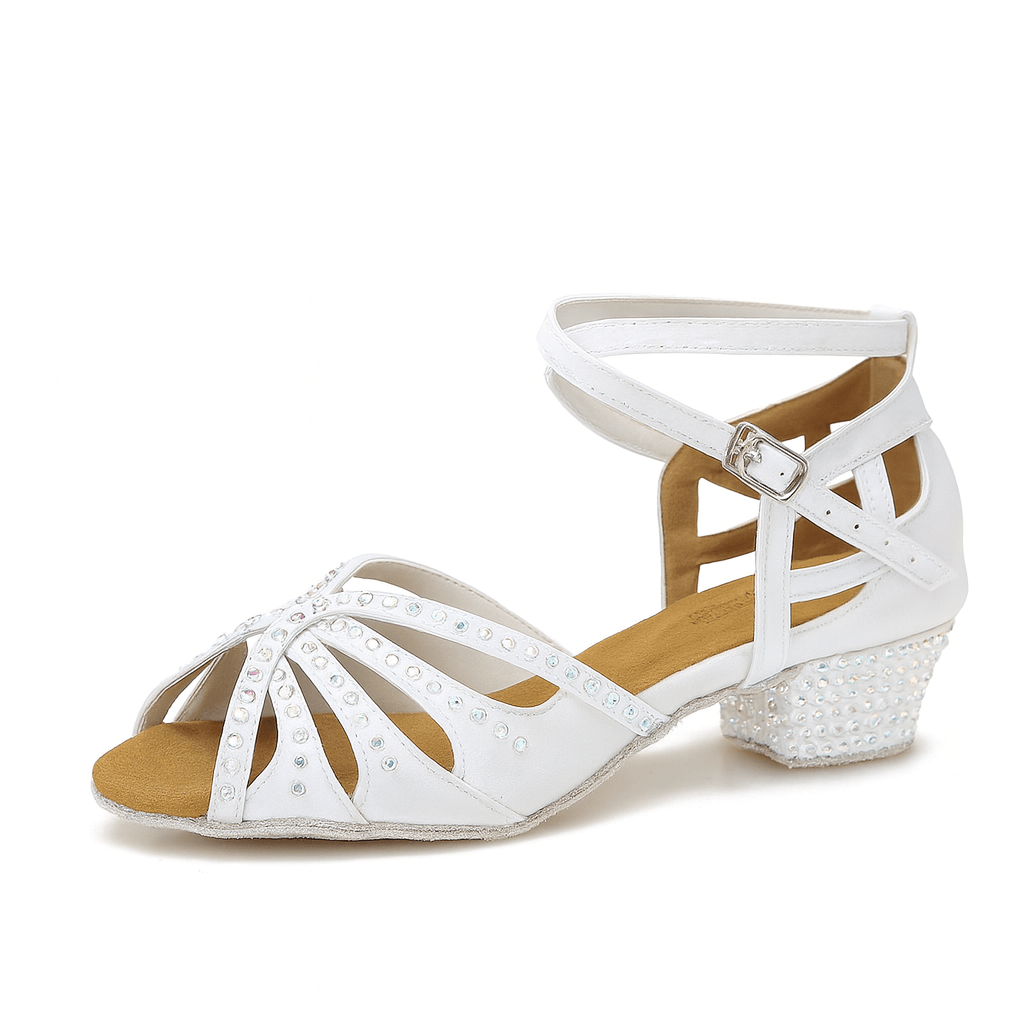
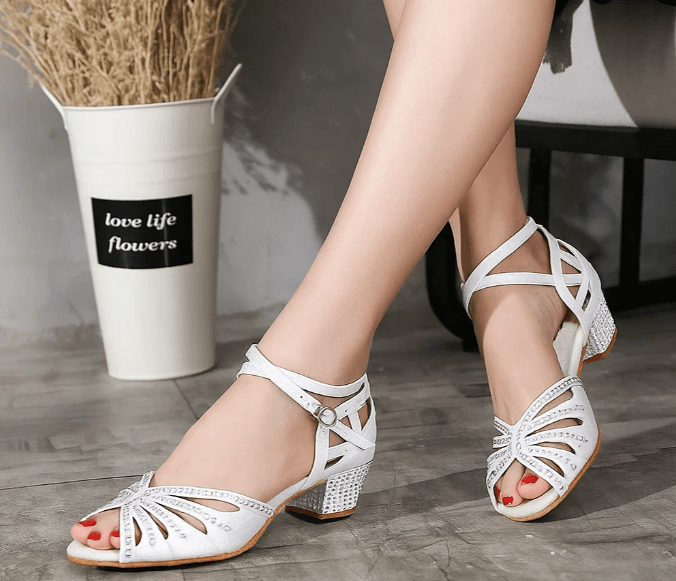
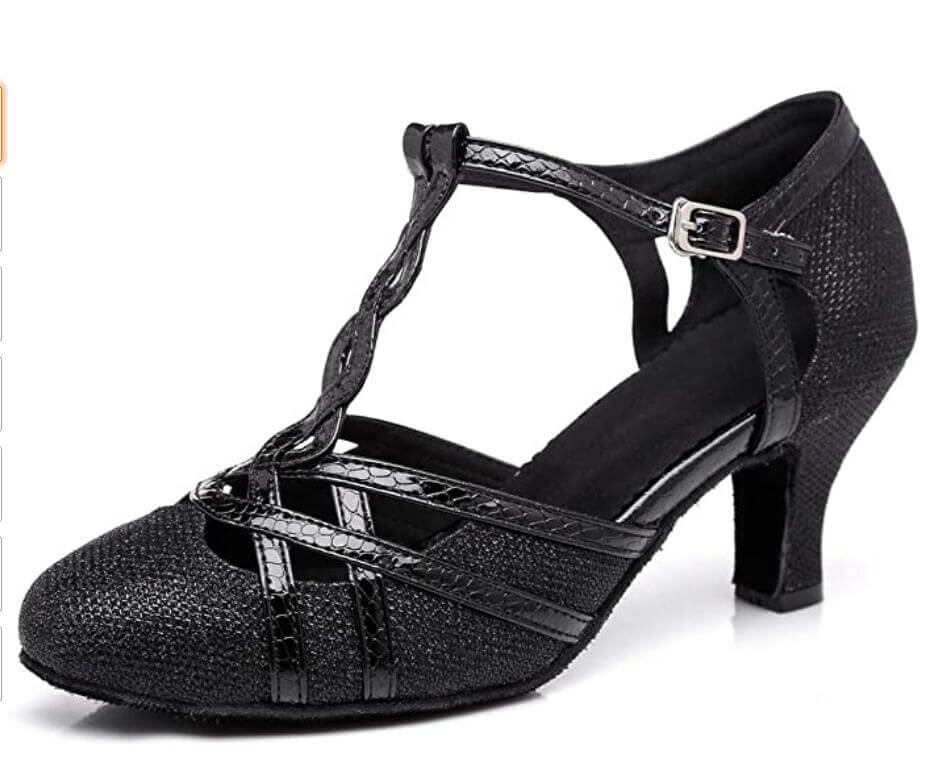
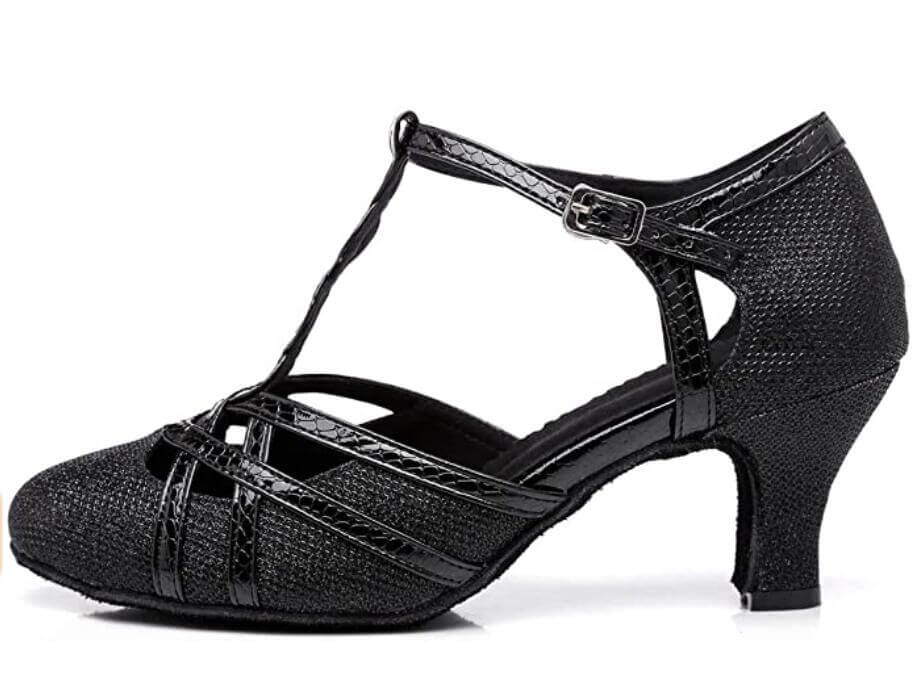
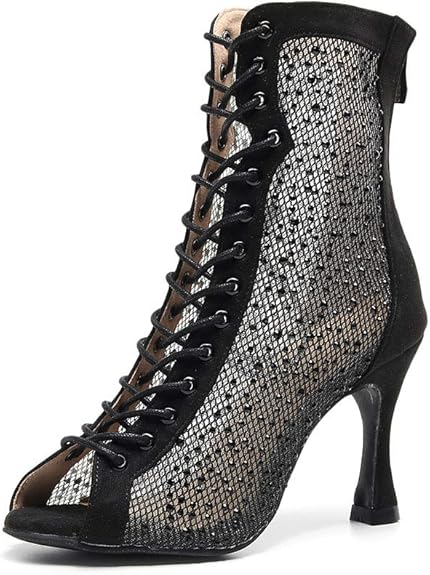
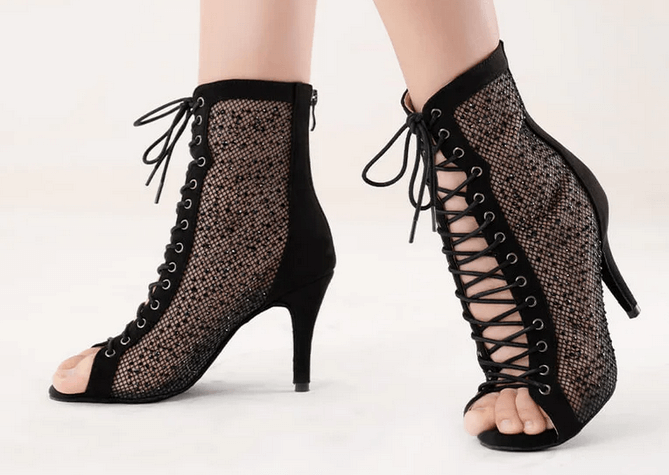
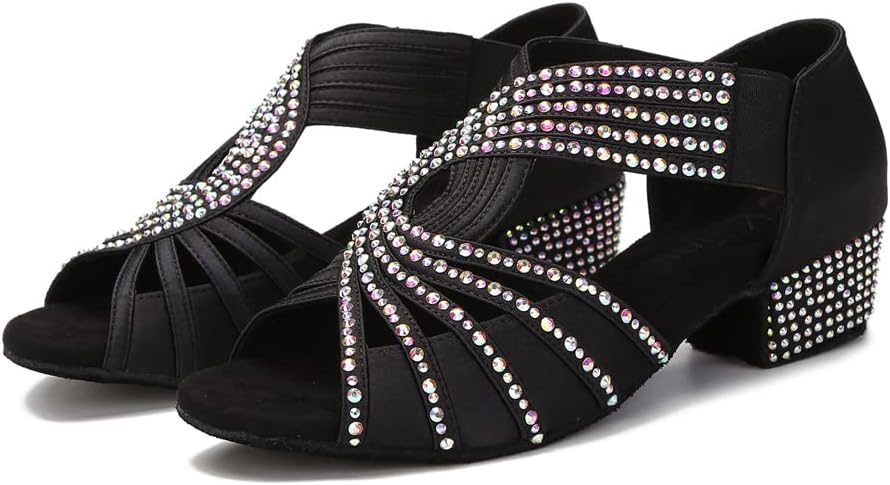
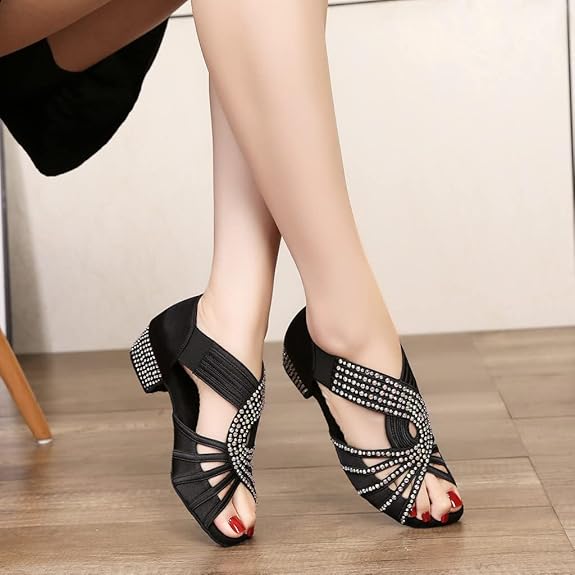
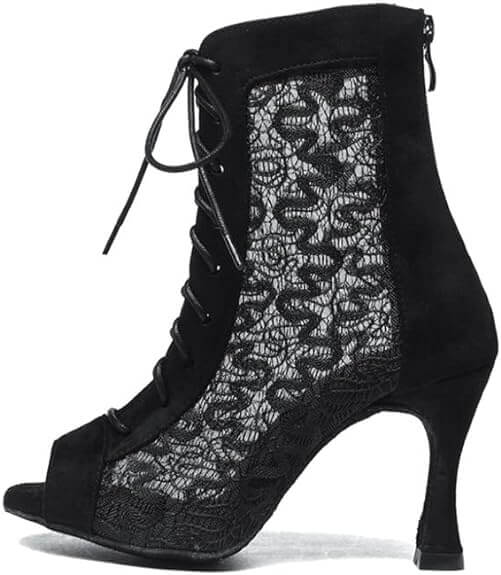
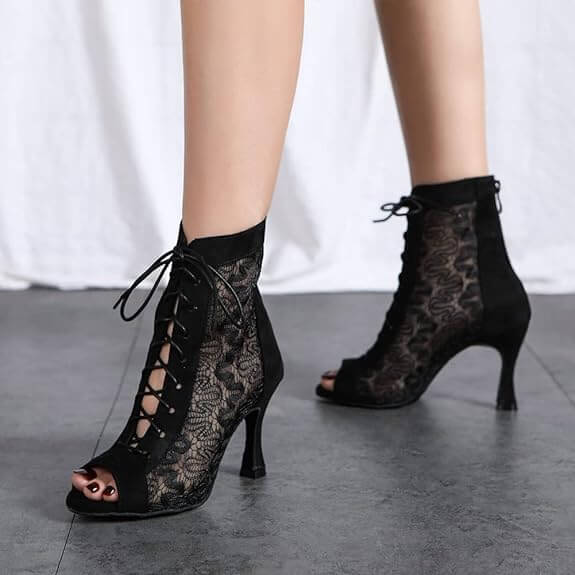
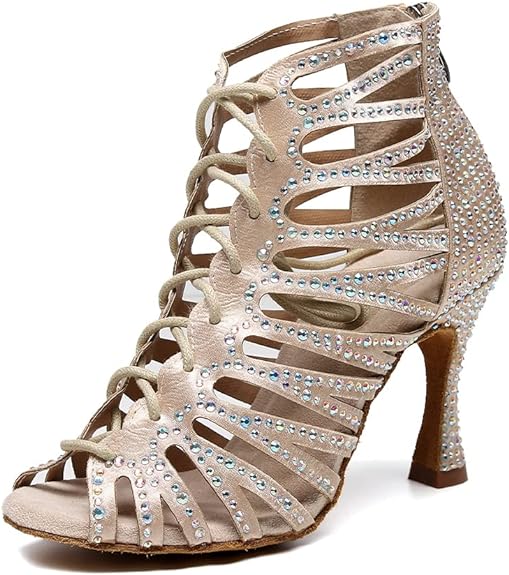
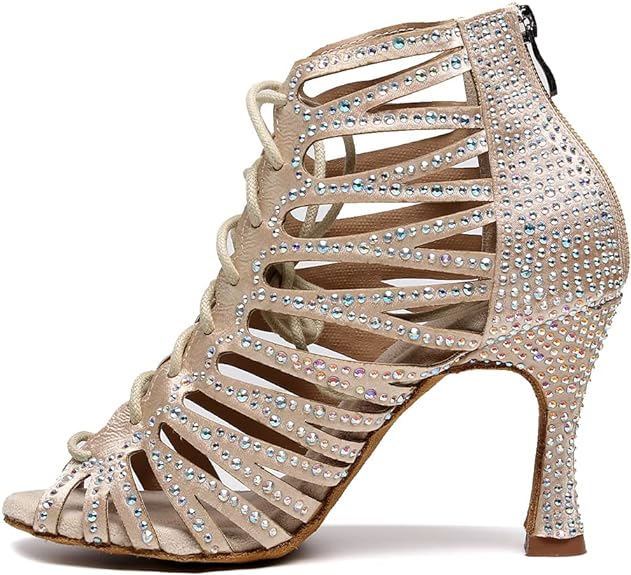
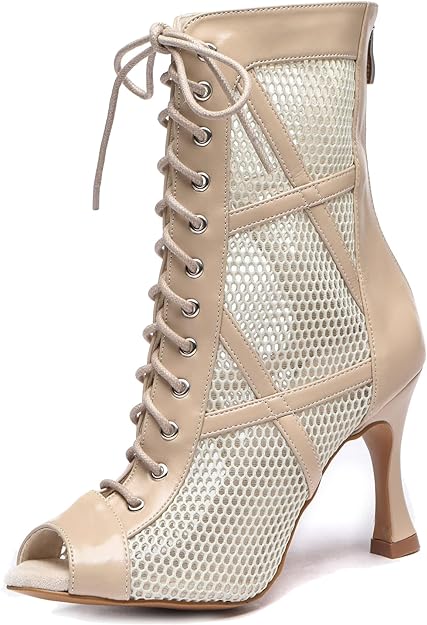
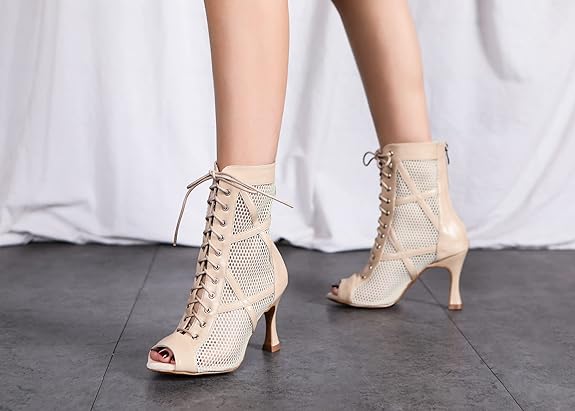
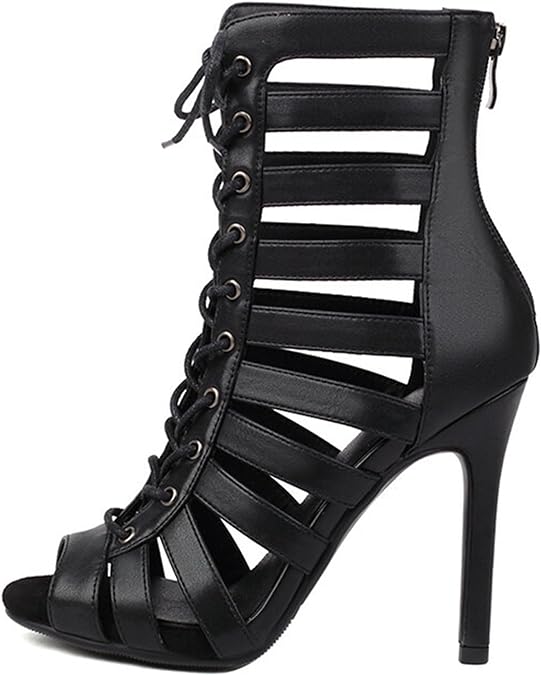
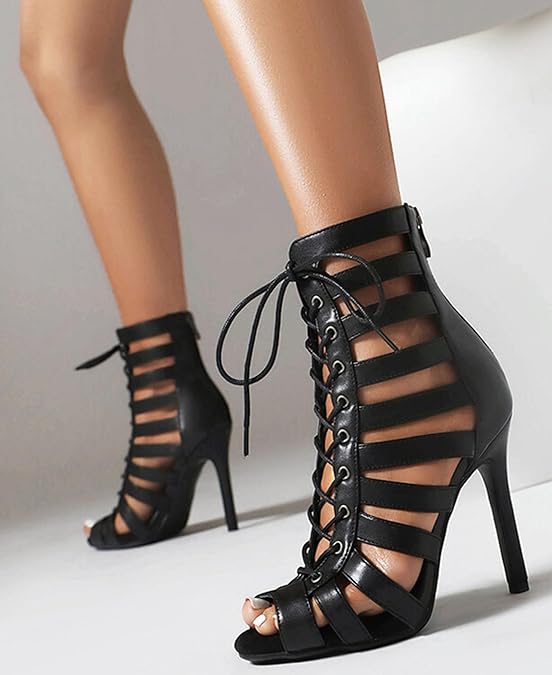
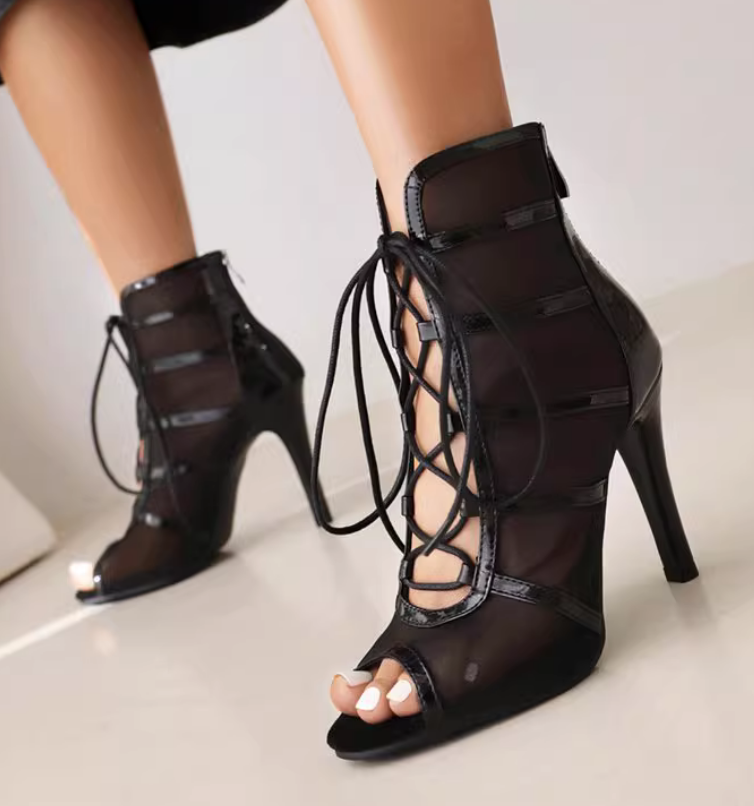
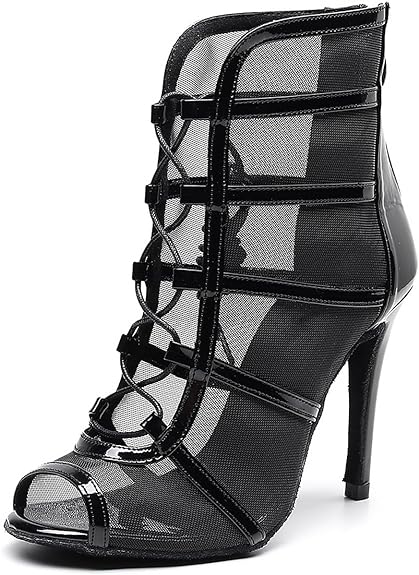
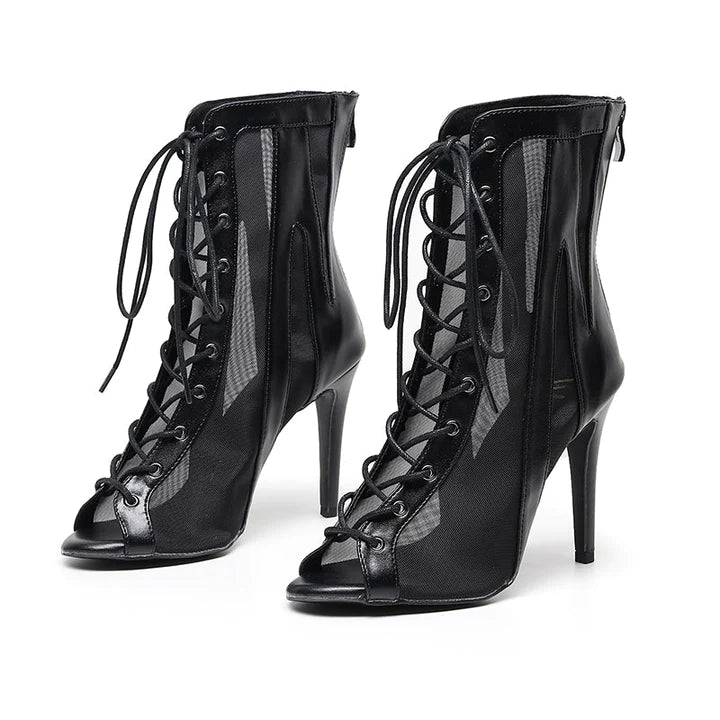
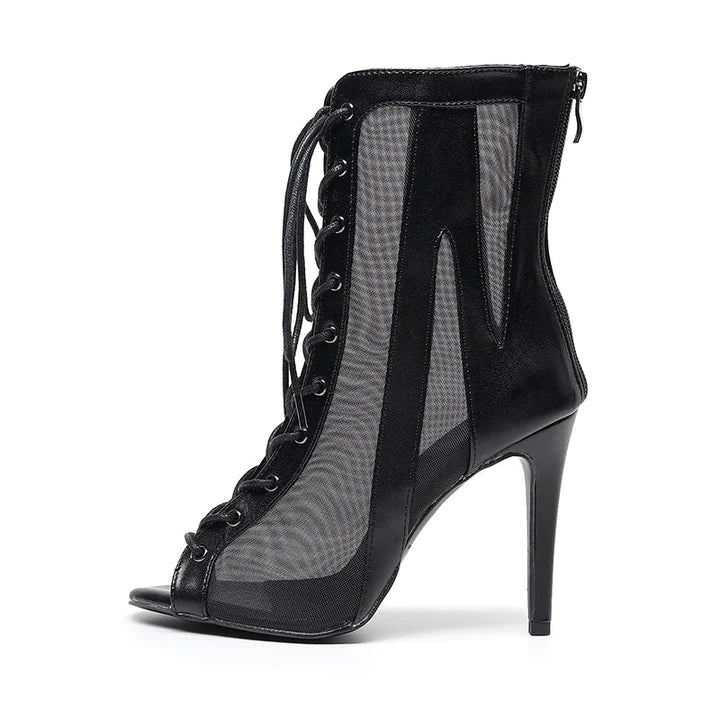
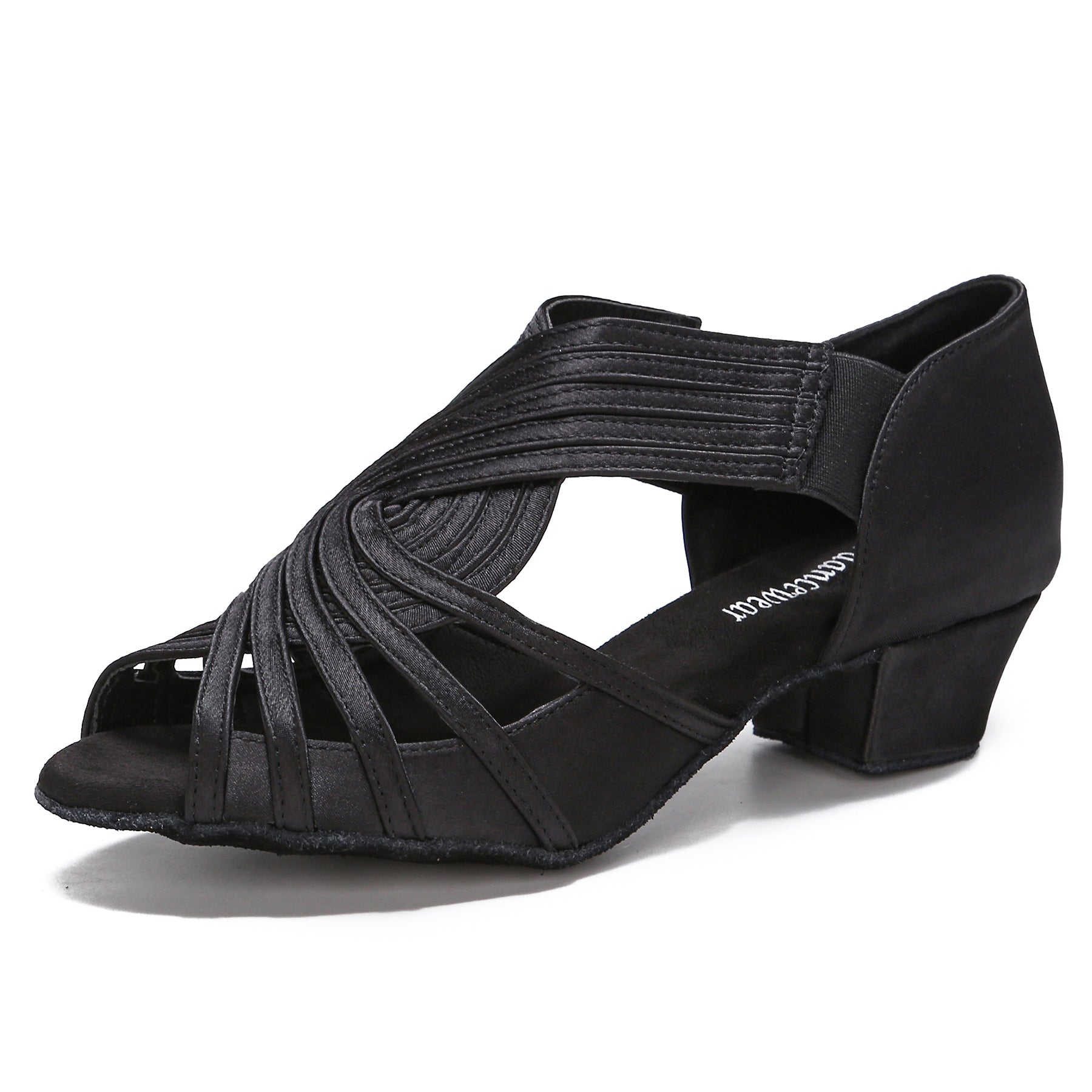
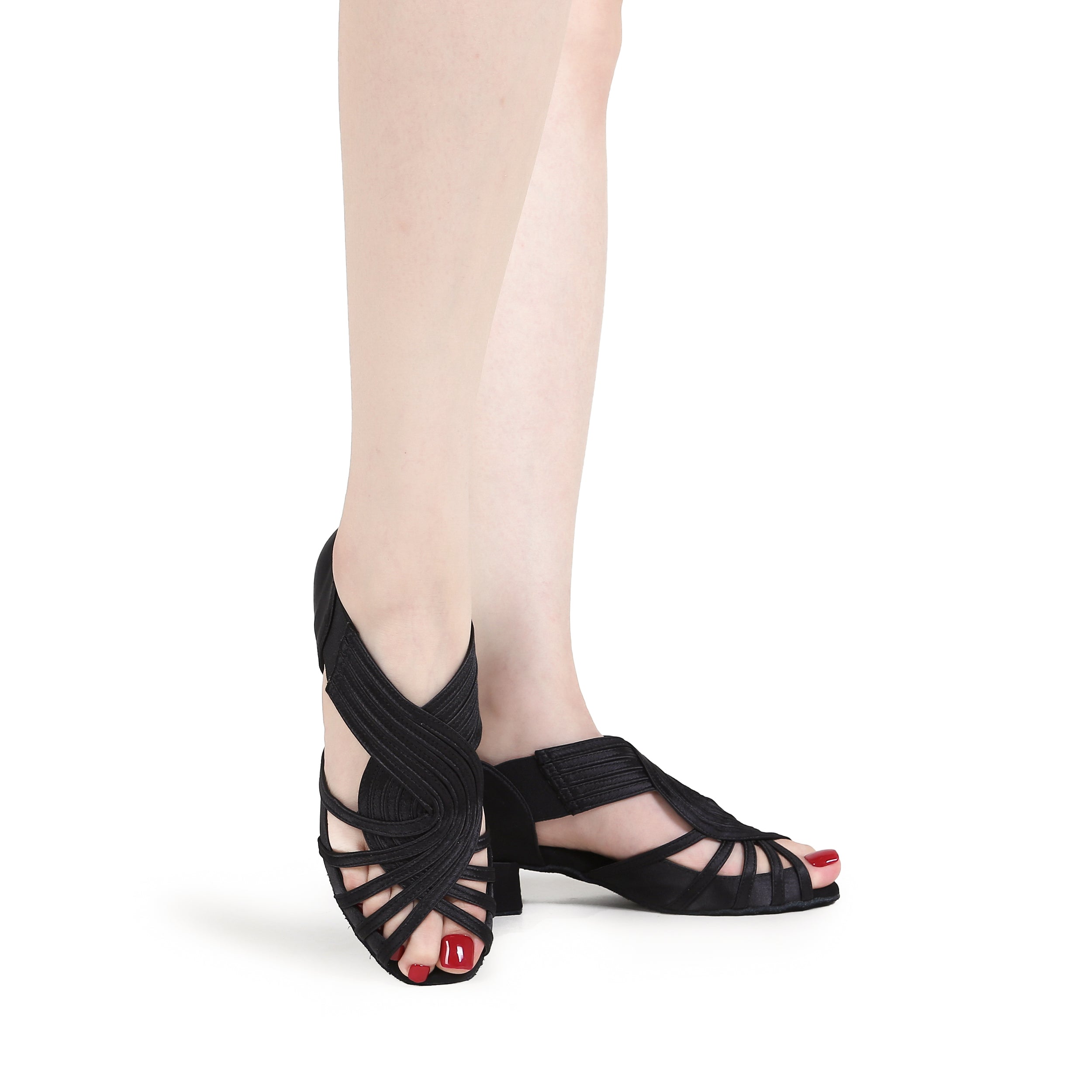
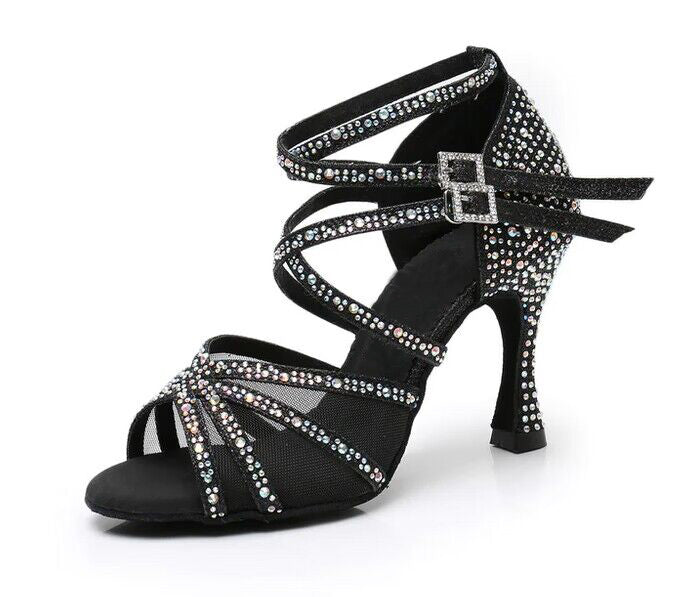
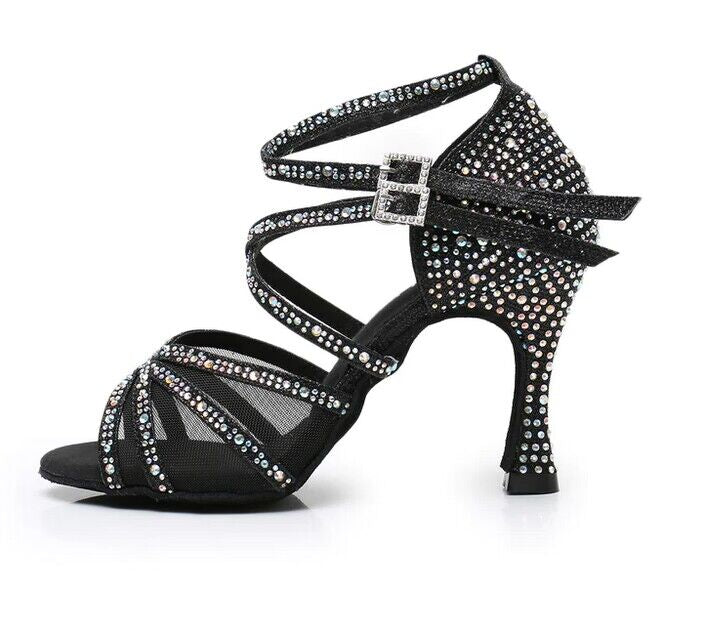
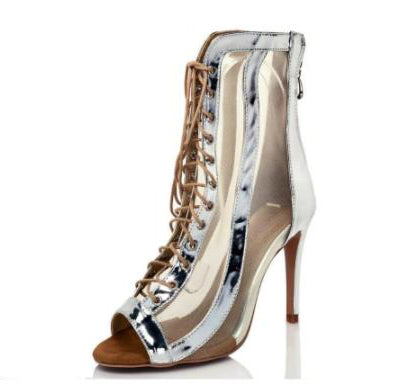
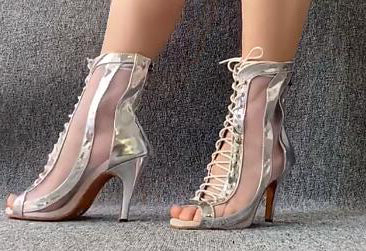
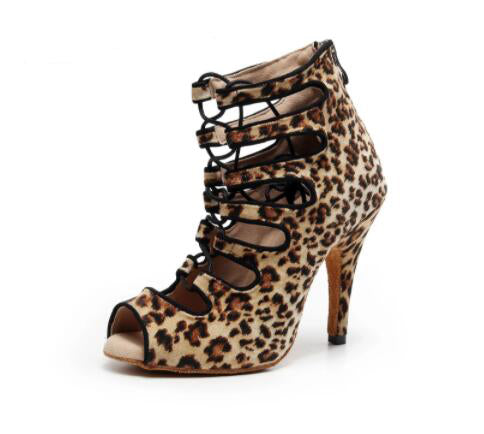
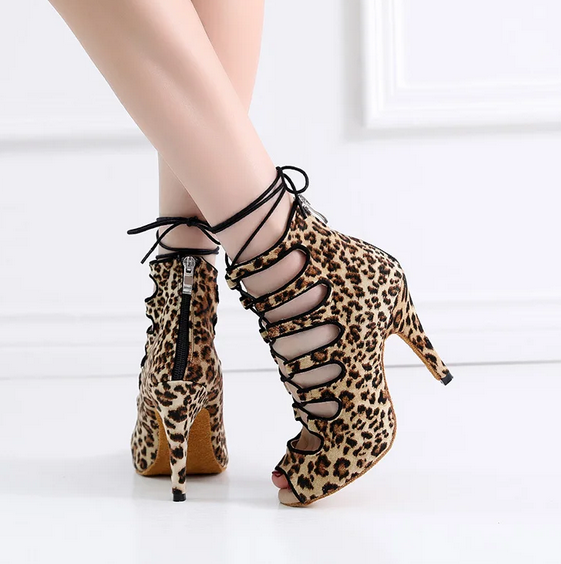
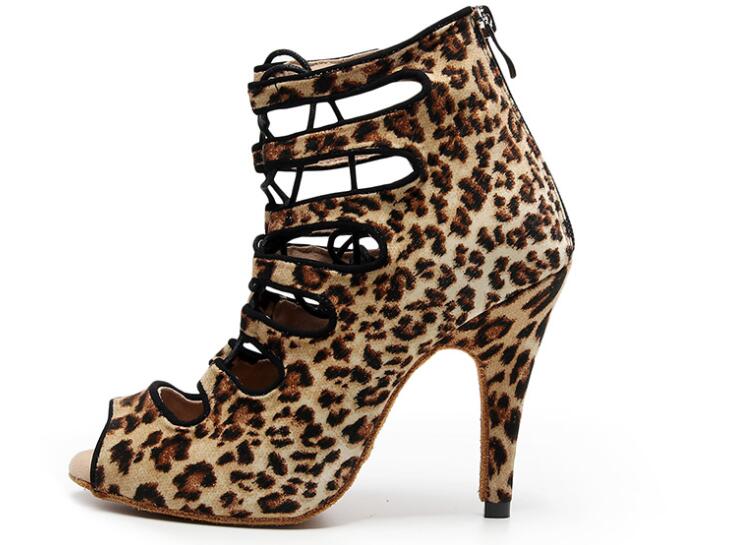
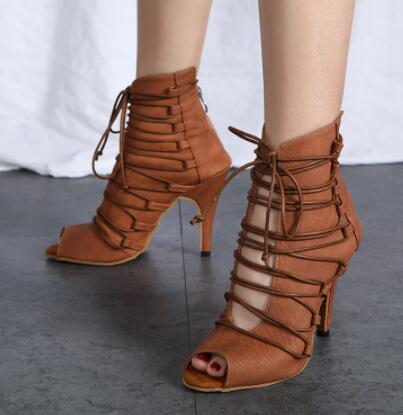
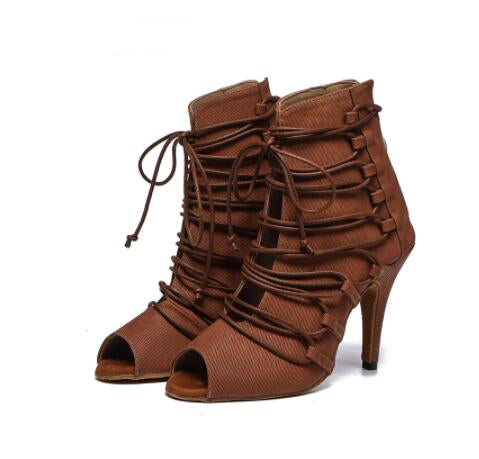
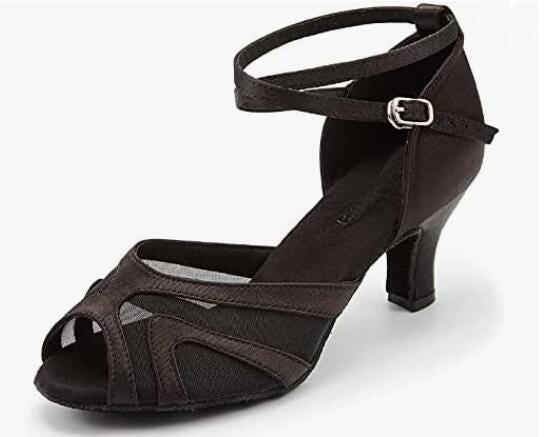

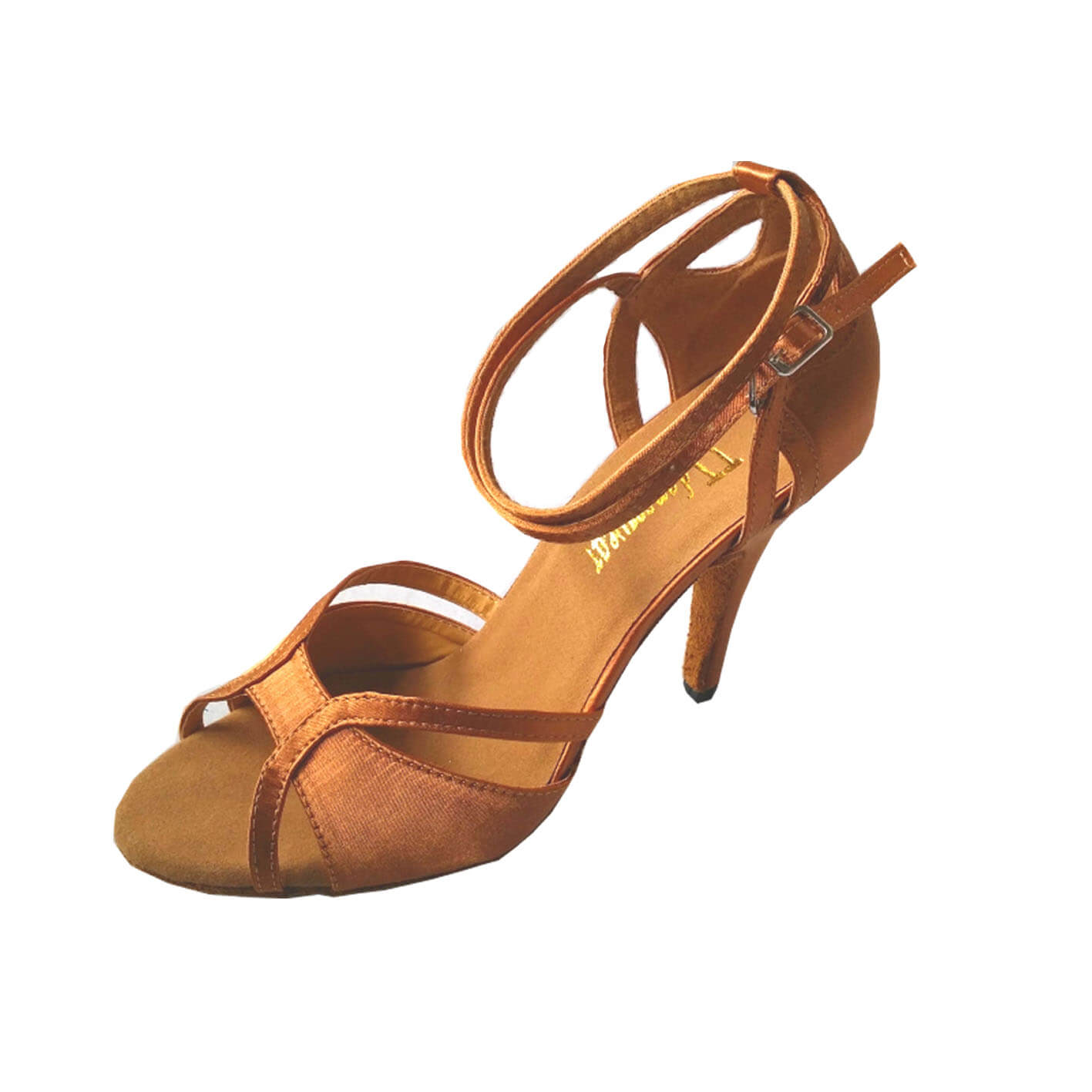
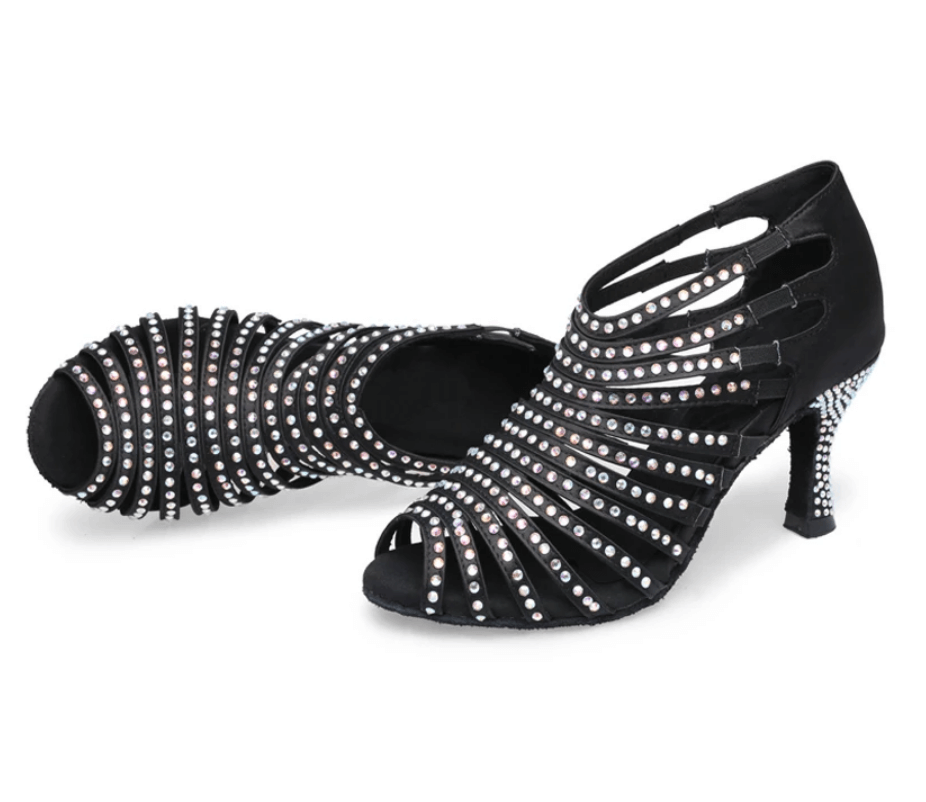
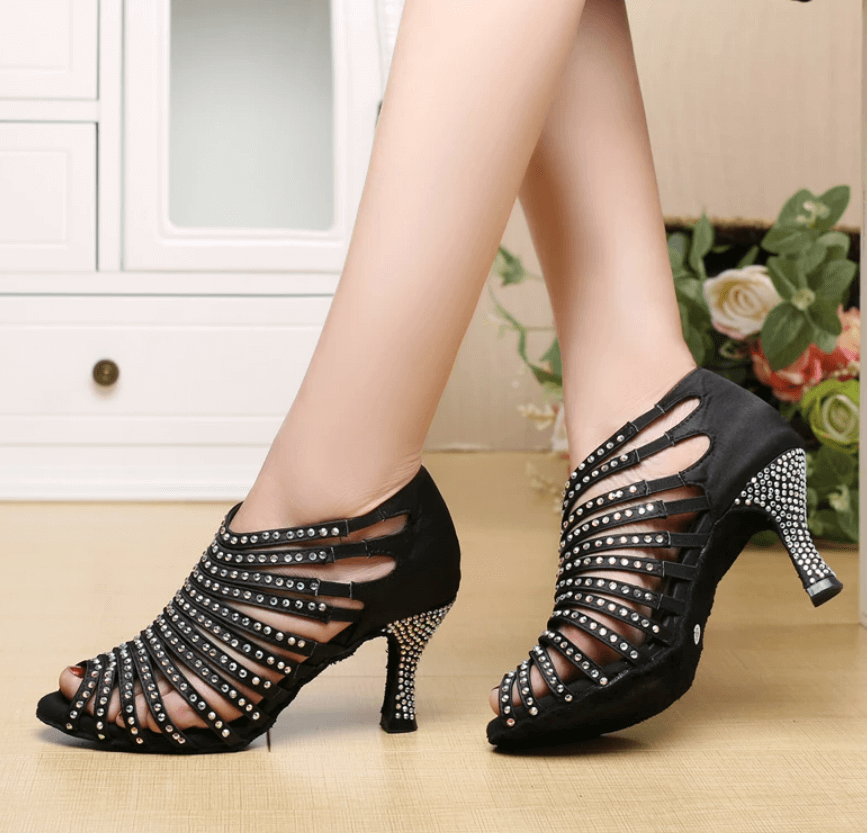
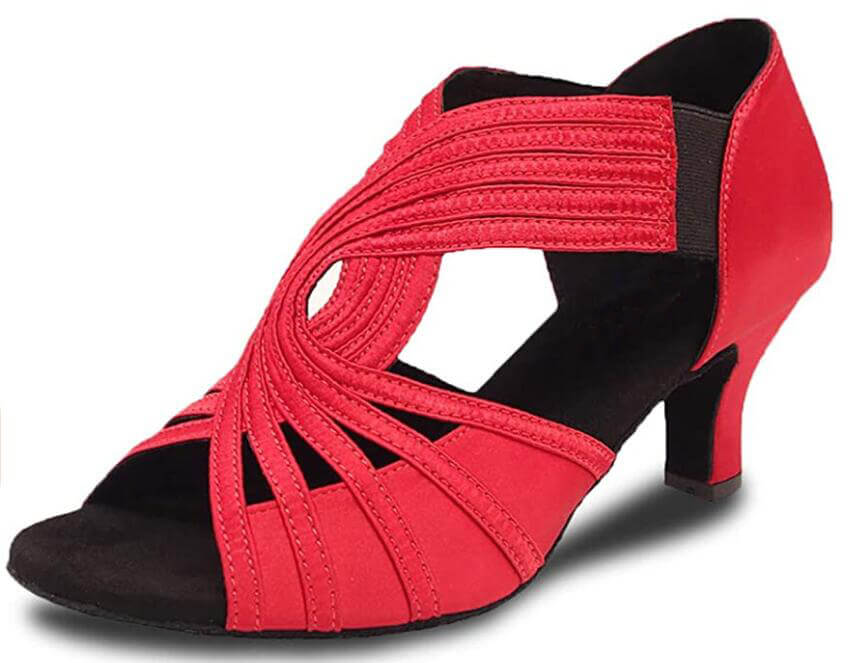
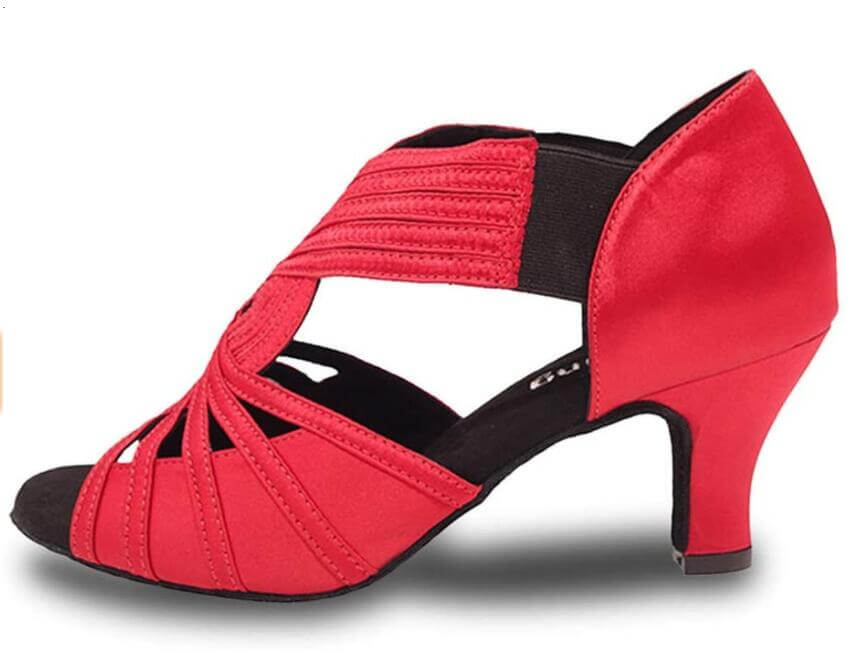
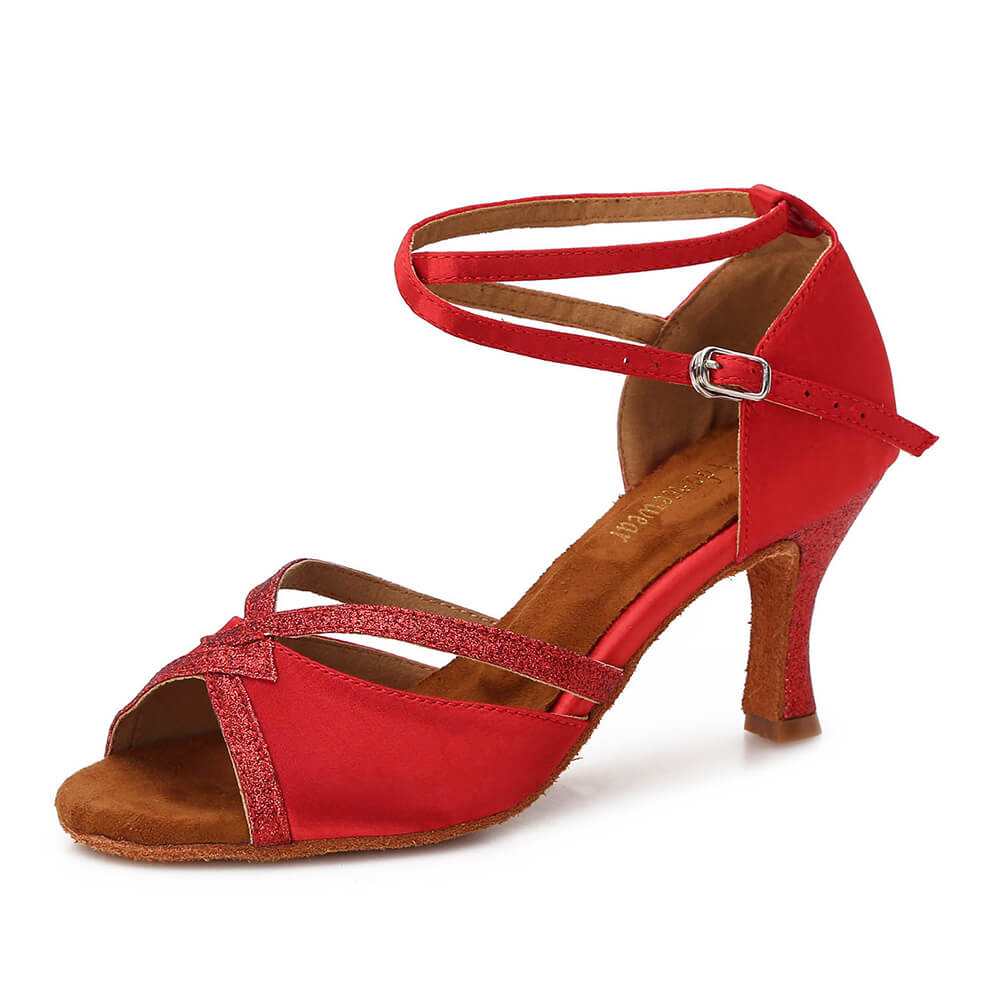
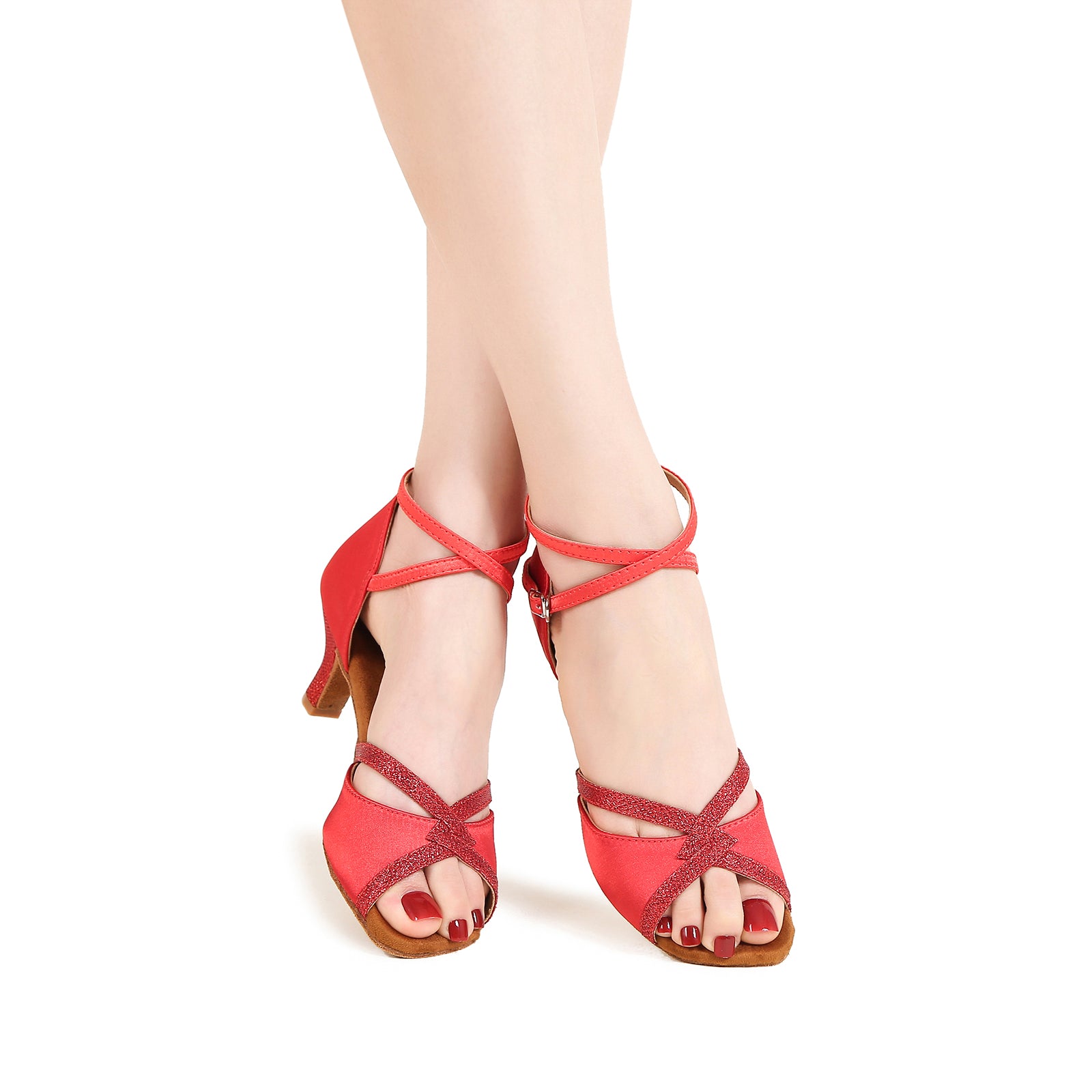
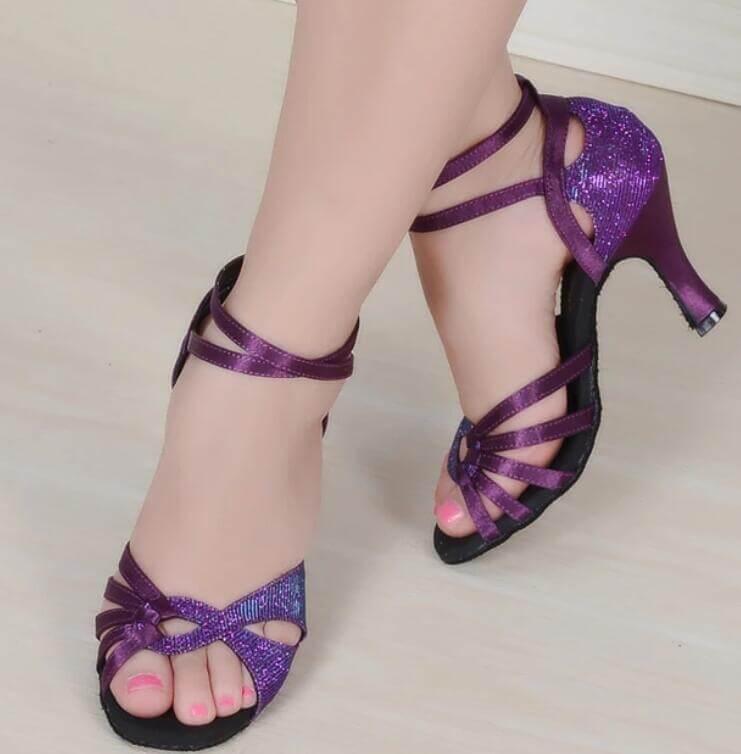
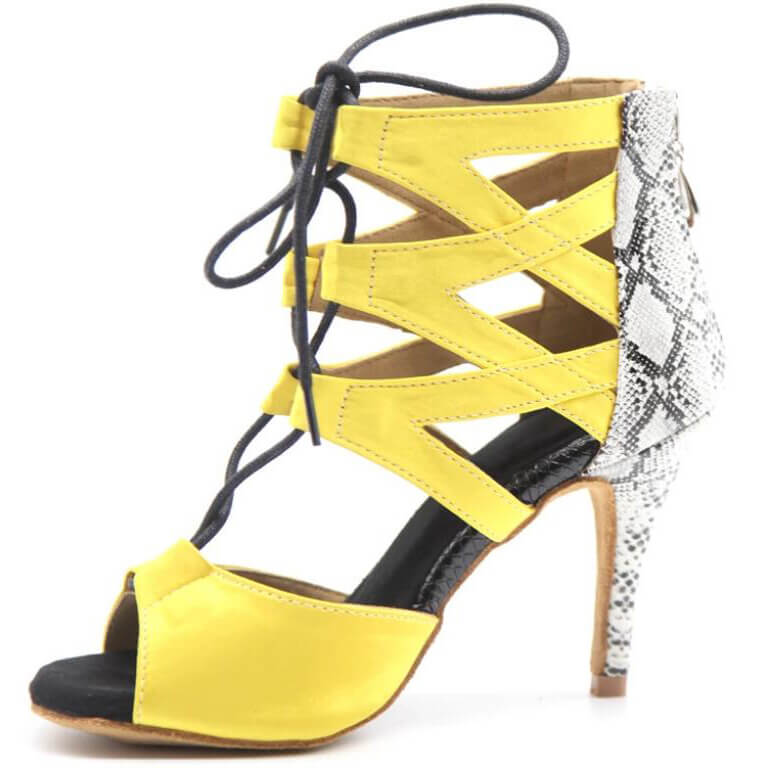
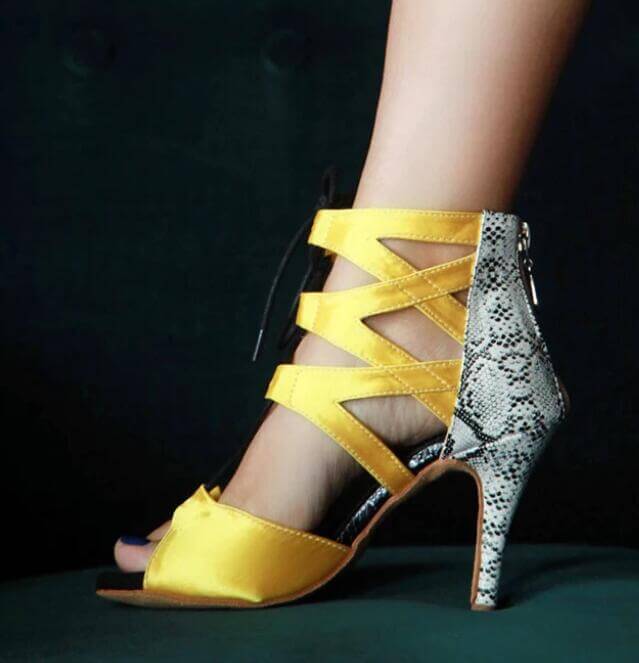
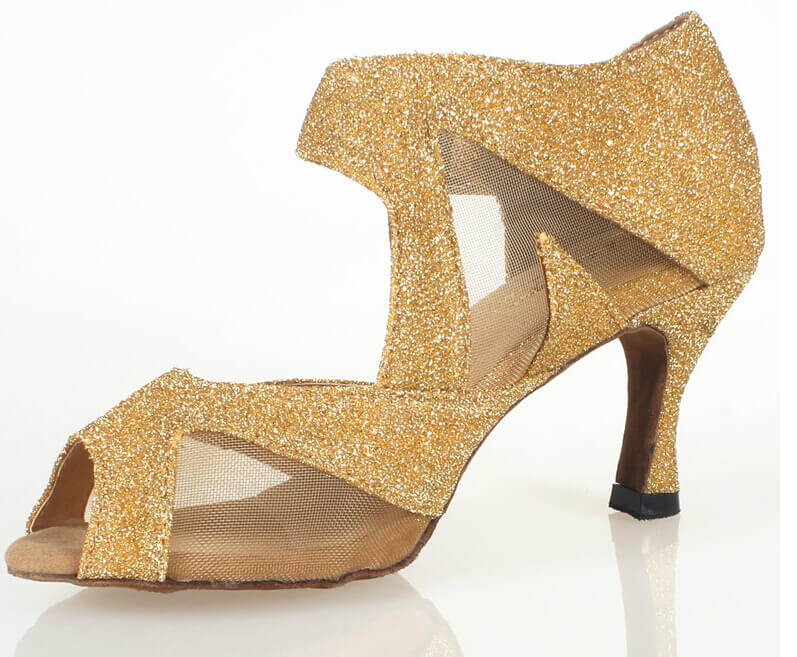
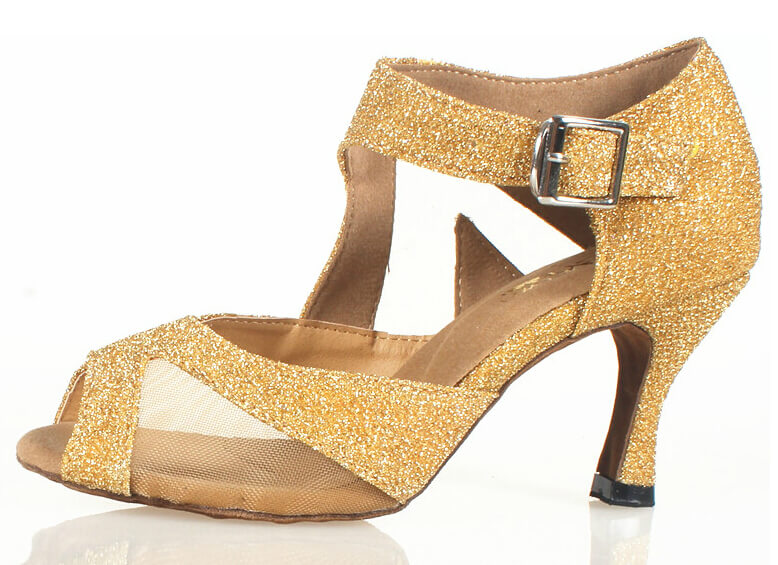
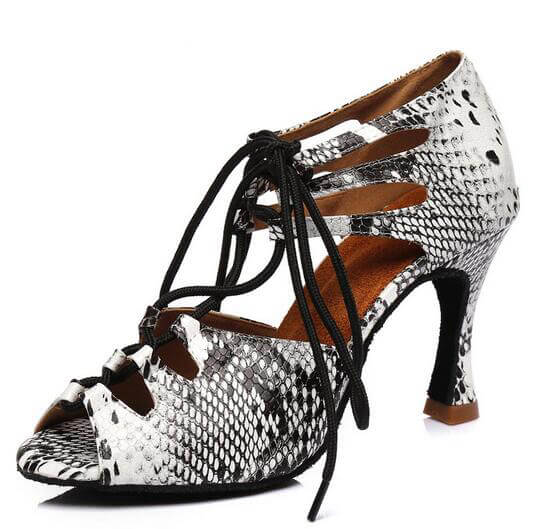
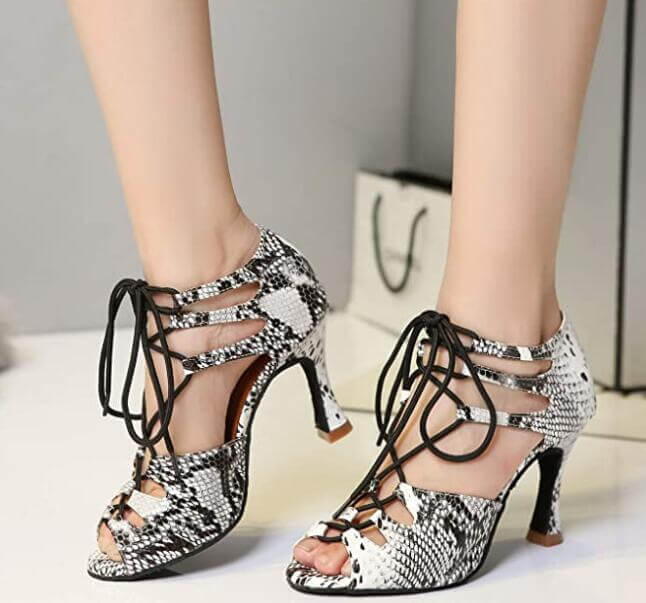
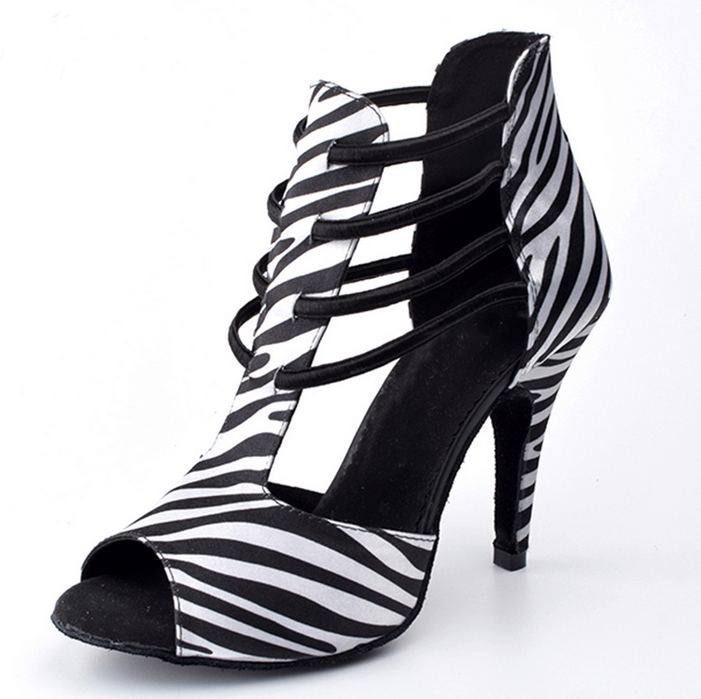
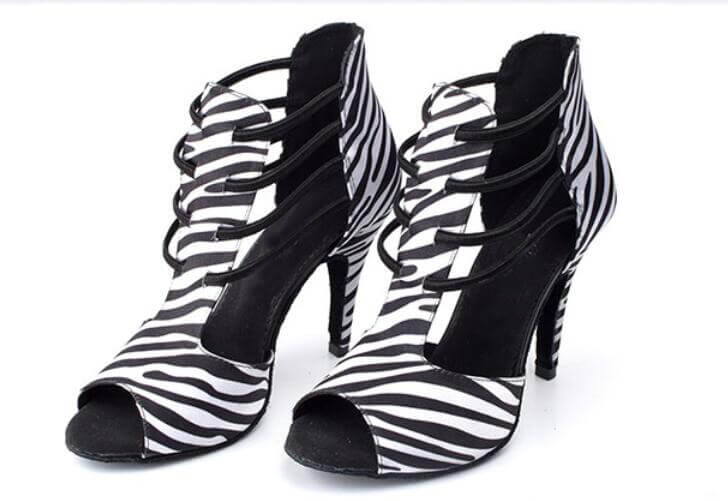
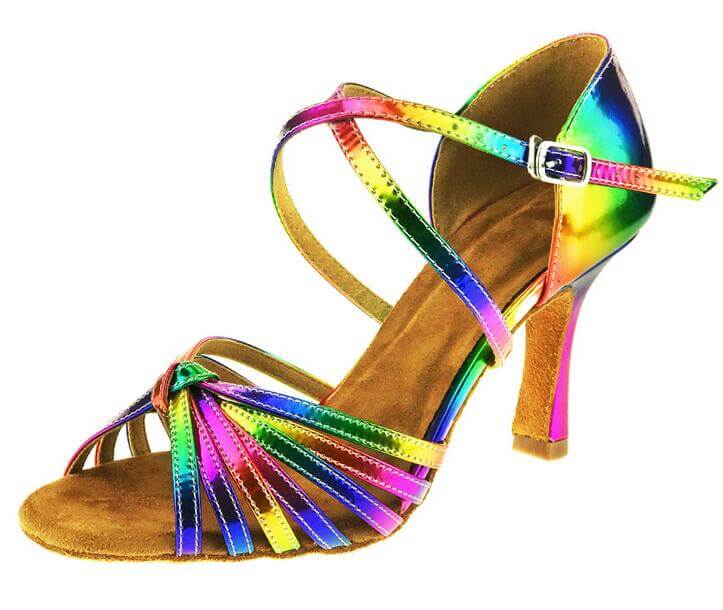
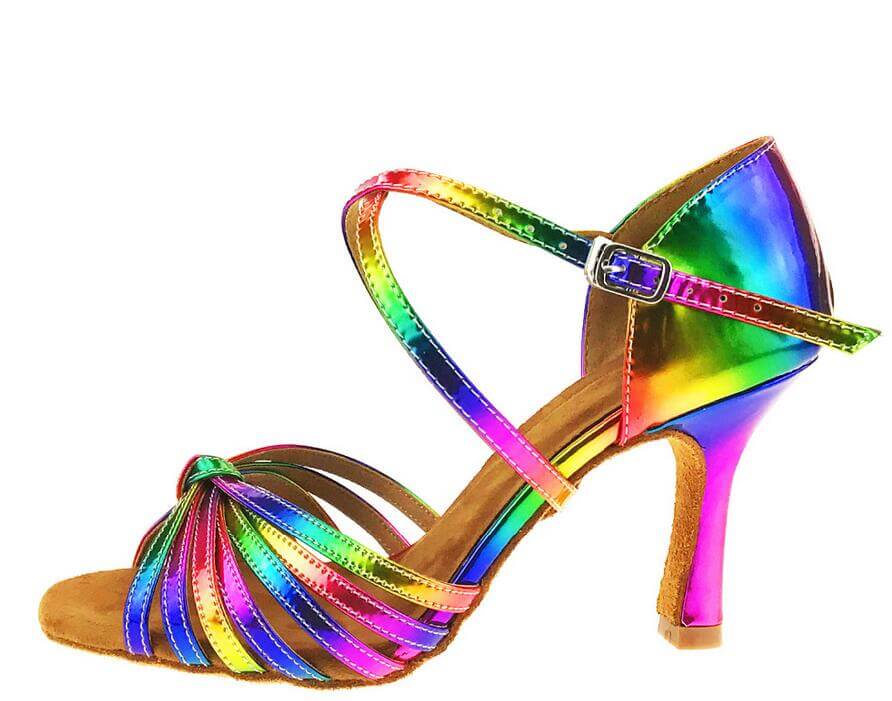
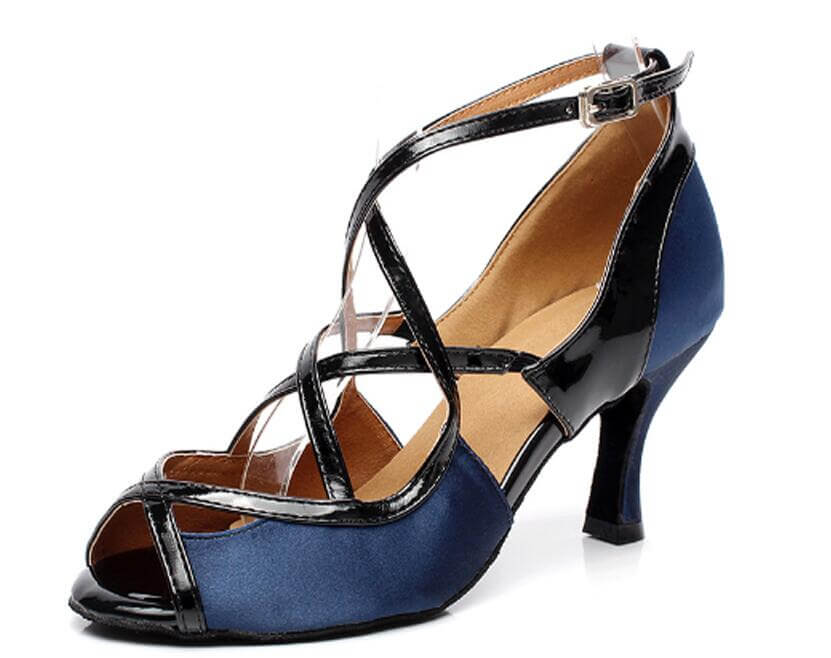
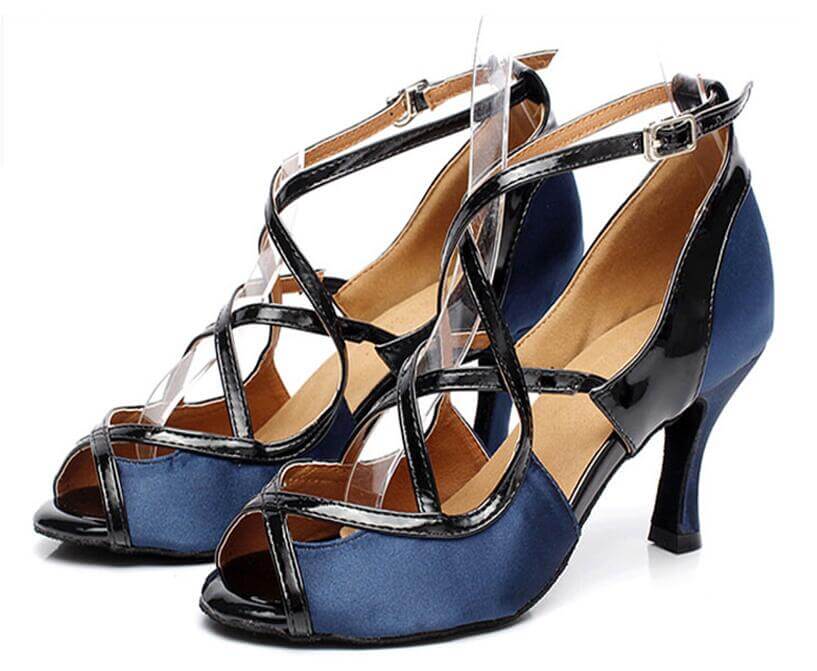
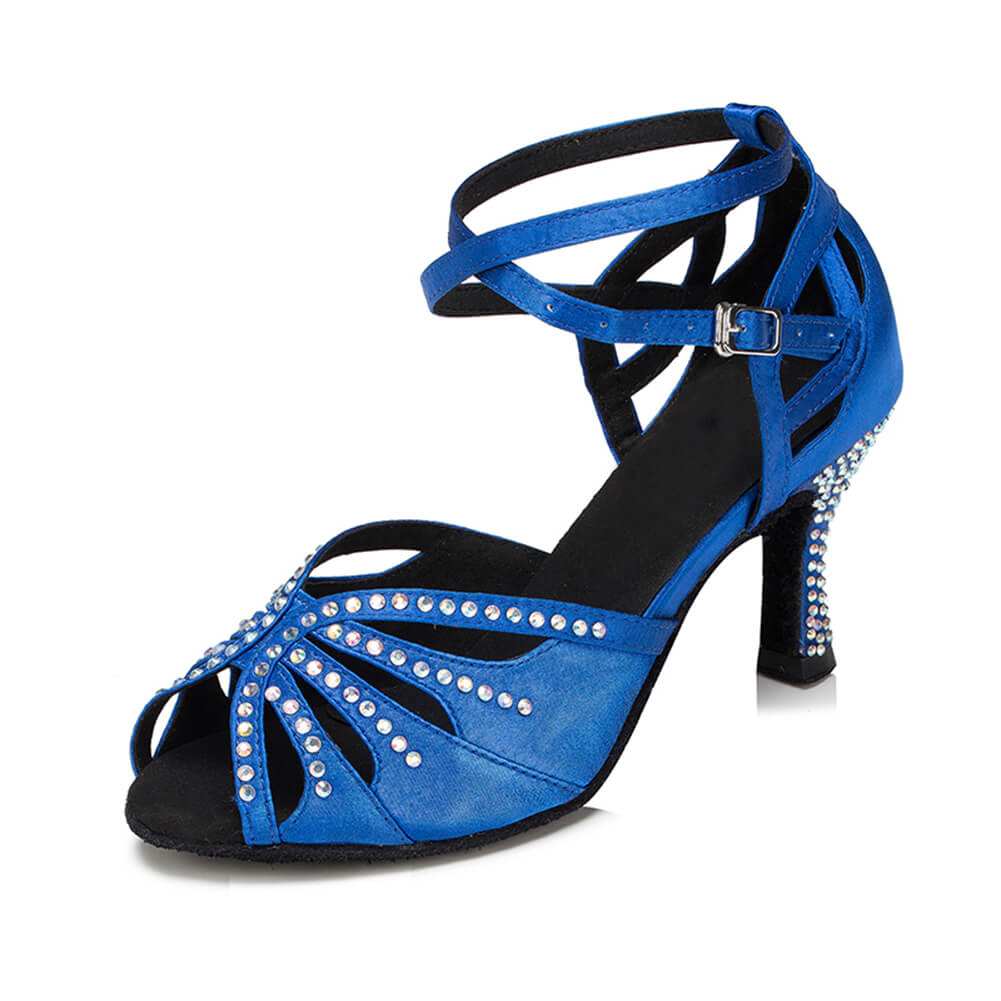
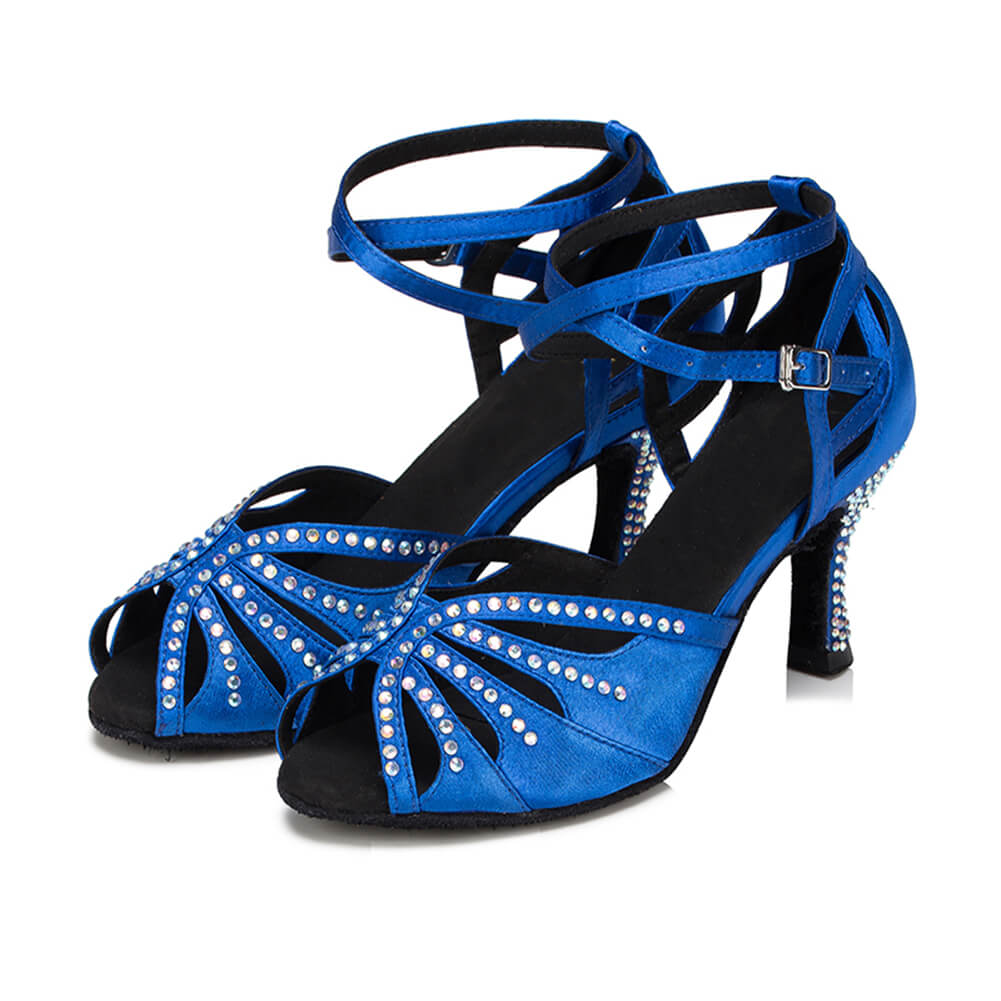
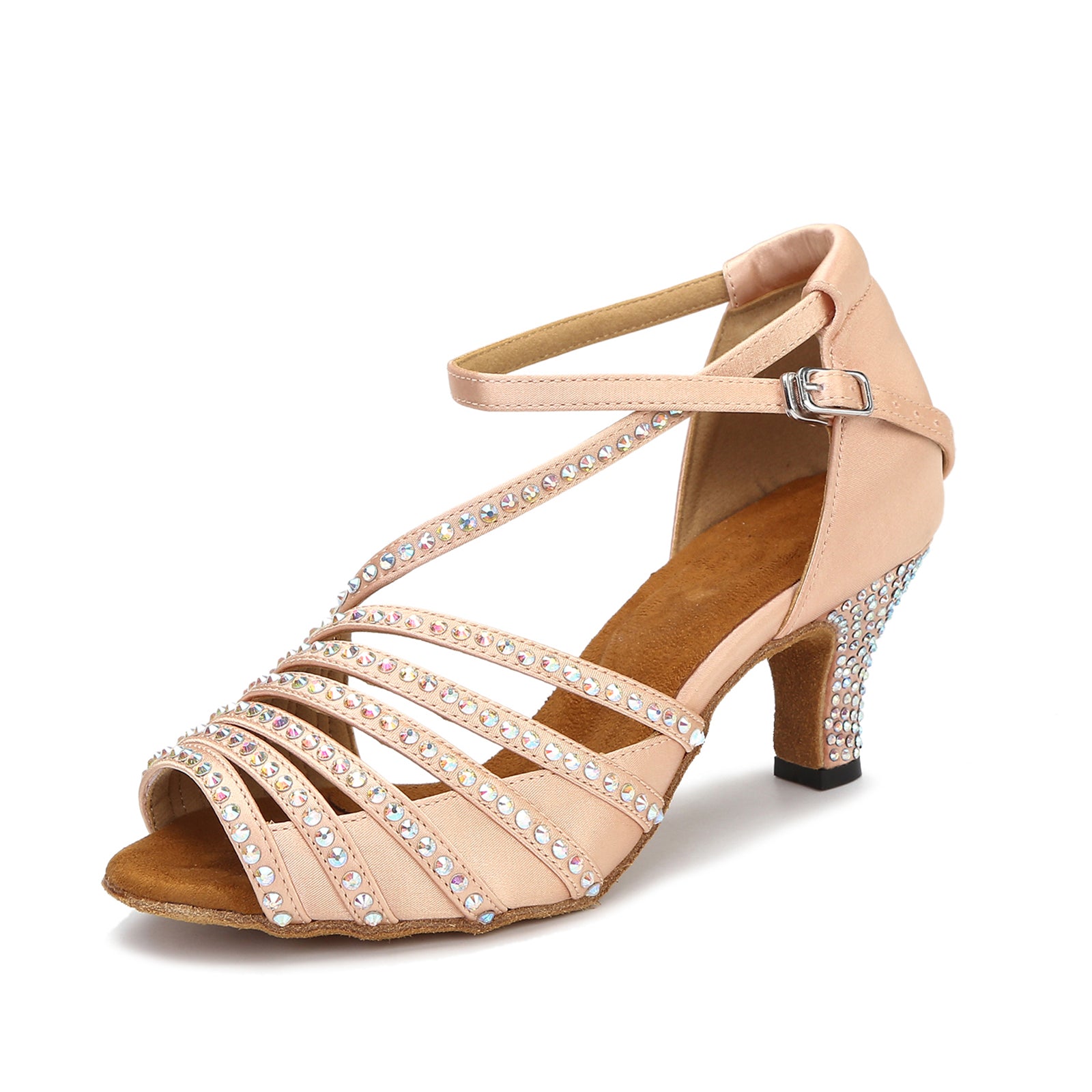
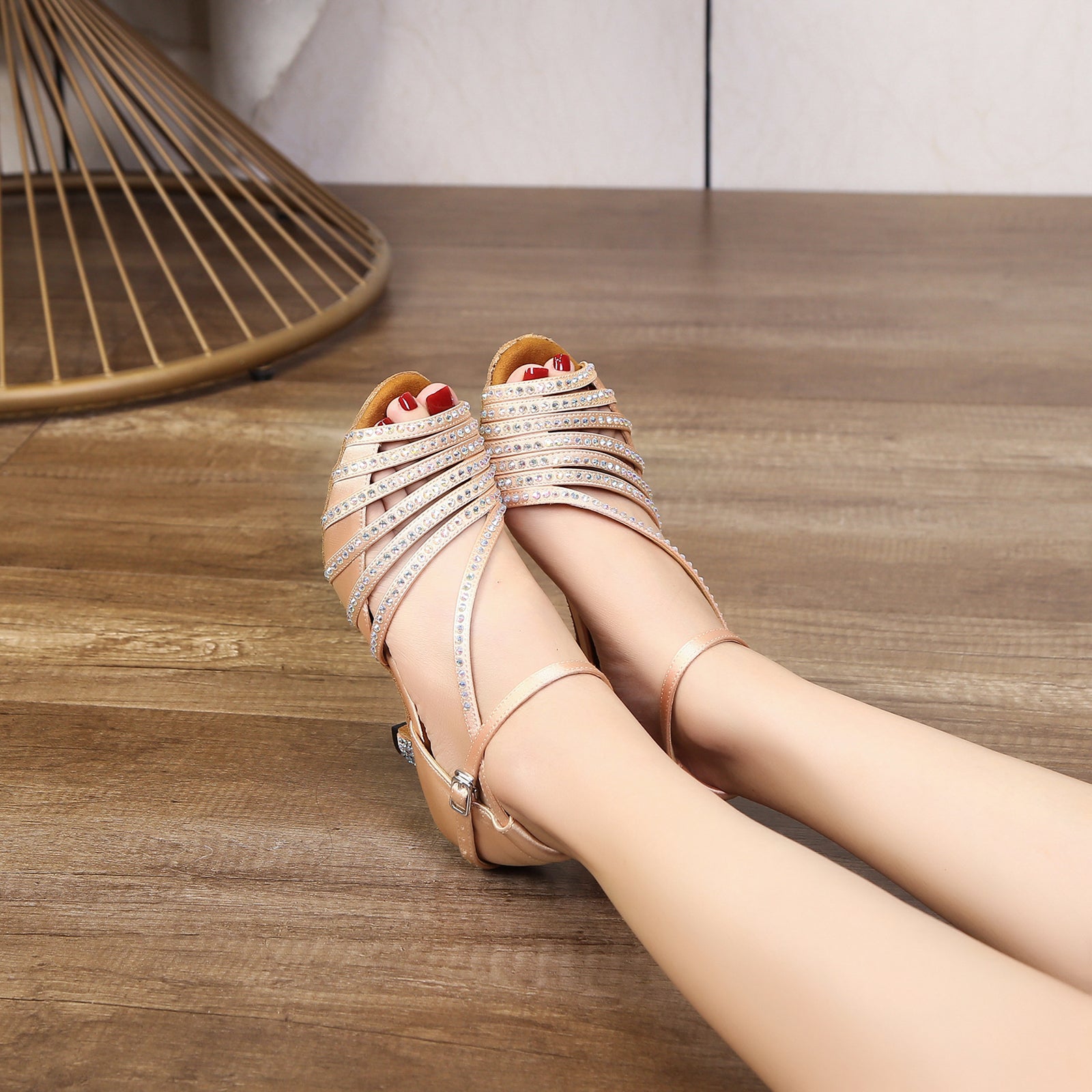
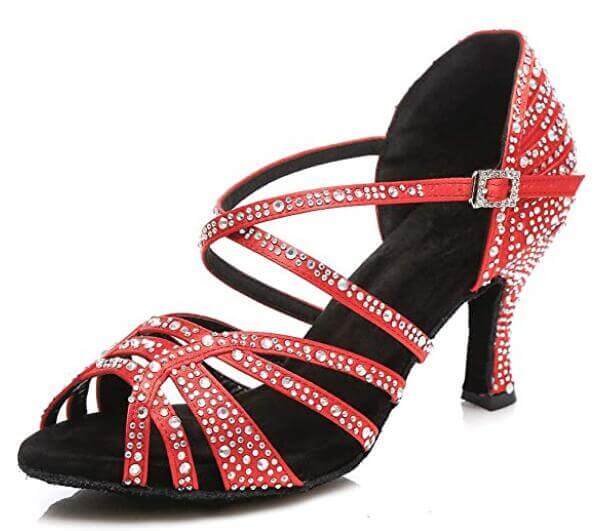
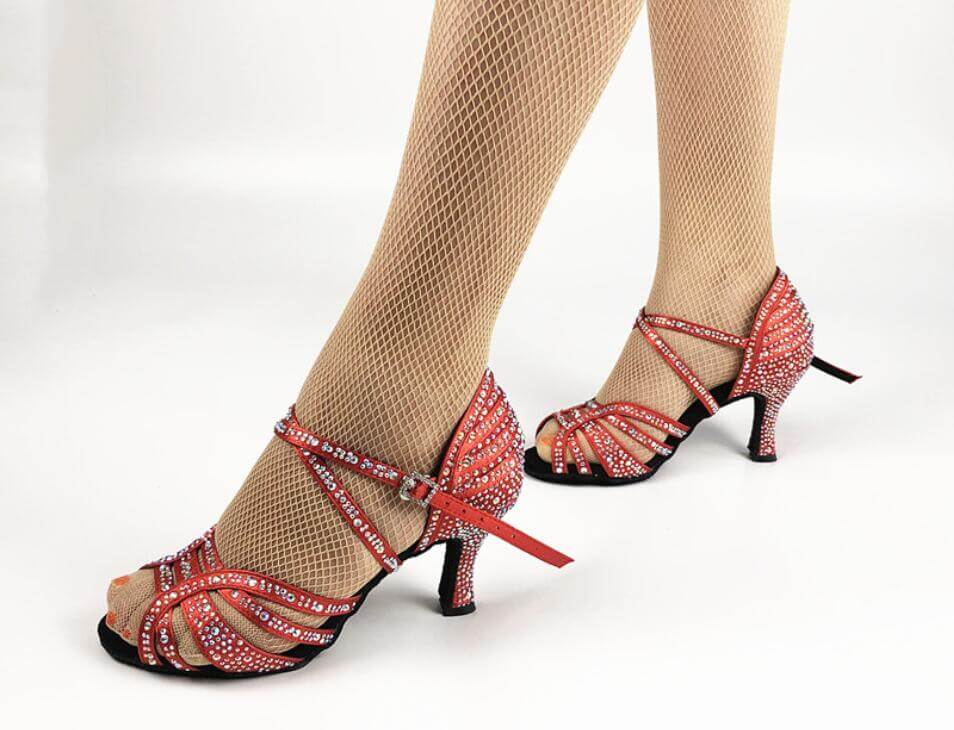
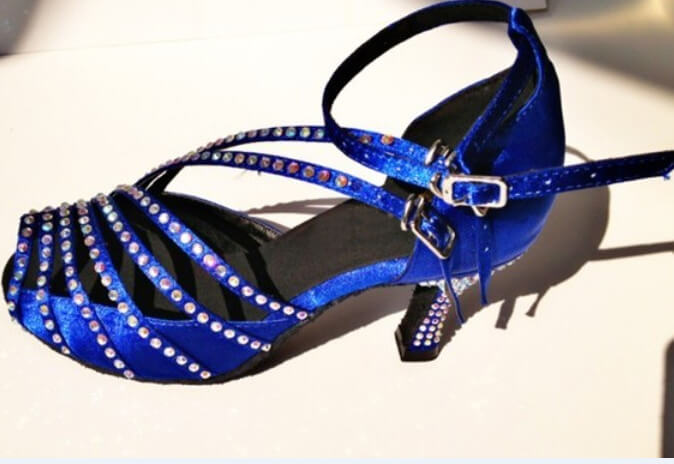
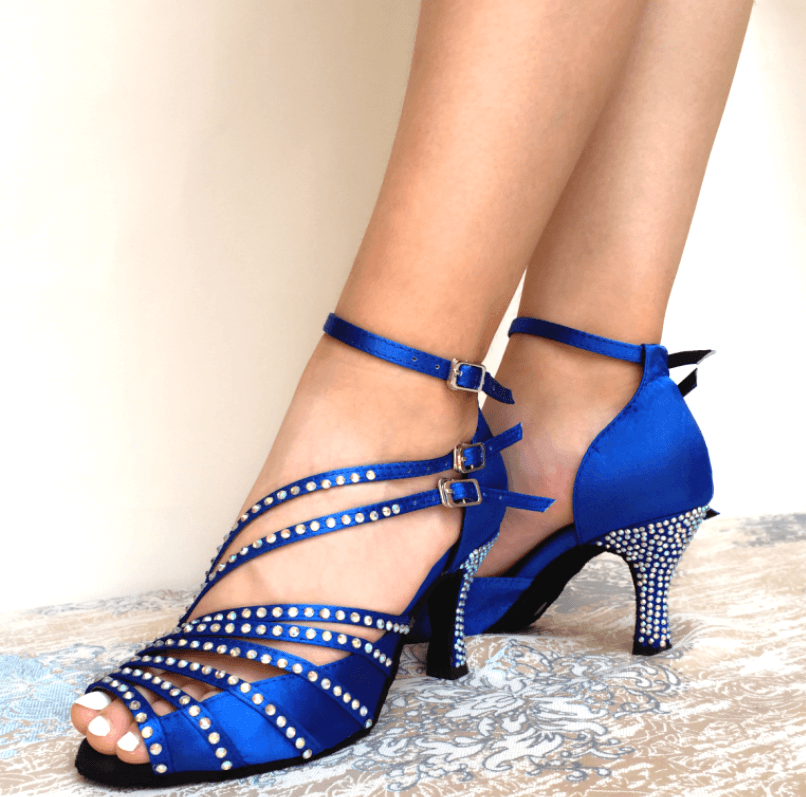
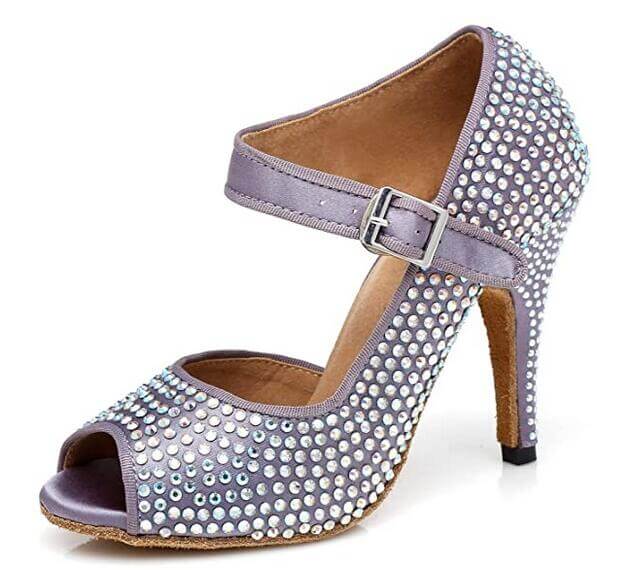
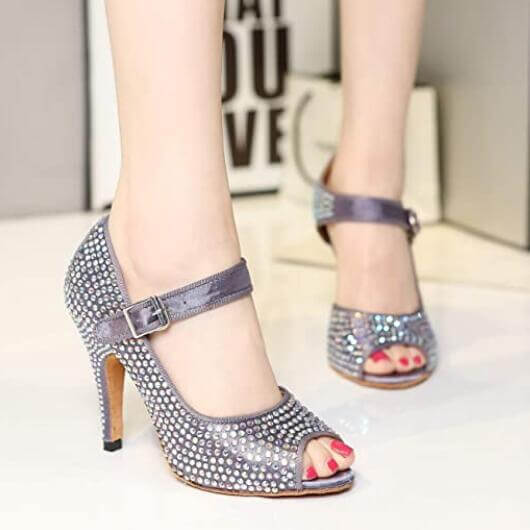
How salsa dance shoes should support your first class and social nights
The right salsa dance shoes keep your weight over the ball of the foot, give your ankle a secure hold, and let your hips, knees, and feet respond quickly to Salsa timing. If you are walking into your first LA style class or heading to a 3-hour social, look for a flexible forefoot, a stable heel cup, and straps that hold the shoe in place during cross-body leads, right turns, and shines. Regular fashion heels put grip, height, and appearance ahead of dance movement; salsa dancing shoes put balance, rotation, and floor feel first.
Choose by your real use. For a studio class on wood or marley, select a suede sole and a lower heel if you want maximum control. For restaurant socials, outdoor parties, or mixed floors, select a street sole. TTdancewear builds women's salsa shoes for online shoppers who need clear choices: custom heel heights from 1 inch to 4 inches, US sizes 5 through 11, select wide-width options, a money-back guarantee, and easy returns.
Choose heel height: 1 inch, 1.5 inch, 2 inch, 2.5 inch, or 3 inch
Beginners, gift buyers, and dancers returning after a break need a heel height that gives stability before style. Start with 1 inch or 1.5 inch when your priority is balance, long practice sessions, and less pressure on the front of the foot. These heights keep you closer to the floor and make basic steps, left turns, and partnerwork feel more controlled.
Intermediate social dancers and performers who already control weight changes choose 2 inch, 2.5 inch, or 3 inch salsa dance heels. A 2 inch heel gives lift without demanding advanced ankle strength. A 2.5 inch heel creates a classic Latin line for Salsa, Cha Cha, Rumba, and Bachata. A 3 inch heel belongs on dancers who already dance confidently through spins and quick direction changes. Pick the lowest height that still gives you the look you want; clean timing looks stronger than extra height.
Pick suede soles for studio floors or street soles for mixed surfaces
Floor choice decides sole choice. Suede soles suit wood and marley because they give controlled slide for turns while keeping enough traction for weight changes. Brush suede after class to keep the nap active and avoid wearing suede outdoors; dirt, moisture, and rough concrete shorten its life. Suede works for dancers focused on lessons, rehearsals, and indoor socials.
Street soles suit mixed-use dancers. Choose them for concrete entries, restaurant floors, event spaces, and parties where you walk between the dance area and other surfaces. Street soles give more durability off the dance floor and reduce the risk of ruining a studio-only sole. If your weekly Salsa life includes both class and social dancing across different venues, buy the sole that matches the roughest floor you will use.
Fit and width for women's salsa shoes
Women who dance for 2 to 4 hours need a fit that feels secure without squeezing the toes. Look for straps that lock the midfoot in place, a toe opening that does not cut across the bunion area, and enough width at the ball of the foot for pressure to spread evenly. Satin, leather, and mesh uppers each feel different: satin gives a polished stage look, leather molds firmly, and mesh adds flexibility.
Choose your regular US size as the starting point, then adjust for foot shape. TTdancewear offers standard sizing from US 5 through 11 with select wide-width options, which matters for dancers who feel pinching in narrow Latin sandals. Your heel should sit securely at the back, your toes should stay supported on the footbed, and the ankle strap should close without gapping. A shoe that slides during a basic step is too loose for Salsa.
Beginner, social, and performance choices
Beginner salsa dance shoes should feel stable from the first basic step. Choose a 1 inch, 1.5 inch, or 2 inch heel, a secure ankle strap, and the sole that matches your class floor. Beginners intimidated by experienced partners gain confidence from shoes that grip correctly, rotate cleanly, and stay attached through turns.
Intermediate social dancers need comfortable salsa shoes that stay supportive through long nights. Choose a 2 inch or 2.5 inch heel when you want a lifted look without sacrificing stamina. Performance dancers and competition dancers choose bolder straps, satin finishes, sparkle details, and 2.5 inch or 3 inch heels when the choreography demands a longer leg line. For gift buyers, select a versatile mid-height pair in the dancer's known US size and choose street sole when the floor is unknown.
Care and longevity for regular Salsa dancing
Treat salsa dance shoes as dance equipment, not everyday footwear. Keep suede soles dry, brush them after every few classes, and store them in a breathable bag so the upper and lining air out. Do not wear suede soles on sidewalks, parking lots, or wet surfaces. For street soles, wipe the outsole and upper after mixed-surface events to remove grit before it scratches satin, leather, or mesh.
Rotate pairs when you dance several nights each week. Use one pair for studio training and another for socials on rougher floors. Replace shoes when the heel feels unstable, the strap stretches, or the sole loses the grip-slide balance you need for turns. TTdancewear makes this decision easier with custom heel options, suede or street sole choice, easy returns, and a money-back guarantee, so you can order online with less risk and focus on dancing Salsa with control.
| Decision point | Low heel: 1-1.5 inch | Mid/high heel: 2-3 inch |
|---|---|---|
| Stability and balance | Closest to the floor, easier for first Salsa basics, side steps, and controlled weight changes. | More lift and a stronger Latin line; requires steadier ankle control through turns and shines. |
| Comfort for long socials | Reduces pressure on the ball of the foot during 2-4 hour dancing sessions. | Works for experienced dancers who already manage posture, foot pressure, and recovery between songs. |
| Recommended dancer level | Beginner salsa dance shoes choice for first lessons, nervous dancers, and anyone building confidence. | Stronger choice for intermediate social dancers, performers, and competition routines. |
| Style and appearance | Clean, practical look with less height; pairs well with practice wear and casual socials. | Creates a longer leg line for dresses, stage outfits, satin uppers, and polished social looks. |
| Floor and movement feel | Gives grounded control on wood, marley, and mixed floors when paired with the right sole. | Adds sharper shape for spins, Cha Cha styling, and performance movement on suitable dance floors. |